Modular electric minivan is inspired by puzzles for a more sustainable design

Although electric cars are becoming more common, we’ve barely scratched the surface of what they’re capable of. Removing the need for traditional fuel and relying on batteries opens up new possibilities, and not just in terms of power sources. It can offer a bit more flexibility when it comes to the form and function of the vehicle, like cars with completely digital interfaces or screens all around. There might even be room for a modular design, as this concept for a tiny Japanese electric van tries to show, allowing the manufacturer or even the owner to switch out certain parts both outside and inside to match their needs, just like pieces of a puzzle.

Designer: HW Electro

To be fair, a modular car might be a bit far down the road considering the industry is hyper-focused on standardizing electric vehicles and making self-driving features more acceptable to the masses. That’s not to say that the design is a distant possibility only, especially when the features are made to be more practical rather than fantastical. Switching out panels is probably more feasible than switching out whole car parts or components, which is the kind of modularity that the Puzzle concept embodies.

At first glance, the boxy shape of the Puzzle will already look strange to those not used to so-called “Kei cars,” but this kind of van design is popular in Japan for striking a balance between large interior capacity and small compact size. It’s a design that screams practical efficiency, and making it modular is taking it to the next level. But unlike what you might be imagining, the Puzzle’s pieces, pardon the pun, are limited to swapping out certain panels at the sides, corners, and even inside. It’s a bit of a generic system that opens up quite a number of possibilities but, more importantly, it also doesn’t tie them down to a specific design or part. It also makes replacing damaged panels easier and more economical, something that you can only dream of with regular cars.

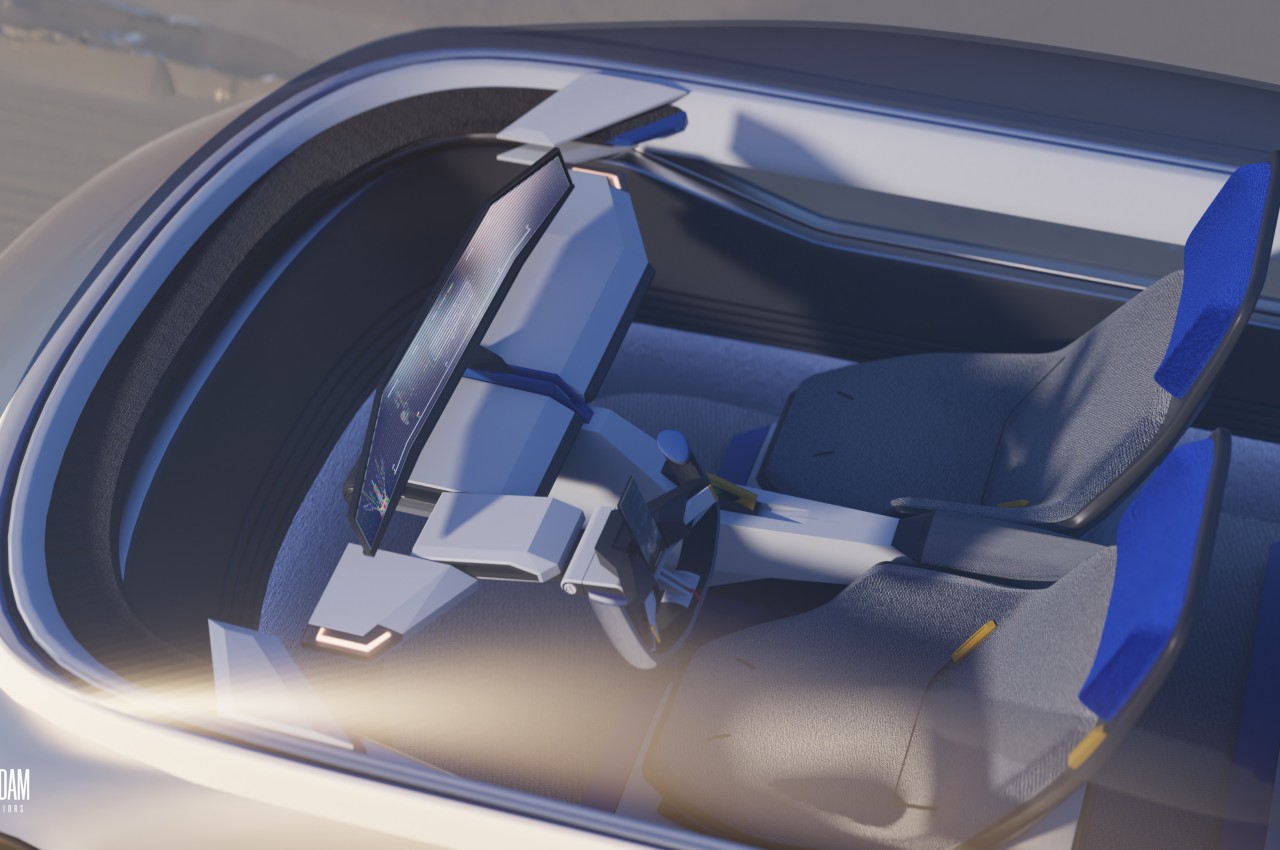
The Puzzle van also has secrets to reveal inside its extremely spacious cabin. The interior door panel has slots that make it possible to add and remove different modules, such as containers, cup holders, and the like. Even the dashboard has this kind of design, yielding a clean yet flexible space for expanding the van’s capabilities, especially in the infotainment aspect. The cargo space, which is practically a cube, is also more space-efficient for storing boxes and all sorts of large objects, making the EV a potential delivery vehicle.

Thanks to the boxy form of this Kei car, it’s possible to put a solar panel on the roof to really maximize its battery mileage. Modular and sustainable, the Puzzle minivan concept offers an extremely simple yet effective solution to the future of electric vehicles, one that espouses the Japanese spirit of minimalism and practicality where form clearly follows function.

The post Modular electric minivan is inspired by puzzles for a more sustainable design first appeared on Yanko Design.
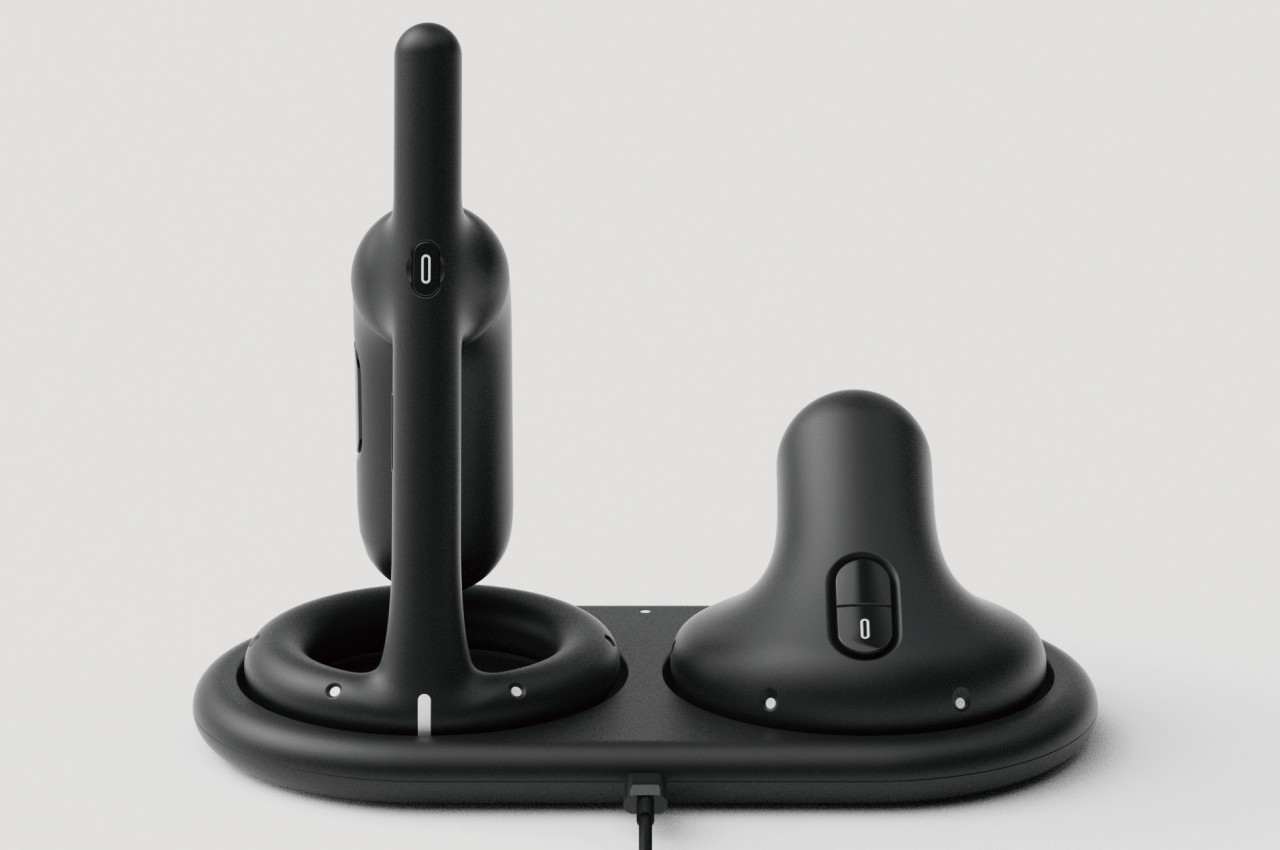
A Unique Pet Toy Inspired By Nature To Keep Your Pets Engaged

Pet toys come in various shapes and sizes, but The Triangle Toy stands out as a unique creation that not only entertains your furry friends but also doubles as a work of art. This innovative pet toy is not just about play; it’s a visual experience inspired by the beauty of nature.

Designers: Second White, Ethan J Choi, Jihun Yoo, DK (Dukkeun An), Junha Kam, Ikhyeon Kim<, Maini Kwon yanko design images to size – Triangle_pet_toy_02

1

Triangle’s design is a testament to the creativity that can be infused into pet products. The triangular shape serves as a canvas for the motifs of clouds, mountains, and the sun. The towering mountains are represented by the overall triangular structure, while the rolling ball symbolizes the gentle flow of clouds. The transparent ball, a central element of the toy, represents the shining sun. Together, these elements create a harmonious scene reminiscent of a sunrise or sunset over a cloud-covered mountain.

The design language of Triangle is a careful blend of curved and angular lines. This combination imparts a sense of softness and brilliance to the toy, making it visually appealing. Crafted from high-quality materials and featuring a seamless harmony between its components, Triangle transcends the typical notion of a pet toy, resembling more of an objet d’art that seamlessly integrates into any space.

What sets Triangle apart is its interactive nature. The toy is designed to maintain your pet’s continuous interest through an ingenious treat-dispensing mechanism. By placing treats inside the transparent ball, your pet is enticed to engage with the toy. When the cloud-shaped plate is touched, the ball rolls along rails, dispensing treats as it moves. This not only provides mental stimulation but also turns playtime into a rewarding experience for your furry companion.

1

1

Adding to its innovative features, Triangle allows for difficulty adjustment. The three holes in the transparent ball can be resized by turning its top part. This feature enables pet owners to customize the level of challenge, ensuring that the toy remains engaging for pets of varying activity levels. It’s a thoughtful addition that caters to the diverse needs of pets, keeping them entertained and mentally stimulated.

1

1

1

Practicality meets design in Triangle, as it is not only an engaging toy but also easy to maintain. All parts, including the transparent ball, are detachable, allowing for convenient cleaning. This feature ensures that Triangle remains a hygienic and safe plaything for your pet. The ease of disassembly and reassembly makes the cleaning process a breeze, enhancing the overall user experience.

At its core, Triangle is a simple yet ingenious mechanism toy that harnesses the beauty of nature. The ball within the toy moves by tilting around a central axis based on the principles of gravity. This design, inspired by the natural world, incorporates inclined surfaces and curved shapes. By subtly tilting the toy, users can manipulate the ball, creating an interactive and enjoyable experience for both pets and their owners.

In conclusion, Triangle is more than just a pet toy; it’s a thoughtful creation that brings together design, functionality, and the essence of nature. Its ability to engage pets, adjustable difficulty levels, and easy maintenance make it a standout product in the world of pet accessories. Triangle not only adds joy to your pet’s playtime but also elevates your living space with its aesthetic appeal—a true testament to the potential for creativity in the world of pet products.

The post A Unique Pet Toy Inspired By Nature To Keep Your Pets Engaged first appeared on Yanko Design.
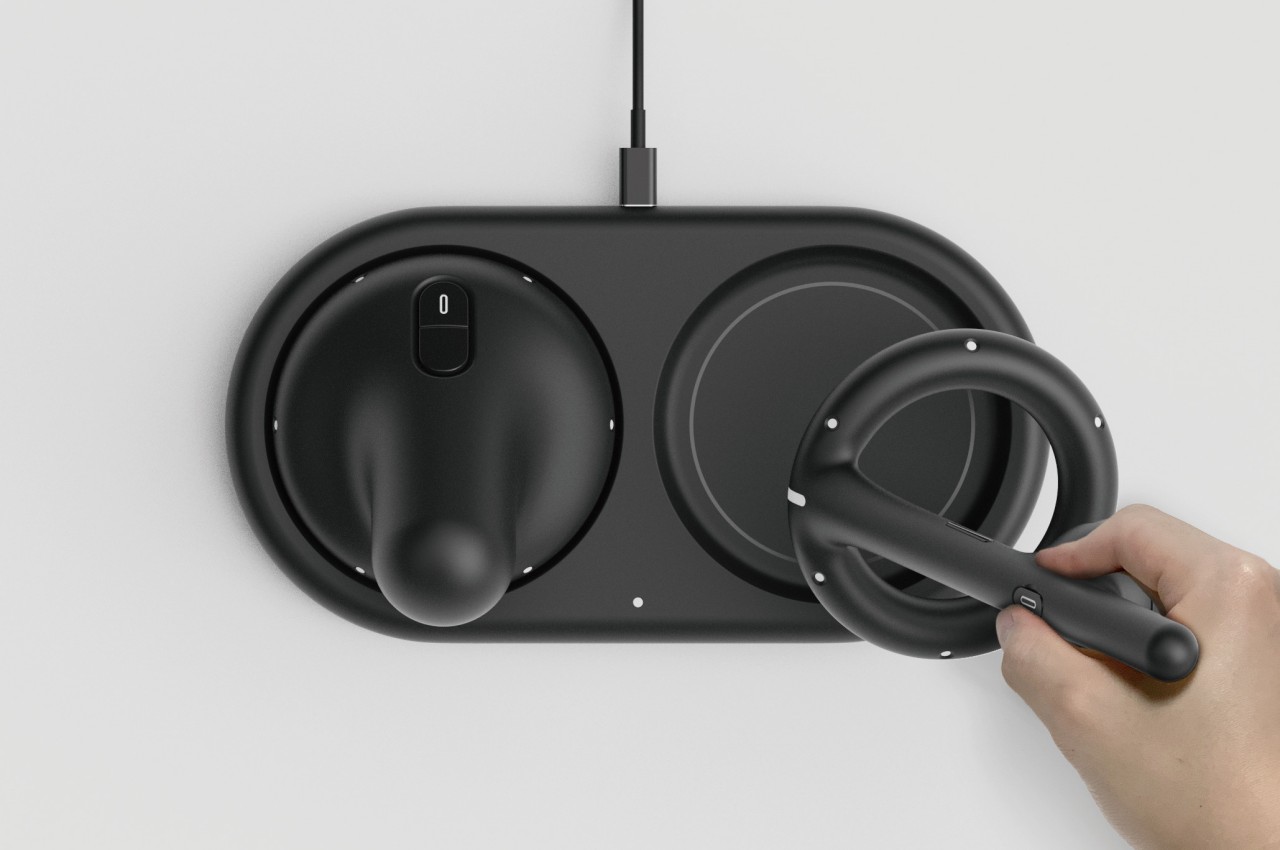
A Plant Companion That Moves With The Sun Fitting Perfectly Into The Korean Culture

In a world where the sun plays a significant role in shaping preferences for living spaces, a unique product has emerged to bridge the gap between lifestyle and the desire for a sun-soaked environment. The innovative SPOT, a pet plant inspired by the beloved Toy Story, brings a touch of whimsy and practicality to the lives of those who are away from home during the day.

Designer: Dami Seo

1

Koreans have a cultural inclination towards south-facing directions for their homes, favoring abundant sunlight throughout the day. However, modern lifestyles often lead people away from home during peak daylight hours, creating a paradox between their preference for sunlit spaces and their absence during the sunniest times.

Drawing inspiration from Toy Story, SPOT takes on a personality of its own when the owner is away. Just like Woody and his adventures, SPOT enjoys the warm sunlight in the south-facing direction, making the most of the daylight hours that the owner might miss.

The creators of SPOT have ingeniously crafted its form based on Woody’s rhythmic hat line, adding an extra layer of charm and nostalgia for fans of the iconic movie series. This attention to detail enhances the emotional connection users may feel with their sun-loving companion.

SPOT’s design mimics a sunflower’s ability to move towards the sun. Equipped with sensors, SPOT can adjust its position to capture the optimal amount of sunlight, ensuring that users can enjoy the warmth without the need to move the plant manually. This dynamic feature aligns with the varying sunlight patterns throughout the day.

For users returning home, SPOT adds an element of surprise and delight. By detecting the SPOT’s location, users can playfully interact with their sun-loving companion, creating a unique and entertaining experience. The wheels at the bottom of the product enable SPOT to move towards the sunlight source, making it a dynamic and engaging addition to any home.

SPOT’s ability to move is not only entertaining but also practical. Equipped with sensors on both sides, SPOT can navigate around objects in the house, ensuring a seamless and safe journey towards the sunlight. The autonomy of movement enhances user convenience, aligning with the modern desire for smart and responsive home devices.

1

To keep SPOT energized and ready for its sun-seeking adventures, a user-friendly charging unit is provided. SPOT can effortlessly navigate to the charging station, making the recharging process a hassle-free experience. Additionally, SPOT’s easy-to-clean and disassemble design ensures that maintenance is a breeze.

SPOT not only adds a touch of magic inspired by Toy Story to your home but also addresses the practical challenge of aligning sunlight preferences with a dynamic lifestyle. With its adaptability, autonomy, and entertaining features, SPOT is more than just a pet plant; it’s a delightful companion that brings joy and sunshine into the lives of its users.

The post A Plant Companion That Moves With The Sun Fitting Perfectly Into The Korean Culture first appeared on Yanko Design.
Home tools displayed as chess pieces in unique metal display

When you’re living alone for the first time, one of the things that people advice you to have at home is a box of tools for whenever something needs tinkering or fixing. I do have one but it’s mostly just stuck in a drawer somewhere since I don’t really know how to tinker or fix things. But for those who use these tools a lot, this concept for a set of tools and how they are stored would be pretty interesting.

Designer: Seongjae Park

Tips for Chess combines metal tools and a chess set so fans of these two will probably be interested to have such a thing displayed in their homes. In fact, even if you don’t use them a lot, it’s still an interesting piece to have in your home and may fool people into thinking you’re a toolhead or a chess aficionado. This is mainly made from metal, from the “chess board” to the various tools included in the set.

The different chess pieces are represented by different kinds of tools. You get hexagonal wrenches with different sizes to serve as your pawns. The rook is the square and triangular wrench, the Bishop is the crosshead screwdriver, while the Knight is a a flat-blade screwdriver. Representing the main pieces are the hexagonal wrench as the Queen and the U-shaped screwdriver as the King. In case you won’t be able to remember which is which, the chess roles and the tool roles are imprinted on the bottom of the tip.

To make it even more interesting (or confusing to people like me) the chessboard itself also provides information. The coordinate system (right angle and straight line) provides a scale of cm and inches. I would probably just have this as a display since it’s too pretty to actually use although they are built to be functional. Also, as mentioned, I don’t know how to use them so they’ll just be on display at home.

The post Home tools displayed as chess pieces in unique metal display first appeared on Yanko Design.
Hyundai’s IONIQ Pixel Toy Illuminating the Future and the Evolution of EV Design

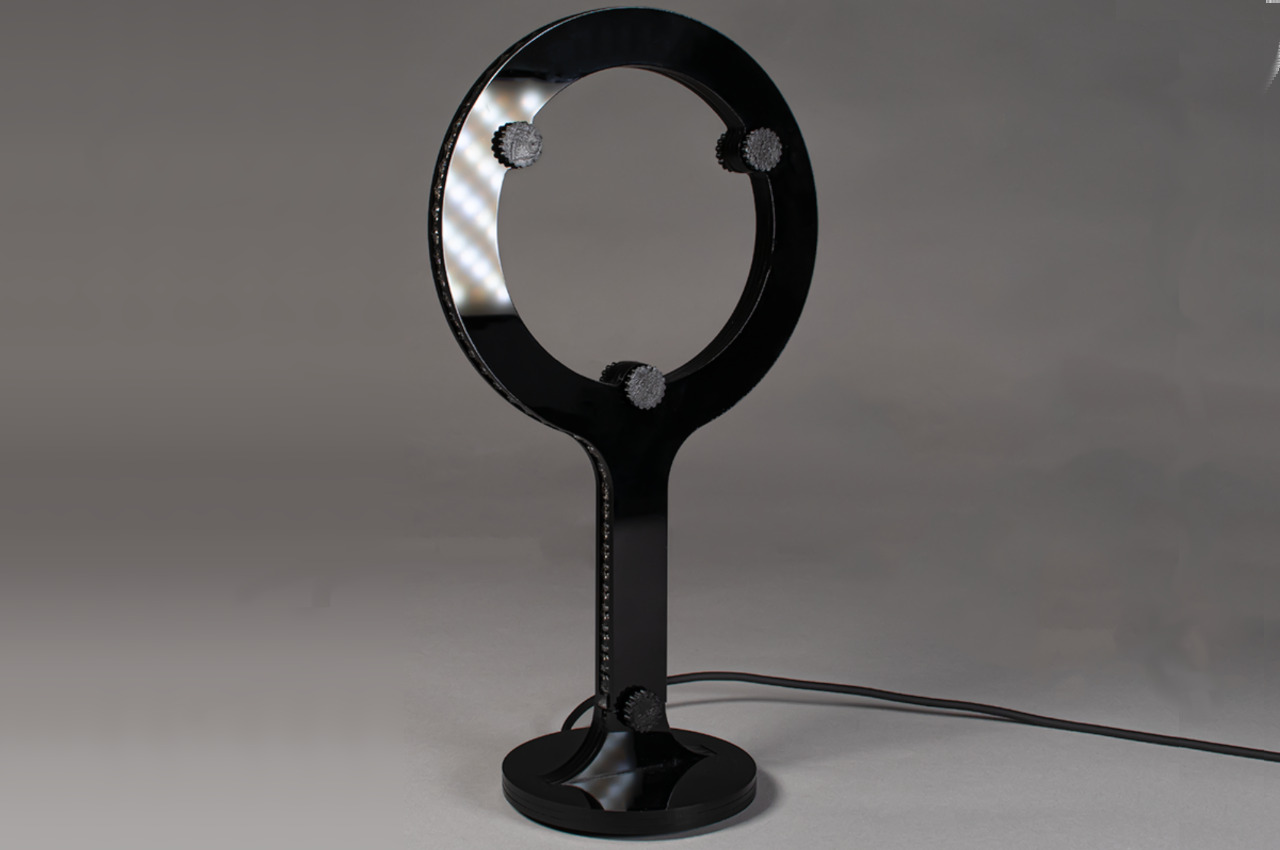
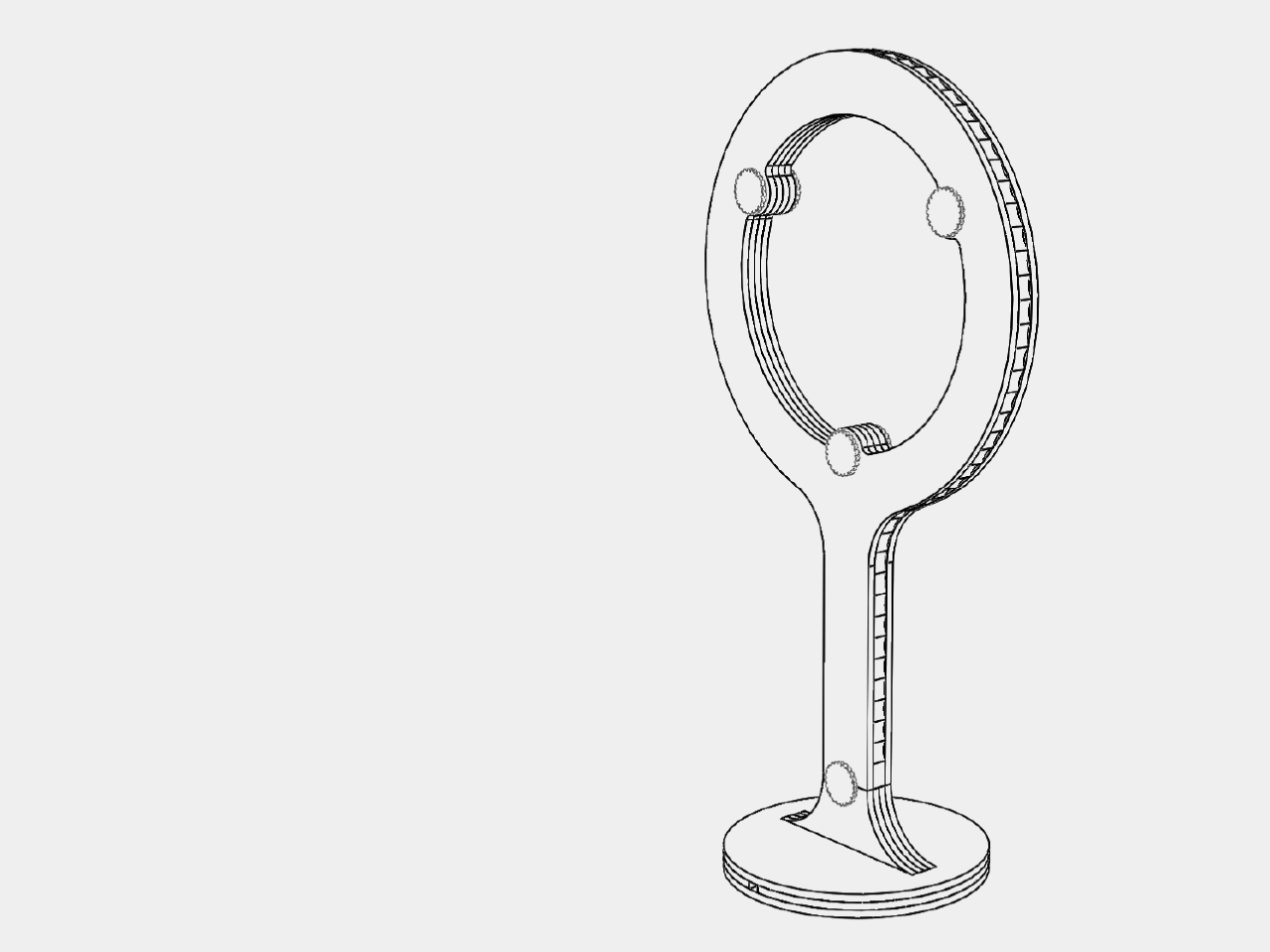
In a dynamic era of electrified mobility, Hyundai Motor Company has embarked on a groundbreaking journey with the launch of its dedicated electric vehicle brand, IONIQ. Committed to redefining the automotive landscape, Hyundai’s vision for the future is not only reflected in its state-of-the-art electric vehicles but also in the innovative and visually captivating accessories that accompany them. One such standout item is the IONIQ Pixel Toy Flashlight, a creation by Citrus that seamlessly encapsulates Hyundai’s commitment to pushing the boundaries of design and technology.

Designer: Citrus design

At the heart of the IONIQ Pixel Toy Flashlight lies the inspiration drawn from Hyundai’s main design theme, Pixel. The company has ingeniously utilized parametric pixel lights as a design signature across its award-winning electric vehicles. This unique design language is not just a visual delight but symbolizes a journey that connects the past (analog), present, and future (digital). This common thread is integral to Hyundai’s EV design philosophy, signifying a harmonious blend of heritage and futuristic innovation.

The distinctive front pixelated lights of Hyundai’s electric vehicles are not merely a design choice; they represent a unique and unmistakable signature for the IONIQ series. These small cubic light clusters showcased prominently on the ’45’ concept EV and IONIQ 5, have become synonymous with Hyundai’s commitment to innovation. These pixel lights aren’t confined to the exterior; they also make an appearance inside the charging door, providing illumination regarding the charging status and the amount of charge.

As Hyundai Motor Company continues to shape the future of electric mobility, the Pixel Toy Flashlight serves as a tangible representation of the brand’s dedication to creating a cohesive and visually stunning ecosystem around its electric vehicles.

In the world of electric mobility, Hyundai’s IONIQ Pixel Toy Flashlight stands out as more than just an accessory; it’s a symbol of innovation, design excellence, and a bridge between the past and the future. As Hyundai Motor Company continues to lead the charge in the electric vehicle revolution, the Pixel Toy Flashlight serves as a shining example of how cutting-edge design and technological advancements can be seamlessly integrated into everyday products, bringing the future of mobility into the hands of consumers.

The post Hyundai’s IONIQ Pixel Toy Illuminating the Future and the Evolution of EV Design first appeared on Yanko Design.
Duck Look-Alike Robots Will Revolutionise Waste Management And Help You Keep The Society Clean

In the rapidly evolving landscape of smart cities, the integration of technology into everyday life is becoming increasingly prevalent. One innovative solution to the challenges of urban waste management is “Qua” – a system of smart baskets designed to change the paradigm of garbage collection through a bio-inspired and playful approach to social robotics.

Designer: Luca Fiorentino

The creators of Qua have recognized the importance of seamlessly integrating robots into daily life. Unlike traditional robotic designs that may feel intimidating or too ‘robotic,’ Qua takes a different approach by drawing inspiration from nature, particularly the graceful and iconic single-file line movement of ducks. This design philosophy aims to make these robots a familiar and affable presence in urban environments, fostering acceptance and reducing the perceived intrusion of technology.

At its core, Qua is a system of autonomous waste collection baskets designed to move independently throughout the city. The baskets are equipped with sensors and artificial intelligence that allow them to recognize when a user needs to dispose of waste. Instead of requiring users to seek out a designated waste bin, it takes a proactive approach by approaching users when it detects the need for disposal.

The functionality of the robot extends beyond its bio-inspired design. Once it identifies a user ready to dispose of waste, it autonomously navigates towards them, streamlining the waste disposal process. After facilitating the user in discarding their waste, Qua then autonomously returns to a designated charging hub responsible for waste disposal.

One of the key advantages of these robots is their potential to address the issue of littering, particularly among individuals who may be less inclined to walk the extra mile to find a waste bin. By bringing waste collection directly to the user, it offers a convenient and accessible solution to urban waste management. This is particularly beneficial in encouraging responsible waste disposal practices and minimizing littering in public spaces.

However, it’s essential to consider the potential downside of such technology. As noted, Qua could inadvertently cater to the convenience of those who are lazy or unwilling to make the effort to dispose of waste properly. It is definitely serving the larger purpose for society but it raises important questions about the role of technology in shaping behaviors and the need for a balance between convenience and responsibility.

Having said that, Qua represents a groundbreaking approach to waste management in smart cities. By combining bio-inspired design with advanced robotics, Qua aims to redefine the relationship between technology and urban living. As with any technological advancement, it’s crucial to consider the societal implications and strive for a balance that promotes convenience without compromising responsible behavior. The future of waste management may indeed be shaped by innovations like these robots, where technology not only serves a functional purpose but also harmoniously integrates with the natural flow of city life.

The post Duck Look-Alike Robots Will Revolutionise Waste Management And Help You Keep The Society Clean first appeared on Yanko Design.
Solar-powered coffee truck concept runs on green fuel to bring black fuel anywhere

They say money makes the world go round, but coffee is probably just as critical for some people. Connoisseurs will undoubtedly tell anyone willing to listen to brew their own cup, but not everyone has the luxury of doing that daily. If you don’t know of a local shop you can call your home away from home, you’d probably be at the mercy of the big, expensive chains that put more sugar than you’re going to be comfortable with. Establishing a fixed store in a nook or building isn’t going to be cheap for some businesses, and it also means not being able to reach customers where they are. Coffee trucks can solve the problem of portability, but this concept design takes that idea even further by having the whole operation run on solar power, potentially bringing that coffee experience anywhere, even away from the grid.

Designer: Kyrolos Maged

Although you can see them almost everywhere, big chain stores like Starbucks won’t always please everyone. Some simply don’t like their selection or the way they do business. Others simply prefer to patronize smaller businesses to help them grow and thrive. Either way, the majority of these stores force you to go to their location, which is not a problem unless there isn’t one nearby. It would definitely be great if the coffee could come to where the people are rather than the other way around, which is what coffee trucks are trying to do.

Although they are a viable business model, such mobile coffee dispensing stores have a few logistic issues to iron out, specifically one of power. Sure, you can run the machines on the same battery that drives the truck, but it also risks you running out of fuel when you need it the most. And with some vehicles turning to electric power, such a power source might no longer be feasible. This unnamed concept thus turns toward an ever-present source, at least during the time when people are most likely to chug their black or brown fuel.

The solar-powered coffee truck is exactly as it sounds, an operation that runs on solar energy rather than fuel or car batteries. There’s a single large solar panel on top of the truck, but it’s easy enough to extend the design to have multiple panels on the “wings” that fold out from the sides of the truck. This way, the energy needs of the coffee machines and the truck itself are kept separate and you don’t have to worry about one eating into the reserves of the other.

The design of the truck itself is pretty standard, with sliding tables to let customers put down their cups for a while or enjoy some sandwiches that the mobile cafe might offer. What’s interesting, however, is the idea that the coffee truck would offer all sorts of coffee, including those from capsule machines. It’s a good way to diversify and hit many types of customers while also ensuring the speed of service, though pure-blood coffee lovers might turn their noses up at such a thought.

The post Solar-powered coffee truck concept runs on green fuel to bring black fuel anywhere first appeared on Yanko Design.
“Dancing” opener adds to the fun of opening your drink

One of the best and most relaxing sounds you’ll hear is that pop of the bottle cap and the initial fizz as you open a bottle of beer or, if you’re not the drinking kind, a bottle of soda or any bottled drink of your choice. Whether you’re drinking alone and relaxing at the end of a stressful day or if you’re hanging out with friends and enjoying their company over drinks, this is a sound that can make you go “aaahhh” or “ooohhh”. Now what if the instrument you use to open that bottle can share in your joy or add a bit more enjoyment to the moment?

Designer: Leemok Studio

That’s the thinking behind this simple concept for a bottle opener called the Dancing Opener. Lest you think that it’s a complicated gizmo that can show off the latest TikTok dance trend or something, it’s actually a pretty simple and functional accessory that you can bring along to your drinking sessions. It’s round shaped with a curved convex-like hole which is how you can use it to pop open a bottle. After you’ve opened the bottle, you take the opener for a spin, placing it on its circular head and sliding your fingers to make it “dance”.

Okay, dance is probably an exaggeration of what the opener actually does. It seems to be able to balance on its head and as you gently flip it, it goes round and round. Think of it more as a ritual you can do after you open the bottle or as you say “cheers”, “kampai”, “geonbae”, “prost” or whatever language you’re drinking to. It’s basically like spinning a top or coin on its head except that the circumference is a bit thicker so it’s easier to balance and spin.

Sure, if you want to see it as a “dancing opener”, you might as well call it that. The idea is to have a bit more fun as you open the thing that will be bringing you more fun (hopefully) the rest of the night. It’s a simple enough product that we won’t be surprised to see it in the market anytime soon.

The post “Dancing” opener adds to the fun of opening your drink first appeared on Yanko Design.
Modular keyboard concept employs hexagons to switch things up a bit

There has been a great deal of effort and attention put on keyboards these past years, whether for actual products or for ideas that embody the hopes and wishes of both users and designers. From split-type ergonomic keyboards to keyboards with all sorts of knobs and touch screens, these designs are all made in an attempt to make people’s lives easier and to cater to their needs. Of course, not everyone’s needs are the same, so features on one keyboard might not work for different audiences. This keyboard design concept is already interesting because of its modularity, but it becomes even more eye-catching thanks to an unusual choice in the shape of its keys and controls.

Designers: Travis Ragsdale, Elijah Vary

The basic design of keyboards is almost set in stone, at least for the combination of letters and numbers that make up the essentials for keyboards of any size. The layouts might differ from region to region or from laptop to laptop, but there are more or less 80 keys even on the smallest configurations. Beyond that is almost fair game, with some preferring a numeric keypad to the side, while others probably wish for a different set of controls.

The K-Bird Spec Project is a concept design for a modular keyboard that tries to address that need by providing a different side module for different applications. You can have the typical numpad for fast numeric input or you can have a set of sliders and dials for quickly controlling or editing audio. You can even have a small drawing area with a groove to place a stylus. Or you can have no modules at all and be left with admittedly odd-looking handles protruding from the side.

The base shape of the keyboard theoretically allows for modules to be placed on either side, but the modules themselves would have to be designed to be ambidextrous. The default seems to presume the current convention of placing modules on the right side where the numeric keypad would usually be, and you can’t simply put it on the left because of the handle extending from that side.

What makes this design a little different from other modular keyboard concepts is its use of hexagons as the main shape for all the controls, even the sliders and dials on the modular extensions. The keys themselves are indented, which is already unconventional as far as keyboard designs go. It gives the keyboard a more visually interesting appearance, though it’s not clear whether that will have any negative impact on the ergonomics of typing on such a kind of keycap shape.

The post Modular keyboard concept employs hexagons to switch things up a bit first appeared on Yanko Design.
Portable Theater concept combines projector and speaker in a unique shape

Home projectors are becoming more popular these days as more cord-cutters want to enjoy the freedom of streaming from almost anywhere in the house, even on the ceiling while lying in bed. Despite the growing number of these devices, however, most of them still have designs that originated from projectors made for professional use in board rooms and conferences. There are, of course, a few that have embraced more stylish aesthetics that try to match your living room’s decor, but these often still retain the boxy shapes of their ancestors. That might be a convenient form for cramming electronics, but they limit the potential of what these home appliances can do. This concept design, for example, eschews that traditional box and embraces an unconventional form that lets you tilt the projector’s angle without having to use stands or tripods.

Designer: Hana Belassi

Boxes are the most convenient shape for most electronic devices because you can easily cram so many components inside and arrange them in an efficient manner. They’re not the most visually interesting, though, no matter how much you cover them in premium materials like glass, leather, or fabric. The most common smart home projectors, however, still have that same basic design, which also puts limits on their functionality. Tilting the projector to the angle you want isn’t easy, and you either have to make do with short, built-in legs or have a tripod or stand nearby.

TRIPO is a concept design for a smart portable theater device that employs an odd shape of a rather thick disc that tapers toward the top. On its back are four flat sections that allow you to stand the projector upright or tilt it back in three angles, including 90 degrees to project your content on a ceiling. Because it operates wirelessly, you can achieve this without even having to get up from your couch or bed, providing the utmost convenience and comfort in any situation.

1

That’s not the only thing that makes the TRIPO concept special, of course. Every inch of the device was intentionally designed to blend well with other pieces of your home decor, from using fabric to minimalist design elements. Vents are well hidden underneath the fabric-covered discs on both sides, providing heat dissipation that doesn’t ruin the design. It isn’t all just looks either because the portable theater is intended to be a powerful yet convenient smart entertainment system, both at home and even outdoors. An ingenious sliding cover, for example, protects the buttons and the lenses during travel.
1

TRIPO can also function as a simple Bluetooth speaker for those times when you want to listen but not watch. And when not in use, it can almost stand as a piece of sculptural art, calling attention to itself without being overbearing and perfectly fitting with your lifestyle as well as your aesthetic tastes. There might be some compromises in terms of specs given today’s hardware options, but it will only be a matter of time before designs such as these become the norm rather than the exception.
The post Portable Theater concept combines projector and speaker in a unique shape first appeared on Yanko Design.