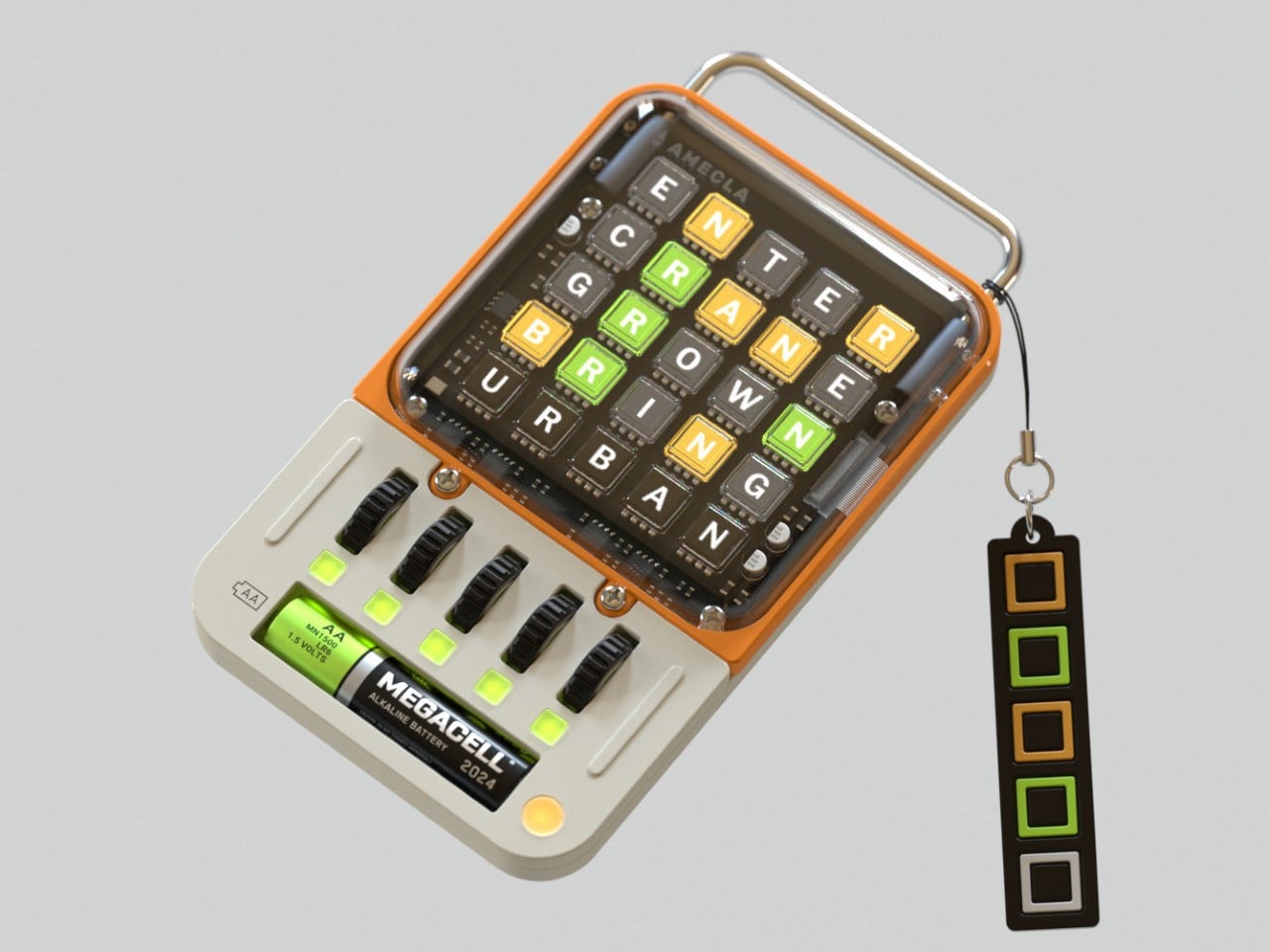
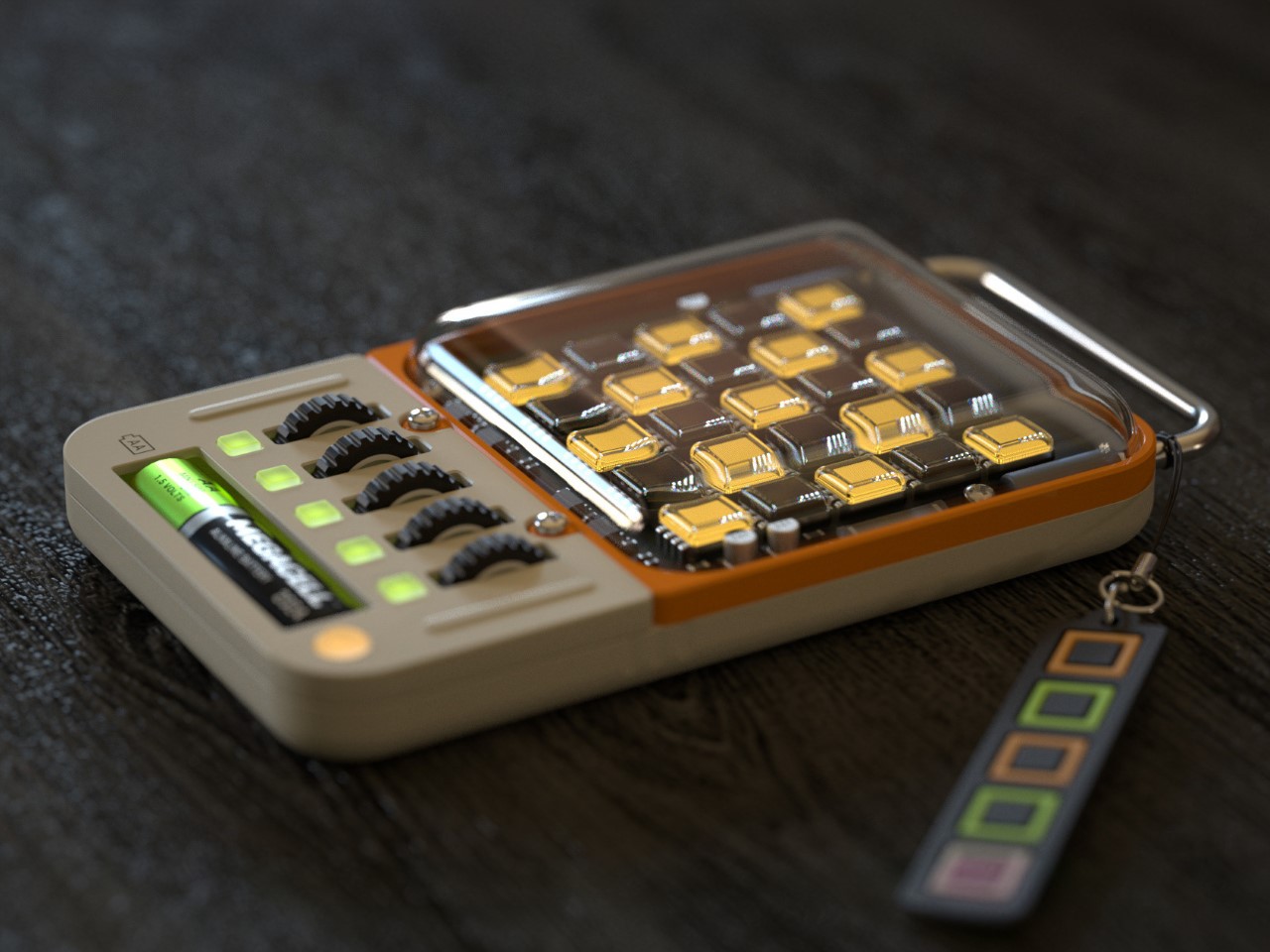
Designed as a part of Richard Falcema’s ‘Fictronics’ (Fictional Electronics) series, the WORDLE TERM is a handheld console that lets you play NYT’s hit game Wordle anywhere you go. Although Wordle is mainly played on phones (and is even available as a board game for true-blue nerds), Falcema’s quirky gadget gives the game its own standalone handheld device with an aesthetic and interface that’s just about as adorable and fun as the game itself.
The gaming device is simple to a point of being almost a meme. You can literally ONLY play Wordle on it and nothing else, which I guess makes it even more appealing if you think about it. The device sports a 25-display grid on the top,very reminiscent of the kind seen on Elgato’s hardware, except those displays can’t be pressed. They’re controlled using a set of 5 wheels at the bottom, which let you cycle through letters in each row. Once you select all 5 letters, the device accepts your input and judges your guess. For non-Wordlers, the game involves guessing the word of the day. You have 6 chances (this game gives you just 5), and each chance gives you clues as to what the word could be. When you guess the letters, tiles either stay grey if the letter is wrong, or turn orange if the letter is right but in the wrong position, and finally green if the letter is right and at the right position. Using this color-coded system, you’re required to work your way through the 5 or 6 guesses, trying to get the word in the fewest attempts.
Falcema’s device captures the Wordle game perfectly through its quirky design. The exposed circuitry, vibrant colors, metal bar on top, and that lone AA battery at the bottom are highly reminiscent of Teenage Engineering’s design cues. The device comes with a Wordle-themed lanyard too, adding to the fun appeal of the entire device. I’m assuming that this device also lets you play as many instances of Wordle as possible, rather than having to wait 24 hours for each new challenge!
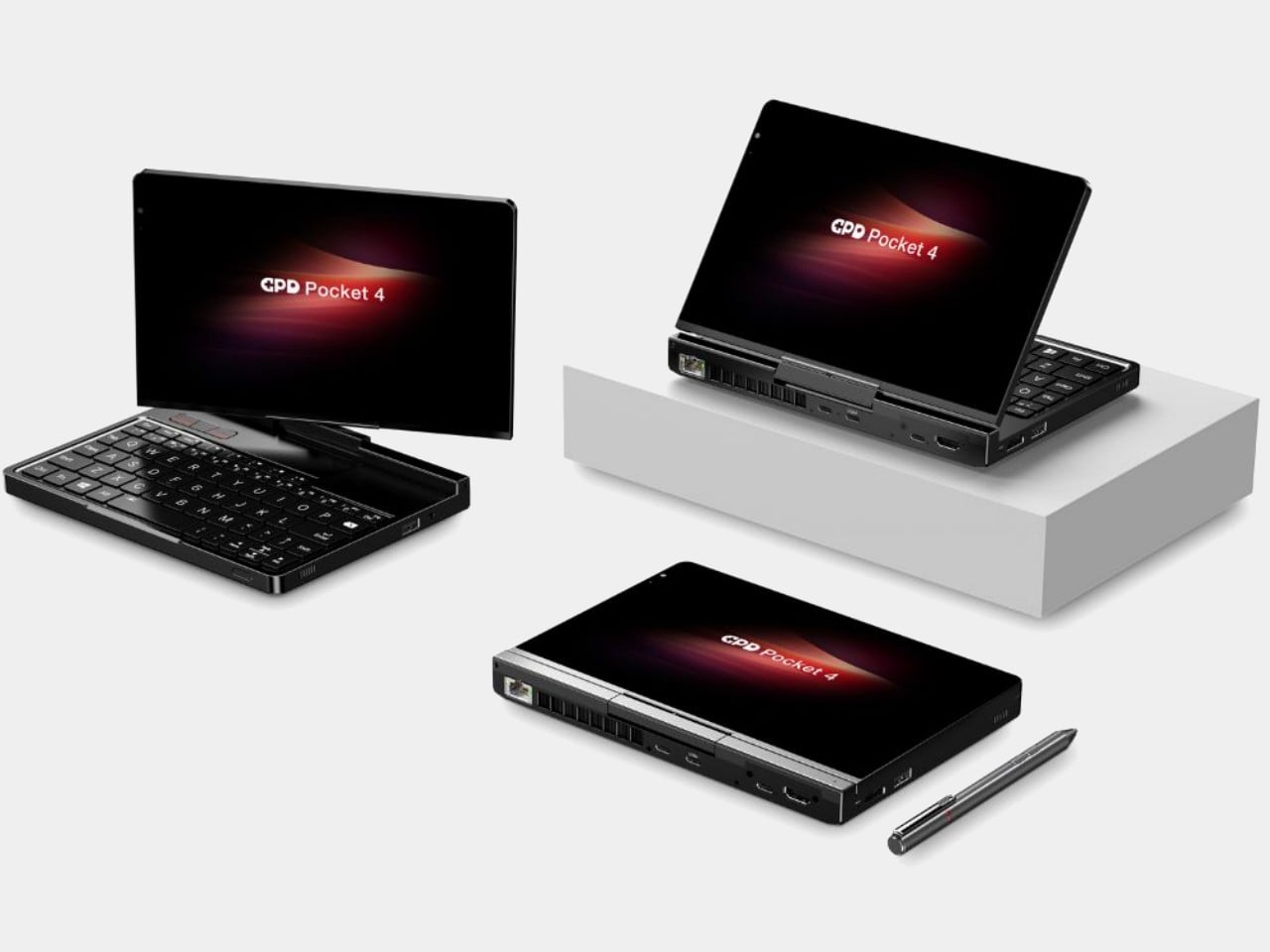
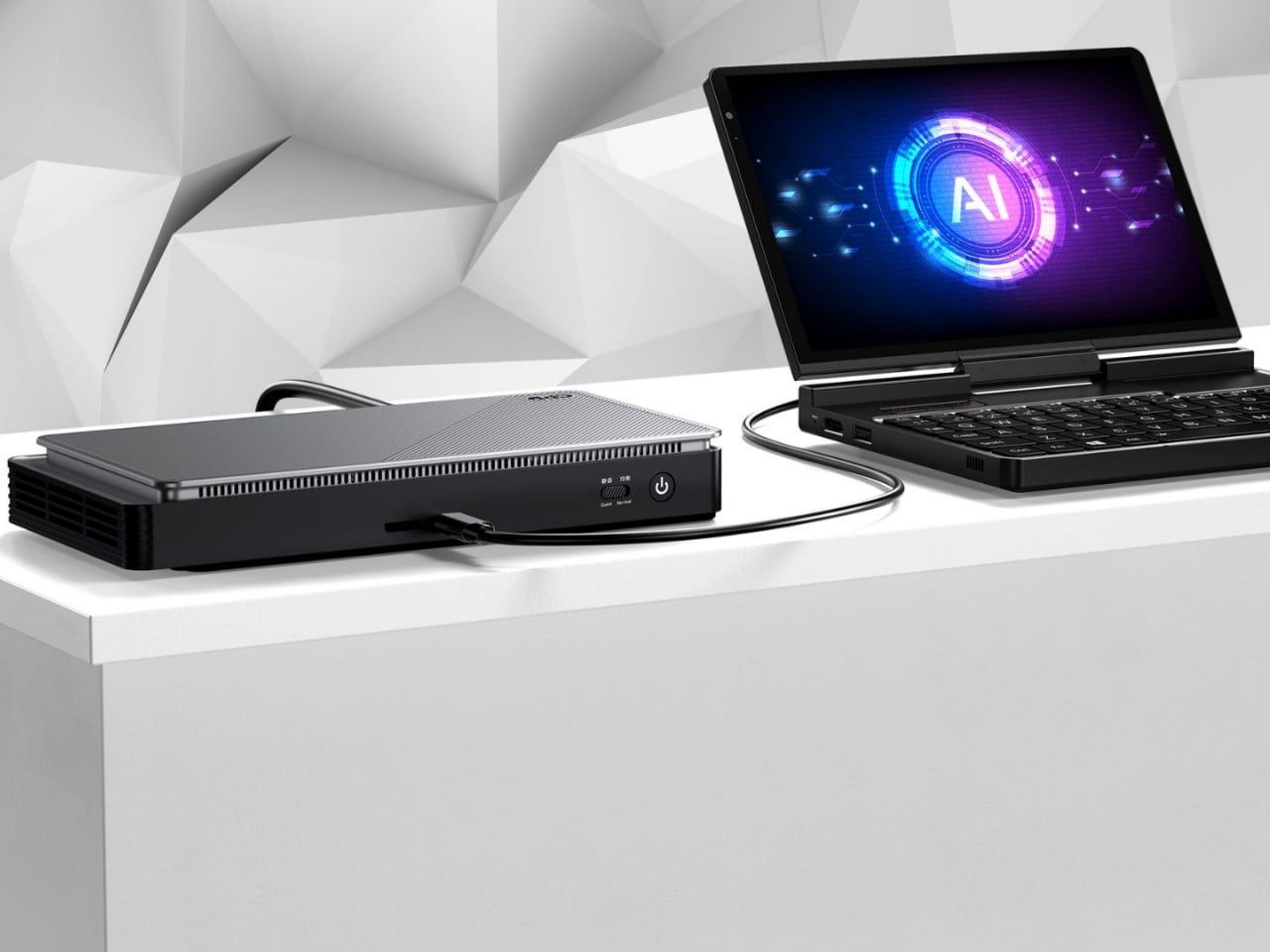
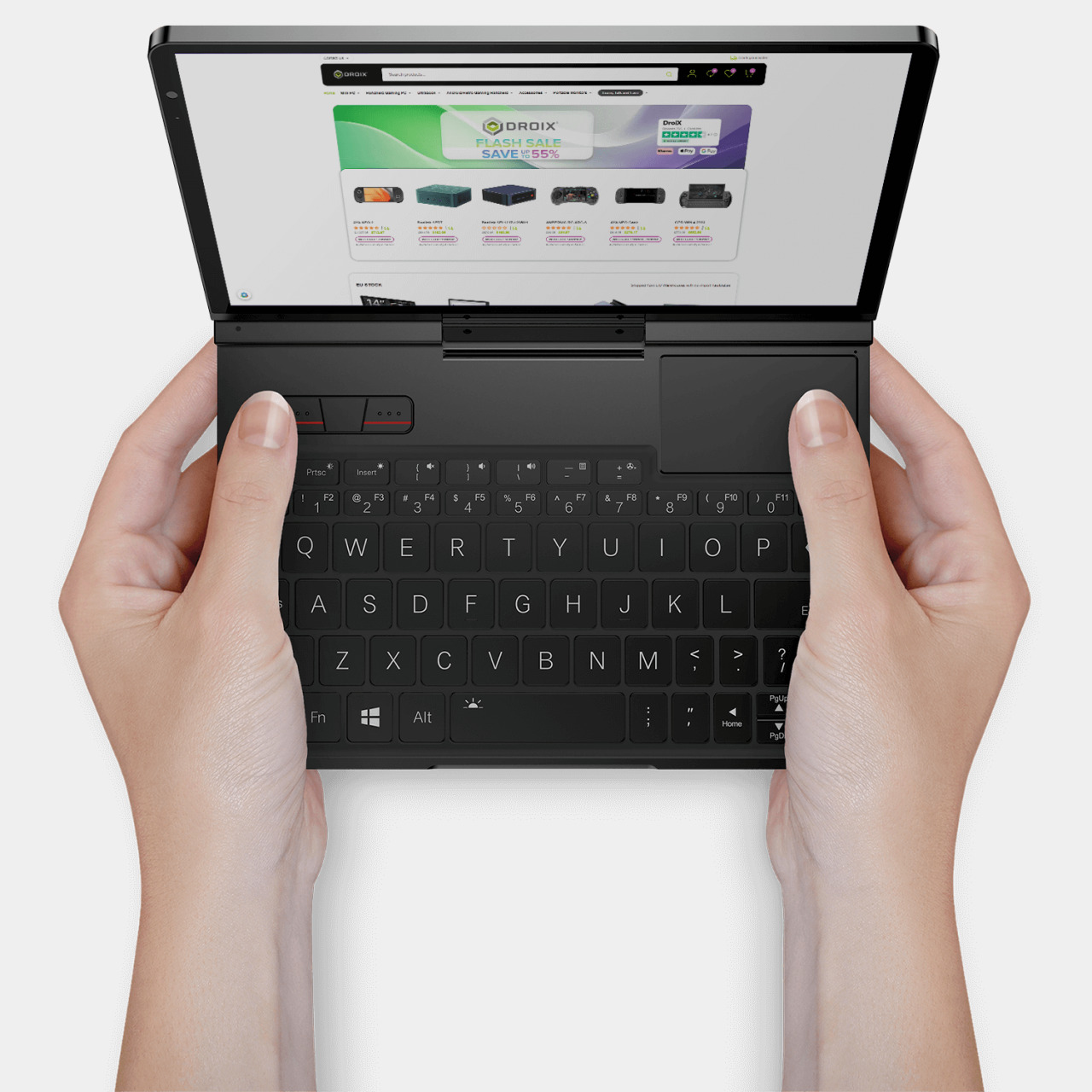
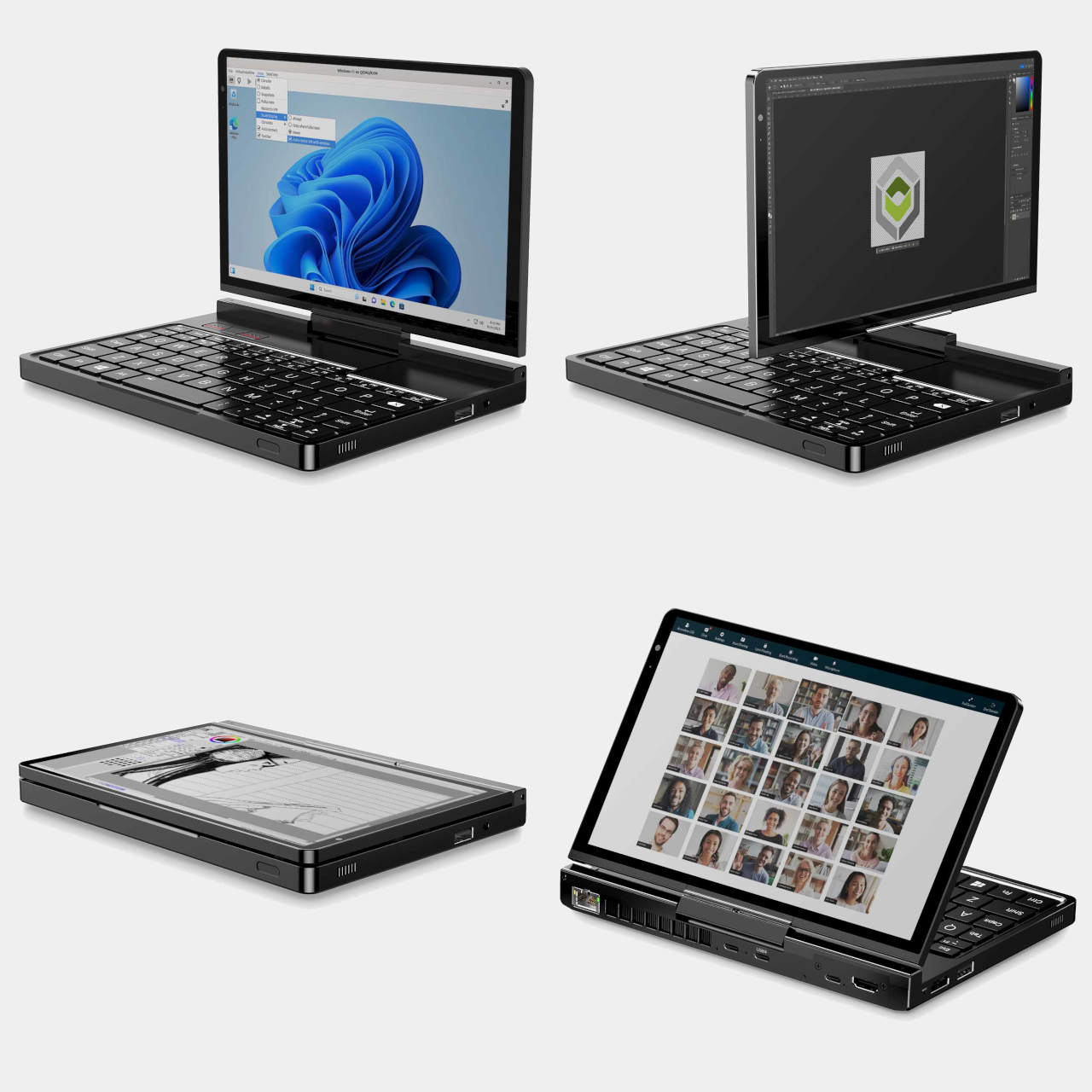
Never have there been so many handheld PCs than in the past year or so, but unlike their larger laptop cousins, these are all designed for gaming. Yes, there are some that have one form of keyboard or another, but these are often added for the sake of chatting in games more than for productivity. Of course, computers can do more than just play games, especially ones that run full operating systems like Windows or Linux. GPD, one of the most prolific manufacturers of these gaming handheld computers, also has a product line designed for more serious applications, and the upcoming GPD Pocket 4 promises an AI-powered productivity and content creation experience thanks to the newest AMD Ryzen AI processor. And yes, it can play PC games, too!
GPD was actually one of the first few brands to launch pocketable handheld computers even before handheld gaming PCs were a thing. The first two GPD WIN devices were nearly the same size and form as the Nintendo DS, but now it has branched out to other form factors and sizes, like the 10-inch GPD WIN MAX. It also has a specific product line for what are basically handheld laptops, and the GPD Pocket 4 brings that design to the world of AI.
Unlike any gaming handheld, including the laptop-like GPD WIN MINI, this one has no gaming controls whatsoever. That leaves plenty of room for a larger keyboard, but not enough for a normal touchpad. Instead, the Pocket 4 shoves this small rectangle to the upper right corner, where one can use their right thumb to move the cursor when holding the device in both hands. Opposite this are the mouse buttons, which probably give the feeling of using a game controller as well.
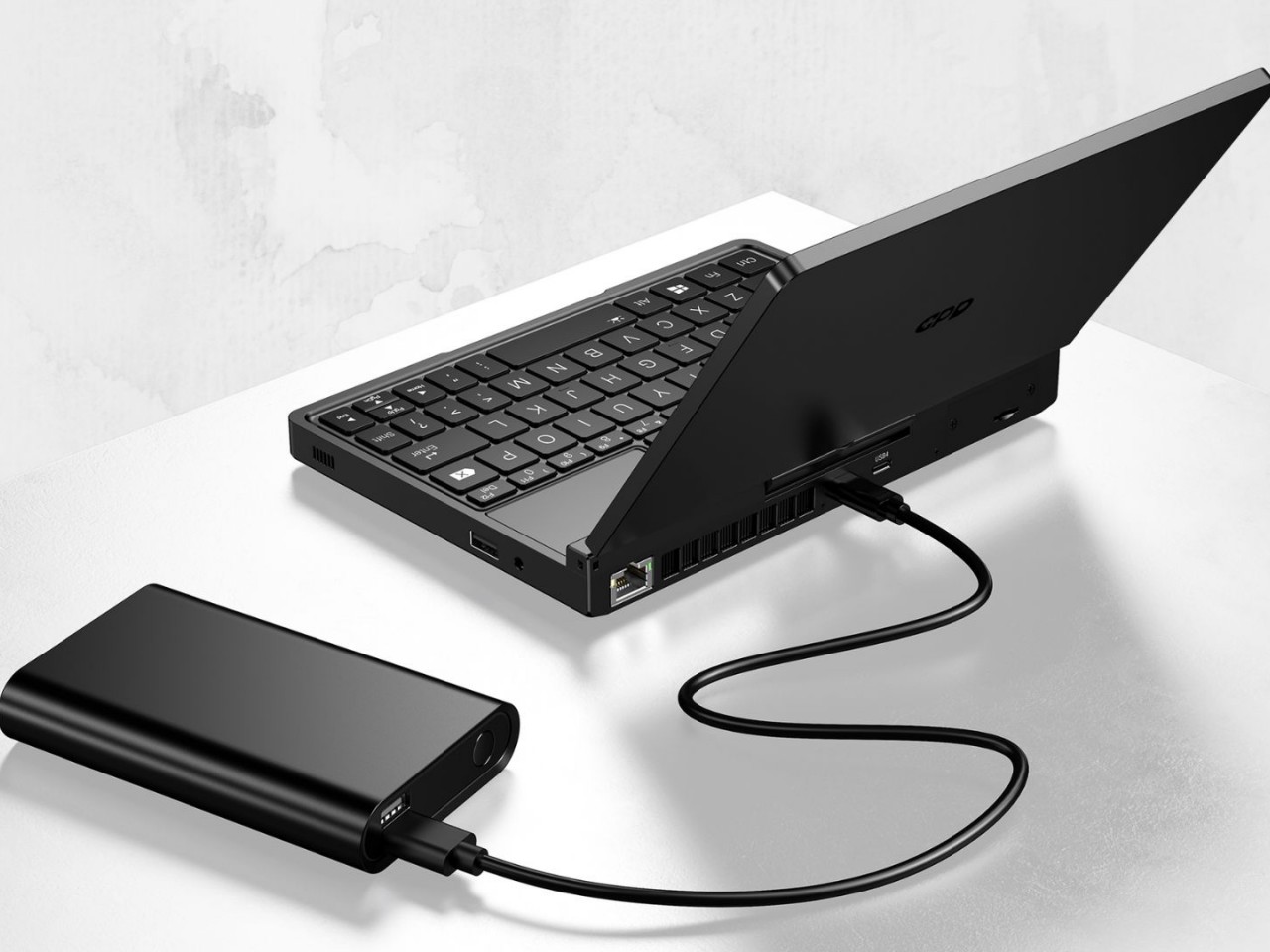
Powering this new handheld PC is an equally new AMD Ryzen AI 9 HX 370, the chipmaker’s latest and greatest AI-powered processor for laptops, paired with an onboard Radeon 890M graphics chip. It has 64GB of RAM inside and a whopping 4TB of NVMe SSD storage, upgradable to 8TB. It is pretty much a normal laptop, except for the tinier size and the equally small 44.8Wh battery. But that means it is quite capable as a laptop replacement for content creation, entertainment, productivity, and anything else under the sun, including some gaming within certain limits.
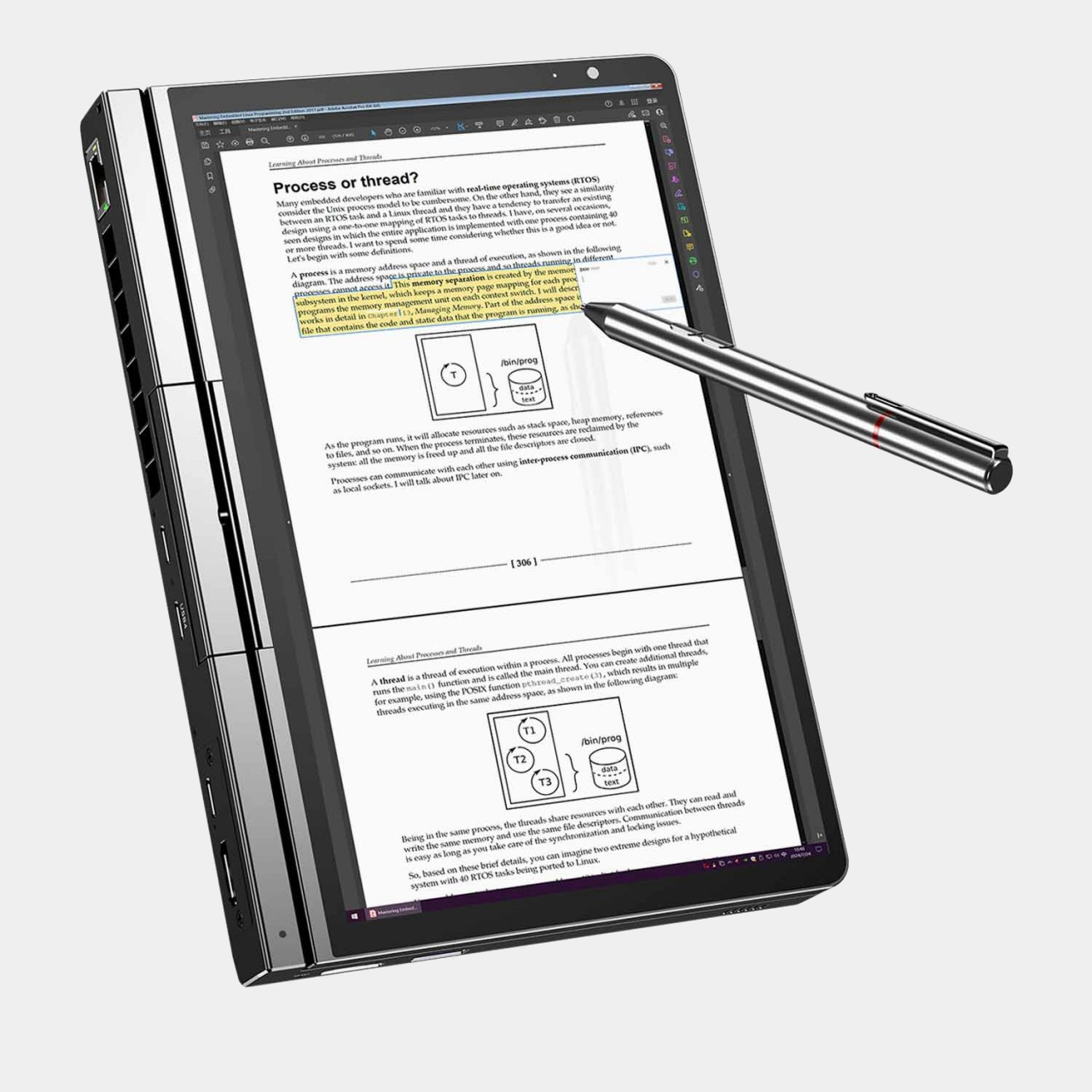
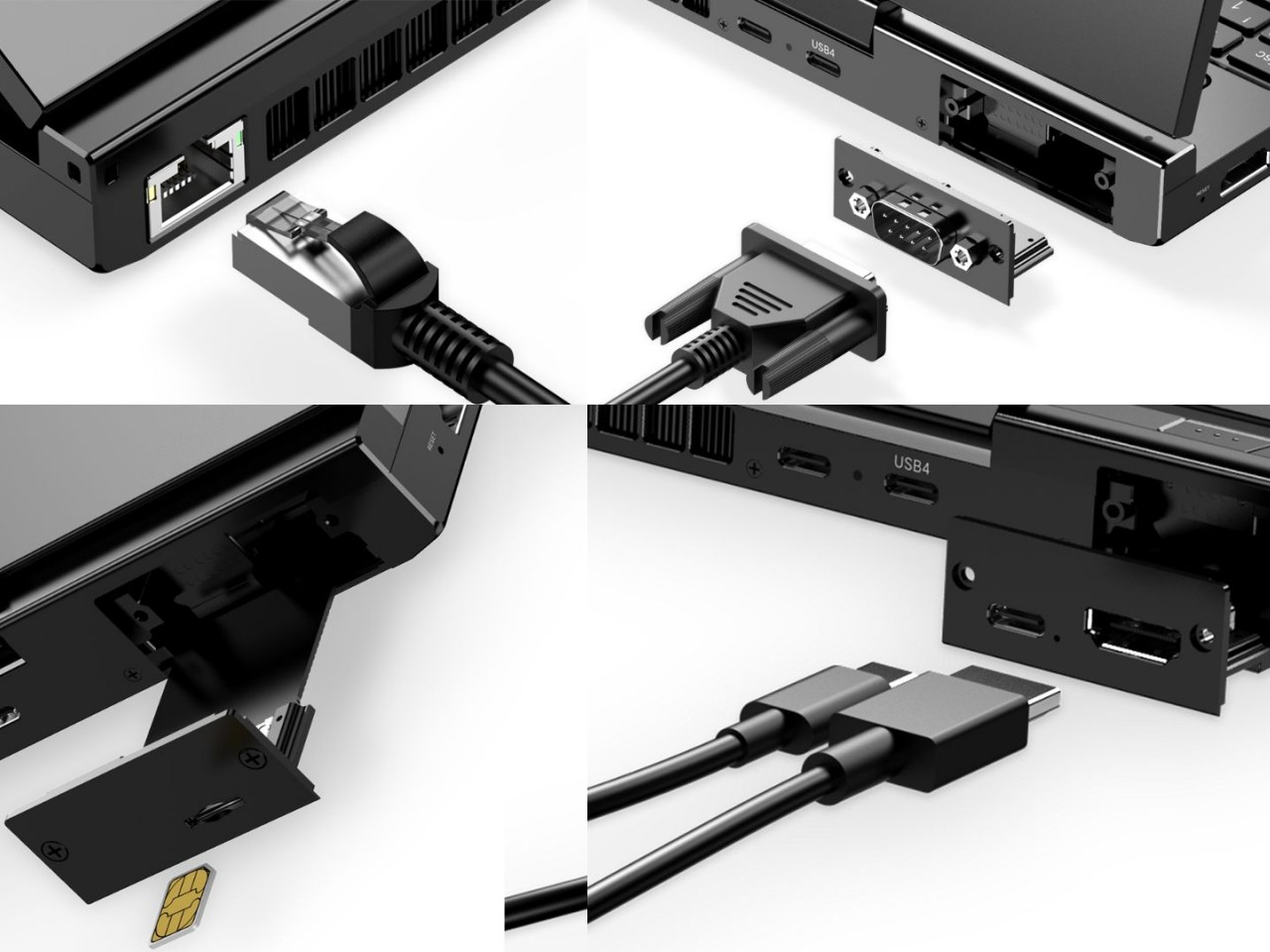
The GPD Pocket 4 is more than just a mini laptop, however. It’s also a mini tablet, thanks to the swiveling 8.8-inch 2560×1600 144Hz display. It even has stylus support, so you can scribble notes or even sketch a few drawings on the go. Its key feature, like its predecessor, is a modular component on the back where you can switch between a classic EIA RS-232 Port port, a KVM switch, a microSD card reader, or a SIM card module. Availability details are still under wraps but going by previous iterations, it will cost as much as a full-sized laptop anyway, raising the question of whether that kind of portability is worth the price.
Smart speakers in our homes aren’t luxury items or just for early adapters anymore. It’s become a common gadget for the digitally savvy to have as it performs a lot of functions aside from just something to play music or podcasts or audio books from. While there are a lot of devices already available in the market, there’s always room for concepts or designs that want to take a different look at these smart devices.
Designer: AICO Designs
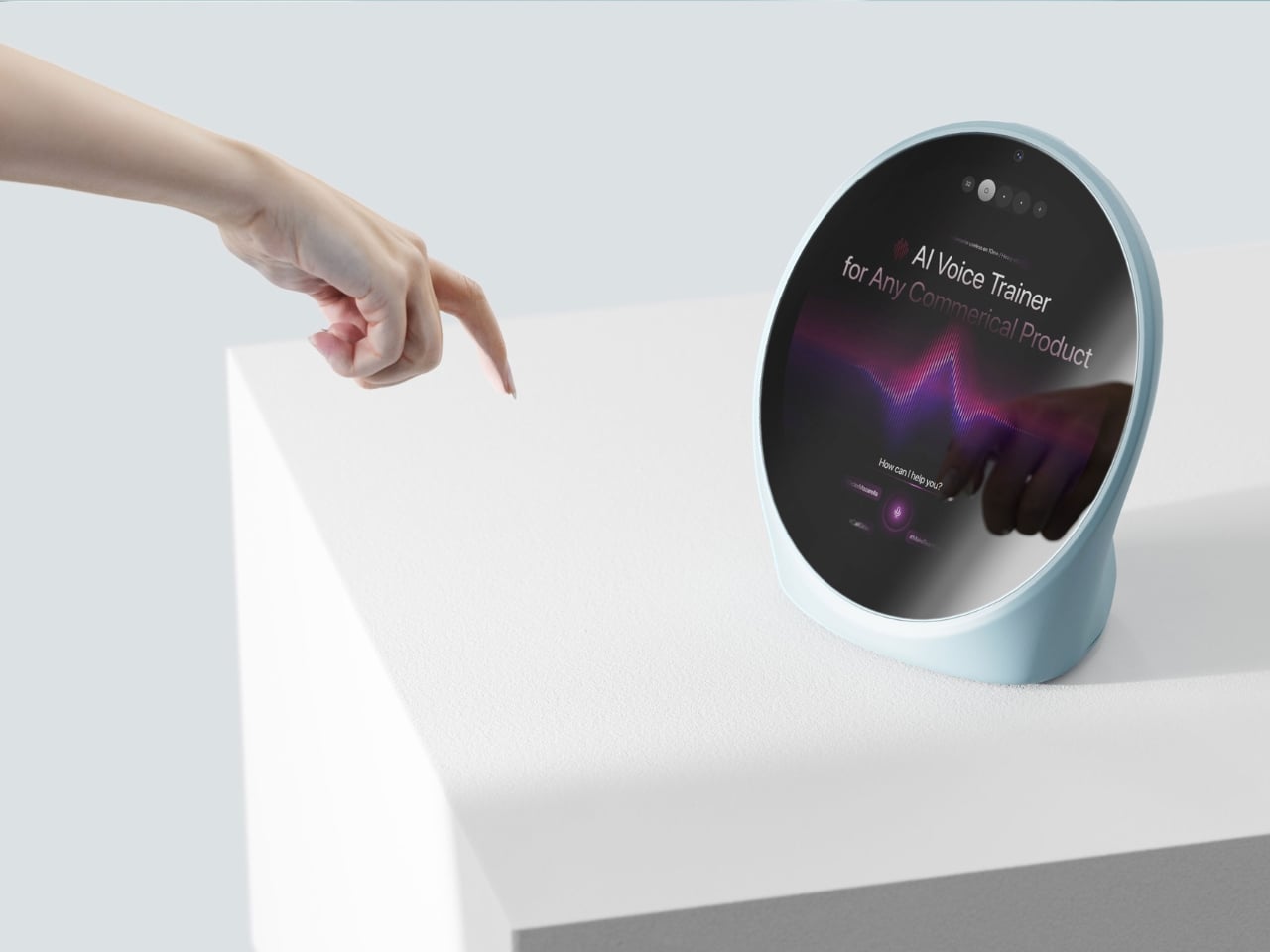
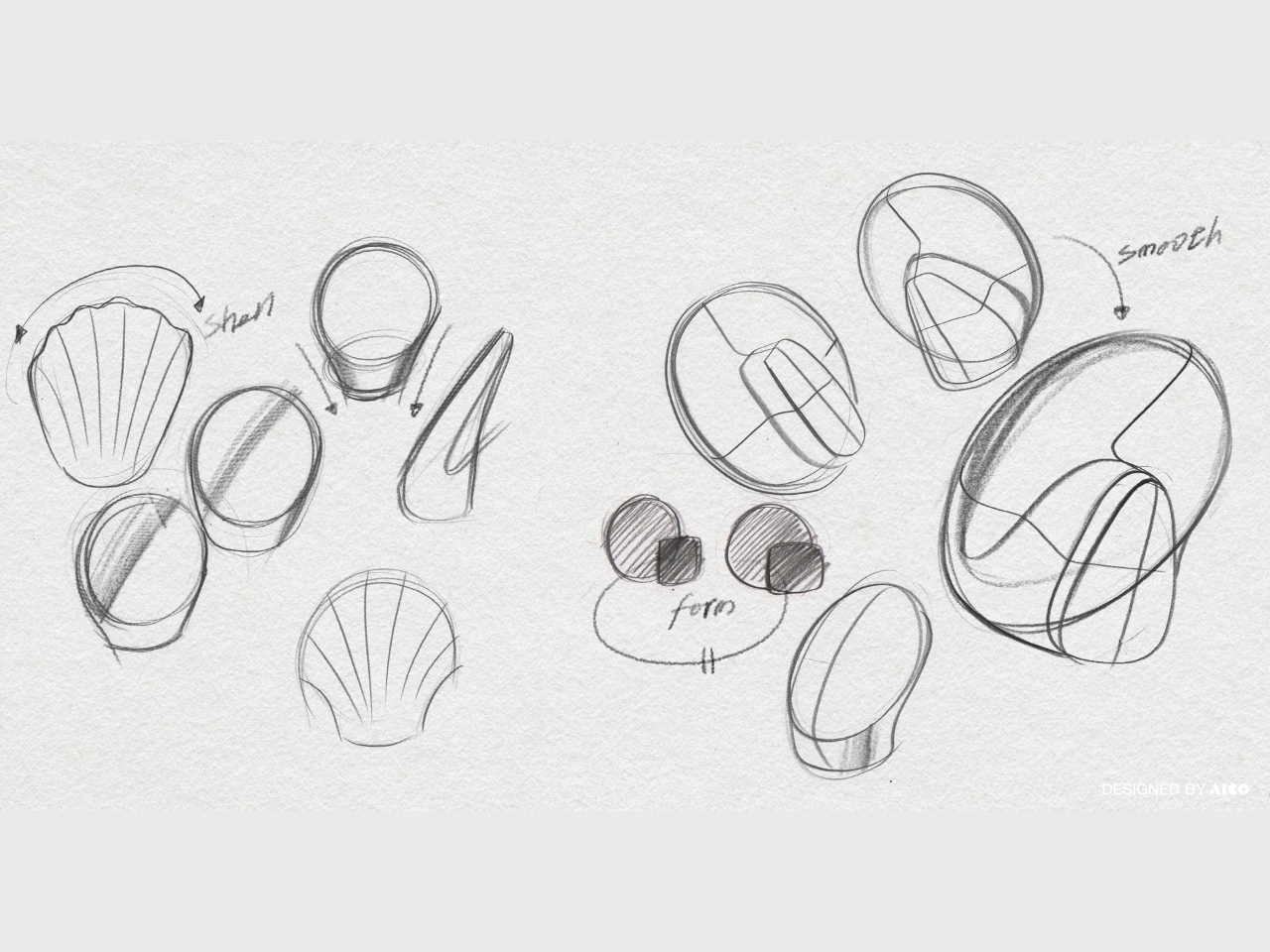
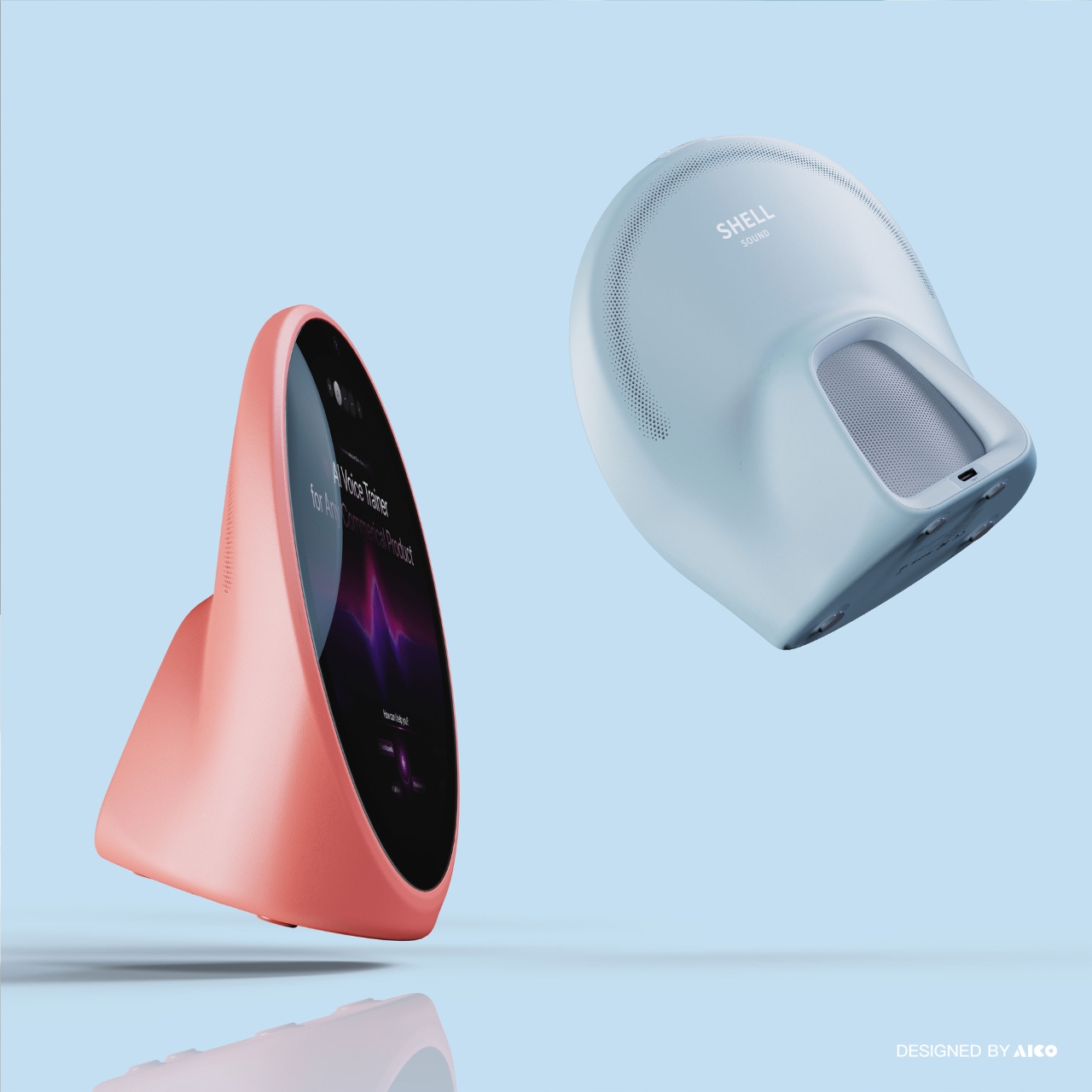
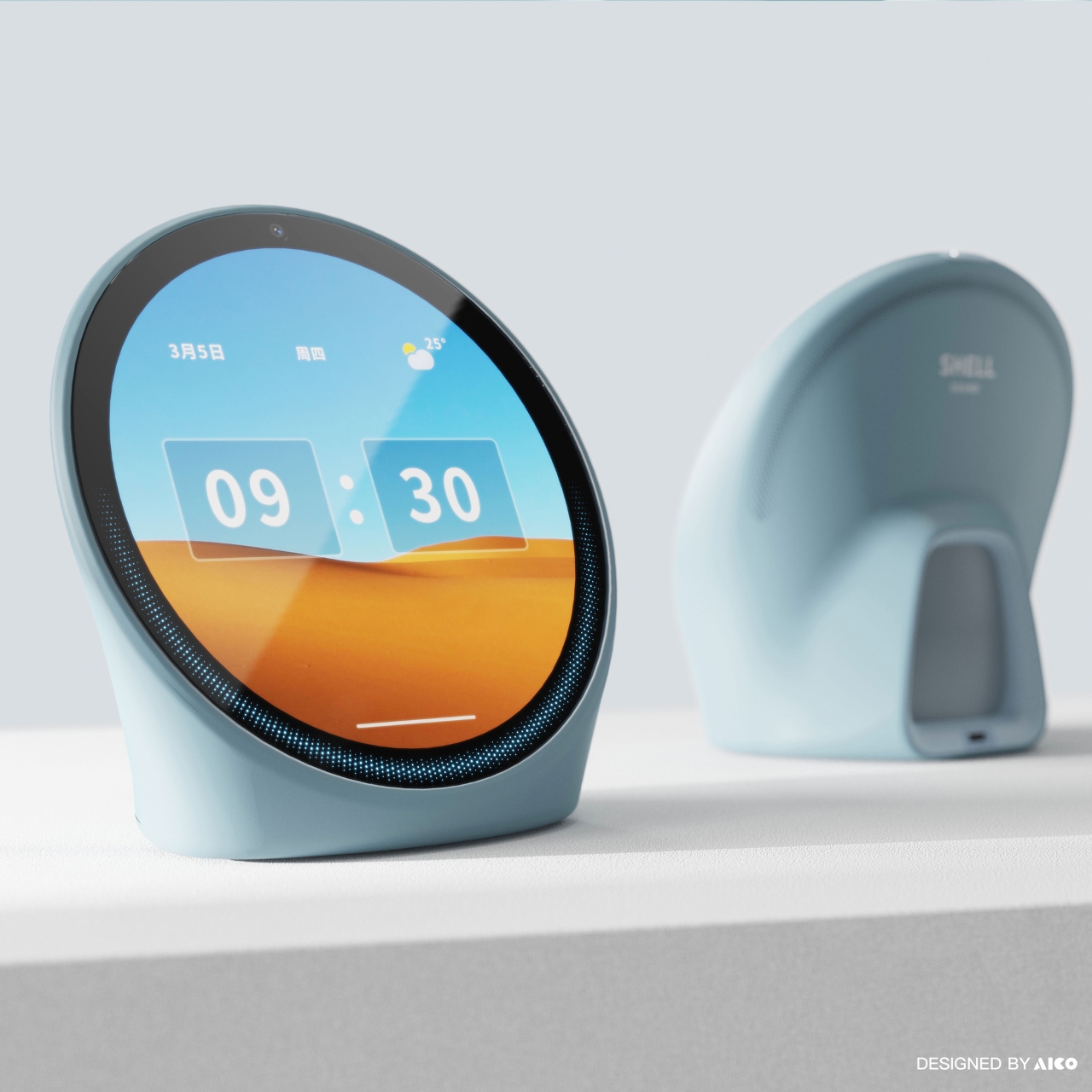
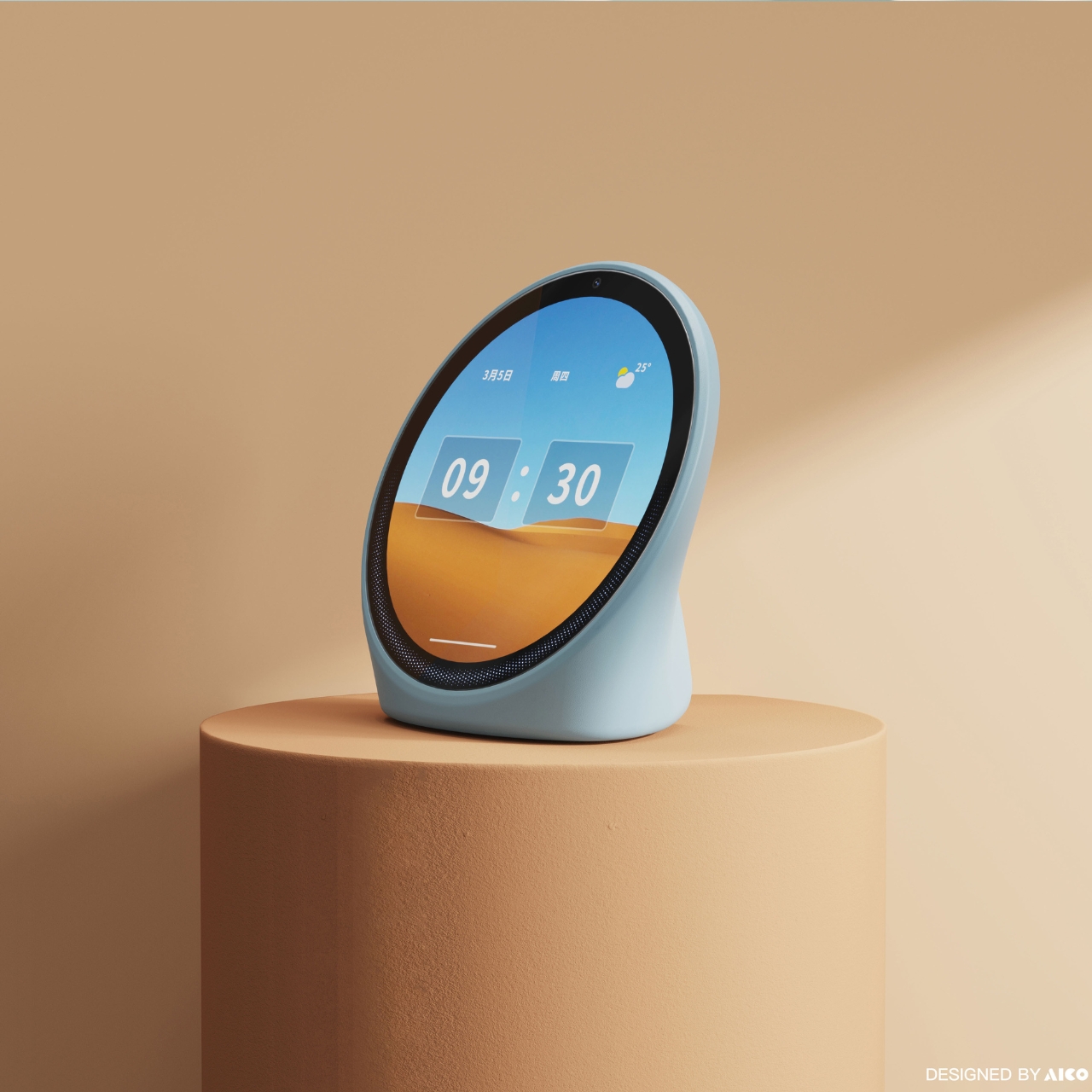
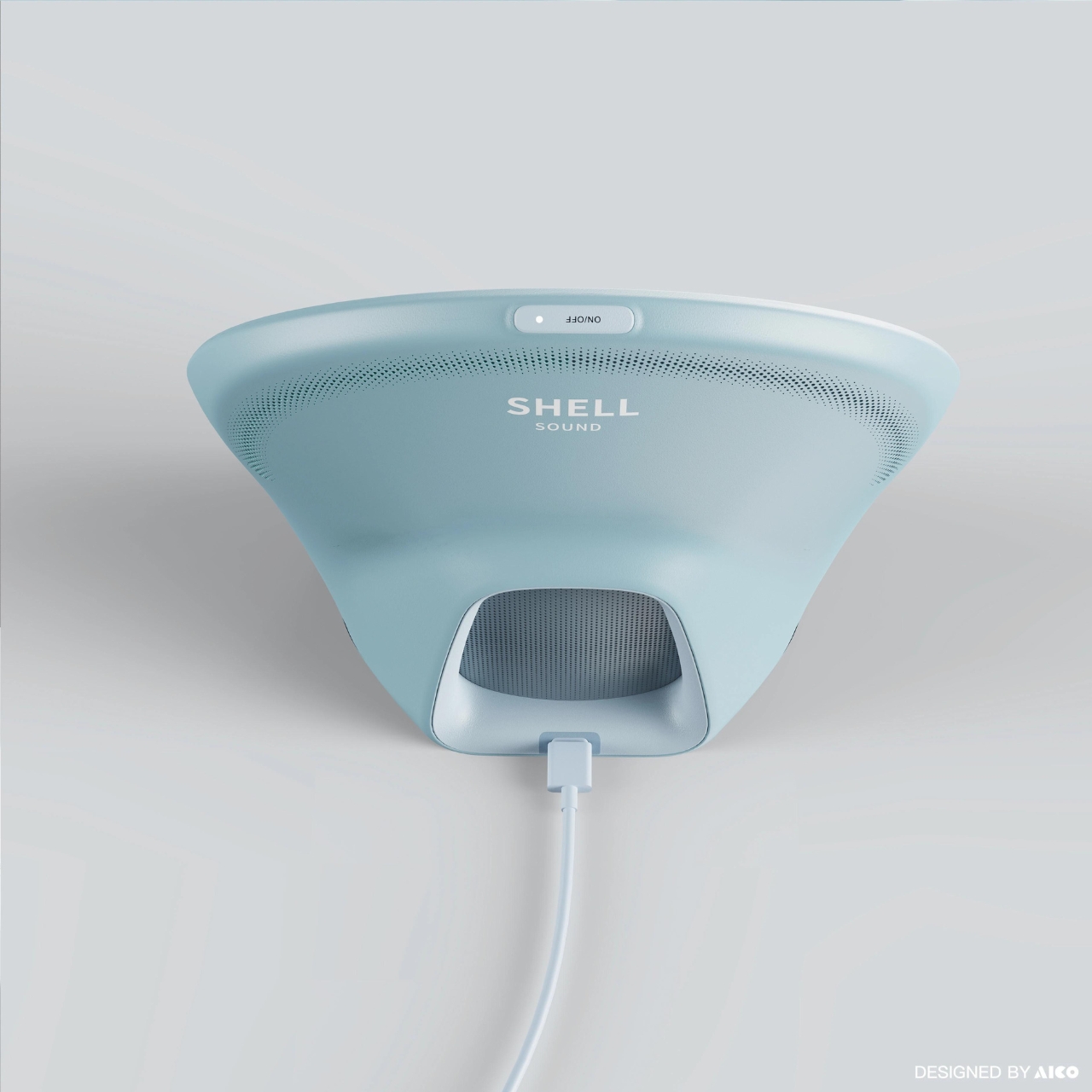
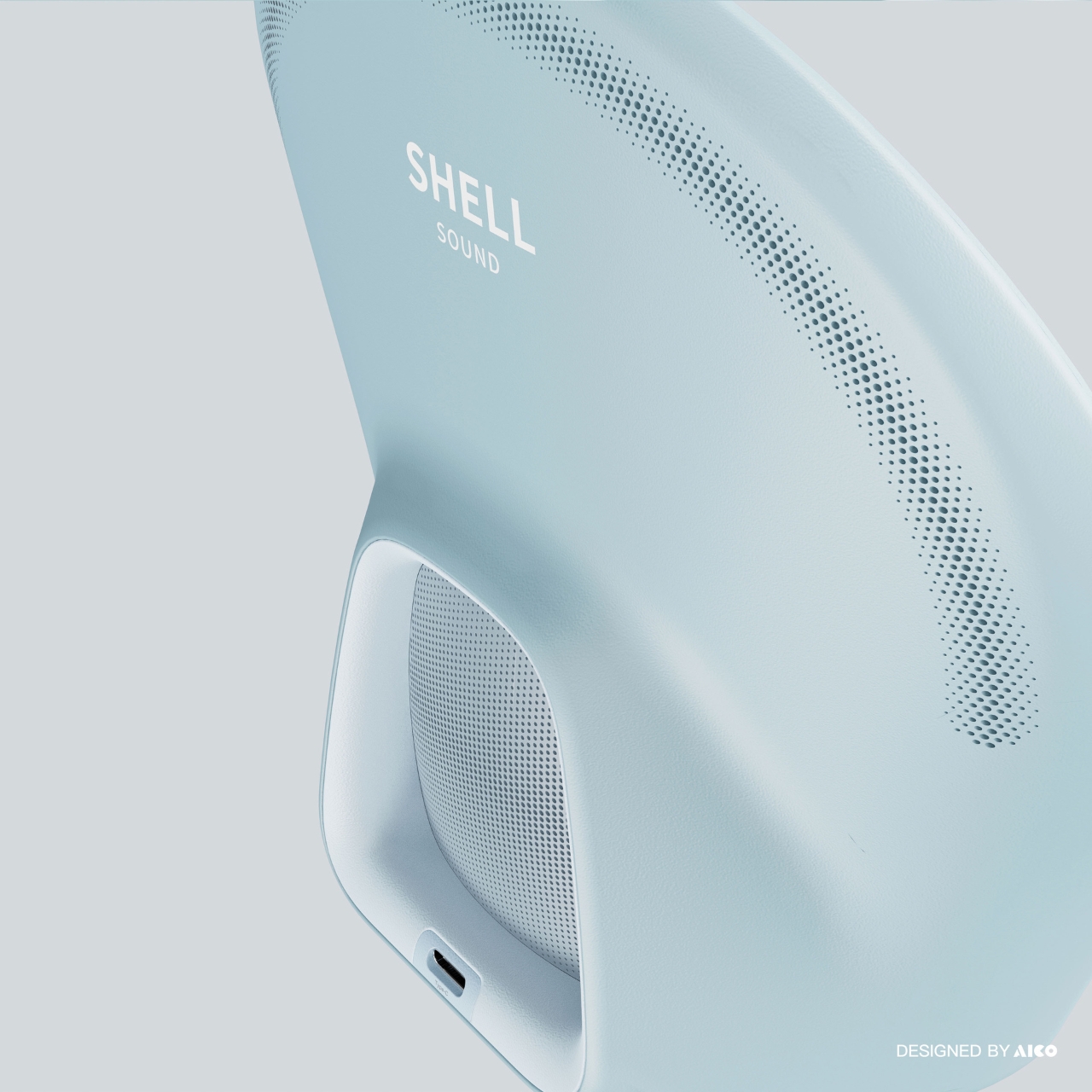
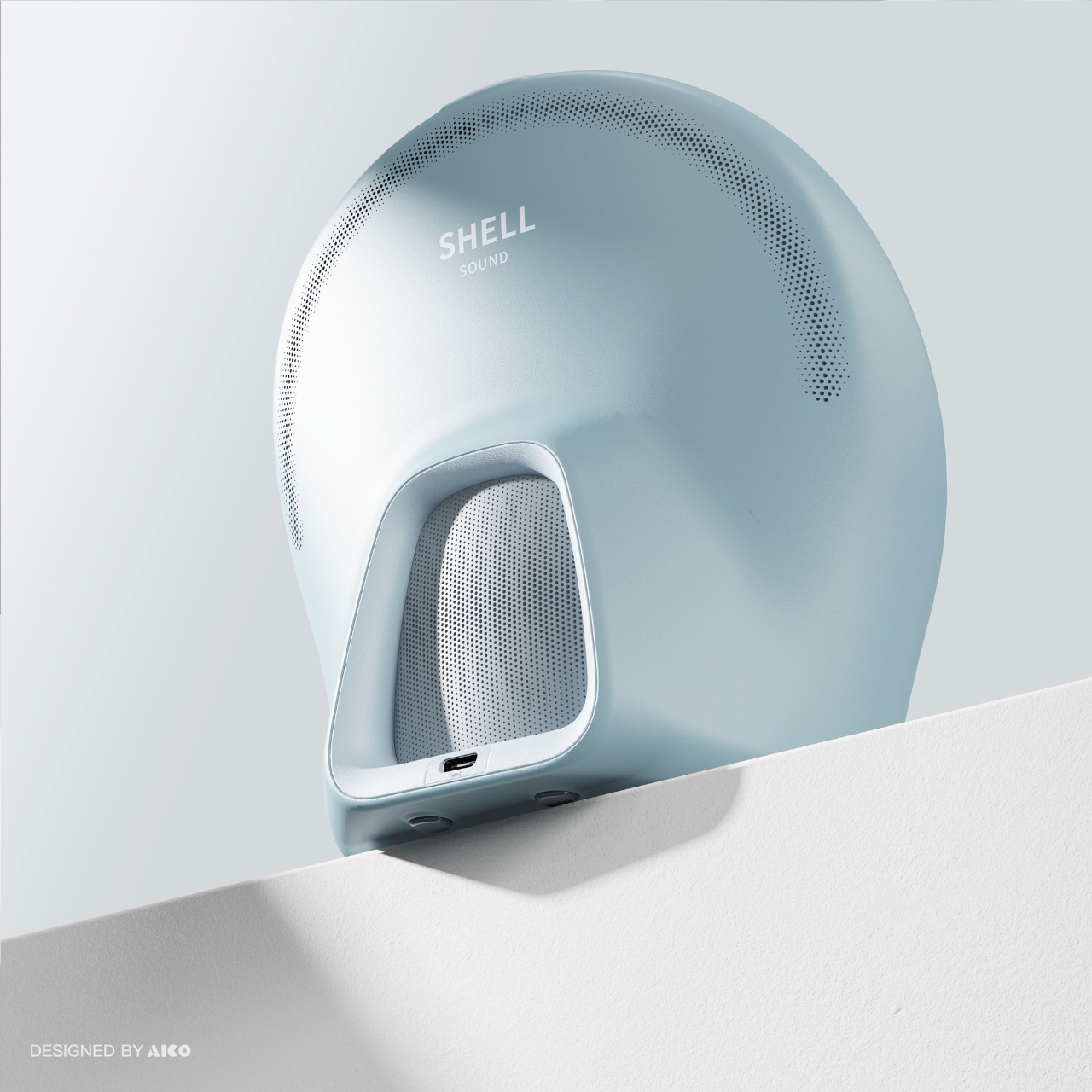
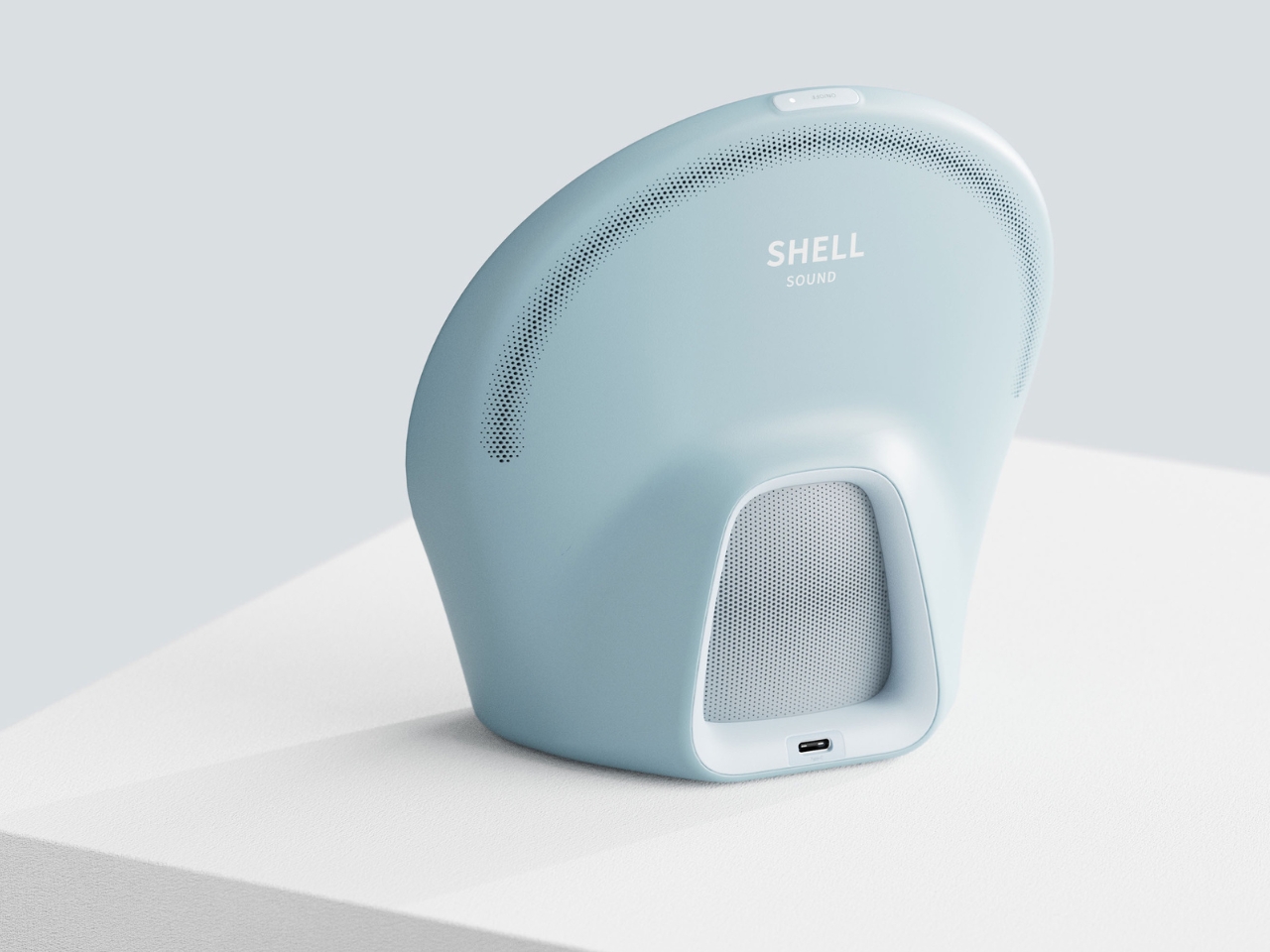
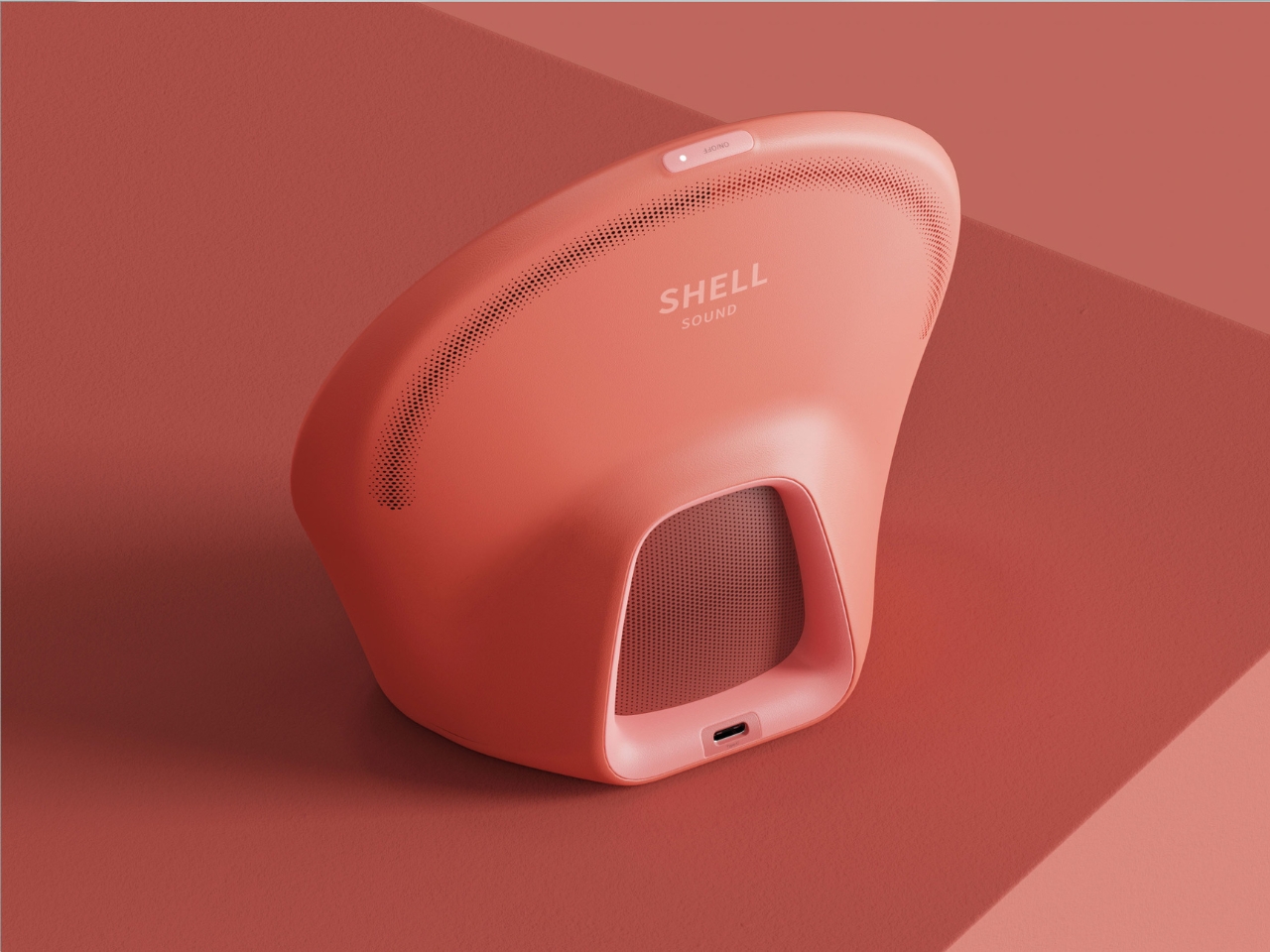
The Shell Intelligent Speaker is one such concept that wants to play around on the shape of the smart speaker. Taking its design inspiration from shells from the ocean, they wanted to combine the round and square shapes instead of the usual concave and convex shapes of shells and then use a dot matrix outline. Supposedly, the adductive character and the hole shape of the device will add to how the acoustic sound of the speaker will be better.
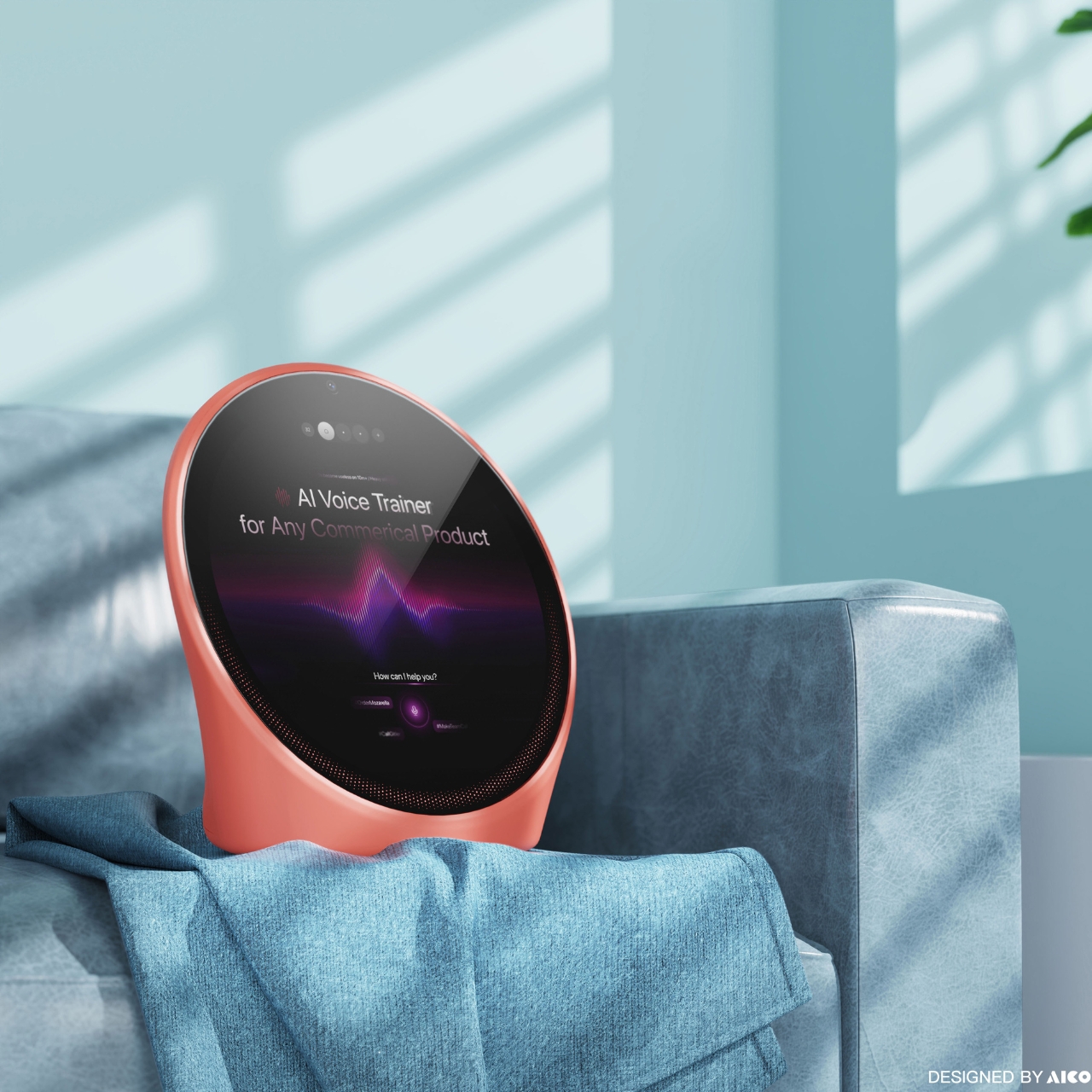
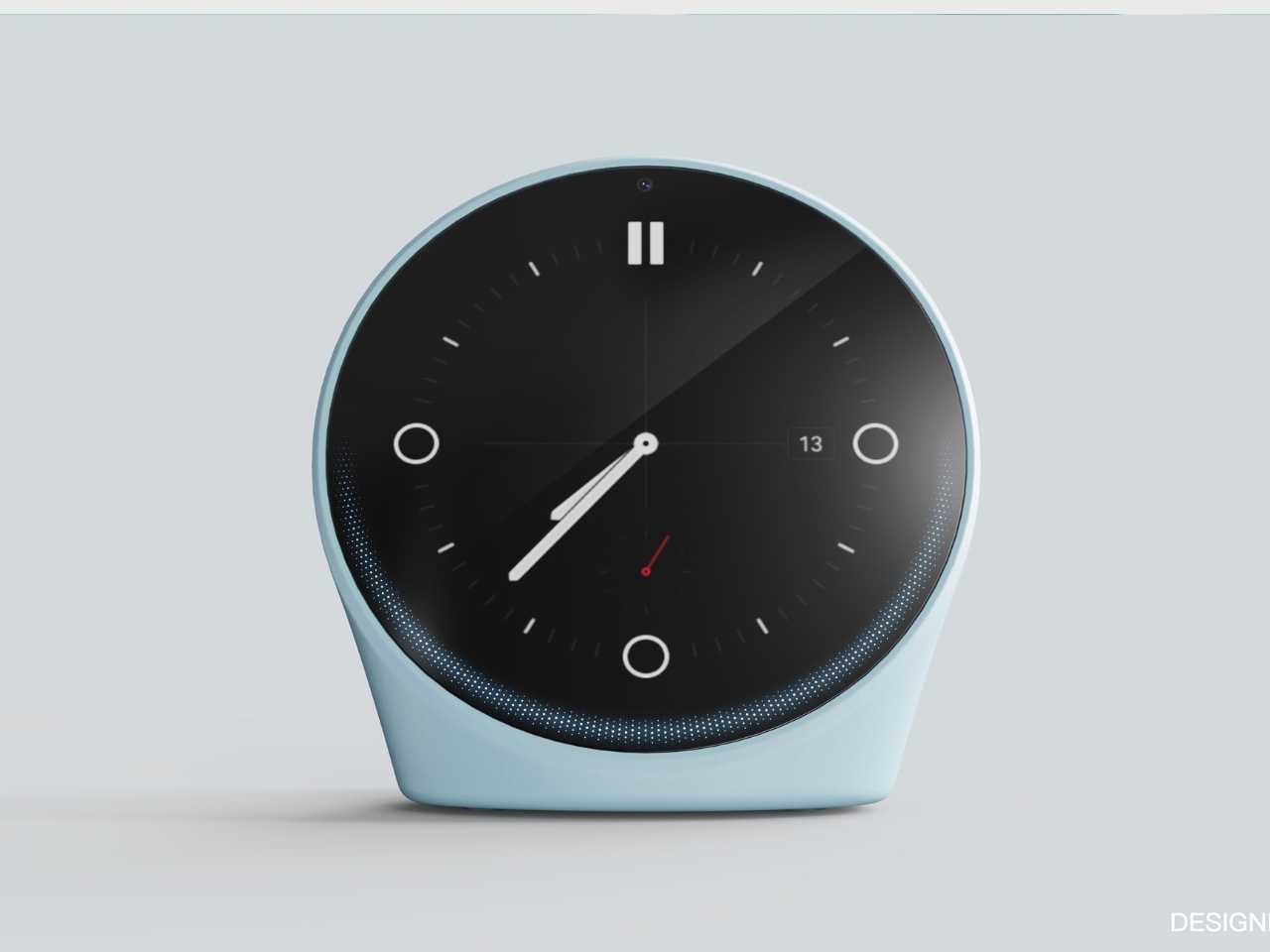
What you get is a round speaker that evokes not just a seashell but also an egg timer, albeit bigger. The round screen gives you enough space to view things like your music and videos, the weather and date information, etc. Of course since it’s a smart speaker, you can also just not look at the screen and listen to the shell for the information you’re asking from it.
Of course since this is a concept, they didn’t really delve into the functions of the smart speaker, which is actually a big part of why someone would buy a particular device. But from a design standpoint, this one looks pretty solid with its minimalist concept and its light, pastel colors.
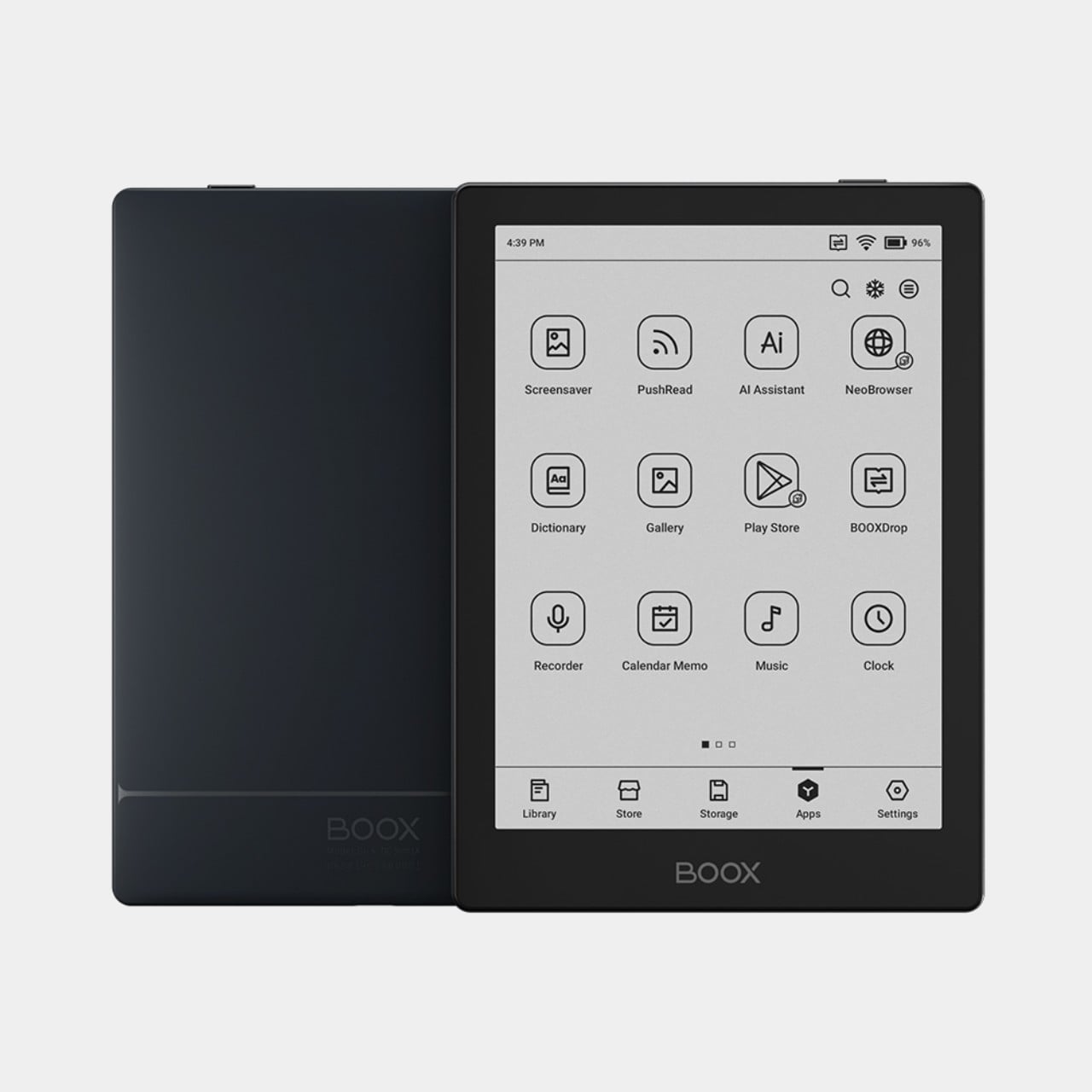
eBook readers or eReaders, for short, have come a long way since the day of the first Kindles and Nooks. While they still retain that book-centric DNA, many of them have become more capable and adopted new functionality, from writing down notes to becoming digital notebooks and organizers. In fact, many of these eReaders have become Android tablets and phones with E Ink displays instead of LCDs and OLEDs. Of the growing number of players in this arena, Onyx BOOX stands out as one of the most prolific brands as proven by the launch of its third new device in three months, almost like the mobile phone giant Nokia that flooded the market with innumerable and indistinguishable models.
Fortunately, Onyx does have just a dozen models under its name, but that’s only if you count the ones it currently sells. There are a few that have already been taken off its shelves, even just a year or two after they launched or even less (looking at you, BOOX Tab Ultra C). It’s not unusual for some of these models to have overlapping feature sets, at which point the older one gets booted out. And that seems to be the case with the newest member of the BOOX Go family, the BOOX Go 6.
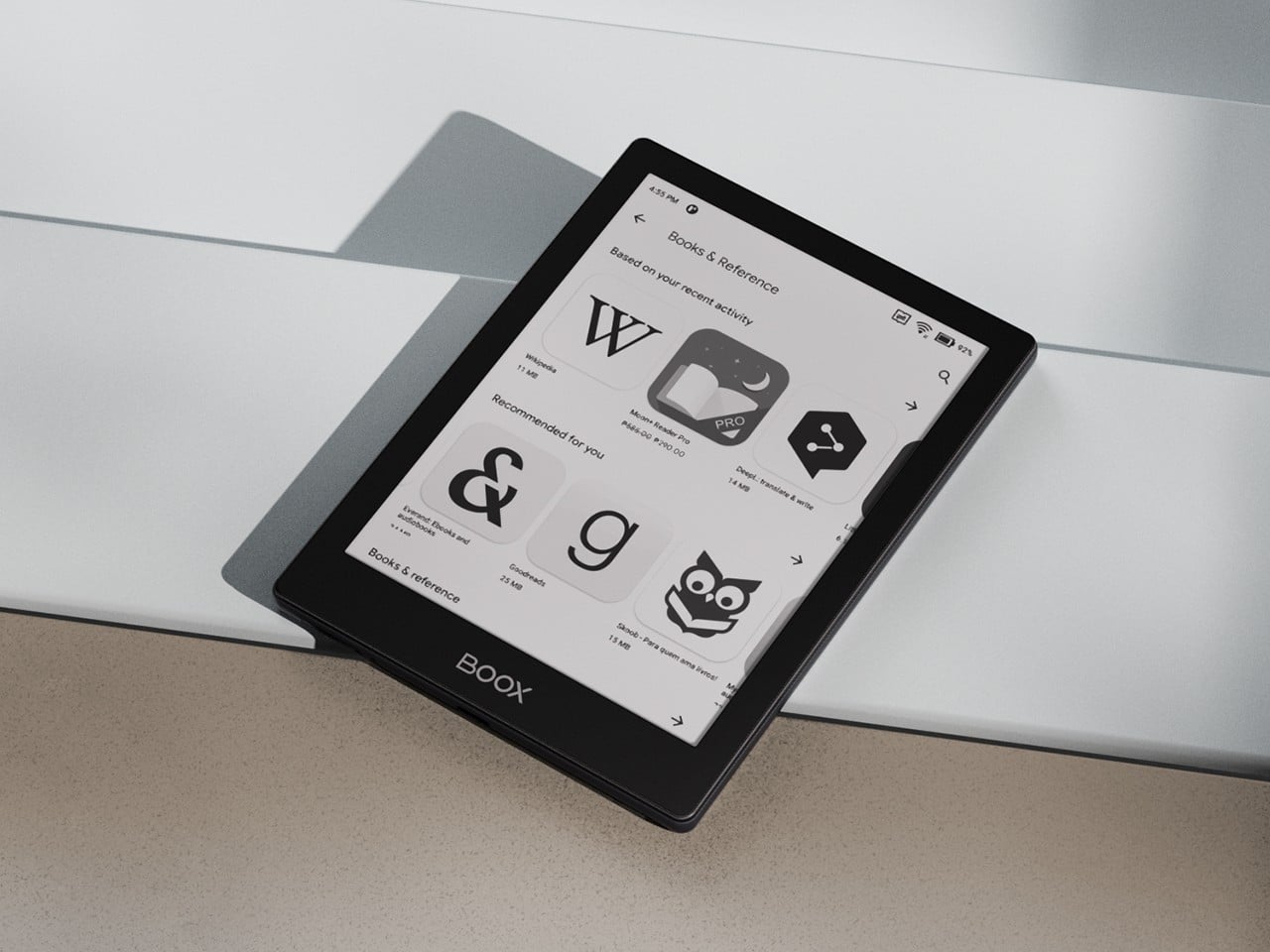
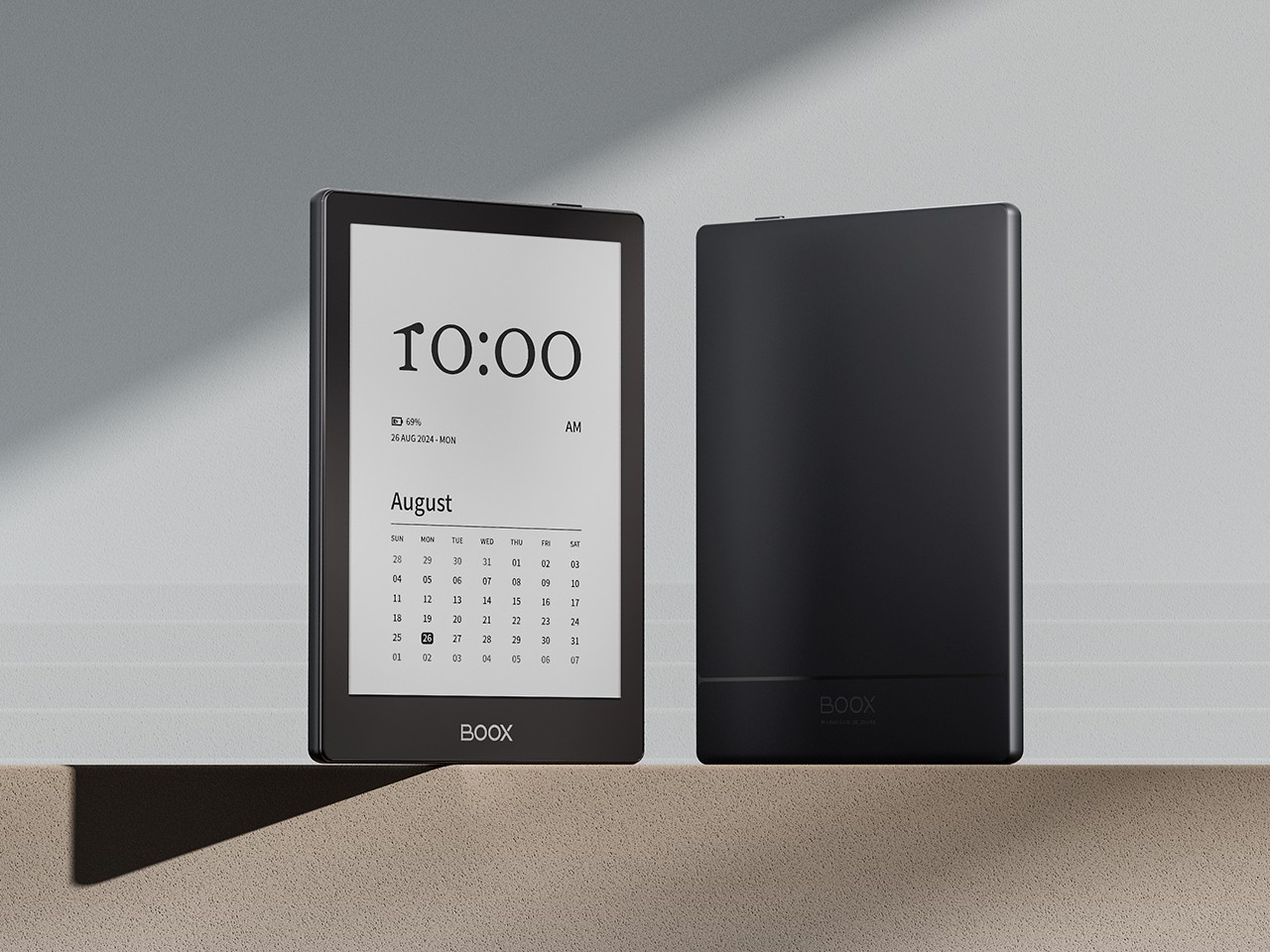
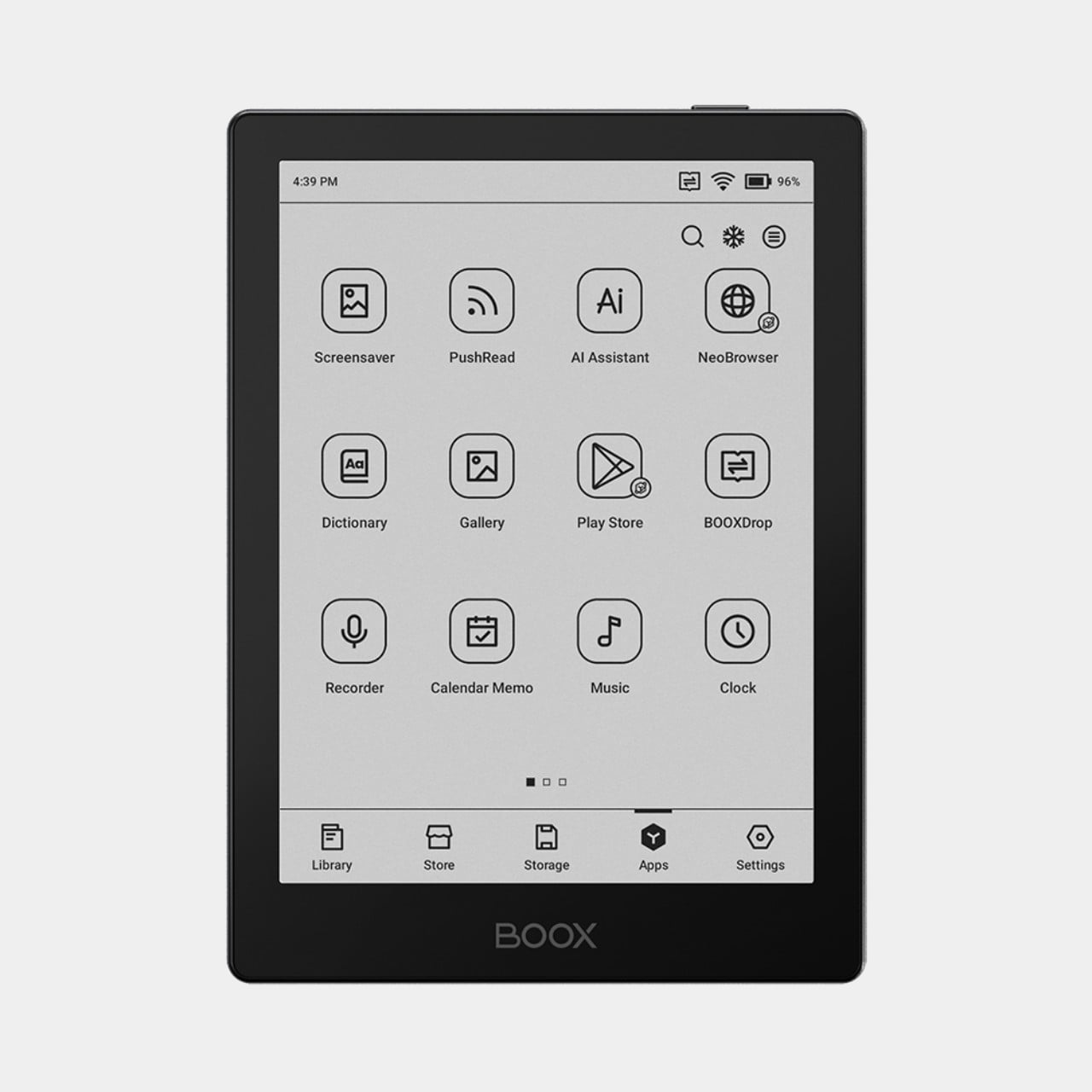
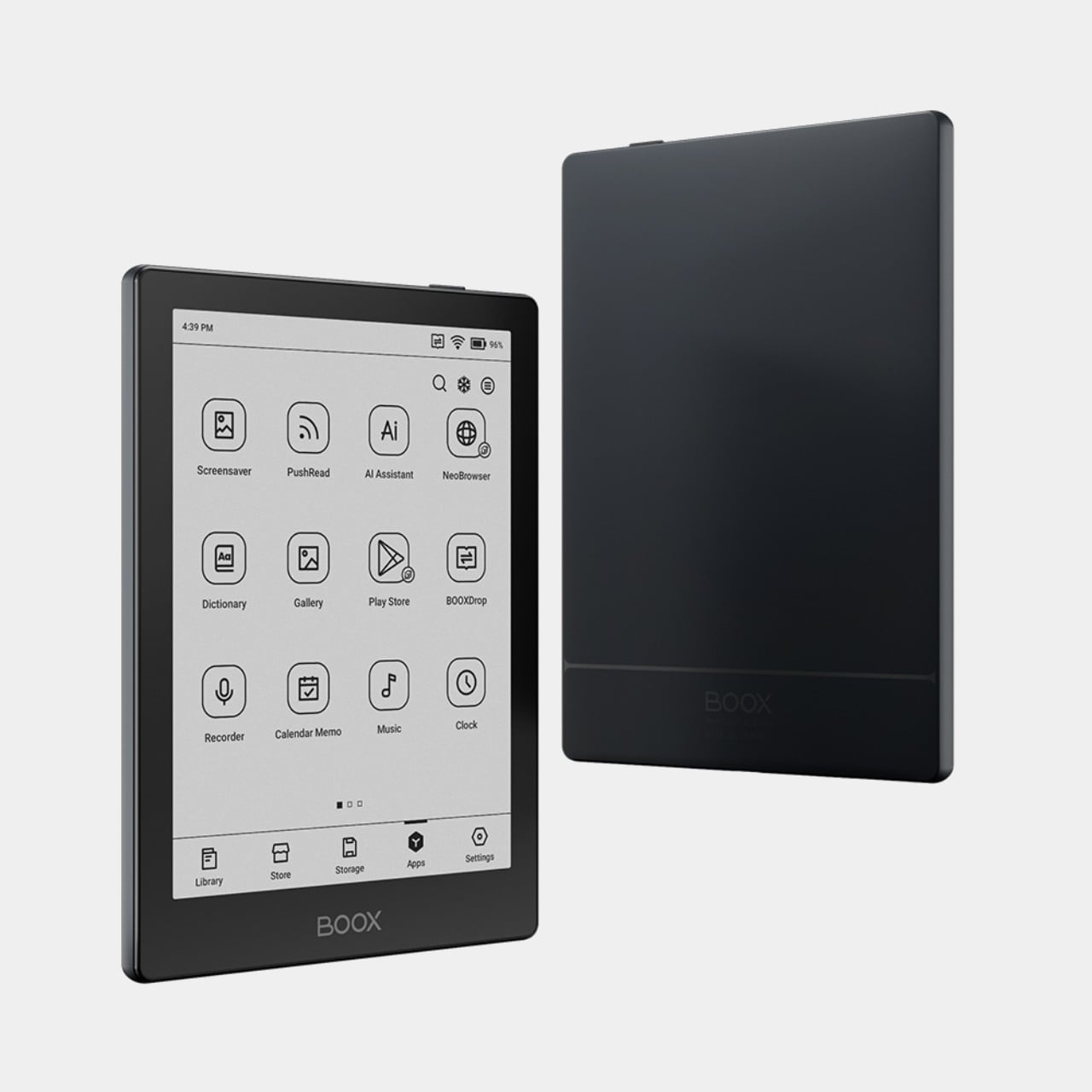
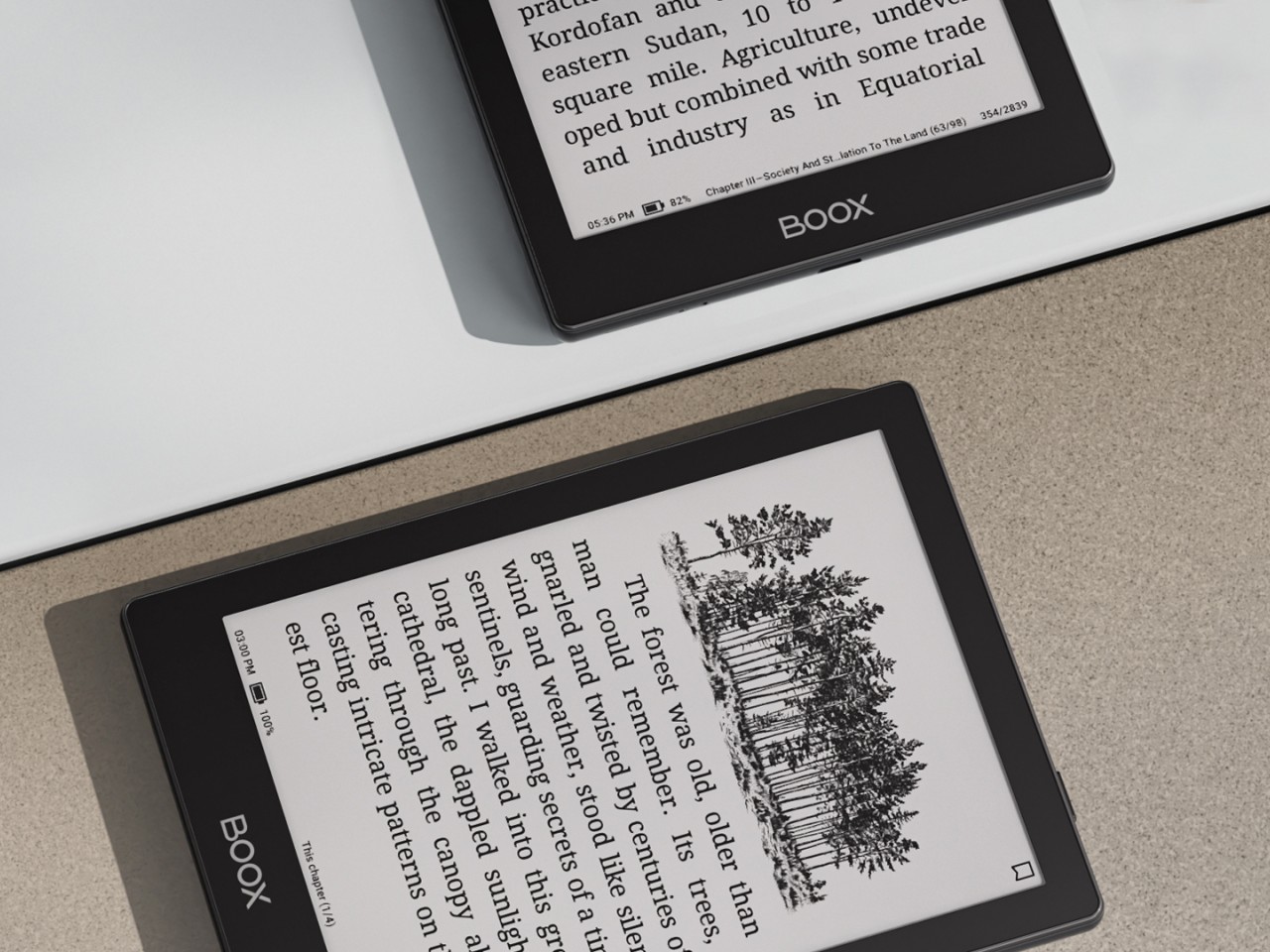
The Onyx BOOX Go 6 is basically the offspring of the BOOX Go Color 7 and the BOOX Go 10.3. With a 6-inch E Ink Carta Plus 1300 screen, it’s smaller than both, as expected of a child, making it the ultimate portable reading device. Like the BOOX Go 10.3, it has a monochrome display, which offers crisper and sharper text but at the expense of displaying any hue of color other than shades of gray. But unlike that larger “digital notebook” and more like the BOOX Go Color 7, it actually has a frontlight that makes it usable in the dark.
Those familiar with BOOX’s lineup before this would probably remember the BOOX Poke 5 which, despite the name, is also a 6-inch eReader with nearly the exact same specs except for one or two details. The biggest difference is the slightly more powerful processor (octa-core versus quad-core) and running a more updated Android 12 operating system. The latter is still old, but that’s actually the latest that Onyx has to offer.
The BOOX Go 6 is also cheaper by $20 and is a bit lighter than the Poke 5. That said, the BOOX Poke 5 was only taken off the brand’s online store recently, so it’s unsurprising that there are many disgruntled customers about this unexpected turn of events. On its own, the BOOX Go 6 does offer the company’s most portable and simplest reading experience, though it remains to be seen if that will still be true in just a few months should BOOX come out with another 6-inch or smaller device that makes this one pointless.
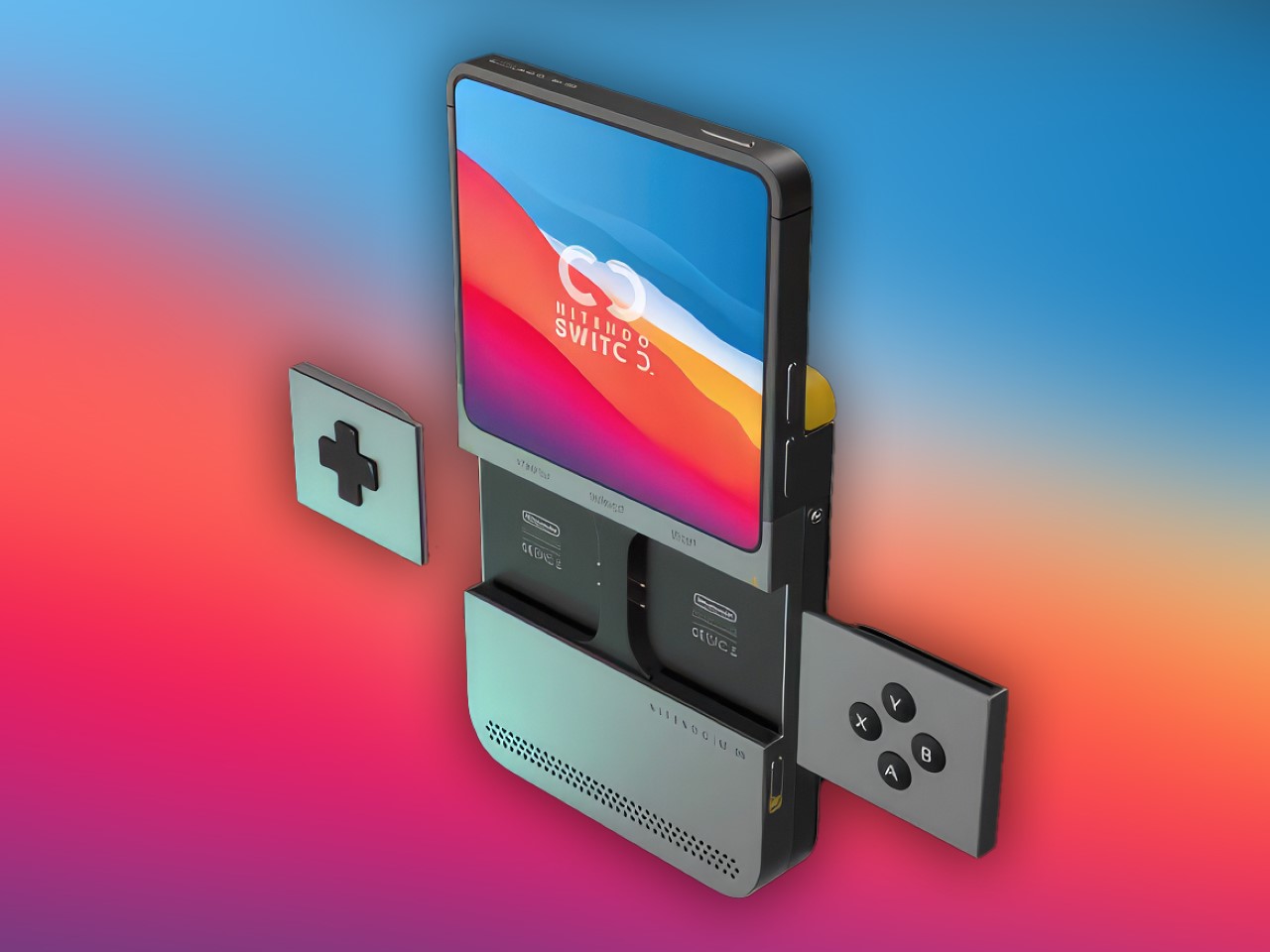
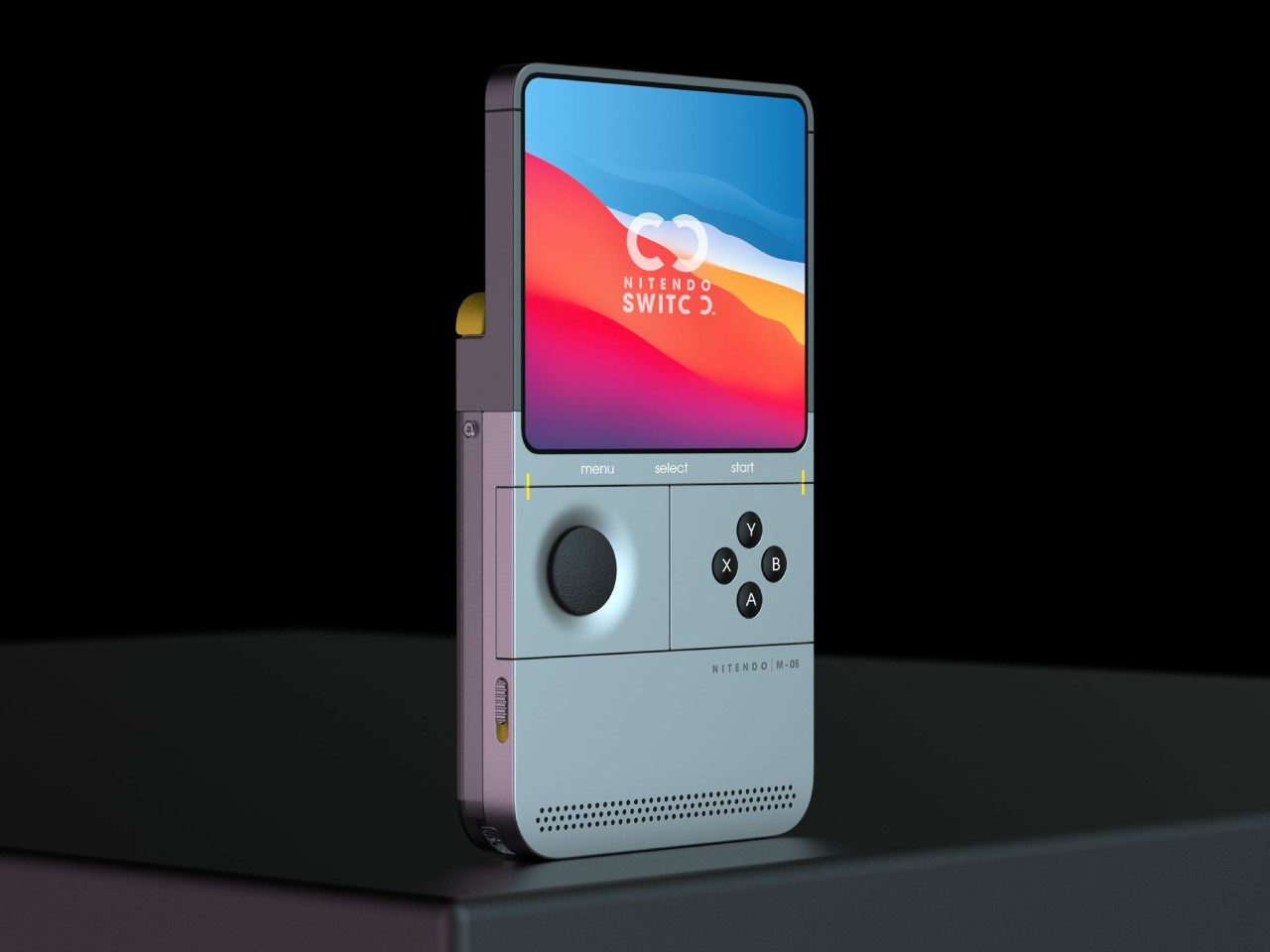
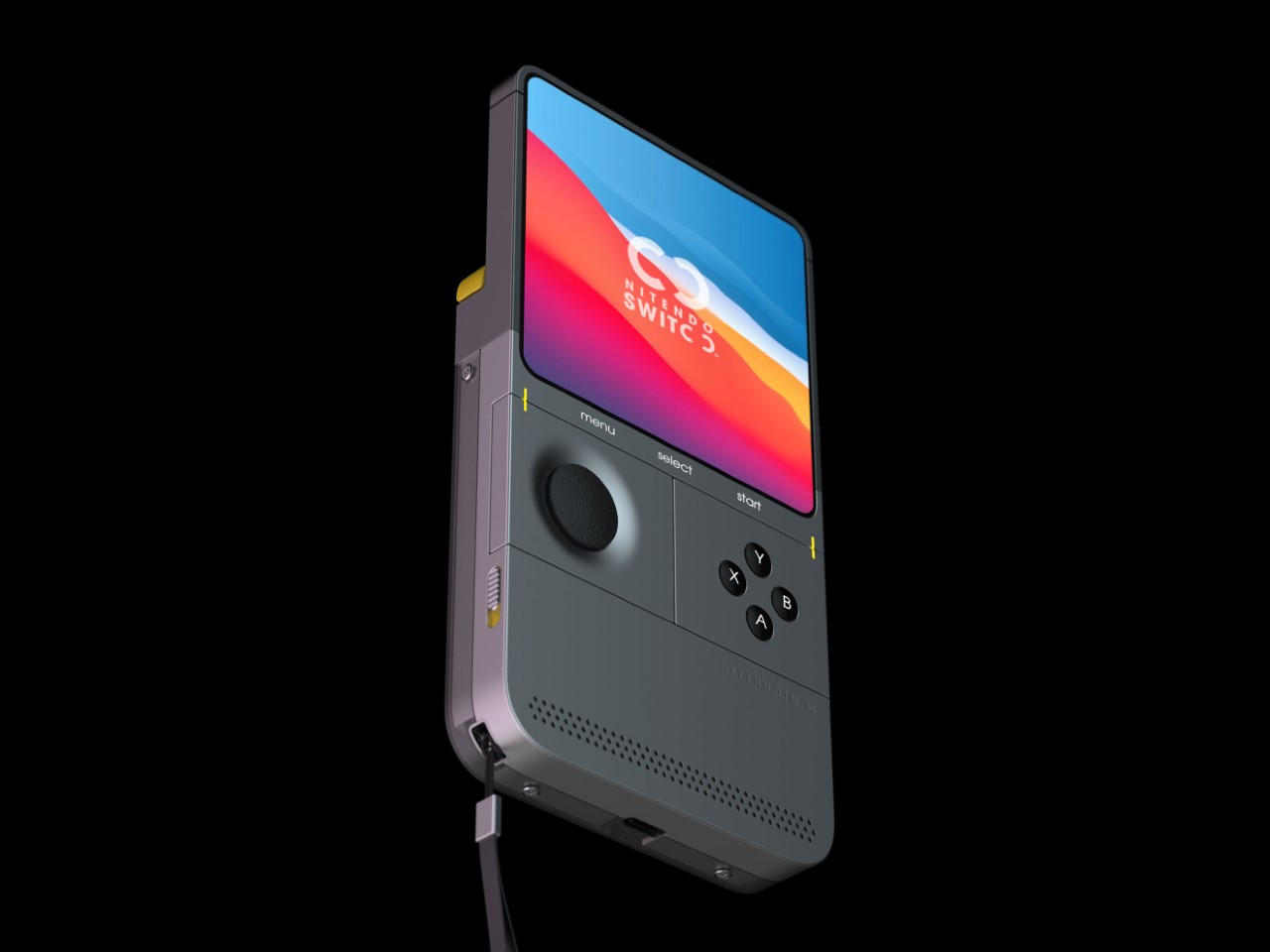
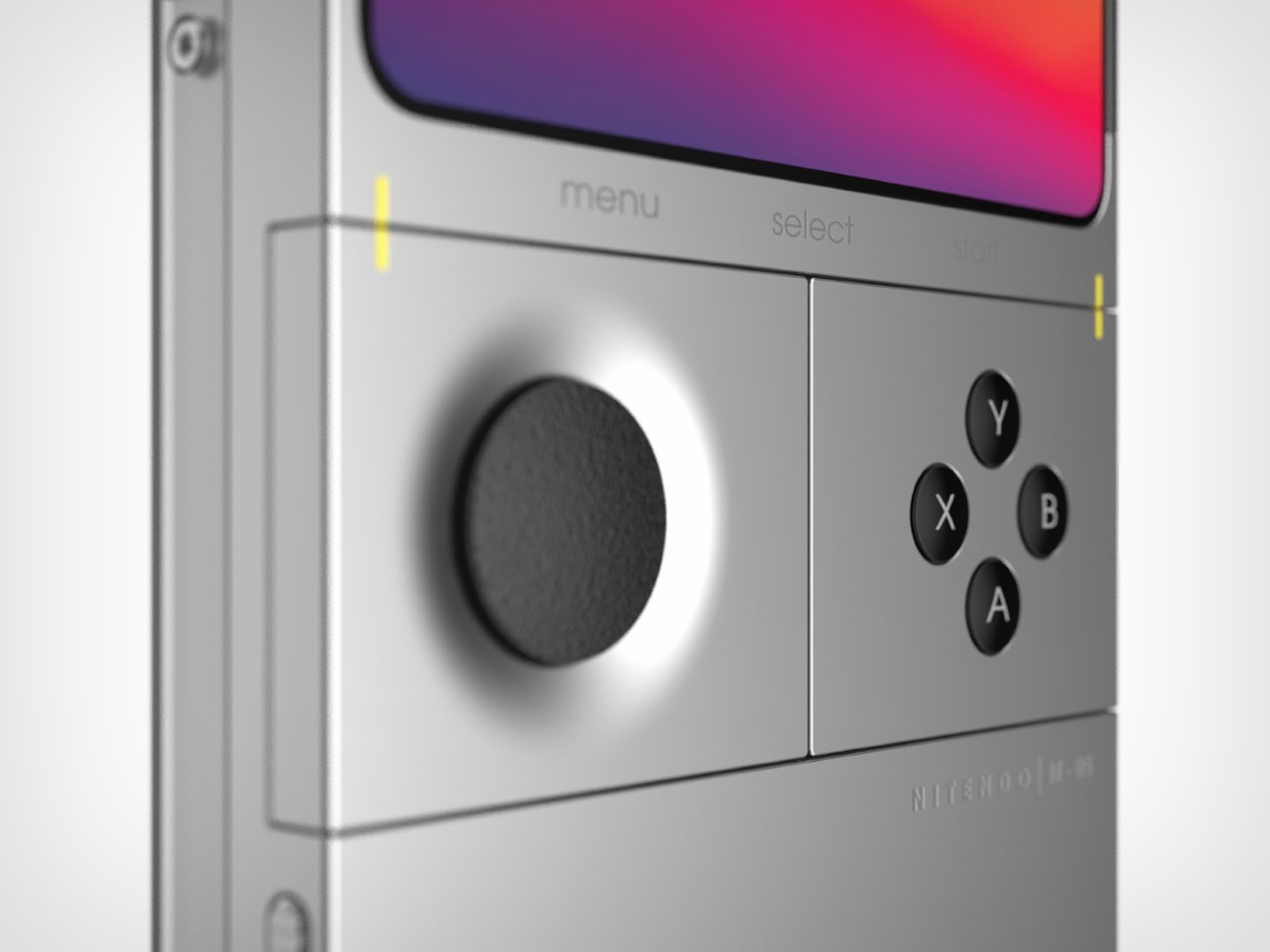
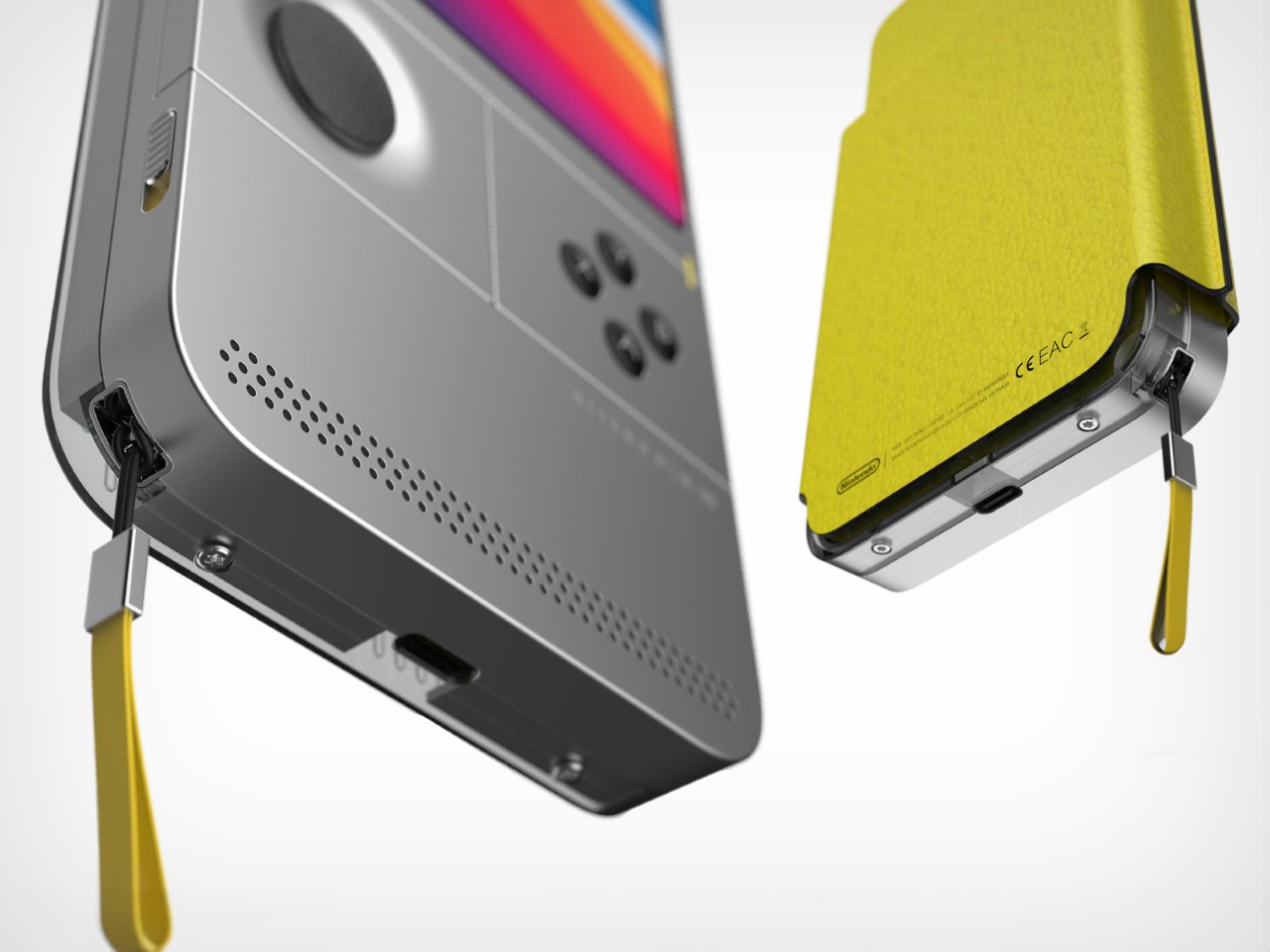
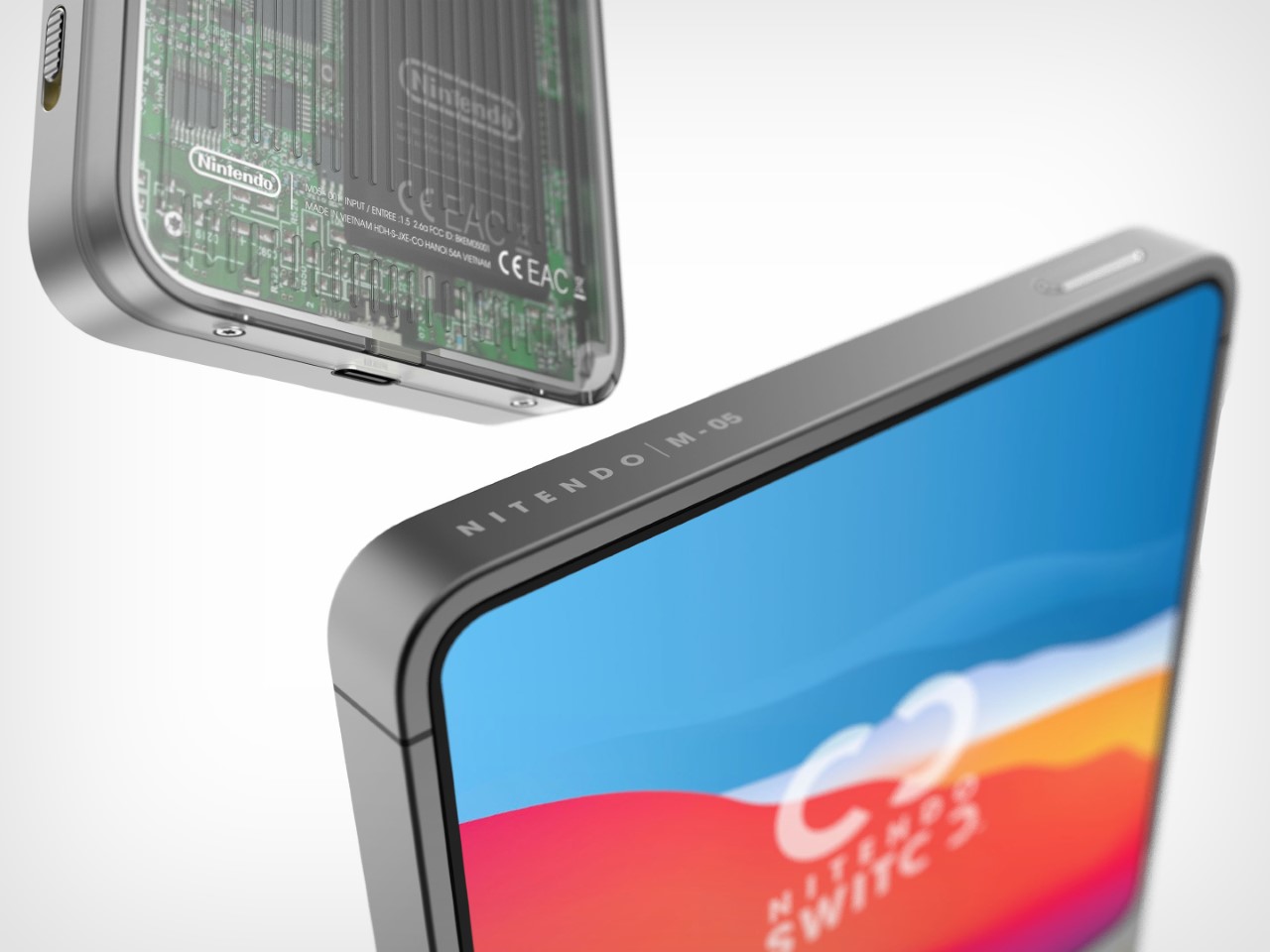
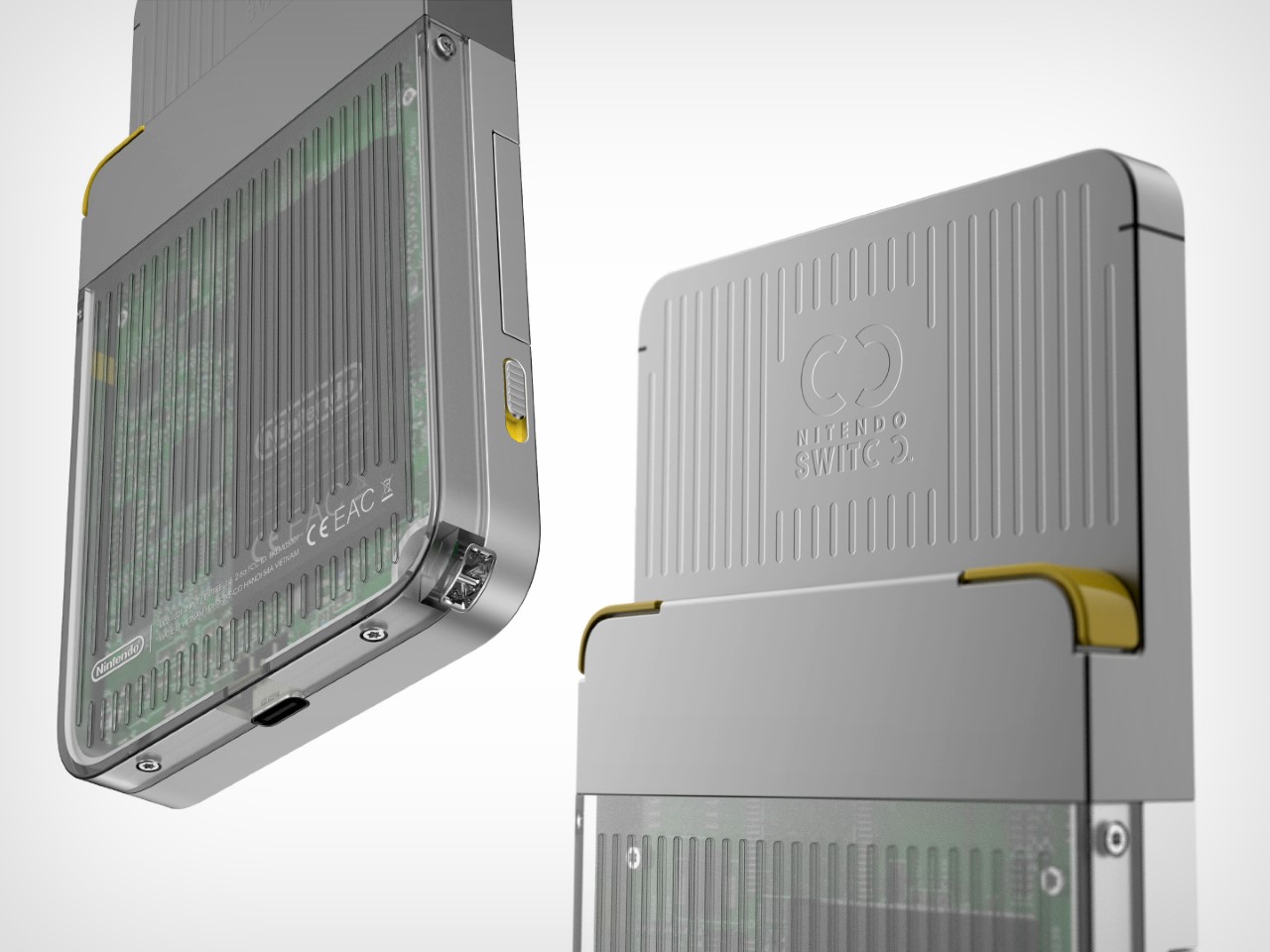
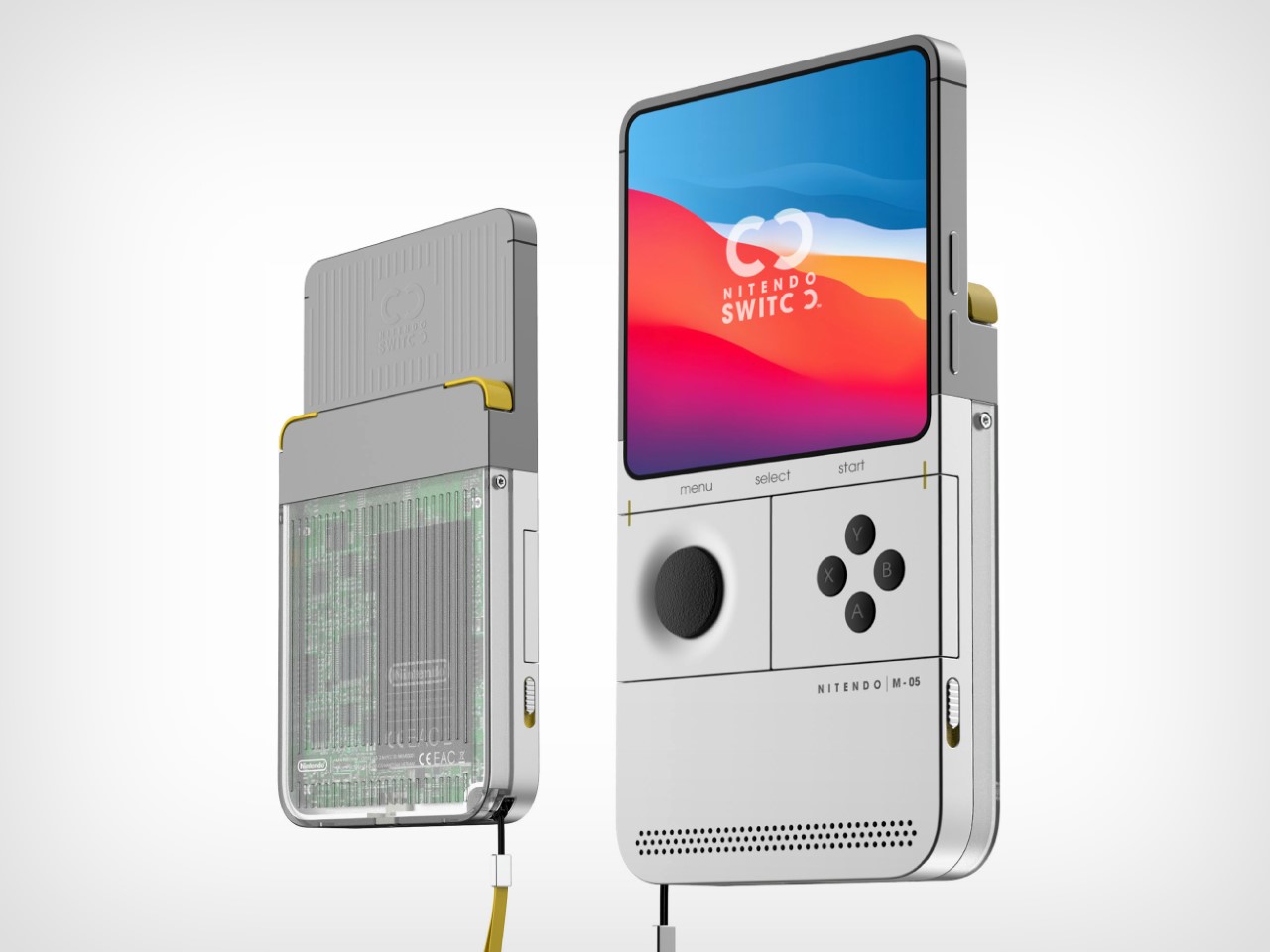
This Nintendo Switch redesign gives the epic console a major blast from the past. From the mind of Carota Design, the concept comes with a Game Boy vertical form factor, but still retains the essence of what gave the Nintendo Switch cult status – swappable Joy-Cons. The Nintendo ‘Switoo’, as Carota Design calls it, comes with two swappable controller modules (very similar to PhoneBloks or Google’s Project Ara) that can be replaced/interchanged, allowing you to build a control layout of your choice. The D-Pad and Action buttons can be ditched for a steering wheel and pedals while playing racing games, or create your own combination of control modules depending on the sort of interface you crave. The console itself comes with what I can only describe as a very contemporary tech device, with the use of slick machined metal parts along with a transparent housing on the back that hat-tips the current transparent design trend seen on a lot of popular tech devices.
Designer: Carota Design
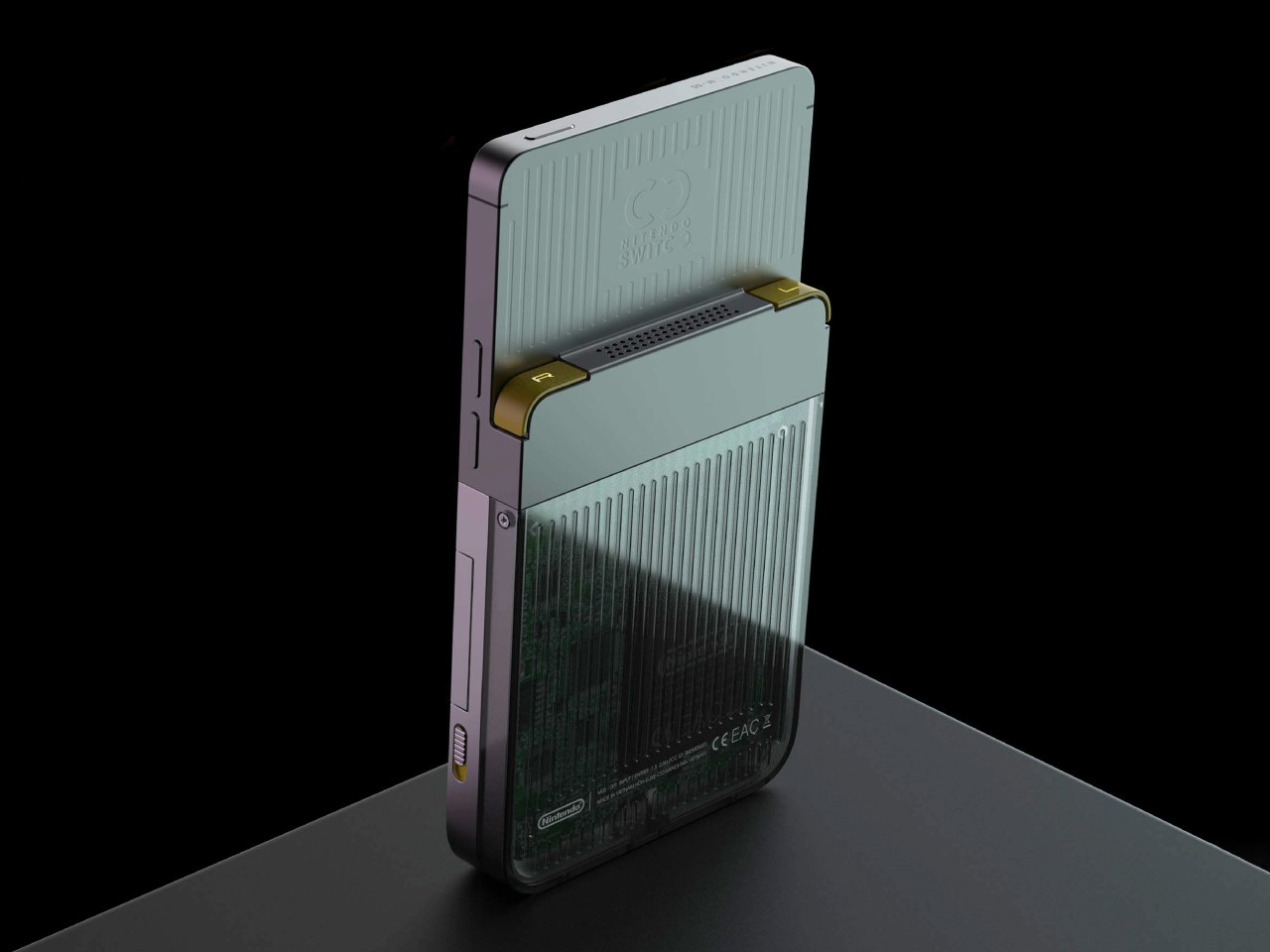
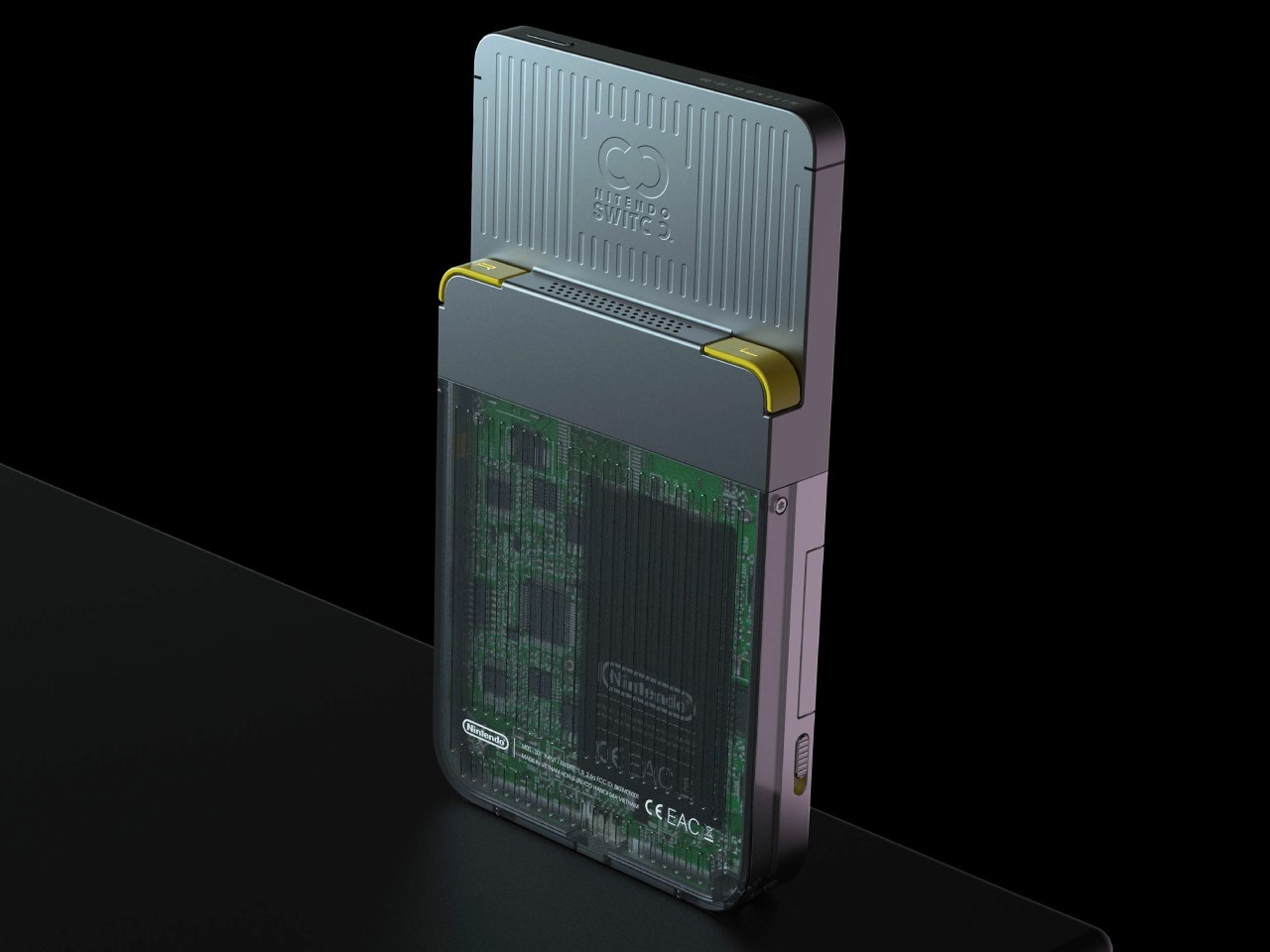
The Switoo gets its name from an abstract visual representation of the two modular controls on the sides of the console. The logo also shows how the modules slide in and out, locking into place when you want to play a game, and docking out when you want to swap controls depending on the next game you’re looking to play. Aside from these interchangeable modules, the Switoo has two triggers on the back, accessible with your index fingers while gaming.
The Switoo features a fairly ergonomic design, thanks to the fact that it has a thicker base. The side profile shows a stepped design, resulting in a screen area that’s fairly slimmer than the overall device, giving you a perfect stepped ledge to place those two trigger buttons. The front features a pretty clean almost edge-to-edge square display (presumably touch-sensitive), under which lie the swappable control mods. A front-facing speaker at the bottom fires audio towards the user as they game, quite similar to the front-facing speaker grills on the original Switch.
The controllers are the highlight of the Switoo’s unique design. Available in a variety of styles, they slide right into the sides of the console, snapping in to connect, just like Joy-Cons. A yellow guide helps you make sure you’re sliding the controllers in the right way, and switches on the side help lock the controllers in place so they don’t fall out accidentally during a rather enthusiastic gaming session. It’s safe to speculate that these controllers work only by being plugged in, and not wirelessly, like the Joy-Cons. Since they’re this tiny (and are individual controls like the D-Pad being its own module, and the action buttons having their own separate module), one can assume there’s no wireless chip or even a battery inside the controllers. Instead, pogo-pins help connect the controllers to the main console.
The square screen, Game Boy-inspired format, and modern design make the Switoo a unique successor to the Switch. One wouldn’t really call it a Switch 2 or a 2nd-gen version of the Switch console, but it definitely feels like a nice spin-off, marrying existing classic design formats with the unique appeal of Nintendo’s Switch console. There’s an understated simplicity to the Switoo’s design that you immediately appreciate. The sleek metal body, USB-C charging, minimal detailing, and transparent caseback, all make the Switoo look pretty modern. The only problem is the fact that this is a fan-made concept and not something I can throw my money at!
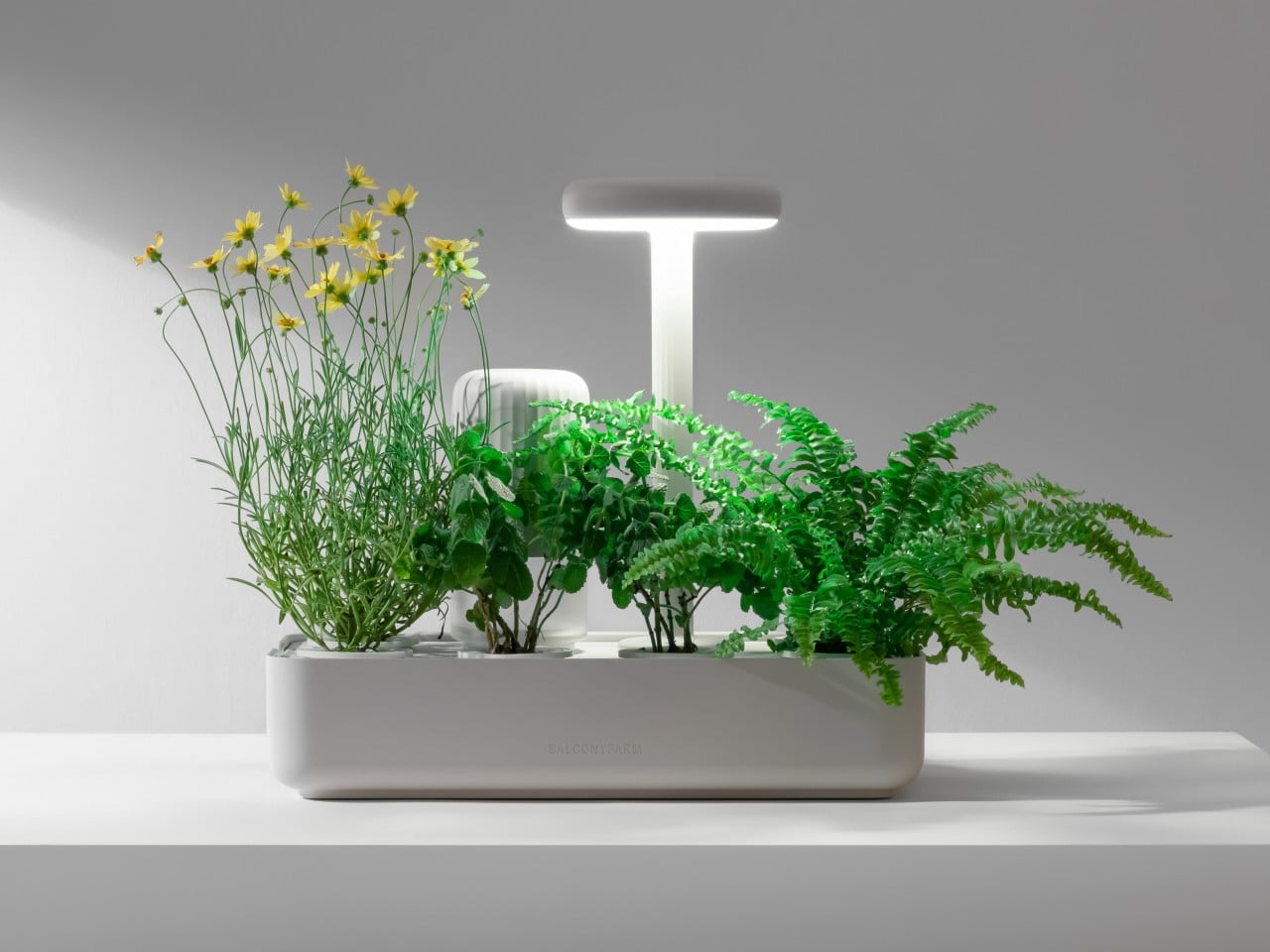
Indoor gardening became quite a fad in recent years as people tried to cope with being stuck indoors for days at a time. But while the majority of this trend revolved around succulents and decorative plants that are easy to grow, it also presented an opportunity to start a trend of growing consumable greens indoors as well. Indoor planters try to offer this kind of convenience, but most of them tend to be large appliances no smaller than cabinets or shelves. Smaller households that want to grow a small number of verbs and vegetables might feel left out, but this concept tries to offer those same conveniences and smart features in a more portable design that you can literally put anywhere in your house, apartment, or room.
Smart planters may sound simple but the amount of calculations they have to make can be quite complicated. They have to make sure that the plants are not just getting the right amount of LED light each day, they also have to distribute the right amount of water that the plants need, not less and definitely not more either. It’s no surprise, then, that many indoor planter appliances can be quite big, taking into account not only the water container and soil pots but also the electronics and mechanisms needed to make it work.
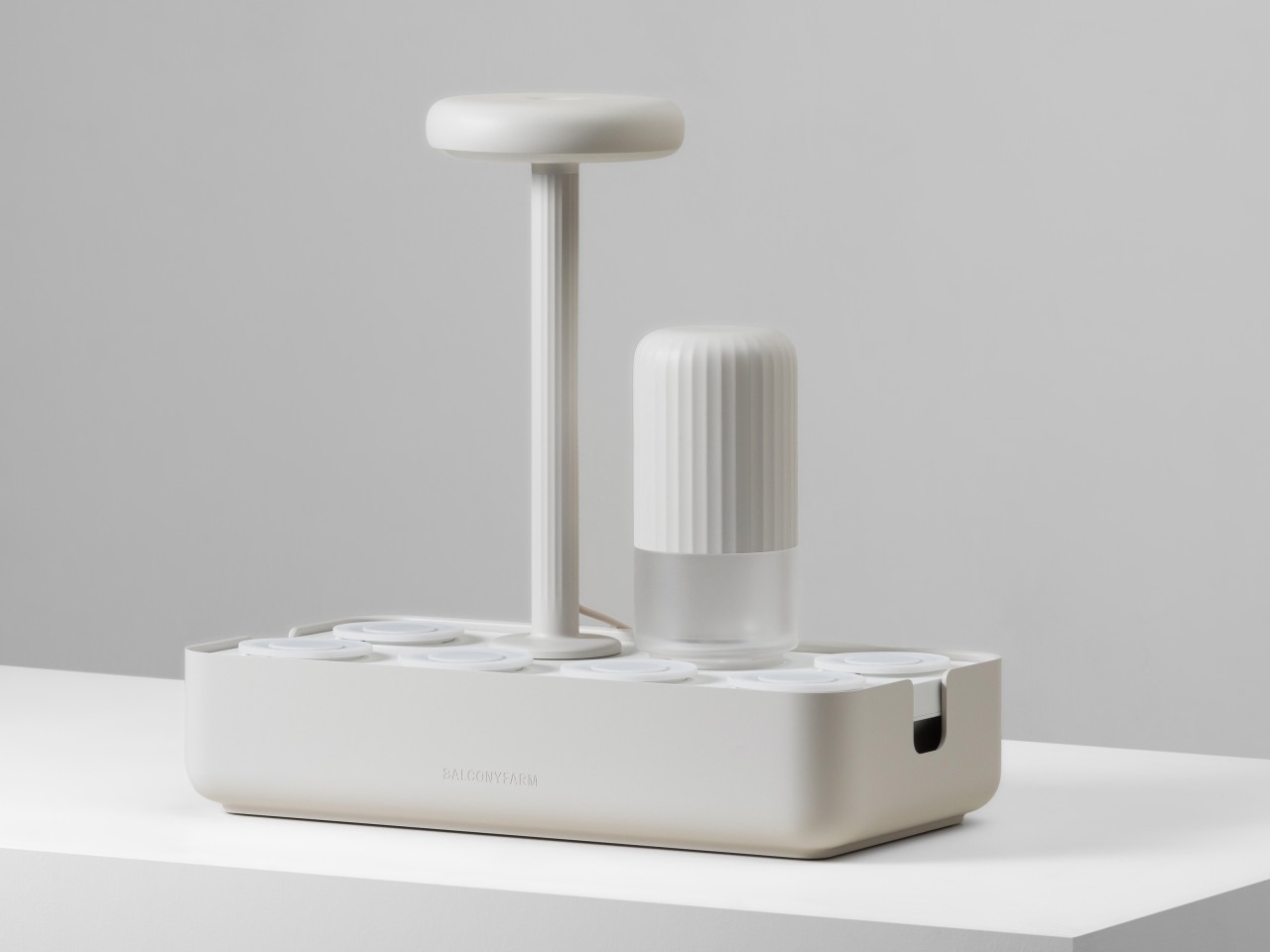
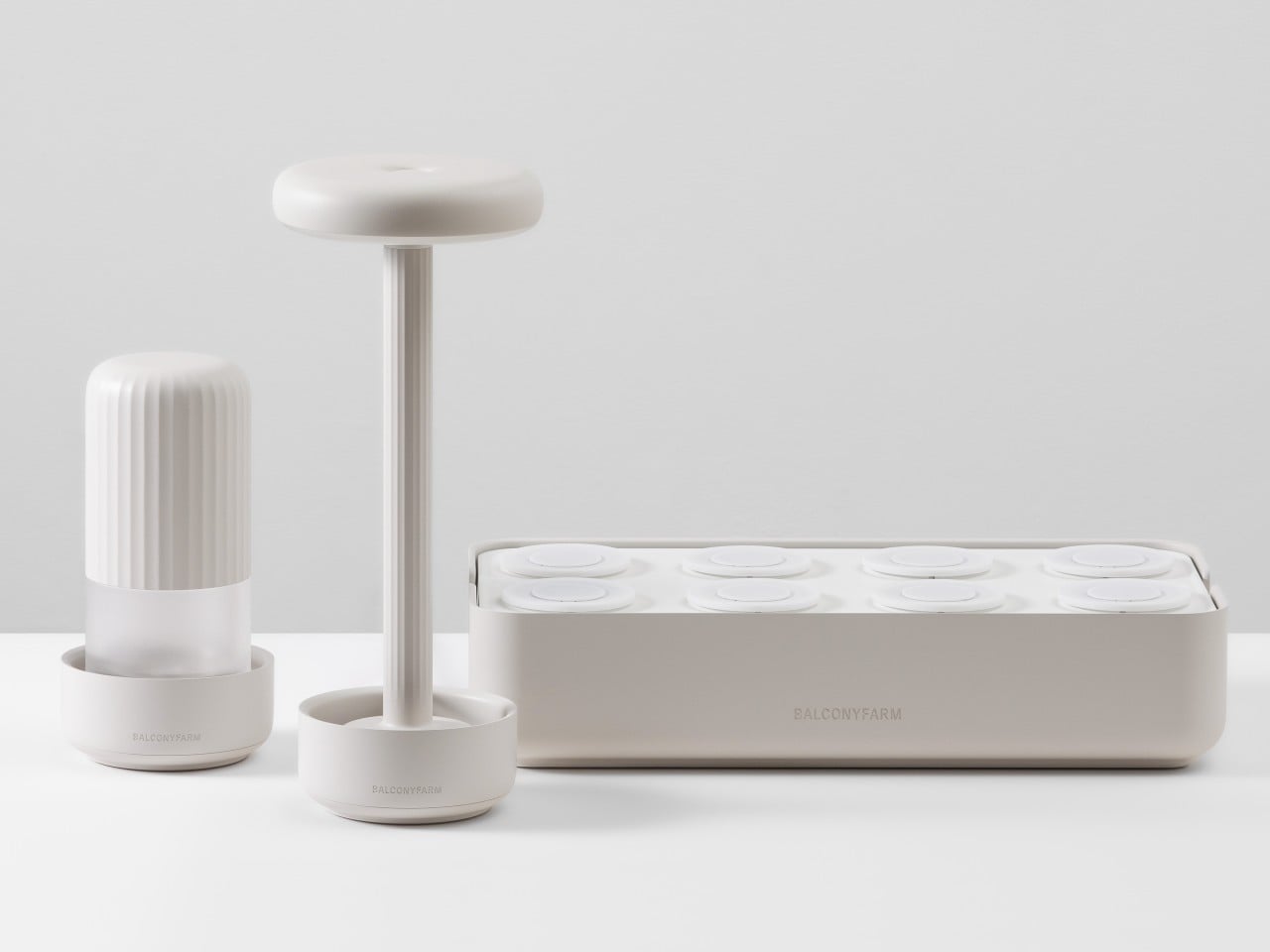
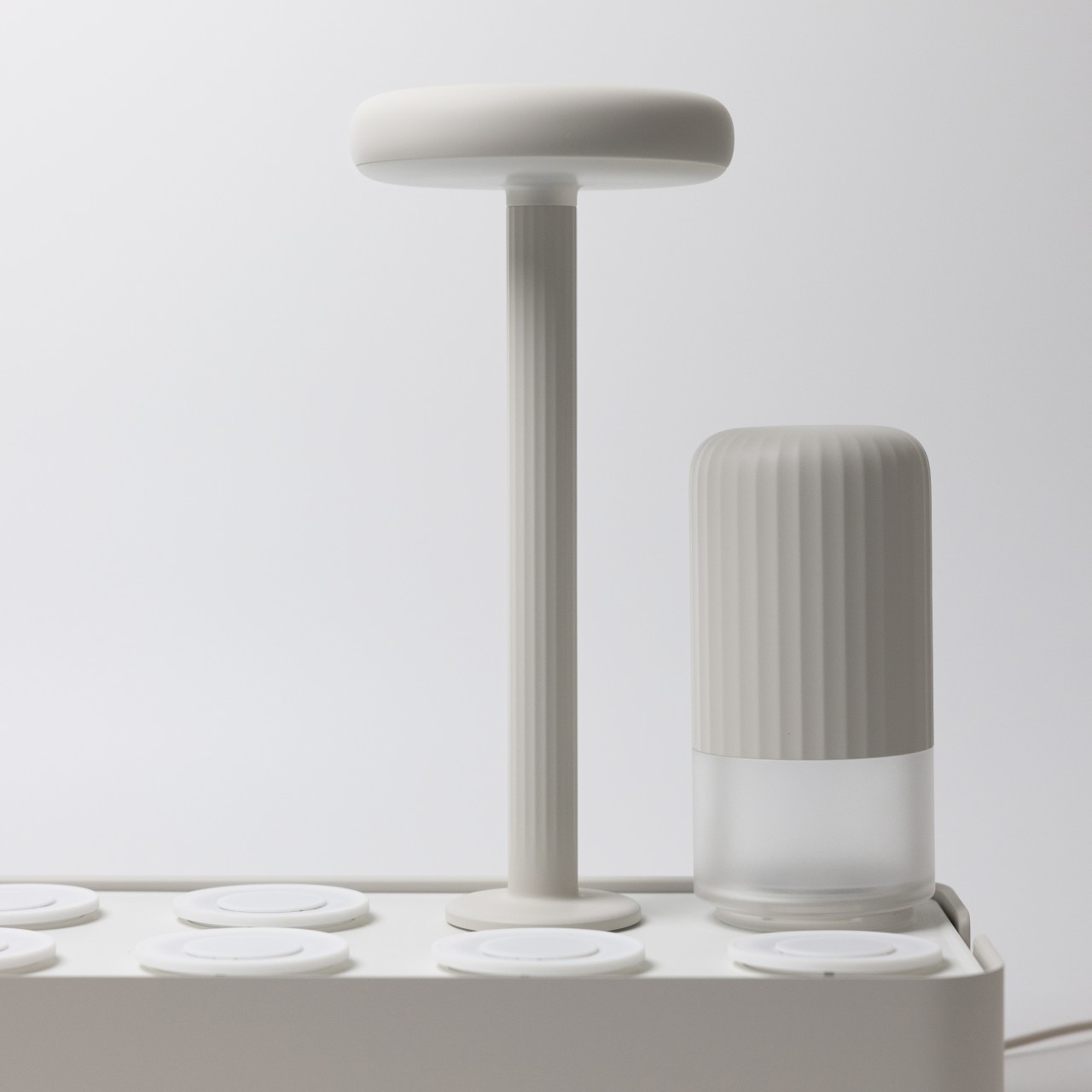
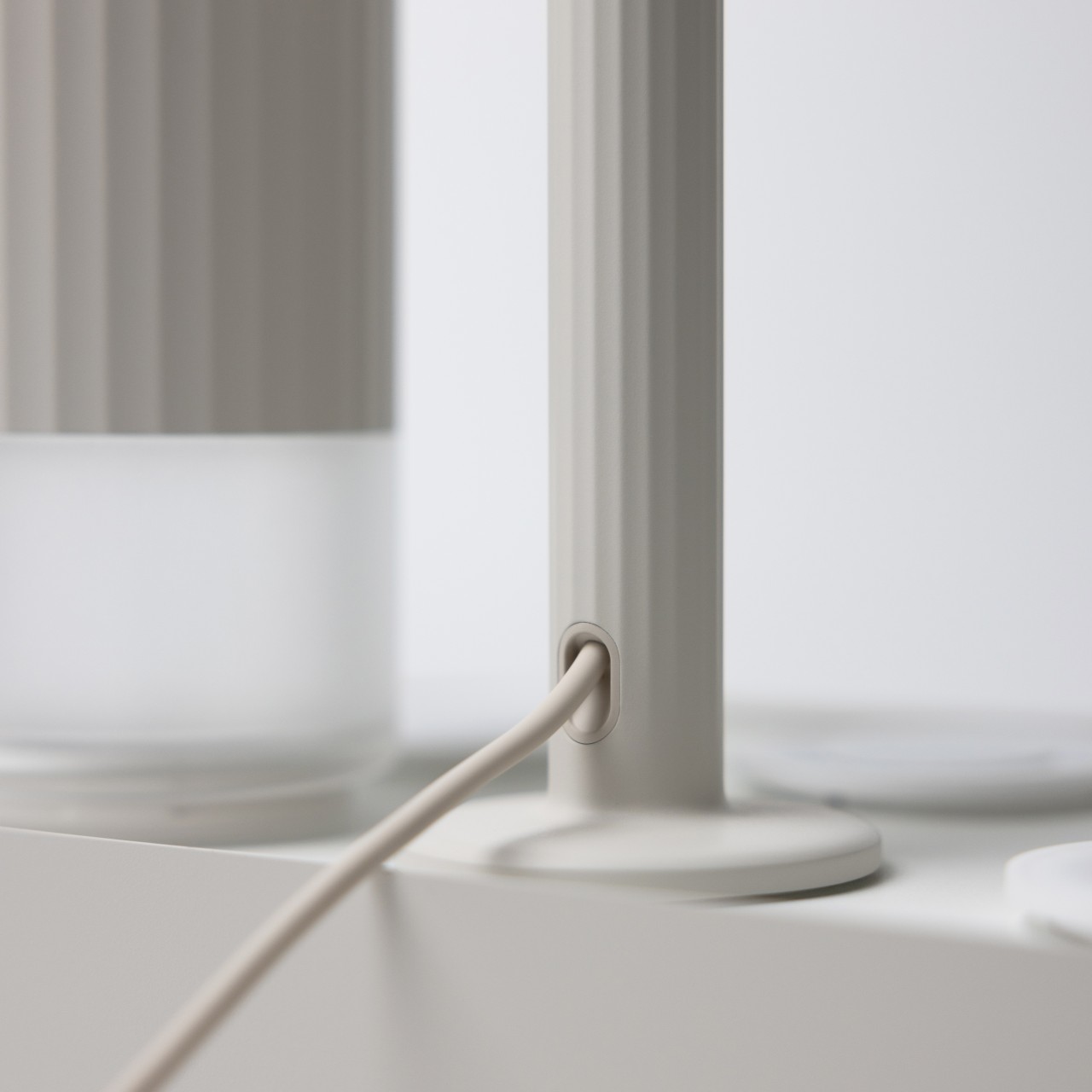
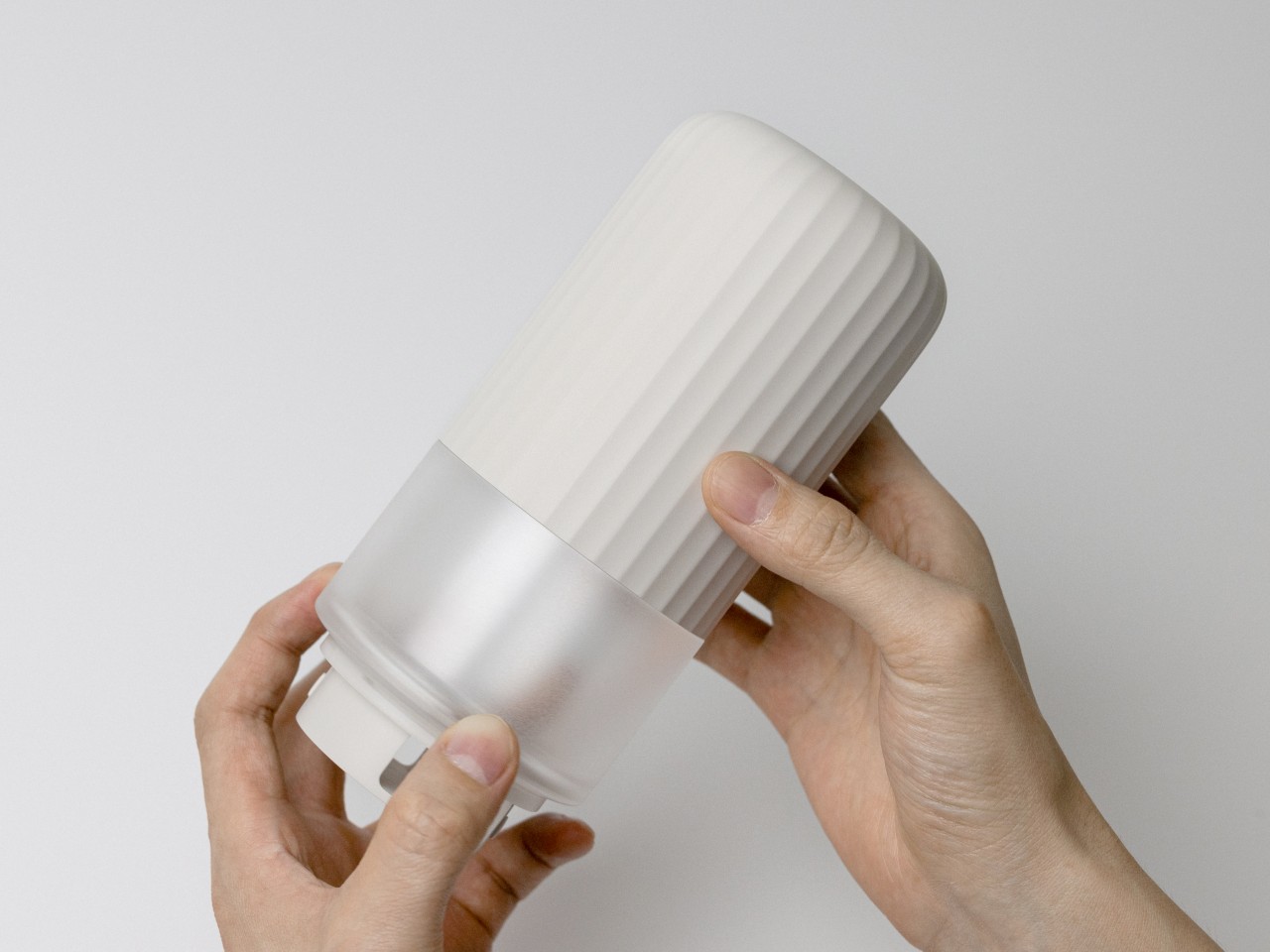
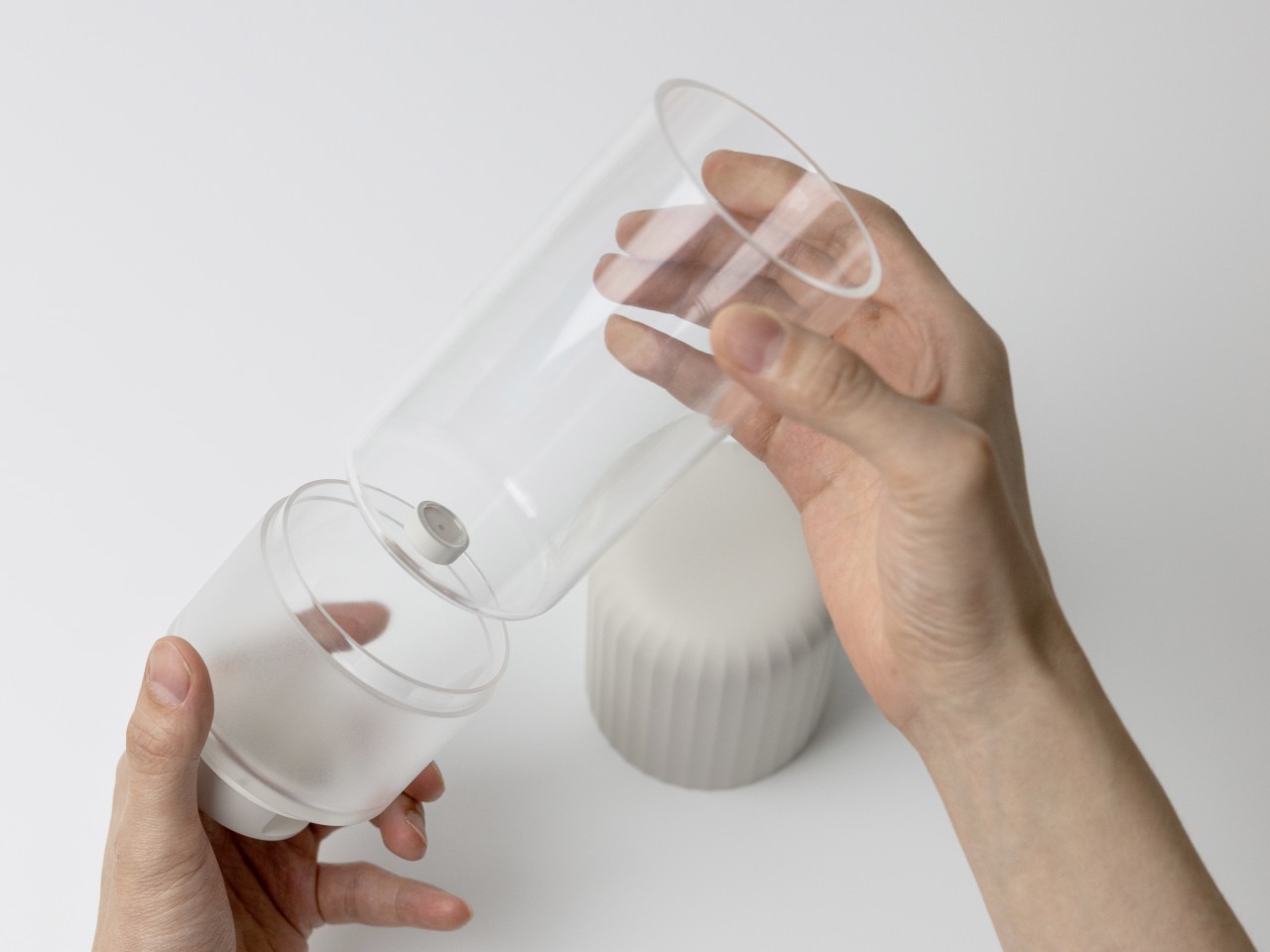
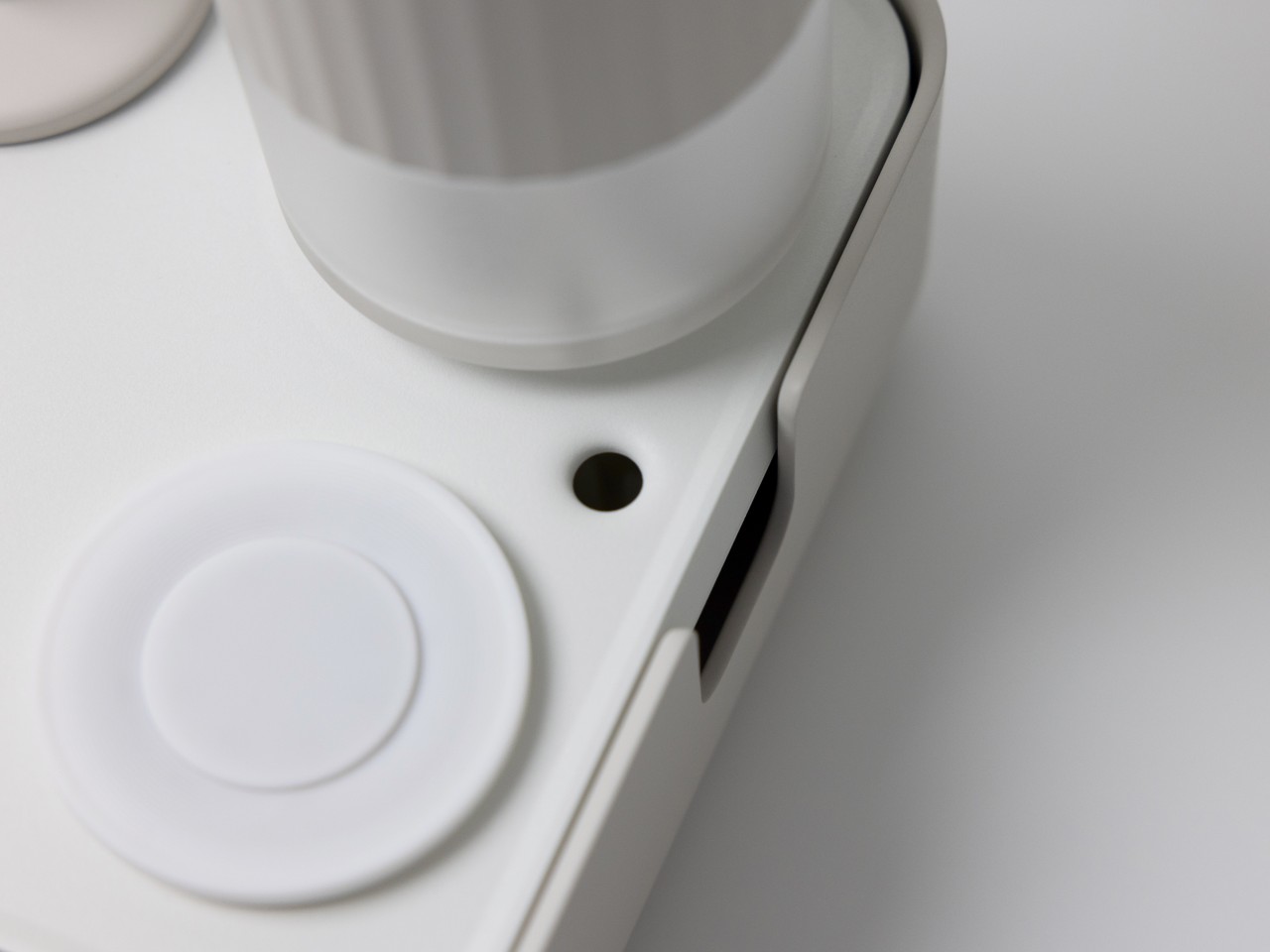
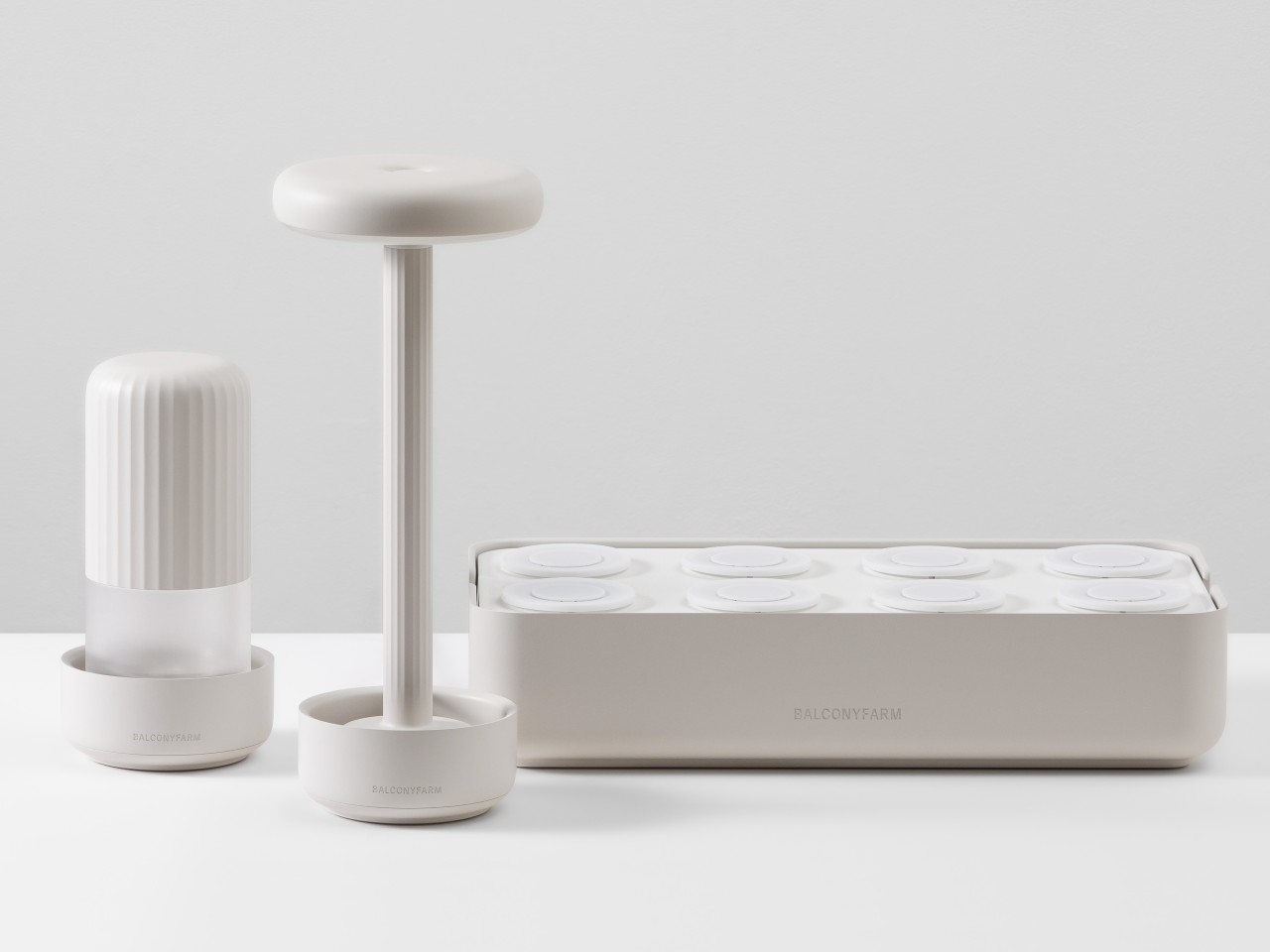
The POT version of the BalconyFarm planter condenses all those those into a farm that can fit on a small table or even a wide window sill. The box-like device has eight circular containers that can hold the potted plants, but in reality only six of these can be used at the same time, at least if gardening indoors. One spot is where you’ll set up the lamp, while the other circle is reserved for the water container. These two can be placed in any of the eight holes, making the proper arrangement of herbs and vegetables even easier.
Despite the petite size, the BalconyFarm POT has the same smart features as its bigger sibling. That means it knows exactly how to to distribute the water to plants, no matter which spot you place the water container on. Admittedly, there are a few disadvantages, though, like the uneven distribution of light from a single lamp and the lack of ventilation around the plants. On the flip side, you place this planter anywhere, so you can use the growing plants as a decorative centerpiece for your table or desk as well.
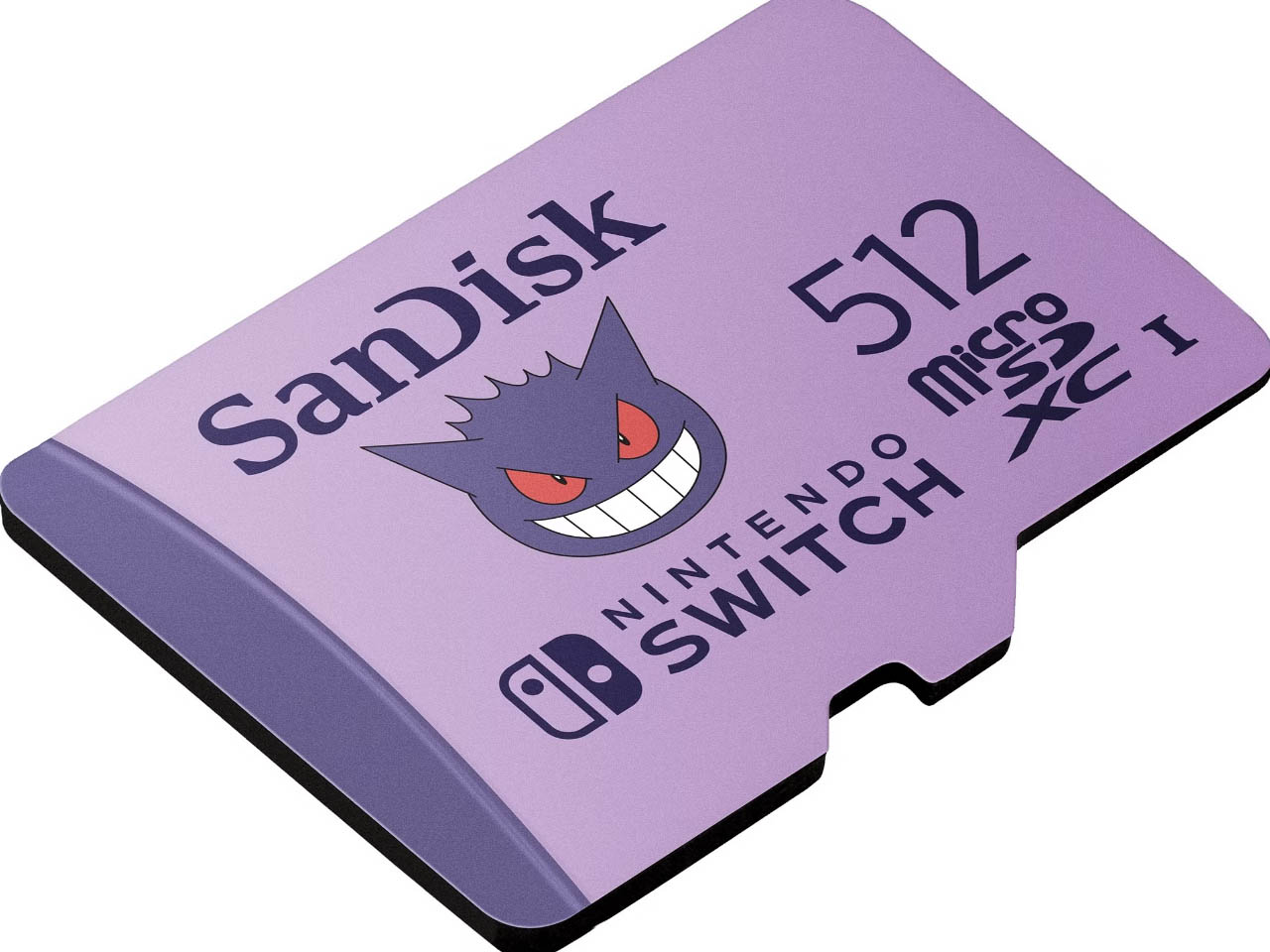
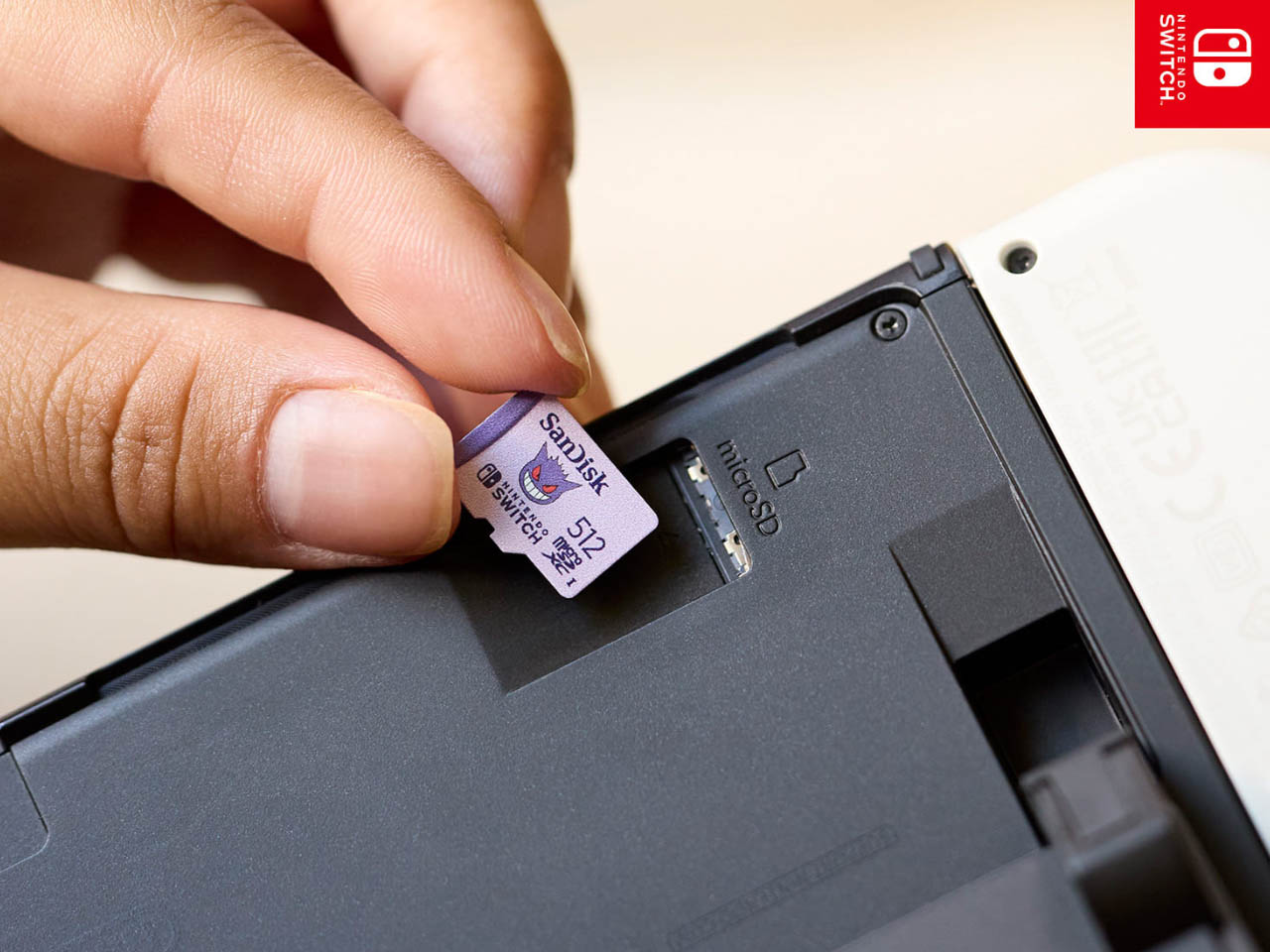
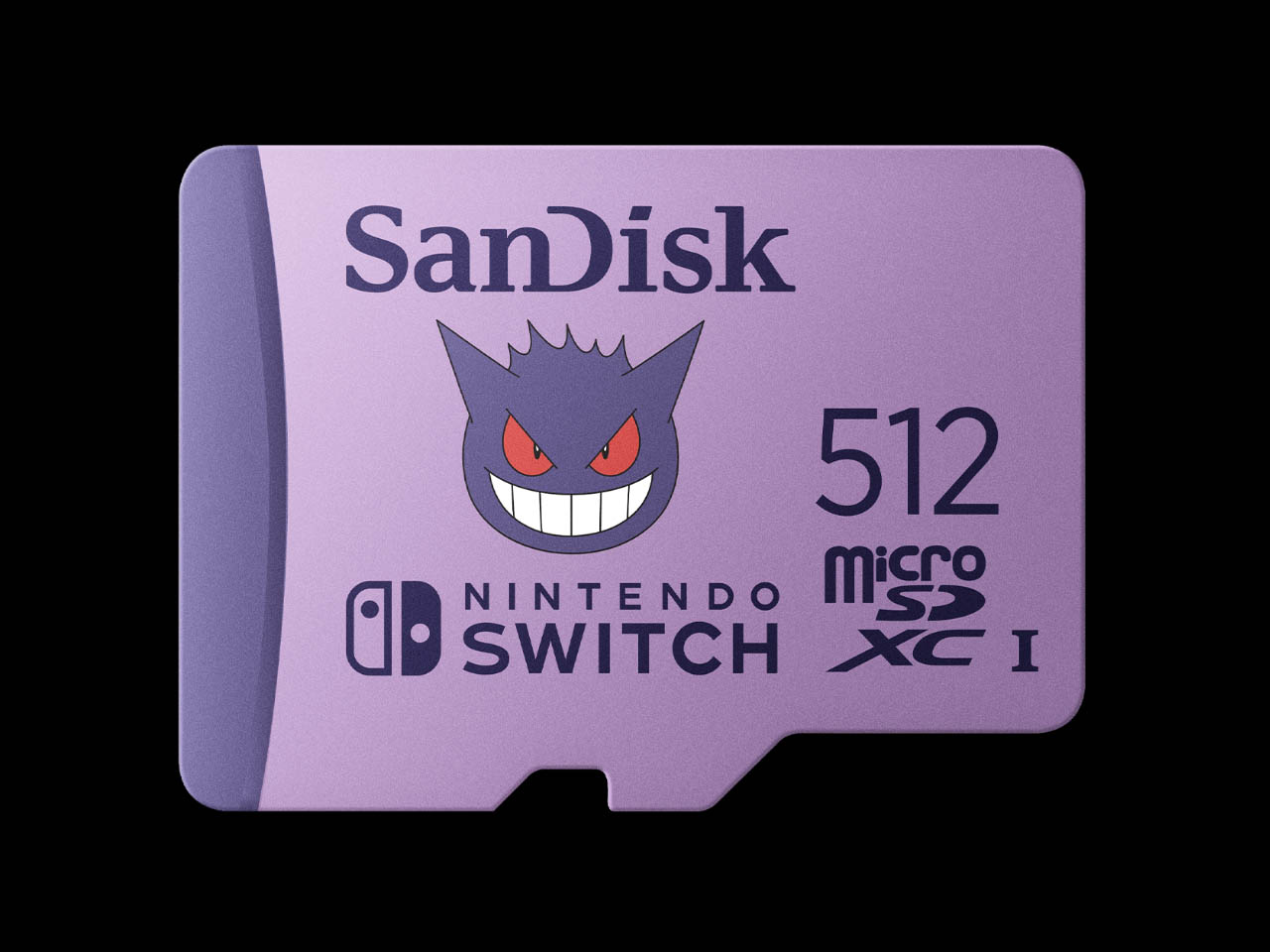
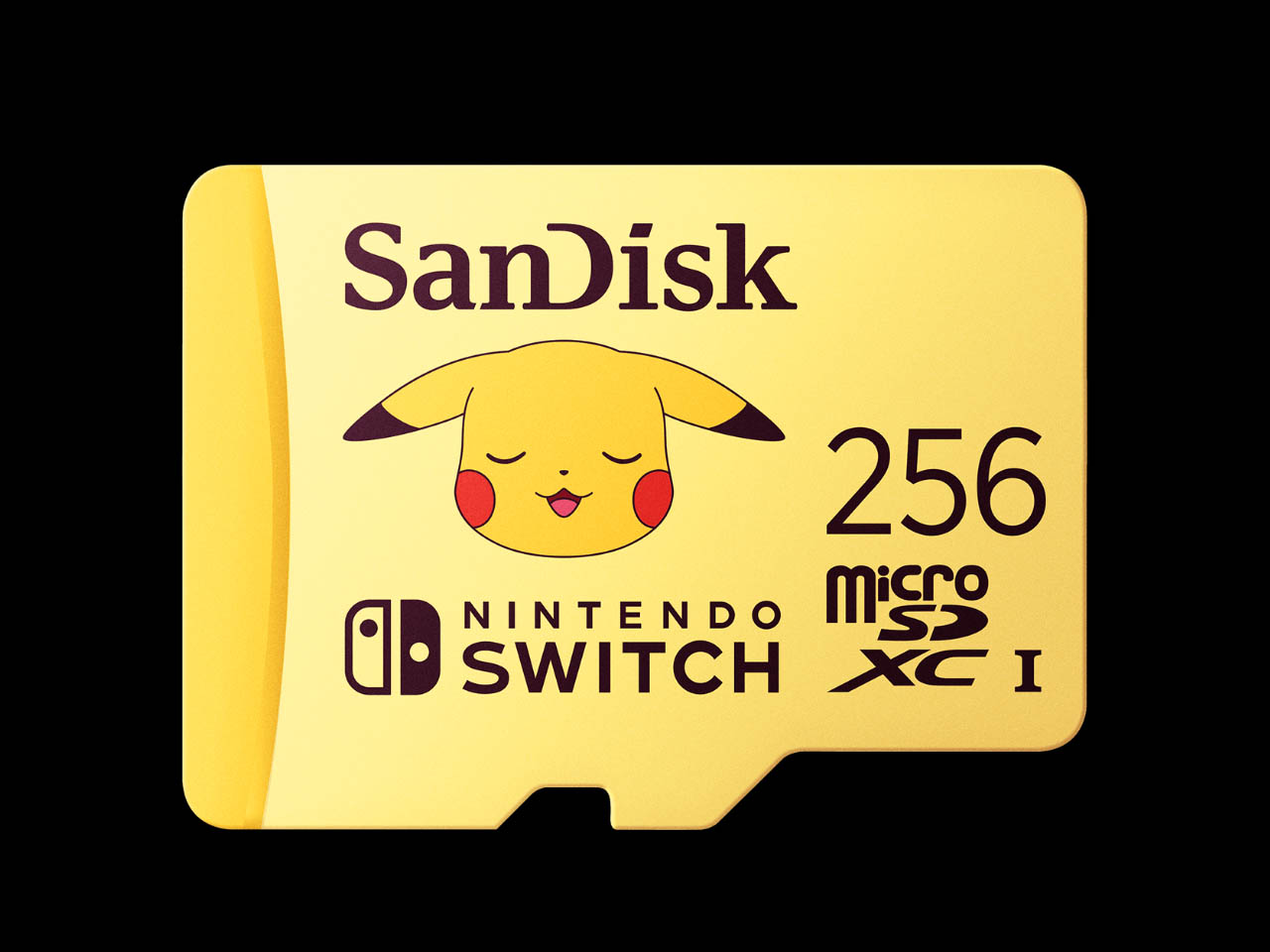
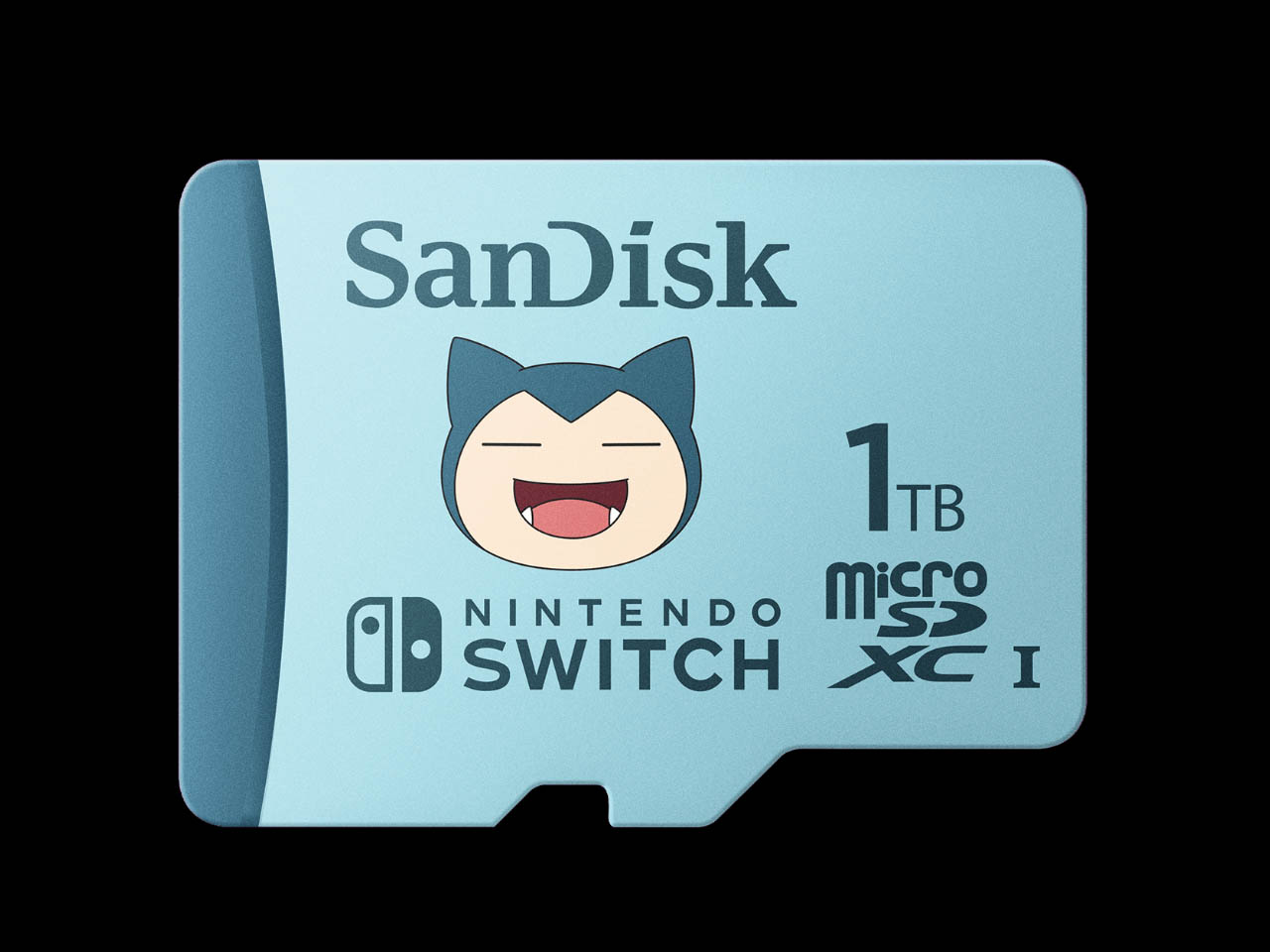
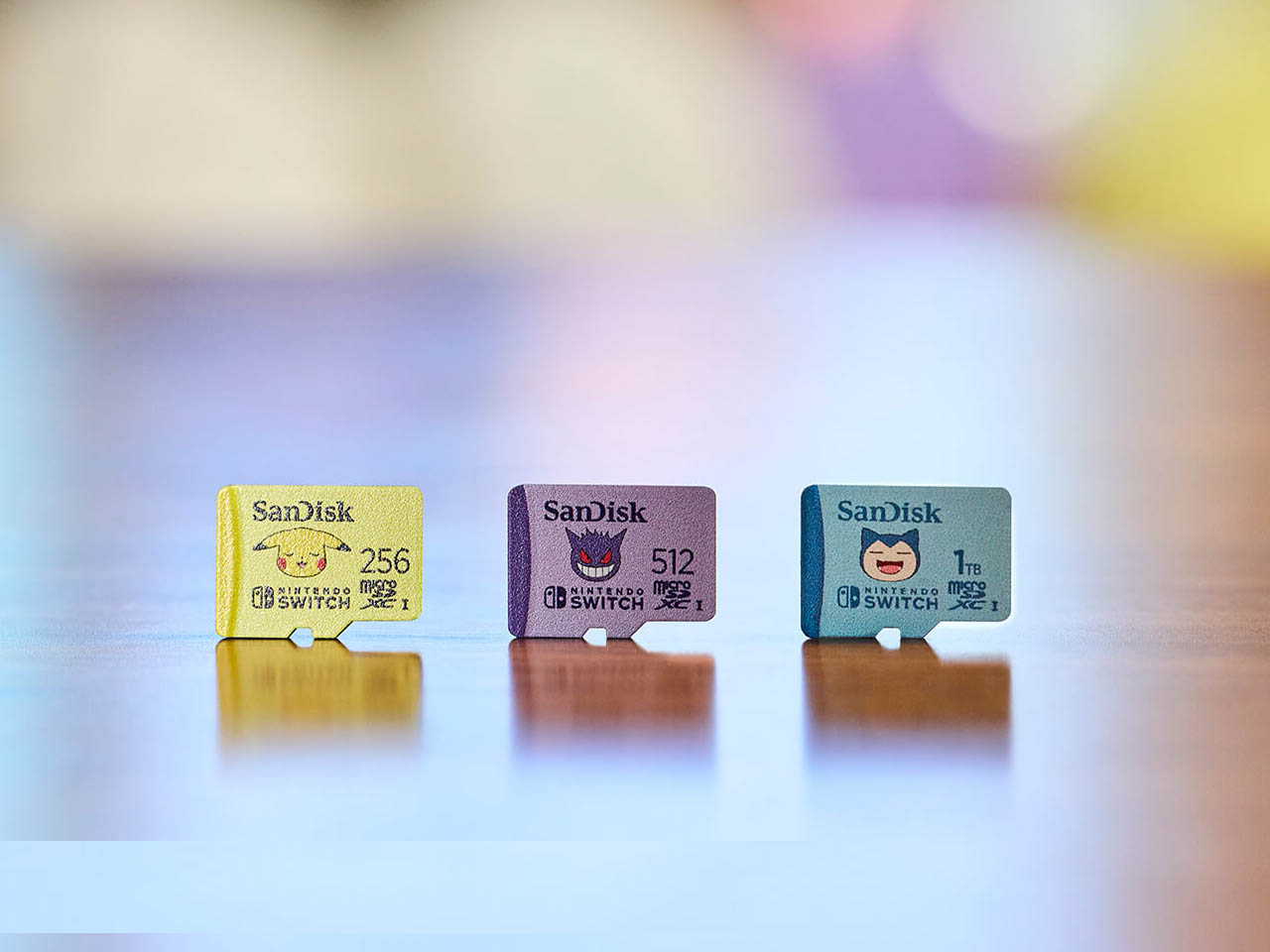
Nintendo Switch owners who love playing Pokémon on their portable device and like to keep their gaming library non-exhaustive, have the perfect match to expand the available memory. SanDisk has revealed the officially licensed Pokémon microSD cards.
This is not the first time Western Digital-owned brand has collaborated with big names in the gaming niche. Previously they’ve created Fortnite, Super Mario, Legend of Zelda, Animal Crossing, Apex Legends and Yoshi-themed microSD cards. These limited edition versions do cost more than the regular SD cards with the same specification, but still, if you like to go with the theme it’s worth spending a few extra dollars.
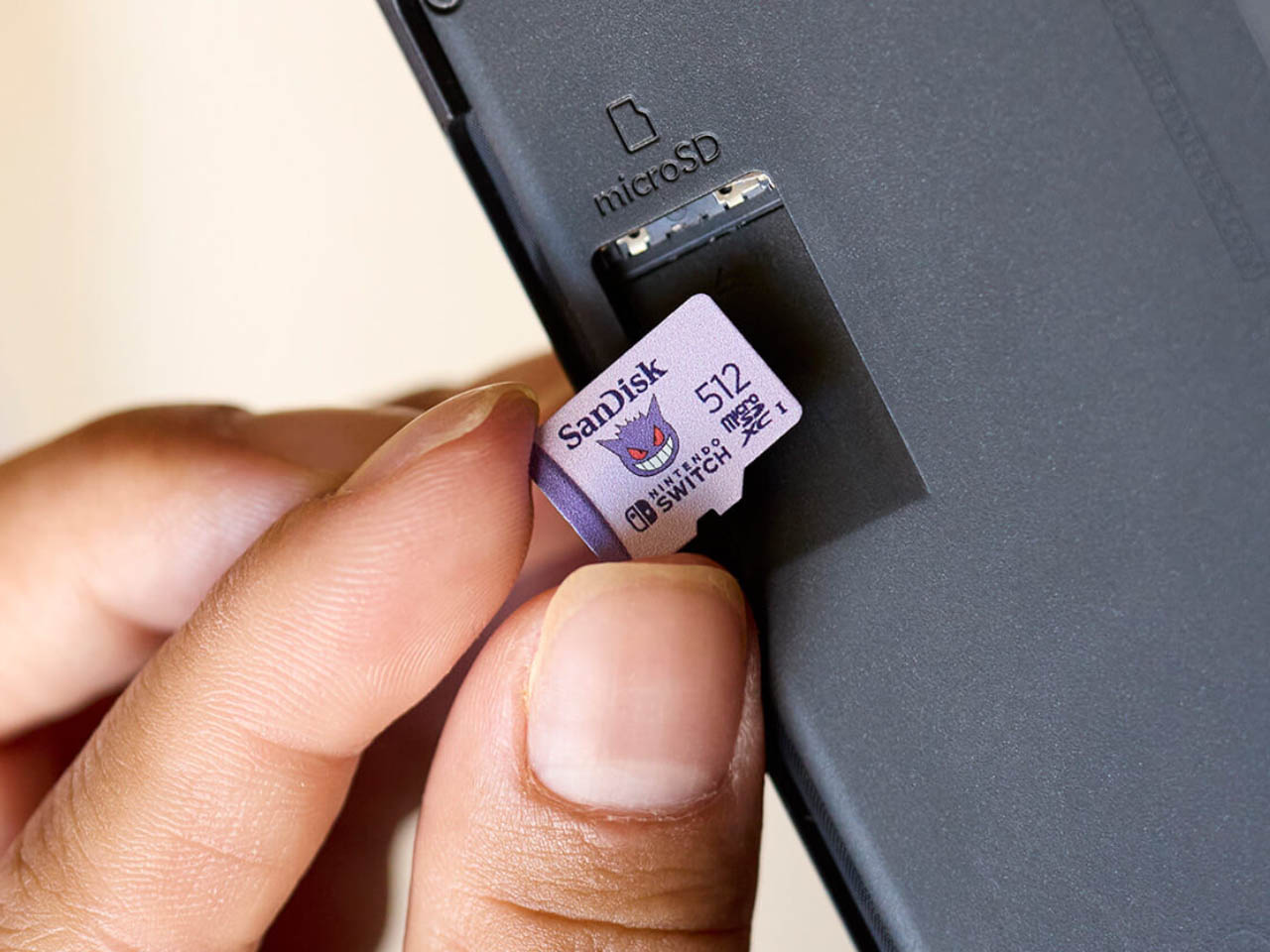
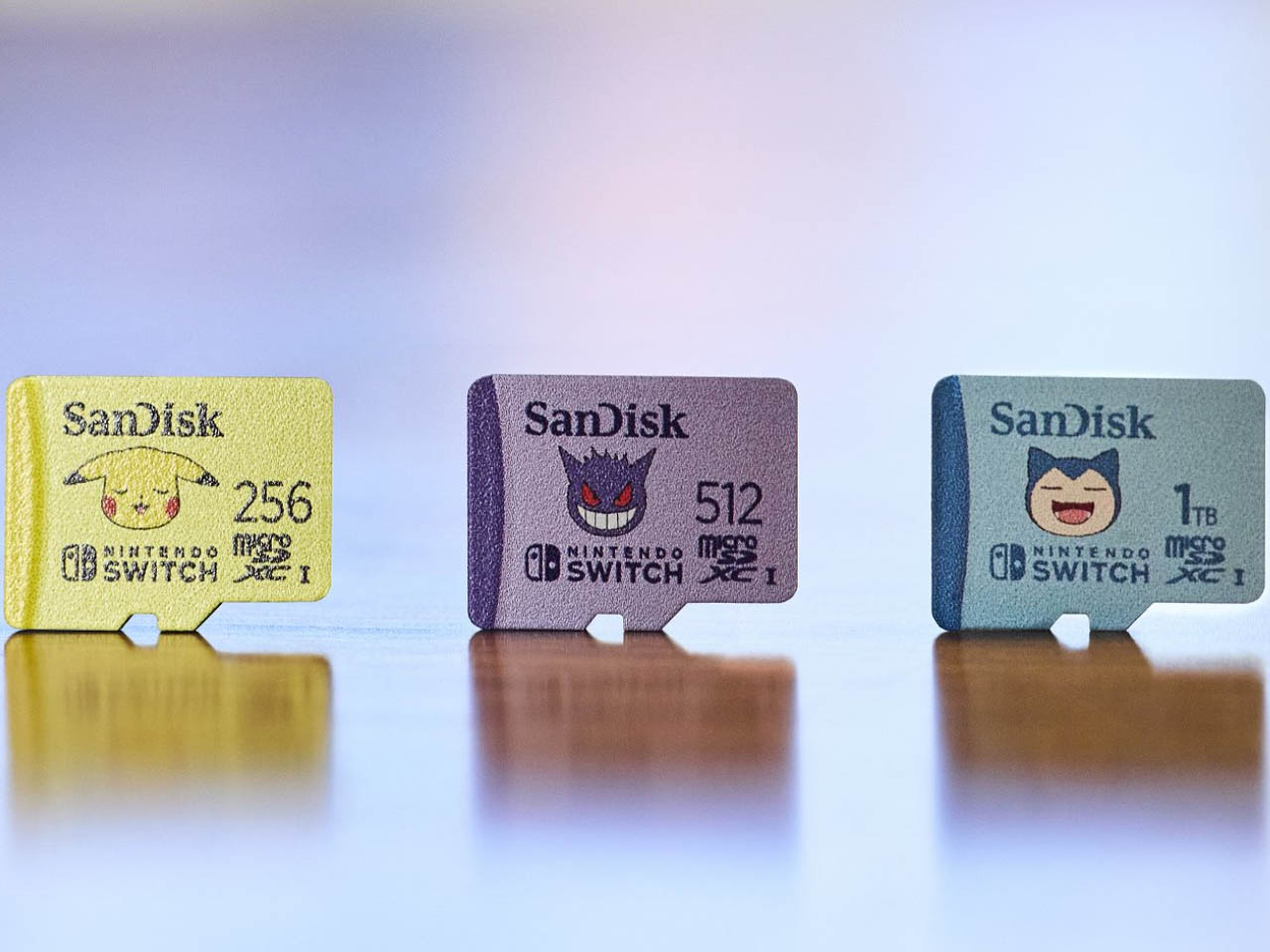
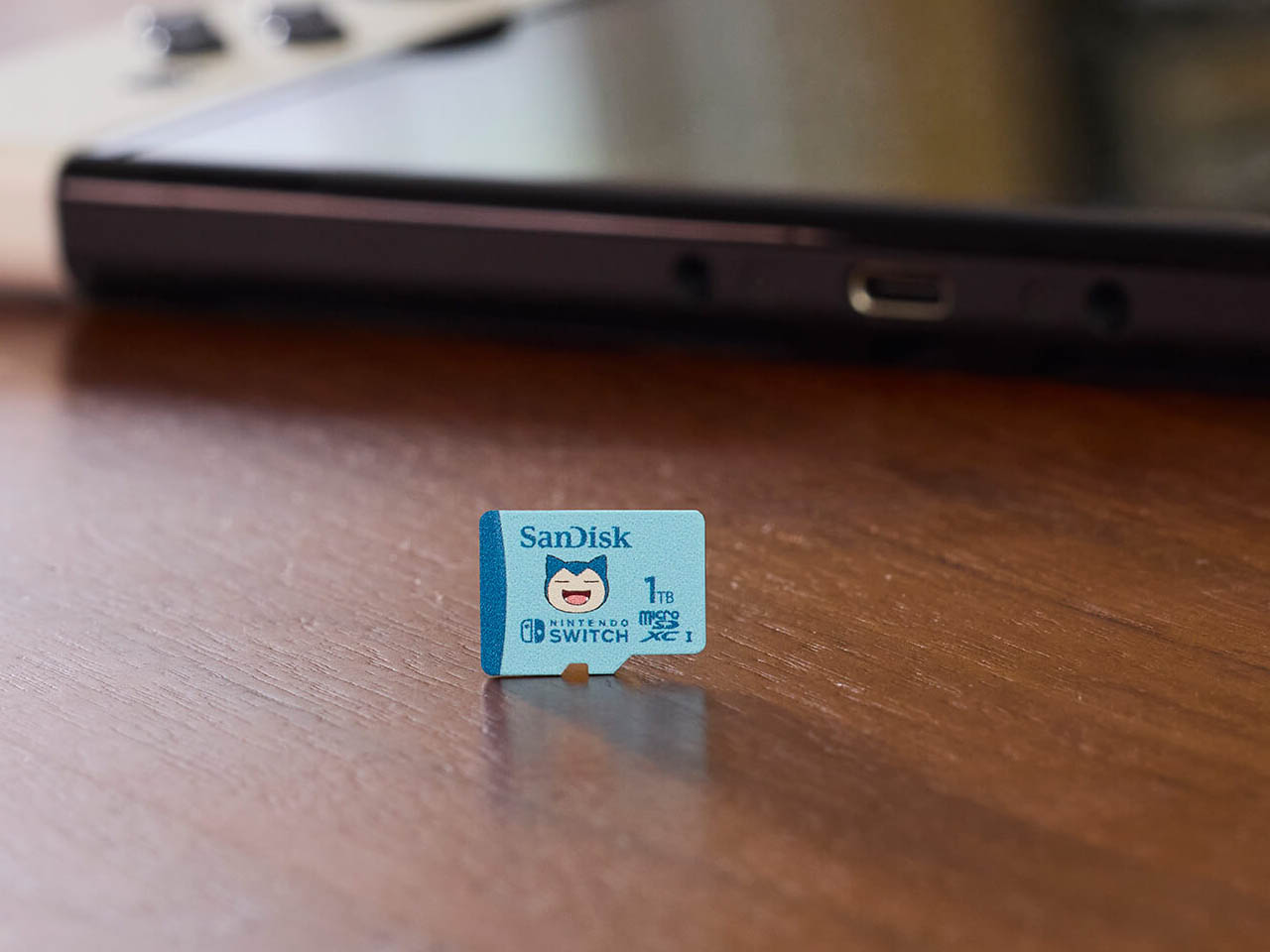
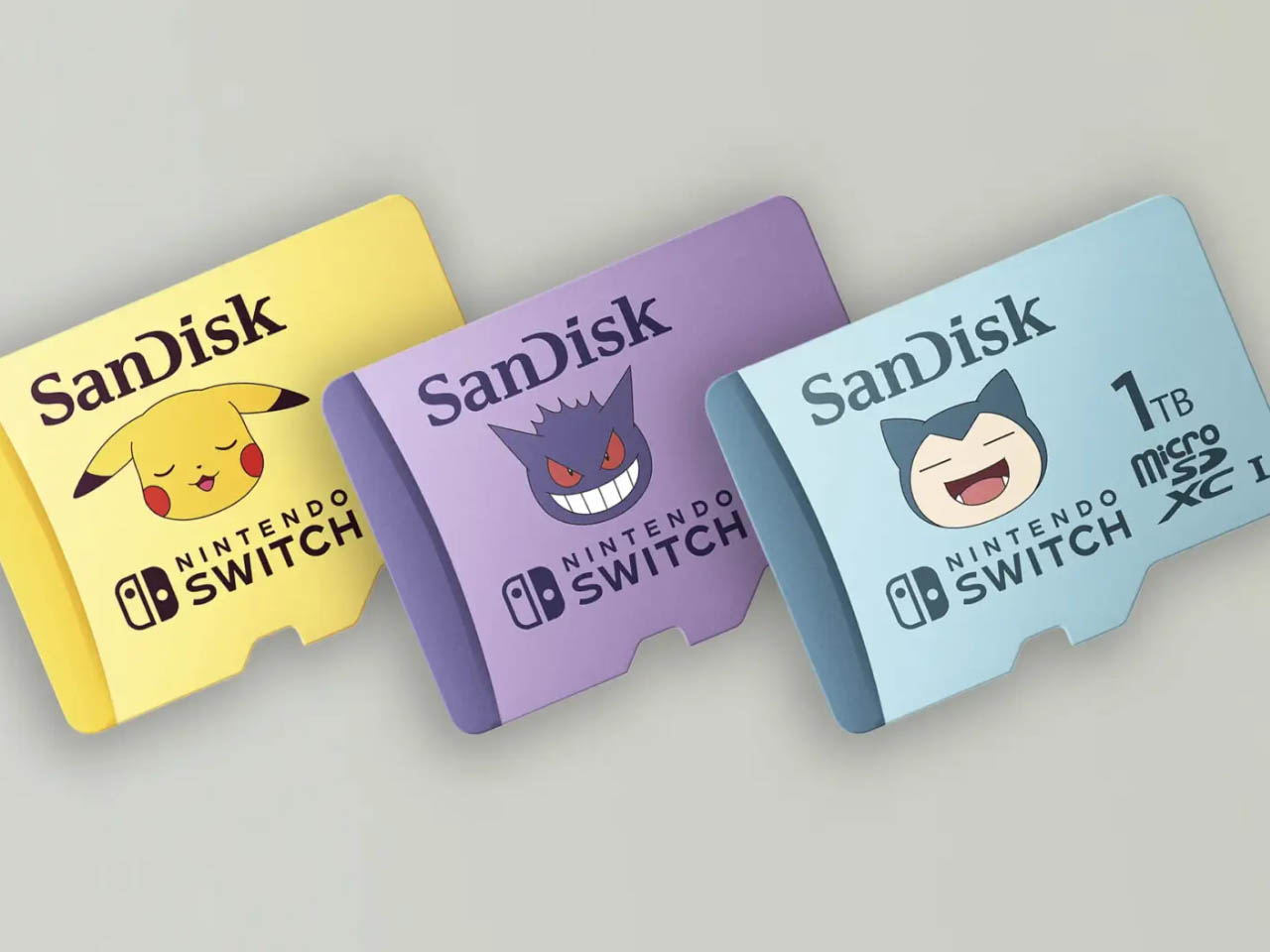
The Pokémon-themed SanDisk microSD cards are specifically designed for the Nintendo Switch but you can use them for other compatible gadgets that require the mentioned read/write speeds. There are three different capacity variants, each one having 100MB/s read speed and up to 90MB/s write speed. The options for the 151 Pokémon come in neon yellow colored Pikachu with c capacity, Gengar ghost in a deep purple hue that offers 512GB and the blue-colored 1TB Snorlax card with a smile.
According to Susan Park, Vice President, Consumer Products & Strategic Partnerships, at Western Digital, “For more than 28 years, the Pokémon brand has captured and continues to capture the hearts and minds of gamers and fans globally. Together we are helping fans get the most out of their gaming experience.”
If you want to grab these cute Pokémon themed SanDisk microSD cards you’ll have to purchase them ASAP from the Western Digital website as they’ll be soon out of stock. The 1GB Snorlax memory card is priced at $130, Gengar version comes for 512GB and the 256GB Pikachu microSD card will set you back $33. For now, only the Snorlax variant is available on Amazon. Just for comparison a 1.5TB SanDisk microSD card can be bought for around $110 with a respectable discount. Also, the 1TB SanDisk variant comes for $85.
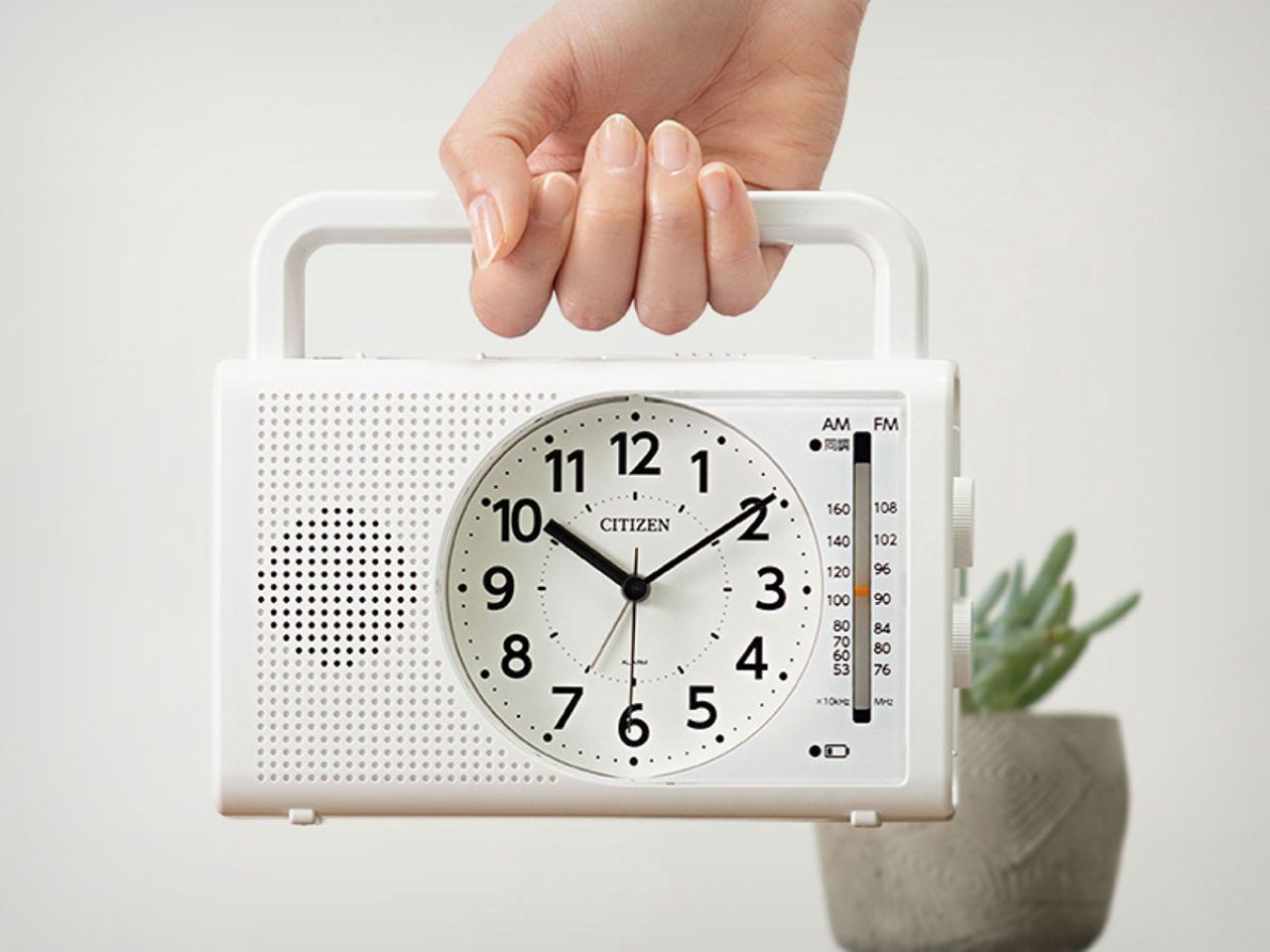
When disaster strikes, staying informed and prepared is crucial. The Rhythm 4RQ002-003 Disaster-preparedness Clock is a remarkable gadget designed with precisely that in mind. It’s not just an ordinary clock, it’s a multifunctional tool built to serve you both in daily life and during emergencies, offering peace of mind when you need it most.
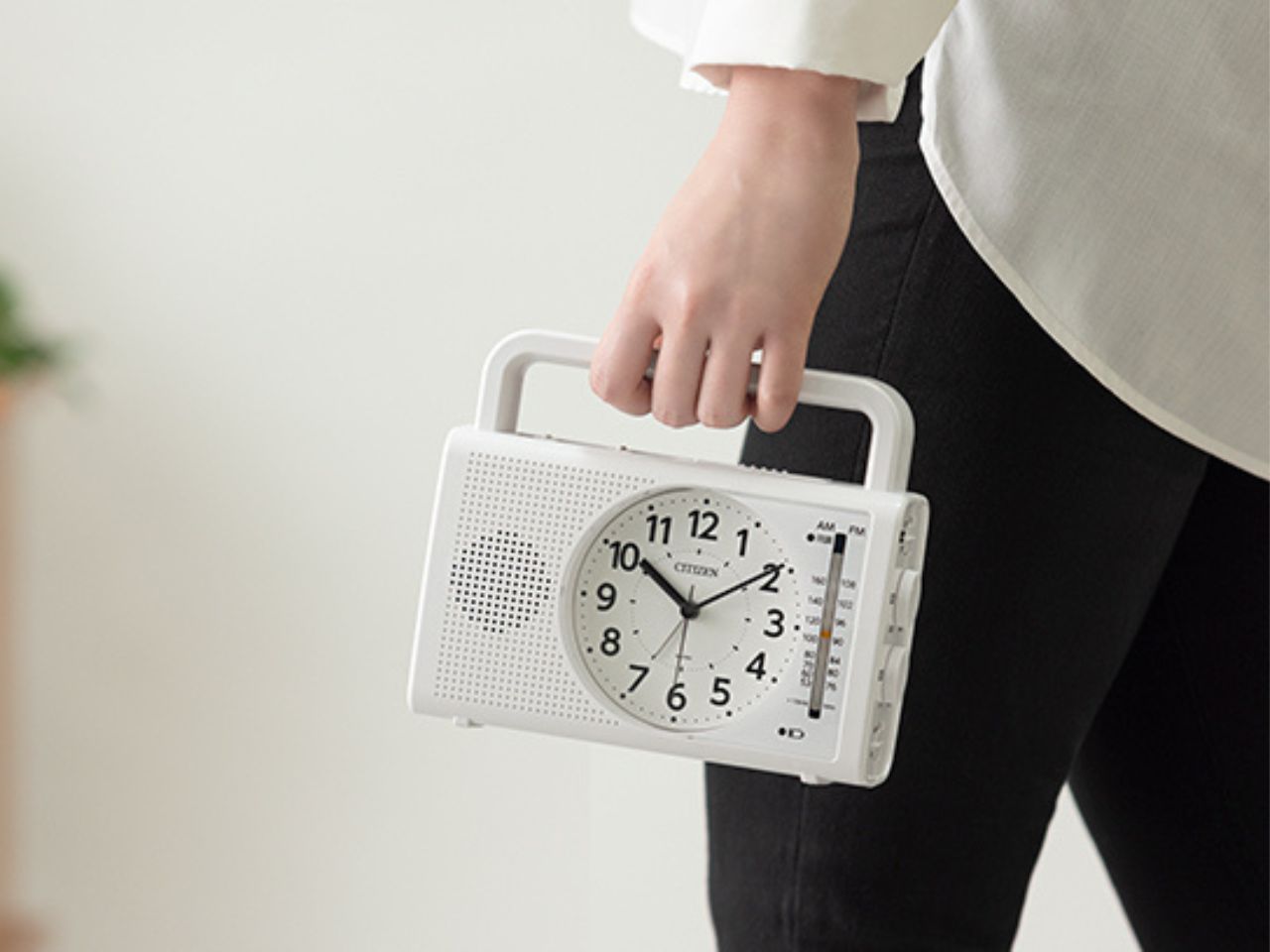
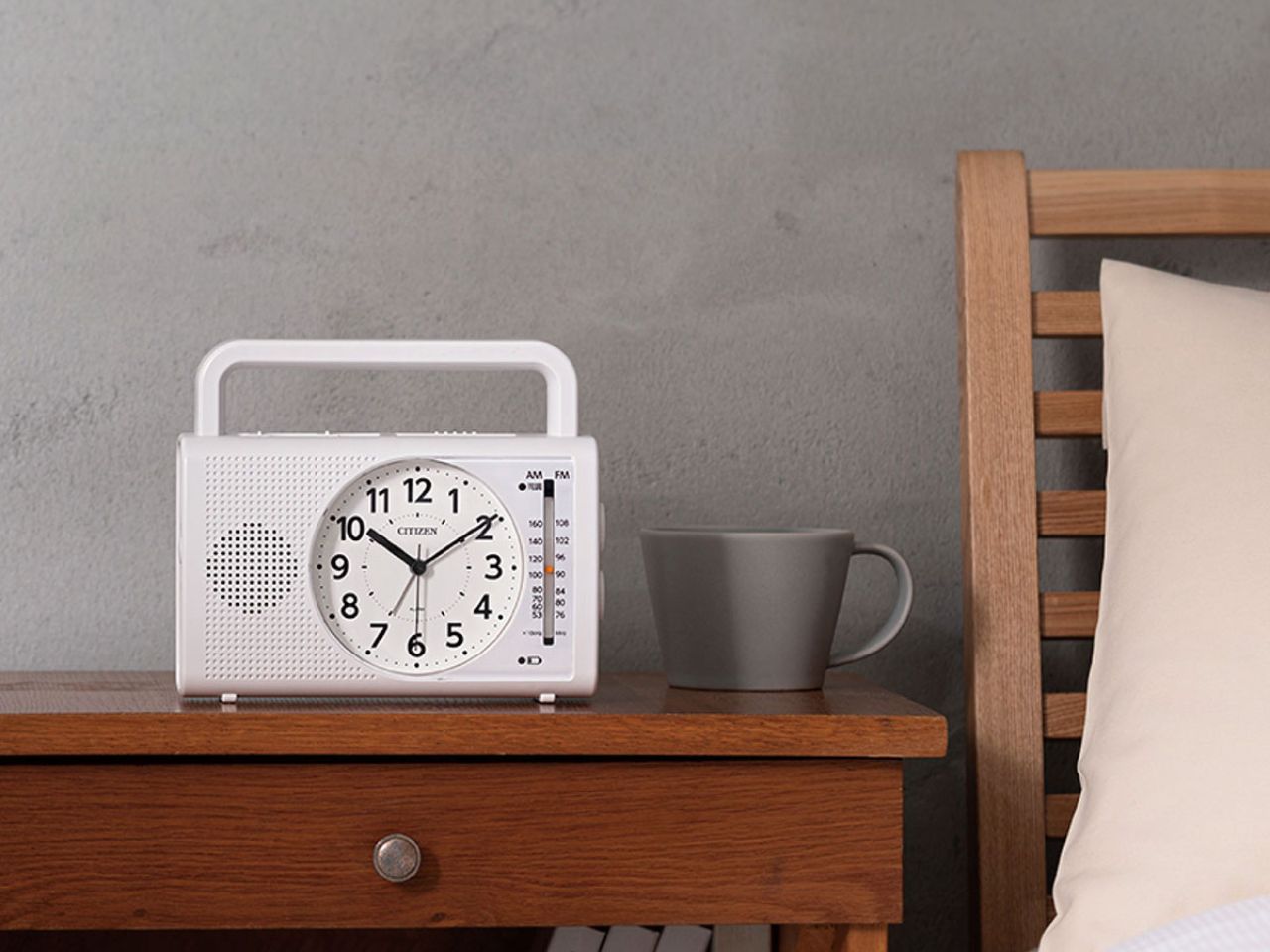
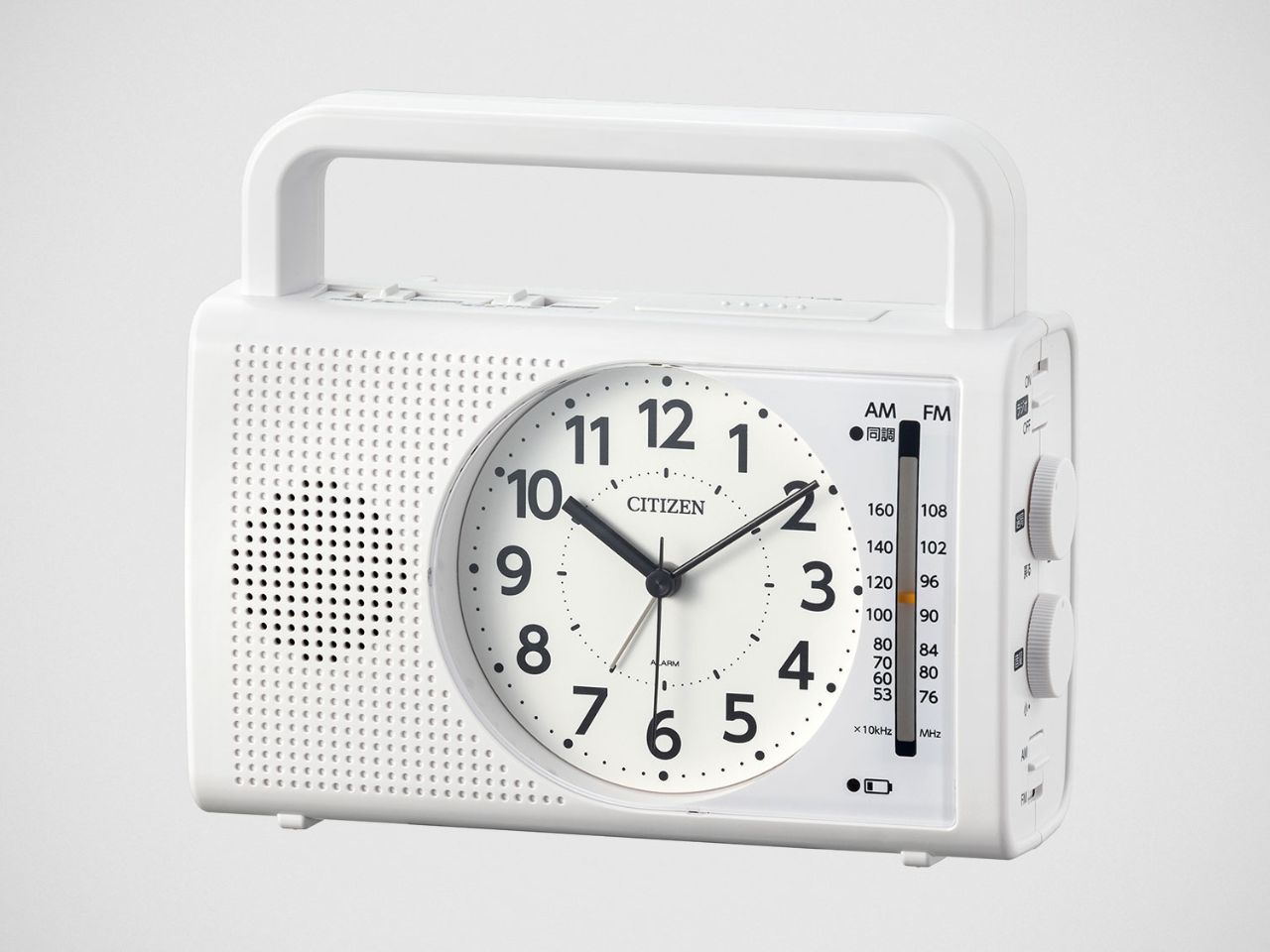
On an ordinary day, the 4RQ002-003 sits quietly on your nightstand, performing its duties as a reliable alarm clock. Its Citizen quartz movement ensures accurate timekeeping, while the three levels of electronic sound alarms with a snooze function help you start your day on the right note. Its sleek and compact design, measuring 152 by 179 by 68 mm and weighing 610 grams, makes it an unobtrusive addition to your bedside setup.
However, this clock is much more than a timekeeper. In times of disaster, when conventional power sources and communication channels might be compromised, the 4RQ002-003 shines as an essential survival tool.
Radio Functionality:
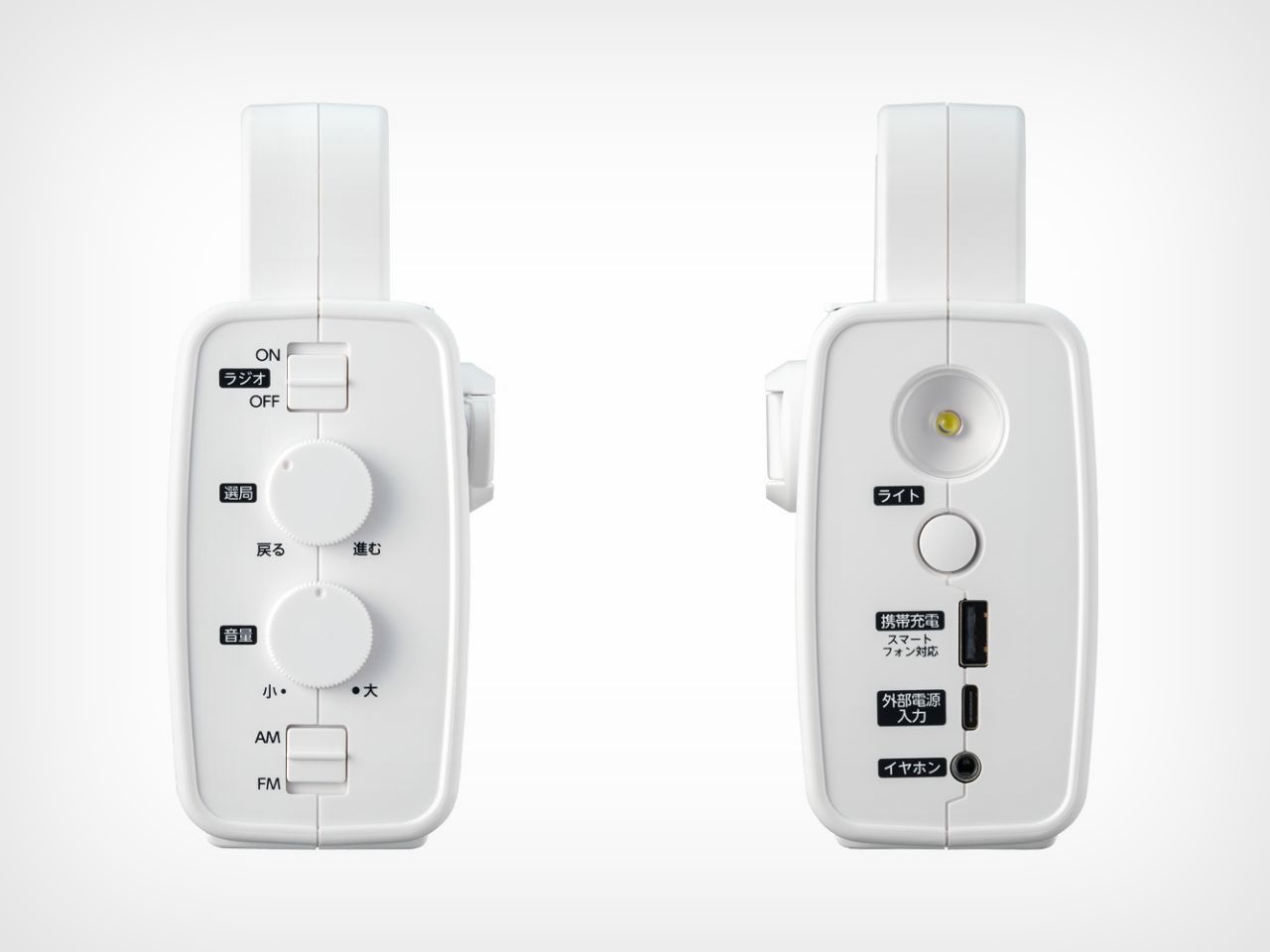
Equipped with a built-in radio, the clock allows you to stay informed about critical updates. The inclusion of Wide FM (FM supplementary broadcasting) ensures that you can access broadcasts even when AM signals are weak or unavailable. Whether it’s a natural disaster or any other crisis, this radio function becomes a lifeline, providing vital information from the authorities.
Device Charging Capabilities:
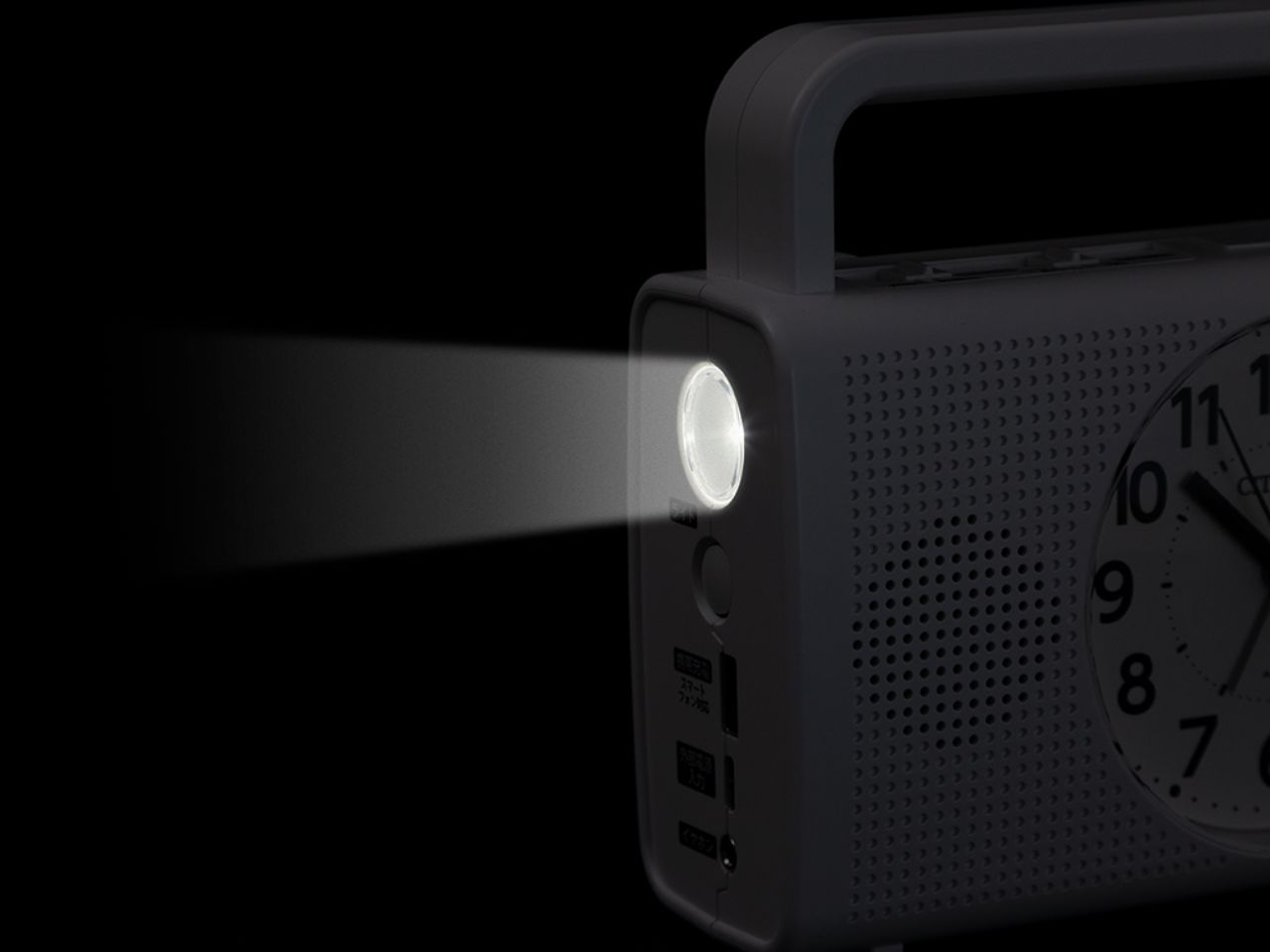
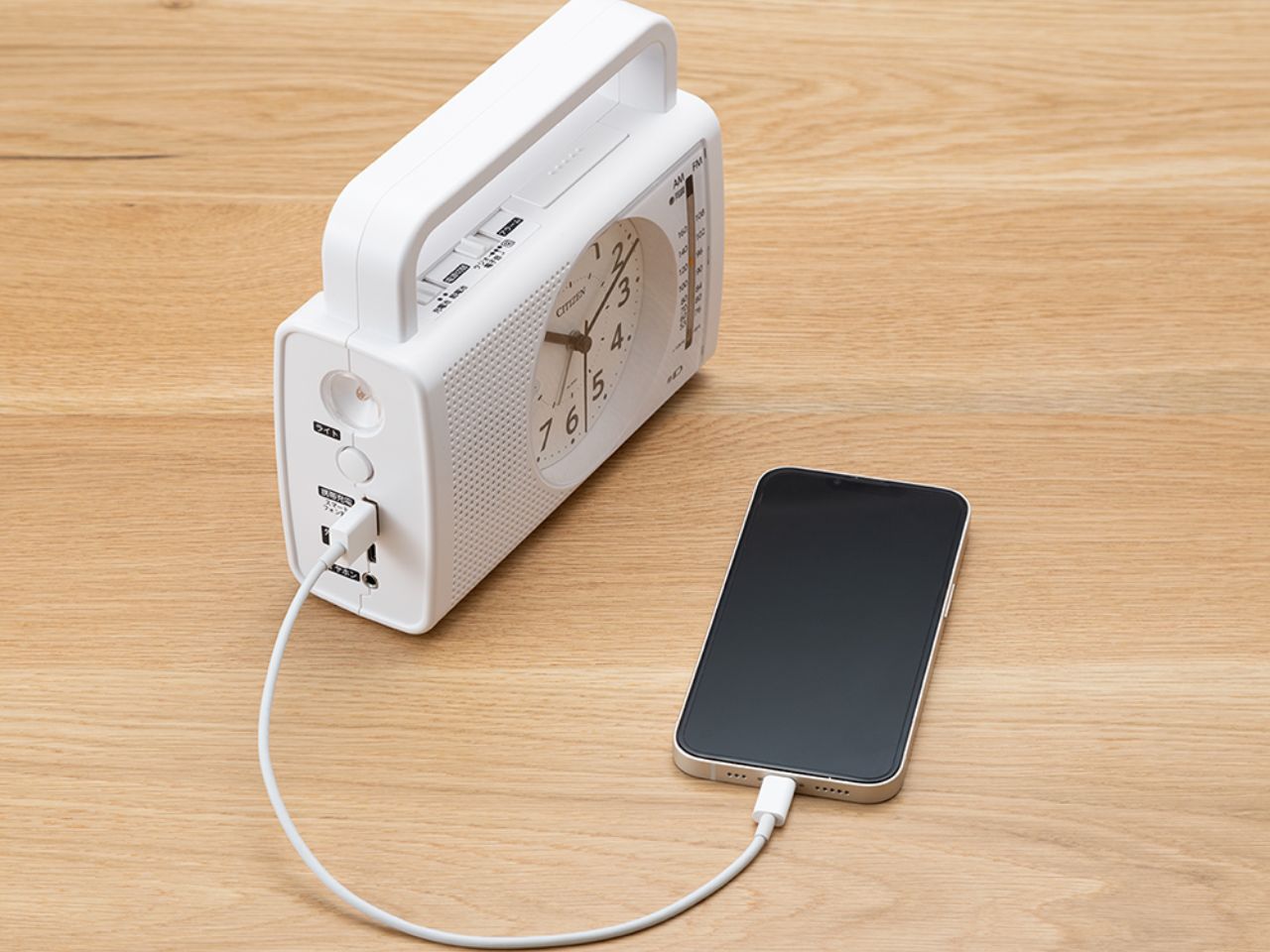
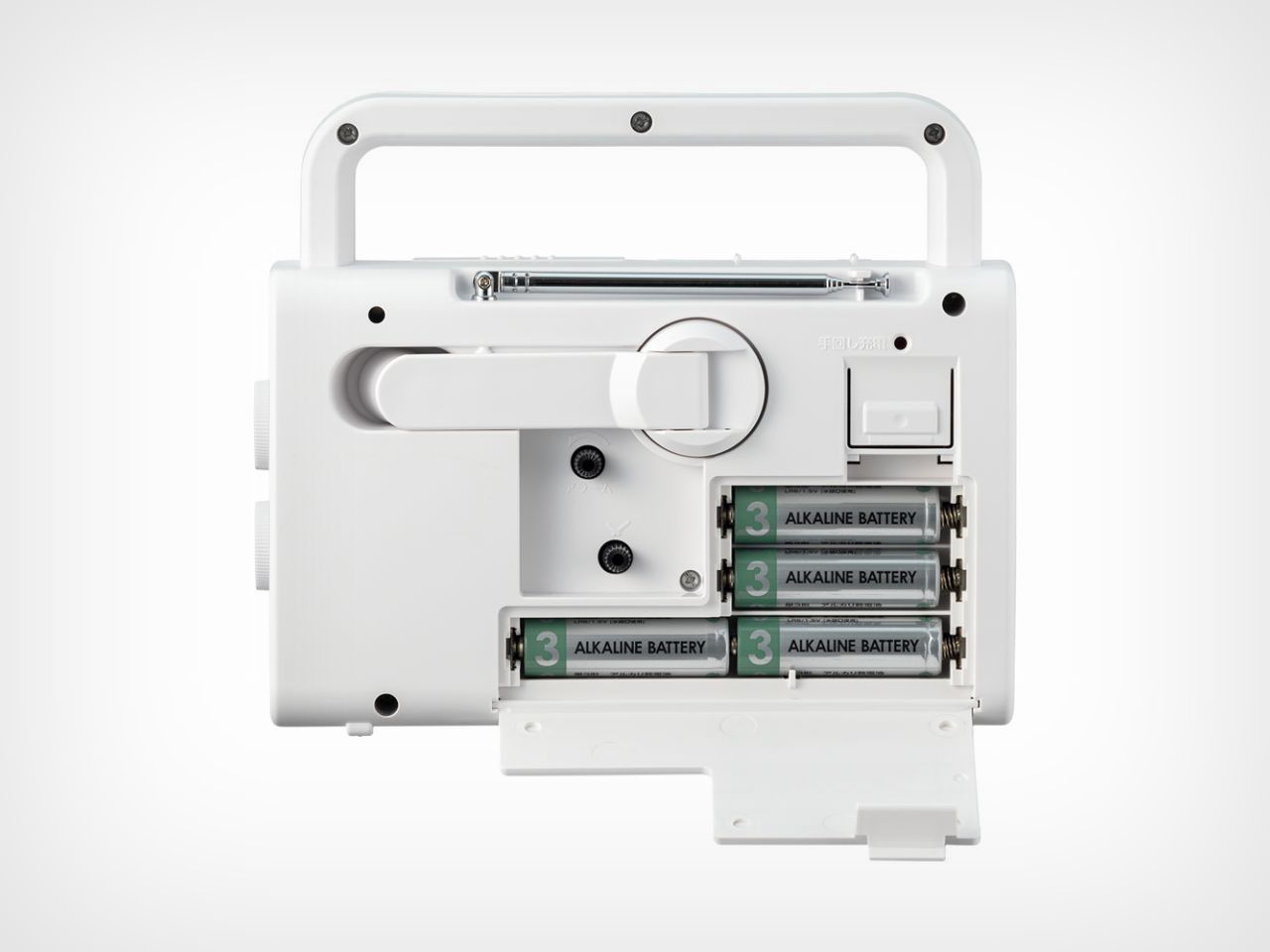
In a world where we rely heavily on smartphones, the ability to keep them powered during an emergency is invaluable. The clock offers two charging methods – four AA alkaline batteries or the built-in rechargeable NiMH battery. Additionally, it features a USB Type-A port (5v/500mA output) for charging smartphones and other gadgets, and a USB Type-C port (5v/300mA) to power the device itself. This dual charging capability ensures that your devices remain functional, even when the power grid is down.
Emergency Lighting:
The 4RQ002-003 features a powerful LED flashlight, perfect for navigating through darkness during power outages. This built-in light source is essential for emergency situations, helping you find your way or signaling for help when needed.
Hand-Crank Generator:
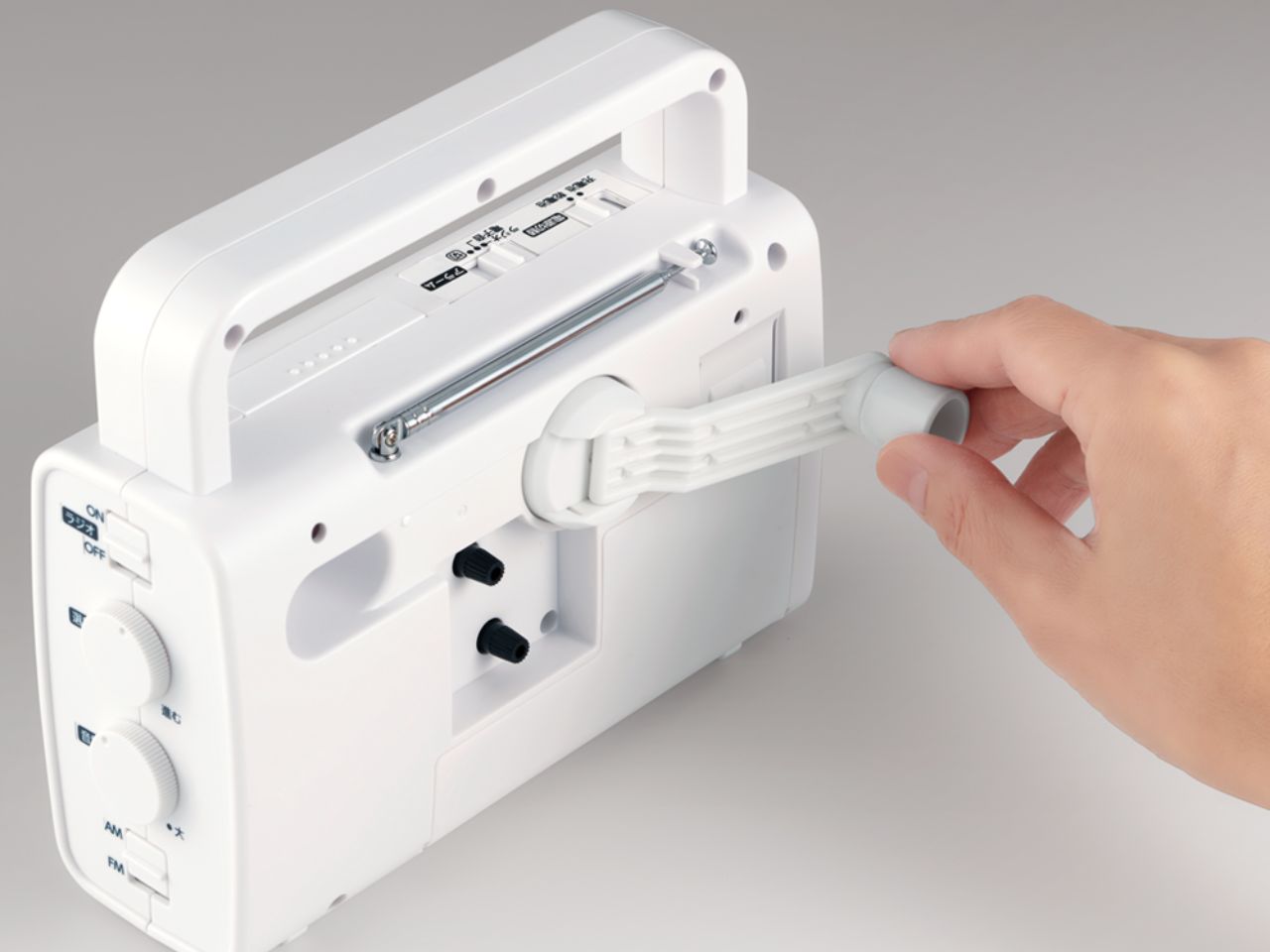
One of the most crucial features of the 4RQ002-003 is its hand-crank generator. When all other power sources fail, this manual option allows you to generate the necessary energy to power the clock, and the radio, and even charge your devices. It’s a feature that could prove to be a lifesaver in the most dire situations.
Additional Functionalities:
The clock also includes a 3.5 mm stereo headphone jack, allowing for private listening to the radio or other audio outputs. The low battery indicator ensures that you’re always aware of the clock’s power status, helping you stay prepared.
Built with a durable plastic enclosure, the 4RQ002-003 is engineered to withstand the demands of daily use and the intensity of emergency situations. The thoughtfully designed handle provides a secure grip, ensuring ease of use when it matters most. Its rugged construction is made to endure the harsh conditions of a disaster, while its practical design ensures it remains a versatile tool in any scenario.
Currently available in Japan for 16,500 yen (approximately 112 USD), the Rhythm 4RQ002-003 is a worthwhile investment in your safety and preparedness. It’s a comprehensive tool designed to be your companion in both everyday life and during emergencies. Whether you’re facing a storm, a power outage, or something even more unpredictable, the 4RQ002-003 is there to ensure you’re always prepared.
The popularity of sci-fi and cyberpunk games and films has sparked interest in products with futuristic designs and, unlike movie props, contemporary functionality. From music players to power banks, the cyberpunk theme covers a wide variety of designs, but nowhere is it more evident than in the so-called cyberdecks, basically portable computers that allow users to connect to The Network and do their work from any location. Technically, our smartphones and tablets would qualify as such devices, if not for their sleek, modern, and elegant designs. There’s no shortage of cyberdeck projects today, many of them of the DIY kind, but this upcoming design proves to be quite intriguing thanks to its potential usability and, more importantly, flexibility.
Cyberdecks come in all shapes and sizes, with some small enough to wear on your wrist like an extra large smartwatch and others no different from electric typewriters of yesteryears. Their unifying characteristic is the fusion of grungy metalwork and futuristic technology, something that’s harder to pull off in reality than in fiction. Of course, no major brand will invest in such a niche product category, which leaves plenty of room for modders, makers, and creatives to do what larger corporations won’t.
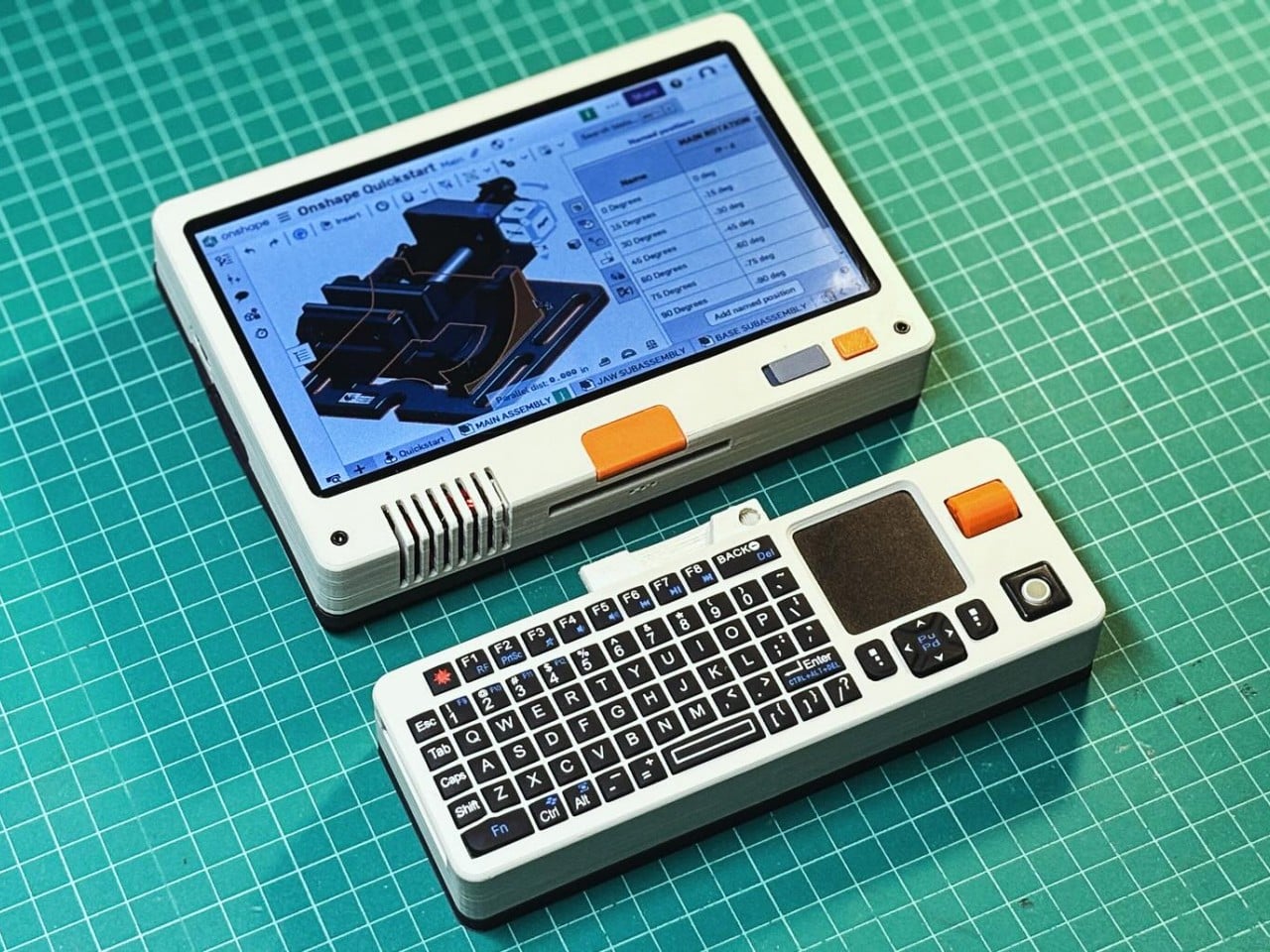
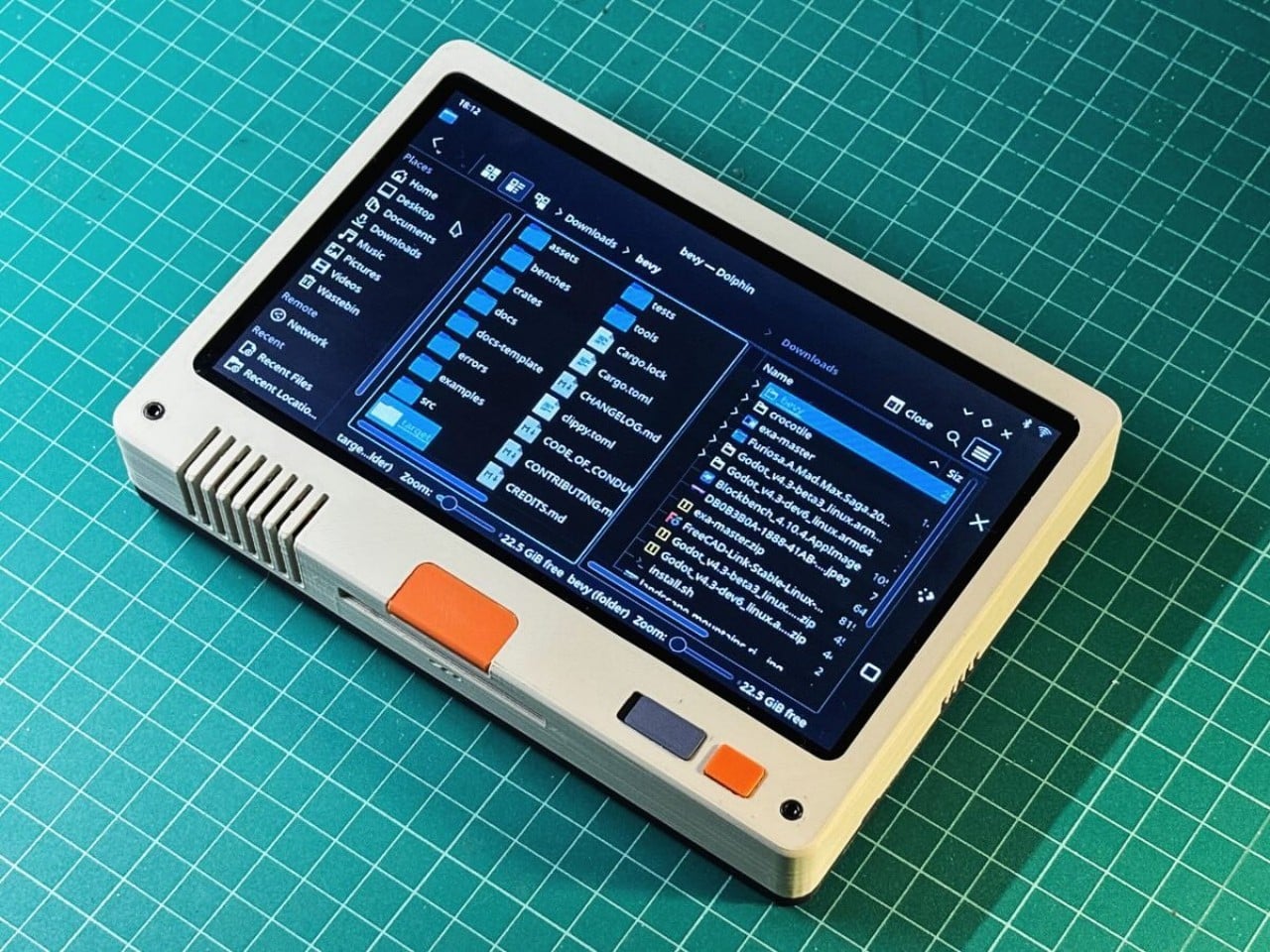
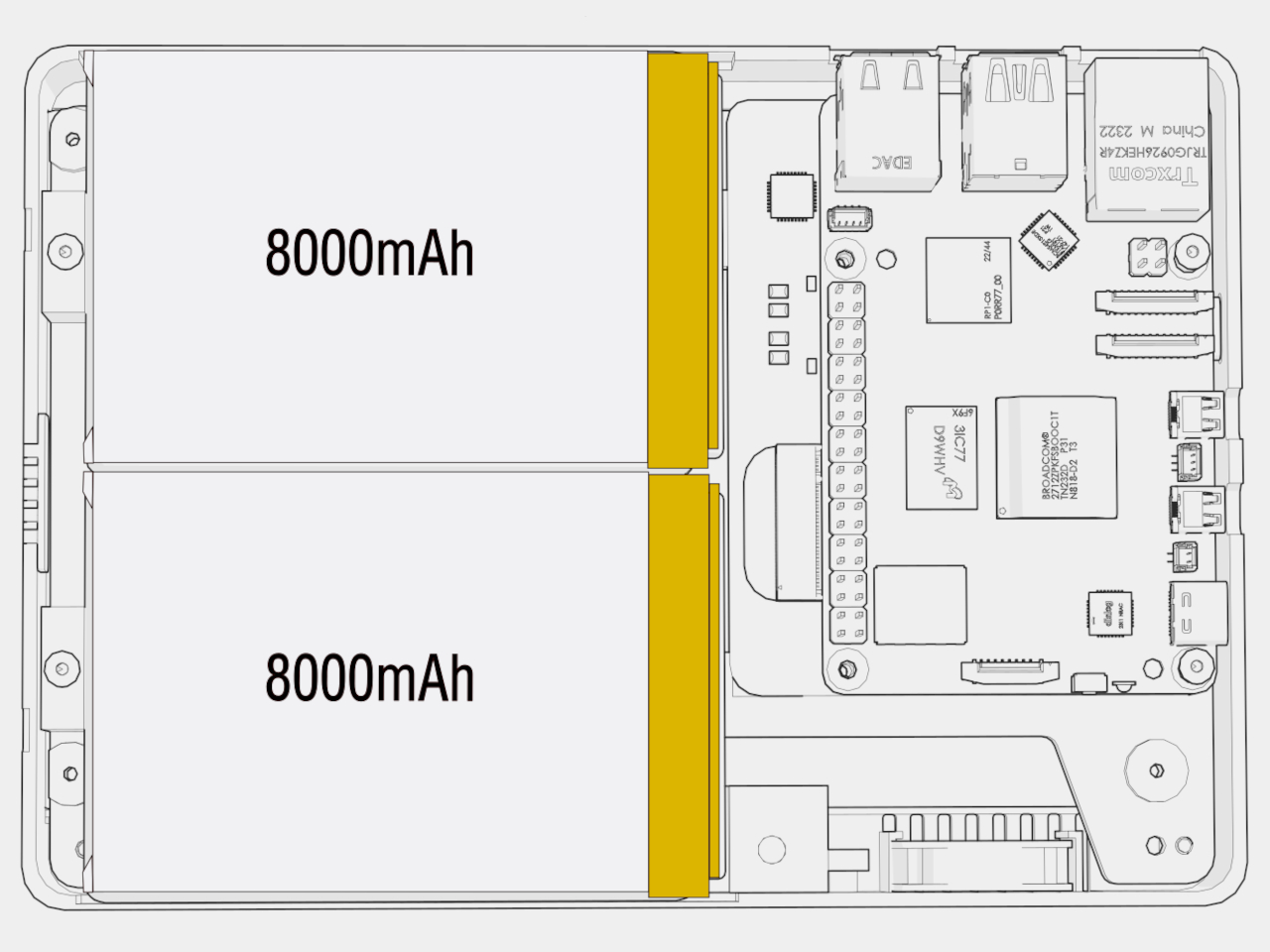
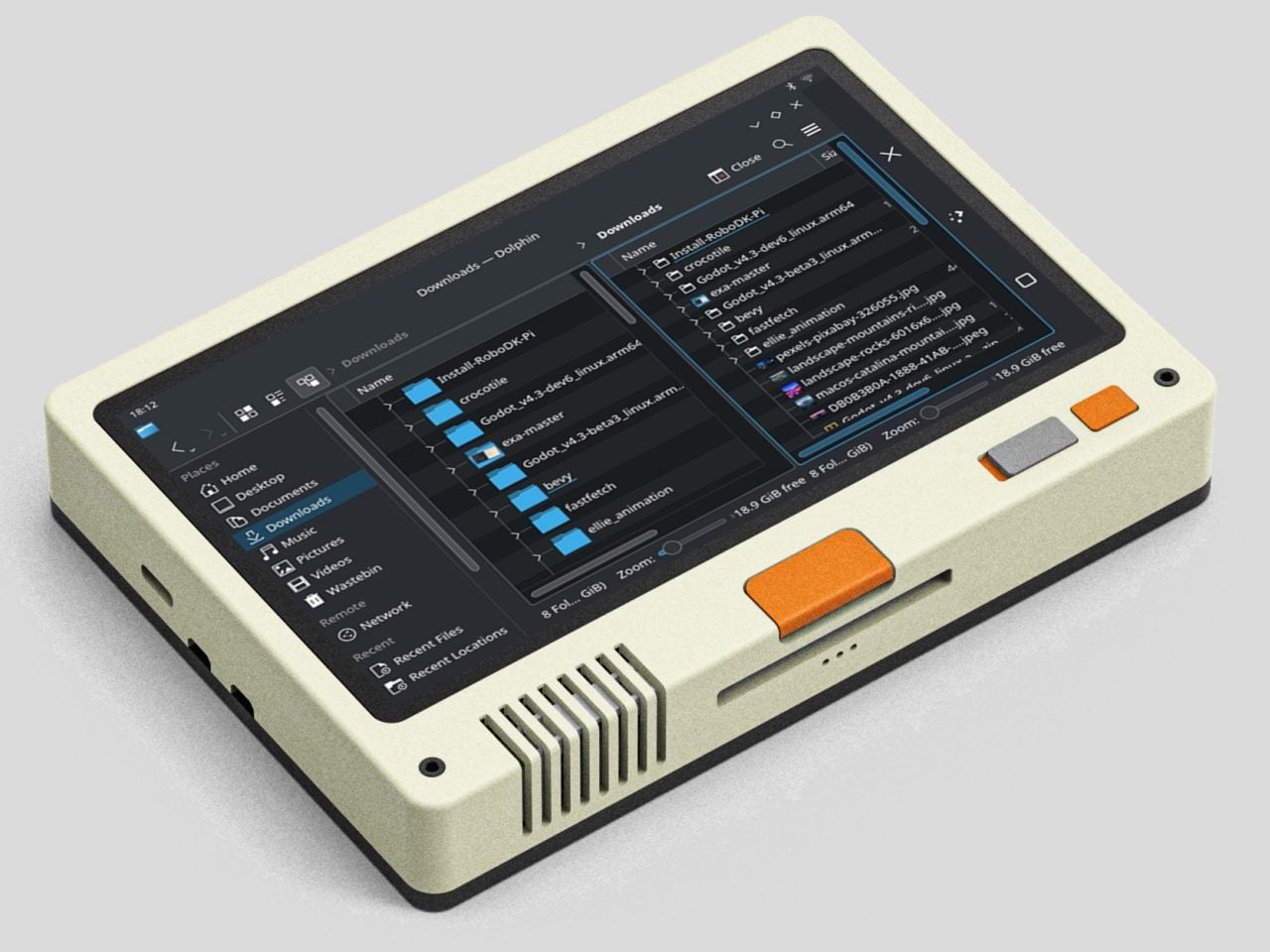
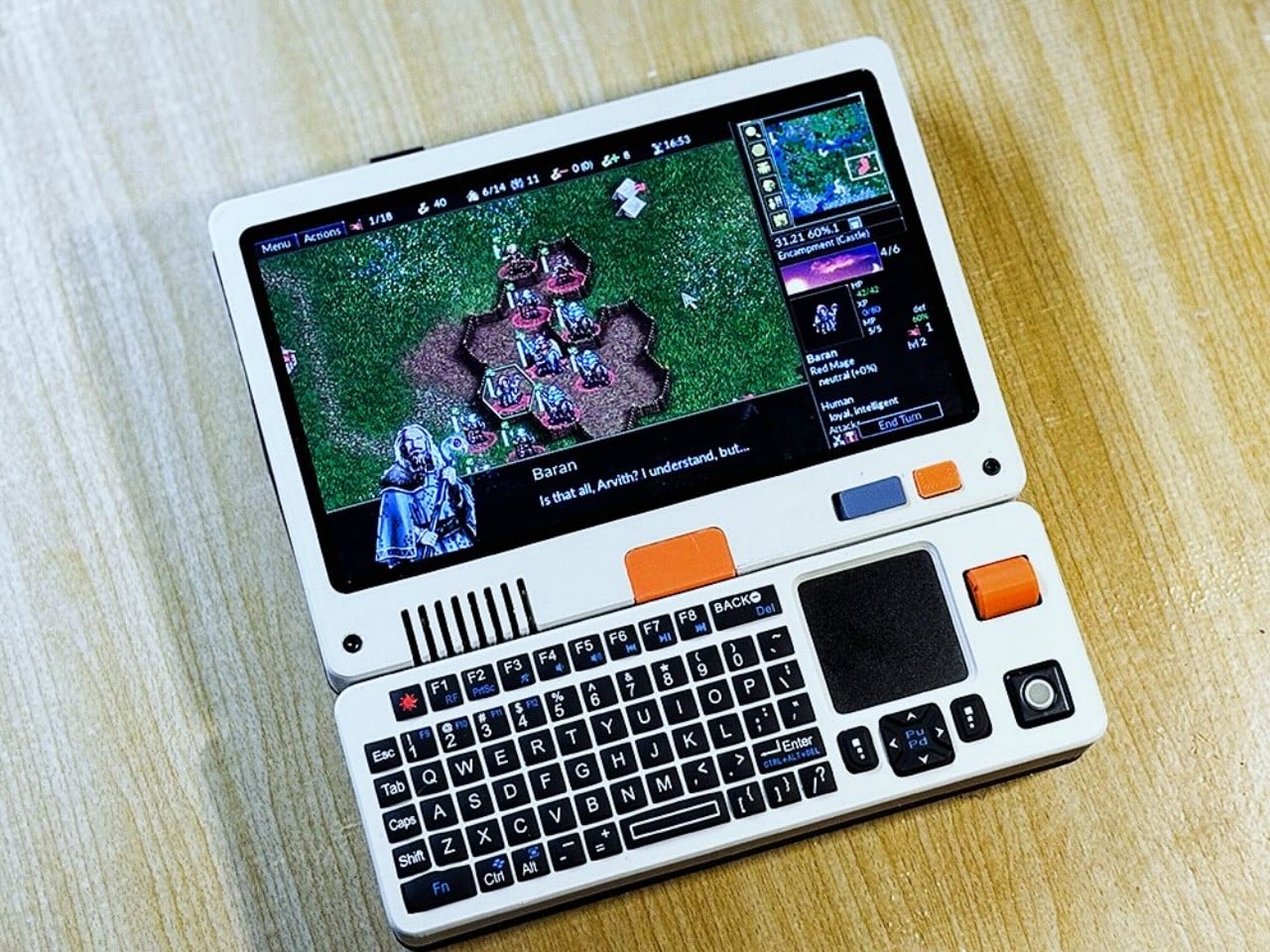
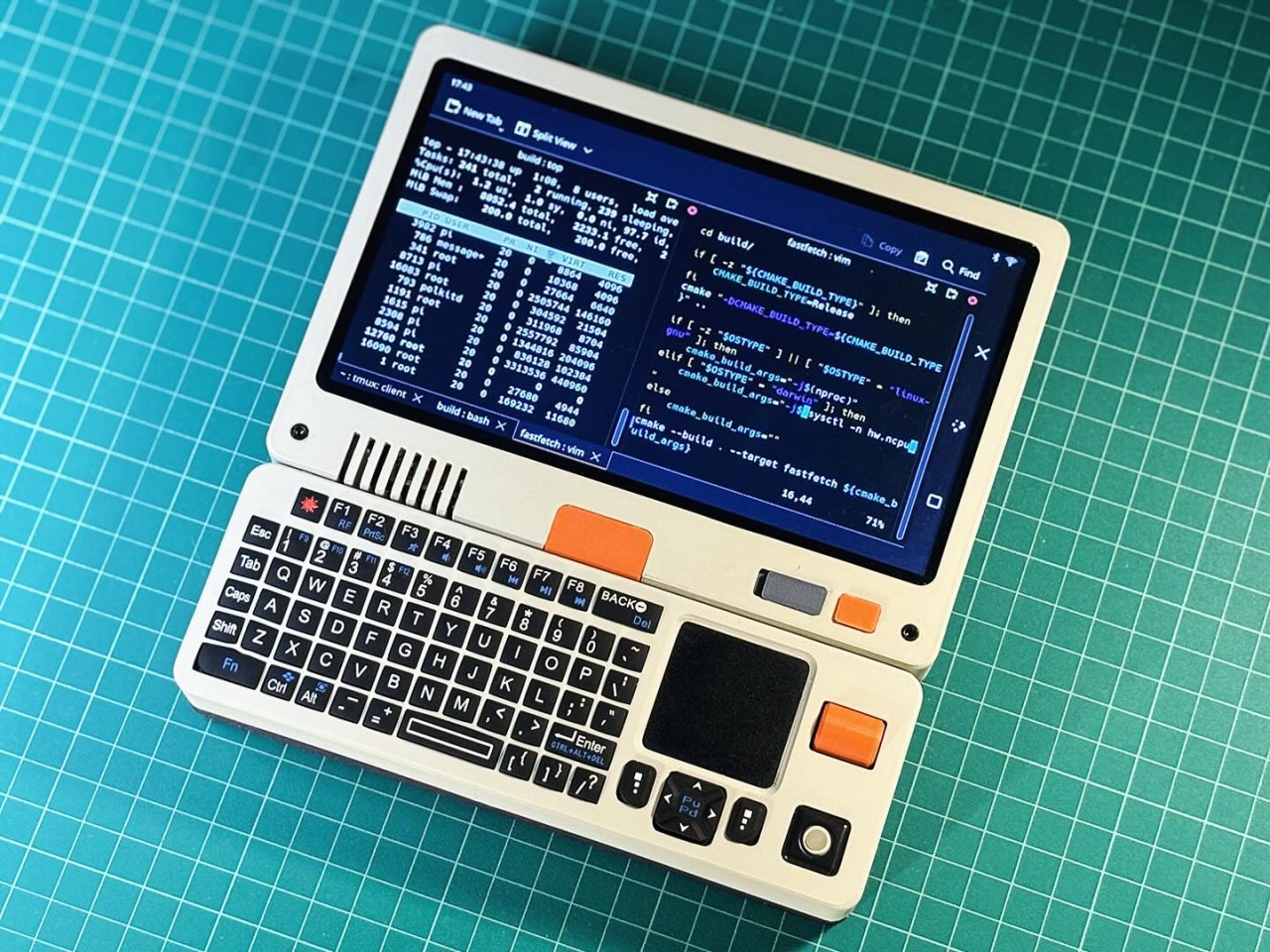
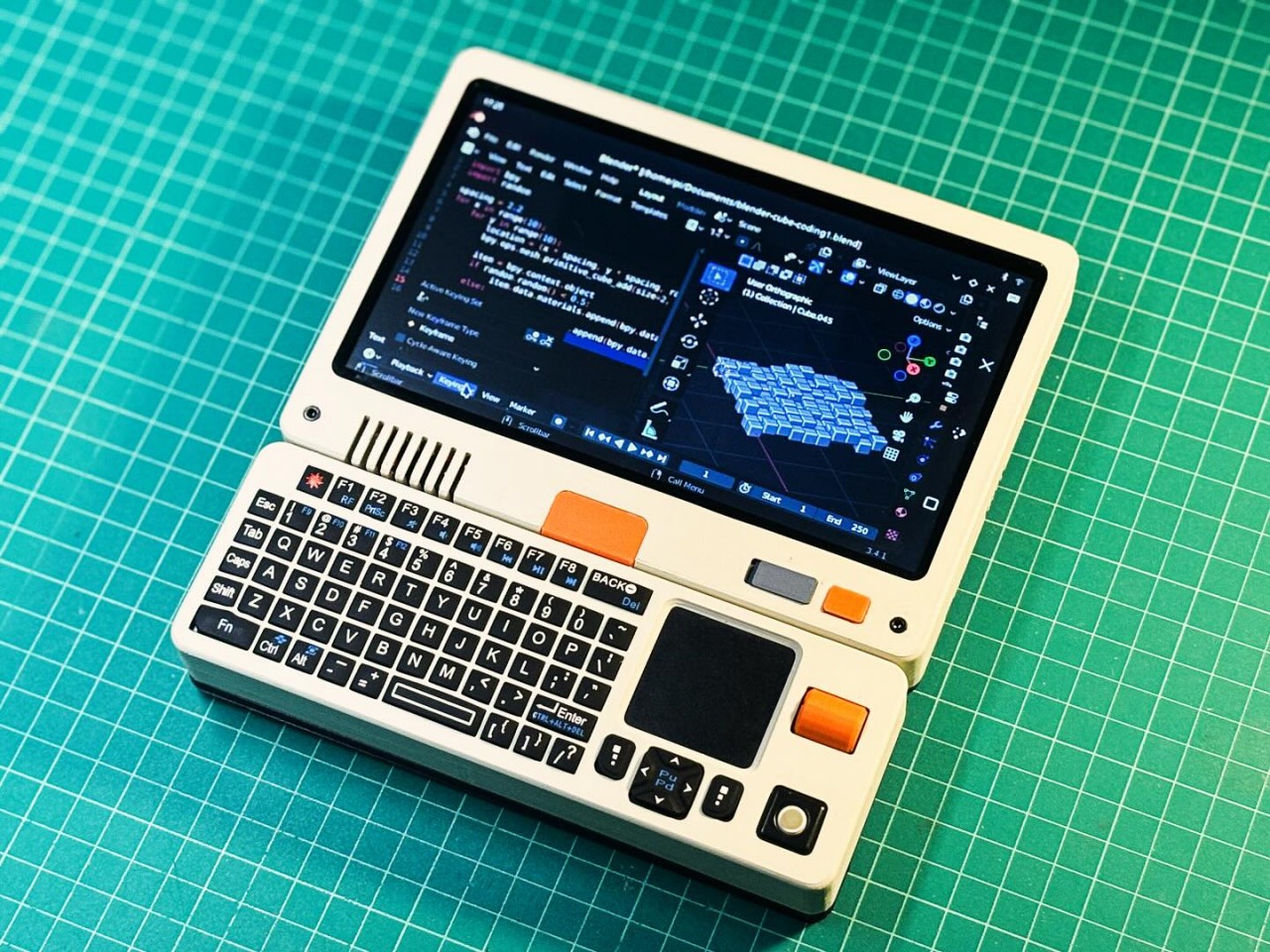
Pilet, a.k.a. Project Consolo, is one such attempt that actually emphasizes usable functionality more than just fancy visuals. It is technically a regular 7-inch tablet enclosed in a cyberpunk-themed chassis, powered by a Raspberry Pi 5 and running a touch-friendly flavor of Linux. It even has two 8,000mAh battery packs, which explains the size of the “tablet” and gives it a 7-hour uptime. Pretty low compared to a smartphone but not for what is practically a miniature computer.
What really makes Pilet interesting, however, is its modular design. While it is already usable using touch gestures, you can also connect a keyboard using the slot at the bottom of the box, which holds the keyboard module in place. In theory, you could also attach a camera, a gamepad, or other peripherals via USB or Bluetooth, very much the same technologies supported by the Raspberry Pi.
Pilet is still a work in progress, so its external design could still change before its official release. Its final form, however, could come as a DIY kit that others can assemble on their own, probably with a bit of effort to make them get a feel of that cyberpunk hacker spirit.
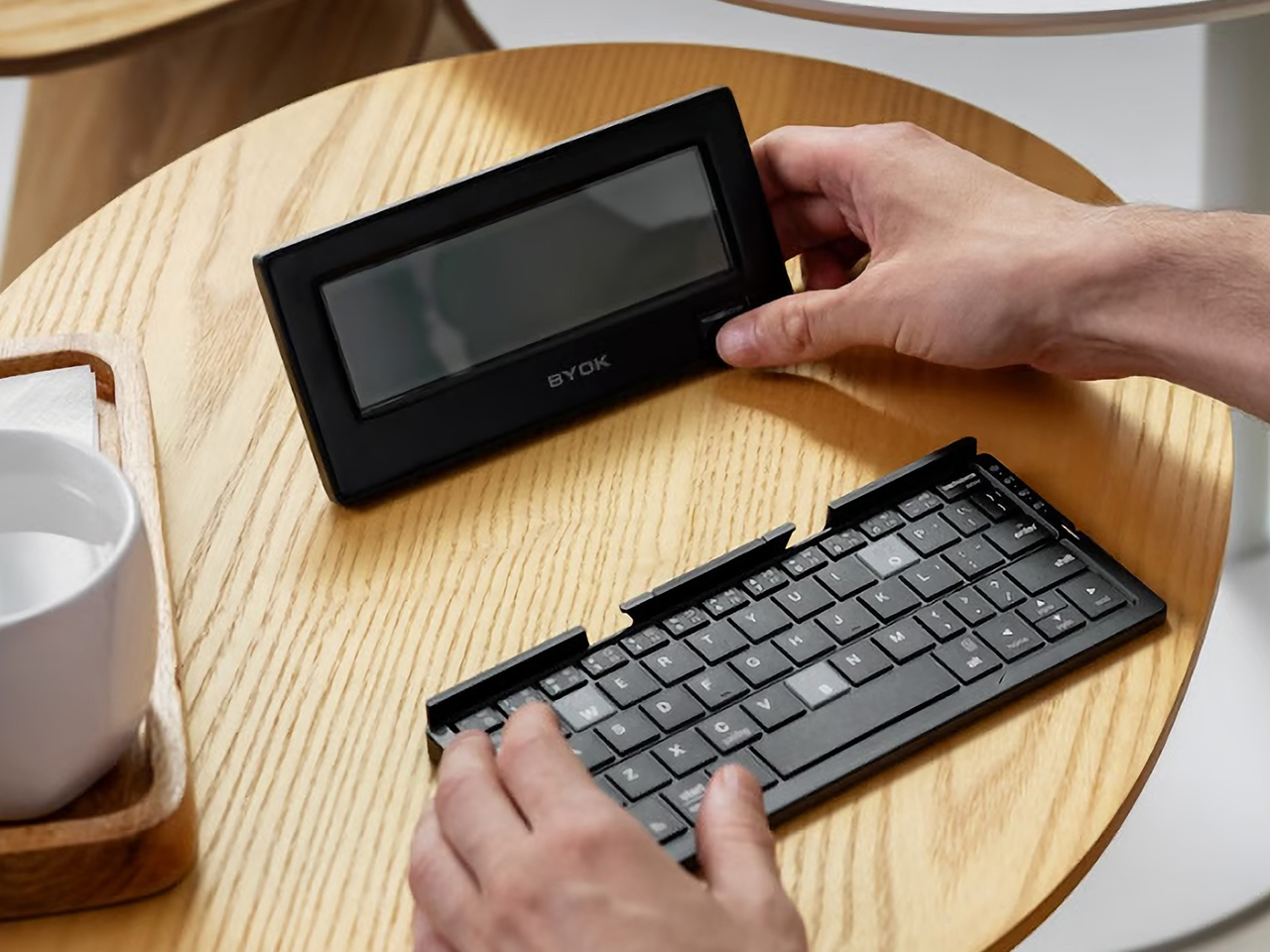
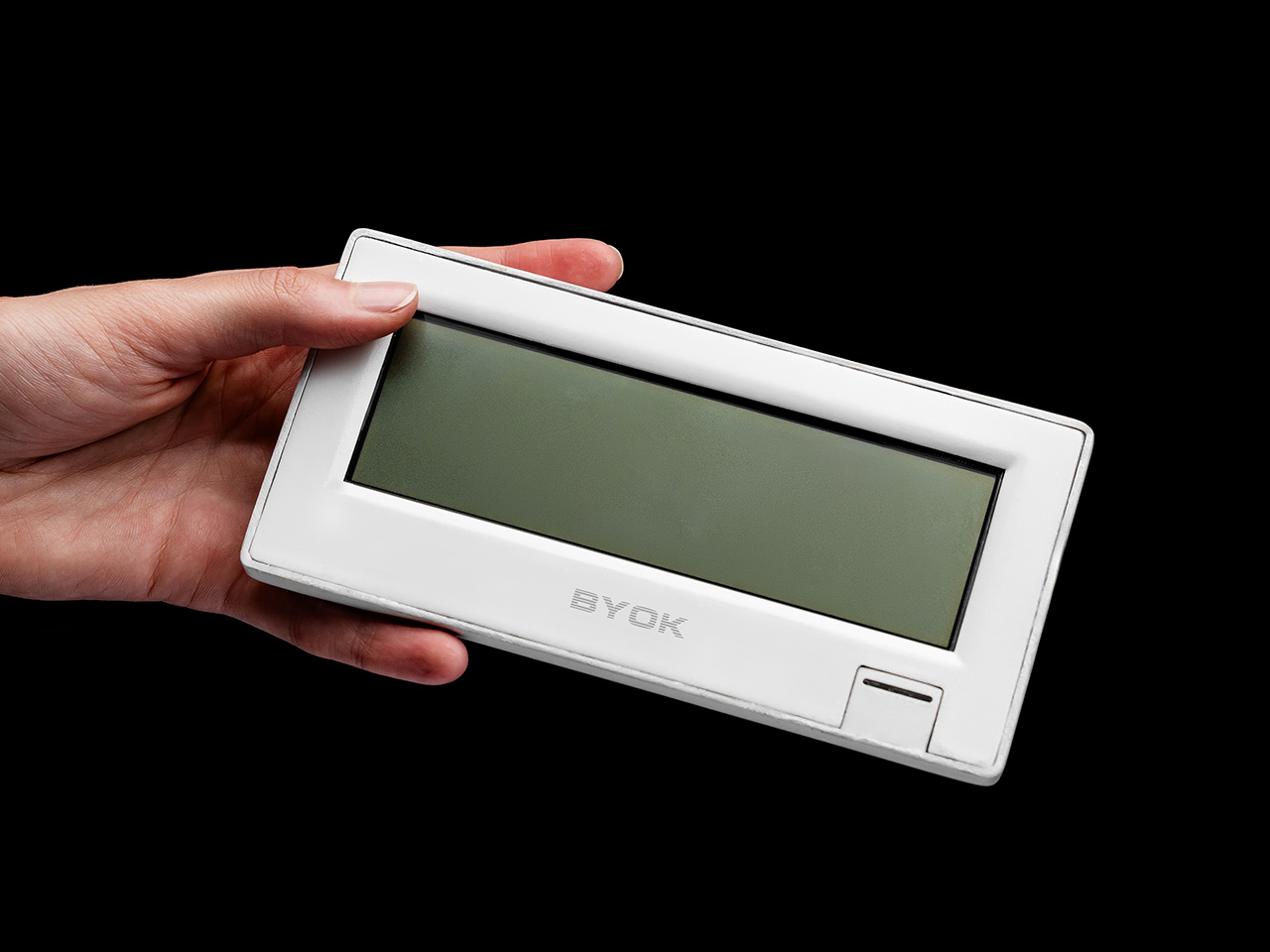
The BYOK device is a meticulously designed tool that enhances the writing experience by providing a distraction-free environment that fosters creativity and productivity. Digital distractions constantly threaten focus, making BYOK an essential device for writers seeking to immerse themselves in their craft without interruptions. Its minimalist LCD screen, combined with the flexibility to use your own keyboard, makes it a versatile and powerful companion for any writer.
Designer: BYOK (Bring Your Own Keyboard). Nick Sjolinder
At the heart of BYOK—short for “Bring Your Own Keyboard”—is the principle of flexibility and freedom. This device is not tied to any specific keyboard, giving users the autonomy to connect their preferred keyboard, whether it be through USB-C, Bluetooth, or even a standard USB with an adapter. This level of customization allows writers to tailor their workspace precisely to their liking, making BYOK an adaptable tool that fits seamlessly into any writing routine.
One of the key features that makes BYOK a must-have for writers is its ultra-portable size. Small enough to fit into a bag or even a large pocket, BYOK is designed to accompany you wherever inspiration strikes. Despite its compact form, it doesn’t compromise on power. With a battery life that supports up to 20 hours of continuous use or 5 hours with the highest backlight setting, BYOK ensures you can write for extended periods without needing constant recharging.
Features that Cater to Every Writer’s Needs
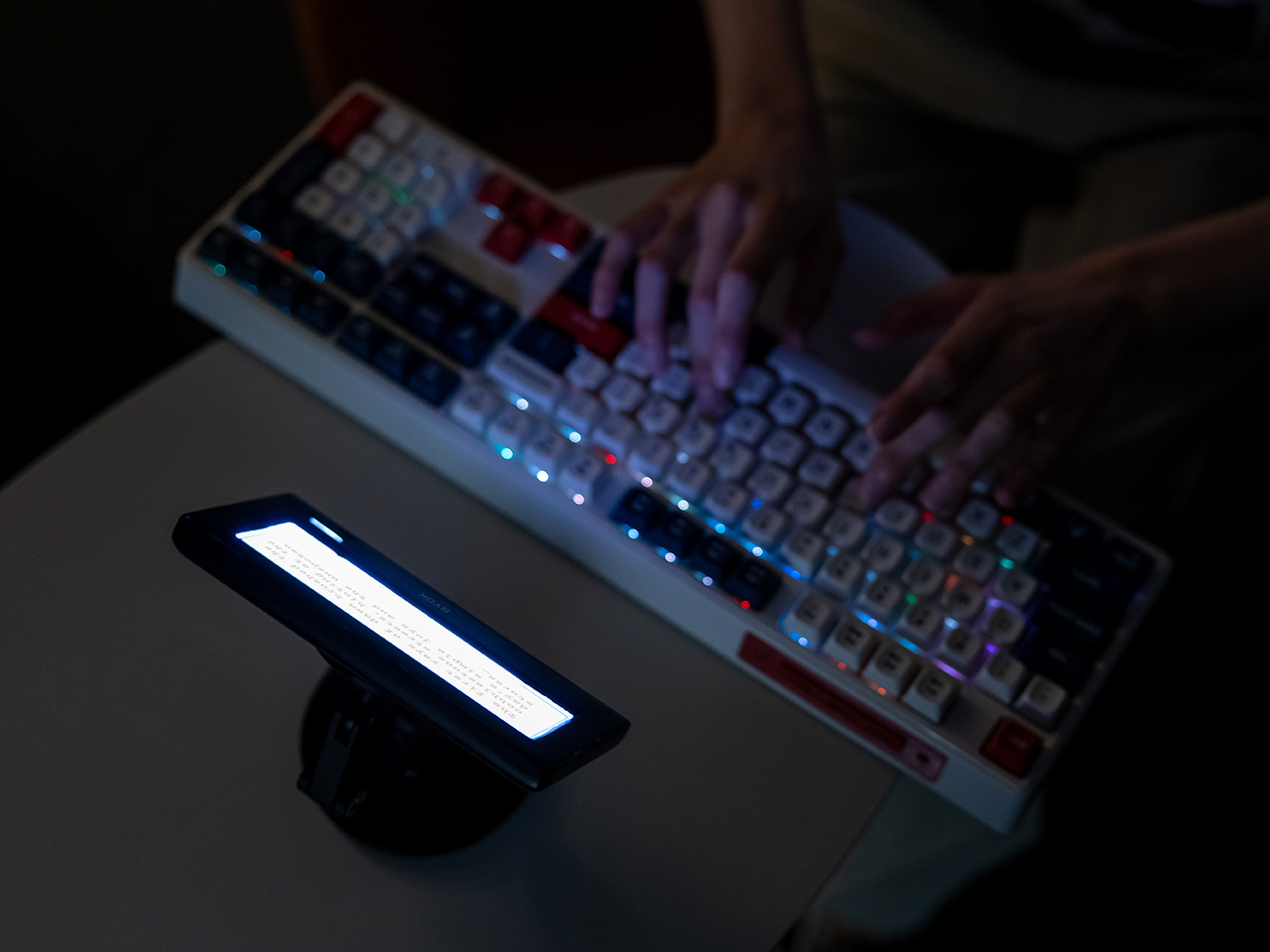
Night Mode
BYOK offers a comprehensive suite of features aimed at enhancing the writing process. The adjustable backlight is particularly noteworthy, allowing writers to toggle between three brightness levels—low, medium, and high. This feature ensures that writing can continue in any lighting condition, from dimly lit environments to late-night sessions. The backlight’s thoughtful design reduces eye strain, making it easier to stay focused and productive, no matter the time of day.
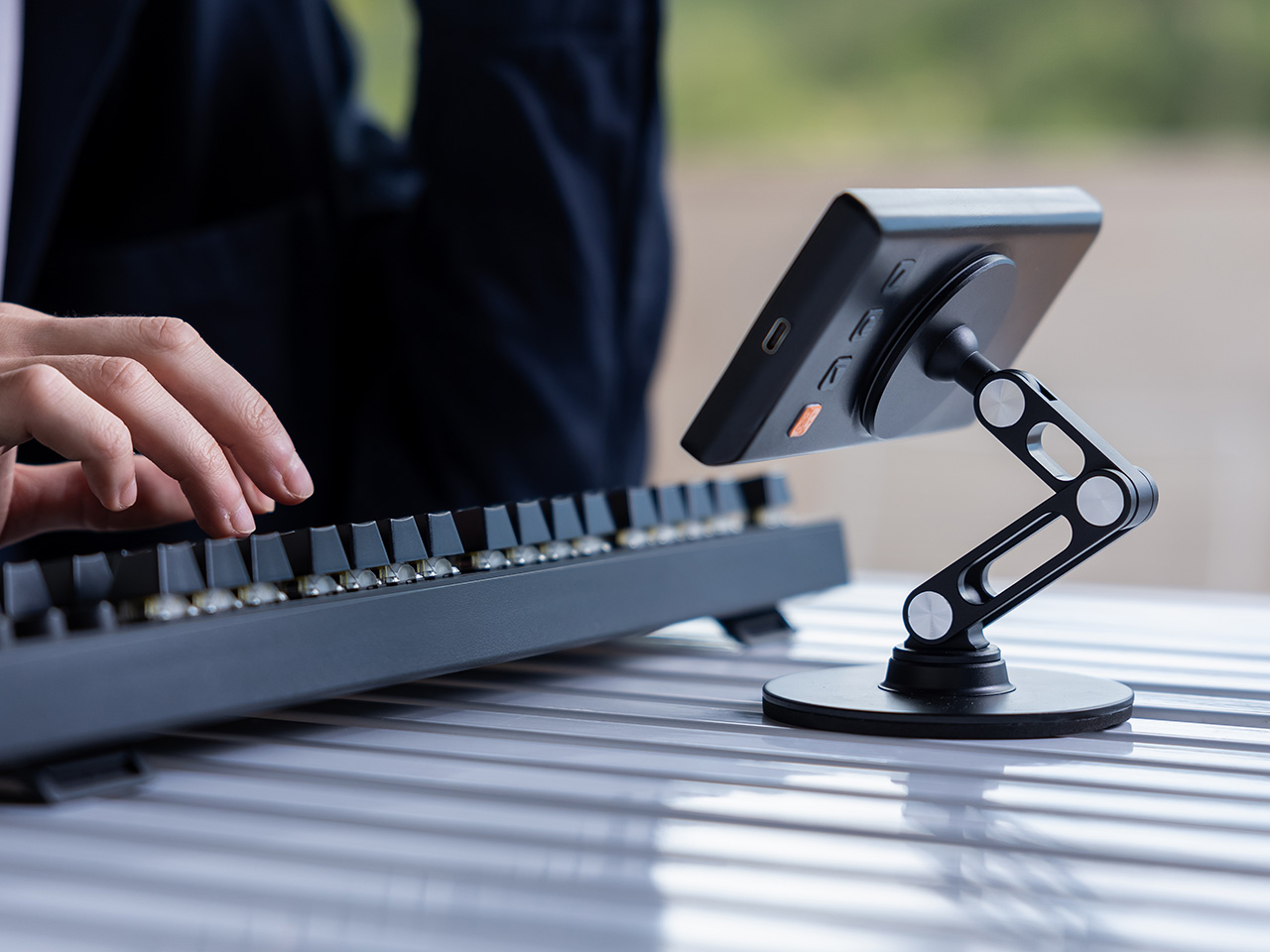
The design of BYOK is as functional as it is sleek. It has a magnetic design and a pop-out stand, allowing for versatile positioning that can be customized to your comfort. With a built-in magnet at the back, BYOK supports different viewing heights and angles, promoting an eye-level viewing option that reduces strain and enhances ergonomic comfort. Whether placed on a flat surface or elevated using magnetic stands, BYOK offers unlimited viewing positions, ensuring that you can set up your workspace to reduce strain and enhance comfort. This flexibility makes BYOK suitable for various environments, whether working at a desk, standing, or lounging.
Versatile connectivity is another strength of BYOK. The device supports multiple data transfer options, including Wi-Fi syncing, allowing seamless integration with platforms like Google Drive. This ensures that your work is always up-to-date and accessible across devices. For those who prefer a wired connection, the USB-C port provides a quick and reliable way to transfer data directly to your computer. With these options, BYOK guarantees that your documents are securely backed up and easily retrieved.
Storage is another area where BYOK excels. The device has 16MB of internal storage, enough to hold over a million words. This ample space means you won’t have to worry about losing your work, even if the battery runs out. The intuitive and simple menu, which includes features like word count display and battery monitoring, keeps you informed and focused on what matters most—your writing.
Design Excellence
Another highlight is the device’s fast-refresh monochrome LCD screen, which provides a smooth typing experience without the lag commonly associated with e-ink displays. This ensures that every keystroke is captured accurately, allowing you to maintain your writing flow without interruption.
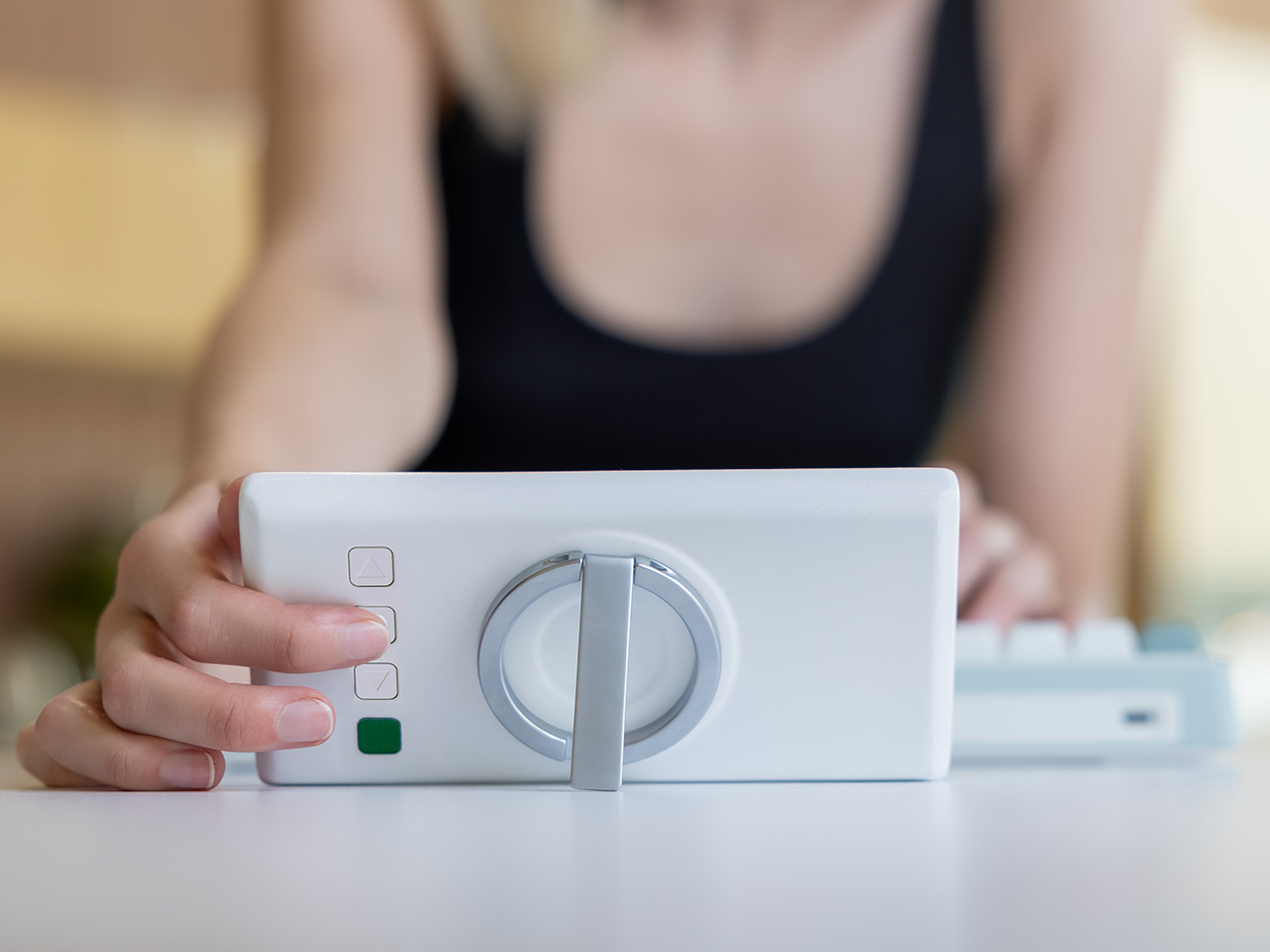
The product’s simplicity extends to its user interface, which is navigated using three tactile push buttons. This intuitive design enhances concentration and productivity by allowing you to focus solely on your writing without getting bogged down by complex menus or unnecessary features.
Seamless Integration into Your Writing Workflow
BYOK’s thoughtful design ensures that it integrates seamlessly into any writing workflow. The process is straightforward: power the device, connect your preferred keyboard using wired or wireless, set up wireless syncing if desired, and start typing. This simplicity allows you to dive straight into your writing without distractions, making BYOK an invaluable tool for writers.
The specifications of BYOK further emphasize its practicality. An ESP32-S3 processor powers the device and features a 129.00mm by 37.60mm LCD screen, offering ample space for your text. It’s available in sleek black and white, with a potential third color option. The device also provides three different font sizes and three backlight brightness levels, catering to various visual needs and preferences.
Designed with Writers in Mind
Niklas Sjolinder, the founder of BYOK, was inspired by the challenges he faced with existing writing tools. As he worked on his own book, he found it difficult to maintain focus due to endless tabs, notifications, and distractions. While using a distraction-free device, he appreciated the concept but quickly noticed drawbacks such as high costs, limited performance, and restrictive built-in keyboards. These frustrations led him to envision BYOK—a writing tool that would be both budget-friendly and versatile, offering exceptional value by providing the flexibility to use any keyboard while eliminating distractions. This personal journey and desire to create a better writing experience drove Sjolinder to develop BYOK, focusing on what truly matters: the freedom to write without interruptions.