Eating outside, whether at an al fresco restaurant, the beach, backyard, or park, is one of the best ways to bond with loved ones. However, your greatest enemy there are the insects that fly and crawl around, particularly flies. You can shoo them away using fans but that is pretty inconvenient and tiring. Having a device to shoo them away would be the best thing to have.
Designer: Andrew Smith
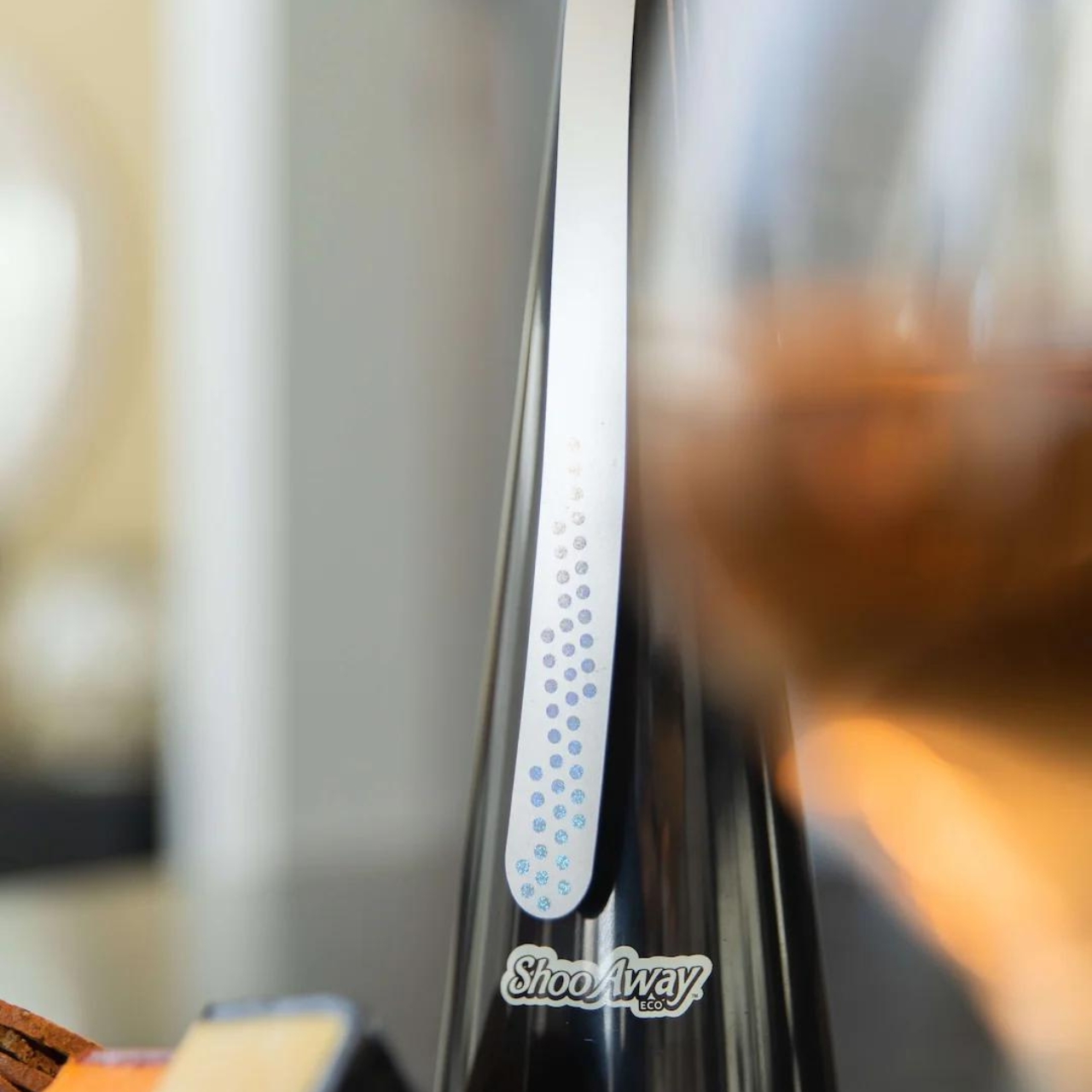
The ShooAway is a fly repellent fan that has one job: to keep flies away from your food. The best thing is that it is 100% chemical free so you know your food is safe not just from insects but from other harmful elements. It can also work not just outdoors but indoors as well. You can place in on the table or even directly over a plate of food without worrying about anything.
The device is battery-powered and the fan blades themselves are safe since they are soft and will automatically stop if it happens to touch your hand. There are also dots on the blades which are their patented Holographamatic Repel Dots. They shoo away the flies because of the movement of the blades and also the refracting light which apparently they hate.
The on-guard fly swisher can work as long as it has battery so you don’t need to worry about it running out when you’re in the middle of a meal. So instead of your arms getting tired from shooing flies away, you can just get tired from eating all that delicious food.
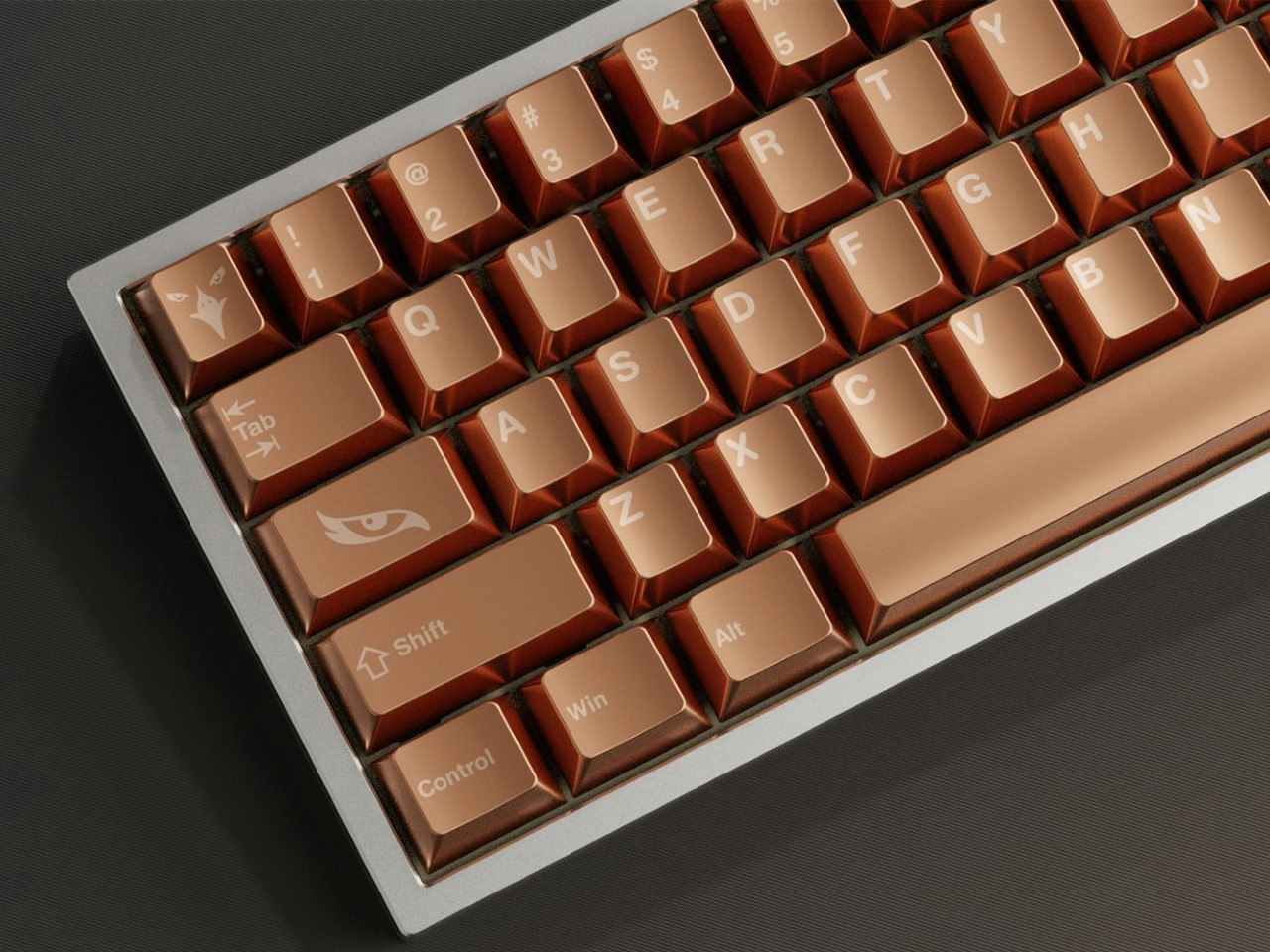
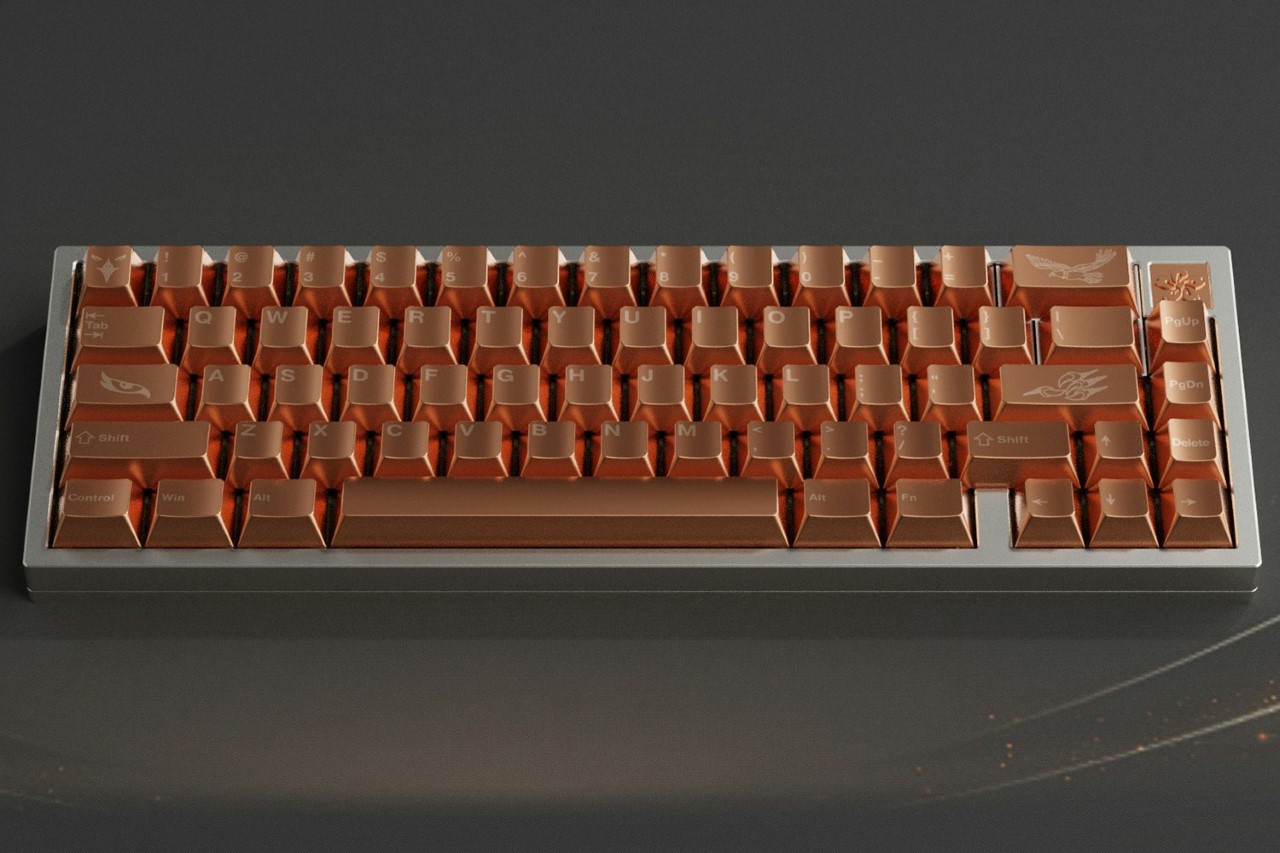
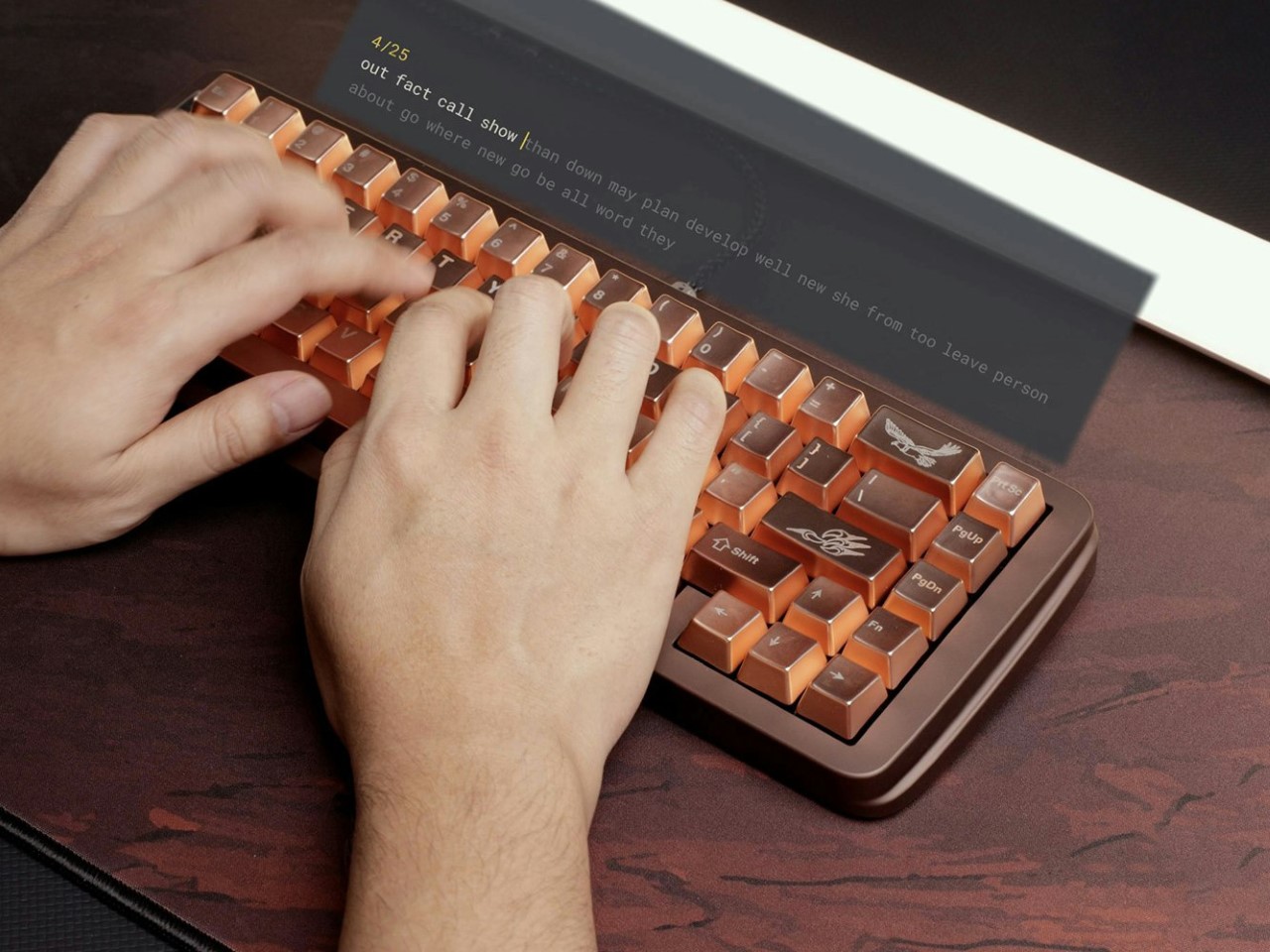
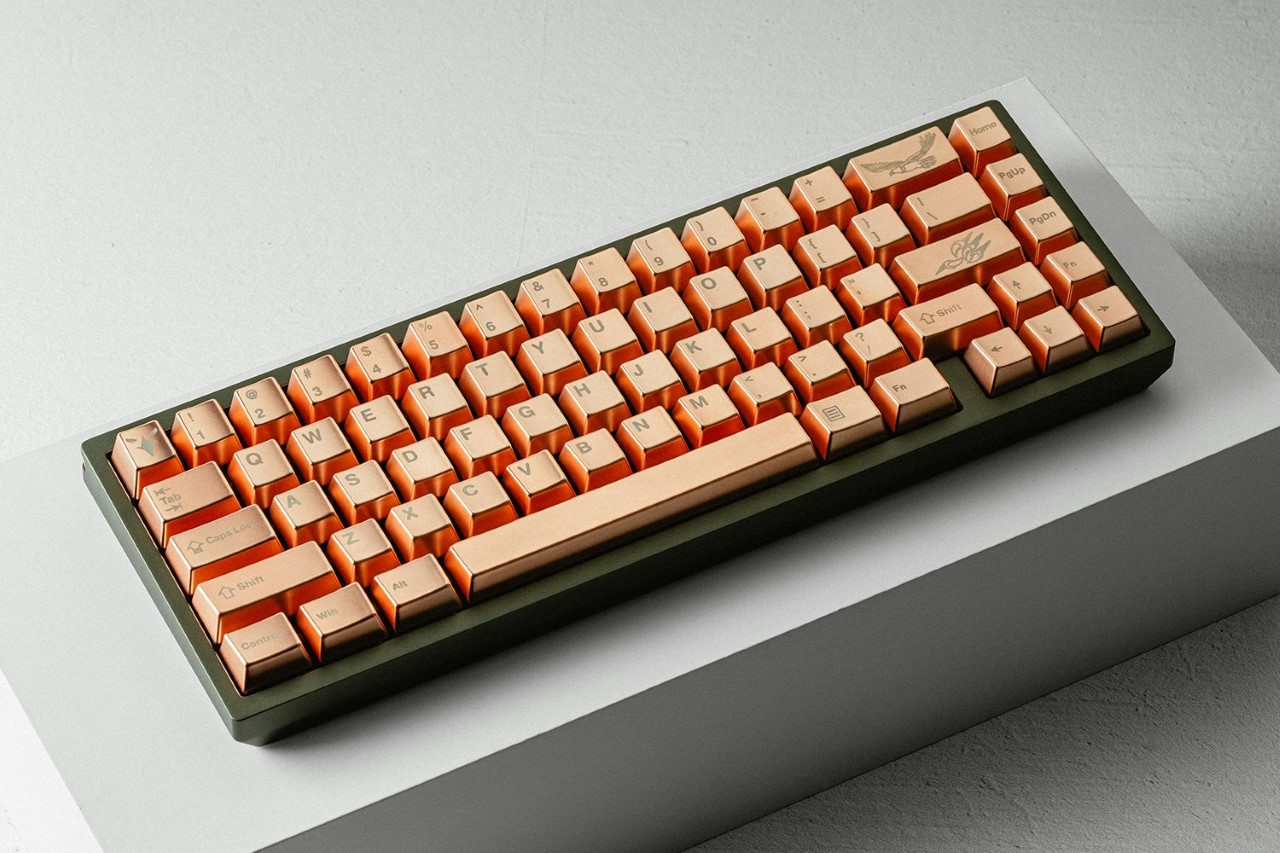
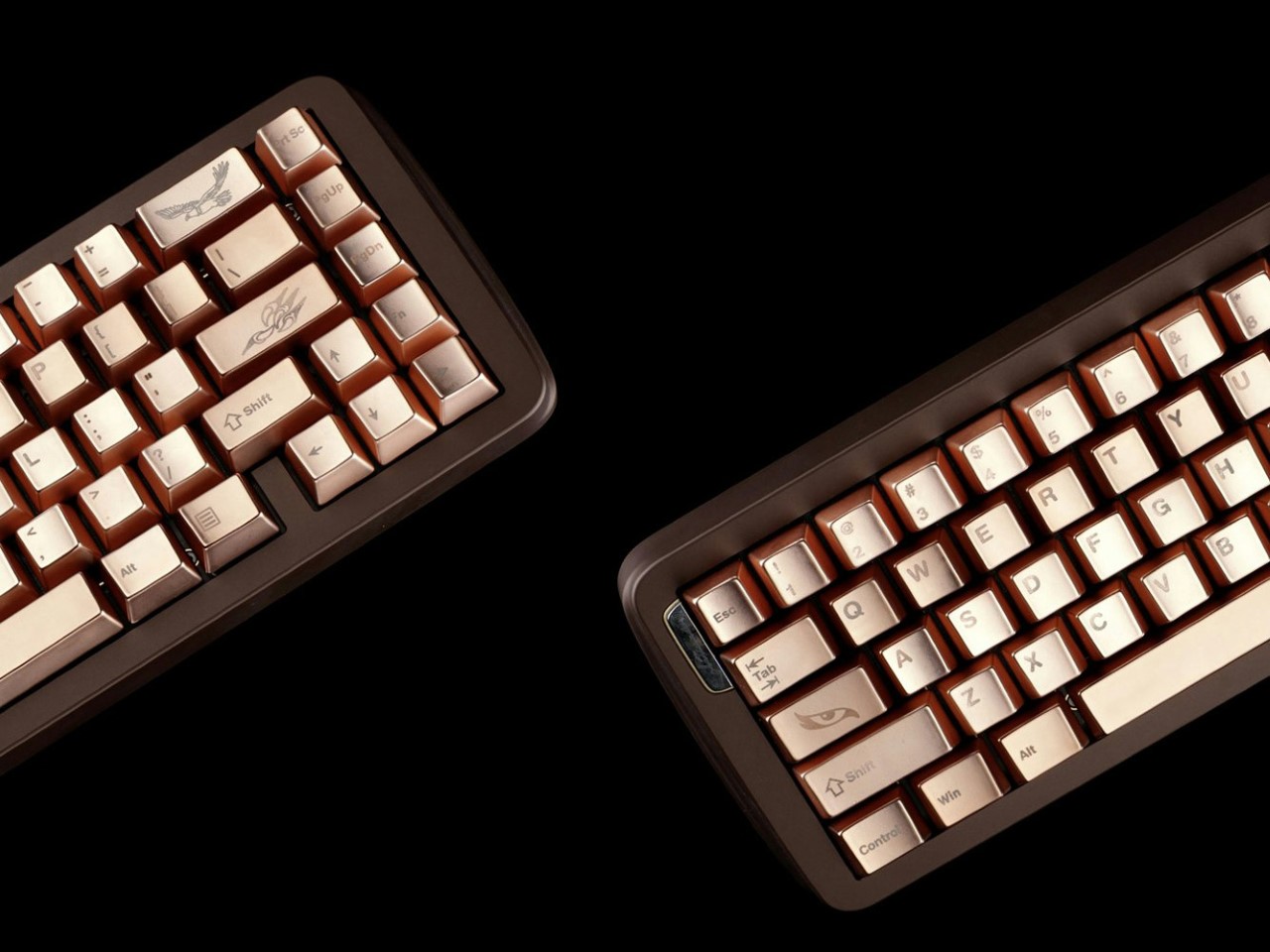
Copper plays a VERY important role in electronics, but this might be the first time copper’s been used for its aesthetic properties. Meet the Awekeys Copper Eagle Keycap set – made from actual copper alloy to give your keyboard drip like no other. Sure, people boast about customizing the RGB backlight on their keyboards, but nothing really matches having your keys be made of actual metal. The Copper Eagle set sports keycaps machined from literal metal, giving them a heft and shimmery appeal that plastic wishes it had. Compatible with Cherry MX switches and clones, these keys attach to any supporting mechanical keyboard (no matter the size or style), giving it an audiovisual makeover. The keys offer the distinctly cool feel of metal, but start typing and you realize how much of a difference they actually make. The metal keycaps offer a distinct kind of sound that feels less like a plastic clatter and more like coins clinking against each other. It also helps that the keys make your keyboard look like a million bucks.
Designer: Awekeys
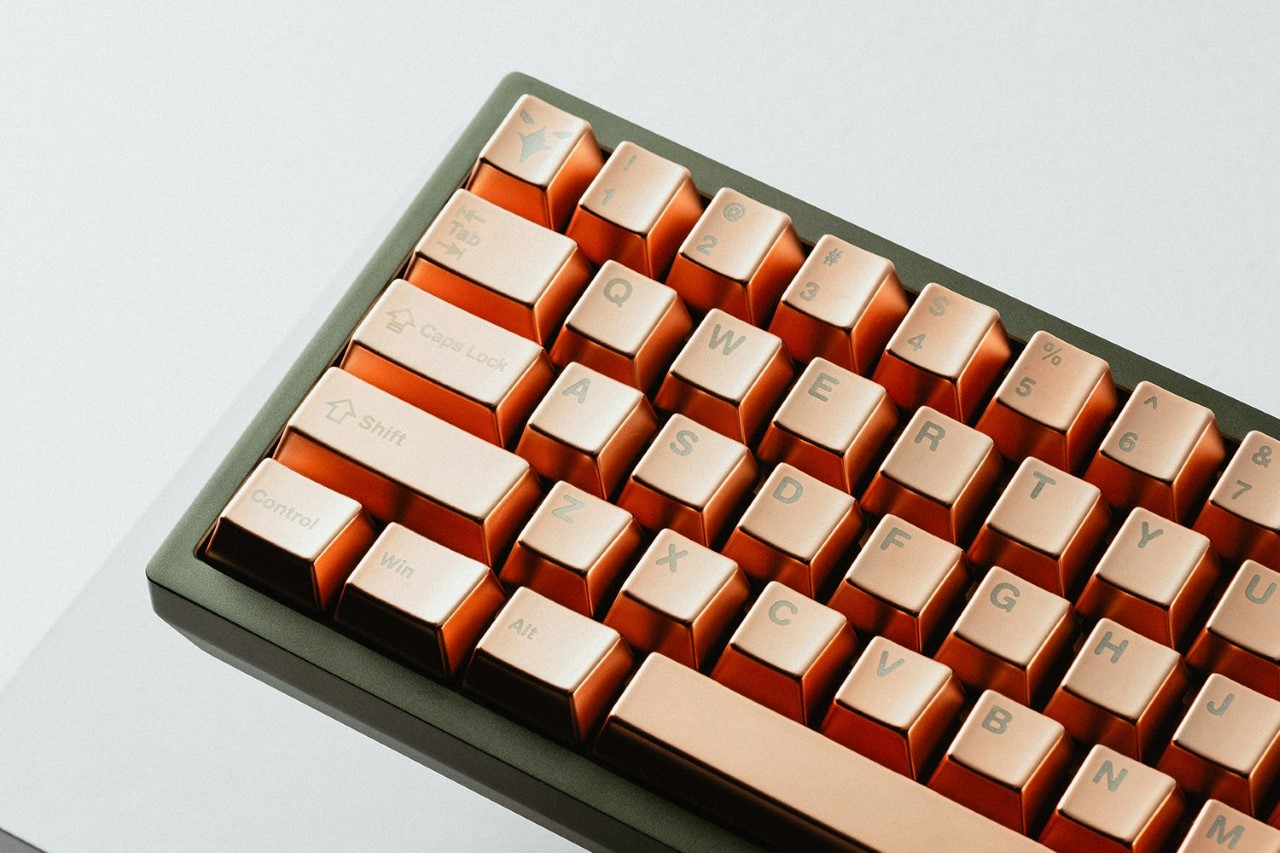
Crafted from recycled cupronickel, a material known for its strength and durability, the Copper Eagle set is a testament to Awekeys’ commitment to sustainable practices without compromising on quality. Each keycap undergoes a meticulous milling process before receiving its signature satin copper plating. This finish isn’t just visually appealing; it also lends a unique tactile sensation to every keystroke. The weight of the metal keycaps contributes to a substantial feel, while the copper’s natural warmth adds a touch of elegance to any setup.
Beyond aesthetics, the Copper Eagle set offers a sonic user experience that sets it apart. Metal keycaps are renowned for their ability to produce a deeper, more resonant click compared to their plastic counterparts. The Copper Eagle does so too, delivering satisfyingly rich auditory feedback that can be customized further with the right switch and keyboard combination. Along with just the cold tactile feel of the metal against your fingertips, the satisfying metallic click just elevates the keyboard’s UX to an entirely new level, eschewing the ‘fake’ plasticity of regular mechanical keyboards and replacing it with the premium appeal of metal.
One’s immediate concern with copper alloys (and glossy keycaps in particular) is the issue of fingerprints and patinas. A copper keyboard only looks classy if it maintains its sheen, and to address that, Awekeys actually coated each keycap with a nanocoating that prevents the metal from oxidizing or reacting to the oil and sweat from your fingertips. The keys should remain pristine and shiny for months with regular wiping down, although the durability of the coating over time is still something to be determined.
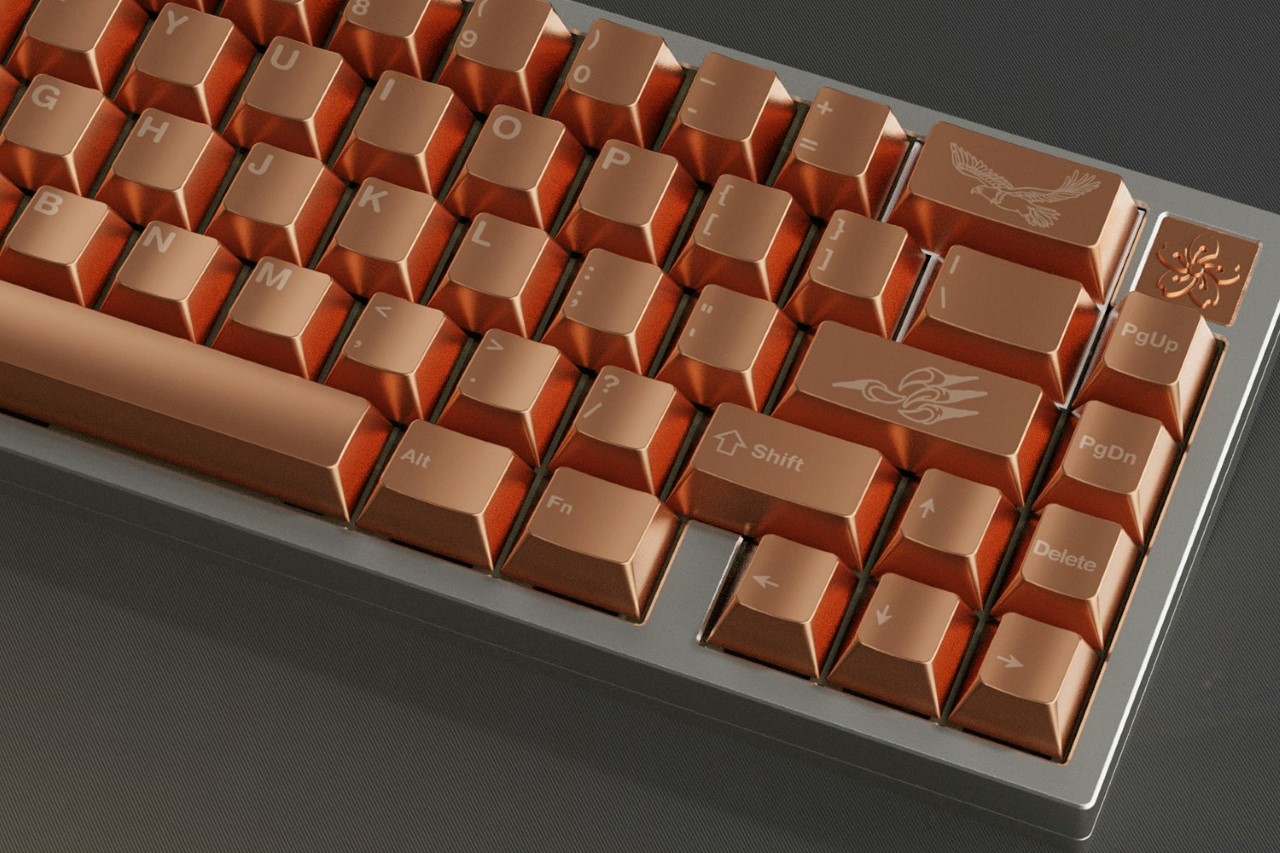
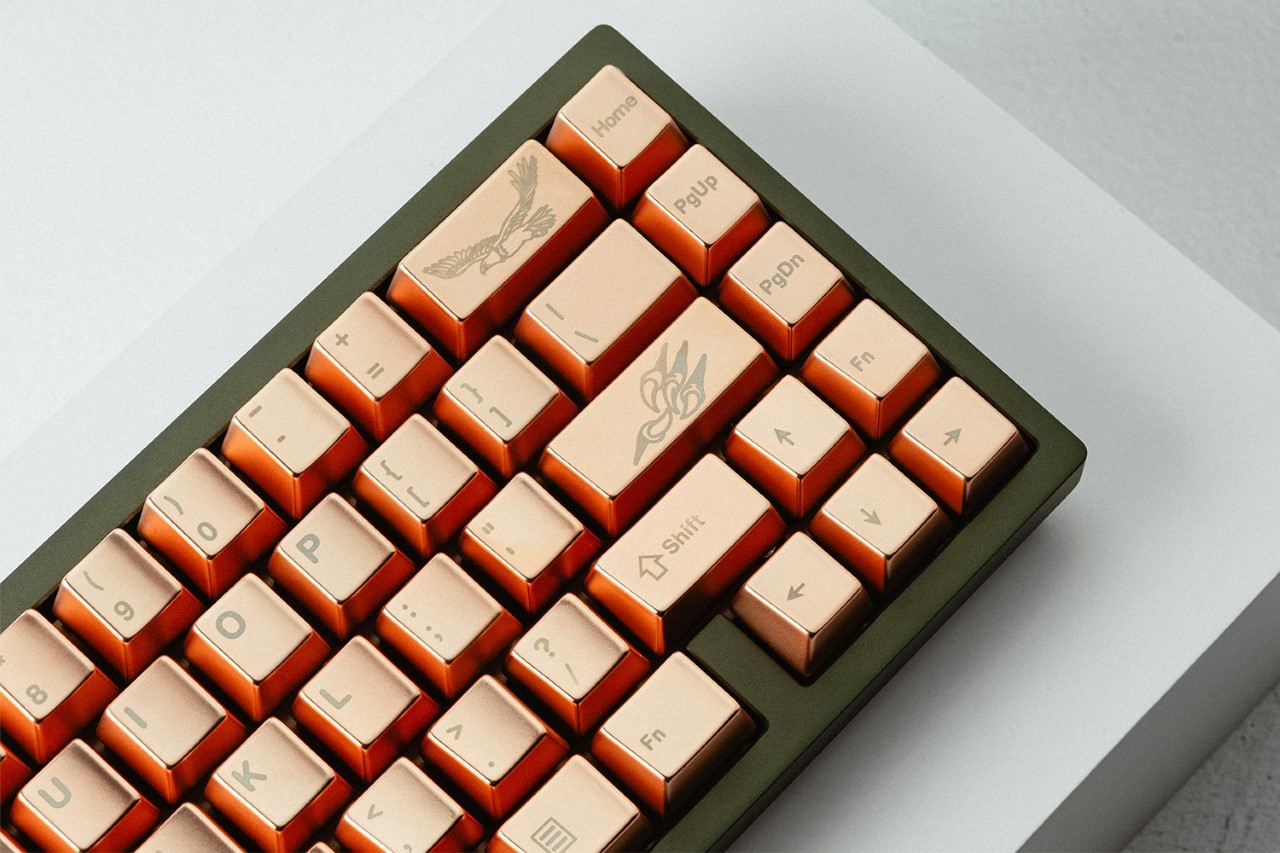
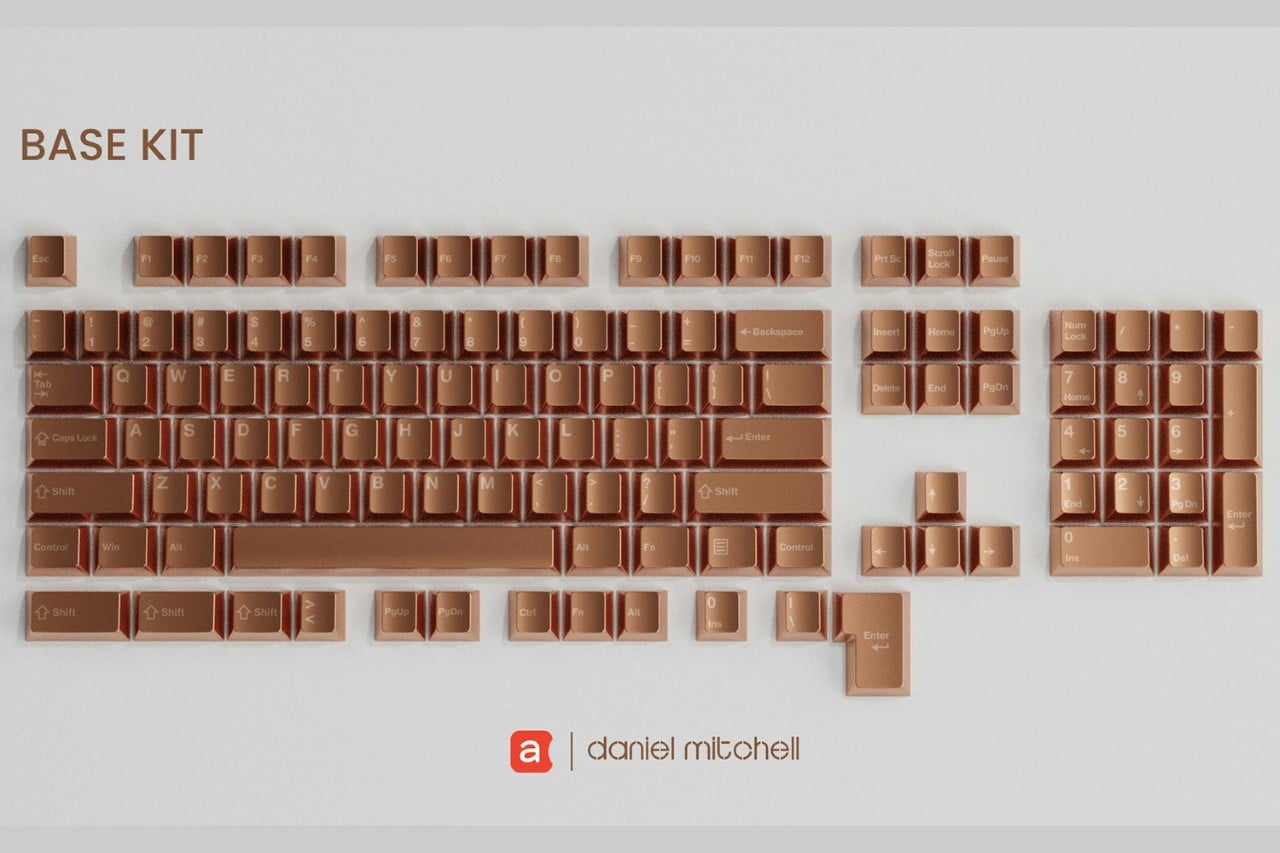
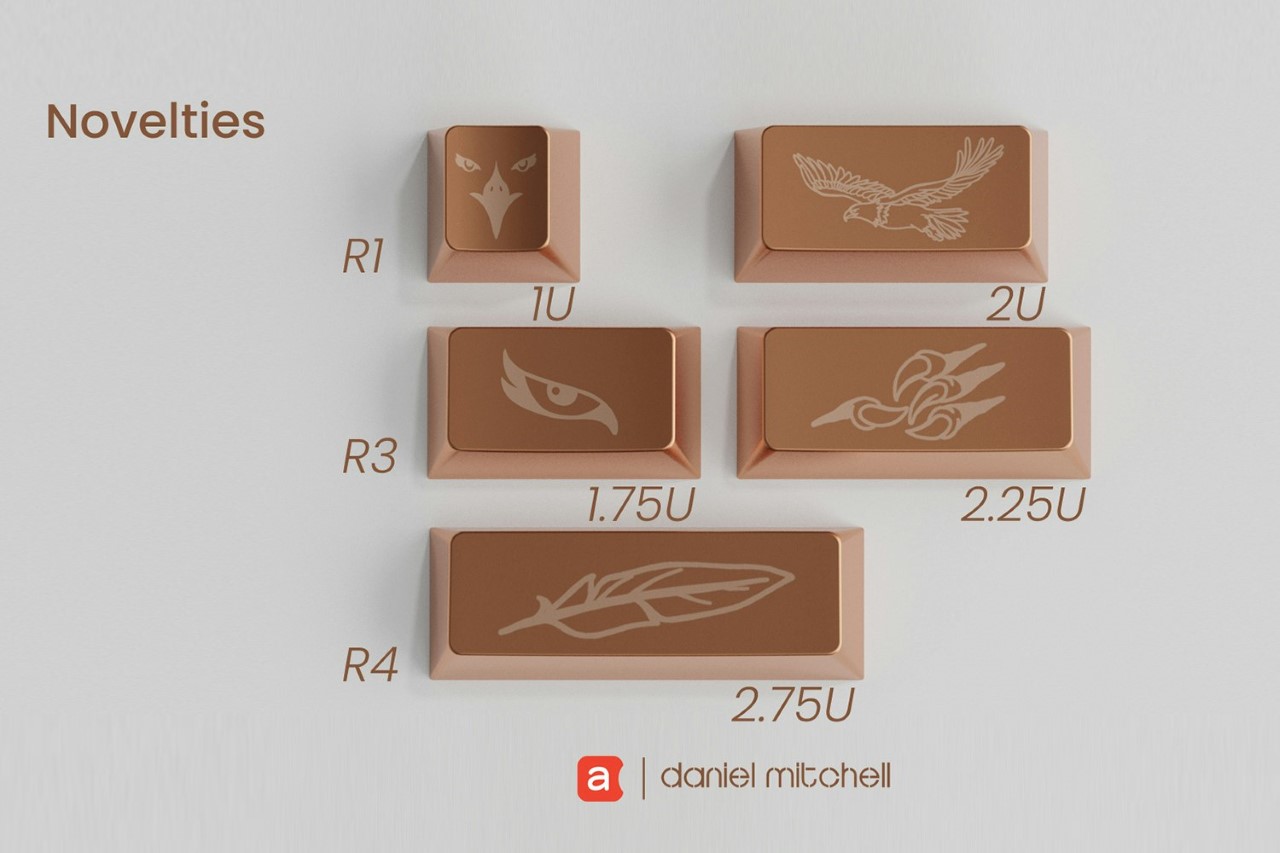
The Copper Eagle set comes in various kits to accommodate different keyboard layouts and preferences. The base kit consists of every key required for a 100% layout keyboard, but you can grab custom caps too, including different copper grades that have slightly different hues, and a few vanity keys featuring eagle imagery for your special keys like the enter, escape, backspace, etc.
The obvious caveat here is weight – copper weighs significantly more than plastic, so this should definitely make your keyboard feel considerably heavier than usual, but that’s only really a problem if you’re carrying your keyboard around. The second caveat, and a slightly smaller one, is that these keys (just like your regular mechanical keycaps) won’t support backlights. Most keyboards come with dual-plastic keys that allow the symbols to glow so you can see them in the dark – that’s not really possible with copper, so you’ll be relying entirely on muscle-memory here. The benefit, however, is that you’ll also own the coolest-looking keyboard among your friend circuits.
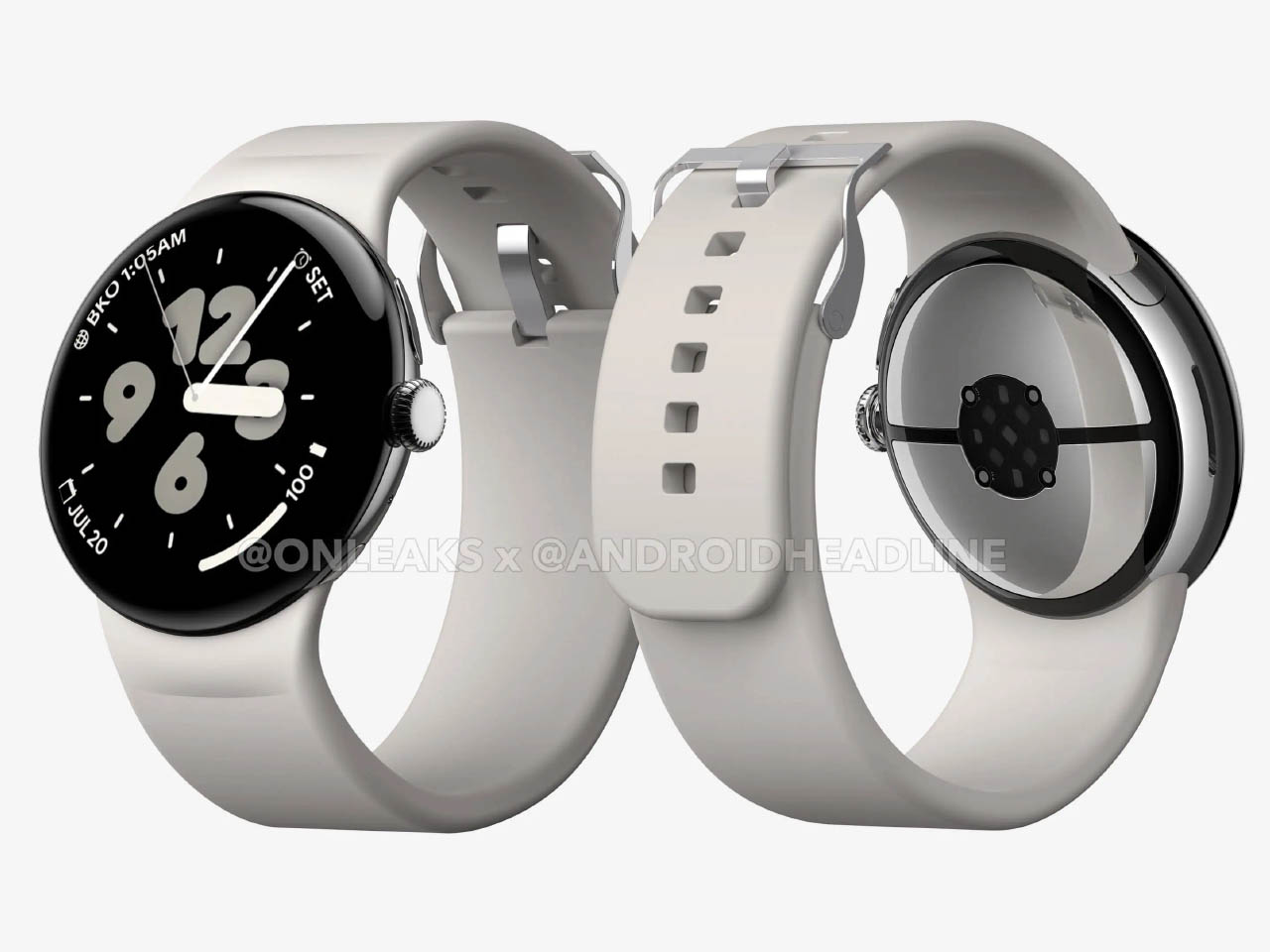
Before every gadget is released officially it must go through the rumor mill to keep things spiced up for prospective buyers and reviewers. Google Pixel Watch 3 slated for an August 13 release will take on the Samsung Galaxy Watch 7 head-on with its rounded dial and we hope it doesn’t have any inaugural issues like battery drain.
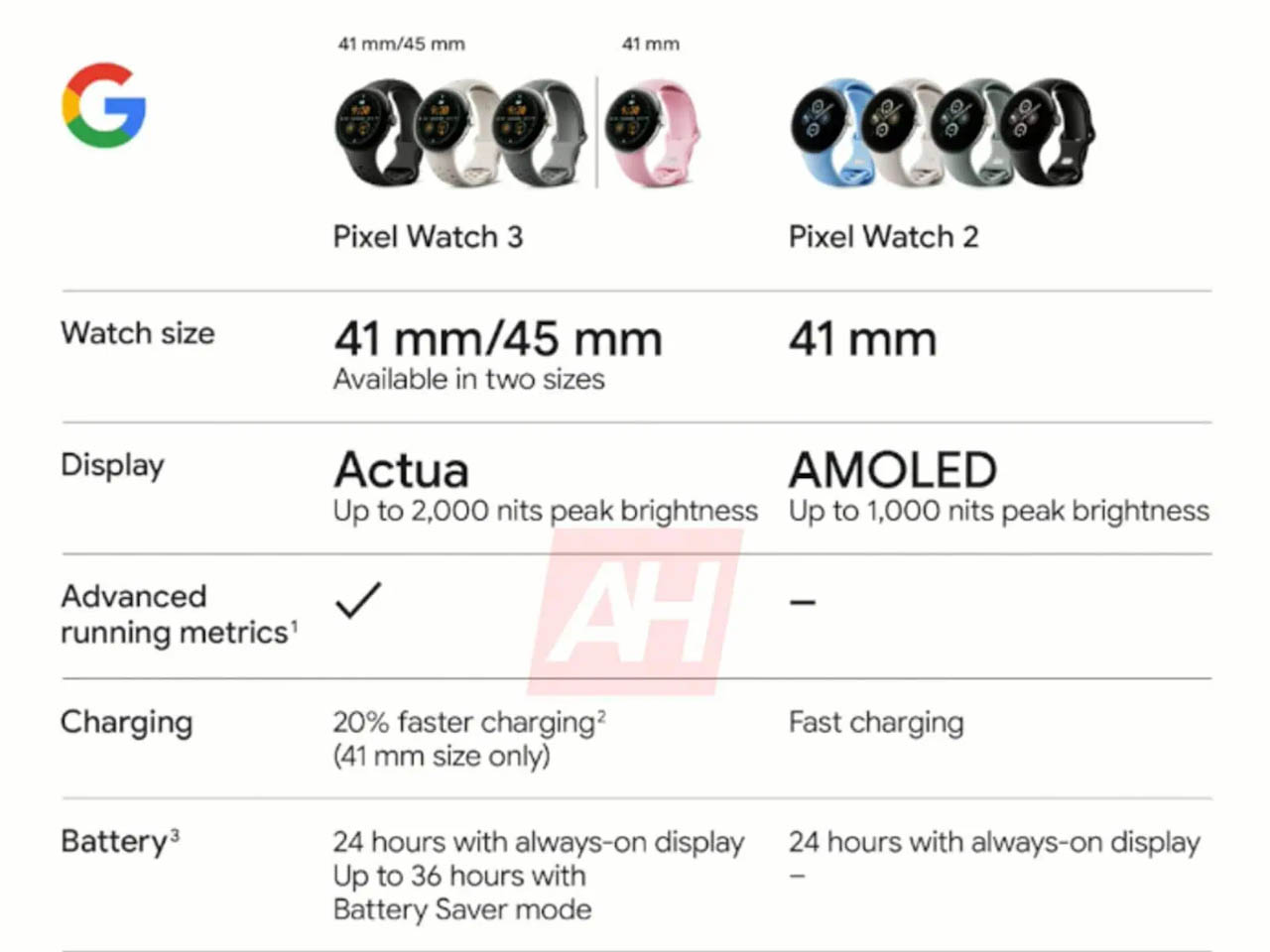
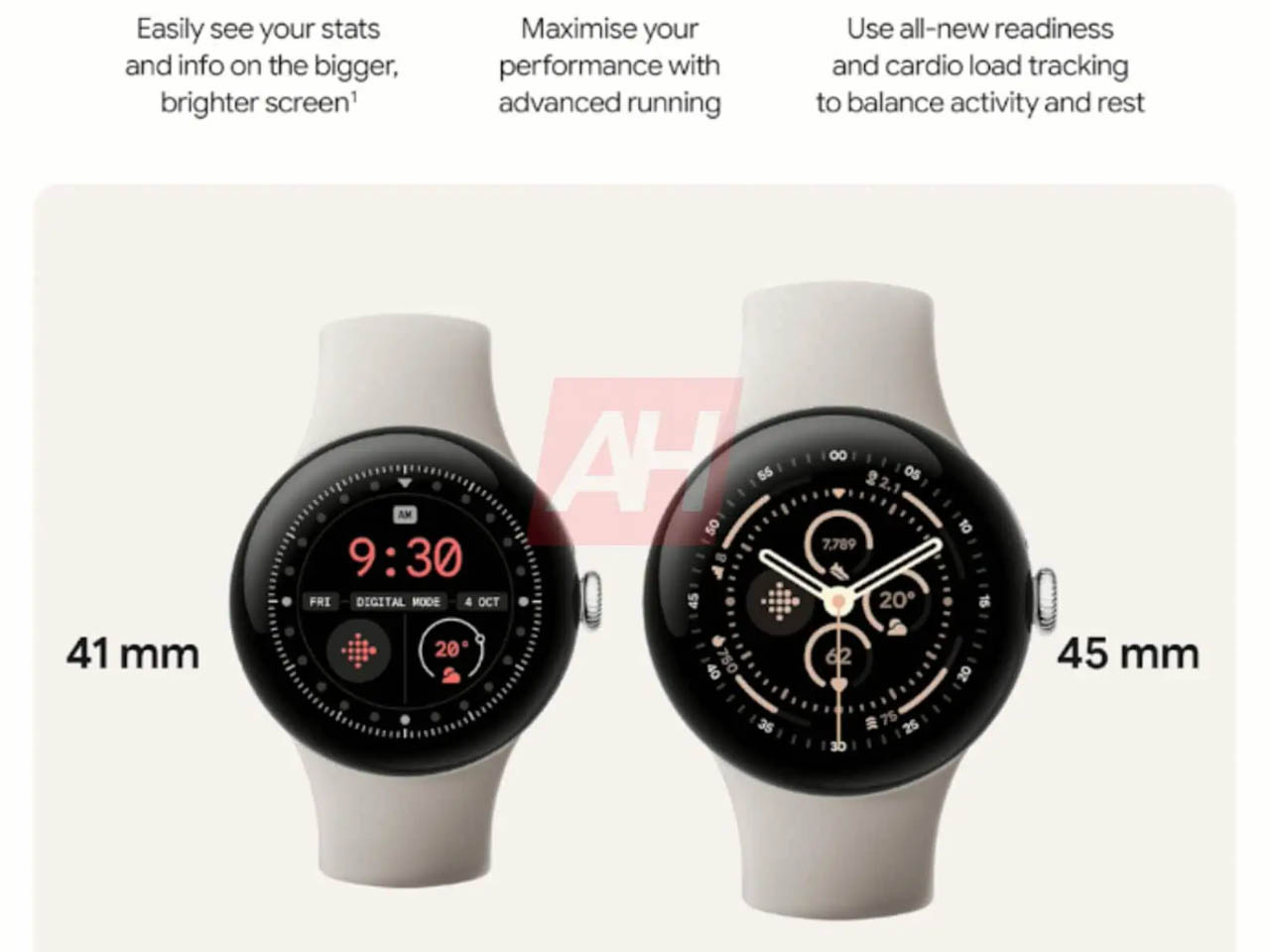
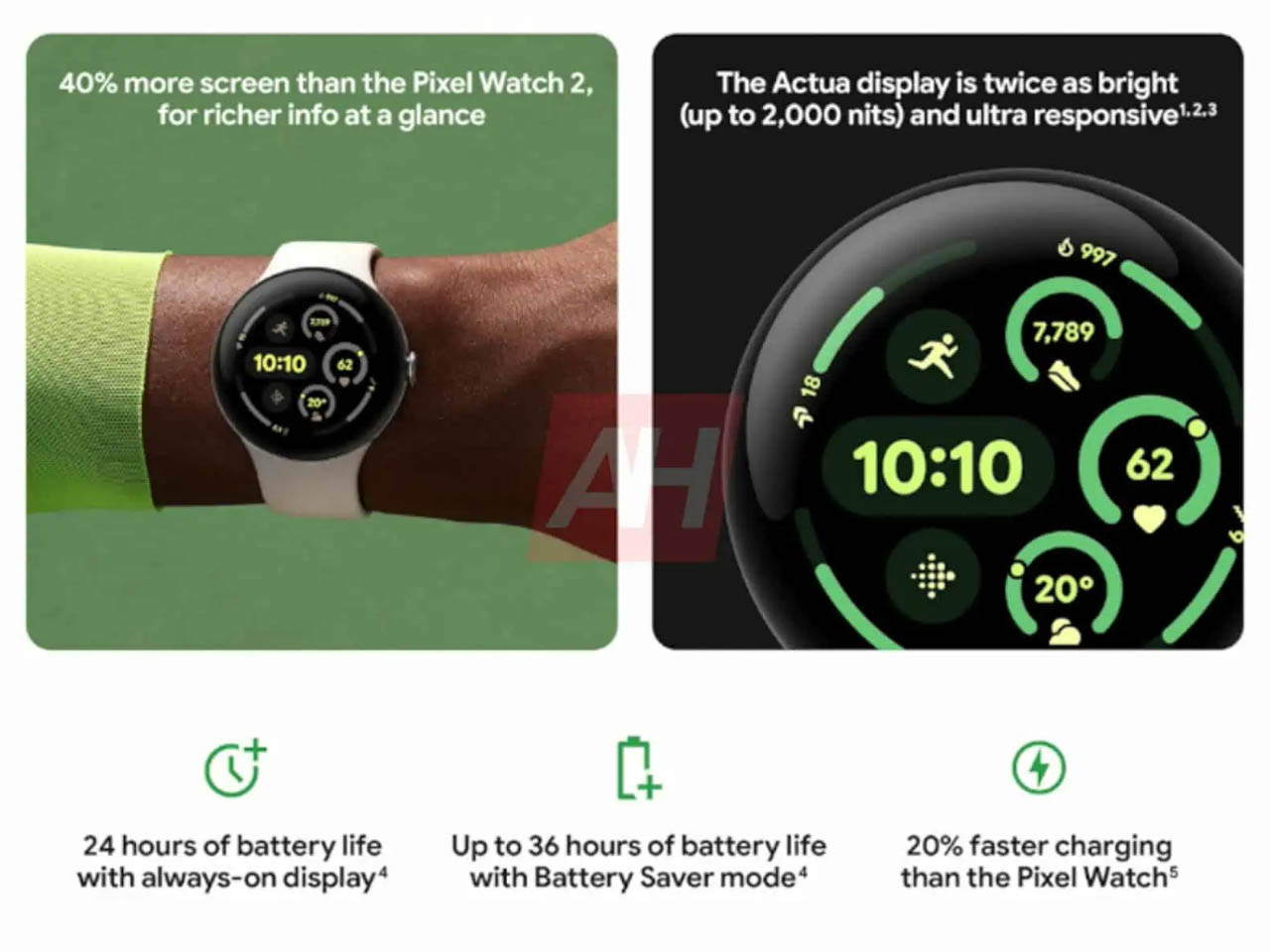
Going by the leaked information, the Watch 3 could have a brighter display at 2,000 nits which is almost double the Watch 2, courtesy of the in-house Actua Display. According to the specs sheet, the smartwatch will get 24 hours of battery life with AOD enabled and around 36 hours if you opt for the battery saver mode. The charging speed of the 41mm model will be 20 percent better than the predecessor, although no mention of the 44mm model is there. That directly implies that the new smartwatch will not employ the hybrid interface on the Wear OS 4.
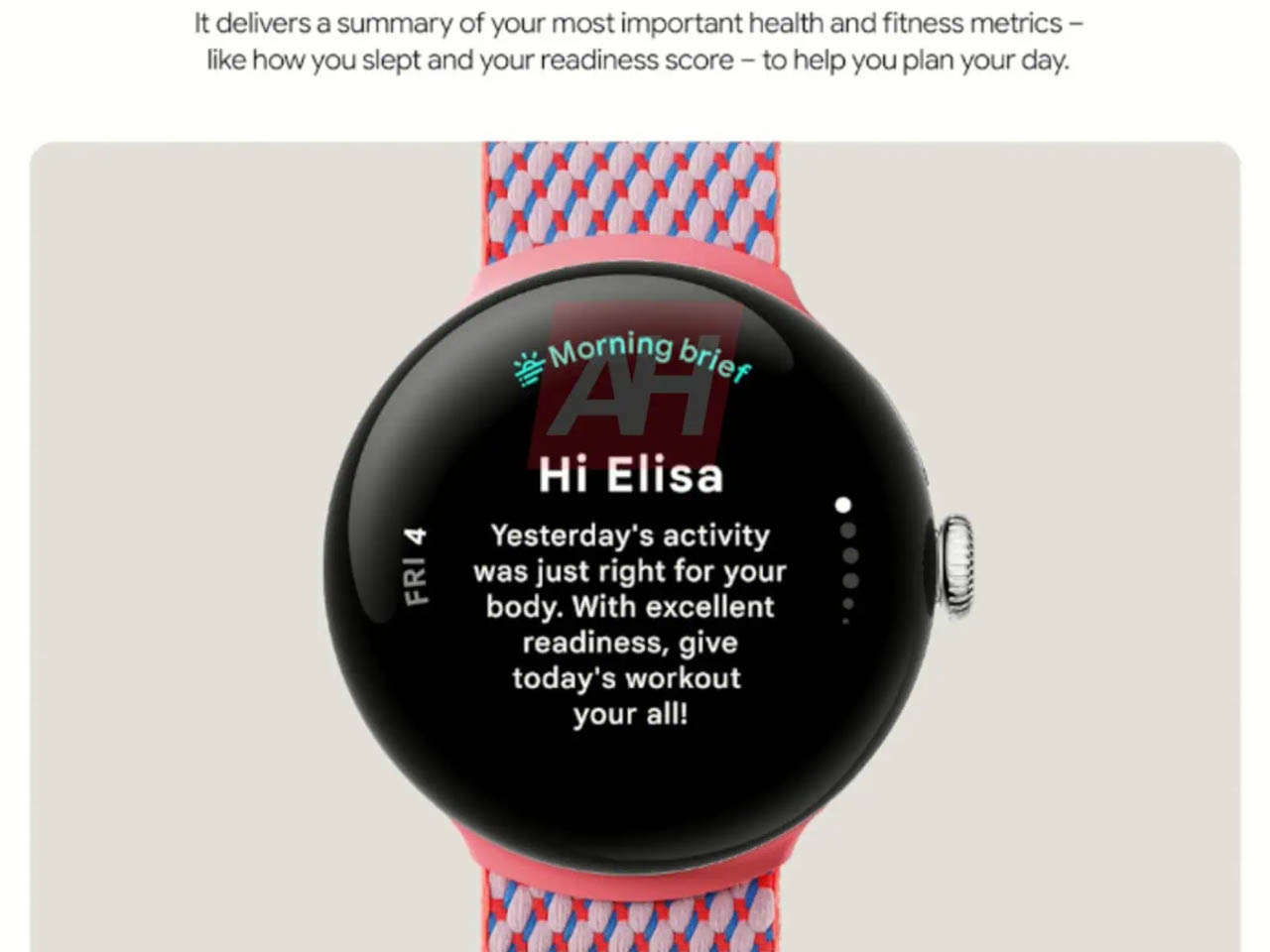
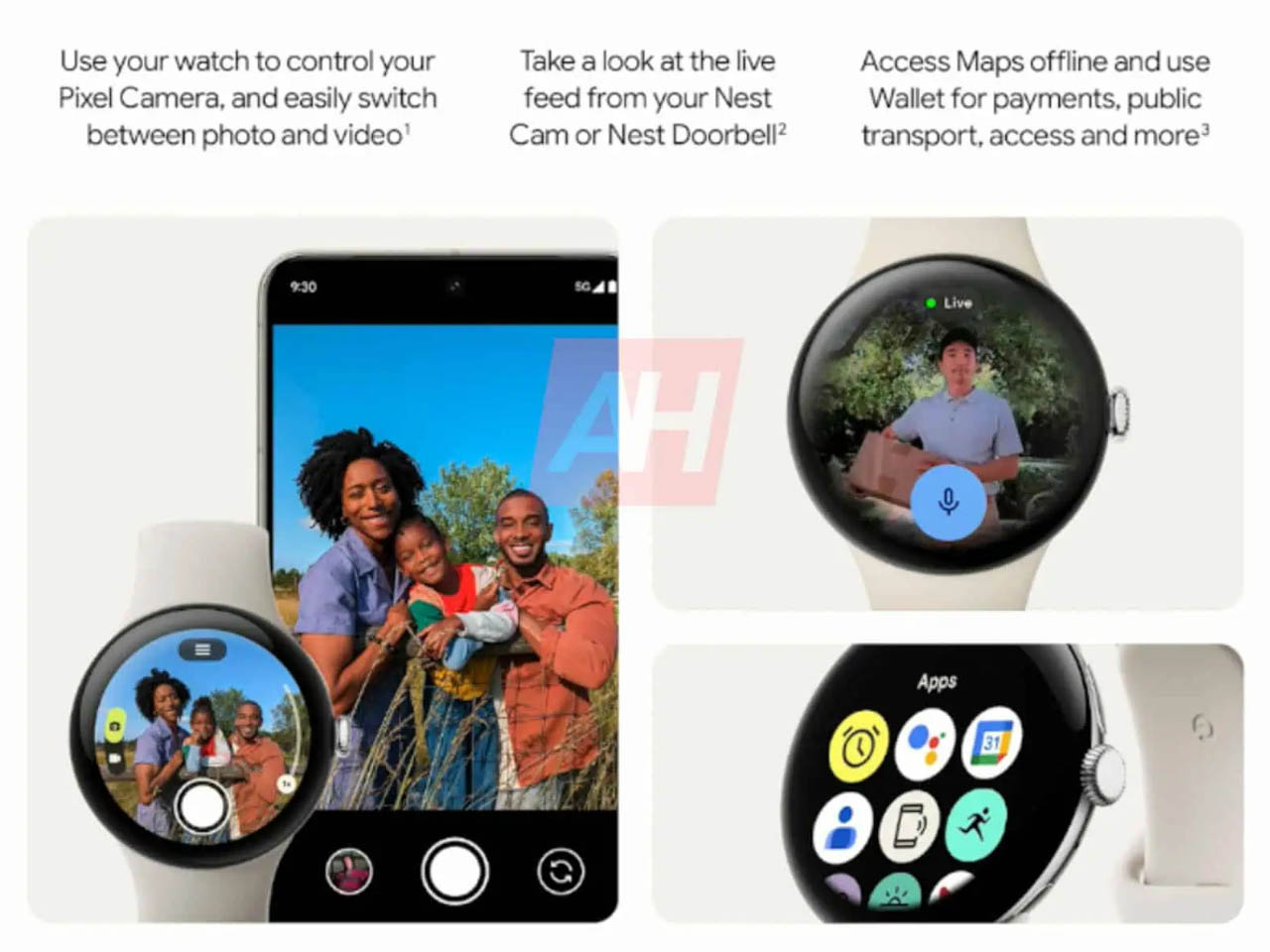
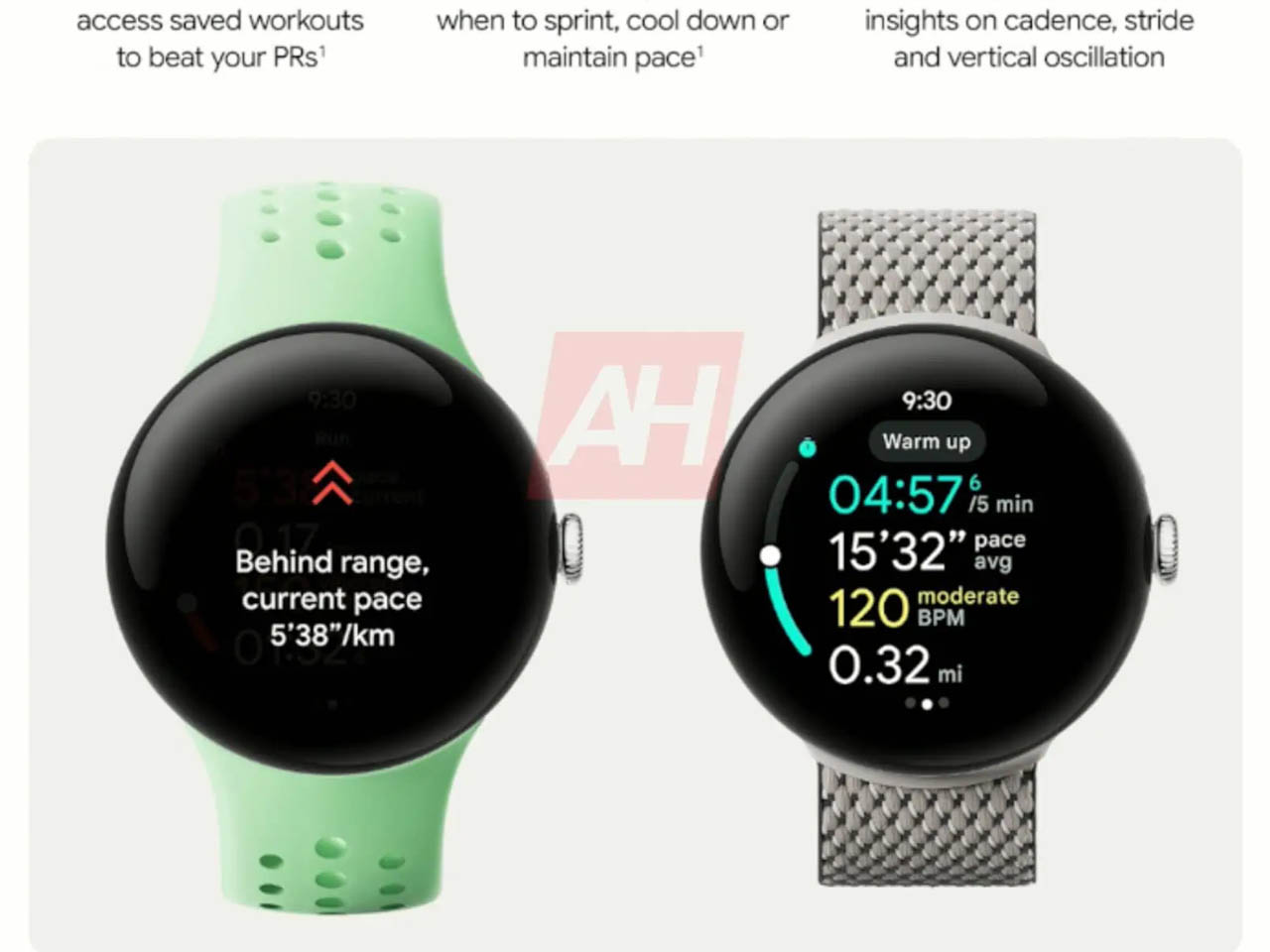
On the software front, the Watch 3 can stream live Google Home videos from your Nest Cam or Nest Doorbell. The user will also get the option to toggle between image and video feed when controlling the phone’s camera from the watch. There’ll also be voice support and quick access to apps including Maps and Wallet. Fitness is going to be another focal point of the interface with workout tracking. It’ll have audio and haptic feedback for initiating a spring, run or cooldown. For better workout planning, the Fitbit morning brief offers a summary of health and fitness metrics.
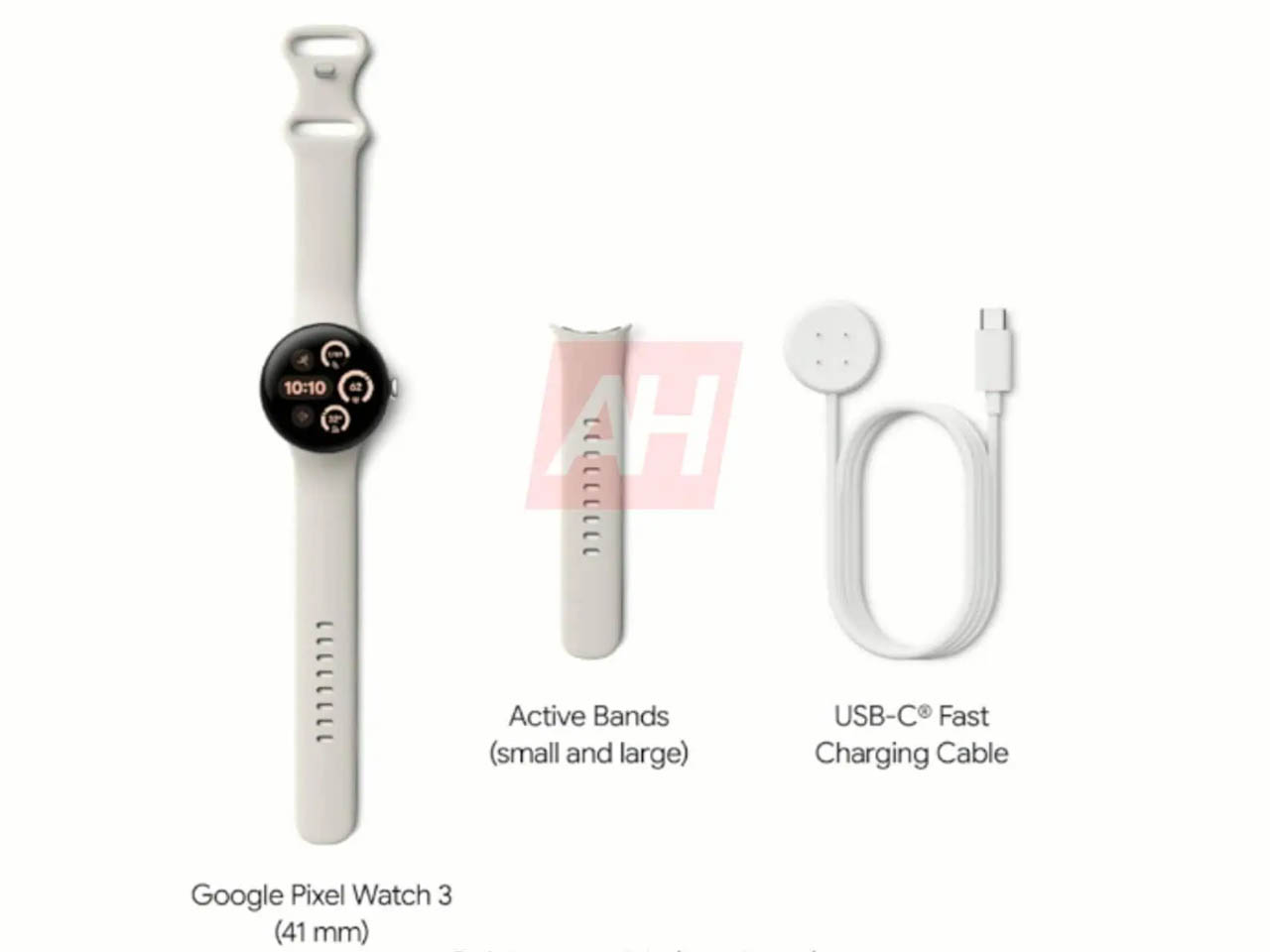
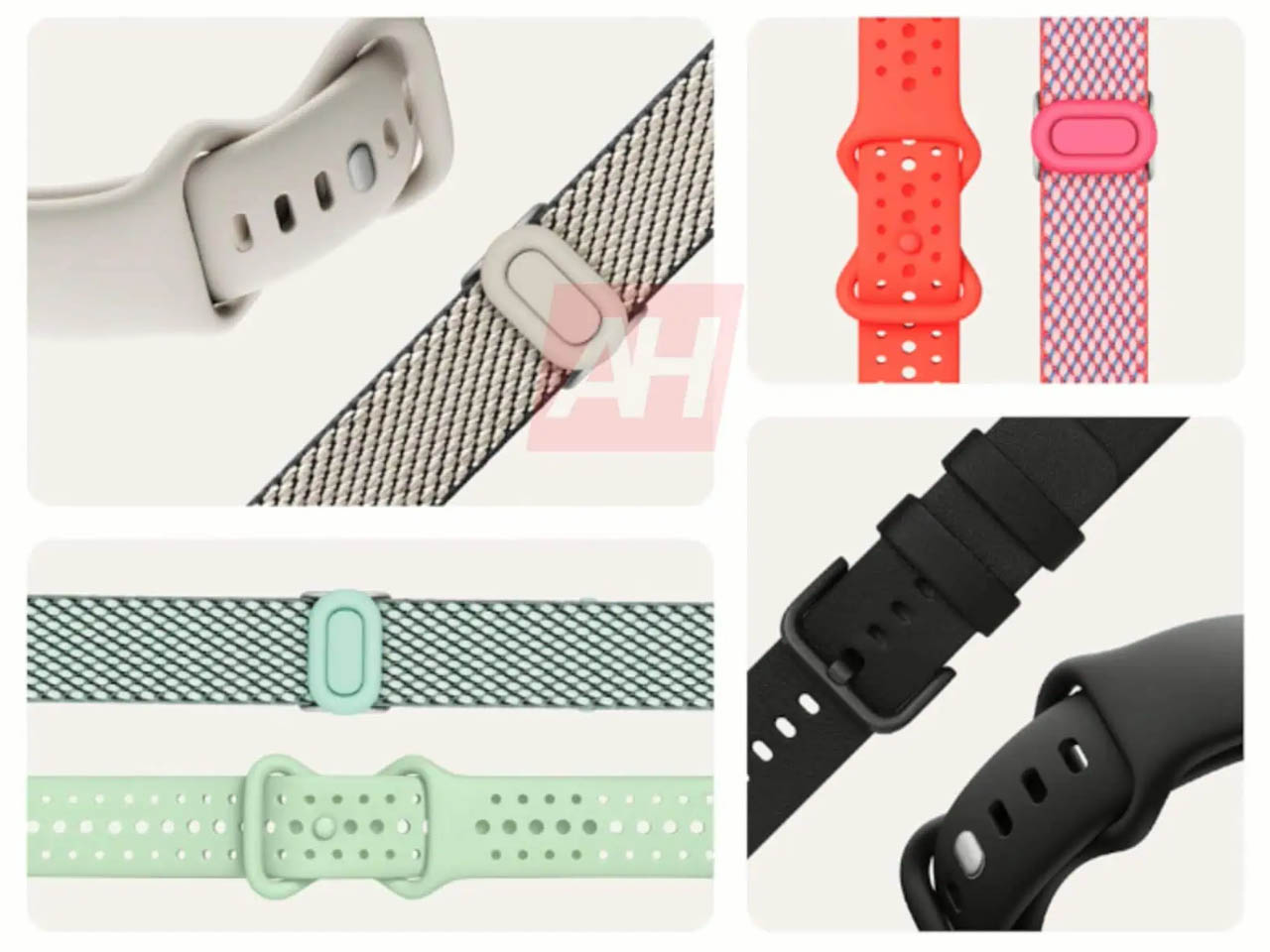
According to Android Headlines, the Pixel Watch 3 will be available in Matte Black Aluminum with an Obsidian band and Polished Silver Aluminum with a Porcelain band. Model-specific colors include the Champagne Gold Aluminum with a Hazel band for 41mm, and Matte Hazel Aluminum with a Hazel band for 45mm. The band options are going to be plentiful with Active Band, Woven Band, Metal Link Band, Crafted Leather Band and Performance Loop Band each having a further set of color options. According to the leak Google will offer exclusive options for the 41mm model that’ll include Strech Band, Metal Mesh Band, Metal Slim Band and Two-Tone Leather Band.
The loved chocolate company, Hershey’s, is a household name, but it contributed roughly 24,000 metric tons of waste in 2023. Through a collaborative and conscious effort, The Hershey Company is assisting Samsung develop custom accessories for its lineup of phones, watches, and earbuds. All of these are made from recycled material comprising Hershey’s plastic packaging waste that would otherwise end in landfills.
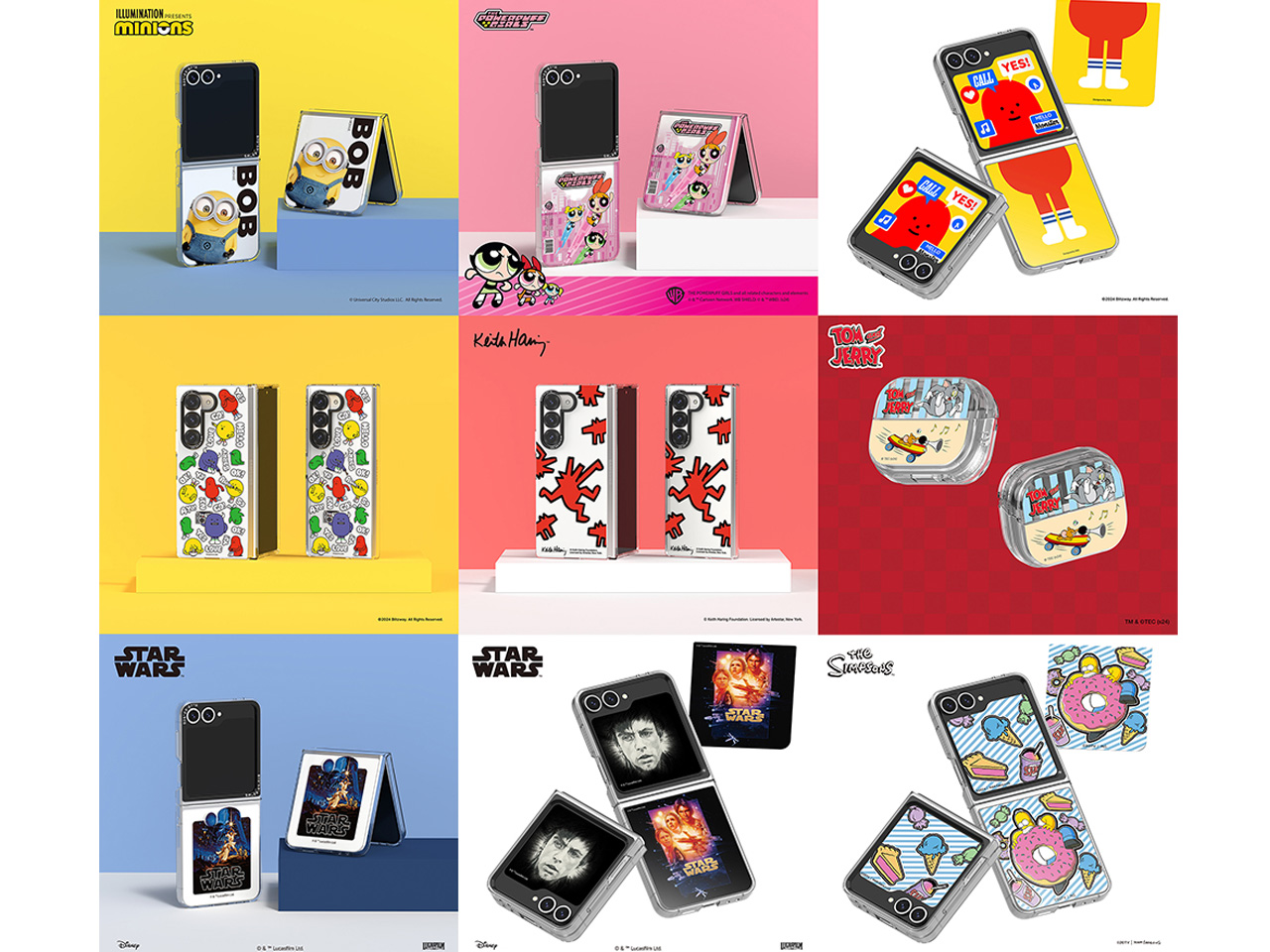
Interestingly, the collaborative accessories are part of the new Samsung Friends lineup. Samsung Friends is a lifestyle accessories wing of the South Korean tech giant, which aligns partnerships with different brands to create collaborative accessories through the uses of eco-friendly materials. It currently has 17 such collaborations – with Minions, Disney, Pokémon and more – to its credit and with accessories made using recycled material from Hershey’s confectionary packaging waste, it is making a new story.
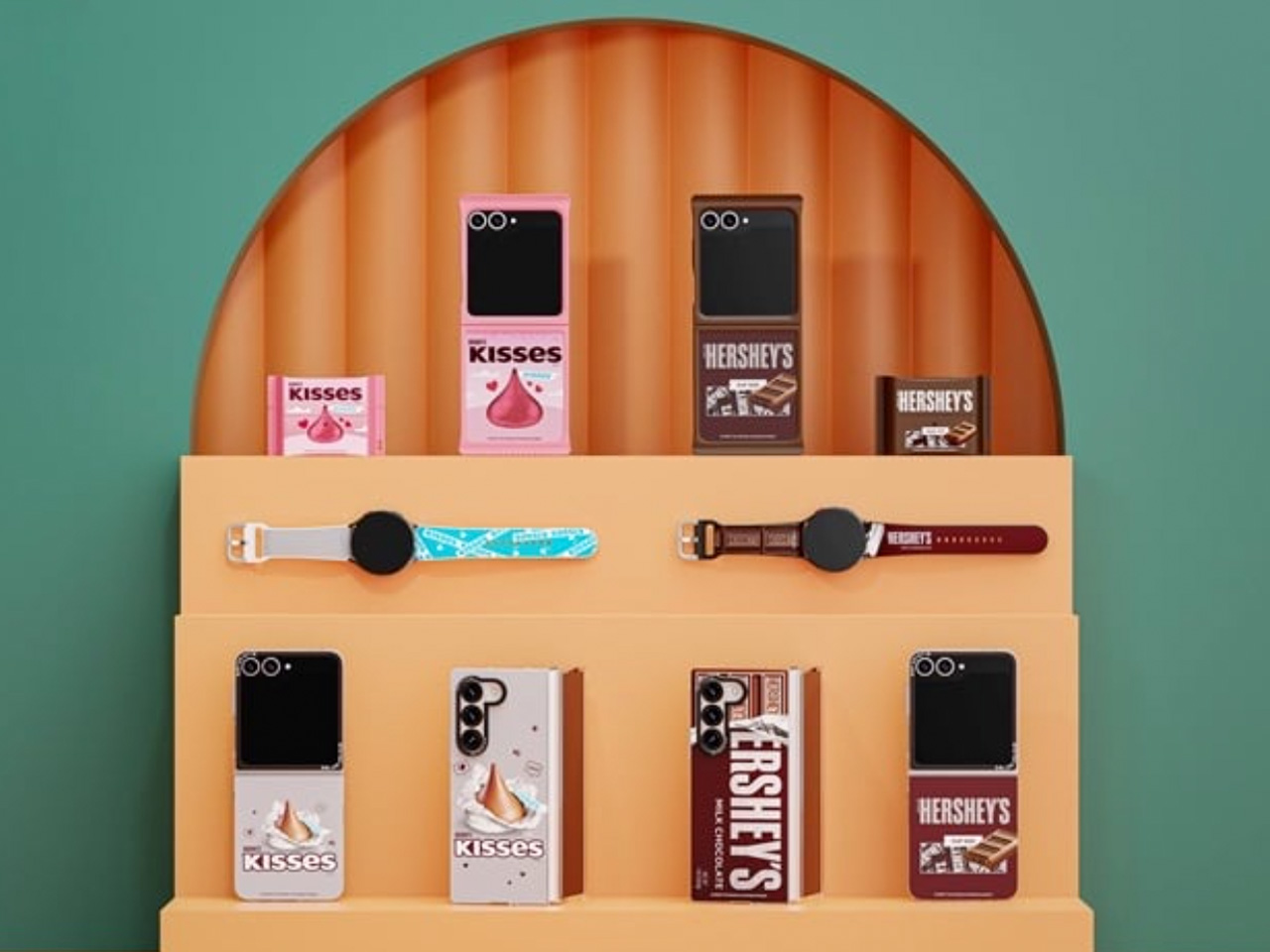
Samsung Friends x Hershey’s collection was officially launched in South Korea on 29 July, 2024. Inspired by the packaging of Hershey’s Kisses, milk chocolate bars, and more; the 12 unique accessories include Galaxy Z Fold6, Galaxy Z Flip6, Galaxy Watch7 and Galaxy Buds3 series cases and bands.
There is no word on the pricing structure of the accessories, but Samsung Friends will allow customers to interact and customize their accessories in Hershey’s pop-up at Samsung’s Gangnam through 11 August, 2024. Customers can live experience the cases and bands made from 100% recycled material and also savor Hershey’s limited-edition chocolate beverages alongside.
Currently, the lineup of these Hershey’s-themed accessories is only available in South Korea, but the US release is likely in the near future. Tech company informs that the Samsung Friends x Hershey’s collection will also be made available in Japan, Indonesia, and the Philippines soon.
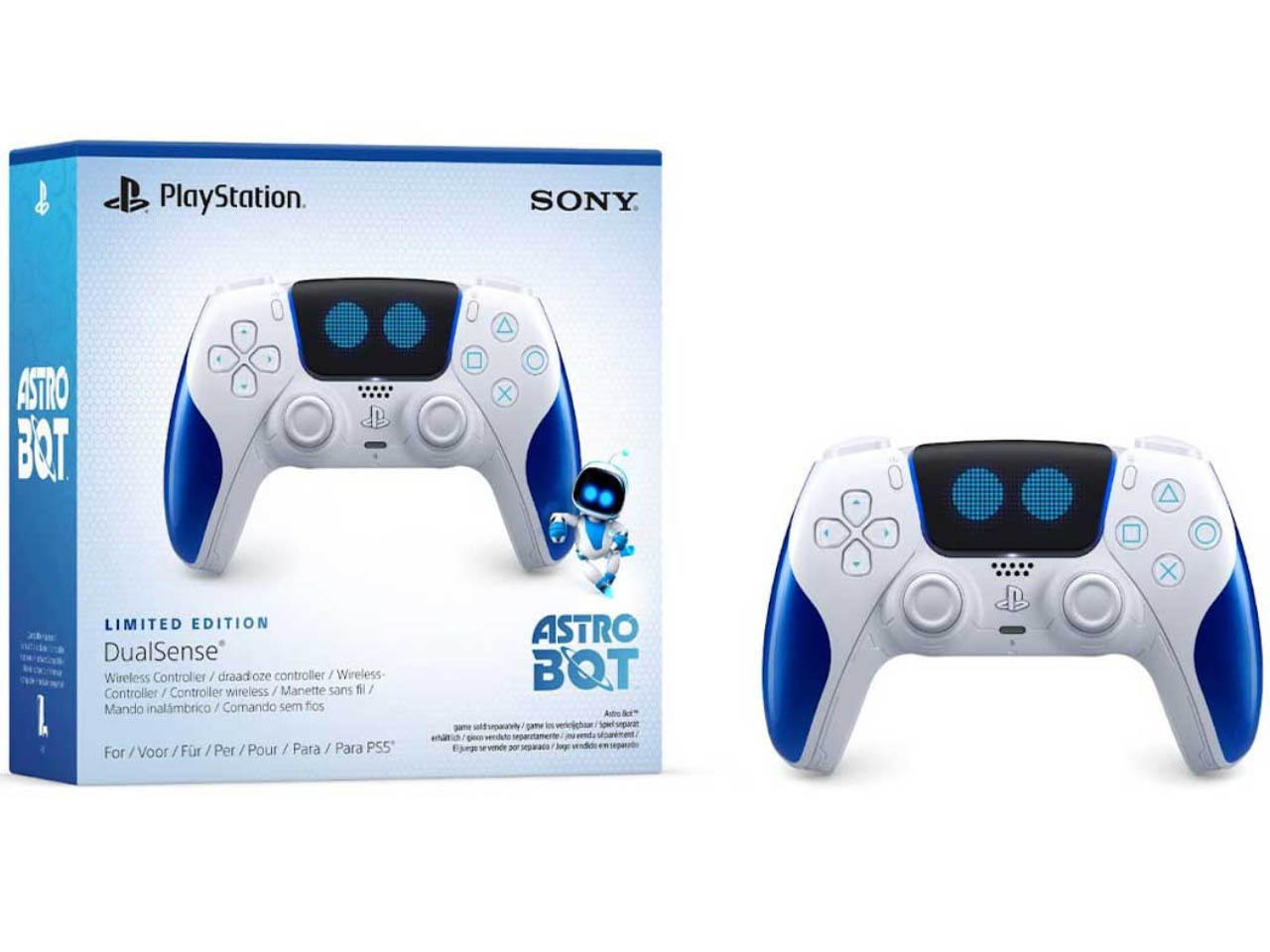
Astro Bot, the Mario-like adventure game for PS5, developed by Sony Interactive Entertainment and team Asobi, is all set to arrive on September 6. On the same day debuts, the limited-edition Astro Bot controller, based on the reliable DualSense controller by Sony. The lively peripheral will cost a bit more than the normal wireless DualSense version, but it does come with some perks that’ll excite gamers.
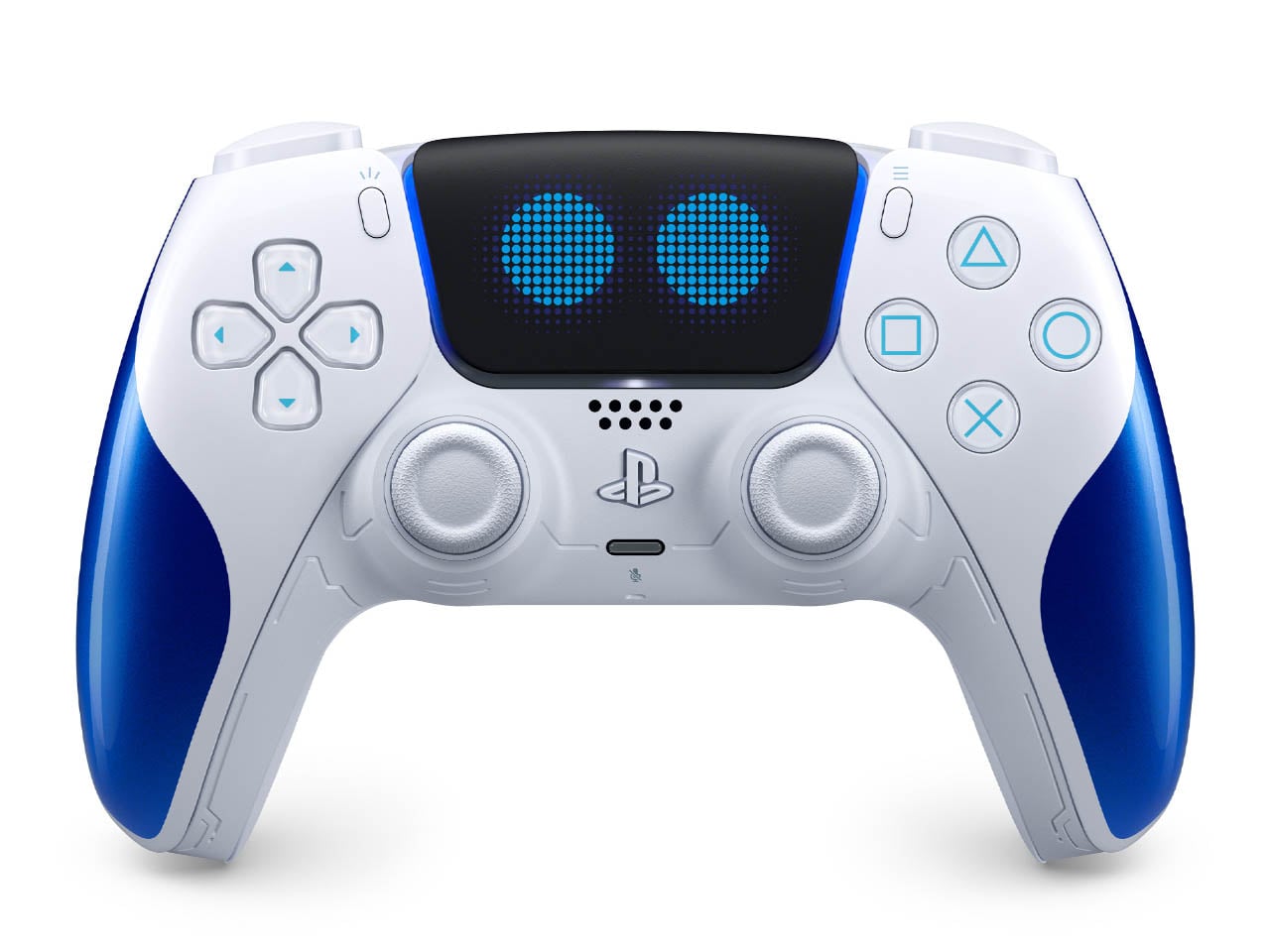
The pint-sized robot featured in the game has become a modern-day PlayStation mascot, and to have a controller that blinks its googly eyes is exciting for fans. This limited edition Astro Bot PS5 DualSense gamepad is priced at $80 and will be available for pre-orders from August 9 at PlayStation Direct in the US and UK at select retailers.
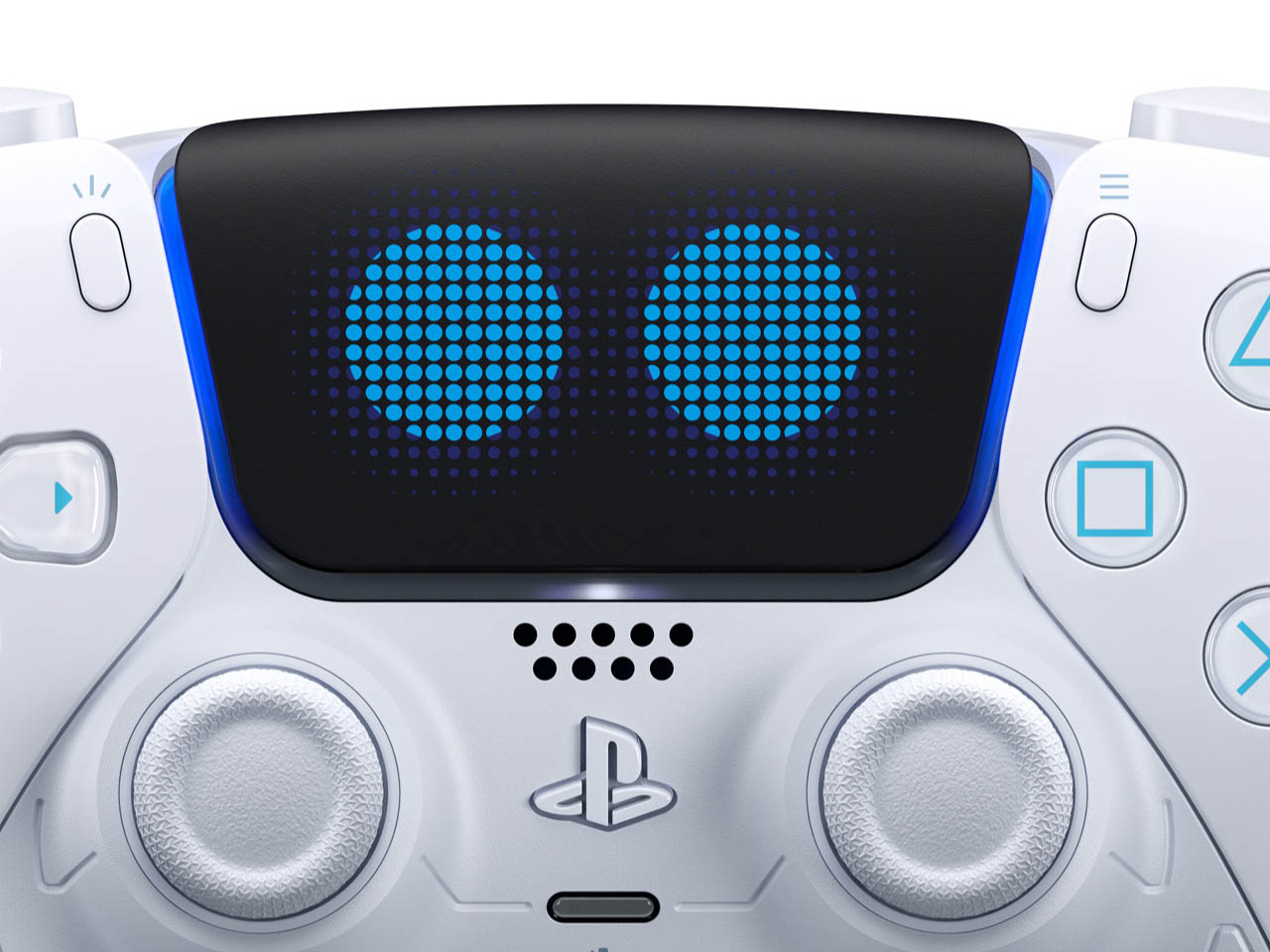
This special gamepad is unsurprising as Sony has previously launched themed controllers including the limited edition PlayStation 5 Spider-Man Miles Morales console. According to the Japanese consumer electronics giant, the themed wireless controller “is a work of art” and we can see why. The touchpad has robotic blue eyes that seem like blinking, while the handles and buttons have signature blue hues.
Another interesting thing is the number of textures (like grass, metal, sand, water, or glass) that the player feels through the haptic feedback. The adaptive trigger response further enhances the overall experience. Things like the feeling of the thruster rattle when the Barkster bulldog jetpack is deployed, the power-ups going through your fingers, or the impacts of the one-on-one battles in the boss fights. This Dual Speeder gadget can be felt as the motion-controlled input for the spaceship too.
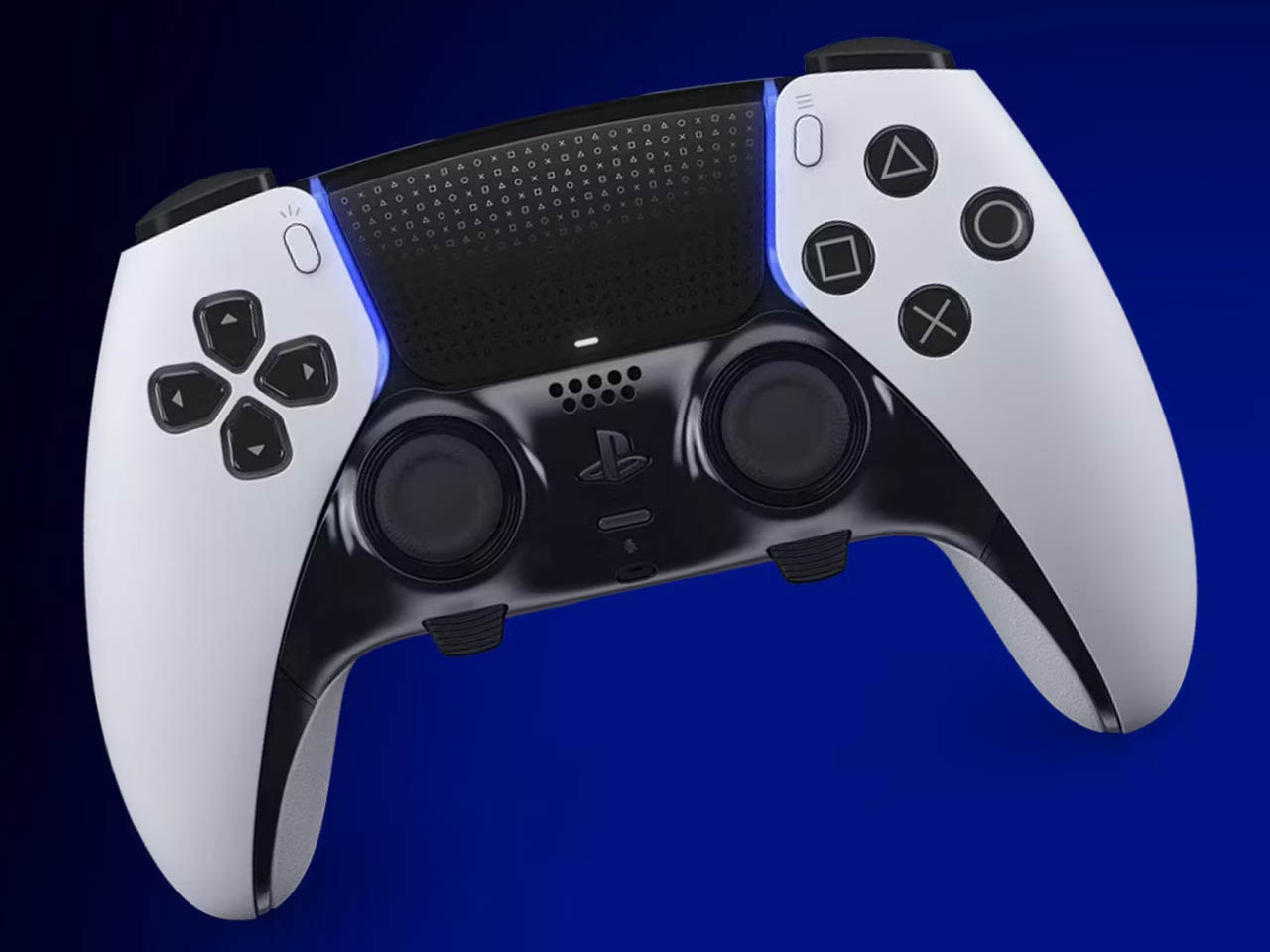
The sensory feeling is matched with the sound effects for a complete experience of the upcoming title. The blue accents on the handles and buttons are carved in a sci-fi theme which makes owning this controller special. If you too love Astro Bot, it’ll be a wise decision to hit the pre-order button when the floodgates open. For those who already own the standard DualSense version, it would make more sense to go for the feature-loaded DualSense Edge controller.
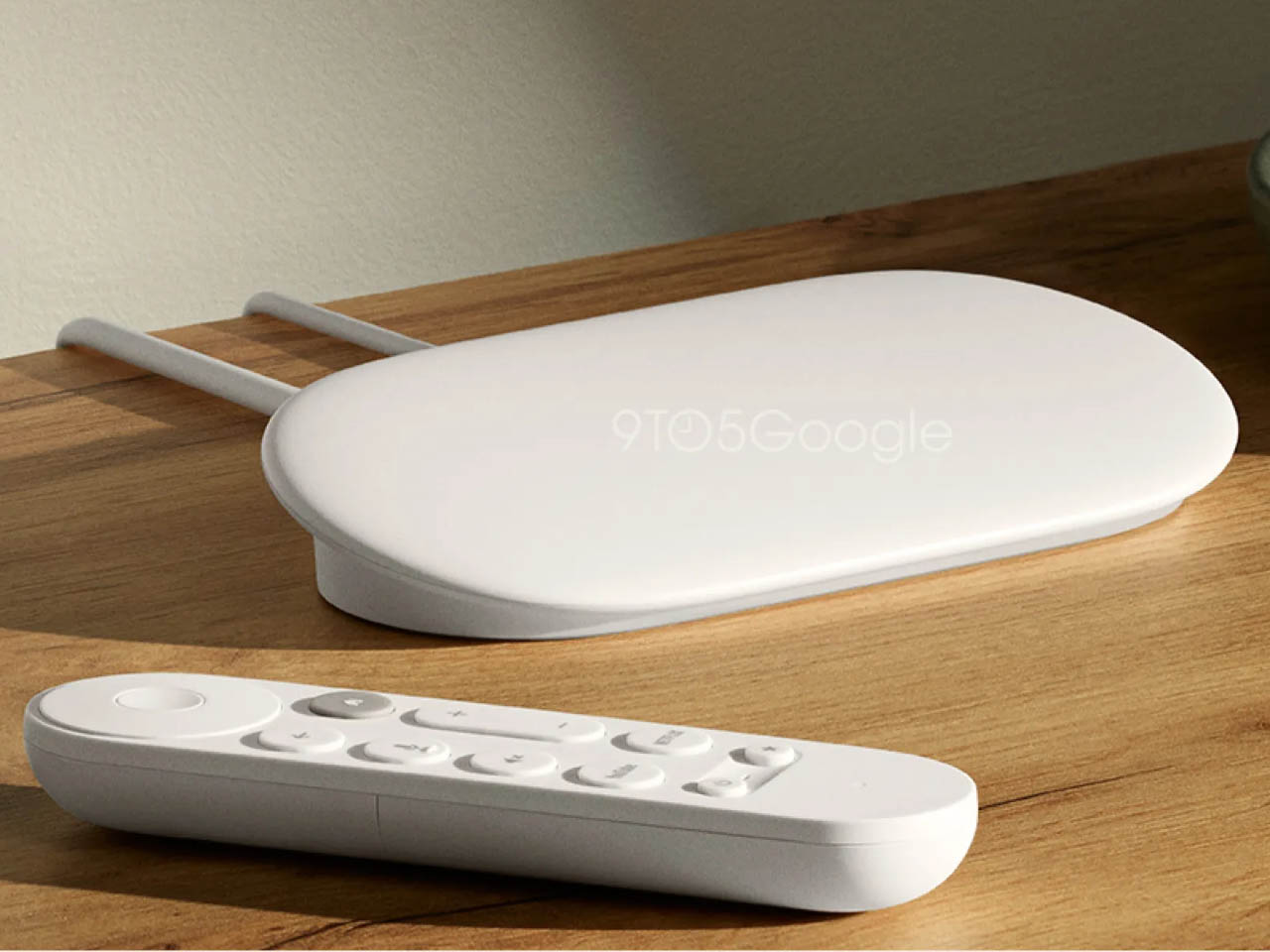
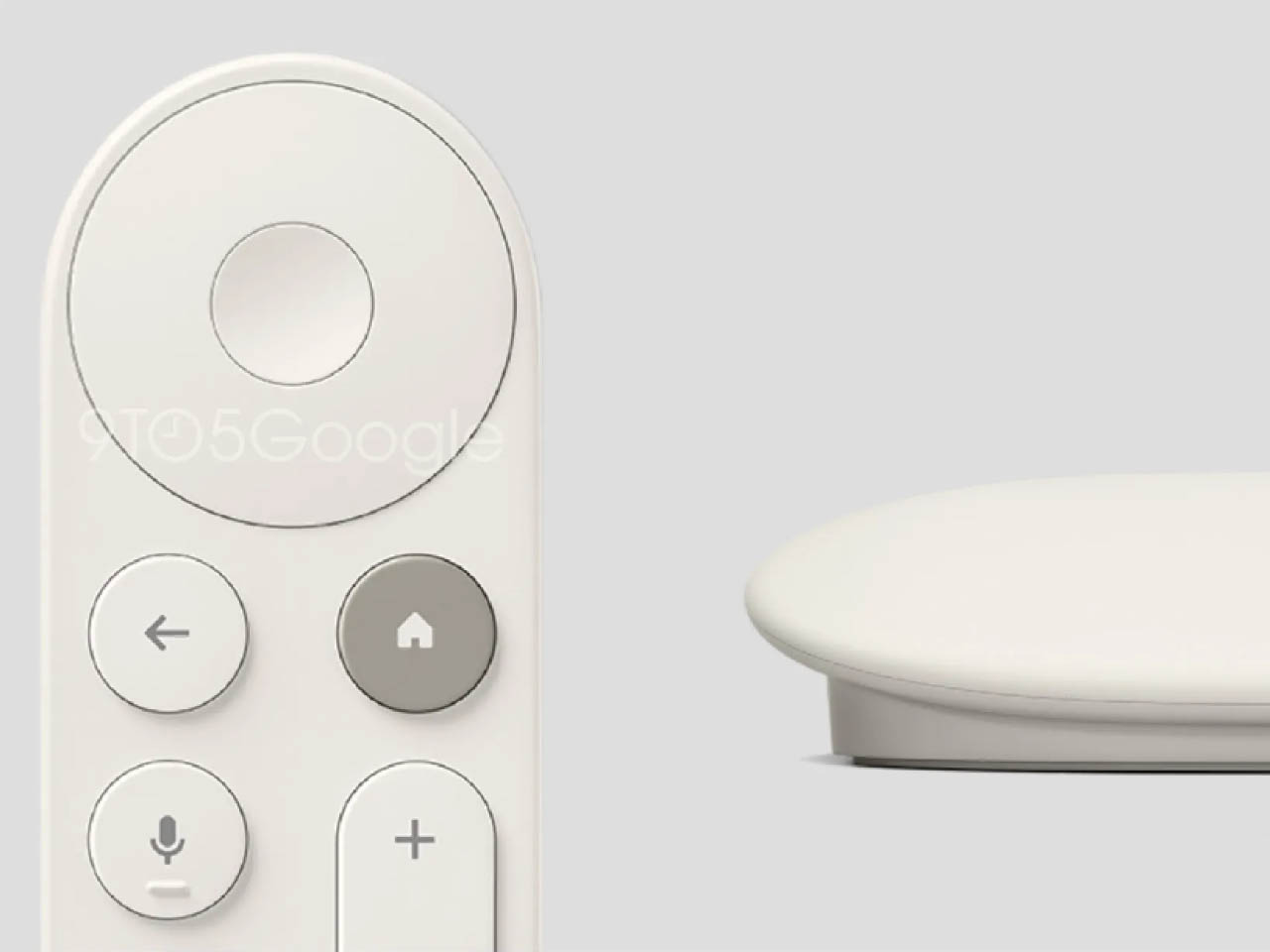
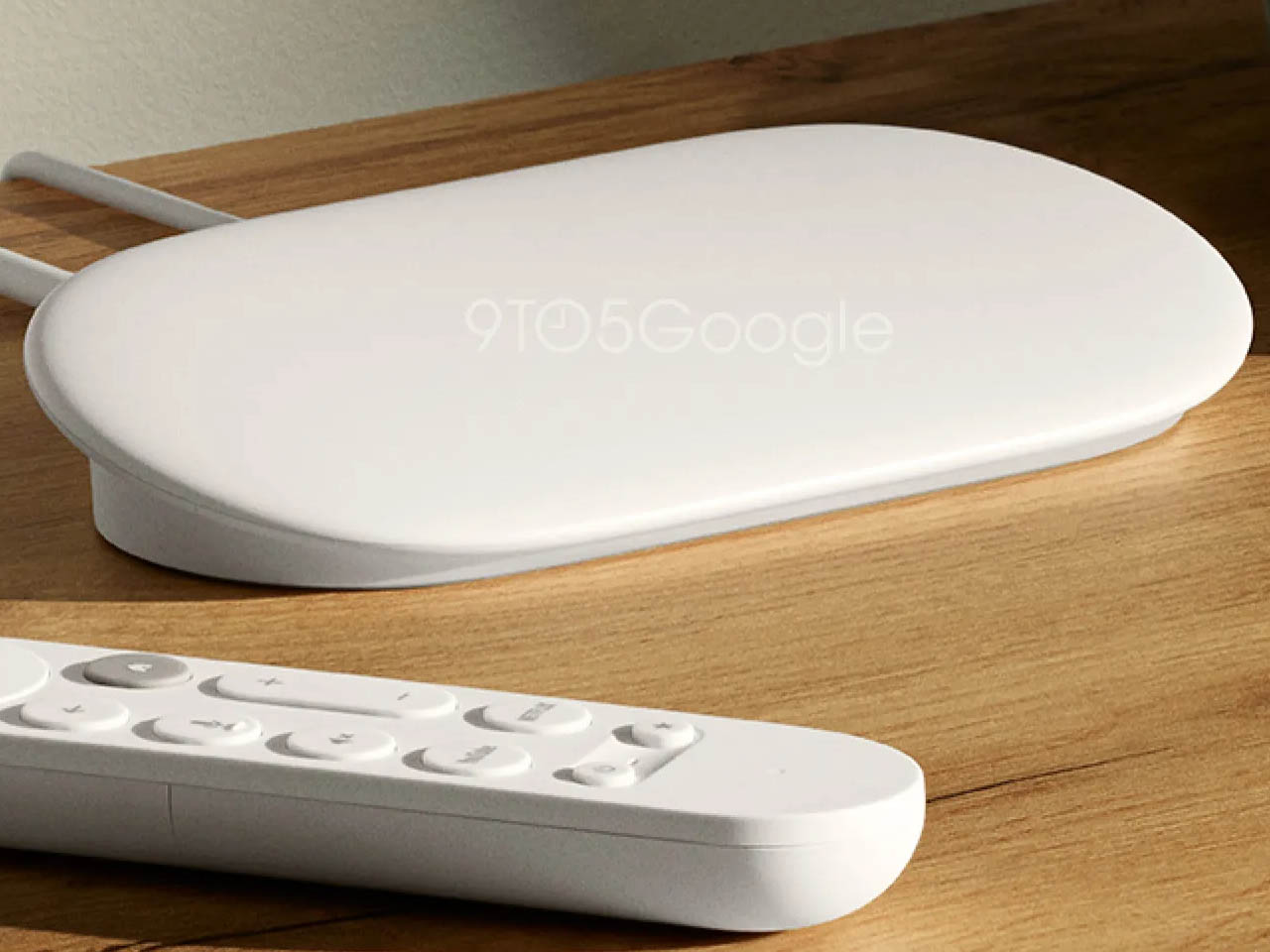
It was a long time due and now news has it, the new Chromecast version is on the horizon. Though it’s not called the Chromecast anymore and neither does it look the same: as it hides behind the TV HDMI dongle. It is more articulately designed (as seen in pictures) and delivered in a more recognizable set-top-like form factor.
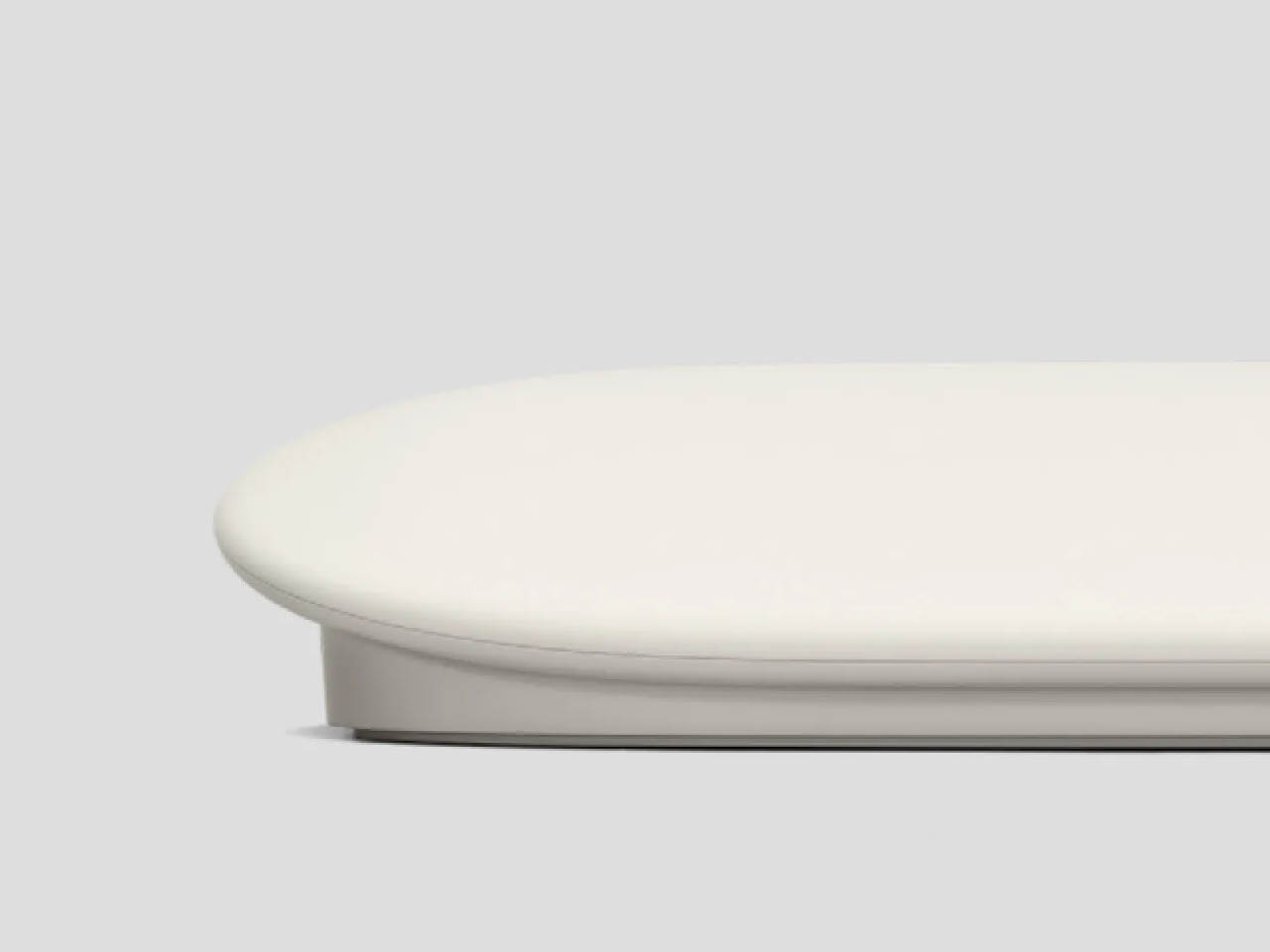
The successor to the Chromecast is likely to be called the “Google TV Streamer.” Pitted as a natural rival to the Apple TV, this new 4K streaming device from Google has a slanted top, resting on a firm block base, and a nice white color theme to it. Of course, it’s starkly different from the compact dongle Chromecast, but it retains the “Google TV” branding, 9to5Google reports.
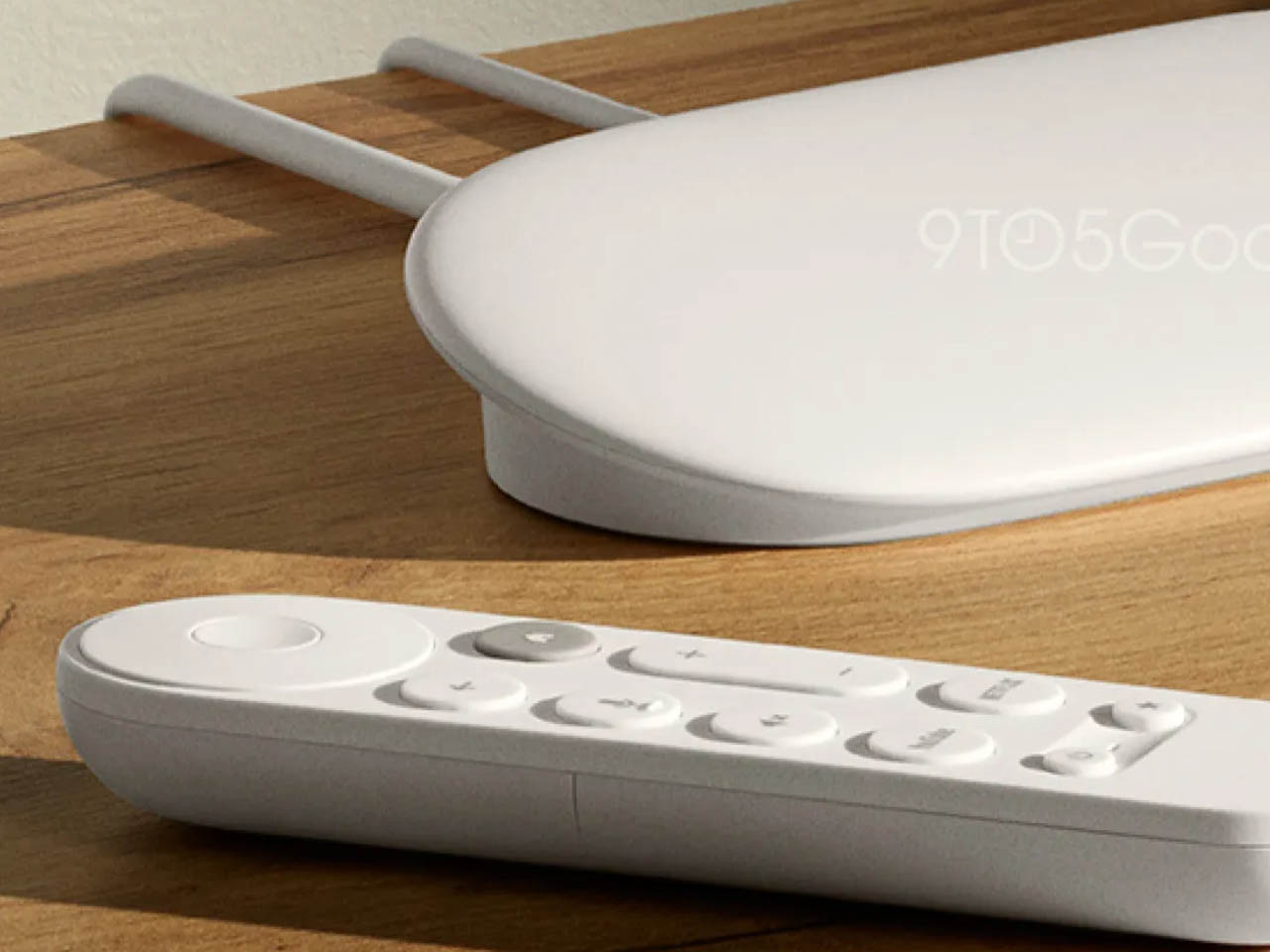
The new design of the Google TV Streamer is accompanied by a remote control, which is slightly longer than the previous remote of the Chromecast, and also has some upgrades in design and feel. The steaming box itself seems to be connected to two cables at the back, as apparent in images, which could be for “power and HDMI.”
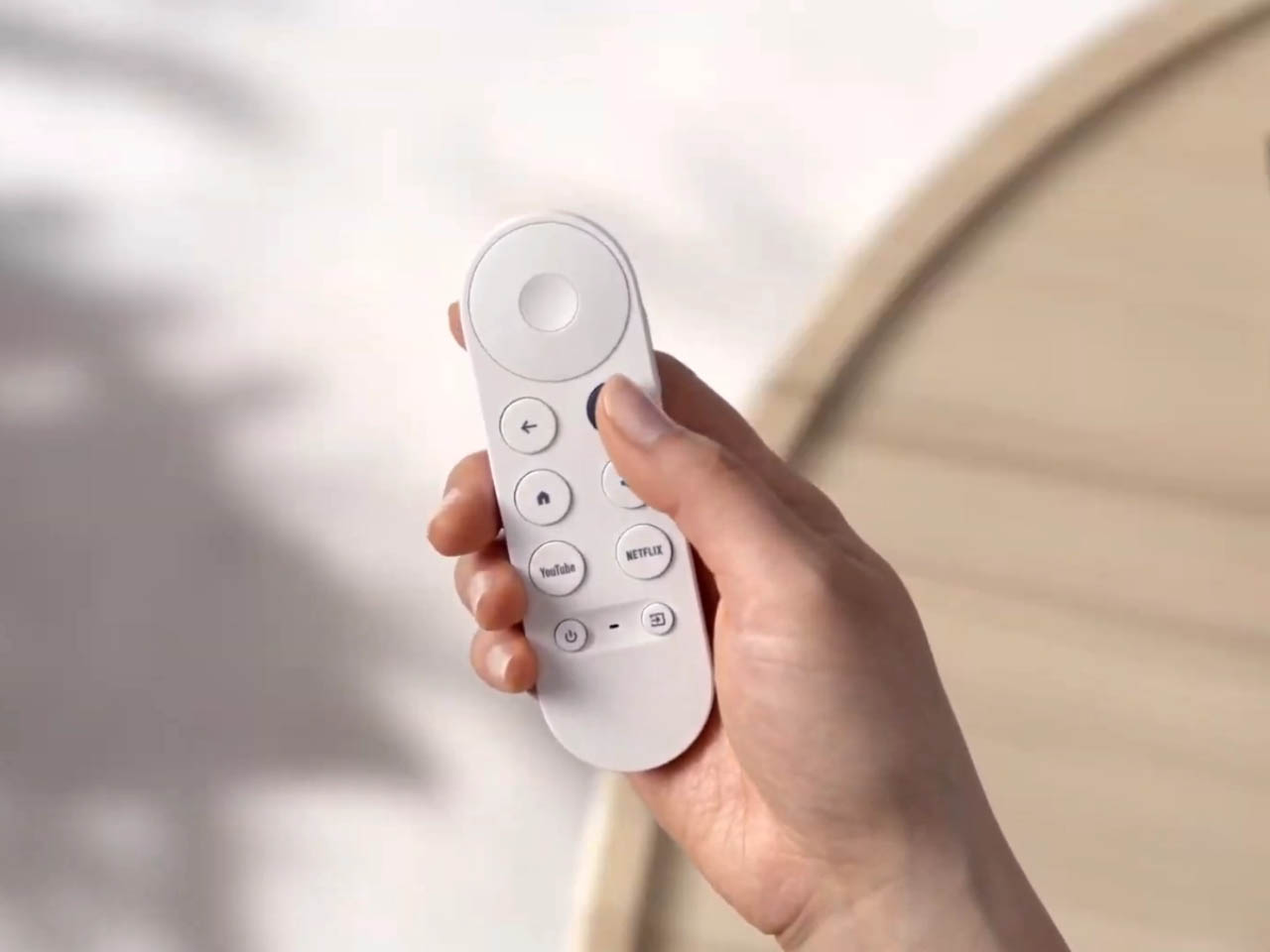
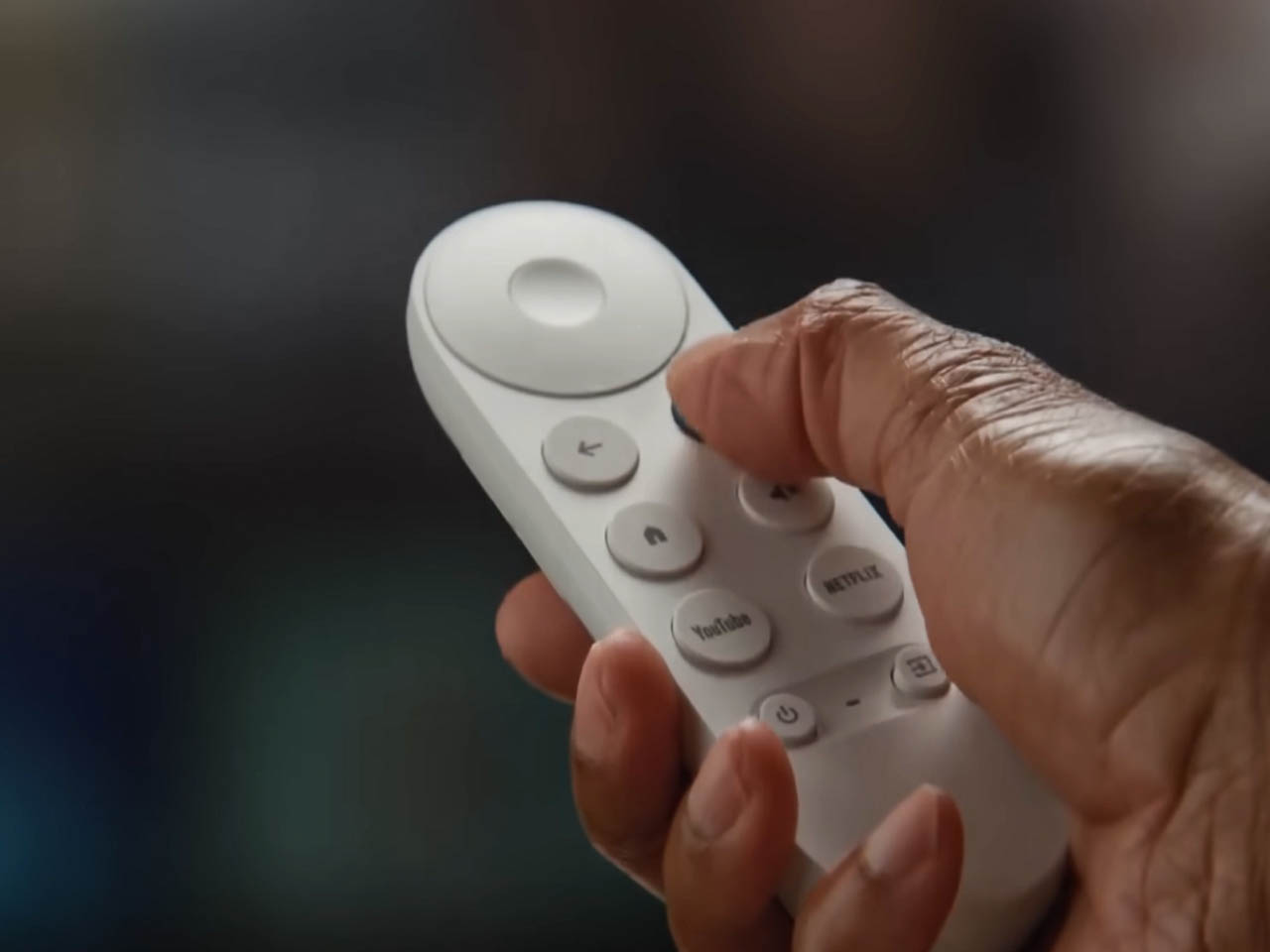
The remote is led by the D-Pad on the top followed by the back and a gray-colored home button. The volume buttons are removed from the side to appear on the front below the home button, while the voice input on its left is a simple microphone. The Google Assistant branding is gone. What is this indicative of, it’s only for the time to tell, but without the Google labeling the remote looks pretty straightforward.
That said, it does have shortcut buttons for YouTube and Netflix, while at the bottom of the remote face is the power button and the customizable star shortcut. We, as mentioned above, do not have a definite release date or the supposed pricing of the new Chromecast variant yet. The Google TV Streamer could, however, make its debut alongside the new range of Google Pixel phones, smartwatches, and other goodies at “Made by Google,” the tech giant’s next hardware event scheduled on August 13.
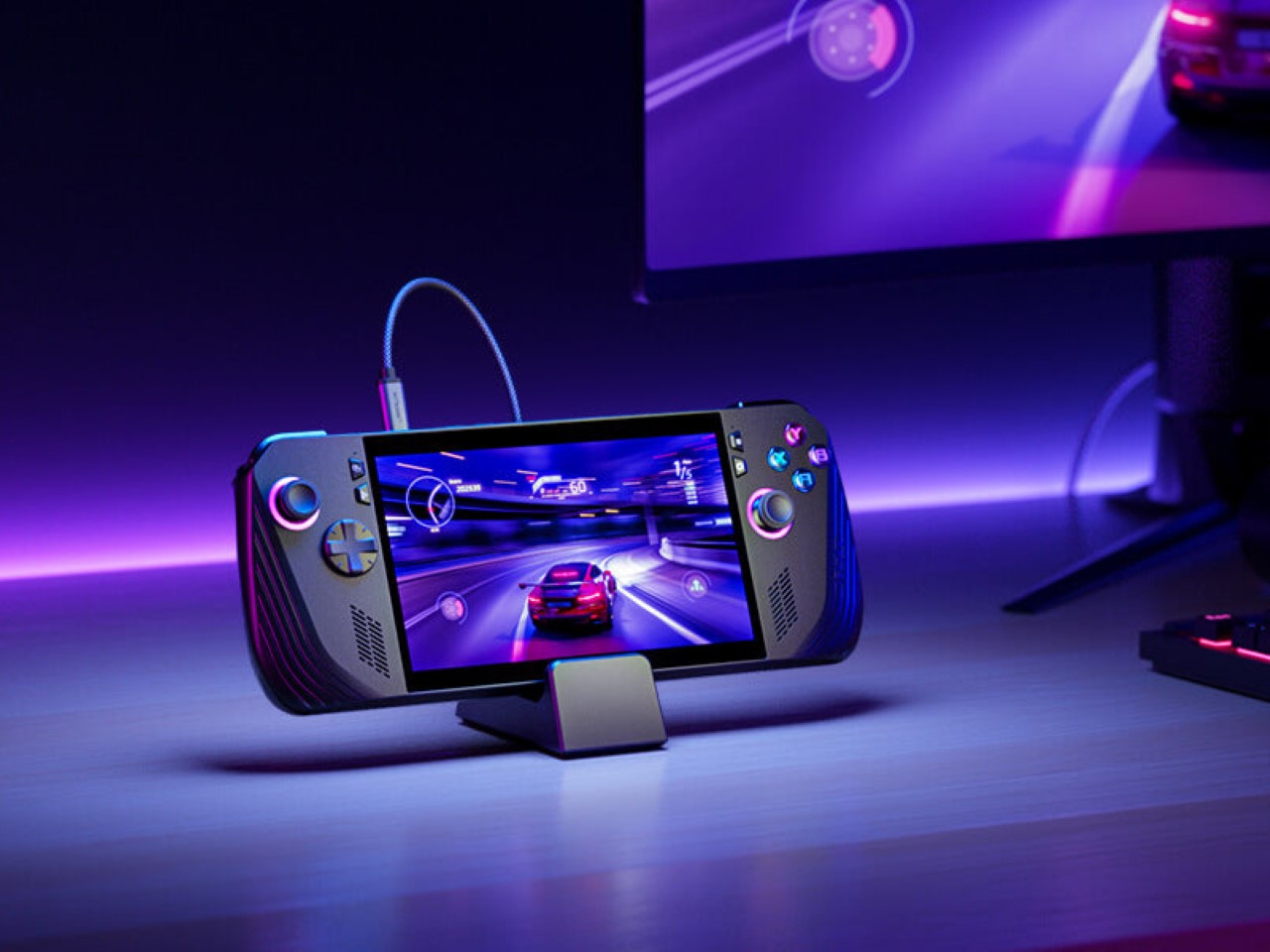
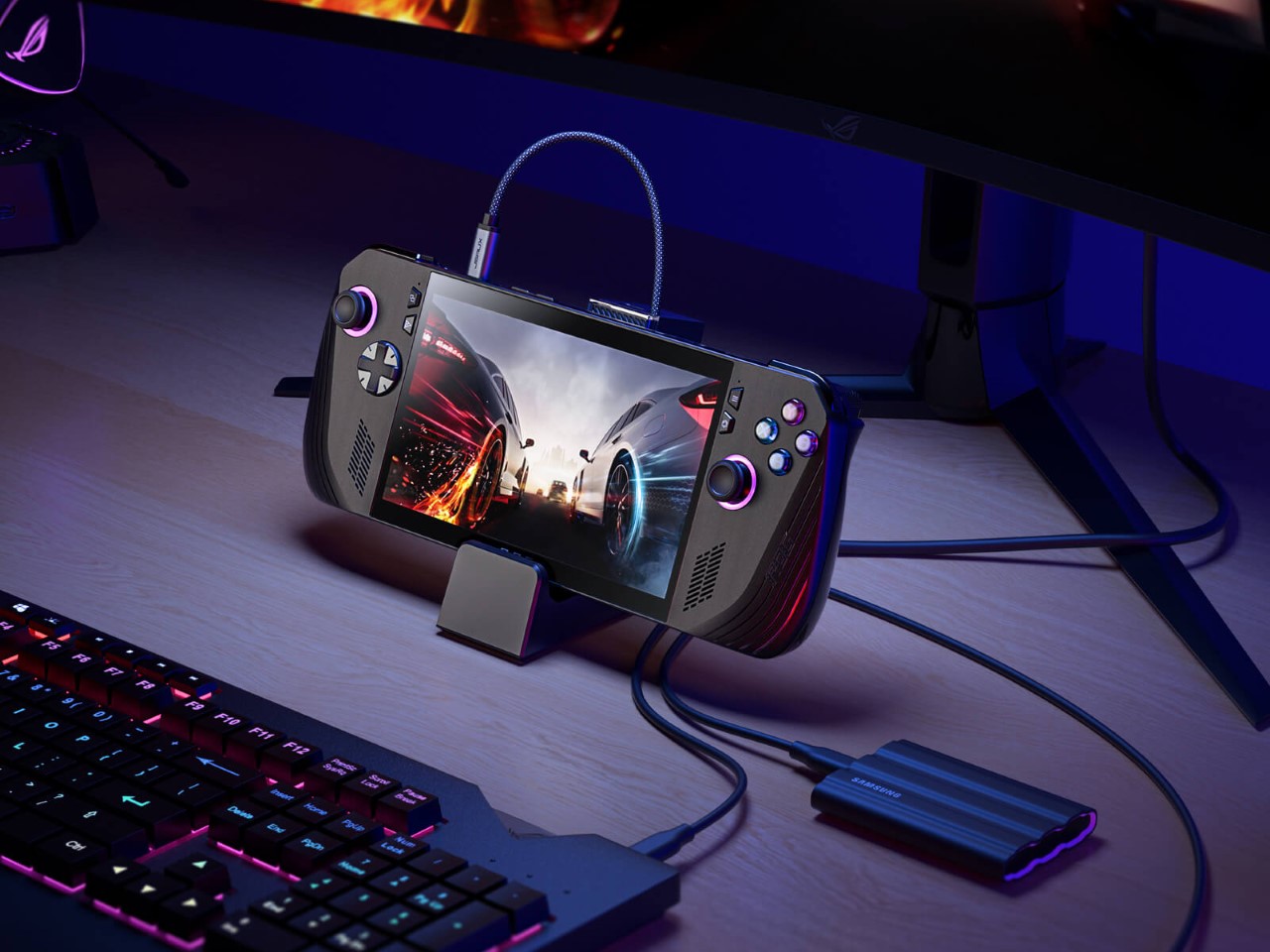
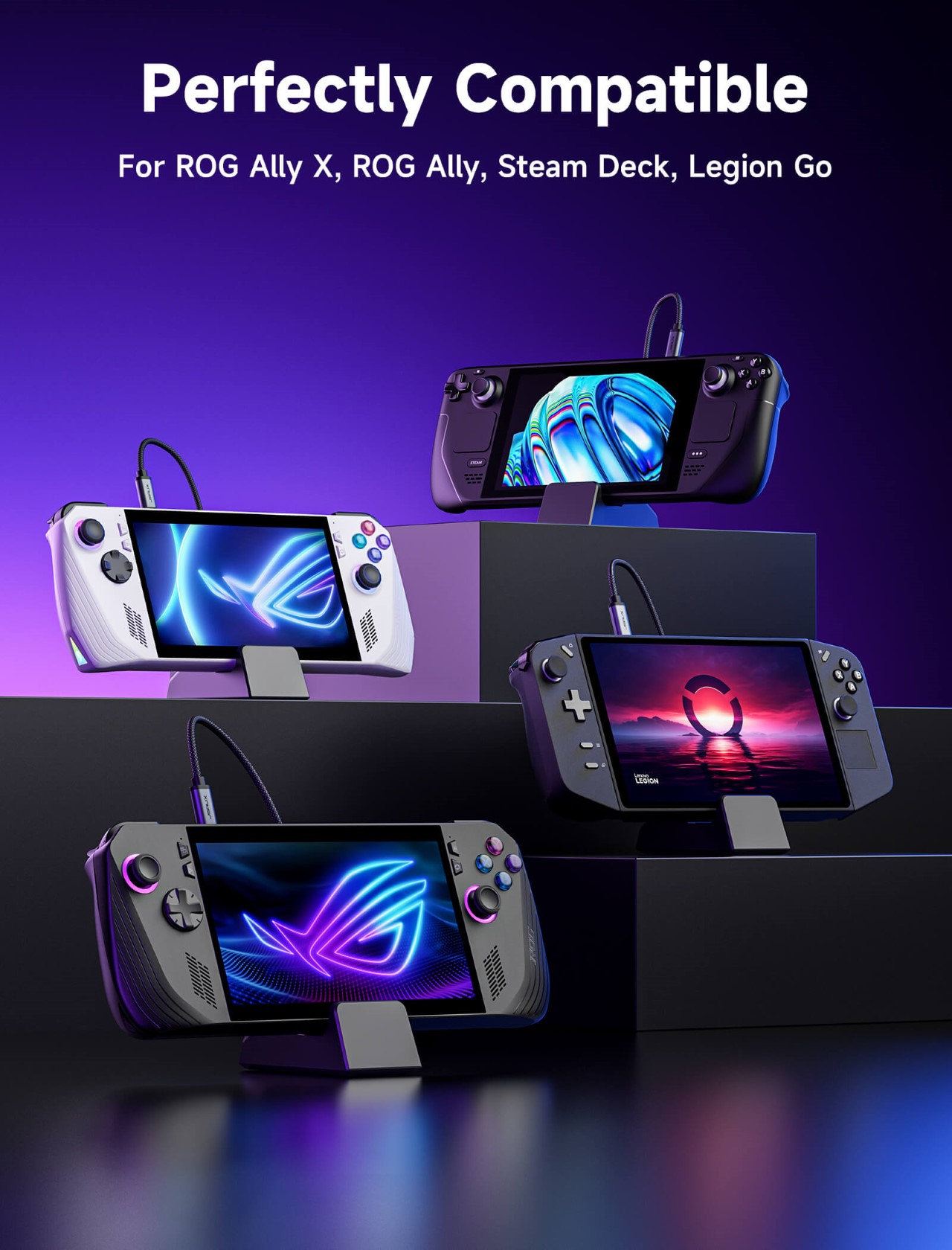
While most USB-C hubs go as far as providing a place to wirelessly charge your phone or TWS earbuds, the new Docking Station from JSAUX is more gamer-focused. Designed specifically for handheld gaming consoles like the Steam Deck, ROG Ally, and Lenovo Legion Go, this docking station gives you the advantage of connectivity as well as a nifty place to rest your gaming gadget while it charges.
Designer: JSAUX
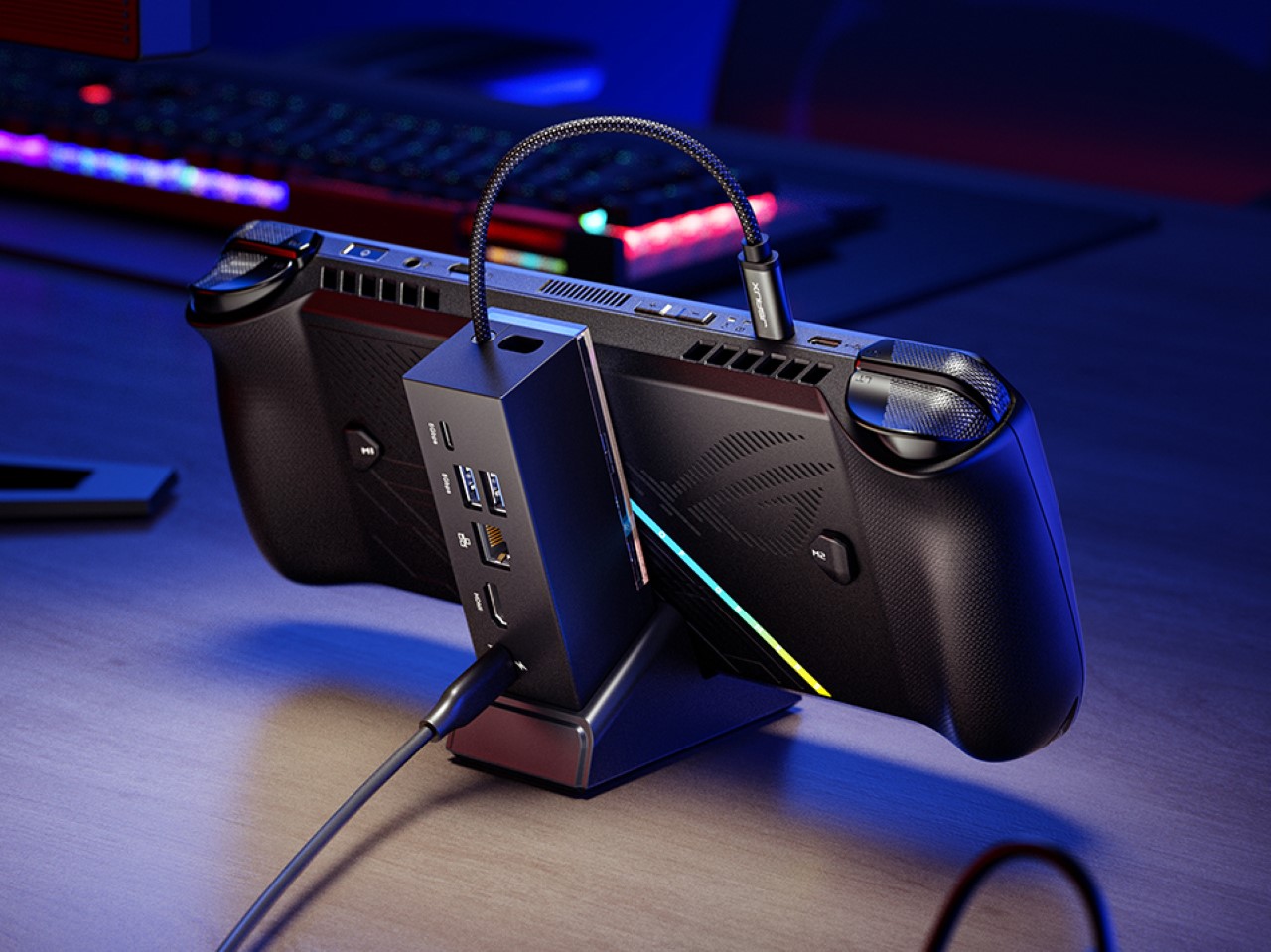
Unlike previous JSAUX Docking Stations, the new 6-in-1 variant features a detachable console stand. This allows users to switch between two configurations: a docked mode for connecting the handheld to a monitor and wired peripherals, and a standalone mode for using the stand on its own. This flexibility caters to gamers who want a dedicated desk setup but also appreciate portability for on-the-go sessions.
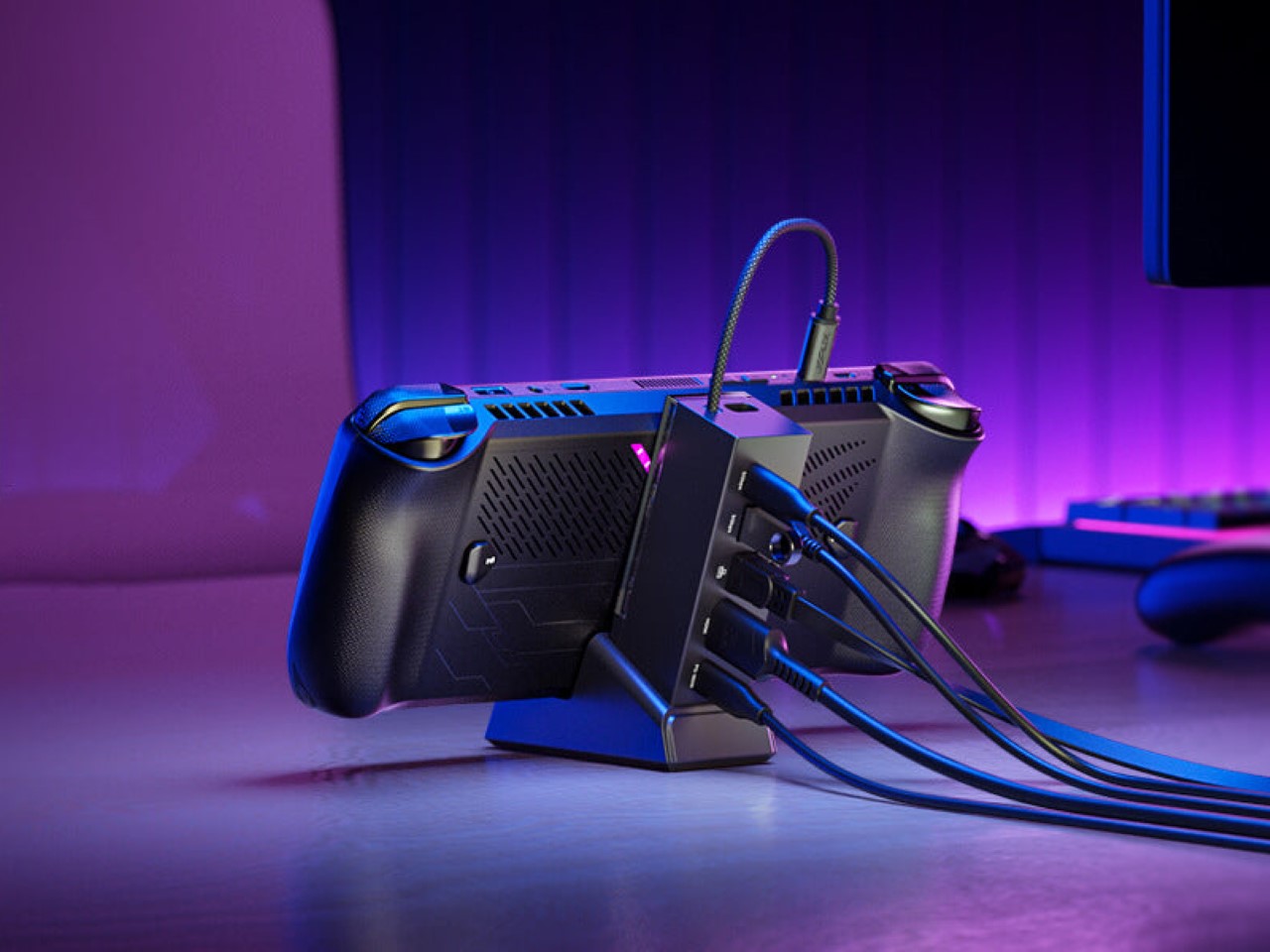
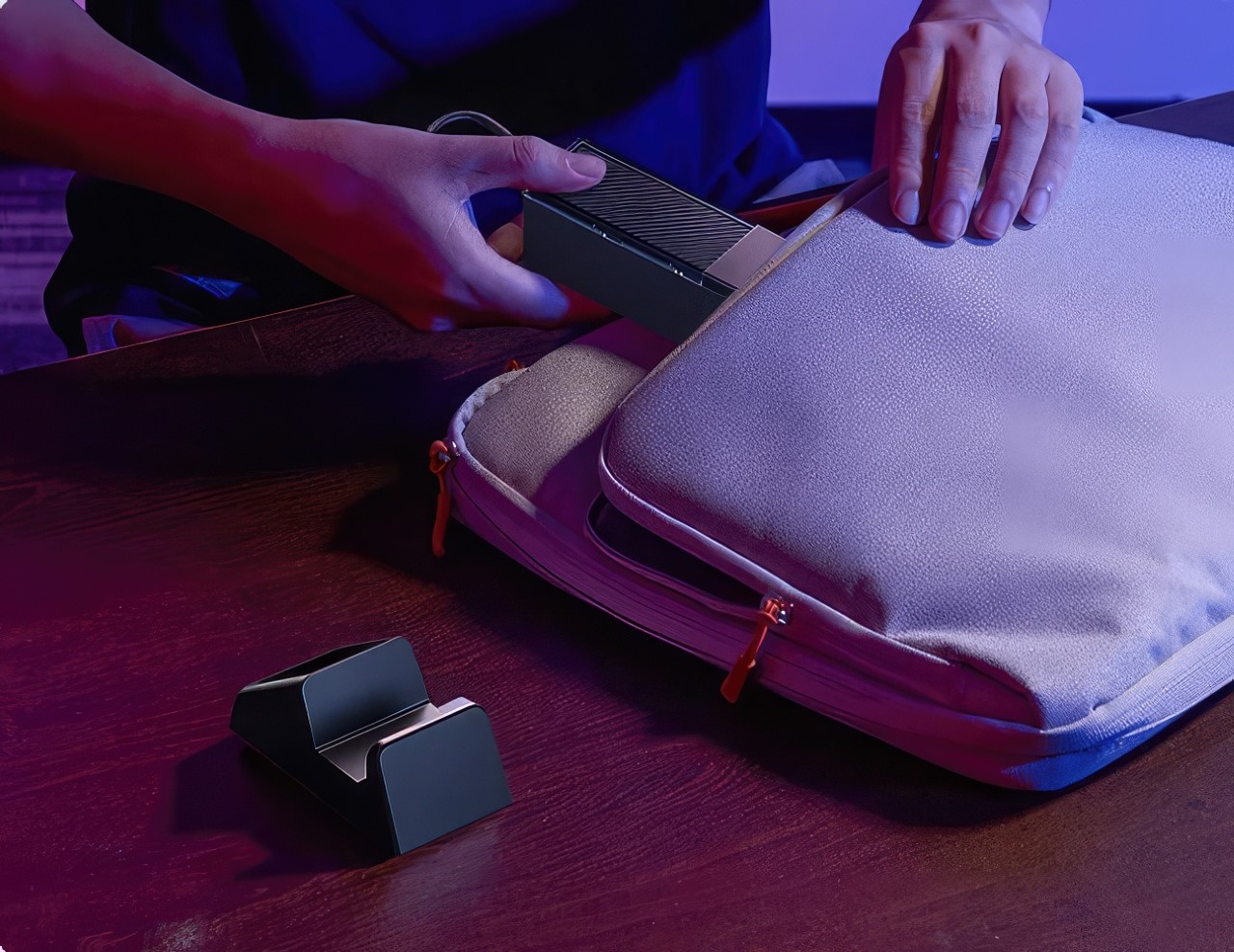
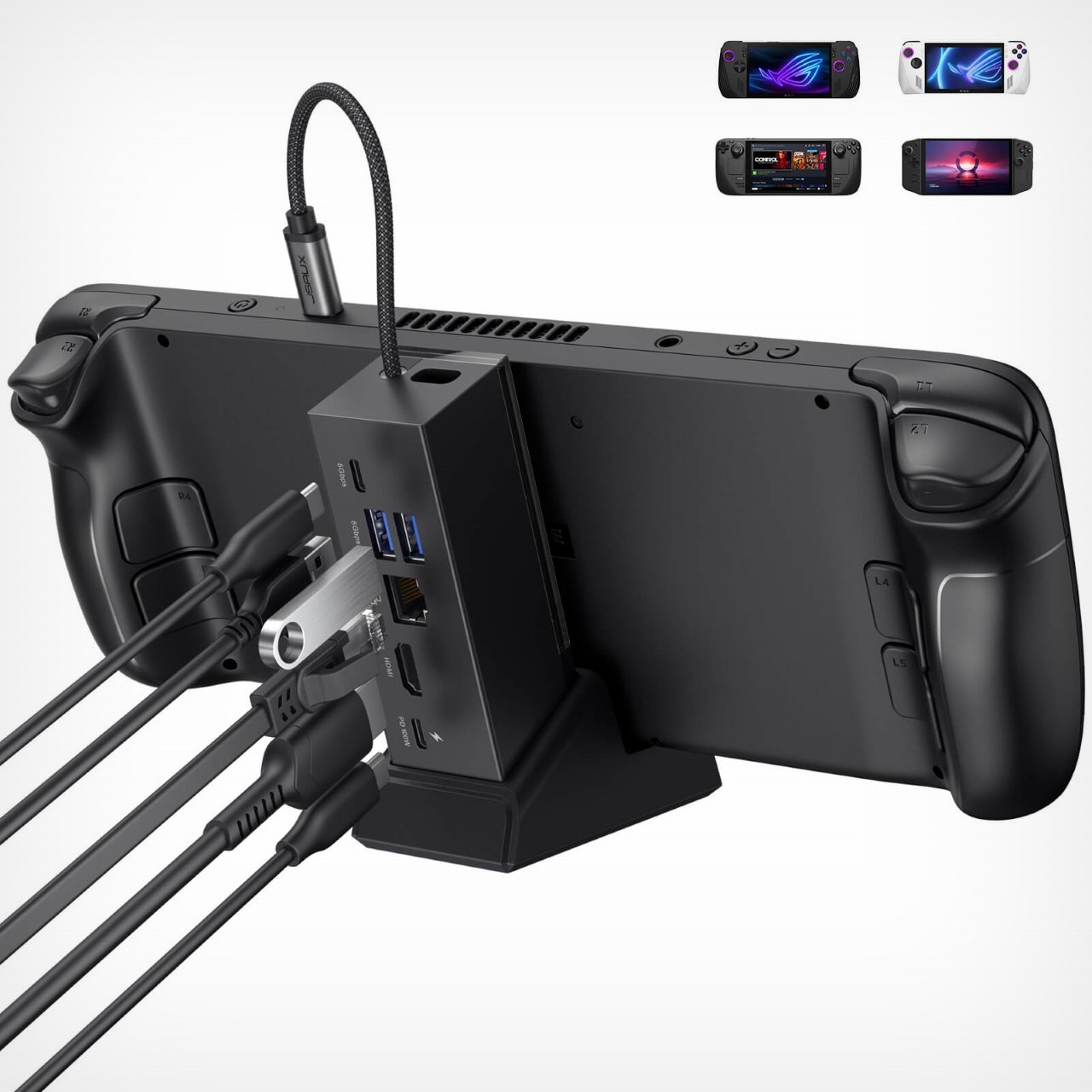
USB hubs are a dime a dozen, but this one’s design is one of its highlights. It comes with a two-part form factor – the hub itself, with all the ports, and a base that holds the console. The hub plugs into the base, effectively becoming a backrest for your console (which is great because the console invariably ends up hiding your cables and clutter), but when you need to travel, detach them and slip them into your backpack and they aren’t as space-consuming as when assembled together.
A USB-C port with 100W Power Delivery ensures your handheld console is always charged and ready for action. For those who rely on a wired internet connection for online gaming, a Gigabit Ethernet port provides a stable and high-speed link. Additionally, two USB-A 3.2 Gen 1 ports offer ample connectivity for peripherals like keyboards, mice, or external storage drives.
But perhaps the most impressive feature is the HDMI port. Capable of outputting stunning 4K visuals at a smooth 120Hz refresh rate, this port elevates the handheld gaming experience to a whole new level. Connect your console to a compatible monitor or TV, and enjoy your games in breathtaking detail.
As of now, the 6-in-1 Multifunctional Docking Station is available for purchase directly from the JSAUX website. While specific pricing details are currently unavailable, considering the previous model’s competitive price point of $31.99 on Amazon, it’s reasonable to anticipate a similarly attractive price tag for this new and improved version.
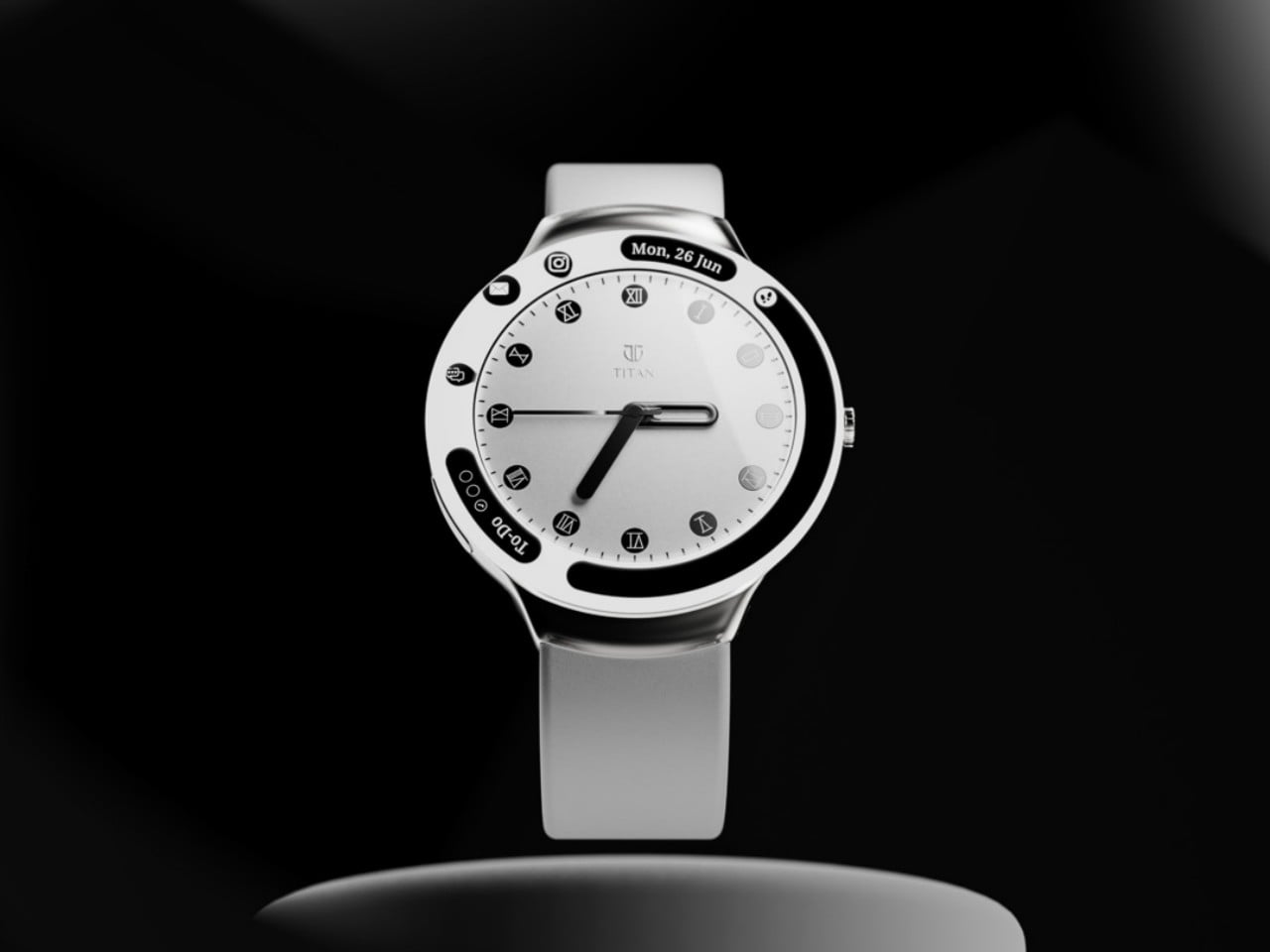
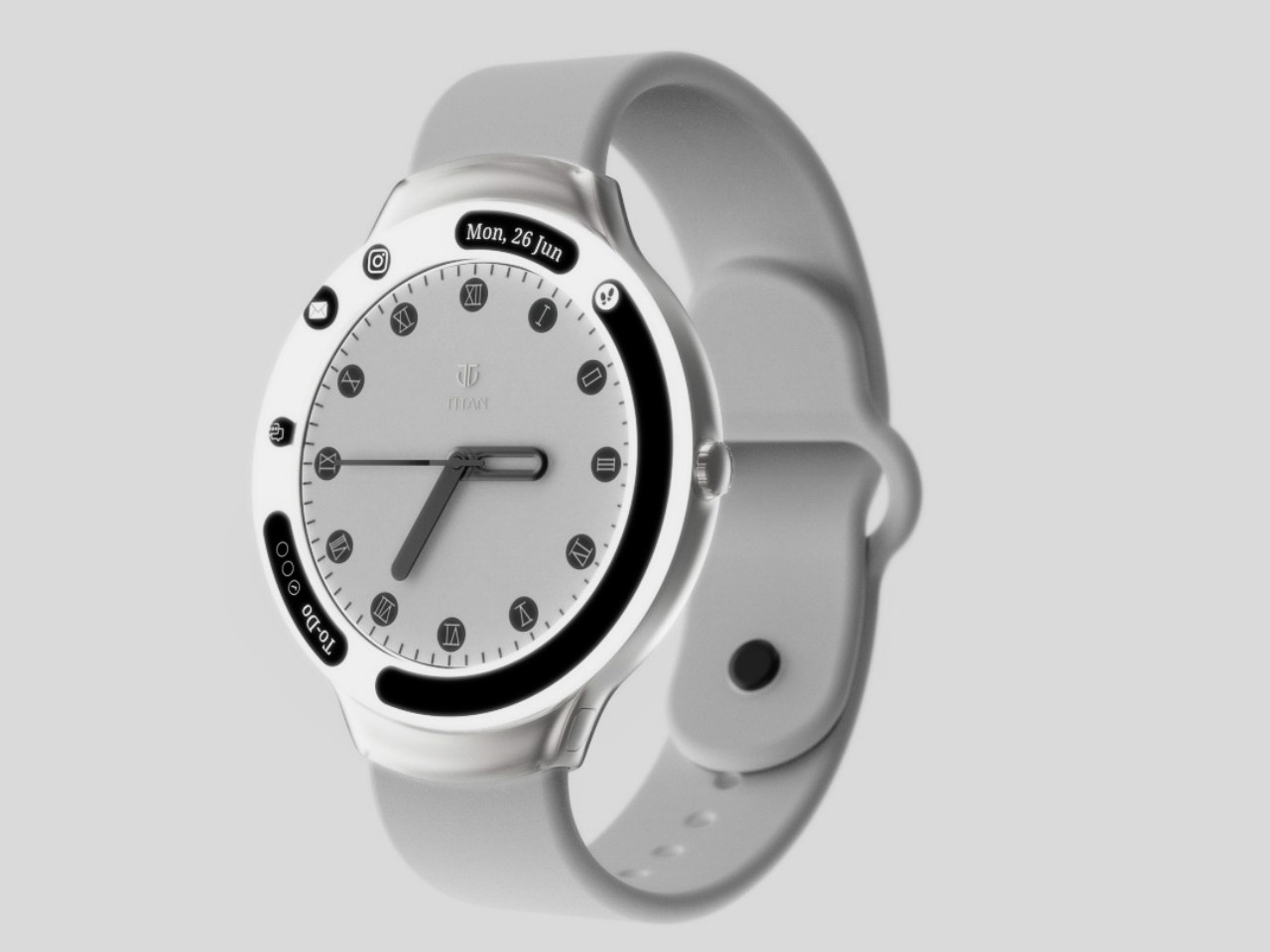
Smartwatches are now a staple of the tech market14, but the departure of several high-profile brands and the arrival of smart rings are making some reevaluate the wearable device. Just like with paper notebooks, there is a strong and large culture around analog, mechanical watches that find smartwatches unappealing, except for some features that aren’t totally unique to smartwatches, namely, health sensors. Hybrid smartwatches exist for this reason, trying to have the best of both analog and digital worlds, but they are not exactly that common nor are their designs well-established. There’s still plenty of room for exploration and experimentation, like this rather peculiar concept that cuts out a whole in the middle of a circular screen to make room for an elegant analog watch.
Inspired by the rather divisive notch or cutout on smartphone screens, the Lunar Eclipse hybrid smartwatch concept puts a mechanical watch in the middle of that hole instead of a camera. It might have been easier to have the display as an inset or restricted to a certain part of the watch face, but that presents some challenges as well, particularly when occluding the beauty of the analog timepiece itself. As weird as it may sound, this notch-based design actually has more benefits compared to a smartphone camera cutout.
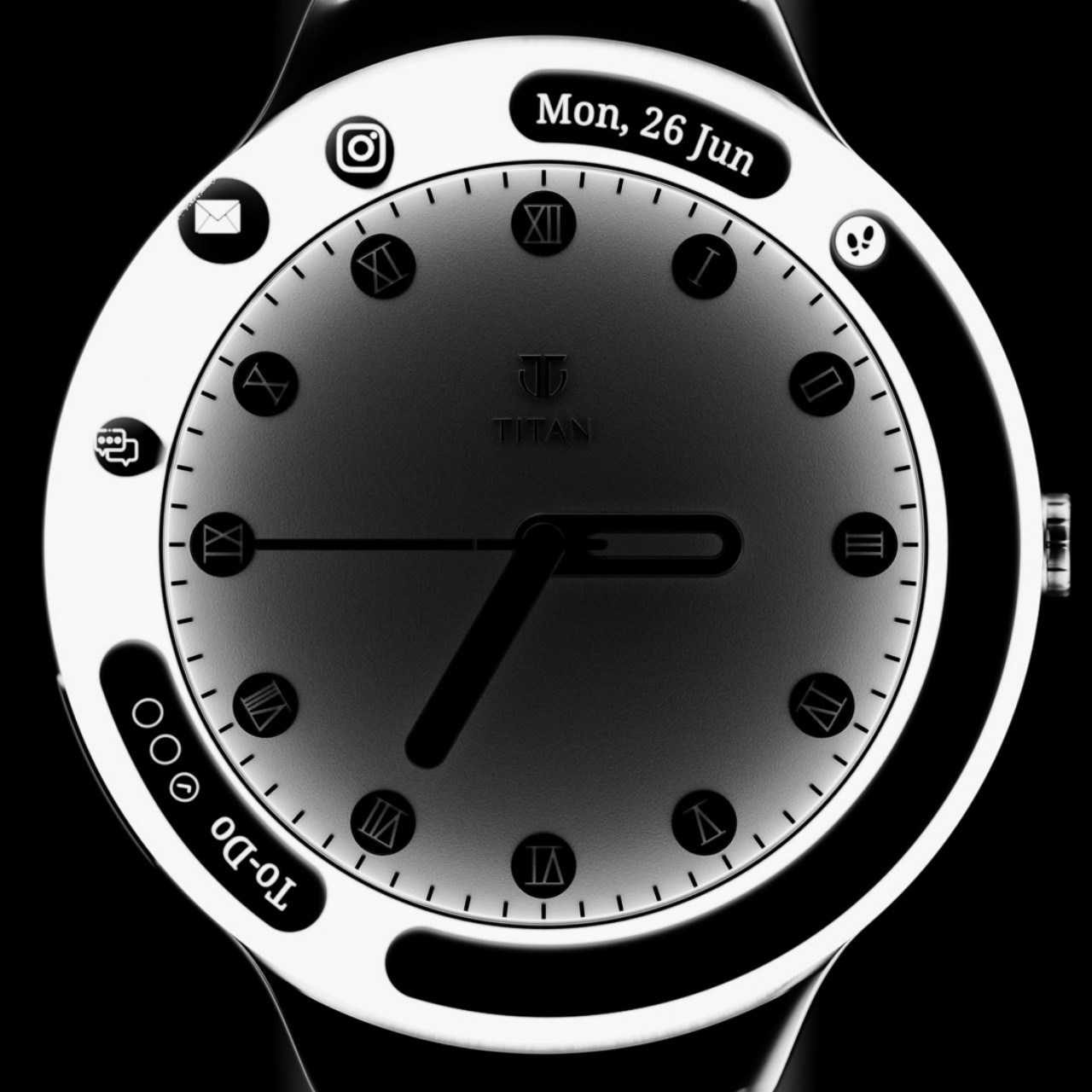
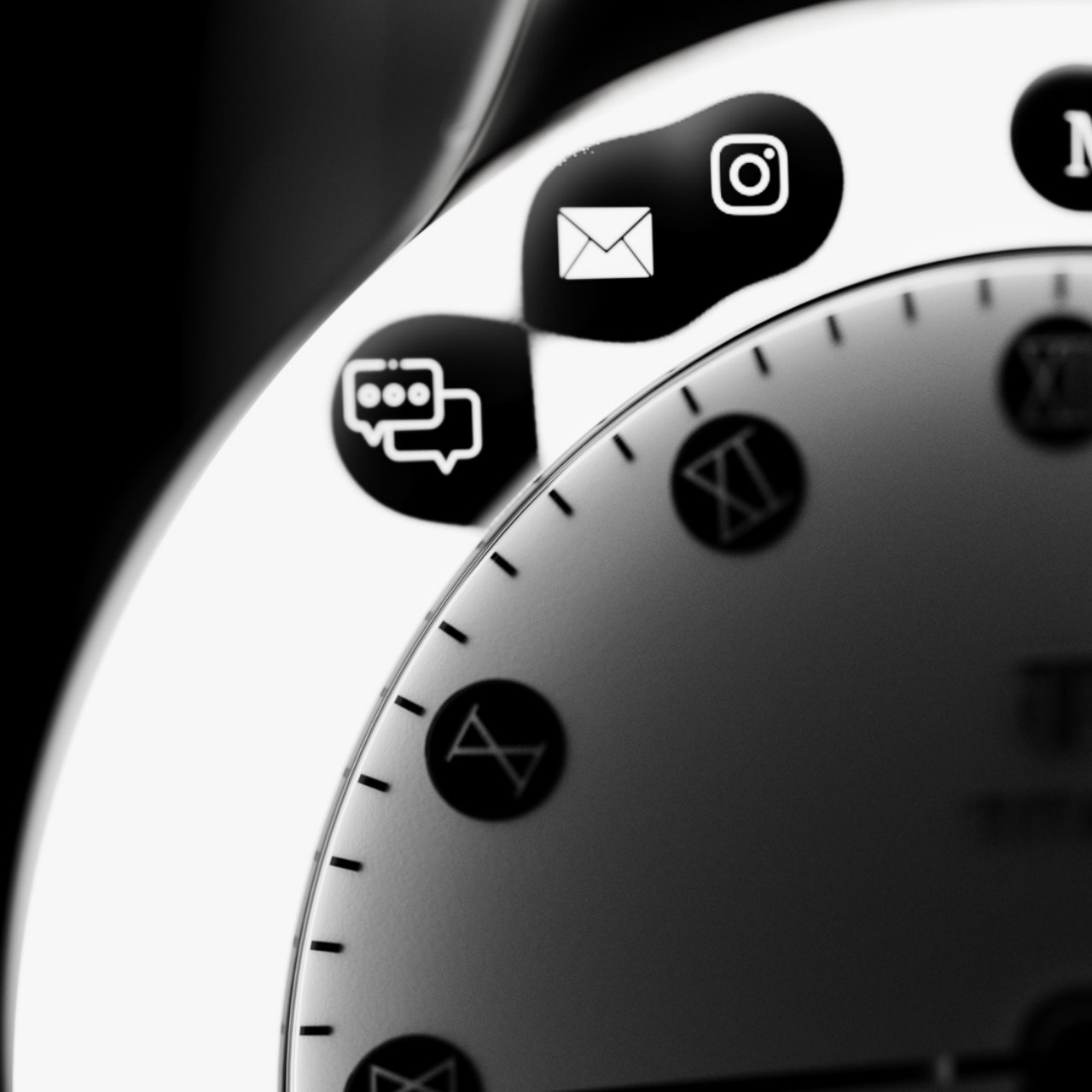
Because it is technically still a complete screen, with just the middle part rendered practically unusable and invisible, it is theoretically easier to design the user interface of the “digital bezel” around the watch face. You can have icons and text that curve around the border, and you can even have them animated to add more natural-looking visual feedback, like how notification icons can appear like they’re flowing from the center of the watch rather than just appearing out of nowhere.
This gives Lunar Eclipse nearly the same benefits as having a smartwatch but with fewer opportunities for distractions. The bezel around the watch face is still just a small space that can only fit a few words and icons. You definitely won’t be using the watch to read those notifications or, worse, type out a response. You’ll be able to still see some of your health stats, presuming the watch has the sensors to track your steps, heart rate, and other biometrics.
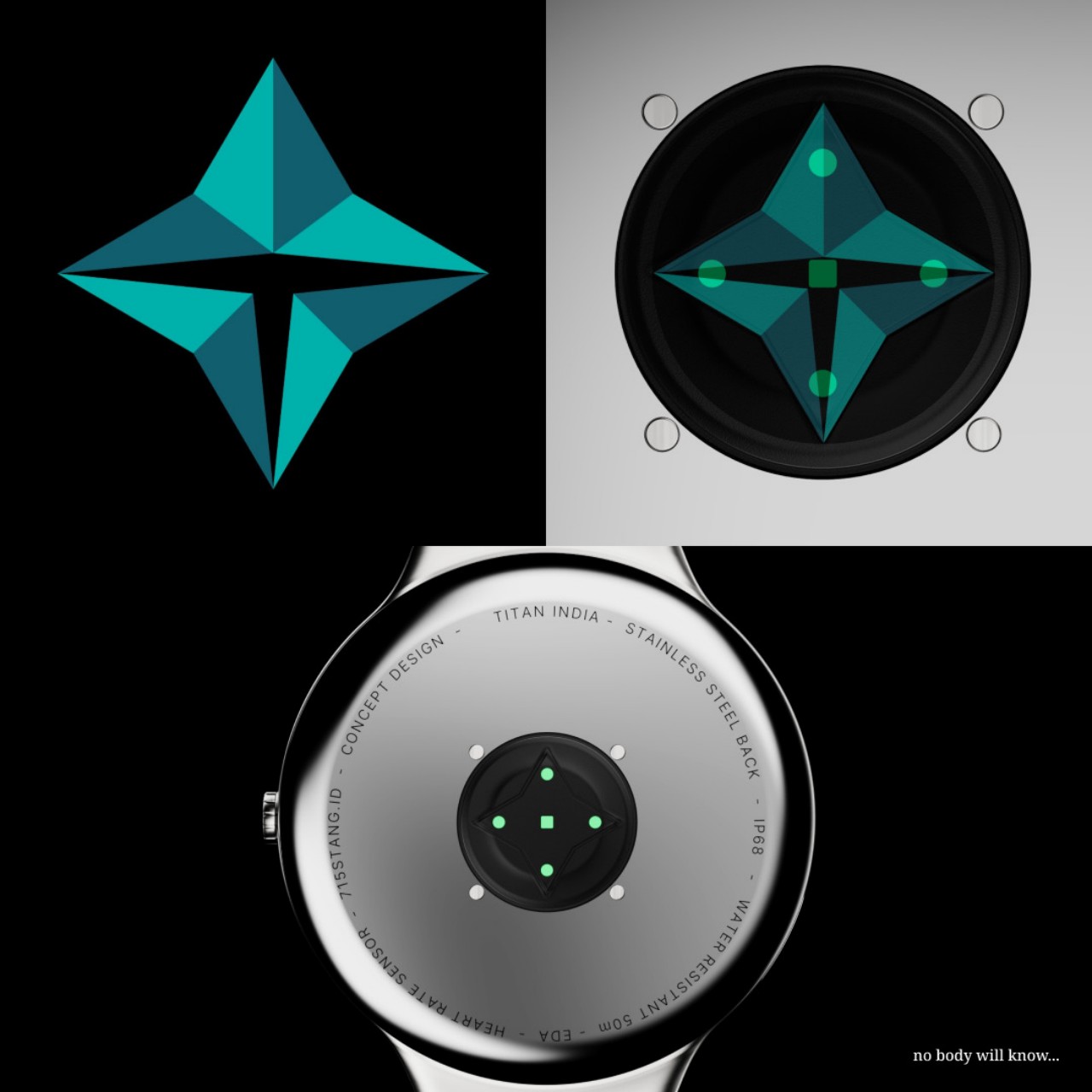
One disadvantage that design has is that its battery life might not be that different from a regular smartwatch. The concept could use an E Ink screen, however, to help reduce that consumption, especially since the display won’t be changing as frequently as on a normal smartwatch. Another consideration is that with the electronics and battery inside, the room for the actual mechanical components would be very cramped, detracting from the inherent beauty of these timepieces that wristwatch fans are after in the first place.
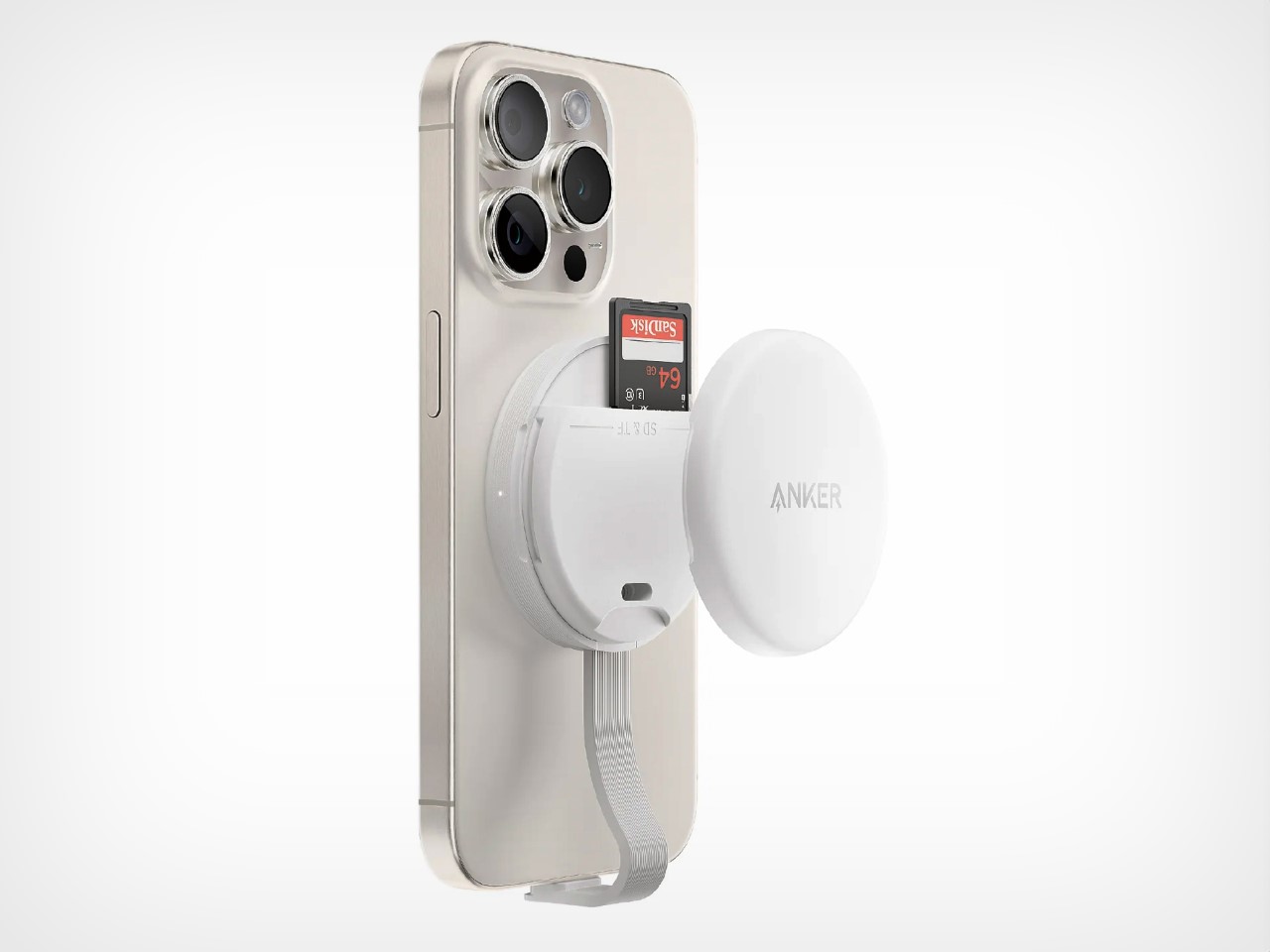
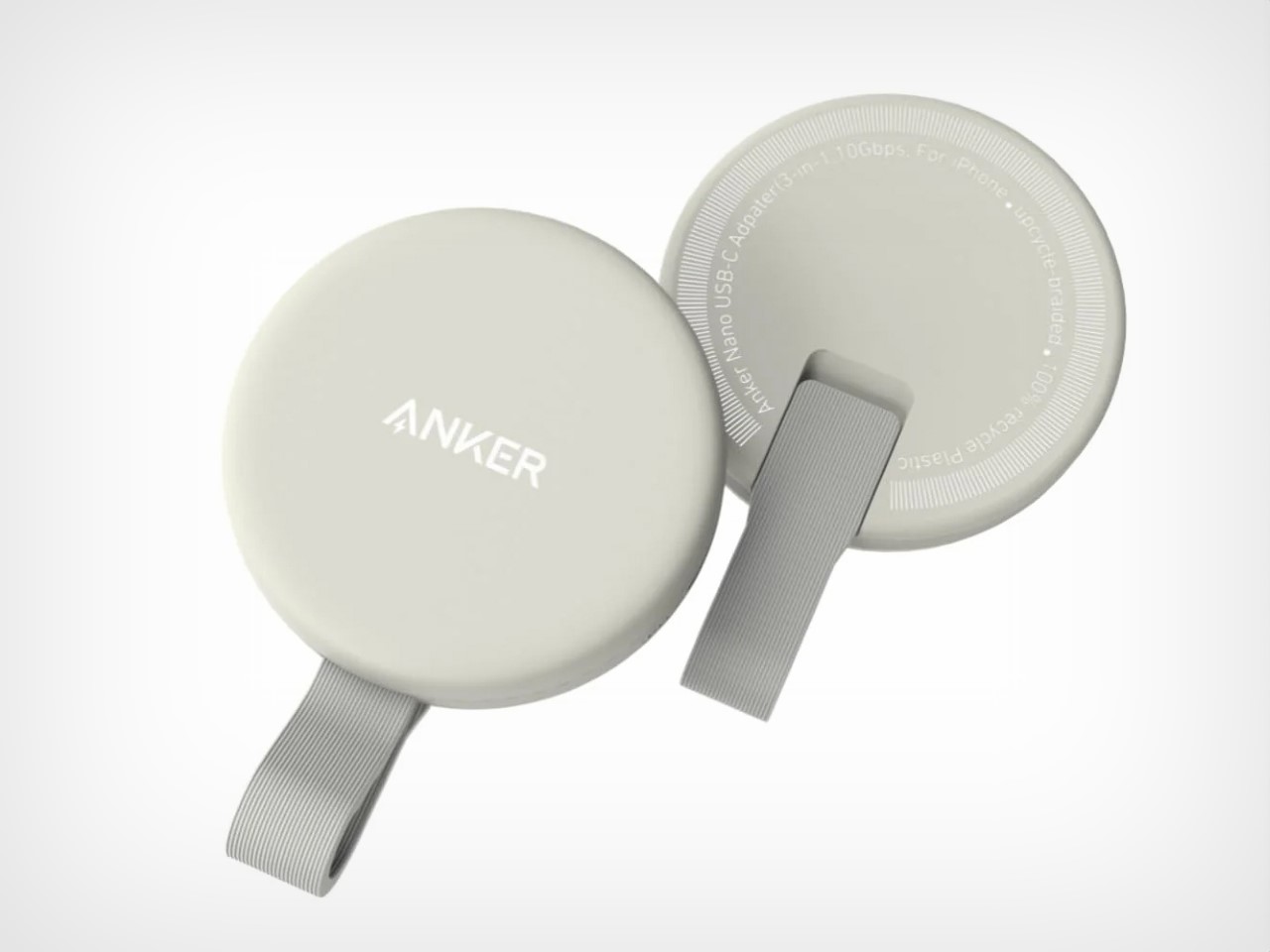
With this one single device, Anker aims to upend cloud storage by allowing you to access and even back up your files on SD cards. Imagine not needing a laptop while shooting on a DSLR, or not needing to worry about all your iPhone photos clogging up your system. The MagGo Nano (whose alleged images were leaked on Reddit not too long ago) is Anker’s way of allowing your iPhone to interface with memory cards. A part of the MagGo series, the adapter looks sort of like the old Chromecast devices, and snaps to the back of your iPhone using MagSafe tech. A fold-out cable lets you connect the MagGo Nano to your phone (or you can even connect it to a tablet, laptop, etc.), and a flip-top presents the Nano’s card slot. Insert an SD card in and you’ve instantly got extra storage + file access.
Images of the MagGo Nano (we aren’t even sure if that’s the official name) were shared on Reddit by credible leaker ‘Joshuadwx’. The images show a pretty compact device that looks and feels just like (if not smaller than) a Chromecast device. Under the lid of the accessory, there appear to be both SD and TF card slots, offering data transfer speeds up to 312 Mbps… reportedly. The device seems to be powered by USB-C, which means it’ll be compatible with more than just iPhones (you can attach a MagSafe sticker to your Android device and use it with that too), and rumors suggest it’ll be available in three colors: white, gray and green, with a tentative price range of $30-$40.
The MagGo Nano is a boon for photographers who like the idea of being able to quickly transfer photos from cameras/drones to their phones for editing and uploading on social media. However, for the rest of us, it’s a great way to extend your phone’s storage by uploading things to an SD card. Sure, USB-C thumb drives do exist too, but there’s something much more elegant about using an SD card to take photo backups – be it from a smartphone, a professional camera, an action camera, or a drone.
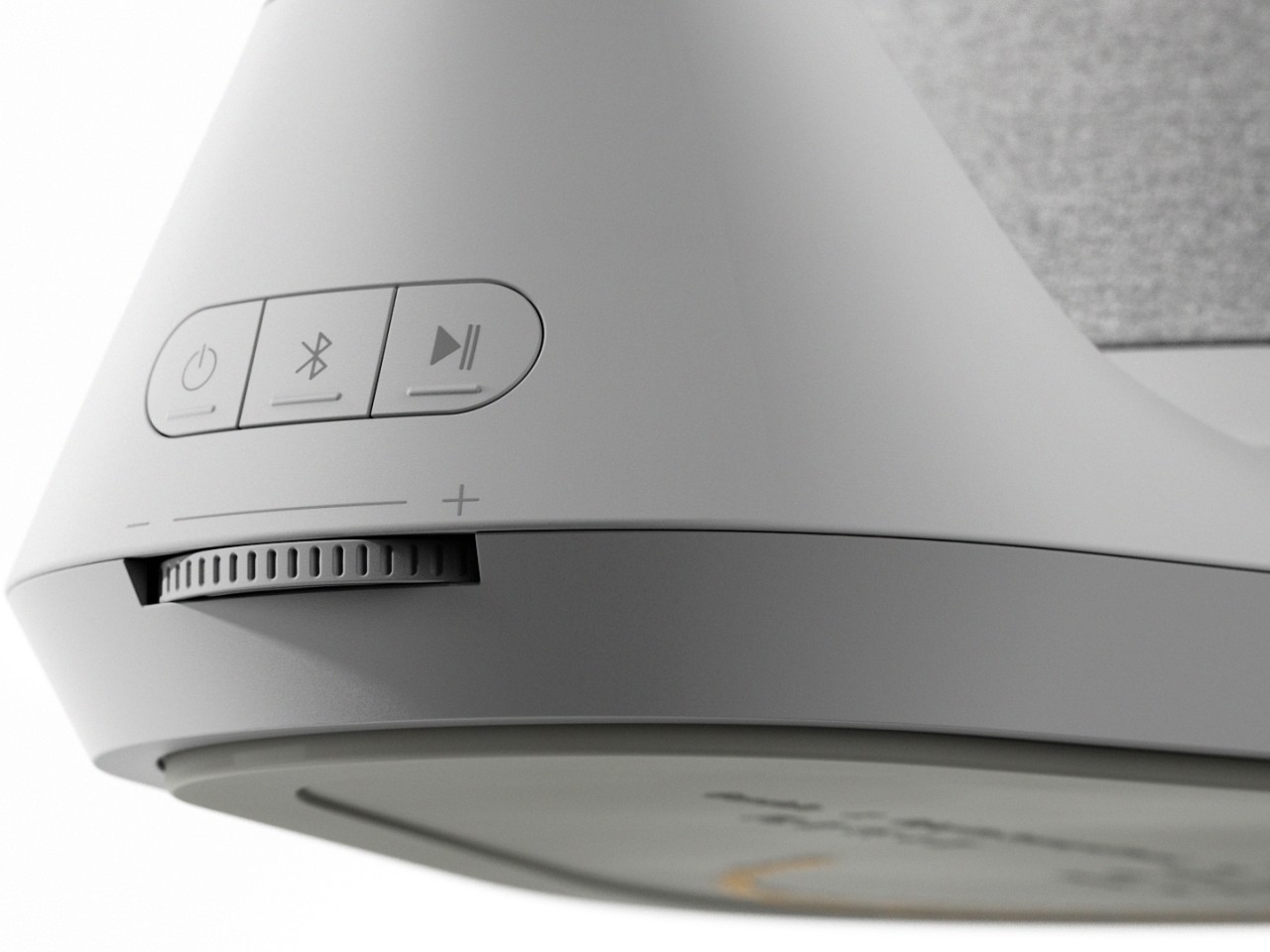
Wireless speakers are a dime a dozen these days, and they come in a wide variety of forms, ranging from rugged tubes to glamorous art objects. The ones that are meant to stay indoors often hide their physical controls or do away with them completely in order to blend in with the rest of the room’s decor. Many don’t even have displays so you can’t view information at a glance without having to pick up your phone and unlock it. It doesn’t have to be an “either-or” situation, however, and you can maintain a speaker’s analog simplicity and beauty while still providing a useful visual, as this concept design for a travel-inspired Bluetooth speaker demonstrates.
Designer: Sungmin Hwang
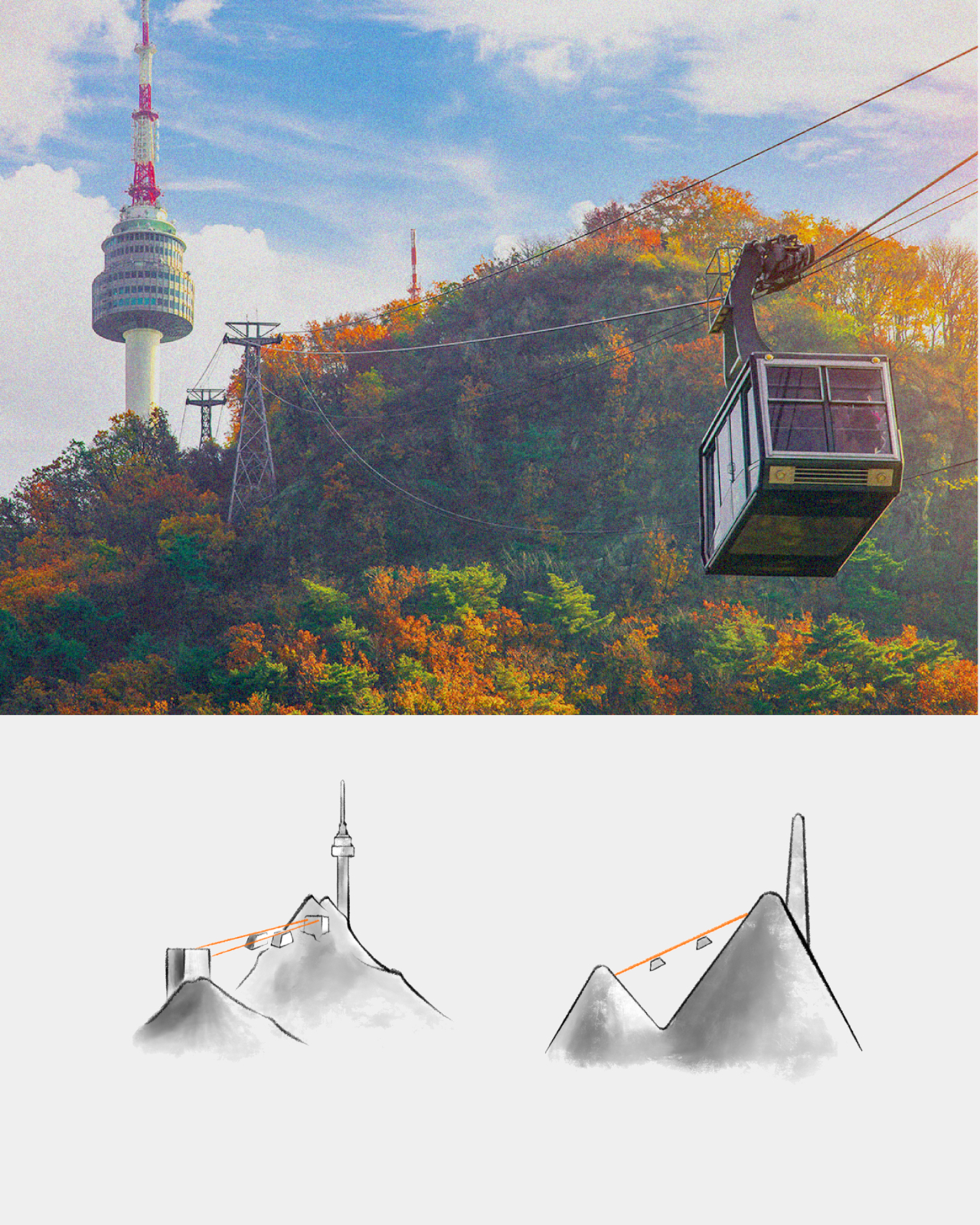
Truth be told, a gondola lift is probably the last thing you’d associate with music. Also known as cable cars, these compact boxes carry a small group of passengers from one height to another, allowing them to see the journey from a completely different perspective. It adds a sense of wonder and awe, and maybe even a bit of thrill, as you slowly make your way to your destination, which is often on the top of a mountain or tower.
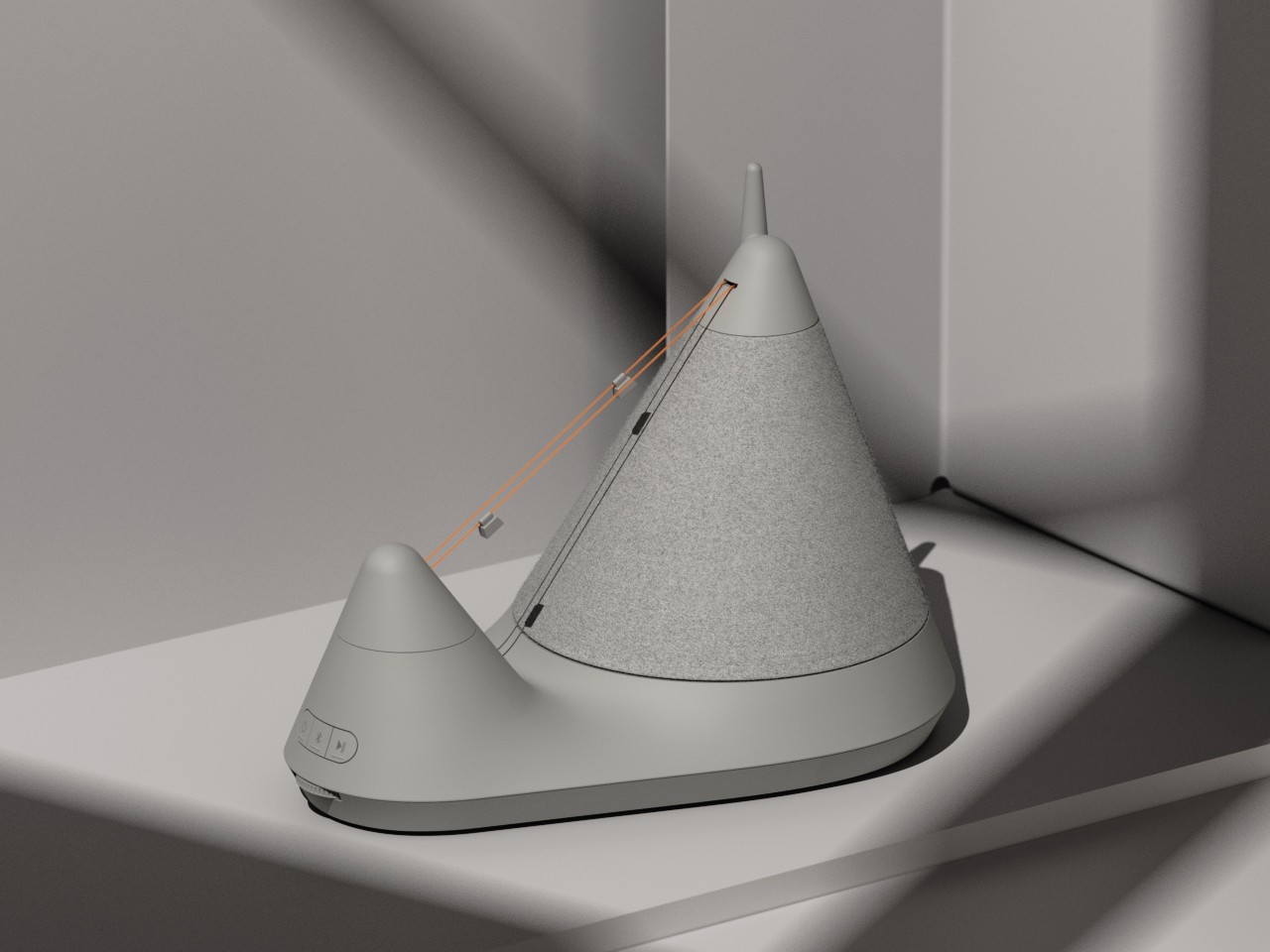
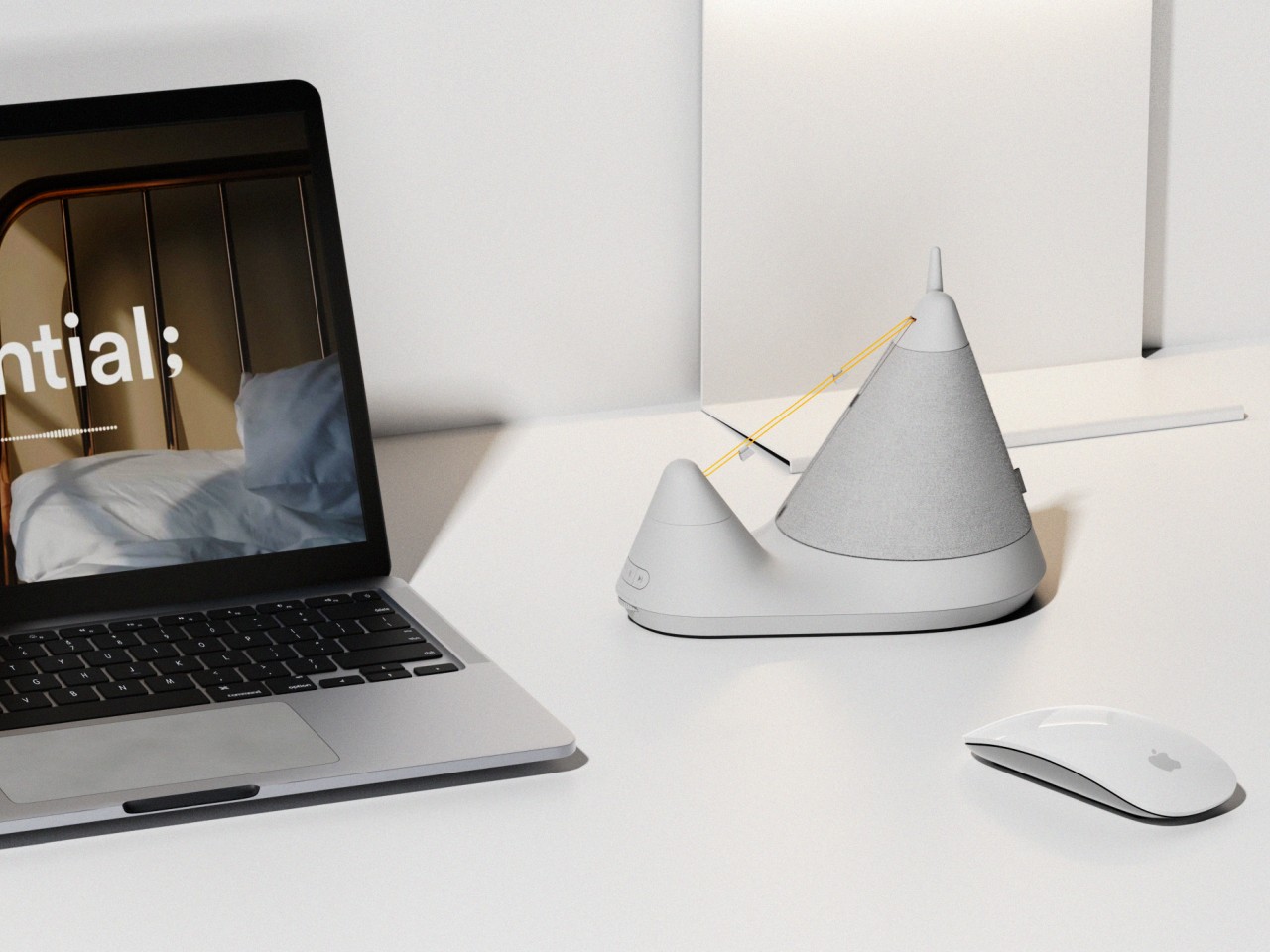
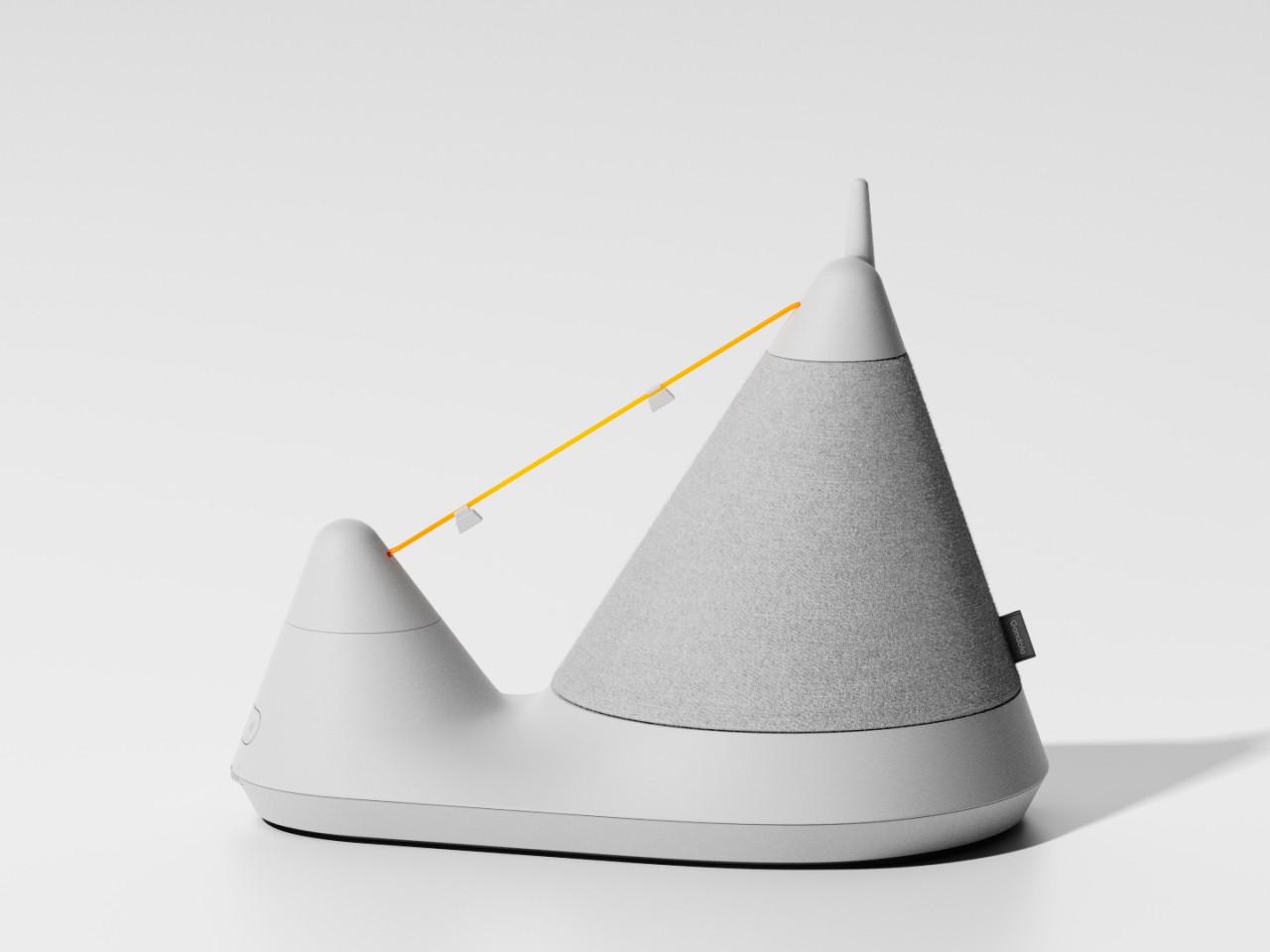
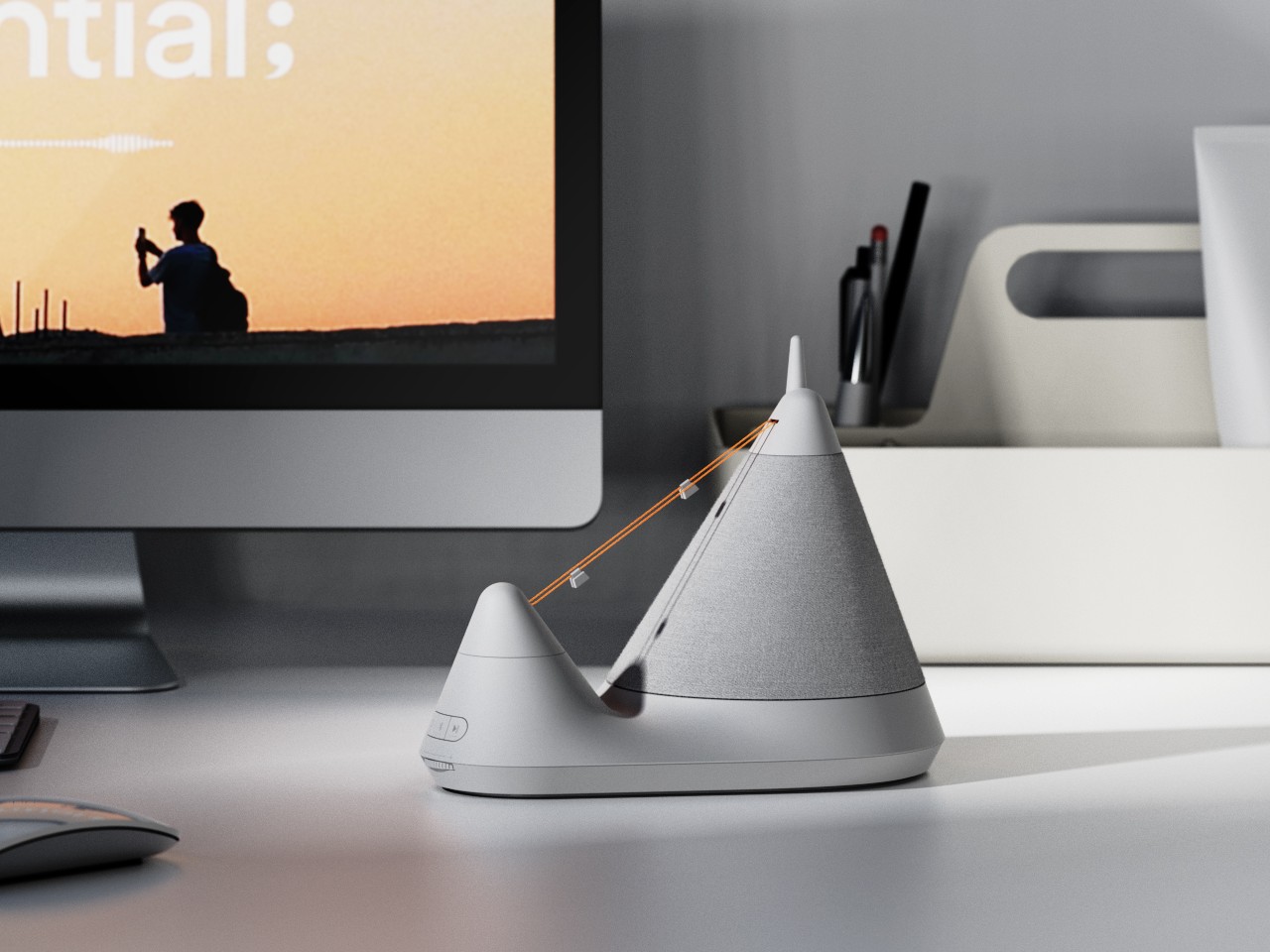
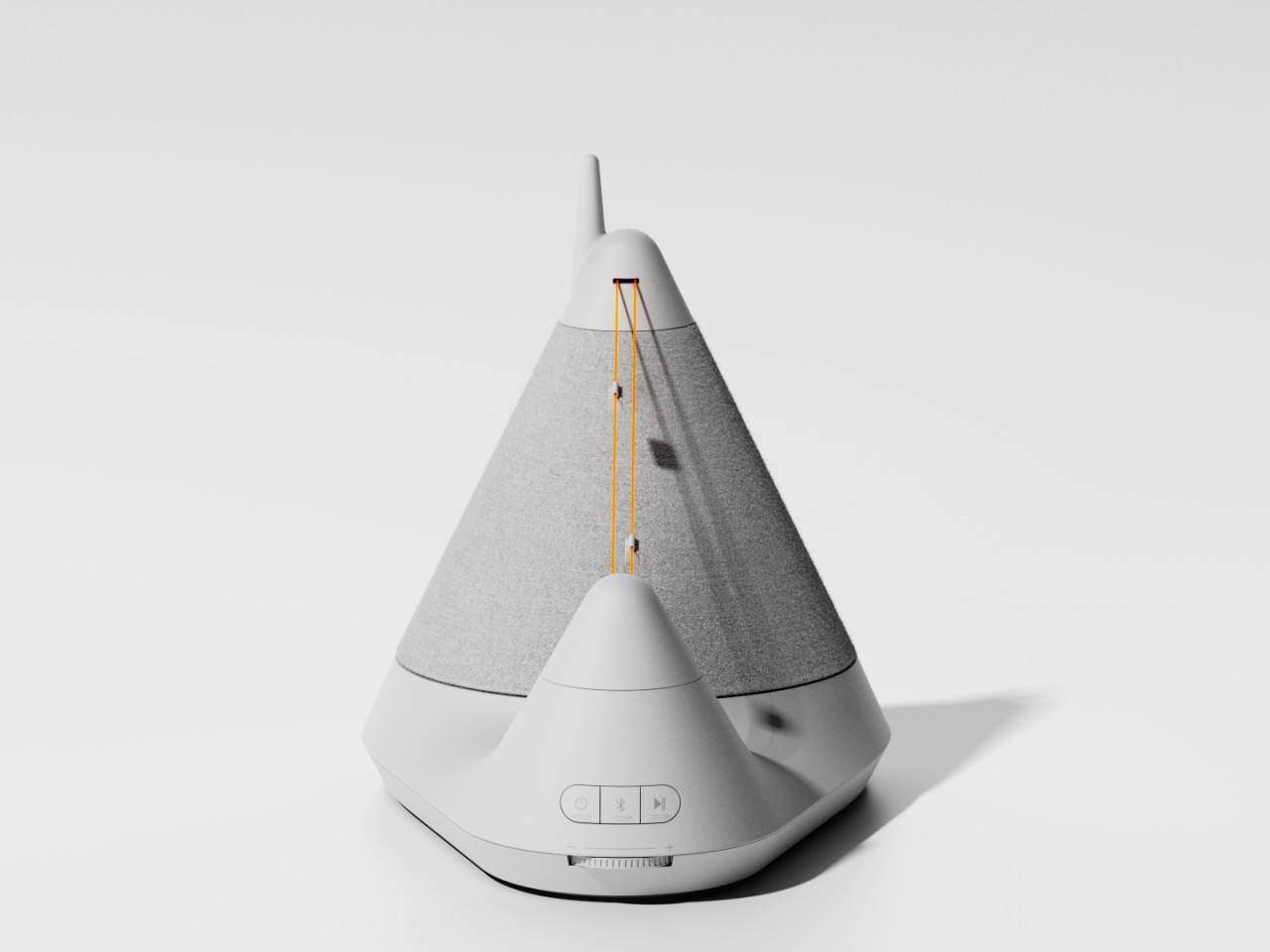
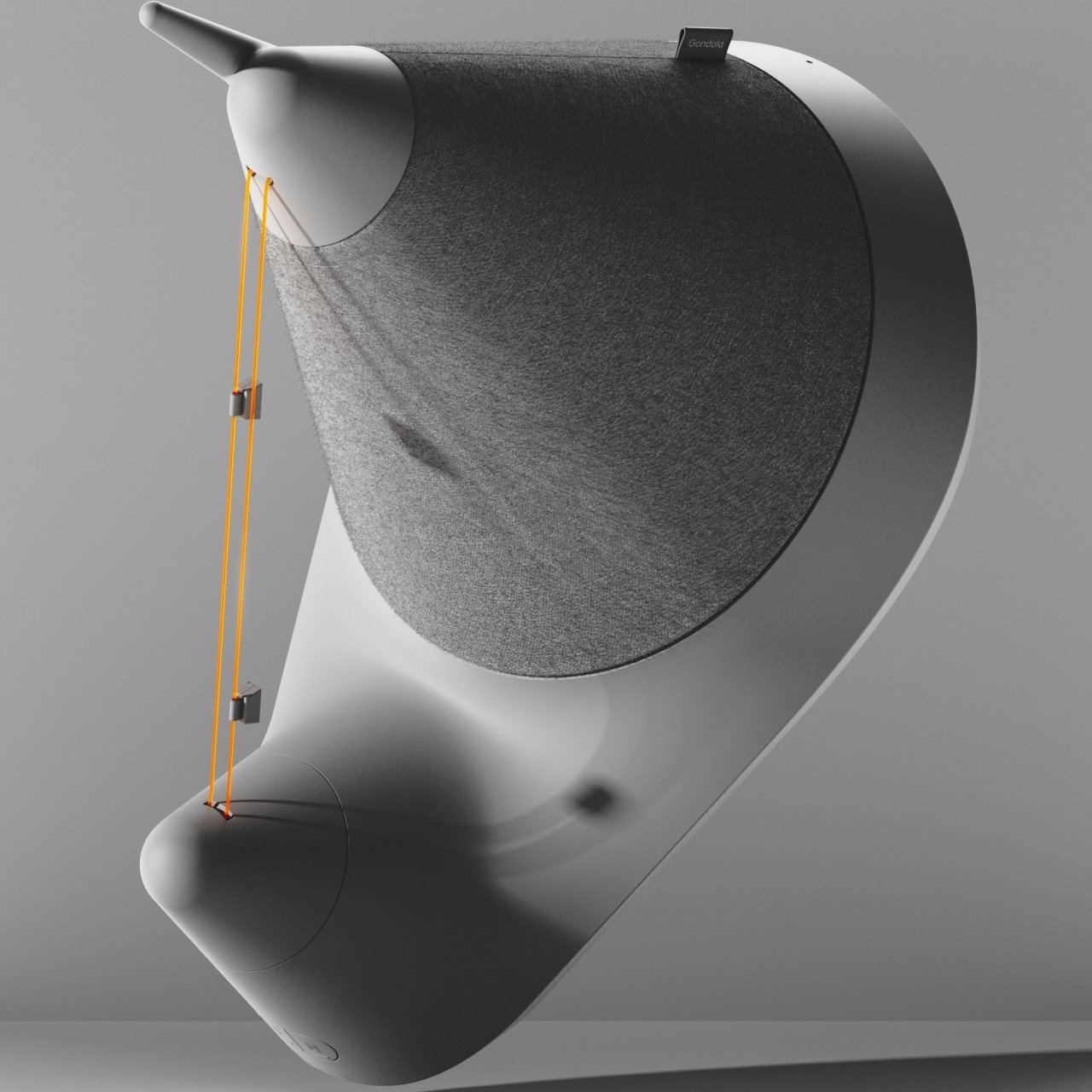
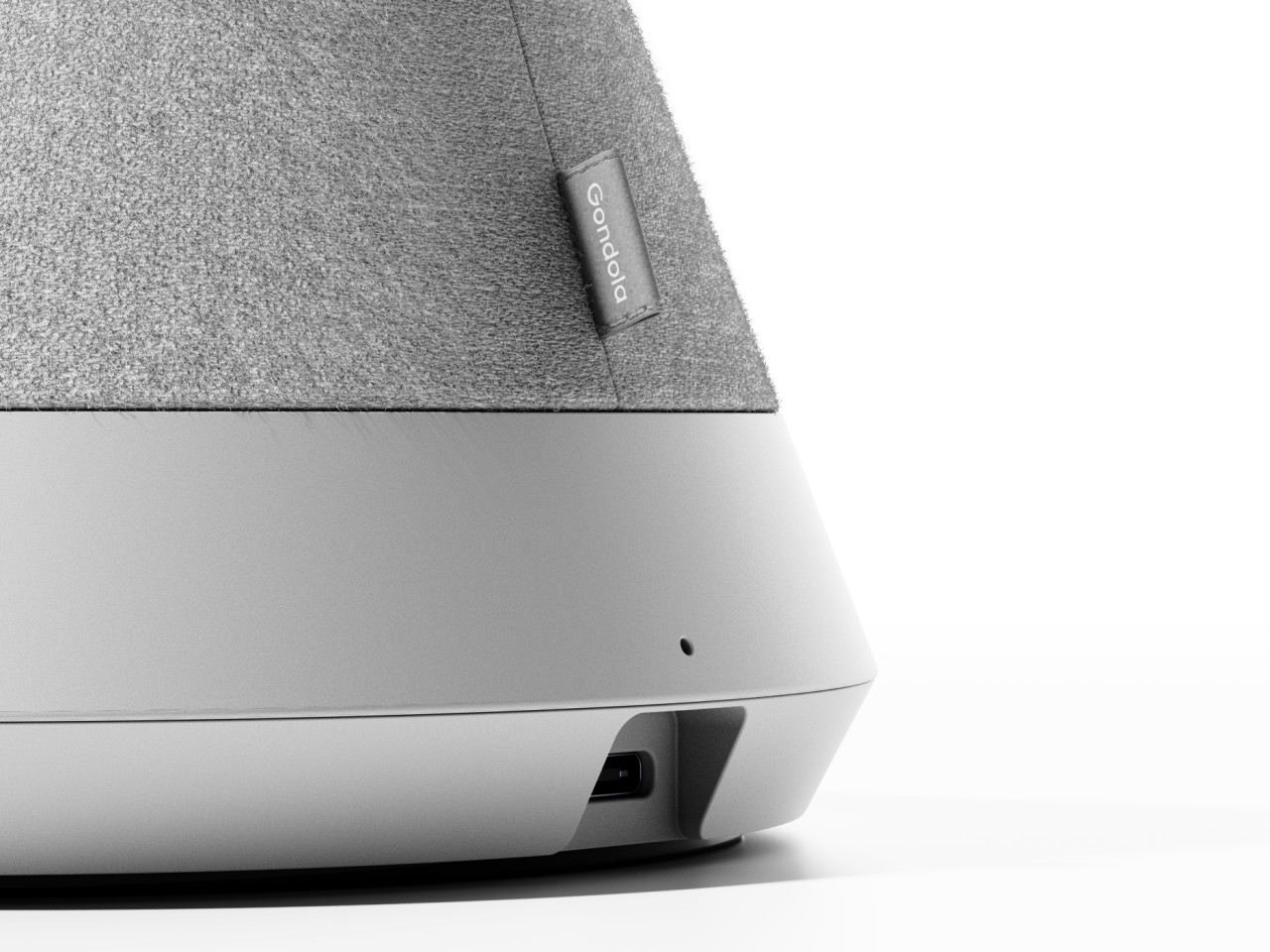
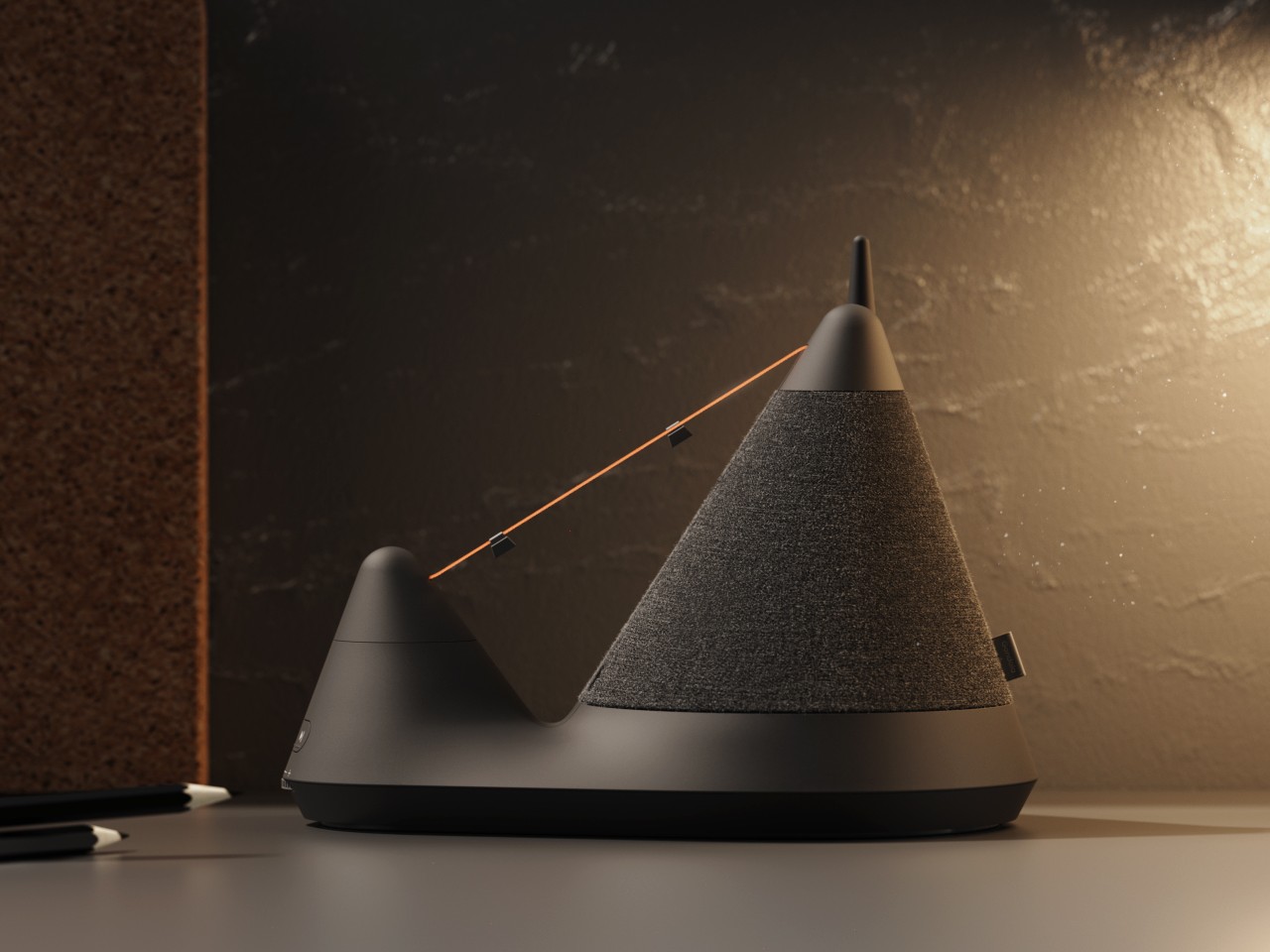
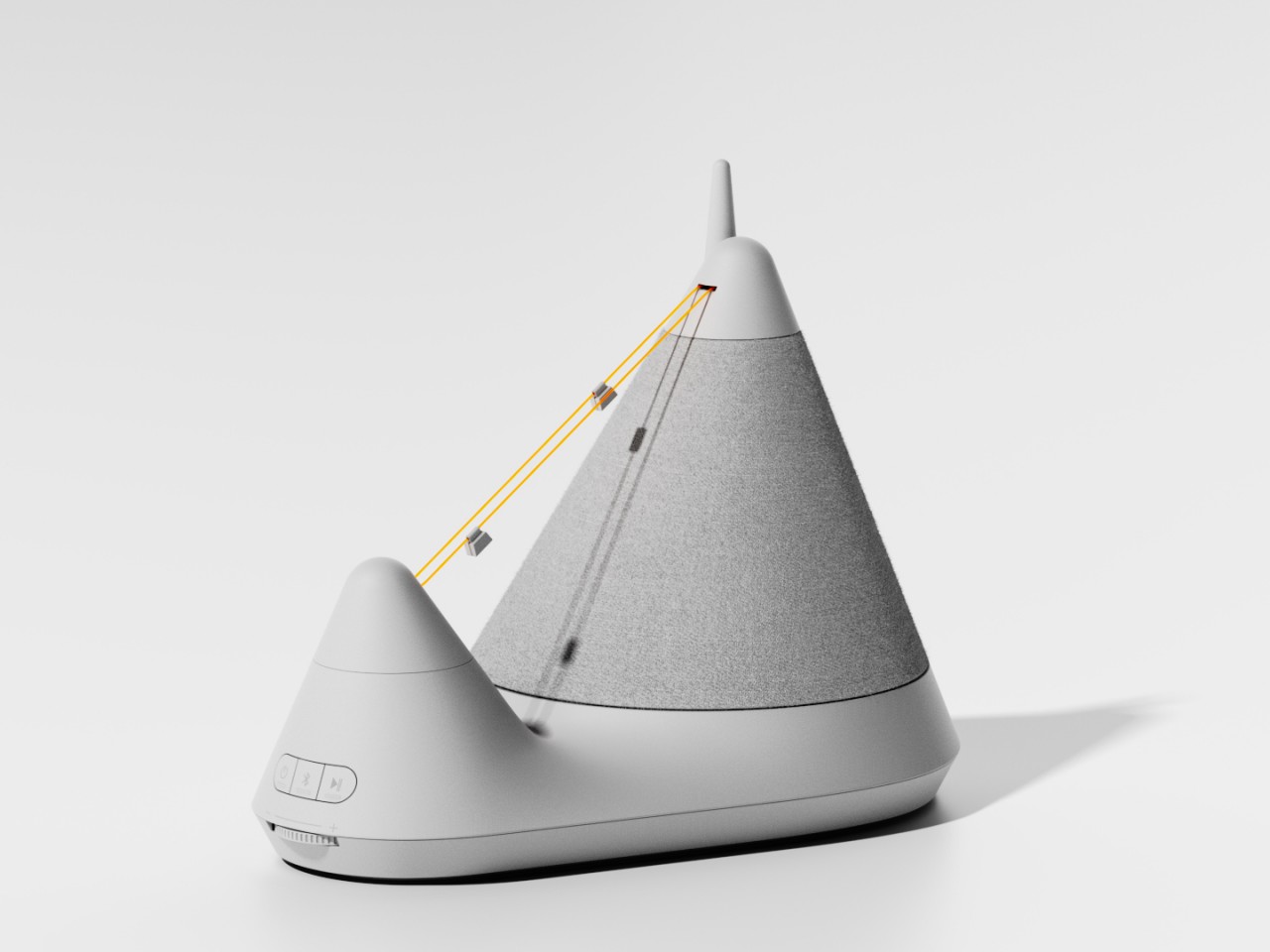
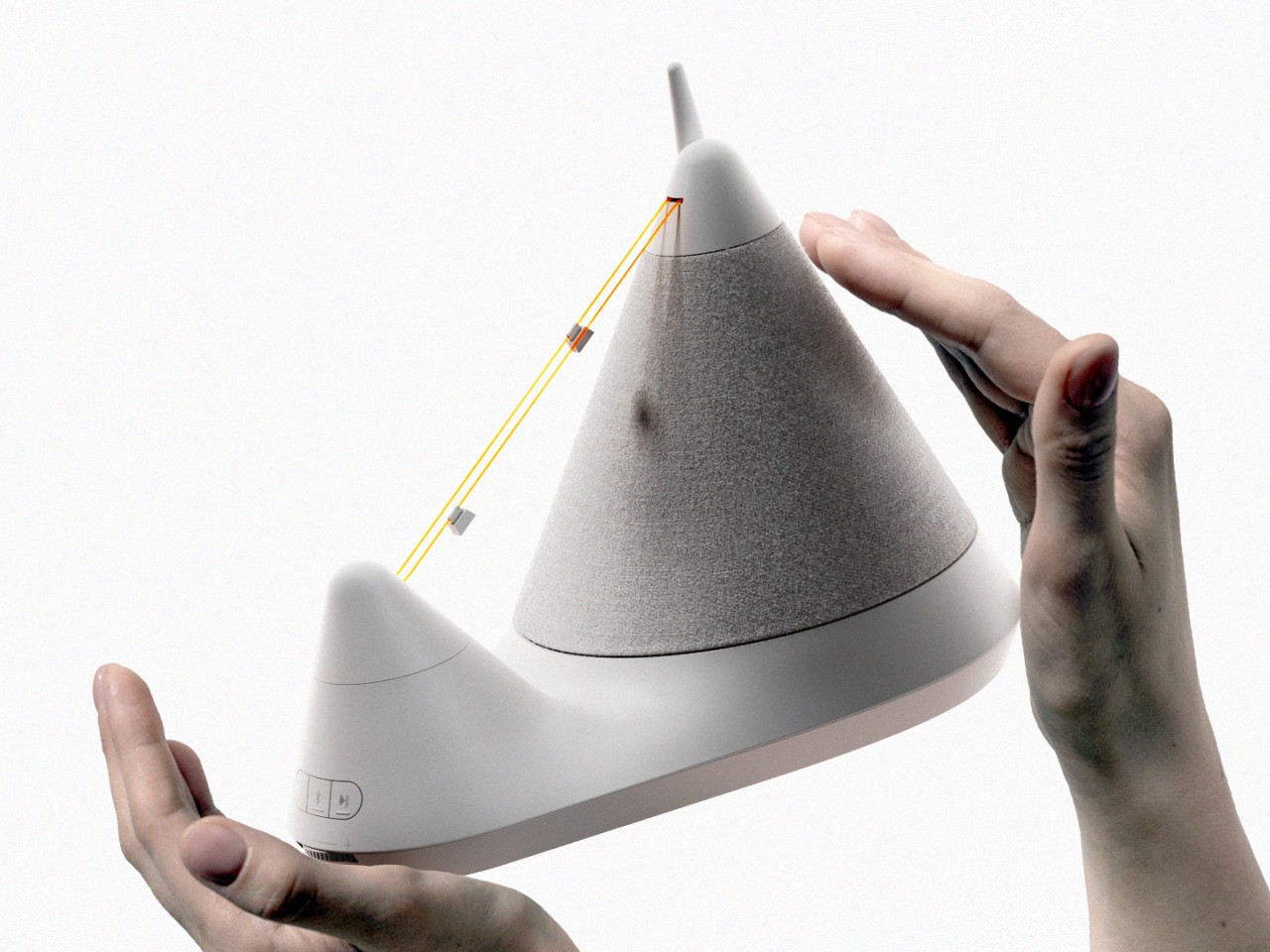
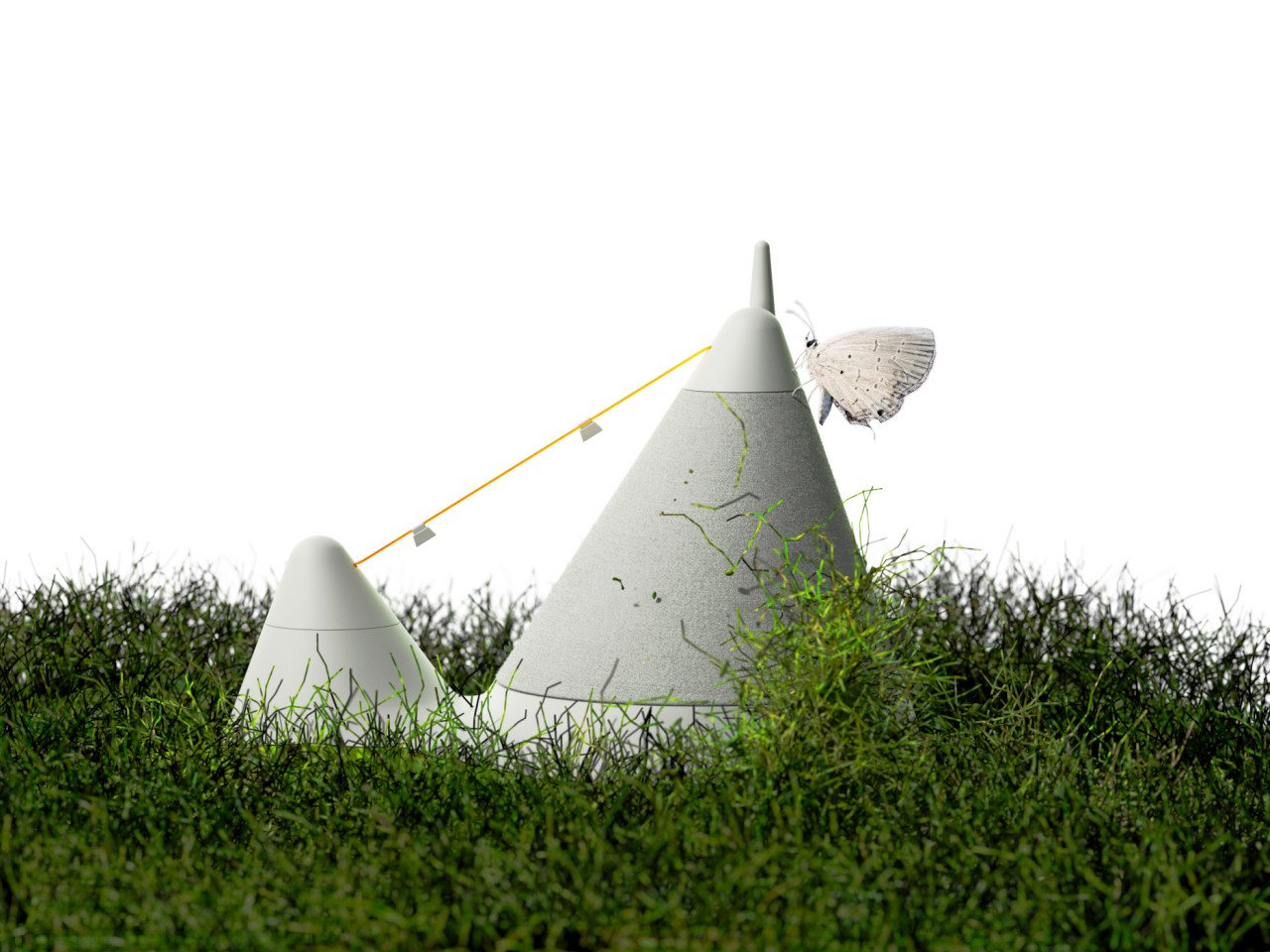
That’s the association that the Gondola Bluetooth speaker design concept makes between playing music and the journey, both of which take you into exciting new worlds that feel different from your current situation. The speaker’s design is specifically inspired by the cable car system that goes to and from Korea’s famous Namsan Tower, a magical journey even for frequent visitors. The two ends of the speaker house cones, one of which is significantly taller and represents Mount Namsan where the tower stands. This cone is actually the speaker, which diverges from the conventional cylindrical form of Bluetooth speakers
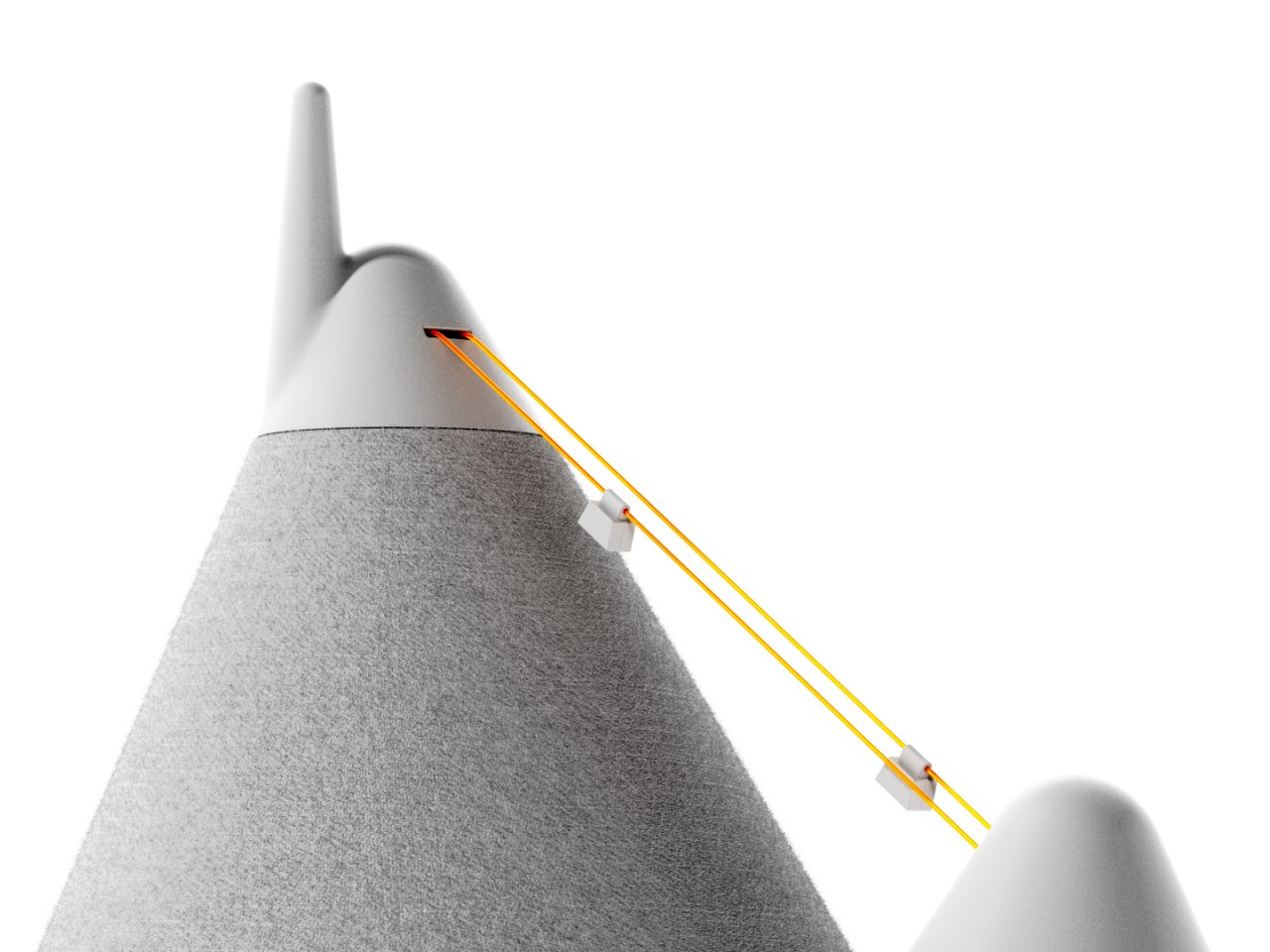
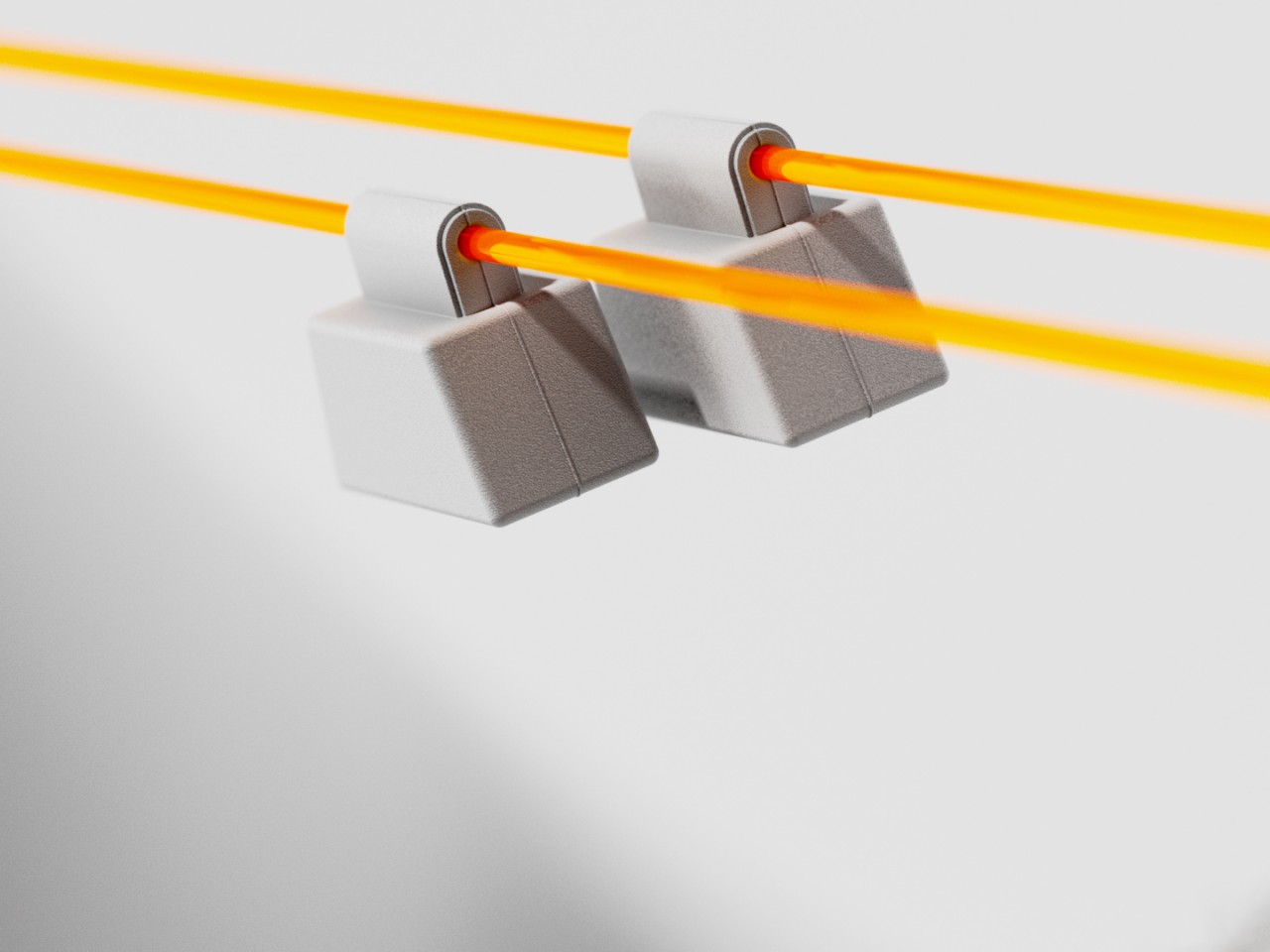
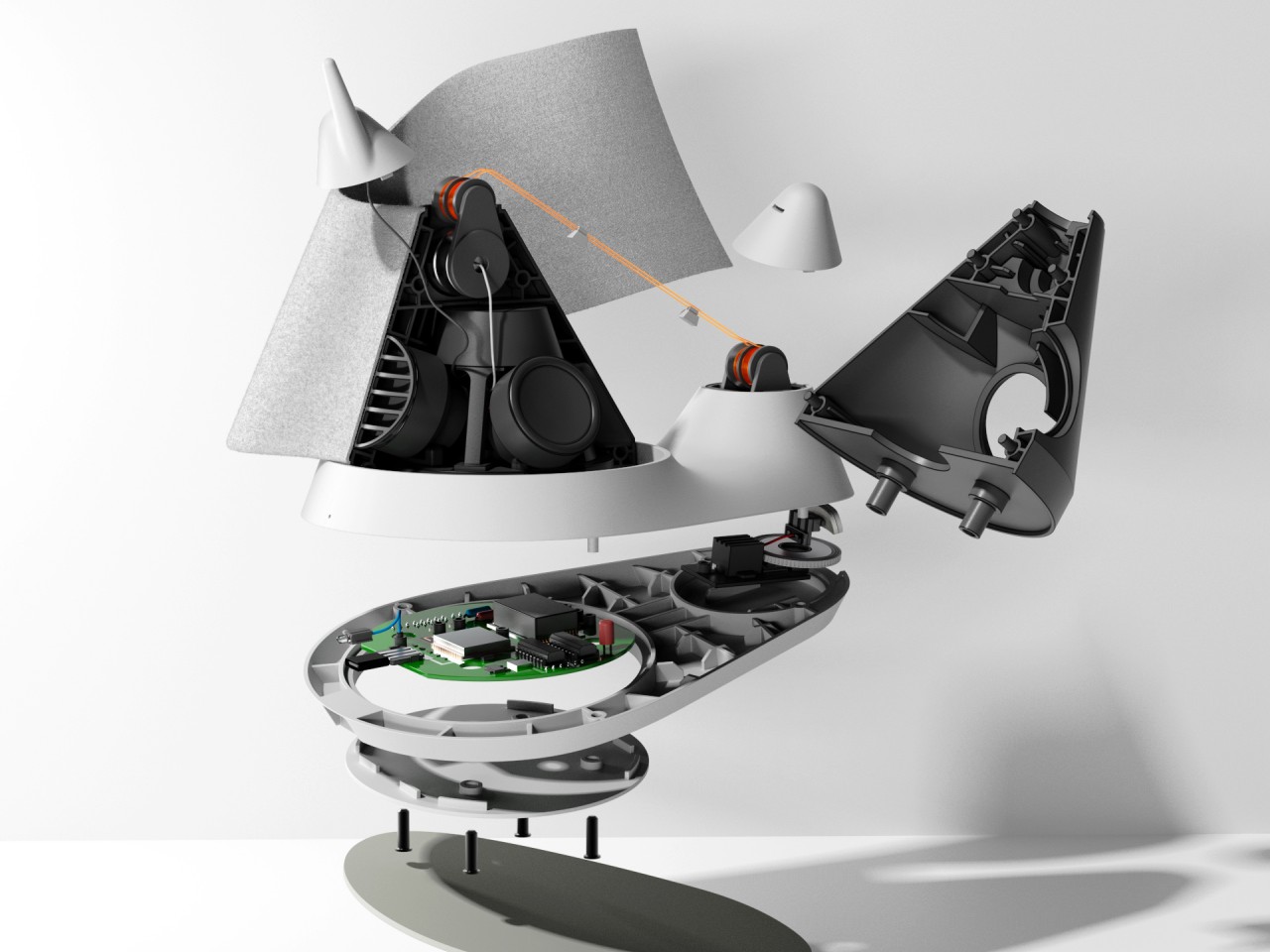
Connecting these two points are two fishing lines representing the cables of the gondola lift. Two tiny modules move back and forth between these lines, which represents the speaker’s main gimmick. The movement of these miniature gondolas syncs with the playback time of the current track playing on the speaker, giving a visual representation of the digital progress bar found in most music apps. This mechanism allows the user to see how far along the music is even without looking at their phones. Admittedly, not many people probably do that anyway, but the movement of gondolas still creates an almost magical atmosphere that could surface joyful memories of travels and adventures.
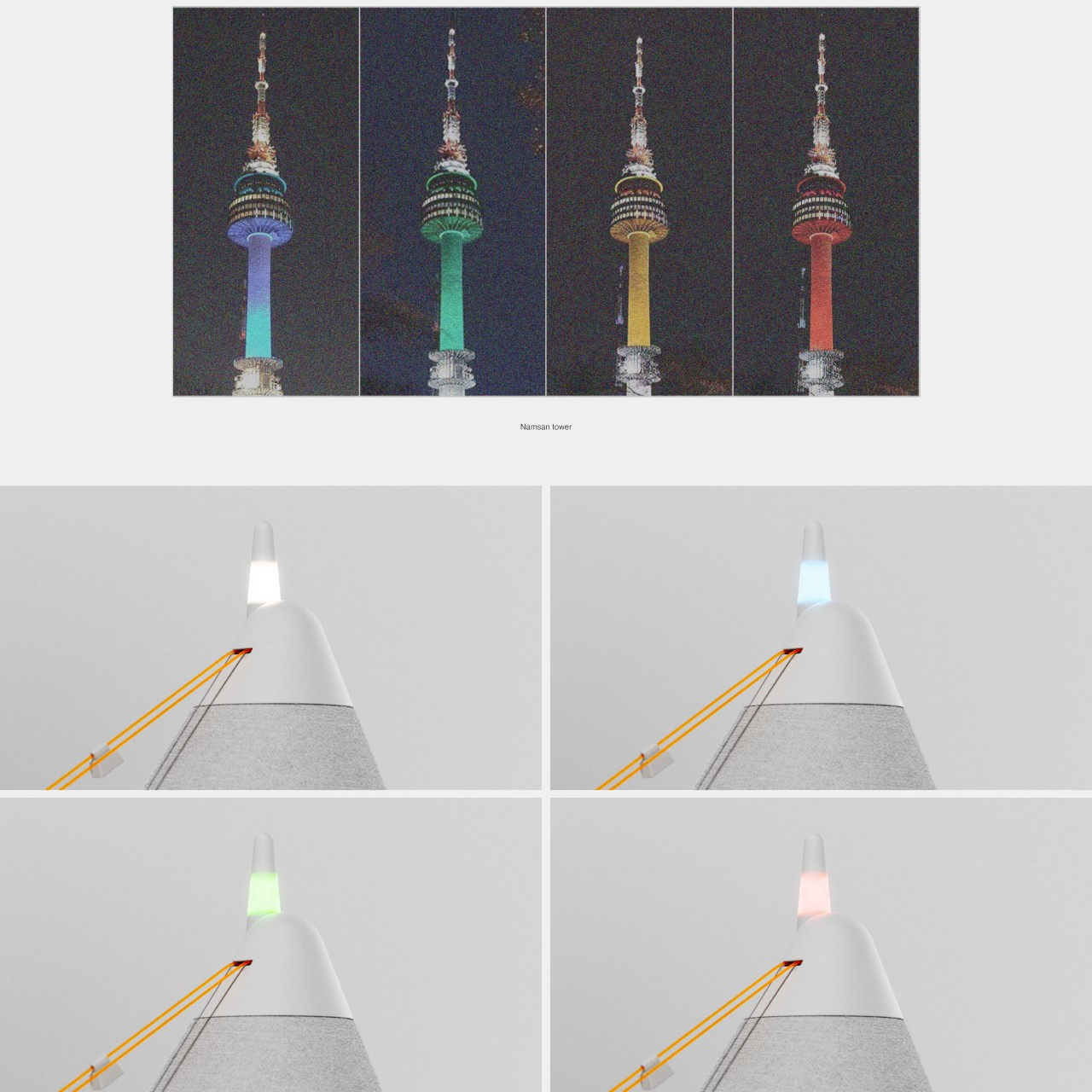
The Gondola speaker concept pays tribute to the Namsan Tower in another way. The small conical stub on top of the speaker has an LED light that changes color depending on the state of the speaker, signifying things like pairing, playing, battery level, and the like. It’s definitely an interesting idea that shows relevant information without relying on screens, integrating such controls into the theme of the design in a seamless and beautiful manner.