Paper notebooks are in again, though some would argue they never really went out of fashion. Even with the inherent limitations of the medium, there is just an unbridled joy in putting pen or pencil to paper that has not yet been sufficiently replicated by the most advanced technologies and designs. In a way, notebooks have also become a reflection of the owner’s own self, while also acting as a gateway to their own inner world, their thoughts, their dreams, and maybe even their own self-image. Some people like their notebooks and their covers plain, while others opt for designs that display their interests and loyalties. Still, others treat their notebook covers like a blank canvas ready to tell their life story through stickers and art. This rather distinctive Japanese-inspired notebook tries to tell a different story, one that aims to inspire the owner to not only rise from the ashes but also embrace their own imperfections.
Ceramic pots have great value not just because of their intricate, often hand-made designs but also because of their fragility. A single drop or hard bump is enough to break a beautiful vase, and most people simply throw these away, even if there’s just a crack. The Japanese, however, aren’t ones to dispose of what can still be repaired, and so the famed kintsugi, the traditional art of repairing pottery, was born. In a nutshell, this art uses golden lacquer to patch up and cover cracks, resulting in a piece of pottery that is even more beautiful because of its obvious flaws.
Over time, kintsugi became a symbol of embracing imperfections and self-healing, and those are the sentiments that this golden healing notebook attempts to convey. Using an equally traditional screen-printing method, wriggling lines of gold are painted on the notebook’s plain black cover, mimicking the cracks covered up by lacquer in a kintsugi masterpiece. And as with cracks, there is no uniformity or pattern to the branching lines, giving it a sense of randomness that you would find in nature itself. It’s a striking visual, with the gold contrasting with the black, that evokes both awe and wonder, subtly leading the mind to deeper thoughts.
The notebook’s theme of recovery and revival goes deeper than the cover. The paper used inside is bagasse which is made from the residue produced during sugarcane extraction. Instead of creating new paper from virgin pulp, it reuses what has been discarded, trying to make whole what was broken. In its own small way, it helps heal the planet’s cracking health, patching it up in small beautiful pieces rather than in one grandiose but ineffective sweep.
The kintsugi notebook embodies not only a traditional Japanese practice but the very highlights of Japanese culture itself. It is the perfect example of Japanese minimalist design, the frugality and efficiency of its people, as well as the profound thinking they can evoke from just a few simple symbols and materials. Whether you’re writing down your most secret thoughts, planning out your day ahead, or simply scribbling ideas and dreams, the notebook’s beautiful recycled paper invites you to let your pen roam free on the page, while the seemingly cracked cover exhorts you to embrace even the flaws that could, someday, lead to a beautiful design.
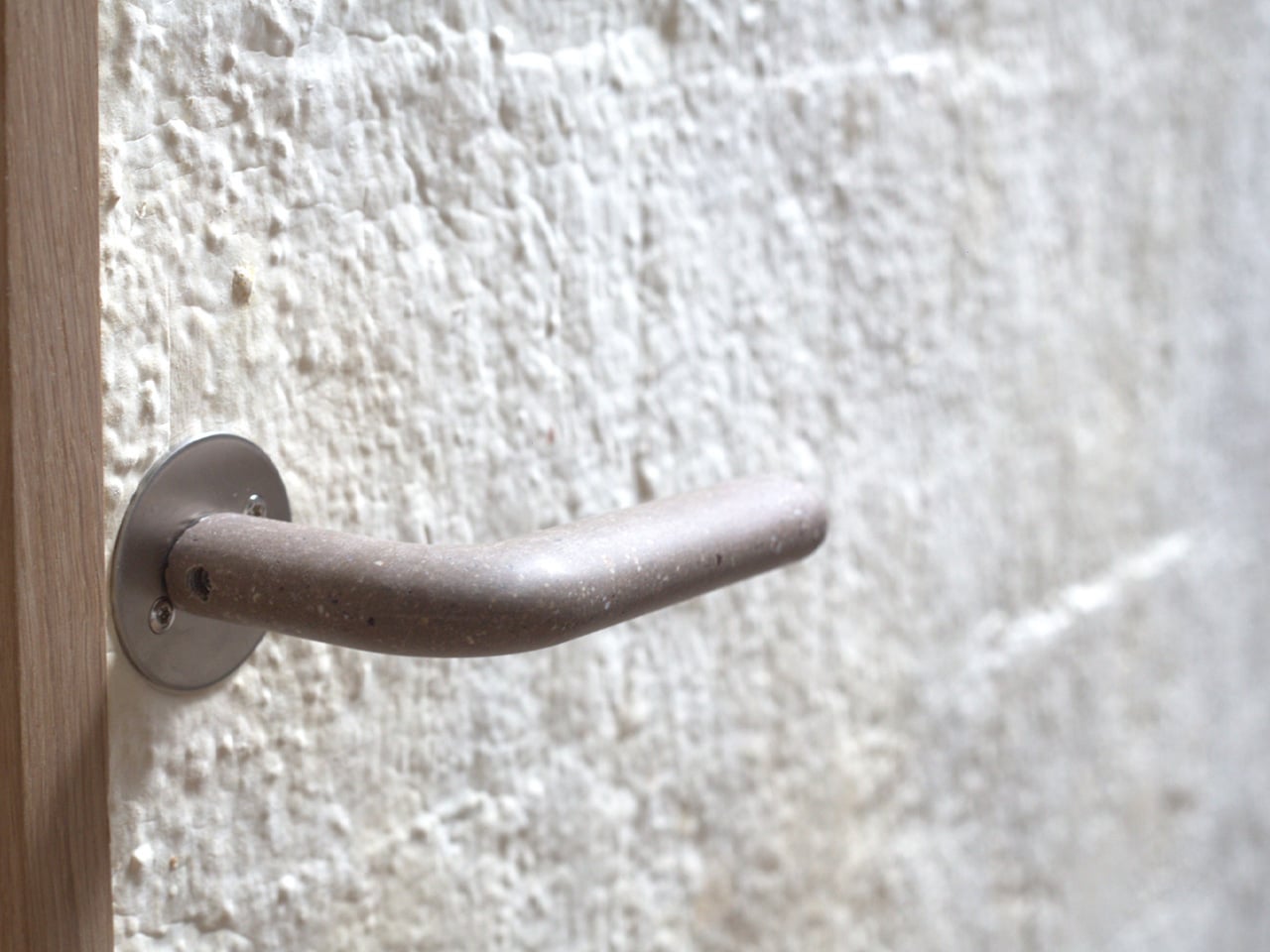
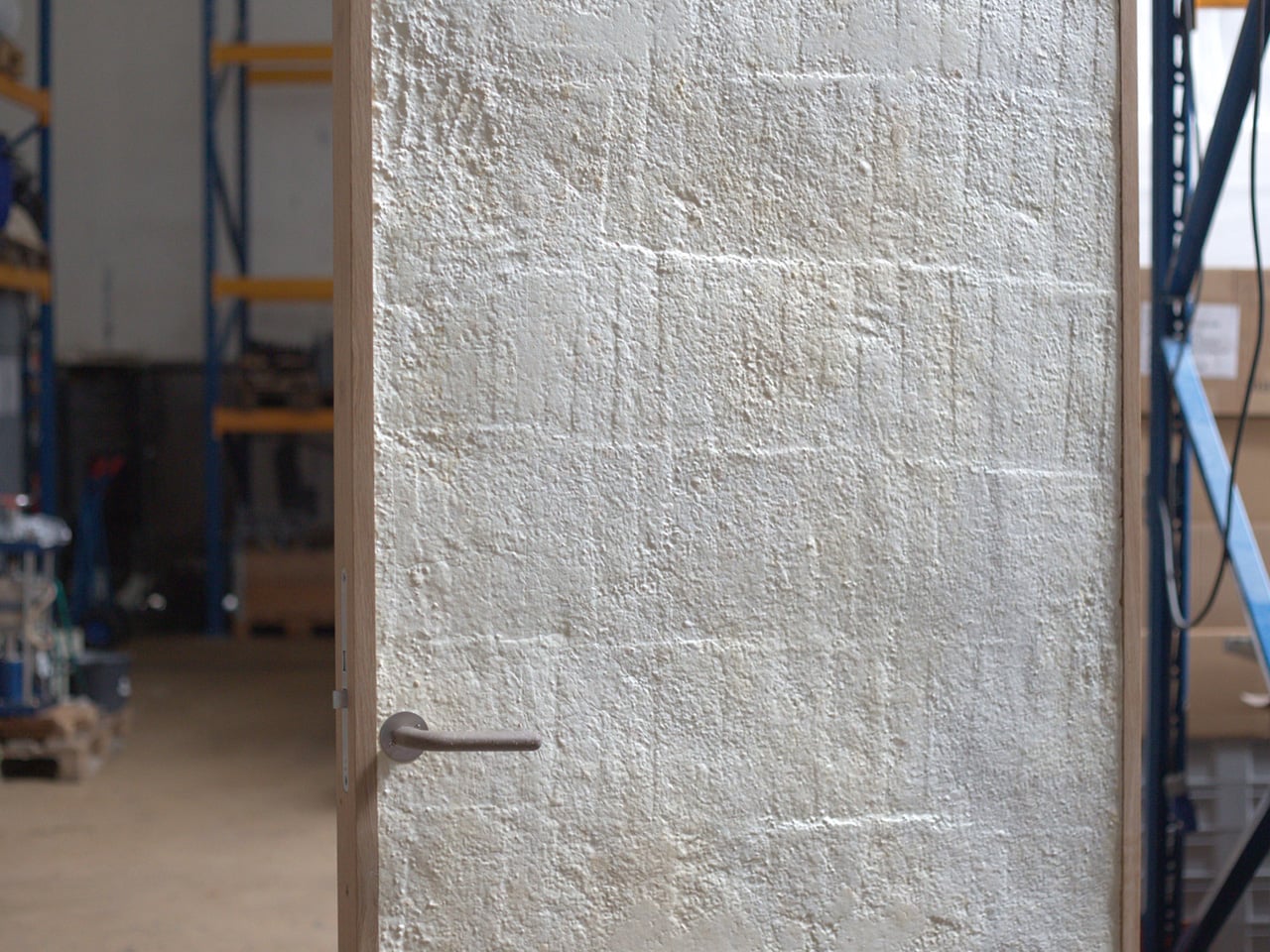
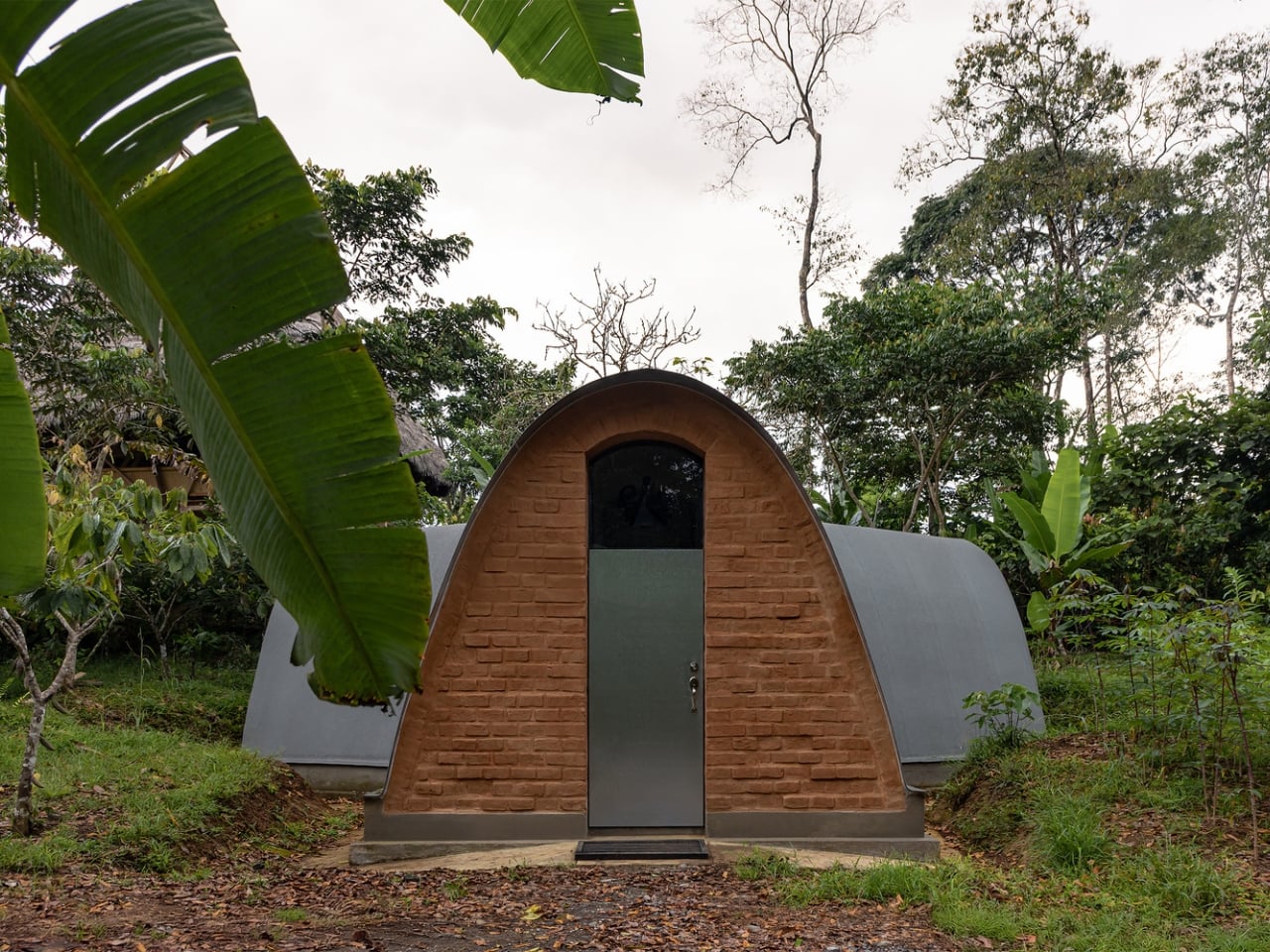
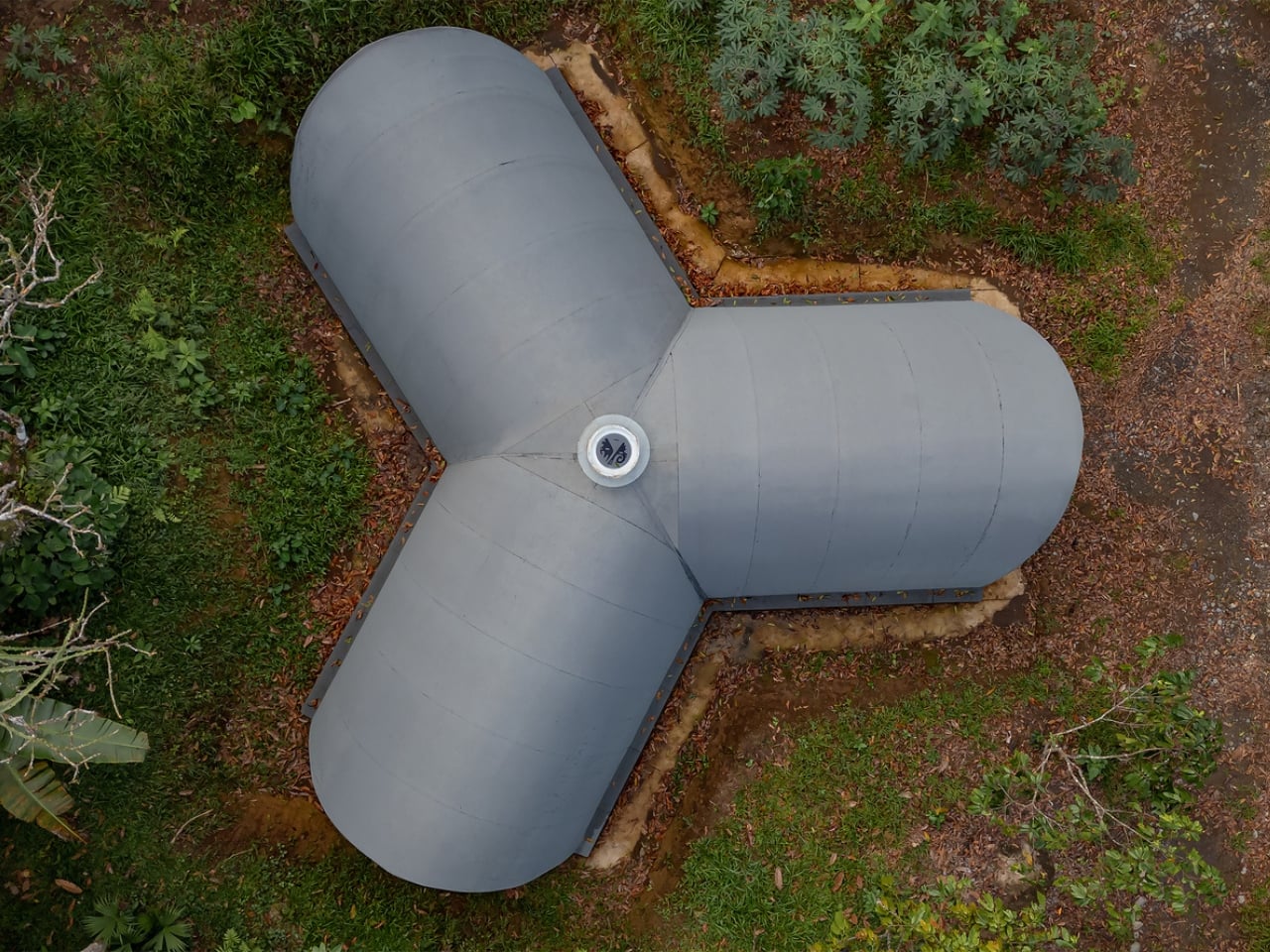
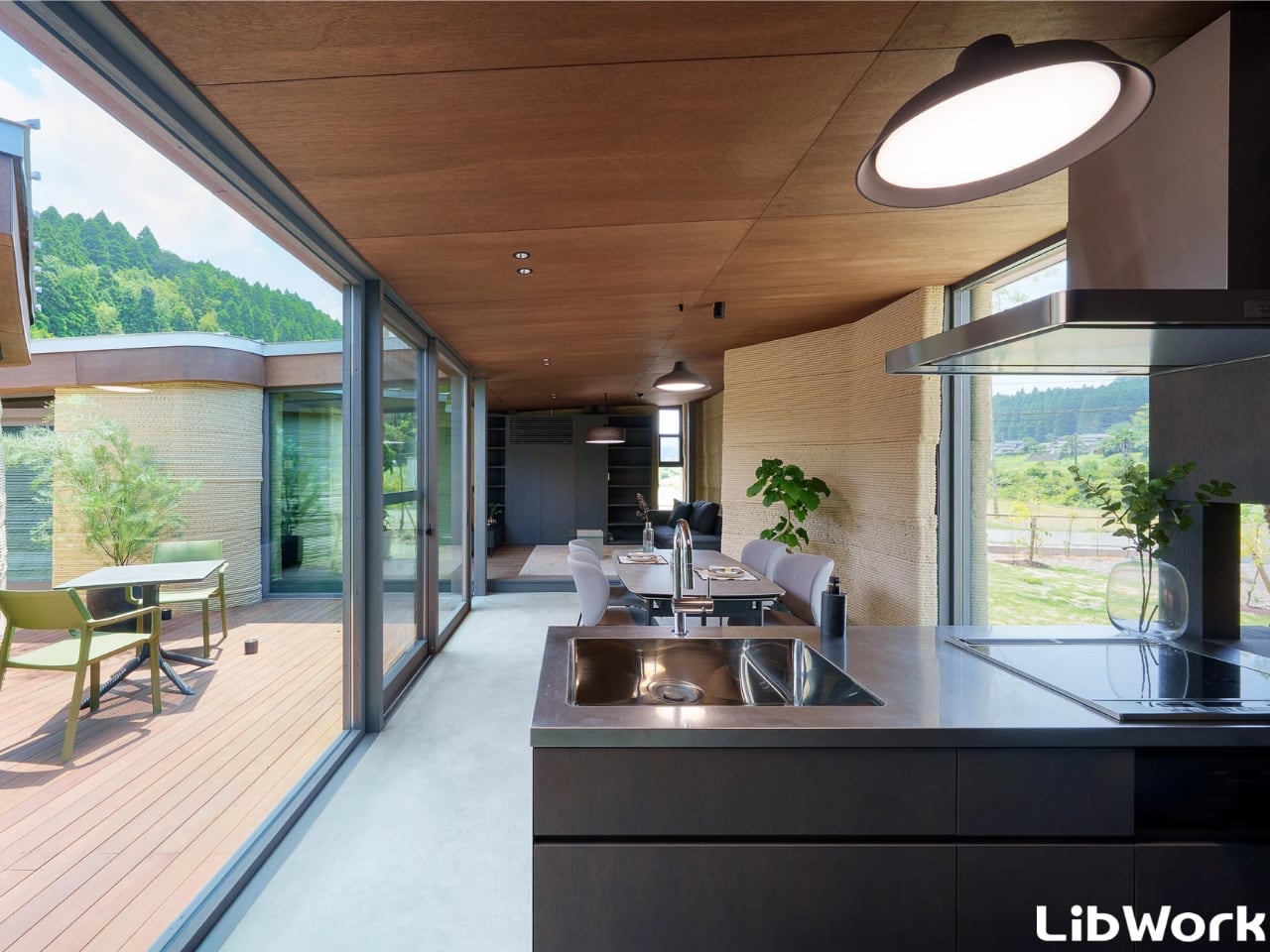
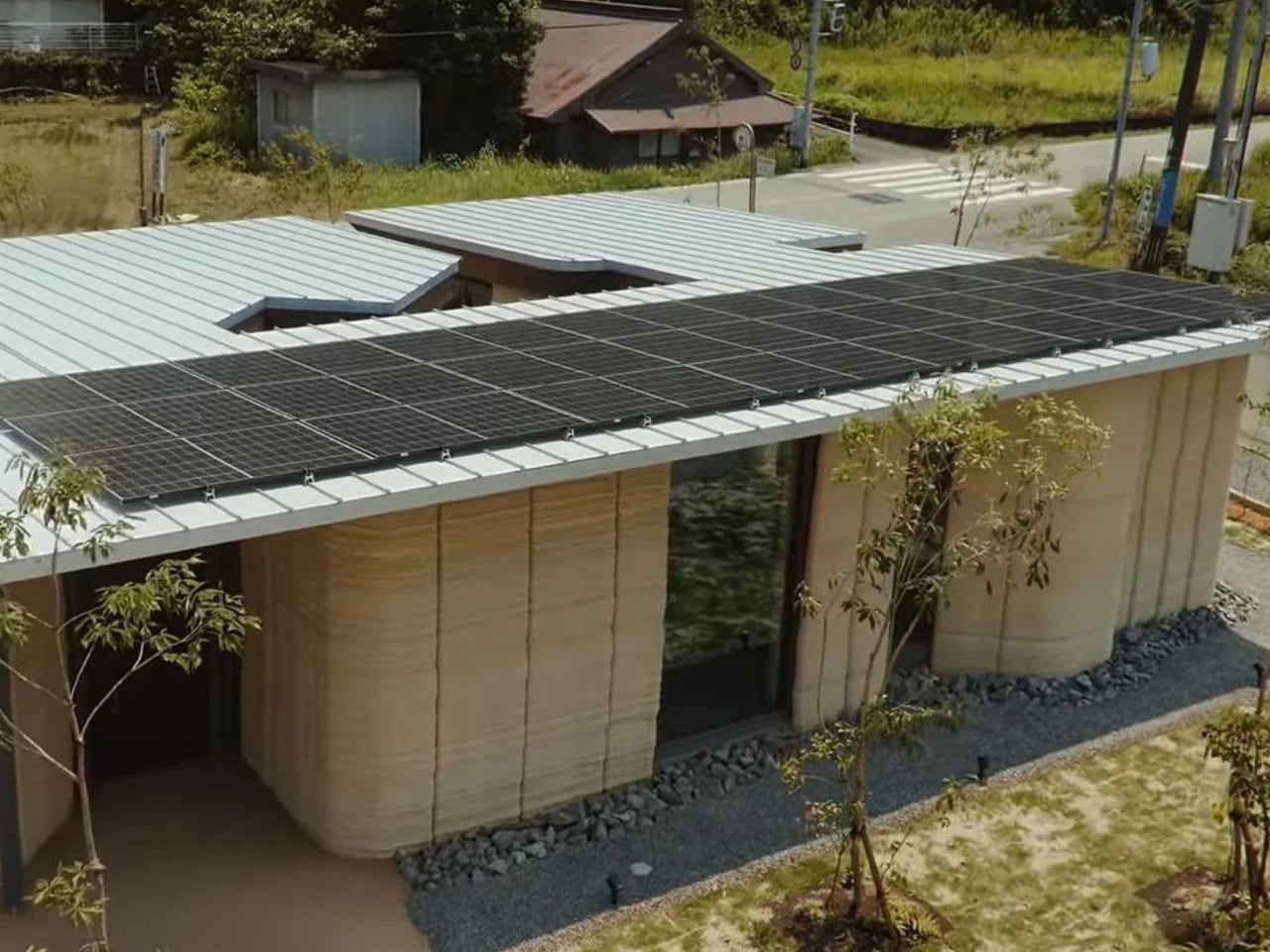
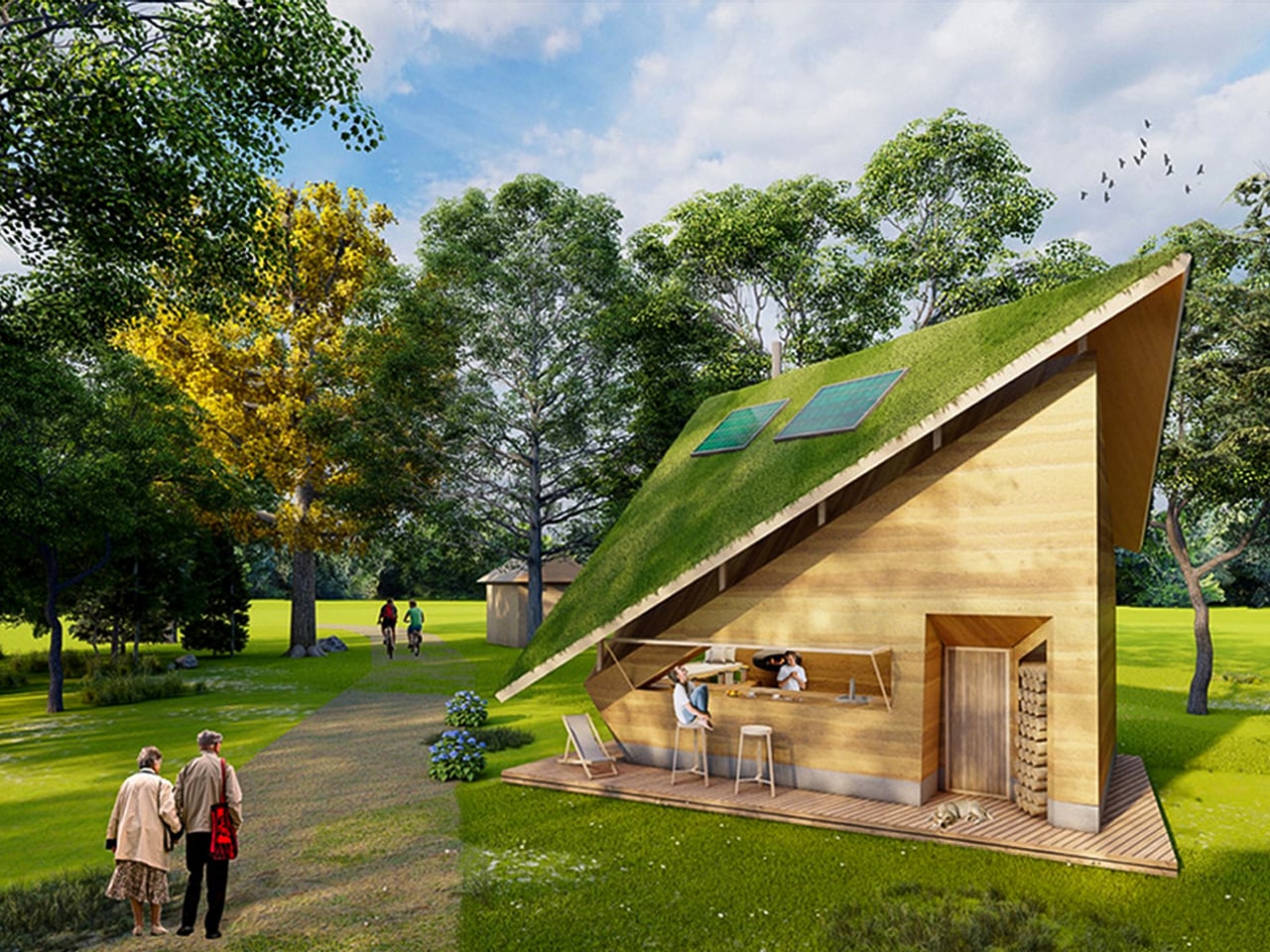
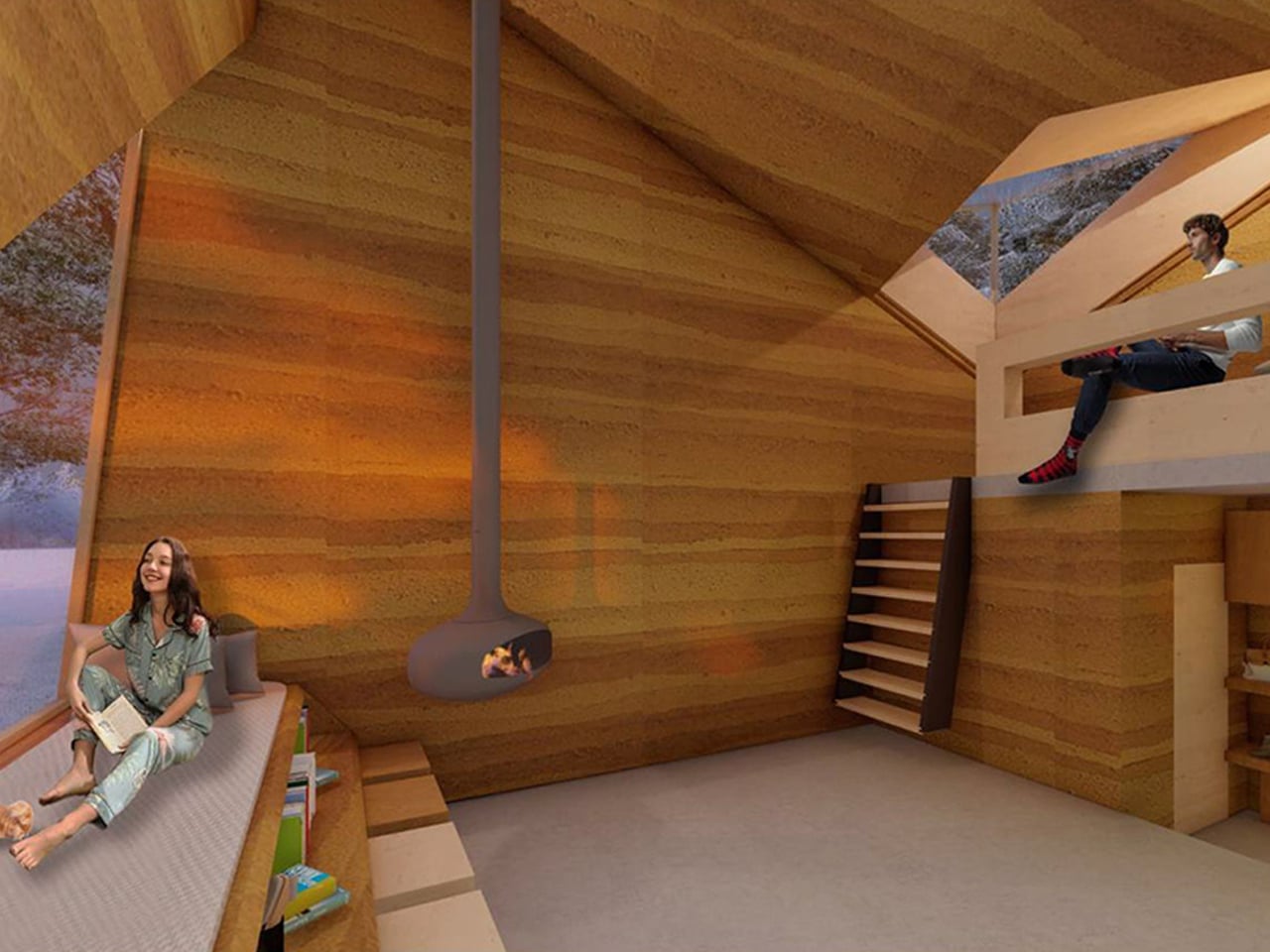
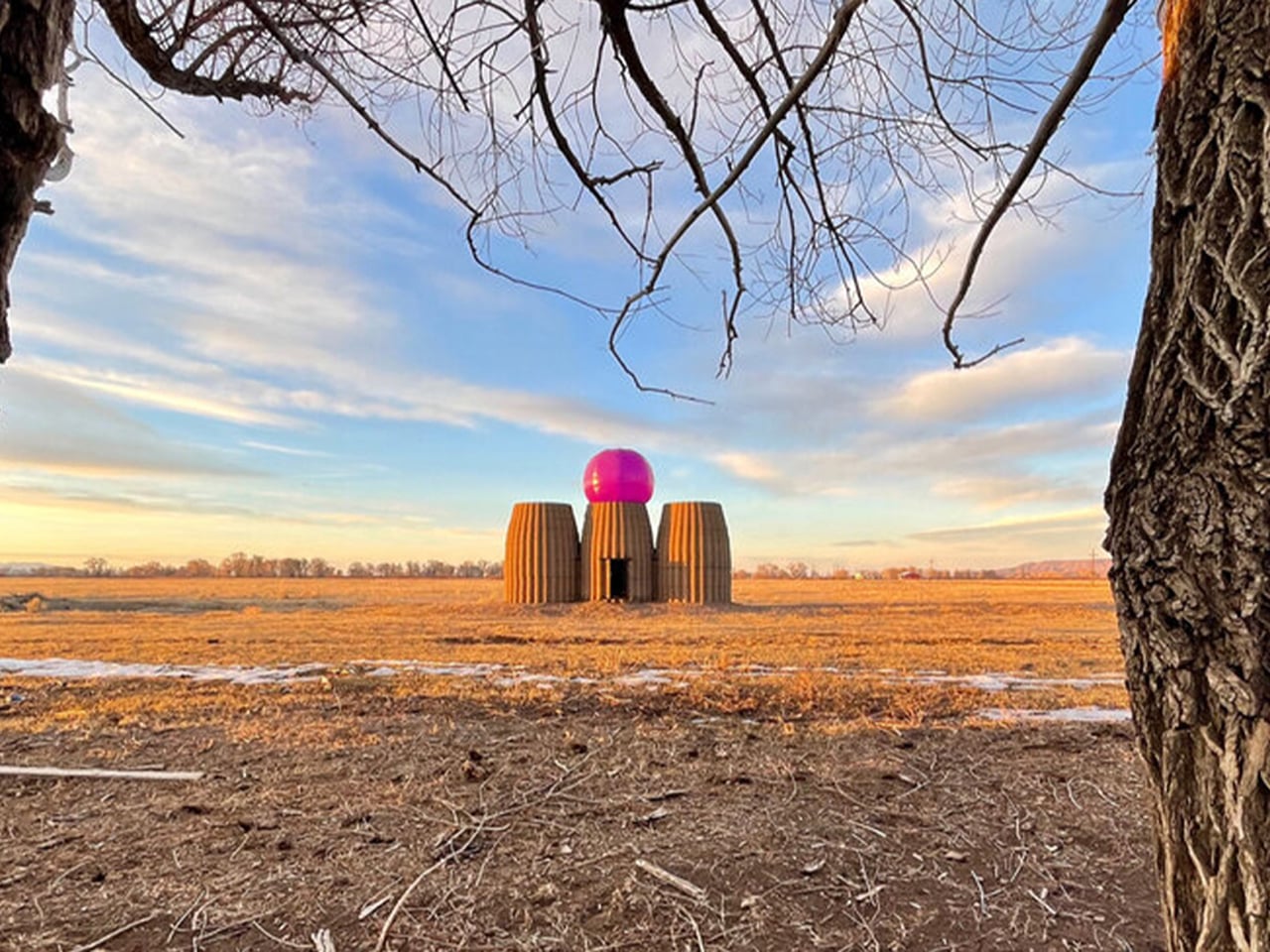
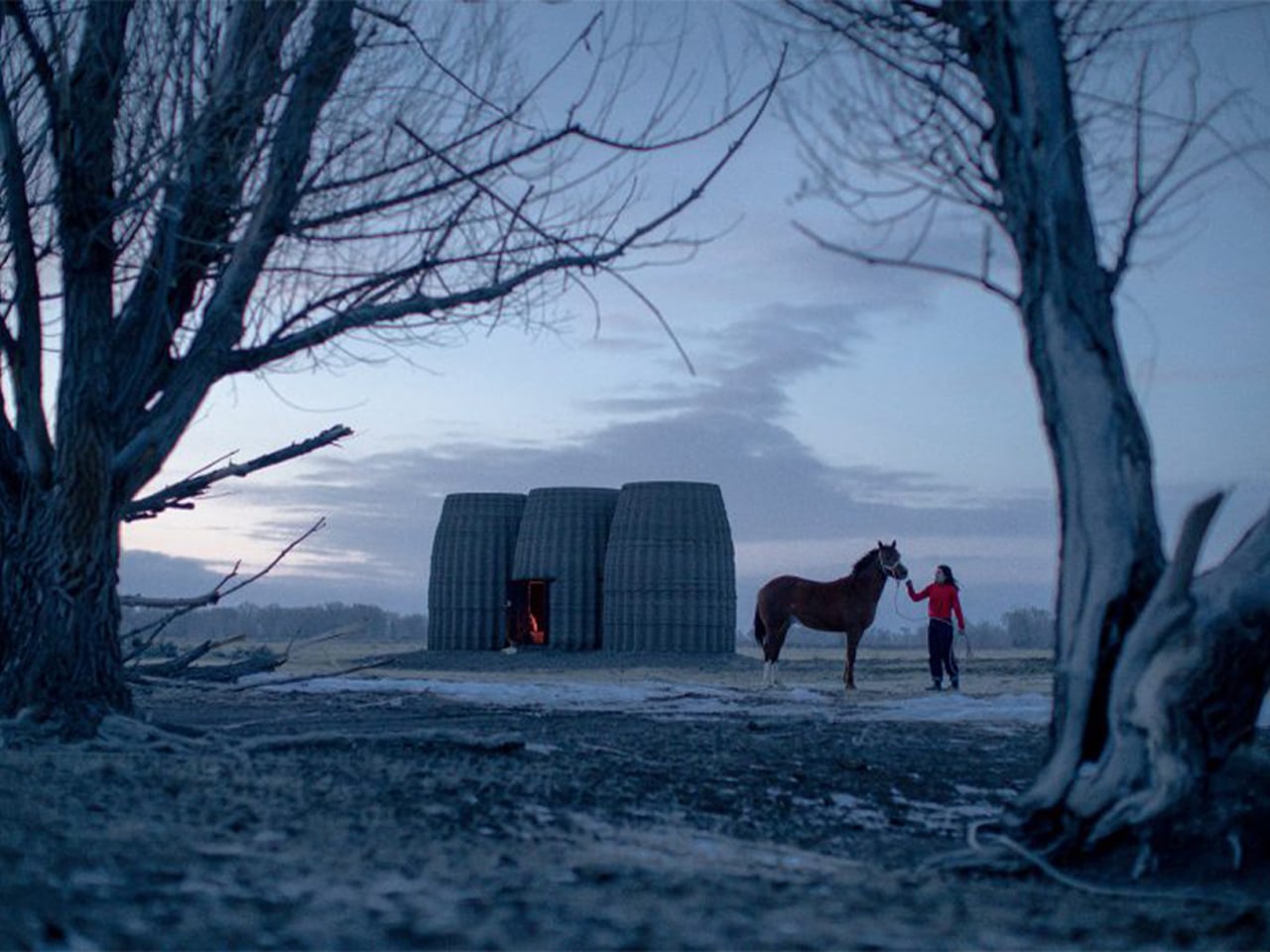
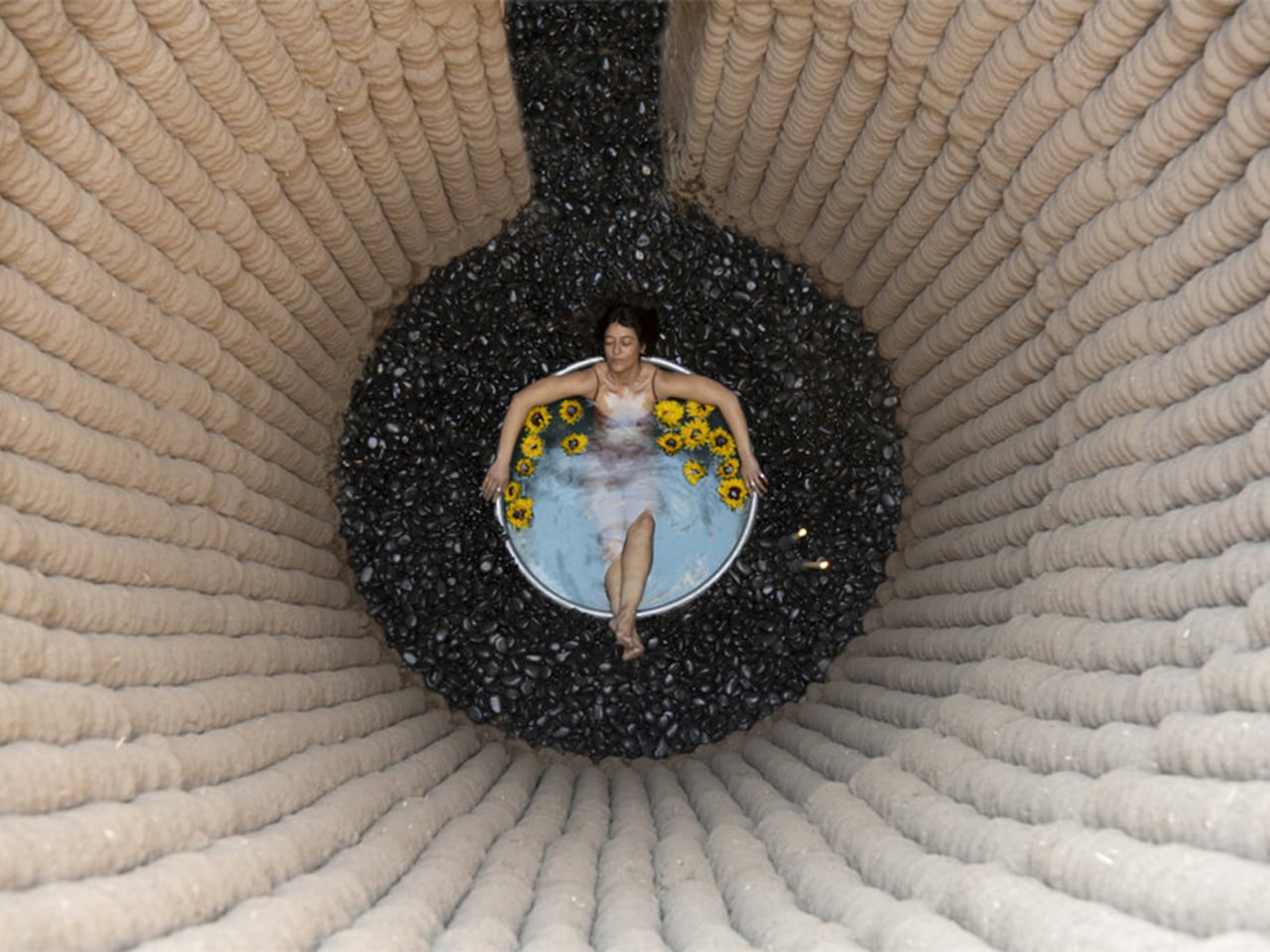
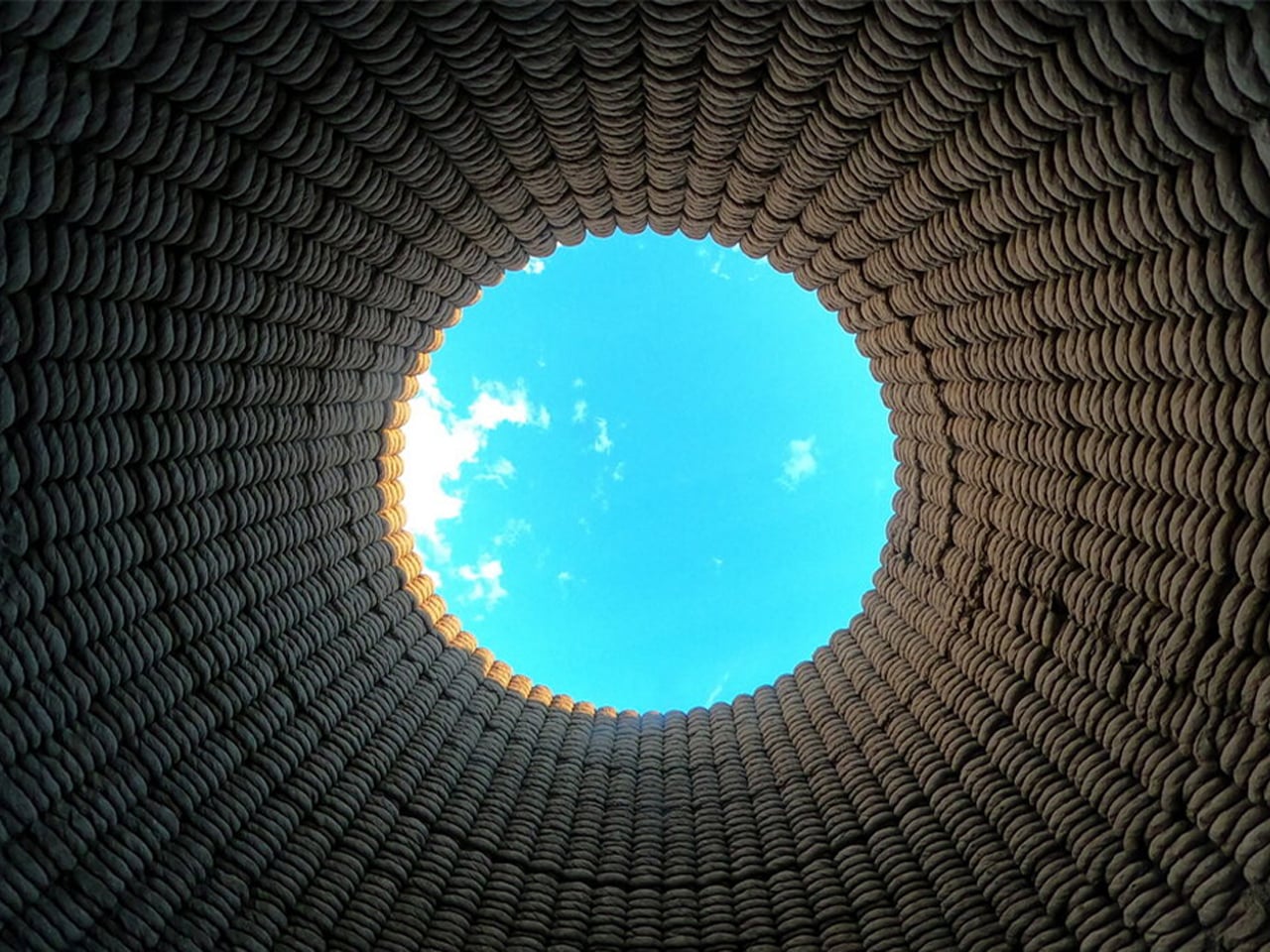
Dubbed the CRANE WASP, this 3D printer is also known as “the infinity 3D printer”. The impressive printer utilizes locally sourced clay, mud, or cement to 3D-print affordable homes. The printer even uses agricultural waste as aggregate to build homes. Currently, this system is being employed to construct some much-needed housing in Colombia.
Designer: United Nations Development Program (UNDP)
The United Nations Development Program (UNDP) recently purchased a Crane WASP to build affordable and effective homes in Colombia. The homes are built using local soil and resources. The printer is priced at around US$180,000, which is no small amount. Currently, more than a quarter of Columbian households are suffering from a lack of decent housing – an estimated 3.7 million. Two of three families who do have homes aren’t in great condition either, since the dwellings are subpar and need structural improvements. By utilizing locally sourced soil, the UN won’t need to bring in expensive materials from other lands. This tactic is bringing down costs significantly.
The Crane WASP ( World’s Advanced Saving Project) draws inspiration from the Mason Wasp – a little yet hard-working insect that uses mud to make its own nests. The UNDP intends to install the printers in challenging terrains, where it is difficult to set up expensive and conventional equipment. This equipment would have limited access as well. The Crane WASP is complemented by the local soil, and both work excellently to build homes for the impoverished or homeless.
The fashion industry is known for its striking designs, lavish materials, and sometimes mind-blowing forms, but it also has a dirty little secret when it comes to sustainability. Many of those materials, processes, and even ingredients have a tendency to harm the environment, especially mass-produced pieces of clothing, accessories, and footwear. Even something that sounds so innocent like the rubber soles of shoes can have a long-term negative impact on the planet’s health, especially when they’re thrown away without much thought. Although it’s not enough to make this discarded material disappear, these distinctive artistic stools help reduce their numbers while providing furniture that makes an impact in more ways than one.
According to figures, 20 billion pairs of shoes are produced each year, and nearly all of those end up in landfills sooner or later. Footwear is usually made with half a dozen synthetic materials, with outsoles using plenty of rubber that takes more than a hundred years to decompose. Burning them, on the other hand, releases toxic gases, which is usually what happens in garbage disposal sites. Even though the process still uses water and energy, recycling these materials is still a significantly better way to deal with all the waste.
WU is a line of stools that does exactly that, giving new life to shoe soles that result in an even more interesting design. 90% of each stool’s raw materials are made from recycled rubber shoe materials, about 15kg of material that is equivalent to 60 rubber soles. It’s a small number compared to the amount of shoes being thrown away, but even just 10 of these stools mean 600 shoes are kept away from landfills.
The resulting design is quite intriguing as well. The raw materials are classified according to color to have a more uniform appearance, but the uniqueness still comes out in tiny bits of colors and microtextures. If some recycled plastics create a terrazzo effect, the recycled rubber soles result in finer and smaller pieces that have a grainy appearance as if painted with oils or mixed in with concrete.
The shape of the WU stool is also unusual, with a hexagon seat and a three-pointed base. This makes it easy to combine the stools into a larger form like a bench, though the connection will be superficial and perhaps a bit unstable. When placed together, these stools paint a rather eye-catching picture, almost literally, as if somebody took reality and applied a mosaic filter on it. Either way, no one will be the wiser that these were probably made from the pair of shoes they threw away years ago.
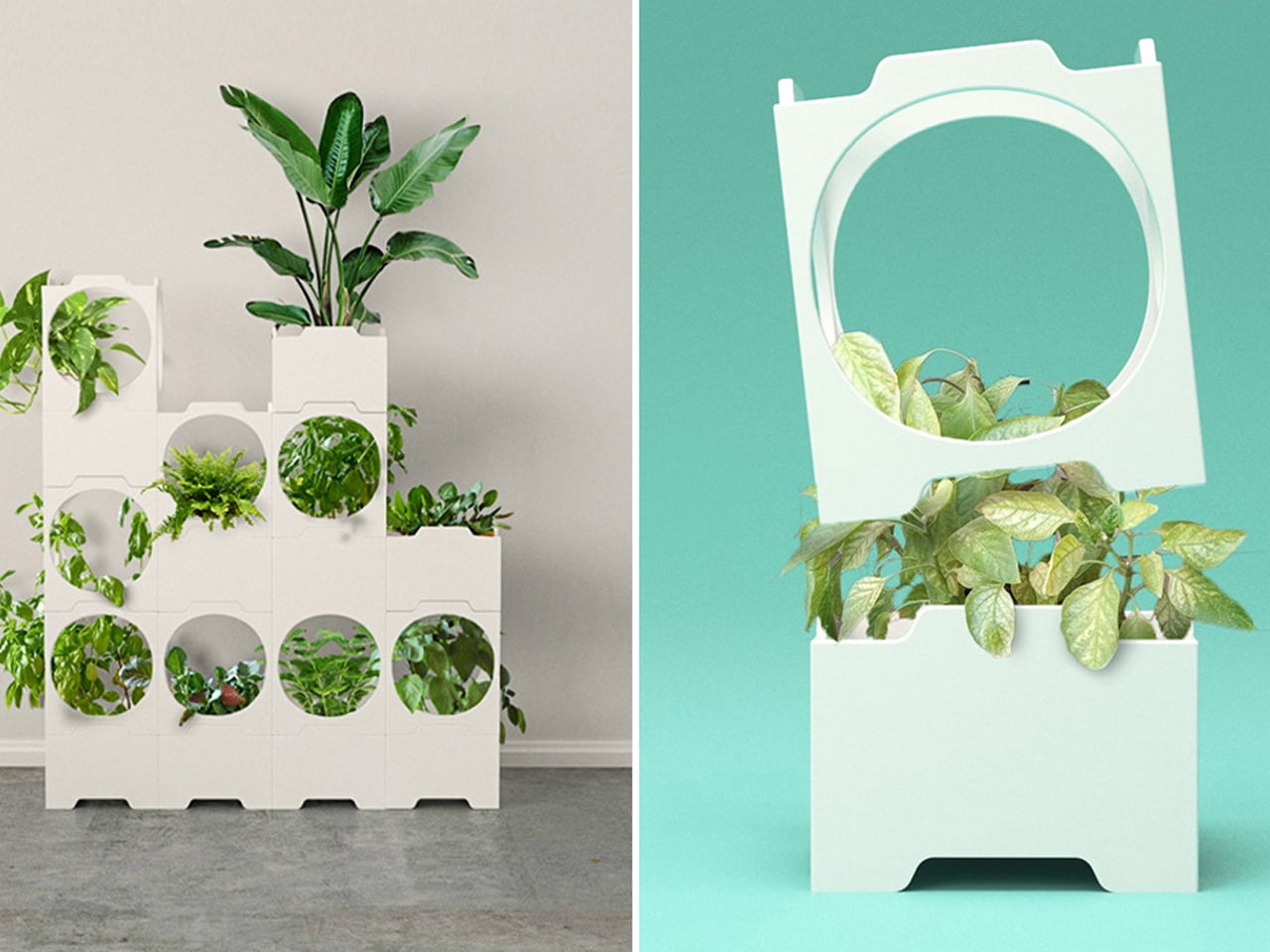
Indoor gardening can be a soothing and relaxing hobby. It is an extremely therapeutic activity, and though I may not engage in it all the time, the few times that I have, I found it delightful and soothing. Growing, tending to, and being surrounded by plants is intensely satisfying. All your worries slowly fade away, and you are simply enthralled by nature. Indoor gardening has become one of the major trends these days! Plants can truly transform a living space with their gentle presence. They add a touch of green and nature and create a serene and zen atmosphere. But tending to them is not always the easiest task. You must pay special attention to your beloved plants and give them the best care to ensure they grow well. And, we’ve curated a whole collection of product designs to help you with that – happy gardening!
1. Briiv Pro
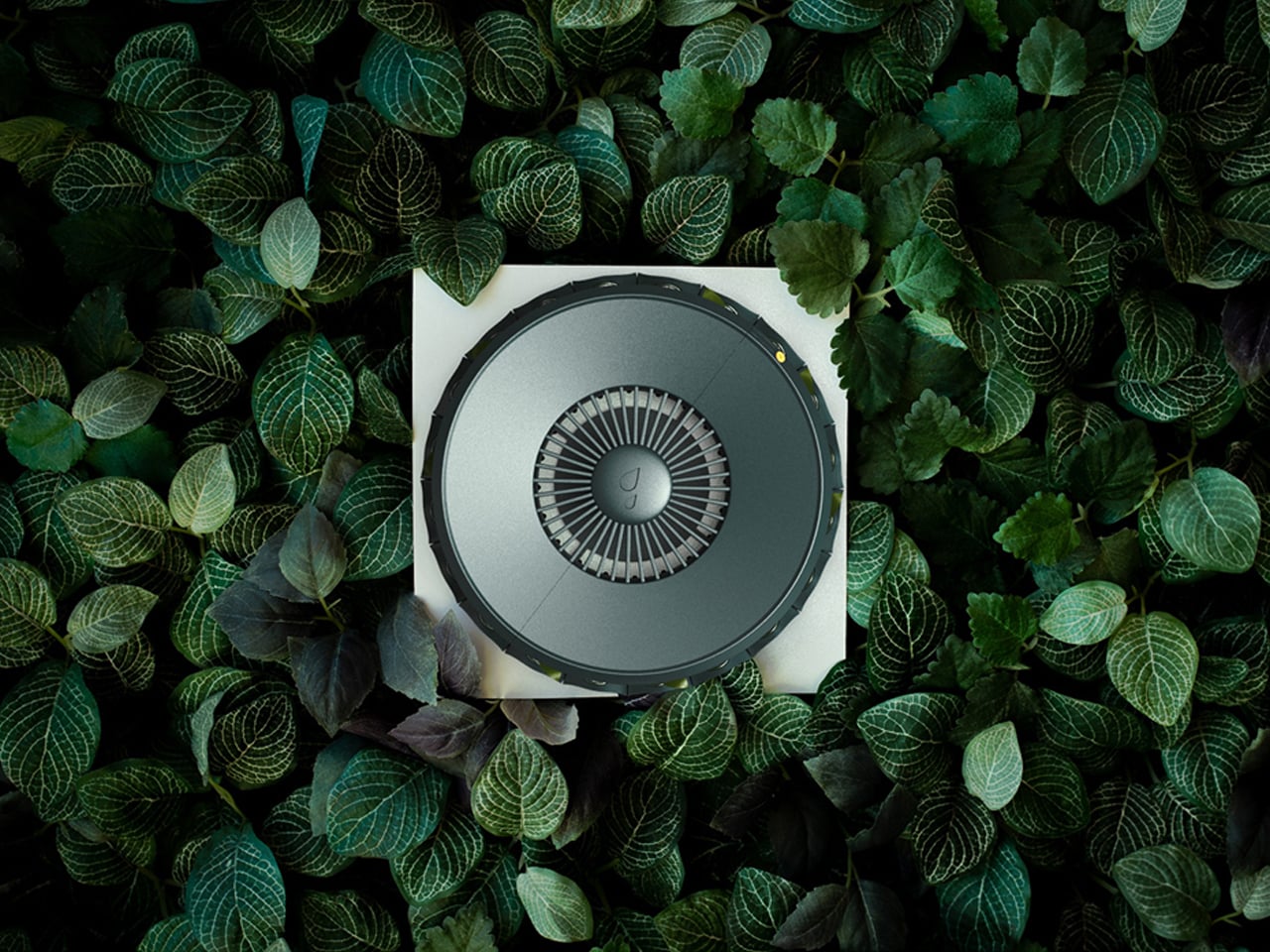
Named the Briiv Pro, this eco-friendly purifier utilizes a mix of nature and technology to clean and purify the air within your home. The Briiv Pro is a new and improved version of the original Briiv, and it is more powerful than ever. Designed to be a ‘mini forest’, the air purifier can cleanse a 16 sq.m. room in 21 minutes. It is 6900% more effective than house plants!
Why is it noteworthy?
Since the Briiv Pro is 6900% more effective and efficient than house plants, it is a truly commendable feat considering its size. The purifier is not only functional but also pretty good-looking, unlike the bulky and ugly appliances that you get on the market these days.
What we like
Features an AI-based sensor
Equipped with a layered trifecta of moss, coconut fiber, and a silk nanofiber matrix with activated carbon
What we dislike
The Briiv Pro isn’t as fast as other air purifiers on the market, and it is quite expensive as well
2. Patella Crescenda
Named the Patella Crescenda, this planter fits perfectly in both your palms and lets you grow greens with complete ease and efficiency. The planter has a unique shape, which lets it water itself, ensuring you don’t need to. You can grow seeds without any soil, and the sprouts grow in about a week. The planter is reusable as well, ensuring you always have a fresh supply of microgreens.
Why is it noteworthy?
The planter includes four parts – a base tray, two reusable steel seed plates, and a water bulb that fits on top. All the parts come together, helping your greens sprout within a week. They grow in the water, without any soil, so you don’t even need to clean them.
What we like
Intuitive design
Fun to use product
What we dislike
It works only for micro-greens and cannot be converted into long-lasting plants
3. Green Hideaway Chair
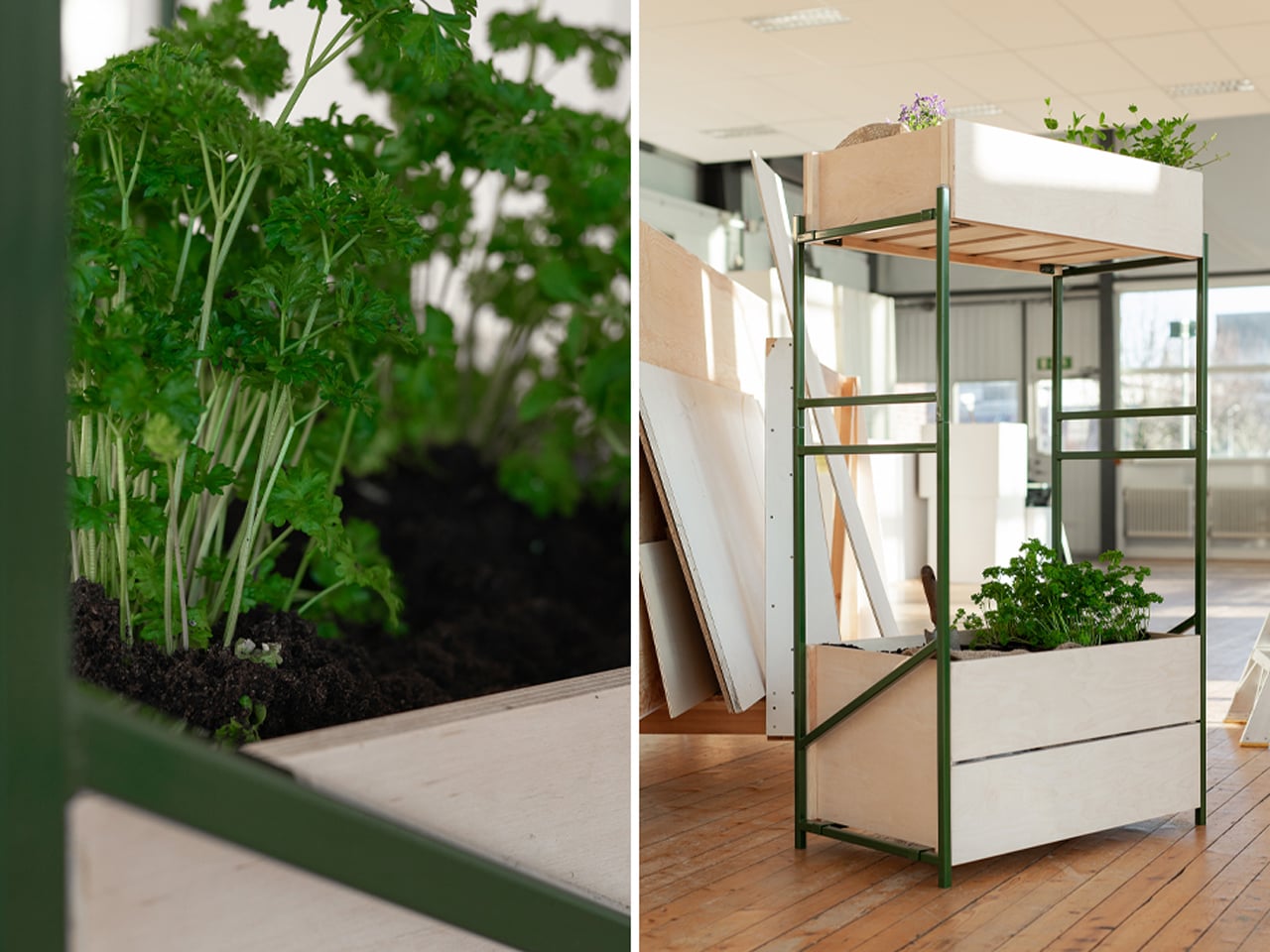
Dubbed the Green Hideaway Chair, this DIY living plant chair lets you connect with nature. It is created by Stockholm-based studio Front/ in collaboration with the European DIY chain HORNBACH, and its creative agency HeimatTBWA. With the Hideaway Chair, you can add a touch of green to your home.
Why is it noteworthy?
The Green Hideaway Chair doesn’t need any professional expertise to set it up. DIYers of all skill levels can easily set up this simple chair. The chair is accompanied by illustrated, step-by-step instructions, a template, as well as an entire list of tools and materials that you may need. The entire process is laid out for you.
What we like
Makes nature accessible to you in your own home
What we dislike
It will occupy some space, so you need to make sure you have sufficient space to add it to your home
4. Noku Canvas
Called the Noku Canvas, this self-watering and modular greenwall is designed for your home. It converts your houseplants into wall-mounted hydroponic marvels, letting you add a touch of green to any room in your home, whether it is your home office, living room, or even the kitchen!
Why is it noteworthy?
The Noku Canvas is self-watering, as it is amped with wicking hydroponics that water your plants for you. It is equipped with a useful little water gauge which reminds you when to refill the water.
What we like
Modular design, so you can customize it however you want
Built from recycled plastic and natural cork
What we dislike
It only includes a wall-mounted version, there is a limited choice
5. Totam Planter
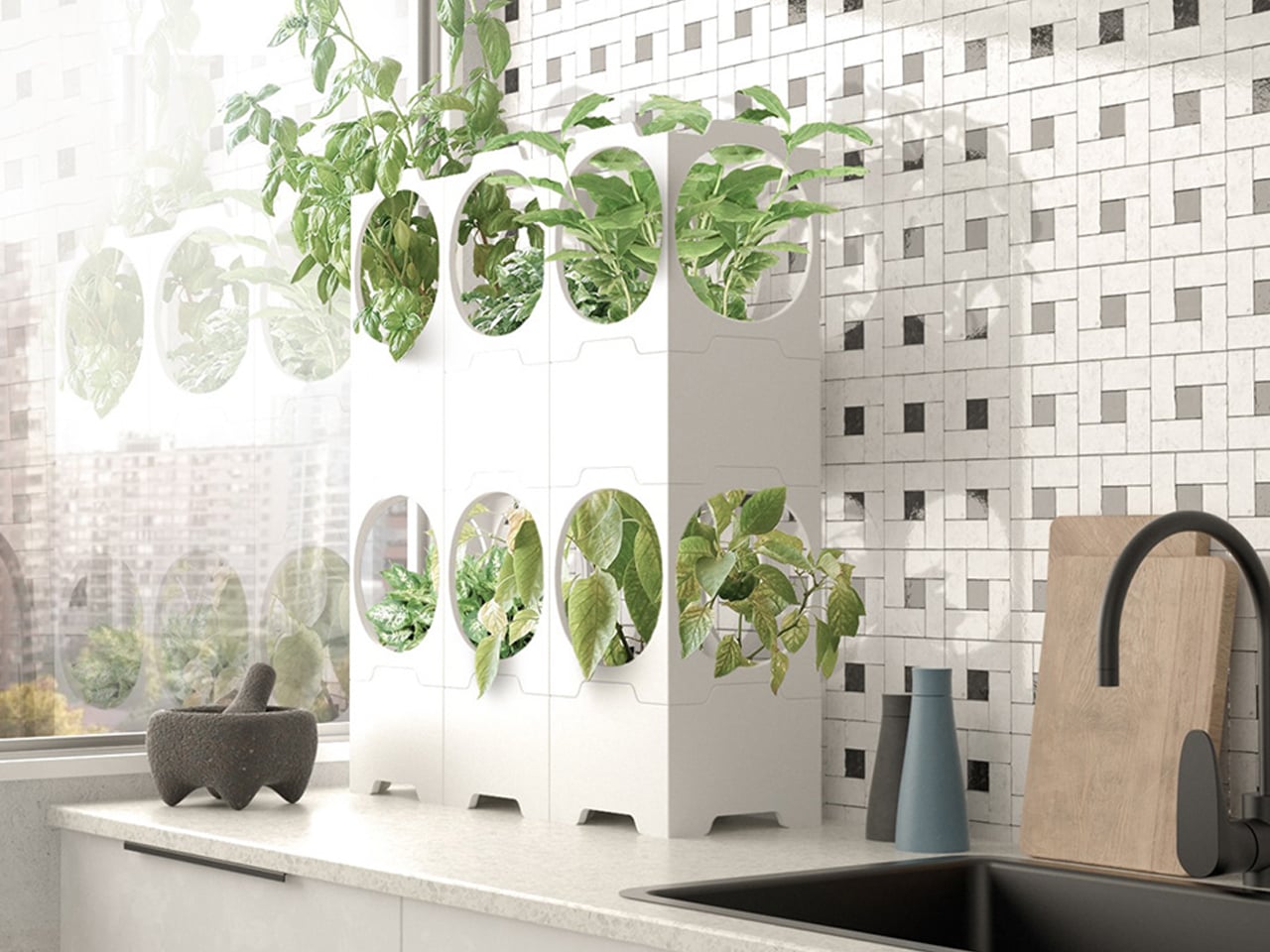
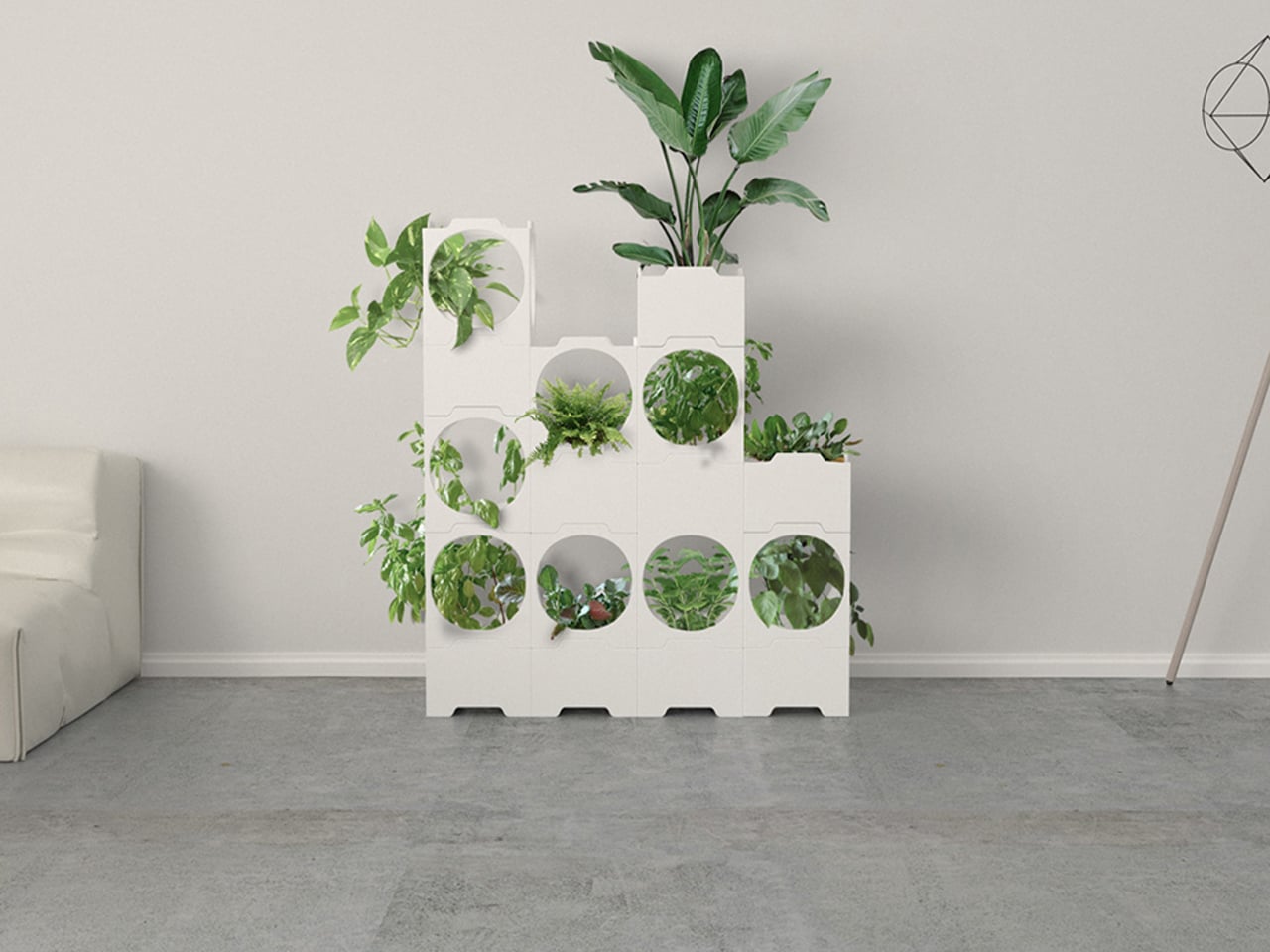
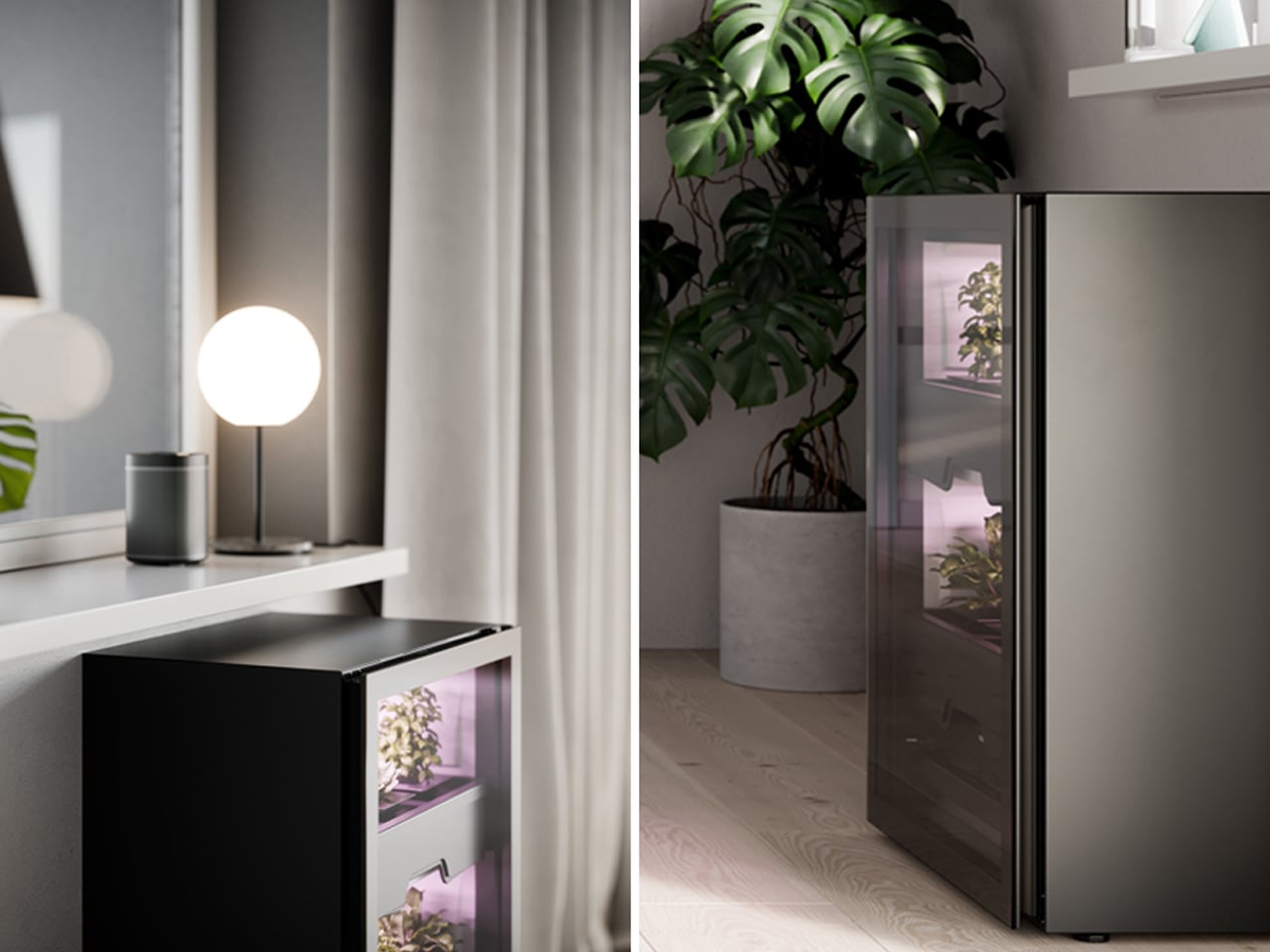
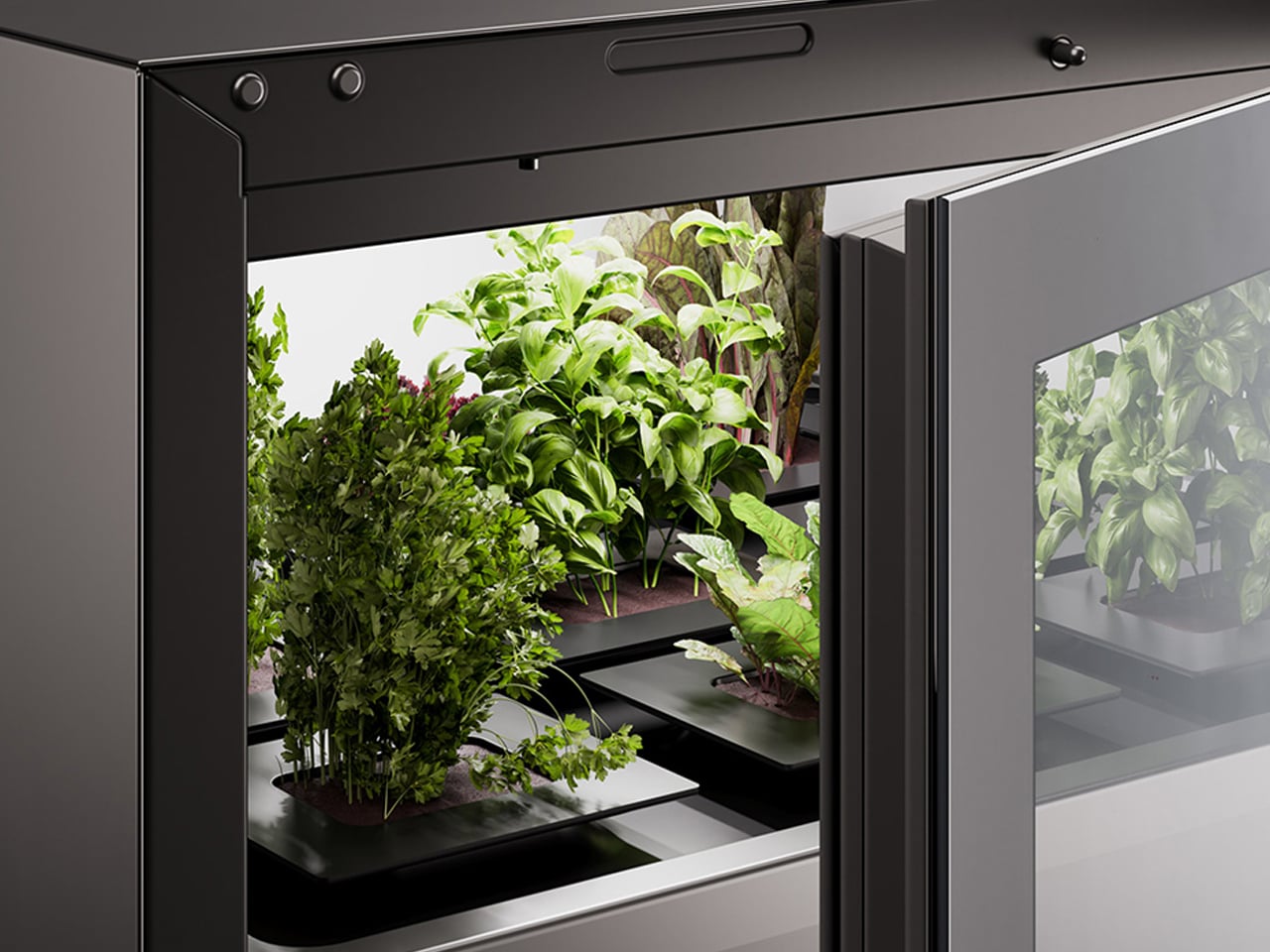
Say hello to the totam planter – a modular self-watering indoor garden that is created to enhance your space. You can personalize the planter according to your taste and needs. It is a one-of-a-kind vertical indoor garden that showcases and displays your beloved plants with pride. You can grow microgreens, succulents, food, flowers, whatever you like!
Why is it noteworthy?
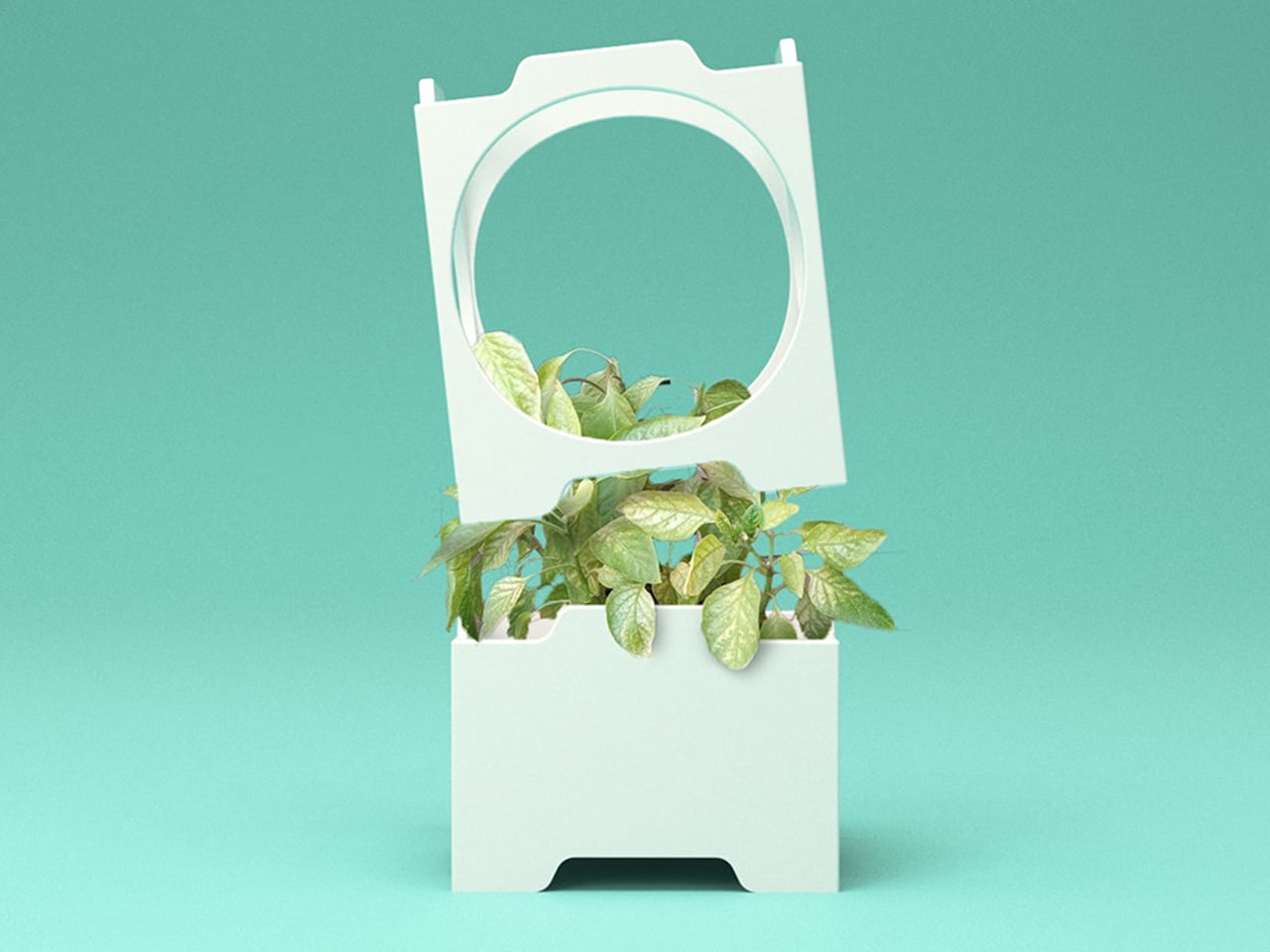
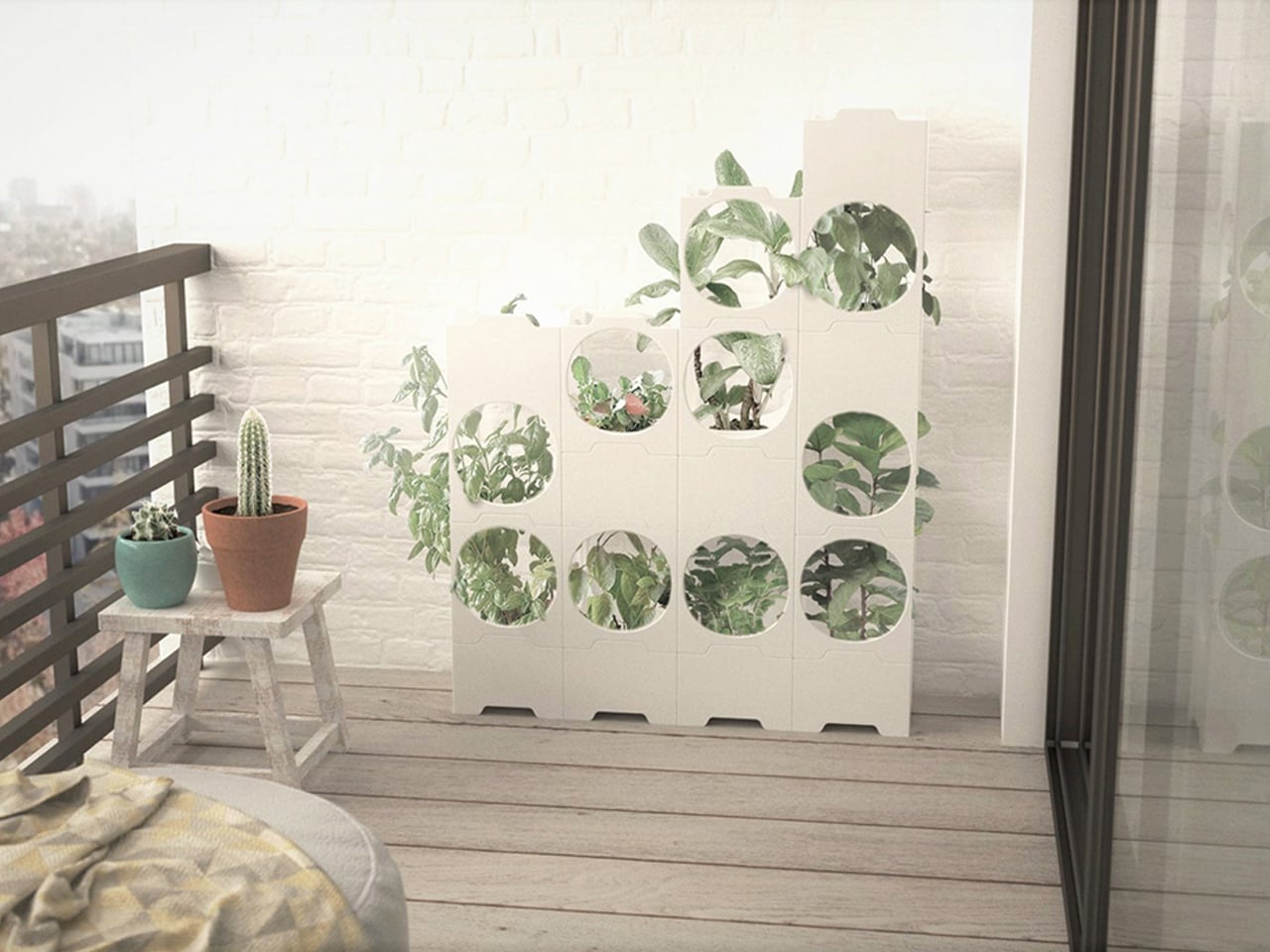
It is a modular design, so you can build your own customized totam planter using a combination of different modules. You can use a whole bunch of different modules to create your own perfect tower. By adding vertical modules to the tower, you can create extra space for tall or trailing plants to grow freely.
What we like
Packs a whole bunch of greens into a small countertop footprint
You can schedule lighting at the touch of a button
What we dislike
They currently don’t offer any Matter/HomeKit support for their lighting
Kautokeino is located in Norway, north of the Arctic Circle, and suffers from extremely cold temperatures that can hit – 45 °C. Snøhetta was commissioned to build a brand-new cultural and education hub in this difficult location. A lot of thinking and attention to detail went into building this sturdy wooden structure which is supposed to be 90% self-sufficient in heating and cooling. Named, this building was constructed in collaboration with Joar Nango and 70°N arkitektur. The word ‘Čoarvemátta’ is derived from the Sami words for horn and root, which are the strongest parts of the reindeer’s antler. The hub is inspired by the local Sami culture and will be hosting the Sami National Theatre Beaivváš and the Sami High School and Reindeer Herding School.
The structure occupies around 77,500 sq ft and is constructed mainly from wood. It features an impressive 53,000-sq-ft sloping roof that slowly moves towards the ground. The exterior was built using the slate from a previous school which has been demolished. The hub has a branching shape which creates surreal outdoor spaces. The south-facing space functions as the main entrance, and is protected by the dipping roof. The interior is equipped with theater and school areas, as well as a cool skylight inspired by a traditional Sami smoke hole. The interior is subtle yet beautiful, letting the natural beauty of the wood truly shine. The interior is also amped with traditional art by respected Sami artists. These pieces add hints of red and blue to the space, livening it up.
“The building is 90% self-sufficient in energy to heating and cooling thanks to 40 geowells drilled about 250 meters [820 ft] into the ground,” said Snøhetta. “The wells supply two heat pumps that both heat and cool the building, while exchangers for the energy wells dump surplus heat back again. On the coldest winter days, the system is supplemented with an electric boiler.”
The Čoarvemátta is in complete accordance with the requirements of the Passive House Standard – a strict green building standard that needs a high level of insulation and air-tightness. The hub also utilizes geothermal heating. The landscaping around the Čoarvemátta has been kept natural since Sami culture does not include creating parks and urban spaces. The soil that was removed from the site has been preserved, stored, and returned, ensuring the safety of the seed stocks.
Wood is a favorite among designers, especially furniture designers, because of its innate beauty, unique grains, and sustainability. But although the material is indeed biodegradable and recyclable, most furniture designs still result in a lot of waste. There can be many uses for wood chips, sawdust, and unused wood pieces, but an even better solution would be to reduce the wasted material in the first place. That means making every square inch of a sheet of wood count, leaving very little behind once the piece of furniture has been put together. That’s the idea behind this beautiful minimalist side table, where designing for efficiency has also led to a very interesting organic shape in the process.
Flat-packed furniture has become trendy, especially with the minimalist designs propagated by the likes of IKEA. But while these designs are indeed space-efficient and economical, most of the time they’re mass-produced in a manner that produces plenty of offcuts and waste by-products. After all, it is also more efficient to cut all the legs of tables from the same batch of wood and all the tabletops from another, even if their shapes mean there will be plenty of scraps literally left on the cutting room floor.
Slide Table is a design concept for a side table that advocates efficiency both in packaging as well as in manufacturing. Every part of the table is actually cut from a single sheet of wood, so even mass-produced versions would have the same qualities. Yes, there will still be some unused parts that are cut off to produce the gaps between parts, but the goal is to minimize this waste as much as possible rather than eliminate them completely.
What makes this efficient use of the material is the rather unique design of the table itself. The tabletop is a disc carved from the middle of a rectangular plank of wood, and the remaining section is split in half to form the legs. The legs themselves “slide” into each other, connecting in the middle and forming a cross shape on which the circular top rests. It’s a simple yet intriguing shape that creates something like an optical illusion when viewed from the side.
While Slide Table does offer a beautiful and more sustainable design, it leaves some concerns about the stability of the furniture itself. There is no clear indication of how the legs stick together, or how the tabletop stays stable. It’s certainly possible that other smaller parts of the wooden sheet can be used as dowel rods to connect the pieces, which would further reduce the amount of wasted materials. This design, however, also has its limits in how big the table can be, as the tabletop will always be proportional to the rest of the sheet that would become its legs.
Most people (at least those who are thoughtful and aware enough) are now pretty conscious about how we consume things and where all our waste goes. This also means there is no shortage of product designers who have been experimenting on how to recycle and upcycle materials and products that reach end of life. Product waste is something we also need to think about since this will forever be part of human development.
By Osmosis is a project by Laura Bordini that explores how to use product waste and turn it into a biomaterial that can serve a different purpose and then eventually be used to help grow plants, creating a circular process. She used microalgae biomass that came out of the water purification process of a waste disposal center in Lindlar, Germany. Out of that, she was able to create agricultural biostimulants. The microalgae biomaterial can be turned into things like packaging before turning them into stimulants to promote plant growth and create better soil quality.
One of the packaging that she was able to create is a flower holder made from microalgae and wood powder. Since flowers have an end date as well, the packaging can them be repurposed as biostimulant if you’ll not be using it anymore. Another item she was able to create was seed containers, which again, is pretty apt for this circular process of ecological regeneration. We can also see plantable cards with messages like “Nice to seed you” and it’s made up of seeds and microalgae.
Algae is not a major material that product designers think of but with this experiment, she’s hoping that creators can see it as a future material for their products. It’s materials like these as well as the process to extract and create them that make the ecological regeneration a reality and hopefully, eventually become the norm.
In an exciting blend of vibrant culture and innovative architecture, Heatherwick Studio has unveiled the stunning visuals for a new school in Bogotá, Colombia. This groundbreaking project, set to rise on Calle 72, one of the city’s bustling main arteries, promises to be a visual and functional masterpiece for Universidad Ean’s School of Sustainable Design.
The seven-story marvel will serve as a dynamic hub for creativity and learning, adorned with colorful, basketry-formed terraces that pay homage to Colombia’s rich craft traditions. Inspired by Werregue basketry, a unique weaving technique of the Wounaan indigenous community, the building’s front façade will be a captivating mosaic of crafted columns and open terraces. This design not only celebrates local heritage but also infuses modern architectural flair, making it a standout addition to Bogotá’s skyline.
The innovative columns of the building, which denote the earthy vibe of the project, are not just regular forms seen in past structures. They resemble organic stones stacked on top of each other, supporting the balconies above. The design detailing of the joint where the balcony slab meets the column is particularly fascinating, and easily noticeable from the ground. This junction appears like ripples created when a stone touches water, adding a unique and visually engaging element to the architecture. The vibrant colors of the columns are certainly eye-catching, ensuring the building stands out in the urban landscape.
Eliot Postma, group leader and partner at Heatherwick Studio, explained that creativity is intrinsic to the city of Bogotá and evident everywhere. He expressed the studio’s desire for students to feel proud of their campus even before entering the building, envisioning a public square that would provide passers-by with a welcoming communal oasis amidst the hard urban surroundings.
Heatherwick Studio’s design goes beyond aesthetics; it aims to create a central gathering space for the Universidad Ean campus. The new building will complement existing heritage structures, introducing a rare and much-needed public space in the heart of the city. The design team is also pioneering the use of innovative façade materials to withstand Bogotá’s intense sunlight, ensuring the building’s resilience and longevity.
Colombia, celebrated as the world’s second most biodiverse country, positions Bogotá as a leader in sustainable development. Universidad Ean’s ambitious vision includes integrating elements of the surrounding cloud forest into the building, embodying the country’s natural beauty. Heatherwick Studio’s biophilic design will feature local plant species on the terraces, seamlessly merging nature with urban life and aligning with Bogotá’s commitment to the C40 Urban Nature Declaration.
The building’s design is a testament to Colombia’s weaving traditions, with columns adorned in colorful, curved lines supporting the circular terraces above. This weaving texture reflects the artistry of local practices, creating a harmonious blend of tradition and modernity.
Heatherwick Studio’s first project in South America is set to break ground in 2025. This landmark building not only stands as a beacon of sustainable design but also celebrates Colombia’s vibrant cultural and natural heritage, promising to be a source of pride and inspiration for students and citizens alike.
Although bricks are commonly associated with exterior construction, they find versatile applications indoors and in landscape design. Their aesthetic appeal, versatility, and cost-effectiveness make them a standout choice for interior and exterior design. From structural elements to decorative features, bricks transcend their traditional role, offering aesthetic and functional benefits. Here are some modern applications of bricks in the realm of architectural, interiors, and landscape design.
Inspired by the intricate structure of beehives, Mutina, a pioneering ceramics company collaborating with top designers, introduced the Hives collection. Designed by Konstantin Grcic, these hexagonal terracotta bricks redefine traditional brick-building, offering infinite configurations for interior furnishings and architectural projects. Each brick, resembling two merged hexagons, facilitates dynamic versatility; vertically, they create semi-open structures with open cavities, while horizontally, they form undulating facades for columns and counters. Crafted in 13×22.5x7cm size, the Hives bricks combine functionality with durability, boasting impressive thermal and acoustic properties. Utilizing artisanal extrusion techniques, each brick is unique, maintaining an organic structure and a soothing orange glow, exemplifying Mutina’s commitment to innovative and sustainable ceramic design.
Crafted by OA-Lab, the ‘Alley House’ in Seoul, South Korea, innovatively incorporates greenery into its brick facade. Utilizing a stretcher bond pattern, the lower floor features uniquely designed bricks serving as planters. These protruding bricks create shelves for planting, enhancing the building’s exterior with a vertical garden. Their concrete composition ensures durability and containment for plants, while their density on the ground level facilitates easy watering. Ideal for smaller plants, they add a charming touch of green against the building’s white and red color scheme.
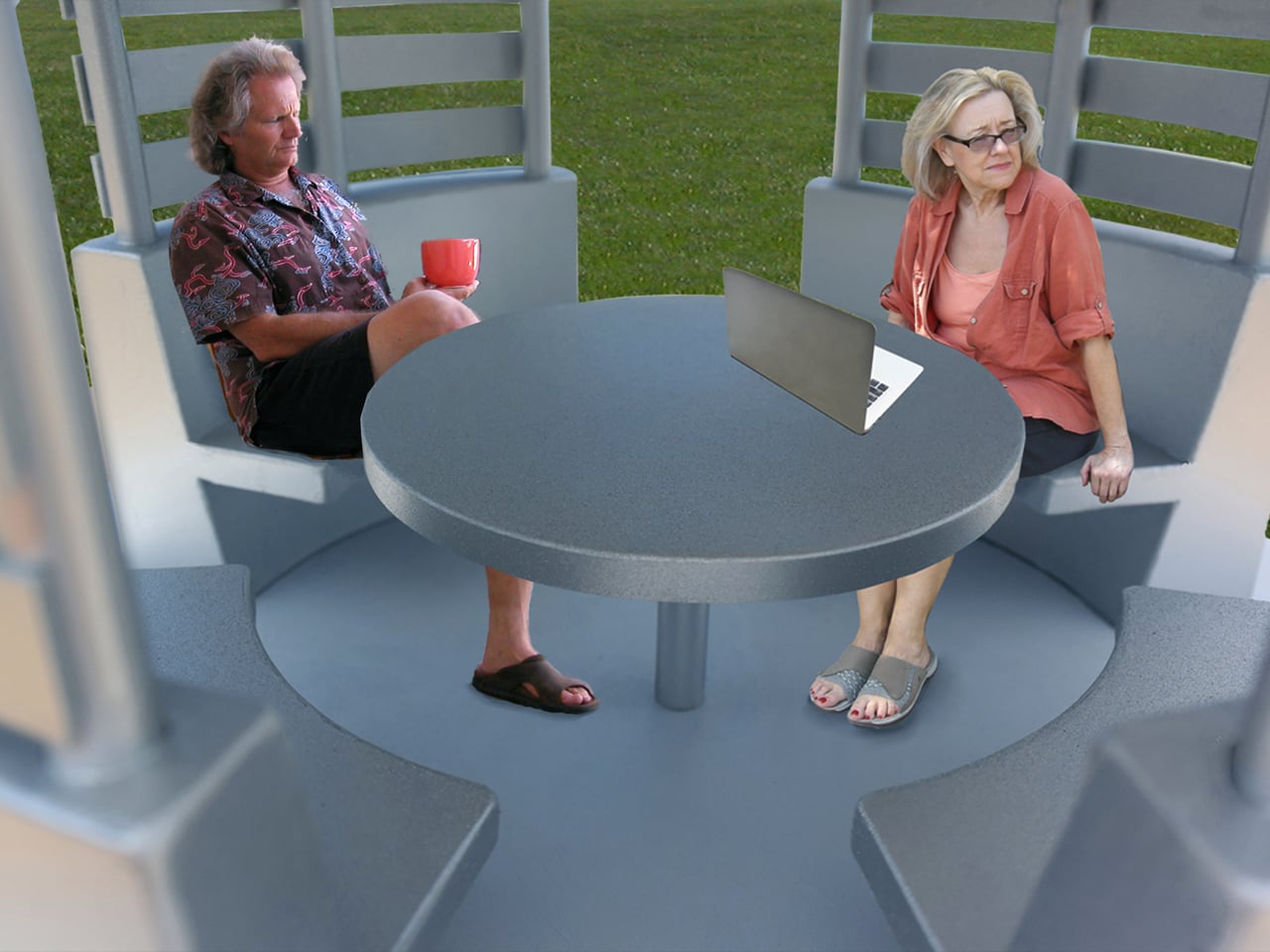
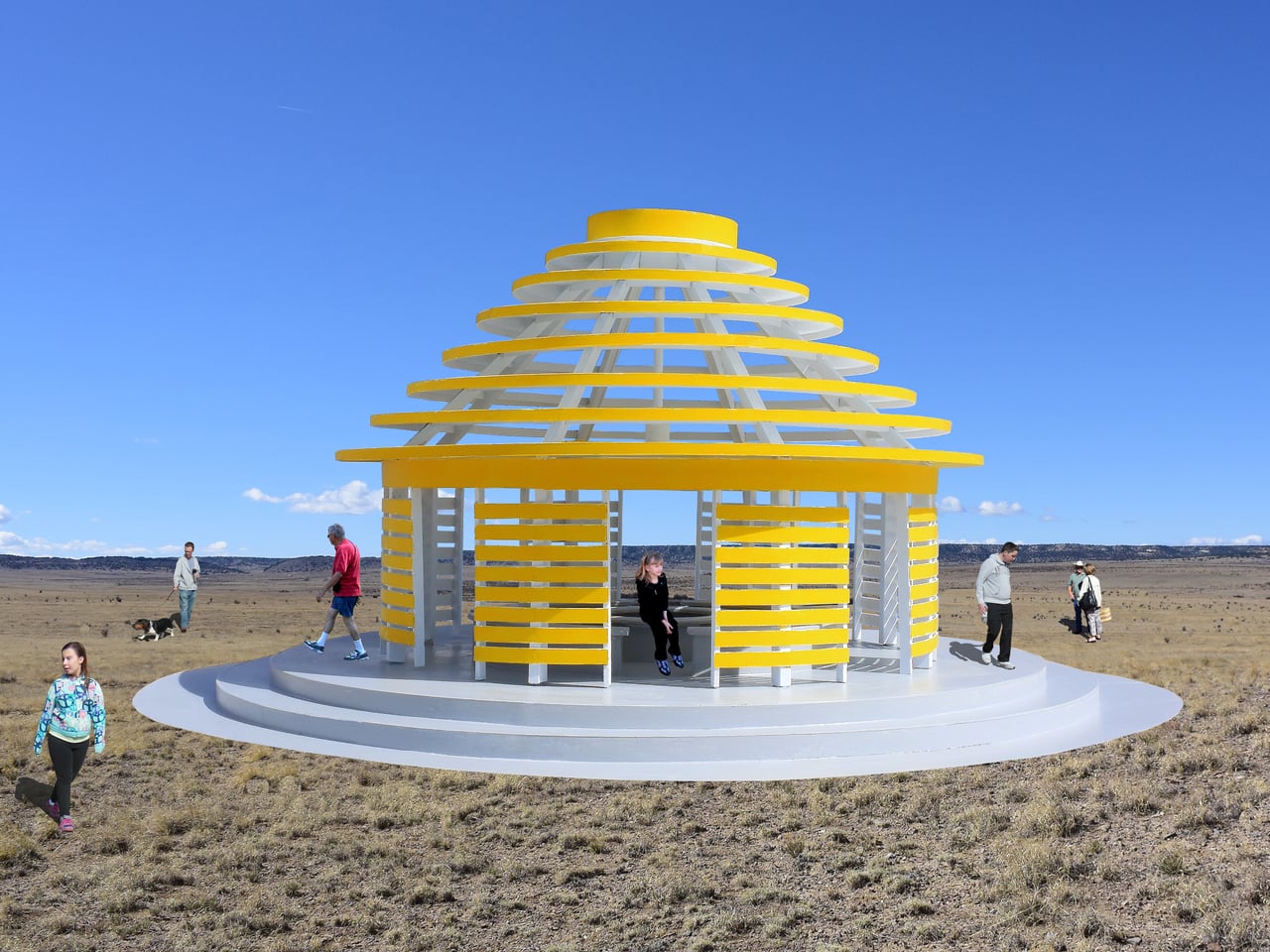
This innovative Wall House design by CTA Creative Architects in Bien Hoa, Vietnam, employs hole-punctured bricks to enhance indoor air quality and promote natural ventilation and illumination. Salvaged from nearby building sites, these bricks are strategically punctuated to allow fresh air and light into the living spaces. The irregular arrangement of burnt and blackened bricks adds texture and depth to the exterior, while tiered steps mimic the brick pattern, creating a visually striking entrance. Surrounding greenery improves air quality and contrasts beautifully with the brick tones. Large windows and a glass roof maximize natural light, enhancing the spaciousness of the interior. Simple materials like exposed-aggregate concrete and dark wood complement the design, while a stylish black-metal staircase adds functionality and aesthetic appeal.
At London’s historic Royal Albert Wharf, repurposed bricks have been used to design the unique round bench FLOAT. Blending seamlessly into its maritime surroundings, it resembles a decorative element while offering seating. Crafted from traditional handmade clay bricks stacked in a brick-like design, it evokes the dockside architecture. The curved shape mimics the wharf’s edge, inviting visitors to sit and enjoy the view. Despite its unconventional material and rounded form, FLOAT adds an intriguing touch to the wharf’s ambiance.
The Fjord House is a stunning architectural marvel by Studio Olafur Eliasson. Crafted with rustic bricks, this innovative design seamlessly merges tradition with modernity. Its curved walls evoke a sense of fluidity and dynamism, creating a captivating presence in any environment. The timeless charm and contemporary allure of the Fjord House, are a true testament to the fusion of art and architecture.
Toy Storey, a sustainable circular dwelling by Wallmakers India, headed by Vinu Daniel, creatively incorporates 6,200 discarded toys into its walls, transforming them into unique decorations. Beyond construction, architecture expresses cultural, social, and environmental concerns, as demonstrated in this groundbreaking project nestled in Kerala’s landscapes. It’s more than a home; it’s a tribute to nostalgia, childhood, and eco-awareness. Through repurposing toys as structural elements and decorative features, Toy Storey prompts reflection on consumption habits, while its design seamlessly blends with its surroundings. The interiors foster community living with individual privacy, featuring translucent screens, a central courtyard, and innovative ventilation. Toy Storey challenges norms, advocating sustainability and creativity by giving discarded items new meaning.
Spanish firm Agora Arquitectura transformed a neglected brick structure near Barcelona into the ‘House on a Brick Base’, initially home to a tool shed and a small red-brick building. The latter was refurbished and extended, integrating two perpendicular brick walls supporting the timber dwelling. External brick staircases and a perimeter wall were added. Sustainable materials like prefabricated cross-laminated timber and whitewashed cork were used. Co-founder Joan Casals Pañella described the project as an homage to traditional building methods. The studio fully renovated the brick building and expanded it across the terrain. Co-founder Joan Casals Pañella characterized the project as a tribute to traditional construction techniques, integrating two perpendicular brick walls into the structure to support the timber dwelling above. Additionally, a perimeter wall of perforated brick and exterior brick staircases were seamlessly incorporated to link various levels of the building within the sloping landscape.
Prestige University, designed by Sanjay Puri Architects in Indore, India, embodies a fusion of organic architecture and sustainable building practices. Featuring staggered green terraces ascending towards a 20-meter apex, the design optimizes natural resources and climate. Inspired by traditional Indian architecture, the structure leverages the local environment for energy efficiency. The terraces allow fractured sunlight and ventilation, while a 20-meter tall brick screen mitigates heat absorption, particularly on the east, west, and south sides. The ground level accommodates administrative offices, an auditorium, and a cafeteria, with first-floor library rooms connected by an internal bridge reminiscent of Colosseum tunnels. Multi-tiered brick terraces offer recreational spaces, with facilities including a library, cafeteria, and seminar halls nestled beneath.
In this minimalist interior design, a brick wall demarcates the open-plan kitchen from the rest of the space. The L-shaped kitchen island transforms into a breakfast counter with tall chairs. It becomes the focal point of the open-plan home while a drop ceiling further reinforces the position of the kitchen island.
By subtle variations in elevation or intricate arrangements, one can craft diverse 3D patterns. This approach adds visual interest and imbues the space with an organic texture and ambiance to the interiors and exteriors.
Seeking inspiration from Greenland’s indigenous culture, this translucent public installation is crafted from glass bricks. The Qaammat Fjeld Pavilion, designed by Konstantin Ikonomidis, nestles between two fjords in Sarfannguit, Greenland. Traditional building methods were used by Ikonomidis to anchor the structure to rocky terrain, forming two semi-circular structures atop horizontal bars. Collaborating with Wonderglass, glass bricks reflect the surrounding landscape, offering changing vistas as seasons evolve, while also casting crystalline shadows and light displays with the sun’s movement.
ByFusion’s initiative, reminiscent of Wall-E’s garbage cubes, introduces ByBlock, an eco-friendly construction material crafted from repurposed plastic and nonrecyclables. Through steam compression, these materials are transformed into versatile forms suitable for basic structures like fences or terraces. ByBlocks, produced with the patented Blockers technology, eliminates the need for cleaning or sorting, offering a sustainable solution to waste reduction. This innovation not only repurposes plastic waste but also holds potential for diverse construction applications, facilitating global environmental cleanup efforts.
As interior design trends evolve, rattan is staging a remarkable comeback after almost 30 years, infusing any space with tropical-inspired vibes. Rattan has a rich history of gracing homes and outdoor spaces globally for decades, infusing any space with tropical-inspired vibes. Embraced for its durability and versatility, this natural material, derived from climbing vine-like palm plants, effortlessly lends itself to various shapes and patterns. From lighting to furniture, rattan finds its place in home decor, particularly enhancing bohemian, nautical, and traditional styles with its charming, airy appeal.
Rattan’s revival is fueled by its craftsmanship and the increasing preference for natural materials in modern decor. Additionally, the best part about integrating rattan into home decor is that it possesses the capacity to infuse warmth and a relaxed ambiance into any environment, imparting a sense of casual ease to the space.
Is rattan sustainable?
Rattan, a tropical vine that is native to tropical areas in Asia, Australia, and Africa and it possesses the flexibility to be molded into numerous intricate forms. Crafted by skilled artisans with basic manufacturing processes, it requires minimal facilities. Its rapid growth, at 2cm per day, allows for harvest within 2-3 years, faster than traditional wood. Known for durability, well-made rattan furniture can last over a decade, making it an eco-friendly alternative akin to solid wood.
Rattan and wicker are often confused, but they have distinct meanings. Rattan refers to the natural material from the rattan palm tree, while wicker encompasses woven materials like natural fibers and plastics including rattan.
What are the advantages of using rattan in home decor?
Adds Texture
Rattan, with its rich and organic feel, can create a cozy atmosphere while contrasting nicely with smooth surfaces like metal, glass, or marble, adding visual interest and complementing various decor styles.
Opting for rattan instead of synthetic or non-renewable materials enables one to lessen the environmental footprint while backing local communities engaged in rattan production.
Lightweight
Rattan furniture’s lightweight nature facilitates easy rearrangement between rooms and indoor-outdoor versatility, offering convenience and flexibility in home decor.
Rattan furniture, known for its affordability, low maintenance, and durability, serves as a practical choice for home decor, with the option to extend its lifespan through protective coatings against moisture and UV rays.
How to incorporate Rattan into your home décor?
Rattan products, provide an exciting addition to any decor, offering an incredible texture that seamlessly integrates into various styles. Rattan pieces extend beyond outdoor settings, seamlessly blending into existing indoor decor with their natural textures.
Eclipse is a revolutionary chair crafted from flexible rattan wood, defying convention with its minimalist yet captivating design. Featuring an open box seat wrapped in sleek rattan strips, it creates an airy and inviting atmosphere, perfect for contemplation and relaxation. The iconic vertical arches frame the seated individual, drawing attention to the vast open sky above. Lightweight and visually striking, Eclipse serves as a focal point in any space, effortlessly blending modern aesthetics with natural charm.
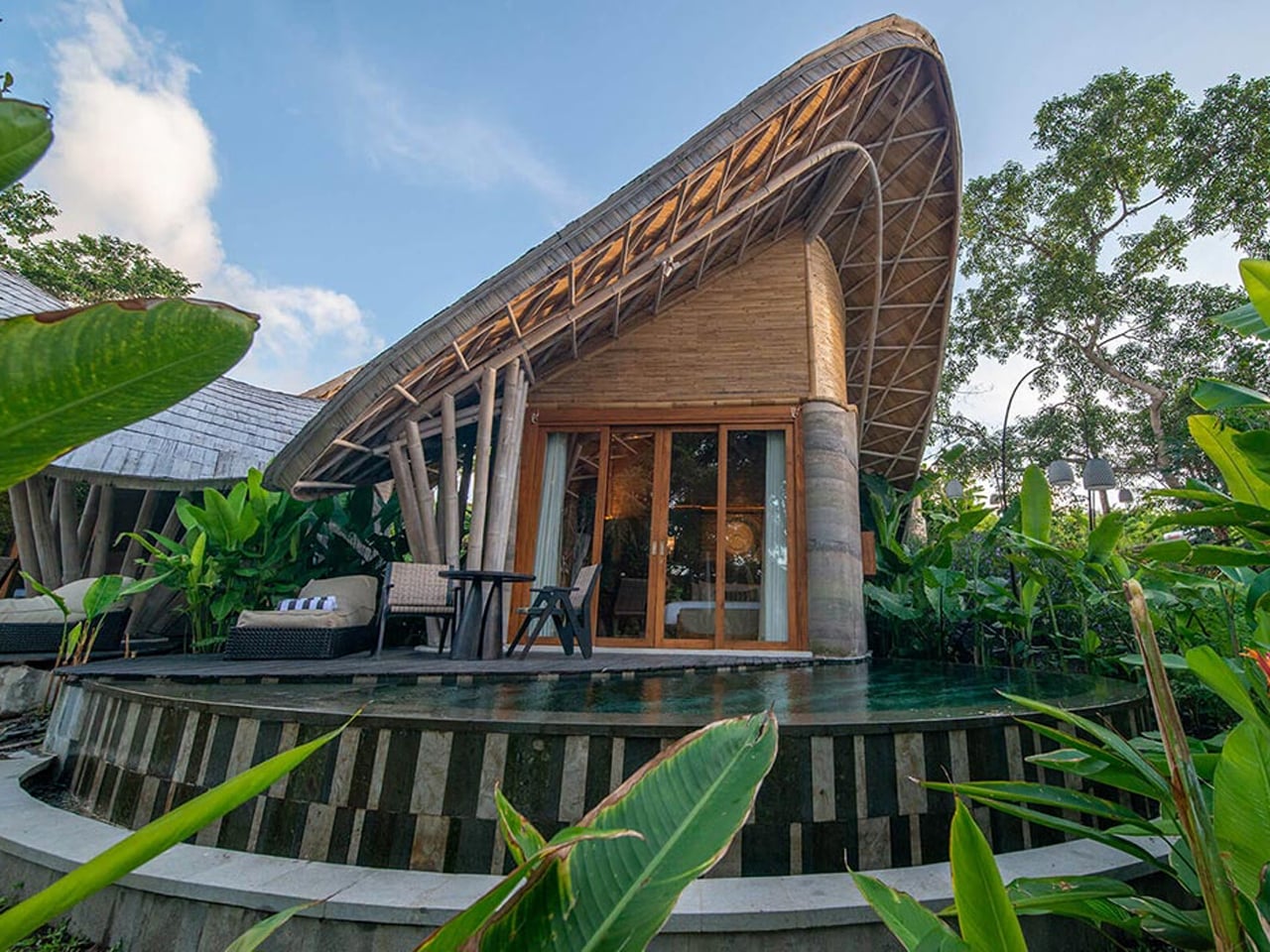
The Mua Lau Lounge Chair is a modern marvel that seamlessly combines rattan with bent metal piping for a unique visual aesthetic. Unlike traditional designs, this chair reimagines rattan’s role, using it as a replacement for foam and cotton for a comfortable yet springy seating experience. Inspired by the beloved Taiwanese treat, the Mua Lau Chair offers a multi-layered sitting sensation, akin to sinking into a delicious snack. With its eye-catching design and surprising comfort, it’s a perfect blend of style and functionality for any space.
RU is a nostalgic yet modern lounge chair designed by Cuong Nguyen, inspired by childhood memories. Blending rattan with contemporary comfort, RU offers a cozy retreat in any living space. With its webbed rattan arms and back, paired with a versatile ottoman, RU brings a touch of warmth and nostalgia to your home. Combining plush cushions with timeless materials, it’s a stylish addition that beckons relaxation and evokes sweet memories of days gone by.
These refined pieces of rattan furniture combine the timeless charm of rattan with a sleek Nordic-inspired design. Its sturdy build and minimalist style provide both elegance and functionality to any home decor. It offers a light and airy look to the overall décor.
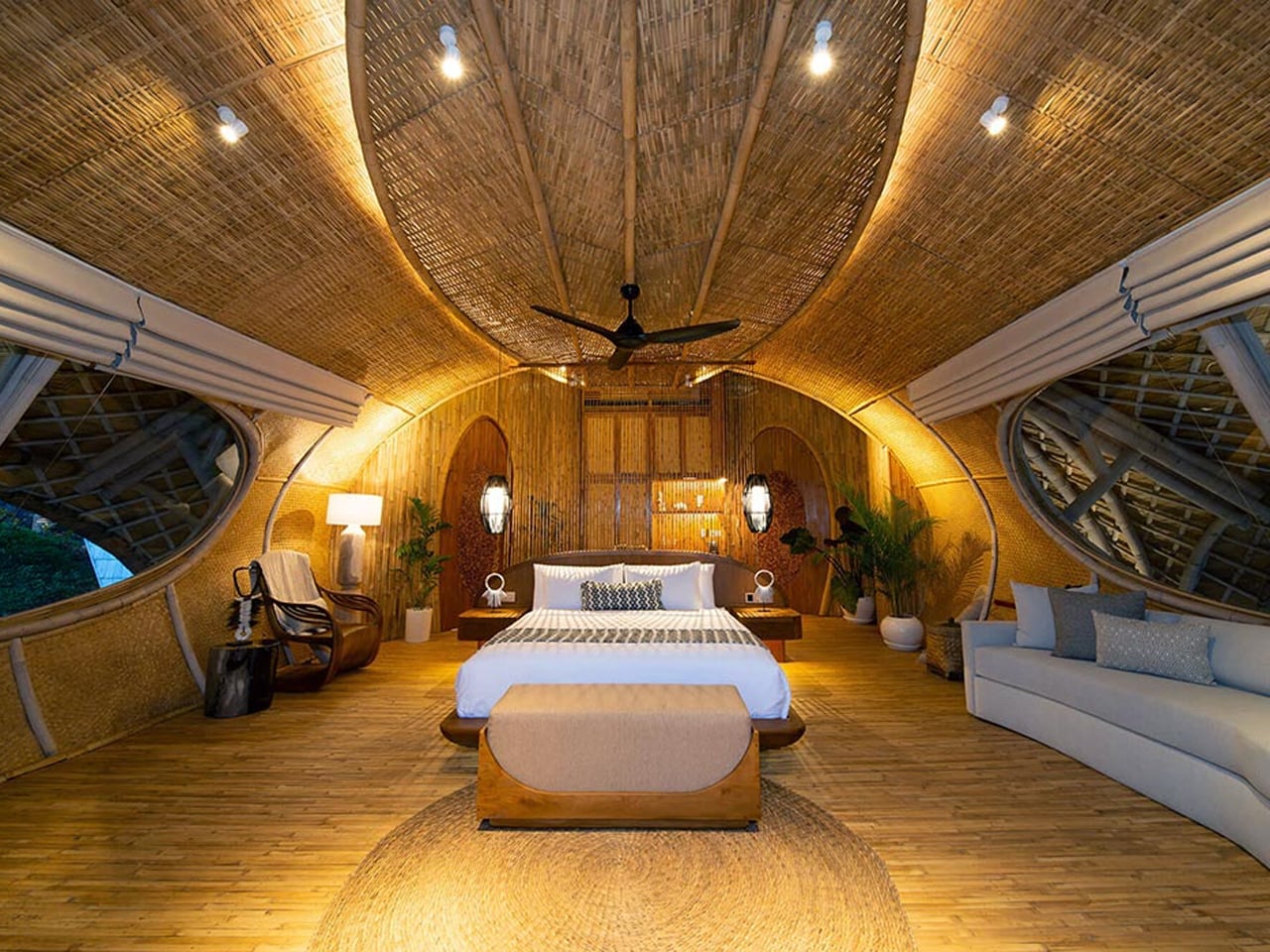
Drawing inspiration from ceramics and the organic shapes formed during pottery wheel throwing, the Cement lamp boasts a unique silhouette. Crafted using cement molded in a silicon cast from a vintage porcelain electrical insulator, it exudes a rustic charm. The concrete surface is treated with a wax finish, imparting a silky touch. Complementing this sturdy base are copper light bulb fixtures and a visible stem. Topping it off, the lampshade is available in pure linen or rattan that adds a touch of elegance, creating a harmonious blend with the cement base
These rattan pendant lights are versatile and can elevate any space like a bedroom, child’s room, living area, or covered patio. It exudes a bohemian charm and can be seamlessly integrated into various ceiling heights and home decor styles, from coastal to boho and rustic.
The rattan side table is a stylish fusion of function and flair that doubles as a dog house, designed by Ben Hansen. This innovative piece cleverly repurposes excess plant water to fill your pet’s bowl, all while adding a touch of charm to your home decor. With its minimalist design and sturdy construction, it’s the perfect solution for modern pet owners looking to seamlessly integrate their furry friends into their living spaces.
Bilid is a meticulously crafted rattan room divider that seamlessly merges traditional craftsmanship with modern design. This double-sided divider features contrasting straight and wavy lines, symbolizing unity amidst diversity. Each panel is thoughtfully woven with locally sourced rattan, offering a harmonious blend of warmth and coolness to your space. With its intricate patterns and vibrant colors, Bilid adds both style and functionality to any room, creating a tranquil atmosphere while making a bold design statement.
Experience nature year-round with this versatile planter that is crafted from rattan and iron, it features a border, vase, and stand, making it the perfect addition to modern decor while ensuring easy maintenance.
The Regression travel bags are a fusion of modern design and ancient Chinese basket-weaving techniques. Crafted from durable rattan, these eye-catching pieces offer both beauty and practicality. With breathable, shock-absorbent qualities and a flexible Lycra interior, they effortlessly adapt to your needs. Perfect for those seeking style and functionality in their luggage, they’re ideal for frequent travelers. However, their pristine beauty may make some hesitant to subject them to everyday wear and tear.
This visually intriguing rattan stool challenges perceptions. Crafted from eco-friendly rattan, it showcases the material’s versatility in furniture design. Comfortable and undeniably cool, it’s a testament to creativity and sustainability. As the world embraces a more eco-conscious future, this stool leads the way in innovative design.