Time usually passes without much fanfare. Numbers flip on your phone screen, the day blurs from morning coffee to evening TV, and most minutes feel interchangeable. Clocks are background objects, functional but forgettable, doing nothing more than reminding you how late you’re running. There’s no ceremony to checking the time, no surprise waiting when you glance at the display. It’s just numbers counting down to whatever you’re supposed to do next.
Houracle by True Angle approaches this differently. Instead of treating time as something that simply ticks away, it turns each minute into a potential moment of delight. The device is part clock, part oracle, with an eco-friendly thermal printer tucked into the top that spits out fortunes, jokes, riddles, or random facts tied to the exact moment you press the button. It’s the kind of thing that makes you want to check the time just to see what happens.
The design is deliberately retro. A boxy, powder-coated aluminum body with rounded edges, a large orange or yellow button on the top, and an e-ink display that looks like a pencil sketch on paper. The screen shows the time and date, the weather for your selected location, and a small prompt inviting you to press print. Five icons along the right edge let you select modes, fortune, fact, joke, riddle, or surprise, each represented by simple graphics.
Press the button and the printer whirs to life, a satisfying mechanical sound as the paper slip emerges from the top. At 7:42 in the morning, it might tell you destiny took a coffee break and suggest making your own magic. At 11:15, it could mention your brain runs on about 20 watts, enough to power a dim bulb or a brilliant idea. The messages feel oddly personal because they’re tied to that specific minute.
What makes this genuinely charming is how the slips accumulate. They end up on the fridge, tucked into notebooks, or shared with family members over breakfast. Heck, you might find yourself printing extras just to see what weird fact or ridiculous joke Houracle generates next. The lucky numbers printed at the bottom add an extra layer of whimsy that completes the fortune cookie vibe without taking itself too seriously.
The e-ink screen plays a bigger role than you’d expect. Unlike the glowing blue displays most clocks use, this one reflects ambient light rather than emitting it. That makes it easier on the eyes, especially at night, and gives the whole device a calming presence. The screen updates when you interact with it, but otherwise sits quietly, blending into the background.
Of course, the whole thing runs on wall power, which means no batteries to replace or USB cables to manage. The aluminum body is built to last, assembled with screws rather than glue. Houracle also uses BPA and BPS-free thermal slips, sourced from a company that plants a new tree or restores kelp in the ocean for every box of thermal rolls purchased. True Angle designed Houracle with sustainability in mind, using recyclable materials and avoiding planned obsolescence.
What’s surprising is how much a simple printed slip can shift your mood. A clever riddle before bed, a dumb joke during a work break, or a strange fact that makes you pause for a second. These aren’t profound moments, but they add small pockets of joy to days that might otherwise feel routine. Houracle captures the anticipation you used to feel when cracking open a fortune cookie.
The device sits on your desk or nightstand, looking unassuming until you press that button and hear the printer activate. Then it becomes something else entirely, a little machine that marks time with paper artifacts you’ll probably keep longer than you should. For anyone who’s tired of clocks that just tell time and do nothing else, that small shift makes all the difference.
Cat owners know the struggle intimately: fur on every surface, hairballs appearing at the worst moments, and the daily battle of brushing a cat who’d rather do anything else than sit still for grooming sessions. Most grooming tools are either stressful for cats or a constant hassle for humans, and the result is often a home that never quite feels clean, no matter how much you vacuum or sweep throughout the week.
PawSwing Neo offers a different way to keep cats happy and homes fur-free without the usual stress, resistance, or effort from either party. With its bionic cat-tongue grooming system, cozy felt house design, and zero electricity required for operation, it turns grooming into a natural, stress-free part of daily life. No batteries, no motors, no fighting with your cat over a brush they absolutely hate—just feline instinct and clever design working together seamlessly.
Real user feedback from thousands of cat households across more than 48 countries highlights PawSwing’s mind-blowing effectiveness in collecting substantial amounts of fur in just one week. Some owners even describe opening the collection boxes to find surprising amounts of shed hair they didn’t even realize their cats were losing daily. The visible results speak for themselves, with up to 80 percent less fur accumulating on furniture, clothes, and floors throughout the home.
The Neo’s compact, cube-shaped house is crafted from renewable PET felt that’s durable, scratch-resistant, and soft to the touch for comfortable lounging throughout the day. Its lighter weight at 4.8 kilograms and smaller footprint compared to the Pro version make it easy to move between rooms and fit into any living space without dominating valuable floor area or clashing with your carefully chosen furniture and decor.
The adjustable entrance adapts to cats of all sizes, from petite British Shorthairs to fluffy Maine Coons weighing up to 40 pounds, without struggling to fit through. Observation holes cut into the felt sides let curious cats keep an eye on their surroundings from a safe, cozy hideaway, supporting their natural instinct to survey territory from protected spaces. For multi-cat households or shy felines who crave privacy and security during meals, this design creates a personal retreat.
Inspired by the structure of real feline tongues perfected over 11 million years of evolution, the six patented comb modules inside the Neo replicate the hollow, hook-shaped papillae that cats use for grooming across all species from house cats to tigers. As a cat enters or exits through the grooming ring, a spring-loaded kinetic plate powered entirely by the cat’s own movement rotates the combs, delivering a gentle, 360-degree massage without requiring any external power source.
The flexible comb material and golden-ratio bristle design ensure a soothing, familiar sensation that mimics a mother cat’s lick during early kittenhood. This instinctive recognition means even grooming-averse cats who run from traditional brushes often accept and even enjoy the Neo’s gentle touch during their regular visits. The patented combs remove loose fur from root to tip, preventing it from being swallowed during self-grooming or spreading throughout your home like tumbleweeds.
The entire system is non-electric and completely powered by your cat’s natural movement through the grooming ring without requiring any external energy, eliminating the risk of pinching, overheating, or noise that might startle sensitive cats. Fur is collected automatically in dedicated boxes beneath each patented comb module, and all parts are washable with standard cleaning solutions. The simplified four-piece assembly makes setup and maintenance a breeze, even for people who struggle with complicated pet products.
Mealtime becomes a wellness ritual as the Neo’s main food bowl encourages cats to enter, eat in complete privacy, and enjoy a full-body grooming session in one smooth experience that requires no additional effort. The felt exterior doubles as a premium scratching surface for satisfying natural clawing instincts without damaging furniture, carpets, or walls throughout your home. It creates a safe haven for resting, playing, and watching the world from multiple observation points.
PawSwing Neo fits naturally into design-focused homes where pet products typically clash with carefully curated aesthetics and modern furniture choices. The combination of less shedding, fewer hairballs, and happier cats creates a cleaner, more harmonious home environment that doesn’t require constant maintenance, expensive grooming appointments, or daily cleaning sessions that steal time from more enjoyable activities with your feline companions.
For decades, the humidifier has been a purely utilitarian appliance, a necessary evil we tolerate for the sake of our sinuses during dry winter months. We buy them, use them, and then promptly hide them away when guests come over. They are often clunky, noisy machines that leave a fine white dust on our furniture or create damp spots on the floor. The industry standard has been a functional box that adds moisture to the air, with little to no thought given to how it integrates into the most personal of spaces: the bedroom.
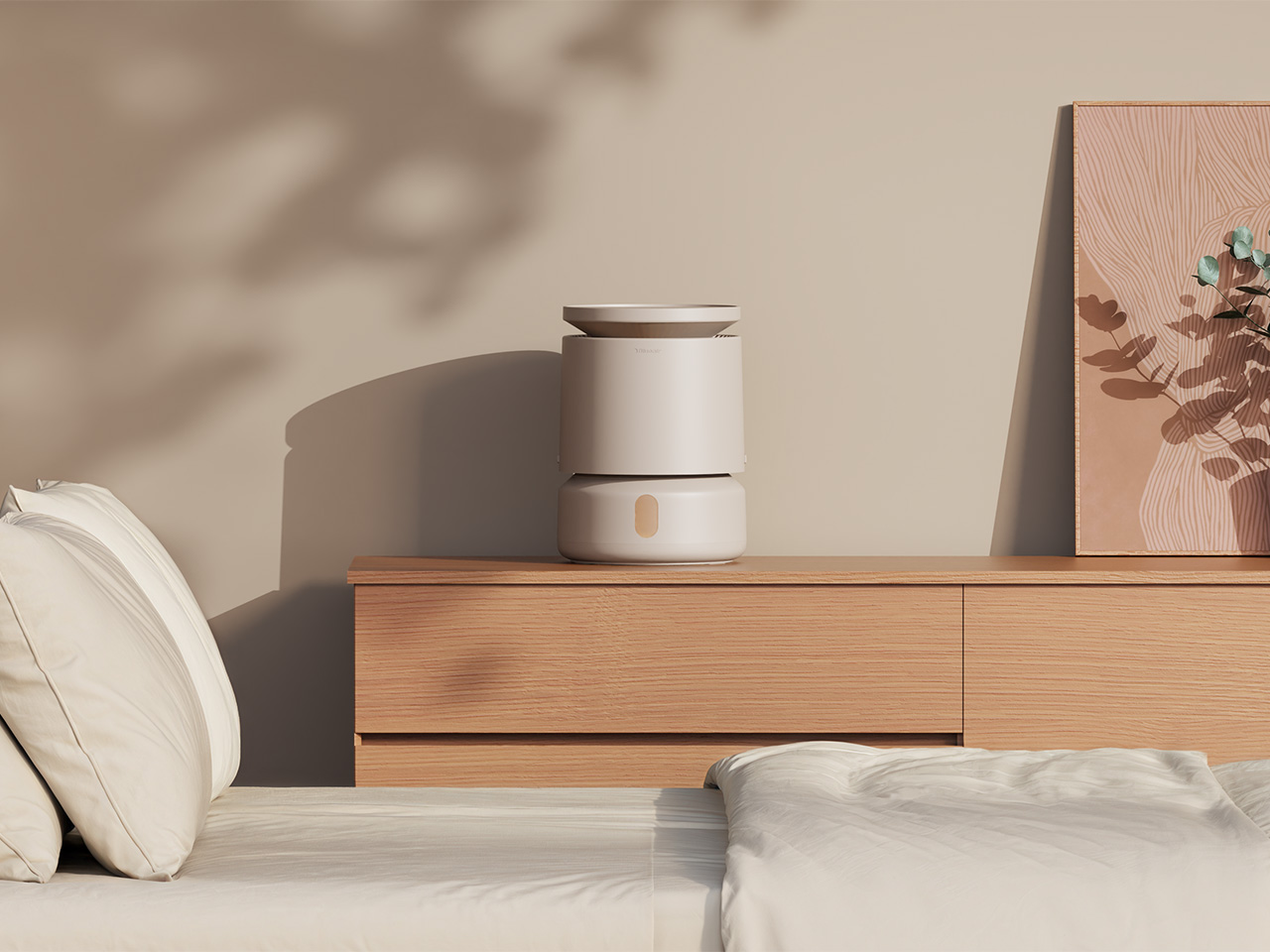
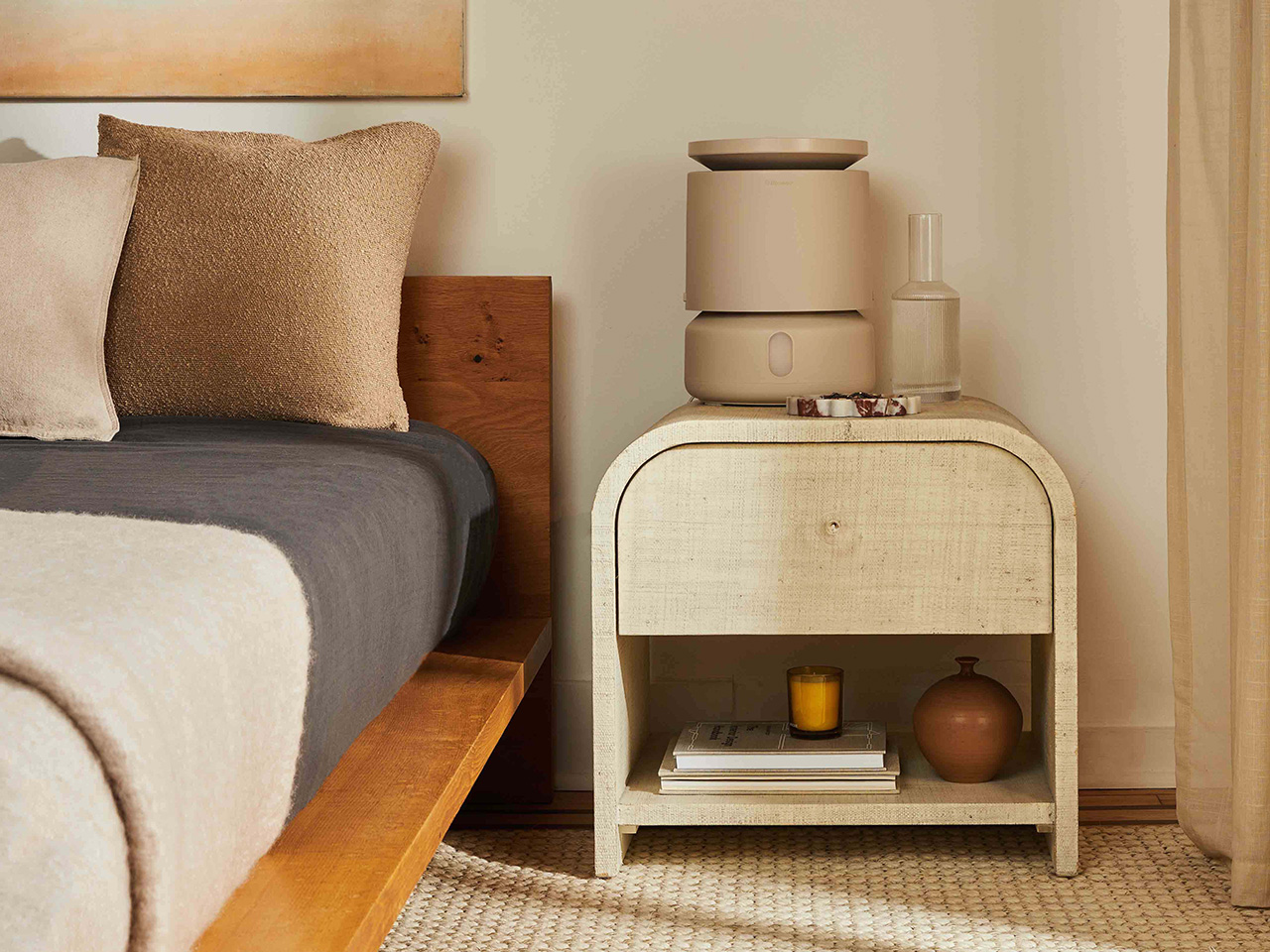
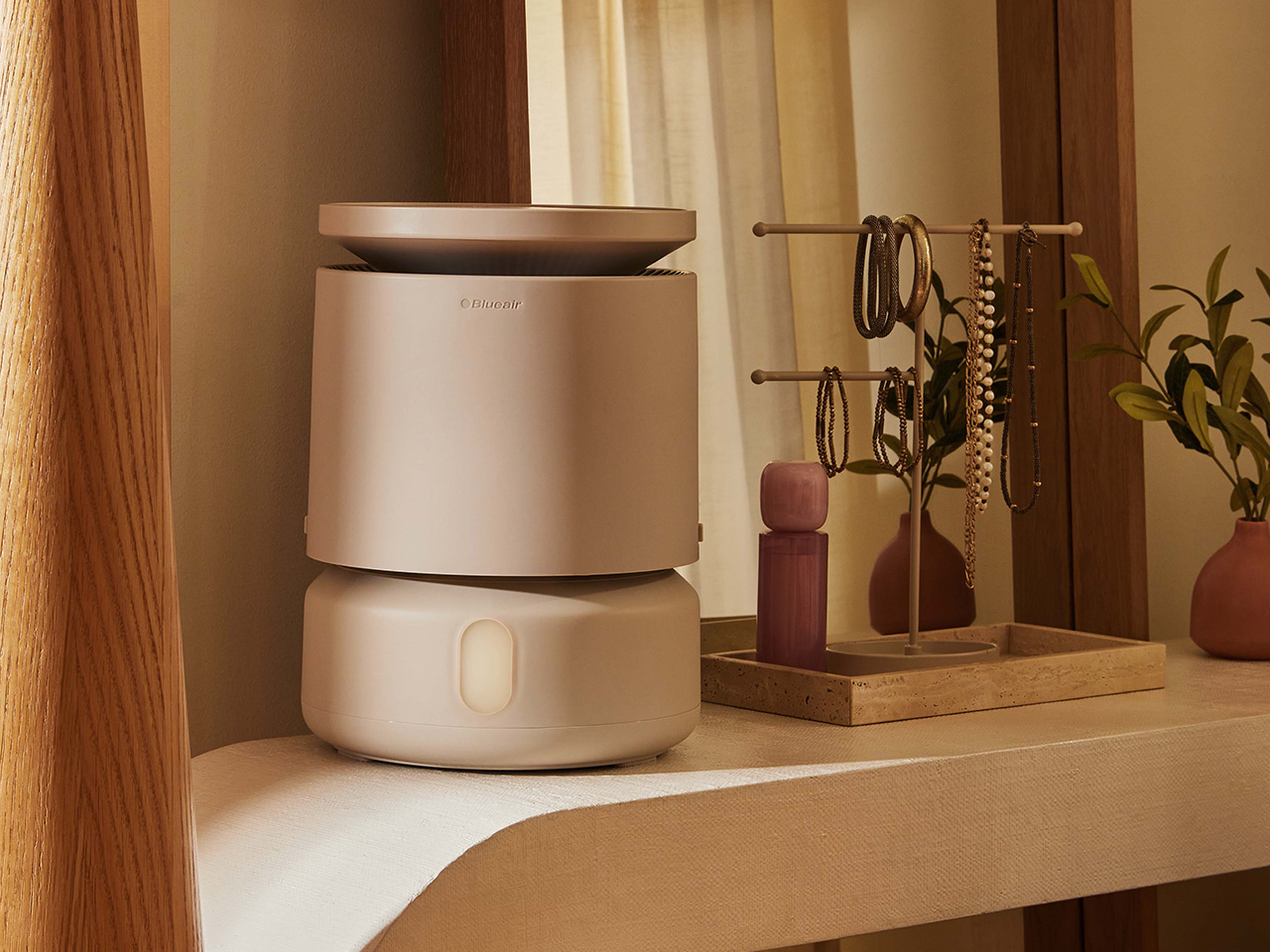
Blueair, a company already known for its design-forward approach to air purification, seems to have taken this challenge personally. The DreamWell Humidifier isn’t just another appliance; it’s a thoughtfully designed bedside companion. It aims to elevate the entire nighttime environment by seamlessly blending humidity, aromatherapy, and gentle mood lighting into a single, elegant form. This is a device that’s meant to be seen, to contribute to a room’s ambiance rather than detract from it, proving that wellness technology can be both effective and beautiful.
Moisture Without the Mess: No Visible Mist or White Dust
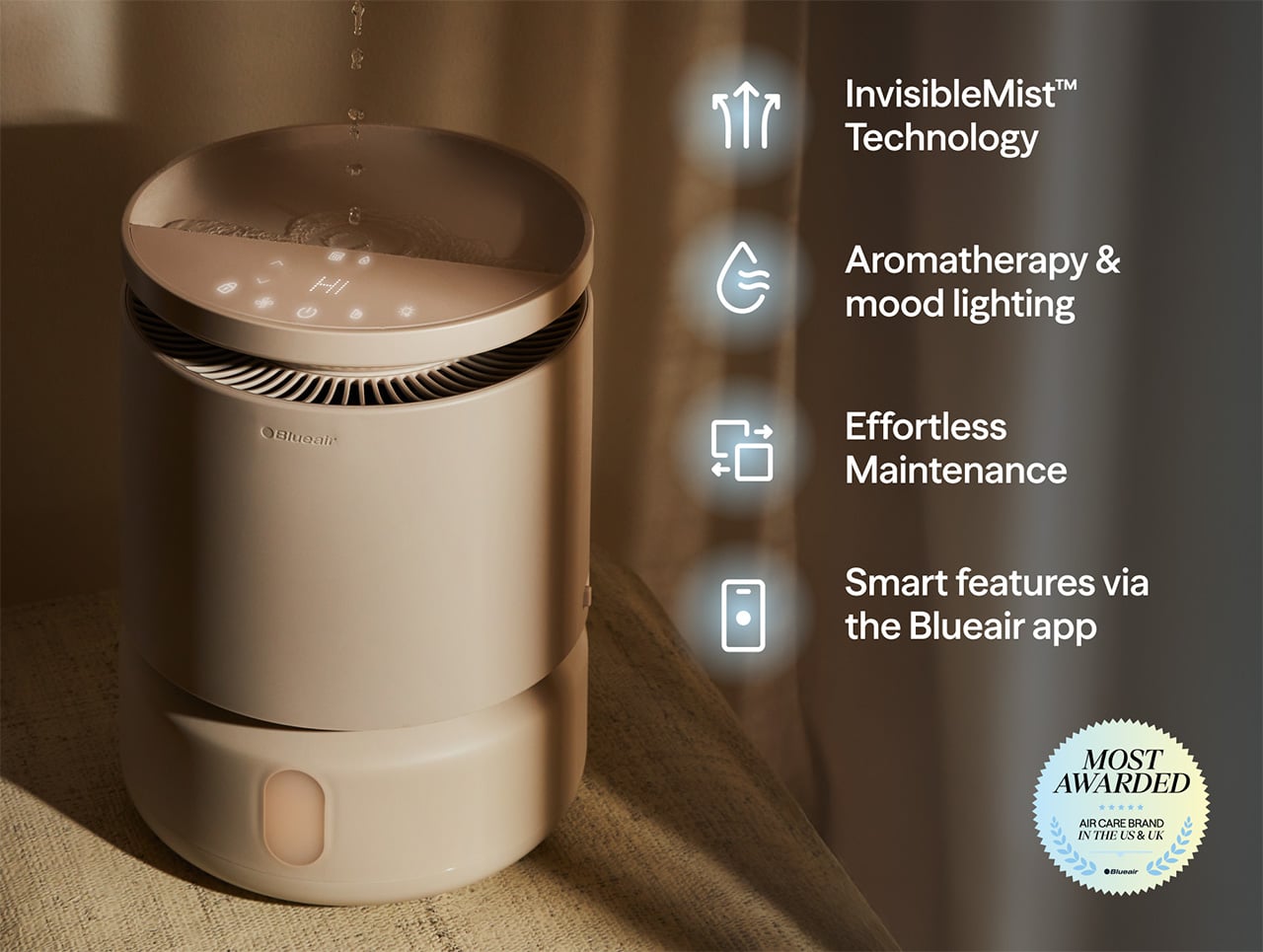
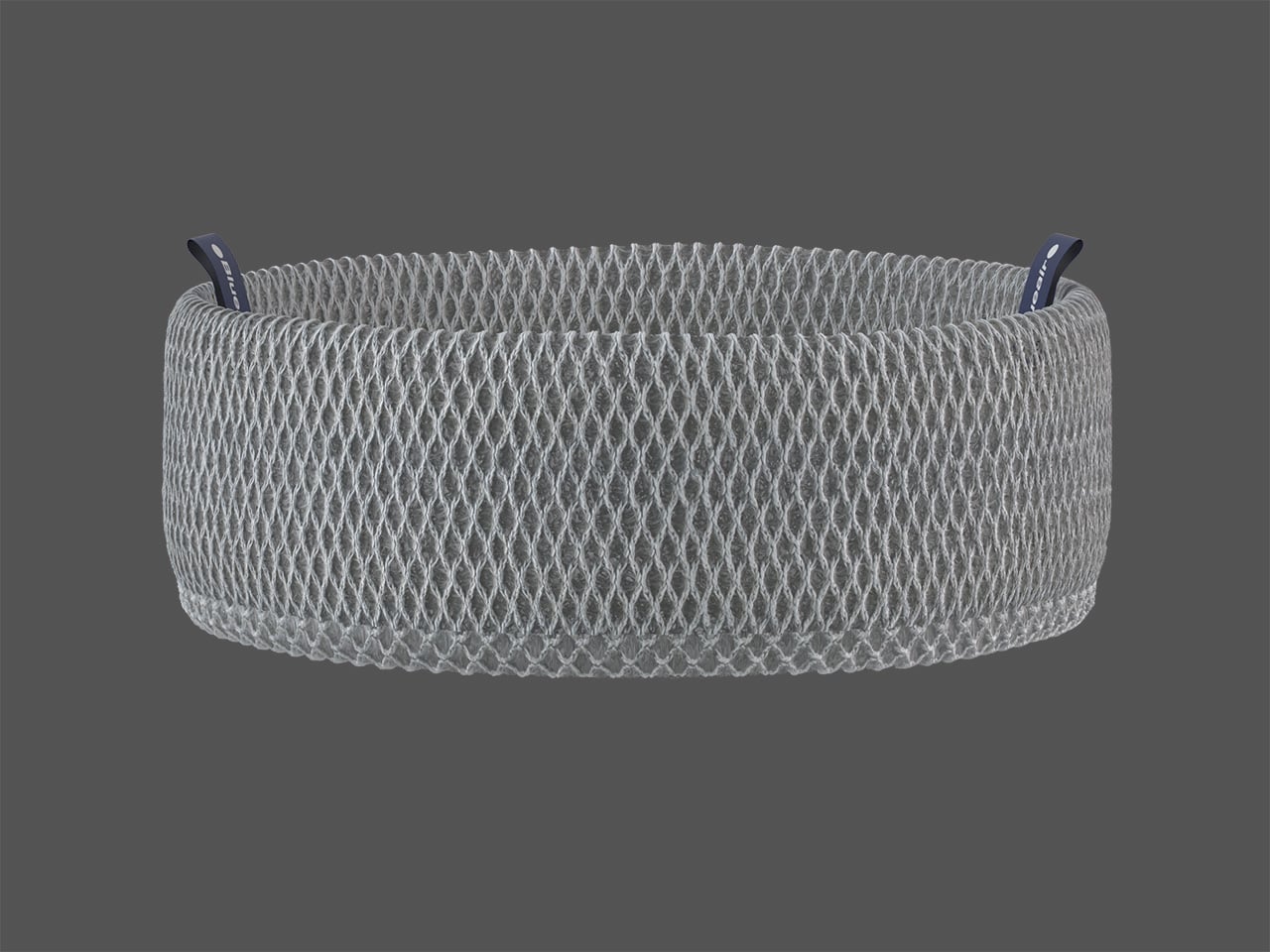
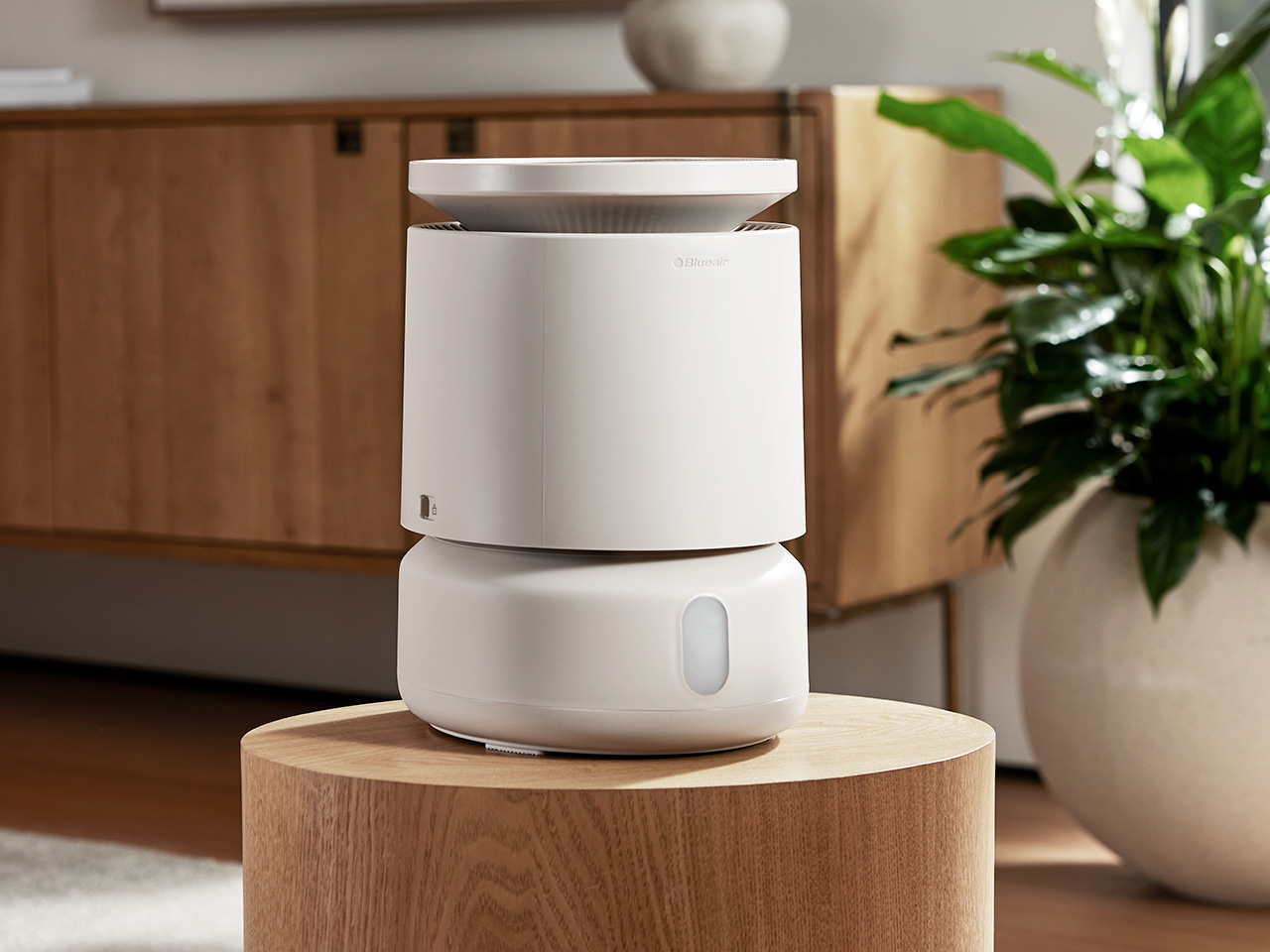
The most common complaint about ultrasonic humidifiers, the type that dominates the market, is the fine white dust they leave behind. This mineral residue from tap water settles on every surface, creating a cleaning nightmare and raising concerns about what you’re breathing. Blueair sidesteps this issue entirely by using an evaporative method branded as InvisibleMist technology. Instead of vibrating water into a visible aerosol, it uses a fan to draw dry air through a saturated wick filter, releasing clean, humidified air that is entirely invisible and free of mineral deposits.
This approach is a significant upgrade for anyone who values a clean, low-maintenance living space. There’s no dampness on the floor or furniture surrounding the unit, and electronics on your nightstand are safe from a constant coating of moisture. It’s a more natural humidification process that mimics the way the earth regulates humidity, resulting in a comfortable atmosphere without the collateral mess. This single feature transforms the DreamWell from an active maintenance task into a passive environmental enhancement.
Built-In Aromatherapy Stone for Soothing Scents
Many humidifiers offer aromatherapy as a secondary feature, usually through a flimsy plastic tray or a disposable pad that quickly loses its potency. The DreamWell integrates this feature far more elegantly with its dedicated aroma stone. This small, porous stone sits in its own compartment, absorbing a few drops of your preferred essential oil and gently diffusing the scent into the air via the unit’s airflow. It’s a simple, clever solution that keeps the oils completely separate from the water tank and internal mechanics, preventing potential damage or clogs.
By treating scent diffusion as an integral part of the experience, Blueair elevates the DreamWell beyond mere humidification. It becomes a tool for creating a holistic, relaxing atmosphere, perfect for a wind-down routine before sleep. The slow, consistent release from the stone provides a subtle fragrance that isn’t overpowering, complementing the improved air quality rather than just masking odors. It’s a small detail that speaks to a larger design philosophy focused on the complete sensory experience of a restful environment.
Whisper-Quiet Operation for Undisturbed Sleep
A humidifier designed for the bedroom has one non-negotiable requirement: it must be quiet. Any buzzing, gurgling, or whirring can easily disrupt sleep, defeating the very purpose of creating a more comfortable environment. The DreamWell was clearly engineered with acoustics as a top priority. Its fan and motor are designed for near-silent operation, especially in its lower settings and auto mode. User feedback consistently highlights its quietness as a standout feature, with many noting they can barely hear it running even when it’s just a few feet from their bed.
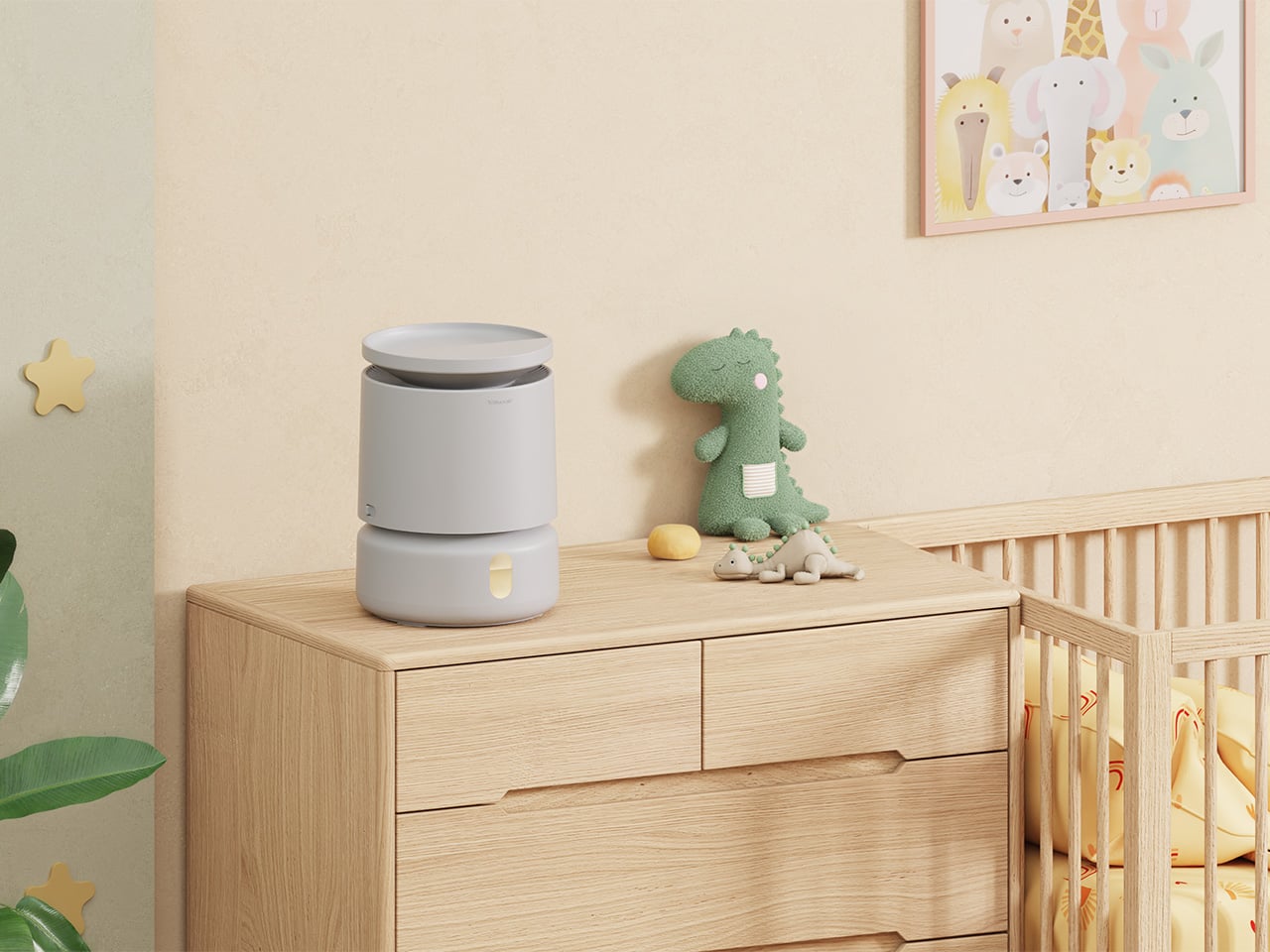
This focus on quiet performance makes it an ideal choice not just for sensitive adults but also for nurseries and children’s rooms. In a market where many products claim to be quiet but still produce a noticeable hum, the DreamWell delivers on its promise of peaceful operation. It adds comfort to a room without adding distracting noise, ensuring that the only thing you notice is how much better you’re breathing.
Adjustable Mood Lighting That Enhances Relaxation
Most appliance lights are a nuisance, bright LEDs that need to be covered with electrical tape for a truly dark room. The DreamWell, however, integrates lighting as a deliberate feature designed to enhance ambiance. It offers several soft, customizable mood lighting options that cast a gentle, diffused glow. The light is warm and subtle, serving as a functional nightlight without producing the kind of harsh, sleep-disrupting blue light we’re all trying to avoid.
This feature allows the DreamWell to adapt to different needs. It can provide just enough light for a late-night glass of water or create a calming, spa-like atmosphere to help you relax before bed. While some users have noted the control panel lights could be even dimmer, Blueair has shown it’s listening to feedback for future updates. This thoughtful integration of light transforms the device from a simple utility into a multifaceted part of your bedroom’s decor and mood.
Refilling a humidifier is often a clumsy, wet affair. It usually involves detaching a heavy tank, carrying it to a sink, flipping it upside down to fill it through a small opening, and then trying to carry it back without dripping water everywhere. The DreamWell’s design solves this problem with an incredibly simple and effective top-fill system. You can either pour water directly into the wide opening at the top or lift out the inner bucket to fill it at the sink.
This user-centric design removes one of the biggest daily hassles of humidifier ownership. There are no awkward angles, no spills, and the wide-open design makes the tank exceptionally easy to clean, preventing the buildup of slime and mold that plagues so many other models. It’s a practical innovation that demonstrates a deep understanding of real-world use, making maintenance so effortless that you’re more likely to use the device consistently.
Smart Humidity Sensors That Auto-Adjust to Your Room
Maintaining the perfect humidity level, typically between 40% and 60%, is a delicate balance. Too little and the air is dry and irritating; too much and you risk condensation and mold growth. The DreamWell’s auto mode takes the guesswork out of this process. An integrated humidistat constantly monitors the room’s ambient humidity and automatically adjusts the fan speed to maintain the optimal level. You simply set it and let the machine do the work.
This intelligent regulation is a key feature that separates premium humidifiers from their budget counterparts. It ensures the room stays comfortable without requiring constant manual adjustments, and it prevents the over-humidification that can occur if a unit is left running on high all night. This smart functionality not only enhances comfort but also contributes to a healthier indoor environment by actively managing moisture levels.
A Washable Filter That Lasts Up to a Year
The ongoing cost and waste associated with disposable filters are a significant drawback for many home appliances. The DreamWell addresses this with a durable, washable wick filter designed to last for up to a year, depending on water hardness and usage. This not only reduces the environmental impact but also lowers the long-term cost of ownership. The unit even includes a filter replacement indicator to remind you when it’s time for a cleaning or a new one.
For added convenience, Blueair offers a filter subscription service, ensuring a replacement arrives right when you need it. This combination of a long-lasting, washable filter and an optional automated replacement service makes maintenance predictable and hassle-free. It’s a sustainable and practical approach that respects both the user’s wallet and the planet.
A Minimalist Design That Doubles as Bedroom Décor
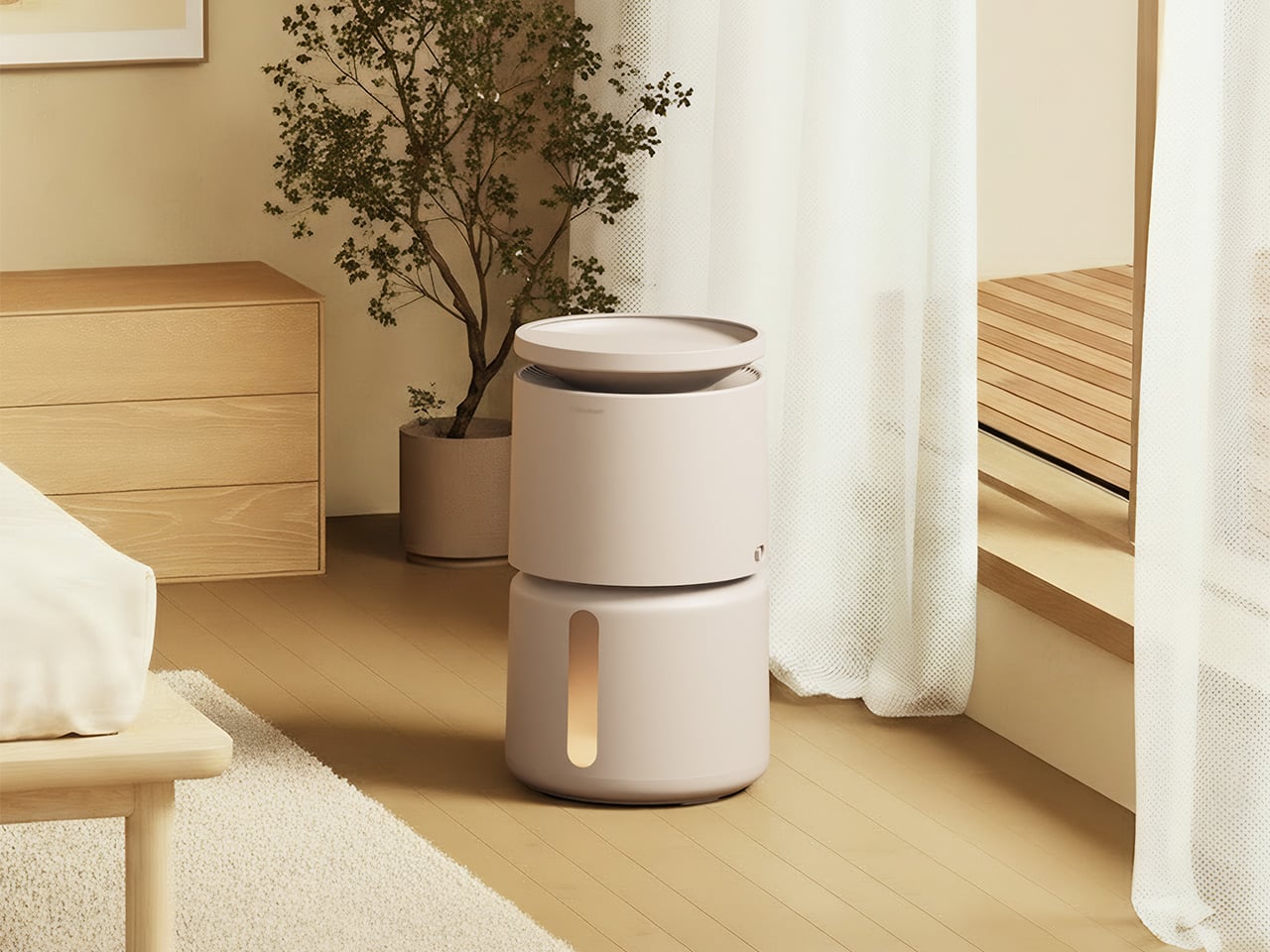
Finally, the DreamWell simply looks good. With its soft, rounded edges, fabric-covered cord, and muted, sophisticated colorways like Coastal Beige and Stone Grey, it’s designed to blend into a modern home rather than stick out as a piece of medical equipment. The aesthetic is clean, minimalist, and intentional, looking more like a high-end speaker or a piece of decor from a design-forward brand.
This commitment to aesthetics is what ties all its other features together. A humidifier that works this well and is this easy to use deserves to be seen. By creating a device that is both highly functional and visually pleasing, Blueair has crafted an appliance that you won’t want to hide. It earns its place on the nightstand, quietly and beautifully improving the atmosphere of the most important room in the house.
The modern kitchen demands tools that blend exceptional performance with thoughtful design. While premium cutlery can cost thousands, exceptional knives and cutting tools exist at accessible price points without compromising quality or aesthetics. These five carefully selected pieces represent the perfect intersection of Japanese craftsmanship, innovative materials, and practical functionality that every home cook deserves.
From the legendary sword-making region of Seki, Japan, to contemporary design studios, these tools transform mundane food preparation into an engaging culinary experience. Each piece offers unique advantages while maintaining the versatility essential for everyday cooking tasks.
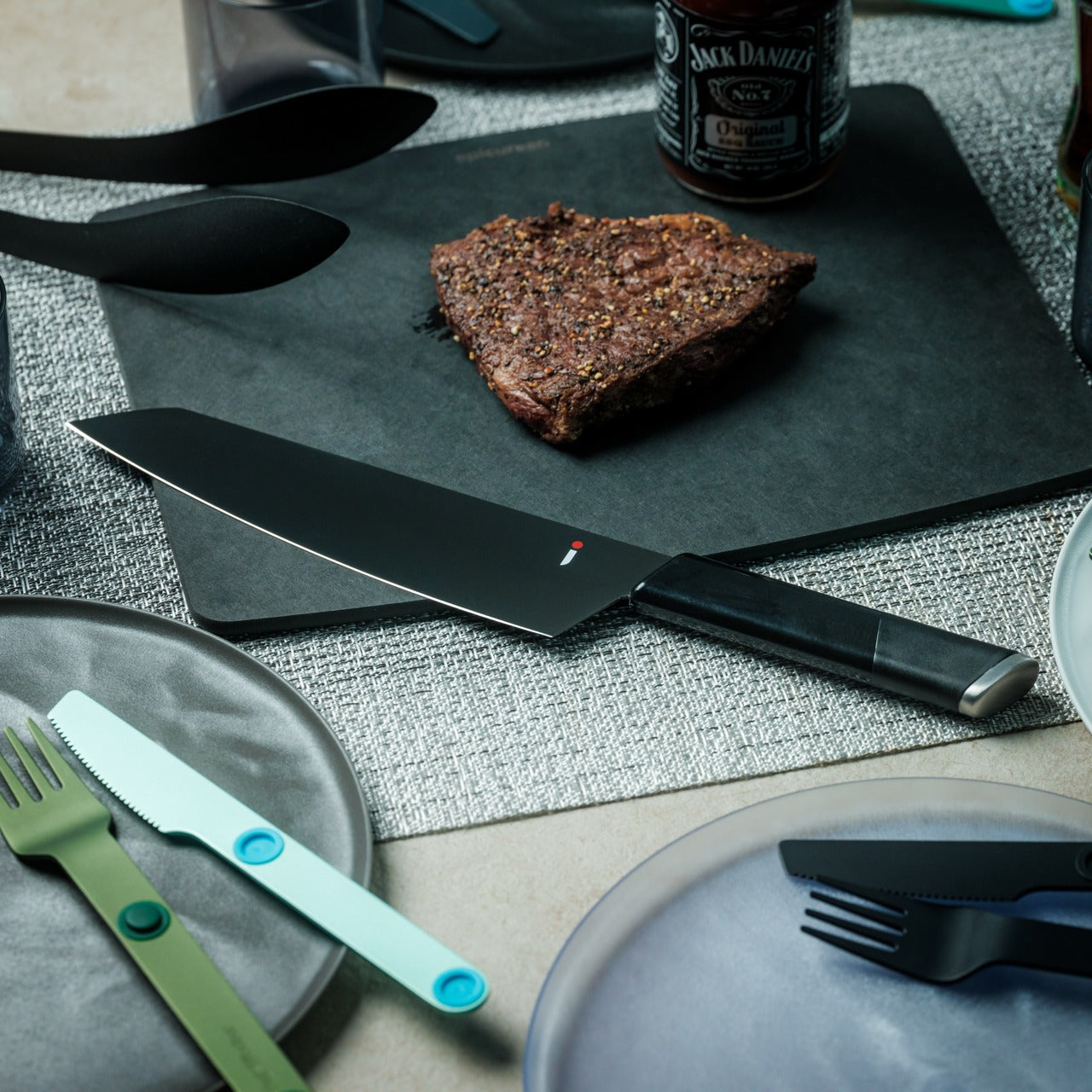
1. Black Kitchen Knives
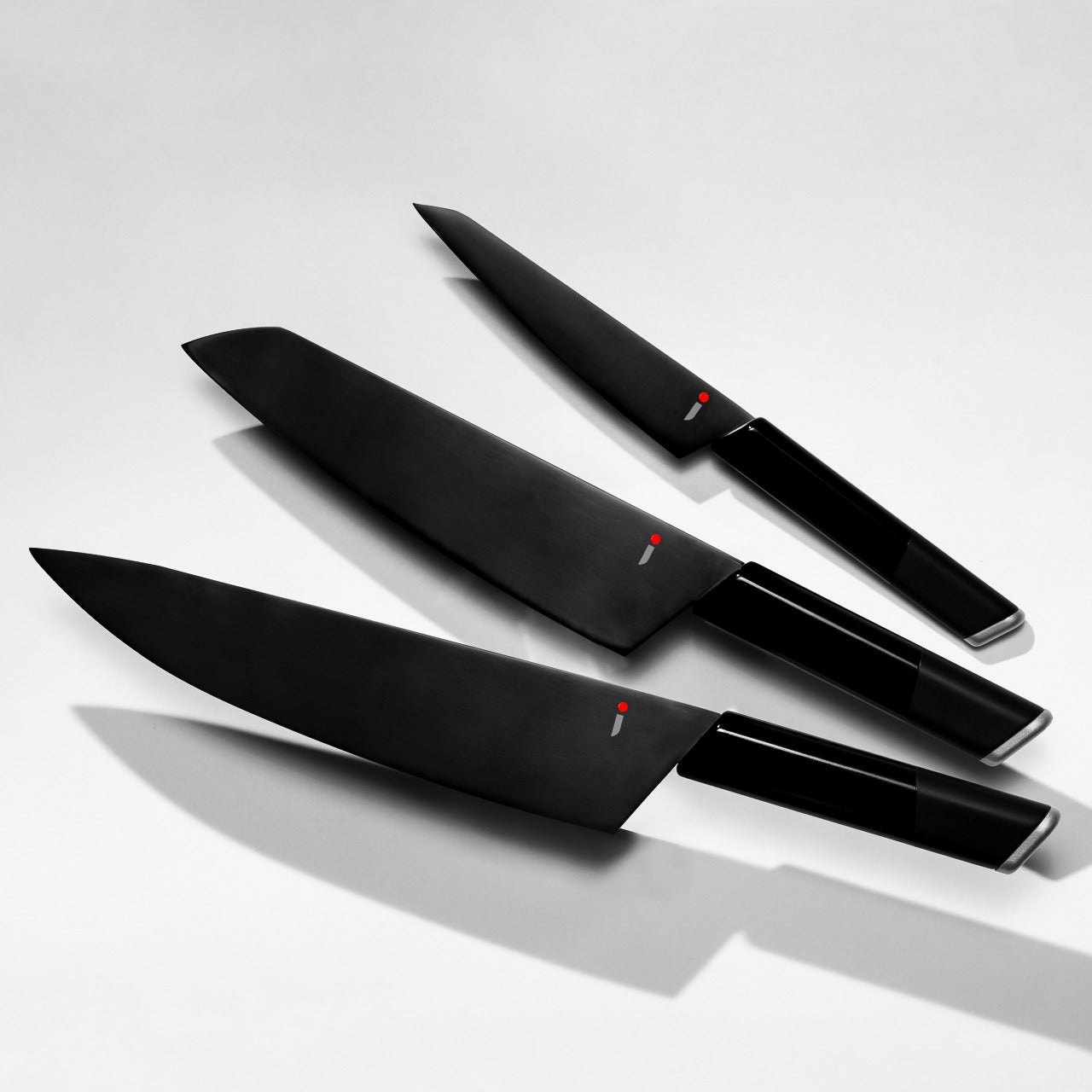
Sharp blades meet striking aesthetics in this exceptional knife collection that redefines kitchen cutlery expectations. Crafted in Seki, Japan, where centuries of sword-making tradition inform every blade, these pitch-black beauties transform food preparation into an almost ceremonial experience. The molybdenum vanadium steel core receives a distinctive titanium coating that creates the dramatic obsidian finish while enhancing durability and corrosion resistance.
Each knife emerges from individual craftsmen’s attention, ensuring consistent quality across the Santoku, Gyuto, and Petty styles available. The full-scale double-edged construction provides balanced cutting performance whether you’re dicing vegetables, slicing proteins, or handling delicate garnish work. The dramatic appearance makes these knives conversation starters that perform as beautifully as they look on magnetic strips or knife blocks.
Authentic Japanese craftsmanship from the renowned Seki region.
Titanium coating provides superior durability and a striking appearance.
What we dislike
A higher price point may stretch budget limits.
Dark finish shows water spots and fingerprints more readily.
2. OXO Good Grips Carving & Cutting Board
Practical design meets thoughtful engineering in this double-sided cutting board that addresses every home cook’s preparation needs. The generous surface area accommodates large tasks like turkey carving and whole chicken preparation while providing ample workspace for extensive meal prep sessions. Non-porous construction prevents odor absorption, ensuring each use begins with a fresh, neutral surface that won’t transfer flavors between different ingredients.
The reversible design features a flat side optimized for produce preparation and a grooved side specifically engineered for meat carving. Integrated drip catchers with easy-pour corners manage liquid runoff efficiently, preventing countertop mess during protein preparation. Non-slip feet maintain stability during vigorous cutting motions, while soft tapered edges create comfortable handholds for easy maneuvering and storage.
Dual-sided design maximizes functionality in a single board.
Dishwasher-safe construction simplifies cleanup and sanitization.
What we dislike
Large size requires significant storage space.
Plastic surface eventually shows knife marks and wear patterns.
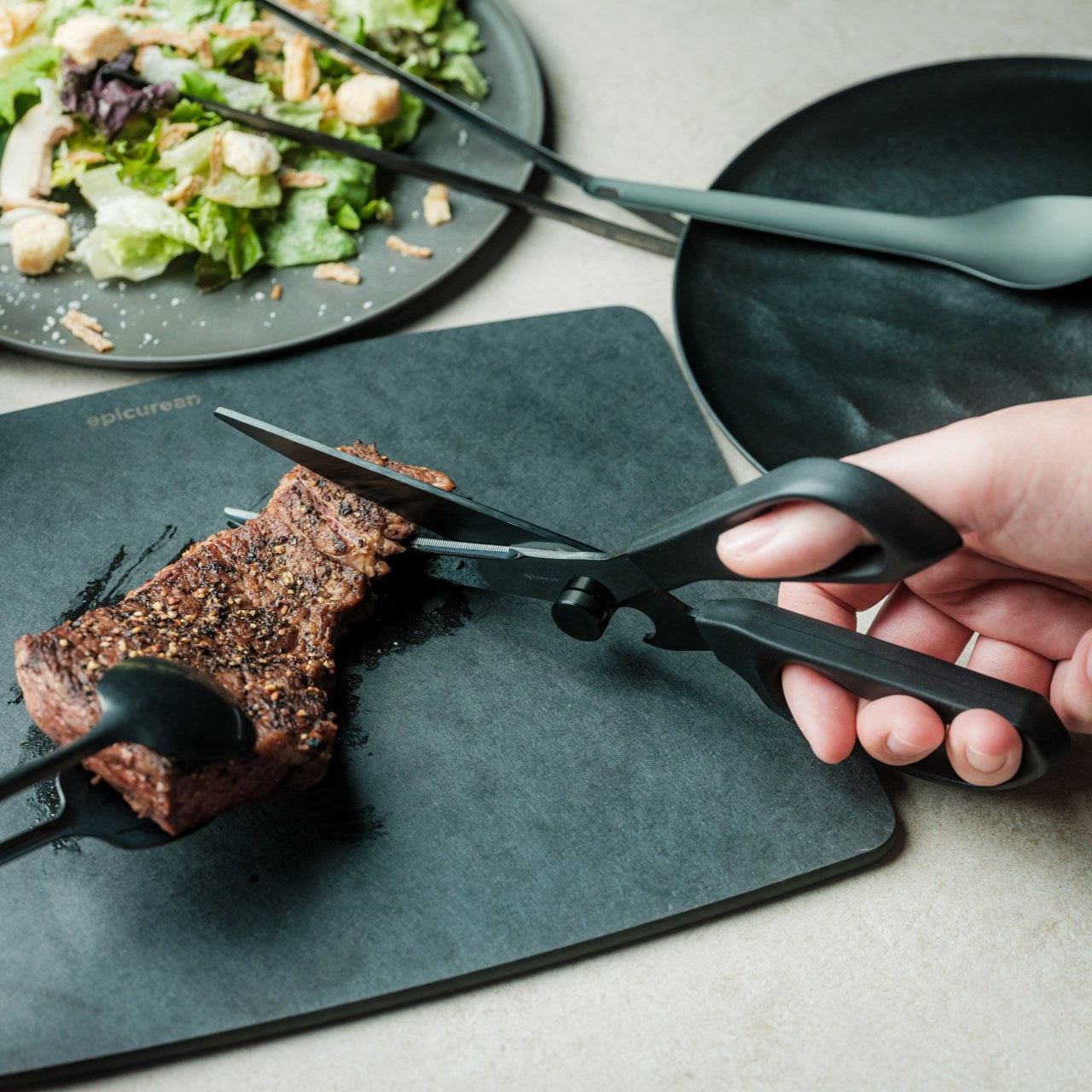
3. Precision Chef Kitchen Scissors
Food preparation extends beyond knife work, making these specially engineered kitchen scissors essential for comprehensive culinary tasks. The curved serrated blade design makes cutting through tough proteins, herbs, and vegetables significantly easier while maintaining safety during use. Oxidation coloring creates the distinctive black finish that resists fading and deterioration, ensuring these shears maintain their striking appearance through years of regular kitchen duty.
Ergonomic engineering prevents the blade from contacting surfaces when laid down, protecting both the cutting edge and countertops from damage. Whether trimming fat from steaks, cutting pizza into portions, or harvesting fresh herbs, these versatile shears handle diverse cutting challenges with remarkable efficiency. The substantial feel and balanced weight distribution reduce hand fatigue during extended prep sessions.
Vegetable preparation reaches new heights of precision with this traditional Japanese nakiri that combines authentic blade geometry with modern steel technology. The VG-10 steel core, hardened to 60 HRC, delivers exceptional sharpness while maintaining durability that withstands daily kitchen demands. Distinctive hammer marks create the striking kuro-uchi finish while serving the practical function of reducing food adhesion during cutting sessions.
The traditional D-shaped magnolia wood handle with plastic ferrule provides a secure grip without adding unnecessary weight to the blade. Nakiri blade geometry excels at precise vegetable cuts, from paper-thin radish slices to perfectly uniform julienne strips that elevate dish presentation. The balanced hardness prevents easy chipping while maintaining edge retention that keeps the blade performing optimally between sharpenings.
Traditional Japanese blade geometry optimized for vegetable preparation.
Stunning hammered finish combines beauty with functional food release.
What we dislike
Specialized vegetable focus limits general kitchen versatility.
Requires proper Japanese knife maintenance techniques and tools.
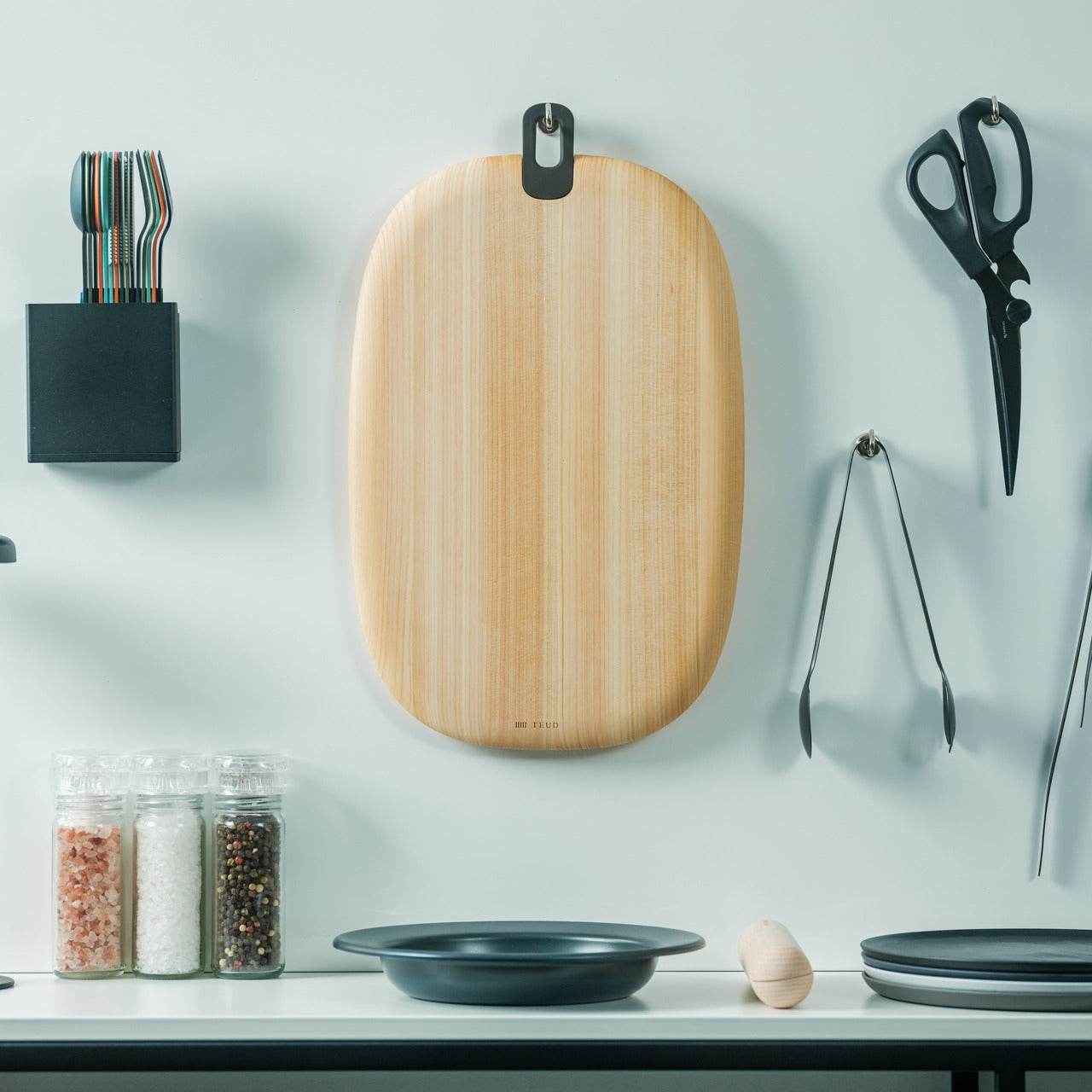
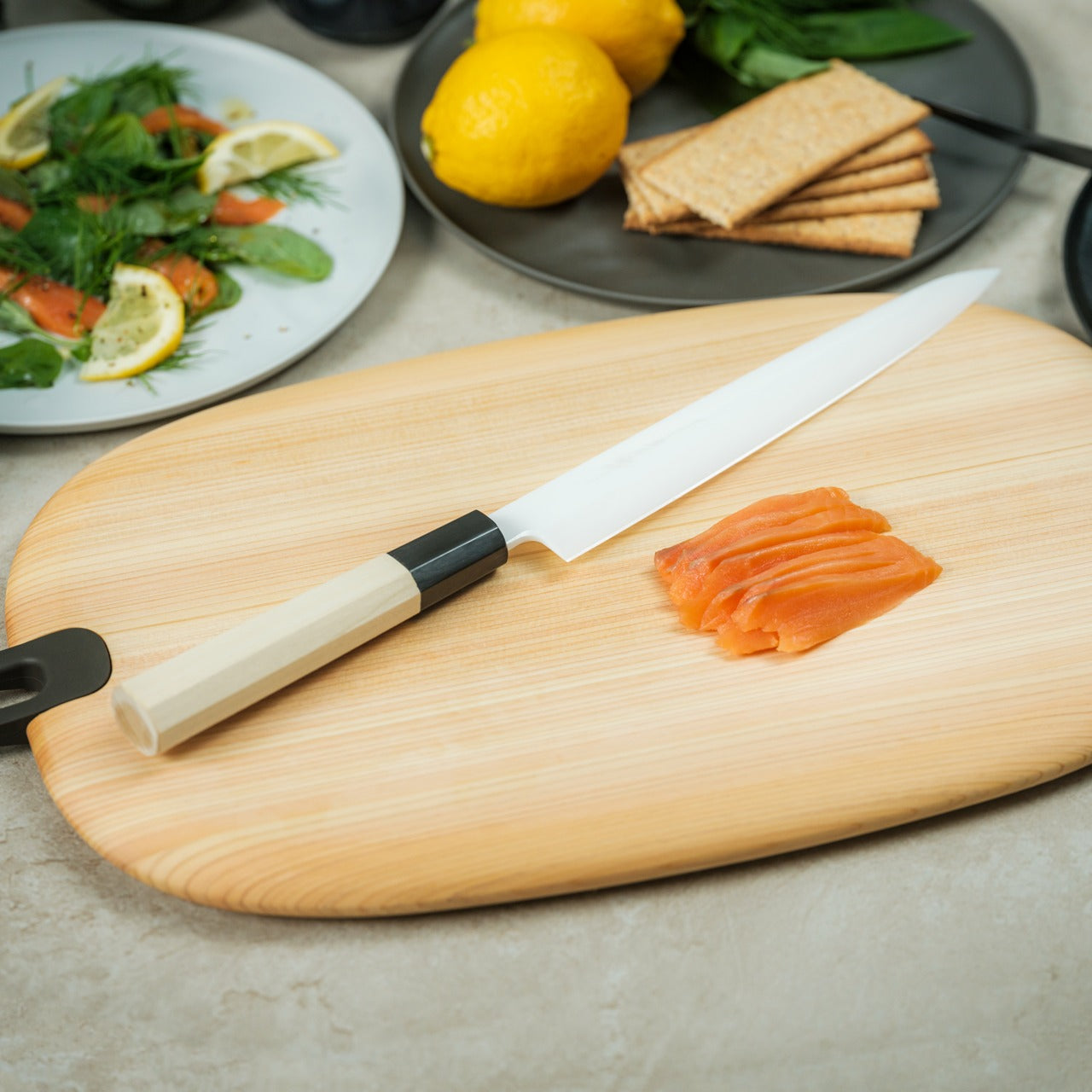
5. Hinoki Essence Cutting Board
Traditional Japanese hinoki cypress wood meets contemporary design sensibilities in this remarkable cutting board that elevates every prep session. The medium hardness provides optimal resistance for efficient cutting while remaining gentle enough to preserve knife edges through countless uses. Water-resistant silicone coating penetrates deep into the wood fibers, preventing damage and extending the board’s lifespan significantly beyond typical wooden alternatives.
The thoughtful design incorporates gentle curves that facilitate juice drainage and thorough cleaning after use. Natural antimicrobial properties inherent in hinoki cypress reduce bacterial growth, making this board ideal for both raw proteins and fresh produce preparation. The integrated handle enables convenient hanging storage for hygienic air-drying while adding an elegant design element that complements modern kitchen aesthetics perfectly.
Beautiful wood grain doubles as a serving presentation piece.
What we dislike
Requires hand washing and periodic oiling maintenance.
Higher cost than plastic cutting board alternatives.
Transform Your Kitchen Experience
These five exceptional tools represent more than mere kitchen implements – they embody the philosophy that beautiful, well-designed tools enhance both cooking performance and culinary enjoyment. Each piece brings unique strengths while working harmoniously together to create a comprehensive cutting and preparation system.
The investment in quality tools pays dividends through improved cutting precision, enhanced food presentation, and the simple pleasure of working with beautifully crafted implements. Whether you’re preparing elaborate dinner parties or simple weeknight meals, these tools elevate every kitchen interaction from mundane task to engaging craft.
Quality cutting tools transform cooking from a chore to a creative expression, making the time invested in food preparation genuinely enjoyable. These carefully selected pieces prove that exceptional performance and striking design remain accessible without premium price tags, bringing professional-level capabilities within reach of every passionate home cook.
Digital picture frames have struggled to find their place in homes that value both aesthetics and functionality. Most tilt too far toward obvious tech styling with glossy bezels and LED accents, or they compromise on display quality to hit budget price points. The market offers plenty of options that promise effortless memory sharing, but they typically deliver clunky apps, restrictive storage limits, and screens that look pale under natural light.
The Arzopa D14 WiFi digital photo frame addresses these issues by balancing design restraint with genuine capability. The champagne gold finish reads as furniture rather than gadgetry, letting it sit naturally on console tables or nightstands without drawing unwanted attention. Its 14-inch display uses anti-glare glass that maintains clarity near windows or under direct lighting. The proportions feel considered, large enough to matter without overwhelming the surrounding space.
Setup happens before the frame even arrives, which removes the usual friction. Photos can be preloaded, WiFi configured, and playlists organized through the Arzopa app ahead of time. Recipients plug it in and see their memories immediately, no pairing or downloads required. This becomes particularly valuable when gifting to parents or grandparents who find typical device setup frustrating or confusing.
The Arzopa D14 WiFi digital photo frame plays videos up to two minutes long alongside standard photos, adding dimension that still images can’t provide. Birthday messages, vacation clips, and grandchildren recording quick hellos all fit comfortably. The Arzopa app works across iOS and Android, making uploads straightforward regardless of device. Unlimited cloud storage eliminates the usual anxiety about choosing which memories to keep, while 32GB of built-in storage ensures smooth offline playback.
Family members anywhere can send photos that appear almost instantly on the frame. A daughter traveling uploads market scenes from Barcelona, and her parents see them within seconds. The like and gift features create simple interactions that feel natural rather than forced. Privacy controls keep exchanges within invited circles, while folders help organize memories by event, person, or timeline. The system adapts to however people want to use it.
Night mode dims the display automatically as the room darkens, sparing everyone from that harsh glow that disrupts late-night routines. The weather widget and clock turn the Arzopa D14 picture frame into something more than just a photo display, adding small conveniences that make it feel useful throughout the day. The 1920×1200 resolution keeps images crisp across the full 14 inches, while the IPS panel holds color accuracy even when viewed from across the room.
WiFi handles most file transfers smoothly, but the Arzopa D14 frame includes SD card support and direct Windows PC connections for situations where the Internet drops out or video files run large. It ships with everything needed, including the power adapter and wall mounting hardware. The weight distribution feels right, substantial enough to convey quality without making repositioning awkward when rearranging furniture or switching rooms.
Founded in 2021, Arzopa has spent the past few years building a range of display products that prioritize practical functionality over flashy features. The company’s portfolio includes portable monitors and digital frames, all designed around the idea that screens should work smoothly without requiring technical expertise to operate. That focus shows in how the Arzopa D14 Digital Photo Frame handles the basics well before adding extra features.
A quad-core processor keeps transitions between photos fluid, eliminating the stuttering that plagues cheaper frames. The touchscreen responds precisely to gestures, which matters for people who lose patience with laggy interfaces. That anti-glare coating makes a noticeable difference compared to standard glass. The Arzopa D14 photo frame handles common formats like JPG, PNG, MP4, and 3GP directly, so there’s no need to convert files before uploading them.
With the holidays approaching, the Arzopa D14 digital photo frame makes a thoughtful tech gift that keeps delivering long after unwrapping, and this Black Friday deal offers the perfect opportunity to grab one or more. The frame occupies a useful middle ground between static picture frames and overcomplicated smart displays, showing memories clearly while looking appropriate on furniture people care about.
There is a moment of hesitation familiar to anyone who has ever wanted to personalize their living space: the moment before drilling a hole into a pristine wall. For renters, it brings the risk of a lost security deposit. For homeowners, it is a small but permanent commitment, a mark that will need to be patched and painted over if they ever change their minds. This single action is often the barrier between the generic, builder-grade blinds that came with a property and a window treatment that truly reflects personal style and serves a specific need. It is this universal reluctance that has given rise to a new class of home solutions, designed around ingenuity rather than brute force. Window coverings are no longer a project requiring a tool belt and a steady hand; instead, they are evolving into something far more accessible.
This friction point in home improvement is where clever design really gets to shine. It is one thing to make something look good, but it is another thing entirely to re-engineer the user experience from the ground up. The best products eliminate the most painful step of the process so effectively that you wonder why it ever existed in the first place. This is precisely the space Keego has stepped into, offering no-drill blinds that promise a complete transformation in about a minute, turning a once-dreaded task into a simple, satisfying upgrade. The core mechanism is a tension rod system, essentially a sophisticated pressure mount that wedges the entire blind assembly securely into the window frame. It is a simple, elegant solution to a problem that has plagued homeowners and apartment dwellers for decades.
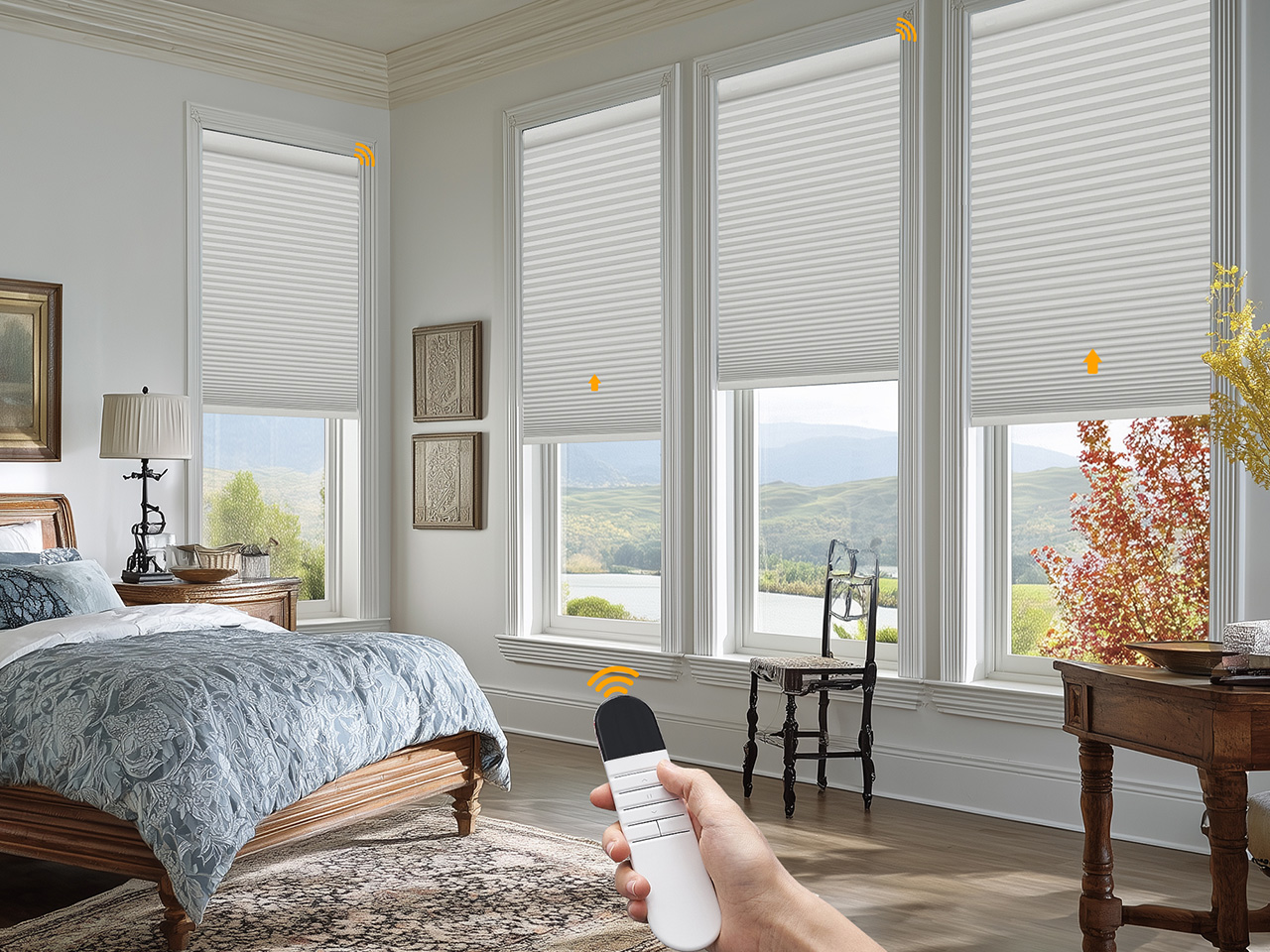
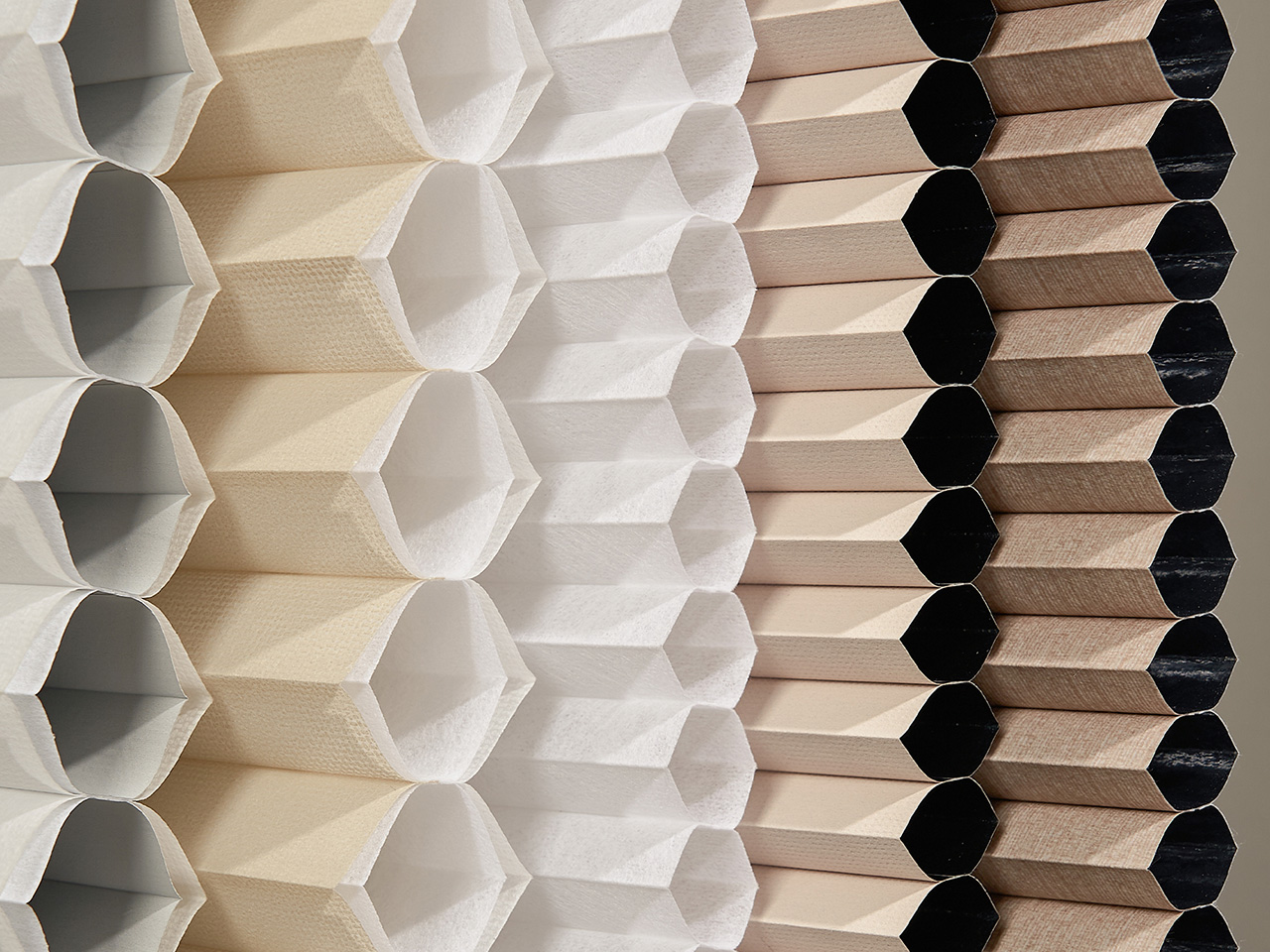
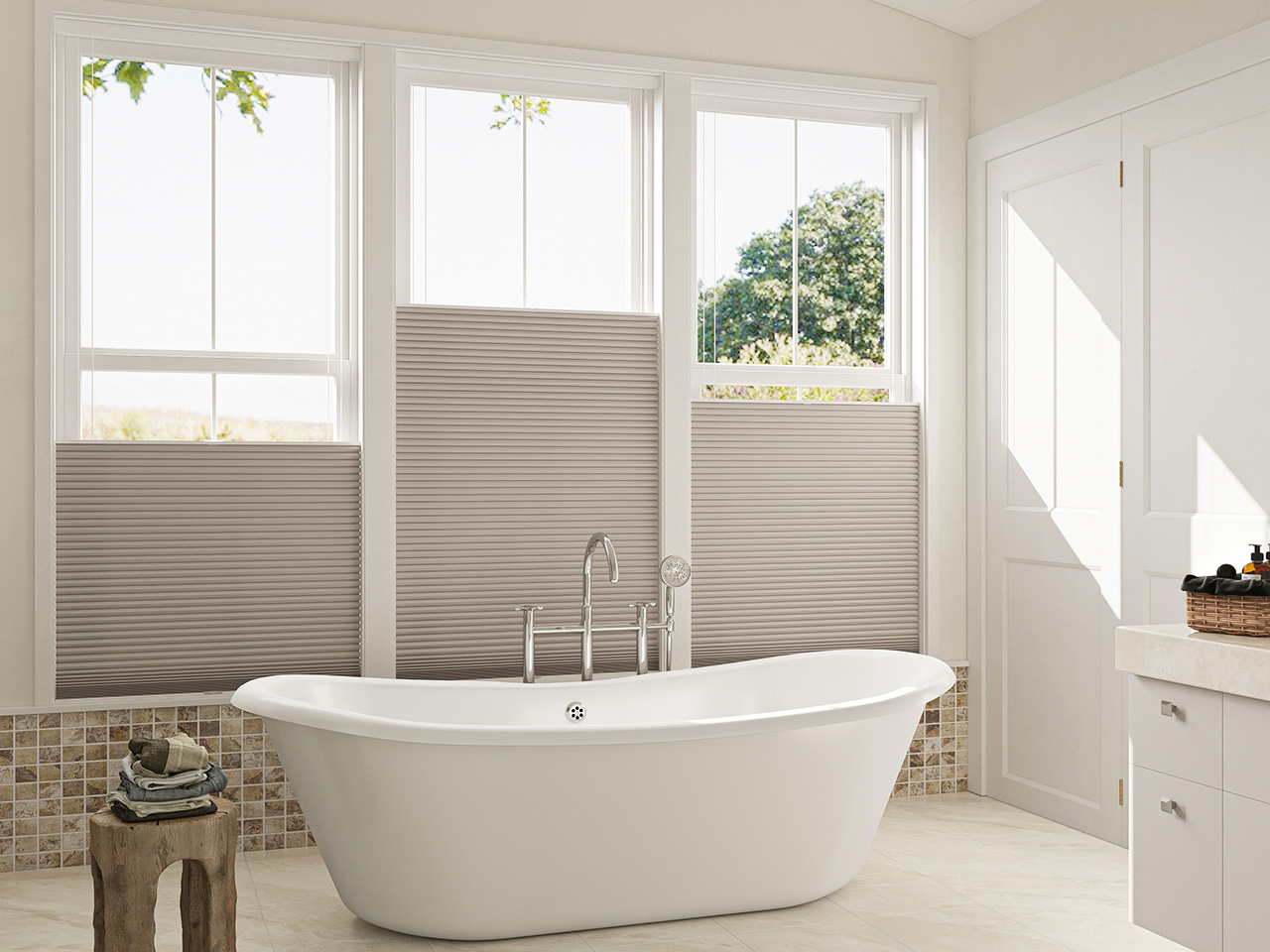
First up is the Extra Wide Top Down Bottom Up Honeycomb Cellular Shade, which solves a problem most blind manufacturers pretend does not exist: oversized windows. This variant supports custom widths up to 78 inches, a dimension that immediately makes it relevant for bay windows, sliding glass doors, or any architectural feature where standard sizing falls embarrassingly short. The top down bottom up functionality is the real highlight here, allowing you to lower the shade from the top or raise it from the bottom independently. This gives you surgical precision over privacy and light, perfect for ground-floor rooms where you want daylight streaming in overhead while keeping neighbors from peering inside. The honeycomb structure still delivers the thermal insulation you would expect, trapping air in those hexagonal cells to regulate temperature and dampen street noise.
What separates this from the standard honeycomb offerings is the sheer flexibility it provides. Opening from both directions turns a passive window covering into an active design element you can adjust throughout the day as the sun moves and your needs shift. The cordless mechanism operates smoothly in both directions, which is critical when you are managing a shade this wide. The blackout fabric options are effective, creating near-total darkness when fully deployed, while the light-filtering versions provide that soft, diffused glow that keeps a room feeling open without sacrificing privacy. This is the choice for anyone dealing with non-standard window dimensions or who wants granular control over how light enters their space, all without committing to permanent hardware.
Zebra Shades
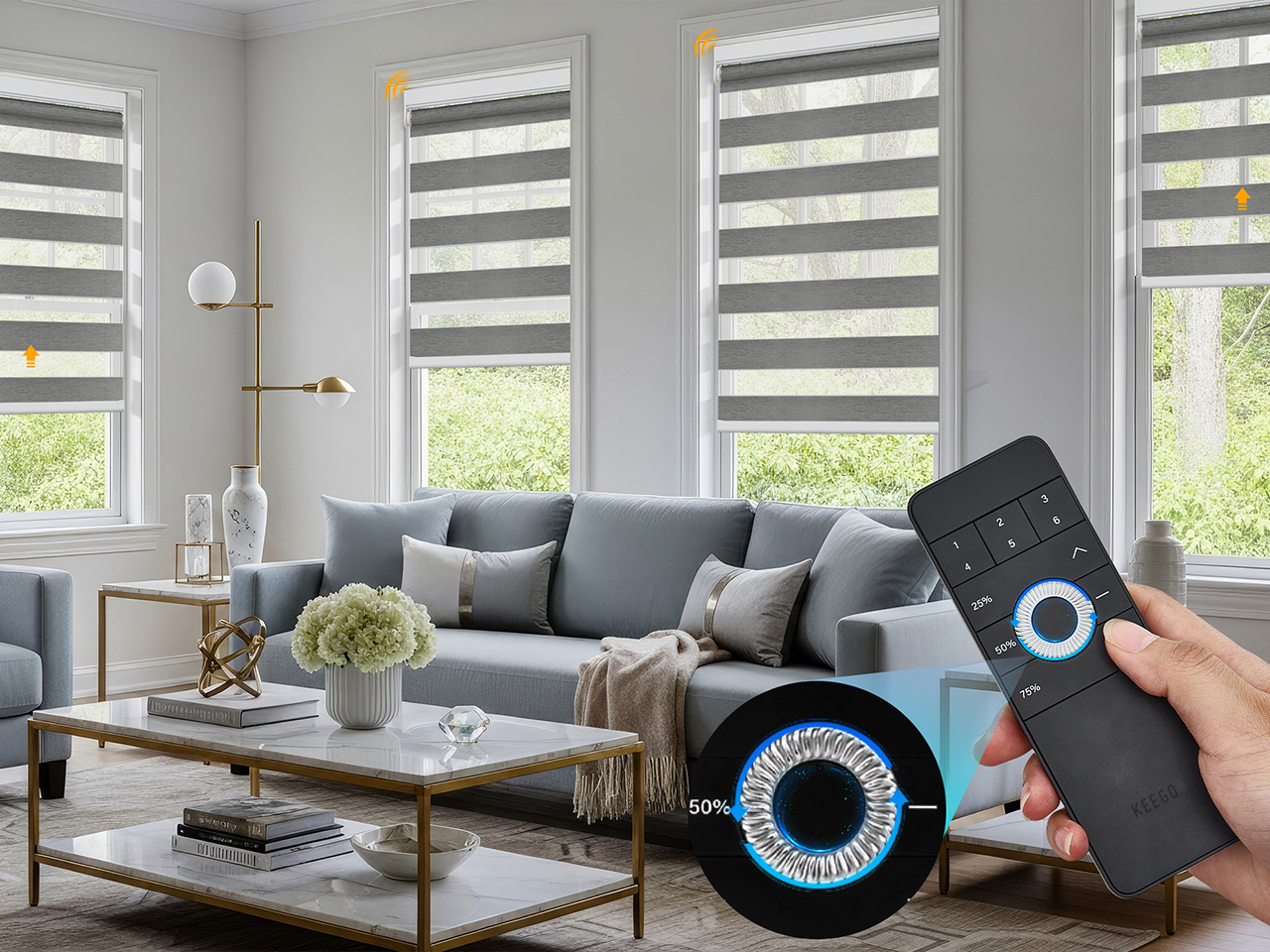
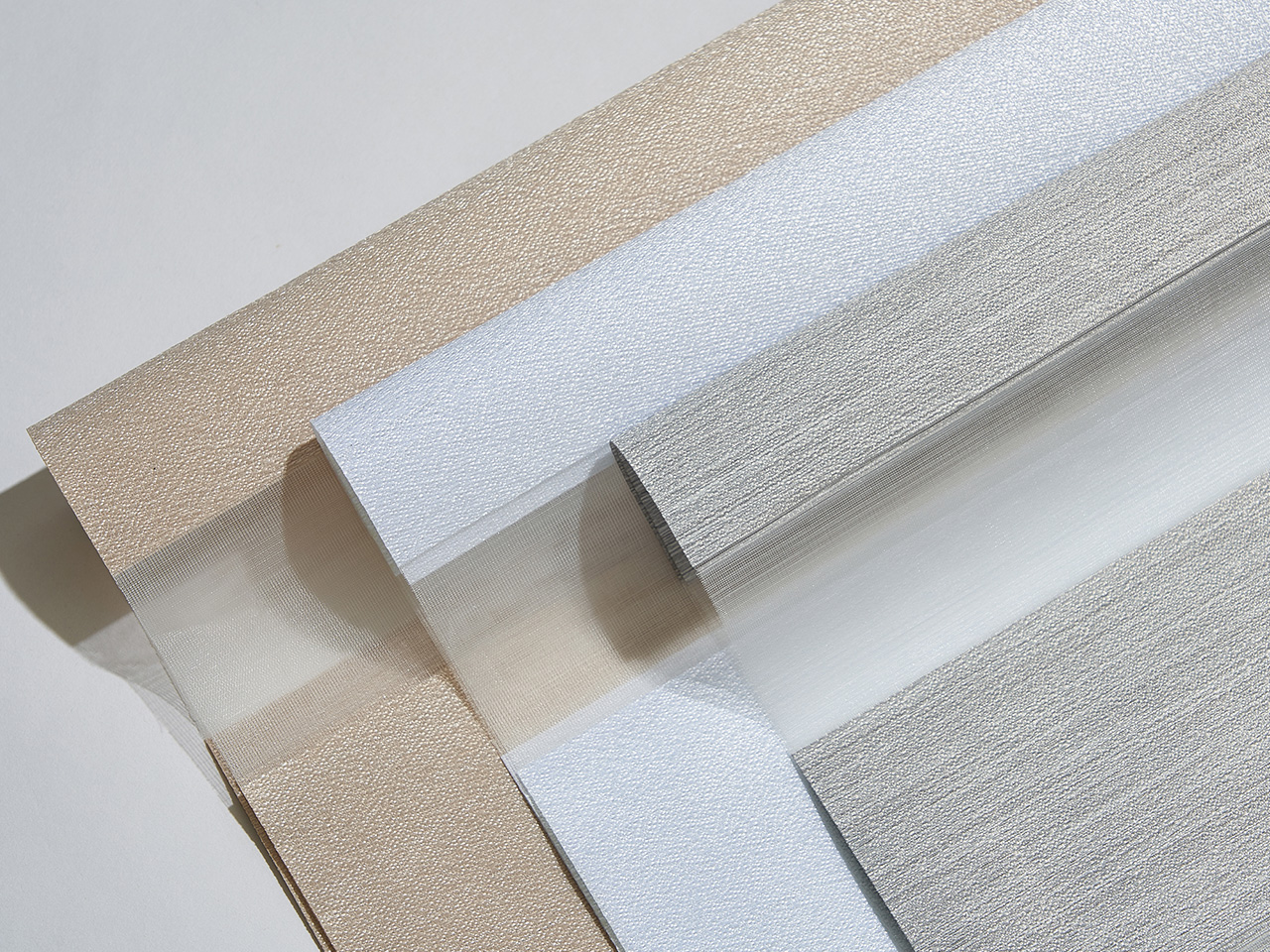
Then we have the Zebra shades, which take a completely different approach to the same problem. Where the Honeycomb is about brute-force light blocking, the Zebra is about nuanced light management. The design consists of two layers of fabric that slide over one another, with alternating horizontal stripes of sheer and opaque material. This construction gives you granular control over the amount of light entering the room. You can align the solid bands for privacy and room darkening, align the sheer bands to let in diffuse daylight, or set them anywhere in between to strike the perfect balance. It is an incredibly clever system that feels more dynamic and interactive, turning the window into a feature rather than just an opening.
The Zebra shades lean more into the tech and design-forward category, especially with the motorized option. The system comes with a remote capable of controlling up to 15 blinds at once, which is a fantastic quality-of-life feature for rooms with multiple windows. The fabrics often have a texture, like an imitation linen, that adds a layer of softness and visual interest to a space, preventing it from feeling too sterile. This style is for the person who wants to actively shape the light in their room throughout the day, treating it as another element of their interior design. The Zebra shades are a statement piece that merge a clever mechanical concept with a modern aesthetic, all while retaining that brilliantly simple no-drill installation.
Ultimately, the choice between the two comes down to a fundamental difference in philosophy. The Extra Wide Top Down Bottom Up Honeycomb Cellular Shade is the pragmatic solution for oversized windows and surgical light control, combining thermal efficiency with the flexibility to adjust from both top and bottom. The Zebra is the expressive design object, offering a more artistic and flexible way to interact with natural light. Both, however, are built on that same foundation of accessibility. By removing the drill from the equation, Keego has made a meaningful upgrade to a home’s comfort and style something that can be achieved on a lunch break.
These blinds are available to order directly from the Keego website and can also be found on major online retail platforms like Amazon and Walmart. Custom sizing is a key part of the offering, ensuring that the pressure-fit system works perfectly for a wide range of window dimensions.
Every athlete knows the frustration of outgrowing their gym setup as training evolves and goals shift over time. Maybe your training has evolved from basic movements to complex routines, or your space has changed from a dedicated room to a shared area with family, but your bench stays stubbornly the same throughout it all. Too bulky to move easily between exercises, too rigid to adapt to different movements, and too basic for your growing ambitions.
The RITFIT GATOR 3-Section Adjustable Weight Bench is designed for those who want more from their workouts and their space without compromising on either front or settling for less. It’s a bench that grows with you as your fitness journey progresses, adapts to your changing goals seamlessly across different training phases, and looks as good as it performs in any environment you place it. The modular design makes it work for beginners and serious athletes alike.
The bench’s three-section design is all about flexibility and precision for different training needs throughout your entire routine. With 10 backrest angles, 5 headrest positions, 3 seat levels, and 3 decline settings independently adjustable, you get 21 unique combinations total, enough to support everything from flat bench presses to incline dumbbell curls and decline sit-ups. The modular construction means you can fine-tune the bench for your body type and your specific routine requirements.
The adjustability encourages experimentation and progression throughout your training journey as you discover new movements. Switch from incline presses in the morning to core work in the evening, adjusting the bench in seconds to match your flow without interrupting workout momentum or wasting time. The gear-based adjustment system locks securely into each position, providing stability during heavy lifts while remaining easy to change between exercises when you need quick transitions between movements.
Built for serious lifters who push their limits regularly, the RITFIT bench uses thickened 50mm x 70mm steel pipes and is tested rigorously to support up to 1,600 lbs of total weight. The headrest alone can handle 396 lbs independently, so you can push your limits with confidence during overhead work or heavy dumbbell movements without worrying about equipment failure. The robust construction is visible in the exposed steel frame and reinforced connection points.
Thick, 70mm high-density foam cushions and premium vinyl leather covers keep you comfortable through long training sessions that stretch beyond an hour of continuous work. Closed adjustment mechanisms prevent pinching during quick changes between angles, and welded foot covers ensure components stay securely attached even during explosive movements or dynamic exercises. The attention to safety details means you can focus entirely on your workout performance.
The main frame arrives pre-assembled from the factory, and the rest of the setup takes about ten minutes with a clear, illustrated manual that doesn’t require technical expertise or special tools. When you’re done training for the day, two wheels and a knurled metal handle make it easy to roll the bench out of the way for yoga, stretching, or reclaiming floor space for other activities your household needs.
The bench stands vertically for storage against any wall in your home, making it ideal for apartments, basements, or any space where every square foot counts for multiple uses throughout the week. The enclosed gear adjustment system ensures the seat cushion doesn’t fall off when stored upright, maintaining safety and convenience without additional latches. The compact vertical profile means you can tuck it away without dedicating permanent floor space.
The bench’s clean lines, matte black finish, and subtle RITFIT branding mean it blends into any home gym aesthetic without shouting for attention, allowing you to proudly leave it on display even when guests visit your home. For athletes and active families who want their gear to match their lifestyle and living spaces, the RITFIT GATOR 3-Section Adjustable Weight Bench delivers modular comfort, safety, and everyday performance, making it a compelling choice for anyone building a home gym that needs to work as hard as they do without taking over the entire room.
Nostalgia has become one of the most powerful drivers in the tech and collectible markets. From miniature consoles to pixel-perfect Lego sets, the formula is well established: take a beloved cultural touchstone and re-engineer it for a modern audience. Nintendo, more than almost any other company, has mastered this to the point of it being an art (remember the Pokémon Tamagotchis from a few months ago?) Hallmark’s Keepsake line has long been a partner with Nintendo, translating iconic characters and scenes into physical ornaments for collectors.
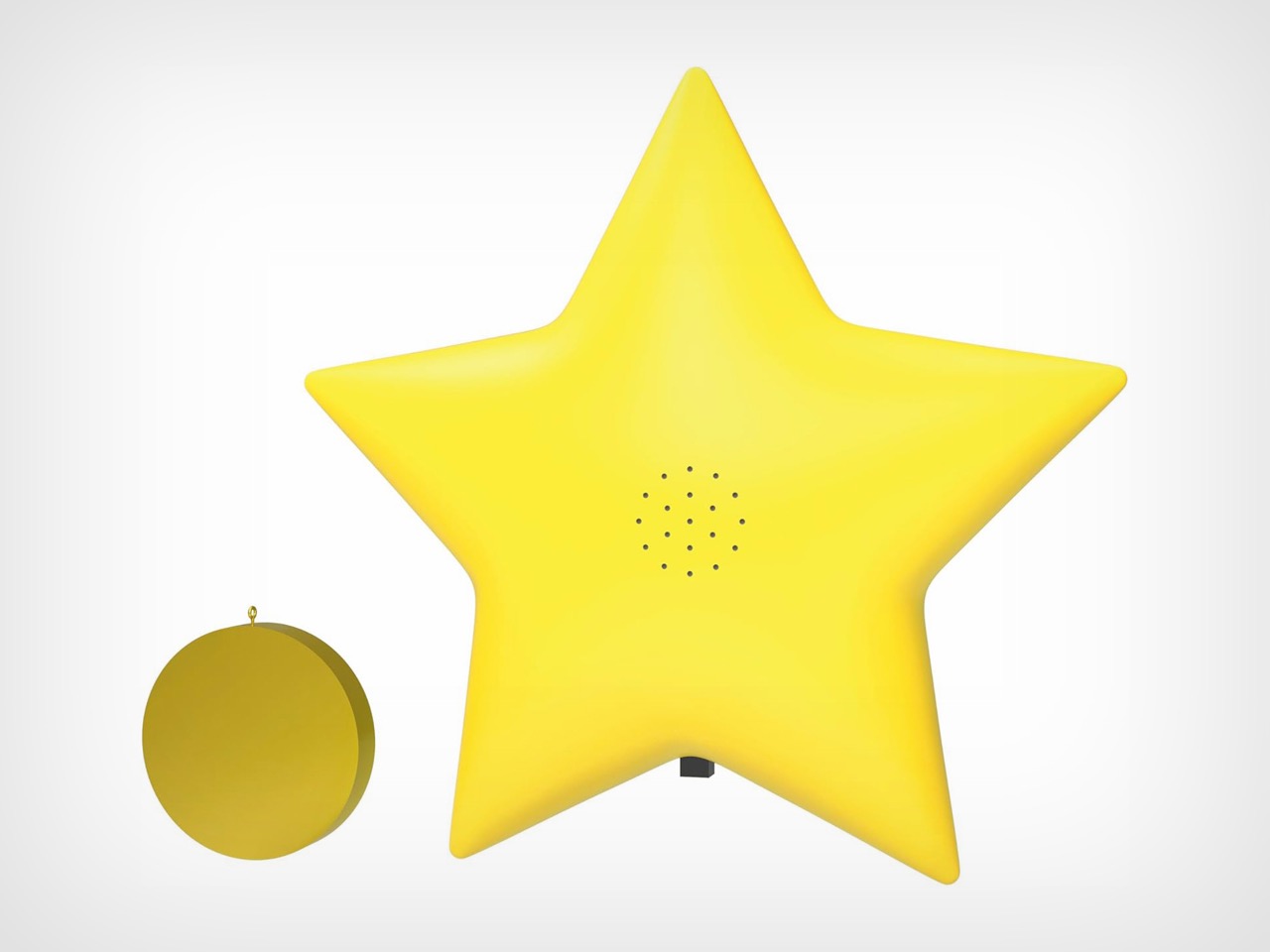
The Super Mario Super Star tree topper represents something more deliberate than a typical licensed holiday product. At nearly $100, it’s clearly positioned as a premium item, targeting collectors and dedicated fans rather than casual shoppers looking for generic tree decor. The build reflects this positioning. Made from durable plastic and measuring about 11 inches across, it’s substantial enough to serve as a proper focal point. The design faithfully captures the star’s appearance from the games, complete with oversized expressive eyes that give it personality beyond a simple geometric shape.
The topper comes with a wall-powered adapter rather than relying on batteries, which is a smart choice for maintaining consistent brightness throughout the season. The lighting synchronizes with audio from the Super Mario Bros. soundtrack, specifically the invincibility theme that every player instantly recognizes. It’s a short 15-second loop, but that’s exactly how long the power-up lasts in the game, showing attention to detail that fans will appreciate.
The most clever piece of design here is arguably the remote control. Instead of a generic plastic fob, Hallmark has shaped it like one of the game’s classic gold coins, turning it into a secondary ornament that can hang elsewhere on the tree. This transforms the user interaction from a simple button press into an act that feels authentic to the Super Mario universe. You’re not just turning on a light; you’re metaphorically grabbing the coin to activate the power-up. It’s a thoughtful detail that bridges the gap between a physical holiday decoration and the digital memory it represents, delivering a small hit of that 8-bit dopamine right in your living room.
Photos and videos circulating online show how the topper looks in practice, and the consensus seems to be that it brings a genuinely playful energy to the tree. The bright yellow plastic catches ambient light even when the LEDs aren’t active, and when powered on, it becomes an unmistakable centerpiece. For homes with young children or dedicated gaming spaces, it fits naturally into the aesthetic. For more traditional settings, it might feel out of place, but that’s likely intentional. This product knows its audience.
Hallmark released this as part of their July 2025 Ornament Premiere, and availability appears solid for now through Amazon, their official site, and specialty ornament retailers. Given the track record of Nintendo-licensed Keepsake items, though, it wouldn’t be surprising to see secondary market prices climb after the holidays, especially if it’s a one-year release. Grab yours now before you end up paying upwards of 500 bucks on ebay.
Nostalgia has become one of the most powerful drivers in the tech and collectible markets. From miniature consoles to pixel-perfect Lego sets, the formula is well established: take a beloved cultural touchstone and re-engineer it for a modern audience. Nintendo, more than almost any other company, has mastered this to the point of it being an art (remember the Pokémon Tamagotchis from a few months ago?) Hallmark’s Keepsake line has long been a partner with Nintendo, translating iconic characters and scenes into physical ornaments for collectors.
The Super Mario Super Star tree topper represents something more deliberate than a typical licensed holiday product. At nearly $100, it’s clearly positioned as a premium item, targeting collectors and dedicated fans rather than casual shoppers looking for generic tree decor. The build reflects this positioning. Made from durable plastic and measuring about 11 inches across, it’s substantial enough to serve as a proper focal point. The design faithfully captures the star’s appearance from the games, complete with oversized expressive eyes that give it personality beyond a simple geometric shape.
The topper comes with a wall-powered adapter rather than relying on batteries, which is a smart choice for maintaining consistent brightness throughout the season. The lighting synchronizes with audio from the Super Mario Bros. soundtrack, specifically the invincibility theme that every player instantly recognizes. It’s a short 15-second loop, but that’s exactly how long the power-up lasts in the game, showing attention to detail that fans will appreciate.
The most clever piece of design here is arguably the remote control. Instead of a generic plastic fob, Hallmark has shaped it like one of the game’s classic gold coins, turning it into a secondary ornament that can hang elsewhere on the tree. This transforms the user interaction from a simple button press into an act that feels authentic to the Super Mario universe. You’re not just turning on a light; you’re metaphorically grabbing the coin to activate the power-up. It’s a thoughtful detail that bridges the gap between a physical holiday decoration and the digital memory it represents, delivering a small hit of that 8-bit dopamine right in your living room.
Photos and videos circulating online show how the topper looks in practice, and the consensus seems to be that it brings a genuinely playful energy to the tree. The bright yellow plastic catches ambient light even when the LEDs aren’t active, and when powered on, it becomes an unmistakable centerpiece. For homes with young children or dedicated gaming spaces, it fits naturally into the aesthetic. For more traditional settings, it might feel out of place, but that’s likely intentional. This product knows its audience.
Hallmark released this as part of their July 2025 Ornament Premiere, and availability appears solid for now through Amazon, their official site, and specialty ornament retailers. Given the track record of Nintendo-licensed Keepsake items, though, it wouldn’t be surprising to see secondary market prices climb after the holidays, especially if it’s a one-year release. Grab yours now before you end up paying upwards of 500 bucks on ebay.
The world of everyday carry continues to evolve, pushing beyond traditional multi-tools and basic pocket knives into territory that feels more like science fiction than utility gear. November 2025 has delivered a remarkable collection of EDC innovations that challenge everything we thought we knew about portable functionality. These aren’t just tools – they’re carefully engineered solutions that blend cutting-edge materials, ingenious mechanisms, and thoughtful design into objects you’ll actually want to carry every day.
From gravity-powered deployment systems to aerospace-grade titanium connectors, this month’s standout EDC designs represent a perfect storm of advanced manufacturing, user-centered thinking, and genuine innovation. Each piece on this list solves real problems while maintaining the kind of refined aesthetics that make you proud to pull them from your pocket. Whether you’re a seasoned EDC enthusiast or someone just discovering the world of optimized carry gear, these five designs showcase exactly where the industry is heading.
1. Cubik
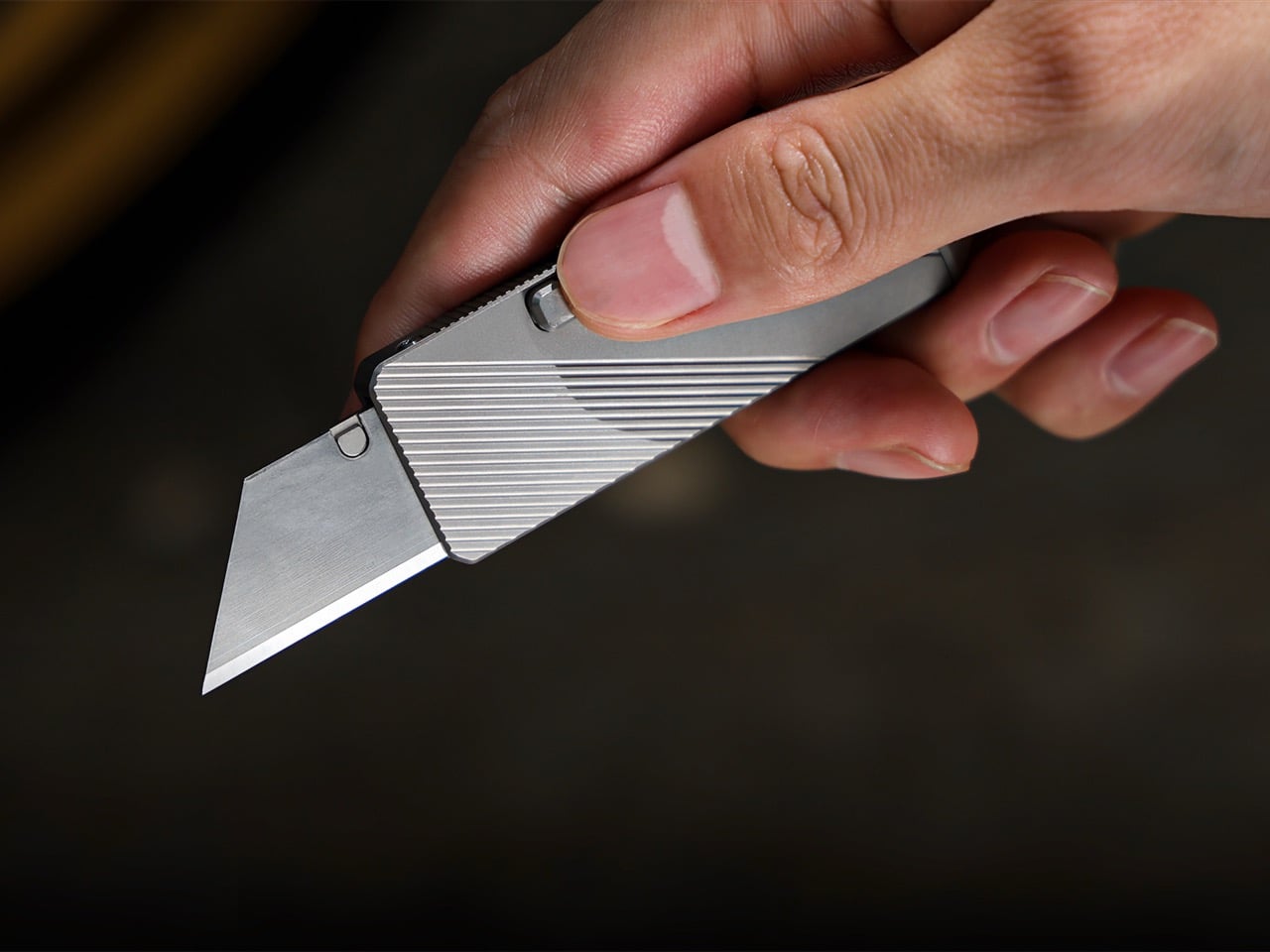
The Cubik represents a fundamental rethinking of blade deployment that feels both revolutionary and oddly familiar. Press the trigger, hold the knife upside down, and physics takes over as the blade smoothly extends from its housing. This isn’t just clever engineering for its own sake – it’s a complete elimination of the complex spring mechanisms, ball bearings, and maintenance-heavy components that plague traditional folding knives.
What makes the Cubik genuinely special is how natural the deployment feels once you understand the physics. The weight of the blade becomes your deployment mechanism, creating a tactile experience that borders on addictive. The rear-mounted tungsten carbide glass-breaker transforms this from a simple cutting tool into legitimate emergency gear. At the same time, the satisfying fidget-like quality ensures you’ll never get tired of the deployment action.
What we like
Eliminates complex mechanisms that can fail or require maintenance.
Deployment requires specific orientation and hand positioning.
May not be legal in all jurisdictions due to one-handed opening capability.
2. Titaner Quick-Release EDC Carry System
The Titaner system attacks the fundamental problem of keychain organization with aerospace-grade materials and magnetic precision. Weighing just 6.5 grams, this GR5 titanium connector system provides instant one-handed access to your gear while maintaining the kind of strength that makes traditional keychains seem almost primitive. The magnetic-mechanical lock creates a satisfying tactile feedback that confirms a secure connection every time.
Beyond the impressive engineering specs, the Titaner succeeds because it feels warm and organic rather than cold and industrial. The CNC-machined precision and choice of finishes – from understated stonewash to bold anodized colors – means this isn’t just functional gear hiding in your pocket. Four modular sub-connectors adapt to different carrying scenarios, whether you’re organizing everyday essentials or professional outdoor equipment.
Ultra-light titanium construction offers an exceptional strength-to-weight ratio.
One-handed operation with satisfying magnetic-mechanical feedback.
What we dislike
Premium materials result in significantly higher costs than traditional keychains.
A modular system may be overly complex for basic key organization needs.
3. 8-in-1 EDC Scissors
Compact multi-tools often sacrifice functionality for portability, but these palm-sized scissors prove that smart design can deliver both. Eight distinct functions are packed into a 5.1-inch form factor that disappears into any pocket while maintaining the cutting performance of dedicated scissors. The oxidation film coating provides rust resistance while creating a distinctive black finish that looks intentional rather than utilitarian.
The genius lies in how each function integrates naturally into the scissor form factor. Rather than forcing disparate tools into an awkward housing, every capability flows logically from the basic scissor design. From bottle opening to wire stripping, each function feels purposeful rather than tacked on. The result is a tool that excels at its primary cutting mission while offering legitimate backup capabilities for common tasks.
Eight functions integrated seamlessly into a familiar scissor form factor.
Compact size maintains full cutting performance in a portable package.
What we dislike
Individual tool functions may not match the performance of dedicated alternatives.
Black coating could wear over time with heavy use.
4. Gerber Shard
Sometimes the best design is the simplest design, and the Gerber Shard proves this philosophy with elegant restraint. Seven essential functions are integrated into a keychain-friendly package that prioritizes airline safety and everyday utility over flashy features. The titanium nitride coating provides serious corrosion resistance while maintaining a professional appearance that works in any environment.
The Shard succeeds by focusing relentlessly on the tasks you actually encounter daily. Pry bars, flathead drivers, and bottle openers get the engineering attention they deserve, while unnecessary features stay out of the way. This disciplined approach creates a tool that feels substantial despite its compact dimensions. The limited lifetime warranty signals Gerber’s confidence in the fundamental engineering, while the airline-safe design ensures it travels with you anywhere.
What we like
Airline-safe design travels without restrictions or complications.
Titanium nitride coating provides superior corrosion resistance and durability.
What we dislike
Limited to seven functions compared to larger multi-tool alternatives.
The flat profile may be less comfortable for extended use sessions.
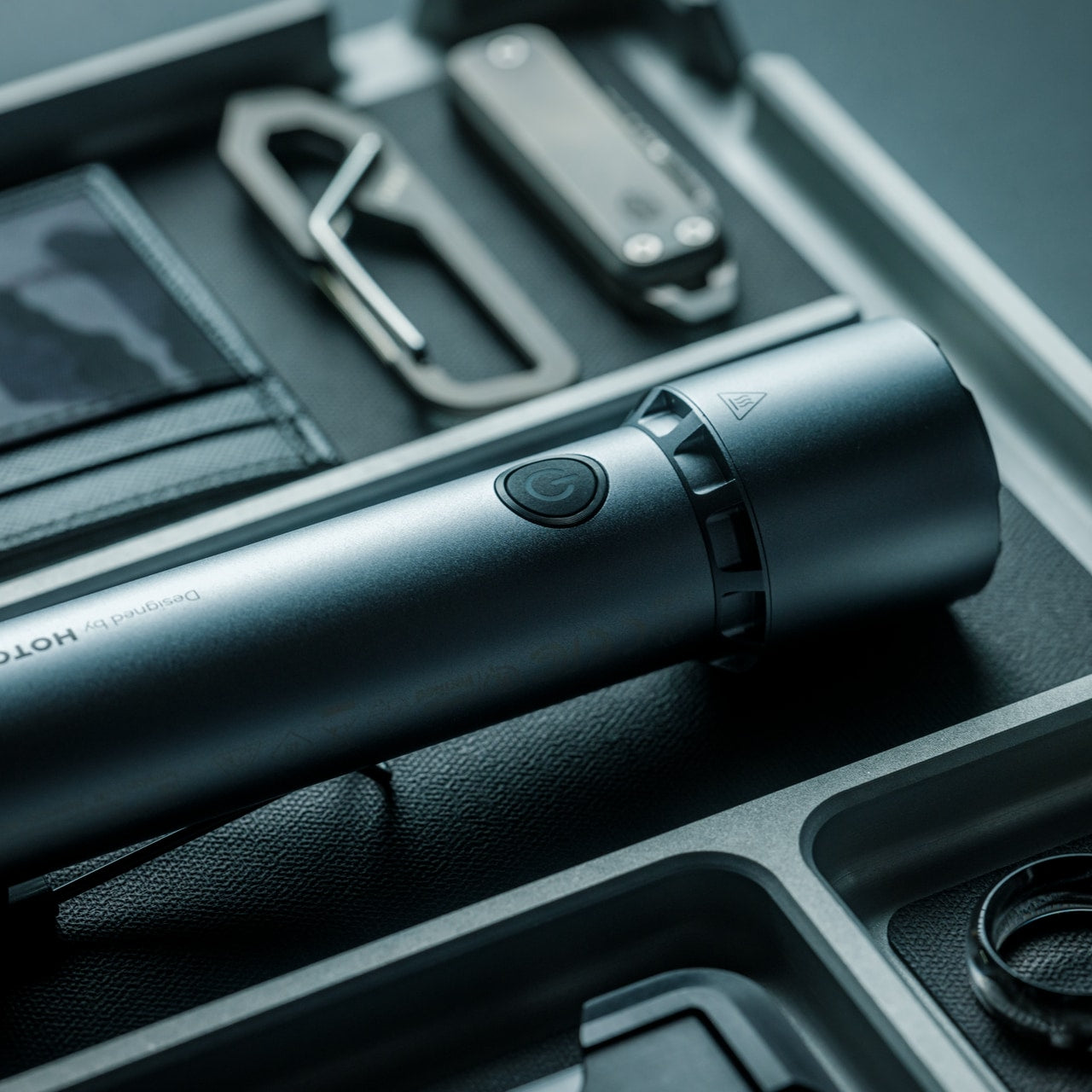
5. BlackoutBeam Tactical Flashlight
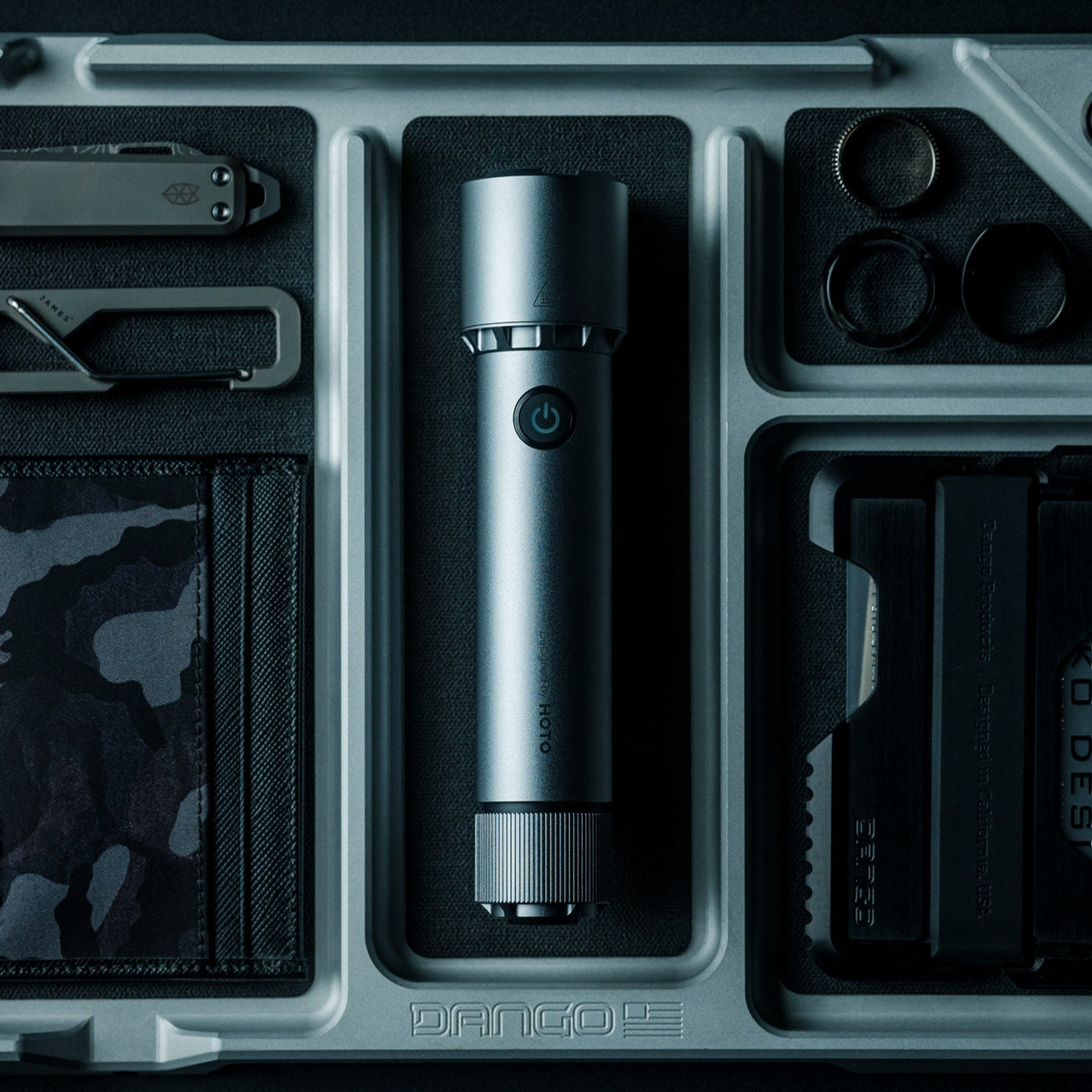
The BlackoutBeam represents tactical illumination engineering applied to everyday carry needs. With 2300 lumens available on demand and a 300-meter throw distance, this flashlight delivers professional-grade performance in a package designed for daily pocket carry. The 0.2-second response time eliminates the frustrating delay common in consumer flashlights, while the IP68 waterproof rating ensures reliability regardless of conditions.
What elevates the BlackoutBeam beyond simple lumen counting is the industrial design aesthetic that makes it look intentional rather than tactical. The durable aluminum construction feels substantial without adding unnecessary bulk, while the sleek profile integrates naturally into any EDC setup. Whether you’re dealing with power outages, navigating in darkness, or building emergency preparedness, this flashlight delivers instant clarity exactly when needed.
Exceptional 2300-lumen output with 300-meter throw for serious illumination needs.
0.2-second response time provides instant-on reliability without delay.
What we dislike
High-output modes likely drain the battery quickly during extended use.
Professional-grade features may be excessive for basic everyday lighting needs.
The Evolution of Everyday Carry
These five designs represent more than just incremental improvements in existing product categories. They showcase a fundamental shift in how we think about the relationship between tools, materials, and daily utility. The Cubik’s gravity deployment eliminates mechanical complexity while adding tactile satisfaction. The Titaner system brings aerospace engineering to a keychain organization, proving that premium materials can transform mundane tasks into satisfying experiences.
The common thread connecting these innovations is attention to the complete user experience. These aren’t just functional objects – they’re carefully considered solutions that recognize how tools integrate into daily life. From materials selection to deployment mechanisms, every design decision serves the goal of creating gear you’ll want to carry and use every day, suggesting we’re entering a golden age of everyday carry design.


 technology. Instead of vibrating water into a visible aerosol, it uses a fan to draw dry air through a saturated wick filter, releasing clean, humidified air that is entirely invisible and free of mineral deposits.