Google TV Solar Remote G32 Never Needs Battery Replacements

TV remotes have a habit of dying at the worst possible time, usually right before you finally find something worth watching. The familiar hunt for AAA batteries begins, followed by the quiet pile of dead cells that builds up in a drawer until you remember to recycle them. Google’s new G32 reference remote for Google TV takes a different route by running on ambient indoor light instead of disposable batteries.

The G32 is a Google TV reference remote built by Ohsung Electronics and powered by Swedish startup Epishine’s indoor solar cells. This isn’t a one-off concept, but a template TV makers can adopt for their own Google TV devices. The goal is a self-charging, maintenance-free remote that never needs disposable batteries and quietly reduces waste in the background while sitting on your coffee table between Netflix binges.

Designer: Epishine, Ohsung

Epishine’s technology is tuned specifically for indoor conditions. Thin, flexible, bifacial solar cells made from organic materials are printed at industrial scale and designed to harvest the light already in your living room from lamps and windows. They turn it into a slow, steady trickle of power rather than relying on bright sunshine. Because they are bifacial, they capture light from both sides, no matter how the remote is resting on the couch.

This changes the remote’s design in subtle but meaningful ways. There is no battery door on the back, no need to stock AAAs, and no reason to open the shell once it leaves the factory. The solar window at the bottom of the front face is integrated like a dark glass panel, keeping the silhouette clean. As long as you use the remote in a reasonably lit room, it quietly tops itself up and stays ready.

Current Google TV Remote Reference Designs (G10, G20)

Current Google TV Remote Reference Designs (G10, G20)

The G32 keeps the familiar Google TV layout. A large circular D-pad sits at the top, with home and back keys, dedicated buttons for YouTube and Netflix, and a bright blue “Free TV” key in the middle. The solar area occupies the lower third. In photos, it looks like a normal Google TV controller that just happens to have an extra screen at the bottom, even though it is really the light-harvesting zone.

Of course, Epishine and Google highlight that billions of batteries are thrown away each year, and remotes are one of the few devices almost everyone owns. Swapping disposable cells for indoor solar in a product that ships by the millions has a different impact than doing it in a niche gadget. It also nudges manufacturers toward thinner, simpler shells without battery compartments cluttering the back.

The G32 solar remote is a small but smart change to an object we rarely think about. It doesn’t ask users to change habits or remember to charge yet another device. Instead, it quietly uses the light already in the room to keep working. If TV makers pick up this reference design, the most boring gadget on the coffee table might end up being one of the more thoughtful ones.

The post Google TV Solar Remote G32 Never Needs Battery Replacements first appeared on Yanko Design.
Roborock’s Flagship Robot Vacuum Just Hit $849 for Black Friday (It Was $1,500)

Most robot vacuums ask you to choose between brains and beauty, performance and polish. They either look like something you’d tuck away in a utility closet or they clean with all the conviction of a demo unit at a trade show. Roborock’s Qrevo CurvX has been one of the rare exceptions since launch, which explains why it commanded $1,499.99. That’s flagship territory, the kind of pricing reserved for products that are supposed to solve problems rather than create new ones. The question for Black Friday is what happens when that same robot drops to $849.99, because suddenly you’re not comparing it to other flagship models anymore.

The 43% discount would be noteworthy on any robot vacuum, but this isn’t any average robot vacuum being purposely cleared from stock for Black Friday. The CurvX is genuinely Roborock’s current top offering, complete with 22,000Pa suction that actually makes a difference on carpets, a chassis that physically lifts itself over thresholds up to 4cm high (which sounds gimmicky until you live in a house with transitions between rooms), and a 3.14-inch profile slim enough to navigate under most furniture without getting wedged. For anyone who’s spent the past few years watching robot vacuum tech inch forward while waiting for one that doesn’t require you to compromise on either capability or how it looks sitting in your living room, this is the kind of pricing shift that’s worth paying attention to.

Designer: Roborock

Click Here to Buy Now: $849.99 $1499.99 ($650 off). Hurry, deal ends in 48-hours!

The slim profile is a bigger deal than it sounds. At just under 8cm tall, the CurvX glides under sofas, beds, and cabinets where dust bunnies breed because most vacuums can’t reach. Roborock made this possible with RetractSense navigation, featuring a LiDAR sensor that retracts into the body when it isn’t needed. Most LiDAR robots have a permanent turret on top, an extra bit of height that forces them to avoid low-clearance furniture entirely. This is a thoughtful piece of engineering that addresses a real-world frustration, ensuring a truly comprehensive clean in the spaces that are often missed. It’s a design choice that reflects a deeper understanding of how modern homes are actually furnished.

Even more impressive is the AdaptiLift chassis. This is Roborock’s system for lifting the entire robot body to clear obstacles, and it transforms how autonomous the cleaning actually becomes. Thick rugs, raised thresholds between rooms, or even the slight lip where tile meets hardwood are handled with ease. Lesser robot vacuums will attempt these crossings, fail, and get stuck. The CurvX lifts itself up to 1.57 inches and just drives over the obstacle. In real-world use, this means your robot isn’t getting trapped on a daily basis, which sounds basic but genuinely improves the whole ownership experience.

For pet owners, the holy grail has always been a robot vacuum that doesn’t choke on hair. Roborock built the Dual Anti-Tangle System specifically to address hair wrapping, pairing it with what they call a DuoDivide main brush that splits the roller to prevent tangling at the source. Combined with FlexiArm technology that extends the side brush and mop pad out to reach baseboards and corners, this robot actually handles pet households well. Most robot vacuums leave visible gaps along edges because their circular design can’t physically get close enough. The CurvX extends past those limitations, meaning you’re not manually cleaning baseboards after the robot runs.

The CurvX also packs a pretty advanced mopping system that ties in with the vacuum’s dock. The Multifunctional Dock 3.0 Thermo+ is far more than an auto-empty bin. It washes the robot’s dual spinning mop pads with 80°C (176°F) water, hot enough to dissolve greasy kitchen spills and sanitize floors effectively. After washing, it dries the mops with 45°C warm air, preventing the mildew and sour odors that can plague other robot mops. The dock also refills the robot’s water tank and empties its dustbin into a large 2.5-liter bag that can go for up to 65 days between changes. This level of automation means the robot is always ready for the next job, providing a consistently clean and hygienic experience with minimal human oversight.

Underpinning all of this is the Reactive AI obstacle avoidance, which uses structured light and an RGB camera to see and interpret the world around it. With the ability to recognize 108 different object types, the system is remarkably adept at navigating a lived-in home. This gives you the confidence to run a cleaning cycle without having to tidy up beforehand; it will intelligently steer around charging cables, shoes, and pet toys instead of trying to consume them. It’s a system designed for real-world messiness, which is a refreshing change of pace.

Roborock also clearly understood that for a device to live in your main space, its design matters. The CurvX’s dock is sleek and rounded, with a smooth, dust-resistant top cover. Most of the robot tucks away inside the base when docked, so it maintains a low profile. It’s a functional appliance that doesn’t look like one, actively complementing a modern home’s aesthetic rather than detracting from it. It’s a small touch, but it’s one that speaks to a user-centric design philosophy that considers the entire ownership experience.

At $849.99, the value proposition shifts significantly. You’re getting flagship performance and capability at a price point that suddenly feels accessible. Most robot vacuums in this range offer either strong suction or competent mopping, rarely both with the kind of dock automation that makes daily use genuinely hands-off. The CurvX delivers on all three, and the timing matters because Roborock is extending serious discounts across its lineup. The Saros 10R, another ultra-slim flagship with 22,000Pa suction and industry-first 3D ToF navigation, is getting cut from $1,599.99 to $1,049.99. The Qrevo Edge S5A (18,500Pa suction with DuoDivide brush and FlexiArm technology) drops from $999.99 to $549.99, making it a compelling mid-range option for those who want solid performance without the ultra-premium price. The Q10 S5+ (10,000Pa suction, 70-day auto-empty, VibraRise 2.0 mopping) offers even more accessible pricing with its $249.99 price tag for budget-conscious buyers who still want auto-empty convenience. If you’re someone who prefers cordless cleaning, the Flexi F25GT wet-dry vacuum (20,000Pa suction, self-washing at 194°F, lie-flat design) is dropping from $299.99 to $199.99. The CurvX still represents the apex of what Roborock offers, but having this many capable options discounted simultaneously means there’s genuinely something for different household needs and budgets.

If you’ve got a multi-surface home, pet hair to contend with, or you’ve simply gotten tired of manually maintaining a robot vacuum every week, the CurvX actually solves those problems. The slim design means it cleans spaces other robots miss. The suction power handles both carpet and tile effectively. The dock system means mop maintenance is genuinely hands-off. These aren’t theoretical benefits. They’re practical improvements to how the robot actually functions in real homes. At $849.99 during this Black Friday window, you’re looking at a product that’s genuinely capable of delivering on what robot vacuums have been promising for years. That’s worth paying attention to.

Click Here to Buy Now: $849.99 $1499.99 ($650 off). Hurry, deal ends in 48-hours!

The post Roborock’s Flagship Robot Vacuum Just Hit $849 for Black Friday (It Was $1,500) first appeared on Yanko Design.
Roborock’s Flagship Robot Vacuum Just Hit $849 for Black Friday (It Was $1,500)

Most robot vacuums ask you to choose between brains and beauty, performance and polish. They either look like something you’d tuck away in a utility closet or they clean with all the conviction of a demo unit at a trade show. Roborock’s Qrevo CurvX has been one of the rare exceptions since launch, which explains why it commanded $1,499.99. That’s flagship territory, the kind of pricing reserved for products that are supposed to solve problems rather than create new ones. The question for Black Friday is what happens when that same robot drops to $849.99, because suddenly you’re not comparing it to other flagship models anymore.

The 43% discount would be noteworthy on any robot vacuum, but this isn’t any average robot vacuum being purposely cleared from stock for Black Friday. The CurvX is genuinely Roborock’s current top offering, complete with 22,000Pa suction that actually makes a difference on carpets, a chassis that physically lifts itself over thresholds up to 4cm high (which sounds gimmicky until you live in a house with transitions between rooms), and a 3.14-inch profile slim enough to navigate under most furniture without getting wedged. For anyone who’s spent the past few years watching robot vacuum tech inch forward while waiting for one that doesn’t require you to compromise on either capability or how it looks sitting in your living room, this is the kind of pricing shift that’s worth paying attention to.

Designer: Roborock

Click Here to Buy Now: $849.99 $1499.99 ($650 off). Hurry, deal ends in 48-hours!

The slim profile is a bigger deal than it sounds. At just under 8cm tall, the CurvX glides under sofas, beds, and cabinets where dust bunnies breed because most vacuums can’t reach. Roborock made this possible with RetractSense navigation, featuring a LiDAR sensor that retracts into the body when it isn’t needed. Most LiDAR robots have a permanent turret on top, an extra bit of height that forces them to avoid low-clearance furniture entirely. This is a thoughtful piece of engineering that addresses a real-world frustration, ensuring a truly comprehensive clean in the spaces that are often missed. It’s a design choice that reflects a deeper understanding of how modern homes are actually furnished.

Even more impressive is the AdaptiLift chassis. This is Roborock’s system for lifting the entire robot body to clear obstacles, and it transforms how autonomous the cleaning actually becomes. Thick rugs, raised thresholds between rooms, or even the slight lip where tile meets hardwood are handled with ease. Lesser robot vacuums will attempt these crossings, fail, and get stuck. The CurvX lifts itself up to 1.57 inches and just drives over the obstacle. In real-world use, this means your robot isn’t getting trapped on a daily basis, which sounds basic but genuinely improves the whole ownership experience.

For pet owners, the holy grail has always been a robot vacuum that doesn’t choke on hair. Roborock built the Dual Anti-Tangle System specifically to address hair wrapping, pairing it with what they call a DuoDivide main brush that splits the roller to prevent tangling at the source. Combined with FlexiArm technology that extends the side brush and mop pad out to reach baseboards and corners, this robot actually handles pet households well. Most robot vacuums leave visible gaps along edges because their circular design can’t physically get close enough. The CurvX extends past those limitations, meaning you’re not manually cleaning baseboards after the robot runs.

The CurvX also packs a pretty advanced mopping system that ties in with the vacuum’s dock. The Multifunctional Dock 3.0 Thermo+ is far more than an auto-empty bin. It washes the robot’s dual spinning mop pads with 80°C (176°F) water, hot enough to dissolve greasy kitchen spills and sanitize floors effectively. After washing, it dries the mops with 45°C warm air, preventing the mildew and sour odors that can plague other robot mops. The dock also refills the robot’s water tank and empties its dustbin into a large 2.5-liter bag that can go for up to 65 days between changes. This level of automation means the robot is always ready for the next job, providing a consistently clean and hygienic experience with minimal human oversight.

Underpinning all of this is the Reactive AI obstacle avoidance, which uses structured light and an RGB camera to see and interpret the world around it. With the ability to recognize 108 different object types, the system is remarkably adept at navigating a lived-in home. This gives you the confidence to run a cleaning cycle without having to tidy up beforehand; it will intelligently steer around charging cables, shoes, and pet toys instead of trying to consume them. It’s a system designed for real-world messiness, which is a refreshing change of pace.

Roborock also clearly understood that for a device to live in your main space, its design matters. The CurvX’s dock is sleek and rounded, with a smooth, dust-resistant top cover. Most of the robot tucks away inside the base when docked, so it maintains a low profile. It’s a functional appliance that doesn’t look like one, actively complementing a modern home’s aesthetic rather than detracting from it. It’s a small touch, but it’s one that speaks to a user-centric design philosophy that considers the entire ownership experience.

At $849.99, the value proposition shifts significantly. You’re getting flagship performance and capability at a price point that suddenly feels accessible. Most robot vacuums in this range offer either strong suction or competent mopping, rarely both with the kind of dock automation that makes daily use genuinely hands-off. The CurvX delivers on all three, and the timing matters because Roborock is extending serious discounts across its lineup. The Saros 10R, another ultra-slim flagship with 22,000Pa suction and industry-first 3D ToF navigation, is getting cut from $1,599.99 to $1,049.99. The Qrevo Edge S5A (18,500Pa suction with DuoDivide brush and FlexiArm technology) drops from $999.99 to $549.99, making it a compelling mid-range option for those who want solid performance without the ultra-premium price. The Q10 S5+ (10,000Pa suction, 70-day auto-empty, VibraRise 2.0 mopping) offers even more accessible pricing with its $249.99 price tag for budget-conscious buyers who still want auto-empty convenience. If you’re someone who prefers cordless cleaning, the Flexi F25GT wet-dry vacuum (20,000Pa suction, self-washing at 194°F, lie-flat design) is dropping from $299.99 to $199.99. The CurvX still represents the apex of what Roborock offers, but having this many capable options discounted simultaneously means there’s genuinely something for different household needs and budgets.

If you’ve got a multi-surface home, pet hair to contend with, or you’ve simply gotten tired of manually maintaining a robot vacuum every week, the CurvX actually solves those problems. The slim design means it cleans spaces other robots miss. The suction power handles both carpet and tile effectively. The dock system means mop maintenance is genuinely hands-off. These aren’t theoretical benefits. They’re practical improvements to how the robot actually functions in real homes. At $849.99 during this Black Friday window, you’re looking at a product that’s genuinely capable of delivering on what robot vacuums have been promising for years. That’s worth paying attention to.

Click Here to Buy Now: $849.99 $1499.99 ($650 off). Hurry, deal ends in 48-hours!

The post Roborock’s Flagship Robot Vacuum Just Hit $849 for Black Friday (It Was $1,500) first appeared on Yanko Design.
The Rolls-Royce Black Badge Ghost Gamer: Translating Arcade Culture Into Automotive Craft

The Rolls-Royce Black Badge Ghost Gamer transforms vintage arcade aesthetics into automotive craft. This one-off commission features hand-painted 8-bit aliens across the coachline, arcade-themed interior details, and custom-programmed fiber-optic headliners that simulate laser fire. The vehicle reflects how luxury collecting now embraces gaming history alongside traditional high-culture references.

Designer: Rolls-Royce

Design Execution

Salamanca Blue covers the lower body, Crystal-over-Diamond Black the upper sections. The coachline features hand-painted “Cheeky Alien” motifs, each composed of 89 individual pixels measuring one-eighth inch square. One side shows a green alien with a pink 8-bit explosion, the other displays yellow and blue variations. Each pixel requires exact placement and consistent paint application to maintain the digital aesthetic at automotive scale.

Black and Casden Tan leather seats feature embroidery reading “Player 1” through “Player 4” in 8-bit font. Each headrest displays a “Cheeky Alien” composed of 89 embroidered pixels in vivid thread colors mimicking vintage CRT monitors. The Waterfall between rear seats features hand-painted arcade artwork requiring over two weeks of execution. Two stainless steel flying saucers hover above a lunar landscape, rendered through brushwork, sponge techniques, and airbrushing.

A metal inlay decorates the rear picnic table. An engraved 8-bit motif hides on the concealed side of the front black-chrome air vent. The Bespoke Illuminated Treadplates display arcade prompts: “PRESS START,” “LOADING…,” “LEVEL UP,” and “INSERT COIN.”

Technical Systems

The “Pixel Blaster” Starlight Headliner features 80 bitmapped battlecruisers formed from individually placed fiber-optic lights. Rolls-Royce’s Shooting Star effect receives custom programming to simulate laser fire pulsing across the headliner. The “Laser Base” Illuminated Fascia integrates an 85-star gunship into the dashboard constellation pattern.

Rolls-Royce’s Bespoke team spent a month studying late-1970s and early-1980s gaming culture, examining original arcade cabinets and promotional materials to ensure authentic translation. The Ghost platform features a 6.75-liter twin-turbo V12 producing 591 horsepower. Zero to 60 mph happens in 4.6 seconds despite the 5,500-pound curb weight.

Black Badge and Collecting Culture

Rolls-Royce established Black Badge to accommodate more assertive design expressions. Traditional clientele expect timeless elegance. Black Badge clients challenge those conventions while preserving quality standards. Hand-painted arcade aliens and “INSERT COIN” treadplates would disrupt a standard Ghost’s character but become legitimate opportunities within Black Badge parameters.

The commission reflects broader market shifts. Sotheby’s launched Geek Week for pop culture collectibles. Heritage Auctions sold a sealed Back to the Future VHS for $75,000. Rally offers fractional ownership in graded Pokémon cards and sealed video games. The person commissioning this Rolls-Royce likely participates in this expanded collecting ecosystem, where sealed Super Mario Bros. cartridges command five-figure prices.

Previous generations requested coachlines celebrating equestrian pursuits or yachting. Contemporary clients increasingly reference gaming history and streetwear culture. Hand-painting 89 individual pixels per alien requires identical precision whether depicting classical mythology or vintage video games.

The post The Rolls-Royce Black Badge Ghost Gamer: Translating Arcade Culture Into Automotive Craft first appeared on Yanko Design.

Monocoque Drone with Hubless Rotors is designed to withstand any extreme flying conditions

Ask any experienced drone pilot about their worst crash, and you’ll likely hear a story that ends with a collection of fragmented parts. The conventional quadcopter design, while effective at flying, is notoriously poor at surviving the unexpected kinetic events that come with operating in the real world. Whether it’s a sudden gust of wind, a GPS error near a structure, or a simple pilot miscalculation, the result is often the same: a compromised frame and a costly repair.

With the Mono Mothra, we see a design that fundamentally rethinks this vulnerability. The concept’s strength lies in its two core principles: a load-bearing monocoque shell and protected, ducted rotors. Instead of discrete arms that can snap and motors that can be damaged, the entire structure is designed to absorb and distribute impact forces. It’s a “what if” exploration into a different kind of aerial platform, one where resilience isn’t an afterthought but the very cornerstone of its design philosophy.

Designers: Rify Studio® & Martunis

Unlike the familiar bolted-together cross-frame of most drones, the Mono Mothra is conceived as a single, continuous unibody. This monocoque approach, common in automotive and aerospace applications, means the outer skin is the primary structure. There are no joints between the central body and the rotor housings to act as fracture points. An impact on the outer ring doesn’t concentrate stress on a single screw or plastic weld; the force is spread across the entire continuous surface. This not only creates a far more durable machine but also allows for a cleaner, more holistic form where every curve is both aesthetic and structural.

This philosophy of integration extends directly to the propulsion system. The outer ring of the monocoque doubles as a set of four substantial propeller guards, completely enclosing the rotors. This ducting provides an obvious and immediate layer of protection against side impacts with walls, branches, or the ground. The renders hint at a clever mechanical solution for the hubless look, with a gear-driven system hidden beneath the rotors. While a gear-driven system introduces complexity compared to a direct-drive motor, it allows the design to maintain its clean top profile and fully protected rotors, reinforcing the drone’s identity as a ruggedized tool.

The camera module itself rejects the fragile, exposed gimbal common on consumer and prosumer drones. Instead, the lens is bunkered within a solid, purpose-built housing that appears to be just as robust as the main body. Whether the ribbed side panels are functional heat sinks for a high-performance sensor or purely an aesthetic choice, they communicate a sense of durability. The entire unit is mounted securely to the forward section of the frame, suggesting it is an integral part of the drone’s hardened structure rather than a delicate payload that has been simply attached.

What a concept like Mono Mothra truly demonstrates is the necessary evolution for drones to mature beyond their hobbyist origins. The industry’s current focus on modularity has created a landscape of capable but delicate machines. This design, by contrast, argues for a future built on structural integrity, where a drone’s ability to withstand the environment is as important as its ability to fly. It’s a shift from disposable components to a resilient, unified whole – a critical step if these devices are to become the indispensable, all-weather tools promised to professionals.

The post Monocoque Drone with Hubless Rotors is designed to withstand any extreme flying conditions first appeared on Yanko Design.

OMEGA’s Ceramic Gambit: How the Seamaster Planet Ocean Challenges Rolex’s Design Dominance

Twenty years after launching the Planet Ocean, OMEGA just made the boldest design move in luxury dive watches: bringing back orange ceramic at full production scale. Not as a limited edition. Not as a boutique exclusive. As a core offering that positions this collection directly alongside Rolex’s Submariner in the everyday luxury category.

Designer: OMEGA

This is the design story of how OMEGA spent years perfecting a single color, reworked an entire case architecture, and created three distinct visual personalities that finally give the Planet Ocean the design refinement it always deserved.

The Orange Ceramic Challenge

Let’s address the headline design achievement first. OMEGA’s new orange ceramic bezel represents years of Swiss atelier development to perfect a hue that most brands avoid entirely. The reason? Orange ceramic is notoriously difficult to execute without looking like cheap plastic film.

The chemistry of ceramic materials resists certain wavelengths. Getting that specific orange tone, the one that references the 1957 Seamaster 300 heritage pieces, requires precise control over sintering temperatures and material composition. OMEGA clearly cracked the formula. The result hits like a flare on the wrist: bold, bright, and unmistakably intentional.

The orange accents aren’t arbitrary nostalgia. The 1957 Seamaster 300 pieces carried orange through the hands, indices, and bezel. Those cues resurfaced in the very first Planet Ocean models in 2005, giving the watch its early cult status. Twenty years later, OMEGA had the confidence to bring that color back at impressive scale.

This represents thoughtful heritage integration. Rather than creating a vintage reissue or limited anniversary piece, OMEGA wove that 1957 DNA into a thoroughly modern design. The matte dial finish, the arrowhead hands, the white enamel bezel scales: these are pure Planet Ocean signatures, simply executed with contemporary precision.

What makes this move significant isn’t just the technical achievement. It’s the scale. Bringing this level of material complexity to a core production model, not a limited run, signals confidence in the design direction. OMEGA is betting that luxury watch buyers want personality and heritage, not just another black bezel diver.

Three Personalities, One Refined Architecture

The collection splits into three distinct visual identities, each serving different aesthetic preferences while sharing the same dramatically reworked case.

The black variant is the purist’s pick. Matte black dial, rhodium-plated numerals, white enamel bezel scale. This feels closest to the original professional dive watch brief, the option for someone who thinks color belongs in galleries rather than on expensive timepieces. It’s the no-nonsense tool watch executed with Swiss precision.

The blue edition becomes the everyday option, what I’d call The Bond Watch. That ceramic bezel catches light differently than the matte black version, creating visual interest that works equally well at Bondi brunch or a business dinner. Paired with the steel bracelet, it has that elevated everyday look. Swap to the blue rubber strap, and it transforms into something more pragmatic yet still effortlessly appealing.

Then there’s the orange variant, designed for people who want their Planet Ocean to make a statement while keeping it classy. This is where that years-long ceramic development pays off aesthetically. The bezel doesn’t just add color; it fundamentally changes the watch’s visual weight and presence. Doxa pioneered orange bezels in the 20th century for pure underwater legibility. OMEGA’s move here is for aesthetics, and it’s paid off completely.

The Case Evolution

Beneath those three color personalities sits a more subtle but equally important design refinement: the case architecture itself.

The new Planet Ocean case is sharper and more angular than the outgoing generation. You can see it in the lug transitions and the crown guard geometry. But here’s where OMEGA’s design team showed restraint: they made the watch sit flatter on the wrist by reworking the sapphire crystal profile.

That’s a crucial detail. Dive watches often suffer from excessive height, creating awkward wrist presence and limited shirt-cuff clearance. By addressing the crystal geometry, OMEGA created the most refined Planet Ocean silhouette to date. The 42mm diameter stays manageable, but the flatter profile changes how the watch wears entirely.

The Grade 5 titanium caseback contributes to this refinement. Titanium is NASA’s preferred material for a reason: exceptional strength-to-weight ratio and resistance to environmental extremes. For a watch rated to 600 meters, that caseback choice represents functional design thinking, not just material showcase.

Why This Design Matters

Glen Powell wearing the orange variant and Aaron Taylor-Johnson stepping into the blue and black references signals OMEGA’s positioning strategy. These aren’t just ambassador choices; they’re design communication. Powell can sell a high-visibility ceramic bezel with charm. Taylor-Johnson, as a 007 frontrunner, anchors the collection with leading-man polish.

The message? This Planet Ocean generation positions directly against Rolex’s Submariner in design sophistication, material innovation, and everyday luxury appeal. Not through imitation, but through distinct visual personality. Where the Submariner trades on timeless restraint, the Planet Ocean offers choice. Three distinct design directions, bold material decisions, and heritage integration that feels earned rather than borrowed.

For a brand of OMEGA’s scale to bring back orange ceramic as a core offering, not a boutique exclusive or limited run, reveals where luxury dive watch design is heading. Buyers want options beyond black and blue. They want material innovation that’s visible and meaningful. They want heritage that informs design rather than constraining it.

This Planet Ocean looks tougher. It wears better. It feels more resolved. The sharper case, the flatter profile, the perfected orange ceramic: these represent two decades of learning what worked and what needed refinement.

OMEGA didn’t just update the Planet Ocean. They gave it three distinct personalities, perfected a notoriously difficult material, and created the design refinement this collection always deserved. Twenty years after launch, this is the Planet Ocean that challenges Rolex’s design dominance with confidence and craft.

The post OMEGA’s Ceramic Gambit: How the Seamaster Planet Ocean Challenges Rolex’s Design Dominance first appeared on Yanko Design.
Vivo X300 Review: Compact, But No Compromise

PROS:


  • Compact, minimal design with a subtle camera module

  • Excellent ergonomics, light weight, and easy one-handed use

  • Versatile and powerful camera system

  • Large 6040mAh battery

CONS:


  • Camera system is a step down from the X300 Pro

  • Limited focus on sustainability and repairability

RATINGS:

AESTHETICS
ERGONOMICS
PERFORMANCE
SUSTAINABILITY / REPAIRABILITY
VALUE FOR MONEY

EDITOR'S QUOTE:

If you care most about a compact form factor, strong battery life, and one of the best camera setups in this size class, the Vivo X300 stands out clearly.

Vivo’s announcement of the X300 series brought a wave of excitement, especially around the powerhouse X300 Pro. Many in the tech world were eager to see how far Vivo could push flagship performance. But while the Pro model commands attention for its bleeding-edge specs, the X300 quietly carves out its own distinct appeal. 

This is not just a lesser sibling, though. The X300 emerges as a force in its own right, especially for those who appreciate a flagship phone that fits beautifully in the hand. Ergonomics meet modern design, with the X300 offering a balanced blend of style, substance, and everyday comfort. For anyone who wants top-tier features without the bulk, this device is ready to win hearts. In this review, we will see whether it truly delivers on that promise.

Aesthetics

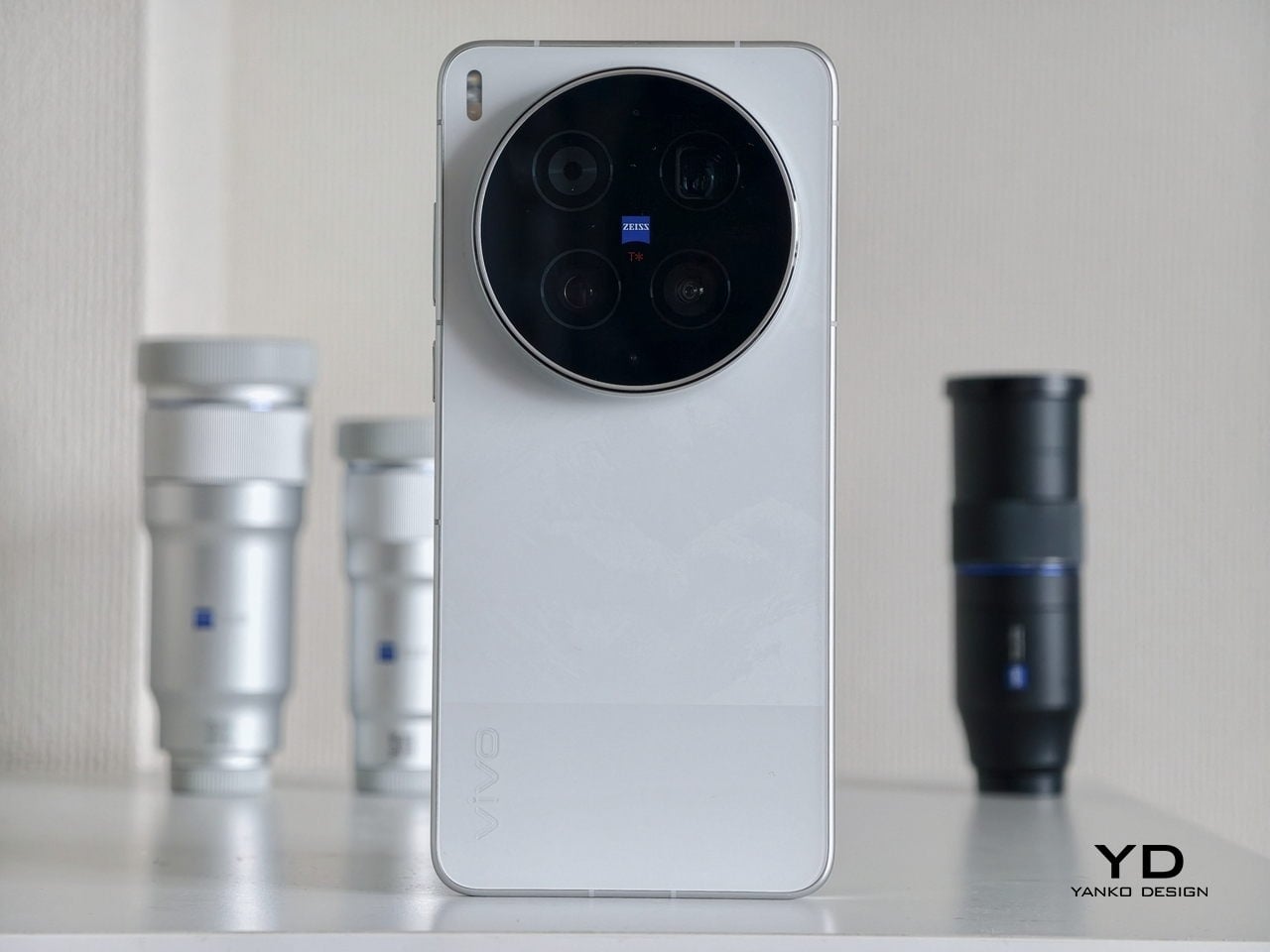
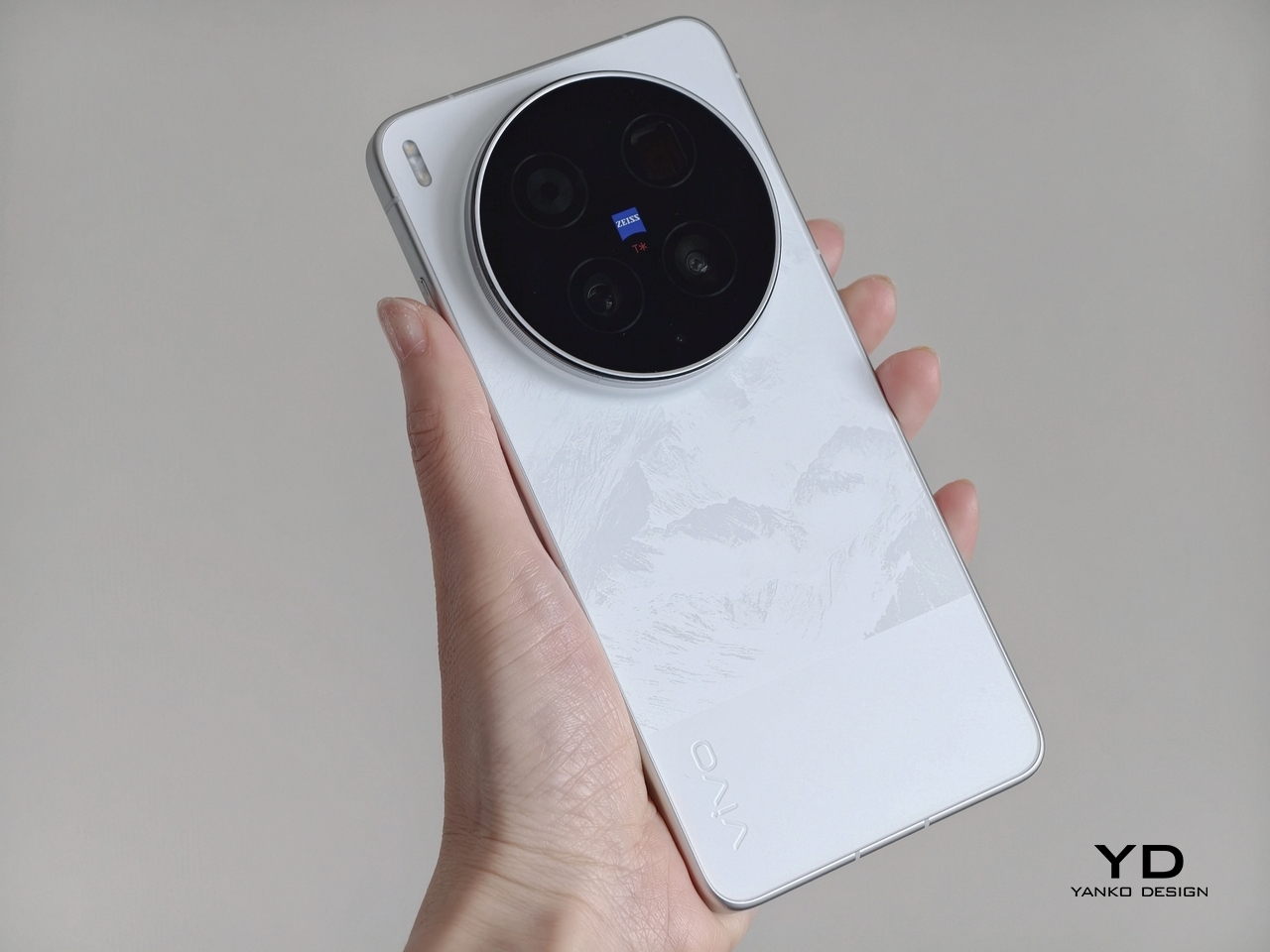
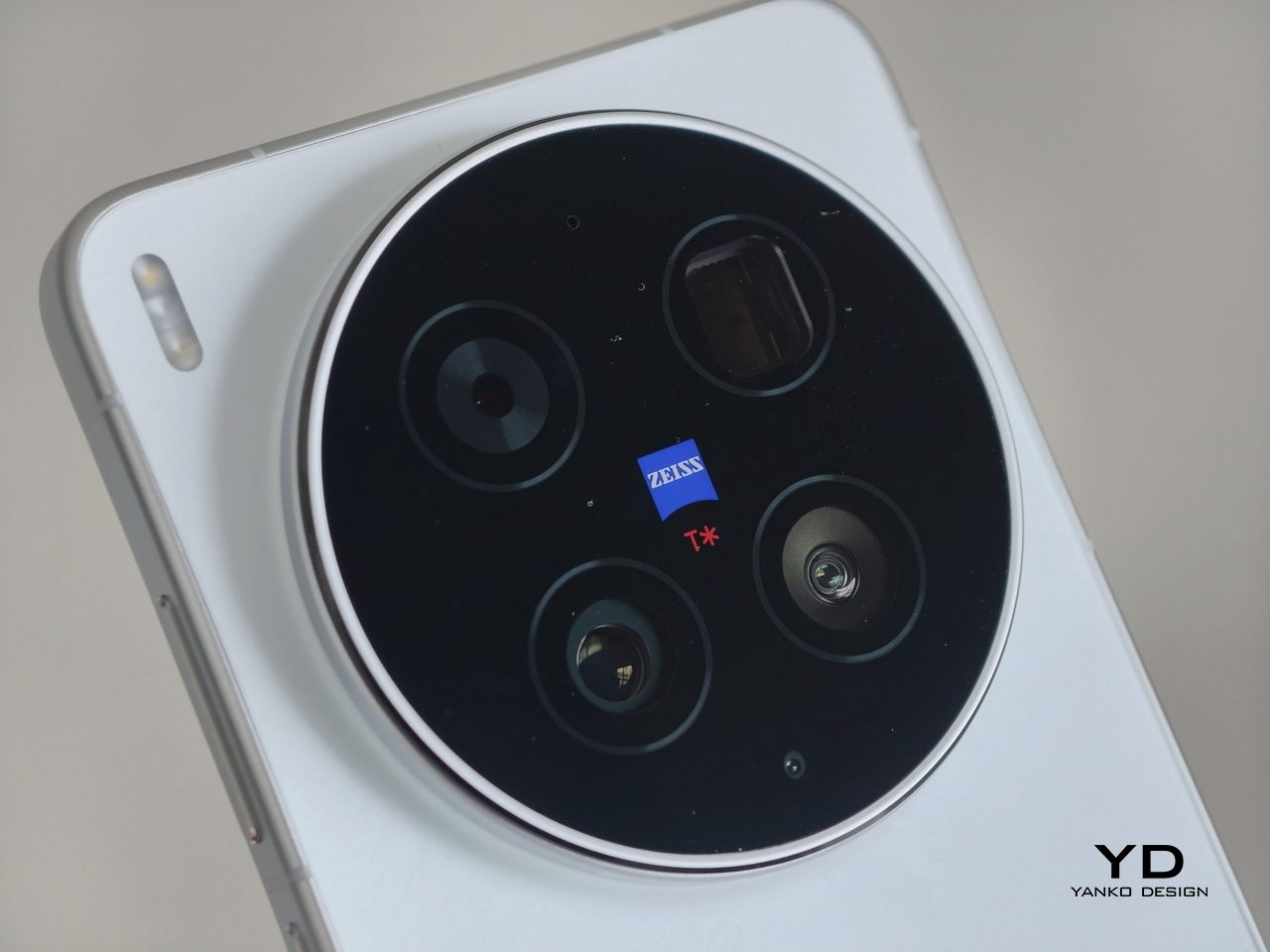
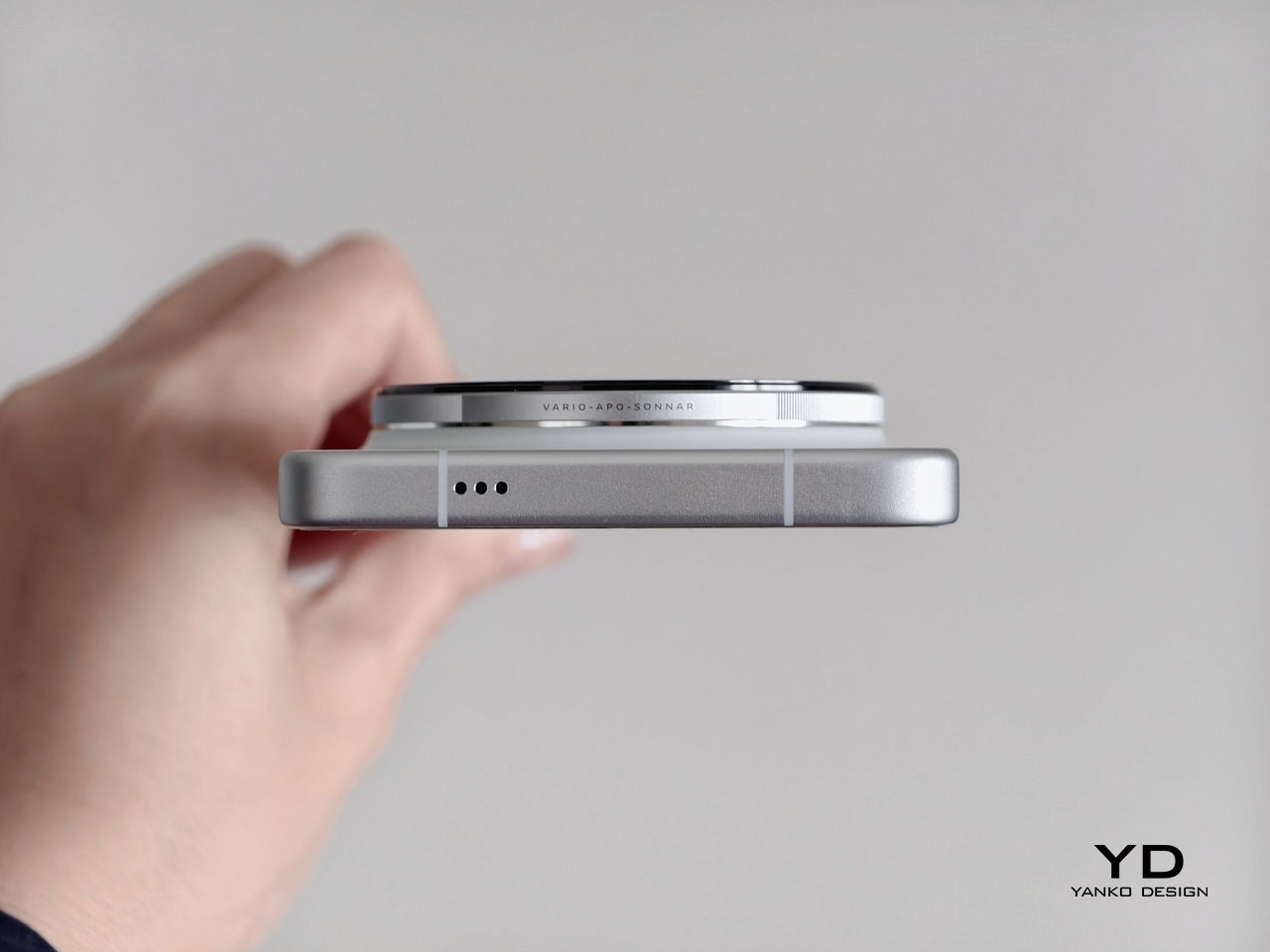
The X300 embodies minimalistic beauty in every detail. Its frosted glass back panel exudes a soft, refined sheen, instantly presenting an air of quiet elegance. The camera bump stands out as a graceful, seamless circle, subtly rising from the surface without disrupting the panel’s smooth geometry. This camera design is noticeably more understated than the X300 Pro’s bold module, enhancing the X300’s visual harmony and contributing to its overall sense of balance.

Look closer, and the smaller design decisions start to stand out. The transition between the glass back and the frame is clean and controlled, with no harsh edges or visual clutter. The circular camera island sits perfectly centered within its own visual “halo,” making the back of the phone feel almost symmetrical even though it is not. Branding is minimal and tastefully placed, allowing the materials and shapes to take the lead instead of logos or text. It is the kind of design that does not shout for attention, but rewards you the longer you look at it.

Color choices further elevate the X300’s appeal. Vivo offers this flagship in four shades: Pink, Blue, Purple, and Black. The Pink variant, which arrived for my review, is especially enchanting. Its finish dances with light, revealing subtle undertones of purple, green, blue, and yellow depending on the angle. This shifting spectrum gives the phone a dynamic personality, catching the eye without crossing into excess. The result is a device that feels both modern and timeless, effortlessly fitting into a variety of styles and settings.

Ergonomics

Ergonomics often takes a back seat to camera prowess in flagship phones, but the X300 finds a sweet spot that deserves attention. While I’m usually unfazed by larger camera bumps if they promise outstanding photography, my experience with the X300 was a reminder of the joys of a truly compact device. Its proportions invite easy one-handed use, making daily interactions feel effortless and natural. 

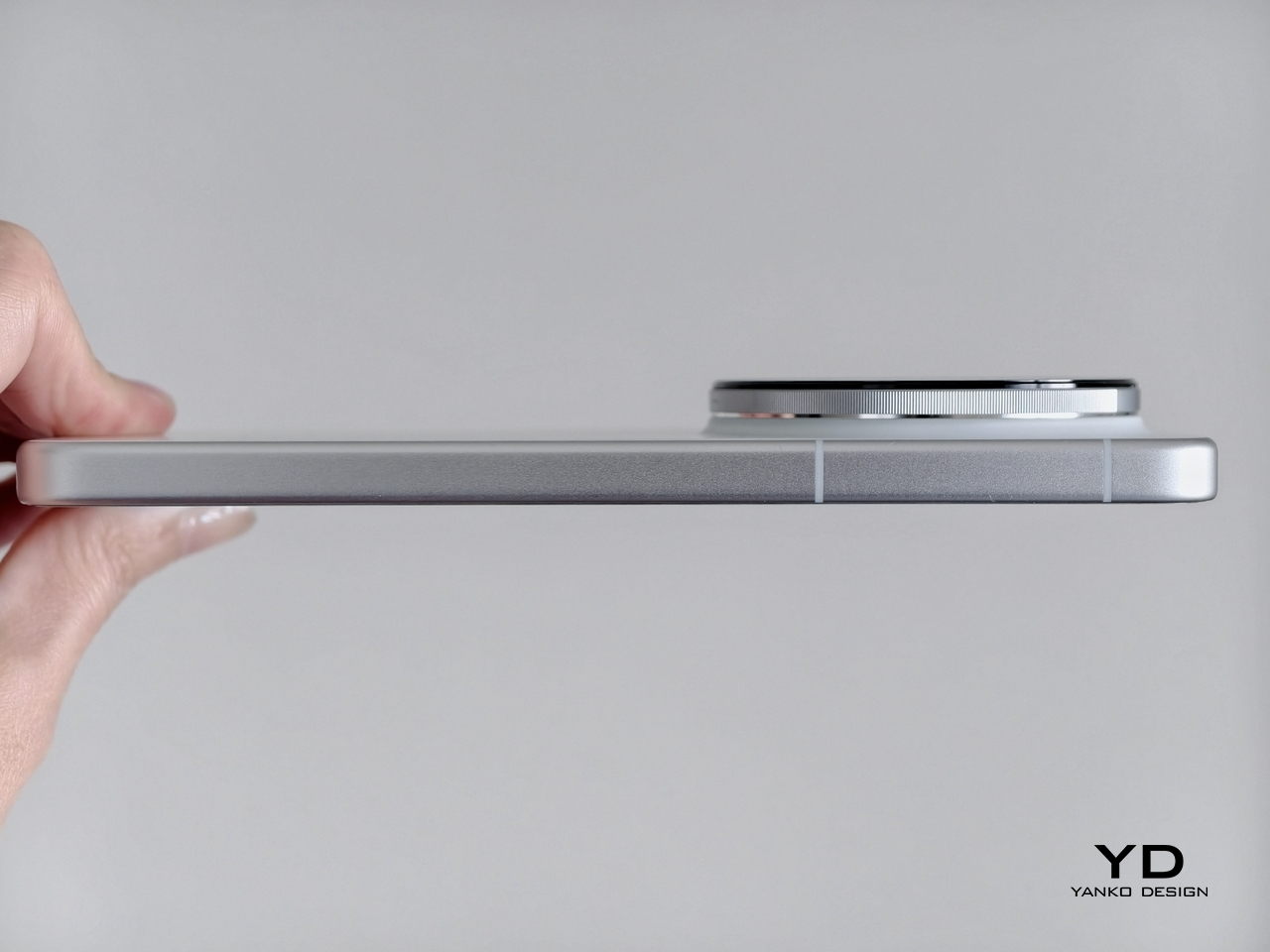
Measuring just 7.95mm thick and weighing only 190 grams, the X300 offers a lightness that’s immediately noticeable. The slim profile means slipping it into a pocket is never a struggle, and extended use won’t leave your wrist or fingers feeling fatigued. Whether you’re navigating busy city streets, snapping photos on the move, or texting with a single thumb, the X300’s thoughtful design makes comfort a priority. This is a phone that proves you can have flagship features without sacrificing ease of use.

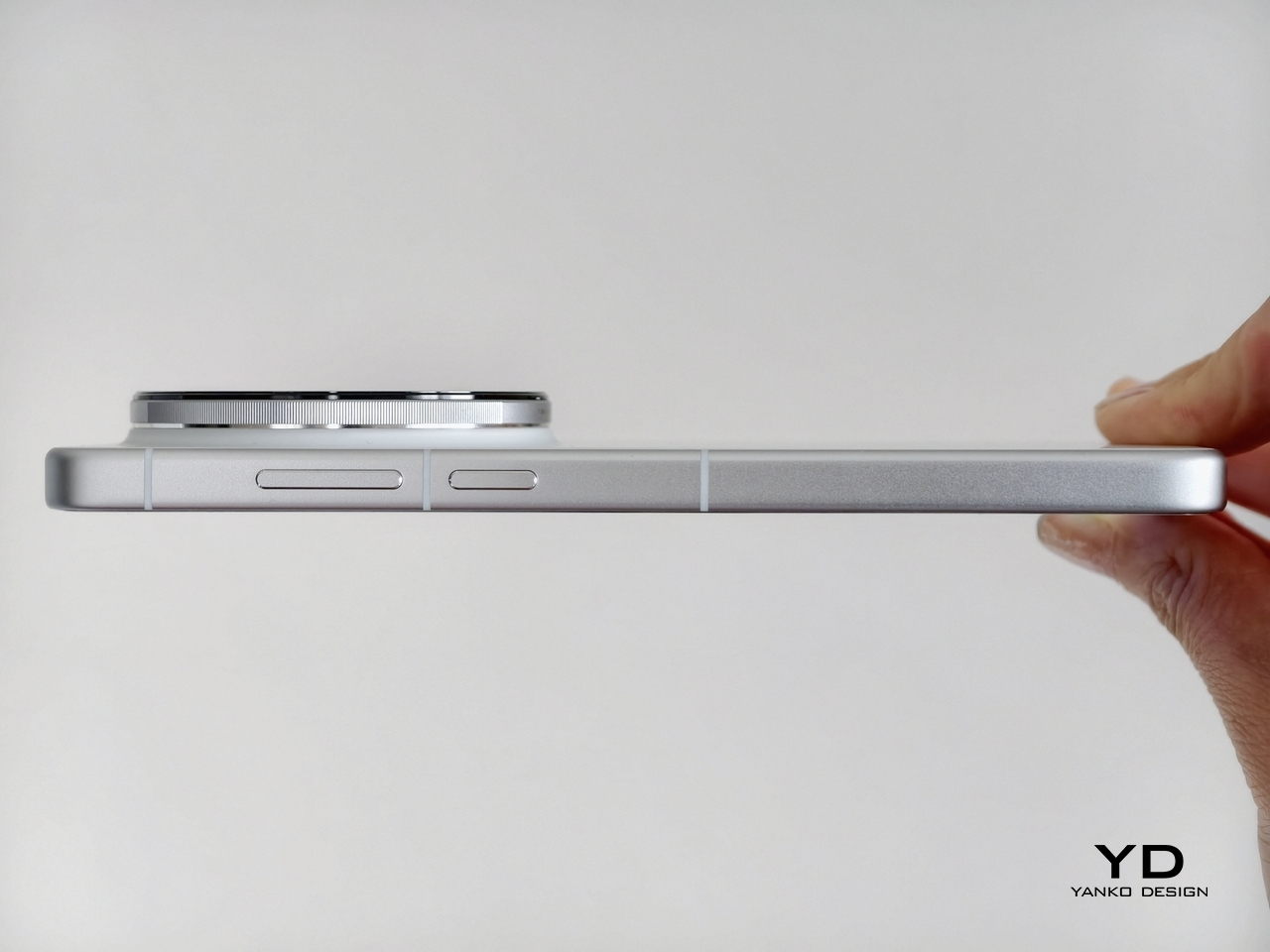
Unlike its big sibling, the X300 skips the customizable button on the left side, resulting in a cleaner and simpler design. However, it retains the convenient placement of the ultrasonic fingerprint sensor, located about one-third of the way up from the bottom edge of the display. This thoughtful positioning makes it easy for your thumb to reach and helps ensure that unlocking the phone and jumping into your daily tasks feels quick and natural. It’s a subtle detail that quietly enhances the overall user experience.

Performance

Performance on the X300 is delightfully robust, thanks to the MediaTek Dimensity 9500 chipset paired with 12GB or 16GB of RAM. Everyday tasks feel brisk and effortless, whether you’re juggling multiple apps, streaming high-definition video, or playing graphics-intensive games. The latest OriginOS 6, layered on top of Android 16, brings a modern, fluid interface with thoughtful touches that make navigation a pleasure. Animations are snappy, transitions are smooth, and the phone keeps up even when you push it hard.

The X300 features a 6.31-inch LTPO AMOLED panel with a super-smooth 120Hz refresh rate. Every scroll and swipe feels effortless, while colors remain punchy and vivid in any setting. Thanks to the 2160Hz PWM dimming, the screen is gentle on your eyes, even during late-night reading sessions or long stretches of use.

The X300’s camera system is a bit of a step down compared to the X300 Pro, but it is still very powerful. Its 200MP main camera uses a 1/1.4-inch Samsung HPB sensor with an f/1.68 aperture, the same sensor used in the X300 Pro’s telephoto, promising flagship-level clarity. Complementing this is a 50MP telephoto lens featuring a 1/1.95-inch Sony LYT-602 sensor and an f/2.57 aperture, delivering crisp zoomed images with solid detail.

Rounding out the trio, the 50MP ultra-wide camera uses a 1/2.76-inch Samsung JN1 sensor with an f/2.0 aperture. On the front, the X300 uses the same 50MP 1/2.76-inch Samsung JN1 sensor with an f/2.0 aperture. All cameras, including the front-facing camera, can record video up to 4K at 60FPS, while the main camera can go up to 4K at 120FPS.

The Vivo X300 packs a large 6040mAh battery in a compact body. It actually has a bigger battery than my region-specific European X300 Pro, which comes with 5440mAh. In real use, the battery life is strong, unlike my experience with that X300 Pro variant, and easily keeps up with a busy day and more. On top of that, 90W wired and 40W wireless charging mean you are never stuck near an outlet for long. Short top-ups quickly turn into meaningful charges.

Sustainability/Repairability

The X300 does not present itself as an eco-conscious statement piece, and Vivo’s messaging around the device leans far more toward performance and imaging than sustainability. Even so, some of its design choices naturally support longer-term use. Its IP68 and IP69 ratings for dust and water resistance give it a level of protection that many compact phones still lack. That extra durability means everyday mishaps are less likely to be fatal, which in turn can delay the need for a replacement.

From a software perspective, the X300 launches with Android 16 and OriginOS 6, backed by Vivo’s promise of up to five major Android upgrades and seven years of security patches. This is a meaningful commitment for anyone who keeps a phone for a number of years, and it helps the X300 stay secure and relevant over time. What you will not find, at least in the official materials, is much emphasis on recycled materials, modularity, or easy repair. In that sense, the X300 reflects the broader flagship market, where sustainability is still more of an added benefit than a core design driver, even when the hardware itself is built to last.

Value

Vivo X300 is available in several markets, including Europe. In Europe, the price starts at around 1050 euros (roughly $1,140) for the 12GB and 512GB configuration. Vivo hit the nail on the head with the X300, a flagship in a compact size that many people have been waiting for. Although the camera setup is a bit of a step down compared to the X300 Pro, the X300 itself does not feel like a compromise. It delivers serious imaging performance, strong battery life, and fast charging in a smaller body.

In the compact flagship space, “small” usually means sacrifice. iPhone 17, Pixel 10, and Samsung Galaxy S25 all have noticeably weaker camera systems compared to what Vivo offers here. Xiaomi 15 might be the closest rival in spirit, but even then, the X300’s combination of a 200MP main camera and a capable front-facing camera in this form factor gives it a clear edge.

Verdict

Vivo set out to build a compact flagship without obvious compromises, and the X300 comes impressively close. It combines a refined, minimal design with excellent ergonomics, a bright 120Hz LTPO display, and a camera system that is powerful even if it sits just below the X300 Pro. Add in the large 6040mAh battery, fast 90W wired and 40W wireless charging, and long-term software support, and you get a small phone that consistently behaves like a big flagship.

It is not a perfect fit for everyone, especially at a price that puts it against Apple, Samsung, and Google. You do not get the strongest ecosystem story or the longest software support. However, if you care most about a compact form factor, strong battery life, and one of the best camera setups in this size class, the X300 stands out clearly. It feels less like a cut-down Pro model and more like a confident compact flagship in its own right.

The post Vivo X300 Review: Compact, But No Compromise first appeared on Yanko Design.

7 Best LEGO Creations Of November 2025

November 2025 marks a turning point for LEGO. The Danish brick giant has evolved from childhood toy manufacturer into something more nuanced: a creator of kinetic sculptures, display pieces that command adult spaces, and intricate tributes to pop culture that blur the line between building set and collectible art. This month’s releases span from mechanical aquariums to starships, from Hollywood race cars to space exploration milestones, each demonstrating how far brick-based design has traveled.

What unites these seven releases is their refusal to sit still on shelves. They demand interaction, closer inspection, and appreciation for the engineering challenges their designers solved. Whether through cranks that animate underwater scenes, modular sections that separate like the real starship, or intricate layering that creates dimensional depth, these sets prove LEGO understands its adult audience wants more than nostalgia. They want conversation pieces that justify their desk space.

1. LEGO Icons Tropical Aquarium (10366)

The Tropical Aquarium transforms 4,154 pieces into a living mechanical tableau that launched on November 13 for $479.99. This isn’t decor that fades into the background. Three distinct cranks and dials control independent motion systems, turning the aquarium into a kinetic sculpture where your interaction determines the scene’s energy. Turn one dial and the jellyfish bob through their vertical dance. Another crank sends the sea turtle gliding past coral formations. The third activates smaller fish as they navigate through swaying seaweed and bubble streams that appear frozen mid-rise.

LEGO solved a fundamental design challenge here: creating convincing spatial depth within a fundamentally shallow display case. The build employs layering techniques with translucent elements, representing water, varied-height coral structures, and the strategic placement of marine life to establish foreground, middle ground, and background planes. Four model fish become compositional tools rather than fixed elements. You’re not assembling a predetermined scene. You’re curating an underwater environment where placement decisions affect visual balance. The set includes seaworms, an oyster shell containing a pearl, sea snails, and air bubbles, serving as additional elements for creating your personal ecosystem.

What we like

  • The kinetic mechanism creates genuine movement that changes depending on your crank speed and direction
  • Compositional flexibility lets you rearrange elements rather than following rigid instructions

What we dislike

  • At $479.99, this represents a significant investment for a display piece rather than a traditional play set
  • The mechanical systems require regular interaction to justify the kinetic elements

2. LEGO Ideas Apollo 8 Earthrise (40837)

William Anders captured humanity’s first color photograph of Earth from space on December 24, 1968, using his Hasselblad 500 EL during the Apollo 8 lunar orbit. That image, titled Earthrise, showed our planet suspended above the moon’s desolate horizon and fundamentally altered how we see ourselves. Now, nearly sixty years later, LEGO Ideas has transformed that pivotal moment into an 859-piece buildable art piece that stands 48 centimeters tall and 32 centimeters wide.

This rendition captures three distinct visual elements that define the photograph: the infinite black void of space, Earth as a cloud-swirled blue marble, and the moon’s cratered, mottled surface in the foreground. LEGO’s designers used the brick medium to convey texture and color gradation across each element. The moon’s surface employs varied grey tones and deliberate gaps between pieces to suggest the shadowed irregularity of impact craters. Earth’s atmospheric layers transition from deep ocean blues to white cloud formations using careful brick selection. The black space background creates negative space that makes both celestial bodies pop forward visually.

What we like

  • The subject matter elevates this beyond standard space sets into historical tribute territory
  • At 859 pieces, the build offers enough complexity for an engaging construction experience

What we dislike

  • The relatively conservative piece count means some details require visual interpretation
  • Mounting hardware for the wall display isn’t included, requiring a separate purchase

3. LEGO Icons U.S.S. Enterprise NCC-1701-D (10364)

The Galaxy-class flagship from Star Trek: The Next Generation arrives in brick form on November 28 as a 3,600-piece behemoth measuring two feet long. Priced at $399.99, this isn’t LEGO’s first Trek venture, but it represents the most screen-accurate version of arguably the most beloved Enterprise design. The set captures the distinctive saucer-and-engineering-hull silhouette that defined seven television seasons and multiple films, complete with functional saucer separation mechanics that mirror the starship’s emergency protocol capabilities.

LEGO included enough minifigures to staff the bridge properly: Captain Picard, Commander Riker, Lieutenant Commander Data, Lieutenant Worf, Counselor Troi, Chief Engineer La Forge, and Doctor Crusher. Each figure comes with printed details that capture their Season 1 uniforms and distinctive features. The build itself uses advanced construction techniques to achieve the Enterprise-D’s smooth, curved surfaces while maintaining structural integrity. The warp nacelles attach via articulated pylons. The deflector dish receives intricate detailing. Even the bridge dome atop the saucer section gets architectural attention. This targets adult collectors who want the ship commanding their desk space with the same authority Picard brought to the captain’s chair.

What we like

  • Functional saucer separation adds interactive play value beyond static display
  • Screen-accurate proportions and details satisfy longtime Trek fans who know every hull panel

What we dislike

  • The $399.99 price point places this firmly in premium collector territory
  • Some builders note that the saucer section’s large, flat surfaces require patience during repetitive sections

4. LEGO Speed Champions APXGP F1 Race Car (77076)

LEGO’s partnership with the upcoming F1 film starring Brad Pitt and directed by Joseph Kosinski produces this sleek recreation of the fictional APXGP team’s race car. The model wears the movie’s distinctive black-and-gold livery, capturing the cinematic energy through carefully applied decals and printed elements. Two minifigures represent drivers Sonny Hayes and Joshua Pearce, complete with race suits, helmets with reflective visors, and printed sponsor logos that tie directly to the film’s aesthetic.

The build distinguishes itself from previous Speed Champions Formula 1 sets through refined proportions and wider Pirelli-style tires that better capture modern F1 car stance. Custom decals add visual depth across the bodywork. The set includes small accessories that reward closer inspection: a wrench and a remote control that nod toward the engineering side of racing. The wrench serves double duty as an actual building tool for applying stickers or separating tight bricks. These thoughtful inclusions demonstrate LEGO understands its audience wants both display accuracy and functional building aids.

What we like

  • The black-and-gold livery creates a striking visual contrast suitable for display
  • Film tie-in elements provide cultural relevance beyond generic racing sets

What we dislike

  • The Speed Champions scale limits interior detail compared to larger Technic F1 sets
  • Movie-specific branding may not appeal to builders wanting real team liveries

5. LEGO Ideas The Goonies (21350)

This $330 LEGO Ideas release transforms the 1985 adventure classic into a full-blown tribute to one of cinema’s most beloved treasure hunts. The set isn’t just a model you build and stick on a shelf. This captures those iconic moments that blend adventure with just the right amount of creepy: the Fratelli hideout functioning as a haunted house for criminals, the terrifying boulder trap, skeleton-filled caves, and One-Eyed Willy’s legendary pirate ship, the Inferno, complete with sails, treasure, and plenty of bones.

What really makes this set special are the minifigures. All twelve of them. You get the whole gang: Mikey, Mouth, Data, Chunk, Brand, Andy, and Stef, plus Sloth in his Superman shirt, Mama Fratelli, Francis, Jake, and even One-Eyed Willy’s skeleton. LEGO created brand new elements specifically for this set, like Sloth’s pirate hat and Mama Fratelli’s hair and beret combo, showing the level of detail they’re committed to. The skeleton pirate minifigure arrives perfectly timed for Halloween nostalgia, capturing both the film’s adventurous spirit and its spooky underground atmosphere.

What we like

  • Twelve minifigures provide the complete cast, including villains and One-Eyed Willy’s skeleton
  • Multiple iconic scenes from the film can be recreated with the Fratelli hideout and pirate ship

What we dislike

  • The $330 price point may feel steep for fans expecting a lower-tier Ideas set
  • Balancing multiple scenes in one set means each vignette receives less piece allocation

6. LEGO Ideas Pacific Rim Jaegers

Din0Bricks’ fan-made tribute to Guillermo del Toro’s Pacific Rim has earned LEGO Ideas Staff Pick status and rallied 661 supporters toward the 10,000 needed for official production consideration. The 2,218-piece concept recreates three iconic Jaegers from the 2013 film: Gipsy Danger with a retractable sword, Crimson Typhoon with rotating saw blades, and Cherno Alpha with its brutal industrial aesthetic. Support helicopters accompany each mech, capturing the logistical reality behind deploying humanity’s towering defenders against Kaiju threats.

What makes this concept remarkable is how Din0Bricks solved the challenge of capturing the Jaegers’ massive, imposing presence while maintaining structural stability and playability. Each mech features articulated joints at shoulders, elbows, hips, and knees, allowing authentic combat poses. The retractable sword mechanism on Gipsy Danger uses internal gearing. Crimson Typhoon’s three-armed configuration required custom engineering to balance properly. Cherno Alpha’s distinctive fists and nuclear reactor detailing push LEGO’s aesthetic toward industrial brutalism. This isn’t just a fan project. It’s a masterclass in translating screen designs into buildable, poseable figures that honor the source material’s scale and mechanical complexity.

What we like

  • Three distinct Jaegers provide variety and display options in a single set
  • Articulated joints enable dynamic combat poses that capture the film’s action sequences

What we dislike

  • As a LEGO Ideas concept, this isn’t guaranteed for production without reaching 10,000 supporters
  • The 2,218-piece count and three large models suggest a premium price point if approved

7. LEGO Ideas NASA James Webb Space Telescope

The LEGO James Webb Space Telescope replica tackles one of modern engineering’s most complex achievements through brick-based construction that mirrors the actual satellite’s intricate folding mechanisms. This build captures the telescope’s launch-critical ability to fold into a compact configuration before unfolding in space, requiring builders to understand both structural engineering and the precise mechanical sequences that made the real JWST mission possible. The design transforms complicated aerospace engineering into an accessible building experience that educates while it entertains.

Every major subsystem finds representation in this meticulous replica, from the eighteen iconic hexagonal mirrors that form the light-gathering array to the layered sun shield that protects sensitive instruments. The secondary hinged mirror, science instruments, propulsion systems, and communications arrays all function through LEGO’s mechanical systems, creating an interactive educational experience that illuminates the genuine complexity behind space exploration’s latest triumph. This isn’t a simplified approximation. It’s a functional demonstration of how the telescope actually operates in its orbit at the L2 Lagrange point.

What we like

  • Functional folding mechanism replicates the actual telescope’s deployment sequence
  • Eighteen hexagonal mirrors accurately represent the primary mirror array’s distinctive design

What we dislike

  • The complex folding mechanism requires careful handling to avoid stressing connection points
  • As a concept, availability depends on the LEGO Ideas approval process

Why November 2025 Matters for LEGO Design

These seven releases demonstrate LEGO’s strategic expansion into adult collector territory while maintaining the building experience that defines the brand. The kinetic mechanisms in the Tropical Aquarium, the historical gravitas of Earthrise, the pop culture cachet of the Enterprise and Goonies sets, the cinematic energy of the F1 car, and the community-driven passion behind the Pacific Rim Jaegers and James Webb Telescope all point toward a company that understands its audience has evolved. These aren’t toys. They’re display pieces that arrive in buildable form, offering the satisfaction of construction before claiming their space on shelves, desks, and walls.

What November’s lineup proves is that LEGO has moved beyond simple recreation into thoughtful interpretation. Each set solves specific design challenges: creating depth in shallow spaces, capturing kinetic energy through mechanical systems, translating beloved designs into brick form with screen accuracy, honoring cultural moments that shaped cinema, and making complex aerospace engineering comprehensible. The result is a collection of releases that justify their premium pricing through engineering sophistication, visual impact, and the kind of cultural resonance that makes people stop and ask about the objects commanding your workspace. That’s the difference between a toy and a design statement.

The post 7 Best LEGO Creations Of November 2025 first appeared on Yanko Design.

DIY 3D-Printed Clamshell Turns BOOX Palma Into a Tiny Laptop

Palmtops and UMPCs are experiencing a quiet resurgence among people who want something more focused than a laptop and more tactile than a phone. Compact e-ink devices and tiny Bluetooth keyboards have become affordable building blocks for exactly this kind of project, letting makers combine them into pocketable machines tailored to writing, reading, or just tinkering. The result is a small but growing wave of DIY cyberdecks and writerdecks that feel like modern reinterpretations of classic Psion palmtops.

The Palm(a)top Computer v0 is one of those projects, born on Reddit when user CommonKingfisher decided to pair a BOOX Palma e-ink Android phone with a compact Bluetooth keyboard and a custom 3D-printed clamshell case. The result looks like a cross between a vintage Psion and a modern writerdeck, small enough to slide into a jacket pocket but functional enough to handle real writing and reading sessions on the go.

Designer: CommonKingfisher

The core hardware is straightforward. The BOOX Palma sits in the top half of the shell, while a CACOE Bluetooth mini keyboard occupies the bottom half. The keyboard was originally glued into a PU-leather folio, which the maker carefully peeled off using gentle heat from a hair dryer to expose the bare board. When opened, the two halves form a tiny laptop layout with the e-ink screen above and the keyboard below.

The clamshell itself is 3D-printed in a speckled filament that looks like stone, with two brass hinges along the spine giving it a slightly retro, handcrafted feel. Closed, it resembles a small hardback book with the Palma’s camera cutout visible on the back. Open, the recessed trays hold both the screen and keyboard flush, turning the whole thing into a surprisingly polished handheld computer, considering it’s a first prototype.

The typing experience is functional but not perfect. The maker describes it as “okay to type on once you get used to it,” and thumb typing “kinda works,” though it’s not ideal for either style. You can rest the device on your lap during a train ride and use it vertically like a book, with the Palma displaying an e-book and the keyboard ready for quick notes or annotations.

The build has a few issues that the maker plans to fix in the next version. It’s top-heavy, so it needs to lie flat or gain a kickstand or counterweight under the keyboard, possibly a DIY flat power bank. The hinge currently lacks friction and needs a hard stop around one hundred twenty degrees to keep the screen upright. There are also small cosmetic tweaks, like correcting the display frame width.

Palm(a)top Computer v0 shows how off-the-shelf parts and a 3D printer can turn a niche e-ink phone into a bespoke palmtop tailored to one person’s workflow. Most consumer gadgets arrive as sealed rectangles you can’t modify, but projects like this embrace iteration and imperfection. It’s less about having all the answers and more about building something personal that might inspire the next version.

The post DIY 3D-Printed Clamshell Turns BOOX Palma Into a Tiny Laptop first appeared on Yanko Design.

Freewrite Wordrunner Counts Words With Clicking Mechanical Wheels

Writers spend more time with their keyboards than any other tool, yet most options are either gaming boards covered in RGB lights or cheap office slabs optimized for cost rather than comfort. Neither category really thinks about what writers actually need, which is a keyboard that can keep up with long sessions without killing your wrists and maybe even help you stay focused when the blank page starts feeling oppressive.

Freewrite’s Wordrunner is a mechanical keyboard built specifically for writing, complete with a built-in mechanical word counter and sprint timer. It works with any device that accepts a USB or Bluetooth keyboard, from laptops and desktops to tablets and phones, and its core features live in the hardware rather than in yet another app or cloud service that you’ll forget to open halfway through your writing session.
Designer: Freewrite

The standout feature is the Wordometer, an eight-digit electromechanical counter with rotating wheels driven by a coreless motor and controlled by an internal microprocessor. It tracks words in real time using a simple algorithm based on spaces and punctuation, stays visible even when the keyboard is off, and can be reset with a mechanical lever to the left of the display. The counter makes a soft clicking sound as the wheels turn, giving you tactile and audible feedback every time you hit a milestone.
The keyboard also includes a built-in sprint timer that lets you run Pomodoro-style sessions or custom writing sprints without leaving your desk. Subtle red and green lights keep you on track, and you can configure the timer to count up or down depending on how you prefer to work. The standard function row has been replaced with writer-centric keys like Find, Replace, Print, and Undo, plus three programmable macro keys labeled Zap, Pow, and Bam for whatever shortcuts you use most.

The typing experience is what you’d expect from a premium mechanical keyboard. High-quality tactile switches, multiple layers of sound dampening, and a gasket mount design deliver what beta testers kept calling “so satisfying.” Each switch is rated for eighty million presses, which should be enough to see you through multiple novels without the keys wearing out. The die-cast aluminum body gives the board a heft and solidity that plastic keyboards can’t match, keeping it planted on your desk no matter how fast your fingers fly.

Tucked into the top right corner is a multi-directional joystick that controls media playback and volume, so you can adjust your music without touching the mouse or breaking flow. Connectivity is equally flexible. The Wordrunner supports wired USB-C and Bluetooth, pairs with up to four devices at once, and switches between them with a keystroke. It works with Windows, macOS, iPadOS, and Android without requiring special software, which means you can move it between machines without reconfiguring anything.

Wordrunner is designed for writers who want their keyboard to be more than a generic input device. It turns progress into something physical with the mechanical word counter, structures writing sessions with the built-in timer, and wraps it all in a solid, retro-industrial chassis that looks like a specialized tool rather than consumer electronics. It’s less about flashy features and more about making the act of writing feel intentional every time you sit down to work.

The post Freewrite Wordrunner Counts Words With Clicking Mechanical Wheels first appeared on Yanko Design.