Oberhauserer’s Balloon Lamp Makes Concrete Feel Surprisingly Weightless

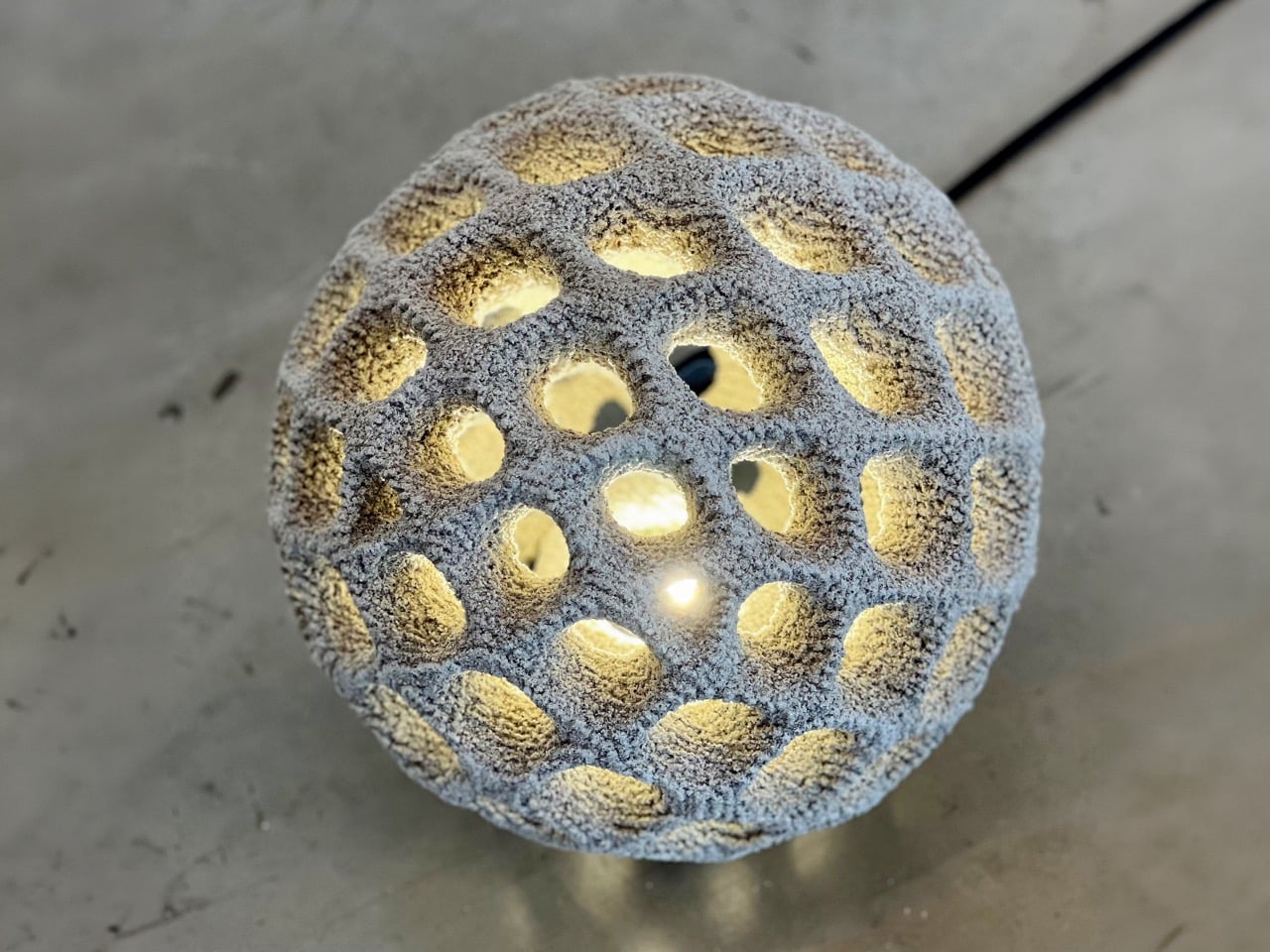
Outdoor lighting is usually seen as something practical. It lights up a pathway, softens a garden, marks an entrance, or creates a mood after dark. Oberhauserer’s Balloon takes that familiar idea and pushes it into a more experimental space. Designed by Martin Oberhauser, the lamp brings together concrete, light, and digital manufacturing in a way that feels surprisingly poetic. It has the presence of a sculptural object, but it still belongs naturally in outdoor spaces.

The most interesting part of the lamp begins with its production method. Oberhauserer’s Balloon is made using powder bed concrete 3D printing, also known as Selective Paste Intrusion, or SPI. In this process, cement paste is injected into a powder bed only where the structure needs to form. The lamp is built gradually, layer by layer, allowing the final shape to emerge with a level of detail and complexity that would be difficult to achieve through traditional concrete casting.

Designer: Oberhauser’s Ballon
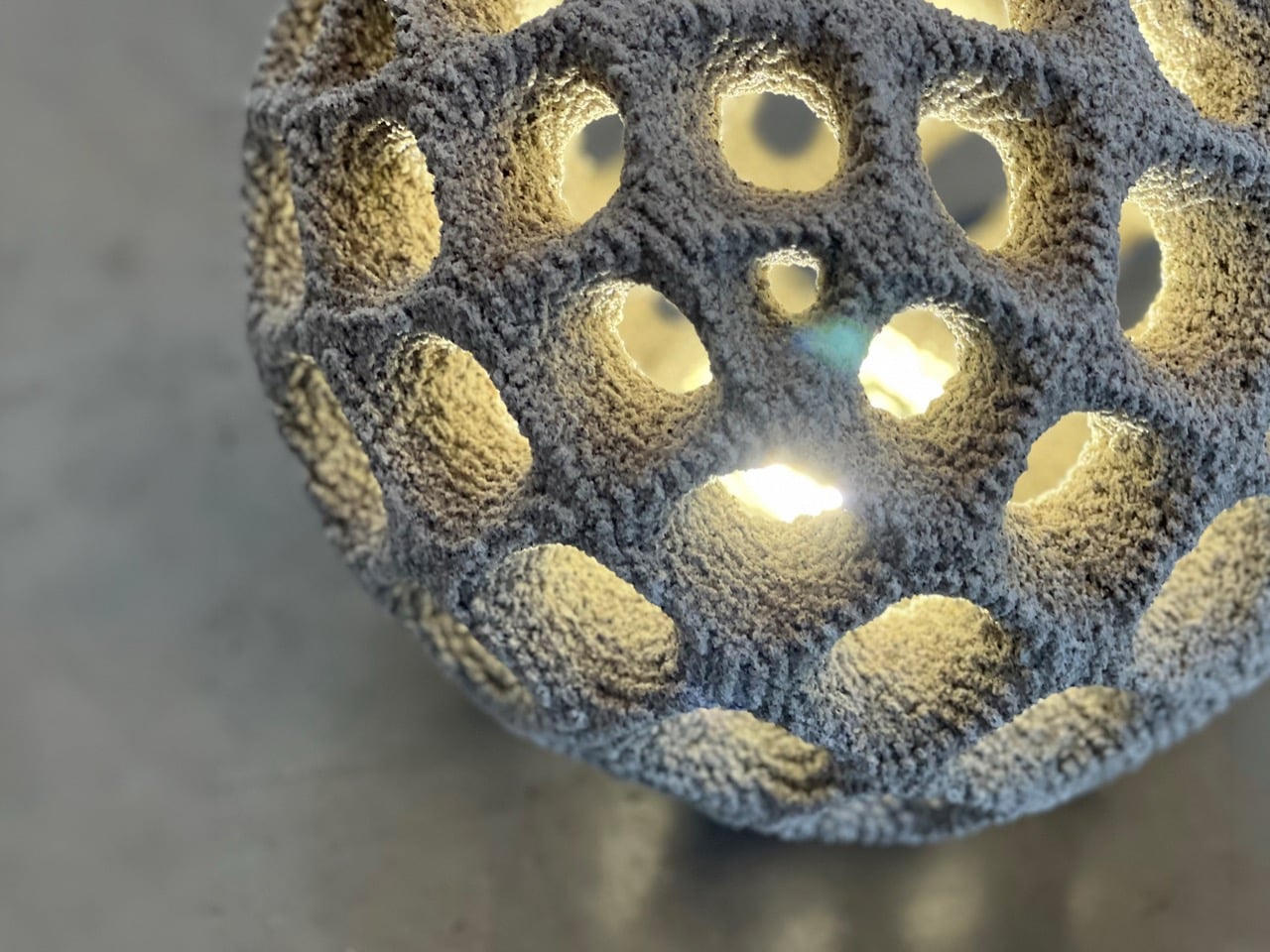
This process removes the need for conventional formwork, which is one of the biggest limitations in concrete design. Traditional molds can restrict the shape of an object, especially when the geometry becomes more detailed or organic. SPI gives the designer more freedom to explore curved forms, softer surfaces, and intricate details without being limited by the mold-making process. This freedom is what gives Oberhauserer’s Balloon its distinctive character.

The lamp plays with a beautiful contradiction. Concrete is usually associated with heaviness, buildings, and permanence. A balloon suggests lightness, air, and softness. Bringing those two ideas together makes the object feel unexpected. The form looks rounded and almost inflated, even though it is made from cement. That contrast gives the lamp a quiet charm. It does not try to disguise the material. Instead, it shows how concrete can feel softer, more atmospheric, and more expressive than we usually expect.

Oberhauserer’s Balloon is available in three sizes: 30 cm, 70 cm, and 100 cm in diameter. Each size changes how the lamp interacts with a space. The 30 cm version can work as a small accent in a garden, terrace, or along a walkway. The 70 cm version has a stronger visual presence and can suit courtyards, hospitality spaces, and residential landscapes. The 100 cm version becomes a bold installation piece, shaping the atmosphere around it while still functioning as a source of light.

The largest version is especially impressive. With a diameter of 100 cm, it is described as the largest known 3D-printed lamp made from cement. This makes the project more than a beautiful outdoor luminaire. It becomes an example of how far 3D concrete printing can be pushed. What could have remained a small material experiment has been developed into a durable, full-scale lighting product.

The material itself is designed for outdoor use, with high weather resistance that allows the lamp to withstand changing environmental conditions. This durability makes Oberhauserer’s Balloon suitable for gardens, terraces, public landscapes, and architectural outdoor settings. Its strength does not take away from its visual softness. Instead, the lamp balances permanence with atmosphere, making it feel grounded during the day and quietly luminous at night.

The production method also supports a more sustainable approach to manufacturing. Since 3D concrete printing places material only where it is needed, it helps reduce waste and makes material use more efficient. The absence of traditional formwork also cuts down on excess production materials. This gives the lamp a smaller ecological footprint while still allowing for a high level of design detail.

Oberhauserer’s Balloon feels like a glimpse into where lighting design is heading. It shows how technology can create forms that feel warmer, more expressive, and more human when handled with sensitivity. The lamp carries the strength of concrete, the precision of digital fabrication, and the softness of glowing light. In outdoor spaces, it becomes less like an object placed in the landscape and more like a calm presence within it.

The post Oberhauserer’s Balloon Lamp Makes Concrete Feel Surprisingly Weightless first appeared on Yanko Design.

No Vision Pro 2 Before 2028. Apple’s Focusing On Smart-Glasses Instead, says Gurman

Meta’s Ray-Ban smart glasses sold over 7 million units in 2025, a number that would have seemed improbable two years earlier when the category barely existed outside enterprise pilots and conference demos. Google confirmed its own entry at I/O 2026, with Gemini-powered frames and eyewear partnerships with Warby Parker and Gentle Monster already in place. The market Apple is entering has already been legitimized by its competitors, which is an unusual position for a company that typically defines the categories it enters. All of that makes the N50, Apple’s first smart glasses, feel like a response to a race that started without it. The honest version of that story includes the fact that Apple’s engineers were busy building something else entirely.

The N50 is the product that absorbed the engineering resources originally aimed at a Vision Pro sequel. Bloomberg’s Mark Gurman confirmed in May that no headset successor is in active development, and that the Vision Air, a cheaper model codenamed N100, was canceled last year to redirect talent toward smart glasses. Apple restructured the Vision Products Group, splitting engineers across hardware and software divisions, with many redeployed to the glasses program, to Siri, and to camera-equipped AirPods. The glasses carry cameras, microphones, speakers, and Apple Intelligence inside a conventional eyeglass frame with no display, no pass-through video, and no external battery, functioning as an iPhone accessory in the same way AirPods or Apple Watch do. A late 2026 reveal and 2027 commercial launch is the expected window, with analyst Ming-Chi Kuo projecting 3 to 5 million units shipped in the first year.

Designer: Oleh Koval

Four frame styles are in testing, two rectangular and two oval, built in premium acetate with colorways including black, ocean blue, and light brown (the images shown here are just a concept mocked up by designer Oleh Koval back in 2018). Apple initially experimented with embedding electronics into established eyewear brand frames, similar to Meta’s EssilorLuxottica arrangement for the Ray-Ban lineup, before moving toward designing its own frames in multiple sizes. Meta’s partnership gave the smart glasses category immediate cultural legitimacy because Wayfarers were already objects people wanted on their faces before any chip was inside them. Apple is betting its own design language in premium acetate can carry the same weight without borrowed heritage. Whether that holds against consumers who have already spent two years wearing Ray-Ban Metas is the sharpest design question the N50 faces at launch.

Two cameras are planned inside the frame: a high-resolution sensor for photos and video, and a second dedicated to computer vision tasks, helping the device read its environment and measure spatial relationships between objects. The N401, a custom chip derived from Apple Watch silicon, handles the compute with a design emphasis on ultra-low power draw, targeting a total frame weight below 50 grams. That weight target is the industrial design achievement the whole product depends on. A sub-50 gram device sits within the weight range of premium optical frames, which means the person wearing it makes a fashion decision first and a technology decision second. That ordering is exactly what the smart glasses category has needed to move beyond enthusiast territory into genuine everyday carry.

The M5 Vision Pro that arrived in October 2025 reads now as a holding action rather than a product commitment. The chip swap kept the SKU alive but left the device’s foundational problems untouched: 650 grams of front-heavy glass and aluminum, a mandatory external battery, and a $3,499 entry point that stranded it between developer hardware and enterprise curiosity. The Vision Air was supposed to address the weight and price simultaneously, and its cancellation signals that those two problems couldn’t be reconciled inside an enclosed headset on any timeline Apple found workable. A Vision Pro sequel won’t arrive before 2028, meaning it enters a market the N50 will have already spent a year conditioning. That sequencing is either very deliberate or very revealing, and I’d argue it’s both.

Pricing estimates cluster between $299 and $499, placing the N50 directly against the Meta Ray-Ban Gen 2. Privacy is a genuine competitive lever here: nearly 47% of potential smart glasses buyers cite data concerns, and neither Meta nor Google carries credible on-device processing as a core value proposition. Apple’s Apple Intelligence architecture, built around local compute rather than cloud offload, gives the company a story neither competitor can cleanly replicate. A second-generation model with an in-lens display is reportedly expected as early as 2028, which is also the window when enclosed headset technology might finally be miniaturized enough to make a Vision Pro sequel viable. The N50, by that reading, is the product Apple had to build before it could build the one it always imagined.

The post No Vision Pro 2 Before 2028. Apple’s Focusing On Smart-Glasses Instead, says Gurman first appeared on Yanko Design.

This B&O Headphone Concept Fits Only You, Literally, and It’s the Best Idea Audio Has Had in Years

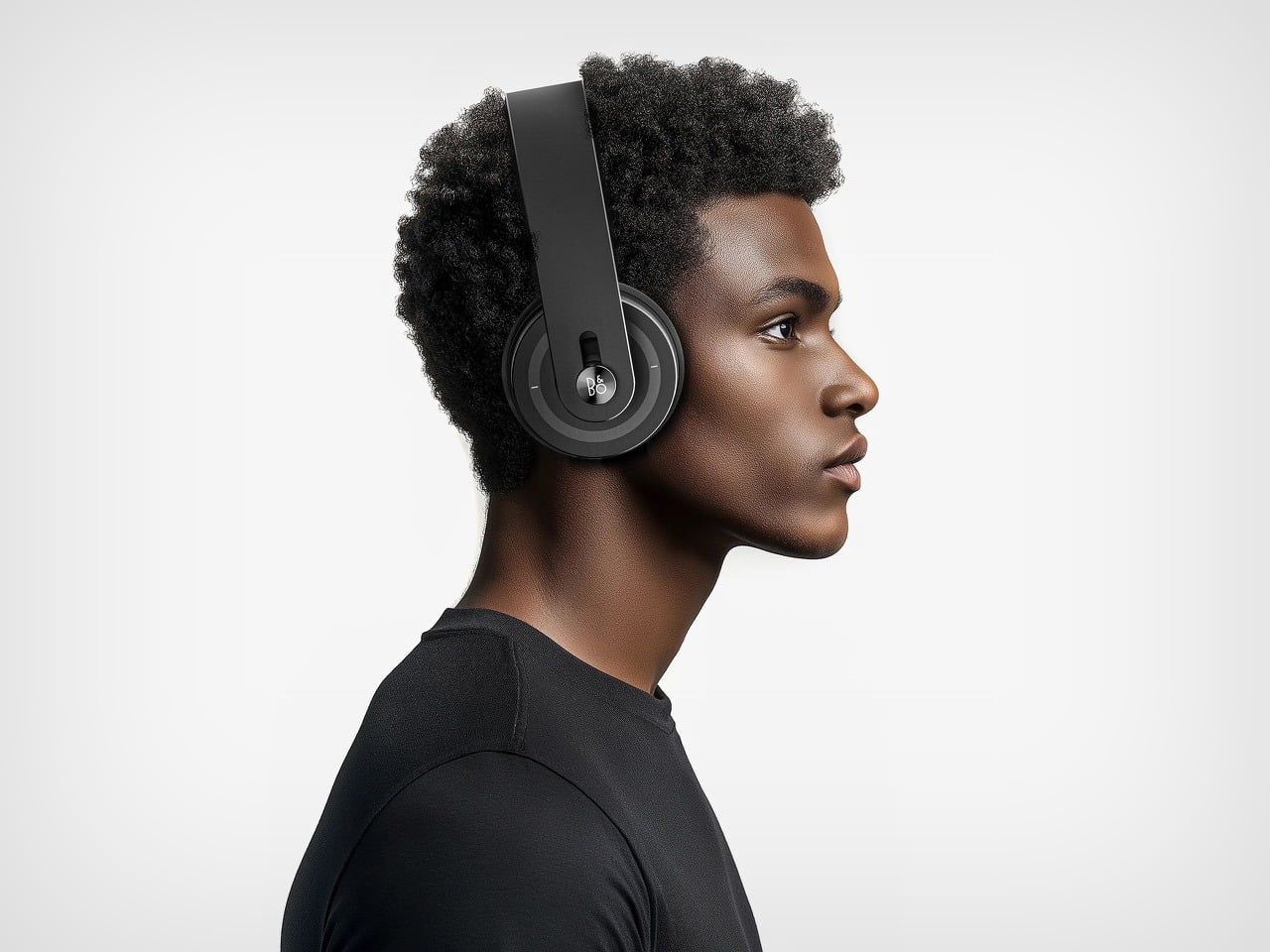
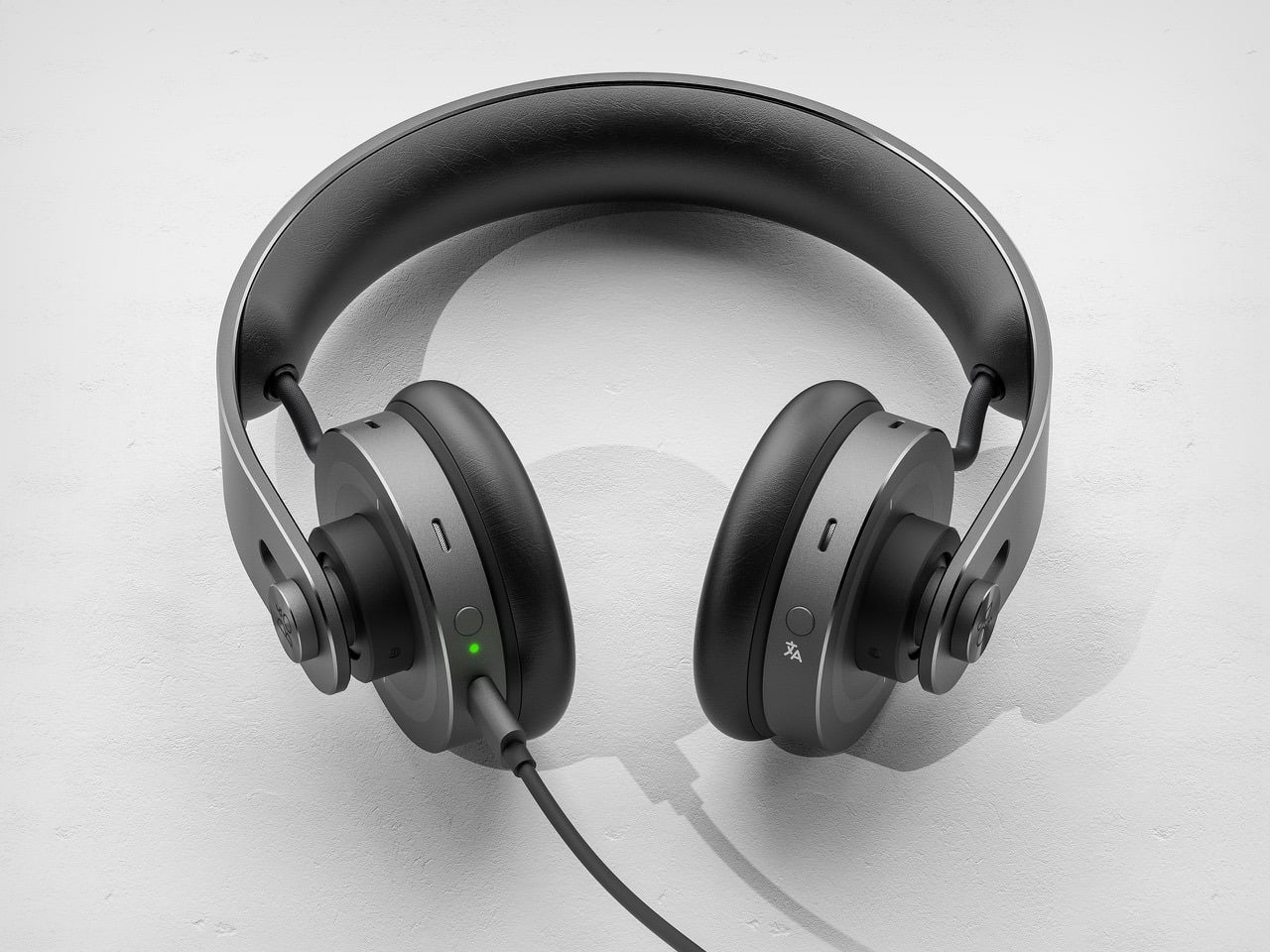
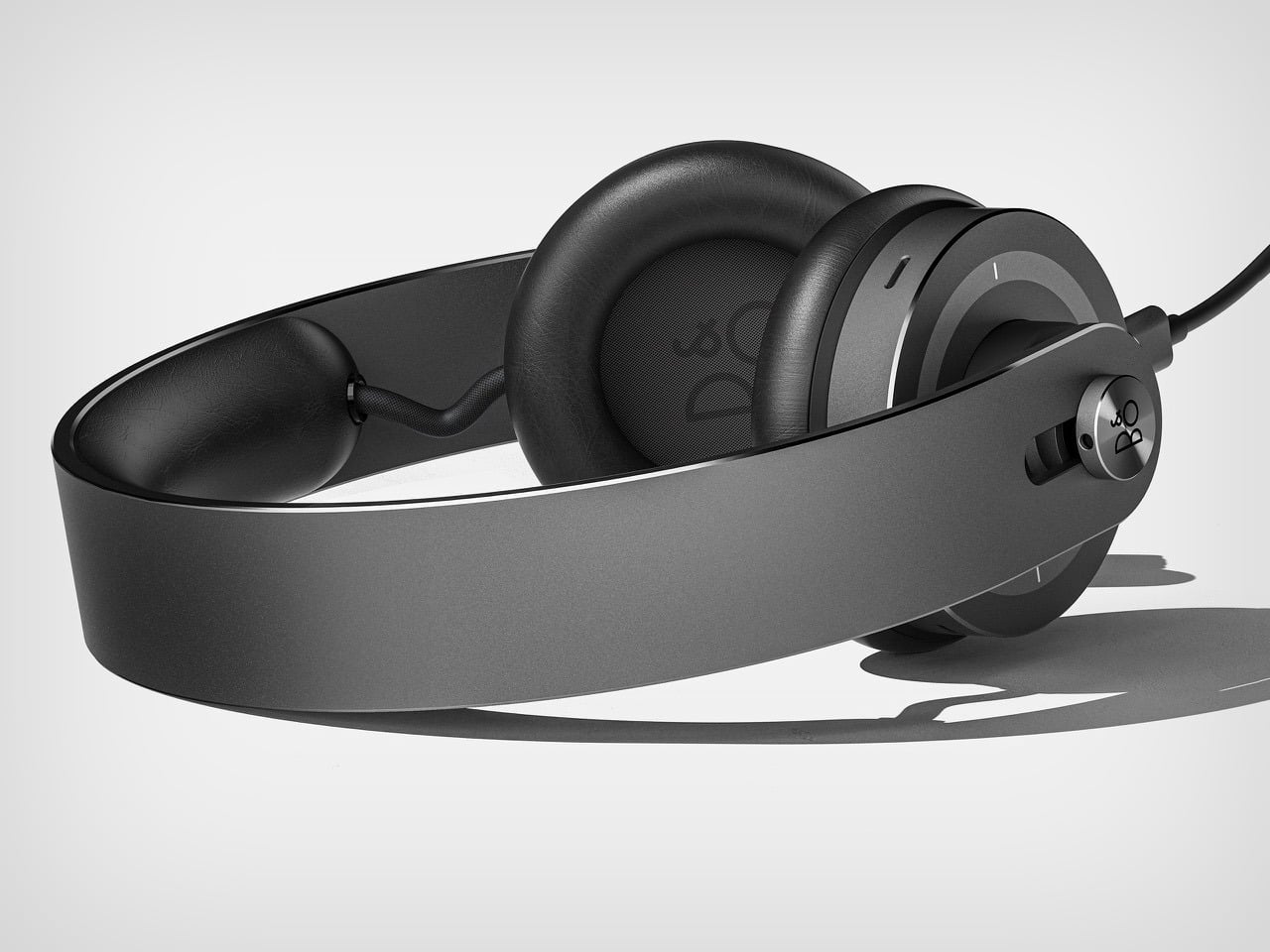
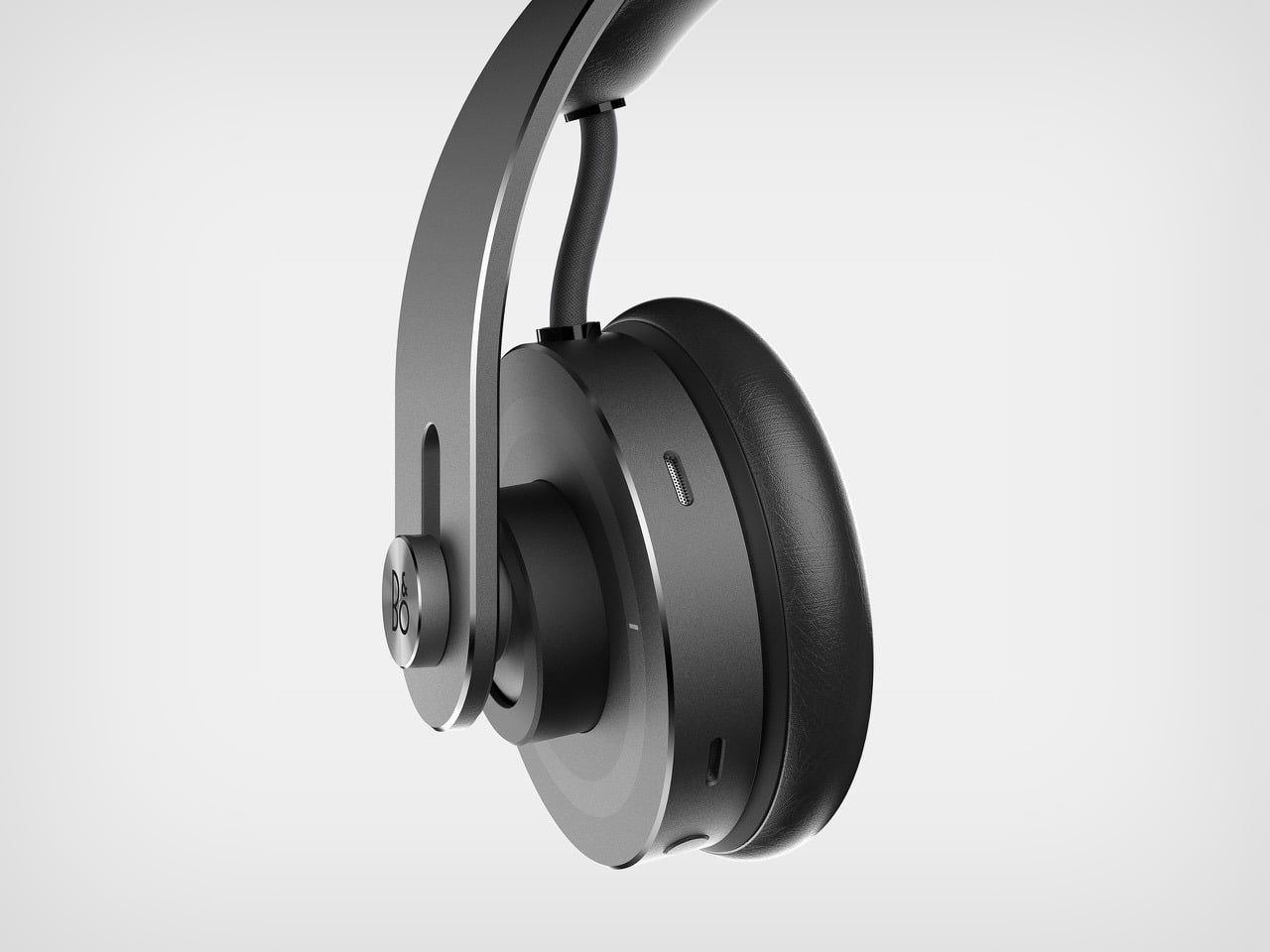
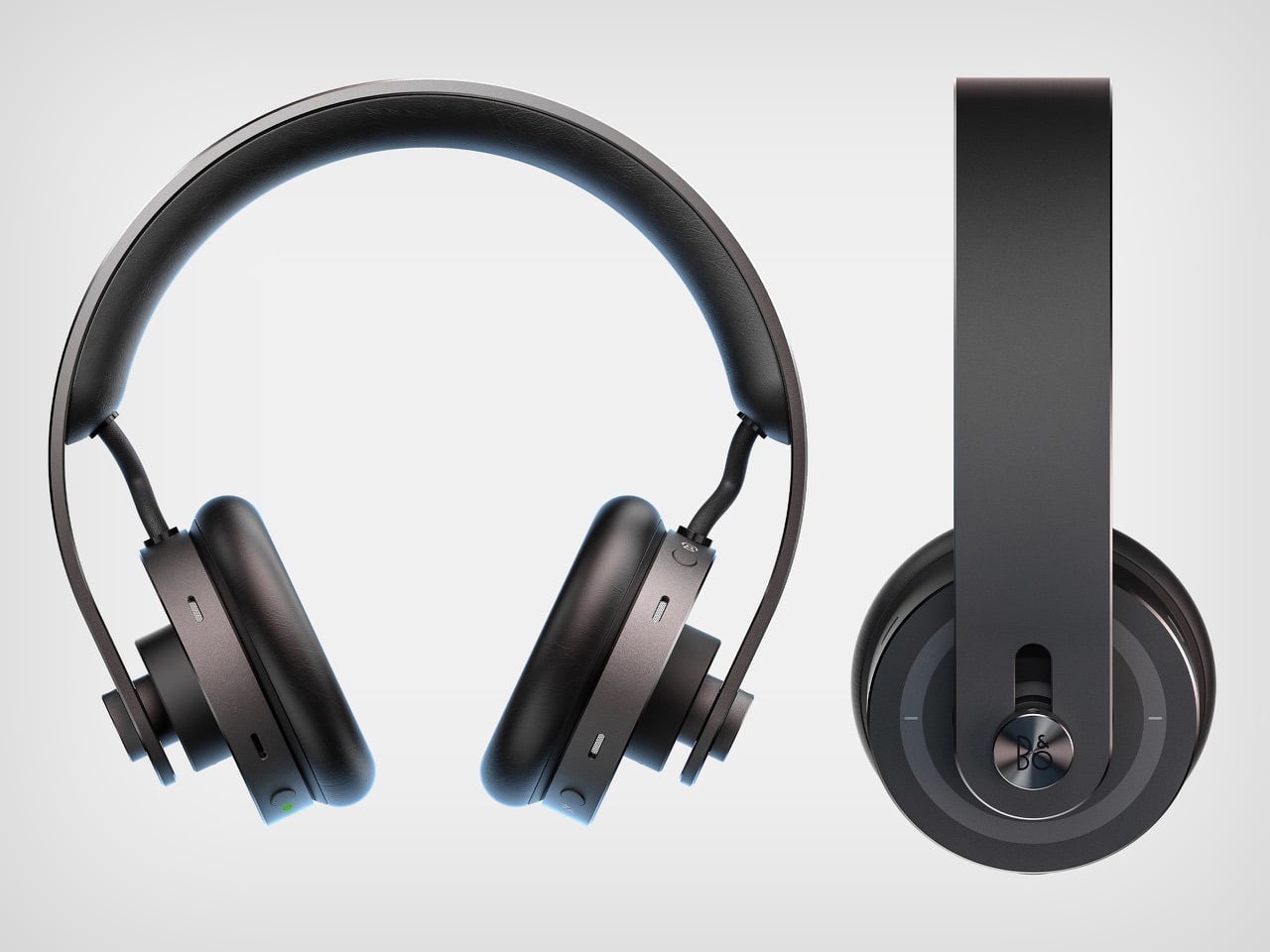
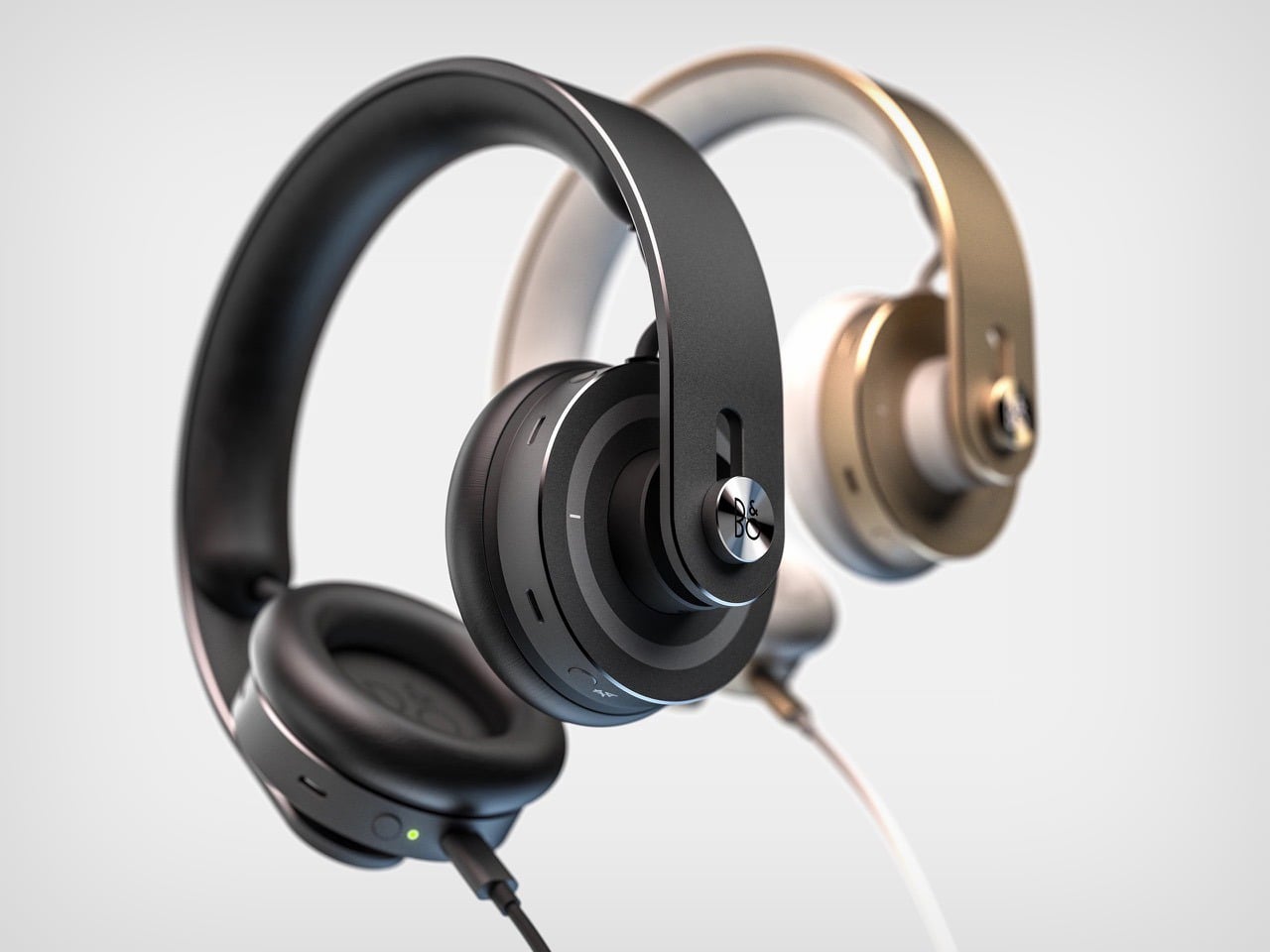
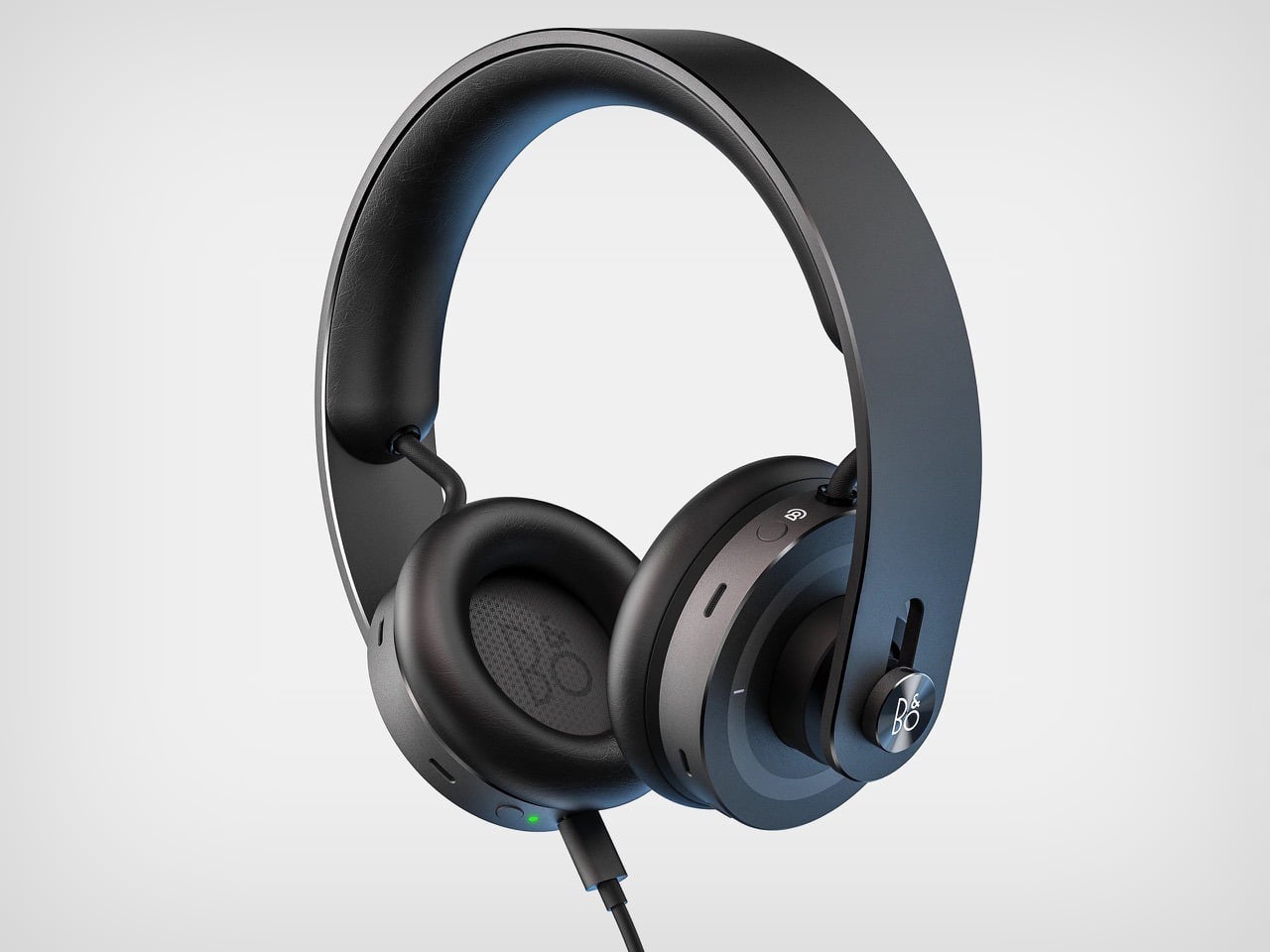
Bang & Olufsen built its reputation on the idea that audio equipment should be worthy of the spaces it inhabits. Bas Kamp’s ONCE concept takes that idea and sharpens it into something more intimate. A headphone fitted once, precisely, to a single person. A form that carries the geometry of classic over-ear design, two cylindrical drivers, a continuous band, an honest material palette, and updates it with one quietly radical proposition: permanence.

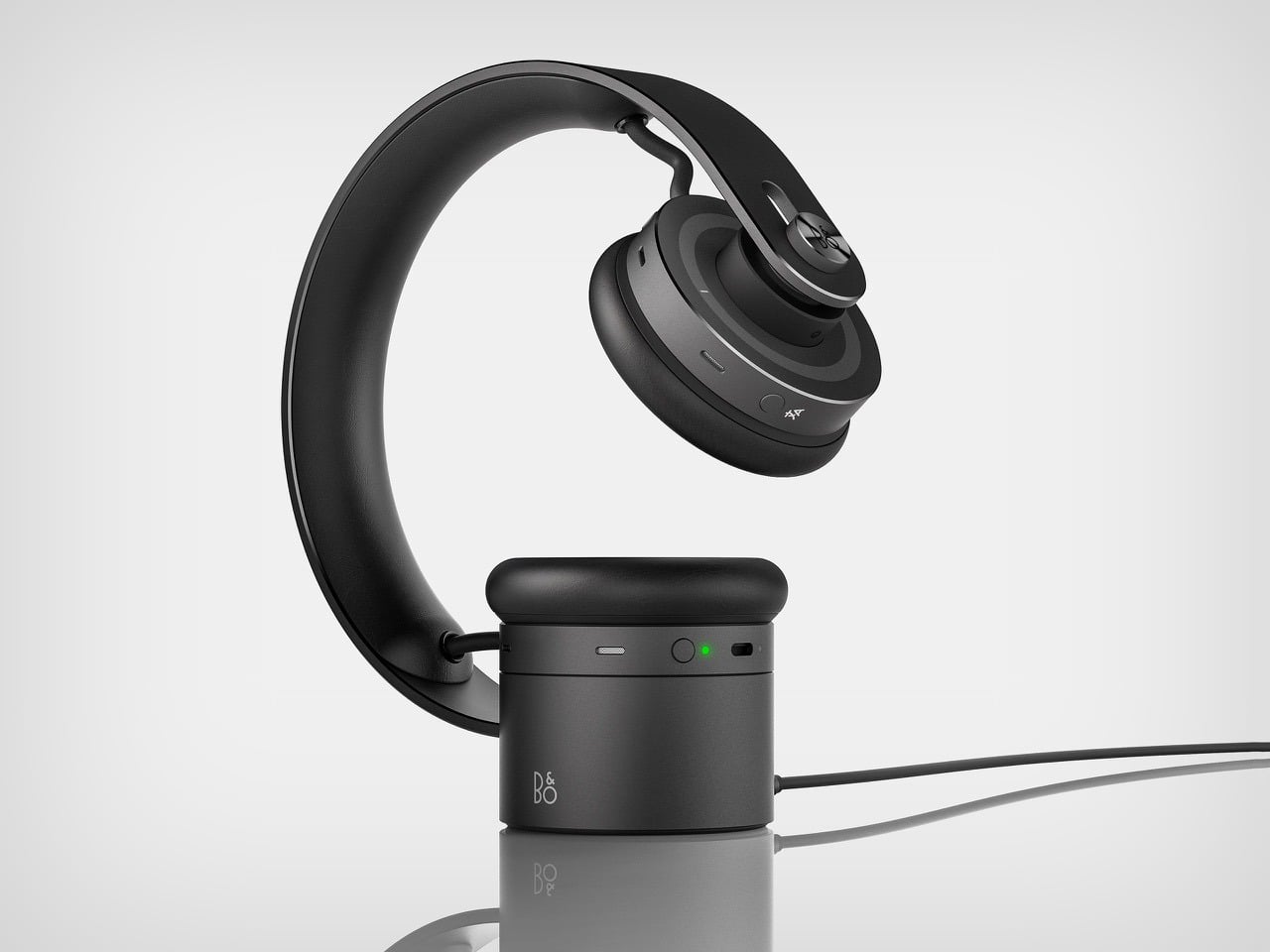
The charging base makes the argument visible. The headphone drapes over a cylindrical puck in a clean arc, sitting on any surface like a considered object rather than a piece of gear waiting to be packed away. Kamp’s concept suggests that the best version of a B&O headphone is one that earns a permanent place in your life, and looks the part doing it.

Designer: Bas Kamp

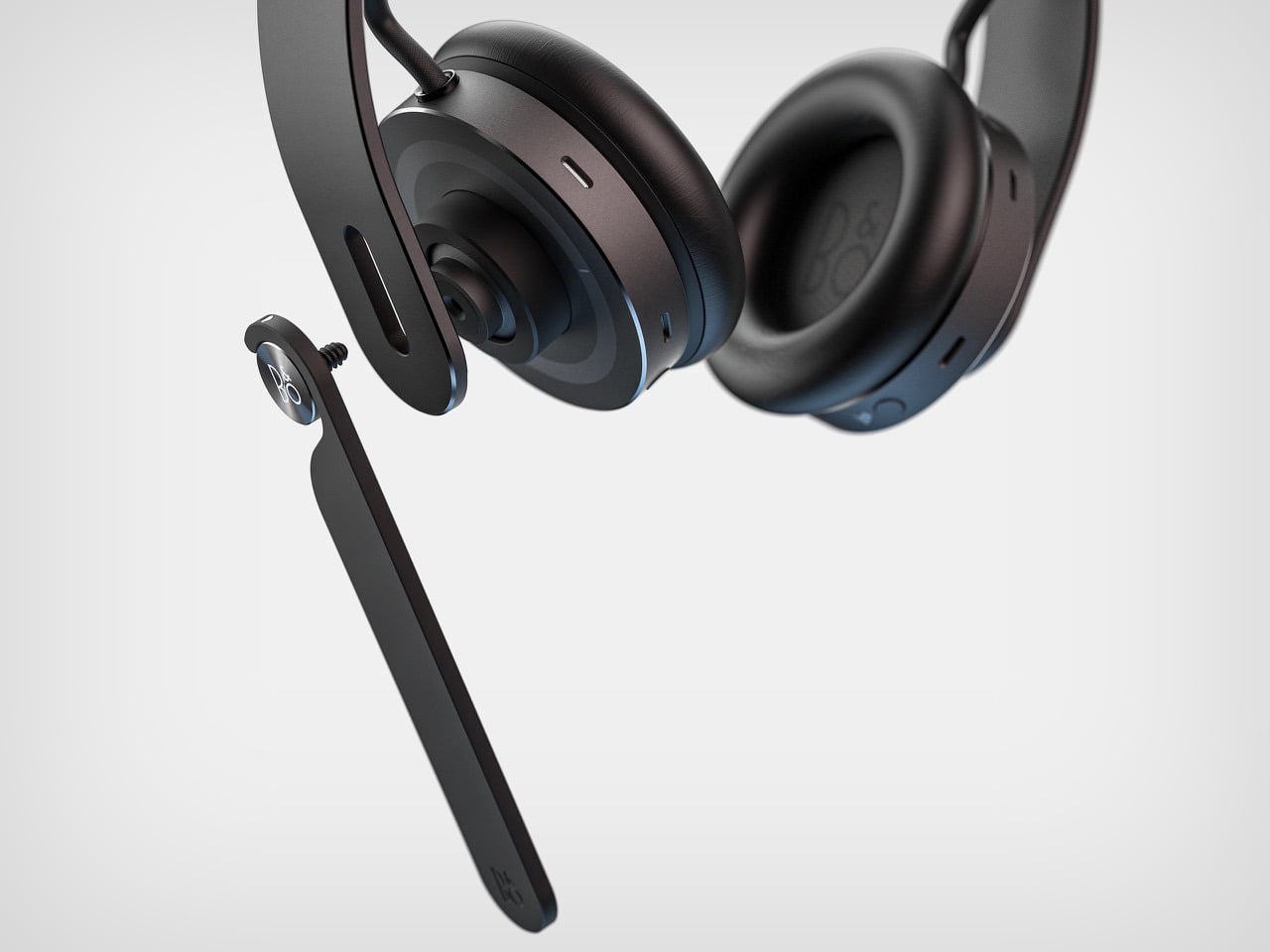
Most headphones are engineered to fit everyone, which in practice means they fit no one particularly well. Telescoping arms, spring-loaded sliders, and adjustable pivots are all workarounds for a problem the industry has accepted as permanent. Kamp rejects the premise entirely. The wide, uninterrupted band is machined as a single continuous form, and when you first receive the headphone, you set it once using the included precision tool, tightening the iconic B&O signature dot that connects band to aluminium cylinder through a refined screw thread. From that calibration forward, the fit is yours alone.

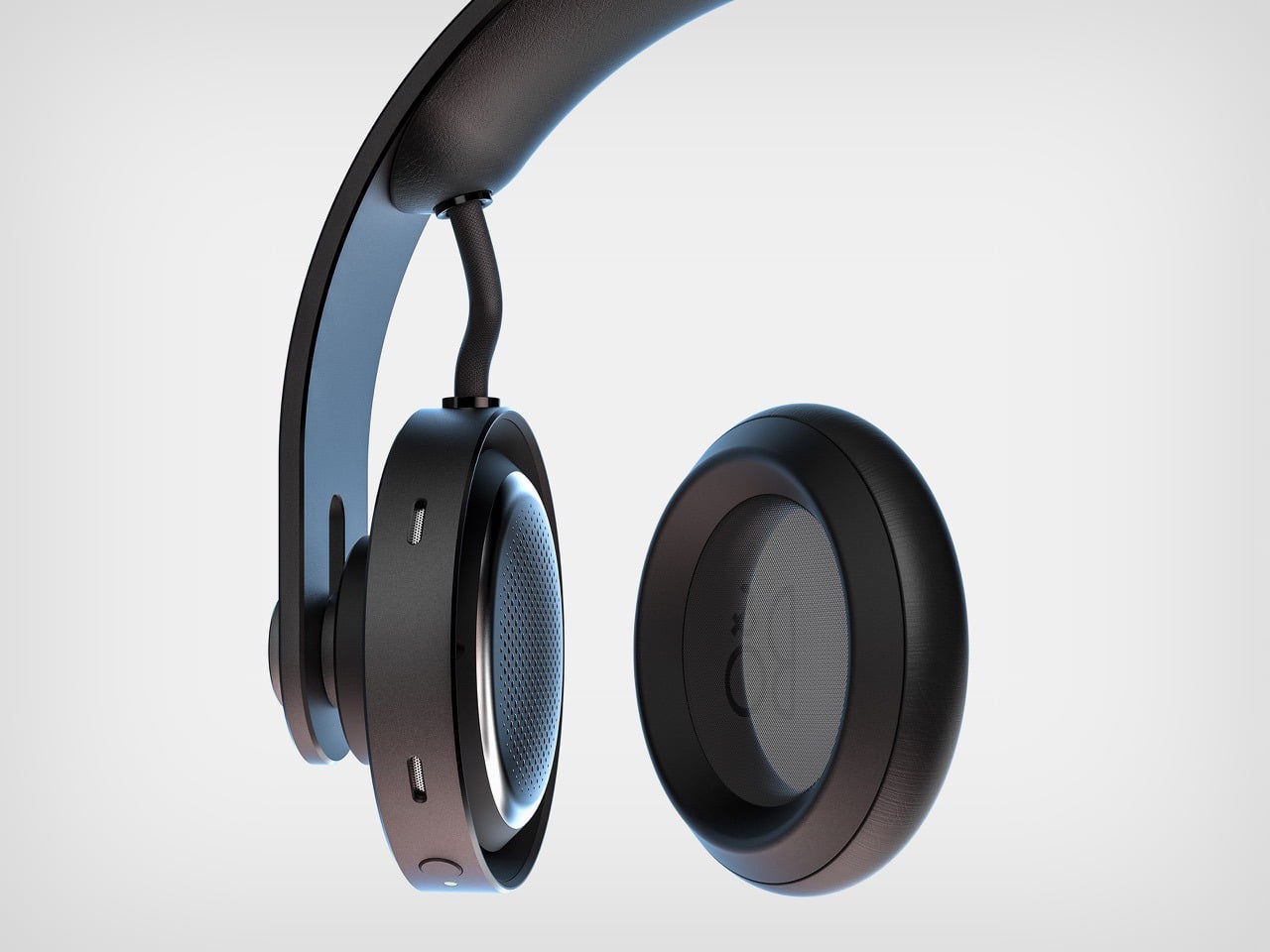
The visual language pulls directly from B&O’s deepest design DNA. The arc, the band, the cylinder, these are the honest architectural elements that defined the great headphones of the twentieth century, and Kamp makes no attempt to disguise or reinvent them. Two cylindrical drivers sit at either end of the continuous band, their outer faces rendered in concentric circles that give the ear cups an almost mechanical, watchlike presence. Where the headphone meets skin, genuine leather handles the contact, soft and warm against the geometry of the machined aluminium. The restraint is total and deliberate.

A cylindrical puck holds the headphone in a sculptural arc that reads, from certain angles, uncannily like a hunching table lamp, the band curving down toward the base with the ear cup hanging at the end of the arc. It is an accidental elegance that makes the resting state of the object as compelling as the wearing state, which is exactly the kind of considered design thinking B&O has always demanded of the objects bearing its name.

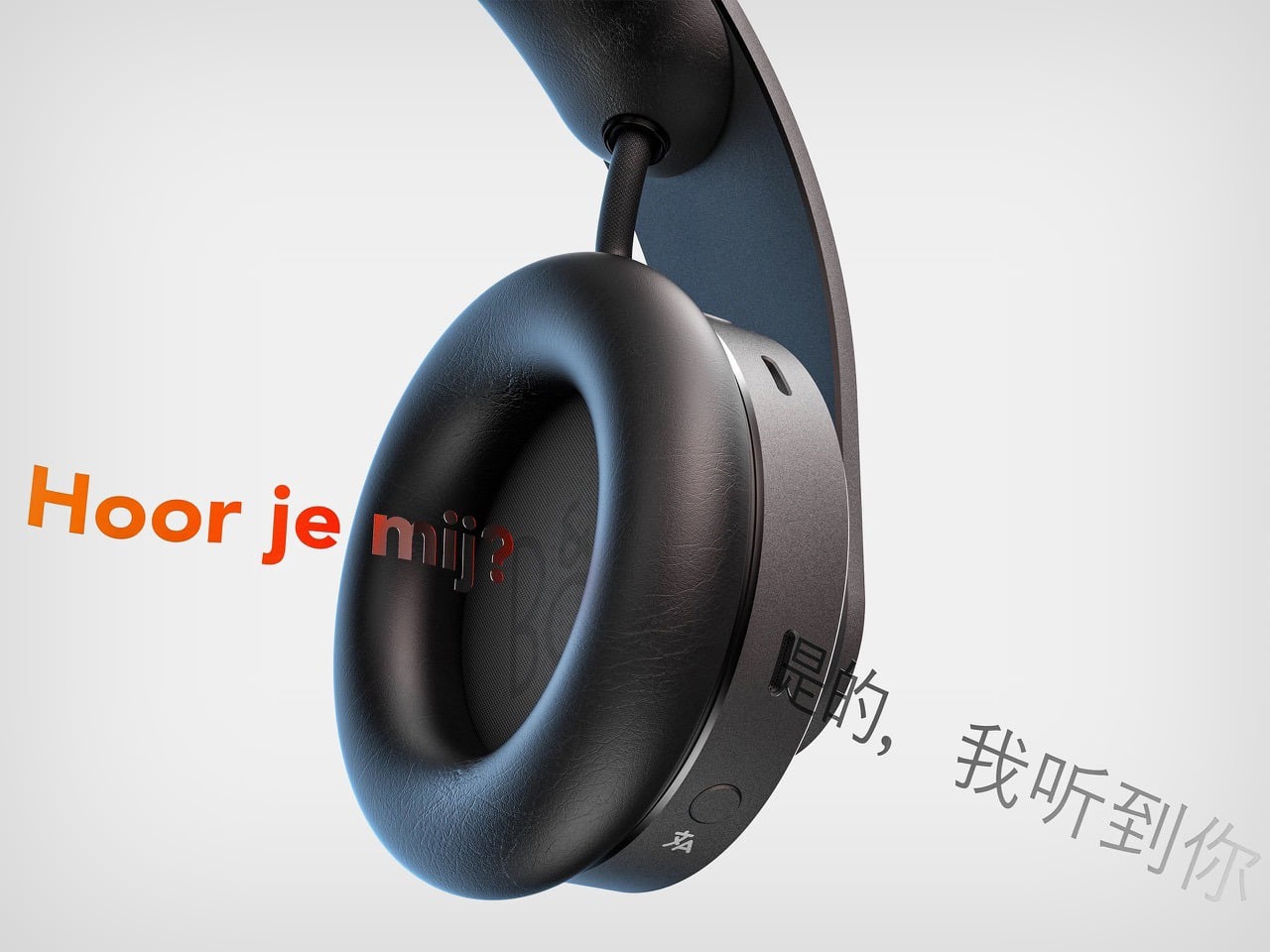
ONCE also integrates a real-time AI translation feature, activated by a single press of the dot, delivering conversational translation directly through the drivers. For a concept built around permanence and personal calibration, it is a quietly forward-looking addition, proof that Kamp’s vision for B&O reaches comfortably into the next decade of what a headphone can do.

The post This B&O Headphone Concept Fits Only You, Literally, and It’s the Best Idea Audio Has Had in Years first appeared on Yanko Design.

Studio Darius Ou Just Printed a Book That Reads Its Own Code

Books have always held secrets. Marginalia scrawled by long-dead readers, watermarks pressed into pulp centuries ago, the particular weight of a first edition in your hands. But Manual, a new project by Studio Darius Ou and Benson Chong, holds a different kind of secret entirely: the literal code of its own making, raised right there on its pages. Let me explain why that matters, because it sounds technical until it doesn’t.

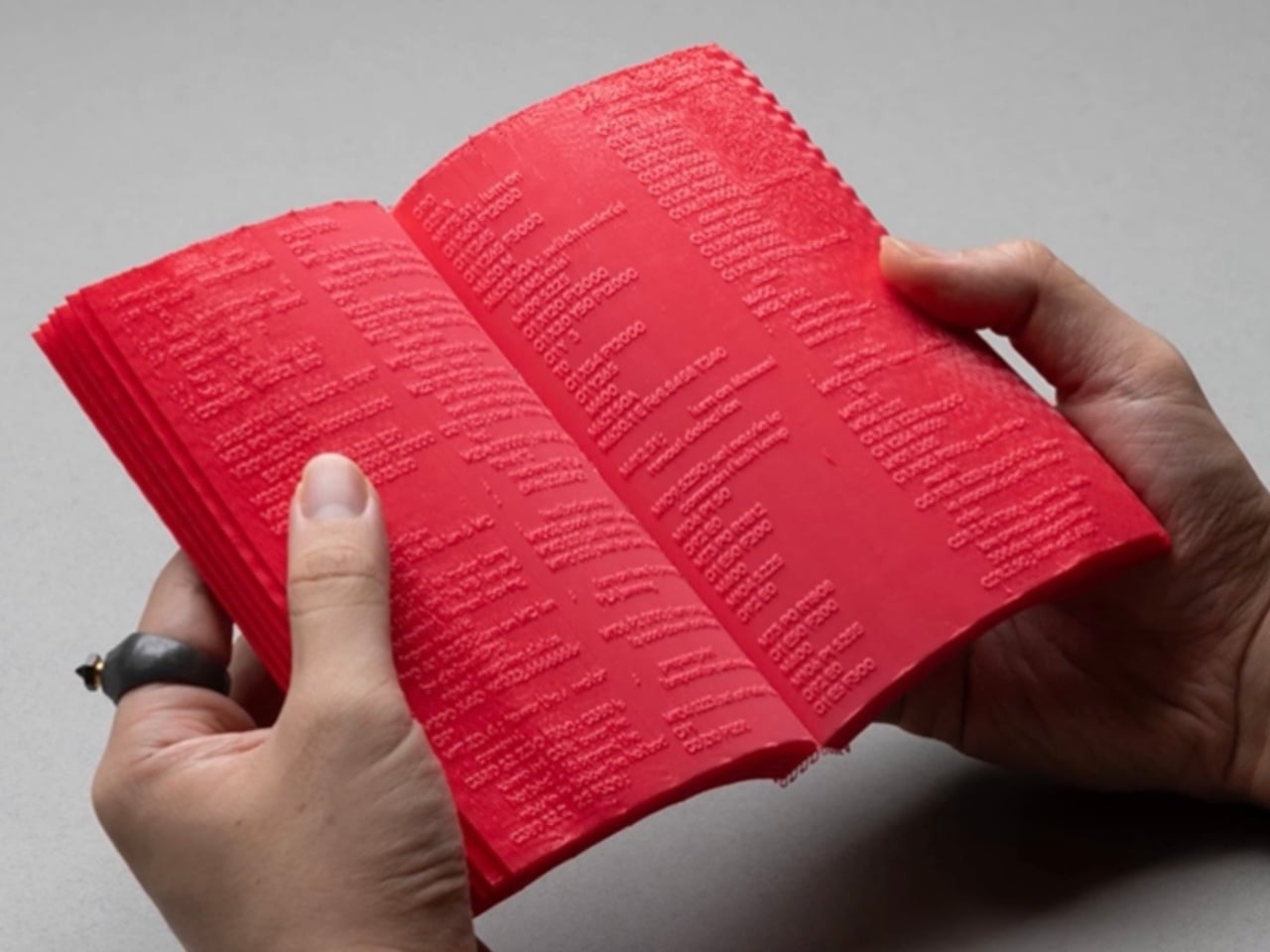
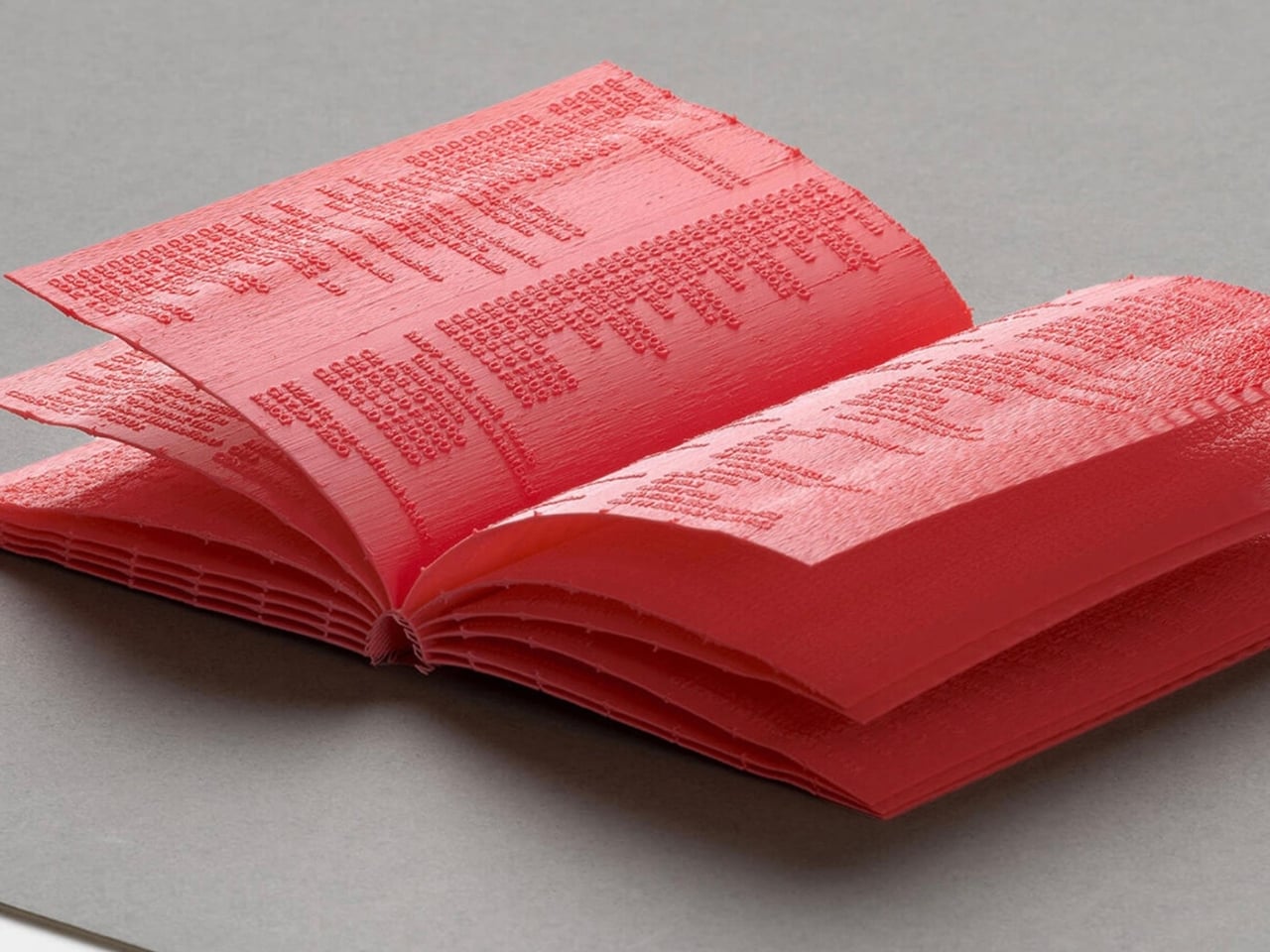
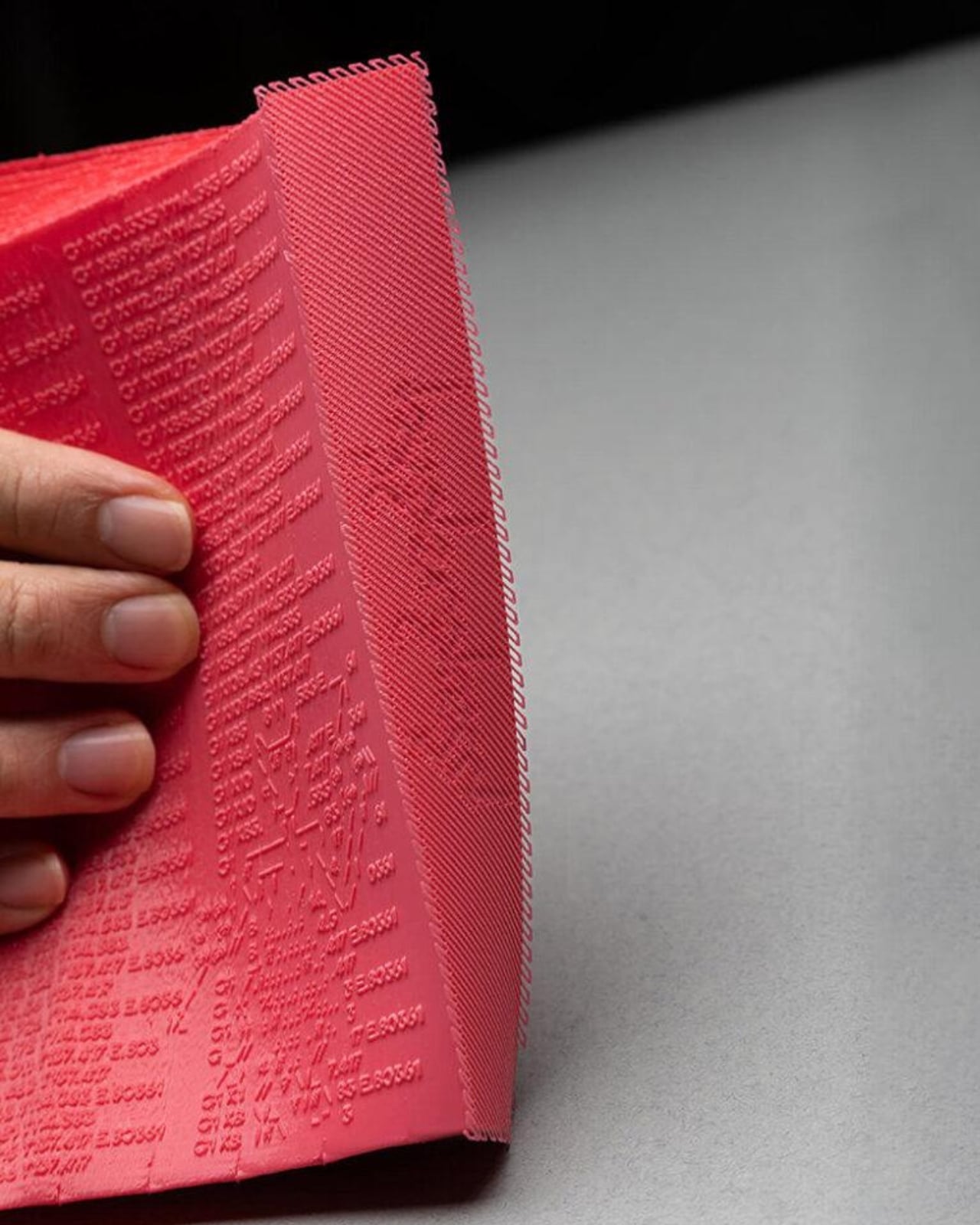
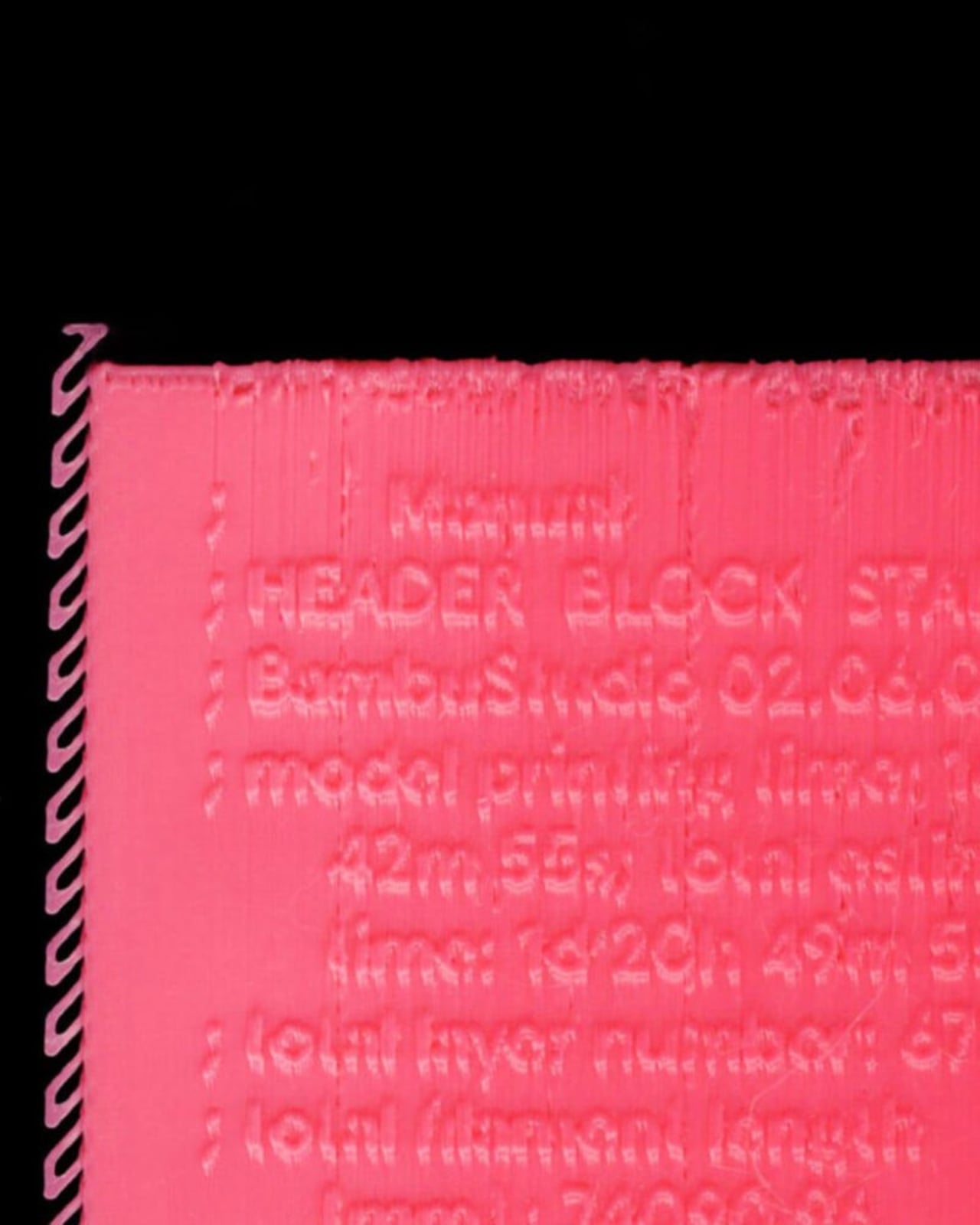
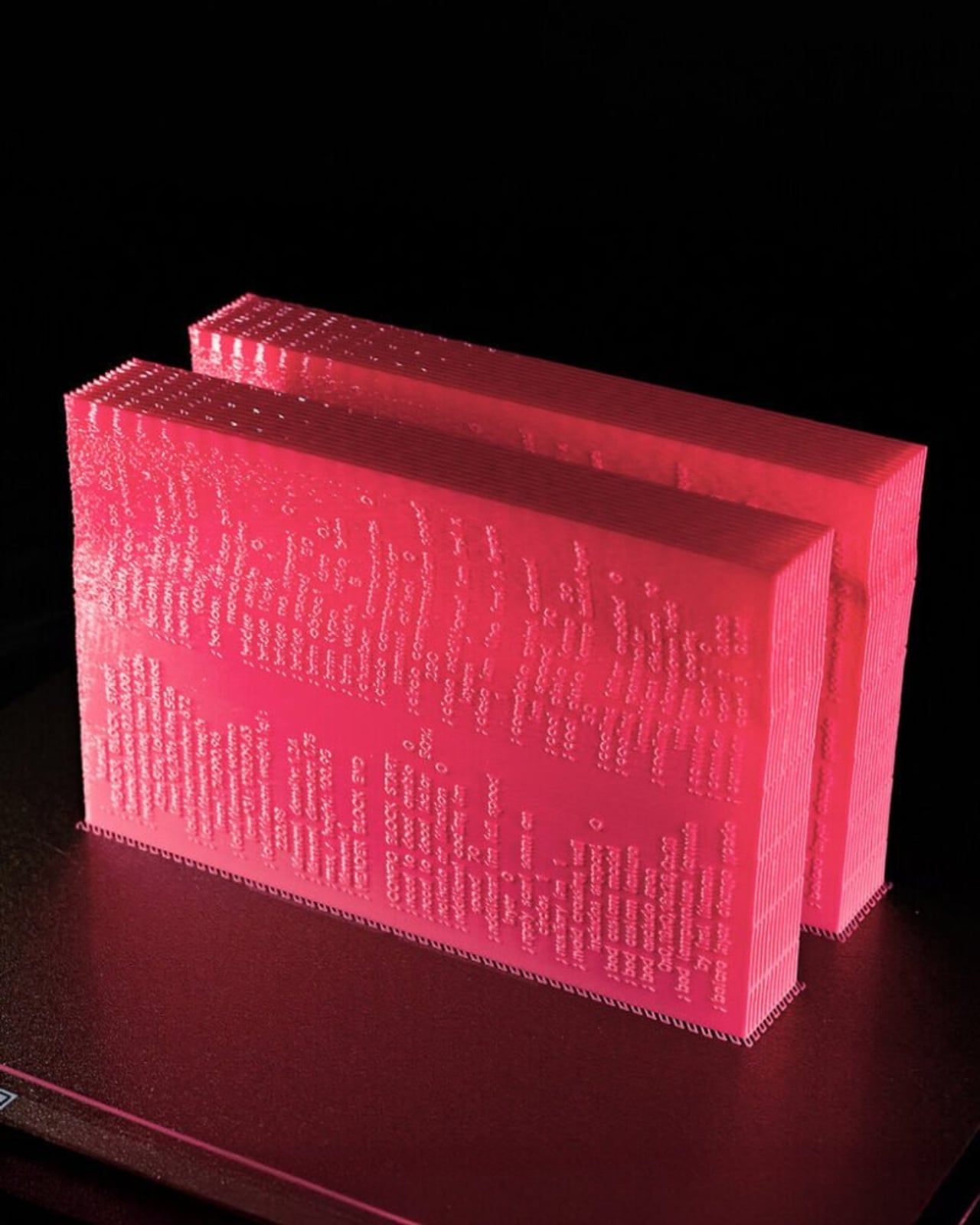
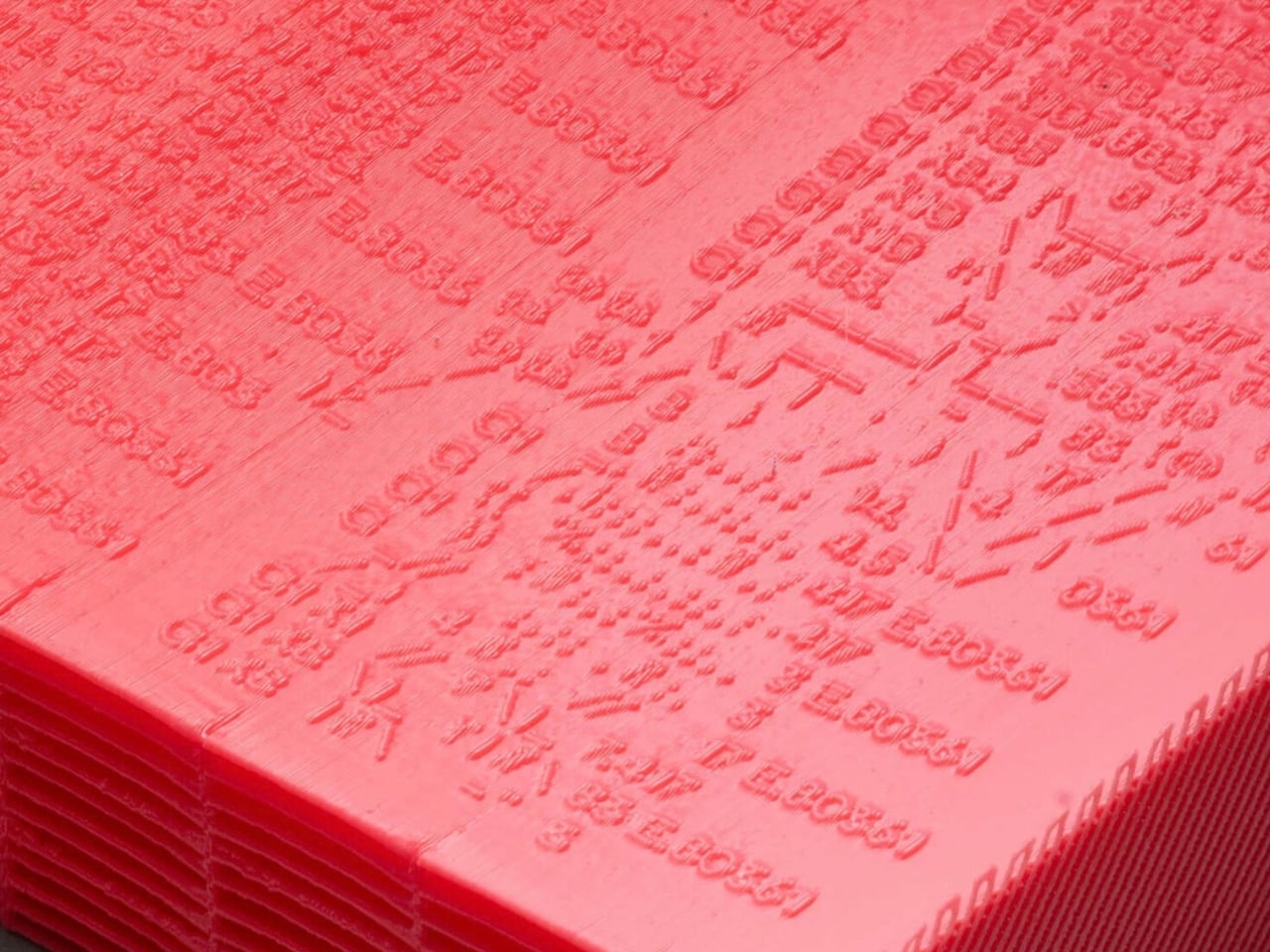
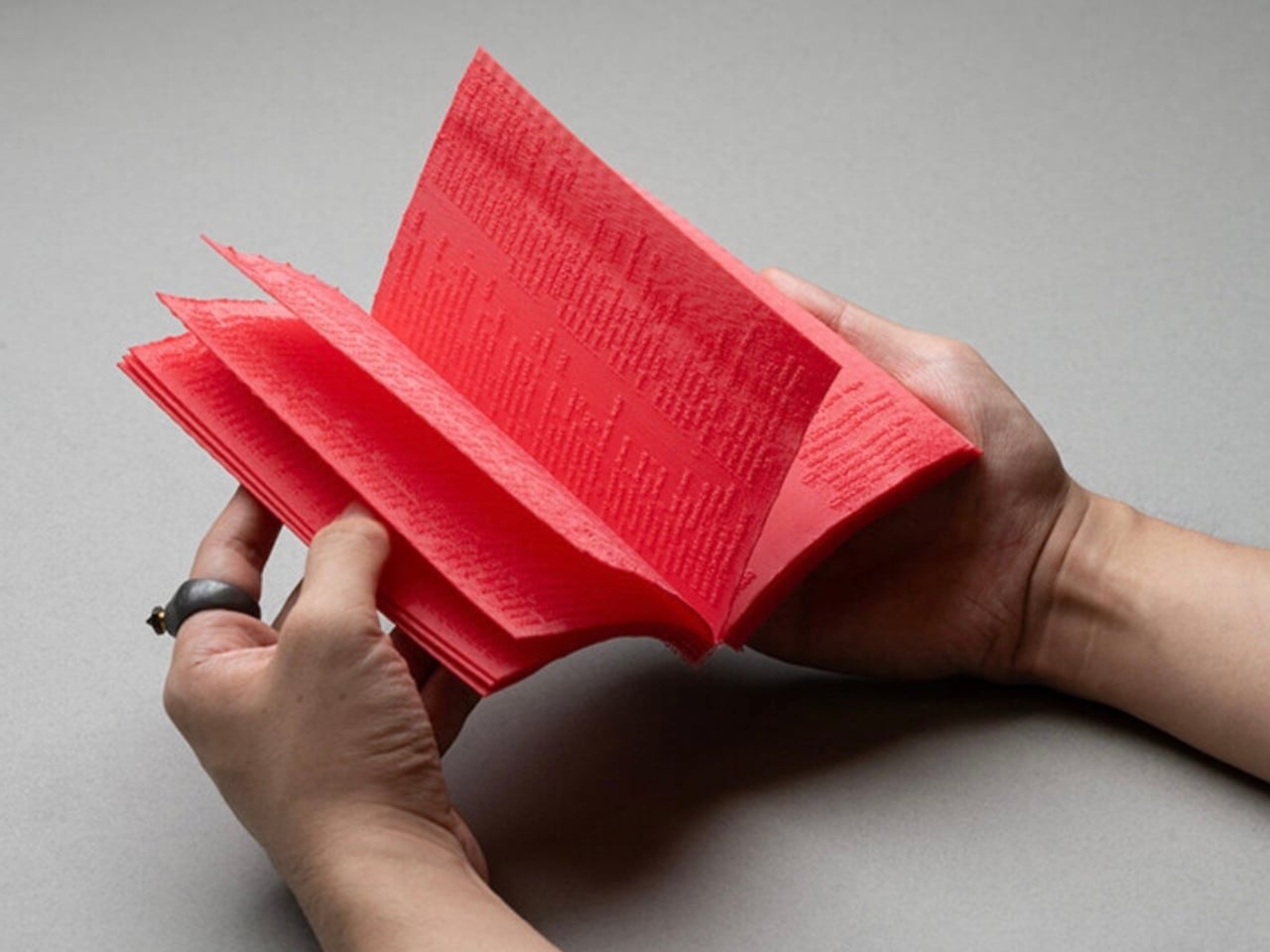
Manual is a fully 3D-printed book, and that phrase alone gets thrown around often enough that it risks losing its punch. But what Darius Ou and Benson Chong have done goes several layers deeper than “printed object shaped like a book.” The raised text embossed across its pages is G-code, the machine language that directed the printer during fabrication. Every coordinate, every movement instruction, every signal the printer received to bring this object into existence lives inside the book itself. The book you’re reading, or rather running your fingers across, is partly a transcript of its own birth.

Designer: Studio Darius Ou with Benson Chong

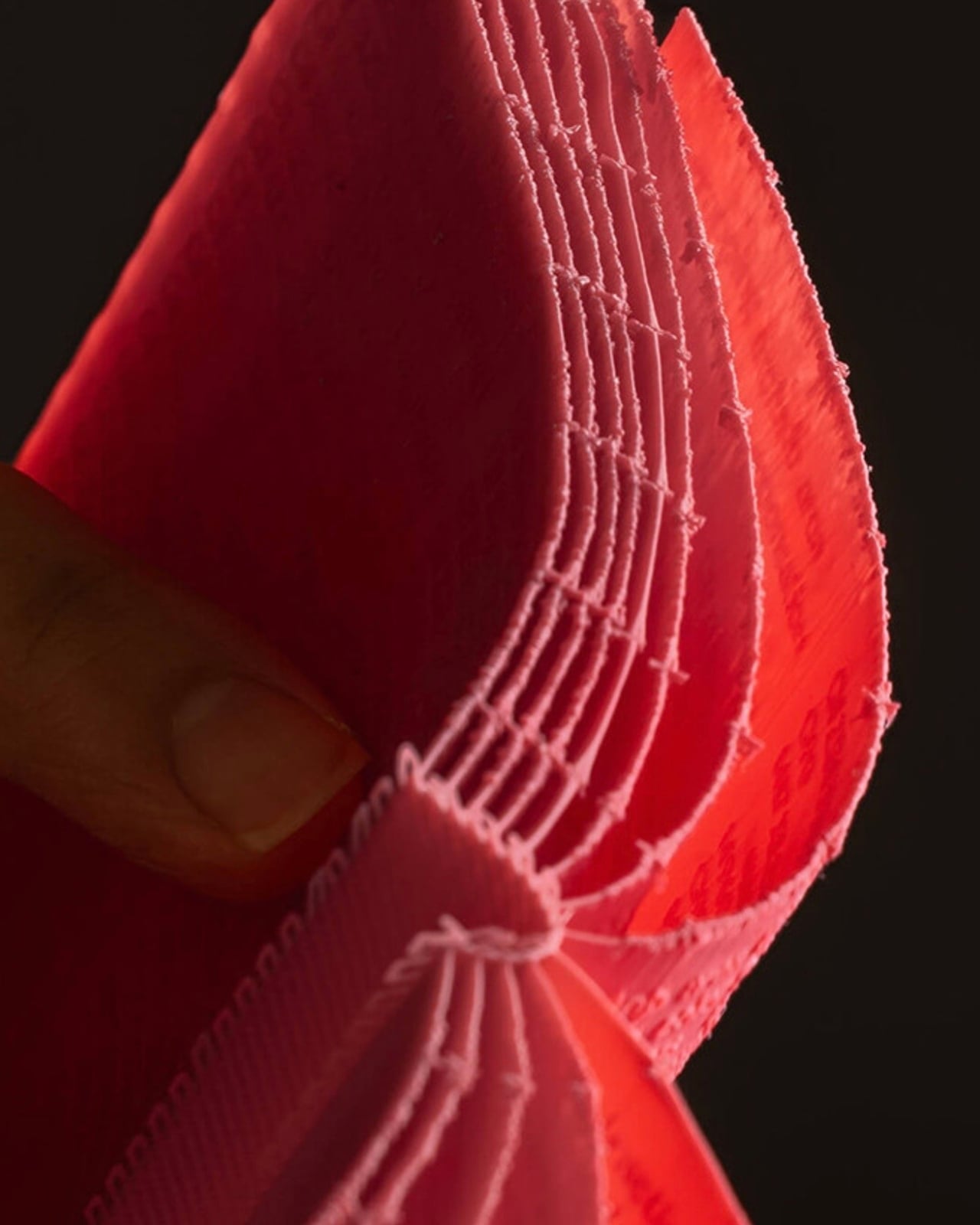
The printing method is worth understanding too, because it’s not standard. Ou and Chong use an XY-for-Z technique, where the printhead moves horizontally and vertically rather than building straight upward layer by layer. This allows Manual to emerge from the machine already bound, pages and all, in one continuous sequence. No assembly afterwards. No binding stage. No applied graphics. The whole object, text and structure together, comes off the print bed as a finished thing.

For anyone who has spent time thinking about what makes a book a book, that should feel genuinely strange. We’ve separated the process of making from the process of reading for so long that we barely question it. A manuscript gets written, typeset, printed, bound, shipped, and only then read. Each stage is invisible to the next. Manual collapses all of that. The making and the reading occupy the same surface.

I keep thinking about the name. Manual is doing a lot of work in one word. It calls up instruction manuals, the kind of document you consult to understand how something operates. It also calls up “manual” as in by hand, by touch, physical. The raised G-code text can be read through touch as much as sight, which means the book is almost braille-adjacent in how it asks to be experienced. You don’t just look at it. You feel the instructions the printer followed. That’s a design decision I find quietly brilliant, the kind that seems obvious in retrospect but required a very specific way of thinking to arrive at.

The project also nods to a longer lineage of self-replicating and self-referential machines, including the RepRap project, the open-source 3D printer initiative from 2005 that was specifically designed to print its own components. Manual isn’t trying to replicate itself, but it shares that same philosophical preoccupation: what does it mean for a machine-made object to carry knowledge of its own machine within it?

For the design and tech communities, the answer is clearly exciting. But I think Manual has something to offer anyone who has ever picked up an object and wondered how it got to be that way. Most of the time, that story is hidden from us. It lives in factories, in files, in supply chains we’ll never see. Manual refuses that invisibility. It puts the receipt right in the product.

Whether this opens a new chapter for publishing, or remains a provocative one-off, is an open question. I lean toward thinking it plants a seed. As digital fabrication becomes more accessible and designers get more comfortable interrogating their own tools, the idea of objects that document their own making seems less like a conceptual stunt and more like a natural evolution. A book that knows how it was built, and tells you so, is a very different kind of object than one that hides it. Manual makes that difference feel worth caring about.

The post Studio Darius Ou Just Printed a Book That Reads Its Own Code first appeared on Yanko Design.
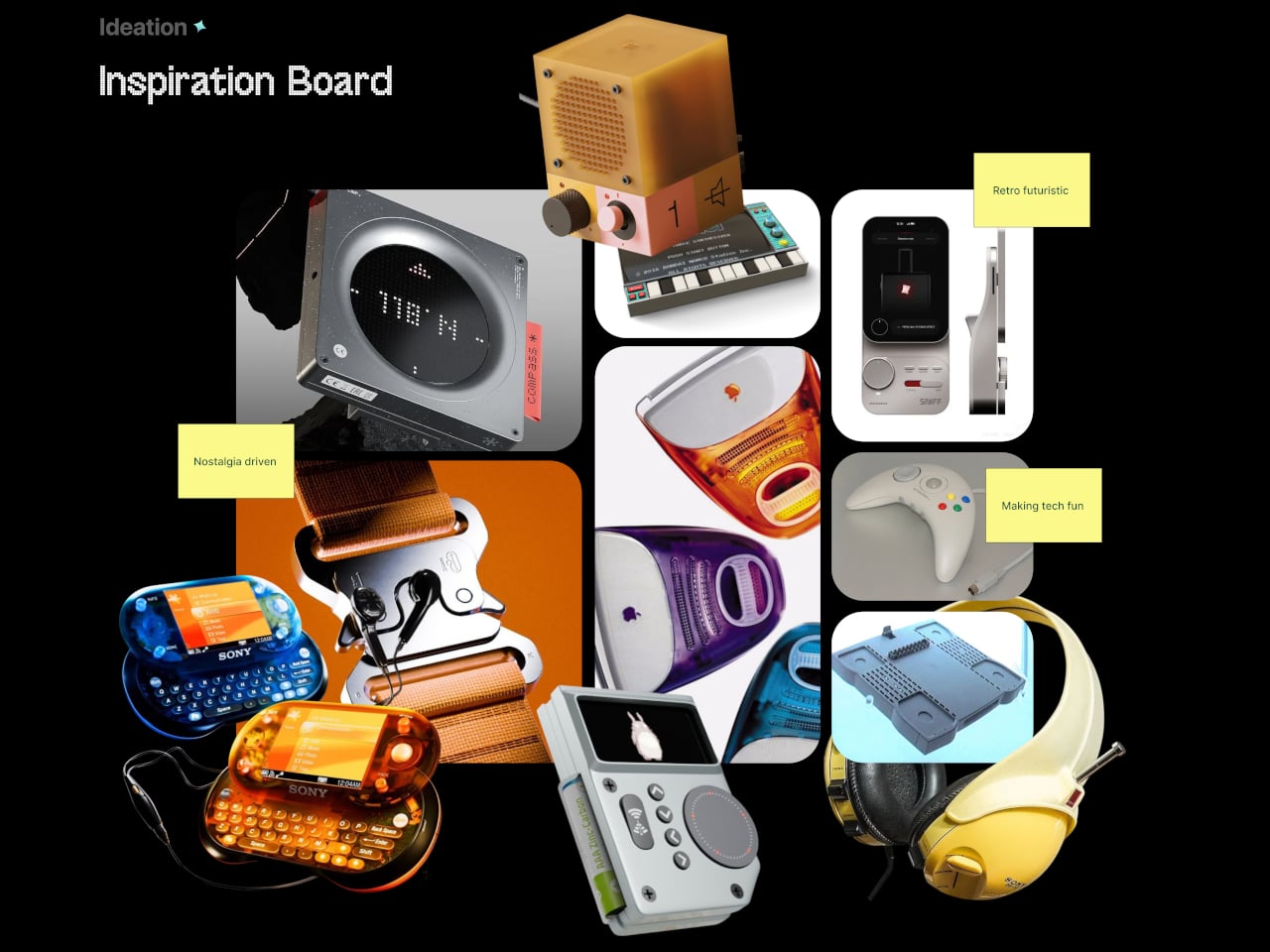
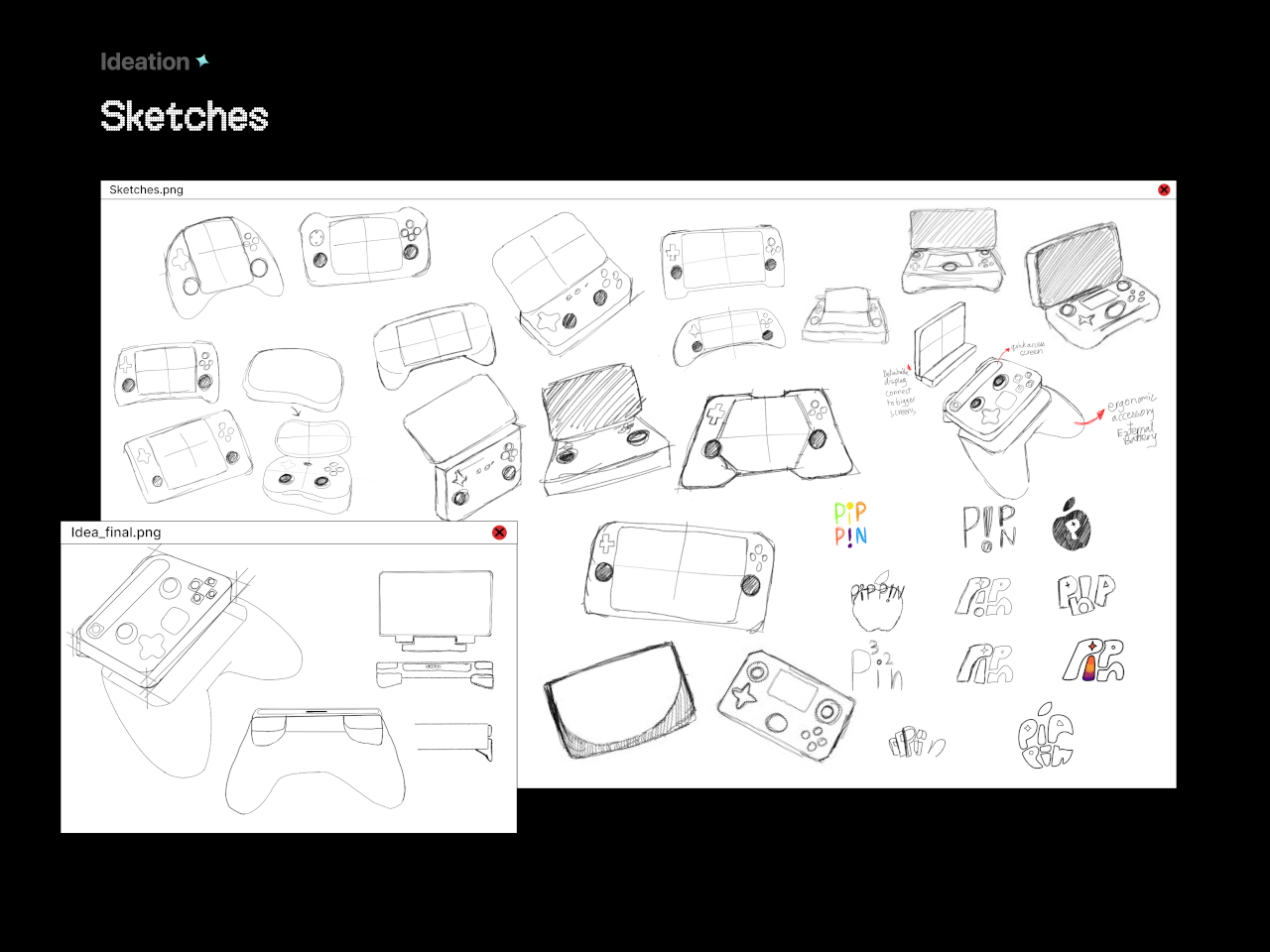
Someone Finally Gave Apple’s Biggest Gaming Failure a Second Chance

Handheld gaming has grown into a serious market, but no single device has managed to satisfy every trade-off at once. The Nintendo Switch sacrifices power for portability, the Steam Deck adds weight and Linux friction, and the ROG Ally costs too much while battery anxiety lingers. Every existing option addresses one frustration and sidesteps another, leaving a gap that’s wide enough for something genuinely different.

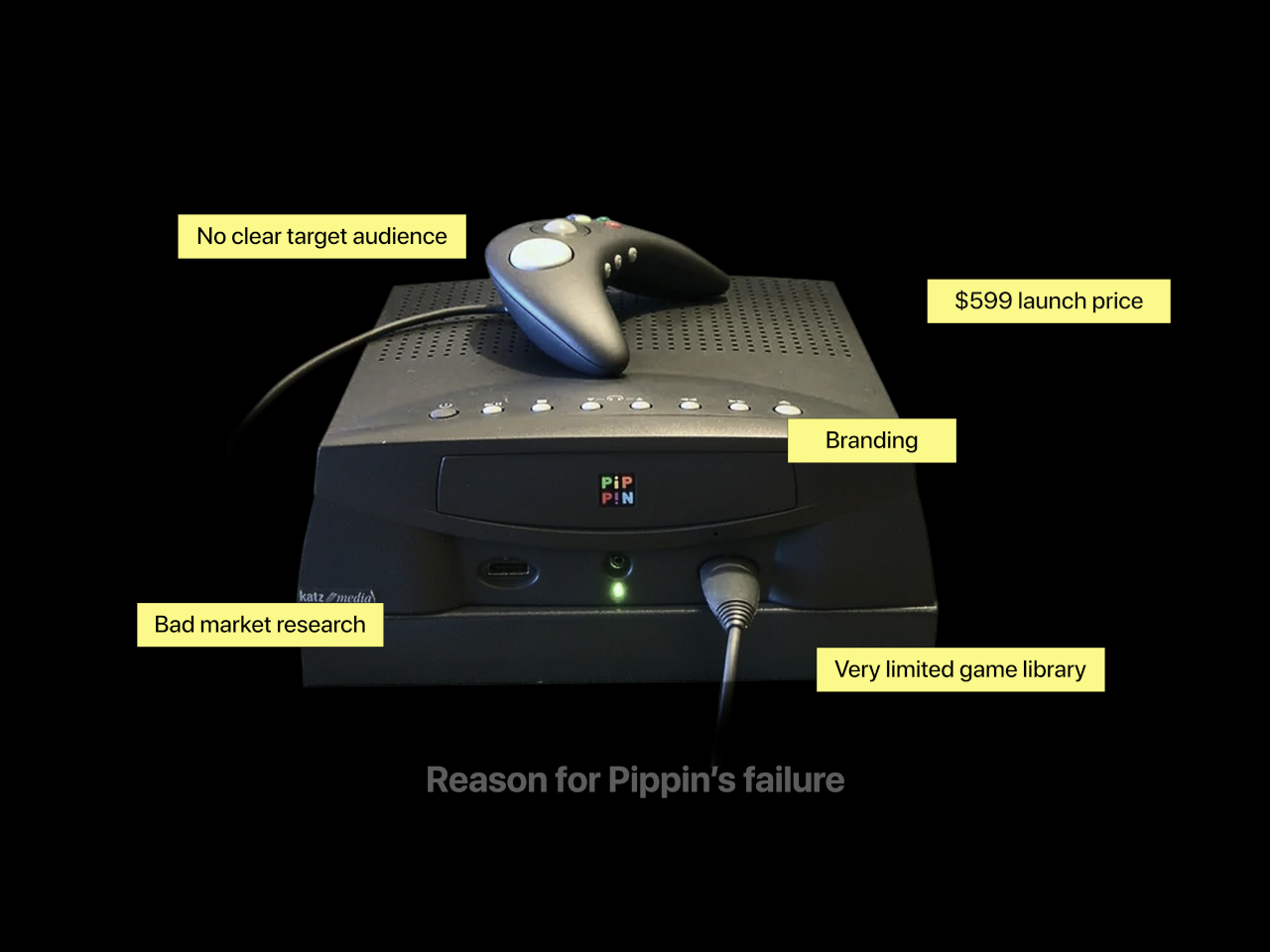
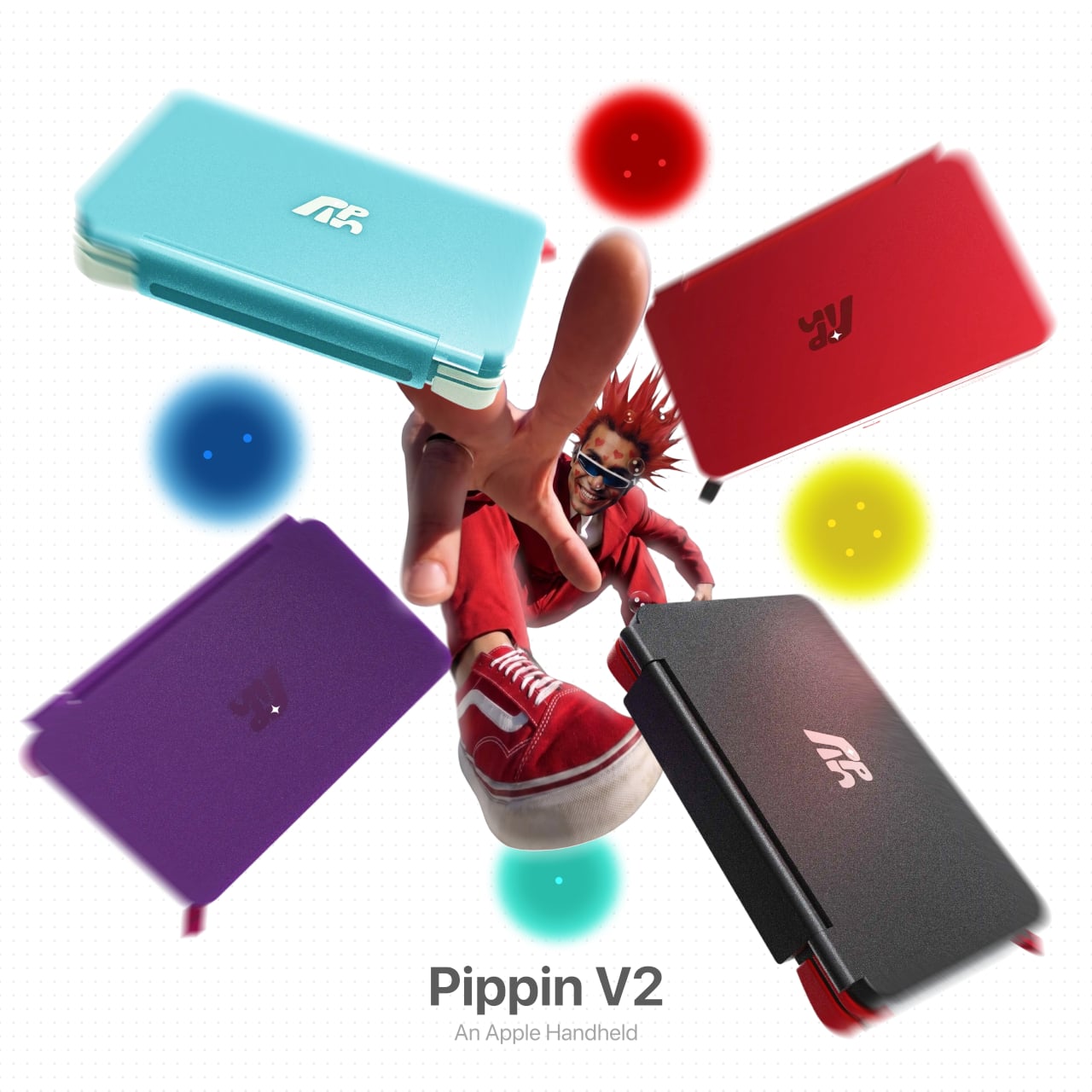
That gap is what Pippin V2 sets out to fill. The concept takes its name from one of Apple’s biggest failures: the Bandai Pippin, a gaming console launched in 1996 that folded within a year because of poor market research, no clear audience, and a $599 price tag most wouldn’t pay. This project poses one straightforward question: What would it look like if someone finally got it right?

Designer: Aditya Rajiv

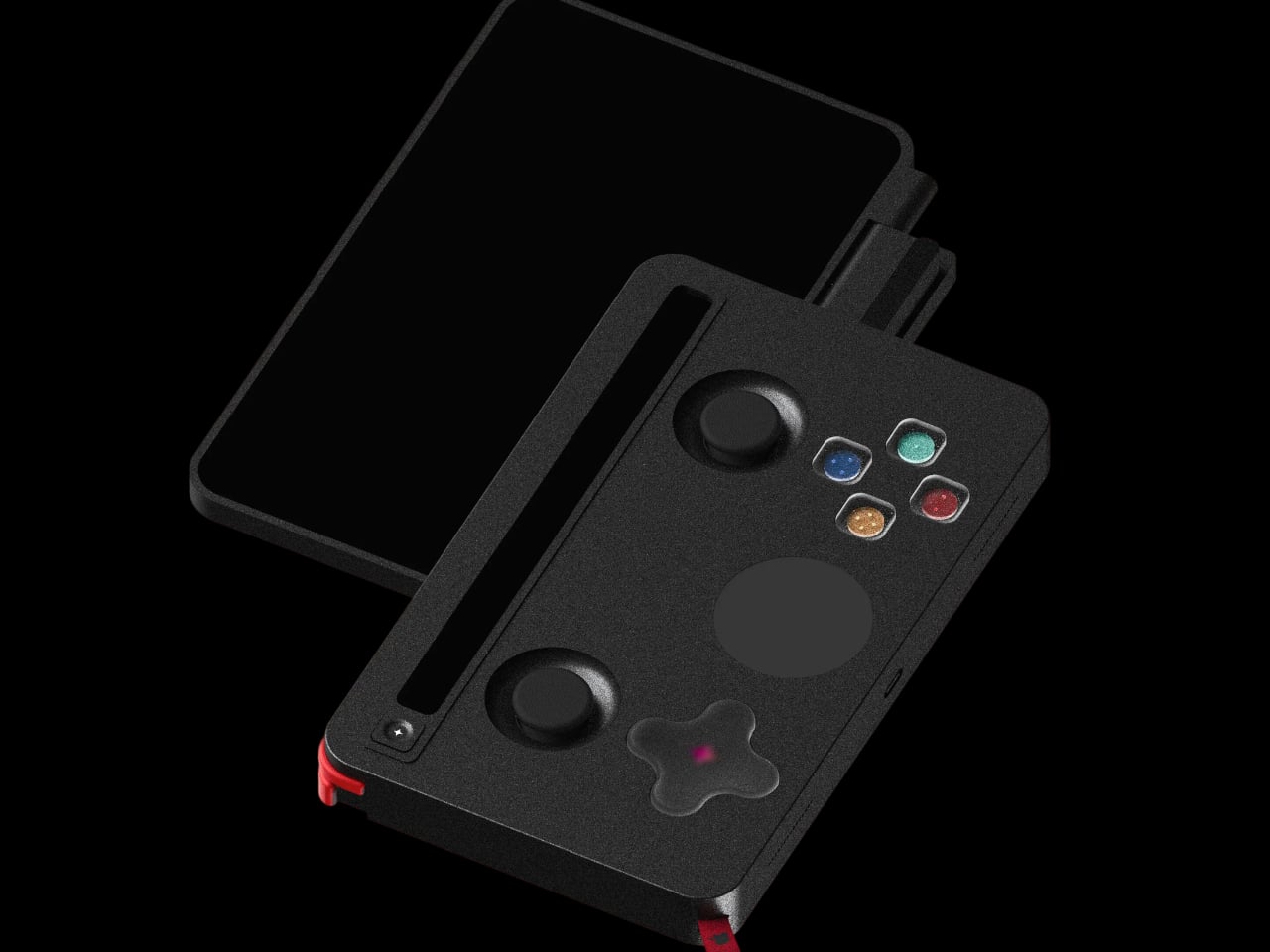
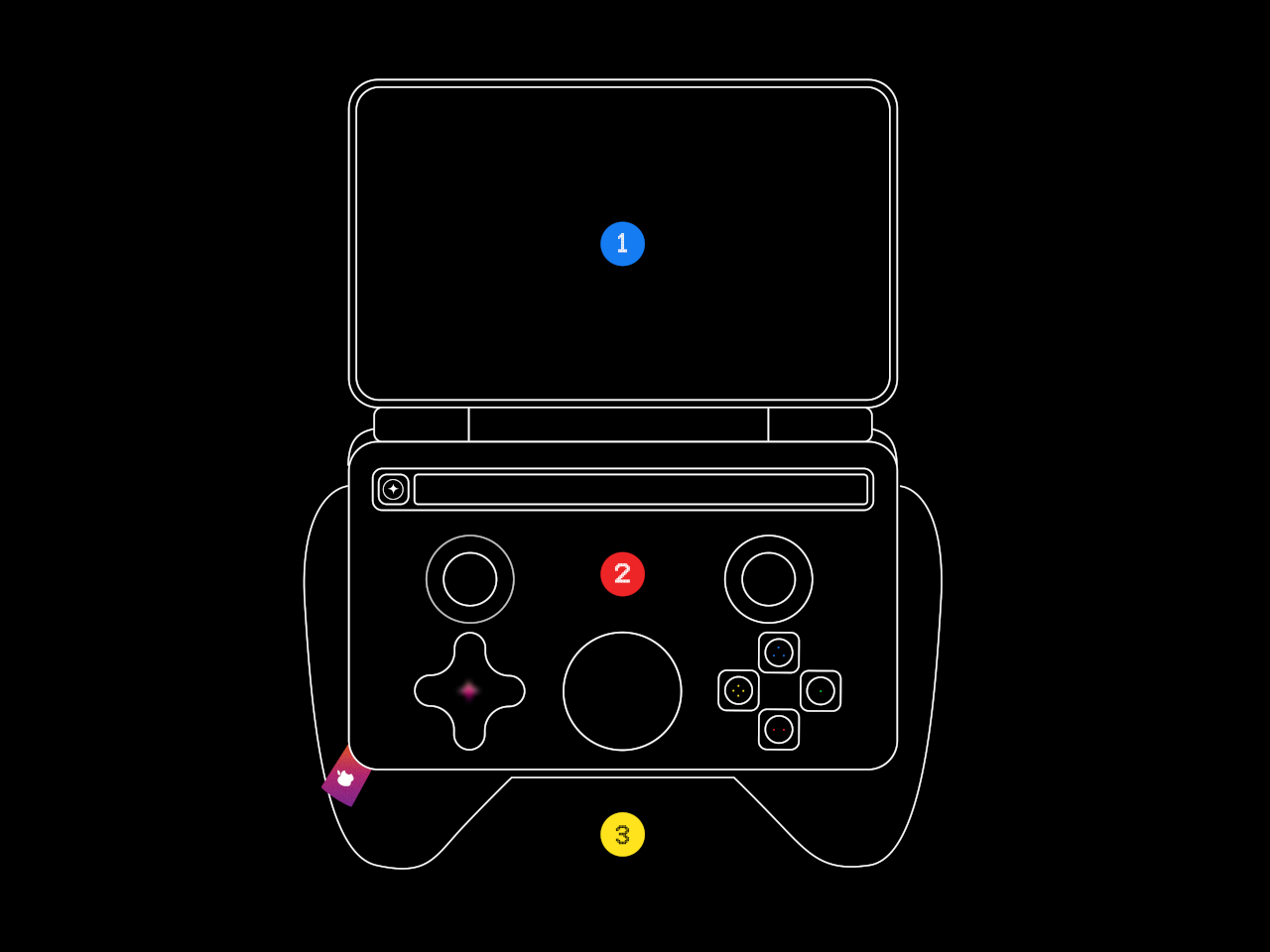
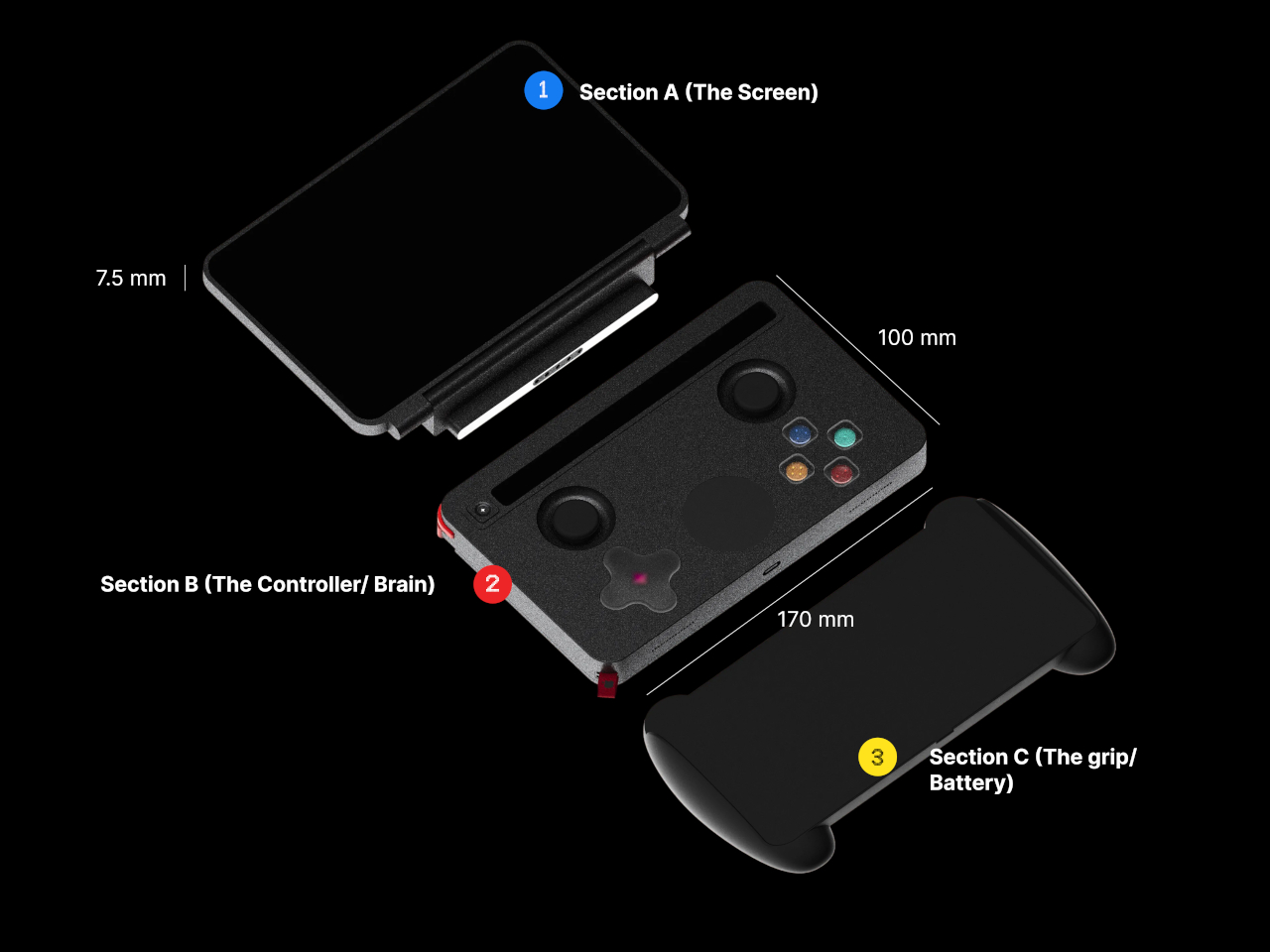
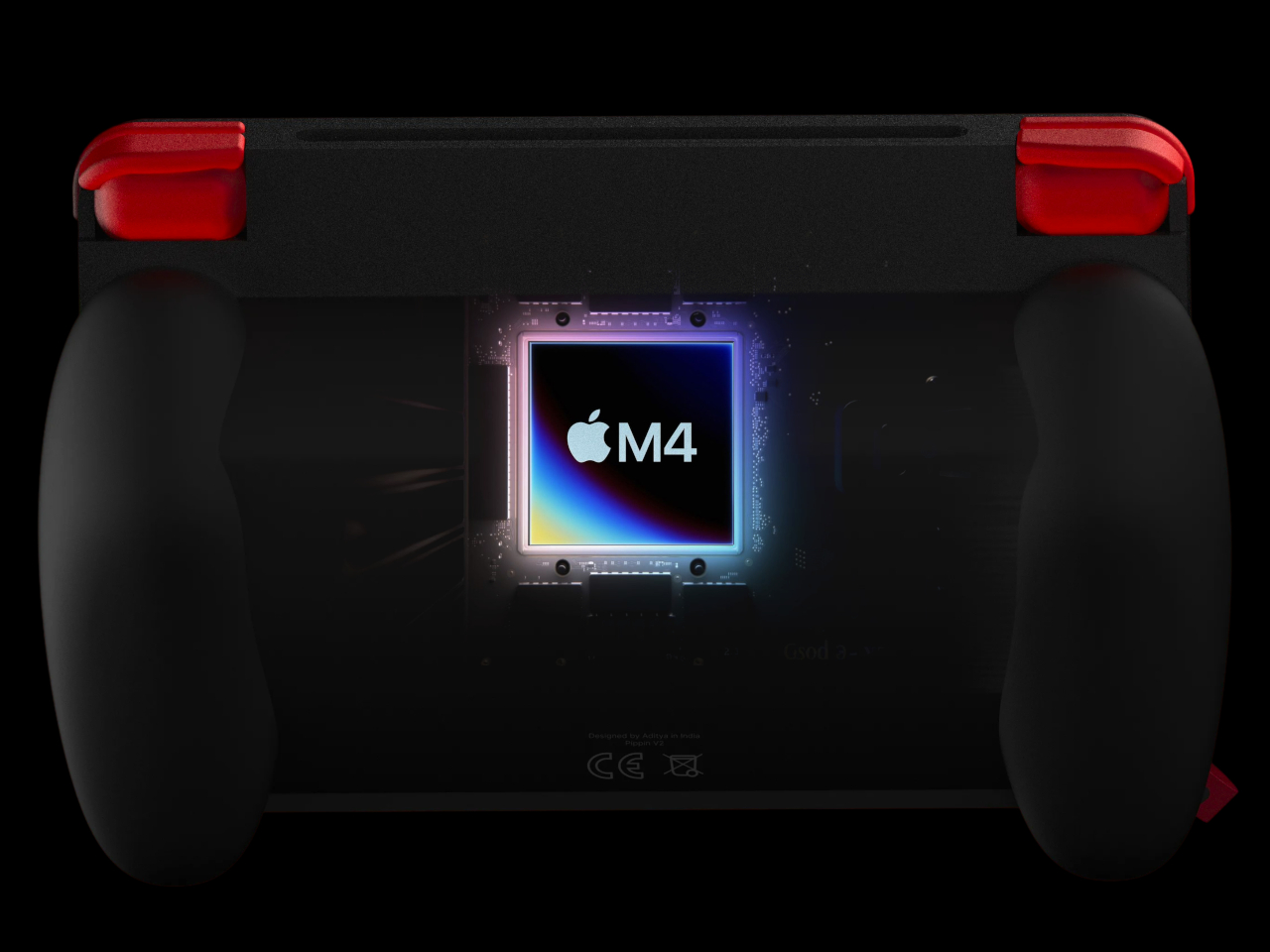
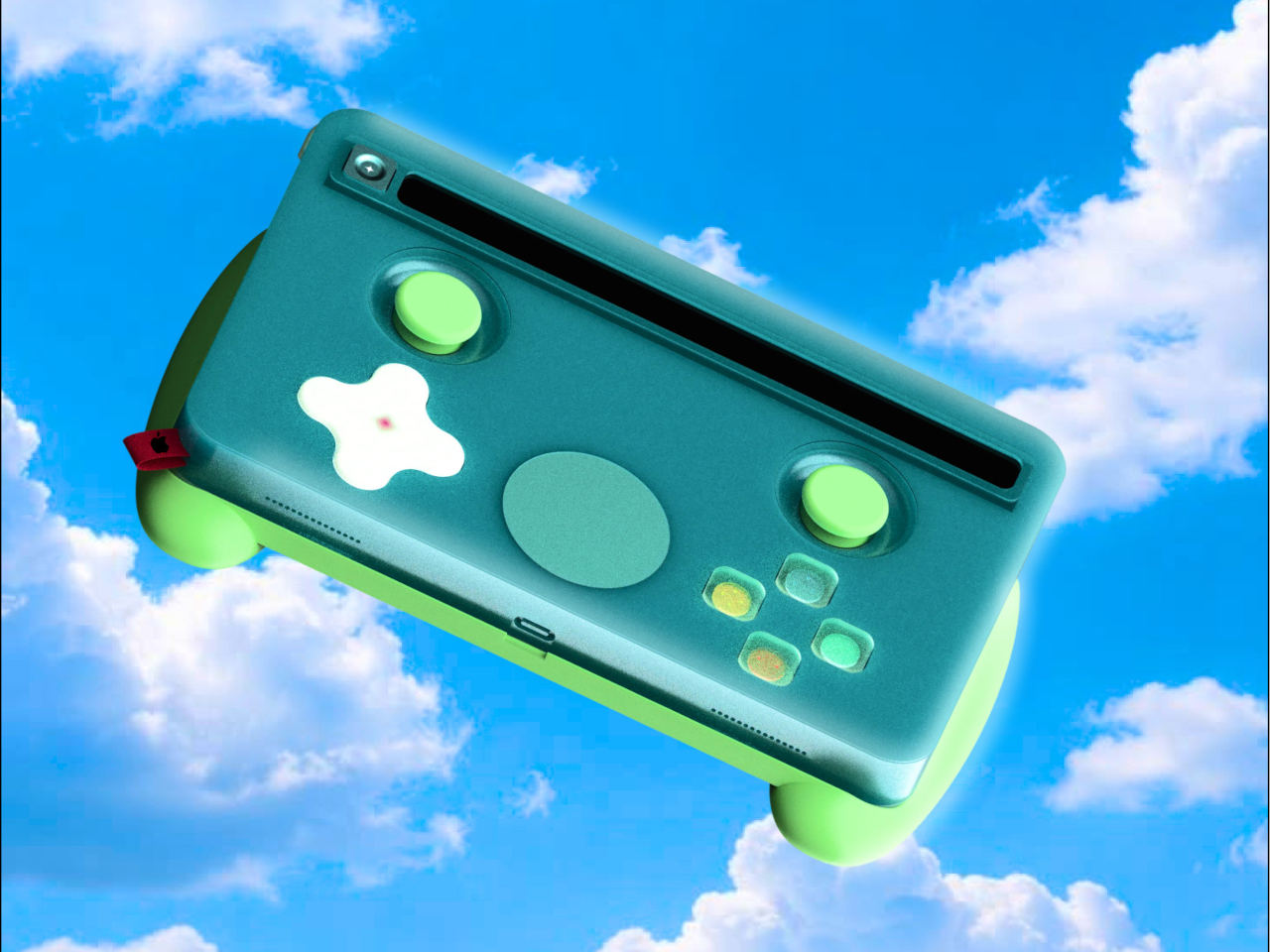
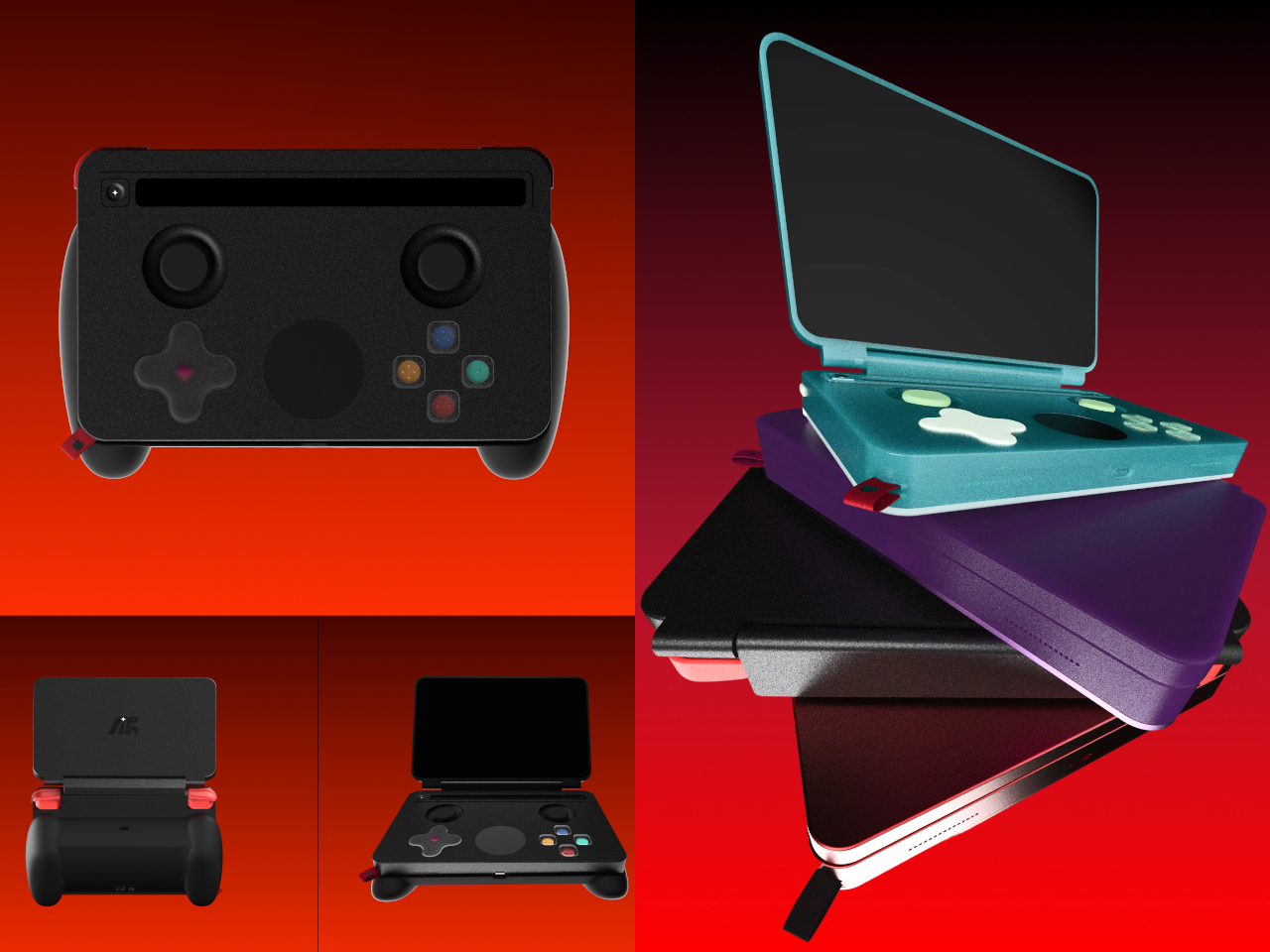
The design breaks into three separable parts. Section A is the display, a panel just 7.5 mm thin that detaches from the controller and works on its own. Section B is the controller and processing brain, housing an Apple M4 chip and the full input layout at 100 by 170 mm. Connect it wirelessly to any screen you already own, and the built-in display isn’t the only option anymore.

The third piece is the battery grip. Most portable gaming devices pit battery life and ergonomics against each other: longer sessions demand bigger batteries, and bigger batteries add bulk and strain. The grip attachment resolves both at once, adding play time while its ergonomic contour eases hand fatigue during extended sessions. Attach it for a long night of gaming; leave it off when you don’t need the extra weight.

The M4 chip is what makes AAA game support credible in this form factor. Apple’s silicon handles workloads that typically require desktop-class cooling and dedicated GPU memory, without the thermal runaway that plagues other handheld competitors. For someone who plays Cyberpunk 2077 or God of War on a home console but wants to continue on a commute, the power ceiling doesn’t require compromising on which games you can actually run.

Cross-device continuity is the other argument for an Apple-branded handheld over another gaming PC alternative. Survey research conducted for this project found that nearly 75% of users were open to handheld gaming, and the biggest complaint about mobile gaming was the lack of physical controls. A device that’s already inside the existing iPhone and Mac ecosystem removes the friction of starting from scratch on a new platform.

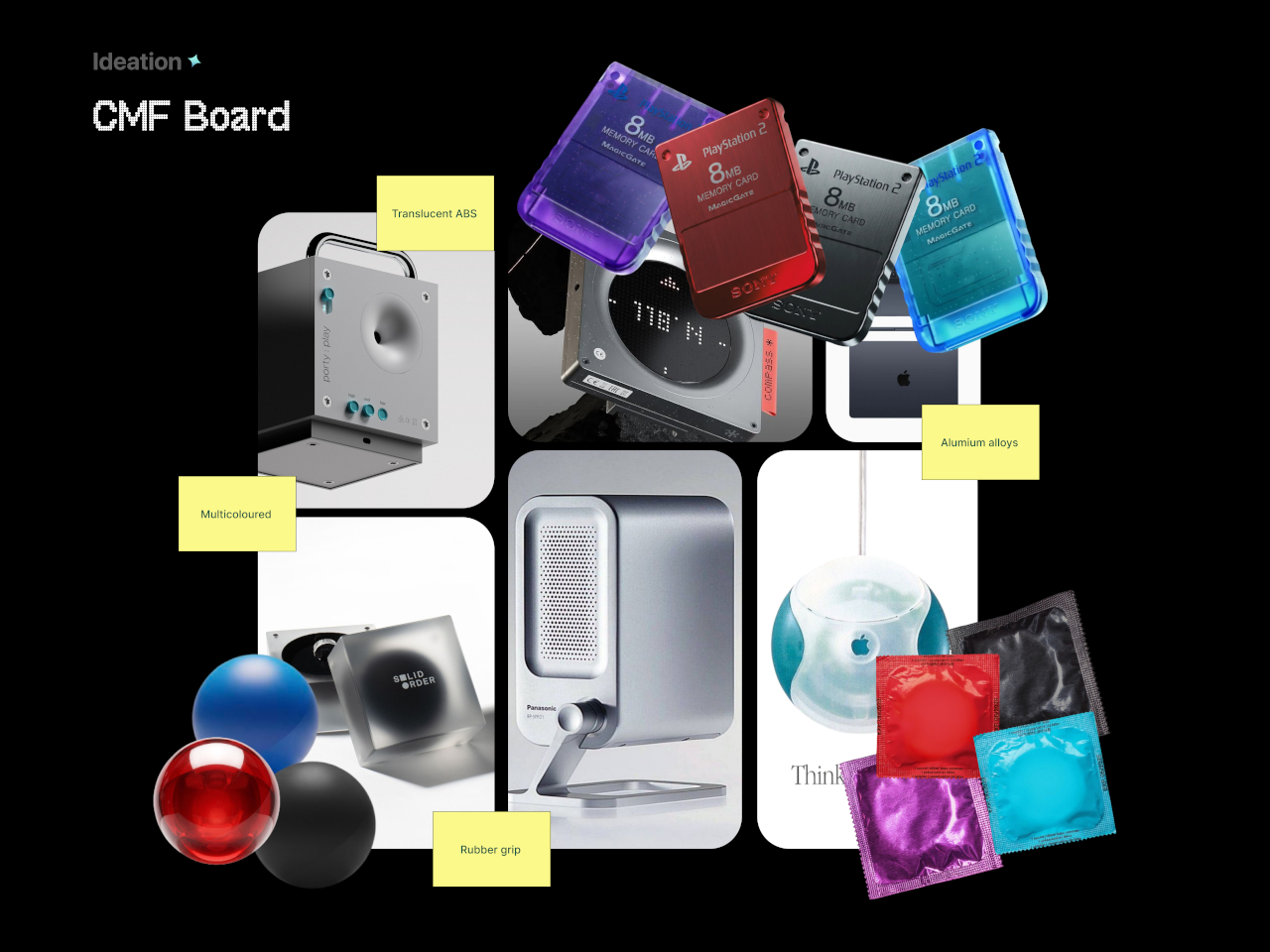
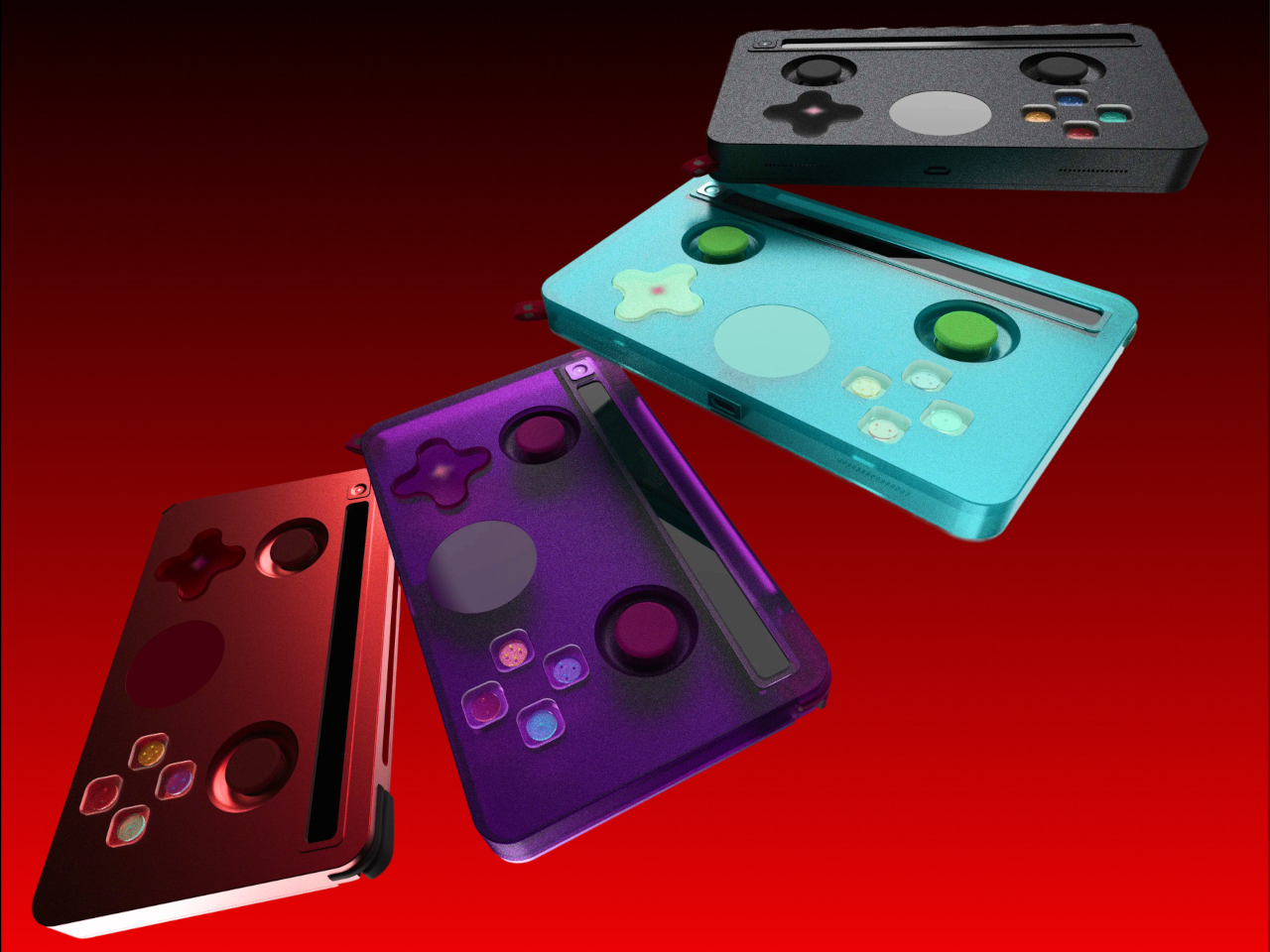
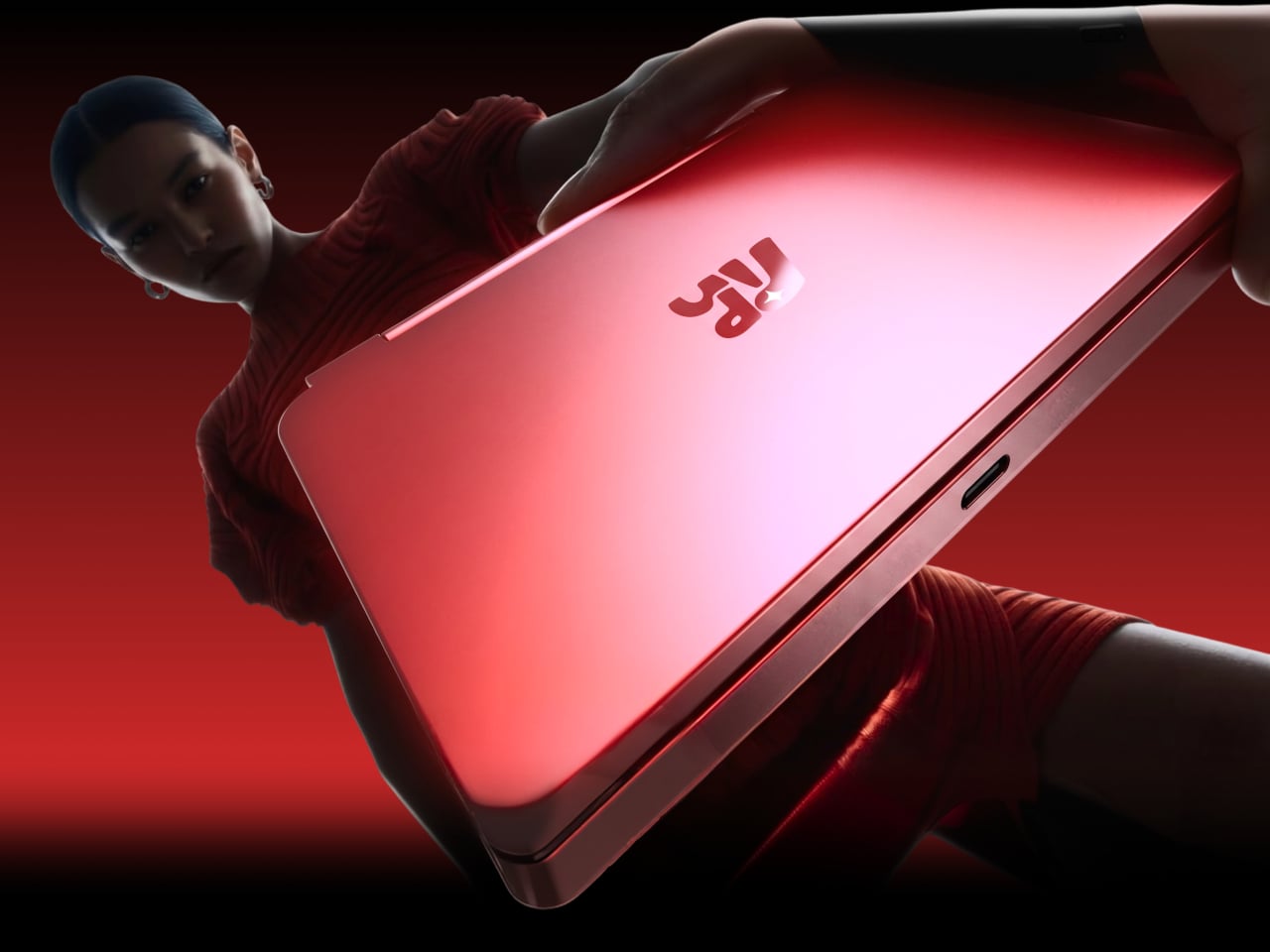
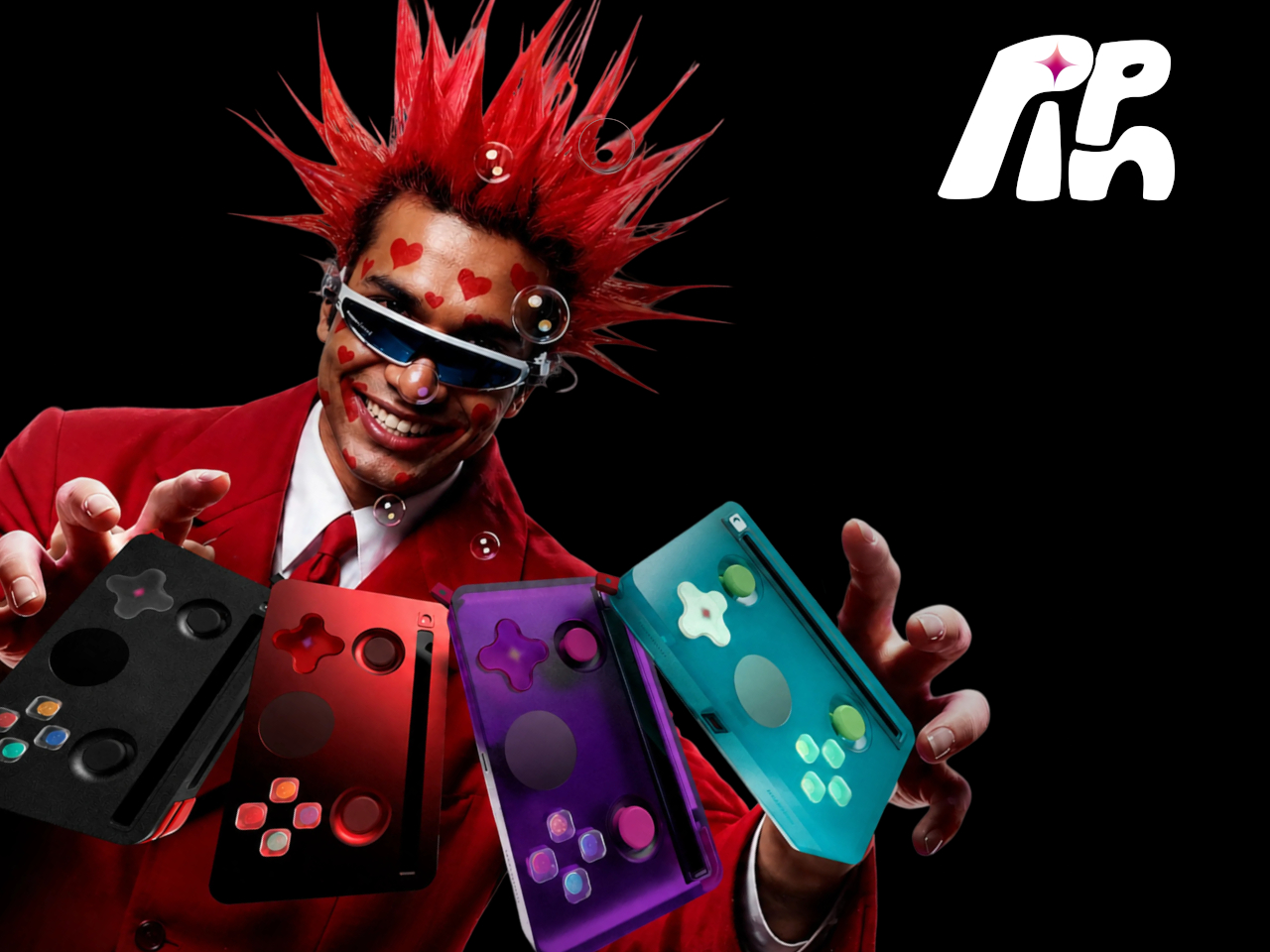
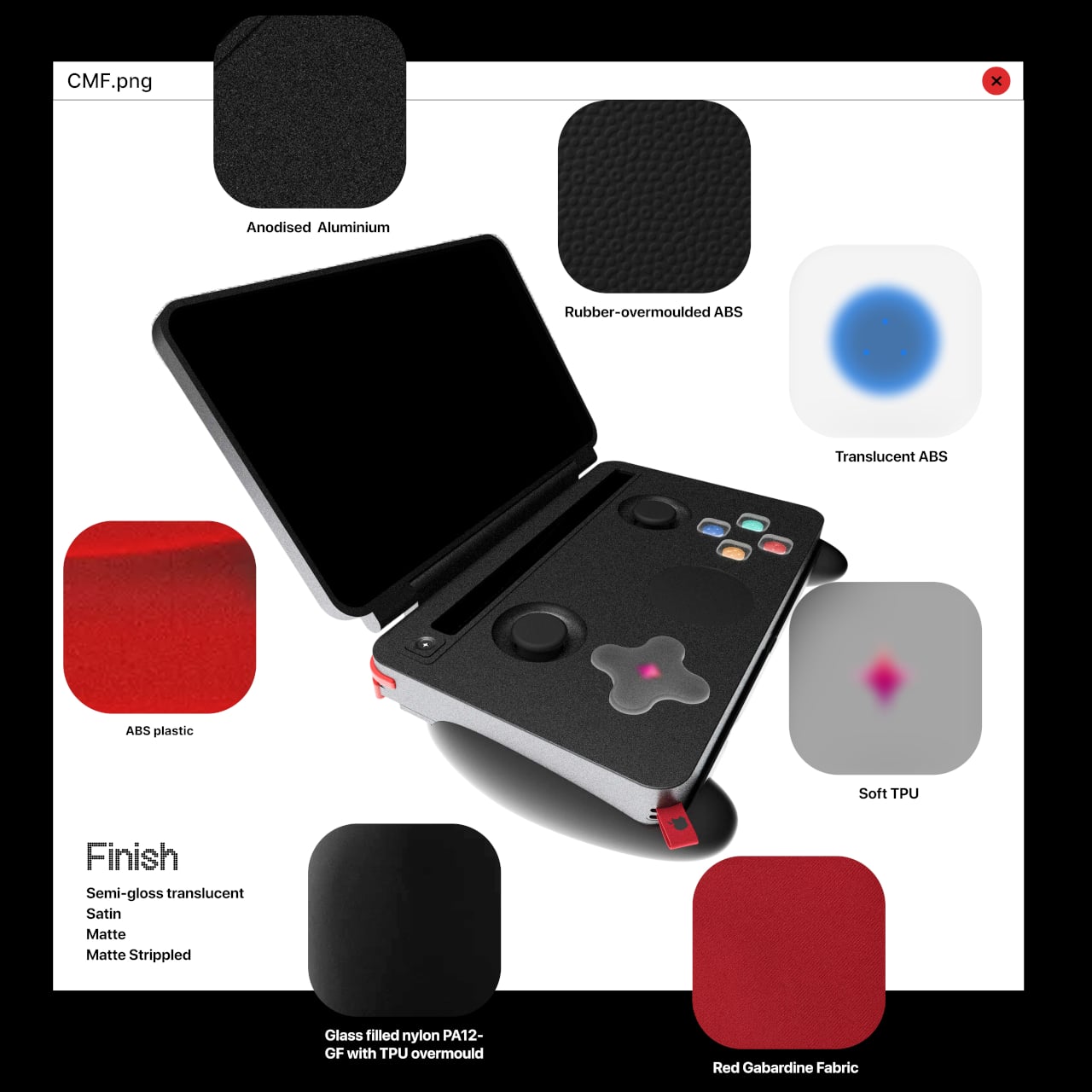
The materials reflect the dual identity between Apple’s refined aesthetic and the tactile demands of gaming hardware. The controller body uses anodised aluminium and ABS plastic, with rubber-overmoulded sections for grip and soft TPU for the control surfaces. There are four color options: Metallic Black, Metallic Red, Grape, and Bondi Blue, each carrying translucent and satin finishes that the iMac G3 would’ve recognized.

Pippin V2 is still a concept, with no indication Apple will actually build anything like it. The gap it addresses is real, though, and the research behind it points to an audience that’s already there. Apple’s biggest untapped strength in gaming has always been its ecosystem, and this concept makes the argument that the same infrastructure powering your iPhone and Mac could power something worth playing seriously.

The post Someone Finally Gave Apple’s Biggest Gaming Failure a Second Chance first appeared on Yanko Design.
Vertu AlphaFold starting at $6,880 makes the Galaxy Z Fold seem ultra-affordable

When mainstream smartphone designs became too generic, the next evolution took the form of foldable phones. These devices, targeted towards power users who want the dual utility of a phone and a tablet in one, are quite popular and becoming mainstream, so much so that their look and feel have again come full circle and become boring. We do live in a pace-paced tech world where every next trend is longing for the next exciting evolution.
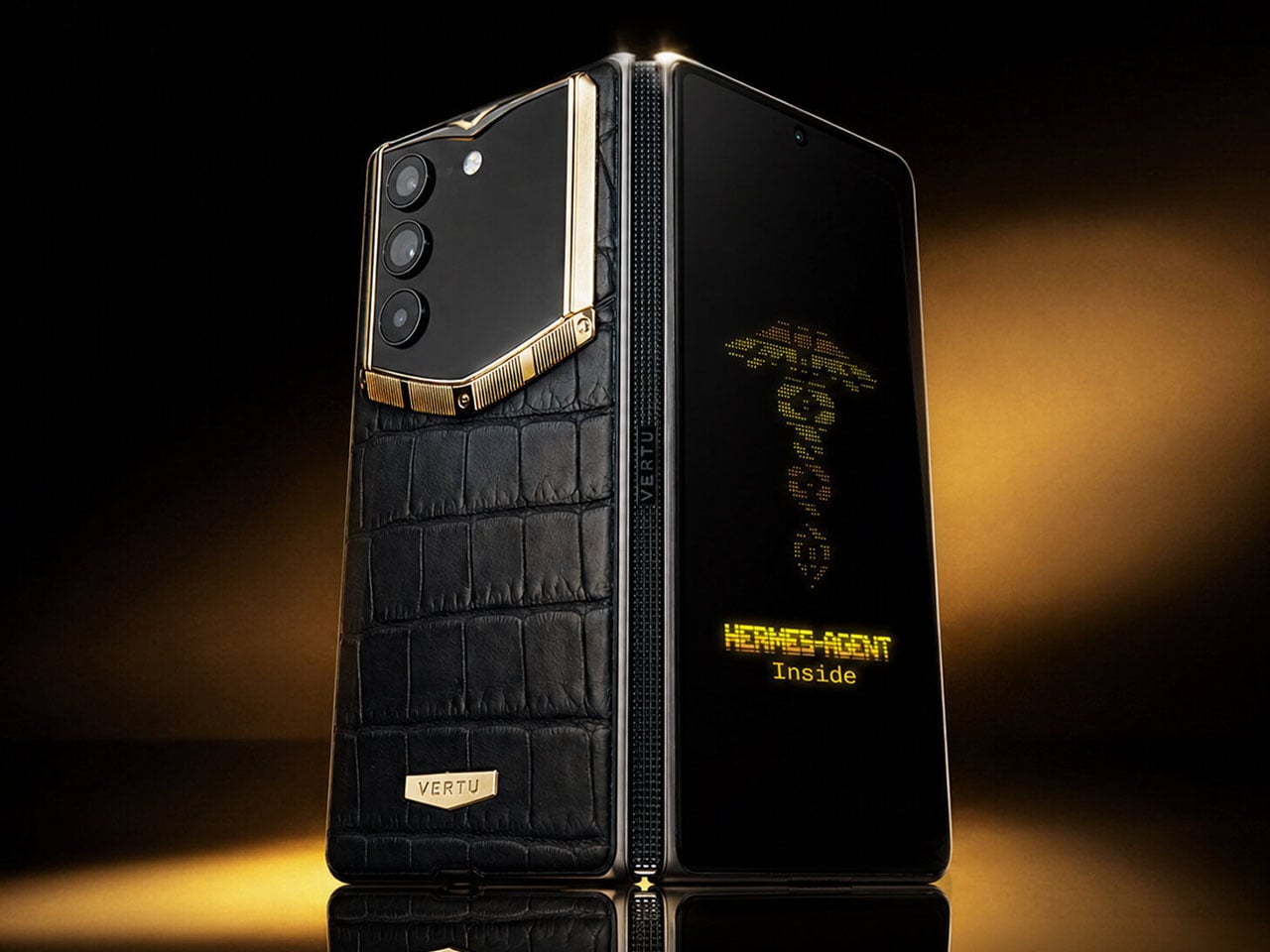
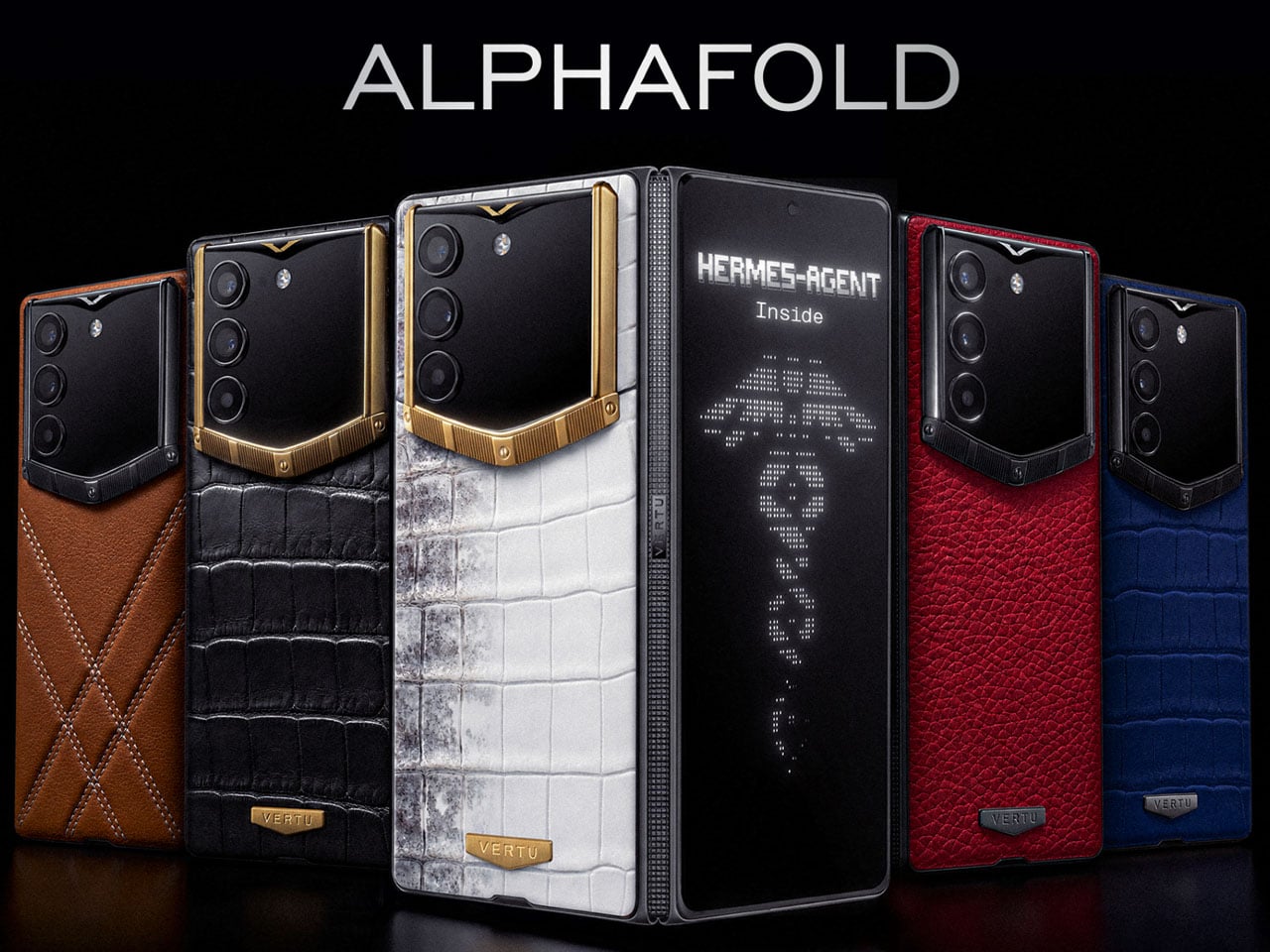
Making all the other foldables on the market feel boring and obsolete as far as design is concerned, the Vertu’s AI-powered folding smartphone is here for fat-pocketed tech whizzes who are willing to shell out anywhere between $6,880 to $46,880. For a price tag as exorbitant as that, the $3,000 Galaxy Z Trifold or the expected-to-be-pricey iPhone Fold also seems reasonable!
Designer: Vertu

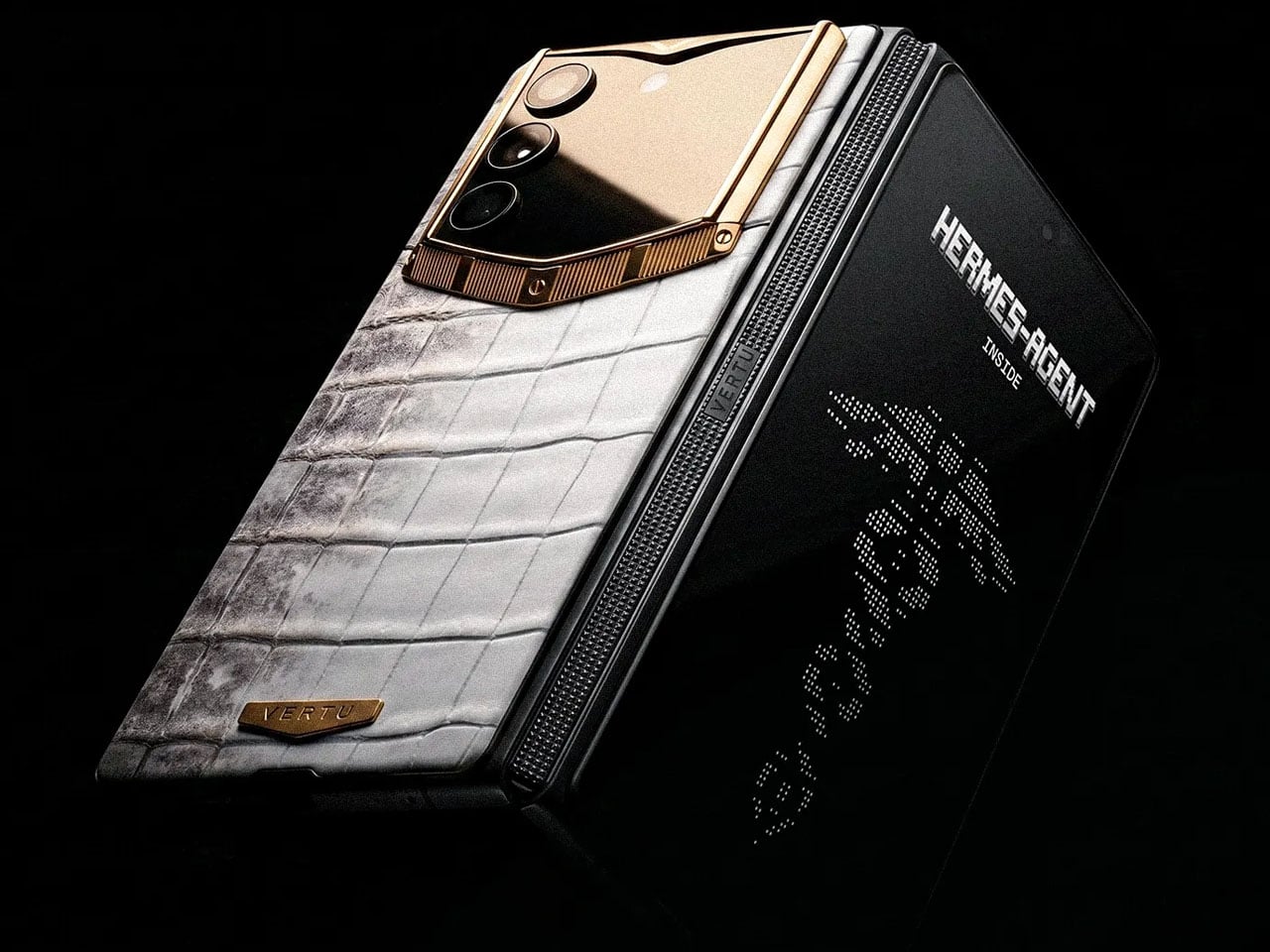
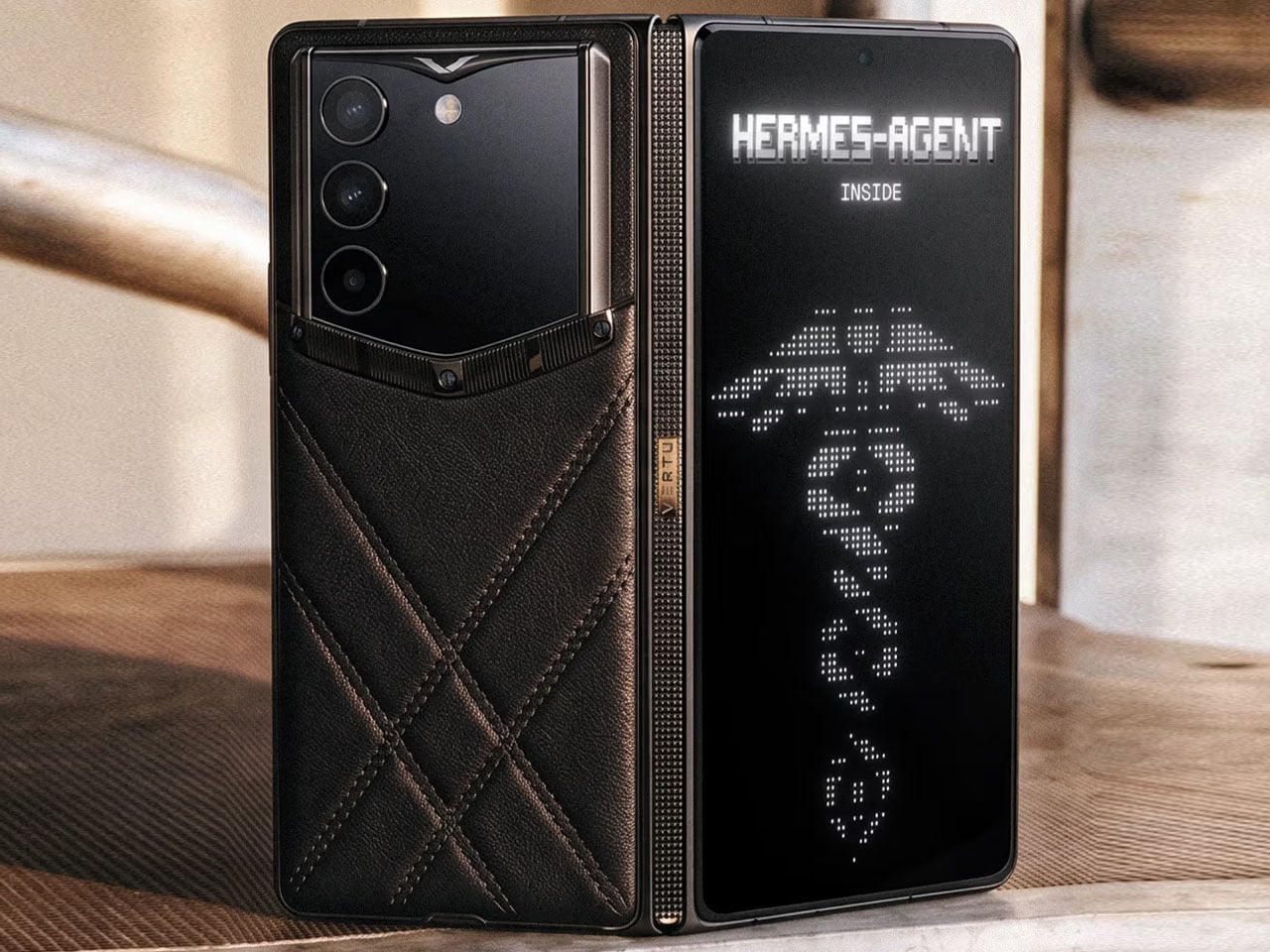
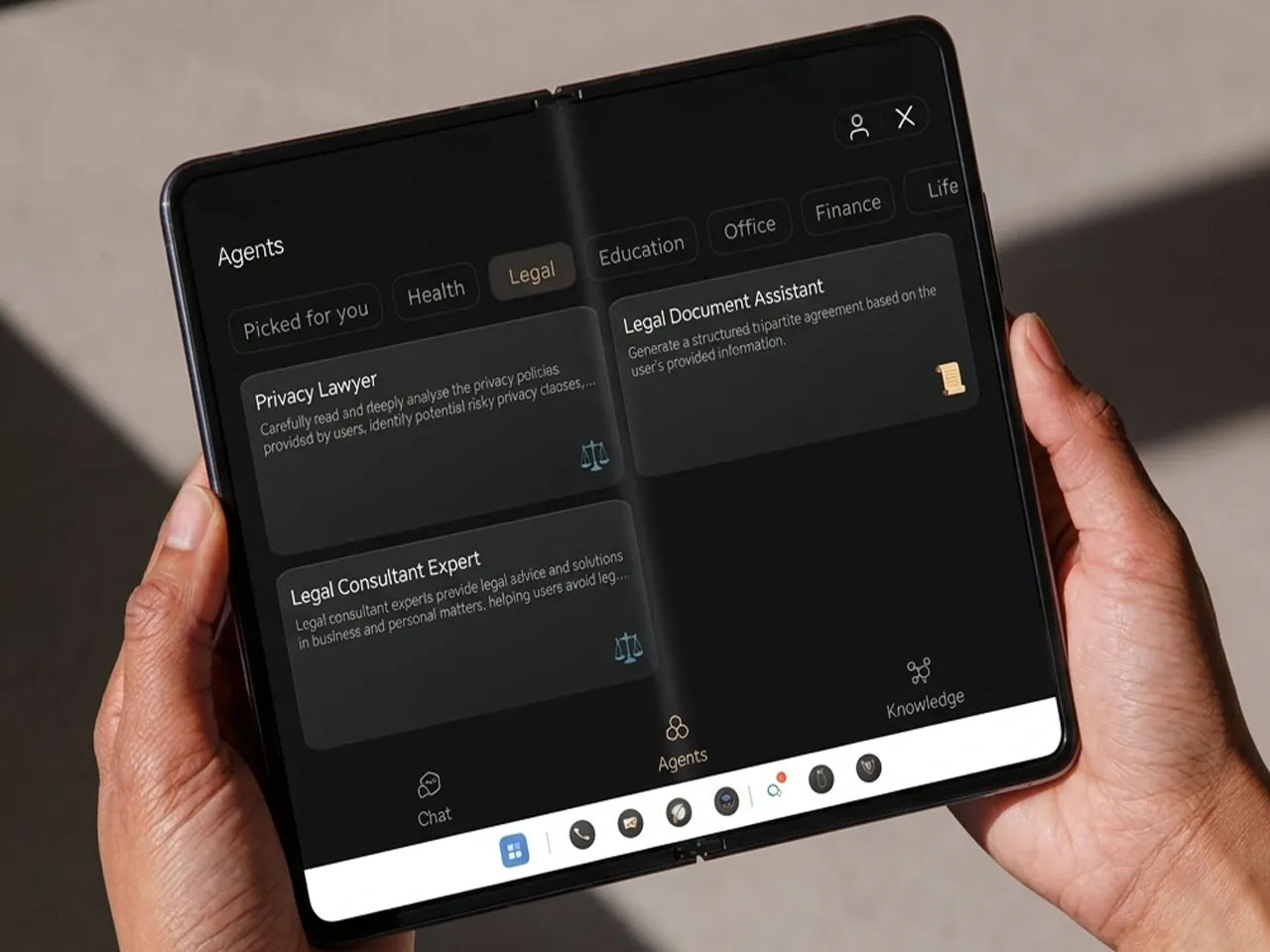
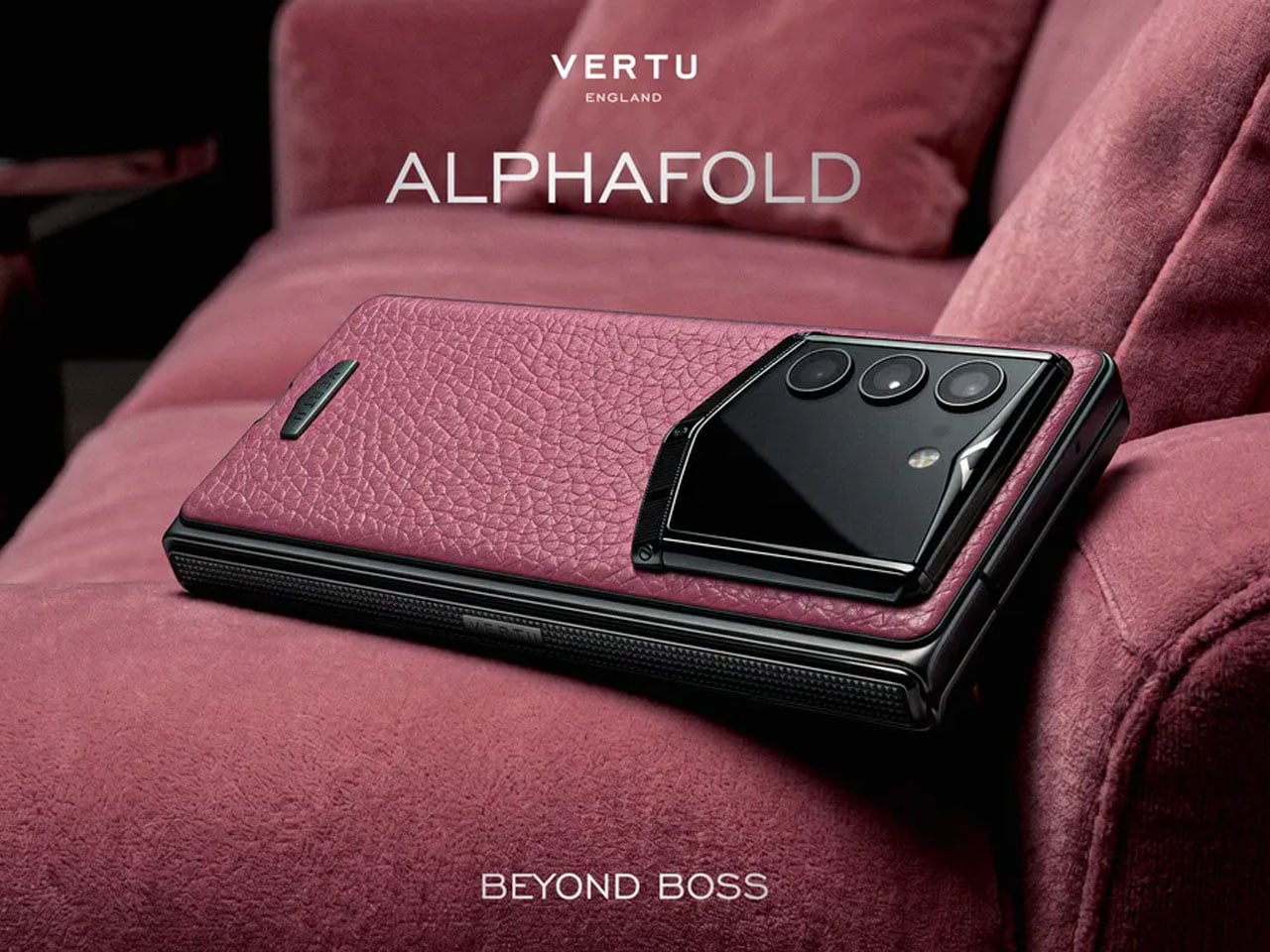
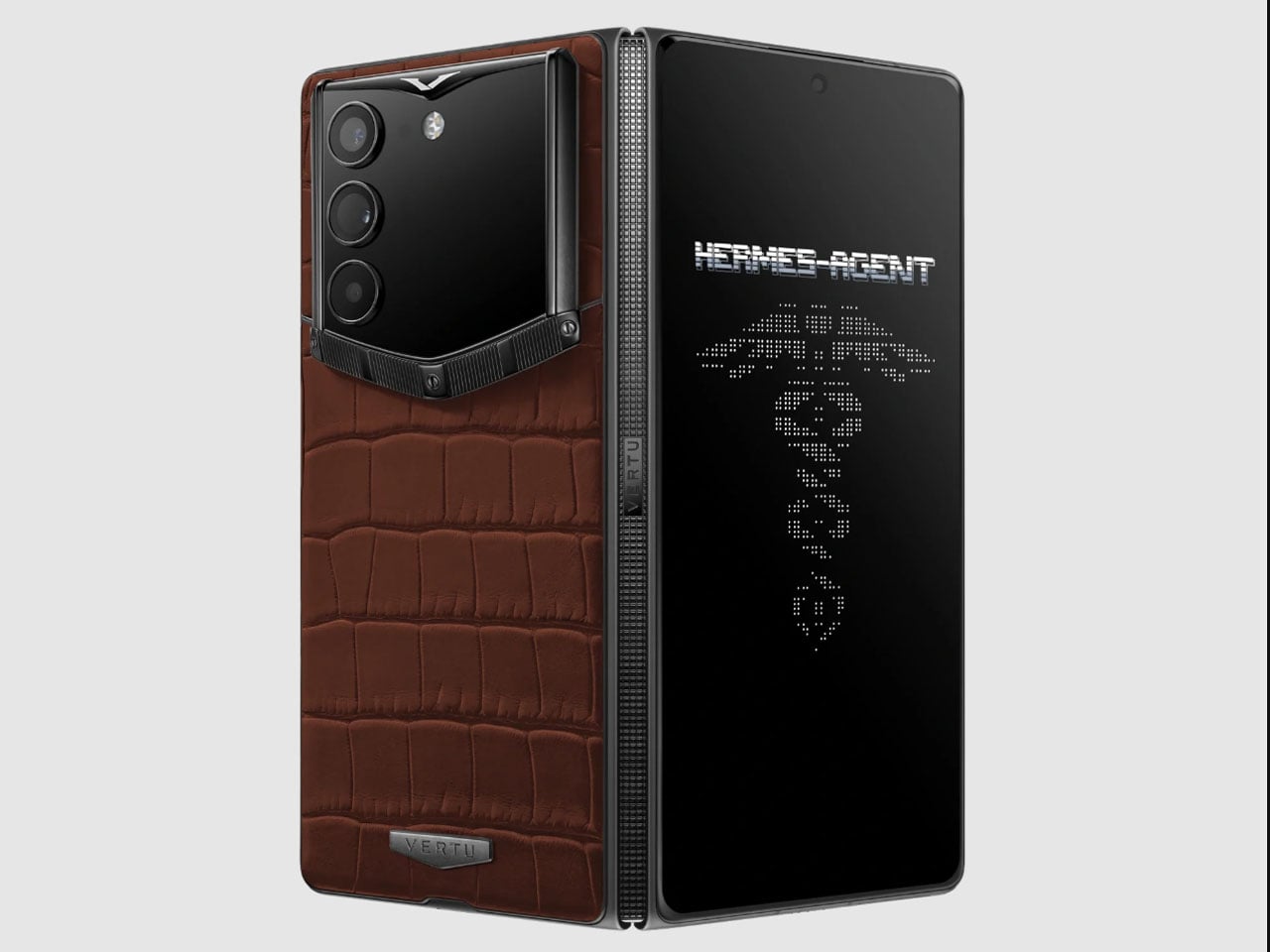
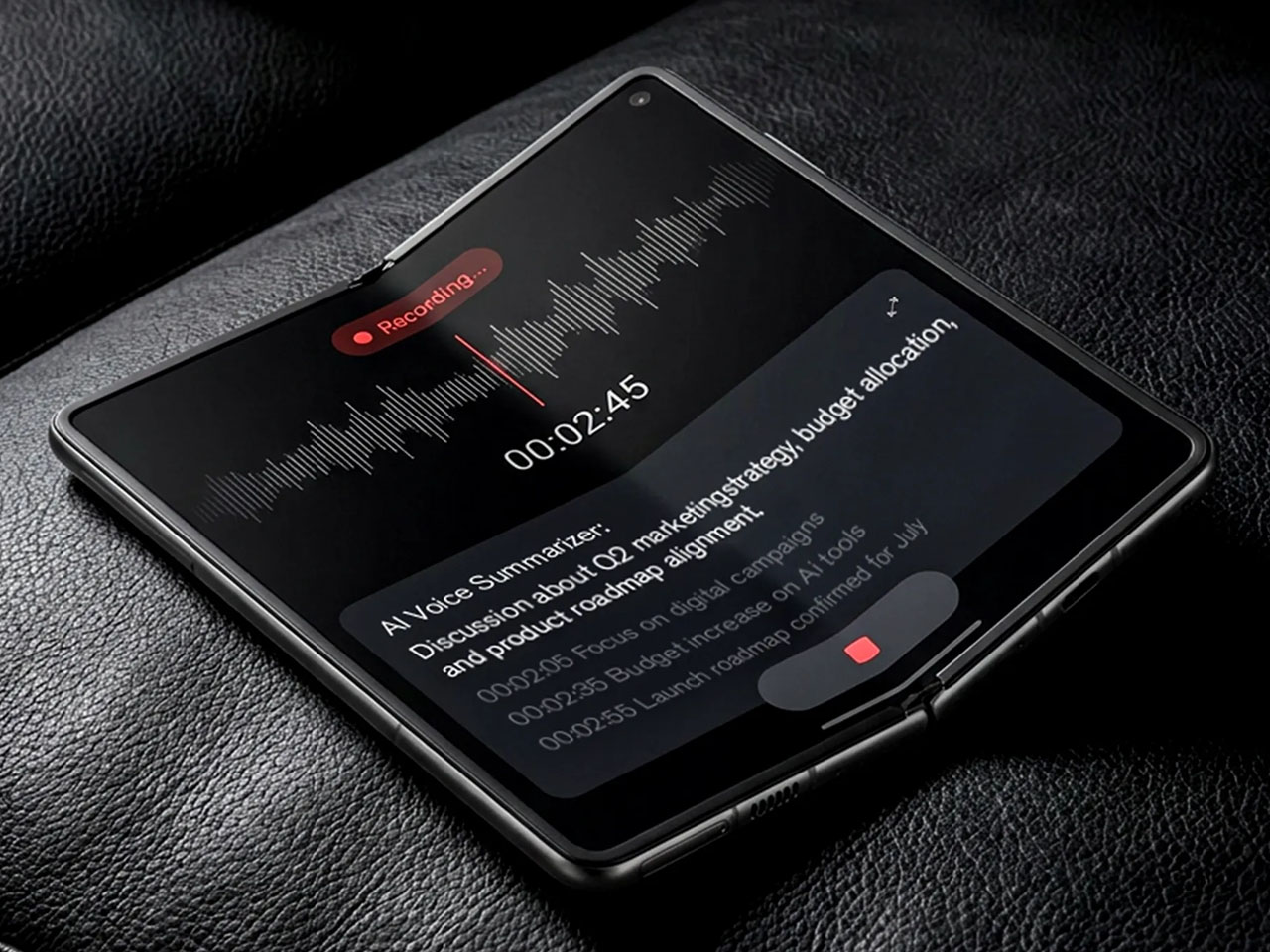
The Hong Kong-based luxury premium smartphone maker has just dropped the Alphafold foldable, which is based on the reskinned Nubia Fold. If bling is your thing, the device goes perfectly well with your lavish lifestyle, even though it doesn’t boast the latest and greatest specifications, considering the eye-watering price tag. In the latter half of 2025, the brand released the AI-powered Agent Q phone, which was equally exorbitant, but this one hits different. The Android foldable comes with a business-oriented AI dubbed Hermes Agent that is tailored for completing productivity tasks thrown at it.

Things like managing workflows, schedules, and business tools, or simply identifying a sudden drop in sales attributed to hidden issues. Hermes can seamlessly interact with a suite of apps like Google’s tools, Amazon Shopping, Expedia, Booking.com, X, Facebook, WhatsApp, and many more. The agent works with the Enterprise Resource Planning (ERP) software, organizing all your business-related activities into a single dashboard.

Vertu’s custom UI on top of the Android 15 layer manages all this for a custom solution. Since you’ll be sharing a lot of personal and professional data with the in-built AI, Vertu promises the device-level security systems via the A5 security chip only process the data locally, and sensitive information like financial transfers or assigning roles still requires the user’s permissions in real time. The maker extends the concierge service beyond the AI agent, offering human managers to handle needs such as booking private jets or gaining access to exclusive events.

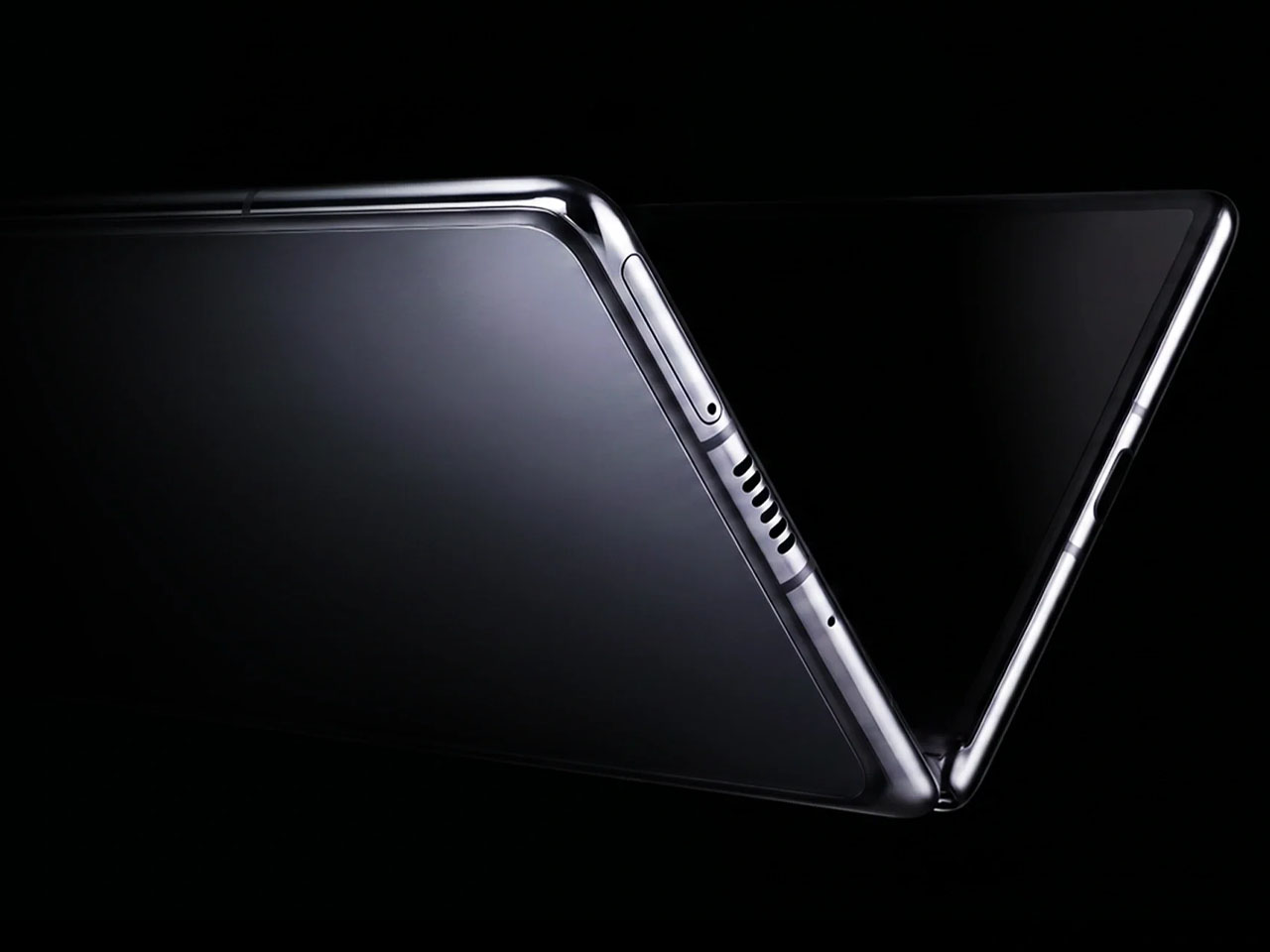
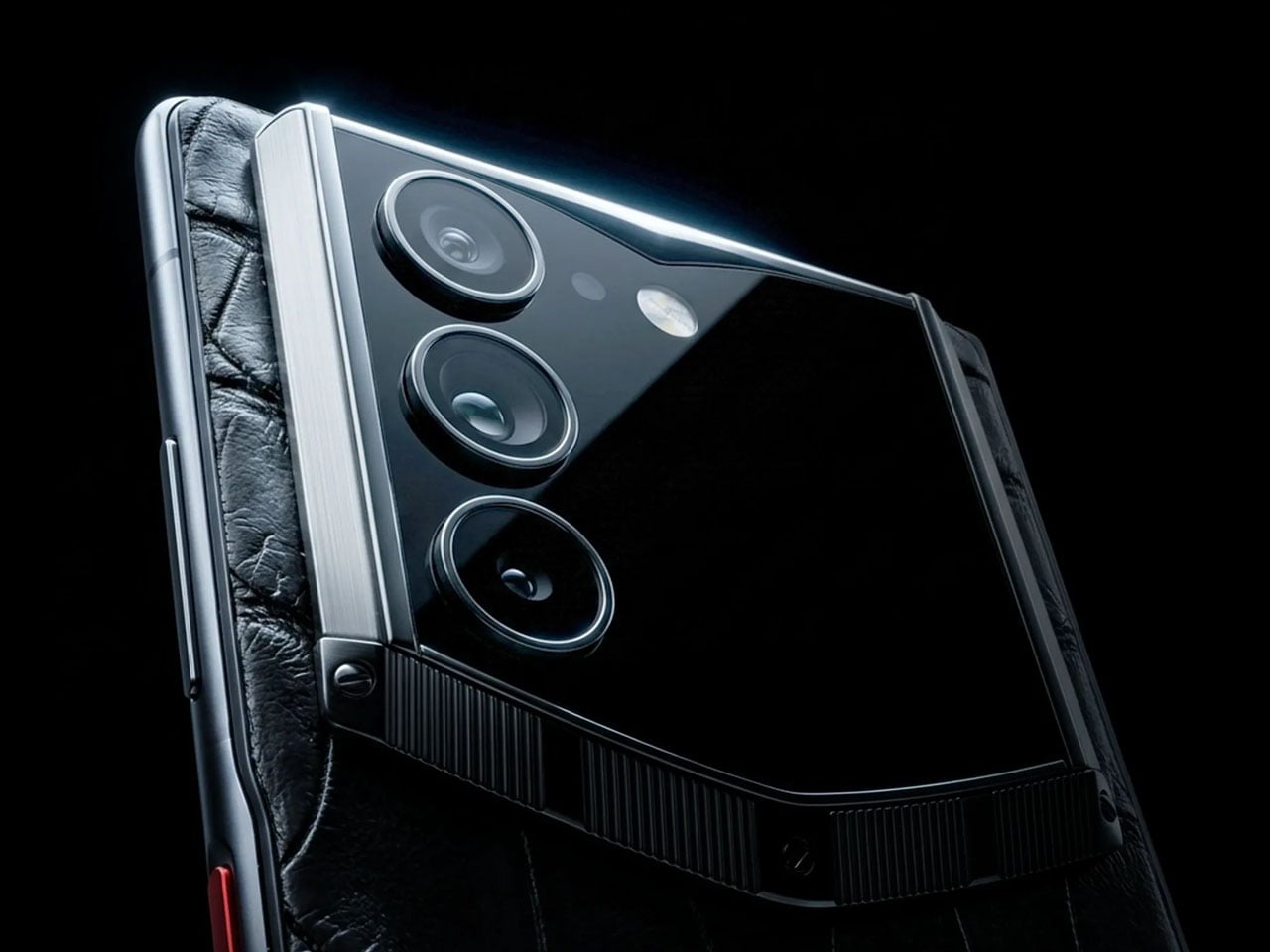
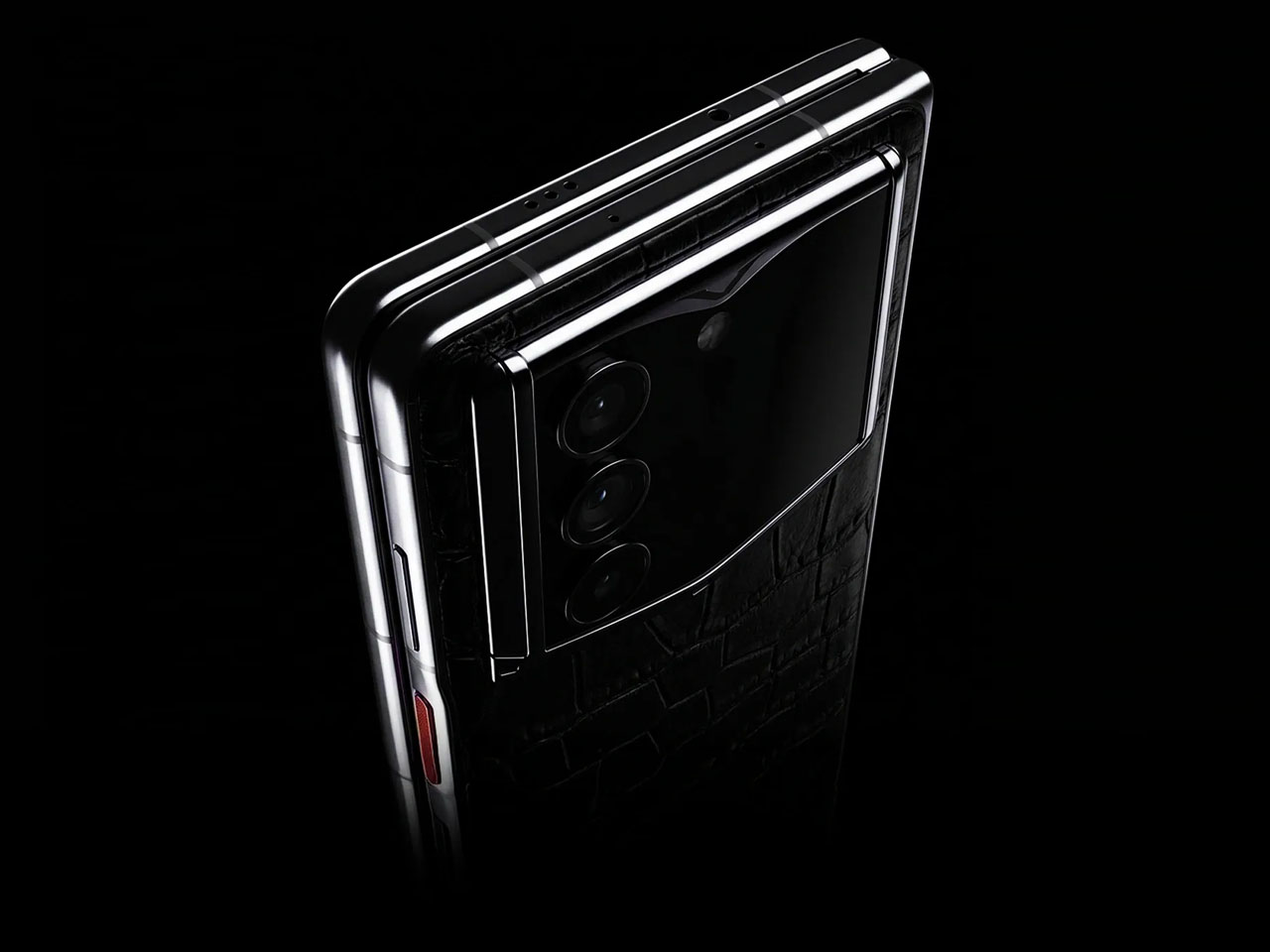
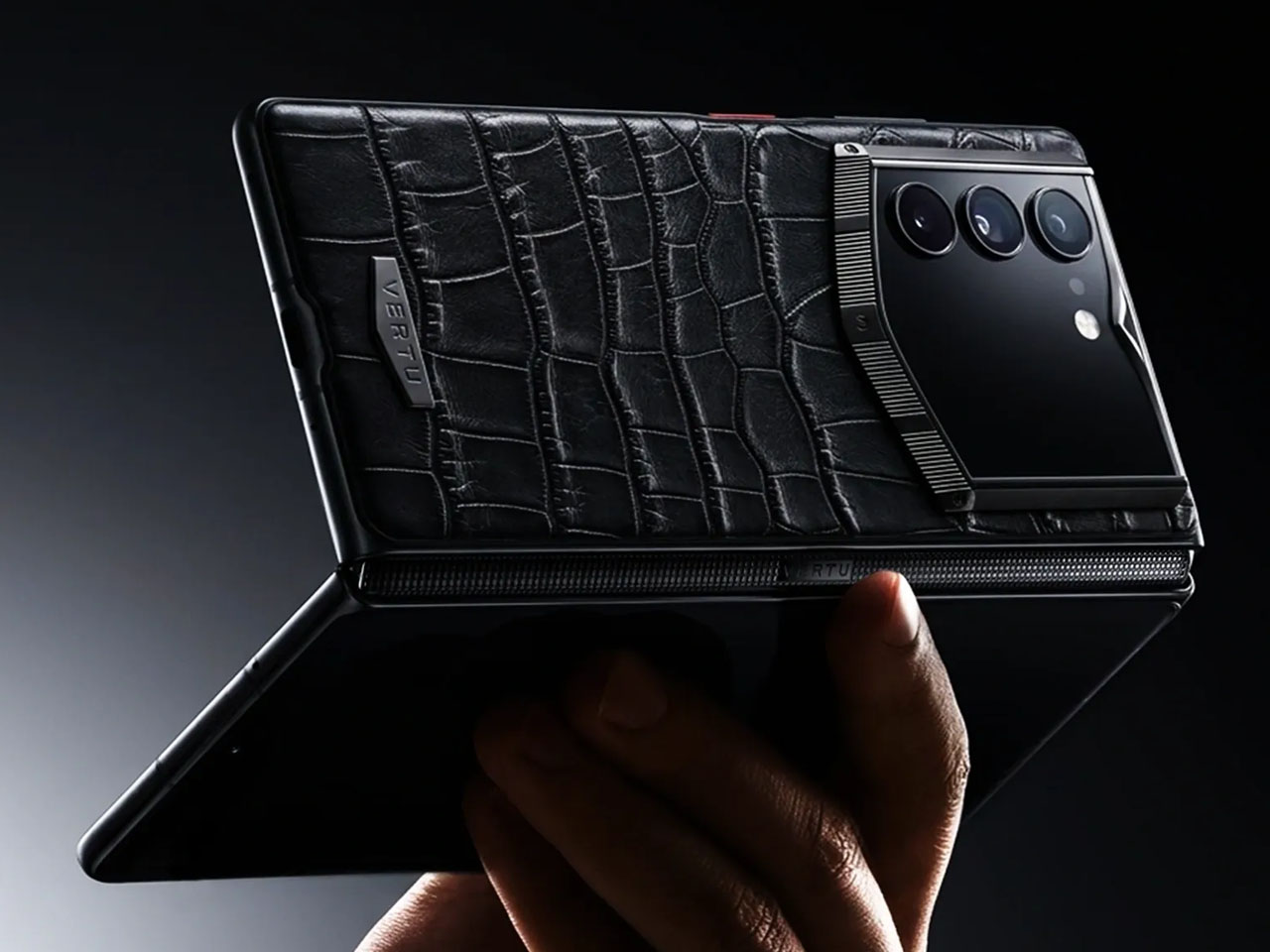
Coming on to the hardware, AlphaFold comes with a primary creaseless folding display measuring 8.05 inches (2480 x 2200 pixel resolution), and an external screen that measures 6.53 inches (2748 x 1172 pixel resolution). Both the screens are LTPO OLED’s with a refresh rate of 120Hz, and shielded on the sides with the carbon fiber and titanium hinge that can withstand 650,000 folds. Powering the innards is the Snapdragon 8 Elite Gen 4 processor; however, we wished it had the latest Elite Gen 5 SoC. The CPU is mated to 16GB RAM and has a fixed storage capacity of 1TB. The phone gets a rear triple camera array including a 50-MP primary sensor, a 50-MP ultrawide camera, and a 5-MP telephoto lens. In the mix is a modest 20 MP selfie camera. The device gets a 6,500mAh silicon-carbon battery, which can be fast charged with a 68W wired charger, and wireless charging support.

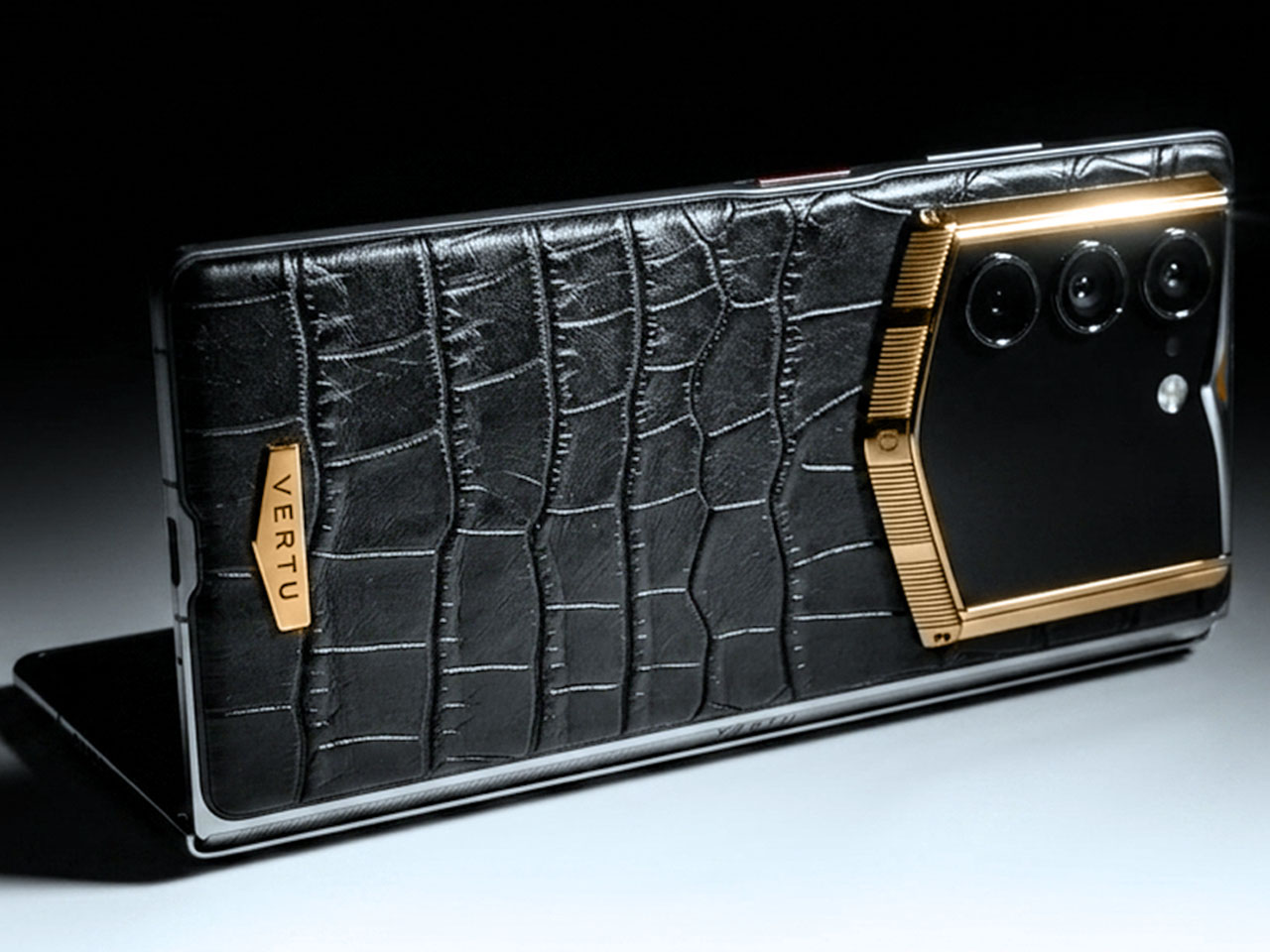
Talking point of the smartphone is the use of premium materials in the back panel that is handcrafted from Calfskin (priced $6,880), or Italian alligator belly leather (price tag of $8,880 – $13,800), depending on the color and variant chosen. You can also all-in with Himalaya Gold IV or diamond inserts that’ll set you back $46,880. Have that amount of money to spare on a phone without breaking a sweat? Then you can pre-order it right away, globally.

The post Vertu AlphaFold starting at $6,880 makes the Galaxy Z Fold seem ultra-affordable first appeared on Yanko Design.