This Traditional Japanese Home Was Brought Back to Life by Opening It Up to Everything Around It

Returning home is a deeply intentional process. Not just to a place, but to a life — one shaped by memory, family, and the particular quality of light that falls through a familiar window. That is precisely the spirit YNAS brought to House in Miyakonojo, a renovation and extension of a traditional timber home in southern Japan that quietly redefines what it means to belong somewhere.

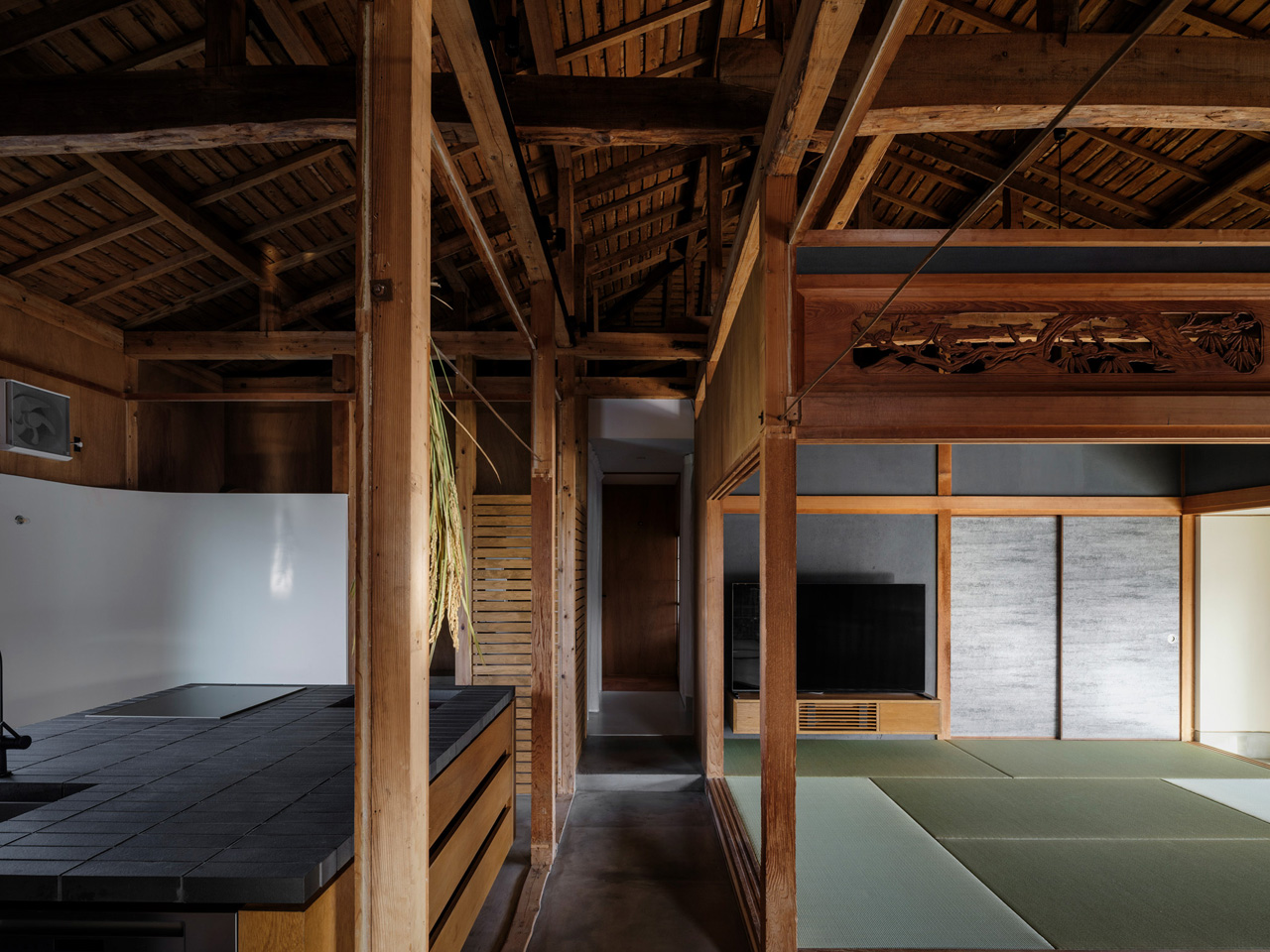
The project began with a couple who, after raising their children and shifting careers, chose to return to the wife’s ancestral home in Miyakonojo to live alongside her father. The house carried history in its bones — a traditional layout of rooms partitioned by sliding screens, arranged off a dark, L-shaped corridor that kept the living area, kitchen, dining room, and bedroom firmly separated from one another. It was a home that had turned inward, closing itself off from both the people inside and the landscape beyond its walls.

Designer: YNAS

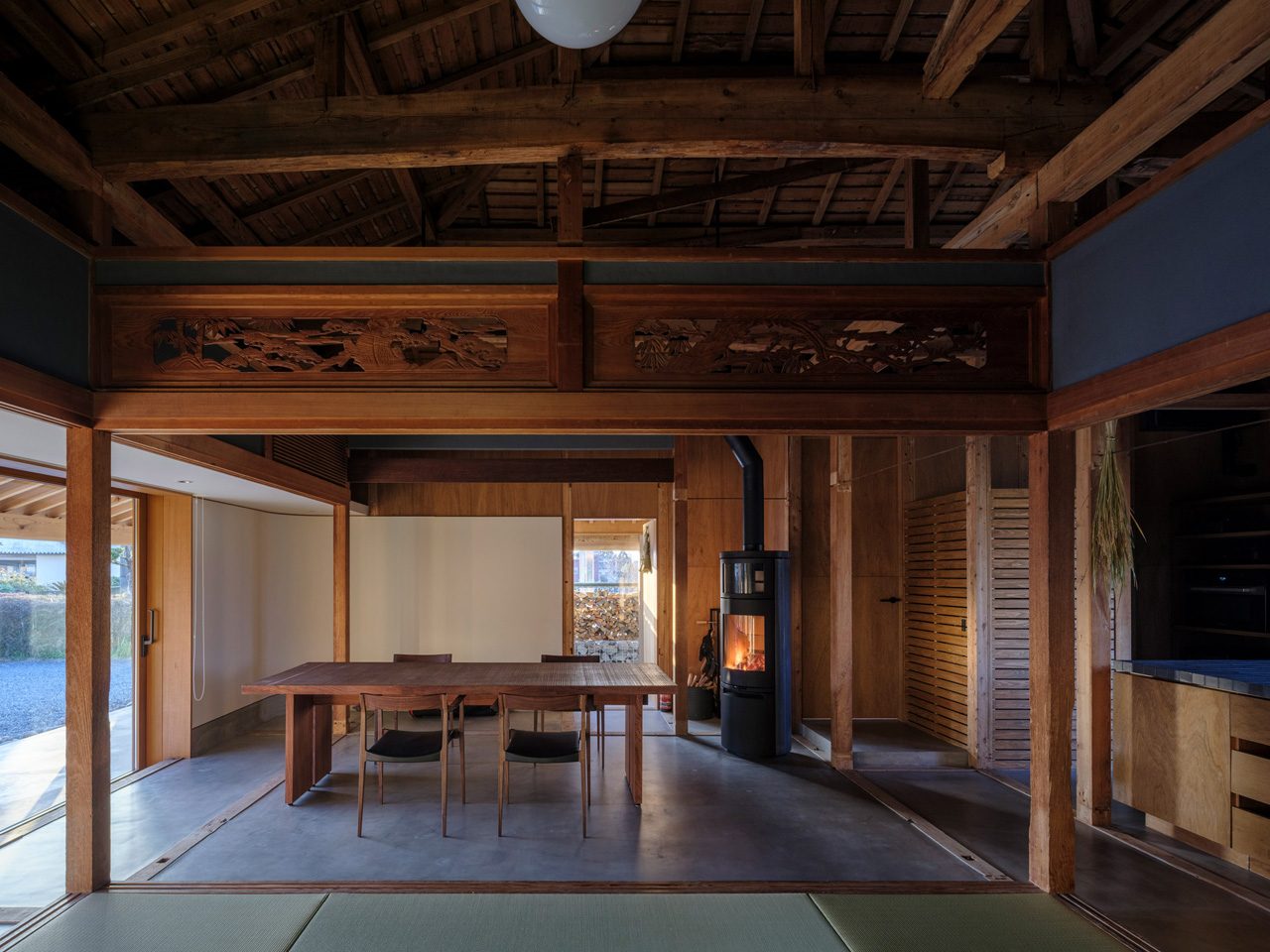
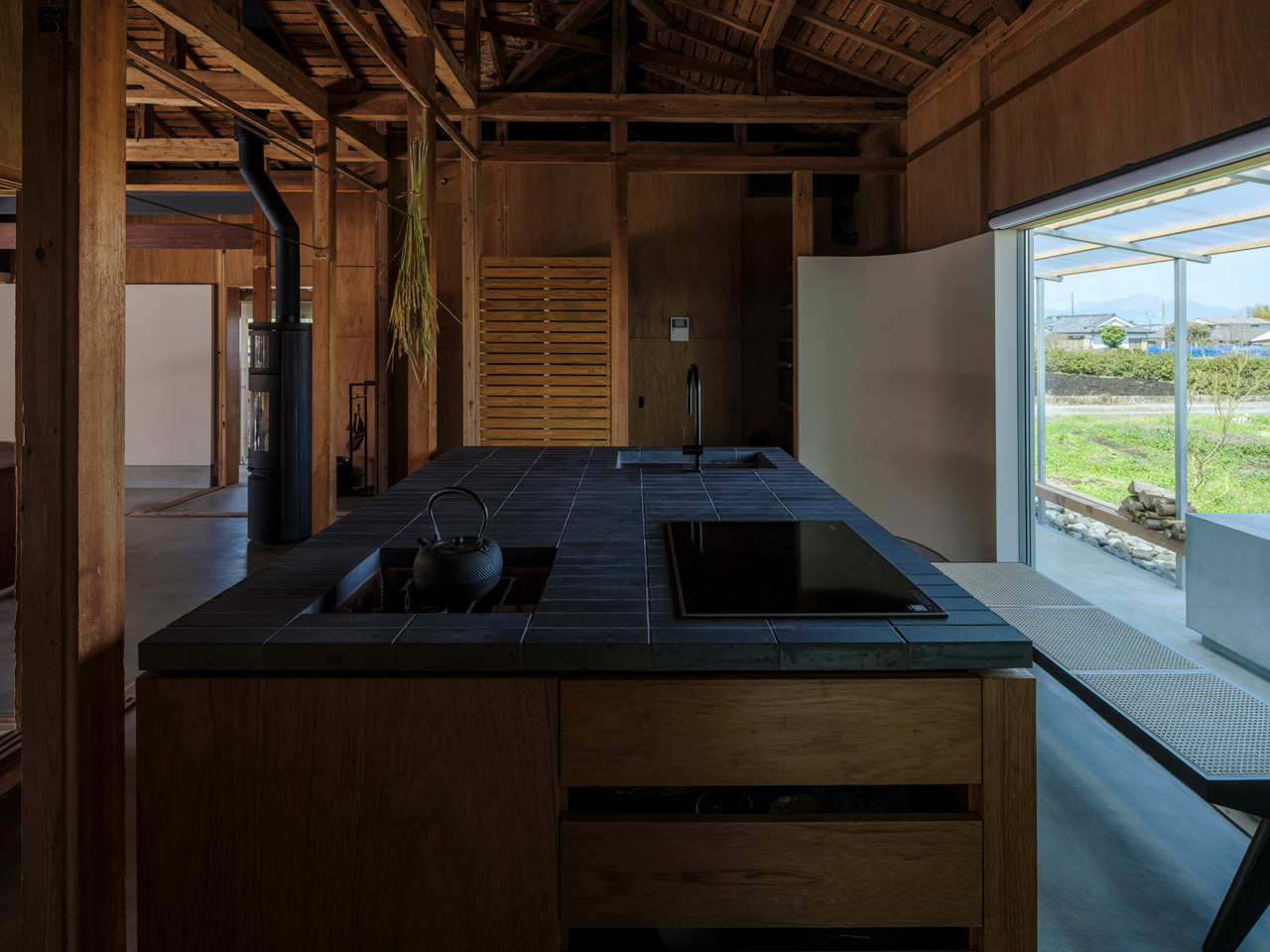
YNAS dismantled that introversion entirely. The studio opened up the cramped internal layout, dissolving the rigid partitions to let space breathe and flow the way a home shared between generations should. The transformation is not just structural — it’s philosophical. The design rejects the idea that privacy requires enclosure, leaning instead into a more generous, paradoxical logic: that openness itself can become a form of protection.

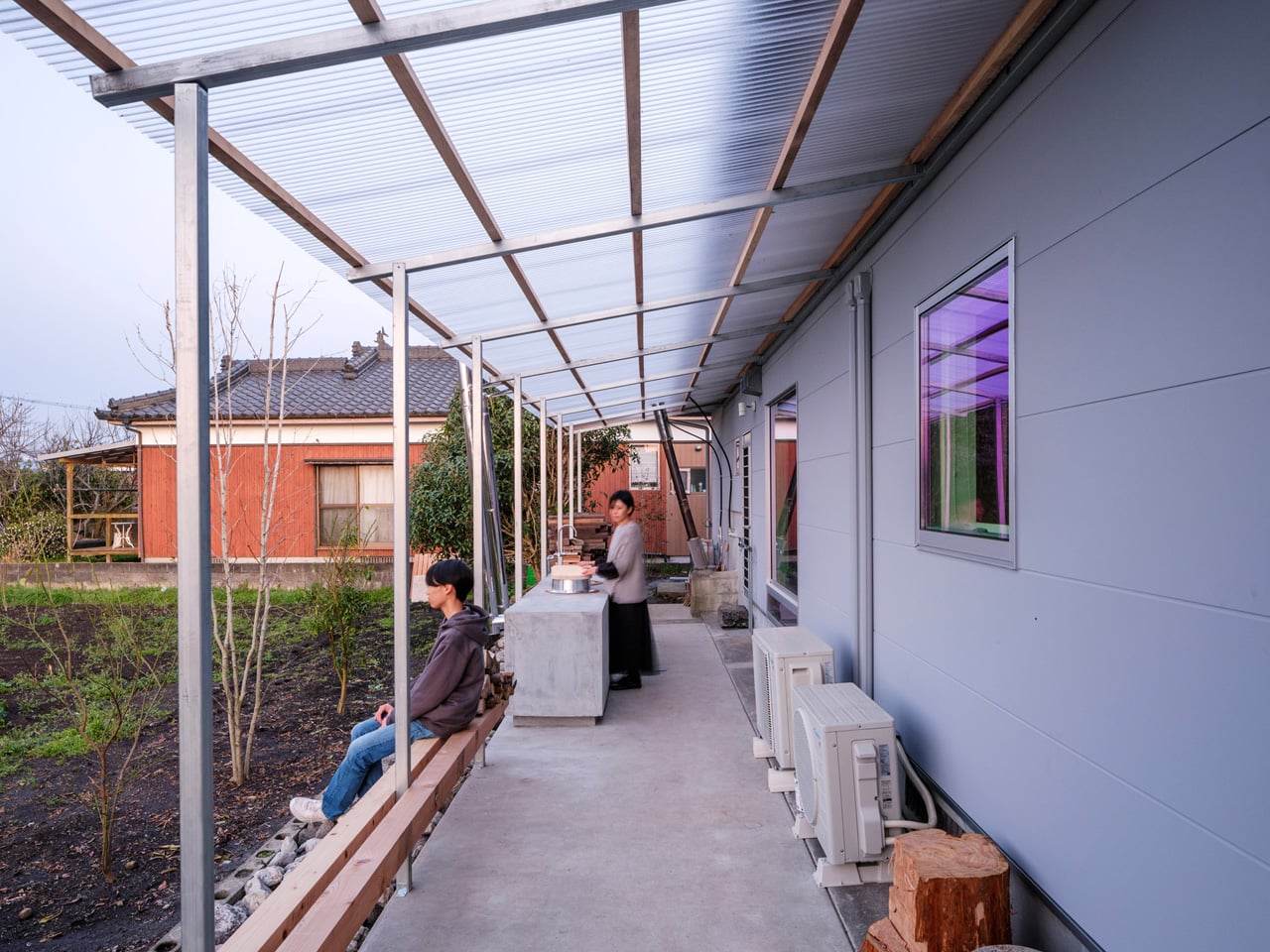
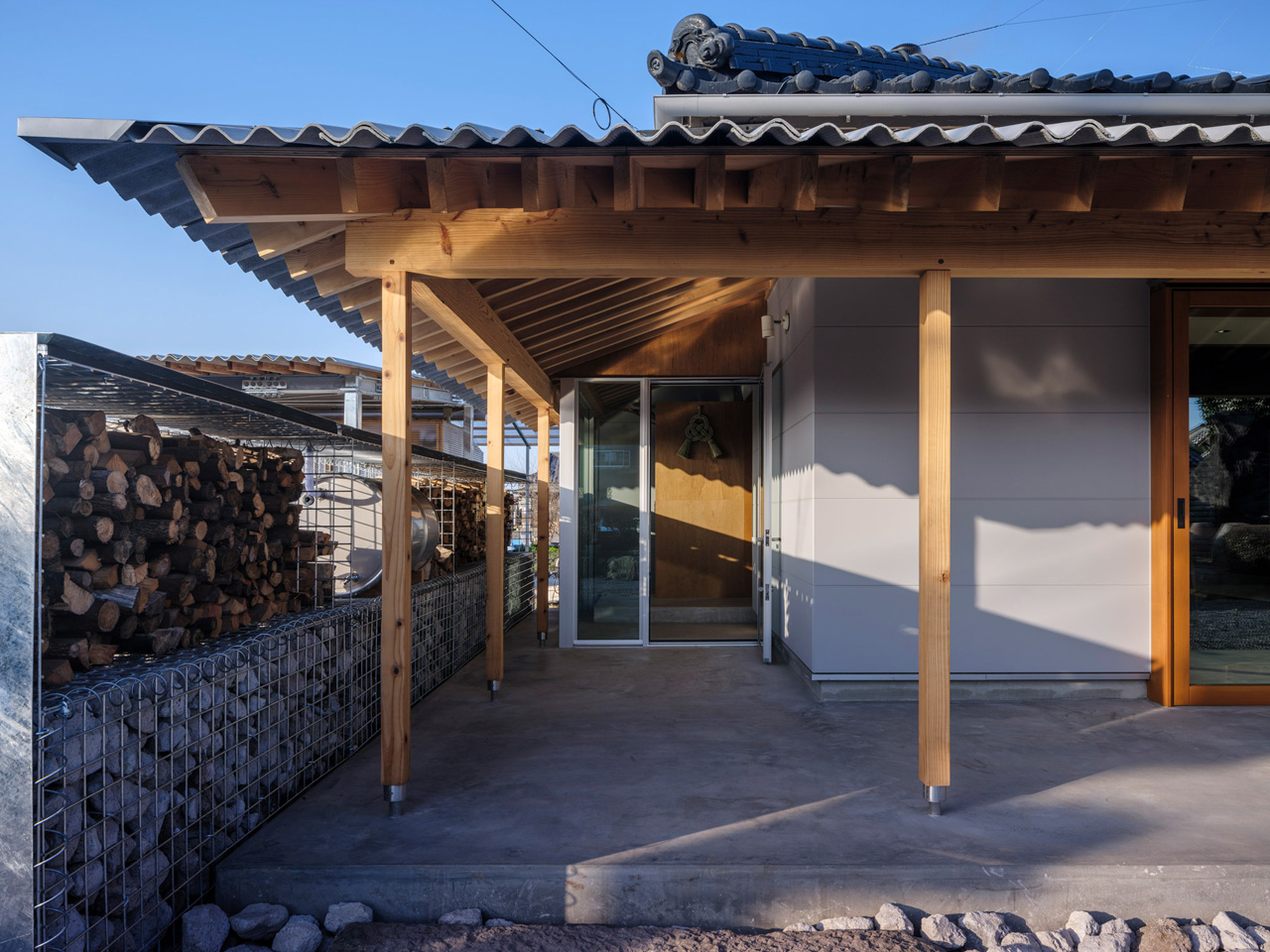
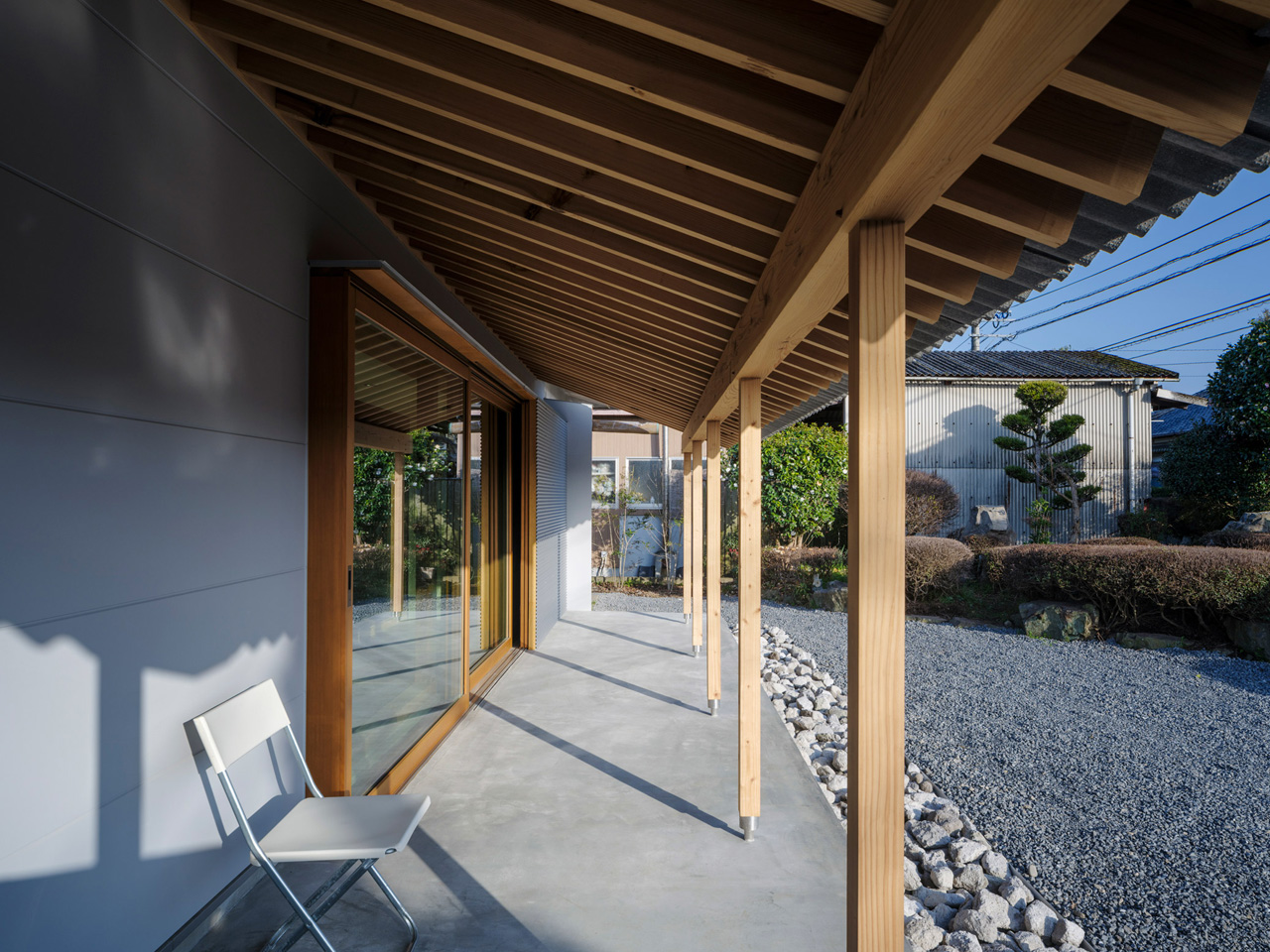
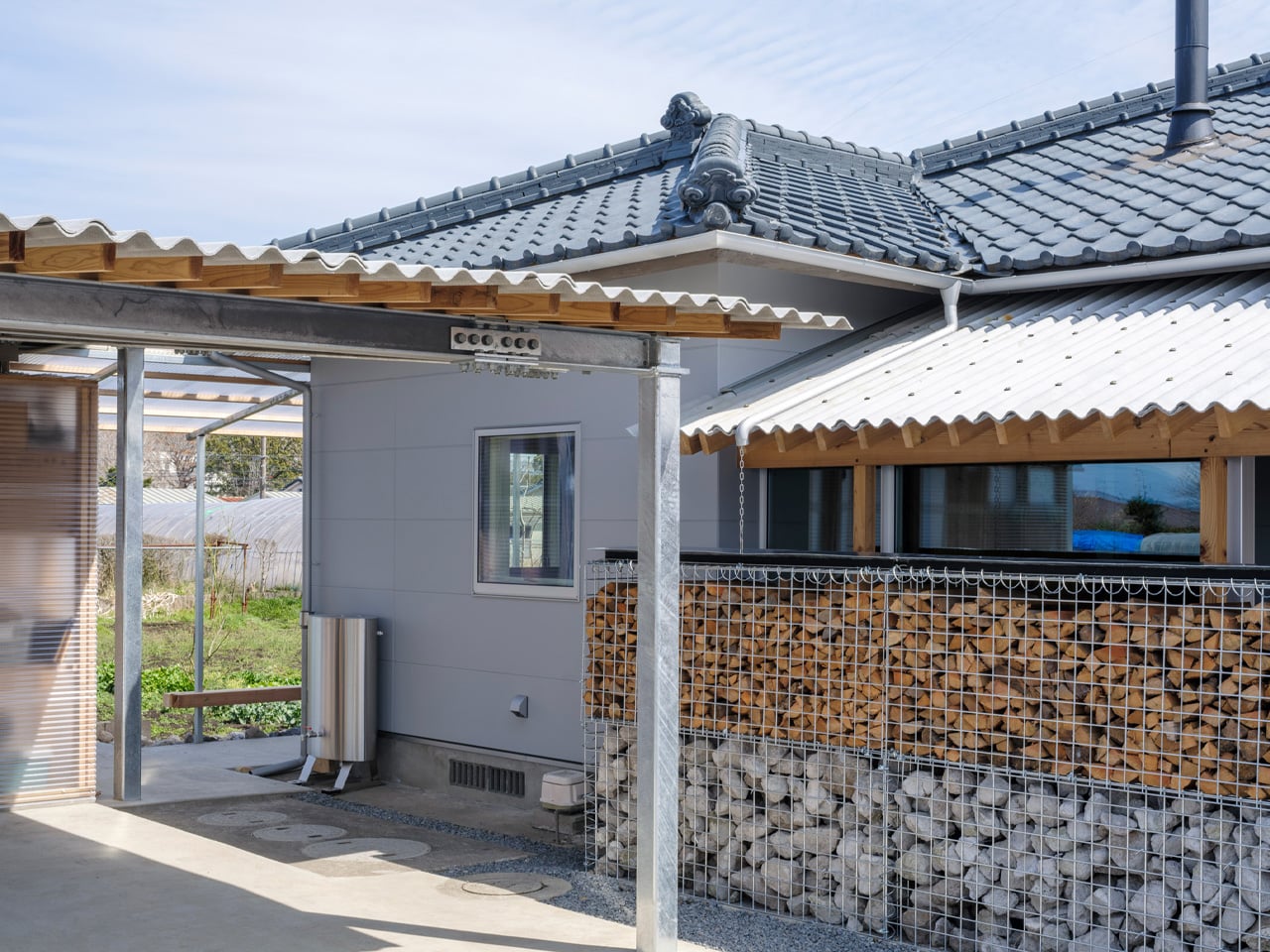
That thinking is most visible in the corrugated metal canopies YNAS added to the exterior. Timber-framed and industrial in material, they extend the home outward, creating covered outdoor spaces that blur the threshold between inside and out. An outdoor kitchen and a wood-fired bath become part of daily life, not luxuries tucked away from it. Neighbors might catch a distant glimpse of the family gathered outside, or notice smoke rising from the stove — and that, the studio argues, is the point.

“The house once again becomes a part of the landscape through the ‘signs of life’ it emits,” YNAS noted of the project. It’s a rare architectural position — one that treats visibility not as exposure but as community, as a soft signal that a home is lived in and loved.

The result is a house that honors its past without being imprisoned by it. The ancestral bones remain, but the rooms now open to each other, to the garden, to the sky. Corrugated metal and old timber sit side by side without apology. Three generations share space under a roof that has finally learned how to exhale. In Miyakonojo, YNAS has done something quietly radical: they’ve made a home feel, again, as it belongs to the world around it.

The post This Traditional Japanese Home Was Brought Back to Life by Opening It Up to Everything Around It first appeared on Yanko Design.

5 Best Car Gadgets That Just Made $100,000 Factory Options Look Embarrassingly Overpriced

There’s a quiet lie running through every automotive options sheet. It tells you that safety, intelligence, and situational awareness are features you earn by selecting the right trim level, ticking the right package, or visiting the right dealership. The implication is that proper capability lives at the factory and nowhere else. These five gadgets disagree loudly. Each one does something that costs hundreds or thousands of dollars as a factory option, and does it better, for less money, without requiring a new vehicle or a dealer appointment.

The aftermarket has always had better answers than the showroom — that’s not a new observation. What is new is how sophisticated those answers have become. These aren’t optimistic spec sheets printed on cheap plastic. They are purpose-built tools with genuine engineering behind them, from tungsten-carbide emergency escape instruments to AI-vision heads-up displays.  Together, they make a compelling case that the best version of your car is assembled in parts, not ordered off a build sheet.

1. WYN Bullet

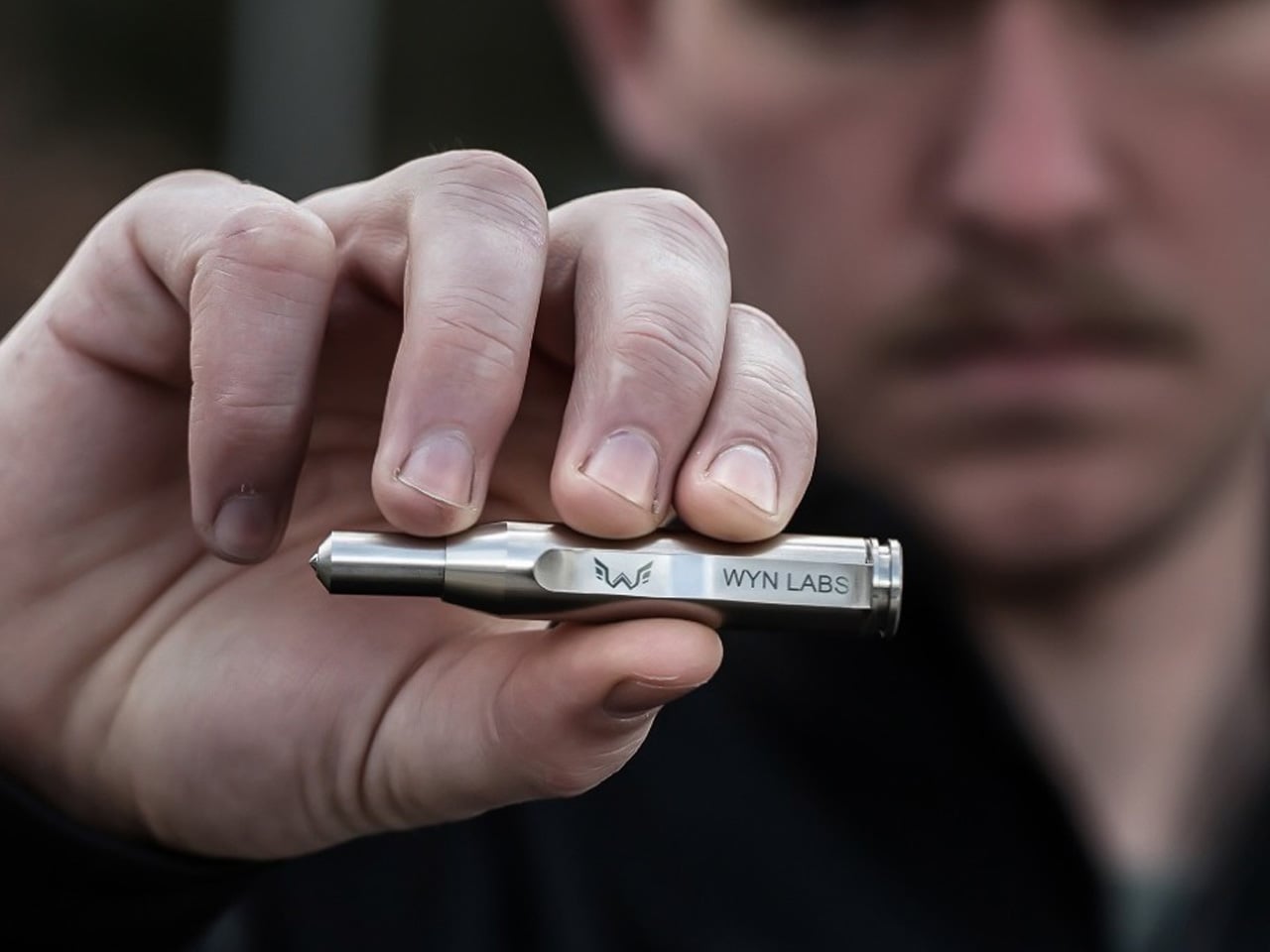
In 2017, over 20,800 US accidents involved fire or water submersion, resulting in nearly 1,900 deaths. A significant portion involved drivers who couldn’t exit their vehicles quickly enough — doors jammed on impact, electrical systems failed, windows stopped responding, and the compression of panic turned every second into a decision too difficult to make clearly. Every premium automaker sells a safety package. Not one of them ships an emergency glass-breaking tool. The WYN Bullet, developed alongside first responders and machined from stainless steel with a tungsten-carbide tip, is exactly that tool — small enough to clip to a keychain and powerful enough to shatter a tempered glass window in under a second with a single push.

The engineering behind it is precise where it needs to be. Toughened glass is designed to withstand the broad, flat impact of a panicked human fist. The WYN Bullet’s patent-pending direct-impact mechanism positions the internal striker directly behind the tungsten-carbide tip, concentrating force into a contact area so small it creates shock waves that fracture the entire panel instantly—no technique required, no repetitive strikes, no Dwayne Johnson-level force. The tool measures 77mm, weighs 45 grams, and ships with both a pocket clip and a keyring loop in stainless steel or black oxide finish. This is AAA-endorsed emergency equipment built for firefighters and EMTs, now available to anyone for the price of a dinner out.

What we like:

  • One-push mechanism requires no practice or upper-body strength to activate
  • Dual carry options — pocket clip and keyring — keep it genuinely reachable in an emergency

What we dislike:

  • The tool’s fidget mechanism makes accidental discharge in a pocket a real possibility
  • No protective case is included, leaving the tungsten tip exposed in storage

2. TrantorVision NeuroHUD

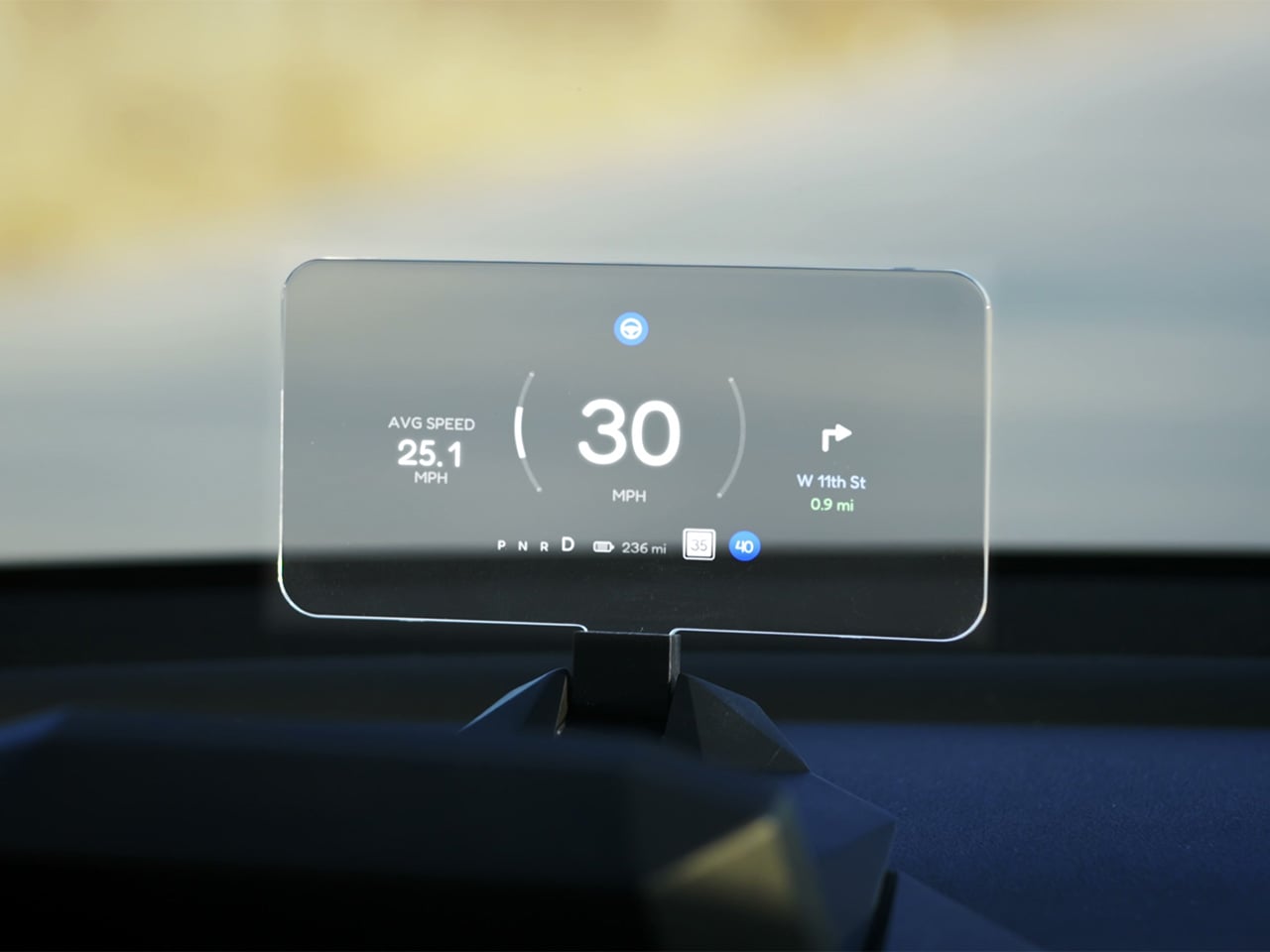
General Motors put a heads-up display in the Oldsmobile Cutlass Supreme in 1988. By 2026, BMW charges $1,200 for one, Porsche charges $2,600 for an augmented reality version, and Tesla — a company founded on the premise that software could replace hardware — ships every Model 3 and Model Y without one, directing all critical driving data to a center-console touchscreen roughly 30 degrees below the driver’s natural forward sightline. TrantorVision built the NeuroHUD specifically for that gap. It installs without tools in under a minute, clips behind the center screen, draws power through a single USB-C cable, and leaves the factory wiring completely untouched.

The dual-channel data architecture is what separates it from the category. A pair of 150-degree AI fisheye cameras face Tesla’s display and read high-frequency data — speed, gear state — at 50Hz, with end-to-end latency as low as 20 milliseconds. Battery range and navigation pull through the Tesla API on a separate channel. The output is a 1,500-nit, 4-inch TFT panel at 480×800 resolution, visible in direct sunlight, projecting information into the driver’s sightline through either a combiner screen or directly onto the windshield — switchable without tools. Screen mirroring, GPS-triggered garage automation, CarPlay, Android Auto, an open API, and a community layout library round out a software stack designed to grow over-the-air. No new hardware required when new features ship.

Click Here to Buy Now: $379 $629 (40% off). Hurry, only a few left! Raised over $557,000.

What we like:

  • Dual-channel architecture matches production-fitted HUDs in latency and data richness without touching factory wiring
  • Open API and community layouts mean the display continues evolving after purchase

What we dislike:

  • Shipping begins September–October 2026, making this a pre-delivery commitment at checkout
  • Windshield Projection Mode and deeper Tesla API integration require the Pro tier at $429, not the standard $379

3. GOOLOO DS200 DeepScan

Every car sold in the United States since 1996 carries an OBD2 port — a standardized diagnostic socket that must be present, accessible, and readable by any compliant tool. Dealers have known this for thirty years and built a reliable business around owning the only compliant tool in the conversation, charging $100 to $200 every time a warning light appears to read data that has been sitting in the car’s computer the entire time. The GOOLOO DS200 DeepScan is a Bluetooth dongle the size of a matchbox that performs a full-system scan across engine, transmission, ABS, airbags, stability control, TPMS, steering, and air conditioning, then delivers every result to your phone in plain language, without a waiting room.

What separates the DS200 from the basic code readers that have existed for a decade is the breadth of the scan and the intelligence layered on top of it. It doesn’t hand you a code number to Google separately — it calculates volumetric efficiency, logs fault histories with timestamps, and performs active maintenance functions including oil light reset, electronic parking brake recalibration, steering angle sensor reset, and DPF regeneration. Secure gateway unlock for FCA and Renault vehicles is built in, giving access past the authentication wall that stops most competing tools cold. AutoVIN identifies the vehicle automatically. Bluetooth 5.0 holds a stable connection at 33 feet. The unit weighs 2.89 ounces. The diagnostic intelligence that used to require a $10,000 workshop scanner now fits in a $60 dongle that stays plugged in permanently.

What we like:

  • Full-system sweep across 20+ vehicle systems, not just engine and emissions codes
  • Secure gateway unlock is a genuinely rare capability at this price point

What we dislike:

  • Full functionality requires an annual subscription after the first year of use
  • The $129.99/year tier for advanced special functions is a meaningful ongoing cost for casual home users

4. Tymate TM7

The factory TPMS experience goes like this: a yellow icon appears on the dashboard. It says a tire is low. It does not say which tire, by how much, or at what temperature — only that something somewhere is wrong. The drive to a dealer follows. A service advisor explains that the sensor in question has failed and needs to be replaced. The part costs $150, reprogramming adds another fee, and a four-sensor job on a well-maintained vehicle can clear $1,000 without touching anything else. The Tymate TM7 screws four external sensors onto existing valve stems in under five minutes. From that moment, it monitors pressure and temperature on all four tires simultaneously with ±1.5 PSI and ±3°F accuracy, displayed live on a solar-charged color LCD receiver that plugs into the cigarette lighter with no wiring.

Six independent alarm modes cover every meaningful failure scenario: high pressure, low pressure, rapid leakage, high temperature, low sensor battery, and signal loss. The receiver includes two USB charging ports, turning the cigarette socket from a single-use outlet into a charging hub. The display adjusts its backlight for direct sunlight and near-darkness without manual input. Pressure range runs from 0 to 87 PSI, covering sedans, SUVs, trucks, and RVs. Sensors run on replaceable CR1632 batteries with a guided video for the swap. For vehicles that shipped with no meaningful TPMS feedback at all, the TM7 converts a vague warning light into four individual readings refreshing throughout every drive — which is a more honest picture of what’s happening under the car than most factory systems bother to provide.

What we like:

  • Six distinct alarm types give genuinely comprehensive coverage across failure modes
  • Solar charging on the receiver removes one more thing to remember to plug in

What we dislike:

  • External cap sensors sit exposed on the valve stems, making them easier to steal or damage than internal units
  • Trailers over 36 feet require an additional repeater module, sold separately

5. 70mai 4K T800

BMW’s Driving Assistant Professional — the camera suite with cross-traffic alerts and the full parking sensor array — runs around $1,700. Volvo’s Pilot Assist Pro is closer to $2,000. What those factory systems deliver is a collection of cameras engineered primarily for driver assistance, not evidence. The 70mai 4K T800 works the problem from the other direction: it’s built first for documentation, with the understanding that a camera that captures everything is ultimately more useful than one that warns you about things. Its triple-channel system pairs two Sony STARVIS 2 IMX678 4K sensors for the front and rear — the same sensor class found in flagship smartphones — with a 1080p interior camera backed by four 940nm infrared LEDs. Three synchronized angles, running continuously, all the time.

The engineering decisions that matter most are the ones that don’t surface until something goes wrong. A three-minute pre-collision buffer means the camera was already recording before the accident happened, capturing the context that determines fault. Wi-Fi 6 on the 5GHz band transfers footage at up to 40MB/s, making roadside evidence retrieval a seconds-long task rather than a twenty-minute wait. A supercapacitor replaces the traditional battery, operating cleanly from -40°C to 85°C without the swelling that terminates most consumer dashcams after a few summer cycles. 70mai Lumi Vision handles nighttime parking surveillance across all three channels simultaneously. ADAS alerts cover lane departure, forward collision, and separate detection for pedestrians and cyclists. The system supports up to 512GB of storage, meaning weeks of continuous footage before anything loops.

What we like:

  • Identical 4K quality front and rear — most competing systems give the rear a significantly weaker sensor
  • Pre-collision buffer captures the lead-up to an incident, not just the moment of impact

What we dislike:

  • Running the rear camera cable through the headliner is a job most owners will want professional help with
  • Full parking surveillance with the UP05 hardwire kit pushes total cost well above $500

The Best Version of Your Car Isn’t on the Options Sheet

The factory narrative has always relied on convenience — the idea that buying everything at once, from one source, is simpler than assembling capabilities piece by piece. That’s true, as far as it goes. What it leaves out is that the pieces you’d assemble are often better. A tungsten-carbide escape tool, a full-system diagnostic scanner, four live tire readings, three-angle 4K documentation, and a pilot-grade heads-up display — none of these required a new car. They required a valve stem, a USB port, an OBD2 socket, and a windshield.

What connects all five is something more specific than price. Each one solves a problem the car was designed around without solving — the emergency exit nobody plans for, the check engine light nobody decodes, the tire warning nobody quantifies, the blind spot nobody documents, the HUD nobody included. The aftermarket has always been where honest engineering lives. Right now, it’s producing some of the most considered, driver-focused products available at any price point, and the options sheet doesn’t get a vote.

The post 5 Best Car Gadgets That Just Made $100,000 Factory Options Look Embarrassingly Overpriced first appeared on Yanko Design.

Teacup Tiny Homes Built the Same Floor Plan Over and Over — Because It’s That Good

The Ruby is built by Alberta-based Teacup Tiny Homes, a builder quietly making some of the most thoughtful tiny homes in North America since 2016. The Ruby is the plan that started it all and keeps evolving. What began as a custom build designed for a family of five headed to the Vancouver area has since become one of the builder’s most built and most loved floor plans, spawning a growing lineup of variations that have landed everywhere from New Brunswick to the Crowsnest Pass.

Designer: Teacup Tiny Homes

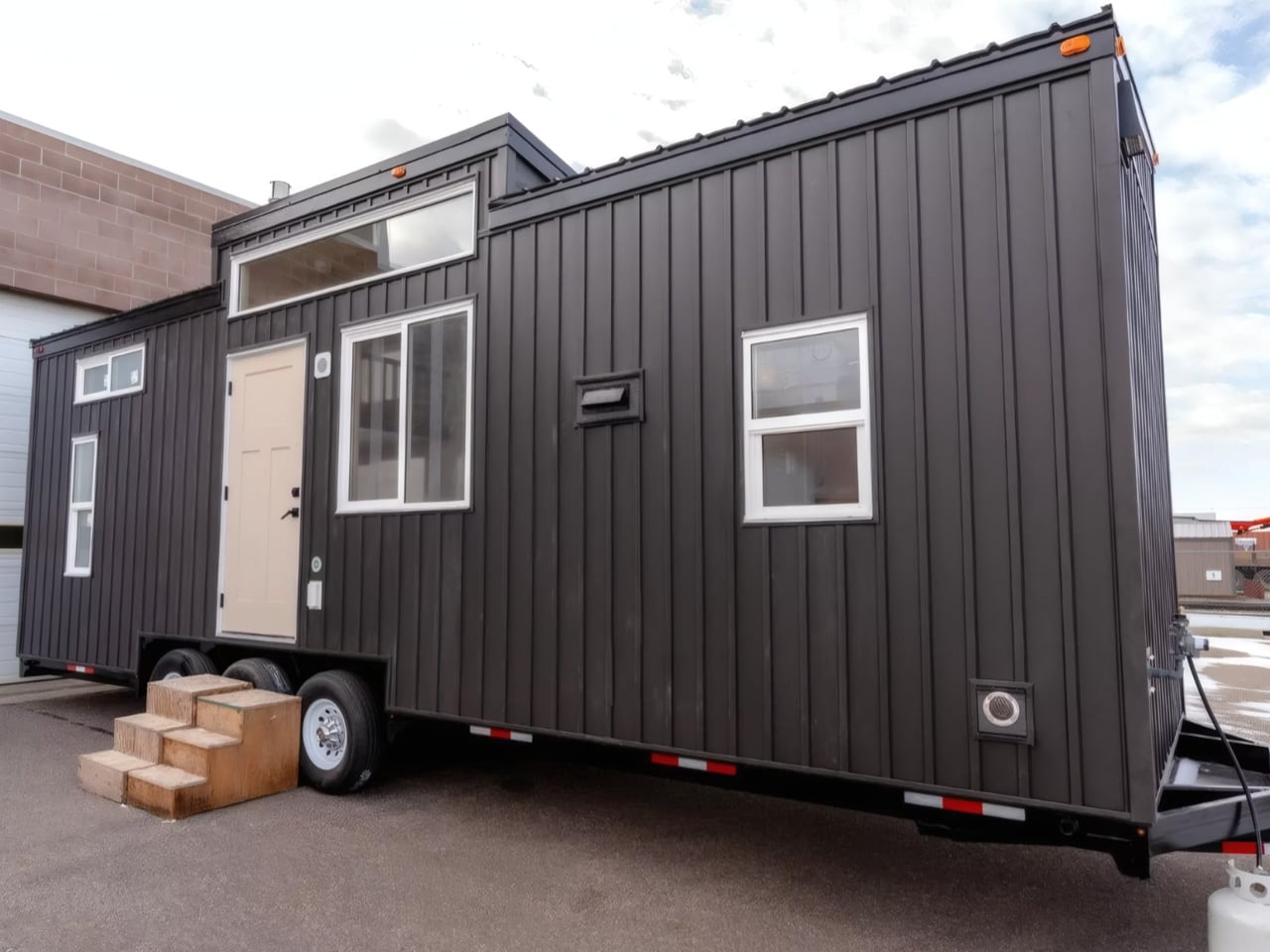
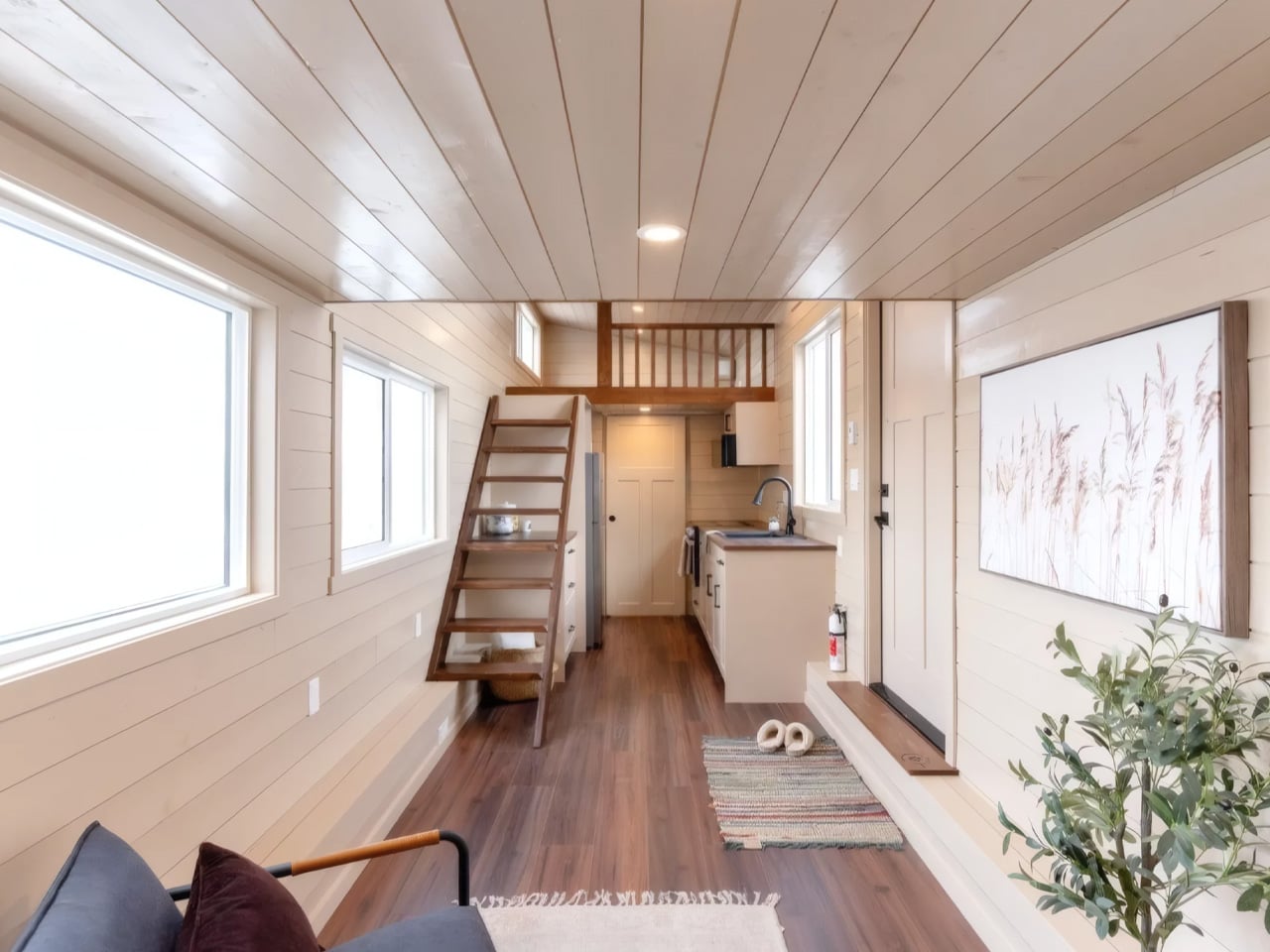
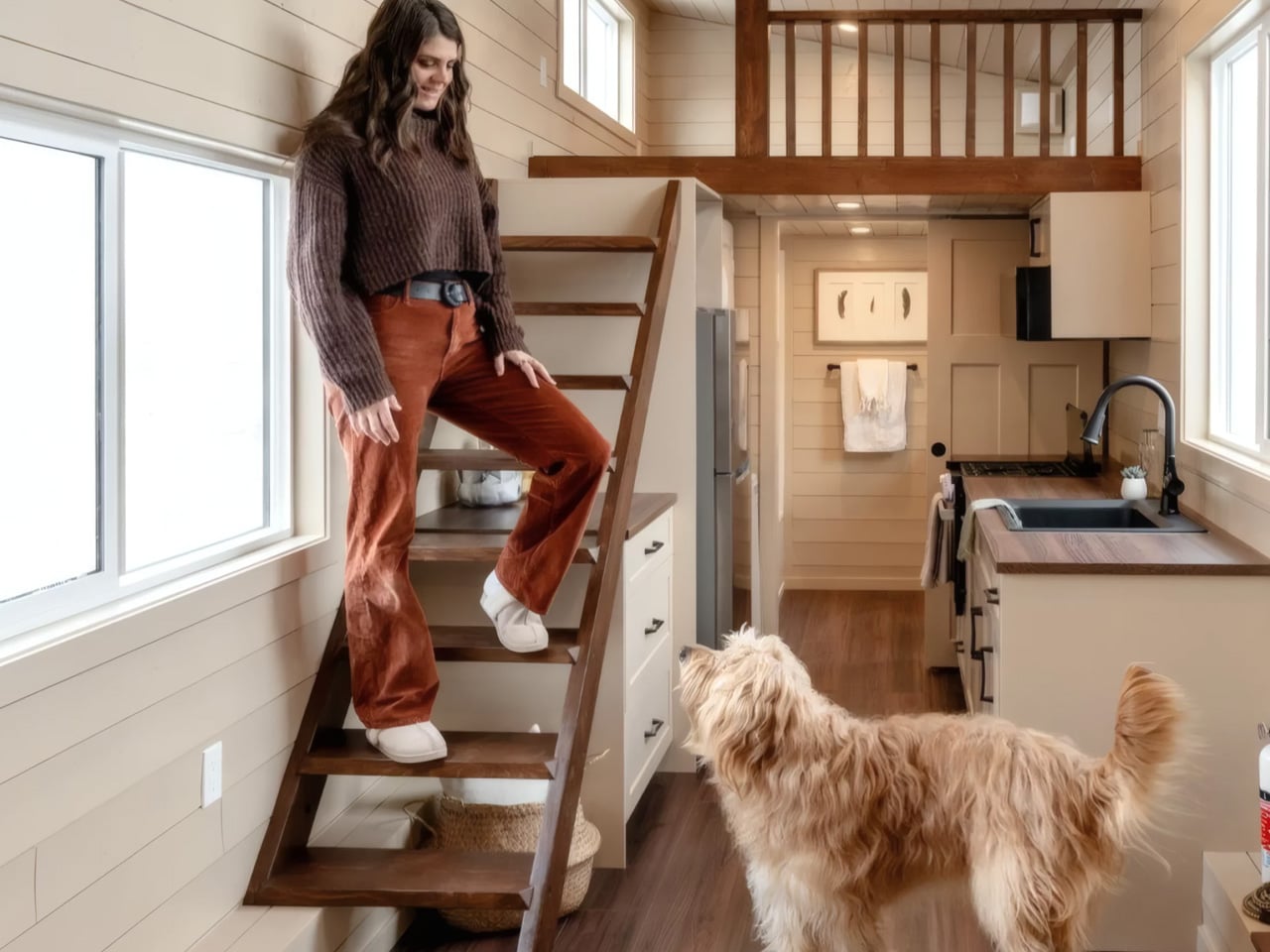
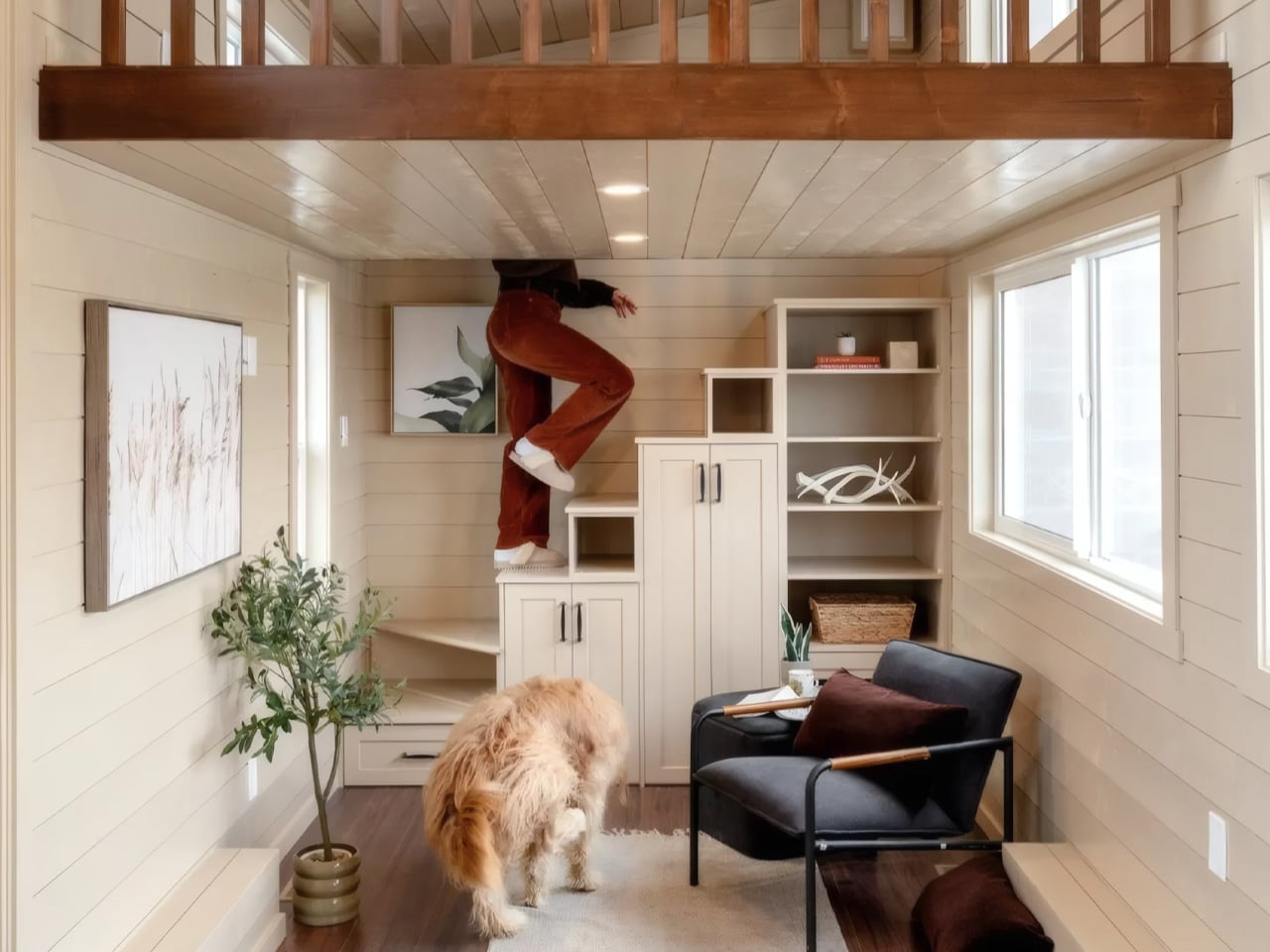
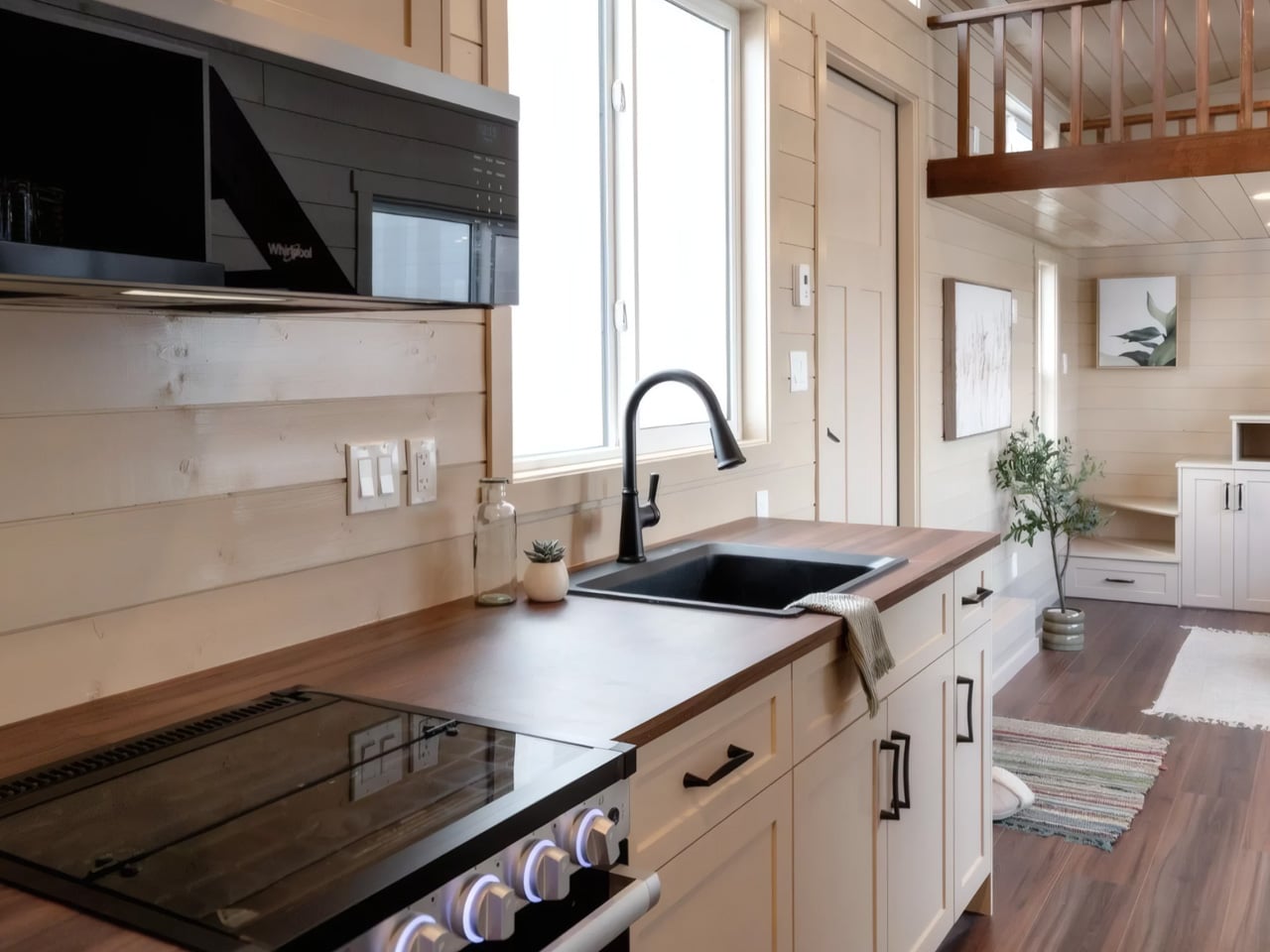
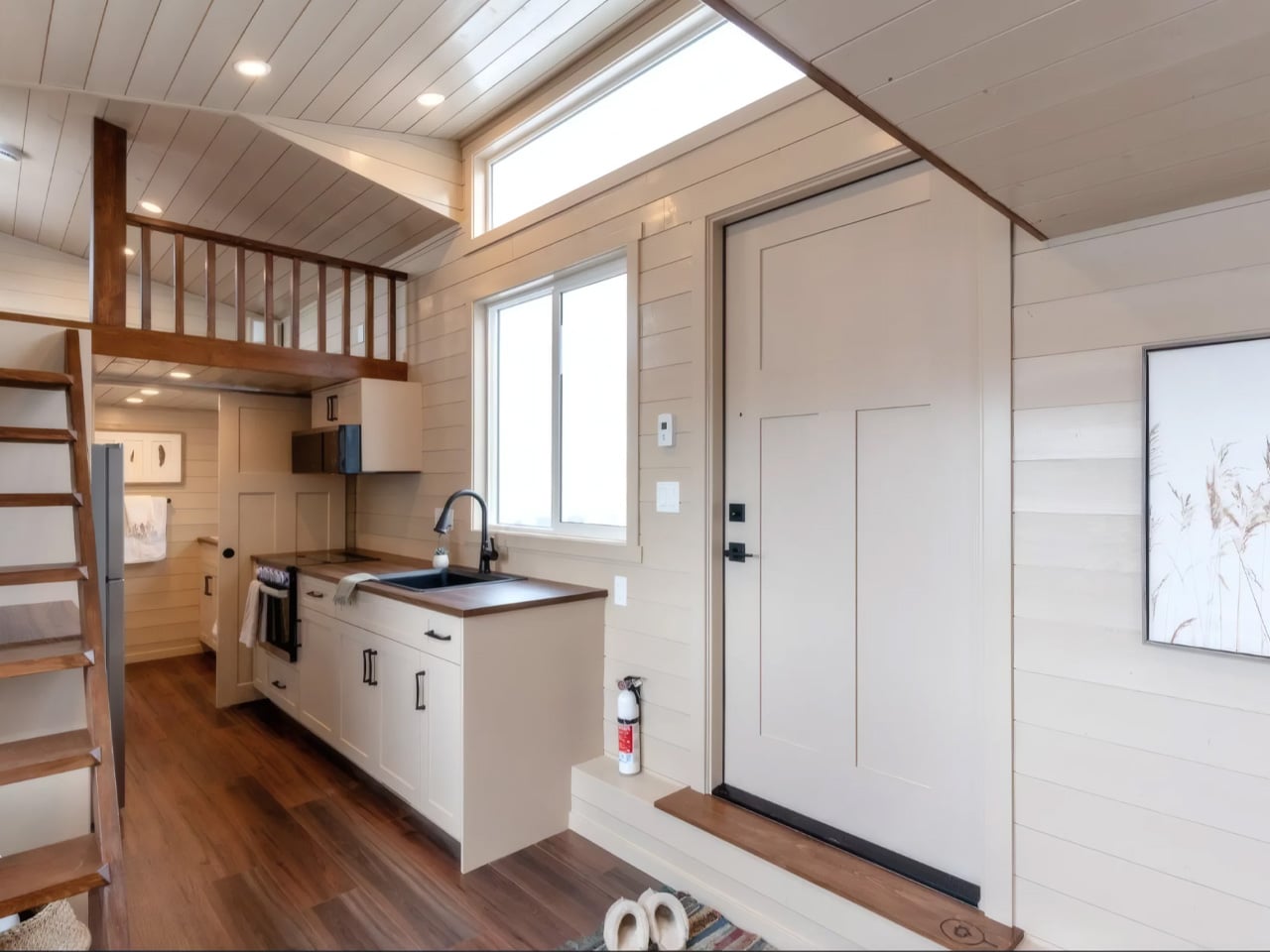
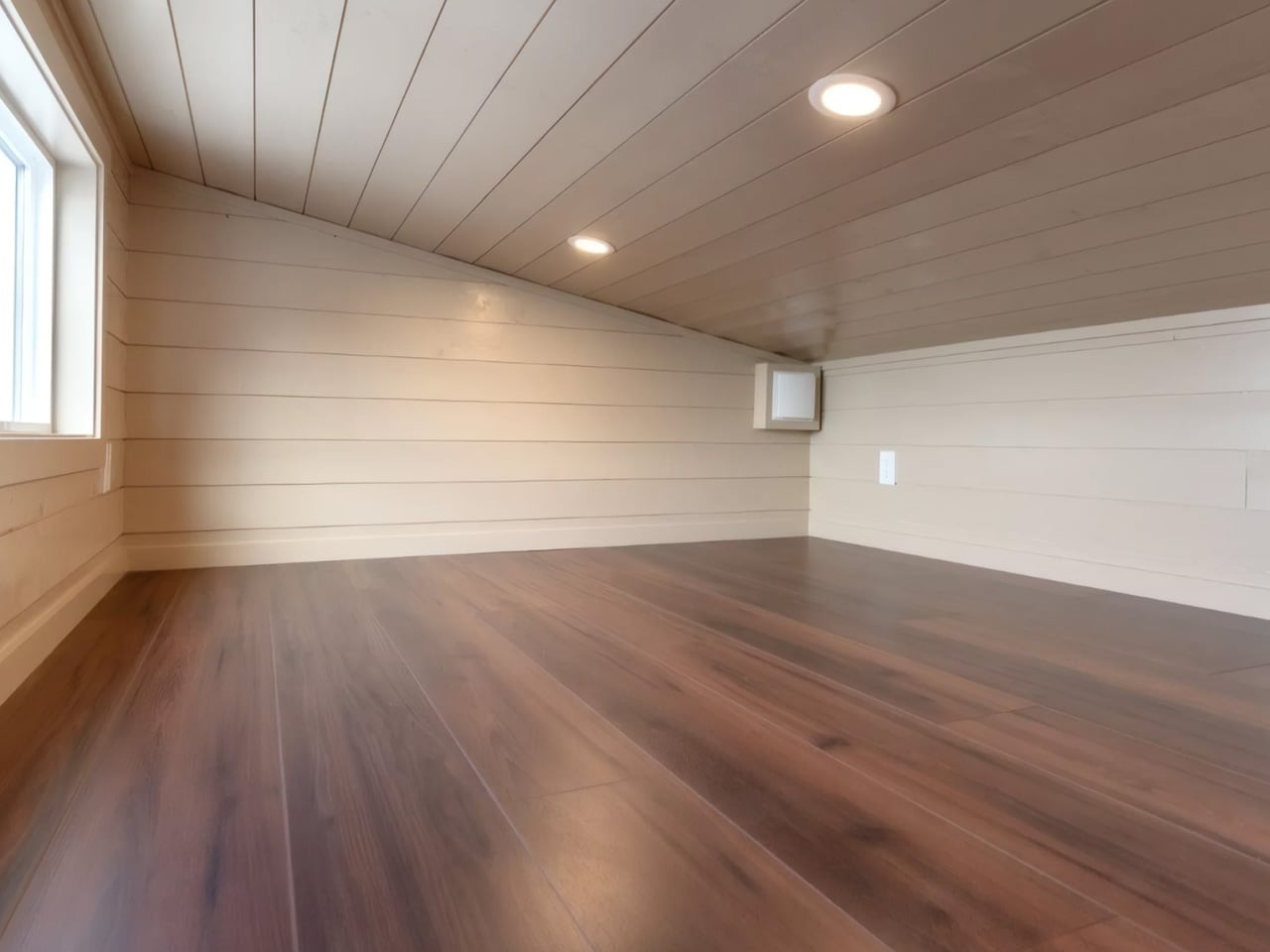
At 30 feet long and 8.5 feet wide, the Ruby lands at 380 square feet, including its two loft bedrooms, a number that doesn’t fully communicate how the interior actually feels. Wood paneling runs through the space, generous glazing pulls in natural light, and the layout gives room for a proper eating nook, a full kitchen, and a living area with space for an optional sofa bed that brings sleeping capacity up to six. The master loft is accessed by a stair at the rear, and the second loft tucks in above, making the Ruby genuinely usable for families without feeling like a compromise on either function or comfort.

The 2026 iteration, dubbed the Bar Harbor Ruby, pushes the design further. A triple shed roof maximizes headroom and adds a sense of depth and dimension that the earlier models didn’t have. Two full staircases replace the single stair setup, and the overall volume feels noticeably more spacious and resolved.

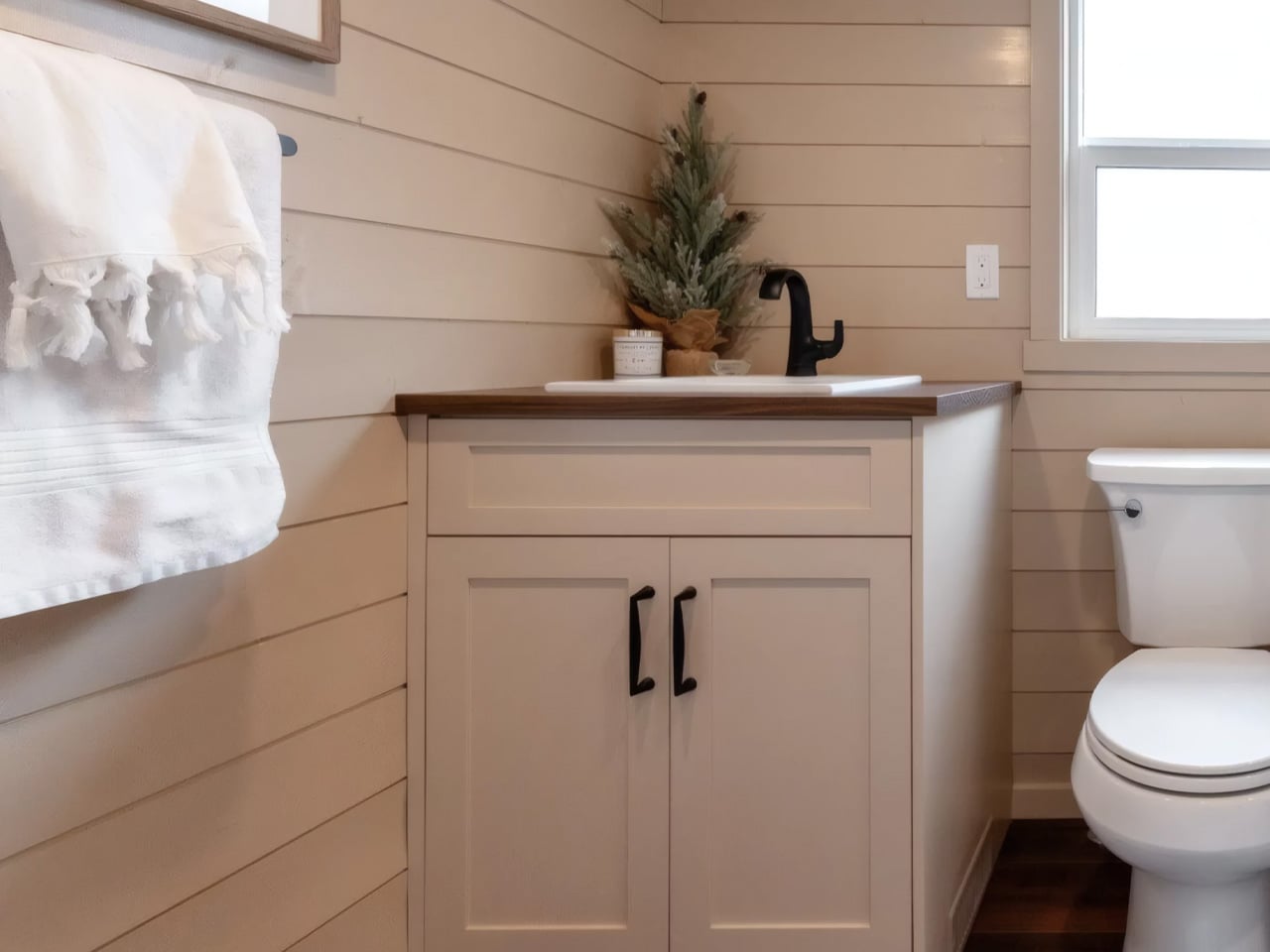
The build comes insulated to R24 in the walls and R35 in the ceiling and floor, with a full-sized bathtub available as an option, along with bay windows and a fireplace. The 2026 model starts at roughly US$127,000 plus GST, budget savvy by Teacup’s own description, which is saying something for a fully custom, towable build at this quality level.

What makes the Ruby resonate beyond its specs is the breadth of people it’s been built for. Couples, families of four, vacation rental operators, and first-time tiny dwellers, the plan adapts without losing its character. Each completed build carries a slightly different personality: the Gaia Ruby is cozy and warm, the S+N Ruby is bright and airy, and the Stella Ruby was tuned for a vacation rental. It’s rare for a single floor plan to hold that kind of range. The Ruby does, and that’s exactly why it keeps getting built.

The post Teacup Tiny Homes Built the Same Floor Plan Over and Over — Because It’s That Good first appeared on Yanko Design.

8 Father’s Day Tech Gifts for Men Who Don’t Need Anything — But Actually Want These

The man who says he doesn’t need anything usually means he’s stopped expecting to be surprised. Father’s Day is the rare window where you can close that gap with something genuinely considered, not a gift card, not a safe bet, but an object that reflects actual attention. Every product on this list was built by people who thought carefully about the person using it, not just the one buying it.

What makes these gifts land is specificity. A privacy-first phone for the dad who quietly deleted his social accounts two years ago. A satellite watch for the one who goes places where a signal is a luxury. A smart ring for the guy who knows his HRV before he knows what’s for breakfast. The right gift doesn’t need a bow. It just needs to be exactly right for exactly that person.

1. Plinius Phone
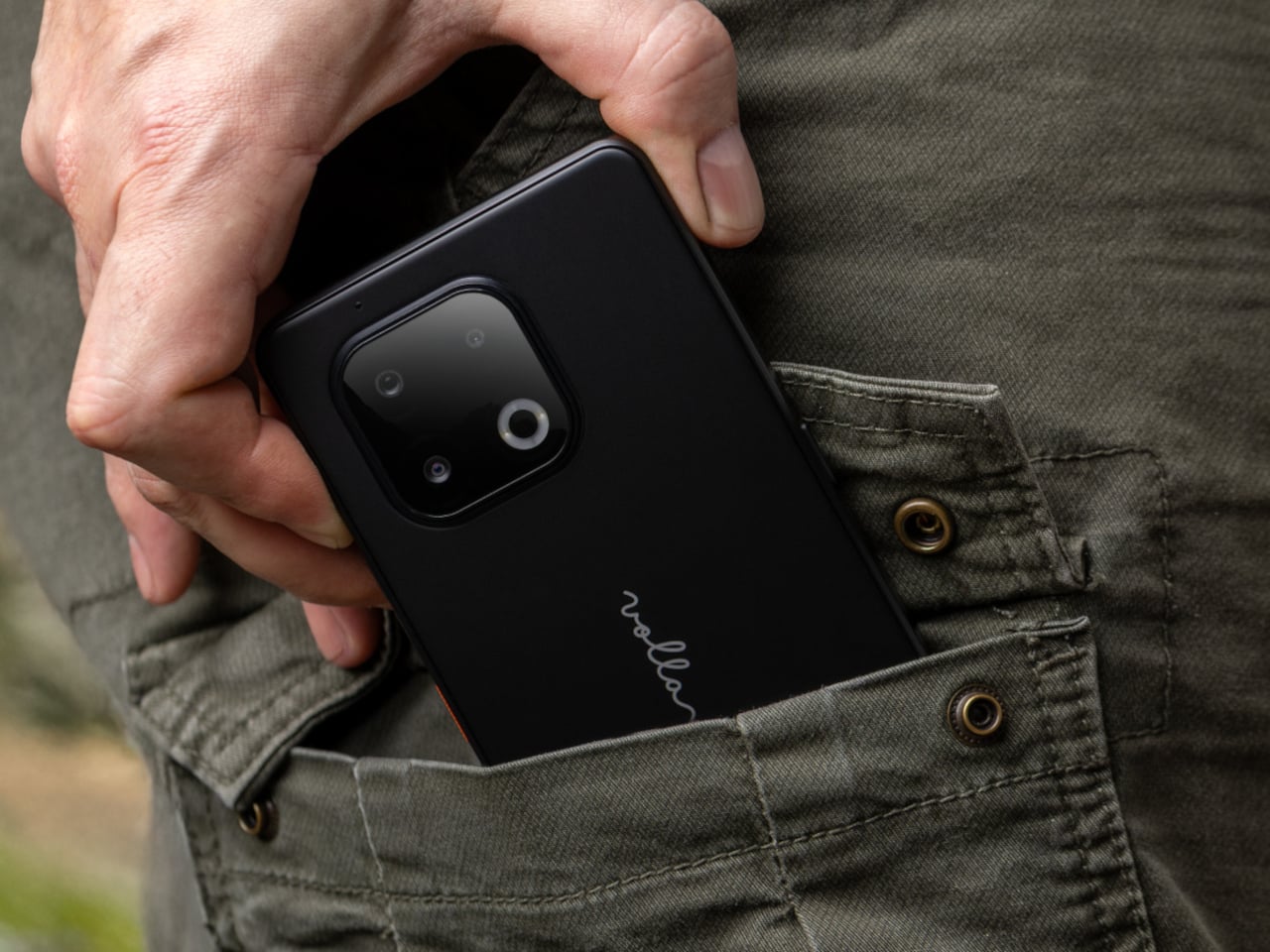
There are phones that gather your data quietly, and there is the Volla Plinius. Built in Germany, this IP68-certified semi-rugged smartphone ships with either Ubuntu Touch or Volla OS, a Google-free version of Android, returning full control to the person holding it. The hardware backs that up convincingly: a 6.67-inch 120Hz OLED display, a MediaTek Dimensity 7300 processor, a 64MP main camera, and a 5,300mAh battery that you can replace yourself, a detail so deliberately countercultural it barely needs explaining.

For the dad who has quietly grown suspicious of how much his phone knows about him, the Plinius isn’t a compromise; it’s a correction. Two user-configurable hardware buttons let you shortcut whatever matters most, and the build holds up against water, drops, and the general conditions of a life lived without excessive caution. The standard model starts at €598 with 8GB RAM and 128GB storage, and it carries the kind of material confidence that makes most flagship phones feel like dressed-up glass rectangles.

What We Like

  • Privacy-first software with a choice of Ubuntu Touch or Google-free Volla OS built in from the start
  • A replaceable 5,300mAh battery on a modern IP68-certified body, a combination almost no other manufacturer offers

What We Dislike

  • Shipping is currently limited to Europe and the UK, which rules it out for buyers elsewhere
  • The Google-free ecosystem requires an adjustment period for anyone deep in the Android app ecosystem

2. OrigamiSwift Mouse

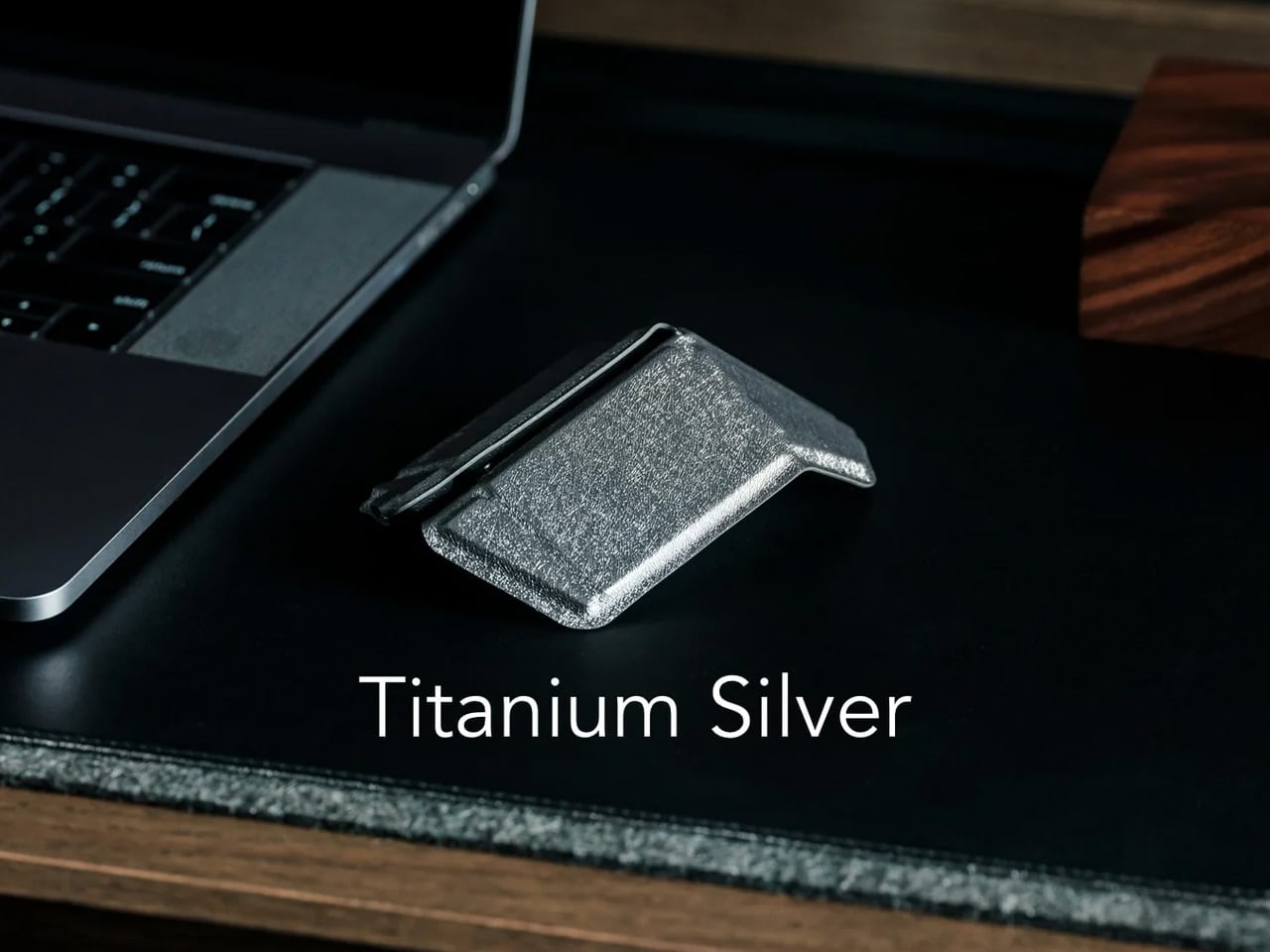
Designer Horace Lam built the OrigamiSwift around a single constraint: a Bluetooth mouse that you actually want to carry every day. Inspired by the geometry of origami, it folds flat in under 0.5 seconds and weighs just 40 grams, making it light enough to slip into a jacket pocket alongside a phone and forget about until you need it. For the dad who works from hotel rooms, client offices, or the corner café between meetings, this is the piece of kit that completes a laptop setup without adding to it.

The triangular structure does more than reference its design language. It reinforces the mechanics, giving the mouse a surprising solidity when open that you wouldn’t expect from something this compact. The transition from travel mode to full-sized ergonomic comfort becomes unconscious after a day of use, which is the real measure of any portable tool.

Click Here to Buy Now: $85.00

What We Like

  • Folds flat in under half a second and weighs just 40 grams for genuine everyday pocket portability
  • The origami-inspired triangular structure gives the mouse both structural rigidity and a strong visual identity

What We Dislike

  • The form factor defaults toward right-handed use, limiting comfort for left-handed users
  • Bluetooth-only connectivity offers no USB dongle option for setups where Bluetooth isn’t available

3. MelGeek Centauri80 Keyboard

The MelGeek Centauri80 is what happens when a keyboard decides to stop being a background object. Inside a suspended aluminum alloy unibody, TTC Flip King magnetic switches run at an 8000Hz polling rate with 0.125ms latency. Besides the keys, a 1.78-inch OLED touchscreen running at 325 PPI, the same pixel density as an Apple Watch face, displays live wallpapers, macros, and system controls. The physical rotary encoder called the Super Dock lets you dial in lighting and shortcuts without leaving whatever you’re working on.

MelGeek has spent a decade making keyboards for people who treat their desk setup the way audiophiles treat a listening room, and the Centauri80 is the clearest expression of that philosophy yet. The five-layer gasket-mounted acoustic structure keeps the typing sound intentional rather than accidental, and the suspended frame reduces vibration transfer throughout. At $299, it sits in a position against the Hall Effect field that feels genuinely earned. For the dad whose desk is his domain, this is the object that makes everything else on it reconsider its ambition.

What We Like

  • The 1.78-inch OLED touchscreen and Super Dock rotary encoder turn the keyboard into a true desktop control surface
  • Hall Effect switches at 0.125ms latency and 8000Hz polling deliver performance that serious typists and gamers both immediately notice

What We Dislike

  • Wired-only connection removes wireless flexibility for those who prefer a cleaner desk aesthetic
  • The $299 price tag places it firmly in deliberate gift territory rather than a casual upgrade

4. Xiaomi UltraThin Magnetic Power Bank 5000 15W

At 6mm thick and 98 grams, the Xiaomi UltraThin Magnetic Power Bank is thinner than most smartphones currently available, including the iPhone 17, which makes it feel less like a battery pack and more like a thoughtful design decision snapped onto the back of a phone. The 5,000mAh cell delivers 15W wireless charging on Xiaomi 17 series devices, 7.5W on iPhones, and up to 22.5W wired over USB-C. The aluminum alloy body is available in Glacier Silver, Graphite Black, and Radiant Orange, starting at around €60.

Most portable batteries live at the bottom of a bag because they’re too heavy to ignore. The Xiaomi UltraThin lives on the back of a phone, invisible and present at the same time, which is the exact behavior a daily-carry object should aspire to. For the dad who runs between meetings and treats plugging in as a luxury he rarely finds time for, this is the kind of upgrade that only becomes visible when everyone else’s phone hits 3% at the end of a long day.

What We Like

  • At 6mm thick and 98 grams, it is the thinnest magnetic power bank available at this capacity
  • Multi-mode charging supports Xiaomi devices, iPhones, and wired USB-C output in a single, minimal form

What We Dislike

  • The 5,000mAh capacity is designed for a top-up rather than a full recharge from zero
  • iPhone users are capped at 7.5W wireless output, well below the 15W maximum this pack delivers

5. StillFrame Headphones

StillFrame weighs 103 grams, and that number matters more than almost anything else on the spec sheet, because it means these over-ear headphones sit on your head the way a well-made hat sits: present but not intrusive. The ultra-minimal design draws from the quiet geometry of ’80s and ’90s CD culture, no exposed hardware, no decorative flourish, no design language that dates itself. Active noise cancellation and transparency mode both switch with a single tap, and the 24-hour battery means one charge carries from morning to evening without prompting you to think about a cable.

At $245, StillFrame earns its place by committing fully to one idea and executing it without compromise. Around the neck between uses, it disappears into an outfit rather than competing with it, which is a quality most headphones claim, and very few deliver. For the dad with a long commute or a home office that bleeds into family hours, these are headphones that serve both contexts, looking as considered on a collarbone as they do on the ears.

Click Here to Buy Now: $245.00

What We Like

  • At 103 grams, it sits among the lightest over-ear headphones available without any sacrifice in build integrity
  • The 24-hour battery runs from morning to evening on a single charge, removing low-battery anxiety from the equation

What We Dislike

  • Limited colorways are a direct consequence of the same design restraint that makes the StillFrame look this precise
  • The ultra-minimal form commits fully to its design language, which rewards patience but won’t suit every aesthetic or setup

6. Futurewave O-Boy Satellite Watch
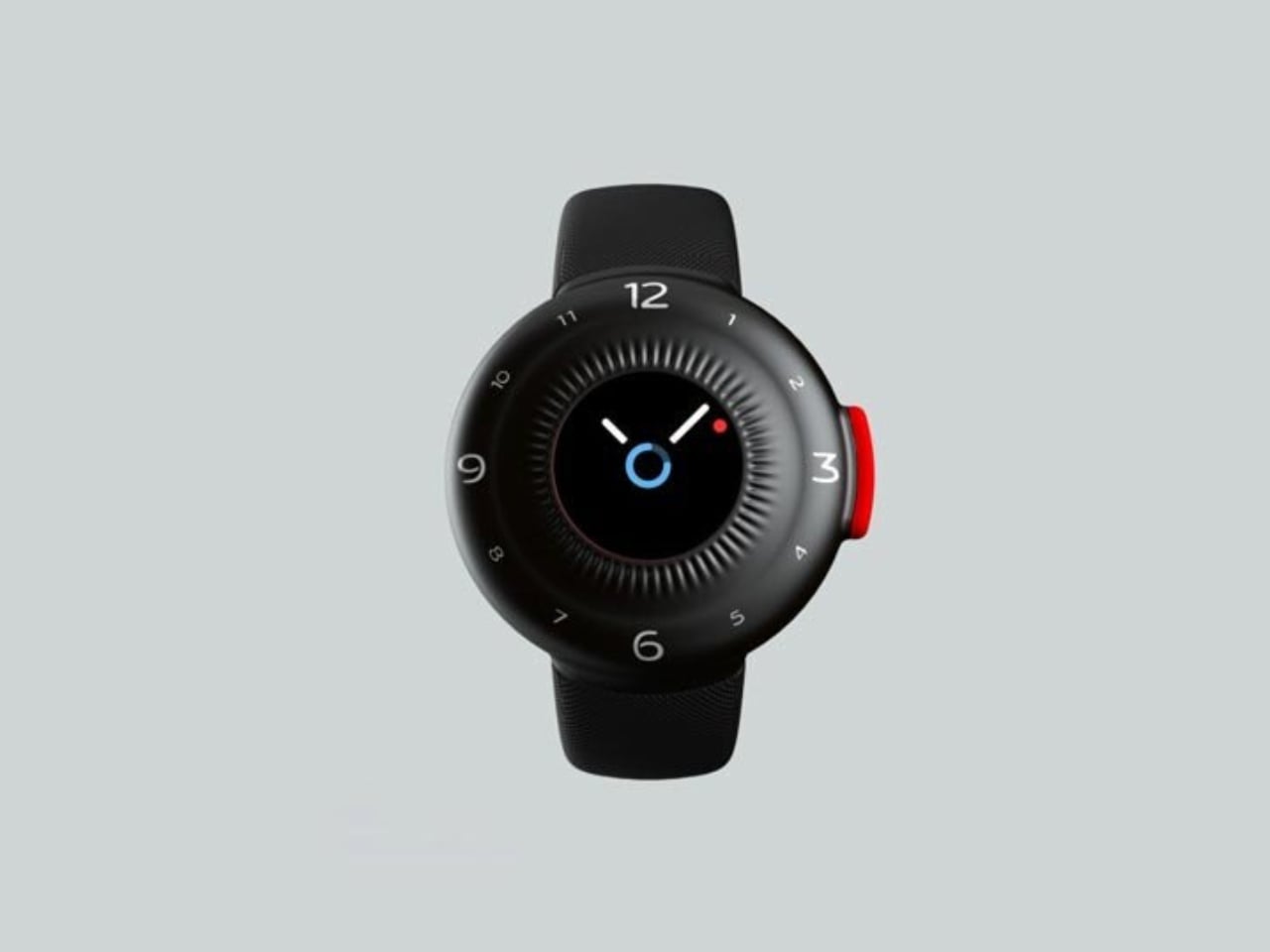
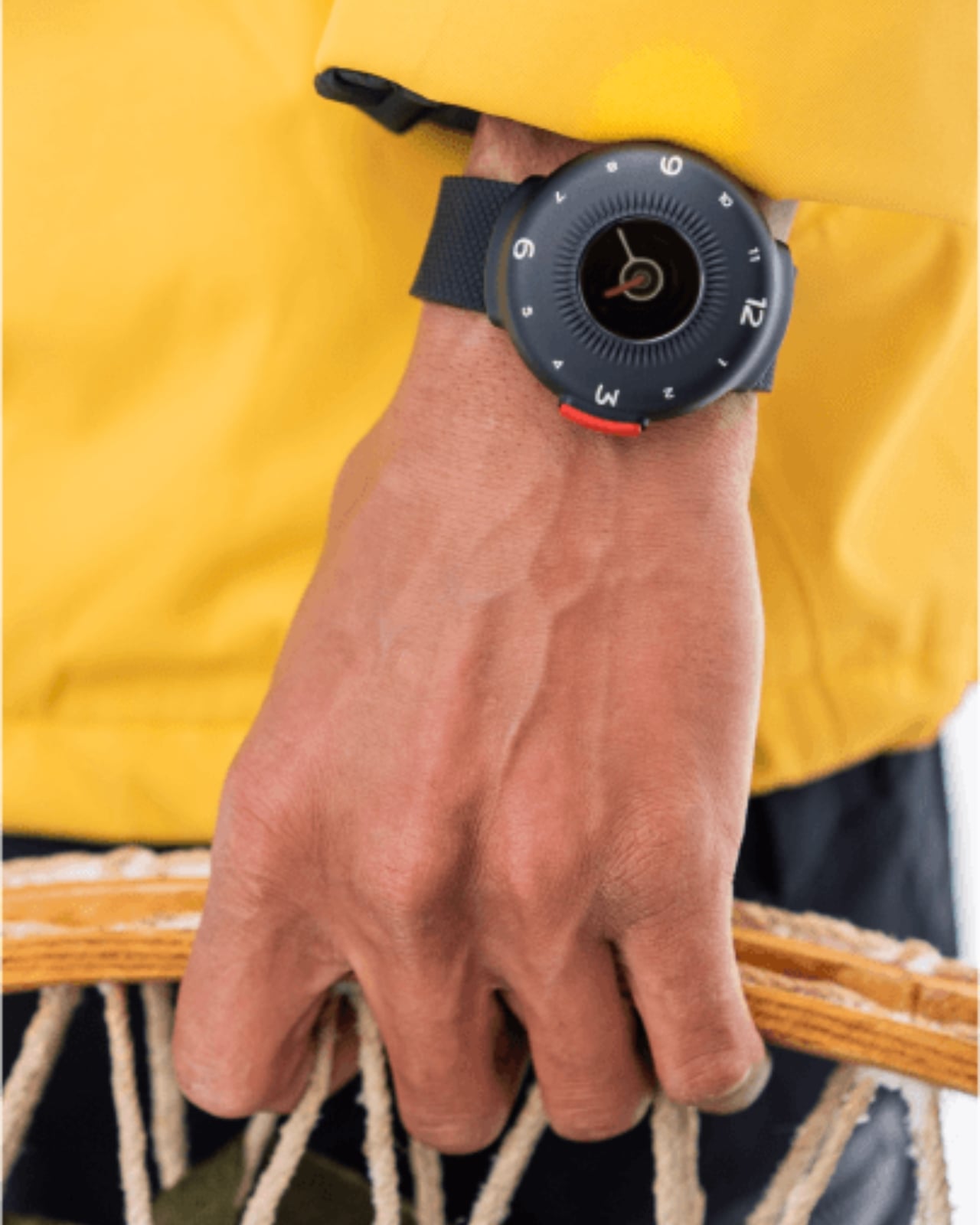
The O-Boy is a satellite-based emergency smartwatch developed by Brussels design studio Futurewave for the specific condition where a phone network simply doesn’t exist. It transmits emergency alerts via satellite connectivity alone, working across mountains, open ocean, and isolated work sites where the nearest signal tower is an abstraction. The black and red color palette is borrowed directly from safety equipment and emergency signaling. The rounded form exists partly for wrist comfort and partly to accommodate the antenna hardware inside, a constraint that became an aesthetic.

O-Boy is for the dad who actually goes off-grid, not the one who talks about it. Starting at $399, it positions itself as the first multiple-use satellite rescue watch, meaning it isn’t single-use distress gear but a daily wearable built around the idea that safety and adventure don’t require negotiation. Developed through collaboration between product designers, electronics engineers, and antenna experts, the watch was tested for waterproofing, pressure resistance, and shock tolerance before the design was finalized. For fathers who push into real wilderness, nothing on this list is more important.

What We Like

  • Satellite connectivity works entirely without a mobile network, covering genuinely remote environments anywhere on Earth
  • Designed to meet waterproofing, pressure resistance, and shock tolerance requirements alongside proportions suited for daily wear

What We Dislike

  • Emergency-focused functionality means lifestyle and fitness features found in conventional smartwatches are not the priority here
  • Satellite communication services may carry ongoing subscription costs depending on the region and chosen plan

7. Soundcore Sleep Earbuds

The Soundcore sleep earbuds were built around a single, unglamorous problem: you want to sleep, and something else has other plans. The slim, low-profile design fits comfortably through the night even for side sleepers, while the noise-masking system blocks up to 35dB, enough to cover a snoring partner, street traffic, or the ambient low-frequency sounds that standard earplugs address poorly. Bluetooth connectivity doubles them as audio earbuds, letting you build a wind-down routine around music, podcasts, or whatever audio works best before sleep.

The Soundcore app extends the experience with white noise options, sleep tracking, a smart alarm calibrated to wake you at the right point in a sleep cycle, and adjustable EQ. For the dad whose sleep quality has quietly degraded over busy years, whether from stress, a shared bedroom, or a schedule that doesn’t respect recovery, these are a practical gift with a measurable impact. They are small enough to forget about entirely until the morning you realize you slept straight through without waking once.

What We Like

  • The ultra-slim, low-profile build stays comfortable through the night, even for dedicated side sleepers
  • The Soundcore app adds sleep tracking, a smart alarm, and curated soundscapes well beyond basic noise blocking

What We Dislike

  • Passive noise masking at 35dB performs well on consistent sounds, but won’t match the output of active noise cancellation technology
  • The full feature set requires the Soundcore app, which adds a dependency on a smartphone connection throughout the night

8. RingConn Gen 2 Smart Ring

The RingConn Gen 2 is made from titanium alloy, measures 6.8mm wide and 2mm thick, and tracks heart rate, HRV, blood oxygen, skin temperature, sleep quality, stress, and sleep apnea, a feature developed in partnership with leading universities and hospitals and one of the first of its kind in a ring-form wearable. Battery life runs 10 to 12 days, depending on ring size. The smart charging case can push total runtime beyond 150 days, and the entire experience runs without a subscription. It is waterproof to 100 meters.

What makes the Gen 2 a genuinely thoughtful gift is the no-subscription model. Most health platforms hold your own data behind a monthly fee; RingConn doesn’t. For the dad who already tracks his health but resents the overhead, or the one who’s been told he should but hasn’t started, this is the wearable that disappears on a finger and simply does its job. At $209, it competes with the Oura Ring on depth of insight while undercutting it on price and profile.

What We Like

  • No subscription required to access your own health data, which is increasingly rare in the smart ring category
  • A 10 to 12-day battery paired with a smart charging case extends total runtime to over 150 days

What We Dislike

  • Enabling sleep apnea monitoring increases power consumption, which can affect battery life on smaller ring sizes
  • No built-in GPS limits its outdoor fitness tracking capability without a paired phone nearby

The Bottom Line

Father’s Day gifts tend to fall into two categories: the kind you buy because the calendar told you to, and the kind you buy because you actually paid attention. Every product on this list belongs to the second category. They represent design decisions that hold up, objects built by people who thought carefully about the person using them, not just the person browsing the checkout page at 11 pm the night before.

The right one here isn’t the most expensive. It’s the one that fits the man you’re buying for. A privacy-first phone for the dad tired of being the product. A satellite watch for the one who needs a lifeline in places where no signal reaches. A ring that tracks his health without demanding he change anything about how he lives. Pick the one that sounds like someone specific, and give it, knowing the thought behind it is already half of what makes it worth receiving.

The post 8 Father’s Day Tech Gifts for Men Who Don’t Need Anything — But Actually Want These first appeared on Yanko Design.

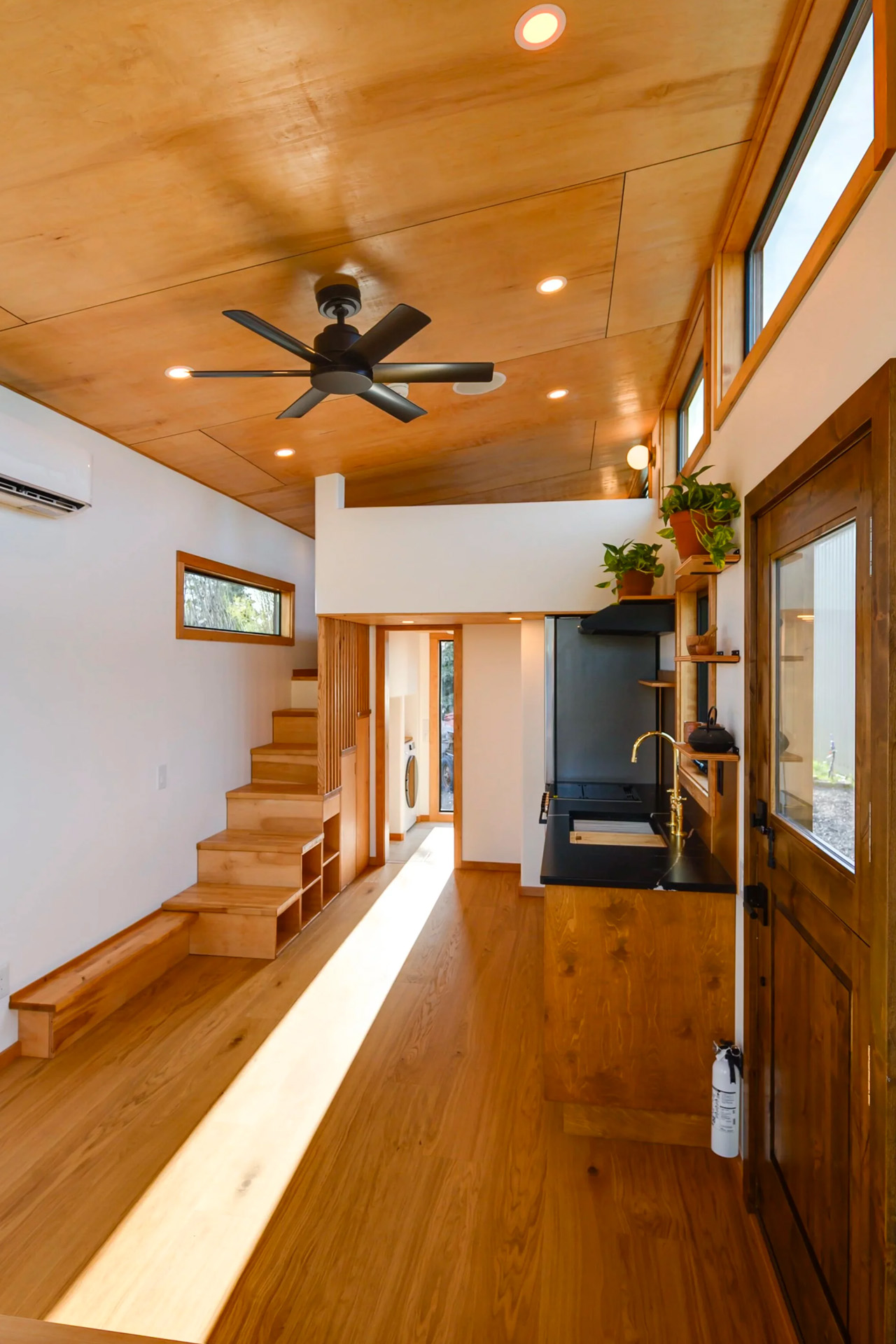
This Oregon Tiny Home Has a Freestanding Bathtub and More Storage Than You’d Ever Expect

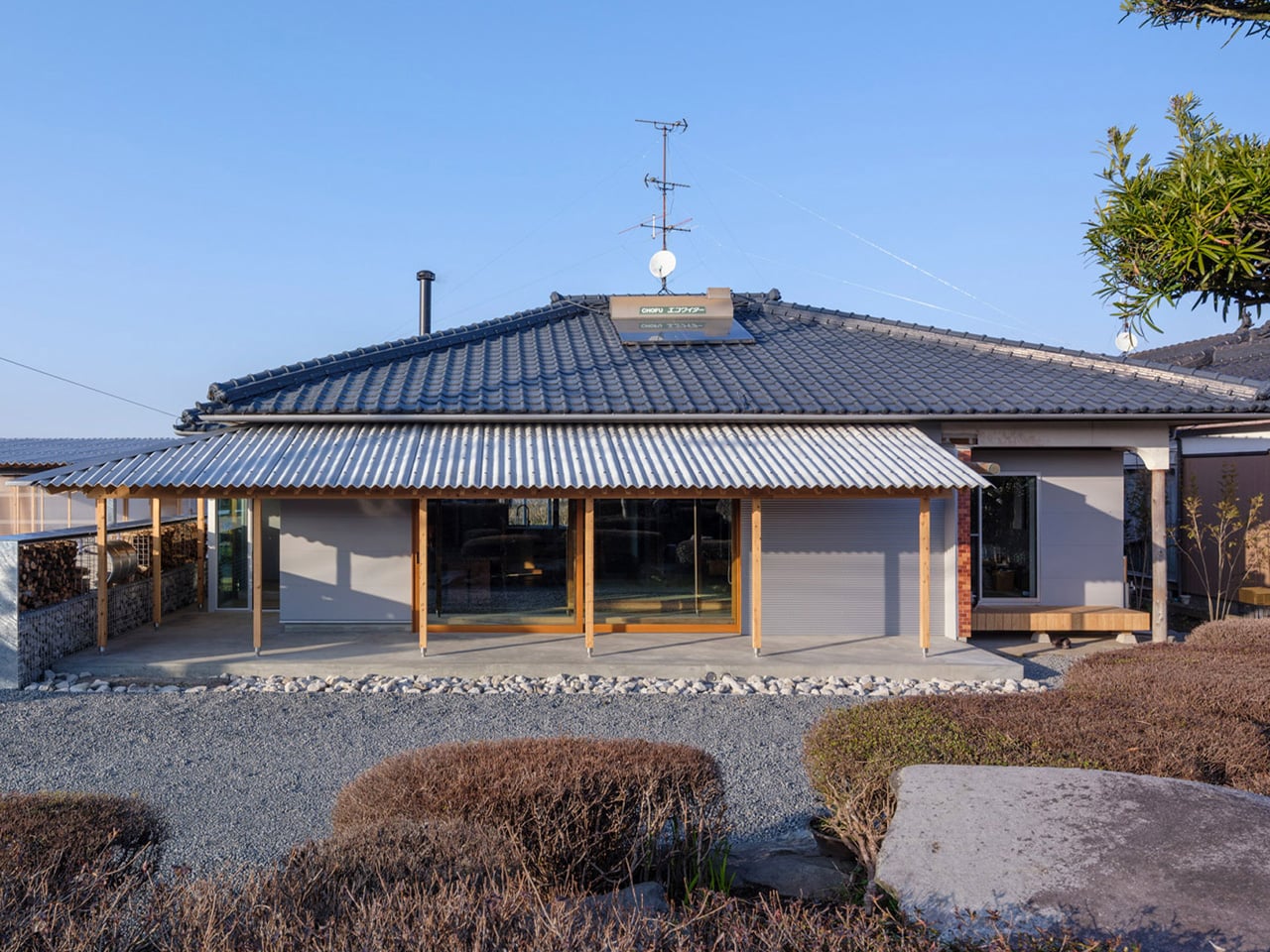
Some tiny homes ask you to settle. Cramped kitchens, awkward layouts, a bathroom you have to apologize for. The Black Butte by Spindrift Homes is not that version. Originally built as a fully custom commission, the design earned enough attention that Oregon-based Spindrift added it to its permanent catalog. The community responded, and it’s easy to see why.

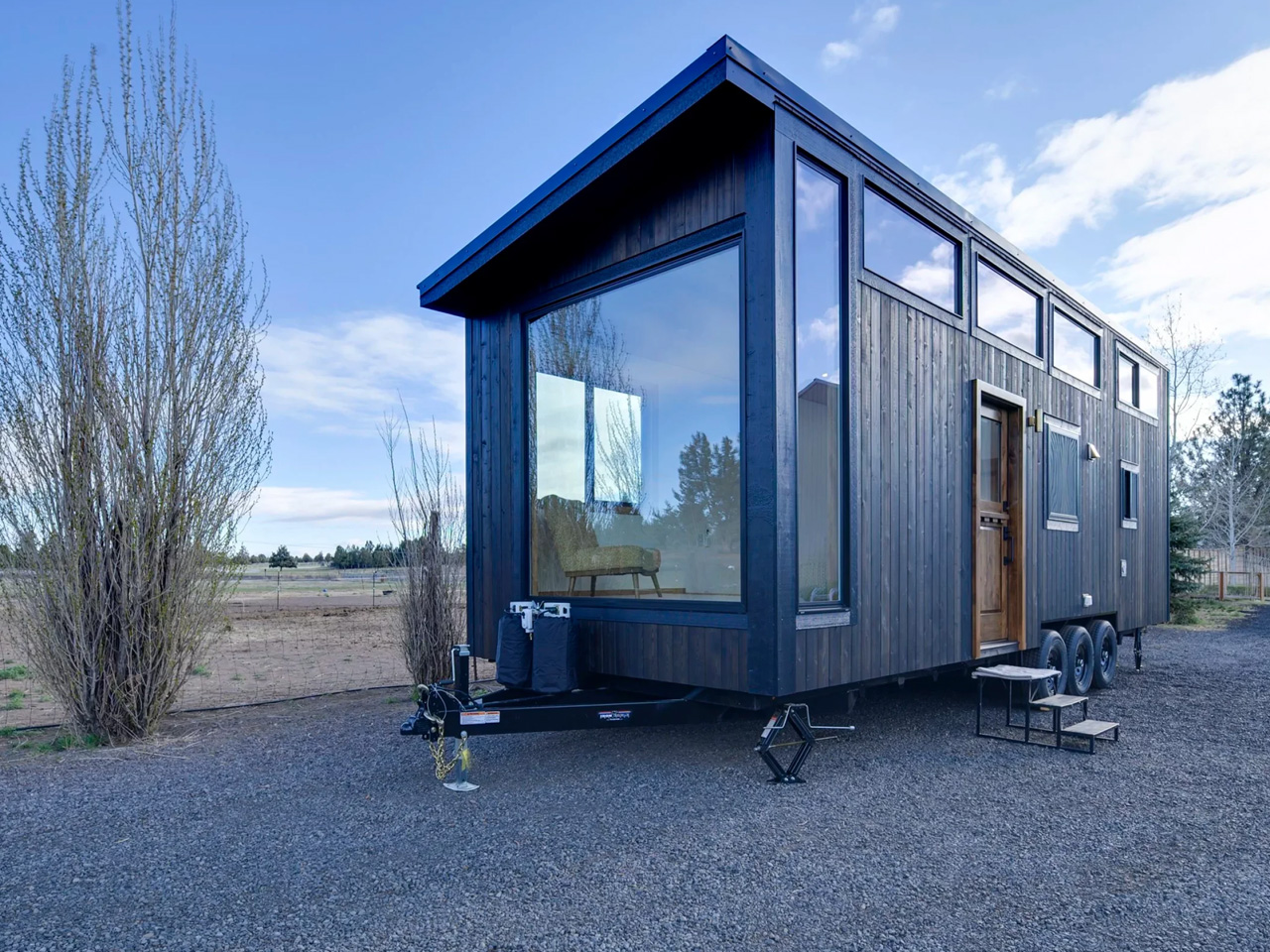
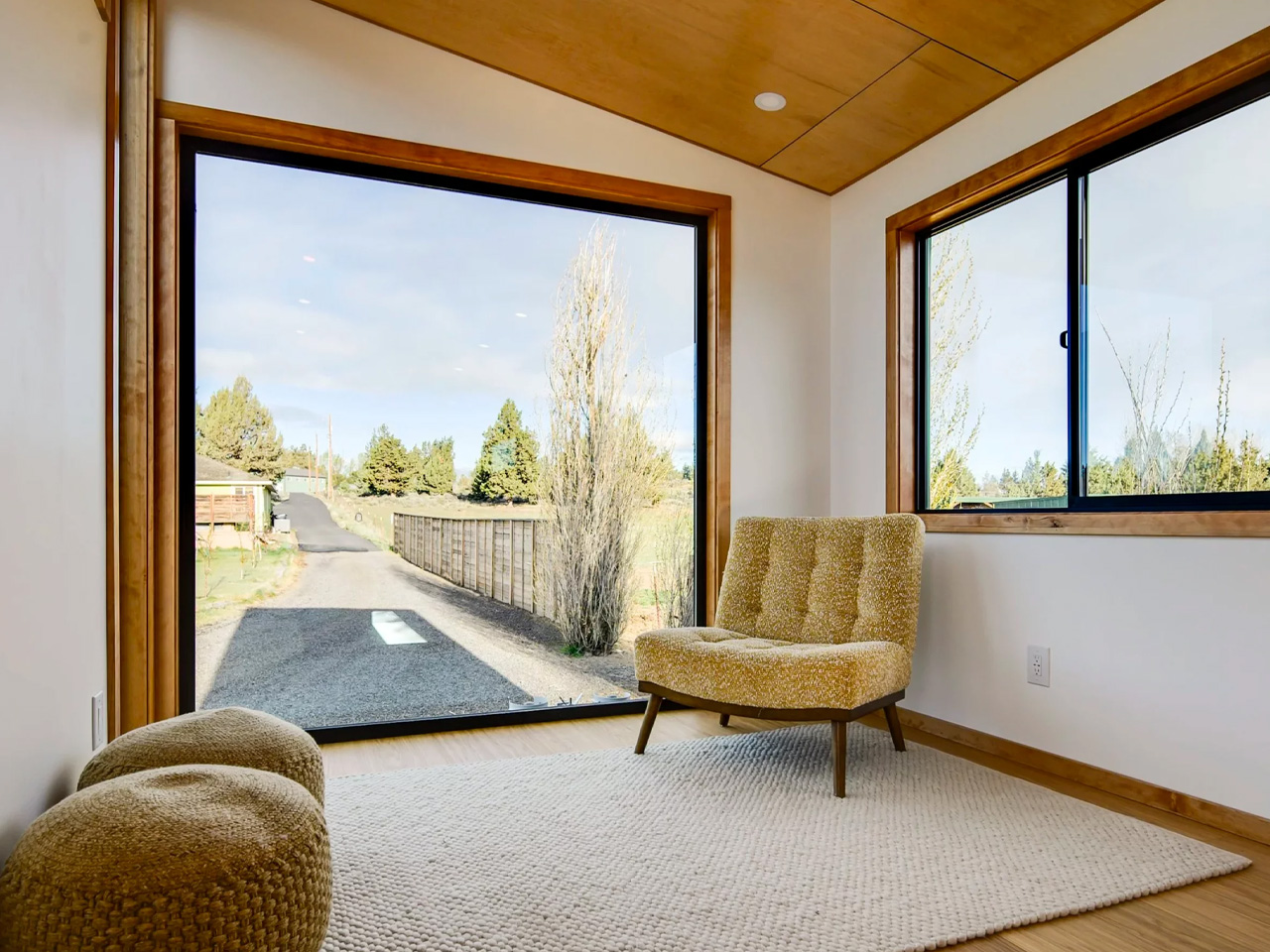
At 30 feet long and 10 feet wide, the Black Butte sits on the broader end of the towable tiny home spectrum. That extra width changes everything. It’s the difference between a space that feels edited and one that actually breathes. Spindrift describes it as “bold, design-forward” and a home that “feels both expansive and grounded,” and for once, the marketing language holds up. The proportions are generous, the light moves well through the interior, and the layout doesn’t fight itself.

Designer: Spindrift Homes

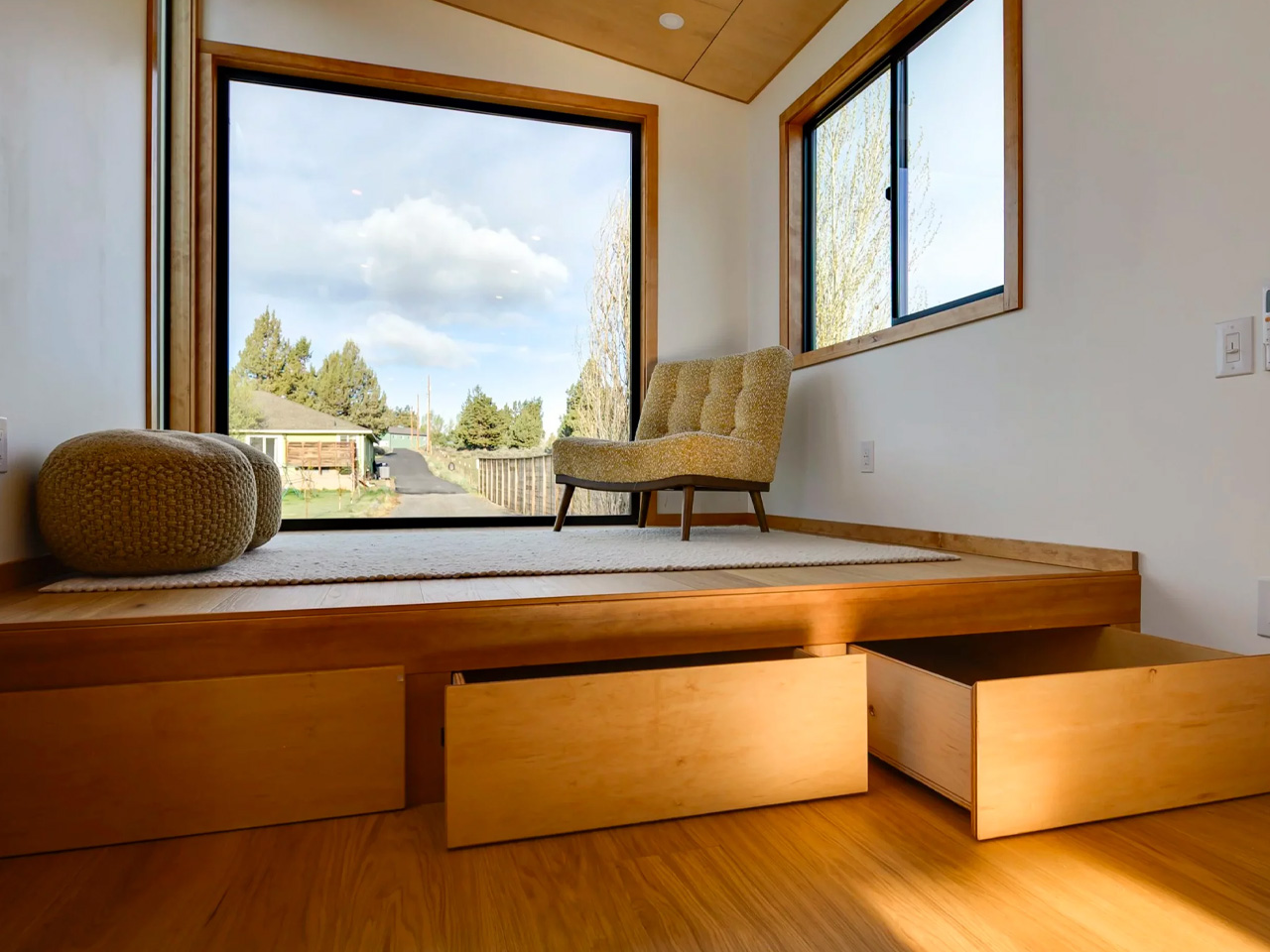
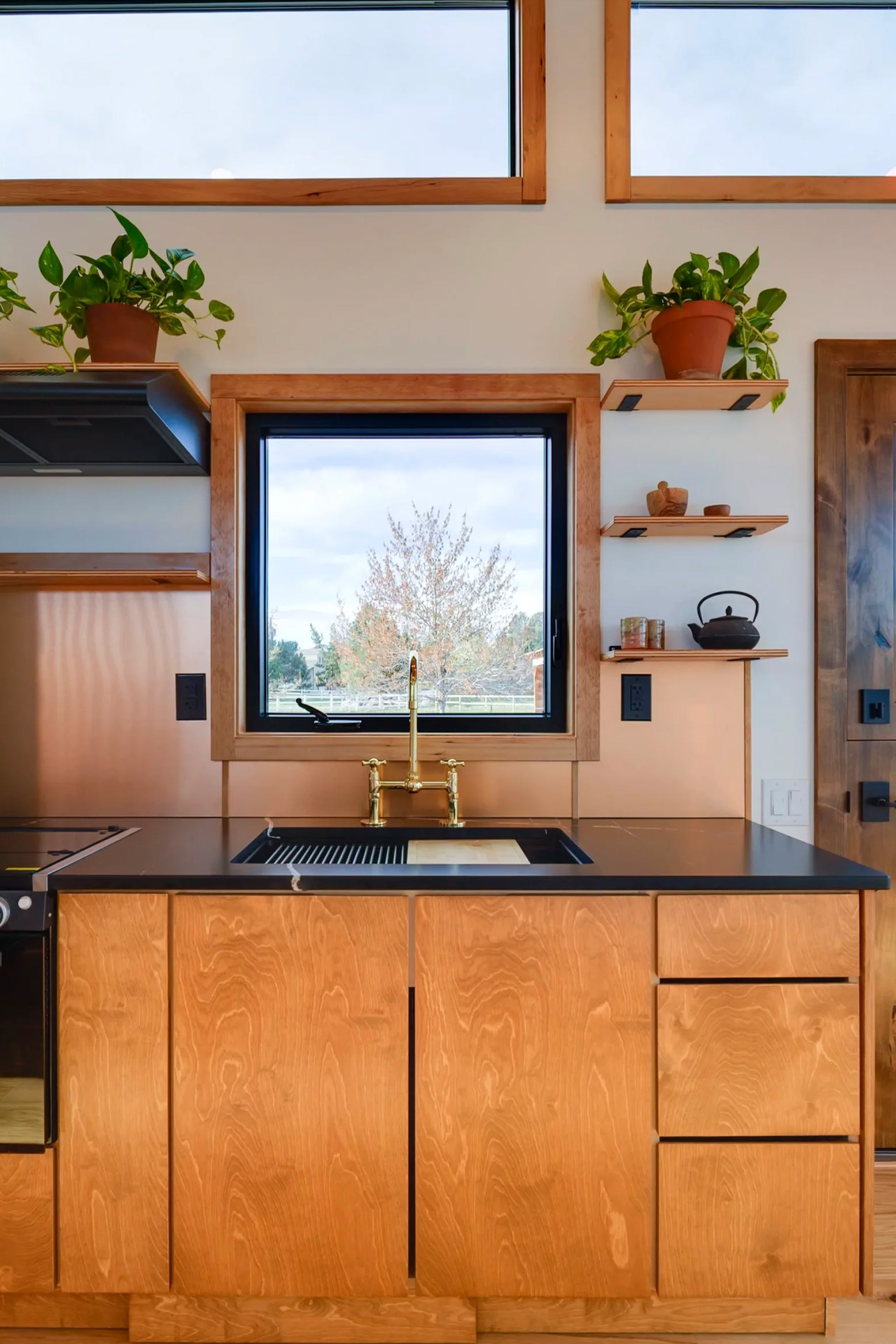
The living room sits on a slightly raised platform, a quiet design move that unlocks a serious amount of hidden storage underneath. It’s the kind of detail you miss on first glance but appreciate every single day. The kitchen holds its own, too, designed for people who actually cook rather than people who just need somewhere to store a microwave. Every inch is considered without feeling precious about it.

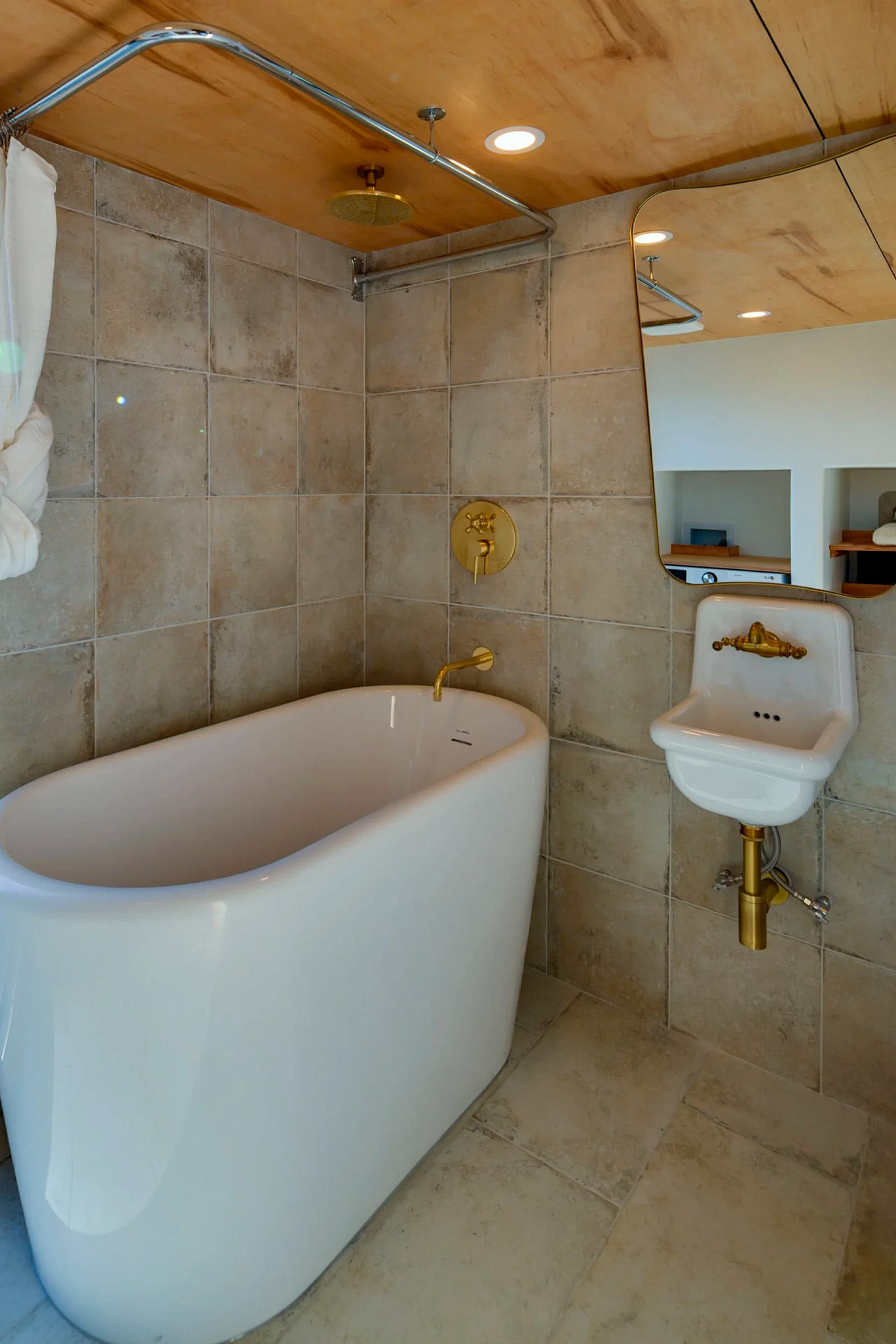
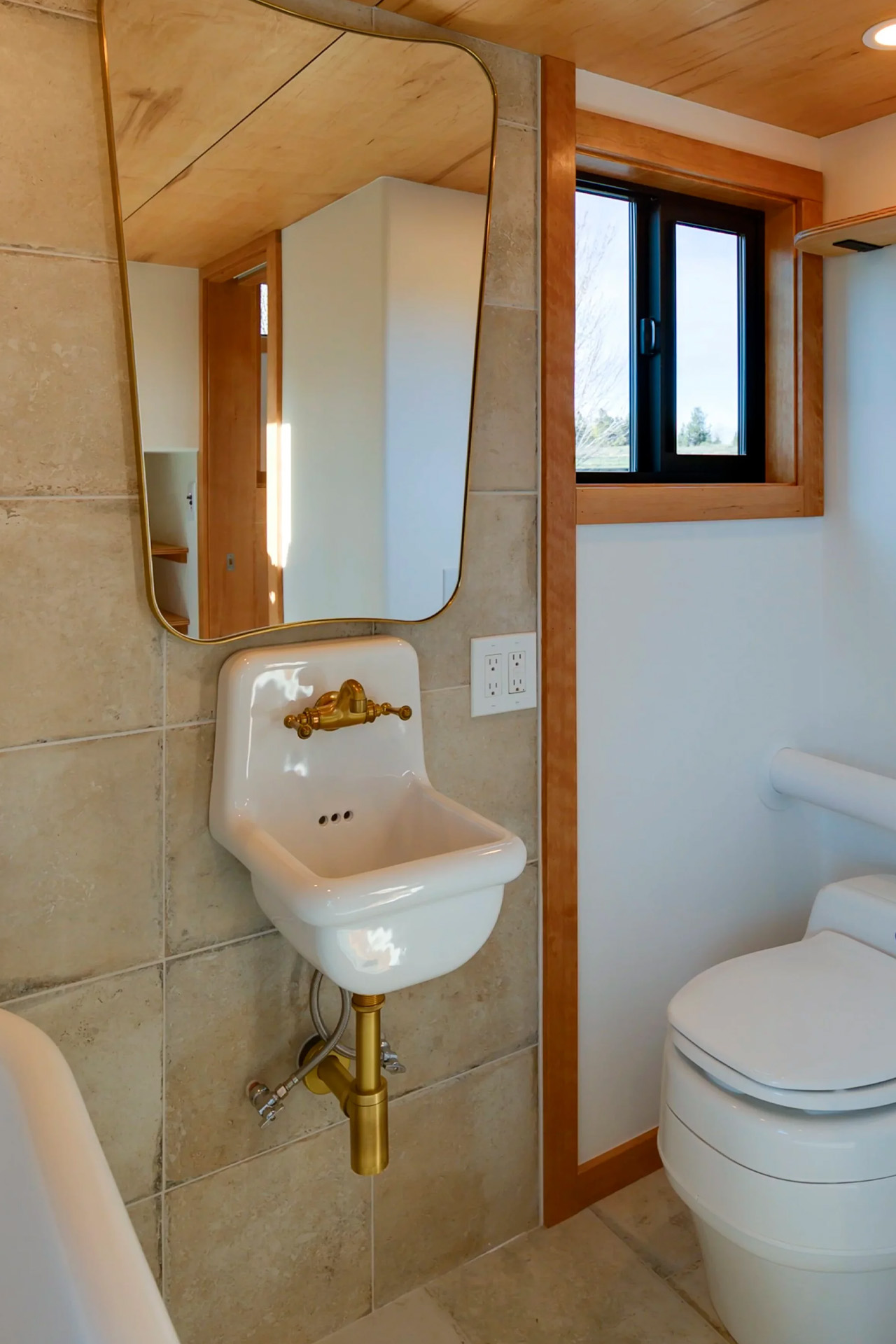
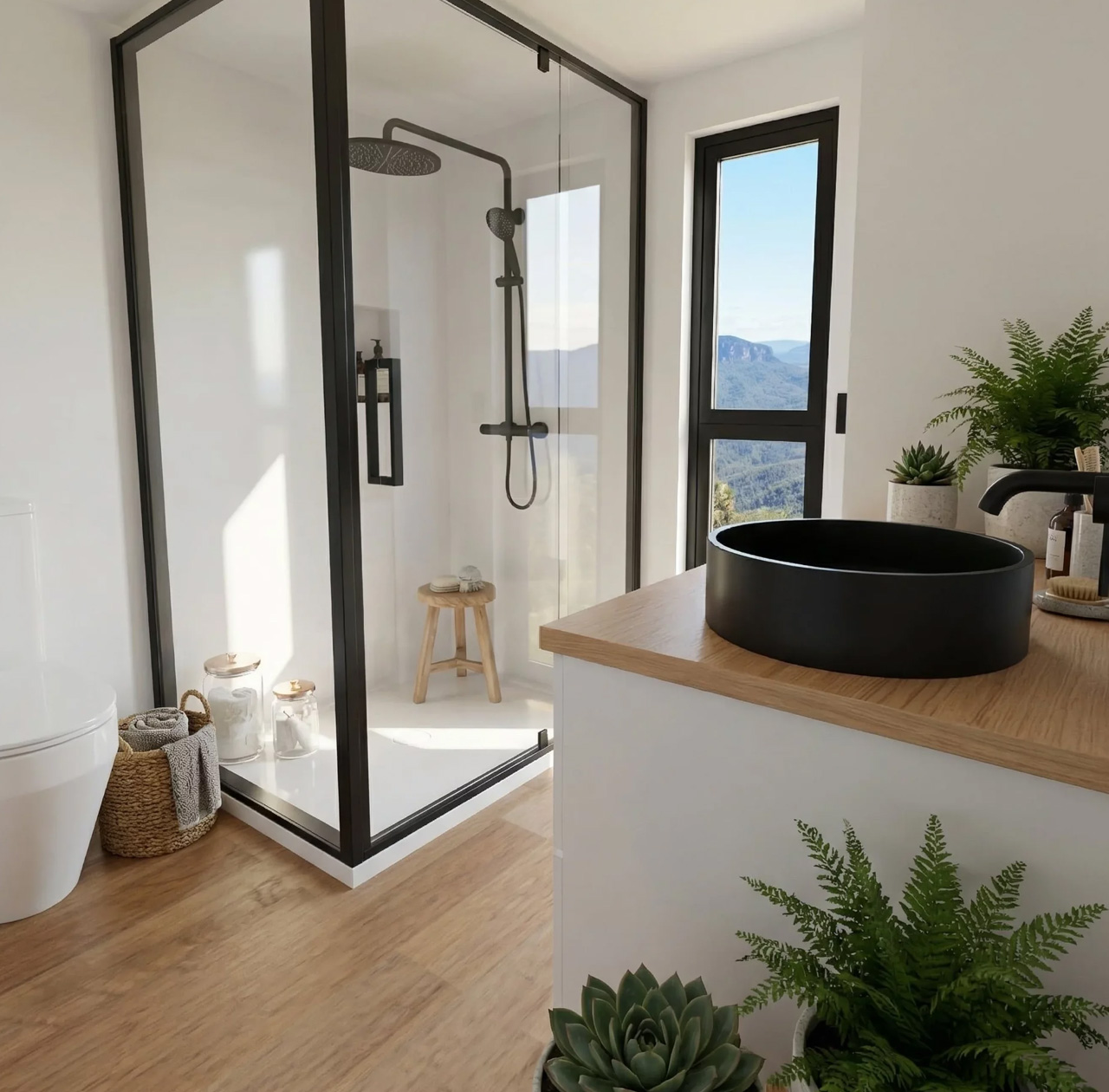
The bathroom is where the Black Butte makes its strongest statement. A freestanding bathtub in a tiny home is not a small decision, and Spindrift leaned into it completely. It reads less like a compact washroom and more like a spa you happen to sleep near. The on-demand water heater and mini-split with heating and cooling round out a home that operates as comfortably as it looks.

Built on a triple-axle custom trailer, the Black Butte is technically mobile, though it’s designed to thrive parked in one place. Think of a permanent base camp rather than a vehicle. Pricing starts at $160,000 before customization, with deliveries scheduled for fall 2026. Buyers can adjust finishes and details while keeping the layout intact, which is exactly how a design this considered should be handled. Tiny living has spent years trying to prove itself. The Black Butte doesn’t try. It just shows up.

The post This Oregon Tiny Home Has a Freestanding Bathtub and More Storage Than You’d Ever Expect first appeared on Yanko Design.

Forget Cheap Grilling Tools — These 8 BBQ Gadgets Are Actually Designed to Last a Decade

Most grilling gear is built for one season. The spatulas bend, the tongs lose tension, the finish chips by August, and you’re back at the store before the next summer. There’s a different category of BBQ tool, though: one designed by people who think about material science and ergonomics before they think about price. These eight picks share a common thread. They’re made to outlive the grill they came with.

Nothing here was sourced for novelty alone. Each piece earns its place through material quality, design thinking, or a real rethink of what a grilling tool should do. Whether you’re upgrading a backyard setup or building one from scratch, these are the tools worth spending real money on.

1. All-in-One Grill

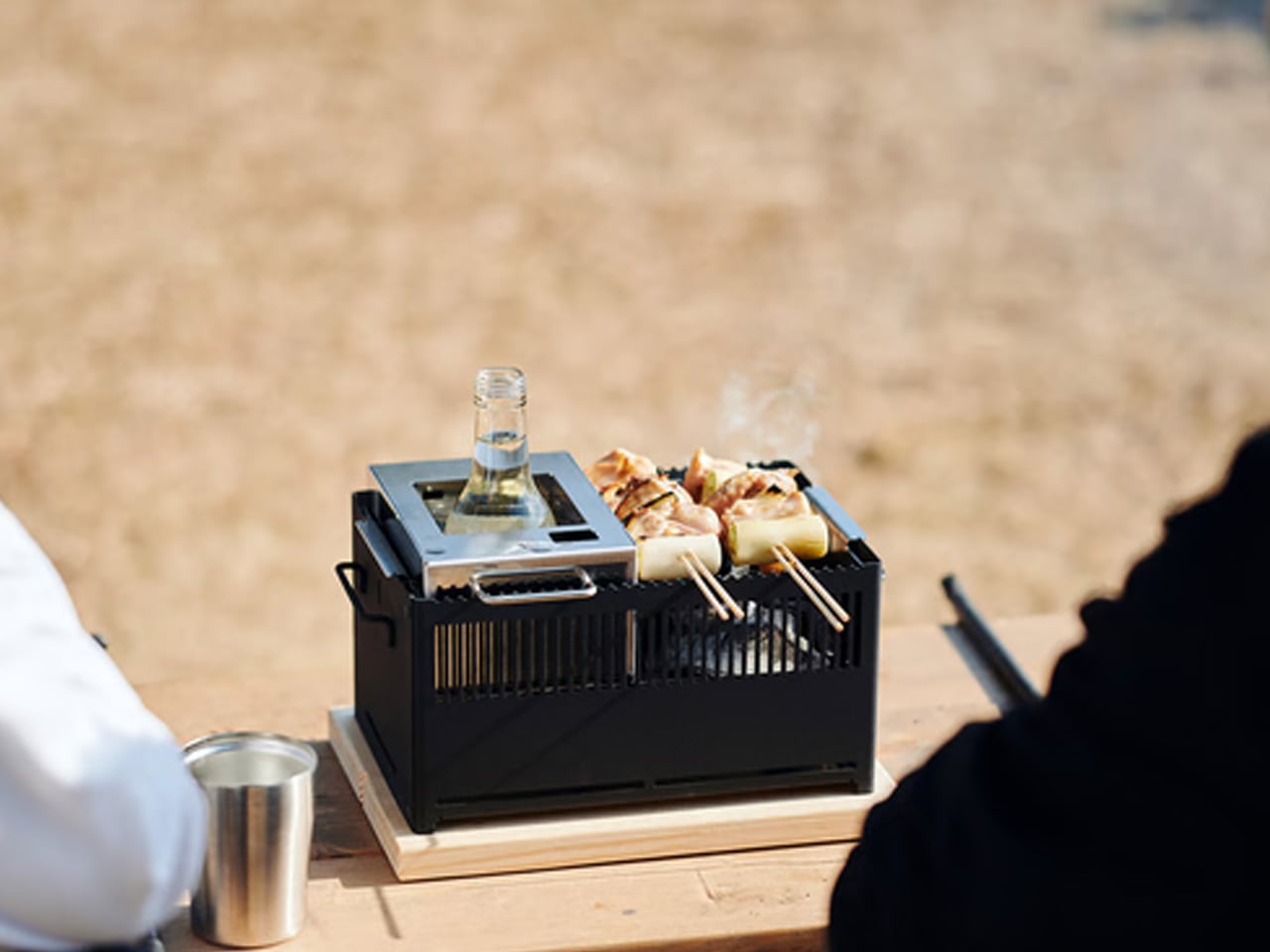
Skewers of meat and green onions grilling on a small portable charcoal grill with a metal insert holding a glass bottle.

The All-in-One Grill was made in Japan, and it shows. Modular parts allow for six different cooking methods from a single compact unit, the kind of flexibility that makes sense whether you’re cooking on a balcony, a campsite table, or a backyard deck. The design is clean enough to sit on a countertop without looking out of place, and the compact footprint means it doesn’t demand the real estate that a full outdoor grill requires during and between sessions.

Where most outdoor grills ask you to commit to one cooking style, this one adapts. The modular system disassembles for cleaning, which matters more than most people expect. Tools that are hard to clean don’t stay clean, and tools that don’t stay clean don’t last. There’s also a dedicated module for warming bottles, a small detail that signals the kind of thorough product thinking that separates considered design from commodity manufacturing.

Click Here to Buy Now: $449

What we like

  • Modular design supports six different cooking methods from one compact unit
  • Made in Japan with a table-ready footprint that suits indoor and outdoor use equally

What we dislike

  • Modular assembly takes more time to set up than a conventional fixed grill

2. Nomad Grill and Smoker

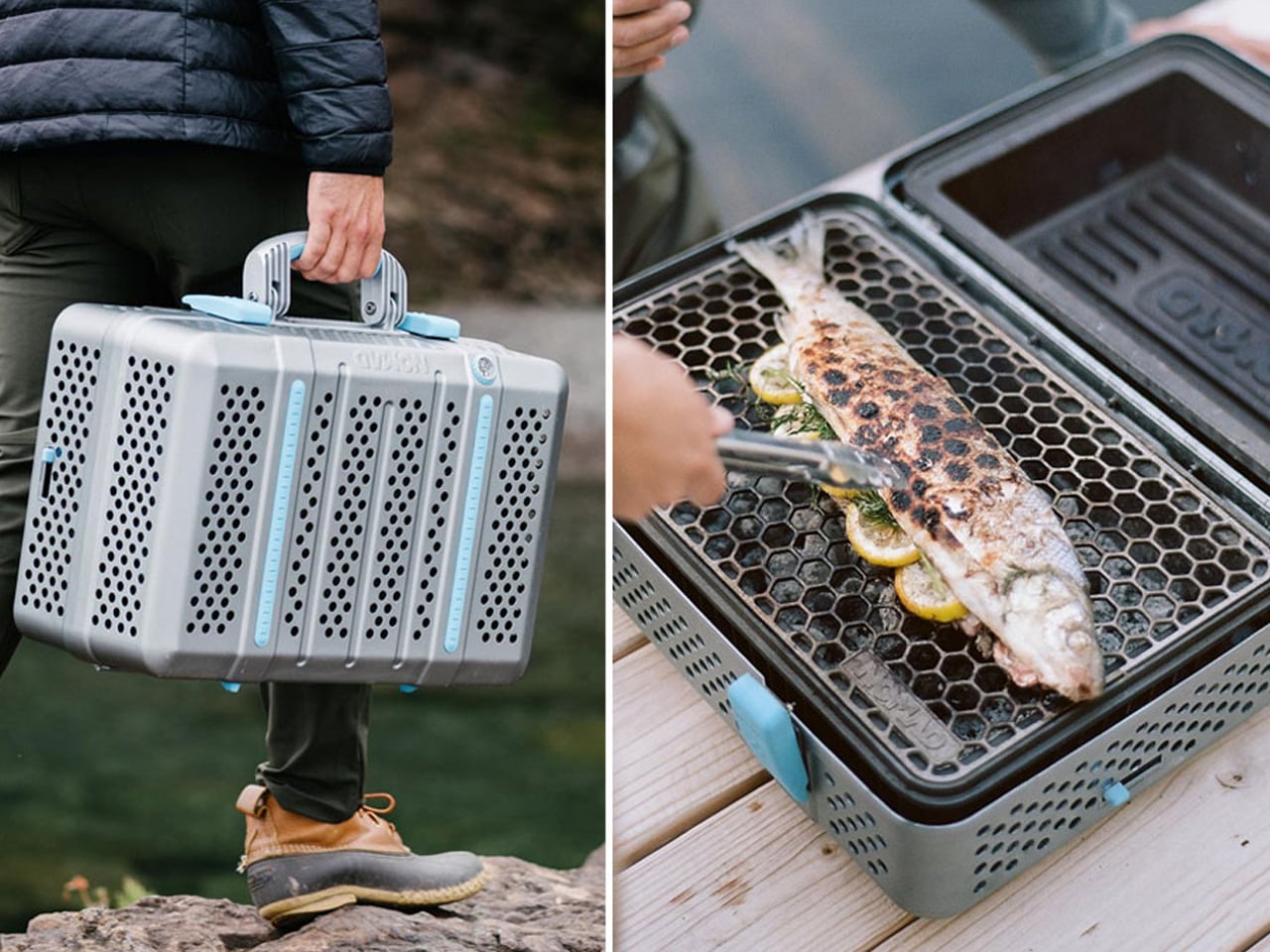
The Nomad Grill and Smoker earns its place through sheer design intelligence. Built from anodized aluminum with a honeycomb interior pattern, it folds down to a 2×2-foot briefcase form and opens into 212 square inches of cooking space, doubling that in open-grill mode. Magnetic clutches lock the whole unit shut for transport. There are no smart buttons, no app. Just physics doing the work of keeping heat in and the exterior cool to the touch while it cooks.

What makes the Nomad particularly useful is how it handles both smoking and grilling without asking you to choose between portability and performance. The closed position circulates smoke and heat consistently for low-and-slow cooking. Open it up, and it performs like a conventional charcoal grill. At $599, it sits at the premium end of portable setups, but the anodized aluminum construction and industrial design mean you are not replacing this in five years. You are passing it on.

What we like

  • Folds to briefcase size without sacrificing 212 sq in of cooking surface
  • Anodized aluminum construction keeps the exterior cool to the touch during use

What we dislike

  • $599 is a significant upfront investment for a portable grill
  • Charcoal only, with no gas option for those who prefer quick heat-up times

3. Compact Modular Grill Plate

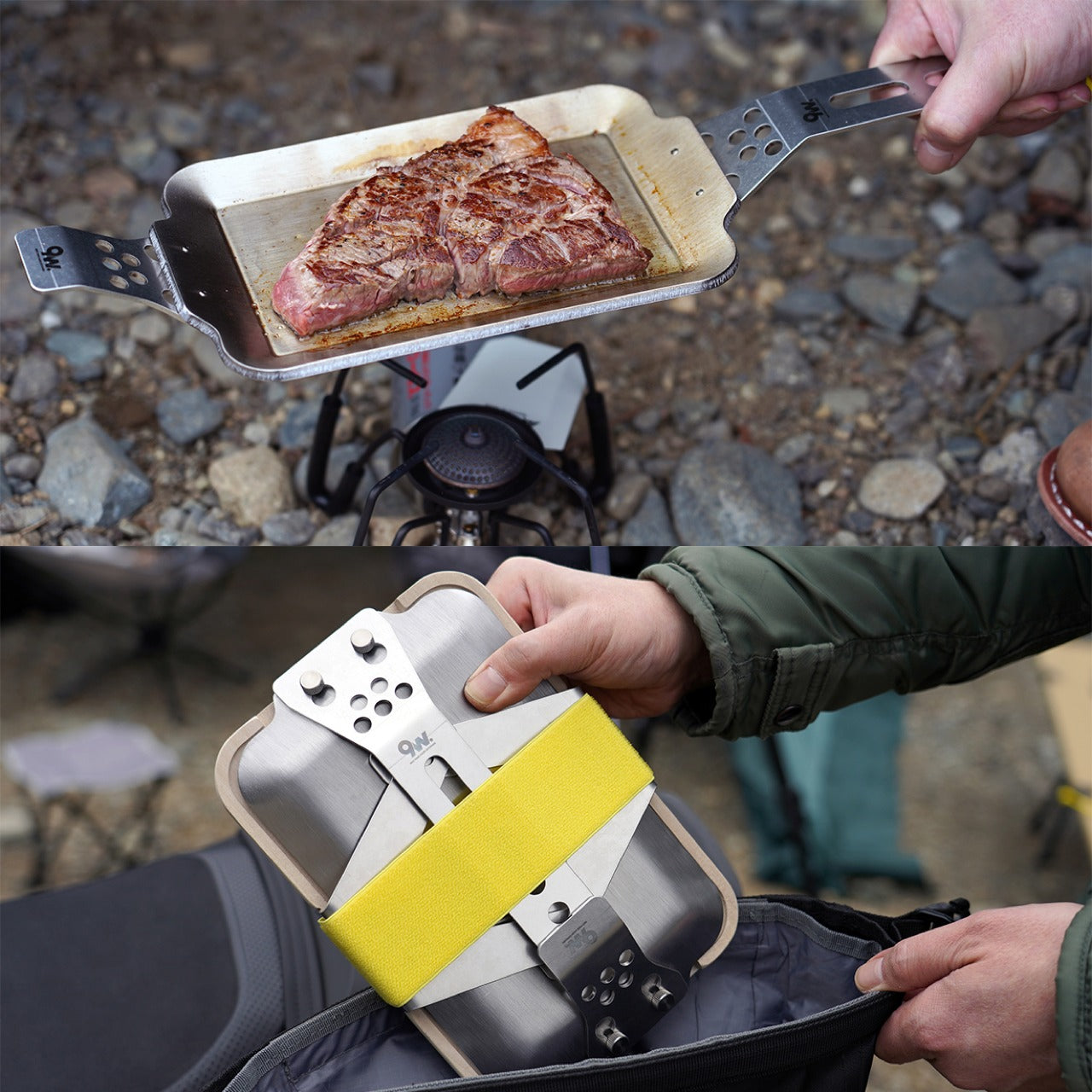
The Compact Modular Grill Plate is the kind of tool that belongs in the same kit as the All-in-One Grill but works just as well on its own. The adaptable metal plate cooks food evenly while locking in juiciness, making it the right surface for steaks and fish that need consistent heat contact across the entire cut. It works across different heat sources, which means it moves between cooking setups without requiring its own dedicated station or stand.

Priced between $100 and $139, depending on configuration, this is the category of tool that looks deceptively simple until you use a lesser version. The difference between a well-engineered grill plate and a cheap one is the difference between a proper seared crust and a steamed, stuck mess. The modular nature also means it doesn’t take up a fixed position in a drawer or cabinet. It slots into a kit, disappears when not in use, and performs exactly when it counts most.

Click Here to Buy Now: $100.00

What we like

  • Works across multiple heat sources without requiring a dedicated cooking station
  • Engineered for even heat distribution and moisture retention across the cooking surface

What we dislike

  • Narrower in scope than a full grill accessory set for varied cooking needs
  • Priced higher than mass-market grill plates of similar dimensions

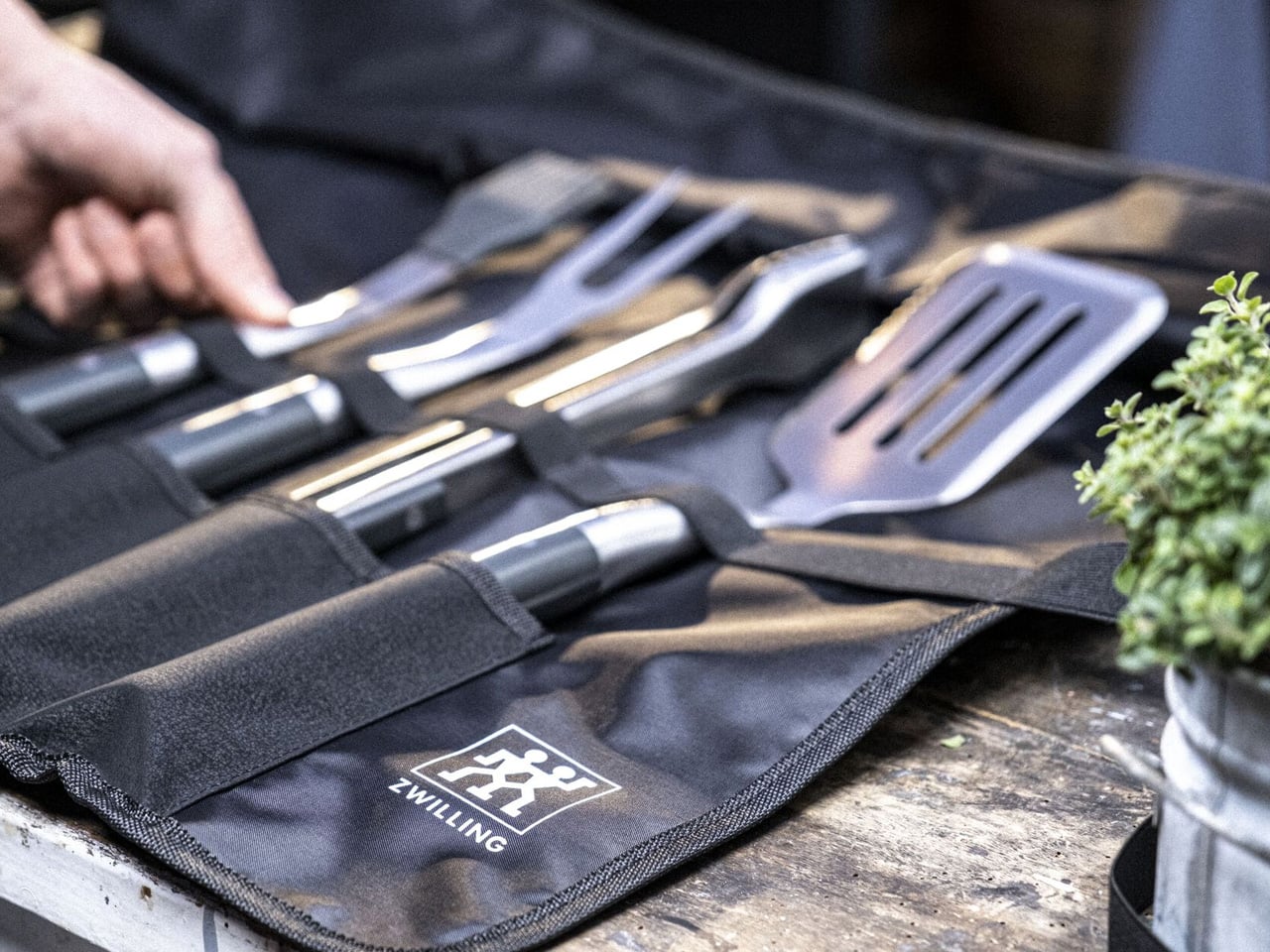
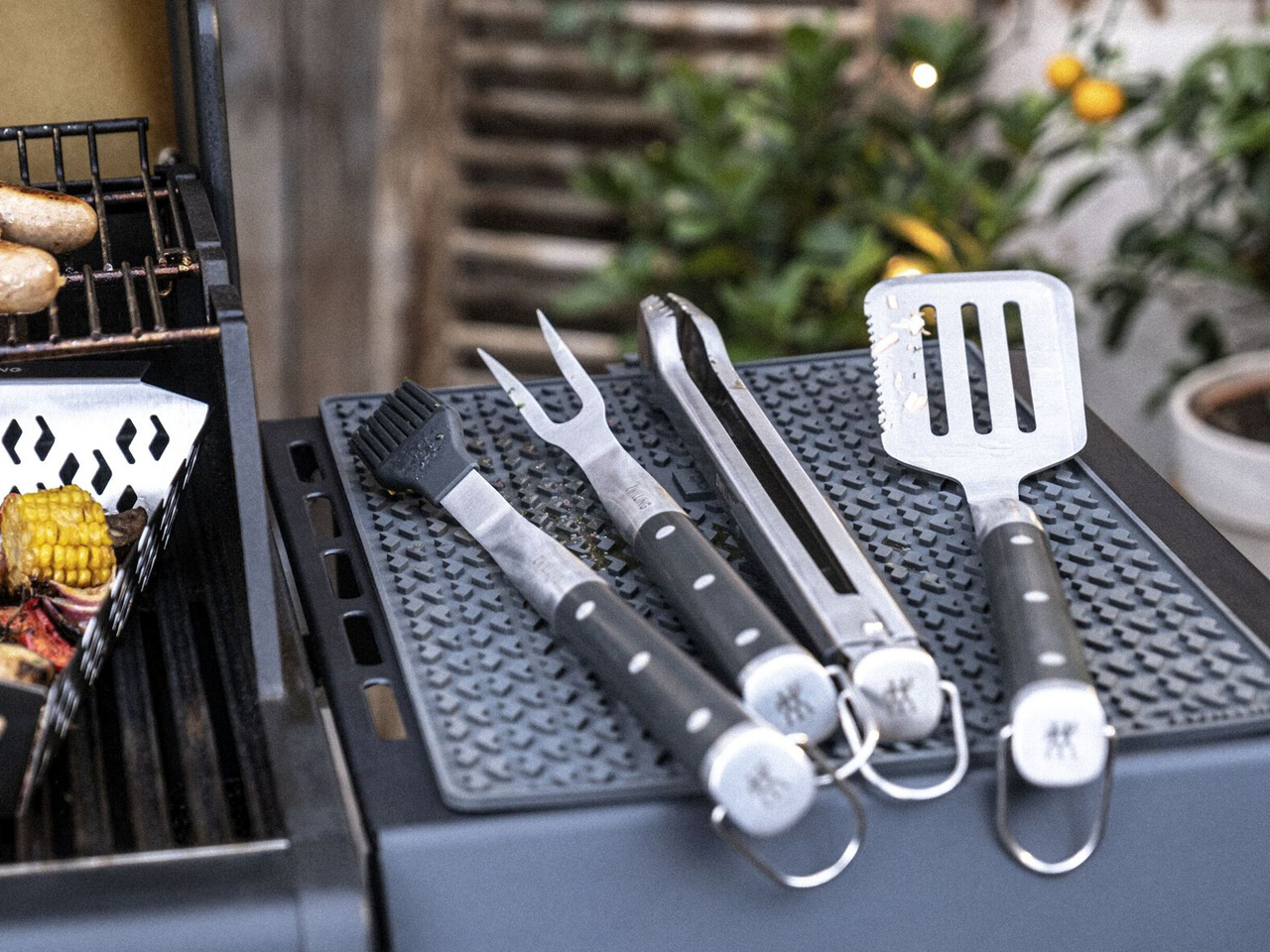
4. Zwilling BBQ+ 5-Piece Stainless Steel Grill Tool Set

Zwilling has been making blades since 1731, which gives the BBQ+ set a particular kind of credibility. The five-piece set is built from 18/10 stainless steel, the same grade used in surgical instruments, with triple-riveted handles and heat-resistant grips. It carries a 4.9-star rating across major retailers, including Crate and Barrel and Wayfair, and reviewers consistently note the build quality as something that feels immediately different from standard grill sets the moment you pick a piece up.

The spatula comes with a serrated edge for checking doneness without reaching for a separate tool. The tongs carry the satisfying mechanical resistance of something properly engineered rather than assembled for a price point. At $149.99, this set sits where you’re paying for materials and manufacturing heritage rather than branding. These tools don’t rust, don’t bend, and don’t require seasonal replacement. For anyone who has cycled through two or three cheaper sets in as many years, this is where that pattern stops.

What we like

  • 18/10 stainless steel with triple-riveted handles built for decades of consistent use
  • 4.9-star rating across multiple major retailers signals real-world durability across users

What we dislike

  • The set includes gloves and a silicone mat, which some buyers may find unnecessary additions
  • Premium pricing relative to mid-range grill tool sets with similar piece counts

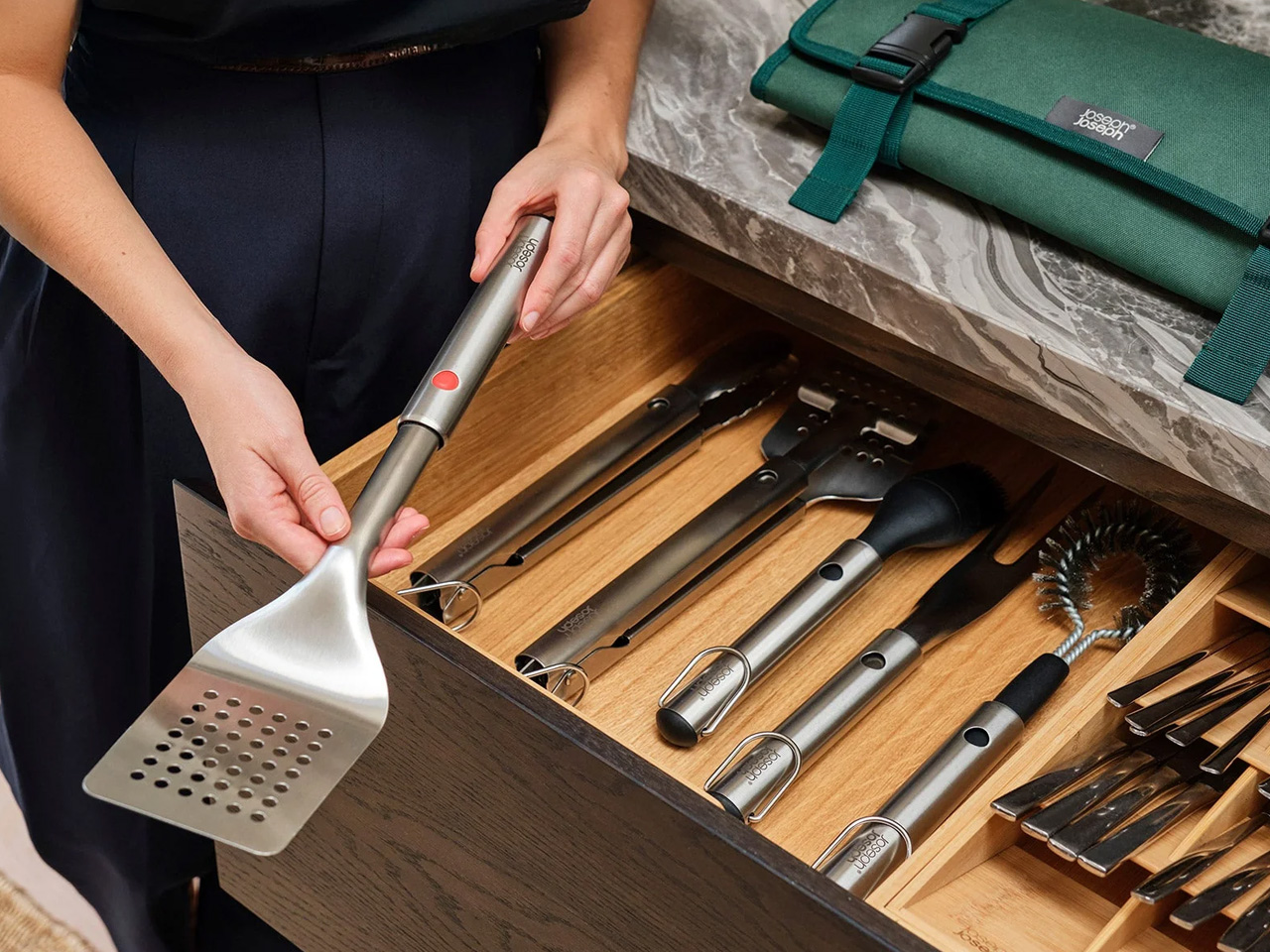
5. Joseph Joseph GrillOut 4-Piece BBQ Tool Set with Storage Case

Joseph Joseph built its reputation on solving storage problems as cleverly as it solves cooking ones, and the GrillOut set is that philosophy applied to outdoor equipment. The four-piece set includes tongs, a spatula, a fork, and a basting brush, all integrated into a foldable carry case that functions as both a storage unit and a transport caddy. Utensil heads retract for compact packing, every tool is fully stainless with slip-resistant silicone grips, and the whole set dismantles for easy cleaning after each session.

Priced between $78 and $98, depending on the retailer, the GrillOut set is the most accessible on this list without feeling like a step down. The retractable utensil heads are the kind of detail that rewards you every time you pack up: no loose pieces, no separate bag, no searching for the brush before you can leave. For anyone who grills away from home as often as in it, this is the set that travels with real intention rather than just tolerance of inconvenience.

What we like

  • Retractable utensil heads and an integrated foldable case make packing genuinely effortless
  • Full stainless construction with silicone grips at the most accessible price point on this list

What we dislike

  • Four pieces may feel limited for larger or more varied grilling sessions
  • The retraction mechanism benefits from occasional maintenance to keep functioning smoothly over time

6. Obsidian Black All-Around Tongs

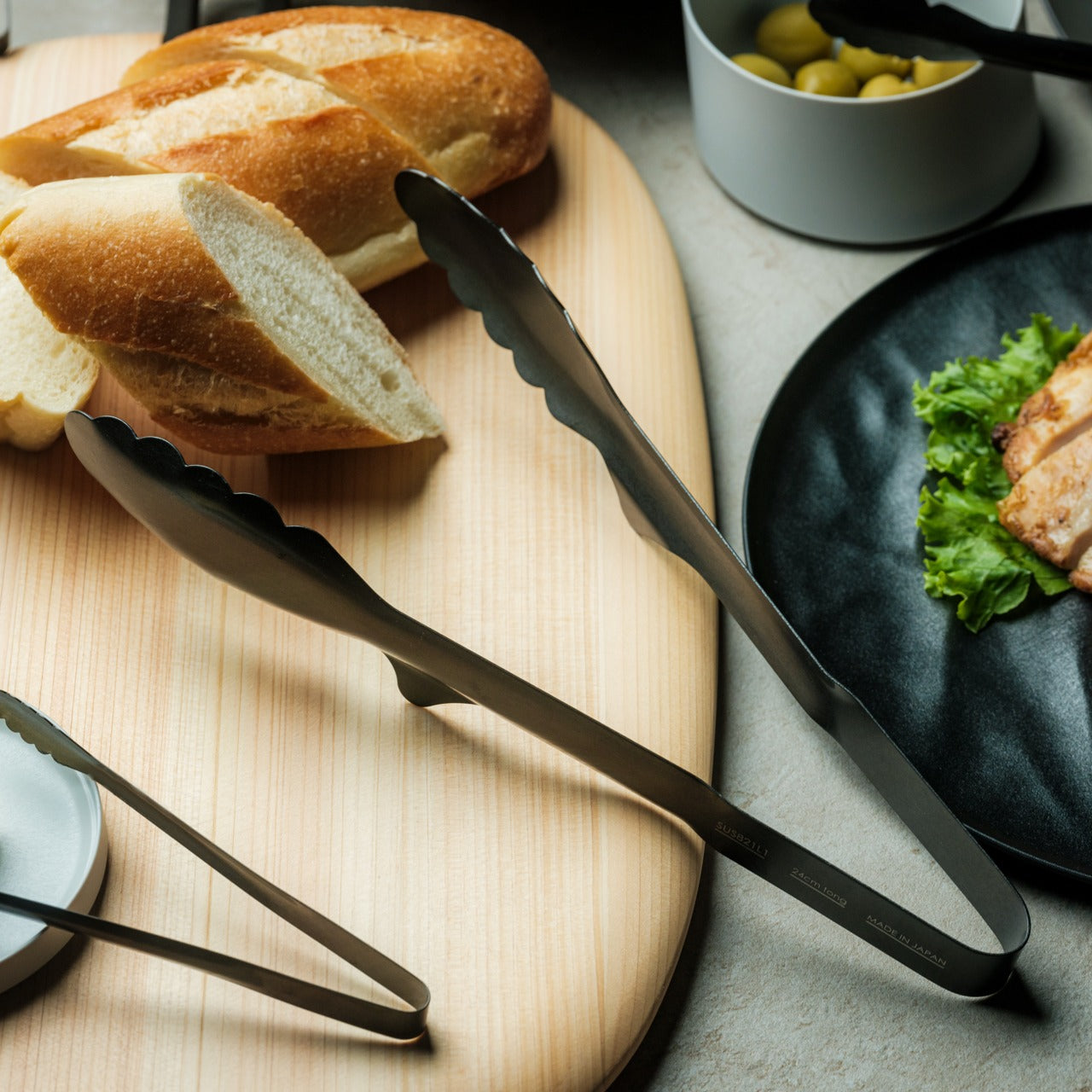
The Obsidian Black All-Around Tongs are made from SUS821L1 stainless steel, a grade selected for its exceptional strength and corrosion resistance rather than cost efficiency. The 9.45-inch length handles most cooking and plating tasks without putting your hand close to the heat. The all-black finish signals a material choice rather than a style decision: this is a kitchen tool that takes the visual language of professional equipment and applies it to backyard cooking without compromise or apology.

What makes these tongs worth including in a list about longevity is the material specification. SUS821L1 is not the steel found in budget tong sets. It holds its finish, resists the corrosive effects of marinades and high-heat cleaning, and maintains its mechanical tension over time. The Obsidian Black range also includes chopstick tongs, mini grip tongs, and salad tongs, making the collection genuinely expandable. These are tools you build a kitchen setup around rather than ones you phase out at the end of a season.

Click Here to Buy Now: $35.00

What we like

  • SUS821L1 stainless steel delivers superior corrosion resistance and long-term tension retention
  • Part of an expandable collection with multiple tong formats for different tasks

What we dislike

  • The matte black finish requires careful hand-washing to maintain its appearance long-term
  • Limited to tong formats, with no spatula or fork included in the Obsidian Black range

7. Roxon MBT3 Multi BBQ Tool

The Roxon MBT3 is a six-in-one BBQ multi-tool built from food-grade 430 stainless steel. Three base elements, a fork, spatula, and knife, connect via a 1.2mm liner lock and reconfigure depending on what you need at the moment. The fork and spatula join to form tongs. The knife folds to become a bottle opener and corkscrew. It packs into a nylon pouch small enough to slip into a jacket pocket, making it the only tool on this list that genuinely disappears when it isn’t needed.

What the Roxon MBT3 gets right is that it doesn’t ask you to carry more to do more. The EDC thinking behind it translates to the grill better than most multi-tools manage. The liner lock mechanism is secure enough that reconfiguring parts doesn’t feel like a compromise in the field. For a camper, a tailgater, or anyone who grills away from a fixed setup regularly, this is the one piece of kit that handles everything without filling a bag or requiring a dedicated case to transport.

What we like

  • Six functions in a single pocket-sized tool secured by a reliable 1.2mm liner lock
  • Food-grade 430 stainless steel construction with a dedicated nylon carry pouch included

What we dislike

  • Better suited to solo or small-group grilling than high-volume or simultaneous cooking
  • Requires some familiarity with the reconfiguration system before it feels fully intuitive

8. MEATER Plus Wireless Smart Meat Thermometer

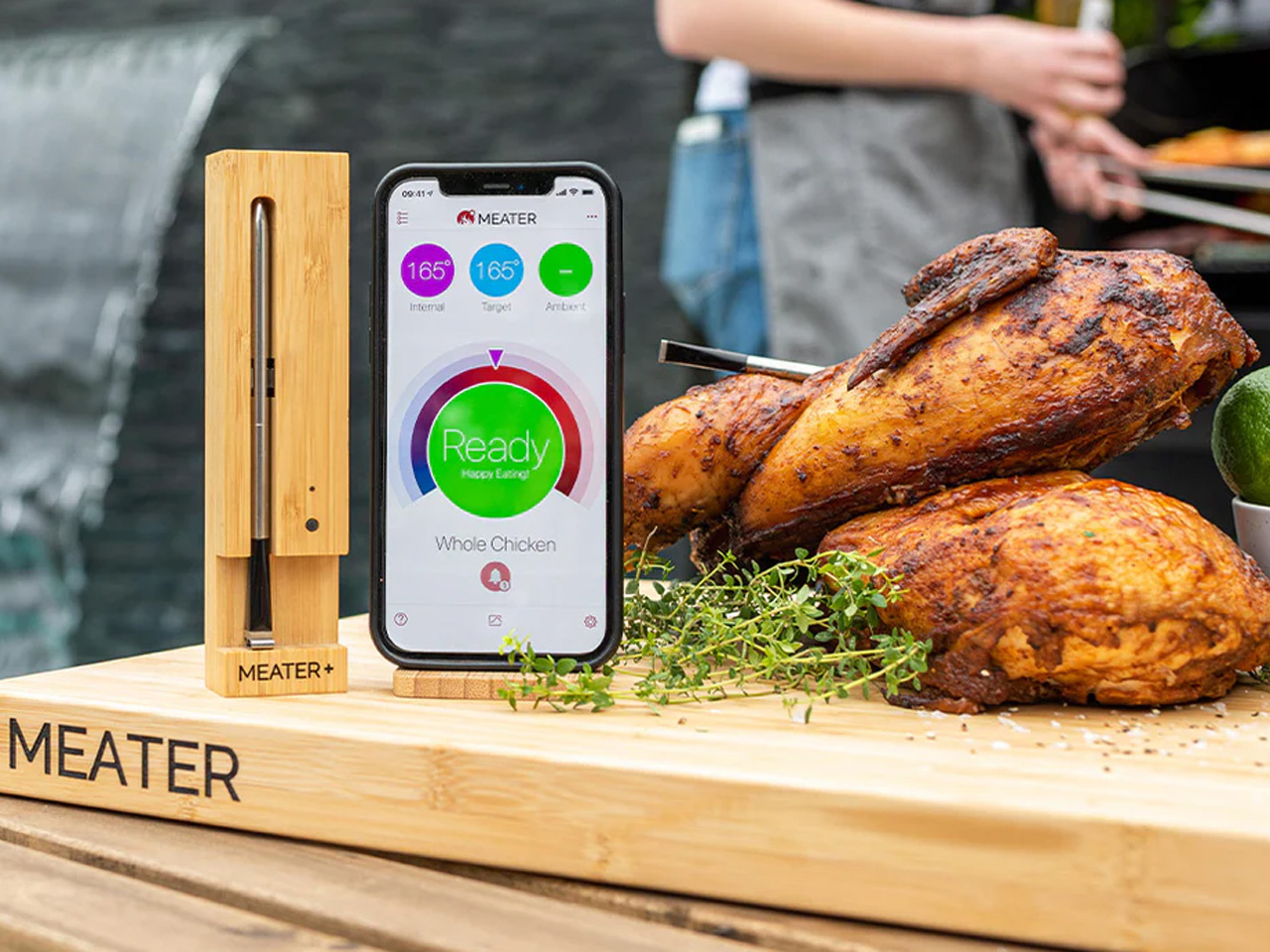
The MEATER Plus is the first truly 100% wire-free meat thermometer on the market. A single probe monitors both internal meat temperature and ambient grill temperature simultaneously, then relays that data to your phone via Bluetooth at a range of up to 165 feet. The bamboo charging dock doubles as a Bluetooth repeater, extending that range without additional hardware. The companion app guides you through the cooking process in real time and estimates exactly when to pull the meat off the grill.

The design case for the MEATER Plus is as strong as the technical one. The probe is minimal enough to sit in a bamboo dock on a kitchen counter without looking like a gadget. No wires, no clunky receivers, no analog dials. At $99.95, it’s the kind of tool that changes how you interact with a grill rather than just what you can do with it. Once you’ve cooked with one, the idea of cutting into meat to check doneness feels genuinely outdated rather than just inconvenient.

What we like

  • 100% wire-free with simultaneous dual-temperature monitoring up to 165 feet via Bluetooth
  • Companion app delivers real-time cook guidance and precise pull-time estimates

What we dislike

  • Requires a charged smartphone and an active Bluetooth connection to access full functionality
  • Ambient probe placement near the meat surface can affect temperature accuracy in certain setups

Buy Once, Grill Better for Years

The common thread across all eight of these picks is intention. Each one was designed with a specific problem in mind, whether that’s portability, material longevity, storage efficiency, or the kind of precision that removes guesswork from the cooking process entirely. None of them is an impulse purchase, and none of them is meant to be. Good tools earn their place over time, and every one of these has the construction quality to do exactly that.

If there’s a place to start, the Obsidian Black Tongs and the MEATER Plus represent two ends of the spectrum: one purely mechanical, one quietly smart, both worth having before anything else on the list. The Nomad and the All-in-One Grill offer different answers to what a portable grill can be. Any combination of these eight will outlast the average grilling season by years. That’s the entire point of buying well once.

The post Forget Cheap Grilling Tools — These 8 BBQ Gadgets Are Actually Designed to Last a Decade first appeared on Yanko Design.
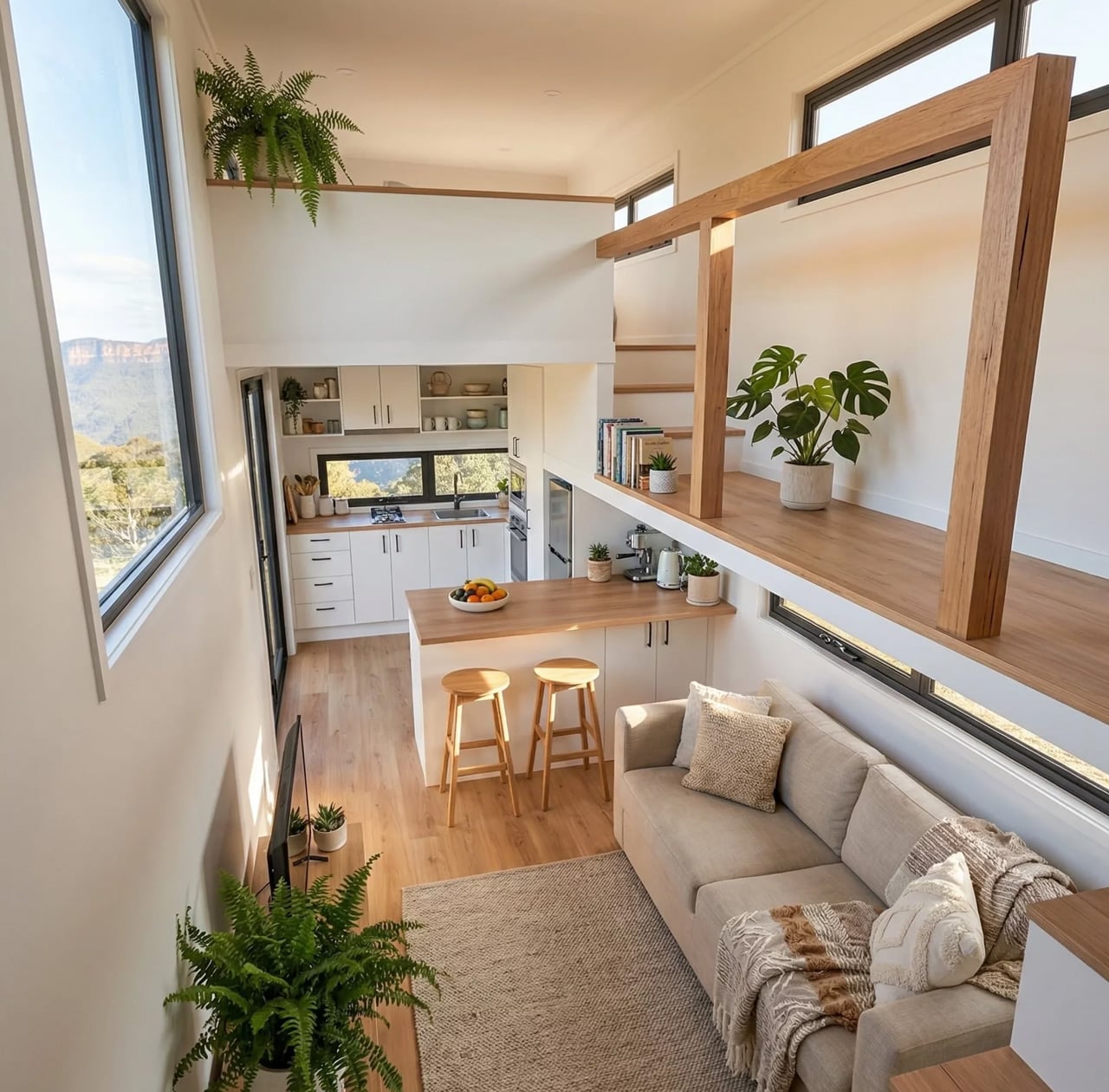
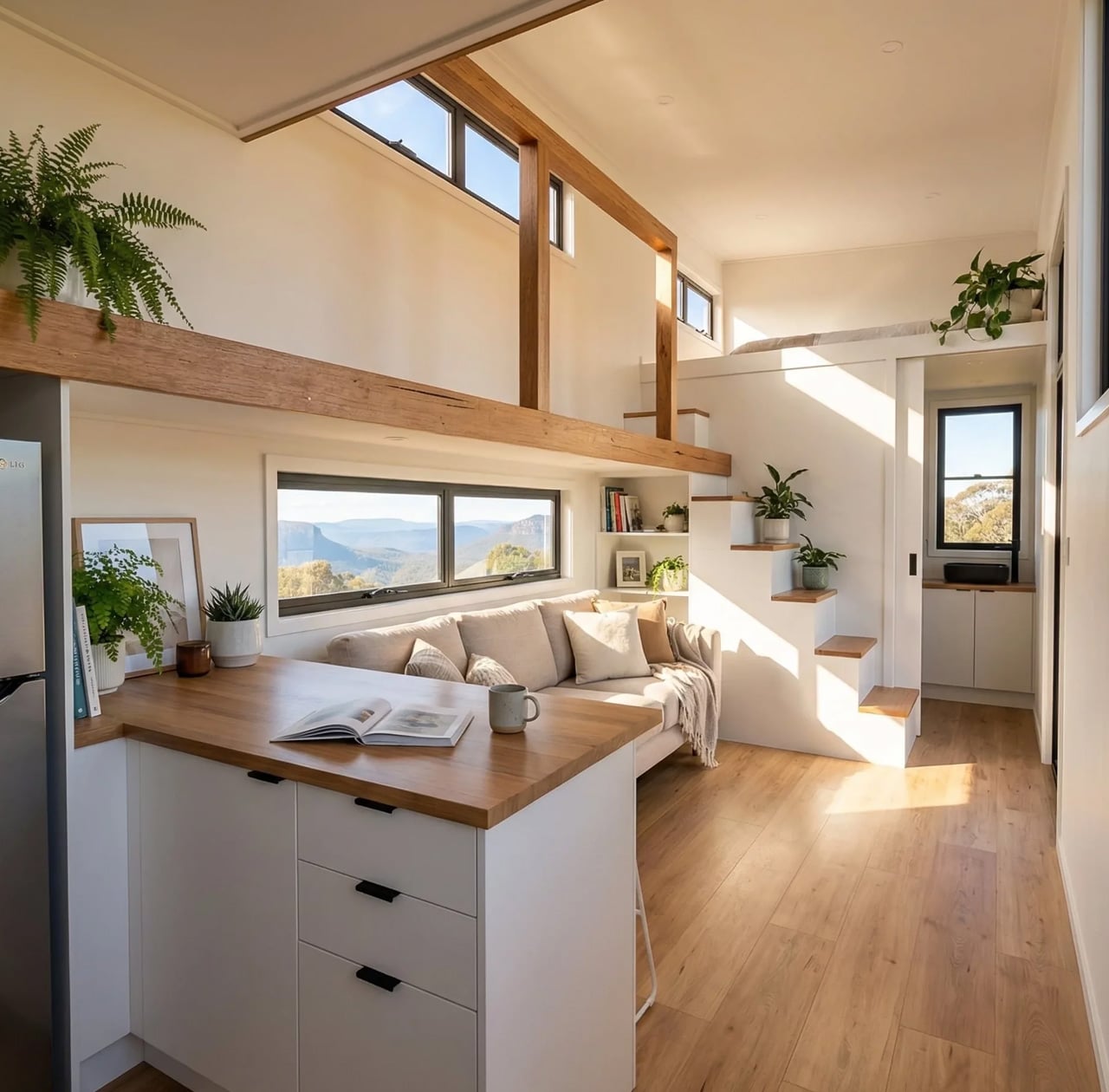
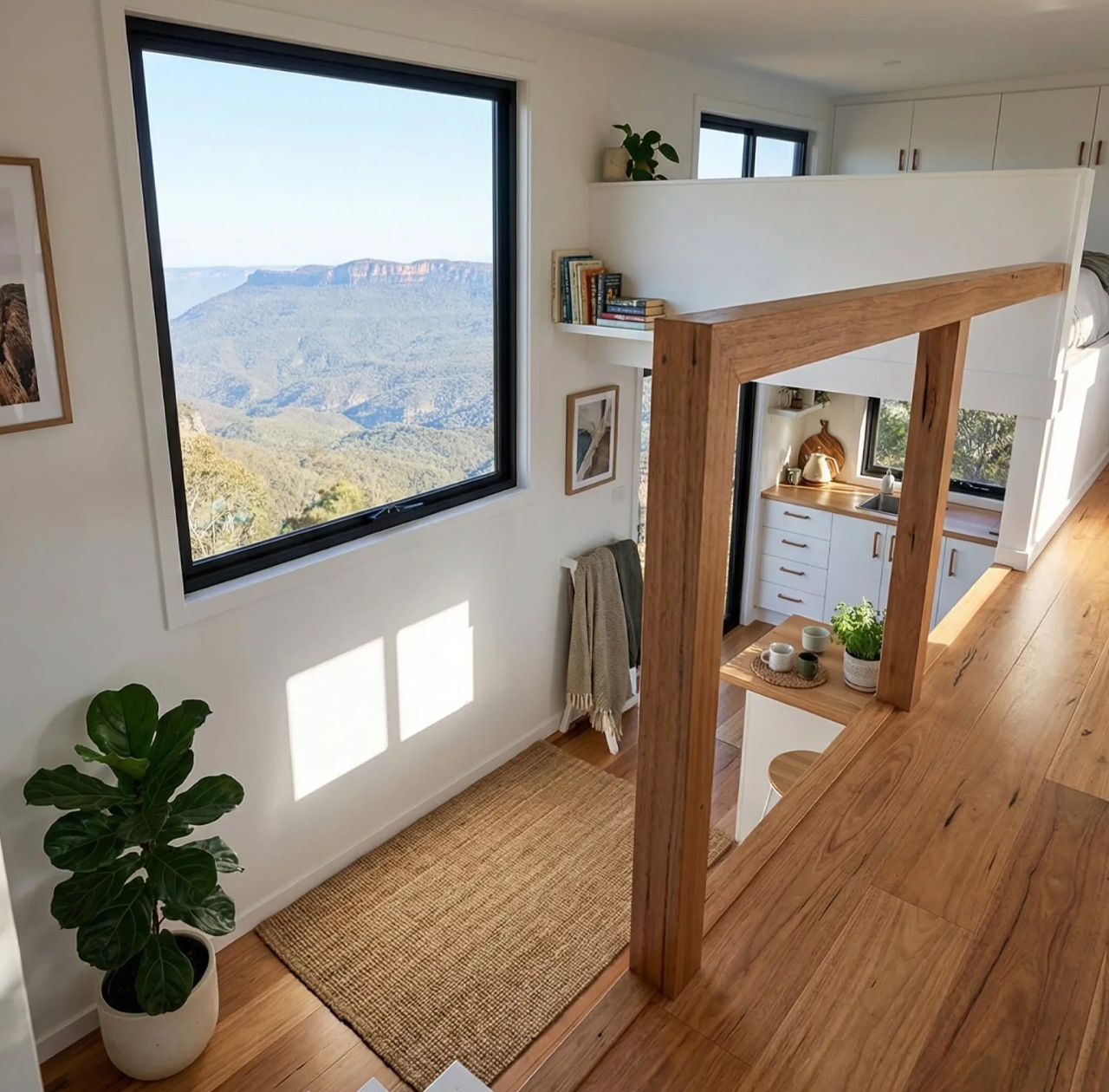
This Australian Tiny Home Has Two Bedrooms, a Picture Window, and Zero Compromises

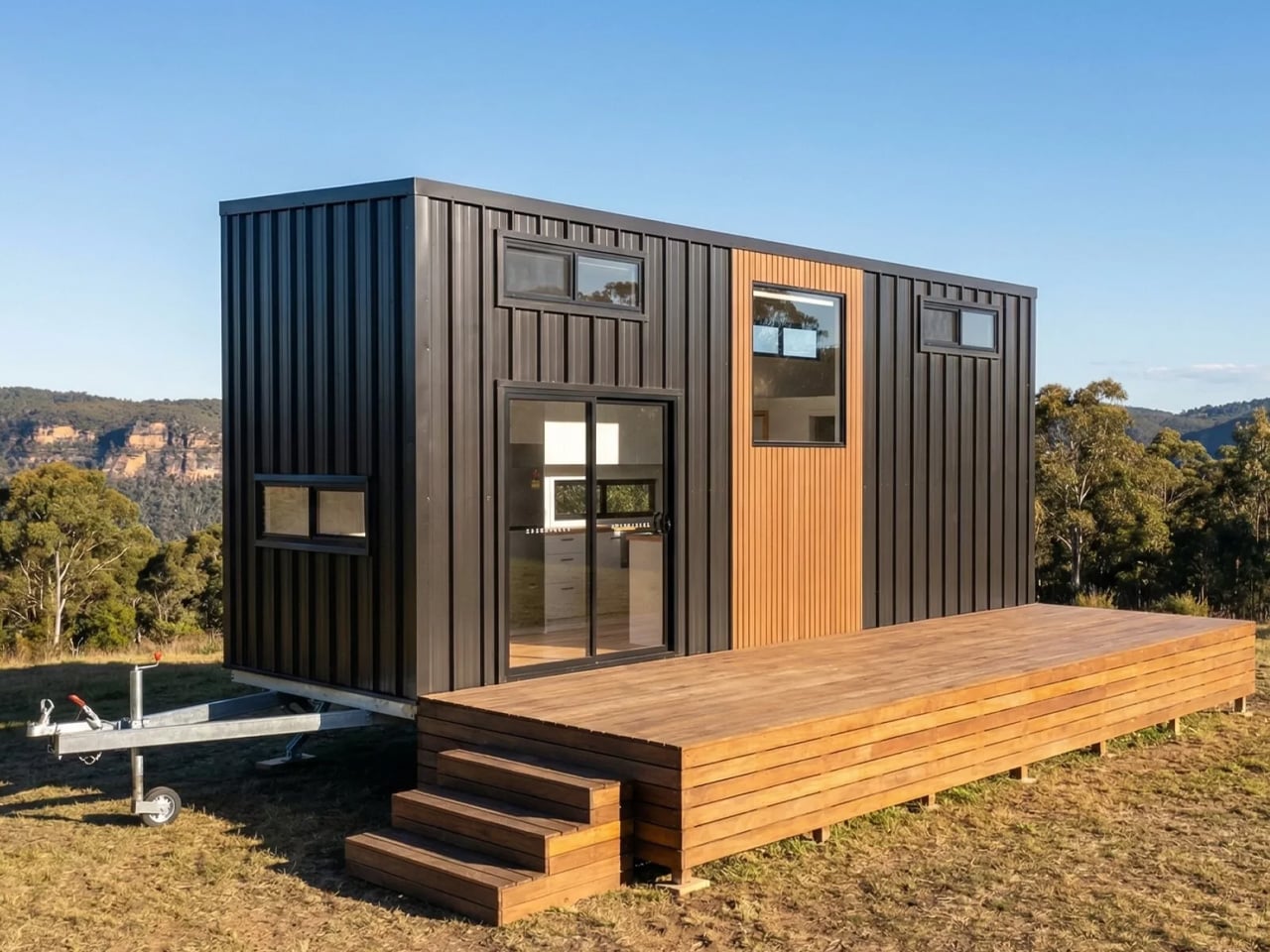
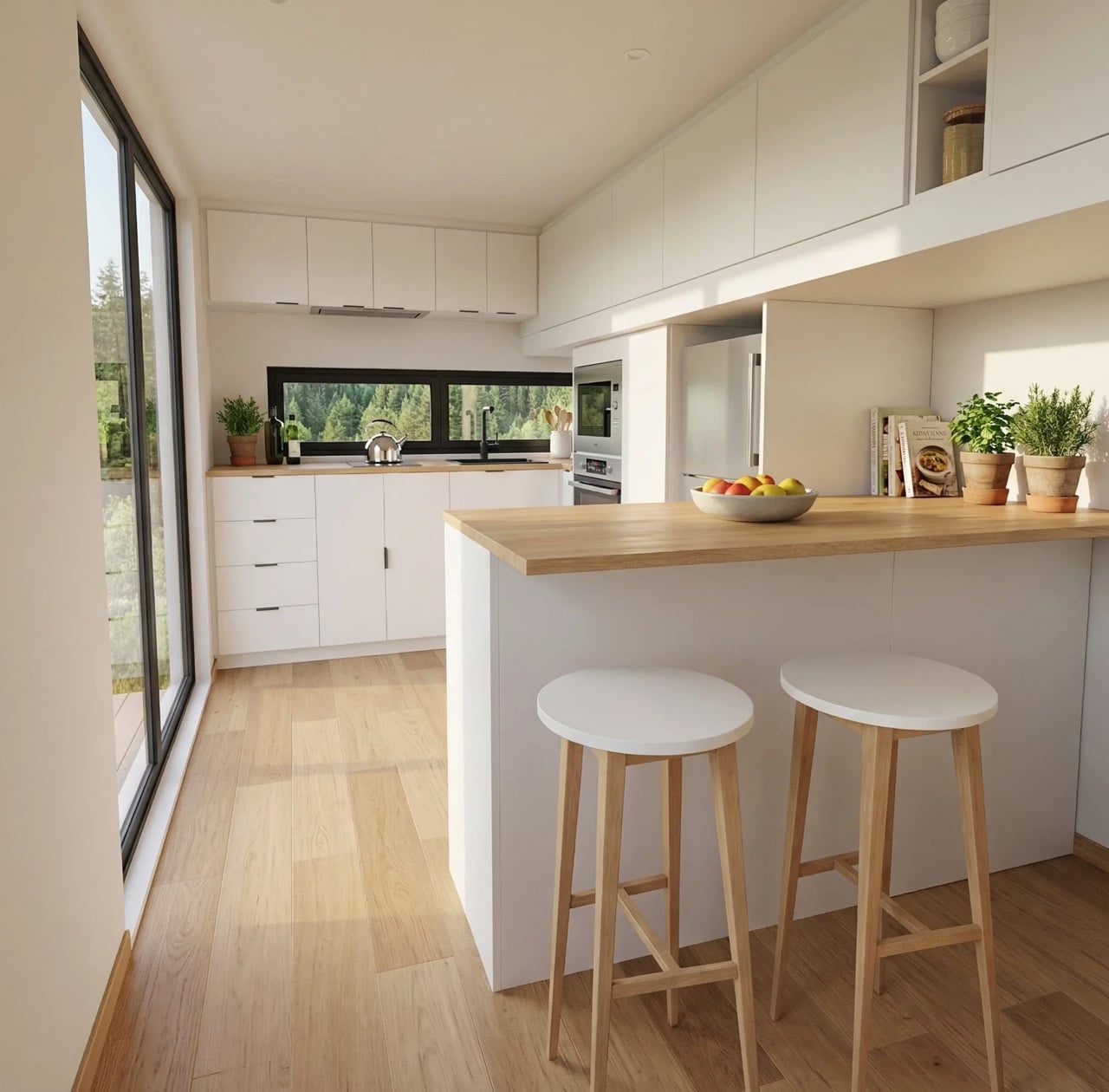
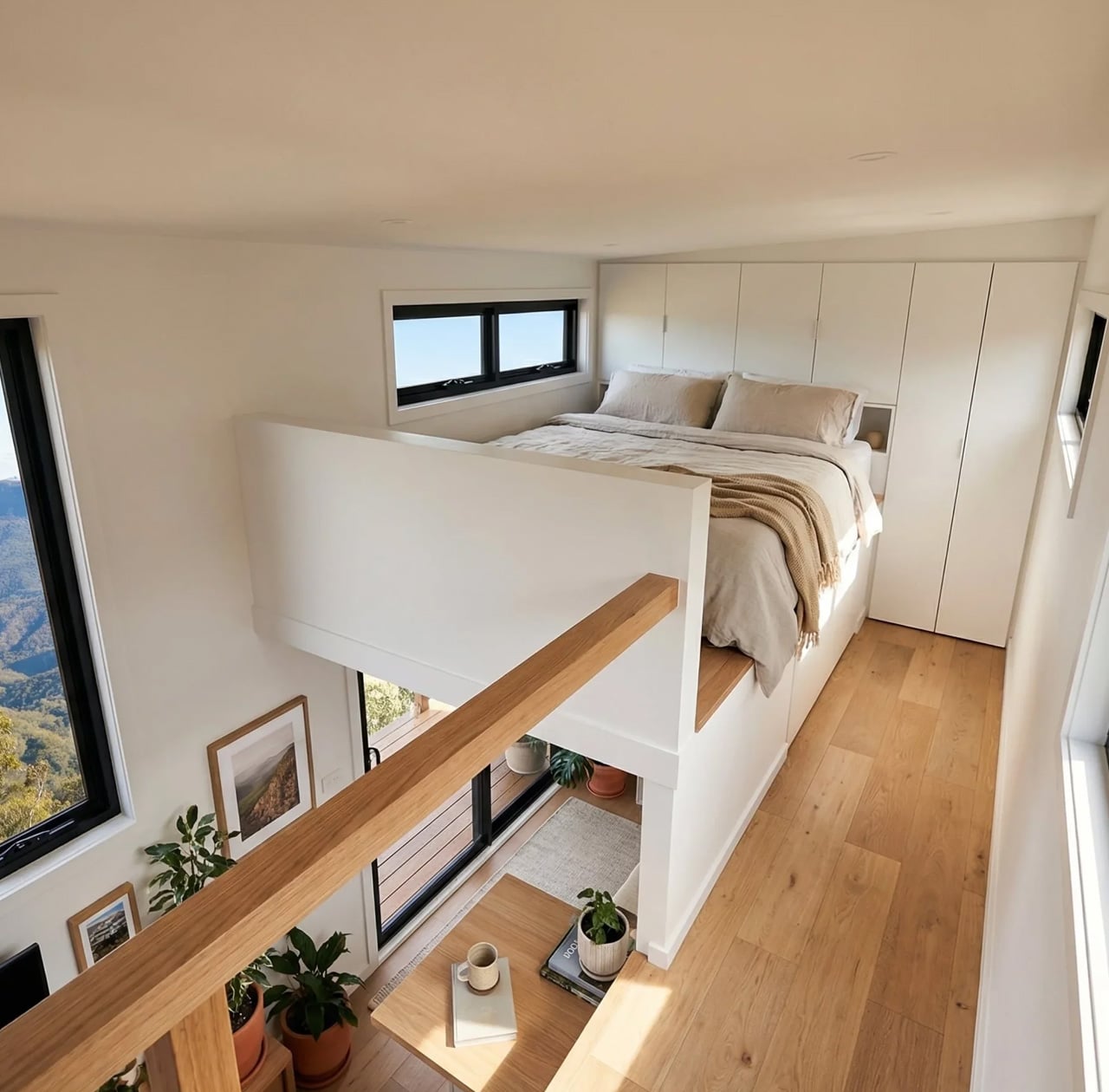
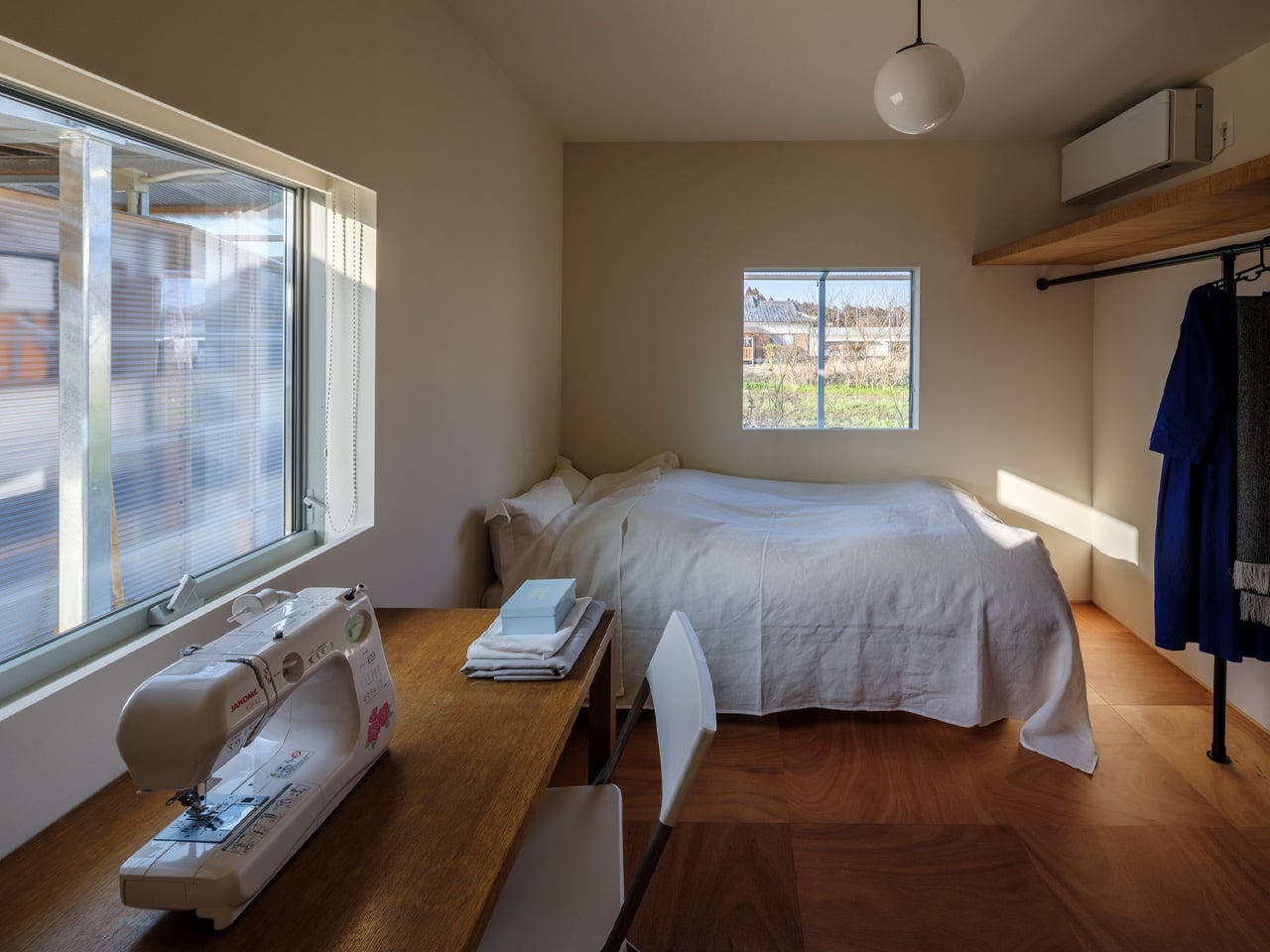
The Byron Bay by Removed Tiny Homes is not that version. Built by the Brisbane-based builder that has quietly become one of Australia’s most talked about names in the tiny home space, this model is as generous as the coastal town it’s named after. It arrives with two loft bedrooms, a full galley kitchen, and a layout that manages to feel more like a considered home than a scaled-down one.

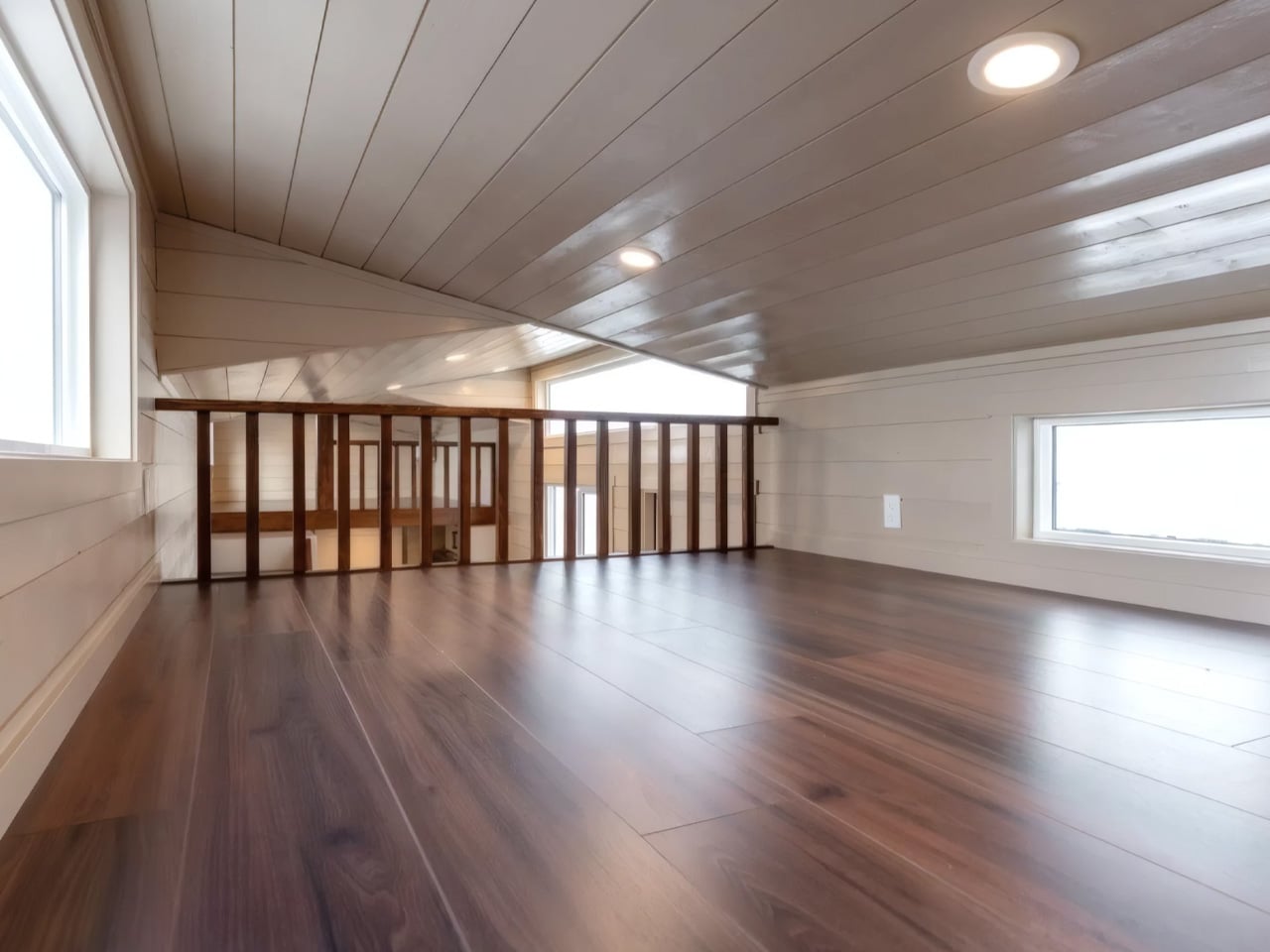
At 8.4 metres long, 2.5 metres wide, and 4.3 metres tall, the Byron Bay sits at the larger end of what road-legal tiny homes can offer. That scale is put to work immediately. The two upstairs lofts are connected by a full standing height walkway, which sounds like a small detail until you realise how much it changes the experience of moving through the space. There is no crawling, no hunching, no reminder that you made a trade-off. The lofts feel like actual bedrooms, not storage shelves with pillows on them.

Designer: Removed Tiny Homes

Downstairs, the open-plan living area is anchored by a large kitchen fitted with a picture window. Light moves through the interior in a way that makes the 33 square metres read closer to double that. The design team at Removed has clearly thought hard about storage, building it into nearly every surface without letting it dominate the aesthetic. The result is a home that feels edited rather than cluttered.

What makes Byron Bay particularly compelling right now is its off-grid capability. Recent builds leaving the Removed factory have been fully off-grid spec, designed for families planting themselves on rural land or lifestyle blocks far from the grid. For a generation priced out of the traditional housing market, that combination of mobility and self-sufficiency is not a novelty. It is a strategy.

Removed Tiny Homes describes Byron Bay as ideal for families, and you can see why it has become one of their most requested models. Two sleeping spaces, serious kitchen infrastructure, and a layout that prioritises flow rather than function alone. Starting from US$104,000, it positions itself as a genuine alternative to a first home, not a weekend experiment.

Byron Bay does not try to convince you that less is more. It just builds the space well enough that you stop counting square metres and start thinking about where to put it.

The post This Australian Tiny Home Has Two Bedrooms, a Picture Window, and Zero Compromises first appeared on Yanko Design.
The 5 Best LEGO Designs of May 2026 for Collectors & Design Lovers

May 2026 is one of the most eclectic and genuinely impressive months LEGO has assembled in recent memory. The lineup stretches across an almost improbable range of reference points, from Victorian astronomy and space photography fresh off the Artemis II mission to British absurdist comedy and Parisian haute couture, and in each case the people behind these builds have done something more ambitious than simply reproduce a recognizable subject. They’ve found a reason for it to exist in brick form specifically, and that distinction matters.

The five builds collected here sit at different points on the spectrum from official sets to community MOCs, but they share one defining quality. Each one earns its shelf space with a level of craft and intention that makes conventional display objects feel considerably less interesting by comparison. Whether you’re a collector, a casual admirer, or someone who simply appreciates when a design medium gets pushed somewhere unexpected, this month offers five compelling reasons to make room.

1. LEGO Ministry of Silly Walks

Few comedy performances have earned the kind of cultural permanence that John Cleese’s Silly Walk claimed in 1970. Fifty-six years later, the sketch remains the fastest and most widely understood shorthand for British absurdism in popular culture, and LEGO has finally given it the brick-built treatment it deserves. Mr. Teabag arrives in plastic form with exaggerated proportions that somehow capture every ridiculous knee-flinging motion from the original performance. The Technic joints embedded throughout are not decorative additions. They allow for a genuine range of articulation, letting you pose this figure mid-stride with a conviction that most articulated collectibles simply cannot match.

The facial expression is the detail that lifts this build above novelty status entirely. The sculptors working on Mr. Teabag captured his deadpan seriousness with a precision usually reserved for museum-quality reproductions, and the resulting silhouette reads as instantly recognizable from across any room. The bowler hat and umbrella complete the bureaucratic aesthetic with the restraint that good comedy has always required, nothing exaggerated beyond what the source material already provided. Display it alongside LEGO architecture, and it holds its ground completely, functioning as a standalone celebration of British wit that works whether you’ve seen the sketch fifty times or are encountering the joke for the very first time.

2. LEGO Hermès Birkin

The Hermès Birkin has one of the most theatrical purchasing rituals in luxury retail. You cannot simply walk into a boutique on Rue du Faubourg Saint-Honoré and ask for one. Hermès makes you earn it, cultivating a relationship with a sales associate over months and sometimes years, demonstrating cultural fluency with the house before they will even have the conversation about availability. LEGO Ideas builders BOI_Design and KittyJW have found a considerably more democratic workaround. Their MOC reimagines the Birkin 20 Faubourg, the special edition inspired by Hermès’s flagship Paris store, as approximately 1,400 bricks of deep navy, dark green, and gold that carry the mythology of the original without the waiting list.

What makes this MOC genuinely exceptional is its dual identity. The exterior facade doubles as a miniature rendering of 24 Rue du Faubourg Saint-Honoré itself, complete with arched boutique windows and the house’s signature orange awnings, a level of specificity that rewards anyone who knows the address on sight. And it opens. Inside, a secret runway scene transforms this from a luxury replica into a piece of interactive design with something worth discovering. For collectors who appreciate the gravity of the fashion world but not necessarily its access barriers, this build offers something rare: the cultural weight of the Birkin in a format that anyone can actually acquire.

3. LEGO Icons Road Bike

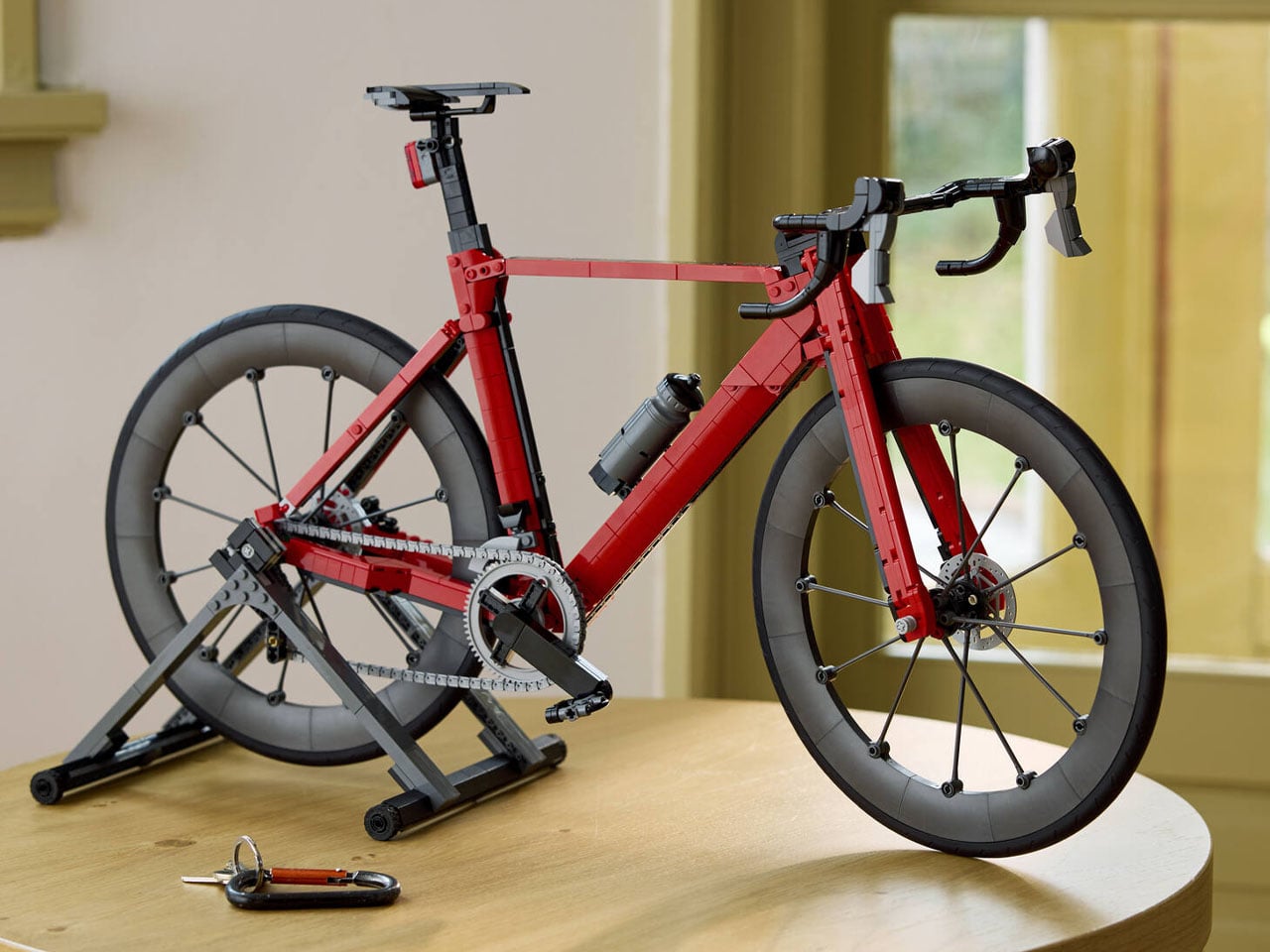
Cycling culture has always had a particular obsession with beautiful objects. The sport attracts a breed of enthusiast willing to spend hours debating titanium stem weights or the relative merits of ceramic bearing sets, and the objects at the center of that obsession tend to be genuinely elegant pieces of functional design. The LEGO Icons Road Bike (set 11380) understands this audience precisely. At 1,015 pieces and $129.99, it builds into a red road bike that stands 14.2 inches tall and stretches a full 23.6 inches in length on its stand, a genuinely substantial presence that captures the aerodynamic geometry of a road frame with an accuracy that will speak directly to anyone who has ever spent a lunch hour deep in a component forum.

The engineering choices go significantly further than surface accuracy. The set includes a fully functional drivetrain with a one-way gear chain drive mechanism, meaning the rear wheel pedals with genuine freewheel action. Brake calipers, derailleurs, and clipless pedals are rendered with the kind of specificity that separates a serious build from a shelf decoration. A removable water bottle and a wheel-lift bike stand complete the picture. Arriving ahead of the summer sporting season, the LEGO Icons Road Bike gives cycling enthusiasts an indoor companion that celebrates the object of their obsession in an entirely new medium, one that requires no maintenance schedule, no garage, and no chamois cream.

4. LEGO Artemis II Earthset Photo

On Christmas Eve 1968, astronaut Bill Anders looked out of Apollo 8’s window and took Earthrise, arguably the most reproduced environmental photograph in history, an image that reframed humanity’s relationship with the planet more profoundly than any scientific paper ever had. On April 6, 2026, the Artemis II crew performed a near-identical act, pointing their cameras backward as Orion swung behind the Moon and capturing Earth in the process of setting below the lunar limb. That photograph existed for barely nine days before LEGO builder BuildingDreams submitted an Ideas project to preserve it in brick form, a response time that says everything about how significant the moment felt to those watching from the ground.

The result is a 48 by 32 centimeter wall-art panel that translates the soft curves of Earth’s atmosphere, the brown and blue patchwork of continents and ocean, and the pale grey sweep of lunar regolith into a grid of plastic studs with a faithfulness that genuinely stops you mid-scroll. As a design object, it functions simultaneously as wall art, historical document, and conversation piece, a brick-built record of one of the most significant human achievements of 2026, rendered in a medium that will outlast any digital photograph on a phone screen. For space enthusiasts and design collectors with wall space to commit, this is a compelling reason to watch the LEGO Ideas voting page.

5. LEGO Functional Vintage Telescope

There is a specific category of object that makes a room feel more deliberately assembled: the brass sextant on the windowsill, the leather atlas propped open on a reading table, the tripod-mounted telescope angled toward a high window. Bricked1980’s LEGO Ideas submission belongs in that category without qualification. At around 600 pieces, the Functional Vintage Telescope stands 40 centimeters high and stretches 53 centimeters in length, with a color palette of deep reddish-brown and pearl gold that reads as genuinely antique from across any room. Modeled on a classic brass refractor telescope mounted on a fully articulated tripod, this is the kind of build that makes visitors assume you’ve spent considerably more than the actual price.

The period detail throughout is what elevates this from a visually striking model to something that feels genuinely researched. The barrel is rendered in warm dark brown with surface texture suggesting wrapped leather or lacquered wood, banded at intervals with pearl gold rings that evoke the ferrules of a real antique instrument. The tripod legs splay convincingly outward in reddish-brown, connected at the apex by Technic hardware functioning as an azimuth mount that allows the barrel to rotate and pivot in all directions. A small gold chain hangs from the objective end, terminating in what appears to be a lens cap. It is exactly the kind of fussy, historically accurate touch that separates a remarkable build from a merely good one.

Bricks Worth Believing In

May 2026 confirms something that LEGO enthusiasts and design writers have understood for years: the best builds are never just toys. They function as design objects, historical records, cultural statements, and engineering exercises, sometimes all four at once. The five designs collected here represent the full range of what brick-built creativity can achieve this month, from a 600-piece Victorian telescope with genuine period accuracy to a 1,400-brick homage to fashion’s most mythologized handbag.

What connects all five is a commitment to solving a real design problem. Each creator had to answer the same fundamental question: how do you translate physical comedy, haute couture, cycling precision, space photography, or Victorian craftsmanship into interlocking plastic bricks without losing what made the original worth caring about? These builds answer that question with conviction, and they are worth your attention whether you add one to your cart this month or simply appreciate the quality of thinking that went into making them.

The post The 5 Best LEGO Designs of May 2026 for Collectors & Design Lovers first appeared on Yanko Design.
Four Meters by Four Meters: How Tadao Ando Made Constraint Beautiful

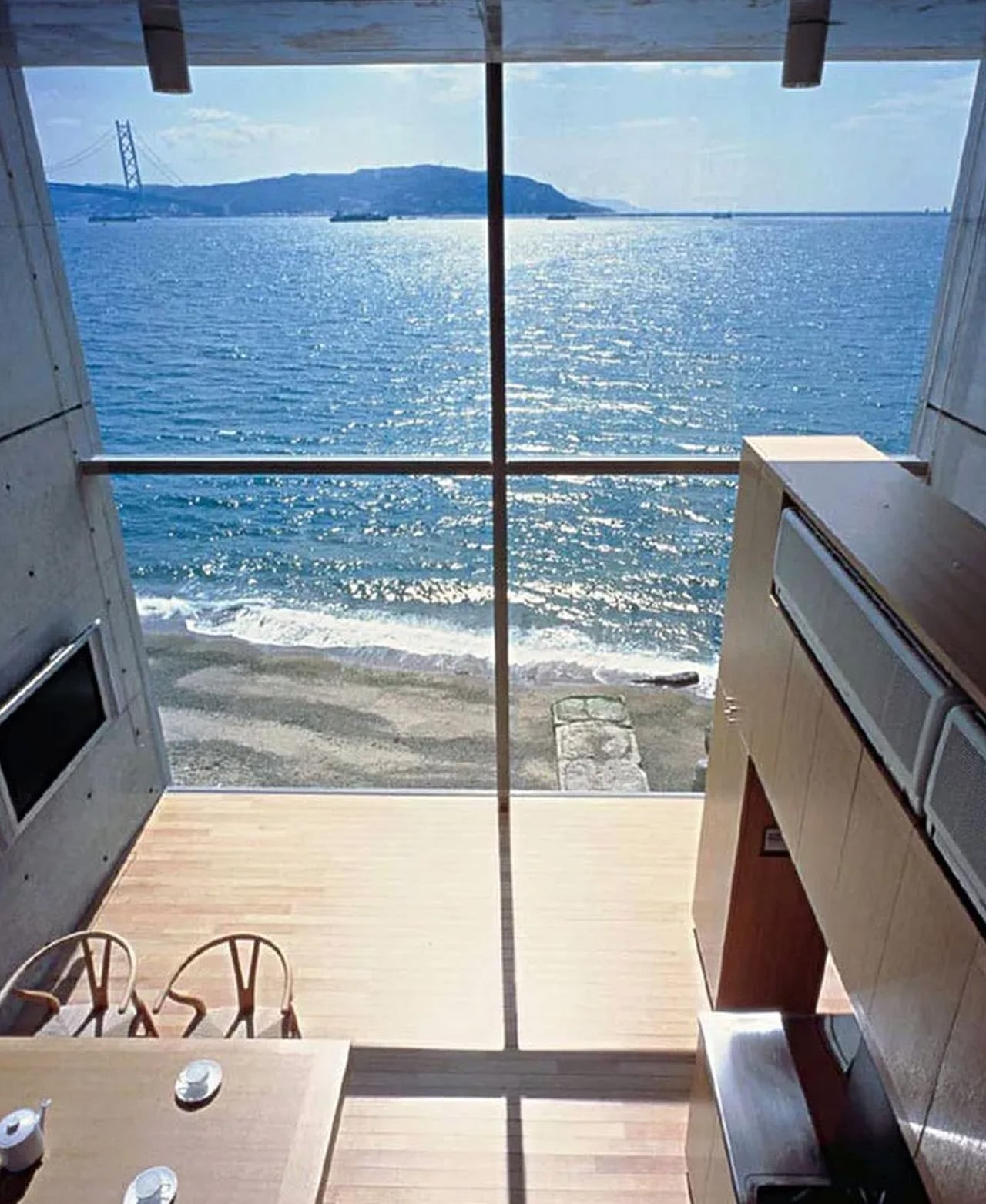
Perched on the coast of the Seto Inland Sea in Tarumi-ku, Kobe, the 4×4 House by Tadao Ando occupies a narrow coastal strip that Japanese authorities had not even considered constructible. That is exactly why Ando built there. Completed in 2003, the house rose in the shadow of the Great Hanshin earthquake, a catastrophe that reshaped the region and the consciousness of everyone who lived through it. Ando’s response was not to build bigger or safer in the conventional sense.

It was to build with precision — a four-story reinforced concrete tower with a footprint of just four meters by four meters. Sixteen square meters of floor area, multiplied upward toward the sky. The name is the blueprint.

Designer: Tadao Ando

At 13.4 meters tall, the structure reads less like a residence and more like a sentinel. Its silhouette evokes a watchtower — upright, deliberate, scanning the horizon. Ando sank the foundations deep into the ground to resist lateral forces, and at the base, a square concrete patio disappears beneath the waterline when the tide comes in. The boundary between architecture and ocean is intentionally blurred. Living here means accepting the sea as a roommate.

The interior climbs through a vertical sequence of rooms, each floor stacked with the discipline of a column. What makes the composition unusual is the top floor — a cube shifted slightly off-axis from the floors below, a geometric move that feels almost offhand but transforms the entire silhouette. Light enters in controlled bursts. Views are framed like paintings. Nothing is accidental.

Not long after the first house was finished, a second client commissioned Ando to build an identical tower on the neighboring plot. The result is a pair of concrete twins standing side by side on the coastline, same in form but different in material — a duality Ando had quietly envisioned from the beginning. The two buildings share no physical connection. They stand together, facing the sea, as if in silent conversation.

The 4×4 House is not a comfortable building in the traditional sense. It is a provocation — a proof that constraint, when embraced fully, becomes its own kind of freedom. Ando took a strip of coastline that the city had written off and turned it into one of the most discussed residential structures of the 21st century. Sixteen square meters at a time.

The post Four Meters by Four Meters: How Tadao Ando Made Constraint Beautiful first appeared on Yanko Design.
5 Camper Vans So Cleverly Designed They Replace Your Apartment, Office, and Hotel Room

The idea that a van could replace your apartment, your office, and your hotel room used to sound like a compromise. It isn’t anymore. The best camper vans being built right now treat their interiors with the same spatial intelligence you’d expect from a thoughtful architect working a studio floor plan. Every surface earns its square footage, every wall hides something useful, and every night of sleep feels intentional.

What separates the best of these builds from the crowd isn’t the price tag or the vehicle underneath. It’s the thinking. A bathroom that travels on rail tracks. A bedroom reached by an internal staircase. A tailgate that becomes a suspended lounge over the landscape below. These five camper vans share one quality above everything else: they make you forget you’re in a van.

1. Vanspeed Album

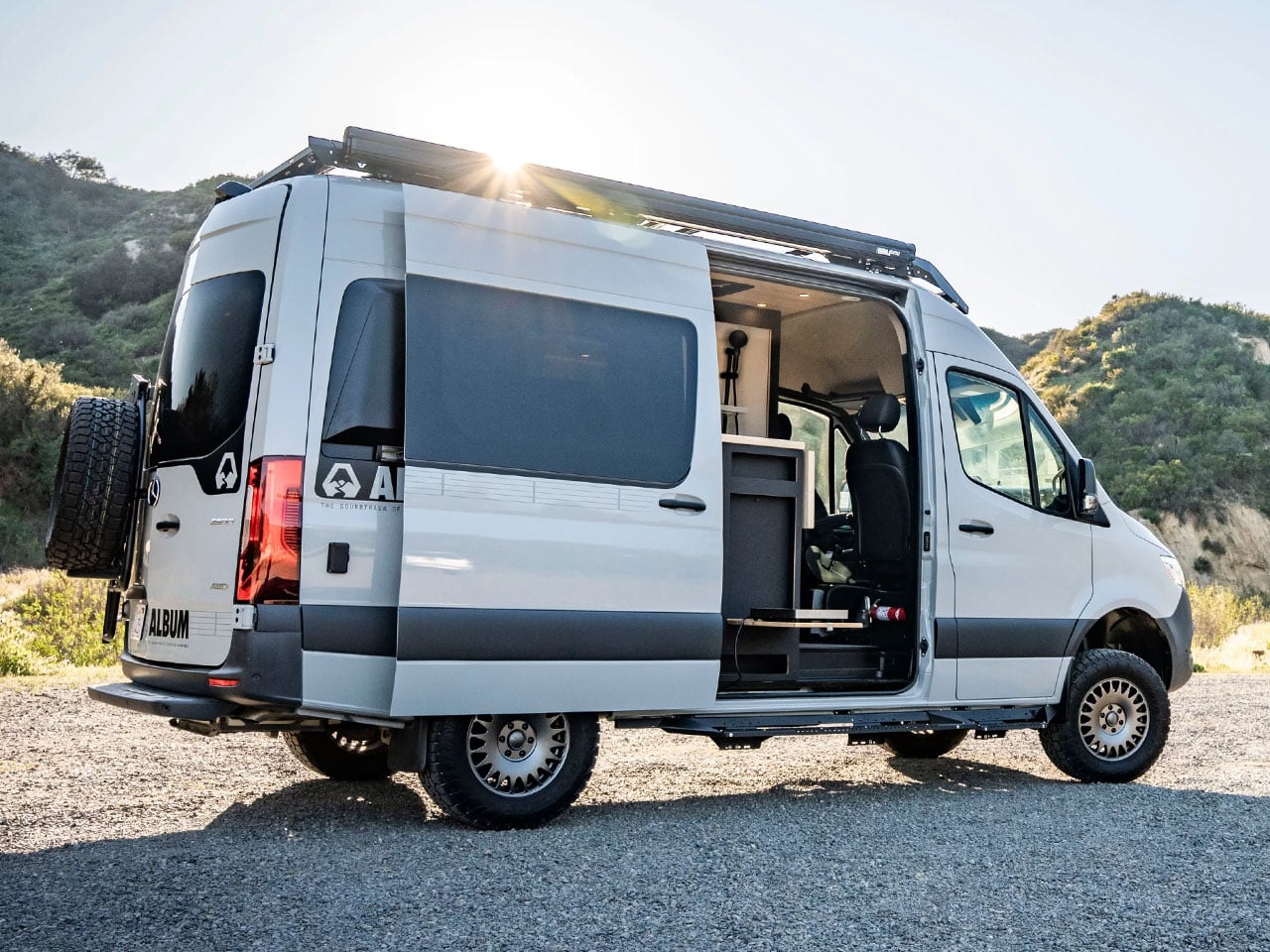
California-based Vanspeed has built its reputation on Sprinter conversions that understand what full-time living actually demands, and the Album is the clearest expression of that thinking. Built on a Sprinter 144 AWD, its warm wood-paneled interior uses a floor plan that shifts between workstation, lounge, and bedroom without any of those transitions feeling forced. A hidden swivel table folds out from the cabinet opposite the L-shaped seating to serve as a dining surface, a desk, or whatever the day calls for.

At night, the Murphy bed folds down from the driver’s sidewall to create an 80-inch sleeping platform for two, resting on its own foundational sidewall supports without disturbing the cabinetry underneath. The kitchenette features a single-burner portable induction cooktop and a countertop that extends outside for outdoor cooking. A lithium battery system supports extended stays, and the wet bathroom doubles as storage when not in use. With the seating removed entirely, the center aisle clears for a surfboard, two bikes, or whatever the trip demands.

What We Like

  • The Murphy bed’s independent sidewall supports leave the lounge and cabinetry completely undisturbed at night
  • Fully removable seating transforms the van into a proper cargo hauler when adventure gear takes priority over comfort

What We Dislike

  • At $219,000, the Album sits at a price point that narrows its audience to serious, committed buyers
  • A single-burner induction cooktop may feel limiting for extended off-grid meal preparation

2. Sunlight Vanlife

Most camper vans treat their interior as a single convertible room that has to be everything at once. The Sunlight Vanlife takes a different approach entirely, building in a full wall partition that separates the cab from the living quarters. That private zone gives the space an architectural identity that feels closer to a studio apartment than a vehicle. Below the pop-up roof, the living area converts between a remote work setup, a dining table, and a double bed without any of those functions overlapping.

The pop-up roof is reached by an internal staircase built into the storage cabinetry, which changes the feeling of going to bed in a van more than any single feature could. The bathroom sits across from the staircase and features a folding sink, a bench toilet, and a shower that swings out through the window for outdoor use. A 64L fridge tucks underneath the staircase, and 100L of fresh water supports extended stays on the road.

What We Like

  • The internal staircase to the sleeping loft gives the van a genuinely residential, loft-apartment quality
  • A fully partitioned cab creates a private living zone that most compact vans simply cannot offer

What We Dislike

  • The partitioned cab limits daytime seating to two people while driving
  • Seating capacity doesn’t scale comfortably for groups larger than a couple

3. Bürstner Habiton

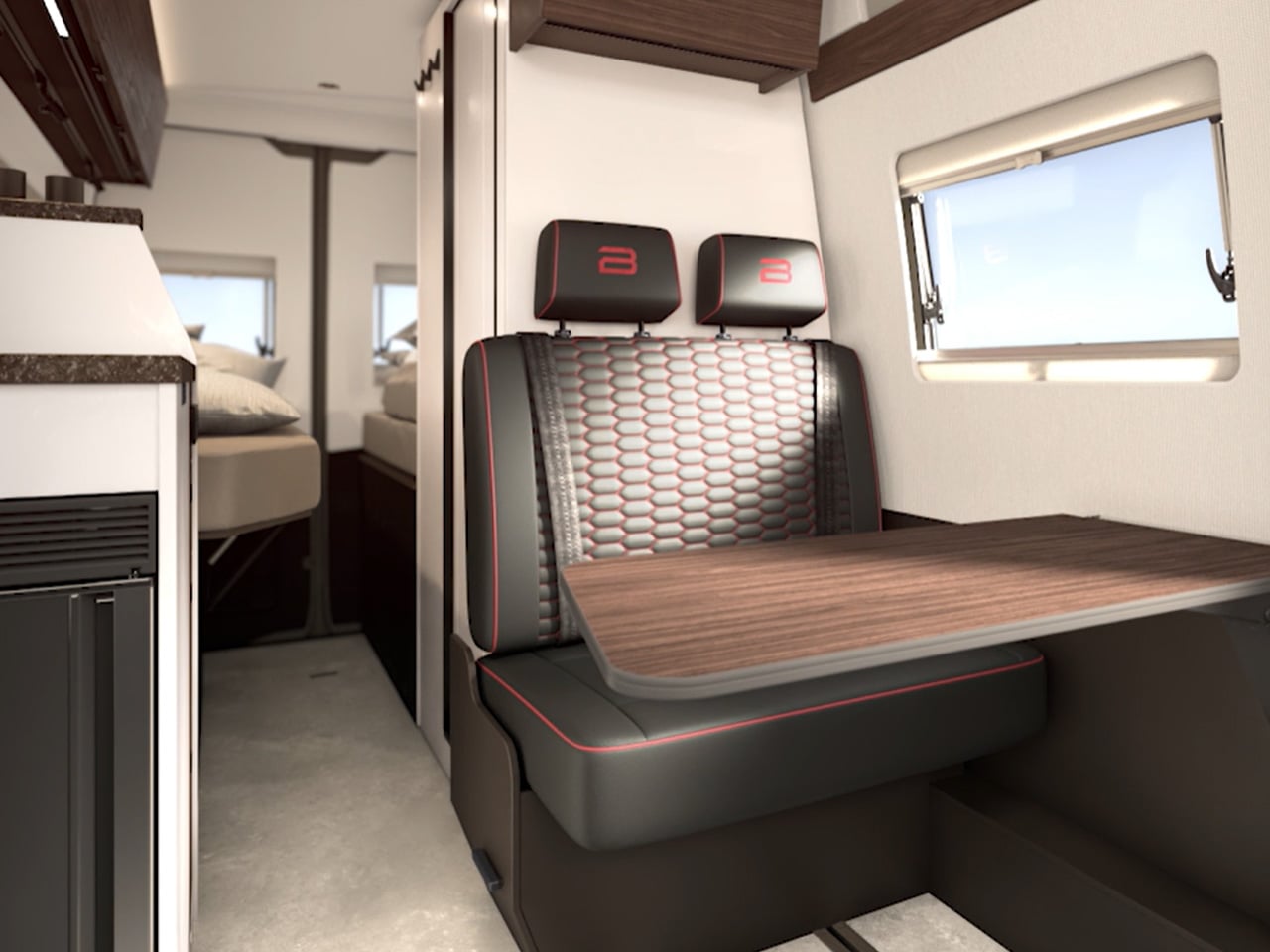
The Bürstner Habiton does something no other camper van in this roundup manages: it lets you physically rearrange the floor plan while you’re living in it. The wet bathroom sits on embedded rail tracks and slides forward toward the cab on demand, opening up the rear of the van for two full-length single beds. That single design decision unlocks a level of spatial flexibility that most vans at twice the price can’t replicate. It’s apartment-level thinking applied to a 5.93-meter Sprinter.

The modularity runs deeper than just the sliding bathroom. The sink drops down when needed, the toilet seat slides back into the wall beneath the bed platform, and when both fold away, the space opens entirely for the shower. A dual-burner stove, sink, and 69L compressor fridge make up the kitchen block on the opposite side. The collapsible dinette houses a 95Ah battery pack beneath its bench seat. The Habiton starts at €72,999, with an AWD Sprinter variant at €86,999 and an optional all-weather pop-up roof add-on from €6,990.

What We Like

  • The rail-mounted sliding bathroom is genuinely unlike anything else offered in the camper van segment right now
  • The AWD Sprinter variant makes this modular floor plan usable well beyond paved roads

What We Dislike

  • The base configuration uses a transverse bed layout that may feel restrictive for taller occupants
  • The all-weather pop-up roof is a paid add-on, starting at an additional €6,990 on top of the base price

4. Mercedes-Benz Marco Polo 2026

For the first time, Mercedes-Benz is building the Marco Polo entirely in-house, with the body assembled at the Vitoria plant in Spain and the conversion completed at the Ludwigsfelde plant in Germany. The result is a camper van that feels as considered as any V-Class interior. The 2026 update centers on the pop-up roof: a double-skinned aluminum lift-top that adds four inches of headroom, paired with an ambient LED system that transforms the upper sleeping area into something that genuinely resembles a boutique hotel room.

The MBAC infotainment touchscreen in the cockpit controls more than the navigation. From the driver’s seat, it manages the eight-speaker audio, the ambient LED lighting, and the pop-up roof, meaning you can raise the ceiling before you’ve even stepped inside. Downstairs, a double-burner gas stove, a mini fridge, and a convertible sofa-to-double-bed arrangement complete the layout. The Marco Polo doesn’t reinvent van living. It refines it to a point where the word “compromise” stops coming up.

What We Like

  • Full in-house Mercedes production means every detail, from the lift mechanism to the ambient lighting, functions as one cohesive system
  • MBAC infotainment control over the pop-up roof and interior lighting brings genuine smart-home behavior to a compact van

What We Dislike

  • The Marco Polo Horizon variant removes the built-in kitchen entirely, limiting it to weekend use only
  • Pricing for the 2026 model has not yet been confirmed, making direct value comparison difficult

5. Marylin Onroad

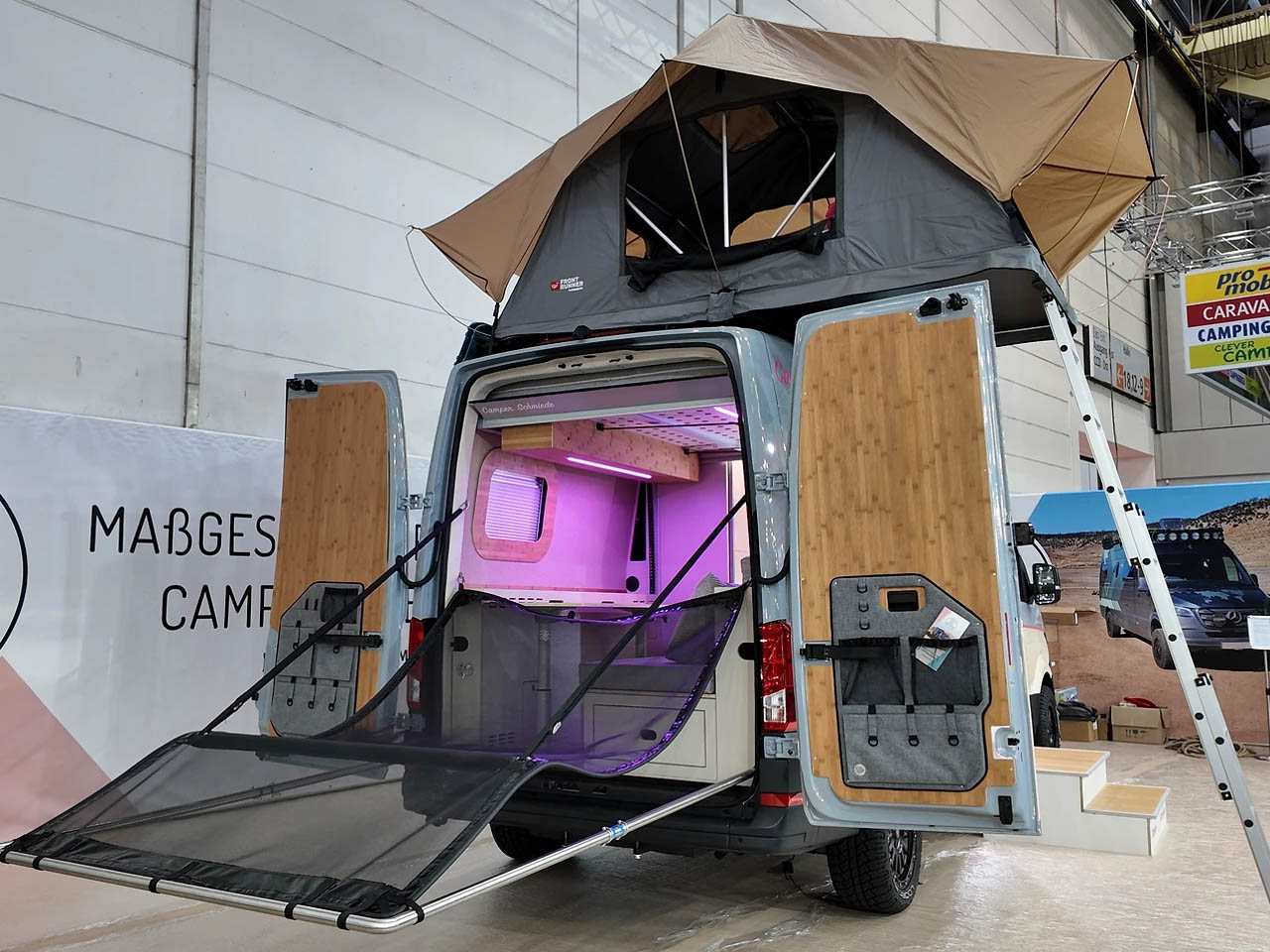
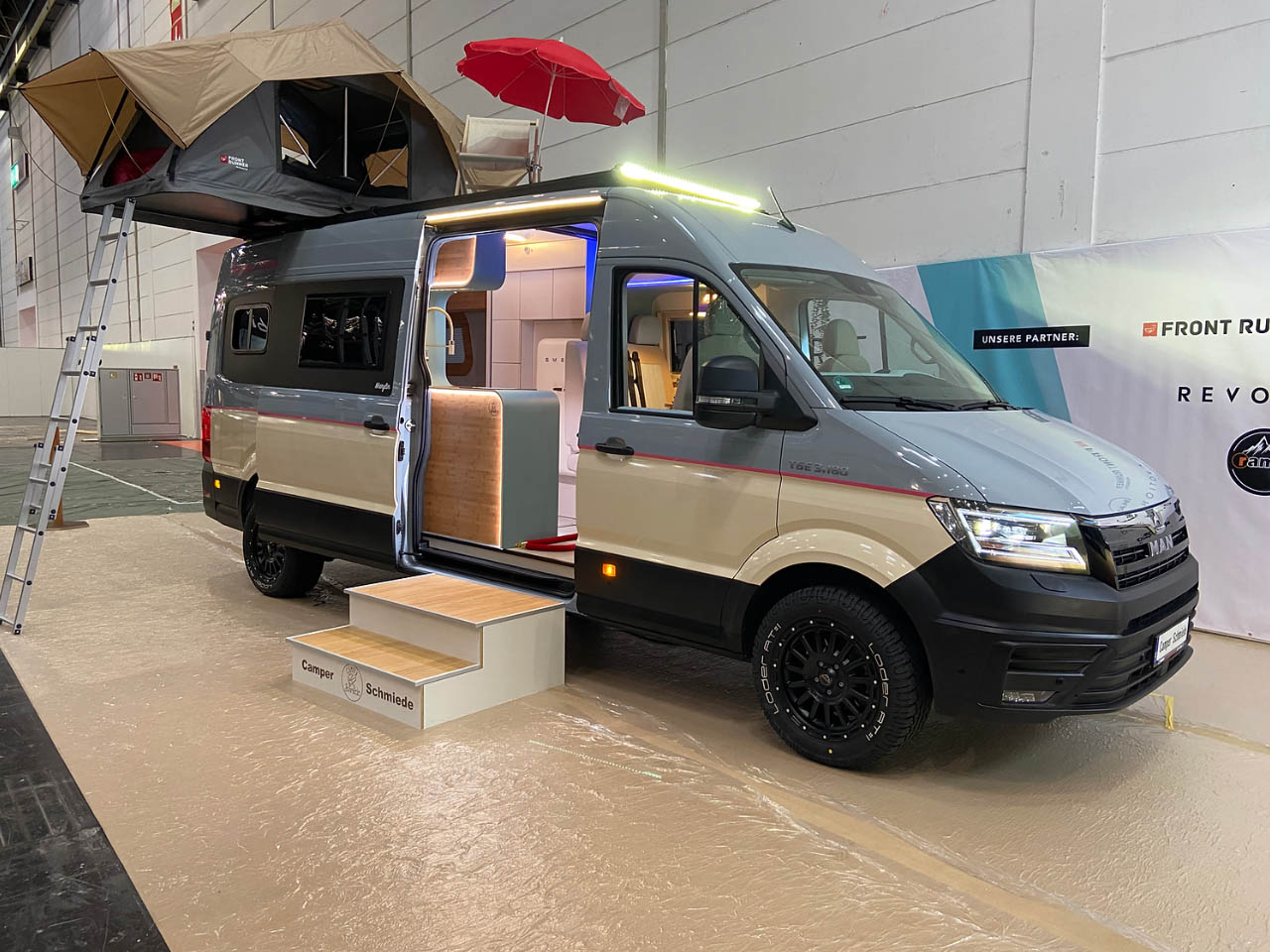
German shop Camper Schmiede built the Marylin Onroad as an exhibition vehicle for Caravan Salon Düsseldorf 2024, and it has since become available for purchase at €269,000. Built on a MAN TGE base, its defining feature hangs off the tailgate: the Soul Floater, a suspended lounger made from a metal frame, support straps, and waterproof fabric, rated to hold 200kg and engineered to fold away quickly when it’s time to move. There is nothing else like it in a van conversion.

The roof is a walkable deck of lightweight aluminum honeycomb panels and solar modules, reached through a glass hatch behind the cockpit. The main bed lowers from the ceiling at the push of a button, a secondary bed converts from the sitting area, and a rooftop tent sleeps two more. Up front, a portafilter espresso machine, a Smeg 130L refrigerator, and a bamboo dining table set the interior tone. Two 330Ah batteries, a 3000W inverter, and a 300W solar array keep everything running indefinitely.

What We Like

  • The Soul Floater tailgate lounger is an entirely original outdoor furniture concept that no other van conversion has thought to include
  • The walkable aluminum rooftop deck doubles as a solar platform and a genuine second outdoor living floor

What We Dislike

  • At €269,000, this is firmly aspirational territory rather than a practical van-life entry point
  • Deploying the full six-person sleeping configuration requires activating multiple systems simultaneously, which adds friction for solo or couple travel

The Van Won

What these five vans share isn’t a price bracket or a base vehicle. It’s a design intention. Each one has looked at the constraints of a van-sized floor plan and treated them as a creative brief rather than a limitation. The result, across all five, is an interior experience that stops feeling like camping and starts feeling like a considered way to live, one that happens to come with an engine.

The Vanspeed Album is the natural anchor for anyone serious about full-time van living, with its Murphy bed and modular lounge setting the template for what that life can look like. Scale up to the Marylin for a rooftop terrace and a suspended balcony, or scale down to the Sunlight Vanlife’s clean loft-style layout at €58,999. Wherever you land on this list, the question has shifted from whether a van can replace your home to which one does it best.

The post 5 Camper Vans So Cleverly Designed They Replace Your Apartment, Office, and Hotel Room first appeared on Yanko Design.