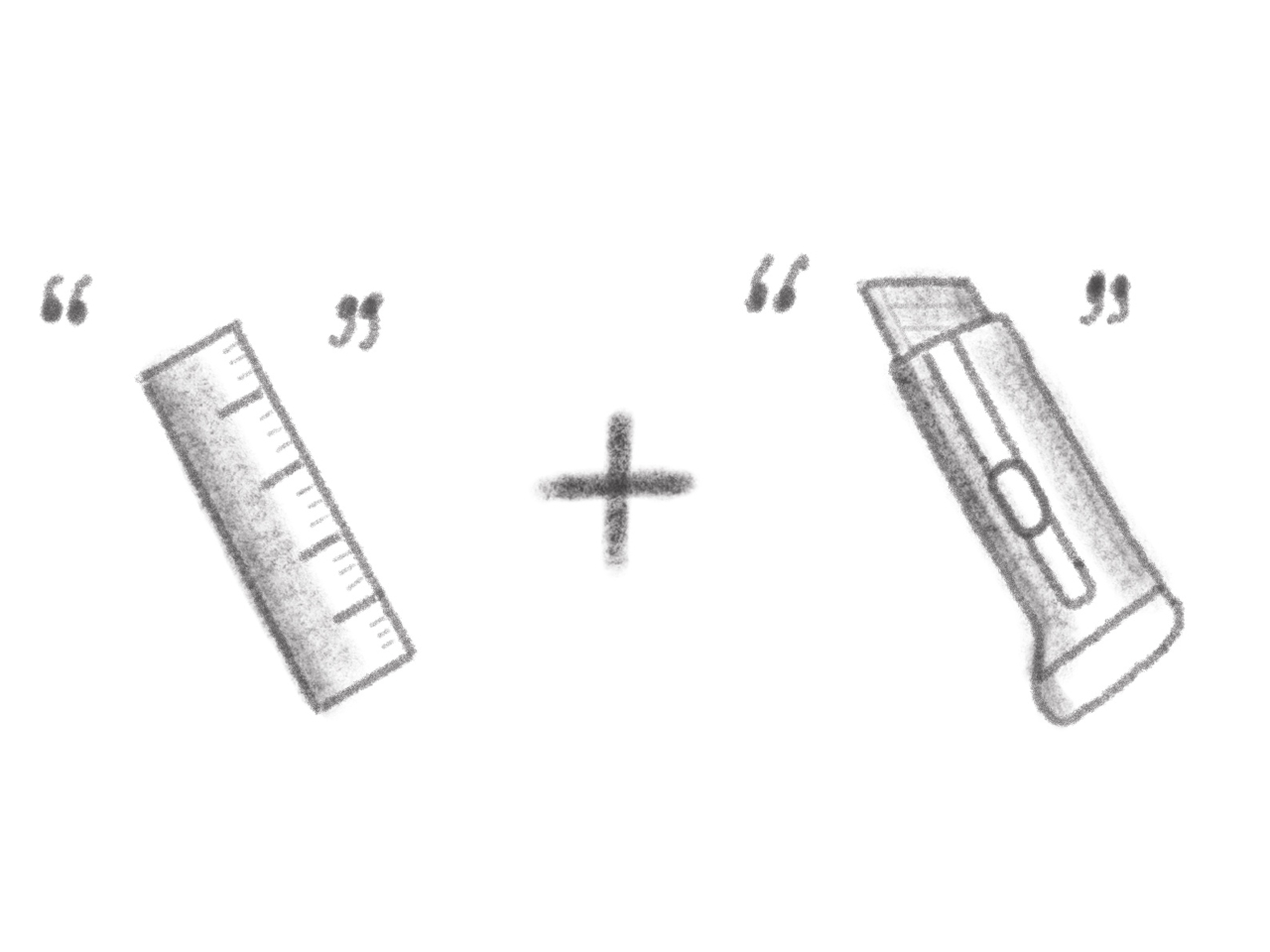
Cutting a straight line should be simple, but for anyone who’s ever measured, marked, and sliced the same piece of foam board or cardboard over and over, the process is anything but straightforward or efficient in practice. The classic “measure twice, cut once” mantra is great advice until you’re making dozens of identical cuts for a project, and the ruler starts to feel like a bottleneck slowing down your entire workflow and creative process.
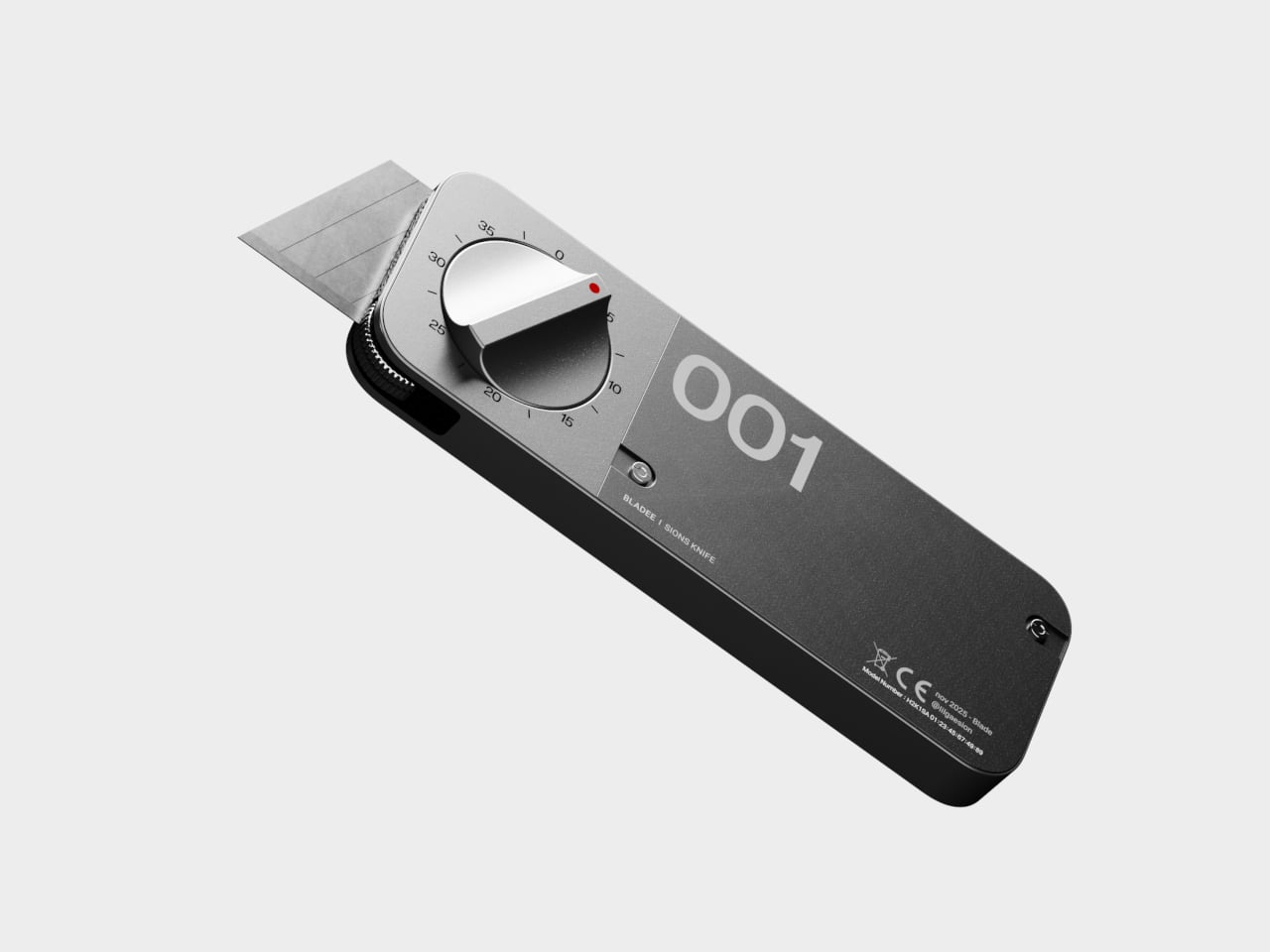
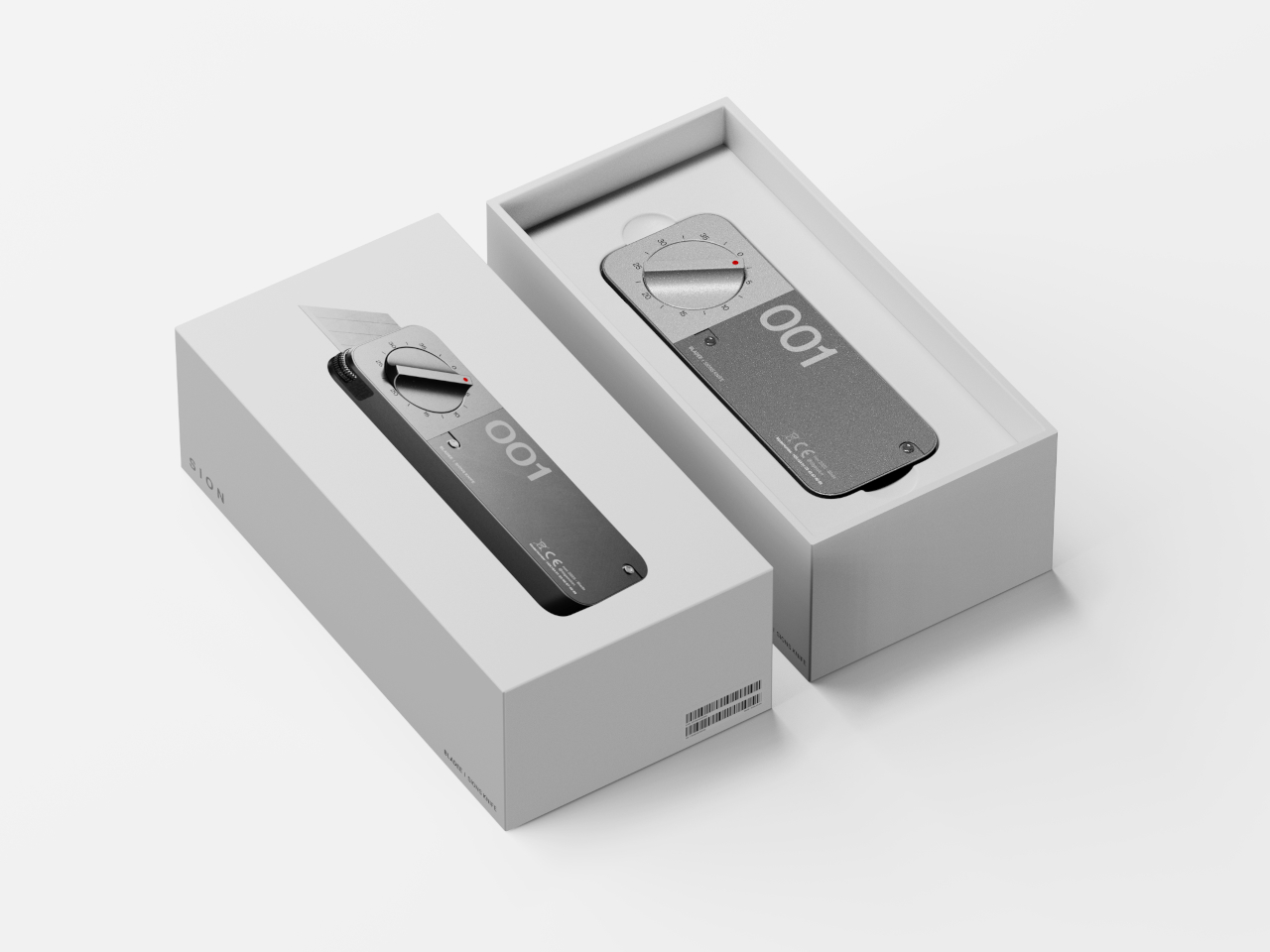
The BLADEE box cutter concept is a rethink of the humble utility knife designed for modern makers and professionals. By building measurement and precision into the tool itself through integrated mechanics and a dial system, it promises to make repeatable, accurate cuts faster and easier throughout your day without external measuring tools. No ruler needed, no marking required, and no guesswork involved when you’re deep into production work.
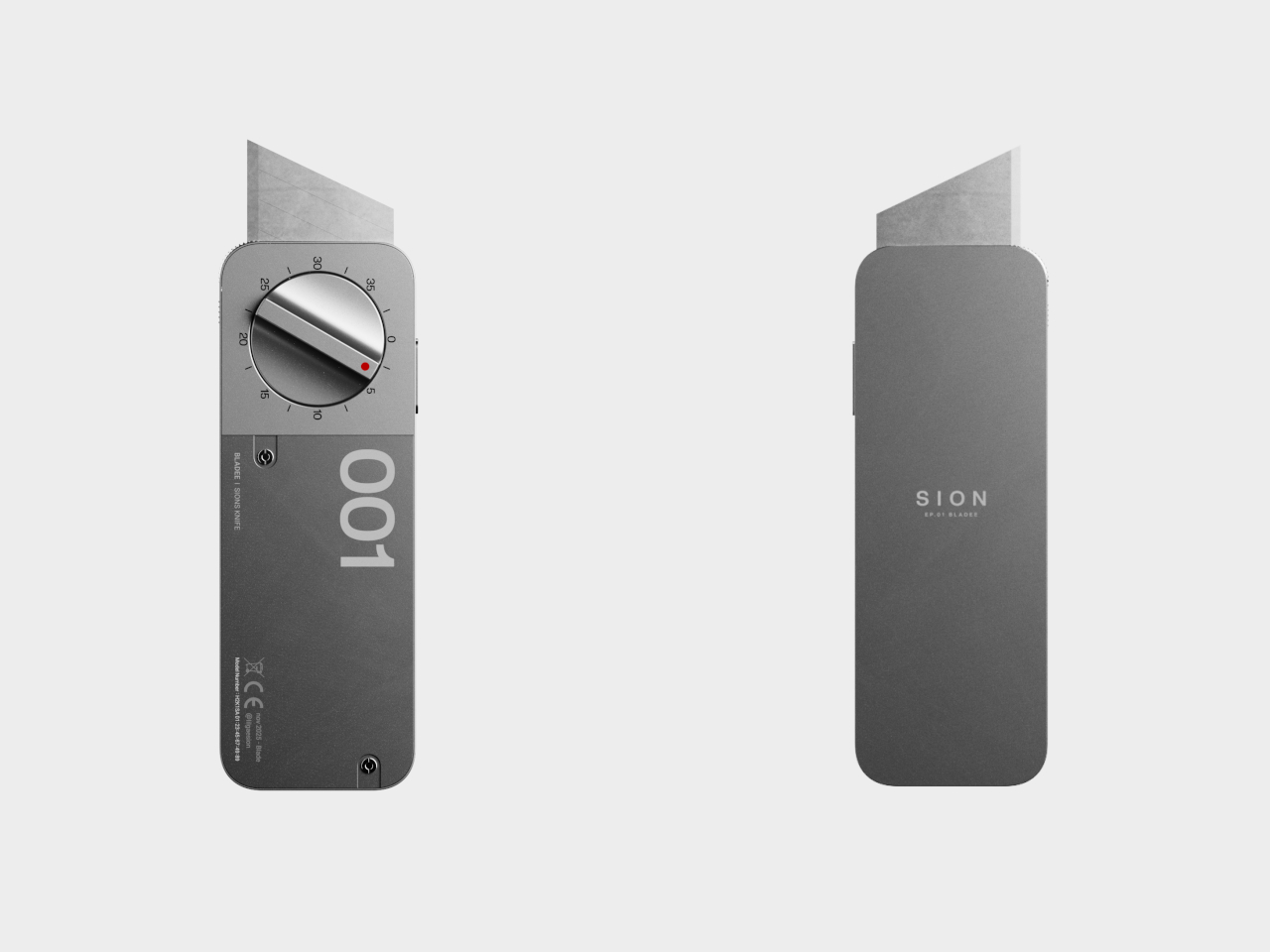
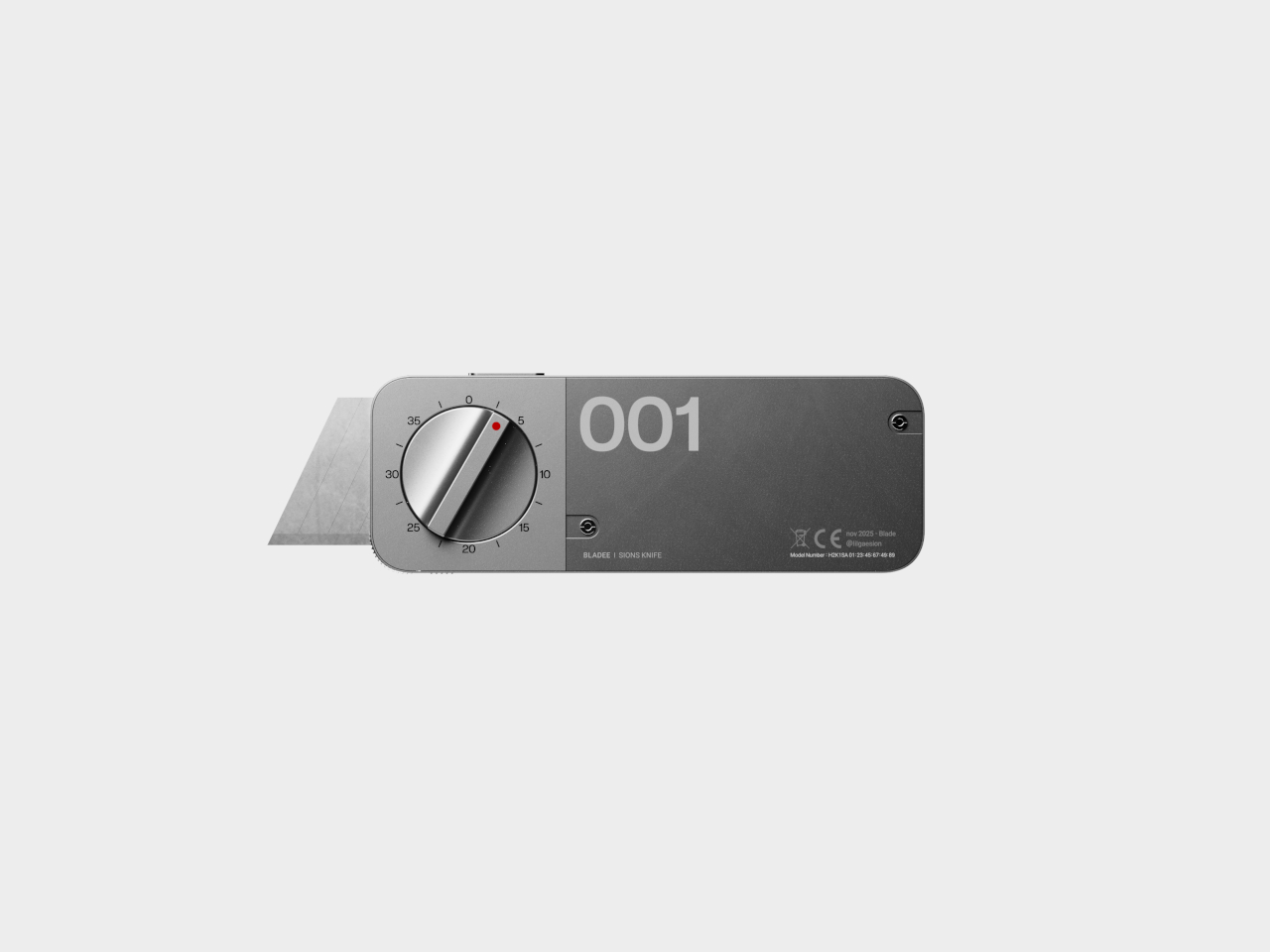
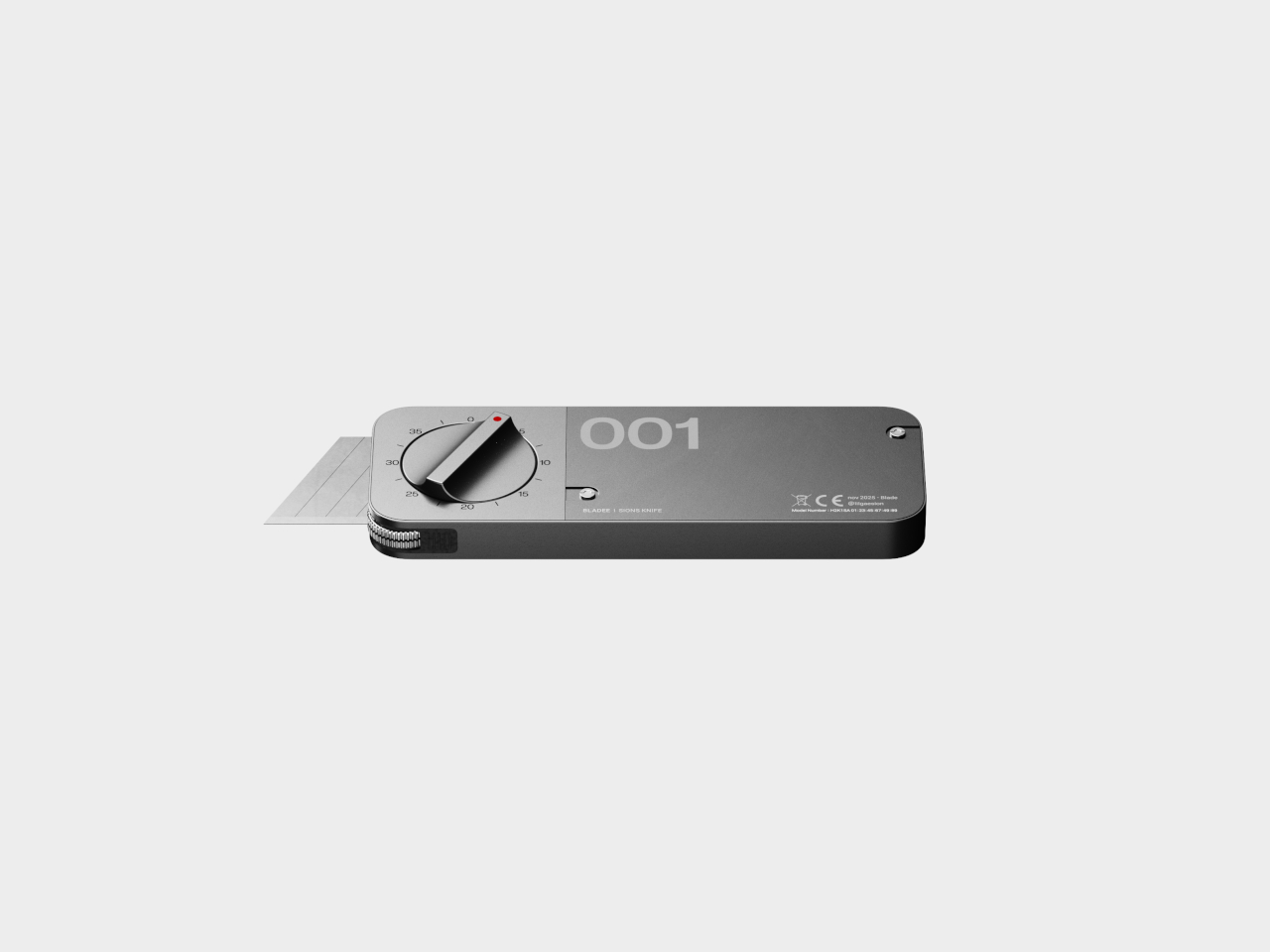
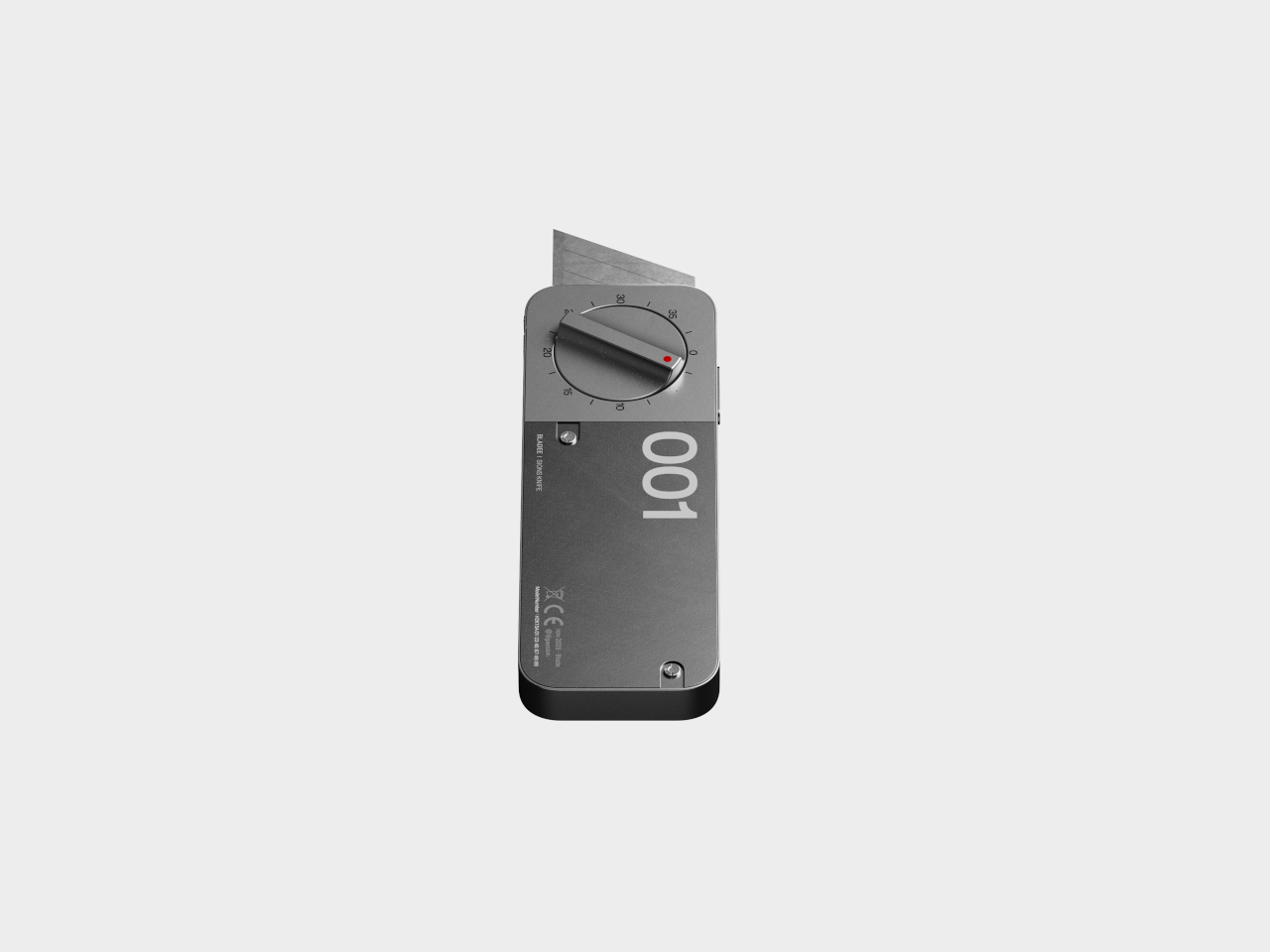
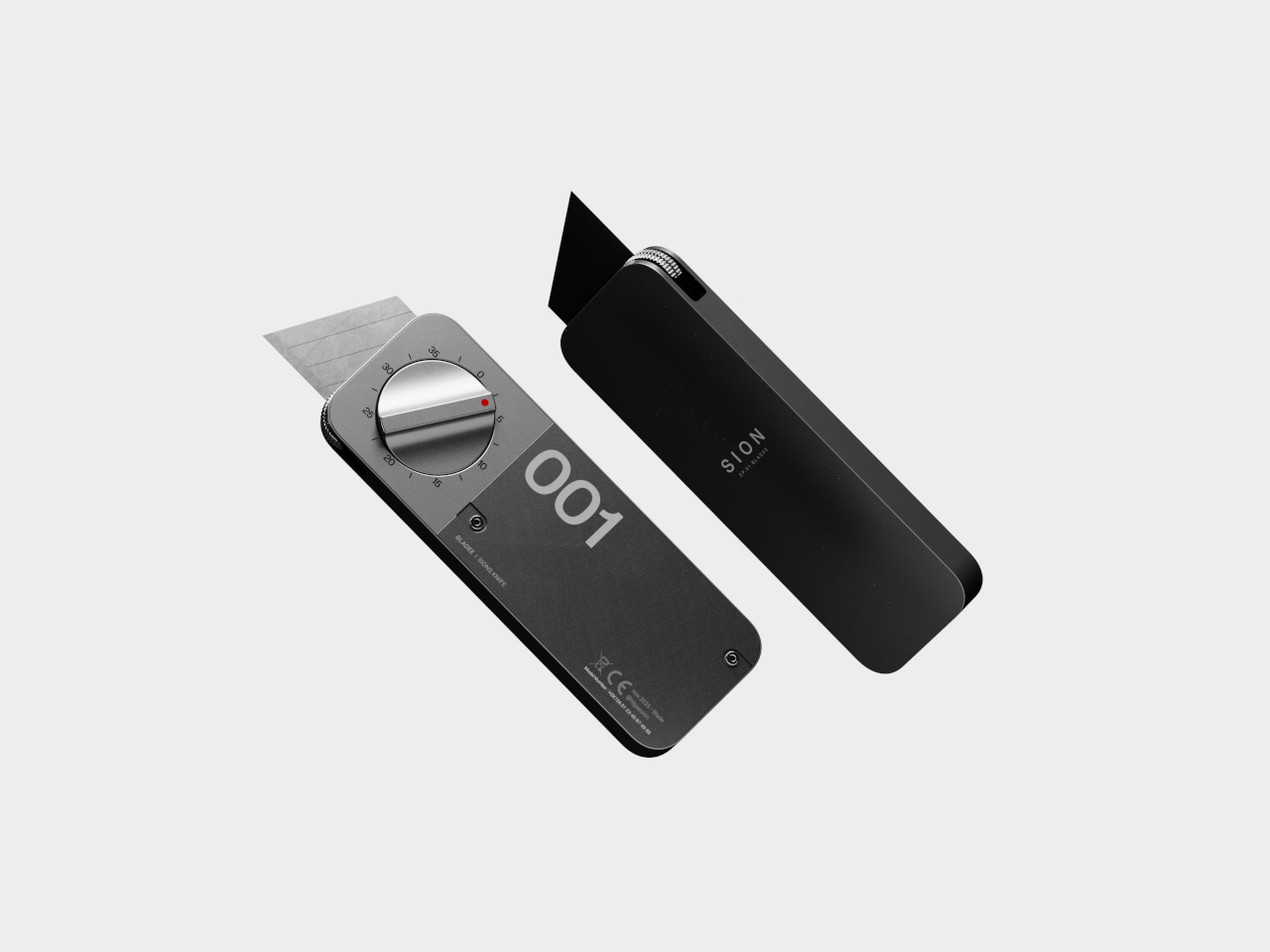
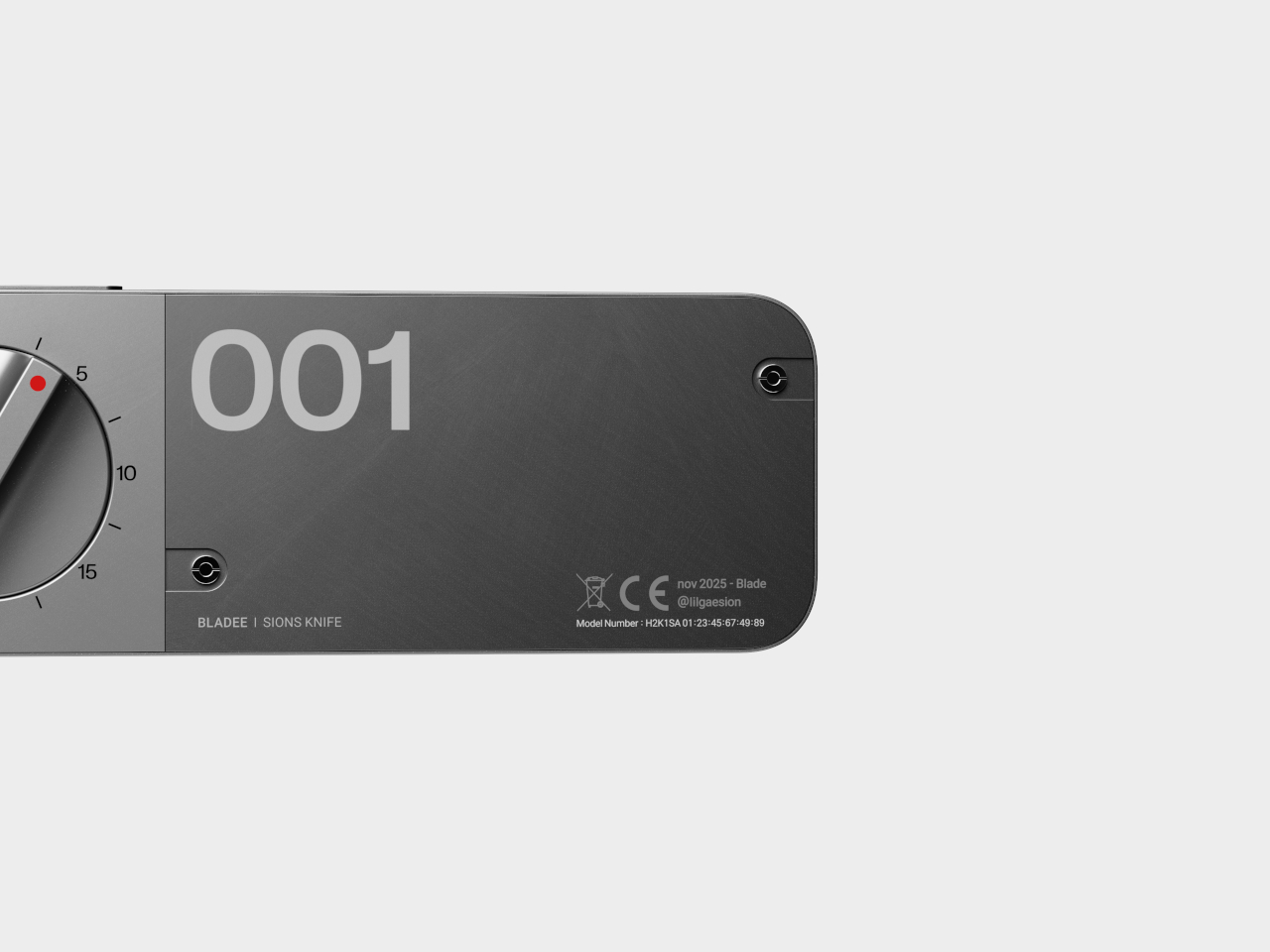
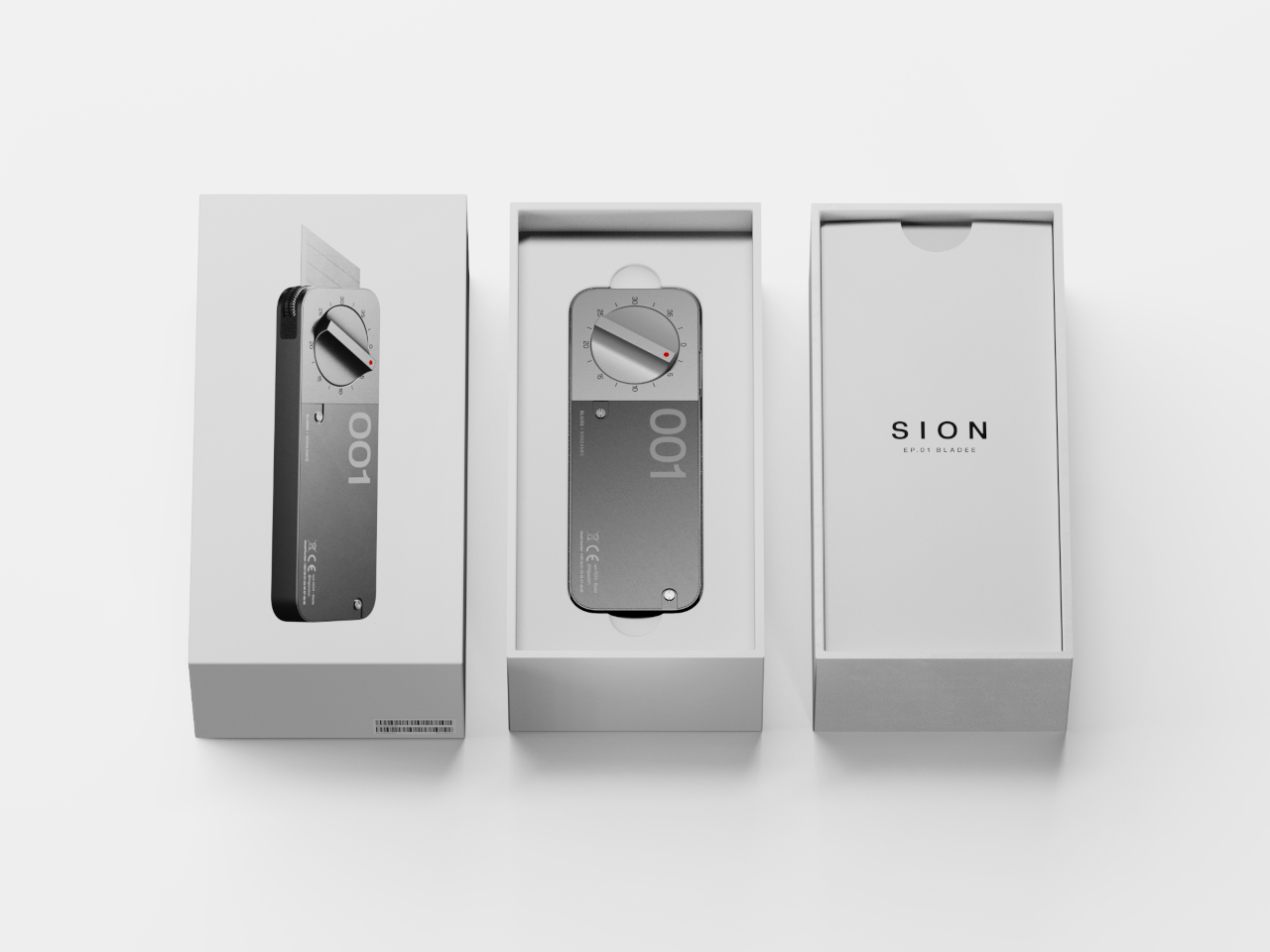
BLADEE’s minimalist, phone-sized body is all about clean lines, matte metal finishes, and a prominent dial that dominates the top surface for immediate visibility and control. The numbered dial lets you set your target cut length from 0 to 35 units, while a lower measurement wheel tracks your progress in real time as you slice through materials. As you approach the preset length, the blade gradually retracts automatically.
The blade always extends a fixed stroke for initial penetration, then withdraws at the set point to ensure every cut finishes smoothly and precisely at the same spot every time. The auto-lock at zero prevents accidental activation during transport or storage, and the dial only works when you press the side button for additional safety during use. This dual-safety system protects both the user and nearby materials.
The real magic is how BLADEE changes the workflow entirely for professional and hobbyist makers alike. No more juggling rulers, pencils, and knives across your workspace while trying to maintain precision and accuracy. Just set the dial to your desired measurement, cut with confidence, and repeat as many times as needed. Whether you’re prototyping packaging designs, building architectural scale models, or crafting at home, the tool eliminates tedious marking.
The right-hand cover is modular and swappable, letting you change colors, finishes, or even add project numbers or initials for organization and personalization. The measurement wheel rolls alongside the blade during cutting, counting travel with each pass and engaging the internal linkage for smooth, automatic retraction at the endpoint. This prevents over-cutting while reducing the risk of slips and accidents at the vulnerable end of each cut.
The robust metal construction, bold “001” graphics, and red pointer indicator give BLADEE a premium, professional feel that makes it as satisfying to use as it is to display prominently. For anyone who values accuracy and efficiency in their creative work, this concept offers a compelling reminder that even the most ordinary, everyday tools can be reimagined for modern workflows and contemporary creative needs when designers prioritize user experience and workflow efficiency.
Most mice and trackballs try to do it all with extra buttons, flashy RGB lights, and complicated software that requires constant updates and configuration tweaks through bloated apps. But sometimes simplicity wins when you just need precise control and reliability without the extras. For anyone who values portability and the freedom to tinker with their gear, finding the right pointing device can be a challenge in a market flooded with gaming-focused options.
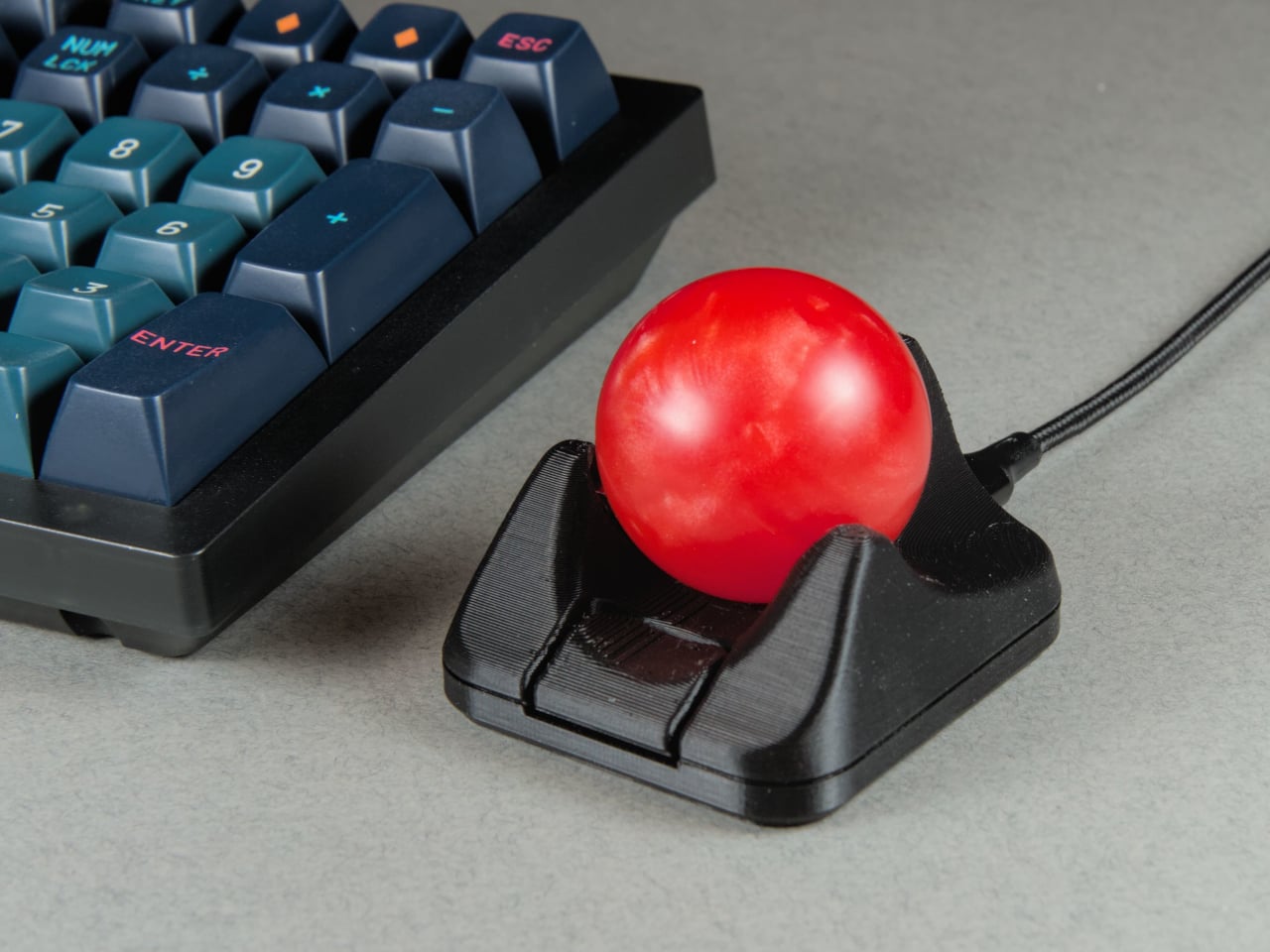
The Ploopy Nano 2 trackball is a refreshing alternative that strips away the unnecessary extras and focuses on what matters. It’s ultra-compact, open-source, and designed specifically for customization by users who want complete control over their tools. Priced at $59.99 CAD, about $43 USD, it’s made for makers, coders, and anyone who wants a mouse that fits their workflow perfectly without forcing adaptation to preset configurations.
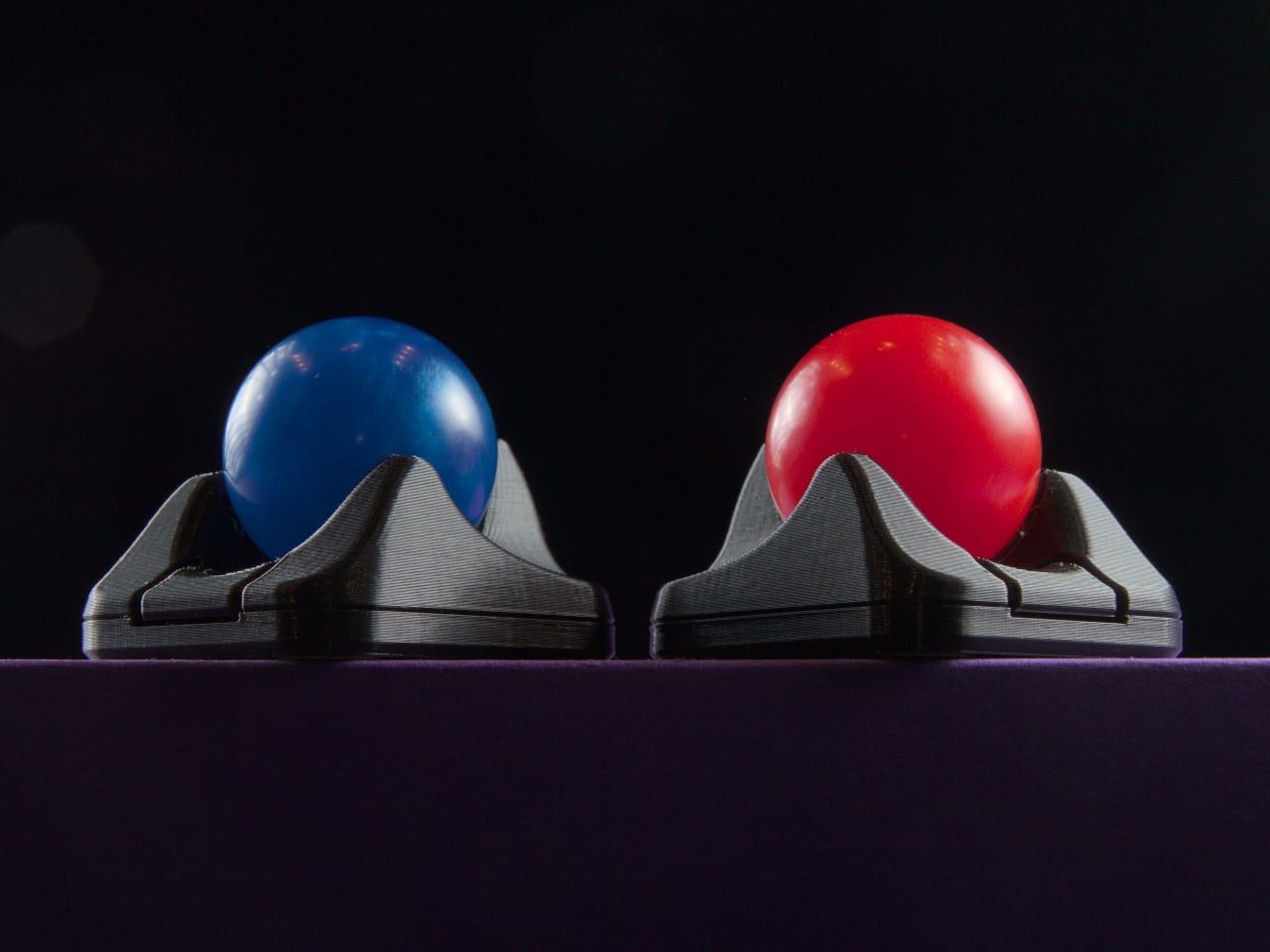
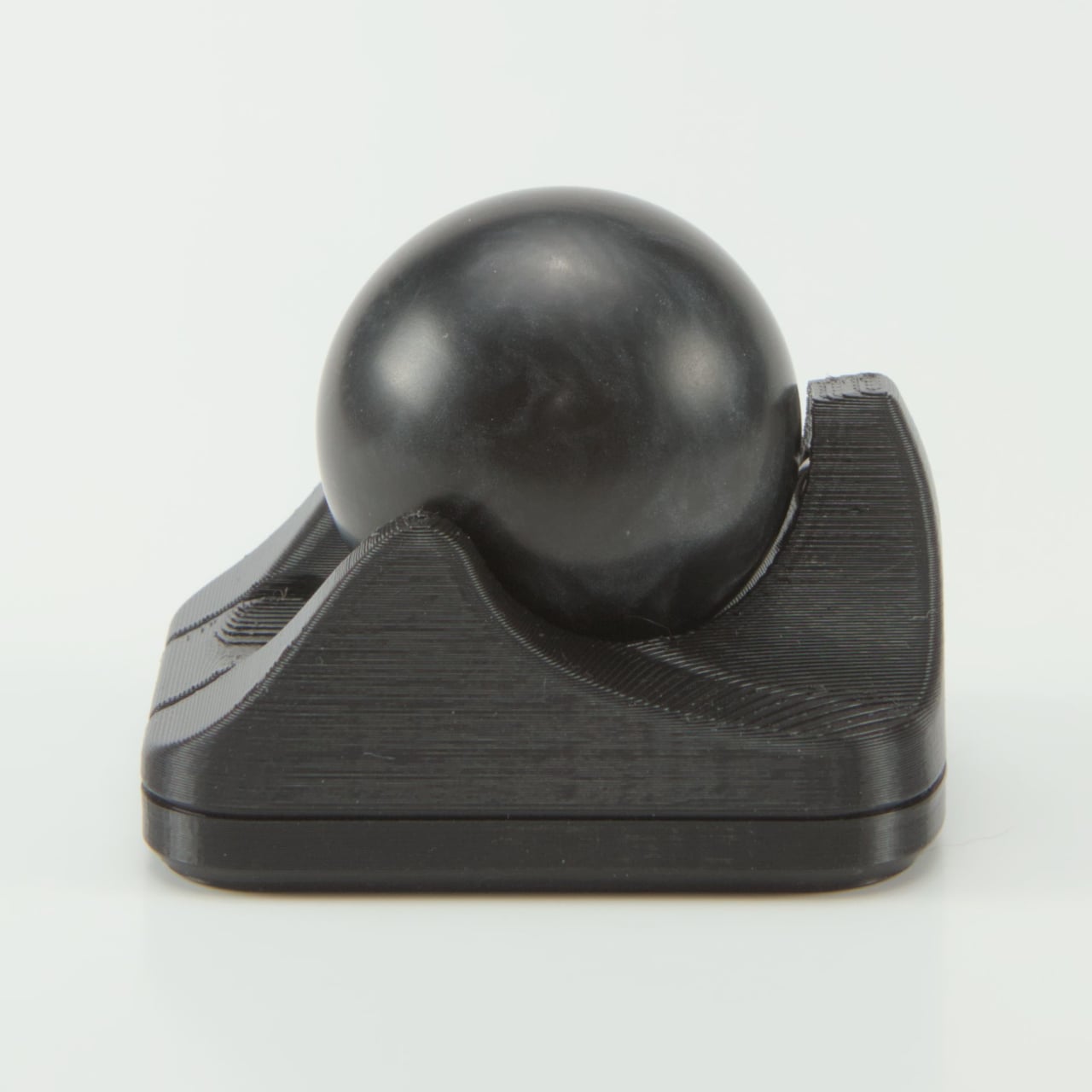
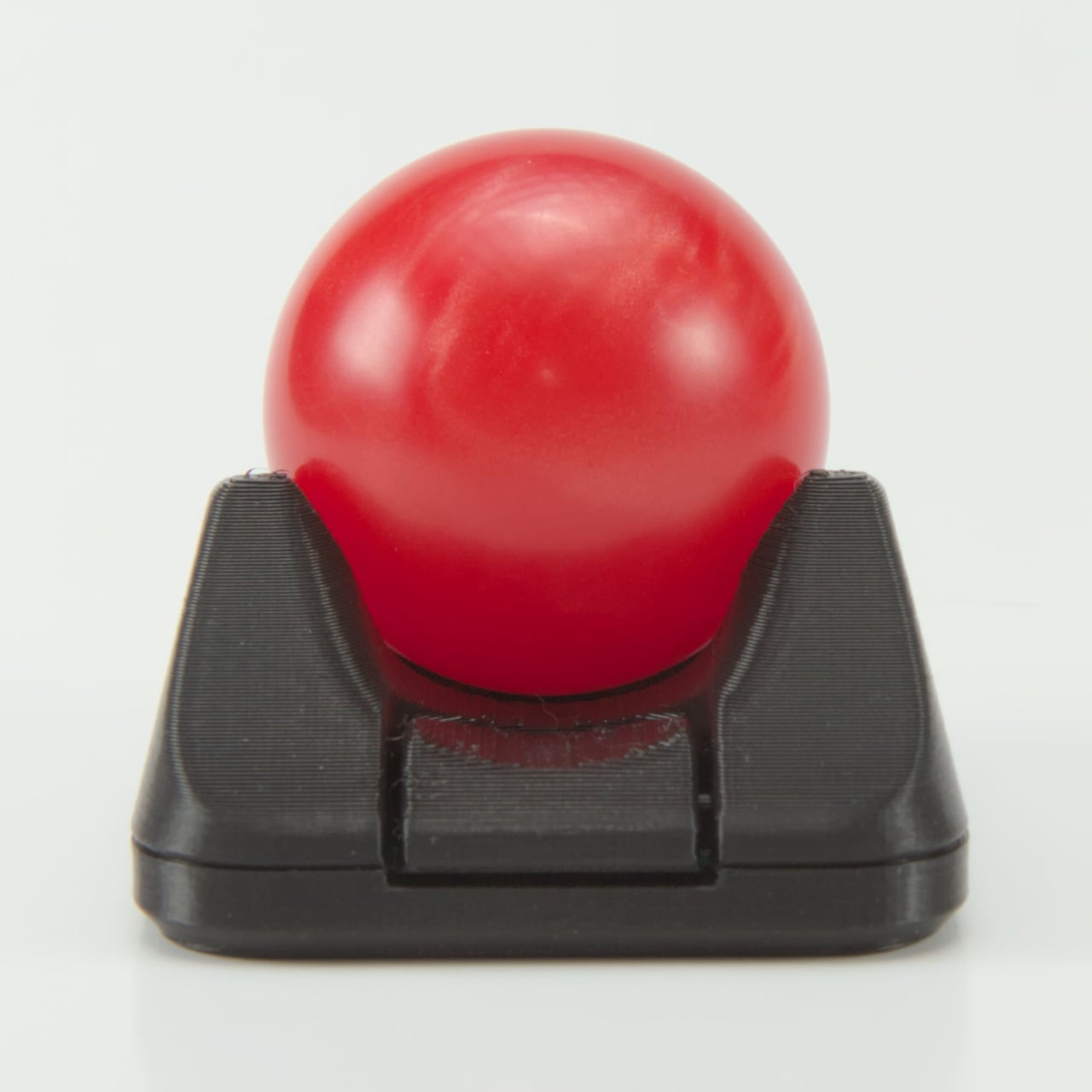
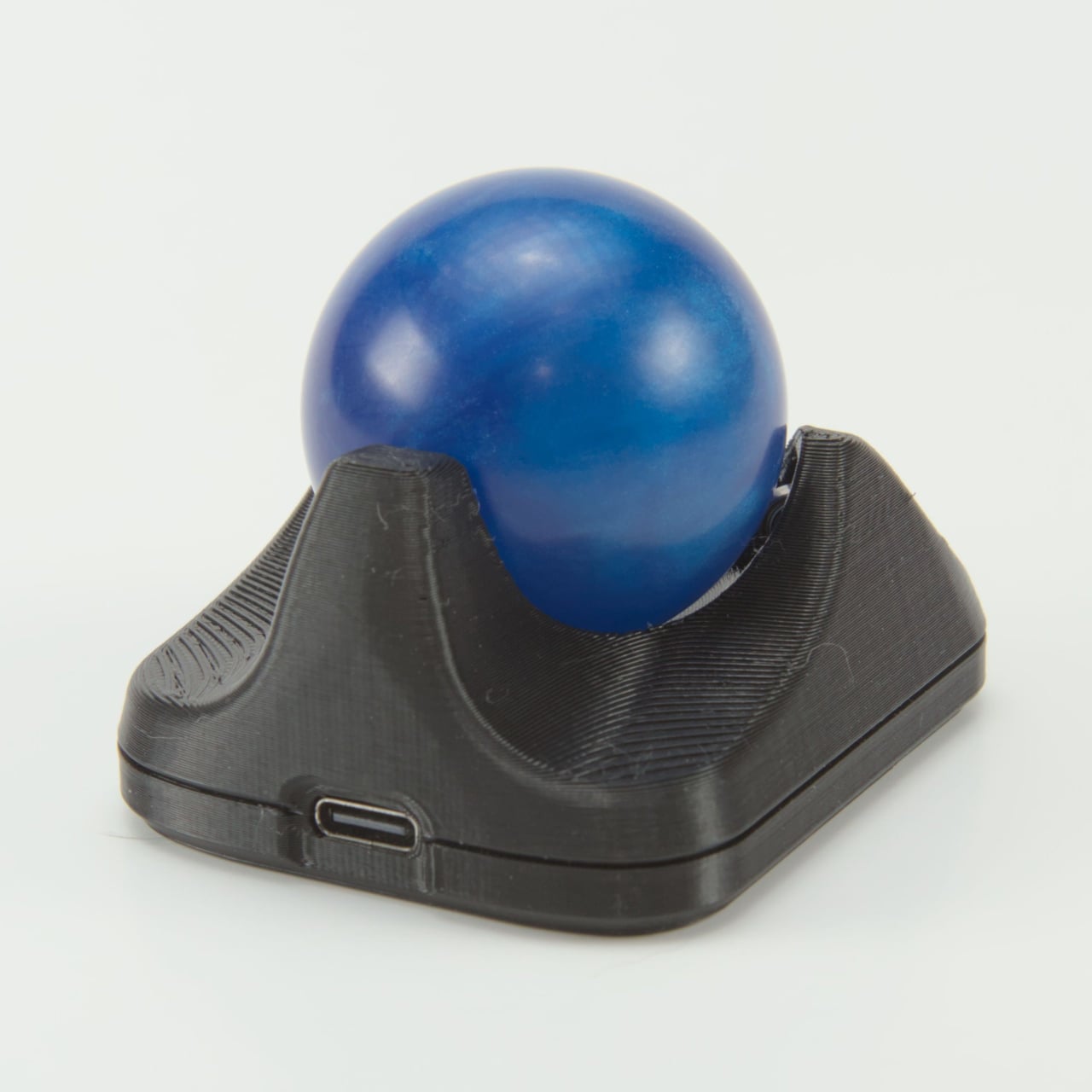
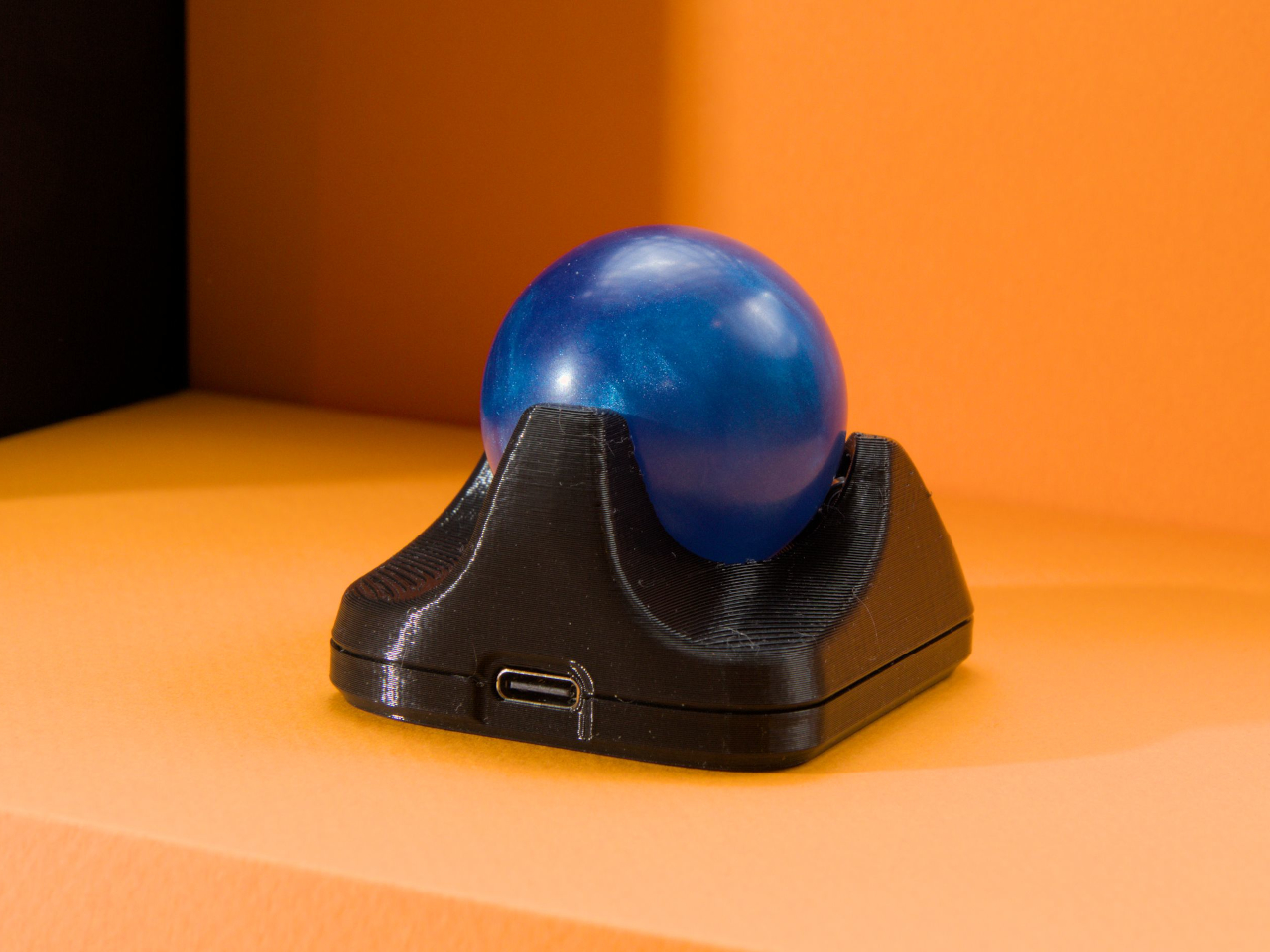
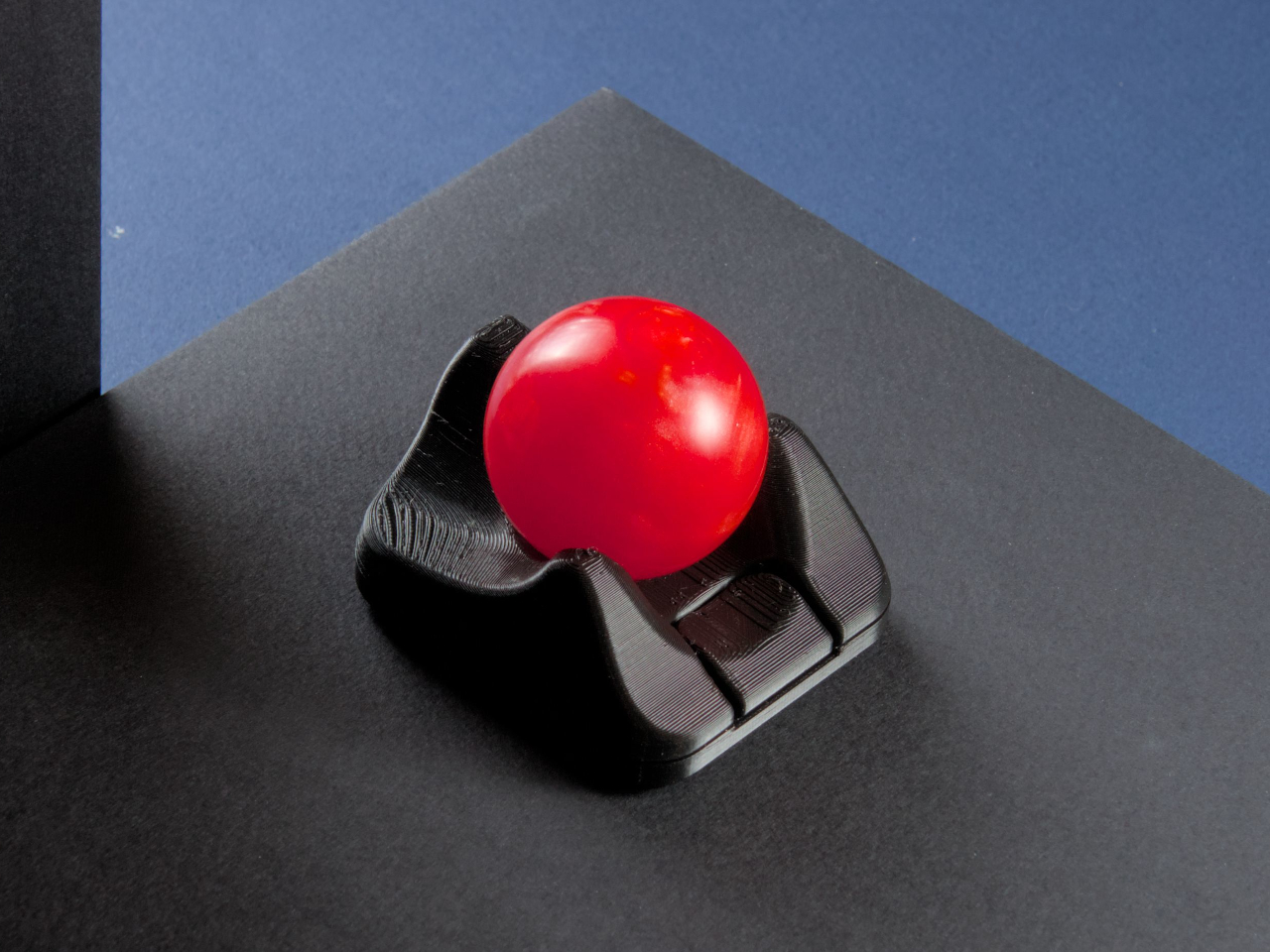
The Nano 2 features a compact footprint that sits easily beside any keyboard without dominating valuable desk space for other gear. The 3D-printed body in opaque black, paired with tracking balls in red, blue, or black for personal preference, feels solid and purposeful in use during extended sessions. The minimalist design and low profile make it easy to integrate into any setup, from home offices to creative studios, without clashing with existing equipment.
Roller bearings give the 1.5-inch ball a satisfying, tactile feel during use, though they do make a scratchy grinding sound that’s part of the Nano’s mechanical character and feedback. Some users love the audible feedback as confirmation of movement, while others may find it distracting in quiet library or office environments. The sound is noticeable but adds to the analog, mechanical feel that distinguishes it from silent optical trackballs.
The big upgrade is the PAW-3222 sensor, which delivers a polling rate over 1,000Hz, up to 4,000 CPI, and 10g acceleration for smooth, precise tracking during demanding design or coding work. The new button triggers drag scrolling by default out of the box, but thanks to QMK and VIA support, you can remap it to anything you need instantly, from click to macro to custom functions.
USB-C replaces the old micro-B port found on the original Nano, improving durability and making charging and programming easier for modern setups with universal cables you already own. As with all Ploopy devices, the Nano 2 is fully open-source, with hardware under the CERN OHL license and firmware under the GPL for complete transparency and user freedom. Assembly guides, modding tips, and all design files live on GitHub.
Whether you’re coding complex projects, designing graphics, or just want a minimalist pointer for your laptop bag during travels and commutes, the Nano 2 brings personality and function to your workspace effortlessly without taking up space. Its compact size, open-source roots, and tactile feel make it a conversation starter and a daily companion for anyone who values control and creativity in their desktop tools.
There’s something magical about pocket-sized gaming that never gets old for those who grew up with handhelds in their backpacks and pockets. The thrill of squeezing a whole arcade into your palm, the nostalgia of pixel art and chiptunes, and the joy of discovering new games on the go bring genuine smiles that modern mobile gaming just can’t replicate. Most modern handhelds chase power and graphics, but sometimes it’s the simplicity and creativity of 8-bit gaming.
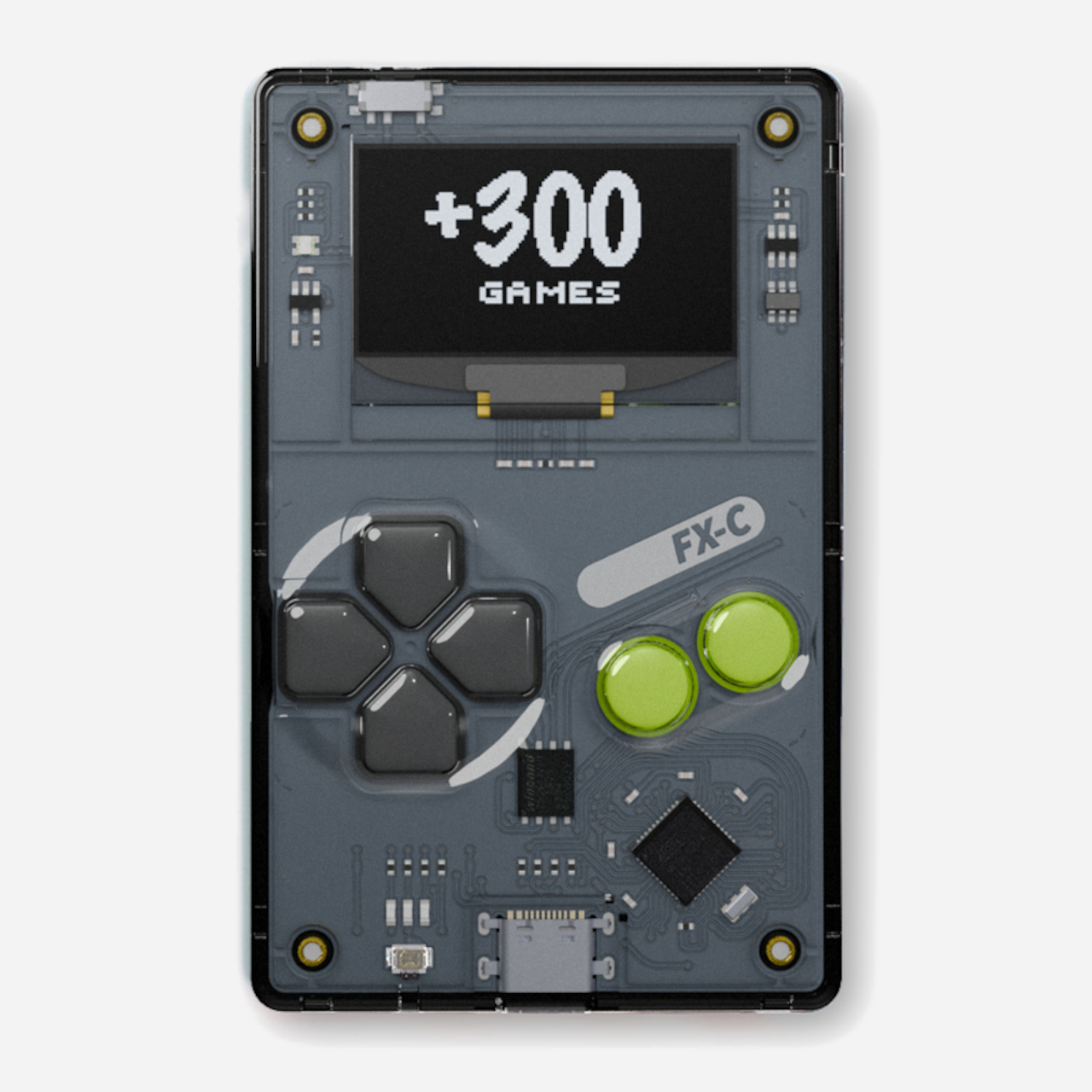
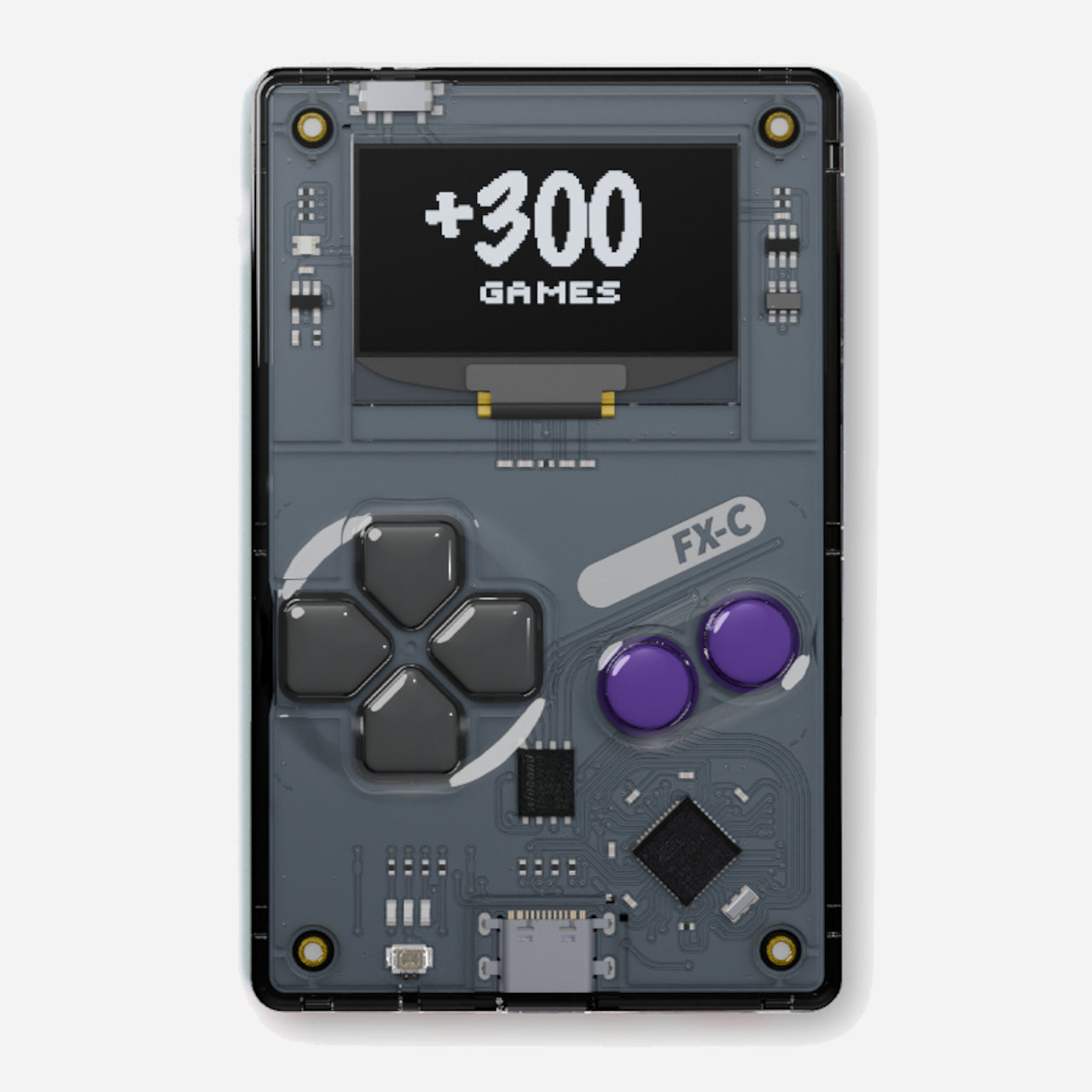
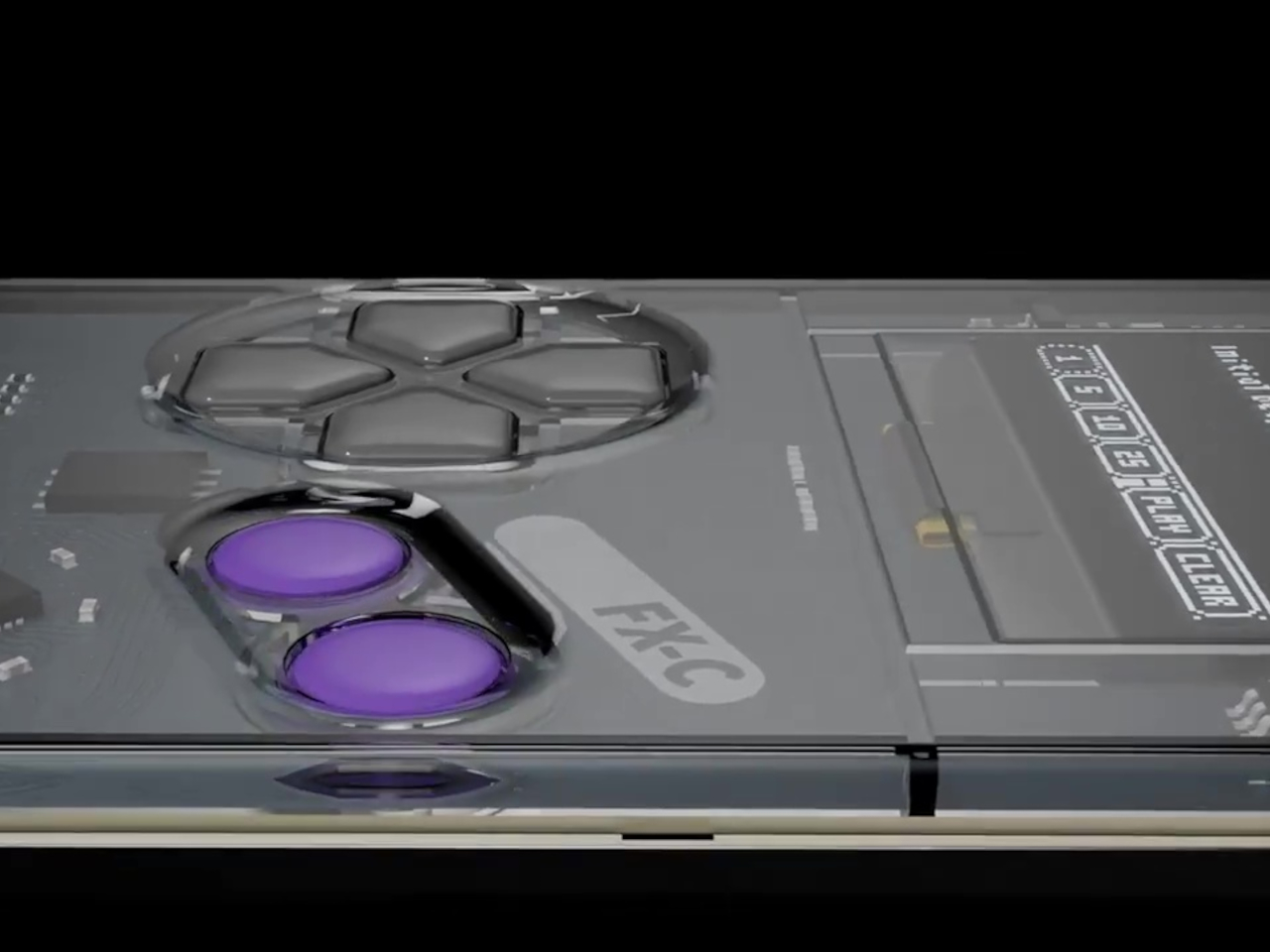
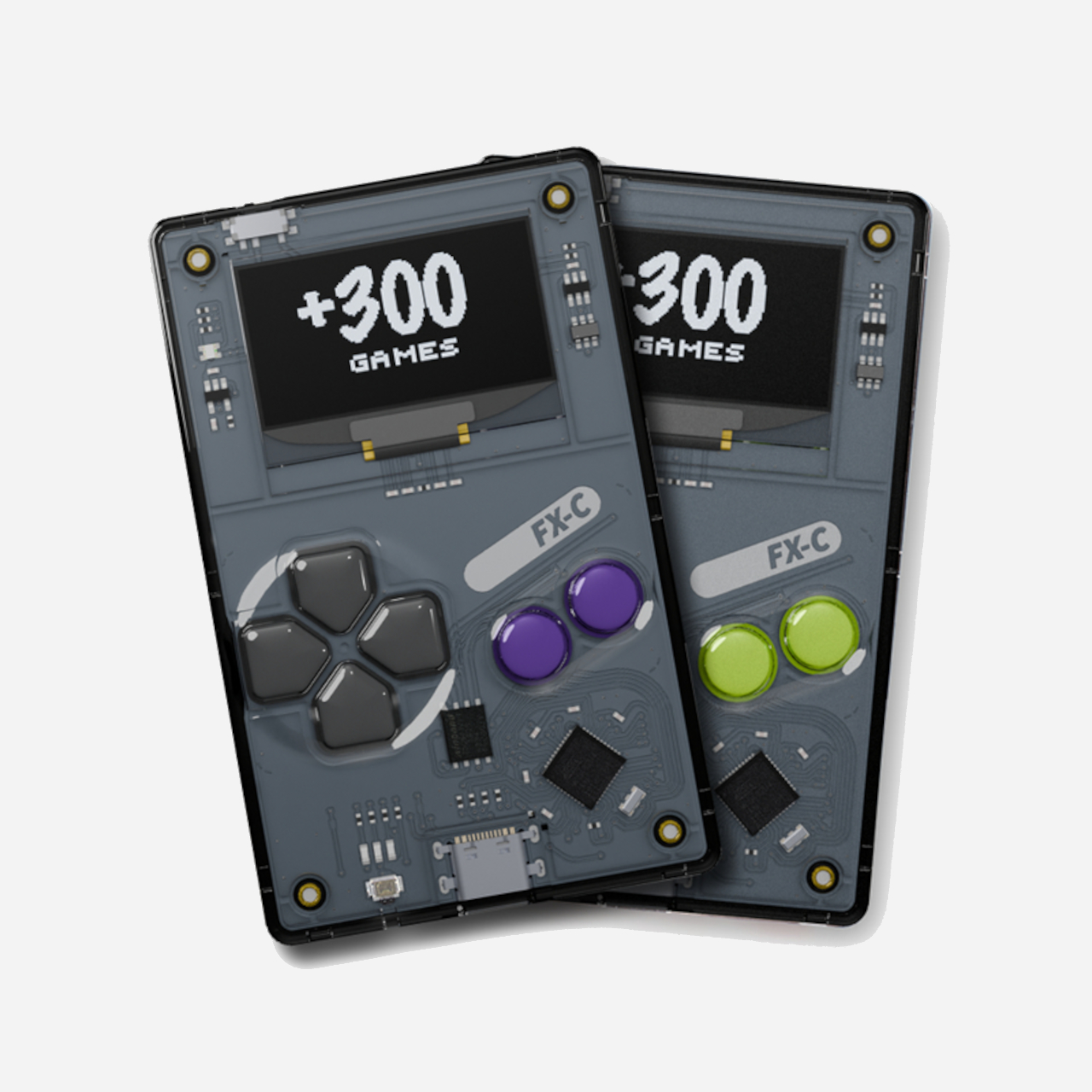
The Arduboy FX-C is a new take on that classic formula with a modern twist for contemporary gamers who appreciate retro aesthetics. It’s slim, open-source, and loaded with over 300 homebrew games, all ready to play on a device that’s barely thicker than a credit card you carry daily in your wallet. With USB-C charging and multiplayer support via link cable, it’s a retro playground for your pocket.
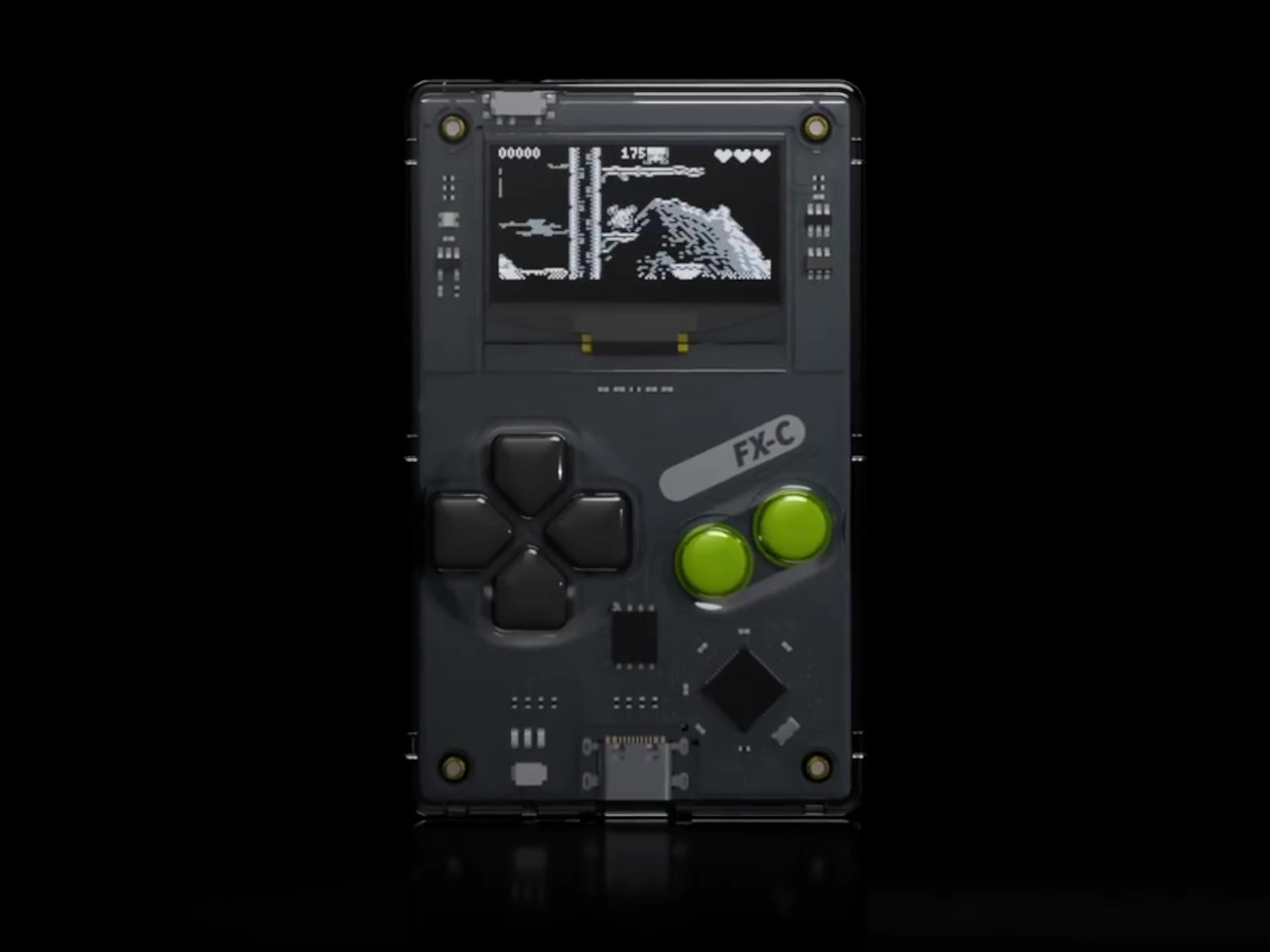
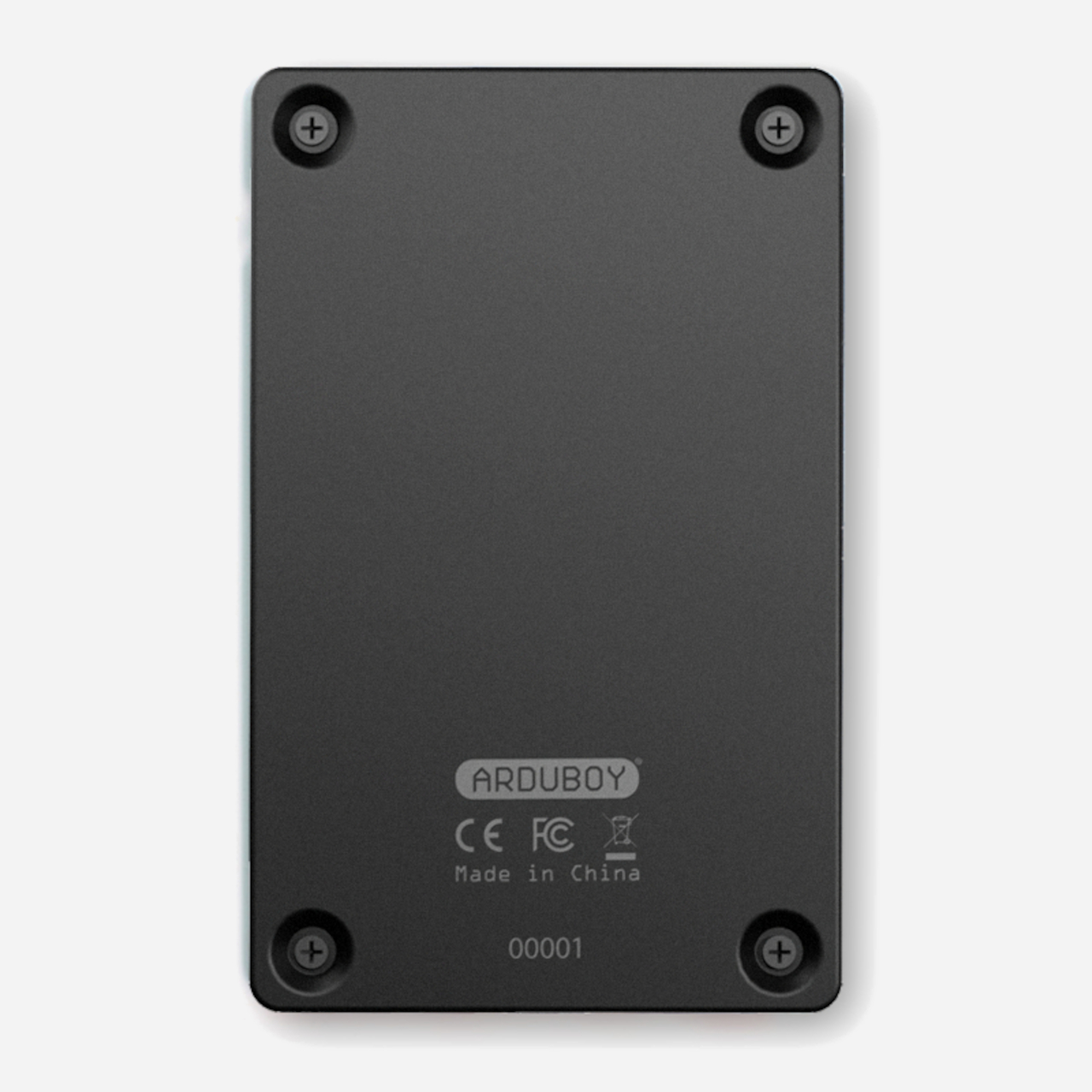
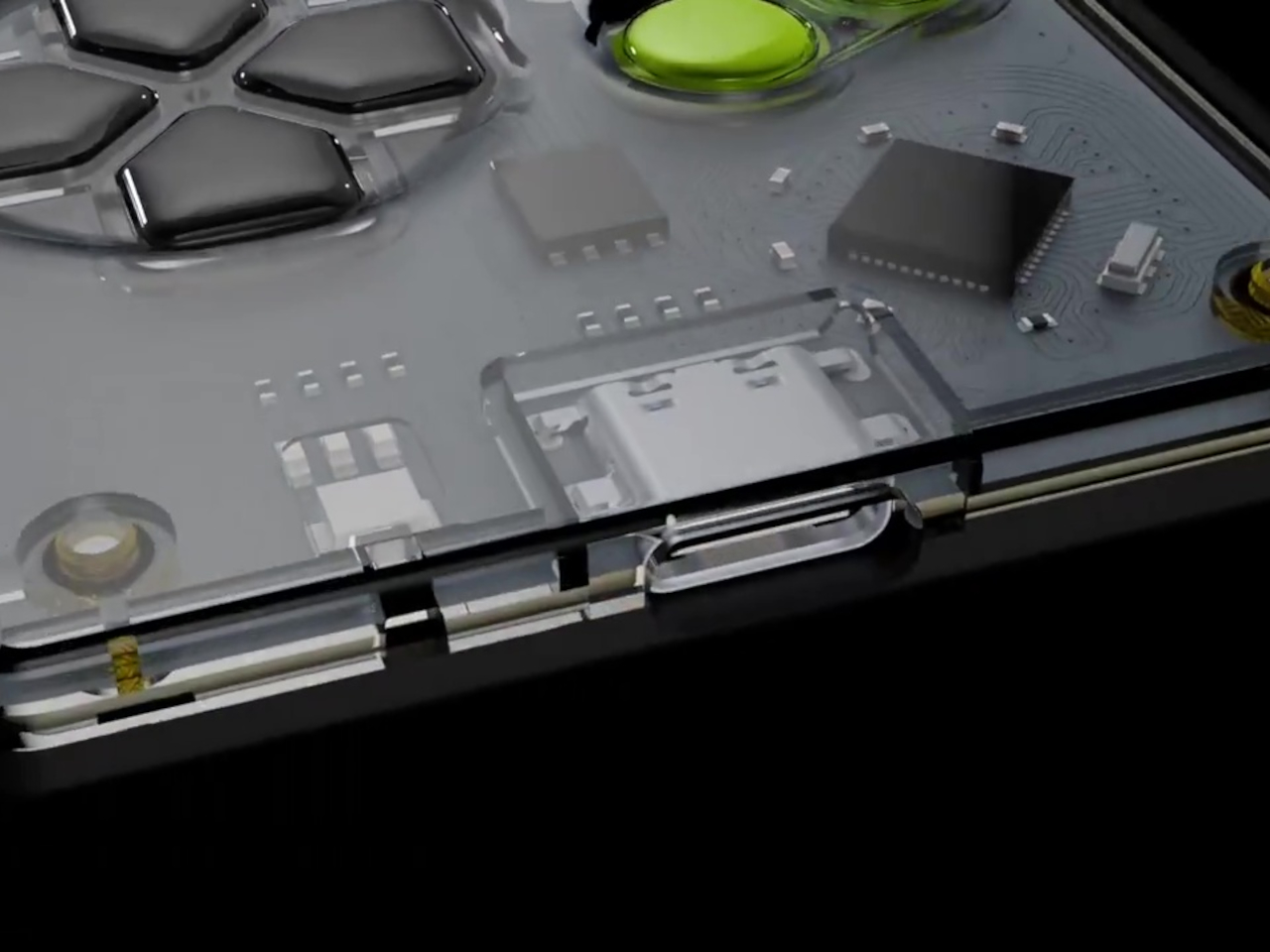
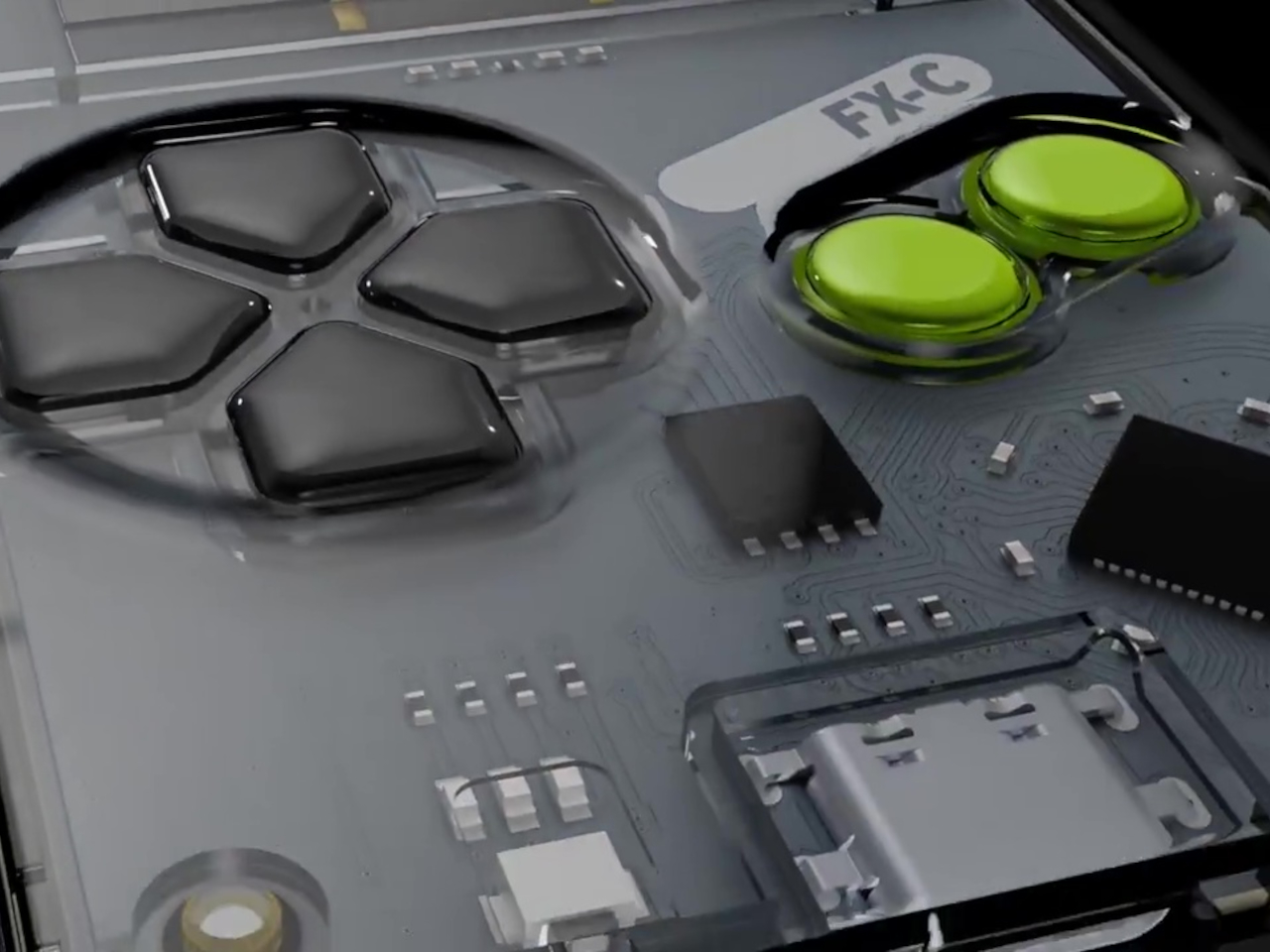
The FX-C is built specifically for portability, with a polycarbonate front, stamped aluminum back, and a transparent shell that shows off the ultra-thin circuit board inside for tech enthusiasts. At just 5mm thick, it slips into your wallet or pocket with room to spare for other essentials like keys and cards. The tactile buttons and crisp black-and-white 128 by 64 OLED screen channel the spirit of classic Game Boy handhelds.
Limited editions add a splash of color and personality to the minimalist design that collectors will appreciate. Purple buttons mark the Founders Edition, while electric green branding distinguishes the Standard Edition produced by Seeed Studio for wider distribution. The robust construction shrugs off daily bumps and scratches without showing wear, while the slim profile means you can carry it everywhere without thinking twice about added bulk.
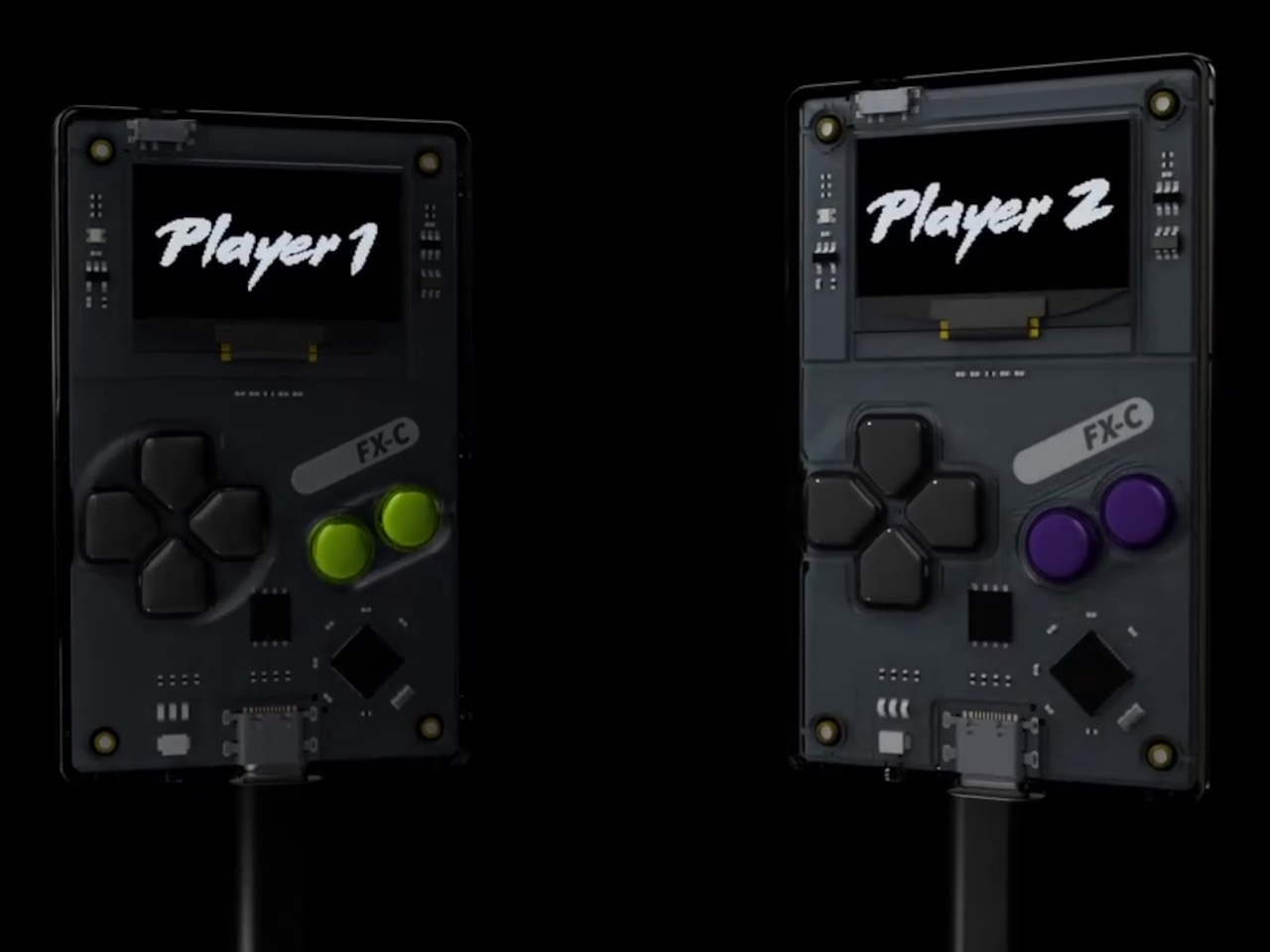
The big upgrade is USB-C, making charging and programming easier than ever before for users who’ve moved to modern cables. But the real fun starts with the included USB-C link cable that enables local multiplayer battles. Connect two FX-Cs together and you unlock head-to-head multiplayer action, from classic Pong to new homebrew duels created by the passionate community. The same port supports external sensors and future mods for experimenters.
Inside, the ATmega32u4 chip and 16MB flash storage hold over 300 games, with instant switching between titles and no need to reflash the device constantly like earlier models. The 180mAh battery delivers over 8 hours of continuous play on a single charge, and the 4-channel piezo speaker brings retro soundtracks and sound effects to life. The entire system runs on open-source hardware and software that anyone can modify.
The FX-C comes preloaded with a sprawling library of platformers, shooters, puzzles, and more titles spanning every retro genre imaginable, each one crafted by a global community of open-source developers who contribute freely without commercial motivation. If you’ve ever wanted to build your own game or learn to code in a friendly environment, free tutorials and a thriving forum make it easy to get started without prior experience.
Whether you’re commuting on crowded trains, waiting in line at the coffee shop, or just need a break from your phone’s endless notifications and social media, the Arduboy FX-C delivers a burst of retro fun wherever you are throughout the day. For anyone who loves the spirit of classic gaming with a modern twist and open-source freedom, it’s proof that sometimes less really is more.
If you’ve ever watched your dog or cat leap onto the bed or sofa with reckless abandon, you know the mix of pride and worry that comes with it every single time they make that jump. Pets love being close to their humans and feel safest at elevated heights, but those jumps can put a lot of strain on their joints, especially as they age or if they’re recovering from injury or surgery.
Most pet stairs solve one problem while creating another entirely different headache for pet owners. They’re either clunky and impossible to store when guests visit for the weekend, plain ugly and clash with your carefully chosen furniture and decor, or just take up too much space in already crowded rooms. Finding stairs that actually help your pet without ruining your interior design feels nearly impossible for most pet owners.
PawStairs offers a smarter solution with modular, flat-packable stairs featuring swappable, scratch-resistant paddings that blend into your home seamlessly and unobtrusively. The system lets you build two or three steps depending on your furniture height and your pet’s climbing needs, adapting to beds, sofas, or any favorite nap spot throughout your home. Assembly is easy and intuitive, requiring just minutes even for people who struggle with furniture assembly.
When you need more space for guests or just want to reclaim floor area temporarily, the stairs pack completely flat for compact storage under beds or in closets. The clean lines and minimalist silhouette mean PawStairs looks right at home in living rooms or bedrooms without screaming “pet product” to everyone who visits. Two wood finishes let you match your décor, with Original offering light tones and Walnut providing warm, rich hues.
Each step is topped with a scratch-resistant, easy-to-clean padding in velvet or leather options for different textures and looks. If a cover gets worn from daily use or you want to switch aesthetics, just swap it out without replacing the whole stair. The non-slip base pads ensure secure footing on every step, and the stairs support pets up to 99 pounds, from tiny Pugs to large Golden Retrievers.
The swappable padding system means maintenance is simple and stress-free for busy pet owners juggling work and family. Muddy paws, shedding fur, or the occasional accident wipe clean in seconds, and when a cover needs refreshing, you just pull it off and snap a new one on. No complicated proprietary tools, no wrestling with awkward clips or zippers, just quick swaps that keep everything looking fresh and inviting.
Built from high-quality solid wood and scratch-resistant leather and velvet, PawStairs is engineered specifically for long-term durability under daily use from active pets. If any part ever wears out from enthusiastic climbing, you can replace just that component instead of tossing the whole unit. This modular approach reduces waste dramatically and extends the product’s life for years of reliable use without requiring complete replacement.
Imagine your senior dog climbing onto the couch without struggle, or your cat confidently reaching her favorite window perch for afternoon sunbathing sessions. PawStairs makes these moments effortless for them, reducing stress on aging joints and lowering anxiety in small breeds or pets with mobility issues who might otherwise avoid heights altogether. The stairs work equally well for young pets who need safe access.
For multi-pet households with different-sized animals sharing the same space, the modular design means everyone from tiny kittens to large dogs can find their perfect step height and climbing rhythm. The neutral wood tones, clean aesthetic, and swappable paddings let PawStairs blend naturally into your home while making your pet’s comfort and safety a visible, intentional part of your living space without sacrificing style or floor space.
Imagine waking up in a home that changes shape with the sun, rotates to catch the breeze, and adjusts its silhouette at your whim throughout the day and night. The idea of a house that adapts to its environment and to you sounds like science fiction, but it’s at the heart of the Interactive Segmented House of the Future by Michael Jantzen, a concept that reimagines what home can be.
This visionary concept explores what happens when architecture becomes kinetic, modular, and deeply responsive to natural forces and human desires. The house offers a glimpse into a future where homes are as dynamic as the people who live in them, constantly adjusting to weather, light, and personal preference without requiring you to adapt to static architectural decisions. The design challenges every assumption about residential architecture.
The house is built around five identical, curved steel segments that rotate around a central glass-floored living space like petals around a flower’s center. Each segment can pivot independently or together in coordinated movements, allowing the home to catch sunlight for passive warming, funnel wind for natural cooling, collect rainwater for storage, or frame the best landscape views throughout changing seasons.
Photovoltaic panels on the exterior generate electricity for internal needs, while rain-catching forms and wind scoops make the house self-sustaining and potentially off-grid in remote locations. Each segment is carefully shaped with formations that serve as windows, ventilation scoops, or water collectors. The occupants can fine-tune the building’s environmental response by positioning segments to meet immediate needs or simply experimenting with different visual configurations.
Inside, the glass floor creates a sense of floating in open space, with air and light circulating freely through openings without visual obstruction from opaque surfaces. All essential furniture is hidden in semicircular cabinets beneath the glass floor, rising up and unfolding only when needed for sleeping, eating, or working throughout daily routines. The result is a space that can be left completely open or configured for specific activities.
The absence of fixed partitions and the ability to clear the floor completely make the interior endlessly adaptable, supporting everything from quiet solitude to lively gatherings with friends. The glass floor provides an uninterrupted 360-degree view of the space and the segments rotating around it, enhancing the sensation of living inside a responsive, almost organic structure that breathes with environmental conditions.
While the Interactive Segmented House of the Future is a stunning vision worth celebrating, it faces practical challenges worth acknowledging honestly and thoughtfully. The mechanical complexity of rotating large structural segments, potential maintenance needs for motors and bearings, and the demands of glass flooring and custom fabrication could make real-world construction costly and require ongoing professional care and specialized expertise that may not be readily available.
Living in a house like this would mean waking up to new views daily, adjusting your home to match the weather naturally, and enjoying a space that feels alive and ever-changing. For anyone dreaming of a home that’s as flexible and imaginative as their own life and aspirations, this concept offers a bold proposal that blurs boundaries between architecture and living machine.
Most power banks are either too bulky for a pocket or too slow to keep up with today’s fast-charging phones that demand high wattage for quick top-ups. If you’re tired of carrying bricks that weigh down your bag or waiting ages for a recharge during short coffee breaks, finding a power bank that’s both genuinely slim and powerful enough for modern devices can feel impossible in the current market.
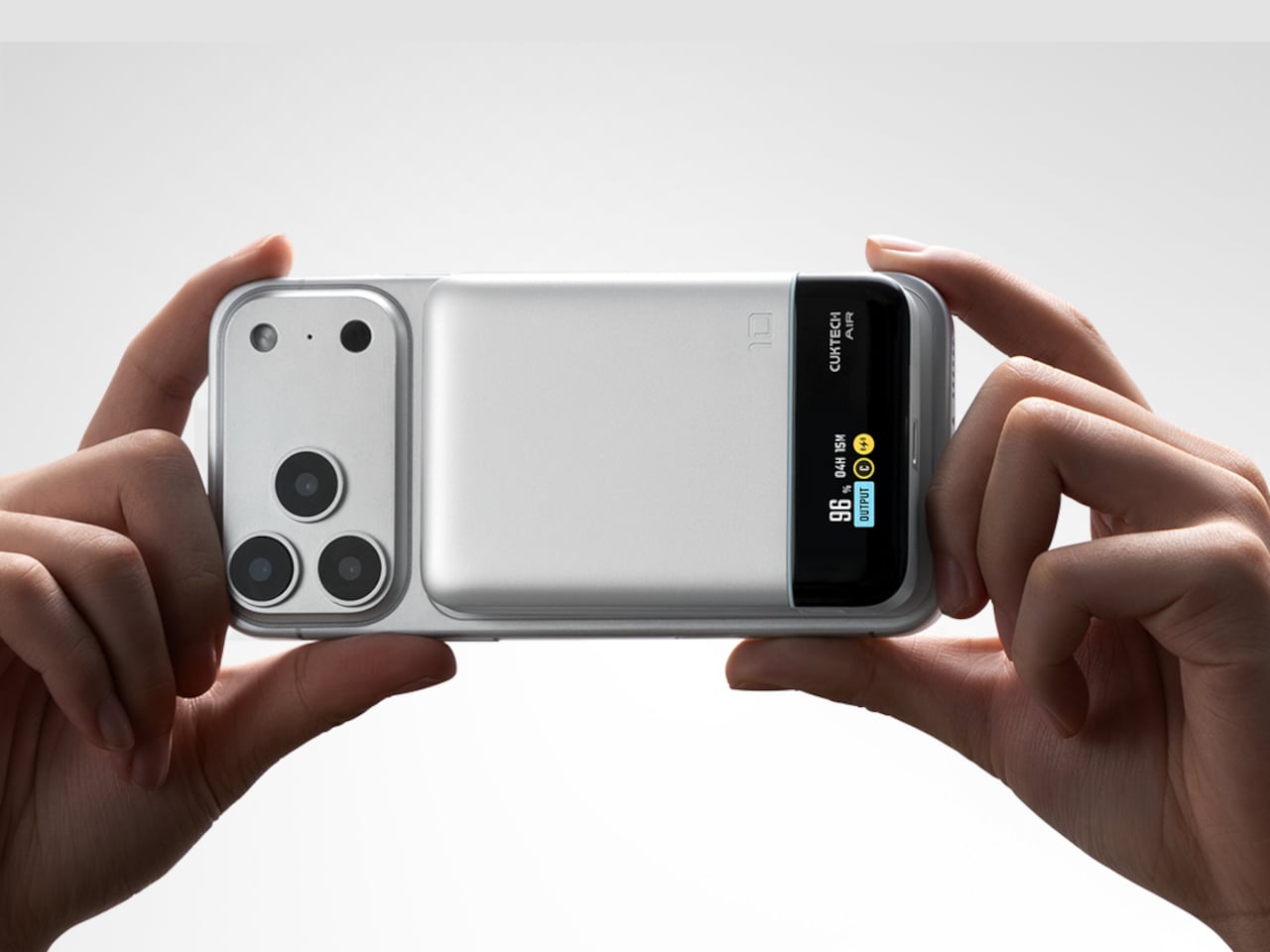
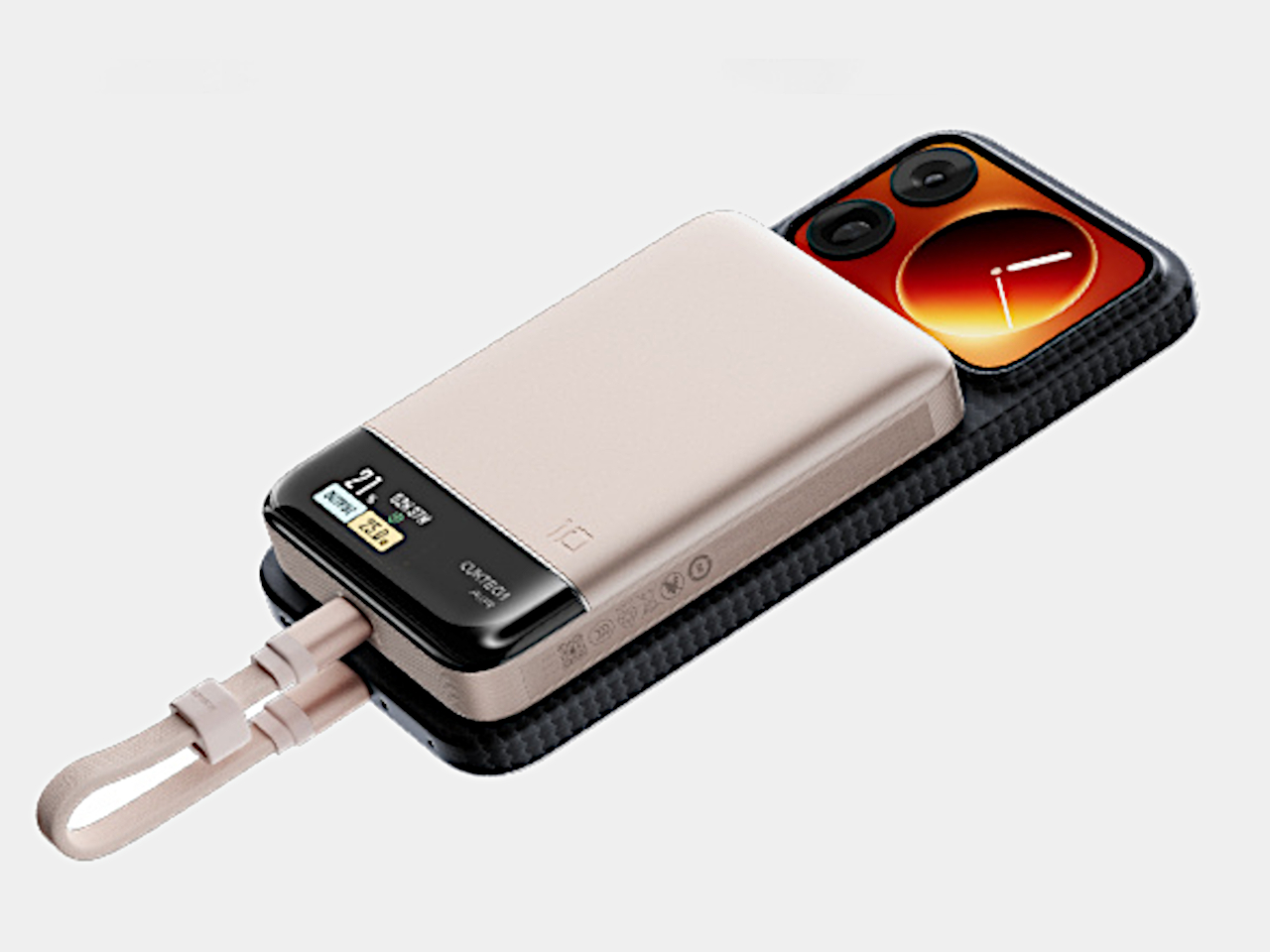
The Cuktech 10 Air offers a fresh take on portable charging for everyday carry without compromise. With a 10,000mAh capacity, 55W wired fast charging, 15W magnetic wireless charging, and a built-in display, it’s designed to slip into your pocket and keep your phone powered up quickly. At just 1.3 centimeters thick and CNY 199 (about $28), it packs premium features into an affordable package.
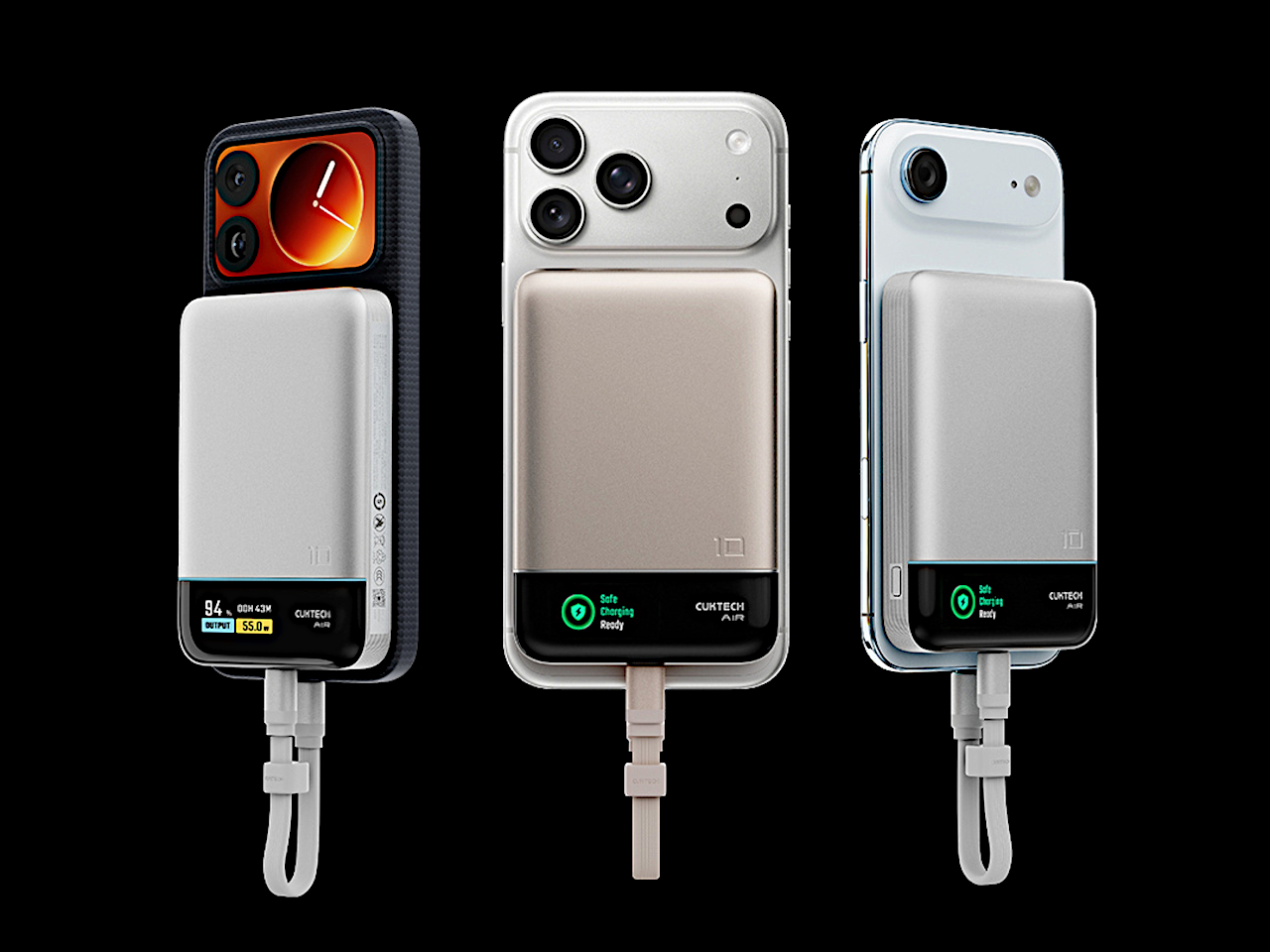
At just 1.3 centimeters thick, the 10 Air is as slim as many modern smartphones, making it easy to stack with your device magnetically or slide into a bag without creating annoying bulk or weight. The magnetic pad attaches securely to MagSafe-compatible phones for cable-free charging on the go, while the smooth, rounded shell comes in silver or gold for a modern, minimalist look that complements any device.
The built-in TFT display is a standout feature that sets the 10 Air apart from generic power banks cluttering the market. It shows real-time battery percentage, charging status, and power mode, so you’re never guessing about your next top-up or wondering if your device is actually charging properly. The transparency is refreshing compared to blind LED indicators that most competing power banks use without context.
Inside, the 10 Air uses two 5,000mAh cells for a total of 10,000mAh, rated at 5,800mAh and 38.5Wh due to voltage conversion losses. Wired charging delivers up to 55W through the USB-C port, enough to get a Xiaomi 17 Pro to 67 percent in just 30 minutes, or an iPhone 17 to nearly 70 percent in the same timeframe without overheating.
Wireless charging offers 15W for MagSafe devices, perfect for quick top-ups without fumbling for cables when your hands are full or you’re on the move. The self-storing USB-C cable measuring 13cm adds convenience by keeping everything together in one package, while support for PPS, PD, and other protocols ensures compatibility with a wide range of devices from different manufacturers worldwide.
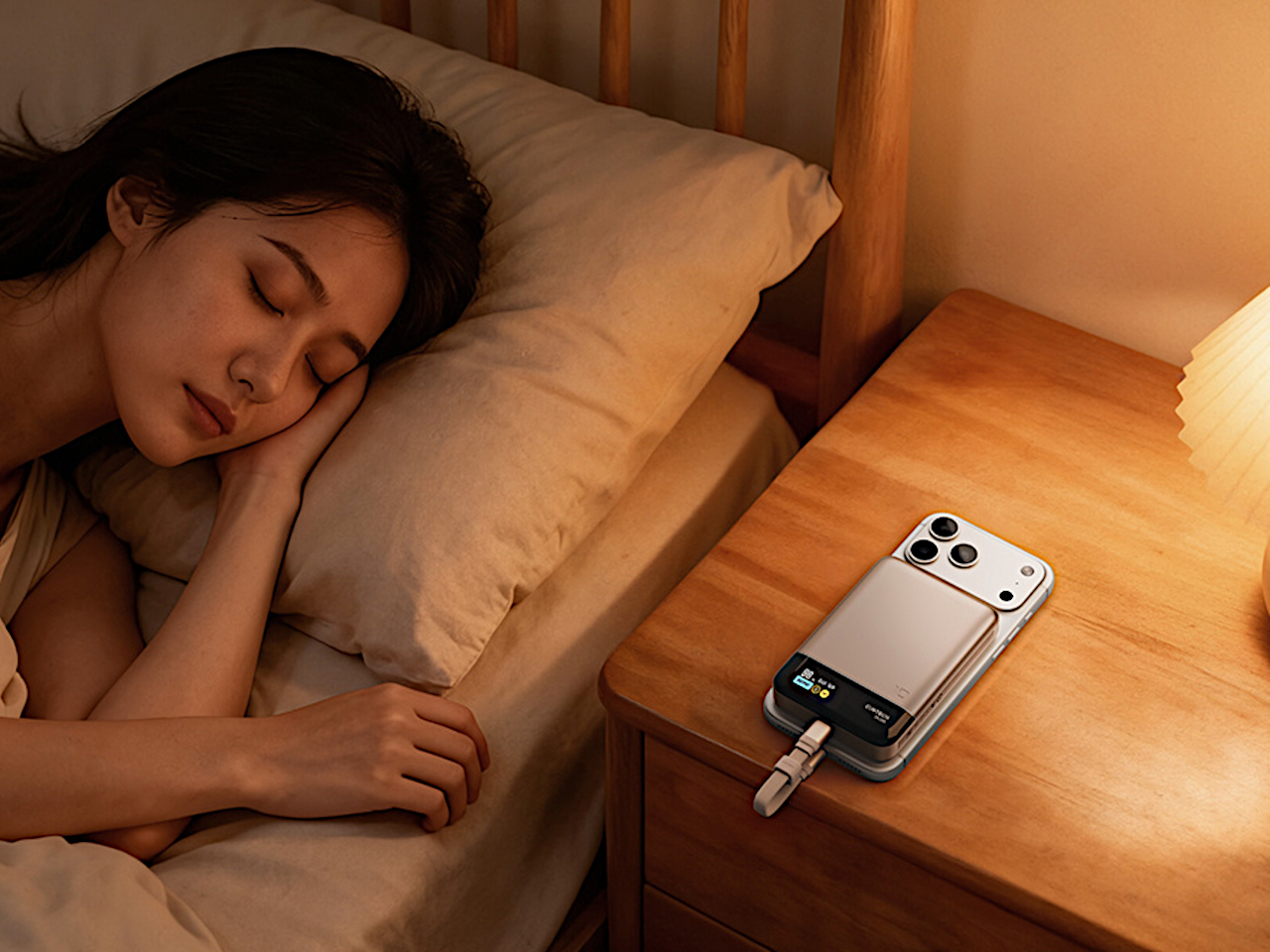
Cuktech’s OPC 2.0 worry-free charging system manages temperature intelligently, automatically stops charging when full, and protects battery health over time through smart algorithms and hardware monitoring. Hardware-level safeguards prevent overcharging, overheating, and short circuits, so you can leave your phone charging overnight without worry or anxiety. The power bank is airline-compliant at 38.5Wh, making it ideal for frequent travelers who cross borders regularly.
Whether you’re commuting, traveling internationally, or just need a slim backup for your phone during long days away from outlets, the Cuktech 10 Air fits naturally into modern life. The combination of genuine slimness, fast dual charging modes, magnetic attachment, and real-time display transparency makes it a compelling choice for anyone tired of bulky, outdated chargers.
Most nightstands are content to be quiet companions, holding books, lamps, and the occasional midnight snack without fanfare or personality throughout their lifetime. But what if your bedside table could surprise you every time you interact with it, moving with a whisper and revealing a hidden compartment at the brush of your phone against its side? What if furniture could feel alive and responsive to your touch?
The Morpheus Nightstand goes beyond just being a place to stash your essentials and charge your devices overnight. It’s a kinetic sculpture, a feat of precision brass engineering, and a piece of furniture that turns daily routines into moments of wonder and discovery. On the surface, it looks like a refined, classical nightstand, but beneath the calm exterior lies something far more intriguing and delightful for those who appreciate mechanical marvels.
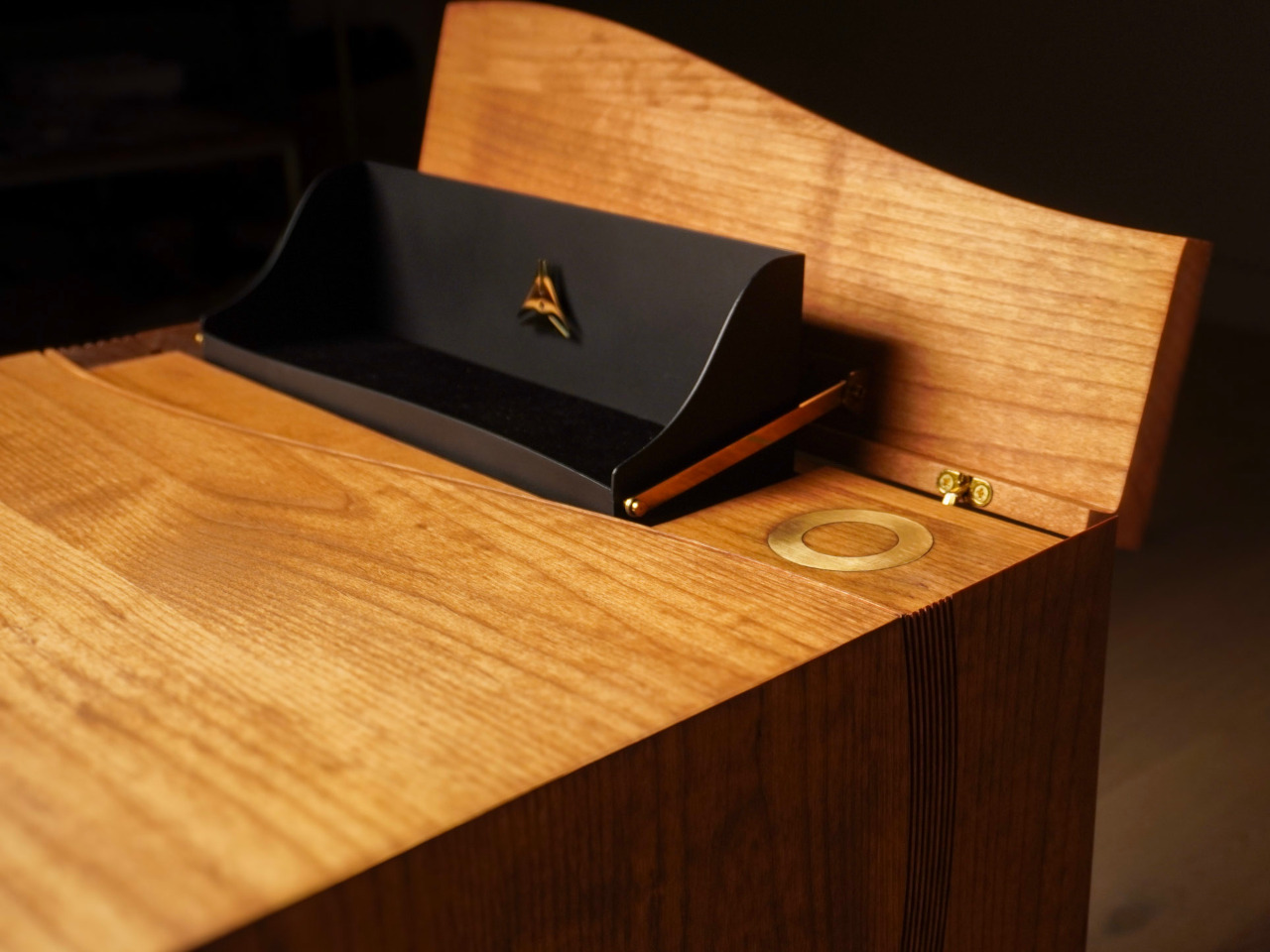
Morpheus appears calm and composed at first glance, with fluted wood surfaces, crisp geometry, and a refined silhouette that fits into any luxury interior seamlessly without demanding attention. The wave motif carved across the drawer front is both decorative and functional, disguising seams so perfectly that they seem to vanish into the surface completely. The craftsmanship is immediately apparent to anyone who appreciates fine furniture and attention to detail.
The nightstand is handcrafted from warm hardwood, with slender dark legs and brass accents that hint at the mechanical complexity hidden inside, waiting to be discovered through interaction. Every detail is finished to heirloom standards, blending classic cabinetmaking traditions with contemporary minimalism and modern sensibilities. The piece feels substantial without being heavy, refined without being cold, and modern without abandoning timeless design principles that make furniture last for generations.
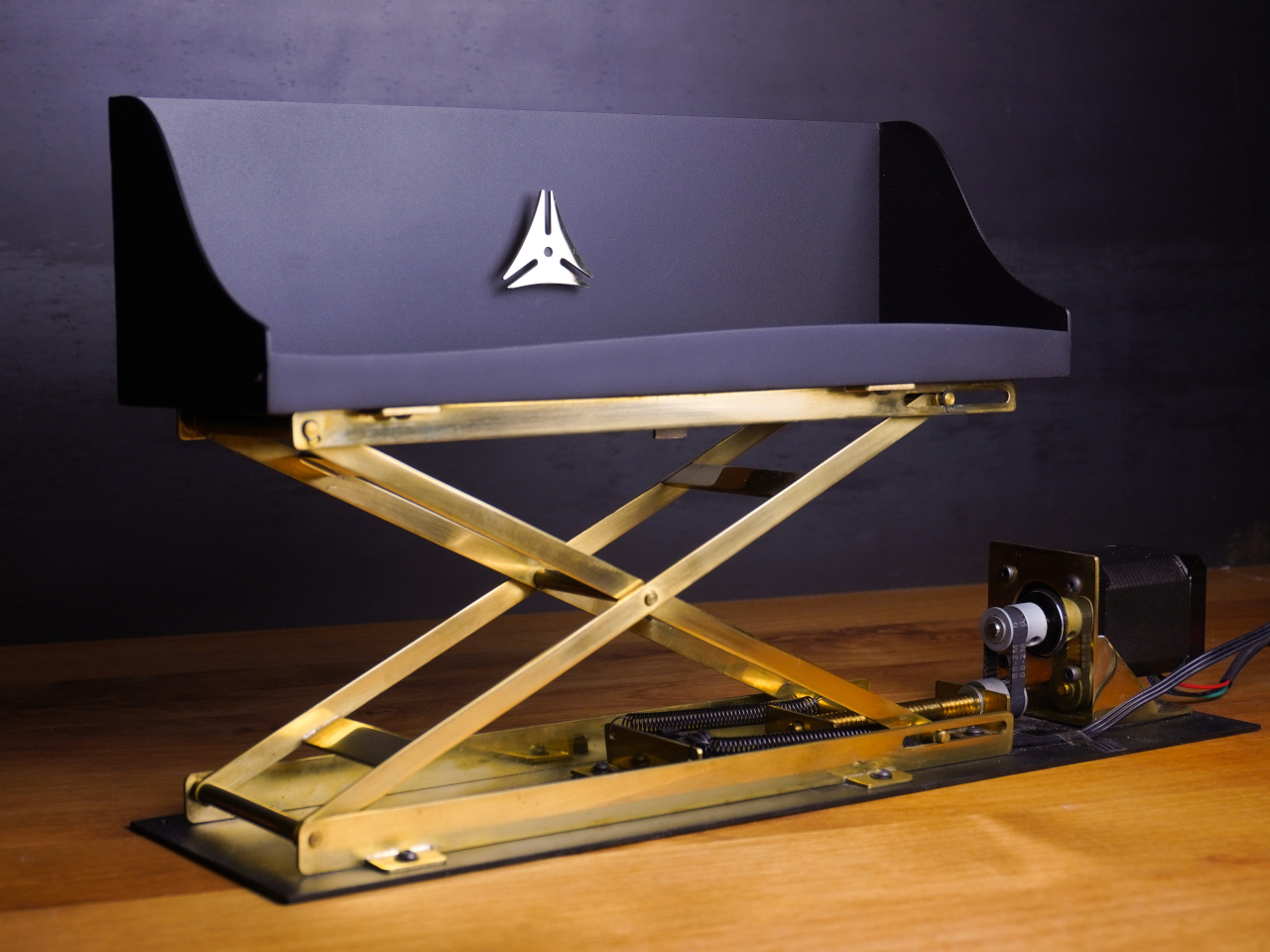
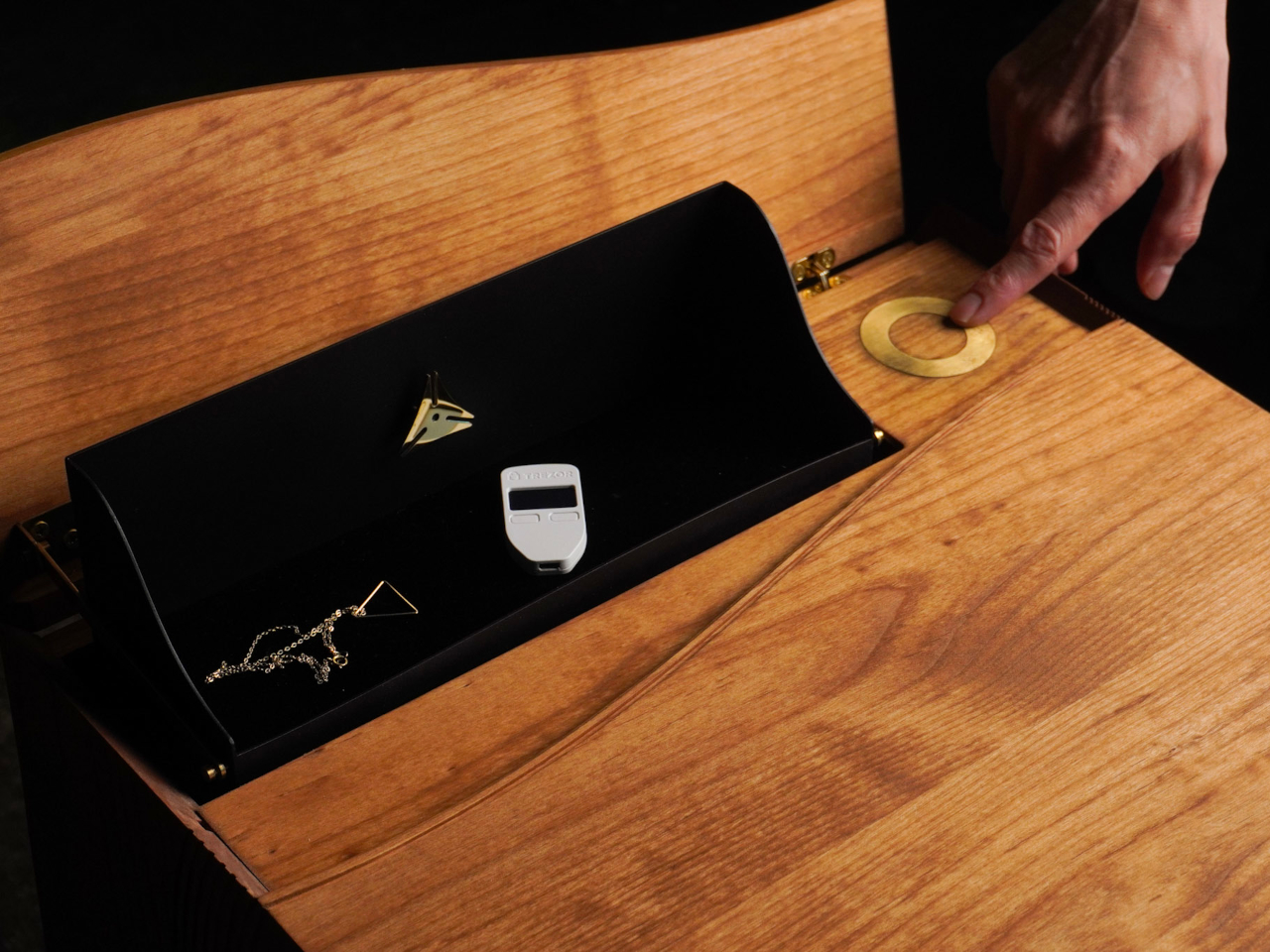
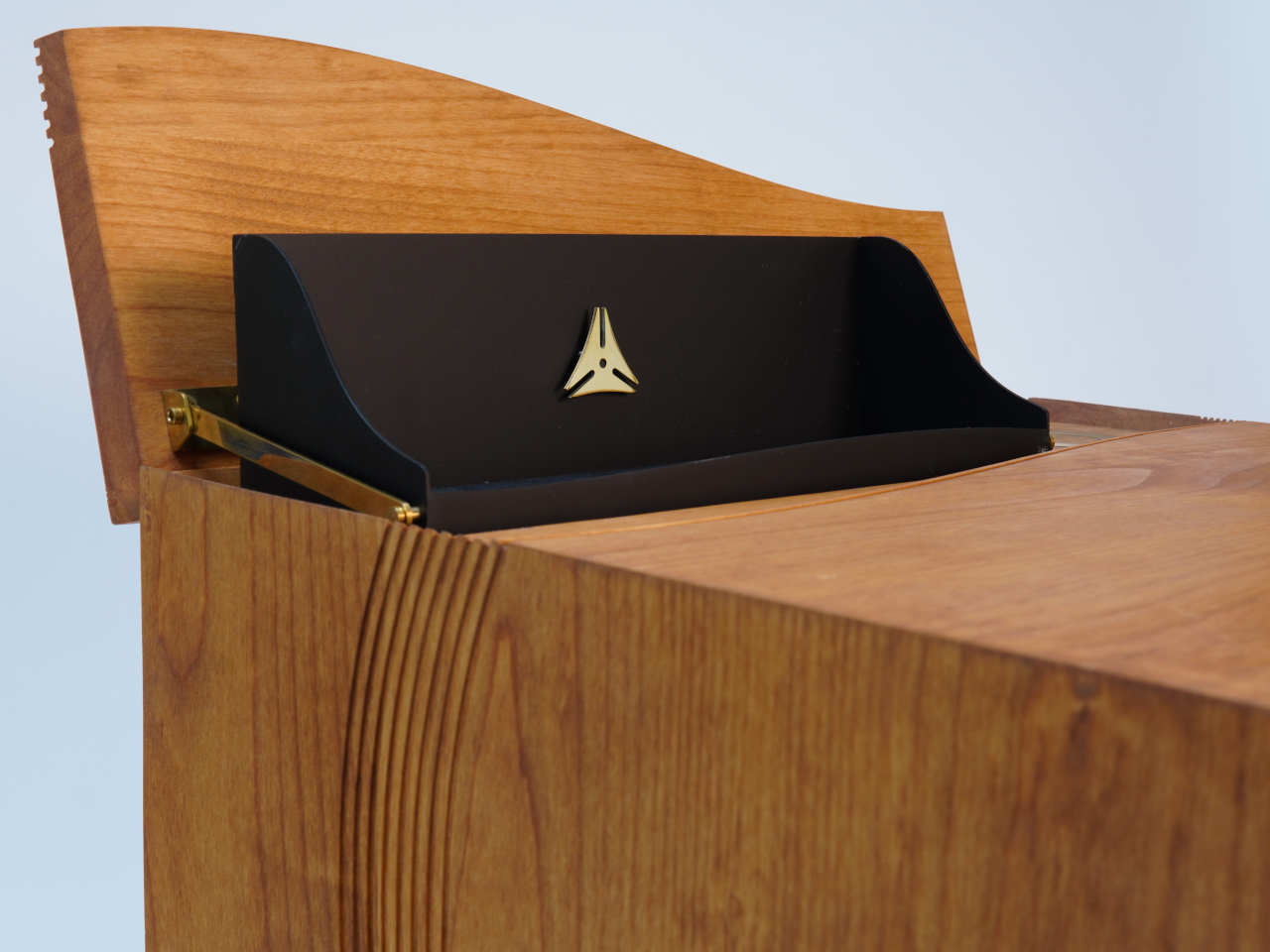
The real magic happens when you interact with Morpheus through its hidden NFC sensor embedded invisibly within the wood. Unlocking the secret compartment requires only a phone swipe on the nightstand’s side, activating integrated technology that feels almost magical. A custom brass scissor lift rises in complete silence, revealing a hidden space for valuables, keepsakes, or whatever you want to tuck away from view during the day when you’re not home.
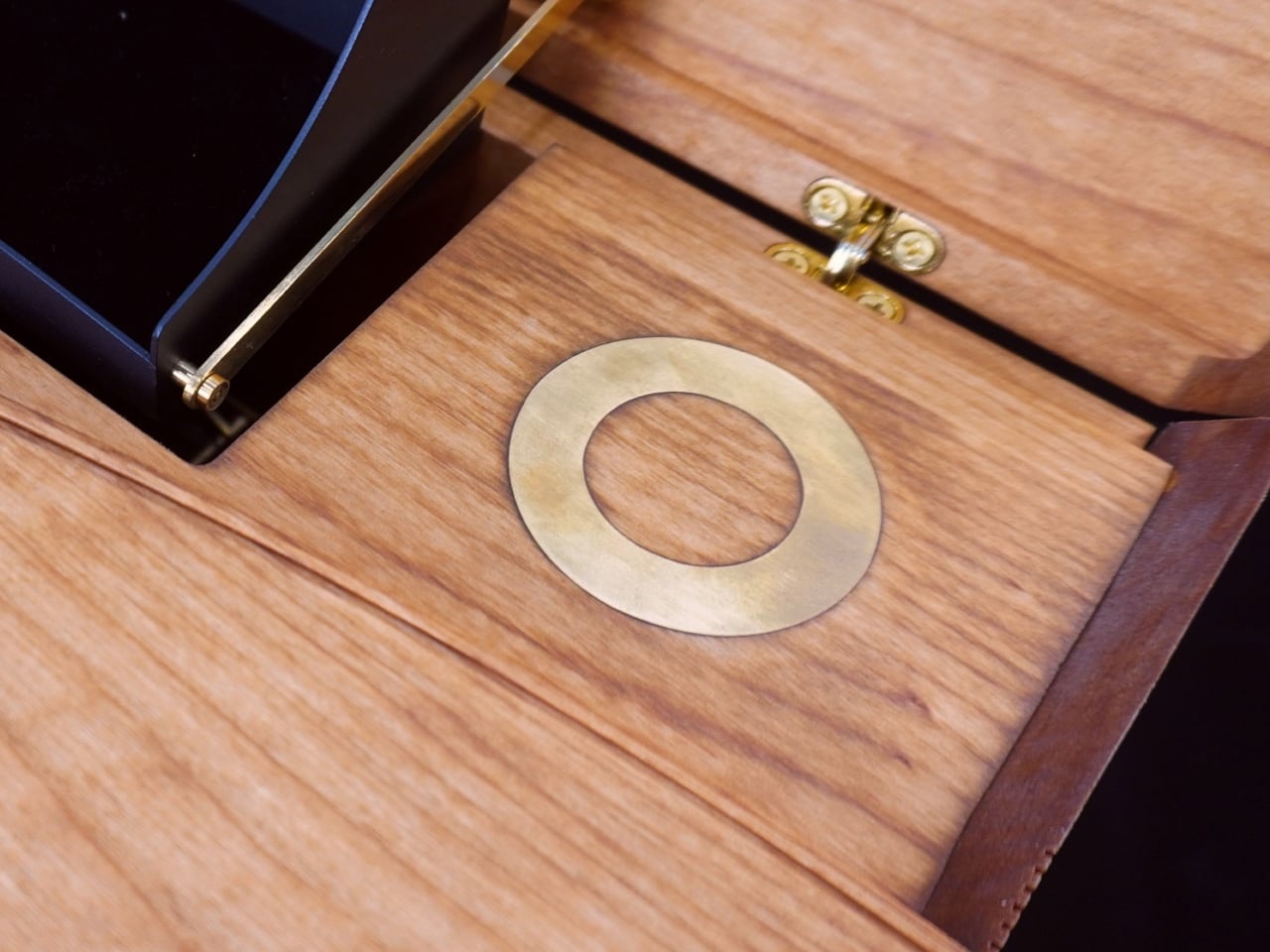
The mechanism folds into just two centimeters of space when closed, a timepiece-like marvel of precision brass engineering and craftsmanship. The compartment closes with a gentle touch on a brass inlay set into the wood surface, turning storage into a tactile, almost poetic ritual. Watching the mechanism unfold and retract is satisfying in a way that regular drawers simply cannot match, adding genuine delight to everyday function and making bedtime routines special.
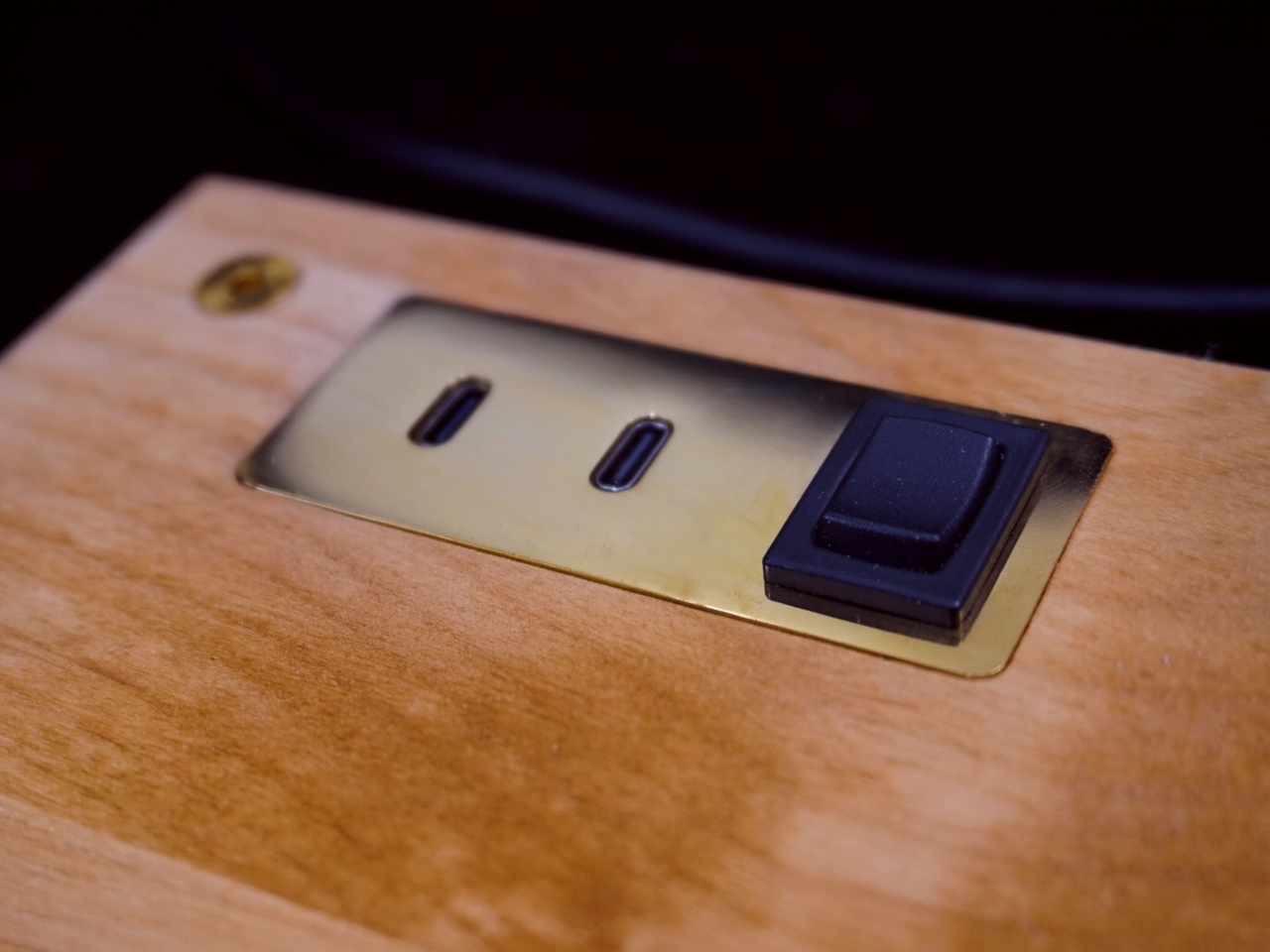
The nightstand isn’t just about secrets and hidden mechanisms that amaze guests. Integrated USB-C charging ports and a physical switch add modern convenience for phones and devices, while the open shelf and spacious drawer provide practical storage for books, reading glasses, or tech accessories. Morpheus is designed to be lived with daily, not just admired from afar like museum pieces locked behind glass cases.
Morpheus continues a centuries-old tradition of mechanical furniture with hidden compartments, but updates it with precision brass engineering and smart electronics for modern living and contemporary lifestyles. For those who believe furniture should do more than sit quietly in the corner without personality or interaction, this nightstand offers a compelling reminder that great design can surprise, delight, and move you both literally and emotionally every single day.
Visible liquid cooling is only available on more expensive transparent designs
RATINGS:
AESTHETICS
ERGONOMICS
PERFORMANCE
SUSTAINABILITY / REPAIRABILITY
VALUE FOR MONEY
EDITOR'S QUOTE:
The REDMAGIC 11 Pro makes cooling beautiful with visible liquid pulsing through its transparent body.
Gaming smartphones have become a category unto themselves, but most either sacrifice design for performance or deliver great specs with boring looks that blend into the sea of generic slabs. For anyone who wants a phone that feels as exciting to hold as it is to use during competitive matches or daily tasks, the market has been surprisingly limited, forcing compromises that feel unnecessary given modern manufacturing capabilities and design possibilities.
The REDMAGIC 11 Pro enters the scene with a bold promise that challenges those compromises directly: flagship gaming performance wrapped in a design you’ll actually want to show off to friends and fellow gamers. With visible liquid cooling, a flat-back transparent body, and specifications that deliver the processing power, it’s a phone that promises visual impact as well as winning matches and dominating leaderboards. Let’s take a deeper look inside to see how well it actually performs in real-world use.
Designer: REDMAGIC
Aesthetics
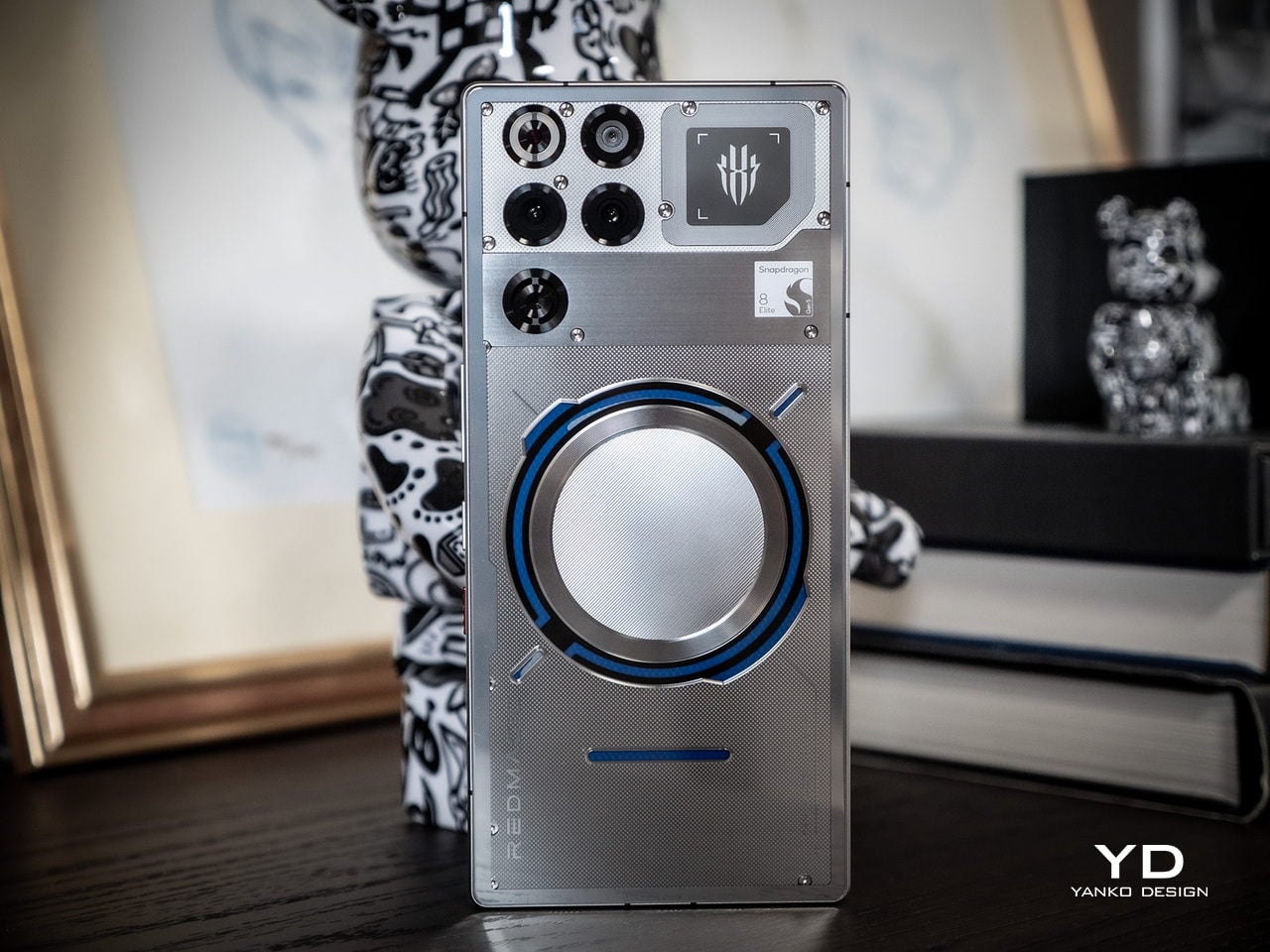
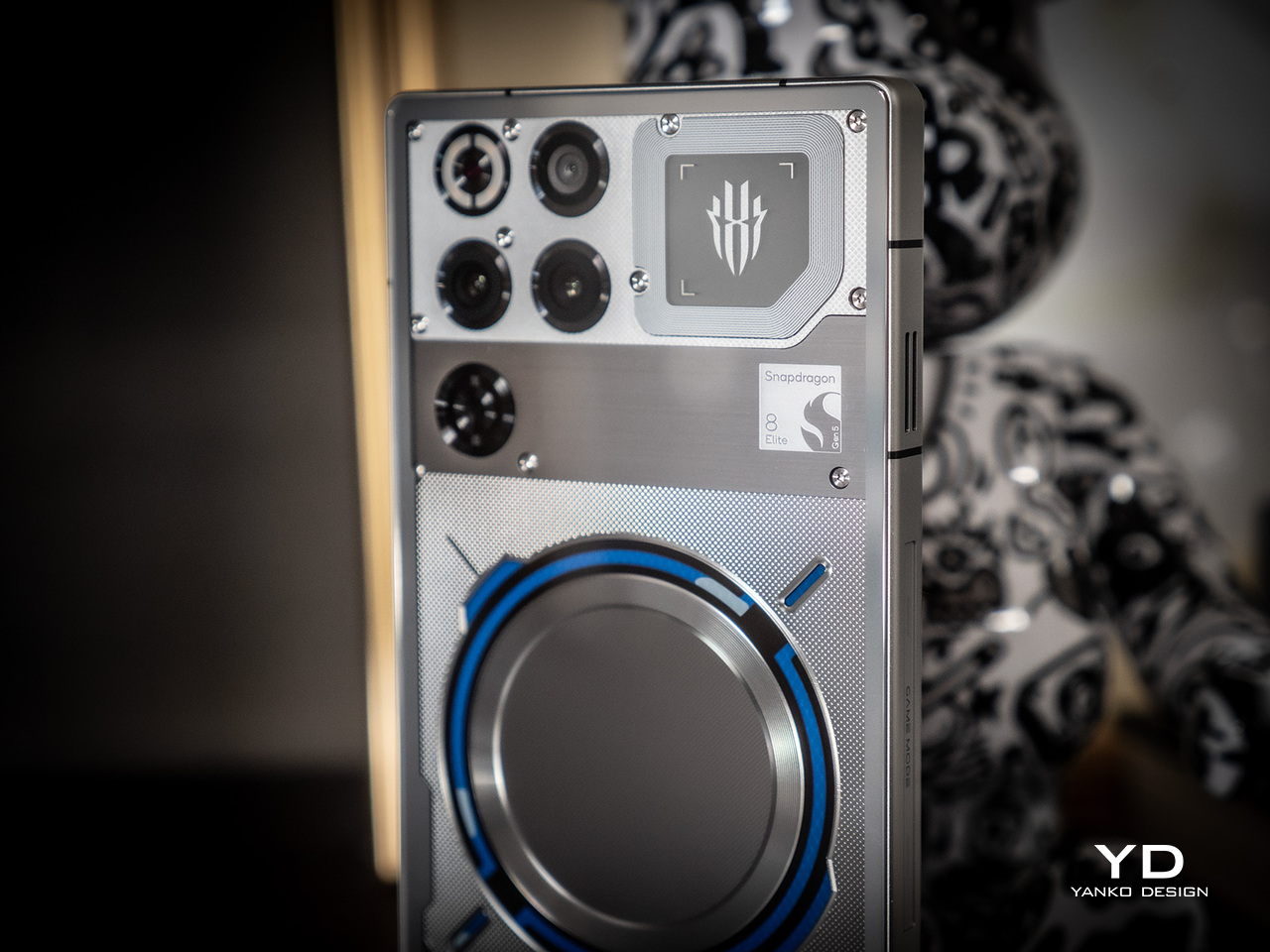
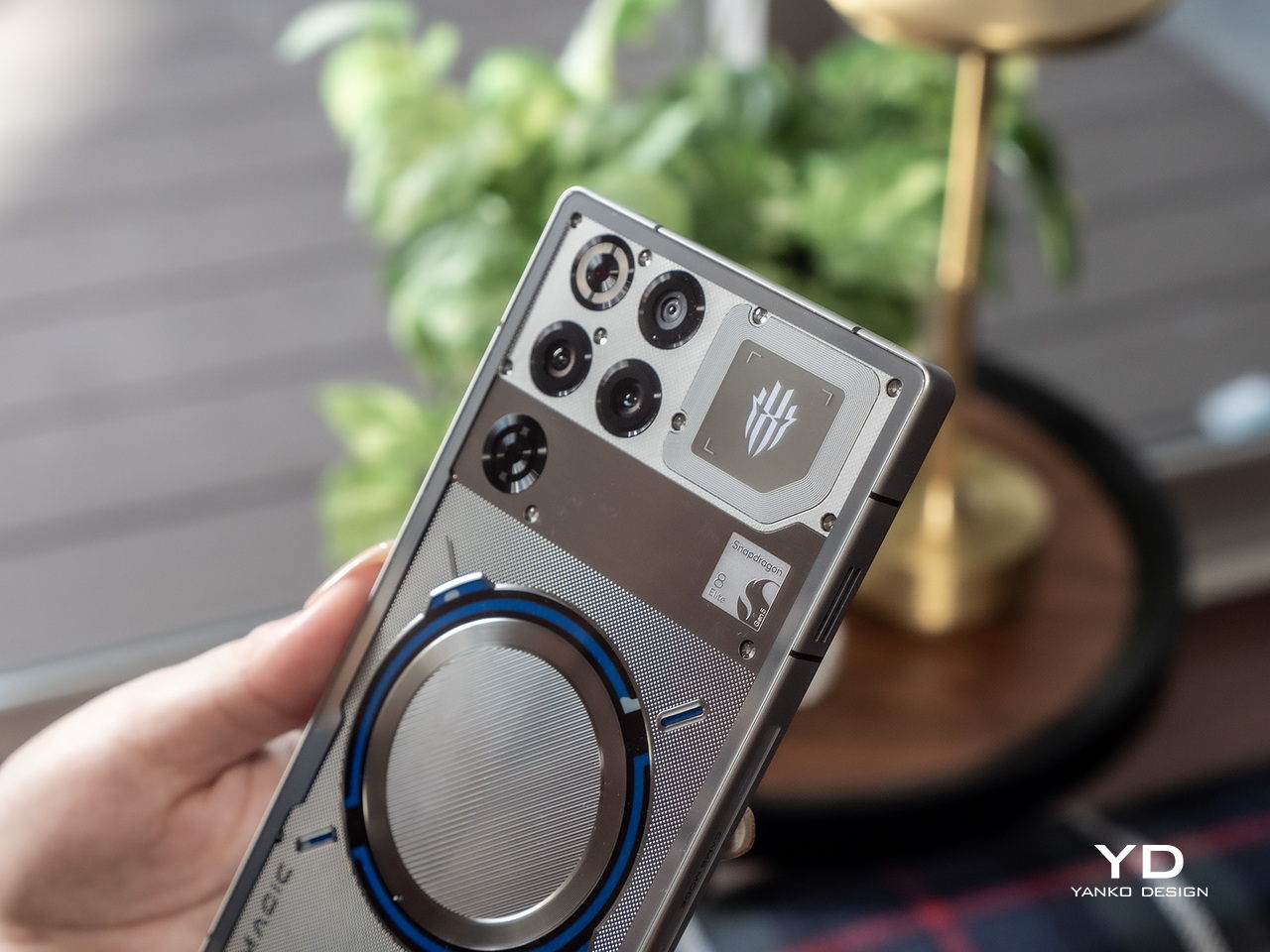
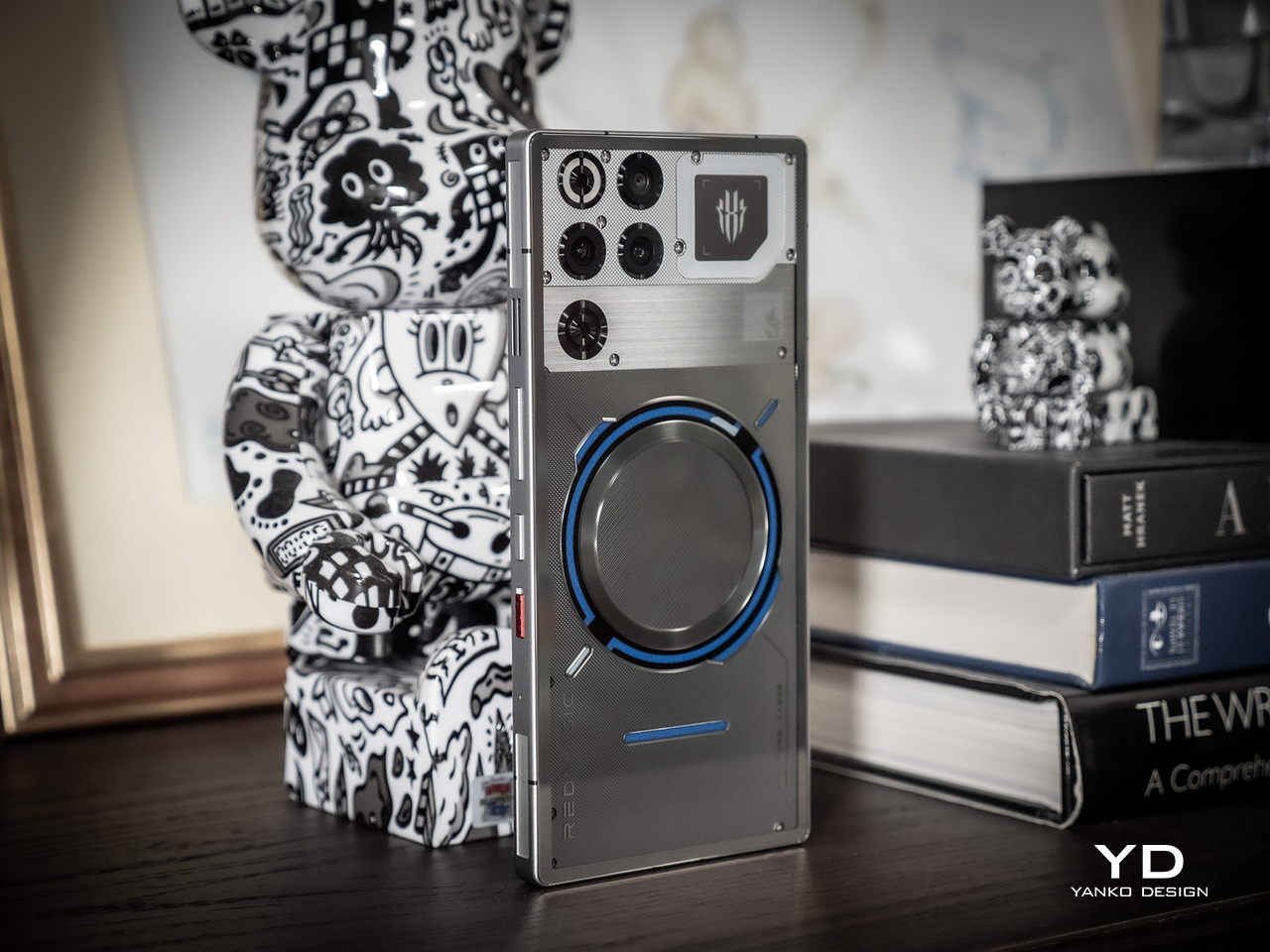
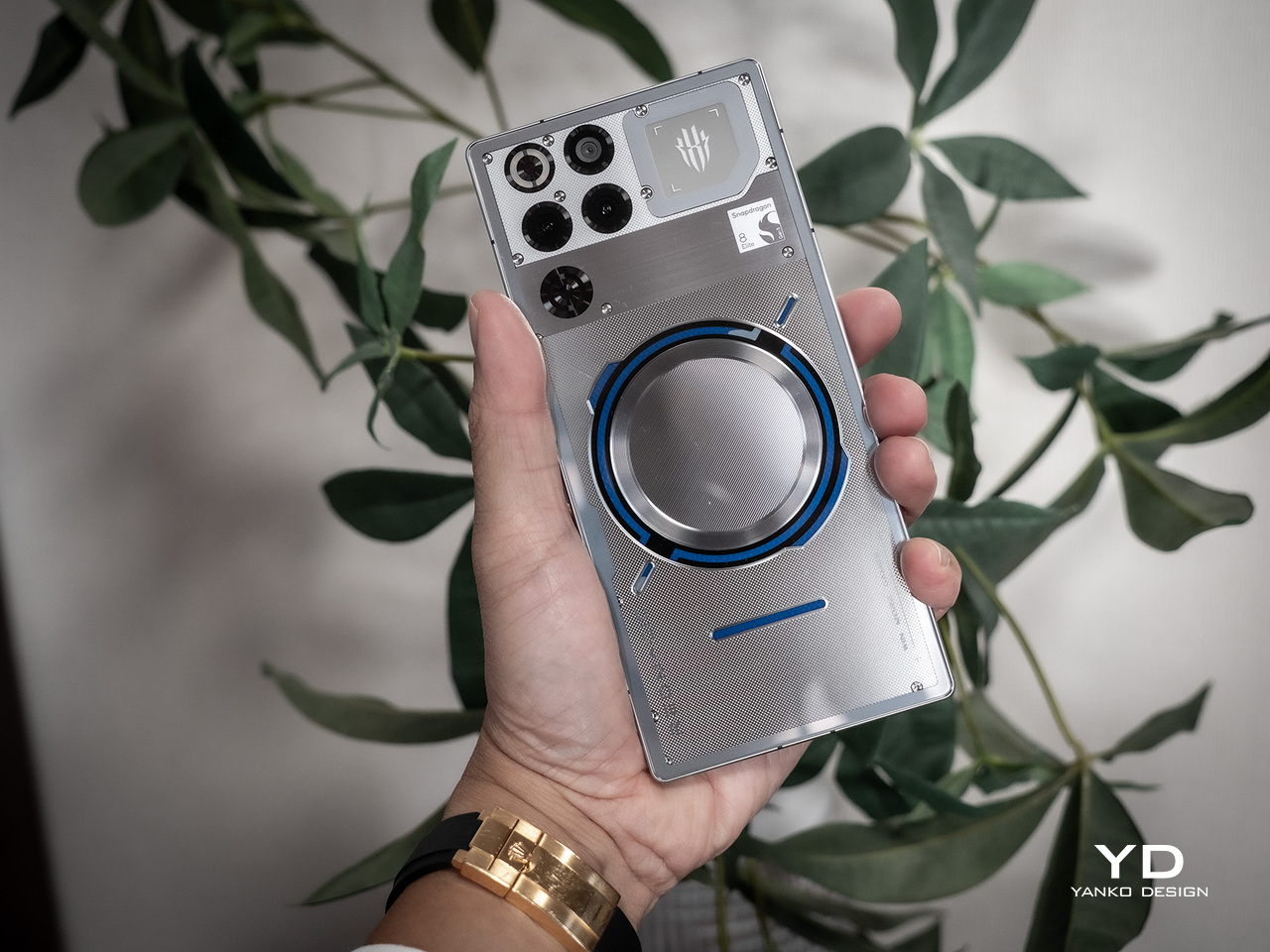
The REDMAGIC 11 Pro’s design is unapologetically futuristic, especially in the Nightfreeze and Subzero transparent versions that showcase some of the phone’s internal engineering like a piece of wearable art you can carry. The flat rear panel eliminates the camera bump entirely, creating a sleek profile that sits comfortably on desks without wobbling and feels balanced in hand during extended gaming sessions that stretch for hours.
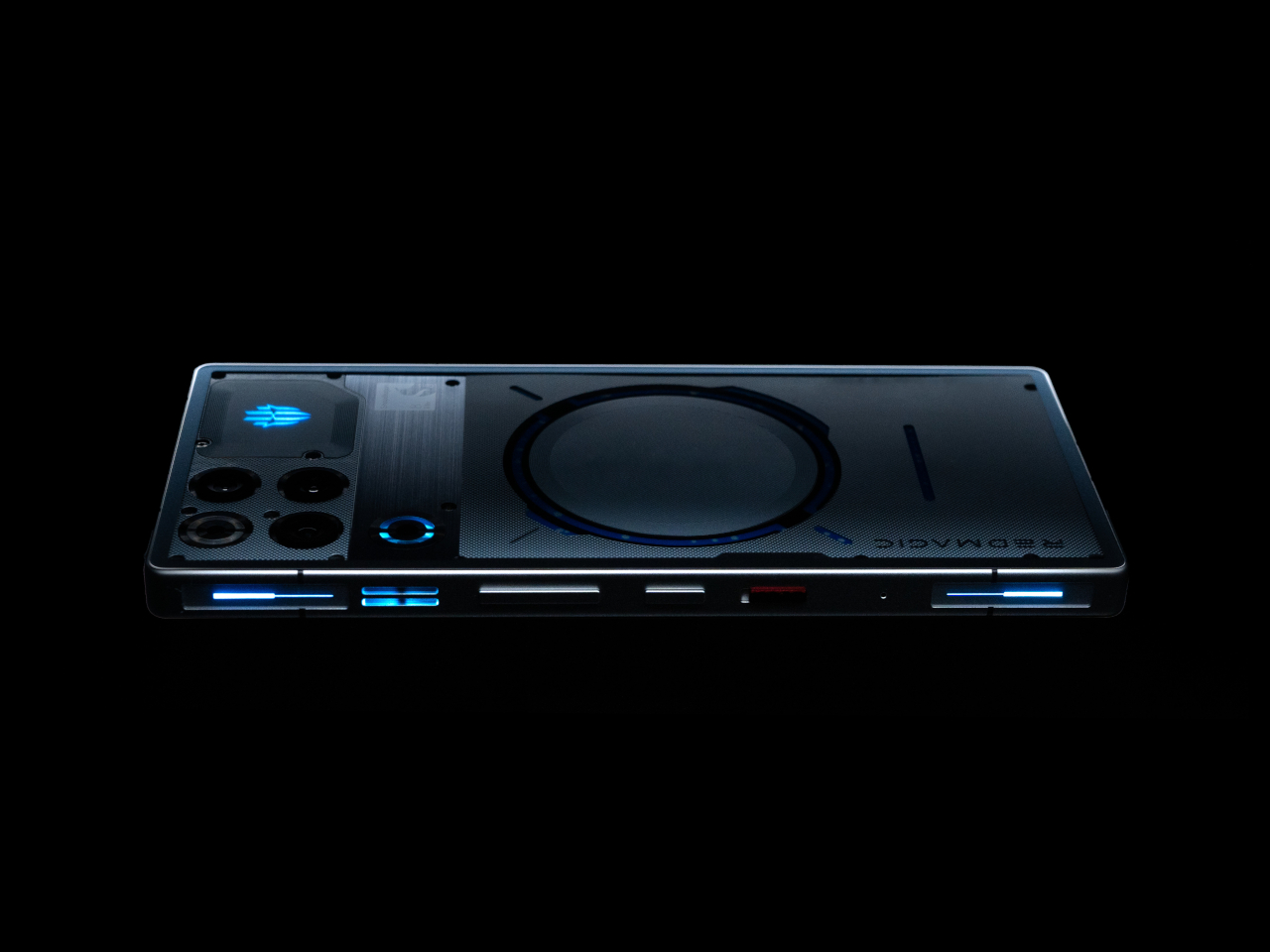
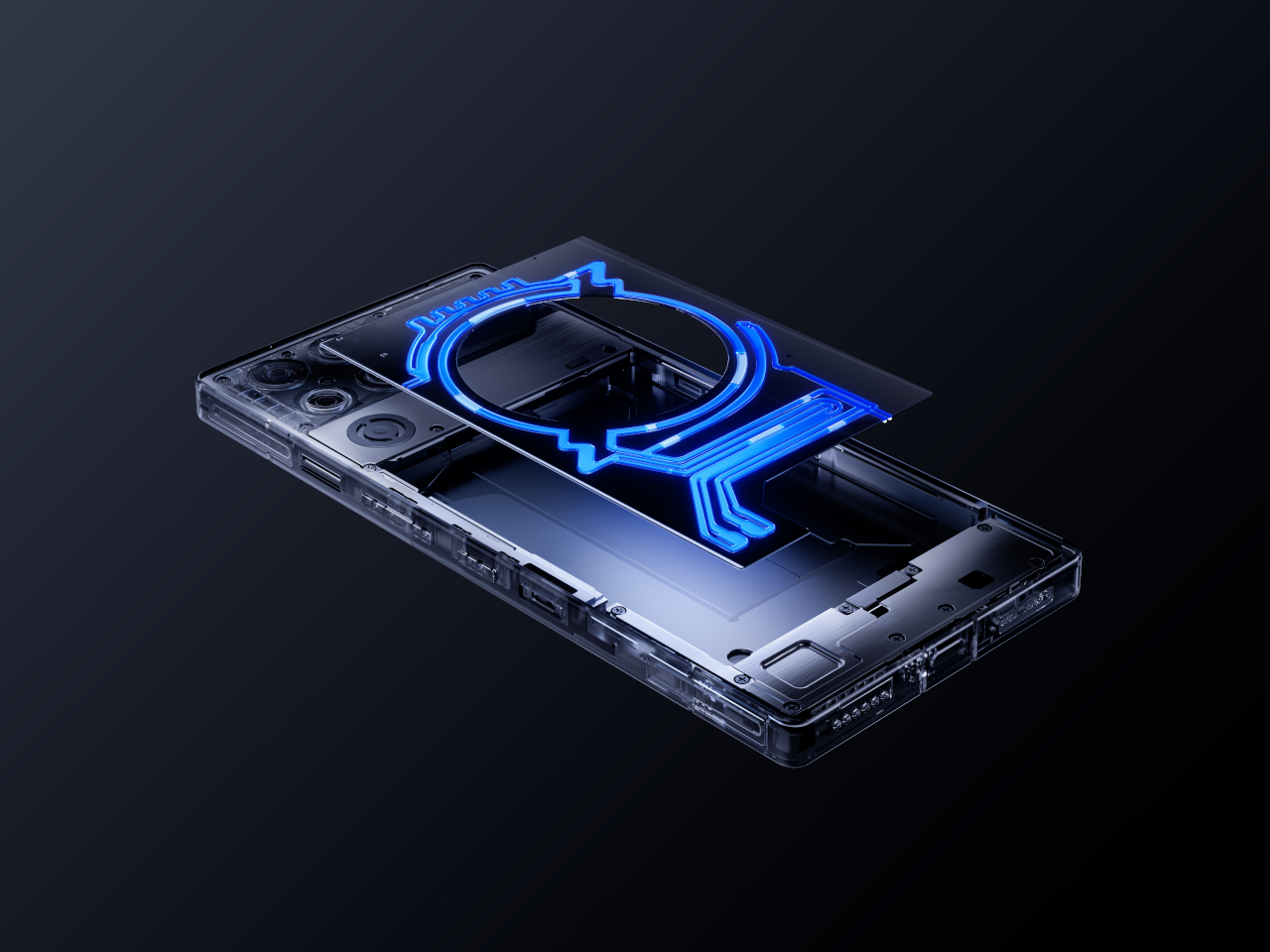
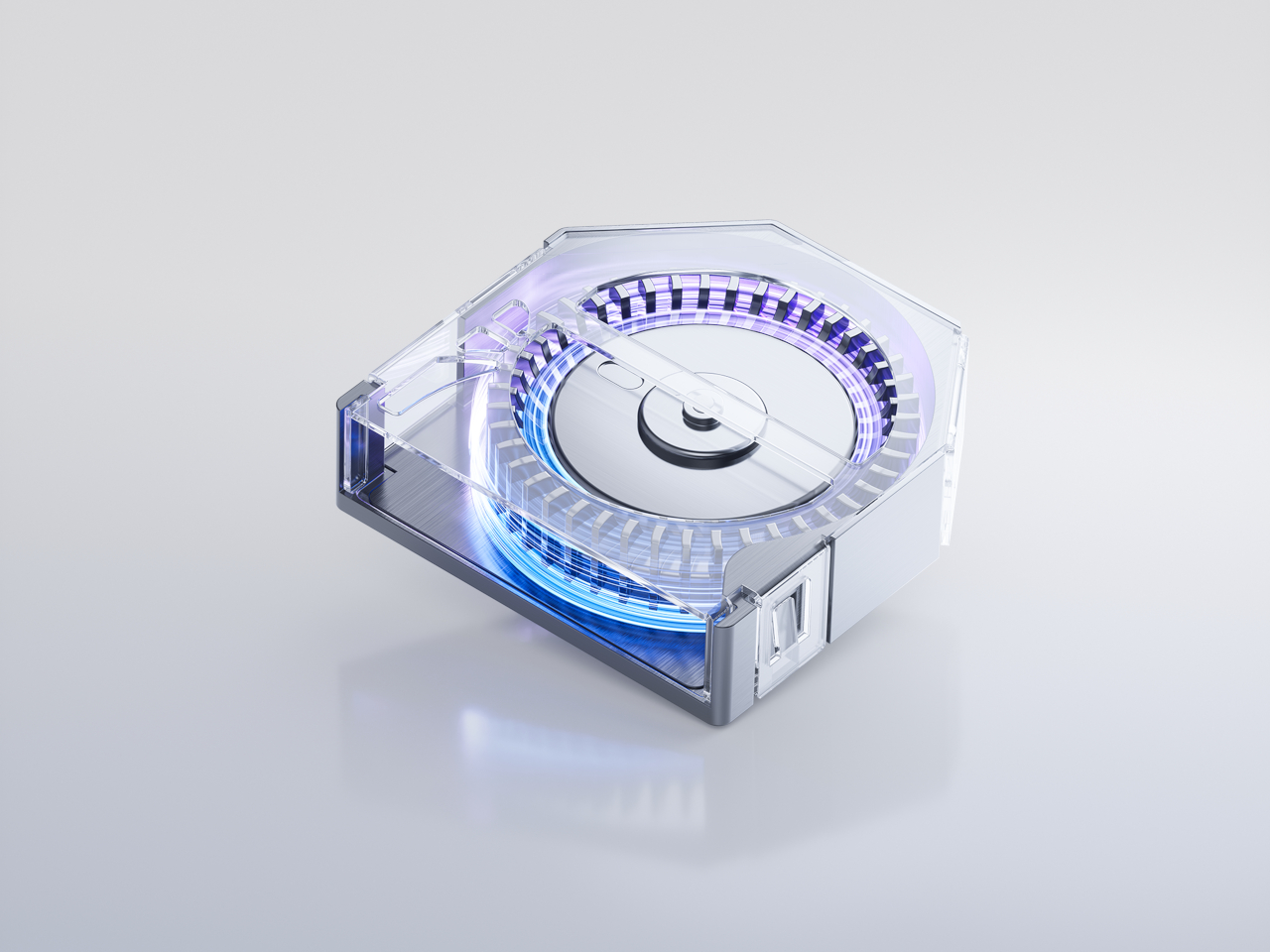
The most arresting detail is the visible liquid cooling system, particularly the circular Time-Space Ring window that reveals the AI server-grade fluorinated coolant pulsing through laser-cut microchannels beneath the transparent metal body. Watching the ice-blue liquid flow as the phone cools itself during intense gameplay creates a kinetic, sci-fi effect that’s both functional and mesmerizing, turning thermal management into visual theater that never gets old.
Dynamic RGB lighting frames the visible cooling loop and extends to a side strip that can be customized through software for different effects and colors. The transparent metal construction showcases intricate craftsmanship, revealing some of the components through the premium material. The effect is industrial yet refined, appealing to both gamers and design enthusiasts who appreciate engineering on display rather than hidden behind opaque shells.
Material choices reinforce the premium positioning throughout the device from every angle you examine it. Corning Gorilla Glass protects the display from scratches and impacts, while the aluminum alloy mid-frame provides structural rigidity without excessive weight that would make extended gaming uncomfortable. The matte Cryo version offers a more subdued look for those who prefer understated elegance, but the transparent models are where REDMAGIC’s design philosophy truly shines.
Ergonomics
Despite its futuristic looks and transparent internals packed with visible technology, the REDMAGIC 11 Pro remains remarkably practical for daily use and extended gaming sessions without causing discomfort. At 230 grams, the phone has a substantial feel without being uncomfortably heavy during one-handed use, and the weight distribution keeps it balanced during two-handed gaming grips that competitive gamers favor during intense matches requiring precision control.
The flat back and rounded corners create a comfortable grip that doesn’t dig into palms during marathon sessions lasting several hours. The absence of a camera bump means the phone sits flush on surfaces without rocking annoyingly, making it ideal for desk gaming, table use during video calls, or content consumption on flat surfaces where other phones wobble constantly from protruding cameras.
The phone’s 8.9 millimeter thickness makes it surprisingly pocketable for a gaming device with this much cooling hardware inside, fitting into most pants and jacket pockets without excessive bulk. The flat design actually helps here, distributing the phone’s footprint evenly rather than creating awkward bulges from protruding camera modules that plague most flagship smartphones today and make them uncomfortable to carry.
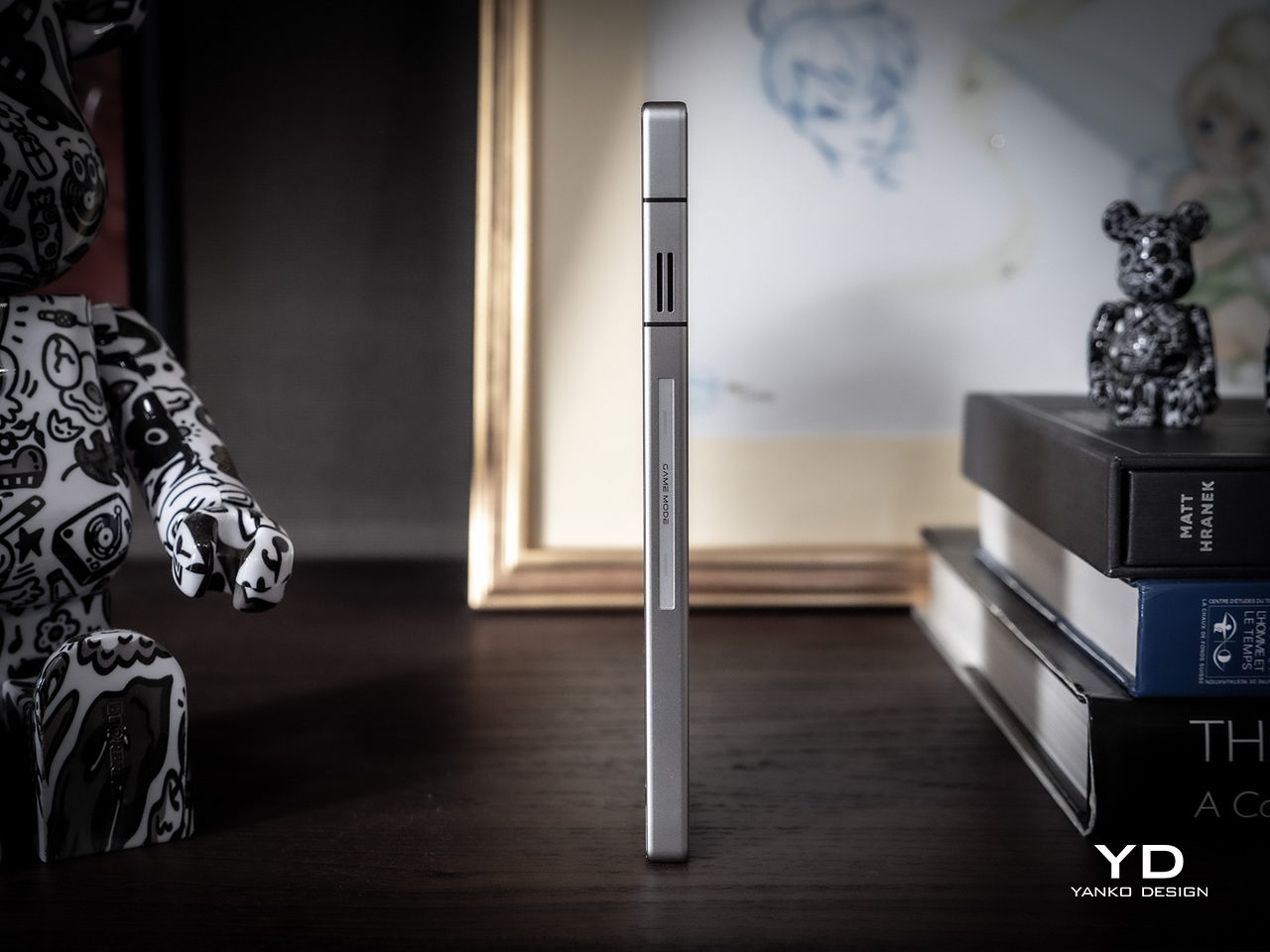
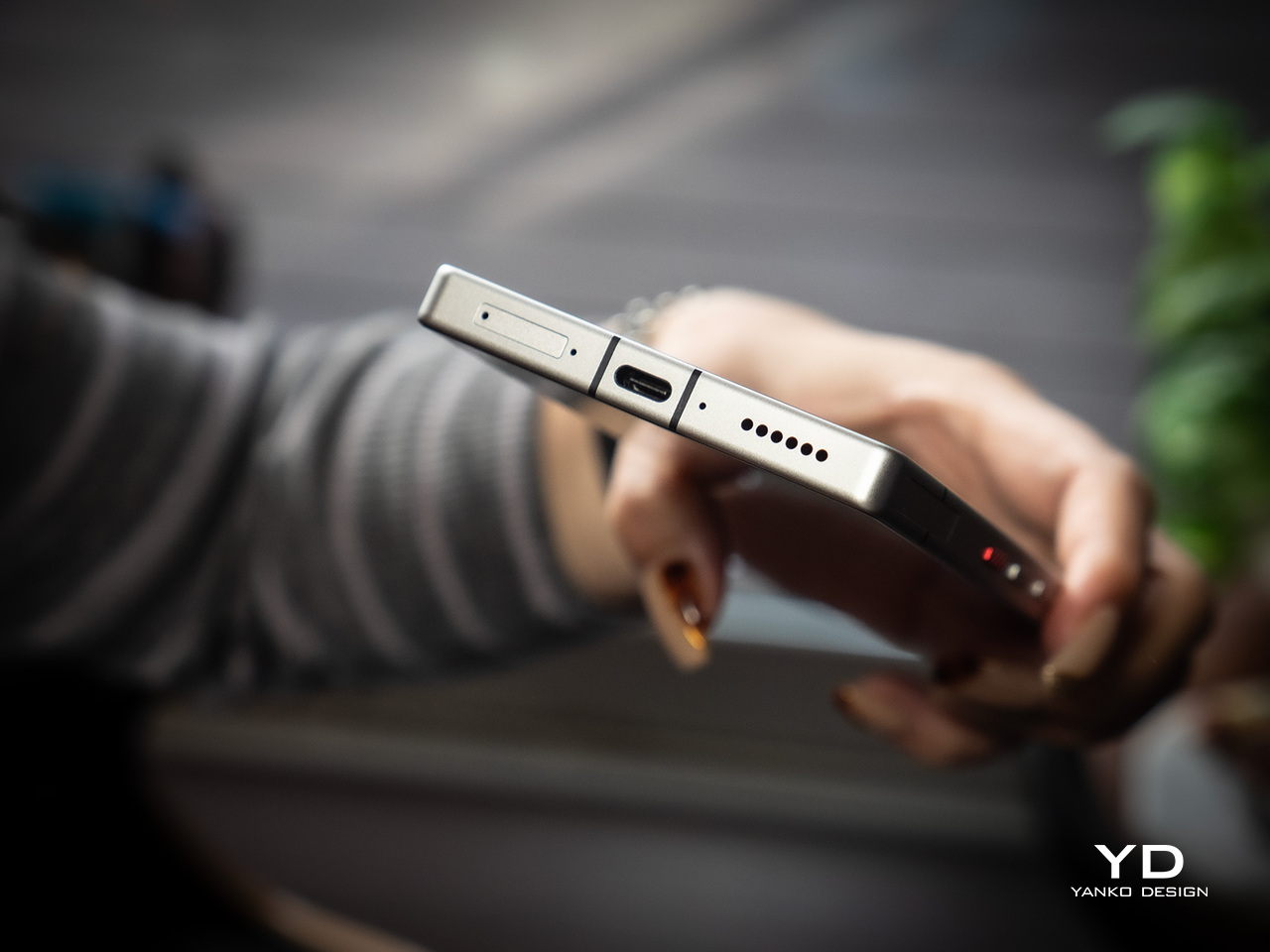
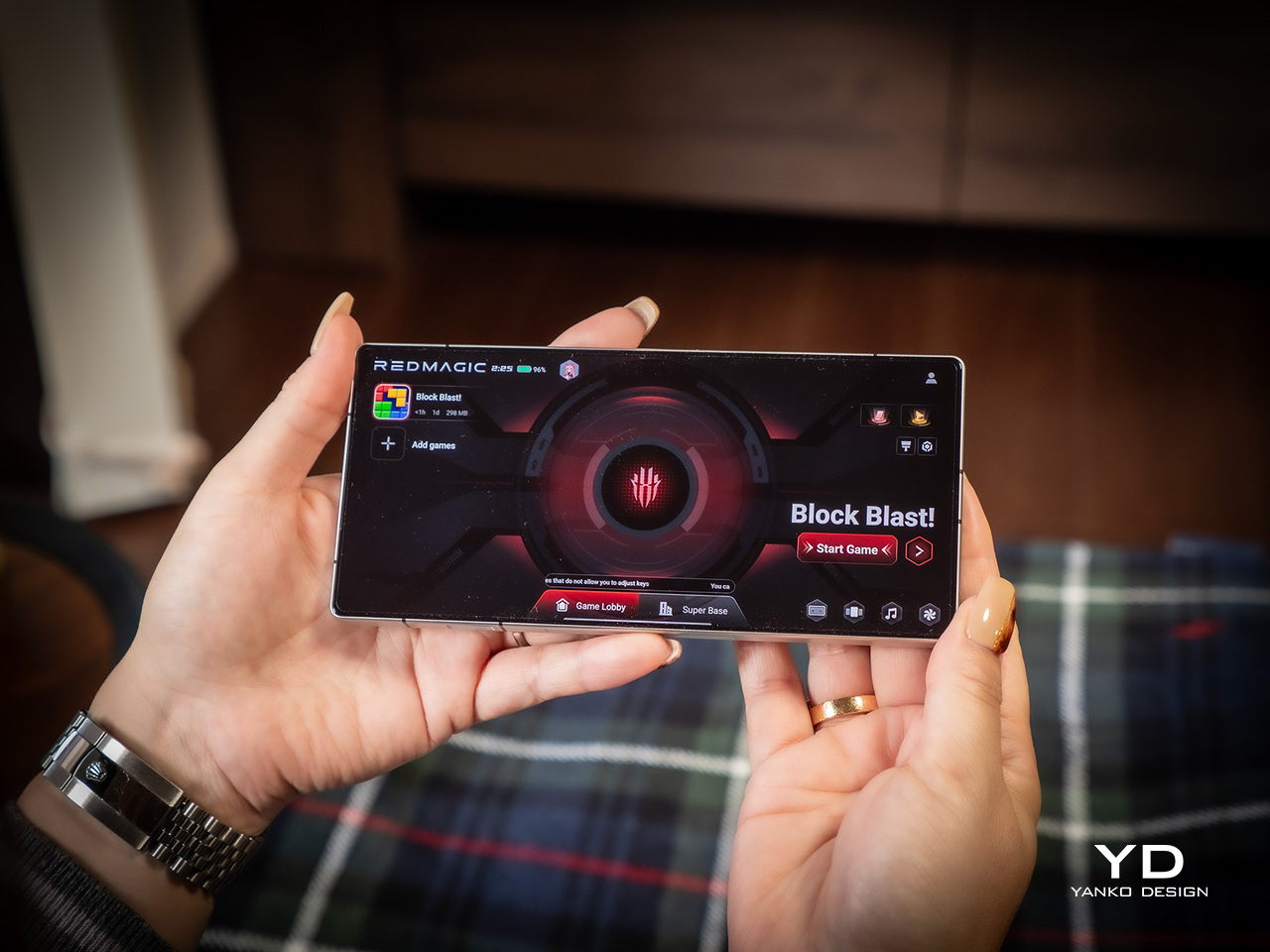
Button placement is thoughtfully considered throughout the design for both gaming and daily use scenarios. The power button and volume rocker are positioned for easy access, whether you’re gaming in landscape orientation or using the phone normally in portrait mode. The 3D ultrasonic fingerprint sensor works reliably even with wet hands, a practical detail for gamers who get sweaty during intense sessions. The customizable Magic Key on the side provides quick access to Game Space or other functions without interrupting gameplay or requiring menu navigation that pulls you out of immersion.
The 520Hz shoulder triggers are positioned perfectly for landscape gaming, offering tactile, responsive control that feels natural within seconds of picking up the phone for the first time. These physical buttons provide a significant advantage over touchscreen-only controls, especially in competitive shooters where split-second reactions determine outcomes and touchscreen delays can cost matches. The triggers support both landscape and portrait modes for versatility.
Performance
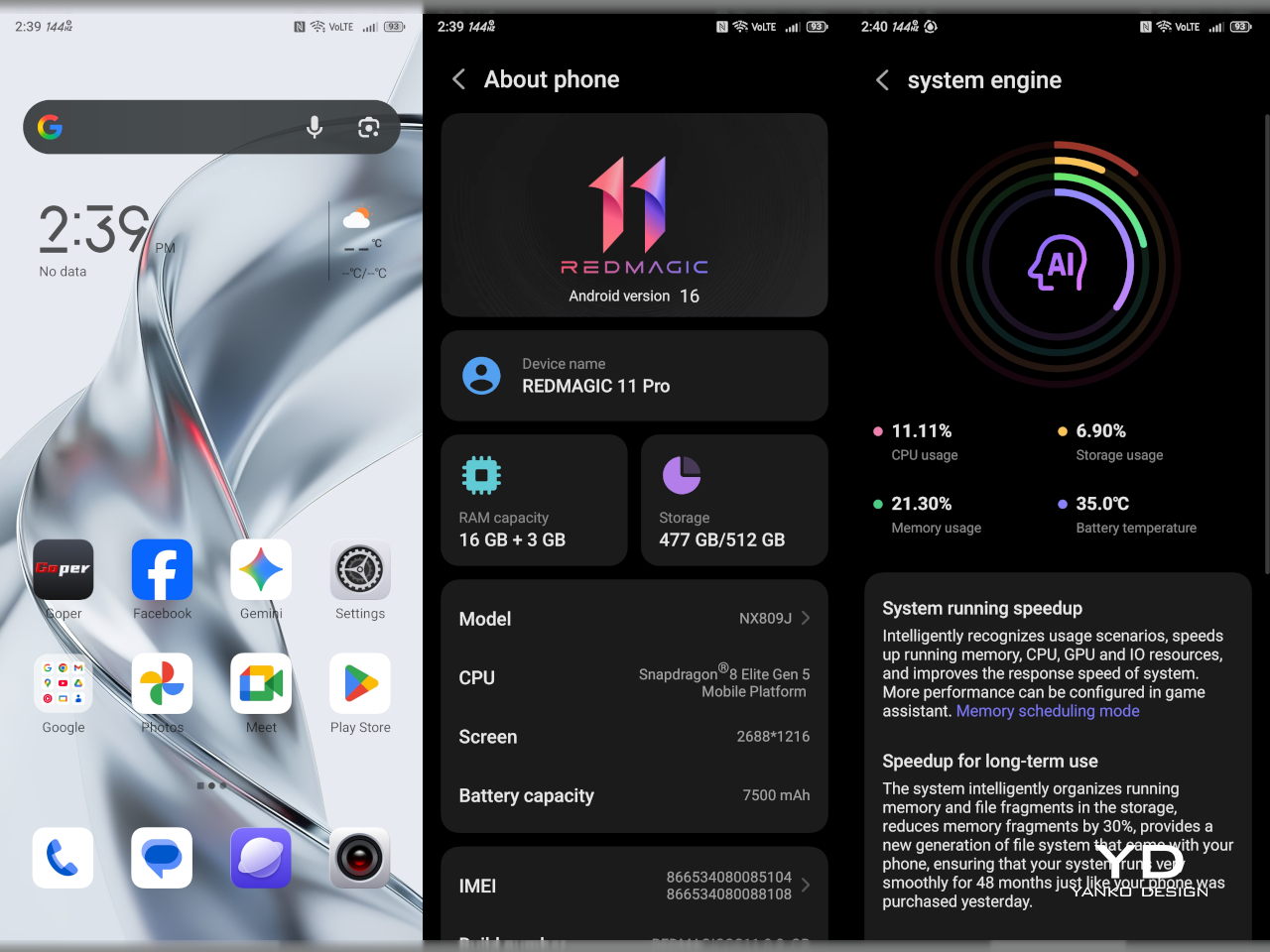
The REDMAGIC 11 Pro’s performance capabilities start with the Snapdragon 8 Elite Gen 5 processor, Qualcomm’s fastest mobile chipset built on a 3nm process with clock speeds reaching 4.6GHz across its cores. Paired with up to 24GB of LPDDR5T RAM and 1TB of UFS 4.1 Pro storage, this configuration handles anything you throw at it, from graphically demanding games to heavy multitasking across dozens of apps simultaneously without slowdowns.
What truly separates the REDMAGIC 11 Pro from competitors is the revolutionary AquaCore Cooling System, the world’s first mass-produced smartphone implementation of flowing liquid cooling technology used in AI servers. This system uses non-conductive fluorinated liquid, circulating it through micron laser-cut channels to draw heat directly from the battery and processor during sustained high-performance use that would throttle most phones.
The cooling system combines four technologies working in concert to maintain optimal temperatures throughout extended sessions. Flowing liquid cooling provides direct heat extraction from hot spots, Liquid Metal 3.0 ensures rapid thermal conductivity between components, and the industry’s largest 13,116 square millimeter vapor chamber distributes heat evenly, and a waterproof 24,000 RPM TurboFan accelerates air circulation without failing in humid or dusty conditions.
Testing with demanding titles like Genshin Impact and Honkai Star Rail demonstrates the cooling system’s effectiveness in real-world gaming scenarios. The phone maintains consistent 60-plus frame rates with minimal variance over multi-hour sessions, while competing devices show significant performance degradation and frame stuttering as internal temperatures climb. Battery consumption during gaming is noticeably lower, extending playtime significantly beyond what other flagships achieve.
The 6.85-inch AMOLED display dominates the front with minimal bezels at just 0.7 millimeters thick, achieving a 95.3 percent screen-to-body ratio that creates an immersive viewing experience without distractions. The display’s 2688 by 1216 resolution and 144Hz refresh rate deliver fluid visuals for both gaming and everyday scrolling, while the under-display camera technology eliminates notches or punch holes entirely, maintaining clean lines across the entire screen surface.
The screen emphasizes the importance of the touch experience as much as it does the visuals. The Synaptics 3910v chip enables 2,592Hz instant touch sampling, making on-screen controls incredibly responsive and precise during competitive play where milliseconds matter. The new wet-hand mode ensures reliable touch recognition even in rain or immediately after washing hands. The 3D ultrasonic fingerprint sensor works reliably even with wet hands, a practical detail for gamers who get sweaty during intense sessions.
The 7,500mAh battery provides genuinely impressive endurance across all usage scenarios, delivering up to 34 hours of daily mixed use and over 7 hours of Genshin Impact gameplay at maximum settings without charging. The 80W wired and wireless fast charging reaches full capacity quickly enough to top up during short breaks, and the inclusion of reverse wireless charging means you can power up accessories.
The camera system handles daily photography needs competently without pretending to be a dedicated camera phone, which is perfectly fine for a gaming-focused device. The 50MP main sensor with optical image stabilization and anti-glare coating captures sharp, stable shots in good lighting, while the 50MP ultra-wide lens handles group photos and landscapes with natural perspective. The 16MP front camera, tucked beneath the display, delivers selfies enhanced by AI processing that keeps skin tones natural and details clear during video calls or casual shots.
Sustainability
The REDMAGIC 11 Pro approaches sustainability through durability and longevity rather than disposability, building a phone designed to remain relevant and functional for years rather than requiring replacement. The aluminum alloy mid-frame and Corning Gorilla Glass construction create a robust foundation that withstands daily wear, accidental drops, and the rigors of travel without showing excessive damage or requiring replacement after minor incidents.
The IPX8 water resistance rating and unique dust-proof design protect the phone’s internals from environmental damage that would compromise cheaper devices, extending its practical lifespan significantly. The waterproof and dust-proof mini fan is a REDMAGIC industry first, ensuring the active cooling system continues functioning reliably even in dusty or humid environments where conventional fans would fail or degrade rapidly, maintaining cooling efficiency.
The visible liquid cooling system, while visually striking, also serves a crucial sustainability purpose by preventing thermal degradation of internal components over time. By maintaining lower operating temperatures consistently during heavy use, the phone’s processor, battery, and other heat-sensitive components experience less thermal stress, extending their functional lifespan and maintaining performance consistency across years of heavy gaming.
Value
The REDMAGIC 11 Pro’s pricing positions it strategically within the high-end smartphone market, especially considering what you receive for the investment in terms of hardware and design. The transparent Nightfreeze and Subzero versions start at $849 for 16GB of RAM and 512GB of storage, while the top configuration with 24GB of RAM and 1TB of storage comes in at $999, offering flagship specs without flagship pricing.
When you compare these specifications and prices to other gaming phones and premium non-gaming flagships currently available in the market, the value proposition becomes compelling. Many similarly specced devices with advanced cooling systems, high-refresh displays, and large storage capacities often cost significantly more, sometimes well over the $1,000 mark, and frequently lack the visual flair, gaming-focused features, or transparent design aesthetic that makes the REDMAGIC 11 Pro distinctive.
When you factor in the visible engineering, waterproof active cooling, and gaming-specific features like shoulder triggers and dedicated gaming chips, the value equation tilts heavily in REDMAGIC’s favor. Throw in the 3.5mm headphone jack, 80W wireless charging, and reverse wireless charging, and you’re essentially getting desktop-class gaming performance in a pocketable form factor at prices competitive with conventional flagships.
The rare combination of visible engineering, industry-leading cooling technology, and thoughtful design choices makes the REDMAGIC 11 Pro stand out in ways that raw specifications alone cannot capture. You’re not just buying processing power and storage capacity; you’re investing in a device that celebrates its capabilities visually and functionally, making every gaming session and daily interaction feel intentional and exciting rather than routine.
Verdict
The REDMAGIC 11 Pro delivers on its promise to blend cutting-edge gaming performance with a futuristic design that turns heads and starts conversations wherever you use it publicly. The visible liquid cooling system is genuinely innovative beyond its aesthetic appeal, providing tangible thermal management advantages that translate to sustained performance during the gaming sessions that matter most to competitive players. Combined with the Snapdragon 8 Elite Gen 5, massive battery, and thoughtful gaming features, it’s a phone that respects your competitive aspirations.
For gamers, power users, and design enthusiasts who want their technology to look as advanced as it performs during daily use, the REDMAGIC 11 Pro offers a compelling package. The transparent design, waterproof cooling fan, and flat-back profile demonstrate that gaming phones can be both powerful and beautiful, setting a new standard for what’s possible when engineering and aesthetics receive equal priority in product development without compromise.
Most shelves are either heavy, hard to move between rooms, or destined to clash with your evolving style as tastes change over time and seasons shift. For anyone who loves to rearrange their space frequently, collect new objects, or simply keep things fresh with seasonal updates, traditional furniture just doesn’t keep up with the pace of modern life and changing interior preferences that come with growth and discovery.
The Plastic Marble Display Shelf, from DLS World Official and WOULD YOU LOVE Seoul, offers a different approach to home storage and display needs. Made from upcycled Tyvek byproducts and designed to be as flexible as LEGO blocks for intuitive assembly, it’s a shelf that adapts to your life, not the other way around. The system’s modularity and material innovation make it stand out from conventional shelving solutions.
The secret is plastic marble, an upcycled material with swirling, marble-like patterns and a glossy, watery finish that catches light beautifully throughout the day. Each panel is visually unique, with colors and translucency that play with ambient and natural light to create a sculptural presence in any room. Unlike printed laminates or vinyl wraps, the marble effect is a natural result of the upcycling process itself.
The material gives the shelf a premium look while keeping it lightweight and genuinely eco-friendly throughout its lifecycle from production to disposal. The translucent quality and depth add visual interest that changes depending on viewing angle and lighting conditions throughout the day. What would otherwise be industrial waste becomes something you’ll actually want to display prominently in living rooms, bedrooms, or creative studios.
The shelf’s concise clip joint system means you can assemble, disassemble, or reconfigure the entire structure in minutes without any tools or adhesives required whatsoever. Stack modules vertically for a traditional bookshelf, build a wide display for collectibles, or create a custom asymmetrical shape for your specific space. The panels and joints are made from a single material, simplifying future recycling efforts when the shelf reaches end of life.
When you want a change in layout or need to move to a new space entirely, just unclip sections and rebuild in different configurations. The flexibility encourages experimentation with arrangements throughout seasons or as your collection of books, plants, and objects grows. The modular nature means you can start small and add modules over time as your needs and budget evolve.
Whether you’re displaying books, plants, art prints, or collectibles, the Plastic Marble Display Shelf adapts to your specific needs and aesthetic preferences without limitations. Its clean lines and minimalist silhouette blend with posters, photos, and objects to create curated gallery walls. The system’s flexibility makes it perfect for small apartments, creative studios, or retail spaces where storage needs to grow and change frequently.
By transforming Tyvek byproducts into a desirable, durable material with a distinctive visual character that rivals traditional materials, the shelf redefines what upcycled plastic can be beyond basic function. The design discovers new value in discarded materials while offering genuine beauty and practical flexibility for modern living spaces that demand both sustainability and style without compromise or apology.
Flagship phones keep getting pricier and chunkier, making it easy to feel left out if you want a device that’s both stylish and practical without emptying your wallet or your pockets. The latest Samsung Galaxy S25 Edge and Apple iPhone Air are everywhere, but their price tags and premium positioning aren’t for everyone who just wants a good-looking phone that works reliably without costing a month’s rent.
The Motorola Edge 70 is Motorola’s answer to those flagships with a phone that looks the part, feels great in hand, and packs a battery that goes the distance without constant charging. It’s designed to compete with the big names visually and functionally, but takes a slightly different approach under the hood with mid-range specs. The Edge 70 offers style and stamina where others demand deep pockets and constant charging anxiety.
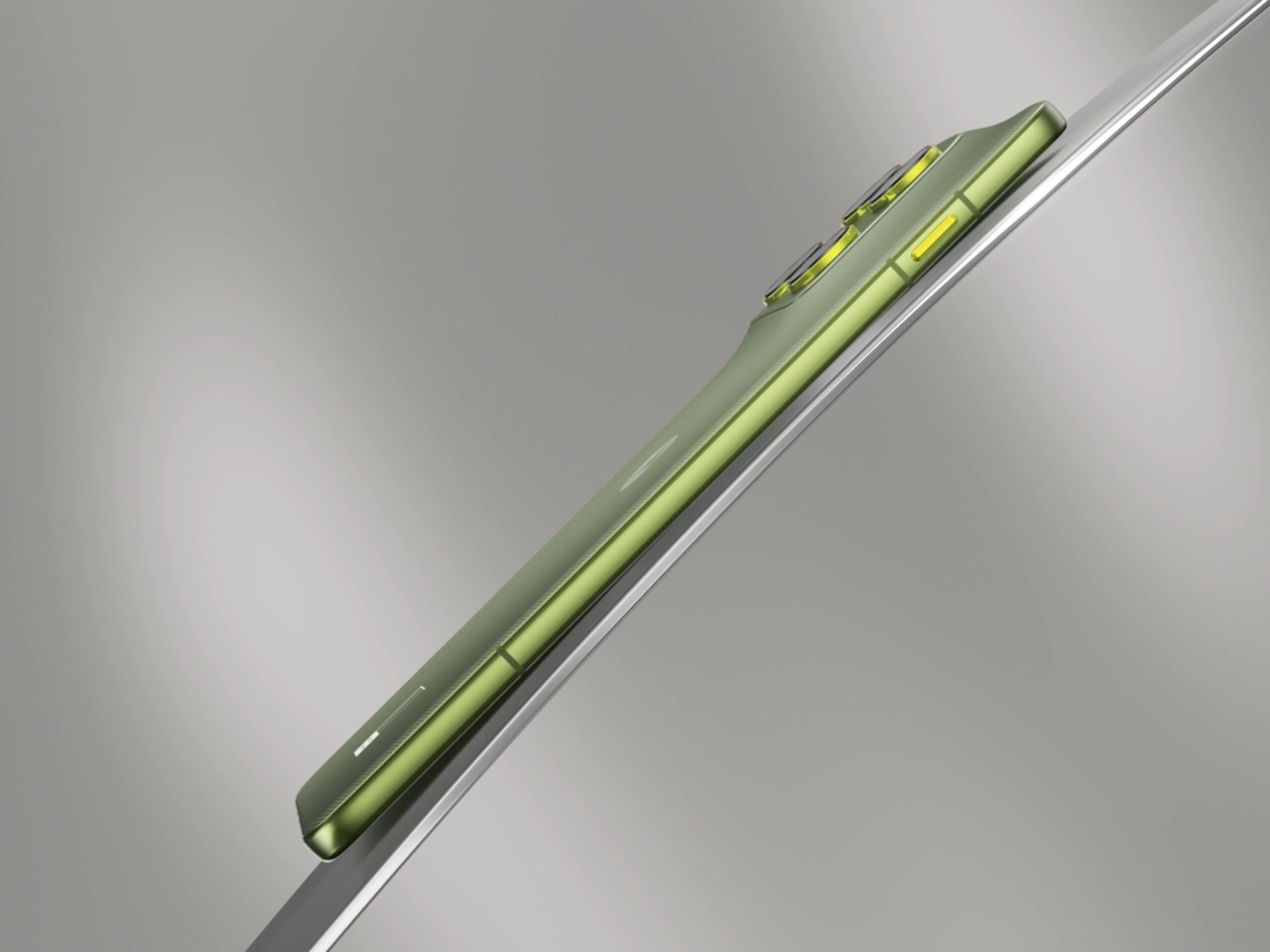
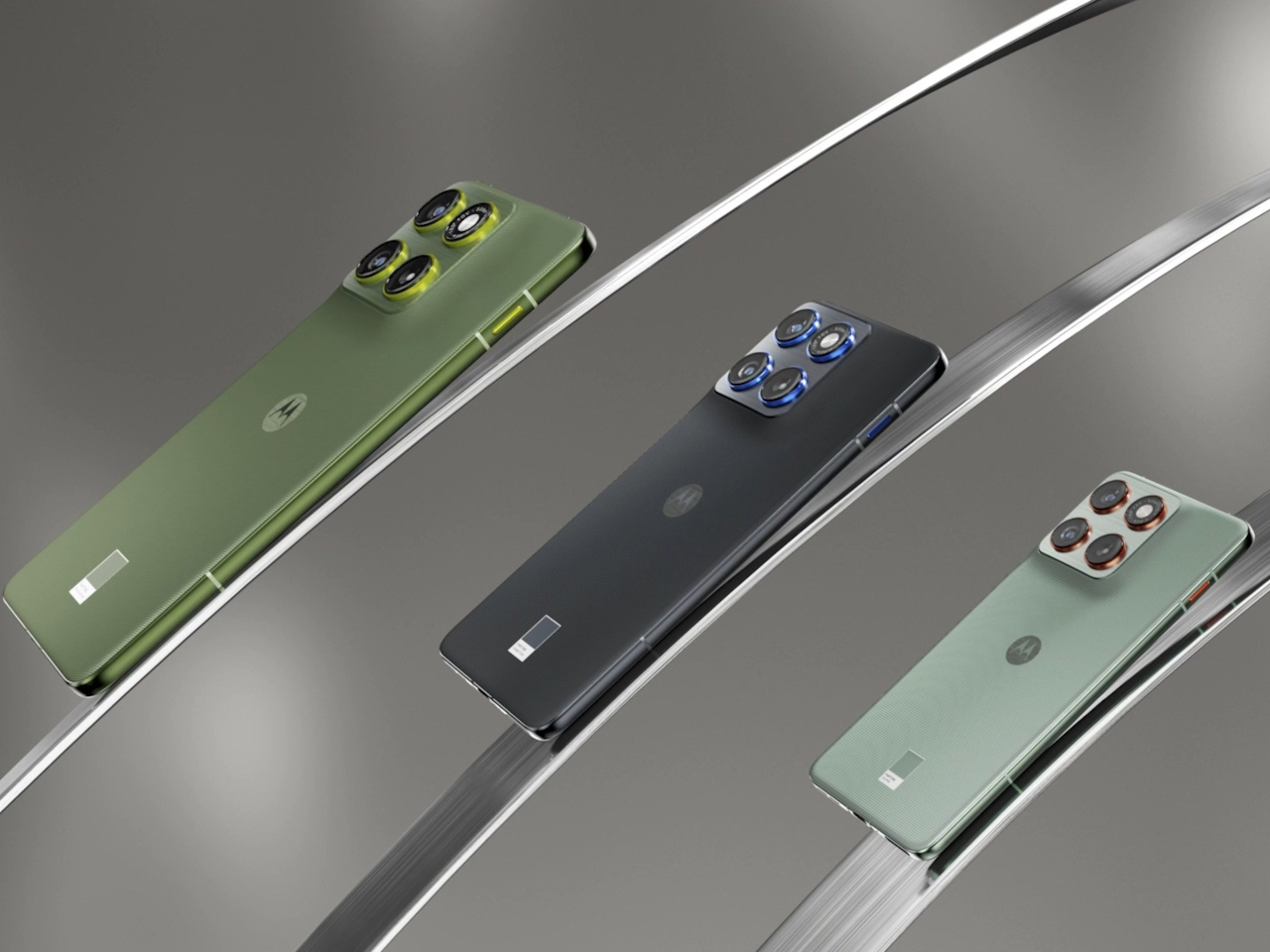
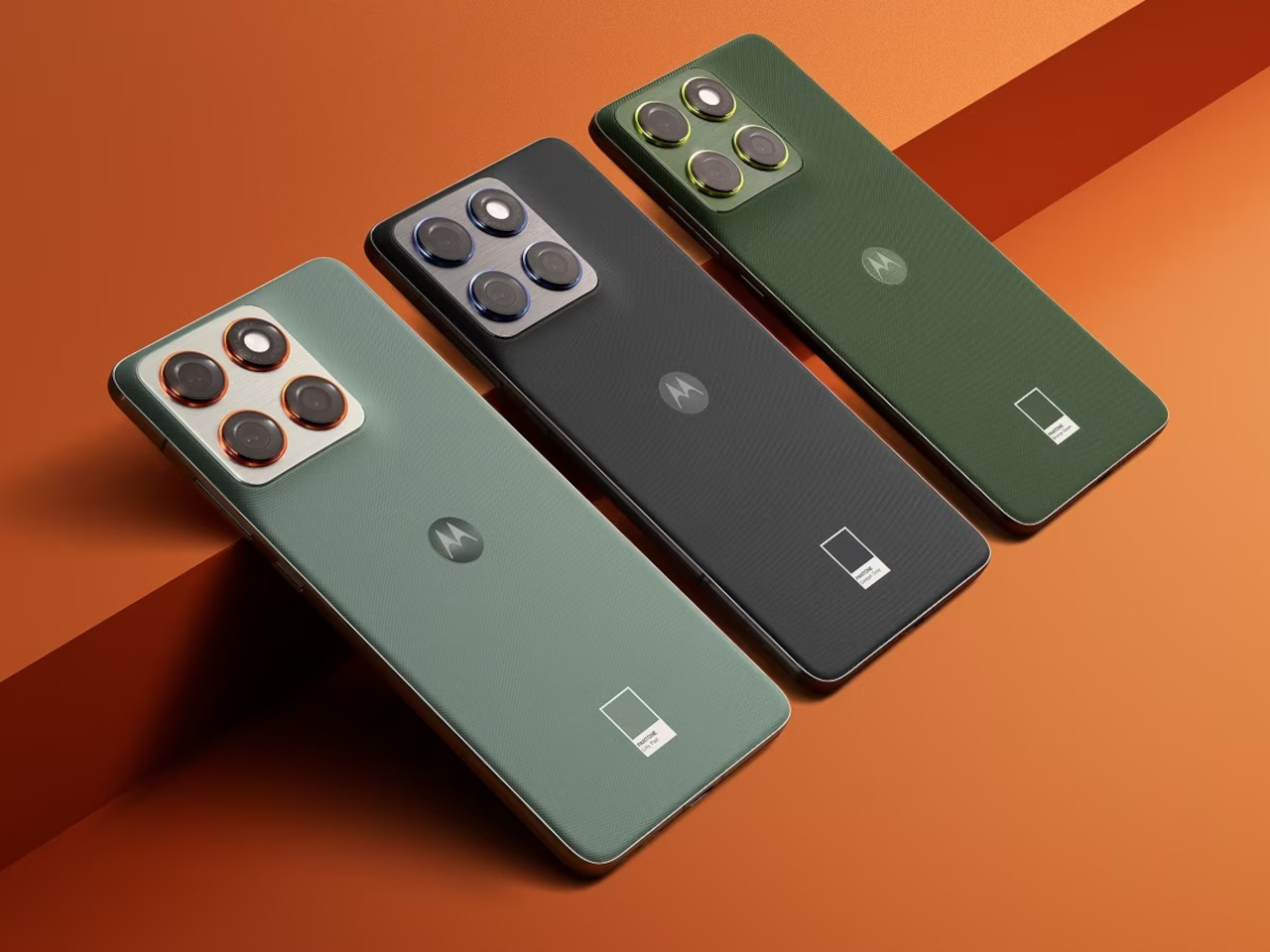
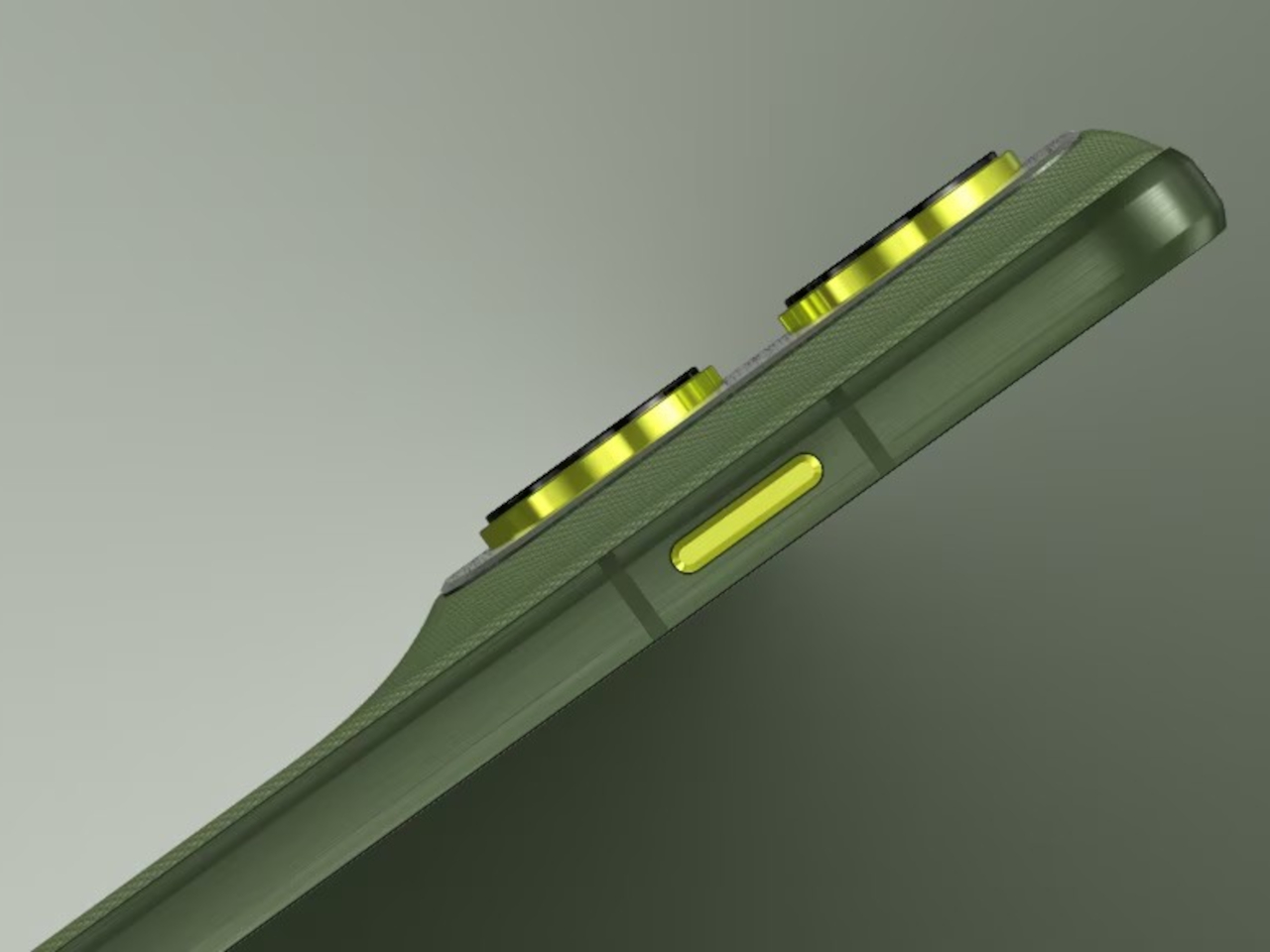
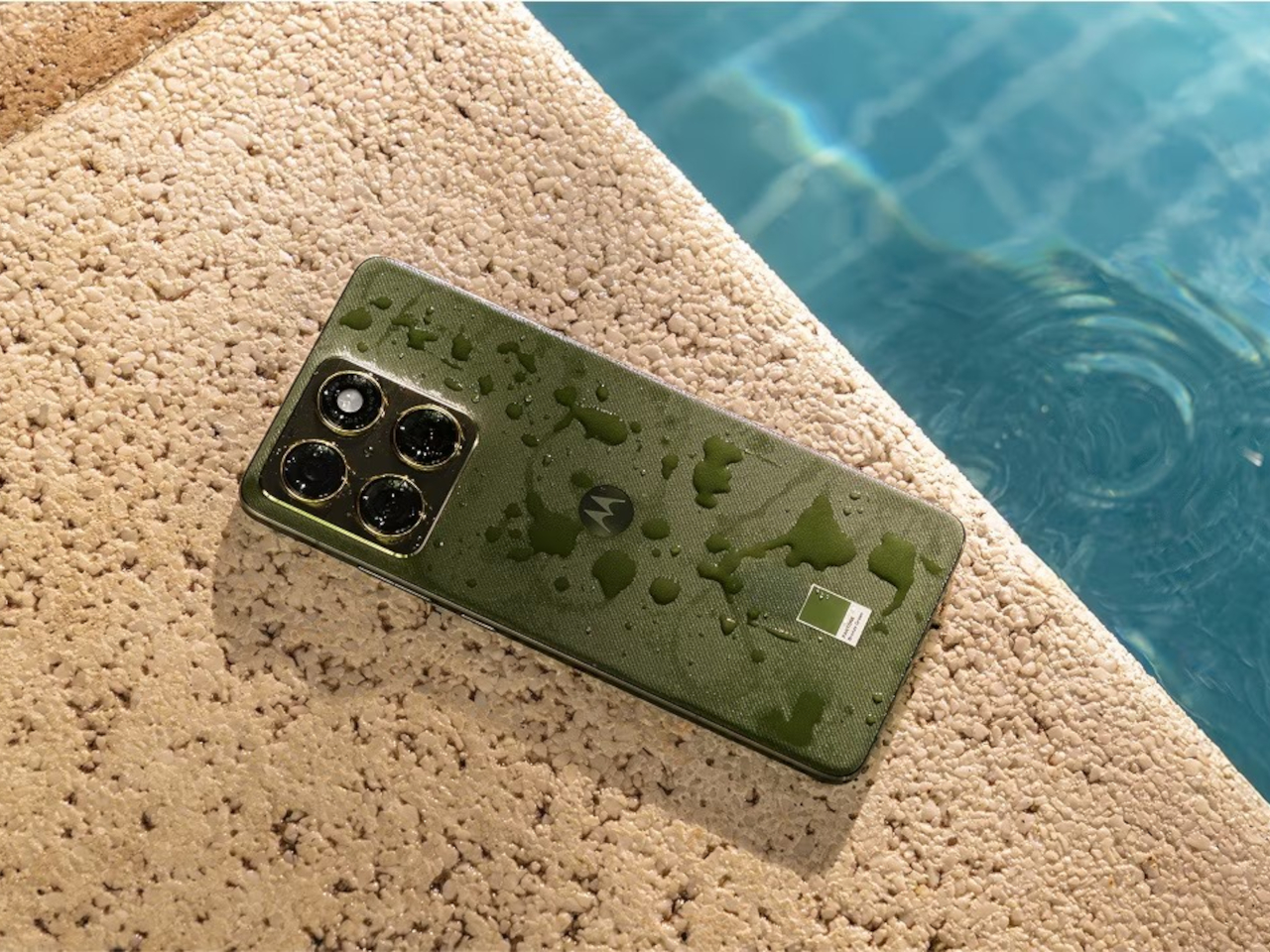
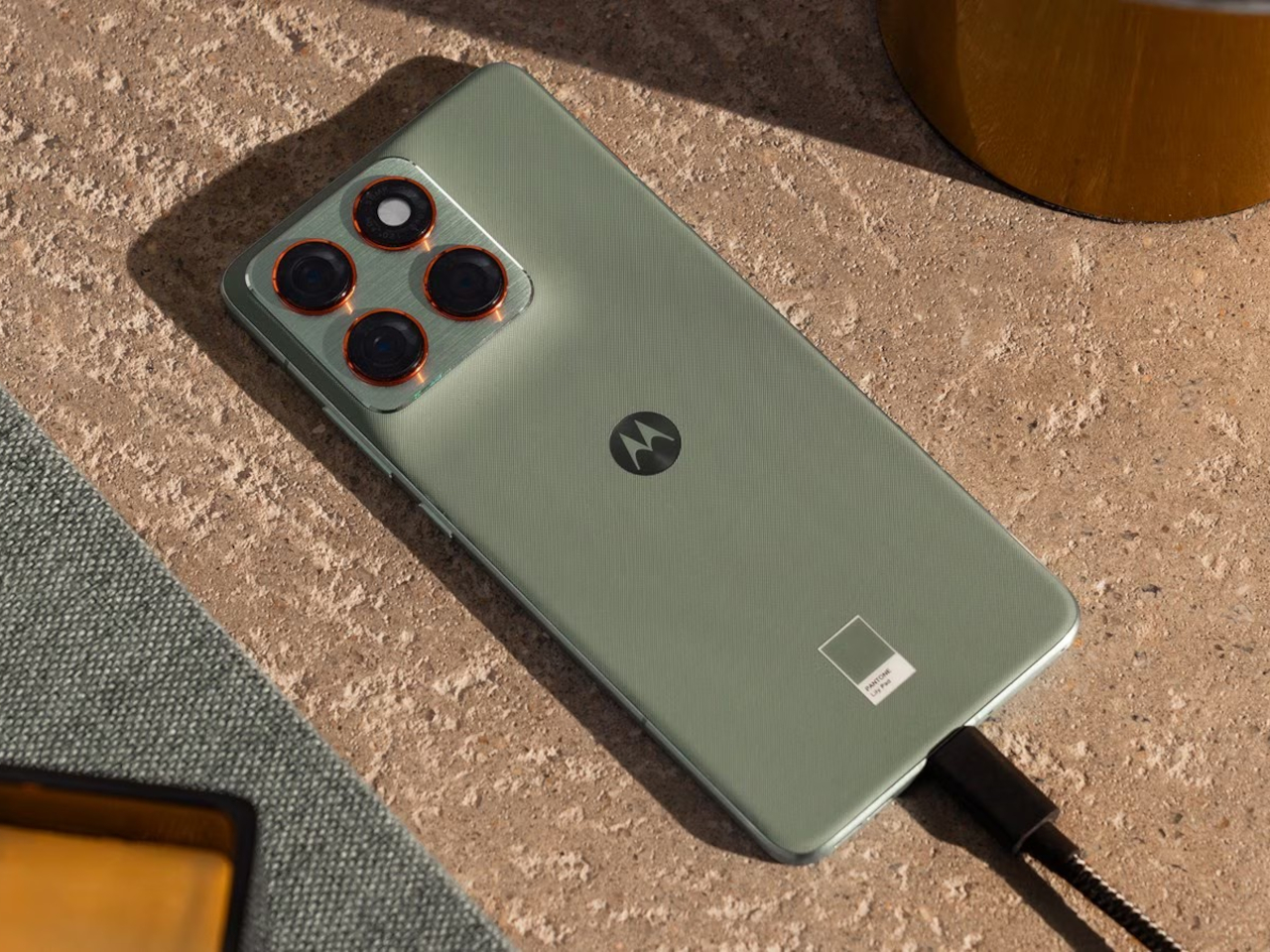
The Motorola Edge 70 is impossibly thin at just 5.9mm, making it the slimmest in its class and lighter than most competitors at only 159 grams. The matte finish, rounded corners, and Pantone-certified color options like Lily Pad and Bronze Green give it a premium vibe that stands out in a sea of black rectangles flooding the market. The aerospace-grade aluminum frame adds durability without compromising the slim profile.
Up front, you get a 6.7-inch pOLED display with a buttery-smooth 144Hz refresh rate and Pantone-validated color accuracy for authentic visuals. It’s bright at 4500 nits peak, vibrant, and smooth for scrolling, streaming, or editing photos on the go. The screen-to-body ratio of 96.32 percent delivers edge-to-edge immersion that rivals the best flagships on the market today.
Under the hood, the Snapdragon 7 Gen 4 chip, 12GB LPDDR5X RAM, and 512GB UFS 4.0 storage handle daily tasks, social media, and light gaming with ease and reliability. While it won’t out-muscle the Galaxy S25 Edge or iPhone Air in benchmarks, it’s more than capable for most users who aren’t pushing hardcore gaming or intensive video editing. The specs are mid-range, but performance feels premium for everyday life.
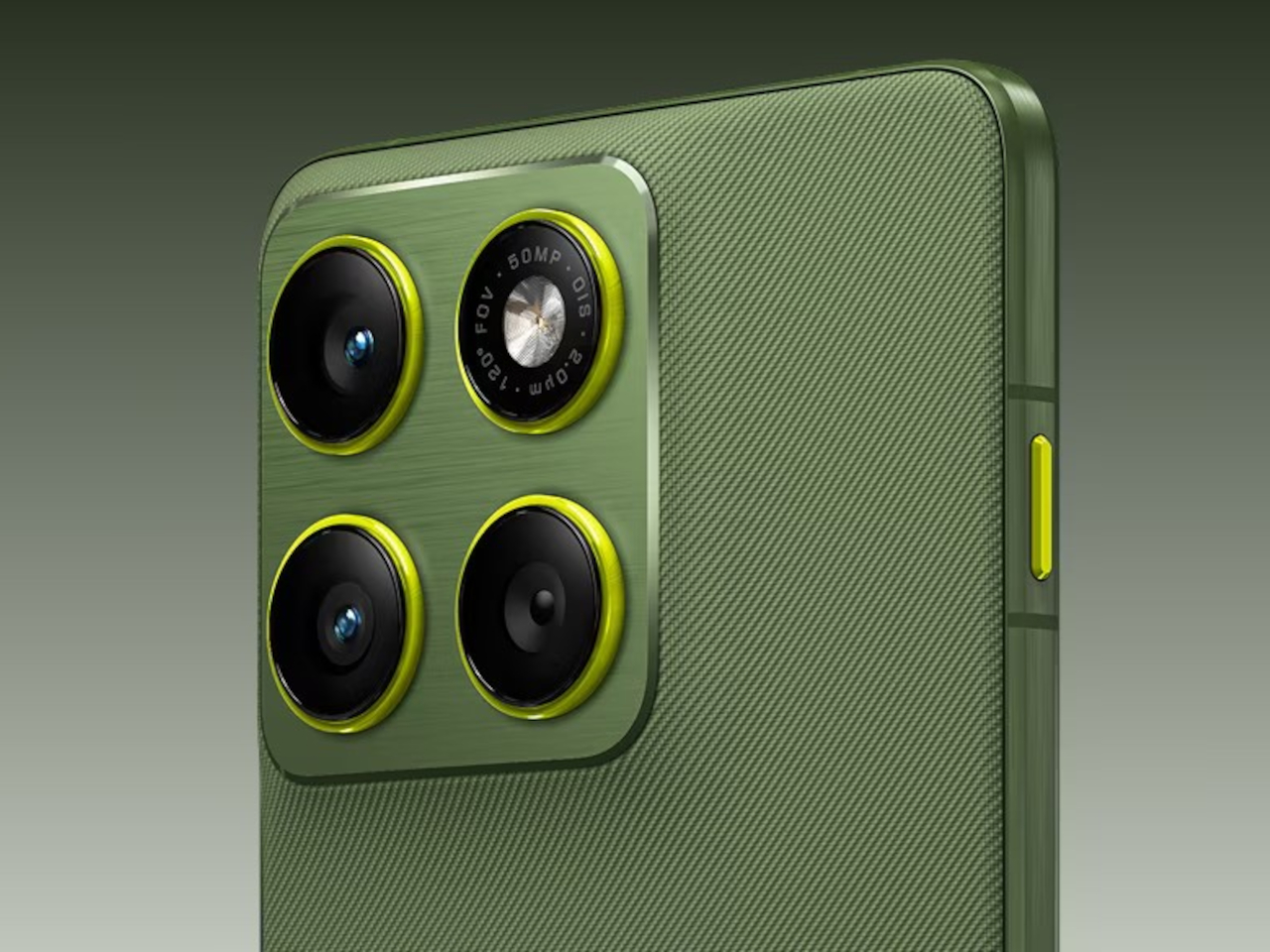
The Motorola Edge 70 sports a triple 50MP camera setup, including main, ultra-wide, and telephoto lenses, plus a high-resolution selfie camera for social sharing and video calls. Moto AI brings smart features like auto-capture, scene optimization, and instant note-taking from photos without complicated menus or settings. The camera system is versatile for everyday snaps, portraits, and 4K video recording, though it’s not aiming to dethrone dedicated camera phones at higher price points.
Where the Motorola Edge 70 really shines is battery life and charging speed that outpace many flagships. The 4800mAh silicon-carbon cell and 68W TurboPower charging mean you can go up to 50 hours on a single charge with moderate use, and top up in just 15 minutes when you’re running low. This battery performance beats many flagships that sacrifice capacity for thinness, making the Edge 70 ideal for heavy users.
Shipping with Android 16, IP68 splash resistance, 5G connectivity, Wi-Fi 6E, and stereo speakers with Dolby Atmos, the Motorola Edge 70 is a well-rounded package at £700. For anyone who wants flagship style, exceptional battery life, and everyday performance without the flagship price or constant charging anxiety that plagues thinner competitors, it’s a compelling alternative worth serious consideration.