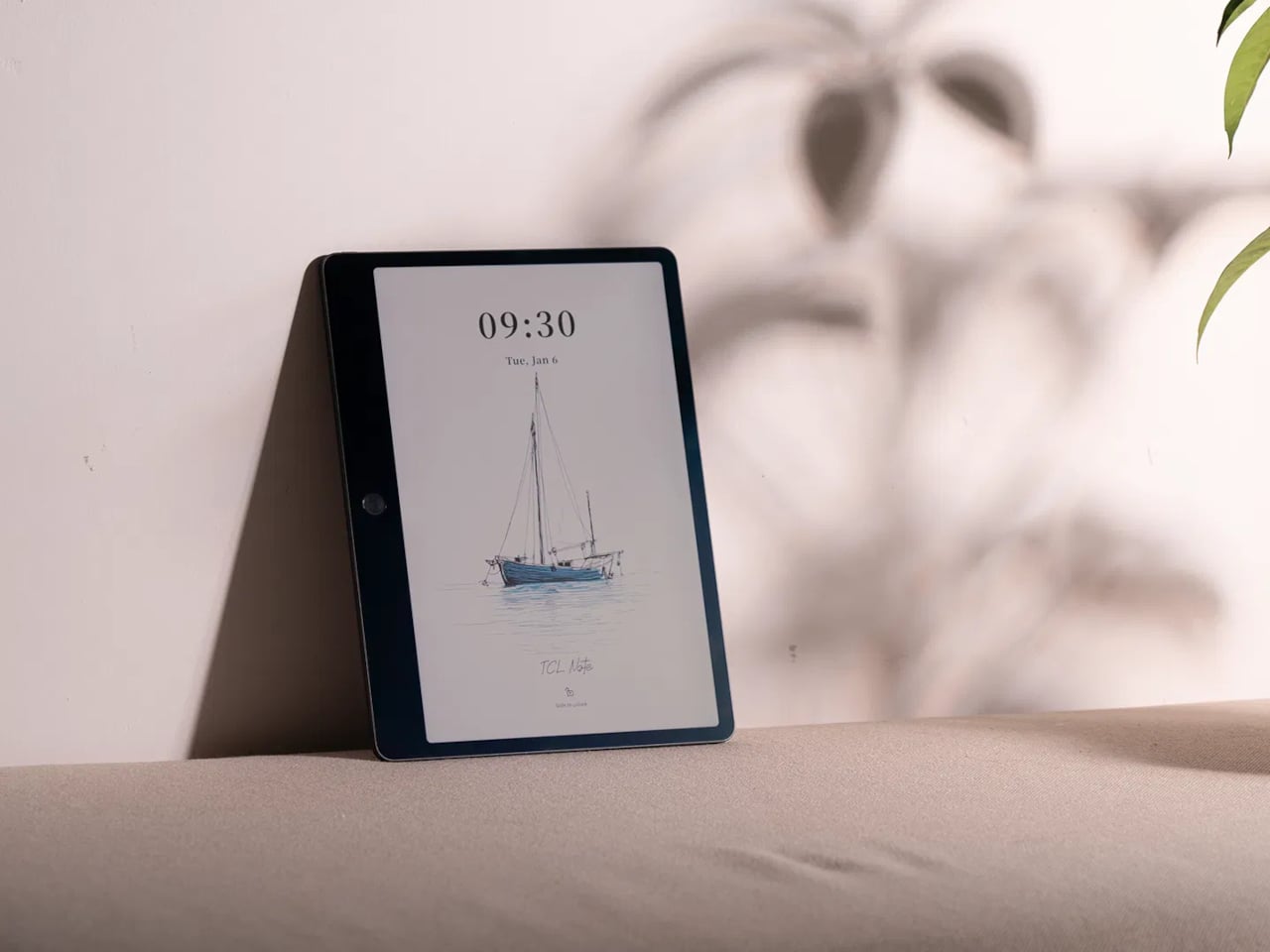
D-LINK AQUILA PRO AI is a beautiful Wi-Fi 6 router that looks like an art object

Our Internet needs are becoming more complicated even at home. Multiple devices ranging from smartphones to smart appliances compete for bandwidth, while different services like gaming and streaming demand more data than, say, a smart thermostat. The simplistic routers of yesteryears are no longer sufficient to face the challenges of modern lifestyles, but as these boxes become more sophisticated, their presence also becomes more obnoxious as well. The latest and greatest routers seem to want to be seen as powerful monstrosities rather than helpful tools that make our lives easier. Completely bucking the trend, D-LINK launched its AQUILA PRO AI smart mesh routers that finally look more at home in your home, masquerading as a piece of sculptural art that hides the powerful technology inside its graceful curves.

Designer: D-LINK

Granted, those antennas on your router aren’t just for show, but that doesn’t always mean they need to be visible, especially with today’s technologies. It might simply be a matter of pride that some of these literally black boxes show off the number of spikes they have as if those indicate how much power they actually possess. The result is a design that isn’t just space-inefficient but also unaesthetic to most people.

In contrast, you won’t find sharp points or even sharp edges on the D-LINK AQUILA PRO AI (models M30 and M60). What you will find instead is an elegant object that belies its superior technology, looking more like a piece of decoration rather than a router. Its name and unique shape, whose ends curl up and inward, are inspired by the Aquila constellation and the eagle, a majestic bird that exudes both power and grace. That association goes even beyond the general shape of the device, with feather-like patterns on the router’s ventilation.

The D-LINK AQUILA PRO AI isn’t just all looks, of course, as it also boasts the latest connectivity technologies, especially Wi-Fi 6. And since it’s a mesh router, you can combine multiple units and spread them around your house to get rid of dead zones and ensure fast, stable, and uninterrupted connections. It also comes with the latest privacy and security protections, plus conveniences offered by smart home platforms and mobile app control.

The D-LINK AQUILA PRO AI’s ground-breaking design doesn’t stop there either. It also tries to give back to the planet we live in by making use of PCRs or Post-Consumer Recycled materials for its housing, reducing its negative impact on the environment. This smart mesh router is stunning and beautiful proof that power doesn’t have to look harsh and cold. After all, there is both power and elegance in the form of an eagle taking flight.

The post D-LINK AQUILA PRO AI is a beautiful Wi-Fi 6 router that looks like an art object first appeared on Yanko Design.

OPPO Air Glass 3 brings AI to your vision to improve your interactions

Smart glasses, in contrast to AR headsets and visors, aim for a design that ideally should be indistinguishable from regular glasses. With today’s technologies and knowledge, however, that’s not easily possible, especially when you need to add powerful computing hardware to sophisticated optics. That’s especially the case when you need to offer some kind of smart assistant functionality, especially voice and speech recognition. In the past, you had to settle for rough translations and sometimes misinterpretations; comical but frustrating nonetheless. That definitely sounds like a job for AI, and that’s exactly what OPPO is bringing to the table, or rather to your eyes, with the newest iteration of its lightweight and discreet “assisted Reality” glasses that take a focused approach to wearables.

Designer: OPPO

AI is still the hot thing in tech today, in spite of and despite the bad publicity that misuse of the tool brings. Today’s AIs happen to be great at processing human language, both written and spoken, and they can now run the device itself with very little power, making them perfect for very small devices, including smart glasses. In its third iteration, the OPPO Air Glass 3 prototype harnesses the power of AI, specifically its own self-trained language model AndesGPT, to deliver a more natural way to talk to your glasses and get your job done.

AI might be the technical highlight of the new OPPO Air Glass 3, but its winning feature is going to be its design. OPPO is laying claim to the title of the world’s lightest binocular full-color glasses, and at 50g only, the claim does have merit. It looks just like regular spectacles with very thick frames, but nothing like those complicated and heavy mixed reality glasses. Despite that lightweight design, the Air Glass 3 still boasts a bright 1,000 nits display delivered by a tiny Spark micro projector, ensuring you can clearly see the virtual information even in bright environments. And with an ultra-thin waveguide, you don’t get the rainbow-like patterns that are often seen on optical see-through displays like these.

The OPPO Air Glass 3 manages to offer this more comfortable design thanks to its more focused functions. Rather than trying to cast its net wide with augmented reality, OPPO is instead focusing on “assisted reality” that emphasizes productivity over entertainment. You’ll still be able to see images if you want and control music playback, but the information that’s displayed in front of your eyes is limited to things like navigation, timers, translations, or even a teleprompter. In other words, it’s a sleek way to have all the important information you need right in front of you instead of having to fish out your phone from your pocket and get distracted in the process.

Of course, that means it will need to connect to an external device, particularly your OPPO smartphone. The Air Glass mobile app provides that connection you need with OPPO’s AndesGPT to ensure you’re getting the best performance possible without weighing your head down. OPPO is also laying the groundwork for more AI-enhanced features and experiences by investing heavily in its own AI center in the hopes of empowering all its products, especially its smartphones, with these features.

The post OPPO Air Glass 3 brings AI to your vision to improve your interactions first appeared on Yanko Design.

TECNO combines AR Glasses and a Windows handheld PC into a new gaming experience

Thanks to a certain fruity company, AR glasses and headsets are back in the news. We’re still at an exciting exploration stage where we are trying to discover what works and what doesn’t as far as user experiences go, at least based on the limitations of current technology. AR glasses and their headset cousins often come in two basic designs. One packs all the necessary computing hardware to drive AR experiences, which is great for independence but not so much for comfort. On the opposite side of the spectrum lies headsets that need to connect to a desktop or laptop, removing performance limits but tying users down to a heavy or immovable computer. Leveraging the recent trend in gaming PCs, the TECNO Pocket Go is an all-in-one solution that combines the best of worlds by pairing lightweight AR glasses with a powerful gaming computer that you can hold in your hands.

Designer: TECNO

As much as might dream of hi-tech Ray-Bans like Tony Stark’s, we still can’t fit that much hardware inside regular spectacles given our current level of technology. To make augmented or mixed reality glasses lightweight and relatively comfortable to wear for long periods of time, they need to have only the bare minimum to display high-quality images for both eyes. At the same time, however, it will need an external computer that does all the heavy work of processing what needs to be displayed, but it also has to be portable enough not to get in the way of your mobility.

That’s the perfect combination that the TECNO Pocket Go tries to offer, a system that’s made up of the TECNO AR Pocket Vision glasses and the TECNO AR Pocket Windows Handheld computer that comes in the form of a large game controller. The AR Pocket Vision boasts a 0.71-inch Micro-OLED display that can emulate a gigantic 215-inch screen, at least if you want something of that size. It has a 6-axis gyroscope that can accurately detect your head movements and translate that into data that the AR software can use. Despite the name, the AR Pocket Vision also pays close attention to sound, delivering an immersive audio experience thanks to N’BASS nano-structured acoustic materials and TECNO’s own unique vibration enhancement algorithms that turn in-game audio into vibrations.

The AR Pocket Windows Handheld delivers an even more portable experience that is 50% smaller and 30% lighter than your average handheld gaming PC today. Of course, it accomplishes that by taking the screen out of the equation since it will be connected to the AR Pocket Vision glasses anyway. That means the design can focus on performance and cooling while also improving the overall ergonomics of the handheld computer. It even has a replaceable battery so users can enjoy uninterrupted gaming and entertainment on the go.

Having an AR headset and a handheld computer working together is a very potent combination, and having both under a single brand and a single system significantly simplifies the overall user experience. And while the TECNO Pocket Go is primarily aimed at immersive gaming, such a power and portable system can also open the doors to other experiences, provided you’re fine with using a gamepad to control it all. TECNO hasn’t given word on when this pair will launch, but it will definitely spark the interest of gamers who want to take their handheld gaming experience to the next level.

The post TECNO combines AR Glasses and a Windows handheld PC into a new gaming experience first appeared on Yanko Design.

Lenovo ThinkBook Transparent Display Laptop is a stunning preview of the future

Laptops are getting more powerful each year, but aside from the hardware upgrades, the basic design of these portable computers hasn’t changed significantly in the past decade. Yes, they are getting thinner and lighter while still delivering much-needed performance, but the clamshell design has still reigned supreme despite the conception of detachables and convertibles. That said, we might be on the cusp of a major design shift in this product segment while still holding tightly to that standard design. From dual-display and foldable laptops, new technologies are enabling new laptop designs that tickle the imagination and challenge the status quo. At MWC 2024, Lenovo is pushing the boundaries even further with a laptop that both delights the eyes and boggles the mind thanks to its transparent display.

Designer: Lenovo

Transparent displays are the stuff of science fiction, originally just eye candy designed to amaze viewers and inspire dreams of the future. Over time, it has also become the goal of many display manufacturers, and we’re finally starting to see the technology making its way into signages and even TVs at home. While new products are showing off what’s possible, the Lenovo ThinkPad Transparent Display Laptop proof of concept is really testing the limits of what you can do with such a screen, especially when you need to actually create content rather than just watch videos.

This concept product is the world’s first laptop with a 17.3-inch Micro LED transparent display, or practically the world’s first laptop with a transparent display of any size. And it’s truly a sight to behold, almost no different from those hi-tech transparent screens that have become a staple of almost any sci-fi show or film. It’s mind-blowing how you can clearly application windows and their contents while still getting a glimpse of what’s behind the screen. Even more magical is seeing only certain parts of the screen become “opaque” when it’s displaying an object, leaving the rest of the screen completely transparent.

Lenovo isn’t stopping there, though, and it has unsurprisingly found a way to inject some AI into that feature. It uses AI-Generated Content to display dynamic images or overlay information depending on the physical objects behind the transparent screen. In a sense, the ThinkBook Transparent Display Laptop integrates the physical and digital worlds not just visually but also through actual interaction between these two spaces. All thanks to artificial intelligence, of course.

That isn’t the only novelty that Lenovo is bringing to this proof-of-concept laptop. To really drive home that futuristic image, this ThinkBook does away with the conventional physical keyboard and instead uses a capacitive glass surface for typing. This surface also transforms into a drawing pad with an active stylus. This technology isn’t actually new to Lenovo, which launched an innovative yet also short-lived Yoga Book in 2016. In theory, this kind of display-based keyboard opens the door to customization and flexibility, but the ergonomics of such a device is just too poor to be worth the fancy features. Still, it’s hard to deny that this dazzling Lenovo ThinkBook Transparent Display Laptop shows the possible future we will be facing, and the fact that this proof-of-concept design is already in such a usable state suggests we’re not that far from making those fantasy devices a reality.

The post Lenovo ThinkBook Transparent Display Laptop is a stunning preview of the future first appeared on Yanko Design.

Smart pill dispenser concept safeguards your medicine from kids

Pill boxes and dispensers are becoming more common inside households, especially those with members that require daily medication for their health. The simplest designs are just containers with compartments for different days, but there are also more sophisticated machines that try to automate that routine so that you won’t forget to take your pills. Unfortunately, neither of these solutions takes into account unauthorized or accidental access to those medicines, especially by children for whom those drugs could very well be fatal. This smart pill dispenser concept tries to bring all those concerns together, offering not only a convenient tool but also a safe one for users as well as the people around them.

Designer: Anthony Chupp

The tedious work of taking medication regularly actually starts at the moment you allocate them for each day. Pill boxes and dispensers make it easier to dispense those pills and capsules, but they don’t exactly make it easy to fill them up in the first place. You might drop a pill or two on the floor in the process or, worse, drop them in the wrong compartment, forcing you to lose time trying to double-check and correct that mistake. We’re still a few steps away from a completely automated process that segregates and distributes those pills without human intervention, so any aid toward this part of the process will be significant, even if it still involves manually dropping in pills.

That’s the kind of help that the Cadence concept design offers, using a pharmacy-grade pill sorting plate that makes it easier to put pills where they belong. The specially-designed tray only has an opening for a single day so you don’t accidentally drop medicine inside compartments that have already been filled up. You can also just pour your pills on the tray and then use the built-in spatula to move the exact kind and number toward the opening.

The smart pill dispenser has 30 slots arranged like spokes around a wheel. When it’s time to dispense the day’s dosage, it releases the pills down a dropper shaped to guide the pieces into a cup or glass for collection. And then it turns the wheel so that tomorrow’s pills will be ready for the next round. The button to dispense the pills for the day is located at the top, out of the reach of kids, while locks prevent those same children from accidentally getting into the dispenser itself and scattering its contents.

Of course, it wouldn’t be a smart pill dispenser if it didn’t have any hi-tech features. When connected to a mobile device, Cadence will be able to keep track of your intake, calculating how many doses you have left or how many you’ve missed in that month. The dispenser itself has a small digital clock in the corner to take note of the time, and an LED light strip around the box that gently catches your attention when it comes time to take your medicine. Cadence isn’t exactly a sophisticated smart device, but it’s this balance of digital and analog methods that actually makes the design concept even more effective.

The post Smart pill dispenser concept safeguards your medicine from kids first appeared on Yanko Design.

Tiny home concept will have you living in a futuristic capsule house

There are no signs that our population will stop growing any time soon, and the amount of livable space continues to shrink. We need more space-efficient residences that aren’t just towering skyscrapers, which is part of the appeal of tiny home trends. The majority of the designs for these petite residences seem to be made from wood or repurposed trailers and aluminum vans, mostly because these are the easiest foundations to work with. In the future, however, we don’t have to be restricted to these materials and plain rectangular shapes, like this compact capsule that definitely looks the part of a futuristic residence both from the outside and especially inside.

Designer: Antoniel Felainne

A capsule is admittedly not the most efficient shape if you’re considering either stacking houses on top of each other or joining them from end to end in a grid. But while space considerations are definitely important in an ever-shrinking planet, it is equally or perhaps even more important to consider the human factors. After all, humans will be living inside that space and they need to feel comfortable, safe, and, well, at home.

The ONCO Capsule House concept tries to deliver all those while also paying close attention to aesthetics. They say beauty is in the eye of the beholder, but it’s hard to deny that the capsule’s shape is interesting and pleasing thanks to the absence of sharp edges and corners. The white exterior of the capsule gives it a clean appearance, though it will probably be difficult to maintain as time goes by, and this motif extends inside the capsule.

The interior of the capsule looks like a sci-fi movie set, with plenty of strip lights lining the walls and door frames as well as screens and panels everywhere you turn. Of course, other interior designs can also be used, though the capsule seems to lend itself perfectly to minimalist furniture with lighter color schemes. Although a capsule will technically have less space inside than a straightforward box shape, the circular interior actually gives the illusion of having more.

The design concept also includes provisions for having parts of the capsule actually transparent, like having floor-to-ceiling windows built directly into the design. Ideally, these would be tint-controllable windows so you can maintain your privacy when you need to but also enjoy the view when you want to. Constructing such a capsule house won’t be easy or cheap, but in a future where tiny homes are the norm, this could very well become a standard design anyway.

The post Tiny home concept will have you living in a futuristic capsule house first appeared on Yanko Design.

Gothic Wooden Box Lamp adds a mystical touch to your desk or shelf

Not all lamps are made to shine brightly and quite a number are designed to be more decorative than utilitarian, enhancing a space’s aesthetic while giving a bit of illumination. Some emit a gentle glow that tries to set a certain mood, while others paint a kaleidoscopic display that liven up a room. Some might be luxurious and elegant, while others are fun and whimsical. This DIY project somewhat straddles those two worlds, bringing an unconventional box lamp with gothic-inspired patterns on every face. The end result is a stunning yet subtle light display that seems to bridge the worlds of the magical and the technological right on your very desk.

Designer: Kostiantyn Andriiuk

Programmable RGB lights are quite common these days and they come in different forms, ranging from finished lamps to LED strips you can add to any project. Of course, simply displaying lights is hardly exciting and fails to take advantage of the flexibility that these lights can offer. So why not put these seemingly magical colored lights inside a design that’s exactly meant to convey a sense of mysticism and awe?

This Gothic-inspired lamp does exactly that, not just through the lights alone but from every inch and face of the box. The walnut veneer material, polished with flaxseed oil, gives it a vintage aesthetic as if the lamp was hidden from mortal eyes for decades or even centuries. All but the bottom faces have intricate cutout patterns that not only let the light shine through from the inside but also give it an otherworldly character.

The illusion of the mystical, however, comes from mundane technology. RGB light strips line the insides of the box and can be controlled remotely through software, almost like magic. The box also has hidden touch sensors that allow you to simply tap on a surface to produce the same results, at least for the most basic controls like turning it on or off and adjusting the brightness. With light shining through the extremely thin cutouts of the gothic-inspired patterns, the Box Lamp emits an almost eerie glow that can be appreciated whether outdoors under the sun or, better yet, inside the darkness of your room.

The Gothic Wooden Desk Lamp is something you might be able to create on your own, provided you have the necessary tools available. The hardest part is actually cutting out those complex patterns, which requires a decent laser engraver that can work with thin wooden boards. Fortunately, all that information, as well as the process, is available for free so anyone can design their own magical light box and fancy themselves as a master of the mystical arts.

The post Gothic Wooden Box Lamp adds a mystical touch to your desk or shelf first appeared on Yanko Design.
Mesmerizing sculptural instrument uses water for an otherworldly musical light show

There are plenty of art installations set up around the world, but the majority of them have a “look but don’t touch” policy. After all, “art” is expected to be mostly visual and the risk of damaging a precious, one-of-a-kind masterpiece is just too high. There are, however, other art forms that require your other senses to truly have a complete experience, sometimes involving not just touch but even hearing as well. This sculptural instrument, for example, invites people to dip their hands into glowing drums of water to create a hypnotic audiovisual experience intended to raise their consciousness to higher levels.

Designer: Artur Weber

Inner Waves look nothing like any musical instrument you can think of, except probably for a drum set with too many drums arranged in an almost random fashion around the largest circle in the middle. Like their namesake, though, these are actually small container drums that can hold liquid, in this case, water. Unlike your typical water drum, however, these cylinders have a faint glow on the outside that contrasts with the darkness they hold inside.

As captivating as these eerie glowing drums might be, they’re not designed just for your eyes. After all, you can’t even appreciate the water they hold in the darkness, and so you have to make that leap of faith and plunge your hand or even just a finger inside that darkness. This act rewards you with a brighter light and an ethereal sound that is reminiscent of the tones produced by a theremin. It is also similar to the sound you make when you dip your finger inside a glass of water and then run your fingertip around the mouth of the glass.

This alien sculptural instrument is advertised to link the water inside the viewer’s body with the water within the vessel, a statement that almost has a transcendental message to it. Technically speaking, it most likely uses the vibrations caused by ripples in order to trigger the mechanism that increases the light’s intensity and produces sound. Of course, your brain might not immediately make that connection, making you think that it is indeed your body’s agency that is creating this effect. Either way, the audiovisual art installation has the intended effect of putting your mind in a more meditative state, perhaps contemplating the deeper meaning behind this intersection of art and technology.

The post Mesmerizing sculptural instrument uses water for an otherworldly musical light show first appeared on Yanko Design.
Samsung Galaxy Z Fold 6 Design: What We Know So Far

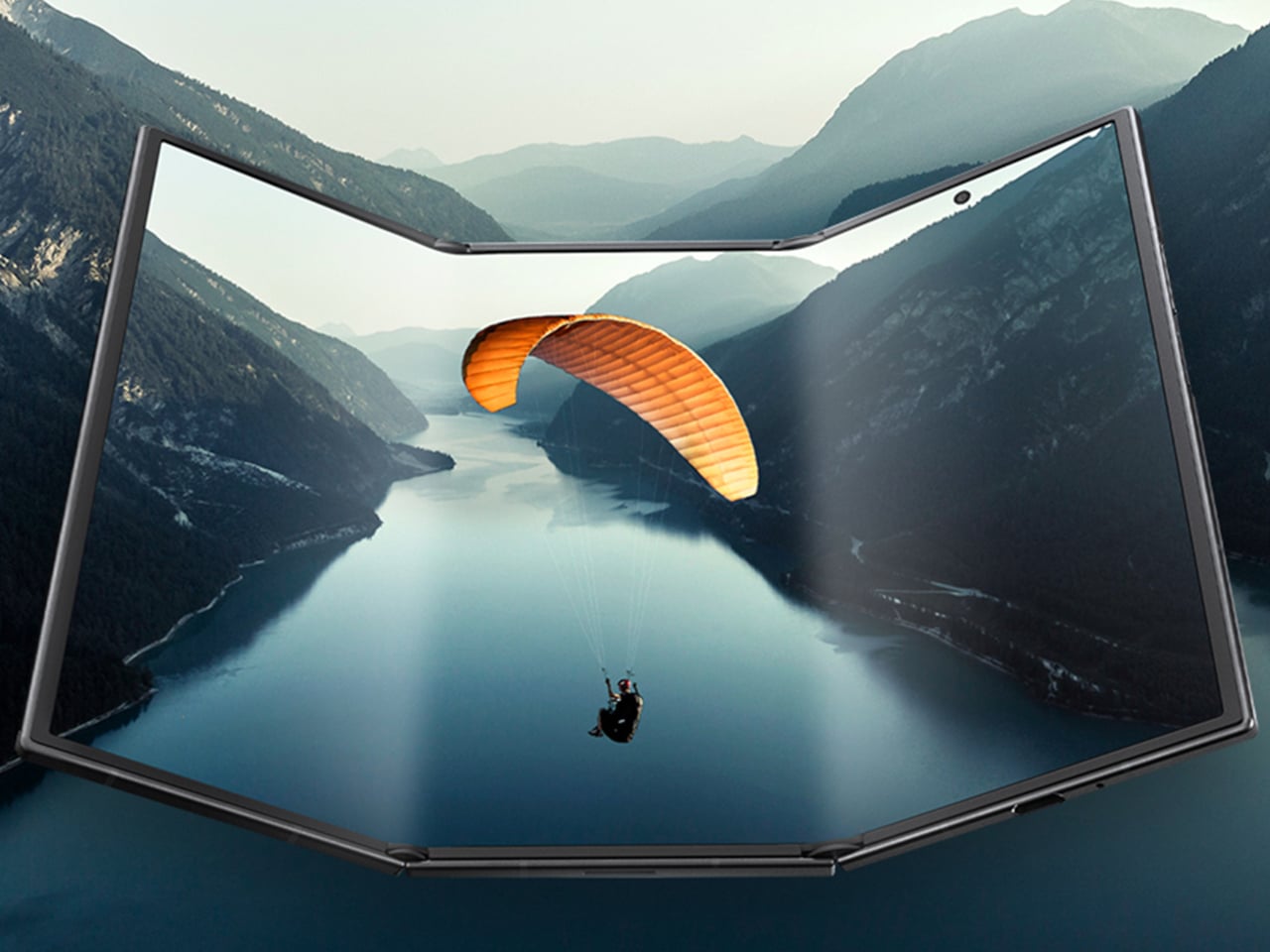
Foldable phones are one of the more curious members of the mobile tech market. They seem like an answer looking for a problem, though some consider them as something they never knew they needed until they laid hands on one. It’s not exactly a stable market either, but that’s stopping Samsung from pushing out new models every year. 2024 won’t be any different, but the Galaxy Z Fold 6 might be, at least in some ways. Unlike its early days, Samsung seems to be content to move more slowly this time, letting its designs simmer longer even while its hardware grows by leaps and bounds. That’s especially true for its next foldable based on unofficial information, but that also paints a very mixed picture that could leave Samsung playing catch up in the very market it created.

Designer: Samsung

Thin and Square

While foldable phones over great flexibility, they come at the cost of not only complexity and price but also ergonomics. These devices are practically two narrow smartphones joined together, so their combined thickness when folded is also twice that of regular smartphones. The most basic solution would be to make the device thinner, but like with regular smartphones, you’re bound to hit the limits of how thin you can go without compromising durability or safety.

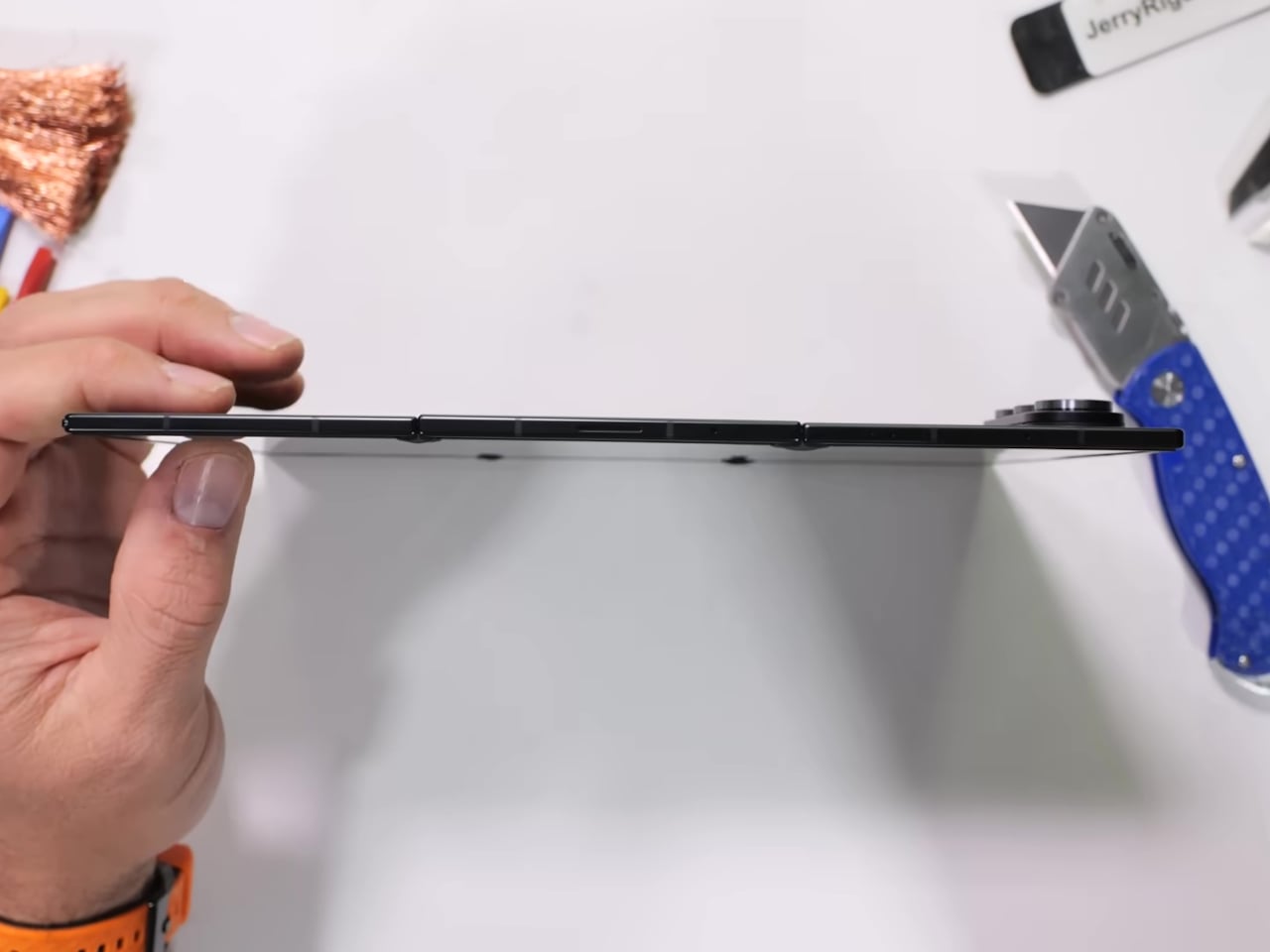
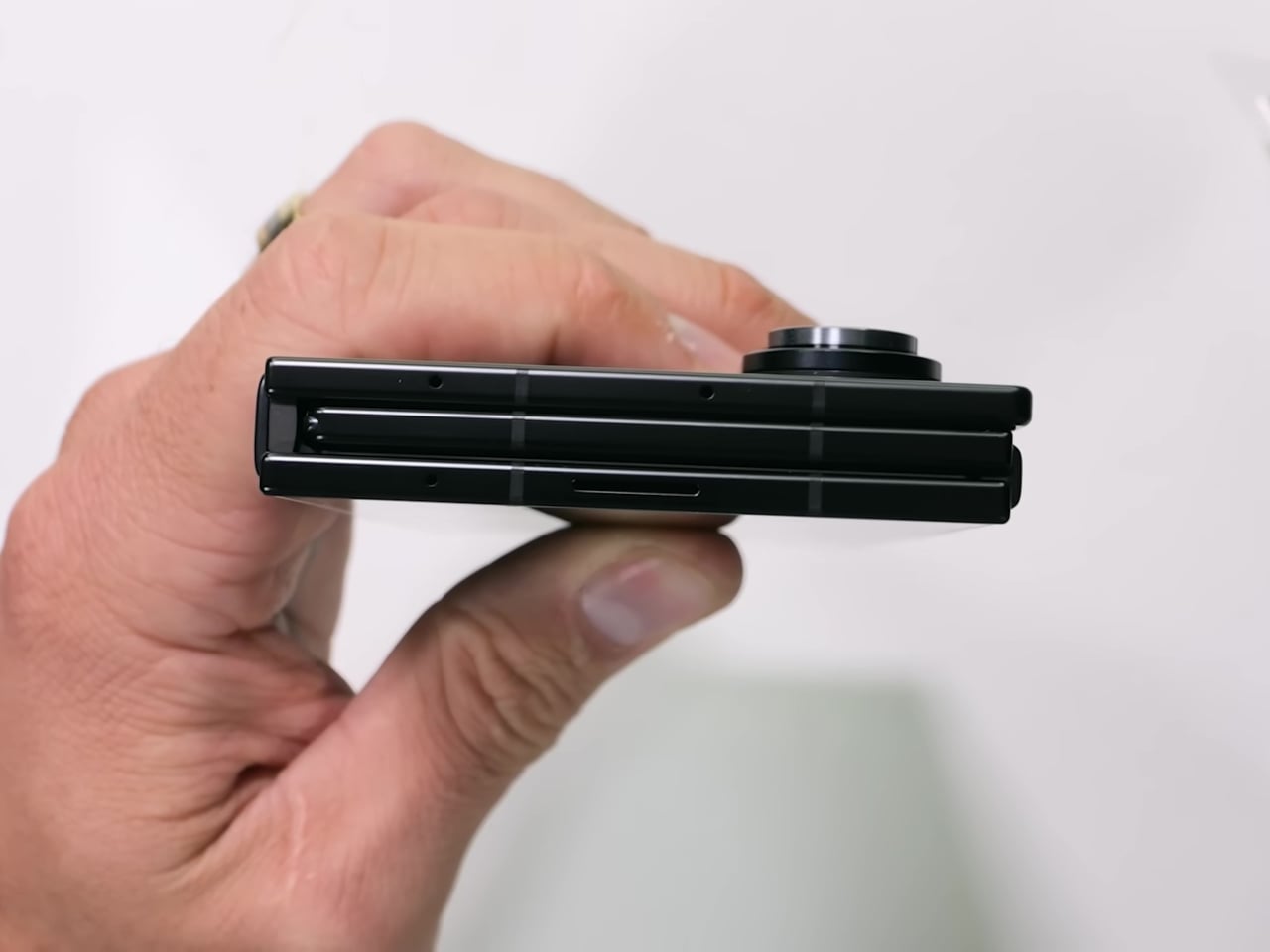
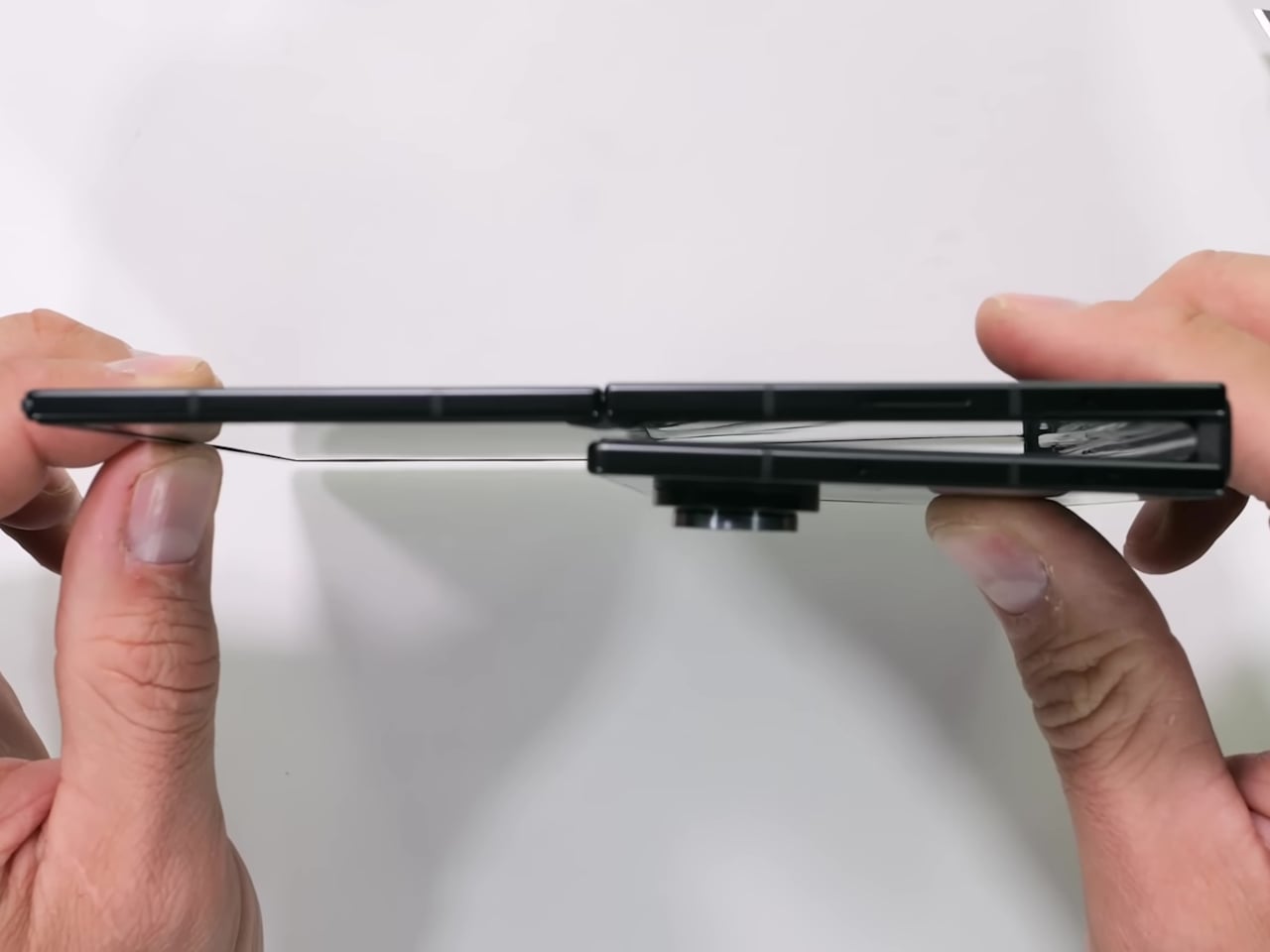
Pushing those boundaries has been one of the biggest obsessions that foldable phone makers have, and it seems that Samsung is joining the fray this year. According to the latest leak, the Galaxy Z Fold 6 will be 11mm thick only when folded shut, a significant diet compared to the 13.4mm thickness of the current Galaxy Z Fold 5. That would make the unfolded form only about 5.5mm thick, which is crazy thin even by regular tablet standards. If true, that hopefully won’t come with compromises to the phone’s structural integrity and battery life.

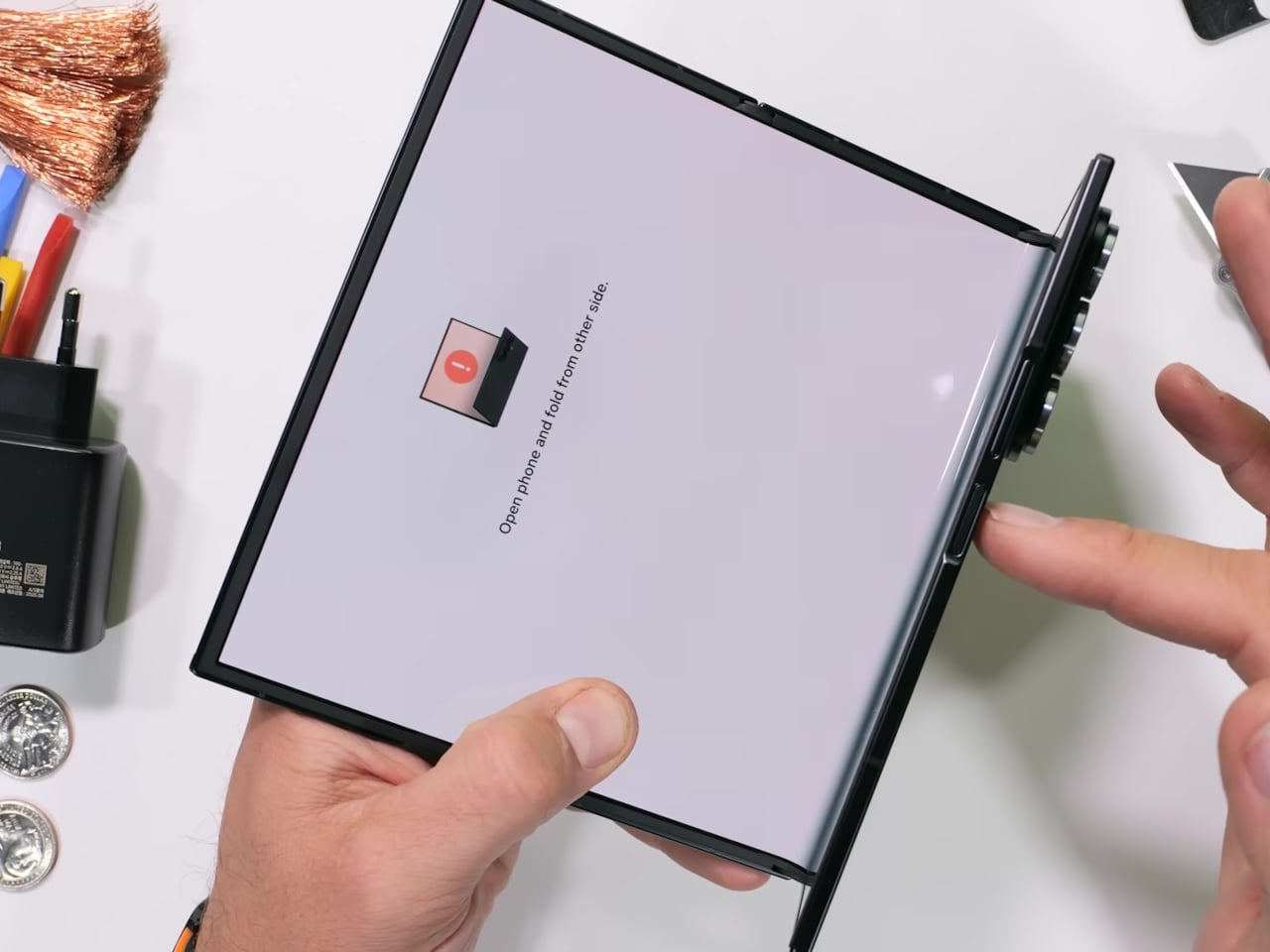
The profile isn’t the only thing expected to change in the Galaxy Z Fold 6. The external Cover Screen is also tipped to be a bit wider this time around, more in line with the standard aspect ratios of non-foldable phones. In theory, this would make it less awkward to use it as a regular phone when folded, but that also means that the unfolded aspect ratio will be more square than any Galaxy Z Fold before it.

S Pen No Home

Making the Galaxy Z Fold 6 thinner is going to be a dream come true for some fans, but it will also probably disappoint a certain group because of the consequences of that change. If you make a phone thinner, you either have to shrink or reduce the size of other components, for example, the battery, or spread them around wider. Either way, it’s going to be a cramped space inside, which leaves no room for an S Pen silo yet again.

Although the Galaxy Z Fold series has supported Samsung’s Wacom-powered stylus since 2021, the S Pen never really had a proper home inside the device itself. Contrast this with the Galaxy S Ultra series that, inheriting the Galaxy Note spirit, came with an S Pen as part of the package. There might be debates on the ergonomics of such a thin stick, but owners at least had the option of not buying two extra accessories just for that writing and drawing experience.

Yes, two accessories, because you’re likely to buy a compatible case if you’ll be investing in an S Pen Fold Edition. There really is no other convenient alternative to making sure that you don’t lose the stylus in your pocket, bag, or anywhere else. Unfortunately, designs for these cases feel more like works in progress and it seems it will continue to be the case for another iteration.

Camera Shy

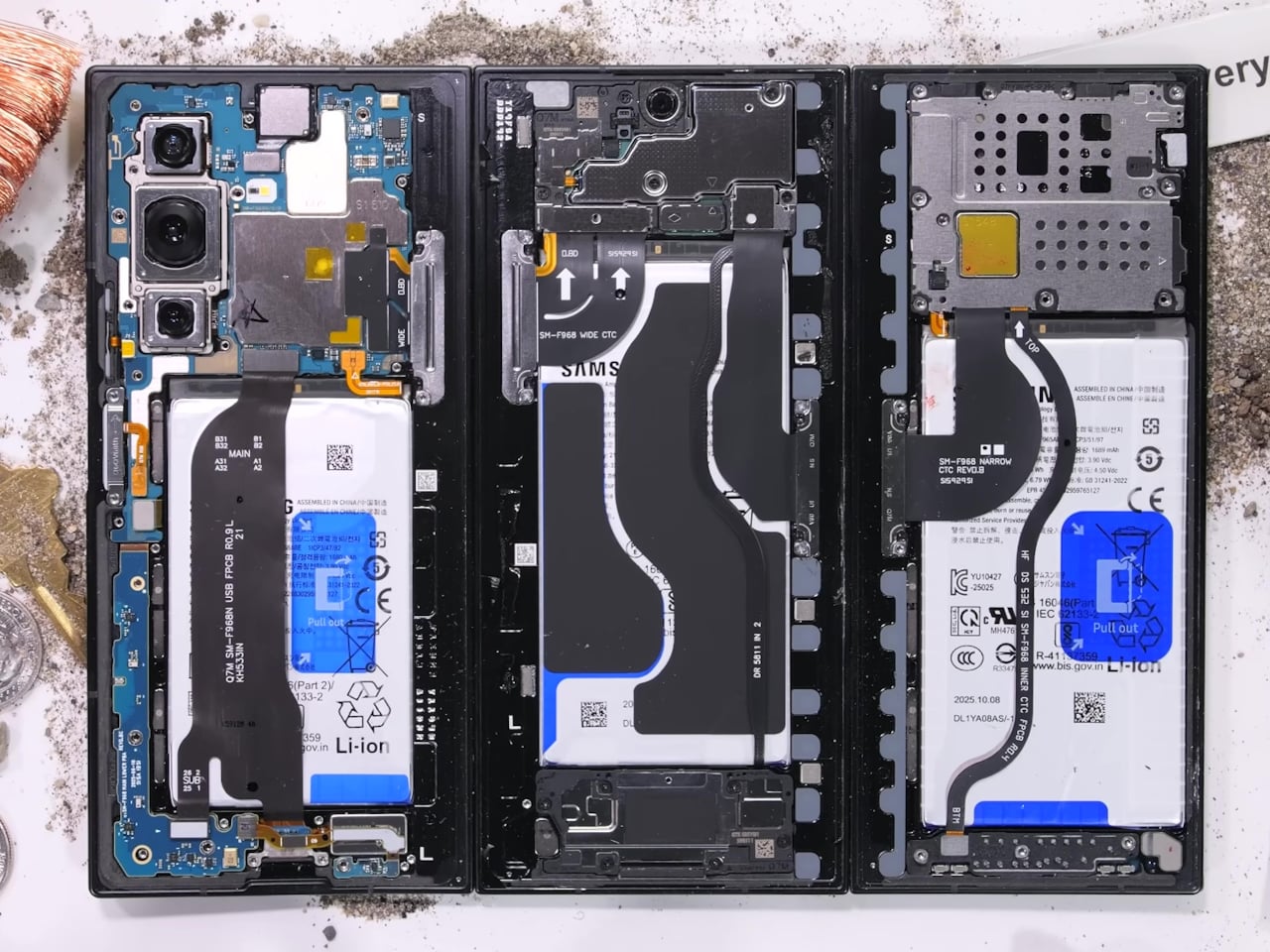
The biggest disappointment, however, might come from the Galaxy Z Fold 6’s cameras. The latest word is that the upcoming foldable will sport a 50MP main camera, a 12MP ultra-wide shooter, and a 10MP telephoto camera on its back. The external front camera will be a 10MP selfie shooter while the internal front-facing camera has a 4MP under-display sensor.

Those are very much the same cameras used in the Galaxy Z Fold 4 from 2022, and although we don’t know yet of any hardware or software tweaks that Samsung will make, they’re still disappointing to hear. This is one area where the brand is being left in its competitors’ dust and where the product doesn’t feel deserving of its premium price tag. Some might actually forgive Samsung for putting a large camera bump on the phone’s back compared to reusing the same cameras for the third year in a row.

Of course, all of these are still unofficial information, so we might be pleasantly surprised by a more noteworthy Galaxy Z Fold 6 in August. Given the trends, though, that doesn’t seem to be likely, as Samsung is taking a more iterative approach to design with its large foldables. Maybe it doesn’t feel the heat from its rivals that don’t have the same market reach as the tech giant, but it’s also very close to stagnating and killing off the very trend that it started.

The post Samsung Galaxy Z Fold 6 Design: What We Know So Far first appeared on Yanko Design.

Smart display concept puts a cute face on smart home technology

As our homes start to get more connected to devices and the Internet, the number of screens also starts to increase. In addition to the phones, tablets, computers, and TVs that are already a staple of modern life, there are also smart displays that try to offer visual feedback to the things we usually only hear by voice from an AI-powered assistant. While many smart display designs try to blend in with the rest of the room, it’s really hard to hide a large conspicuous screen that needs to always to in view to be useful. This design concept tries to soften the blow of having such impersonal tech products inside your living space by giving a smart display a rather comical face that makes it feel more alive and a little bit friendlier.

Designer: Kai Xia

Smart displays are pretty much the evolution of voice-controlled smart speakers, giving a visual representation of the information you would normally get only through audio. Of course, it could also be used for other purposes, like displaying photos similar to a digital photo frame, playing videos, or even making video calls. The standard design of these devices, however, has more in common with those speakers or, worse, simply look like tablets slapped onto cylinders and boxes.

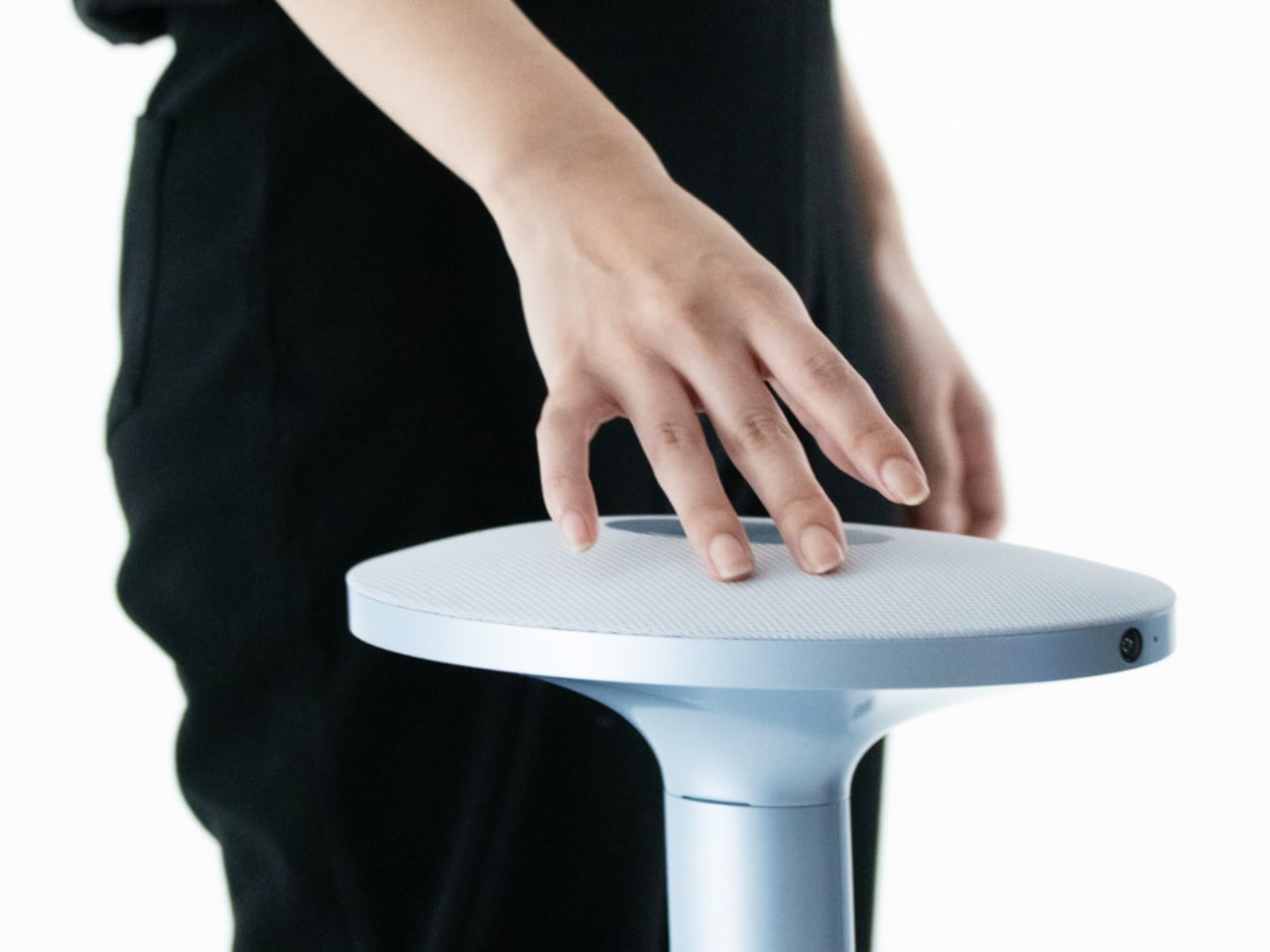
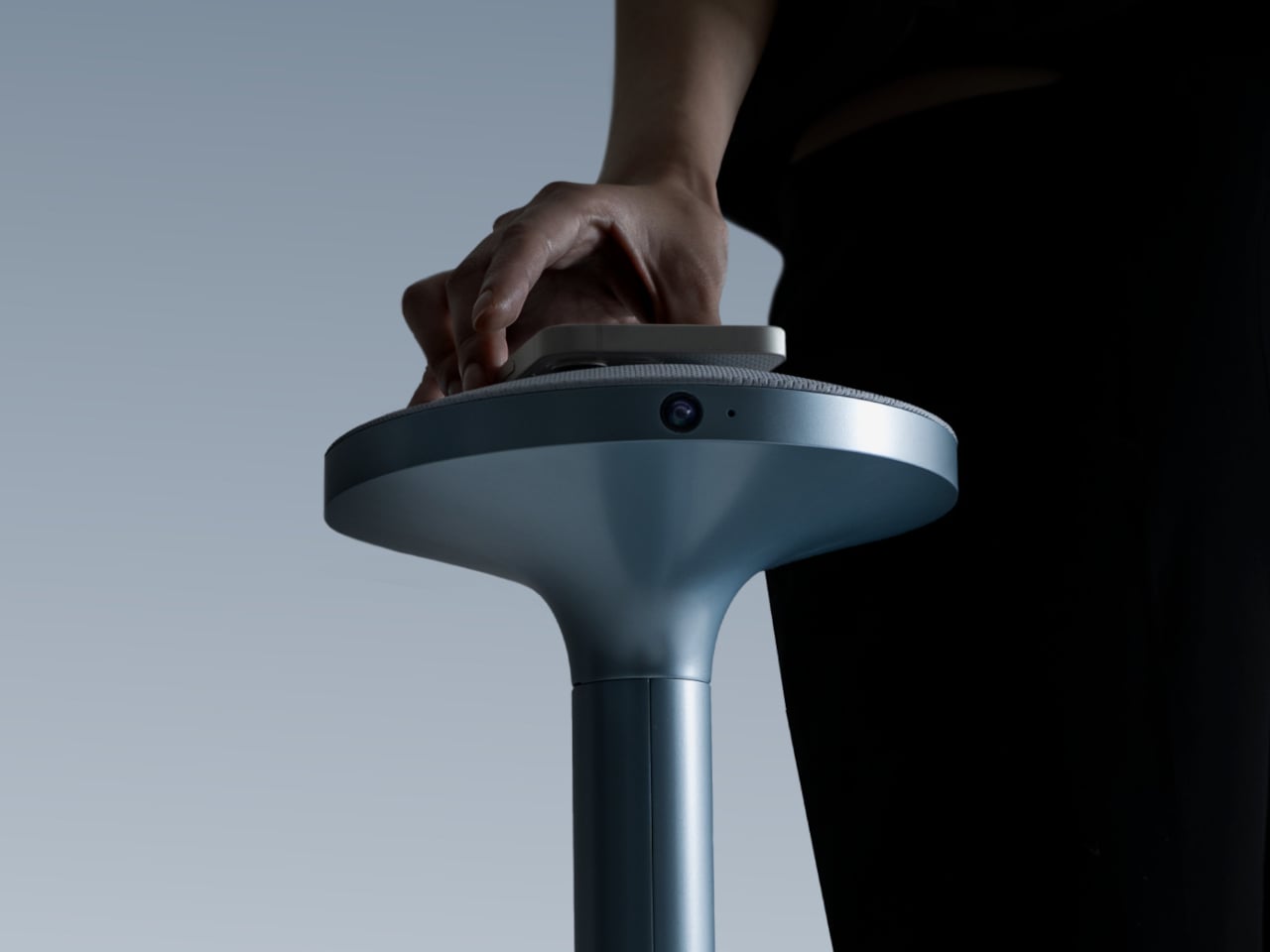
The Smart Pad concept tries to liven things up by changing the core design of the smart display. Objectively speaking, the 4-inch screen might actually seem too small for its purpose, but that also means you’re forced to show only the essentials rather than flooding the user with information. The smart display is also shaped like an egg, reminiscent of the old, colorful iMacs or even some vintage CRT TVs. This angles the screen at a comfortable level without having to resort to stands and external mechanisms.

The more important feature of the concept, however, is the cartoon-y face that can be displayed on the small screen. It might be a minor and optional detail, but it lends the gadget a bit of personality, making it feel more approachable and even human to some extent. It makes the Smart Pad feel less like an appliance and more like a companion, putting a face to that disembodied voice we always hear when we talk to such devices.

Of course, it’s also capable of the standard things that smart displays can do, at least in theory. That screen can play videos, display photos, and show information, but it might be less expressive because of its small size. That makes the device more suited for desks and bedside tables rather than living rooms, where seeing the screen up close is more natural.

The post Smart display concept puts a cute face on smart home technology first appeared on Yanko Design.