Concrete made from food waste can be edible

When I hear the word “edible concrete”, the visual that comes to my mind is straight out of a horror or dystopian story: people gnawing at walls because they have nothing more to eat. But of course that’s just my overactive imagination. It’s of course a recent development in construction innovation from scientists at University of Tokyo to make concrete from food waste.

Designer: University of Tokyo
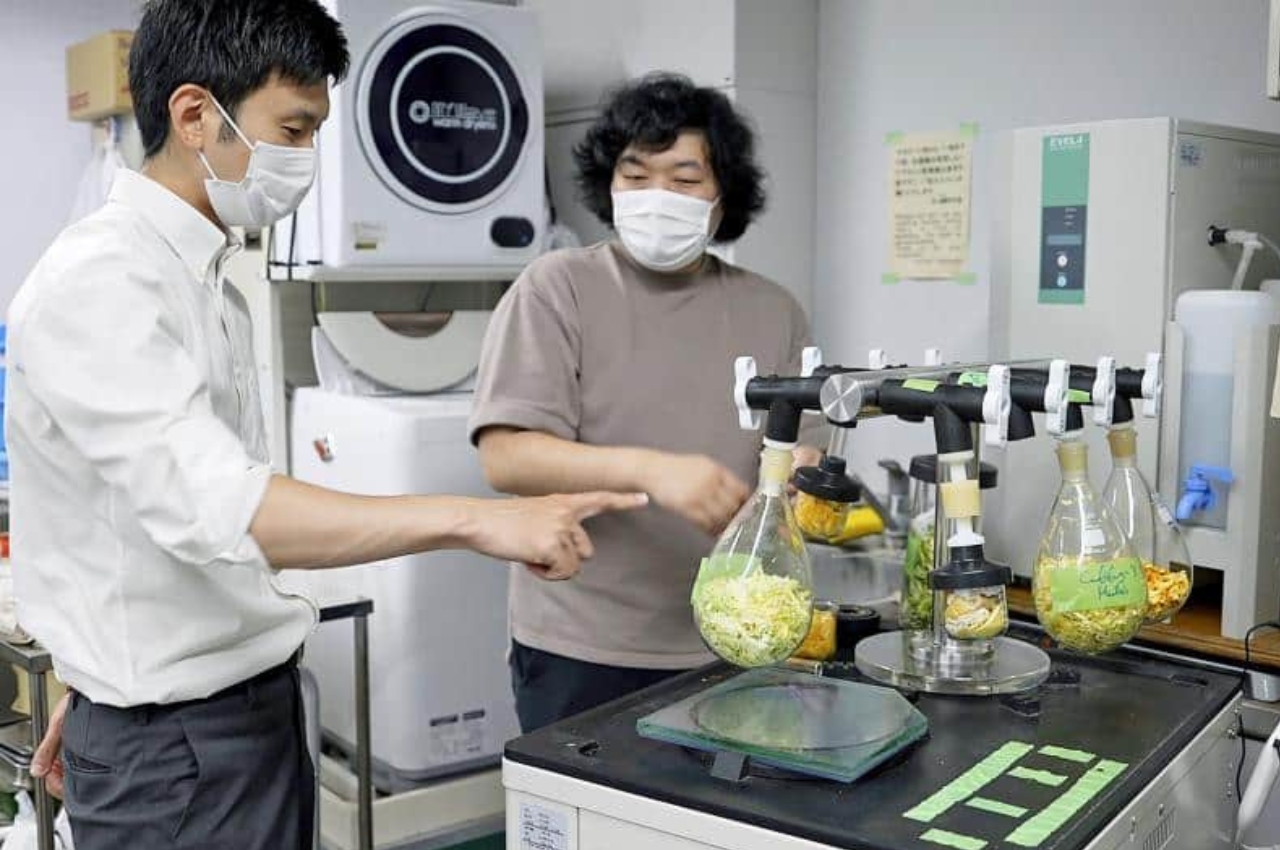
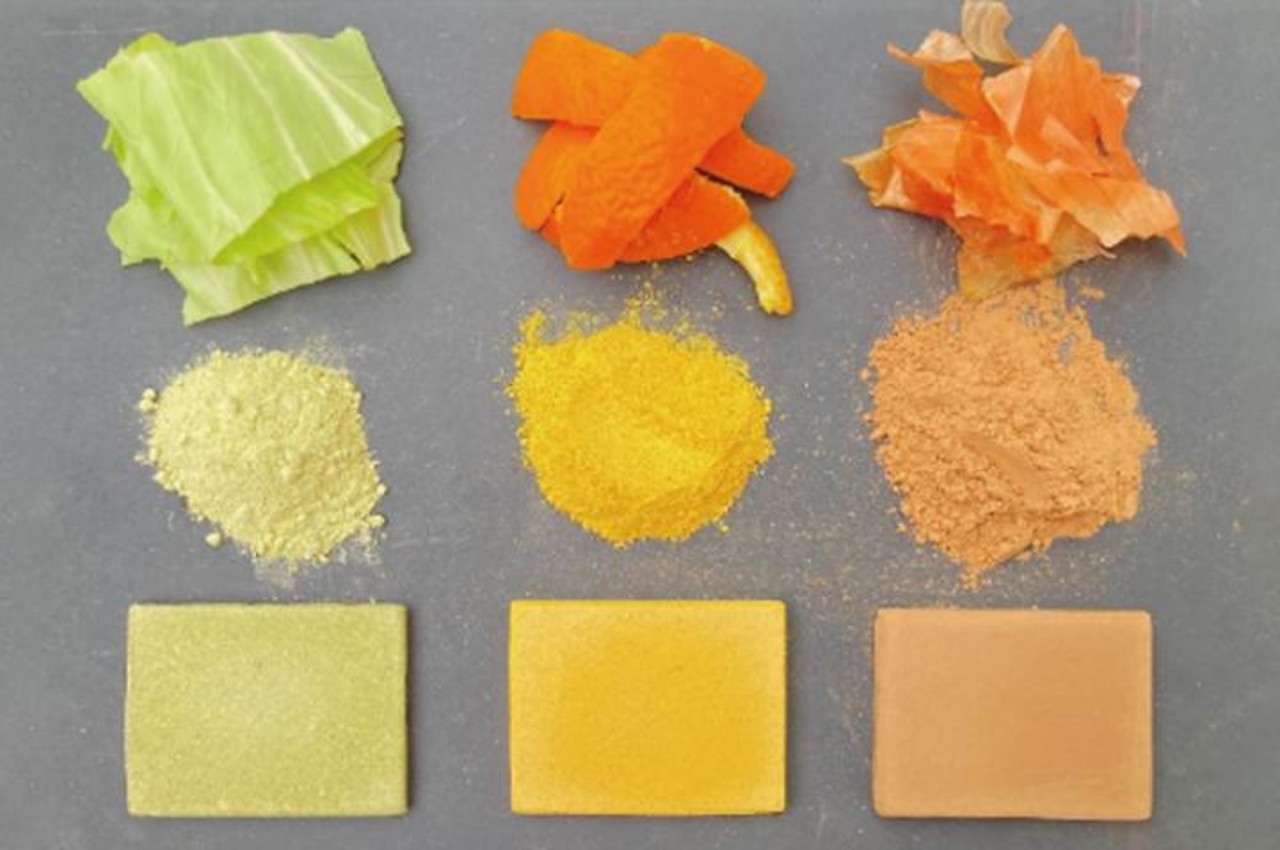
The scientists have been looking to create concrete made from organic materials like coffee grounds, banana peels, Chinese cabbage, and orange skins. These materials are dried and compressed and then mixed with water and seasonings. Afterwards, they’re compressed in a high-temperature mold to create concrete material.
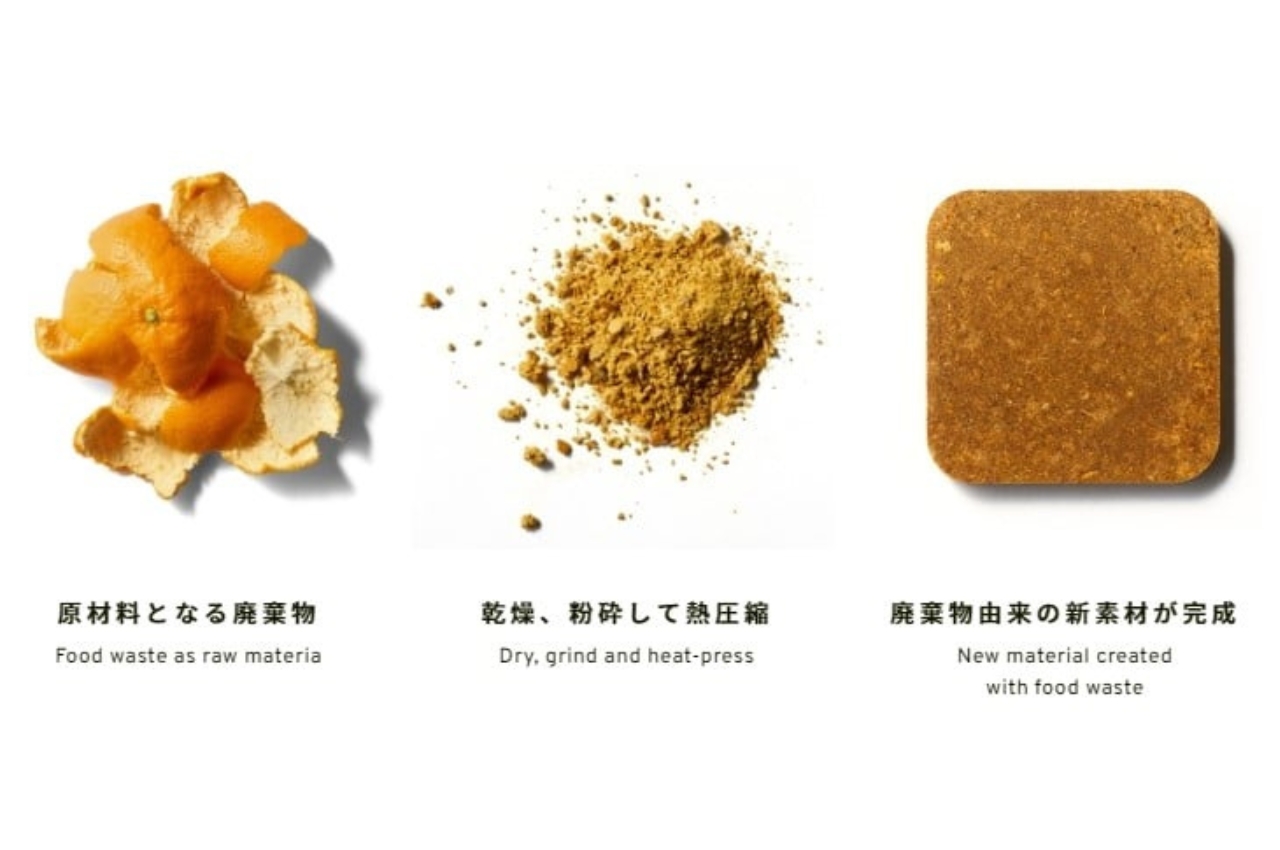
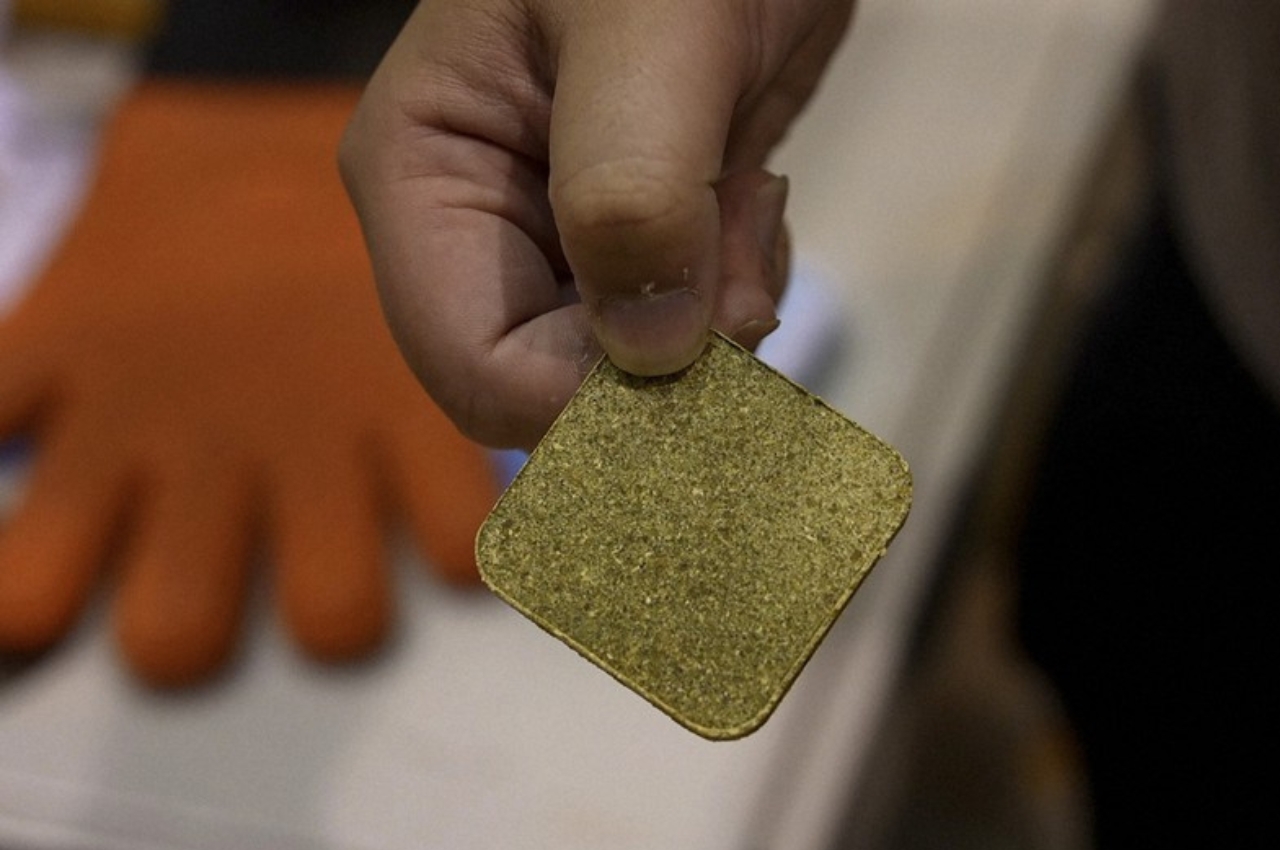
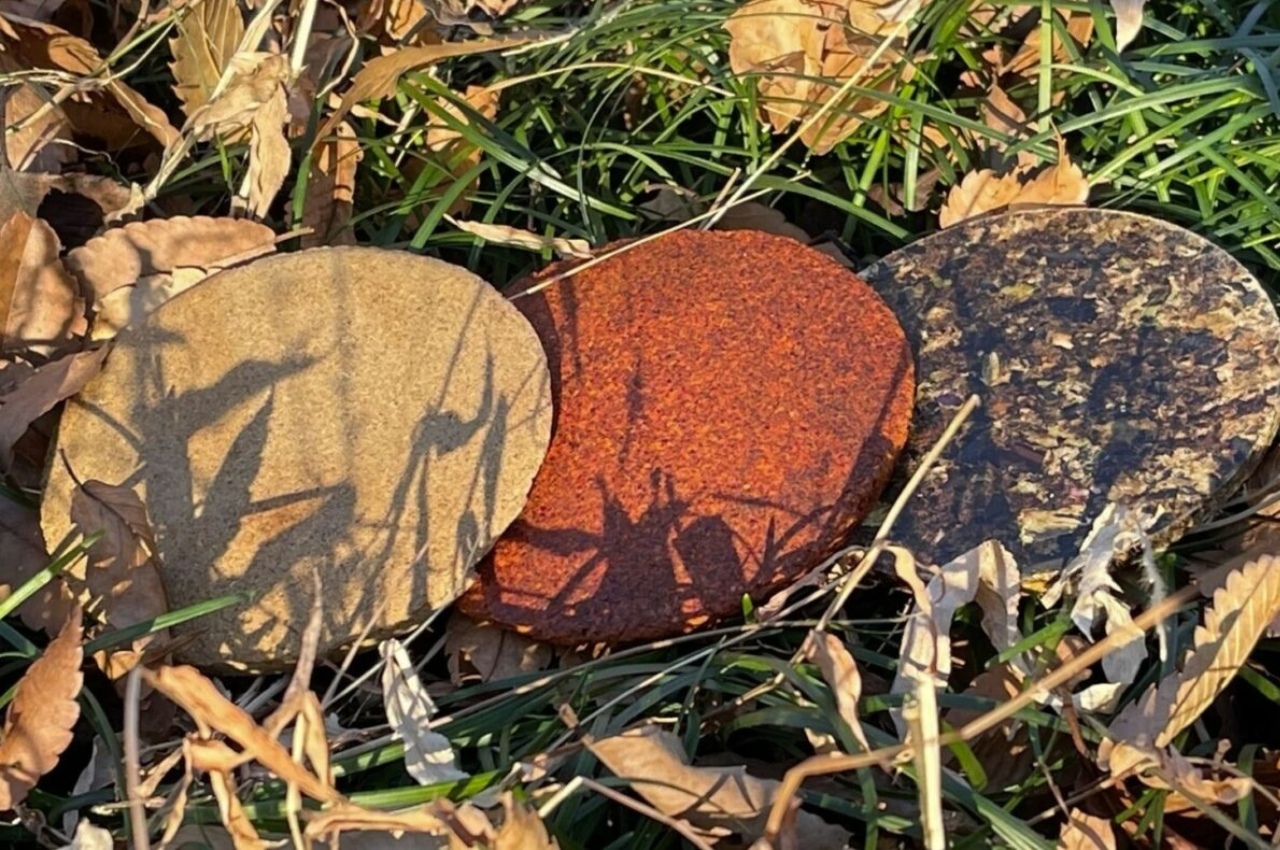
In this early stage of their experiment, they discovered that the material is actually able to avoid bending better than actual concrete and is three times stronger. It can also resist rot, fungi, and insects which is of course important for concrete aside from the bending strength. It is also edible, although that is probably not the most delicious or nutritious thing to consume.
With concrete being the highest-consumed product (aside from water) but also accounting for billions of tons of carbon dioxide release and food loss and waste accounting for a third of all food for human consumption, it would be a big help if this eventually becomes a fully-developed product. Even if it won’t be used for building construction, maybe there are other applications for concrete made from food-waste material.
The post Concrete made from food waste can be edible first appeared on Yanko Design.
Stainless steel trays represents “coexistence” kind of design

There are some every day items that I use that I don’t really think about the design principle behind them. Sometimes I don’t even think about the design itself as long as it does what it’s supposed to do. But maybe that’s why I’m not a product designer. Ever since I’ve been writing about them though, it has become more interesting to find out why such items are created the way they are, like these minimalist and simple-looking trays.

Designer Name: Irene Yeung (Derangedsign Co. Limited)

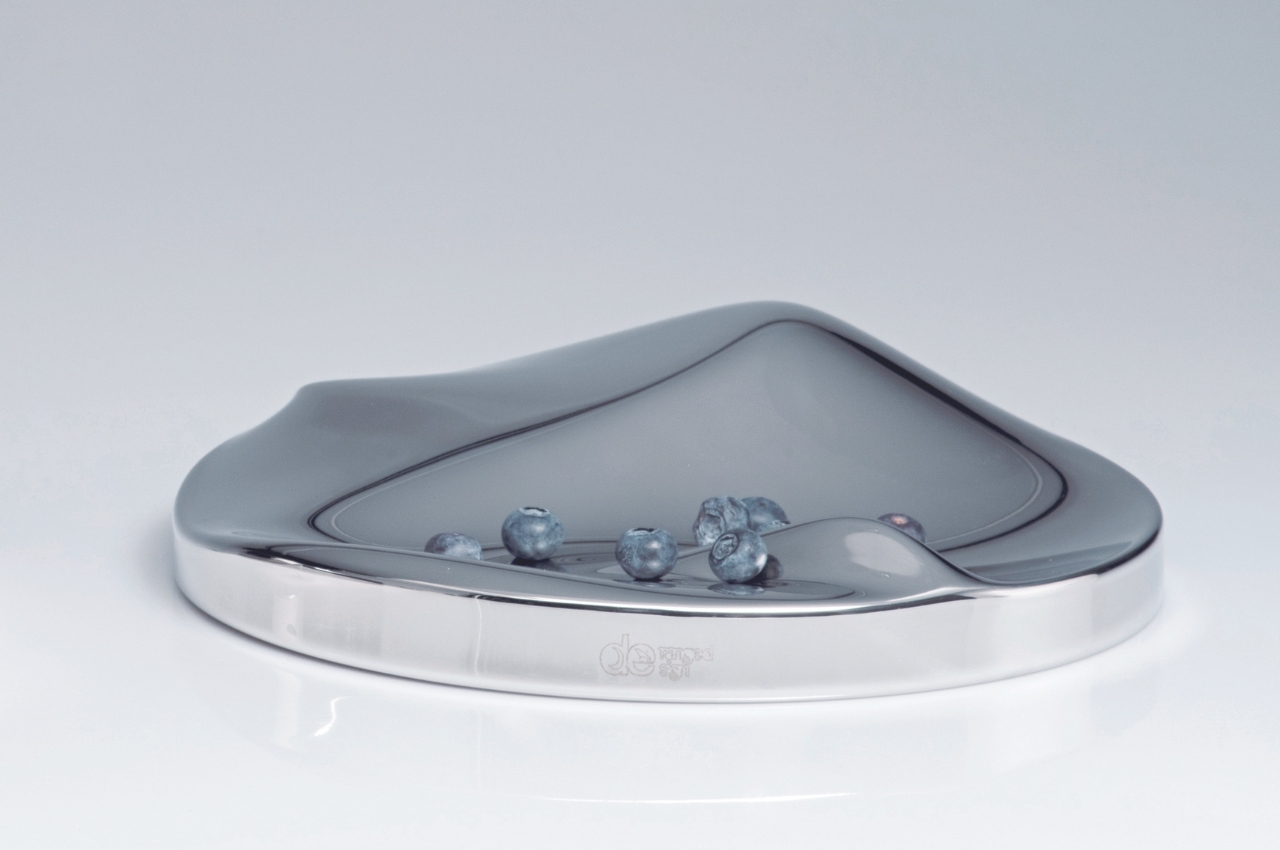
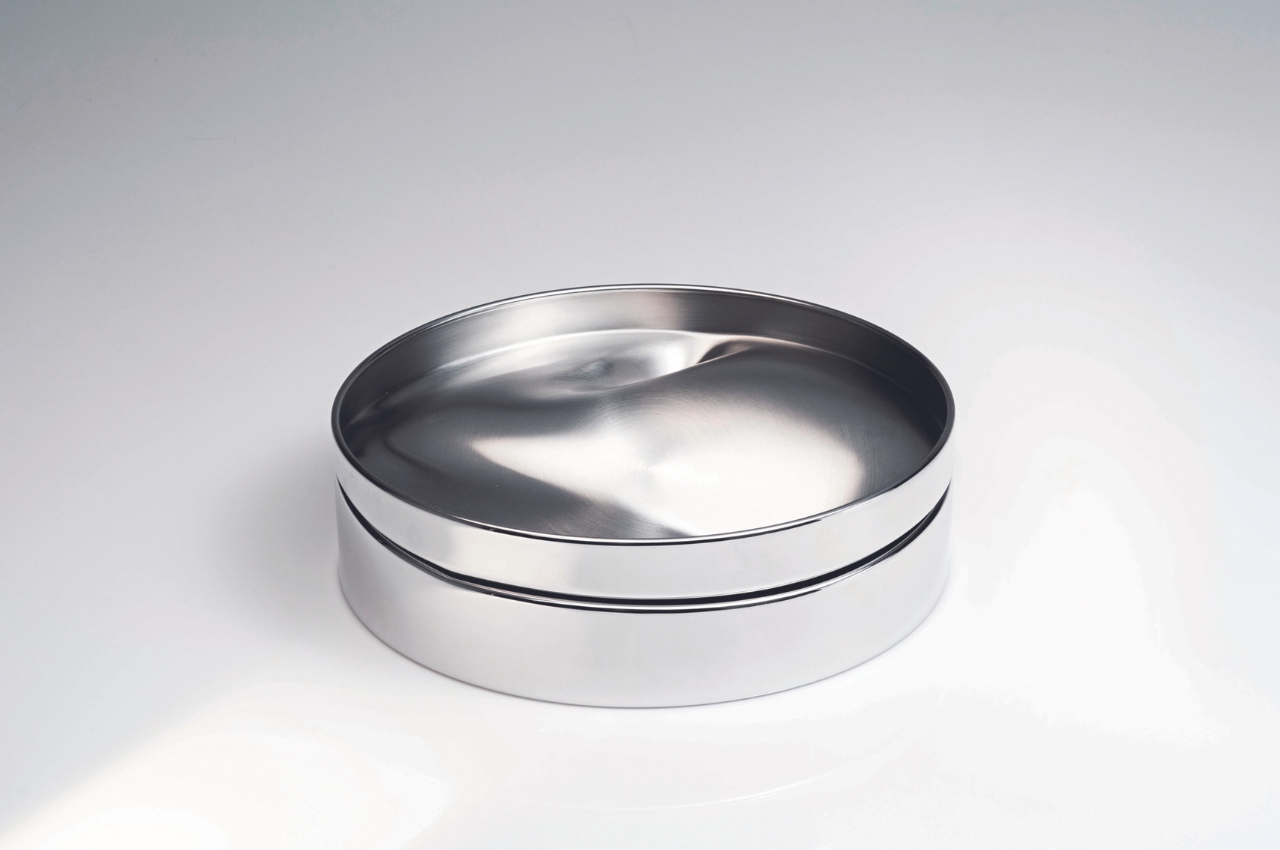
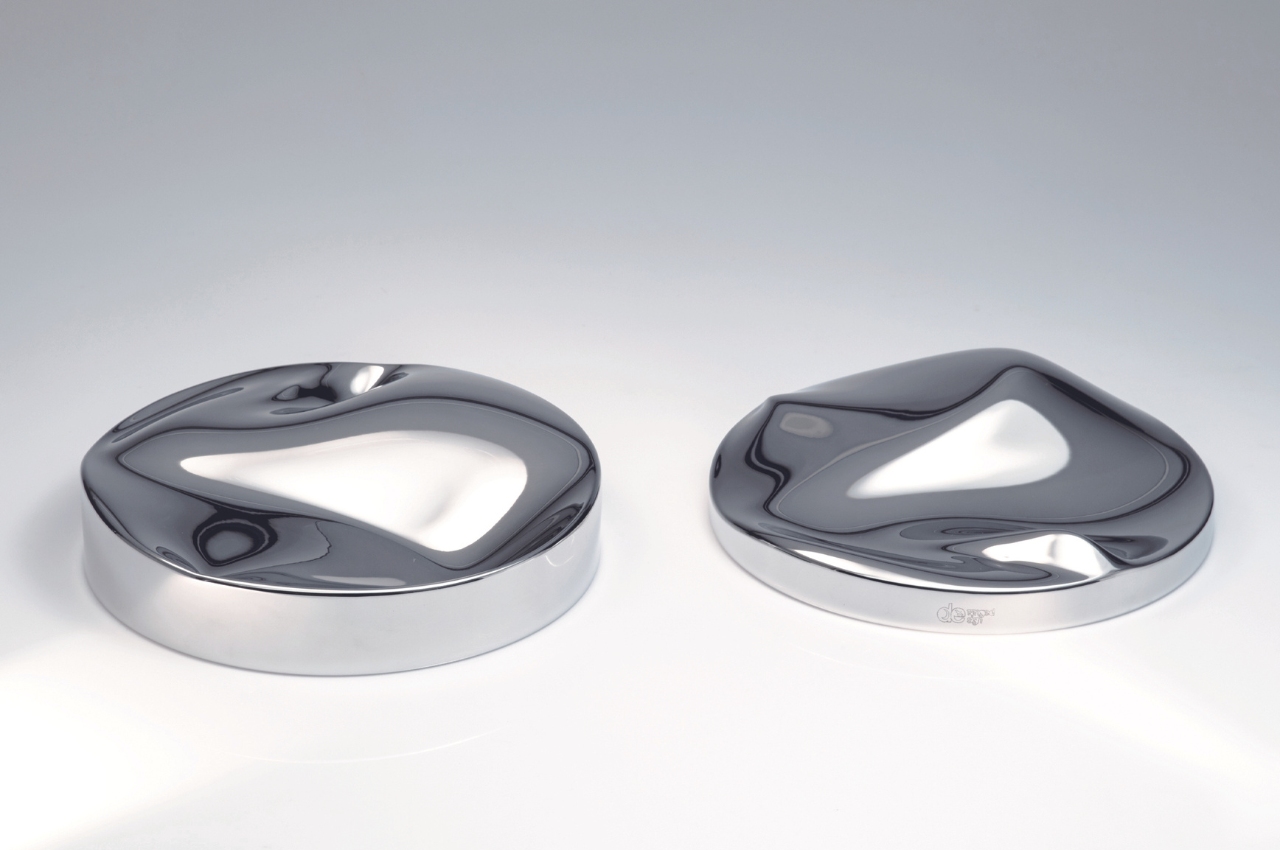
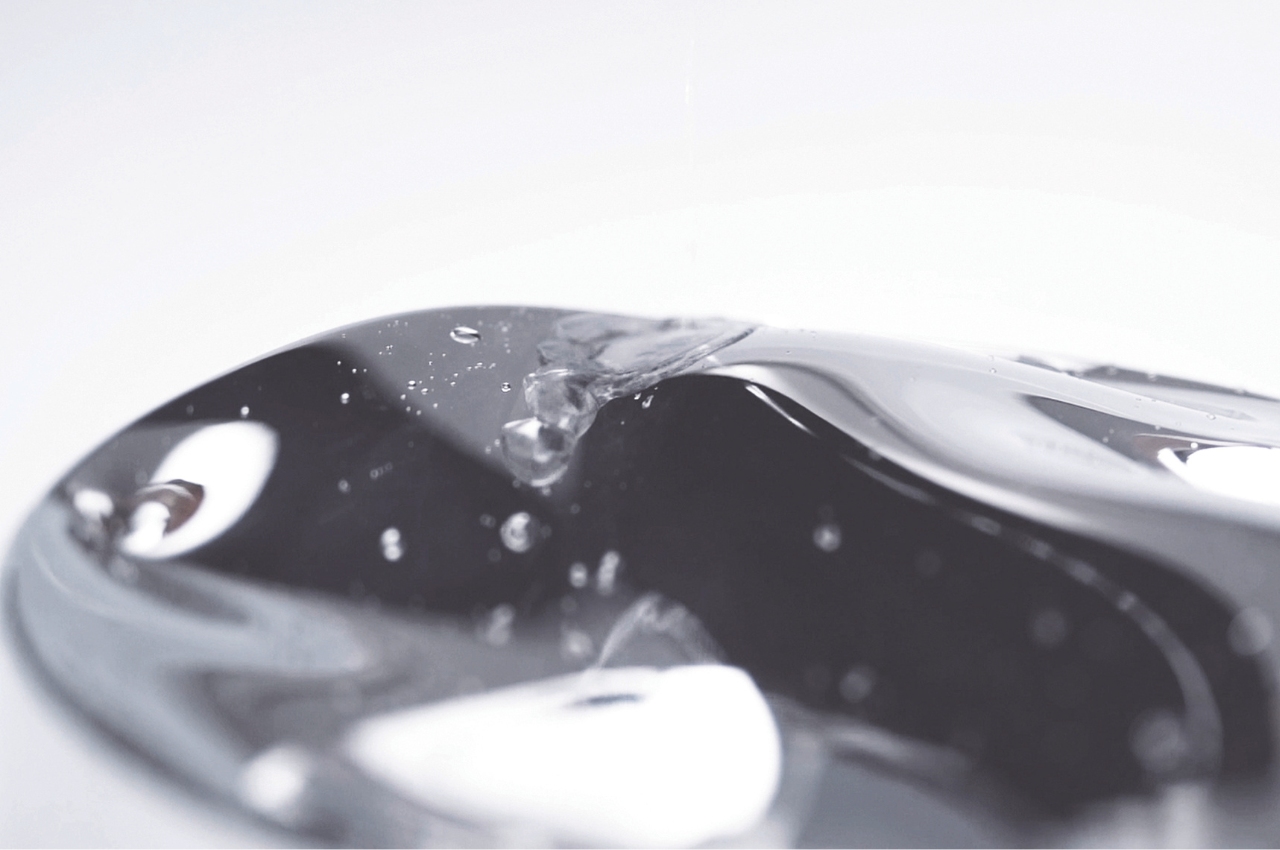
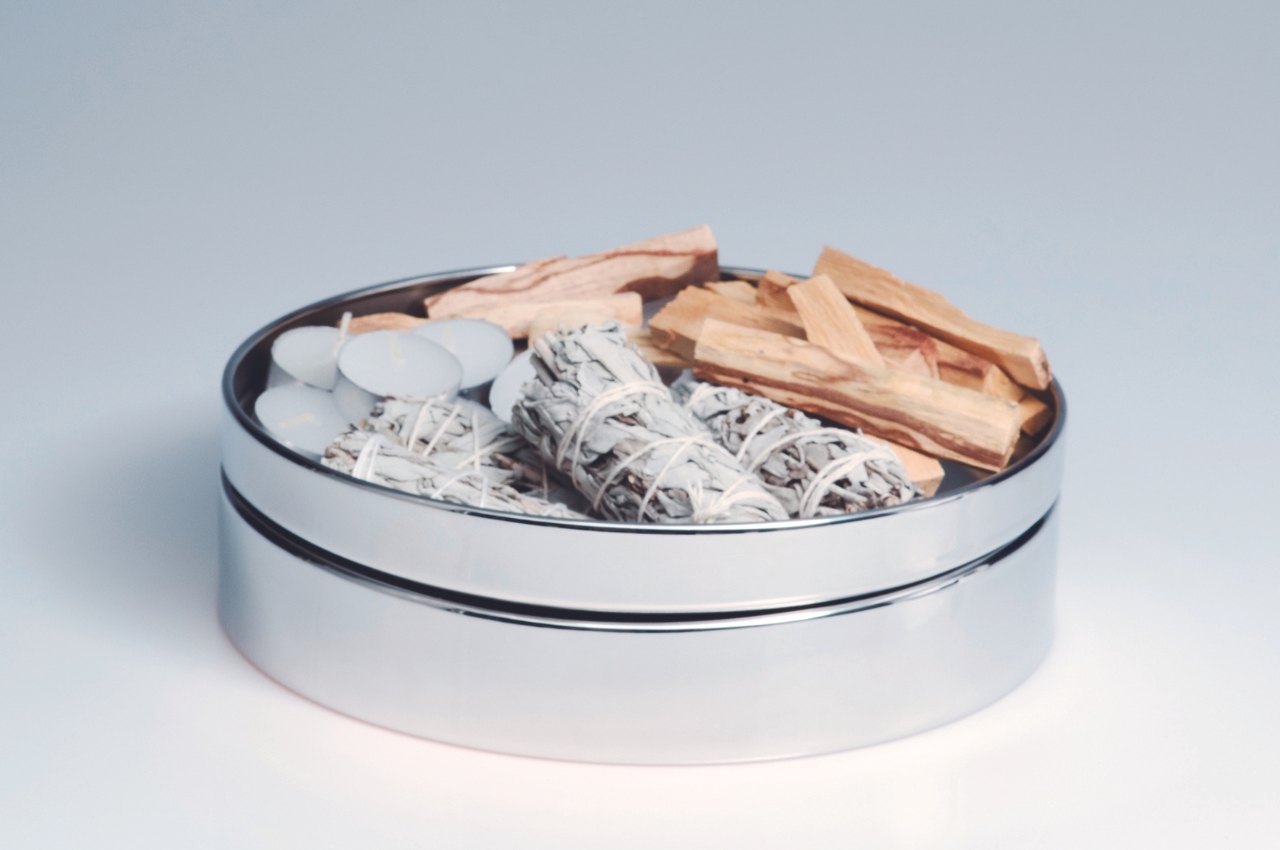
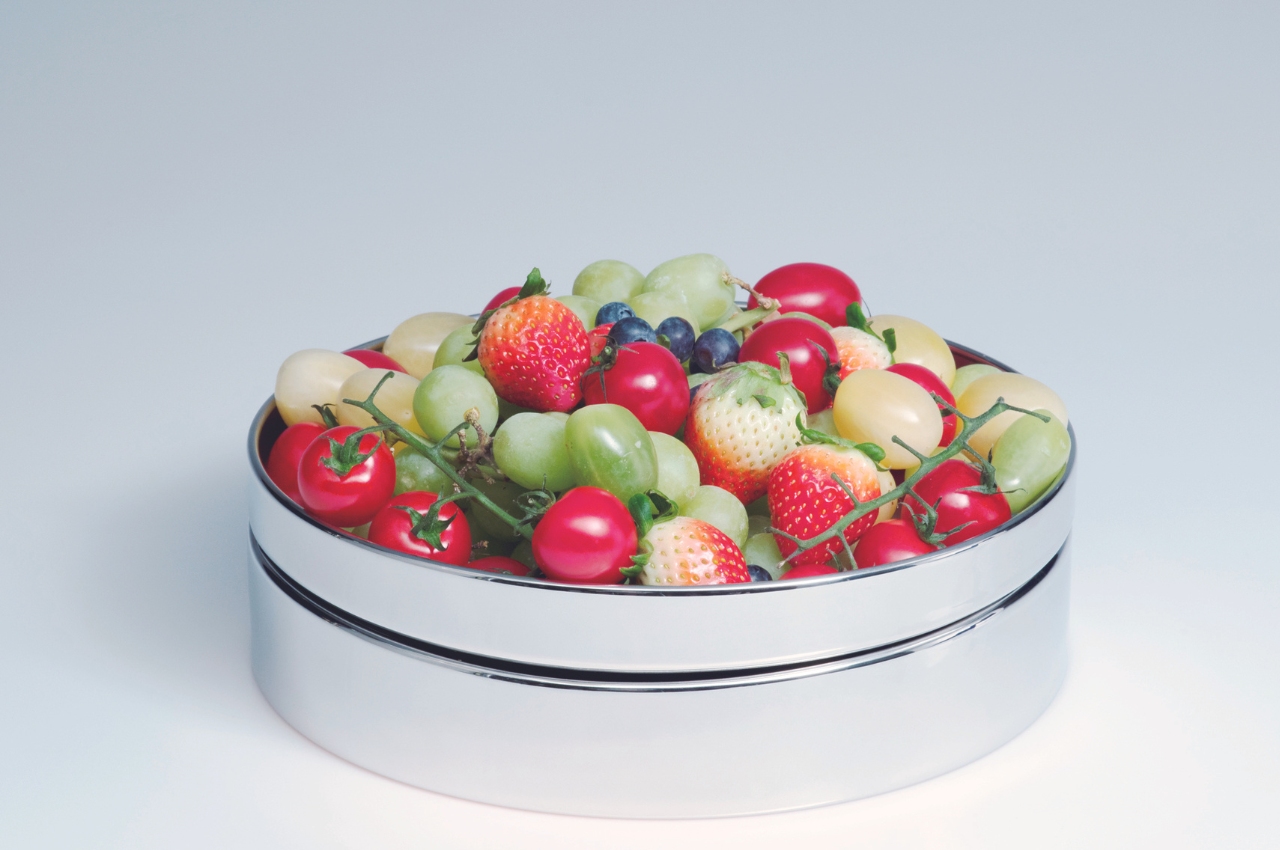
Coexistence is a concept for a stainless steel tray set that takes its inspiration from the ancient philosophical theory “The Sky and Earth Coexist”. It basically says that things are relative to each other like the sky and earth, light and dark, etc. Basically, it’s made up of two tabletop trays that are circular but with landscape or waving surfaces to make it also look like art sculpture.

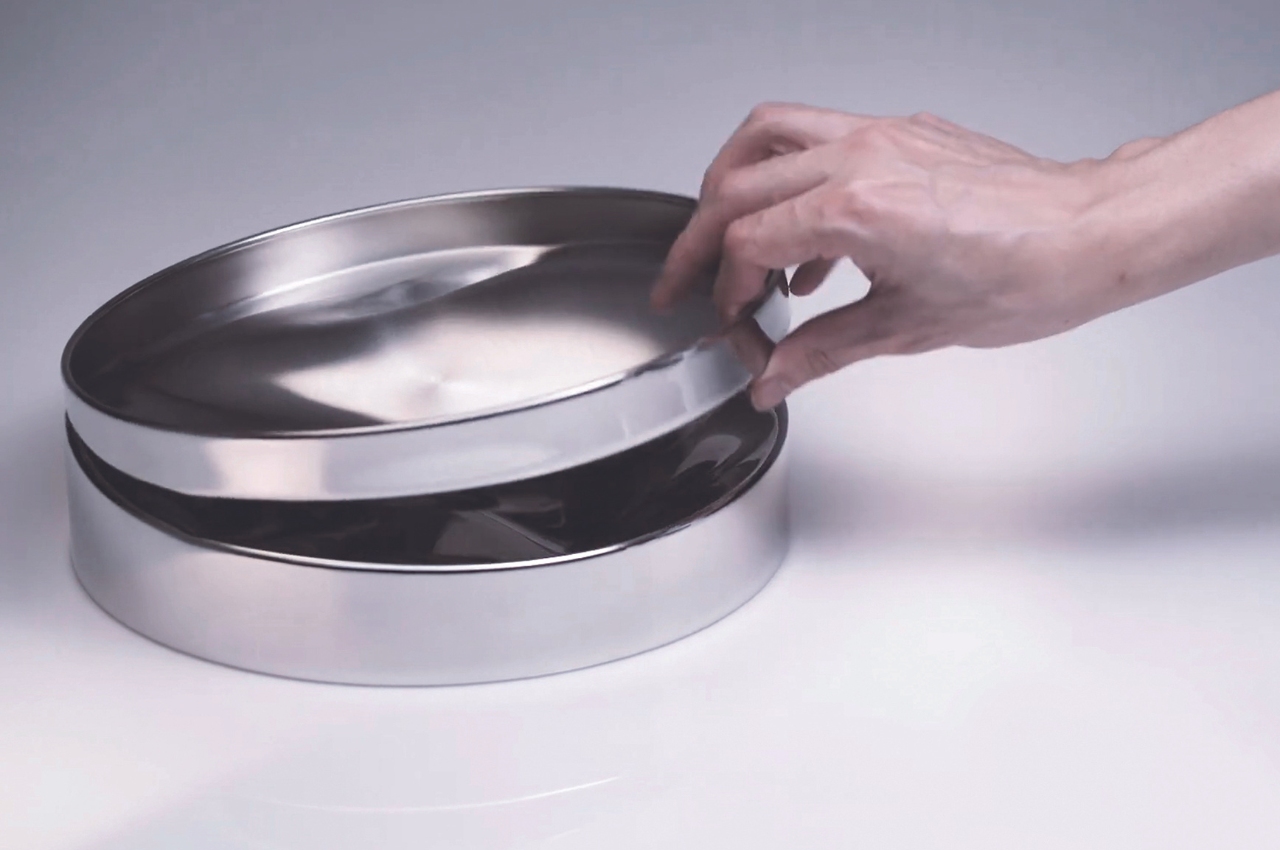
Each tray can be used individually if you need two trays for serving food or for putting stuff on your table. They can also be set upside-down on top of each other in different variations and depending which surface you want to use as a tray. The designer says it can also become one large tray although the product renders don’t show how it can be combined into that variation.

The stainless steel trays have a crisp, mirror finish so if that’s the aesthetic of your dining table or your living space, it should fit right in. The mold they used was specifically designed to make 2 trays so it’s really meant to show the connected duality that the design principle is based on.

The post Stainless steel trays represents “coexistence” kind of design first appeared on Yanko Design.

Stackable, plastic stool is colorful short-term multi-functional seat

Because of my bad back, I am not that much a fan of stools. But there are times that it’s the most practical (and only available) kind of seating especially if you live in Asia. On our side of the world, it’s often used for short-term use at places like street food stalls, markets, and corner pubs. There’s always room for well-designed stools that may also serve other purposes aside from sitting on it.

Designer Name: Sheng-Wen, Wang

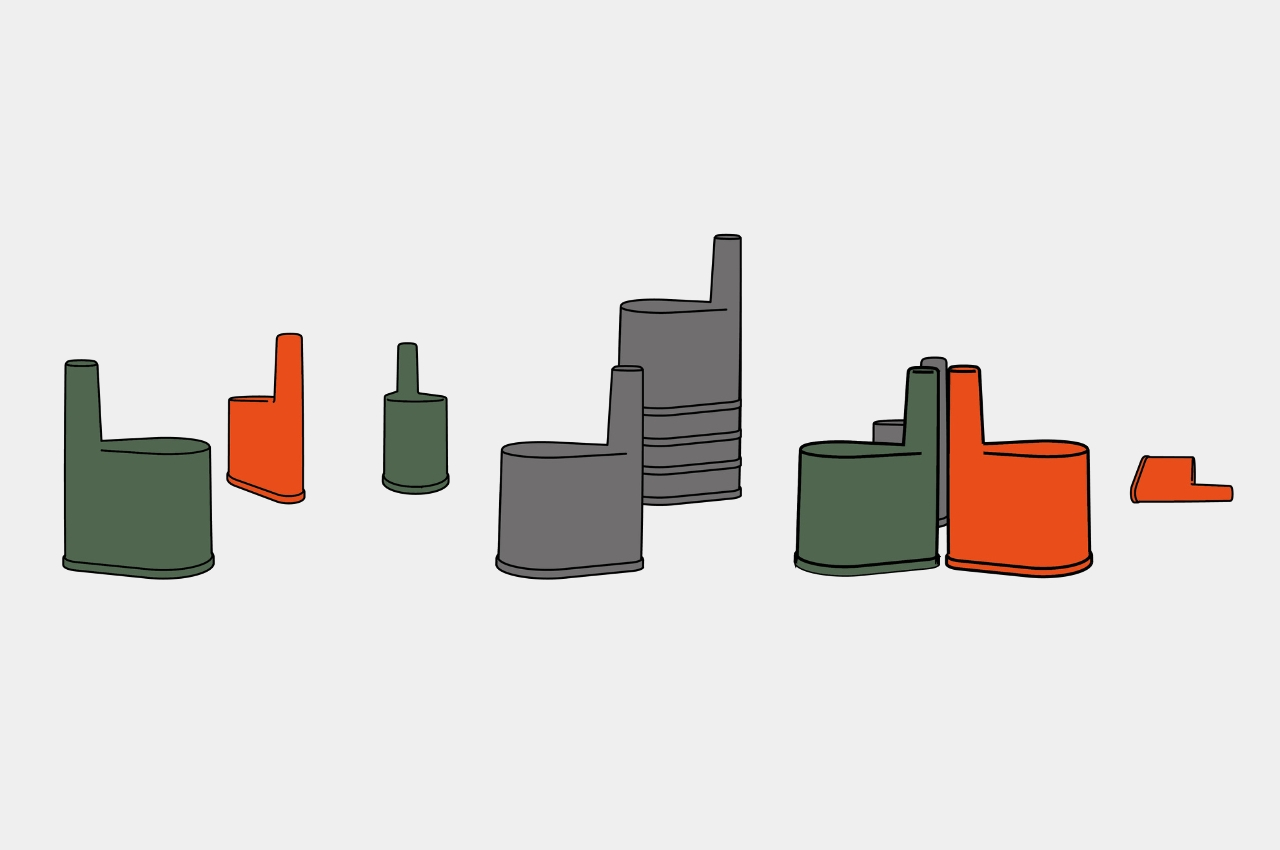
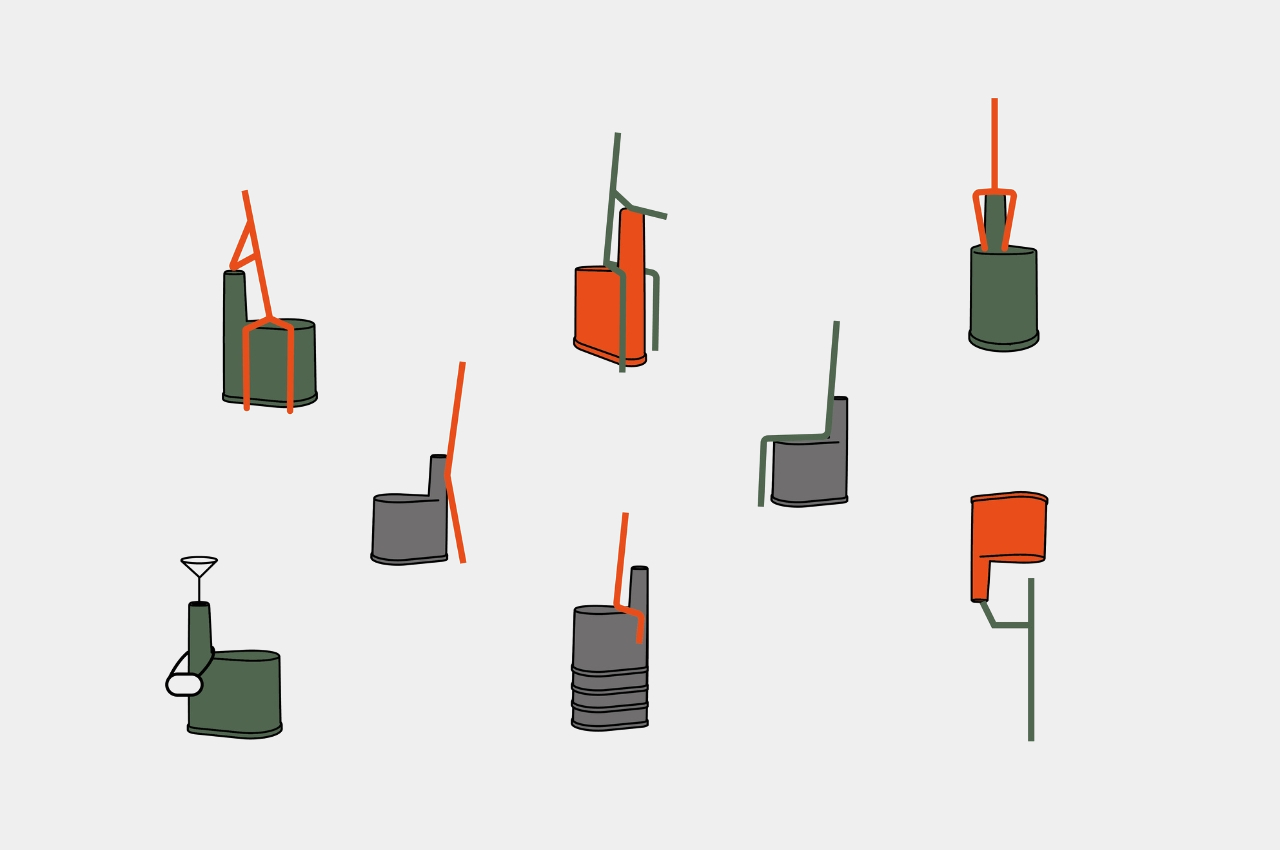
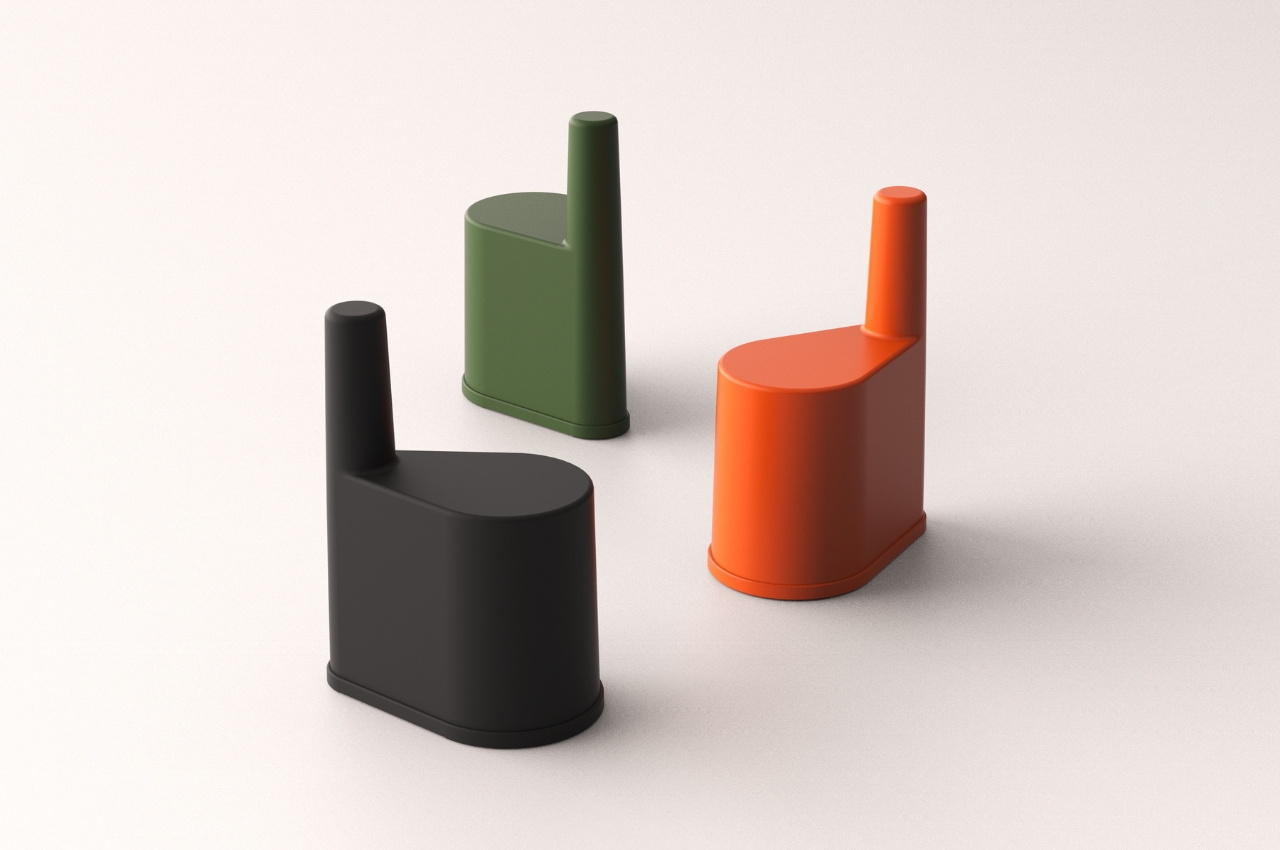
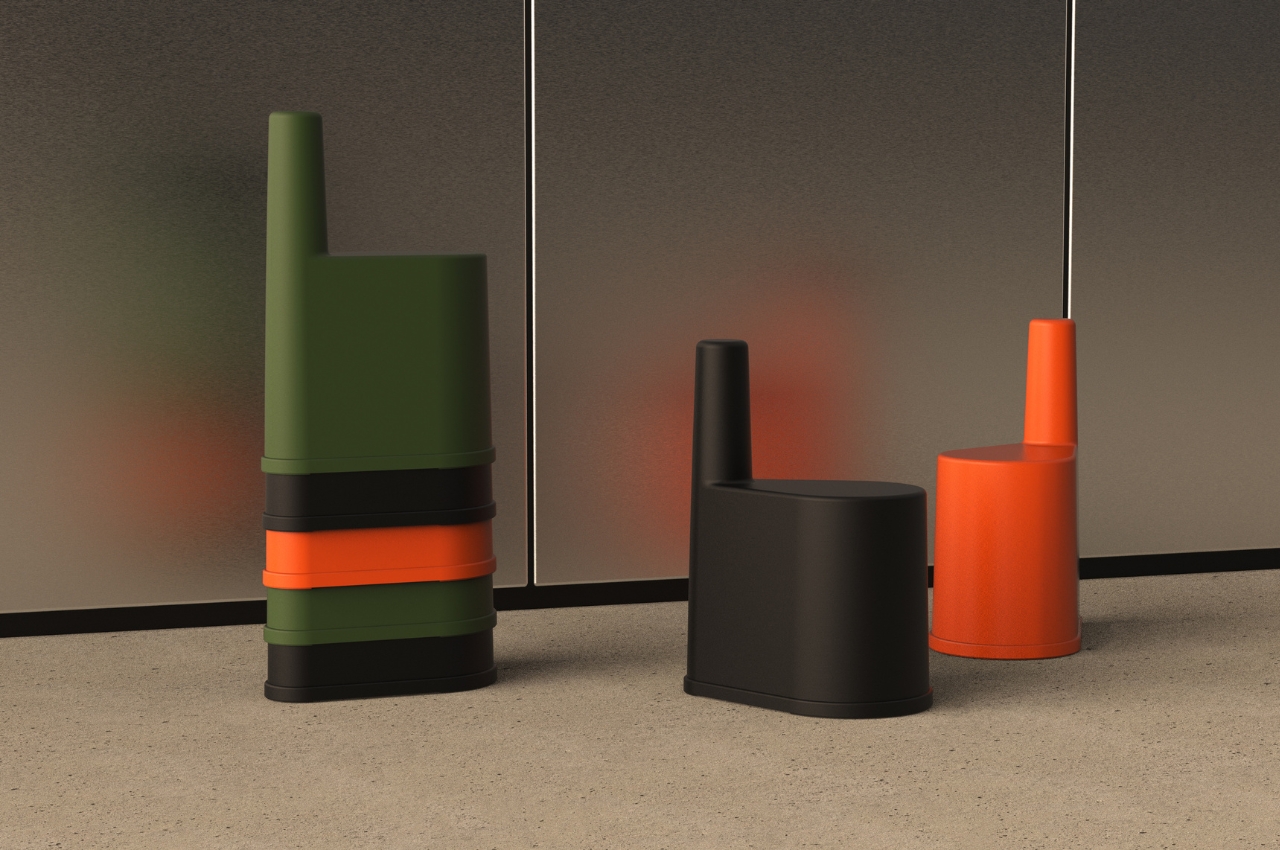
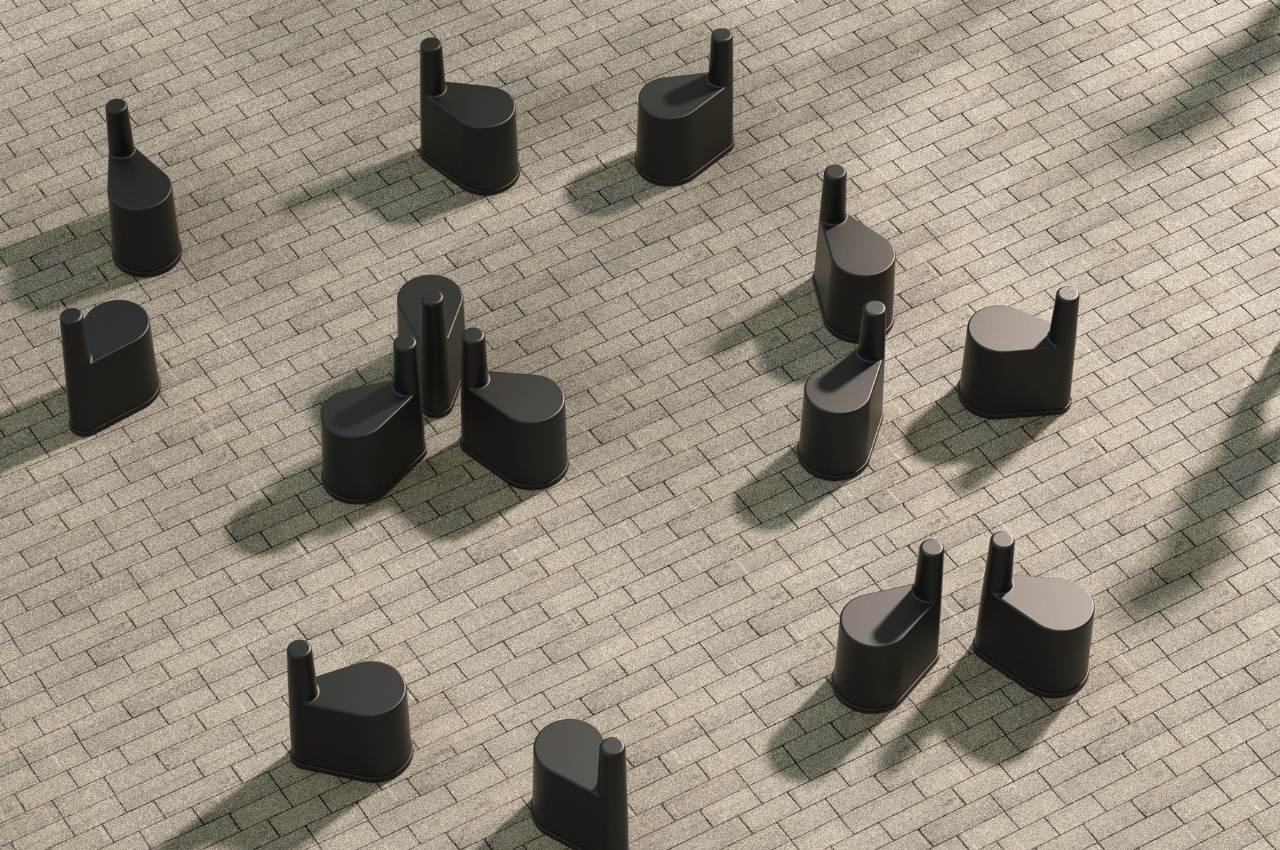
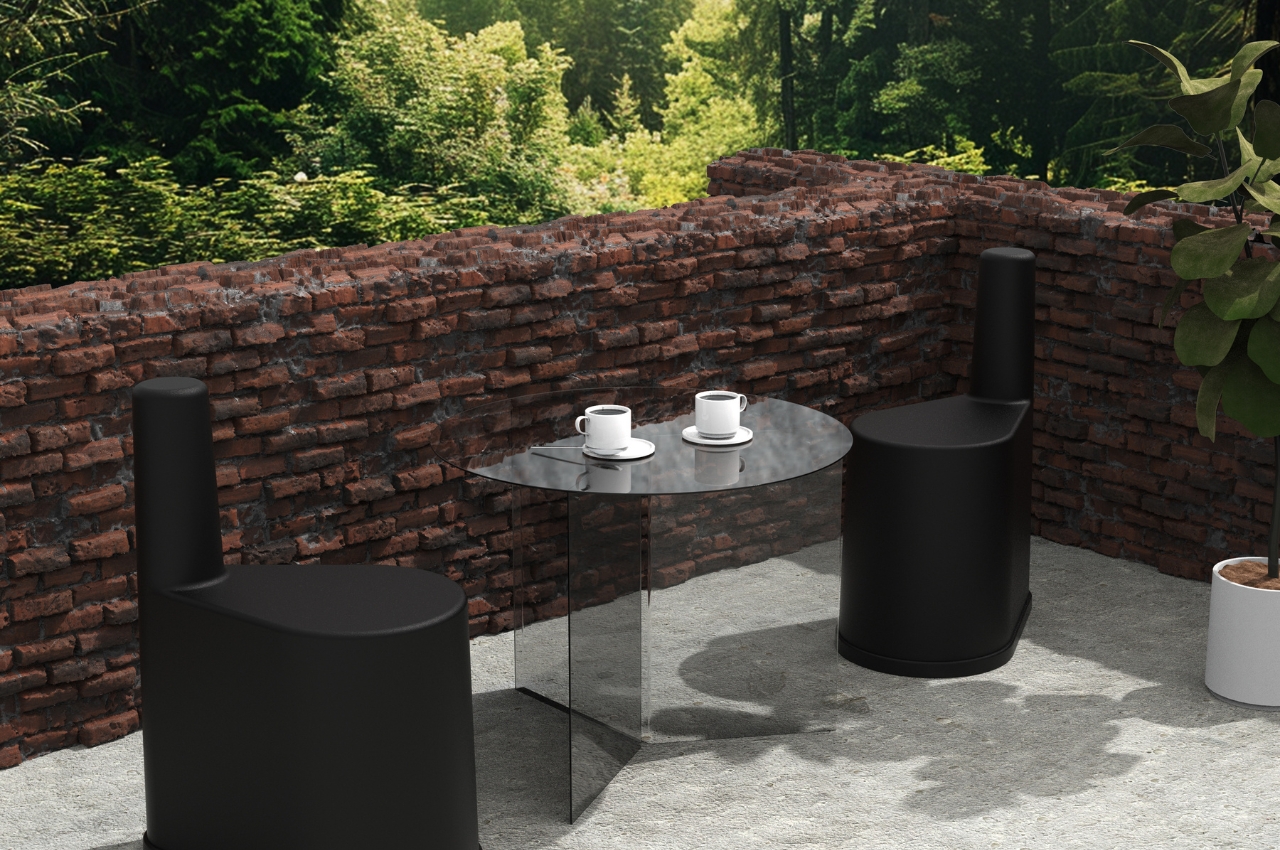
StOol is a concept for stools that are meant for short-term use. The seat has a fan-shaped design with a stem-like backrest. It is meant for areas with minimal space and They are easily stackable so it’s easy to put them away and get them out for places that also have small storage spaces. They are made from polypropylene plastic so you can use them indoor and outdoor as well.

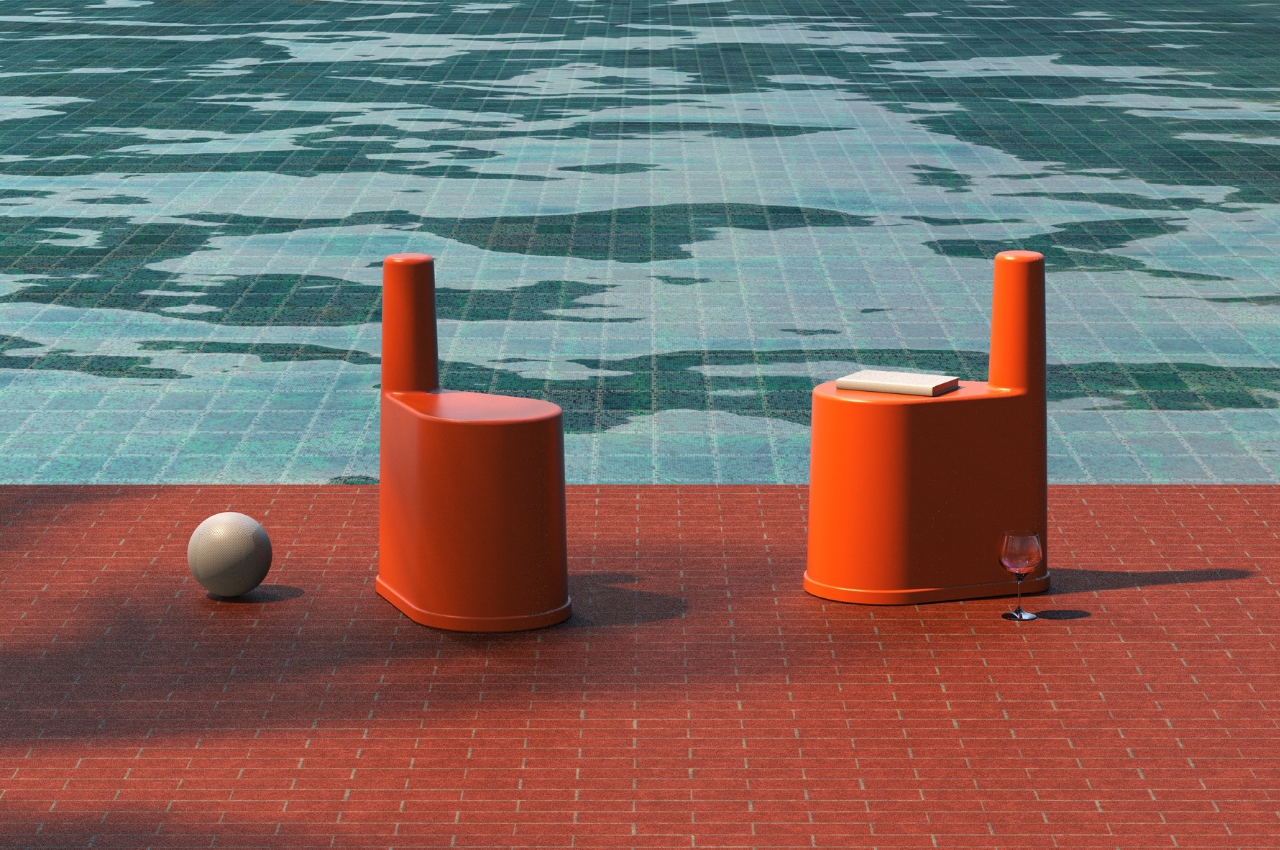
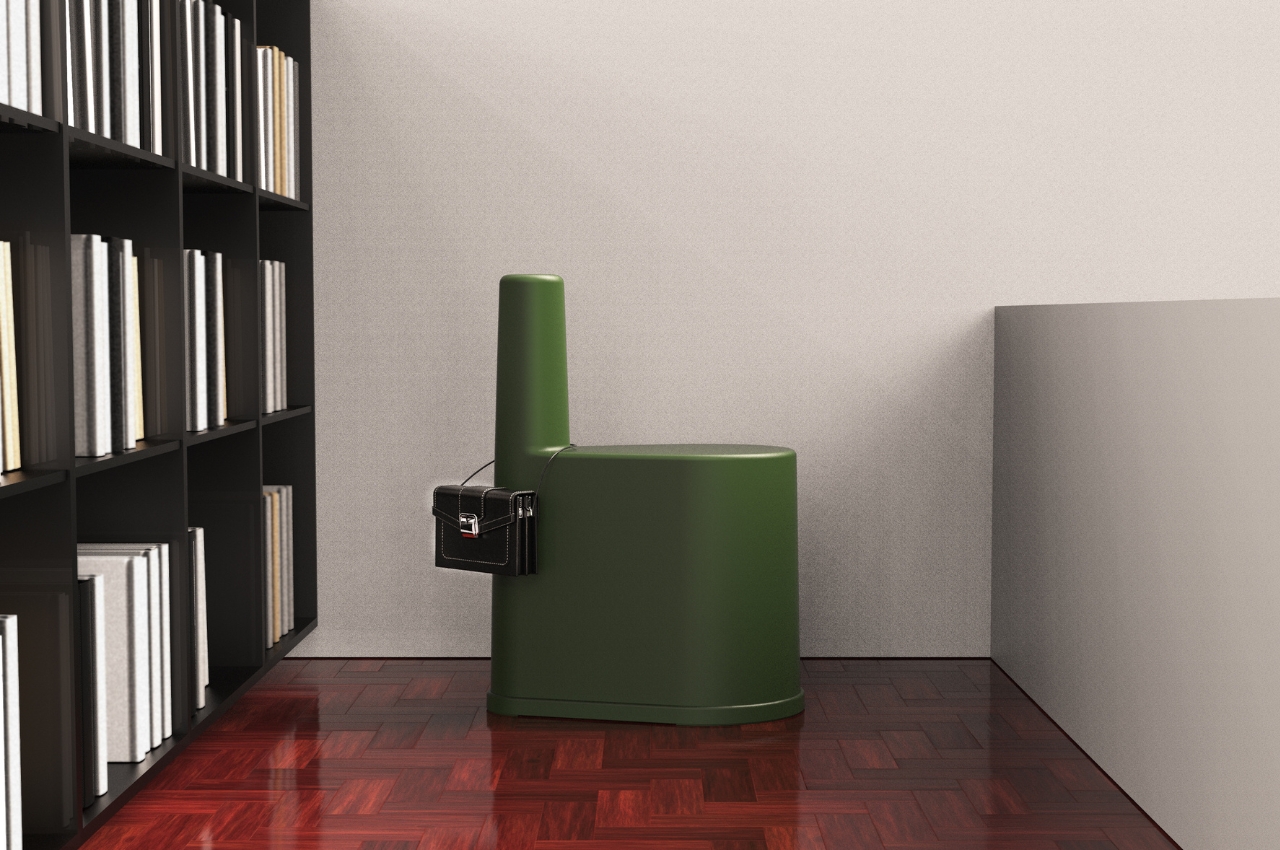
With the way it’s designed, you can also use the stool for other purposes. Those standing can use it as backrest or armrest. The surface of the stool can also be used to place items if you need a sort of side table. It can also be used as support for hanging objects. There can also be many colors available so it can add a splash of color to your space.

It may not seem the most comfortable place to sit on, especially for people like me who may need a sturdier backrest. But for short-term use and for small spaces, it may be an ideal kind of furniture to have.

The post Stackable, plastic stool is colorful short-term multi-functional seat first appeared on Yanko Design.

Crayons from Japan’s recycled trees highlights the country’s forests

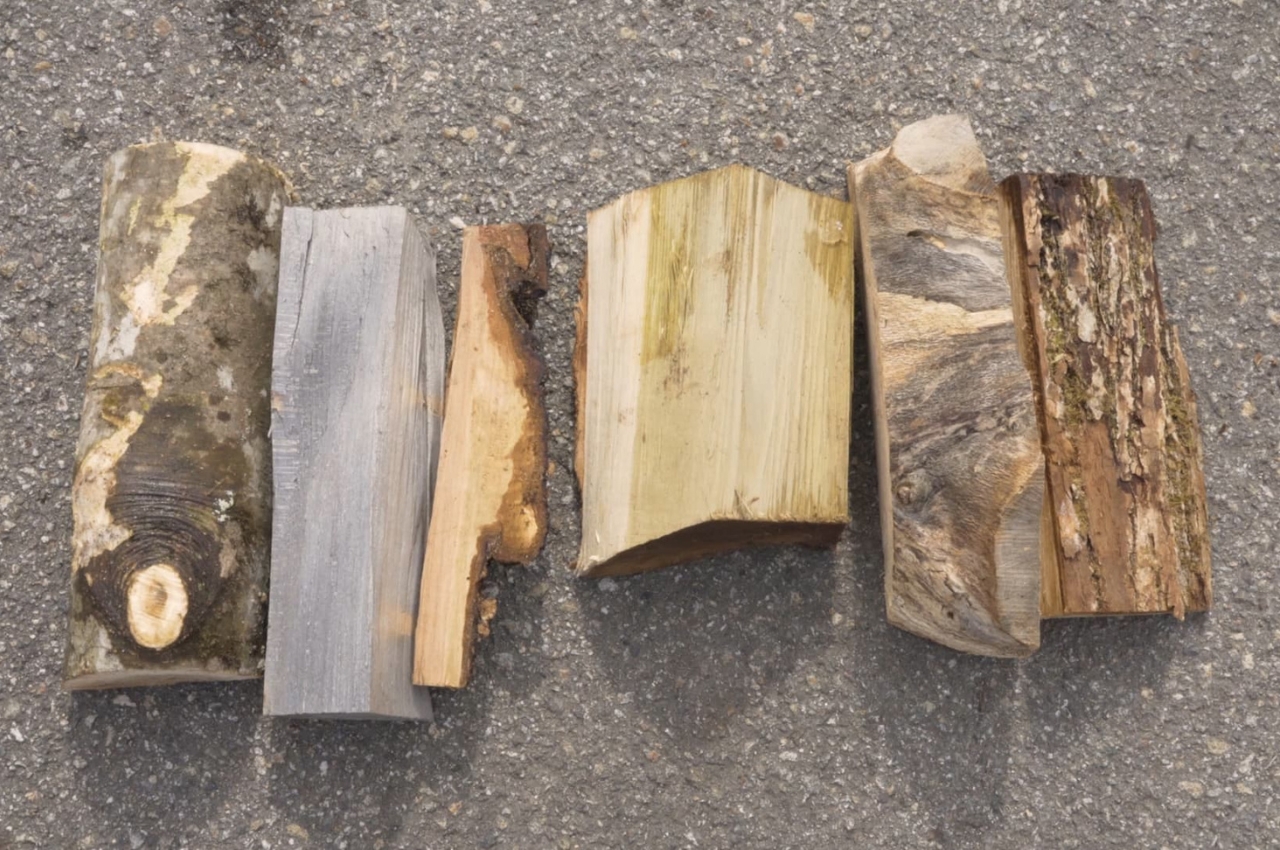
When you think of wood, the color that immediately comes to mind is brown since that’s what most of us have seen in the trees near our abodes or even when we travel. But it’s not the only color that we can extract from it, specifically from various species of forest trees. With 2//3 of Japan covered with trees and a lot of these forests remaining unharvested and unmaintained, it’s interesting to see what sustainable products can be made out of these trees.

Designer Name: Playfool

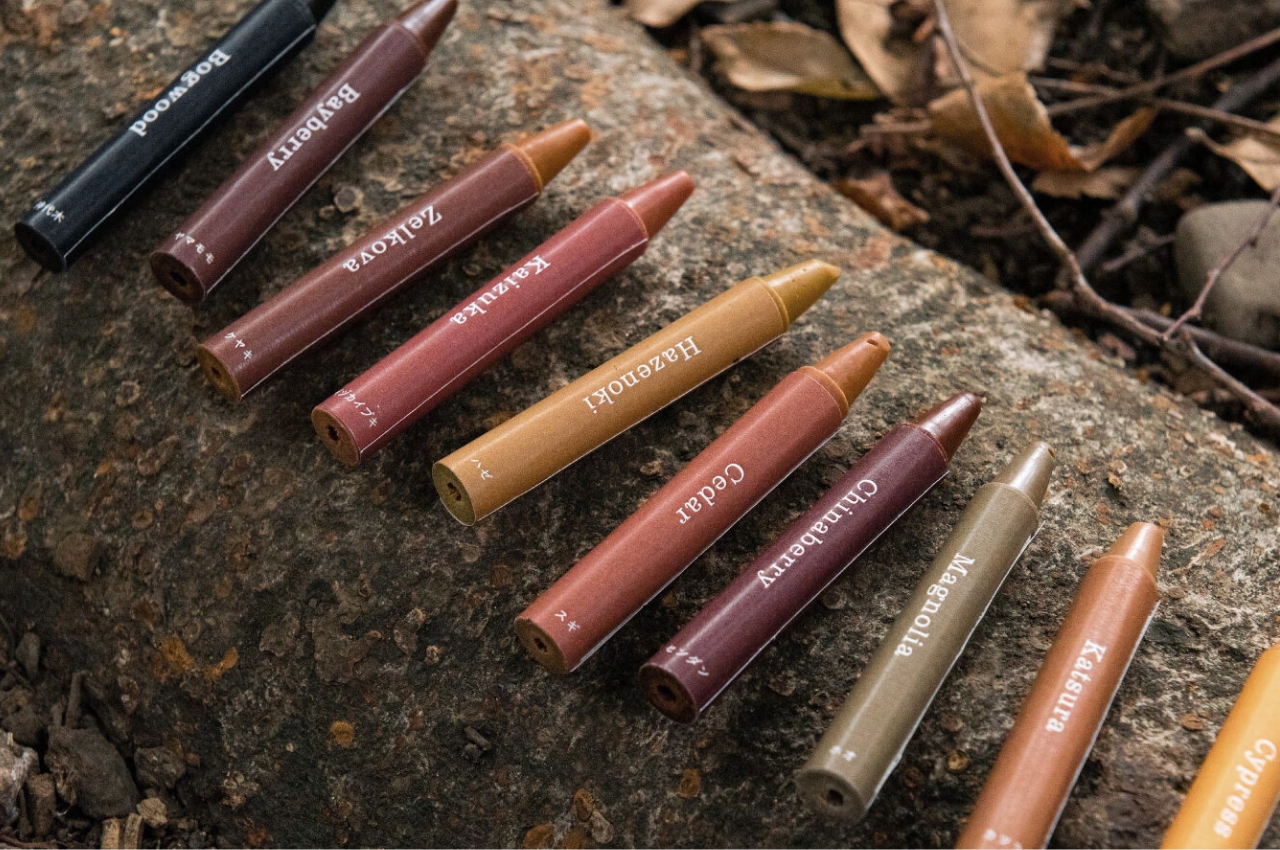
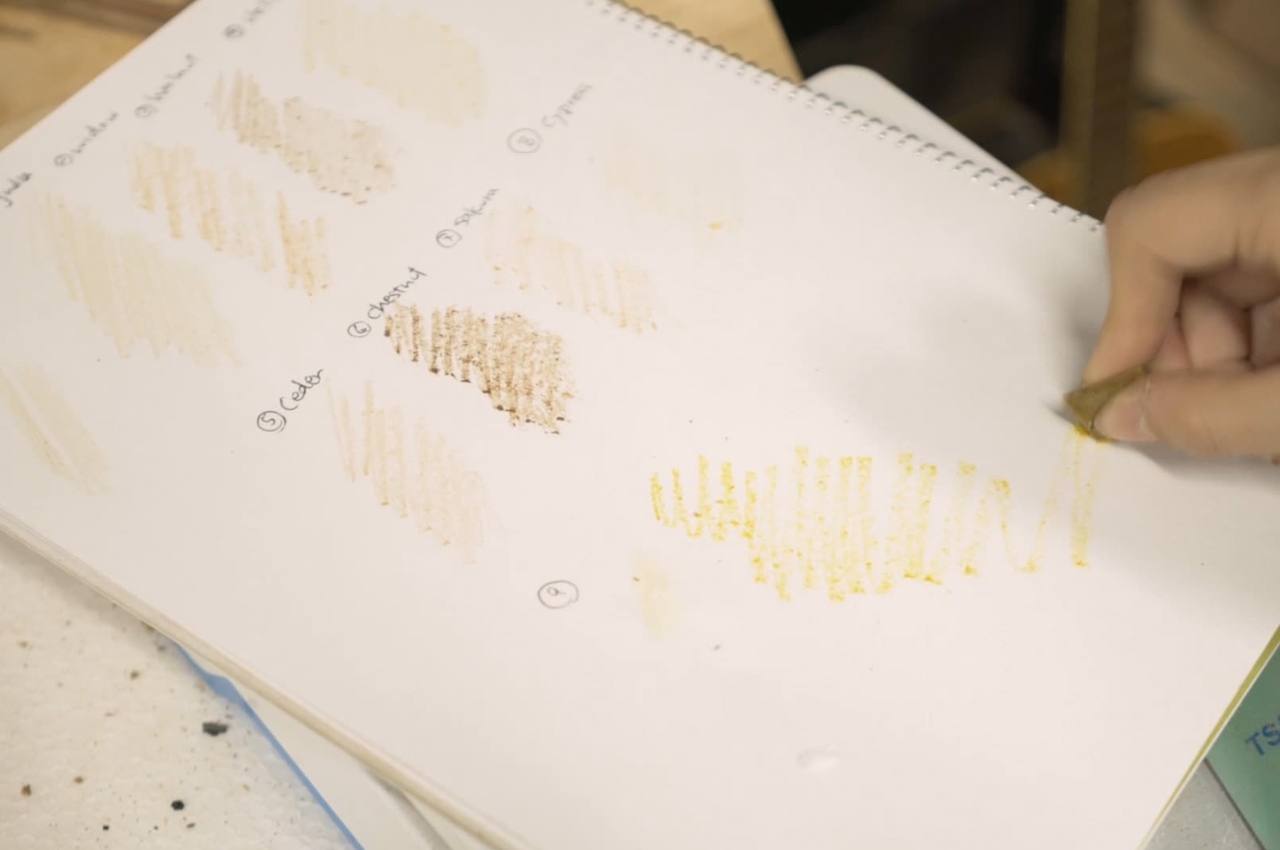
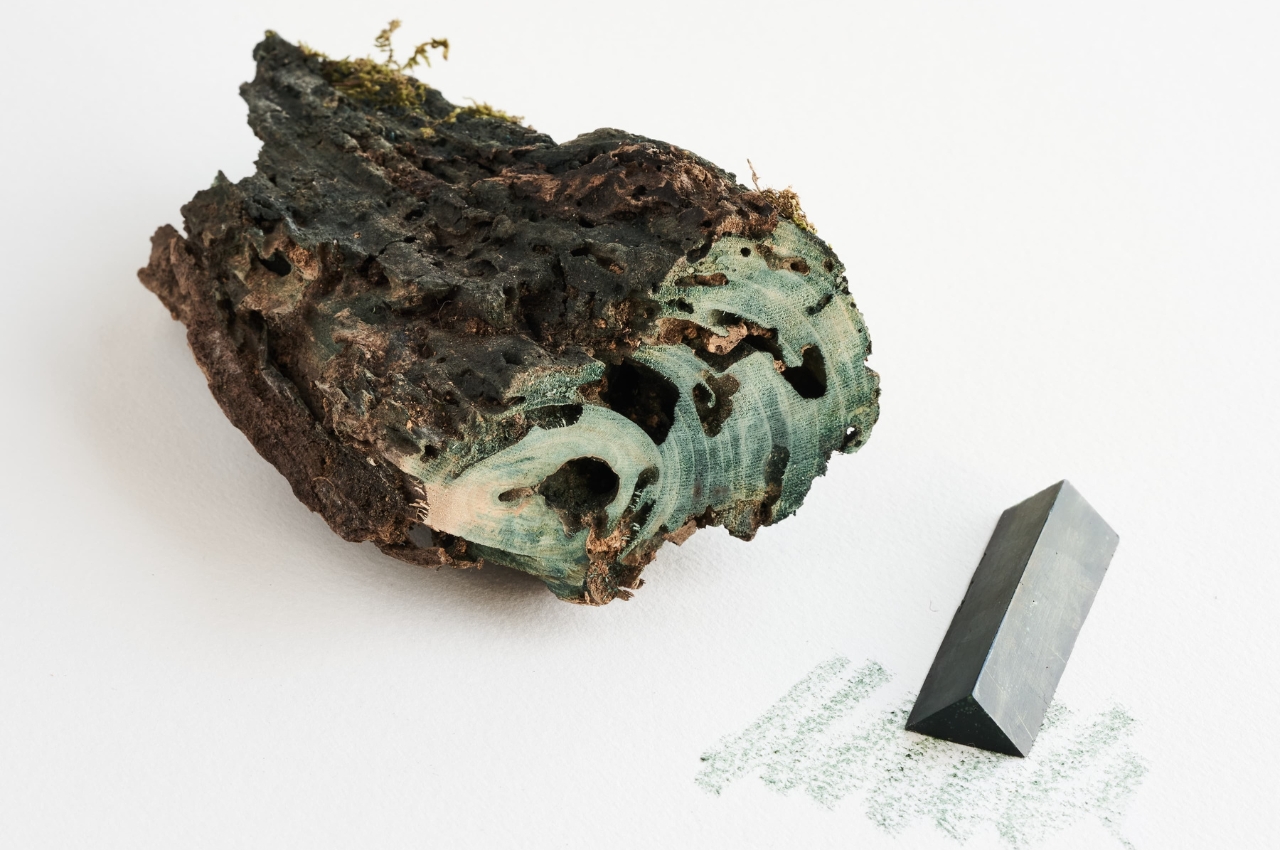
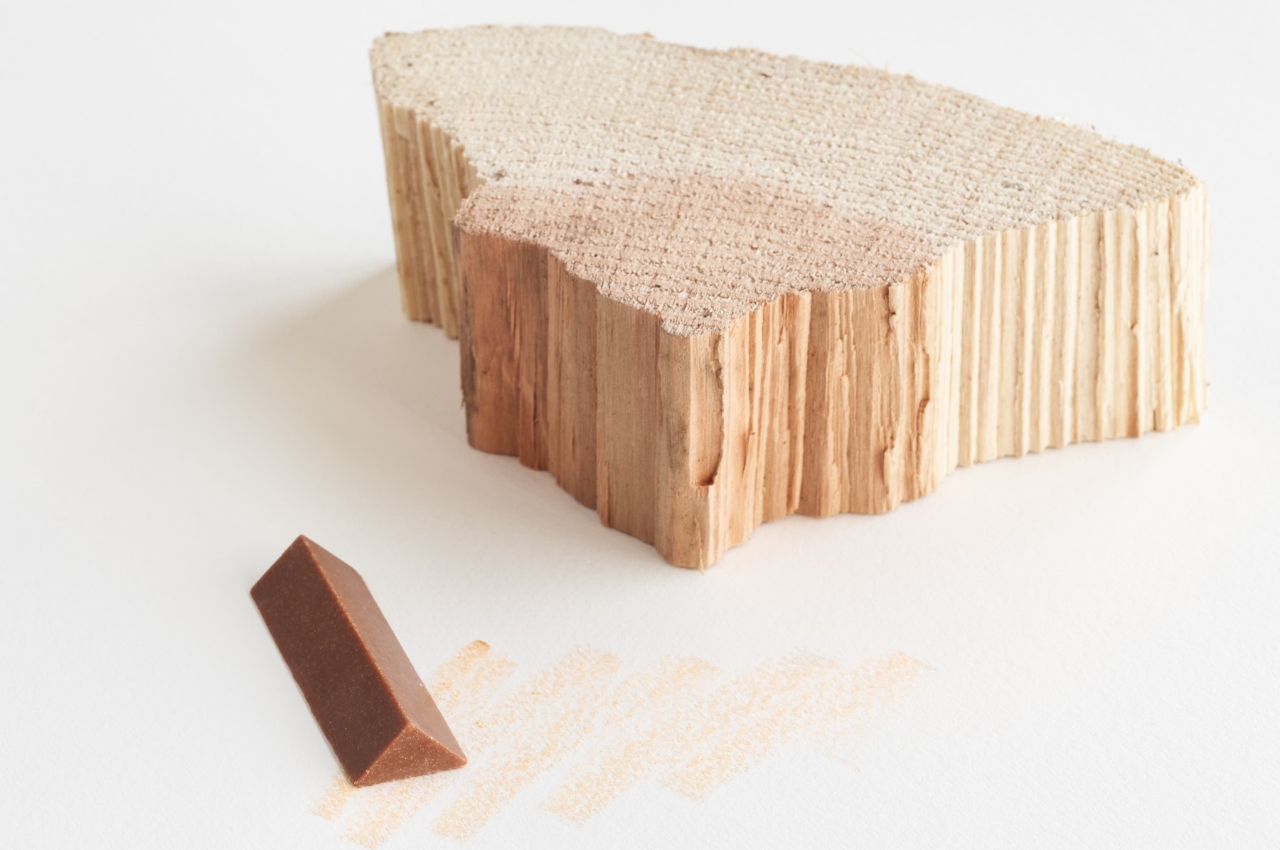
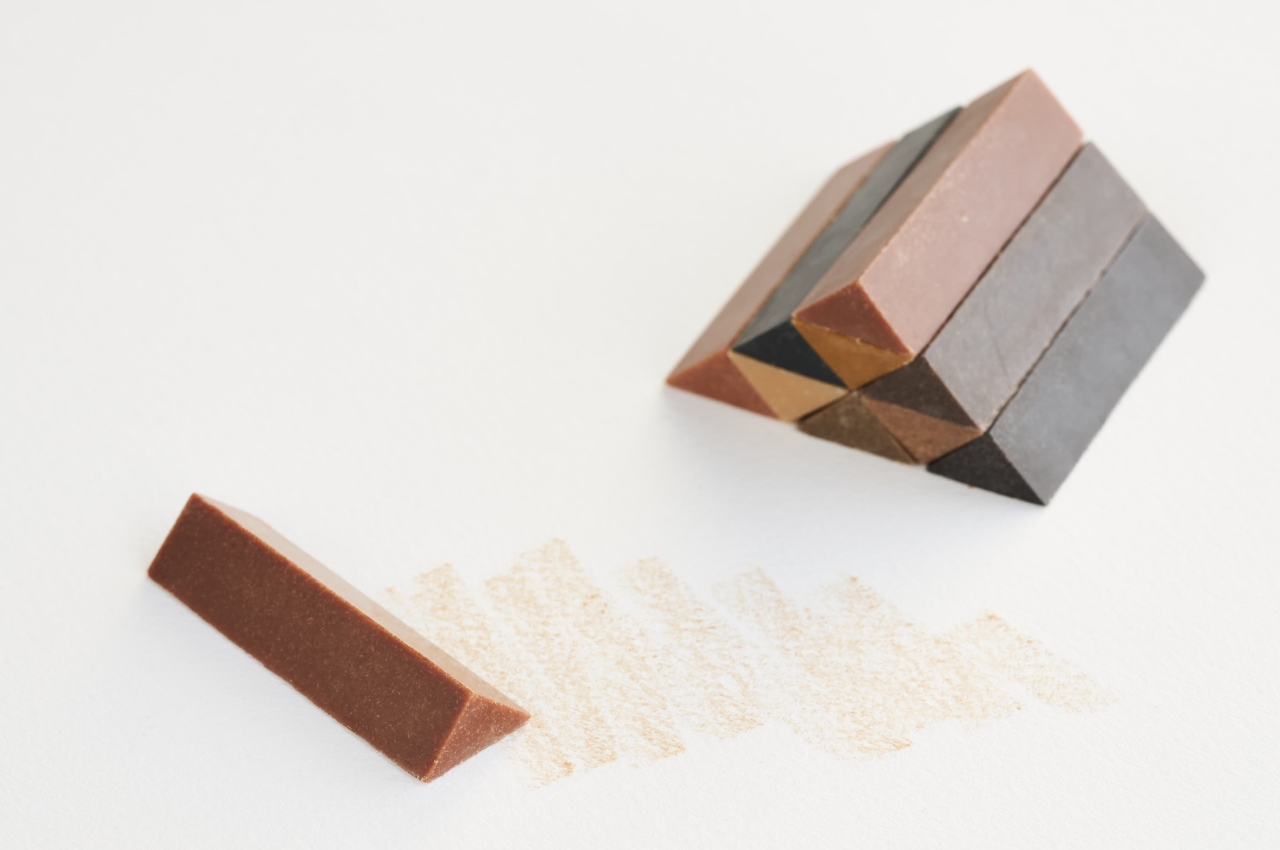
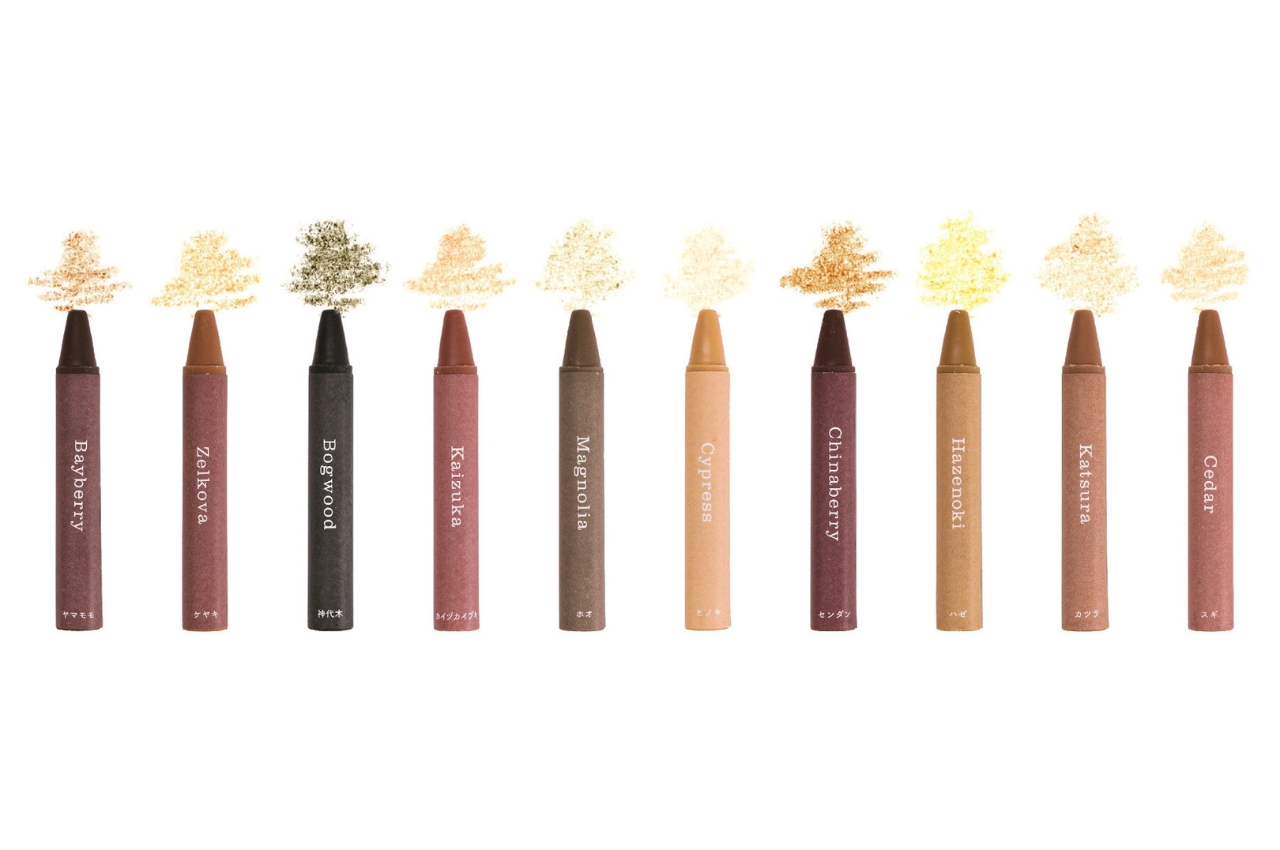
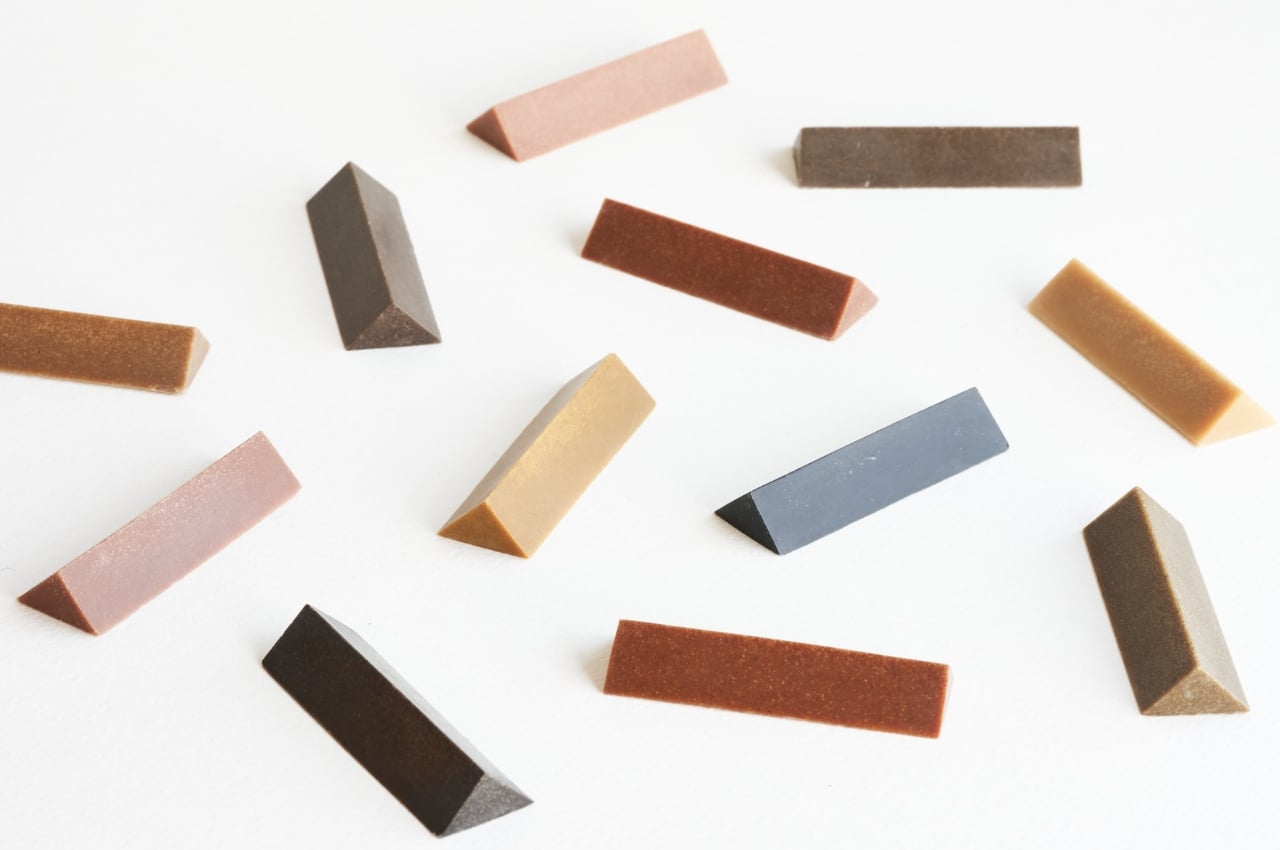
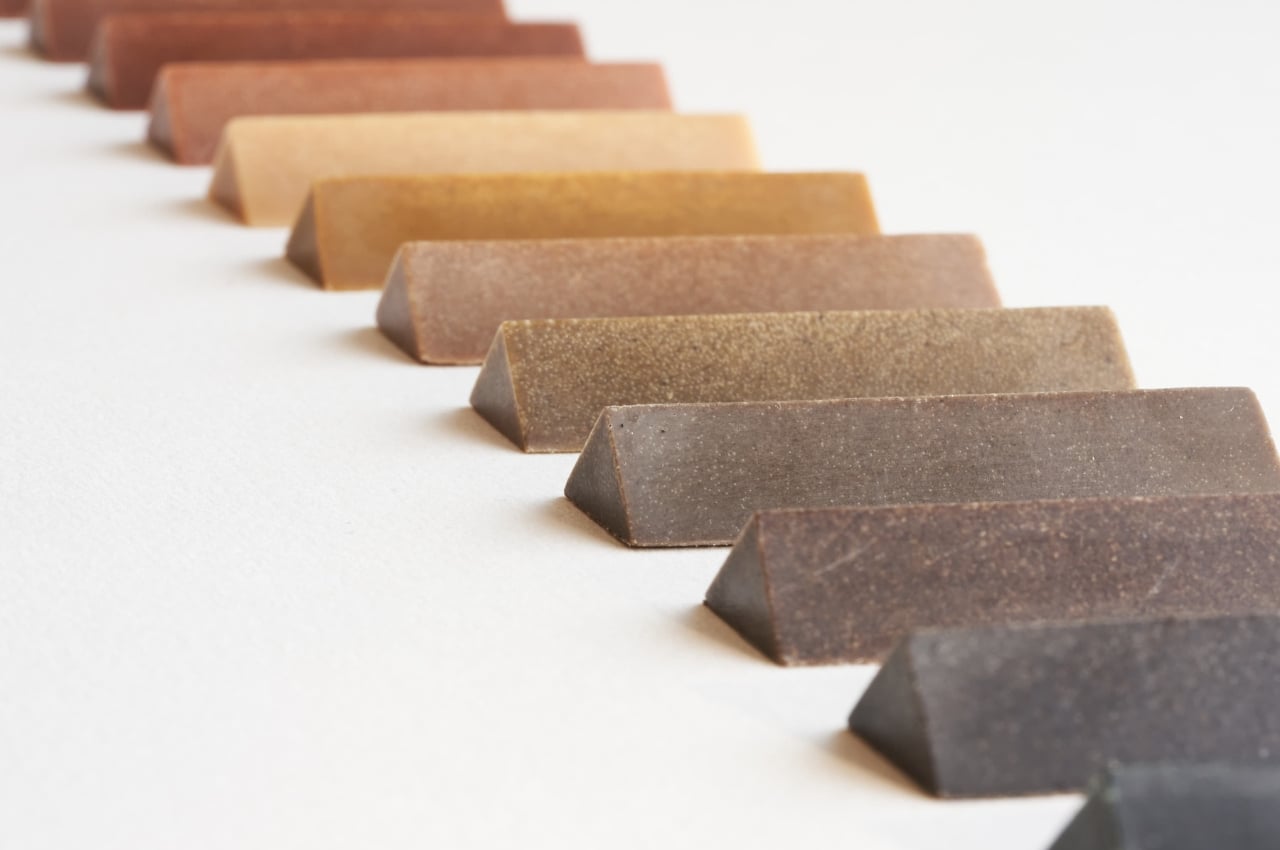
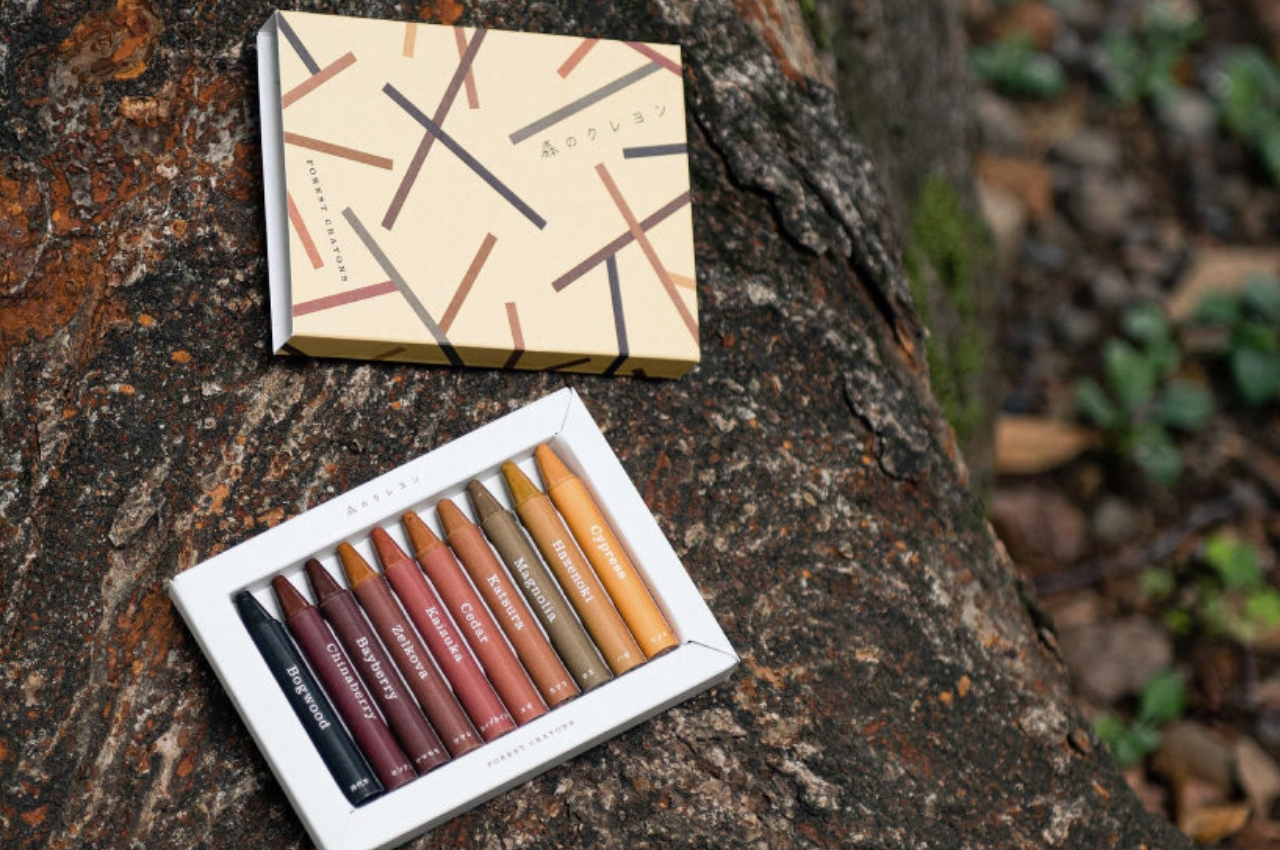
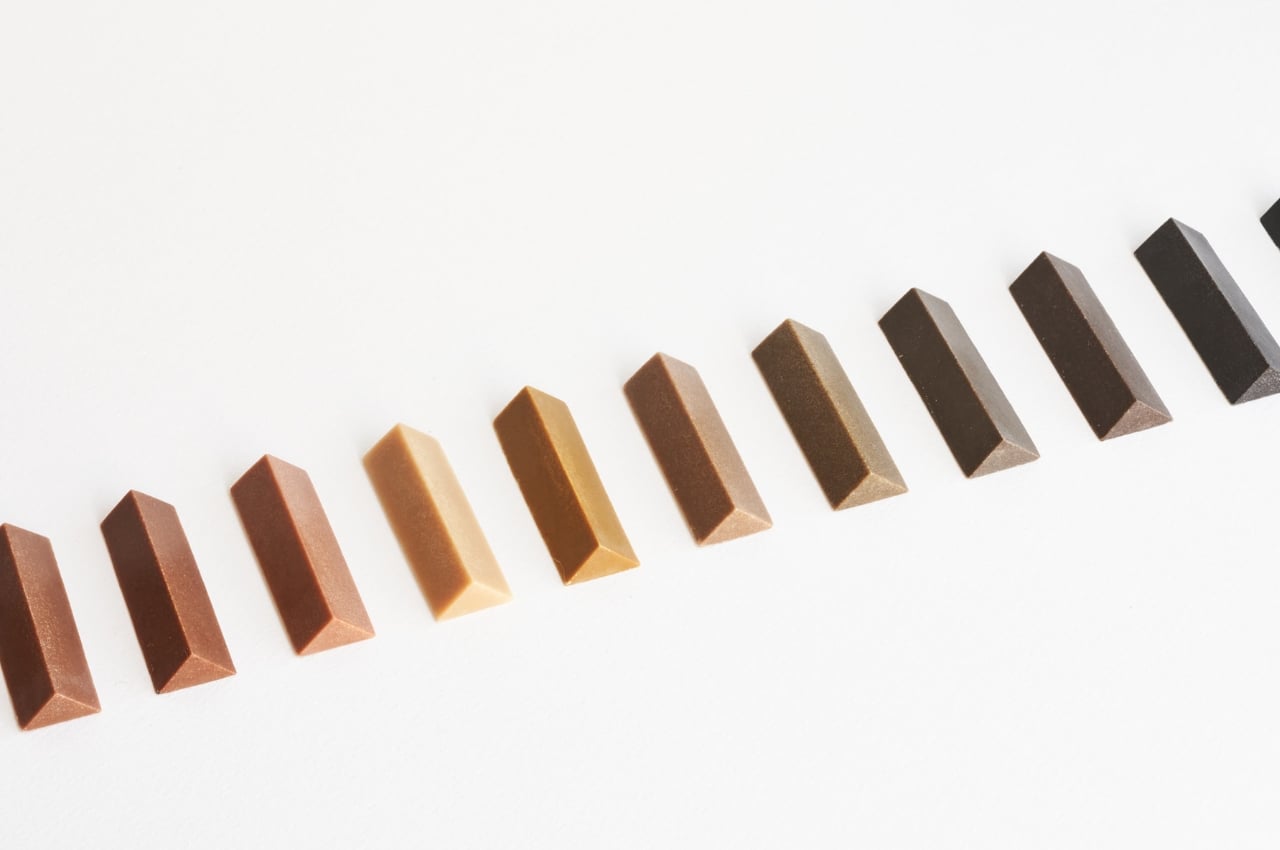
Forest Crayons is a project that uses the pigments extracted from various recycled forest trees and mixes them with other sustainable ingredients to turn them into crayons. Each one has a different shade that is based on the species of the recycled tree as well as how it was cultivated and grown. For example, you get a light green color for magnolia and a deep turquoise of fungus stained wood.

The pigments extracted are mixed with wood, rice wax, and rice oil to produce the different crayons. There are ten crayons available in the Forest Crayons set: Bayberry, Bogwood, Cedar, Chinaberry, Cybress, Hazenoki, Katsura, Kaizuka, Magnolia, and Zelkova. Some names should be familiar to most people but there are species that are native to Japan and some that have Japanese names.

Forest Crayons are actually supported by the Japanese Forest Agency and aside from producing these from recycled trees, they also want to “breathe new life into Japanese wood” so that people will have a new appreciation for the country’s forests. I would prefer the triangular shape of the crayons shown in the product shots but it makes sense of course to have them in the traditional crayon shape for functional reasons.

The post Crayons from Japan’s recycled trees highlights the country’s forests first appeared on Yanko Design.

RoboGrocery is the first step towards robots packing our grocery

When I first encountered a self-checkout system in IKEA a few years ago, I sort of panicked because I didn’t know what to do. But after experiencing it and eventually figuring things out, I thought this was such a convenient way to do your shopping, especially if you want to keep social interactions at a minimum. Now if only there was a also a self-packing system since the packing up groceries stuff is the most difficult.

Designer: MIT CSAIL

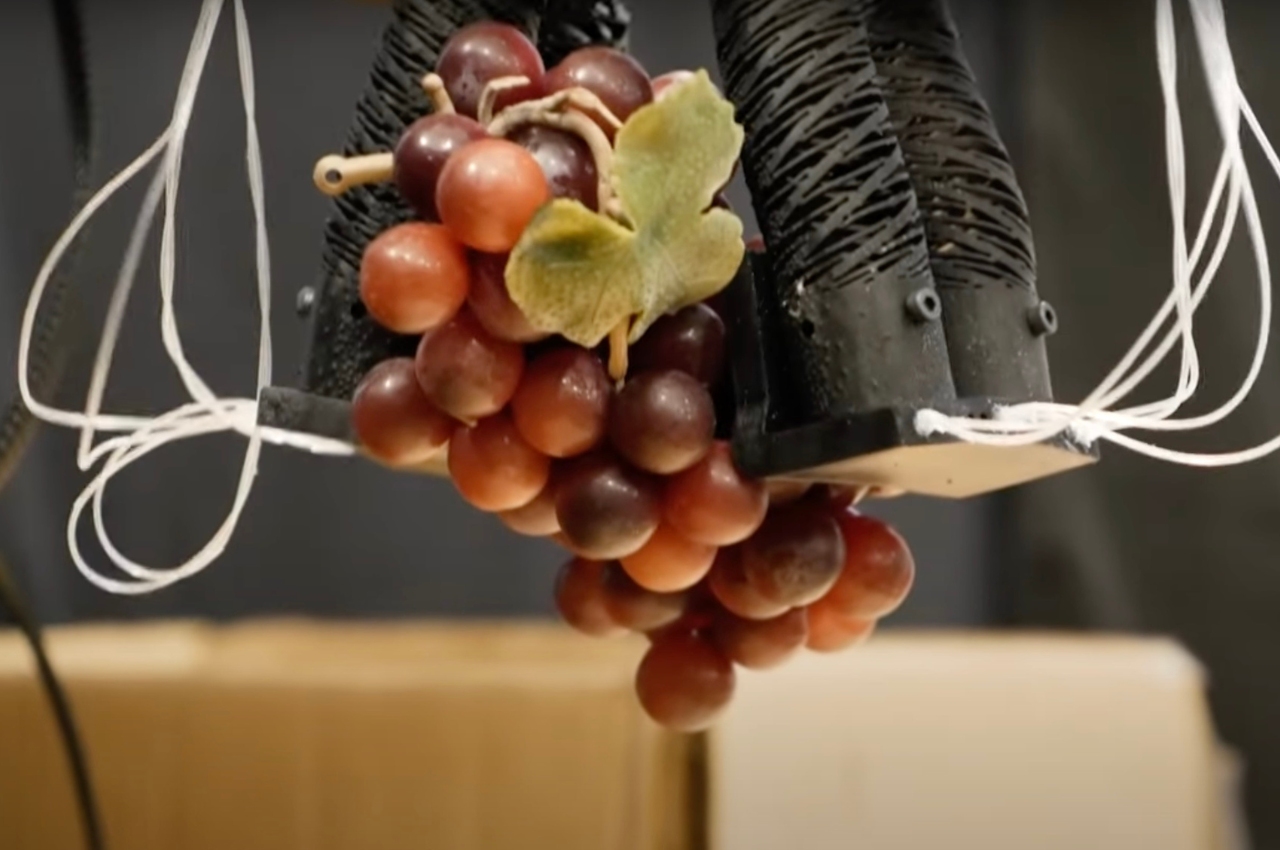
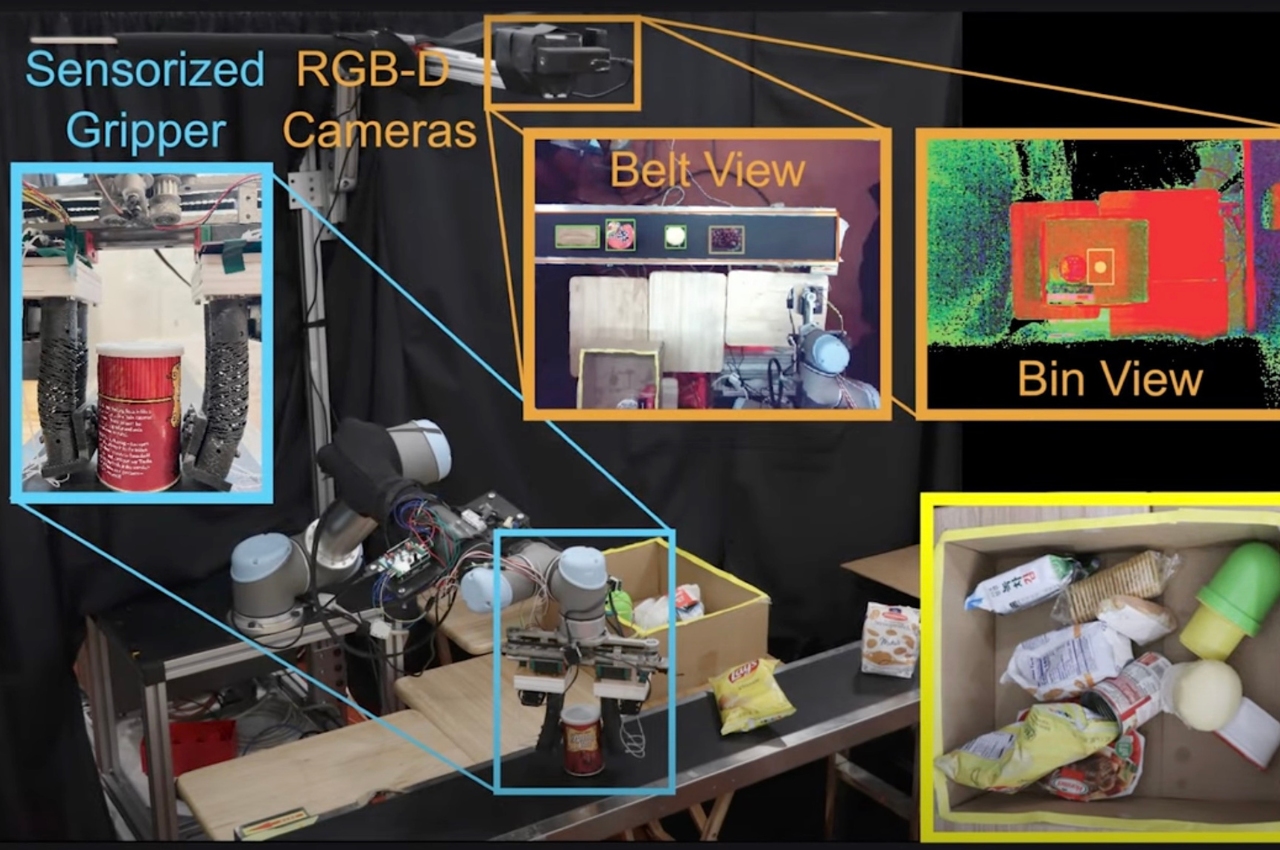
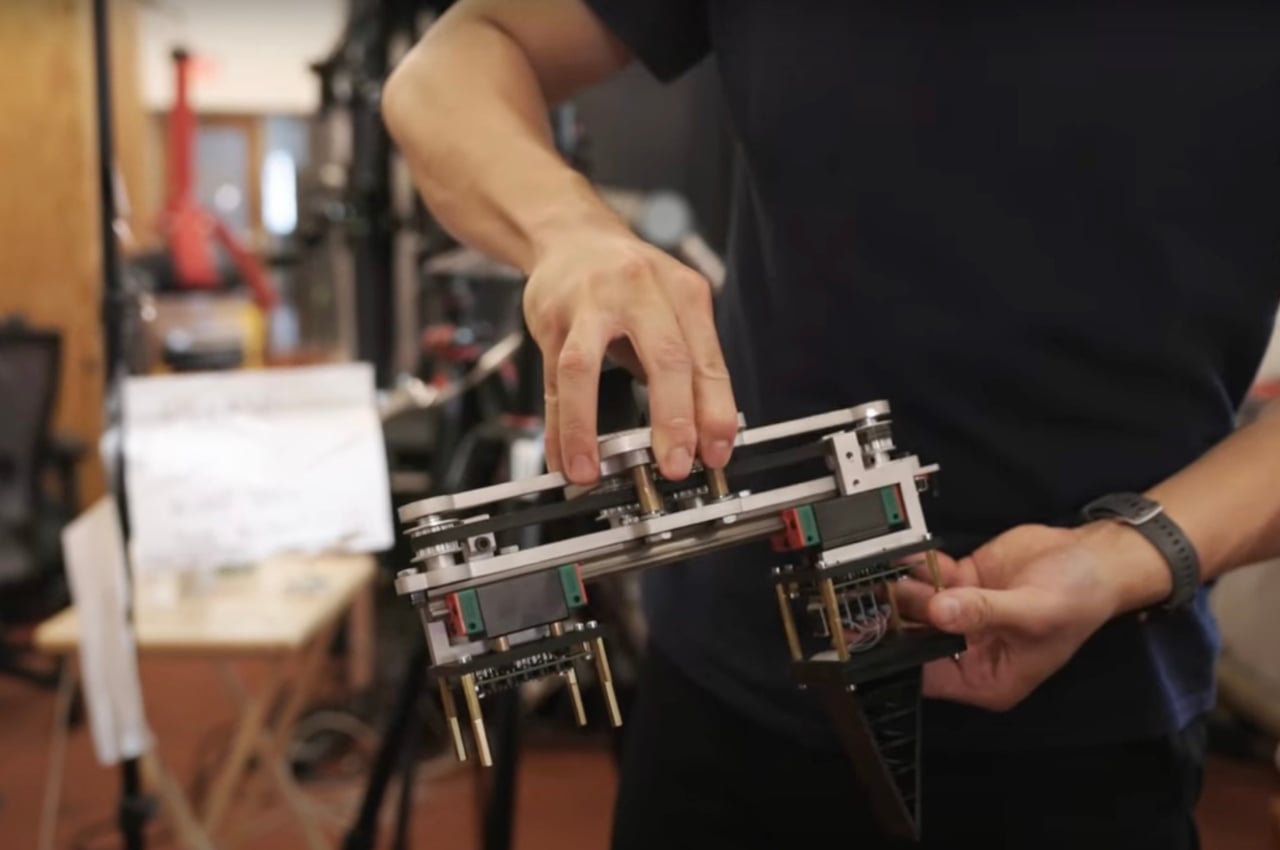
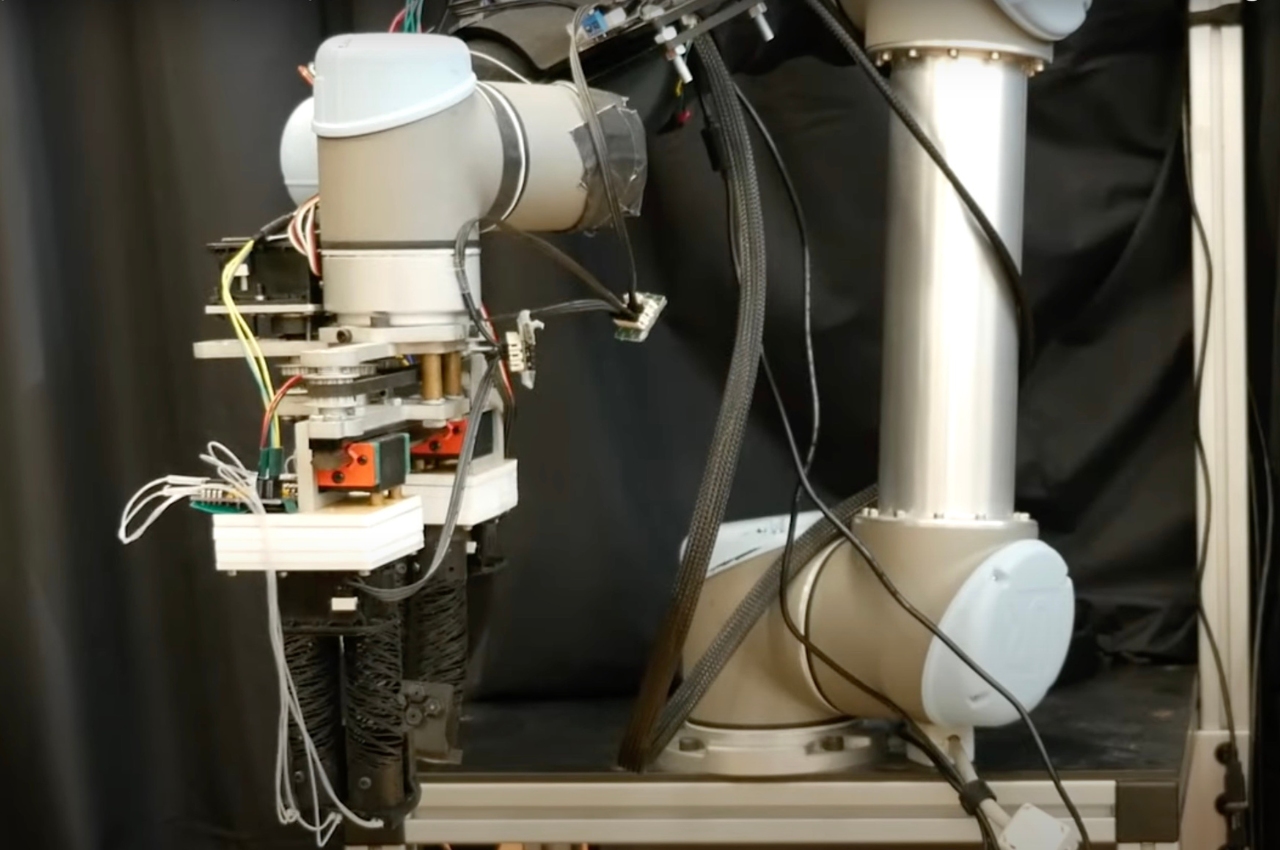
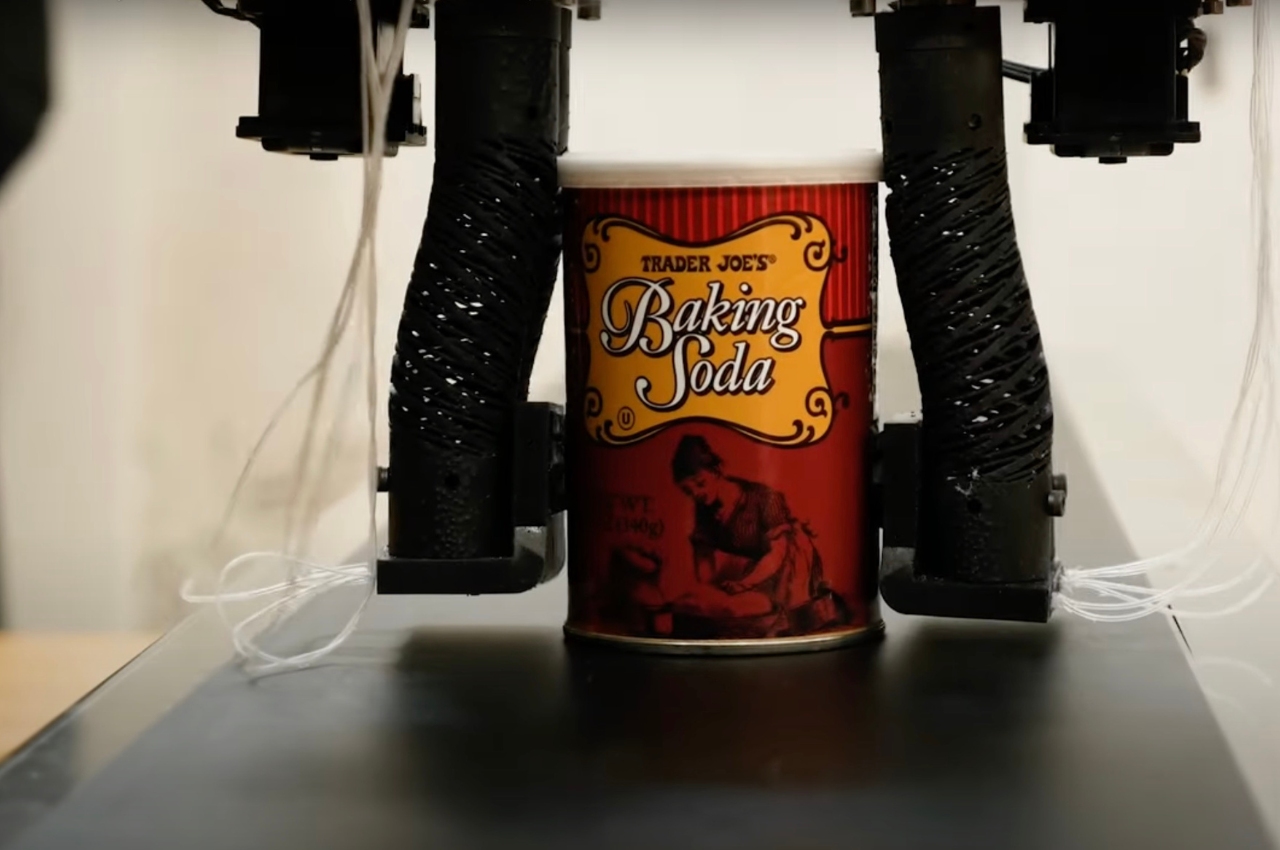
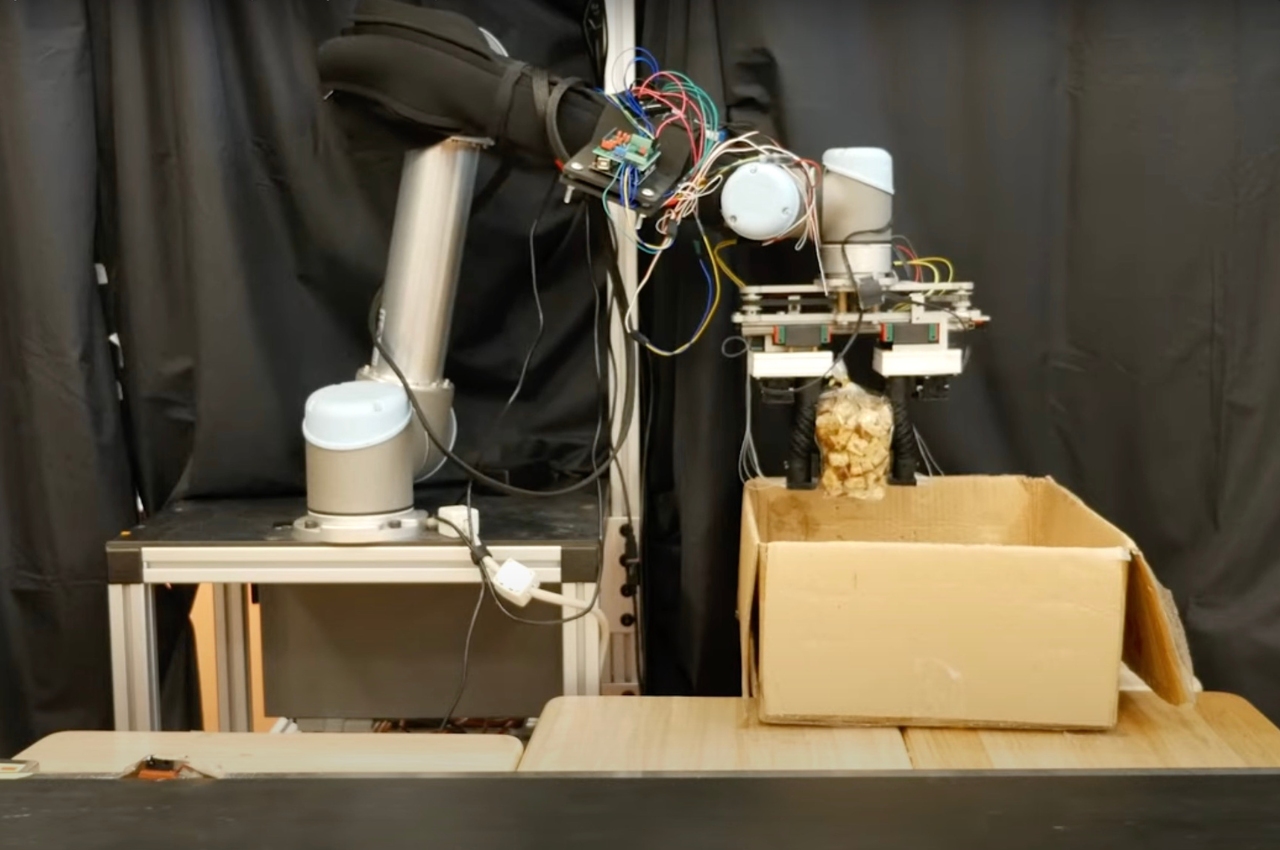
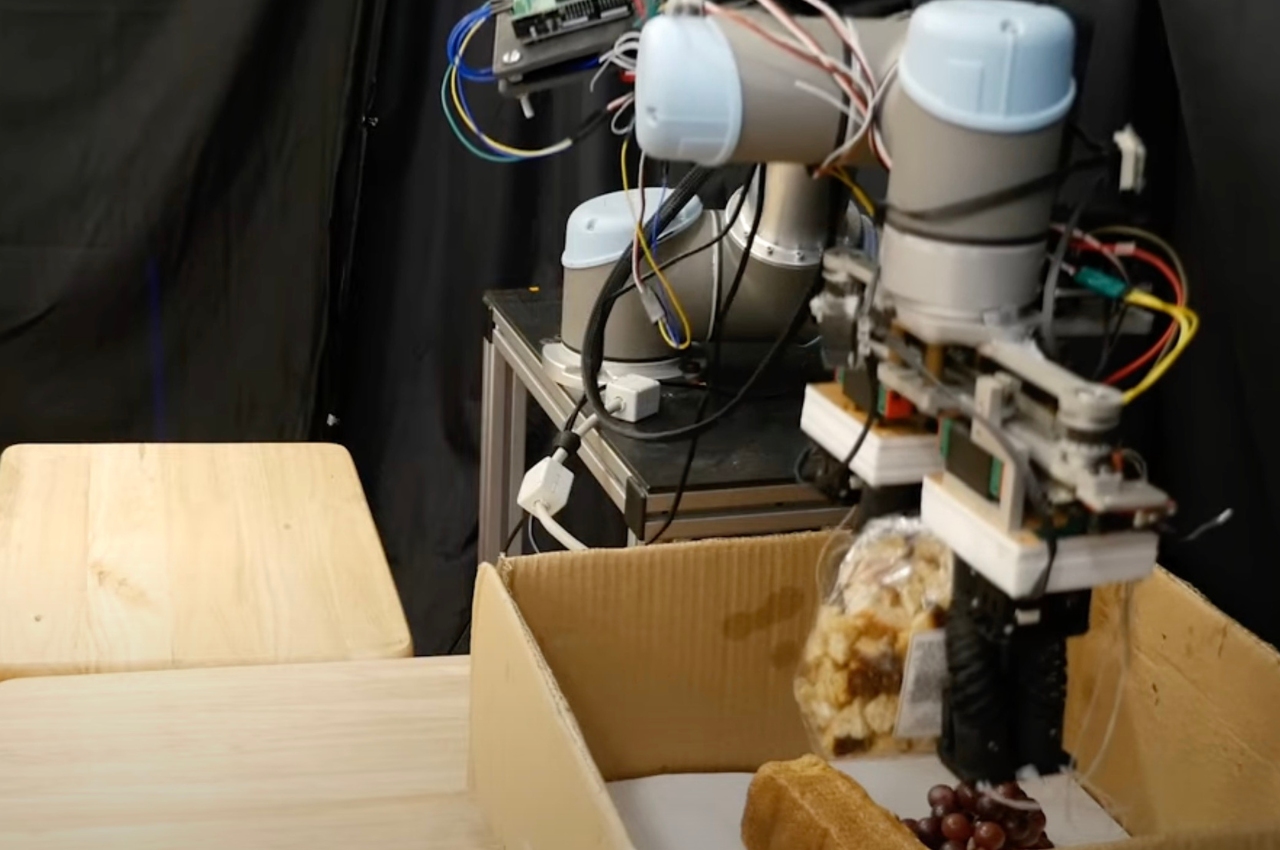
Eventually, this can of course come true and one step towards a system like this is the RoboGrocery. This was developed by MIT’s CSAIL department and uses a soft robotic gripper together with computer vision to help you bag groceries and other small items. It’s still in its early stages of course but seeing how it’s working at this time seems pretty promising.

They tested it out by placing 10 objects on a grocery conveyer belt, ranging from soft items like grapes, crackers, muffins, bread to the more solid ones like cans, meal boxes, and ice cream containers. The vision detects the size of the item to determine the order of placing it in a box. The grasper, with the pressure sensors in its fingers, then determines whether the item is delicate and should not be placed at the bottom of the bag.


While we’re still a few steps away from actually having a robot to bag your groceries, it’s an interesting first step towards that. Eventually, after it becomes available for commercial use, they might also be able to develop this for industrial spaces like recycling plants and factories.

The post RoboGrocery is the first step towards robots packing our grocery first appeared on Yanko Design.

Squiggly typographic art spells out a secret word from a certain angle

It’s always fun to see public art things that people can actually touch and interact with. Where I live that is a rarity for a lot of reasons so I envy places that have an abundance of public art exhibits. If you’re in London, particularly the Chelsea area this summer, you can check out this interesting part of the art trail where something seems like one thing but is actually another thing.

Designer Name: Yoni Alter

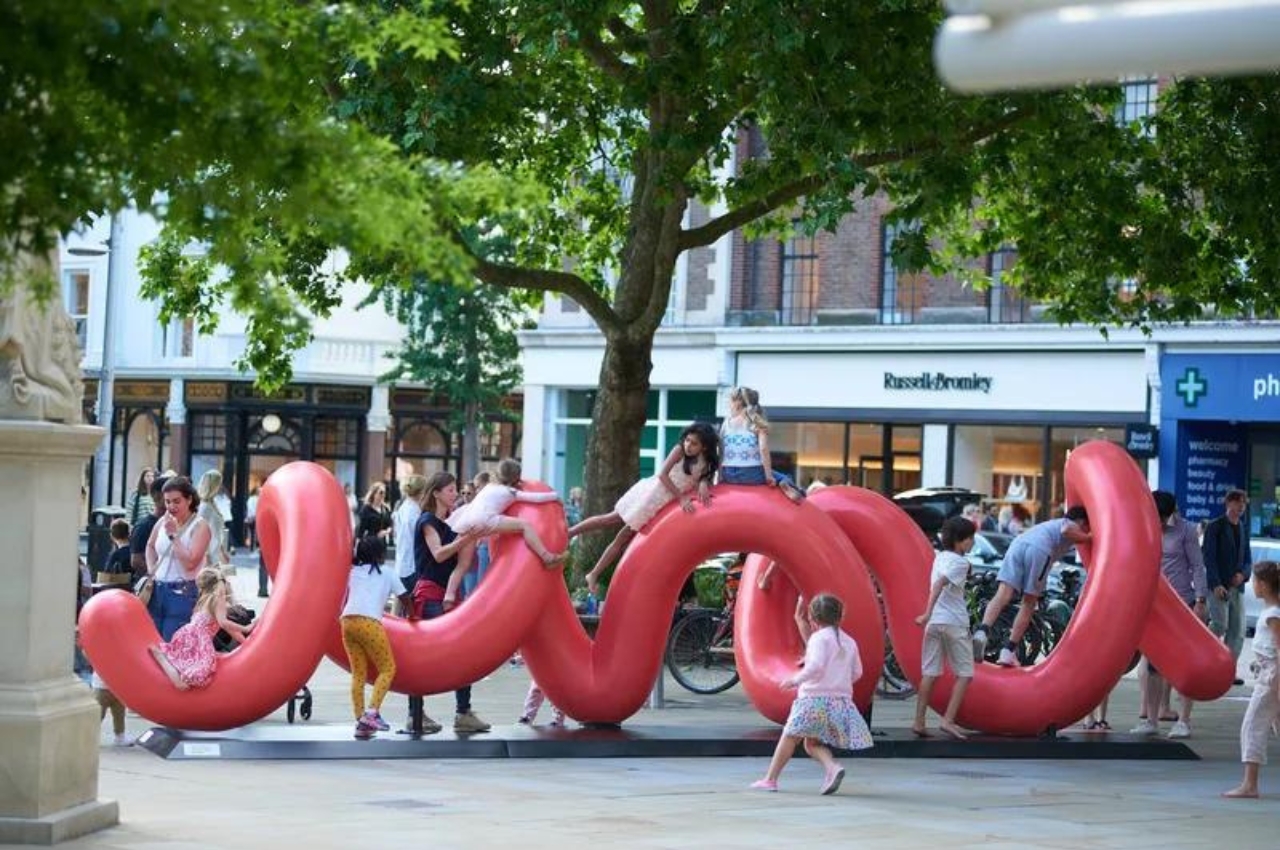
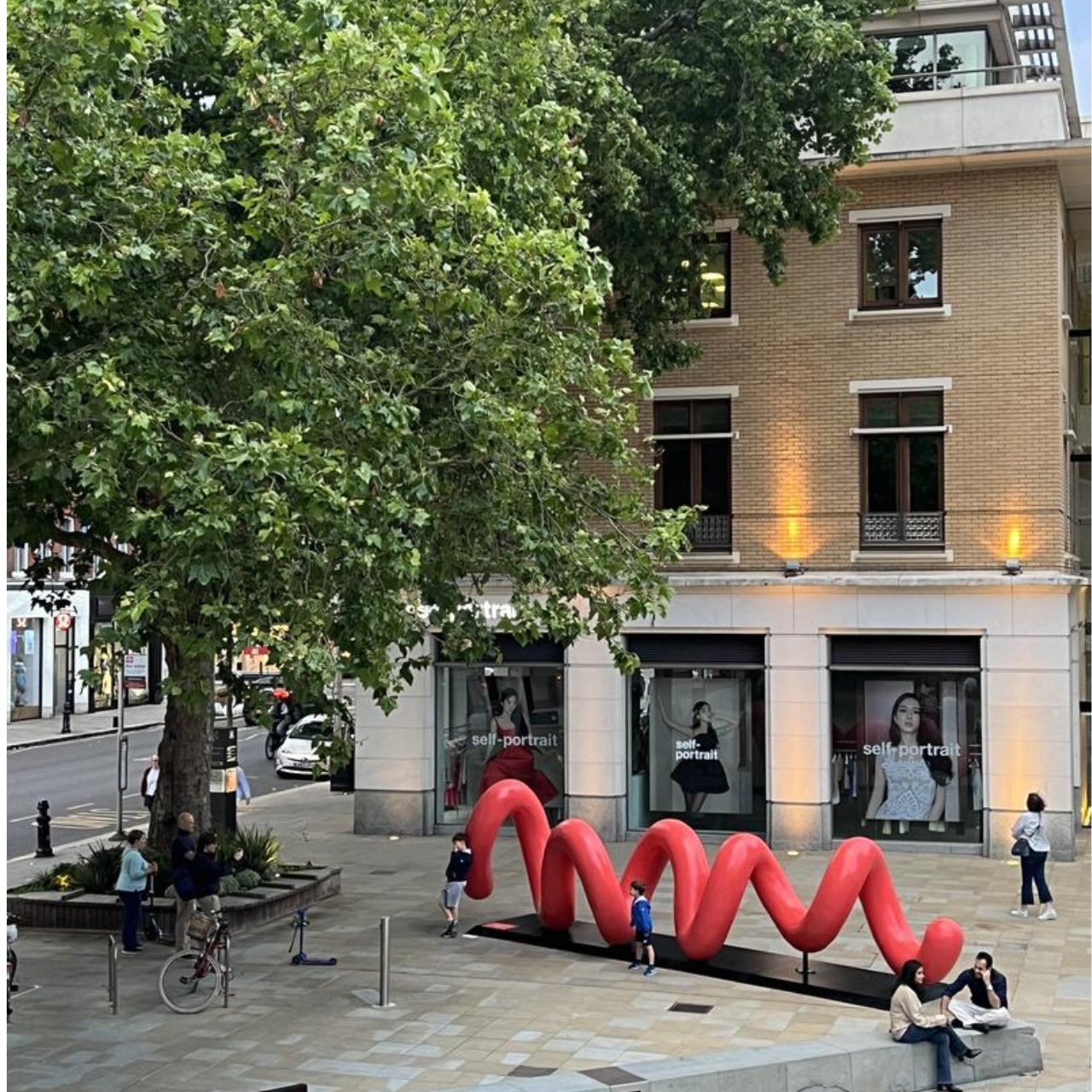
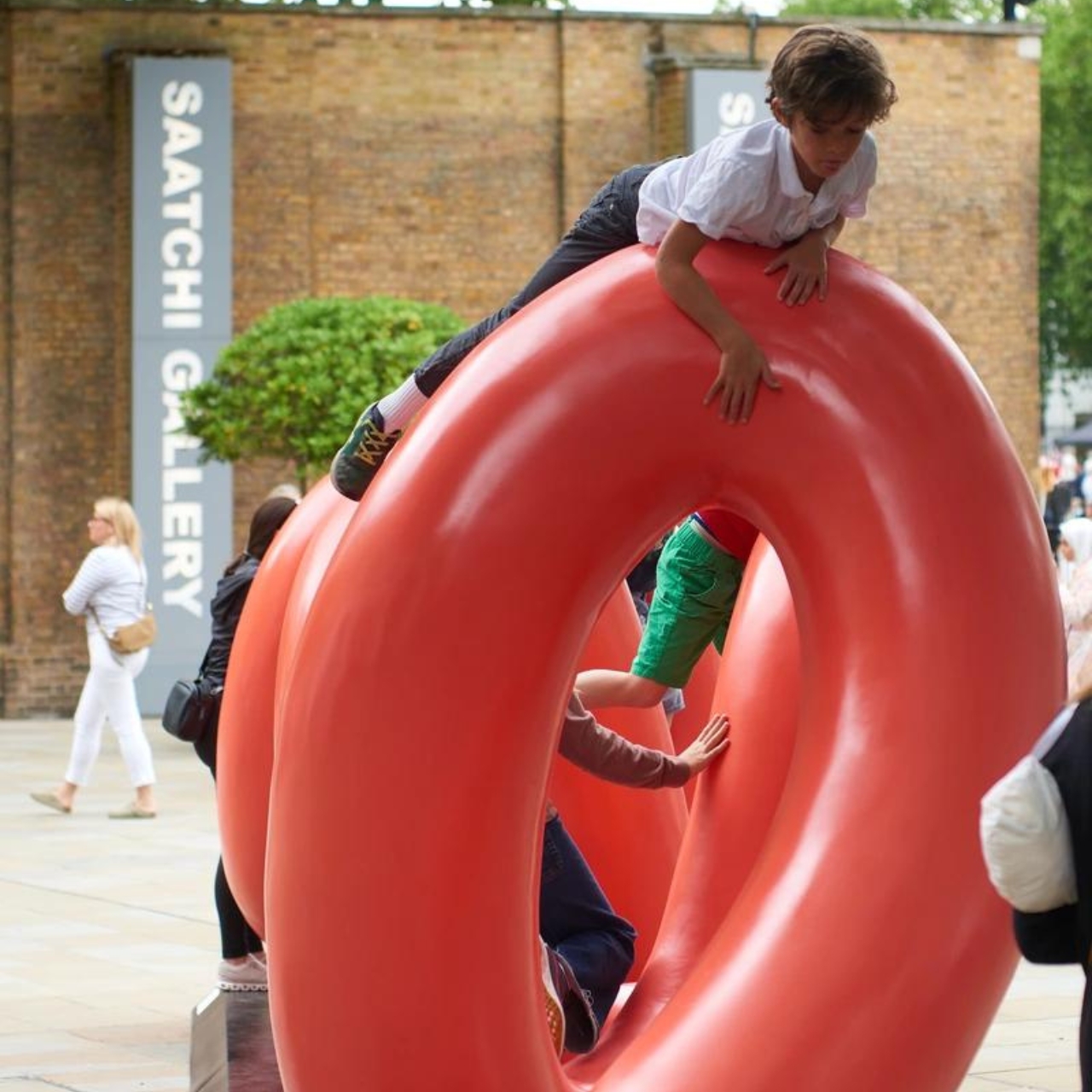
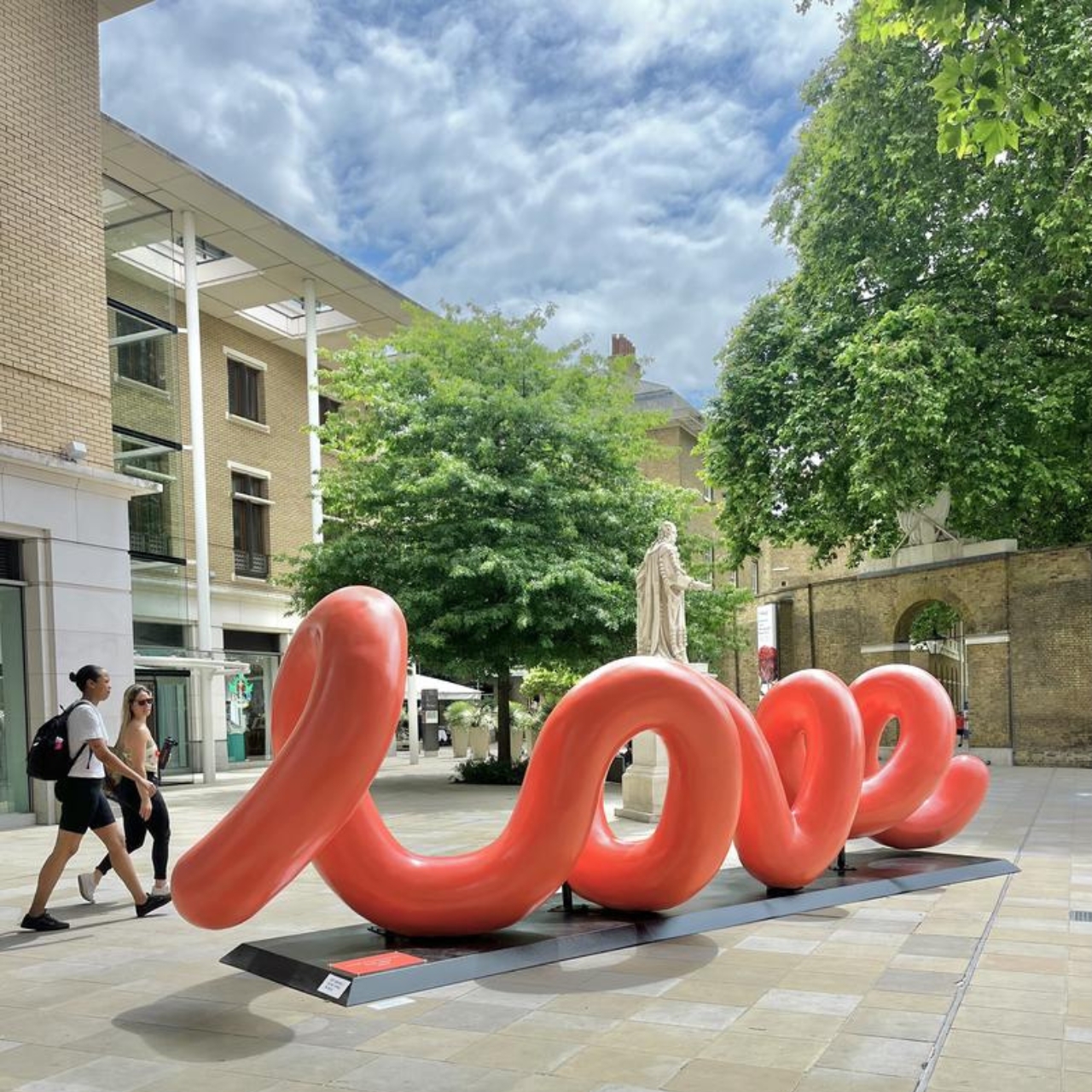
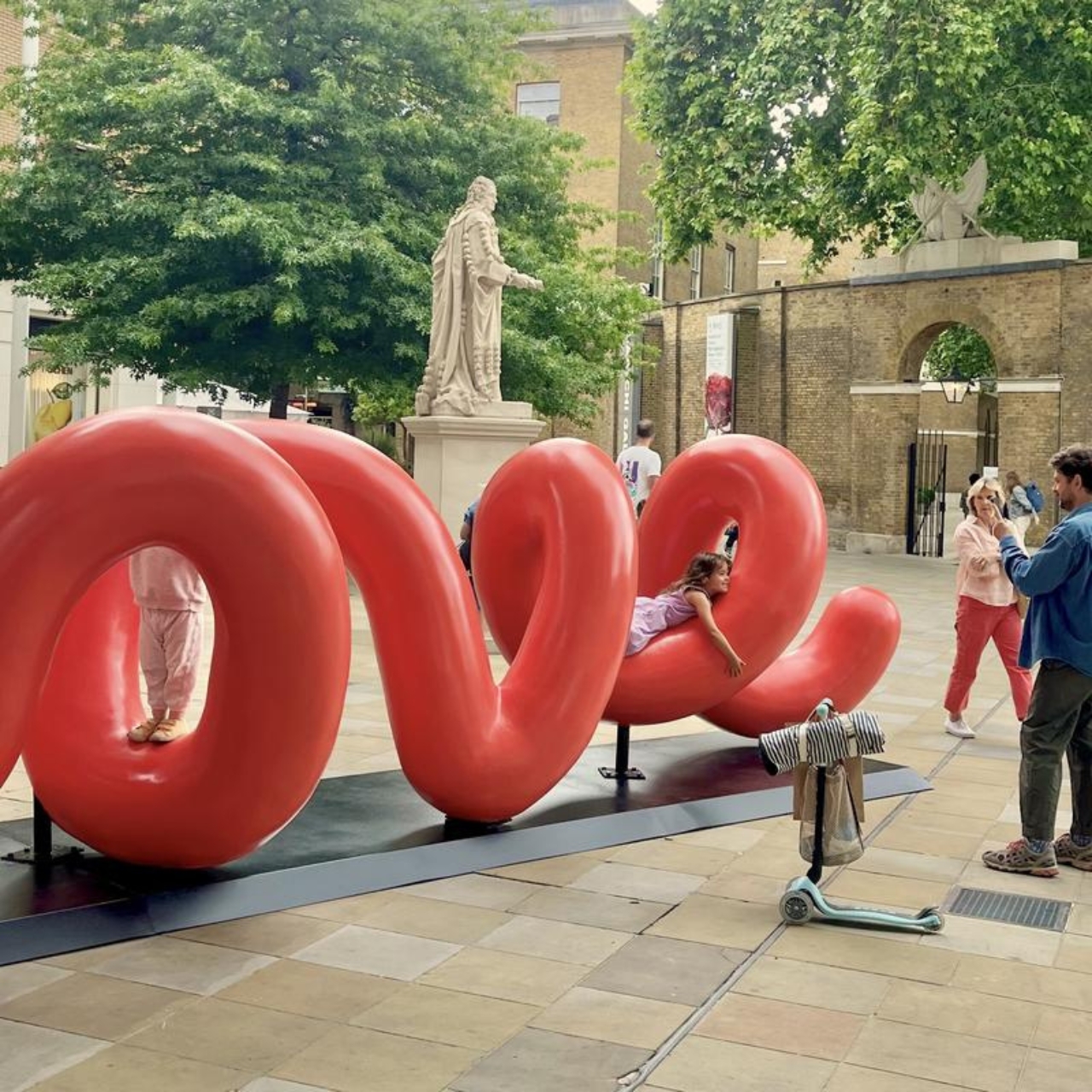
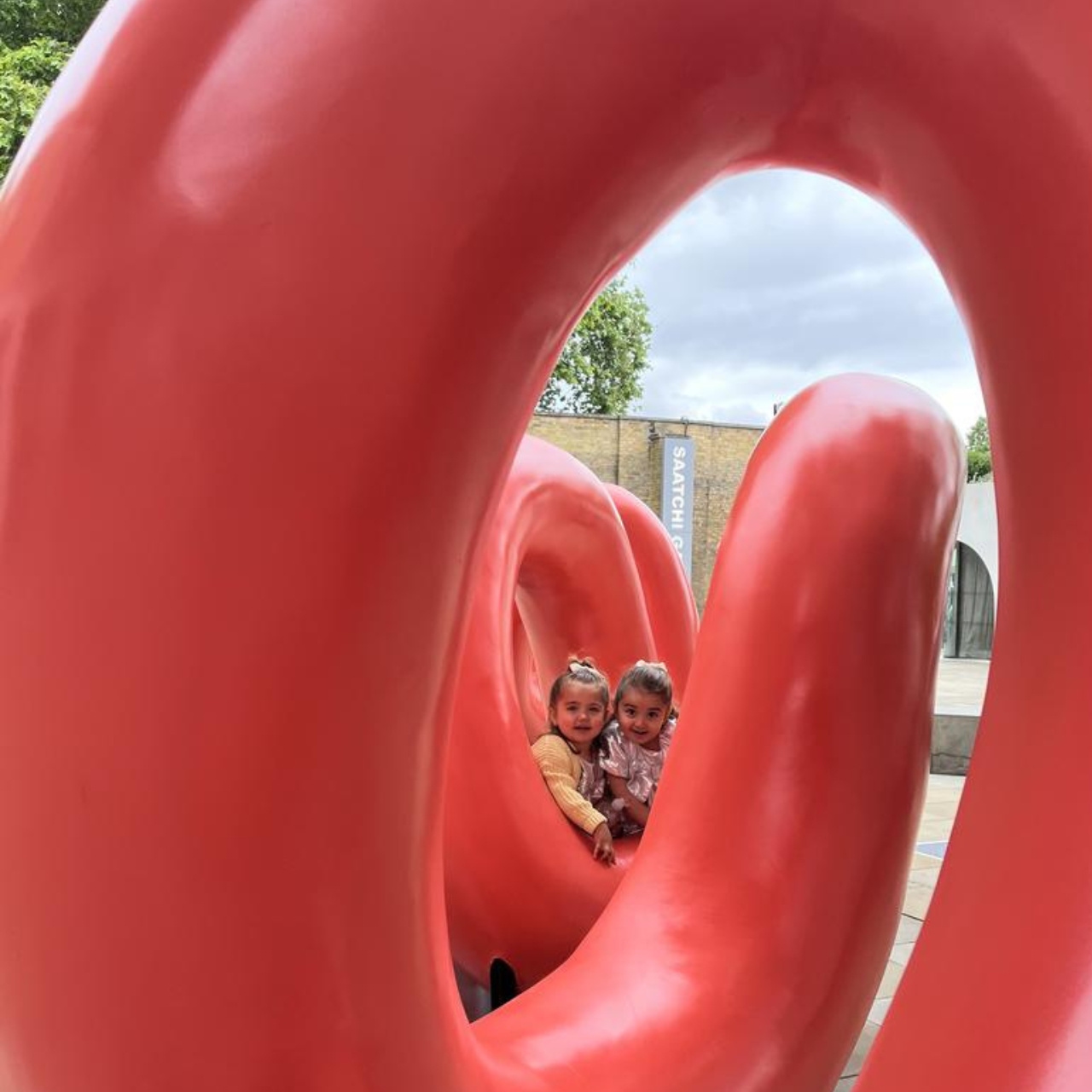
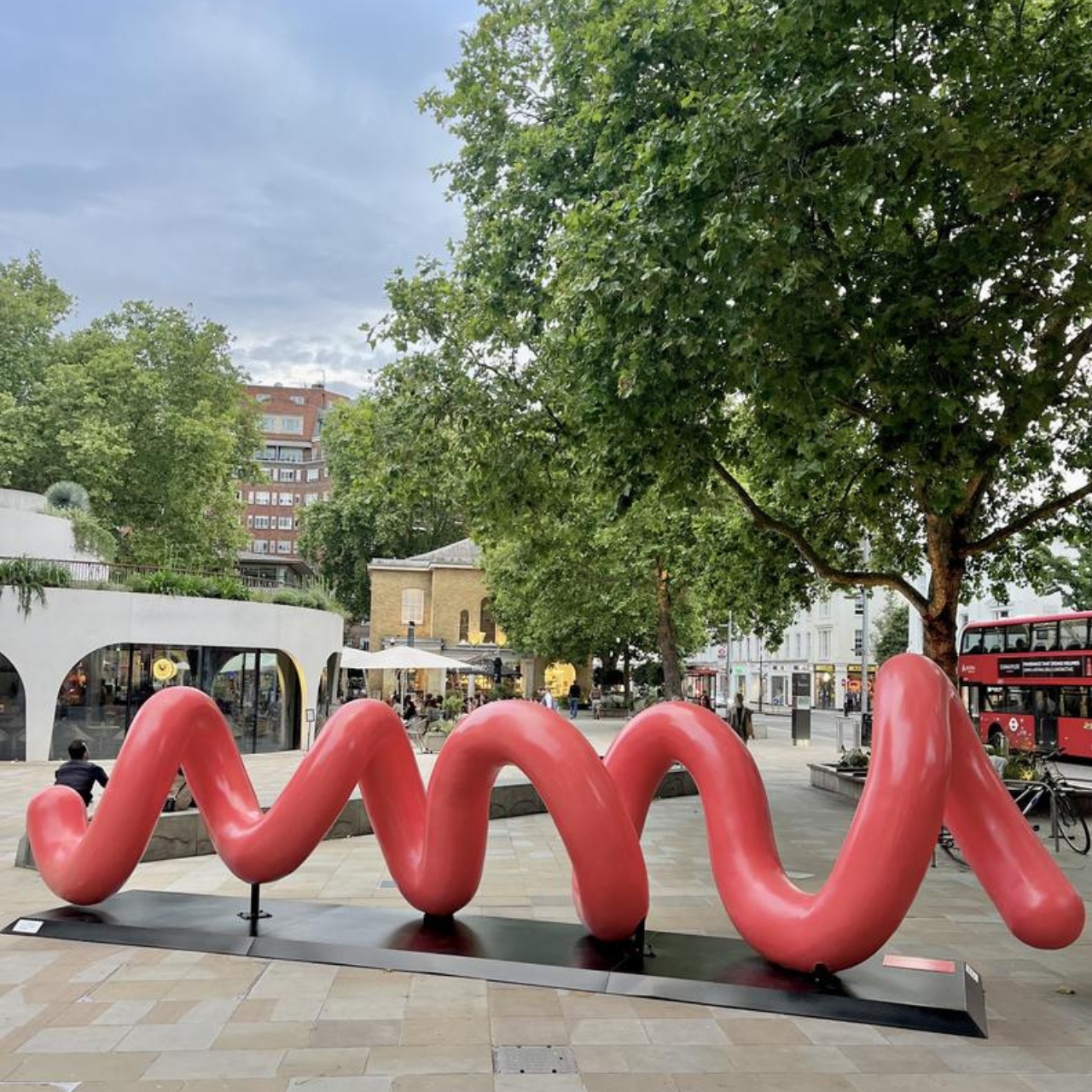
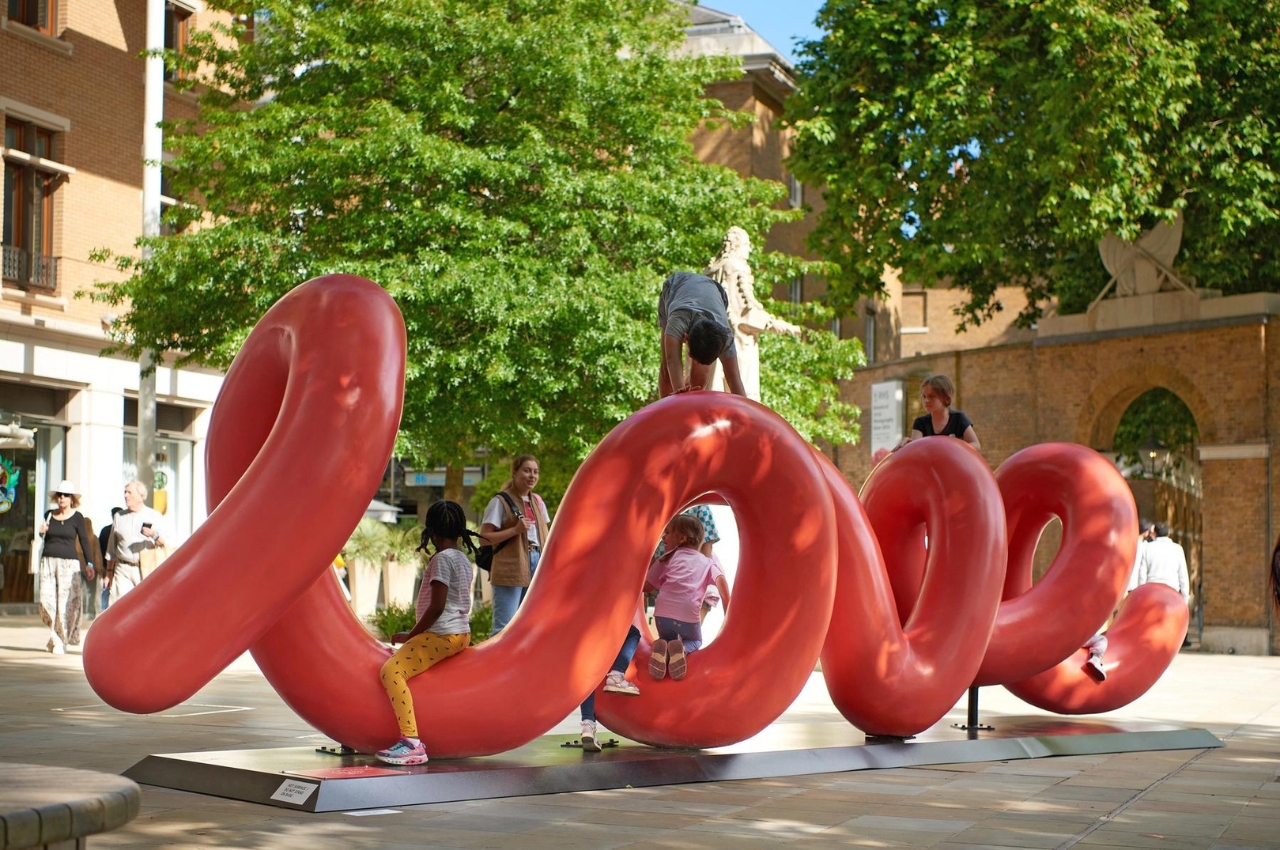
Love Continuum is a large piece of typographic art that inspires its viewers (kids and kids at heart) to actually climb on it and play on it (safely of course). It is located on the Duke of York Square in Kings Road as part of the Kensington + Chelsea Art Week celebration which runs until August. At first it just looks like a huge red spring or swirly thing that may be a random piece of art in the city.

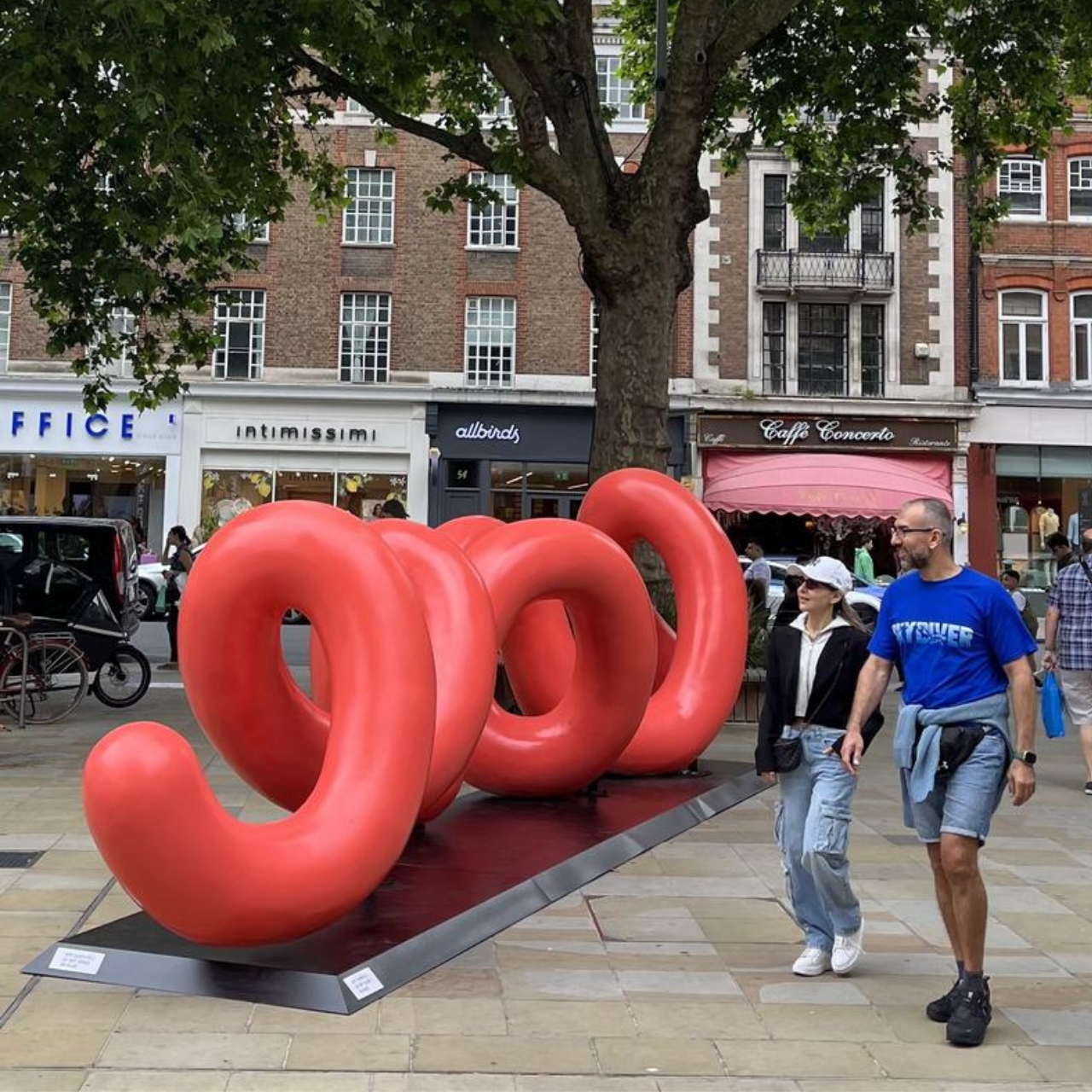
But if you actually look at it from a certain angle, it spells the word “love” in cursive. When viewed in other angles, it’s hard to see the word as it’s just a red worm that you can climb on, sit on (maybe not so comfortably), or just look at. But when you finally see the word it spells out, it’s a “eureka” moment that you’ll enjoy. You can also invite other people to discover this not so secret secret.

The “red squiggly worm” is 7.5 meters in length and is the latest in Alter’s continuing work of colorful concepts that invite people to play with it and enjoy his art. And with the “secret” word that is part of the sculpture, it adds another dimension.

The post Squiggly typographic art spells out a secret word from a certain angle first appeared on Yanko Design.

Polycarbonate plastic chair can be turned into side table

People have different tastes when it comes to furniture, even something as functional as chairs. There are those that look for comfort while there are those that just want something they can sit on when working. There are people who look for highly aesthetic chairs that can fit into their space while there are those that like to look for more experimental kind of chairs.

Designer Name: Liam de la Beyodere

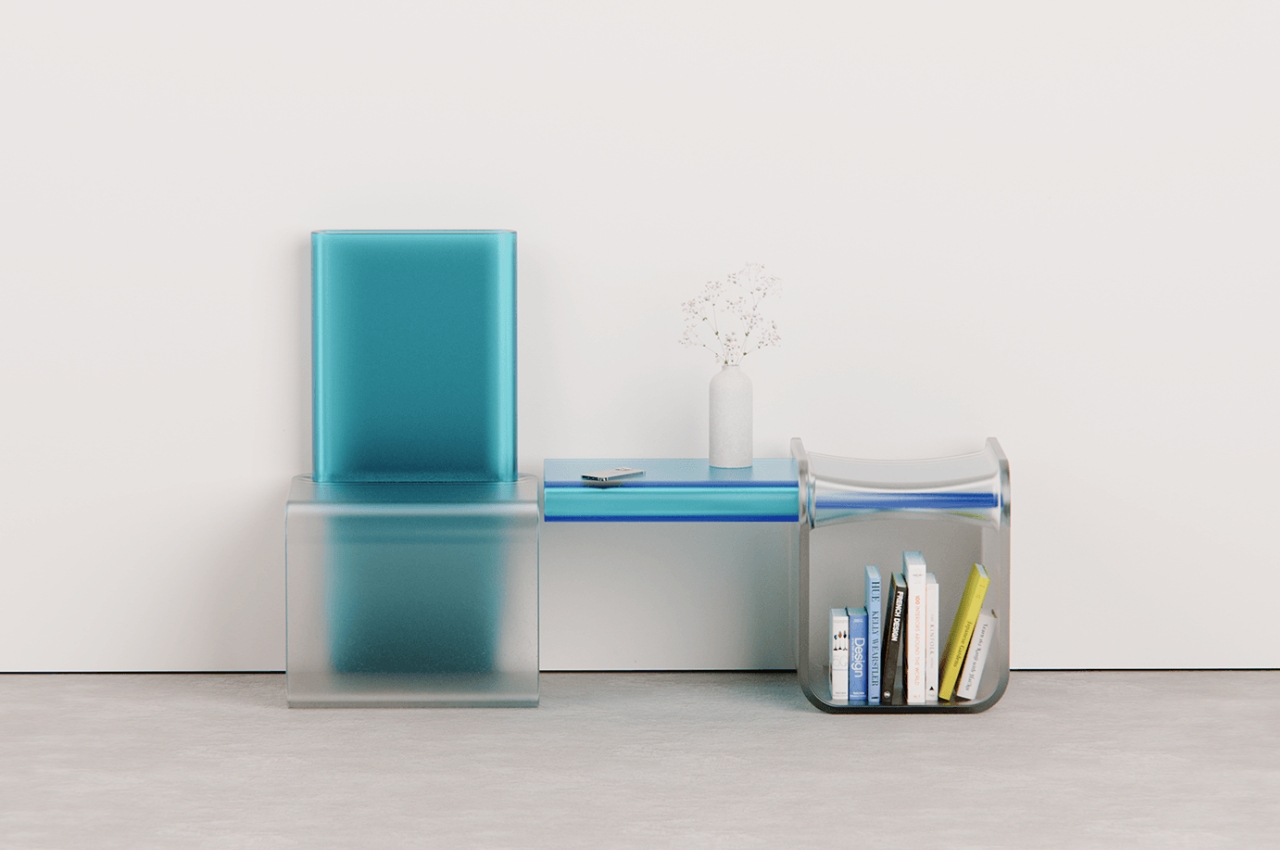
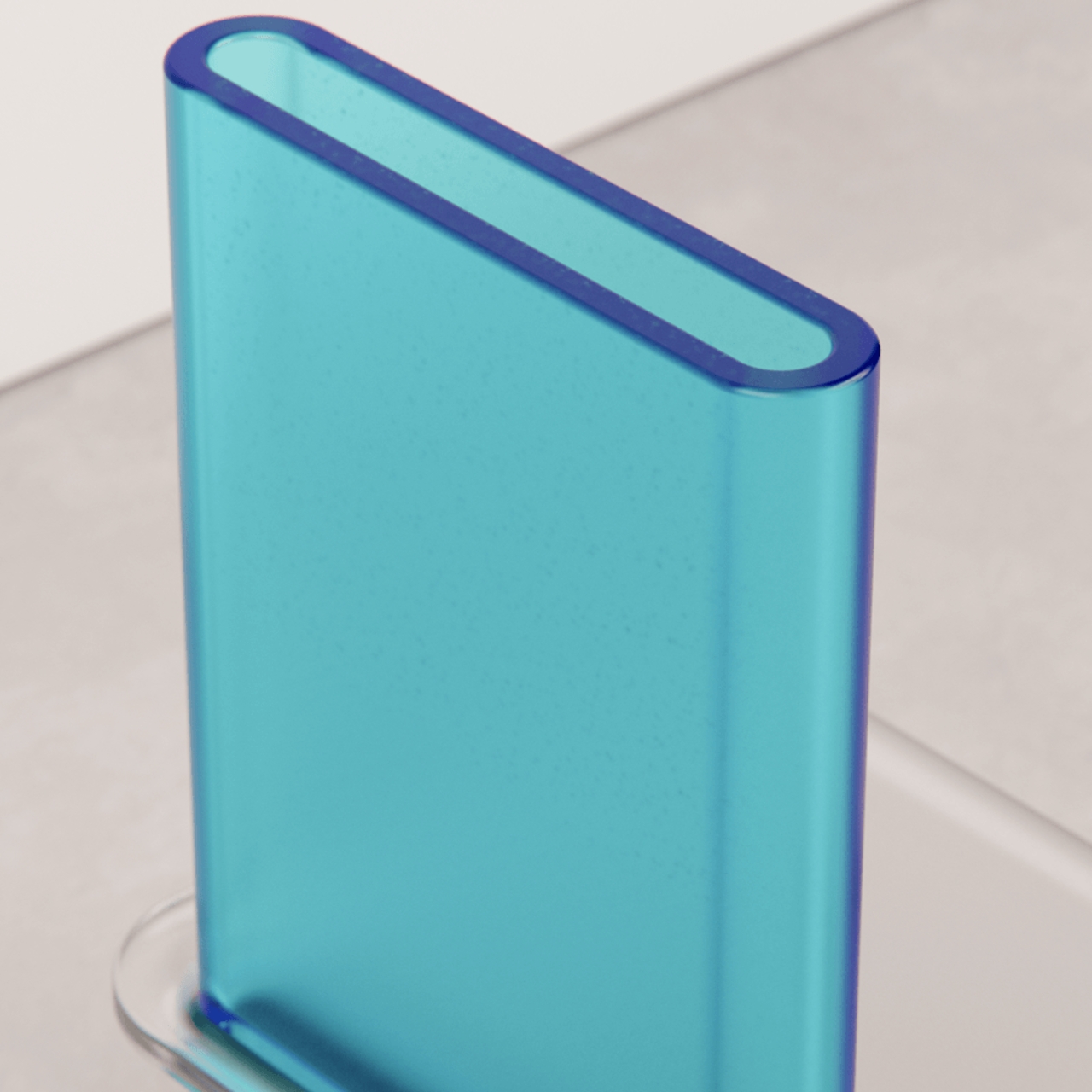
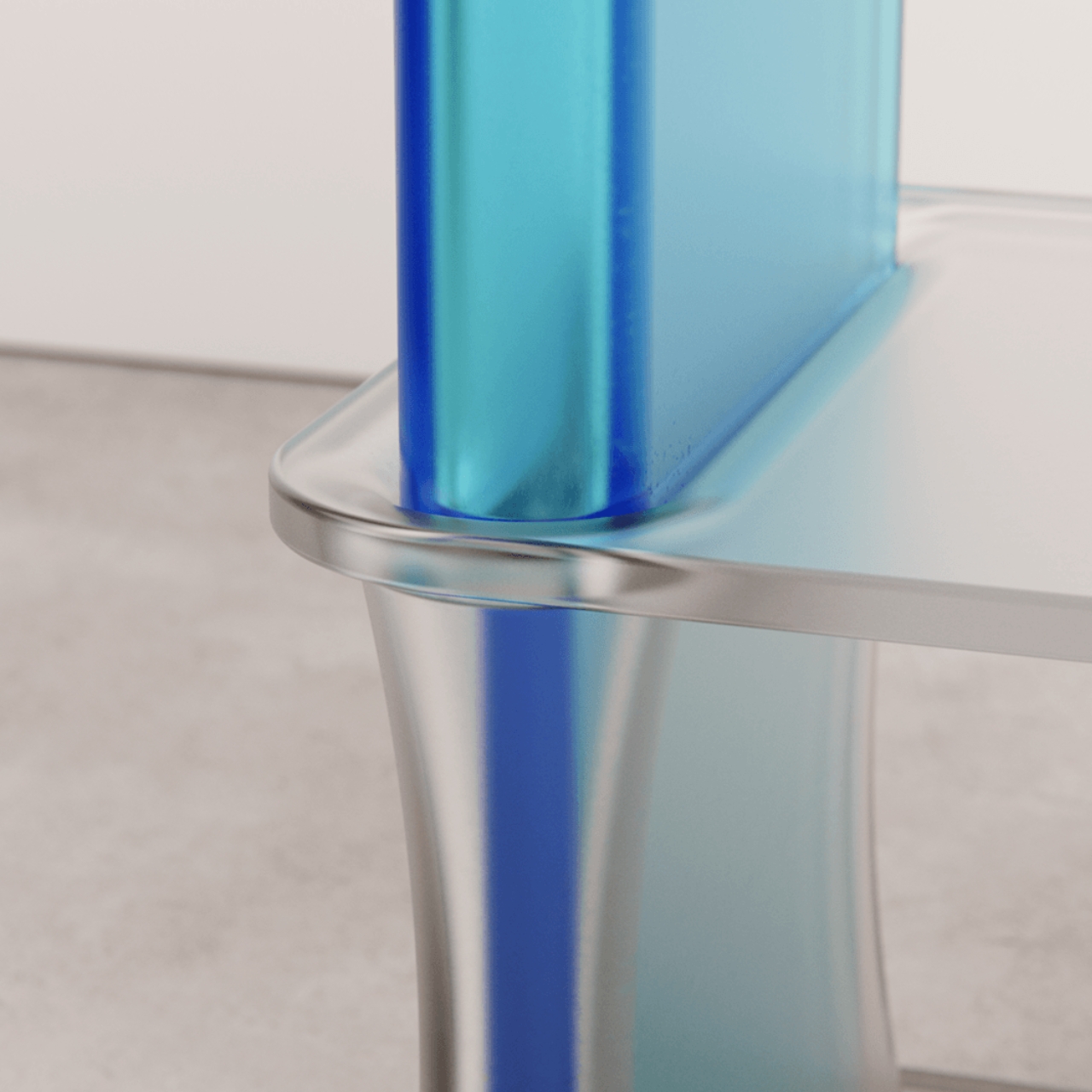
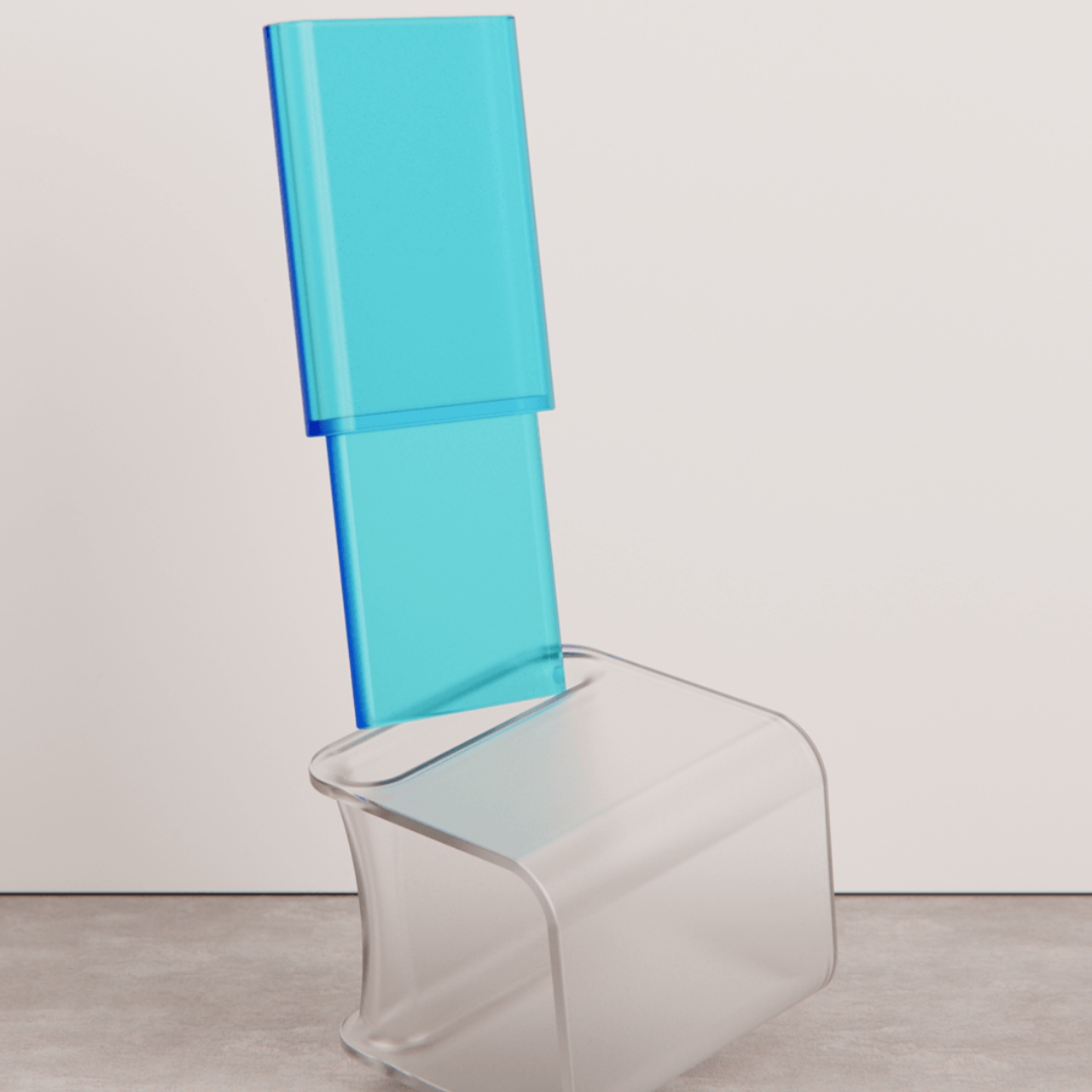
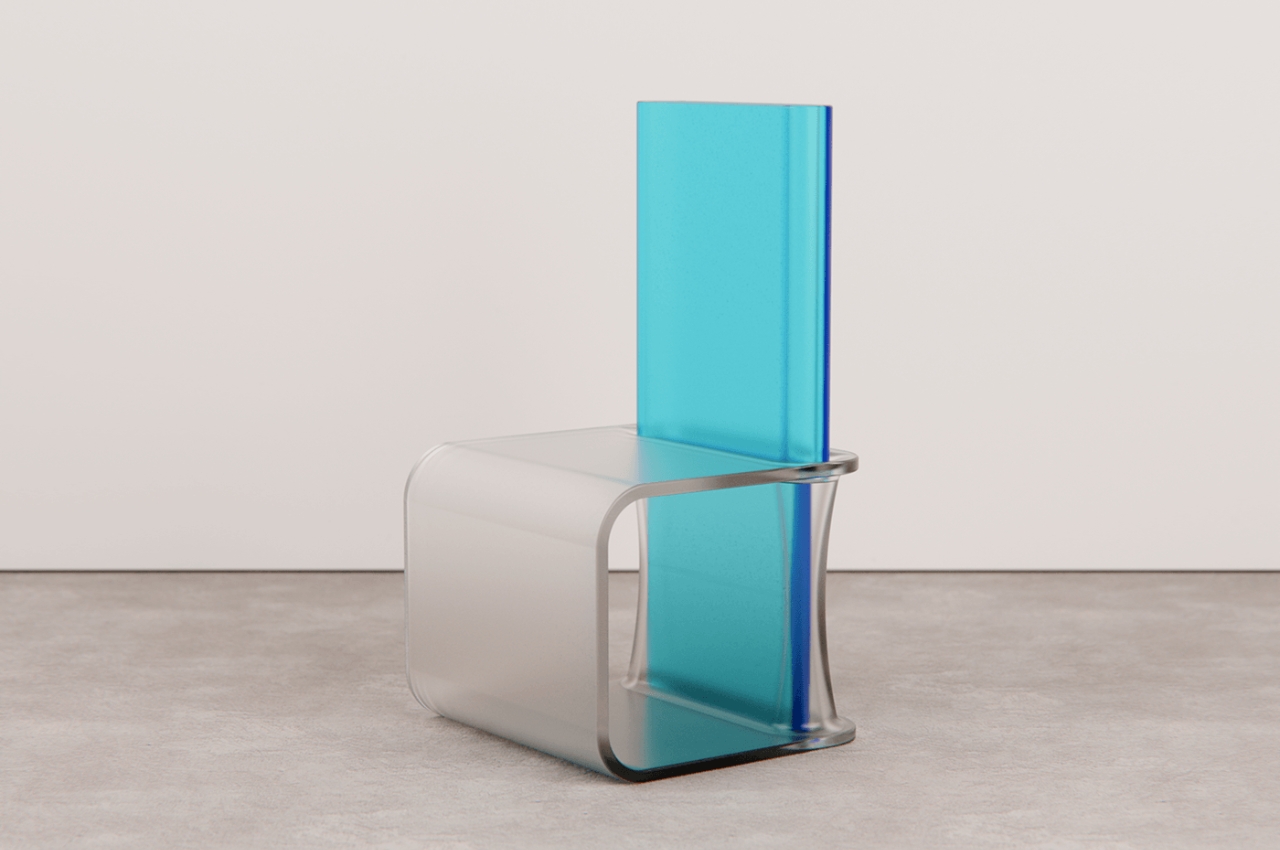
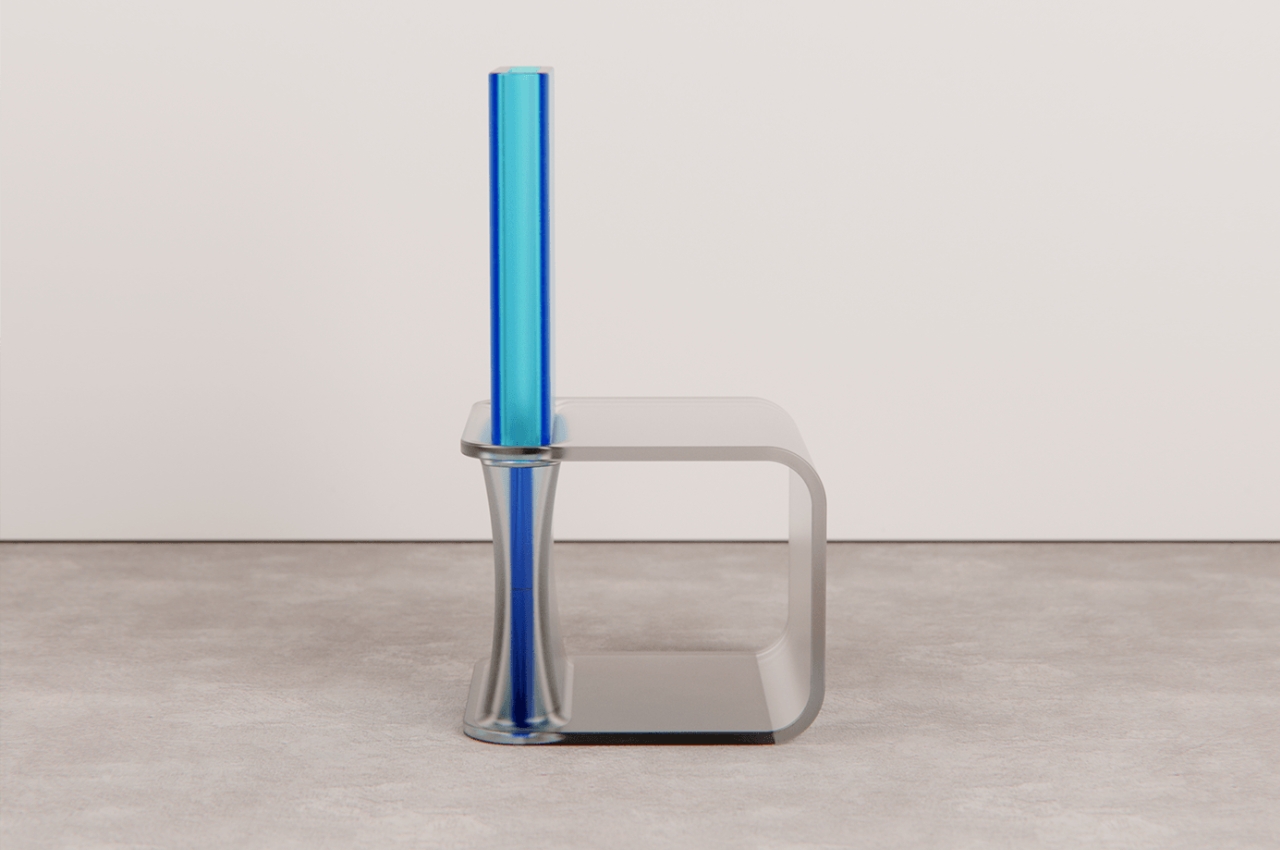
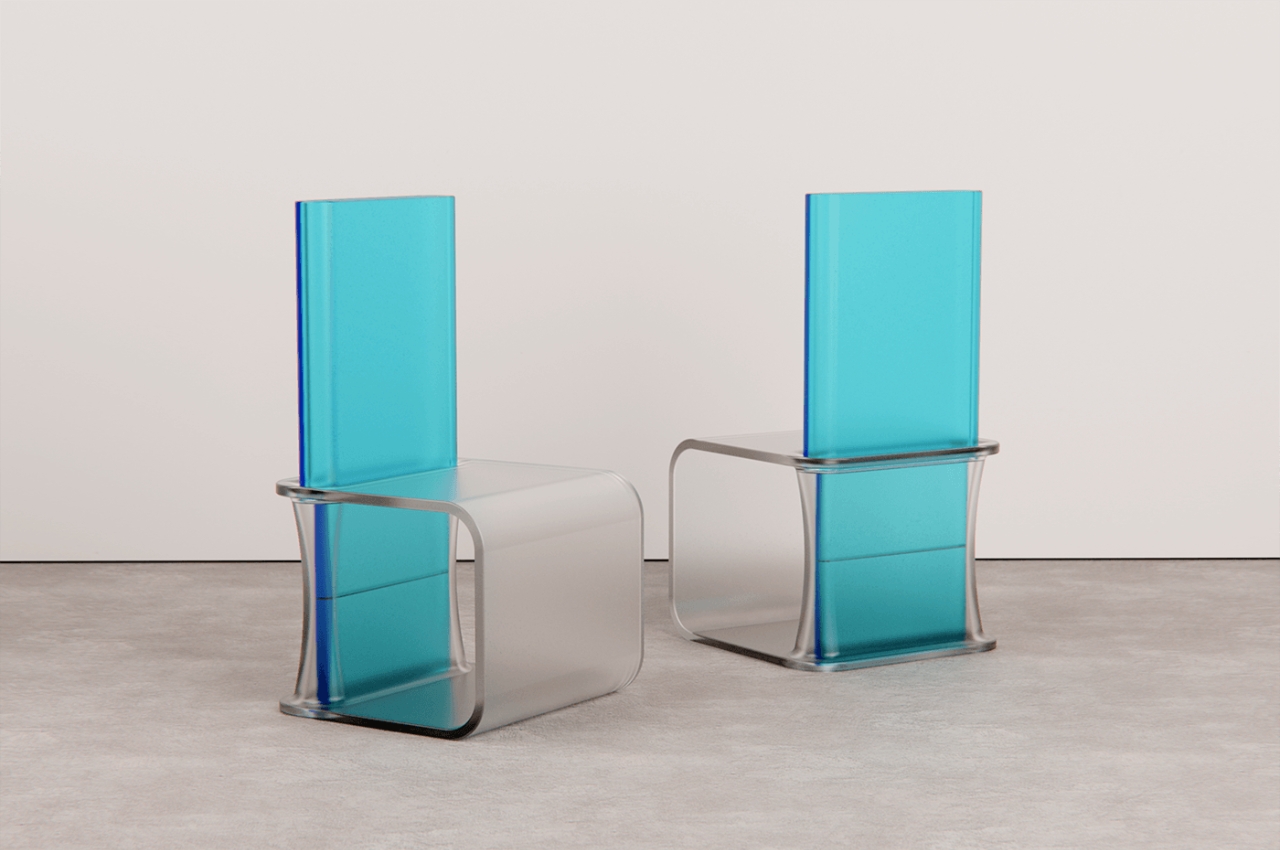
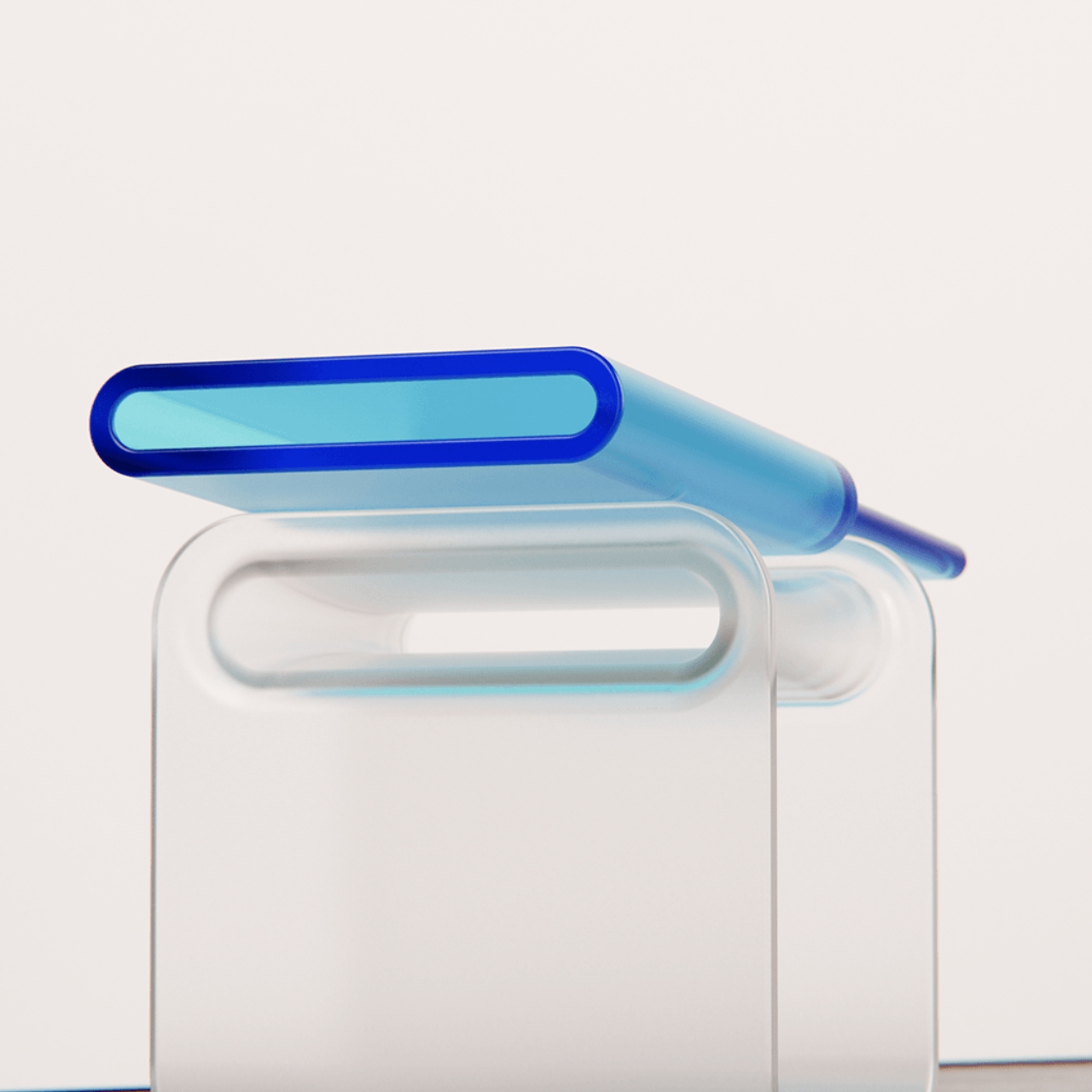
If you’re the last kind of person, this chair concept might be right up your alley. The Push Fit Chair uses frosted injection-moulded polycarbonate plastic for its parts. When you push them together and assemble it, you get a chair that sports a crystal-clear aesthetic. The idea is for light and colors to flow through the chair and lets it cast different patterns and shapes on nearby surfaces.

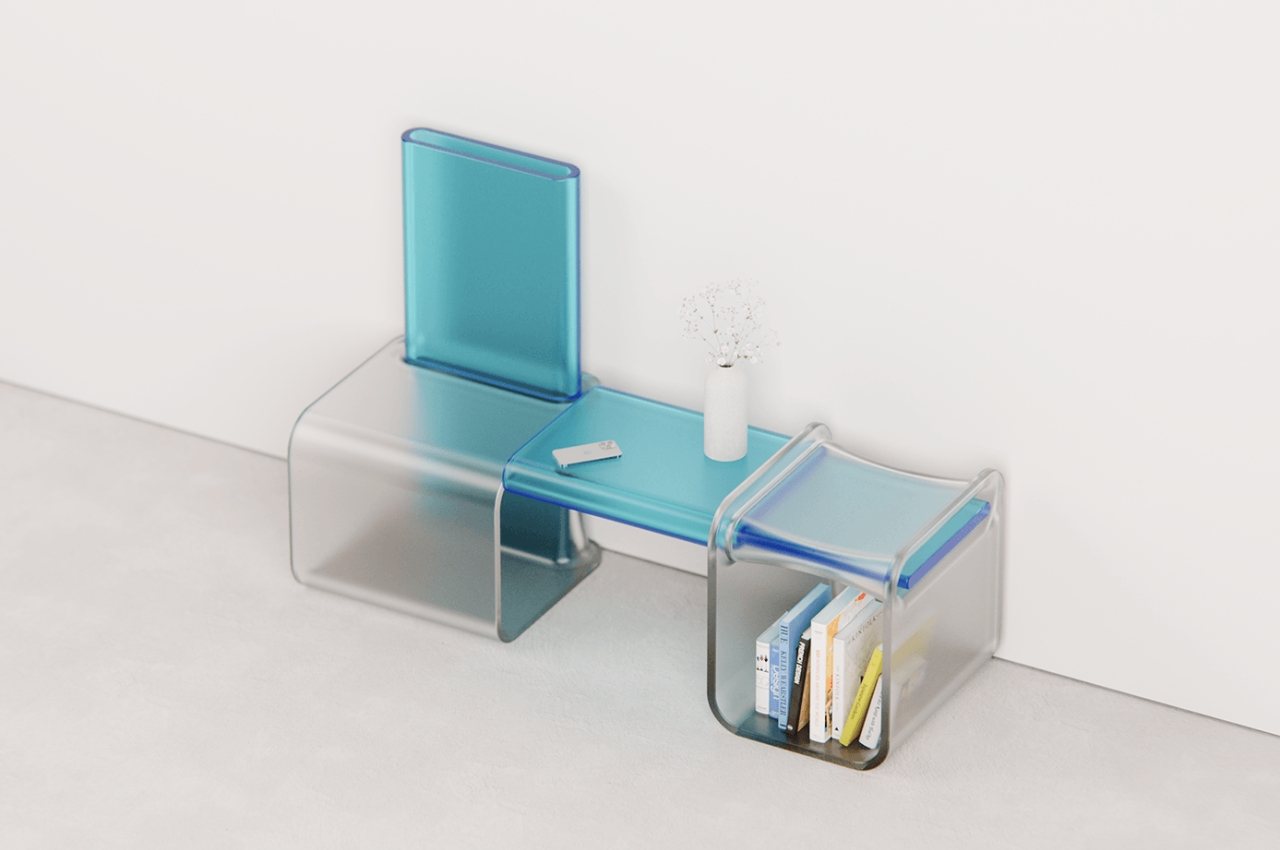
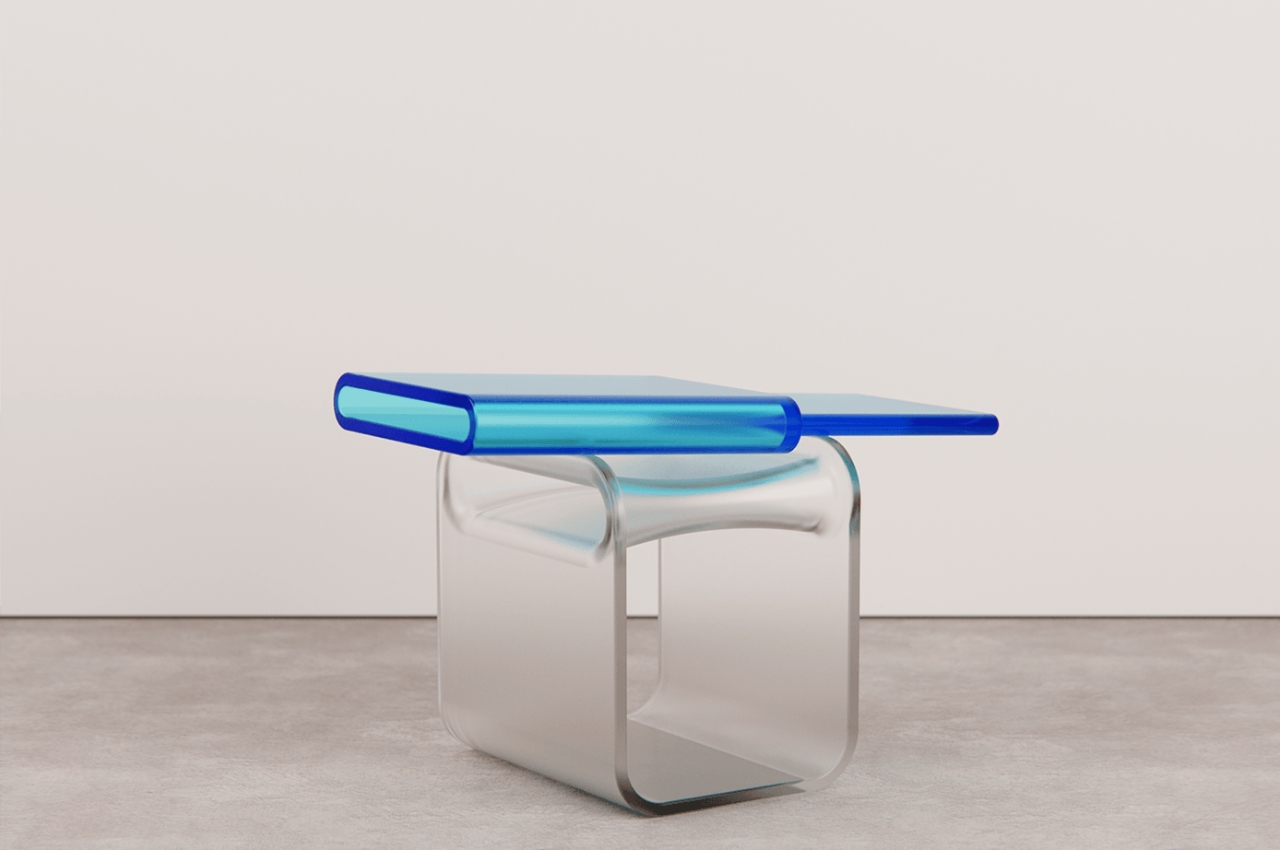
You can also remove the backrest part of the chair if you want to just have a stool type of furniture. You can also put the backrest on the side so you get a side table along with your chair. There is also space under where you can store items like books and knick knacks. If you put the full chair with the chair/side table together, then you have a more complete set.

Chairs made from polycarbonate plastic may not seem the most comfortable but based on the renders, you get something really pleasing to the eyes. And of course, we love multi-functional and modular things here, so that’s another bonus fro the Push Fit Chair.

The post Polycarbonate plastic chair can be turned into side table first appeared on Yanko Design.
Polycarbonate plastic chair can be turned into side table

People have different tastes when it comes to furniture, even something as functional as chairs. There are those that look for comfort while there are those that just want something they can sit on when working. There are people who look for highly aesthetic chairs that can fit into their space while there are those that like to look for more experimental kind of chairs.

Designer Name: Liam de la Beyodere

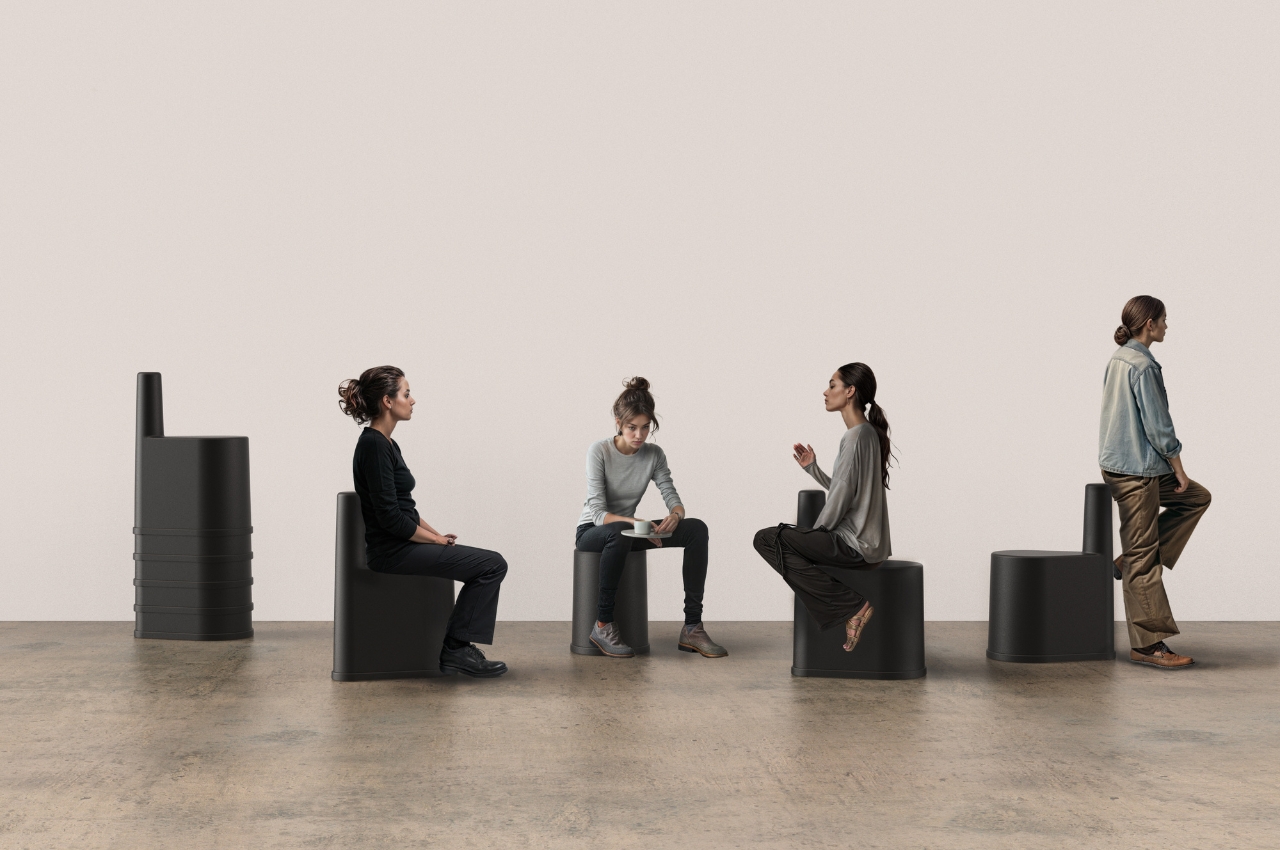
If you’re the last kind of person, this chair concept might be right up your alley. The Push Fit Chair uses frosted injection-moulded polycarbonate plastic for its parts. When you push them together and assemble it, you get a chair that sports a crystal-clear aesthetic. The idea is for light and colors to flow through the chair and lets it cast different patterns and shapes on nearby surfaces.

You can also remove the backrest part of the chair if you want to just have a stool type of furniture. You can also put the backrest on the side so you get a side table along with your chair. There is also space under where you can store items like books and knick knacks. If you put the full chair with the chair/side table together, then you have a more complete set.

Chairs made from polycarbonate plastic may not seem the most comfortable but based on the renders, you get something really pleasing to the eyes. And of course, we love multi-functional and modular things here, so that’s another bonus fro the Push Fit Chair.

The post Polycarbonate plastic chair can be turned into side table first appeared on Yanko Design.
Side table and shelf uses monochromatic lines and dots springing up from the ground

When it comes to side tables and shelves, I’m the kind of person who prefers it to be functional (also, affordable) rather than aesthetic. But there are also those who prefer for their furniture to be both functional and also pieces of art. Fortunately, there are a lot of designers out there who are experimenting with form while still making them useful as their original purpose.

Designer: Taeg Nishimoto, TN/MOS

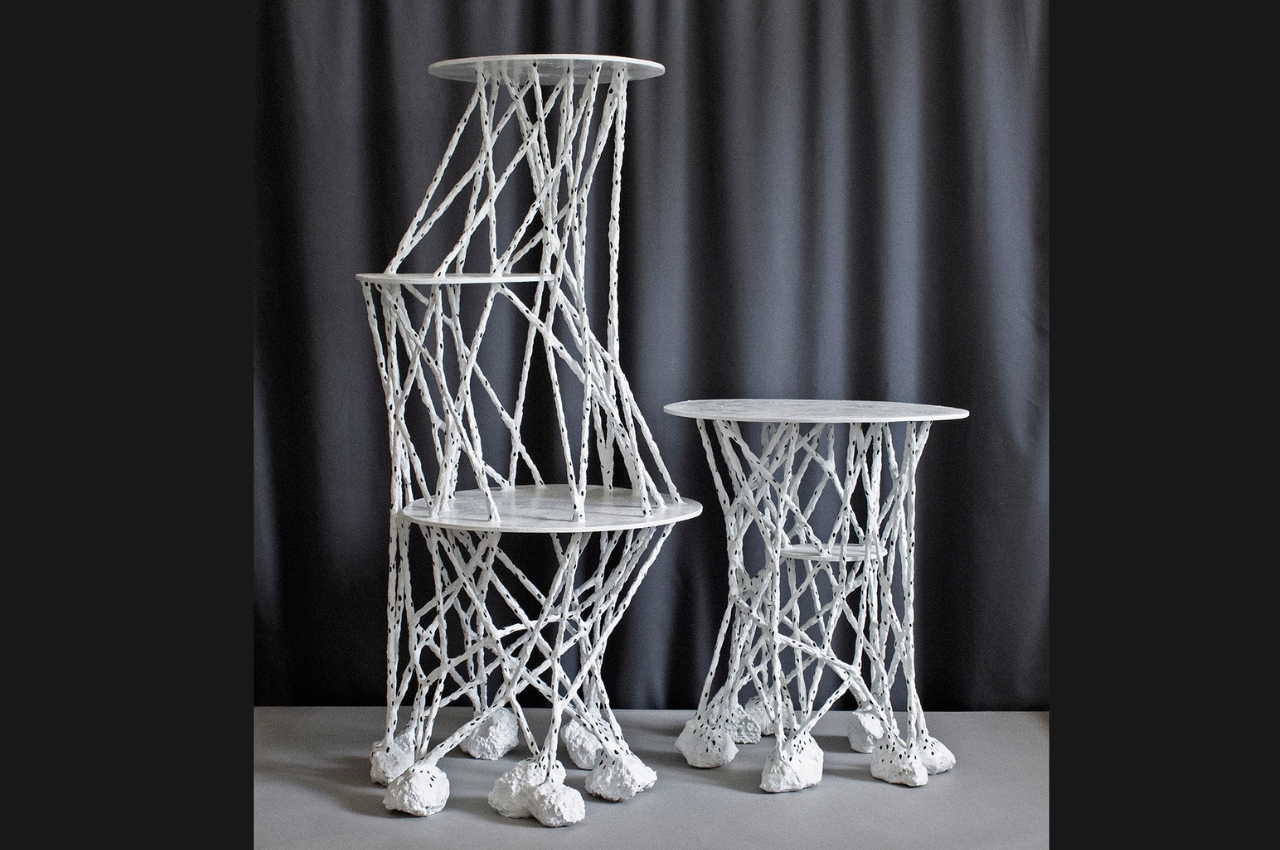
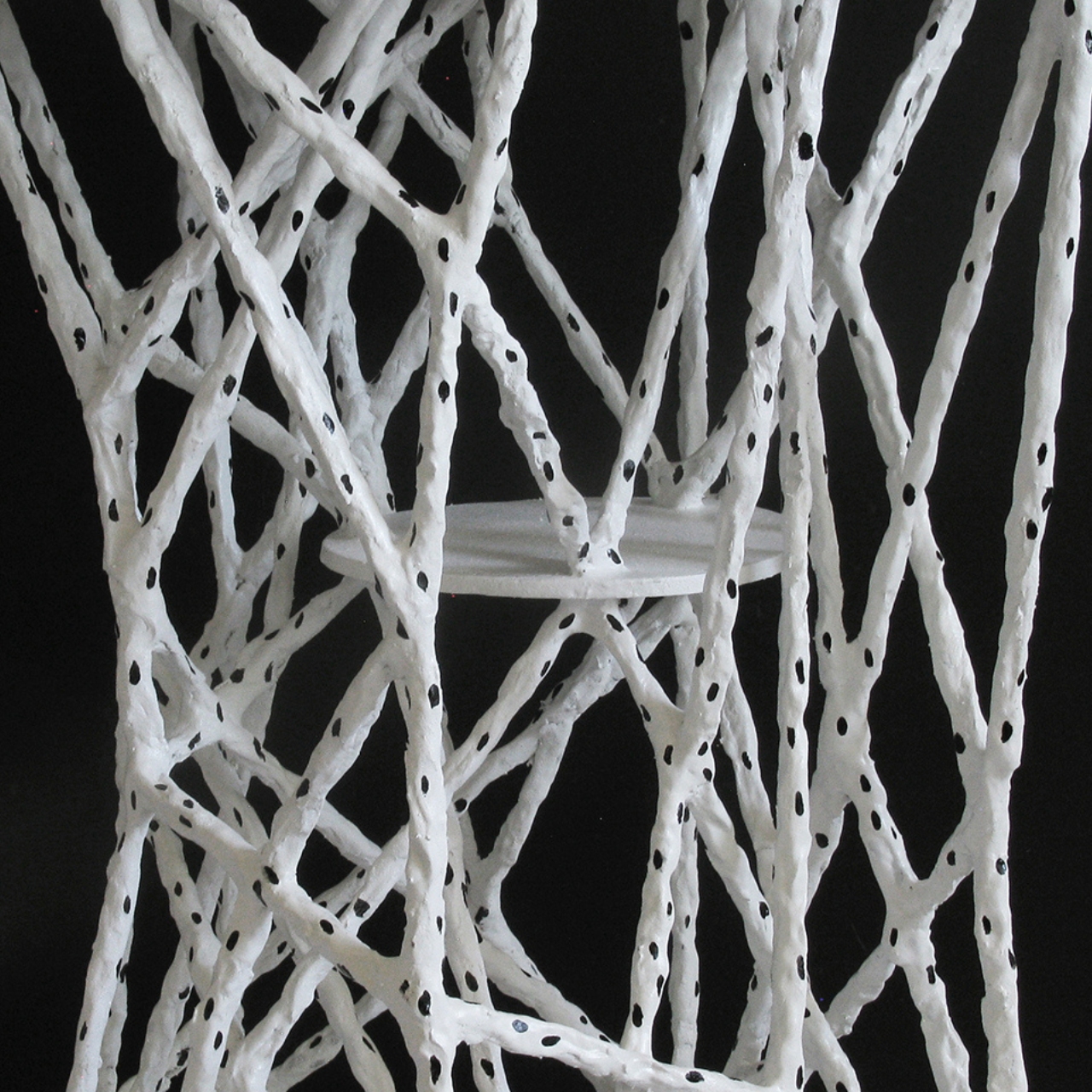
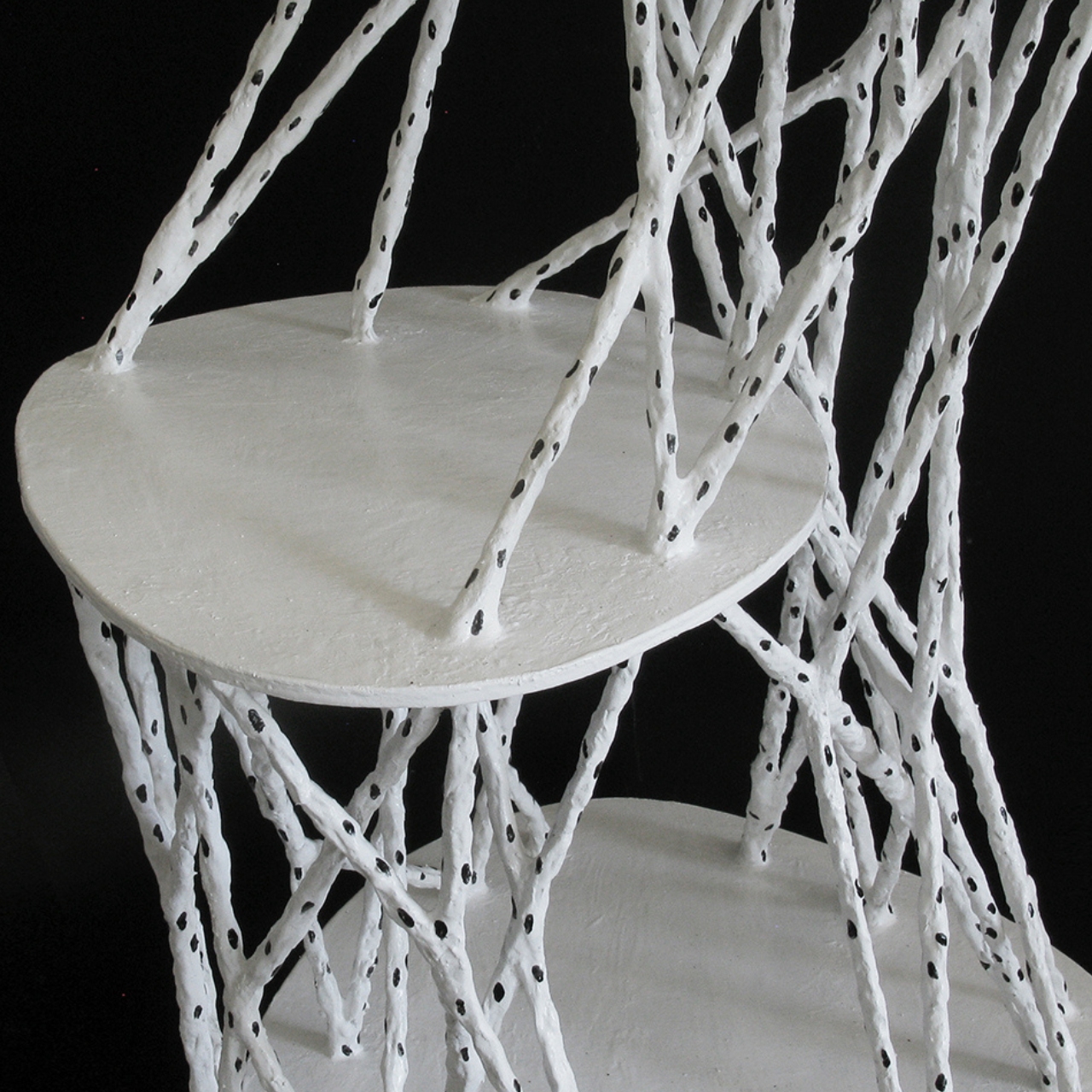
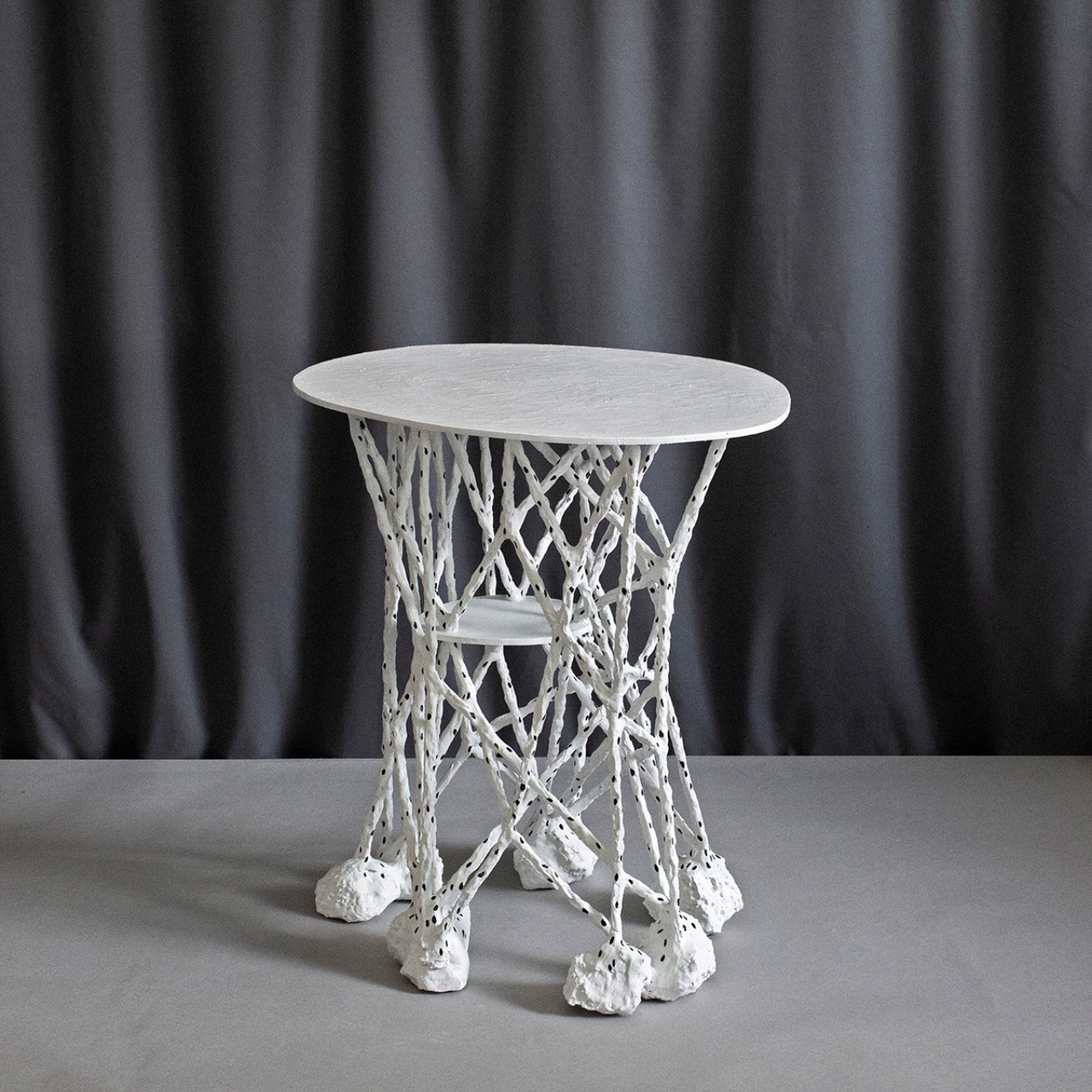
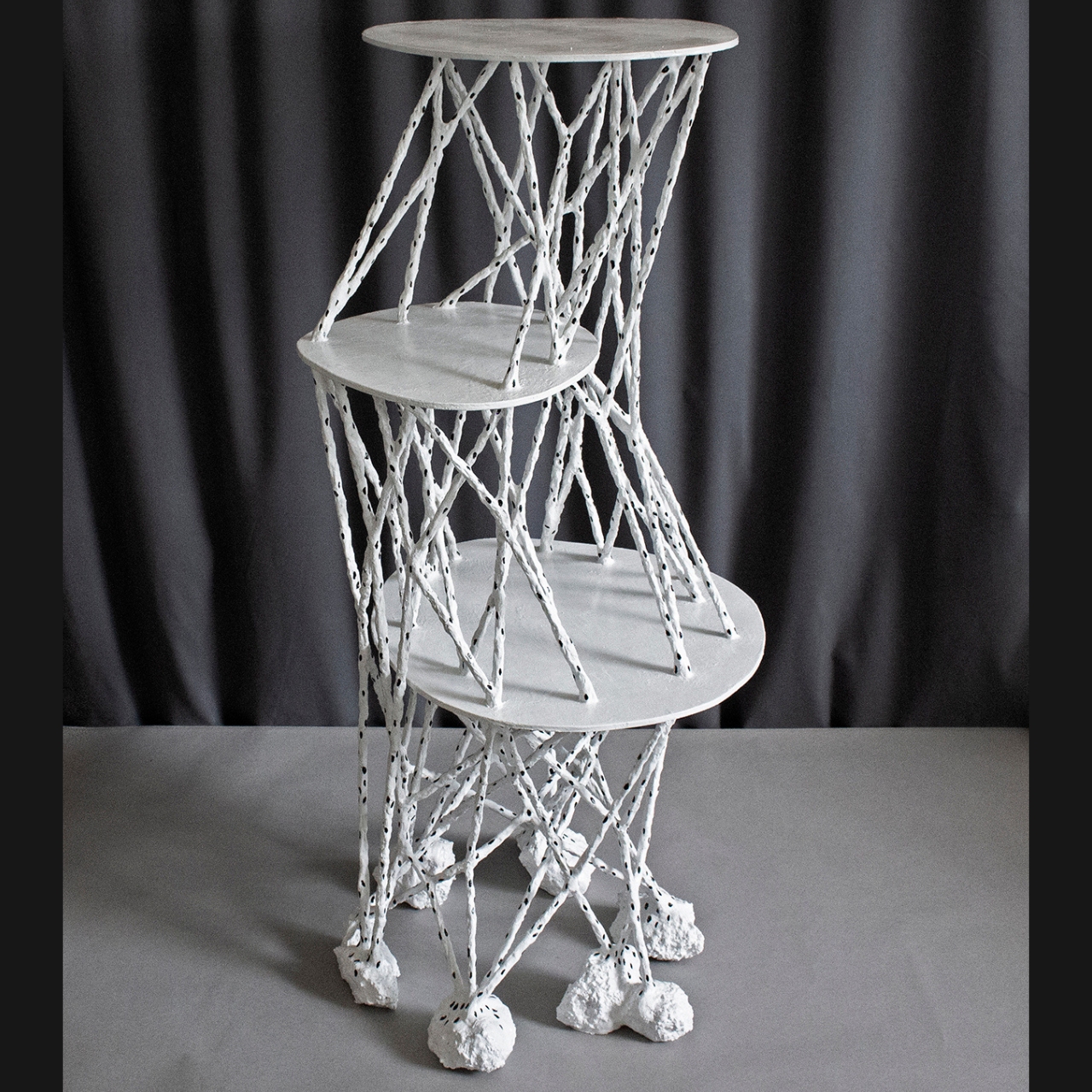
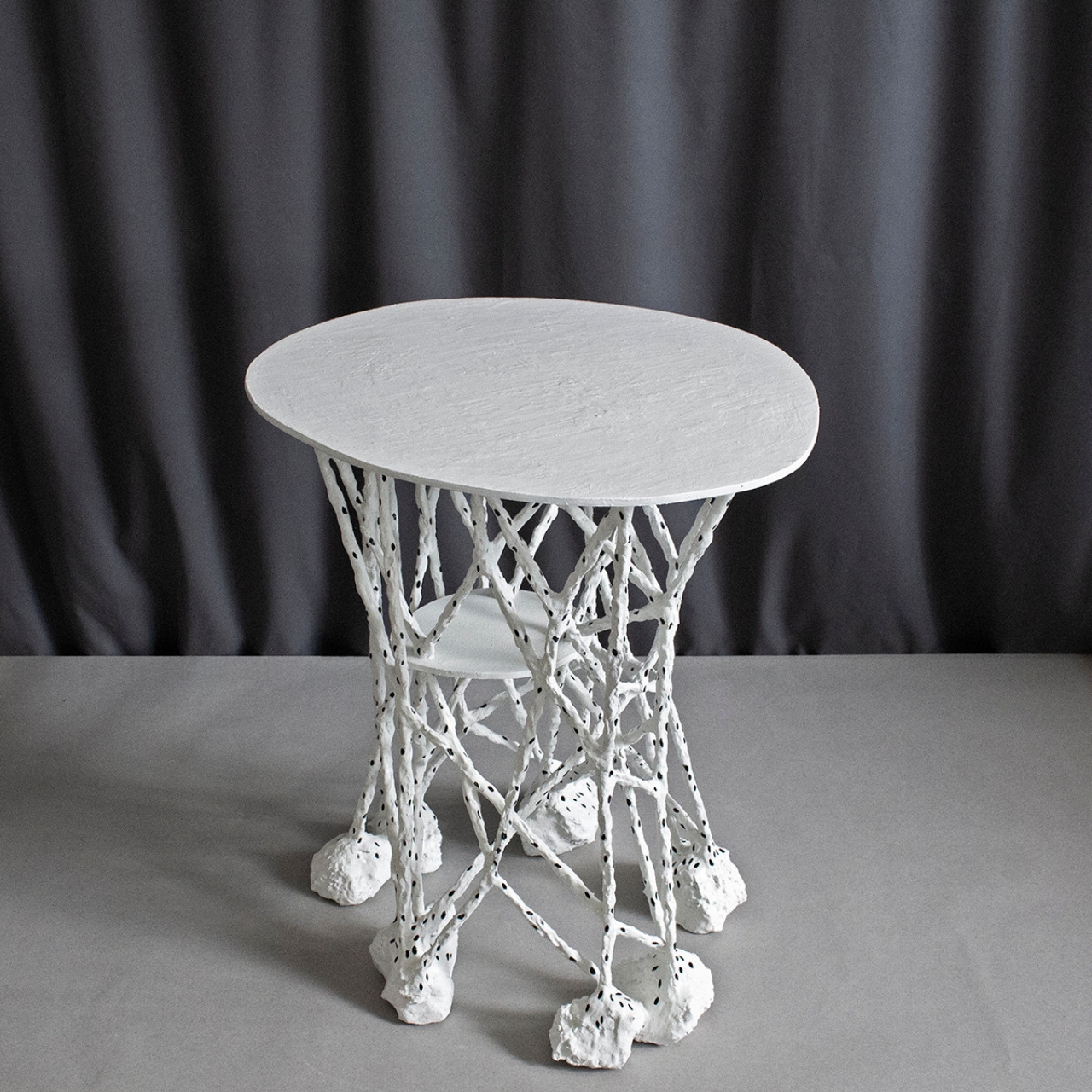
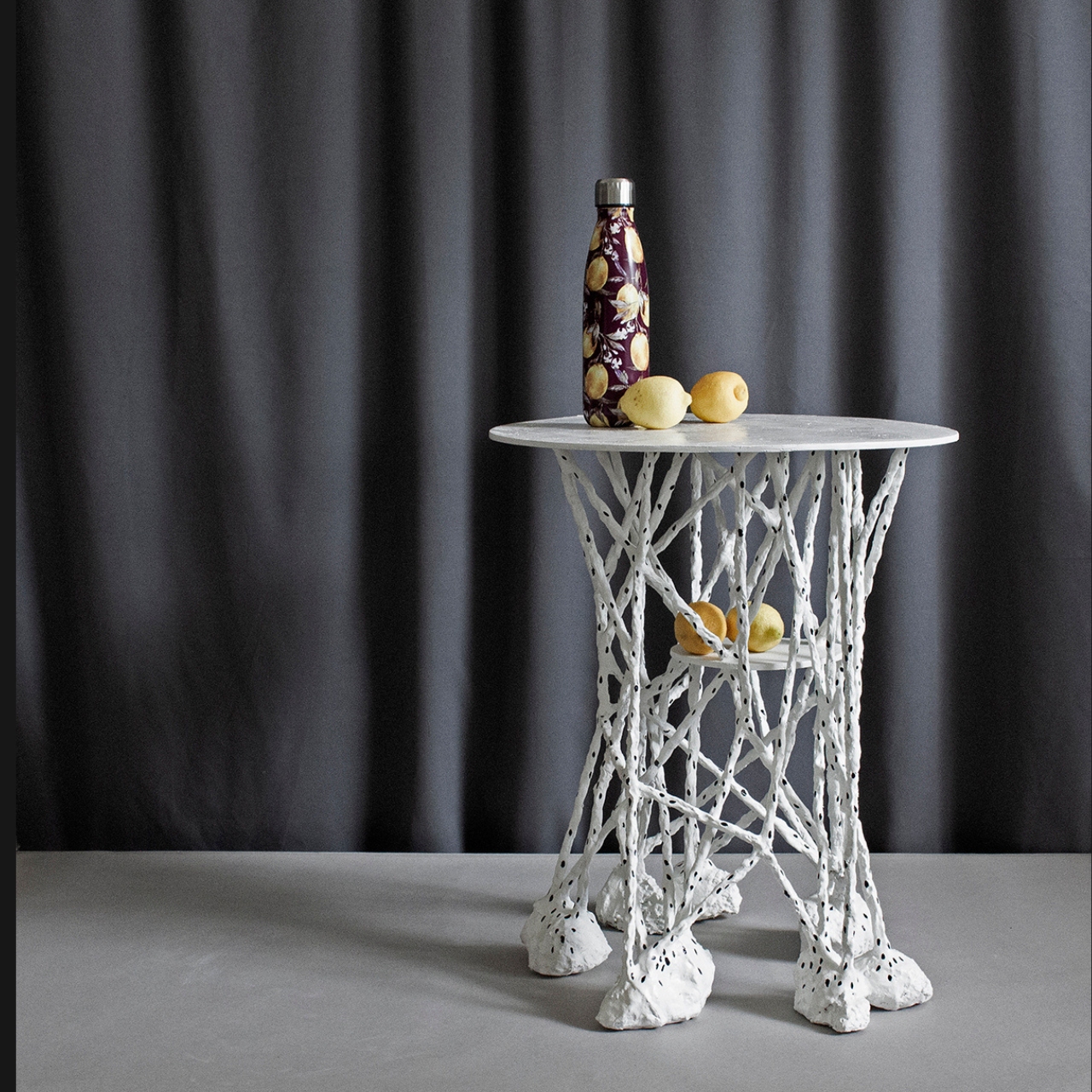
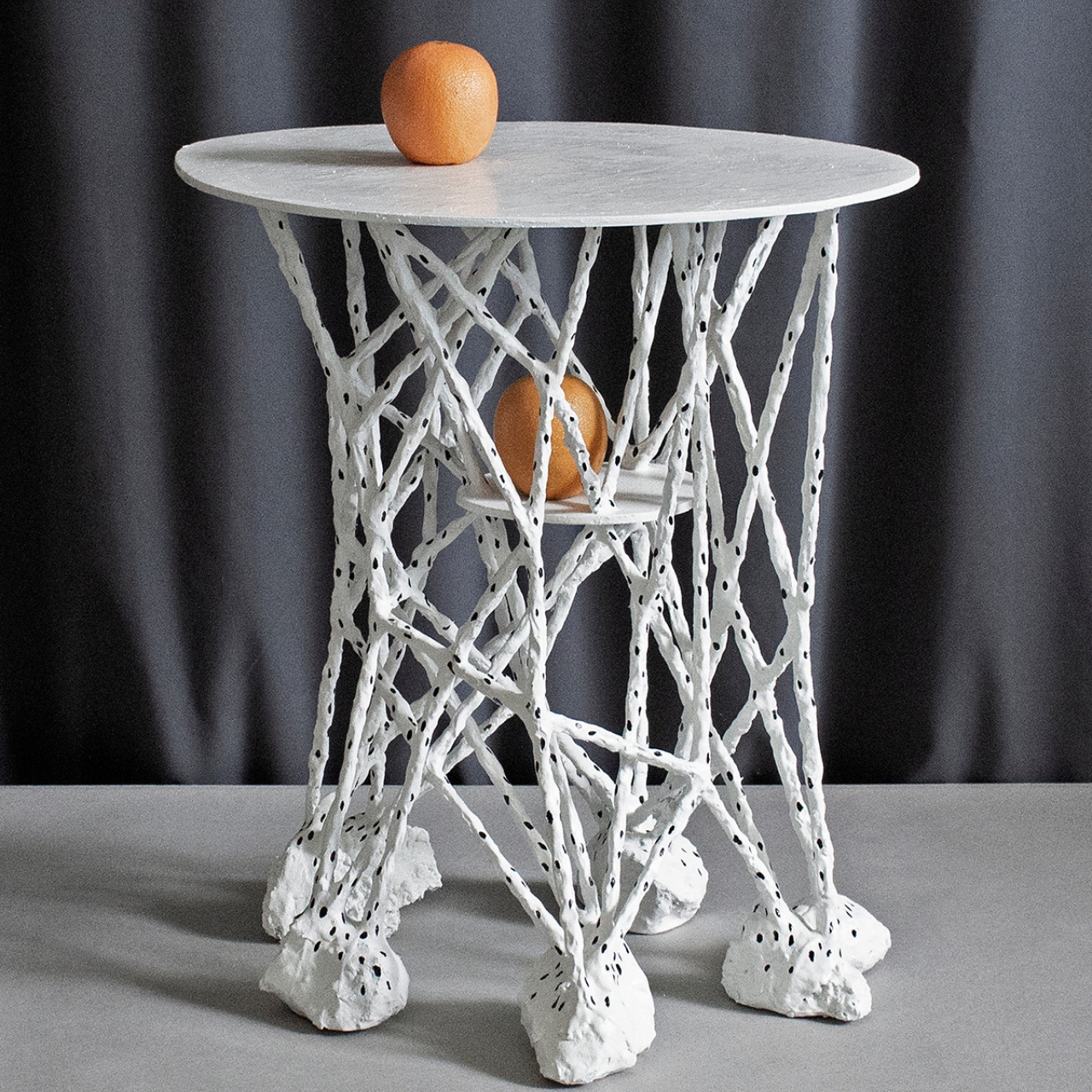
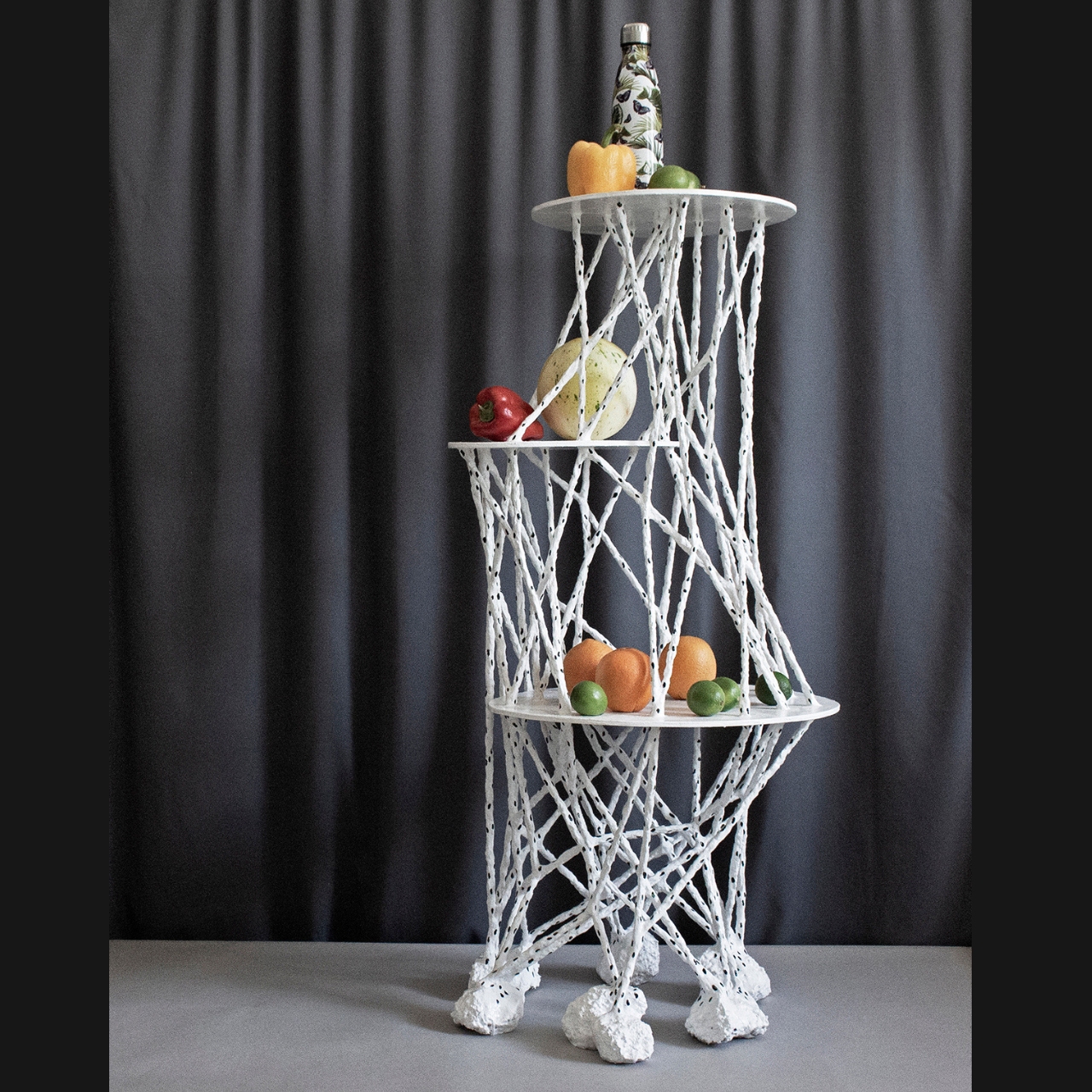
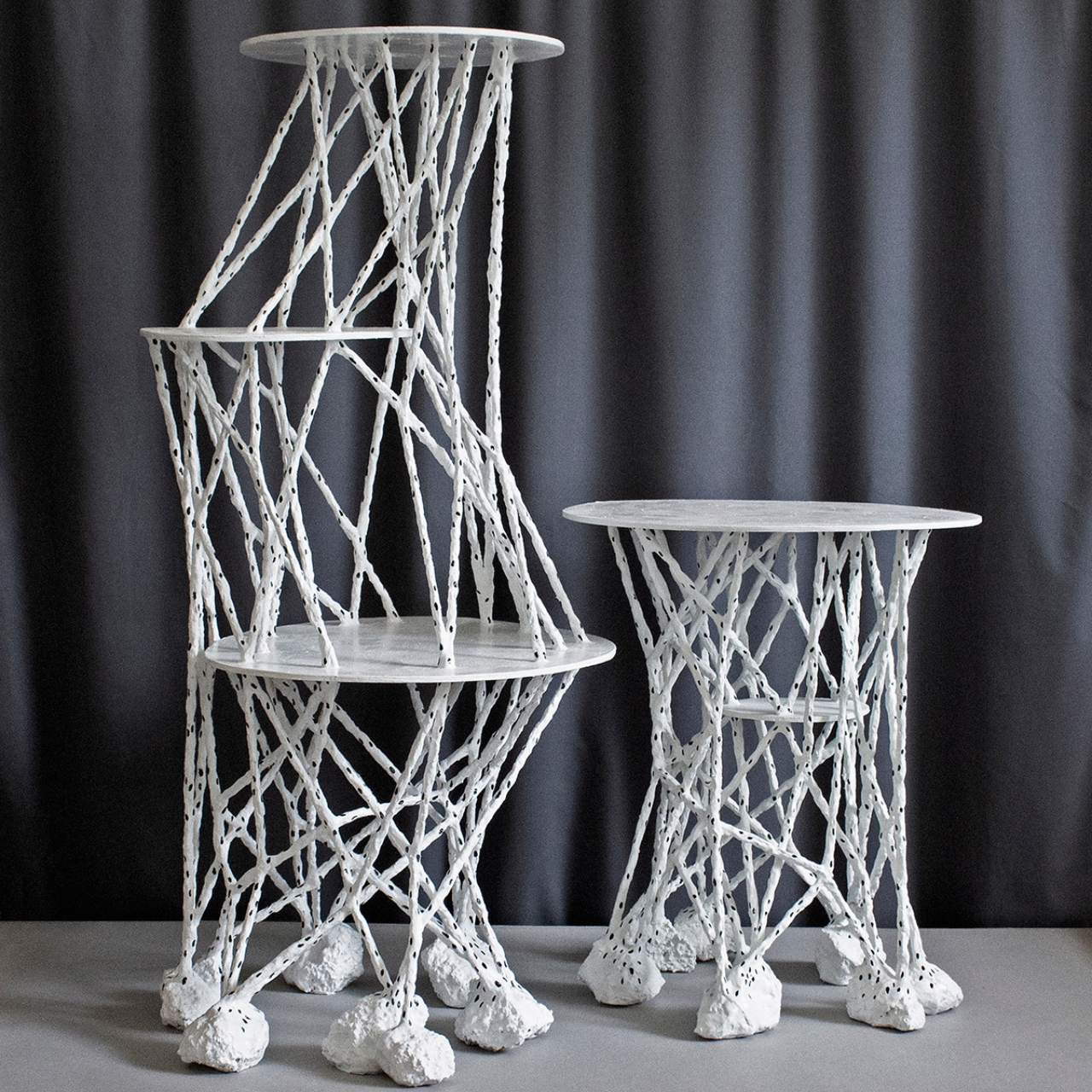
Lines and dots is one such kind of furniture wherein the side-table and free-standing shelf are both pieces that you can use to place your items but can also double as sculptures in your space. It uses various materials like clay, wood, sisal twine, discarded concrete chunk, and liquid rubber to bring you something that looks pretty unique with its “spontaneous geometry” kind of design.

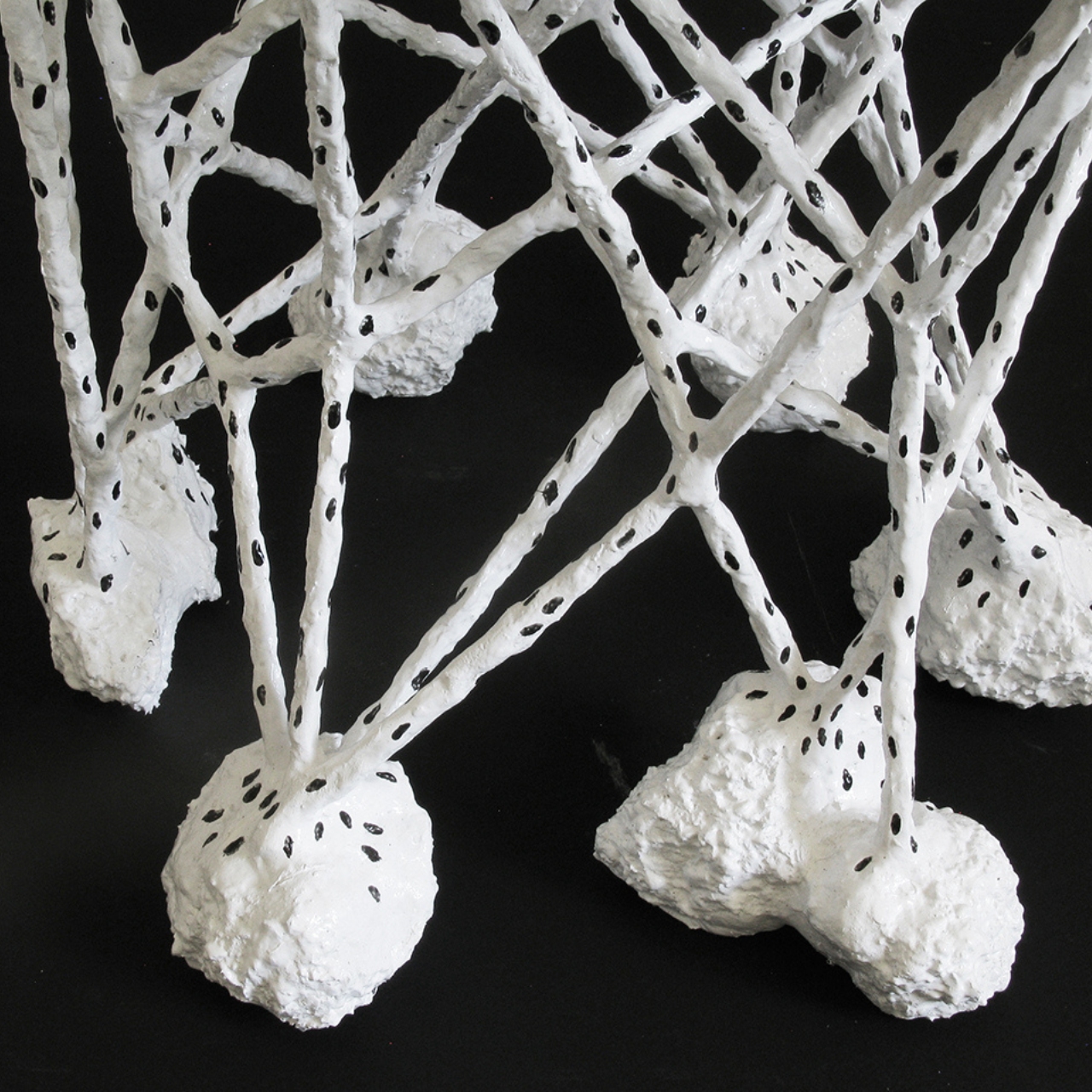
The lines are actually intertwining pieces of twine that start from the bottom and up. The concrete chunk that serves as the base is used to attach the sisal twine which also passes through the circular, horizontal planes in the middle. Those planes are the shelves and even though they are round, they are not perfectly circular so you get a sense of movement. The twine lines are covered in clay by hand and the traces of the fingers applying it are left there. Afterwards, all parts of the side table and shelves are covered with white liquid rubber while the clay lines get black dots.

Since the side table and shelves are in white with black dots, it comes “alive” when you place objects with vibrant colors on it. The entire look of these lines and dots gives the impression that your furniture actually “grew” vertically from the ground up. You can only place a few objects on it because of its small size but the main point is adding to the aesthetic of your space.

The post Side table and shelf uses monochromatic lines and dots springing up from the ground first appeared on Yanko Design.
ESA’s LEGO-like space bricks made from meteorite dust explore building houses on the Moon

In sci-fi movies and TV shows, we’ve seen houses or structures built on other planets and on the moon. That’s probably still decades away from actually happening but it doesn’t mean that we can’t start dreaming about it. And those that are actually involved in space things are doing more than just dreaming, they’re actually testing things out to prepare for the possibility. And now we’re getting the first tiny steps into thinking how we can build homes for the astronauts on the moon.
Designer: European Space Agency

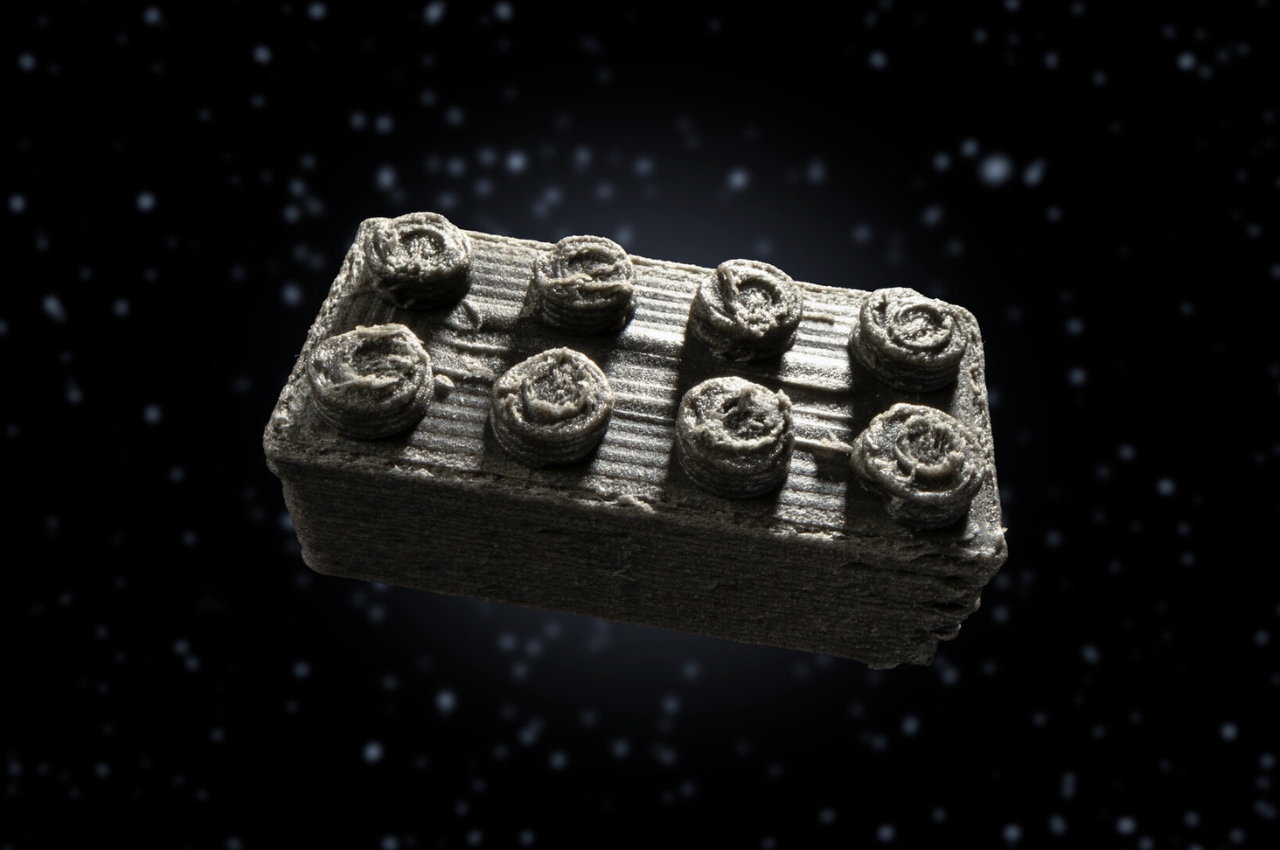
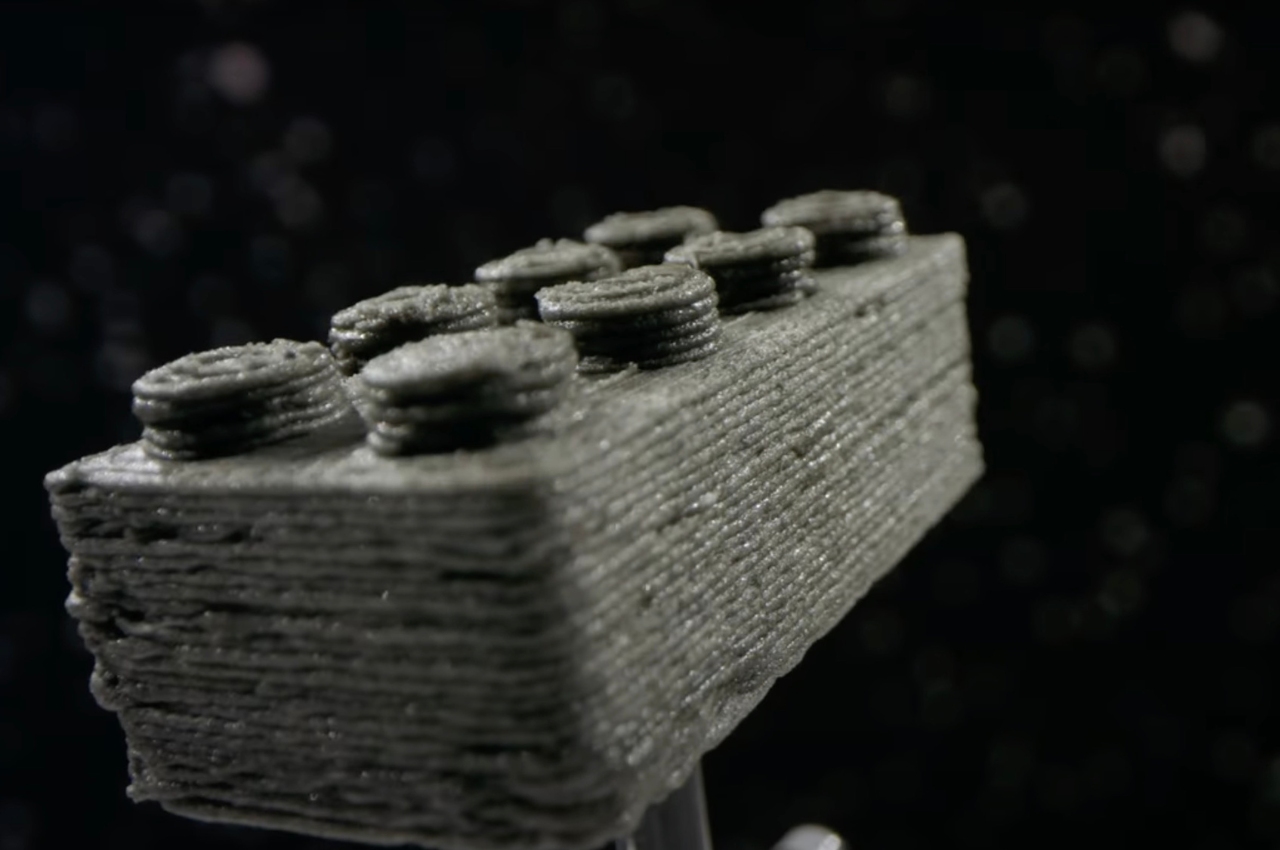
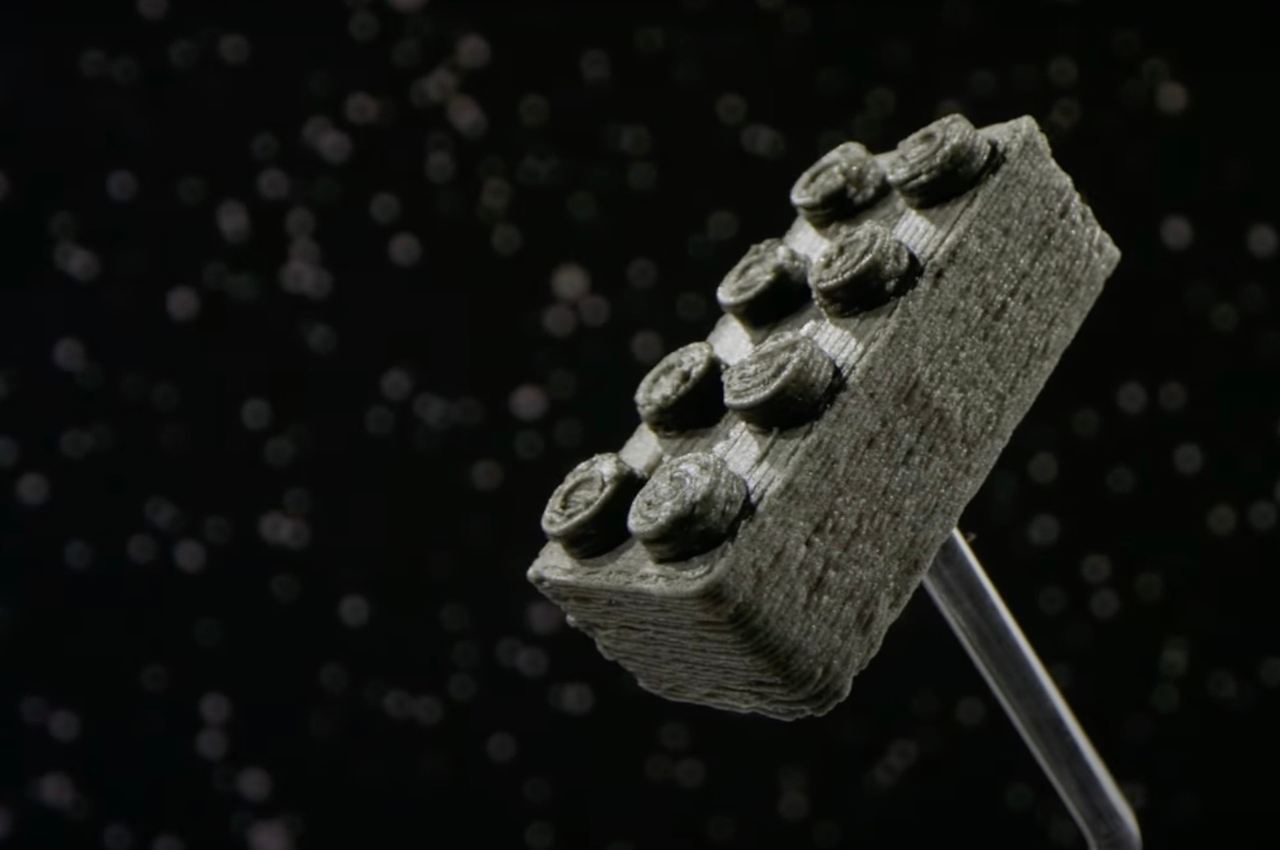
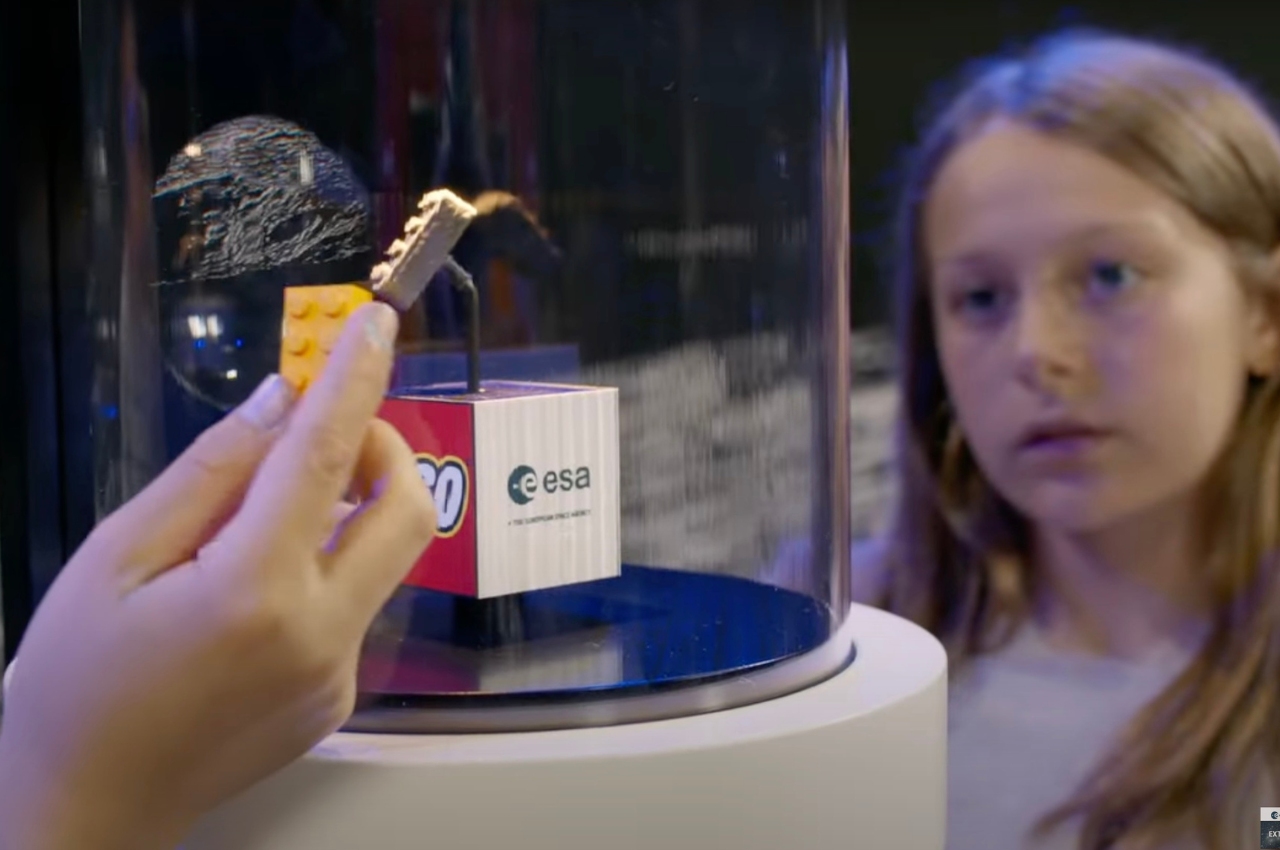
The scientists at the ESA have come up with space bricks, similar to the LEGO bricks that a lot of them (and a lot of us) love. The idea is to explore whether the materials found on the moon can actually be used to build houses and other structures. It makes sense to use what’s already there rather than bringing over building materials from earth. The surface there has layers of rocks and mineral fragments called lunar regolith. Unfortunately, we don’t have a lot of that material here on Earth to actually play around with.

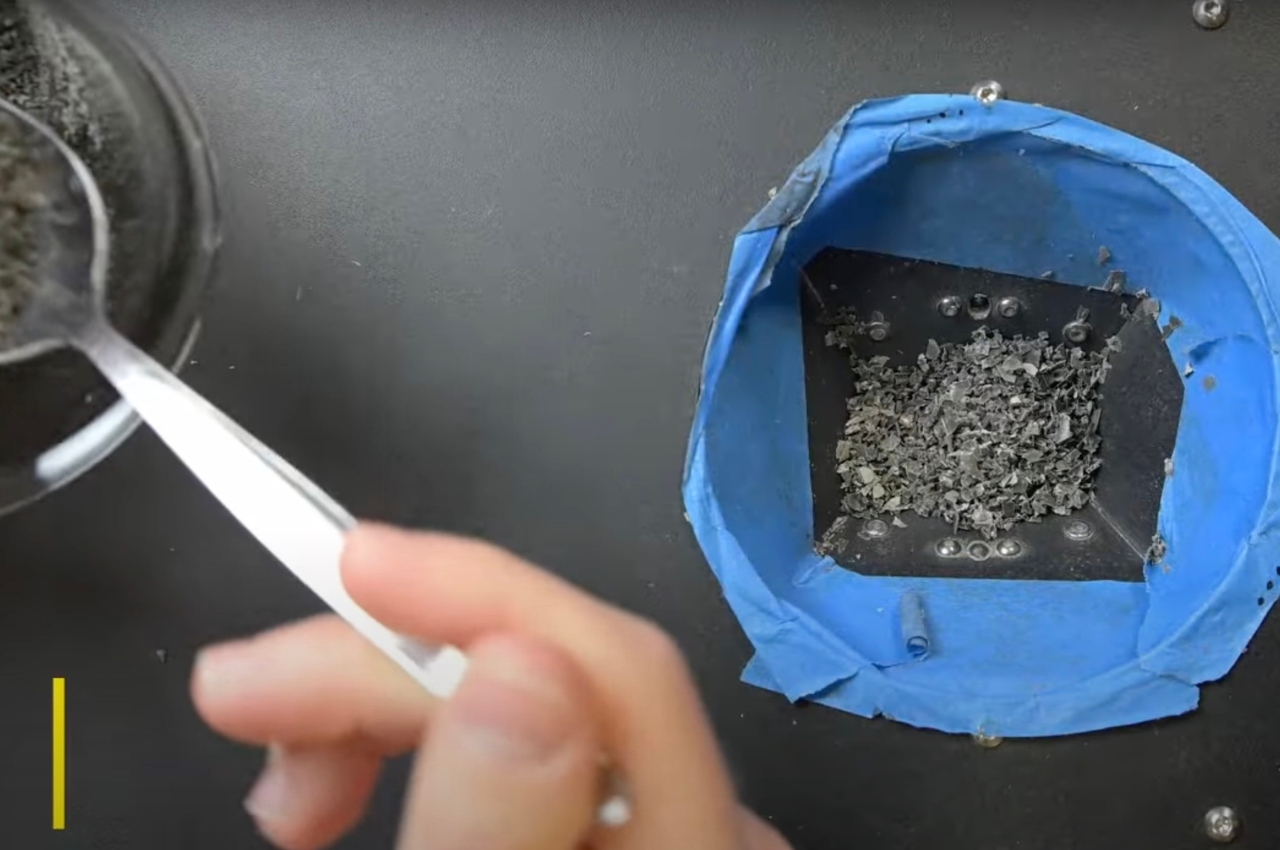
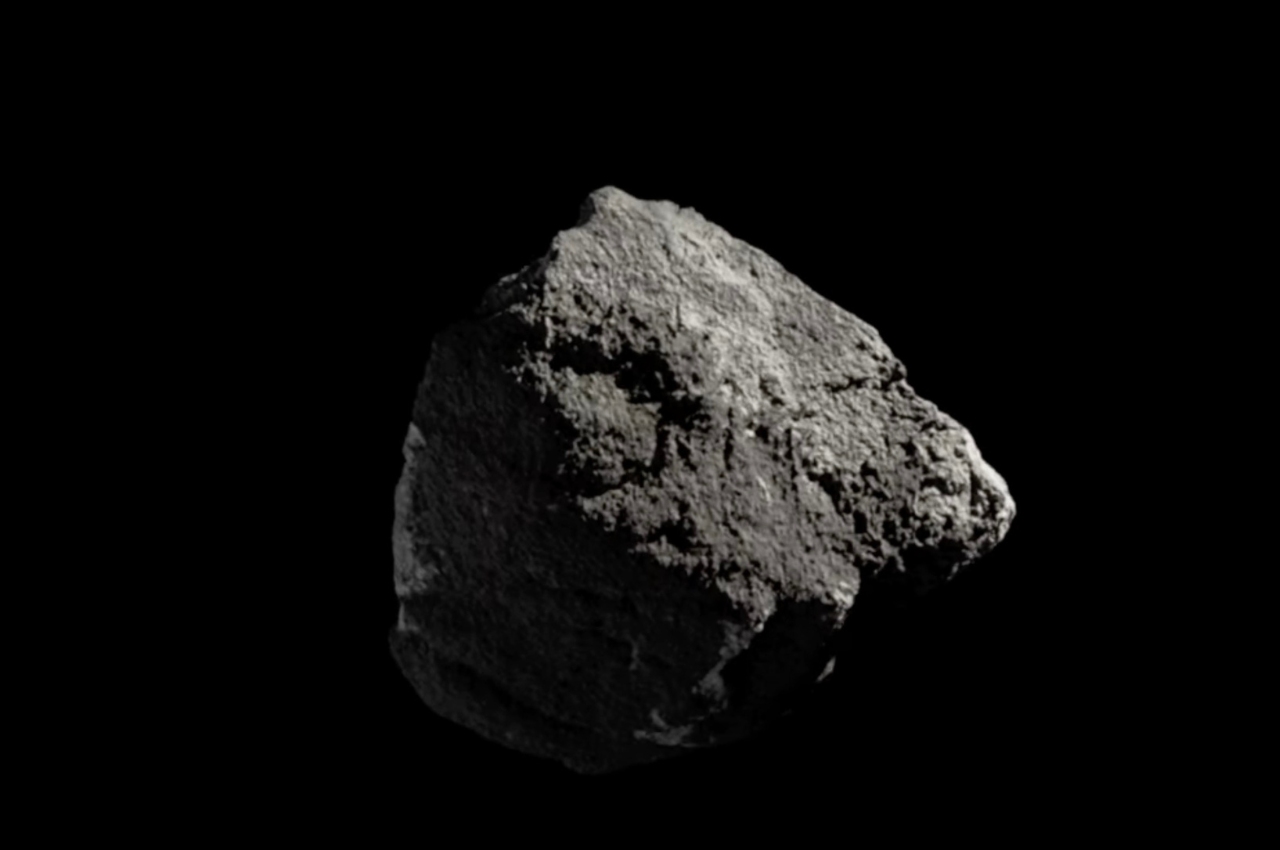
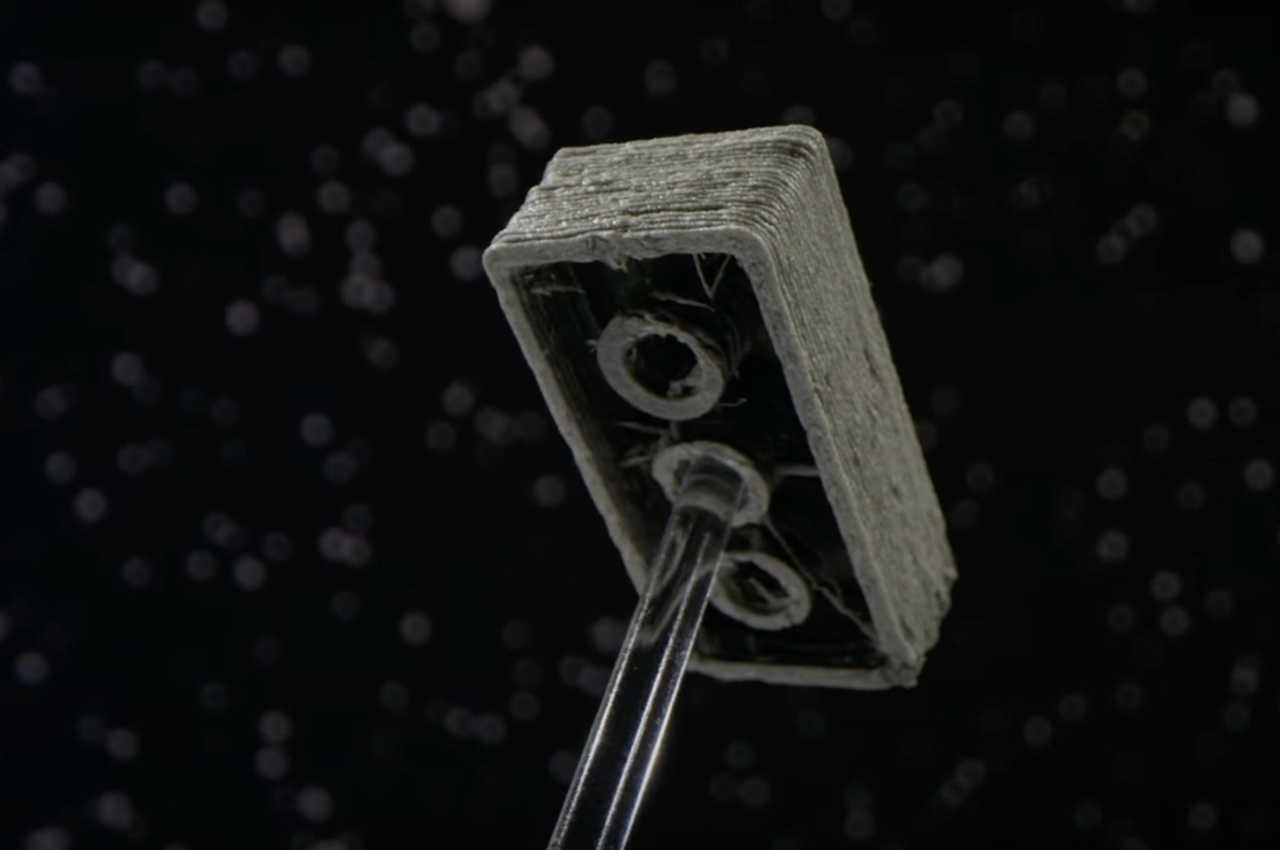
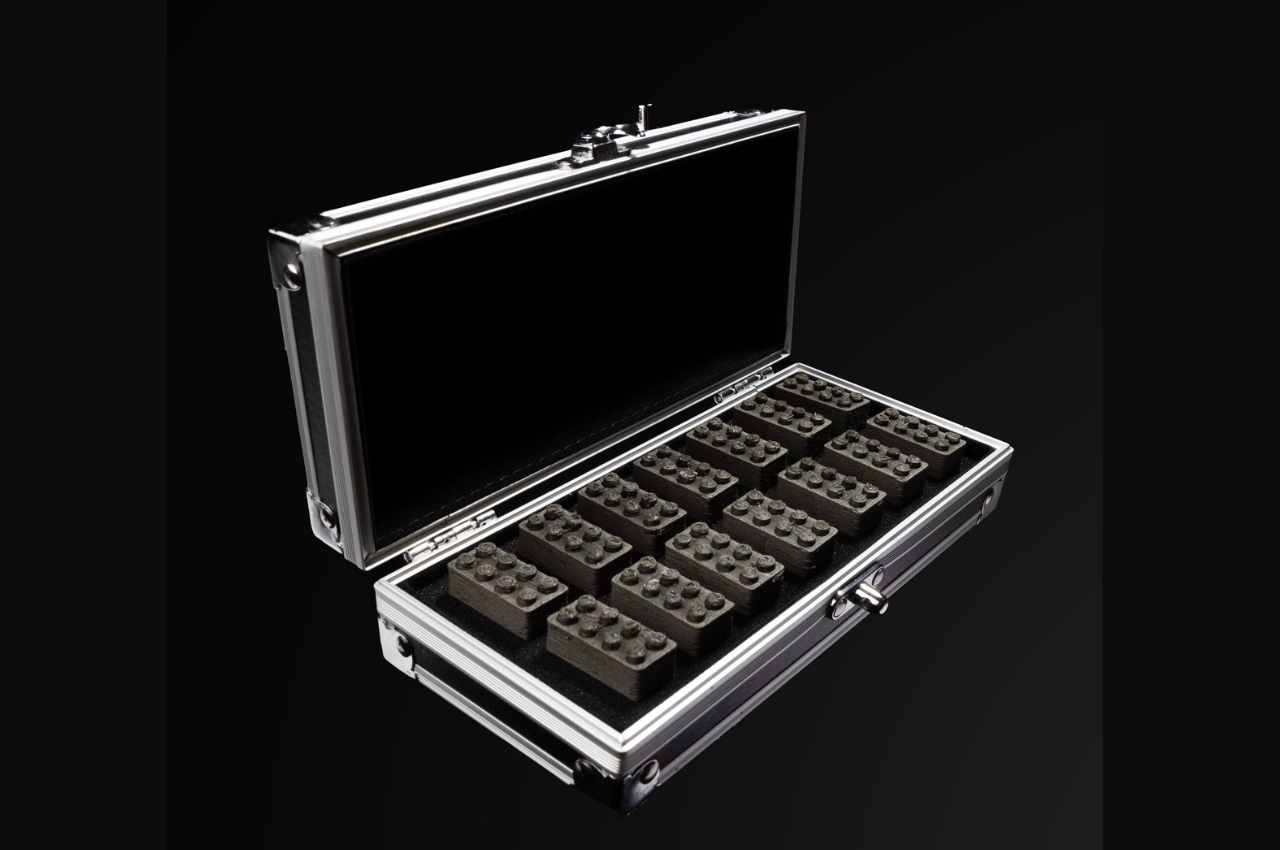
What the scientists did is to grind up 4.5-billion-year-old meteorite (which was found in North Africa 20 years ago) and mix them with some polylactide and regolith stimulant. The mixture was then used to 3D print some bricks in the style of LEGO. Since this is from meteorite, it only comes in “stylish space grey” color. With these bricks, they can test creating some small-scale structures to play around with the possibility of eventually using regolith to build houses on the Moon.

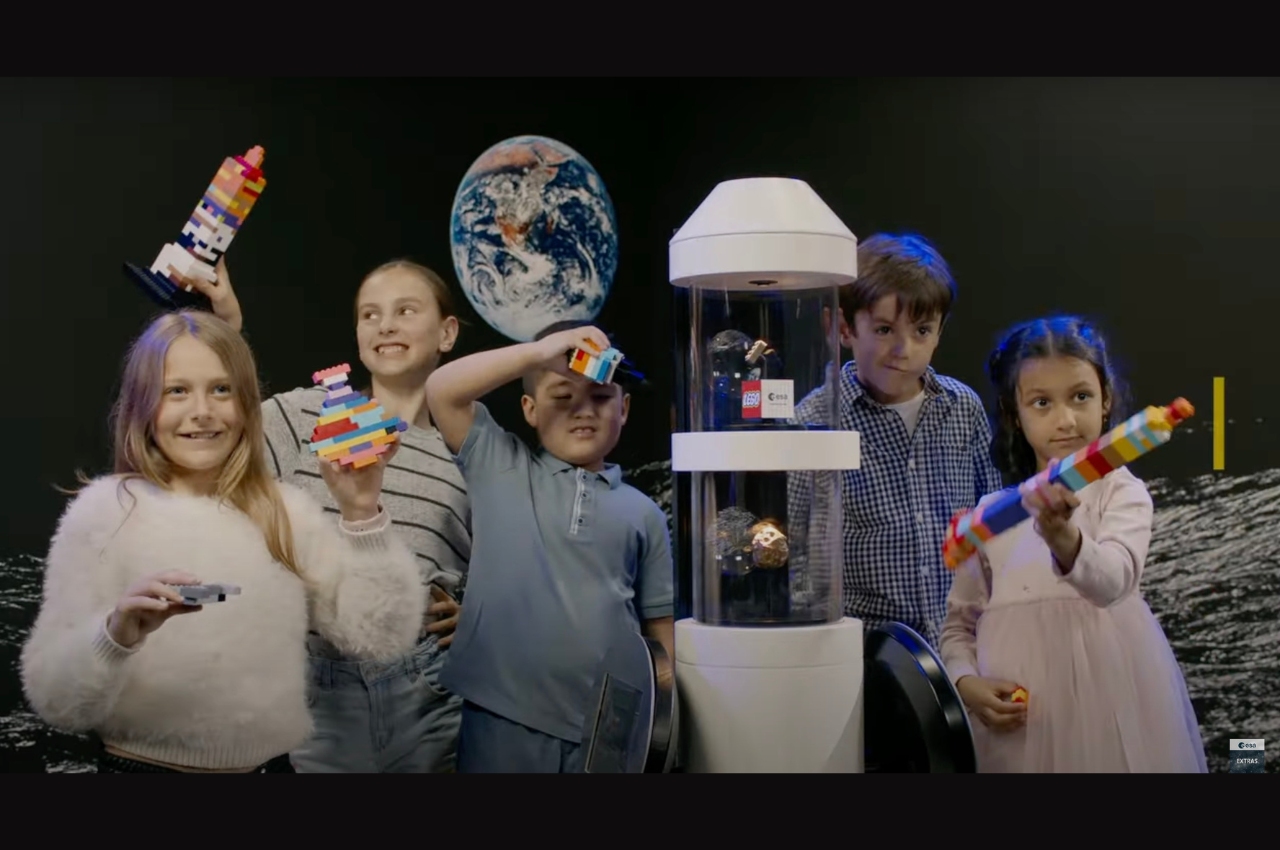
Some of the ESA space bricks will be displayed at selected LEGO stores so kids (and maybe adults) can play around with it. They want to encourage kids to become interested in space and build their own LEGO Moon bases. Seeing bricks that have billions of years materials on it seems like a pretty interesting experience if there’s a LEGO store near you.

The post ESA’s LEGO-like space bricks made from meteorite dust explore building houses on the Moon first appeared on Yanko Design.