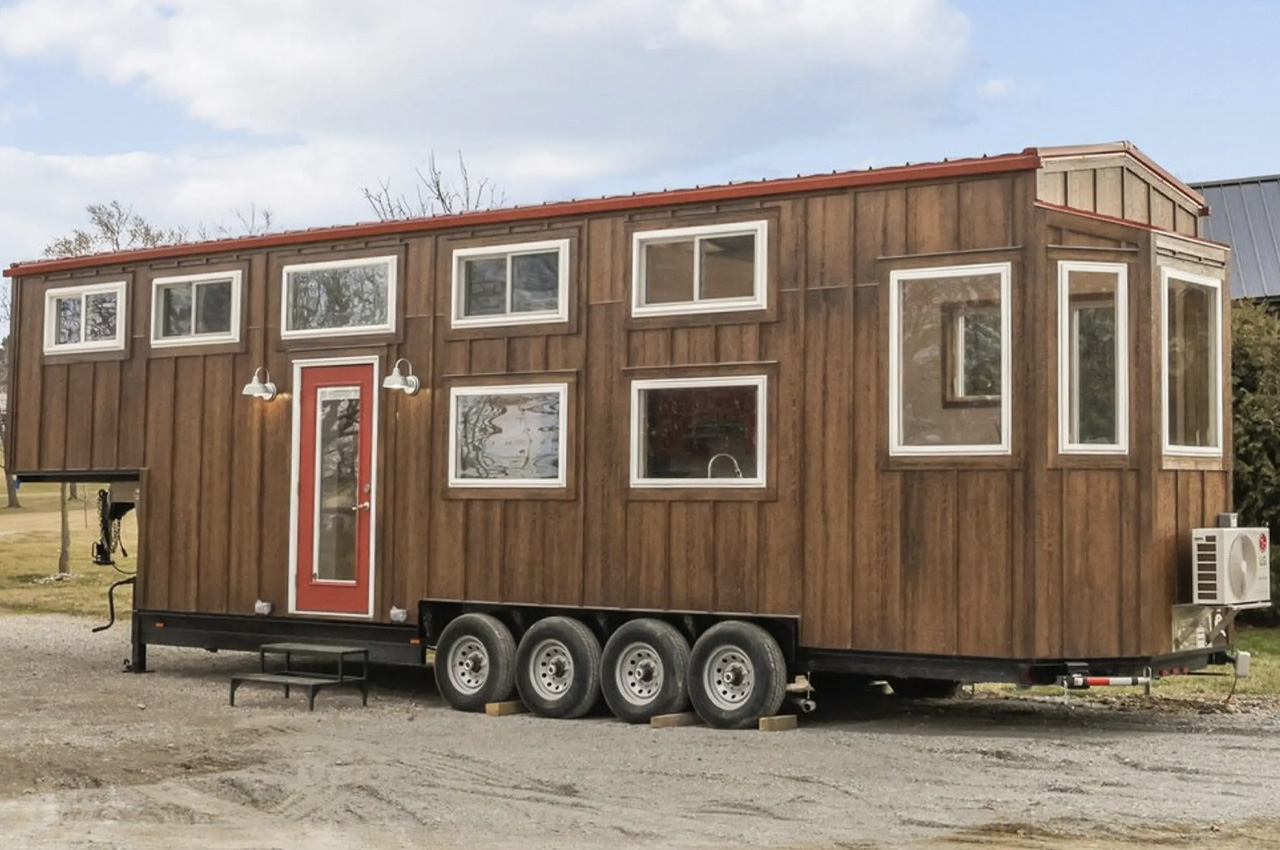
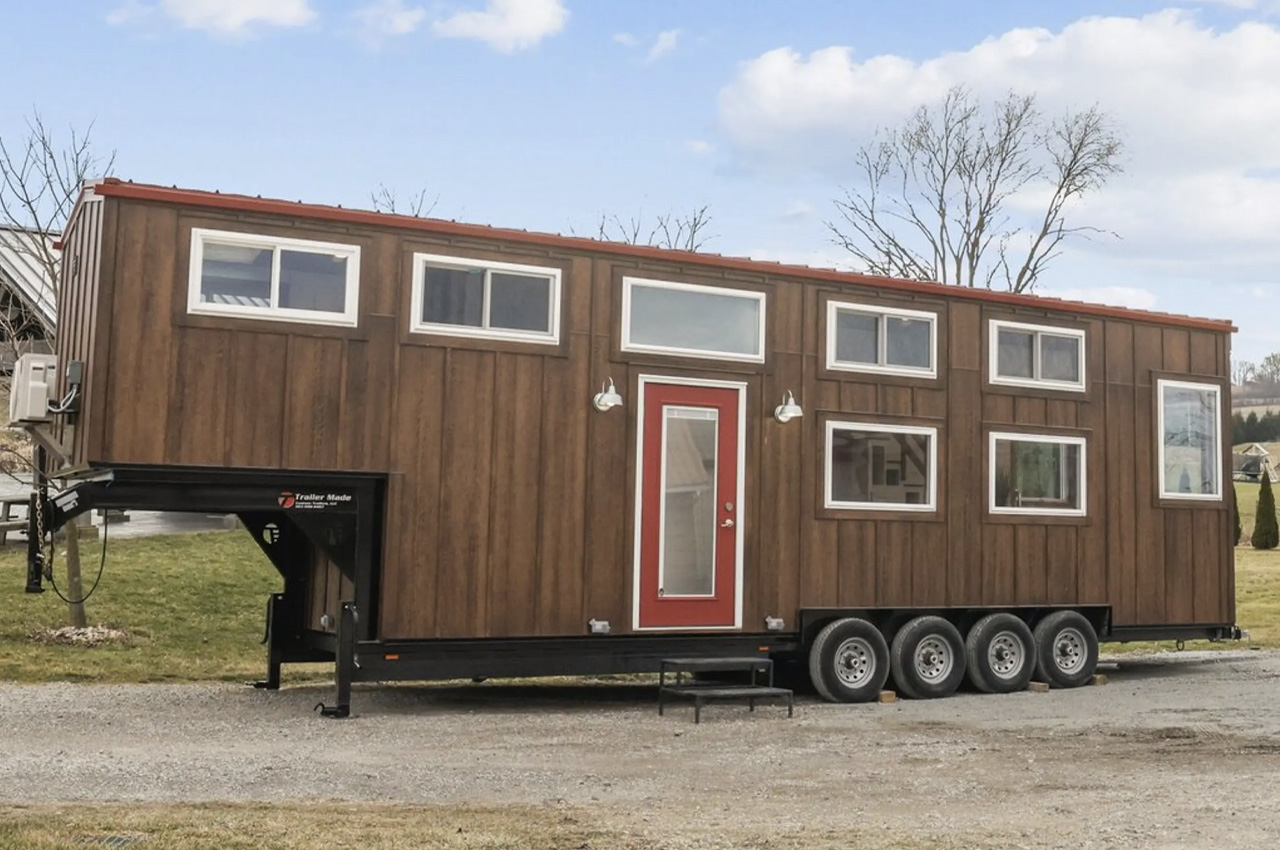
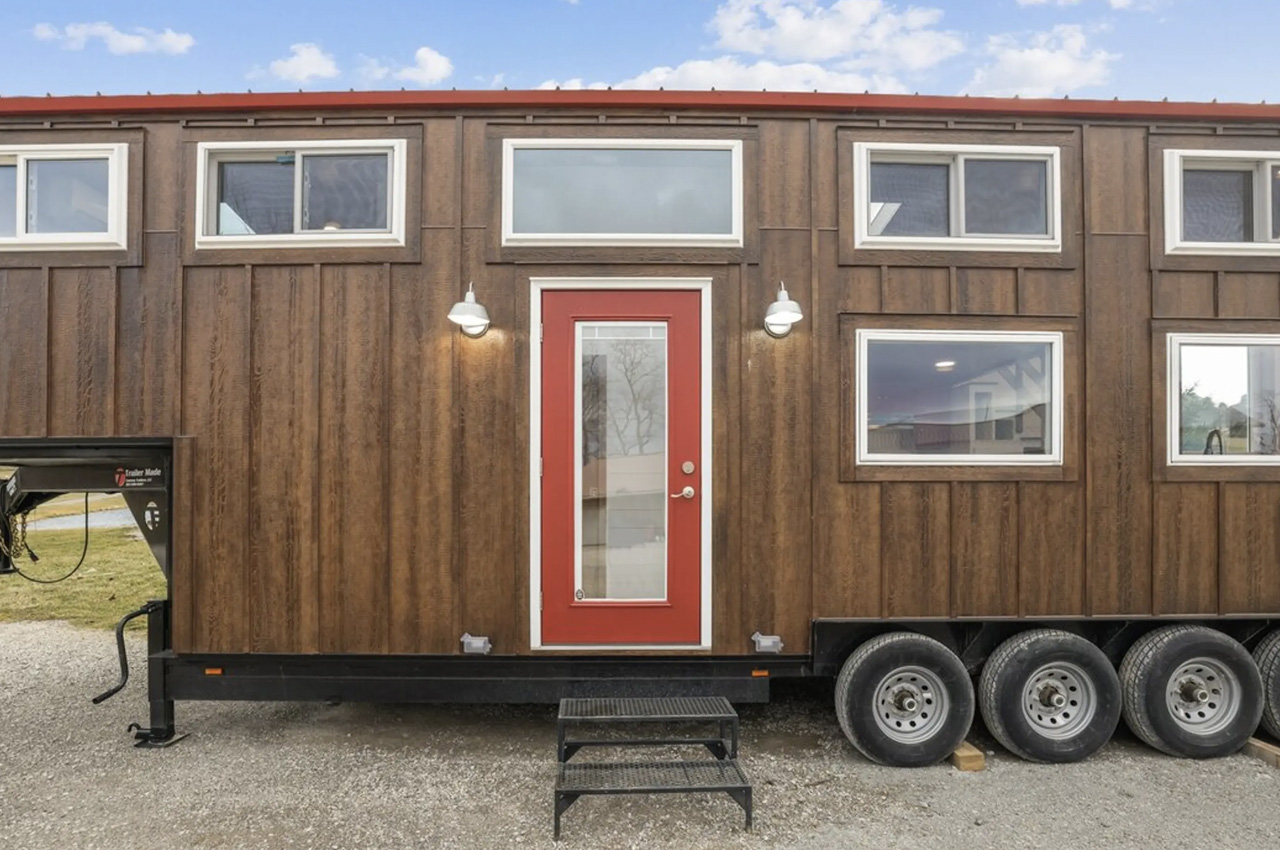
The tiny house movement has taken over the arch world, however, there is one issue that hasn’t been addressed despite its monumental success. It is a pain and often awkward to host guests in a tiny home since there isn’t much space! But Modern Tiny Living has addressed this problem with their Honeylion home and its flexible layout, and space-saving furniture. Featuring a length of 36 feet, the Honeylion is founded on a quad-axle gooseneck trailer. It has a finish of engineered wood and features a bright red steel roof.
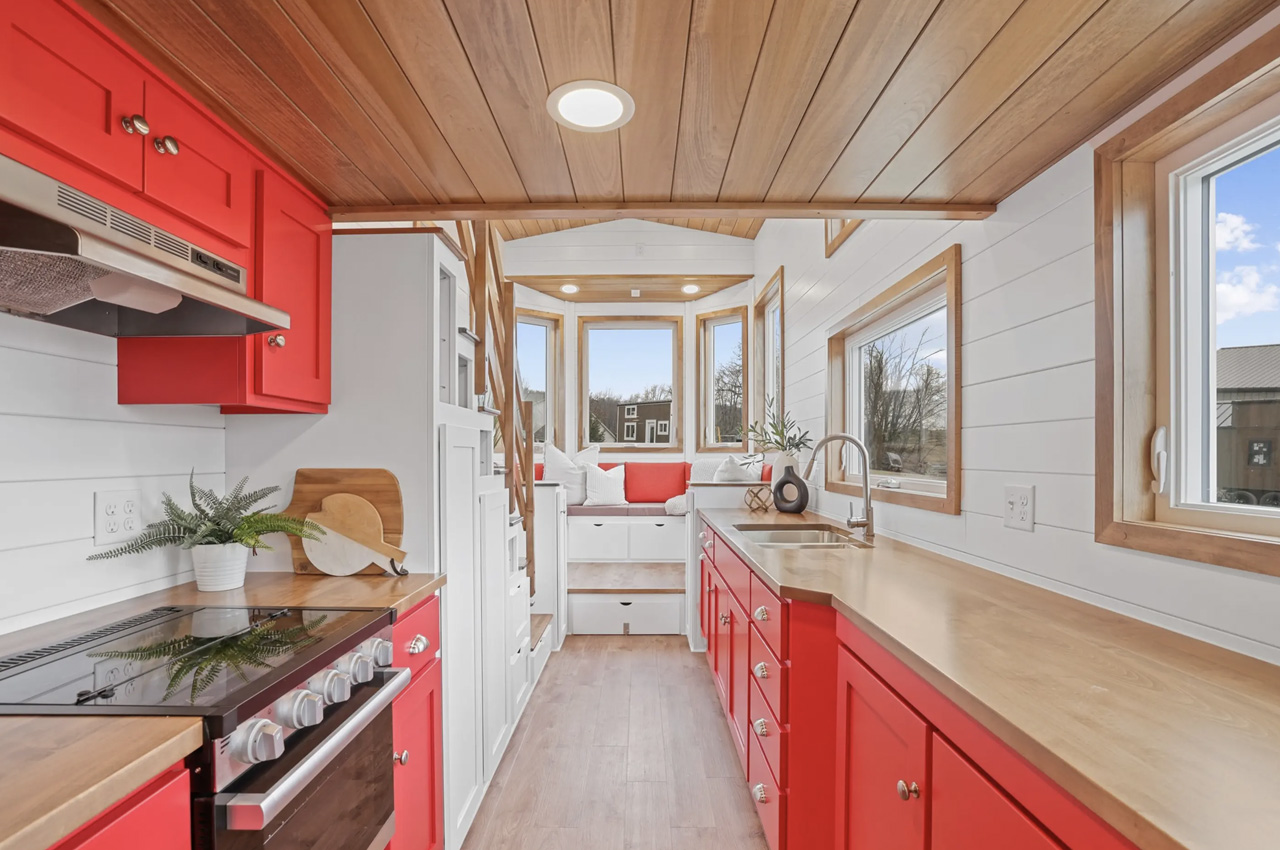
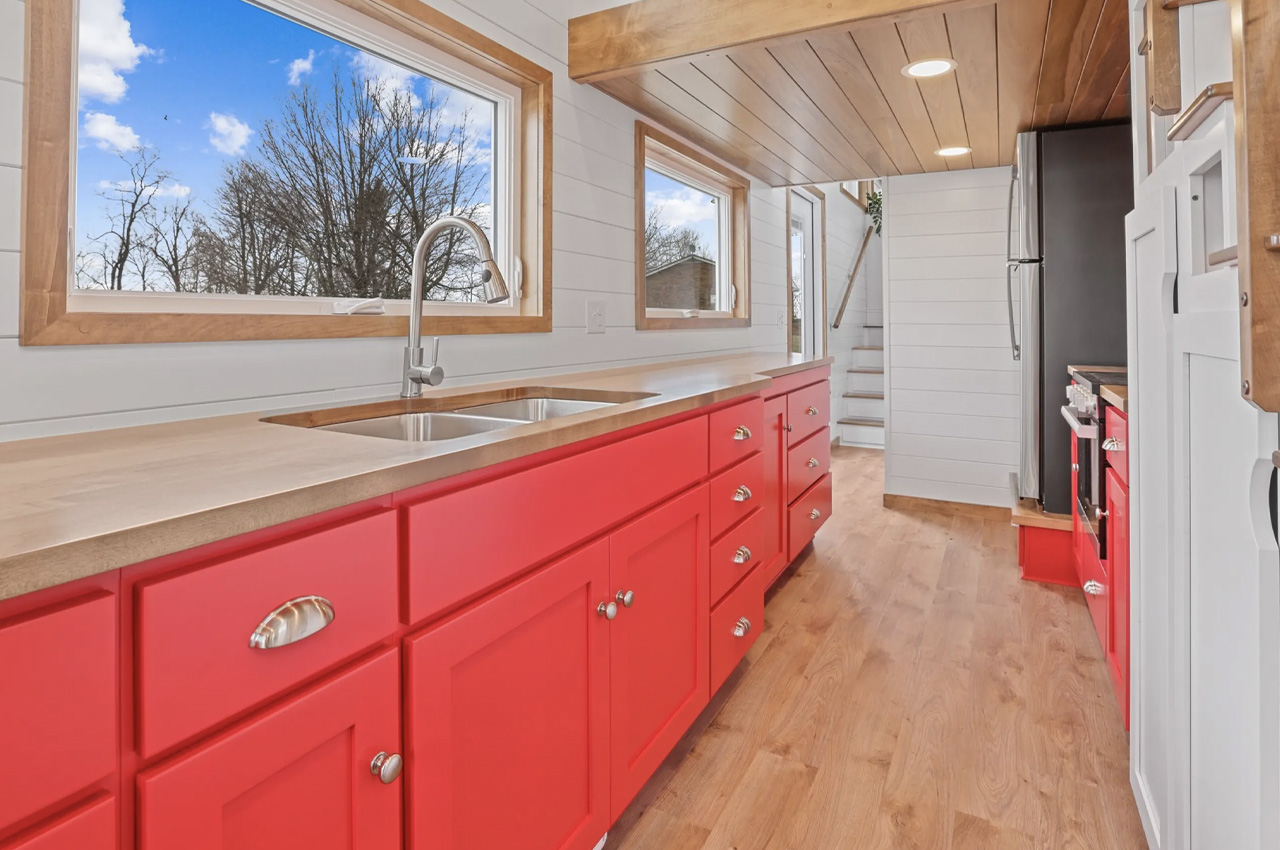
As visitors and guests enter the home, they are welcomed by the kitchen which holds an oven and electric cooktop, double sink, full-sized fridge/freezer, and loads of cabinetry. As they move further into the home, they’ll find the living room which has been described as a Swiss Army Knife by the designer. It has a U-shaped seating that can accommodate six people at a time. The living room is also equipped with under-seat storage, some cabinets, and underfloor storage. This can be turned into an extra bed, so your guests can crash at your place if they don’t want to drive back home at night.
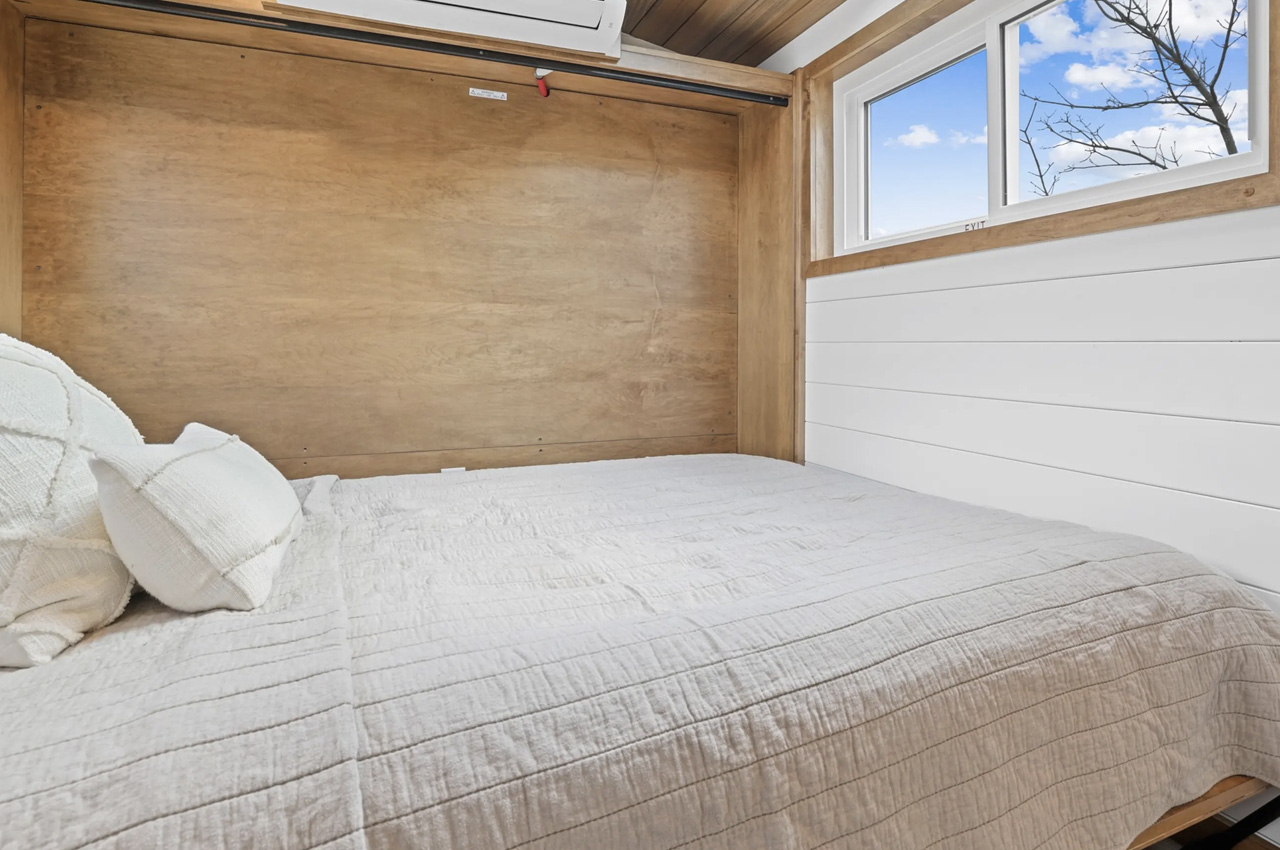
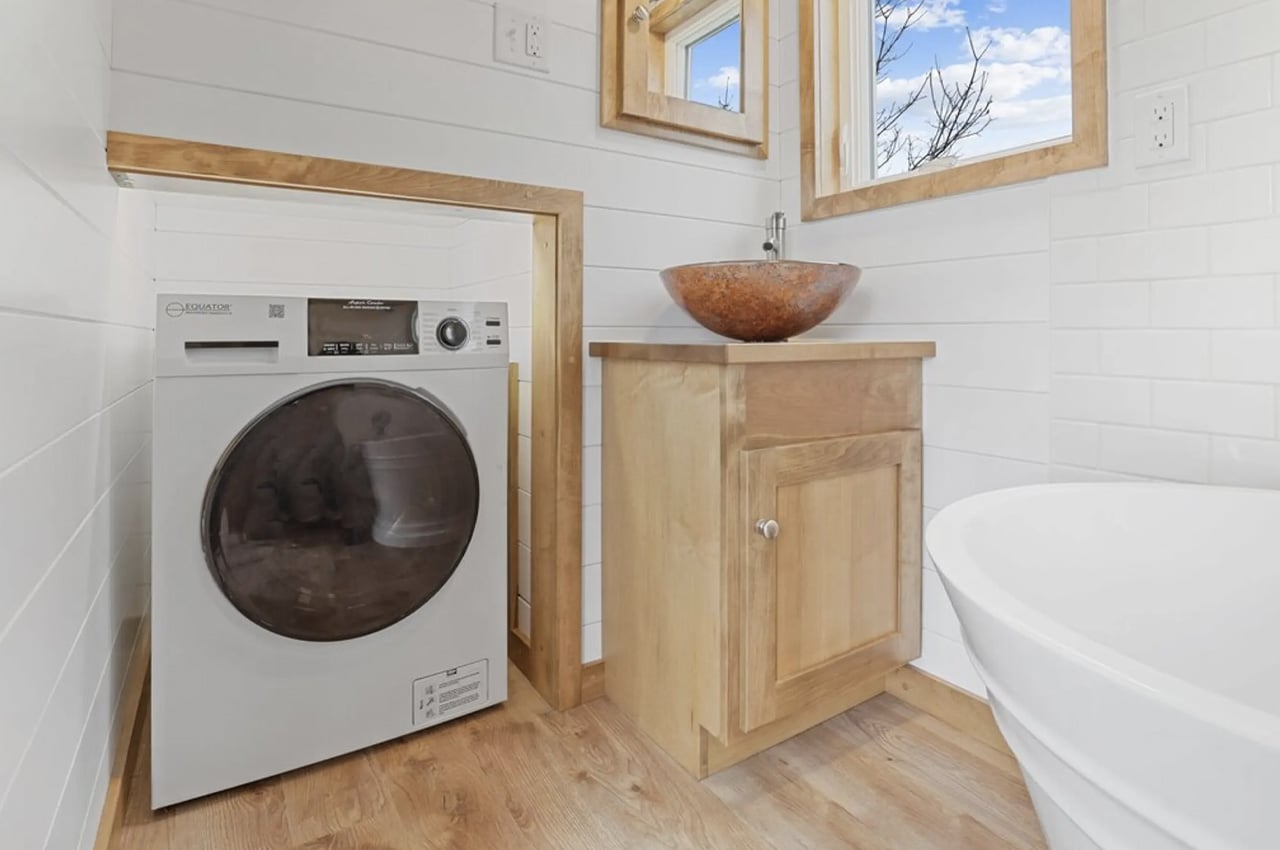
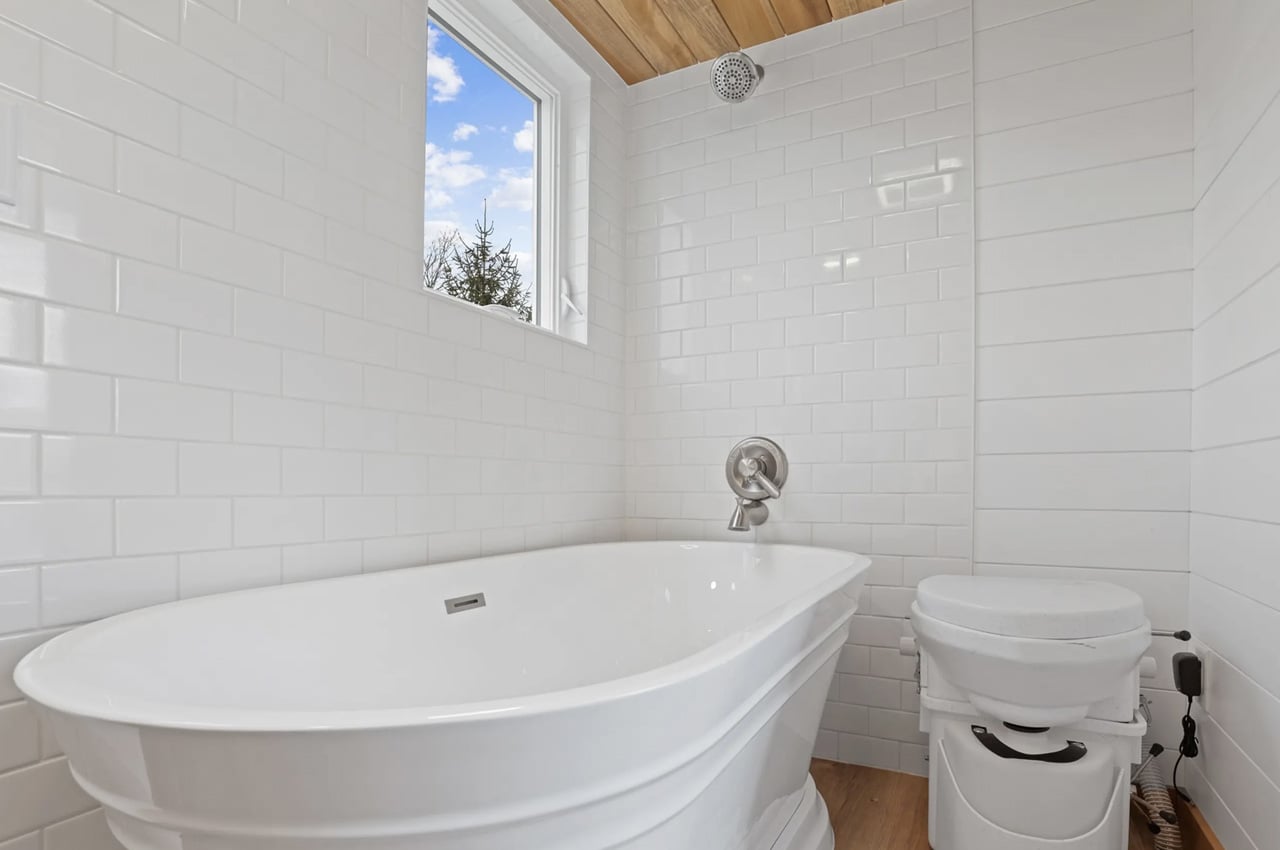
The bathroom is quite luxurious for a tiny home. It contains a composting toilet, a sink, and a spacious bath/shower. It also features a washer/dryer nearby. The Honeylion is equipped with two bedrooms – the master bedroom is in the raised part of the trailer, and can be accessed via storage-integrated steps. The bedroom has plenty of headroom to stand upright, and it features a double bed, which can be easily and efficiently stowed into the wall, creating more floor space.
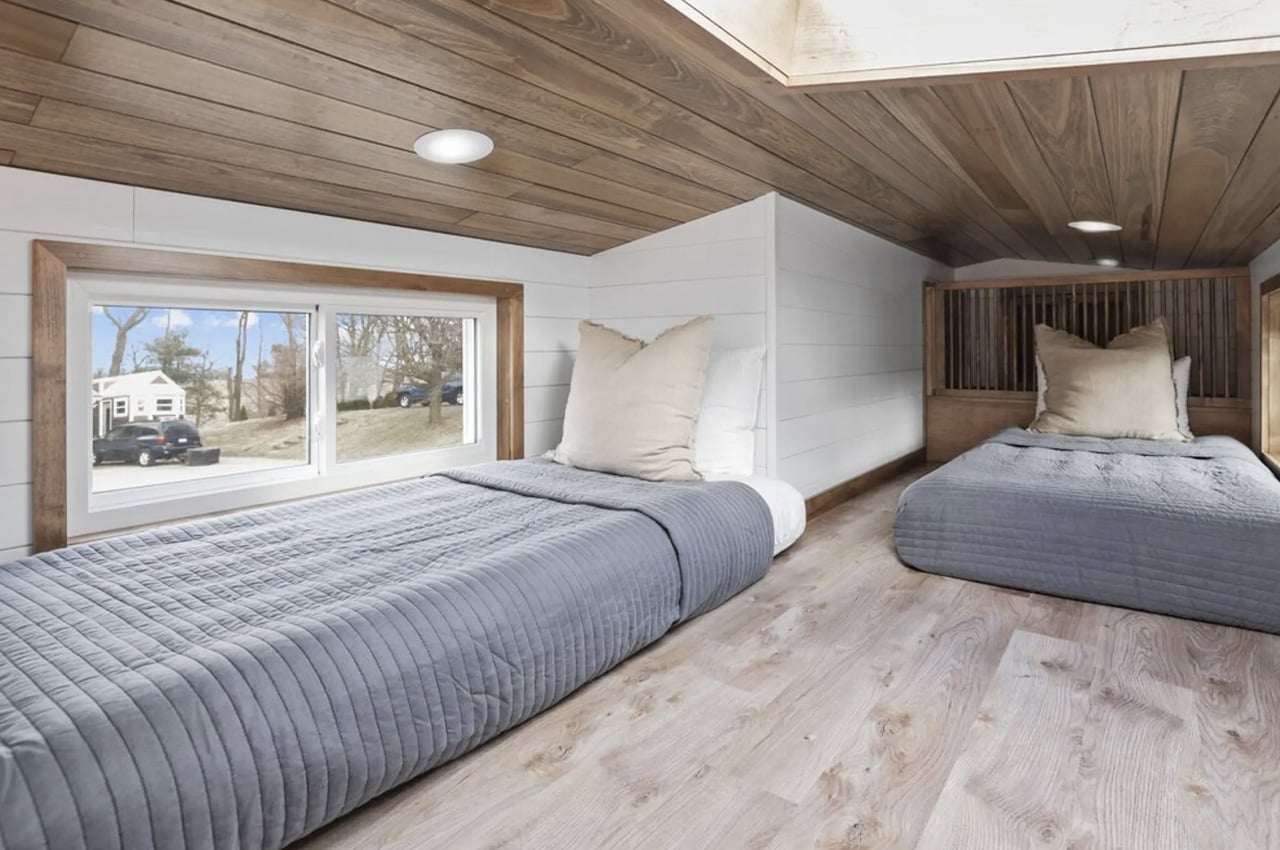
The Honeylion’s second bedroom is located in the loft and can be accessed by the storage-integrated staircase as well. This is a typical loft-style house bedroom with a low ceiling, and it has space for two single beds. Check out the video for a better glimpse into the Honeylion tiny home!
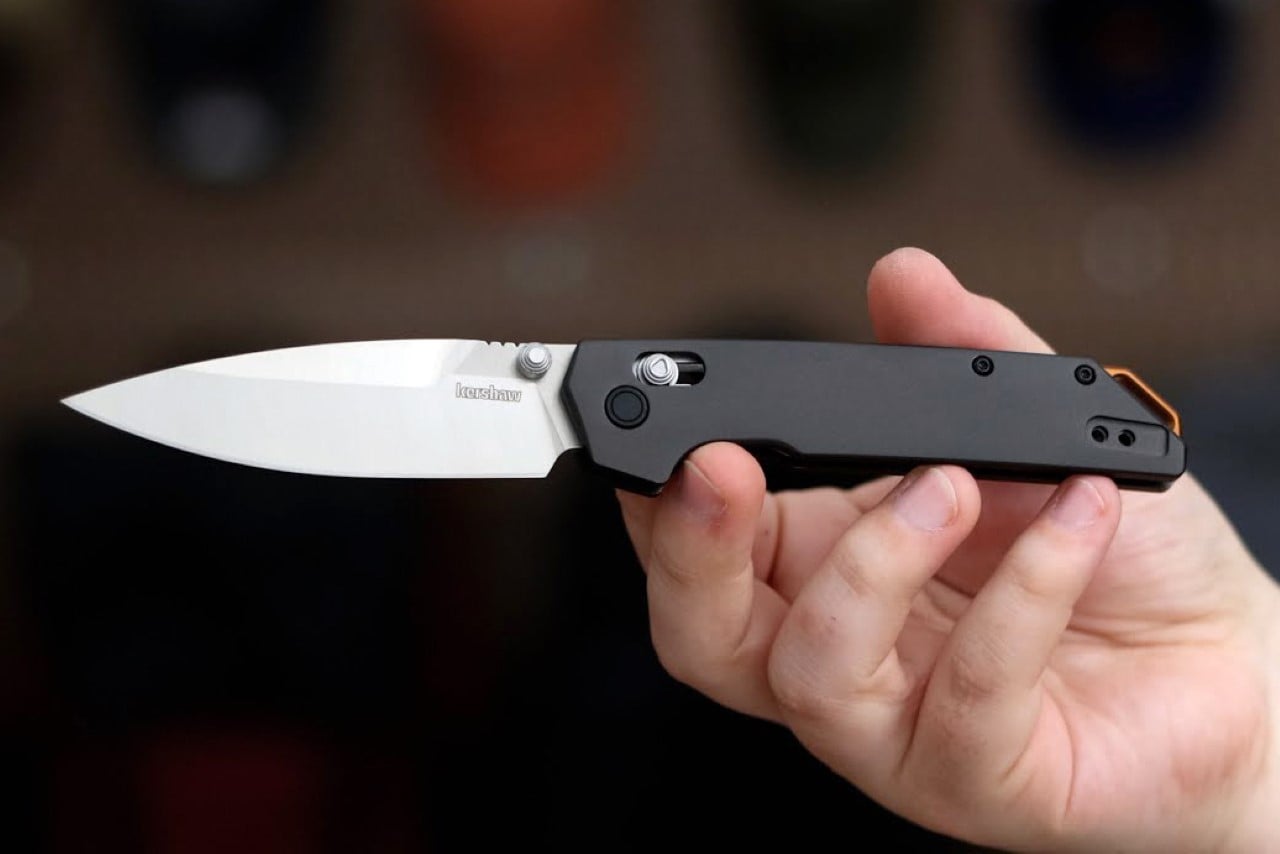
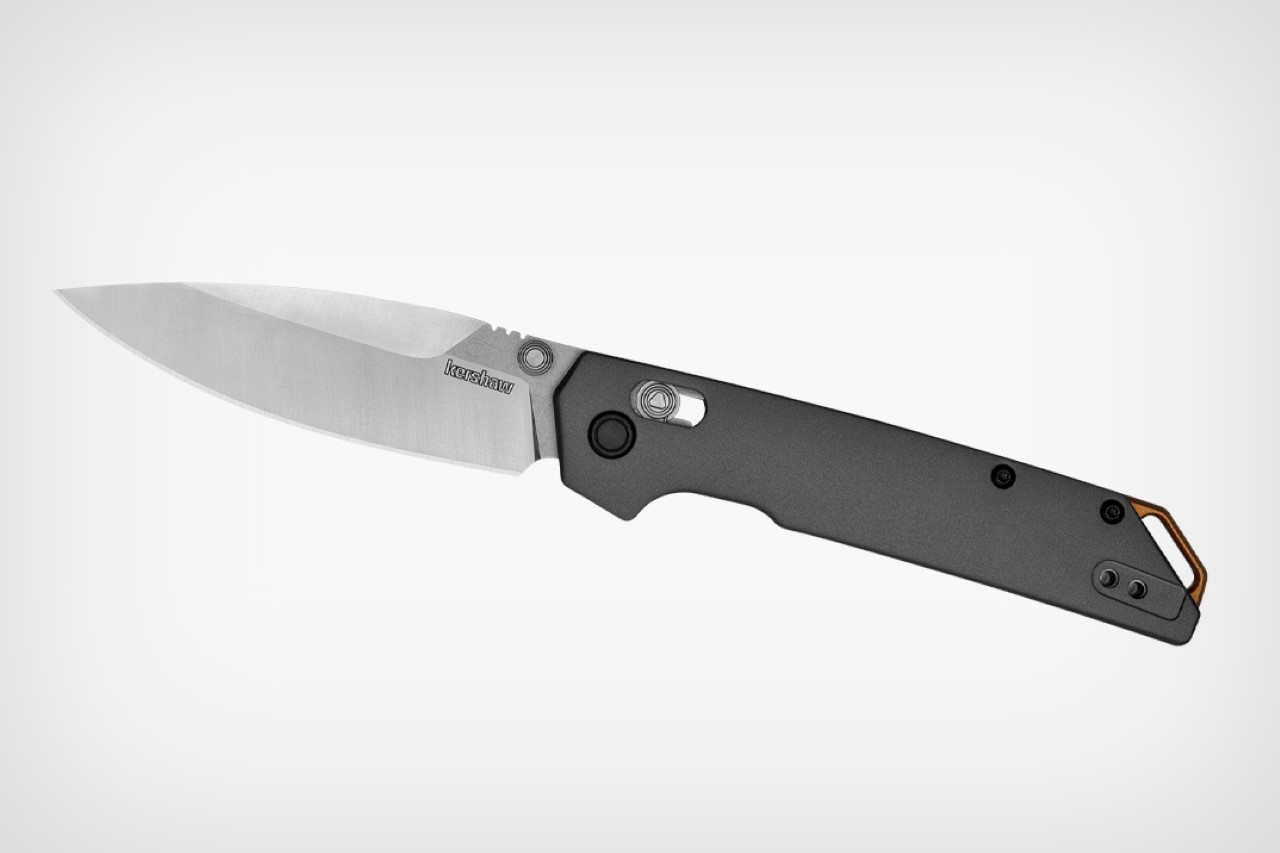
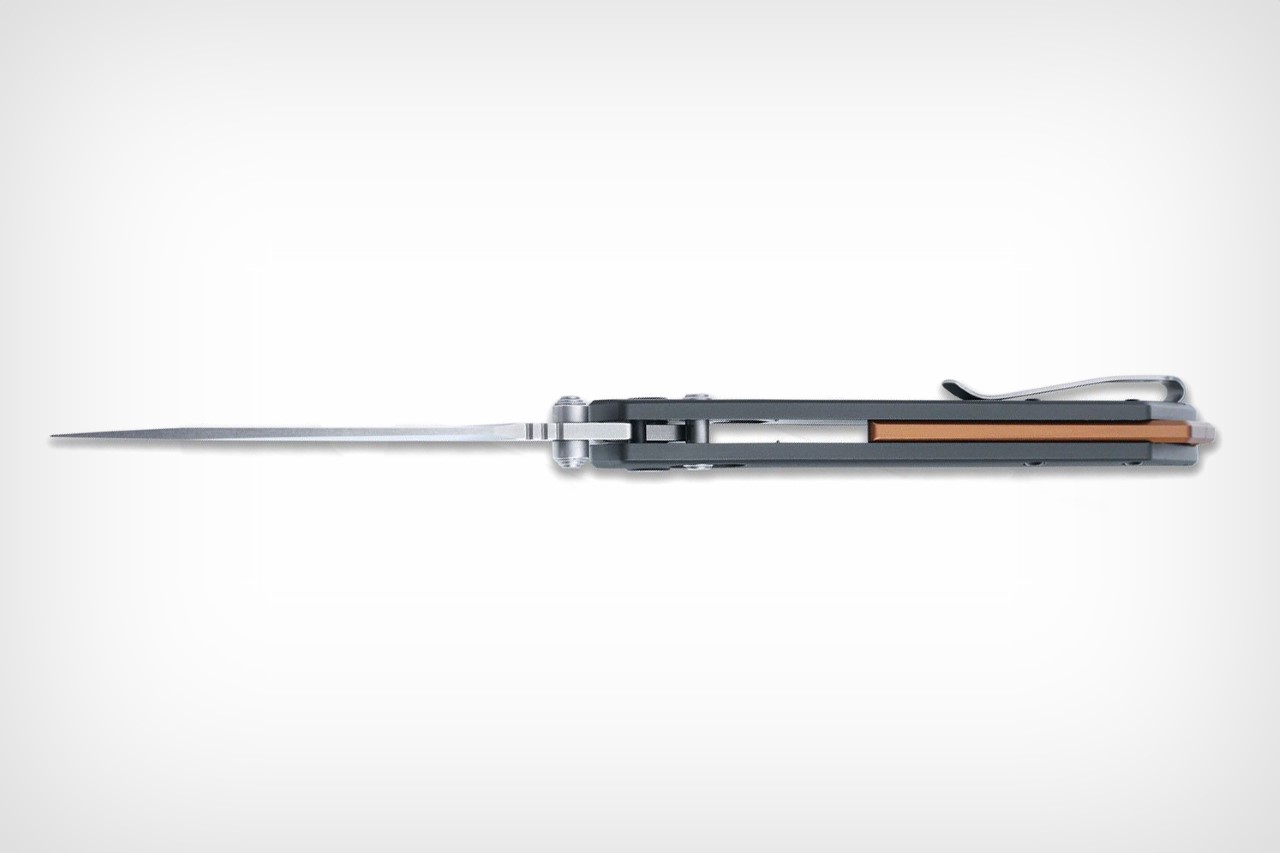
If there ever was an emoji for a pocket knife, it would probably look like the Kershaw Iridium. Designed with an aesthetic that I can only describe as a modern classic, the Iridium ticks all the boxes with its clean aesthetic, grippy aluminum handle, more-than-capable D2 steel blade with a spear-point profile, and Kershaw’s new DuraLock technology that secures the blade in its open position while it’s in use. The Iridium is dependable, ambidextrous, and folds down to a 4.5-inch form factor that weighs a mere 3.3 ounces and fits right in your pocket after use.
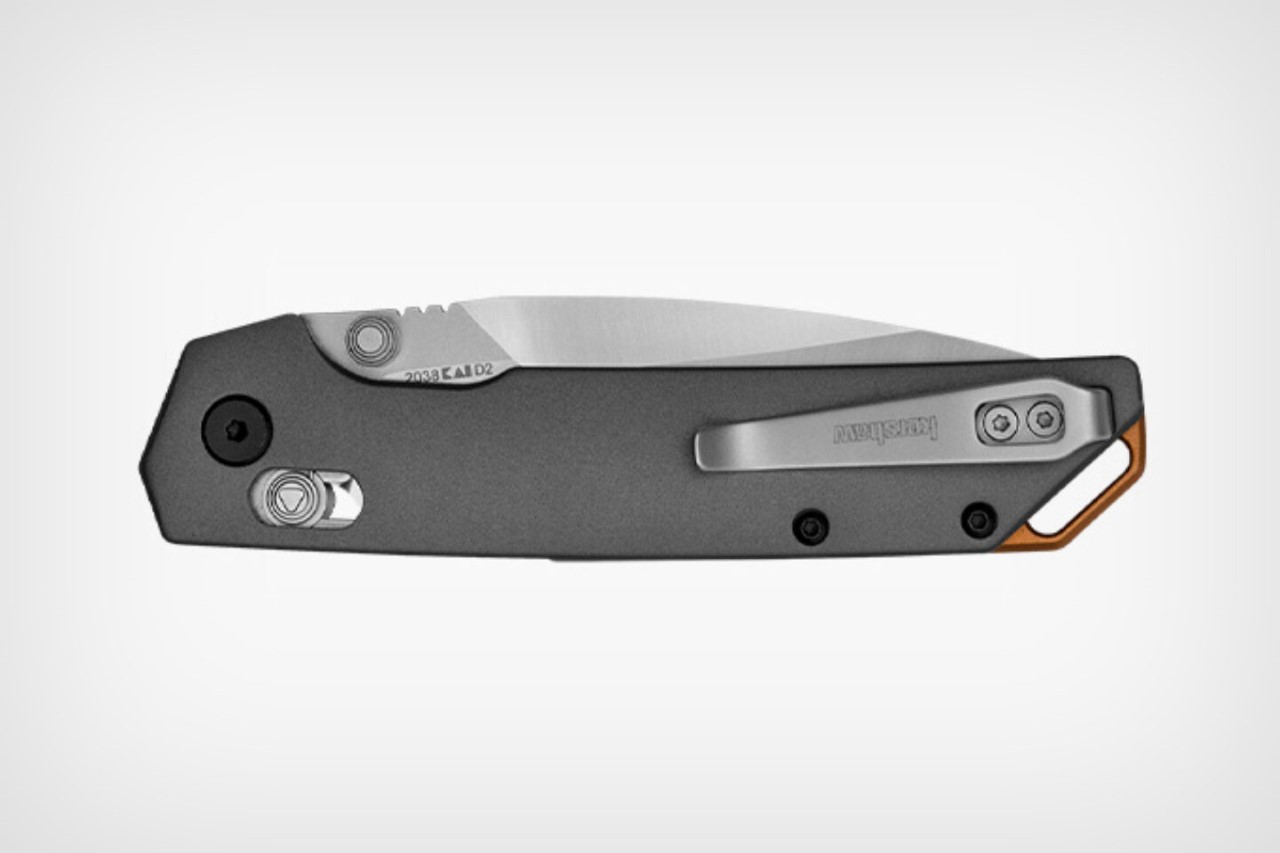
The Iridium boasts a comfortable 6061-T6 aluminum handle with a gray anodized finish. Its ambidextrous DuraLock mechanism ensures secure blade lockup, while the reversible deep-carry pocket clip makes it convenient for both left and right-handed users. The entire build uses black-oxide hardware for a sleek look and added durability.
At 7.9 inches overall and a weight of 3.3 ounces, the Iridium finds a comfortable balance between pocketability and functionality. The 4.5-inch closed length makes it easy to carry daily, while the 8-inch overall length tackles various EDC and outdoor tasks.
The Iridium’s crown jewel is its 3.4-inch D2 high-carbon tool steel blade. D2 steel offers excellent edge retention and wear resistance, making it ideal for everyday cutting chores. The blade features a utilitarian drop-point profile and a thickness of 0.107 inches, providing enough strength for tougher jobs. Jimping at the base of the spine enhances grip during precise cuts.
Deployment is smooth and effortless thanks to the KVT ball-bearing pivot system. The blade can be opened using dual thumb studs or a simple flick of the wrist with the DuraLock mechanism engaged. Kershaw backs the Iridium with a lifetime warranty, giving the EDC an heirloom quality so you can pass it down to your children.
The Kershaw Iridium is a compelling choice for those seeking a full-size, well-built EDC knife without breaking the bank. It boasts high-performance materials, a comfortable design, and a versatile blade profile – all at an accessible price tag. The Iridium is also available in a blacked-out version and a reverse tanto blade variant for people looking for something a little more edgy and unconventional.
Microsoft is holding a digital event titled “Advancing the new era of work with Copilot” on March 21. Among the possible announcements are new Surface devices, potentially the first branded as AI PCs. It will already be the second Windows hardware event — and first mainline Surface Pro launch — without former chief product officer and longtime keynote presenter Panos Panay, who left for Amazon last year. Here’s everything we could see at the company's first launch event of 2024.
The company describes the event as breaking down “the latest in scaling AI in your environment with Copilot, Windows, and Surface.” There are conflicting reports about exactly what we’ll see in late March.
Windows Centralclaims an OLED Surface Pro 10 and Surface Laptop 6 will headline the event, with their upgraded processors enabling “huge performance and efficiency gains” over their predecessors. However, a report from The Vergesuggests this month’s event will only cover the business and commercial-focused versions of the devices — with much subtler upgrades than the consumer versions. The outlet claims the consumer variants with “a larger redesign” will follow later this spring.
The new devices will allegedly be powered by Intel Core Ultra or Snapdragon X Elite silicon with next-generation neural processing units (NPUs) for advanced AI tasks. The Intel variants are expected to launch in April, while the Arm-based Snapdragon ones will reportedly arrive several months later in June. If the reports are accurate, this would be the first time the Surface Laptop line has included an Arm-based version.
At least in the consumer models, the Surface Pro 10 is rumored to switch from LCD to an anti-reflective OLED screen. The device would be brighter than the Surface Pro 9’s screen and support HDR content. Meanwhile, the Surface Laptop 6 is rumored to include thinner display bezels (with rounded corners) and a haptic touchpad. Its updated port selection is said to include two USB-C and one USB-A on its left side.
The commercial / business models (which may be all we see at this month’s event) are rumored to include a built-in Common Access Card (CAC) reader and options with up to 64GB of RAM.
Microsoft
Whether at this month’s event or later, the new consumer-facing Surface Pro and Surface Laptop are expected to kick off Microsoft’s push for Windows 11-running AI PCs. They’ll reportedly be among the first to include an on-device version of Copilot. Other rumored AI features include real-time captioning and translation, upscaling and frame-rate smoothing for games, upgraded Windows Studio Effects and a feature called AI Explorer. Both devices will reportedly include a dedicated Copilot key.
AI Explorer is rumored to include a built-in timeline that’s searchable using natural language. Perhaps similar to the third-party Rewind AI app for macOS, the feature will allegedly log everything you do and see on your device, letting you sift through it with Copilot. It would let you ask the assistant things like, “Find me that thing about dinosaurs,” and see every moment in your PC’s history relating to them. (It could be a privacy nightmare if not handled properly, but expect Microsoft to offer security assurances like encryption and entirely on-device processing.)
The feature would also allegedly “understand context, help jumpstart projects or workflows, and even suggest tasks based on what’s currently on screen.” Other rumored features include the ability to tell Copilot to remove the backgrounds of onscreen images from third-party apps in the Photos app.
The AI features, which aren’t expected to be exclusive to the Surface devices, will reportedly arrive in this year’s annual feature update for Windows 11 (version 24H2), expected in the fall. Windows Central noted it isn’t clear whether Microsoft will discuss the features during the March event.
Engadget will have full coverage of Microsoft’s announcements on March 21 at noon ET.
This article originally appeared on Engadget at https://www.engadget.com/what-to-expect-at-microsofts-march-21-event-204559003.html?src=rss
The Batmobile, as a symbol of power, stealth, and ingenuity has captivated audiences for generations with its dynamic presence in the DC Comics universe. Beyond the pages of comic books and the screens, the crime-fighting accomplice has inspired real-world automotive designers to push the boundaries of creativity and innovation. From its humble beginnings as a stylized car in the 1940s to its latest incarnation in the movies, the Dark Knight’s legendary ride has undergone numerous adaptations, each reflecting the technological advancements and design trends of its respective era.
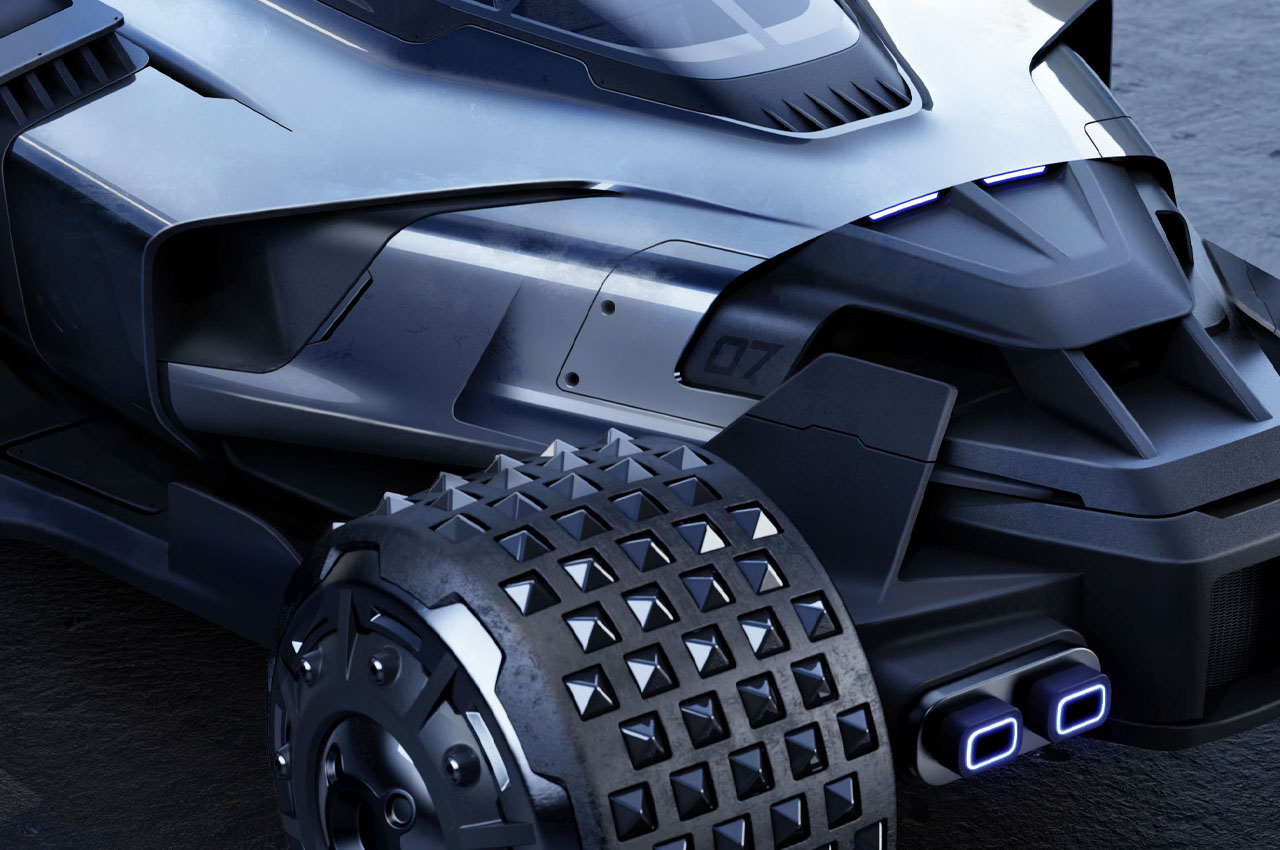
While many of these interpretations remain confined to the realm of fiction, some have transcended into reality, sparking imaginations and fueling the dreams of automotive enthusiasts and designers alike. This concept design is no different as it lands straight out from a realm of the future for Gotham’s vigilante to take charge of the streets!
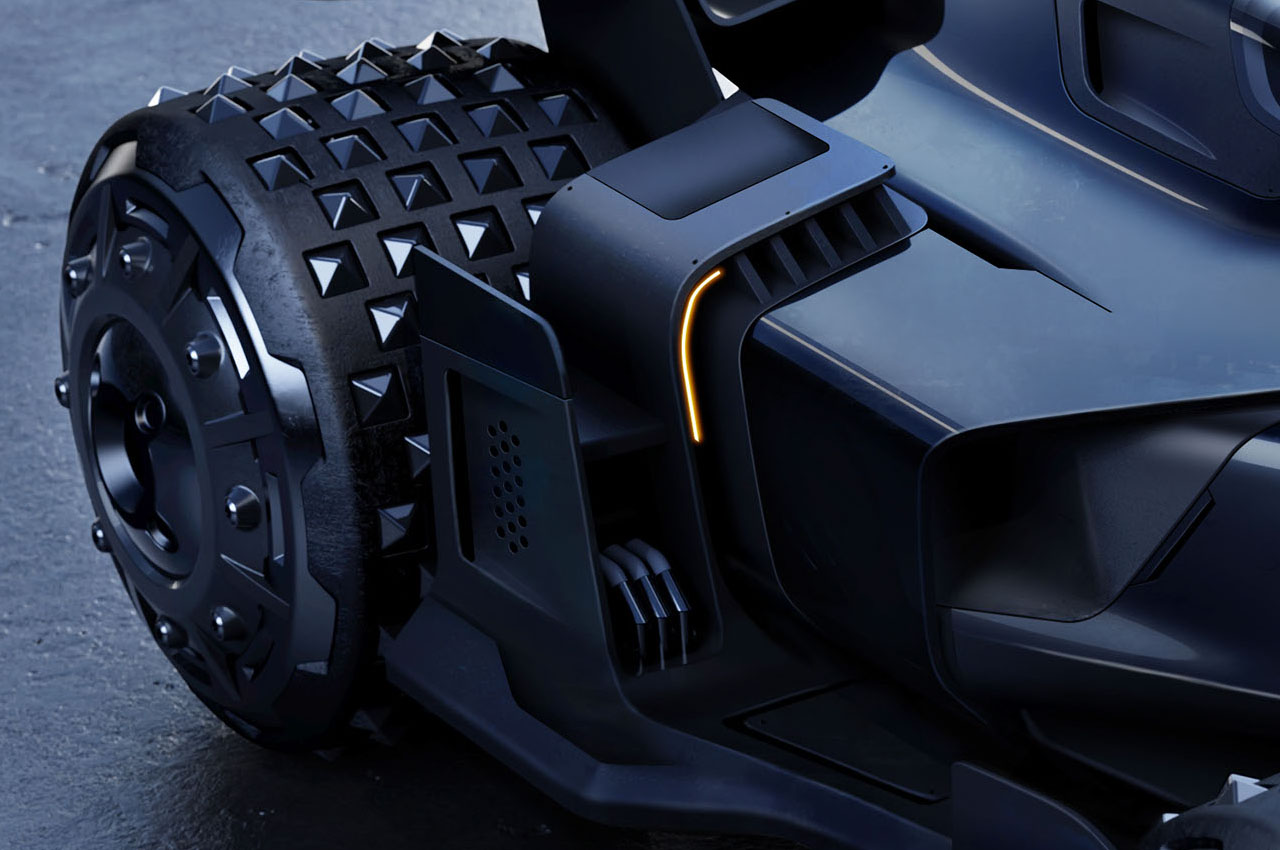
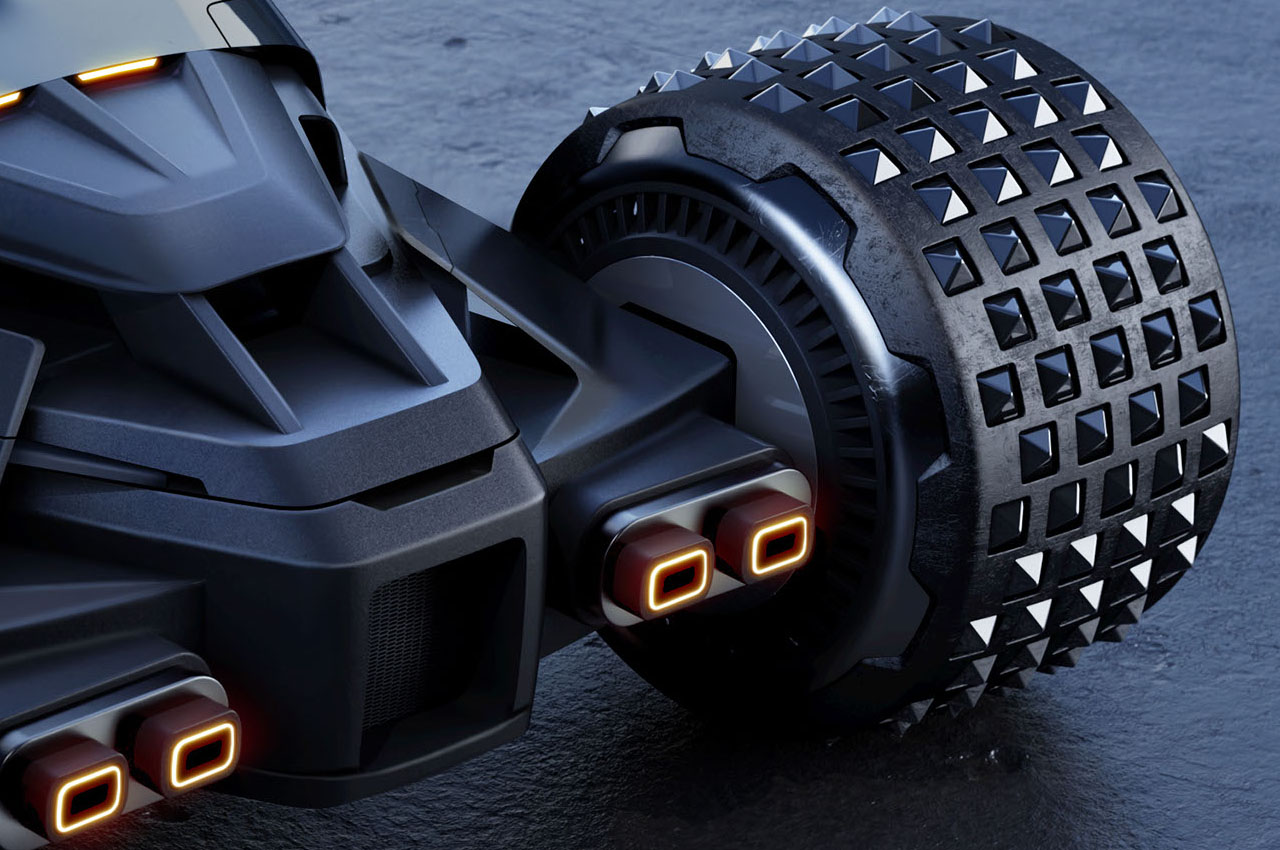
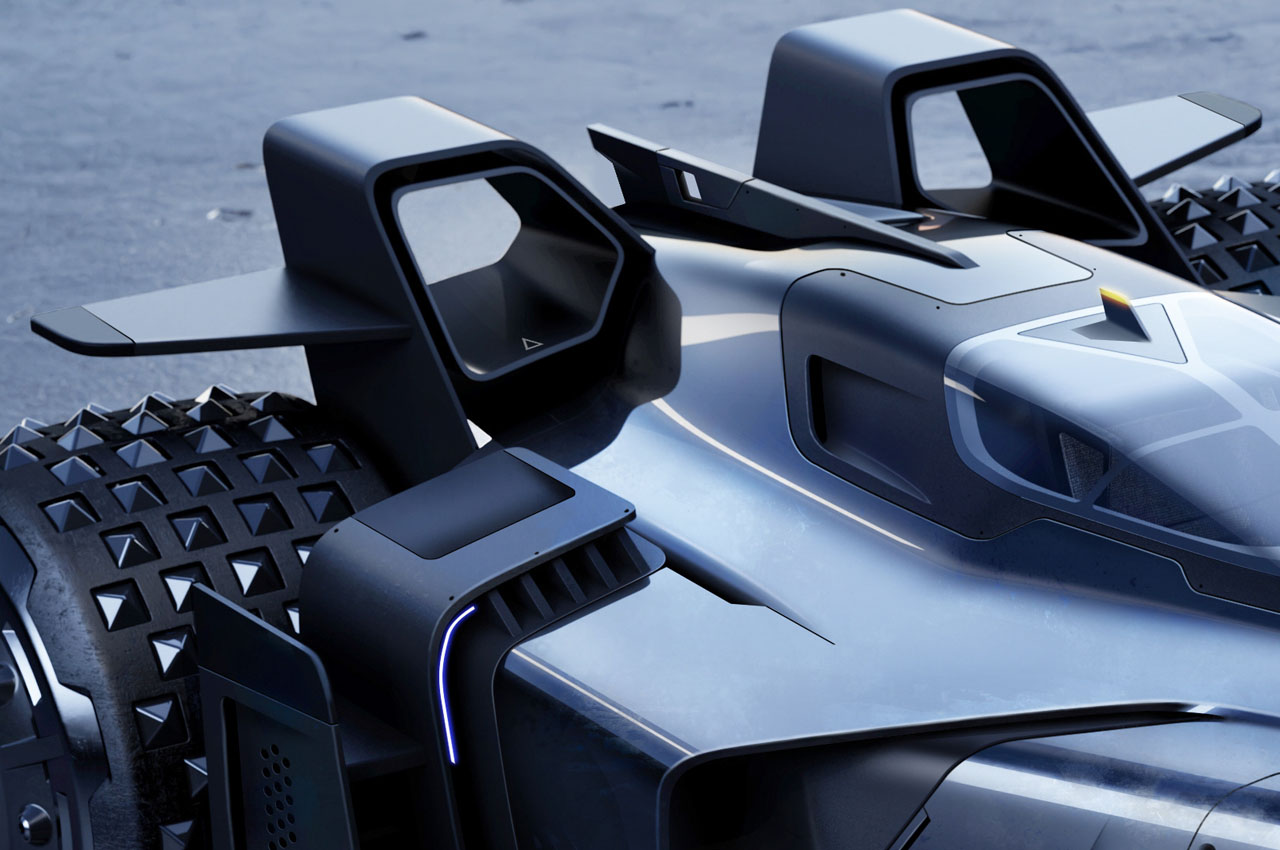
The humungous size of this crime-fighting machine can be gauged from the minuscule size of the driving seat. Top it off with those spiked-up wheels for maximum grip even in the most inhospitable terrain or inclement weather conditions. You can even deem this vehicle fit for a universe where Batman and the junkies of Mad Max collide. For sure it is built for high-speed chases in the city and the outer bounds with equal dexterity. The low-slung riding position and the wide tires ensure maximum grip aided by those metal spikes. The uniquely shaped rear wing seems inspired by the Formula-1 cars of the current generation to increase the downforce. This Batmobile looks fit for a circuit racing world with its motorsports-inspired shape.
To beep up the intimidation quotient while maintaining a modern look, the Batmobile gets small red LED headlights and fog lamps up front. The overall glossy bodywork is contrasted by the matte titanium grey finish that looks gorgeous.
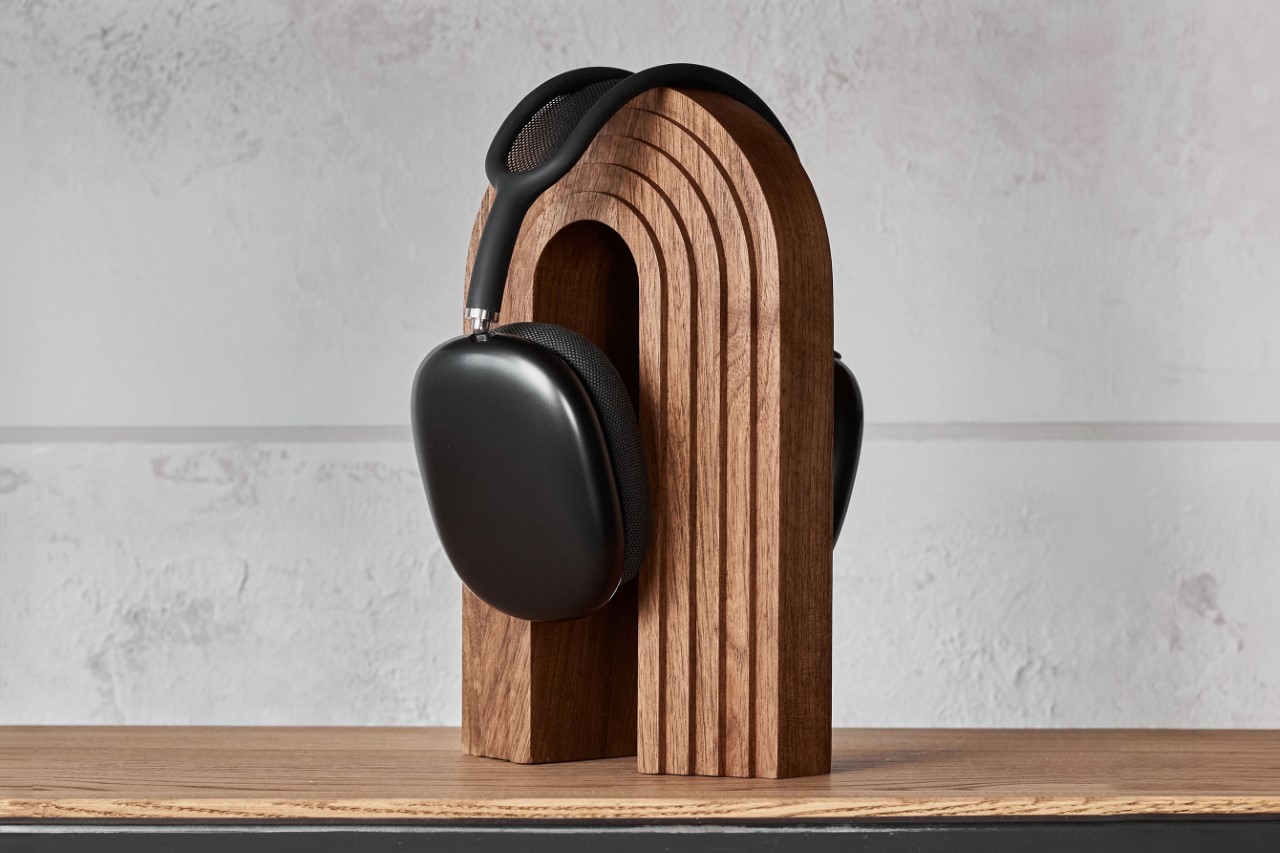
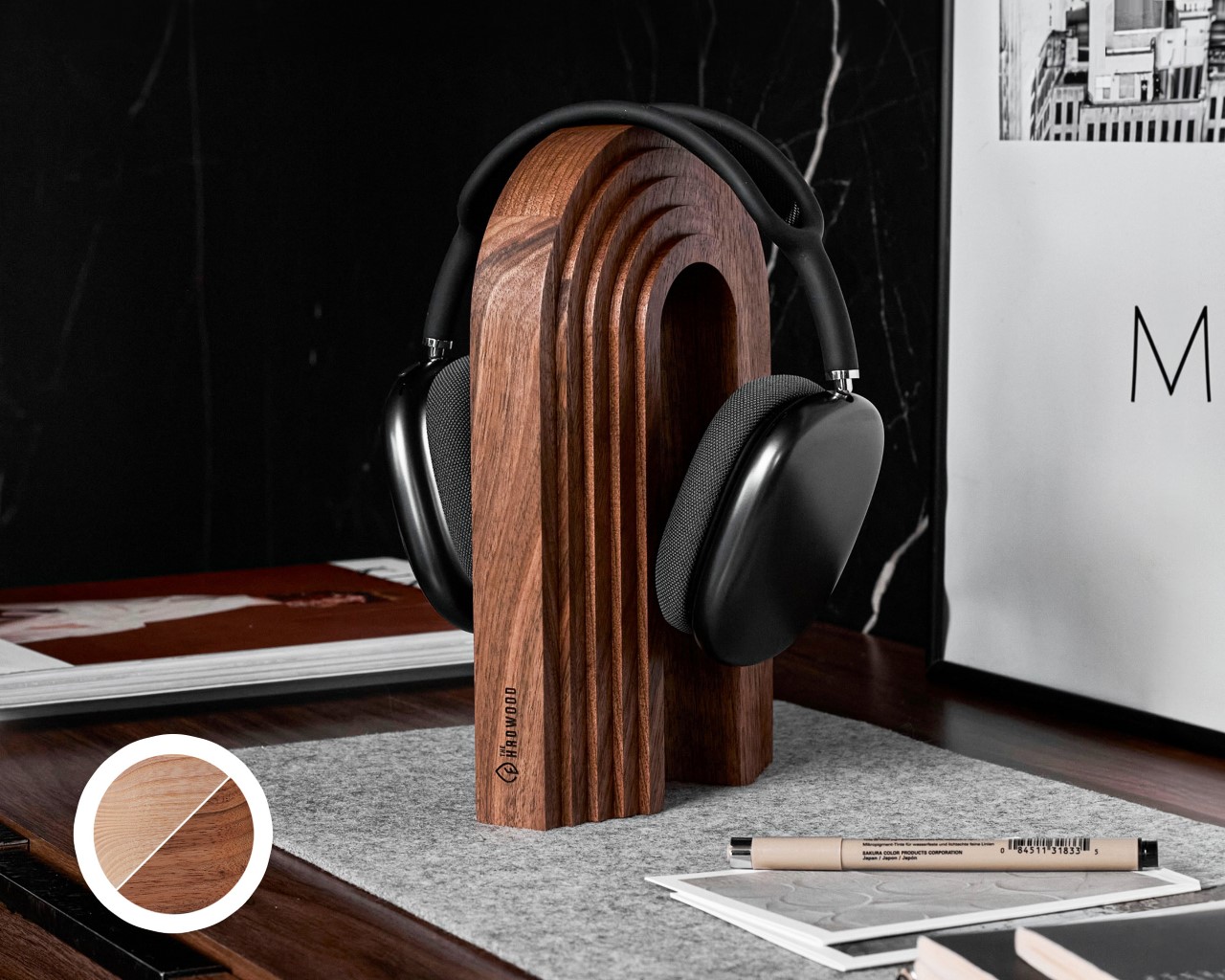
Crafted out of either walnut or ash wood, the Arch headphone stand rests majestically on your desk, allowing you to place headphones on its gently arched top. The stepped design in the wood feels reminiscent of Bauhaus-style architecture, and adds an understated beauty to your table with how it creates bands of light and shadow. Designed for people serious about maintaining a theme around their workspace, the Arch is an alternative to those rather industrial-looking hooks and metal headphone stands. If you’re a fan of Grovemade‘s stuff, this one might just be perfect for you.
The Hrdwood Arch is perfect for desk setups dominated by earthy tones and the use of wooden elements. The stand can be placed anywhere on your desk (although we recommend placing a cloth below to prevent it from scratching your table). Each stand is meticulously crafted from three wood panels joint together, creating a beautiful wood grain that almost follows the arch around its bend.
At its narrowest point, the Arch is just above an inch wide (1.18 inches to be precise), and therefore accepts pretty much any headphone. The wooden grain provides just the right amount of friction to ensure the headphones don’t go sliding off, and the solid wood stand is heavy enough to not lift upwards when you try to take the headphones off.
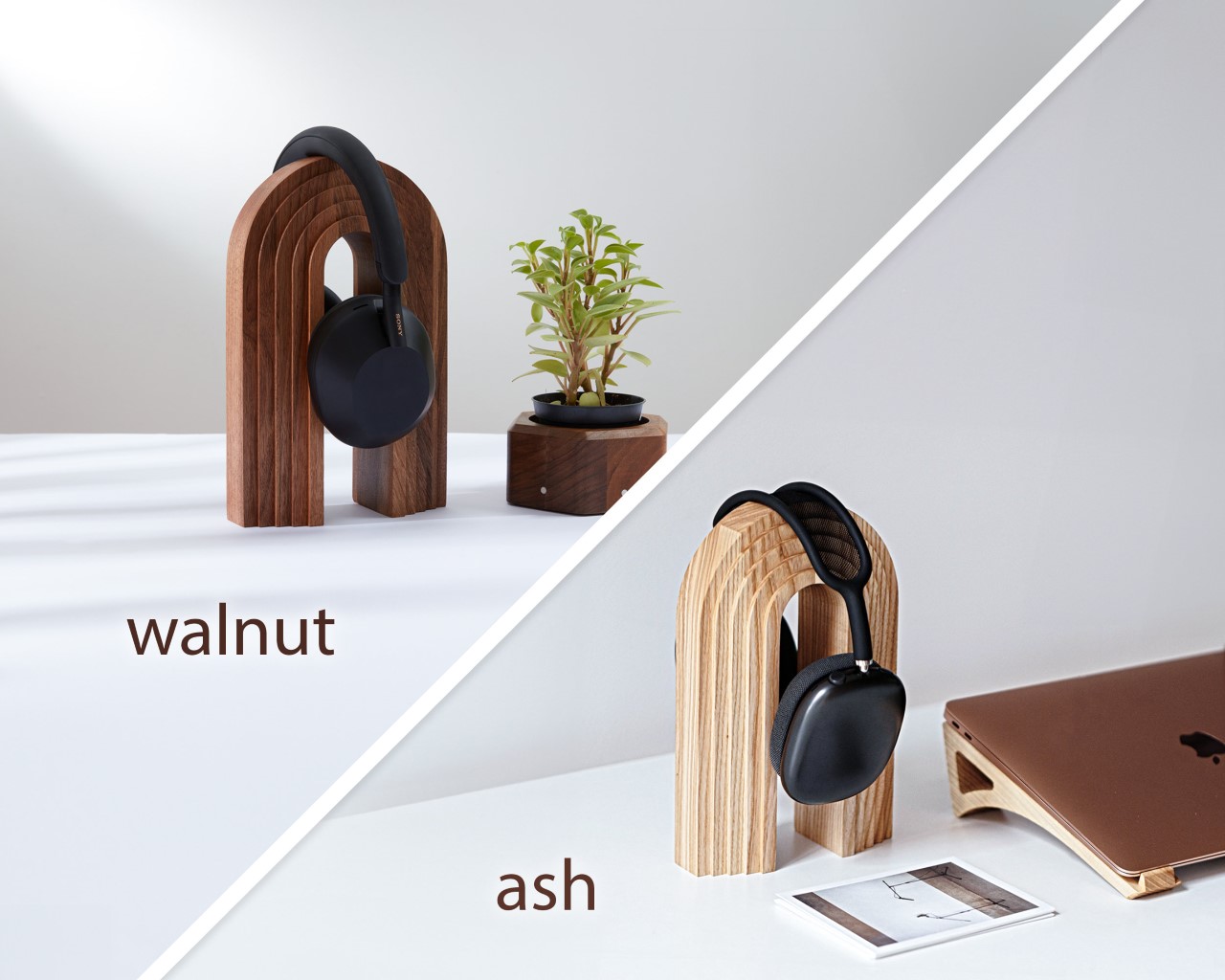
The stand comes in two variants – one made from a darker walnut wood, while another employs a lighter ashwood construction. Both have their own distinct flavors, so to speak, and fit in well with different kinds of decor. The ashwood blends seamlessly with bamboo-based furniture, while the walnut works supremely well with darker wood or black anodized metal. Both pair perfectly with glass tables too… and that tiny space underneath the arch is sort of perfect for storing your AirPods Pro case just on the off-chance you happen to have those too.
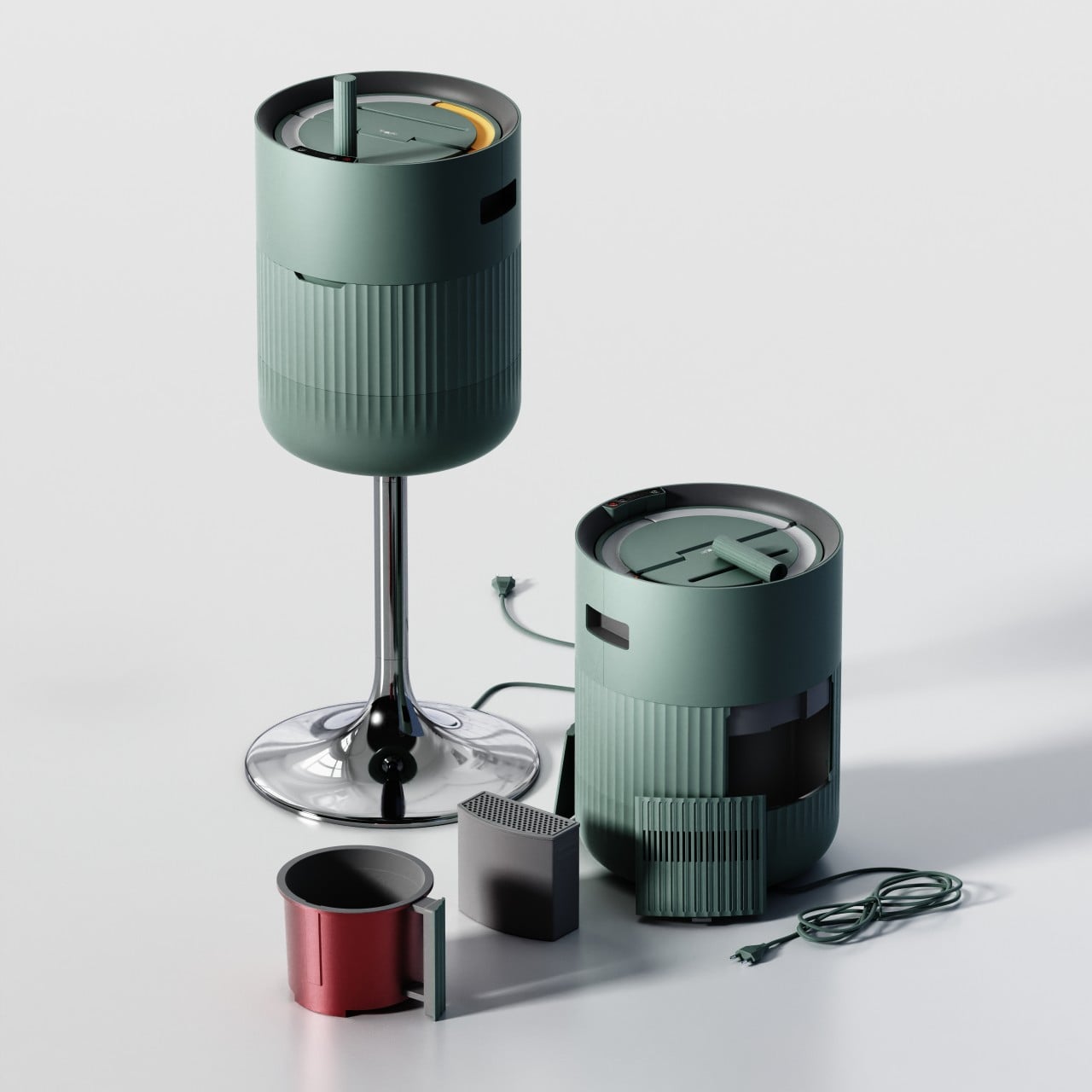
Our eating habits have changed drastically over the past years, especially after the recent boom in food delivery services. Unfortunately, this isn’t always for the best as it has encouraged unhealthy lifestyles and increased the amount of waste we produce. Of course, there are services that try to remedy that with healthy food options and more sustainable packaging, but those don’t always result in a reduction of how much we throw out at the end of the day, or even after each meal. Human food doesn’t have to go to waste, especially if it can be converted into food for other living creatures like plants. That’s the idea behind this compositing device that transforms not just your meal but also its packaging into something to keep your plants just as healthy as you.
Designer: Byeonkyu Park
That salad you didn’t finish might come in cardboard packaging, but the moment you throw it in the bin, it stops being healthy for the planet. Sure, both materials will decompose eventually, but not only will that take time, it also misses out on the opportunity to use those for something more beneficial in the long run. After all, they can turn into fertilizer, but only if they’re actually treated in a proper manner, which usually involves taking them to recycling or composting centers.
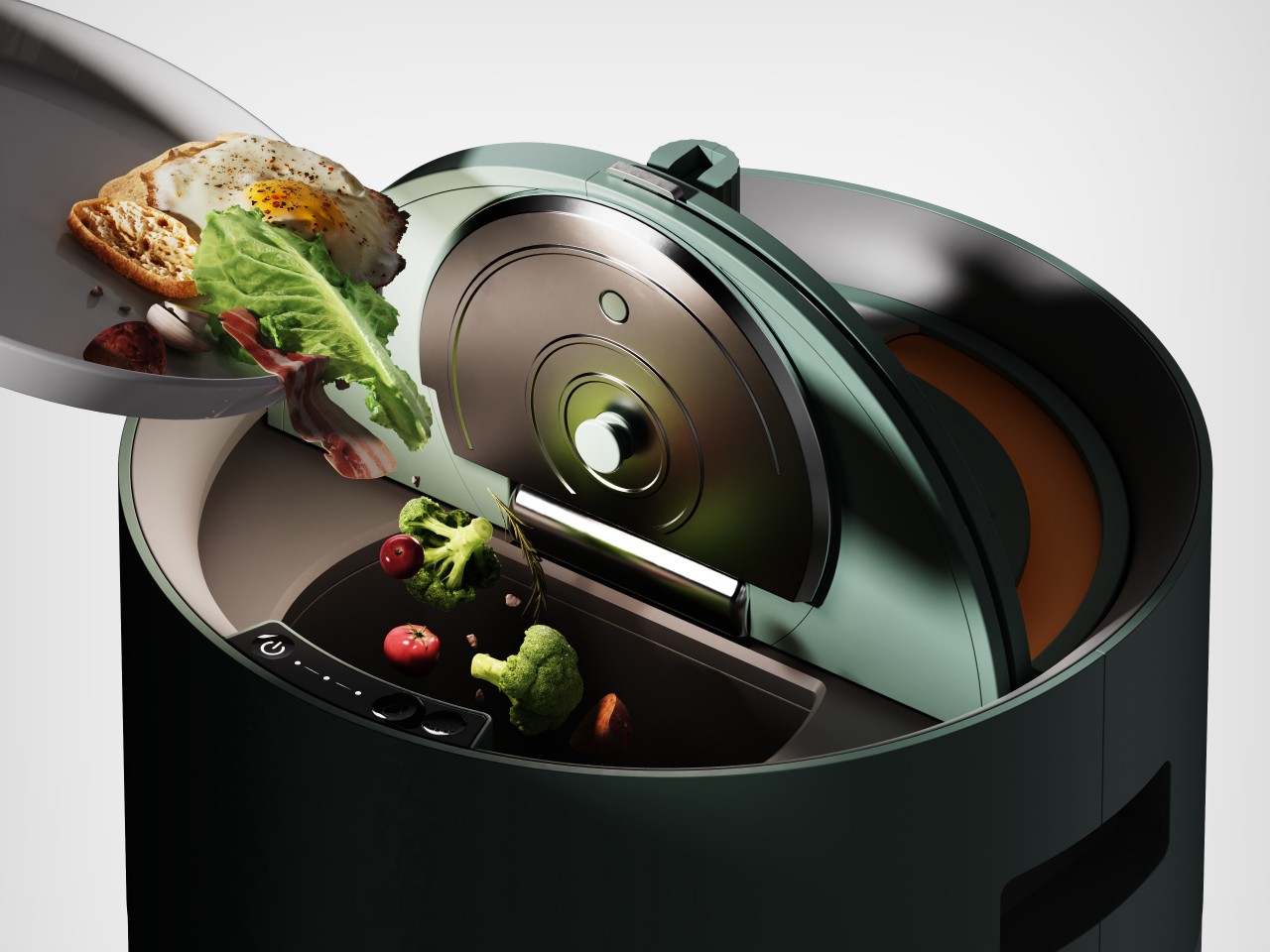
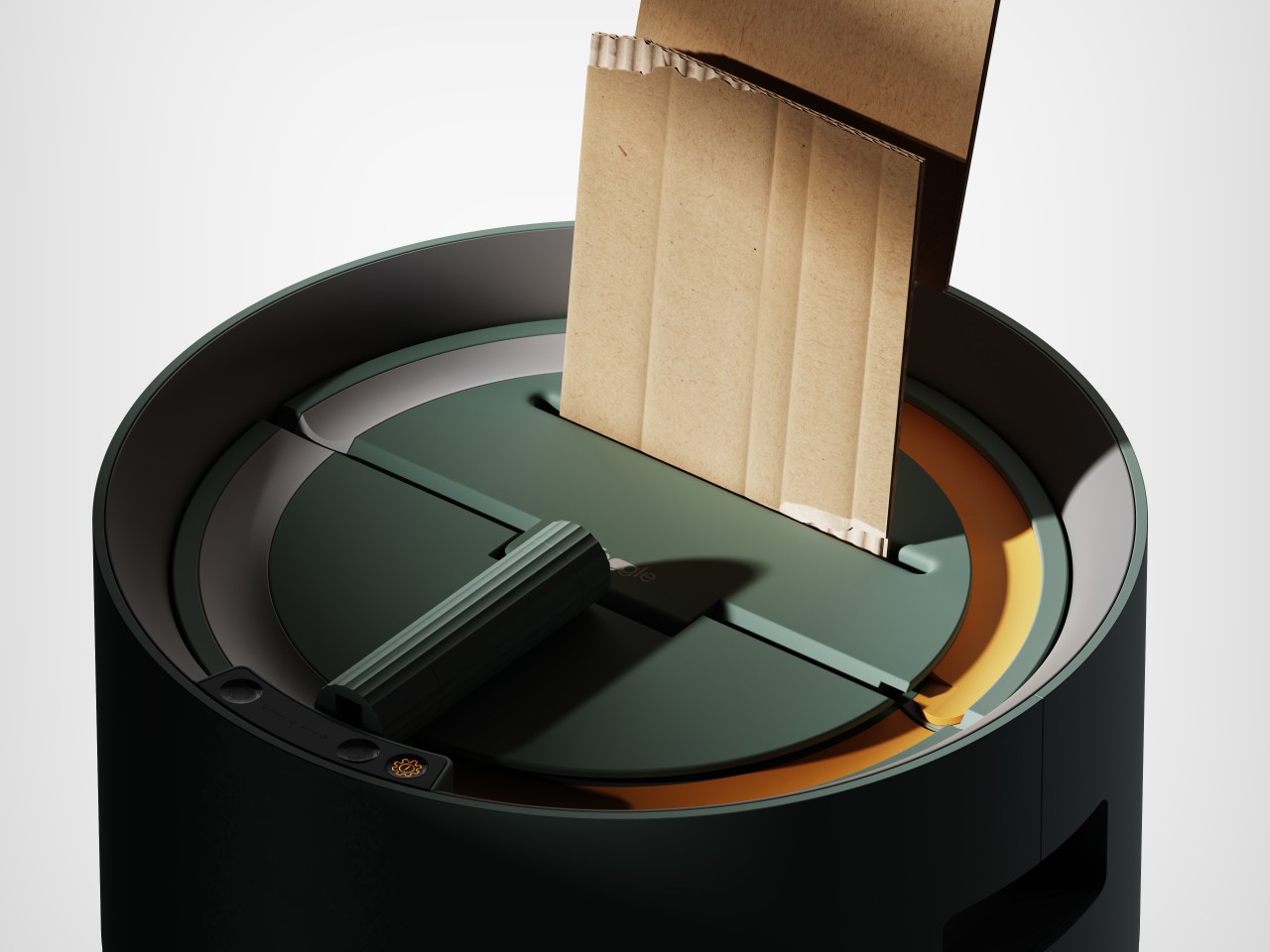
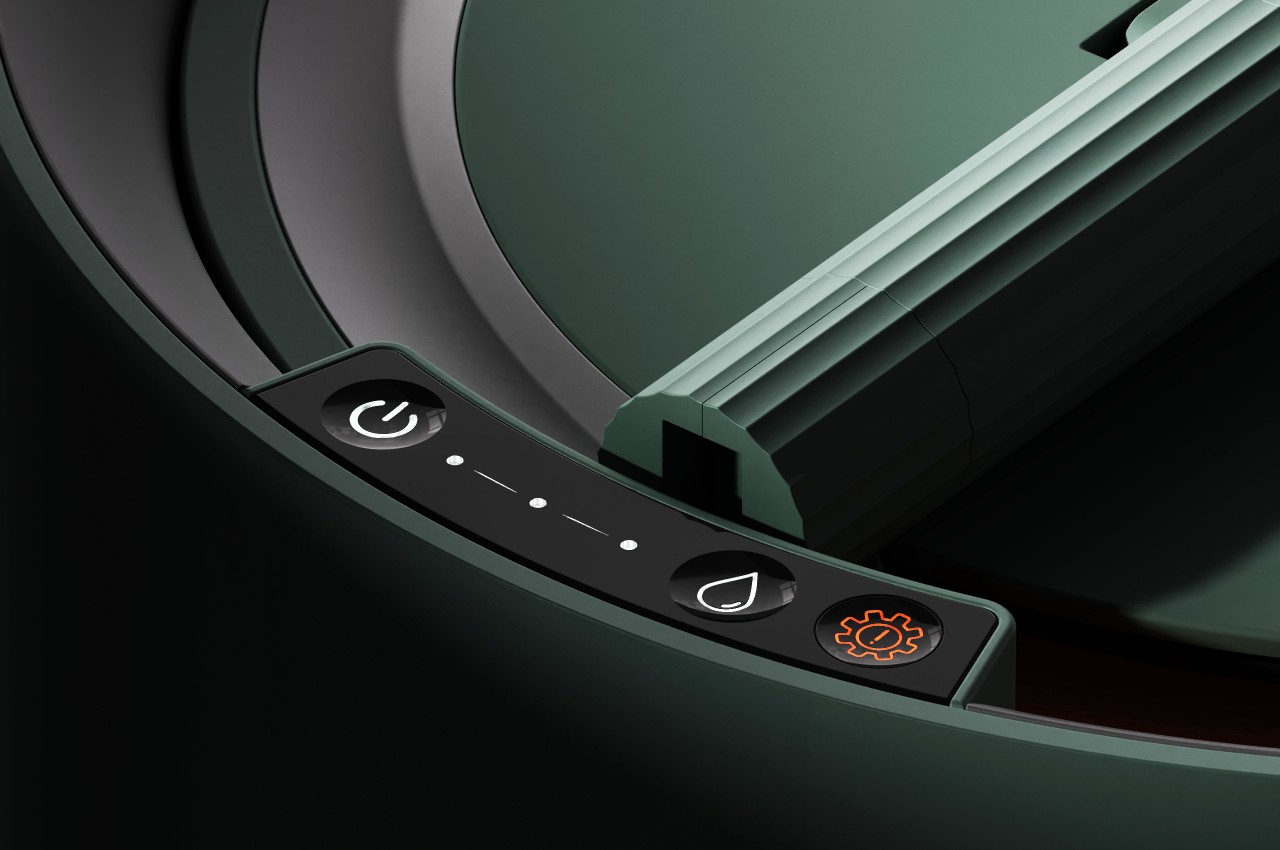
Toggle is a device concept that lets you cut off the middleman and do all of that at home, and it works by using both edible and inedible parts of your meal delivery. It utilizes “green” materials like food waste mixed with “brown” materials like paper and cardboard or even wood, pretty much the things that your food came in. In other words, nothing is wasted, unless your meal is wrapped in plastic instead.
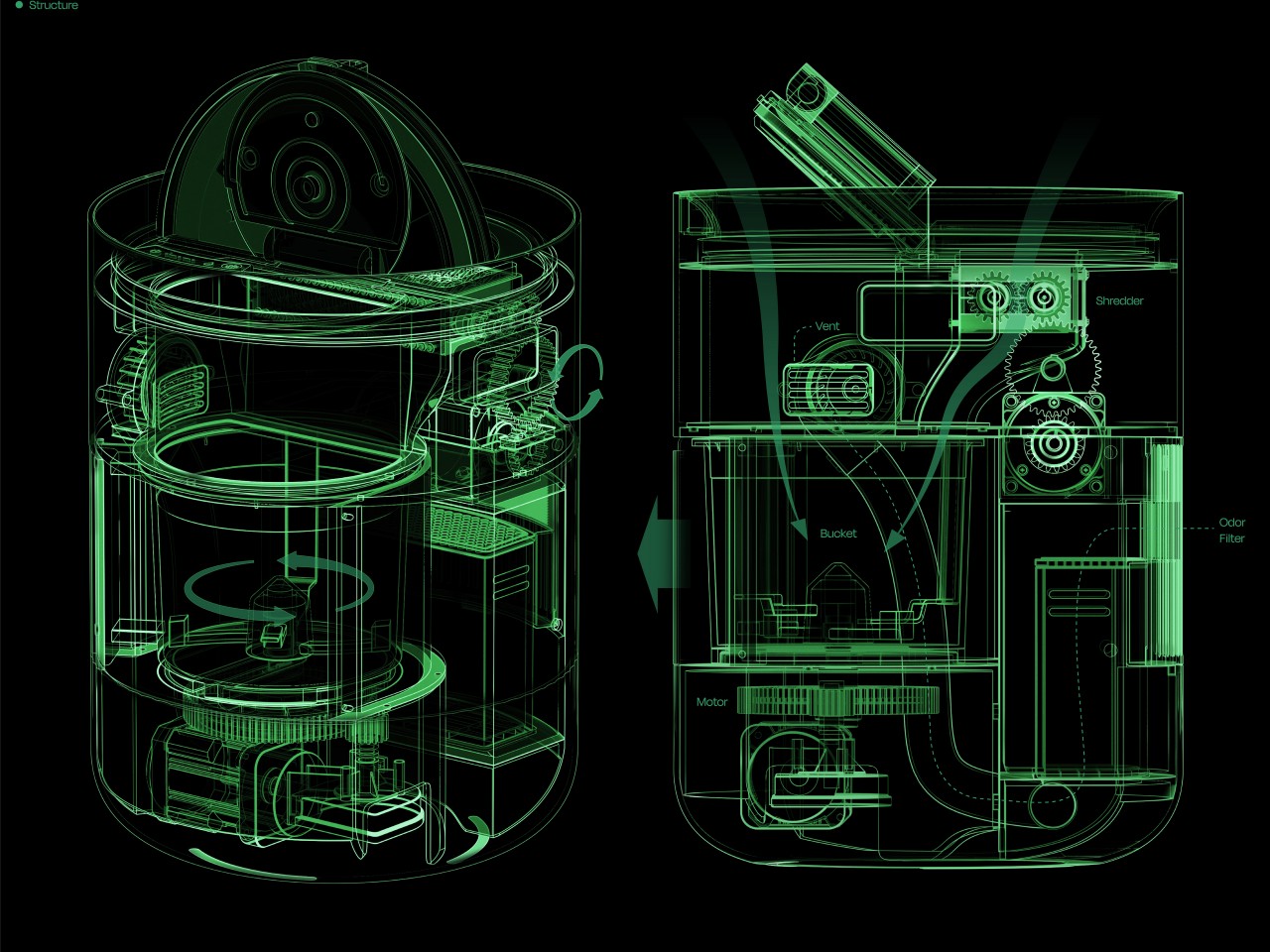
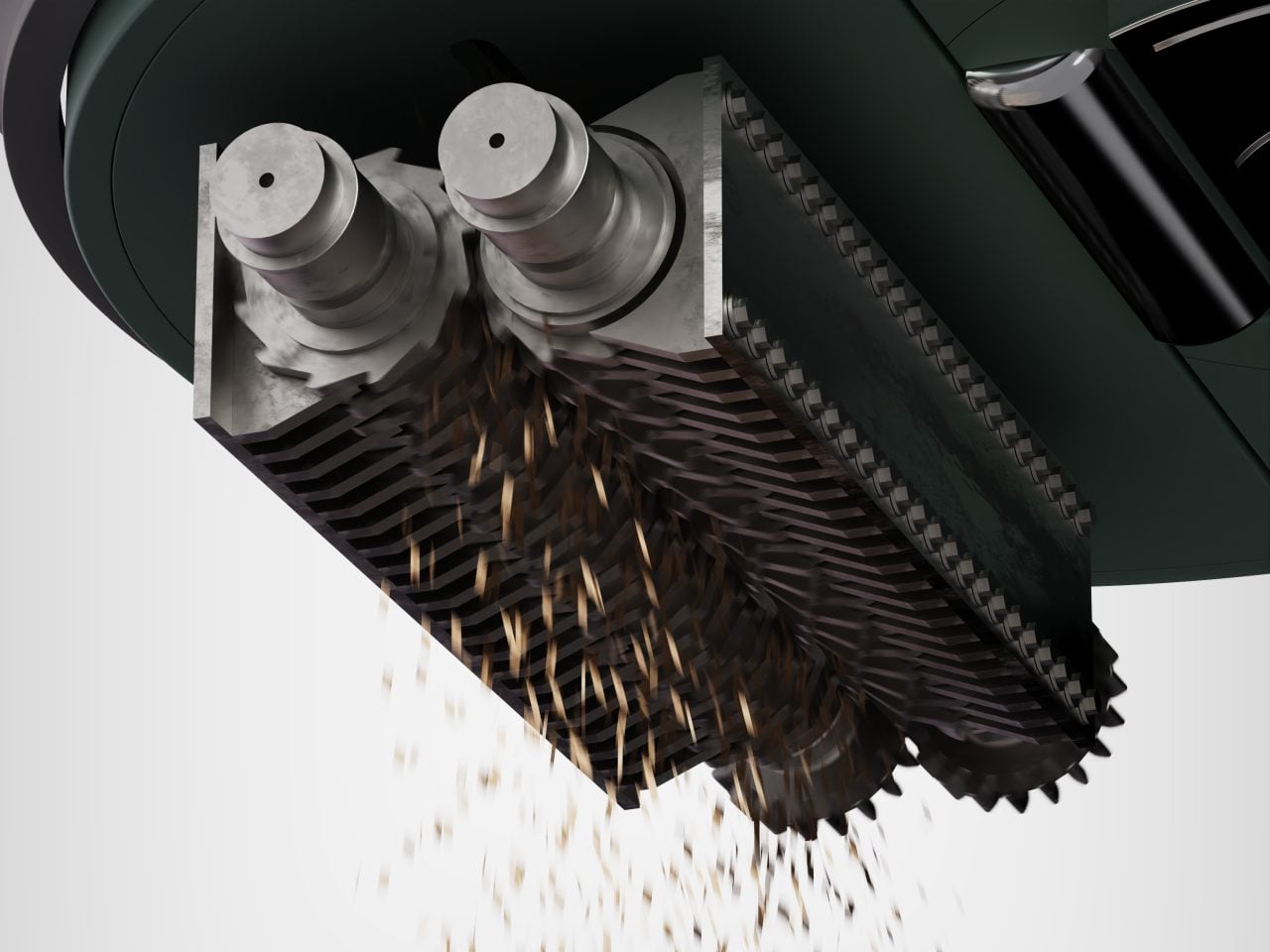
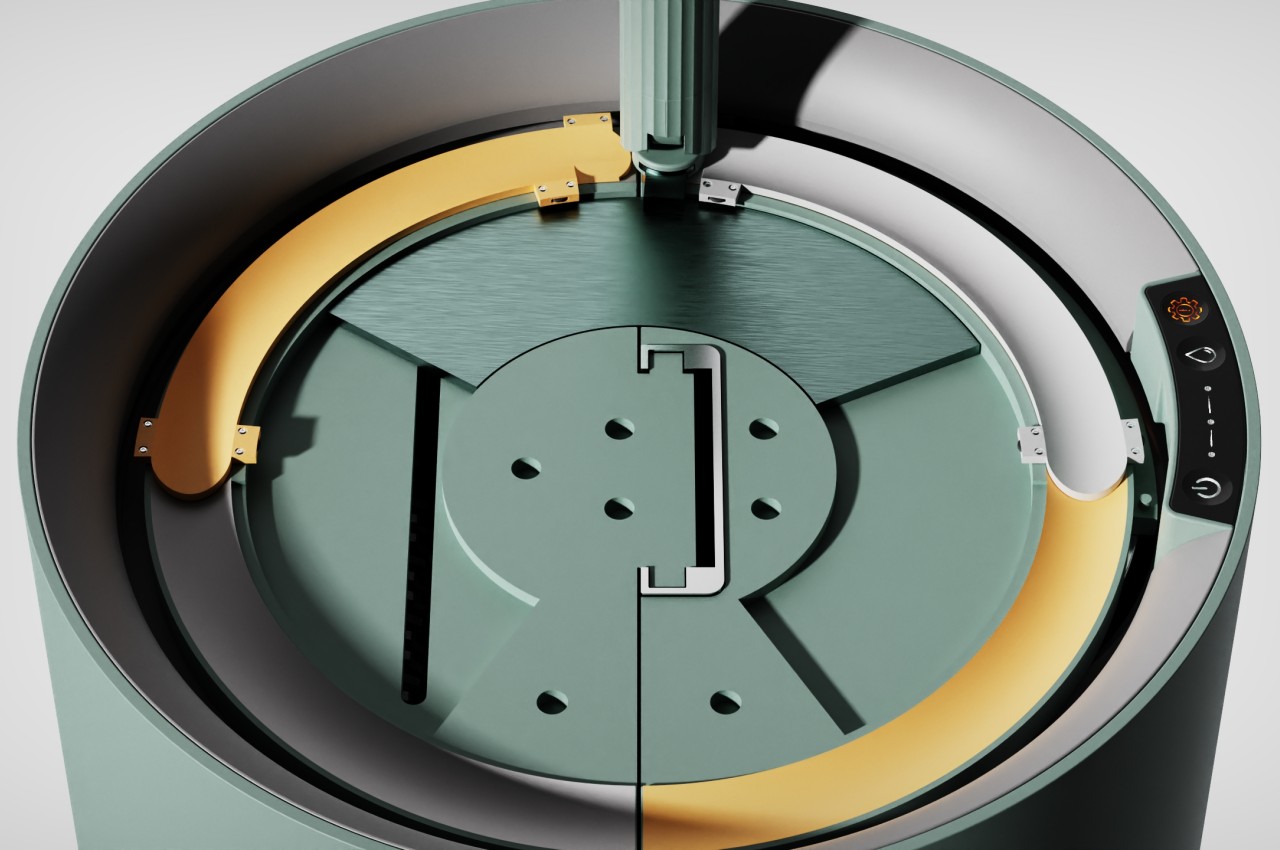
The device doesn’t simply mix these two groups into some disgusting slosh. One part of the machine has a shredder to reduce cardboard and wood into tiny bits, while another is a grinder that cuts up the food waste. The components are heated to reduce the volume of the waste and turn the mixture into something almost similar to the soil you will dump it on. The result is homemade fertilizer that you can use for the plants you’re growing both indoors and in your backyard.
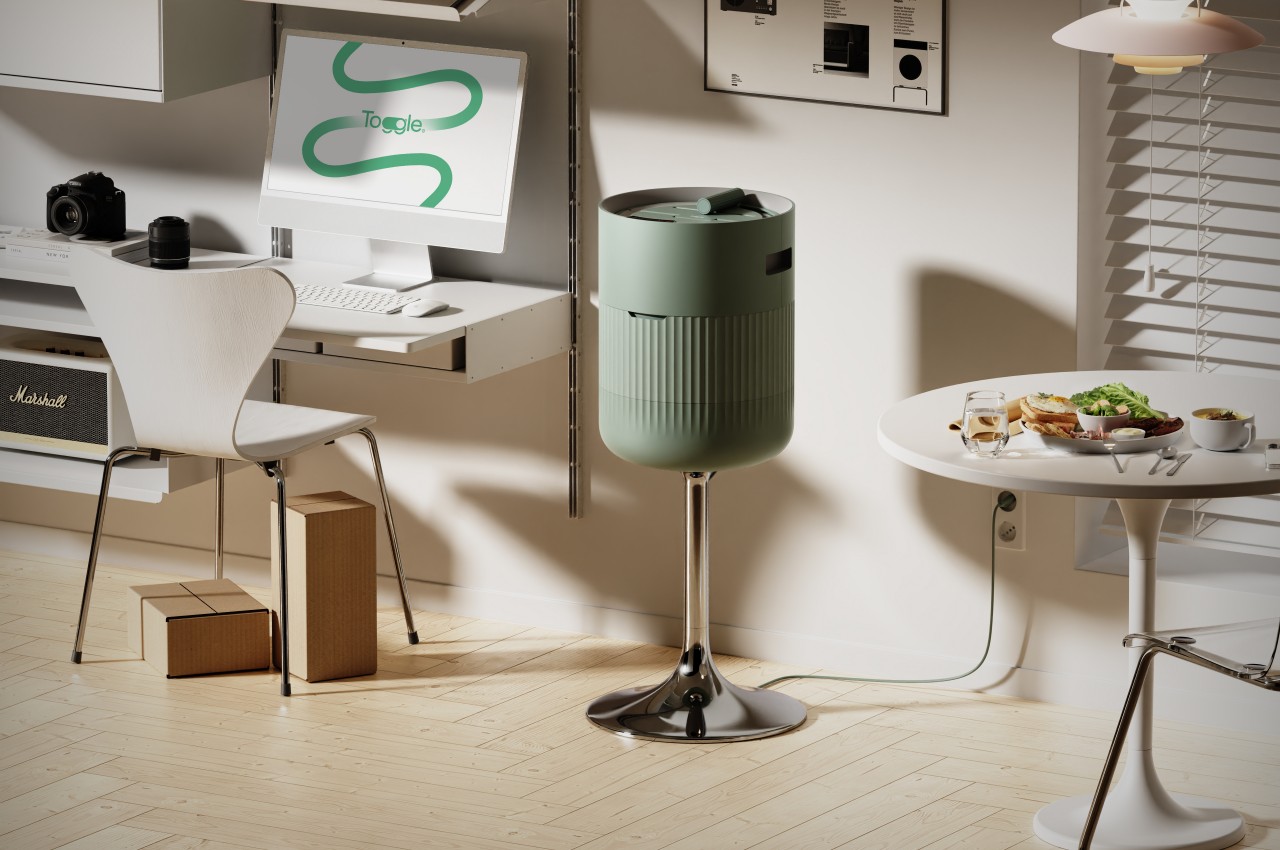
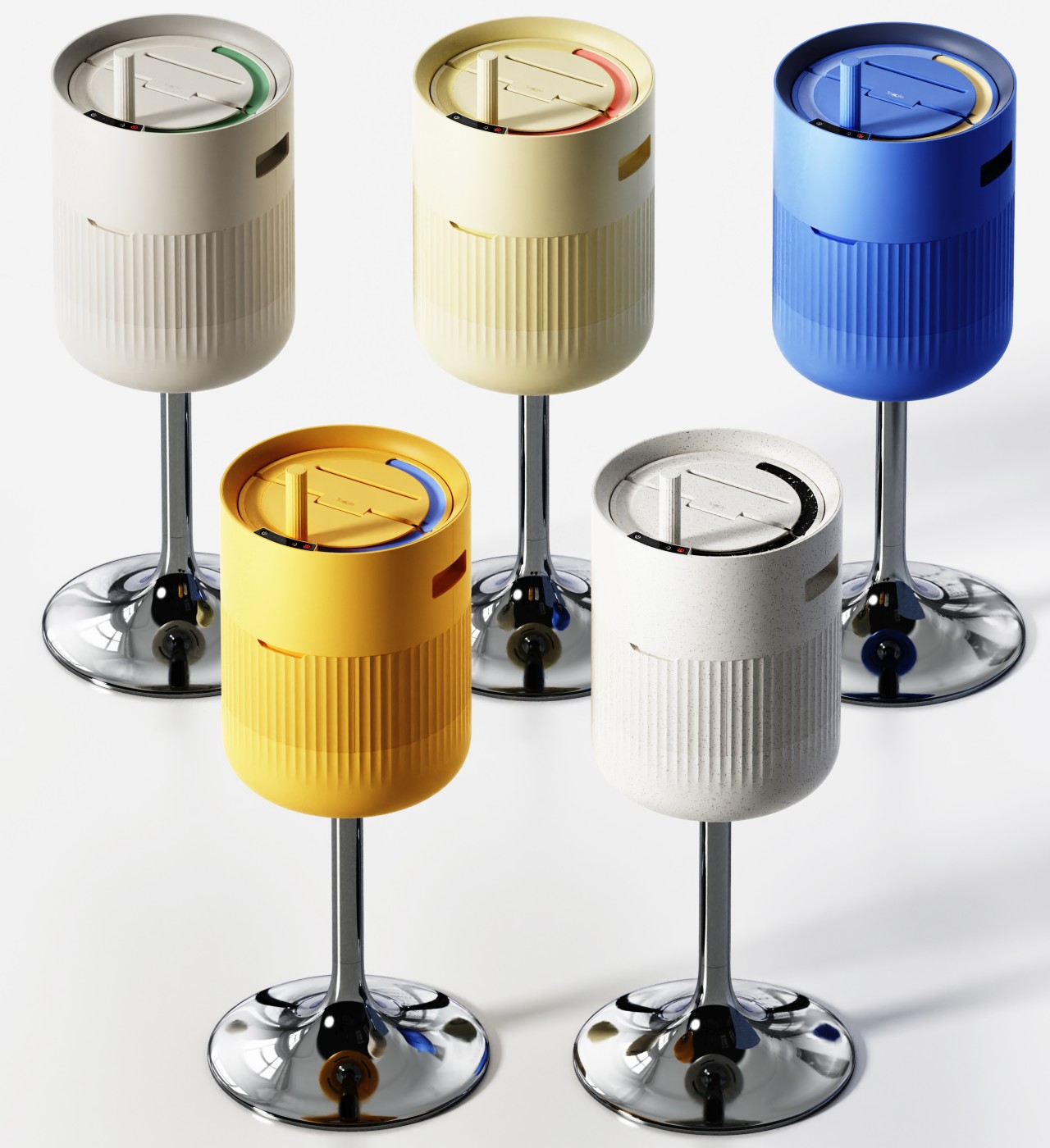
While the process of handling waste might sound and look icky, Toggle is designed to hide those details as much as possible. In fact, it’s made to look more like a stylish and sophisticated can, just one that deftly handles the food you would have thrown out indiscriminately. In addition to safety mechanisms to protect kids in the house, the concept device is made to look discreet, attractive, and easy to use. It’s meant to encourage a more responsible lifestyle that goes beyond just eating properly, making sure that your plants and the planet can also benefit from your healthier lifestyle.
Samsung has launched its 2024 midrange phone lineup, which combines weaker specs and feature sets with more alluring prices than its flagship handsets. The Galaxy A55 and A35 have 6.6-inch Super AMOLED displays. For the first time in its budget handsets, the company included Knox Vault, a walled-off security section that debuted in the Galaxy S21.
Both Android 14-running phones have FHD+ (2220x1080) displays (374 pixels per inch) and variable refresh rates up to 120Hz. Like last year’s Galaxy A54, both include Samsung’s Vision Booster feature, which adjusts the screen’s tone mapping based on ambient lighting conditions. Their 6.6-inch diagonal measurements (not accounting for rounded corners) are a slight bump up from the A54’s 6.4 inches.
Samsung’s official materials didn’t list the phones’ processors, but Android Policereports the A55 uses an Exynos 1480, while the A35 settles for a slower Exynos 1380. RAM comes in different configurations: 8GB or 12GB in the A55 and 6GB or 8GB in the cheaper A35. Your storage options are 128GB or 256GB in each handset, but only the A55 has a microSD card slot.
Galaxy A35
Samsung
In addition to performance, cameras will be one of the primary differences between the two phones. The pair has three rear cameras, each with a 50MP main camera and a 5MP macro lens. But the more expensive A55 uses a 12MP ultra-wide sensor, while the A35 has a more pedestrian 8MP ultra-wide lens. In addition, the A55 has a 32MP front-facing camera, compared to the A35’s 13MP front shooter. Both use optical image stabilization (OIS) and video digital image stabilization (VDIS) to offset camera shake.
Unsurprisingly, neither phone appears to include the generative AI features Samsung uses to differentiate the Galaxy S24 series (and older flagships, via software updates). The closest you may get in this price range is the company’s “advanced AI Image Signal Processing (ISP)” for better photography in low-light conditions, included only on the A55.
Samsung didn’t list the phones’ build material in its press release and official specs, but Android Police says the A55 is the company’s first midrange phone with a metal frame. (Last year’s Galaxy A54 used plastic.) Engadget reached out to Samsung to clarify, and we’ll update this article if we hear back.
The handsets each have a 5,000mAh battery. Samsung estimates two days of battery life, but this could vary greatly depending on usage.
US pricing and launch dates aren’t yet available. However, Samsung says the A55 will start at £439 (US$562) in the UK, while the A35 will begin at £339 ($434). Samsung lists a March 20 release date for both handsets in the UK.
This article originally appeared on Engadget at https://www.engadget.com/samsungs-midrange-galaxy-a55-has-a-bigger-screen-and-new-security-features-170916895.html?src=rss
It's been a busy several few months for fighting game fans between the likes of Street Fighter 6, Tekken 8 and Mortal Kombat 1 arriving. Another game is entering (or more accurately re-entering) the fray as Warner Bros' platform fighter MultiVersus will return on May 28. It will be available on PS4, PS5, Xbox One, Xbox Series X/S, Steam and the Epic Games Store.
MutliVersus is Warner Bros' take on the Super Smash Bros. series. The aim is to weaken enemies enough to knock them off of a platform. Instead of controlling the likes of Mario, Link, Pikachu and Sephiroth, the roster is made up of characters from across WB properties, including DC Comics, its movies (hence the inclusion of LeBron James from Space Jam: A New Legacy) and even HBO. It's an enjoyable two vs. two take on the format.
The free-to-play game debuted in open beta in July 2022 and it was an instant hit. It brought in 20 million players in its first month. However, the player count dwindled quickly (at least on PC) amid complaints of a lack of updates and new characters. Developer Player First Games said last March that it would take the servers offline in June so it could work on the game ahead of its full release this year. One aspect of this that angered some fans was the fact many spent money on the game to unlock characters and cosmetics, only for it to go offline for what turned out to be another 10 months.
Along with the full release date, game director Tony Hyunh announced some of the updates to MultiVersus. There will, of course, be new characters. Hyunh didn't reveal any of the fresh faces, but I have my fingers crossed for a couple of names from Succession and The Last of Us showing up, just because. You can also expect more stages and fresh attacks for each character. We'll learn more details in the lead up to the release date.
Player First Games rebuilt the game from the ground up in Unreal Engine 5 to improve character lighting and the visuals. Hyunh says the team incorporated new rollback netcode to minimize lag for online play and to ensure consistent performance. There will also be a player versus environment mode that will allow you to play the game without having to square off against other players.
MultiVersus is returning just after Warner Bros. Discovery announced plans to focus more on live-service, mobile and free-to-play games with a long-tail rather than single-player experiences. That's despite the disappointing performance of Suicide Squad: Kill the Justice League (a live-service title) and colossal commercial success of Hogwarts Legacy, which sold 22 million copies last year.
This article originally appeared on Engadget at https://www.engadget.com/smash-bros-esque-fighting-game-multiversus-is-returning-on-may-28-164706013.html?src=rss
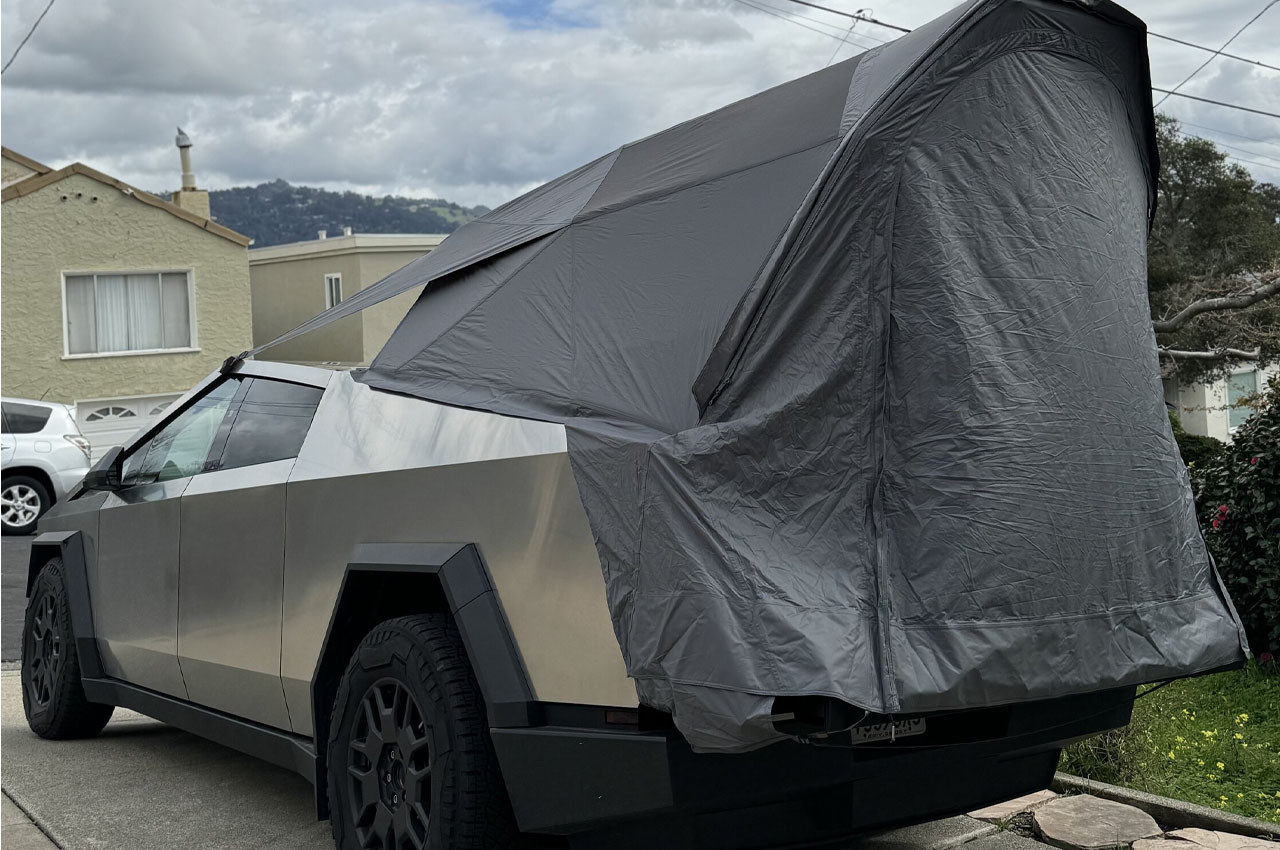
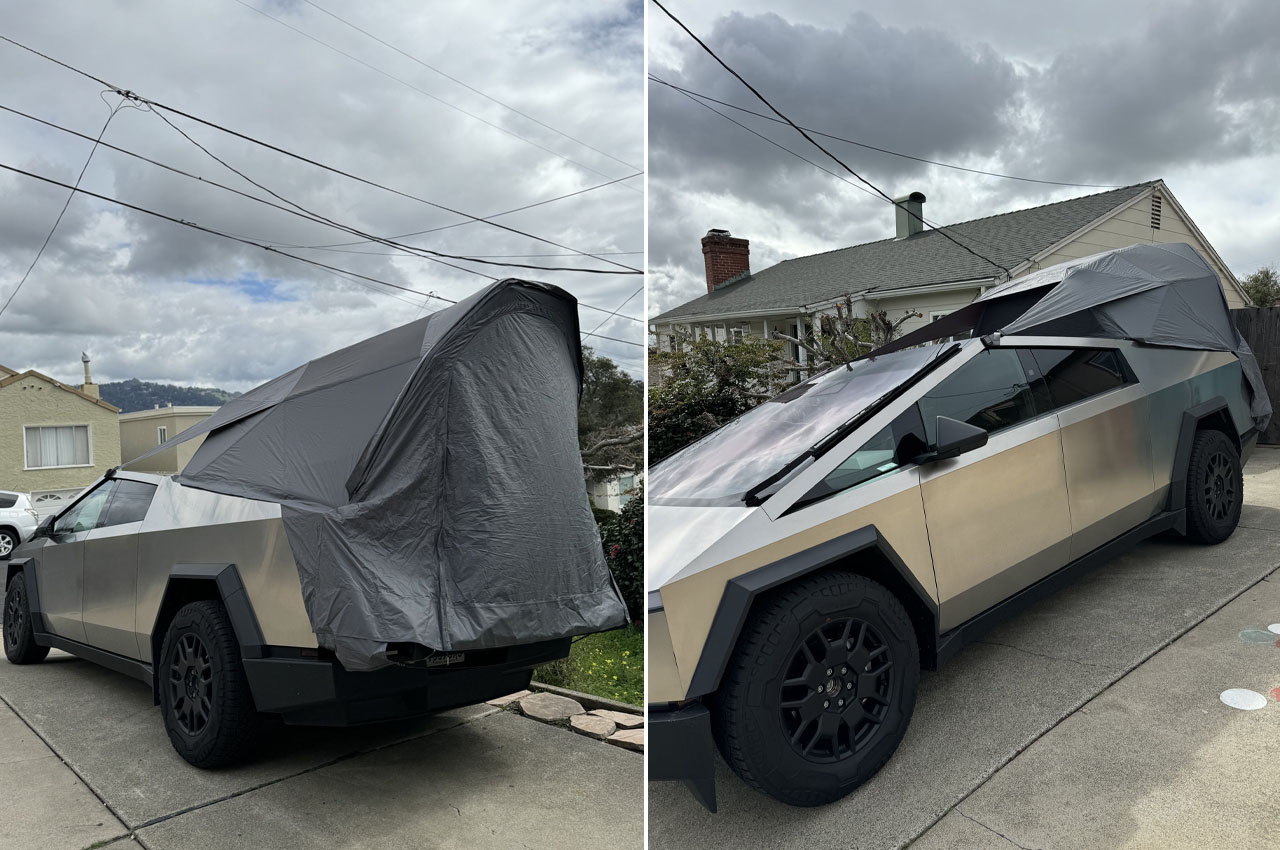
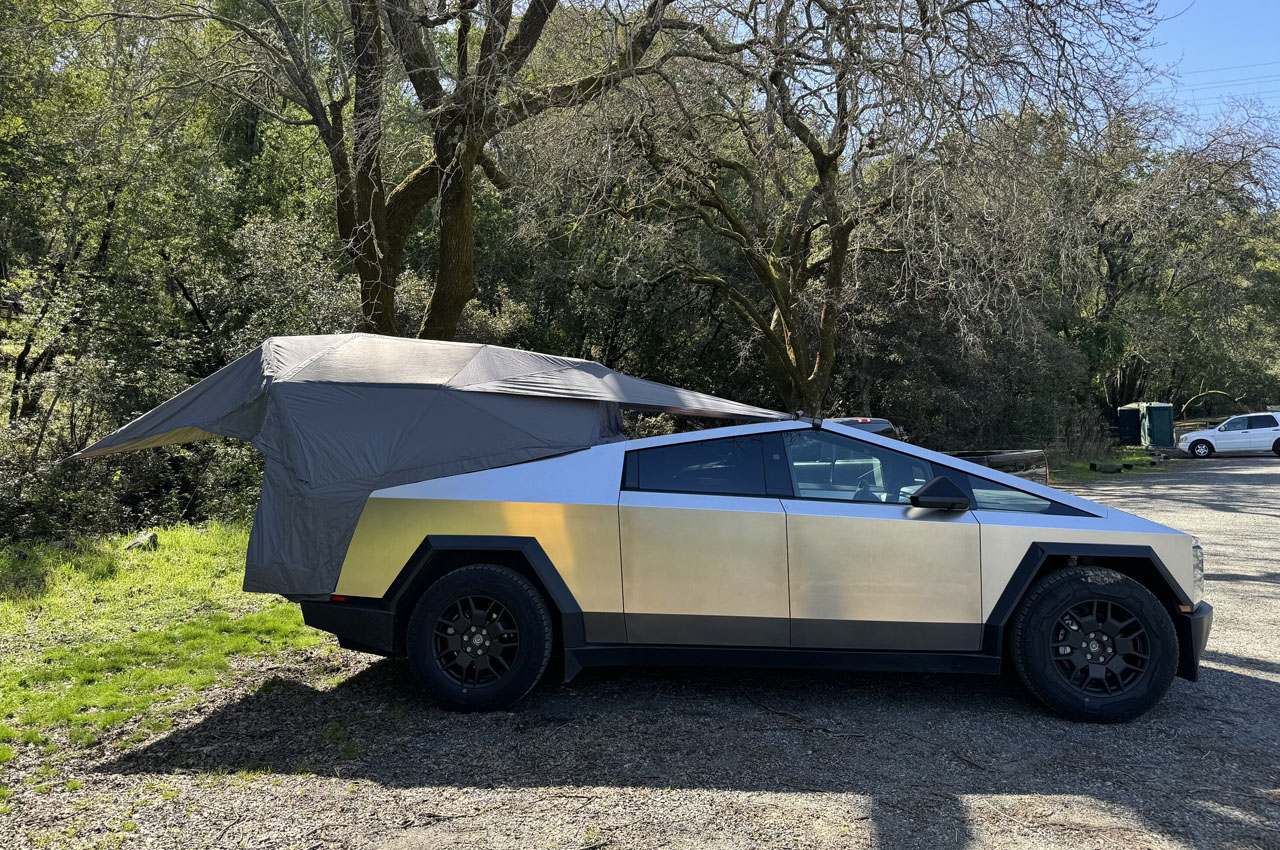
Before the release of the Cybertruck (for eager buyers), Tesla was developing an official accessory with Heimplanet to satiate the needs of adventure junkies. Known as the Cybertruck Basecamp Tent, the sleek and stylish add-on would turn the electric truck into a sporty off-grid camping vehicle for nature lovers.
The accessory has finally shipped for people who pre-booked and unfortunately, it looks nothing like the version promised in the 2019 renders and prototype. Just like the Cybertruck’s overblown bubble hype, the Basecamp Tent for the truck bed looks like a gray blob of unfinished and shabby product that’s more like a homeless encampment.
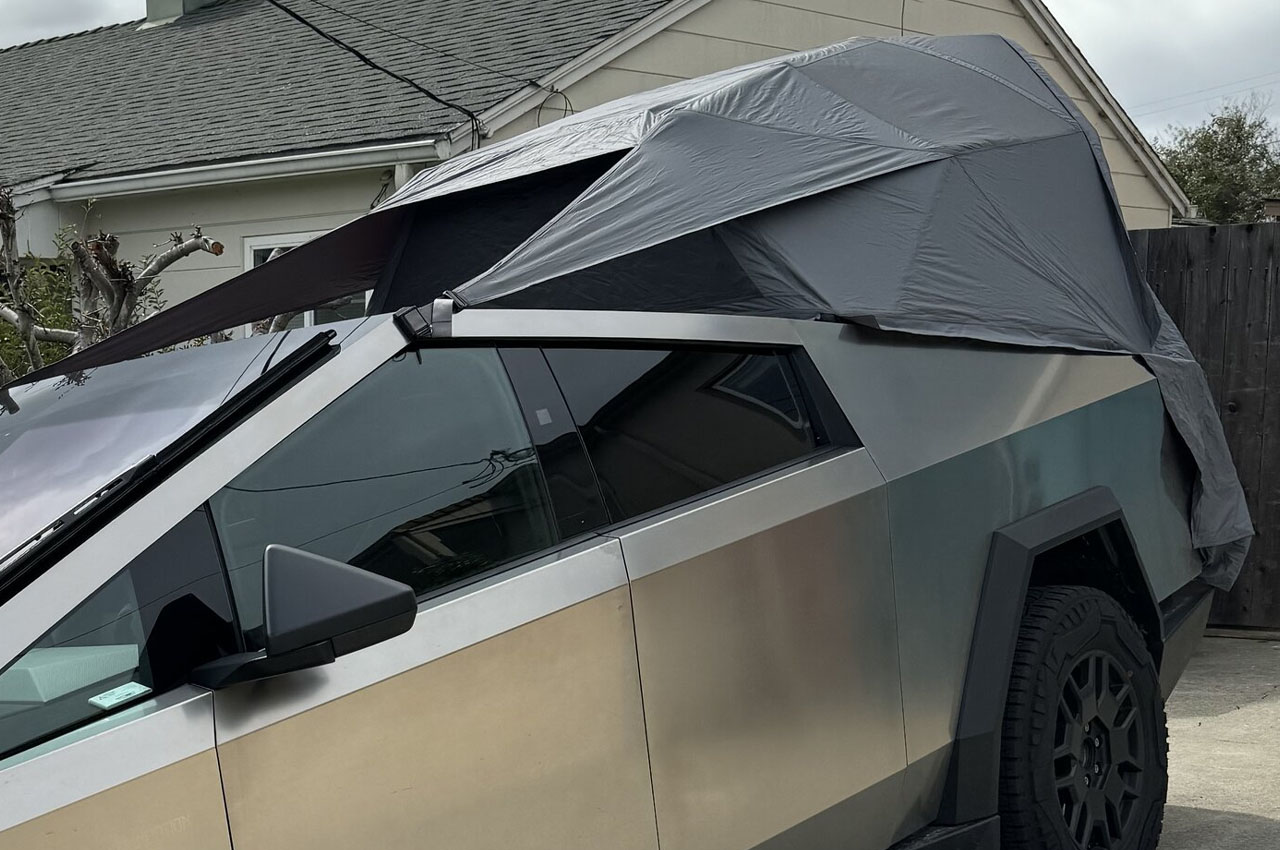
There are a lot of strings attached when we consider the ease of installation as Tesla recommends owners bring the thing to the service center for initial installation of the brackets. Ideally, that should not be the case as one should be able to seamlessly install it on his/her own. A user on the CybertruckOwnersClub forum says that “forcefully popping out the Aeroflap” just feels like a less-than-premium experience. Removing or reinstalling the Aeroflap compromises the waterproofing at the front of the vault. Also, the plastic pieces/clips hooked from the Aeroflap are susceptible to breaking with repeated use.
Strangely the manual lists down the “Tent Mode” – supposed to self-level on a sloped surface – which apparently doesn’t exist right now. So, should we expect some kind of update or add-on fix it? The second-hearted approach in launching this product is evident from the small little gripes. On a positive note, the Roof Peak clips are easy to locate and attach to the roof, as they fit along the triangle section of the truck’s window. This helps maintain the structural integrity of the tent, and once everything is in place, inflate the tent to set up the base for the night. Another advantage is the space under the stowed basecamp to store essentials. Not to mention the lightweight aesthetics and the use of premium materials.
If the price had been reasonable, my perspective would have been different about all the shortcomings in features and the overall design. But shelling out $3,000 for this unfinished accessory that’s a handful while installing and uninstalling, is not at all justified!
The Anova Precision Cooker Nano sous vide machine is on sale for just $60, which is a record low price for the cooking gadget. This amounts to a discount of 60 percent, as the MSRP for this thing is $150. In other words, there’s no better time to dip your toes into the temperature-controlled water bath that is sous vide cooking.
The Nano is an entry-level sous vide machine, so there aren’t too many bells and whistles. It does, however, feature a reliable and fairly portable heating mechanism. This heating element weighs just 1.7 pounds and is small enough to fit inside a utensil drawer.
It plugs right into a standard wall outlet and includes Bluetooth, so culinary wizards can monitor cooking progress from a smartphone. Don't let the photos fool you. The Nano doesn’t come with a dedicated container or any resealable bags. The good news? It works with just about any pot and store-bought bags.
The Nano’s larger sibling, the Precision Cooker 3.0, topped our list of the best sous vide machines on the market, so this is a well-regarded company. The Nano and the 3.0 share many similarities, from the overall design language to an easy-to-use temperature adjustment panel. The Nano lacks the adjustable clamp that accompanies the 3.0 and it swapped out Wi-Fi for Bluetooth, but is otherwise a capable stand-in. Thanks to this deal, it’s also a fraction of the price.
This article originally appeared on Engadget at https://www.engadget.com/the-anova-precision-cooker-nano-sous-vide-machine-drops-to-a-record-low-of-60-151347686.html?src=rss