
Season two of Netflix’s Cyberpunk 2077 anime streams October 20
Season two of Netflix's Cyberpunk 2077 anime streams October 20
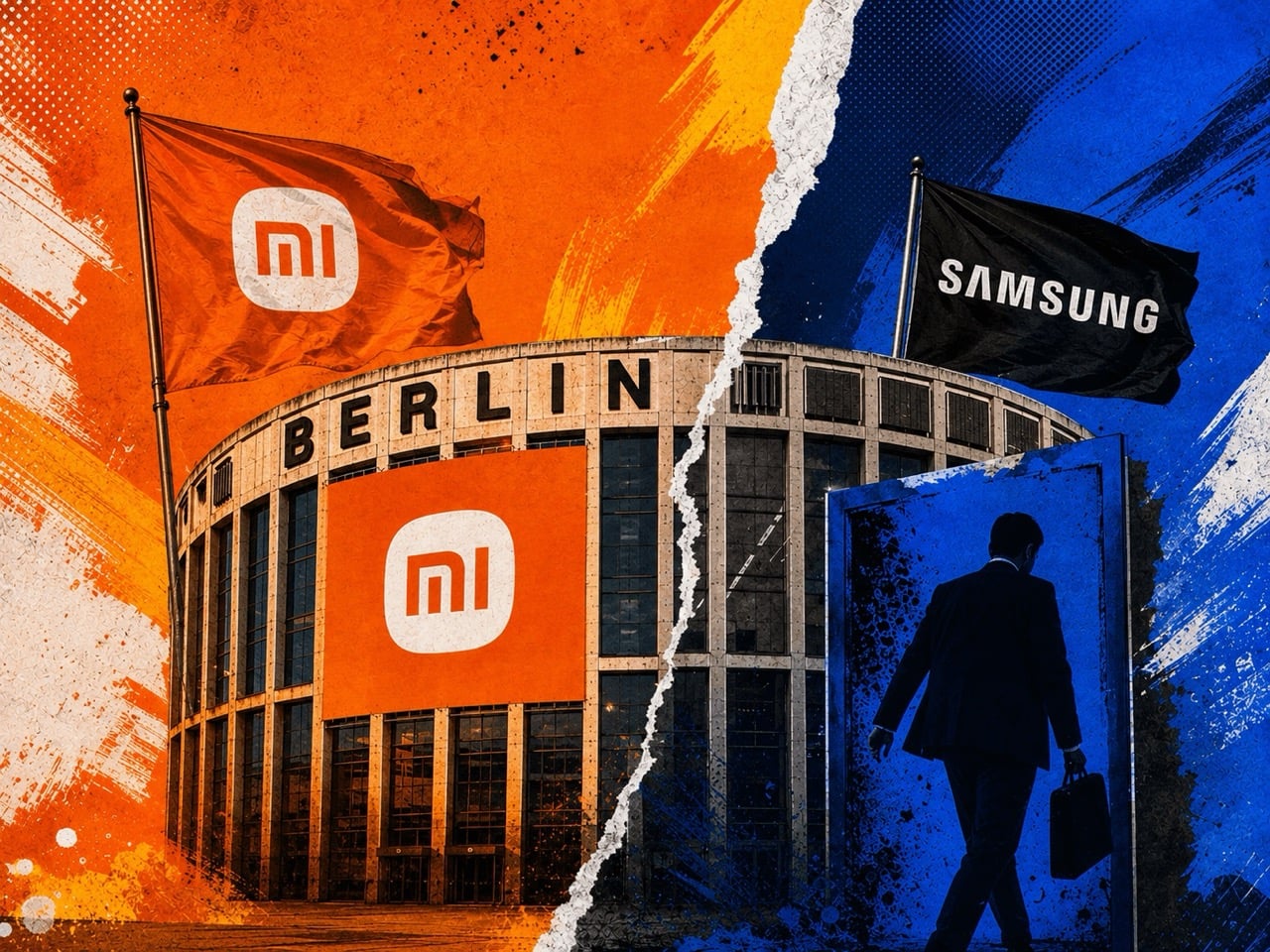
Imagine spending 35 years building the most recognizable booth at the world’s biggest consumer electronics show, then deciding one year to just… not. That is exactly what Samsung is doing at IFA 2026. The company is hosting its own event at the Humboldt Carré, a conference venue in central Berlin, eight kilometers from Messe, starting September 2, two days before the official show opens. Samsung frames this as a focused environment for media briefings, retail meetings, and product launches, following the same logic it applied at CES 2026 when it left the Las Vegas Convention Center for the Wynn Hotel. Doing it twice in the same year starts to look less like a pivot and more like a policy.
While Samsung manages its event across town, Xiaomi is inside Messe Berlin, confirmed for Hall 6.2, with a full ecosystem pitch and no obvious competitor stealing the spotlight. Xiaomi announced its IFA commitment at the official IFA Kick-Off on June 30, attaching a €7.4 billion AI R&D budget to the news, covering electric vehicles, robotics, and operating systems through 2028. Its IoT platform connects over 1.16 billion devices as of mid-2026, which gives the “Human x Car x Home” pitch real substance beyond the marketing copy. Samsung will sponsor the IFA Creator Hub, a content studio for influencers at Palais am Funkturm. But a sponsorship is a very different thing from anchoring a show floor, and Xiaomi is anchoring the show floor.
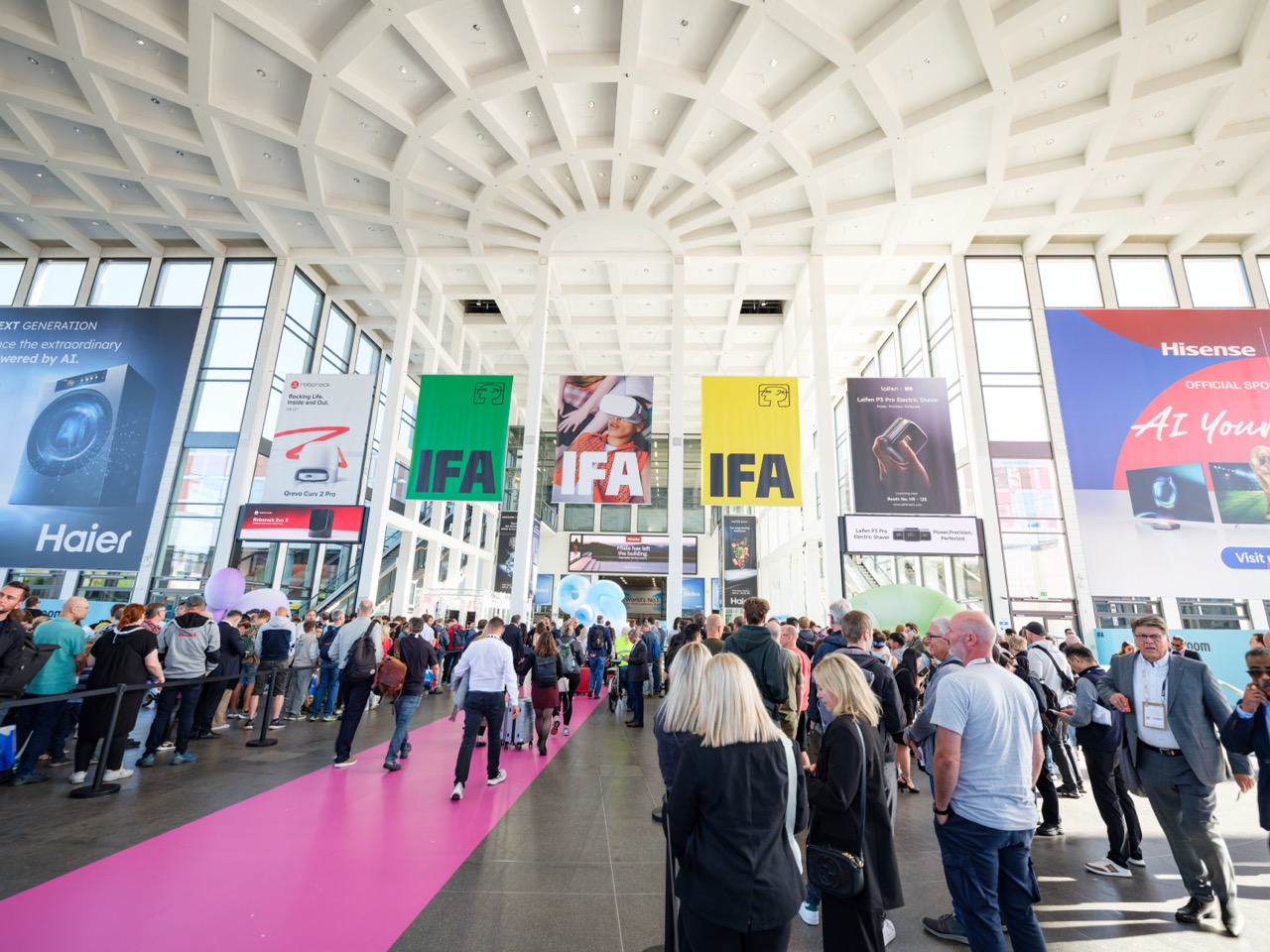
Photo Credits: IFA
At CES 2026, Samsung left the Las Vegas Convention Center for the Wynn Hotel and applied museum-style layout techniques to give visitors more time with each product. The Humboldt Carré plan at IFA runs on exactly the same idea, consolidating launches, tech forums, and partner meetings under one roof with dedicated space for hands-on AI appliance experiences. Samsung also has a footprint inside Messe Berlin as the main sponsor of the IFA Creator Hub, a content studio for influencers at Palais am Funkturm. It will run its own programming there throughout show week. But sponsoring a content studio is a different brand position from anchoring a product booth, and on the Messe floor, that position now belongs to whoever occupies it.
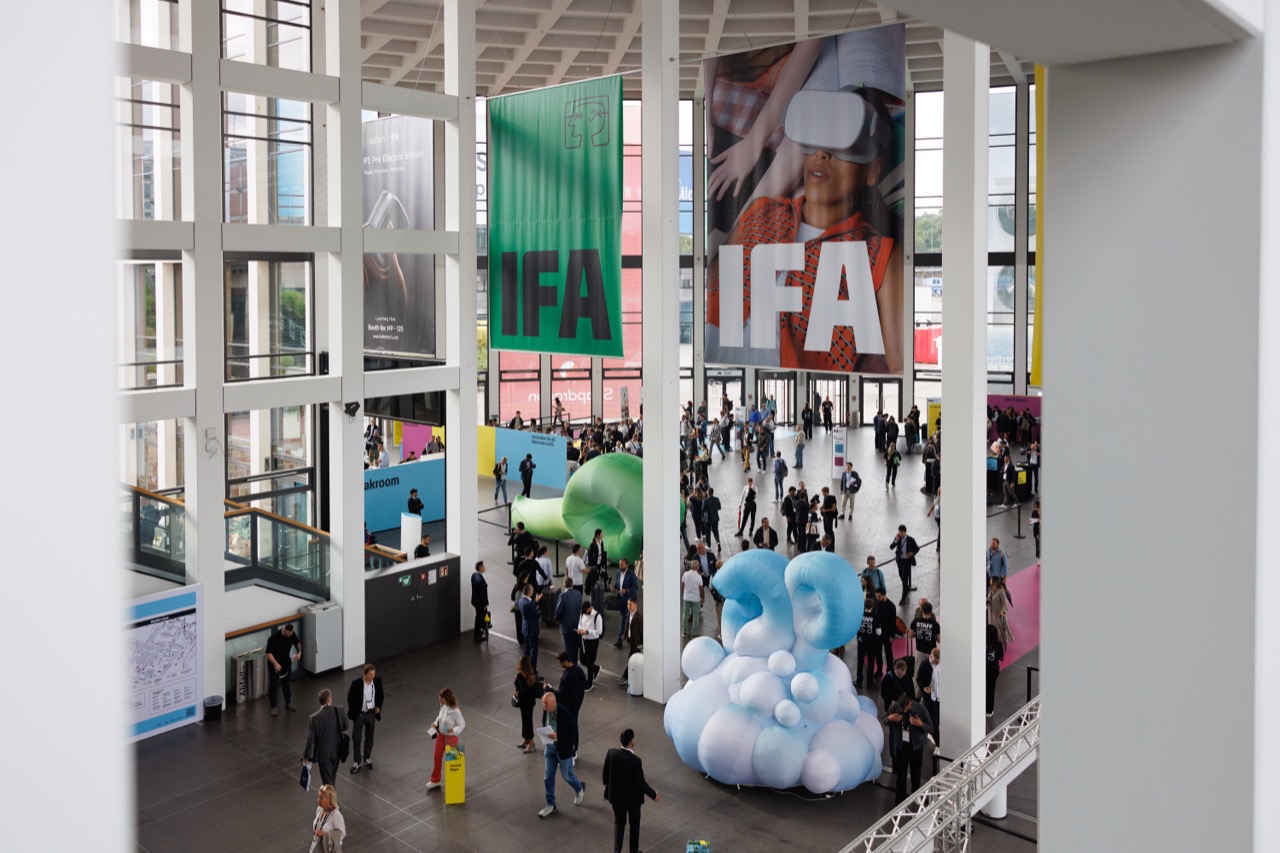
Photo Credits: IFA
Reports place the Galaxy S26 FE launch on September 4, the same day IFA officially opens, which means every journalist in Berlin will be writing about a Samsung phone from inside a building Samsung chose not to be in. LG, TCL, and Hisense all held their hall bookings and published their stand numbers months ago. Xiaomi is in Hall 6.2, a short walk from the main press areas. The reporters who glance up from S26 FE coverage will be standing next to Samsung’s biggest competitors. The brand generating the most ambient attention on the Messe floor will simply be the one that actually showed up.
Xiaomi’s pitch at IFA 2026 carries weight because the company has actually built the ecosystem it is selling. Its IoT platform connects over 1.16 billion devices as of June 2026, phones and laptops excluded, which gives the “Human x Car x Home” framing real shelf-stocking credibility for European retailers. The €7.4 billion AI R&D commitment for 2026 to 2028, spanning electric vehicles, robotics, and operating systems, is sized for institutional buyers rather than spec-sheet readers. Xiaomi landed on the Fortune Global 500 for the seventh consecutive year in July 2026, ranked 232nd. It arrives at IFA knowing exactly what it wants from a European room, and with the numbers to back that up.
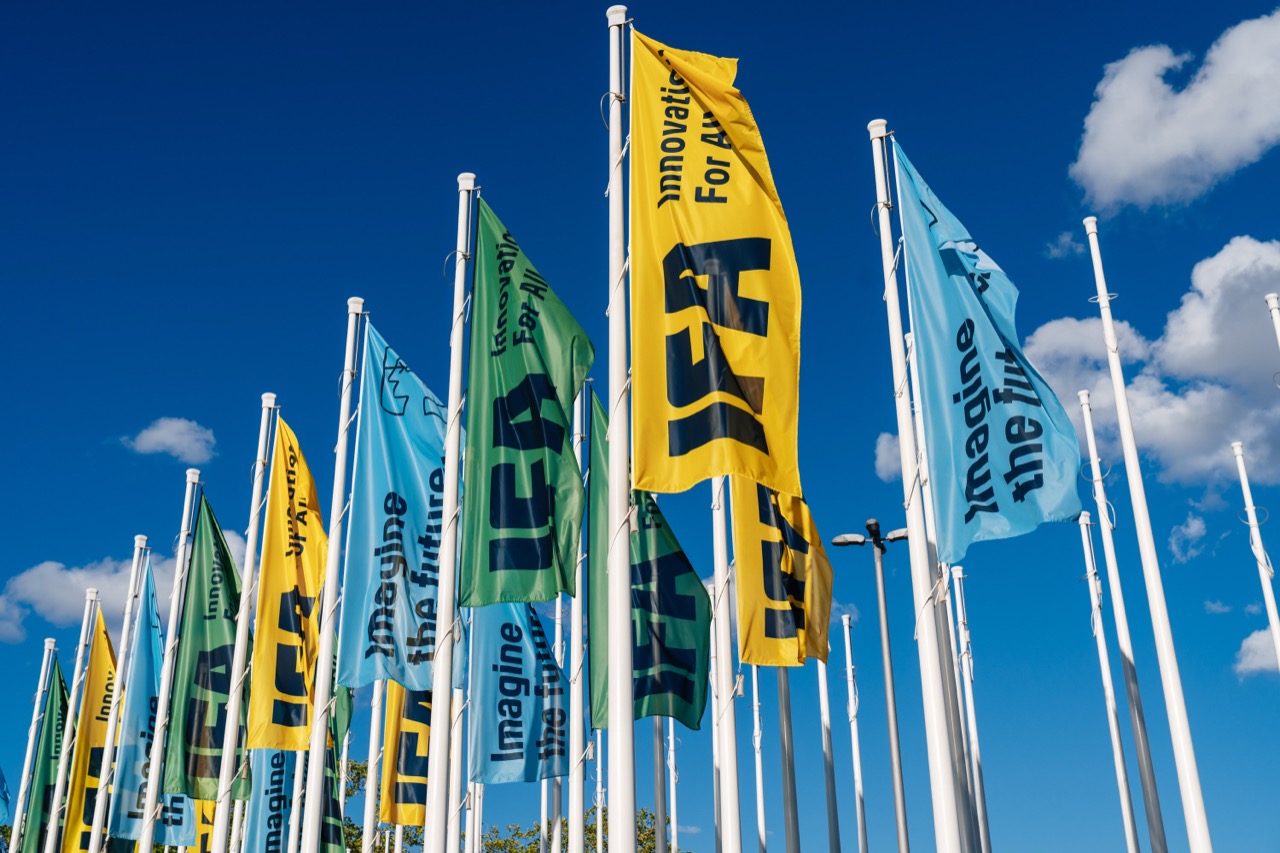
Photo Credits: IFA
Samsung’s controlled-environment strategy has a clean logic that gets harder to apply the bigger the show it leaves behind. Moving off the floor eliminates accidental comparisons, crowded aisles, and competitor booths visible from your own press conference, but it also removes the organic brand visibility a trade show generates just by being a trade show. Xiaomi does not have that problem this year. It is physically present in the room where buying decisions happen, where retail partnerships get formed over product demos, and where IFA’s roughly 220,000 annual visitors walk through looking for the next big thing. If the floor plan is the argument, Xiaomi is winning it before the doors even open.
The post Xiaomi Takes the IFA 2026 Spotlight as Samsung Makes A Quiet Exit After 35 Years first appeared on Yanko Design.

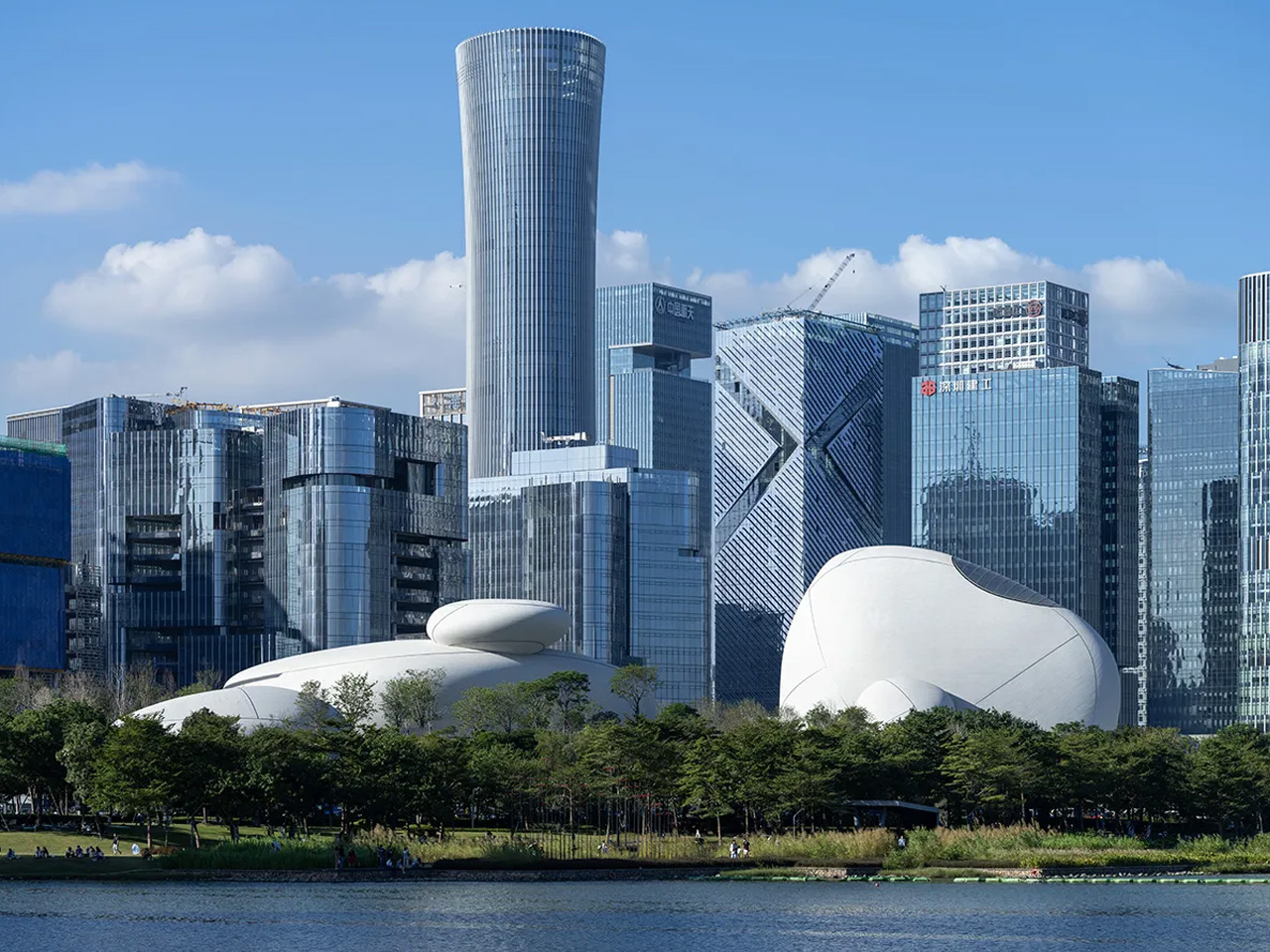
Most buildings in Shenzhen compete for your attention. MAD’s Shenzhen Bay Culture Square earns it. Designed by Ma Yansong and his Beijing-based studio, the project reframes what a civic cultural destination can look and feel like in a rapidly evolving Chinese metropolis.
Situated along the waterfront in Shenzhen’s Nanshan District, the complex occupies one of the most visible plots in a city that has spent the last four decades perfecting the art of reinvention. Where many architects might have responded to that pressure with glass towers and hard geometries, MAD did the opposite. The buildings flow. They curve into one another, rise from landscaped terrain like formations that have always been there, and blur the boundary between structure and ground in a way that feels genuinely rare in contemporary urban design.
Designer: MAD
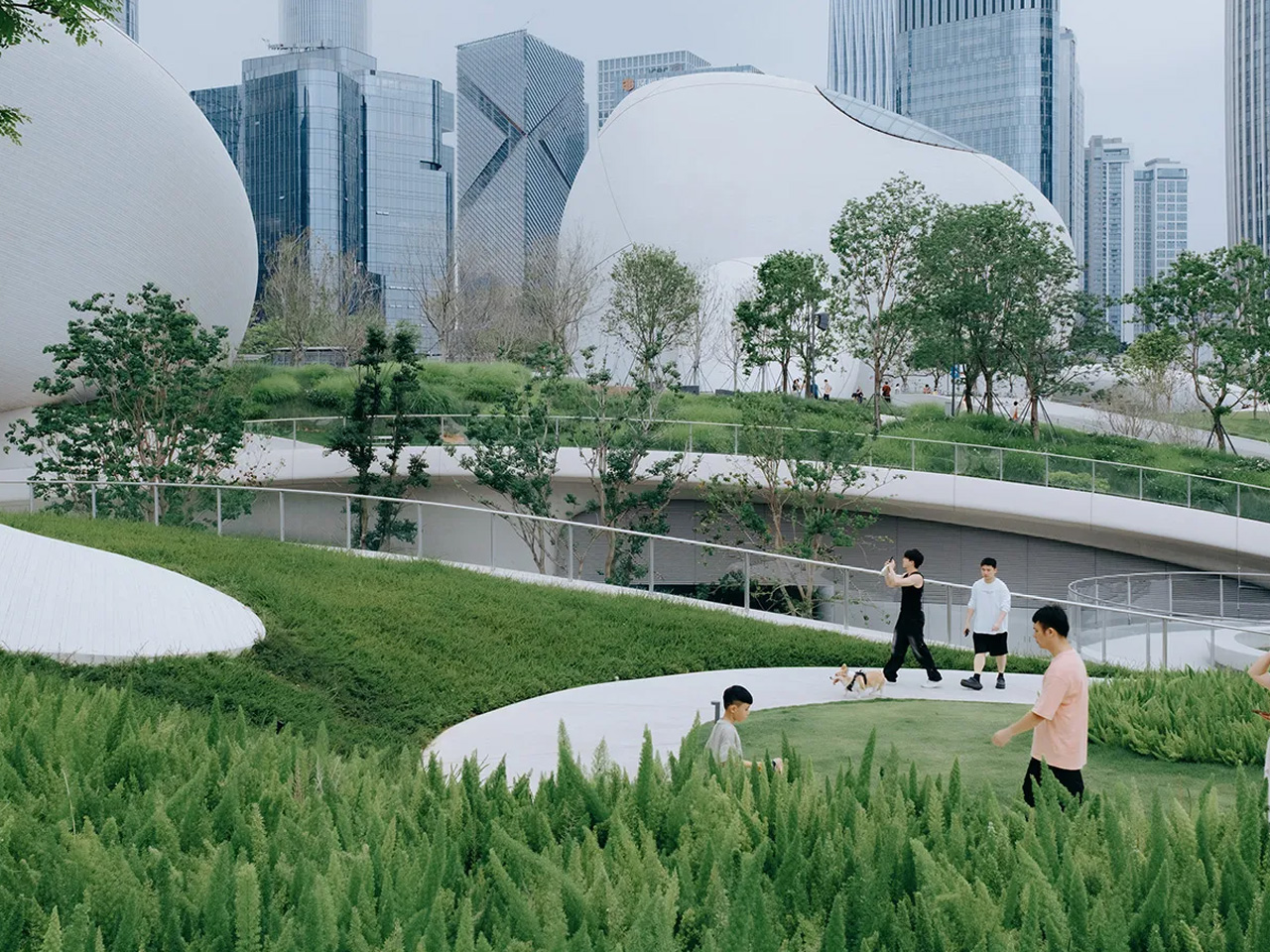
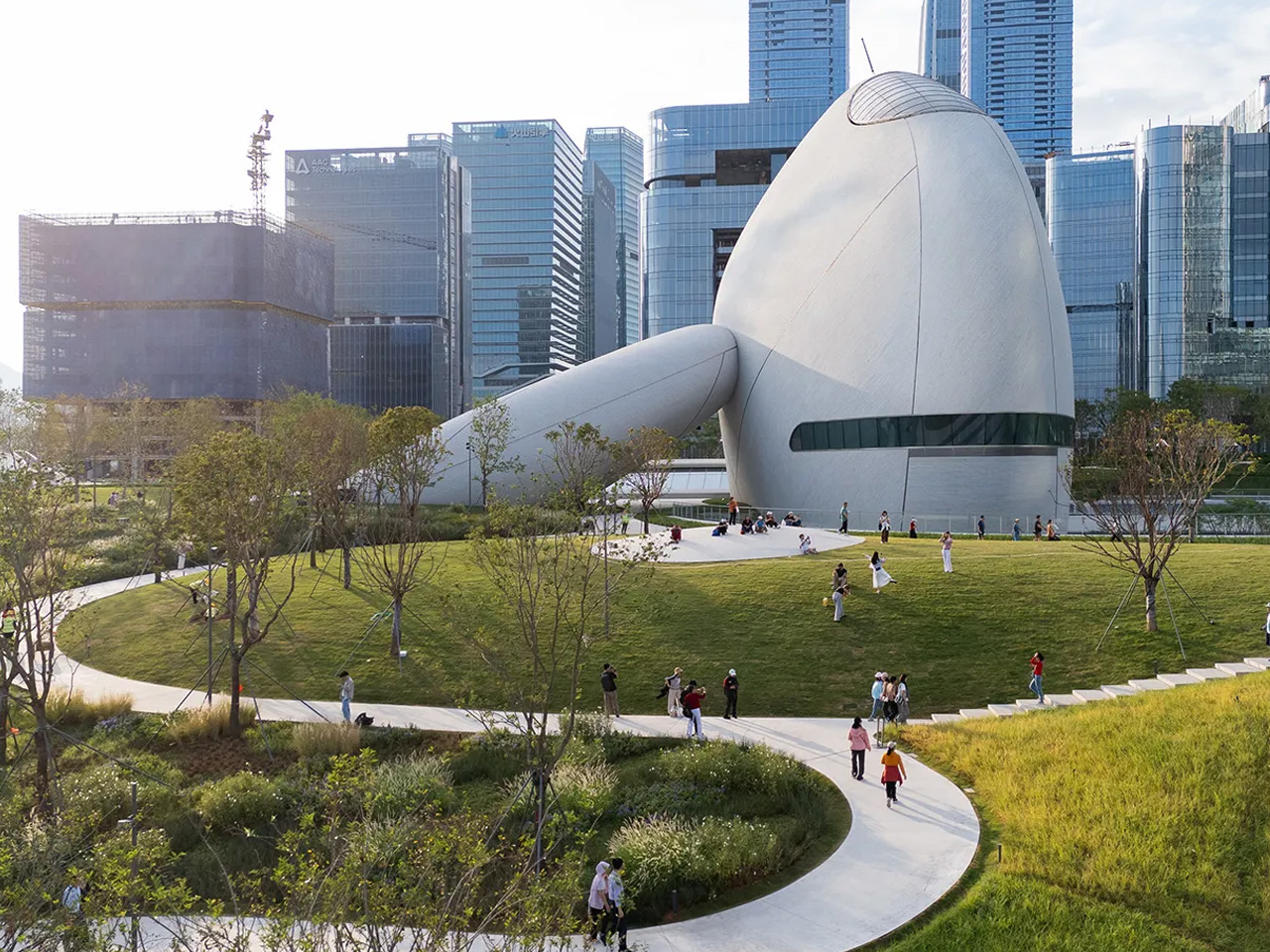
The project encompasses multiple cultural programs, including performing arts and exhibition spaces, all unified beneath MAD’s signature formal language of sculptural softness. The forms are white, smooth, and unadorned in a way that reads as confidence rather than restraint. Light moves across the surfaces differently at every hour, giving the complex a quality that photographs well but rewards physical presence even more.
What makes the Shenzhen Bay Culture Square significant beyond its visual identity is its relationship to the public realm. MAD conceived the landscape and architecture as a single continuous experience. The ground plane rises and folds to create terraces, gathering spaces, and pathways that draw people through rather than around the buildings. It is architecture that actively invites inhabitation, which is harder to achieve than it looks and rarer than it should be.
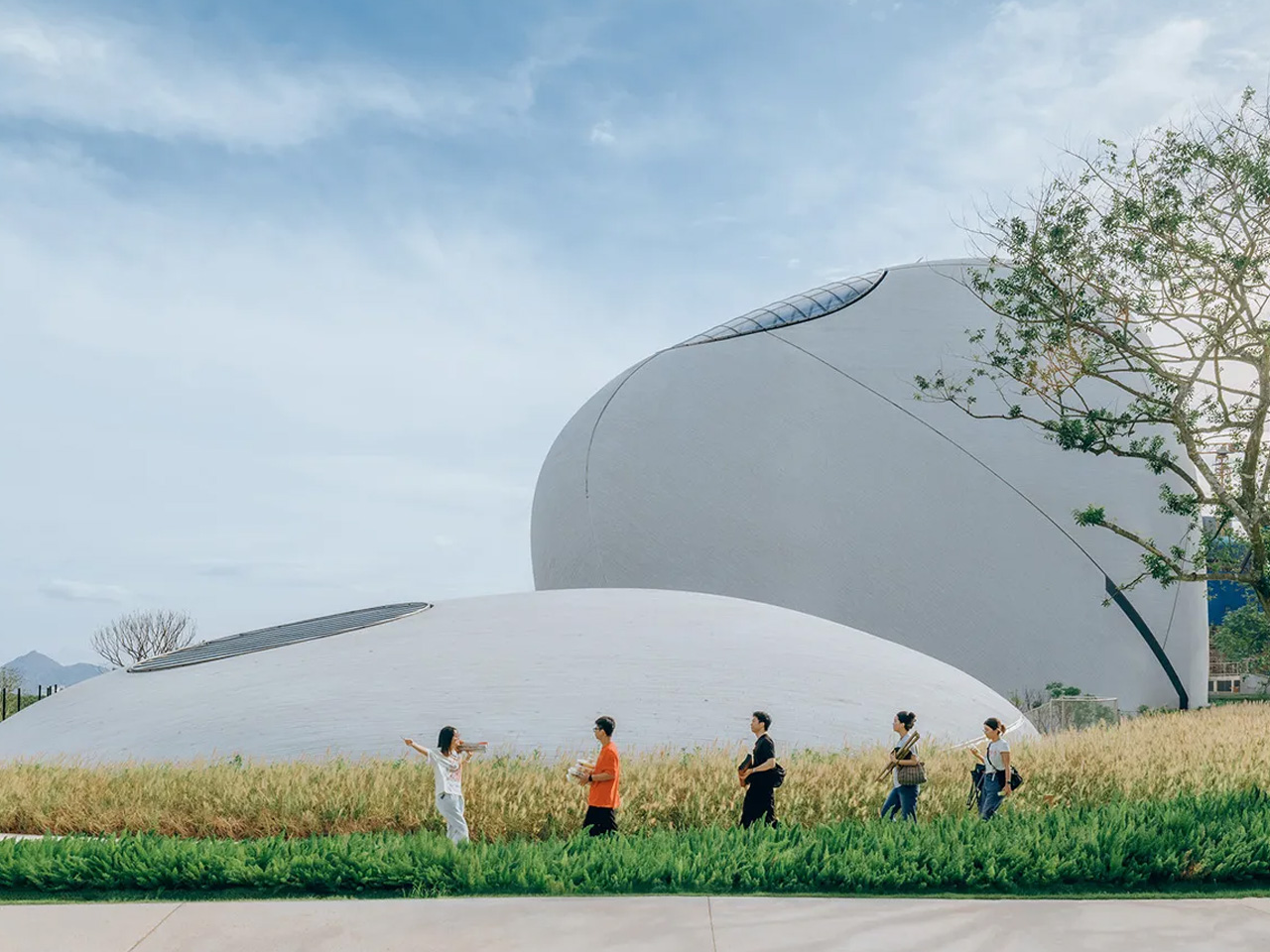
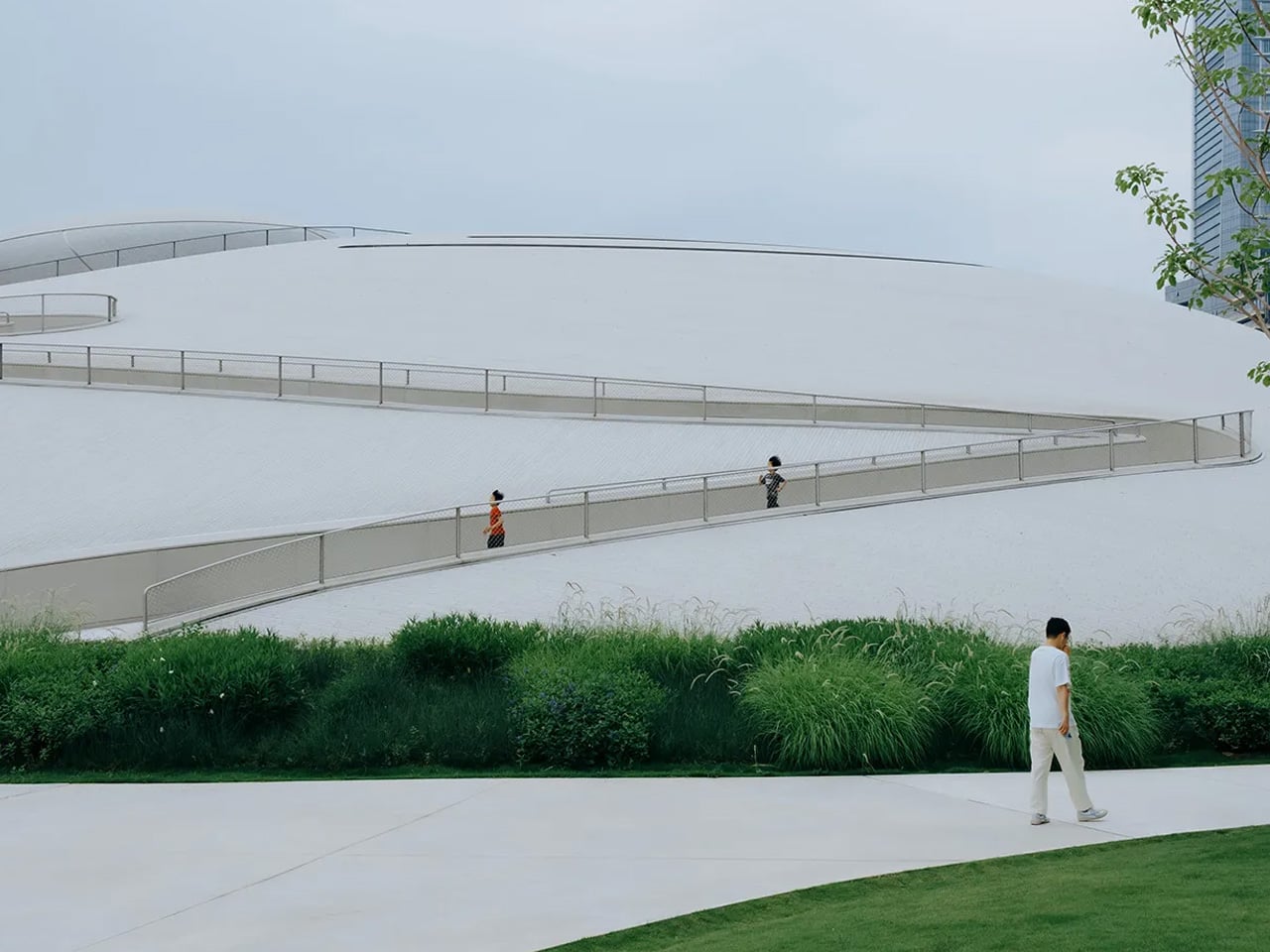
Ma Yansong has long argued that Chinese cities, built so fast and so dense, have largely neglected the emotional and spiritual dimensions of public space. His practice has staked its reputation on correcting that deficit, from the Harbin Opera House rising out of a frozen wetland to the Lucas Museum of Narrative Art in Los Angeles. The Shenzhen Bay Culture Square continues that argument in one of China’s most ambitious urban environments.
The result is a building complex that functions simultaneously as civic infrastructure and sculptural landmark. It gives Shenzhen something its skyline rarely offers: architecture that slows you down, asks you to look, and earns the time you spend with it. In a city defined by velocity, that quality feels radical. MAD, characteristically, makes it look effortless.
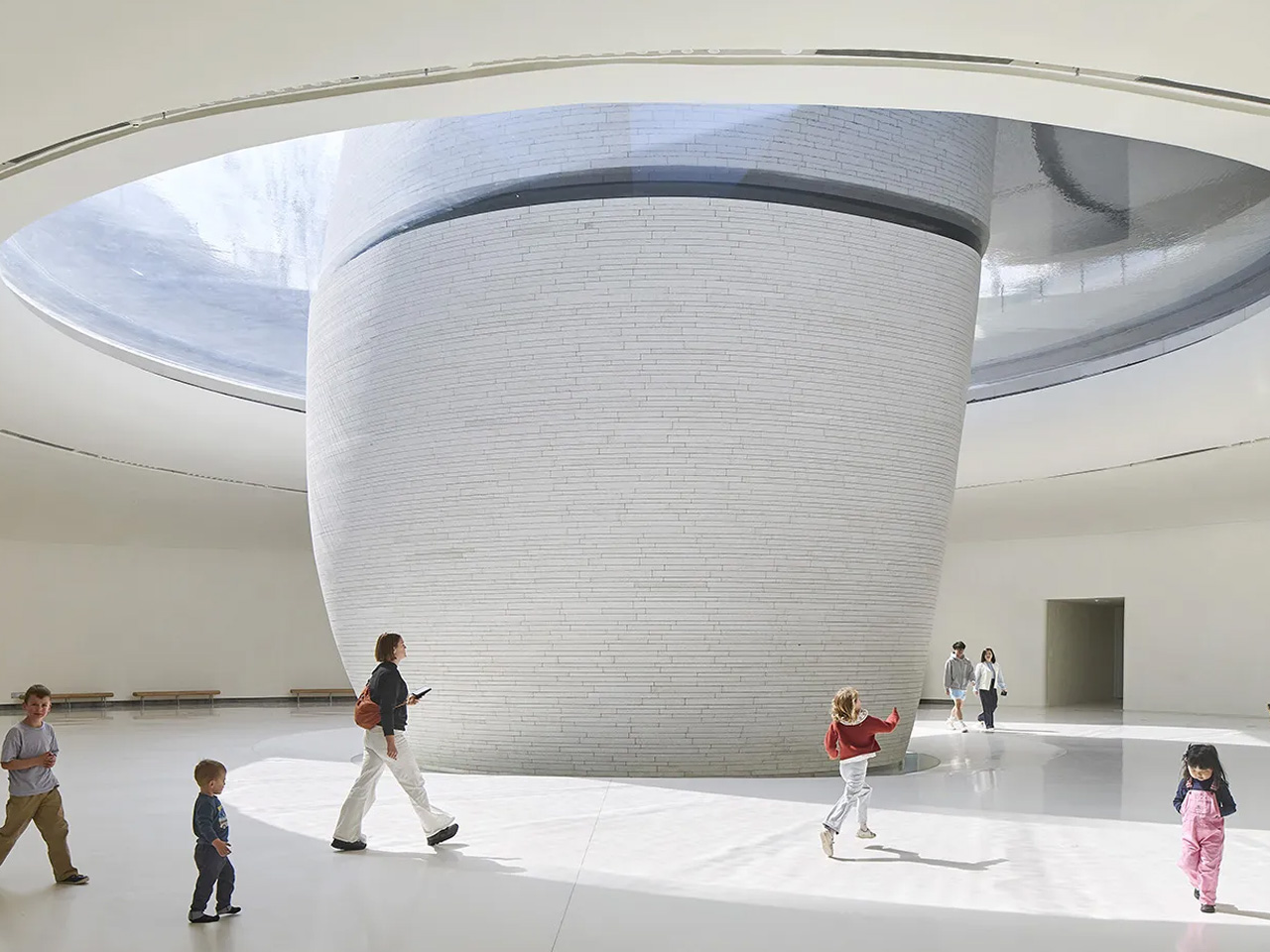
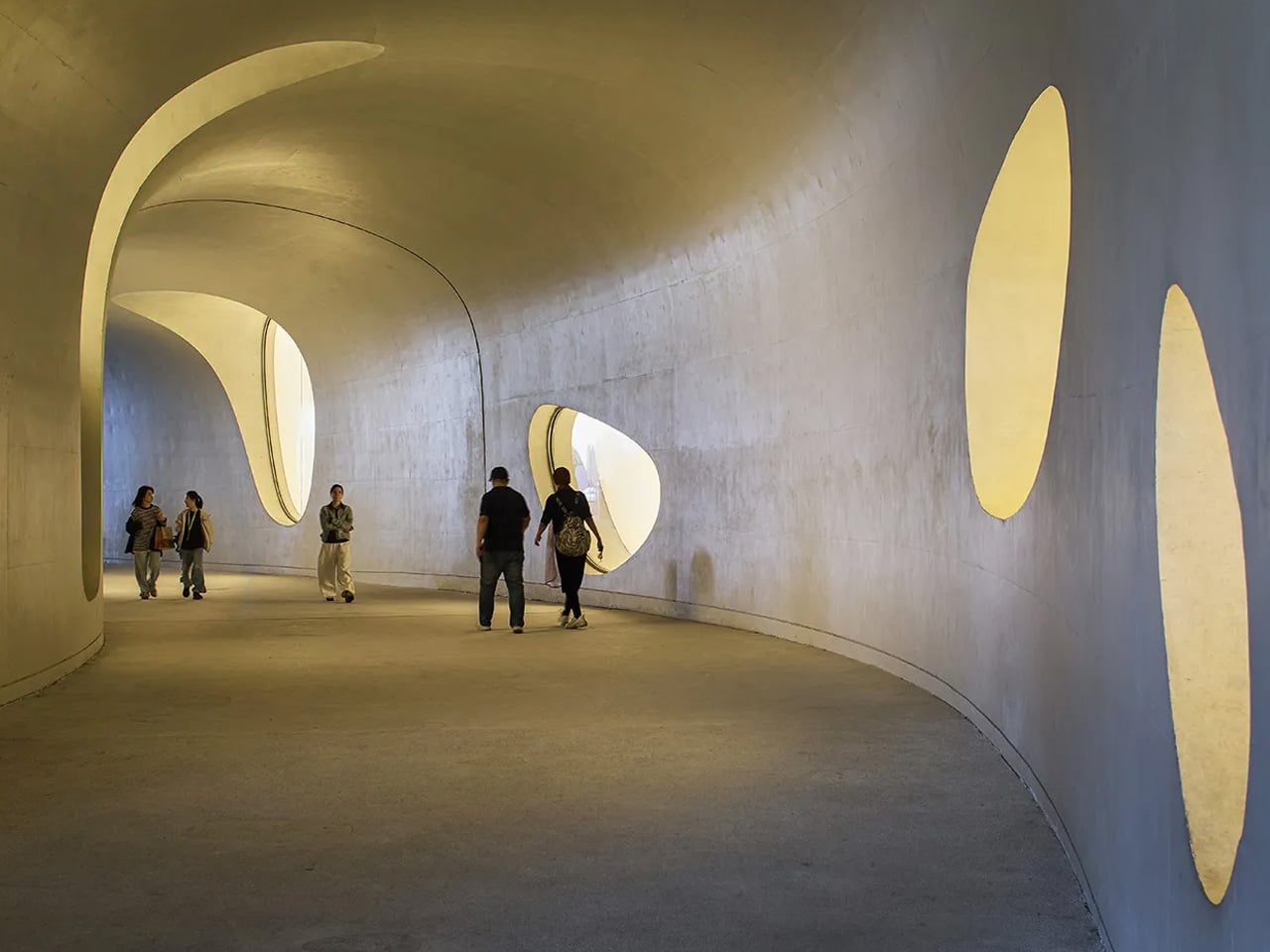
The post MAD’s Shenzhen Bay Culture Square Is Architecture That Breathes first appeared on Yanko Design.
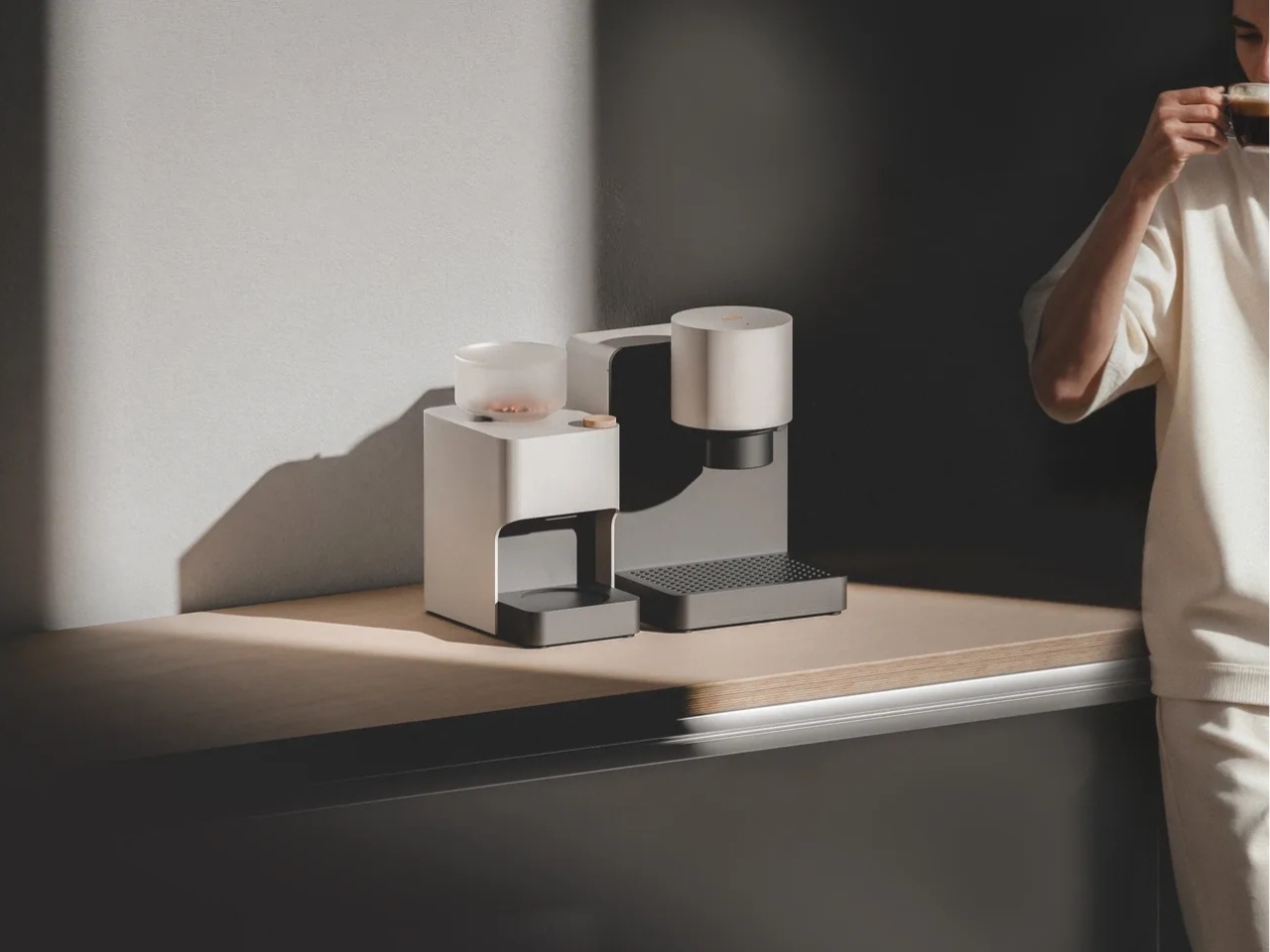
If you’ve ever spent twenty minutes dialing in your grinder before 8am, you already understand the particular madness of home espresso. It’s a hobby disguised as a morning routine, and a punishing one at that. Somewhere between the tamping pressure, the grind size, and the extraction time, the actual coffee gets lost. Datum is betting that most people are over it, and they might be right.
Datum is an Austrian startup founded by two 28-year-old mechanical engineers and designers, Christoph Konheisner and Nikolaus Potapow, out of Innsbruck. What they’ve built, or rather what they’re building, is an espresso machine and grinder designed as one cohesive system, paired with an open recipe platform that connects the machine directly to the roaster’s knowledge. The concept is deceptively simple: scan your coffee bag once, and the machine sets itself up to brew it exactly the way the roaster intended. No guesswork, no wasted shots.
Designer: Datum
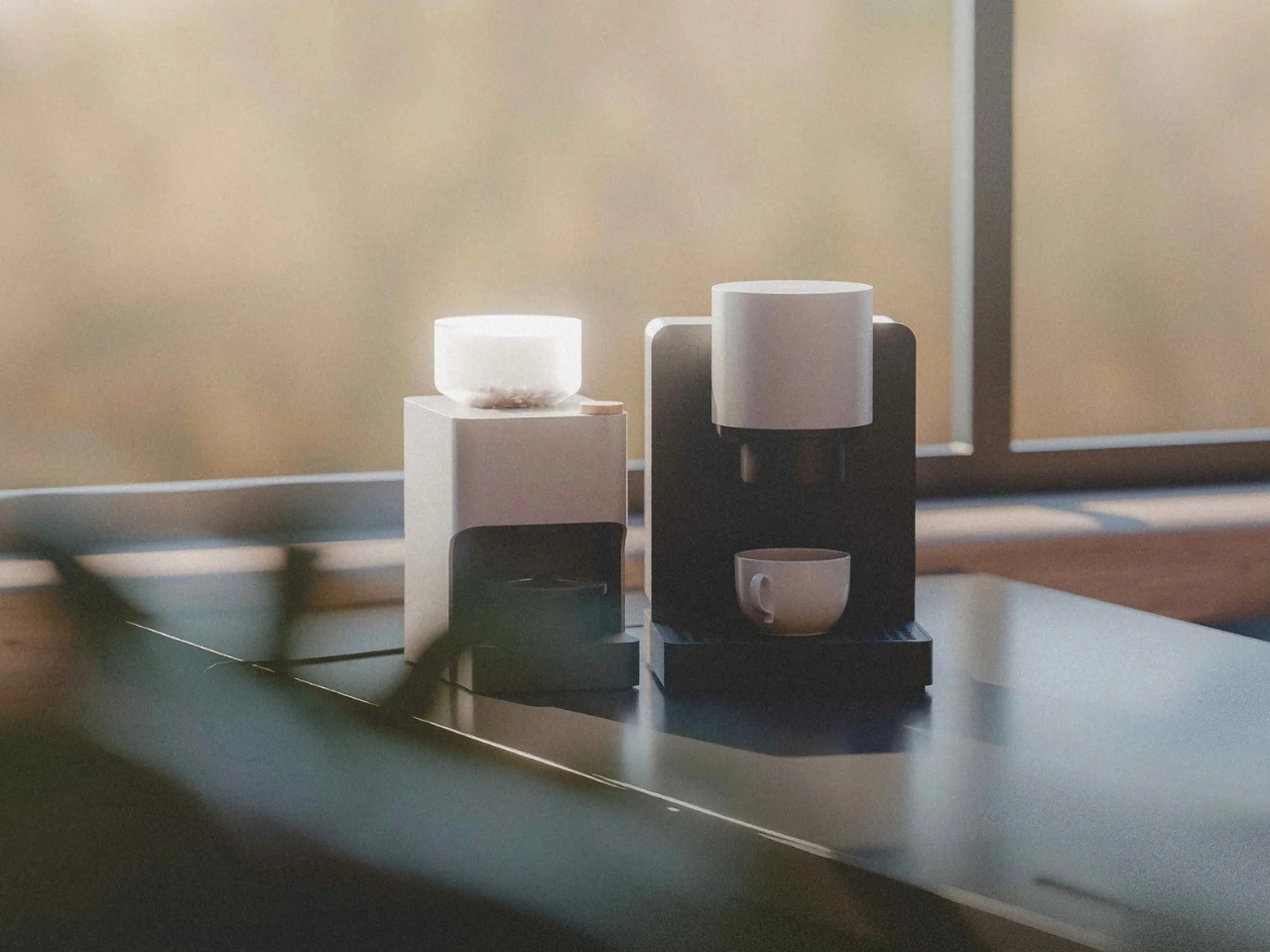
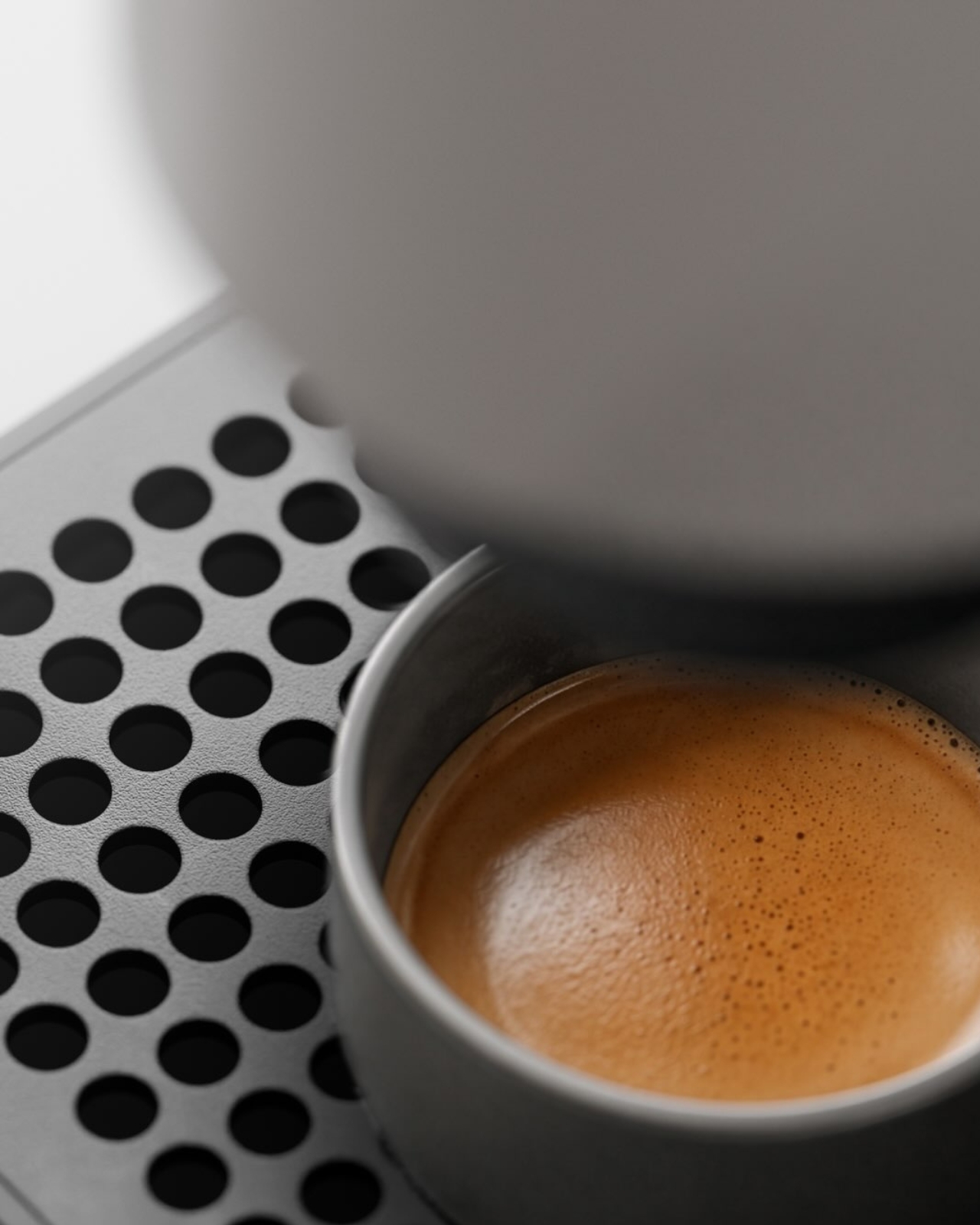
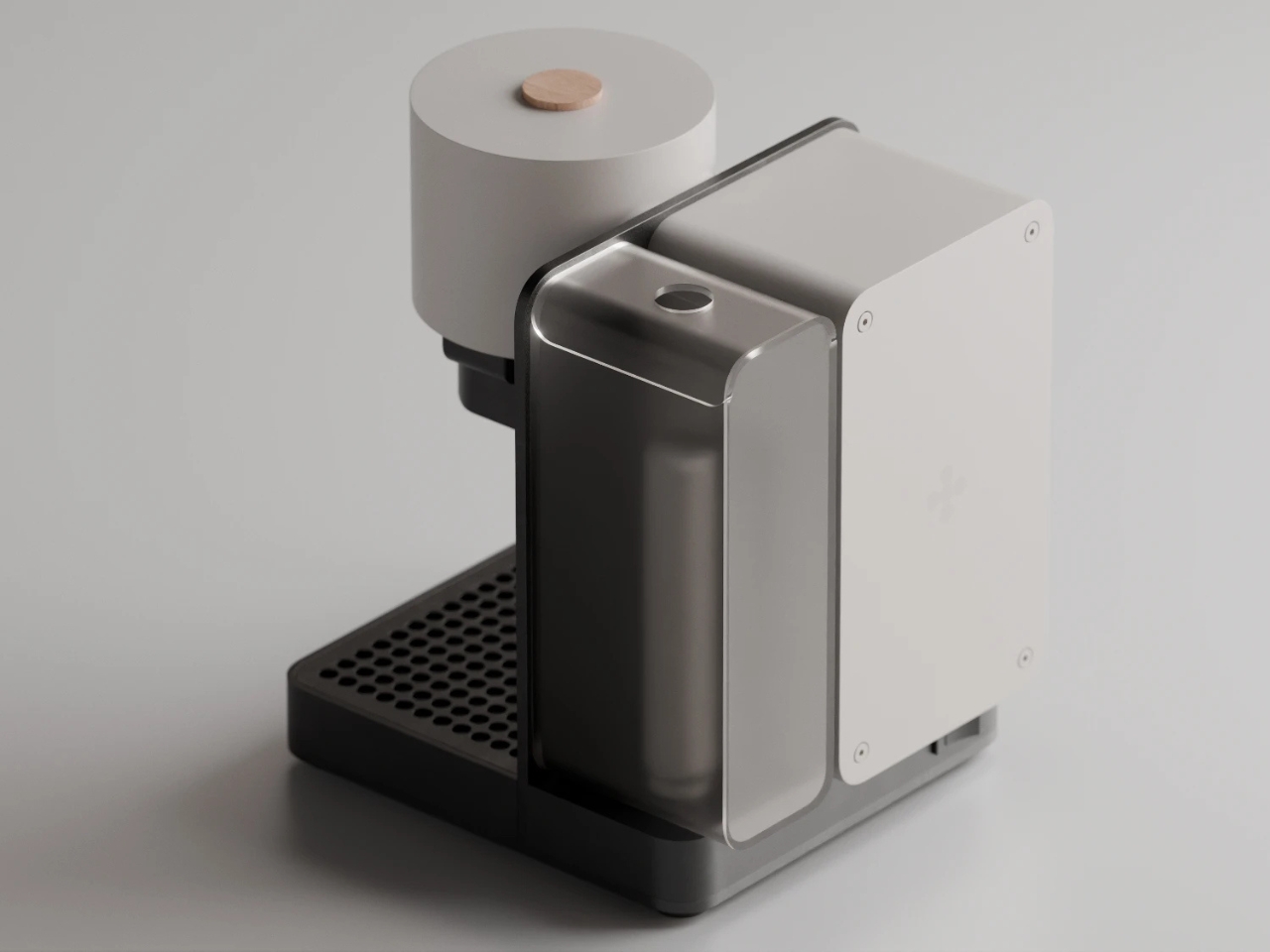
The hardware is where Datum earns its design credibility. The espresso machine and grinder aren’t just sold together; they’re built to talk to each other. The machine heats up while the grinder is running, which means no standing around waiting for it to get up to temperature. The grinder itself uses 64mm flat burrs with digital grind size adjustment at micrometer precision, which on paper sounds like specialty coffee jargon and in practice means your grind is never accidentally off. The portafilter basket is a standard 58mm, which coffee purists will appreciate, but the real conversation-starter is the integrated auto-tamp function built directly into the brew head. Insert your portafilter, press start, and the machine takes care of tamping before brewing. Pressure, flow, and temperature are all handled automatically.
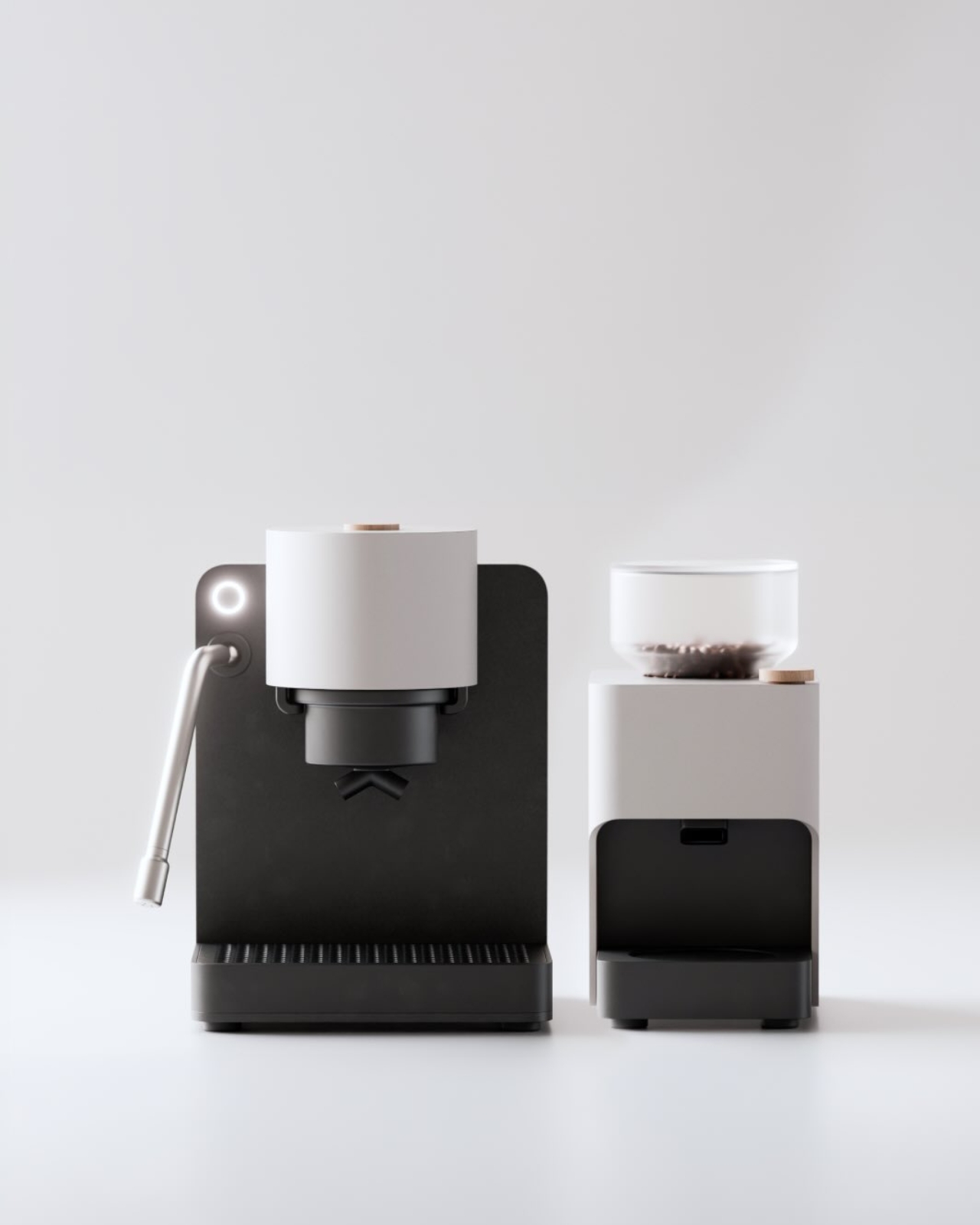
I’ll be honest: the auto-tamp alone feels slightly revolutionary to anyone who has ever pulled a bad shot because their tamp was uneven on a Monday morning. It’s such an obvious pain point in the home espresso experience that it’s almost surprising no one has tackled it this elegantly before.
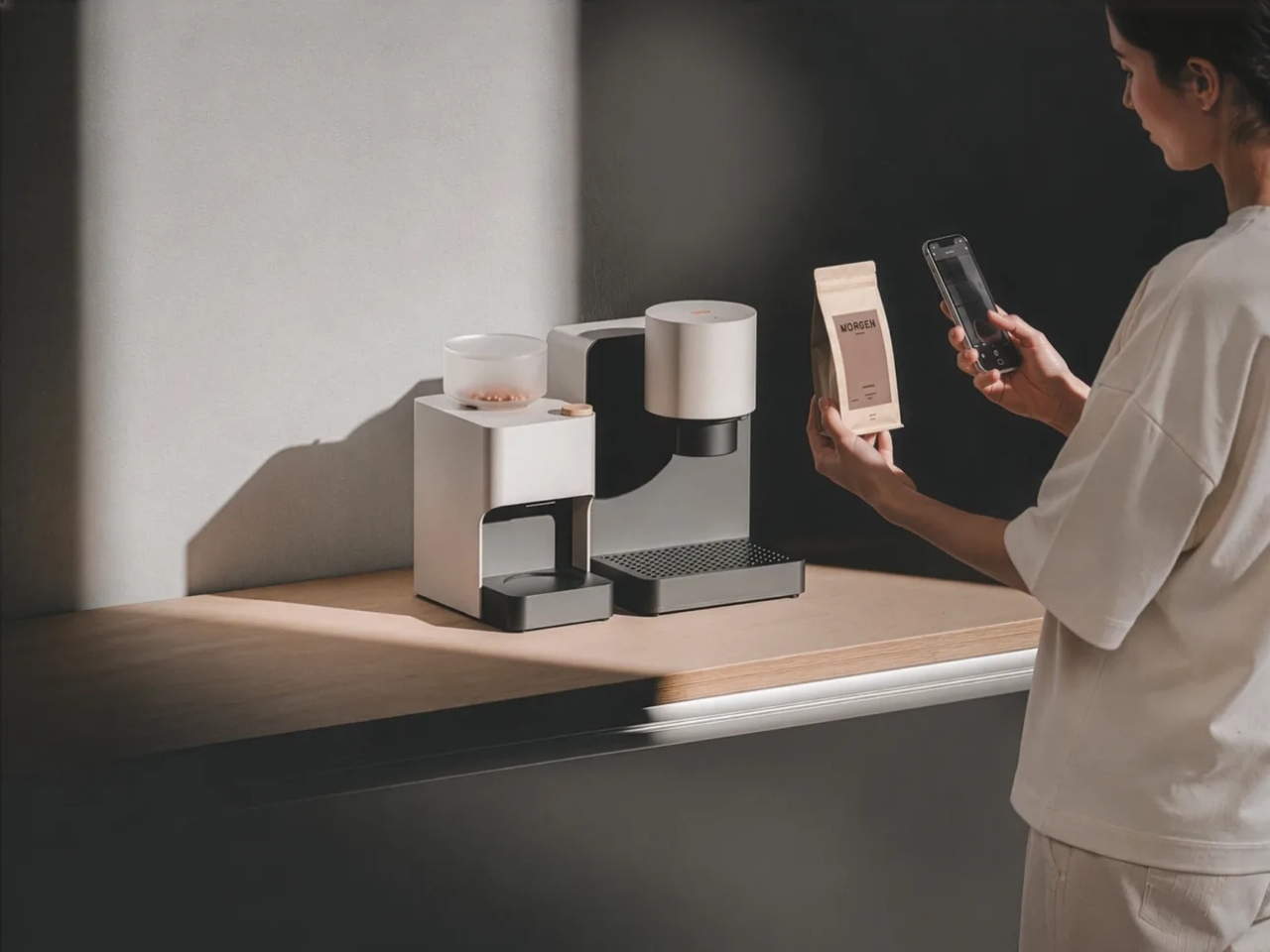
Aesthetically, Datum is very much a product of its design moment. The palette is stark and monochromatic, a matte off-white and deep charcoal that reads more Scandinavian architecture than countertop appliance. Soft surfaces, clean geometry, and what the team describes as “small natural details” give it a quietly confident look. It photographs beautifully, which is not an accident when your target audience lives on Instagram and Pinterest, but it also seems to be built with intention beyond surface beauty. The machine is designed around circular economy principles: modular, dismantlable, and repairable. The continuous flow heating system reduces energy consumption, and even the compact footprint is deliberate, minimizing material use in the build.
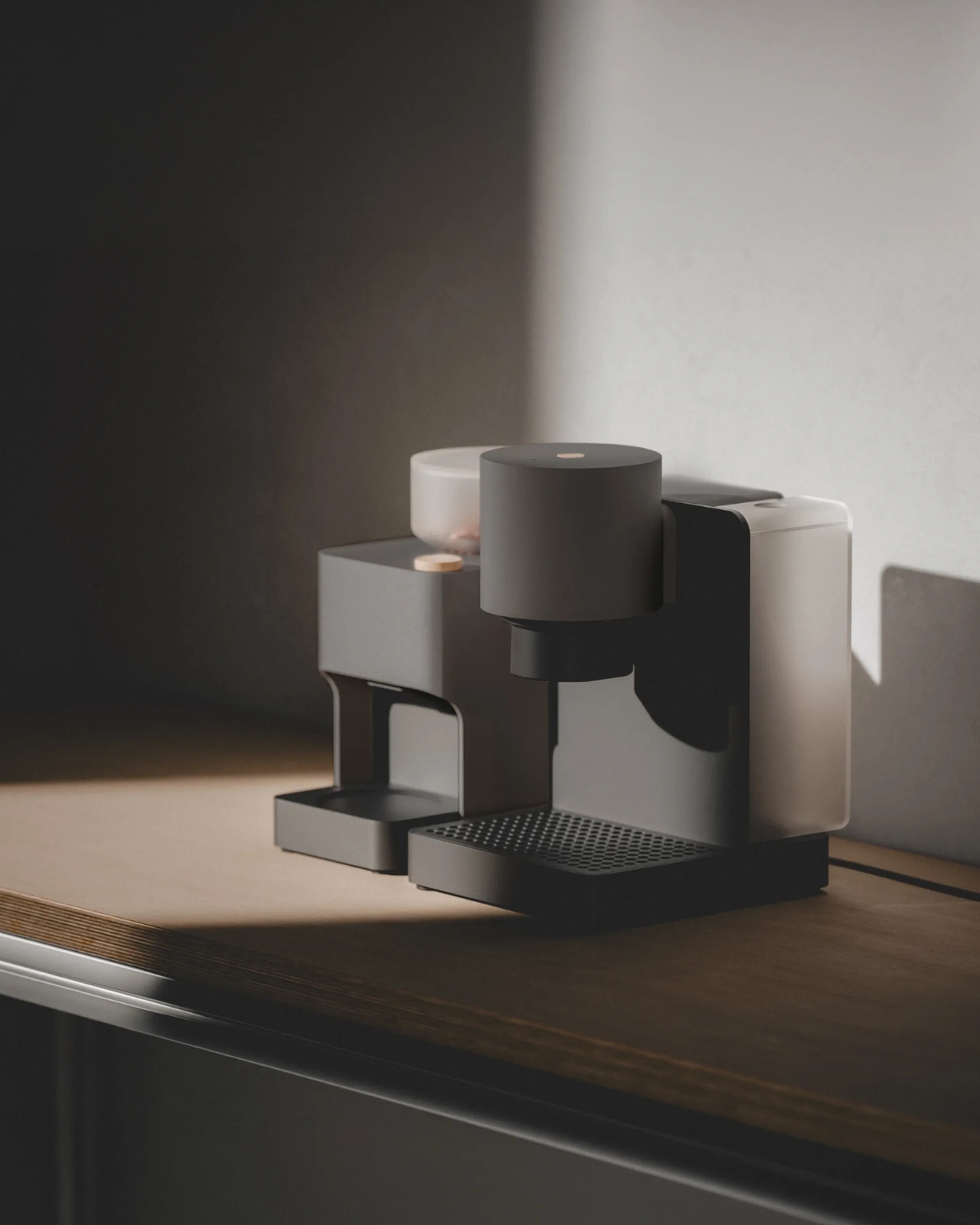
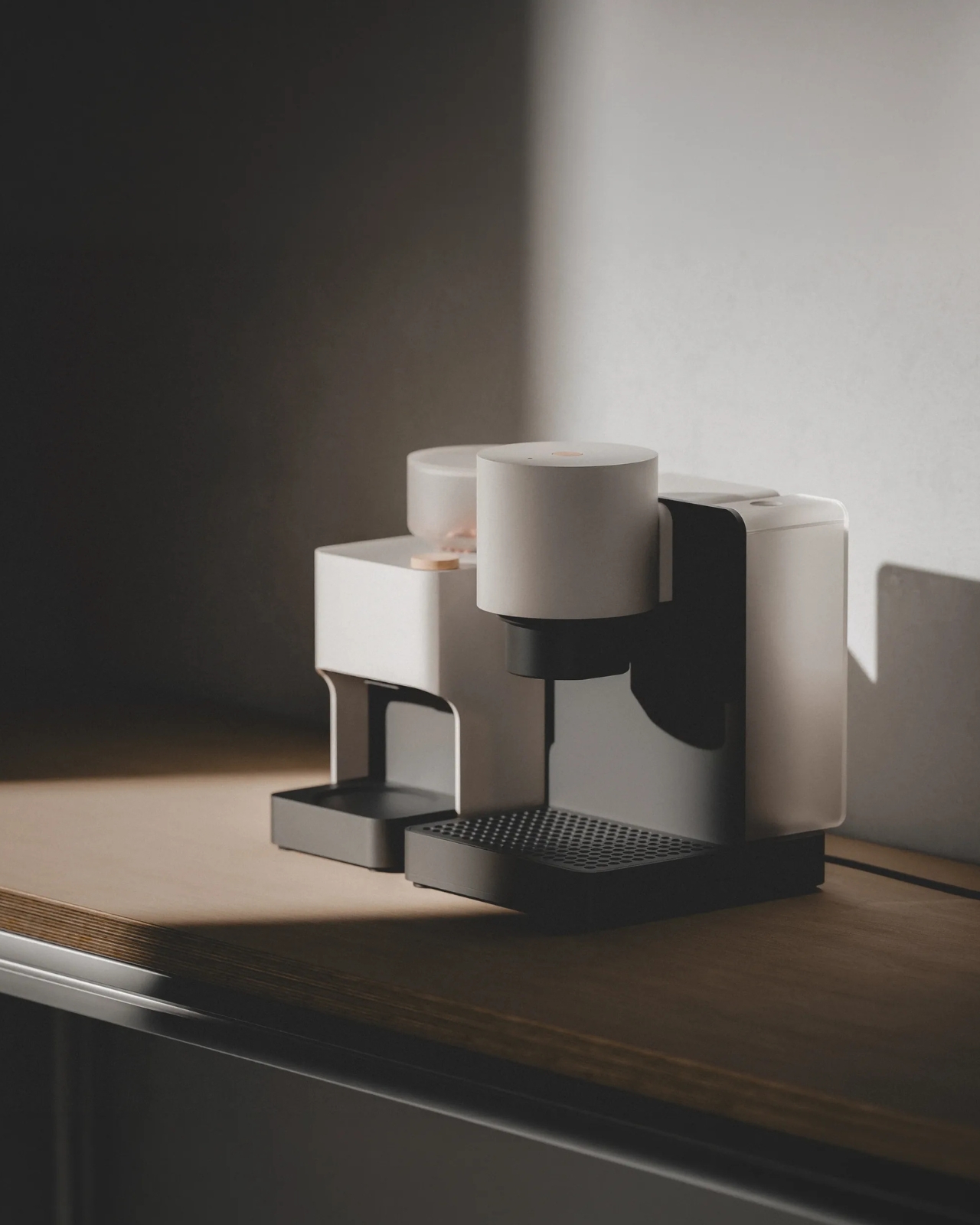
The third layer of Datum, and arguably the most ambitious, is the platform. Datum wants to create an open ecosystem where roasters upload their ideal recipes and home brewers simply access them through a scan. Every coffee bag becomes a kind of instruction set. For roasters, it’s a way to extend their craft directly into a customer’s kitchen. For drinkers, it removes the barrier between buying excellent coffee and actually doing it justice. It’s the kind of idea that sounds almost too sensible, and it genuinely changes the relationship between the person who sources the bean and the person who drinks the cup.
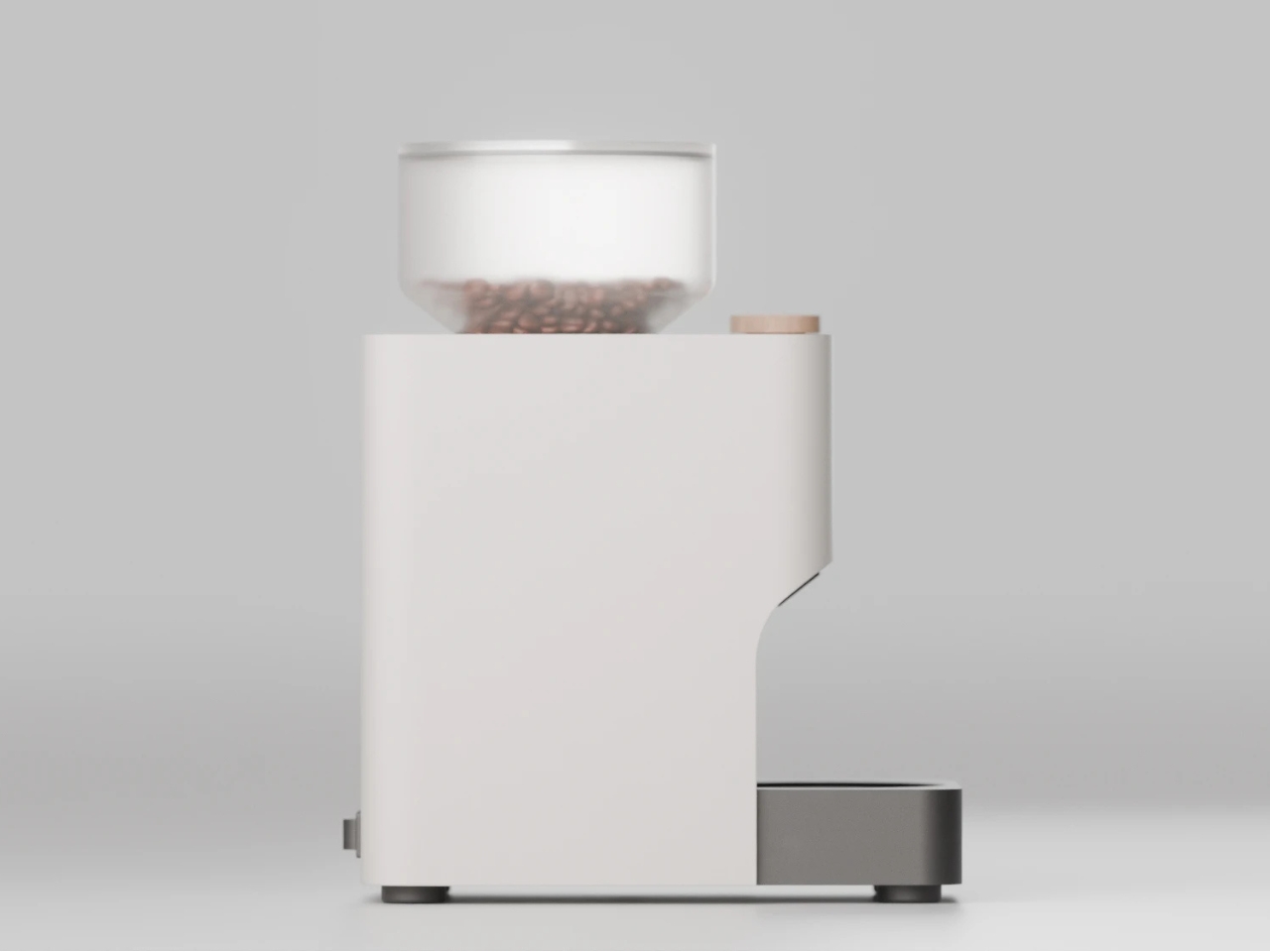
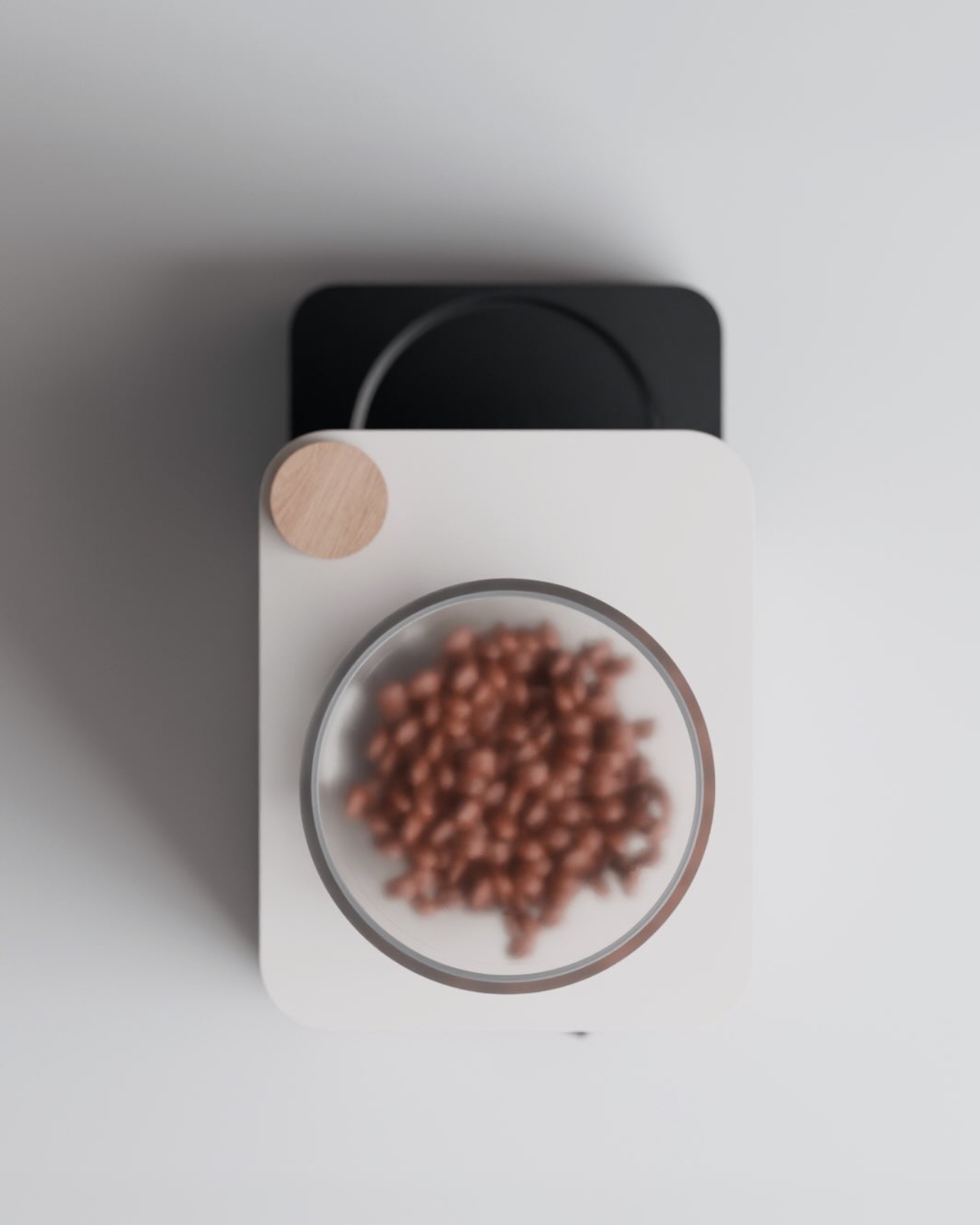
Datum is still a prototype. The Kickstarter is planned for late 2026, with delivery expected sometime in 2027. The early bird price sits at €1,199 for the machine and grinder as a set, which, for what’s on offer, is actually competitive in a market where serious espresso setups regularly cost double that before you even account for the grinder. Whether it delivers on its promises at that price point remains to be seen.
But the concept is genuinely worth paying attention to. Coffee culture has spent years pushing consumers toward either expensive, complicated setups or oversimplified pod machines with no soul. Datum is reaching for the middle ground, and doing it with real design intelligence. That’s harder to pull off than it looks.

The post The New $1,300 Espresso Machine That Sets Itself Up for You first appeared on Yanko Design.


If you haven’t trained in a Nike Pegasus, you haven’t experienced a running shoe as it should be. My first outing with the silhouette was the Pegasus 42. The journey was short-lived as I developed grade three osteoporosis and was ruled out of track for good, but the memories of that shoe, which I later wore for walking for a long time, have lived on with me ever since. The feel and cushioning, and now even the basic sole unit technology, have changed a great deal, and the newly launched Nike Pegasus Plus 2 is an embodiment of that.
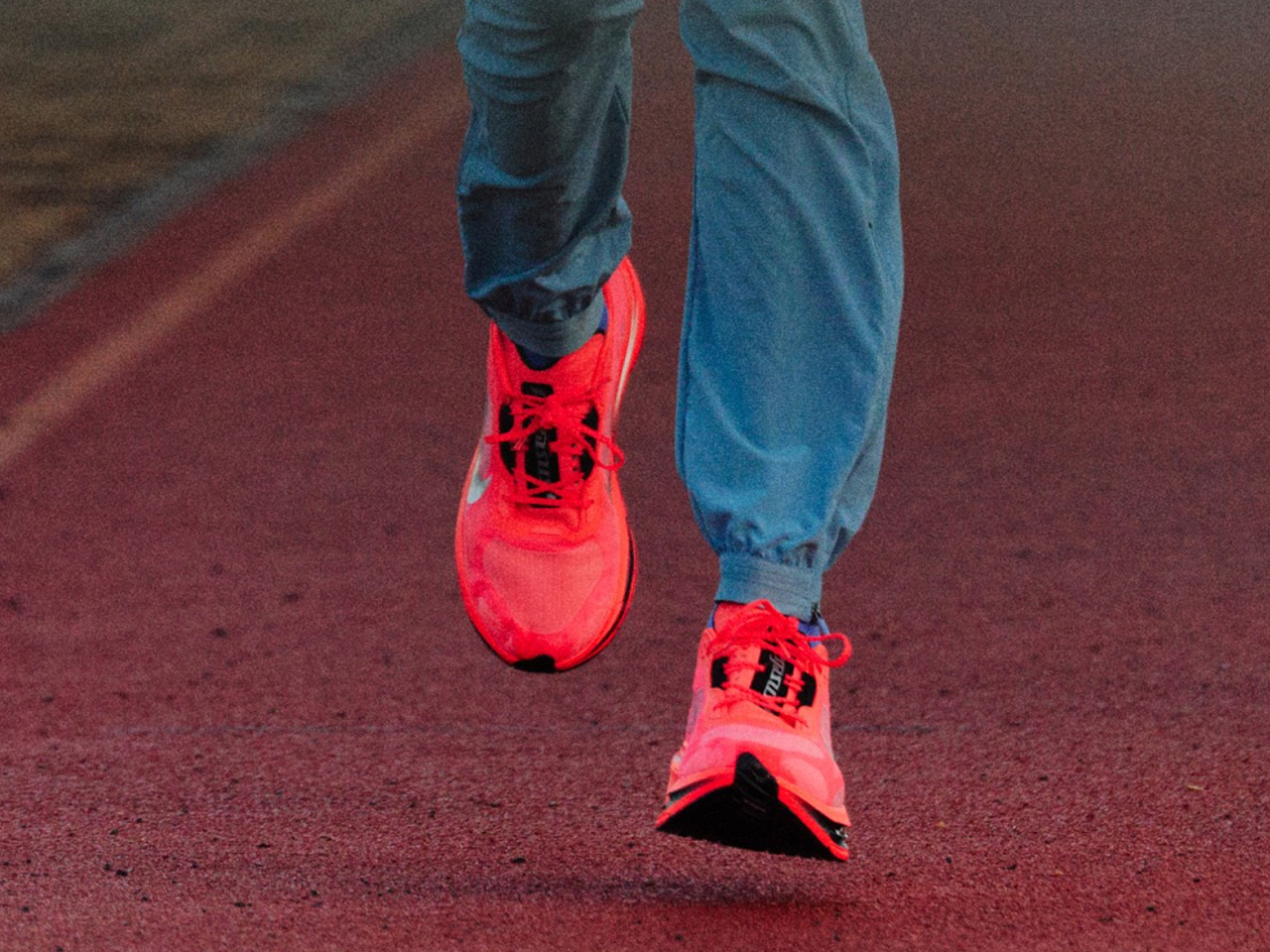
The latest evolution of Nike’s best-selling running shoe is designed for speed training like no other shoe has ever tried. If you’re a runner and you have been looking for a fast-paced training shoe, Nike’s new Pegasus is perhaps the most exciting non-plated option you should consider. It gives you a bouncier experience in every stride without the rigid carbon plate, making running easier on your feet and legs.
Designer: Nike
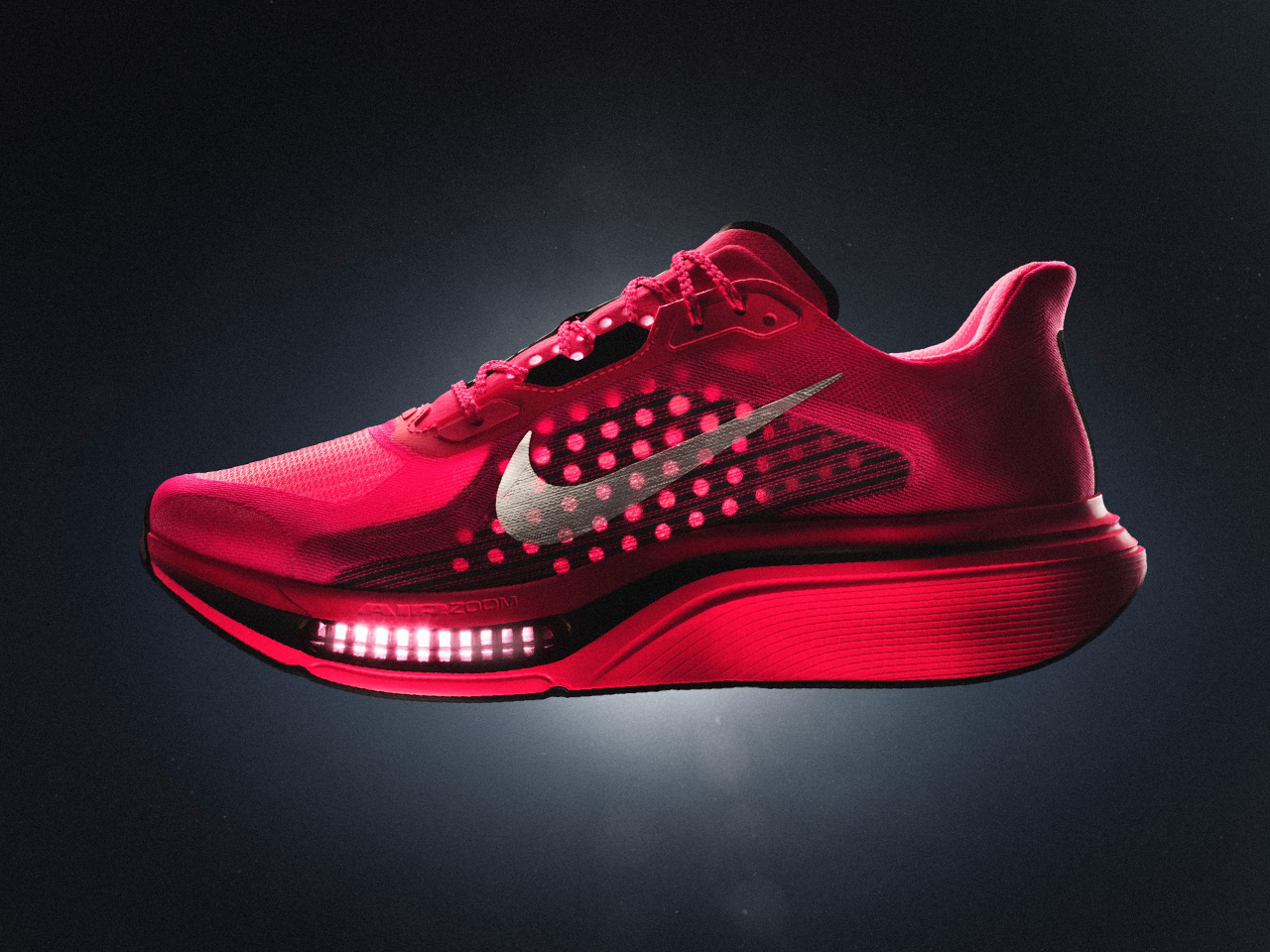
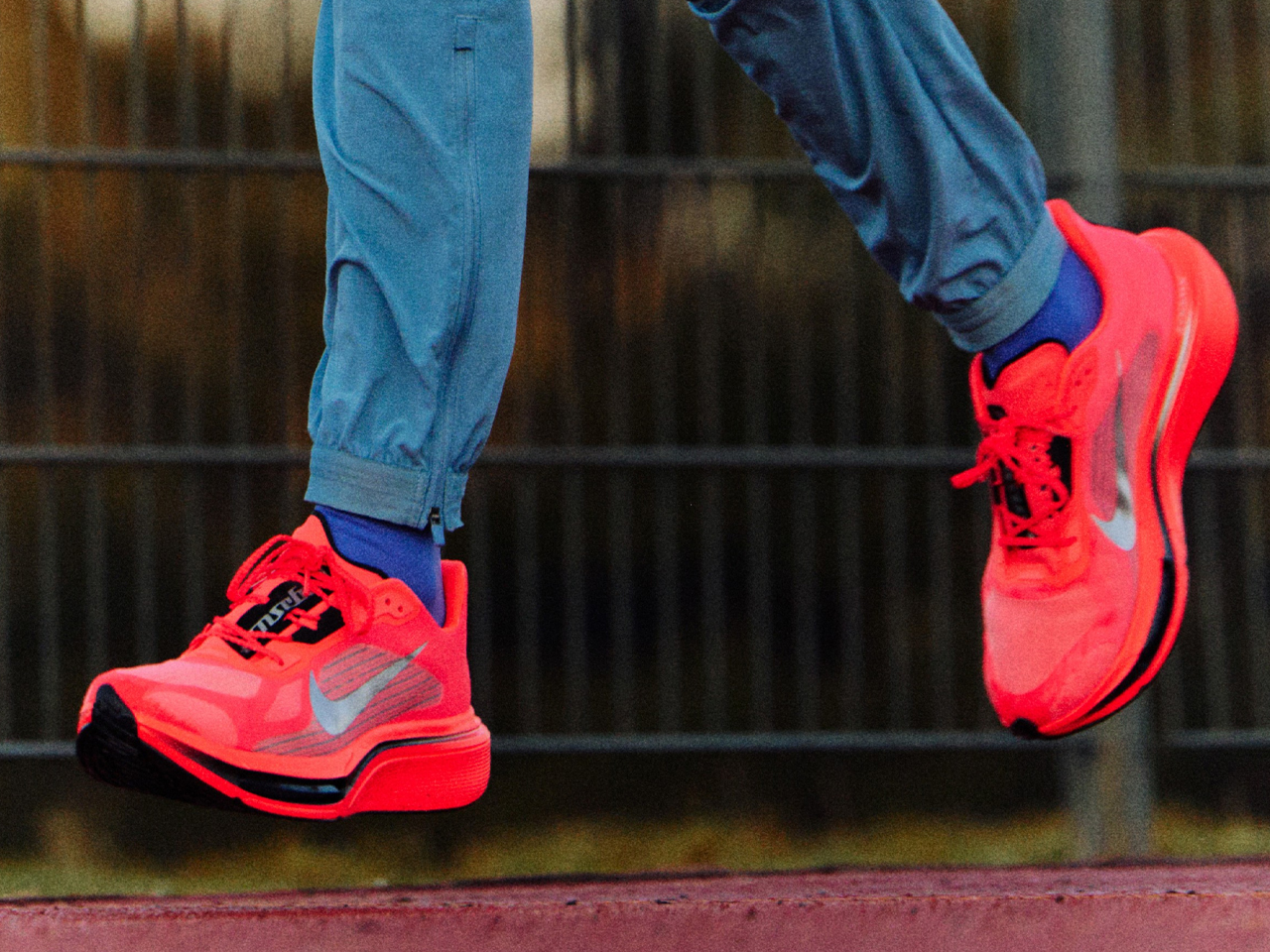
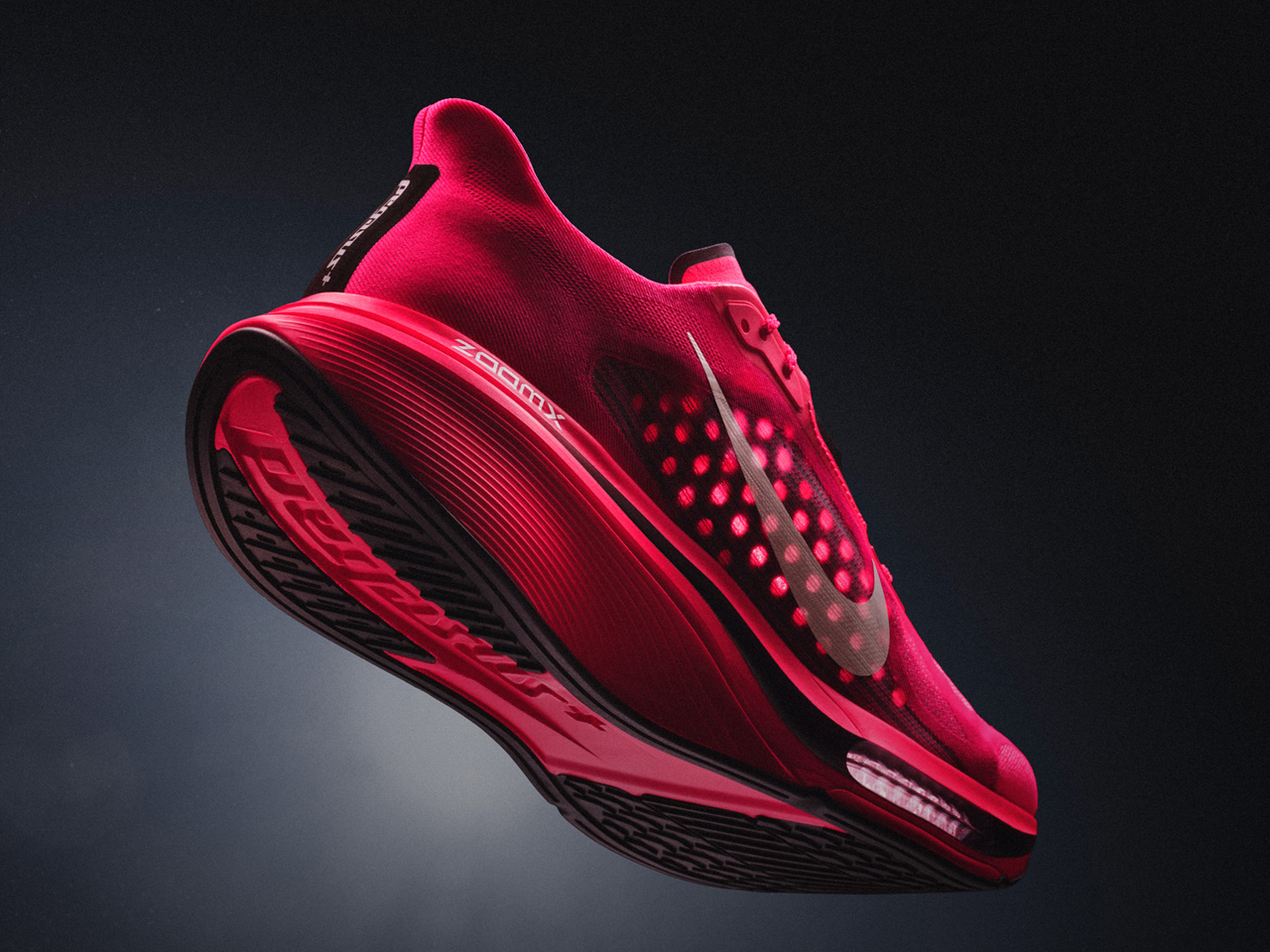
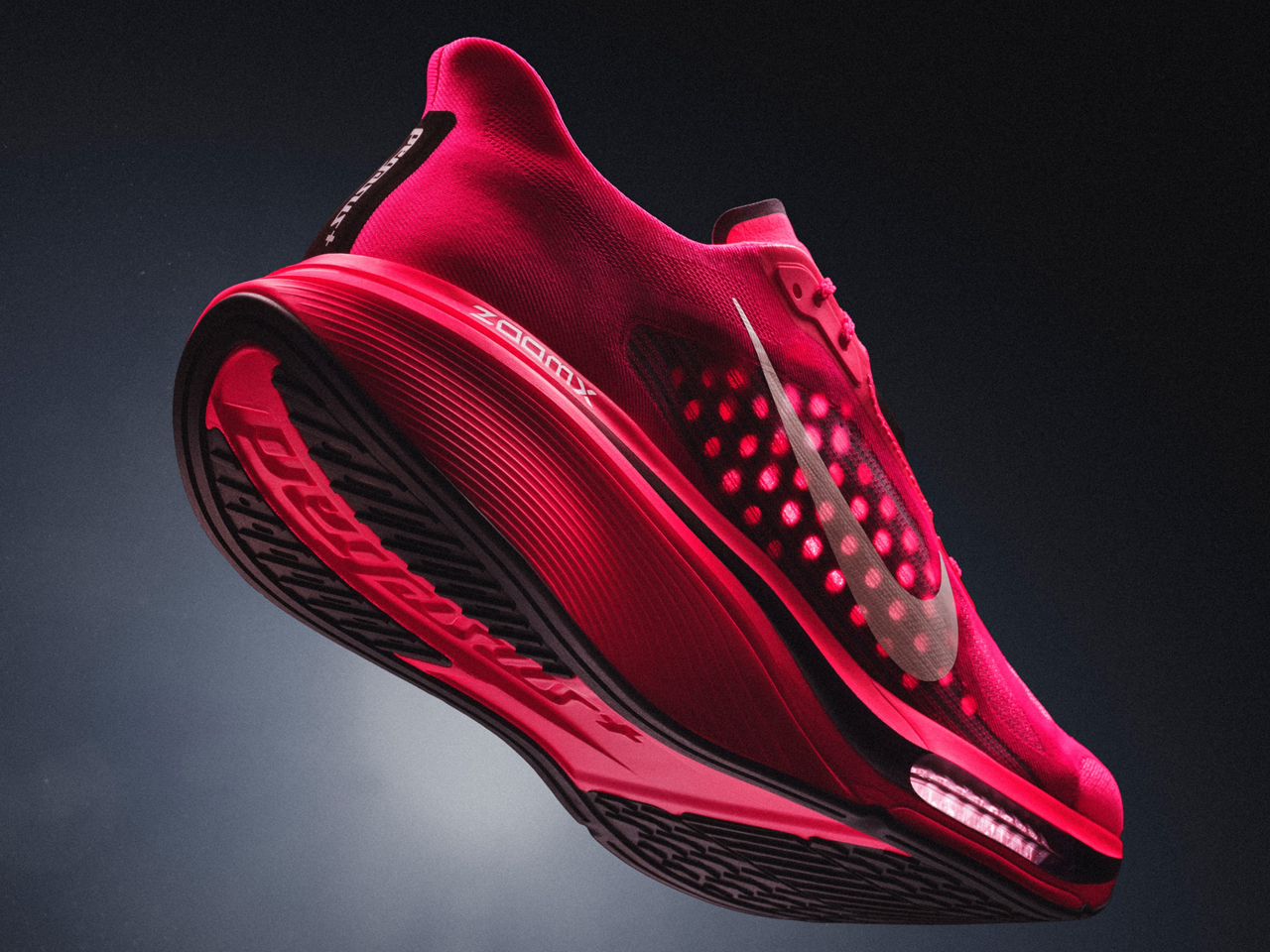
What really sets the new Nike Pegasus Plus 2, engineered as a “tempo trainer,” apart from any other silhouette in its own lineup, or outside in the competition, is the curved Air Zoom and full-length ZoomX foam forming its sole unit. According to the press information, Nike says the combination of the tech makes this running shoe 18 percent springier in comparison to the Pegasus Plus, which featured the ZoomX foam without the Air unit.
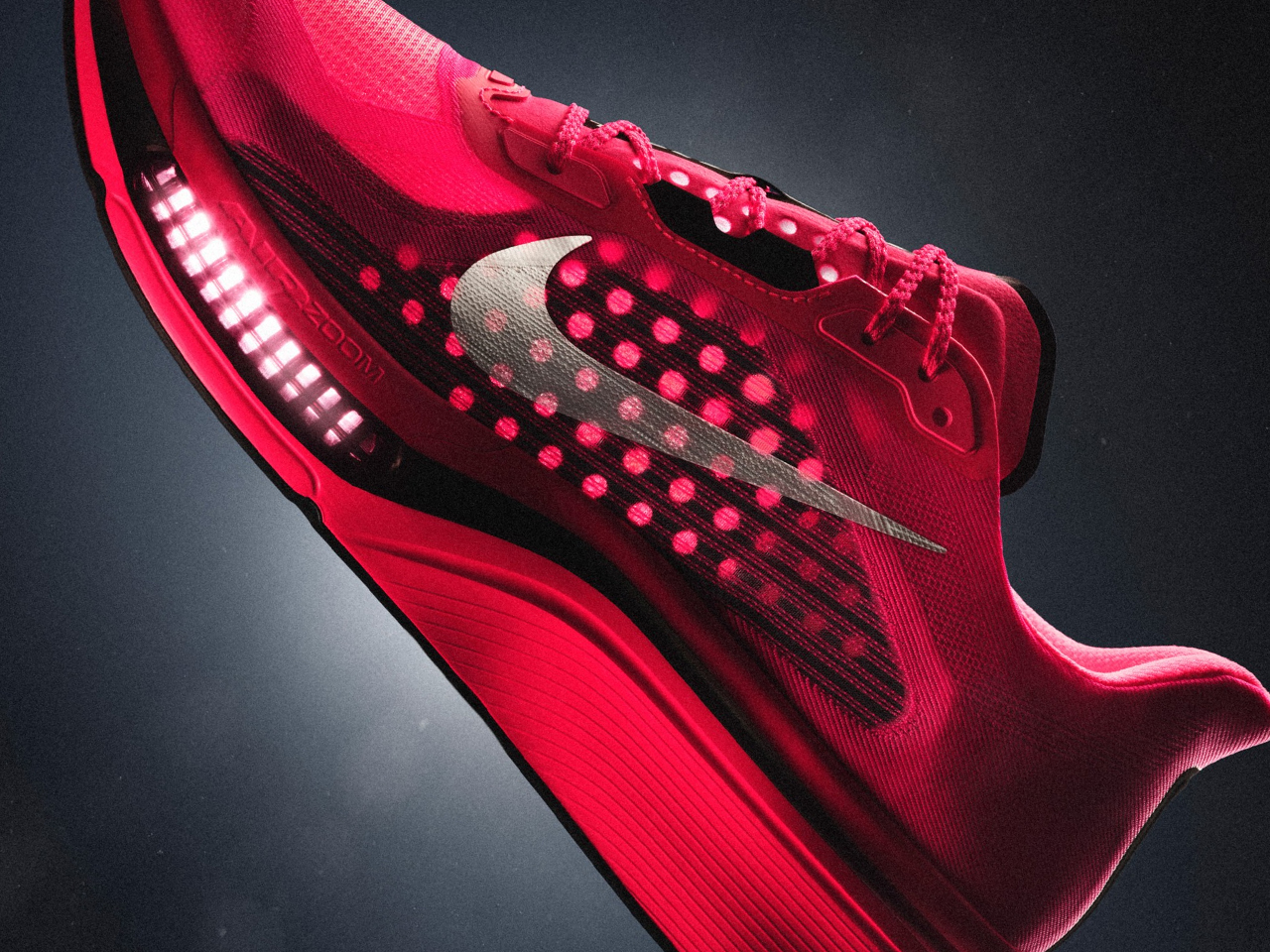
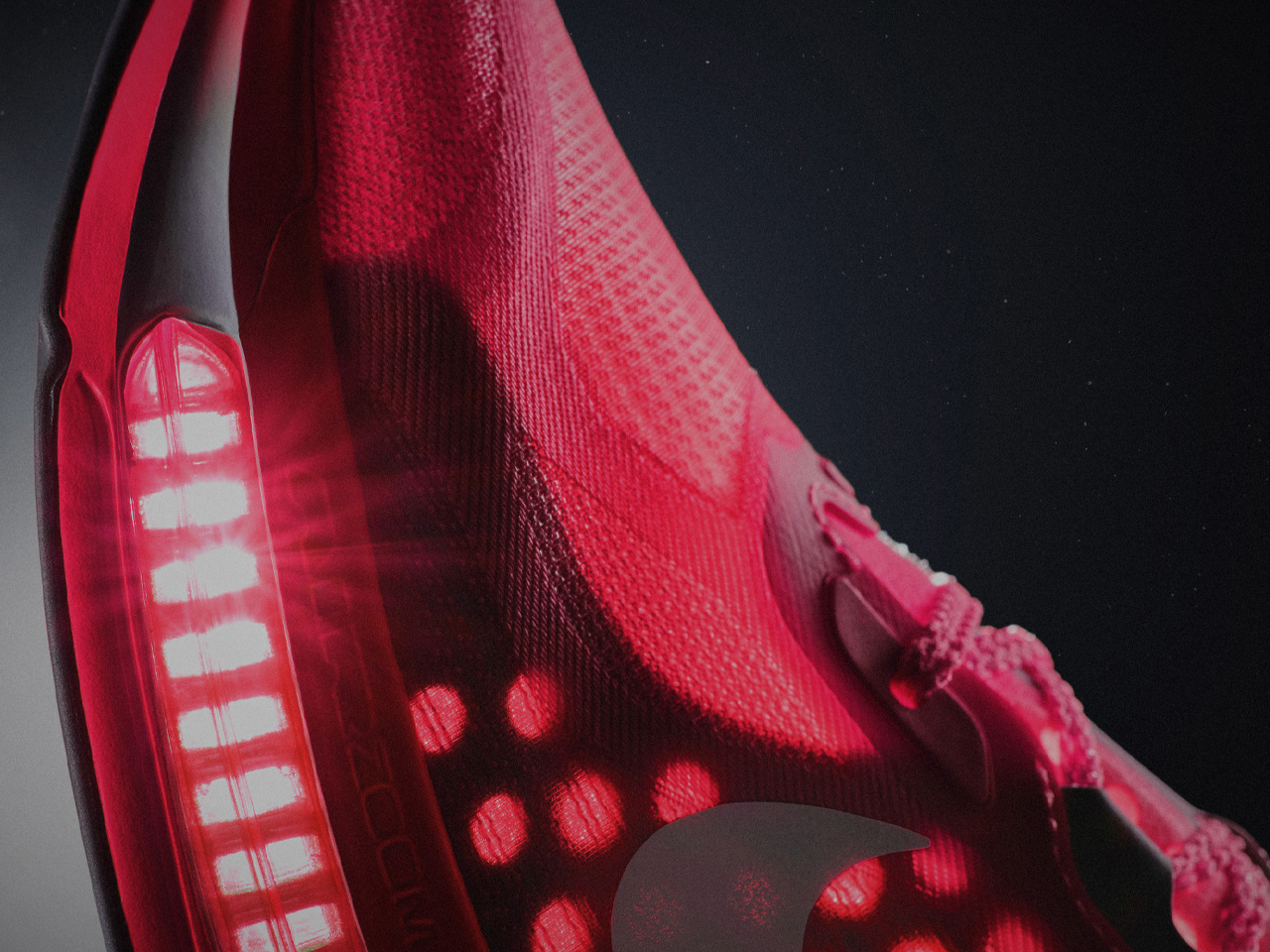
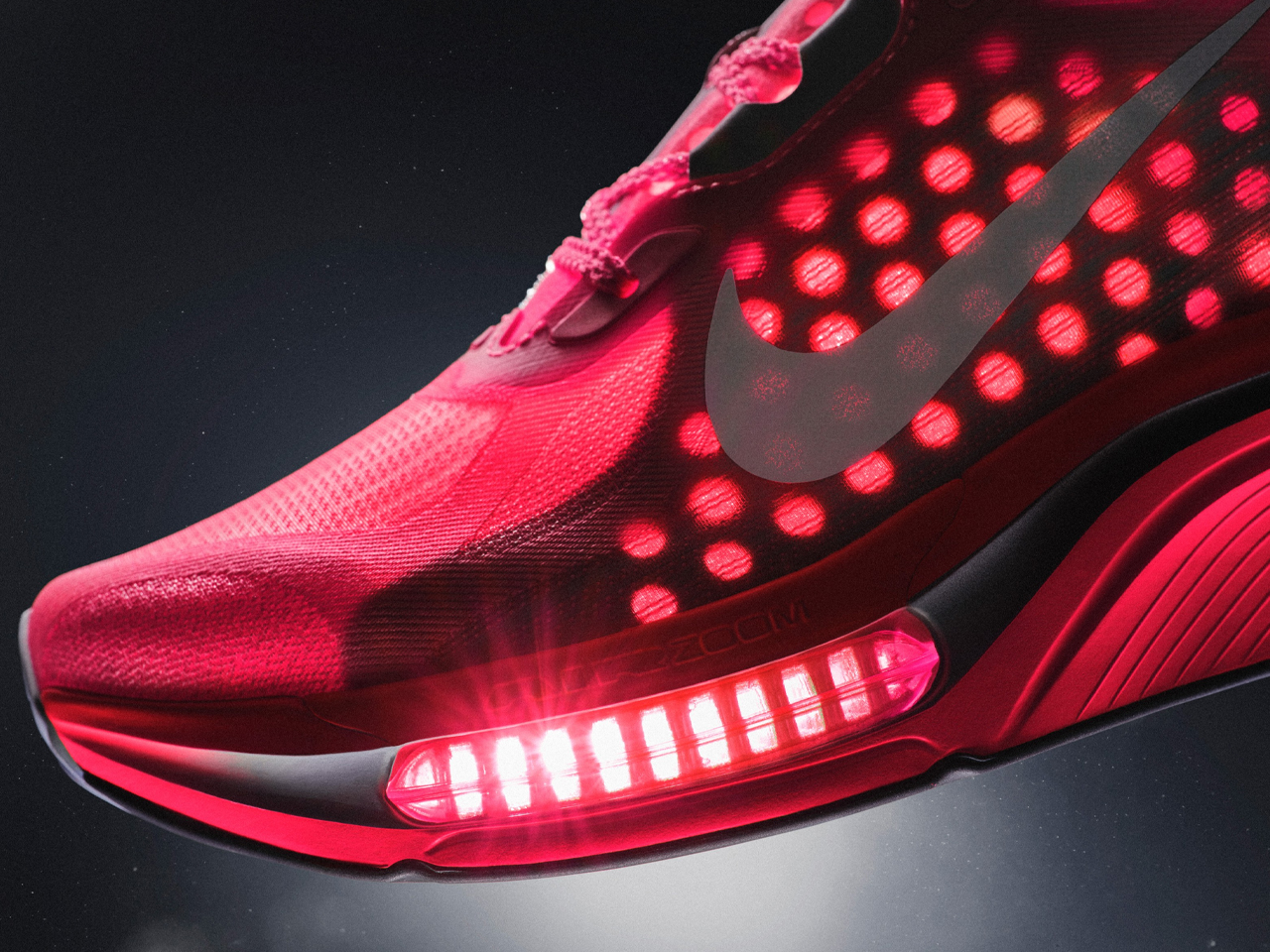
Therefore, the Pegasus Plus 2 is a lightweight and effective pair for runners who want speed but with consistency. Designed for “speed without sacrifice,” as the company puts it, the shoe comes with the curved, visible Air Zoom unit in the forefoot for additional propulsion, and a bouncy ZoomX midsole making each stride light and quicker. The Air unit underfoot has been left completely visible to make more room for it to expand and contract so it can absorb and return energy in each step during speed and tempo training.

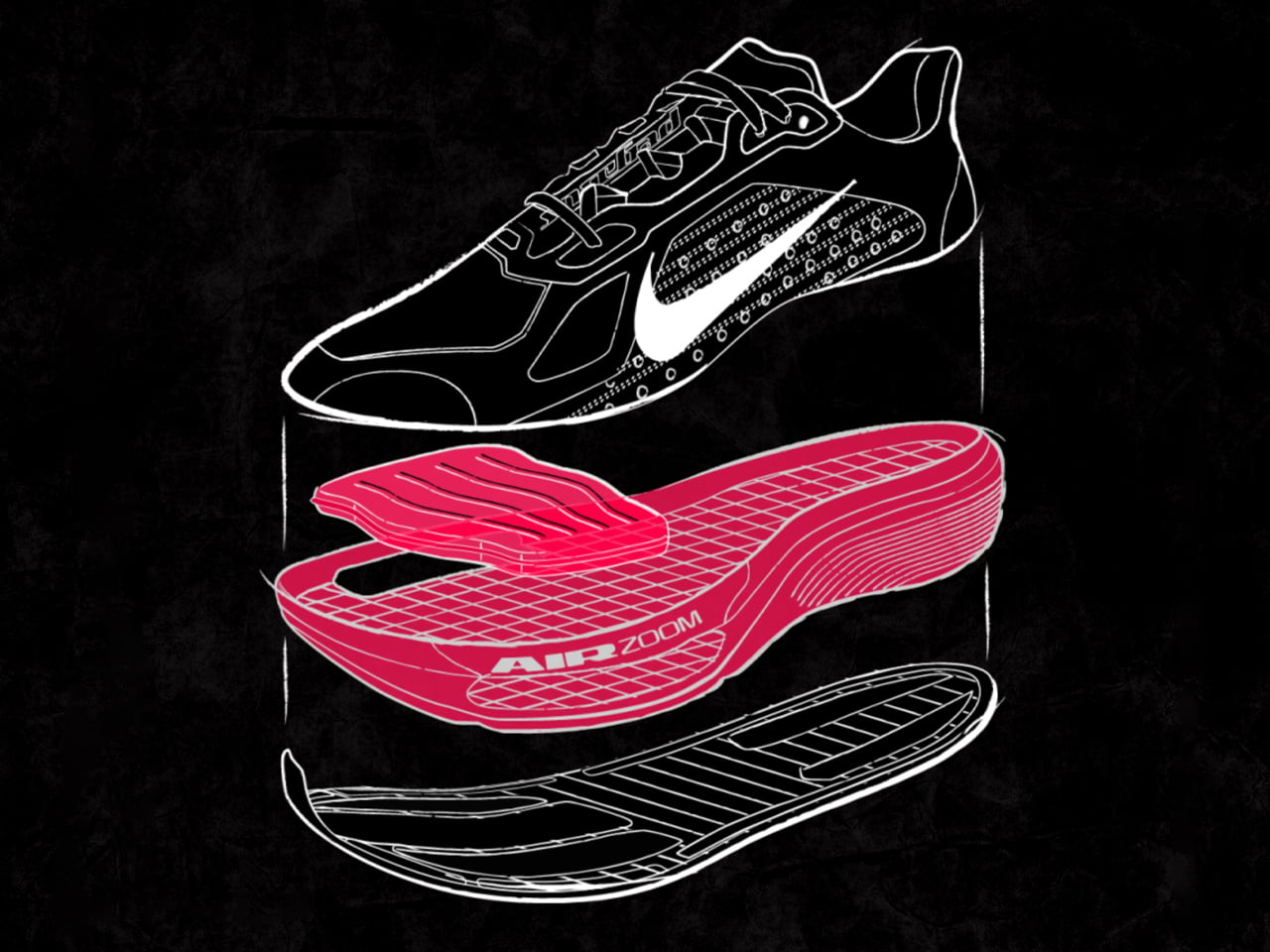
With the combination of a novel sole unit and precision-engineered Flyknit material upper, which ensures breathability and comfort, Nike intends to market the Pegasus Plus 2 as one of its most responsive speed trainers ever made. Interestingly, the Pegasus Plus 2 features a fine-tuned MD10 2.0 last, which was introduced in the Pegasus 42, with a more accommodating forefoot and toe box. On the opposite side, the elevated materials around the ankle and a modern waffle outsole make the cushiony and supportive shoe more attractive. Nike is slated to make the Pegasus Plus 2 available for purchase starting August 30. The speed trainer will be priced at $165, which is cheaper than its predecessor, the Pegasus Plus.


The post Nike’s most responsive running shoe with visible Air Zoom and ZoomX Foam sole is arriving August 30 first appeared on Yanko Design.