Top Design Innovations from Computex 2024: Where Technology Meets Aesthetics

One of the world’s biggest computer-centric tech expos has just ended and, unsurprisingly, a lot of the rhetoric revolved around AI. But if you walk around the showroom floor, another theme quickly becomes evident in the midst of new products as well as some not-so-new wares. Consumer tastes have evolved once again, even among those who would embrace the label of being a gamer. Design is no longer just a feature for the few but an important part of a product’s DNA. We’ve seen quite a wide range of designs across an equally wide range of products, from the eccentric to the elegant. Here are some of the most notable designs to grace our paths at Computex 2024 in Taiwan, showcasing not just the trends but also the innovations in the computing industry.

Cool Computing: PC Case Designs

Desktop computers have evolved from uninspiring towers to smoldering workstations with over-the-top lighting to a smorgasbord of designs that cater to a variety of tastes and interests. Computex 2024 is a glowing testament to not only the changes in design trends but also to the extent that some manufacturers will go to in order to appeal to their loyal fans.

ADATA XPG Invader X

Designer: ADATA

Winner of an iF Design Award, the ADATA XPG Invader X values transparency in more ways than one. Its clear front and side panels let you marvel at the neatly arranged components that power this gaming beast, including the tubes and RGB-lit fans that keep the box operating at maximum efficiency. Equally interesting, however, is the chassis’s ESG-compliant design, utilizing post-consumer recycled plastics and upgrade-friendly components. It’s a stylish, eco-friendly computer that tries to offset the carbon emissions of your gaming lifestyle.

Cooler Master Mecha Cases

Designer: Cooler Master

Who said computers needed to come in the form of boxes? Cooler Master definitely didn’t. With designs that come in the form of a robotic shark and a giant mechanical sneaker, these PC cases shatter expectations and misconceptions about how our computers should look like. And as hardware becomes smaller even as they become more powerful, it’s only a matter of time before these become the standard rather than the outlier.

PNY Aftershock Bubble Tea PC

Designer: PNY x AftershockPC

Electronics and liquids don’t mix but it becomes a mind-blowing mystery when you see the two together. And now, we don’t mean liquid cooling. From the makers of ramen-themed desktop towers, this Bubble Tea PC will have you not only scratching your head but also craving a cup of boba. Instead of a sugary and milky drink, however, it’s a luscious-colored coolant that has faux tapioca balls swirling around as it keeps your cool-looking PC thermally cool. This collab between PC maker PNY and case designer Aftershock isn’t a joke either but a fully functional gaming PC that’s ready to put a new spin on your cravings.

Power In Your Hands: Handheld Gaming PCs

While there are plenty of AI-toting laptops scattered around Computex this year, they are hardly the only computers vying for attention. Gaming handheld PCs are pushing the envelope not only in performance in a small form factor but also in terms of design. There’s definitely plenty of room for experimentation, and there are a few that have caught our attention and fancy.

ADATA XPG Nia

Designer: ADATA

An unexpected contender from a brand better known for its memory and data storage hardware, the XPG Nia focuses on the aspects often left out in the wake of specs and benchmarks. A tilting screen, for example, can drastically improve the comfort of staring at a handheld computer for long periods of time, while upgradable RAM in addition to upgradable storage gives the device a longer life than even some of the smartphones we have today.

ASUS ROG Ally X

Designer: ASUS ROG

The ASUS ROG Ally X is a fine example of refinement over sensational changes. The base design remains the same, but the subtle and sometimes invisible improvements deliver an almost totally different experience that’s a step above in terms of usability. Best of all, however, ASUS isn’t removing the OG ROG Ally from the market just yet, leaving consumers with the choice between affordability and power.

MSI Claw 8 AI+

Designer: MSI

The MSI Claw A1M was an odd one when it came out, but the Claw 8 AI+ cements the manufacturer’s position in the young handheld gaming PC segment. With newer, AI-friendlier hardware comes significant improvements that are necessary for such a small gaming device. It’s still rather unique in its use of Intel silicon, and it will live or die by that commitment. Its design, however, is also enough to make it a noteworthy contender in this fast-growing arena.

ZOTAC ZONE

Designer: ZOTAC

ZOTAC is another new contender, one that has its sights set on the name that started it all: the Steam Deck. While it resembles this progenitor in some aspects, the ZOTAC ZONE tries to take the design where Valve seems reluctant to go. Better hardware and configurable controls will sing to the hearts of many gamers, but the steep price tag could be a major deterrent as well.

Material Matters: Aesthetic and Sustainable Designs

Design innovation doesn’t just have to come from wild new forms or combinations of ideas. Even the materials used for products can have a notable positive effect on the user experience, especially when they delight not just the eyes but also other senses like touch. Bonus points if they also benefit the environment, ensuring there will still be a planet for consumers to live on.

ASUS Ceraluminum

Designer: ASUS

Laptop users are becoming more and more design-conscious. Even those who don’t tend to personalize the backs of their laptops want it to be something that will leave a lasting positive impression on bystanders, not to mention on themselves. Combining the durability of metal with the luxury of ceramic, ASUS’s new Ceraluminum material subtly elevates the laptop from a technological product to an art object. First used on the new ASUS Zenbook S 16, this material exudes beauty that you not only see but also feel every time you touch the laptop or lift its lid.

TECNO CAMON 30 Series LOEWE Design Edition

Designer: TECNO

Paying homage to both coffee lovers and environment-conscious consumers, TECNO and LOEWE designed a back cover material that gives waste coffee grounds new life. Using an equally eco-friendly process, this more sustainable material gives the TECNO CAMON 30 Series LOEWE Design Edition a distinctive appearance and texture that easily sets itself apart from the crowd. Plus, the use of color blocking also marks the phone with a modern style to fit the discerning tastes of modern consumers.

Creative License: Tools for Designers

All these wonderful designs don’t just pop out from thin air. Someone has to make them, from initial ideation to prototyping to manufacturing. Designers and creators naturally need tools that can meet the growing complexities of their work, and Computex definitely has quite a few in store for them.

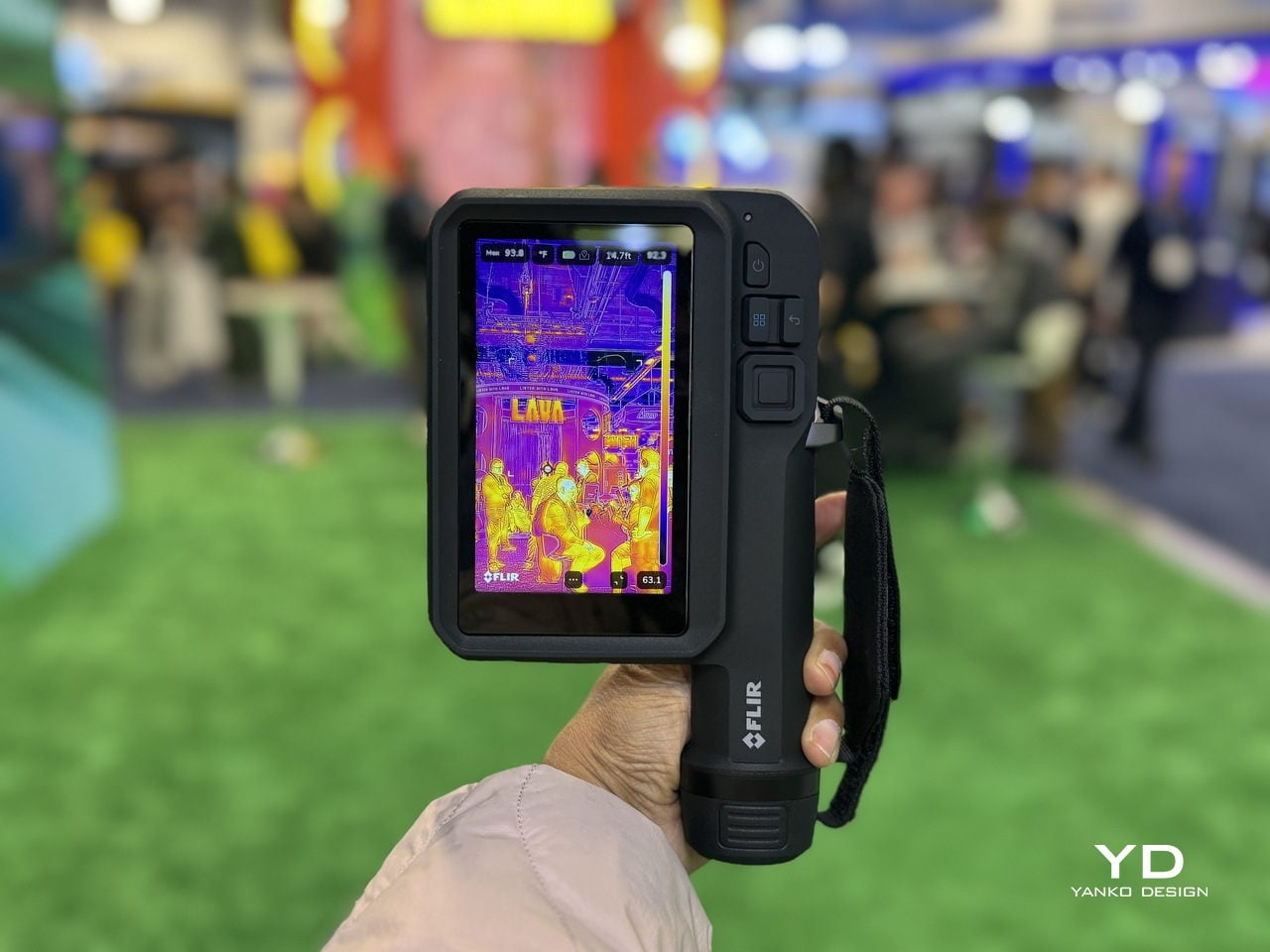
Acer SpatialLabs Eye 3D Camera

Designer: Acer

Spatial computing, mixed reality, and the metaverse require a special kind of content, one that breaks free from the confines of flat, 2D space. Even in video meetings and live selling streams, 3D objects are becoming more in demand, offering not just viewers but also presenters new ways to connect and communicate. Acer’s new SpatialLabs Eye 3D camera tries to democratize that process, effectively giving anyone the ability to capture, record, and stream any real-world 3D object as a digital copy.

ASUS ProArt PZ13 Detachable Laptop

Designer: ASUS

As computers become more powerful and geographical boundaries become shorter, content creation can no longer be confined to a desk in an office or room. The ASUS ProArt PZ13 gives designers, artists, engineers, and everyone in between that kind of flexibility with its portable and detachable design. What makes this 2-in-1 computer different is that it’s part of the new breed of Windows computers running on the latest Qualcomm Snapdragon X chip, promising improved performance and, of course, on-device AI capabilities.

Power to the User: Empowering Gamers and Creators

One thing that gamers, creators, and power users have in common is their need for power, both literally and figuratively. The ability to customize not only their experience but also the appearance of their equipment goes a long way in giving them the confidence to get their job done, and these designs definitely deliver that with a touch of pizzazz!

ASUS Project DALI E Ink Cover Laptop

Designer: ASUS

E Ink is no longer just for eBook readers. Now that it has color and is being used in signage, the eye-friendly and power-efficient display technology is finding its way to the most unexpected places, like the back of this laptop concept. Project DALI turns the laptop cover into a canvas for users of all walks of life to express themselves or simply have a different design every day if they want. All without draining the battery even when the laptop isn’t running.

ASUS ROG Mjolnir Portable UPS

Designer: ASUS ROG

Nothing scares a gamer or designer more than losing power in the middle of an intense playing or working session. Uninterruptible power supplies are a staple for these people, but if you’ll be getting one, why settle for a boring box when you can have one of the most powerful weapons in the universe? Shaped after the mythological hammer of Thor, the ROG Mjolnir is a power station with an attitude and, more importantly, the power and features to actually match.

Cooler Master MasterHUB Modular Stream Kit

Designer: Cooler Master

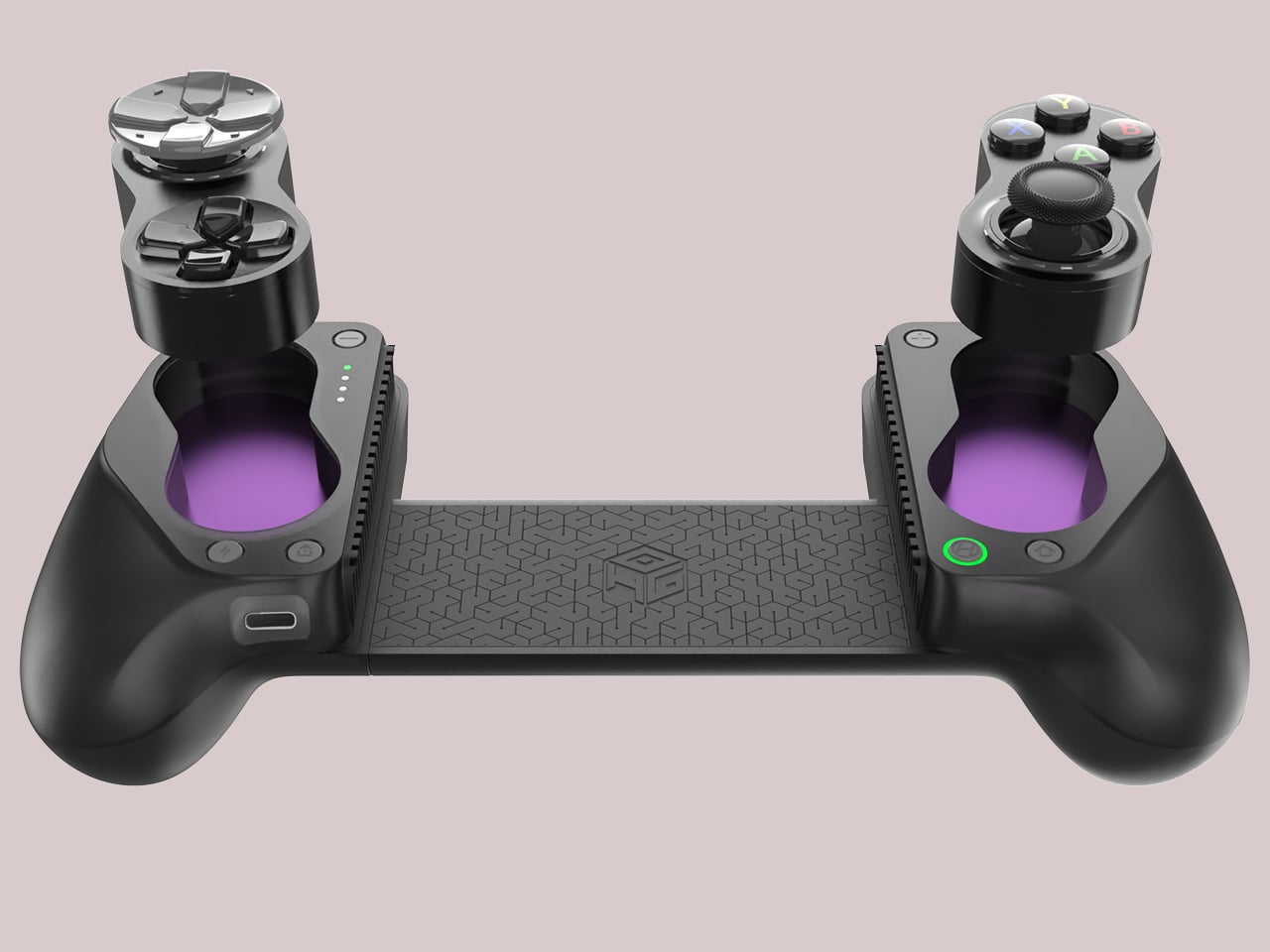
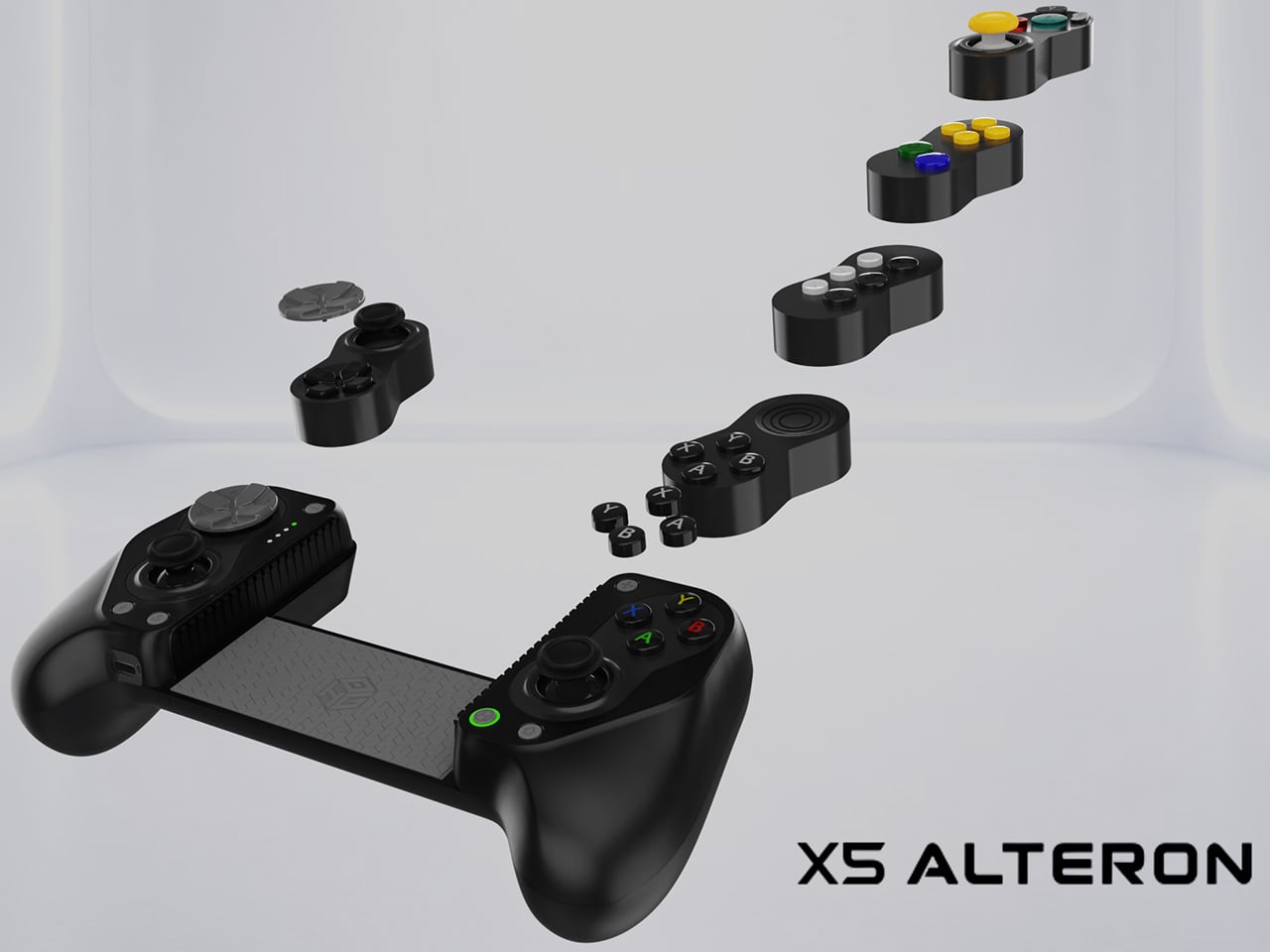
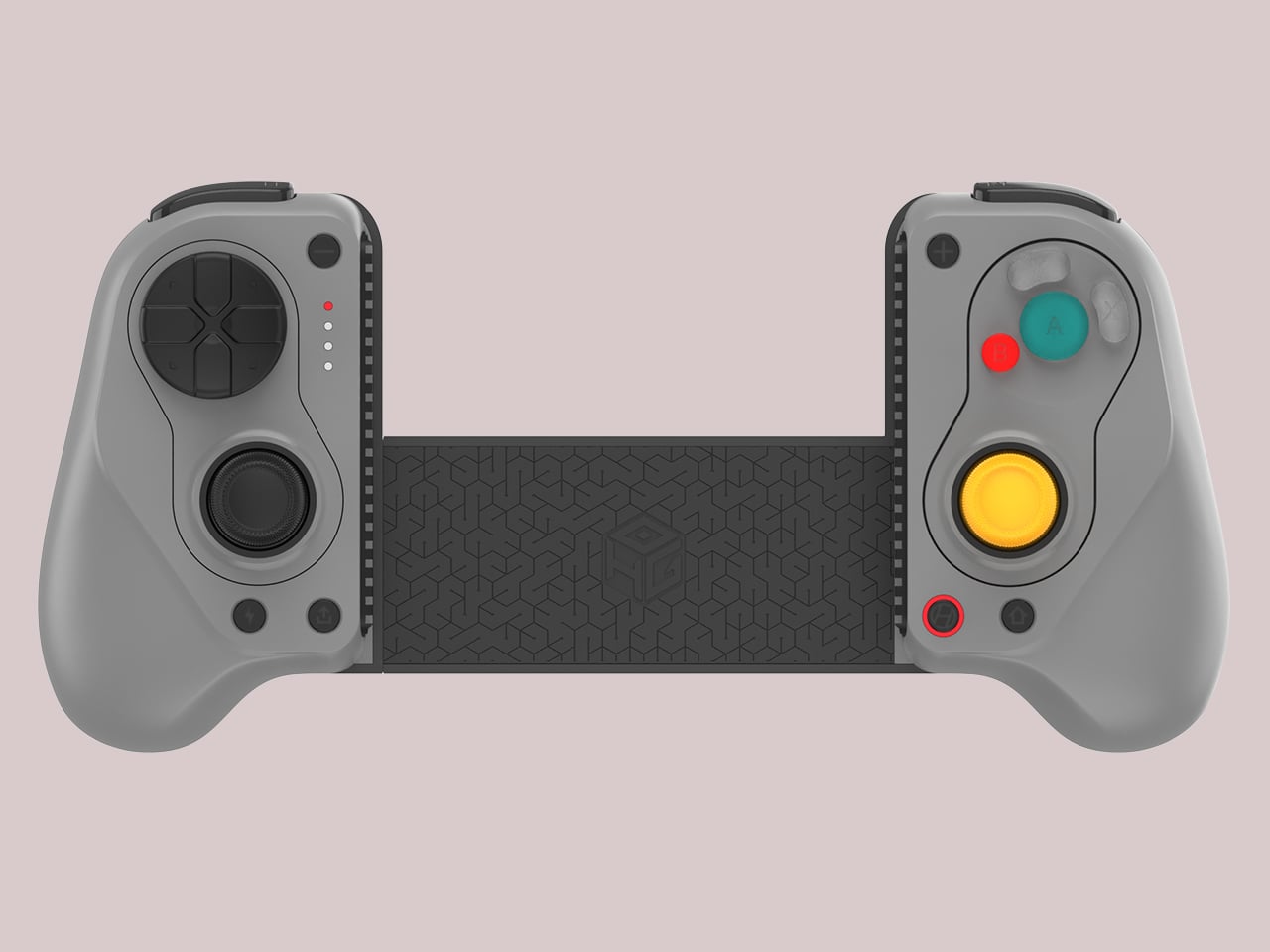
A typical computer keyboard has 87 to 101 keys or more, but sometimes even those aren’t enough for content creators, streamers, gamers, and advanced computer users. When you have to remember a bunch of keyboard shortcuts that differ from program to program, you’re putting a heavy burden on your mind that could be used for actual creative thinking instead. This modular MasterHUB stream kit and control center not only offers the power of programmable buttons but also lets you decide how you want those controls to be arranged and look.

The post Top Design Innovations from Computex 2024: Where Technology Meets Aesthetics first appeared on Yanko Design.
ASUS ROG Mjolnir power station promises uninterrupted gaming for an hour

It seems that the gods of Asgard are truly smiling on brave digital warriors. After two months of debate and speculation on whether they’re just pulling a long hoax, ROG has proven that there is, indeed, a real Mjolnir power station, or at least one working unit shown off to the public at Computex 2024. And it is as massive as you might have expected, but also had a few surprises we didn’t see coming. It probably won’t satisfy outdoor adventurers, but for the avid collector, comics fan, and loyal ROG gamer, the ROG Mjolnir will definitely be one to keep an eye on, at least when ASUS finally spills all the beans.

Designer: ASUS Republic of Gamers

The ROG Mjolnir is a huge box, perhaps too big for the 768Wh battery it packs inside. Exact dimensions and weight aren’t available yet, but it’s definitely not something you’ll be carrying around a lot despite the “portable” in its name. And you’ll definitely not want to lift it by that handle sticking out from the top because you won’t be able to. And it’s not because you’ve been deemed unworthy.

As speculated, that stick is actually the torch that ASUS teased in April, but it doesn’t work the way you might expect it to. The light is actually on the top end of the stick, so you have to lift it rather than pull it up like you would when trying to pick up a hammer. The opposite end that has a flat disc is actually a magnetic connector that attaches to the magnetic wireless charger on the top of the box.

Yes, there is a 16W wireless charger and it’s compatible with both MagSafe and Qi 2.0. There’s a telltale sign of a charging coil smack in the middle of the Mjolnir’s top, and it’s a bit raised so you can feel the spot with your hand if it’s too dark to see. Of course, you could just use the torch handle to light up the space since you’ll be removing it from its spot anyway. One design oversight, however, is that there doesn’t seem to be any other way to attach the handle so you’ll have to make sure it doesn’t roll off or get lost while you’re charging your smartphone.

Apart from its majestic design, the ROG Mjolnir is pretty average as a power station and is clearly aimed at computer users more than travelers. There are two USB-C ports capable of 65W and 100W of output, two USB-A ports, and four AC outlets with a total maximum load of 1200W. There are no DC barrels or car chargers, it can be charged via solar panels if a direct power source is unavailable.

That’s pretty much a standard for portable power stations but its main purpose is really to provide an uninterruptible power supply in a sudden power outage that should last one hour at 700W or 30 minutes with the max 1200W load. With a fast switchover of 10ms, you’ll have enough time to safely shut down your PC or, better yet, finish your battle before finally going down with the power. There is no word yet on when the ASUS ROG Mjolnir will descend on stores, but expect it to have a price tag worthy of a god when it does.

The post ASUS ROG Mjolnir power station promises uninterrupted gaming for an hour first appeared on Yanko Design.
Acer Wave 7 Wi-Fi 7 Mesh Router brings a less stressful design to your desk

As our Internet needs grow, so do the power and complexity of the networking devices we have at home. Strangely, however, the more powerful routers become, the more intimidating they seem to be. Many seem to have fully embraced the tech and gamer culture that would put futuristic-looking designs on a pedestal, whether they look like spaceships or alien mechanical monstrosities. That, unfortunately, forces many homeowners to choose between these powerful yet menacing designs and minimalist yet outdated hardware. Fortunately, manufacturers are also beginning to take note of the gap between these two extremes and are producing designs like the Acer Wave 7 that blends the latest technologies with an almost Zen-like aesthetic.

Designer: Acer

The spec sheet of the Acer Wave 7 definitely looks formidable, employing the latest Wi-Fi 7 standard to support the demands of modern Internet-connected devices, be they Smart TVs for streaming, laptops for work, or smartphones for gaming. Those capabilities include support for super-fast and super-wide 6GHz bandwidth with support for older 2.4GHz and 5GHz bands for older devices. It also utilizes 320 MHz lanes for double the transmission rates, which, along with Multi-Link Operation (MLO), ensures all connected devices get the Internet data they need quickly and reliably.

It also has not just one or two Ethernet ports but four, giving the ability to support multiple high-speed wired connections to computers, TVs, and smart home appliances. Of course, not all devices are created equal and need the same amount of data at a rapid speed, so the Wave 7’s smart Hybrid QoS bandwidth management makes sure that data-hungry services like games and video conferencing are prioritized over social media scrolling.

These are features that many routers these days support, but what makes the Acer Wave 7 distinctive is its design. Instead of a black horizontal box with many sharp-looking antennas sticking up from it, this router is tall, slim, and white. And it isn’t a boring minimalist design either. The grilles on its side stay true to its name with their undulating lines, creating what looks like a rippling water not unlike what you’d see in Zen gardens.

It’s admittedly a simple and subtle design cue, but one that immediately changes the atmosphere in a given space. The imagery it triggers has a psychological calming effect, giving your eyes and brain a visual respite from all the cold and impersonal designs you might have in your home or office.

The post Acer Wave 7 Wi-Fi 7 Mesh Router brings a less stressful design to your desk first appeared on Yanko Design.
ZOTAC ZONE gaming handheld PC tries to outdo the Steam Deck

Although it’s unsurprising that plenty of the announcements at Computex 2024 revolved around AI, the event is still pretty much a showcase of actual physical products. Among the new AI-toting laptops are, also unsurprisingly, a new batch of handheld computers that try to recreate the magic of the Steam Deck and the Nintendo Switch for themselves. Although there are finally some variations in designs that are showing up, the original Steam Deck still has nooks and crannies that can be explored and improved. That seems to be what PC maker ZOTAC is trying to do by putting out what is trying to be a better Steam Deck than the Steam Deck.

Designer: ZOTAC

Although there have been some handheld gaming PCs before it, the Steam Deck was the first to come from a well-established name in the industry. But rather than simply be a Nintendo Switch clone, the Steam Deck differed significantly in its design, not to mention its internals and software. In a nutshell, it was an extra large handheld that, unlike any other gaming handheld even today, added not one but two trackpads on each side of the screen. It was a rather unique design detail that has so far been exclusive to the Steam Deck, at least until now.

To be rather blunt, it’s not hard to see the ZOTAC ZONE as a Steam Deck clone precisely because of this feature. In fact, there are two other things that make it almost too similar to Valve’s gaming handheld. It has an OLED screen, something that almost no other handheld PC has at the moment, and its button layout follows the PlayStation controller more than the Xbox which everyone except the Steam Deck uses.

At the same time, however, the ZOTAC ZONE is, to some extent, also a step above the Steam Deck in so many ways. For one, it will be running more recent hardware while the Steam Deck is still stuck in 2022. For another, it has a built-in kickstand, a feature that’s oddly absent from many handheld PCs that are clearly inspired by the Nintendo Switch. Last but not least, ZOTAC goes all out on configurable controls, from two-stage adjustable triggers to programmable dials around each of the two joysticks. It’s a gamer’s dream, definitely, but one that also carries quite a steep price.

According to the latest information, the ZOTAC ZONE will launch in September with a $800 price tag, which puts it on the more expensive end of the spectrum. That’s not surprising, though, given how much power the device will be carrying. But as ZOTAC’s first foray into this niche market, it remains to be seen whether the handheld PC will experience growing pains, especially when it comes to the durability of its components.

The post ZOTAC ZONE gaming handheld PC tries to outdo the Steam Deck first appeared on Yanko Design.
TECNO CAMON 30 Series LOEWE Edition has a back made from coffee grounds

It’s arguable that coffee makes the world go round, but to some extent, it also does a bit of harm in the process. Our rapid and massive consumption of this beverage has resulted in no small amount of waste, from the plastic cups and straws that we throw away daily to even the grounds that often go into the bin. The latter is, of course, biodegradable, but even that takes time to decompose, during which time they pile up and pollute the environment. Waste coffee grounds can actually have other uses, from aromatic candles to even skin care, so you simply need a creative mind to figure out ways to reuse these traces of caffeinated drinks. Working together with famed luxury design marque LOEWE, TECNO has thought of transforming this waste product into a beautiful and sustainable material to grace the back of its latest flagship smartphone.

Designer: TECNO x LOEWE

With a reported average consumption of 2 billion cups every day around the world, it’s no surprise that waste coffee grounds can actually be an environmental problem. Even when they do decompose in landfills, their improper disposal releases harmful greenhouse gasses that slowly but surely kill the very planet that coffee trees grow on. Recycling these coffee grounds is, of course, a solution, but traditional recycling processes also use up plenty of water and energy.

In contrast, the back cover of the new TECNO CAMON 30 Series LOEWE Edition uses not only sustainable materials but also a sustainable process. The coffee grounds are processed without using organic solvents, don’t consume more water, and also use solar power. The result is a back cover that is composed of more than 20% bio-based material that gives the surface a unique texture that will delight your hand the moment it touches it.

You might not be able to tell that the TECNO CAMON 30 LOEWE Edition has a back made from recycled coffee grounds because of its distinctive green color instead of the brown that’s associated with coffee. This gradated color was chosen to be symbolic of nature, representing the natural life cycle of leaves. More interestingly, TECNO also opted to adopt a color-blocking style that not only makes the phone look modern but also gives it a bit of character.

This industry-first coffee grounds back design is available on all TECNO CAMON 30 Series models with no changes to their internal specs. For the Premier 5G variant, that means having no less than four 50MP cameras sitting on top of this unique and sustainable material. Availability details of the TECNO CAMON 30 Series LOEWE Design Edition are unavailable at the moment.

The post TECNO CAMON 30 Series LOEWE Edition has a back made from coffee grounds first appeared on Yanko Design.
ASUS Ceraluminum brings beautiful ceramic and durable aluminum laptops

Gone are the days when laptops were seen just as technical equipment needed to get work done. Just like with smartphones, they have also become part of our modern lifestyles and a reflection of our own selves. What all these mean is that people are now more conscious of the design of the laptops they purchase, not just the specs or the brand. Yes, there are still many that look like tanks with rainbow lighting accents, but even some more powerful notebooks now have sleeker and more refined aesthetics as well. To keep up with more discerning consumers, ASUS has engineered a new kind of material for the outer lid of their newest and most premium laptop that combines the lightness of ceramic with the durability of aluminum into an elegant surface that just screams “luxury.”

Designer: ASUS

Laptop lids are often made of either plastic or metal because of their resilience and durability. Of the two, metal, which usually means aluminum, is considered more premium but also tends to be heavier and sometimes uncomfortable due to how cold it is to the touch. In contrast, ceramic is equally premium yet almost the opposite of metal: lightweight, warm to the touch, and sadly also fragile.

ASUS has aimed to bring the best of these worlds together and has created the portmanteau “Ceraluminum” to mark the success of their years of research and experimentation. In reality, it is actually aluminum but treated in a special process, which it unsurprisingly calls “ceramization,” which gives it the properties of ceramic. This “hi-tech” new material boasts being lighter than steel yet also more durable than actual ceramic. More importantly, the material focuses as much on the tactile experience as on the aesthetics. Like ceramic, Ceraluminum is not only cool to the touch but also gives the fingers a better grip on the laptop’s lid.

Ceraluminum is still a novel material and it might not be ready for truly mass production just yet. For its maiden voyage, ASUS has chosen its new Zenbook S 16 to be the first to benefit from this amalgamation of two of the most premium materials known in the industry. It’s a perfect match as well, given how incredibly thin and lightweight the laptop is. It looks premium and definitely feels premium, a fitting exhibit for Ceraluminum’s equally premium properties.

In addition to its elegant material, the ASUS Zenbook S 16 also brings nature-inspired colors to match. Zumaia Gray takes inspiration from flysch cliffs in Spain, while Scandinavian White mimics the warm light of the sun on snowy mountains. Even this color is a product of sophisticated materials research, modifying the molecular structure of copper and oxygen atoms to give off a different color while using the same aluminum oxide material as other colors. The ASUS Zenbook S 16 is, in the final analysis, an exhibit of the brand’s innovation in creating new materials meant to delight not just the eyes but also your fingers and elevate your laptop experience.

The post ASUS Ceraluminum brings beautiful ceramic and durable aluminum laptops first appeared on Yanko Design.
ADATA XPG Nia handheld gaming PC brings a bit of ergonomics and sustainability

Although they have existed for a long time now, it seems that handheld PCs are finally taking root in the market. These mobile gaming devices are becoming more numerous, including a few from well-known manufacturers as well as a bit more obscure brands. That, unfortunately, also means that some designs are getting all too common, even if there’s still plenty of room for experimentation and innovation. At Computex 2024, we’re seeing some of these bold designs that are trying to challenge the status quo and one of them comes from an unlikely name yet could also be bringing some much-needed improvements to handheld gaming computers.

Designer: ADATA XPG

Handheld PCs are pretty much miniature laptops and they even use some of the same hardware but with weaker cooling solutions. That practically means you’re stuck with the specs you got when you bought the device, though there might be options to upgrade the storage and only that. Many laptops these days, however, also have upgradable RAM, and ADATA, a brand better known for its data storage solutions, is bringing that to the handheld PC market with the XPG Nia.

This feat is being attributed to the equally new LPCAMM2 memory module which, unlike most RAM on handhelds and some laptops, isn’t soldered to the motherboard. This makes memory upgradable in theory, though how easy it will be still remains to be seen. The XPG Nia also features upgradable storage courtesy of a more standard M.2 2230 SSD slot. This might sound like minor improvements since the capability has been around in laptops for many years, but it goes a long way in making handhelds last longer and be more sustainable in their own small way.

That isn’t the only novelty that the ADATA XPG Nia is bringing to the table, however. The handheld has a tilting screen that you can adjust to your comfort, and it has a built-in kickstand that lets you put the device down on a table without requiring a separate stand or dock. And unlike the majority of handheld gaming PCs, it has a front-facing camera that can be used for eye-tracking and, possibly, video chat among gamers. Again small details, but ones that significantly improve the usability and ergonomics of a device that still hasn’t cemented its place in the market.

As admirable as these improvements might be, the big drawback to the ADATA XPG Nia is that it’s not a product you can buy, at least not any time soon. What was shown at Computex was just a prototype, and the earliest ETA for the handheld PC is 2025. That leaves not only a lot of room for the brand to change or even backtrack on these features, it also gives its competitors the opportunity to steal the limelight even before the XPG Nia has a chance to get out the door.

The post ADATA XPG Nia handheld gaming PC brings a bit of ergonomics and sustainability first appeared on Yanko Design.
ASUS Project DALI concept slaps a color E Ink display on the back of laptops

As much as laptop makers wax philosophical about the power of their hardware and the beauty of their screens, what most people will probably admire the most about their products will be the laptop covers. Like with smartphones, this is the most visible part of a laptop and, therefore, also the most expressive. You can almost tell a lot about the laptop owner from the design and stickers they have on their laptops or, conversely, from the lack of any embellishment. Unfortunately, there hasn’t been any easy way to cater to the varied tastes of laptop owners, at least until now. At Computex 2024, ASUS is showing off one of its latest concept designs that lets owners change the design of their laptop covers with a press of a key, and it won’t cost either power or money to keep changing it on a whim.

Designer: ASUS

You could, in theory, put a second LCD screen on the back of your laptop for a dazzling display of images or even captivating videos, but that would put a drain on your laptop’s battery, especially if you need to keep that cover display visible even when the laptop is closed and shut down. As with any problem involving power-hungry LCDs and OLEDs, the solution is using ePaper Display or EPD, like E Ink’s popular panels for eBook Readers. And wouldn’t you know it, E Ink has the perfect technology for that, and ASUS is slapping it on its Project DALI laptop concept to make laptops more personal without having to stick anything to it.

Although it’s primarily being used for signage installations, the E Ink Spectra 6 brings a touch of color to the eye-friendly and battery-conservative E Ink screen. It’s not going to match the vibrant colors of even the crudest LCD, but it has one very important advantage. Once you change the image displayed on it, it will no longer consume any power and can display that image for a long, long time. In other words, it’s perfect for a semi-permanent display that doesn’t change much, something like what the back of your laptop could have.

Project DALI puts this technology to offer an unprecedented level of personalization to laptop owners, something you can’t even imagine doing with stickers or skins. With ASUS’s special software, you can either select from a few preset designs or make your own, allowing you to express your tastes, interests, and personality the way you want it. Best of all, you can change it any time you want, and it will only cost you a bit of time and effort, not money from buying new stickers or energy from cleaning off those pesky adhesive residues.

ASUS Project DALI is hardly the first to put an E Ink display on the back of a laptop, as Lenovo also demonstrated a similar idea back in January at CES 2024. DALI, however, uses a newer Spectra 6 technology with higher color DPI, though the number of supported hues is, of course, still limited. Unfortunately, there is still no word on whether Project DALI will become an official ASUS product, but it’s bound to win plenty of fans once it does.

The post ASUS Project DALI concept slaps a color E Ink display on the back of laptops first appeared on Yanko Design.
Cooler Master MasterHUB modular control system adjusts to creators’ workflows

Content creation these days looks so simple the way influencers like to show off in behind-the-scenes videos, but the reality is that they can be overwhelmingly complex as the content they create, especially as they level up their craft. While it’s definitely possible to stick to the tried and true keyboard, mouse, or drawing tablet, the demands of today’s creators and their audiences call for better tools that help make their lives easier. That said, no two artists or designers are alike, and they work in different ways with different techniques, tools, and processes. Most gadgets and devices try to force users to a specific way of working, but this modular stream kit lets you decide not only the specific controls that you need but even the layout that you want.

Designer: Cooler Master

As the name implies, stream kits were originally designed for live streamers as they usually need to access some functions quickly without having to perform finger calisthenics over their keyboard. Over time, however, the flexibility of these programmable buttons with tiny LCD displays has become a favored tool by many content creators, from designers to artists to video editors to general enthusiasts. The MasterHUB comes from this lineage but has one special power that very few have: it can change its shape to adapt to your needs, workflow, or even your whim!

The MasterHUB’s foundation is a base where you can mix and match modules that each deliver a different kind of control. The most common of these is the App Control with 15 programmable keys, each with a customizable display, that can be used to trigger an action or launch an app. Another module is the Encoder which is a large dial with an integrated circular LCD display that can be used for something like scrubbing through audio and video timelines. A Knob Module has three knobs that can be mapped to changing brush sizes, undoing and redoing steps, and similar actions. Completing the set is a Fader Precision module with five sliders and a Roller Scroll Module with two rolling bars.

This modular system allows creators to define the layout out of their control center. They can even set it up vertically instead of the conventional horizontal layout, and you can pretty much change the combination on a whim, presuming you’re prepared to do the work of setting up the configuration again. Such a flexible control hub will also benefit even computer users who don’t create content, like gamers and power users that need more knobs and buttons than their keyboard can provide. Availability details for this powerful creativity tool, unfortunately, are still unavailable at the moment.

The post Cooler Master MasterHUB modular control system adjusts to creators’ workflows first appeared on Yanko Design.
ASUS ProArt PZ13 detachable laptop brings Windows on ARM to creators on the go

Although Windows on ARM has existed before, the latest iteration of Qualcomm’s Snapdragon X processors is coming out in full force to redeem the platform’s previous image. Part of that means having more PC makers on board who are willing to dive head-on into the arena, branding not just more capable silicon but, more importantly, AI-powered features that are all the buzz these days. ASUS, unsurprisingly, isn’t going to be left behind, and it’s bringing all that goodness into the new ProArt PZ13 detachable laptop that offers an ultra-portable form factor aimed to give creators an edge to let their creative juices flow whenever and wherever inspiration strikes them, even if it’s just on their living room couch.

Designer: ASUS

Given the uninspiring legacy of previous Windows on ARM attempts, it’s quite a bold move for ASUS to pitch the platform to one of the most discerning audiences in the market. Artists, designers, and content creators need more than just light, portable devices or long-lasting batteries, they need the performance that will be able to meet the demands of the software they use. At only 9mm thin, weighing only 1.87 lbs, and carrying a large 70Wh battery, the ASUS ProArt PZ13 definitely gets the first two aspects right. The new AI-enabled Qualcomm Snapdragon X processor promises to deliver that last and most critical part.

If it wasn’t painfully obvious yet, this processor harnesses the power of AI to boost its performance, particularly with paired with the Windows 11 operating system. It isn’t just your run-of-the-mill AI voice assistant that answers your search queries but a deeper, more encompassing tool that optimizes the system’s operation to save time, power, effort, and other resources. ASUS is also throwing its own AI-powered creation tools, like a StoryCube media hub for organizing digital assets, and a subscription-based CapCut for dynamic video editing. And, yes, Microsoft’s CoPilot is also onboard to make the other menial tasks more efficient as well.

The ASUS ProArt PZ13 comes in a 2-in-1 detachable design that is reminiscent of the Microsoft Surface, complete with a full-width kickstand and a keyboard cover. The 13.3-inch 3K ASUS Lumina OLED touch screen promises to meet the demanding requirements of creators when it comes to brightness, color accuracy, and precision, supporting an optional ASUS Pen 2.0 stylus for creating digital masterpieces. Unlike the existing line of ASUS ProArt laptops, this tablet and laptop in one is clearly designed for mobility, and the IP52 dust and water resistance rating, along with MIL-STD-810H certification, offer some peace of mind when you need to take the device places.

Of course, the real question will be whether Windows 11 on this new Snapdragon platform will perform just as well as on Intel and AMD processors. Early reviews seem to be promising, but the final judgment will really depend on the compatibility of creators’ tools on this still rare combination. The ASUS ProArt PZ13 AI-powered detachable laptop will go on sale sometime in the third quarter of the year, with pricing details to be released closer to the product’s launch.
The post ASUS ProArt PZ13 detachable laptop brings Windows on ARM to creators on the go first appeared on Yanko Design.