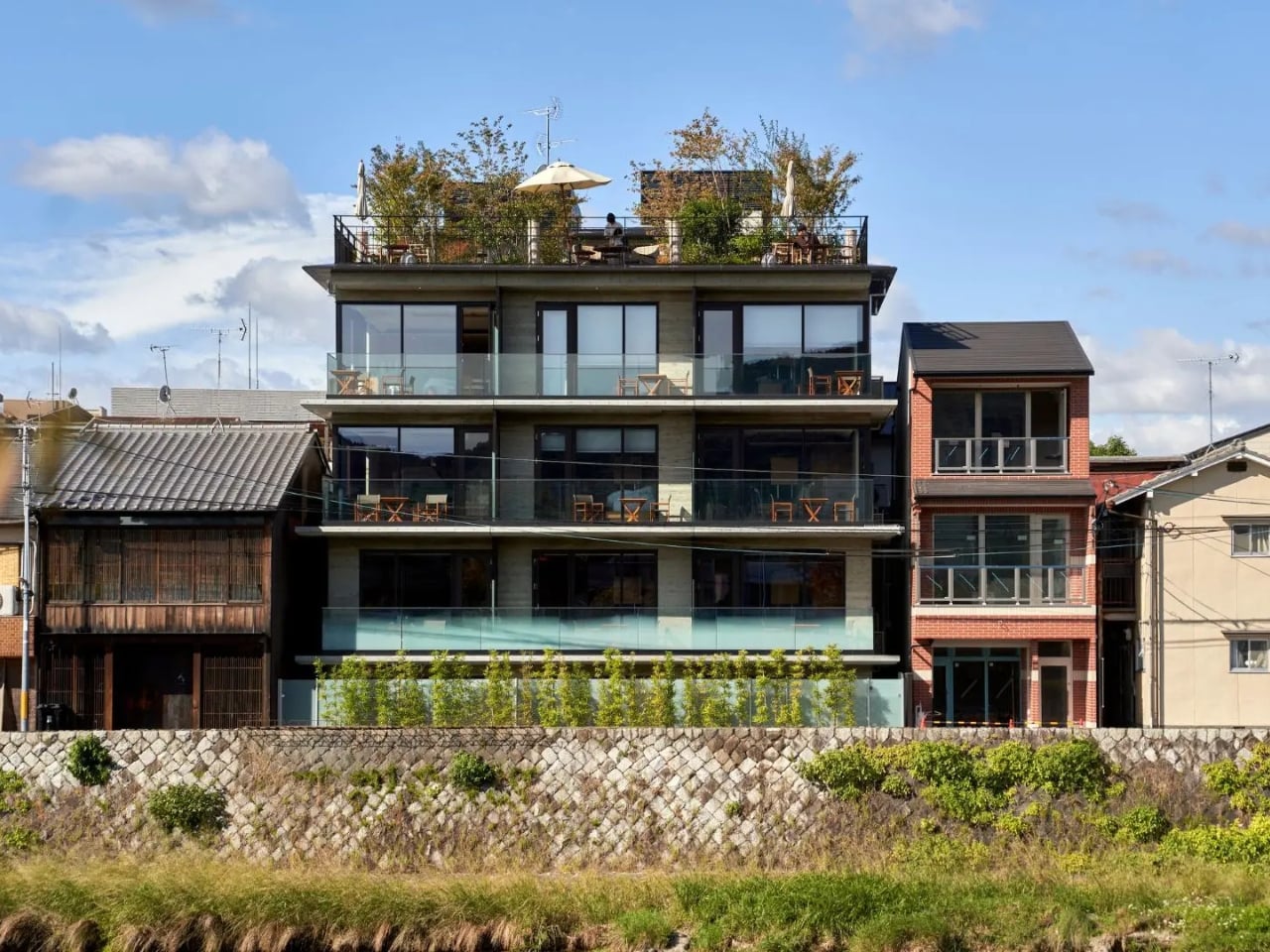
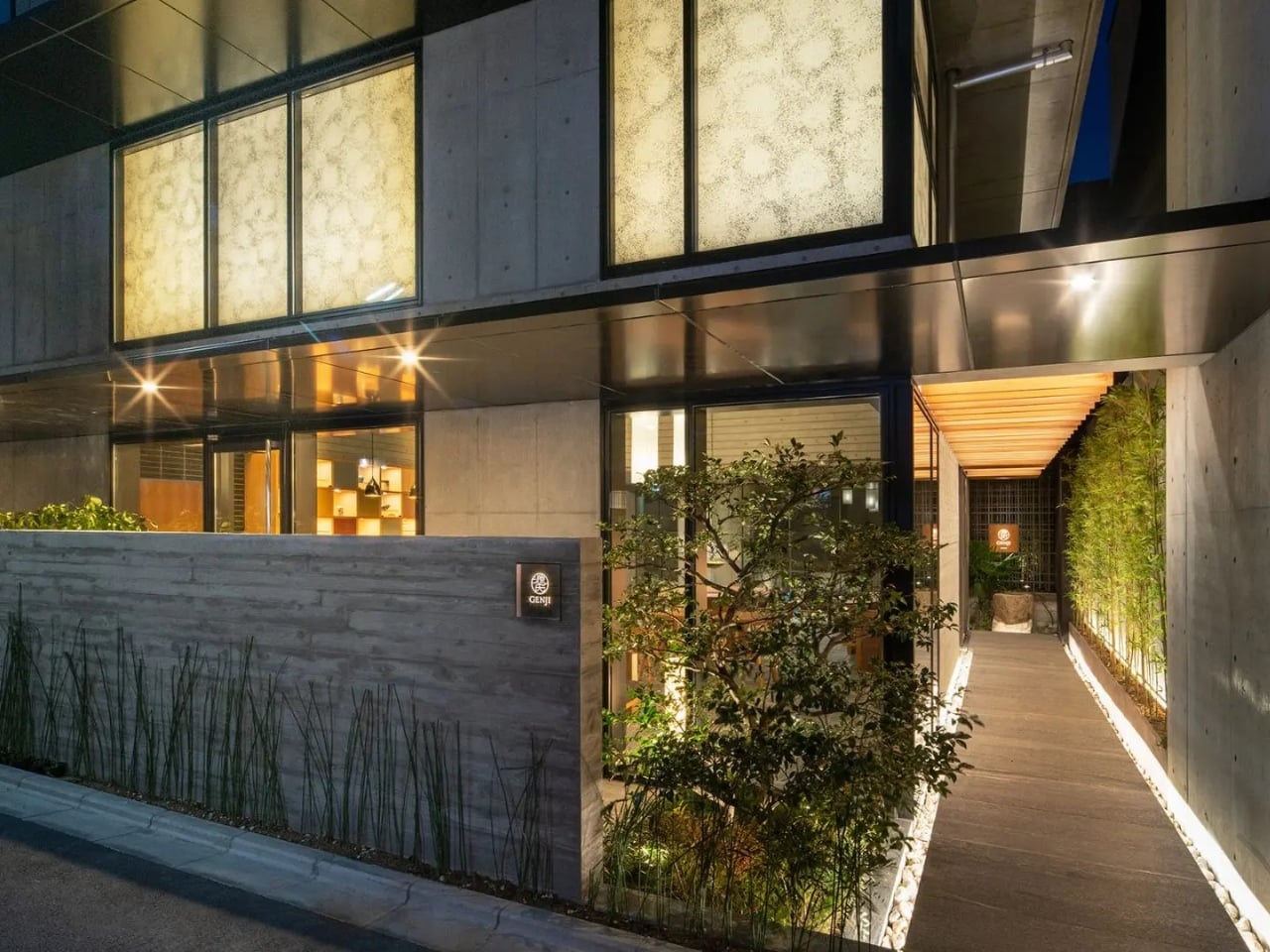
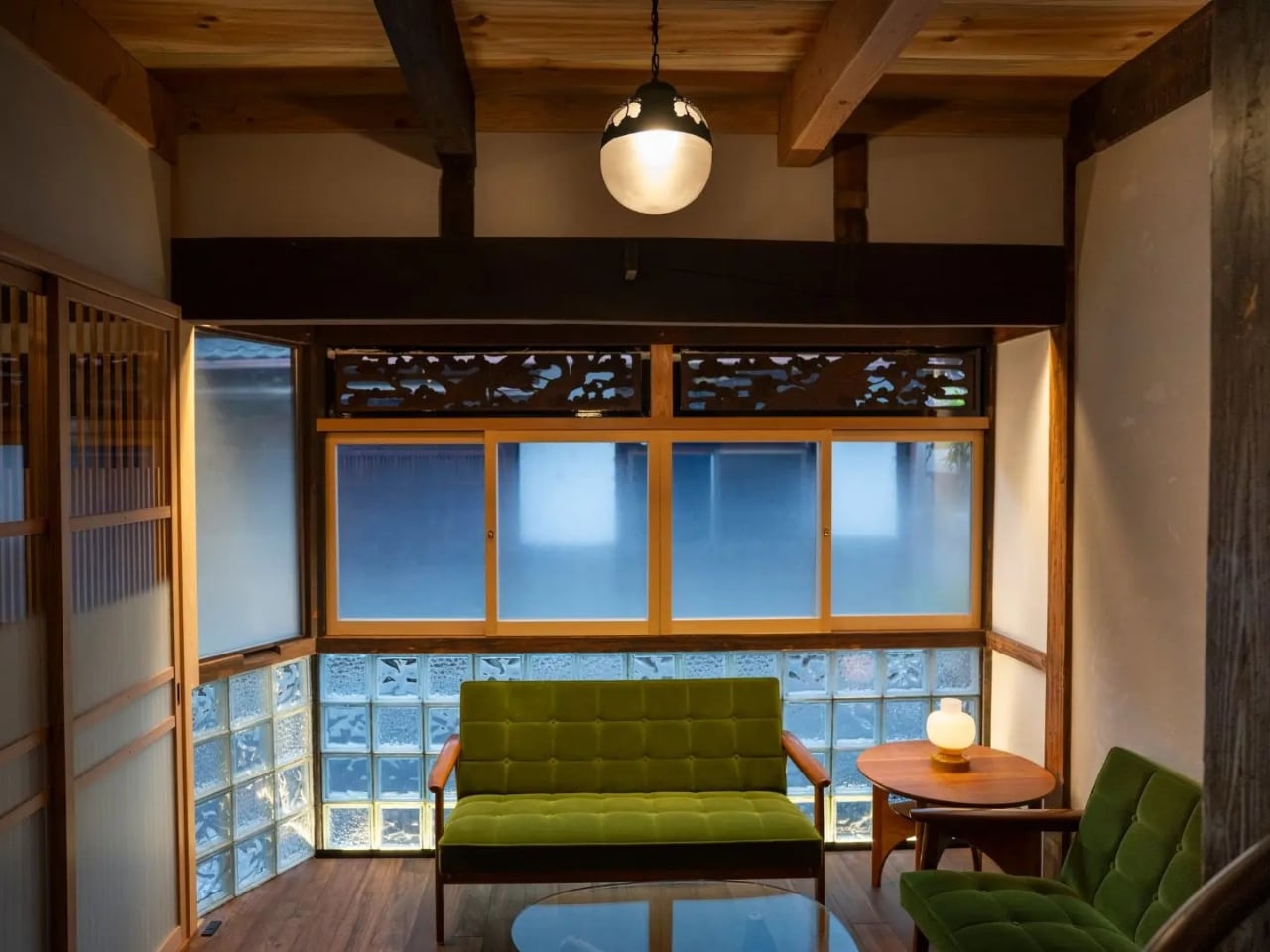
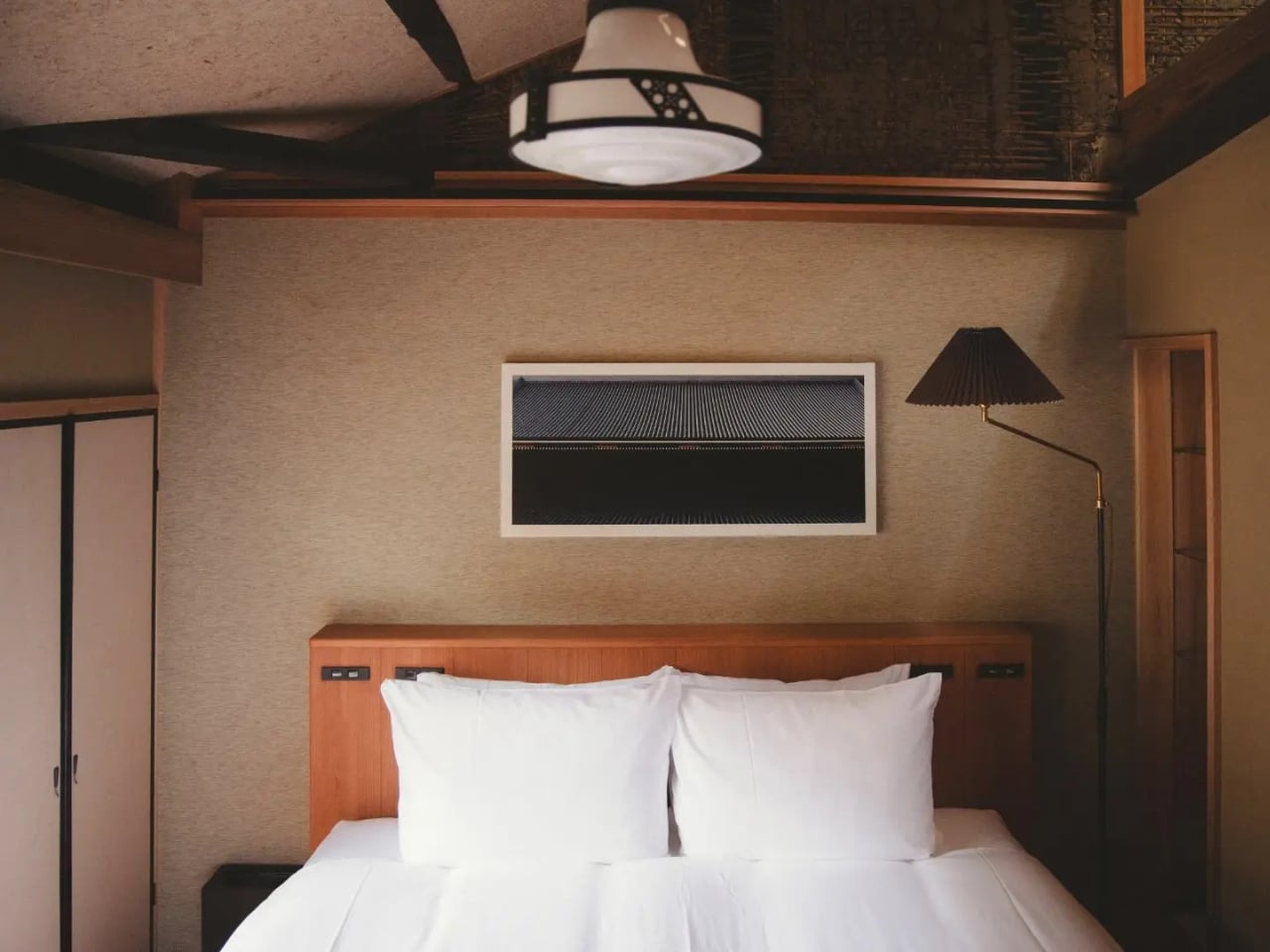
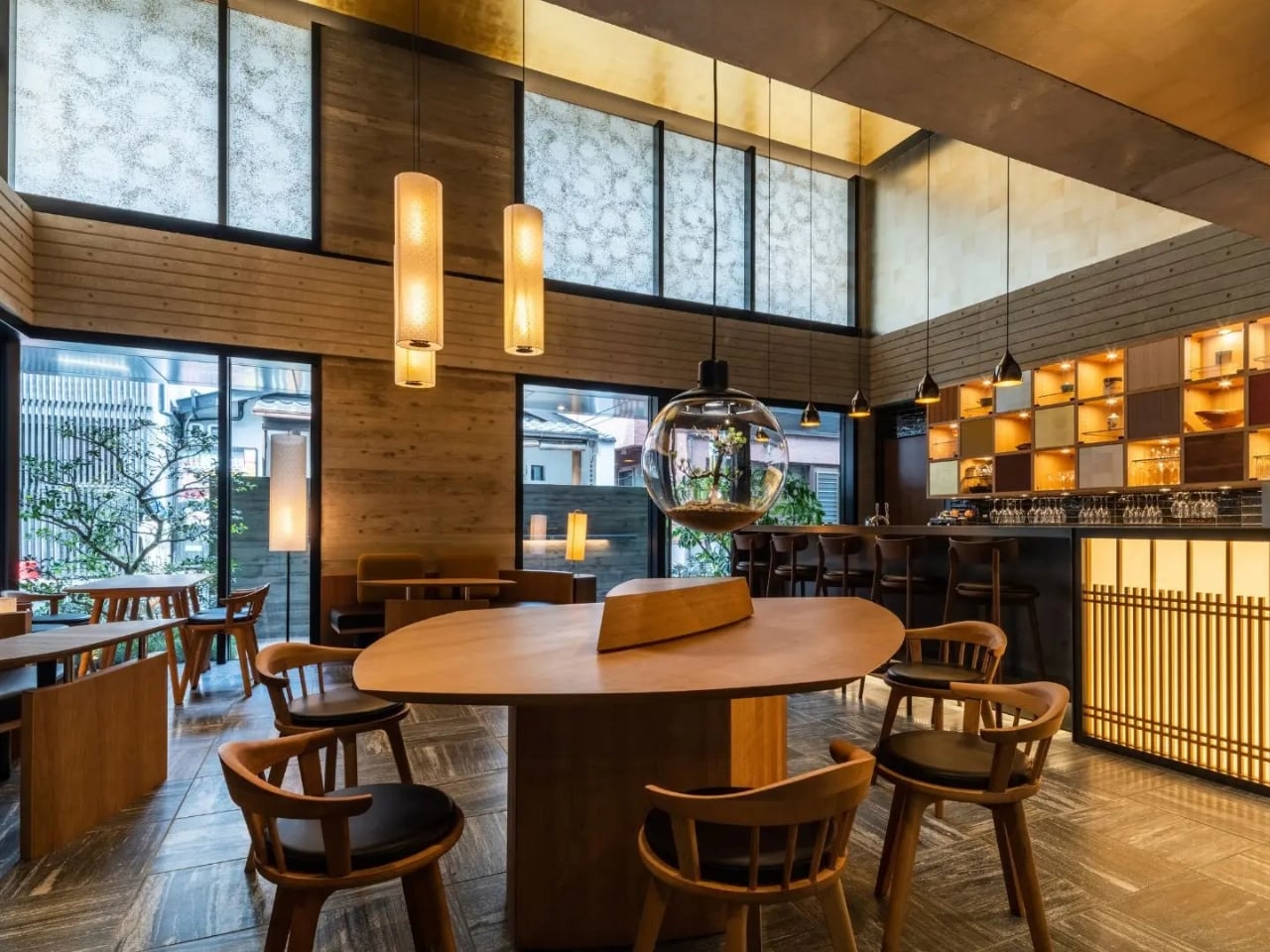
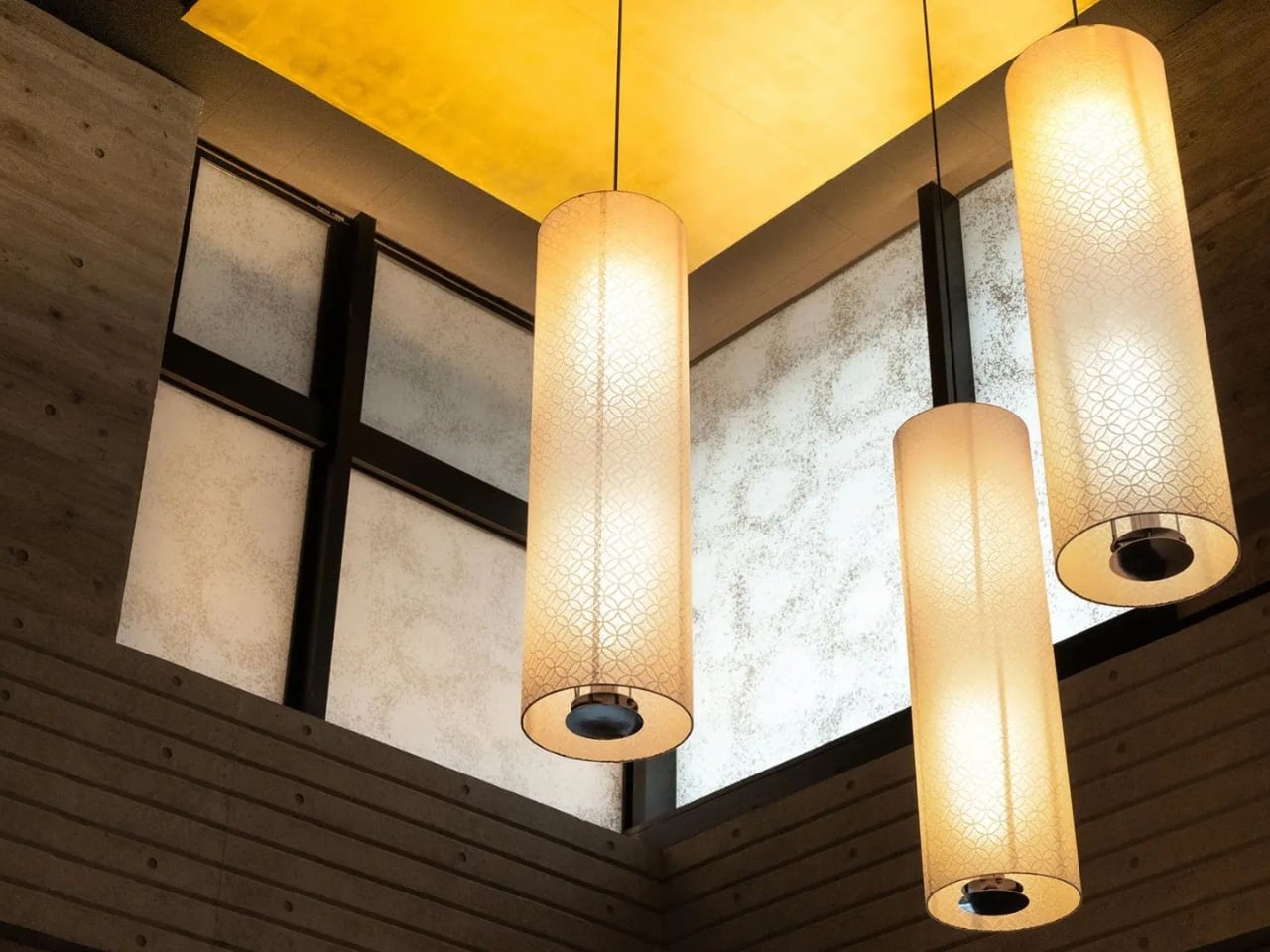
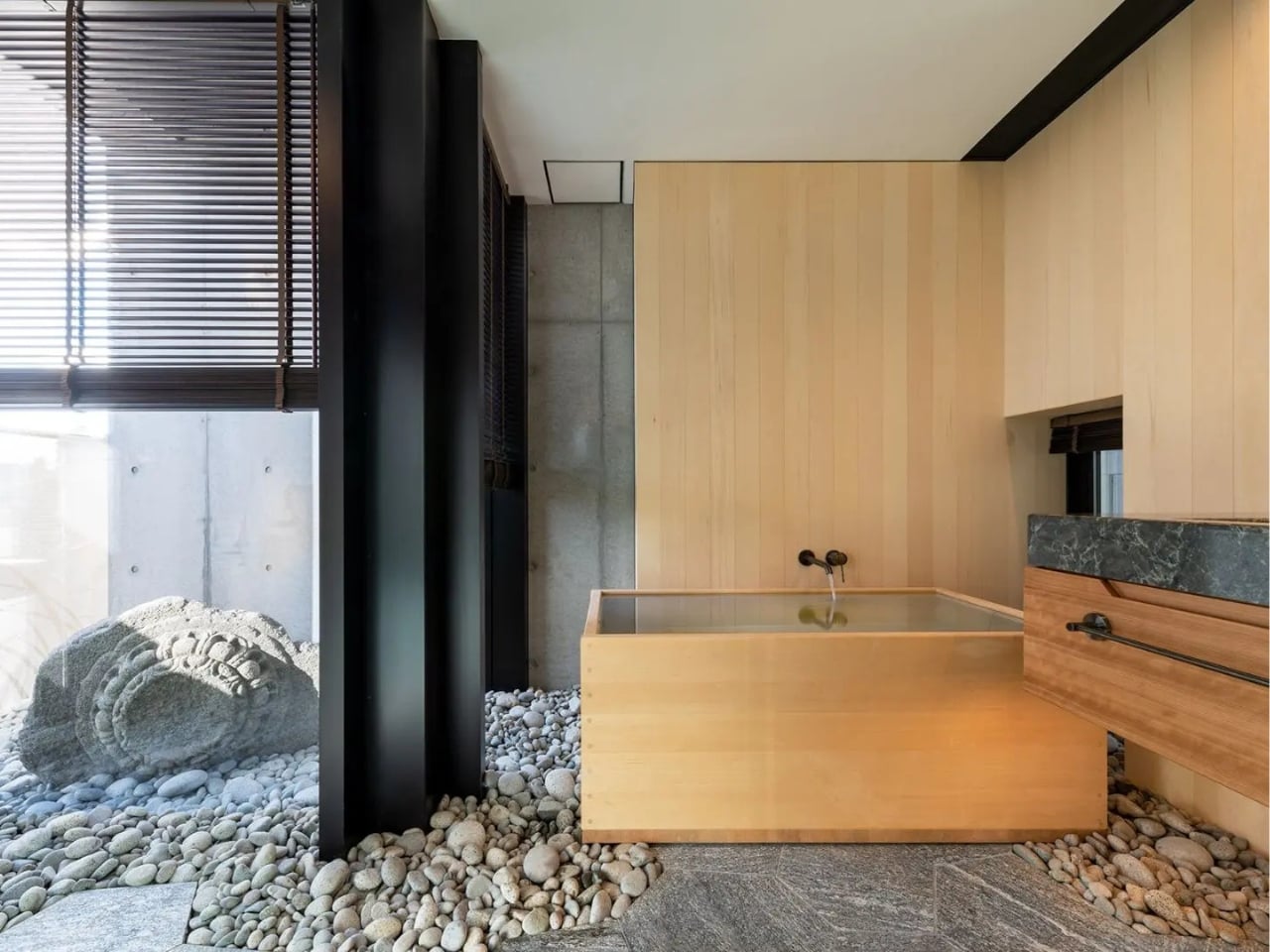
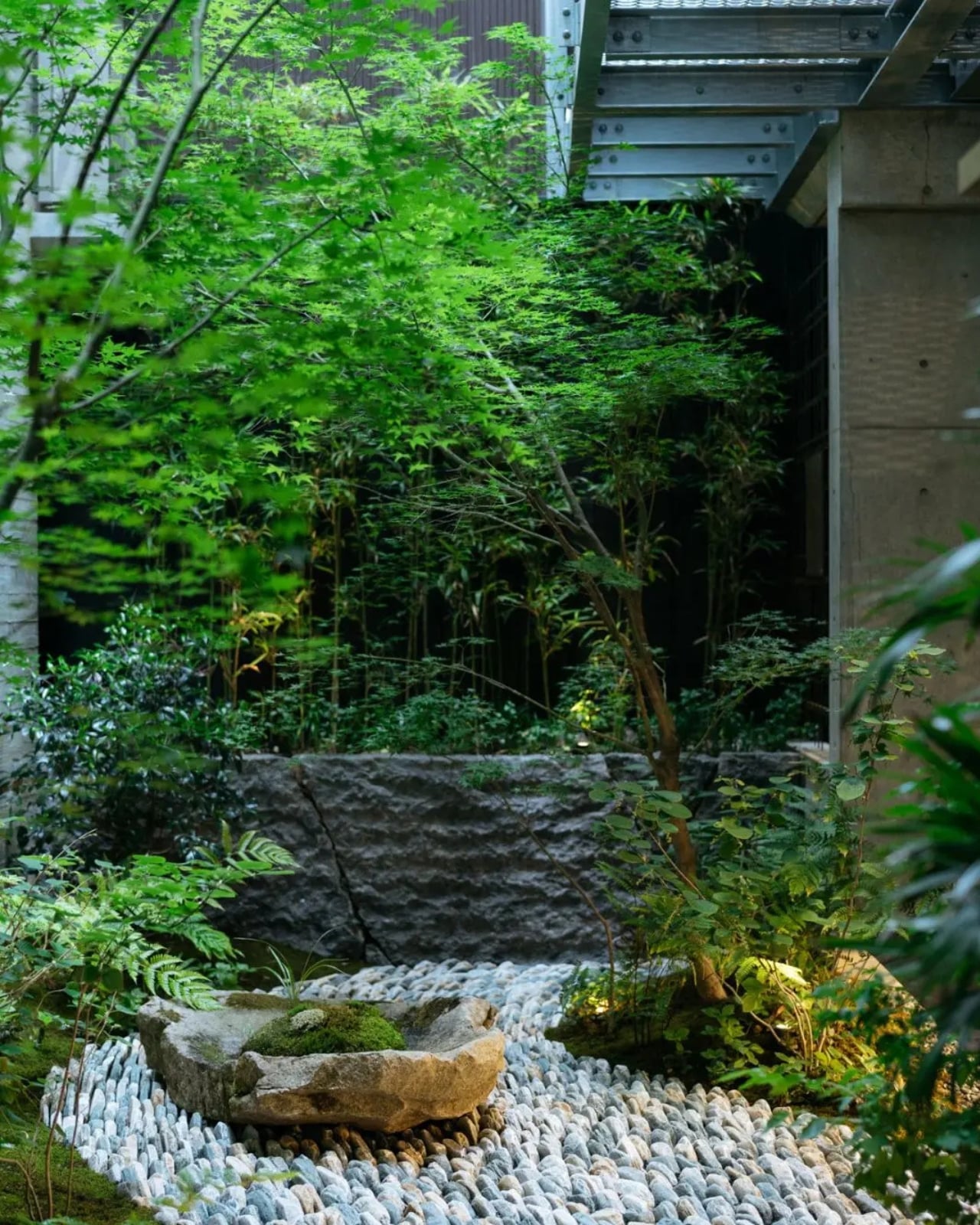
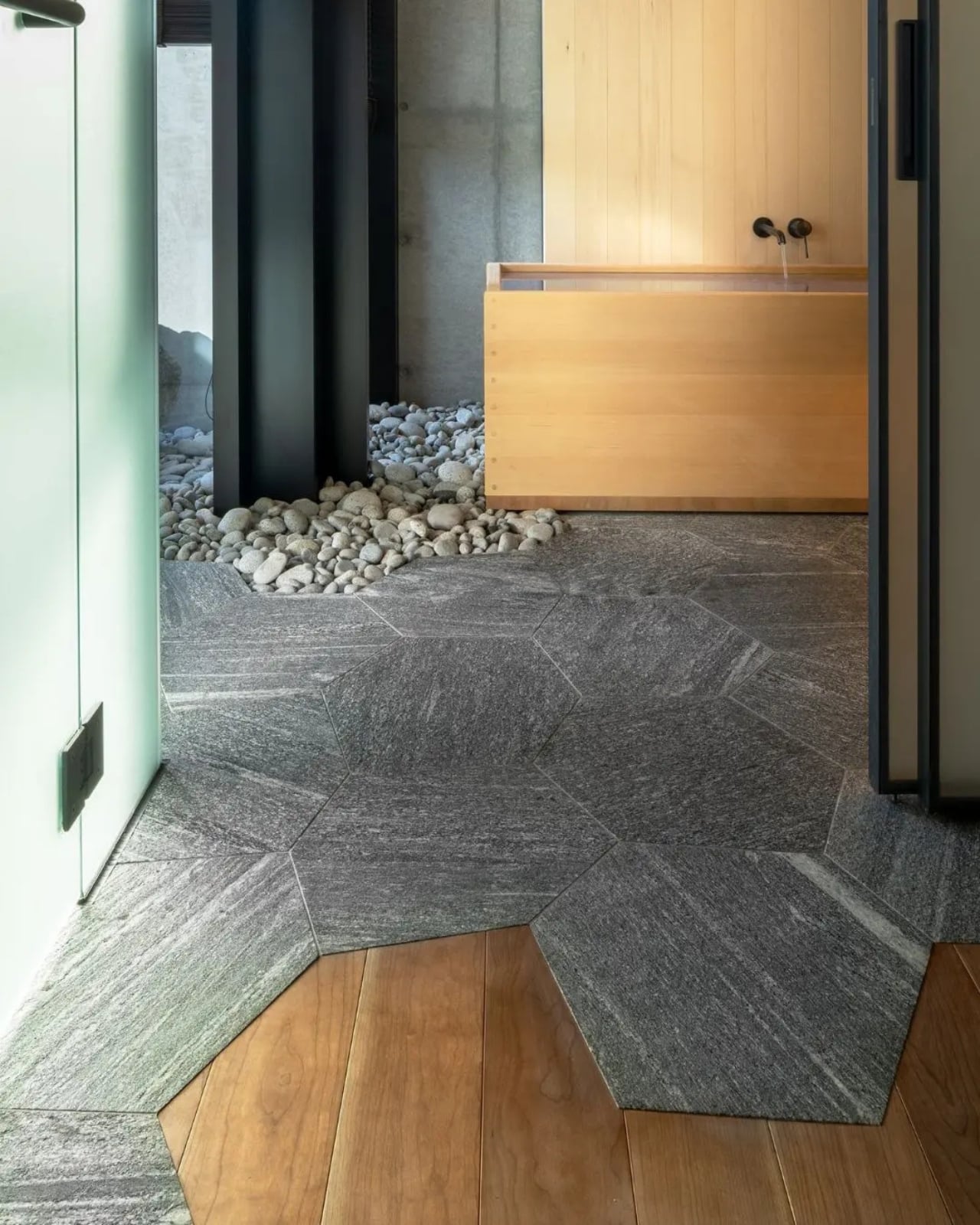
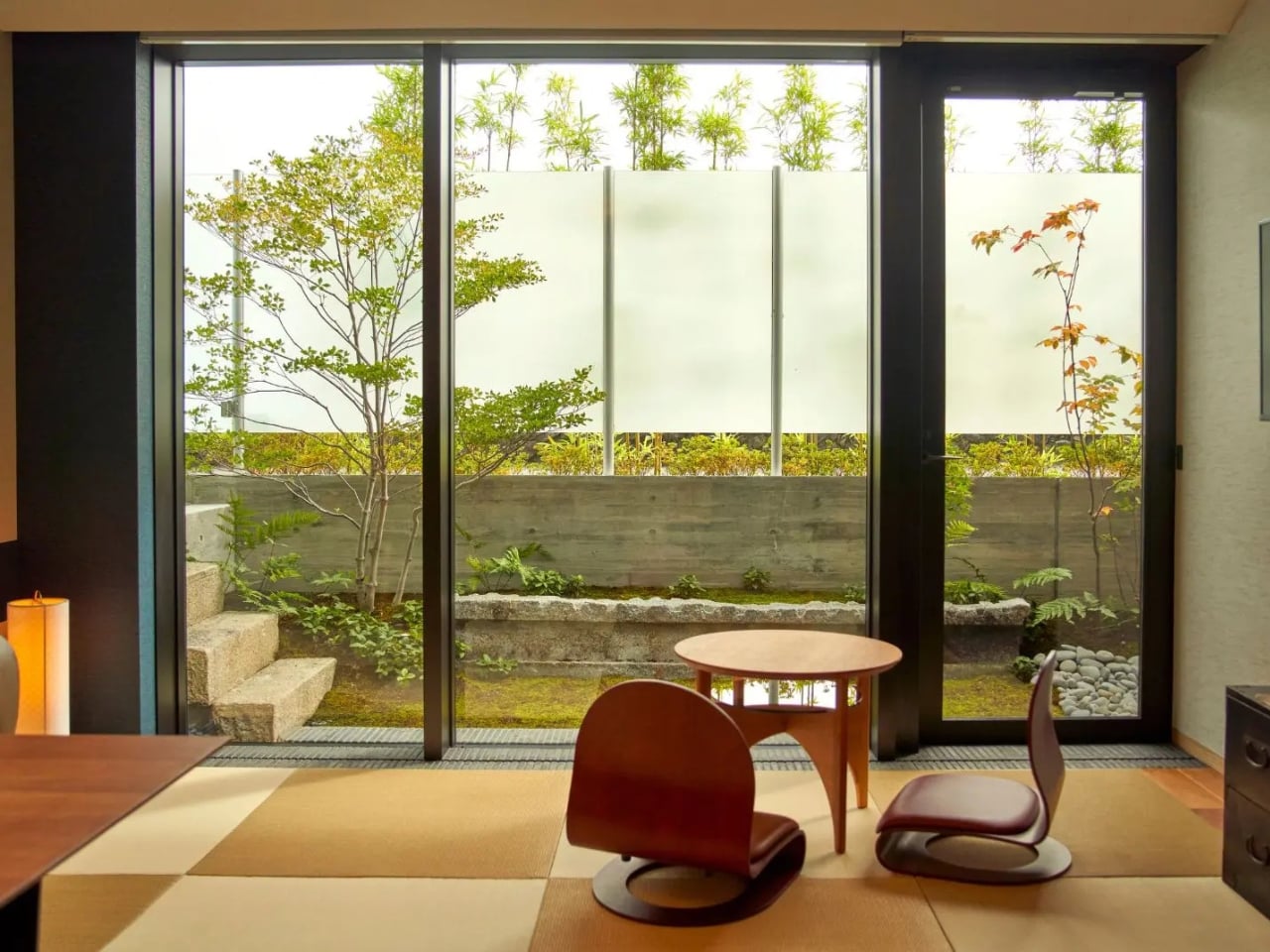
Most hotels ask you to check in. Genji Kyoto asks you to pay attention. Nestled along the Kamo River in Kyoto, Japan, this 19-room boutique hotel is the kind of place that architects talk about in hushed, reverent tones. And for good reason. It was designed by Geoffrey P. Moussas of Design 1st, a New York-born, MIT-trained architect who has called Kyoto home since 1994. That detail matters more than it might seem.
Moussas didn’t fly in with a mood board and a deadline. He has spent over three decades restoring and redesigning more than 40 traditional Japanese structures: machiya townhouses, tearooms, kura storehouses, and even a 400-year-old Buddhist temple. His work has been featured in the Financial Times, CNN, and NHK, and exhibited at Kiyomizu Temple and Nijo Castle. When someone like that builds a hotel, you’re not just booking a room. You’re stepping into a lifetime of accumulated understanding.
The concept behind Genji Kyoto traces back to an 11th-century Japanese novel, The Tale of Genji, widely considered one of the world’s first novels. When the design team discovered that the hotel’s site was historically tied to the story’s actual locations in Kyoto, the whole project shifted. The design moved away from a simple machiya prototype and toward the aesthetic world of the Heian period, over a thousand years ago. But Moussas wasn’t interested in imitation. His approach was to distill the spirit of Heian architecture, specifically the Shinden Zukuri style, characterized by pavilions woven through interconnected gardens, rather than recreate its surface. That distinction is everything. It’s the difference between a themed restaurant and a genuinely good one.
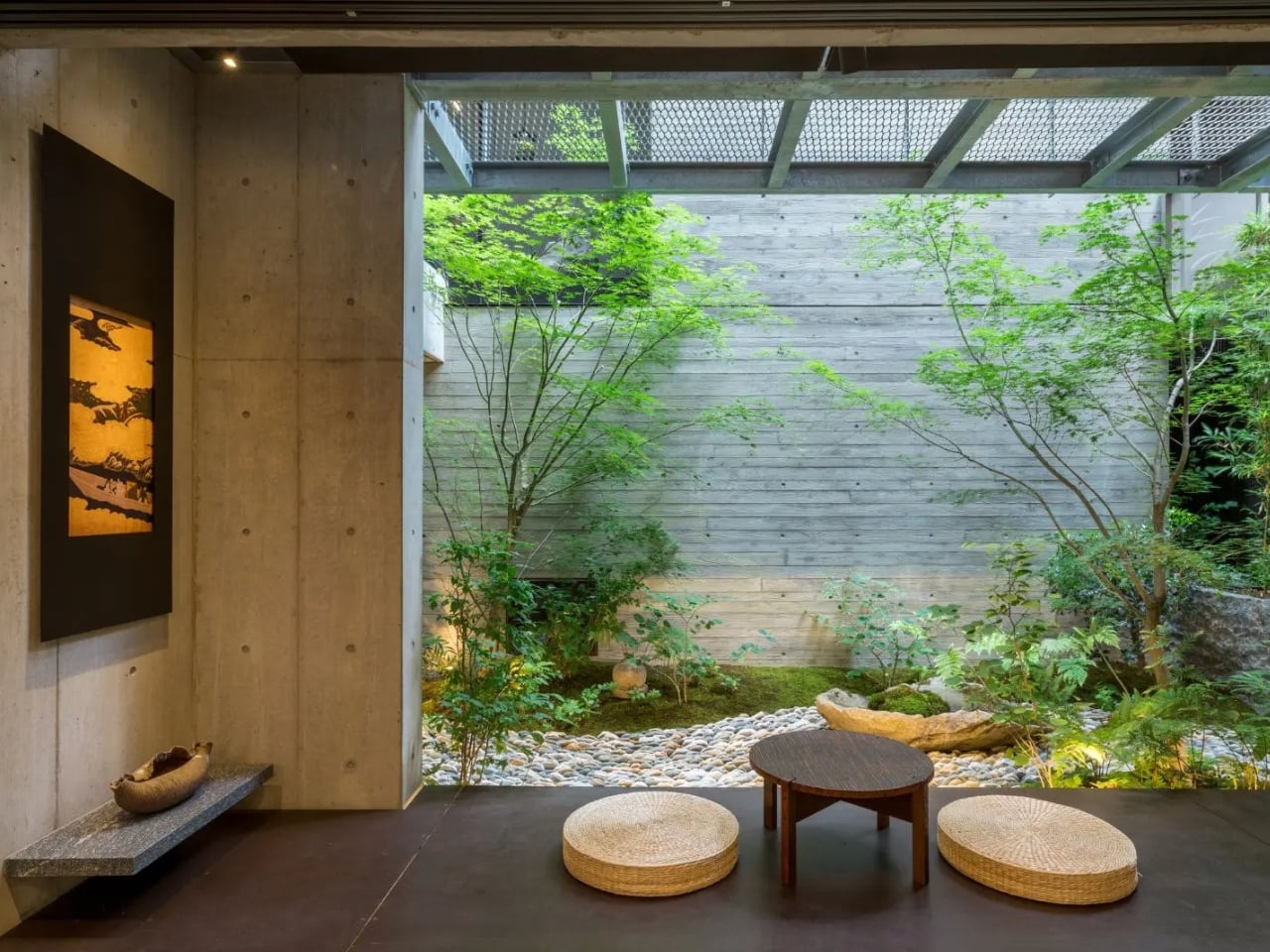
The guiding philosophy here is a Japanese concept called Teioku Ichinyo, which translates roughly to “building and garden are one.” Every spatial decision at Genji Kyoto flows from this idea. Gardens aren’t decorative; they’re structural. They guide movement, frame views, and carry what the Japanese call ki, the life force that animates a space. Even the small tsubo pocket gardens tucked around the guest rooms, a tradition dating back to Heian palace residences, do serious work, turning what could be a blank interior wall into a living, breathing view.
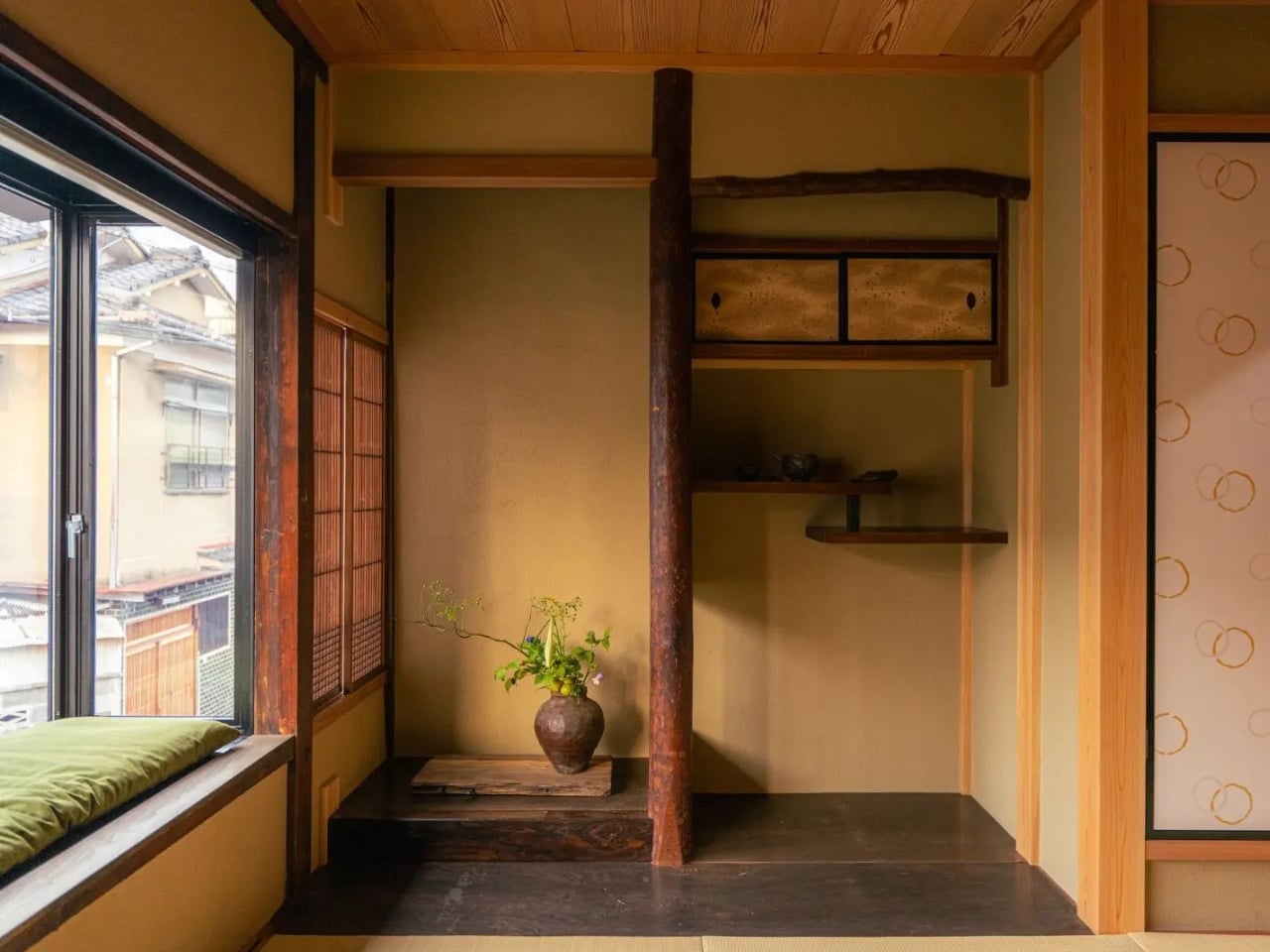
The materials are just as considered. Cedar-imprinted concrete shows up throughout the hotel, hard surfaces pressed with the warmth of wood grain, creating a tension that reads as both ancient and completely new. Large-scale washi paper panels function as architectural elements, not just decoration. Guest rooms have solid cherry wood floors, tatami mats made from natural rush, and furniture entirely handmade by Kyoto craftsmen. Jun Tomita, who handled interior design alongside Moussas, drew motifs directly from The Tale of Genji for every custom piece. And then there’s the detail I keep coming back to: during construction, a heritage water basin and a small shrine were discovered on-site. Rather than remove them, the team built the garden around them. That kind of decision tells you everything about where the priorities were.
There are 19 rooms in total, each one different. River views, city views, garden views. No two stays are the same, and that’s by design. Each room also features an original painting by a Kyoto artist, with every piece drawing on a different theme from The Tale of Genji, so even the art tells a chapter of the same story. Moussas has said he wanted guests to have a different experience every time they return, and the hotel is built to make that true. The rooftop garden and bar take it further still, offering panoramic views that make the hotel feel like it belongs to the entire city, not just its footprint.
Genji Kyoto’s real achievement isn’t any single detail. It’s the commitment to depth over spectacle. A lot of contemporary design is about the first impression, the photograph, the wow moment. This hotel asks for more time than that. It reveals itself in layers, the way a good book does. You have to slow down. You have to look twice. That’s a rare ask in hospitality. And it’s a rarer thing to pull off.
The Japanese Grand Prix is underway this weekend at Suzuka, and it has done what it always does: pulled attention back toward Japan with a kind of quiet, inevitable force. There’s something about watching a sport built on engineering precision staged in a country that has made precision its cultural identity that makes you want to look beyond the circuit. Japan’s design culture runs on the same engine as its racing teams. Nothing is wasted. Nothing is performed. Every decision earns its place, and every object that comes out of that sensibility carries a particular weight.
Japanese design has always understood something the rest of the world is still working out. Restraint is not a lack of ambition. It is the hardest expression of it. The five objects below range from a razor to a kitchen knife to a bath towel, but they all speak the same language. They each solve one problem completely, and they look like nothing else needs to be added. That is the thing about great Japanese design. It doesn’t just make a good product. It makes everything else in the room look like it’s trying too hard.
1. The Paper Razor
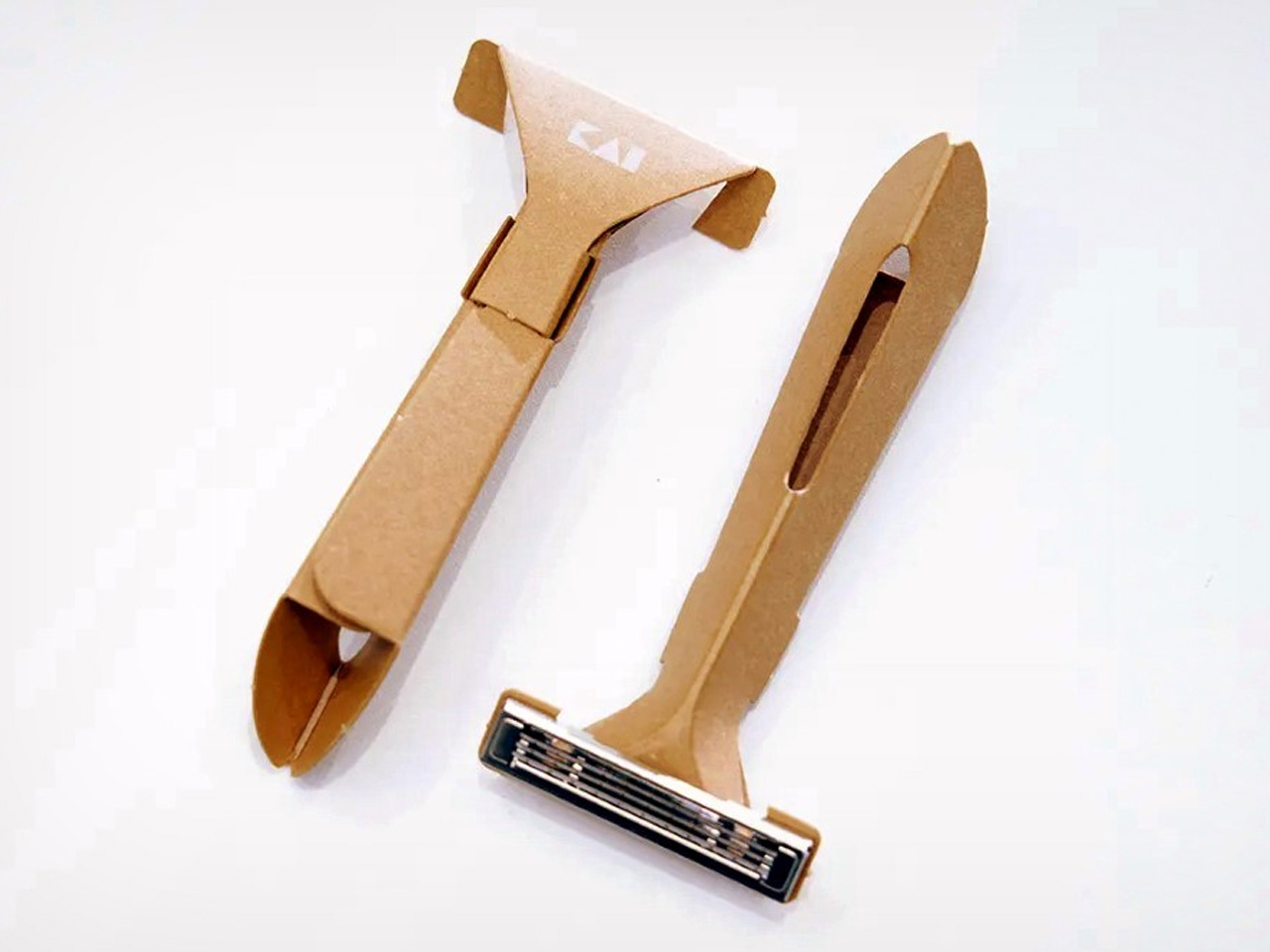
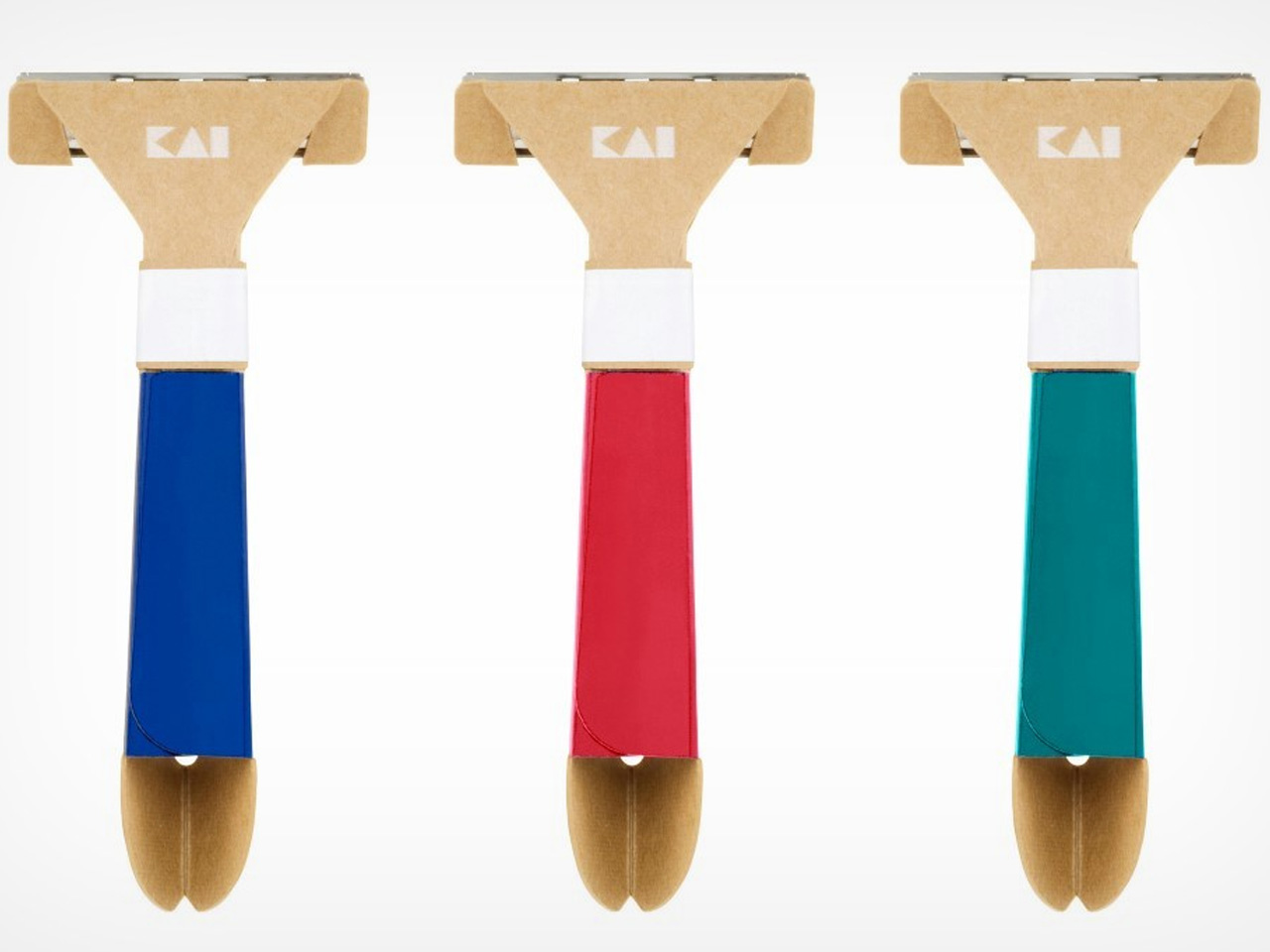
There’s something almost provocative about the Paper Razor. Designed by Japan’s Kai Group, it is a single-use disposable razor built almost entirely from paper, reducing plastic use by 98% without compromising function. The origami-inspired body folds completely flat for shipping, then snaps into a rigid, ergonomic handle in seconds. At just 4 grams and 5mm thick when flat-packed, it ships across five colorways: ocean blue, botanical red, jade green, sunny yellow, and sand beige.
The obvious question is water, and the Kai Group answered it practically. The paper body is made from a water-resistant grade similar to milk carton stock, holding up to temperatures of 104°F. The metal blade head features a notched channel on top for easy rinsing between strokes. Designed primarily for travelers, the Paper Razor is the kind of product that feels less like a shaving tool and more like a position statement on what disposable objects are capable of being when someone takes the design seriously.
What We Like:
The origami-fold construction assembles in seconds and ships as a 5mm flat-pack, making it one of the most logistically elegant disposables ever designed
Reduces plastic use by 98% while maintaining the ergonomics and shave quality of a standard disposable
What We Dislike:
Single-use by design, which limits its appeal for anyone building a more sustainable long-term shaving routine
Water resistance caps at 104°F, meaning it isn’t suited for anyone who prefers very hot water while shaving
2. Levitating Pen 2.0: Cosmic Meteorite Edition
The Levitating Pen 2.0 Cosmic Meteorite Edition is the kind of desk object that stops a conversation the moment someone notices it. It suspends at a precise 23.5-degree angle, creating a floating illusion that is genuinely difficult to look away from. The design draws its visual language from spacecraft aesthetics, referencing silhouettes like the USS Enterprise, bringing a sci-fi sensibility to something as familiar and grounded as a ballpoint pen sitting on a work surface.
The detail that separates this edition from the standard series is the meteorite tip. The pen incorporates a genuine Muonionalusta meteorite, a fragment older than Earth by 20 million years, shifting this object from clever desk accessory to something rare and worth owning on its own terms. A simple twist sets it spinning for up to 20 seconds. It is a fidget-worthy, collector-grade piece that makes a compelling case that good design doesn’t always need to justify its existence through usefulness alone.
The genuine Muonionalusta meteorite tip gives this pen a provenance no other writing instrument on any desk can match
The floating 23.5-degree angle creates an immediate visual anchor on a desk surface without taking up meaningful real estate
What We Dislike:
The limited edition nature makes availability unpredictable, and the pricing reflects exclusivity as much as it does materials
The spacecraft-inspired aesthetic is deliberate and specific, meaning it will feel out of place on a desk that skews quieter or more minimal
3. Kuroi Hana Knife Collection
The Kuroi Hana knives begin with Japanese AUS-10 steel sourced from Aichi Steel Corporation, rated between 58 and 60 HRC for hardness and chosen specifically for its combination of toughness, sharpness, and corrosion resistance. Each blade is built from 67 layers of high-carbon steel, producing the Damascus layered structure that defines the collection’s character. Kuroi Hana translates to “black flower,” and the dark floral pattern that emerges across each blade makes that name feel entirely earned rather than marketed.
The pattern isn’t applied to the surface. It is drawn out from within. Skilled artisans manually submerge each blade into an etching solution that penetrates the steel layers and reveals the Damascus patterning in a deep, dark floral form. Because the process is done by hand and each blade’s steel structure is unique, no two knives carry the same pattern. This is a kitchen tool that respects the cook enough to make the knife itself a considered, genuinely beautiful object worth picking up before you even start cooking.
What We Like:
Every blade carries a unique dark floral pattern drawn from the steel itself, making each knife a one-of-a-kind object rather than a manufactured product
AUS-10 steel at 58–60 HRC delivers professional-grade sharpness and toughness that performs as well as it looks, sitting on a magnetic strip
What We Dislike:
The artisanal Damascus etching process makes these a premium investment that sits well outside casual kitchen knife territory in terms of price
The distinctive dark floral aesthetic is polarizing for cooks who prefer clean, unmarked blades in a working kitchen environment
4. The Invisible Shoehorn
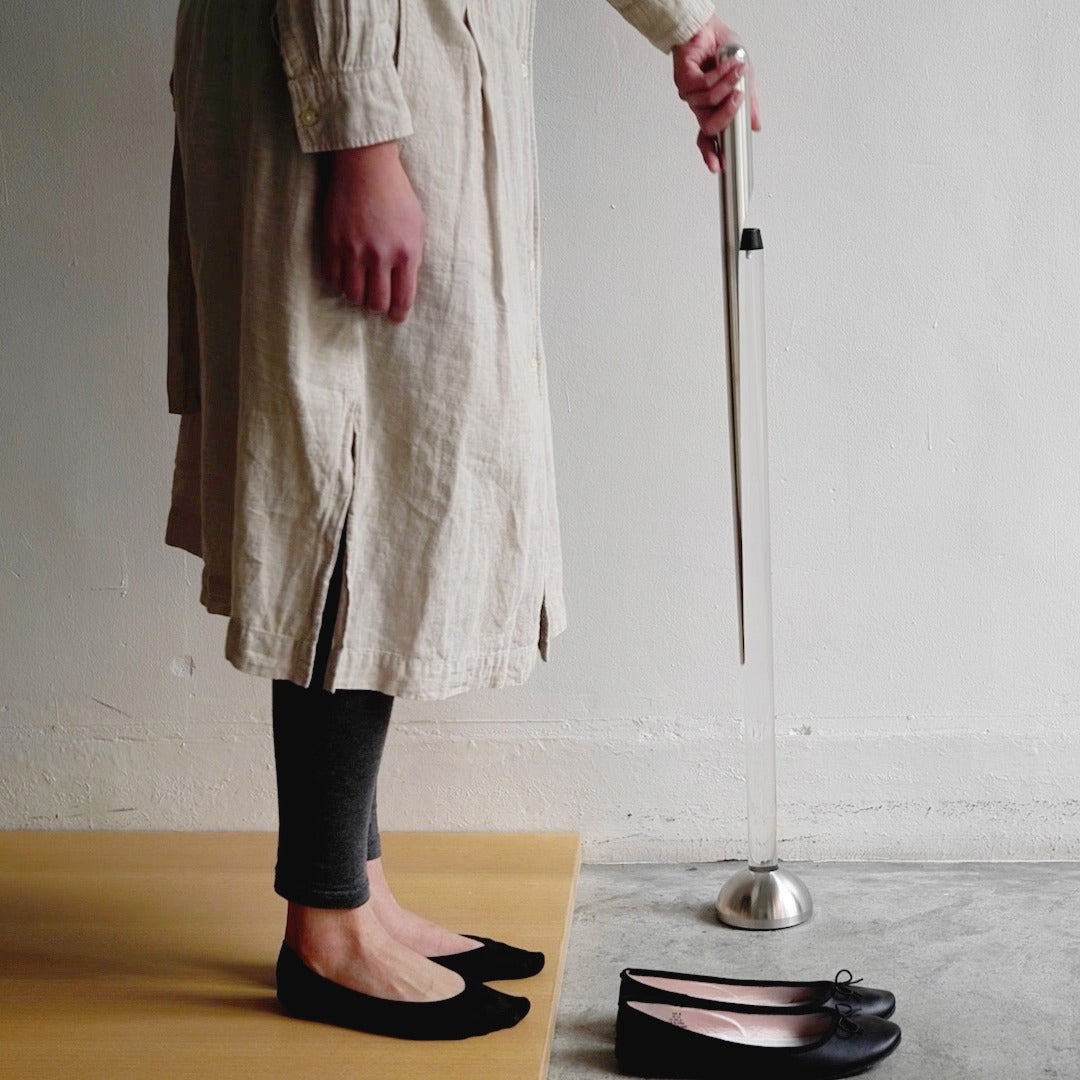
The Invisible Shoehorn is the kind of product that earns its place by solving something so specific and so quietly that you find yourself wondering why every shoehorn hasn’t been designed this way. The long stainless steel body eliminates the need to hunch over, protecting your lower back from the kind of daily accumulated strain that nobody tracks until it’s a problem. The smooth, polished surface slides cleanly against socks and stockings without snagging. It performs one job with a material confidence that feels entirely Japanese.
The transparent stand is the decision that lifts this from a functional object to something worth displaying. Mounted in its clear acrylic holder, the shoehorn practically disappears into its surroundings, reading less like a bathroom utility and more like a considered piece of interior design. In a category full of objects people hide at the back of a closet, this one earns a place on the shelf. That shift from something concealed to something displayed is precisely what separates a good tool from a genuinely designed one.
The transparent acrylic stand transforms a purely utilitarian object into something display-worthy that holds its own in a well-designed home
The long stainless steel handle removes real daily lower back strain without requiring any change in how you put your shoes on
What We Dislike:
Polished stainless steel and a transparent stand both attract fingerprints readily, requiring consistent upkeep to maintain the invisible aesthetic the design promises
The extreme restraint of the form may feel underwhelming to people who expect more visual personality from their home accessories
5. Sento 2 Towel
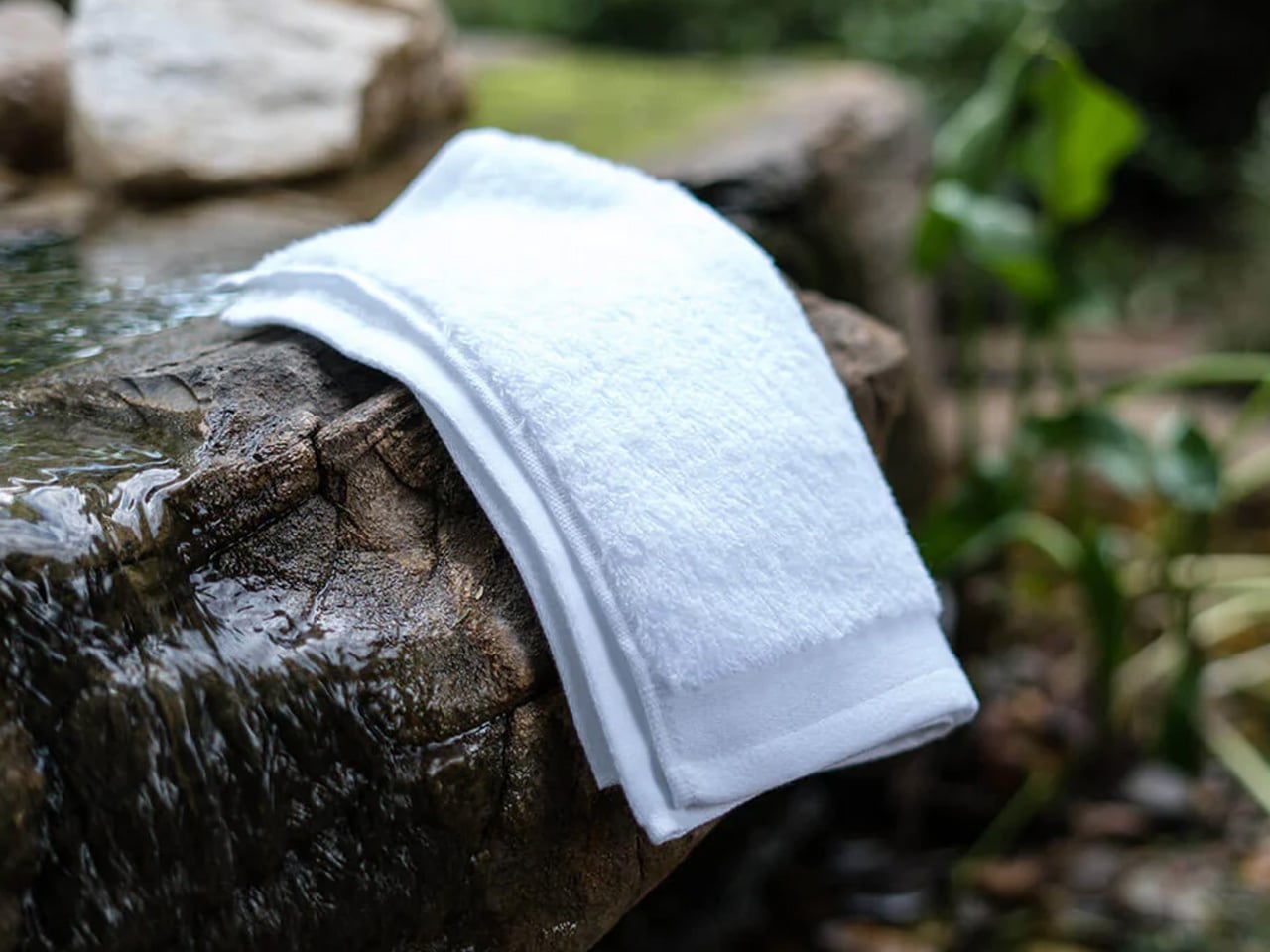
Most towels are made by twisting cotton fibers into dense, rope-like loops, a production method that prioritizes speed and cost over softness or absorbency. The Sento 2 goes the other way entirely. Using a zero-twist design developed through specialized manufacturing techniques refined in Japan, the natural cotton fibers are left loose and uncompressed, producing a towel that is softer, more absorbent, and faster-drying than standard terry cloth. The process is slower, more demanding, and the finished result communicates every bit of that effort on first contact.
The zero-twist construction leaves natural cotton in a state that feels fundamentally different from anything mass-produced. The towel is light enough to feel like almost nothing in your hands, and absorbent enough that the job is done before you’ve consciously started it. There is an effortless quality to the whole experience that is harder to explain than it is to feel. It is a towel. It is also a quiet argument for buying fewer things, buying them properly, and understanding that the best version of an everyday object is worth far more than the cheapest one.
What We Like:
Zero-twist construction produces a softness and absorbency level that standard terry cloth towels genuinely cannot replicate, and the difference is apparent immediately
The quick-drying design makes it practical enough for daily rotation, not just a display-shelf luxury that performs better as a photograph
What We Dislike:
Zero-twist fibers are more delicate than standard loops and require careful laundering to preserve their structure and softness over repeated washing
The premium construction comes at a price that becomes harder to justify when buying multiples to fully outfit a bathroom
Japan Has Been Designing This Way Forever. The Rest of the World Is Still Catching Up.
What these five objects share is not a visual style. It is a philosophy. Japanese design has always understood that the most powerful thing a product can do is remove everything that shouldn’t be there. The Paper Razor removes plastic. The Invisible Shoehorn removes visual noise. The Sento 2 removes the compromise built into every standard terry loop. What remains in each case is an object that works so cleanly it feels inevitable, as though no other version was ever possible.
The Japanese Grand Prix reminds us every year that Japan operates at a level of precision most cultures aim for and fall short of. Its design culture runs on the same engine. These five products are proof that restraint is not a limitation. It is the hardest discipline to master and the most rewarding thing to live with. Every one of them earns its place, whether on a shelf, in a kitchen drawer, mounted by the door, on a desk at a 23.5-degree angle, or wrapped around you right after a shower.
Cherry blossom season in Japan is one of the shortest windows in the travel calendar. Full bloom in Tokyo peaks around March 26 to April 3. Kyoto follows a few days later. Each city holds its peak for roughly a week before the petals fall. The parks fill before sunrise. The trains are packed. The days move fast, and the light does not repeat. What you brought matters more than it usually does, because there is no second shot at the season and no nearby store stocking the specific things that make the difference between a fluid trip and a frustrating one. These nine designs were not built for airport shelves or generic packing lists. They were made to be used — on the flight over, under the trees, and everywhere in between.
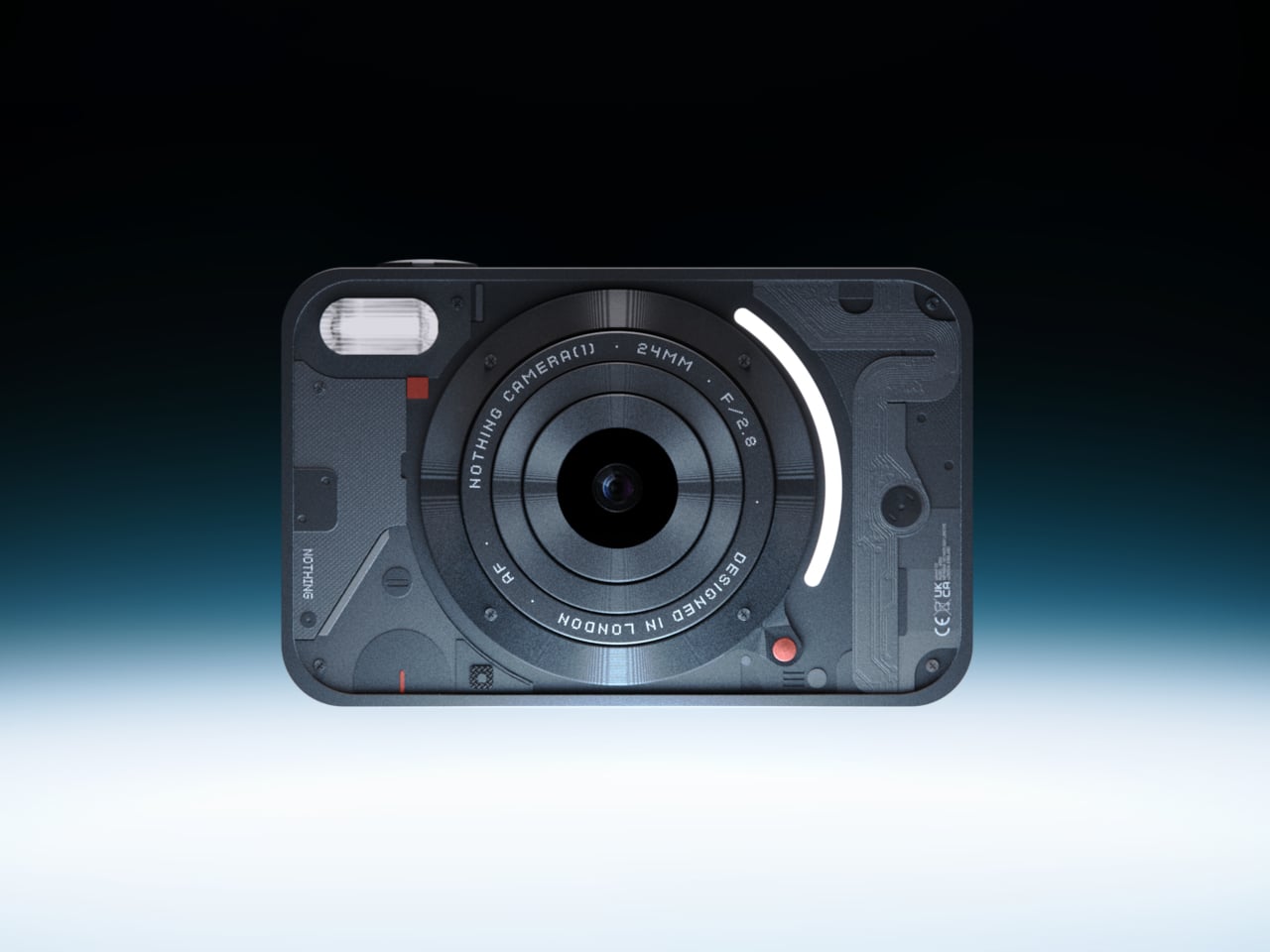
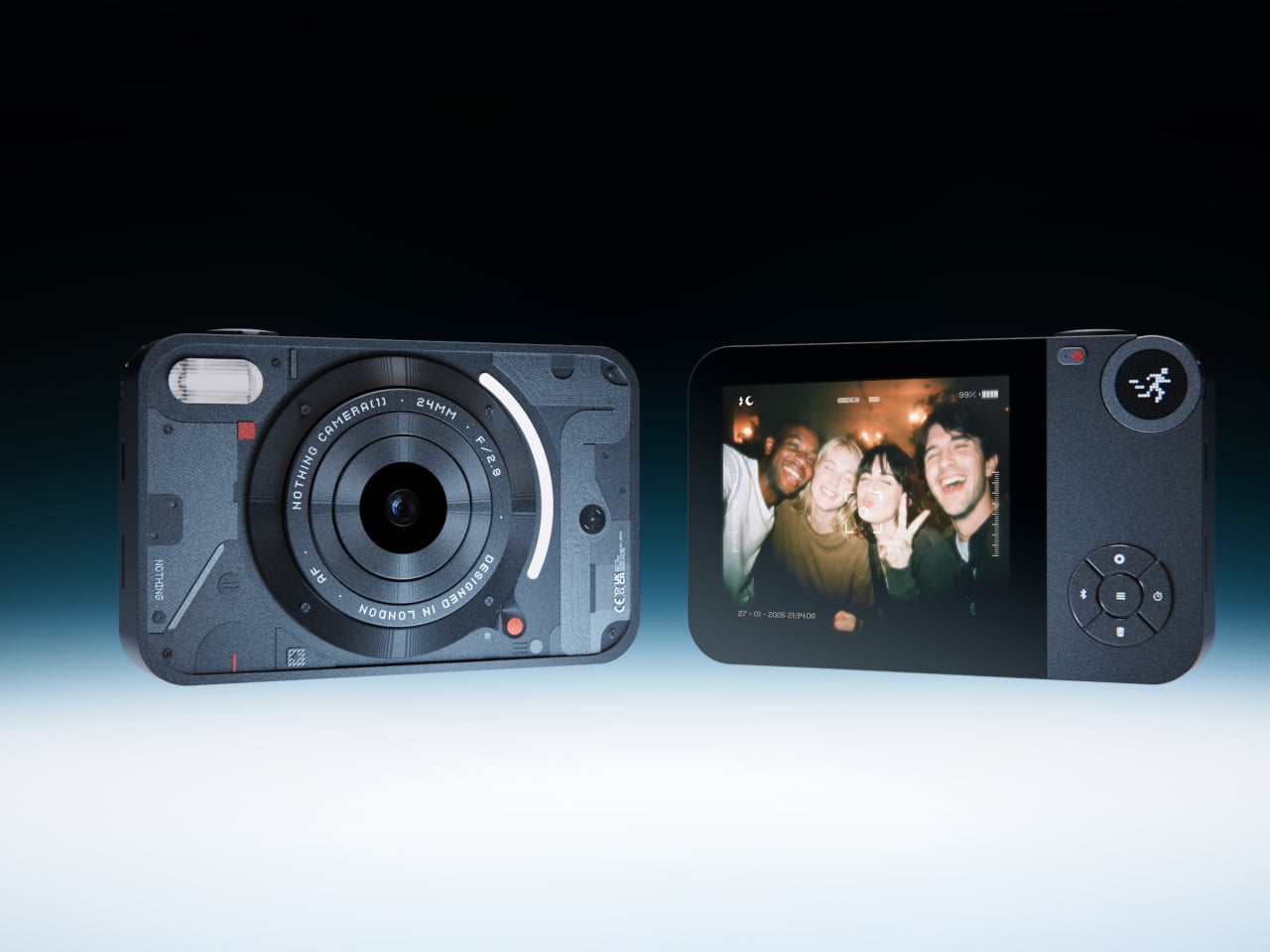
1. Camera (1) — A Tactile Digicam for a Screen-Tired Generation
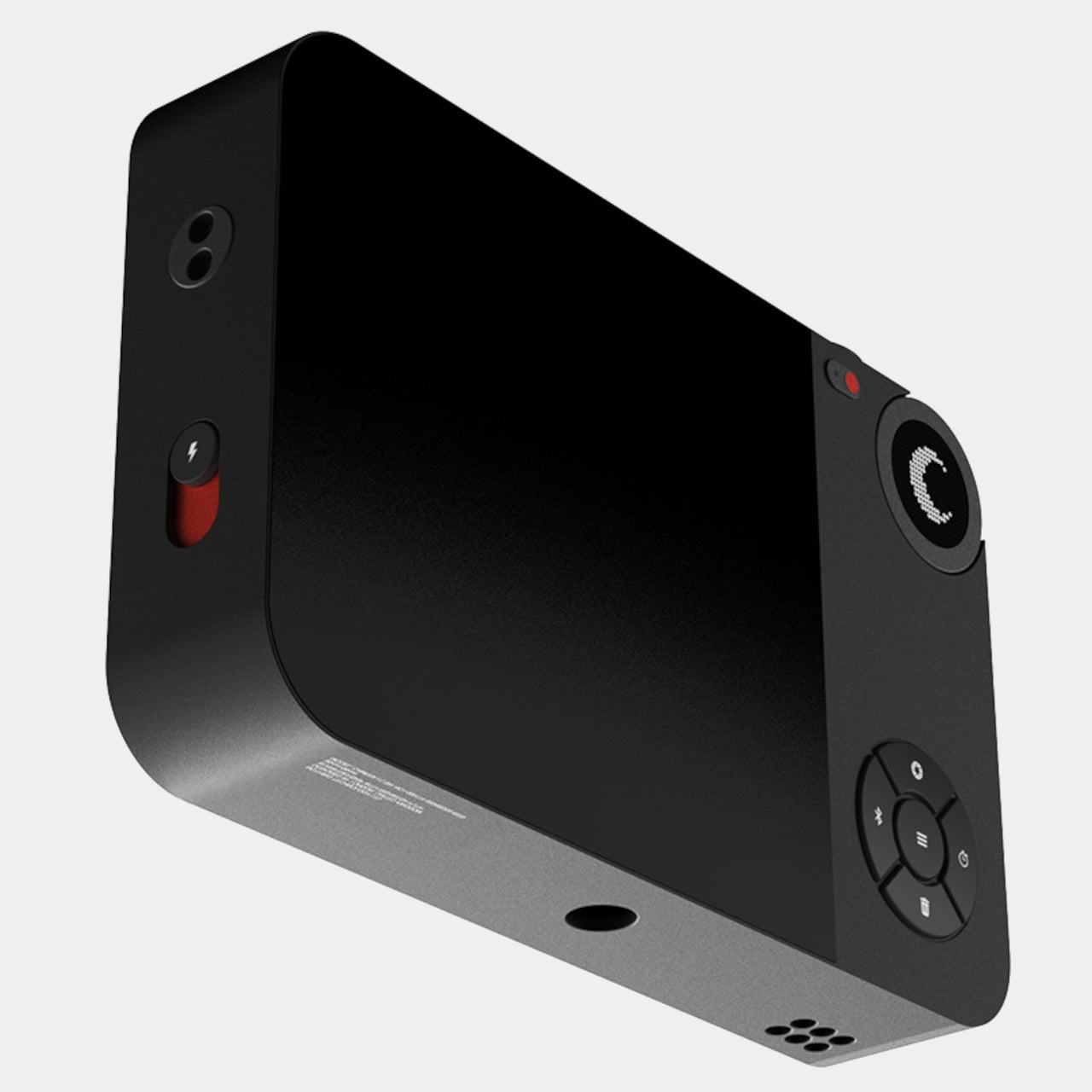
Camera (1) is a compact, metal-bodied camera with softly rounded corners, sized to slip into a pocket but solid enough to fill the hand with the right kind of weight. All the main controls live on one edge — shutter, a circular mode dial with a tiny glyph display, and a simple D-pad — reachable without shifting grip or navigating a touchscreen. Inspired by Nothing’s transparent, hardware-forward design language, it carries the confidence of a device that has thought carefully about how a person actually holds something. The rear display stays out of the way because it is designed to.
In Japan, during cherry blossom season, the light changes fast, and the best moments do not hold for a menu scroll. Petals falling across a stone lantern at Ueno. A crowded riverbank at golden hour along the Meguro. Camera (1) puts the full interaction in your fingers — twist the lens ring to frame, feel the shutter click, glance at the dial glyph to confirm mode. It encourages you to look at the scene rather than at the screen, which is the right priority when the thing in front of you is a path of blooming trees reflected in a temple pond.
What We Like
Single-edge control layout gives full shutter, mode, and navigation access in one hand without lifting your eyes from the scene
Pocketable metal body is carry-on ready and solid enough for full walking days across multiple cities
What We Dislike
Currently a concept design, meaning production availability and final specifications are not yet confirmed
No touchscreen requires an adjustment period for those accustomed to modern smartphone-style interfaces
2. StillFrame Headphones — Listening as a Physical Ritual
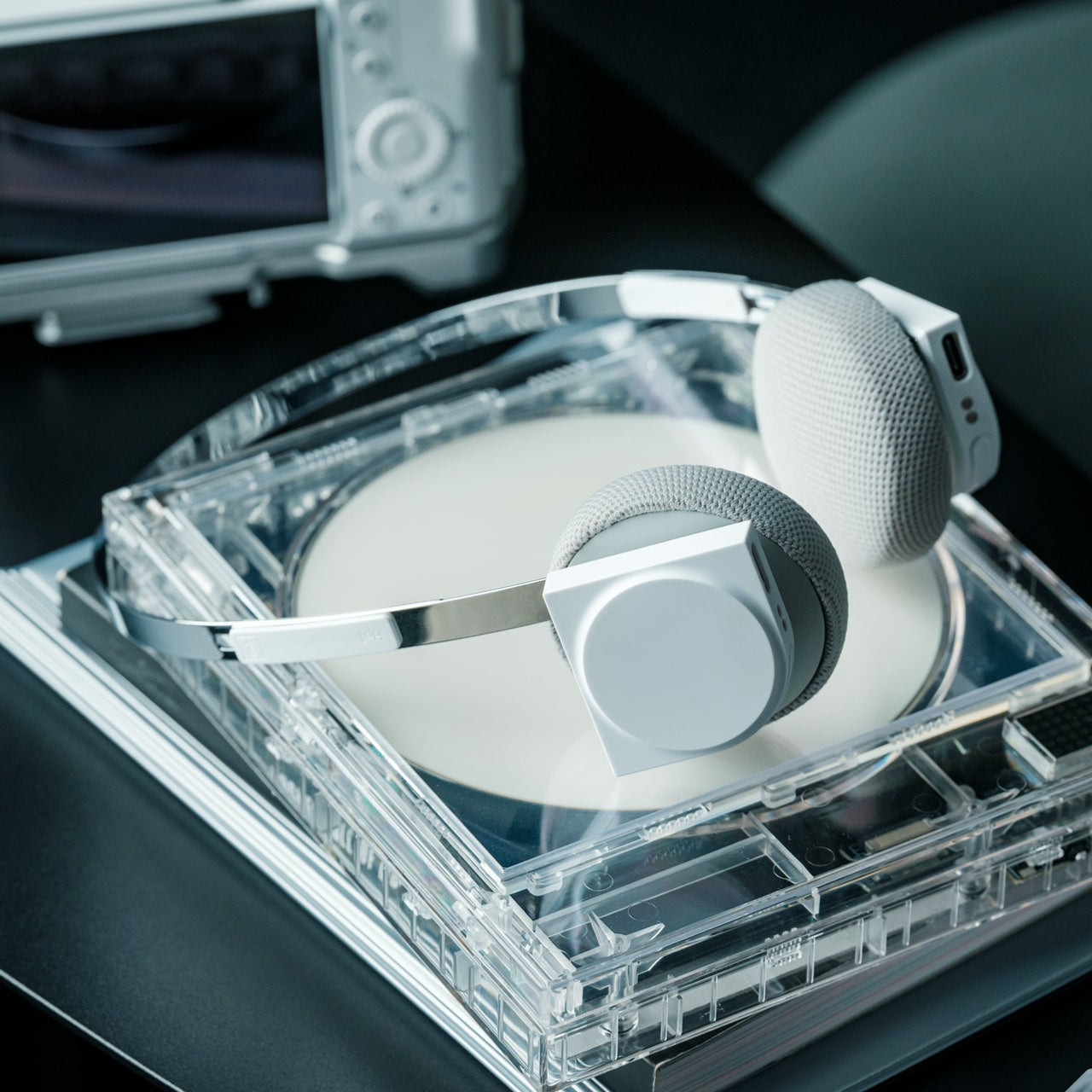
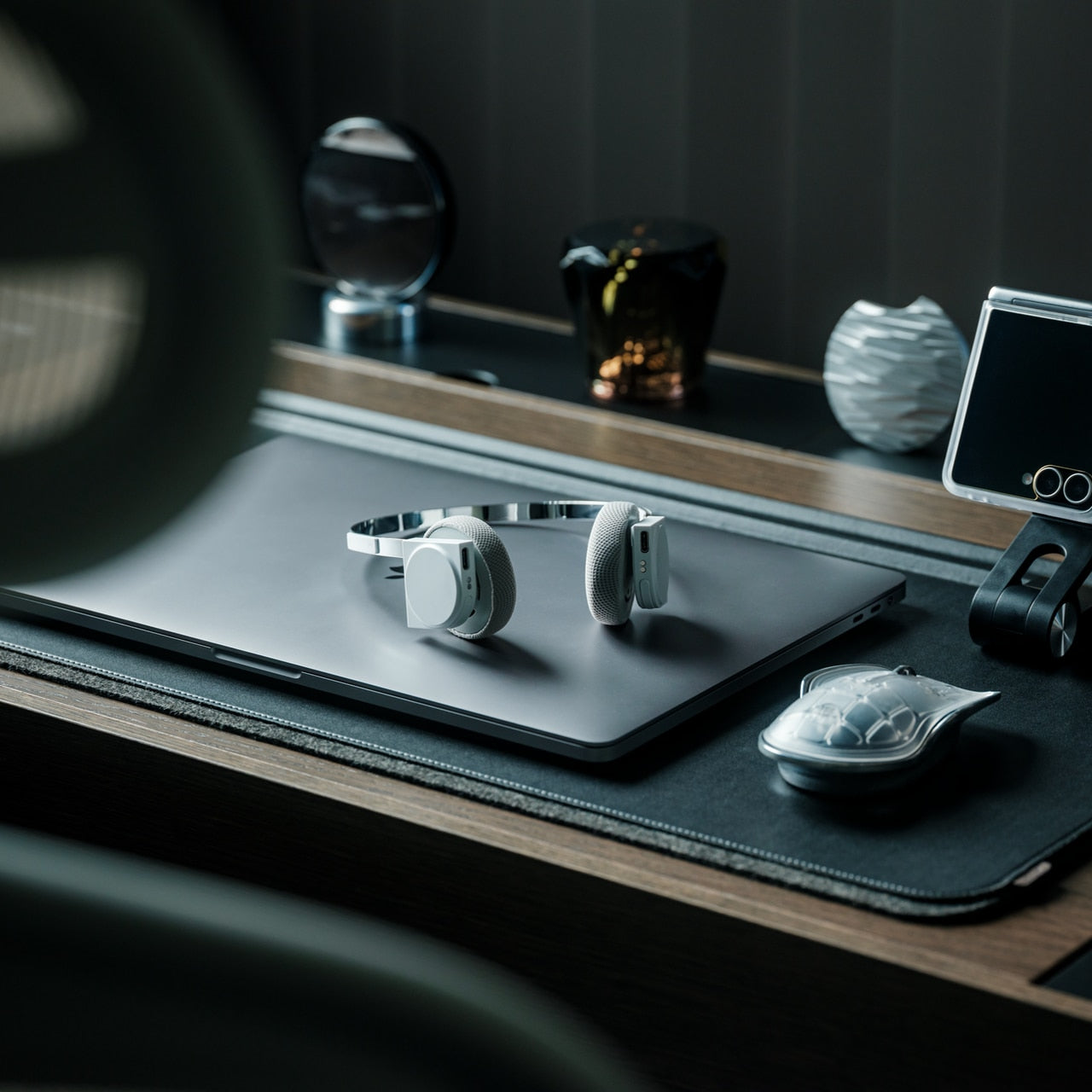
StillFrame wireless headphones are built around a specific idea: that listening should feel like something. The form echoes the quiet geometry of 80s and 90s CD hardware — measured proportions, nothing aggressive. The 40mm drivers deliver a wide, open soundstage that shapes quiet tracks into something more spatial, turning melodic textures into landscapes rather than noise. Noise-cancelling engages when the environment demands it. Transparency Mode opens the sound field when the world is worth hearing. Featherlight but full in the hand, it sits in quiet dialogue with a ClearFrame CD Player from a time when music had weight.
The flight to Tokyo runs roughly 14 hours from the US West Coast. Noise-cancelling carries you through the worst of the cabin without asking you to fight it. On the other side of that flight — on the Shinkansen between cities, in a ryokan at night with rain on a wooden roof, walking through a park where petals are already on the ground — Transparency Mode brings Japan back in without pulling the music out. Cherry blossom season moves at the pace of the trees, not the internet. StillFrame is designed for exactly that tempo.
Noise cancelling and Transparency Mode cover the full range of environments a Japan trip demands, from the cabin to the temple garden
On-ear form is lighter and less fatiguing than over-ear alternatives across long travel days
What We Dislike
On-ear design provides less passive isolation than over-ear headphones in the noisiest cabin environments
Premium audio hardware adds a carefully packable item to a carry-on already optimized for volume
3, Benro Theta — The Tripod That Refuses to Compromise
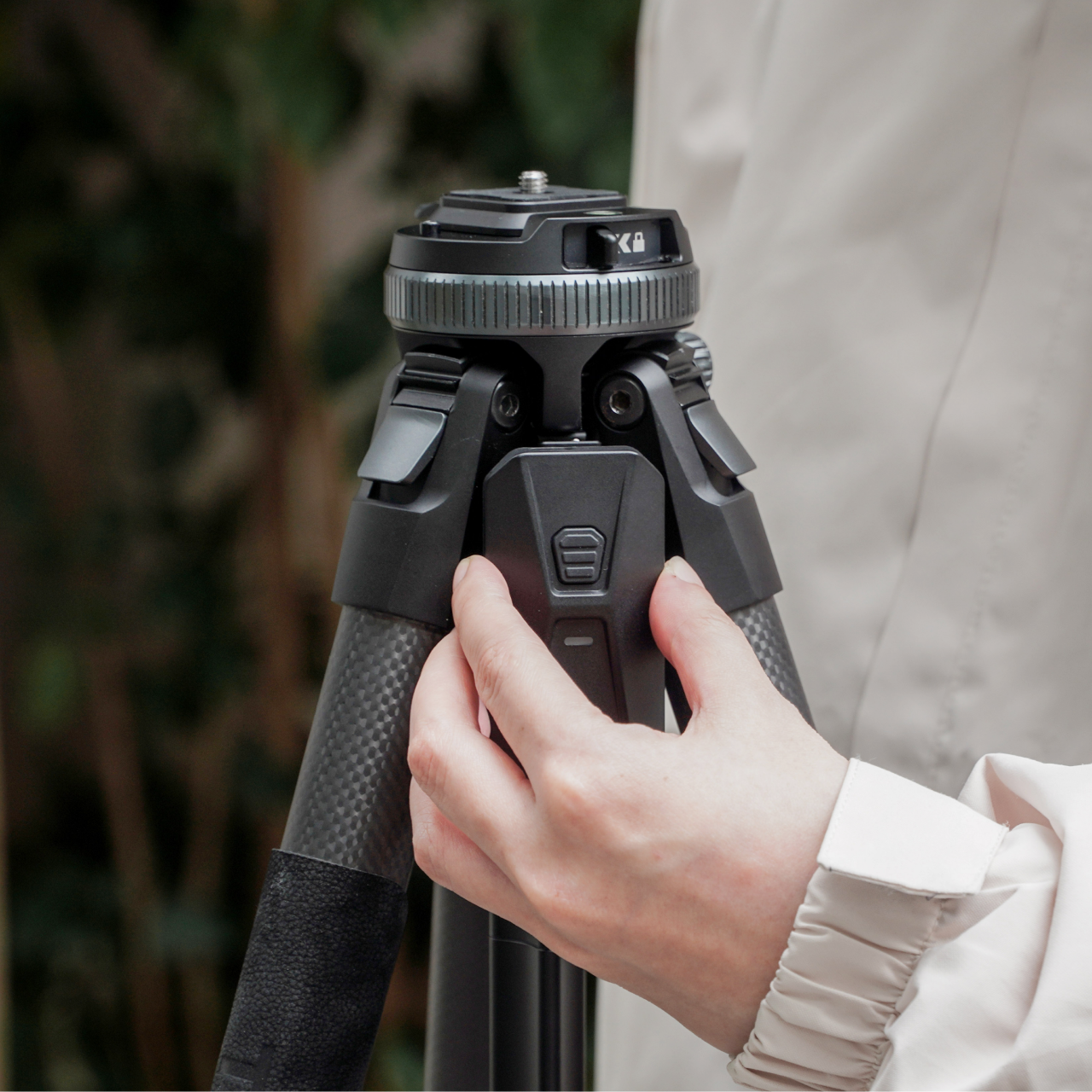
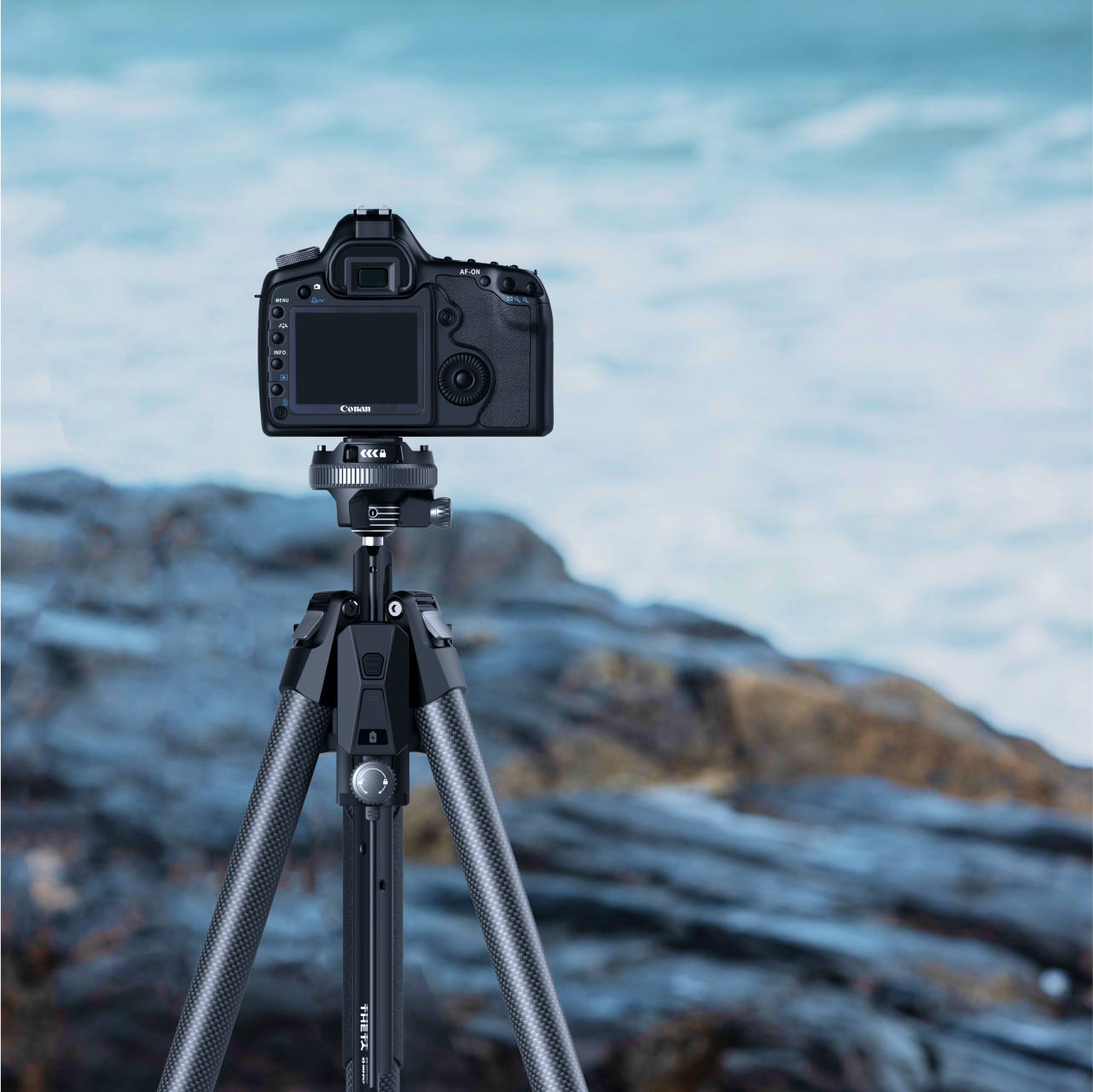
The Benro Theta is a tripod that refuses to accept the standard trade-off between portability and capability. Rapid leg deployment, automatic leveling, remote camera control, automatic exposure adjustment, and livestreaming support — all in a package compact enough to carry into a city without rethinking your bag. It does not present itself as a scaled-down version of a better product. The engineering is serious, the footprint is small, and that combination requires actual design effort to achieve, rather than simply removing features until something fits in a daypack.
Sakura season in Japan is a photographer’s season, and the locations that make the best photographs require patience, positioning, and speed. Setting up at Maruyama Park in Kyoto before the light peaks, or along the Philosopher’s Path before the morning crowds arrive, leaves no room for a slow tripod. The Theta’s rapid leg deployment means seconds between pulling it out and having a steady frame. Remote camera control means a solo traveler can step into the shot. Carry-on compatible without the overhead bin negotiation that full-size tripods demand, it earns its space before you even land.
What We Like
Rapid leg deployment and automatic leveling cut setup time dramatically in crowded, fast-changing outdoor locations
Remote camera control gives a solo photographer full control over framing without being physically behind the viewfinder
What We Dislike
Smart Modules that extend the Theta’s full capability are excluded from the standard pack and sold separately, increasing the total cost
The depth of technical features may exceed what casual photographers need on a trip built around handheld shooting
4. TMB Modular Bottle — A Bottle That Adapts to the Day
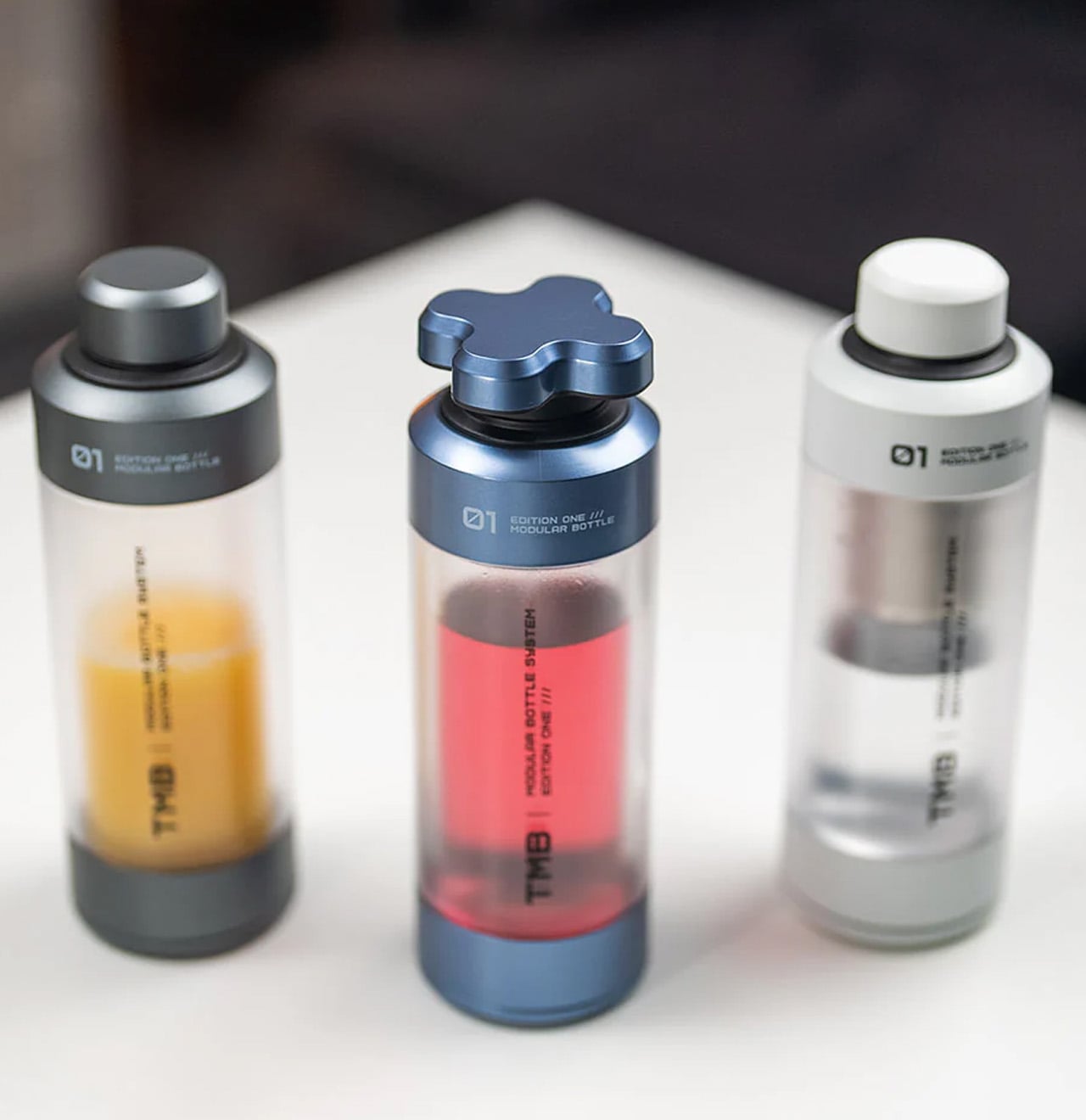
The TMB Modular Bottle starts from a premise most hydration products avoid: no single bottle works equally well for a long-haul flight, a full city day, and a trail hike. The borosilicate glass interior preserves drink flavor without absorbing taste or odor — a genuine material distinction from the steel and plastic alternatives that dominate this category. A translucent mid-section gives a constant read on remaining liquid. Every component is designed to be replaced individually, so a worn exterior case or cracked cap becomes a five-minute fix rather than a full replacement.
Japan’s tap water is among the cleanest in the world, and refilling throughout cherry blossom season is both practical and culturally appropriate in a country with almost no public trash cans. The TMB Modular Bottle handles morning tea, a full afternoon of water, and whatever comes between, without carrying the previous drink into the next. Cherry blossom season means long days on foot across multiple neighborhoods — Yanaka to Ueno, Arashiyama to Gion — and a bottle designed to adapt to those hours without failing them earns its volume in the carry-on.
What We Like
Borosilicate glass interior preserves drink flavor completely, with none of the taste transfer found in steel or plastic alternatives
Modular construction means worn components can be individually swapped, extending the product’s useful life significantly
What We Dislike
Glass interior is heavier and requires more careful packing than steel alternatives on a long-haul flight
Multiple modular components mean more individual parts to track across a multi-city itinerary
5. AirTag Carabiner — The Lightest Peace of Mind in the Bag
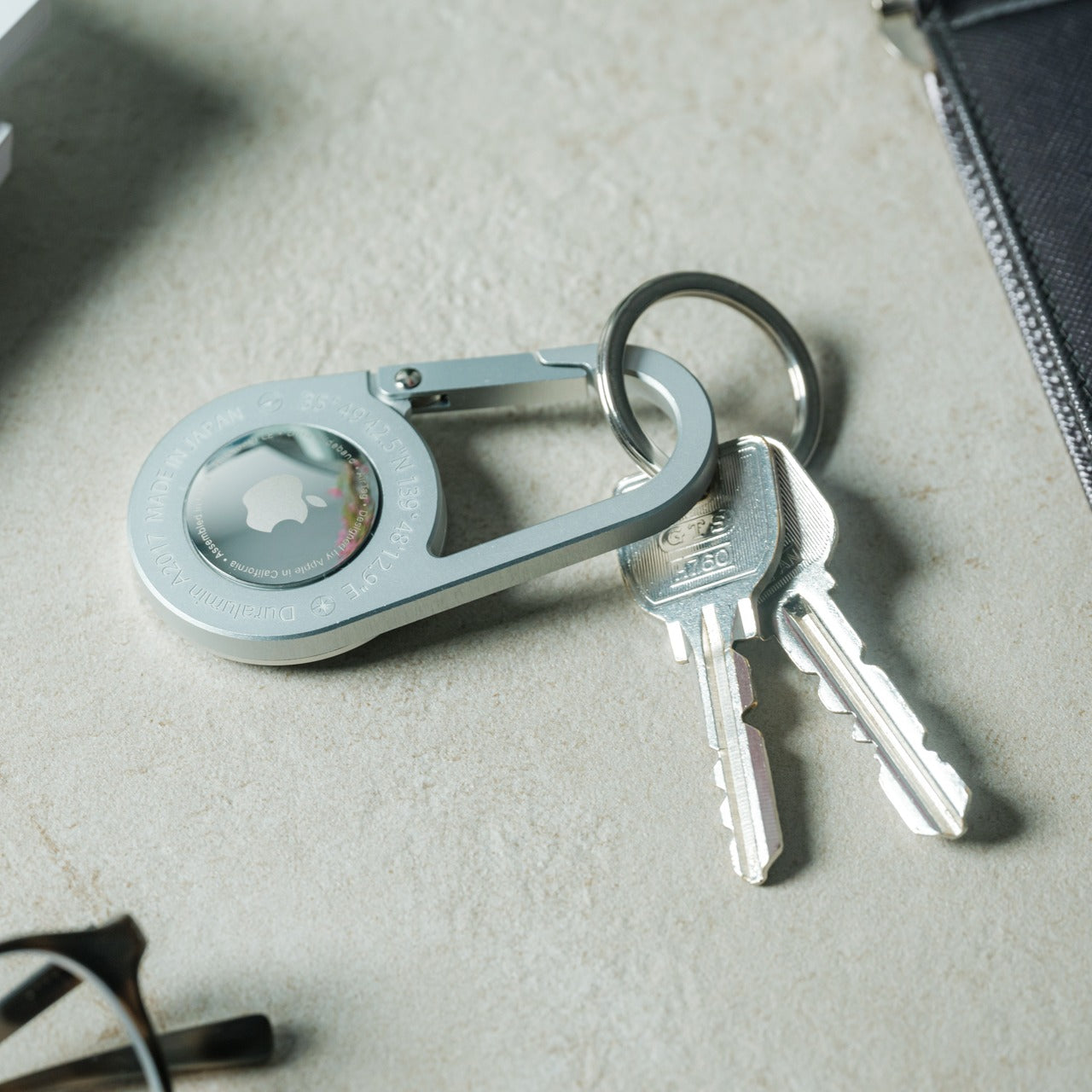
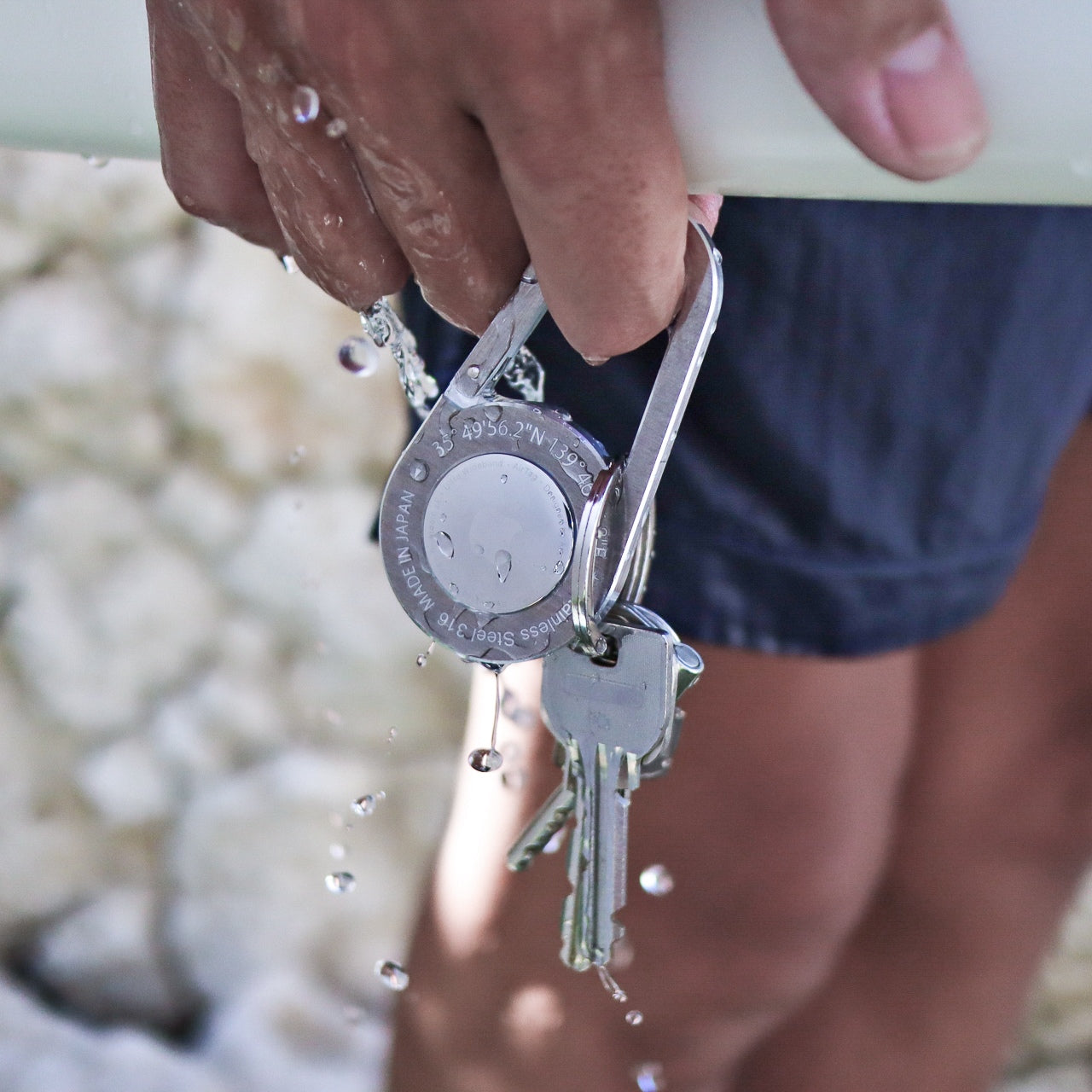
The AirTag Carabiner is made from Duralumin composite alloy — the same material used in aircraft, spaceships, and boats — which makes its lightness feel like a technical achievement rather than a shortcut. It clips directly onto bag straps, handles, or umbrella loops and turns an Apple AirTag into a permanent part of the bag rather than a separate object to remember. Individually hand-crafted and available in treated alloy, untreated Brass, and Stainless Steel. The AirTag itself is not included, but the carabiner makes a strong case for buying one before the trip.
The cherry blossom season is the peak of tourism in Japan. Parks like Ueno and Shinjuku Gyoen draw enormous crowds through late March and early April, trains between cities run at capacity, and moving a bag through a country where getting lost requires a language you may not speak adds a layer of cognitive friction the trip does not need. One carabiner on the main bag strap. One on the umbrellas you will inevitably set down somewhere and nearly walk away from. The GPS network handles the rest. For a carry-on trip built around doing things rather than managing them, this is a small object with an outsized return.
Aircraft-grade Duralumin composite alloy delivers structural reliability at a weight that adds nothing meaningful to the overall load
Clips onto existing bag hardware with no case, pouch, or added setup required
What We Dislike
Apple AirTag must be purchased separately, adding to the total cost of a complete tracking setup
Designed exclusively for AirTag, making it incompatible with other location tracker formats
6. PWR 27 — The Power Bank That Actually Keeps Up
The PWR 27 is a 27,000 mAh power bank with an AC outlet, rated at 99 wH — the maximum battery capacity permitted in carry-on luggage by the TSA and all international air regulations. It charges four devices simultaneously, carries an IP67 dust and waterproof rating, is drop-proof and crushproof to significant tolerances, and features integrated solar battery life extension, an industry first for an AC power bank. It does not ask you to choose between the capacity a long trip demands and the ability to board the plane with it.
Japan runs on apps: navigation, IC transit cards, real-time translation, camera apps, and the constant map-checking that moving between Tokyo, Kyoto, and Osaka requires. A full day of cherry blossom season in any major city will drain a phone twice before dinner. The PWR 27 handles all four devices at once and keeps working in the rain, which matters in a spring season known for sudden, wind-driven showers. Power banks that are smaller and lighter are easy to find. Power banks at this capacity that fly legally, survive getting soaked, and charge a laptop mid-Shinkansen are not.
What We Like
Maximum TSA-permitted capacity of 99 wH guarantees full legal compliance without any sacrifice in power availability
IP67 waterproofing and crushproof construction make it genuinely dependable in Japan’s unpredictable spring weather
What We Dislike
At 27,000 mAh, the physical weight is heavier than compact power banks, which registers across full walking days
7. Ori Frameless Umbrella — The World’s First Umbrella Without Ribs
The Ori umbrella was founded by MIT engineers and origami specialists. Its canopy structure uses the Miura fold — the same origami-derived engineering NASA deploys for spacecraft structures — which means there are no metal ribs, no fabric stretched over a frame, and no traditional failure point waiting for a windy Tuesday. The canopy itself becomes the structure. The result is a compact cylinder that stores like a pen and opens into a full umbrella. Billed as the world’s first frameless umbrella, the engineering behind that claim is real, and it shows in the form.
Spring in Japan brings unpredictable rain, and sakura season specifically delivers the kind of sudden gusts that destroy conventional folding umbrellas in minutes at the worst possible moment. The Ori’s frameless construction removes the single failure mode that makes cheap travel umbrellas frustrating and expensive ones still unreliable. The cylindrical form fits a jacket inner pocket or a bag side pocket that a standard folding umbrella profile cannot reach. Walking Philosopher’s Path in Kyoto in the rain while the petals come down around you is one of the better versions of that walk. Being dry enough to stay in it makes all the difference.
What We Like
Frameless, rib-free construction eliminates the primary failure point of conventional compact umbrellas in wind and heavy rain
Cylindrical form fits pockets and bag slots that standard folding umbrella profiles cannot reach
What We Dislike
As a newer product, long-term durability data for the origami-based canopy in sustained heavy rain remains limited
Premium engineering is reflected in a price point above standard compact travel umbrellas
8. Inseparable Notebook Pen — The Pen That Never Leaves the Book
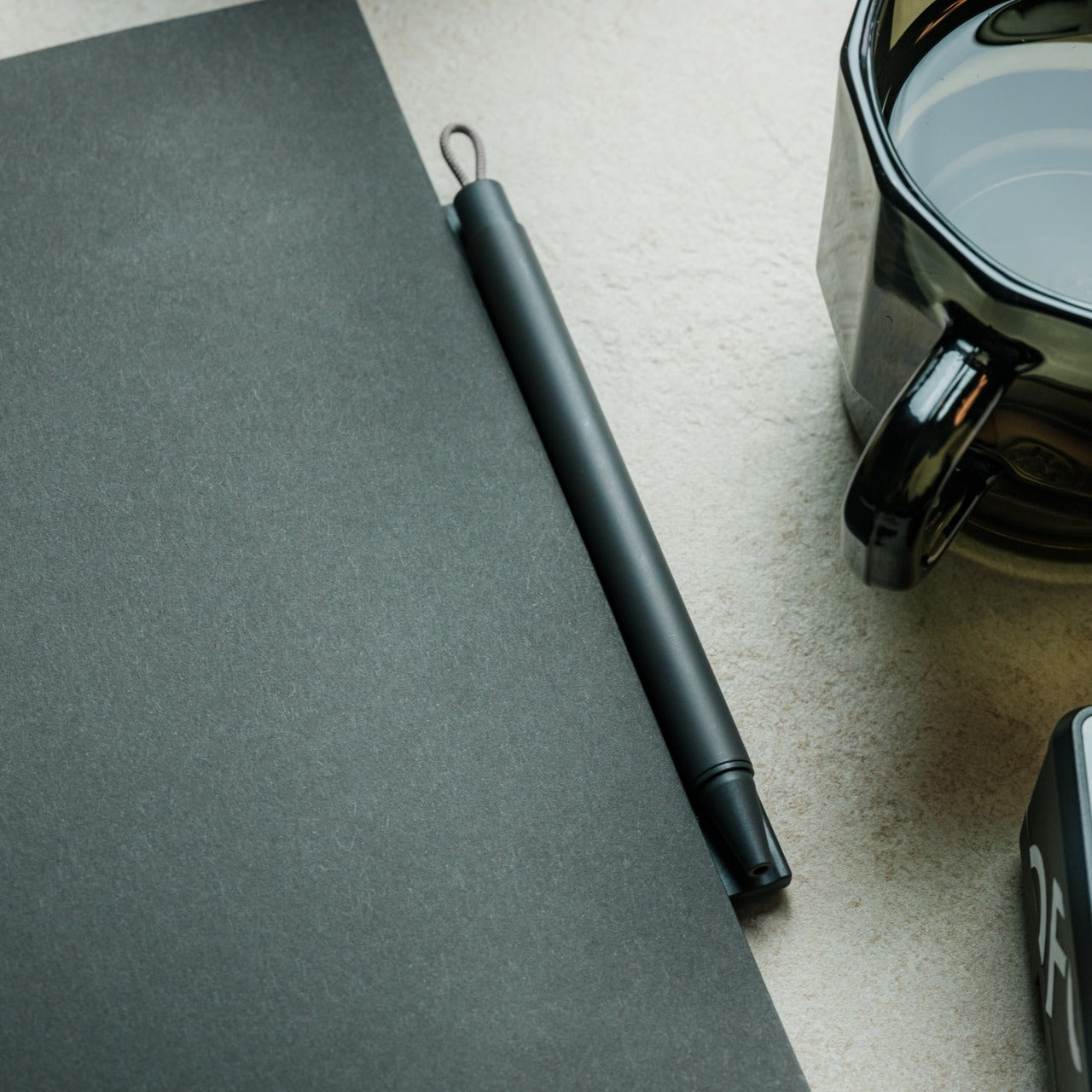
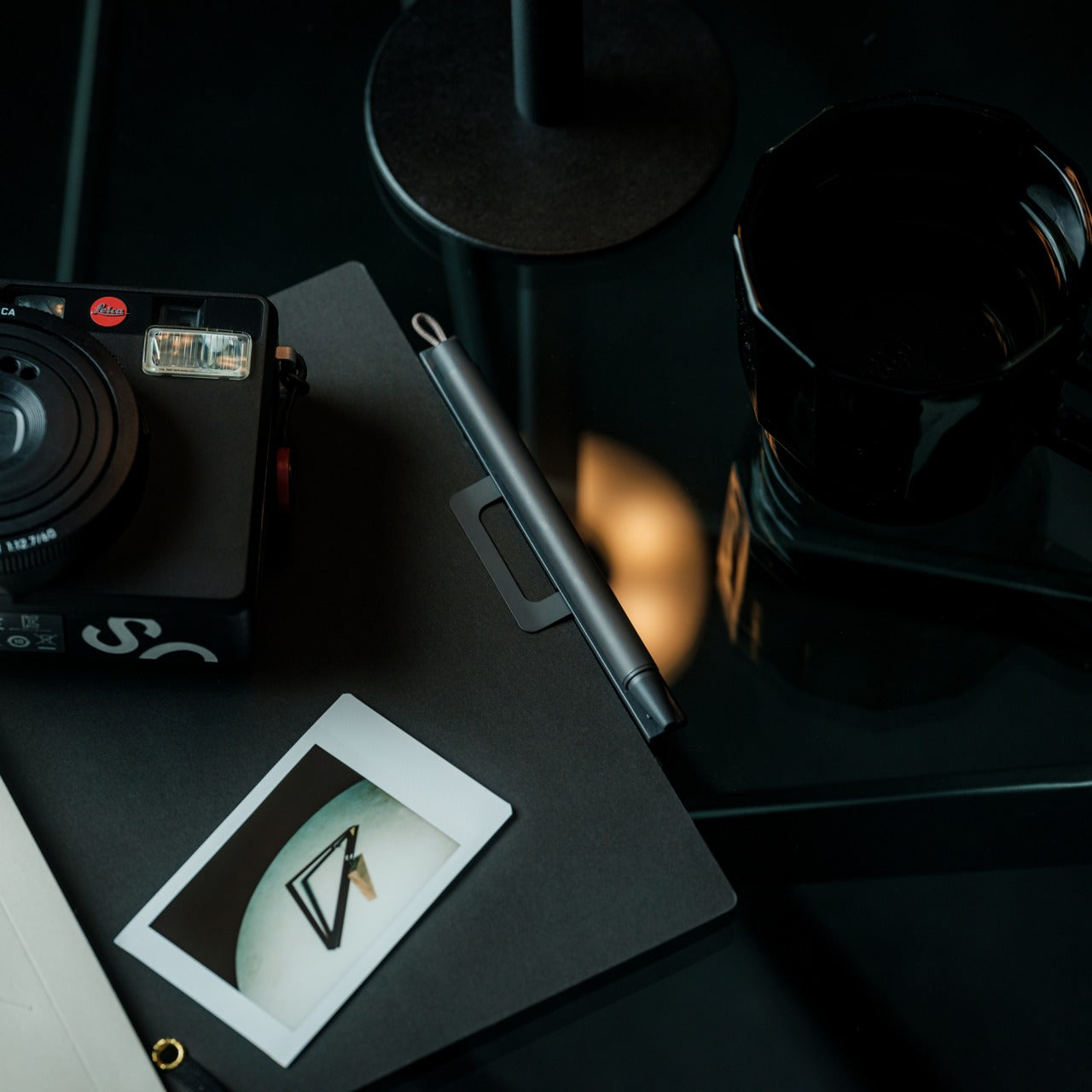
The Inseparable pen is designed to live permanently attached to a notebook. A magnetic clip holds it flush against the cover. A built-in silencer makes the detachment and reattachment quiet rather than abrupt. The form is minimal, the grip is comfortable, and the ink flow is smooth — all by deliberate design choice. It does not compete with the notebook for attention. The goal from the start was a writing instrument that becomes an extension of the book itself, always within reach, never a separate thing to locate when the thought arrives and the moment is already passing.
Japan, during cherry blossom season, produces the kind of experiences worth writing rather than photographing. The name of the temple you want to return to. The smell of a specific lane in Yanaka at dusk. The precise quality of afternoon light through sakura petals at Shinjuku Gyoen. A notebook and a pen that are never separated mean nothing interrupts the move from thought to page. Packing a journal without a reliable pen attached to it is a half measure. The Inseparable pen completes it, quietly and without asking for any attention of its own.
Magnetic clip keeps the pen permanently attached to the notebook, removing the friction of searching when the moment arrives
Minimalist form and smooth ink flow make it a genuine pleasure to use rather than simply a functional object
What We Dislike
Designed specifically as a notebook companion rather than a standalone pen, limiting its versatility as a general writing tool
Magnetic attachment performance may vary depending on the notebook cover material and thickness
9. CleanseBot — The Travel Robot That Sanitizes the Room You Sleep In
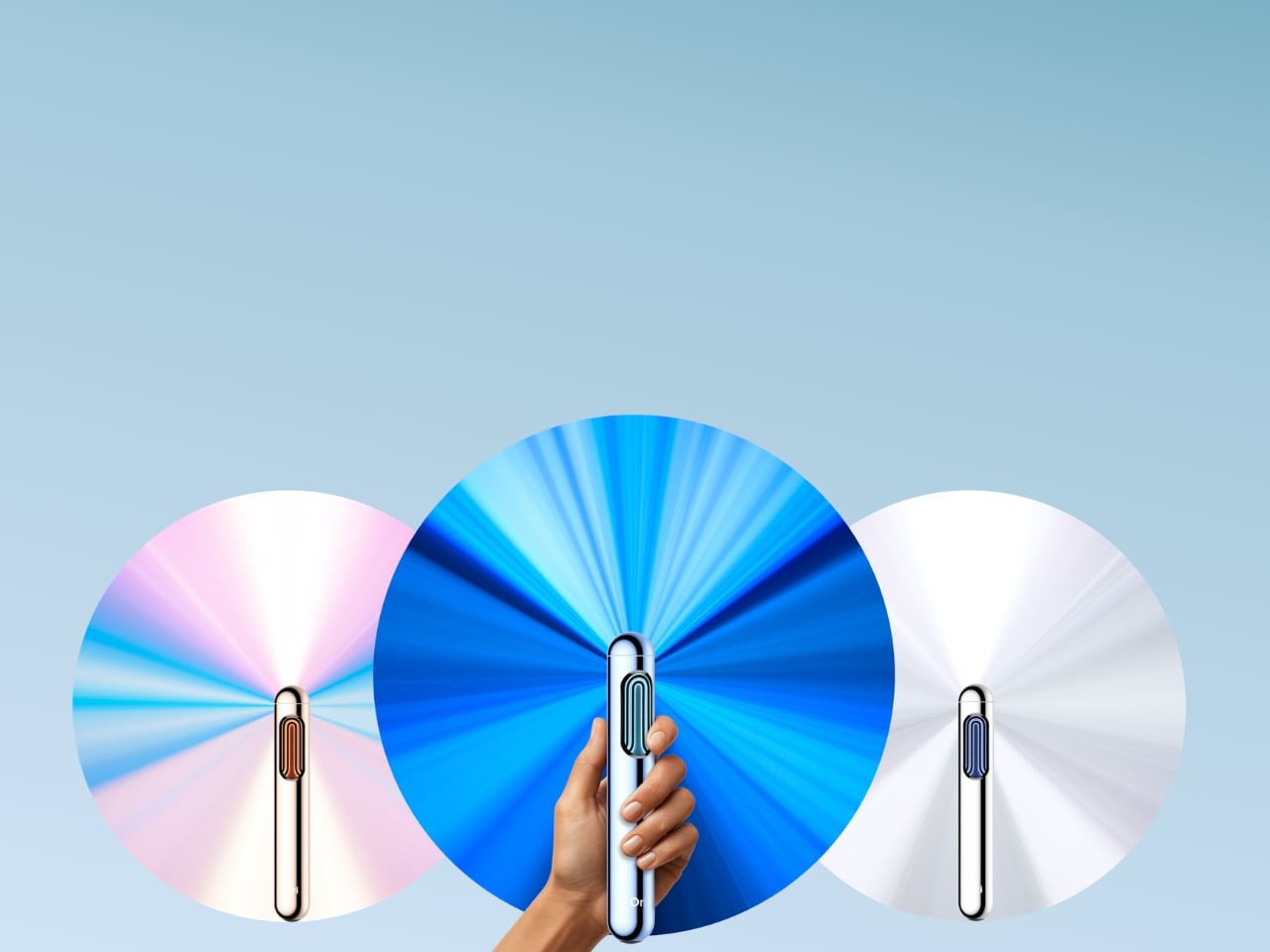
CleanseBot is a travel robot with 18 sensors and four UV-C lamps, designed to sanitize hotel surfaces autonomously. Independently tested to kill 99.99% of E. coli, it navigates across beds, desks, and surfaces without manual direction. The UV-C light extends its sanitation capability beyond contact surfaces to airborne pathogens. It is compact enough to carry in a standard travel bag and smart enough to complete a full sanitation cycle while you unpack, check tomorrow’s weather, and figure out which train to take to the morning blossom spots.
Cherry blossom season is the busiest tourism window in Japan. Hotels and guesthouses turn over quickly during peak weeks, with rooms running at capacity from late March through early April. The CleanseBot is not a paranoid product — it is a calibrated one. Running it across the bed and key surfaces takes two minutes of setup and leaves a room measurably cleaner than the one you walked into. For a trip across multiple accommodations in Tokyo, Kyoto, and Osaka, the reassurance compounds over time. Small, autonomous, and easy to forget once it has run its cycle, which is exactly the standard a good travel object should meet.
What We Like
UV-C sanitation, independently verified to eliminate 99.99% of E. coli, provides measurable assurance rather than theoretical comfort
Autonomous operation via 18 sensors requires no manual guidance, freeing you to settle in rather than direct the process
What We Dislike
Adds volume and weight to a carry-on already carefully balanced for a long-haul trip
Maximum sanitation effectiveness requires clear, unobstructed surface access, which limits performance on heavily layered or textured bedding
Pack Smart, Stay Present — The Only Packing Philosophy That Survives Sakura Season
Cherry blossom season does not wait. The bloom window is roughly a week in each city, and the days inside it move faster than any itinerary accounts for. The nine objects on this list were chosen because each one does a specific job well — and because none of them requires your attention to do it. The camera keeps your eyes on the scene. The headphones adapt to the environment without asking. The carabiner tracks your bag silently. The CleanseBot runs while you sleep. The Ori opens in a second and closes in another. Good carry-on packing for a trip like this is not about having everything — it is about bringing only what earns its space and then forgetting it is there. These nine do exactly that.
Most knife recommendations come with a quiet asterisk. A brand deal, a commission link, a product sent to a chef’s PO box before the review goes live. What gets left out of that conversation is what the same chef keeps in the drawer at home — the blade they reach for on a Sunday morning when nobody is filming. Japanese knives occupy a rare space where craft, material science, and design intersect, and choosing one well changes the way you cook in ways that are difficult to articulate until you’ve experienced it.
The five knives on this list were chosen for what they do rather than how loudly they market themselves. Some are visually striking in ways that stop you mid-prep, others are quietly exceptional tools that earn no attention but demand all the respect. All of them sit in a price range that rewards cooks who pay attention. Under $200, the Japanese knife category is genuinely competitive, and every pick below earns its place through steel quality, blade geometry, and the kind of design honesty that paid recommendations rarely manage.
1. Black Kitchen Knives
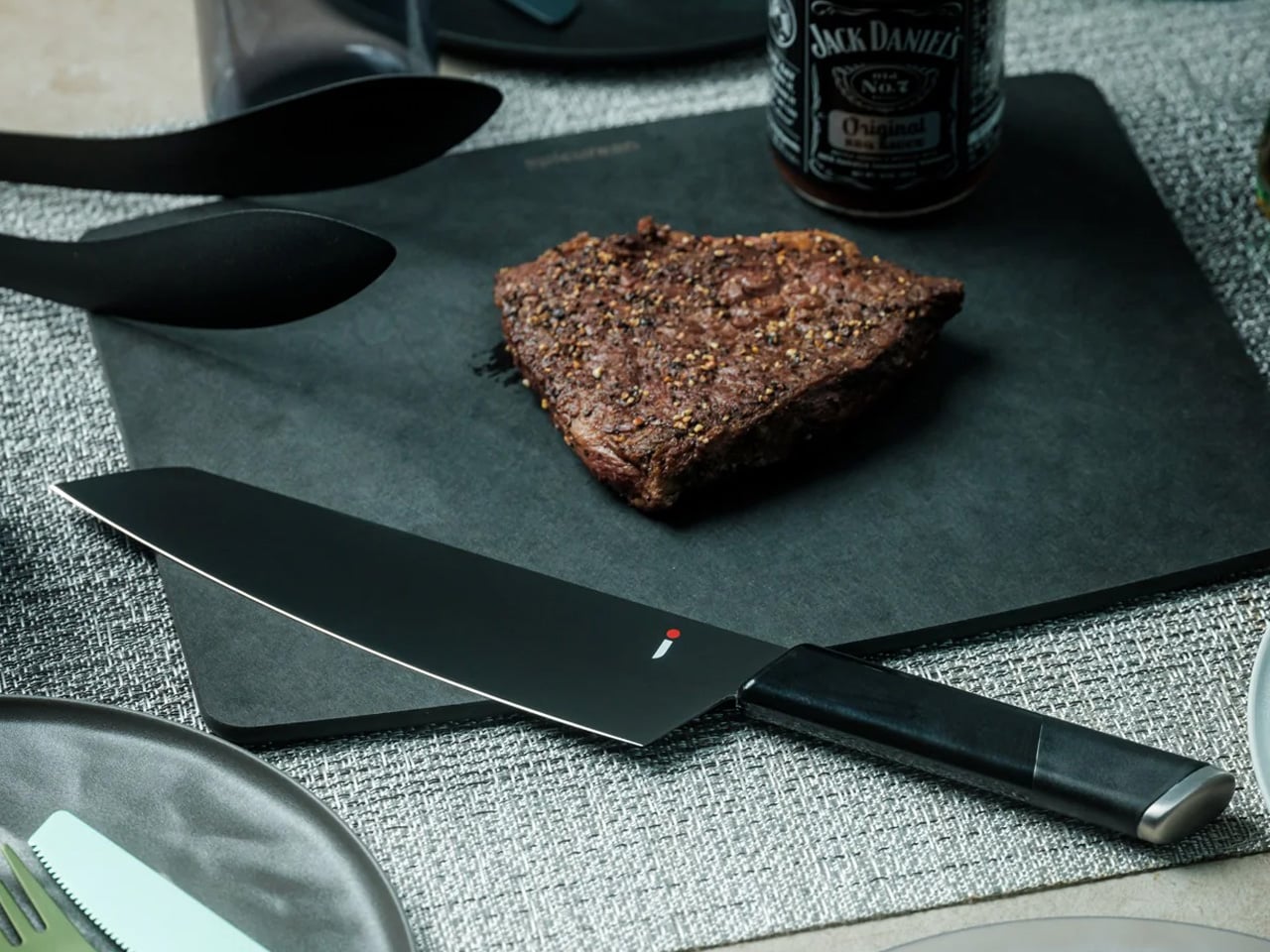
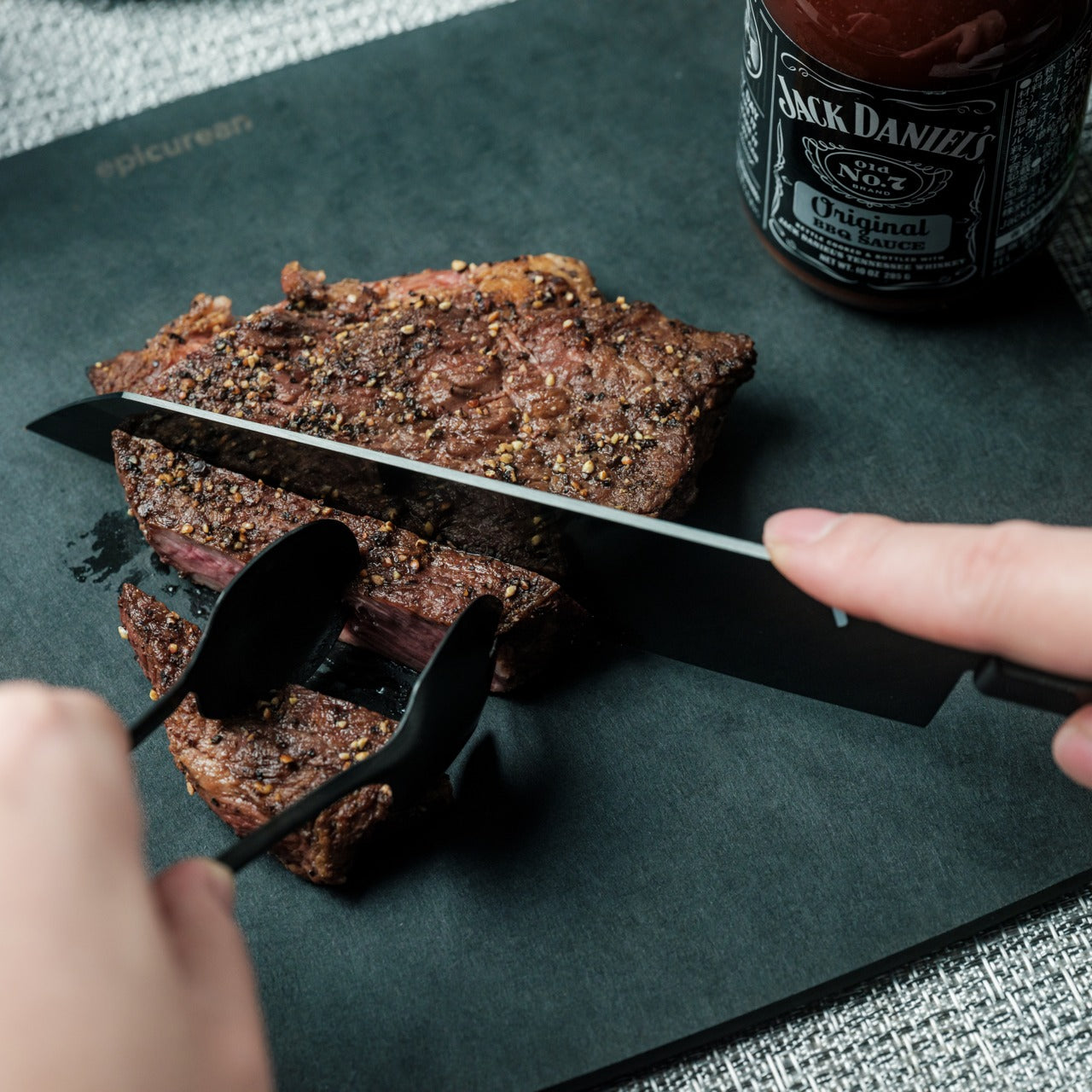
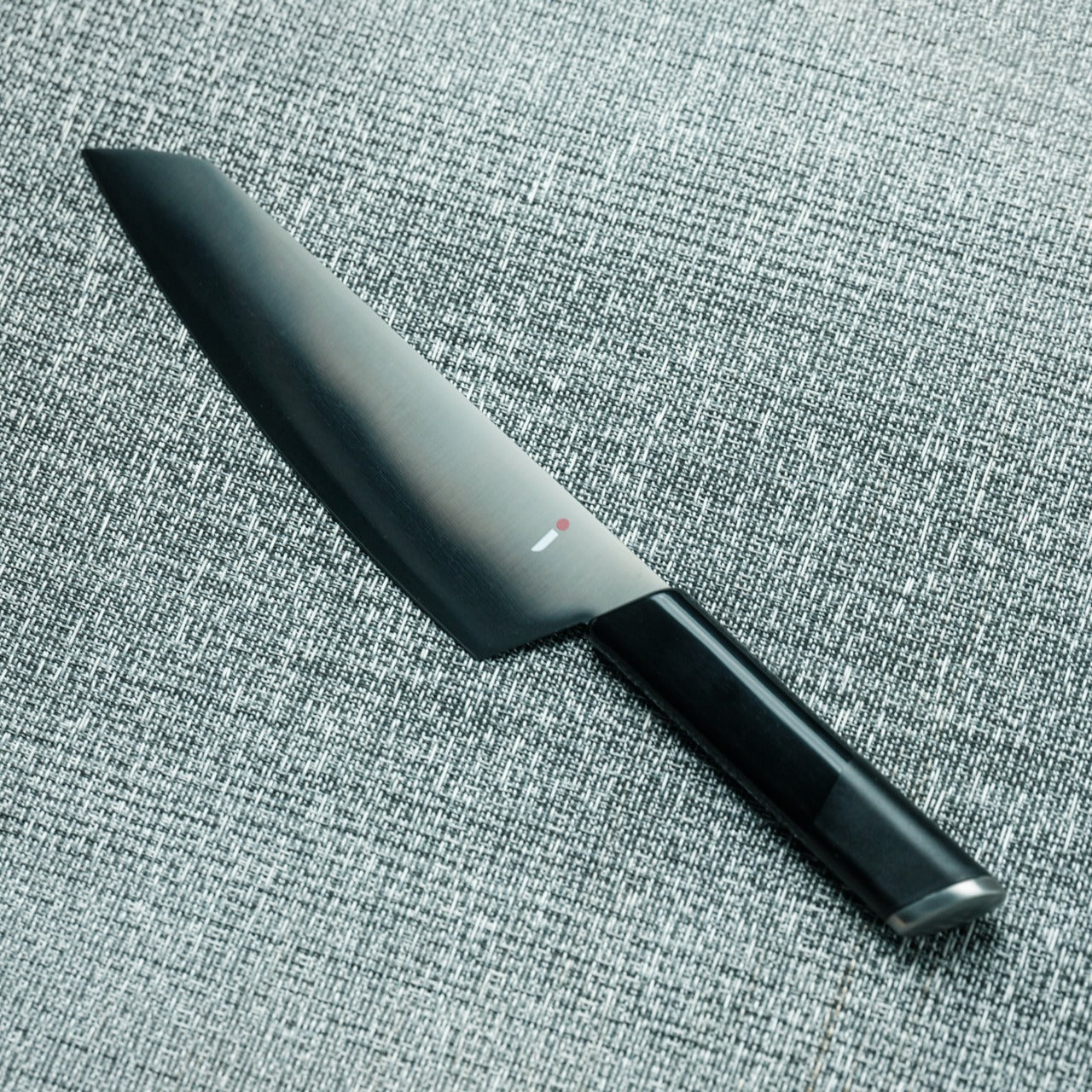
Seki, Japan, carries centuries of blade-making heritage that predates the modern kitchen entirely. The same region that once shaped swords for samurai now produces knives for home counters, and Yanko Design’s pitch-black series makes that lineage feel entirely current. Crafted from molybdenum vanadium steel with a titanium coating, each blade arrives in a matte black finish that is as functional as it is striking. The coating isn’t cosmetic theater — it contributes to durability and surface longevity while making the knife one of the most visually distinctive tools you can introduce to a kitchen without overhauling anything else.
Available in Santoku, Gyuto, and Petty styles, the series covers the full range of tasks that most home kitchens genuinely require. Each blade is crafted individually by a craftsman using a full-scale double-edged grind, which means the cutting geometry is precise rather than approximate. For anyone who has spent time thinking carefully about the objects they interact with daily and expecting those objects to have a point of view, these knives deliver it plainly. Food prep becomes something more considered when the tool in your hand looks like it was made with intention. That shift in feeling is not trivial.
The titanium-coated black finish is striking and purposeful, contributing to durability rather than just aesthetics.
Each blade is handcrafted individually, giving it the qualities of a bespoke object rather than a factory product.
Three blade profiles available mean there is a version here suited to nearly every cutting preference.
What We Dislike
The dramatic visual identity demands deliberate care and proper storage to preserve the finish over the years of use.
Titanium-coated surfaces can show wear differently from bare steel if not cleaned and maintained with attention.
2. Sakai Takayuki KUROKAGE VG10 170mm
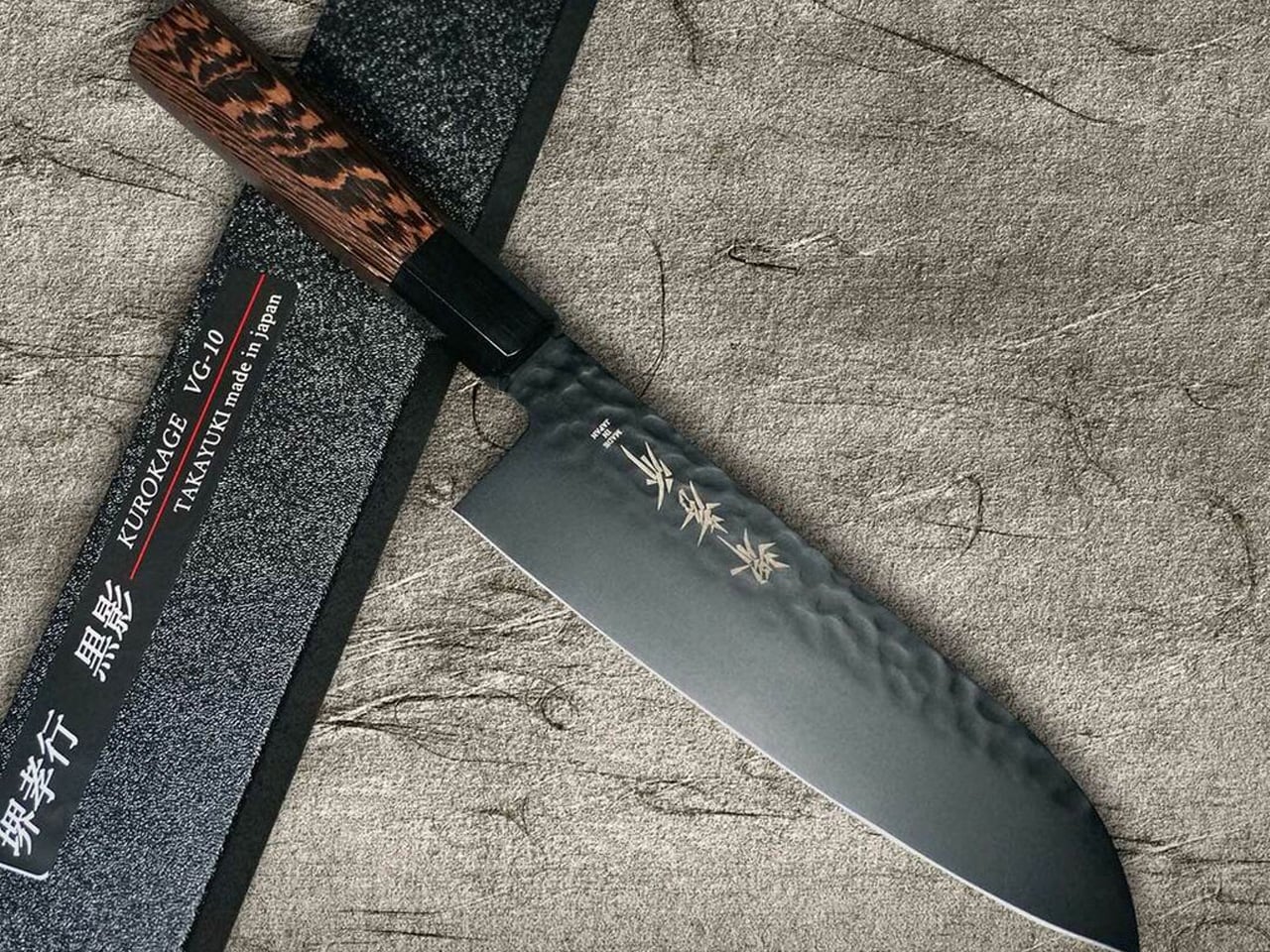
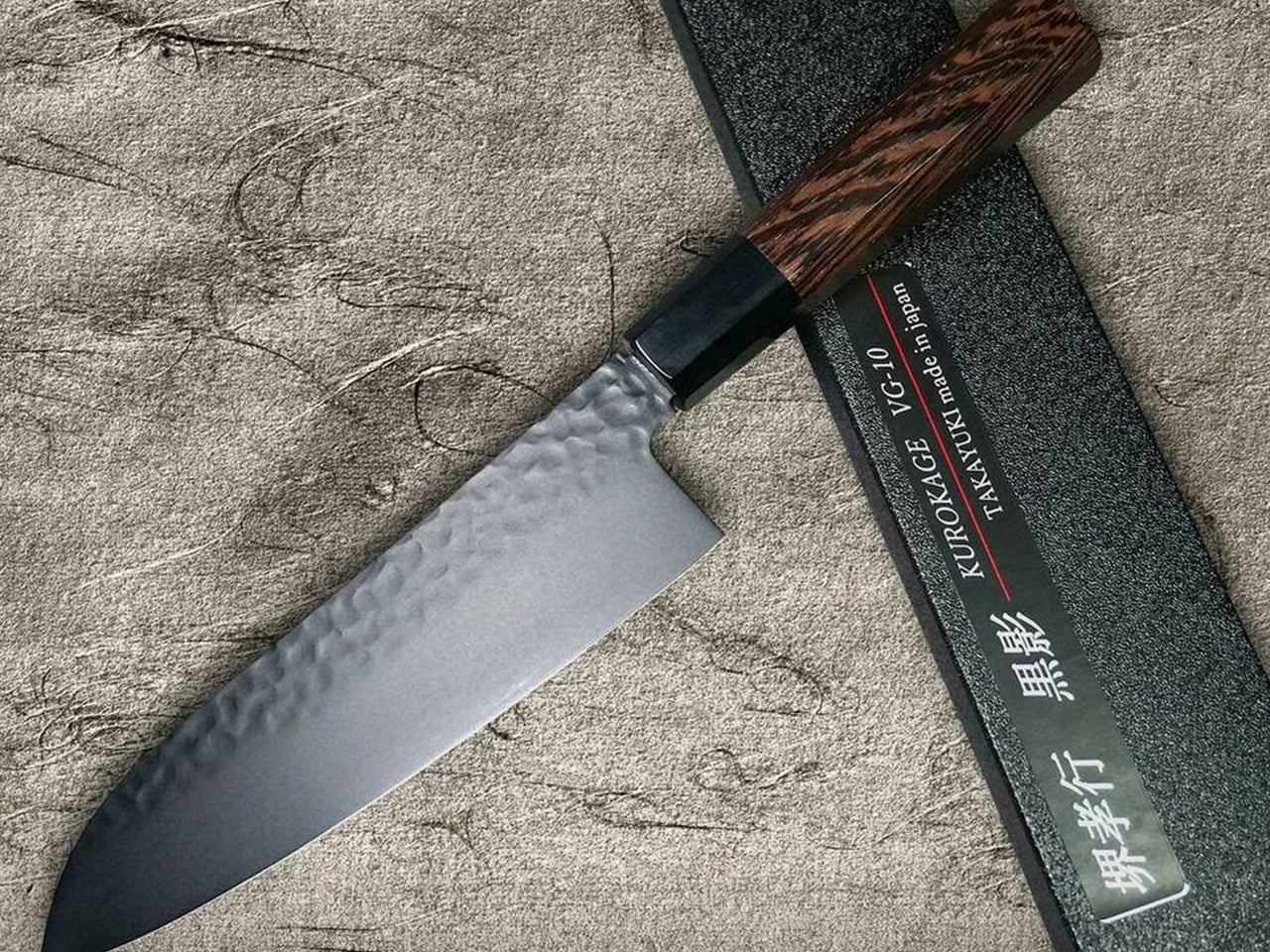
KUROKAGE translates to “dark shadow,” and the name earns its credibility from the first moment you pick the knife up. Sakai Takayuki’s fluorine resin coating on the VG-10 blade creates a surface that food simply refuses to cling to, and that quality changes the pace of prep work in surprisingly immediate ways. The hammered concavo-convex texture of the blade reinforces the non-stick effect physically, creating a topography of dimples that reduces contact between steel and ingredient. Pair that with a VG-10 core hardened to 60-61 HRC, and the edge retention consistently outperforms most knives at twice this price range.
Where the KUROKAGE separates itself further is in the details surrounding the blade. The half-rounded octagonal wenge wood handle with a buffalo horn ferrule signals genuine consideration for how a knife is held over time, not merely how it photographs. Each knife is hand-sharpened before leaving the factory, which means out-of-the-box performance is immediate. There is no break-in period, no first session on the whetstone to get it where it should have arrived. For cooks who want a knife that performs as though it were made with a specific user in mind, this is the closest that experience gets at this price.
What We Like
Fluorine resin coating paired with hammered dimples creates food release that genuinely speeds up the rhythm of prep.
VG-10 steel at 60-61 HRC delivers edge retention that outlasts chrome molybdenum alternatives, including the respected MAC non-stick line.
The wenge wood and buffalo horn handle is refined in a way that feels earned rather than decorative.
What We Dislike
The Teflon finish requires careful storage and non-abrasive cleaning to avoid surface damage over the years of heavy use.
The matte tones of both blade and handle show fingerprints more readily than polished steel finishes do.
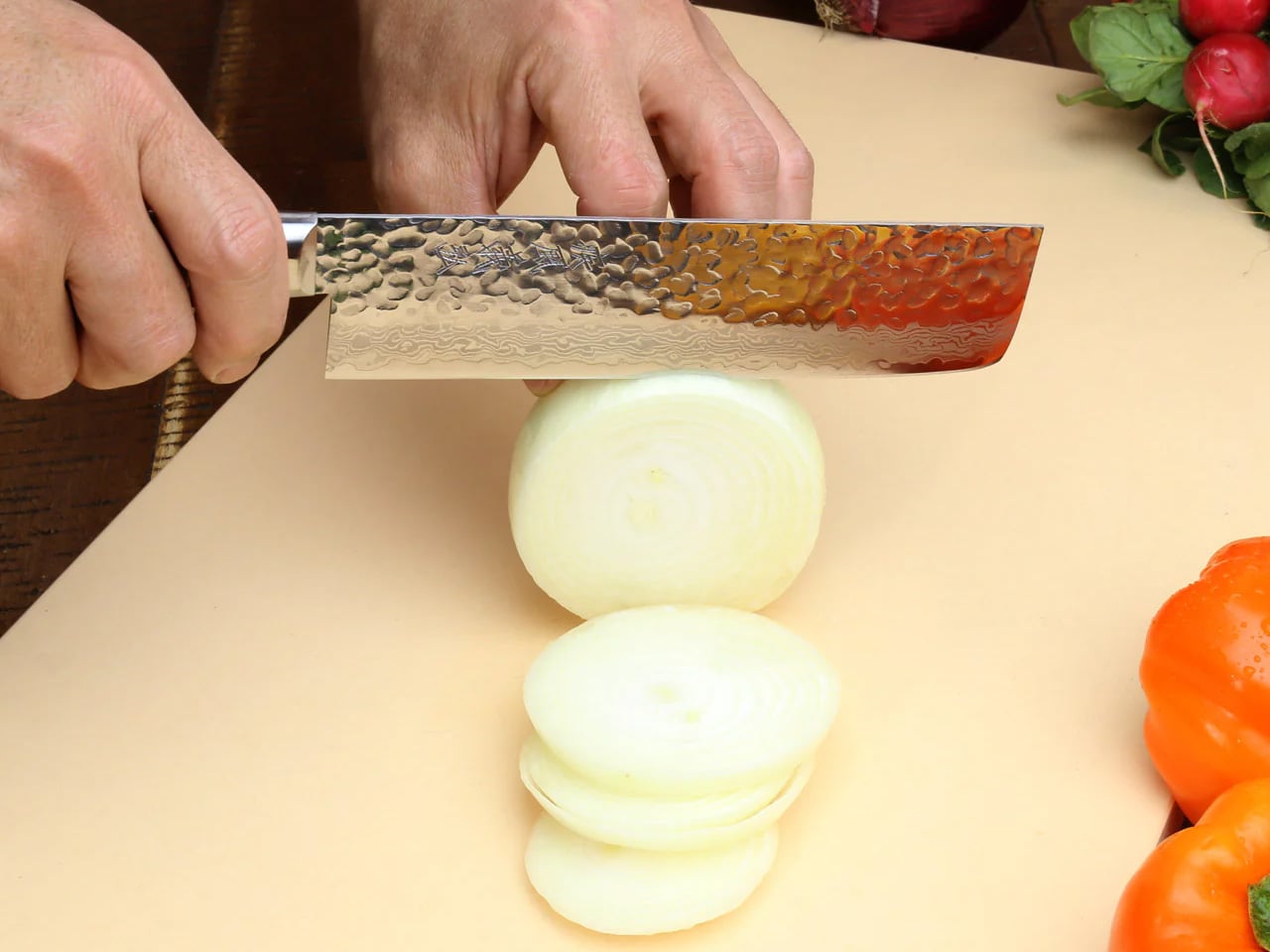
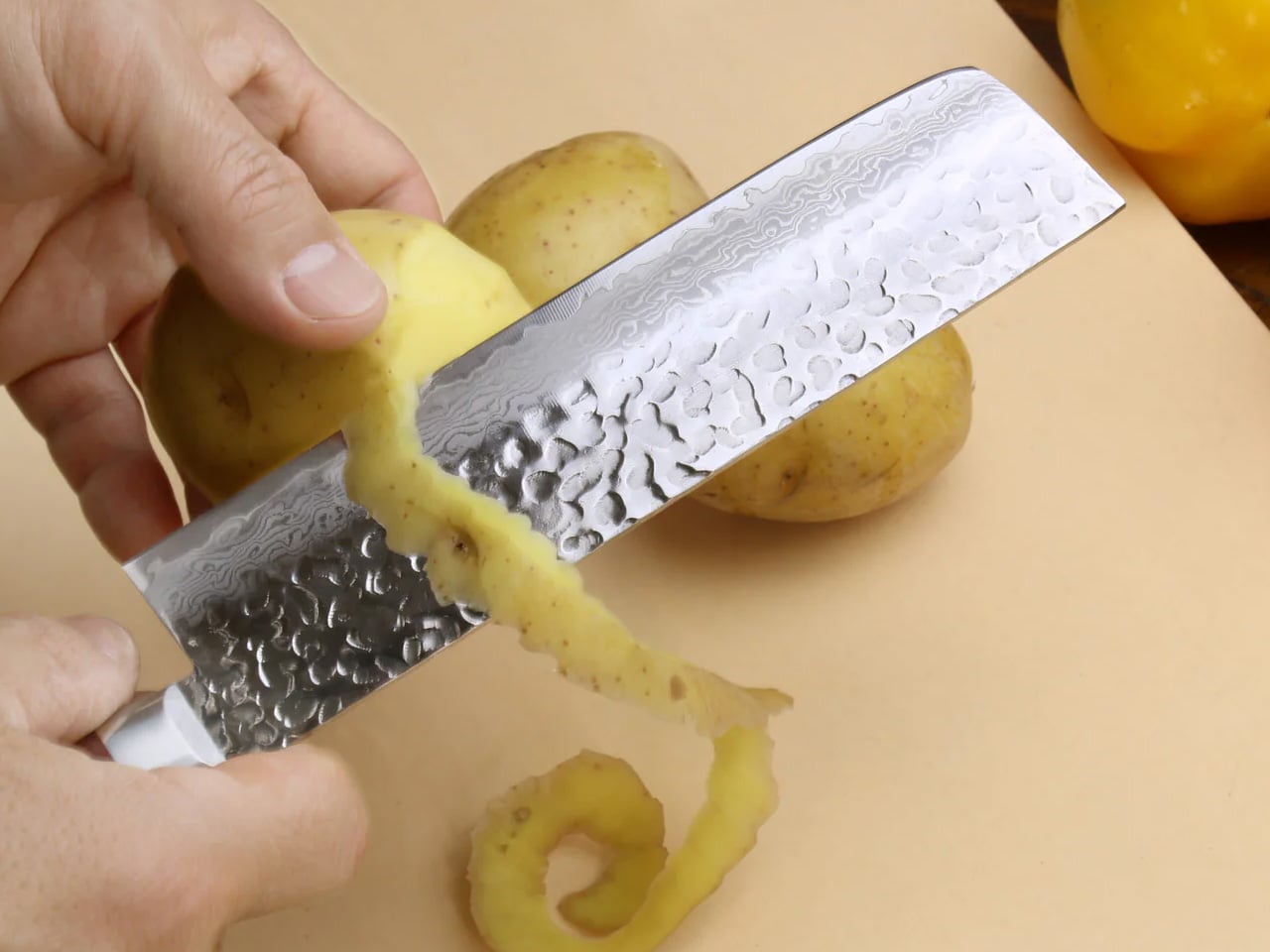
Vegetable-forward cooking has a dedicated tool, and most people discover it far later than they should have. The Nakiri, with its flat rectangular edge and full blade contact along the cutting board, makes push cuts through anything from dense root vegetables to ripe summer tomatoes faster and more precisely than any standard chef’s knife allows. Yoshihiro’s 16-layer hammered Damascus version, built around a VG-10 core, adds a visual dimension to that functionality that turns the blade into something genuinely close to an object of craft. The hammered surface reduces friction during each cut, preventing food from sticking and maintaining a clean, fluid motion through the board.
The Western-style mahogany handle extends to the full tang, giving the knife a solidity that feels well-considered for sustained daily use. Certified for commercial kitchens and handcrafted by master artisans, each blade carries Damascus layering that produces a pattern unique to that specific knife. No two are exactly alike — a meaningful distinction in an era of mass production. Whether you’re moving through greens for a salad or working down a pile of root vegetables for a slow braise, the Yoshihiro Nakiri makes even the most routine prep feel like something worth approaching carefully and with the right tool.
What We Like
The 16-layer hammered Damascus pattern is genuinely beautiful, with layering unique to each blade.
The flat Nakiri edge creates more consistent and precise vegetable cuts than a standard chef’s knife profile allows.
Full tang mahogany handle delivers solid balance and structural durability across extended prep sessions.
What We Dislike
The Nakiri is a specialist vegetable blade and is not the right choice for someone seeking a single all-purpose knife.
Damascus finishes require mindful maintenance to preserve both the edge geometry and the layered surface over time.
4. Tsunehisa VG1 Nakiri 165mm
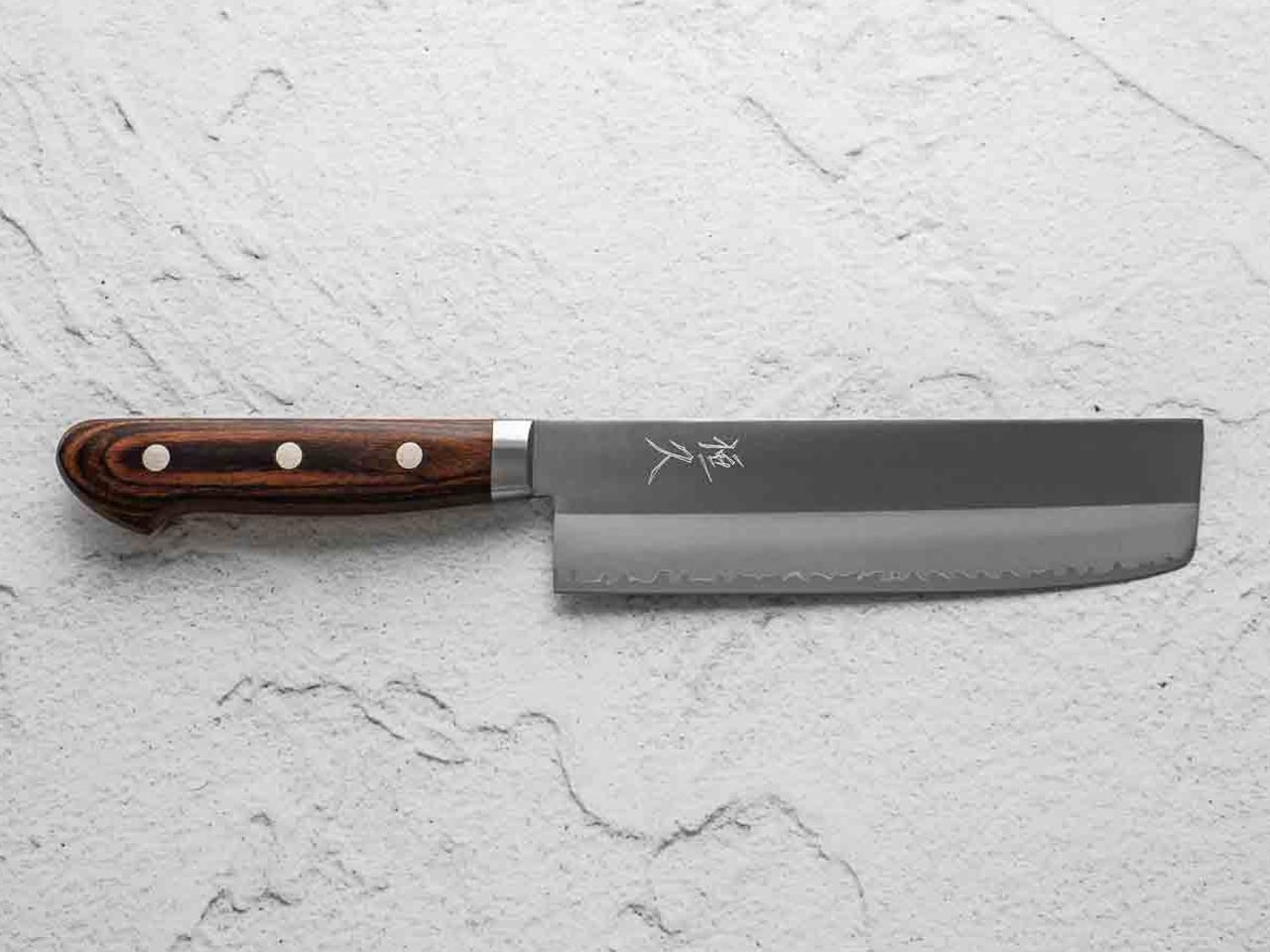
Most knives in this price category top out at VG-10 as their steel of choice, and for good reason — VG-10 is excellent. The Tsunehisa VG1 Nakiri makes a more ambitious material decision. VG-1 steel, enriched with carbon, chromium, cobalt, molybdenum, and vanadium, offers a level of edge retention and sharpness that positions it as a meaningful step above the standard category offering. For a cook who sharpens their own knives and understands what they are working with, the reward is a blade that holds its edge through longer prep sessions before it asks to be returned to the stone.
The design of this knife is deliberate in its restraint, and that restraint is its strongest visual statement. There is no hammered finish, no Damascus drama, no surface treatment that distracts from the blade itself. What remains is the clean rectangular profile of the Nakiri geometry, engineered precisely for vegetable work, and a blade that carries the quiet confidence of a tool that knows exactly what it is. For kitchens that value precision over performance, and for cooks who find more satisfaction in a blade that earns attention through cutting rather than appearance, the Tsunehisa makes an entirely compelling case.
What We Like
VG-1 steel goes beyond what most competitors in this price range offer, making it a genuinely elevated material choice.
The clean, architectural aesthetic feels intentional and considered rather than understated by default.
Enrichment with cobalt, molybdenum, and vanadium produces exceptional hardness and long-term structural durability.
What We Dislike
The higher hardness of VG-1 steel can make the blade slightly more brittle than softer stainless alternatives if used carelessly on hard surfaces.
The restrained design will leave buyers expecting visual drama feeling underwhelmed by appearance alone.
5. SOUMA (Fujiwara Kanefusa) FKM Santoku 180mm
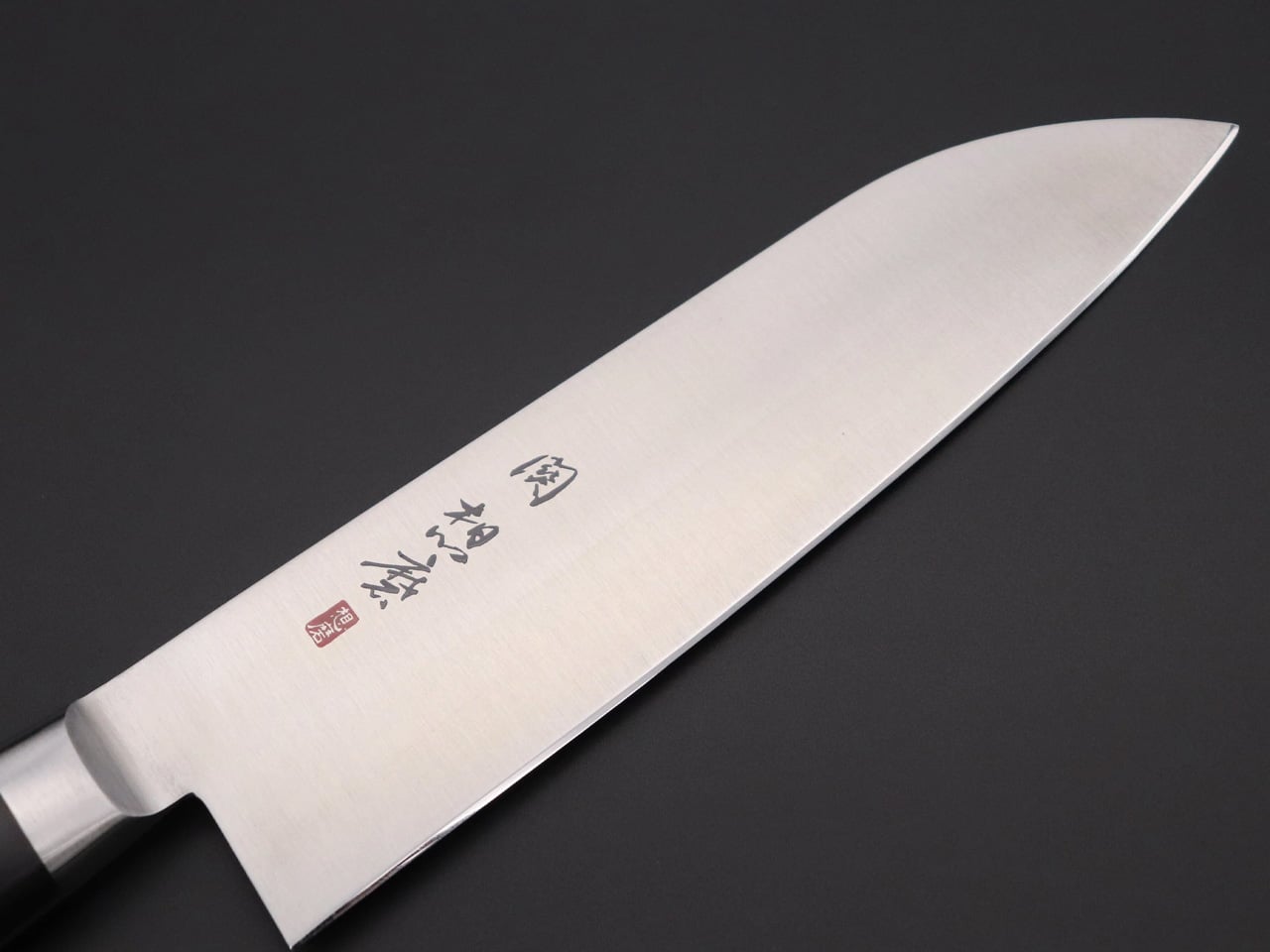
Every list of knives needs one that a seasoned cook would recommend to someone they genuinely care about, rather than someone they want to impress. The SOUMA FKM Santoku, formerly known under the Fujiwara Kanefusa name and recently rebranded without changing what has always made it reliable, is that knife. Made from AUS-8 molybdenum vanadium stainless steel, it delivers cutting performance, rust resistance, and ease of re-sharpening in a combination that makes daily kitchen use genuinely uncomplicated. The Santoku profile, with its tall blade and rounded tip, moves through meat, fish, and vegetables with equal ease and no change in technique required between tasks.
The black pakkawood handle and stainless steel bolster keep the visual profile composed and professional, and the bolster is positioned to distribute weight exactly where the hand expects it during longer prep sessions. This is the knife that sits beside significantly more expensive blades in the same kitchen without apologizing for its price. For first-time buyers of Japanese knives who want something honest rather than showy, the SOUMA FKM is the answer that experienced cooks would give if they weren’t being paid to say something else. Reliable, well-built, and priced in a way that leaves room to build further as the relationship with good knives deepens.
What We Like
AUS-8 stainless steel is genuinely easy to sharpen and maintain, making it accessible without feeling like a compromise.
The tall Santoku blade handles meat, fish, and vegetables with equal competence and no adjustment in grip or technique.
Black pakkawood handle and stainless bolster give it a clean, professional appearance in any kitchen setting.
What We Dislike
AUS-8 steel won’t hold an edge as long as VG-1 or VG-10, so it requires slightly more frequent attention on the whetstone.
The intentionally understated design lacks the visual presence of the other knives on this list.
The Sharpest Decision You’ll Make in the Kitchen
Japanese kitchen knives are one of the few purchases where the return on investment is felt with every single meal. Each knife on this list was chosen because it earns its place through material quality, considered design, and a level of performance that changes the way you move through a recipe. Whether you gravitate toward the visual authority of the KUROKAGE, the Damascus craftsmanship of the Yoshihiro, or the pitch-black confidence of the Yanko Design series, the difference a well-chosen blade makes is immediate and lasting.
The specifics of which knife fits best depend entirely on how you cook. A Nakiri for kitchens that treat vegetables as the main event, a Santoku for cooks who need a single versatile blade that handles everything without fuss, and the Yanko Design series for those who believe that every object on the counter should carry as much intention as the food being prepared on it. The list starts here. Where you go next depends on what you find yourself reaching for first.
Spring cleaning has a way of exposing how tired a room can feel. Swapping out a duvet cover or rearranging furniture only goes so far. What actually shifts a space is the accumulation of small, considered objects, the kind that carry weight in both design and meaning. Japan has been refining that philosophy for centuries, and right now, its makers are producing pieces that feel less like accessories and more like answers.
The eight pieces below come from workshops and studios rooted deeply in Japanese craft traditions, from the granite quarries of Kagawa to the porcelain villages of Nagasaki. Each one brings something entirely distinct to a room: texture, scent, sound, light or a quiet kind of order. None of them demands visual attention. That restraint is precisely what makes them so effective at resetting a space, slowly and convincingly, for spring.
1. Miniature Bonfire Wood Diffuser Set
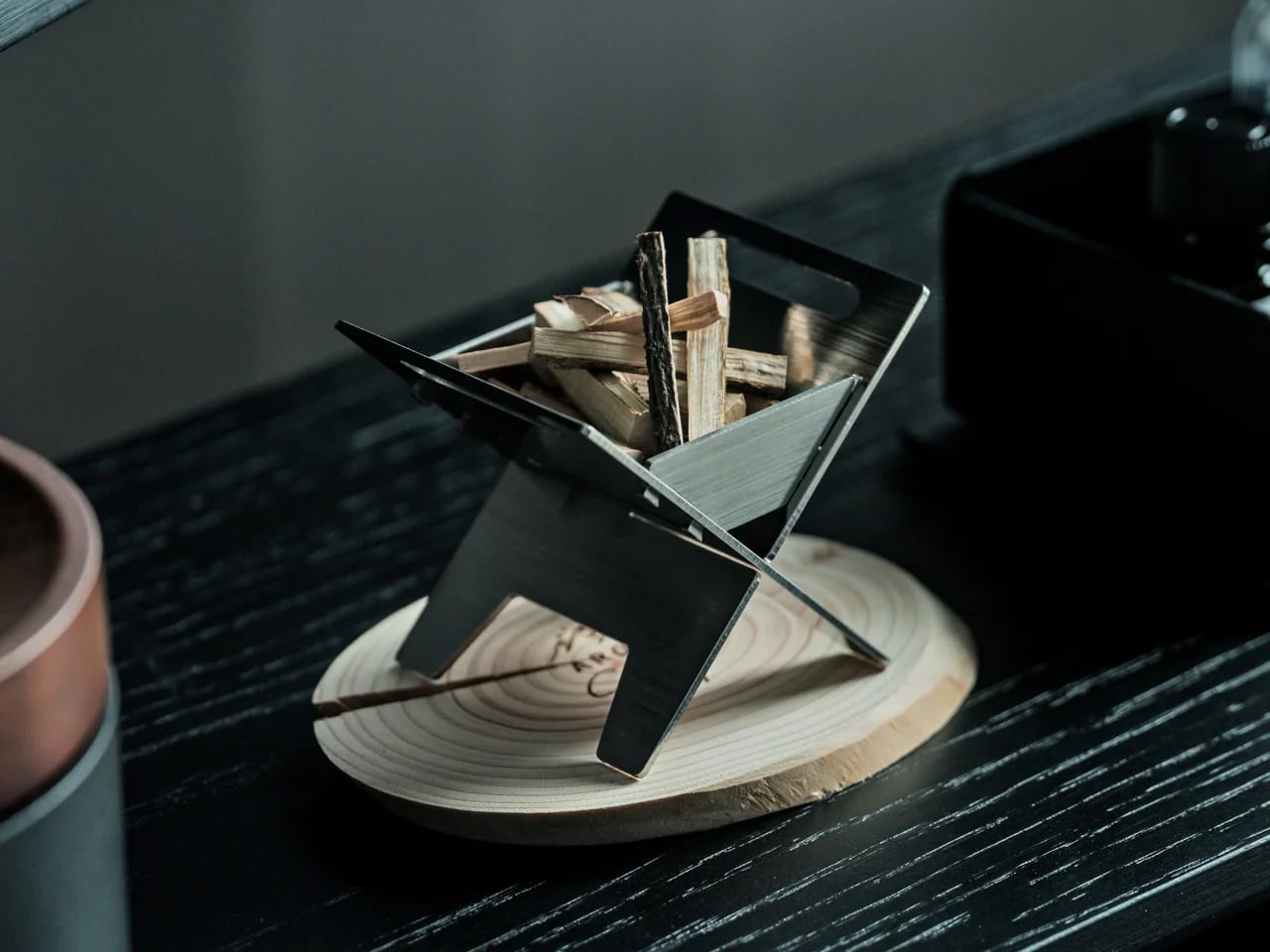
The first thing you notice about the Miniature Bonfire Wood Diffuser Set is that it shouldn’t work as well as it does. A stainless steel campfire, sized for a shelf, capturing the scent of mountain forests through bundled miniature firewood. Yet everything about it, the tying knot, the proportions, the way the essential oil disperses, feels entirely intentional. It pulls the atmosphere of Mt. Hakusan into whatever room you place it in, with the same gentleness as a forest breeze moving through cedar.
For spring, this diffuser does something conventional reed diffusers rarely manage: it gives the scent a visual story. The trivet feature makes it genuinely dual-purpose, transforming into a pocket stove for an indoor camping ritual that bridges the gap between winter’s coziness and spring’s restlessness. Built from rust-resistant stainless steel, it holds up to repeated use without losing its clean, sculptural presence. As a centerpiece on a coffee table or entryway shelf, it reframes the whole room around calm.
Mt. Hakusan essential oil brings a real, named place into the room.
The trivet conversion makes it an experience, not just a decorative object.
What We Dislike
Scent radius may fall short in larger, open-plan spaces.
Mt. Hakusan oil refills are specialty items, difficult to source outside Japan.
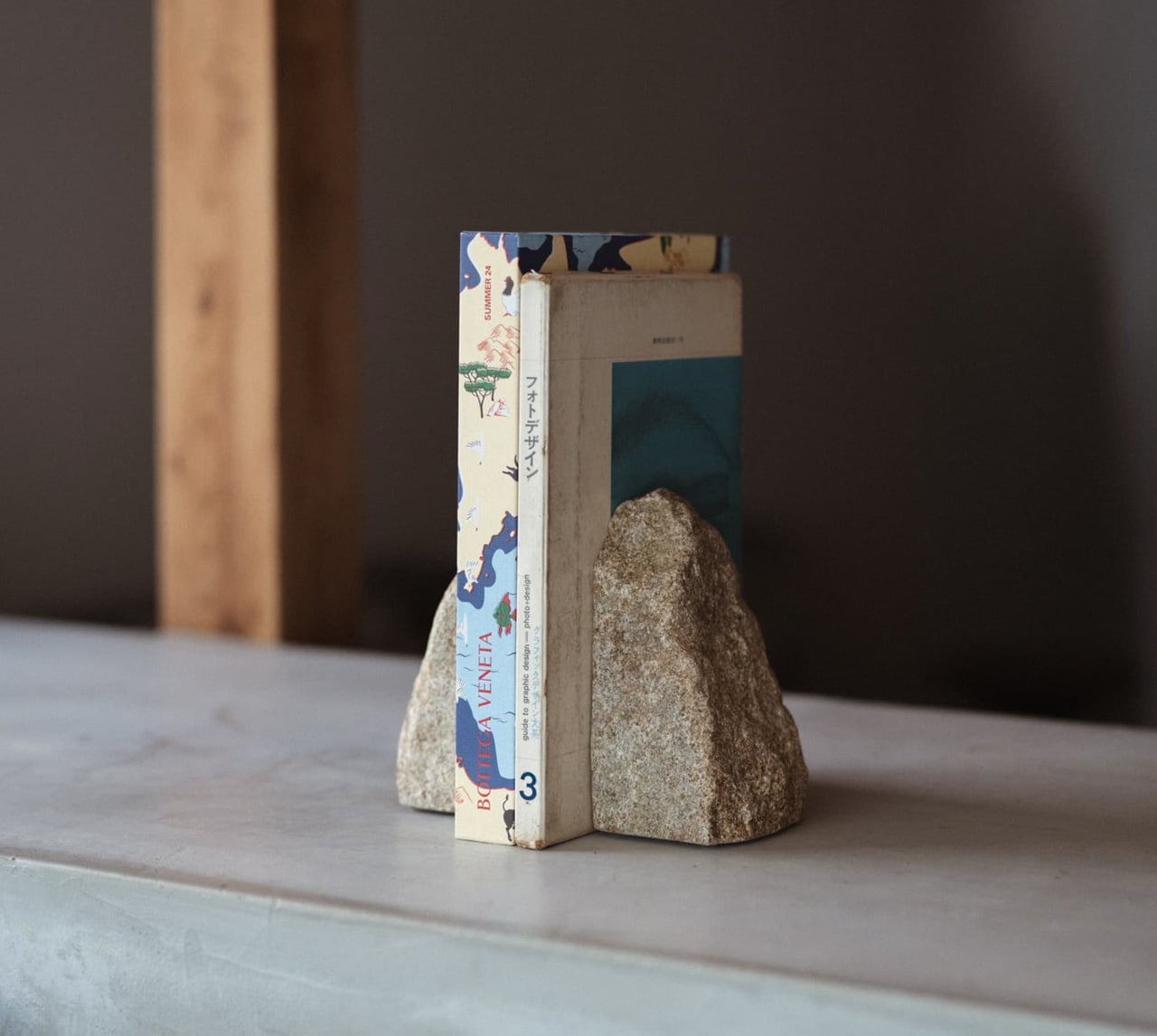
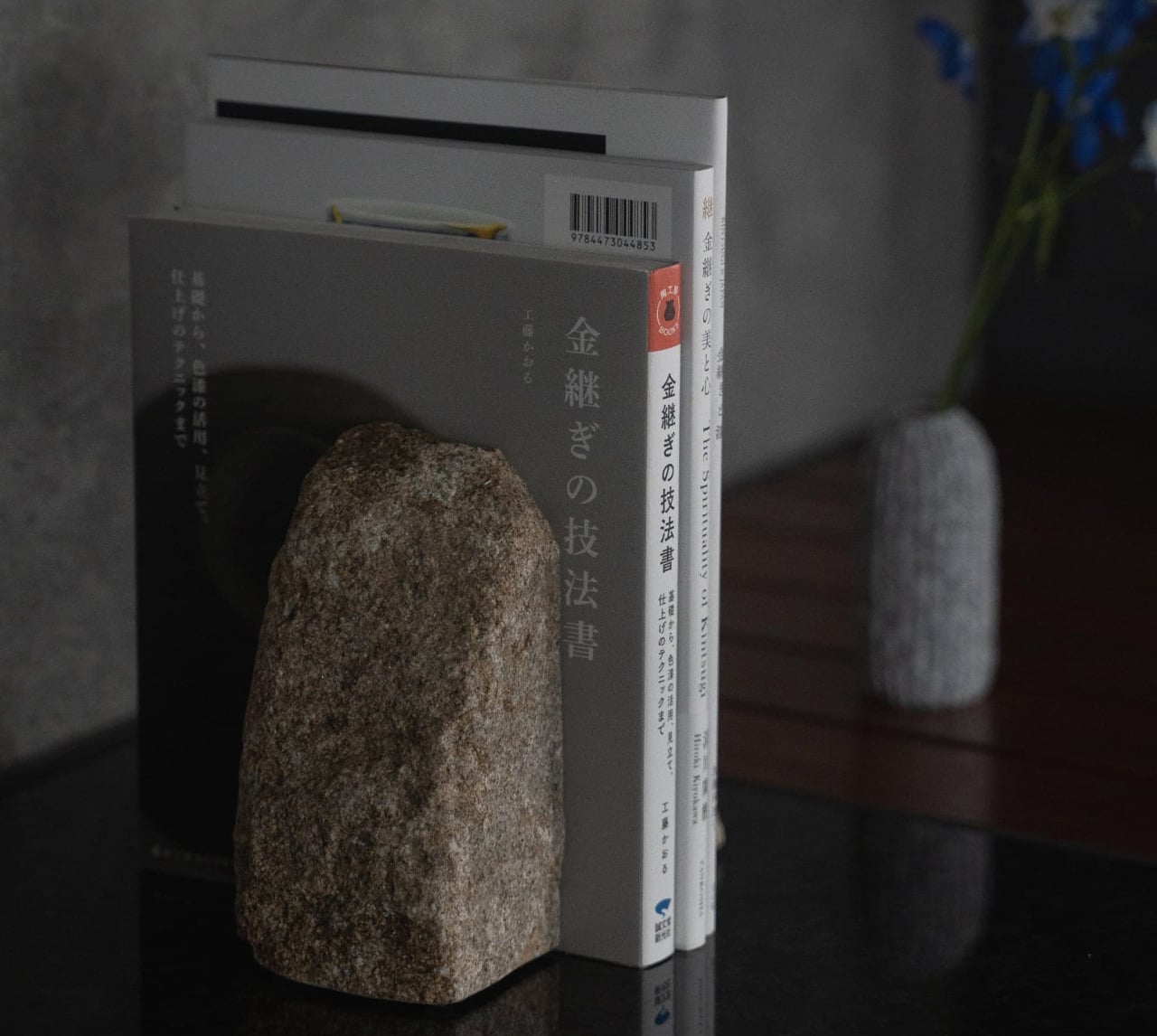
2. Aji Stone Book End Large
Aji Stone is known in Japan as the diamond of granite, quarried exclusively from the northeastern region of Takamatsu City in Kagawa Prefecture, where its exceptional density and refined grain make it unlike any other decorative stone. The Aji Stone Book End Large is perfectly split from a single stone. It holds large books without shifting and carries a physical presence that mass-produced bookends simply cannot replicate.
What makes this bookend particularly suited for a spring refresh is its restraint. It doesn’t decorate; it anchors. A shelf of books held between two blocks of Aji stone immediately reads as curated rather than accumulated, which is a subtle but significant shift for any living space. Its low moisture absorption and resistance to weathering mean it can sit near a window or in an entryway without degrading over time. Spring cleaning often calls for removal. This is the rare piece worth adding.
What We Like
Each piece carries natural individuality that no factory process can reproduce.
Dense enough to hold the heaviest books without shifting.
What We Dislike
At $240, it asks for real confidence in its long-term design value.
Significant weight makes repositioning effortful once placed.
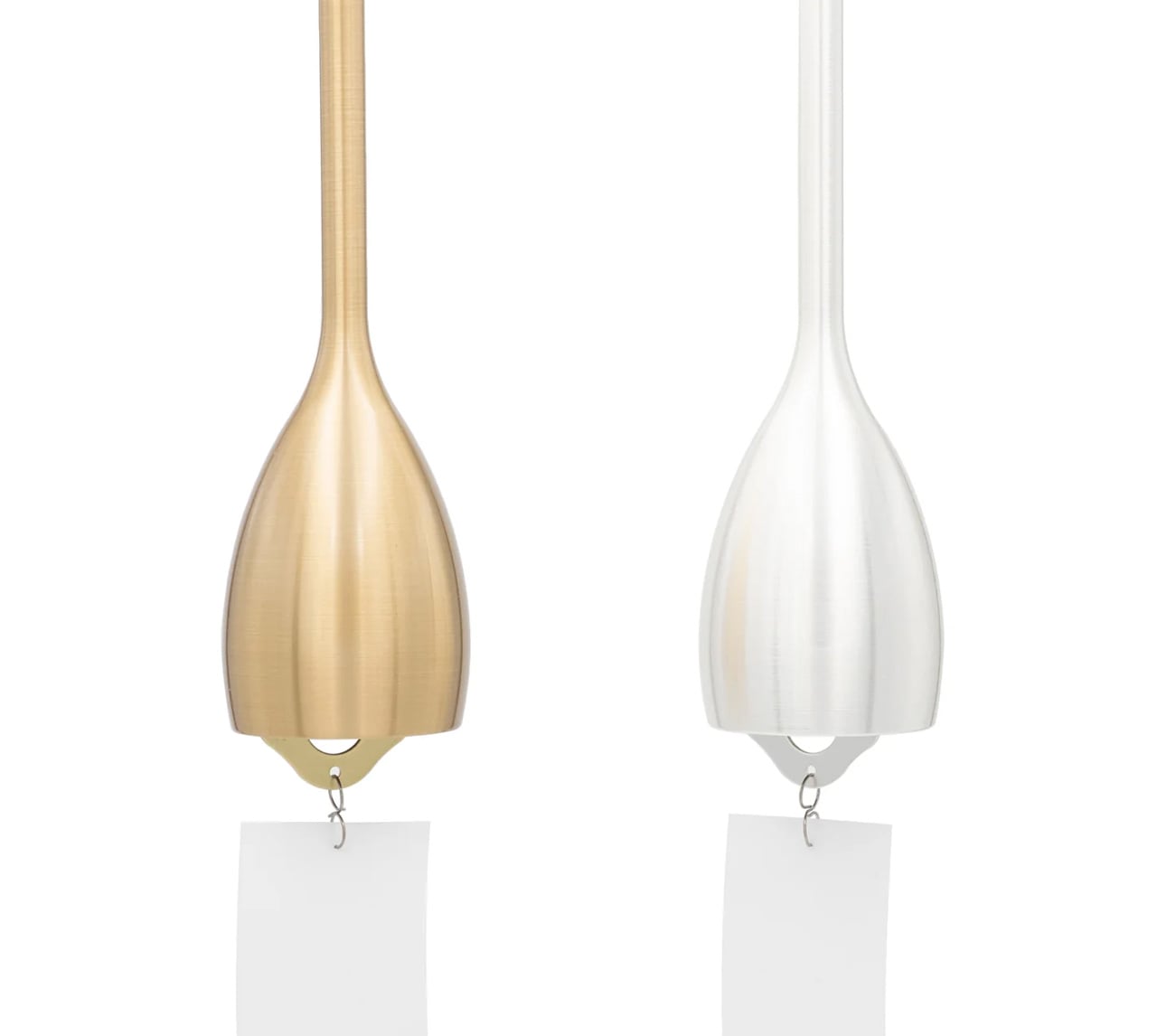
3. Nousaku Slim Wind Chime
Wind chimes occupy a strange, undervalued category in home design: they’re atmospheric tools more than decorative objects, and the Nousaku Slim Wind Chime understands that completely. This chime features a deliberately narrowed opening that concentrates sound into a sharp, transparent tone with a slightly lower pitch than a standard wind chime. It’s the sonic equivalent of a cool spring breeze arriving through an open window, producing a calm, focused resonance that a wider opening simply cannot achieve.
In spring, when windows stay open and air starts moving freely again, this chime becomes a functional part of a room’s ambiance rather than a decorative afterthought. Its slim, elongated form is considered as its sound, clean lines that integrate into the architecture of a space rather than competing for visual attention. Pair it with the Nousaku Wind Chime Onion model and the two produce a layered, resonant harmony that no single chime can generate on its own.
What We Like
The narrowed opening produces a precise, lower-pitched tone that feels intentional.
Pairs with the Nousaku Wind Chime Onion for a harmony no single chime achieves.
What We Dislike
Focused tonal range may feel too controlled for those who prefer a fuller sound.
Largely silent in poorly ventilated spaces or rooms with closed windows.
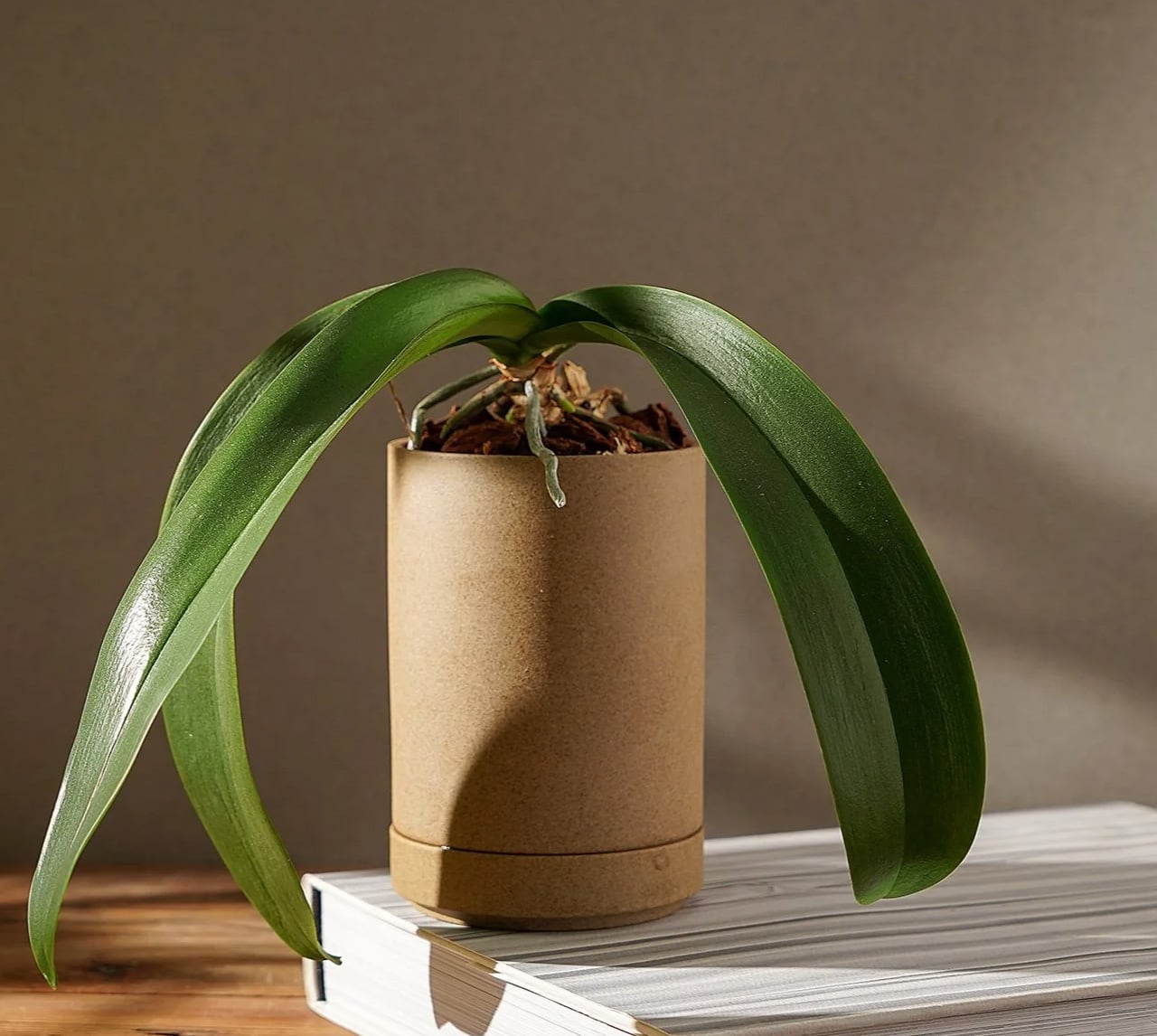
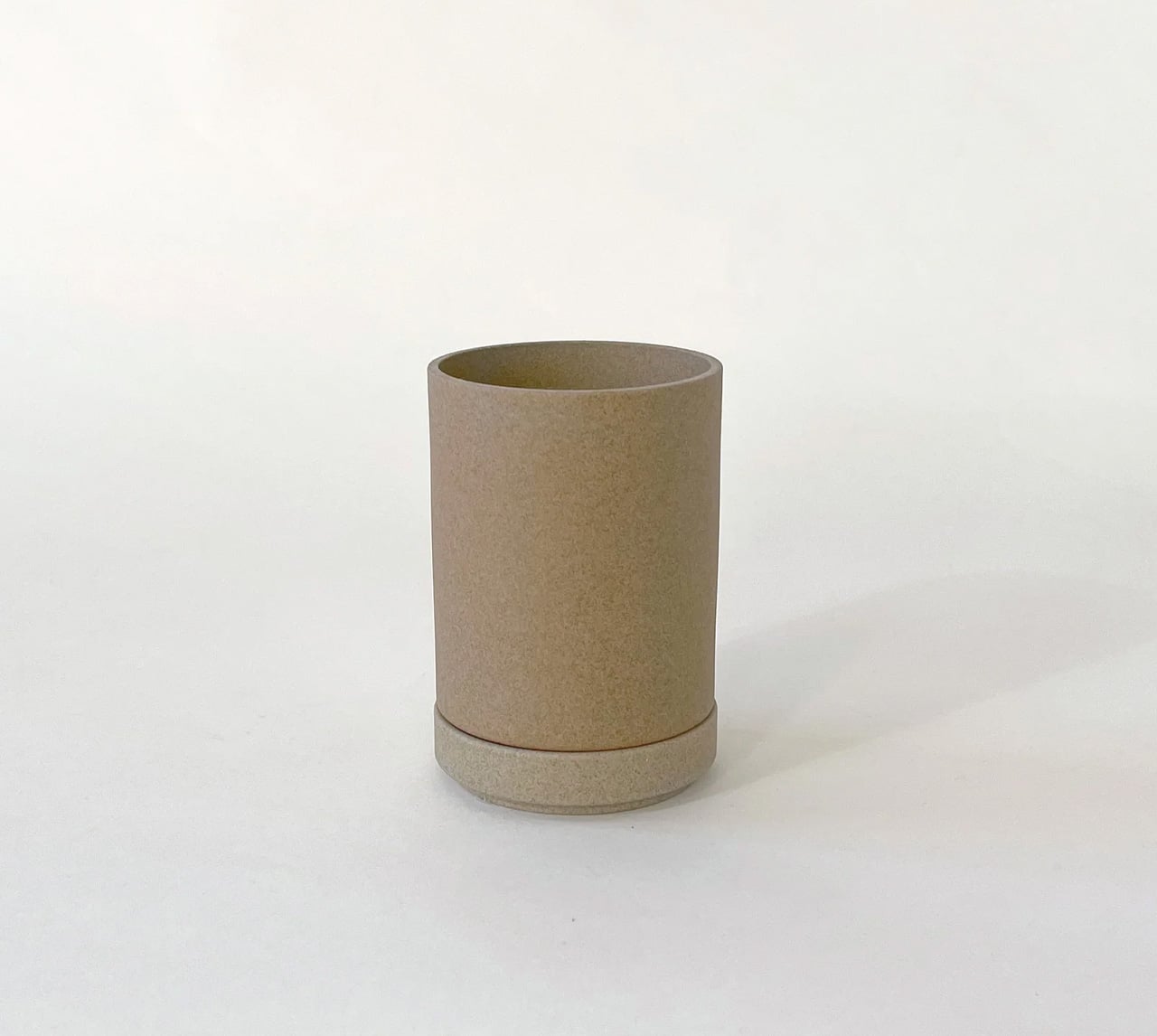
4. Hasami Porcelain Planter
The Hasami Porcelain Planter is the product of a village, not a factory. Made in Hasami, a porcelain-producing town in Nagasaki Prefecture with a craft tradition stretching back to the Edo period of 1603, each piece passes through the hands of artisans who specialize in specific stages of production before it reaches the market. That distributed labor creates a quality that is difficult to manufacture any other way. The result is a planter that feels entirely resolved in both form and finish.
Designer Takuhiro Shinomoto drew the collection’s proportions from the Jubako, Japan’s traditional stacking lacquerware box, and that heritage shows in every curve. The planter’s clean lines and stackable form mean it works as beautifully in a cluster as it does alone. The natural finish, neither matte black nor clear glaze but the raw, textured surface of the porcelain itself, makes it ideal for spring: honest materials, seasonal planting, and a connection to earth that feels earned rather than styled.
What We Like
Village craft passed down since the Edo dynasty lives in every piece.
The Jubako-proportioned stackable form unlocks genuine multifunctionality.
What We Dislike
Unfinished porcelain surface shows marks more readily than a glazed alternative.
Specialty retail distribution makes expanding or replacing pieces difficult.
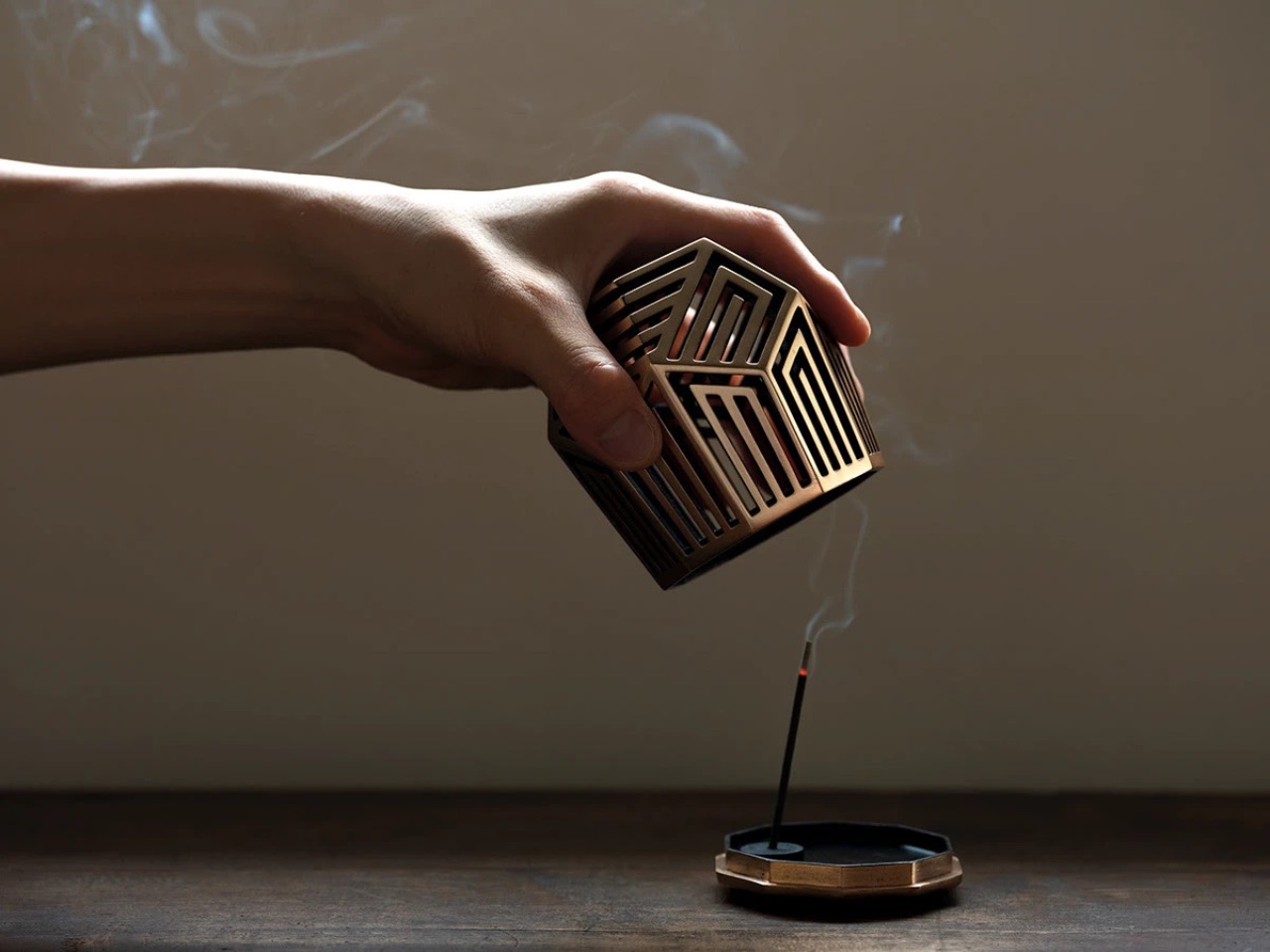
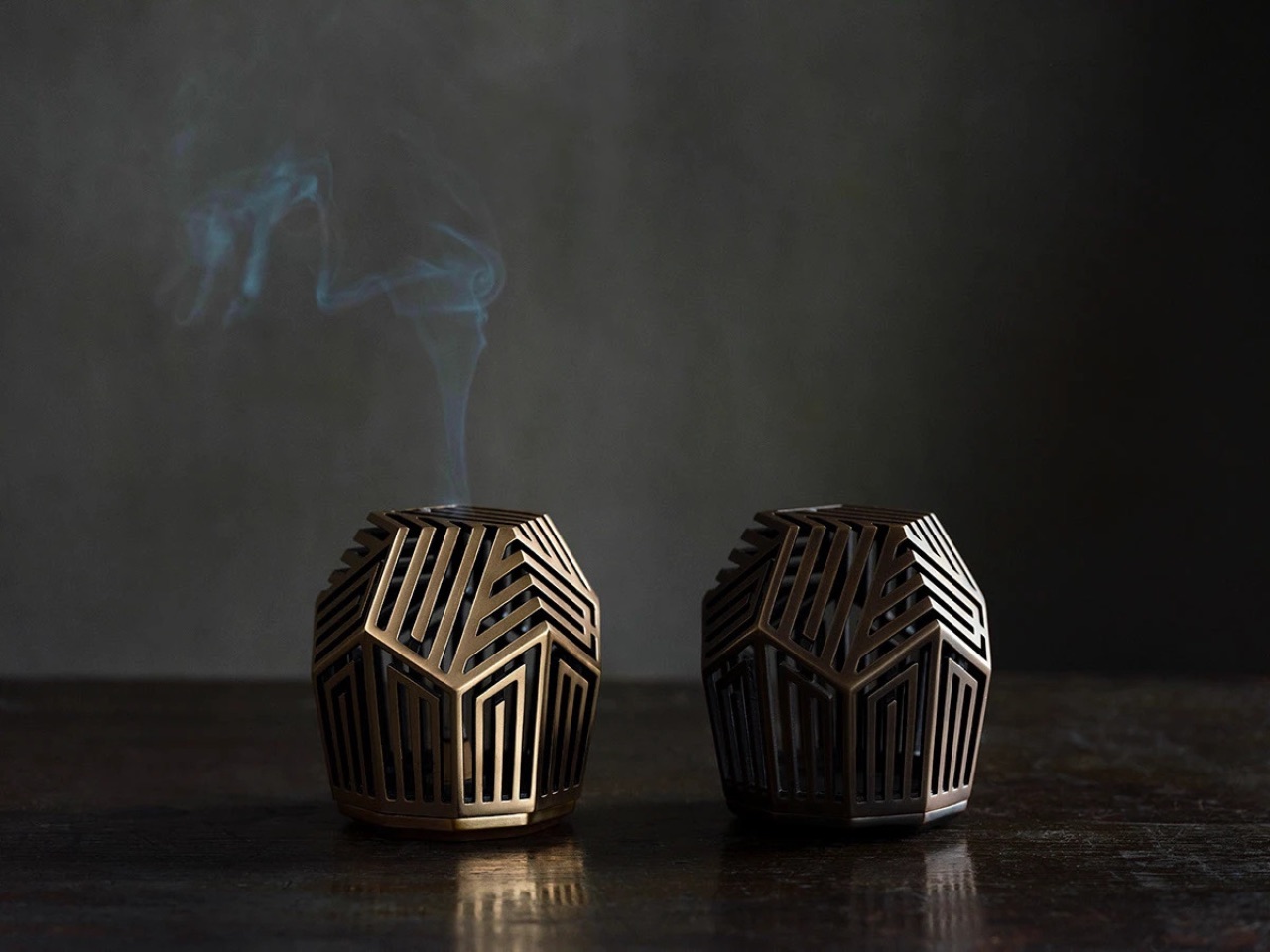
5. Genji-Kō Inspired Incense Burner
Kōdō, the Japanese art of incense appreciation, is one of the country’s oldest sensory practices, and the Genji-Kō Inspired Incense Burner gives it a visual form genuinely worth owning. The design draws from the Genji-kō diagram, a pattern developed to map the chapters of The Tale of Genji through five vertical lines forming 52 distinct configurations. Each configuration represents a chapter of Japan’s most revered literary work, and the burner translates that literary architecture into an object that functions as beautifully as it references.
For spring in particular, incense shifts a room in a way that no visual rearrangement can replicate: it changes the air itself. This burner earns a place on any shelf through the quality of its conceptual design alone, but its relationship to The Tale of Genji, Japan’s eleventh-century literary masterpiece, gives it a cultural resonance that elevates the daily ritual of lighting incense into something more intentional. Place it on a low shelf near an open window and let the morning light and season do the rest.
What We Like
The Genji-kō diagram ties a daily ritual to one of Japan’s greatest literary traditions.
Incense changes the air itself, and this piece makes that shift feel entirely deliberate.
What We Dislike
The design’s depth lands best with some familiarity with Kōdō and The Tale of Genji.
Limited published specifications make it harder to assess physical fit before purchasing.
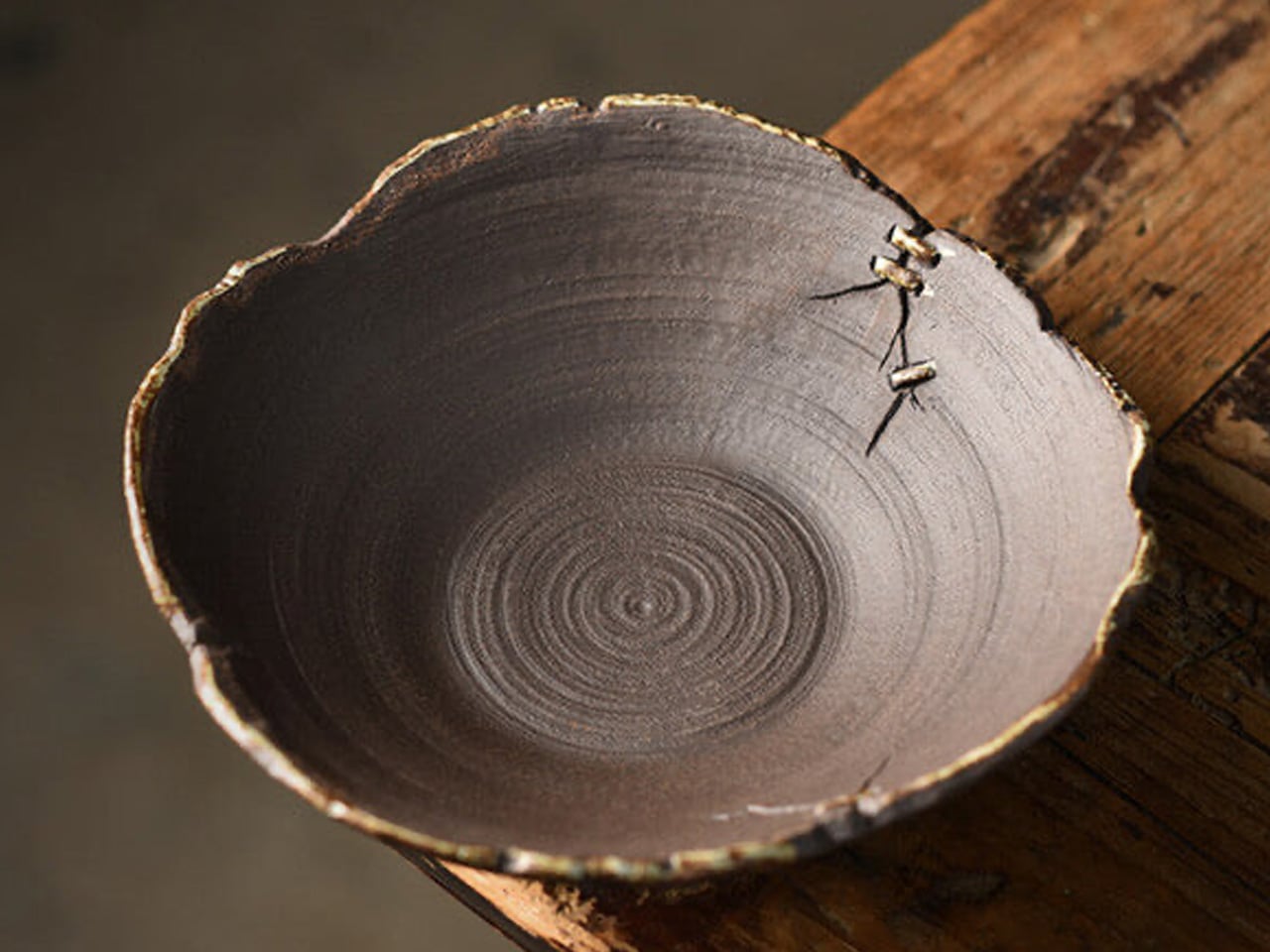
6. Rustic Ceramic Trivet with Antique Nail Design
The Rustic Ceramic Trivet with Antique Nail Design sits at the intersection of kitchen utility and tabletop art. A stunning ceramic piece whose surface carries a pattern that mimics the texture of aged iron nails, it is a tool for creating grounding earth energy and mindful dining rituals, which sounds like marketing until you place it on a table and recognize how meaningfully it shifts the mood of a meal. It earns its place through presence alone.
The antique nail pattern gives it a tactility that glazed ceramics rarely offer, and the warm earth tones pair naturally with the organic materials, linen, wood, and stone, that define spring table settings. A trivet is typically invisible in the design sense, a purely functional object that disappears the moment the pot is set down. This one refuses that role without tipping into decorative excess. It protects surfaces while adding a quiet, aged presence to the table that earns it a permanent position rather than seasonal rotation.
What We Like
The antique nail pattern reads as a considered tabletop object even when not in use.
Earns its space through function first, with aesthetics following naturally from the craft.
What We Dislike
Textured surfaces can collect residue and require more careful cleaning than smooth ceramics.
An earthy aesthetic may not suit very clean, contemporary kitchen settings.
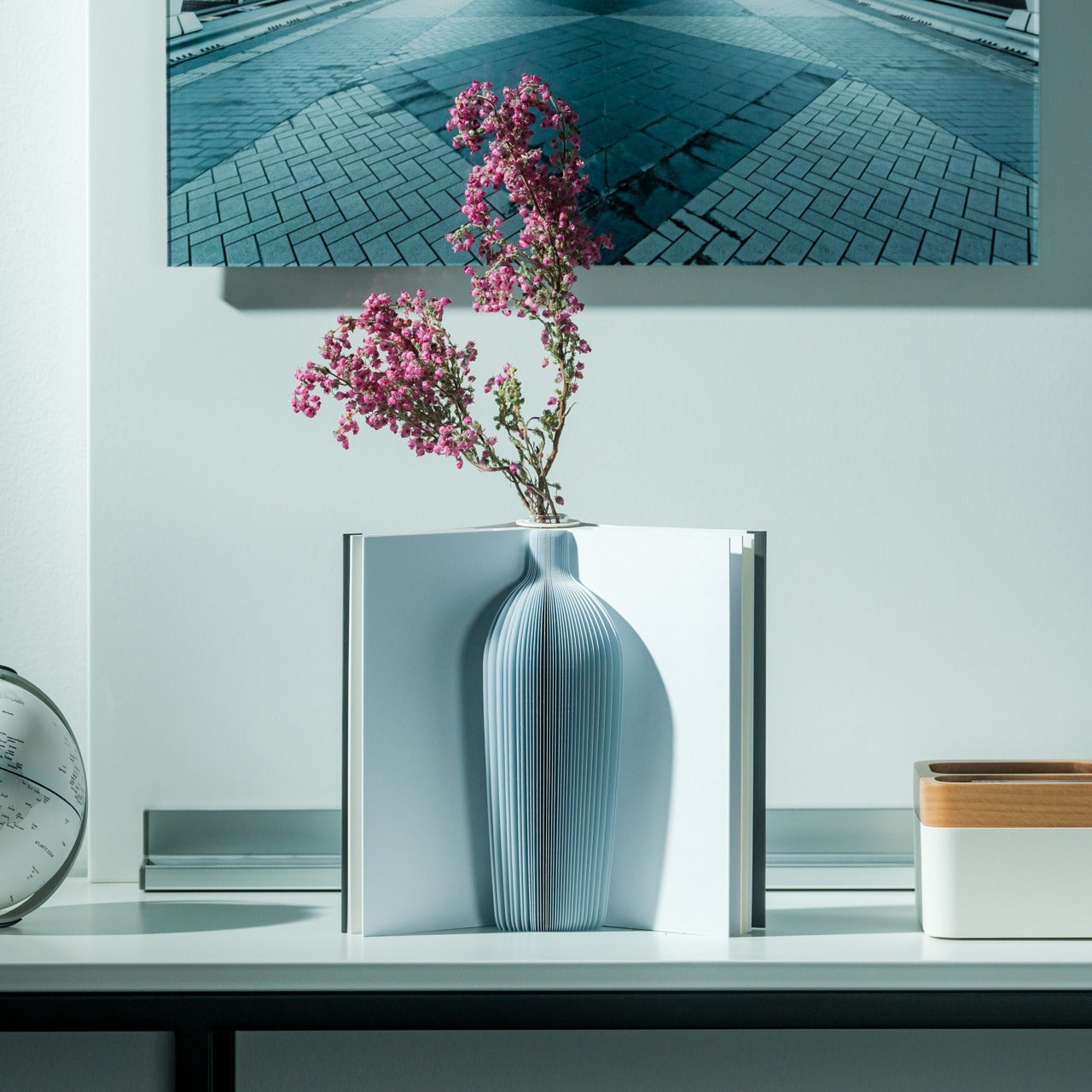
7. Pop-Up Book Vase
The Pop-Up Book Vase is a banger in a soft and unassuming form: it takes one of the most familiar objects in a home and completely recontextualizes it. Open the cover and a 3D vase cutout rises from the pages, holding flowers the way a stage set holds a performance. Three different pop-up designs offer enough variety to keep the presentation fresh across weeks of seasonal blooms. Made entirely from 100% natural pulp with a water-resistant coating, it’s approachably practical and surprisingly robust for its form.
For a spring refresh, this vase works particularly well because it asks almost nothing of its context. Set it on a dining table, a windowsill, or a bookshelf, and the pop-up structure creates its own visual event regardless of the surrounding decor. Flip the book upside down,n and the arrangement transforms entirely, offering a new perspective on the same flowers. It rewards curiosity, which in a home setting is a rarer quality than most design objects manage to carry through to everyday use.
Three built-in pop-up designs keep the display fresh without a new purchase.
Water-resistant pulp construction handles flowers without compromising form.
What We Dislike
Limited water capacity suits single stems better than full bouquets.
May not fully replace a conventional vase for everyday, high-volume use.
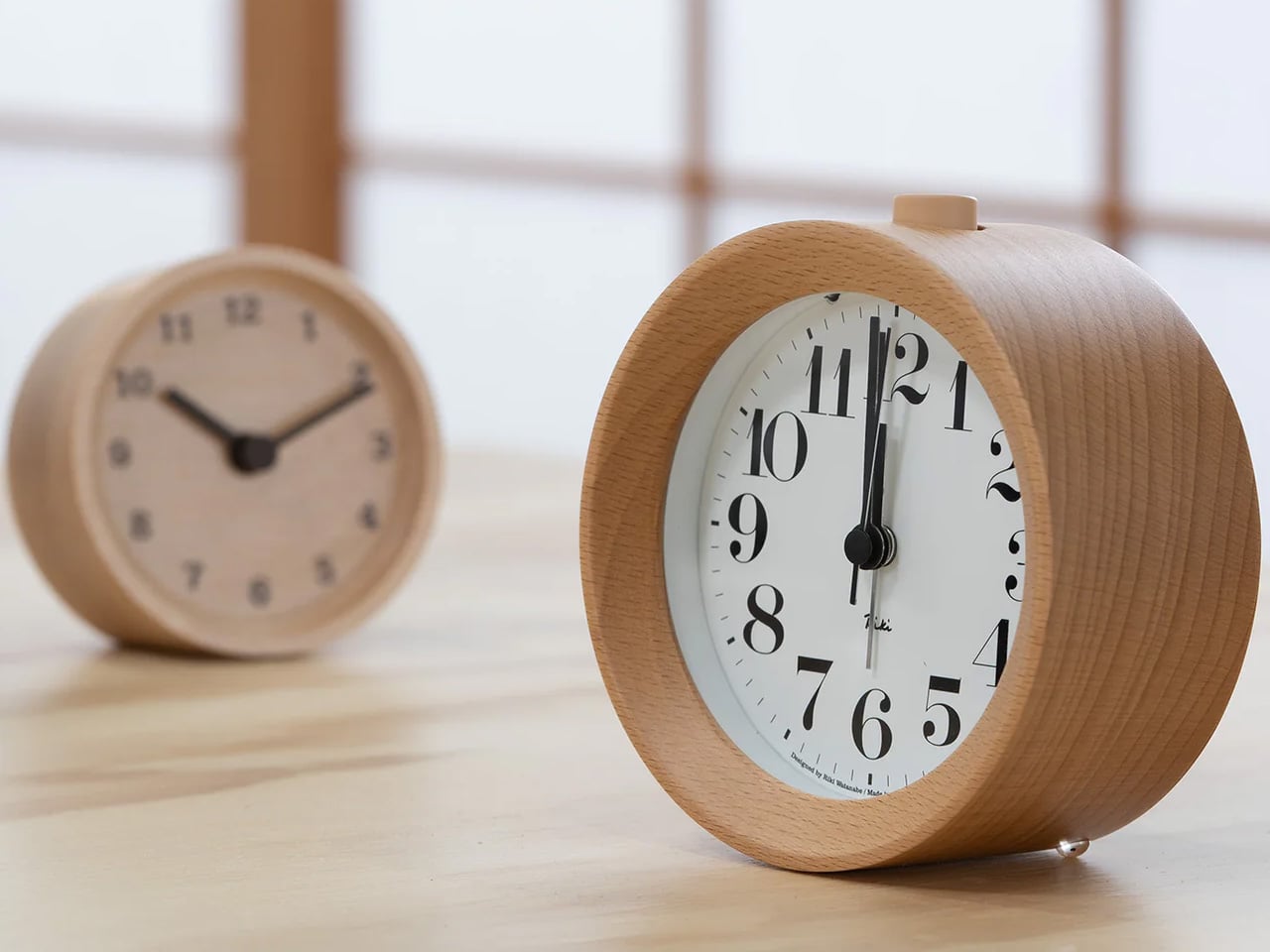
8. Riki Alarm Clock
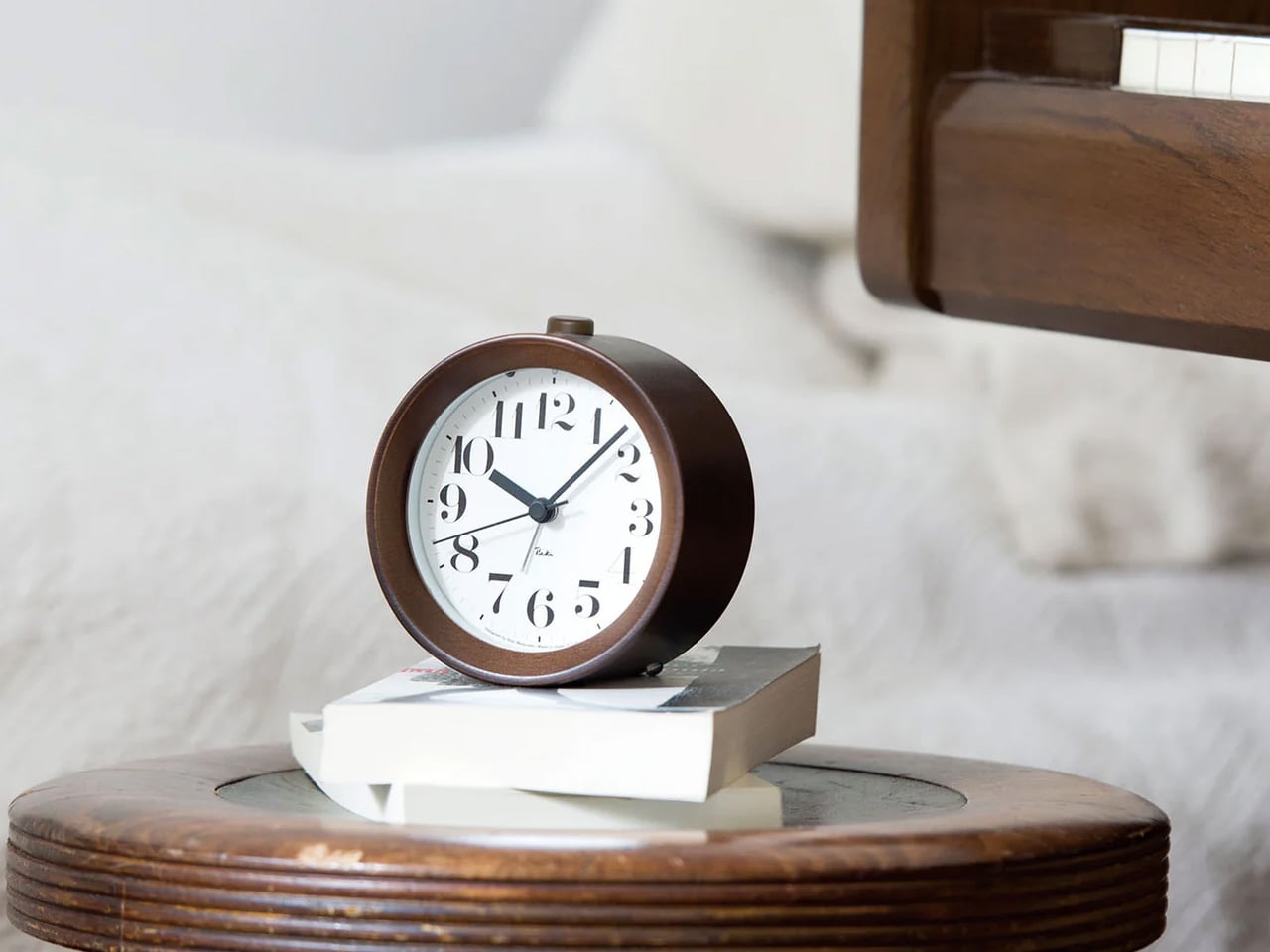
Riki Watanabe was one of Japan’s most celebrated modernist designers, and the Riki Alarm Clock is proof of why his legacy endures. Produced by Lemnos, this analog clock earned the Good Design Award through choices that look deceptively simple: oversized, legible numerals designed to read clearly from across a room, a completely silent movement that eliminates any audible tick, and a single button that consolidates the alarm, snooze function, and built-in internal light into one seamless, unhurried control.
Spring is the season when the phone starts creeping back into the bedroom. The Riki Clock offers a direct, aesthetically grounded alternative. Its timeless analog face, silent enough not to disturb light sleep, replaces the notification-laden device on your nightstand with an object that is simply, reliably there. Morning waking becomes a softer experience, one shaped by the warm quality of the clock’s internal light rather than the cold glow of a screen. For the bedroom’s spring reset, this is exactly where to start.
What We Like
Silent movement removes the most common complaint about analog clocks entirely.
Good Design Award credentials and Riki Watanabe’s legacy make it genuinely worth owning.
What We Dislike
A single-button interface may need a brief adjustment period for new users.
Low-light time checks require activating the internal light, adding one extra step.
These 8 Japanese Pieces Don’t Refresh Your Space. They Reset It.
Spring doesn’t need a renovation. It needs intention. The eight pieces gathered here don’t make noise about what they are: they simply show up in a room and shift the register of everything around them. A stone bookend earns permanence. A ceramic trivet slows a meal. A wind chime marks the exact moment a new season arrives. Japanese design has long understood that the smallest objects carry the longest meaning.
The through line across all eight is craft, objects made by people who understand their materials and know when restraint is the right answer. That clarity translates directly into a home. You don’t need all eight. Adding even one to your spring refresh will do more than any repainting ever could. That is the quiet confidence of Japanese design: it doesn’t ask for your attention, but it almost always earns it.
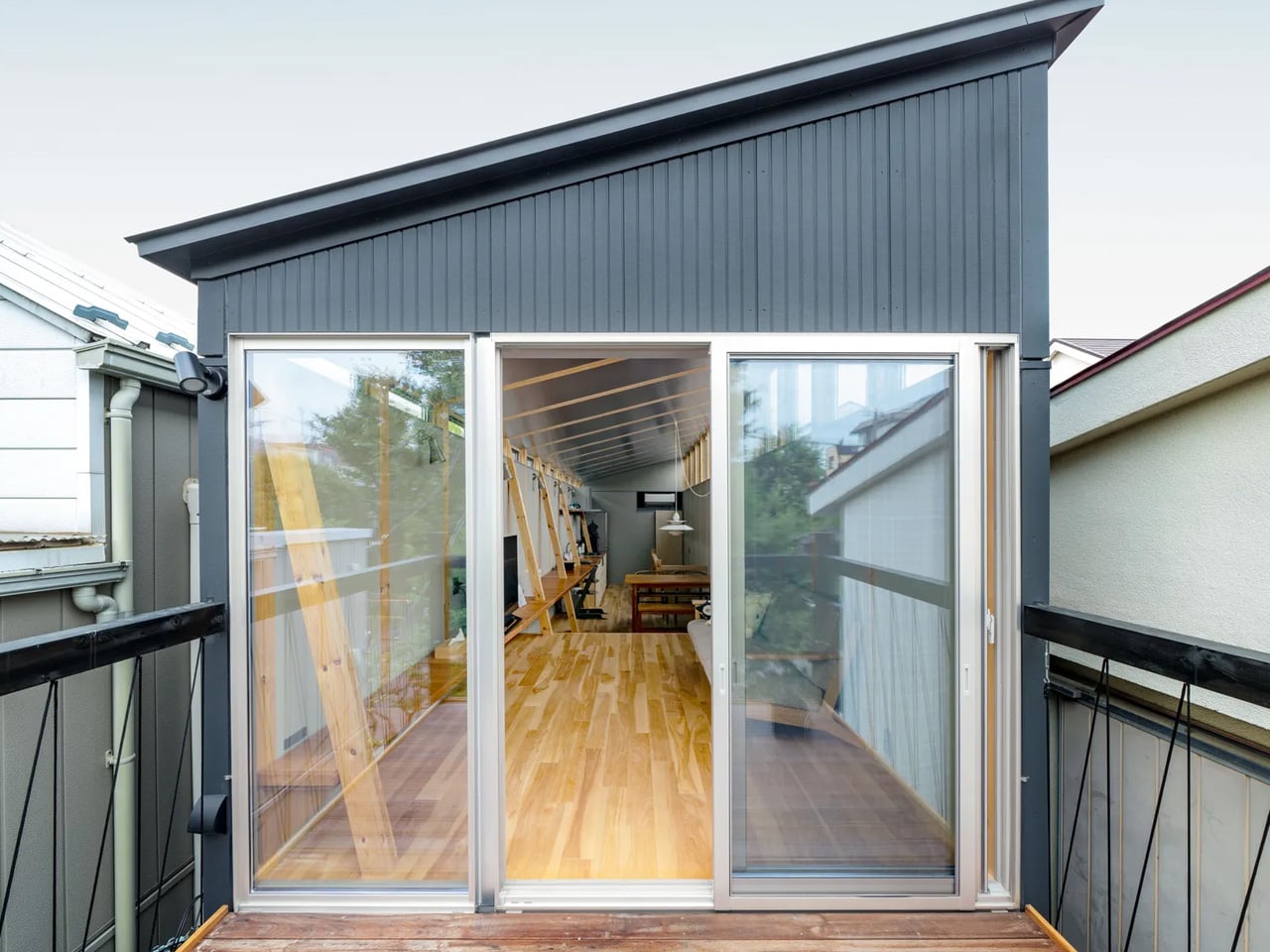
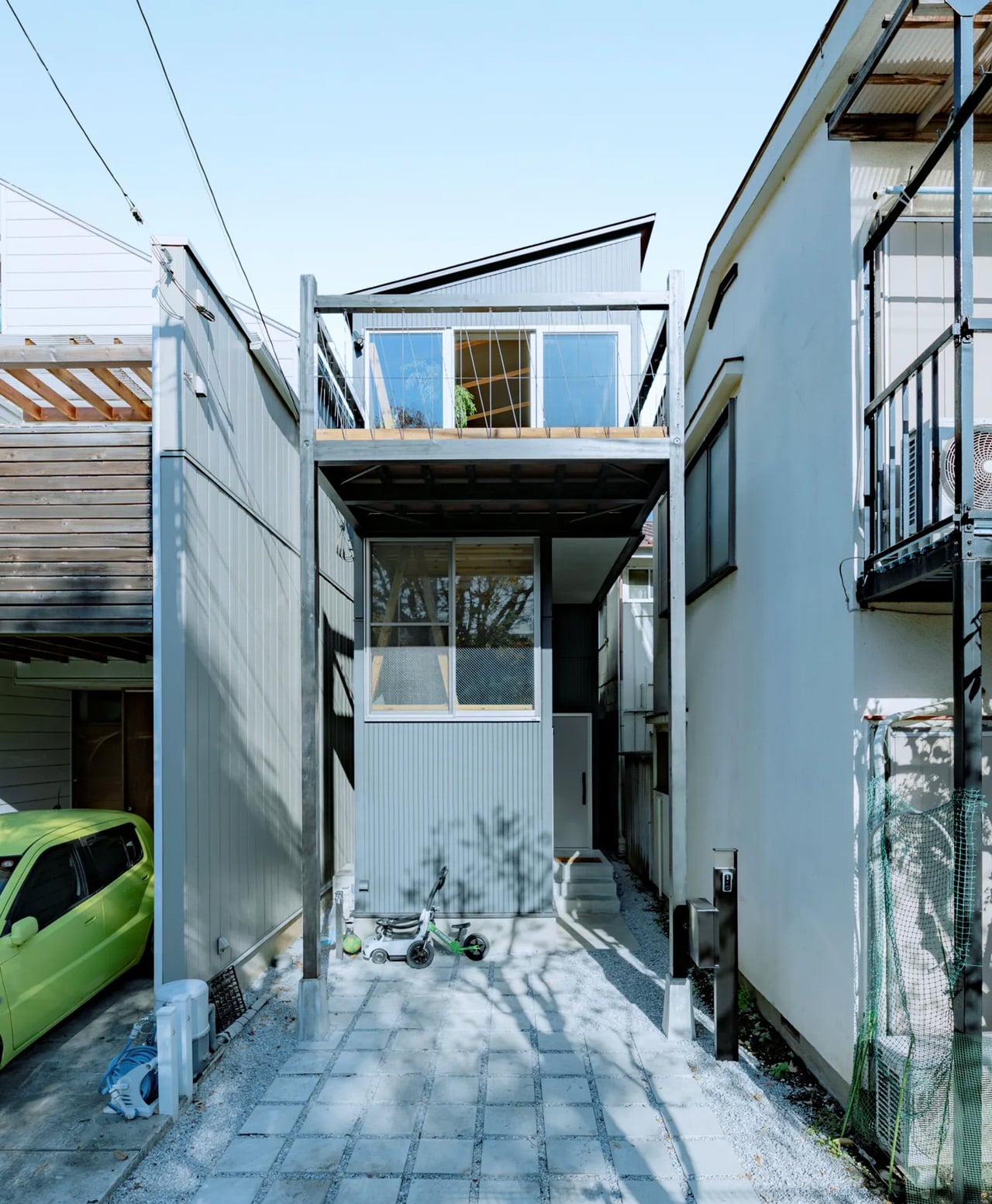
In the quiet residential enclave of Fukasawa, south-west Tokyo, narrow plots and intimate streetscapes create an architectural character that feels worlds away from the metropolitan sprawl surrounding it. This area, bearing the name of renowned designer Naoto Fukasawa, who made it his home, carries a quaint charm reminiscent of older Japanese shopping streets. Within this context, architecture firm MIDW has completed a striking residence that reinterprets traditional building methods for contemporary living.
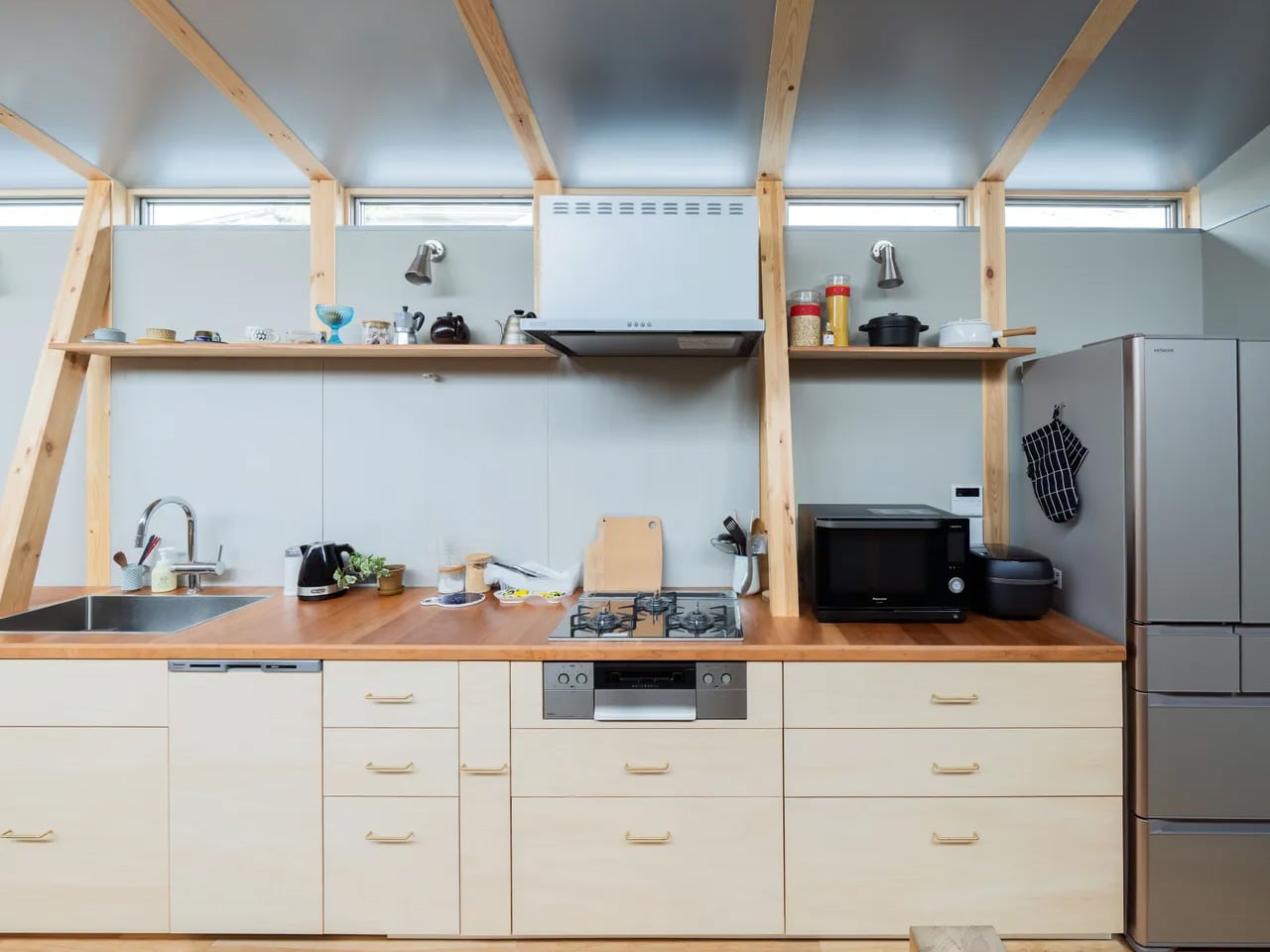
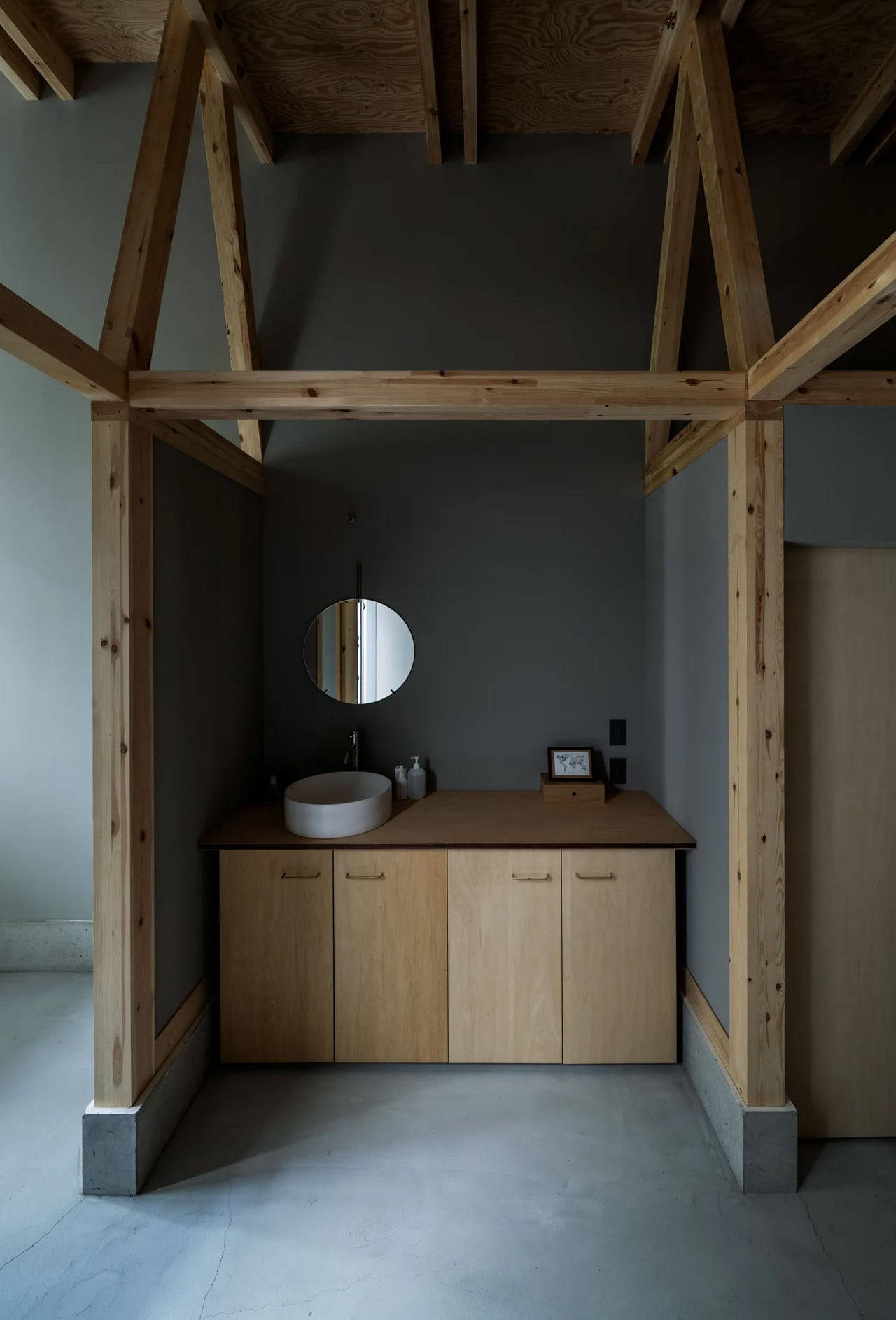
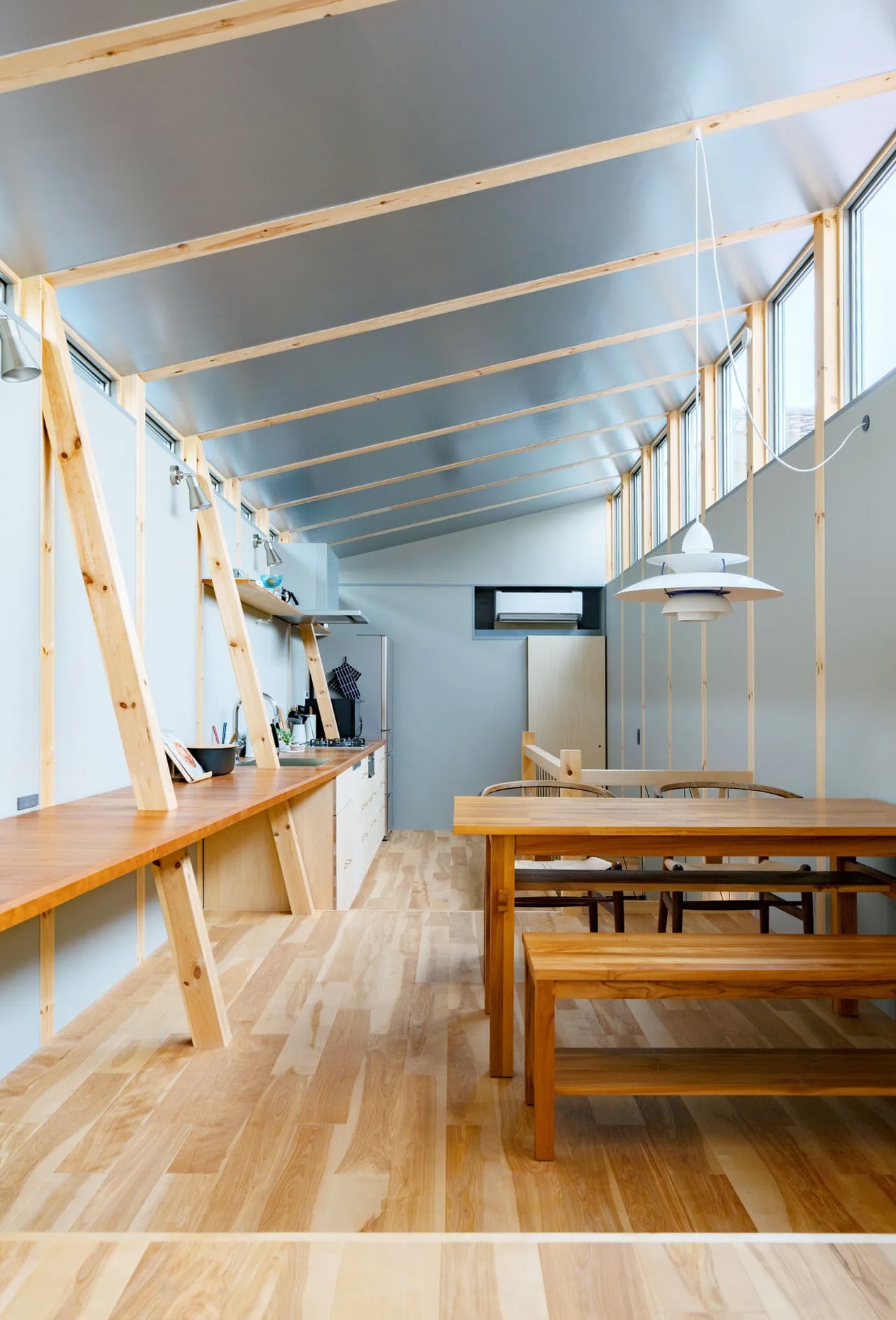
The house occupies a slender plot measuring just 2.73 metres in width and 13.65 metres in depth. Rather than viewing these proportions as limitations, MIDW embraced them as design opportunities. The structure is defined by six truss-shaped load-bearing walls, their beams spanning gracefully between evenly spaced columns to create a rhythmic structural language that anchors the entire composition.
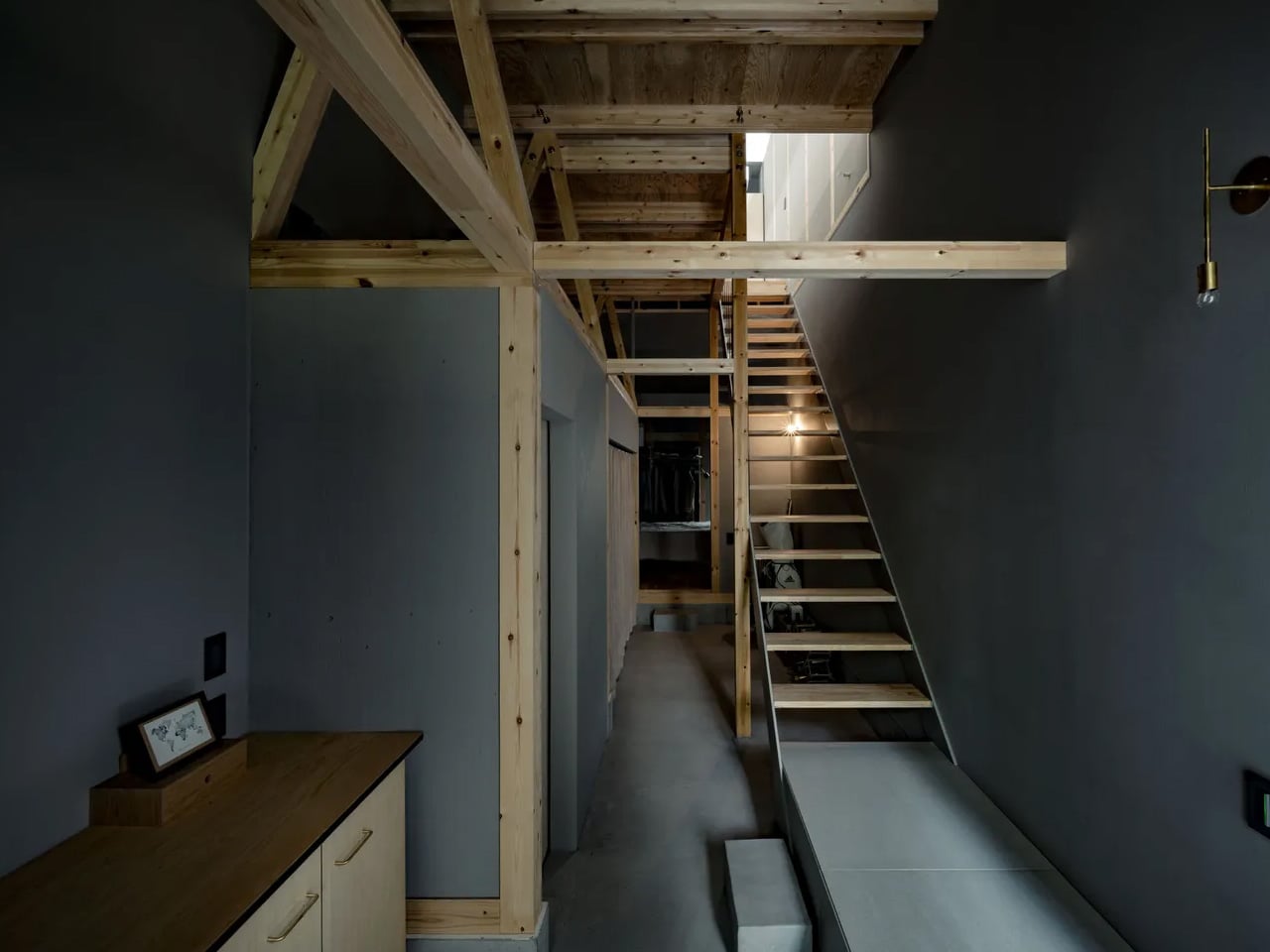
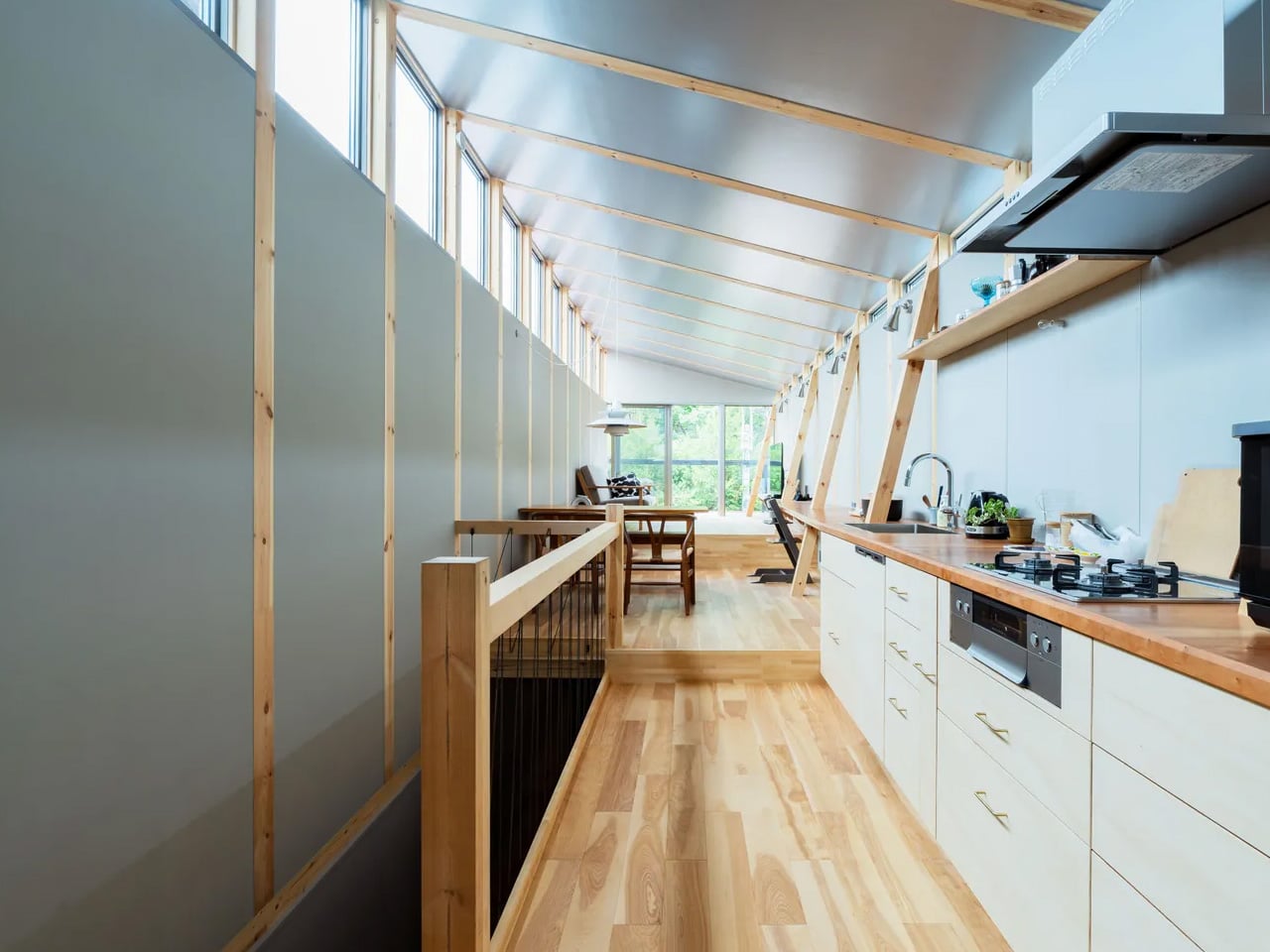
Daisuke Hattori, co-chairman and managing architect of MIDW, explains the conceptual foundation. The firm frequently draws from local construction techniques, particularly the traditional Japanese timber post-and-beam system. This method, built through the assembly of linear wooden members, offers both structural integrity and visual refinement. It remains among Japan’s most enduring building approaches, balancing flexibility with aesthetic clarity. The Fukasawa residence presents a contemporary dialogue with this heritage. The structural framework isn’t hidden behind finishes or treated as mere utility. Instead, it takes centre stage as a defining architectural element, echoing the exposed timber construction found in historic shrines and temples across Japan. This approach transforms structural necessity into spatial poetry.
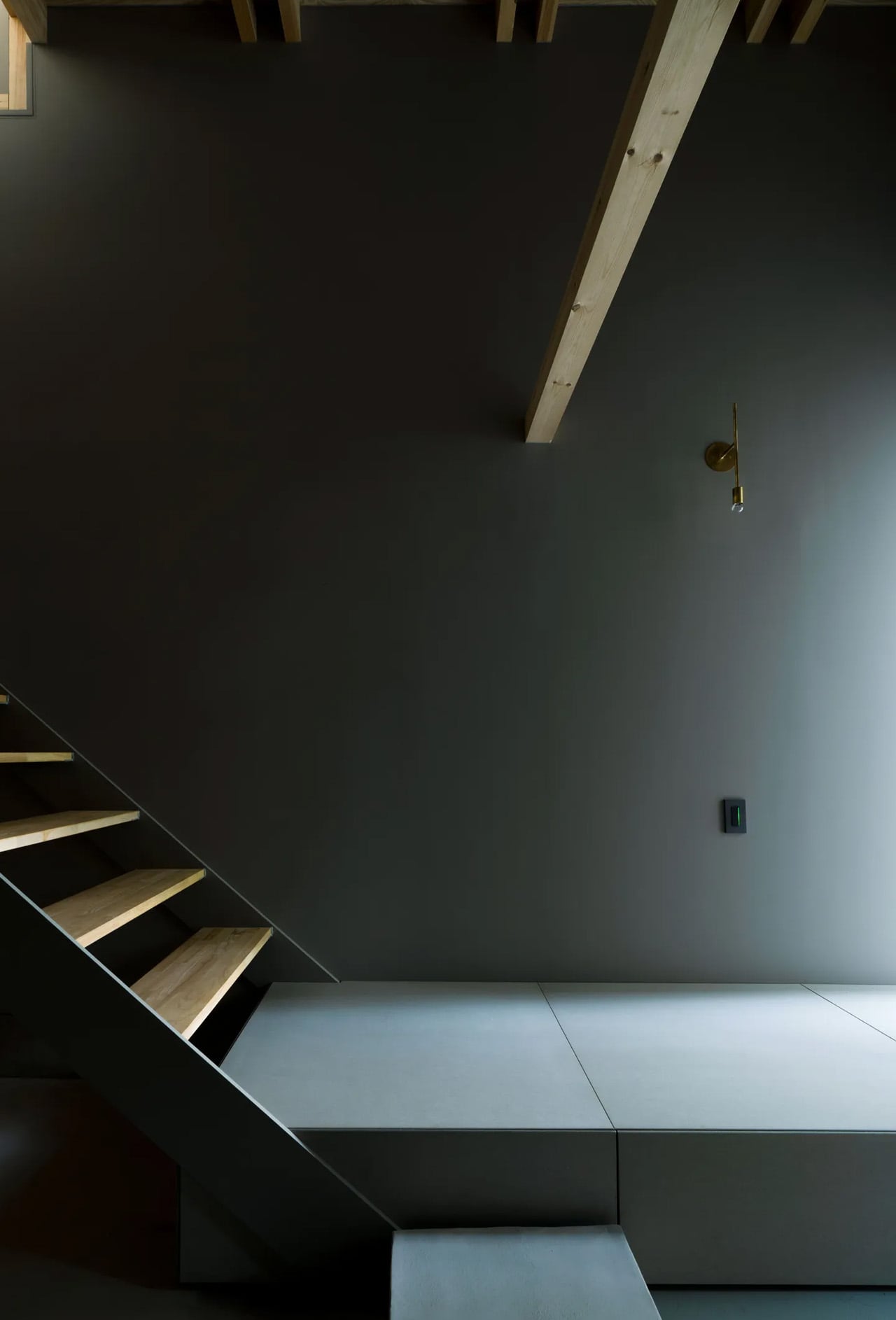
Entering the home, visitors encounter a slightly sunken floor plane that marks the transition from street to sanctuary. From this entry point, a carefully choreographed sequence of spaces begins to reveal itself. Light and shadow play across surfaces as one moves through the narrow depth of the plot. A straight staircase draws the eye upward, leading to the upper level where the spatial experience opens considerably.
The upper floor presents a broad, generous volume animated by the repetitive cadence of exposed timber beams. These structural elements create a calming visual rhythm that organizes the space while celebrating the material honesty of wood construction. The beams don’t merely support; they define the character and atmosphere of the interior.
Working within Tokyo’s dense urban fabric presented challenges beyond just dimensional constraints. Material choices and design gestures required careful consideration. Yet MIDW approached the project not as a problem to solve but as an opportunity to develop universal design principles rooted in specific site conditions. The result is a home that feels both distinctly of its place and timelessly resonant, proving that constraint often breeds the most compelling creativity.
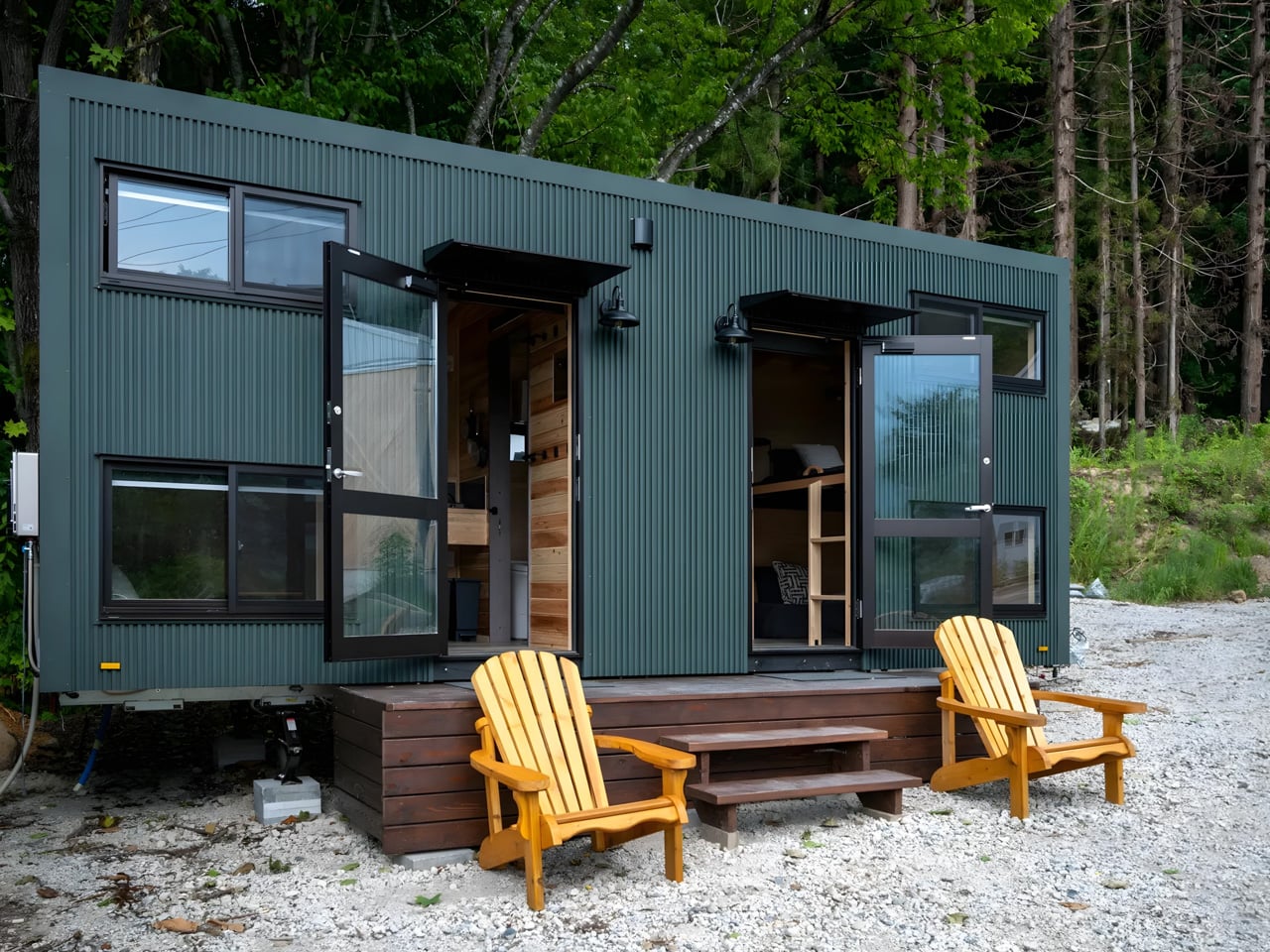
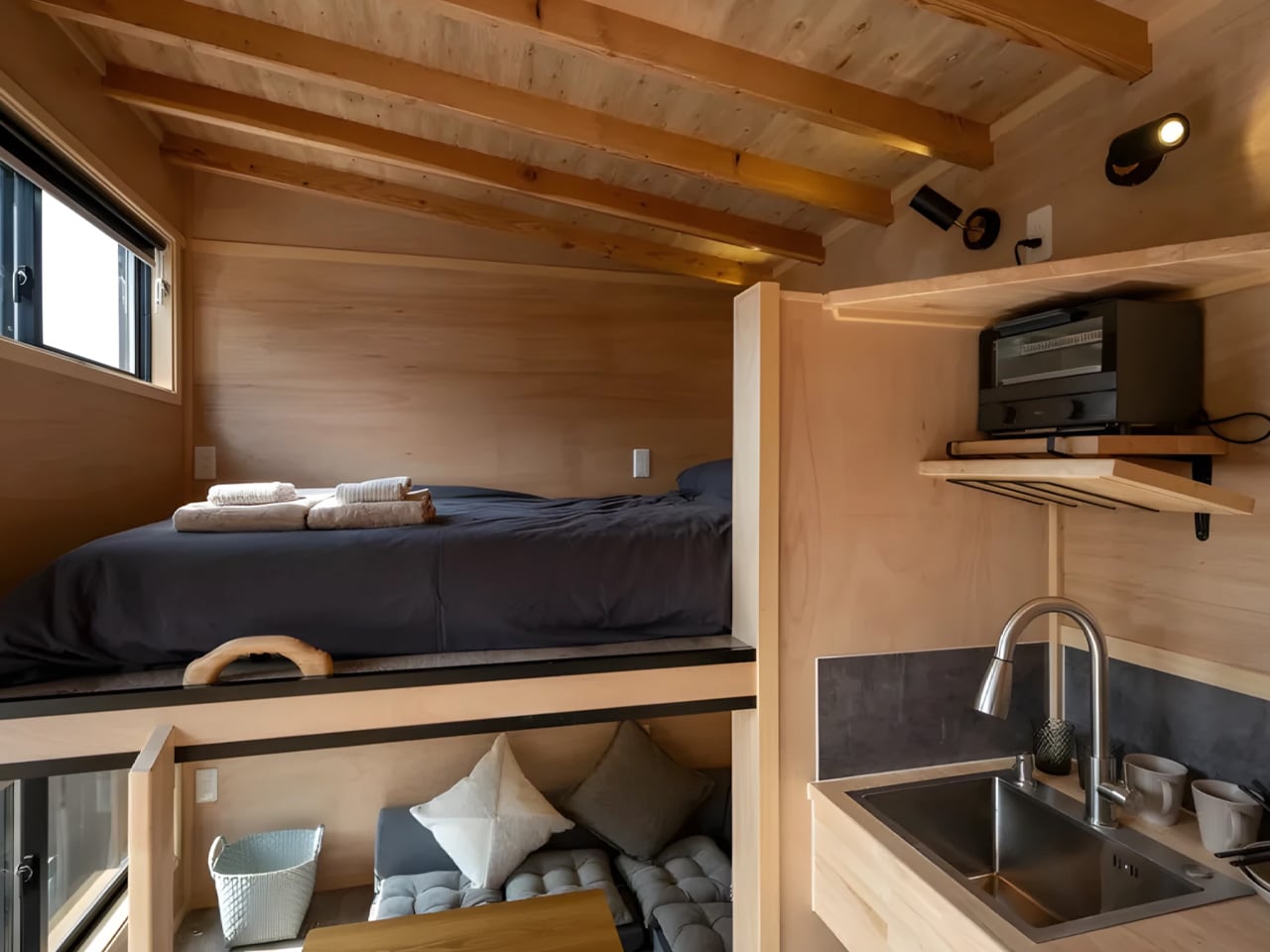
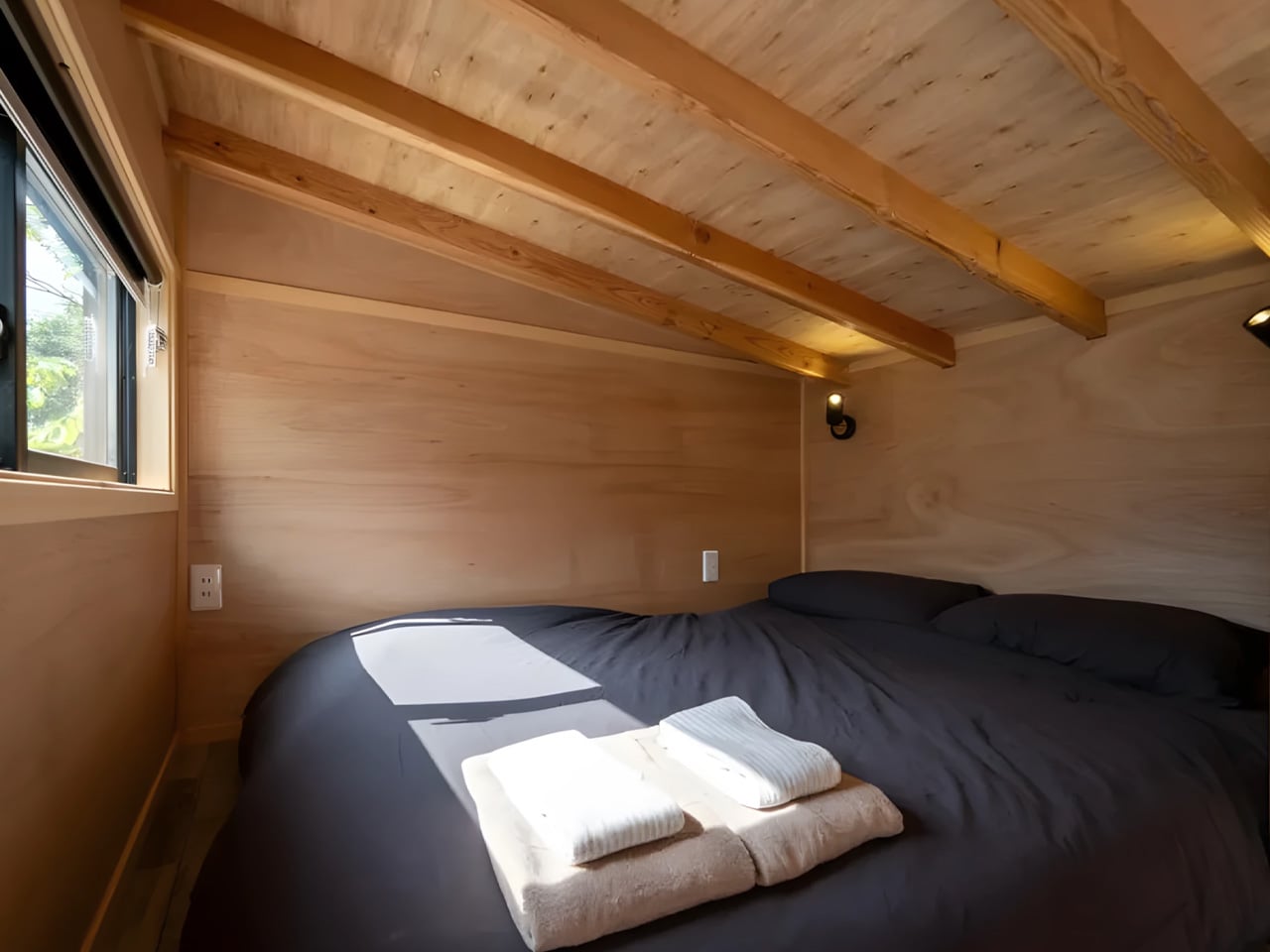
Nestled in the mountains of Nozawaonsen, Nagano, a young company called Ikigai Collective is rewriting the rules of compact living. Their latest creation, the Yamabiko, challenges everything we thought we knew about tiny houses. At just 6.6 meters long, this remarkable dwelling doesn’t squeeze one living space into its metal frame. It fits two. The concept sounds impossible until you see it. Two front doors hint at the Yamabiko’s clever secret: a perfectly mirrored layout that splits the home down the middle. Enter through the left door, and you’ll find a complete living space with a lofted bedroom, compact kitchen, and cozy lounge area. The right side offers an identical setup, reversed like a reflection. Between them sits a shared bathroom, the only space where the two halves meet.
This isn’t just architectural cleverness for its own sake. Ikigai Collective designed the Yamabiko specifically for staff accommodation in Japan’s seasonal resort towns. Ski instructors, hospitality workers, and summer camp employees often require housing that strikes a balance between privacy and efficiency. The Yamabiko delivers both. Two people can live independently under one roof, each with their own kitchen and sleeping loft, while sharing a single bathroom and utility connection. The exterior speaks to Japanese minimalism through its utilitarian Galvalume steel cladding. This durable material handles everything from heavy mountain snow to coastal humidity, aging gracefully while maintaining its modern edge. The design doesn’t shout for attention. It simply exists, blending into mountain landscapes and urban lots with equal ease.
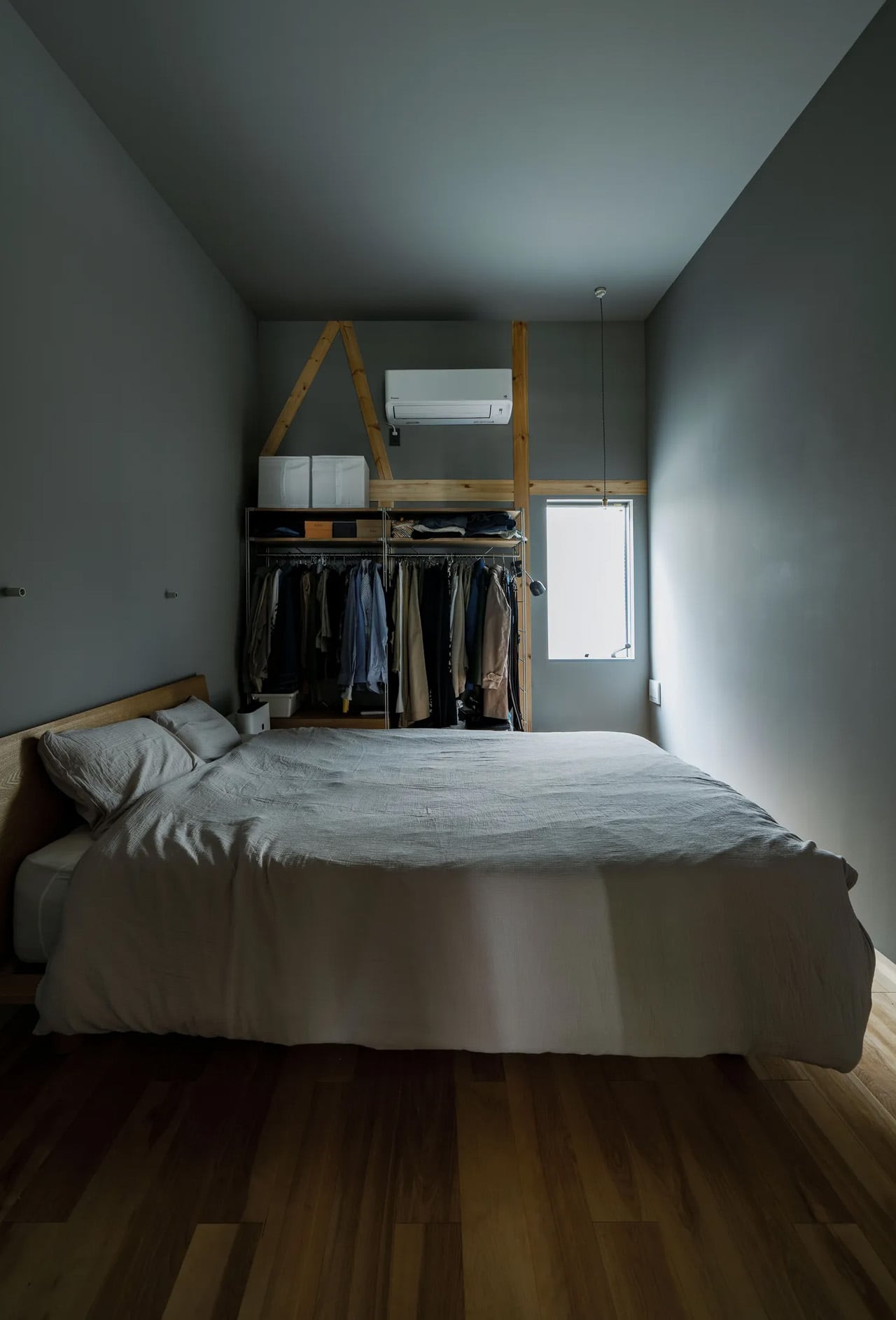
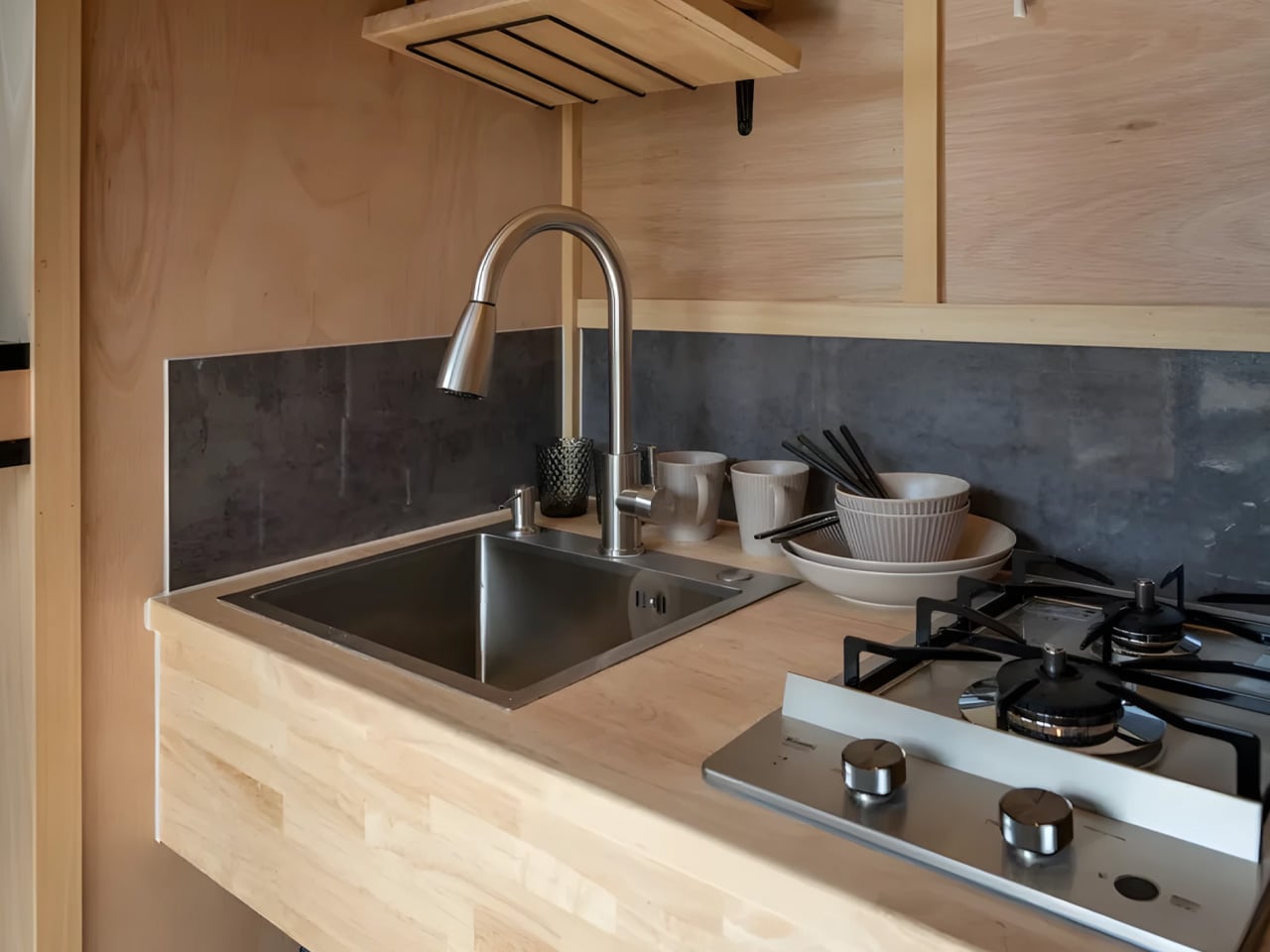
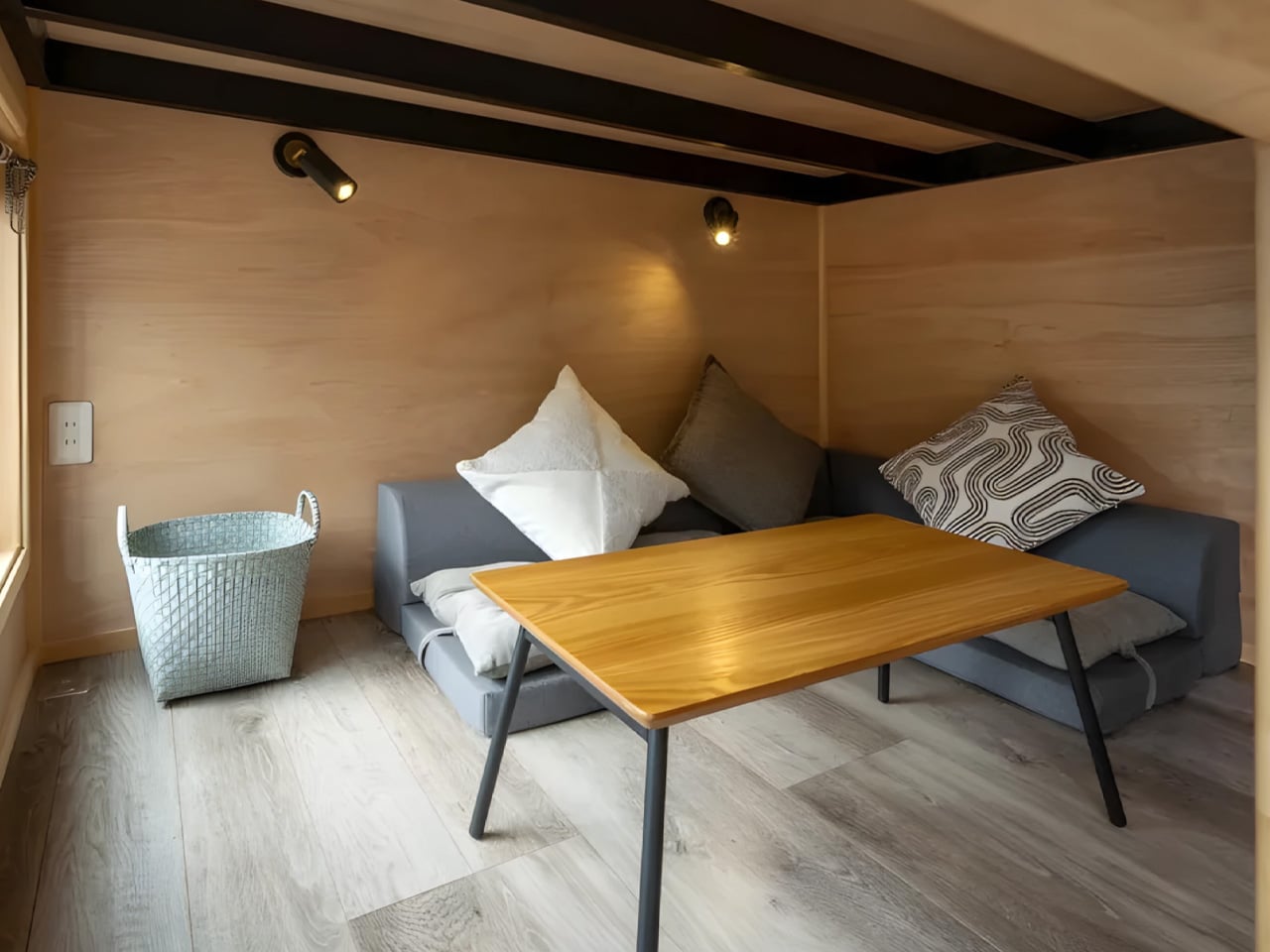
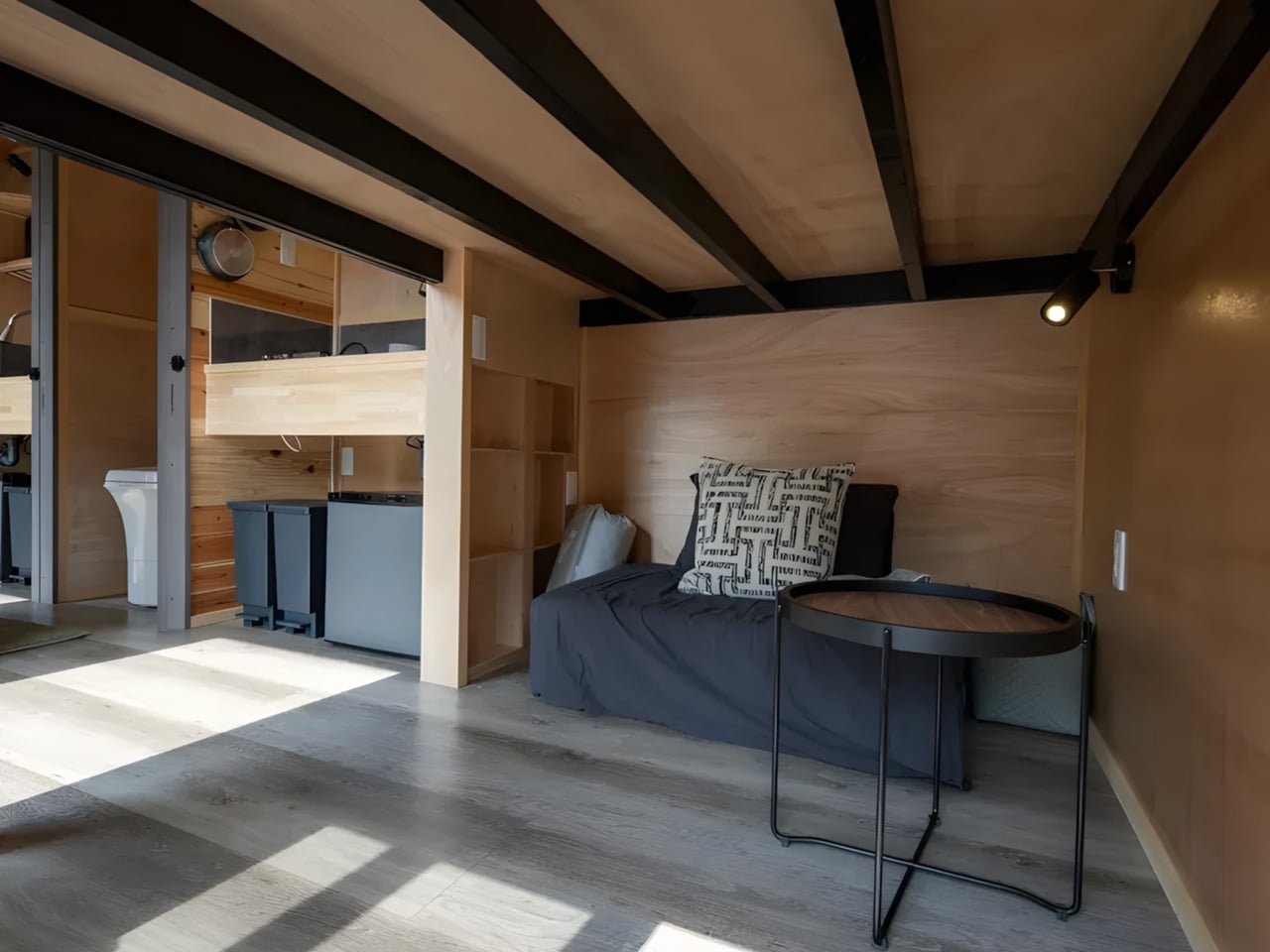
Inside, the spaces feel surprisingly complete despite their compact footprint. Each kitchen comes equipped with a two-burner propane stove and sink. The living rooms feature built-in seating and small tables. Loft bedrooms provide privacy without wasting precious floor space below. Every centimeter serves a purpose, reflecting the Japanese principle of functional beauty. The shared bathroom sits strategically between both living areas, creating the connection point where the two mirrored halves meet while maintaining the independence of each space.
Ikigai Collective keeps customization at the forefront. Buyers can select their color scheme, choose between flooring options, design their shower layout, and pick between standard or composting toilets. The starting price of ¥9,900,000 positions the Yamabiko as a serious housing solution rather than a lifestyle experiment. The timing feels right. Japan is slowly embracing tiny living as urban space grows scarcer and younger generations seek alternatives to traditional housing. Ikigai Collective was founded just two years ago by people who came to Japan and fell in love with its culture. They’re not just importing Western tiny house trends. They’re creating something distinctly Japanese, built for Japanese needs and sensibilities.
For those curious to experience the Yamabiko firsthand, Ikigai Collective operates a showroom village in Iiyama where visitors can book overnight stays. The facility includes wellness amenities like a sauna, letting guests test the tiny house lifestyle before committing. The Yamabiko proves that innovation in tiny living isn’t about shrinking everything down. Sometimes it’s about reimagining how space can serve multiple lives at once.
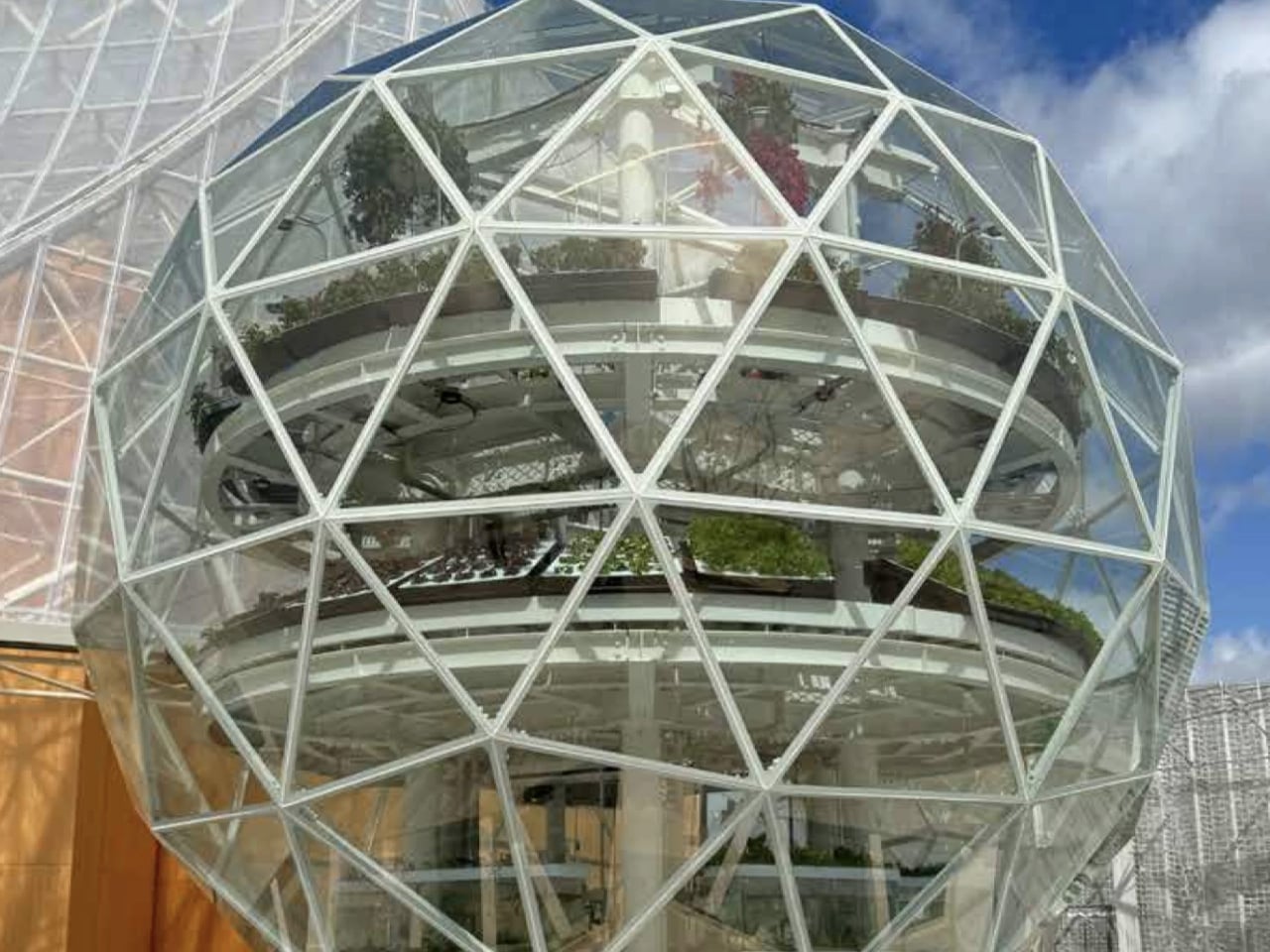
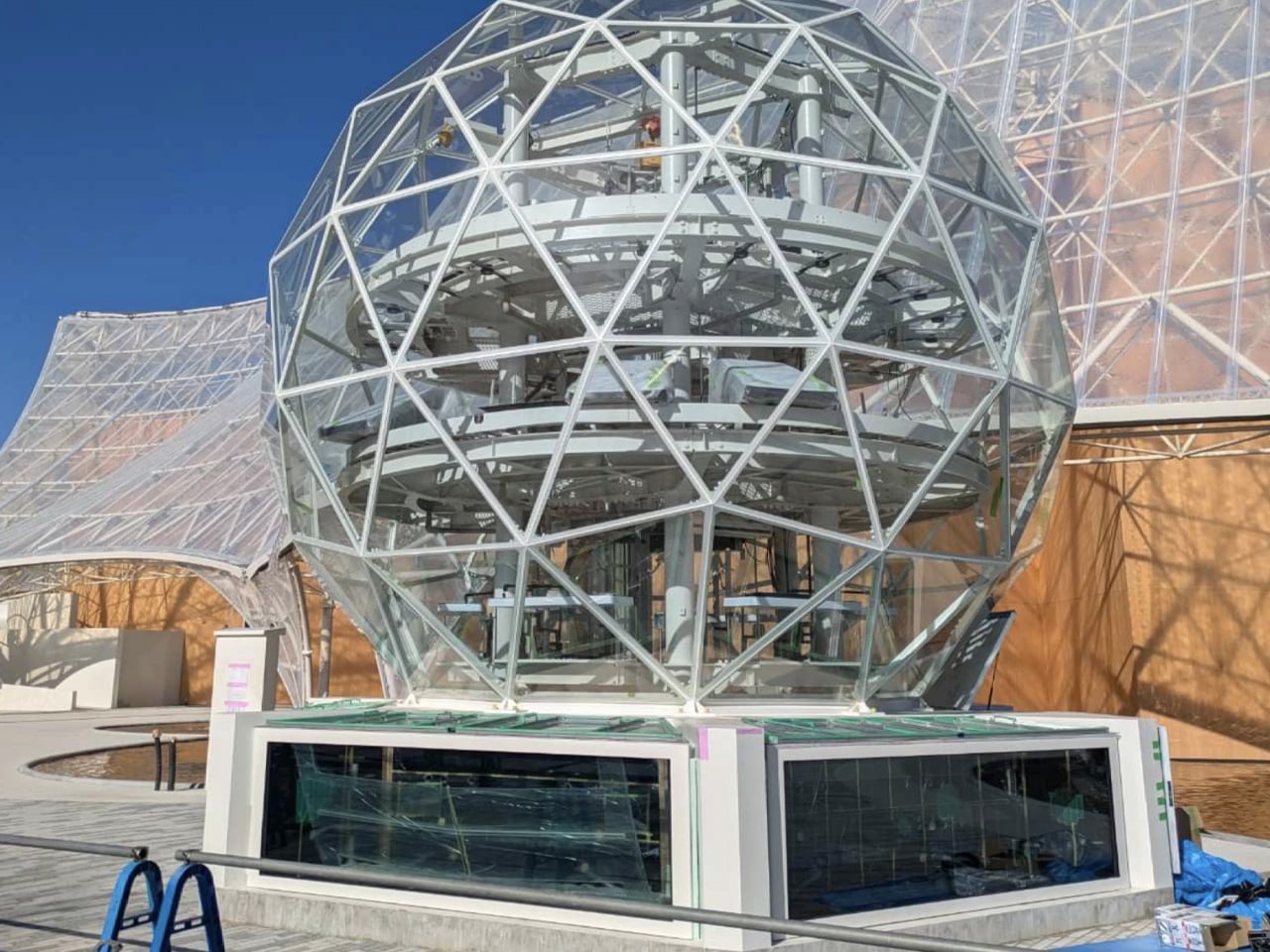
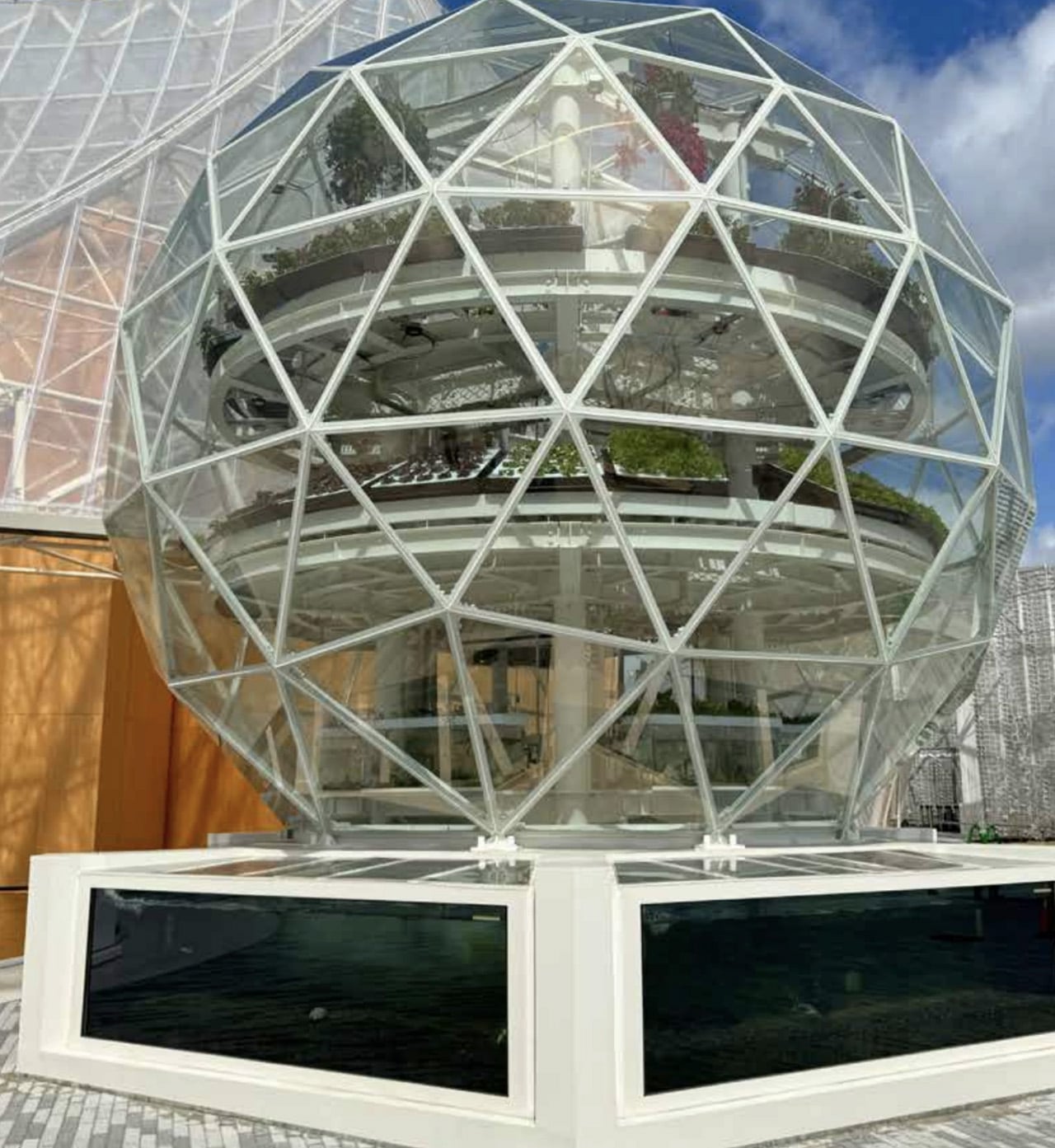
Perched at the Osaka Health Pavilion during Expo 2025, a translucent dome hums with life. Inside, tomatoes ripen above brackish water while pufferfish swim below, their waste feeding the plants that clean their home. This is “Inochi no Izumi,” or “Source of Life,” a 21-foot-high sphere that reimagines how cities might feed themselves. The dome’s genius lies in its vertical arrangement. Four water compartments form the base: seawater, brackish water, and two freshwater tanks. Each supports aquatic species matched to its salinity, from marine groupers to freshwater sturgeon. Above each tank rises a corresponding tier of hydroponic crops, creating four parallel ecosystems stacked inside a single structure.
The nutrient cycle starts underwater. Fish excrete ammonia-rich waste that specialized microbes convert into nitrites, then nitrates. Pumps lift this nutrient-loaded water to feed the plants directly overhead. As roots absorb nitrogen compounds, they return purified water to the tanks below. Nothing leaves the system. Nature’s wetland cycling becomes an engine for food production. The broader the range of compatible species, the more resilient and self-sufficient the ecosystem becomes. That diversity mirrors natural systems but remains optimized for human consumption.
Designer: VikingDome, Osaka Metropolitan University’s Plant Factory R&D Center & Tokyo University of Marine Science & Technology
Each layer hosts plants suited to its water source. Salt-tolerant halophytes like sea asparagus and sea purslane grow above the seawater tank housing red seabream and black porgy. Sea grapes flourish in the saltwater itself. Move up a tier, and semi-tolerant tomatoes thrive on brackish water where Japanese pufferfish and ornamental carp glide. The freshwater zones support functional vegetables—nutrient-dense herbs and lettuces—while edible flowers, including nasturtium and marigold crown the top tier, their beds rotating via built-in motors to optimize light exposure.
The dome’s outer skin consists of transparent ETFE panels stretched across 245 steel structural bars connected by 76 joints. This geodesic framework, built using VikingDome’s T-STAR system, covers 1,378 square feet while weighing just over two tons. The entire structure arrived at Yumeshima Island on three pallets. Its design maximizes sunlight penetration while maintaining stable internal temperatures, creating a microclimate where multiple growing zones coexist.
Developed with Osaka Metropolitan University’s Plant Factory R&D Center and Tokyo University of Marine Science and Technology, this system demonstrates agricultural biodiversity at work. The practical applications extend beyond exhibition. Dense urban centers with limited ground space could host these modular systems on rooftops or in narrow lots. Land-poor regions where traditional farming struggles could gain food independence. Disaster-prone areas might deploy closed-loop domes for decentralized production unaffected by soil contamination or water scarcity.
What makes Source of Life compelling isn’t revolutionary technology. The core principle—aquaponics—has existed for decades. Rather, it’s the elegant integration of ecological understanding with space-efficient design. Commercial agriculture often chases yield through inputs: fertilizers, pesticides, energy. This dome inverts that logic, asking what happens when we design with nature’s cycles instead of against them. As cities grow and climate pressures mount, feeding urban populations sustainably demands fresh thinking. This geodesic greenhouse suggests one path forward: upward, inward, and circular.
Let’s talk about what happens when ancient Japanese craftsmanship collides with one of the most elusive sneakers in the game. The result? A pair of shoes that costs more than most people’s monthly rent, and somehow, that price tag makes total sense.
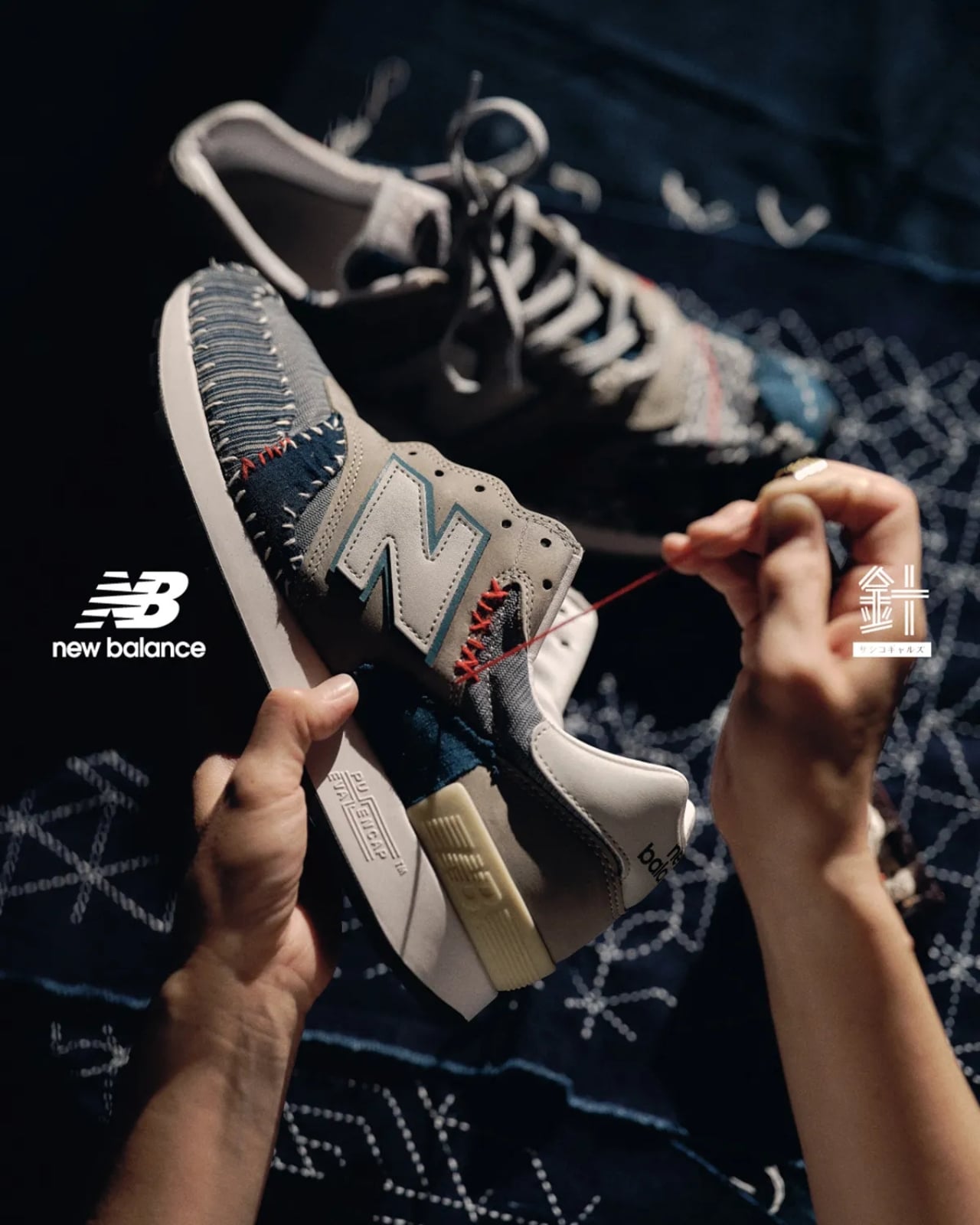
New Balance Japan just announced a collaboration with Sashiko Gals that’s turning heads for all the right reasons. They’ve taken the legendary 1300JP and transformed it into something that exists somewhere between footwear and functional art. And before you dismiss this as another overpriced sneaker collab, hear me out, because this one’s different.
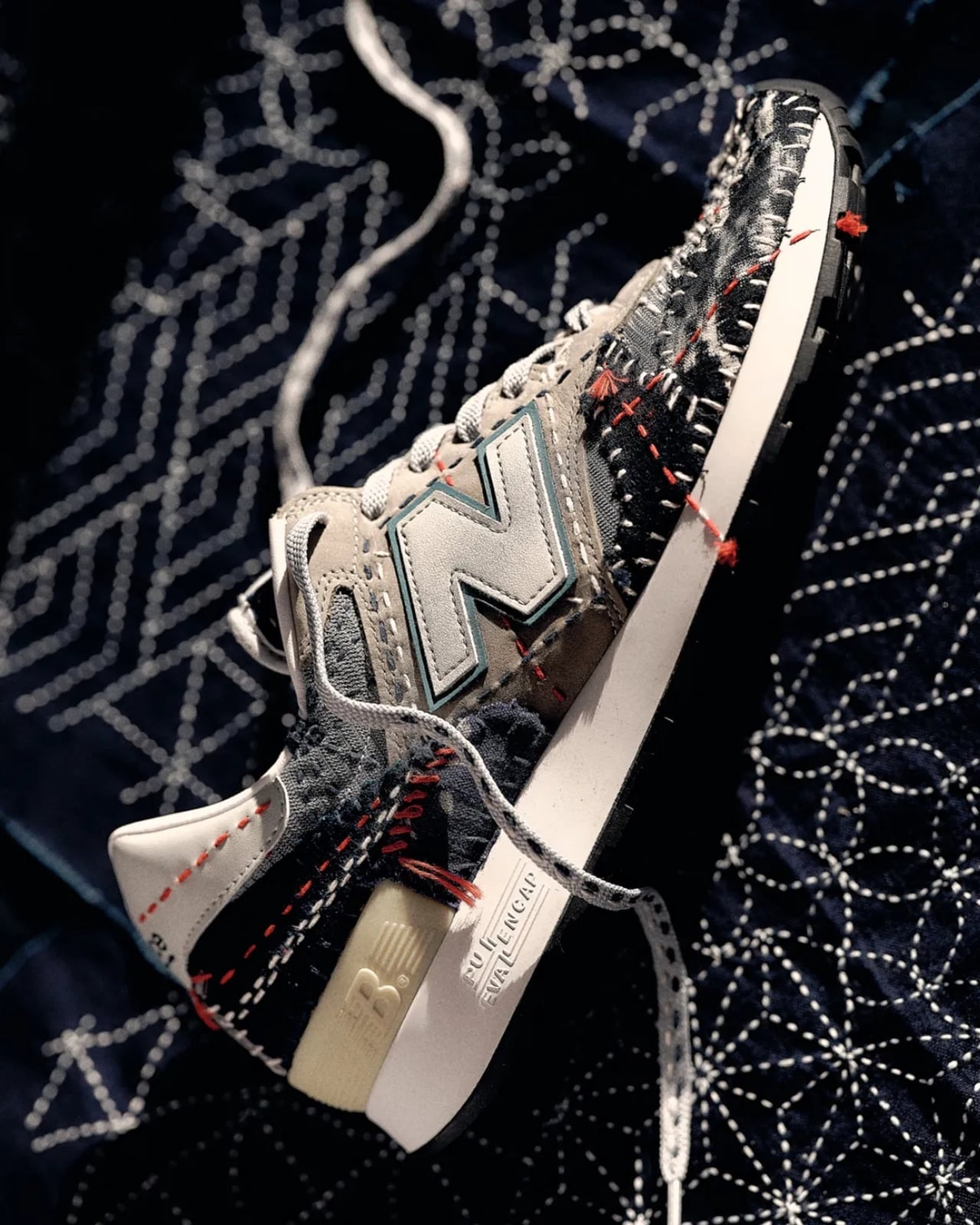
For those not deep in sneaker lore, the New Balance 1300JP is basically the Bigfoot of running shoes. Originally released in the 1980s, it only drops once every five years in Japan, making it the kind of shoe that serious collectors set calendar reminders for. It’s got that classic grey suede aesthetic and Made in USA quality that sneakerheads obsess over.
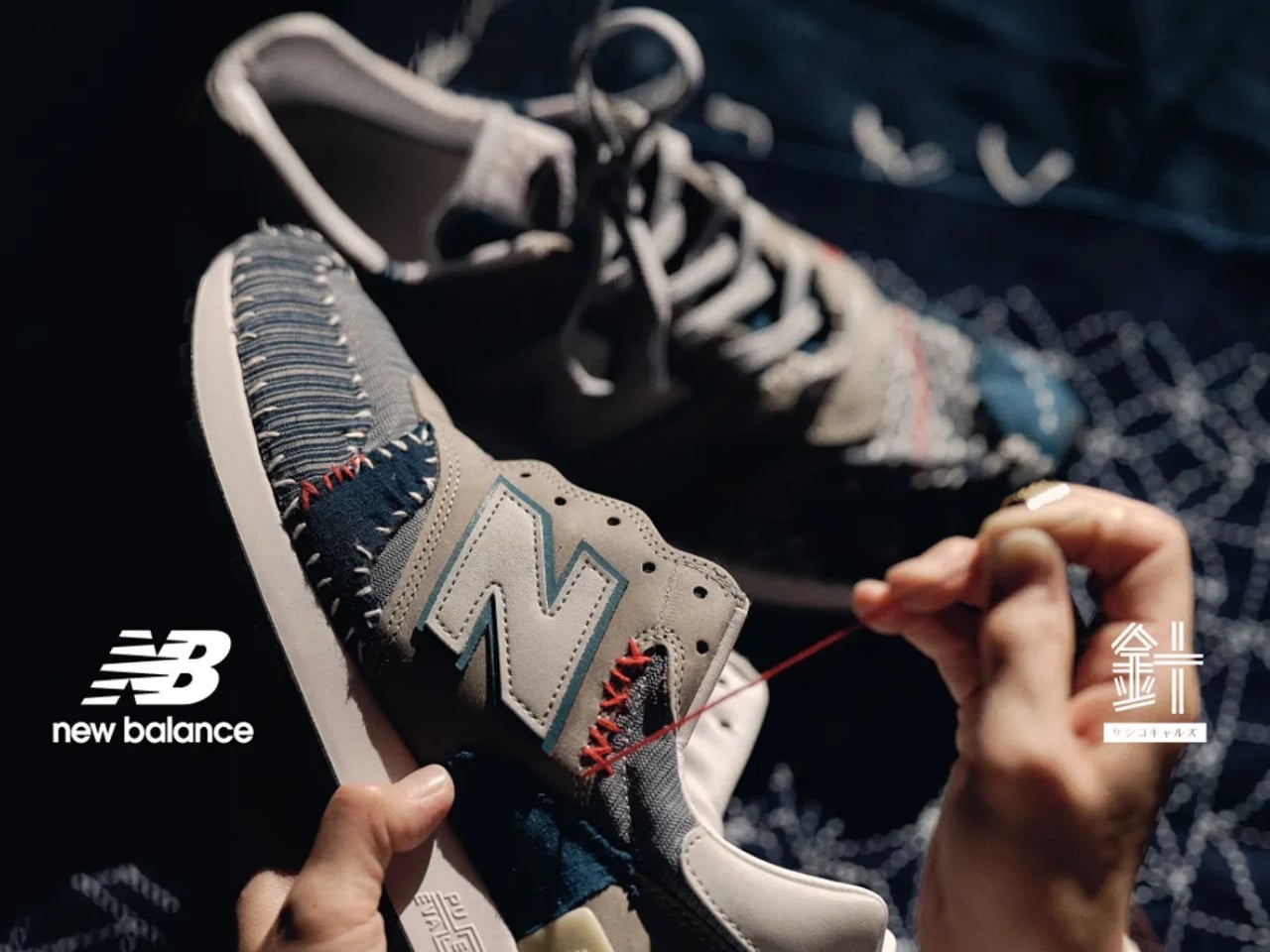
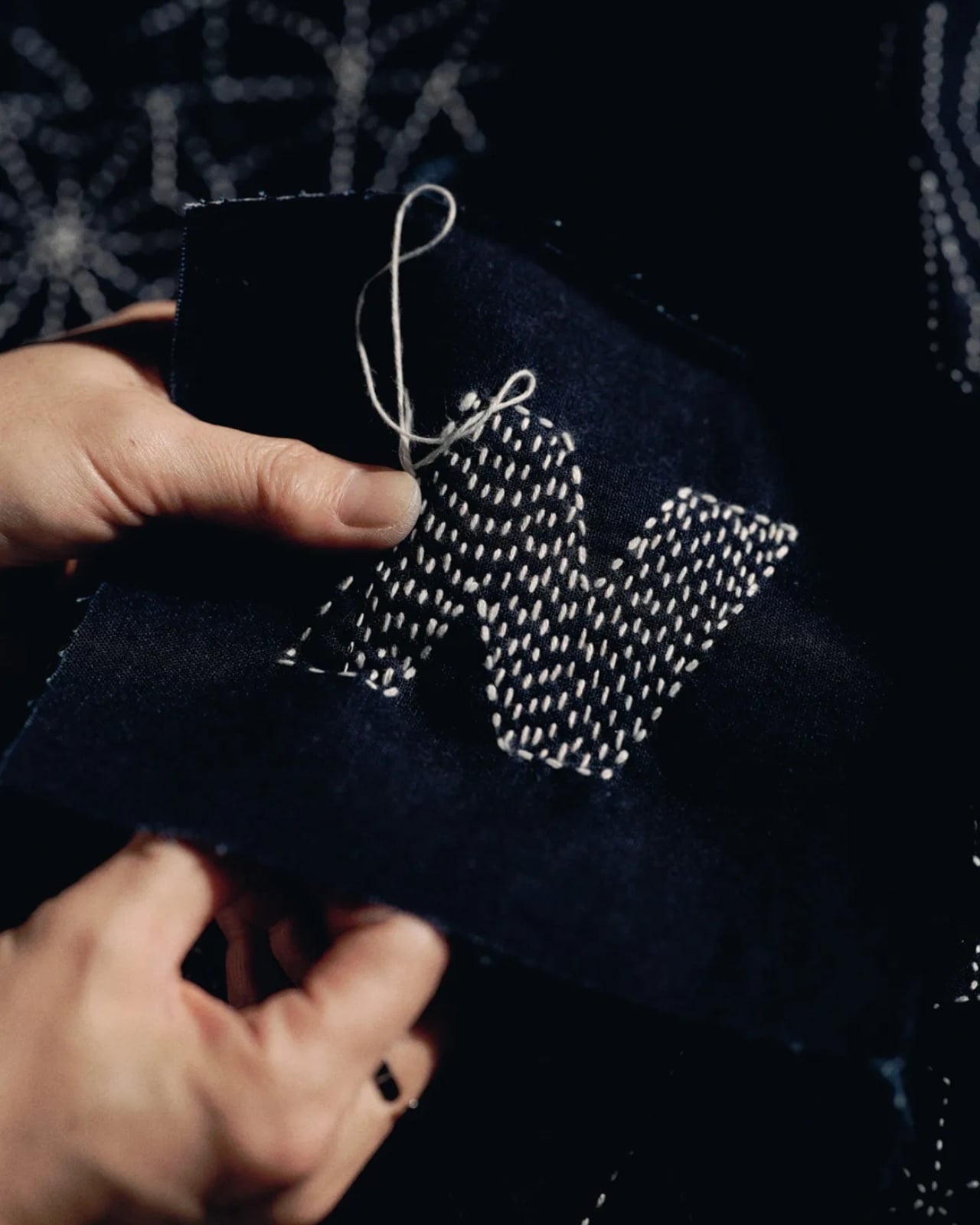
Enter Sashiko Gals, a community of Japanese artisans who are keeping the centuries-old tradition of sashiko embroidery alive by dragging it, stitch by careful stitch, into contemporary culture. Sashiko is that traditional Japanese hand-stitching technique where artisans use running stitches to create intricate patterns on fabric, typically indigo-dyed. It’s slow work. Meticulous work. The kind of craft that makes you appreciate the human hands behind every detail.
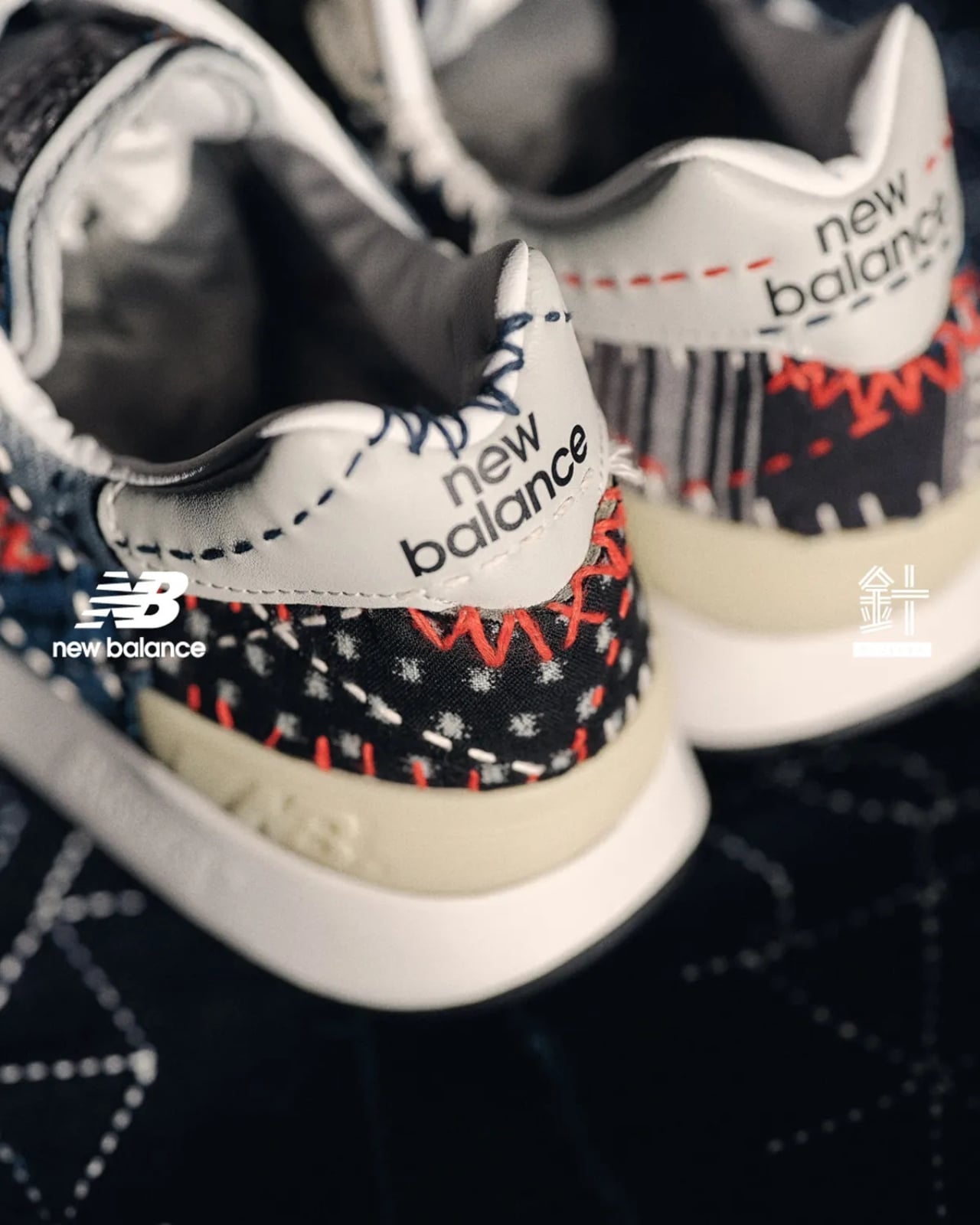
What these artisans did to the 1300JP is nothing short of remarkable. They covered the entire upper with hand-made sashiko patches, stitching them with white, orange, and indigo-blue thread. The decorative patterns create this visually rich tapestry that screams Japanese heritage while somehow still respecting the sneaker’s classic silhouette. And because these artisans apparently don’t believe in half-measures, they even stitched the running patterns onto the ends of the laces. Every. Single. Detail. Matters. The collaboration also includes a Made in USA varsity jacket that gets the same treatment, blending American sports heritage with Japanese craftsmanship in a way that shouldn’t work but absolutely does.
Now, about that price tag. The sneakers clock in at 363,000 yen, which translates to roughly $2,330 USD. The jackets? Try 990,000 yen, or about $6,300 USD. Yeah, you read that right. These numbers are stratospheric. But here’s where things get interesting. New Balance and Sashiko Gals are only making two pairs of the 1300JP and four jackets (one in each size from small to extra-large). They’ll drop via a charity-based lottery at the New Balance Harajuku flagship on December 12th, and here’s the kicker: every single yen from the sales goes to MOONSHOT Co., LTD., an organization dedicated to developing future sashiko artisans and funding the launch of something called the SASHIKO WORLD CHAMPIONSHIP.
This is what makes this collaboration actually matter. It’s not just two brands cashing in on hype. It’s a genuine effort to preserve and promote a traditional art form that’s at risk of fading away in our mass-production world. The Sashiko Gals are literally expanding the possibilities of their craft, proving that ancient techniques can still resonate in our modern, sneaker-obsessed culture. The “Crafted for the Future” partnership name suddenly makes sense. This isn’t about churning out product. It’s about creating a sustainable model where traditional craftsmanship can thrive, where artisans have platforms to showcase their work, where slow fashion and meticulous detail aren’t just marketing buzzwords but actual values worth paying for.
Will most of us ever own these sneakers? Probably not. Only two pairs exist, and the lottery system means even having the money isn’t enough. But that’s kind of the point. This collaboration is proving that sneakers can be more than just footwear or even fashion. They can be vessels for cultural preservation, fundraising tools, and tiny rebellions against our disposable culture. We’re living in an age where fast fashion dominates and sneaker collaborations drop every other week so the Sashiko Gals x New Balance 1300JP stands out by doing the exact opposite. It’s slow. It’s expensive. It’s impossibly rare. And somehow, that makes it one of the most exciting sneaker releases of the year.
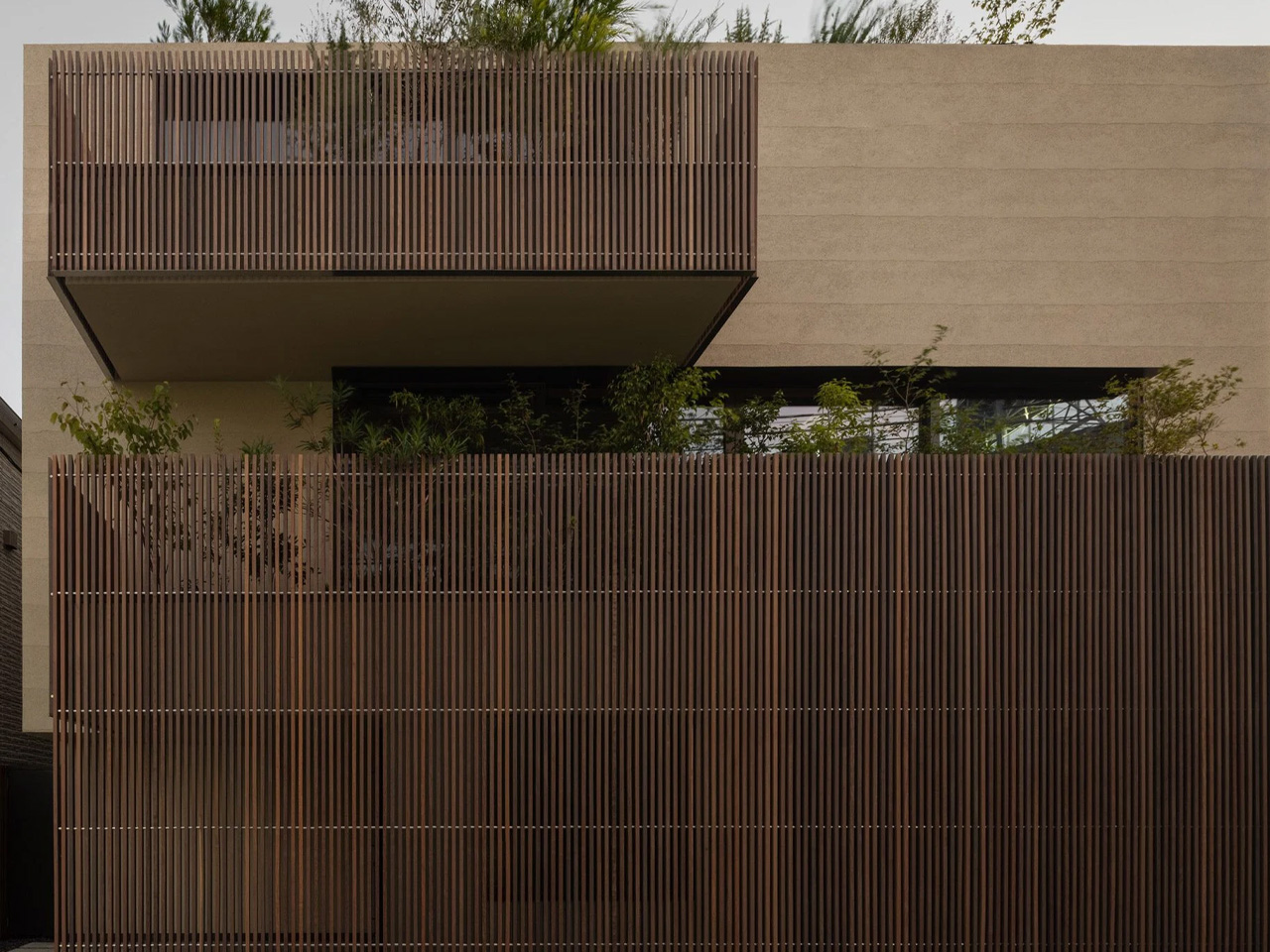
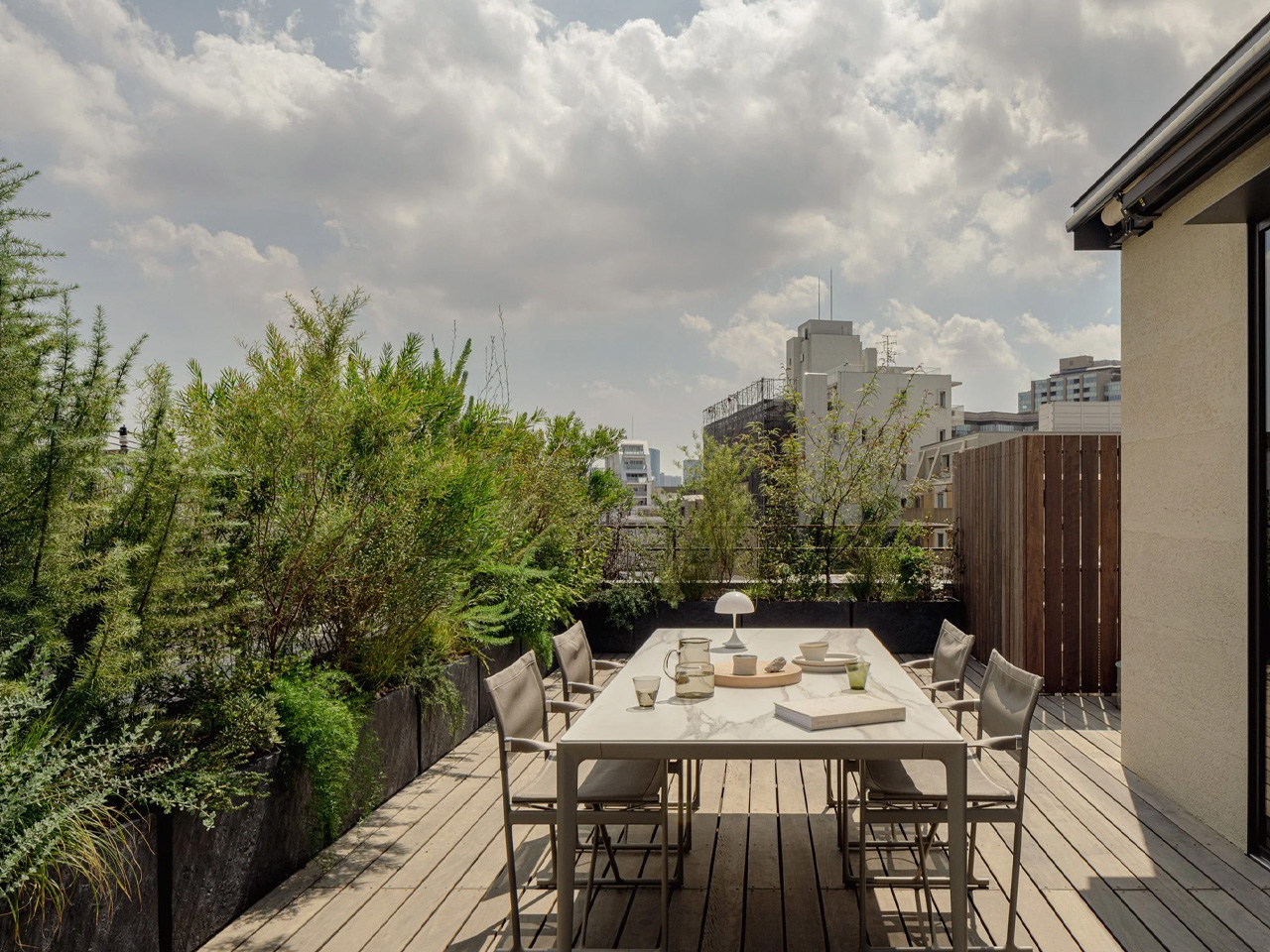
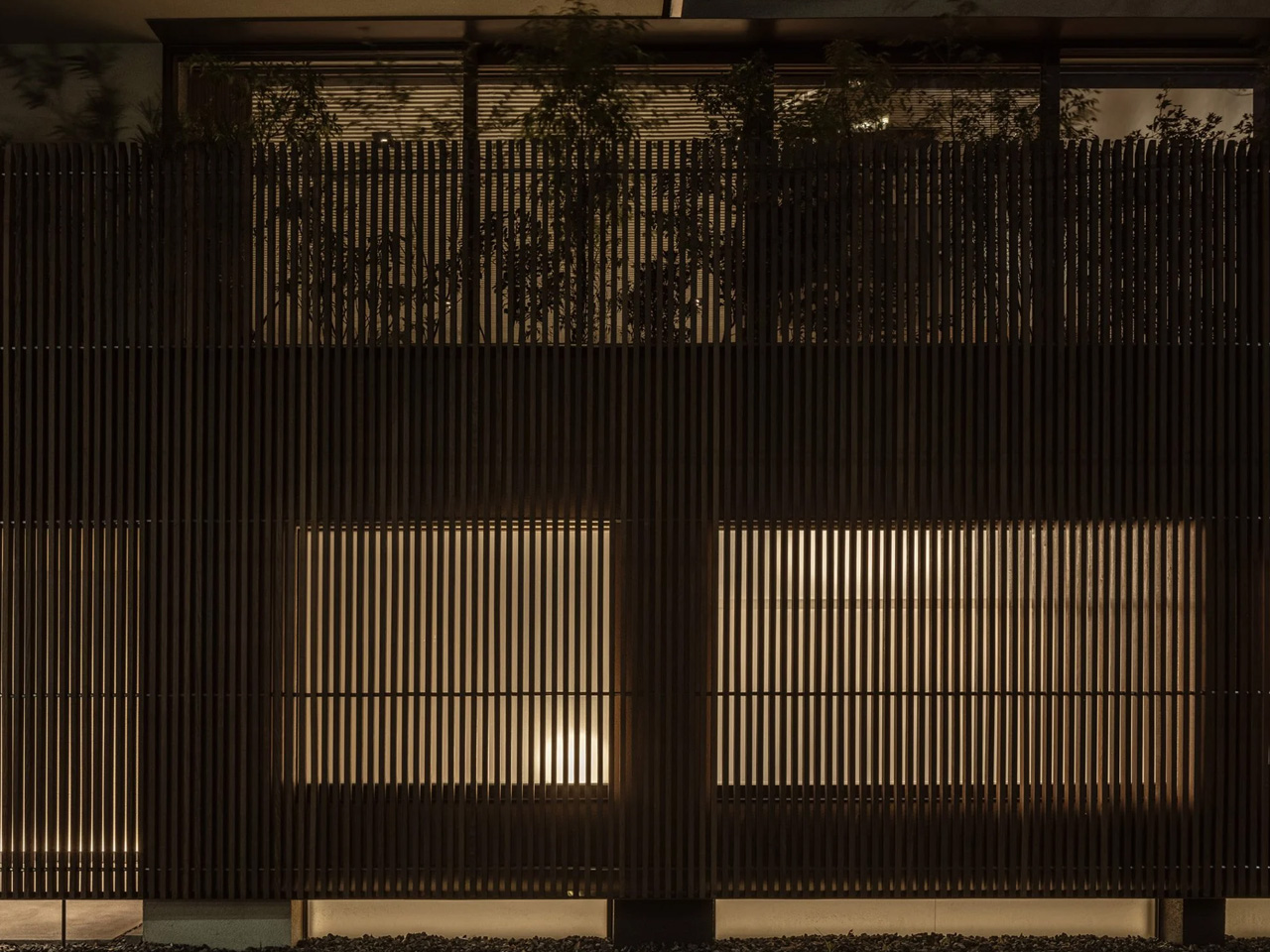
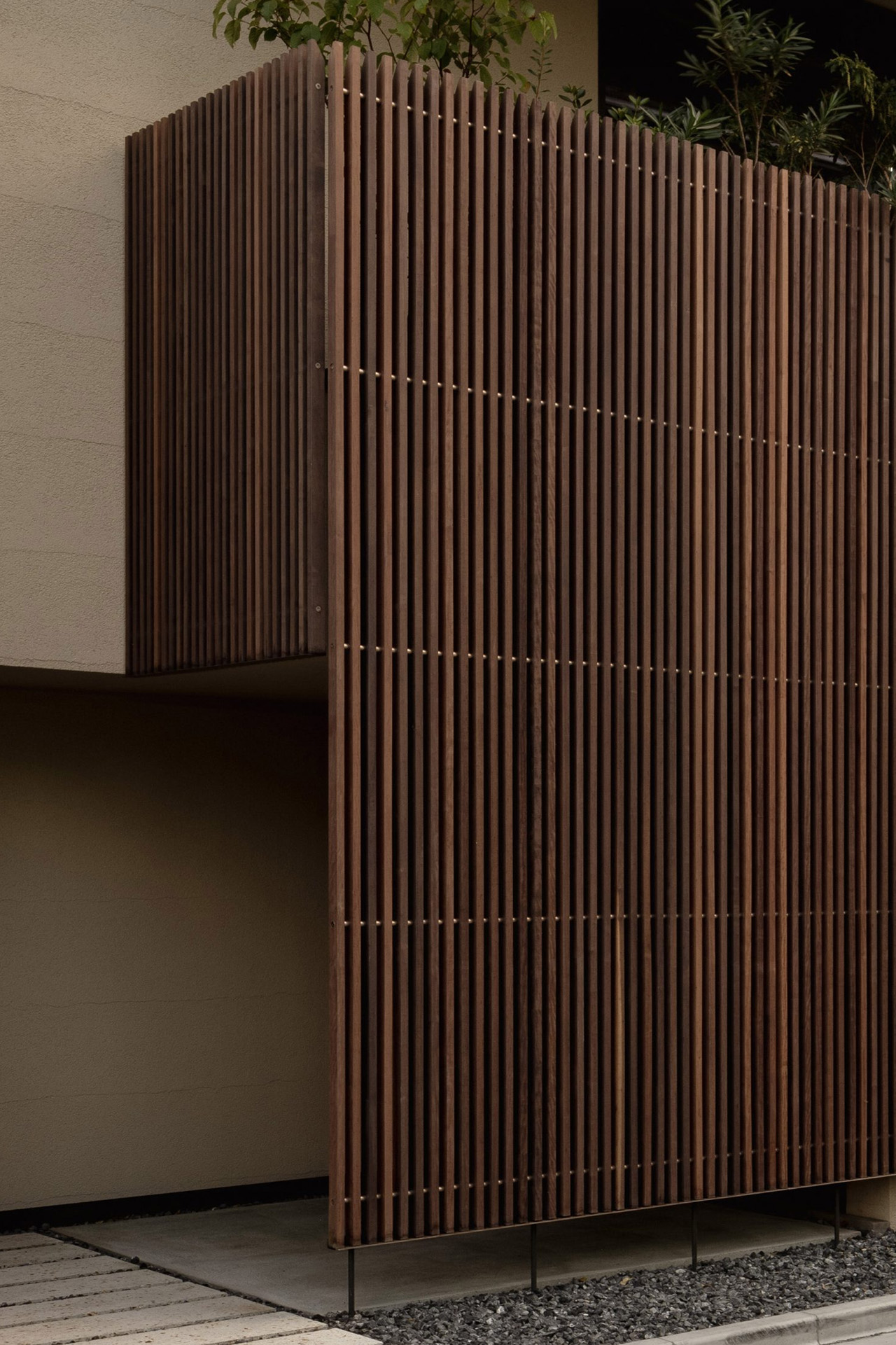
Japanese architect Keiji Ashizawa designed the love concrete home the ‘House in Aoyama’. The house features louvers inspired by the louvers on the townhouses in Kyoto. These louvres were incorporated to create a sense of privacy in the home. As its name suggests, the house is located in the central Aoyama area and is built for a family with a child and two dogs. Since the home is located at a busy intersection, it was constructed to offer maximum privacy to the residents, and hence concrete was selected as the material of choice
“We had to choose a material resilient to acoustic disruption and vibration for the urban context,” said studio founder Keiji Ashizawa “Considering the need for a basement, rooftop, and balcony, we picked concrete as the best fit.”
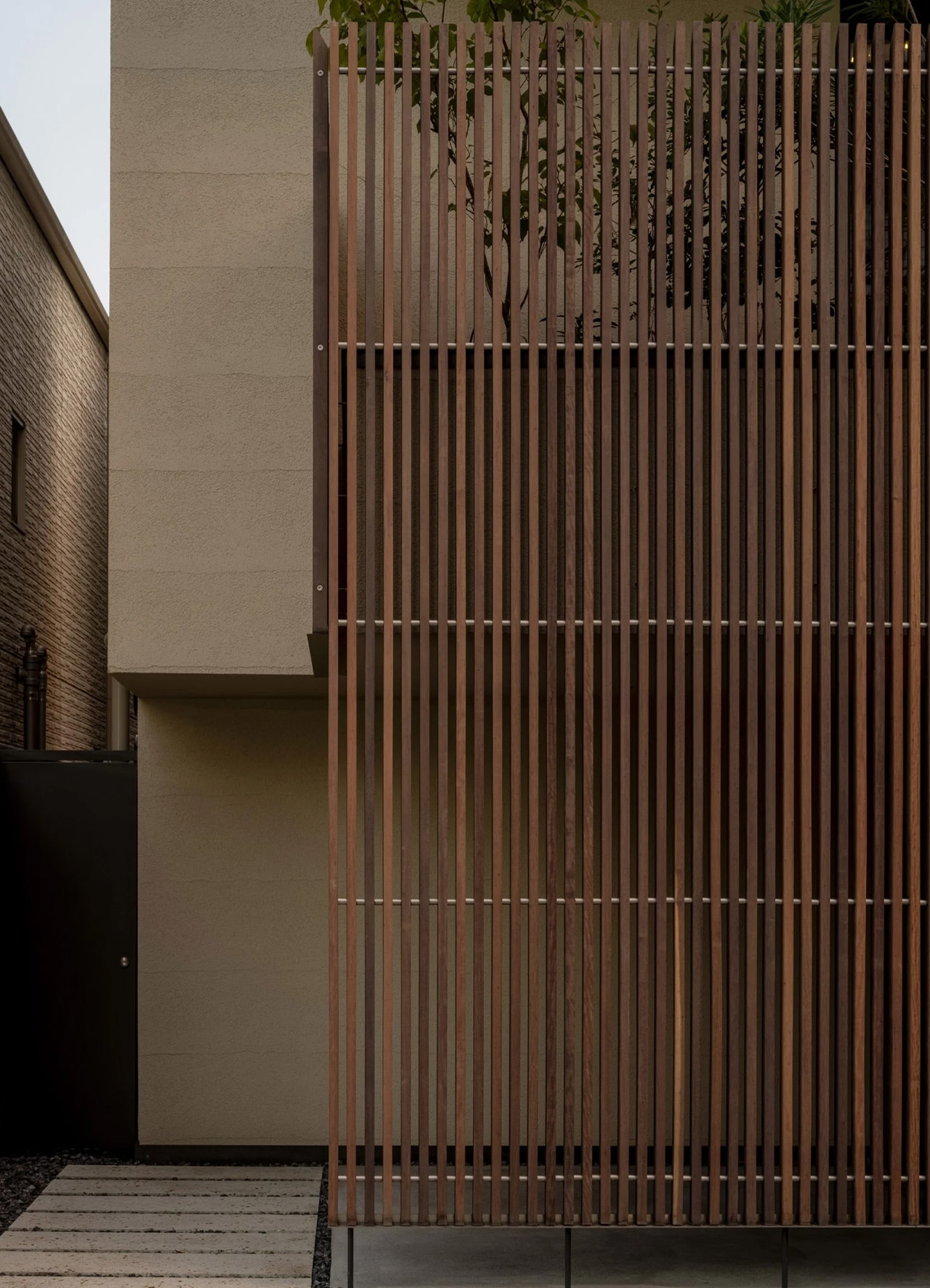
The entrance of the home is covered by tall wooden louvers, which shade it and offer privacy. The home is shielded from the neighbors and other passerby. A tropical hardwood was used to construct the louvers. Itauba wood was selected, to create a sleek, slender, and stylish look. Itauba is also known for its water resistance, and strength, making it a good fit for the louvers.
“Louvres create subtle seclusion within the urban setting with a soft ambiance, often seen in traditional townhouses in Kyoto,” Ashizawa said. “They serve both as a privacy screen and light filter.”
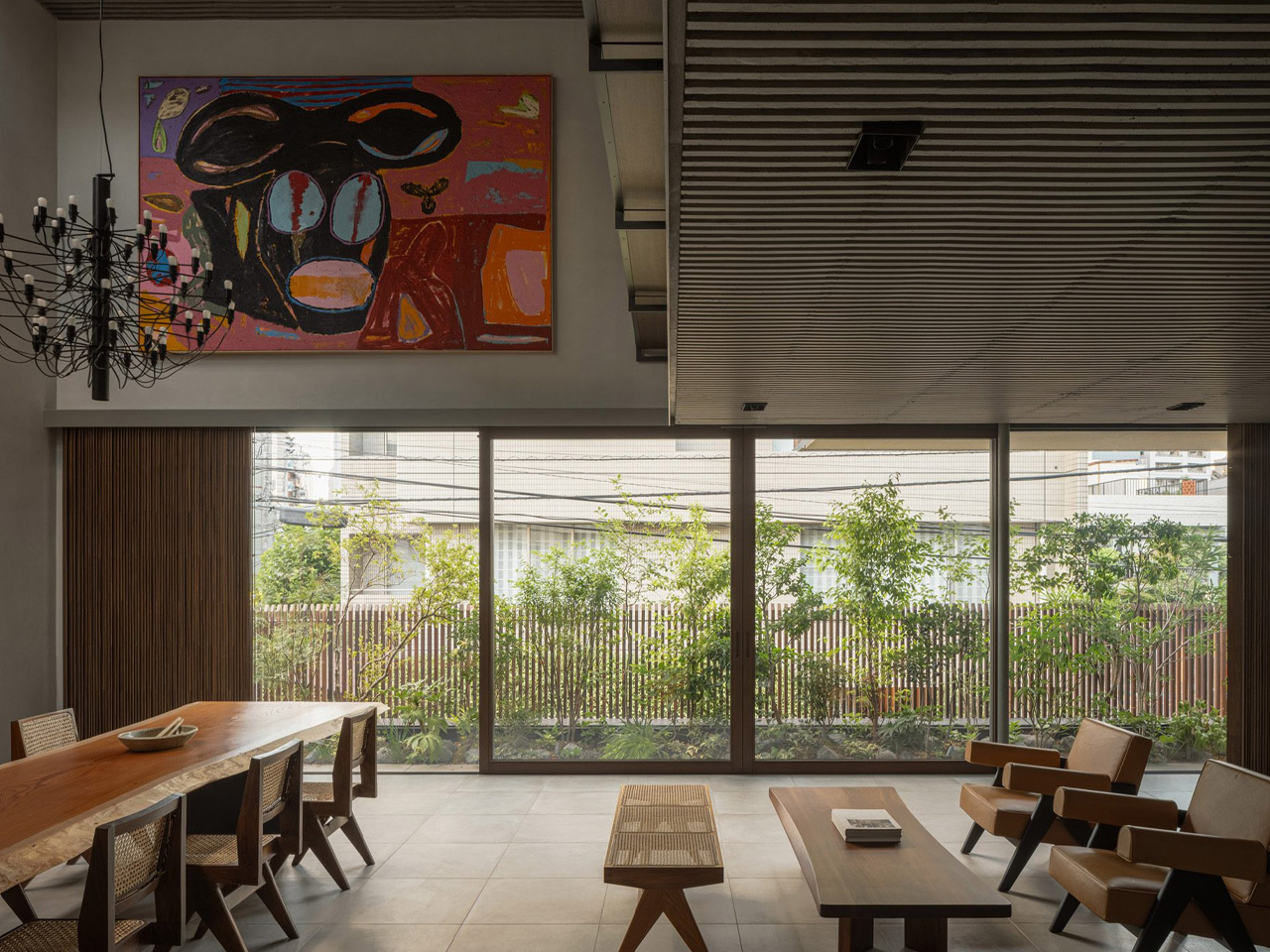
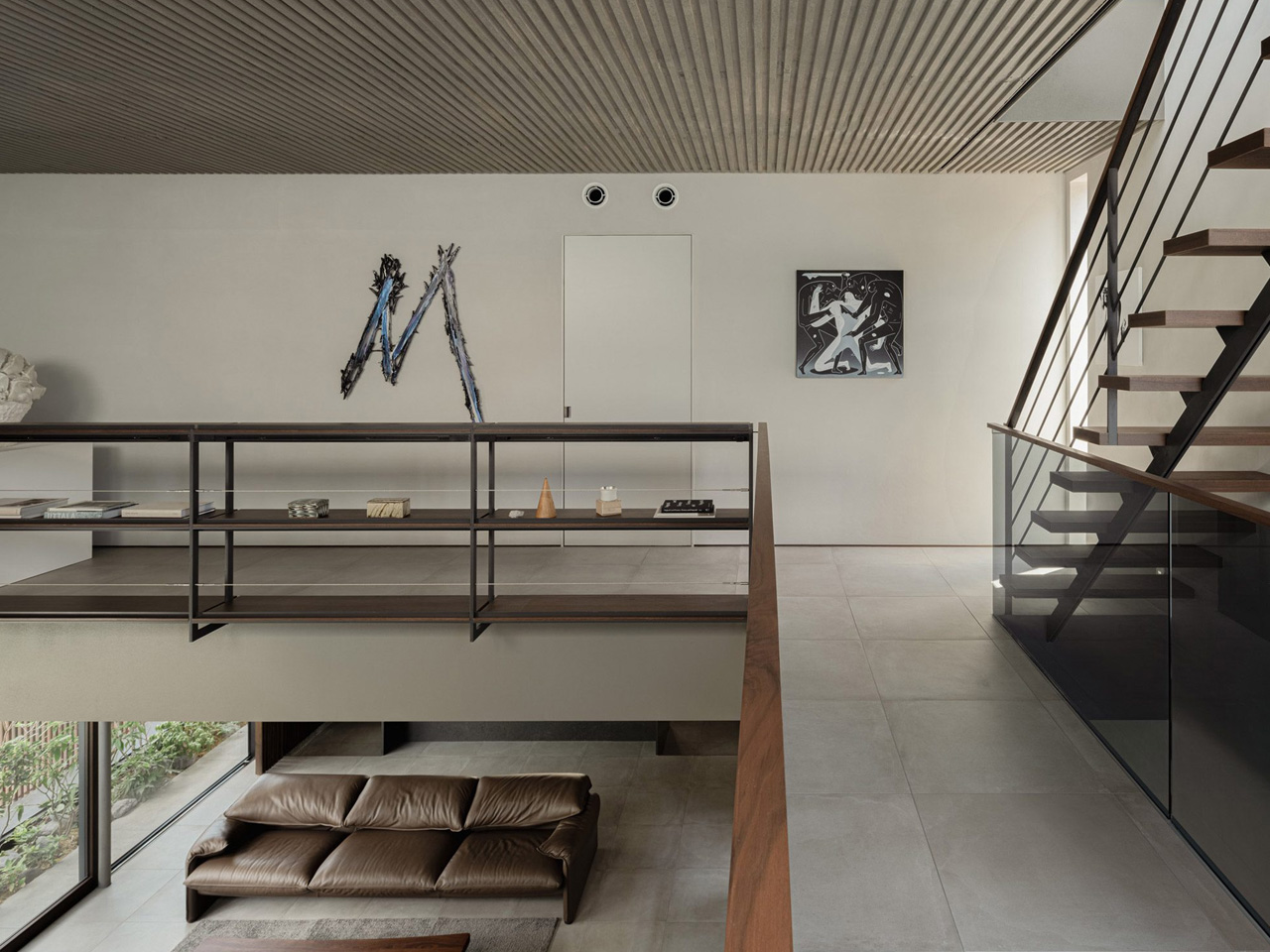
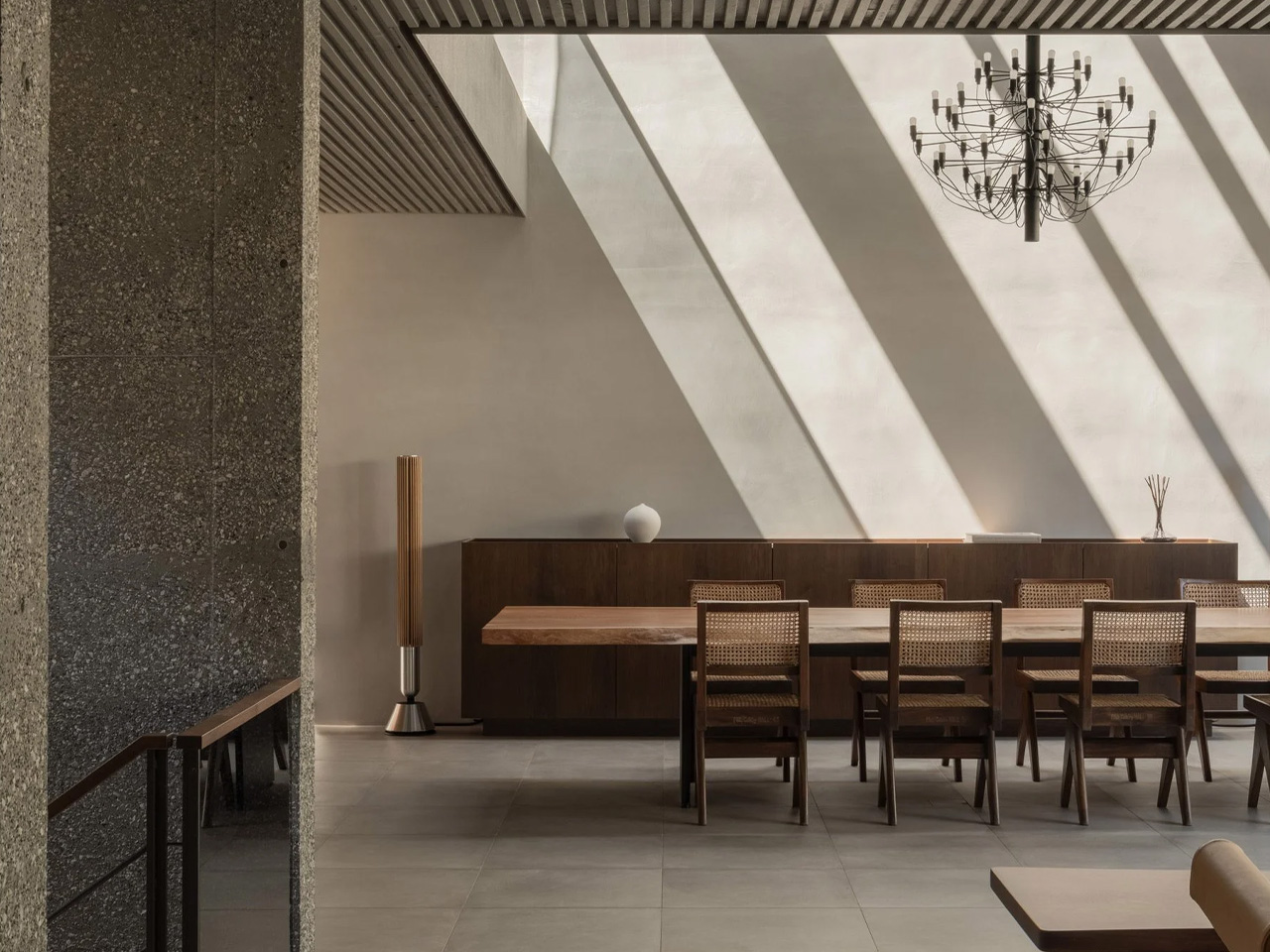
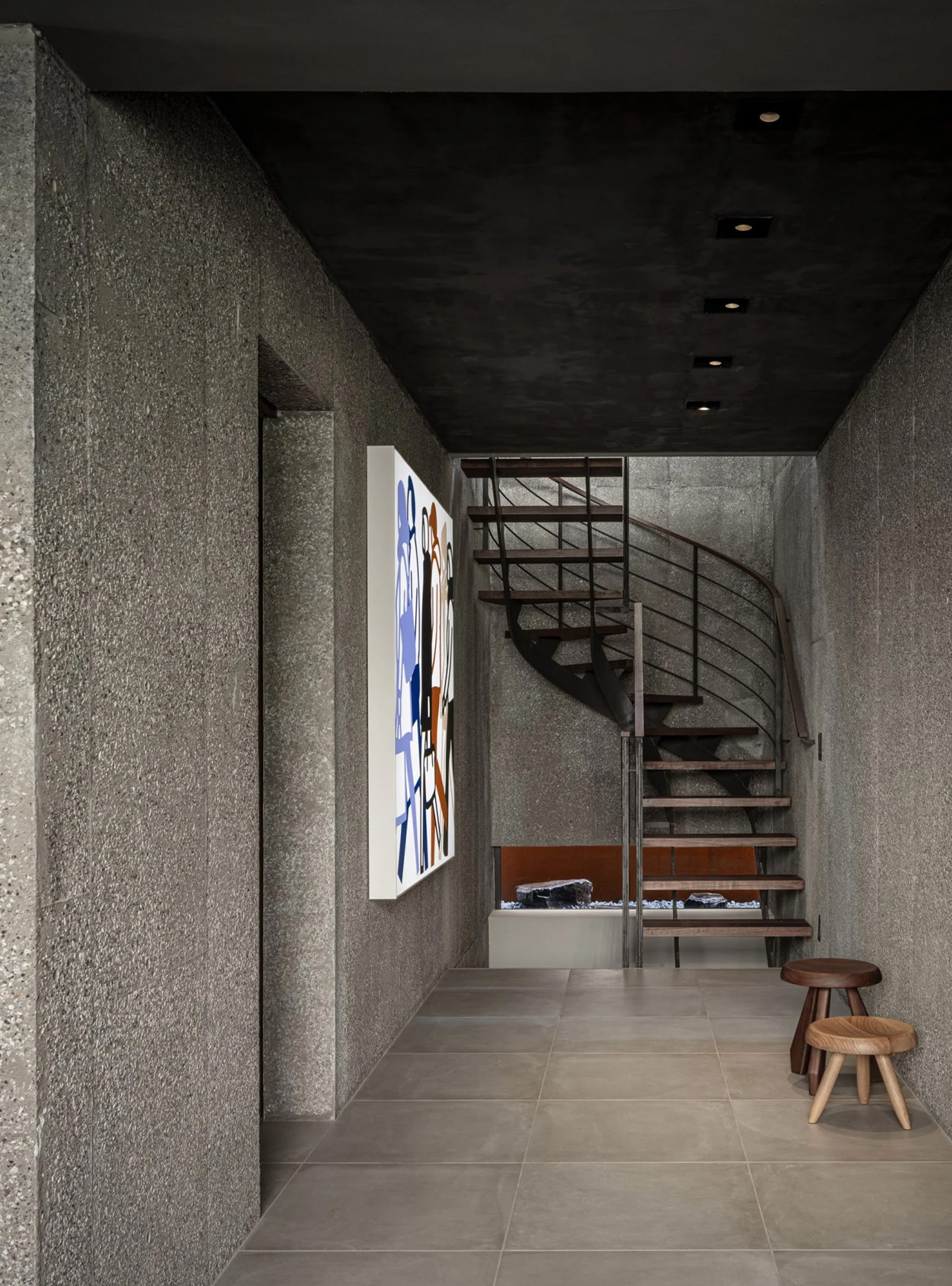
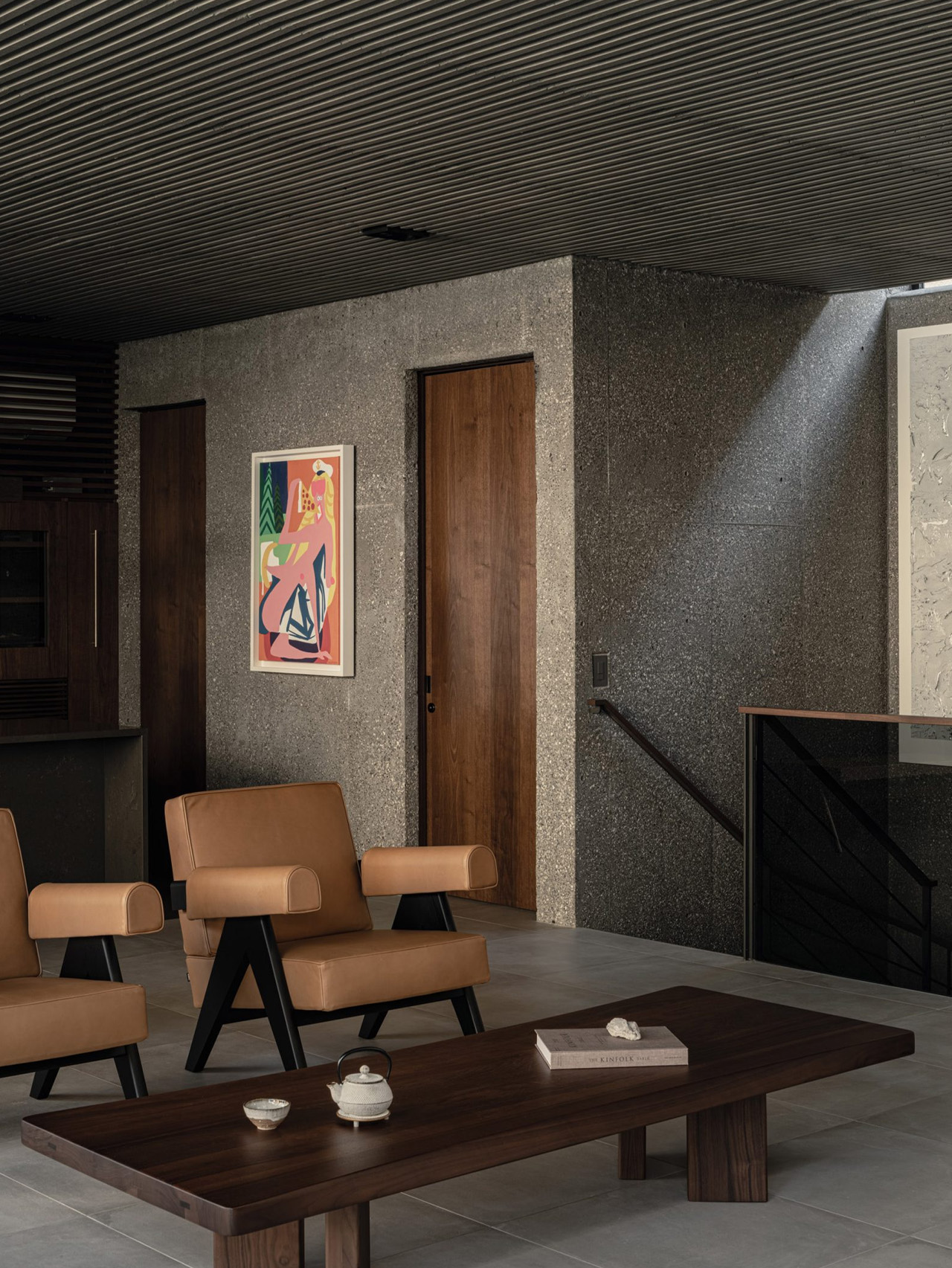
As you enter the home, you notice the exposed concrete structure, which is amped with a bunch of different finishes – ribbed ceilings, and washed and blasted walls. The concrete beautifully contrasts with the insulated exterior. The various finishes in the home create an interesting palette, with the ribbed textures delivering acoustic enhancement in the living room. The first and third floors include the bedroom, while the living and dining rooms are placed on the second floor. The different stories are connected via a winding wooden staircase, which perfectly pairs up with the wooden furniture to create an organic and warm ambience.
The home also includes space for the clients’ art collection, perfectly placed against neutral walls. It also features a skylight to offer access to natural light throughout the day, softly illuminating the home.