DON’T Throw Your Old Phone – Here Are 6 Ways You Can Still Use It

Image Credits: MKBHD

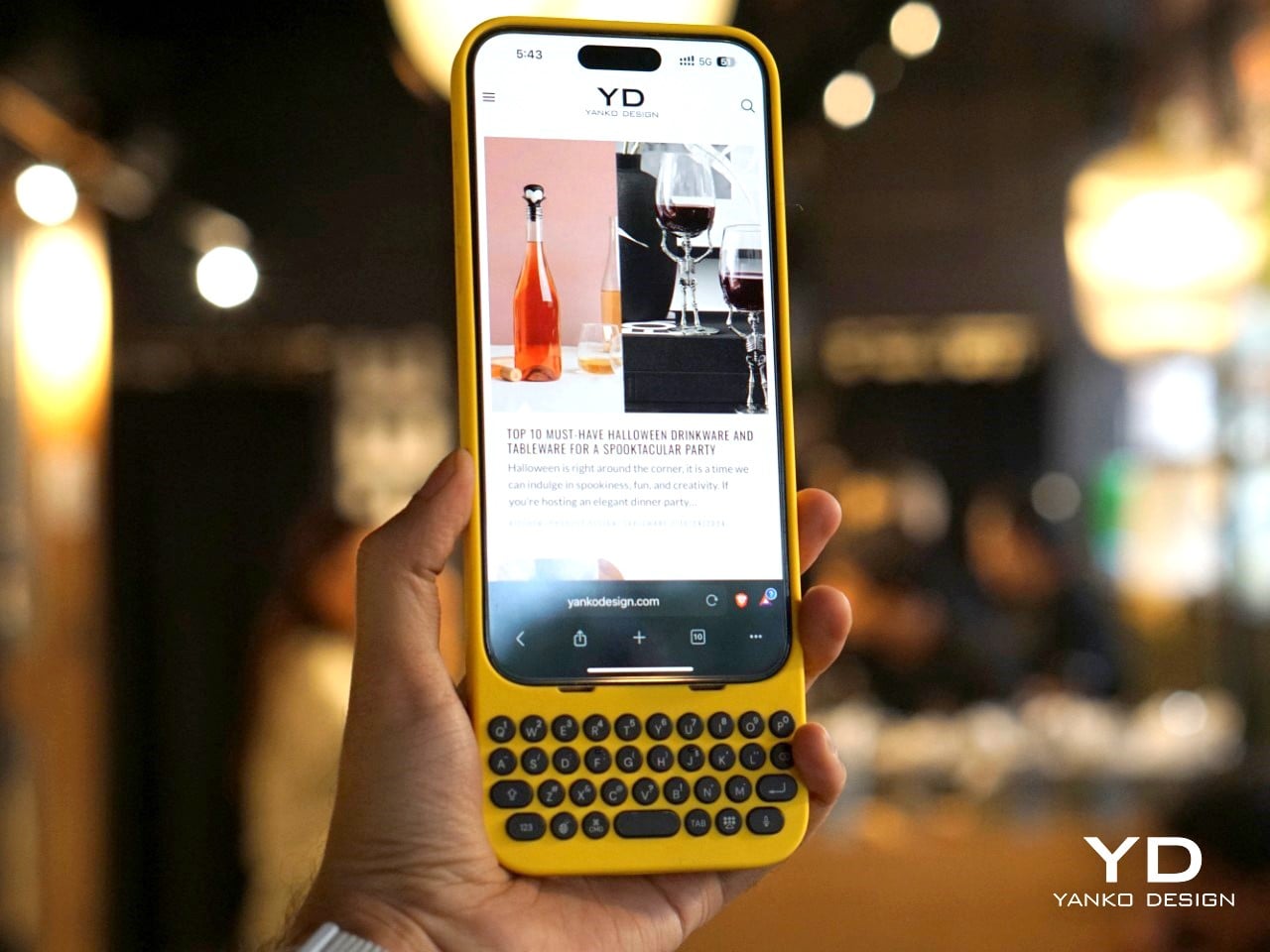
Ever had a spare phone lying around at home and wondered what the resale value on it was? Then you went and checked online and it was probably a measly few hundred dollars. Yeah, me too. The last phone I owned depreciated by a whopping $700 in two and a half years, and that just made me want to not sell it or discard it, because it would be a financial loss. Instead, I decided to keep it (since it was working perfectly well), and repurpose it into a dedicated WiFi Hotspot. If you too have an old phone lying around the house that you’re thinking of discarding, I’m here to tell you to stop! Your old phone may not be capable of handling the requirements of your day-to-day life… but it’s still essentially a computer with a touchscreen and a bunch of sensors. Here are 6 clever things you can do with an old device instead of reselling it, discarding it, or passing it down to a kid.

01. Turn It Into a CCTV or Motion Detection Device

One of the most practical ways to repurpose your old phone is to turn it into a security camera or motion detection device. Designed by Edward Snowden (yes, the cybersecurity expert), the Haven: Keep Watch app turns your existing smartphone into a full-fledged surveillance device, leveraging your phone’s camera and sensors to keep an eye out on your home, alerting you of any movement or sudden changes that may require your attention.

Setting up your old phone as a security camera is straightforward. Download the Haven app, place your phone in a strategic location where you want surveillance, and ensure it’s plugged into a power source to avoid running out of battery. Haven utilizes the phone’s camera, microphone, and even accelerometer to detect movement and sounds, sending alerts to your primary phone. This setup is perfect for monitoring pets, keeping an eye on your front door, or even ensuring the safety of your belongings while you’re away. Instead of investing in expensive CCTV systems, you can use your old phone to keep everything in check. The best part? This solution is cost-effective and can be set up in minutes.

02. Use It as a Dedicated Music Player

You know what’s better than Spotify’s now-dead Car Thing? An old phone that you can use as a dedicated audio player for both your home AND your car. Turning your old phone into a dedicated music player is a great way to keep your tunes handy without impacting the performance of your primary device.

Start by wiping your old phone clean to free up space. Then, download your favorite music streaming apps like Spotify, Apple Music, or Amazon Music. You can also transfer your personal music collection to the device. Once your music library is set up, you can use your old phone exclusively for music, whether you’re at the gym, in the car, or relaxing at home. For those who love high-quality audio, pairing your old phone with a good set of Bluetooth headphones or speakers can provide a rich listening experience. Plus, if your primary phone’s battery is running low, your music won’t have to stop.

03. Create a Portable Gaming Console

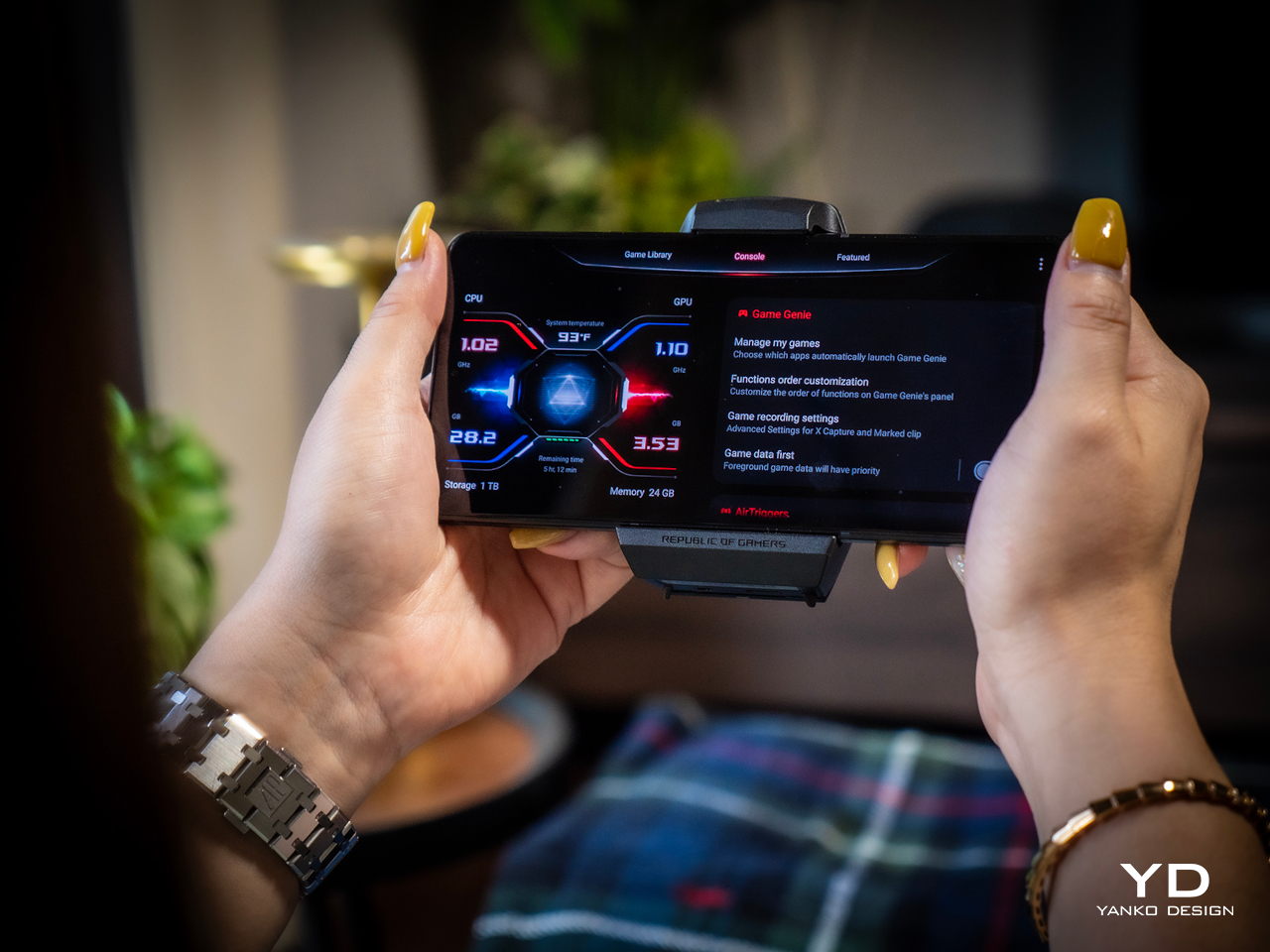
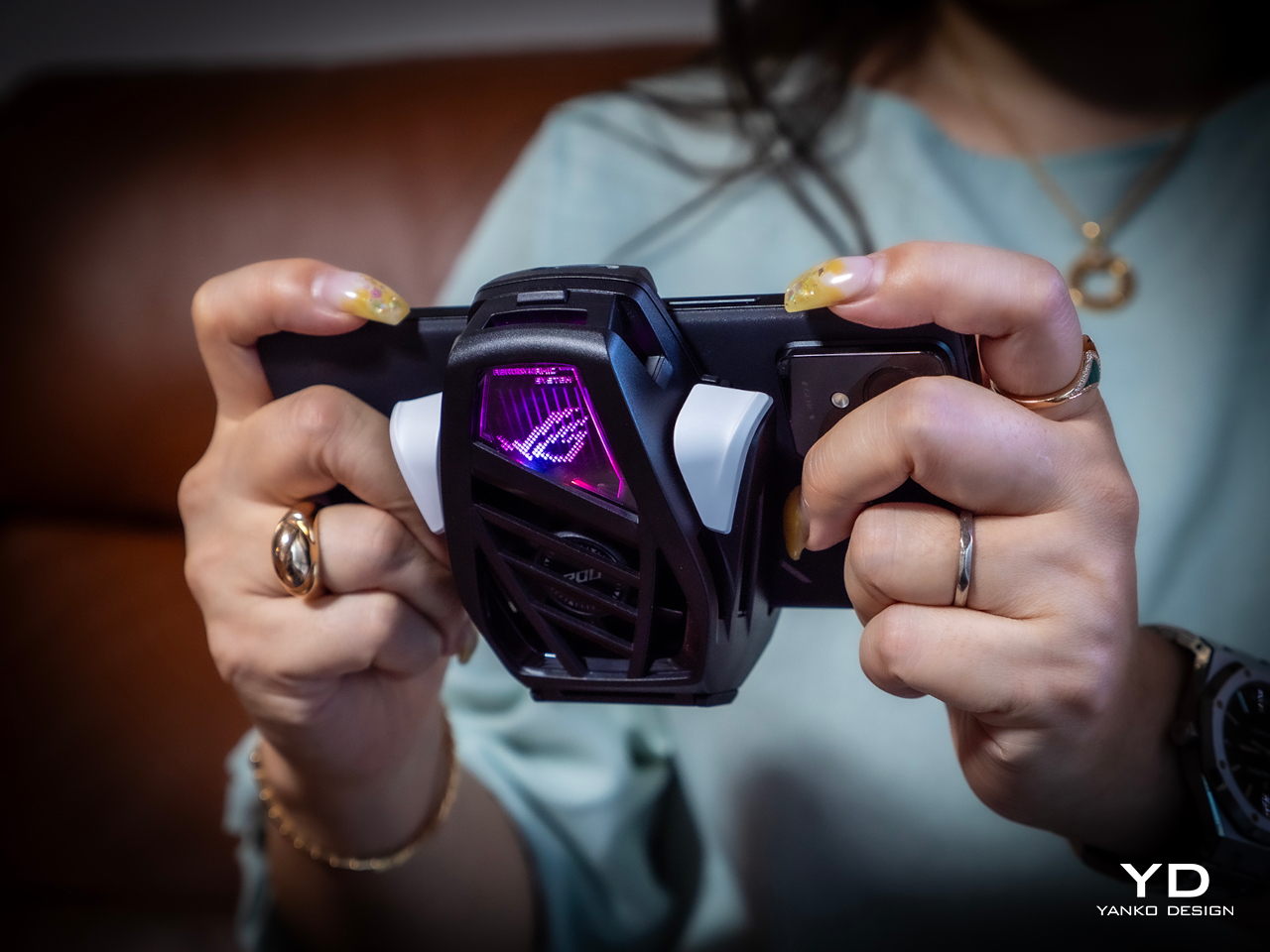
Your old phone doesn’t need to retire from providing entertainment. Instead, transform it into a portable gaming console. Pair it with a nice phone-holding controller from Backbone or Razer and you have yourself a bonafide Nintendo Switch replacement!

First, ensure your old phone has enough storage space by removing unnecessary apps and files. Next, download your favorite games from the app store. You can also install emulators for classic games, turning your phone into a portable arcade. Many Bluetooth controllers are compatible with smartphones, offering a console-like experience on the go. Picture yourself on a long flight or a road trip, and instead of draining your new phone’s battery with games, you have a dedicated gaming device. Games like “Call of Duty: Mobile,” “PUBG Mobile,” and classic arcade games can provide hours of entertainment without compromising your primary phone’s battery life or storage.

Moreover, this setup can be a great way to keep kids entertained without giving them access to your new phone. Set up parental controls, download educational games, and let them enjoy without any worries.

04. Set It Up as a Smart Home Controller

Smart homes are becoming increasingly common and nobody here likes the idea of having 20 different remotes for their different smart gadgets, or having 5-6 different IoT apps cluttering their existing smartphone. Here’s where your old phone can serve as a dedicated smart home controller, making it easy to manage your various smart devices from a single screen.

Start by downloading apps for all your smart home devices, such as smart lights, thermostats, security cameras, and speakers. Group these apps into a single folder on your old phone’s home screen for easy access. This setup can help you control your home’s environment efficiently and conveniently while turning that old phone into a universal remote… so that you don’t have to turn your existing phone into one. It’s clean, efficient, and acts as your dedicated control center that anyone in your home can use, rather than 5 members of your house installing multiple apps on all their devices.

05. Use It as a Digital Photo Frame

Your old phone can serve as a beautiful digital photo frame, showcasing your favorite memories on your desk, shelf, or bedside table. This use not only breathes new life into the device but also brings a touch of nostalgia and personal touch to your space.

Start by wiping your old phone clean and downloading a digital photo frame app, such as Digital Photo Frame Slideshow. Transfer your favorite photos to the phone, either through a cloud service or by connecting the phone to your computer. Set the app to display a slideshow of your images, and place the phone in a location where you can enjoy the rotating gallery of your cherished moments. This setup is particularly useful for displaying family photos, travel memories, or even a rotating selection of your best shots if you’re a photography enthusiast.

06. Convert It Into a Portable Wi-Fi Hotspot

Another fantastic way to utilize your old phone is to turn it into a portable Wi-Fi hotspot. This can be particularly useful when traveling or in areas with poor internet connectivity, allowing you to stay connected without relying on public Wi-Fi. I still use my OnePlus phone as a hotspot while traveling, because of its highly underrated ORoaming feature that lets me use mobile internet in practically any country for a small fee.

To set this up, ensure your old phone is still functional and can connect to your cellular network or can support e-SIM apps internationally. Activate the mobile hotspot feature in the phone’s settings, and configure the hotspot with a secure password. Once set up, you can connect your other devices, such as laptops, tablets, and even your new phone, to the hotspot.

This solution is ideal for road trips, camping, or any situation where reliable internet is essential. It provides a secure and stable connection, helping you avoid the risks associated with using public Wi-Fi networks. Additionally, if you’re working remotely, having a dedicated hotspot can ensure you stay productive without interruptions.


Before you toss your old phone into a drawer or, worse, the trash, consider these six creative ways to repurpose it. From enhancing your home security to enjoying your favorite music and games, your old phone still has plenty of potential. These solutions not only save you money but also provide practical benefits that can improve your daily life.

So, the next time you upgrade to the latest model, remember that your old phone is far from obsolete. With a bit of creativity and the right apps, you can transform it into a useful tool that continues to serve you well beyond its intended lifespan.

The post DON’T Throw Your Old Phone – Here Are 6 Ways You Can Still Use It first appeared on Yanko Design.

Leaked Images show Anker’s MagSafe SD Card Reader that lets you Locally Back Up your iPhone Gallery

iCloud who??

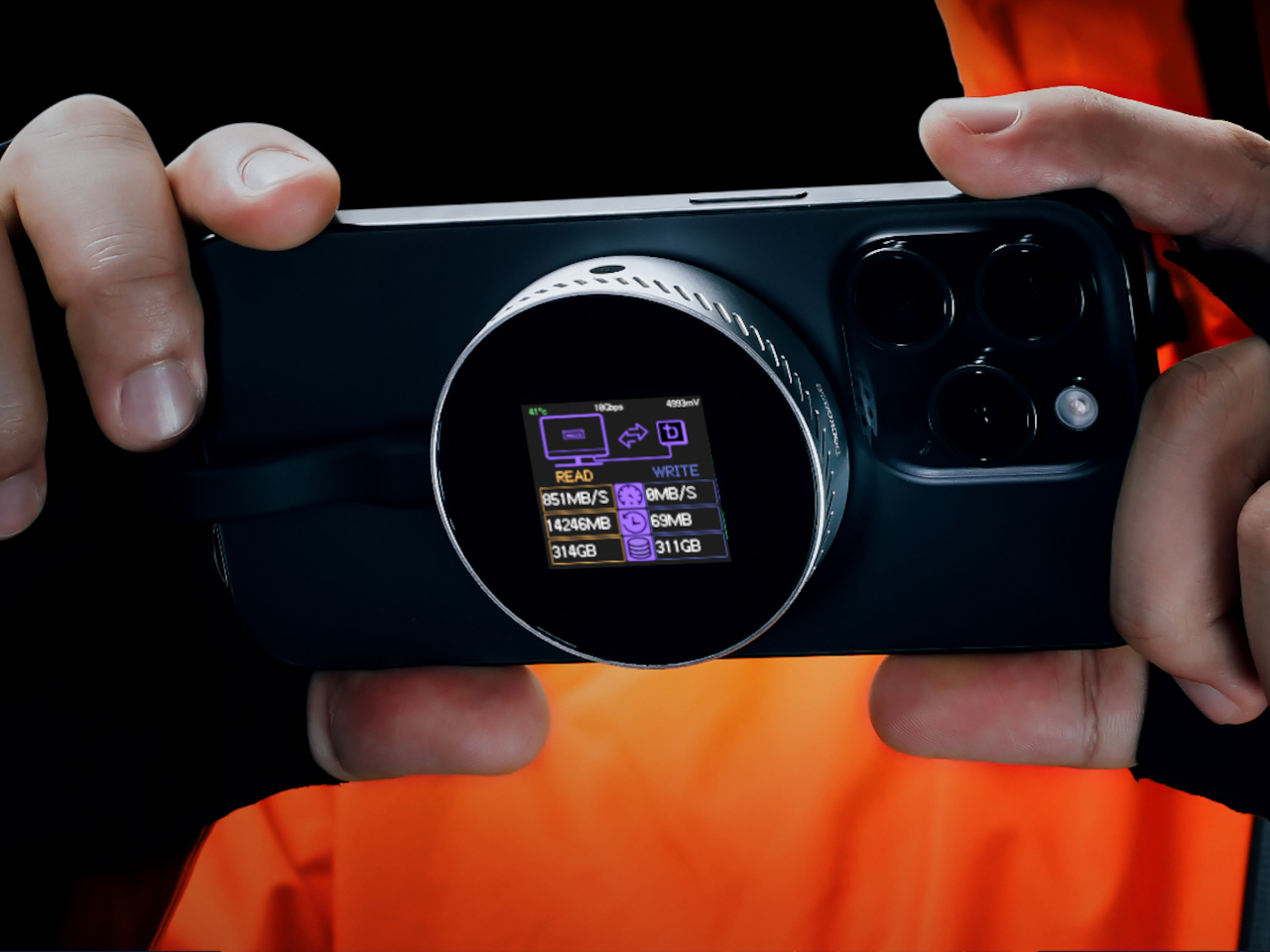
With this one single device, Anker aims to upend cloud storage by allowing you to access and even back up your files on SD cards. Imagine not needing a laptop while shooting on a DSLR, or not needing to worry about all your iPhone photos clogging up your system. The MagGo Nano (whose alleged images were leaked on Reddit not too long ago) is Anker’s way of allowing your iPhone to interface with memory cards. A part of the MagGo series, the adapter looks sort of like the old Chromecast devices, and snaps to the back of your iPhone using MagSafe tech. A fold-out cable lets you connect the MagGo Nano to your phone (or you can even connect it to a tablet, laptop, etc.), and a flip-top presents the Nano’s card slot. Insert an SD card in and you’ve instantly got extra storage + file access.

Designer: Anker

Images of the MagGo Nano (we aren’t even sure if that’s the official name) were shared on Reddit by credible leaker ‘Joshuadwx’. The images show a pretty compact device that looks and feels just like (if not smaller than) a Chromecast device. Under the lid of the accessory, there appear to be both SD and TF card slots, offering data transfer speeds up to 312 Mbps… reportedly. The device seems to be powered by USB-C, which means it’ll be compatible with more than just iPhones (you can attach a MagSafe sticker to your Android device and use it with that too), and rumors suggest it’ll be available in three colors: white, gray and green, with a tentative price range of $30-$40.

The MagGo Nano is a boon for photographers who like the idea of being able to quickly transfer photos from cameras/drones to their phones for editing and uploading on social media. However, for the rest of us, it’s a great way to extend your phone’s storage by uploading things to an SD card. Sure, USB-C thumb drives do exist too, but there’s something much more elegant about using an SD card to take photo backups – be it from a smartphone, a professional camera, an action camera, or a drone.

Images via u/joshuadwx

The post Leaked Images show Anker’s MagSafe SD Card Reader that lets you Locally Back Up your iPhone Gallery first appeared on Yanko Design.
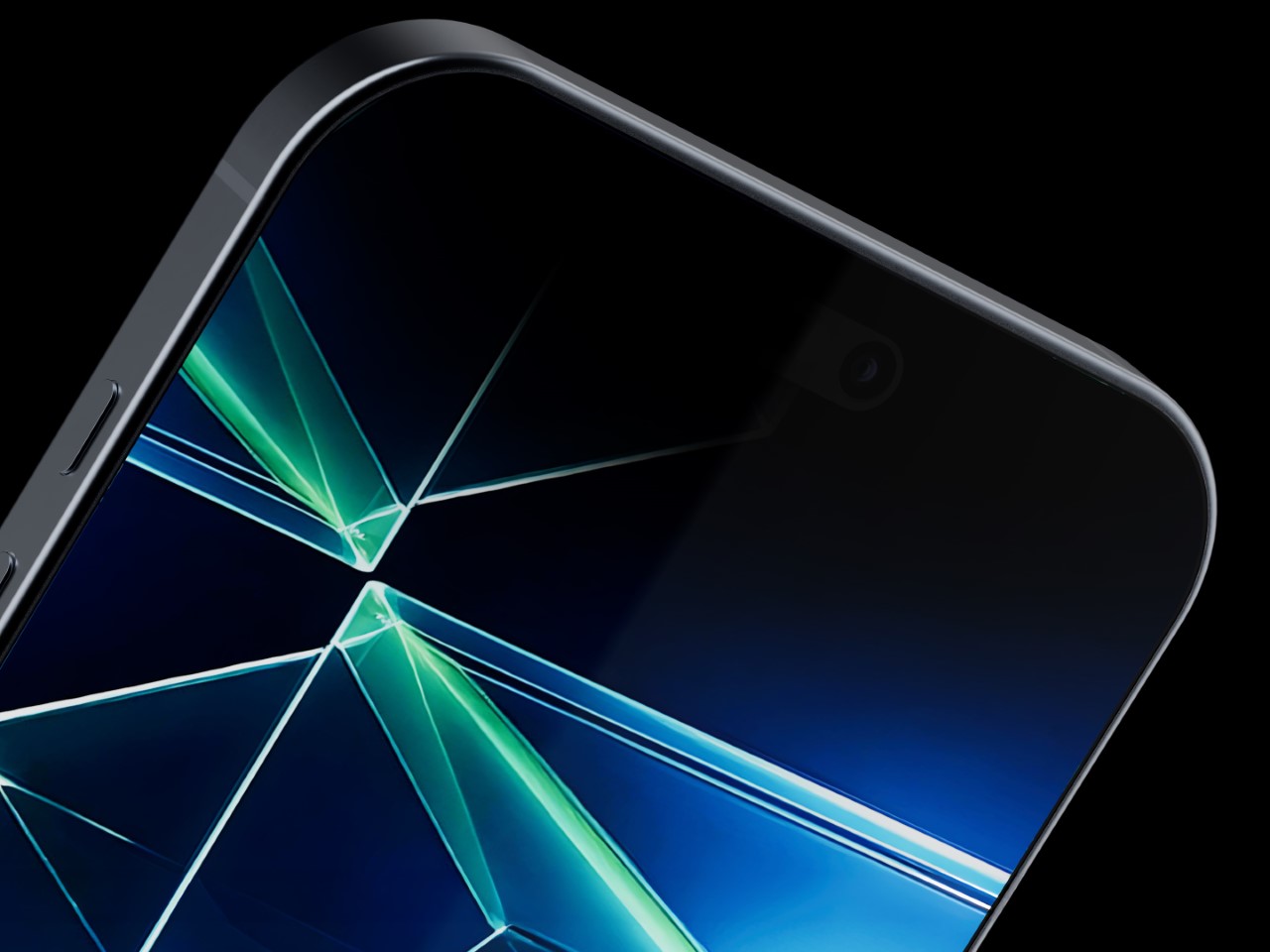
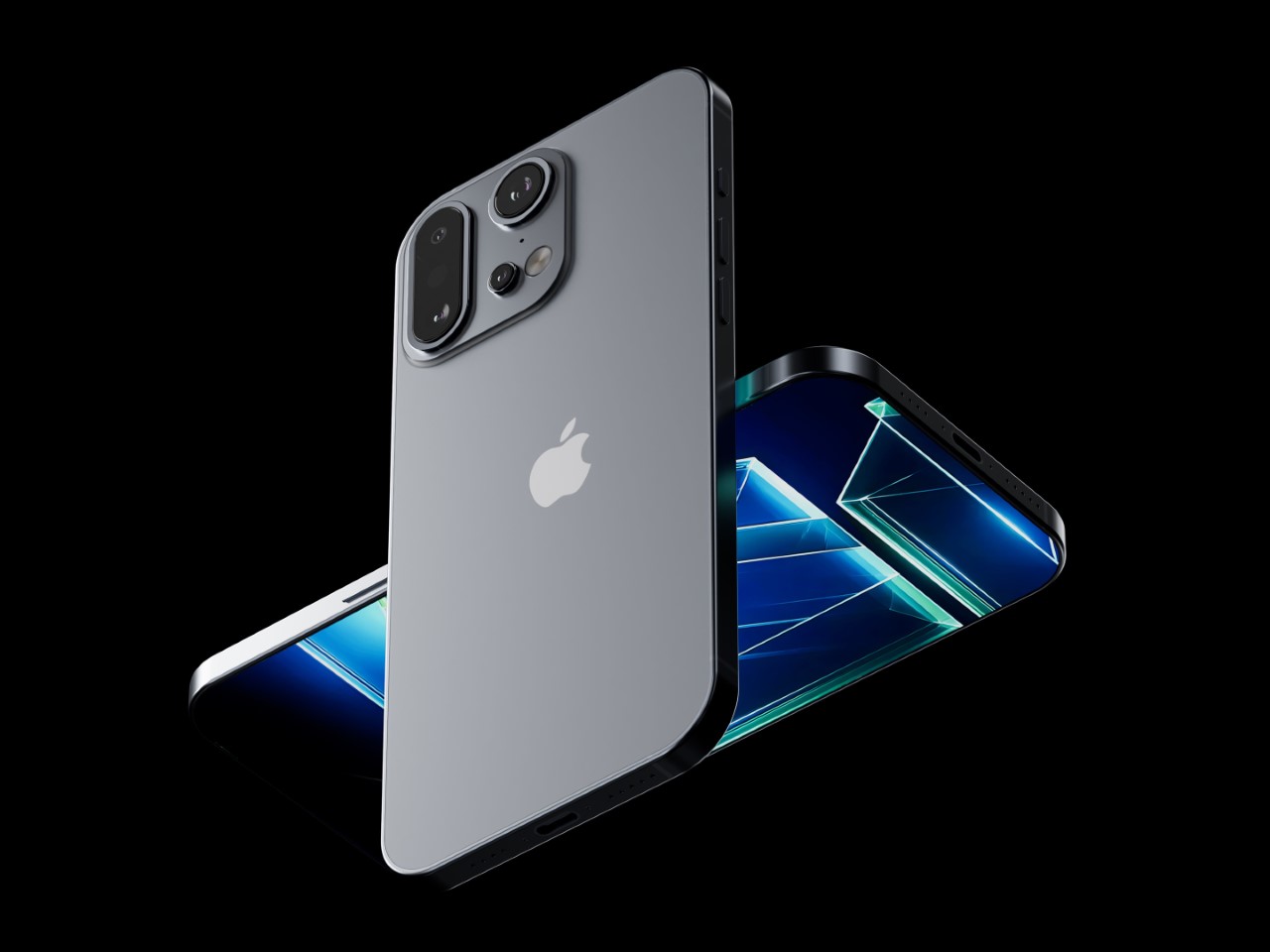
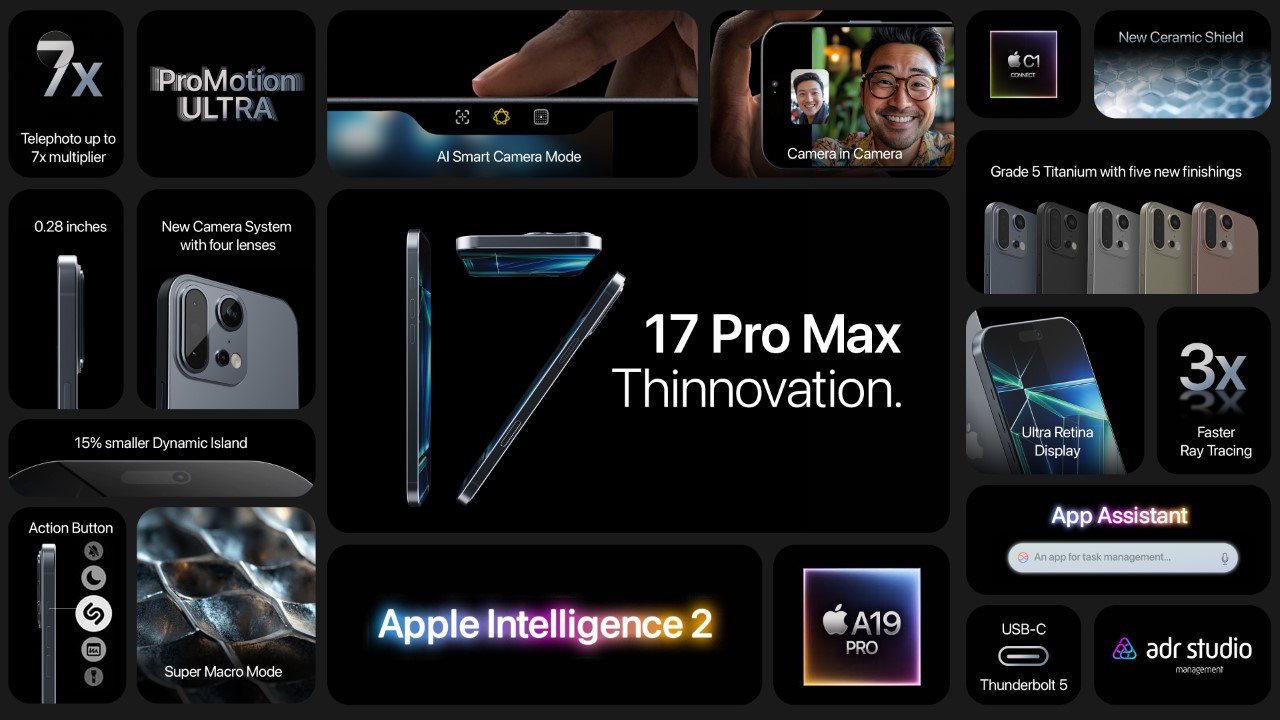
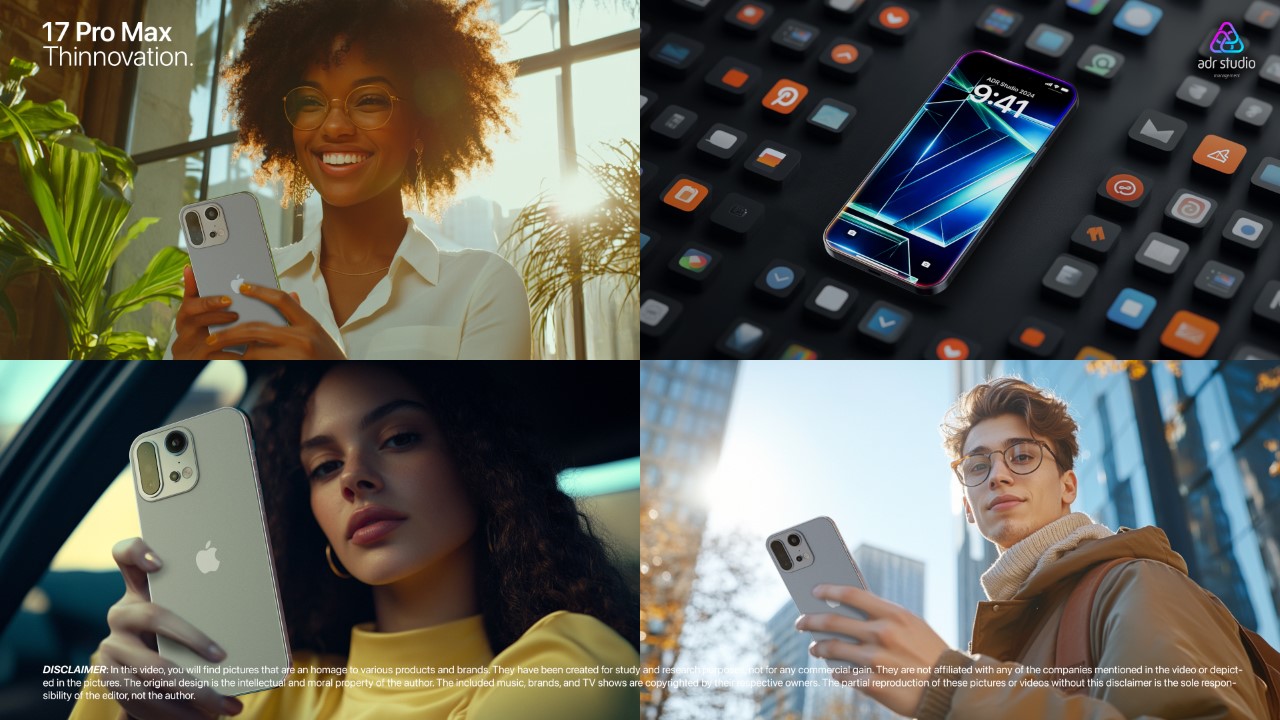
The Future of Apple design language: iPhone 17 Slim and the Shift Towards Ultra-Thin Devices

Rumors are swirling that Apple might be dropping its “Plus” iPhone models, starting with the iPhone 17, potentially replacing them with a more premium offering. Over the years, the appeal of the “Plus” models has waned as standard, and Pro models have become more capable. The latest leaks suggest Apple is set to introduce a new “Slim” iPhone to fill this gap, a move that could revolutionize the future of Apple’s products and excite tech enthusiasts.

Designer: Apple

Remember that iconic moment when Steve Jobs wowed the world by pulling the MacBook Air out of a manila envelope? Could Apple be gearing up for another “MacBook Air moment” with the iPhone 17 Slim? If the rumors are true, we might witness a similarly groundbreaking reveal that redefines expectations for smartphone design and performance.

On July 20, details emerged on Weibo indicating that the iPhone 17 line-up will not include a Plus model. Instead, Apple is reportedly planning to launch an “iPhone 17 Slim,” set to become the most premium model in the line-up, much like the Apple Watch Ultra. This new model will take design cues from the ultra-thin iPad Pro M4, launched in May.

iPhone Concept

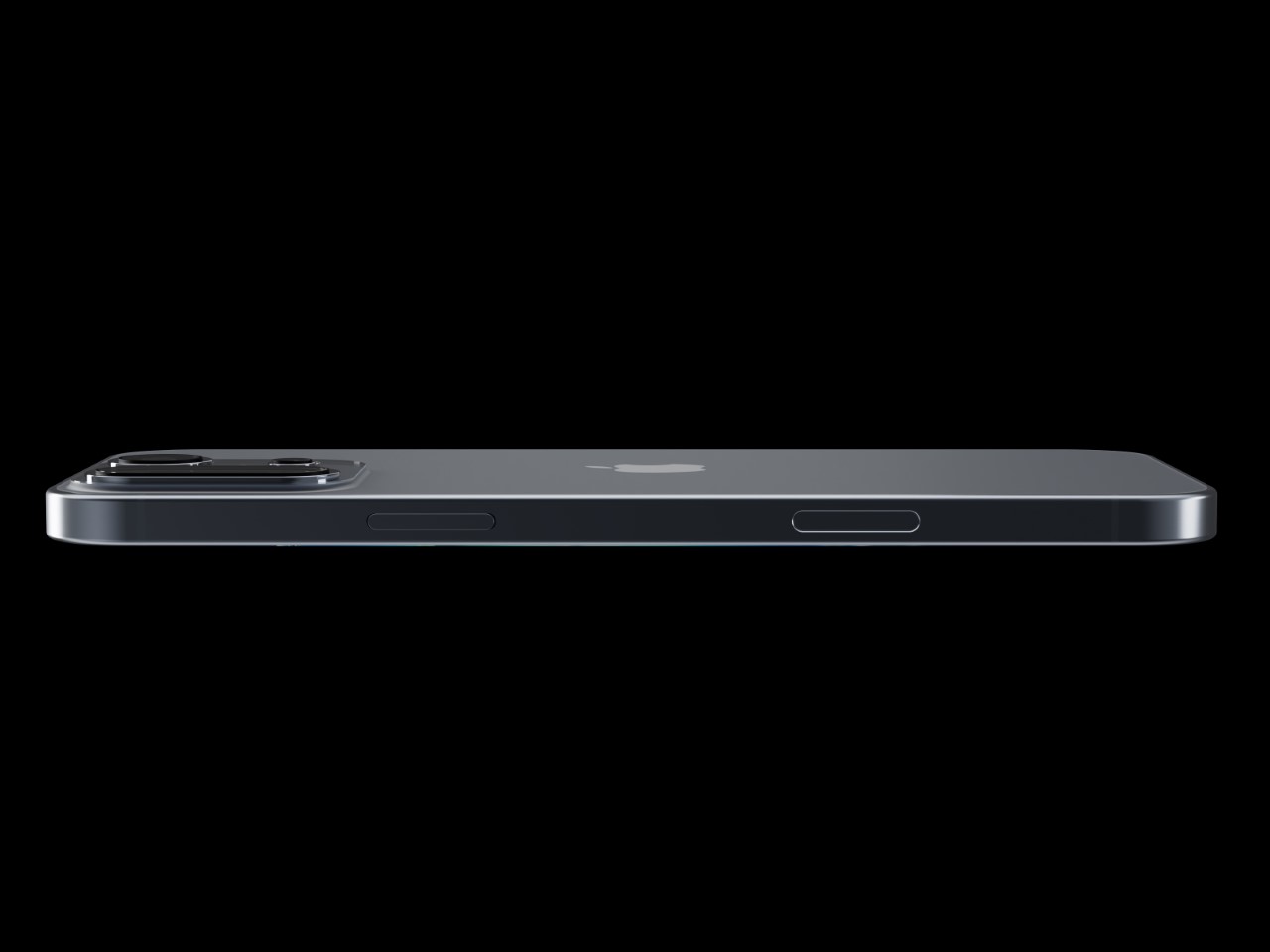
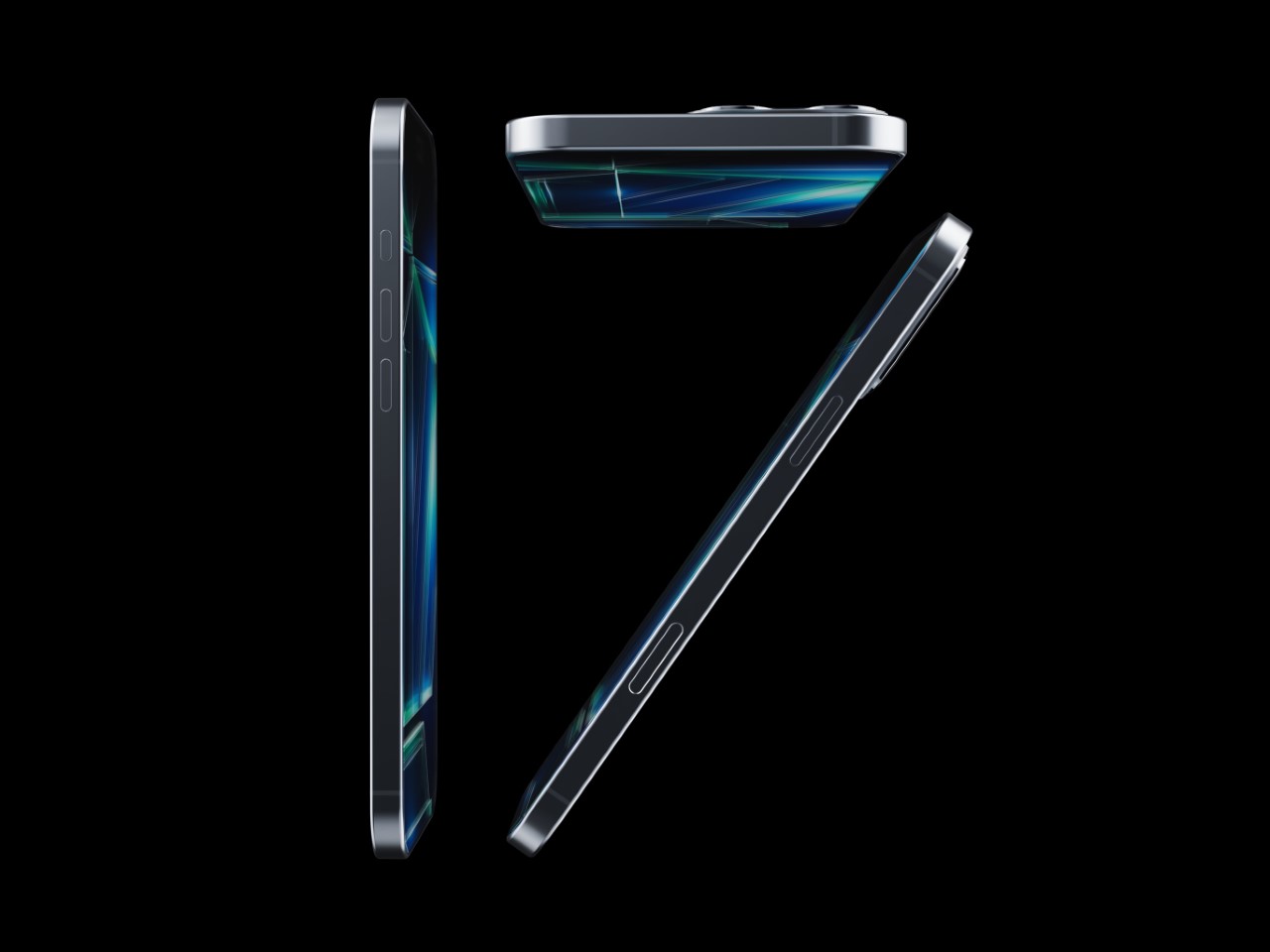
The iPhone 17 Slim is rumored to be significantly thinner than its predecessors and other models in the line-up. It is also said to feature an LTPO display with a 120Hz refresh rate, a feature currently exclusive to Pro models. This shift means every iPhone 17, from the base model to the Pro Max, will offer ProMotion technology.

Speculation also suggests that the iPhone 17 series will be powered by Apple’s A19 and A19 Pro processors. The iPhone 17 Slim will likely include the A19 Pro, making it the most advanced and expensive model in the range. Rumors suggest a starting price of $1,299, making it pricier than the current iPhone 15 Pro Max. However, the potential of the iPhone 17 Slim to meet and exceed consumer expectations in terms of performance and design is reassuring.

Here’s a look at the potential iPhone 17 line-up:

  • iPhone 17: $799, A19 processor, 6.27-inch LTPO (ProMotion) display, 8GB of RAM
  • iPhone 17 Pro: $1,099, A19 Pro processor, 6.27-inch LTPO (ProMotion) display, 12GB of RAM
  • iPhone 17 Pro Max: $1,199, A19 Pro processor, 6.86-inch LTPO (ProMotion) display, 12GB of RAM
  • iPhone 17 Slim: $1,299, A19 Pro processor, 6.65-inch LTPO (ProMotion) display, 12GB of RAM

Apple’s push towards thinner designs extends beyond the iPhone. The company is rumored to work on slimmer versions of all its main products, including MacBooks and Apple Watches. This ambition presents significant challenges, particularly regarding battery life and durability. A thinner design often means a smaller battery, which could compromise battery life. Ensuring the iPhone 17 Slim has comparable or superior battery performance to existing Pro Max models will be crucial.

Interestingly, with the development of the M4 and potentially M5 chips, these processors are expected to be much more efficient by the time the iPhone 17 is released. This efficiency could allow Apple to use a smaller battery while retaining the same battery life as current models. While battery capacity is a significant factor, I would much rather have a faster wired and wireless charging rate to top off as needed quickly.

The design elements of the iPad Pro M4 are noteworthy, with its skinny profile and raw processing power setting a new standard for Apple’s devices. Imagine the iPhone 17 Slim adopting this same level of thinness combined with the A19 Pro processor. This would not only deliver a powerhouse device with exceptional performance and a gorgeous display but also set a new benchmark for smartphone design in the tech industry. Additionally, thinner devices can be more susceptible to bending and other durability issues, making robust design and engineering essential. However, Apple seems to have resolved this issue with the iPad Pro M4, giving confidence that the iPhone 17 Slim will be both durable and sleek—hallelujah!

Interestingly, recent leaks about the Pixel 9 Pro and the newly released Galaxy Fold6 and Flip6 show a trend towards flat edges, similar to the iPhone 15 Pro and Max. This design trend across brands highlights the industry’s move towards sleek, flat-edged devices. The Pixel 9 Pro will feature a refined design focusing on high-end performance. At the same time, the Galaxy Fold6 and Flip6 continue to innovate in the foldable phone market, combining cutting-edge technology with stylish designs.

Samsung Galaxy Fold6

Pixel 9 Pro Fold

The iPhone 17 Slim’s anticipated ultra-thin design would fit right into this trend, offering a visually stunning and powerful device that appeals to users looking for the best form and function. The ultra-thin design not only enhances the device’s aesthetics but also makes it more portable and comfortable to use, thereby enhancing the overall user experience.

Apple’s ultra-thin tech game plan doesn’t stop at the iPhone. The upcoming MacBooks and Apple Watches are also expected to feature thinner designs, making them more portable and stylish while maintaining high performance. The challenge will be to balance this thinness with functionality, ensuring that battery life and durability are not compromised.

MacBook Concept

With the iPhone 16 around the corner, are these early iPhone 17 leaks compelling enough to keep you holding on to your current device for another cycle? The promise of the iPhone 17 Slim, with its ultra-thin design, powerful A19 Pro processor, and stunning LTPO display, could be worth the wait. As Apple continues to innovate, we can expect these design principles to set new industry technology and design standards, inspiring the tech industry and consumers alike.

The post The Future of Apple design language: iPhone 17 Slim and the Shift Towards Ultra-Thin Devices first appeared on Yanko Design.

Essential PH-2 prototype reveals the super-narrow smartphone that never was

Smartphone companies come and go, but the more notable ones usually stick around long enough to leave a mark. Essential, however, was fated to just be a bright, short-lived spark. Founded by Android creator Andy Rubin after leaving Google, the brand was supposed to mark a return to the essentials of the smartphone experience, hence the name, but it only ever got to release one product, which admittedly met a warm reception. The rest, as they say, is history, and most of us have probably forgotten the Essential PH-2 that made waves in the days before the company’s demise. Thanks to a few prototypes floating around the Web, we finally get to see this oddity in action, making us wonder whether it would have been a revolutionary success or if it’s fortunate it never got to see the light of day.

Designer: Essential (via Rob Wainright)

If Essential was staging a rebellion against mass-produced smartphones, the Essential PH-2 would be its perfect representative. While most devices were getting larger, this ultra-slim candy bar phone felt like someone had split a phone in half along its length. What you get is similar to a tiny smart TV remote with only a screen for its face. Handy, yet awkward and puzzling.

The front sported a 5.7-inch AMOLED display with a resolution of 2160×560, refusing to match any of the standard aspect ratios supported by display industries. The back is an all-glass affair as well as a fingerprint magnet, smooth and plain with only a small lump for a single camera and a dimple for a fingerprint sensor. It’s clear that the Essential PH-2 was designed for ergonomics primarily, something that can’t be said of most smartphones today, but some equally important things might have gotten lost along the way.

The Android-based interface revolves around a metaphor of cards or tiles arranged in a long, scrolling column, with each card representing an app. Given the unfinished nature of the device, it’s not surprising that many of these apps simply didn’t work, but those that did work revealed how the phone would have worked in people’s hands. Suffice it to say, watching YouTube won’t be the most enjoyable experience, even if turn the phone on its side for a 480p quality video.

This does raise the question of who this phone was targeted at. Or better yet, who would have bought such an oddity even back then? It wouldn’t be a fun social media experience, given how small images would be and how narrow text would have to be, nor is it good for watching videos. It might appeal to music lovers and maybe vloggers who want a handy camera to hold, though the prototype’s camera quality wasn’t exactly reassuring in that regard. We’ll probably never know now, though Essential still deserves some praise for daring to think outside the box, whether or not it cost them their business in the end.

The post Essential PH-2 prototype reveals the super-narrow smartphone that never was first appeared on Yanko Design.

OnePlus Nord 4 Review: A Game-Changer with Metal Unibody Design

PROS:


  • Stunning metal unibody design

  • Alert slider

  • Impressive battery performance

  • Long-term support package

  • Fast 100W wired fast charging capability

CONS:


  • No wireless charging

  • Modest 8MP ultrawide camera

  • Limited availability

RATINGS:

AESTHETICS
ERGONOMICS
PERFORMANCE
SUSTAINABILITY / REPAIRABILITY
VALUE FOR MONEY

EDITOR'S QUOTE:

Whether for its striking aesthetics, impressive battery life, or rapid charging capabilities, the OnePlus Nord 4 offers great value for users seeking a reliable and feature-rich smartphone experience.

Positioning itself as OnePlus’s midrange smartphone, each iteration of the Nord series has delivered great value, balancing price and performance. However, design has often taken a back seat in OnePlus’s Nord lineup, where aesthetics have been serviceable but not standout. With the latest Nord series, this perception is set to change. The company took on a great design challenge in the era of 5G – OnePlus is bringing back metal and went with a metal unibody design with Nord 4.

In terms of specifications, the OnePlus Nord 4 features a 6.74-inch Super Fluid AMOLED display with Ultra HDR support, a dual camera system, a 5,500 mAh battery with 100W wired charging capability, and is powered by Snapdragon 7+ Gen 3 chipset. Is the Nord 4 merely a visually appealing device, or does it offer substance beneath its sleek exterior? We put the phone to the test to uncover the answer.

Designer: OnePlus

Aesthetics

Being the only metal unibody 5G smartphone, according to OnePlus, Nord 4 has a captivating aesthetics. Metal back panels have been more common in the past, but they have become increasingly rare due to the adoption of 5G technology, which requires materials that do not interfere with reception. This shift has led to the predominance of materials like glass, plastic, ceramic, and vegan leather for back panels. OnePlus, with its “Never Settle” spirit, has boldly challenged this norm and created a metal unibody 5G phone by introducing a unique antenna arrangement and U-shaped antenna positioned at the bottom of the device.

The phone is offered in three color options: Obsidian Midnight, Mercurial Silver, and Oasis Green. Each variant showcases a distinctive two-tone design on the back panel, with a glossy plastic covering the upper quarter and a metal lower three-quarters. The plastic section accommodates two horizontally arranged circular cameras and two vertically aligned LED flashlights.

We received the device in Mercurial Silver, and it is one of the most aesthetically pleasing smartphones I’ve ever held so far. The silver variant features beautiful diagonal patterns that create an illusion of depth on the metal section of the back panel, accentuated by a shiny OnePlus logo at the center. According to OnePlus, each Mercurial Silver rear casing goes through a meticulous process with over 28,000 nano-laser cuts, which takes about 12 minutes to finish. The resulting silky texture of the back panel not only delights the eyes but also offers a pleasing tactile experience. While the metal unibody made from aluminum remains largely free of fingerprints, the glossy plastic part is more prone to smudges.

The Obsidian Midnight variant features a brushed gunmetal finish, while the Oasis Green variant pays homage to the OnePlus community’s favorite OnePlus Nord LE design. Whether you opt for Mercurial Silver, Obsidian Midnight, or Oasis Green, you are set to be impressed with Nord 4’s aesthetics.

Ergonomics

Thanks to the metal unibody design, the Nord 4 showcases excellent build quality and feels premium to hold. By seamlessly integrating the sides with the back, the design eliminates any awkward transitions combined with the curved back edge design, ensuring that the phone sits comfortably in the palm.

Being the thinnest Nord ever, the device measures 162.6mm x 75.0mm x 8.9mm. At 199.5g, it’s not the lightest phone, yet its balanced weight distribution ensures it feels comfortable to hold without being overly heavy. The slim profile and well-distributed weight, along with the textured back panel, offer a reassuring feel in hand.

However, the same cannot be said when it comes to unlocking the phone with the fingerprint. The placement of the under-display fingerprint reader is close to the bottom edge of the screen, meaning you need to extend your thumb and probably reposition your grip. Fortunately, the device also supports face recognition for unlocking the phone.

As for the placement of buttons and whatnot, the right side of the phone houses the power button along with the volume rockers on top of it. On the left side, you will find OnePlus’s familiar Alert Slider. The top of the phone houses the earpiece that doubles as a speaker and IR-blaster while the bottom houses the dual SIM slot, primary microphone, USB Type-C port, and speaker.

Performance

Out of the box, the OnePlus Nord 4 runs on OxygenOS 14.1 based on Android 14. Powered by Snapdragon 7+ Gen 3 paired with 8, 12, or 16GB of LPDDRX 5 RAM and 256GB or 512GB of storage, the phone can handle tasks smoothly even graphic intense mobile games as you’d expect from OnePlus phones.

Nord 4 packs a massive 5,500 mAh battery, and its performance is admirable. It can easily last a day even under heavy use. The charging speed is fast with 100W SuperVOOC charging support. According to OnePlus, with 100 W SuperVOOC the empty 5,500 mAh battery can be charged to full in 28 minutes. It’s worth noting that the SuperVOOC charger brick is not included with the phone, so to take advantage of this rapid charging capability, you’ll need to purchase a 100W SuperVOOC charger separately.

Nord 4 sports two cameras on its back and a front-facing camera on the top center of the screen. The main 50MP uses a 1/1.95-inch Sony LYT-600 sensor with an f/1.8 aperture and OIS. The ultrawide is a modest 8MP camera using Sony IMX355 with a 1/1.4-inch sensor and an f/2.2 aperture. And, the front-facing camera is a 16MP camera using Sony IMX 471 with a 1/3.0-inch sensor, f/2.4 aperture, and autofocus capability.

The daylight shots captured with the main camera are pretty good, producing sharp and detailed images. The photos with 2x zoom are also good, sadly the photos beyond 2x zoom, the image quality diminishes, making them barely usable. In low-light conditions, the Night mode automatically kicks in which can be inconvenient, but it takes pretty nice images. The photos taken with the ultrawide camera are satisfactory, though they tend to lean towards warmer tones.

The main can take 4k 60fps videos while the ultrawide camera and front-facing camera are limited to 1080p at 30fps. The 4k videos taken with the main under poorly lit conditions came out surprisingly well.

The 6.74-inch AMOLED display with 450 PPI is bright and vibrant. With AquaTouch technology implemented, drops of water on the display won’t be an issue when using the phone.

Sustainability/Repairability

Known for its durability, the phone made out of metal should withstand long periods of usage and tough handling. Additionally, the phone is IP65 rated, so it is fully protected against dust and can survive water splashes. On the software front, OnePlus offers its longest-ever support with four years of Android updates and six years of security updates for the Nord 4. Complementing its durable build and IP rating, the Nord 4 is certified TUV SUD Fluency 72 Month A, promising sustained performance even after six years of heavy use. With rugged hardware, assured sustained performance, and long-term software support, OnePlus ensures that users can enjoy this gorgeous device for years to come.

However, the metal unibody design may pose challenges for repairability, particularly when it comes to replacing the battery, as it typically requires opening the back panel, which is integrated due to the unibody construction.

Value

The OnePlus Nord 4 is priced competitively starting at 499 Euros (approximately $545), making it a compelling choice in the fiercely competitive midrange smartphone market. While it may not boast the best camera capabilities within its segment, the Nord 4 excels in achieving a fine balance between price and performance. Its striking aesthetics, impressive battery life, and rapid charging capabilities are standout features that add to its allure.

In a landscape where midrange options abound, the Nord 4 stands out for its blend of affordability and functionality. Despite its competitive price point, it doesn’t compromise on key aspects such as design appeal, enduring battery performance, and swift charging speeds. These attributes make the Nord 4 a noteworthy contender for anyone seeking a stylish and efficient smartphone without breaking the bank.

Verdict

The OnePlus Nord 4 exemplifies OnePlus’s commitment to delivering exceptional value in the midrange smartphone market. With each iteration of the Nord series, OnePlus has consistently balanced price and performance, and the Nord 4 is no exception. Unlike its predecessors, the Nord 4 marks a significant shift by reintroducing a metal unibody design, setting it apart in the 5G era with a blend of durability and aesthetic appeal.

Snapdragon 7+ Gen 3 chipset, a vibrant 6.74-inch Super Fluid AMOLED display with Ultra HDR support, and a robust camera setup. While its main 50MP camera produces sharp daylight shots and capable low-light images with Night mode, there are limitations with zoom photography and ultrawide shots tend to lean towards warmer tones. Nevertheless, its performance is bolstered by a substantial 5,500 mAh battery and blazing-fast 100W SuperVOOC charging, ensuring long-lasting power and quick refueling.

Whether for its striking aesthetics, impressive battery life, or rapid charging capabilities, the OnePlus Nord 4 offers great value for users seeking a reliable and feature-rich smartphone experience.

The post OnePlus Nord 4 Review: A Game-Changer with Metal Unibody Design first appeared on Yanko Design.

HMD Skyline is a Nokia Lumia throwback with repairability at its core

The Nokia brand was famous for its innumerable smartphone designs, some of which have stood the test of time and are being revived today. Although not as old as those, the Nokia Lumia with its blocky silhouette, curved sides, and raised 2.5D screen is just as distinctive, becoming the DNA of the product line until its demise. HMD Global, who now eagerly wants to remind everyone that its name stands for “Human Mobile Devices,” is bringing back that iconic form but with a twist. The HMD Skyline might be a blast from the past, but it is also the most forward-looking of its kind thanks to its strong self-repair spirit.

Designer: HMD

The Skyline is notable for two things. The first is, of course, is design that is both dated yet ironically fresh to people’s eyes today. The more geometric block is almost in line with art trends today, and its neon pink colorway definitely shouts for attention. Given the retro design craze gripping multiple industries, its arrival couldn’t be more timely.

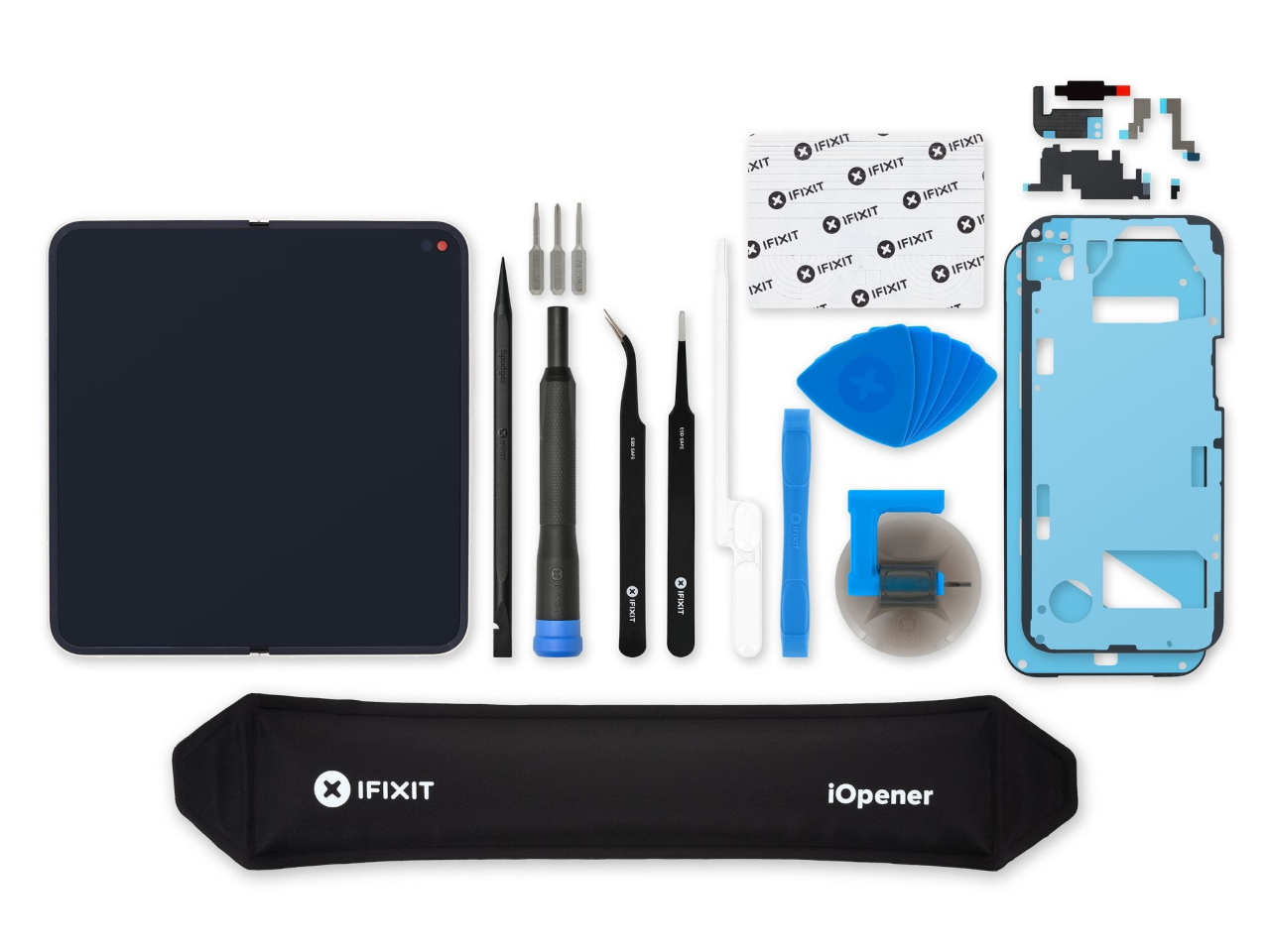
This juxtaposition also shows itself in the HMD Skyline’s other strength: its easy repairability. Sure, it’s not as easy as popping off the back plate with a fingernail and swapping out batteries in a snap, but it’s still worlds apart compared to most smartphones today, including its mid-range buddies. There’s only one screw to lift the back panel, which you can gently pry off with plastic cards or guitar picks, then other connectors can be easily unscrewed or lifted. It’s probably the least risky process around when it comes to replacing the screen. And all that while still having an IP54 dust and water resistance rating.

Images courtesy of: iFixit

The irony is that HMD is positioning this Gen 2 repairability as an attractive feature for Gen Z users who, it claims, are more likely to keep their phone if they can repair it themselves. That said, this is also the generation that lives for the latest and greatest designs, convenient services, and near-instant gratification from social media. Then again, it’s also the maker culture, so there might be some DIY DNA running through their veins as well, waiting to be awakened.

The HMD Skyline’s specs are a bit less impressive, but it’s actually almost a miracle that some of them are even there. The 6.55-inch 1080p, for example, is capable of 144Hz refresh rates, and its 4,600mAh battery supports magnetic wireless charging. There’s a massive 108MP camera teamed up with a 50MP telephoto shooter and a 13MP wide-angle camera. The Snapdragon 7s Gen 2, however, clearly marks it for the mid-range class. All things considered, the $500 Android phone isn’t as bad a deal, especially if you’re truly into retro designs that you plan on maintaining for a very long time.

The post HMD Skyline is a Nokia Lumia throwback with repairability at its core first appeared on Yanko Design.

Xiaomi MIX Fold 4 Hands-on Review: Thin in Size, Big in Everything Else

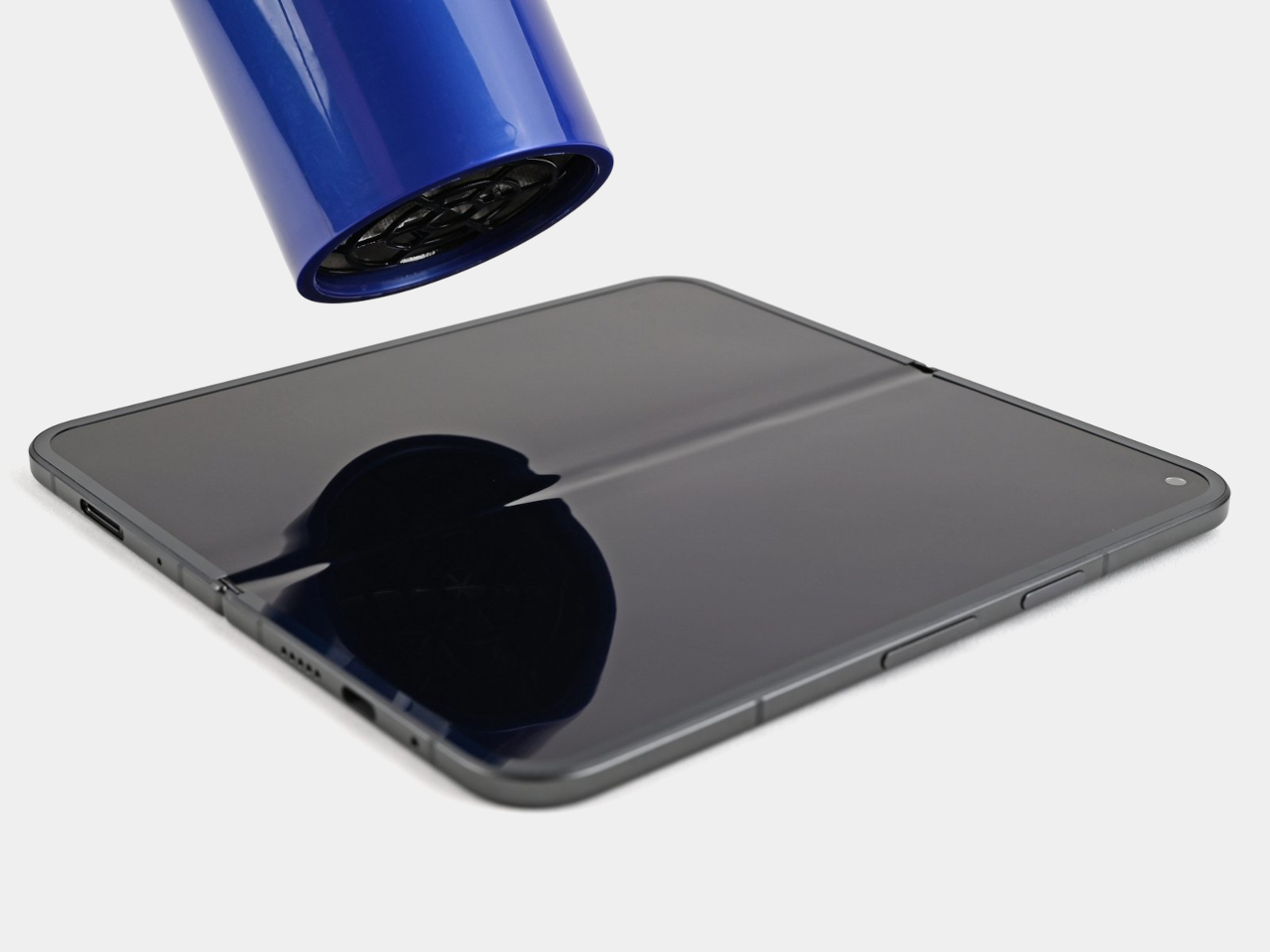
Despite what naysayers claim, there foldable phone market is showing no signs of disappearing or even slowing down. After all, we’ve barely scratched the surface of what these form-changing devices can truly become, especially when it comes to design. The book-style large foldable has been around for years, yet every generation still has some improvement to offer, whether it’s in durability, performance, or size. “Thin” is a description not often associated with this kind of smartphone, a kind that once felt like two phone slabs placed on top of each other. The Xiaomi MIX Fold 4 is challenging that preconceived notion with what is one of the thinnest foldables in the market, and we were able to get a hands-on experience to see what the fuss is all about.

Designer: Xiaomi

Blurring the lines between Foldables and Ordinary Phones

Next to the price tag and durability, one major concern that people have with foldable phones is their sizes. Admittedly, the earliest design iterations didn’t have the benefit of hindsight, but they were rather bulky and heavy when folded, a far cry from the regular phones we carry in our pockets. On its fourth generation, Xiaomi is really pushing the limits of foldables with a design that is getting really close to what people have become used to with non-foldable phones.

The Xiaomi MIX Fold 4 is crazy thin when laid open flat at 4.59mm, and with a 9.47mm thickness when folded close, it’s just 1mm shy of traditional phones. It’s also only 226g light, which is slowly getting closer to our definition of “normal.” Xiaomi credits no less than three technologies for this feat, like using lightweight yet durable carbon fiber materials in a few key parts. That said, the cover screen’s 21:9 aspect ratio still falls under the “tall and narrow” shape that has made many foldables like this a bit awkward to use. Aside from that, however, it’s really refreshing and delightful to hold such a thin and lightweight device.

More (Power) for Less (Space)

There are several consequences to shrinking the space inside a phone, from having less room for the battery or constricting airflow and affecting cooling. That’s even more problematic for foldable phones that have split their components, especially the battery, on two sides. You’d expect that a thinner foldable would have fewer features, but Xiaomi managed to surprise us yet again.

It’s already expected that the MIX Fold 4 will have the latest Snapdragon 8 Gen 3 processor and high-end memory, but getting a 5,100mAh battery that’s larger than its thicker predecessor is pretty impressive. Xiaomi didn’t skimp on the screens either, both with nearly identical capabilities, save for their sizes and aspect ratio. Unfortunately, our brief experience with the large foldable did disappoint us with a visible crease, a design flaw that’s already being squeezed out of other foldables. To be fair, though, you get used both to the appearance and even the feel of the crease so your mind begins to filter out its presence.

Big in Photography

Whatever improvements Xiaomi made when it came to making the MIX Fold 4 extra-thin goes out the window when you see how thick the camera bump is, almost as thick as the (unfolded) phone itself. The raised box has a somewhat asymmetrical design where the lower edge curves down ever so slightly. There’s a grid pattern on the glass surrounding the cameras, and it’s actually a texture that you can feel with your finger. It’s a nice touch, but one that seems a bit out of the left field.

You will, however, forgive that slight design oddity when you witness the results of the four cameras on the MIX Fold 4’s back. There’s a 50MP main shooter with all the bells and whistles you’d expect, and it’s joined by not one but two 50MP telephoto cameras, one with a floating-style lens used for portrait and macro photography, the other with a periscope-style lens with 5x optical zoom. The ultra-wide camera has a 12MP sensor that’s admittedly just a small step higher than the typical measly 8MP. It still needs rigorous testing for verification, but what we’ve seen so far is enough to consider that large camera bump well worth the sacrifice.

Final Thoughts

Almost everyone (except Apple, of course) is making a foldable phone these days, and the competition is heating up as more players join the race. It’s no longer enough to just have the latest specs or a durable hinge, you also need to push the envelope of design and performance to catch up with non-foldable flagships. With one of the thinnest and lightest designs in this segment and a quad-camera system that could be on par with the latest and greatest, the Xiaomi MIX Fold 4 is inching closer to that ideal where there will be very little reason to opt for a non-foldable phone.

While we had to part ways with the MIX Fold 4, be sure to be on the lookout for our review of the Xiaomi MIX Flip, the brand’s first foray into the land of compact clamshell foldables.

The post Xiaomi MIX Fold 4 Hands-on Review: Thin in Size, Big in Everything Else first appeared on Yanko Design.

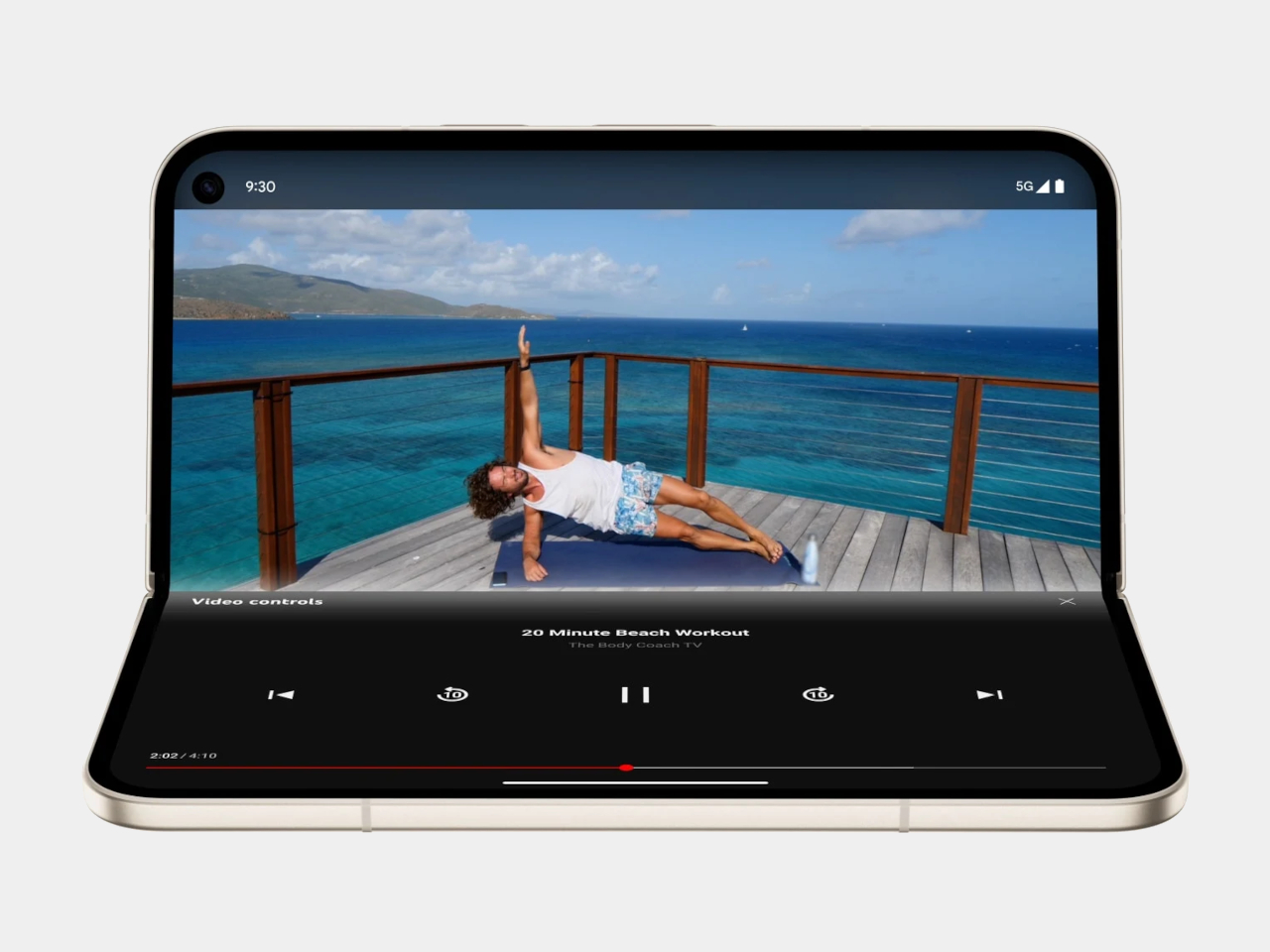
Google’s Official ‘Made by Google’ Event on August 13: Here’s What the Pixel 9 Pro and Fold Look Like

With Google officially announcing the “Made by Google” event on Aug. 13, excitement is high for the new Pixel lineup. This year, Google is shaking things up by revealing the Pixel 9 and 9 Pro series earlier than usual, likely aiming to capture attention before the expected iPhone 16 launch in September.

Designer: Google

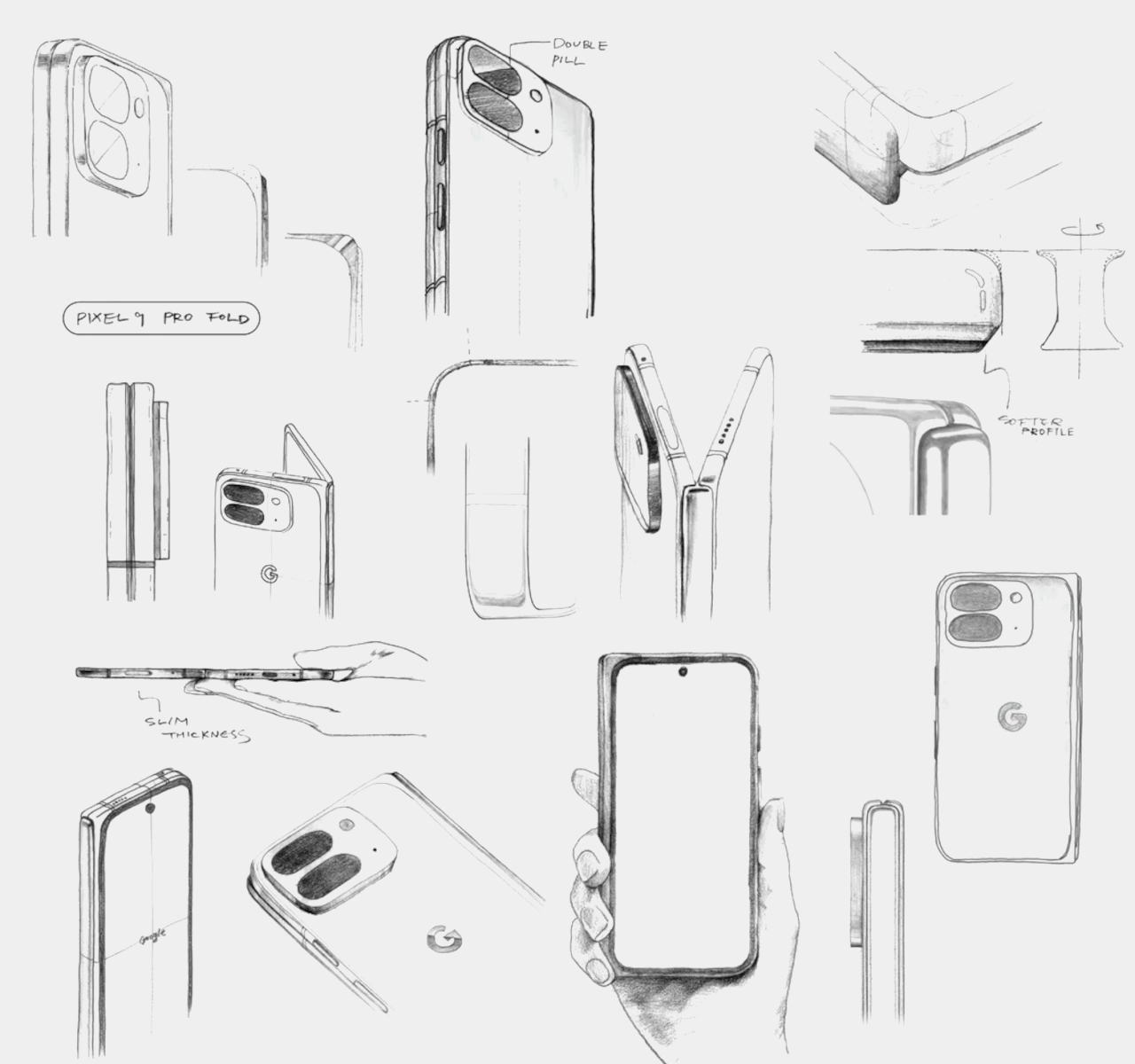
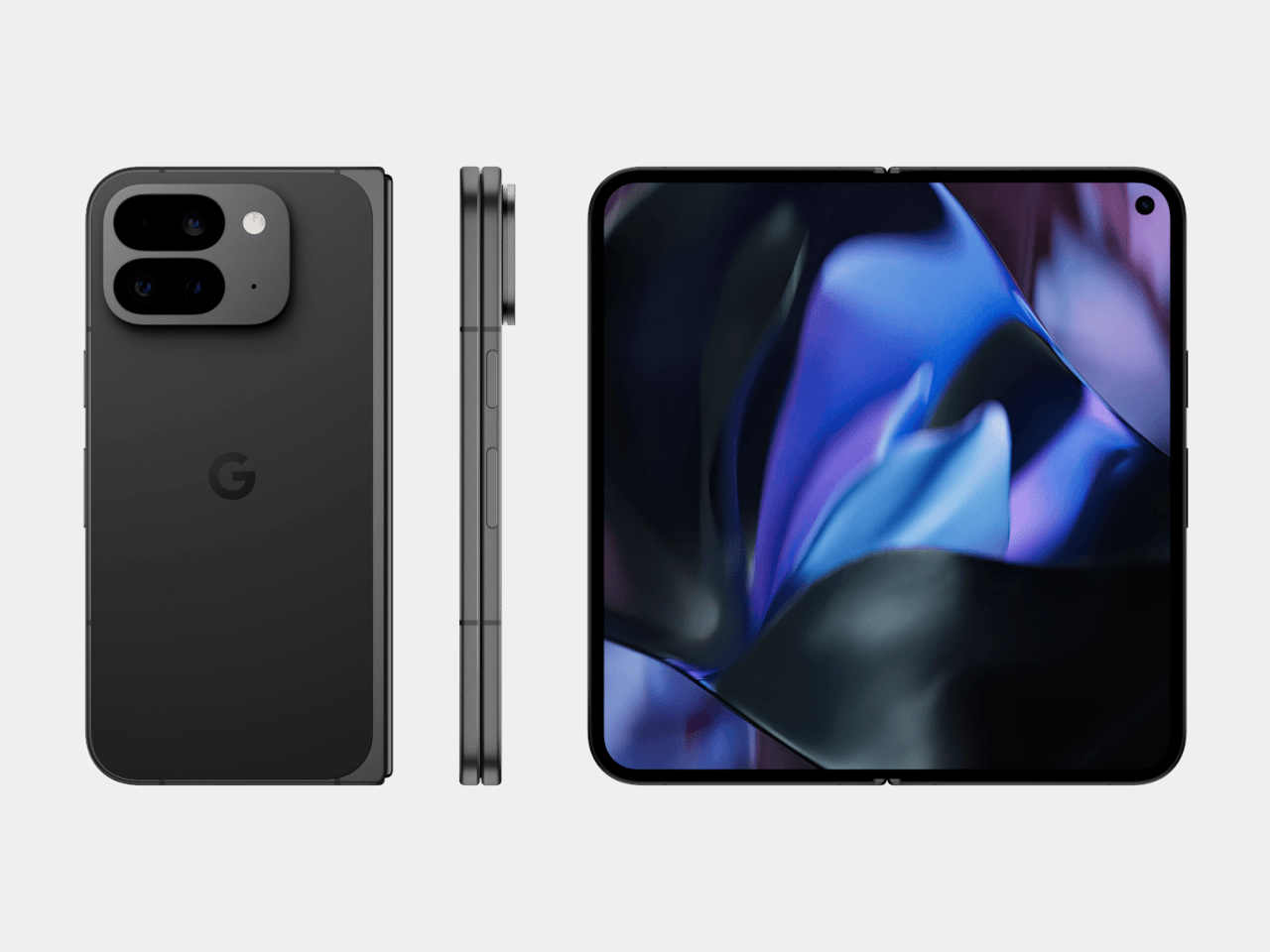
In addition to the Pixel 9 Pro, Google is also unveiling the Pixel 9 Pro Fold, accompanied by a Gemini-linked teaser video. While leaks have provided glimpses of these devices, Google’s announcement finally puts to rest any speculation about their appearance and names. The teaser video highlights the double-stacked lenses on the rear camera module and the exterior screen and hinge design.

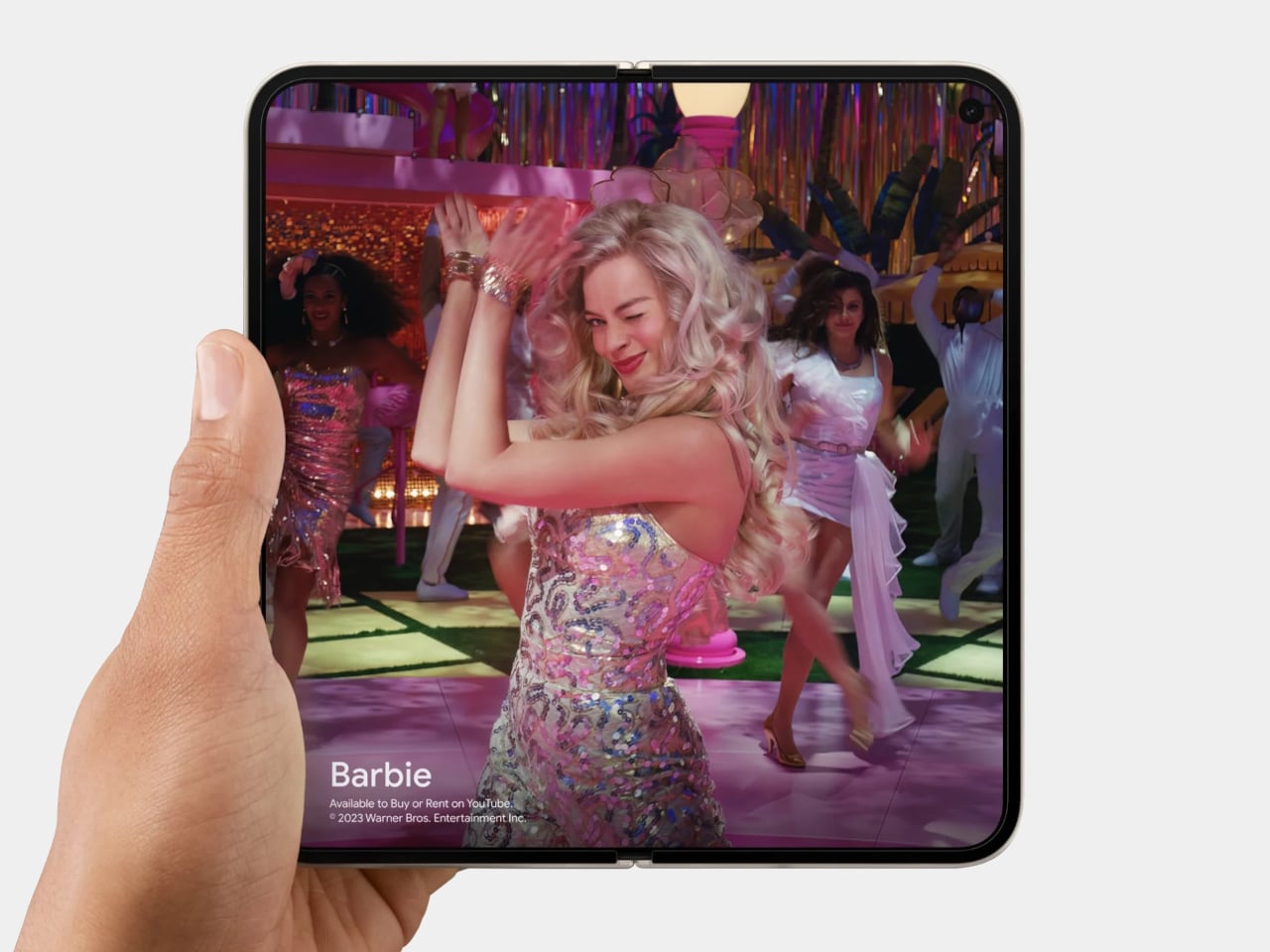
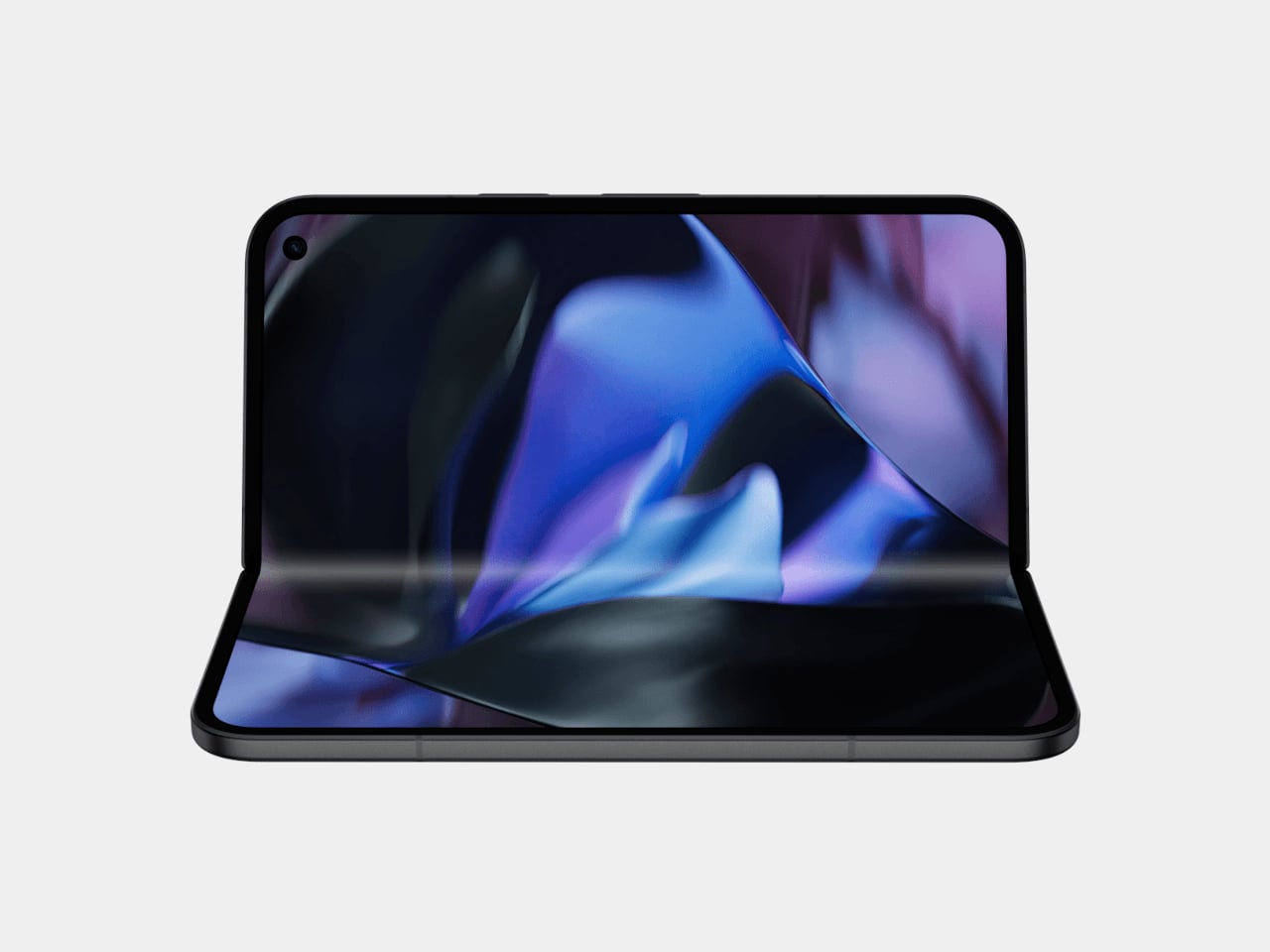
The Pixel 9 Pro Fold marks a noticeable change from its predecessor. It adopts a taller and narrower profile than the original’s short and wide passport-style form factor. This new design aligns more closely with devices like the OnePlus Open, offering a larger, more practical outer display that enhances usability.

One of the most striking changes is removing Google’s signature camera bar. The first-generation Pixel Fold featured a prominent, elongated camera bar, while the Pixel 9 Pro Fold opted for a new, more streamlined camera housing. This redesign provides a cleaner aesthetic and ensures the phone remains stable when laid flat.

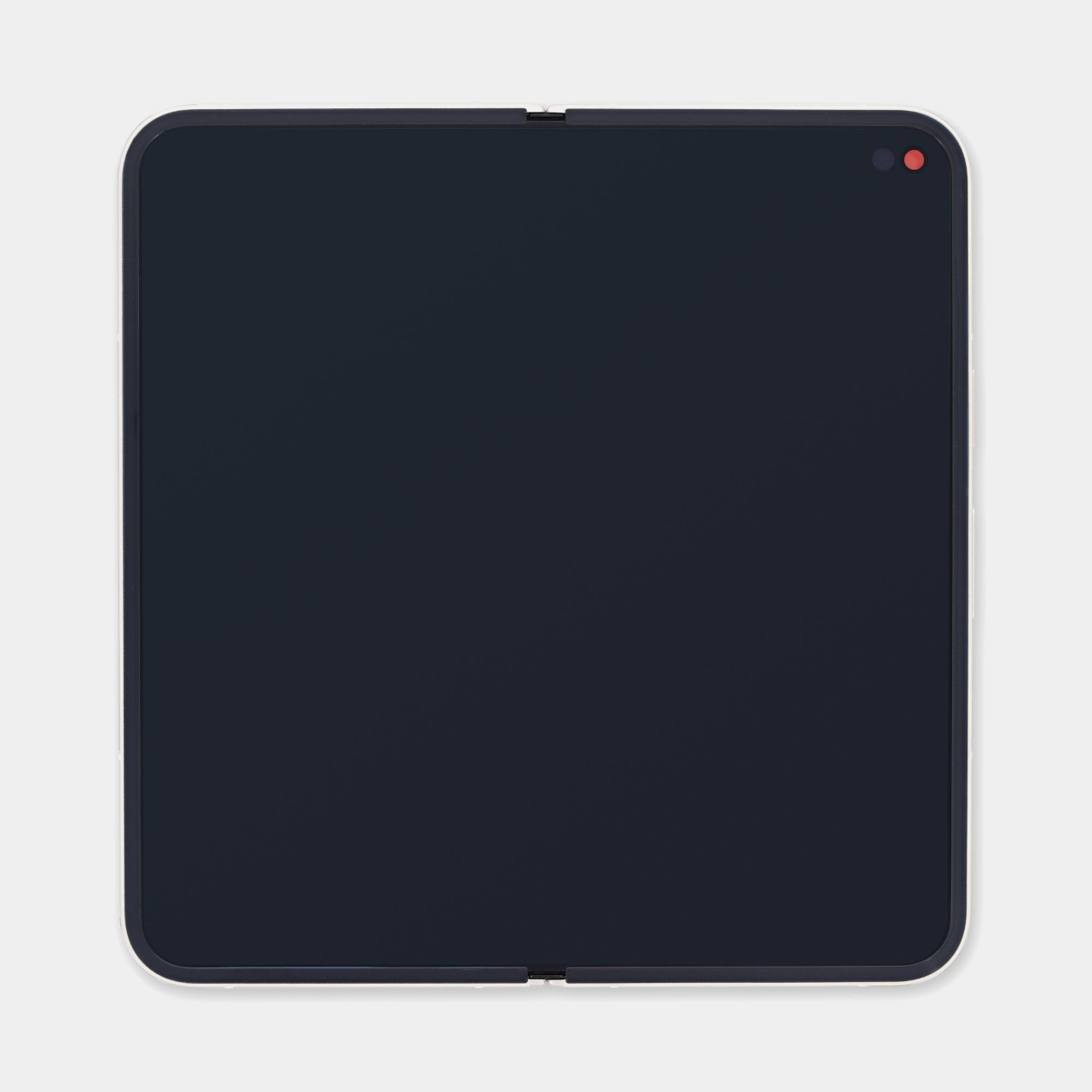
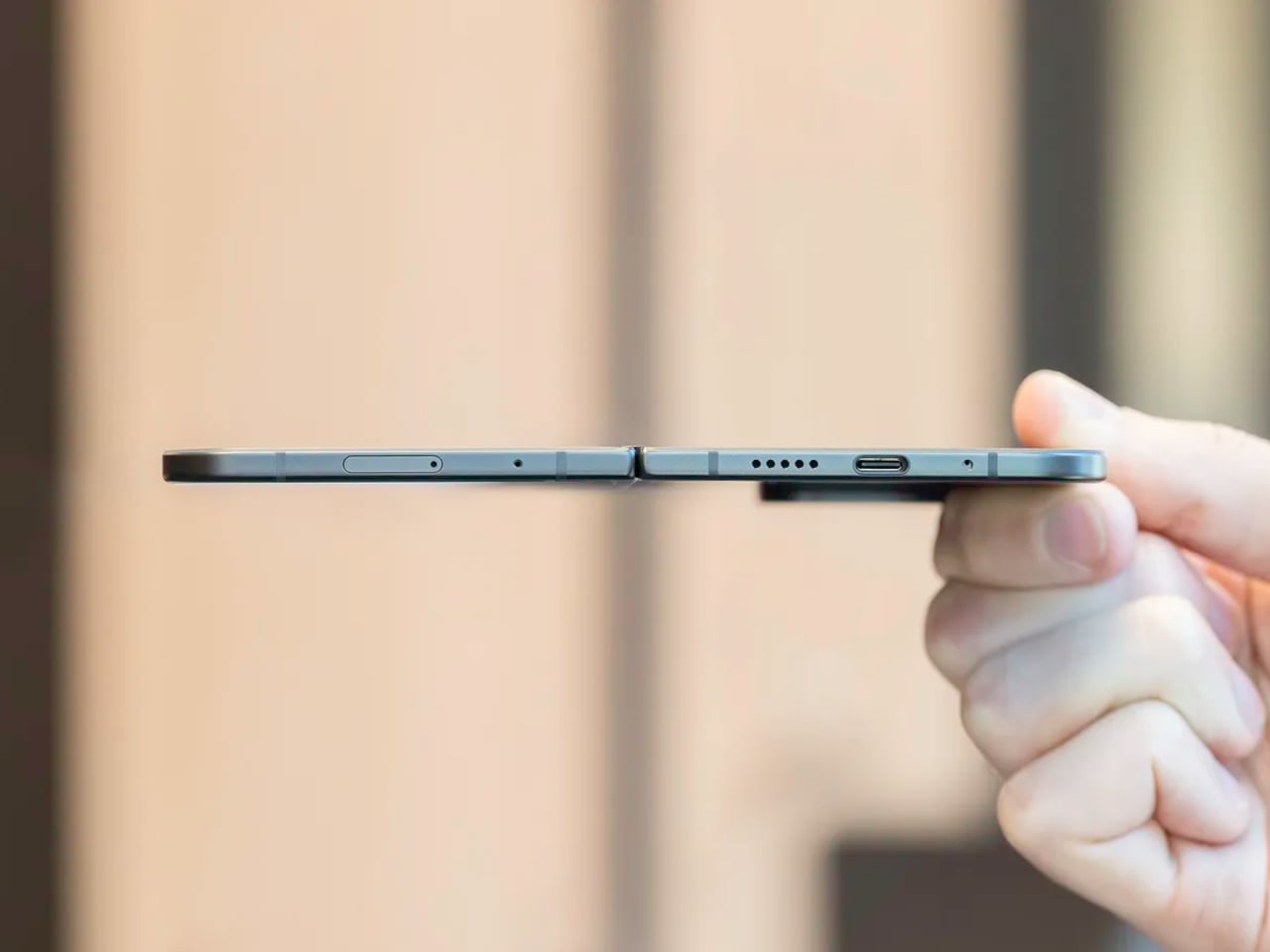
Examining the new model’s inner display, there’s still a noticeable crease, although it appears less prominent. The screen ratio has shifted to a taller and narrower format, with slimmer bezels for a more modern look. However, this change includes an inner camera cutout on the upper-left part of the display instead of being part of the bezel, which might not please everyone.

The first-generation Pixel Fold’s short and wide design made it a great one-handed device despite its weight. However, its cover screen was often too wide to comfortably hold for extended periods. In contrast, the new Pixel 9 Pro Fold’s taller form factor should enhance ease of use and portability.

A potential concern with the new model is its slightly smaller battery capacity of 4,560mAh compared to the first Fold’s 4,727mAh. Given that the original wasn’t known for its battery longevity, this reduction might raise some concerns. However, Google’s latest Tensor processor promises efficiency gains that could help mitigate this issue.

Alongside these design changes, the Pixel 9 Pro Fold has a new 45-watt USB-C charger. This new charger, which sports a more rounded design than its predecessors, is part of Google’s effort to improve charging speeds and overall user convenience.

Having used the first-generation Pixel Fold extensively, I can attest to its decent quality despite its drawbacks, such as dim screen brightness, subpar speakers, and limited app optimization. With the Pixel 9 Pro Fold, Google can address these issues and deliver a more refined and competitive product.

The Google Pixel 9 Pro Fold represents a significant step forward in design and functionality. By transitioning from the unique but bulky passport form factor to a more practical and user-friendly design, Google is making strides to compete more effectively in the foldable phone market. We’ll have to wait and see how Google plans to structure the pricing this time, but here’s hoping the new model looks impressive and delivers on performance and user experience.

The post Google’s Official ‘Made by Google’ Event on August 13: Here’s What the Pixel 9 Pro and Fold Look Like first appeared on Yanko Design.

OnePlus Nord 4 Design Story: Metal Unibody for an Emotional, Burdenless Experience

With the way how cameras on the back of the phones seem to be dancing around, or how every new model has some innovative glass-etching process, you’d think that the smartphone design field is bursting with activity and changing at every turn. You’d be partially correct, at least if only external appearances are concerned. In one important aspect, however, phone design has somewhat stayed still, held back by the demands of technology. Phones these days are either made up of glass and plastic covers on top of metal or plastic frames, with all-metal designs almost just a footnote in history. As one that never settles for anything less, OnePlus embarked on a bold and ambitious quest to design the first and so far only 5G phone with a metal unibody, a journey that took them back not only through the history of smartphone design but also through the history of human innovation.

Designer: OnePlus

Mobile Innovation, Material Stagnation

It wasn’t always the case that smartphones had a singular formula when it came to materials. It wasn’t too long ago that OnePlus itself launched a metal unibody design in the form of the 2017 OnePlus 5 and OnePlus 5T. Since then, however, smartphones have moved to those glass-metal or plastic sandwiches and there hasn’t been a full unibody design ever since. Ironically, the reason for that is one of the biggest innovations in the mobile industry: 5G networks.

OnePlus 5

OnePlus 5T

The speed and power of 5G placed heavier demands not just on hardware but also on design, specifically on how radio waves are transmitted through the phone’s body. Wireless signals already have a difficult time passing through metal, and even more so for 5G, forcing phone designers to either have plastic strips on the frame’s edges or simply ditch the all-metal design altogether. Unfortunately, it almost seems as if the industry as a whole is no longer interested in solving this puzzle, but OnePlus has risen to the challenge to provide its loyal users with a no-compromise option that will speak to their hearts through their fingers.

Metal Matters

Since the beginning of human history, especially when it came to trade, metal has played an important role not just in building up civilization but also as a symbol of prestige and luxury. Metal has always had this dual character of being a durable and malleable worker’s tool as well as a premium material for jewelry, decorations, and art. It is this long history that has endeared French designer Mathieu Lehanneur to metal. Famed for his nature-inspired metal-based works, Lehanneur was chosen to design the distinctive Paris 2024 Olympic Torch, perfectly symbolizing not only the aspirations of the Olympics itself but also the poetry in nature found in this year’s location for the event.

Mathieu Lehanneur, Designer of the Paris 2024 Olympic Torch

“I love materials that get their own history,” says Lehanneur as he explains his fascination with metal, “and metal’s history actually starts from the Earth, from the very planet itself. At the same time, it is also a part of human invention and skill, thanks to its ability to be transformed. I love the flexibility of the material, being able to create something that appears like a single piece of metal, a unibody design like the Olympic torch.”

It is that same trait that has allowed OnePlus to craft a seamless and unified metal shell for its latest design, the OnePlus Nord 4. The material delivers a lustrous look and a premium feel, something that users today are craving more than just features and specs. More importantly, however, this metal unibody design was made to address the flaws and concerns that smartphone makers have with mixing the material and current technologies, opening the door to fresh new designs that go beyond limitations imposed by hardware.

OnePlus Nord 4: Metal for the 5G Era

Choosing metal for the new Nord was both logical yet also difficult. It presented an opportunity to uplift the user experience but also put hurdles that needed to be sufficiently overcome lest it actually become a burden to that same user experience. Fortunately, the creative minds over at the OnePlus Industrial Design Studio got together to solve these issues to deliver a fashionable product without compromises.

Ryan Ruan, Head of OnePlus Industrial Design Center, shares the many challenges the team had to face and eventually solved to create the OnePlus Nord 4. In the early stages of the design, it was already clear that the higher thermal conductivity of metal would be a concern. “That’s why we chose the power-efficient (Qualcomm) Snapdragon 7+ Gen 3 and designed a heat dissipation system that uses 17,900 sq. mm. of high-density crystalline graphene and a steel vapor chamber to ensure that even in extreme temperatures, the phone can still operate normally,” the designer explains. This serves to minimize the impact of heat on the metal surface and keep the phone performing optimally.

Wireless charging is another feature that is absent on phones with metal covers, and, unfortunately, there is still no way around this limitation. That said, the desire for this feature is more of a symptom of a much deeper cause. “Ultimately, users are pursuing high charging efficiency and a better user experience overall. Wireless charging is just one of the solutions, but we provide another solution,” according to Ruan. That solution is the OnePlus Nord 4’s extra-large 5,500 mAh battery and super-fast 100W SuperVOOC charging, minimizing not only the charging time but also the number of times you even need to charge the phone.

As for that tricky 5G antenna problem? OnePlus re-designed the phone’s internals to not only maximize battery space but also improve the signal strength. More importantly, the new U-shaped antenna design at the bottom of the internal chassis ensures that there is no degradation of wireless signals when you hold the phone at the sides with the so-called “Death Grip.” In other words, there will never be a wrong way to hold the Nord 4.

The Future of Burdenless Design

“When you choose a device, a product, or an art piece, it’s not only a question of specs or functionality but also a question of emotion, what you can feel from an object,” says Lehanneur. This relationship between object and person is especially true with today’s smartphone users who no longer pick just from a list of features but based on, as the designer describes it, “a question of how you want to be part of this object and how you want it to be a part of your life.” In that regard, Lehanneur expressed his delight in the Nord 4’s metal unibody design, and not just because it was made of metal. The Mercurial Silver colorway, in particular, has this visual effect where you can feel a relief or embossed surface even when there’s none. Lehanneur compares it to the “guillochage” design of luxury watches that provide beautiful visual and tactile experiences in a simple yet striking manner.

It’s a kind of detail that isn’t lost on OnePlus users who Ruan describes as “very playful, very young, and very personalized, pursuing designs where they can express themselves.” That is why early on, OnePlus designers decided to have a very different metal unibody design for the Nord 4 that distinguishes it from the 4G era OnePlus 5 and 5T. The dual-tone design of this generation’s “Nordtones” expresses that spirit of dynamism and vibrancy, while still trying to appeal to a broad range of tastes. It allows the Nord 4 to establish an emotional connection with users and allow them to express themselves in more unique and personalized ways.

A metal unibody is definitely a bold design to use for a phone, but it’s one that looks to the past glories of smartphone history while also safeguarding its future. “Metal is probably one of the most sustainable materials because it can live endlessly,” says Lehanneur. Unlike plastic that loses a part of its substance every time it’s recycled, metal can be recycled again and again. The recycled metal used in the Paris Olympic Torch, for example, could have very well come from a car in the past. In a way, that is also one way that metal carries its history, creating an interesting narrative with each lifetime.

In the same vein, metal wasn’t just a material choice for OnePlus but a representation of the brand’s design philosophy and ideals. “OnePlus is founded on the belief that while form should always perform a function, good design is what ultimately defines the user experience,” says Ruan. Choosing a metal unibody design, despite its numerous challenges, demonstrates the battle cry that launched OnePlus into stardom: Never Settle. “Our aim is to always strike the ideal balance between modern, elegant design and fast, smooth performance while providing users with a burdenless experience.”

Be sure to look out for our review of the OnePlus Nord 4 that will cover not just the design but also the overall value of this bold metal unibody phone.

The post OnePlus Nord 4 Design Story: Metal Unibody for an Emotional, Burdenless Experience first appeared on Yanko Design.

Google Pixel 9 Pro Fold: A Worthy Redesign or a Step Back?

The upcoming Google Pixel 9 Pro Fold is already generating buzz, and the latest images from Taiwan’s National Communications Commission offer a compelling look at what we can expect. This second-generation foldable represents a departure from its predecessor, embracing a new design philosophy while addressing some of the previous model’s shortcomings.

Designer: Google

First and foremost, the Pixel 9 Pro Fold ditches the original’s short and wide passport-style form factor. The new model adopts a taller and narrower profile, bringing it more in line with devices like the OnePlus Open. This change offers a larger, more practical outer display, making the phone easier to handle and use. The increased screen real estate is a welcome improvement, even though it means saying goodbye to the unique shape that made the first Pixel Fold stand out from competitors like Samsung’s Galaxy Fold.

Google Pixel Fold

One of the most notable changes is removing Google’s signature camera bar. The first-generation Pixel Fold featured a prominent, elongated camera bar that added a distinctive look and functionality. The Pixel 9 Pro Fold opts for a new camera housing design, which is substantial enough to prevent the phone from wobbling when laid flat. This redesign offers a cleaner and more streamlined aesthetic, although it loses some of the original’s unique charm.

Google Pixel 9 Pro Fold via Taiwan’s National Communications Commission (NCC)

Google Pixel Fold

Looking at the new model’s inner display, there’s still a noticeable crease, though it appears less prominent than before. The screen ratio has shifted, becoming taller and narrower, and the bezels have been slimmed down, giving the device a more modern look. However, this design shift comes with a trade-off: the inner camera is now a cutout on the upper-left part of the display rather than being part of the bezel. This change means the screen is no longer uninterrupted, which might disappoint fans of the original design.

Google Pixel 9 Pro Fold via Taiwan’s National Communications Commission (NCC)

Despite its weight, the first-generation Pixel Fold’s short and wide design made it a great one-handed device. Although its cover screen was larger on paper, it was often too wide to hold comfortably for extended periods. In contrast, the new Pixel 9 Pro Fold’s taller form factor should make it easier to use and carry around, enhancing the overall user experience.

Google Pixel Fold

A concern with the new model is its slightly smaller battery capacity of 4,560 mAh, down from the first Fold’s 4,727 mAh. Given that the original wasn’t known for its battery longevity, this reduction might raise some eyebrows. However, Google’s latest Tensor processor promises efficiency gains that could help mitigate this issue.

Alongside these design changes, the Pixel 9 Pro Fold has a new 45-watt USB-C charger. This new charger, which sports a more rounded design than its predecessors, is part of Google’s push to improve charging speeds and overall user convenience.

Google Pixel 9 Pro Fold charger via Taiwan’s National Communications Commission (NCC)

As someone who has used the first-generation Pixel Fold extensively, I can say that it has a unique quality that the new model hopes to build upon. The first Fold had its share of drawbacks, from dim screen brightness compared to newer models to subpar speakers and limited app optimization. With the Pixel 9 Pro Fold, Google can address these issues and deliver a more refined and competitive product.
Google Pixel Fold

The Google Pixel 9 Pro Fold represents a significant evolution in design and functionality. By moving away from the unique but bulky passport form factor to a more practical and user-friendly design, Google is making strides to compete more effectively in the foldable phone market. Here’s hoping that the new model not only looks the part but also delivers on performance and user experience, even if it does come with a price tag north of $2,000.

The post Google Pixel 9 Pro Fold: A Worthy Redesign or a Step Back? first appeared on Yanko Design.