Top 10 Apple Products We Wish Existed – But Probably Never Will

As incredible as Apple’s products almost always are, there’s always a sense of mystery around their catalog. Unless leaks confirm the launch of a product, there’s always a will-they-won’t-they discussion about things like a folding iPhone, an Apple Car, or up until recently, an Apple VR headset (which did eventually get launched at WWDC last year). This discussion is fueled by one undeniable fact – when Apple enters an industry, it makes a grand entrance. Everything Apple does, it does with great intent and decades of hidden innovation. So it only makes sense to want Apple to enter more industries and disrupt them. Here’s a look at a few product categories that fit well within Apple’s catalog, and even though it makes absolute sense for Apple to design these products (and I’m sure they’d do a stellar job), Apple is probably never going to consider making them. From drones to e-bikes to even printers, here are 10 products everyone wishes Apple made… but Apple probably won’t.

01. Apple Drone

The first-ever drone we saw from Apple actually made its appearance in the company’s iPhone 14 Pro keynote. The video showed a rather crude-looking drone engineered to fly with the iPhone 14 Pro Max mounted on it, relying on the iPhone’s camera system to capture footage. We later learned that the drone was entirely made in-house by Apple’s engineers… so why not make one for us regular consumers too? Imagine a drone rivaling the ones from DJI and Parrot, using a state-of-the-art camera system taken from Apple’s latest iPhones. An object-avoidance LiDAR system taken from the iPhones and iPads, and a 3-axis gimbal so advanced, it helps Apple make better motorized stabilizers for their phone cameras. It’s no secret that DJI’s three product lines – their Osmo cameras, gimbals, and their drones – all benefit from advancements in each other’s domains. A truly symbiotic system that helps create great products. I don’t see why Apple couldn’t do the same.

02. Apple Arcade Gaming Controller

Apple has a gaming service, a game-ready tablet that has better rendering capabilities than some laptops, and Apple also has a spatial reality headset that’s perfect for games, but lacks a controller input. It just makes absolute sense for Apple to launch a gaming controller that works in tandem with all their devices, helping you play/test all sorts of games, whether it’s on Unity or on Apple Arcade. Here’s yet another thought. What if you could remove the control part of the controller from its ergonomic case and use it like an Apple TV or Nintendo Wii-style remote? All speculative of course, but not without reason. Apple’s tech offering severely lacks a gaming controller, and if Apple is serious about gaming, it just makes sense.

03. Apple MovePod Wireless Speaker

You know what else also makes sense? Being able to take your music on the go. Both of Apple’s speakers – the HomePod and the HomePod Mini are wired, tethered devices that don’t have batteries of their own, and can’t be carried around with you. Ironically enough, Apple’s released quite a few wireless portable speakers under its Beats by Dre sub-brand… so why not just launch an unchained HomePod that you can travel with? An orb-shaped device with a handle (sort of like the Devialet Mania) occurs to me as the most obvious bet. Instead of relying on AirPods to listen to music on the go, this wireless speaker gives you the thump of a HomePod, but on the beach, at parties, on a terrace, in a backyard, or even a campsite. Obviously you couldn’t call it HomePod anymore, so something like the MovePod made sense as just a naming ritual.

04. Ergonomic Magic Mouse

The Magic Mouse sucks. It charges horribly, hasn’t been redesigned in years, and it’s an ergonomic nightmare. In fact, it’s so bad to hold that people have even designed grips for the Magic Mouse that make it more comfortable to grasp. Needless to say, an ergonomic Magic Mouse doesn’t exist, but it desperately needs to. The current slim mouse is perfect for travel, but let’s be honest, nobody chooses mice based on their travel-ability. So here’s an appeal to Apple to just make a slightly chunkier Magic Mouse that’s better to hold while working, because that’s really what a mouse is for… working.

05. Apple Printer

MKBHD once said that if there was one gadget he wished Apple designed, it would be the printer. Current printers are the absolute worst. They’re complicated, they jam, they’re a nuisance to configure, and their software are more complex than they need to be. Printers and their user experiences definitely need a major rehaul, and if there’s one company anyone trusts to do a better job, it’s Apple. That being said, Apple probably doesn’t see much sense in a printer. It makes world-class computers for professionals, it dominates the pro-res display market, and printers are an incredibly niche item. Sure, Steve Jobs could have probably launched one in the iMac G3 days when printing was absolutely essential – but printers aren’t a household essential anymore. Want to read documents or preview artwork, use an iPad. That being said, the world definitely deserves a GOOD printer that shows all companies how it’s supposed to be done.

06. Apple e-Bike

Everyone was expecting an Apple Car, but alas, it wasn’t meant to be. The Apple Car was supposed to be Tim Cook’s effort at building an all-encompassing self-driving vehicle (he didn’t even want a steering wheel in it) with nothing but comfortable seating and infotainment. The car would boost Apple’s self-driving algorithms, but ultimately it was a way of pushing Apple’s services like Apple TV, CarPlay, Apple Music, etc. The Apple Car would ultimately lock horns with multiple giants in the field, Tesla, GM, Ford, the works… so why not enter a field that hasn’t seen much (or any) competition from the big automotive giants? An Apple e-bike would be a great transition into automobiles, it would help Apple understand riders, refine its maps service, and even boost their battery technology. All that could LATER be carried into EVs. Not to mention, the absolute lack of competition… but that’s something Apple has always avoided because it views its competition as a proof of a healthy market. That’s why it waited for Samsung to launch a Watch first, and for Meta, Microsoft, and dozens of other companies cut their teeth on AR/VR before launching the Vision Pro.

07. Apple HomeCam Security Camera

Apple prides itself on privacy and security on a software level – so why not on a hardware one too? The Apple HomeCam would be a perfect smart camera to keep in your house for an added layer of security. It would tie in perfectly with Apple HomeKit’s smart home dashboard, plus, imagine being able to have instant FaceTime calls with your house to check if everything is okay. A smart speaker was Apple’s first step in entering the home, a smart camera would be the logical next step. Yes, I was tempted to call this the Vision Cam but decided HomeCam was a better bet!

08. Apple Ring

Of all the products in this list, the most likely seems to be the Apple Ring, and for two reasons – the first, the Apple Watch is a great health wearable but it doesn’t have a battery that lasts weeks, and the second, Samsung is gearing up to launch their Galaxy Ring too, validating the market space. Ring wearables are great for a bunch of reasons – they don’t have screens so there’s really no distraction with notifications and whatnot, but more importantly, the lack of a screen means a MUCH better battery life. People can wear rings everywhere, and unlike a watch where you can only wear one on your wrist (you’d look stupid if you wore two watches), you can actually pair a health-tracking ring with other jewelry for something that’s sleek yet functional. Rumor has it that Apple’s been considering adding a ring to their portfolio, but then again, a lot of it hinges on how successful Samsung’s own efforts are. Besides, would you really want to wear an Apple Watch and an Apple Ring together? Seems like overkill, no?

09. Apple TV Projector

Probably more of a wishlist item than anything, the Apple TV Projector would be Apple’s first foray into projectors. The company already makes the Apple TV box that brings the company’s TV service to televisions. Wouldn’t it be great if they made a projector that could turn your wall into a theater, and fill your room with loud, balanced audio coming directly from the projector itself? Obviously, the projector would have to be an ultra-short throw (UST) one, because who really places projectors 10 feet away from walls anymore? I’d pay good money for a 4K UST Apple TV projector with the service built-in, along with a year of Apple TV+. Pair it with Apple Arcade’s gaming controller from earlier on in this article and you’ve got yourself a stellar immersive gaming rig.

10. Apple WiFi Router

Another area that Apple should enter is the wireless and cellular service business. Just like Apple entered the payments business to fix something that was broken, the company can enter the carrier business to provide high-speed internet to your homes at a fraction of the cost, and with all of Apple services baked in. Imagine paying a single fee for your internet and iCloud storage, and even getting your cellular plan as a bonus. Here, we’ve imagined an Apple WiFi router that broadcasts high-speed internet to every corner of your home, with a built-in VPN that protects user data because Apple cares for privacy. We threw in an Apple NAS (Network Attached Storage) too, so that your iCloud can live in your home instead of on a server in a different state or country.

Did I miss anything? What else do you think Apple should release? Or rather, which product category desperately requires Apple’s magic touch?

The post Top 10 Apple Products We Wish Existed – But Probably Never Will first appeared on Yanko Design.
Chinese Lantern-inspired Speaker Takes The HomePod Texture To New Cultural Heights

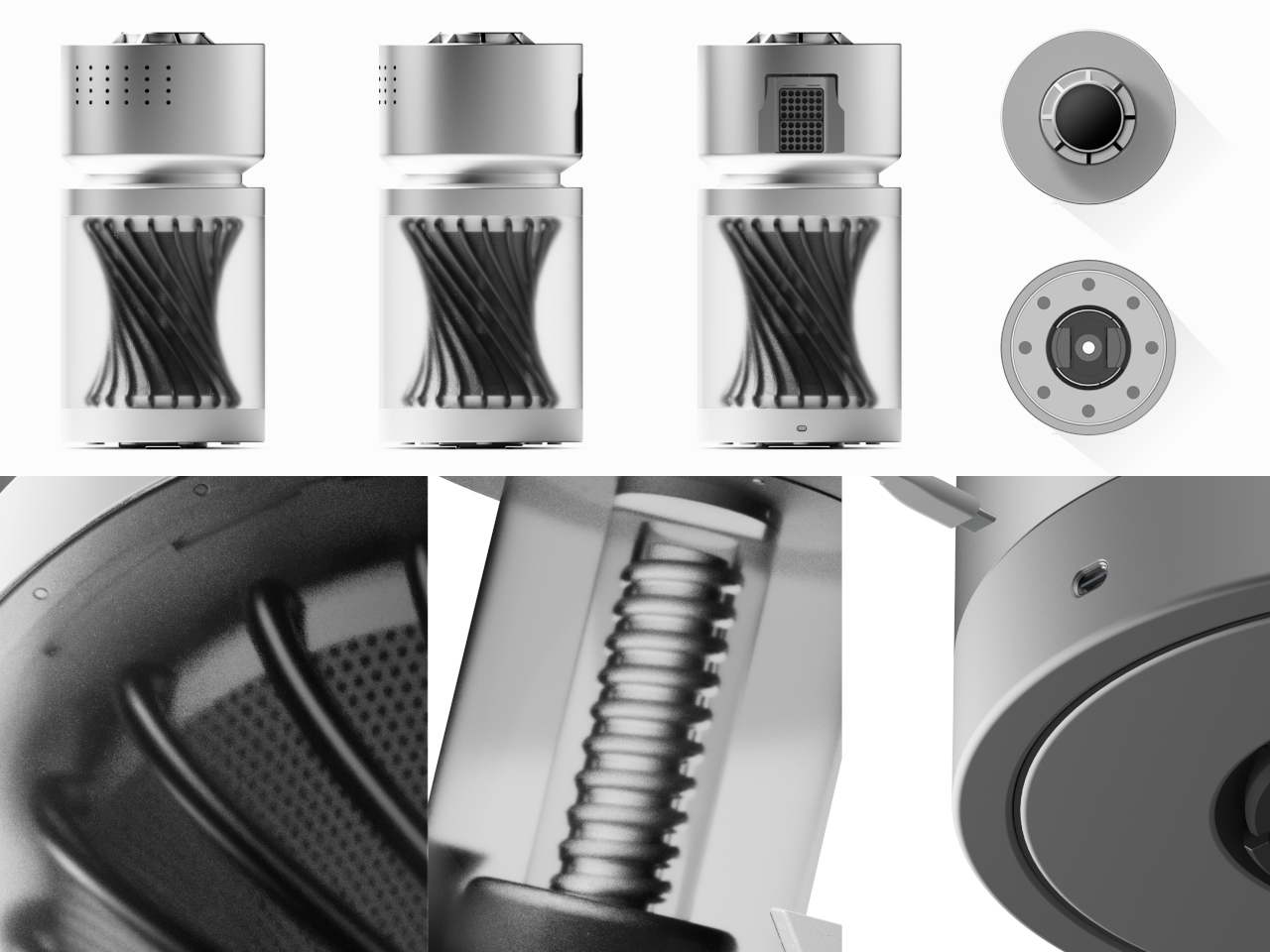
I’m sure that there’s a non-zero percentage of people who saw the first HomePod and were reminded of the paper lanterns that decorate each house during Chinese festivals. These lanterns use a thin crepe paper, joined at intervals to create a diamond-shaped honeycomb pattern not too different from the one seen on Apple’s HomePod, albeit at a much smaller scale. Designer Shengtao Ma saw this as an opportunity to more deliberately design a speaker that pays a hat-tip to tradition. The Sirocco Speaker is a slim audio unit with a decorative cover that tributes the lanterns seen in Chinese culture. The speaker’s cover folds open and close just like the lantern, attaching around the speaker’s slender stem-shaped design. The result is something that’s sculptural yet functional, with a cover that can be changed on demand, and a tactile knob on the bottom for controlling the speaker’s volume.

Designer: Shengtao Ma

The Sirocco Speaker comes in multiple shapes and sizes, resembling the traditional lantern seen in Chinese and other Asian cultures

Shengtao Ma makes a case that the speaker’s foldable outer structure plays a role in amplifying the sound. The speaker itself is a slim, vertical number, but the different diamond-shaped elements act as acoustic chambers, helping channel and amplify the audio much like cupping your hands around your mouth. Whether this theory works in reality is yet to be determined, but the concept secured an A’ Design Award this year.

“This speaker further conducts and diffuses sound through its unique honeycomb structure design, thereby further enhancing the user’s experience and music quality. This speaker is foldable. The speaker’s shell is stowable and modular, and comes with a variety of shell shapes that can be replaced at any time according to the user’s mood and home environment,” Shengtao says. “The foldable honeycomb structure at the upper end can be assembled and disassembled by rotation, making it easy to replace, store, and clean.”

The post Chinese Lantern-inspired Speaker Takes The HomePod Texture To New Cultural Heights first appeared on Yanko Design.
Balloonapkins Turn Every Meal Into A Celebration By Bringing A Touch Of Fun And Whimsy To The Table

For many, especially women, the joy of hosting a party lies in the details. Every element, no matter how small, contributes to the overall atmosphere and aesthetic of the event. It’s these little touches that can make a gathering truly memorable, and Balloonapkins are the perfect addition to elevate your party decor.

Designer: PELEG DESIGN

Balloonapkins, with their whimsical design, are more than just napkin holders – they are conversation starters. Shaped like colorful floating balloons, these napkin rings bring a lighthearted, joyful vibe to any table setting. Imagine the delight of your guests as they encounter these charming decorations, sparking conversations and creating a lively, happy environment.

One of the standout features of Balloonapkins is their versatility. The thoughtfully chosen colors are designed to complement almost any party theme, ensuring they fit seamlessly into your decor whether you’re hosting a child’s birthday party, a gender reveal, or any other festive occasion. You’ll never have to worry about them clashing with your color scheme.

Moreover, unlike most party items that are disposable and only good for one or two uses, Balloonapkins are designed for sustainability. Made from durable metal wire and plastic, these napkin rings are built to last through multiple parties. This not only makes them an eco-friendly choice but also a cost-effective one, as you can reuse them time and again.

Safety is also a key consideration in their design. With no exposed edges, Balloonapkins are safe for all guests, including children. Their sturdy construction means they can withstand the rigors of enthusiastic partygoers, ensuring your table setting remains intact throughout the event.

Imagine being known for having that unique factor at your gatherings. Balloonapkins offer just that – a distinctive touch that sets your parties apart. Your guests will remember the fun and creativity of your table settings long after the party is over.

The post Balloonapkins Turn Every Meal Into A Celebration By Bringing A Touch Of Fun And Whimsy To The Table first appeared on Yanko Design.
Fitbit Ace LTE smartwatch pulls kids from screens to indulge in rewarding playtime

The other day my 7-year-old nephew refused dinner until his father allowed him access to the smartphone after the meal. This was difficult for me – someone outside of parenting primary school children – to digest. I realized controlling screen time is a big issue for parents handling kids in this age group. These kids are distancing themselves from outdoor sports and playtime only means video games.

Smartwatches have very little share in this. Perhaps, the screen real estate makes them mere child trackers rather than motivators, while smartphones or game consoles enjoy the lion’s share. Even when the smartwatch has more potential to allow kids some distraction from eye-straining mobile screens. Google with Fitbit has been exploring this possibility for a couple of years; now it seems to be rolling out that potential wearable that could provide “benefits of a smartphone. Without the smartphone” in your child’s hand.

Designer: Fitbit

Enter the Fitbit Ace LTE, the first of its type wearable for kids ages 7+ that combines playtime with video games to get kids active without compromising too much on their ongoing lifestyle. By bringing immersive, interactive 3D games to the child’s wrist, Fitbit may have just crossed the line, but its interesting idea to align gametime with playtime really places the device in my good books.

The more a child plays (moves) the more games they unlock on their Ace LTE. This is a simple motivation mantra around which the entire wearable is designed. Because it’s going to be on the child’s wrist all the time, this is not the only feature it packs: privacy and parental control are the driving pillars. Powered by webOS, the Fitbit Ace using Fitbit Ace Pass and the Fitbit Ace app, allows parents to track their child’s real-time location, call or text them, send and receive voice messages, and even set trusted contacts that are permitted to interact with the child. For safety, the child’s location or activity data is deleted every 24 hours while their activity data is erased after 35 days of backup.

To recognize and reward, Fitbit Ace LTE kid’s smartwatch uses Google’s self-developed movement algorithm to accurately measure kids’ physical activity whether they’re “playing hide and seek, jumping on the bed or having a sibling dance-off,” Google notes. The idea is to encourage and motivate all types of movement – visible in ‘Noodle,’ an activity ring on the watch home screen – and reward the same with new games and more game time.

Noddle is not the only weirdo on the Fitbit Ace LTE. Kid’s get their own customizable Eejie that stays happy off the wearer’s daily physical activity. So, the more kids clock their activity goals the happier their Eejie gets. And besides customizing the Eejie, kids can also use different watch bands that clip on and unlock ‘different items, styles, rooms and Noodles’ to interact and play with. With 16 hours of playback time, 50-meter water resistance, and a scratch-resistant display, the Fitbit Ace LTE is available for preorder at $229.95.


The post Fitbit Ace LTE smartwatch pulls kids from screens to indulge in rewarding playtime first appeared on Yanko Design.
Sustainable Seating: 10 Best Eco-Friendly Chairs & Stools To Enhance Your Home Aesthetics

We’ve spent the past 4 years redeeming our careless mistakes of the past and living more consciously and sustainably. We cannot ignore the needs of our planet anymore, we need to consider the environment, and what better way to start doing that than from our own homes? Sustainable chairs and stools are taking the design industry by storm, they’re a step towards making our homes and our daily lives more eco-friendly and sustainable. They’re an attempt to cast aside toxic materials, and instead, add furniture designs to our home that won’t rot away on Earth for years once we’re done with them. We’ve curated a collection of furniture products created from cork, 3D printing, and even coffee-based waste! The options are endless, and the end result is the same – a greener, healthier, and happier Mother Earth!

1. Tie Stool

Called the Tie Stool, this lovely minimalist stool is crafted from three bent pieces of plywood that lock into one another effortlessly. It forms a unique tripod form, which is comfortable to sit on. The stool is quite simple and well-designed, crafted using minimal materials which makes the stool stand out.

Why is it noteworthy?

The stool consists of three plywood strips which are split into six parts. These six parts serve as individual parts that are built using high pressure, making the plywood bend and retain its shape. The parts interlock into one another creating a unique and captivating design.

What we like

  • Has a convenient stackable form
  • Can be flat-packed and shipped to customers with ease

What we dislike

  • Since it features a compressed design, it requires a tabletop to add more space to the stool

2. Tejo

Dubbed Tejo, this modular seating system by Paul Crofts is designed for the furniture brand Isomi. The seating collection is “reconfigurable, recyclable, and renewable” and it can be utilized as a bench, a single sofa, or even a double back-to-back sofa. Its modular nature makes it a great fit for modern homes.

Why is it noteworthy?

The Tejo collection is upholstered with natural wool, hemp, or flax – making it an eco-friendly alternative to synthetic fabrics. The base is made using recycled cork which was salvaged from the production process of wine stoppers – making it a wholly sustainable furniture design.

What we like

  • The cork used to build Tejo is sustainably grown
  • Works well in different commercial spaces

What we dislike

  • It is a space-consuming design, not well-suited for smaller spaces

3. Drum Stool

Called the Drum Stool, this minimal and sustainable stool resembles a little wine cork when you first look at it. But as you dive in deeper, you realize the stool has quite a bit to offer. Made using cork and wood, the stool is pretty sturdy and also eco-friendly.

Why is it noteworthy?

Cork and wood were selected to build the wood, rating it pretty high on sustainability. The seat was built using cork, while wood was used to build the legs, creating a sustainable and eco-friendly seating solution, that will integrate well with modern contemporary homes.

What we like

  • Features a round trimmed surface which gives it a playful shape
  • Serves as a cohesive and sturdy furniture piece

What we dislike

  • The cork seat is trimmed and compact and doesn’t seem very comfortable to sit on for long hours

4. Hemp & Eelgrass Chair

These plant-based chairs by Norman Copenhagen and Foersom & Hiort-Lorenzen were launched at Stockholm Design Week. This collection consists of two unique chairs – one is built from hemp, and one is built from a combination of hemp and eelgrass.

Why is it noteworthy?

Hemp is a kind of cannabis plant, and eelgrass resembles seaweed. The materials make for great alternatives to injection-molded plastic, and it results in the formation of a shell chair accentuated by powder-coated steel legs.

What we like

  • The material used is recyclable and is an innovative mix of two plants

What we dislike

  • Aesthetically the chair isn’t very pleasing and could be an eyesore in homes if not paired properly with the decor

5. Vis-à-vis and Rendez-vous

If you’re looking for sustainable seating solutions – why must you restrict that choice to your living room and bedroom only? Designed by Italian bathroom brand Agape, this seating collection for your bathroom is made from recycled cork. The pieces are comfy and also quite visually pleasing.

Why is it noteworthy?

The first seating design is called Vis-à-vis, and it is essentially a light and sturdy stool that functions as a tiny side table. The second seating solution is Rendez-vous and it is a bench that is intended to be an extensive seating option for bathroom users.

What we like

  • Built from recycled cork
  • Both pieces are quite sophisticated and aesthetically pleasing

What we dislike

  • They’re not great seating options for bathrooms with a smaller footprint

6. Ringos Chair

Called the Ringos Chair, this portable and transportable design is the perfect mix of functionality, convenience, and sustainability. The chair is made using recycled plastic. The designer transformed recycled plastic into a minimal and portable chair design, which is an excellent culmination of modern aesthetics and ergonomics.

Why is it noteworthy?

The Ringos Chair stores a foldable companion chair within its lightweight and compact form. You can pull out the removable chair, and you have another stable and sturdy seating option. There is a hidden locking system tucked away at the junction of the seats and legs.

What we like

  • Portable furniture design that can be easily moved around
  • An excellent option for digital nomads

What we dislike

  • It is currently a conceptual design, so we are unsure how well it will translate into a tangible product

7. OTO Chair

Dubbed the OTO Chair, this unique chair is designed to be a “manifesto for circular design”. Created by Alessandro Stabile and Martinelli Venezia, it is a recycled plastic chair which is focused on full sustainability, in both material choices and the supple chain, as a complete whole.

Why is it noteworthy?

The OTO chair features a minimal and clean form, and it is available in a bunch of fun colors – onyx, fog, mustard, coral, forest, and eucalyptus. You can pick the color the perfectly suits your personality and interior decor style.

What we like

  • The production of each OTO chair removes almost 500 grams of plastic from the sea

What we dislike

  • Its hard, flat surfaces look a little too rigid for comfort, doesn’t seem comfy for long periods of sitting

8. Bend Chair

The Bend Chair is designed by the Thai design brand Waste is More. Crafted using coffee-based waste, recycled plastic, and wood, the Bend Chair looks like it is made from chocolate! The chair is minimalist and simple and made using More’s signature PlasCoff materials.

Why is it noteworthy?

The material is created by merging recycled plastic with waste from coffee bean processing. It is a sustainable design, and what makes it even more unique is that the deeper the shade is, the higher the content of coffee waste in the chair.

What we like

  • Constructed using a locally sourced rubber tree timber and coffee-based waste
  • It is the ultimate mix of ergonomics, sustainability, functionality and good looks

What we dislike

  • Aesthetics are a bit unassuming and simple but could have been worked upon

9. Stump Recycled Stool

Designed by Derlot, the Stump Recycled stool is made from 80% recycled post-industrial plastic LPDE. Visually the stool is quite colorful and exciting it looks at, and the fact that it is sustainable, simply adds more brownie points. It maintains the same structure as the original Stump stool.

Why is it noteworthy?

The new and revamped version of the recycled Stump stool has a terrazzo-like design which imparts the furniture piece with a colored and cool look. It has a kaleidoscope-like finish, which shows us how recycled materials can be used in new and refreshing ways.

What we like

  • Offers a new and fresh take on how recycled materials can be utilized

What we dislike

  • The stool is quite small and doesn’t look too comfy to sit on for long

10. Fuld

Dubbed Fuld, this nesting chair by Herman Miller is a unique furniture design with a sustainable personality. It is designed to reconfigure your workspace in an efficient manner, without reducing the focus on sleekness, style, and minimalism – traits that are typical to all Herman Miller designs.

Why is it noteworthy?

The Fuld has a revolutionary one-piece construction defined by an inverted Y shape, which ensures that water wastage is reduced during the production process. The back is elastic, allowing you to sit comfortably for hours on end.

What we like

  • Crafted from 50 percent post-consumer recycled content

What we dislike

  • There isn’t much head support if you’re quite tall, so not a very inclusive design

The post Sustainable Seating: 10 Best Eco-Friendly Chairs & Stools To Enhance Your Home Aesthetics first appeared on Yanko Design.
Logitech Debuts Wave Keys for Mac: Ergonomic Keyboard for Apple Enthusiasts

In an exciting announcement today, Logitech expanded its “Designed for Mac” lineup with the introduction of the Wave Keys for Mac, an ergonomic keyboard crafted to provide comfort and enhance productivity for Mac users. This launch, set to coincide with the release of other Mac-centric peripherals in Logitech’s portfolio, underscores the company’s commitment to creating seamless, user-friendly experiences within the Apple ecosystem.

Designer: Logitech

Ergonomics Meets Mac-Specific Design

The Wave Keys for Mac stands out as Logitech’s first ergonomic keyboard specifically designed for the Mac, adapted from the Wave Keys that launched at the end of last year. Emphasizing comfort and usability, it features a signature wave shape that ensures a natural typing posture. This wavy design positions the hands, wrists, and forearms in an optimal manner, reducing strain and promoting comfortable typing throughout the day.

A key highlight of the Wave Keys for Mac is its cushioned palm rest, which comprises three layers: memory foam, high-density foam, and a knitted fabric covering. This thoughtful design offers 57% more wrist support compared to traditional Logitech keyboards without palm rests, making it an ideal choice for prolonged use.

Compact and Versatile

The compact layout of the Wave Keys for Mac is not only space-saving but also strategically designed to promote a more natural shoulder position while using a mouse. This makes it a practical addition to any desk setup, particularly for those who prioritize ergonomics without compromising on functionality.

Further enhancing its appeal, the keyboard includes easy-to-use +4° tilt legs, allowing users to adjust the keyboard’s angle to their preference for maximum comfort.

Seamless Integration and Personalization

Logitech’s commitment to enhancing user experience is evident in the Wave Keys for Mac’s seamless integration with macOS, iPadOS, and iOS devices. Users can connect up to three Apple devices simultaneously and switch between them effortlessly with the tap of a button. This multi-device capability is complemented by the Logi Options+ app, which enables users to personalize their keyboard shortcuts and optimize their workflow.

The Wave Keys for Mac also boasts an impressive battery life, capable of lasting up to three years on the included AAA batteries, reducing the need for frequent replacements and ensuring consistent performance.

Sustainable Design

In line with Logitech’s dedication to sustainability, the Wave Keys for Mac is made with 48% post-consumer recycled plastic, excluding the plastic in the printed wiring assembly, receiver, and packaging. This eco-friendly approach aligns with Logitech’s broader initiative to reduce the carbon footprint of its products and promote environmentally conscious manufacturing practices.

This launch is part of a broader initiative by Logitech to cater to the needs of Mac users. Alongside the Wave Keys for Mac, Logitech is also introducing other products such as the MX Keys S for Mac, MX Keys S Combo for Mac, MX Anywhere 3S for Mac, and MX Keys Mini for Mac. These additions are designed to enhance productivity, streamline workflows, and ensure ergonomic comfort for Mac users.

Delphine Donné, Vice President and General Manager of Personal Workspace Solutions at Logitech, highlighted the company’s focus on integrating user-centric solutions with the Apple ecosystem while maintaining a strong commitment to sustainability. “With a focus on optimizing workflow, productivity, and comfort, our Designed for Mac portfolio empowers Apple users to unleash their creative potential and enjoy day-long comfort at the desk without sacrificing Mac compatibility and look,” said Donné.

The Wave Keys for Mac will be available for purchase in May 2024 at a price of $59.99.

The post Logitech Debuts Wave Keys for Mac: Ergonomic Keyboard for Apple Enthusiasts first appeared on Yanko Design.
Transform Your Bread Baking: DoughBed Ensures Perfect Proofing Every Time

As bakers, we often grapple with unpredictable bread dough. To shape a great loaf, mastering the art of mixing and fermenting a perfect batch of dough is essential. This initial proofing stage, also known as bulk proofing, is pivotal and, unfortunately, one of the most challenging steps in bread baking. It can take home bakers months or even years to develop the skill to recognize a well-fermented dough. So, the question arises: how can we consistently proof our dough correctly and ensure confident baking every time?

Designer: Sourhouse (Erik Fabian & Jennifer Yoko Olson)

Click Here to Buy Now: $185 $225 ($40 off). Hurry, deal ends in 72-hours! Raised over $260,000.

Meet DoughBed by Sourhouse – your new best friend in the kitchen. Rest assured that the problem isn’t your dough; it’s the inconsistent temperature of your kitchen. Kitchens are often too cold, and the temperatures fluctuate, making it challenging to stick to a proofing schedule. This ingenious tool solves the problem by warming your bread dough by approximately 5-10°F (3-6°C) and sustaining that temperature. DoughBed combines a warming mat, a glass dough bowl, and a cork lid to create the ideal proofing environment.

Mat + Bowl + Lid = The Perfect Proofing Solution

The warming mat ensures your dough is gently and evenly warmed to 75-82°F (24-28°C), the ideal temperature range for fermentation. This consistent warmth transforms the proofing process from unpredictable to reliable, giving you confidence in your baking. The cork insulation in the mat and lid prevents heat loss, directing the warmth where it’s needed most – your dough. This innovative design means your dough will stay warm, not your counter or the surrounding air.

DoughBed combines a warming mat, a glass dough bowl, and a cork lid to create an efficient warming solution. The dough bowl has a wide bottom so your dough is gently and evenly warmed to 75-82°F (24-28°C) by the mat below.

The glass dough bowl’s oval shape is inspired by traditional wooden dough bowls, offering an ergonomic and pleasant experience for mixing, folding, and kneading. This shape allows you to get underneath the dough and move it around easily, much like a trough. The bowl’s transparency is another thoughtful feature, letting you keep a watchful eye on your dough as it bubbles and rises. Seeing the fermentation process helps bakers become more intuitive and skilled over time.

The warming mat is made with cork to prevent heat loss into your cold counter.

With consistent dough temperatures, you can say goodbye to inconsistent proofing times. By keeping your dough at a steady temperature, you’ll know exactly when it’s ready to shape. This predictability is a game-changer, whether you’re baking with sourdough starter or commercial yeast. Consistent dough temperature sets you up for repeated success, turning baking into a more enjoyable and less stressful activity.

Oval = the Best Shape for Dough Handling

This design also considers practicality and sustainability. It’s energy-efficient, operating at just 10W via a USB plug, which means it can be used anywhere in the world with a local USB-to-wall adapter. This low energy consumption makes it one of the most sustainable ways to proof dough at home. The use of materials like cork and glass further enhances its eco-friendly profile.

When it comes to storage, it’s compact and convenient. The warming mat’s cable can be neatly tucked into a pocket on the bottom side, and all parts fit inside the bowl, making it easy to store in any kitchen space. Whether you place it in a drawer, a vertical cabinet, or even under the oven, it won’t clutter your kitchen.

DoughBed makes proofing a delight rather than a challenge. By providing a consistent and controlled environment, it ensures your dough ferments perfectly every time. With this, you’ll find that baking bread becomes a more reliable and enjoyable process, enabling you to serve up great loaves with confidence. Bakers, embrace this innovation by Sourhouse to enhance your bread-making skills. Whether you’re a seasoned baker or a beginner, this product will become your go-to kitchen companion, making the process of perfecting your bread smoother and more satisfying.

Click Here to Buy Now: $185 $225 ($40 off). Hurry, deal ends in 72-hours! Raised over $260,000.

The post Transform Your Bread Baking: DoughBed Ensures Perfect Proofing Every Time first appeared on Yanko Design.
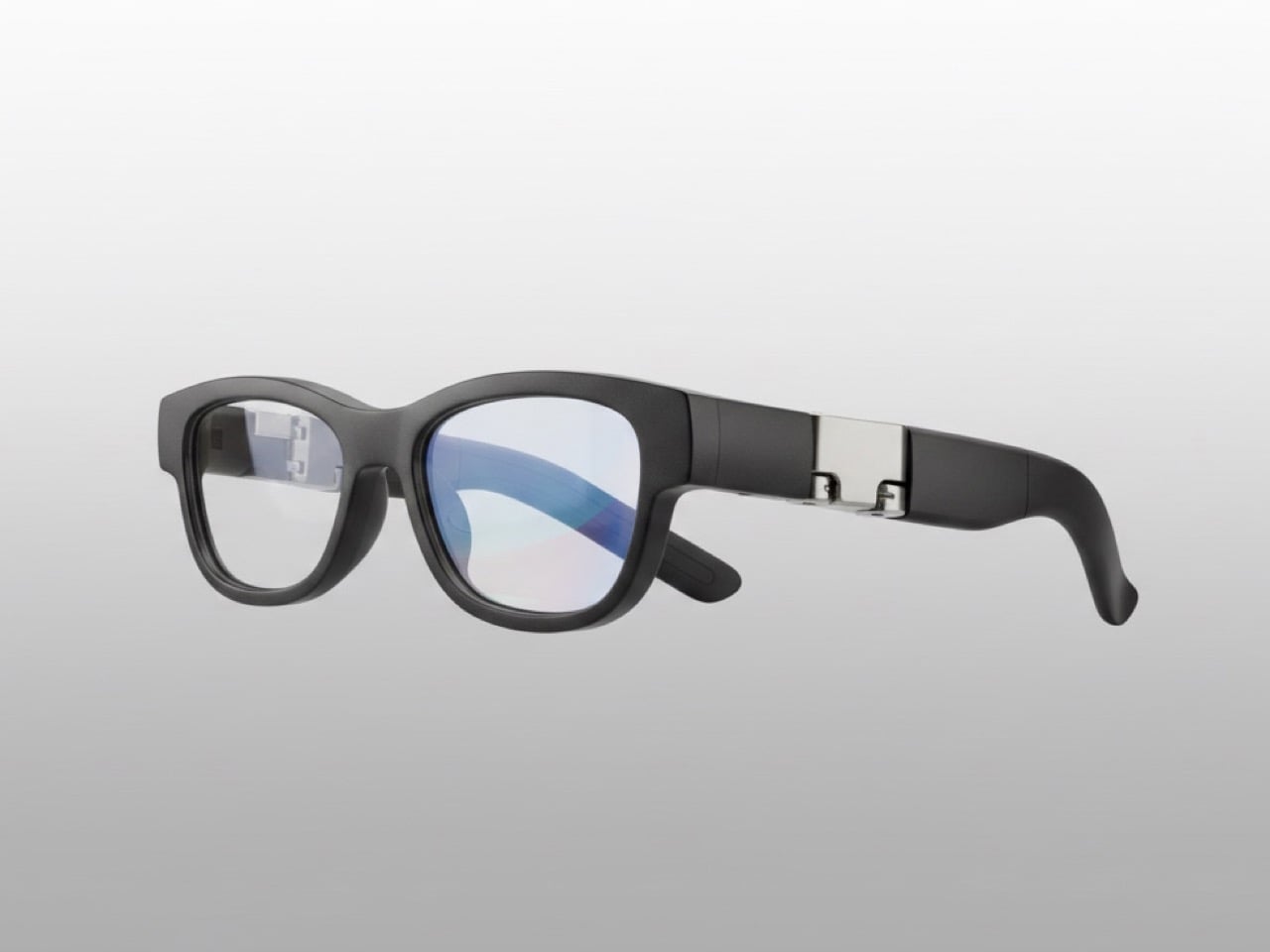
8BitDo Unveils Retro-Style Mechanical Numpad With Built-In Calculator Functionality

Following the release of last year’s Retro Mechanical Keyboard, 8bitdo decided to give the keyboard the one good thing it was missing – a gorgeous numpad. Inspired by the retro aesthetic of tech from the 80s and 90s, the Retro 18 Mechanical Numpad exists as an independent peripheral device that can either pair up with its companion keyboard, or be used independently like an old-school calculator. A red and black seven-segment display on the top feels like retro-perfection to the eyes, and those clacky keys are sure to get your fingers crunching numbers every day because of how wonderfully tactile they are.

Designer: 8bitdo

Click Here to Pre-Order

The Numpad comes in four delightful flavors, ahem colors, each inspired by iconic gaming systems: the M edition, the Famicom edition, the C64 model, and the N edition reminiscent of the NES. These draw inspiration from the design language of those classic consoles, offering a delightful dose of retro charm for your desk setup. The M Edition is the only one to sport a black and white display, while all the others have a black-red screen that is literal eye-candy.

Beyond aesthetics, the Numpad boasts functionality in the form of two modes: a standard calculator mode with an integrated display and a PC numpad mode for entering numbers on your computer. This versatility allows it to seamlessly switch between basic calculations and data entry tasks. Buttons on the top let you alternate between modes and even explore connectivity options.

For connectivity, the Numpad offers a variety of options. It includes a USB cable, Bluetooth 5.0 for wireless freedom, and a 2.4GHz USB adapter for a lag-free connection. The rechargeable 1000mAh Li-on battery offers a solid 160 hours of use on a single charge, ensuring it can keep up with your workflow.

The Numpad’s quality matches 8bitdo’s high standards, featuring dye-PBT or double-shot ABS keycaps (depending on the edition) for a comfortable typing experience. It utilizes Kalih Box White V2 switches, known for their satisfying tactility and durability. Additionally, the hot-swappable PCB allows for easy switch customization to personalize your typing feel.

A dongle at the bottom allows easy 2.4Ghz pairing with any laptop or desktop

Priced at $44.99 and available for pre-order now, the 8BitDo Retro 18 Mechanical Numpad is a niche product, but one that caters to a specific audience. It injects a shot of retro charm into your workspace while offering a functional and well-built numpad experience. Besides, if you’ve got a keyboard with a layout that’s either 80% or smaller, chances are you’ll need a numpad to match – this one’s perfect to complement your mechanical setup or your retro sensibilities. I also appreciate the fact that you’ll never have to open your phone’s calculator app again.

Click Here to Pre-Order

The post 8BitDo Unveils Retro-Style Mechanical Numpad With Built-In Calculator Functionality first appeared on Yanko Design.

LEGO launches first-ever Zelda Playset for fans and enthusiasts priced at $300

While LEGO’s released quite a few game-themed playsets in the past few years (the Super Mario and Animal Crossing ones immediately come to mind), they’ve notably missed one title that’s arguably had just as big an impact (if not bigger) on the gaming community as Mario and Animal Crossing. I’m sure Zelda fans have waited with bated breath for the day LEGO dropped a Zelda-themed playset and looks like that wait finally paid off. LEGO’s first official Zelda Playset captures the Great Deku Tree in a 2-in-1 build that lets you either make a variant of the tree shown in its early stages, or in full-bloom as shown in the franchise’s 2017 game, Breath of the Wild. The set also includes a whole slew of familiar characters like Zelda, Link, and many more!

Designer: LEGO

Clocking in at a hefty 2,500 pieces, The Great Deku Tree offers a unique two-in-one build experience. Zelda veterans can choose to construct the iconic tree as it appears in the opening chapter of The Legend of Zelda: The Ocarina of Time, complete with a section inspired by the Deku Tree Dungeon and a miniature replica of Link’s house in Kokiri Village. Feeling a touch more recent? The set also allows you to build the weathered and majestic Great Deku Tree from Breath of the Wild, complete with hidden Koroks.

Beyond the impressive tree itself, the set boasts a treasure trove of characters and accessories to bring Hyrule to life. We’re talking buildable figures of Link (both his classic and Breath of the Wild incarnations), Zelda, and even a creepy-crawly Skulltula. The set also includes iconic items like the Deku Shield, the Sheikah Slate, and the legendary Master Sword, nestled snugly in its pedestal.

With intricate details, playable features, and a whopping piece count, The Great Deku Tree promises an immersive building experience for Zelda fans of all ages. Whether you yearn for the nostalgia of Ocarina of Time or prefer the open-world adventure of Breath of the Wild, this Lego set caters to both sides of the Hyrulean coin.

The Legend of Zelda Great Deku Tree set is available for pre-order now for $300, with a release date set for September 1st. So grab your rupees, dust off your Master Sword replica (safety first!), and get ready to embark on a Lego brick adventure through the beloved world of Zelda.

The post LEGO launches first-ever Zelda Playset for fans and enthusiasts priced at $300 first appeared on Yanko Design.

Exclusive LEGO sets depicting Ukraine’s iconic landmarks raise funds for rebuilding the nation

Ukraine is having a long haul with the ongoing war that has changed lives, altered the city’s visual landscape and left behind scars that’ll take centuries to heal. Every effort to help the country revive and keep afloat is appreciated. In this noble effort, the United24 charity has launched a second wave of raising money to help rebuild the nation that’s dealing with the invasion by Russia.
Last year’s initiative raised nearly $375,000 and the second wave of charity should be even better. This time, United24 has launched five sets created by LEGO builders from four countries across the globe. These include Eric Law and Mark Segedie from the US, Daniel Seidl from Germany, Maciej Kocot from Poland, and Aleksander Yermolaev from Ukraine.

Designer: United24

The passionate creators of these LEGO sets were all humbled by the opportunity of this endeavor. Maciej who created The Khan Palace replica is proud of the Crimean culture, while Segedie from the USA chose the Pidhirtsi Castle for its balanced mix of Ukrainian history and his passion for building castles. According to Yaroslava Gres, UNITED24 Coordinator, “We are very grateful to these LEGO creators, who not only responded to UNITED24’s appeal but also took the initiative in choosing architectural objects. Despite the fact that some of them had never been to Ukraine, everyone managed to recreate each of the five landmarks in great detail. We will continue to keep the focus of international audiences on Ukraine.”

The hashtag fuelling this initiative is “UKRAINEinLEGOBricks. These exclusive sets are based on famous landmarks from all over Ukraine. These include Lviv in the west, the capital Kyiv in central Ukraine, and Odesa, Mykolaiv, and Crimea in the south on the Black Sea. The limited edition sets are not for sale but lucky users can win one of them by donating $24 or more towards reconstruction of a school in Dnipropetrovsk Oblast. Mind you, only 15 of these are in total – three of each model – slated to be raffled out through the fundraiser till June 20.

The post Exclusive LEGO sets depicting Ukraine’s iconic landmarks raise funds for rebuilding the nation first appeared on Yanko Design.