This Award-Winning Guitar Ditches the Strings, the Frets, and Most of the Body, and I Kind of Love It

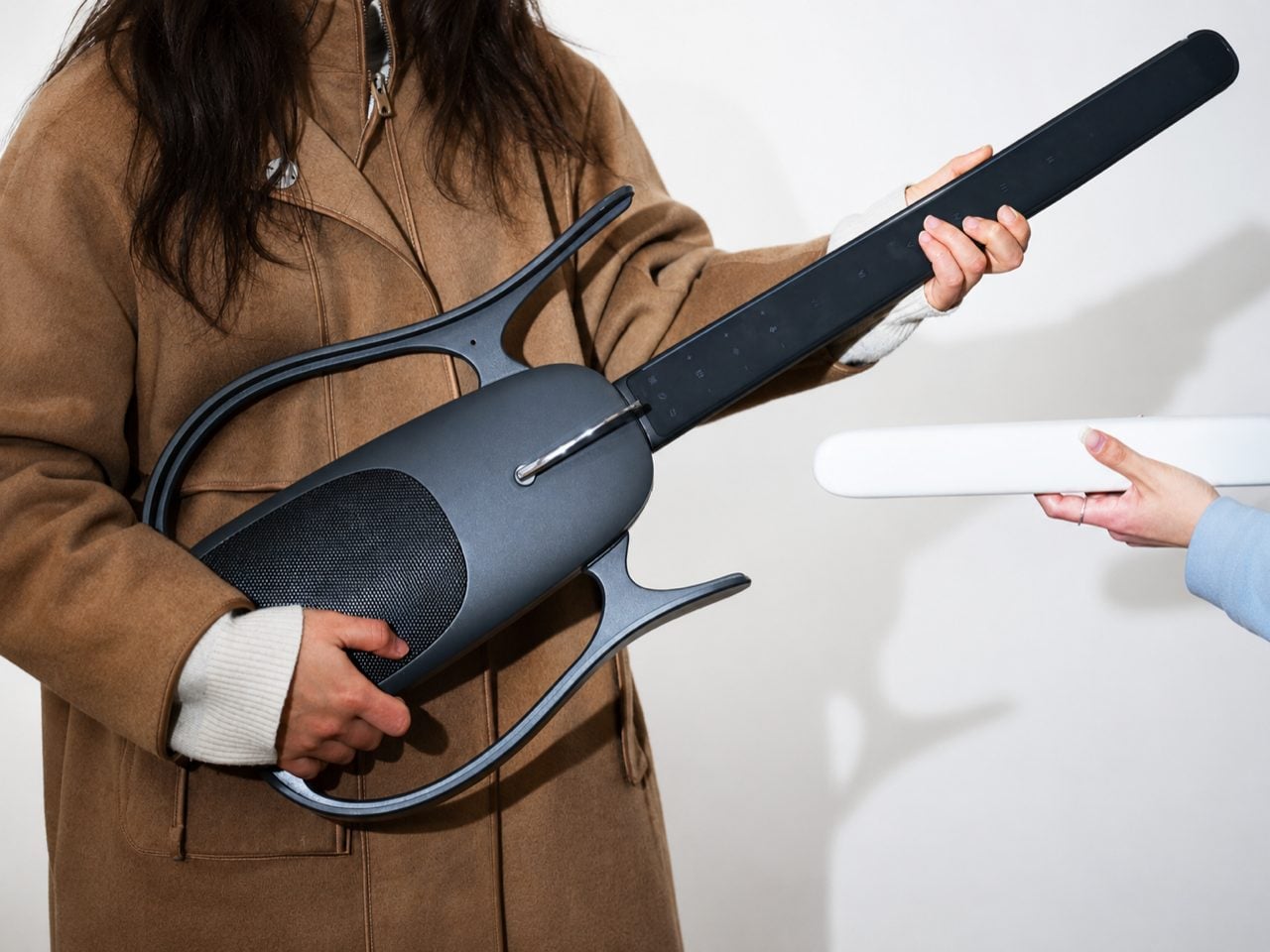
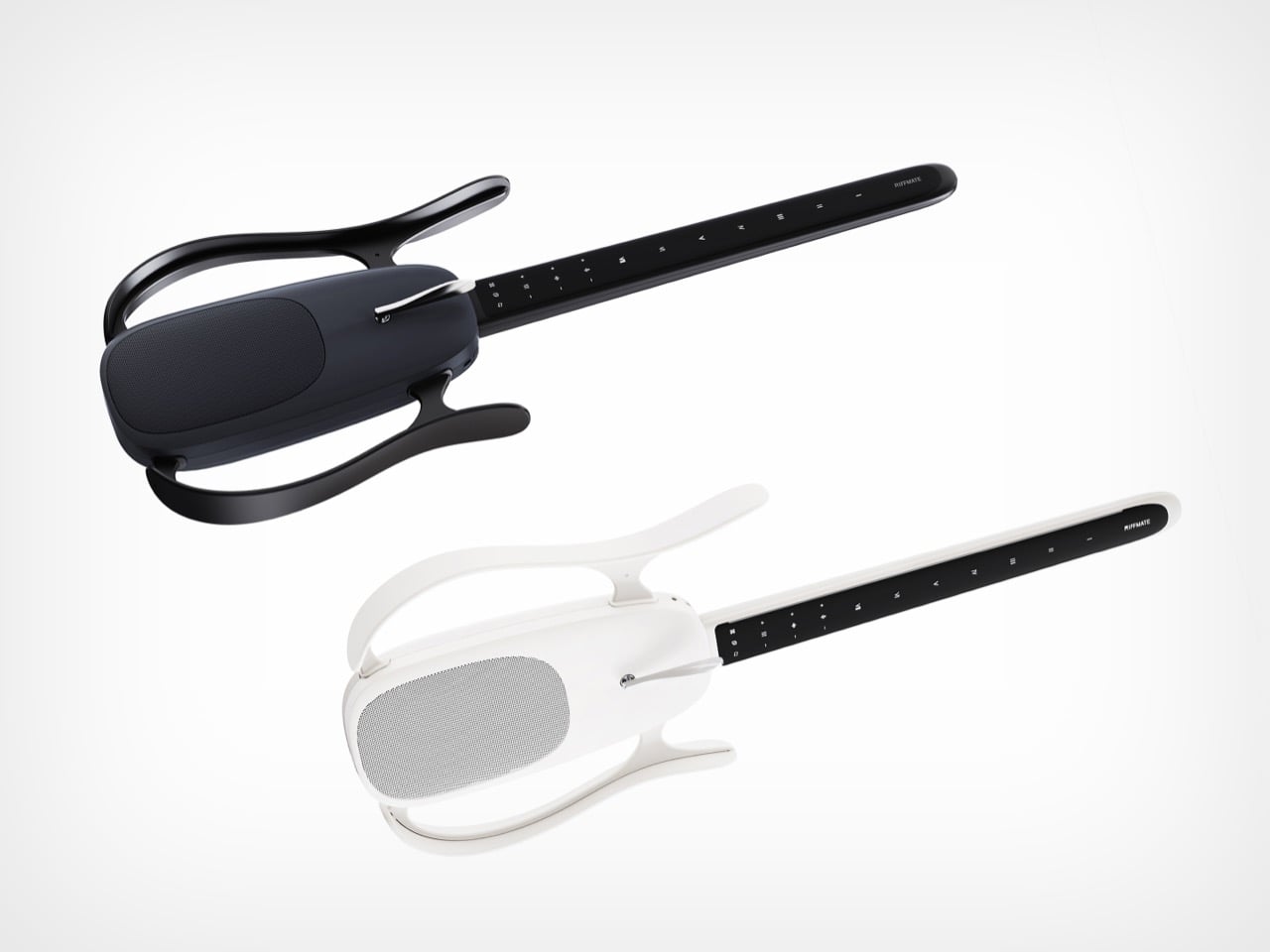
Look at RIFFMATE for a second and try to name what is missing. No strings. No fretboard bristling with metal wire. No solid slab of tonewood. What remains is the silhouette of an electric guitar sketched in mid-air, a skeletal frame that holds the double-cutaway outline everyone recognizes while hollowing out almost everything inside it. Those sweeping arms curving off the body trace exactly where a guitar’s shoulders and horns would sit, and then they float, framing empty space instead of filling it.

It takes real confidence to design an instrument by subtraction, and the RiffmateGT01 pulls it off with a straight face. Built by Shanghai’s Wo Tan Ni Chang Technology with industrial design from LKK Design Beijing, it collapses the guitar into two pieces, a slim touch-strip neck and a central pod holding the speaker, electronics, and acoustic chamber. The neck wears Roman numerals from I to VII where frets used to sit, and you play it by touch rather than by plucking steel. An AI layer shapes the sound and flattens the brutal learning curve that sends most beginners quitting by their fourth barre chord.

Designers: LKK Design Beijing
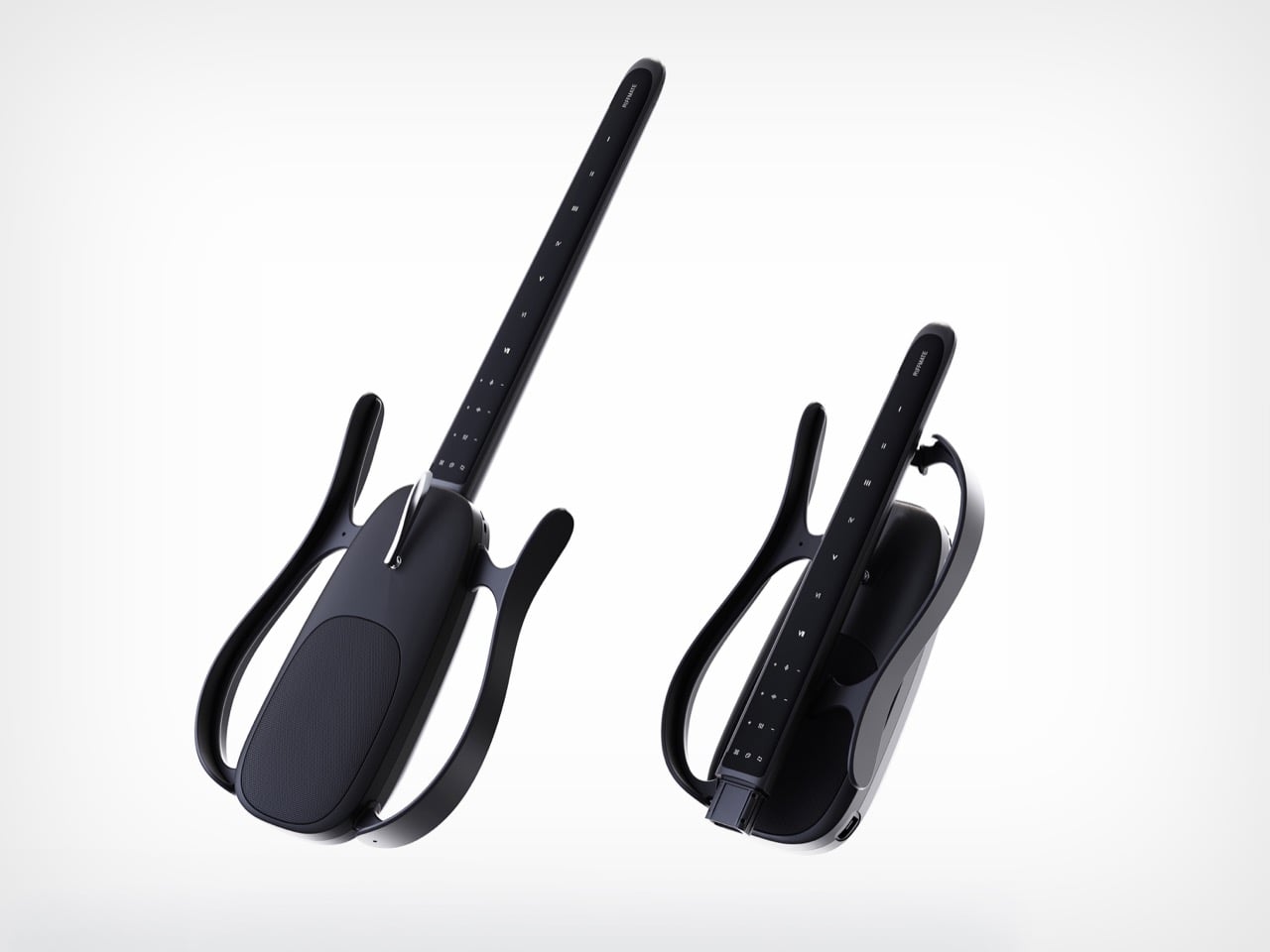
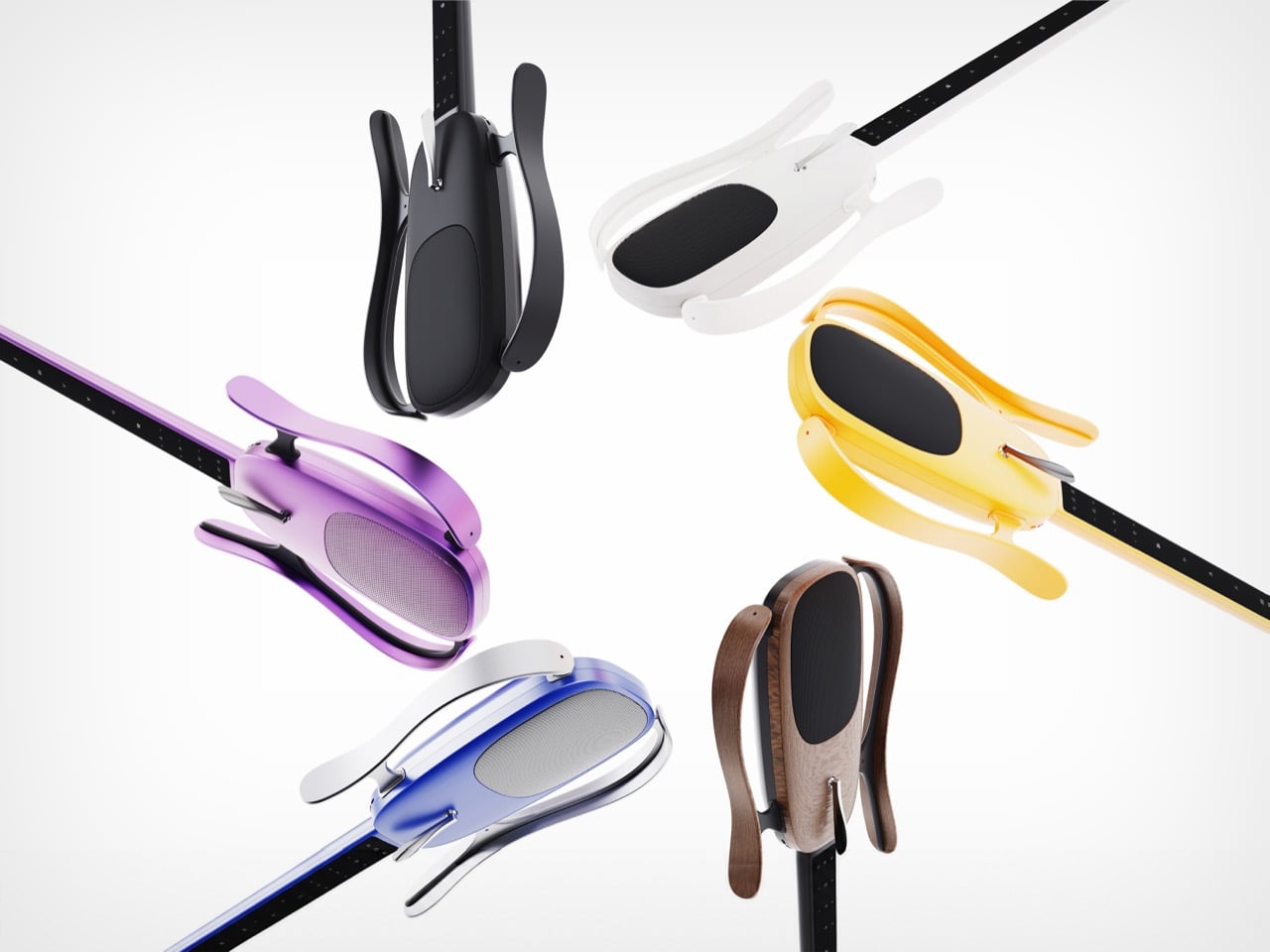
One-key disassembly lets the neck separate from the body, so the whole instrument folds into a small carry-on bag and clicks back together in seconds. Anyone who has wrestled a guitar into an overhead bin understands why that matters more than it sounds. The shells pop off too, which is where the personality lives, with RIFFMATE rendering in matte black, crisp white, a purple gradient, sunshine yellow, a blue-to-silver fade, and a warm walnut finish. Swapping those panels lets owners recolor the instrument or replace a scuffed part, stretching its lifespan instead of sending it to landfill. Modularity turns the guitar from a fixed object into a system that grows and changes with the person holding it.
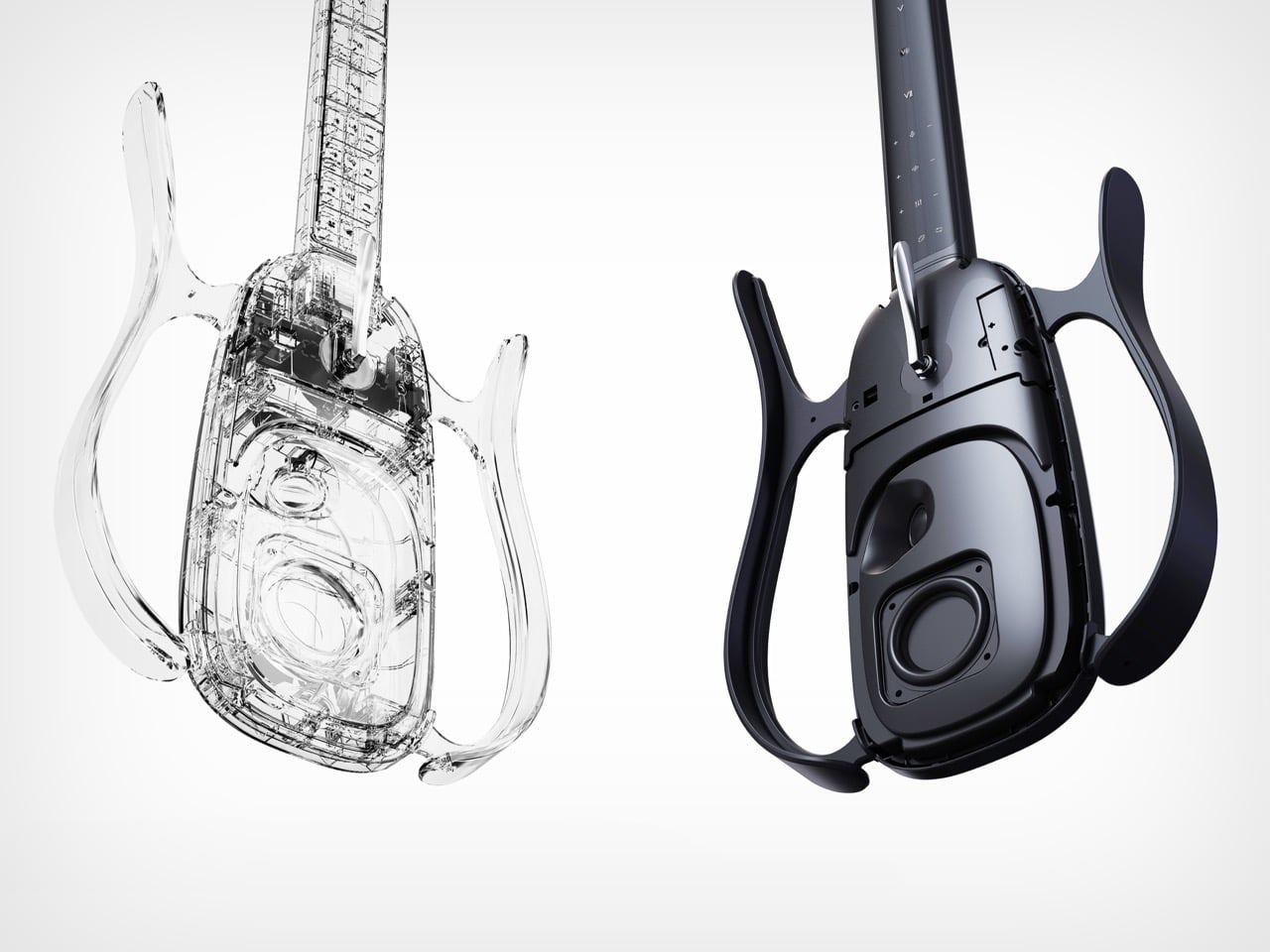
The transparent render exposes a properly engineered acoustic cavity inside that central pod, with dedicated internal channels feeding a front-firing driver. That makes RIFFMATE self-amplifying, able to fill a room without an external amp or a tangle of pedals. The body wears a matte frosted texture over soft, rounded contours, sitting closer to a well-resolved Bluetooth speaker than to a slab-bodied Stratocaster. Those friendly surfaces read as age-agnostic, pitched at a curious ten-year-old and a lapsed forty-year-old guitarist alike. The whole object invites handling, exactly what an instrument built to lower the stakes should do.
Smart guitars have inched toward this moment for years, and LAVA did much of the groundwork by wrapping carbon fiber around a built-in touchscreen and turning the instrument into a full software ecosystem. RIFFMATE pushes that lineage somewhere stranger, questioning whether a guitar needs strings or a body at all, and joining a small wave of stringless designs rethinking the form from scratch. The honest caveat is that this remains award-stage industrial design, so we are judging intent and renders rather than a shipping spec sheet. As a vision, it lands as one of the boldest reinterpretations of the guitar to cross my desk in a while. Whether Wo Tan Ni Chang can build the object as beautifully as LKK drew it is the question worth watching.
The post This Award-Winning Guitar Ditches the Strings, the Frets, and Most of the Body, and I Kind of Love It first appeared on Yanko Design.
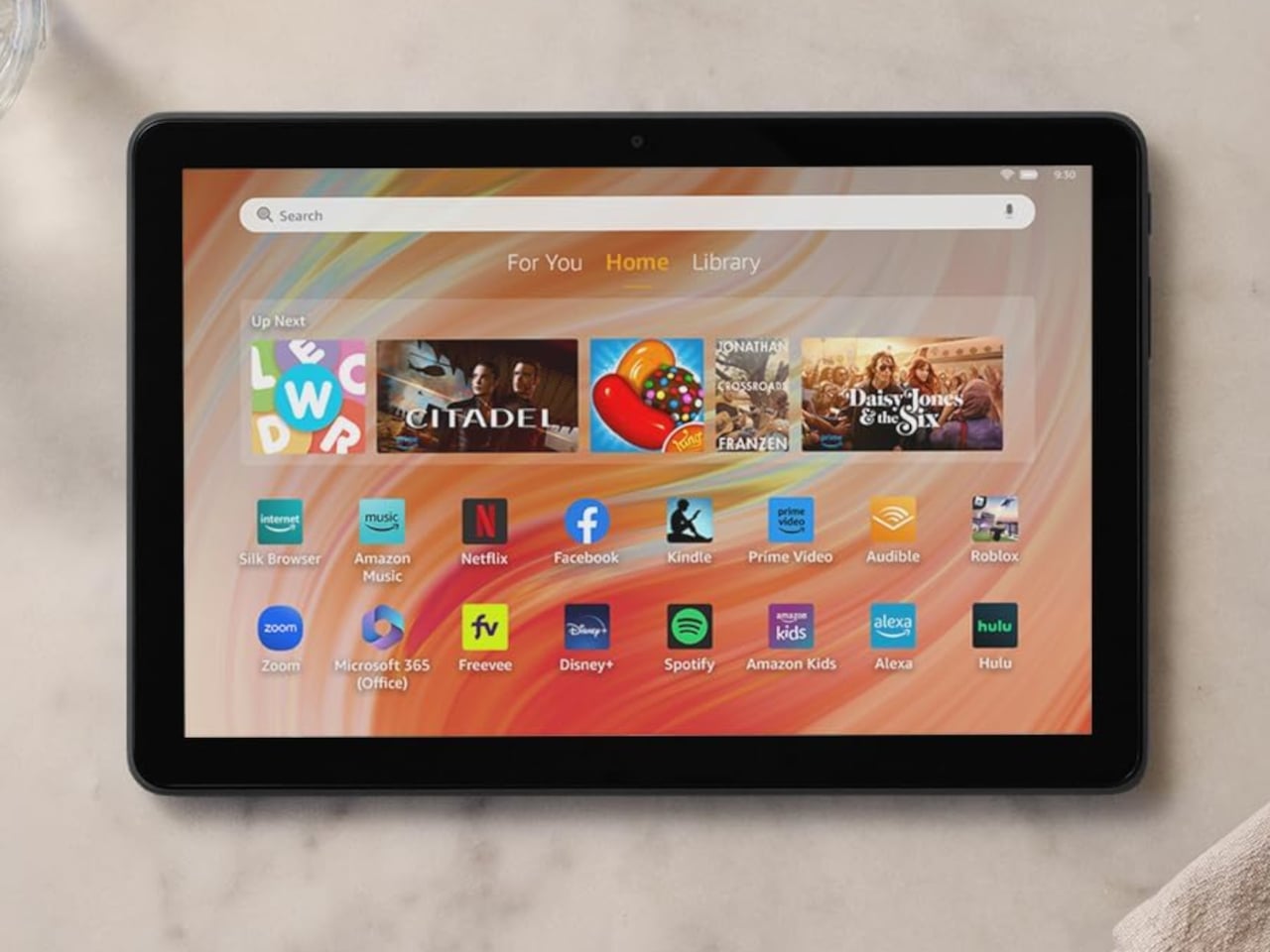

Amazon Gave the Fire HD 10 4GB of RAM Without Telling Anyone

Budget tablets have always played a peculiar role in consumer electronics. They aren’t meant to be powerful; they’re meant to be just capable enough to get through a streaming queue, a few Kindle chapters, or a morning of casual browsing. Amazon’s Fire lineup has mastered that balance for years, finding a loyal audience among people who want a large enough screen that doesn’t hurt to drop.

The Fire HD 10 has been Amazon’s flagship Fire tablet for a few years now, and it hasn’t seen new hardware since 2023. That’s unusual for a company that used to refresh its lineup almost every year. Rather than launch a new generation, Amazon quietly added 1GB more RAM to one specific configuration of the existing tablet and made no formal announcement about it.

Designer: Amazon

What makes this update slightly overdue is that the cheaper Fire HD 8 had already been available with 4GB of RAM, while the more expensive Fire HD 10 was still capped at 3GB. That’s a strange hierarchy for a product line, where the lower-tier model offers more memory than the flagship. The new 4GB variant fixes that imbalance, at least for buyers who land on the right configuration.

The extra gigabyte makes a real difference for a tablet you use this casually. Jumping between Prime Video and a browser tab without one of them reloading, or keeping music playing while you scroll through a shopping cart, are the kinds of small interruptions that 3GB quietly introduced. It’s the sort of upgrade you only notice once the problem it fixed stops happening.

There is a catch worth knowing before getting excited. The 4GB version is only available in one specific setup: 32GB of storage, Black, with lock screen ads. Anyone who wants 64GB of storage, a different color, or an ad-free tablet is still working with 3GB. It’s a narrower window than most buyers might expect, particularly given how long this model has gone without any changes at all.

Everything else about the tablet stays the same as the 2023 model. The 10.1-inch 1080p Full HD display, the octa-core processor running at 2GHz, the 13-hour battery life, and the USB-C charging port are all unchanged. The microSD card slot still accepts up to 1TB of additional storage, and Fire OS keeps the usual Amazon ecosystem running front and center.

Amazon has priced the 4GB variant at $154.99, up $15 from the previous $139.99 that the 32GB, 3GB model carried. For a tablet that hasn’t had new hardware in three years, it’s a modest increase tied entirely to the memory upgrade, especially considering the rising costs of RAM. The extra cost is easy to justify if the RAM difference affects how smoothly the device runs for your typical day.

The post Amazon Gave the Fire HD 10 4GB of RAM Without Telling Anyone first appeared on Yanko Design.

Kodak Just Dropped the $35 Y2K Camera Collectors Can’t Stop Chasing

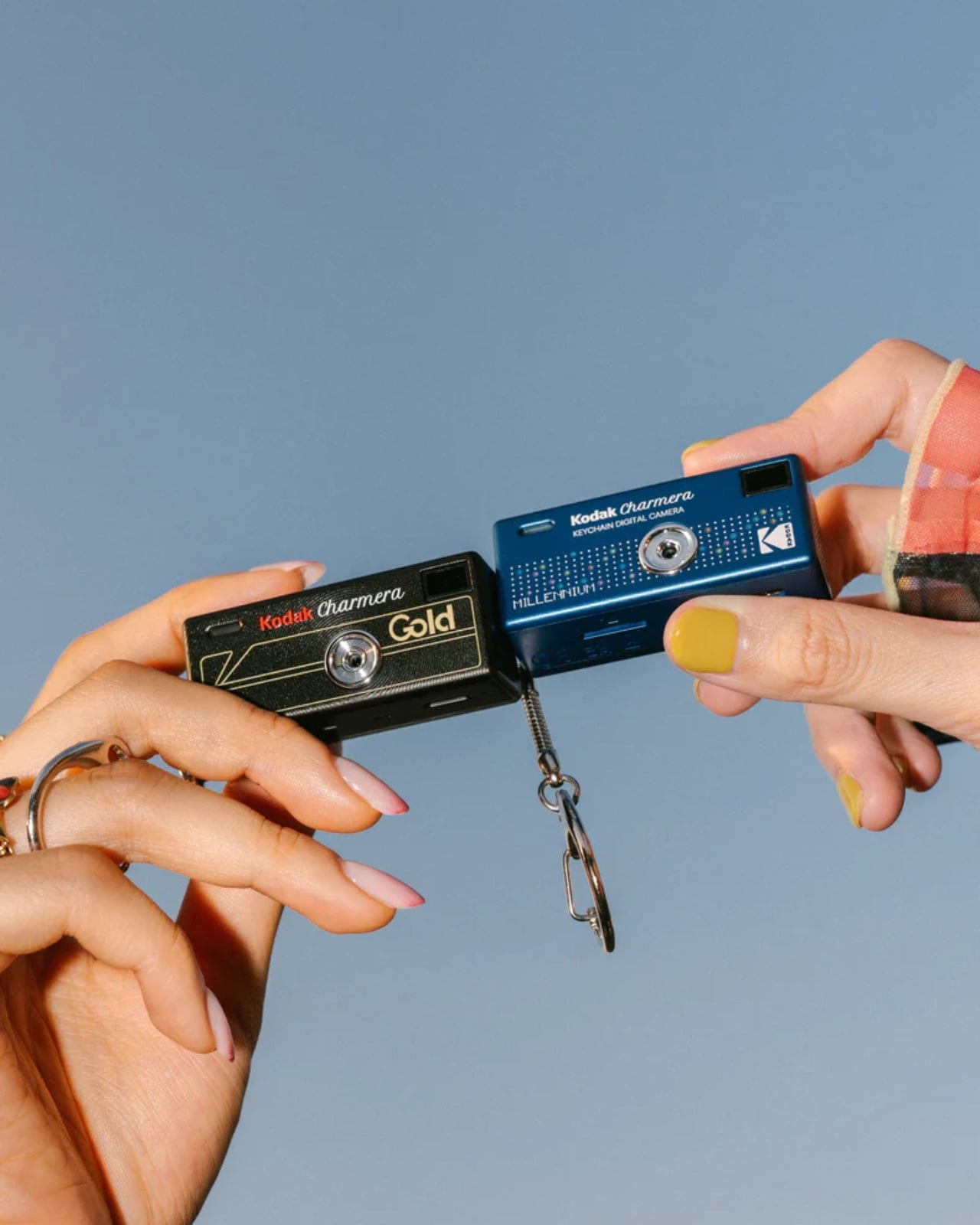
Cutesy analog-inspired cameras that also serve as keychains are probably all over your feed, if it’s anything like mine. And just when you thought you might be satisfied with the one you already have (if you actually have one), they go ahead and release new designs that make you want to replace what you have, or finally succumb and get one.

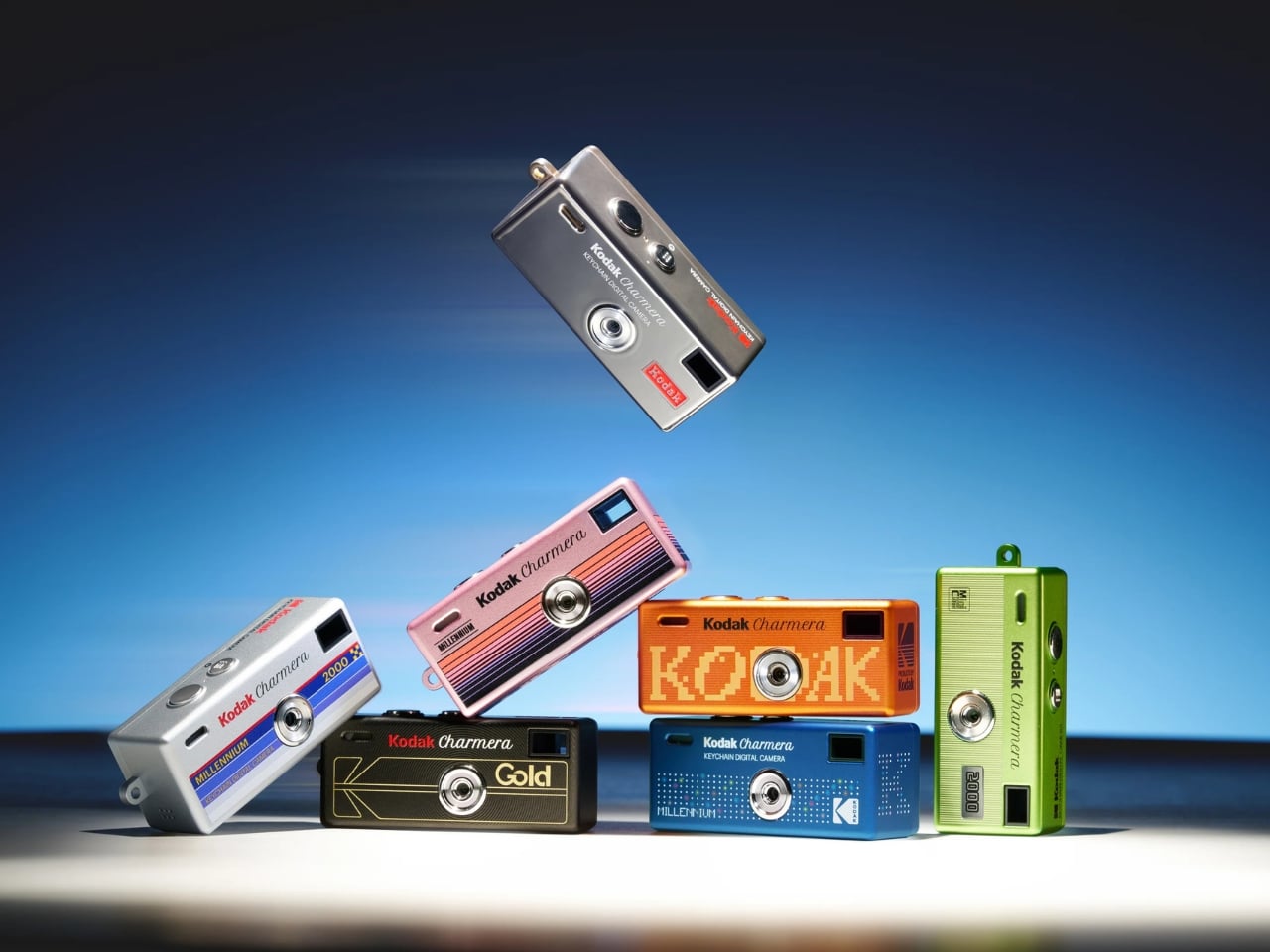
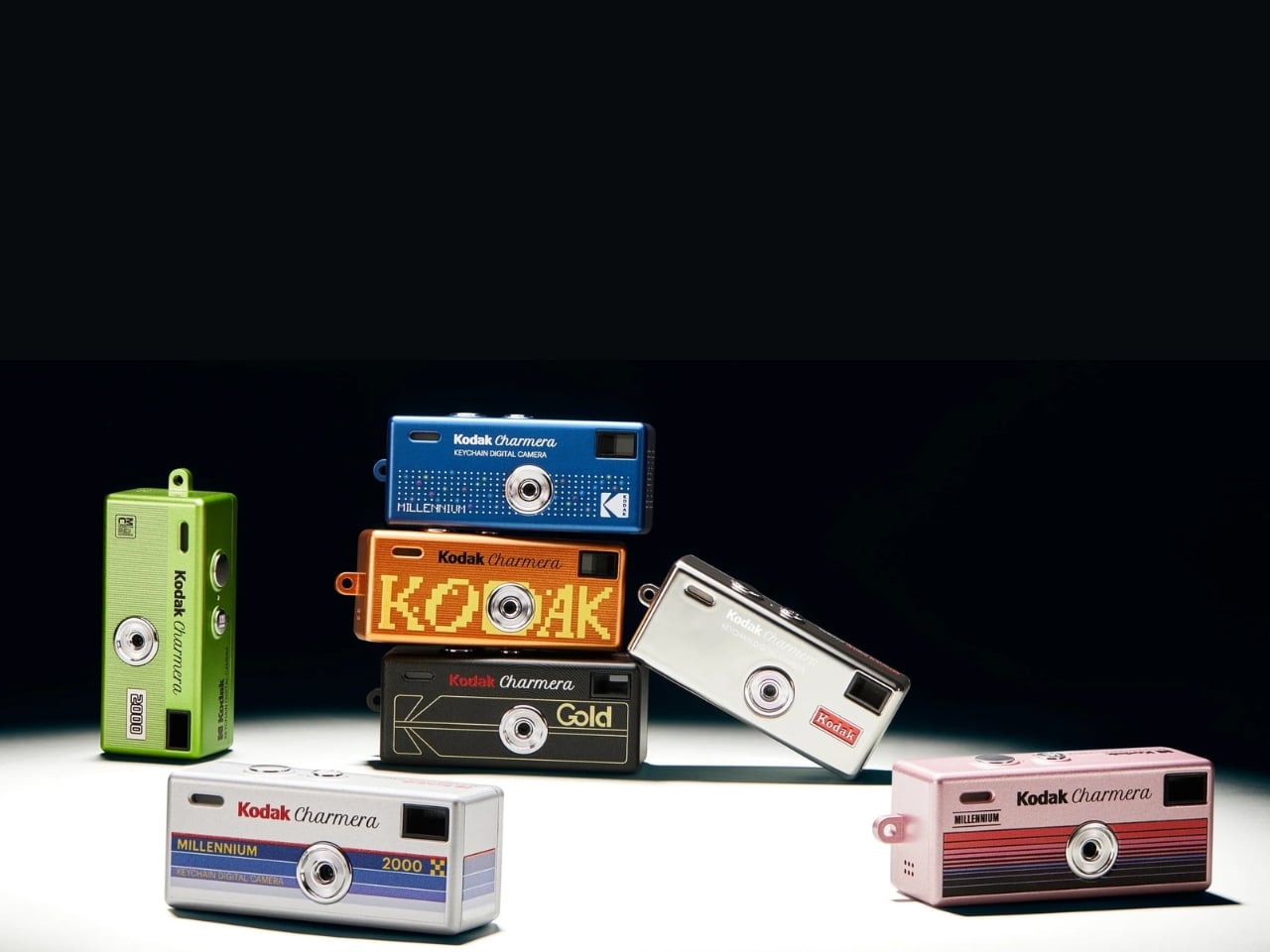
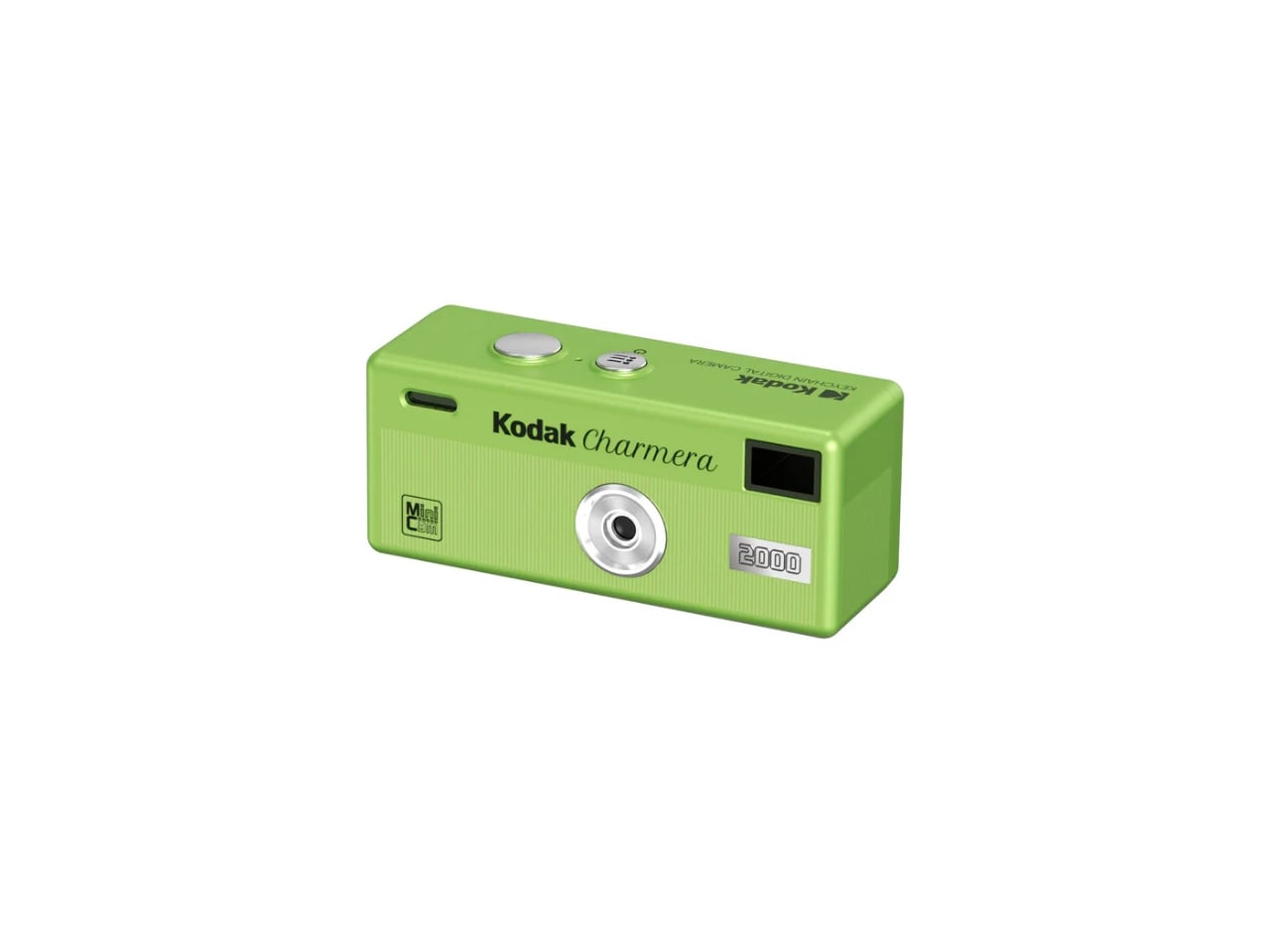
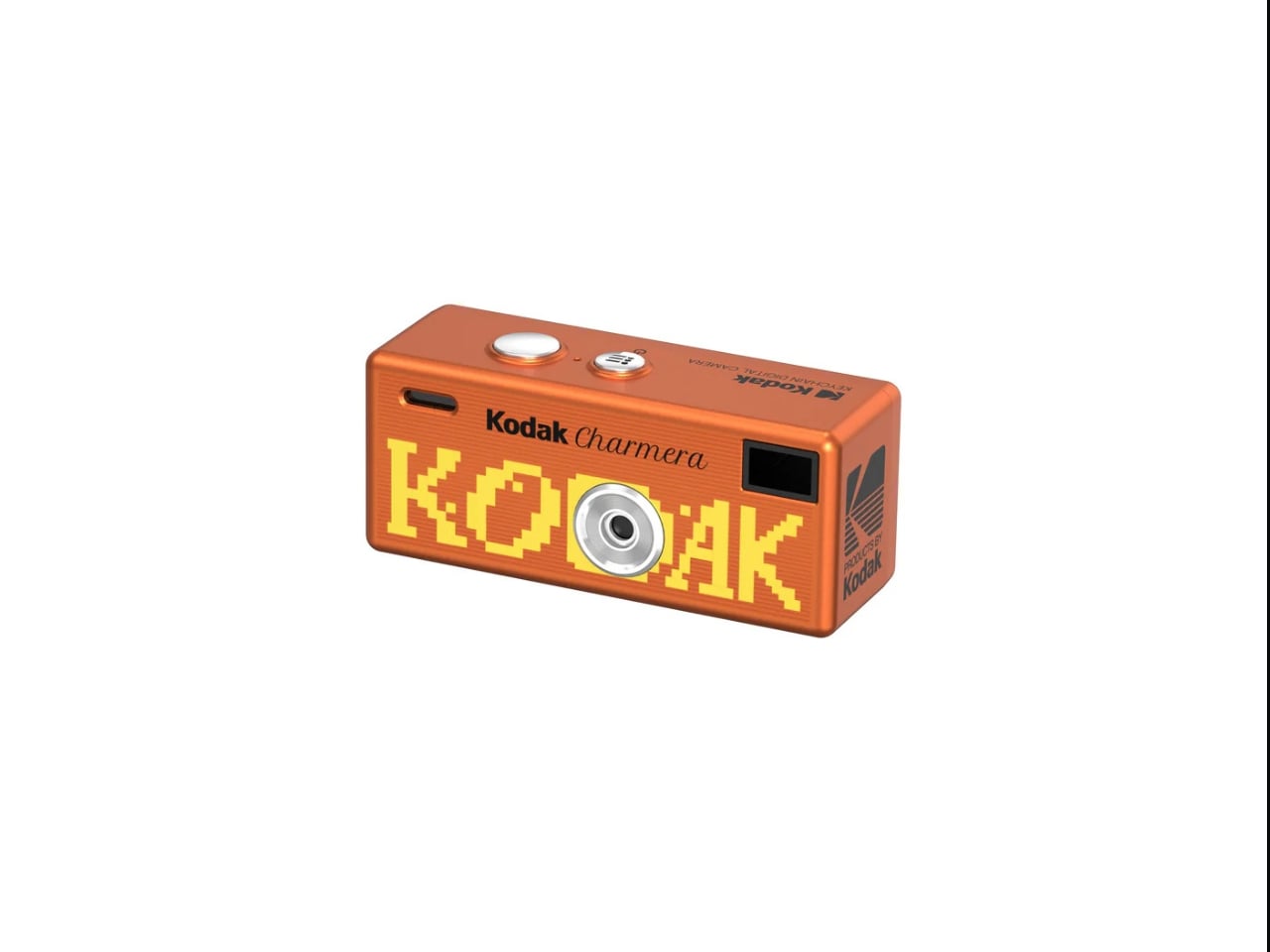
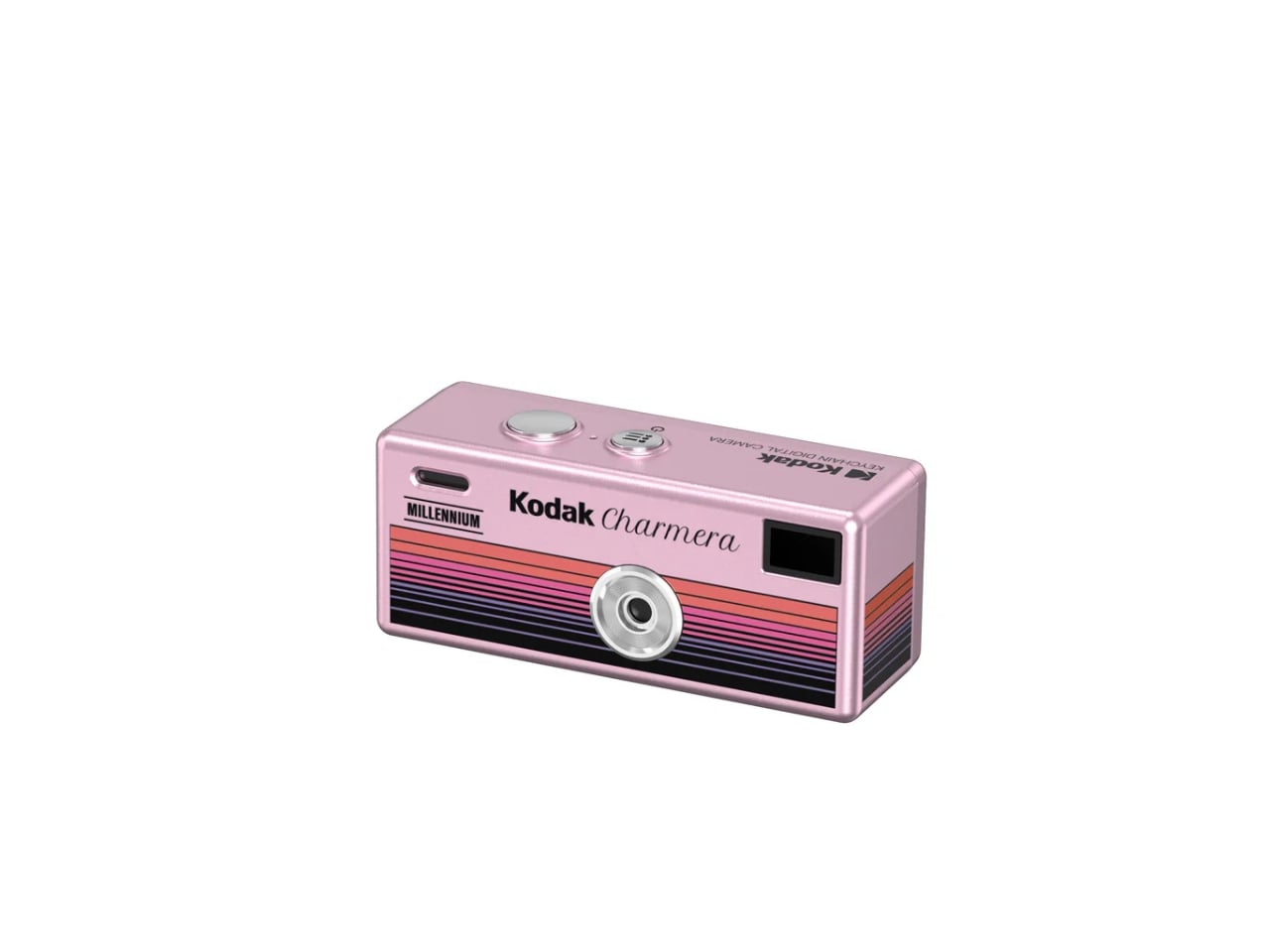
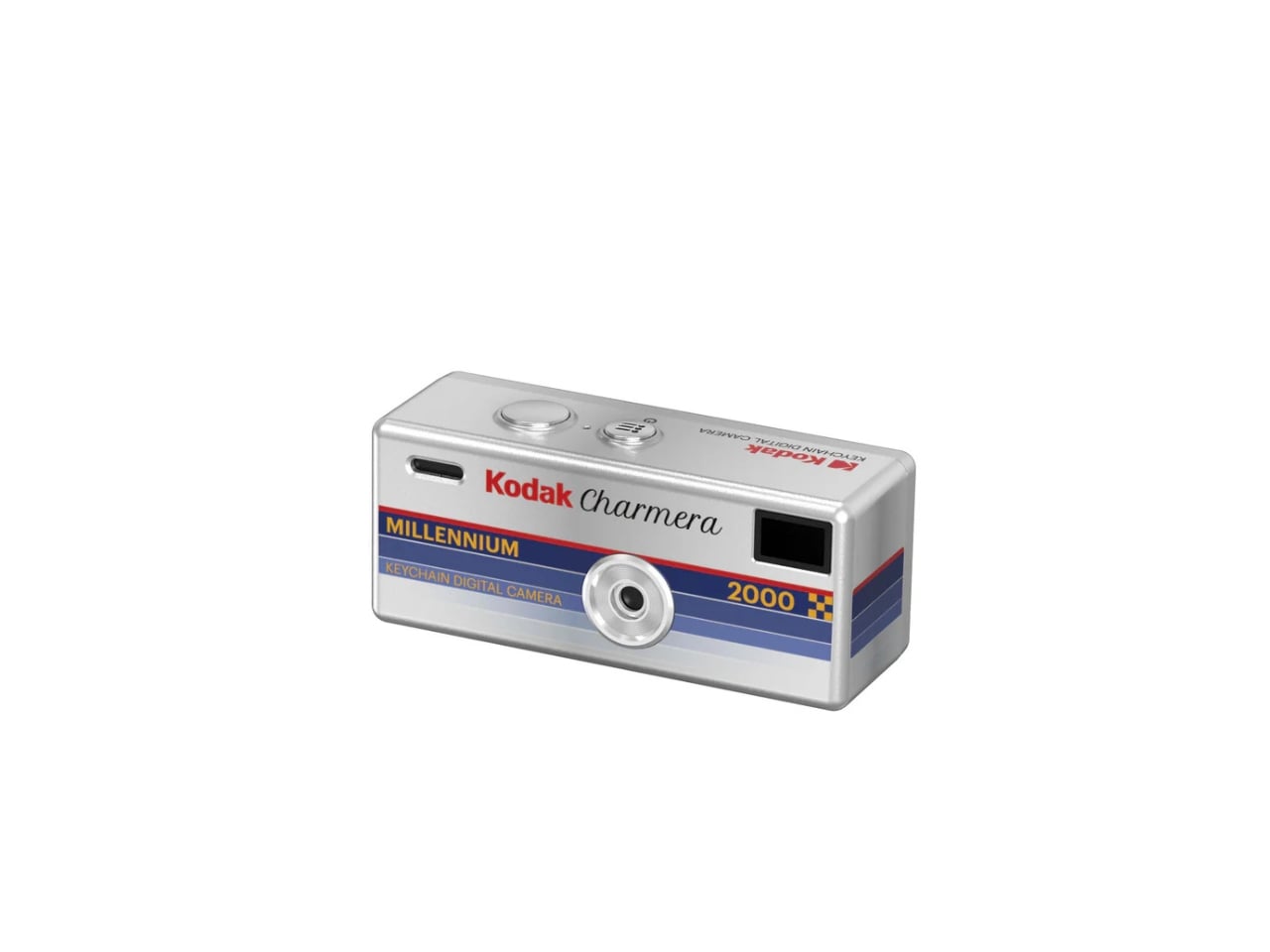
The Kodak Charmera line is one of the most popular devices in this segment, and now they have released a new series that will scratch the Y2K itch within you. The Kodak Charmera Keychain Digital Camera – Millennium Edition brings this line into the future-past, stepping away from the “portable retro” look of the original 1987 Kodak Fling-inspired Charmera. Riding on the current wave of Y2K nostalgia, Kodak is branding this new line as “the ultimate lo-fi futurist accessory.”

Designer: Kodak

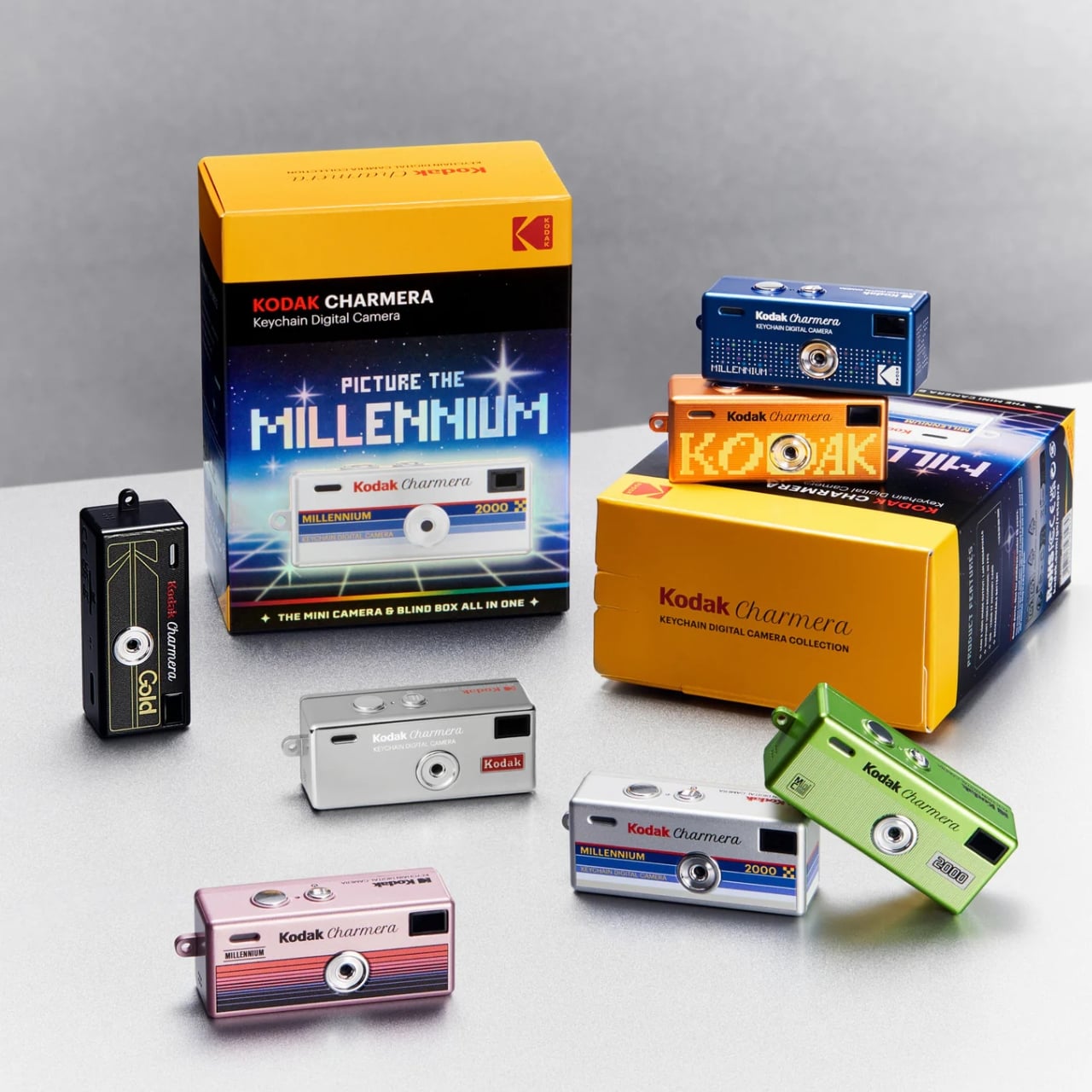
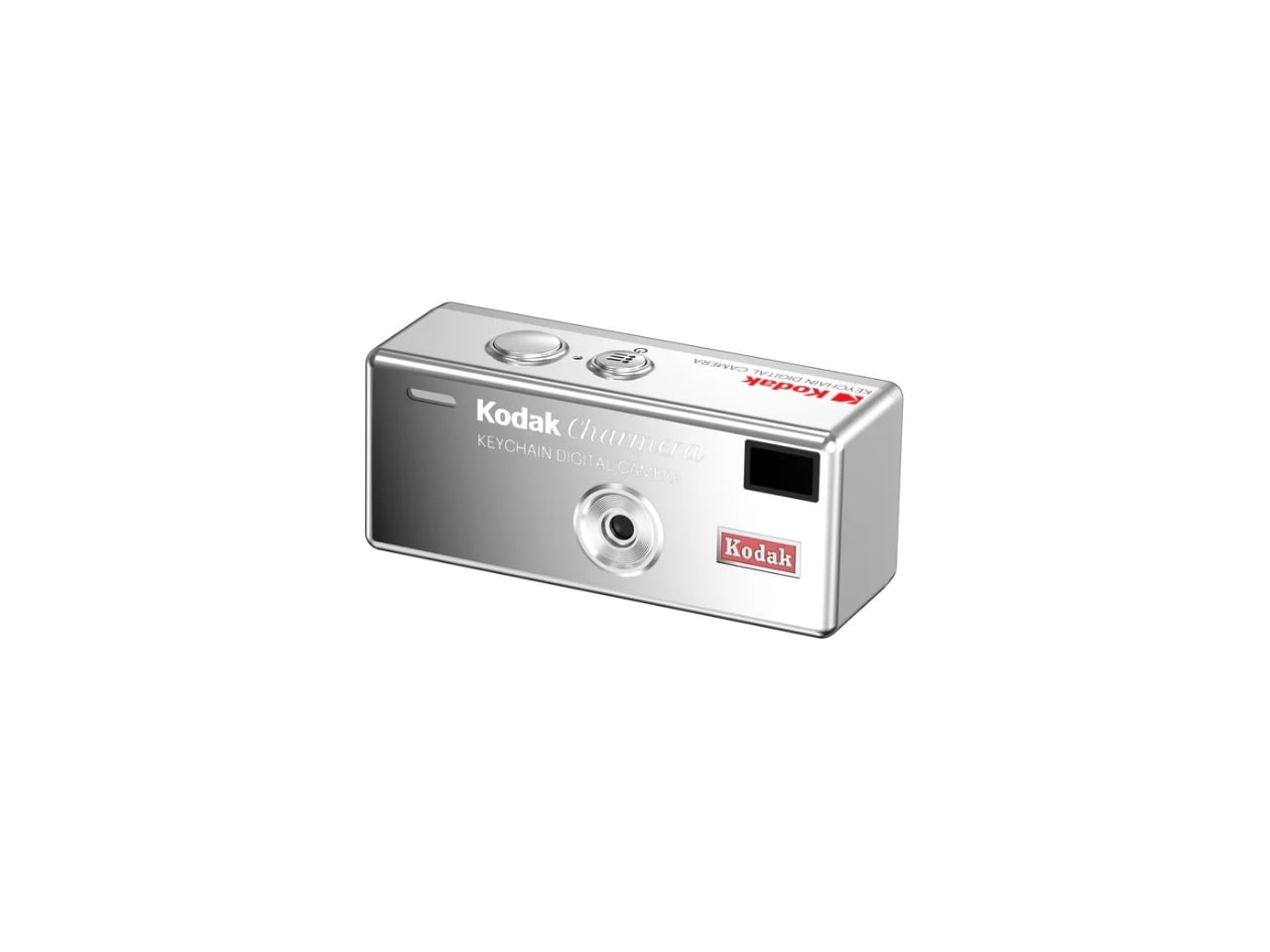
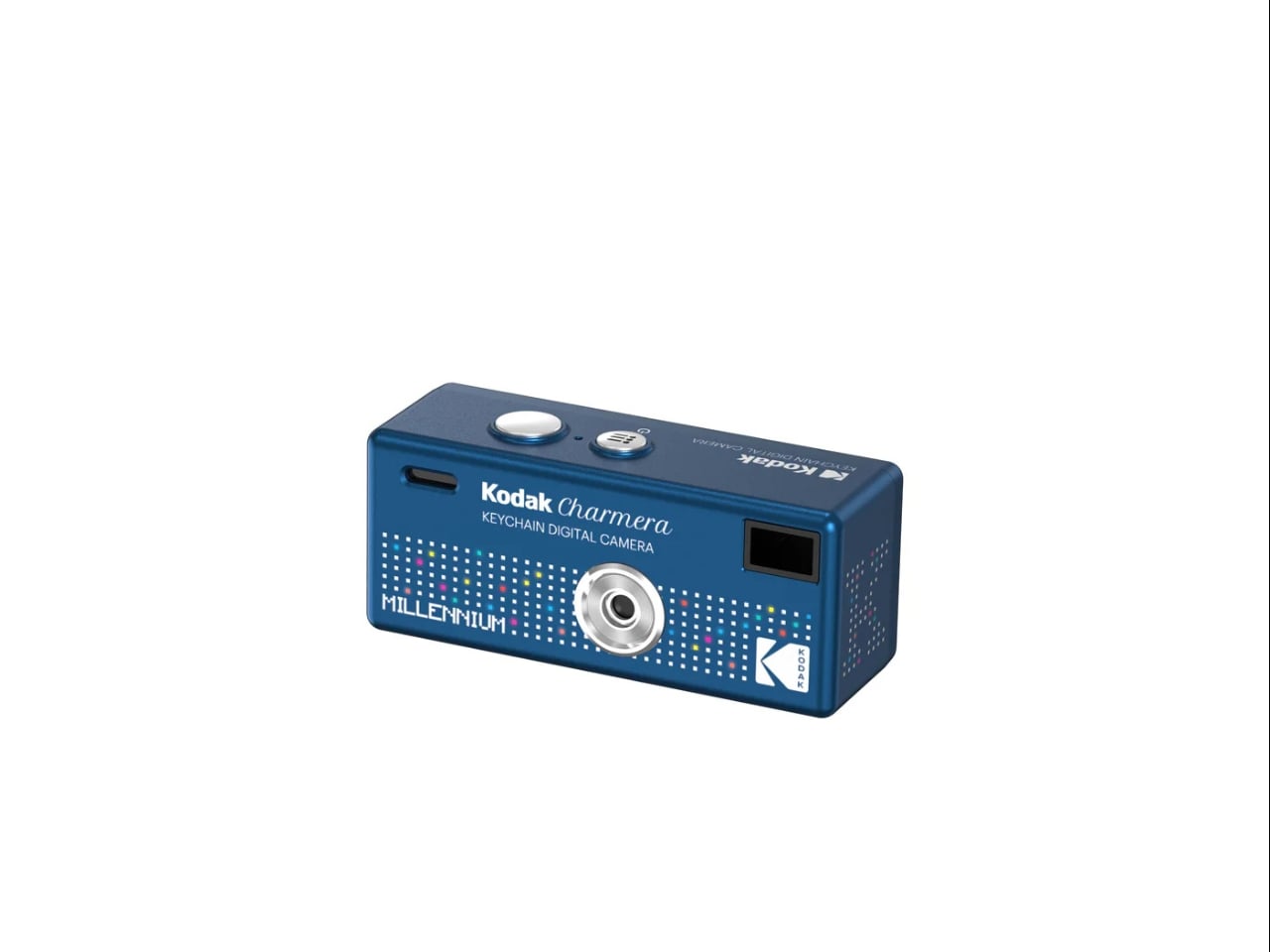
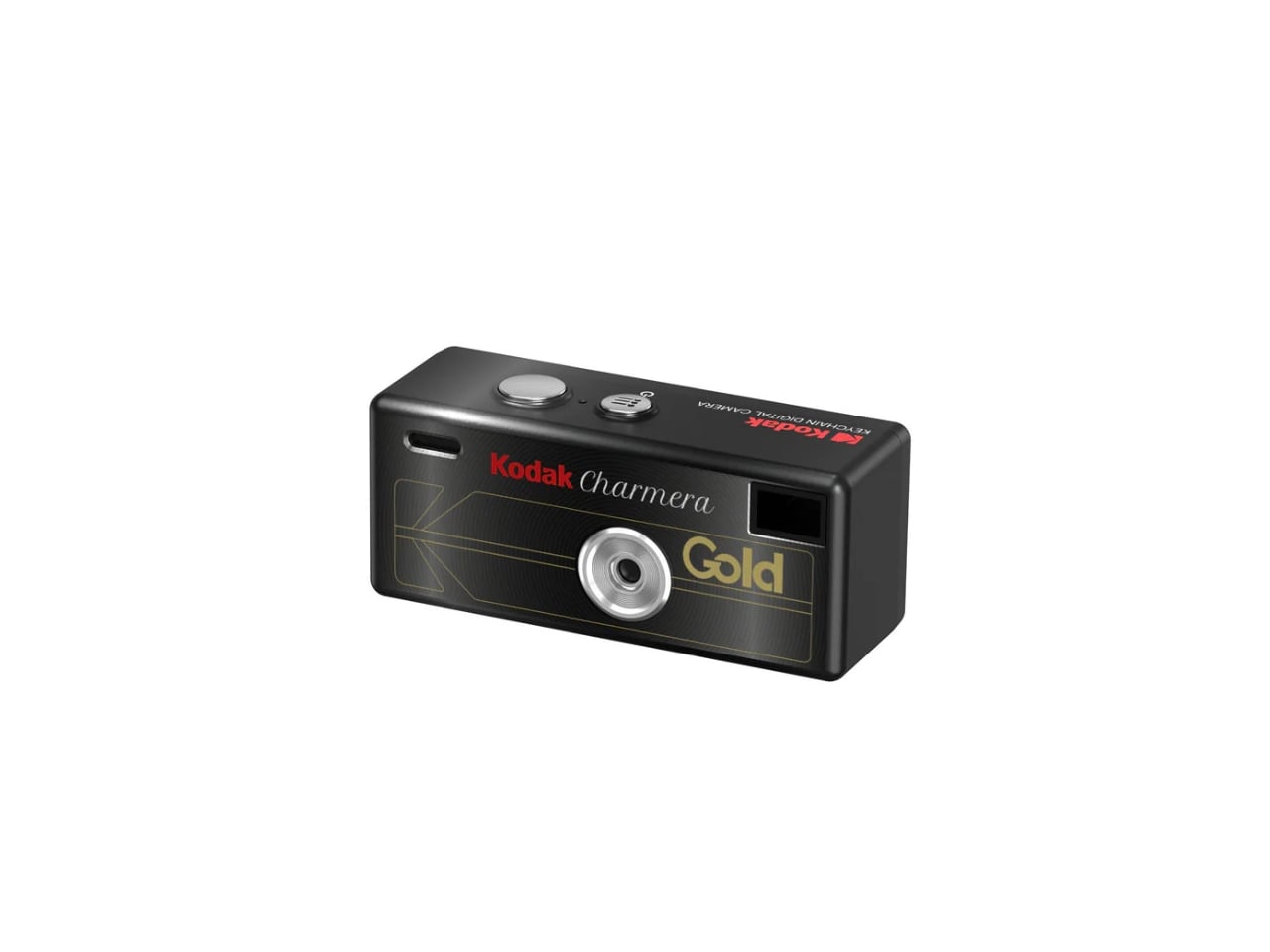
Just like the previous Kodak Charmera cameras, this one is a Blind Box edition, so you never know which of the seven designs you’re going to get. There are six standard colorways: silver, black, green, orange, pink, and metallic, plus a chrome-like secret mirror variant, which you have a one-in-48 chance of getting. The original Charmera features a classic retro look, while this edition gives you a new high-gloss metallic Y2K finish. Think bedazzled flip phones, candy-colored Discmans, and the iMac G3. That’s the exact energy the Millennium Edition is channeling.

In terms of hardware, everything is more or less the same as the original. You have a 1.6MP 1/4-inch CMOS sensor, a 35mm F2.4 fixed lens, an image output of 1440 x 1080, and 30fps video recording. This is still in keeping with the lo-fi nature of what you’ll get from these keychain cameras, so don’t expect sharp or crisp images and videos. The intentionally grainy, pixelated results are all part of the charm. Lo-fi is a feature, not a flaw. After all, you’re not buying this camera to replace your phone. You’re buying it for the vibe.

What is new in this edition is the software and aesthetic overhaul. In photo mode, you get access to 4 retro-futurism frames, 7 color-rich pixelated filters, and a date stamp, all designed to give your shots that unmistakable early-2000s digital soul. The camera also comes with a dual zone focus system that distinguishes between subjects closer than eight feet and those farther away, giving you a little more control over your shots than you might expect from something this tiny.

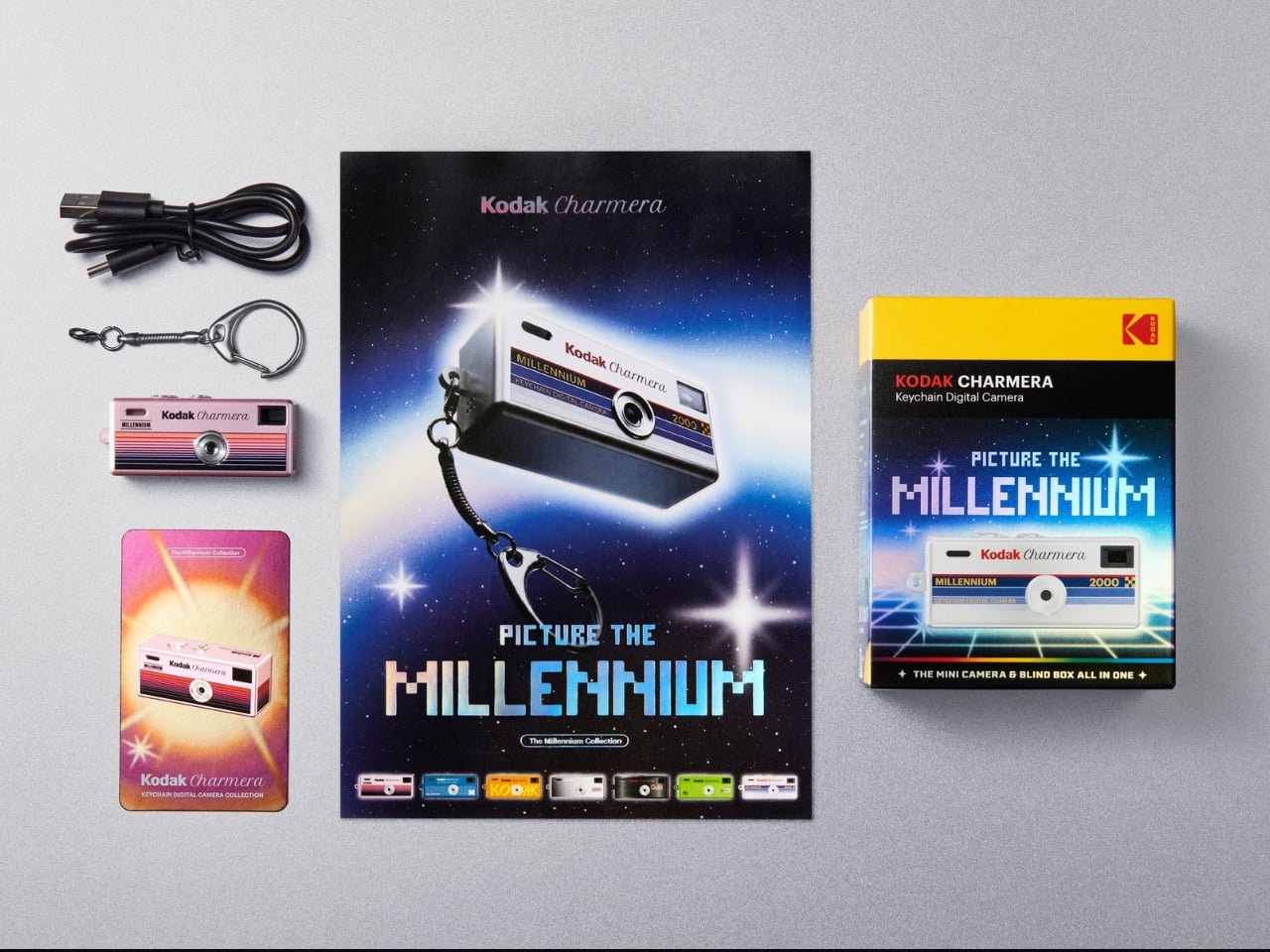
The Charmera Millennium Edition is pocket-sized, literally. It measures just 58 x 24.5 x 20mm and weighs only 30 grams, making it one of the most carry-friendly cameras around. It charges via USB-C, which is included in the box, and runs on a built-in 200mAh rechargeable battery. You will also need to bring your own microSD card (up to 128GB supported), as one is not included. Each blind box also comes with a keyring, a CHARMERA ID card, and an A5 leaflet.

Now, about that blind box format. It truly is half the fun. You pay $34.99 and get one random design out of seven. For collectors, this is both the thrill and the torment. You might land the silver on your first try, or you might end up with four oranges before you see the one you actually want. Kodak also offers the whole set for those who simply need them all, and yes, you know who you are.

The Kodak Charmera Millennium Edition is available for $34.99 per single blind box on the official RETO Pro website and on Amazon. Whether you are a longtime collector of the Charmera line, a devoted Y2K aesthetic enthusiast, or just looking for the most fun $35 you will spend this year, this tiny camera delivers exactly what it promises. No more, no less, and honestly? That is exactly the point.

The post Kodak Just Dropped the $35 Y2K Camera Collectors Can’t Stop Chasing first appeared on Yanko Design.

Bang & Olufsen Finally Made a Power Bank Worth Showing Off

Power banks are among the most purchased tech accessories around, yet they’re rarely something anyone is proud to pull out in public. Most are plastic rectangles with LED indicators and brand names that read like Wi-Fi passwords. Even among the better-designed ones, the focus has always been on capacity and wattage, leaving the physical object as an afterthought. The result is a category full of capable but thoroughly forgettable hardware.

That’s an unusual entry point for Bang & Olufsen. The Danish brand isn’t known for accessories you’d stash in a drawer; it’s known for objects you’d set on a shelf and admire. So when it announced its first power bank, questions about specs felt almost secondary. What mattered was whether B&O could apply the same design conviction to something this ordinary. Going by what’s been revealed, the answer is yes.

Designer: Bang & Olufsen

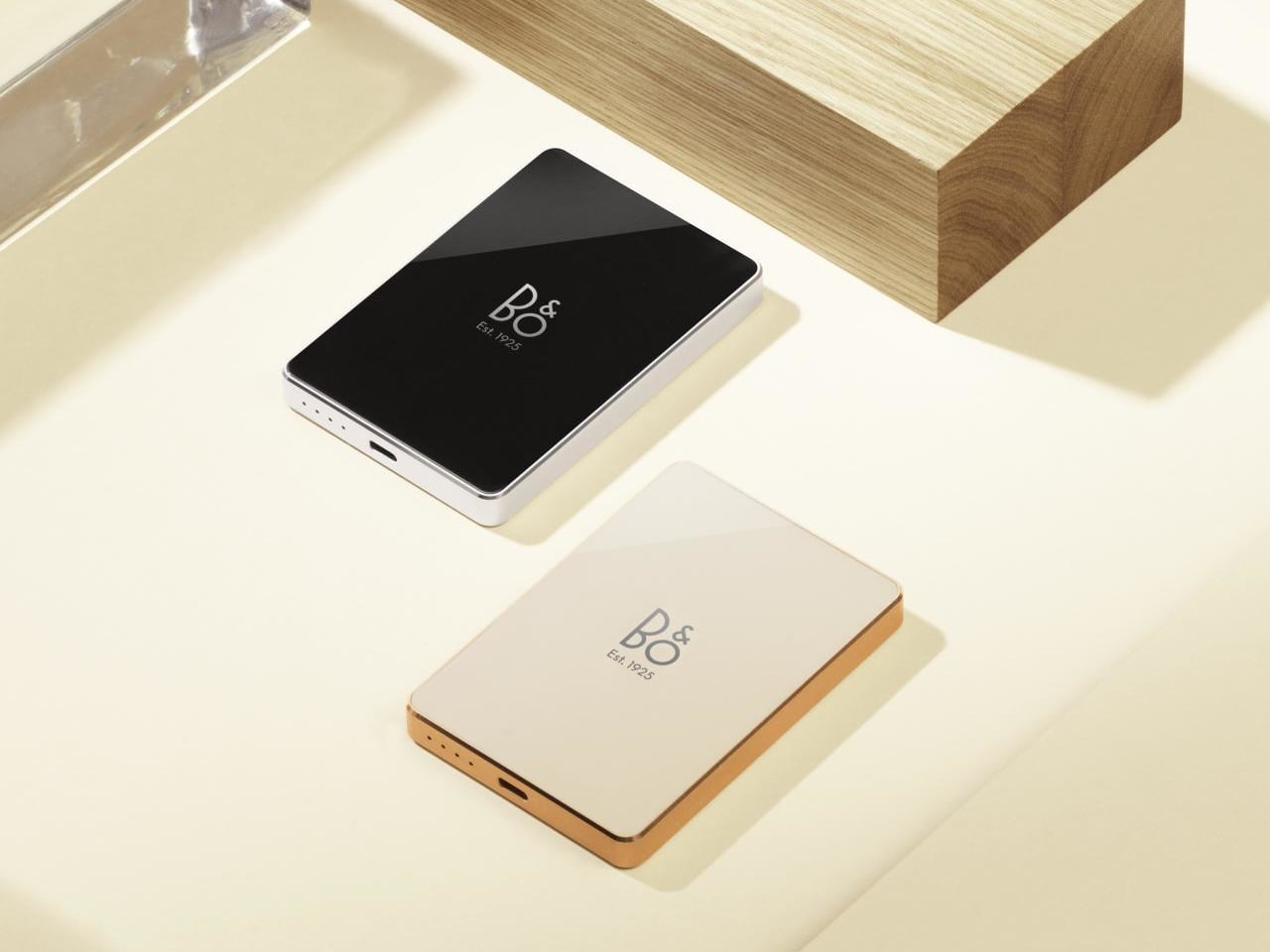
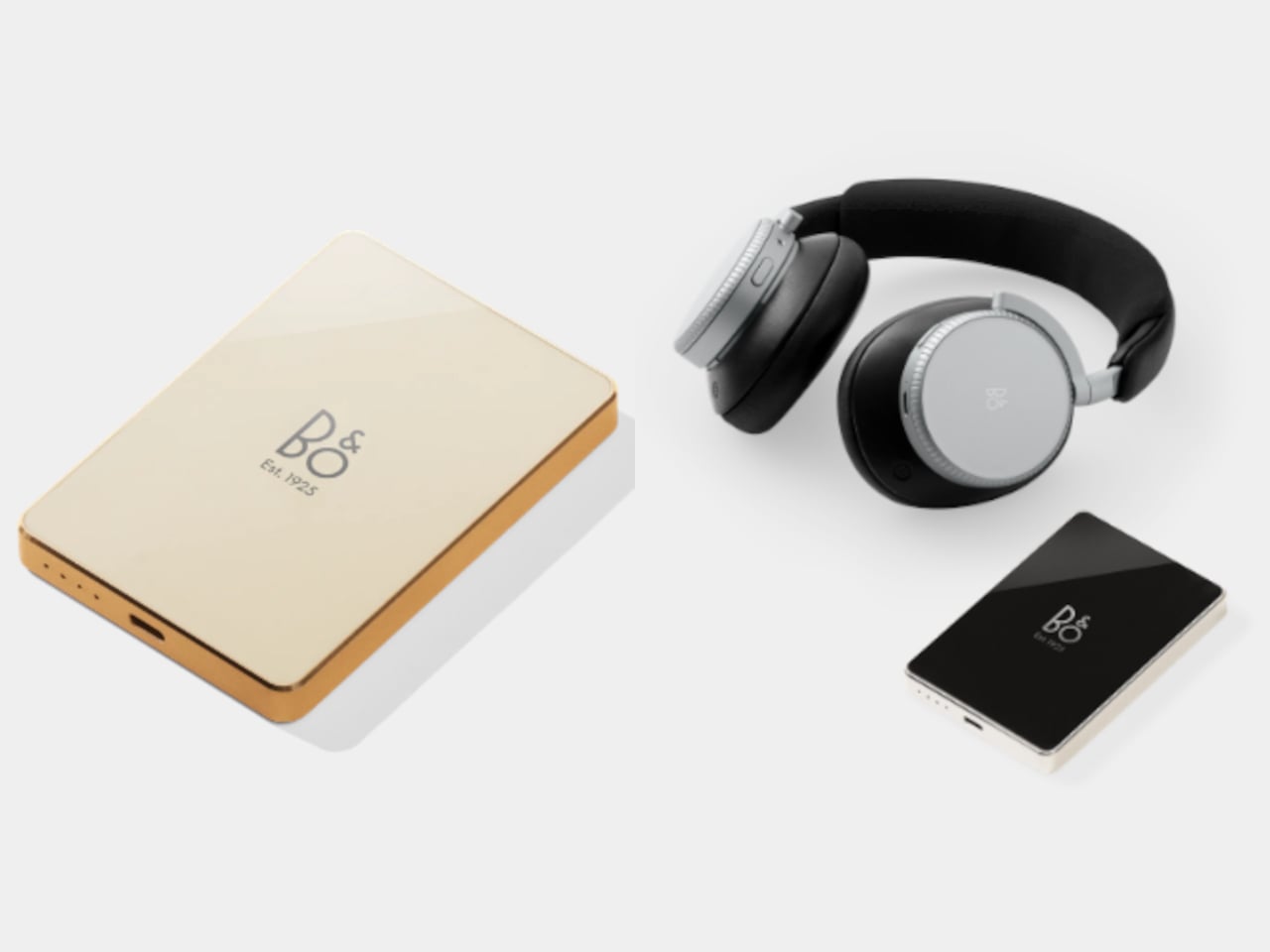
The B&O Powerbank combines a glass surface with an aluminum frame, finished with diamond-cut edges and pearl-blasted textures. It’s the kind of hardware that feels deliberate in the hand, each surface treated with the same attention typically reserved for consumer electronics that cost a great deal more. It comes in two colorways, Infinite Black and Hourglass Sand, both chosen to match the Beoplay H100 headphones.

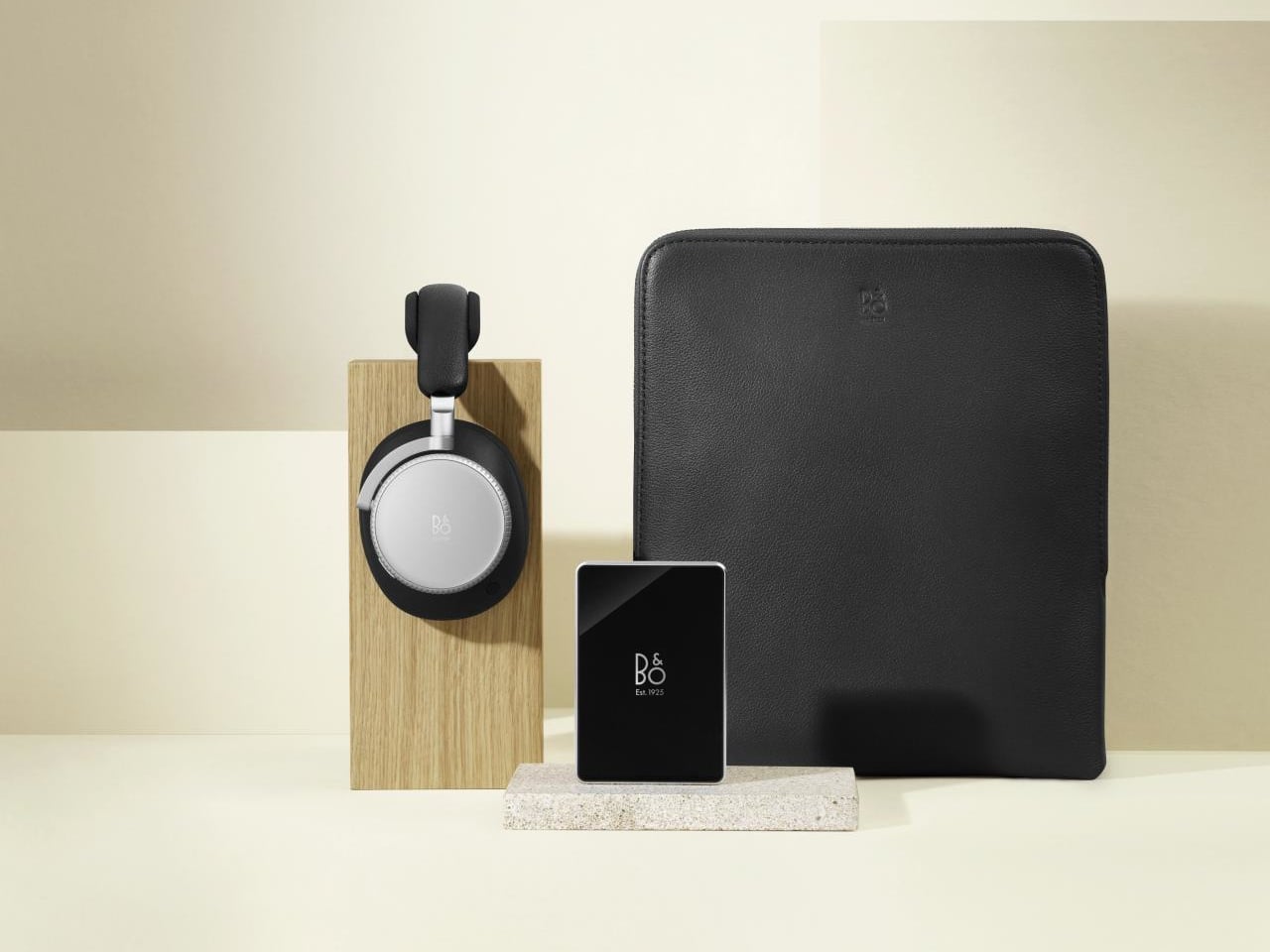
That pairing with the H100 isn’t incidental. The Powerbank was designed as a companion to B&O’s flagship headphones, a way to keep them running through long travel days without having to negotiate with airport power sockets. The colorway matching is no accident; the two pieces are meant to feel like a coordinated set rather than a spare part someone remembered to design at the last minute.

On the technical side, the Powerbank holds 5,000 mAh and supports Qi2 magnetic wireless charging at up to 15W, alongside a 20W USB-C output for wired devices. It accepts up to 18W via USB-C to recharge itself. Those aren’t record-breaking figures for the category, but it works cleanly with most Qi2-compatible devices, including the iPhone 17 series and the Google Pixel 10.

The more revealing figure is what B&O highlights for H100 owners specifically: five minutes of charging delivers up to 3.5 hours of additional playback. For someone wearing those headphones through a long-haul flight or an extended studio session, that’s a meaningful top-up that doesn’t require a hunt for an outlet. Snap the Powerbank on, keep listening, and put it away when you’re done.

There is, however, the price. At €145 in Europe and £125 in the UK, the Powerbank sits well above most Qi2-certified alternatives in this capacity range. Comparable 5,000 mAh magnetic chargers from brands like Anker and Ugreen come in at around $50 to $60. B&O is clearly charging a premium tied to design and heritage rather than specs, and buyers who understand the brand won’t be surprised.

B&O has spent decades building a reputation around objects that earn their place in a room, not just on a spec sheet. The Powerbank extends that same sensibility to the pocket. Pull it out at an airport lounge, and it won’t look like something that came bundled in a blister pack, which, for a certain kind of buyer, is precisely the point.

The post Bang & Olufsen Finally Made a Power Bank Worth Showing Off first appeared on Yanko Design.

Gaming Laptops Die Mid-Game, GPD WIN Max 3 Swaps Its Battery Live

Handheld gaming PCs have come a long way, but most still force an uncomfortable compromise. The ones built around controllers and portable gaming rarely double as decent work machines, while those that lean toward productivity often handle demanding games with apology. Anyone wanting both usually ends up carrying two devices, a proper laptop for meetings and a gaming handheld for the commute home.

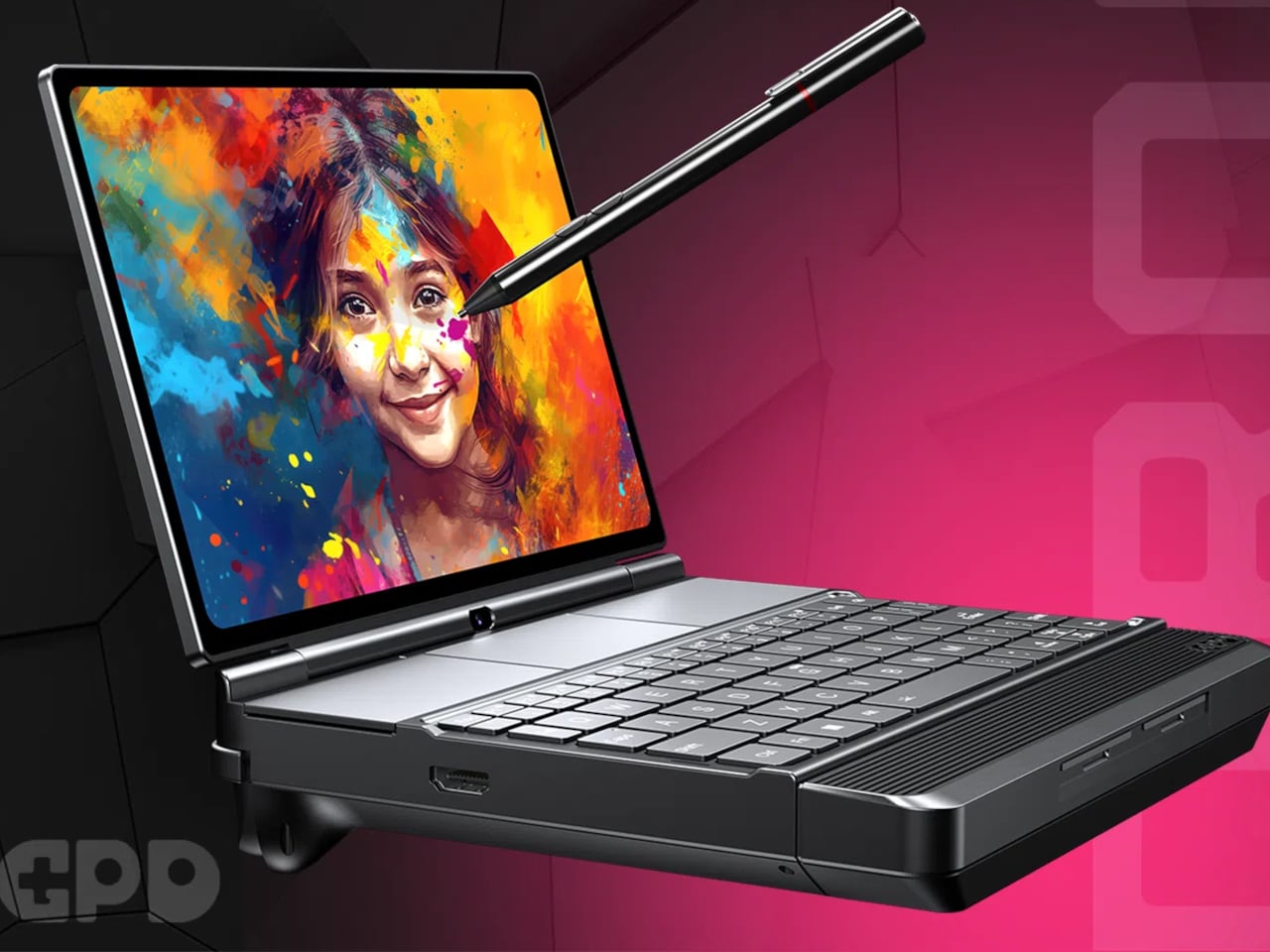
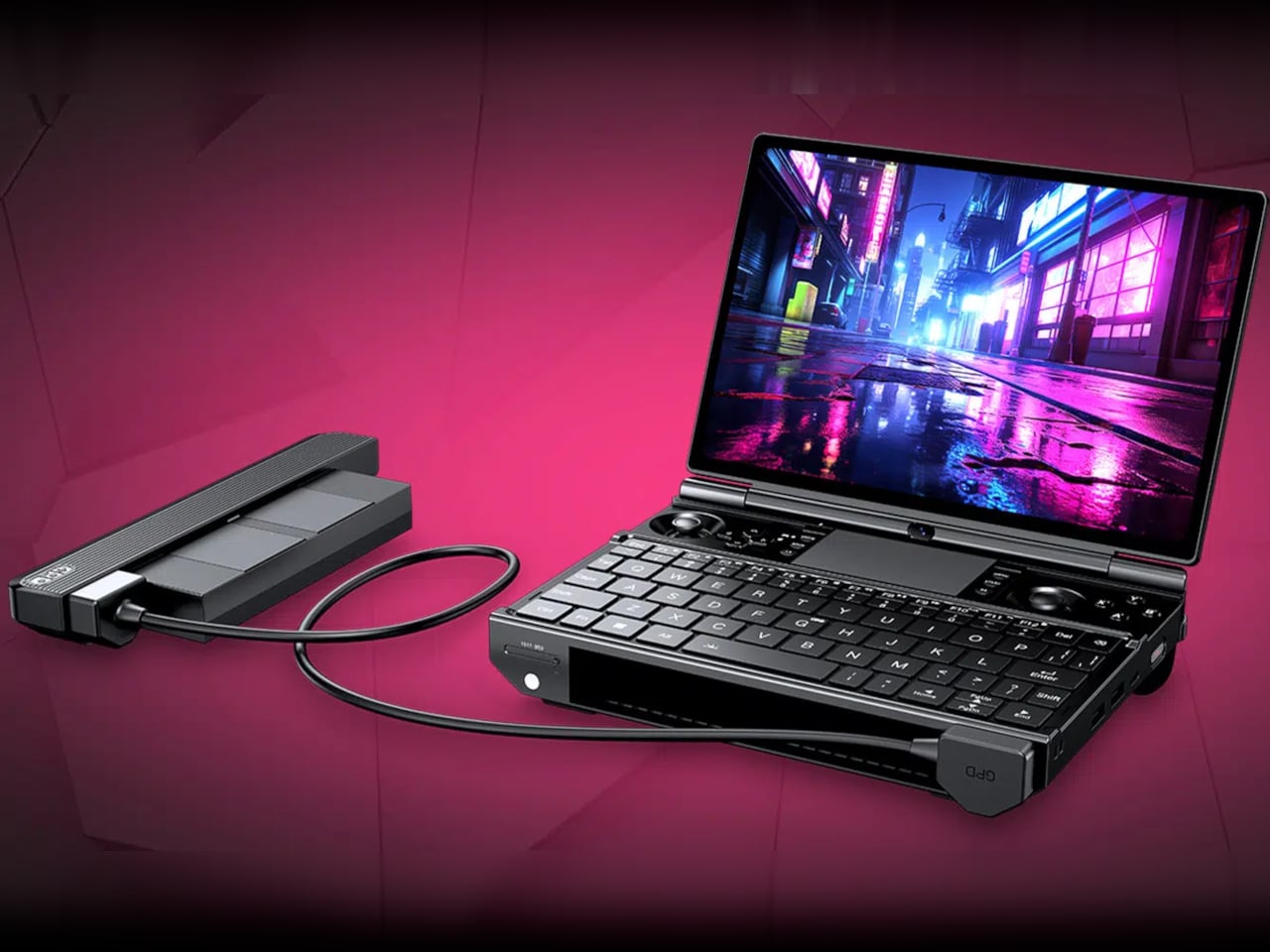
The GPD WIN Max 3 tries to sidestep that problem entirely. It looks like a compact clamshell laptop at first, complete with a keyboard, a Precision touchpad, and a 9.06-inch display on a hinged lid. Lift those magnetic panels above the keyboard, though, and a set of capacitive joysticks appears alongside linear Hall-effect triggers, two programmable rear buttons, and a full Xbox-style controller layout.

Designer: GPD

That 9.06-inch screen doesn’t cut corners on quality. GPD is listing an AMOLED panel with a 2400×1504 resolution, a 165Hz refresh rate, and HDR10 support, protected by Gorilla Glass 6. Peak brightness reaches 1,050 nits, making it readable in brighter environments, while the 313 PPI pixel density keeps text and graphics crisp whether you’re reviewing a document or mid-fight in a demanding AAA title.

Underneath the hood, the WIN Max 3 is listed with either the AMD Ryzen AI Max+ 395 or 388, both Zen 5 Strix Halo chips with Radeon 8060S integrated graphics that go well beyond what typical handhelds can offer. Configurations scale up to 128GB of LPDDR5x-8000 memory in a quad-channel setup, with storage stretching to 4TB, figures that feel more at home in a workstation than a portable gaming device.

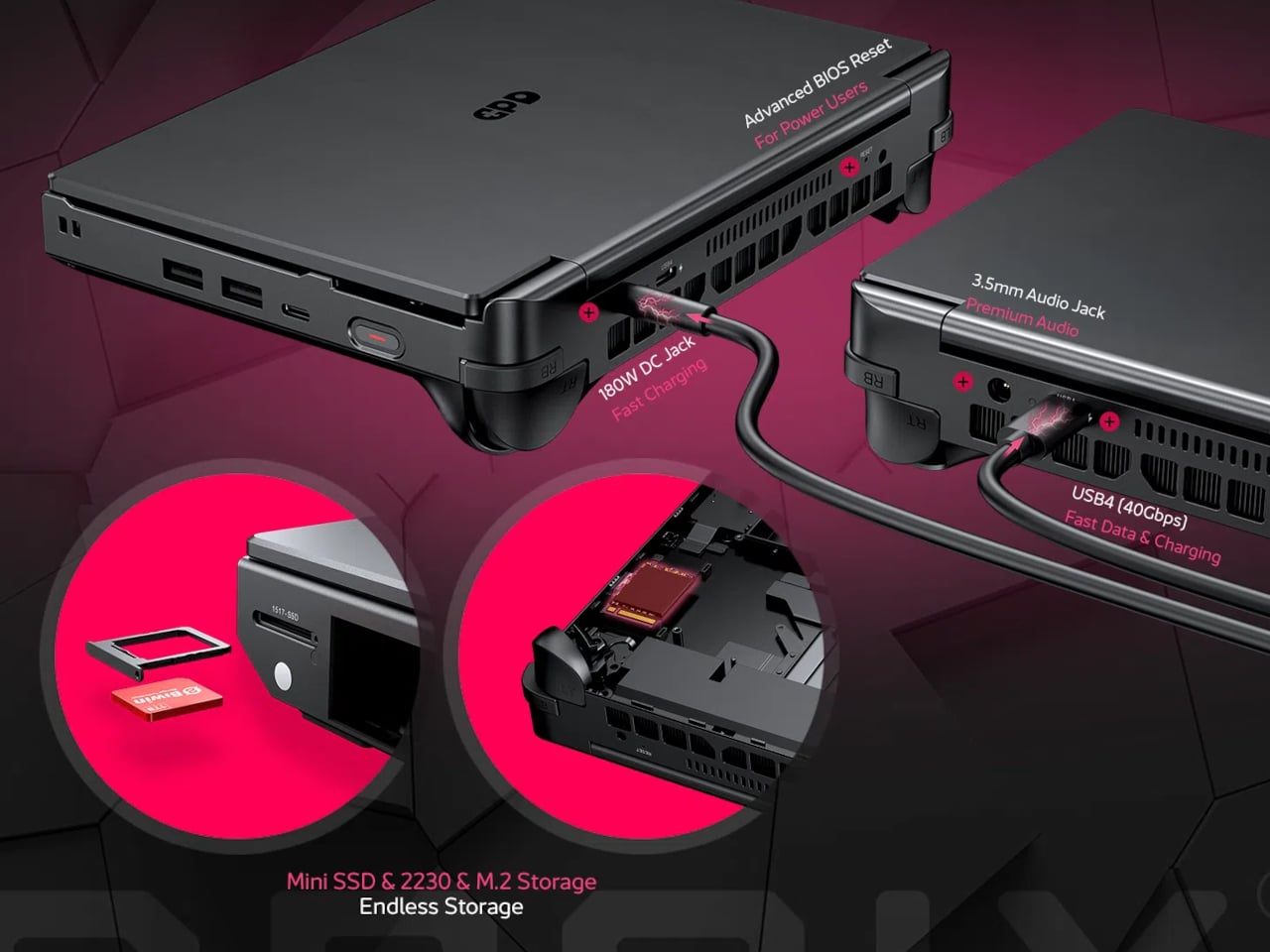
What sets the WIN Max 3 apart is its power architecture. Rather than a sealed internal battery, it uses a 97Wh hot-swappable module that attaches externally, letting you swap it mid-session without shutting down. You can also run the machine straight from a 180W DC adapter without any battery installed. An external 110W fan module clips on separately to push sustained performance to its TDP ceiling.

The connectivity options for a device this compact are genuinely broad. A USB4 port with 40Gbps bandwidth and DisplayPort 2.1, a USB 3.2 Gen 2 Type-C, two USB 3.2 Gen 2 Type-A ports, and HDMI 2.1 FRL mean you can connect to external displays, docking stations, or even GPD’s G2 graphics dock for extra GPU performance the moment you sit down at a desk.

Finish a report during a flight, swap out the battery at the gate, and boot up a graphically demanding title in the hotel room, all without a second device in your bag. That’s the scenario the WIN Max 3 is built around, and for the perpetual traveler who also games, it makes an honest case for consolidating two things you’d otherwise pack separately.

There are legitimate trade-offs, naturally. The base unit weighs 815g, climbing to 1,220g with the battery module in place, which rules out jacket pocket carry. Pricing is expected to start around $2,000. For a device that can handle a board meeting and a late-night gaming session in the same bag, that price feels both like a luxury and an honest calculation.

The post Gaming Laptops Die Mid-Game, GPD WIN Max 3 Swaps Its Battery Live first appeared on Yanko Design.

This Presenter Remote Will Replace Your Mouse, Mic, AI Translator, and USB-C Hub

The modern workflow is often a series of disconnected actions; typing in one window, clicking in another, and plugging in peripherals just to get started. What’s missing is a central instrument to orchestrate it all, a kind of conductor’s baton for our digital lives. Such a tool would need to do more than just advance a slide; it would need to capture spoken ideas, summon information on command, and translate language in real time, all from a single, intuitive point of control.

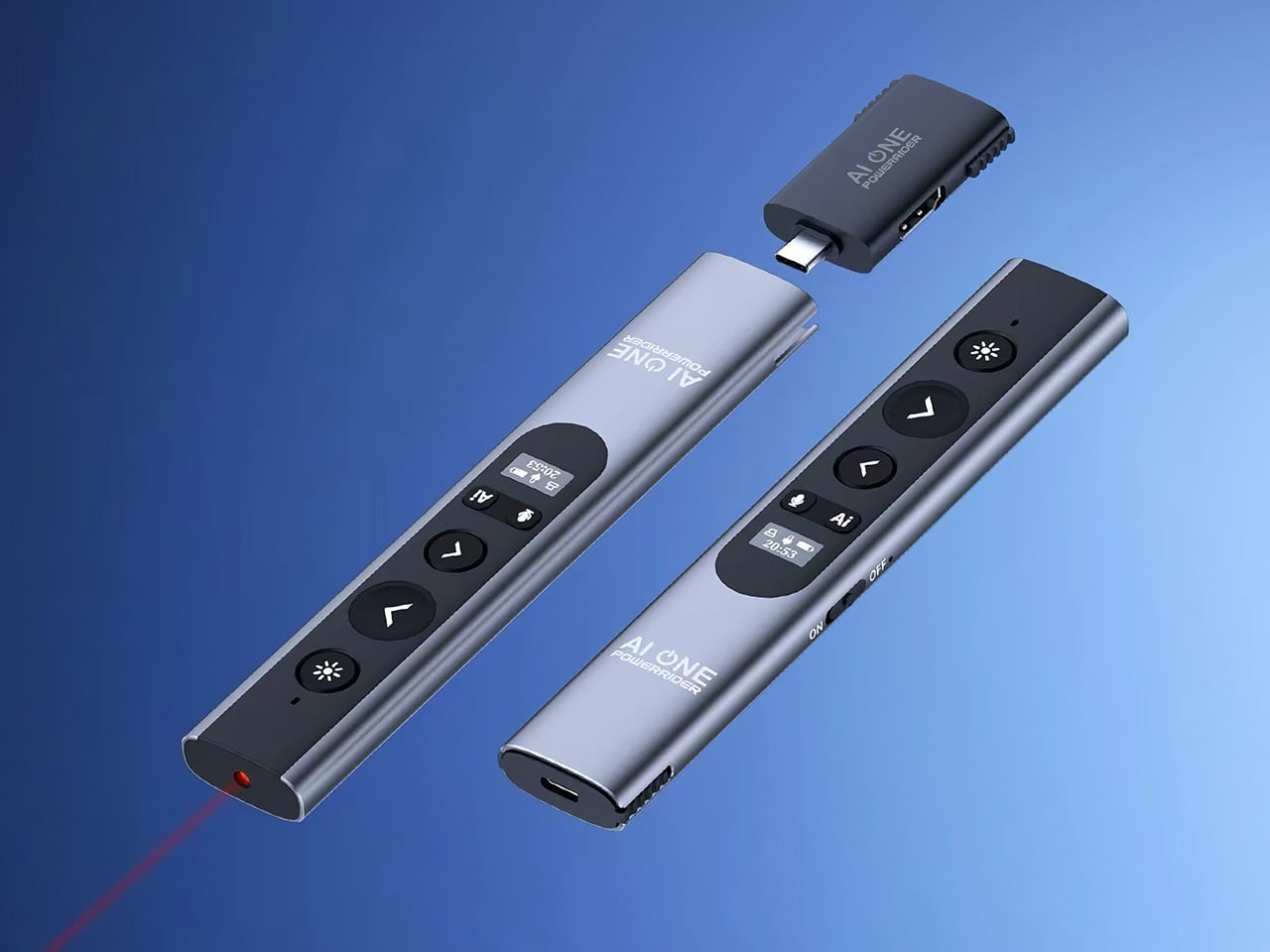
This is the thinking embodied in the PowerRider P1, a device that adopts the familiar form of a presentation remote for a far more ambitious purpose. Its slender, metallic body is designed to feel like a natural extension of the hand, but its power lies in consolidating complex tasks into simple actions. A dedicated AI button puts a language model in your palm, ready for quick queries. The integrated microphone turns the device into a voice input tool for instant transcription, while the clever detachable receiver doubles as a complete connectivity hub for power and video.

Designer: EGIOZR Tech

Click Here to Buy Now: $139 $199 (30% off). Hurry, only 18/100 left!

The PowerRider handles the fundamentals of presentation control with a modern upgrade. Traditional laser pointers work fine in a physical room, but they become invisible the moment you share your screen over a video call. The P1 addresses this with five digital highlight modes that appear directly on the shared display, visible to every participant regardless of how they’re viewing. These modes include a digital spotlight, a magnifier for fine details, and an annotation tool for marking up slides in real time. The device still includes a physical red laser for in-person settings, rated for visibility up to 100 meters, but the digital tools are clearly designed for the hybrid meeting environment that has become standard.

Artificial intelligence is woven throughout the device, accessible through a single button press. The AI feature connects to GPT-5 through the companion AI ONE software, offering 14 dedicated productivity categories that range from document conversion and mind mapping to code assistance and image analysis. You can ask questions, generate presentation content, or get real-time help while you’re speaking. The company has made a point of offering this AI access without monthly subscription fees, providing free tokens for everyday use. That decision removes one of the usual friction points with AI-powered hardware, where the upfront purchase is followed by ongoing costs.

Voice input mirrors something we’ve seen in smart remotes for TVs – except now it’s a work productivity feature. The PowerRider captures spoken words and converts them to text in over 50 languages, allowing you to dictate notes, emails, or meeting minutes without stopping your workflow. Real-time translation extends this further, making it possible to present to multilingual audiences with live interpretation. The built-in microphone also serves as a backup audio input for meetings, projecting your voice through any connected speaker system. This transforms the presenter into a wireless microphone when needed, a useful feature for larger rooms or when laptop microphones fall short.

The detachable receiver plugs into a USB-C port and acts as a wireless bridge to the presenter, but it also functions as a compact hub. The receiver supports 4K video output at 60Hz, 100W power delivery for laptop charging, USB-A data transfer, and a standard audio jack. This means you can connect a display, charge your laptop, and maintain wireless control with a single palm-sized dongle. It eliminates the need for a separate dock during presentations, consolidating connectivity into the same system that controls your slides.

The PowerRider weighs 63 grams, light enough to disappear in your hand during long sessions. A small LCD display on the body shows battery level, connectivity status, microphone activity, and the current time, providing at-a-glance information without needing to check your computer. The 280mAh battery delivers up to 10 hours of active use and can remain on standby for a full week. Wireless range extends to 10 meters, using either Bluetooth or 2.4GHz connectivity depending on your preference. Both modes can be toggled with a physical switch, offering flexibility for different environments and compatibility needs.

The device runs on Windows 10, Windows 11, and macOS 13 or later, covering the majority of professional users. It connects to monitors, televisions, and projectors without additional adapters, and the included accessories provide everything needed to get started. The package contains the presenter, the hub receiver, a protective travel case, USB-C and USB-A cables, and a card reader adapter for file transfers.

The PowerRider P1 is available now with early pricing starting at $139, a 30 percent reduction from its standard retail price of $199. A two-pack bundle is offered at $269, and a three-pack configuration reaches $415. Optional add-ons include power adapters ranging from 65W to 140W and an 8K HDMI cable for high-resolution setups. Shipping is calculated at $12 for most regions, with fulfillment expected to begin in October 2026.

Click Here to Buy Now: $139 $199 (30% off). Hurry, only 18/100 left!

The post This Presenter Remote Will Replace Your Mouse, Mic, AI Translator, and USB-C Hub first appeared on Yanko Design.

Who is Apple’s New Chief Hardware Officer: Meet Johny Srouji, The Man Shaping Apple’s Roadmap

Every great Apple product from the last thirty years came out of a partnership. Steve Jobs had Jony Ive, a designer with more operational power than anyone at Apple except Jobs himself. Tim Cook inherited that dynamic in 2011, and over the next fifteen years the industrial design studio slowly lost its seat at the executive table, with finance and operations gaining a larger say over product direction. Bloomberg’s Mark Gurman has described the current studio as a shell of what it used to be, briefed by other teams rather than briefing them. That is the Apple John Ternus takes over on September 1, 2026, and his choice of number two says everything about where the next decade is headed.

Johny Srouji became Apple’s Chief Hardware Officer on April 20, 2026, a title that did not exist a day earlier. The role folds Apple’s hardware engineering group, previously run by Ternus himself, into the hardware technologies organization Srouji has led since 2015. He now controls silicon, batteries, cameras, sensors, displays, storage controllers, cellular modems, product design engineering, and every reliability lab in Cupertino. Ternus is his only boss, which effectively makes Srouji operational number two at a four trillion dollar company. The last time one Apple executive held this much hardware authority, Steve Jobs was still alive and Bob Mansfield was running the show.

Srouji was born in 1964 in Haifa, the third of four children in a middle-class Arab Christian family, his father a carpenter who built casting molds by trade. He studied computer science at Technion, graduating summa cum laude on his bachelor’s and magna cum laude on his master’s. Before Apple came calling, he had already done processor design at Intel Austin and managed IBM’s POWER7 CPU. Bob Mansfield recruited him in 2008 to build a chip Apple did not yet know how to design, which became the A4 that launched inside the first iPad and iPhone 4. Colleagues describe him as no-nonsense, allergic to technical vagueness, and unwilling to accept anything less than the hard truth about what silicon can and cannot do.

Every A-series and M-series chip you have ever used came out of Srouji’s org. His team pulled off the 64-bit A7 in 2013 that caught Qualcomm completely flat-footed, then engineered the M1 transition in 2020 that made Intel Macs obsolete overnight. Apple’s whole vertical integration story, the one that lets a MacBook Air outperform Windows laptops twice its price on battery life, is essentially his life’s work. His team also introduced the Neural Engine in 2017 with the A11 Bionic, quietly laying the groundwork for on-device AI half a decade before the industry decided AI was a talking point. The man who liberated Apple from Intel’s silicon almost got poached by Intel to be their CEO in 2019.

Ive read Dieter Rams and treated industrial design as the ordering principle of a product, sketching an object first and asking engineering to solve for it. Srouji operates from the opposite pole, treating silicon as the ordering principle and letting form factor, material, and thermal envelope adapt to what the chip can do at what power draw. The $599 MacBook Neo Apple launched in March 2026 is the perfect case study, because it only exists as a product because the A18 Pro from last year’s iPhone 16 Pro became efficient enough to run macOS without cooking itself or eating the battery. Ternus led the keynote and got the credit, but Srouji built the runway. That reframing of where design begins, at the wafer rather than the render, is the first coherent thesis about form and function anyone has articulated at Apple since Ive walked out in 2019.

Ternus and Srouji together cover the full stack from atom to product enclosure, which is the tightest hardware leadership Apple has run since Jobs, Ive, and Jon Rubinstein were setting product direction from the same conference room. Srouji has already started restructuring aggressively, splitting hardware into five groups and moving product design authority from veteran VP Kate Bergeron to Shelly Goldberg on Mac and Dave Pakula on Watch, iPad, and AirPods. He has also stood up a new Ecosystems Platforms and Partnerships team led by Matt Costello and Kevin Lynch, the latter of whom runs Apple’s still-secret robotics group. In his internal memo to staff, Srouji wrote that he intends to deepen integration between the silicon teams and the product-creating teams. Translation: the chip designers will now sit closer to the people deciding what the next iPhone actually looks like.

Everyone keeps asking whether Ternus and Srouji will turn Apple into a Xiaomi or Samsung style product factory, launching sub-brands and price tiers across every possible category. I don’t think that is where this goes. Xiaomi wins on volume and value engineering, Samsung wins on being first to try every new form factor, and Apple under Srouji looks positioned to do something closer to the Jobs-era iPod strategy: one core capability, several related form factors, each tuned to a different lifestyle. AI camera glasses in 2027, camera-equipped AirPods, a rumored wearable pendant, a HomePad with a swiveling display, and a foldable iPhone all sit on the same roadmap, and they are fundamentally the same argument as iPod versus Nano versus Shuffle was in 2005. Discipline stays intact, but the surface area for hardware expands into whatever new form the current silicon can actually support without turning your pocket into a hand warmer.

Srouji’s promotion is Apple’s bet that AI-era consumer devices will be won by whoever can co-design chip, sensor, battery, and enclosure as a single integrated object. That is a bet Apple can uniquely make because it already owns the whole stack, and one that Meta, Google, and even OpenAI (currently building its own hardware future with Ive, Evans Hankey, and Tang Tan poached straight out of Cupertino) still cannot fully replicate. The risk sits on the software side, where Apple’s own AI models trail rivals and Siri keeps getting delayed for reasons nobody at Apple wants to explain in public. Srouji cannot fix that himself. What he can do is make sure that whenever Apple finally ships a competent generative model, the hardware waiting to receive it has been designed around what the model actually needs, rather than retrofitted around it after launch.

The post Who is Apple’s New Chief Hardware Officer: Meet Johny Srouji, The Man Shaping Apple’s Roadmap first appeared on Yanko Design.

The Air Purifier That Rolls Toward Smoke Before It Fills the Room

Air purifiers have quietly become household staples, tucked into corners and set to auto, doing their work without much acknowledgment. The fundamental assumption behind every stationary model is that polluted air will eventually drift past the filter if you wait long enough. That’s not entirely wrong, but it means the unit is always reacting to something that’s already spread rather than catching it at the source.

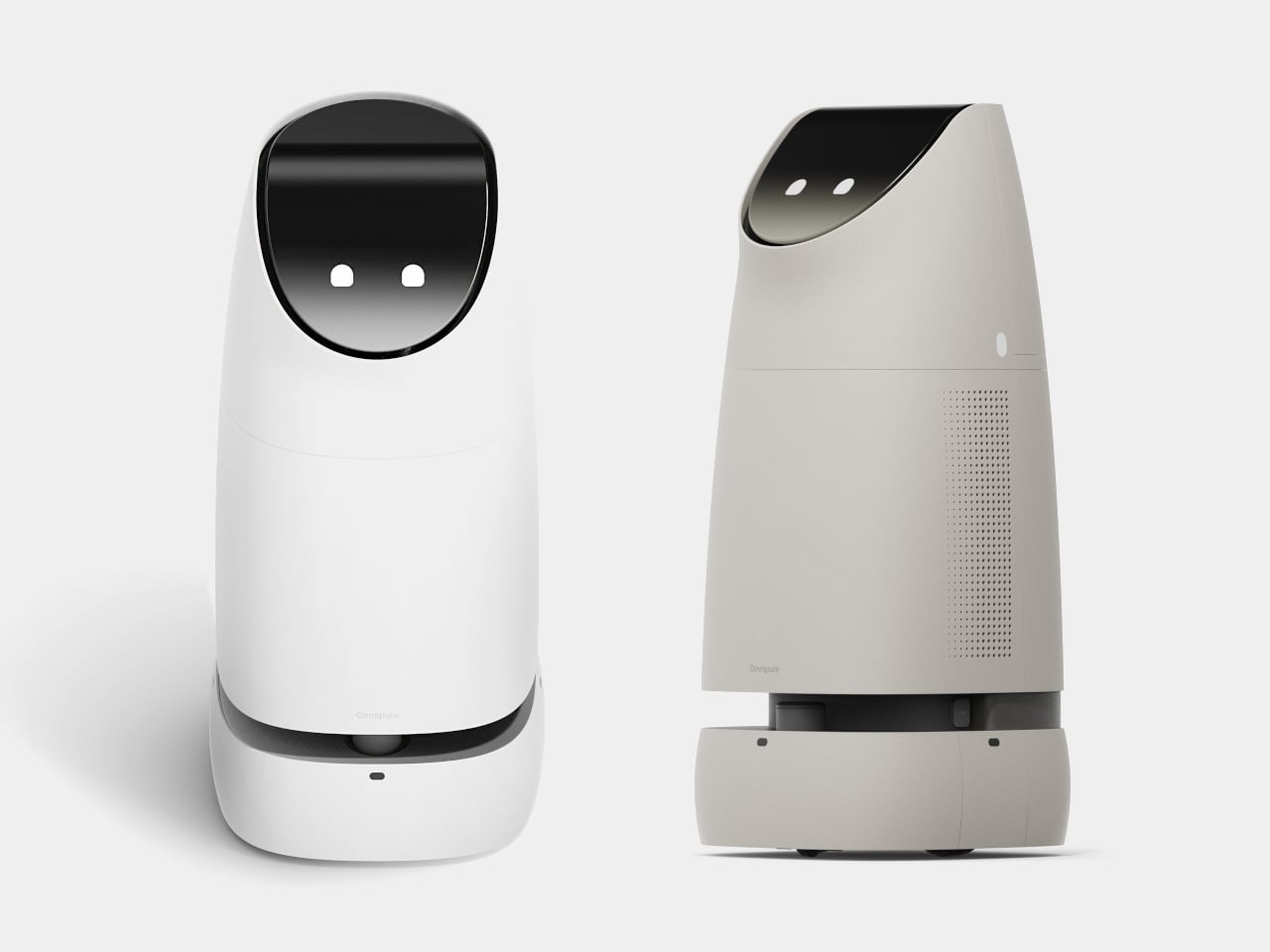
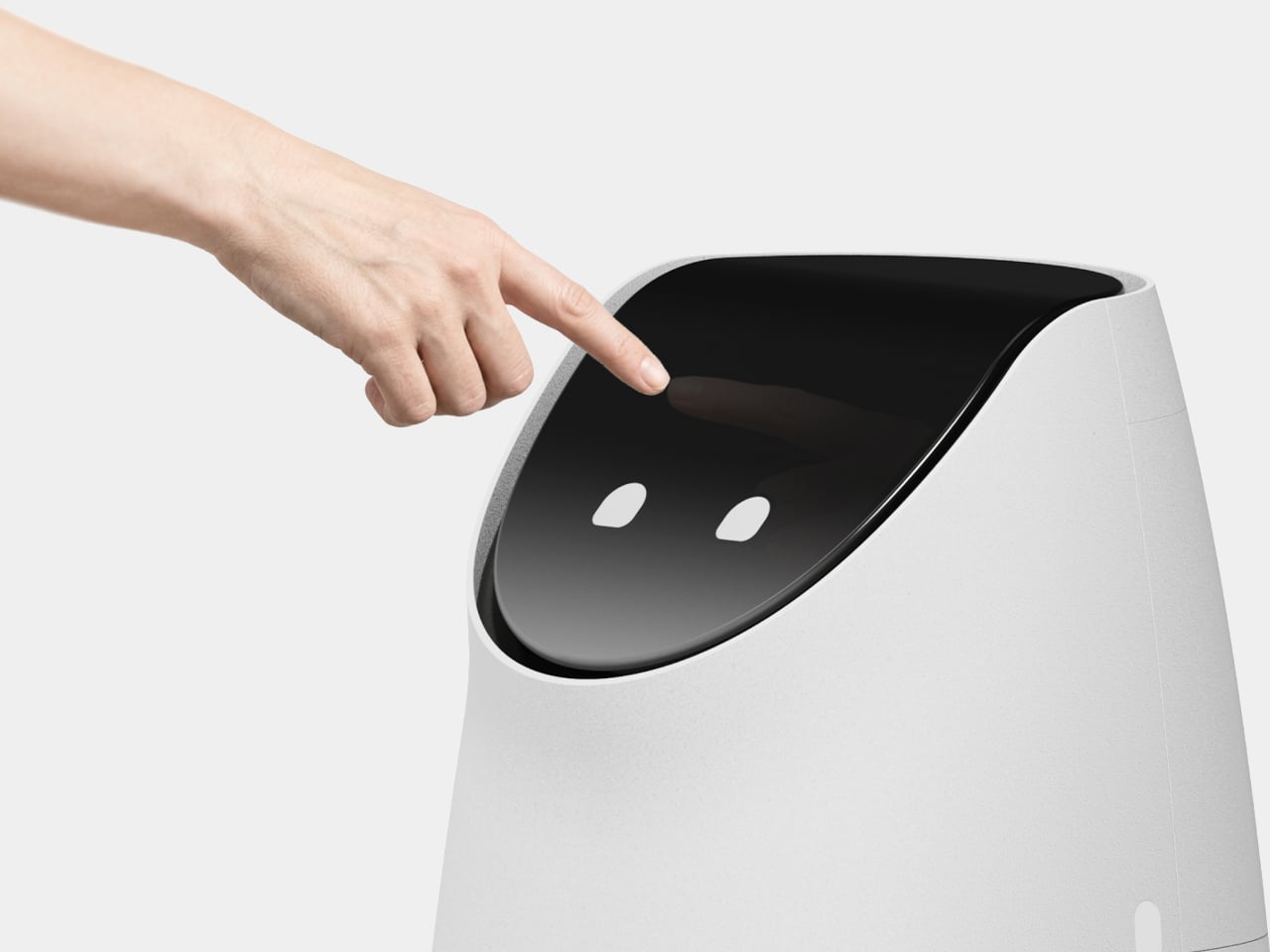
Omnipure reframes the whole premise. Rather than sitting in one corner hoping the air comes to it, this autonomous robot concept maps the home, learns the occupant’s routines, and moves toward pollution before it has a chance to disperse. Catching cooking smoke at the stove rather than after it fills the room is the kind of meaningful difference that makes a purifier genuinely useful rather than marginally helpful.

Designer: Kyuhong Kim

The behavior is where the design makes its most interesting decisions. When someone walks through the front door, Omnipure rolls to the entryway and greets them while clearing entryway dust at the same time. Framing that as a welcome rather than a clinical alert is a deliberate choice. A robot charging toward you the moment you arrive home communicates something quite different from one that simply seems glad you’re back.

The kitchen scenario captures the same thinking. When cooking raises PM2.5 levels or volatile organic compounds spike from a hot pan, Omnipure navigates toward the source and announces its arrival with “Smells Good!” rather than an alarm. If TVOC levels climb too high, it suggests opening a window rather than filtering at maximum capacity, because the better response to a ventilation problem isn’t a better filter.

The ventilation behavior adds another dimension. Rather than treating indoor air as automatically preferable to outdoor air, Omnipure monitors both and suggests airing out when outdoor conditions are favorable. When a window is opened, it positions itself in the airflow to filter incoming air before it circulates. The messages it displays at these moments frame its function as a conversation rather than a status readout.

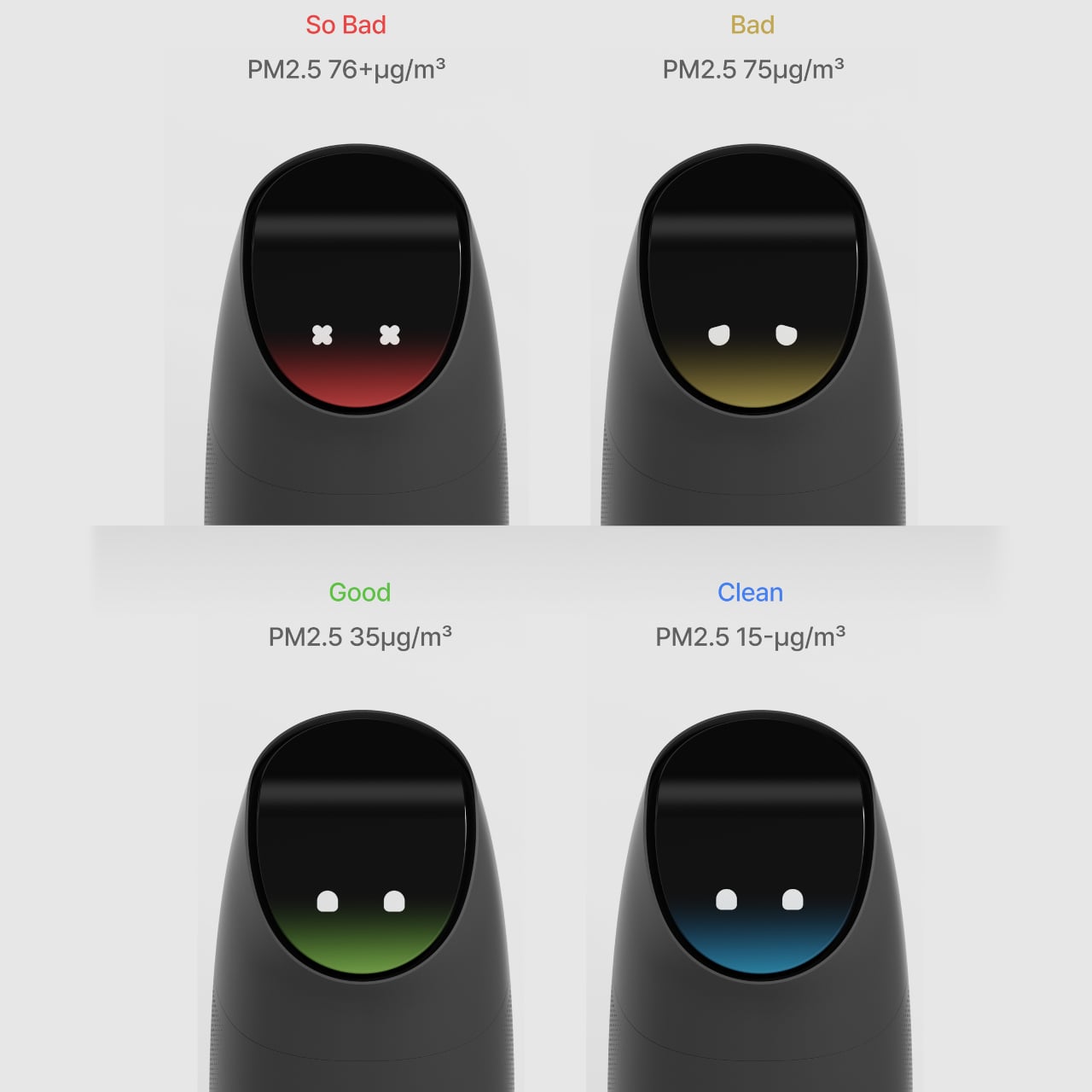
The face display communicates air quality through four states tied to PM2.5 levels. Clean air below 15 μg/m³ reads as a blue glow with relaxed eyes, acceptable conditions around 35 μg/m³ show green, poor air at 75 μg/m³ appears amber, and hazardous readings above 76 μg/m³ trigger a red glow with X-shaped eyes. A glance across the room is enough to know what you’re breathing without unlocking a phone.

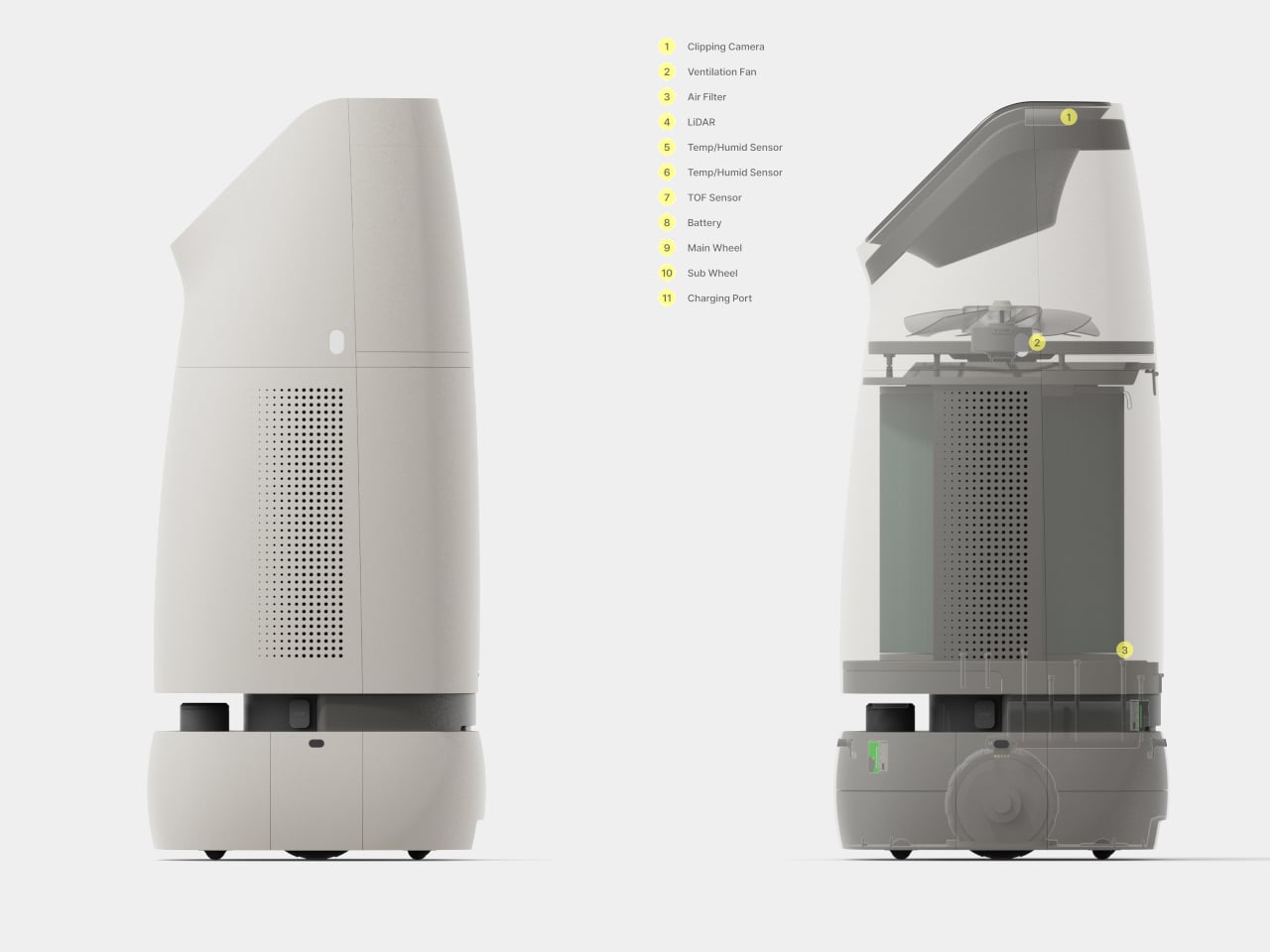
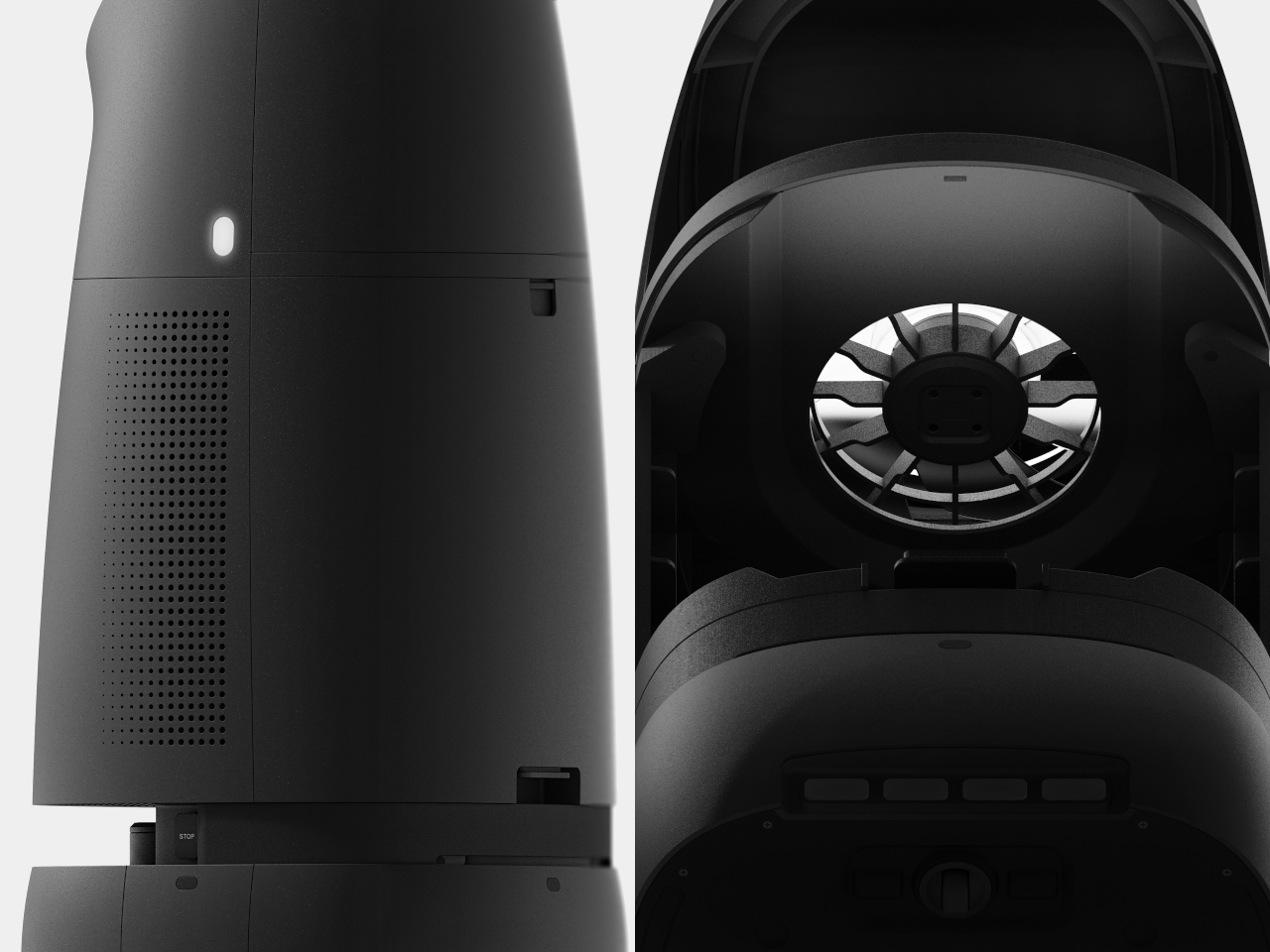
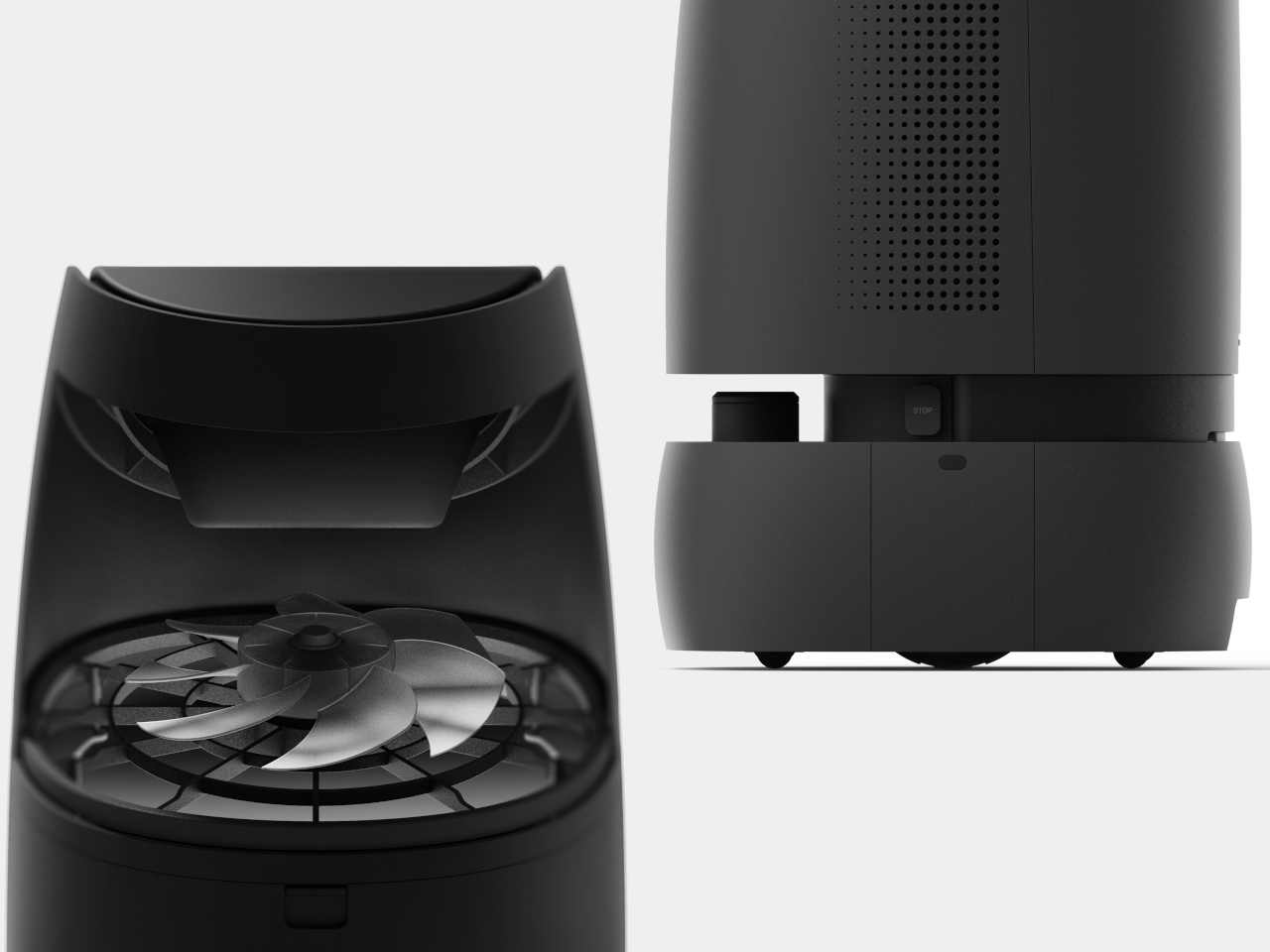
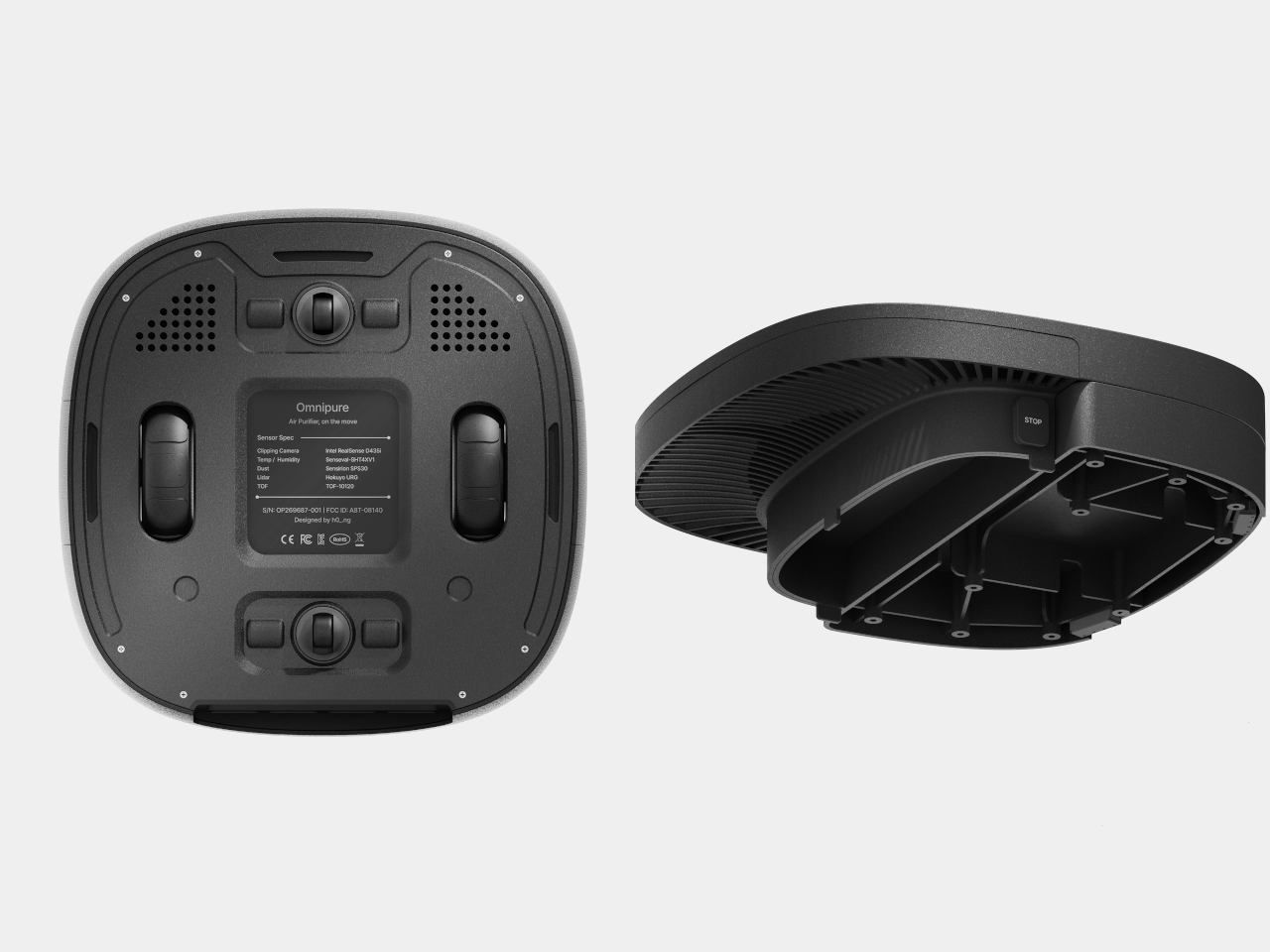
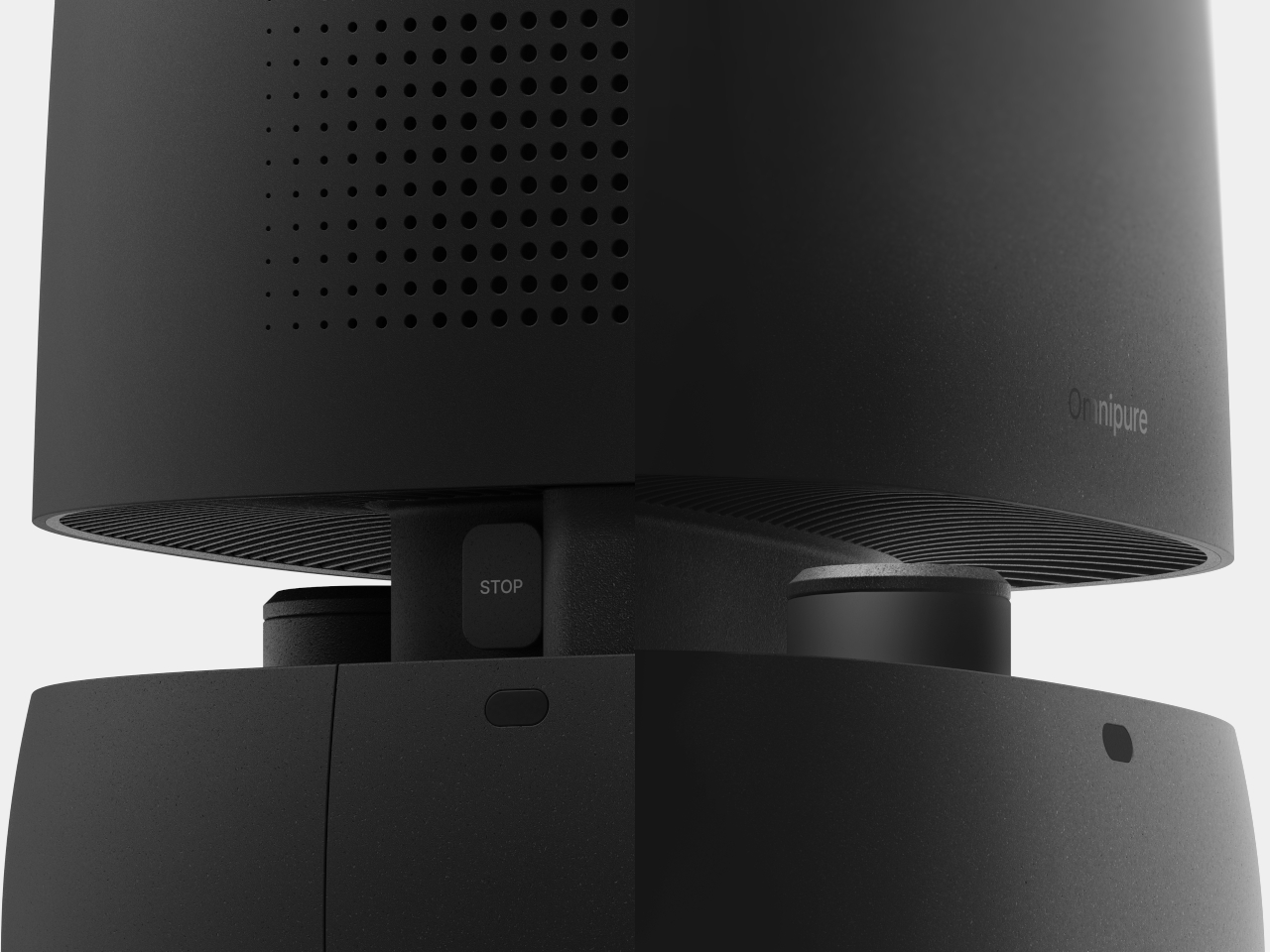
Internally, Omnipure runs on LiDAR and time-of-flight sensors for navigation, a clipping camera, dual temperature and humidity sensors, and a centrifugal ventilation fan drawing air through a large replaceable filter housed in the lower body. The filter slides out from the side for maintenance, which turns what’s usually a buried, tool-required task into something that takes about as long as changing an ink cartridge.

Omnipure is a concept rather than a product on shelves. But the problem it identifies is real: stationary purifiers can only clean the air that eventually reaches them. A device that maps a home, learns activity patterns, and positions itself where pollution is forming solves a fundamentally different problem from one that simply runs on auto in a corner, hoping the air comes to it.

The post The Air Purifier That Rolls Toward Smoke Before It Fills the Room first appeared on Yanko Design.

Alien-like Earphones Play Music On Your Face When Ears Can’t Hear It

Noise-canceling headphones have become the default answer to the mismatch between music and the world around you. The premise baked into every iteration of that technology is straightforward: if you can’t hear your music, silence the noise. Each generation pushes harder toward complete auditory isolation, treating the environment as a problem to be solved rather than a condition to be accommodated.

Live Beats is a conceptual wearable that starts from a different assumption entirely. Rather than treating ambient noise as the enemy, it accepts that there will be moments when music simply can’t reach you through sound and finds a different channel for it. When the surrounding volume overwhelms the earpiece, the device redirects the experience from your ears to the skin of your face.

Designer: Haji Yang

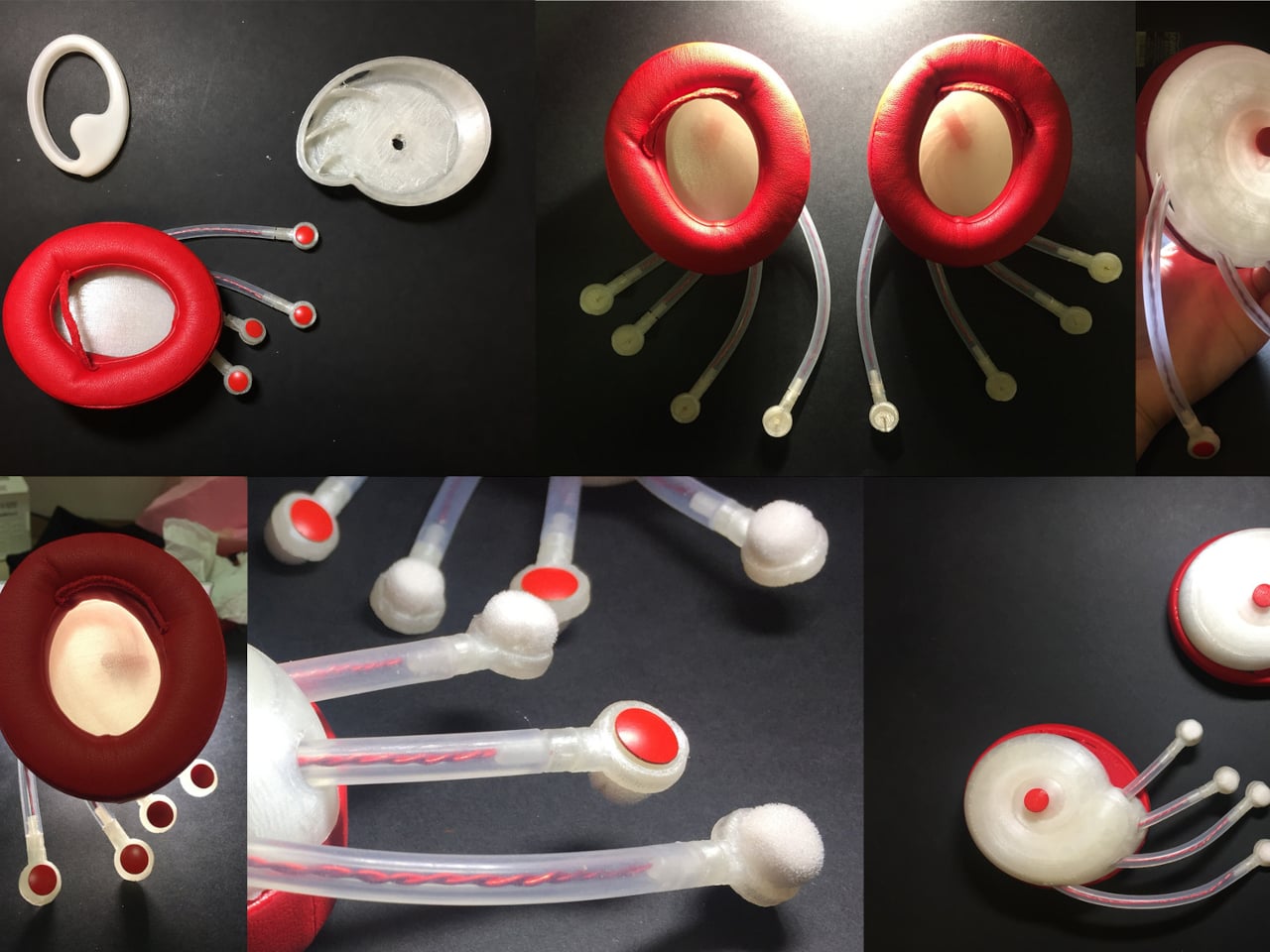
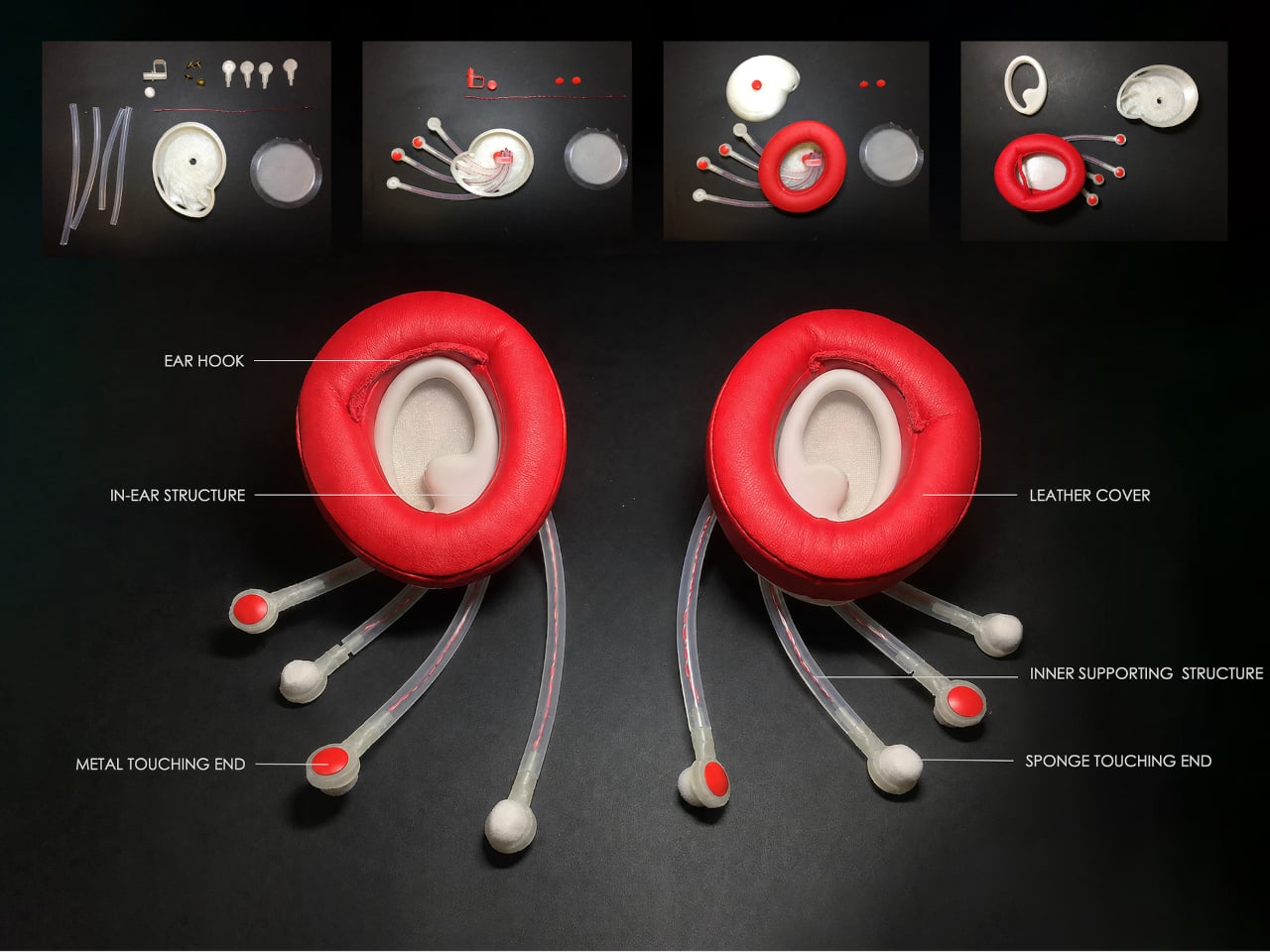
The mechanism relies on four soft, flexible tentacles extending from each unit and resting against the cheek. A built-in ambient sensor monitors the surrounding noise level continuously, and when it crosses a threshold, it triggers the tactile feedback system. The tentacles begin tapping the cheek in synchronized patterns, carrying the rhythm of the music forward even when the audio itself has disappeared into the noise.

A companion app handles the musical analysis, pulling the track apart into bass, percussive elements, and melodic themes, then assigning each layer to specific tentacle movements. The system doesn’t try to replicate every nuance of the song through touch. It focuses on rhythm, which is enough, because rhythm is identifiable through the skin in a way that melody simply isn’t when hearing fails.

The form draws from the conch shell and octopus tentacles rather than anything recognizably technological. A translucent outer shell hints at the internal structure beneath, while a red spiral framework running through each tentacle echoes both DNA and blood vessel forms. It rests against the ear the way a creature might settle there, which is either unsettling or quietly beautiful depending on how you feel about bionic aesthetics.

That commitment to organic form goes further than aesthetics. Most audio hardware declares itself immediately through its shapes: driver housings, plastic frames, and visible hardware. Live Beats deliberately abandons that vocabulary in favor of softer, biologically inspired curves that make the device harder to identify as a technology product at all, which is either the point or a happy side effect, depending on how you read it.

The end of each tentacle accepts a replaceable touch head in either soft sponge or cool metal. Users can switch between them depending on temperature, music style, or personal preference. A cool metal tap against the cheek during something percussive registers differently than a soft sponge contact during something slow and ambient, making the choice of contact type feel like a deliberate part of how the music lands.

Live Beats is a concept rather than a product ready for market, but the principle it demonstrates has implications well beyond music. A device that communicates reliably through touch could carry notifications, navigation cues, or environmental alerts without the ears being involved at all. That’s a genuinely different way to think about what a wearable can do, and one that doesn’t need silence to work.

The post Alien-like Earphones Play Music On Your Face When Ears Can’t Hear It first appeared on Yanko Design.

CRKD Just Built a $135 Guitar Controller Around a Real Gibson Les Paul

Rhythm games went through a period where they were everywhere, then went quiet, and now they’re back in a way that feels more persistent than the last time. Fortnite Festival brought the genre back to a mainstream audience, Clone Hero and YARG kept a dedicated community alive through the lean years, and Rock Band 4 never really went away. The one thing that has lagged behind the revival is the hardware, with most players making do with aging instruments or basic alternatives that don’t feel particularly inspired.

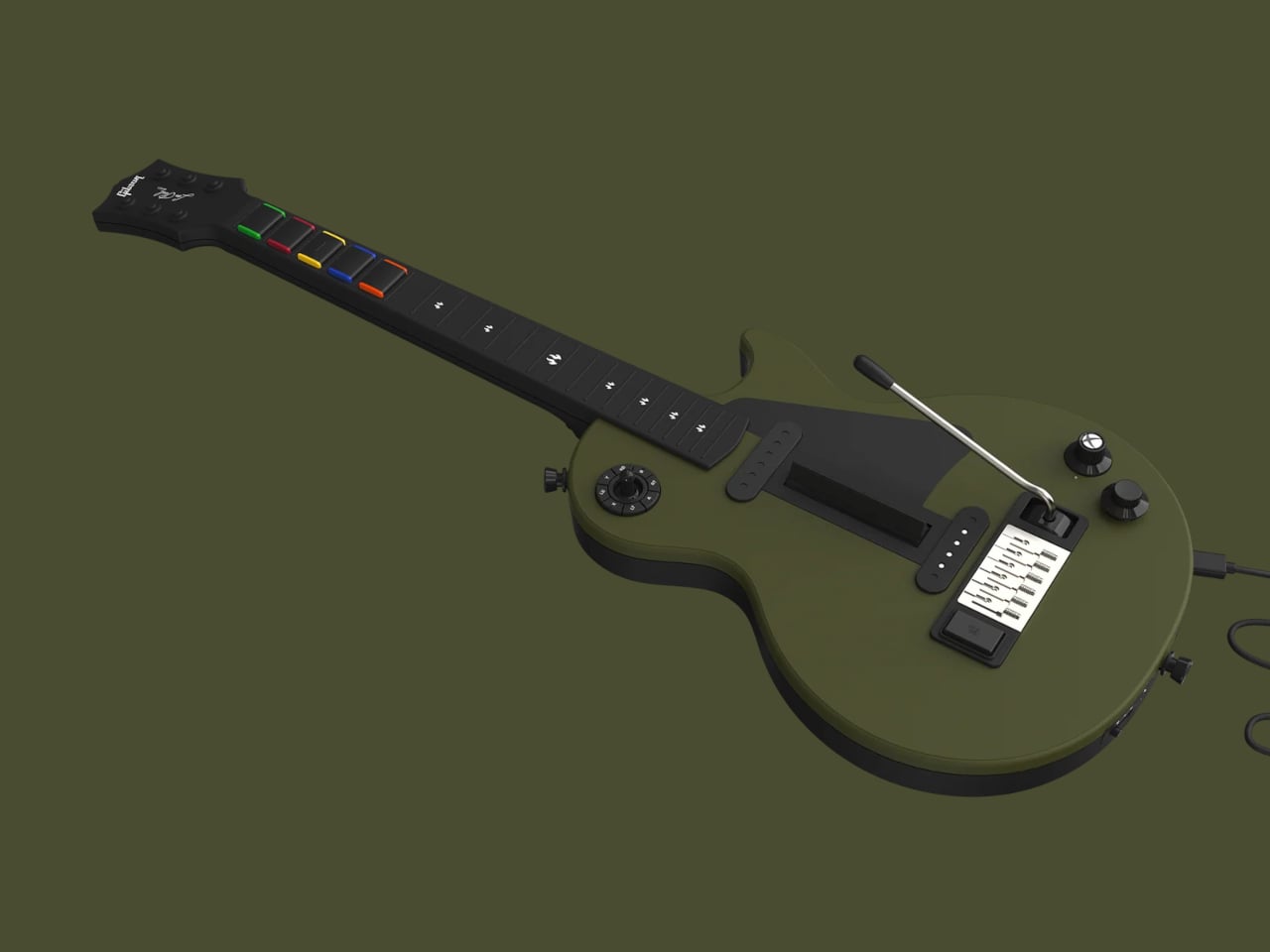
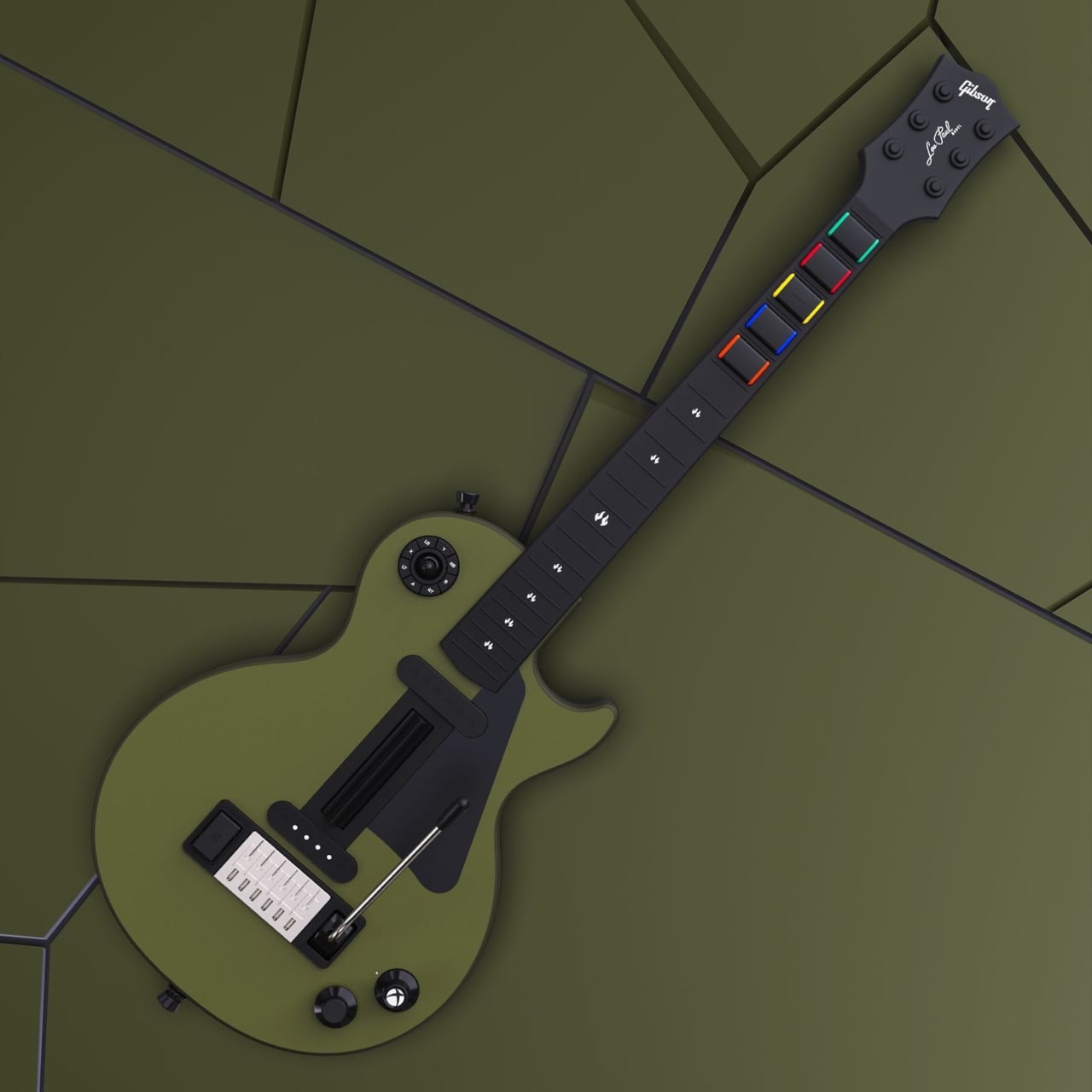
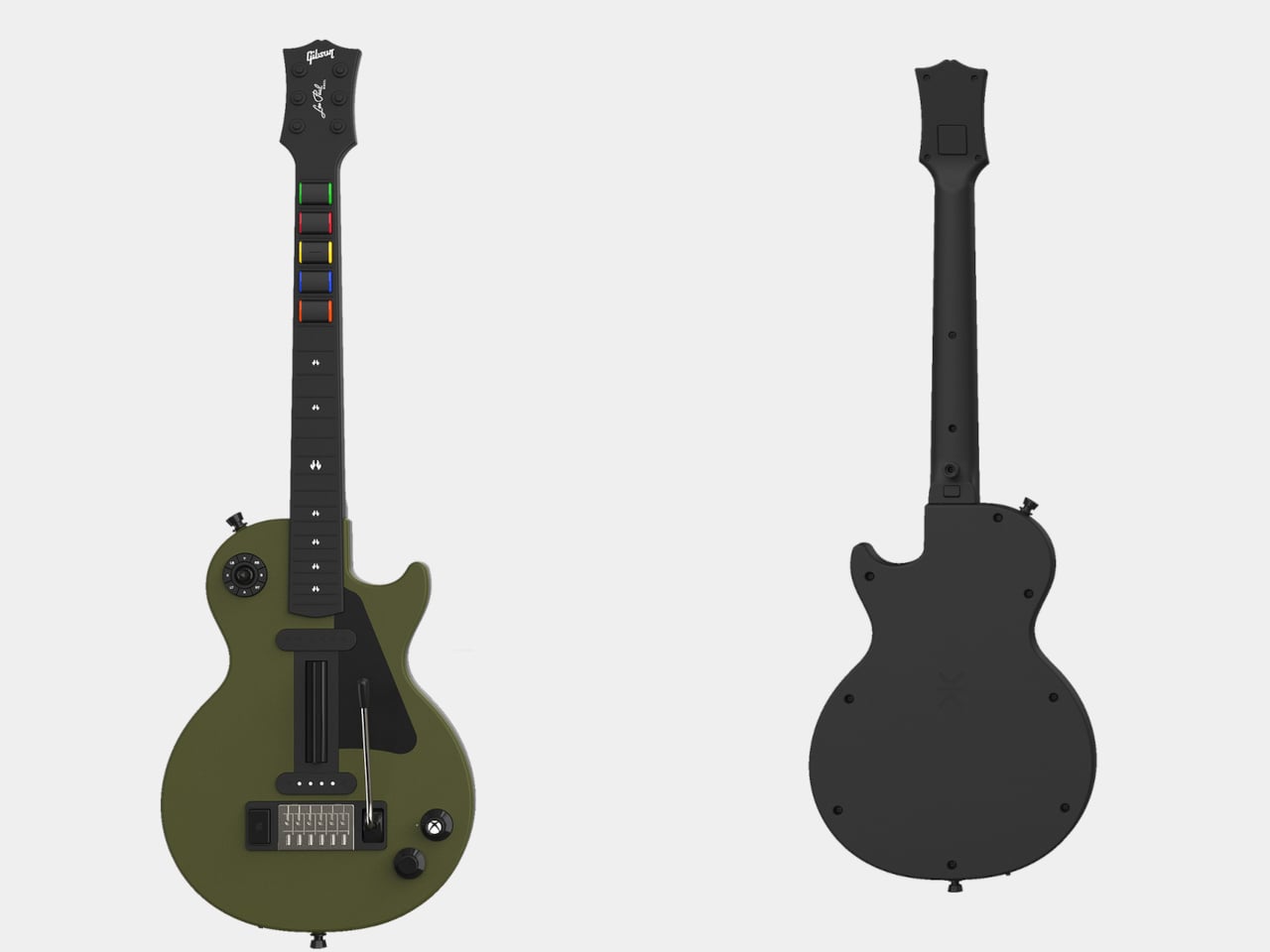
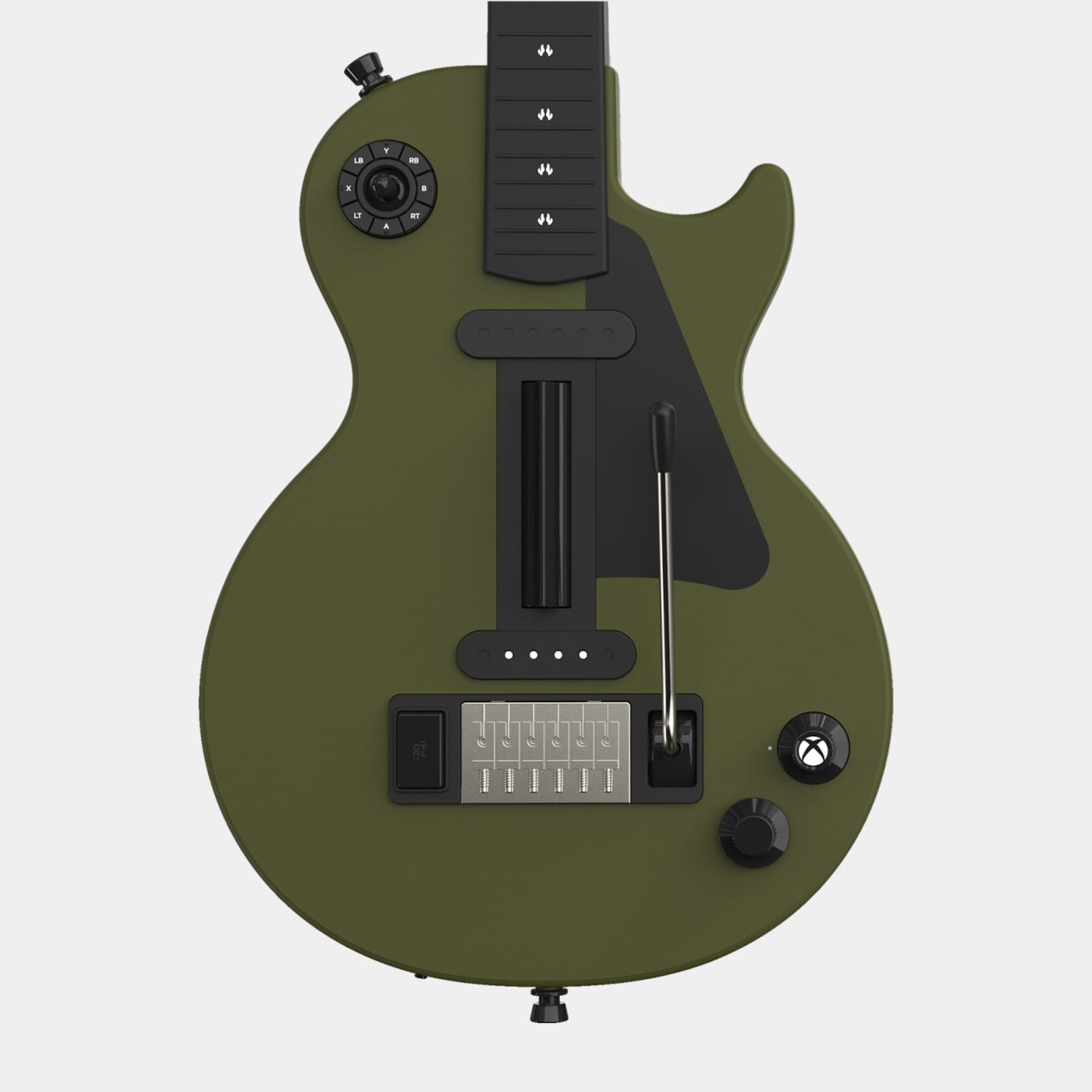
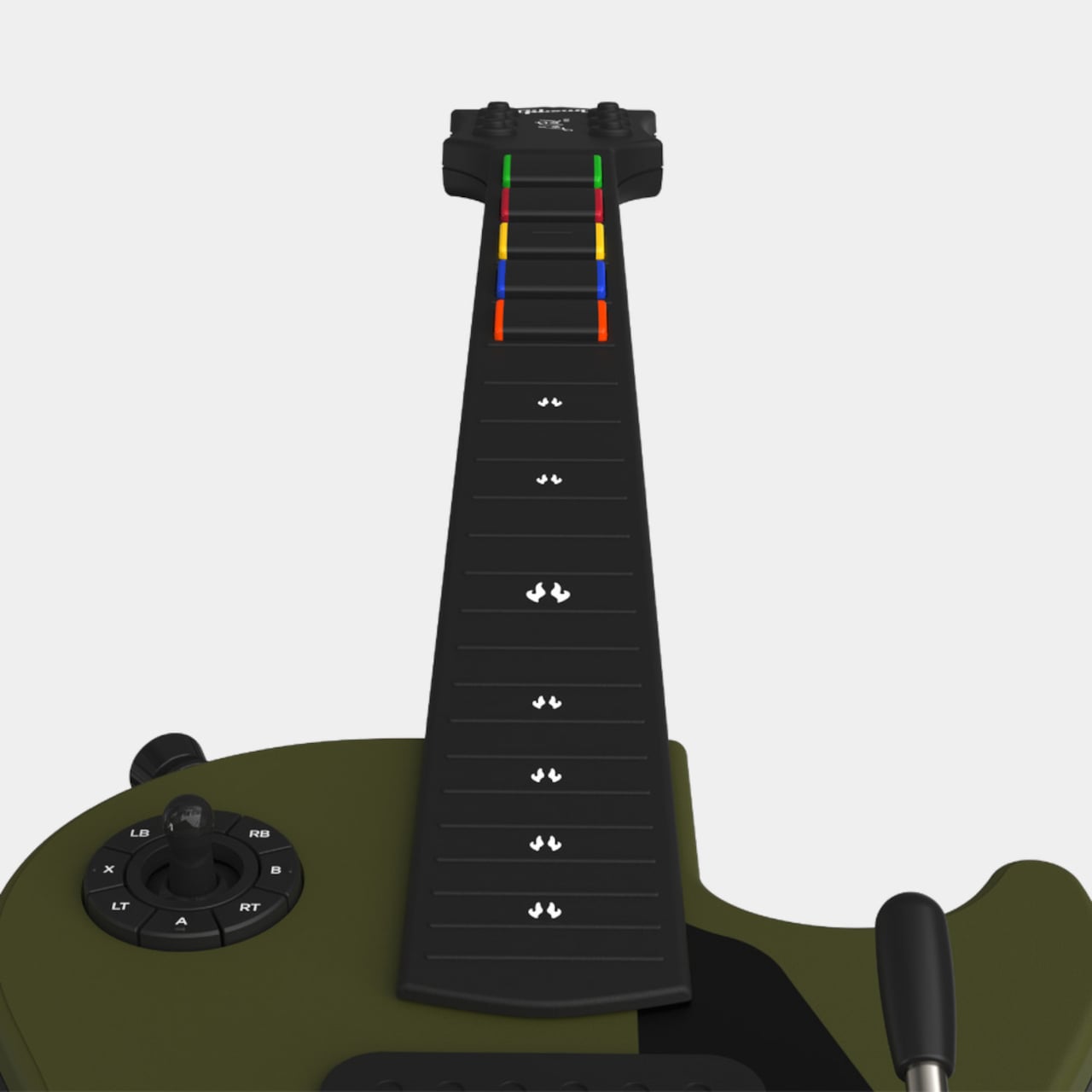
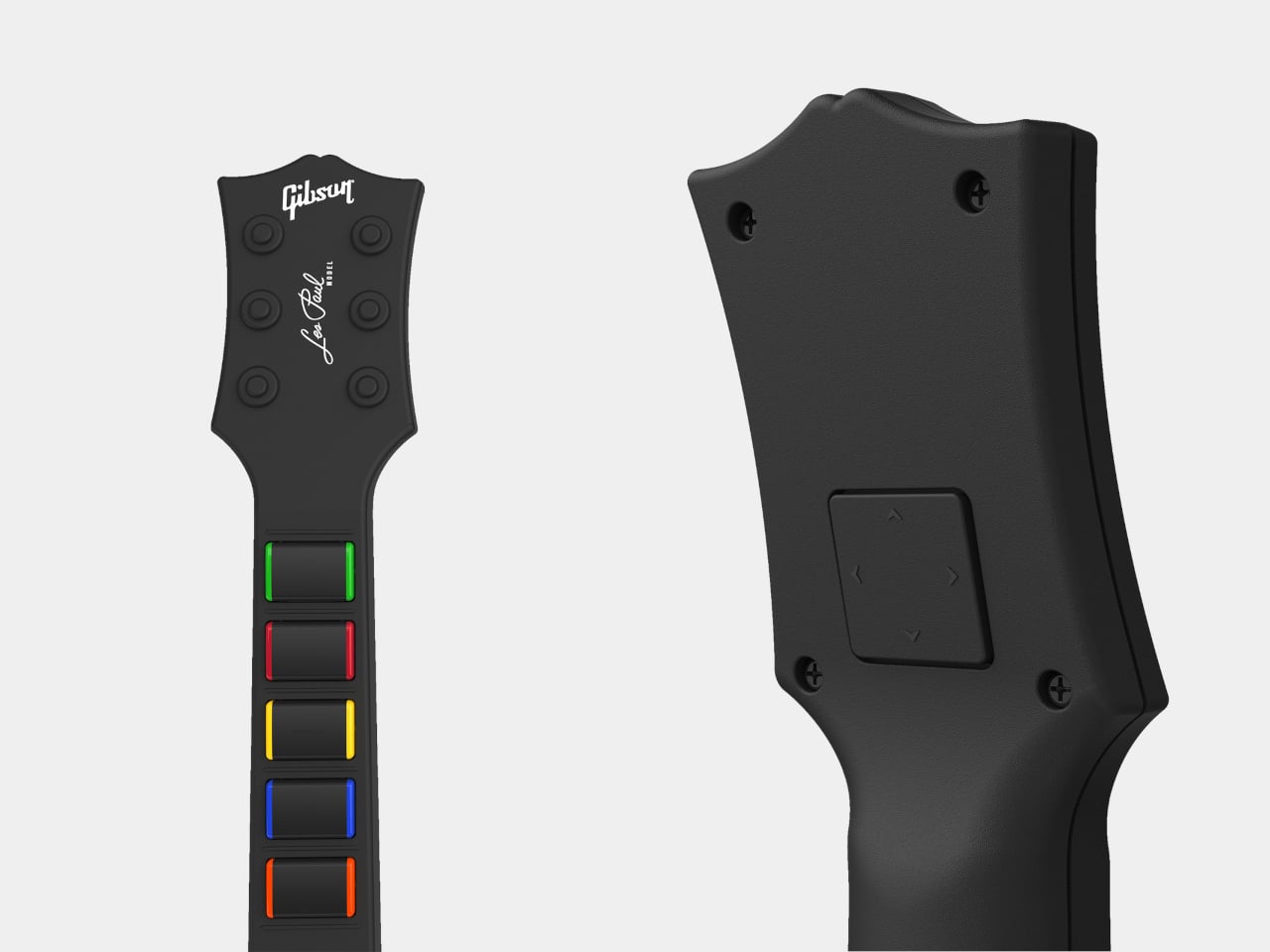
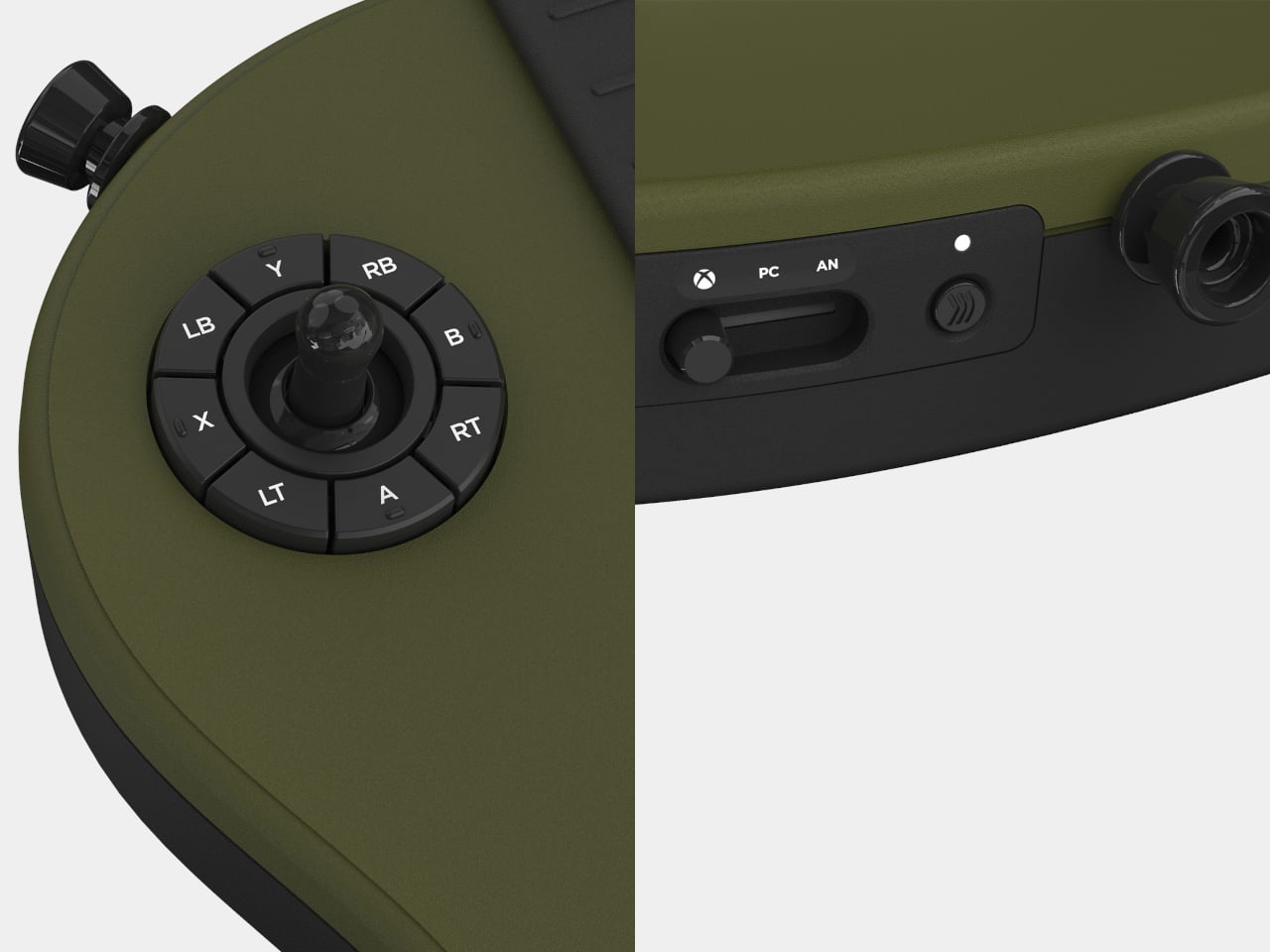
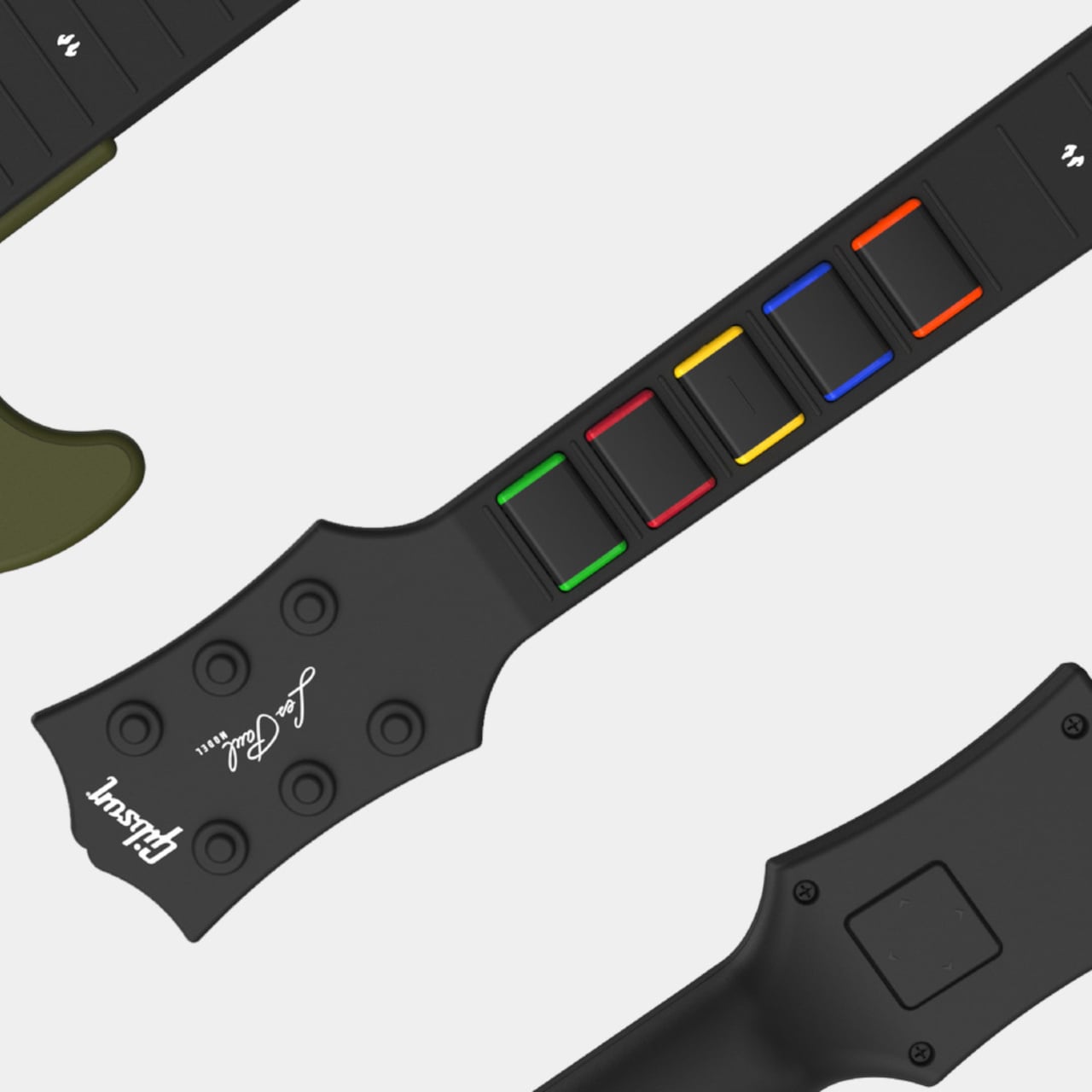
The CRKD x Gibson Les Paul Olive Drab Pro Edition is a guitar controller that takes the instrument side of that equation seriously. Built on the silhouette of the actual Gibson Les Paul Olive Drab electric guitar and officially licensed by both Gibson and Xbox, it’s designed for Xbox Series X|S, Xbox One, and PC, with a finish that stands apart from the more conventional options the brand has previously released.

Designer: CRKD x Gibson

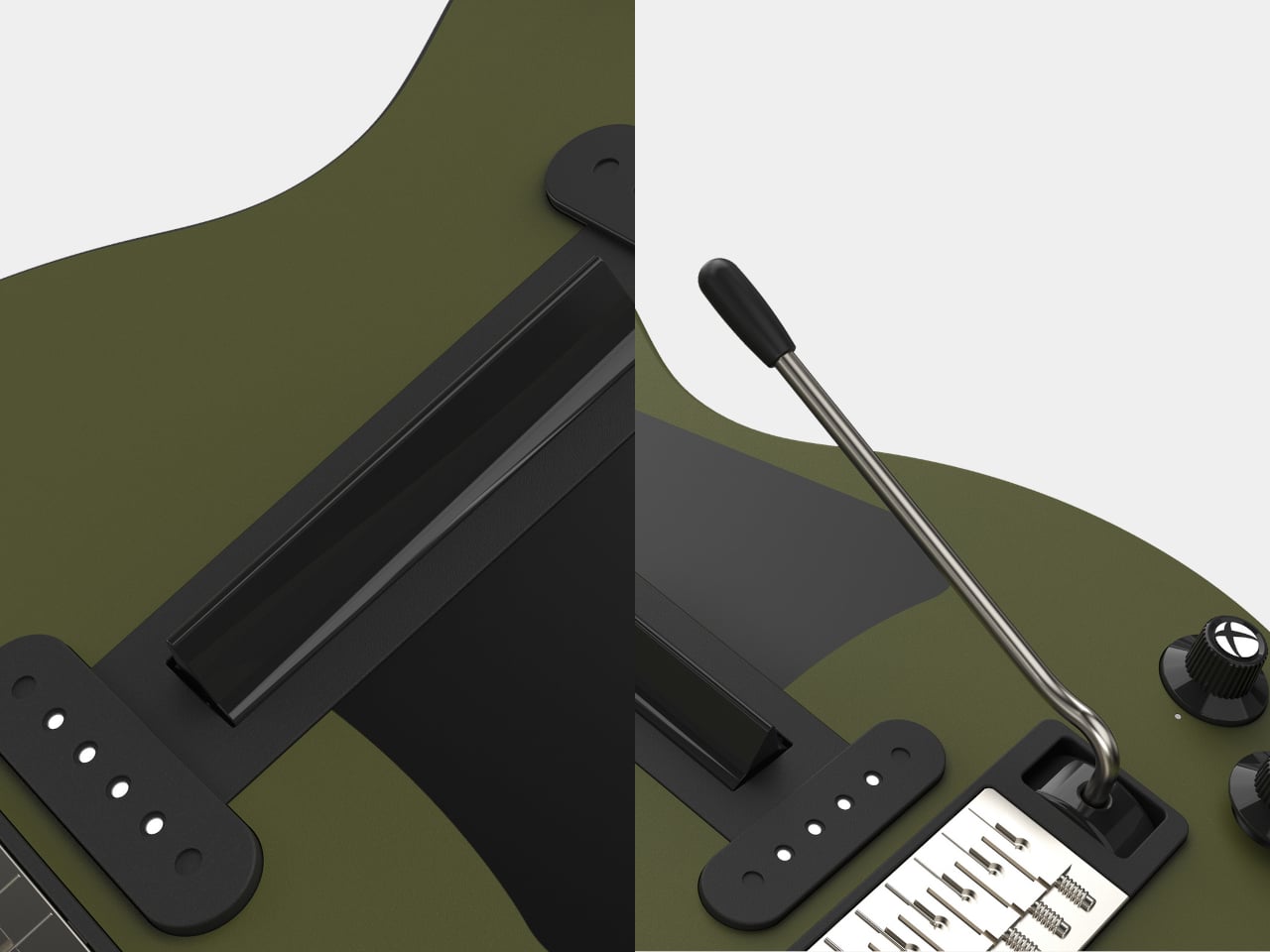
The two hardware decisions that define the playing experience are the EZ Glide mechanical fret buttons and the Hall Effect strum bar. The fret buttons use mechanical switches rather than the rubber membranes found in standard guitar controllers, giving each press a tactile click that registers precisely and consistently. The strum bar relies on Hall Effect technology rather than physical contacts, which means it doesn’t degrade with repeated use, and its sensitivity and actuation points can be dialed in through the CRKD app.

That companion app also handles everything the previous model’s physical 9-mode dial used to cover. CRKD removed that dial from the Olive Drab Pro Edition after extended playtesting found it added friction to getting started. Game presets, button remapping, custom profiles, and firmware updates now all live in the app. For players who want the depth, it’s all still there, and for those who just want to plug in and play, nothing stands in the way.

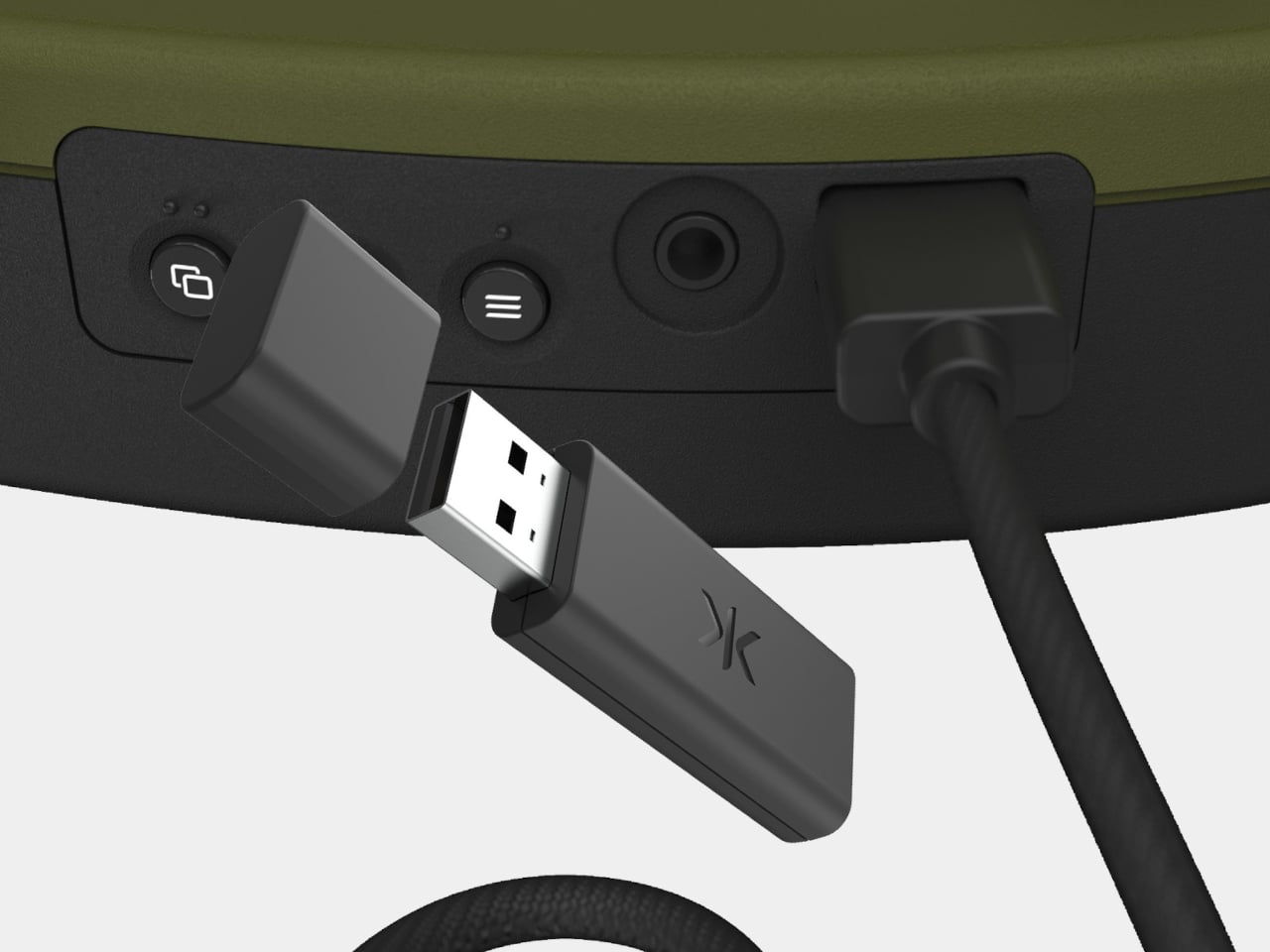
Connectivity covers three modes: wired via USB-C, low-latency 2.4 GHz wireless through the included USB dongle, and Bluetooth. The package also comes with a shoulder strap and a removable rechargeable battery. Rapid polling technology keeps response times tight across all connection methods, which matters considerably once you’re trying to hit precise timing windows in harder difficulty tiers.

The Olive Drab colorway is worth noting as more than just an aesthetic decision. CRKD has positioned this release as the first in an evolving line of Pro Edition controllers, setting up the platform for Stage Tour, its upcoming rhythm game, which the hardware will also support. It’s a calculated move to give players both a current controller that works across today’s library and a stake in whatever the next chapter of rhythm gaming looks like.

Production is limited to a single batch, priced at $134.99 USD, €149.99, or £129.99 depending on region. Compatible games include Fortnite Festival, Rock Band 4, Clone Hero, YARG, and the upcoming Stage Tour. CRKD has confirmed this is strictly a one-run release, shipping now while stock holds. For anyone who’s been waiting for a guitar controller worth taking seriously, this is about as deliberate a design statement as the category has produced.

The post CRKD Just Built a $135 Guitar Controller Around a Real Gibson Les Paul first appeared on Yanko Design.