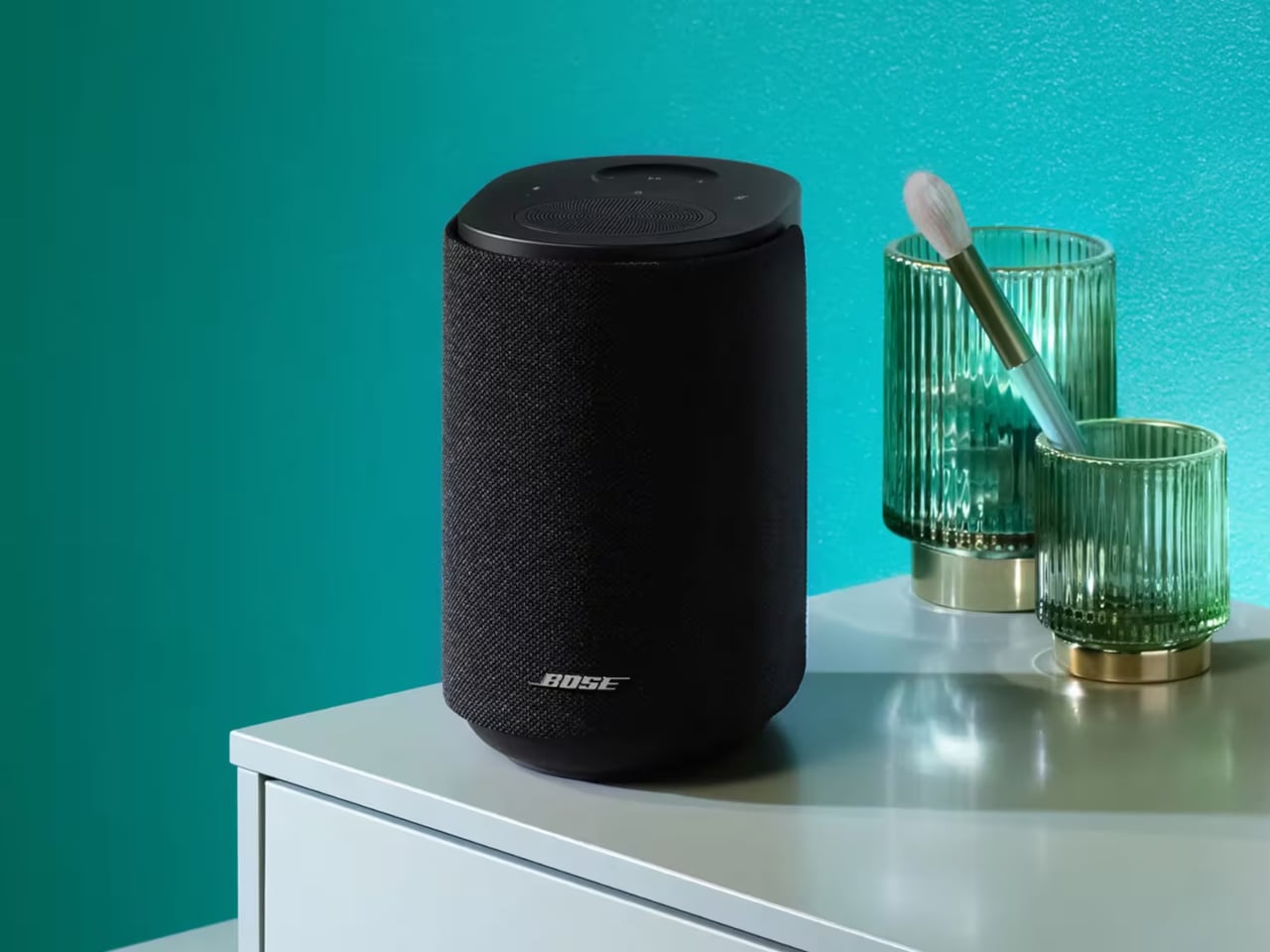
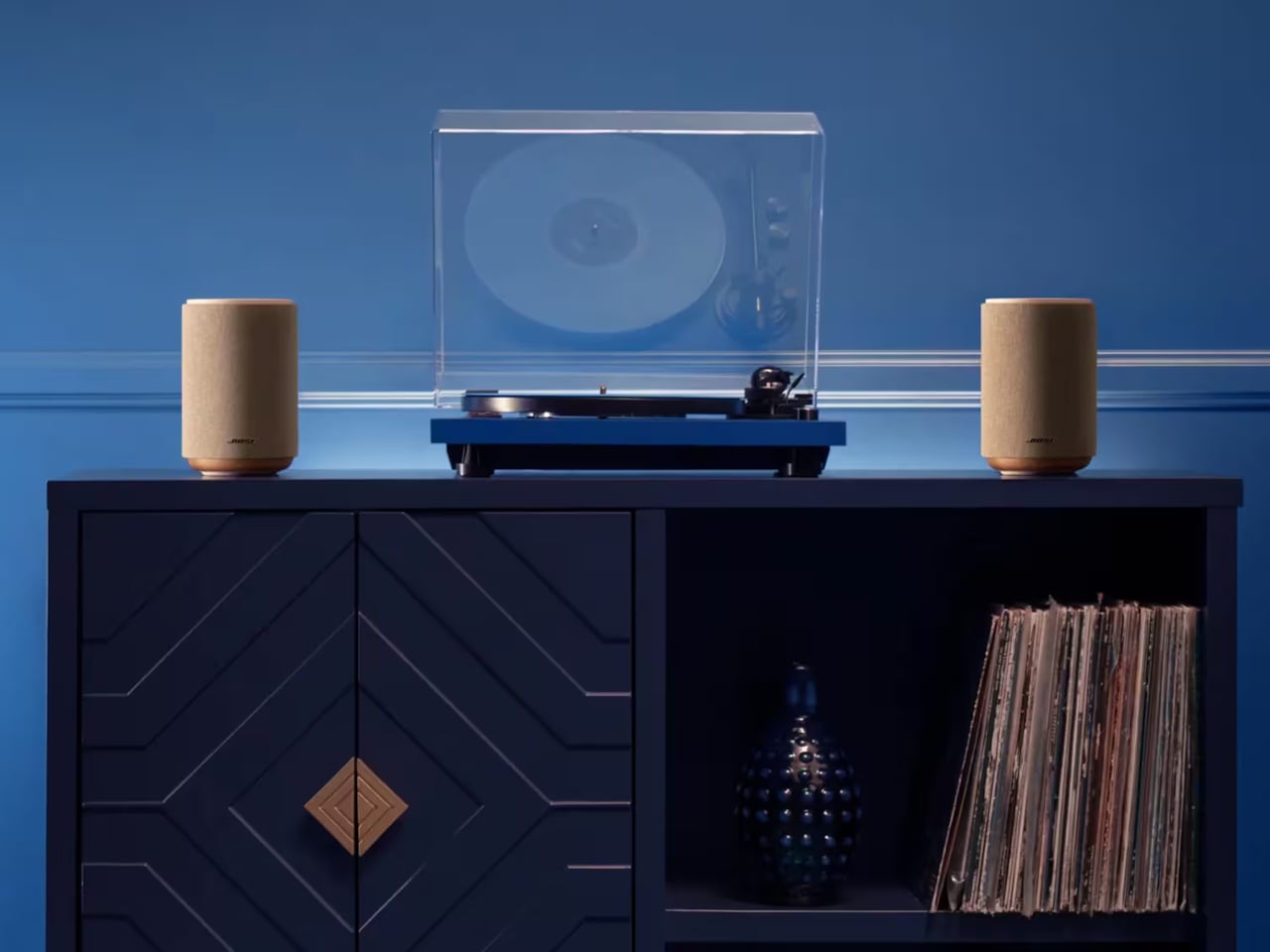
For most people, getting serious audio at home eventually turns into a tradeoff. Multi-speaker surround setups demand wiring, dedicated gear, and more floor space than a typical room can spare. Smart speakers simplified things, but the best-sounding options tend to carry steep price tags, and the more affordable ones rarely fill a room with the kind of sound that actually does the music justice. That gap has stayed stubbornly open.
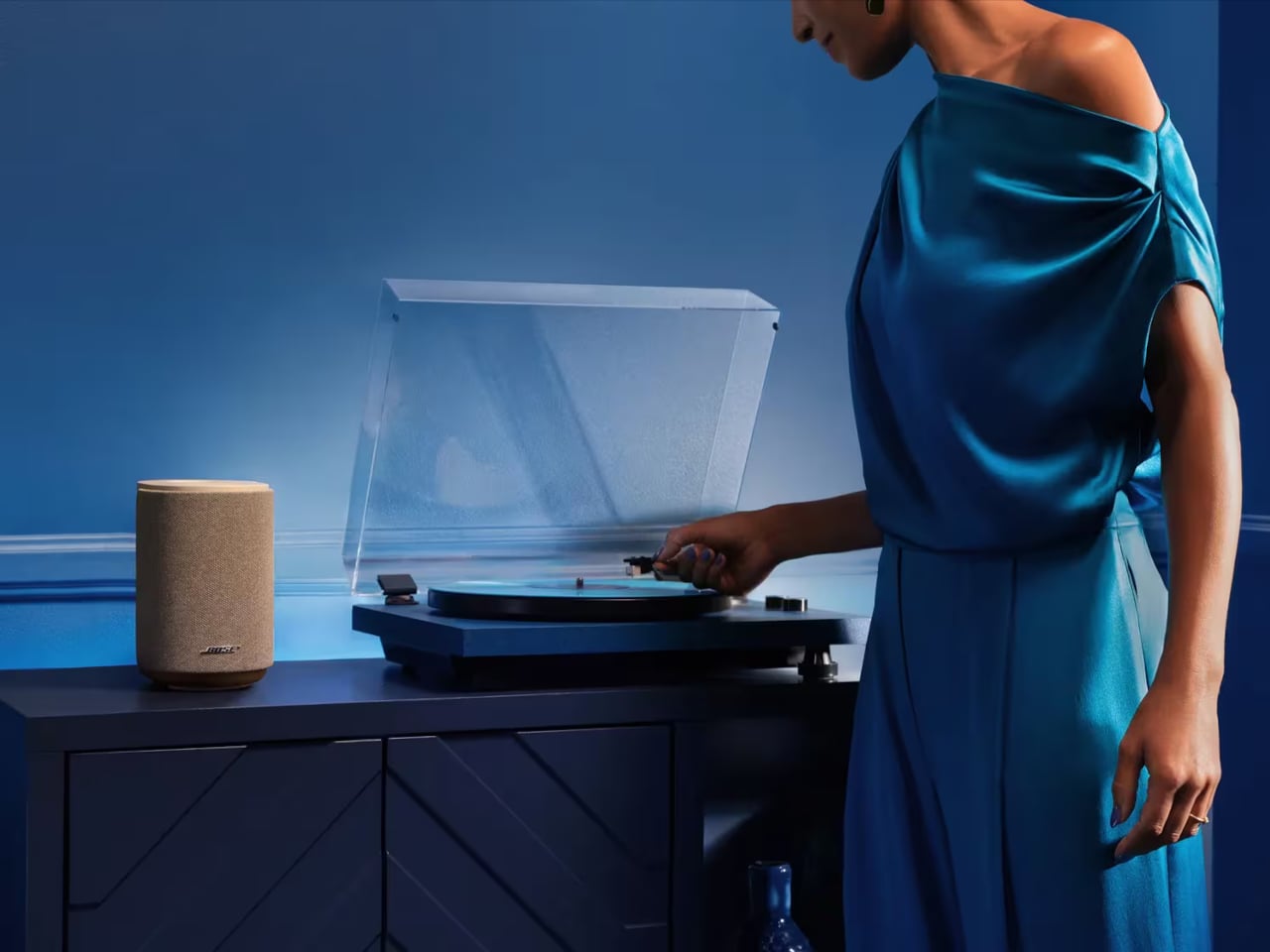
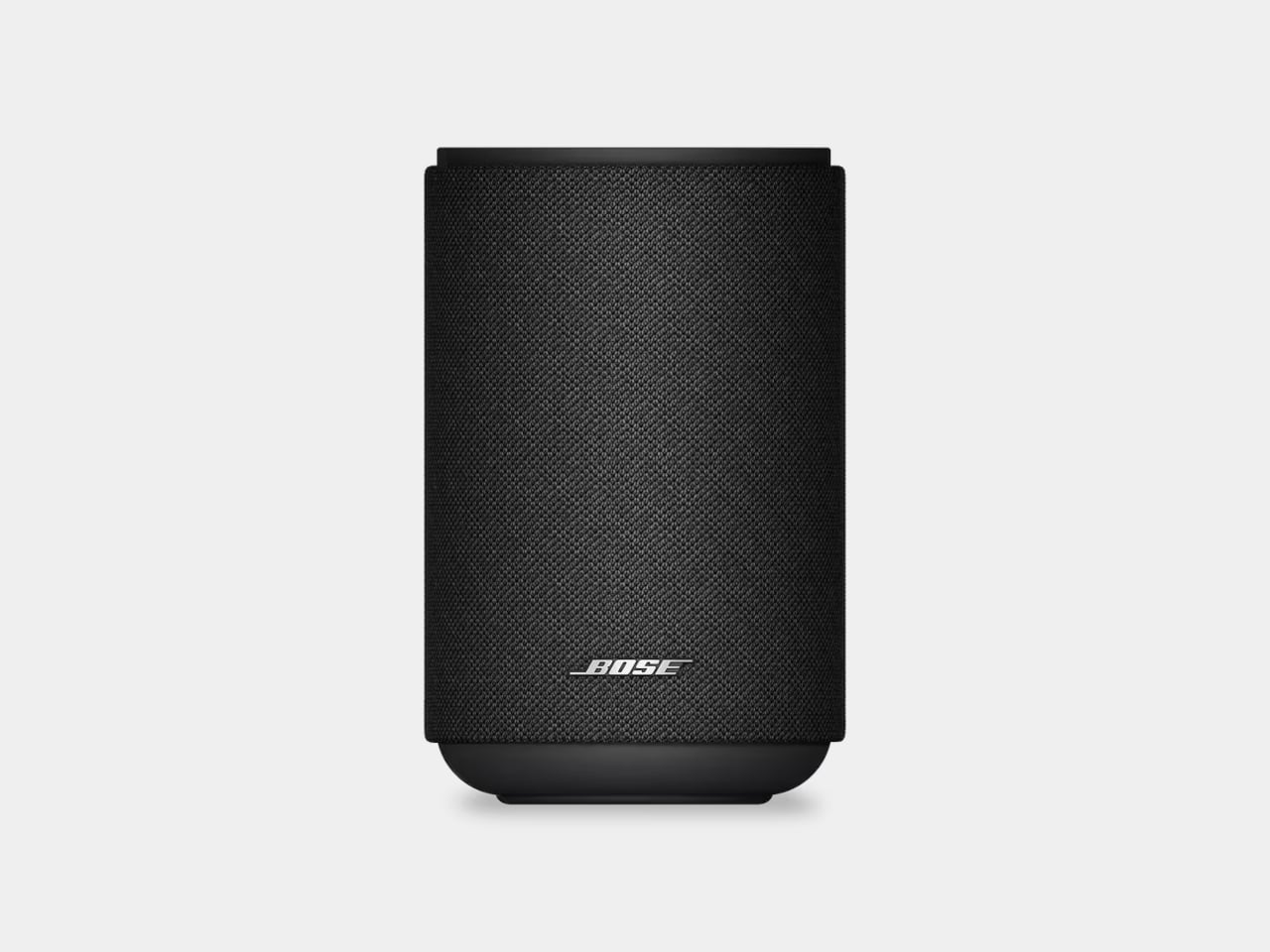
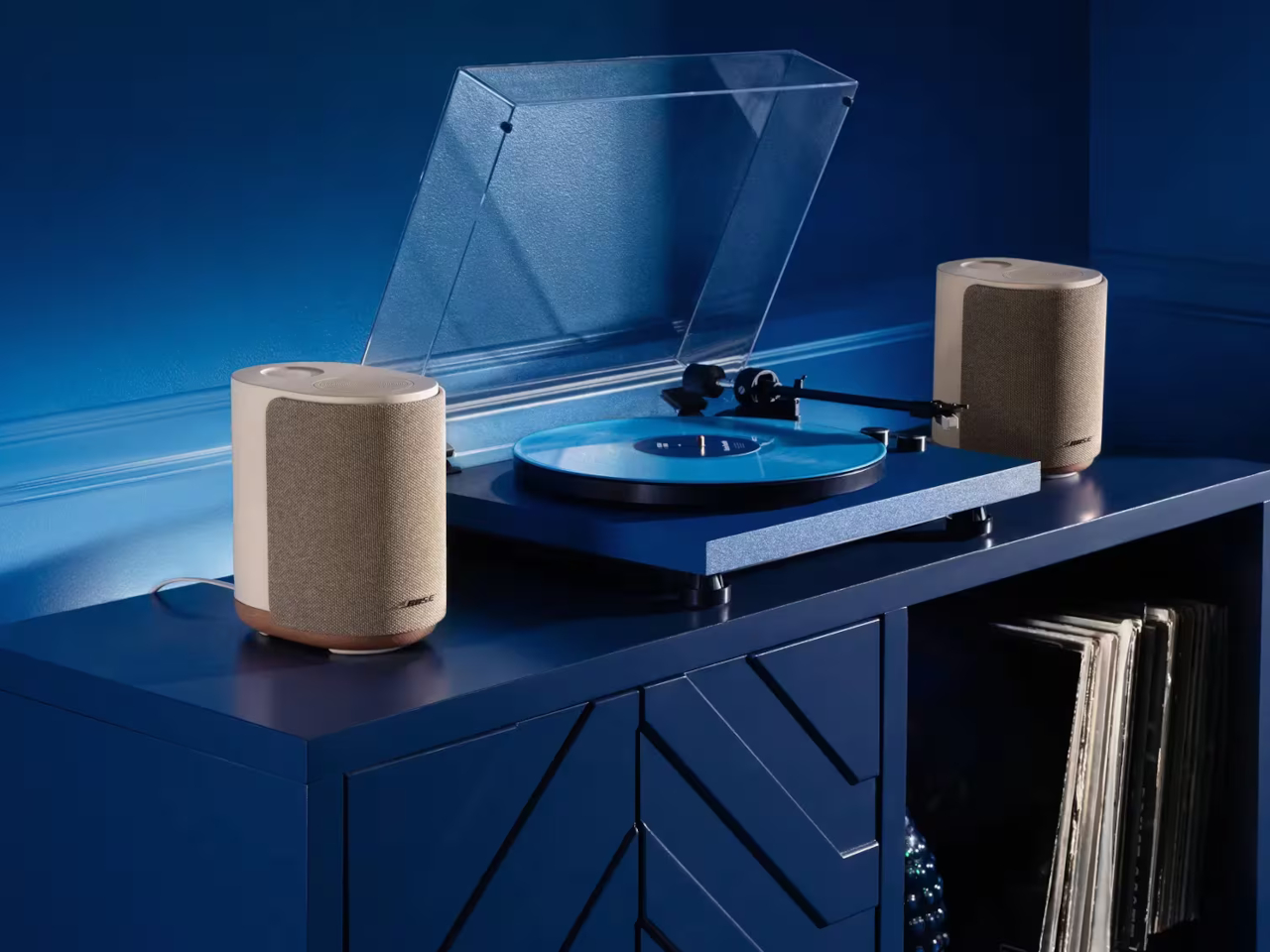
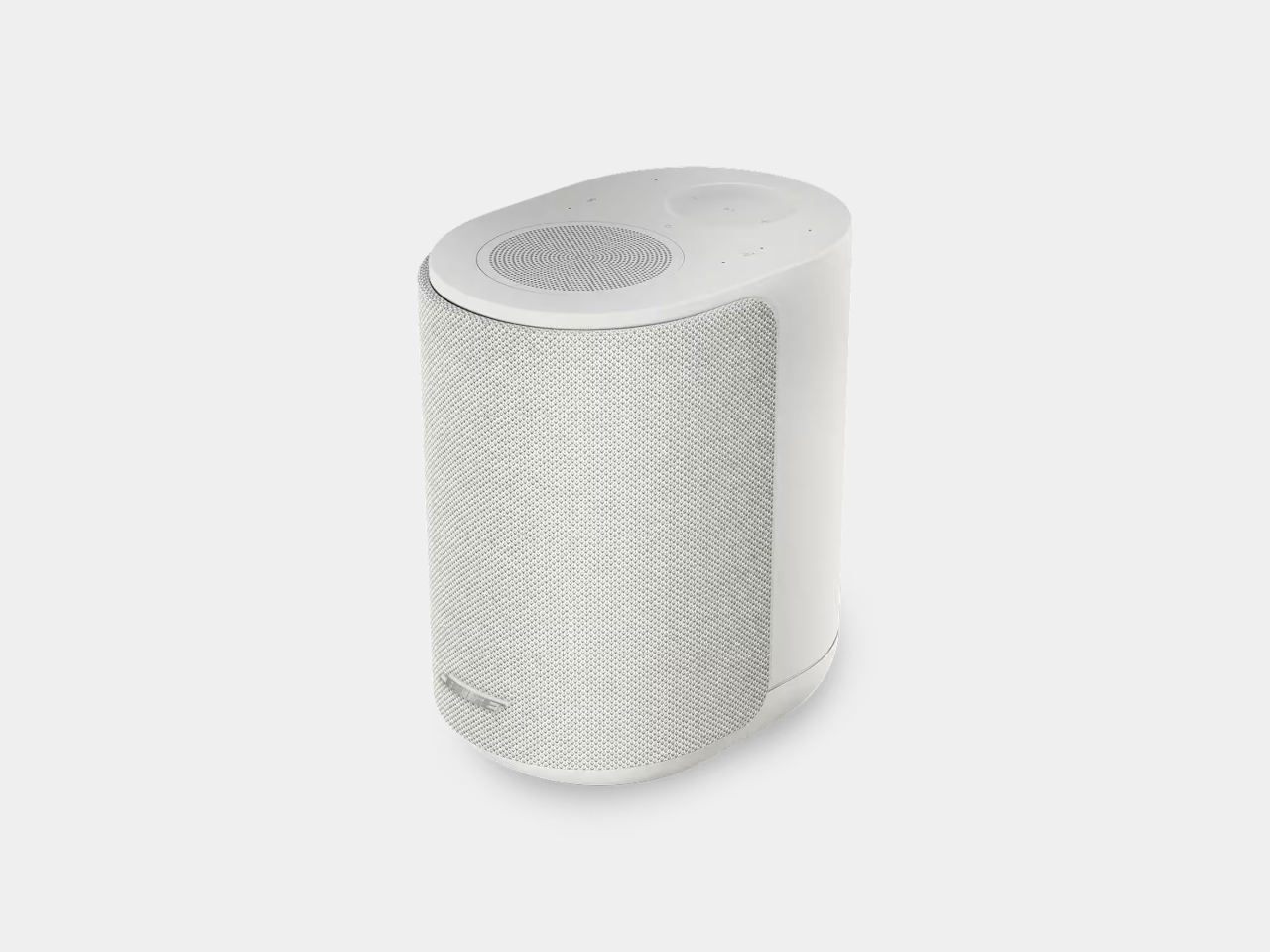
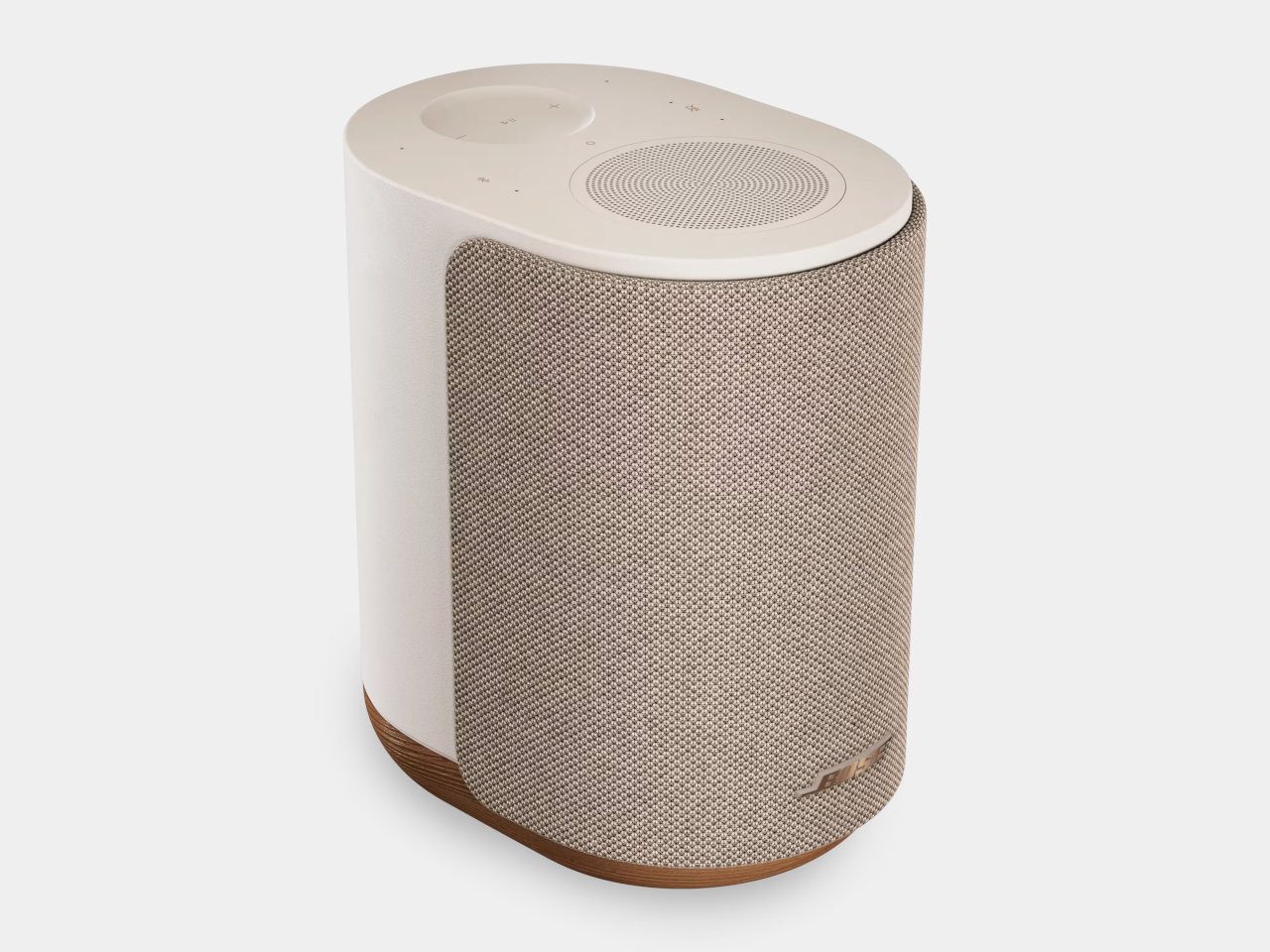
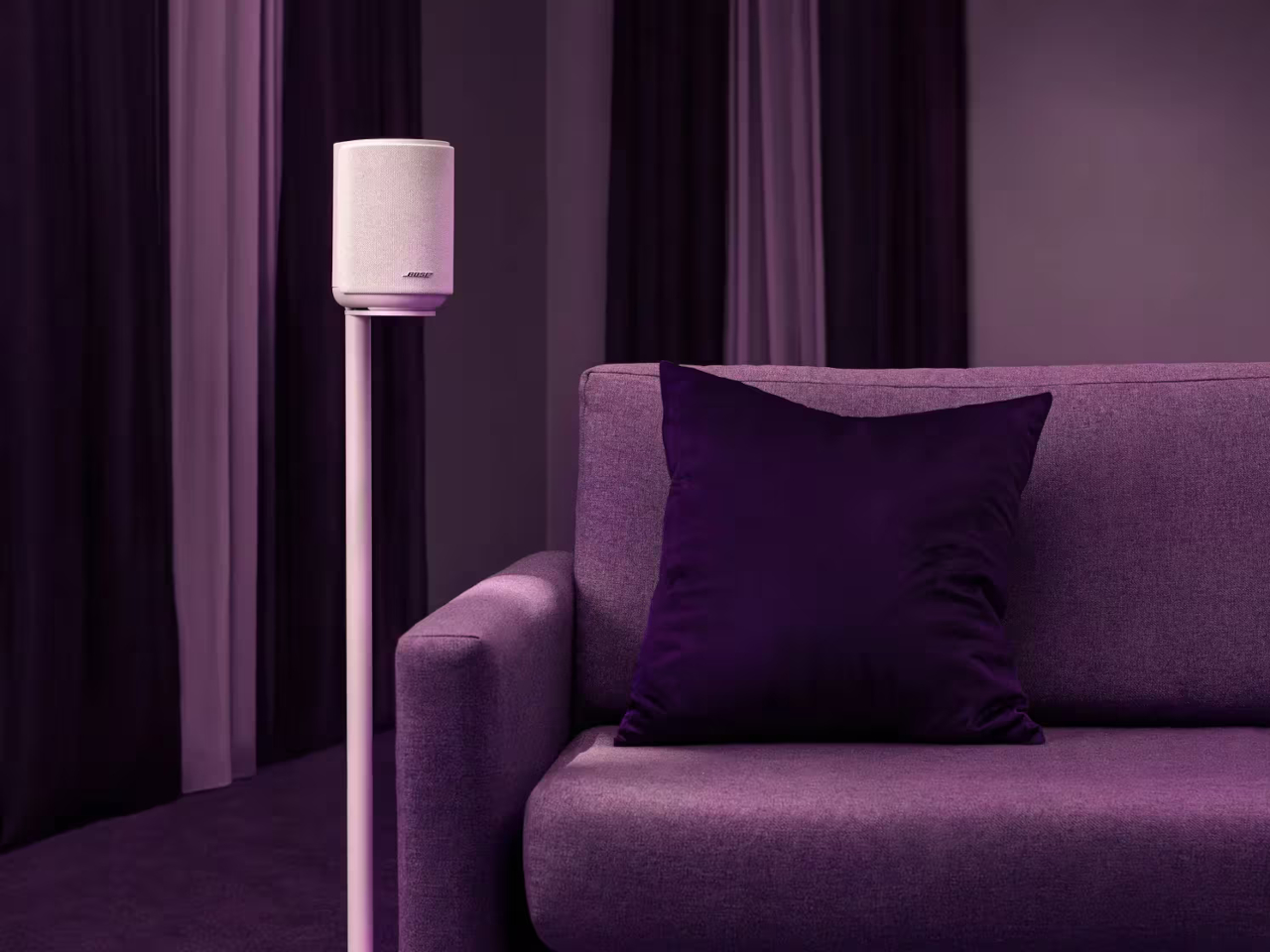
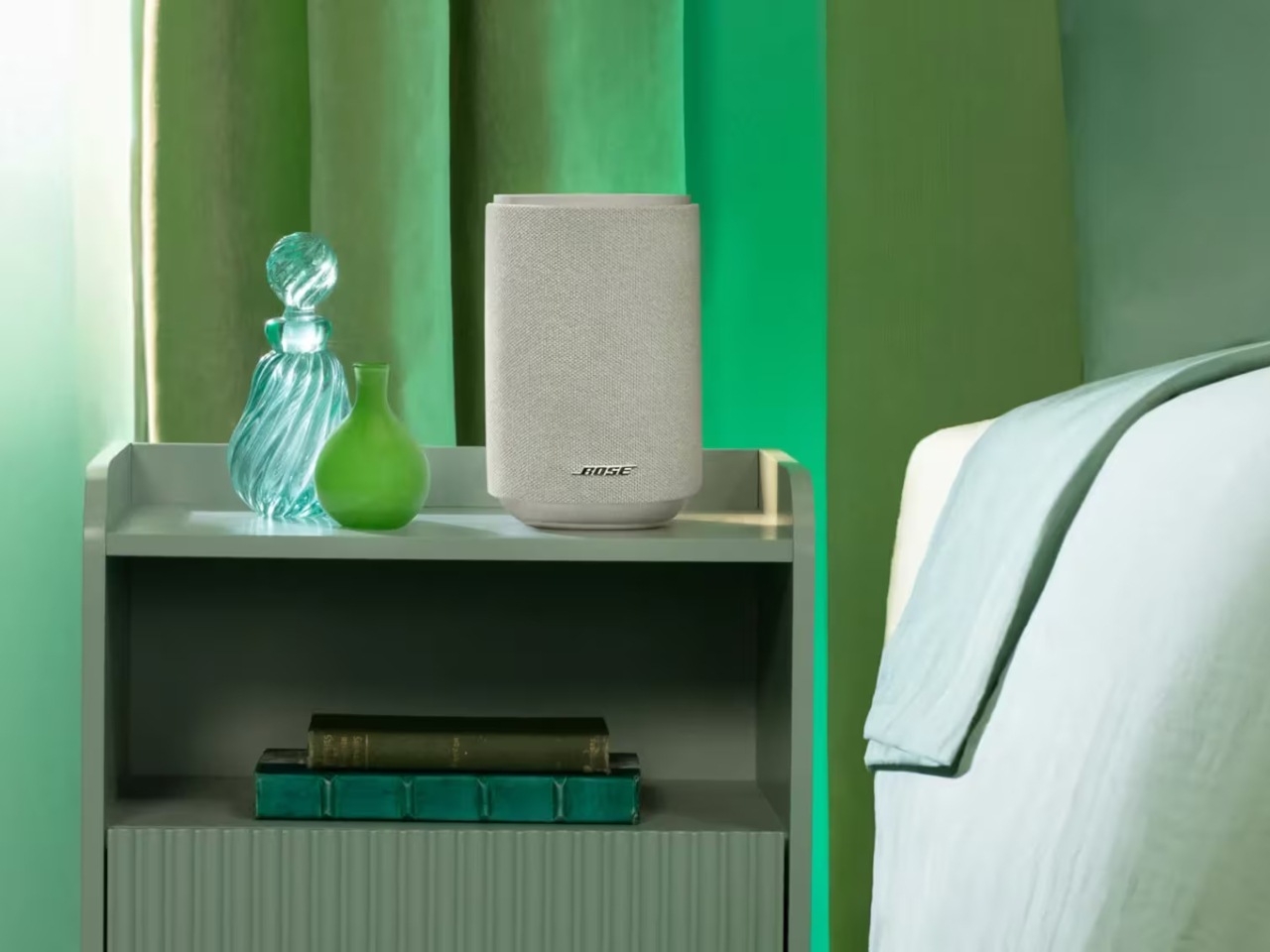
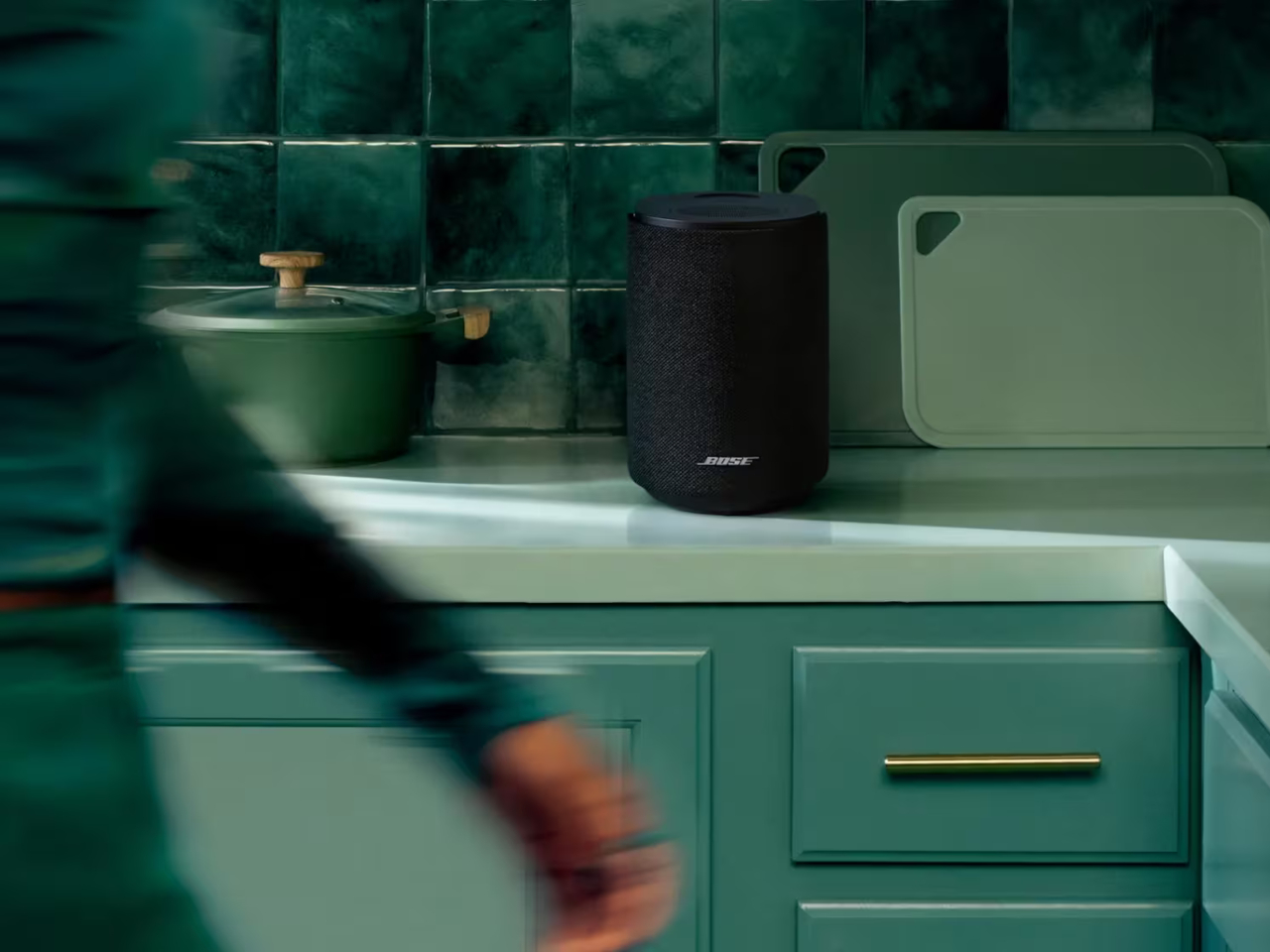
Bose thinks it has the answer, and it’s reviving a celebrated name to prove it. The Lifestyle brand, first introduced in 1990 and discontinued in 2022, is back with a collection that treats audio quality and refined design as inseparable. Leading that return is the Lifestyle Ultra Speaker, a compact wireless unit wrapped in knit fabric that sits unobtrusively on any shelf while delivering sound that’s anything but understated.
The secret to that sound lies in the speaker’s three-driver configuration. Two front-facing drivers handle the direct output, while a third fires upward, bouncing sound off the ceiling to create a sense of height and space that a single forward-pointing speaker simply can’t achieve. Bose calls this TrueSpatial Technology, and it works alongside CleanBass, which uses QuietPort acoustics to produce bass that’s deep, controlled, and free of distortion.
That flexibility extends to how the speaker fits into different setups. On its own, it works as a capable standalone smart speaker. Pair two of them together, and you’ve got a genuine stereo setup. Add the Lifestyle Ultra Soundbar and Lifestyle Ultra Subwoofer, also part of the new collection, and it takes on rear-channel duties in what becomes a full 7.1.4 surround system, no wires snaking across the floor required.
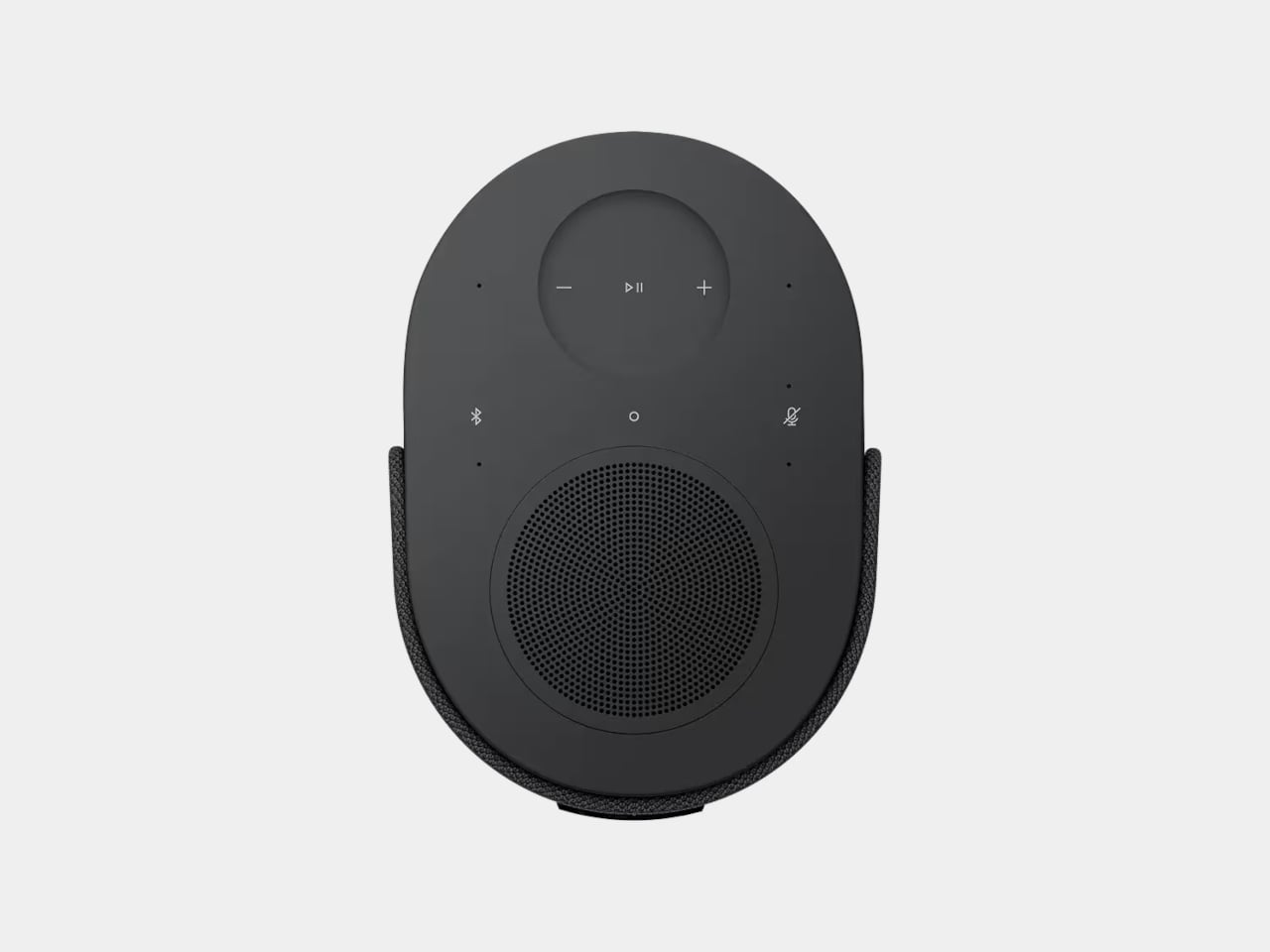
Getting music onto it isn’t complicated. The speaker supports Apple AirPlay 2, Google Cast, and Spotify Connect, so you can stick with whatever app you already use without adapting to a proprietary system. Bluetooth 5.3 is also on board, and a 3.5mm aux input handles wired sources like a turntable. Alexa+ serves as the built-in voice assistant, with on-device touch controls and a radial volume slider for quick adjustments.
One of the more practical touches is CustomTune, a calibration feature that uses your phone’s microphone to listen to the acoustics of whichever room the speaker is in. It accounts for furniture placement and room size, automatically adjusting the output without requiring any manual tweaking on your end. For even more placement options, an optional wall bracket priced at $69 and a floor stand at $149 are both available separately.
The Lifestyle Ultra Speaker starts at $299 in Black or White Smoke, with the limited-edition Driftwood Sand colorway priced at $349. The full Lifestyle Collection, including the Ultra Soundbar at $1,099 and Ultra Subwoofer at $899, is available to preorder now and ships on May 15. It can start small on a single shelf and gradually take over your entire home audio setup without ever looking like it doesn’t belong.
The smart home speaker market has settled into a familiar aesthetic. Smooth cylinders, matte finishes, and understated designs meant to disappear into a room are the default for most voice assistants. It’s a reasonable approach, but it also means most of them look exactly the same, and the hardware driving them tends to get replaced every couple of years, whether it actually needs to be or not.
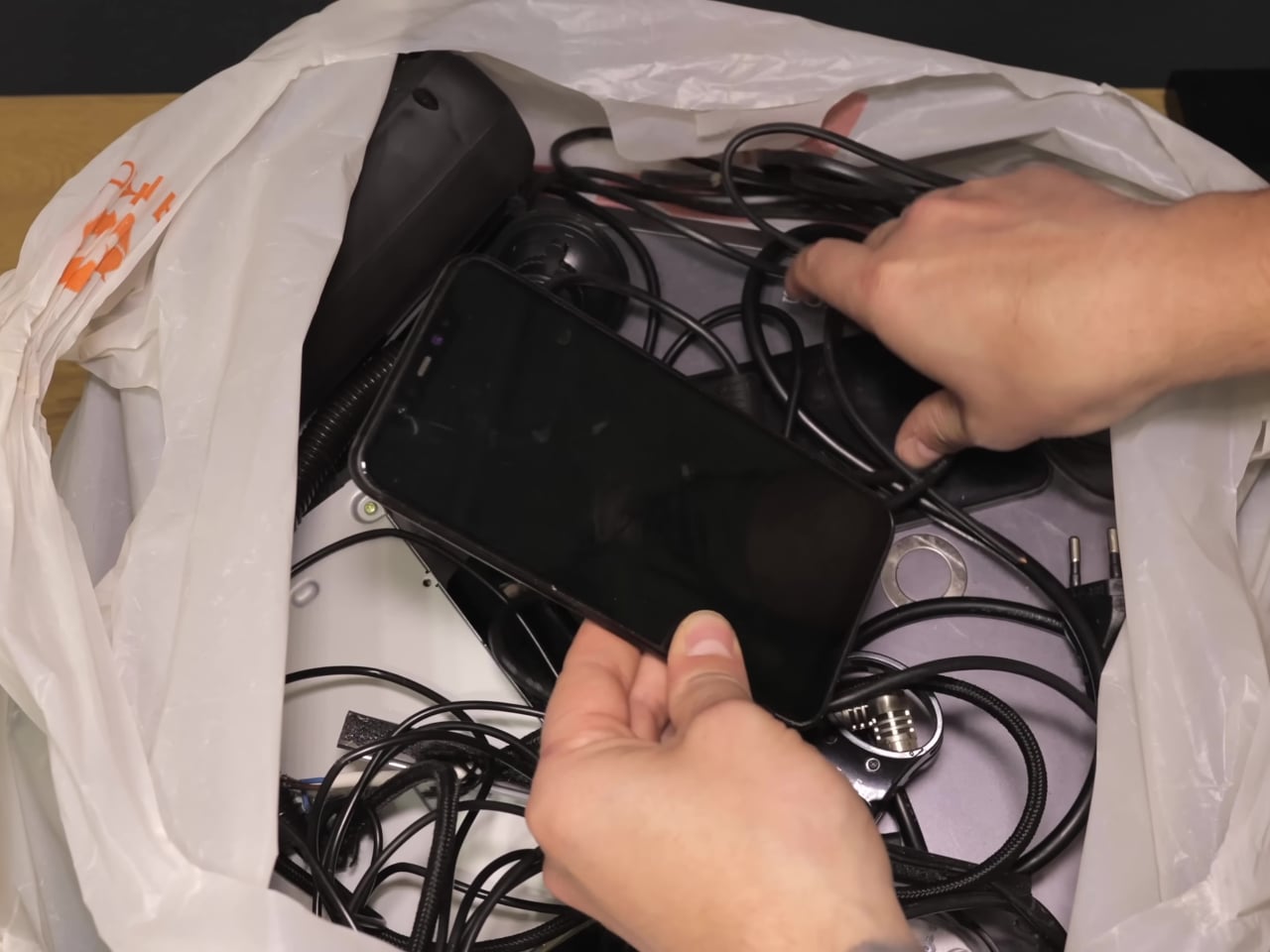
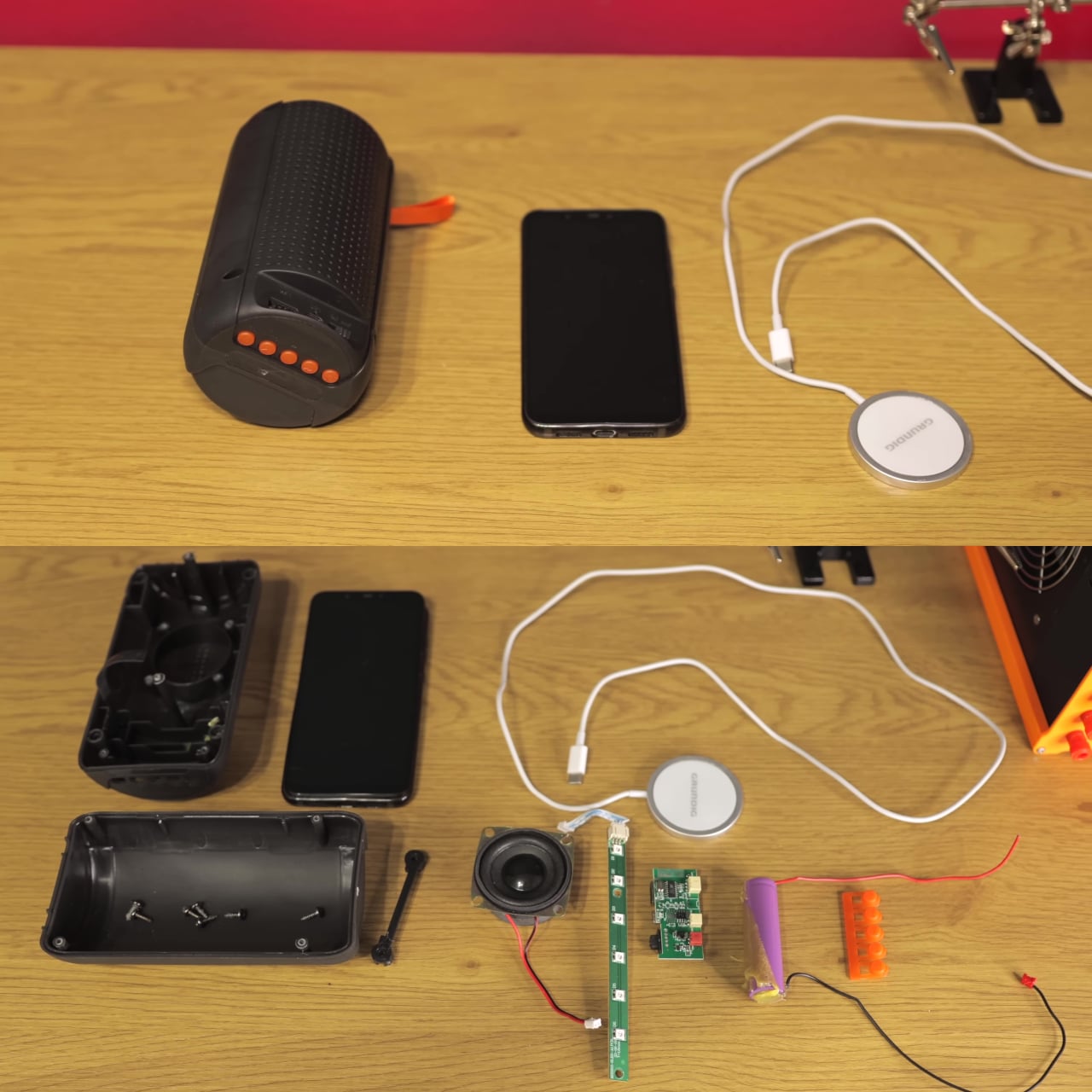
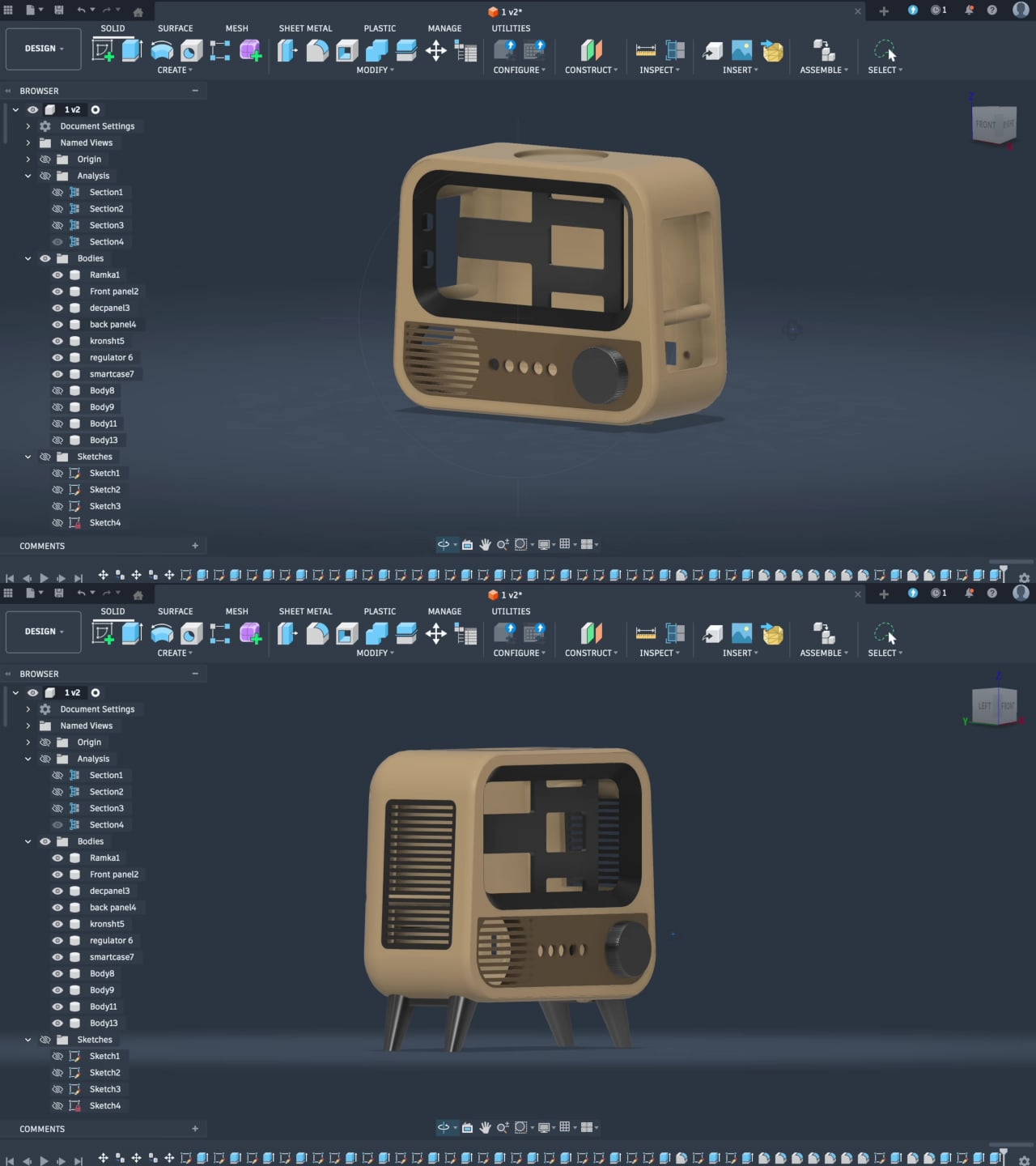
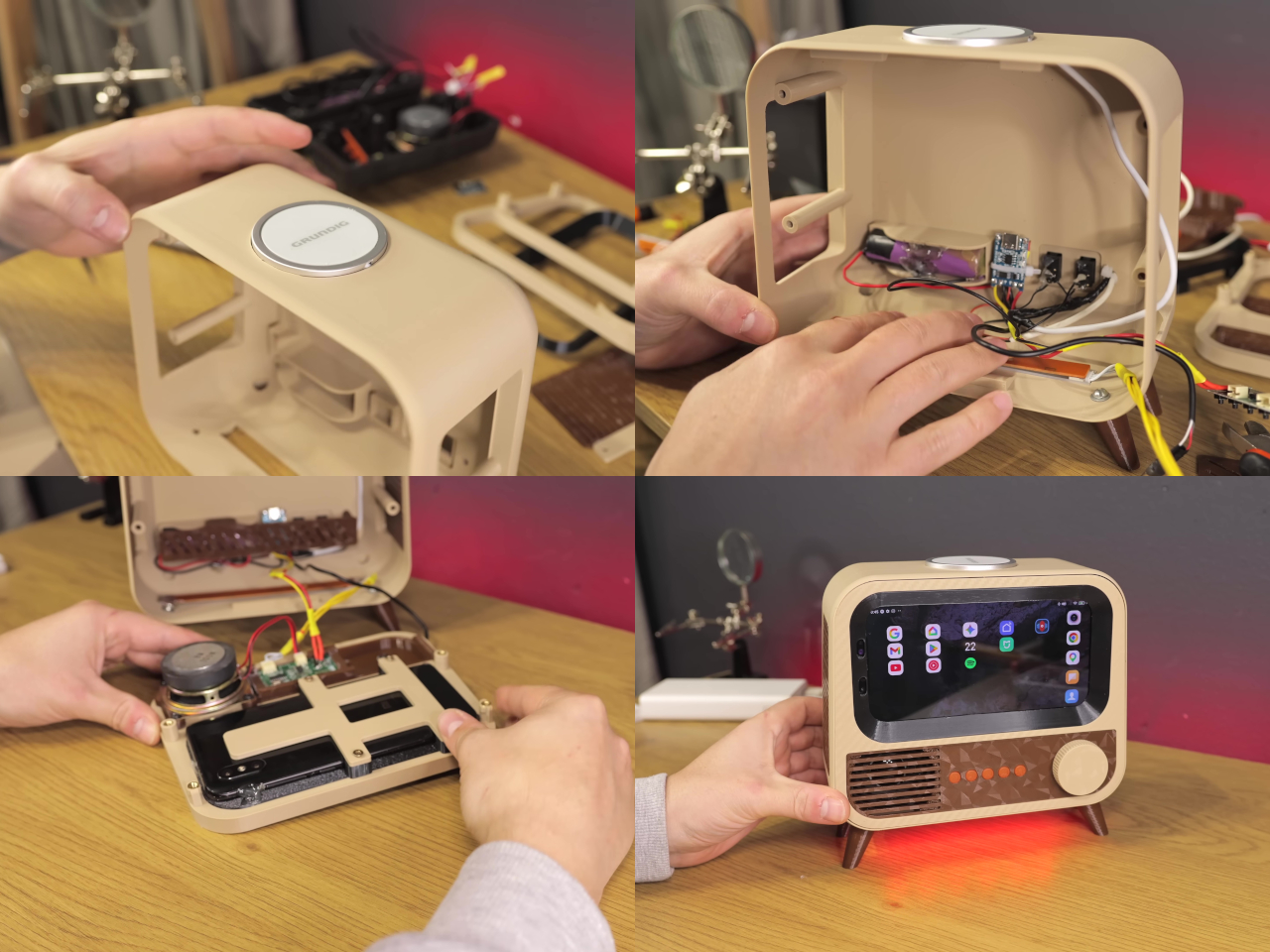
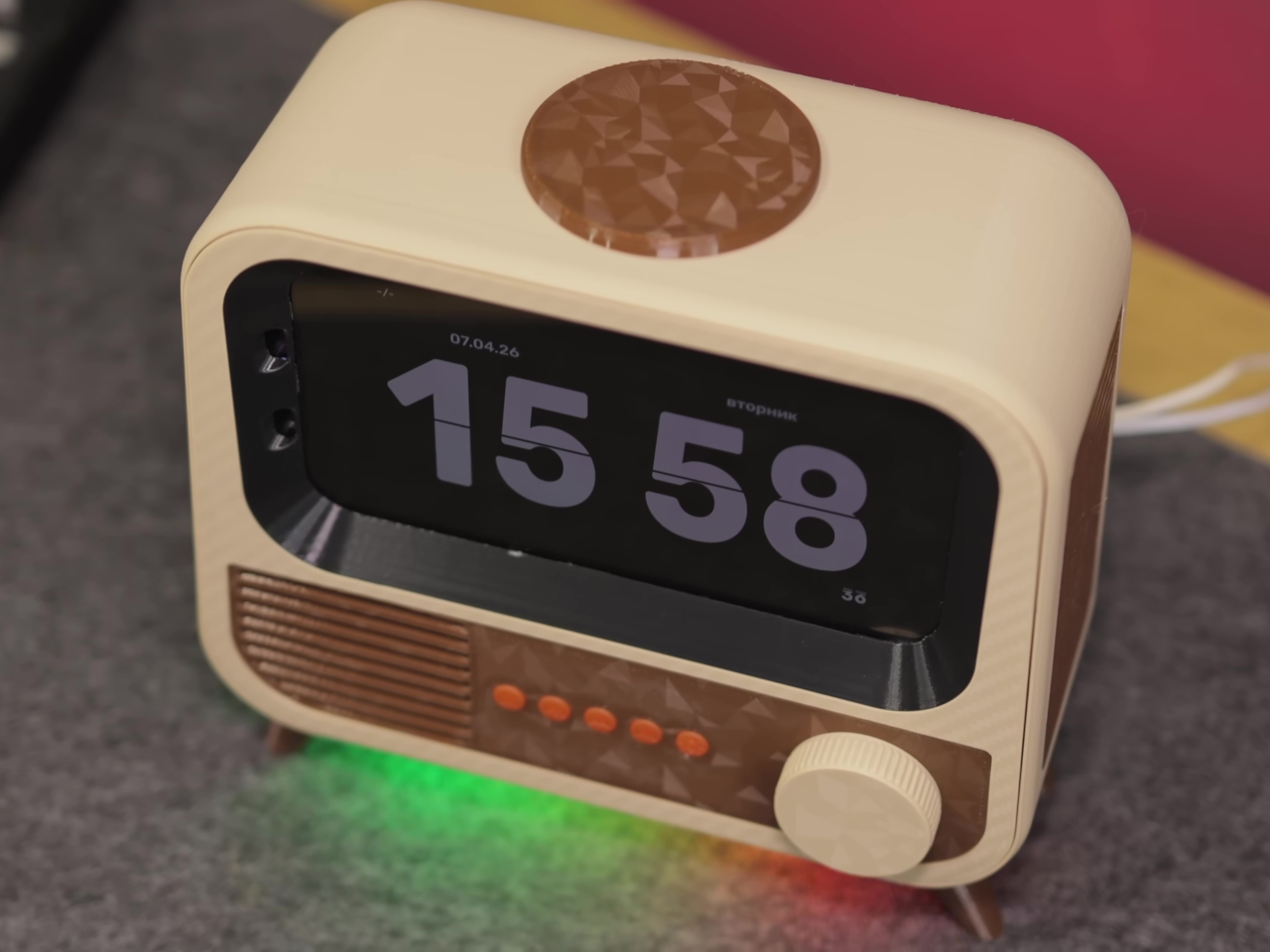
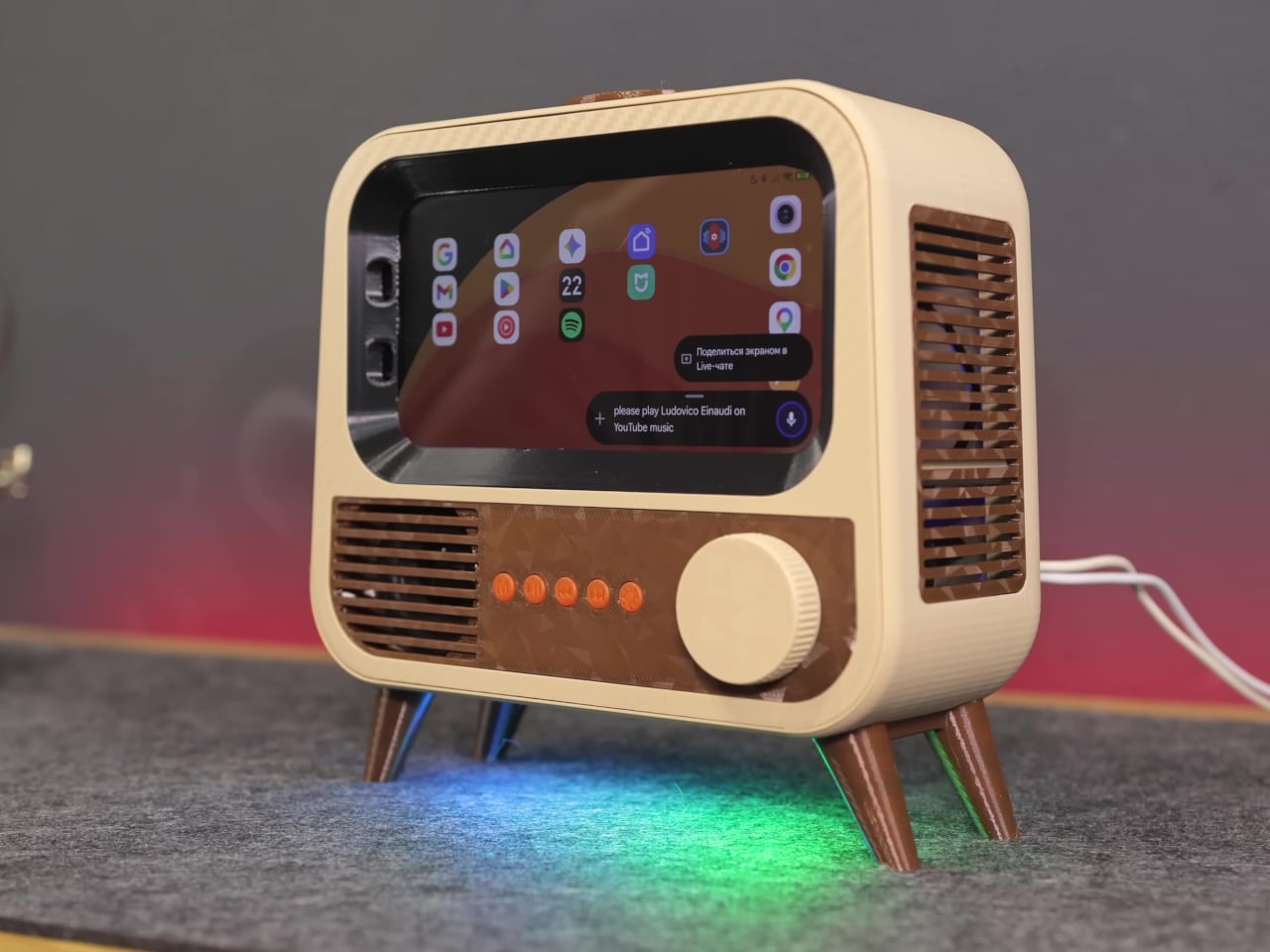
HANDMAX Workshop took a different approach entirely. Rather than buying new hardware, the build starts with a Xiaomi Mi 8 already well past its prime, complete with a burned-in display, degraded speakers, and a failing battery. The processor and software capabilities were still perfectly usable, though, and that turned out to be all this kind of project actually needs.
Designer: HANDMAX Workshop
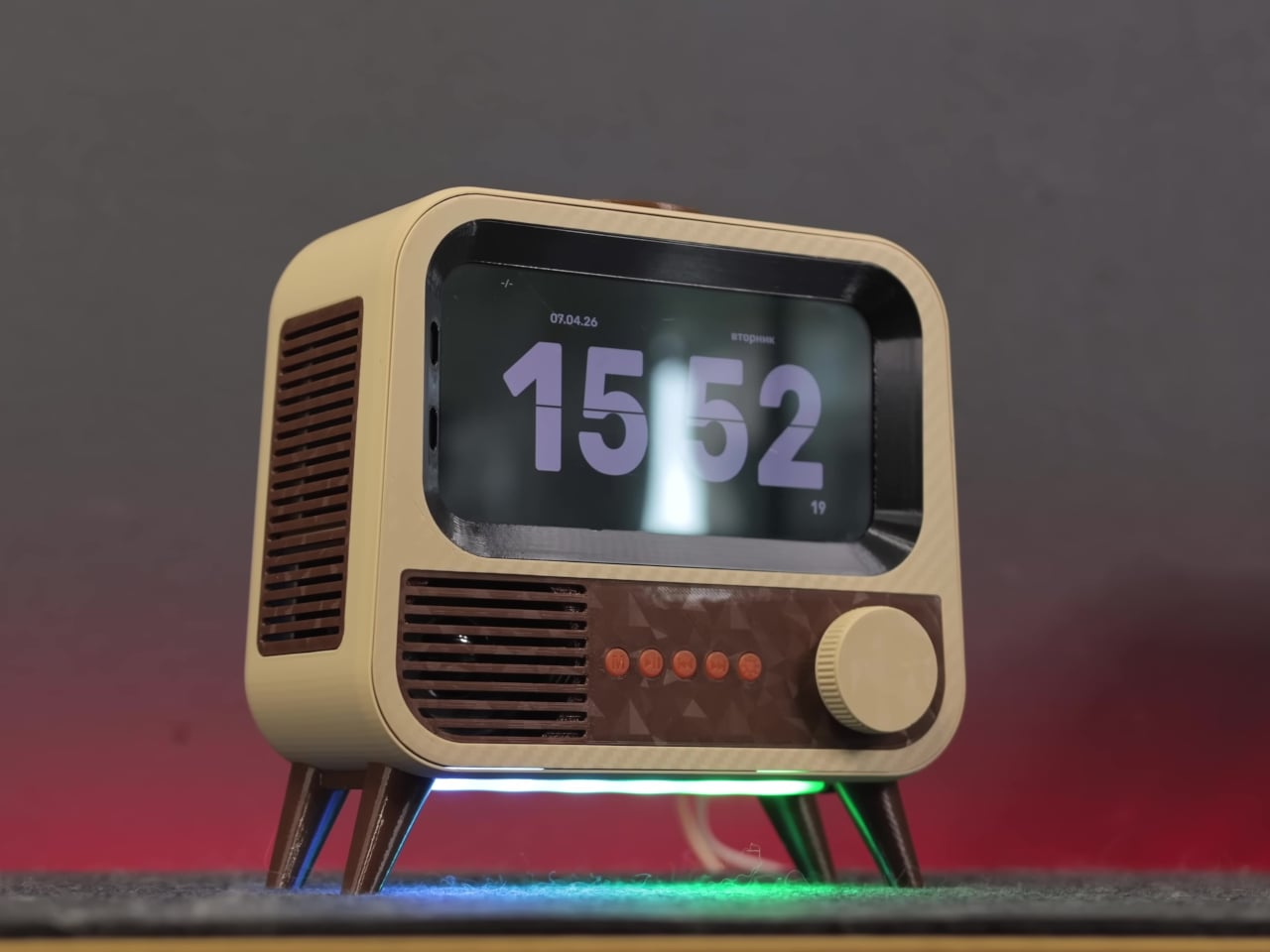
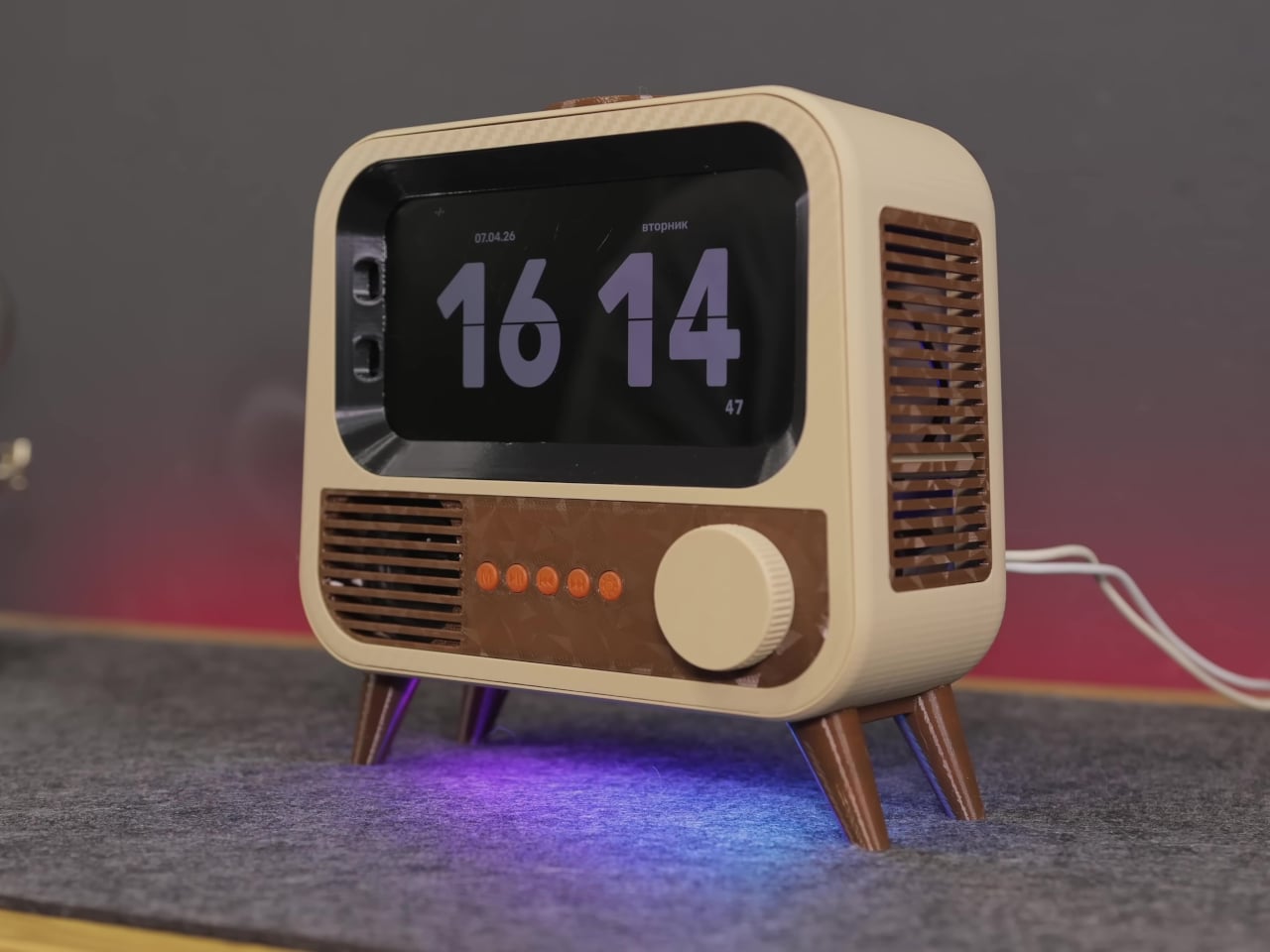
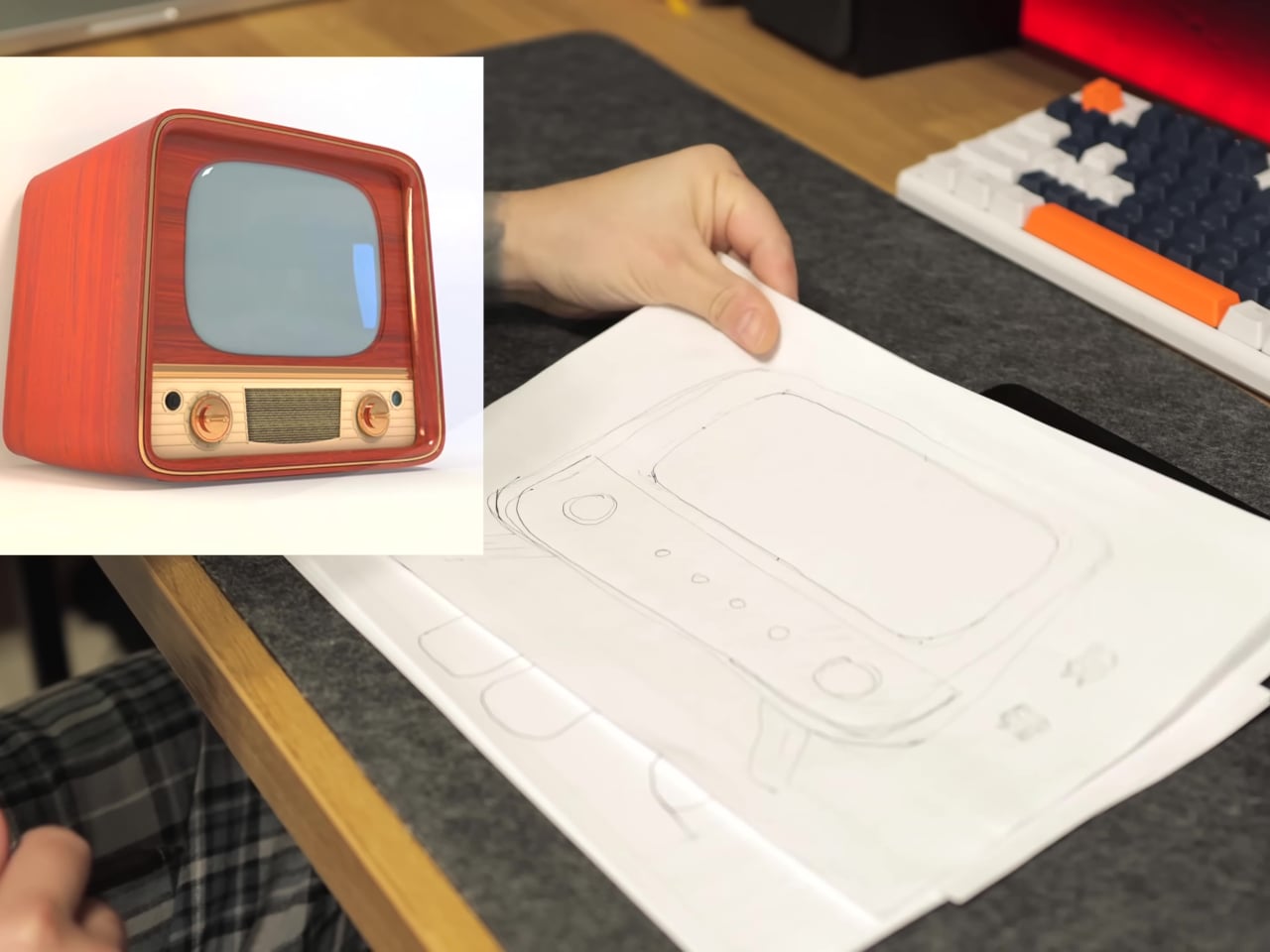
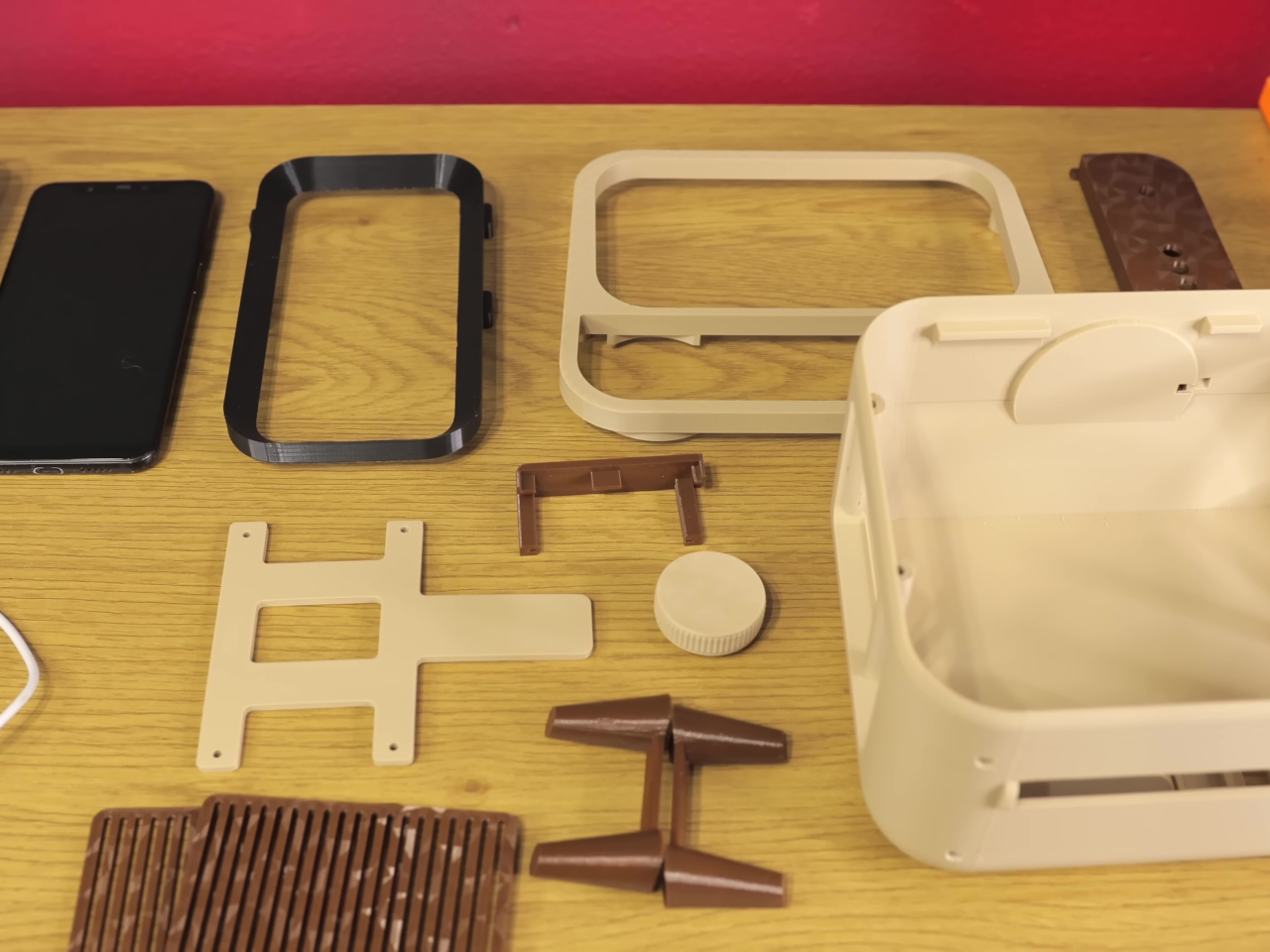
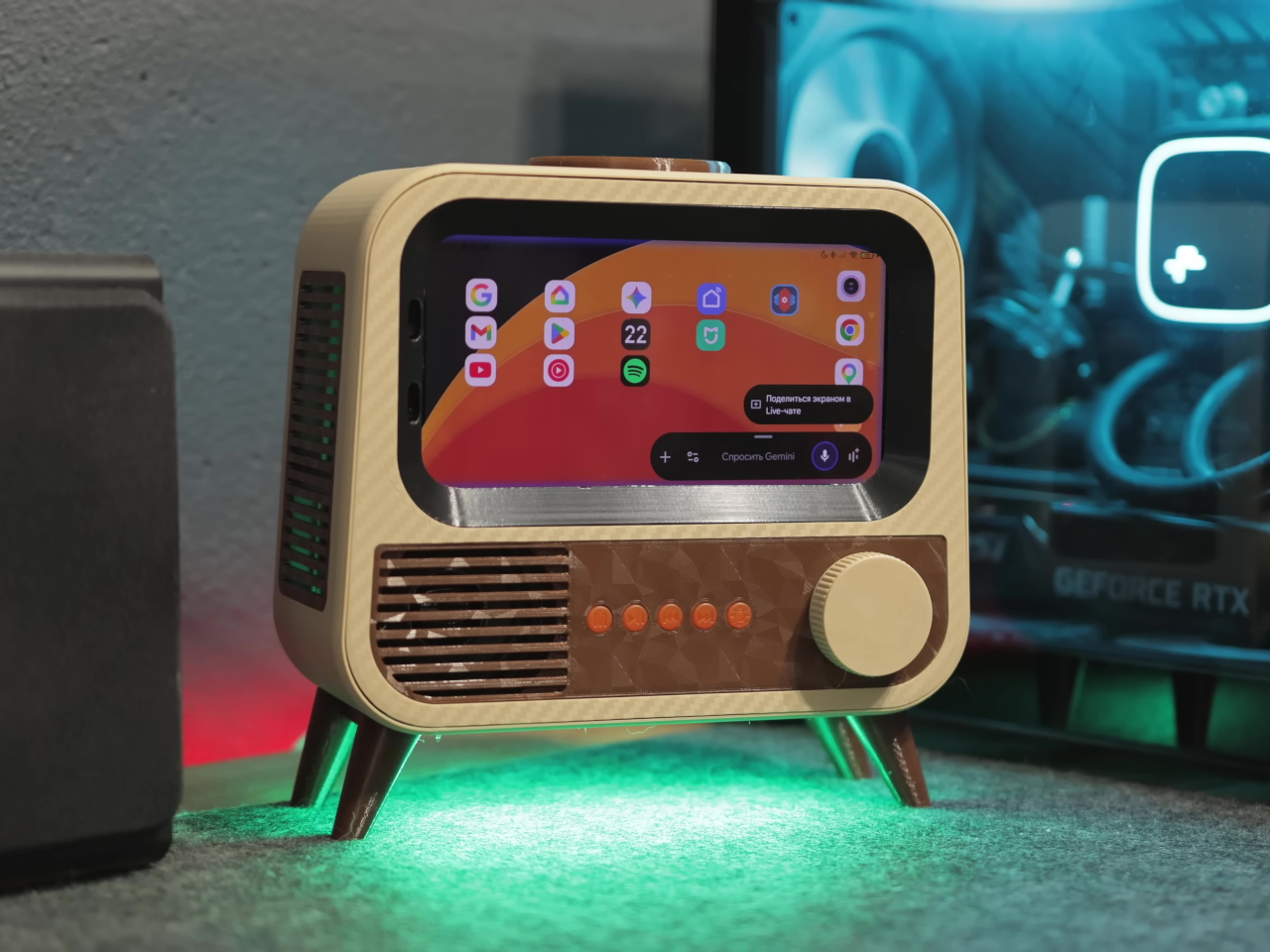
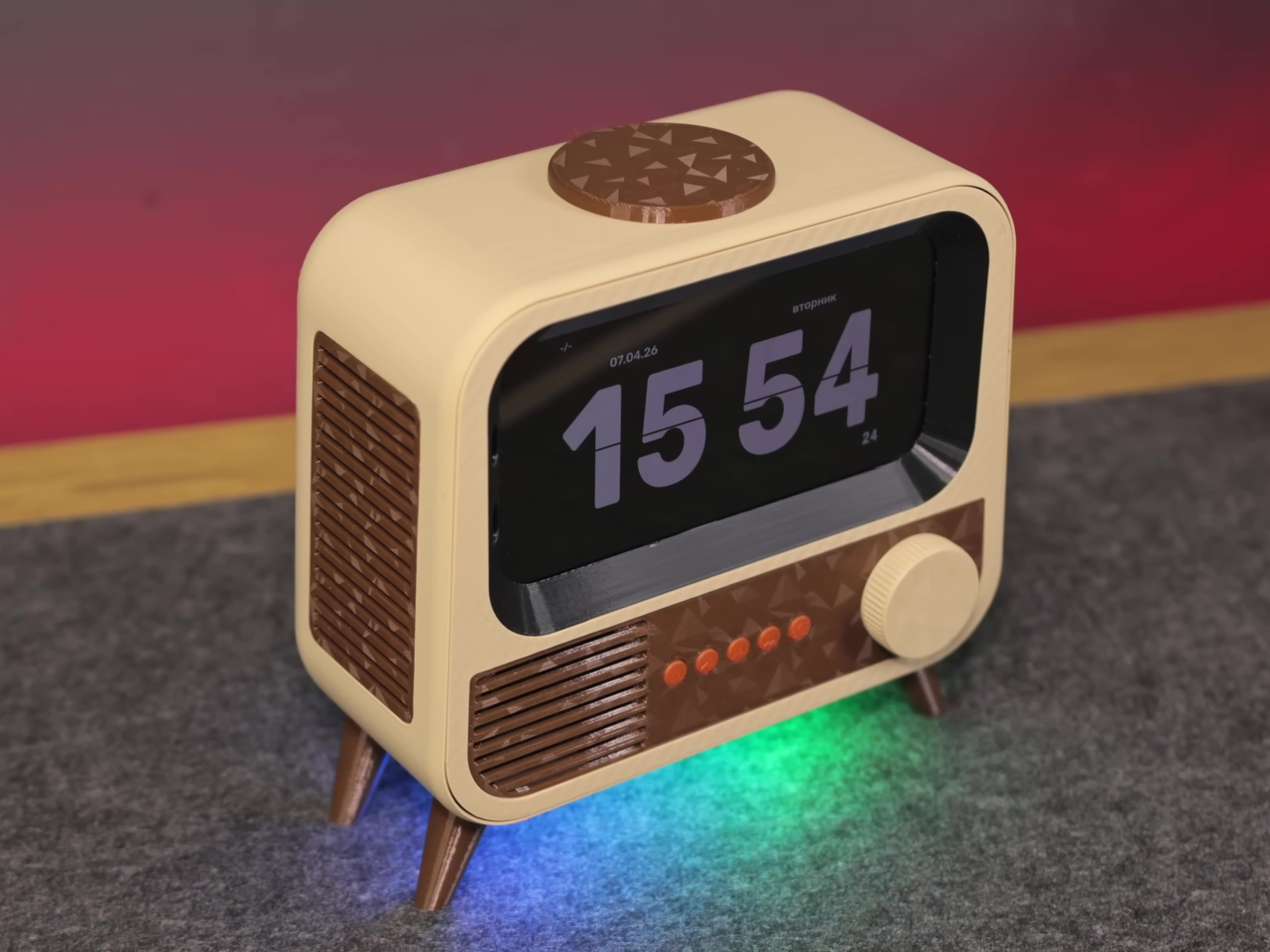
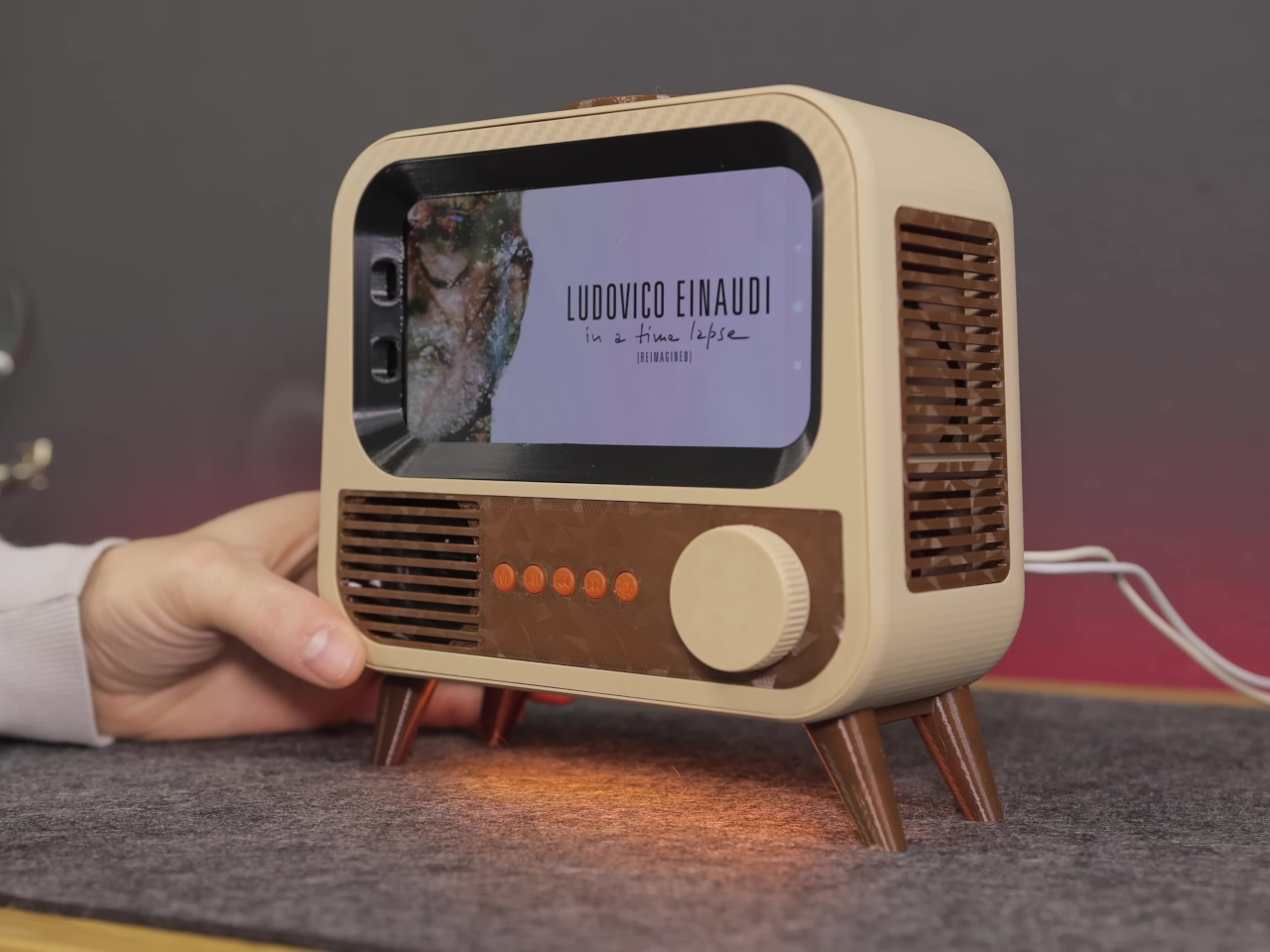
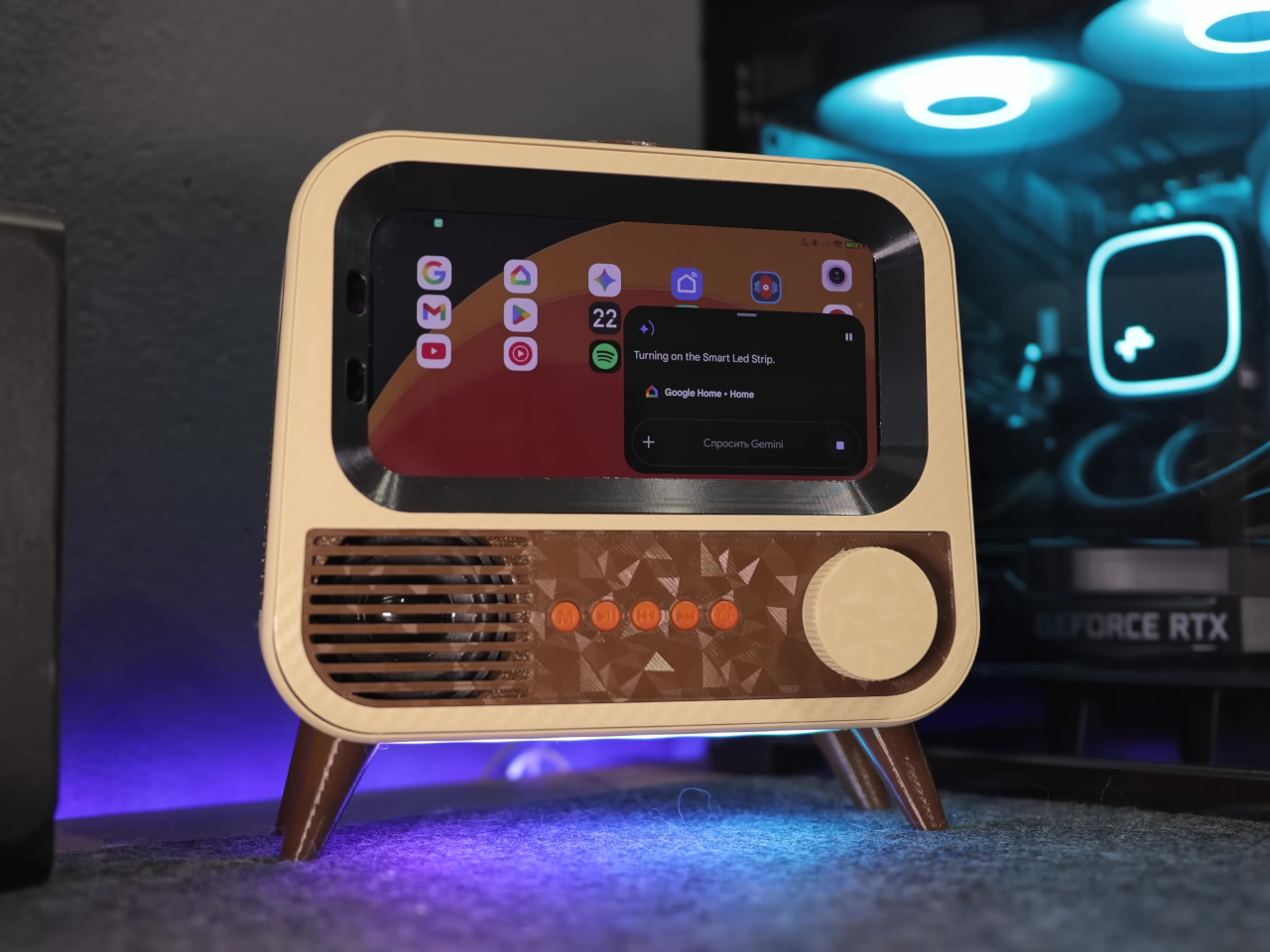
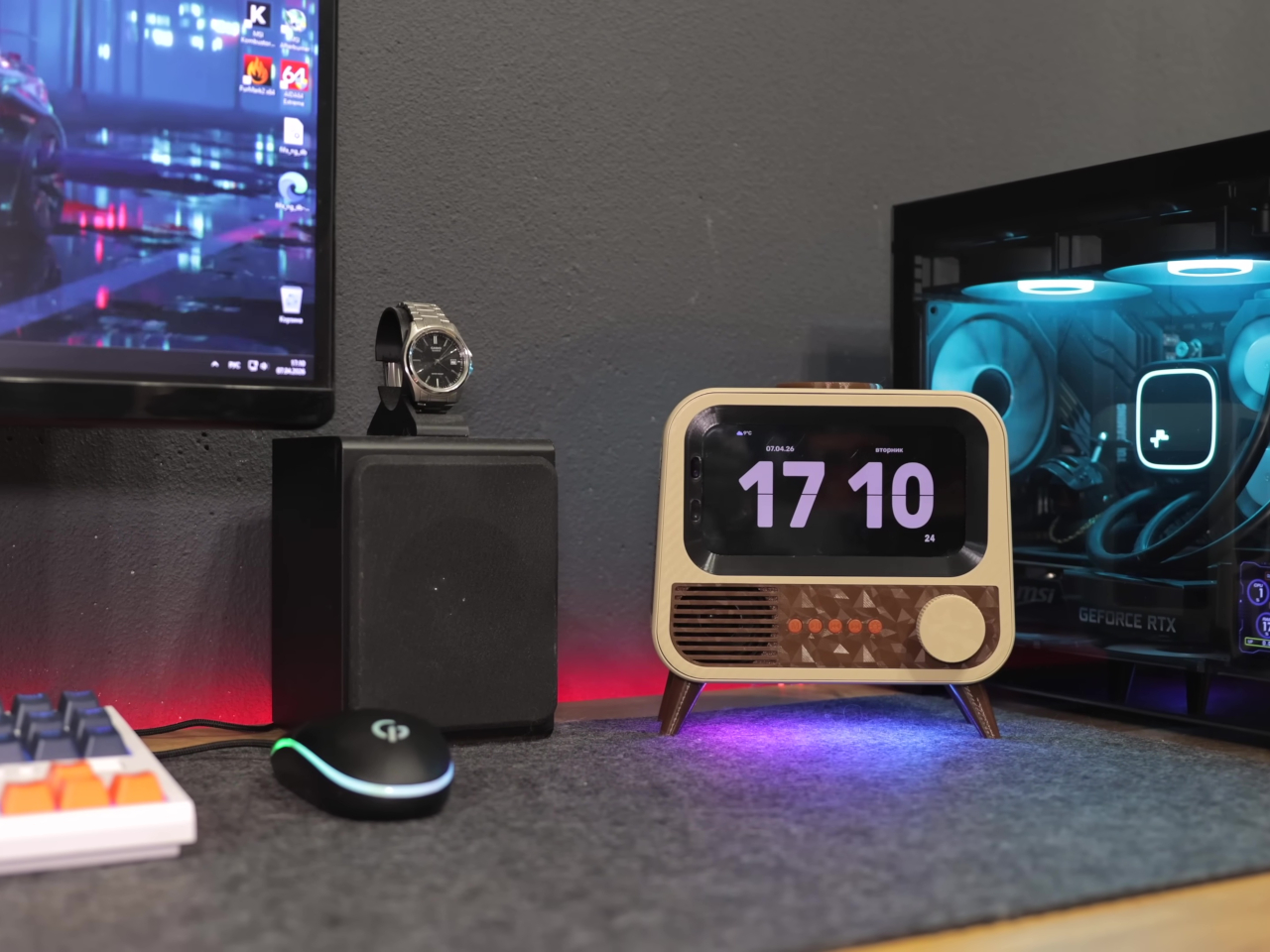
The case is where things get interesting. Instead of a sleek enclosure meant to blend in, the HANDMAX design goes full retro television, with a front grille, physical control buttons, and decorative legs completing the picture. Carefully modeled 3D-printed parts handle the practical side of things, accommodating the phone’s sensors and camera while keeping the vintage illusion intact from every angle you look at it.
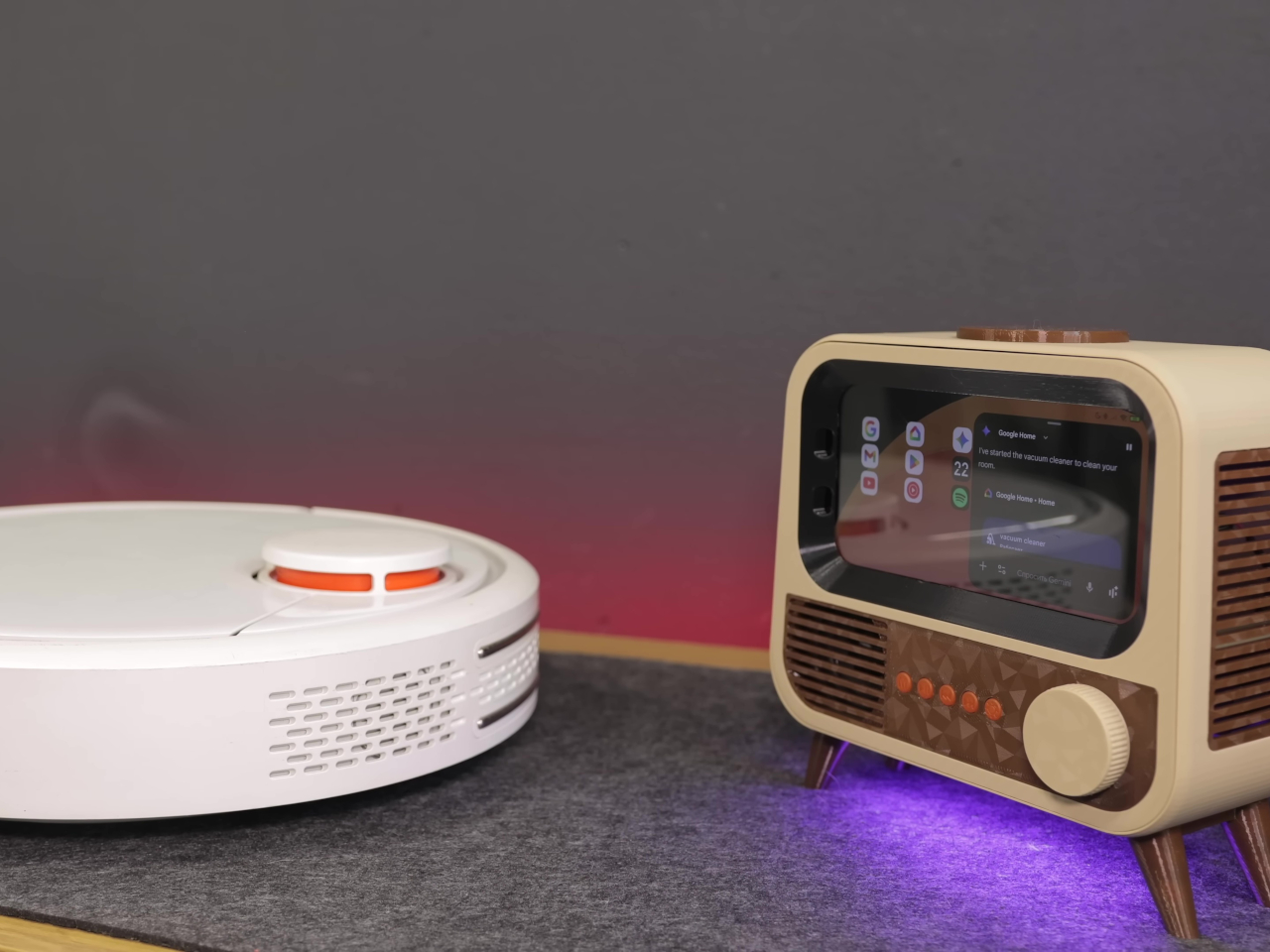
Put it on a desk, and you have a smart speaker that looks like something rescued from a garage sale, in the best possible way. Ask it a question, and Google Gemini handles the conversational side, pulling in responses without needing a dedicated microprocessor or a new development board. It’s the same AI model powering higher-end commercial devices, running on hardware that would otherwise be sitting in a drawer.
The smart home integration is what makes it genuinely useful beyond being a conversation piece. Through Google Home, the device can control smart home accessories directly, and custom routines let voice commands trigger specific actions around the house. Turning lights on, adjusting a thermostat, or running a sequence of automations becomes a spoken instruction directed at what looks like a miniature television set.
Getting there wasn’t entirely straightforward. The phone’s Bluetooth module had a habit of shutting itself down after 20 minutes of silence, which would quietly cripple the whole setup. The fix was characteristically clever, though; an inaudible 6 Hz tone runs constantly in the background, imperceptible to human ears but enough to convince the firmware that the system is still in use and shouldn’t shut down.
Beyond voice interaction, the finished device also functions as a wireless charger and a desktop display, which means it earns its counter space even when no one is talking to it. The final hardware list doesn’t include a single new component, just old parts that most people would have discarded without a second thought. That’s the more interesting design challenge of the two.
There’s an argument to be made that the best AI hardware isn’t always the most expensive, and this project makes it quietly. Commercial smart speakers are bought, used for a few years, and eventually replaced. A device built from broken hardware doesn’t follow that lifecycle, and the retro TV case that holds it together makes sure it doesn’t look like it’s trying to.
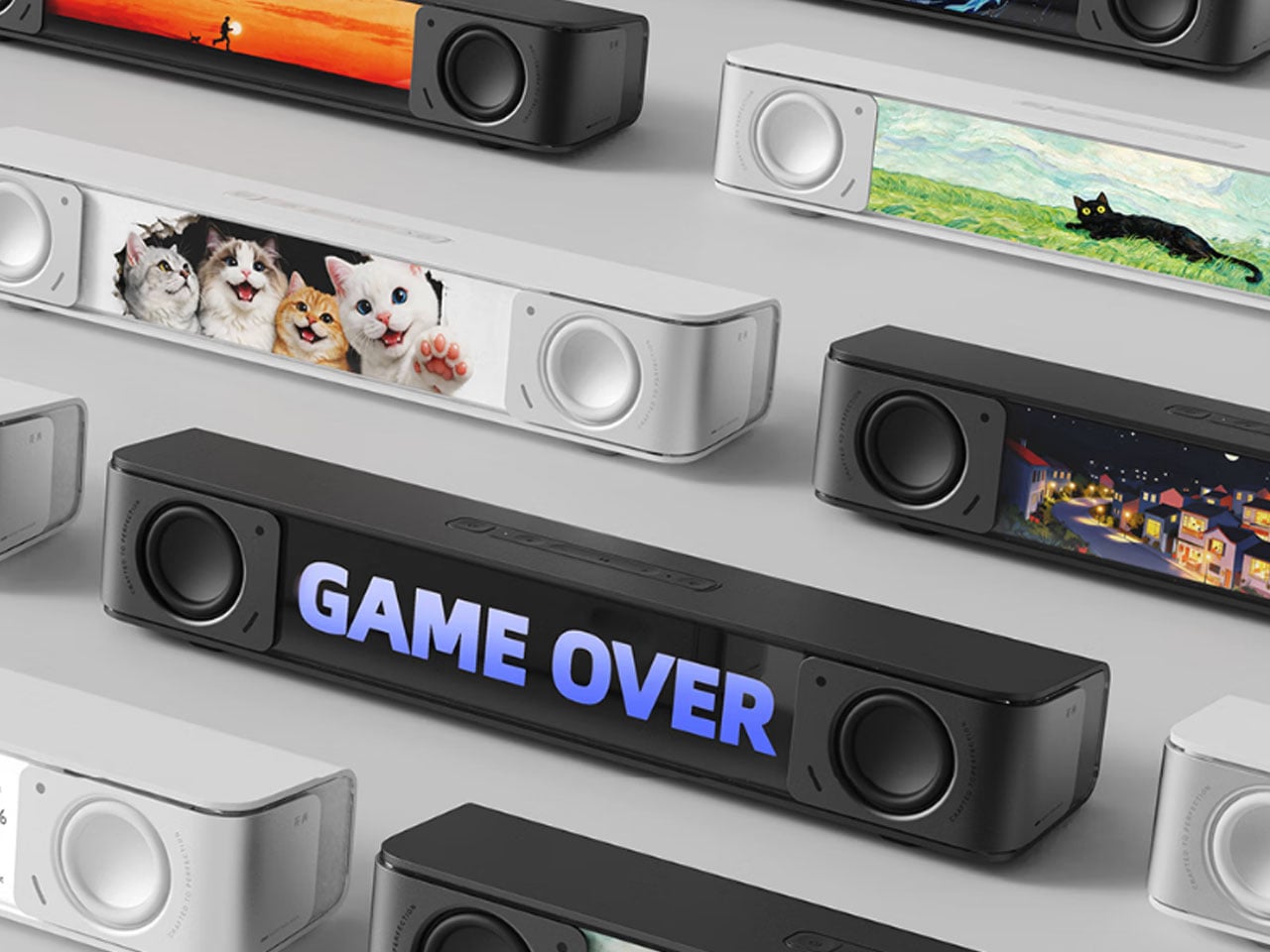
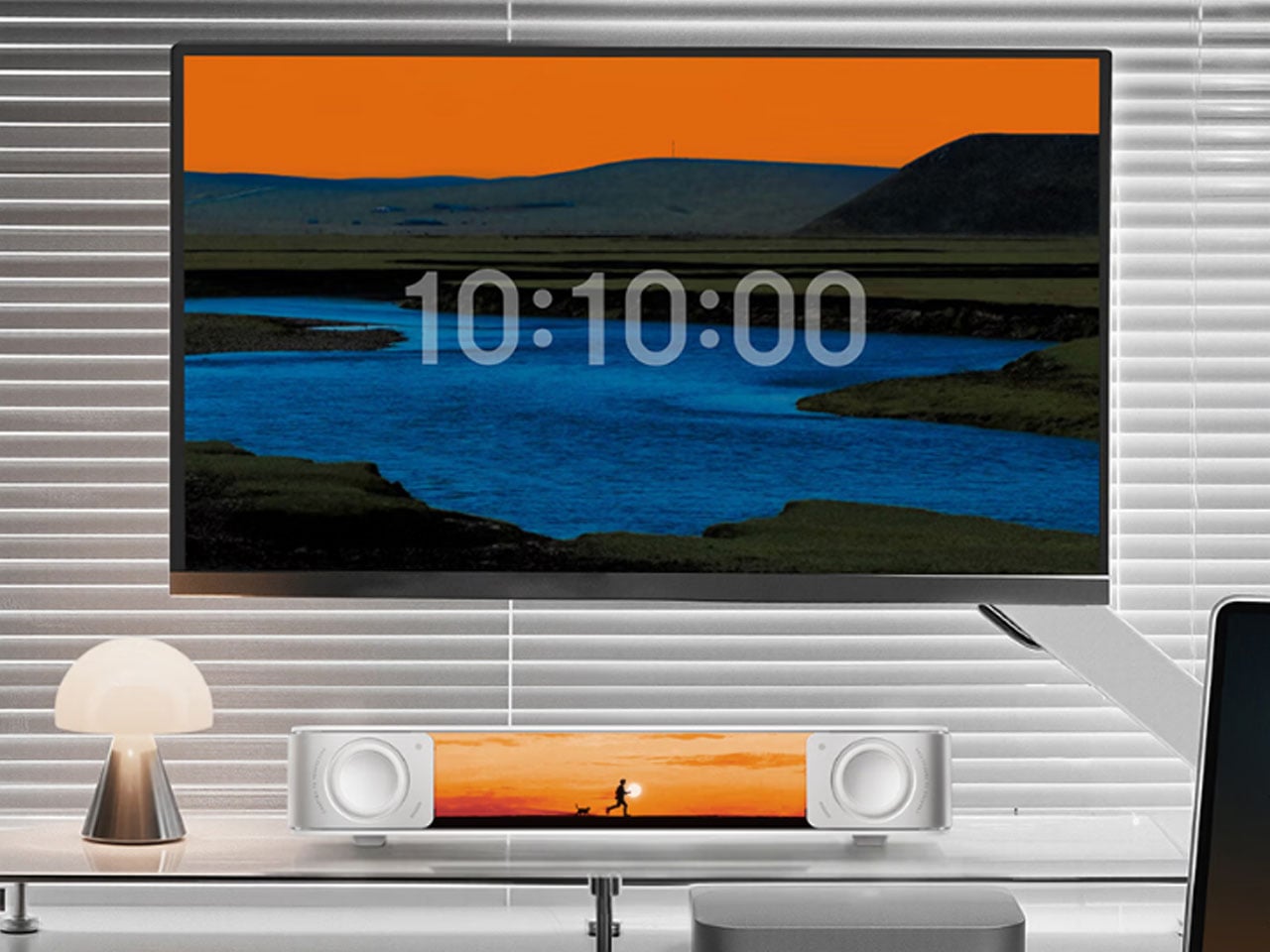
Edifier has spent years refining compact audio gear that quietly slips into everyday setups, but the Huazai Melo Bar takes a more expressive turn. The desktop speaker is not just a multimedia utility, but a visual extension of the workspace itself.
The Melo Bar keeps things minimal and compact, yet underneath that restrained form is a fairly considered acoustic setup. It features dual 52mm drivers paired with a symmetrical bass reflex structure, tuned to deliver a balanced spread across frequencies.
Backed by a Class D amplifier pushing 5W continuous output and peaking at 10W, the speaker is designed for near-field listening, where clarity matters more than sheer loudness. DSP tuning helps maintain that balance, ensuring vocals stay crisp while lows don’t overwhelm the mix. What makes this audio accessory feel more dynamic is its ability to adapt to different listening scenarios. Edifier builds in three distinct sound modes: Music, Game, and Movie. Each one is about subtly adjusting the output profile. Music mode leans toward detail and clarity, Game mode emphasizes spatial cues for directional awareness, and Movie mode pushes for a more immersive, room-filling feel.
The speaker also doubles as a communication tool, thanks to a built-in microphone with AEC echo cancellation. It’s a practical touch that turns the Melo Bar into a quick solution for calls and meetings, especially in hybrid work environments where switching devices can feel unnecessary. Where the Melo Bar really breaks away from convention is in its visual customization. The front panel isn’t fixed—instead, it uses a modular design with 10 themed panels and an additional blank option for DIY expression. It’s a small but meaningful shift, allowing the speaker to evolve with the user’s setup rather than remain a static object on the desk.
Paired with this is a full RGB lighting system capable of displaying 16.8 million colors and 15 preset lighting effects. The lighting can be adjusted directly on the unit or through Edifier’s Connect mobile app and TempoHub PC software, giving users flexibility in how much control they want. Connectivity remains straightforward but modern with Bluetooth 6.0 for stable wireless performance with support for A2DP, AVRCP, and HFP profiles, while a USB wired mode handles both power and audio through a single cable. With a wireless range of up to 10 meters, it comfortably covers typical desk-to-room distances without dropouts.
Physical controls are integrated into the design, allowing users to tweak volume, switch modes, and cycle through lighting effects without relying entirely on software. Additional touches like input indicators and a dedicated do-not-disturb mode add to the everyday usability, keeping distractions in check when needed.
The Huazai Melo Bar doesn’t compete on raw power or audiophile credentials, as it leans into something more relevant for today’s desks. A speaker that sounds good, adapts to different tasks, and visually integrates into the space it occupies. Available in Mist White and Night Black, the Melo Bar is priced at 329 Yuan (around $48), making it an accessible entry into a category that’s increasingly blending performance with personality.
Good outdoor speakers are everywhere. Ones worth actually leaving on the counter are a different category entirely. These seven designs blur the line between audio gear and decorative object, earning a permanent spot on a shelf or desk not just because of what they play, but because of how they look doing it. Each one carries a design identity strong enough to spark a conversation before you ever hit play.
From a pocket-sized cassette hiding Bluetooth inside to a mecha-inspired lantern balanced on a tripod, these are the designs that earn their shelf real estate on looks alone. The sound is never secondary, but the form is what keeps them out of the drawer permanently. These are speakers that live in your space the same way a good lamp or a well-chosen object does—placed once and never put away.
1. Side A Cassette Speaker
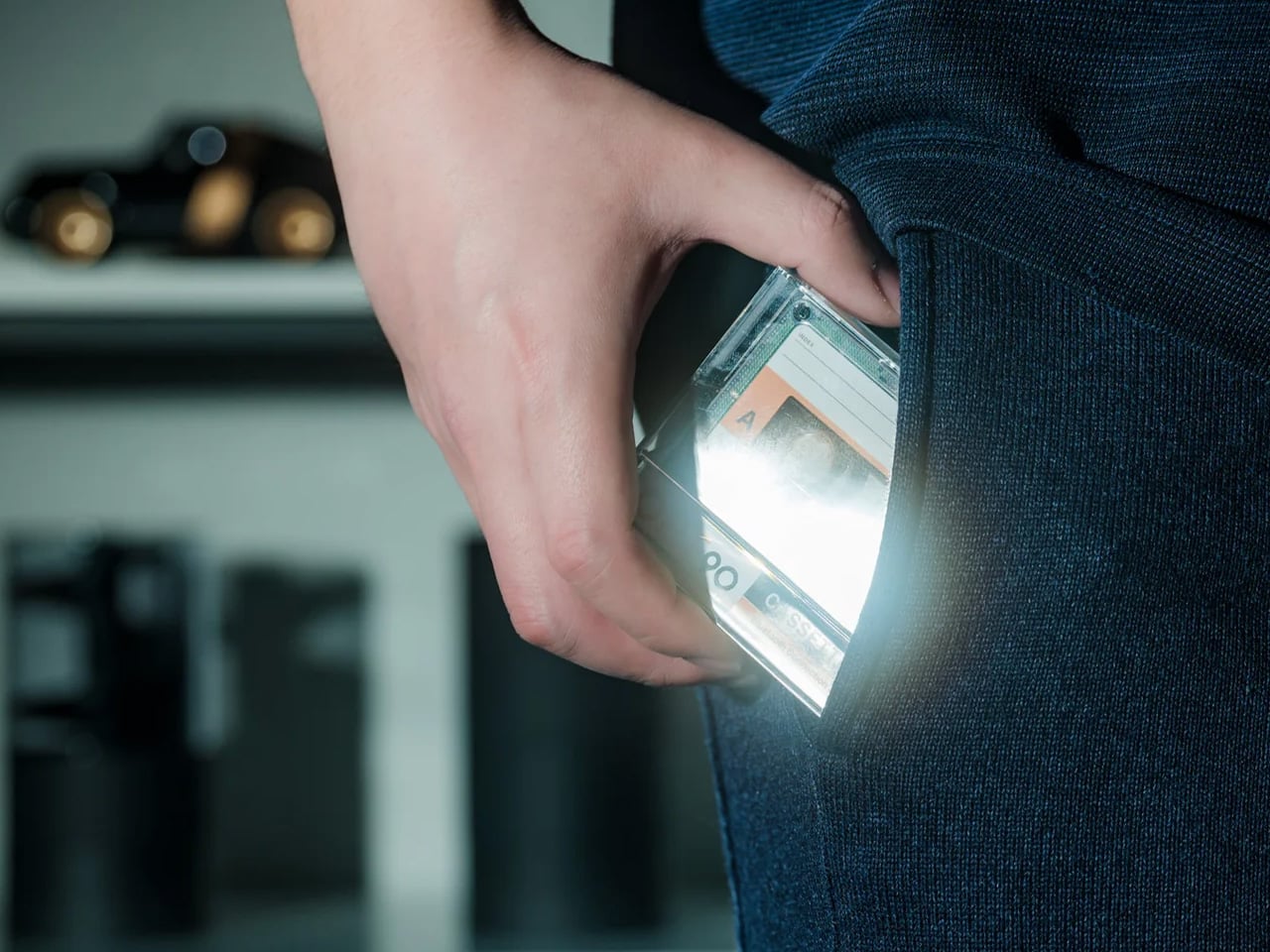
There’s something genuinely satisfying about a speaker that makes people stop and pick it up before they realize what it is. The Side A Cassette Speaker nails that trick with a faithful mixtape silhouette, a transparent shell, and a hand-labeled “Side A” that lands like a gut punch of nostalgia. It ships in a clear case that doubles as a stand, so it lives comfortably on your desk or shelf without looking incidental. At under $50, it’s the kind of impulse buy that actually earns its counter space and keeps it.
Bluetooth 5.3 keeps your phone paired cleanly, and the microSD slot means you can load a full playlist and leave your phone in your pocket entirely. The sound is warmer than you’d expect from something this compact, tuned to echo the soft, rounded tones of actual tape playback rather than the sharp, clinical output most small speakers produce. Six hours of battery handles a full workday, and a two-hour recharge turnaround keeps the momentum going. It’s a speaker you’ll leave on your desk long after you’ve stopped reaching for anything else.
Nostalgic cassette design doubles as a shelf display piece
Bluetooth 5.3 and microSD support for flexible, wire-free listening
What We Dislike
Six-hour battery limits longer or overnight listening sessions
microSD playback is MP3-only, restricting audio format options
2. Porsche Design PD S20
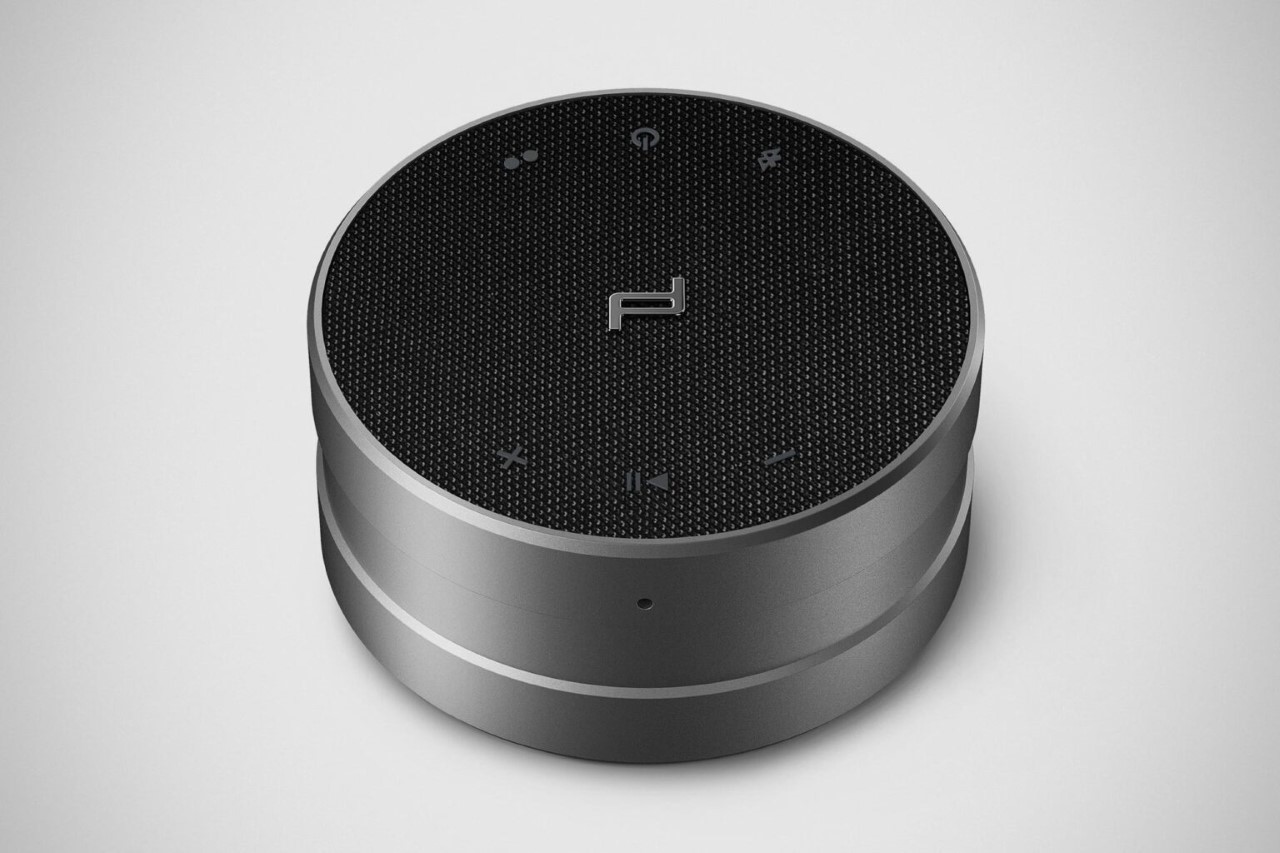
Porsche Design doesn’t rush into new product categories, so when they finally launched their first outdoor speaker, people paid close attention. The PD S20 is a cylindrical unit machined from anodized aluminum and wrapped in gray acoustic fabric, a pairing that looks as refined as it performs. The minimalist silhouette translates just as naturally indoors as it does sitting outside on a trailhead or patio table. It carries the same visual restraint as Porsche’s automotive design work, and that kind of earned confidence transfers directly into your living space.
The IP67 rating means rain, dust, and the occasional splash are non-issues, making it easy to bring the PD S20 wherever your day actually goes. A 1.75-inch woofer flanked by two passive radiators pushes surprisingly full bass for its size, and the 10-hour battery handles a complete day without range anxiety. Haptic buttons built into the fabric grill keep the surface visually clean, and voice assistant integration means you can manage your playlist, handle calls, and send messages without ever picking the speaker up off the counter.
What We Like
IP67 waterproof and dustproof rating for dependable outdoor use
Anodized aluminum build with a polished, minimalist finish
What We Dislike
The $245 price point sits at the higher end of portable Bluetooth speakers
A single woofer may not satisfy listeners who want serious bass outdoors
3. RetroWave 7-in-1 Radio
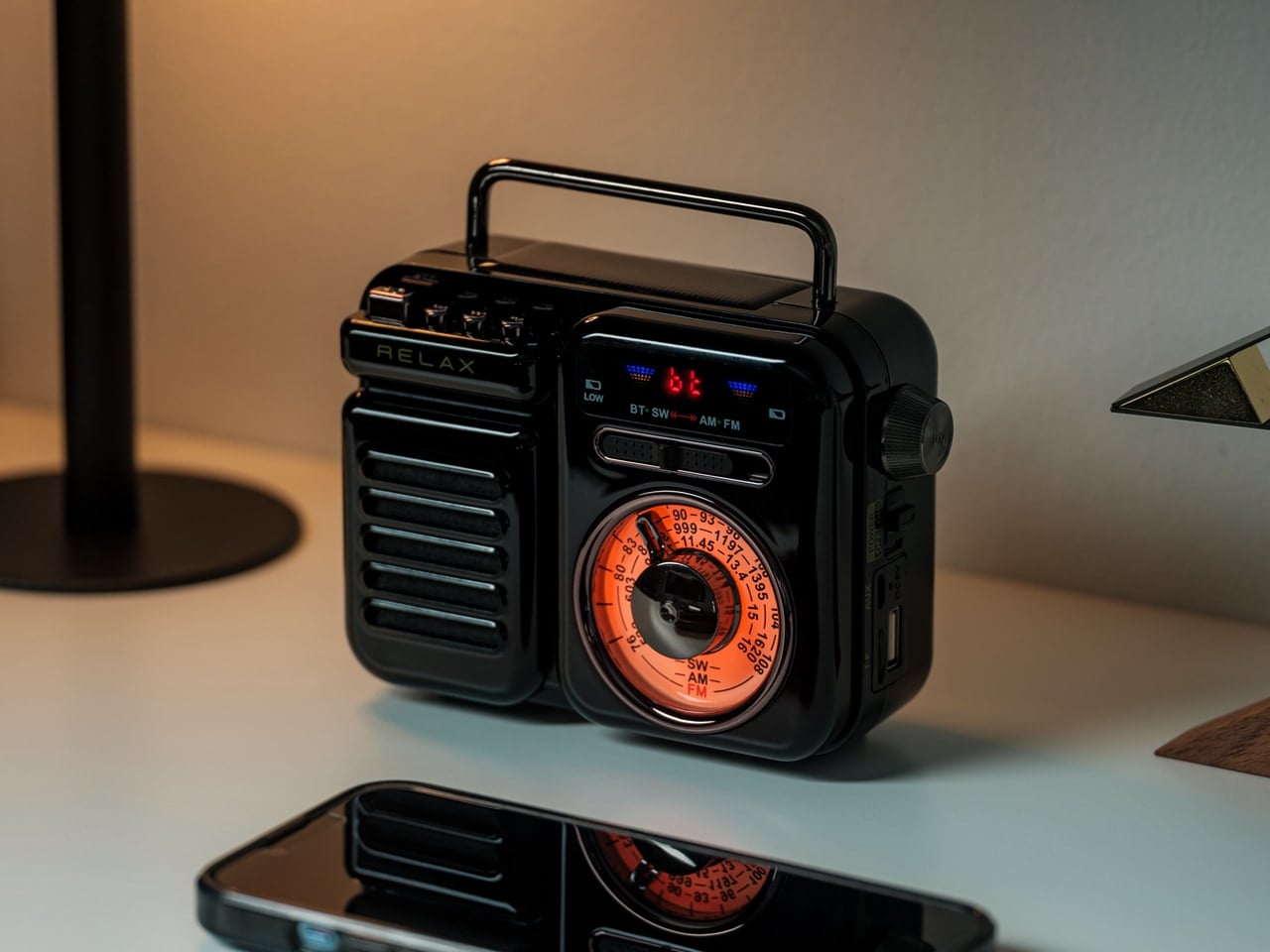
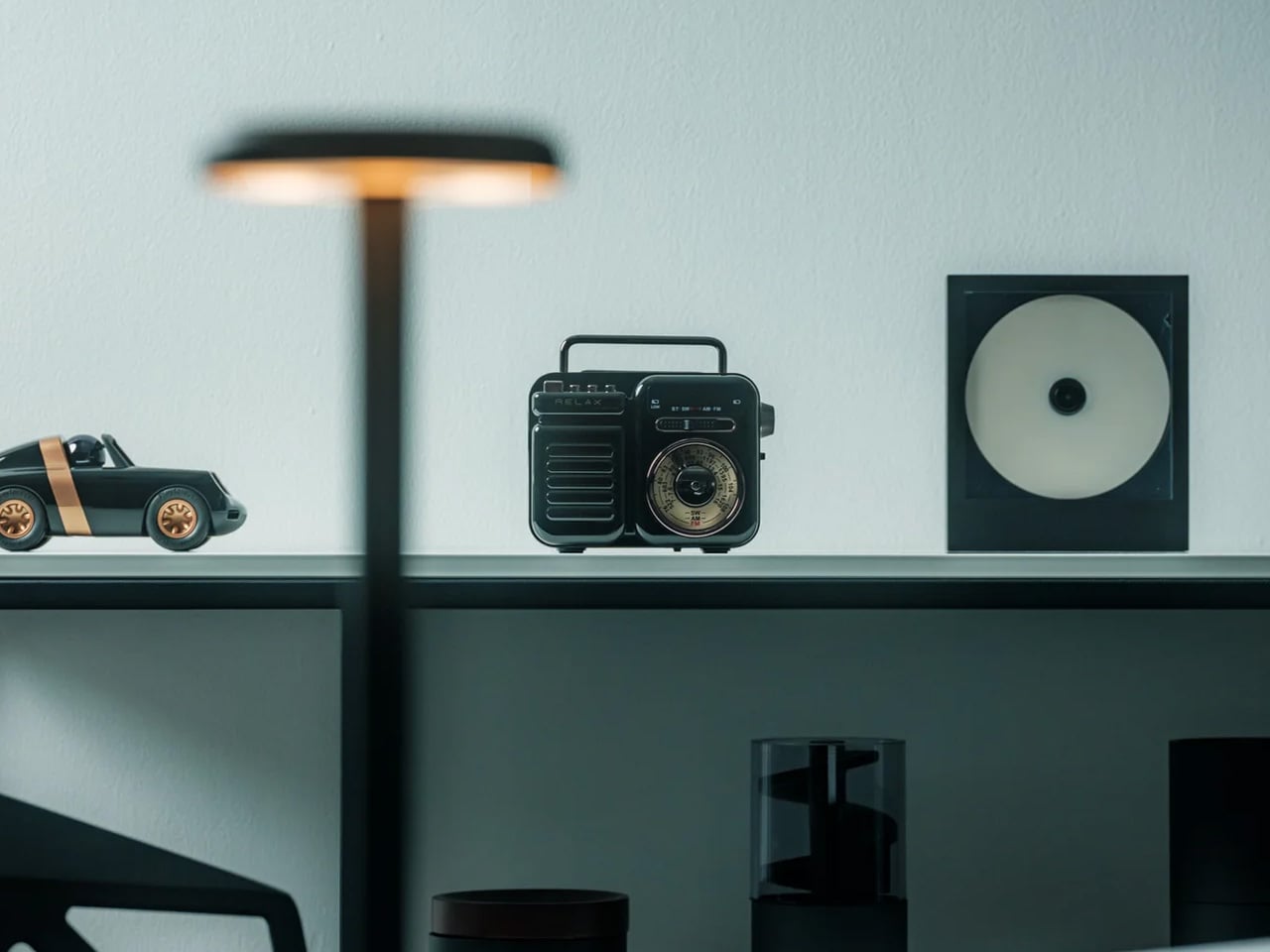
The RetroWave 7-in-1 Radio looks like something pulled from a Japanese vintage shop: warm tones, a tactile tuning dial, and analog character worked into every detail of its form. It handles AM, FM, and shortwave radio, streams over Bluetooth, and plays MP3s directly from USB or microSD. At home, it settles naturally onto a kitchen counter or bookshelf, its retro design holding its own in spaces where most technology looks visually out of place. It’s the rare piece of gear that earns its shelf real estate on looks alone before you ever power it on.
Where it builds real loyalty is in the layers you discover underneath the aesthetic. A built-in flashlight, SOS alarm, hand-crank charging, solar panel, and power bank function make this a genuinely serious emergency companion. When the power goes out or the road gets unpredictable, this is the device you’ll be relieved to have within reach. It does double duty as a daily listening companion and an emergency preparedness tool, meaning you’re not sacrificing any counter space on something that only becomes relevant when things go wrong.
Seven practical functions packed into one compact, shelf-worthy design
Solar and hand-crank charging for genuine off-grid reliability
What We Dislike
Audio quality is tuned for versatility rather than high-fidelity listening
FM, AM, and shortwave reception depend heavily on location and antenna placement
4. AUREOLA Wireless Speaker
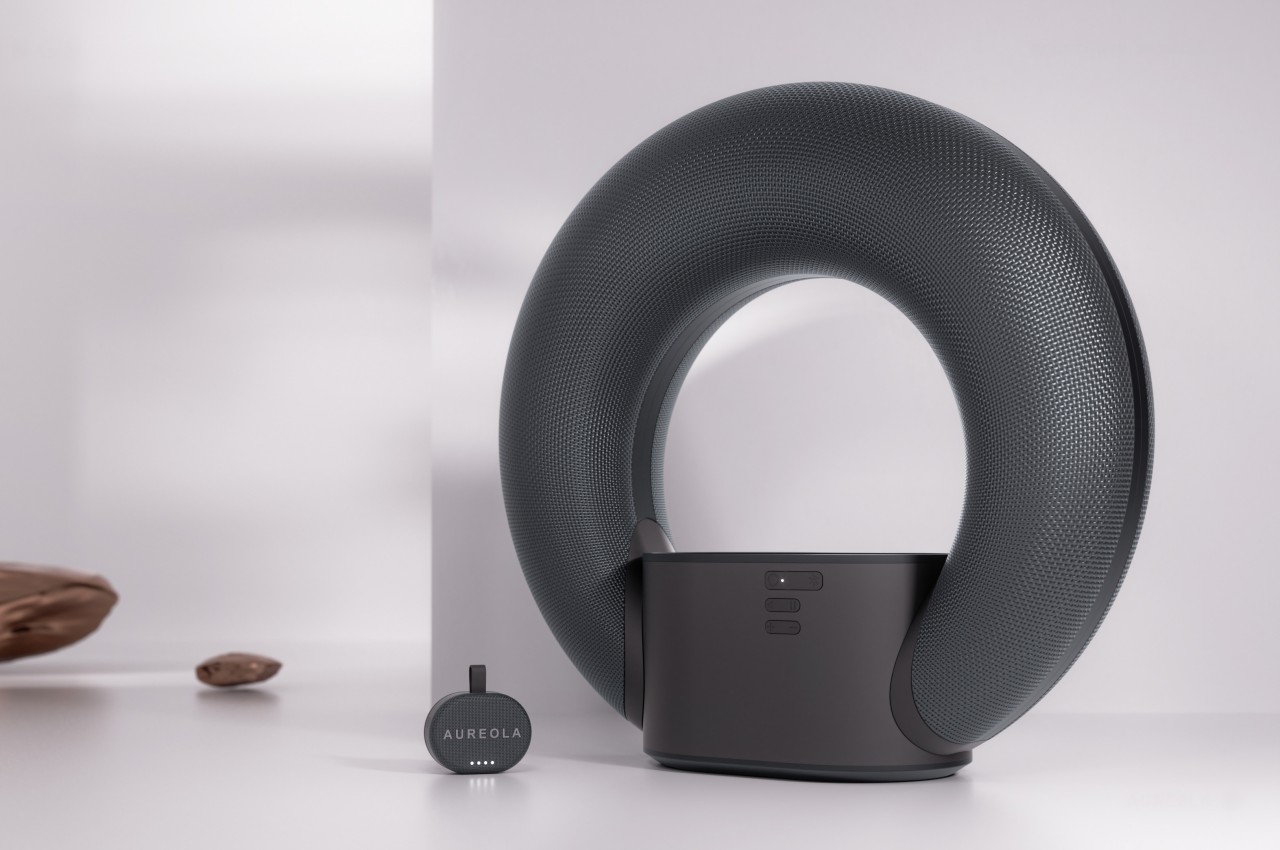
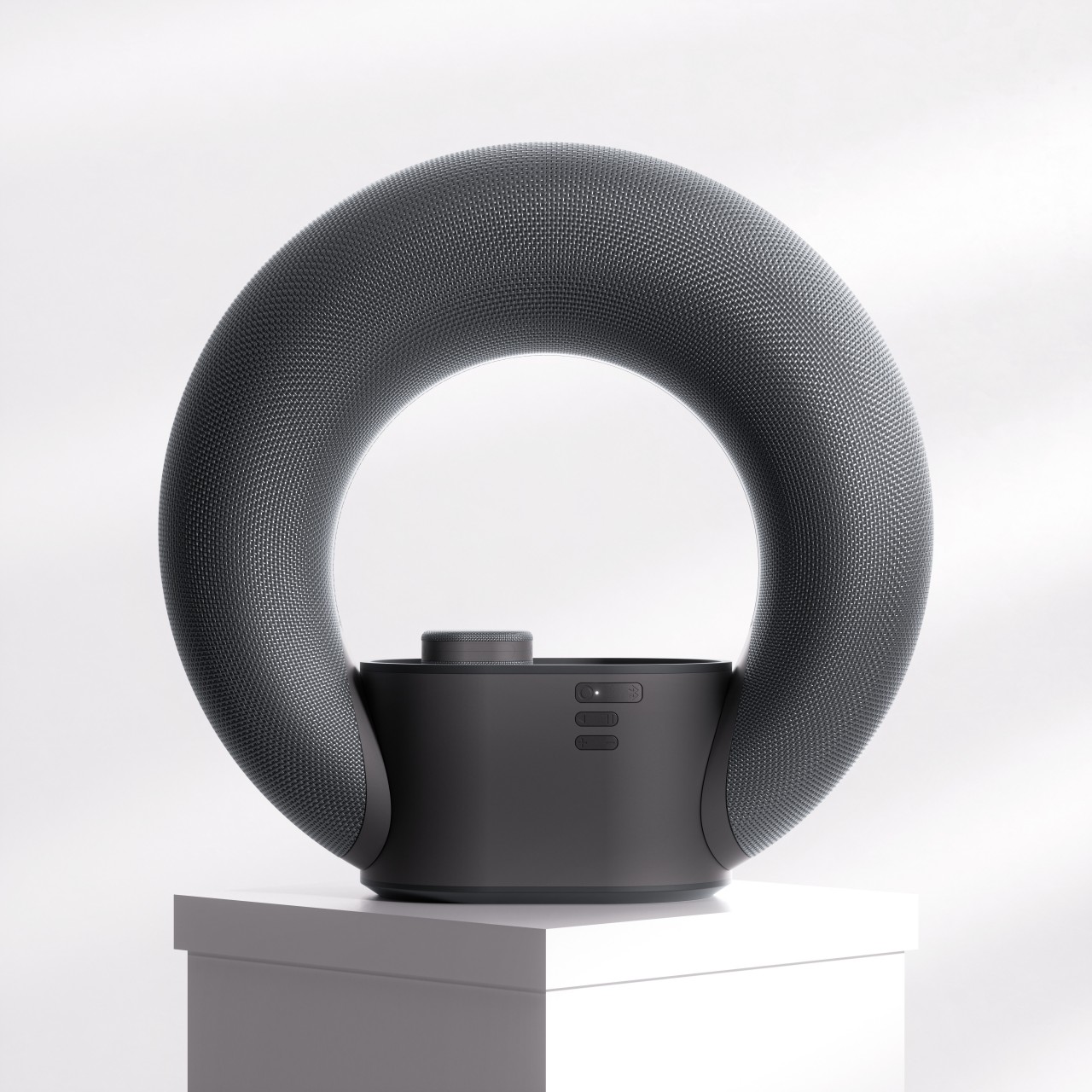
The AUREOLA concept solves one of the more persistent tensions in portable audio: the speaker you take outside rarely looks good enough to bring back in and actually display. Its two-part system separates a compact outdoor portable unit from a large indoor base featuring an omnidirectional ring rising from a wireless charging platform. The ring reads more like a sculpture than audio hardware, and in the right color, it anchors a room visually the same way a considered lamp or art object does. It commands attention without announcing itself.
The outdoor unit is compact enough to slip into a pocket, and the indoor base charges both the speaker and other devices wirelessly, earning its counter space in more ways than one. For you, the benefit is a speaker system that never asks you to choose between portability and design presence. Take the portable unit hiking or to a park, then dock it back into the ring at home and let the room fill with omnidirectional sound from something that actually looks like it belongs there permanently, not just between adventures.
What We Like
Two-part system designed for both indoor and outdoor listening environments
Indoor base doubles as a wireless charging pad for multiple devices
What We Dislike
Concept design, meaning availability, and final specifications remain unconfirmed
The compact portable unit’s size may limit raw audio output in open outdoor spaces
5. Battery-Free Amplifying iSpeaker
In a world of rechargeable everything, the Battery-Free Amplifying iSpeaker makes its case through pure, uncompromised simplicity. Set your phone into the slot, and the Duralumin body, the same aluminum alloy used in aircraft construction, does the rest. No charging, no pairing, no apps, no setup. The golden ratio proportions give it a visual elegance that reads across interior styles, from minimal Scandinavian kitchens to warmer, more layered desktops. It looks intentional on a surface in a way that most speakers, trailing cables and charging bricks, never quite manage.
The amplification works by channeling your phone’s audio output through the metal body, adding warmth and volume without drawing a single watt of power. For you, this means a speaker that is always ready, never needs a charge, and costs nothing to run day to day. It works naturally as background listening during work or morning routines and doubles as a clean display stand for your phone. The optional Bloom and Jet modular accessories let you shape the direction of sound if you want more control over how audio fills the room around you.
No battery or electricity required, always ready with zero setup
Aircraft-grade Duralumin construction shaped to precise golden ratio proportions
What We Dislike
Sound amplification is entirely dependent on the phone’s own built-in speaker quality
Sound-directing modular accessories are sold separately at additional cost
6. GravaStar Supernova
The GravaStar Supernova looks like it was designed for a film set and simply decided to stay. Its three-legged zinc alloy frame, built on the same iconic tripod base from GravaStar’s earlier mecha-inspired lineup, holds a transparent center tube that doubles as a fully functioning lantern. For outdoor enthusiasts who want their gear to carry a genuine aesthetic point of view, it delivers on both fronts: 25 watts of power paired with a half-inch high-frequency tweeter, and three lighting modes, including a flickering campfire effect that sets a mood no standard speaker comes close to replicating.
The light-synced music mode makes it an effortless centerpiece at outdoor gatherings, pulsing in rhythm with whatever is playing and turning any campsite or balcony into a proper event. For you, it means a speaker who handles the atmosphere as well as the audio. Bring it to a rooftop or a garden party, and it becomes the visual focal point without any extra effort. The solid zinc alloy construction handles outdoor conditions without softening the distinctive look that makes it worth owning and displaying in the first place.
What We Like
25 watts with a dedicated tweeter delivers genuinely powerful outdoor sound
Light-synced and campfire modes add atmosphere well beyond standard speakers
What We Dislike
The tripod form factor is bulkier than slim portable speaker alternatives
The bold mecha aesthetic is a niche design that won’t suit every space
7. Harmon Kardon Traveller Concept
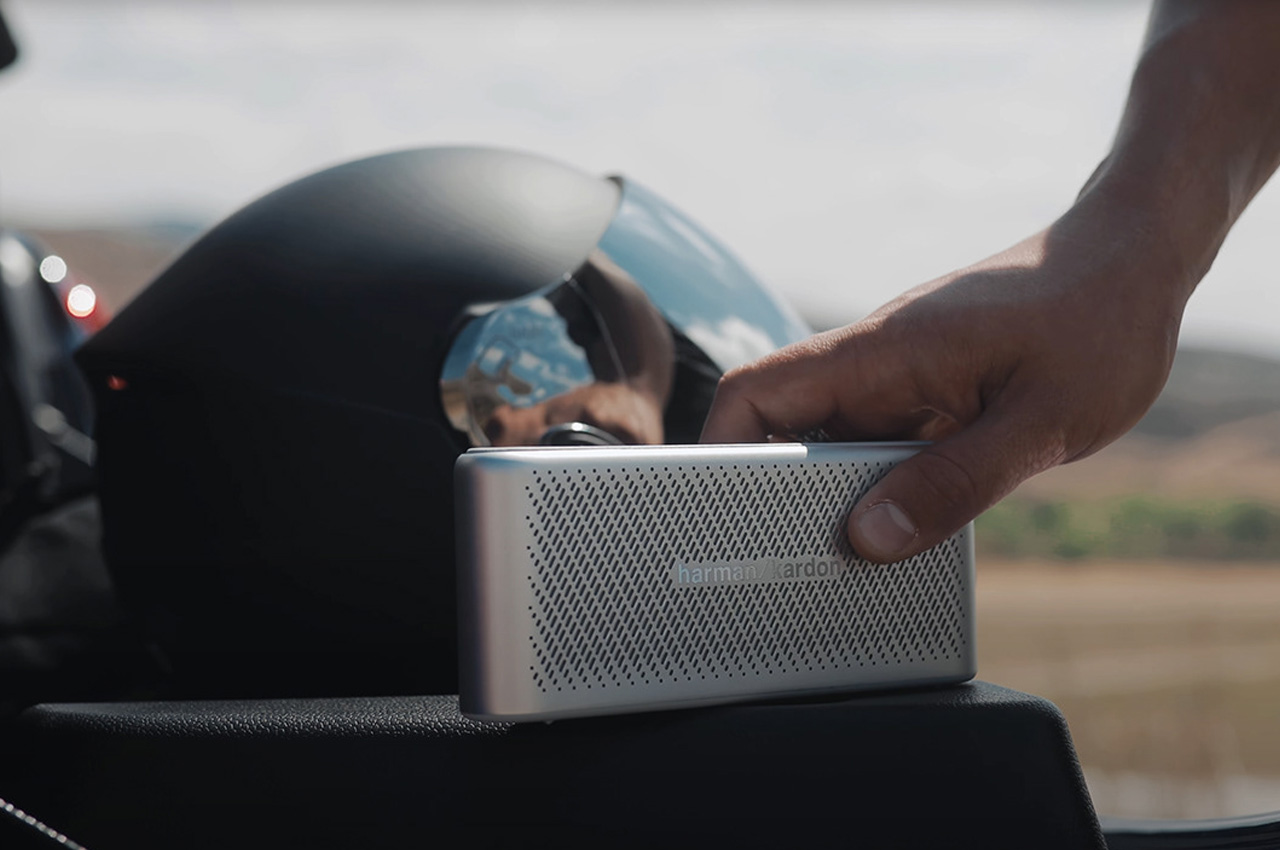
The Traveller pulls its design DNA directly from the Harman Kardon portfolio, borrowing the visual language of ultra-slim point-and-shoot cameras to produce a speaker that reads as considered travel gear rather than an audio add-on. Touch controls and LED indicators sit cleanly on the top surface, keeping the profile uncluttered from every angle. It’s slim enough to disappear into a carry-on without adding meaningful bulk, and polished enough to leave on a hotel nightstand or bathroom counter and have it look like it was placed there with full intention.
Ten hours of battery is the practical floor for a travel speaker, and the Traveller clears that bar while adding a reverse charge feature that turns it into a power bank when your primary device runs low. For you, that translates to one fewer cable to pack and one fewer charging situation to manage at an airport gate. The premium finish and Harman Kardon design language give it a visual authority that most travel speakers simply don’t carry, making it as much a deliberate aesthetic choice as a practical one that travels with you everywhere.
What We Like
Reverse charge functionality doubles as a power bank for connected devices
Slim, camera-inspired profile built for travel without compromising on design quality
What We Dislike
Concept design with no confirmed release date or finalized retail pricing
Slim form factor may limit bass depth compared to bulkier travel speaker alternatives
Design Is the Reason They Stay
The best audio gear has always been about more than just sound. These seven speakers prove that a well-considered object can genuinely change how a room feels, not just how it sounds. Whether it’s the warm analog nostalgia of a cassette speaker or the sculptural weight of a zinc alloy tripod, each design earns its place in your space twice over—once through the ears, and once through the eyes.
Counter space is real estate you protect, which means everything on it needs to justify its presence in more than one way. These designs do exactly that. They play music, yes, but they also hold a room together, tell a story about who you are, and make your desk or shelf feel deliberately curated rather than accidentally filled. That’s the difference between a speaker you use and one you keep.
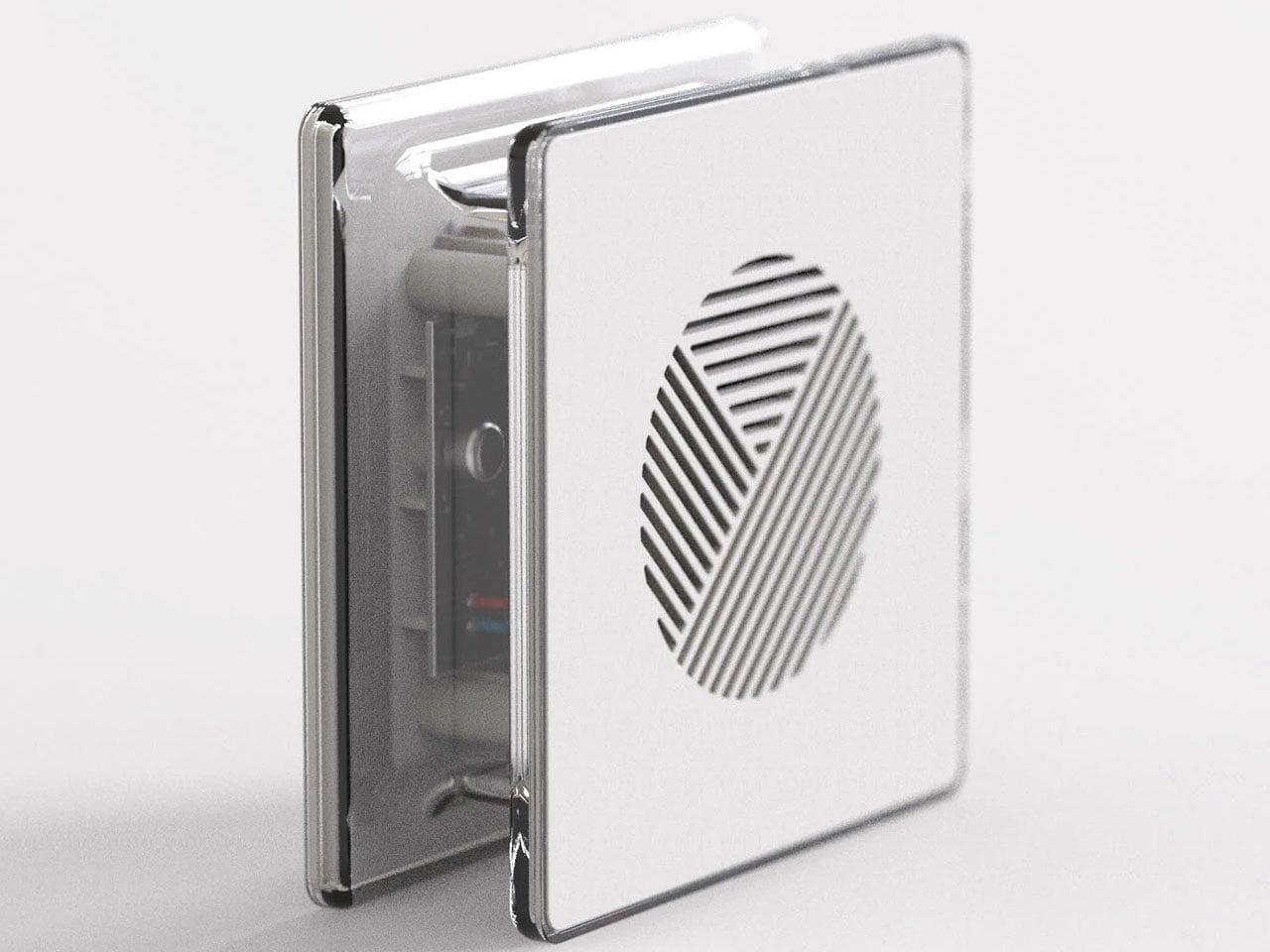
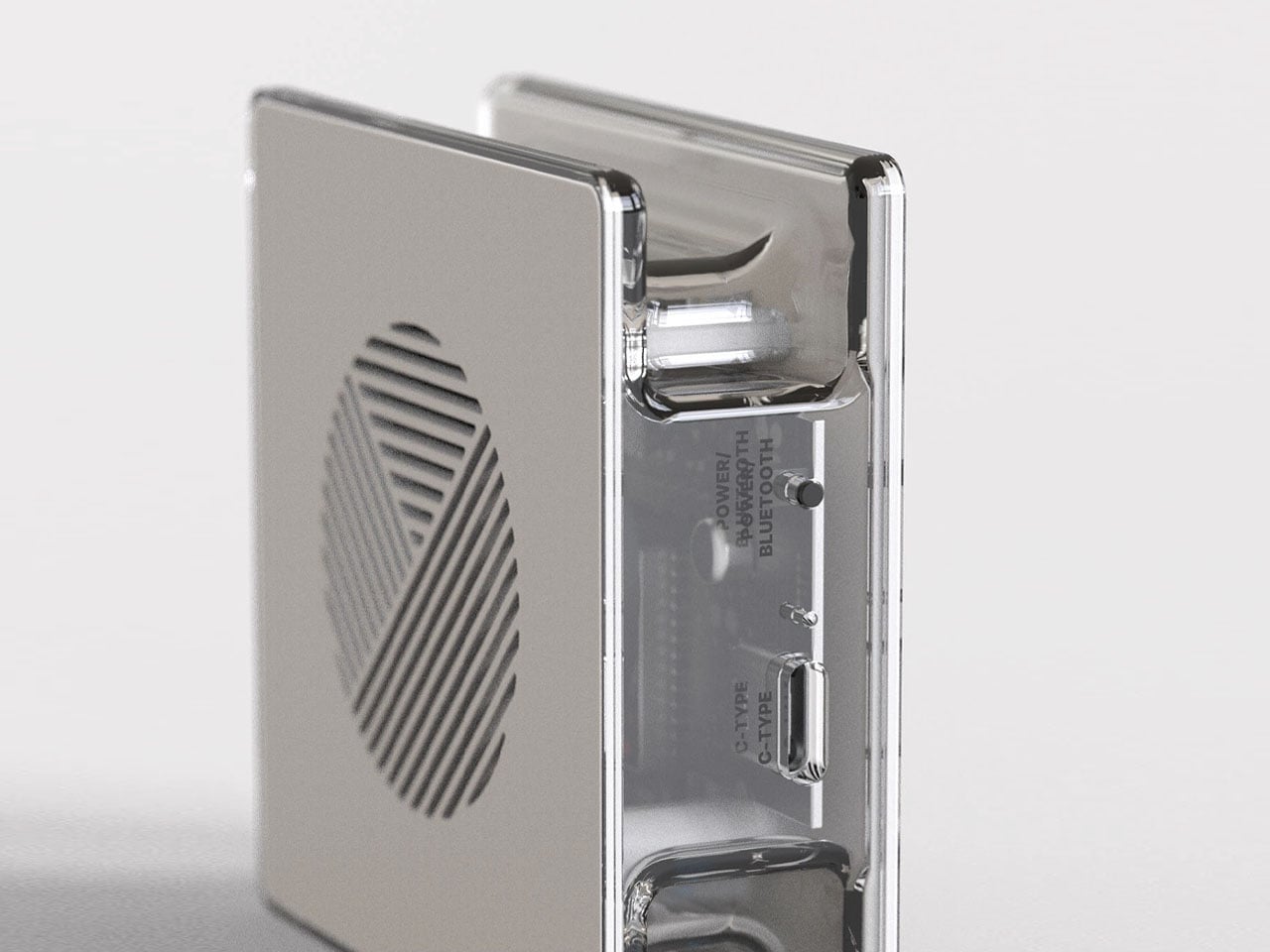
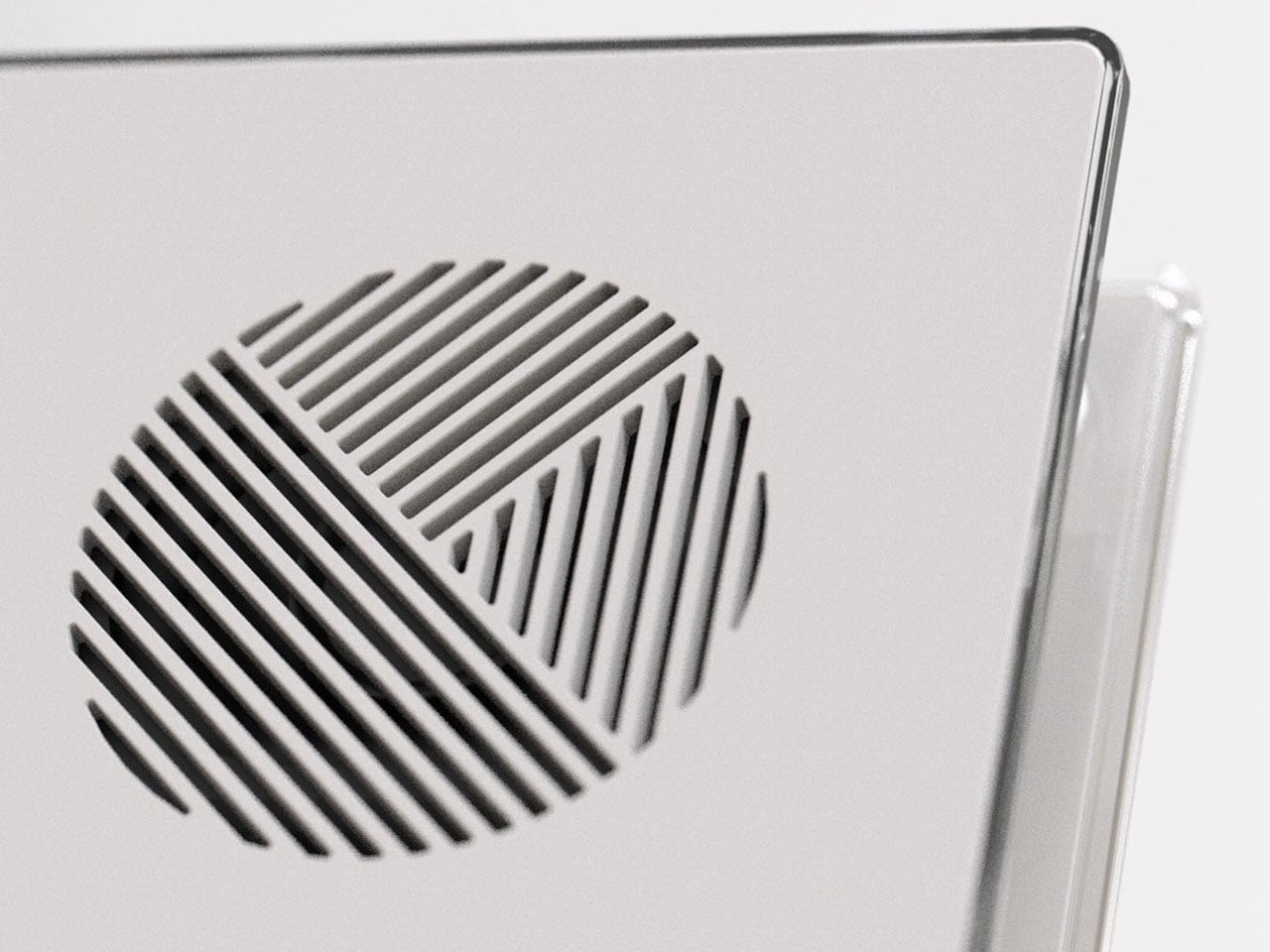
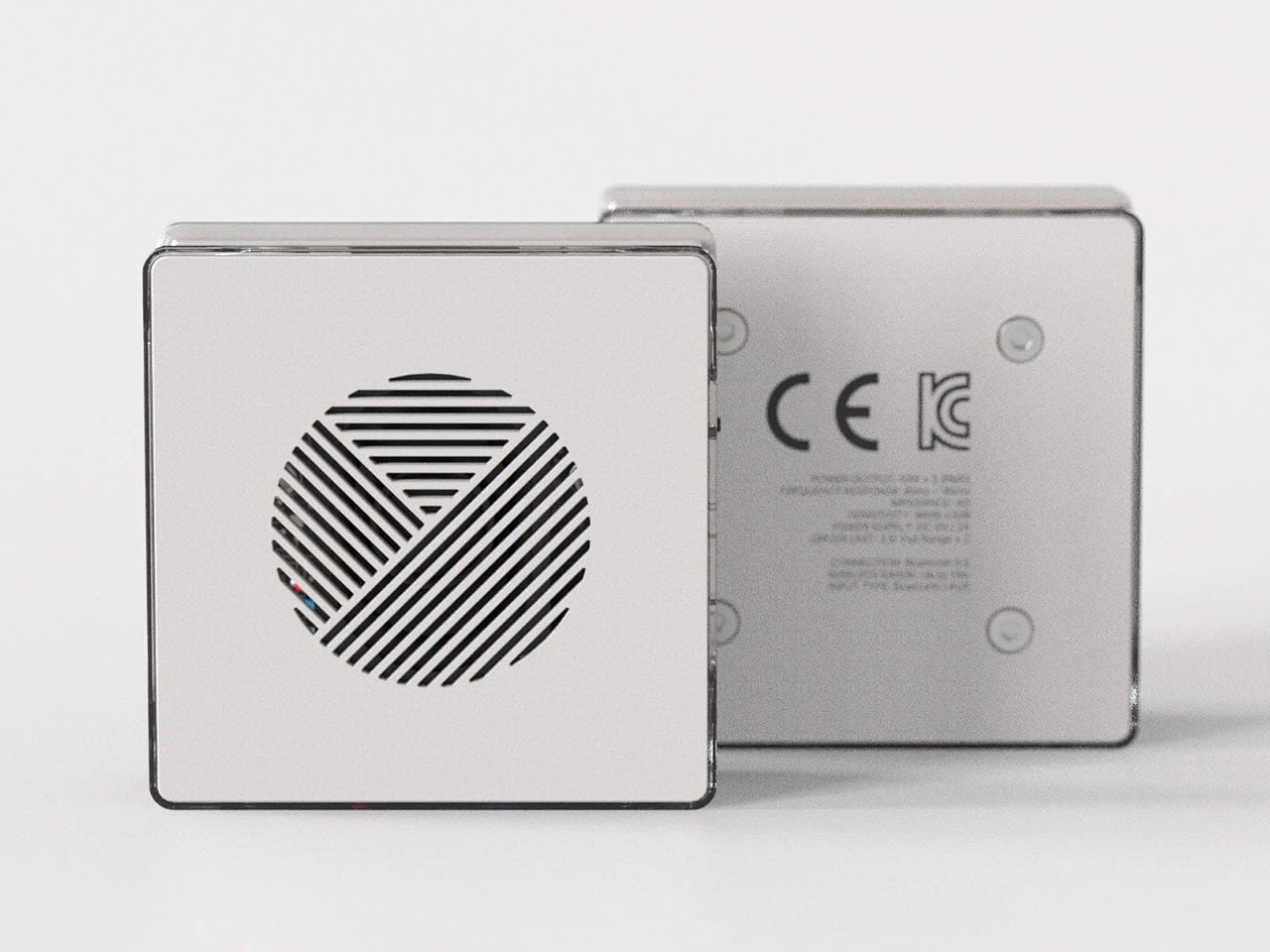
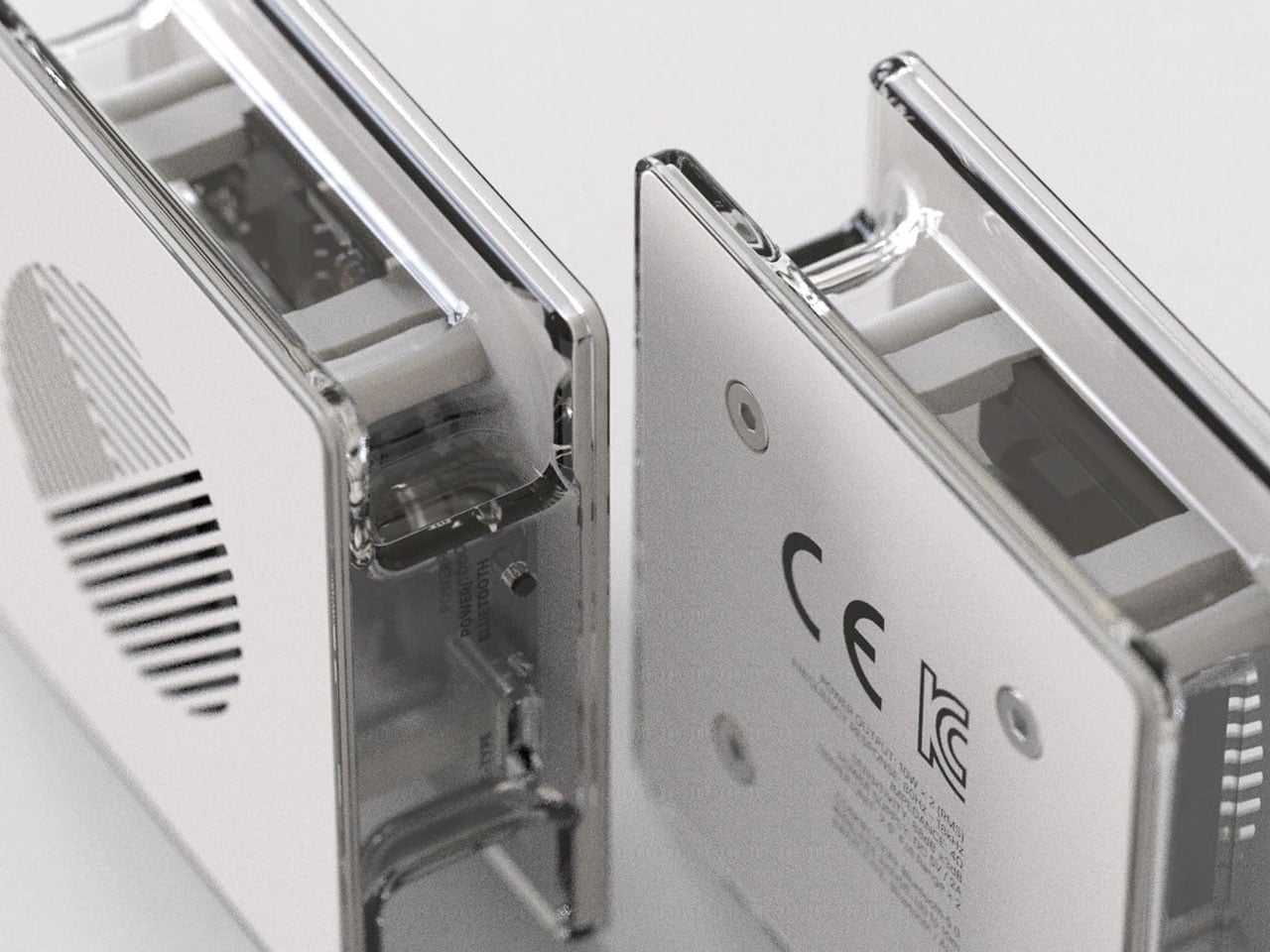
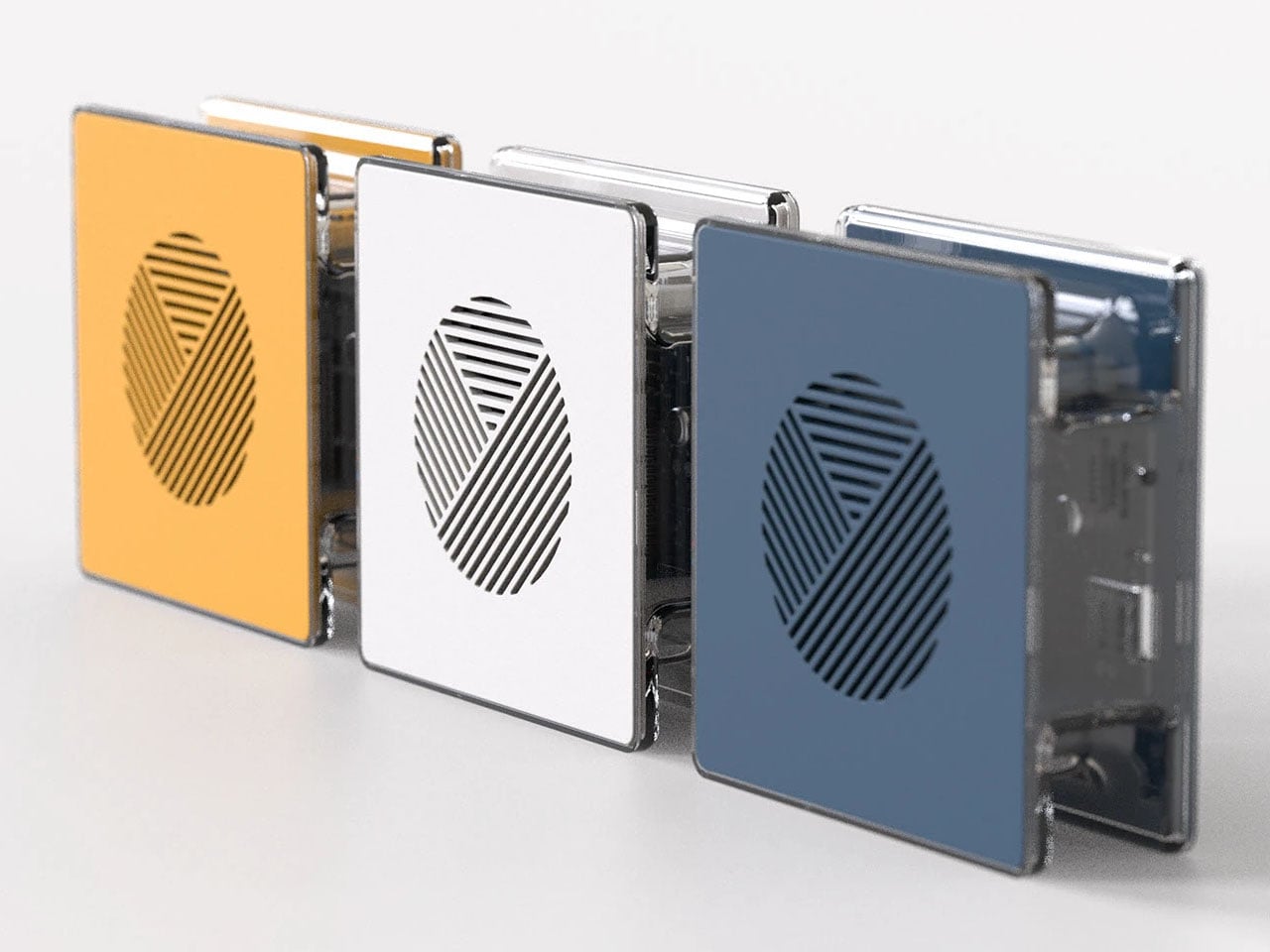
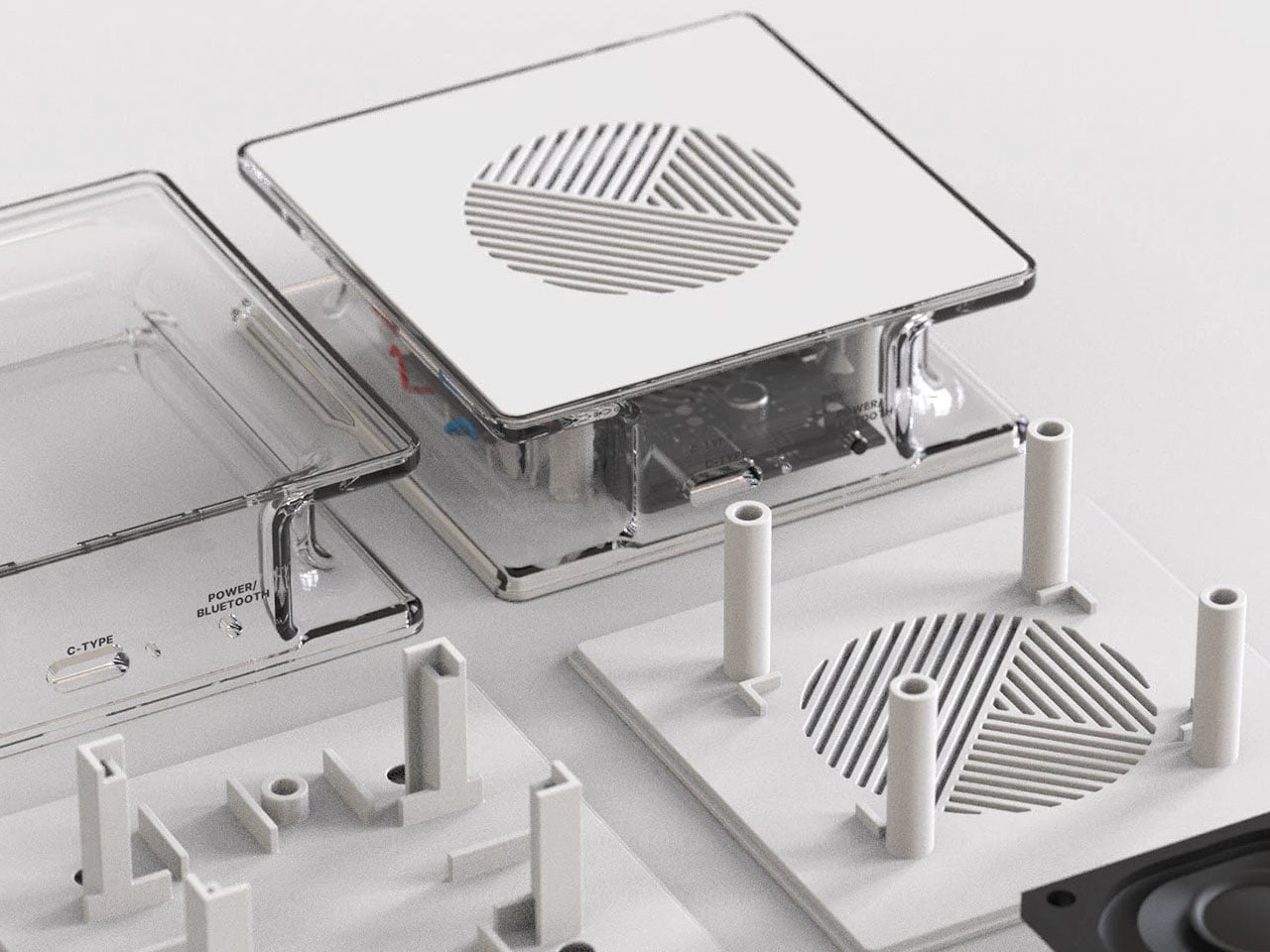
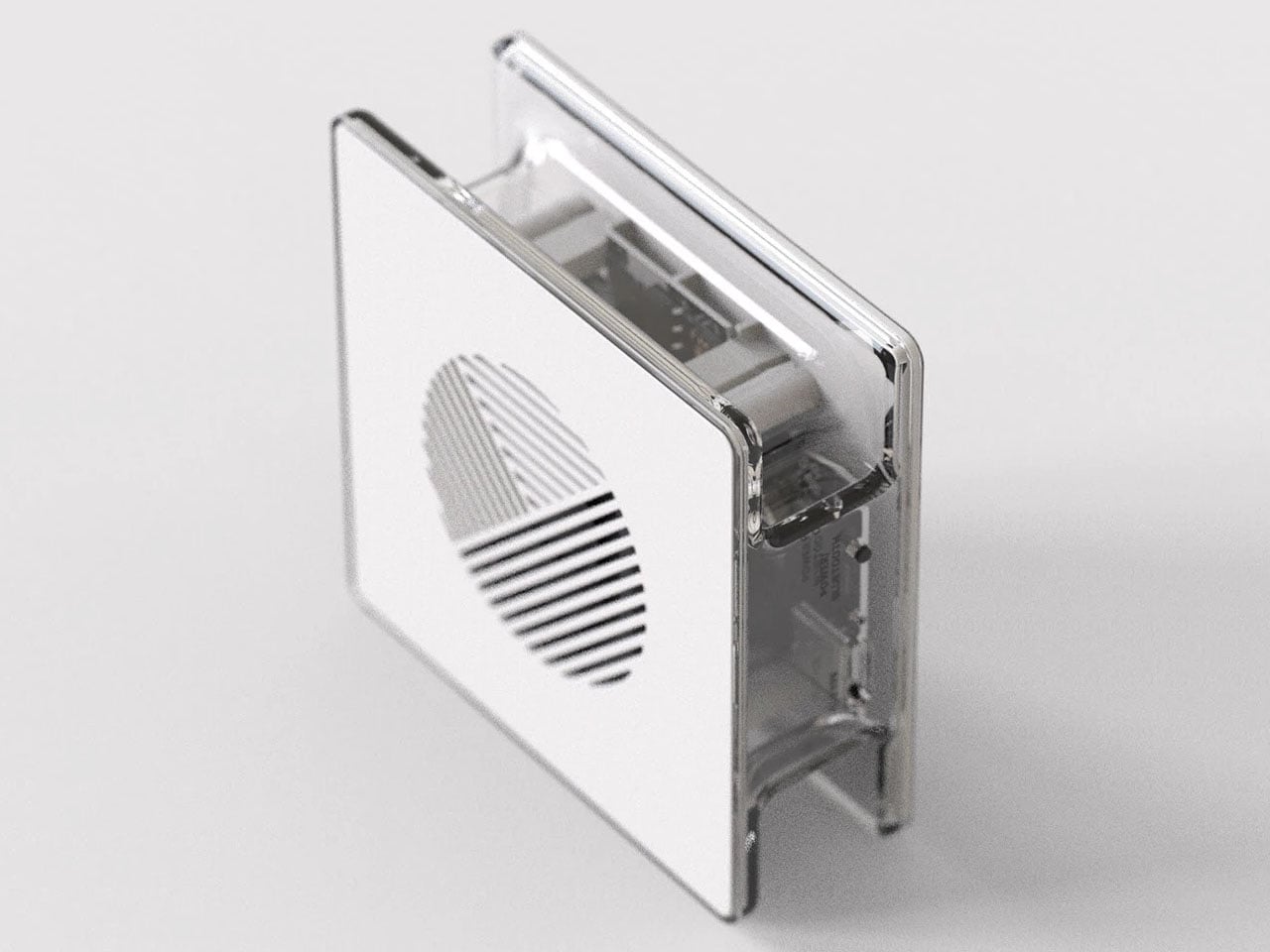
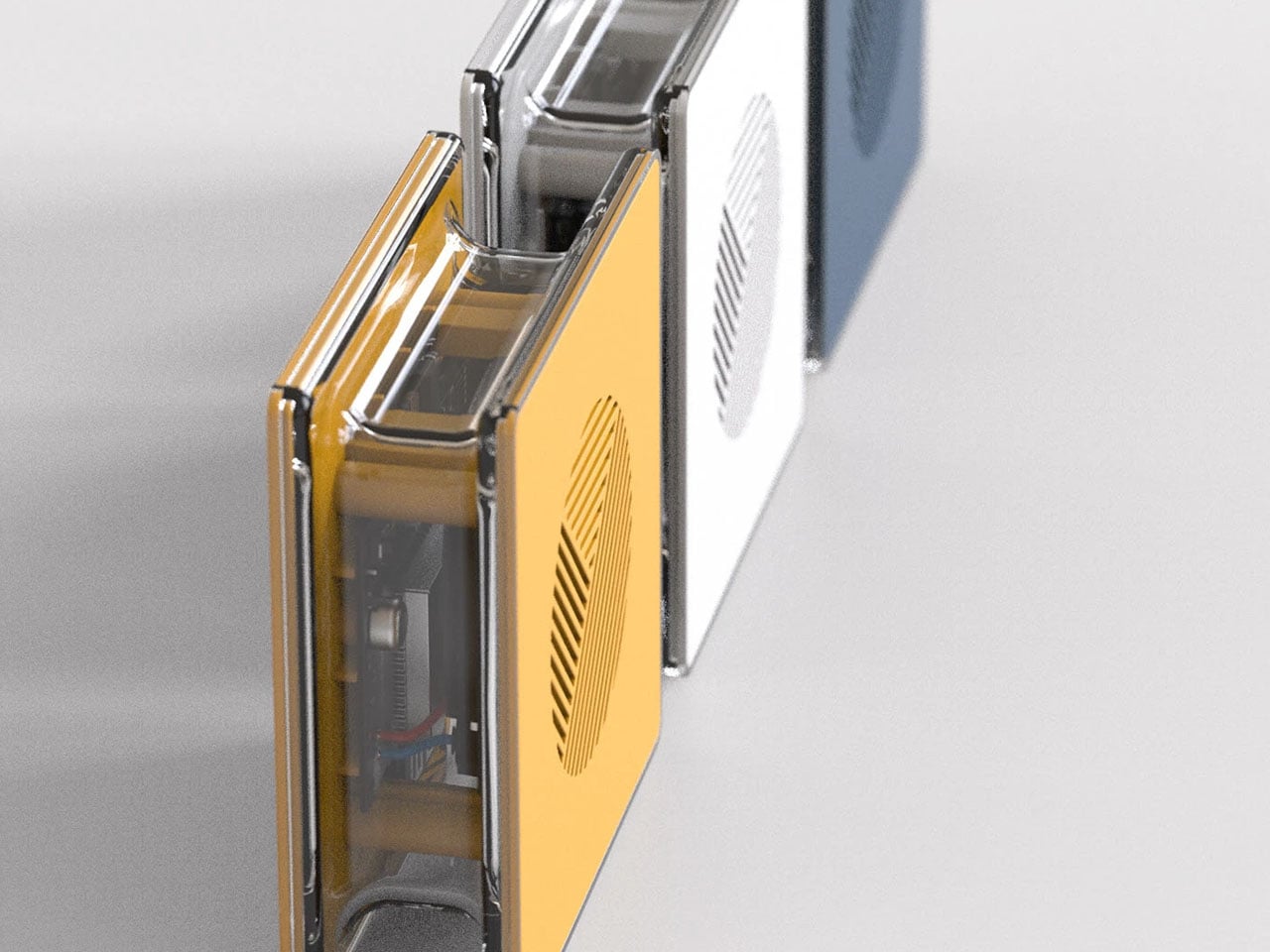
There’s something about transparent gadgets and audio gear that evokes a sense of retro-futurism. Although we’ve seen a fair share of transparent speakers, this one hits different. Rather than using transparency as a simple aesthetic trick, the design turns the internal structure of the speaker into a visual highlight. The clear enclosure reveals the driver, supporting frame, and internal layout that are usually hidden inside conventional speakers.
This approach transforms the product from a typical audio device into something more expressive, where the engineering becomes part of the visual story. The result feels less like a traditional gadget and more like a piece of functional design that celebrates the mechanics of sound.
The form itself is minimal and geometric, allowing the transparency to remain the focal point. At the center sits the circular driver, clearly visible through the casing and positioned as the focal point of the entire design. Instead of concealing this critical component behind fabric or grills, the speaker proudly displays it. This not only creates a strong visual identity but also highlights the hardware responsible for producing the audio experience.
The internal elements appear carefully arranged to maintain balance and symmetry. With the casing fully transparent, every structural element becomes visible, which places greater importance on thoughtful layout and clean engineering. The frame surrounding the driver provides both support and visual structure, giving the speaker a refined, almost architectural appearance. Observing these internal layers gives users a rare glimpse into how a speaker is physically constructed.
Another benefit of the transparent enclosure is the way it interacts with light. Reflections and shadows passing through the clear surfaces add depth and dimension, making the device visually engaging even when it’s not in use. In modern living spaces where technology often blends with décor, a speaker like this can easily function as both an audio device and a decorative object. Placed on a desk, shelf, or side table, it naturally draws attention without being overly flashy.
Despite its artistic appearance, the concept remains grounded in practicality. Designed as a Bluetooth speaker, it emphasizes wireless connectivity and everyday usability. The simplicity of the overall form suggests that controls and functionality are kept minimal, ensuring the product remains intuitive while preserving the clean aesthetic. To add a bit of flair, the designer imagines the speaker in two sophisticated color options: Dusty Blue and Ocre.
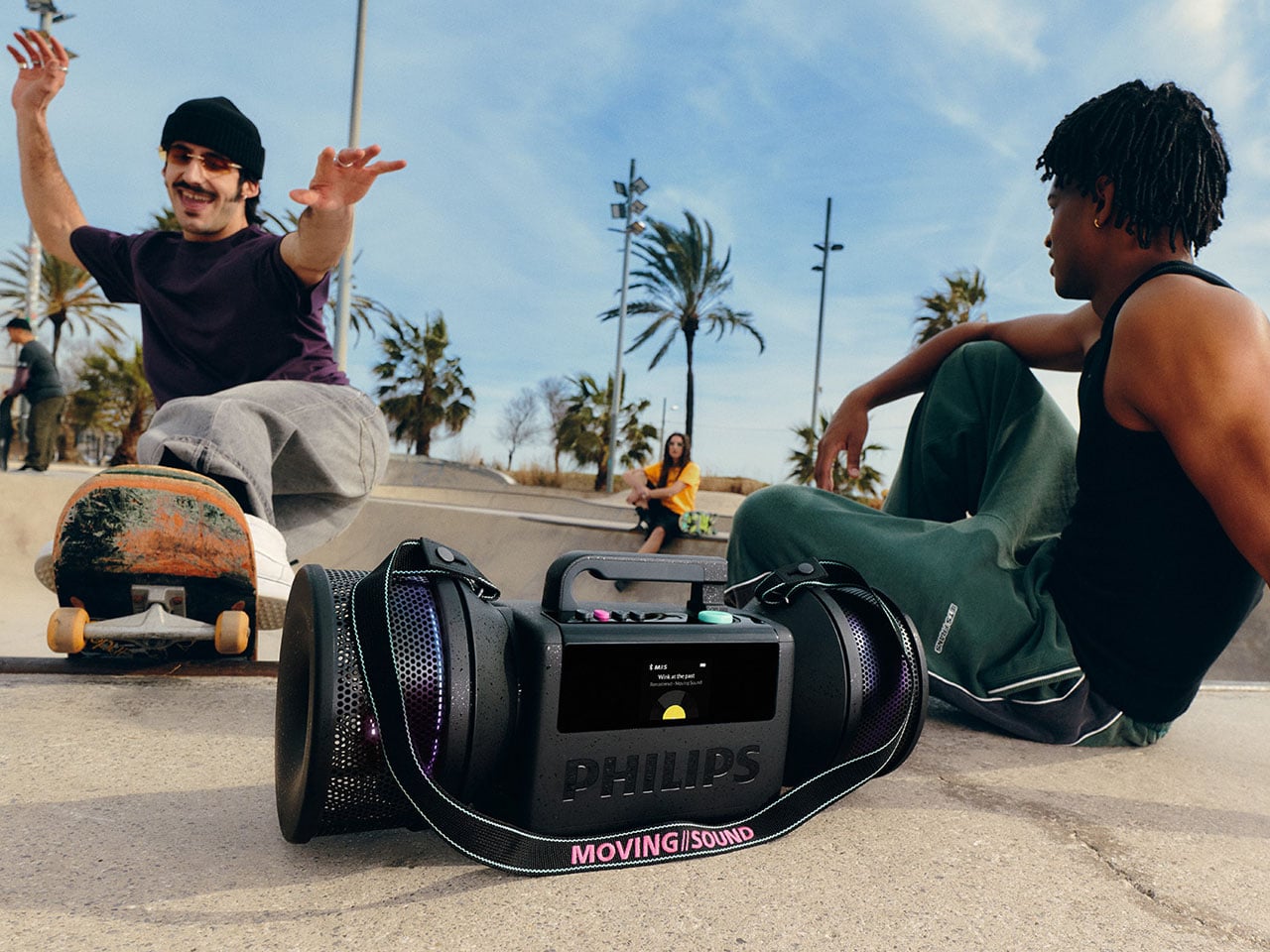
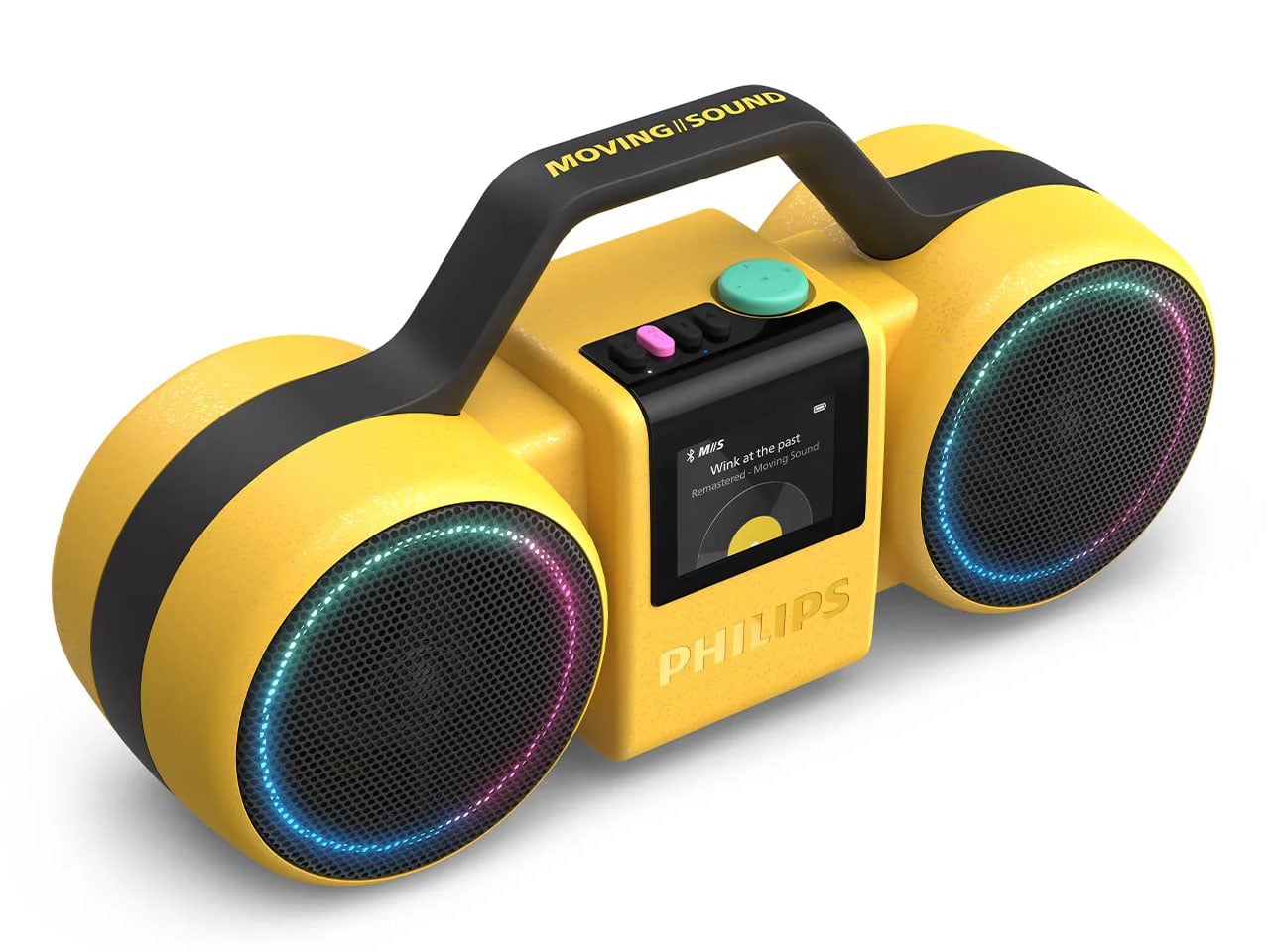
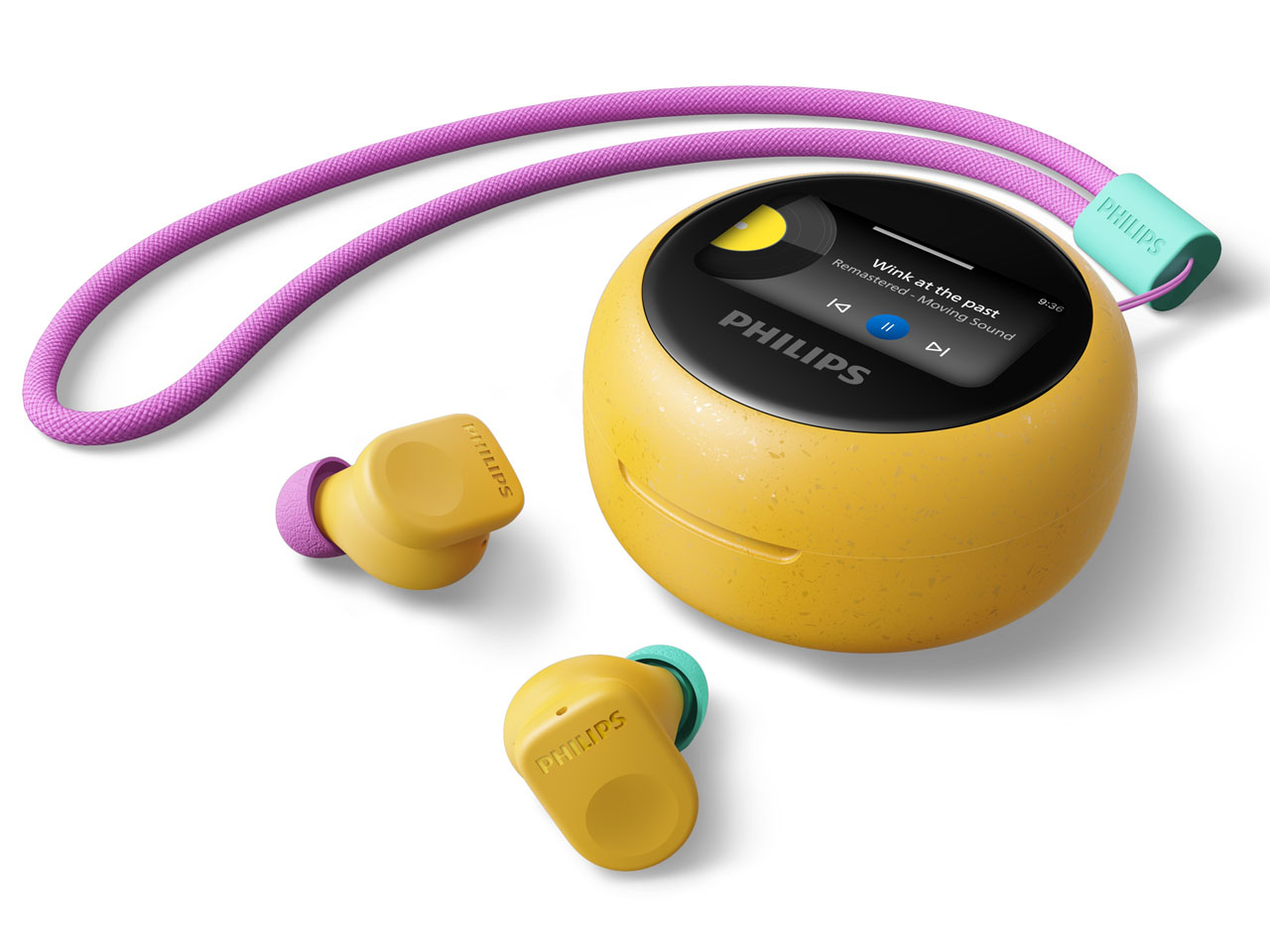
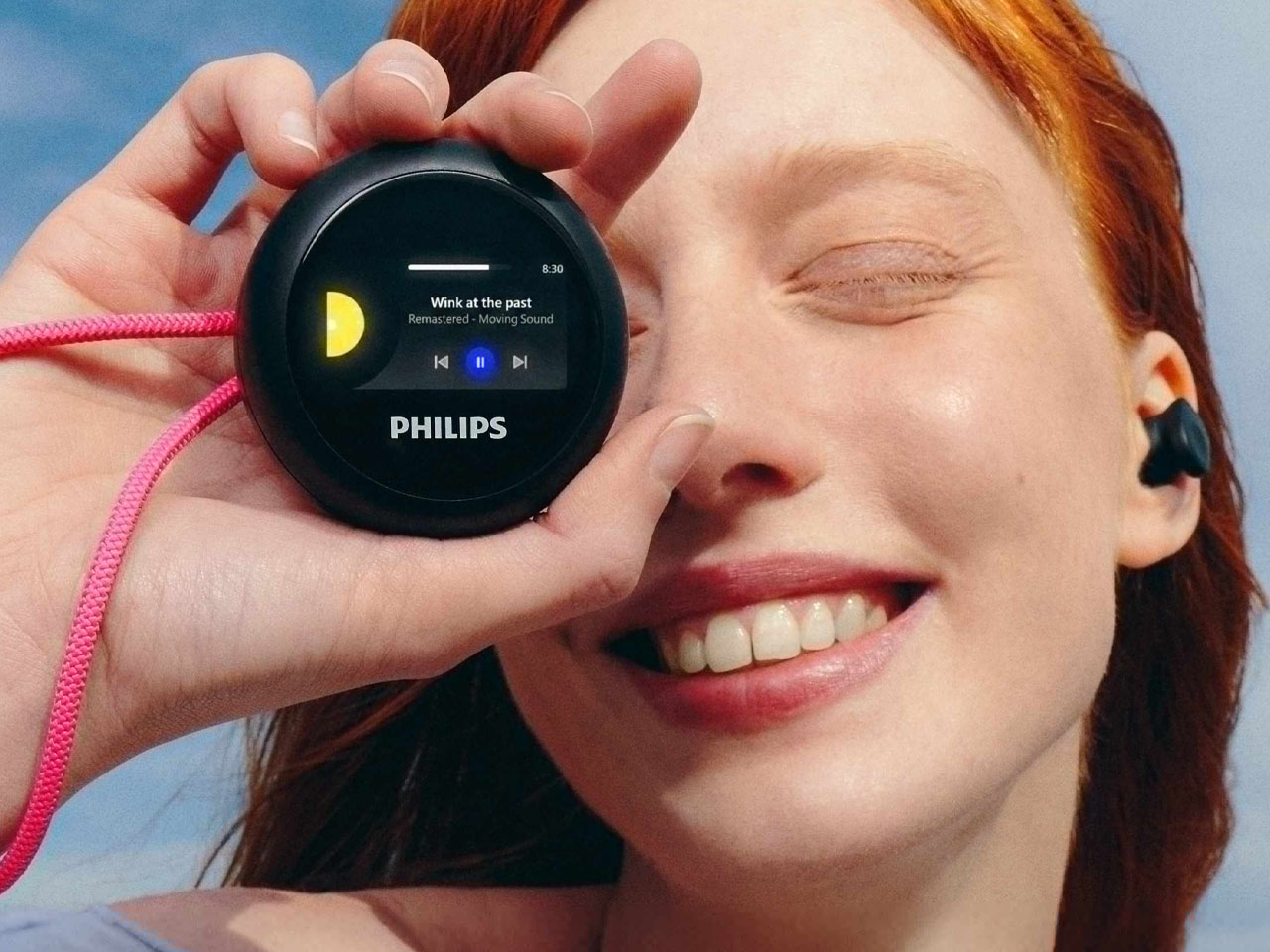
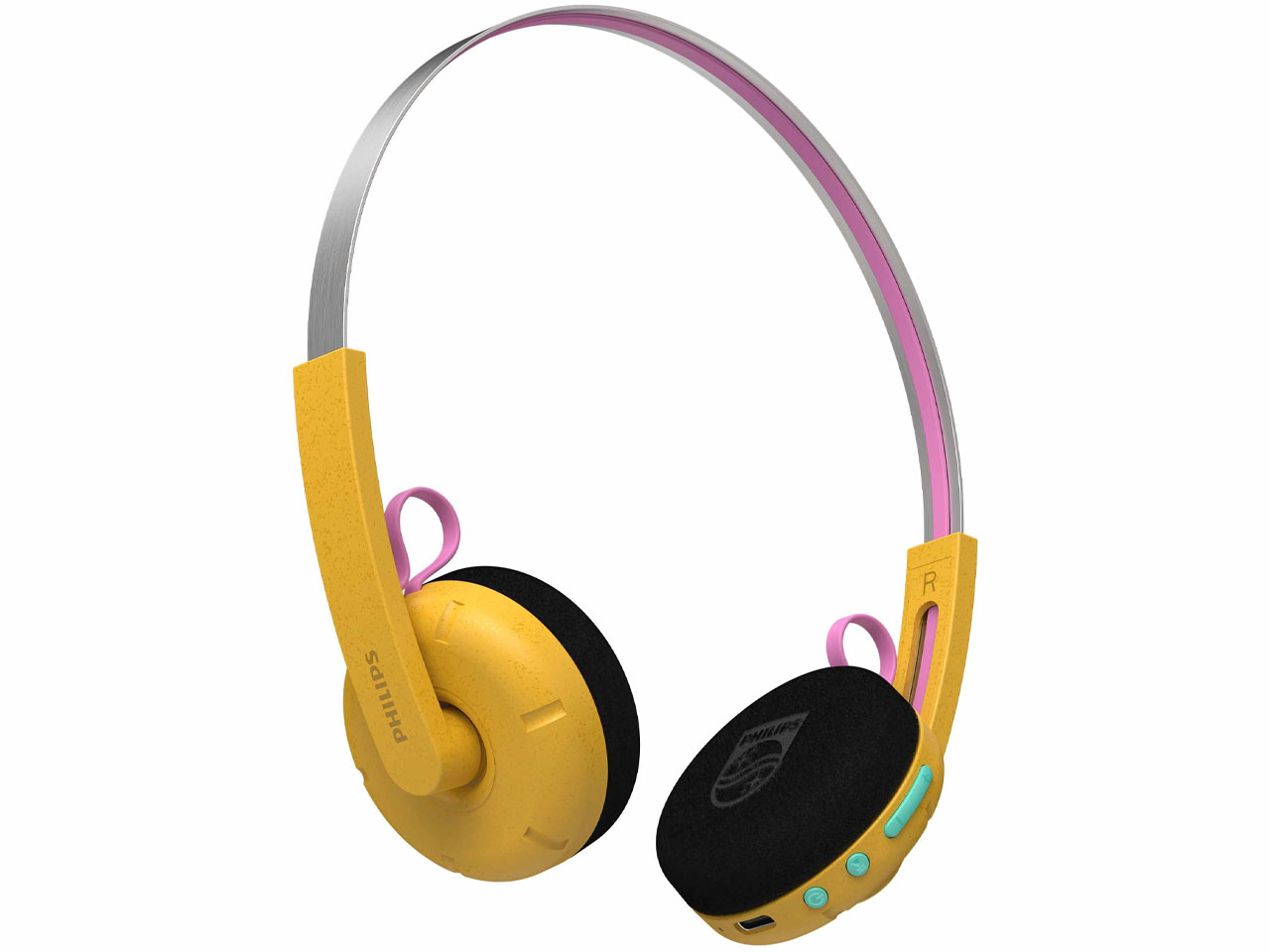
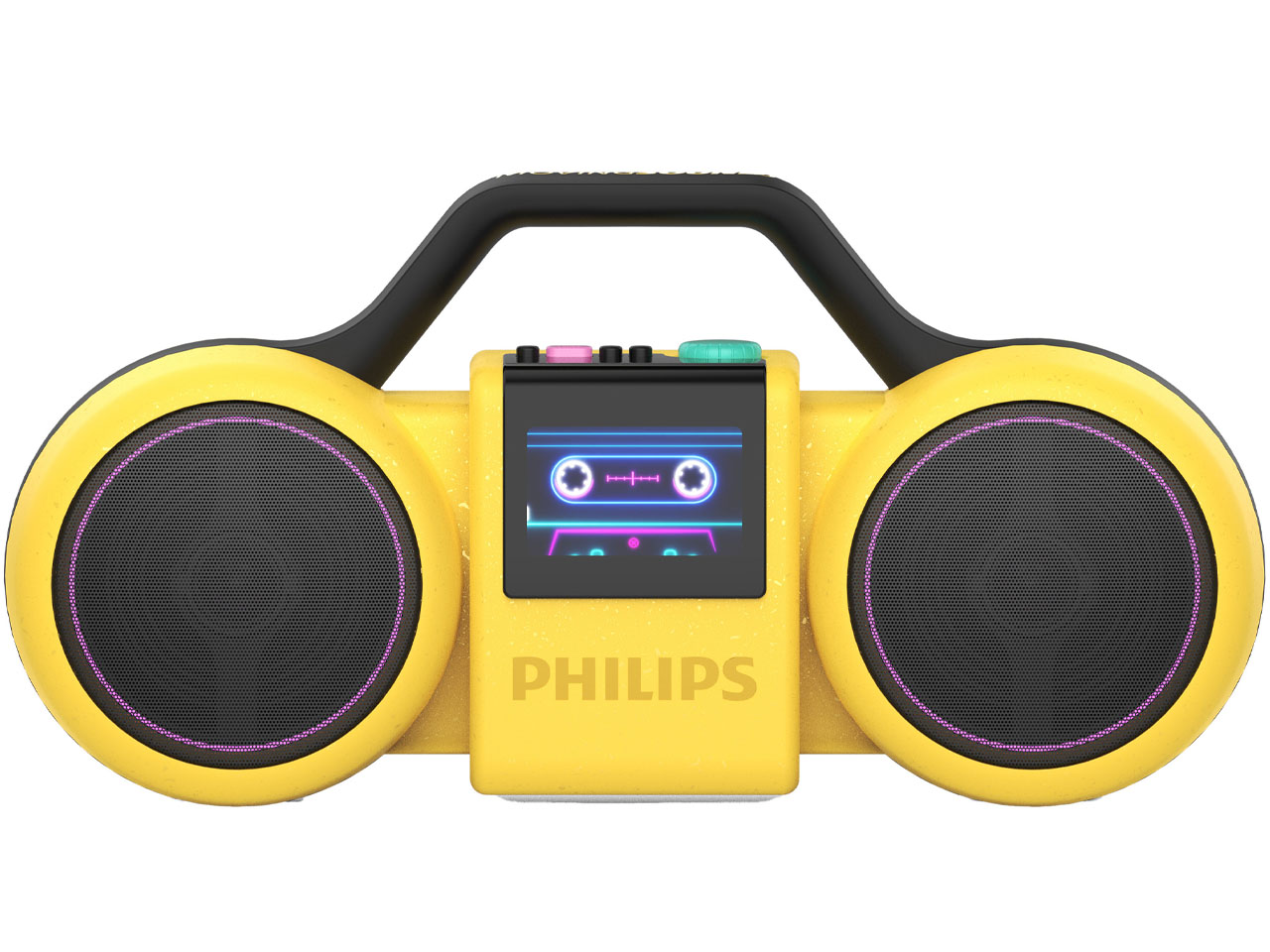
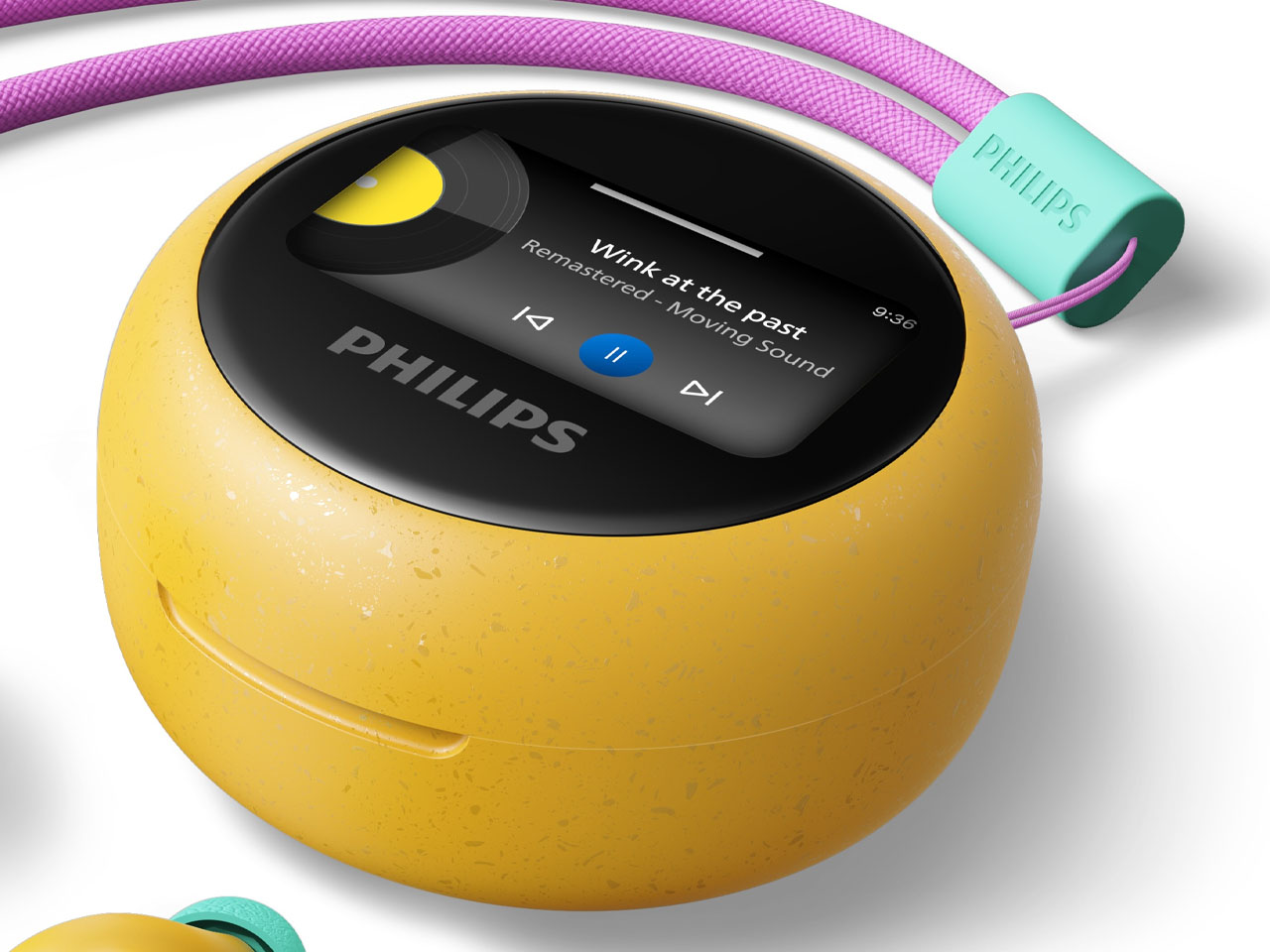
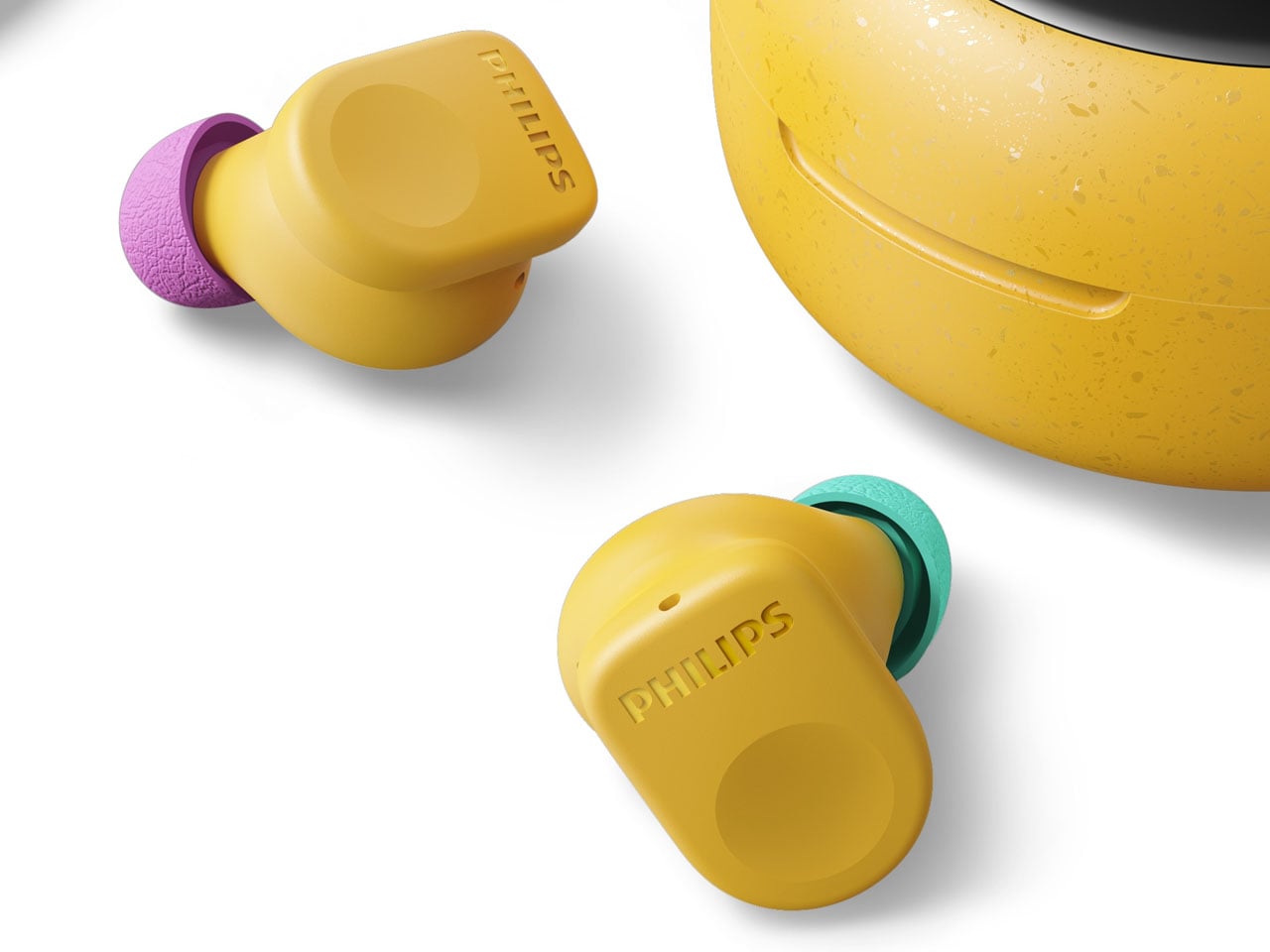
Philips is going all in with the retro vibe of 80s, because why not? The era was signified by bold colors and freedom of expression that somehow got lost in the craving for clean designs. The Dutch multinational wants to bring back that classic feel with its Moving Sound line-up that’ll have you drooling over. That pure magnetism of the retro-futuristic design sense, paired with the bright hues, is enough to get the party started.
The new range is a modern reinterpretation of the 1980’s Philips Moving Sound design, and on the inside, there is technology of modern times. This audio accessory lineup is headed by two portable Bluetooth speakers, a pair of headphones, and cheeky earbuds that are hard to resist. All of them come in attractive color combinations for a nostalgic feel. Most importantly, sustainability is at the core of the range, featuring replaceable batteries, extensive use of RCS-certified plastics, and FSC-certified plastic-free packaging.
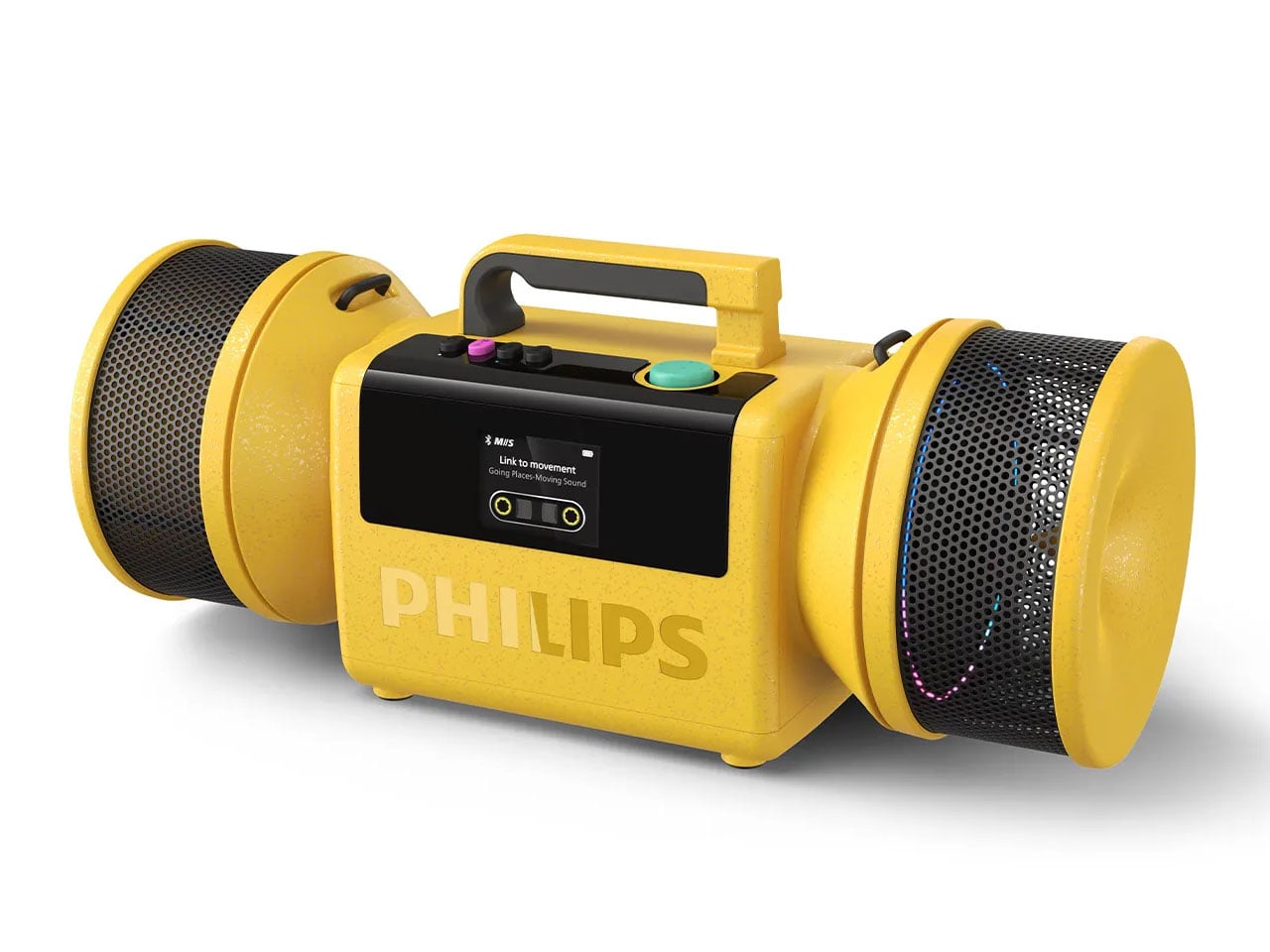
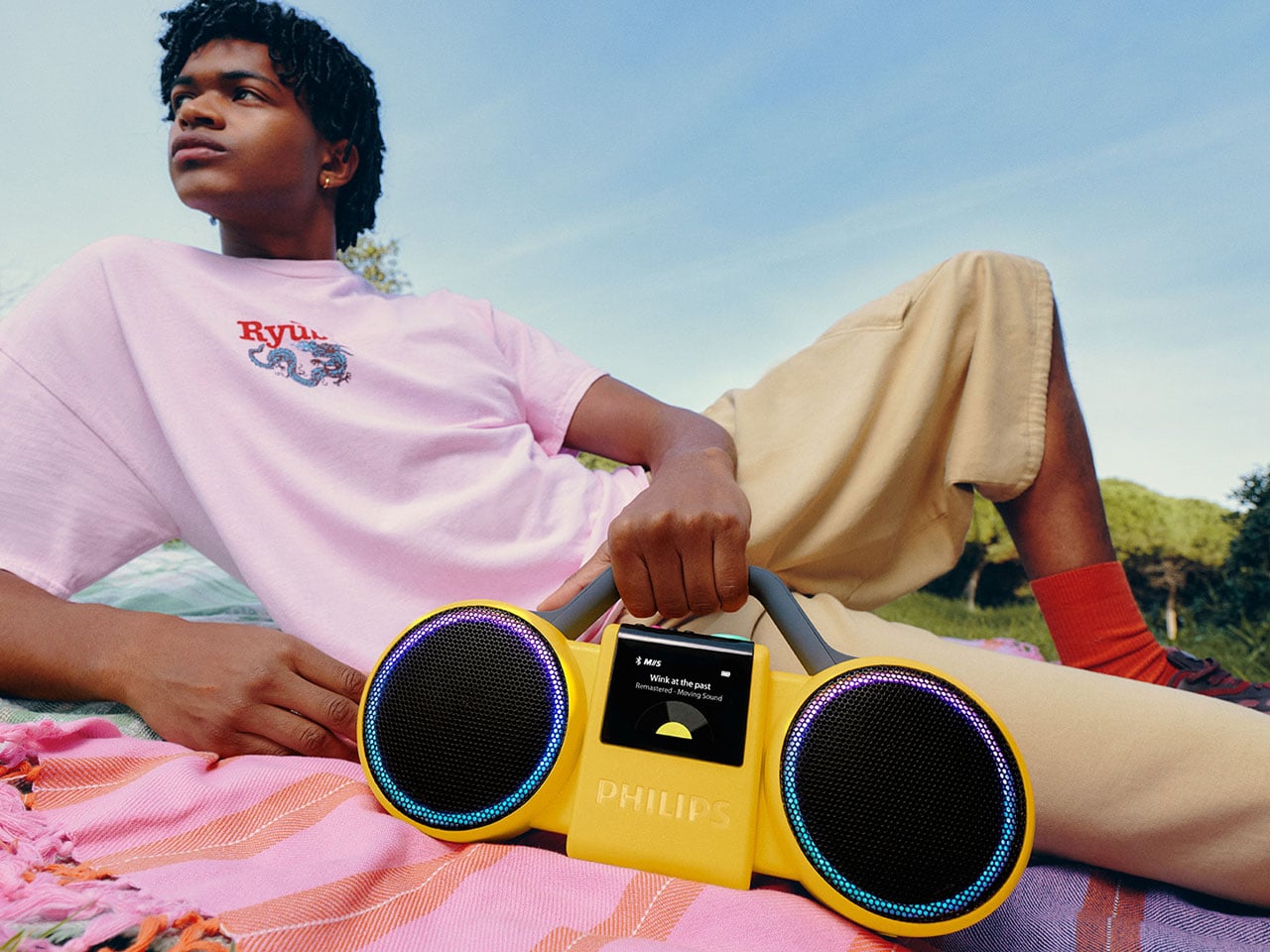
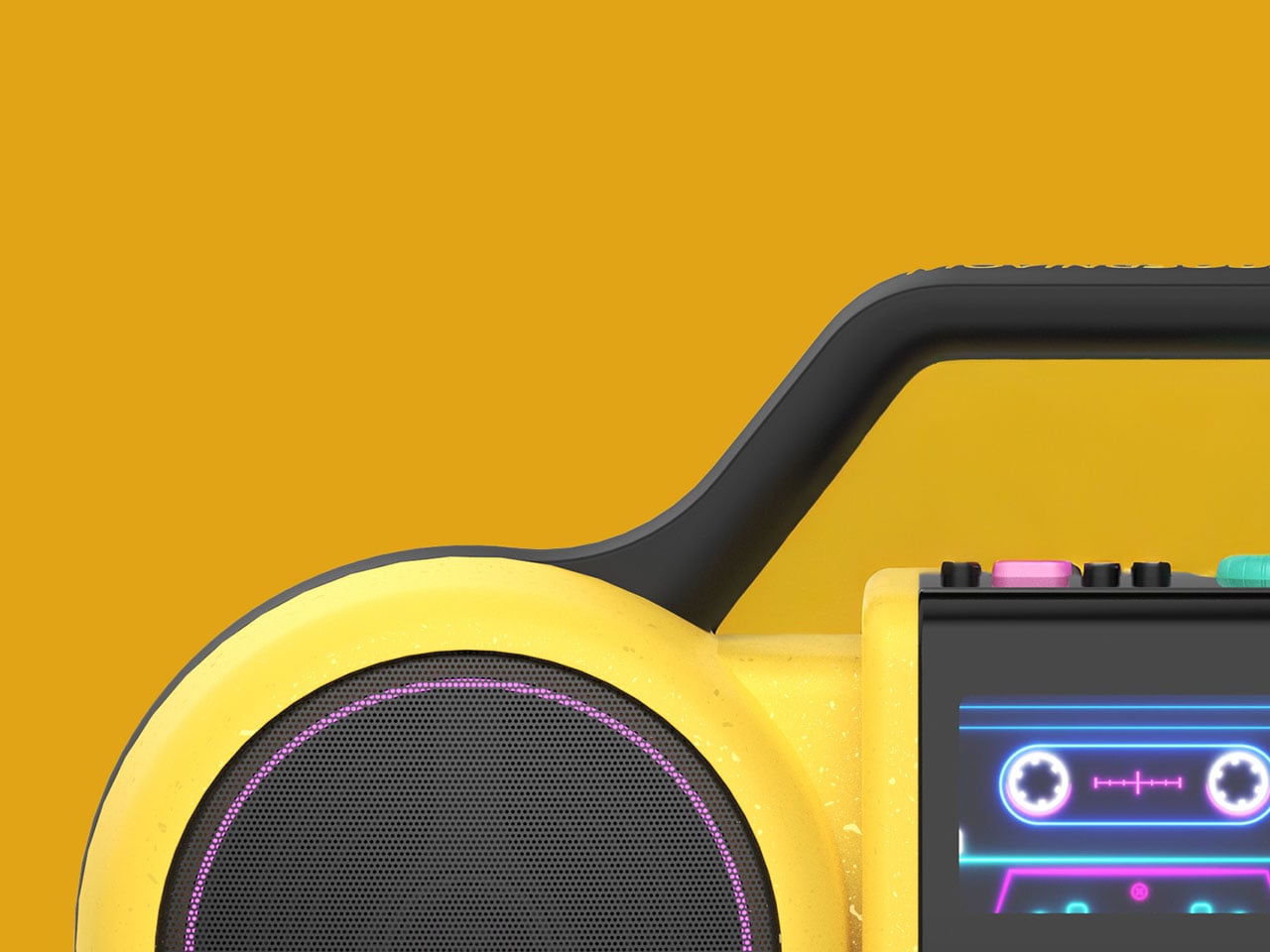
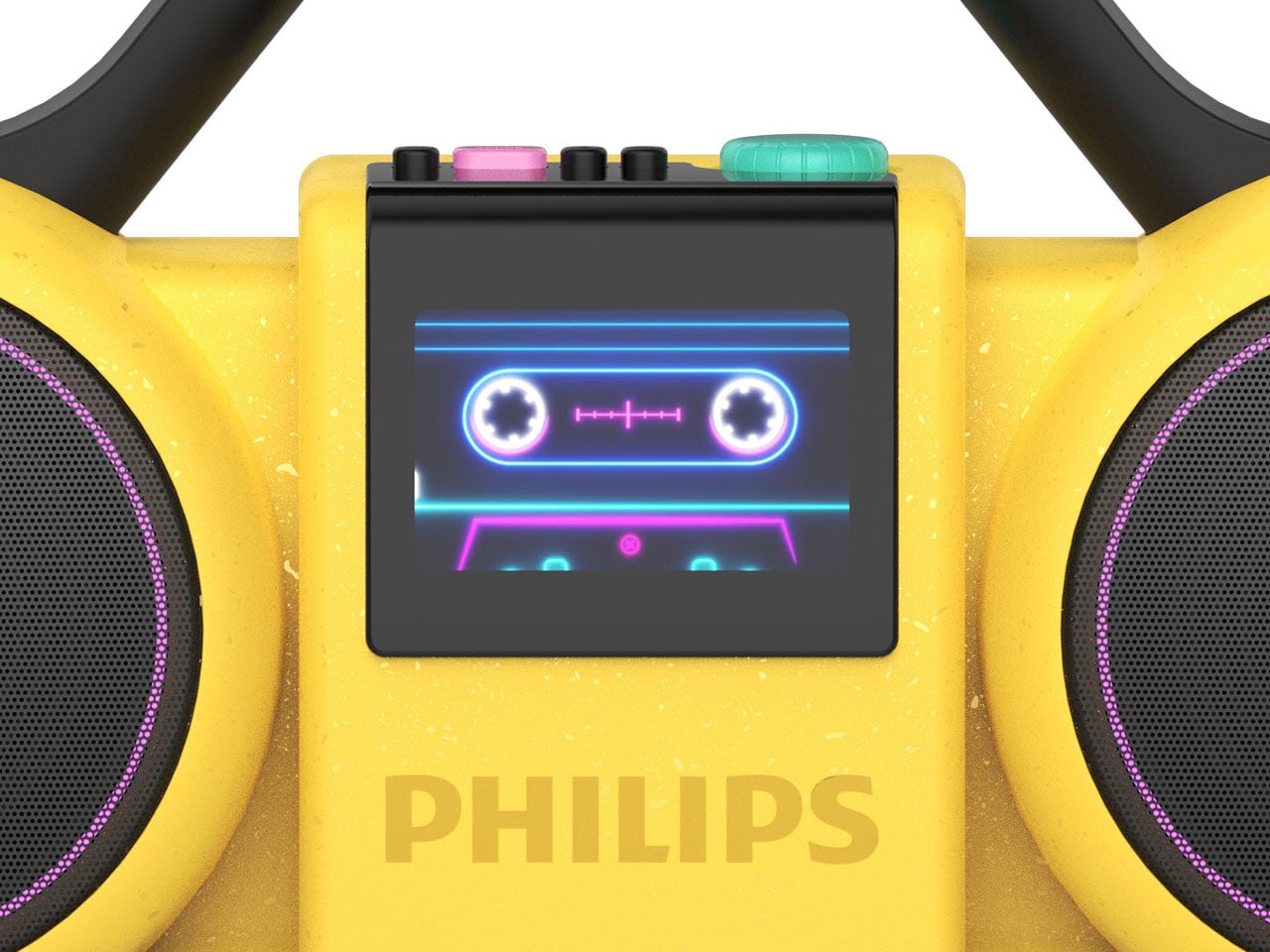
Philips has brought two portable Bluetooth speakers to the fore, which overshadow any other option on the market for their bold retro feel. The €349.99 (approximately $402) Tube (MS80) speaker is a boxy option with the bright yellow hue contrasted well with the matte black and the LED lighting around the speaker ring. It is not all looks as the IP67 rated speaker produces 140W of thumping sound via the two five-inch woofers, two tweeters, and a dual passive radiator setup. The Tube (MS80) retains the nostalgia with a color display showing the looping cassette animation. The speaker has a 24-hour battery life, which will obviously depend on the volume levels at which it is played. Modern connectivity options like Bluetooth 5.5, Auracast, and USB make this a true audio lover’s accessory.
On the other hand, The Roller (MS60), priced at €179.99 (approximately $208), is similar to the Tube (MS80) with a smaller footprint and more contoured look. The stereo layout comprises woofers, tweeters and passive radiators, and for low-end addicts, the bass can be tuned up using the Bass+ feature. The IP67 speaker generates 60W sound and comes with the same modern connectivity options as the big brother. Since it generates less wattage, it is also rated at 24-hour battery life. You can also utilize the speaker as a battery bank for power-hungry gadgets.
The Buds (MS3) Earbuds
These are one of my favorites in the lineup for their cheesy appeal. The IP54-rated Buds (MS3) wireless earbuds come with a round case that has a touchscreen display on top to show the current playing track and an option to toggle the next or previous tracks. The hues on this are purely magical with the yellow, teal and neon pink splattered in perfect proportions. The buds boast six microphones in total for hybrid ANC, and come with Spatial Audio, multipoint connectivity, Swift Pair support, and Auracast. The promised battery life of 42 hours with ANC off is quite impressive, and a 10-minute quick charge lasts for two hours. For €79.99 (approximately $92) The Buds (MS3) are an absolute steal.
Ringo Duo (MS1) Headphones
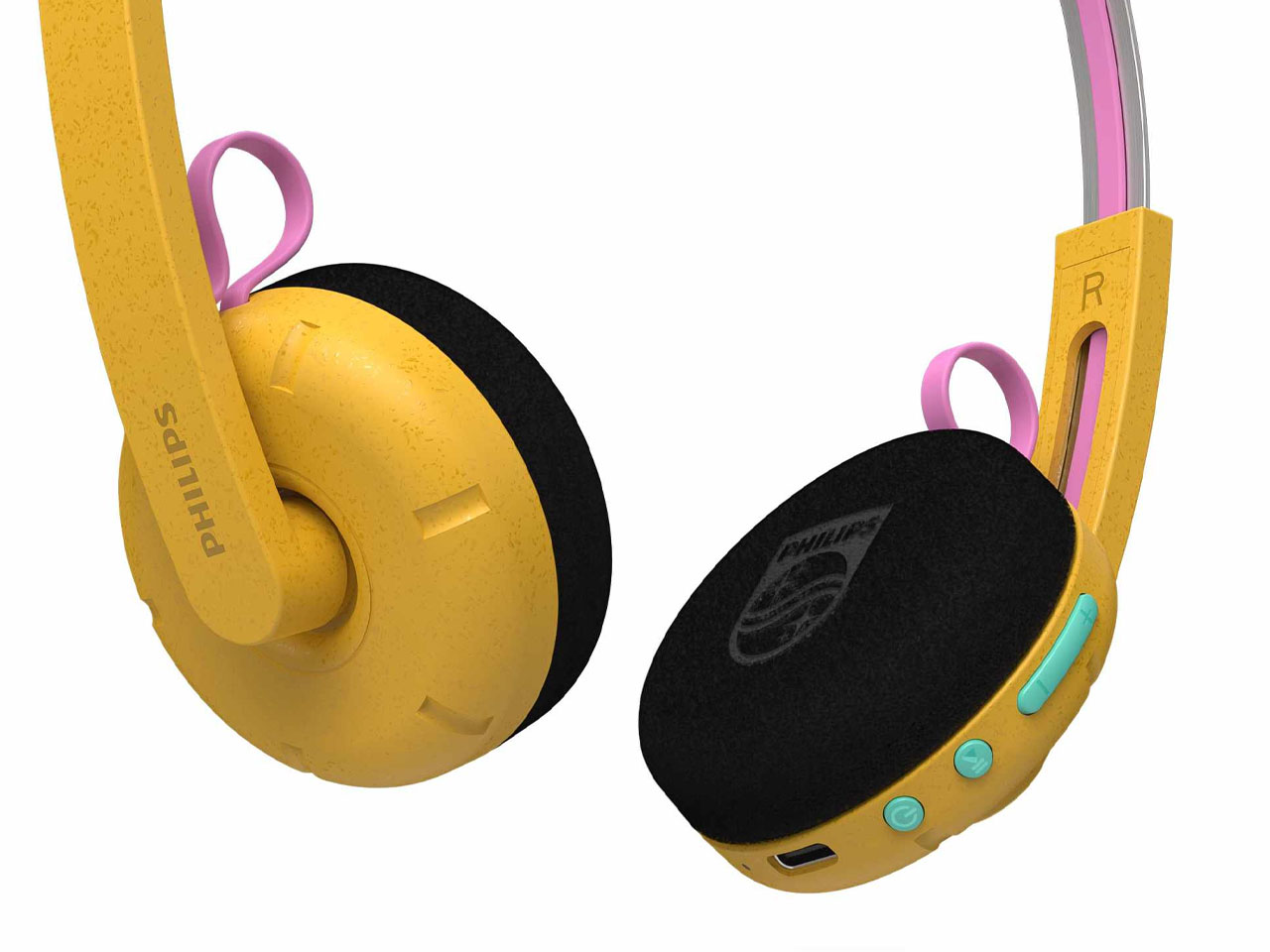
Philips was not going to miss out on the retro feel of on-ear headphones for this line-up. They have the telltale nostalgic look and feel, reminding me of the Back to the Future flick. They are lightweight and will take you back to the golden era if you pair them with music from the 80s. Audio quality from these is impressive courtesy of the 40mm drivers, and the promised 26 hours battery life should last you a couple of days of pure music bliss. You can connect them via Bluetooth or a wired connection, making them well-suited for daily driving. You won’t get anything better than the Ringo Duo (MS1) headphones priced at €34.99 (approximately $40).
Audio is a primordial requisite for experiencing the world, and even since the invention of speakers and consequently headphones and earbuds, the magical experience has become more of a daily driver. We use audio accessories in our personal space, public commutes, and anywhere else when we need to zone out for good.
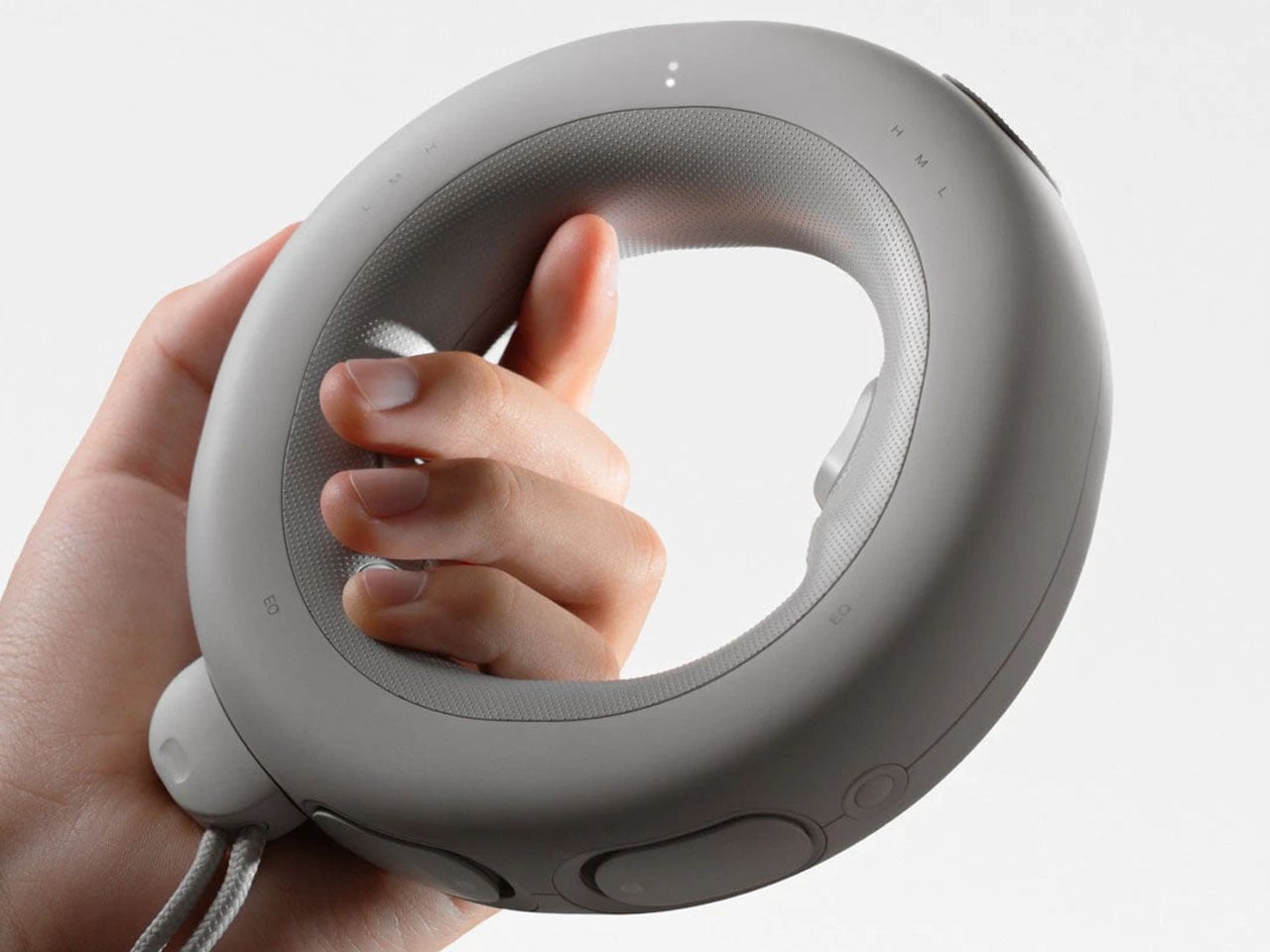
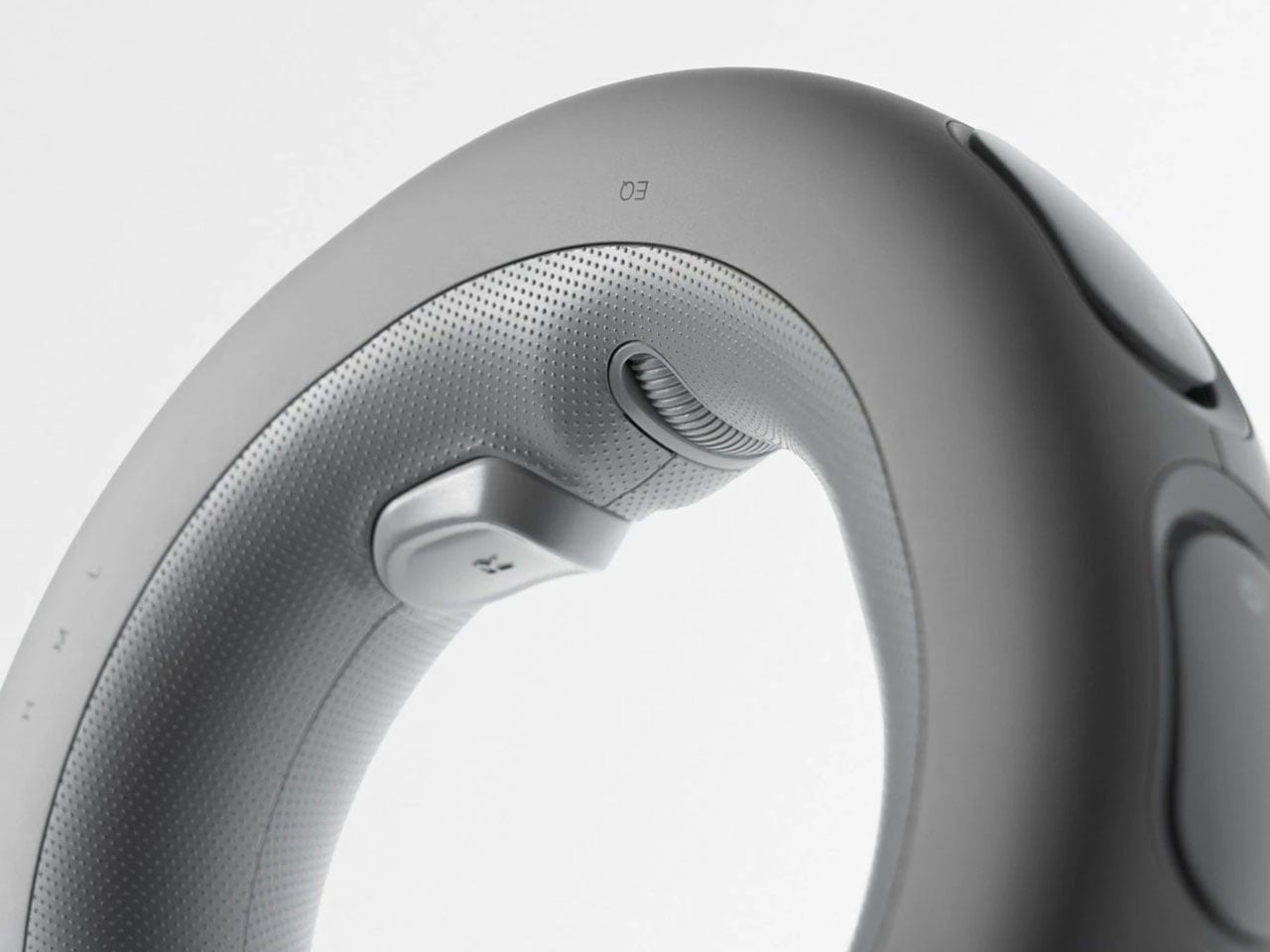
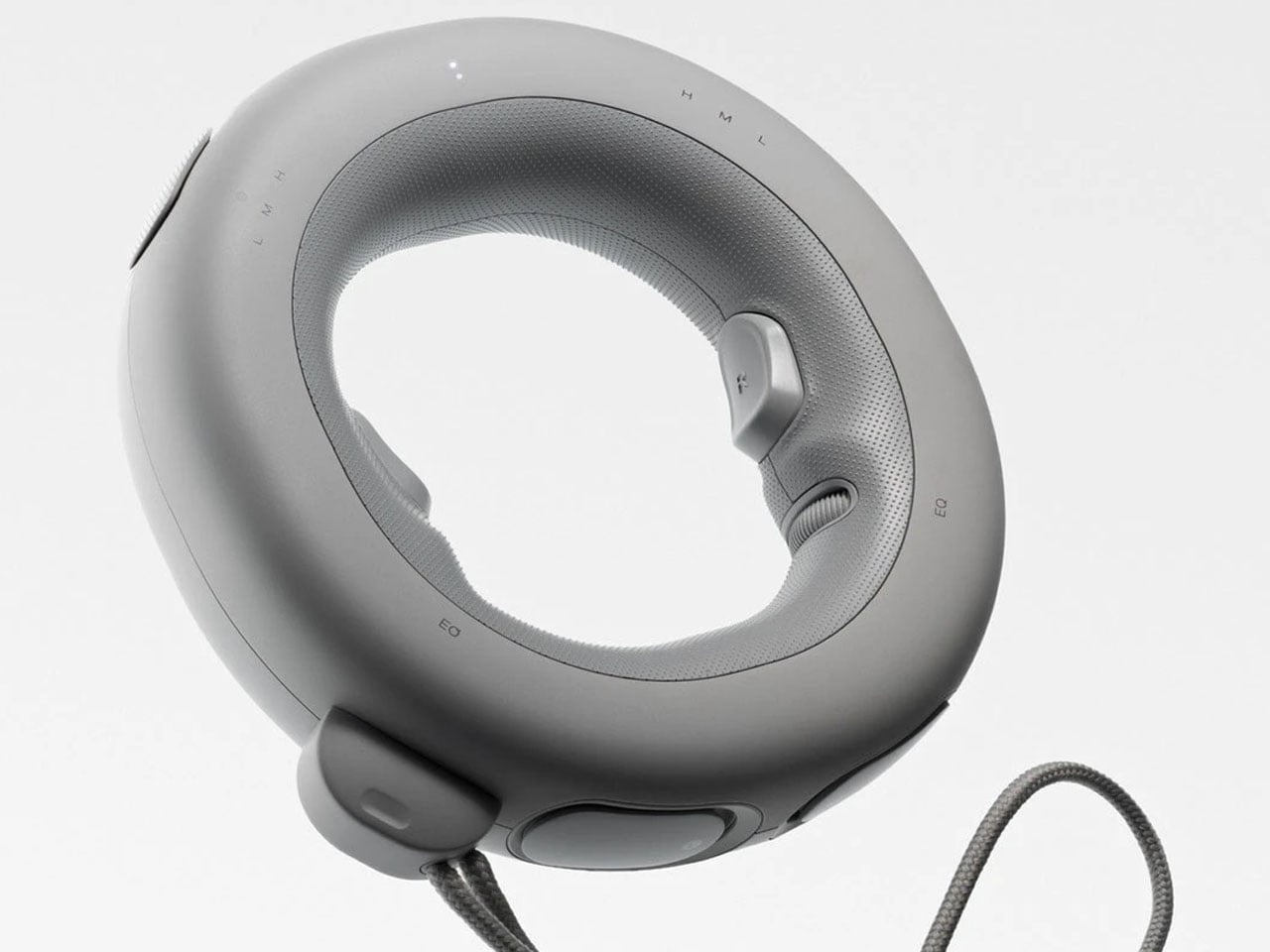
Speakers, on the other hand, are more of an inclusive experience where we enjoy our favorite tunes with our favorite people. Now there’s yet another use case scenario for audio lovers—a wearable audio speaker that doubles as a pair of earbuds. This concept design is all about exploring the limits of the audio experience while introducing a wearable format that adapts to different listening situations.
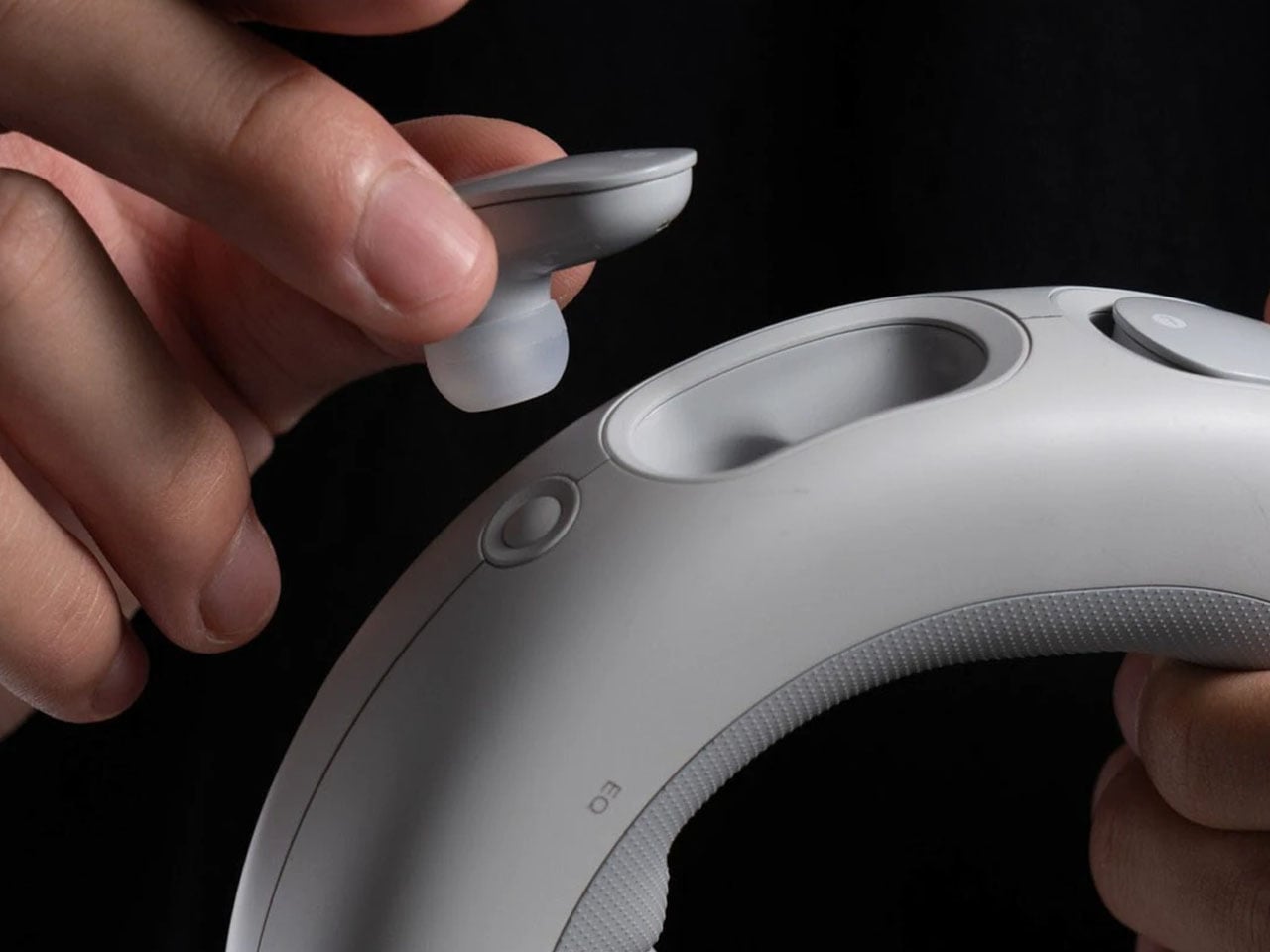
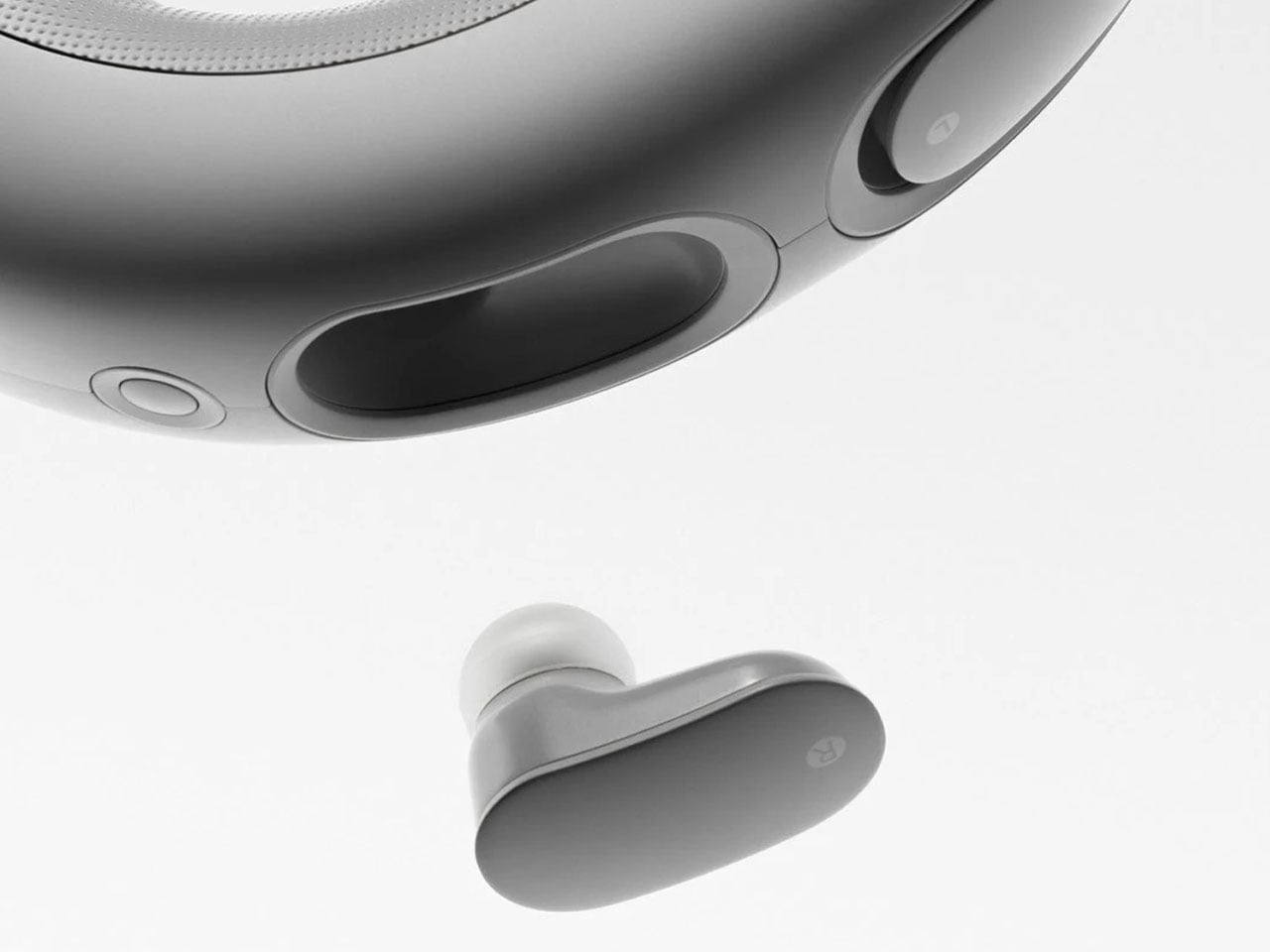
The ring-like portable speaker has a lanyard that lets users hook it onto a backpack or simply carry it around the wrist. Another option is to wear it around the neck, turning the device into a personal stereo system that surrounds the user with sound while remaining lightweight and portable. The most interesting aspect of the wearable speaker is the embedded pair of earbuds that are magnetically attached to the device. When you need a more personal audio listening session, simply detach the earbuds and slip into a more immersive listening mode.
The concept explores a flexible approach to audio consumption by blending communal listening with private listening in a single device. Instead of carrying separate accessories for each situation, the design combines the convenience of portable speakers with the intimacy of earbuds. When worn around the neck, the speaker projects audio outward, allowing nearby friends or companions to share the music. Once the earbuds are removed, the experience becomes more focused and isolated, ideal for commuting, working, or simply enjoying music alone.
Visually, the wearable speaker follows a futuristic and minimal design language. The circular form keeps the product compact and balanced, while smooth surfaces and subtle detailing give it a clean aesthetic that aligns with contemporary wearable technology. The ring structure also makes the device easy to carry and interact with, whether it is hanging from a bag or resting around the neck. Magnetic integration ensures that the earbuds remain securely attached while also making them instantly accessible when needed.
The designers also explore how wearable audio devices can remain connected to the surrounding environment instead of completely isolating the user. Open acoustic elements and carefully placed sound outlets help distribute audio while maintaining awareness of nearby sounds. This approach reflects a broader shift in wearable technology where products are designed not only for immersion but also for maintaining a sense of connection with the real world, much the Clip-On Buds that are trending currently.
Most portable speakers end up on a shelf somewhere, playing lo-fi beats while someone makes coffee. There is nothing wrong with that, but it is not what these five were made for. We picked speakers that actually want to leave the house, products built around weather resistance, battery stamina, and the kind of design thinking that considers mud, rain, and a campfire playlist as standard operating conditions. Spring 2026 has delivered some interesting options, from retro survival radios to subwoofer-equipped tanks that laugh at puddles.
What makes this list different from the usual roundup is the lens we are looking through. These are not ranked by loudness or spec-sheet one-upmanship. We looked at form factor, material durability, portability logic, and whether each speaker solves a real outdoor problem or just pretends to with an IP rating sticker. Some are brand new releases, others are designs that aged into relevance this season. All five belong outside.
1. RetroWave 7-in-1 Radio
Emergency radios tend to look like emergency radios: bulky, utilitarian, designed to sit in a basement kit next to expired granola bars. The RetroWave wraps seven functions inside a form factor borrowed from mid-century Japanese transistor radios, with a tactile tuning dial and a design warm enough to earn kitchen counter space. Those seven functions: Bluetooth speaker, MP3 player (USB and microSD), AM/FM/shortwave radio, flashlight, clock, SOS alarm, and power bank. Hand-crank charging and a solar panel provide off-grid power when outlets vanish, a capability no Bluetooth-only speaker on this list can match.
The outdoor logic differs from the rest of this roundup. The RetroWave competes on self-sufficiency, not audio fidelity. A hand crank and solar panel mean it never truly dies. The flashlight and SOS siren add safety utility for trail emergencies. Bluetooth and MP3 playback handle entertainment with respectable sound for a multi-function device, though the tuning-dial analog radio experience is where the personality lives. Shortwave reception opens up international broadcasts and emergency channels that streaming apps cannot access. As an everyday speaker, it has charm. As an emergency tool that also plays music, it is hard to argue against keeping one in a daypack. It belongs on this list not because it sounds the best, but because it is the only speaker here that could keep working days after every other device has gone dark.
Hand-crank and solar charging make it the only speaker here that generates its own power, a genuine survival feature for off-grid situations.
Seven functions (speaker, radio, flashlight, clock, SOS alarm, MP3 player, power bank) consolidate multiple pieces of outdoor gear into one device.
What we dislike
Audio quality does not match dedicated Bluetooth speakers on this list, as the multi-function design compromises driver space and tuning.
The retro aesthetic, while appealing, may feel out of place for users who prefer minimal, modern gear in their outdoor kits.
2. Marshall Emberton III
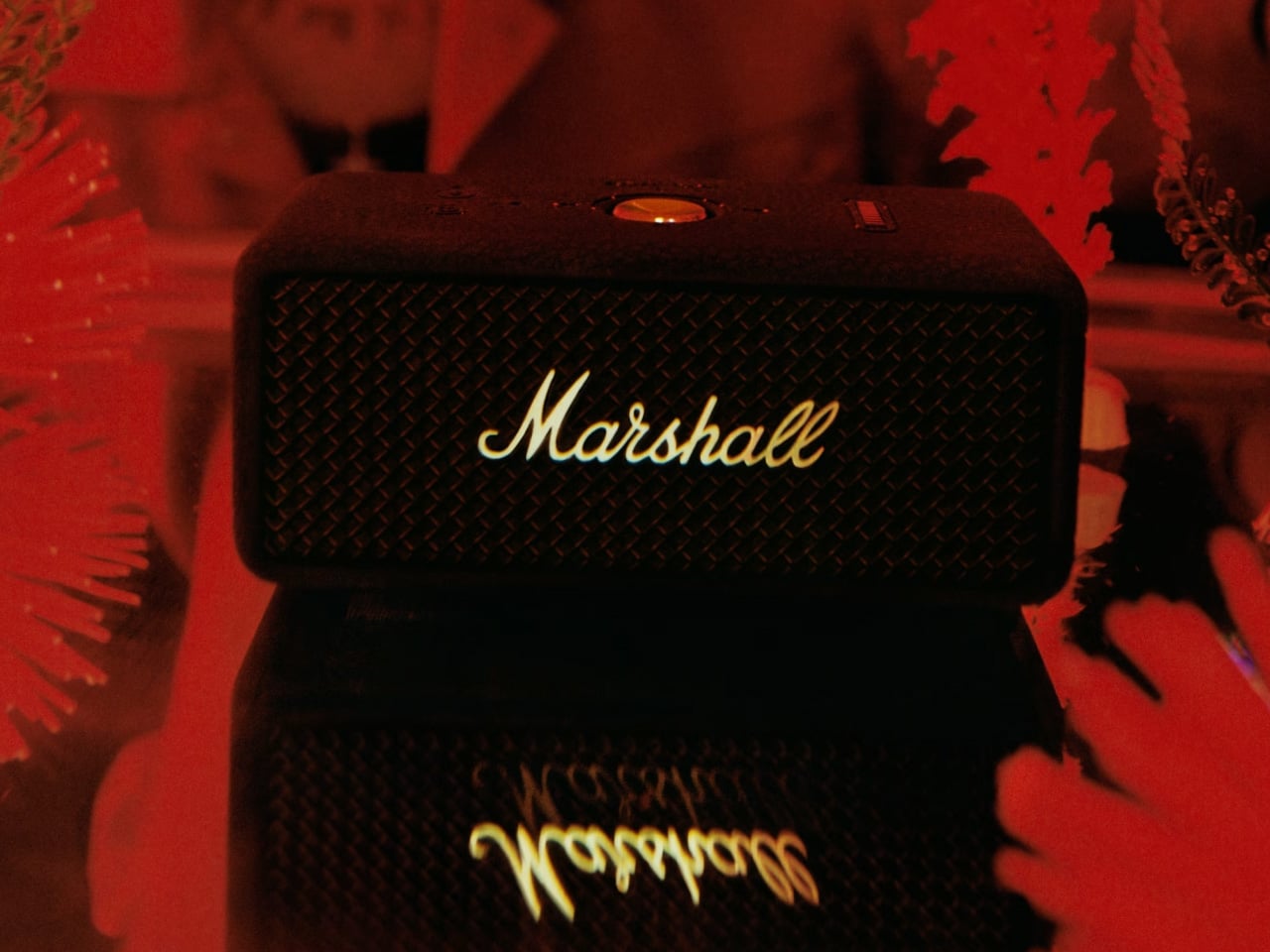
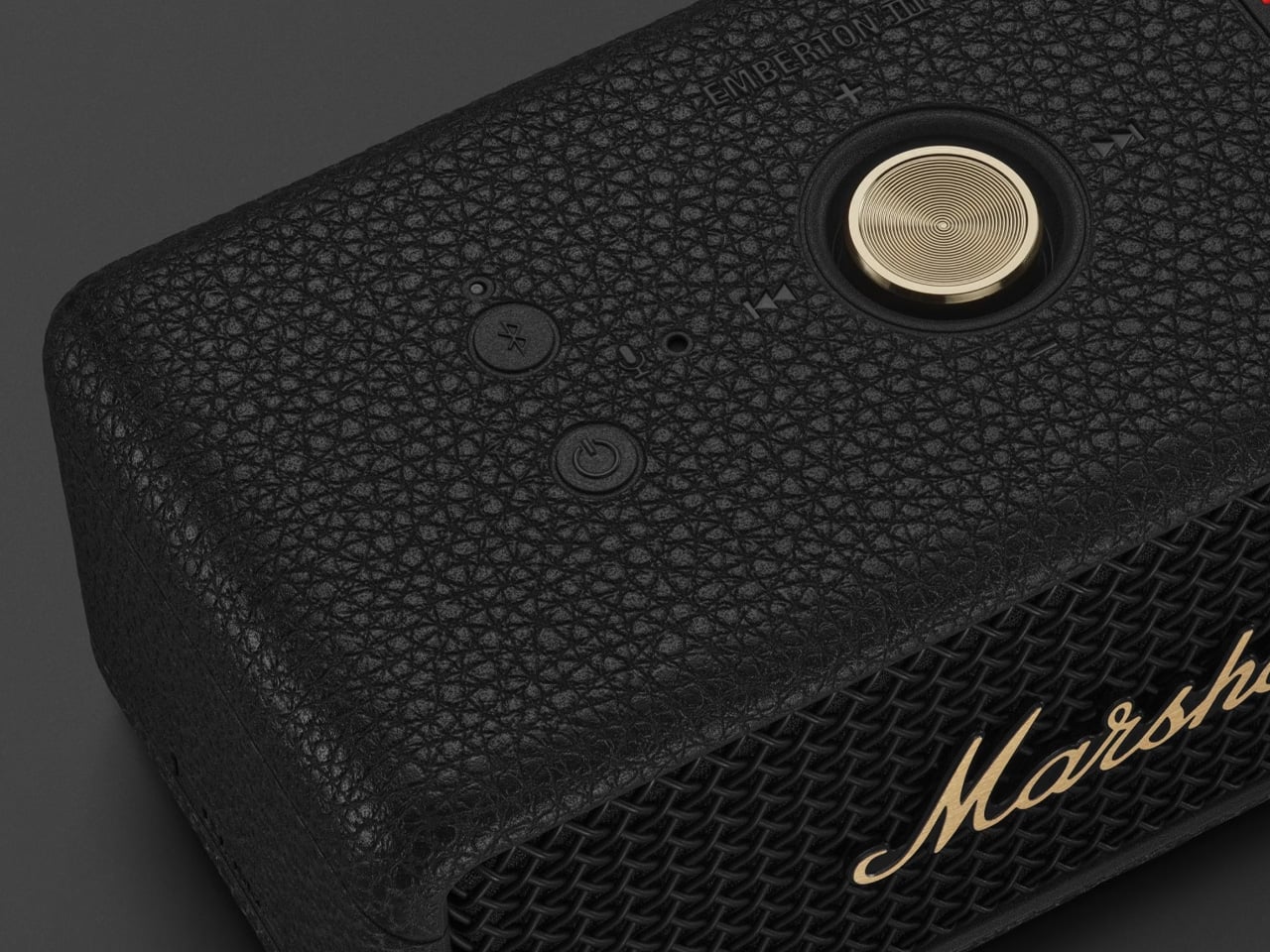
The Emberton III wraps textured silicone and metal grille construction around meaningful upgrades over its predecessors. Two 2-inch full-range drivers and two passive radiators push 360-degree sound through Marshall’s True Stereophonic system, so placement on a picnic blanket or backpack strap matters less than it would with front-firing alternatives. An IP67 rating allows submersion in one meter of water for 30 minutes, and the 32+ hours of battery life cover an entire weekend trip without an outlet. A 20-minute quick charge returns six hours of playback, the kind of math that matters when departure is in half an hour, and the speaker is dead.
Bluetooth 5.3 with LE Audio readiness and upcoming Auracast support means multi-speaker setups are on the horizon. A built-in microphone, absent from earlier Embertons, handles hands-free calls. The signature brass control knob manages volume, track skipping, and play/pause with tactile precision that wet or gloved hands appreciate far more than a touchscreen. At $159, it sits in a competitive zone against the Sonos Roam 2 and JBL Flip 6, but neither offers this battery endurance. Marshall’s sound leans warm and full at moderate volumes, though pushing past 85% introduces harshness common to speakers this size.
What we like
32+ hours of battery life covers multi-day trips, and the 20-minute quick charge for six hours of playback is a practical safety net.
IP67 rating handles submersion, dust, and sand, making it one of the most weather-resistant speakers at this price.
What we dislike
Sound gets harsh at very high volumes, a physical limitation of the small driver size that DSP tuning cannot fully solve.
No 3.5mm auxiliary input means Bluetooth is the only connection option, eliminating wired backup for devices with dead wireless.
3. Brane X
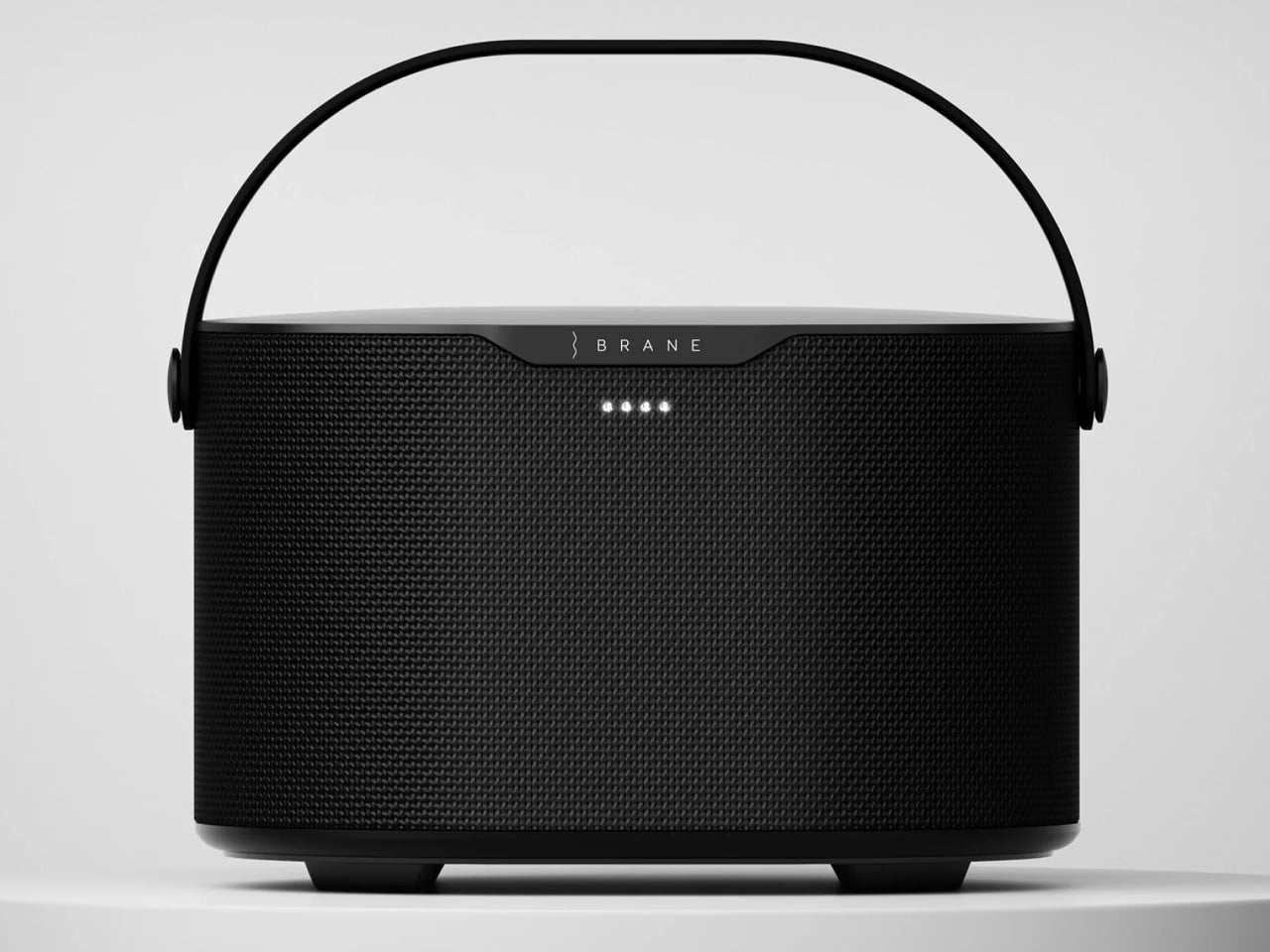
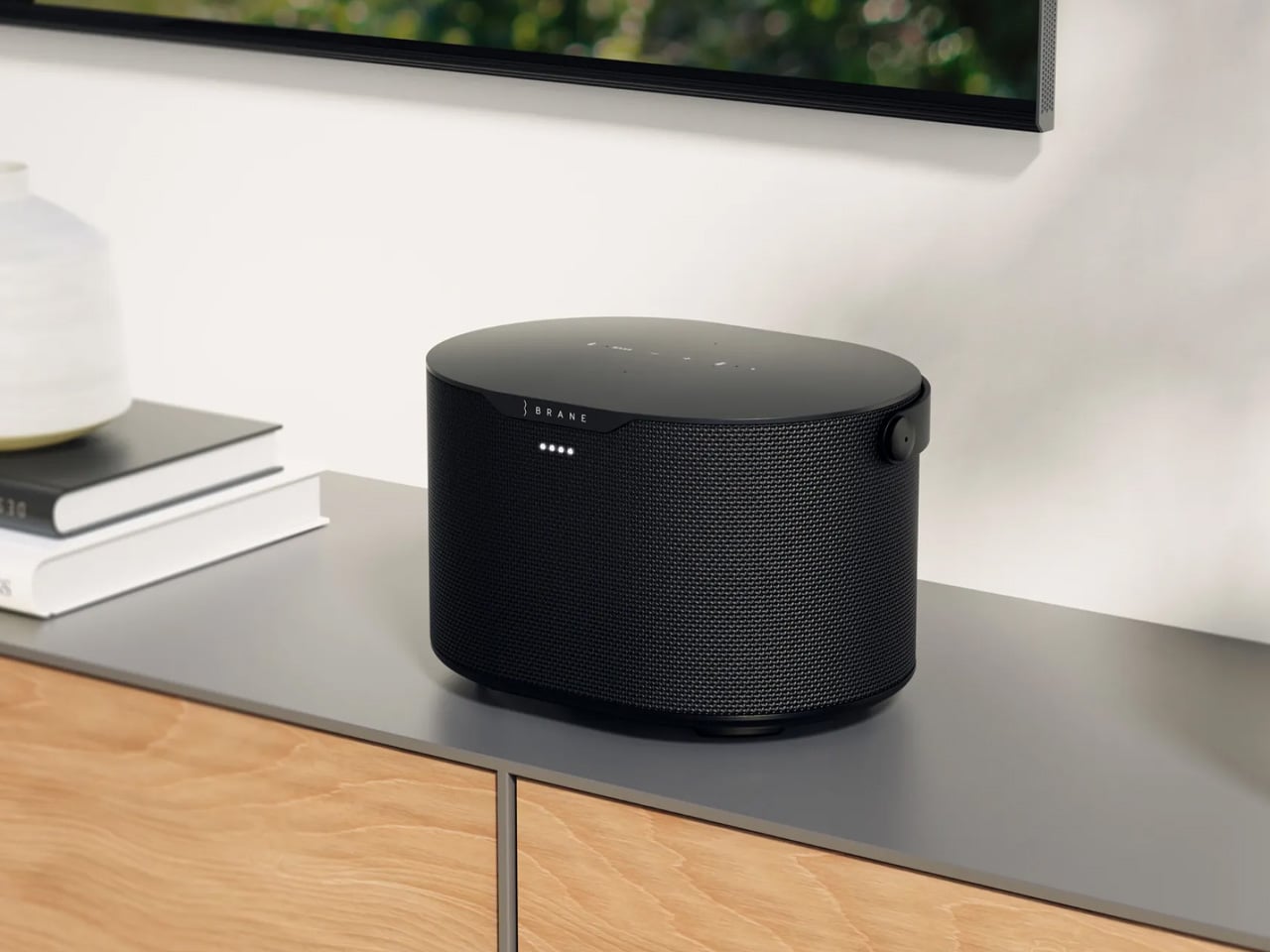
Most portable speakers fake bass by boosting mid-bass frequencies and letting psychoacoustics fill the gaps. Brane X uses a proprietary Repel-Attract Driver (RAD) that cancels internal air pressure forces, producing real sub-bass down to 27.1 Hz from a speaker just 9.3 inches wide. Five drivers total, including a 6.5 x 9-inch RAD subwoofer, two midrange drivers, and two dome tweeters, are powered by four class-D amplifiers exceeding 200 watts combined. A 72 watt-hour battery provides up to 12 hours of runtime, and full IP57 waterproofing means rain and poolside splashes are non-issues.
Outdoors, the five-driver array creates a soundstage that holds up when listeners spread across a campsite or patio. A custom DSP engine runs 500 million EQ calculations per second, maintaining clarity at volumes where competitors distort. Wi-Fi adds Spotify Connect and SiriusXM streaming, Alexa handles voice control, and the Brane app offers custom EQ and grouping for up to eight speakers. At 7.7 pounds, it is heavier than pocket alternatives, but the acoustic payoff justifies the weight for anyone tired of thin, tinny campsite sound. A 3.5mm auxiliary port also accommodates turntables, a rare inclusion in the wireless-first portable category.
What we like
Bass response down to 27.1 Hz from a portable form factor is a genuine engineering achievement unmatched in this size class.
IP57 waterproofing combined with 200+ watts of amplification delivers serious sound in weather that would sideline most premium speakers.
What we dislike
7.7 pounds limits grab-and-go spontaneity for hiking or cycling trips compared to sub-2-pound alternatives.
Battery tops out at 12 hours at moderate volume, less than half of what the Emberton III offers on a single charge.
4. The Harman Kardon Traveller Concept
The Traveller rethinks what a portable speaker should look like for people who actually travel with one. The form factor draws from Sony point-and-shoot cameras, producing a slab so slim it fits alongside a passport wallet. Touch controls and LED indicators sit on top, maintaining the clean design language of the Harman Kardon Esquire Mini 2. A high-density battery delivers up to 10 hours of playback, and reverse charge functionality turns the speaker into an emergency power bank when a connected phone dies mid-hike. Dual microphones with echo and noise cancellation handle calls in windy outdoor conditions.
The outdoor advantage here is not ruggedness but presence. The slimmest speaker is useless if it stays home because packing it is inconvenient. The Traveller solves that by occupying almost no space, fitting into a carry pouch alongside chargers and cables. Three planned colorways (black, silver, electric blue) suggest a product designed to be seen, not hidden. Sound quality carries the Harman Kardon name, though the slim profile necessarily limits low-end output compared to thicker options on this list. For backpackers and frequent flyers who treat portability as the primary feature, this concept points toward a smarter kind of outdoor speaker: one designed to be forgotten in the bag until needed.
What we like
Reverse charge functionality doubles the speaker as an emergency power bank, solving two travel problems with one device.
Ultra-slim form factor fits in jacket pockets and travel pouches, the most packable option on this list by a wide margin.
What we dislike
This is a concept design, not a production product, so availability and final specs remain unconfirmed.
Slim profile inherently limits bass depth and volume ceiling compared to thicker, driver-stacked competitors.
5. Side A Cassette Speaker
Somewhere between a novelty gift and a legitimate audio device, the Side A leans closer to legitimate than the shape suggests. Styled after a real mixtape with a transparent shell and a Side A label, it hides a Bluetooth 5.3 speaker inside a back-pocket form factor. The cassette shape forced designers to tune for warm, analog-flavored sound within the tightest enclosure possible, and the result has a cozy quality that bigger, flatter-response speakers do not replicate. MicroSD support adds offline MP3 playback, useful on trails where phone battery conservation matters more than streaming. A clear case doubles as a display stand for desk use indoors.
Outdoors, the Side A works best as a personal-zone speaker. It will not fill a campsite, but clipped to a bag or perched on a rock beside a hammock, it handles solo listening and small-circle hangouts without the bulk of a larger unit. Bluetooth 5.3 delivers stable pairing, and range holds reliably when a phone is in a tent and the speaker is by the fire. At sub-$50, it is a low-risk purchase and an easy gift for anyone nostalgic about cassette culture. The trade-off is clear: do not expect room-filling volume or chest-thumping bass. This is a speaker for people who value character and portability over raw performance, and within that lane, it delivers more than the price suggests.
Bluetooth 5.3 and microSD playback cover both streaming and offline listening, handling connectivity gaps common on outdoor trips.
Pocket-sized cassette form factor weighs almost nothing, lowering the barrier to actually bringing a speaker on every outing.
What we dislike
Volume and bass are physically limited by the tiny enclosure, making it unsuitable for group listening in open spaces.
MicroSD support handles MP3 files only, excluding FLAC, WAV, and other formats that audio-conscious users may prefer.
Where spring leaves us
These five speakers share one trait that separates them from the hundreds of Bluetooth speakers released every quarter: they were designed with an awareness that speakers leave houses. That sounds obvious, but most portable speaker design still optimizes for countertops and nightstands, treating water resistance and battery life as checkbox features rather than core design drivers.
The Emberton III and Brane X represent two ends of the outdoor audio spectrum, one betting on endurance, the other on acoustic performance that refuses to compromise because the ceiling is sky instead of drywall. The Traveller and Side A cassette challenge the assumption that outdoor speakers need to be chunky, proving slimness and personality coexist with genuine trail usefulness. And the RetroWave reminds us that the most capable outdoor device might be the one that never needs charging at all. Spring is for getting outside. These are the speakers who want to come along.
Spotify is undoubtedly one of the most used streaming audio services worldwide, with a library of over 100 million tracks, 7 million podcasts, and 500,000 audiobooks. Their upgrade to lossless audio will only edge the 751 million-user base further, as the battle with Apple Music, YouTube Music, and Tidal heats up.
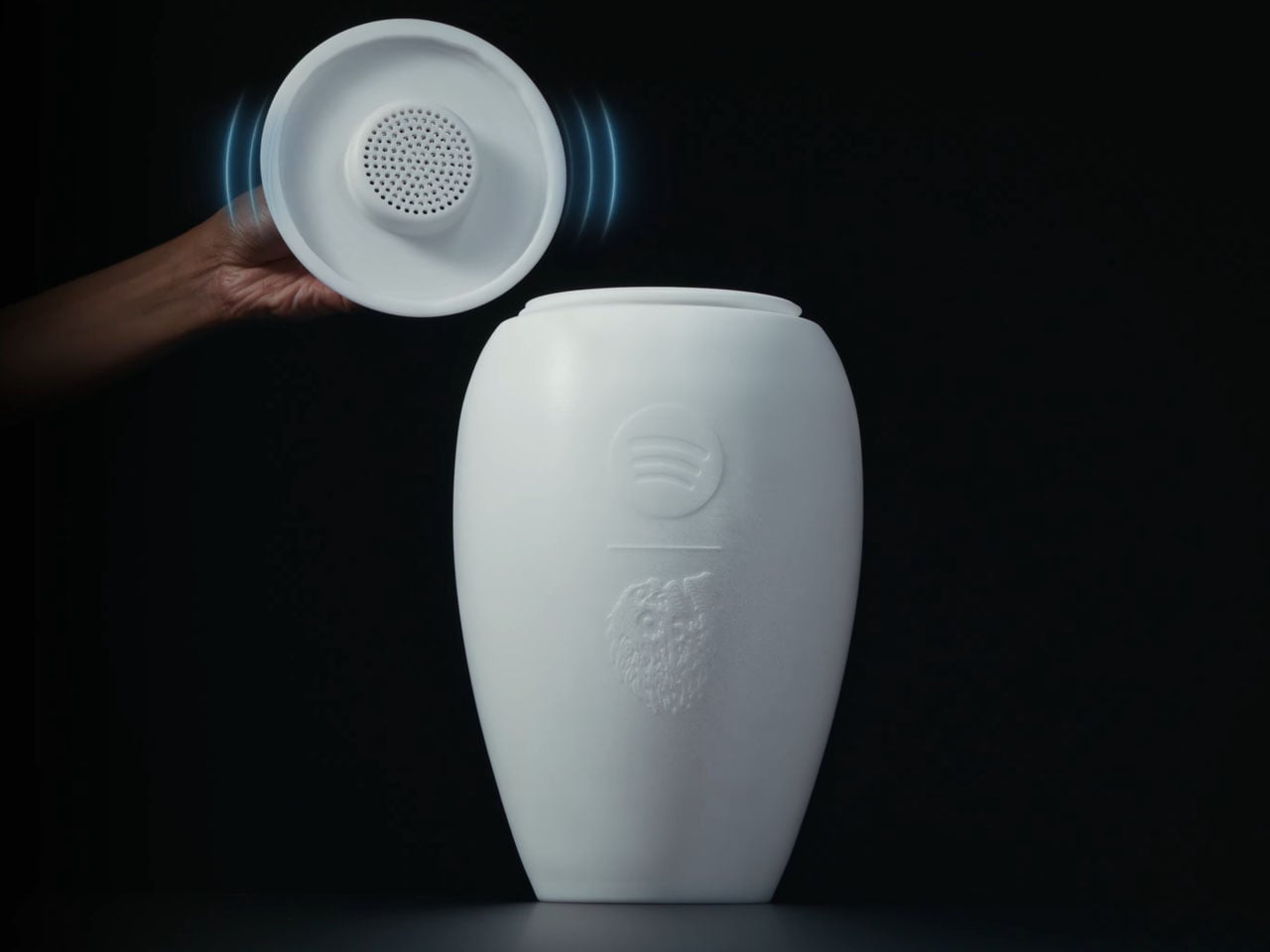
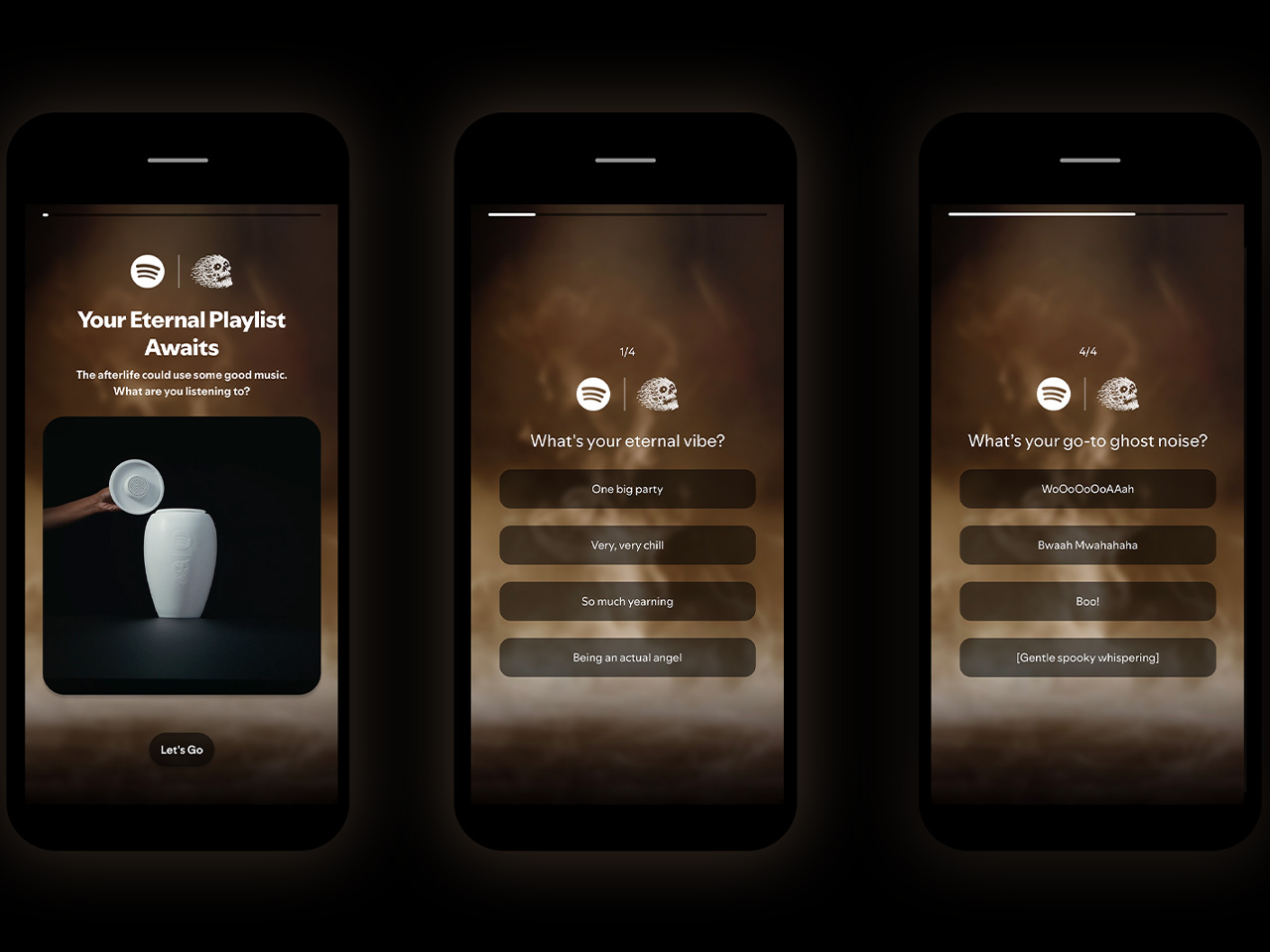
Their estimated market share of 31 percent is not eroding anytime soon, so why not experiment with out-of-the-box product designs that attract more users? The Scandinavian music giant has collaborated with beverage company Liquid Death to create one of the most unique products you’ll see all year long. This is the Eternal Playlist Urn, a Bluetooth speaker shaped like an urn (no prizes for guessing). According to Spotify, this is the world’s first music streaming ceremonial jar that makes death “a lot less boring” and keeps hauntings at a minimum, as music tends to calm down the deceased, presumably!
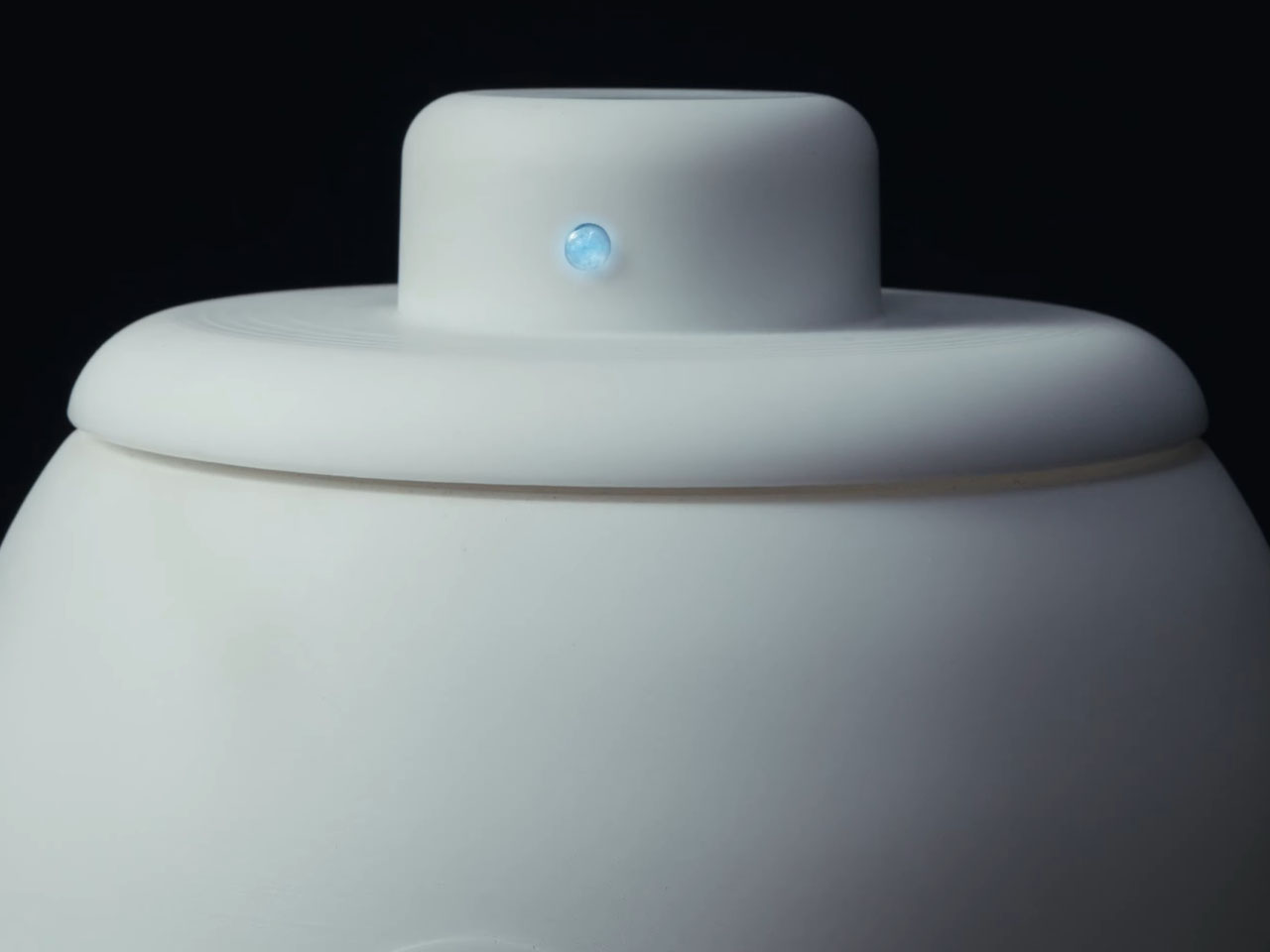
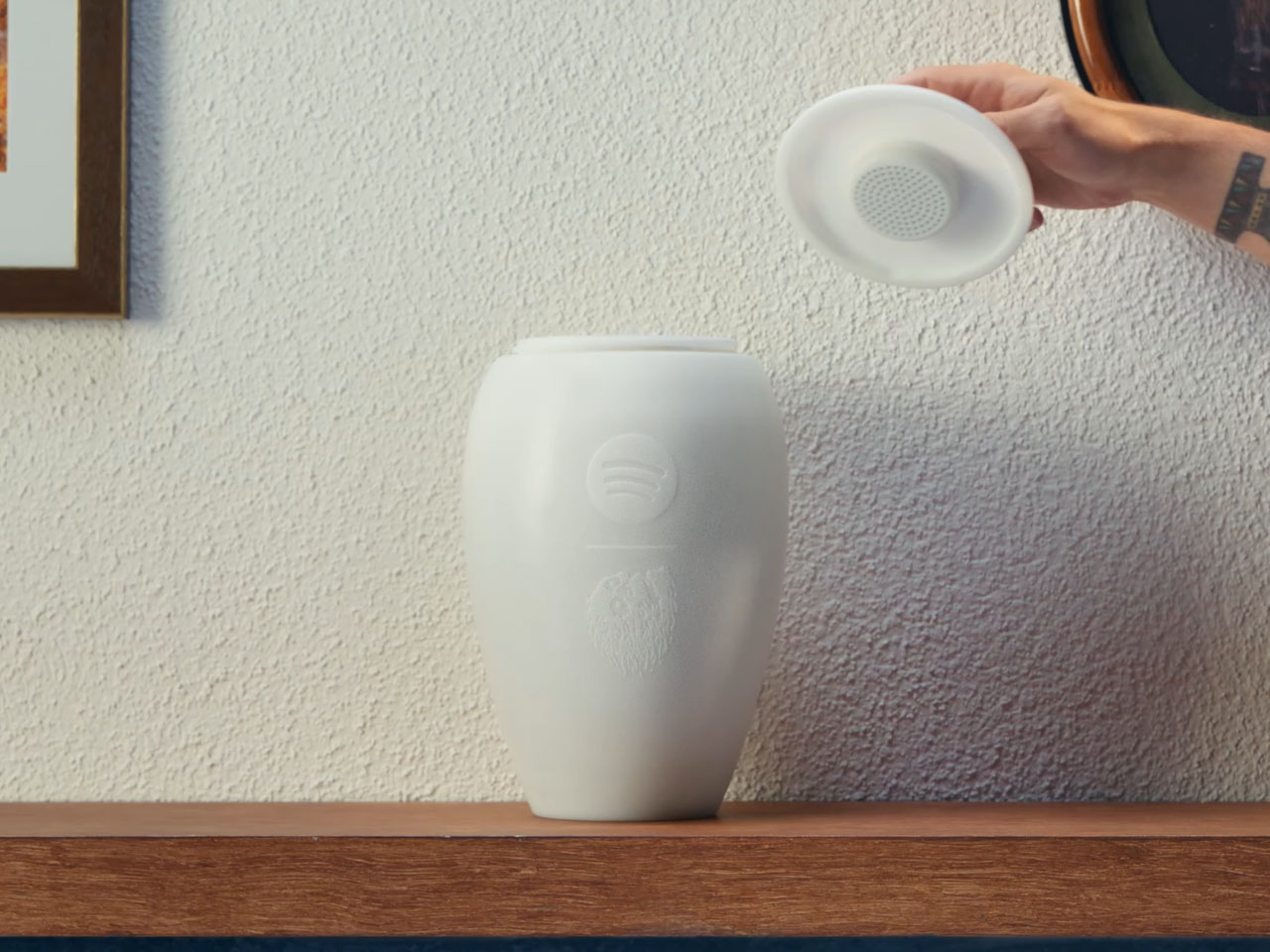
The idea here is to create music vibes somewhere that has never been done before. A belief that the dearly departed souls should have the freedom to jive to their favorite tunes down 6 feet under. That too for eternity, as Spotify jokingly exclaimed. As most of us would believe, the keepsake pot houses the wireless speaker unit. That’s not the case, as the big urn doesn’t conceal the big speaker; it is a small driver unit in the lid of the urn. When you get this speaker urn, the first thing you do is create the Eternal Playlist on Spotify. There are a few questions that you need to answer, like “What’s your eternal vibe?” or “What’s your go-to ghost noise?”, and then the custom playlist is generated considering these replies and the listening history.
The playlist generating tool Spotify calls the Eternal Playlist is synced to the urn right away, and you can share the last rights with your friends and family. Of course, you can then play the music directly on your newly purchased urn speaker on the living room shelf. The urn, measuring 7 x 7 x 11 inches and weighing 2.4 pounds, is intended to be minimal in white color and respectful of other décor elements it sits beside. It has the Spotify and Liquid Death logos engraved upfront, which keeps the musical vibe apparent, if you don’t fancy urns in your peripheral vision.
While this speaker urn will not be the best thing to hold the ashes of your dear dead, the thing is definitely going to be a collector’s item. Only 150 will be available for purchase in the United States for a fat $495, so you’d better be on your toes to grab this one. For those who still prefer contemporary audio accessories, that amount of money can buy you a decent speaker system. I just hope this isn’t an early April Fool’s joke.
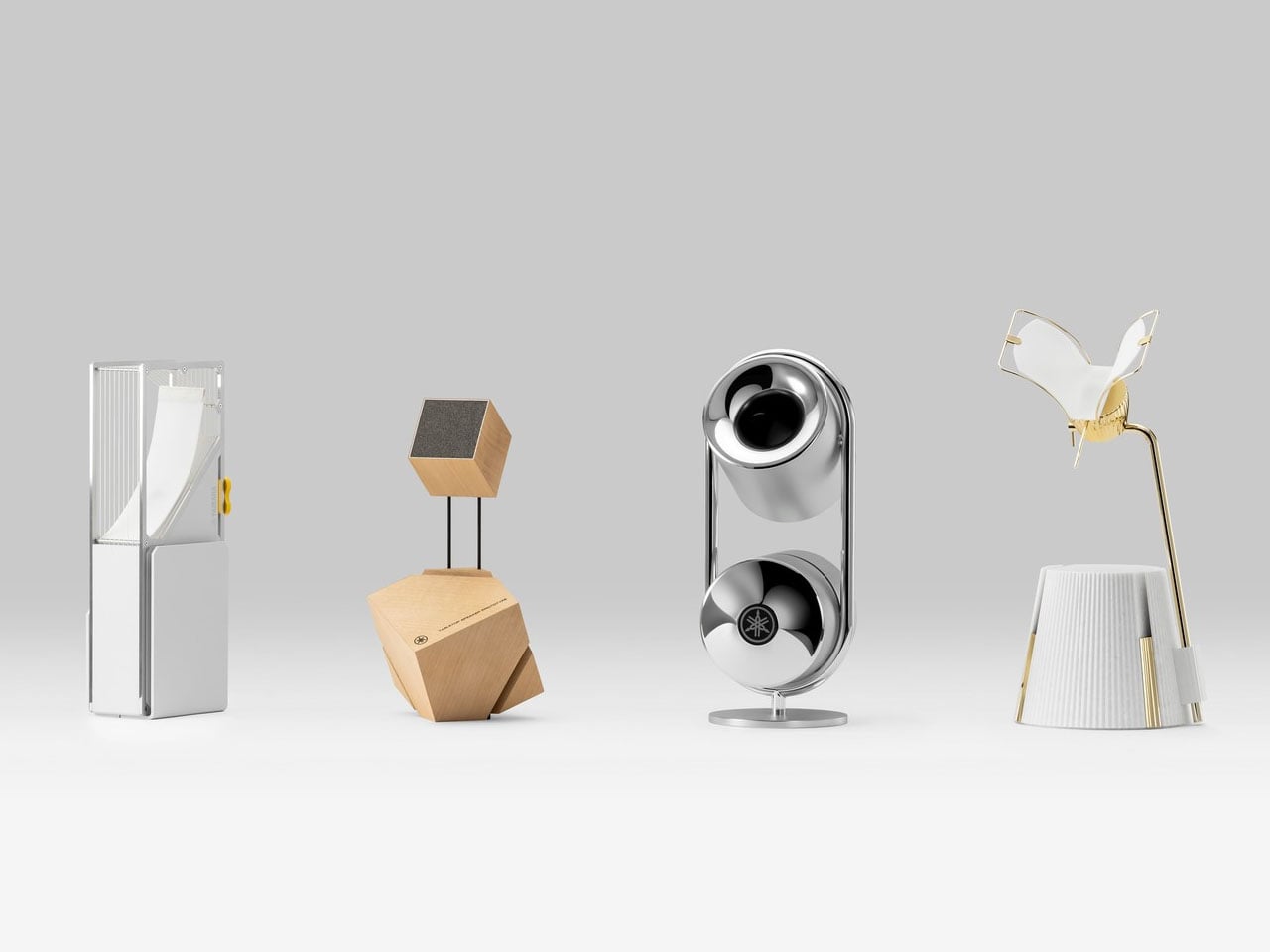
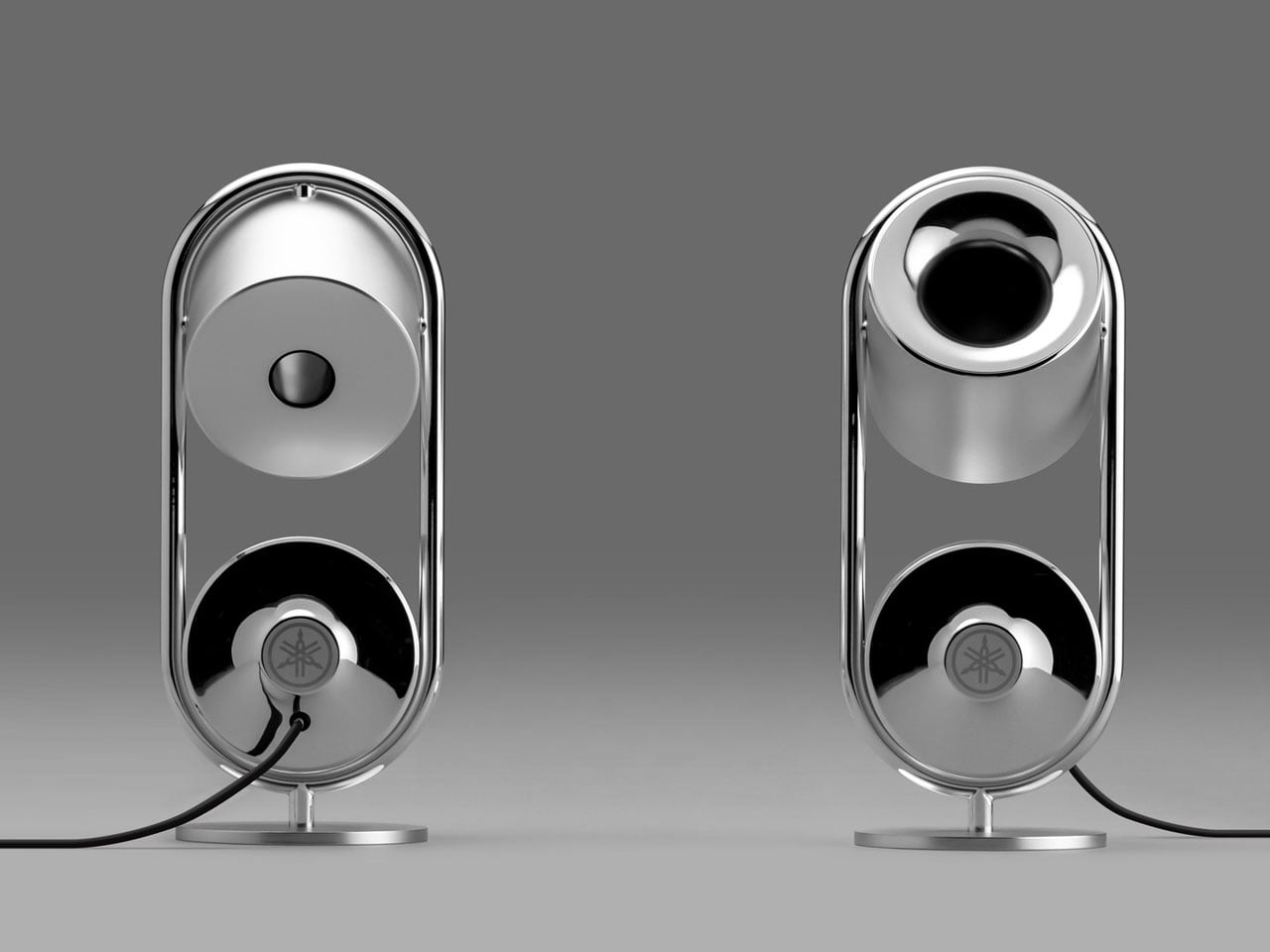
Few brands move as fluidly between precision engineering and artistic expression as Yamaha. From concert grand pianos to motorcycles and professional audio systems, the company has long treated sound as both science and sculpture. Its latest speculative speaker concepts continue that philosophy, challenging the conventional box-shaped loudspeaker with forms that are lighter, more interactive, and visually dynamic. Rather than refining the familiar rectangular enclosure, Yamaha’s design team rethinks how sound radiates into space and how users physically engage with it.
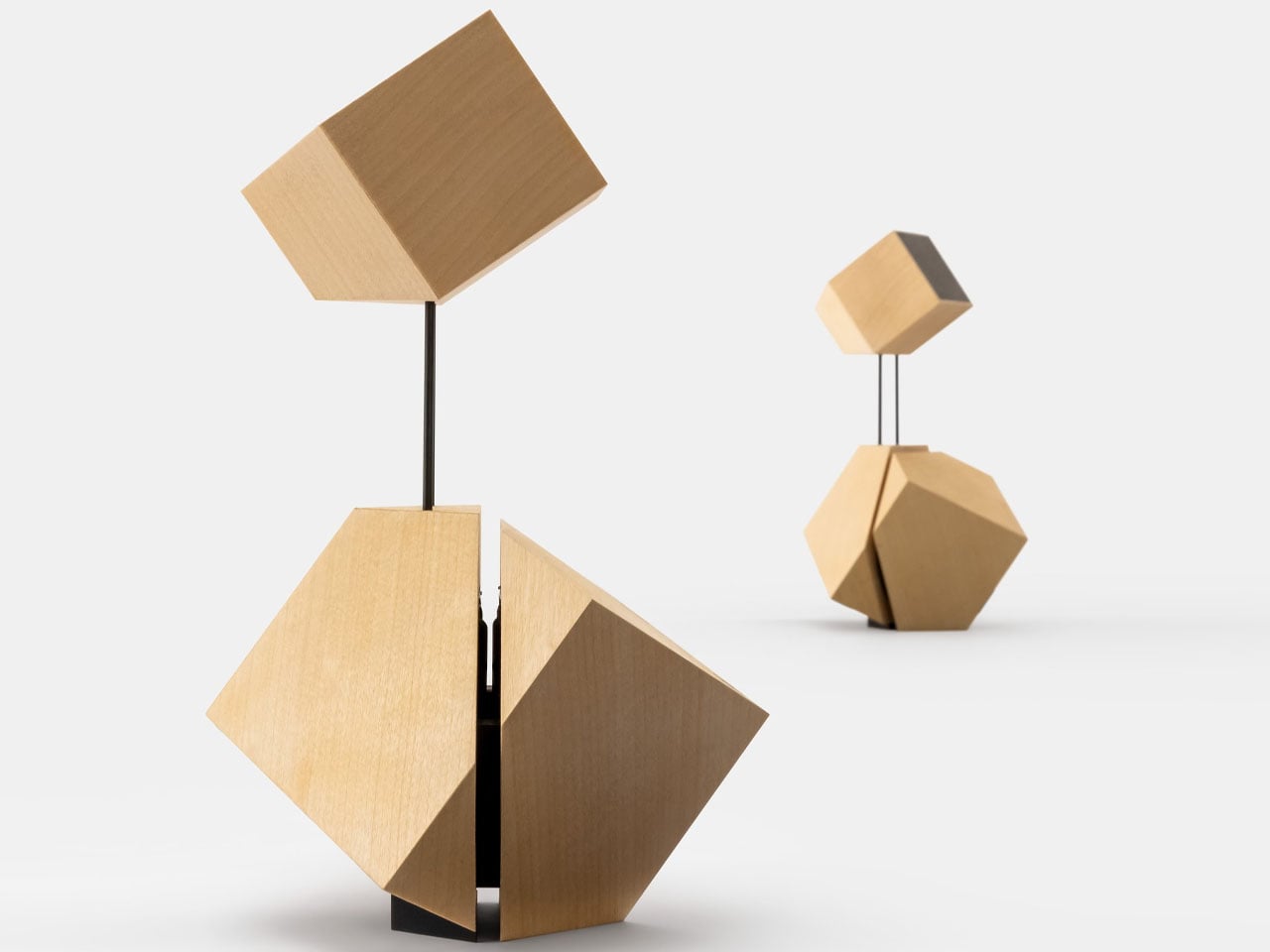
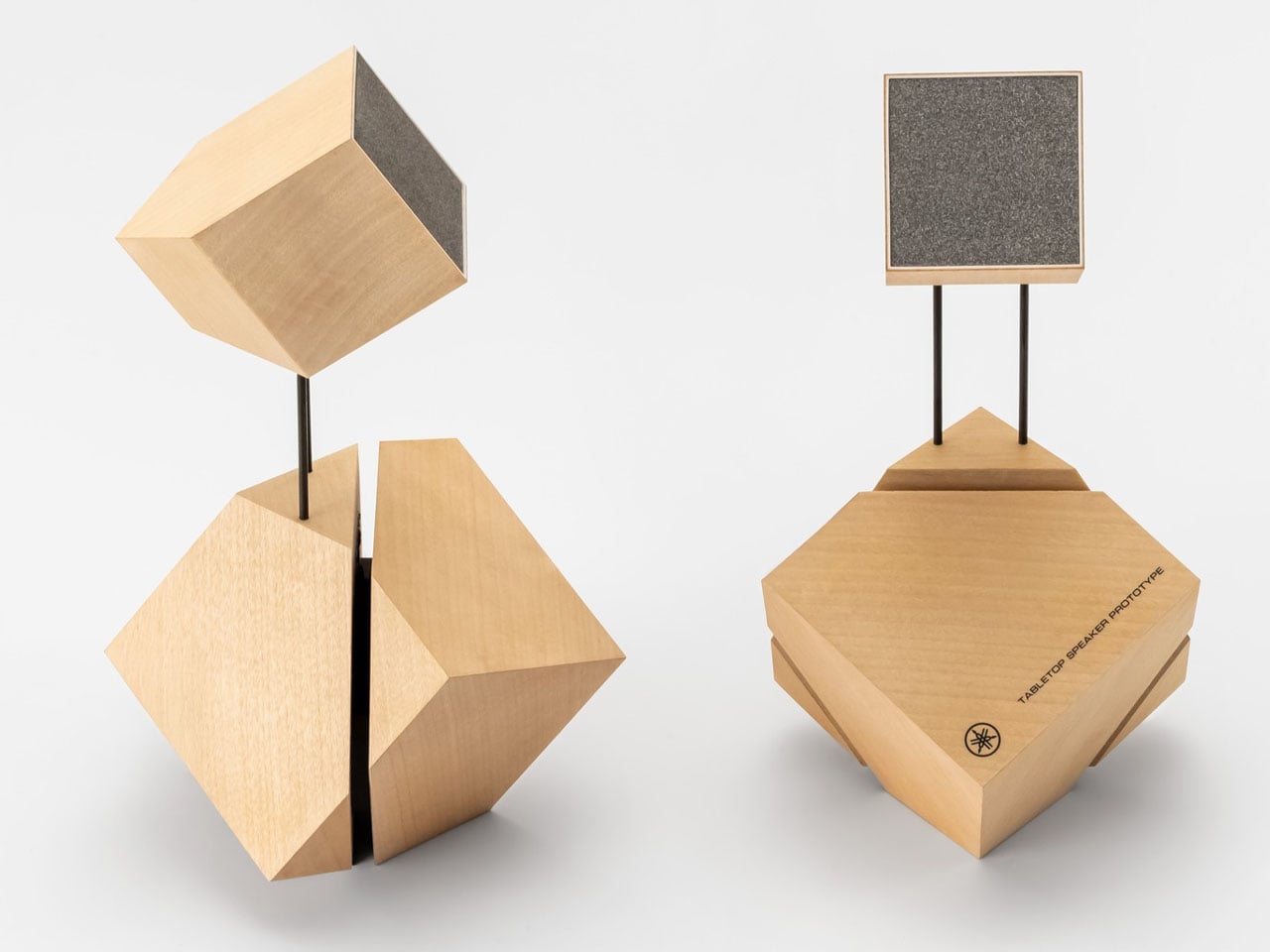
Developed by Yamaha Design Laboratory in Japan, the collection addresses a common but often overlooked issue in home audio: unwanted reflections from nearby surfaces such as tabletops. These reflections can color the sound and reduce clarity. By altering the geometry and projection of the speaker units, the designers aim to direct audio more intentionally into the listening environment while reducing interference from surrounding surfaces. The result is a series of experimental prototypes that treat sound dispersion as a spatial experience rather than a fixed output.
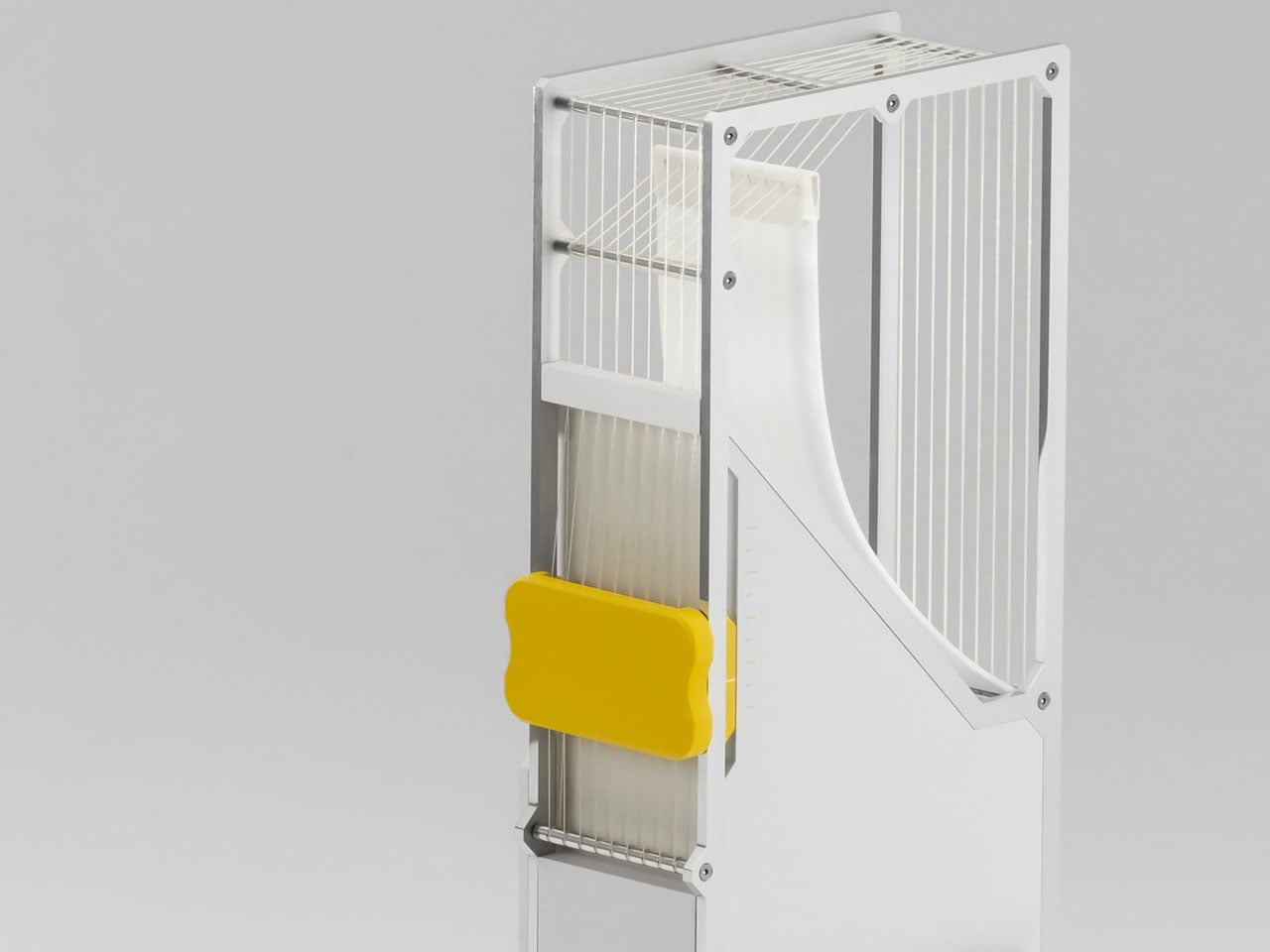
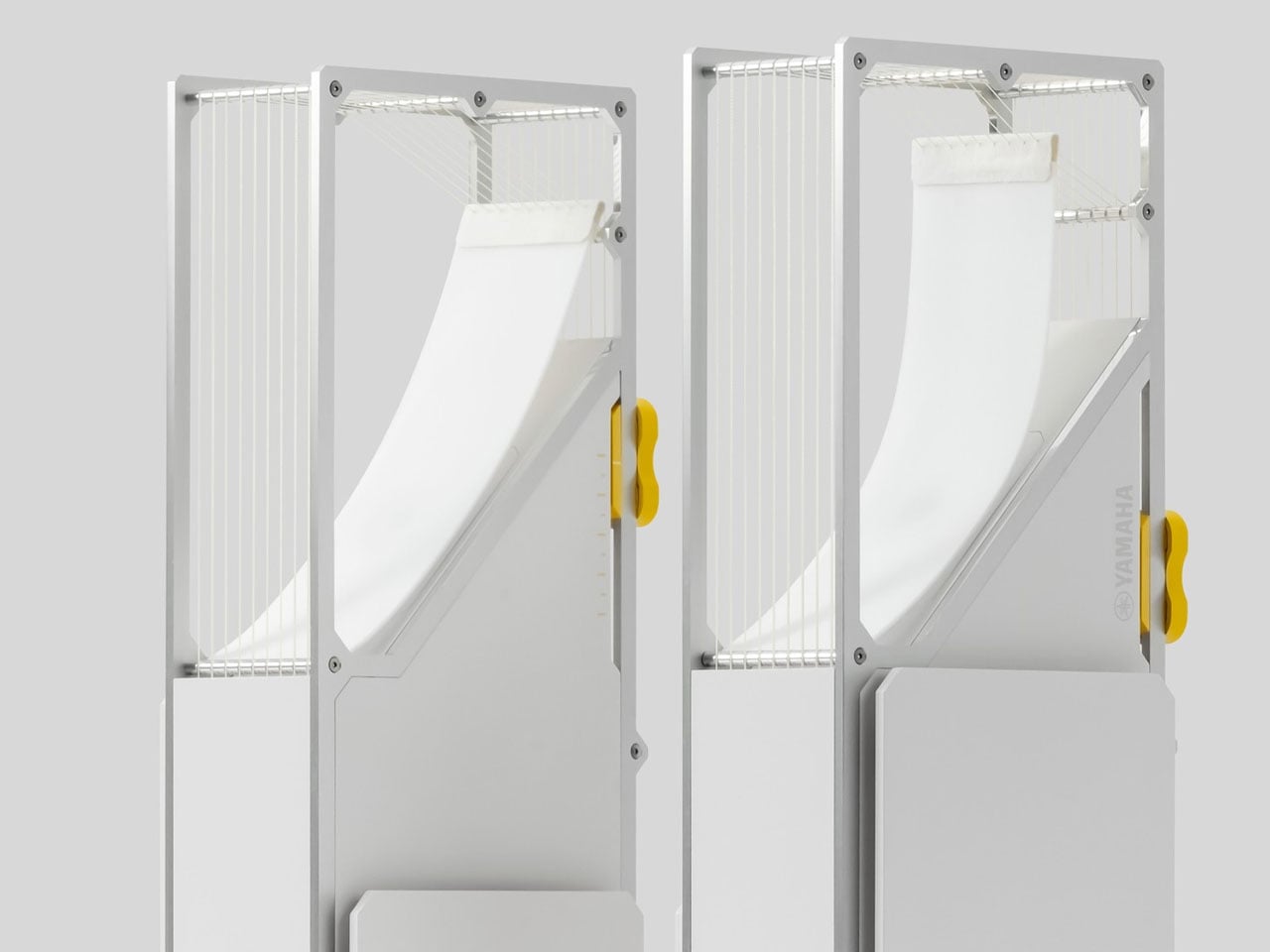
One of the most distinctive ideas is the Sail Concept. The defining feature here is a diaphragm suspended like a sail between tensioned strings, creating a structure that feels more architectural than electronic. The diaphragm is made from ROHACELL, a lightweight closed-cell foam known for its rigidity, heat resistance, and ability to be thermoformed. These qualities allow it to remain structurally stable while vibrating efficiently, supporting clearer sound reproduction. What sets this speaker apart is interactivity: users can physically adjust the tension and positioning of the sail-like element, subtly influencing how sound is projected into the room. The act of tuning becomes tactile, making the listening experience more participatory.
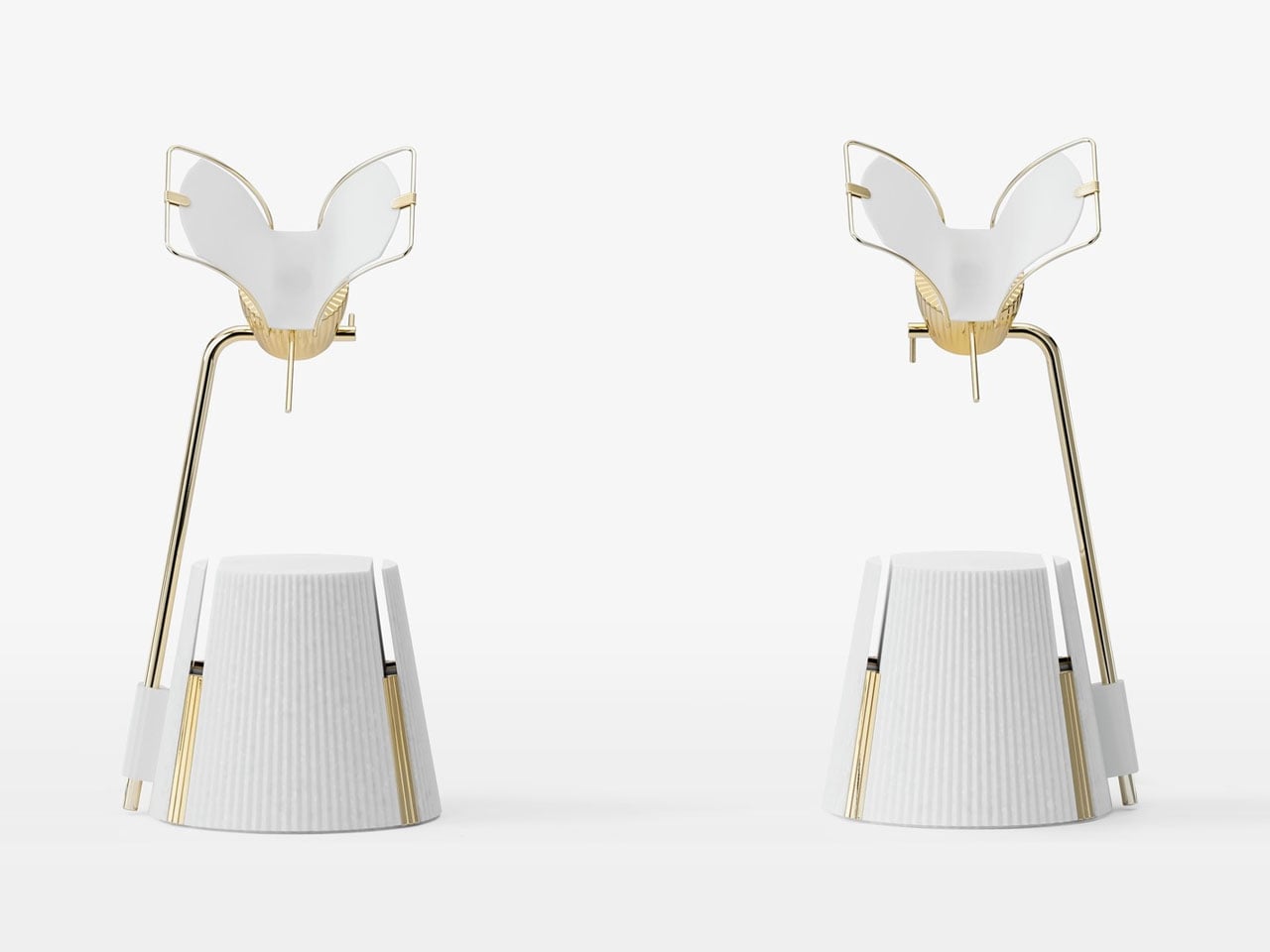
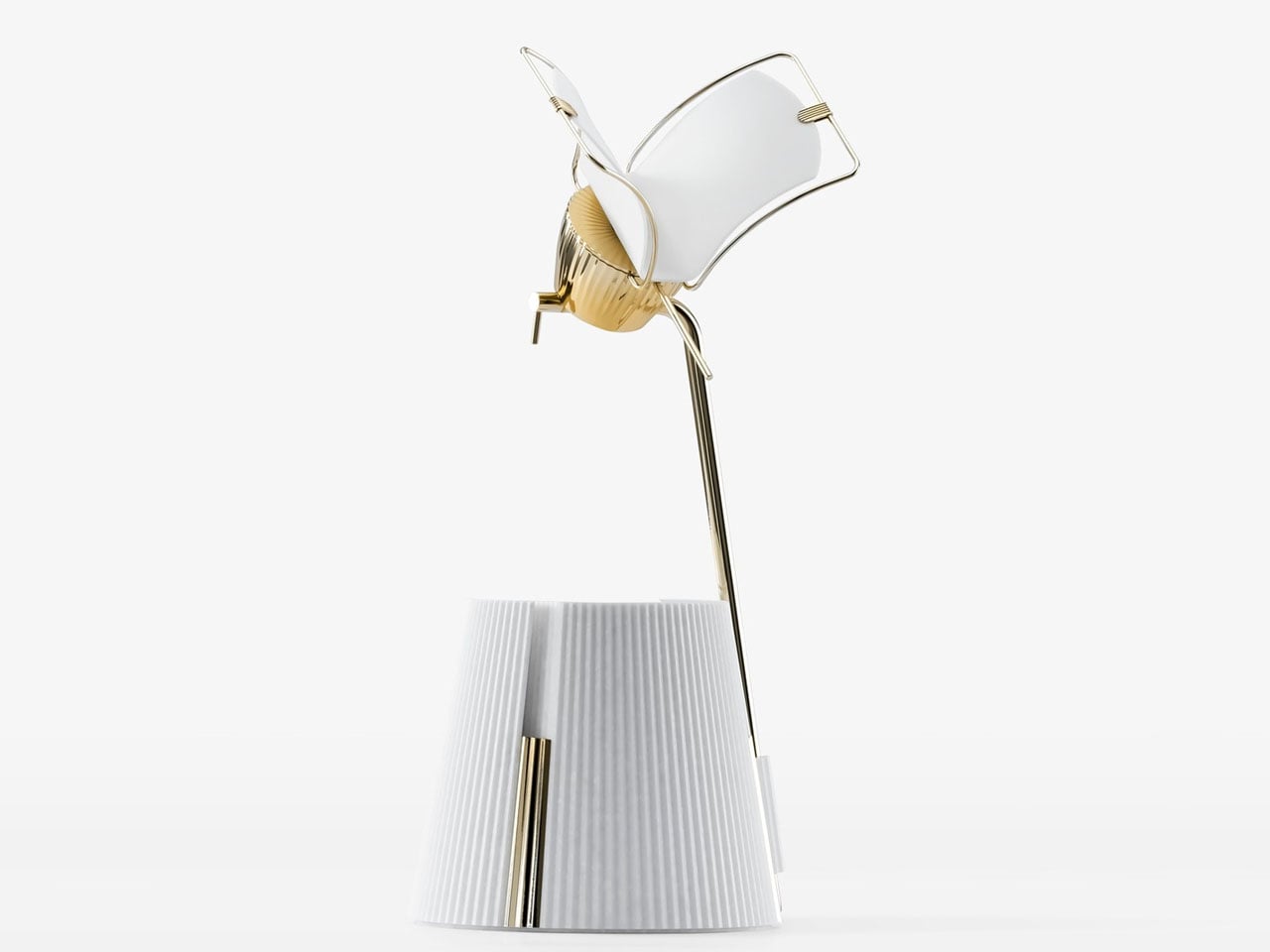
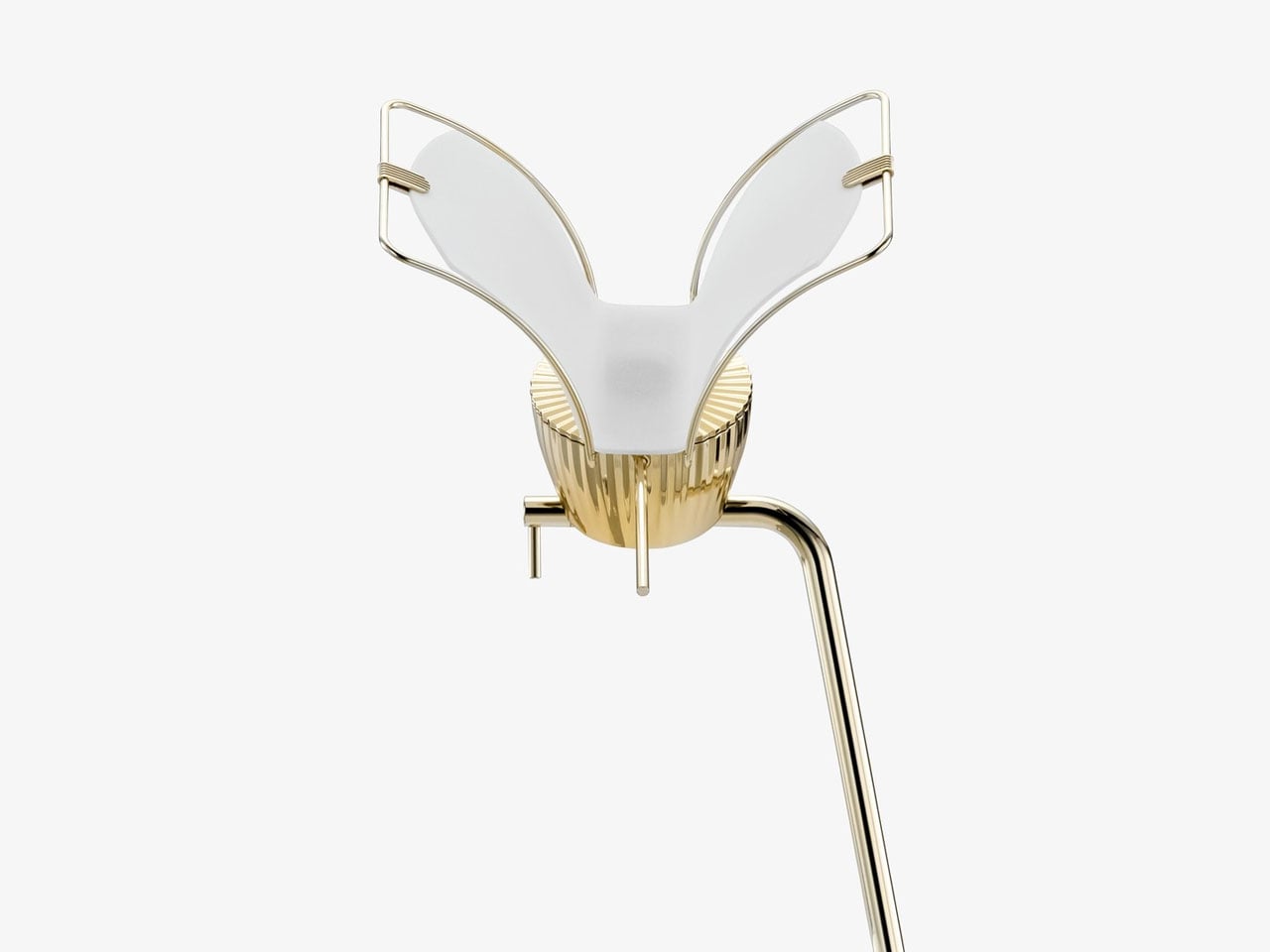
The Butterfly Concept explores a different approach. Inspired by organic symmetry, it positions its driver units back-to-back with a reflective surface between them, leaving the top portion open. This configuration reduces the impact of surface reflections and allows sound to disperse more freely. By adjusting the volume relationship between the internal and external chambers, listeners can influence the spatial character of the audio output. Instead of locking sound into a forward-facing direction, the design encourages a more immersive and diffused listening field that adapts to the surrounding space.
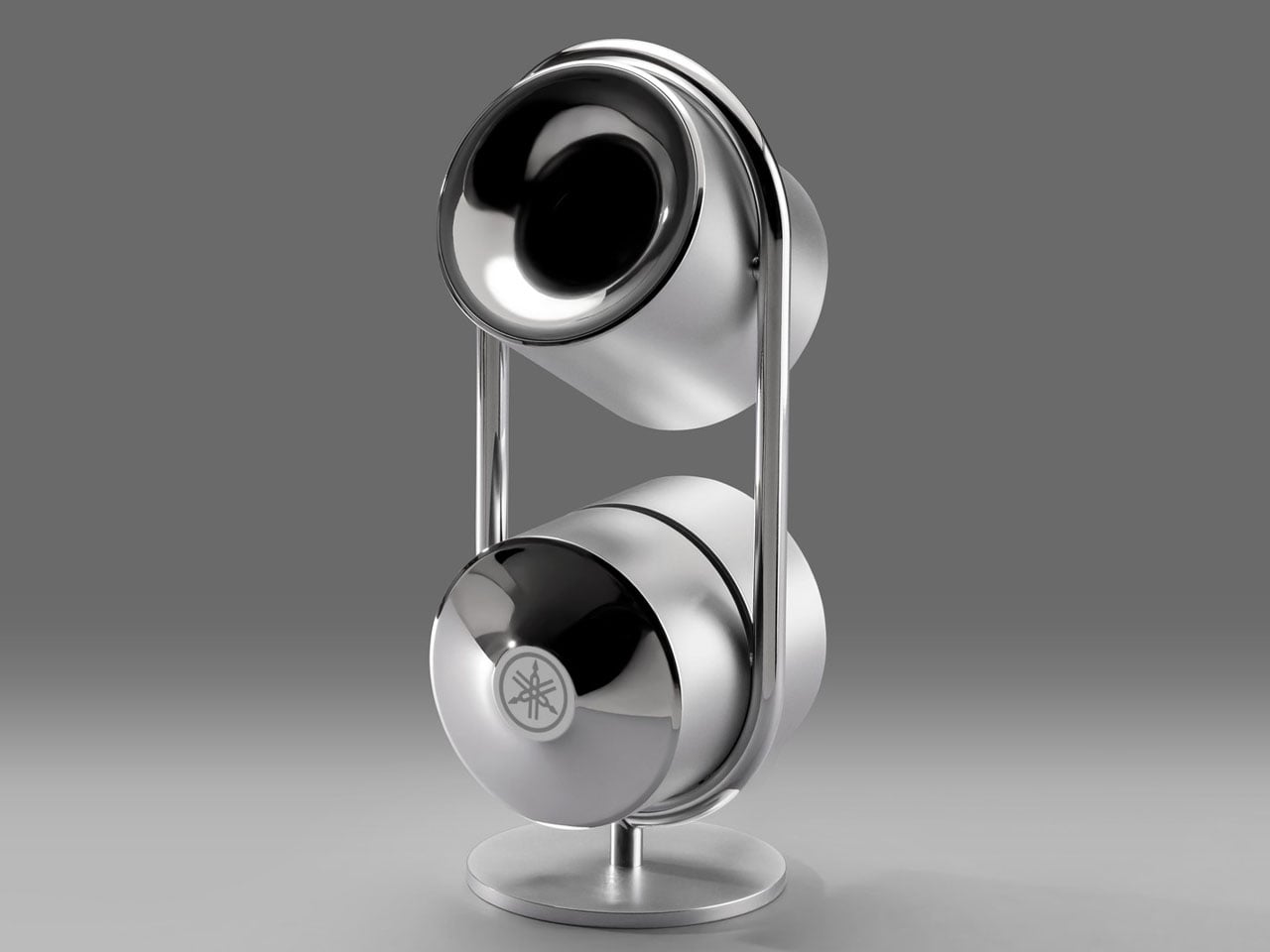
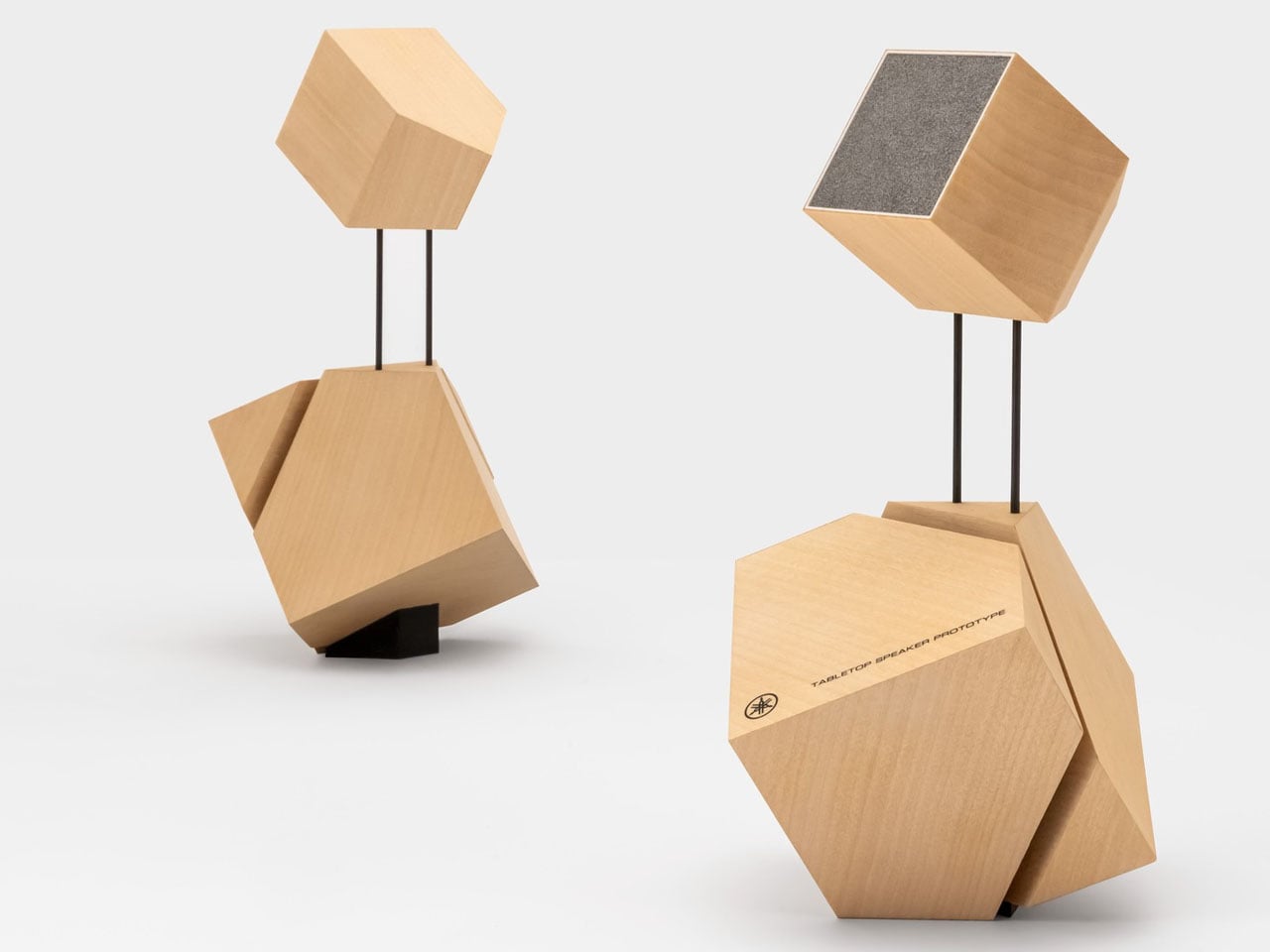
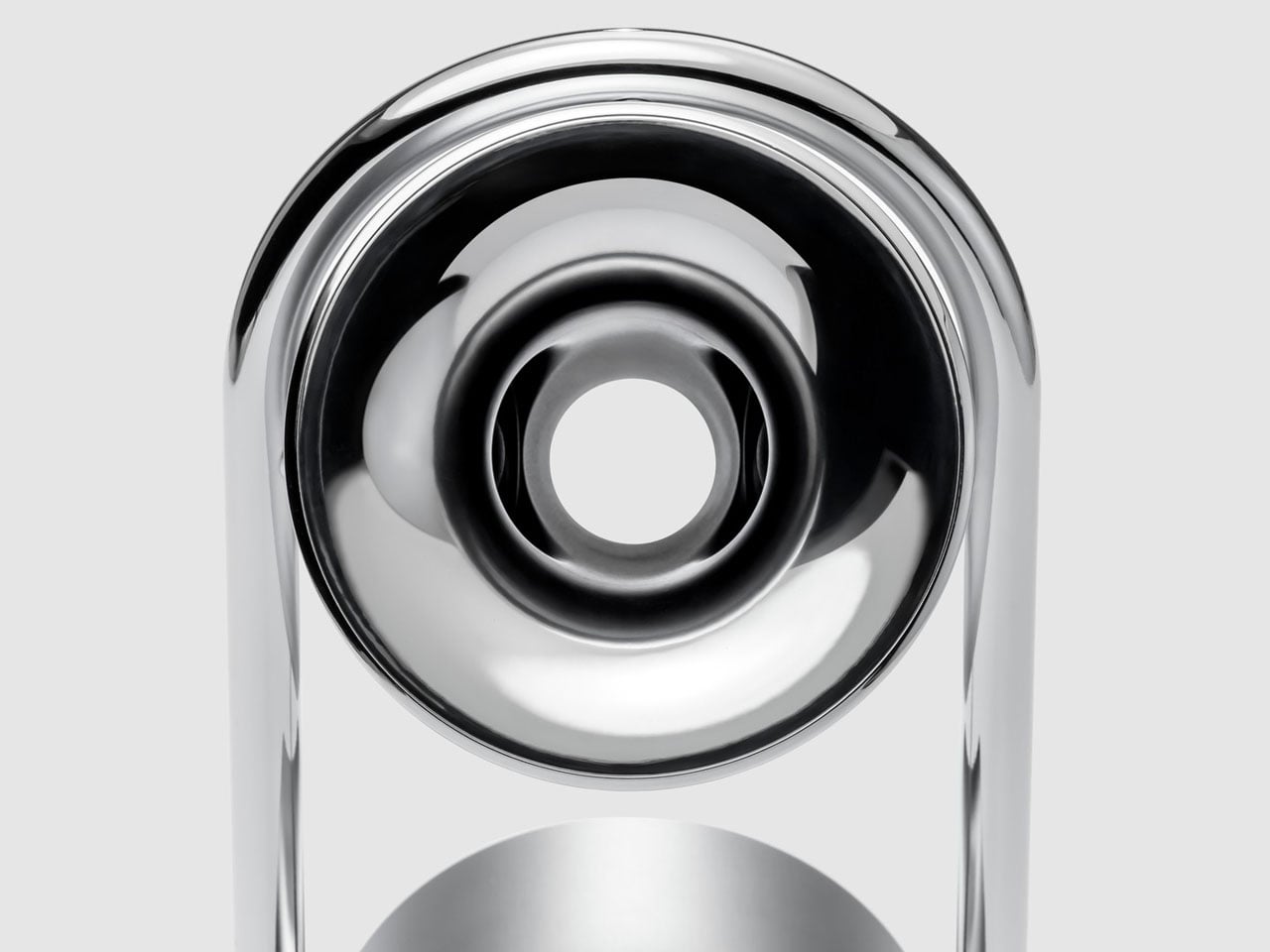
Two additional prototypes expand the exploration. The Horn Concept references the acoustic behavior of wind instruments, placing the driver partway along a horn-shaped structure. This form shapes how sound travels and radiates, at times creating the illusion that audio emerges from open air rather than a visible source. The Cristal Concept, by contrast, emphasizes minimal geometry and sculptural presence. With opposing speaker units left open at the top, it manages reflections while presenting a form reminiscent of a perched bird or a crystalline object. Both concepts suggest that acoustic performance can be enhanced not only by internal components but also by the physical pathway sound takes outward.
By integrating material innovation, spatial acoustics, and physical interaction, Yamaha demonstrates that speakers need not be static black boxes. Instead, they can become expressive objects that shape both sound and space, hinting at a future where listening is as much about engagement as it is about fidelity.