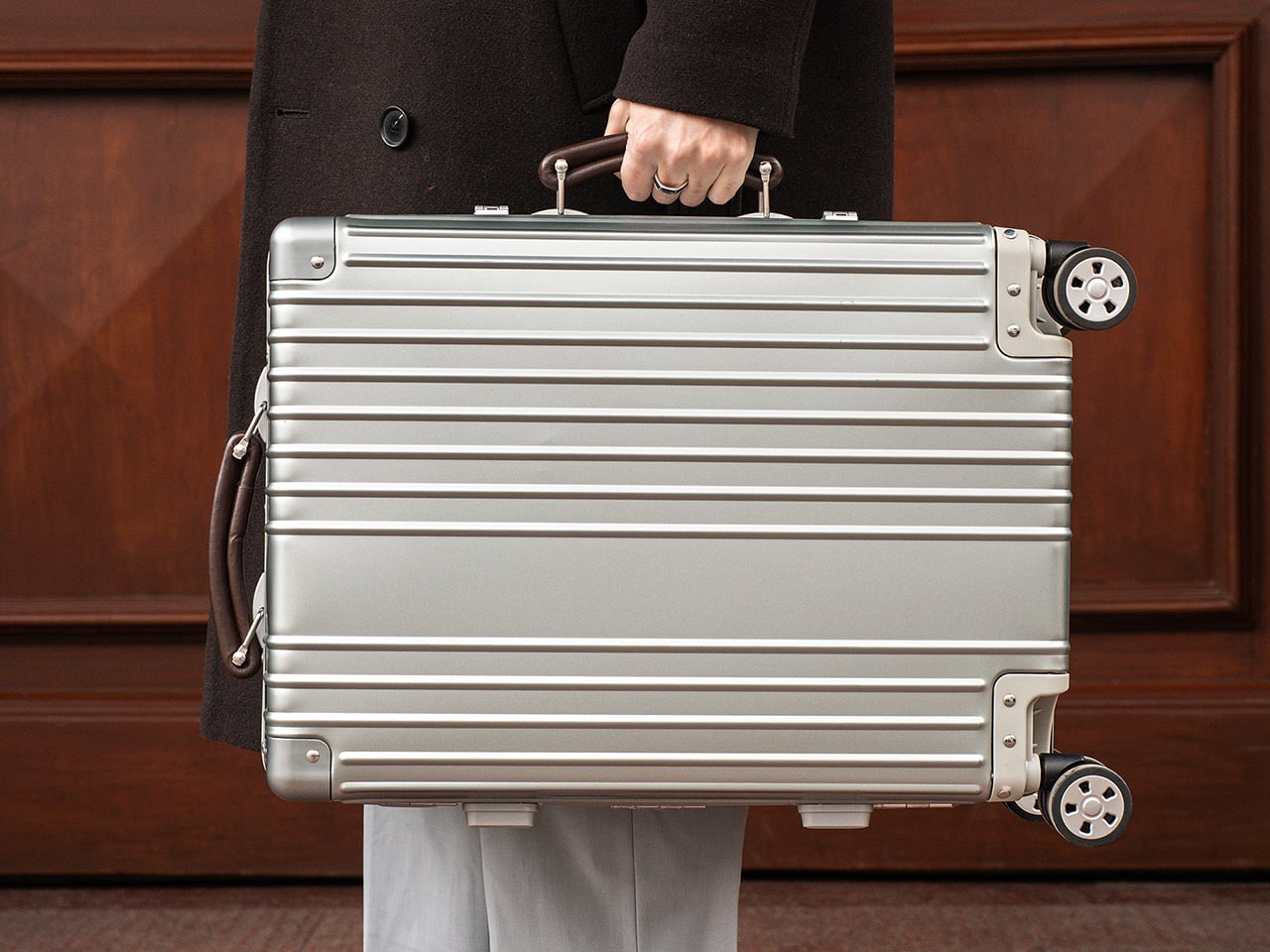
Most people treat their Rimowa suitcase like a very expensive houseguest: it arrives looking spectacular, gets shoved in a closet, and stays there until the next trip. Rimowa, apparently, has thoughts about this. And so does Lehni.
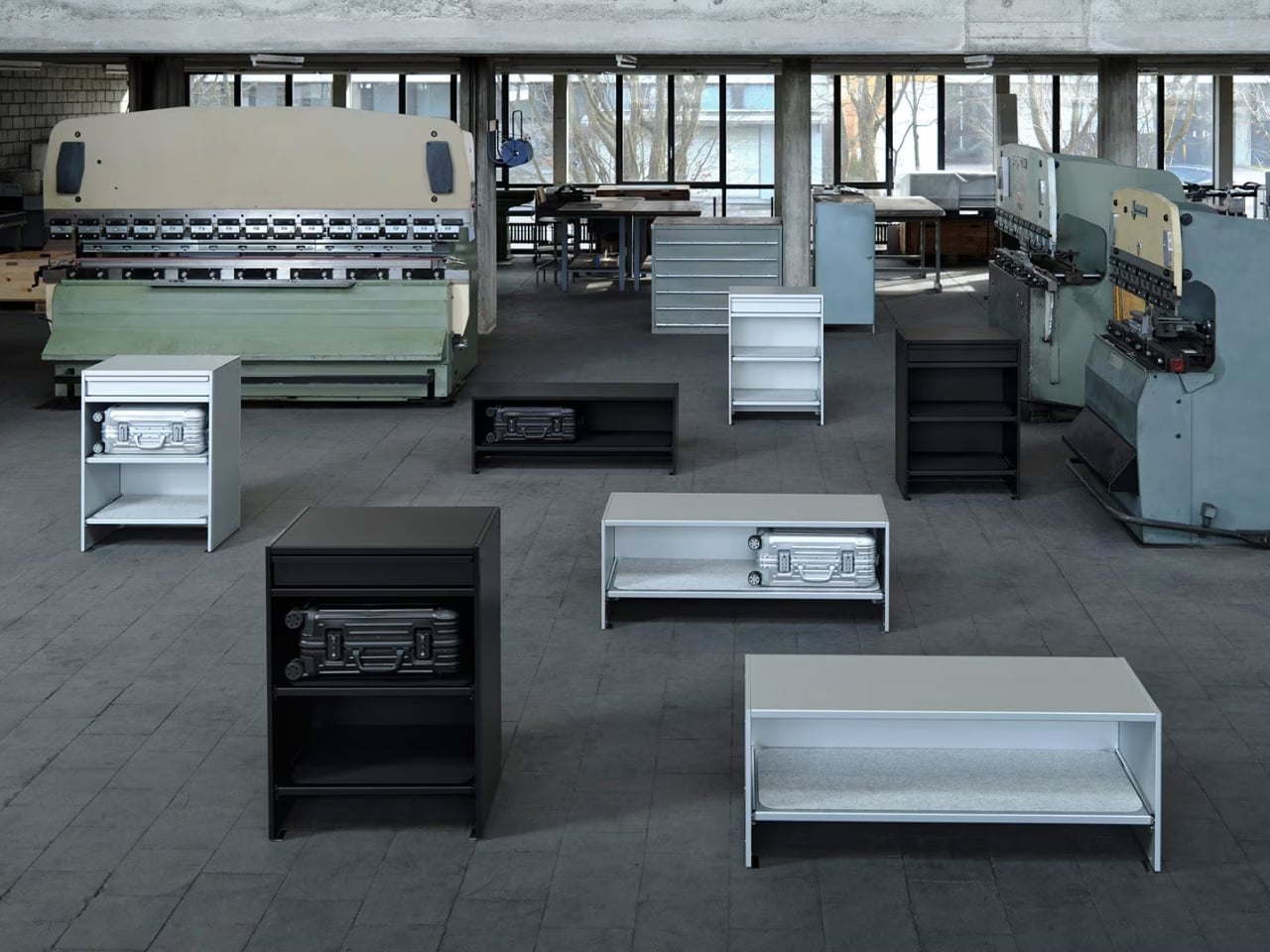
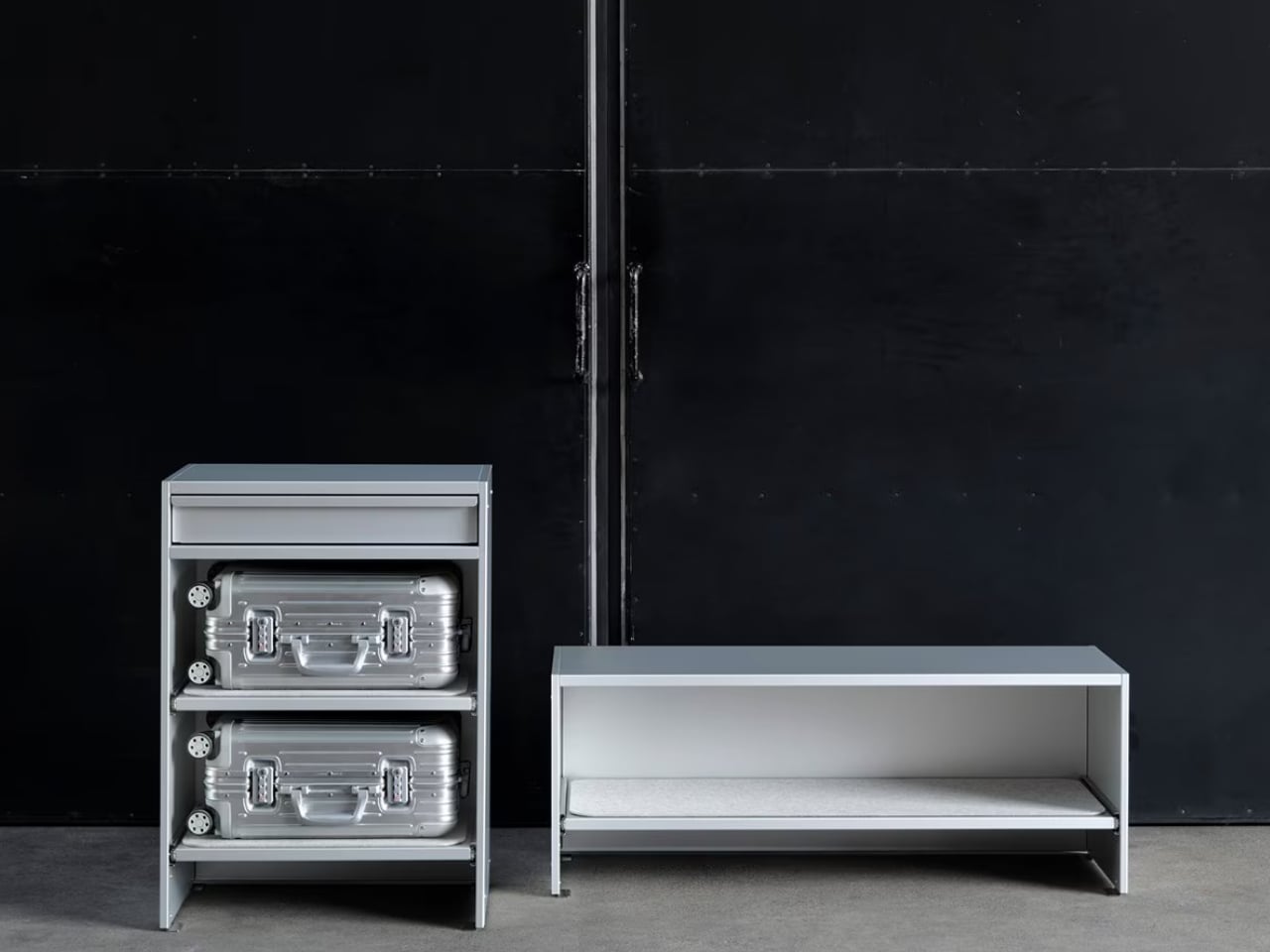
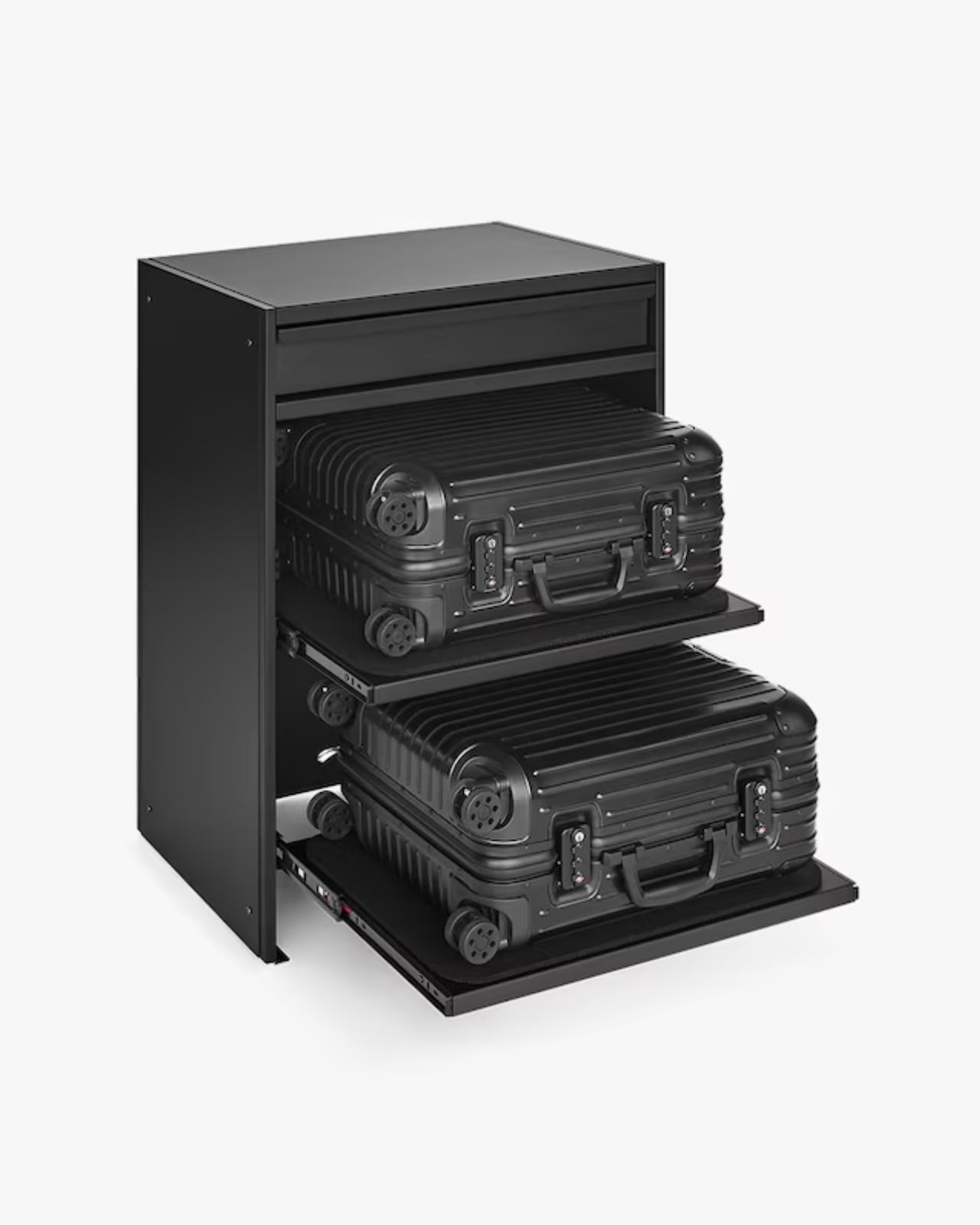
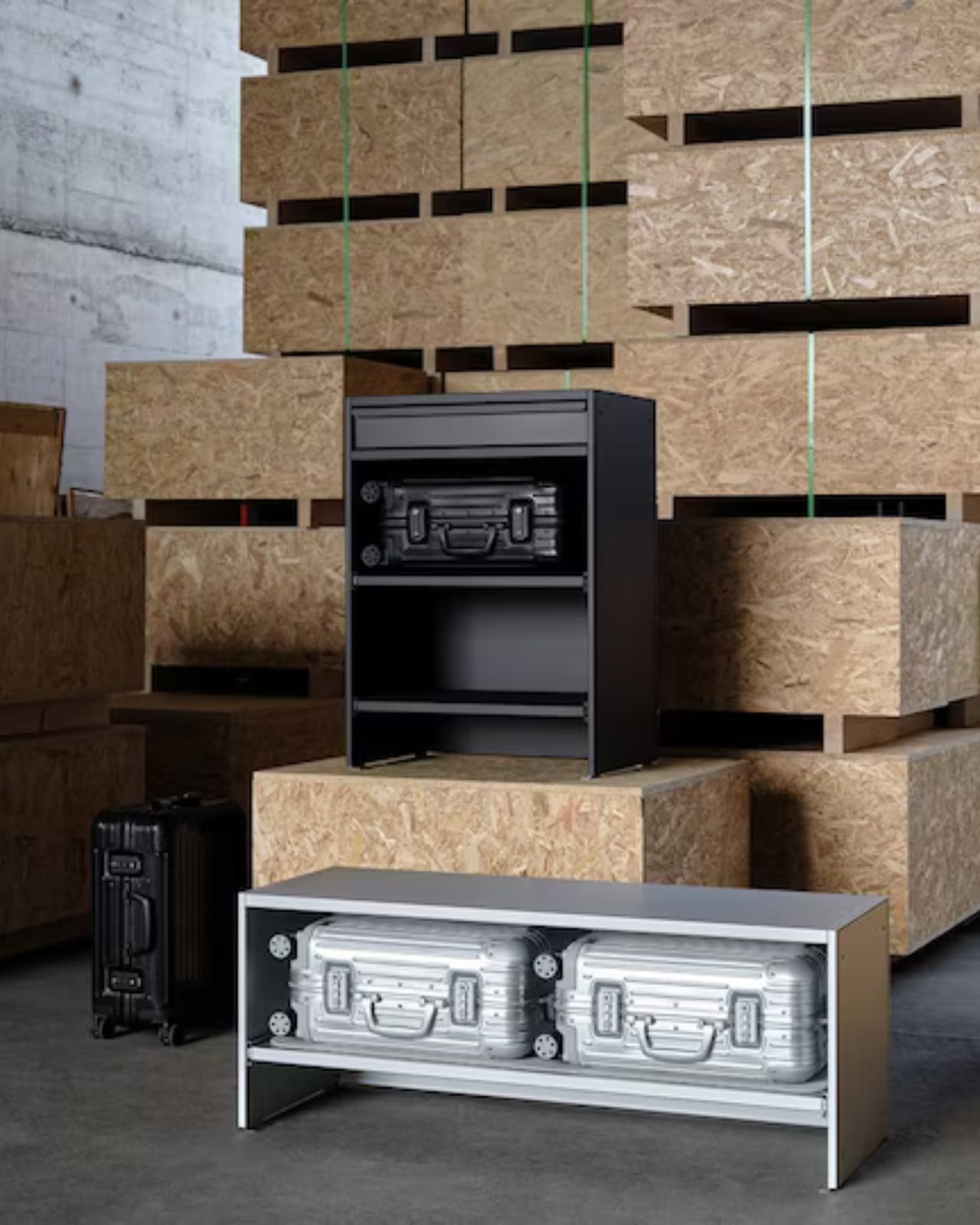
The two brands have just unveiled a limited-edition furniture collaboration at Salone del Mobile 2026 in Milan, and it might be the most quietly audacious thing either brand has done in recent memory. The collection consists of two pieces: a Bench and a Drawer, both crafted in anodized aluminum, both designed to hold cabin-sized Rimowa suitcases inside your home. Not in a storage room. Not under your bed. On display, like they were always meant to be there. Which, if you’ve ever owned a Rimowa, you’d know they kind of were.
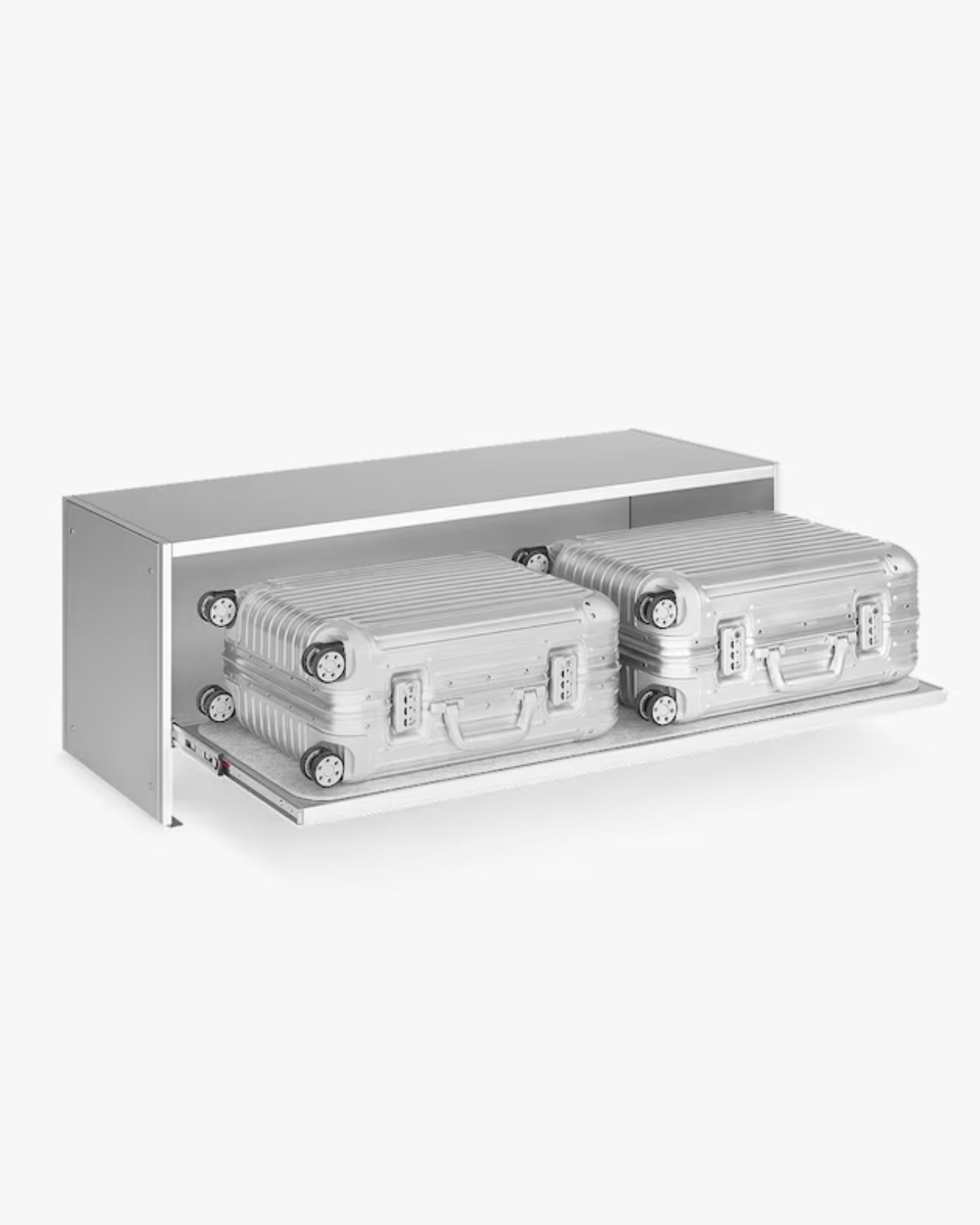
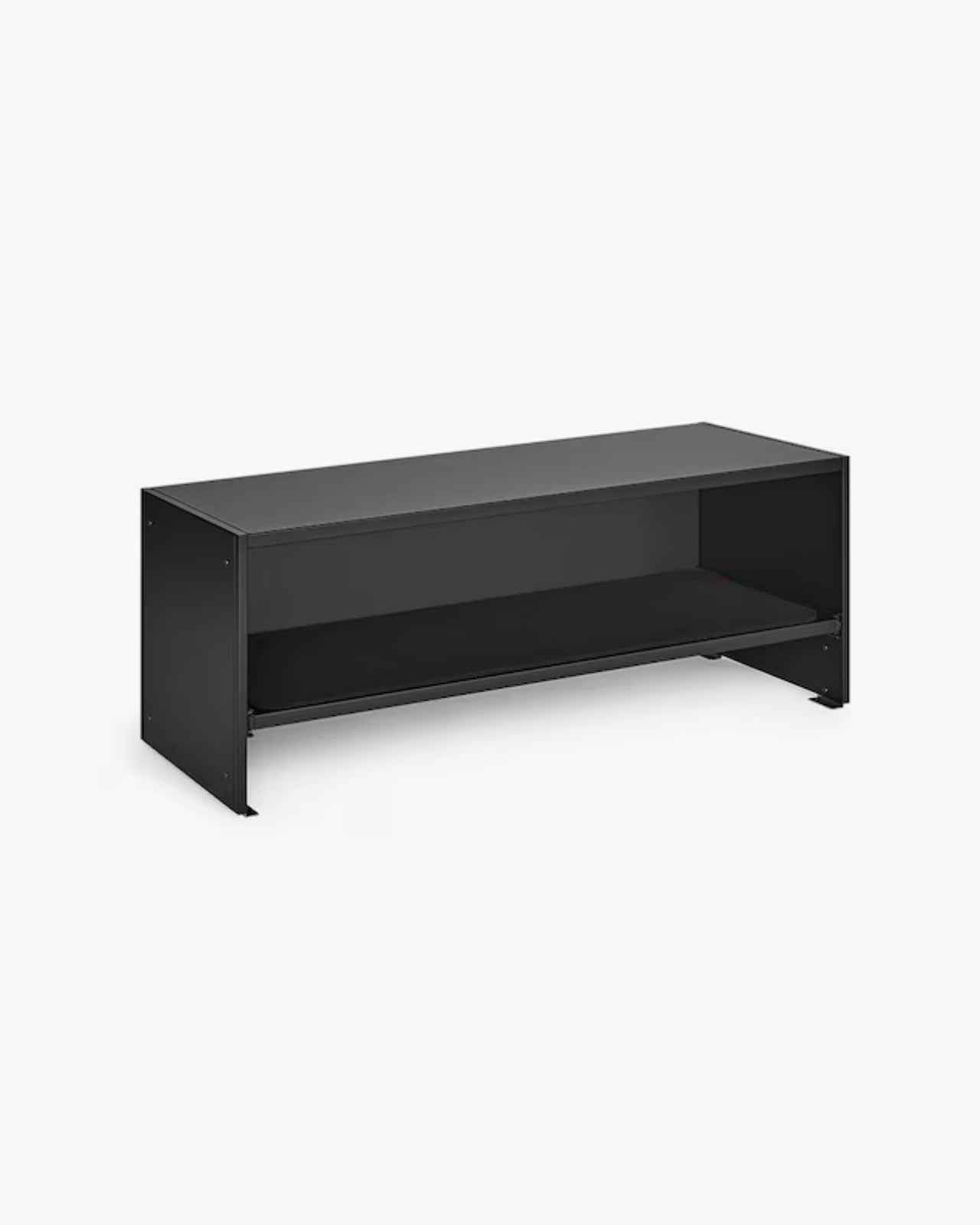
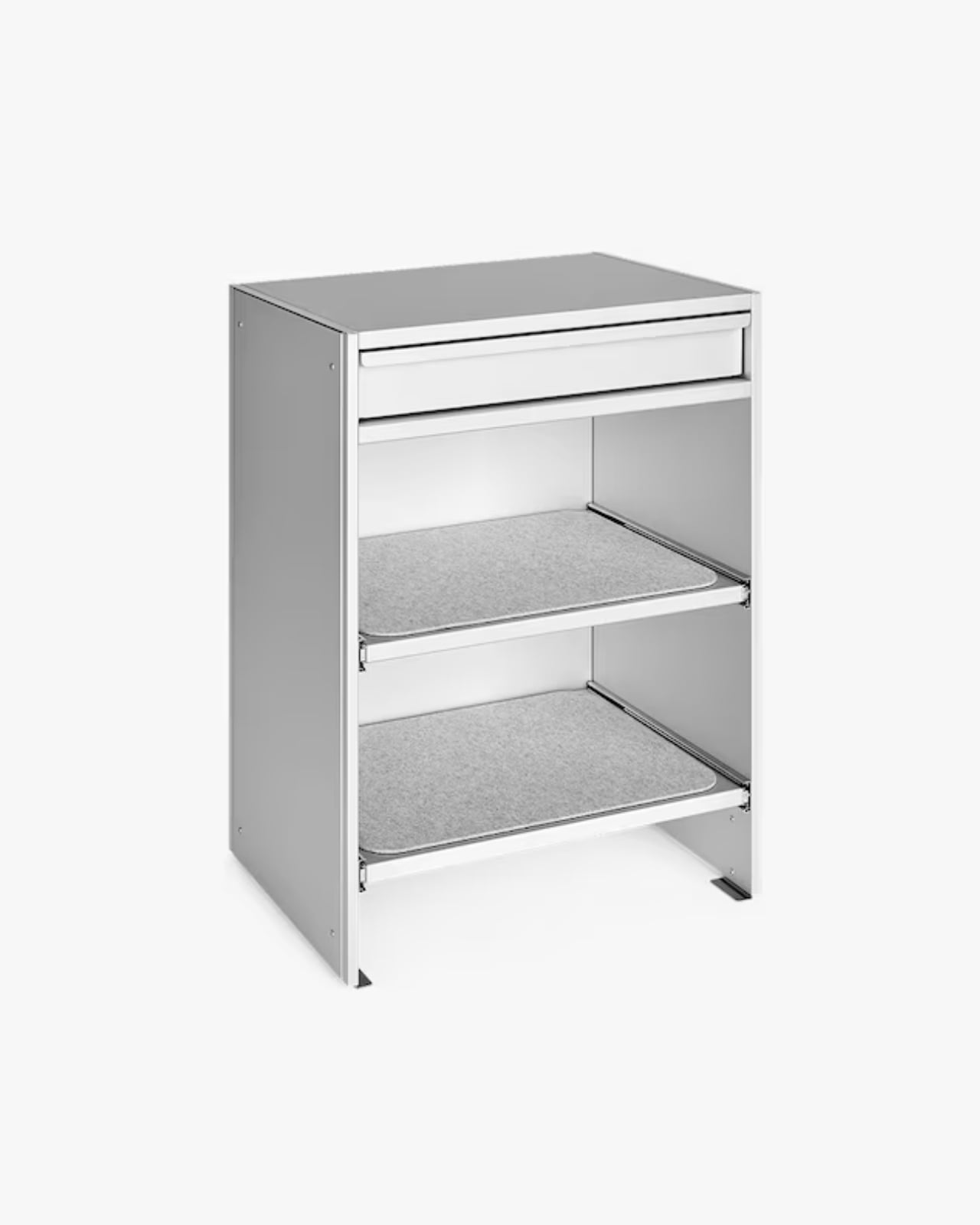
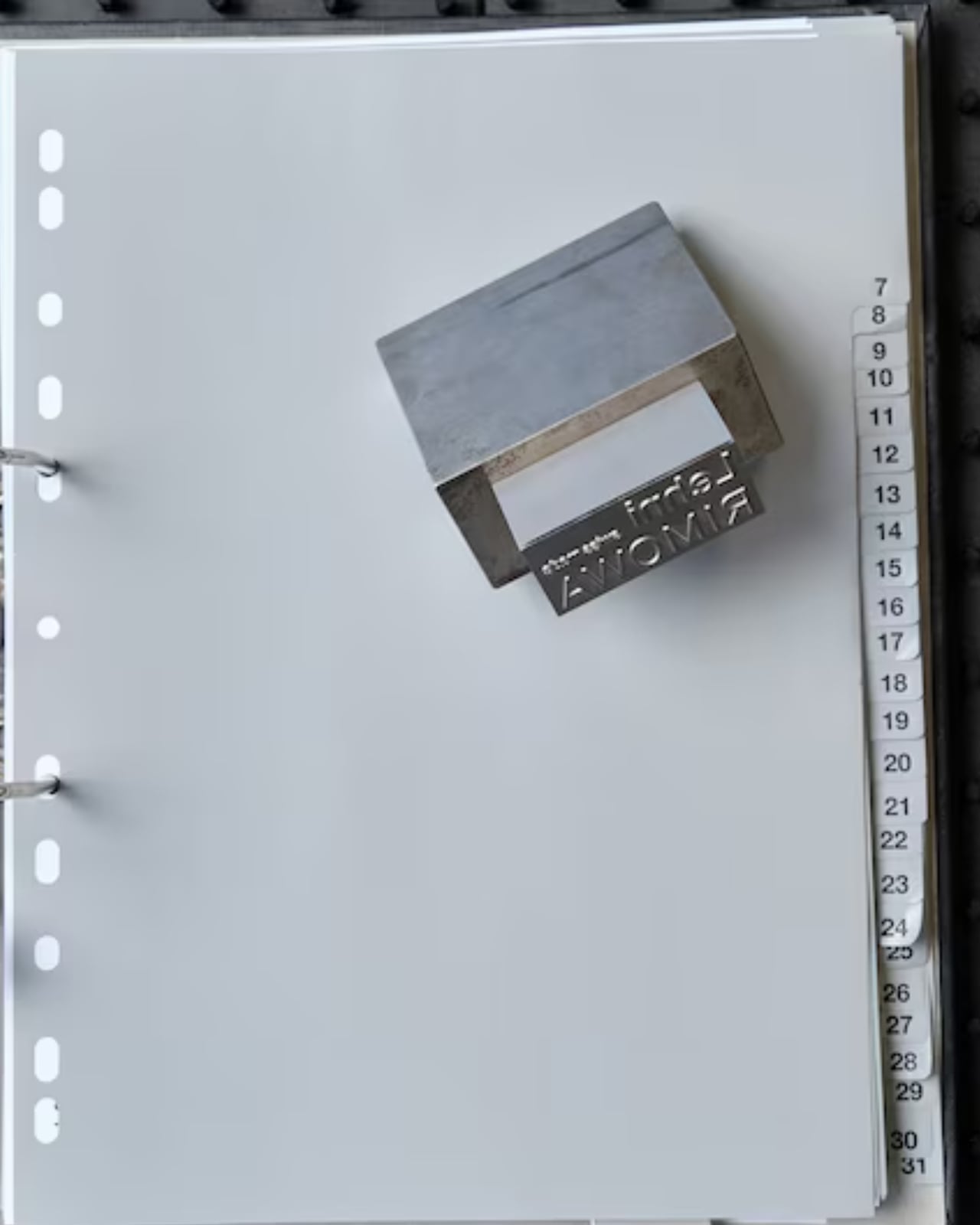
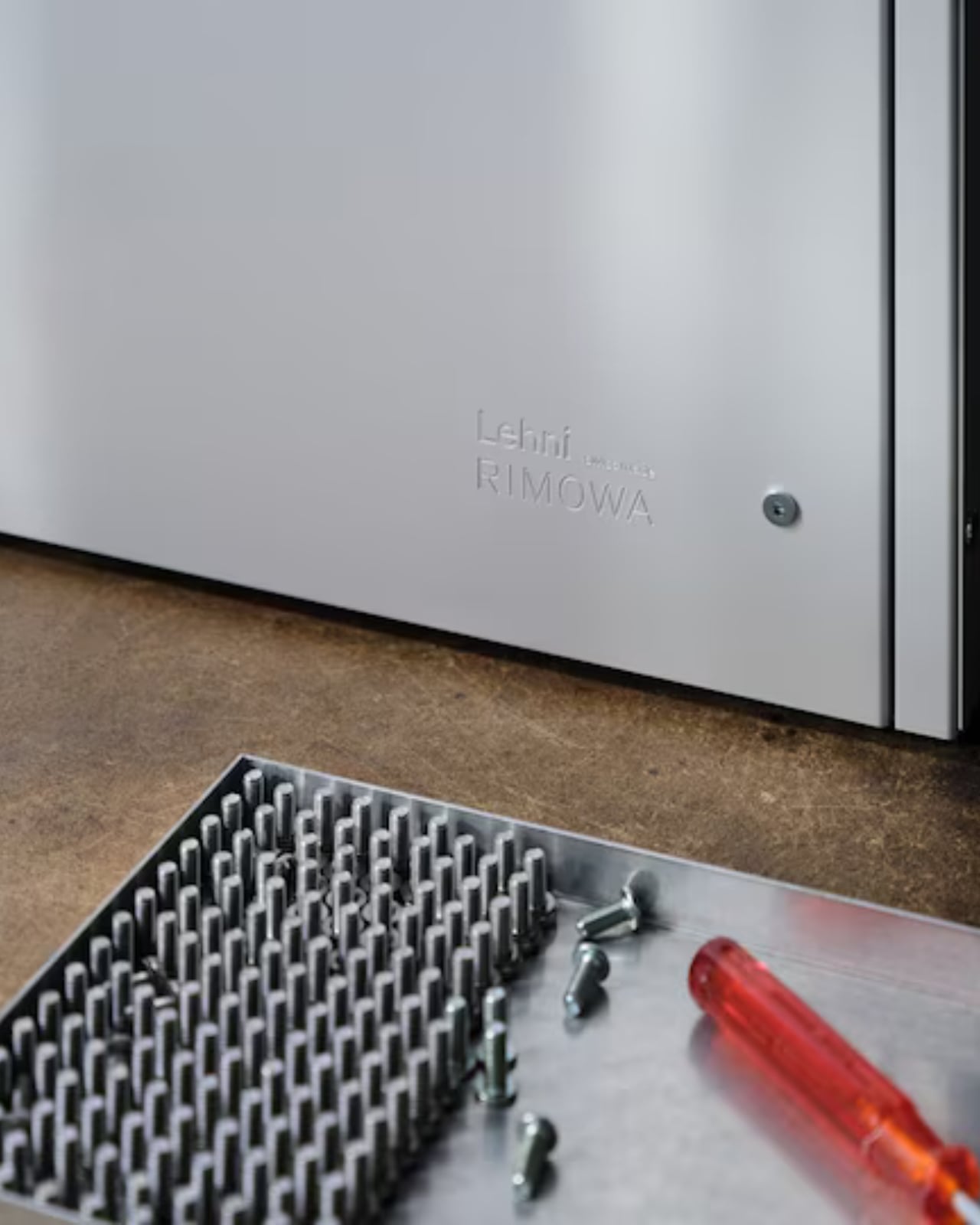
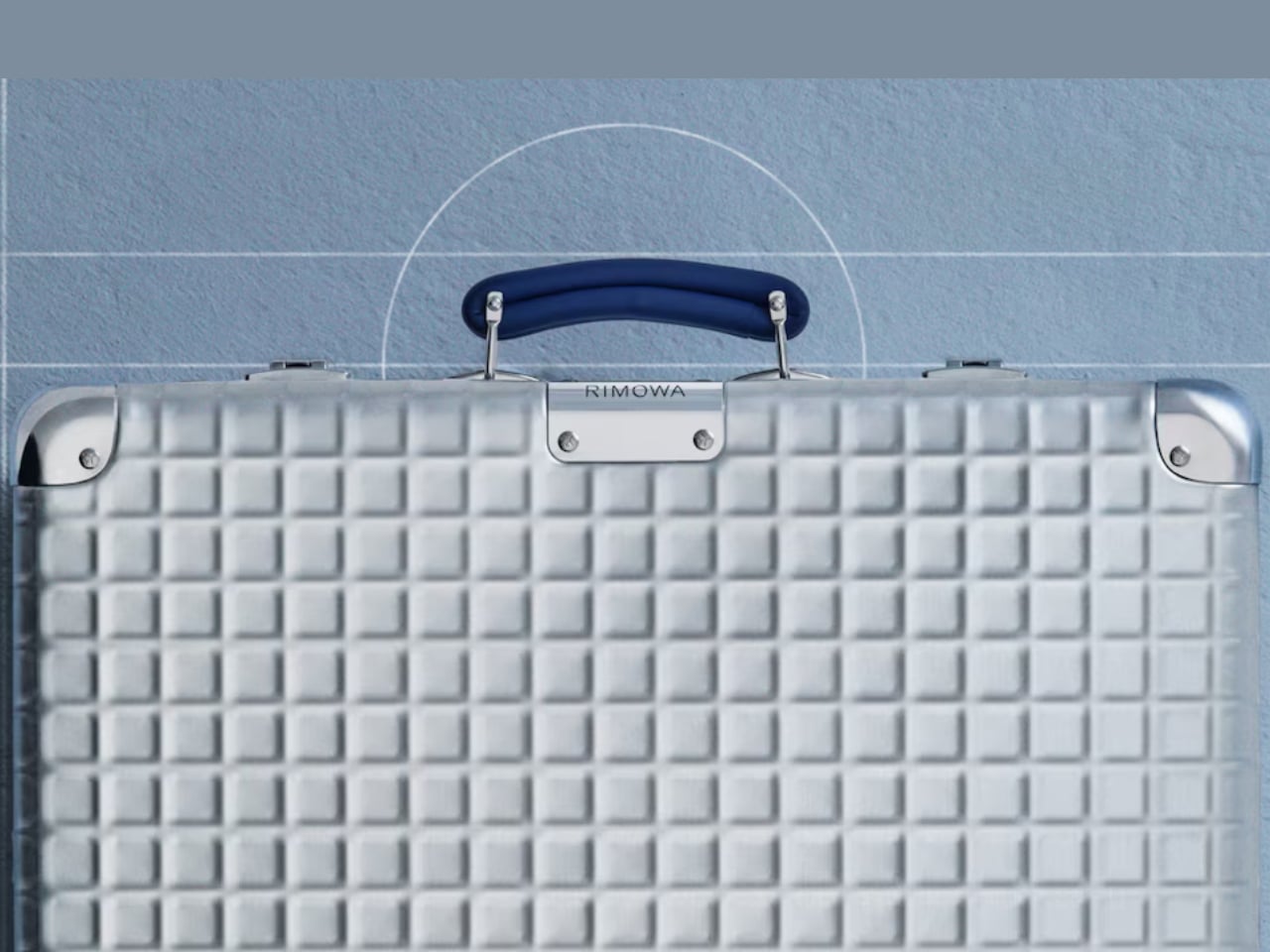
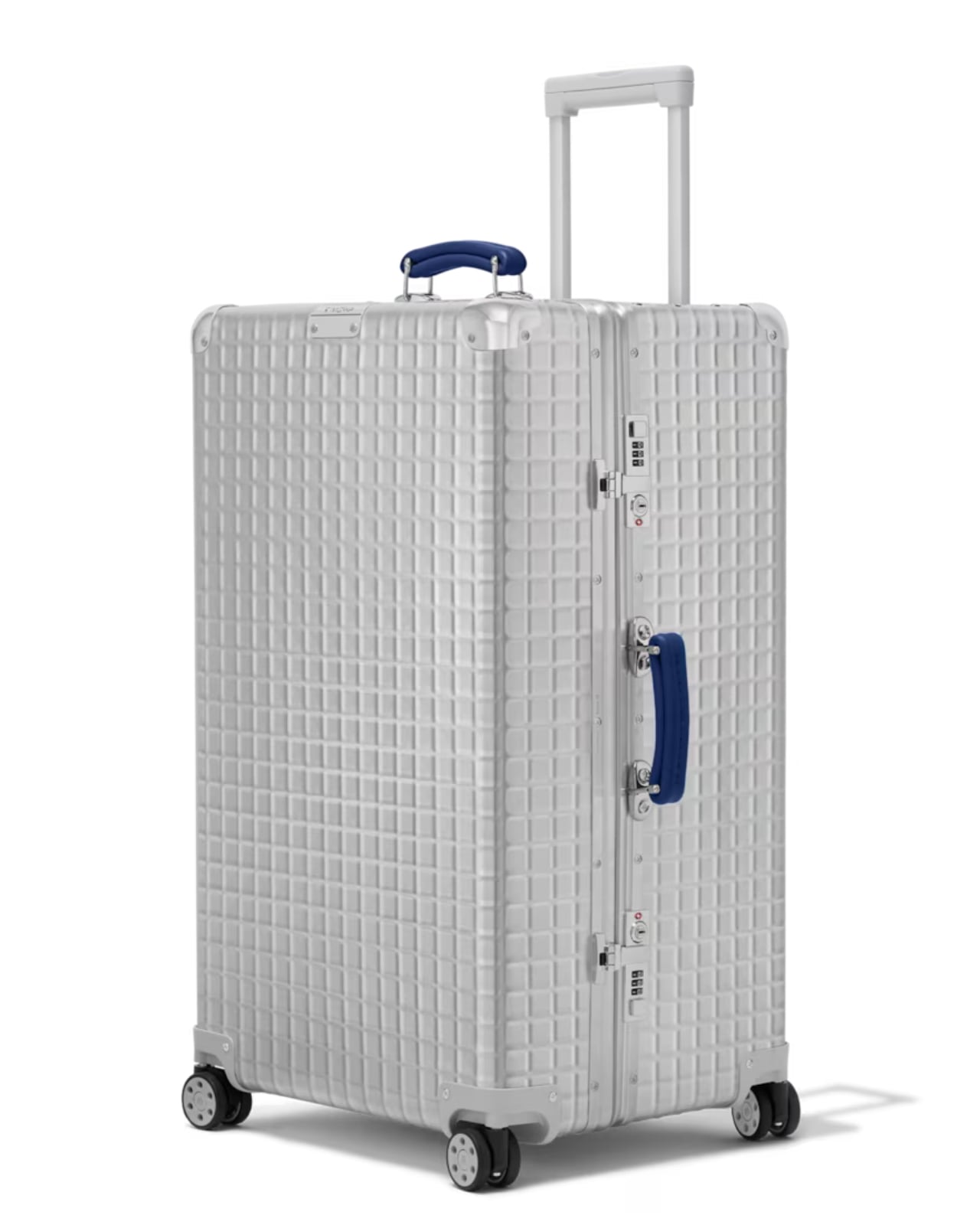
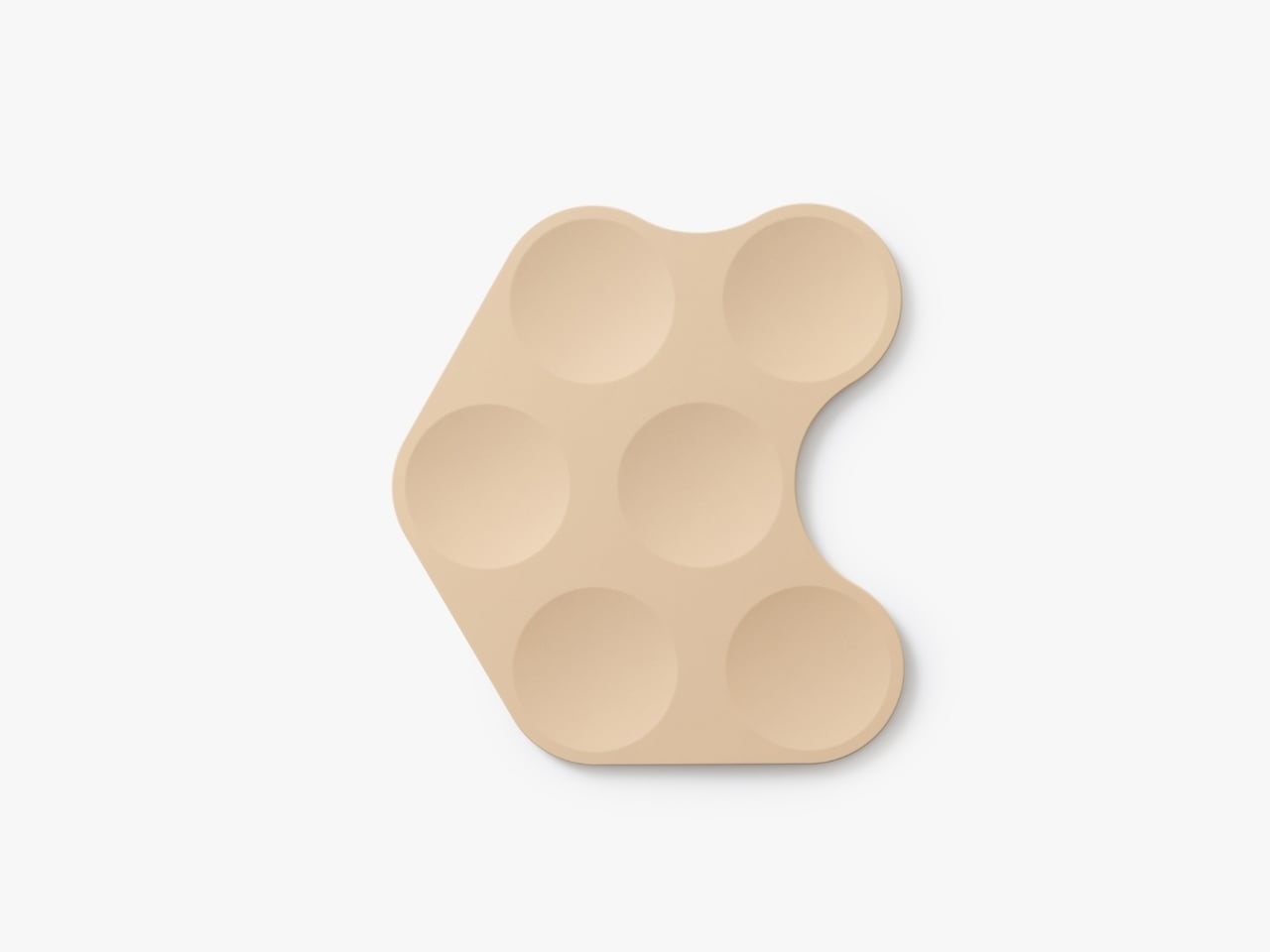
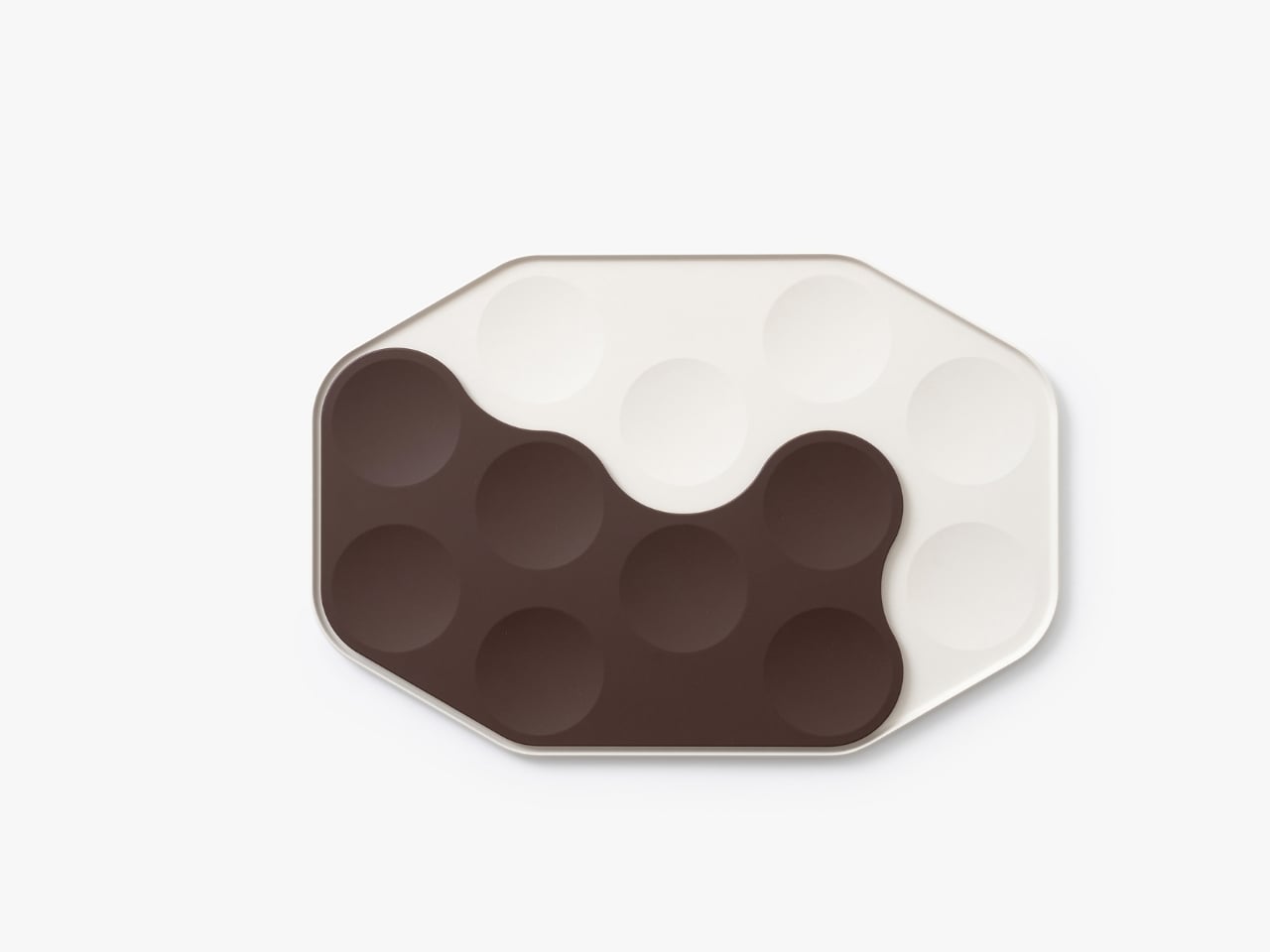
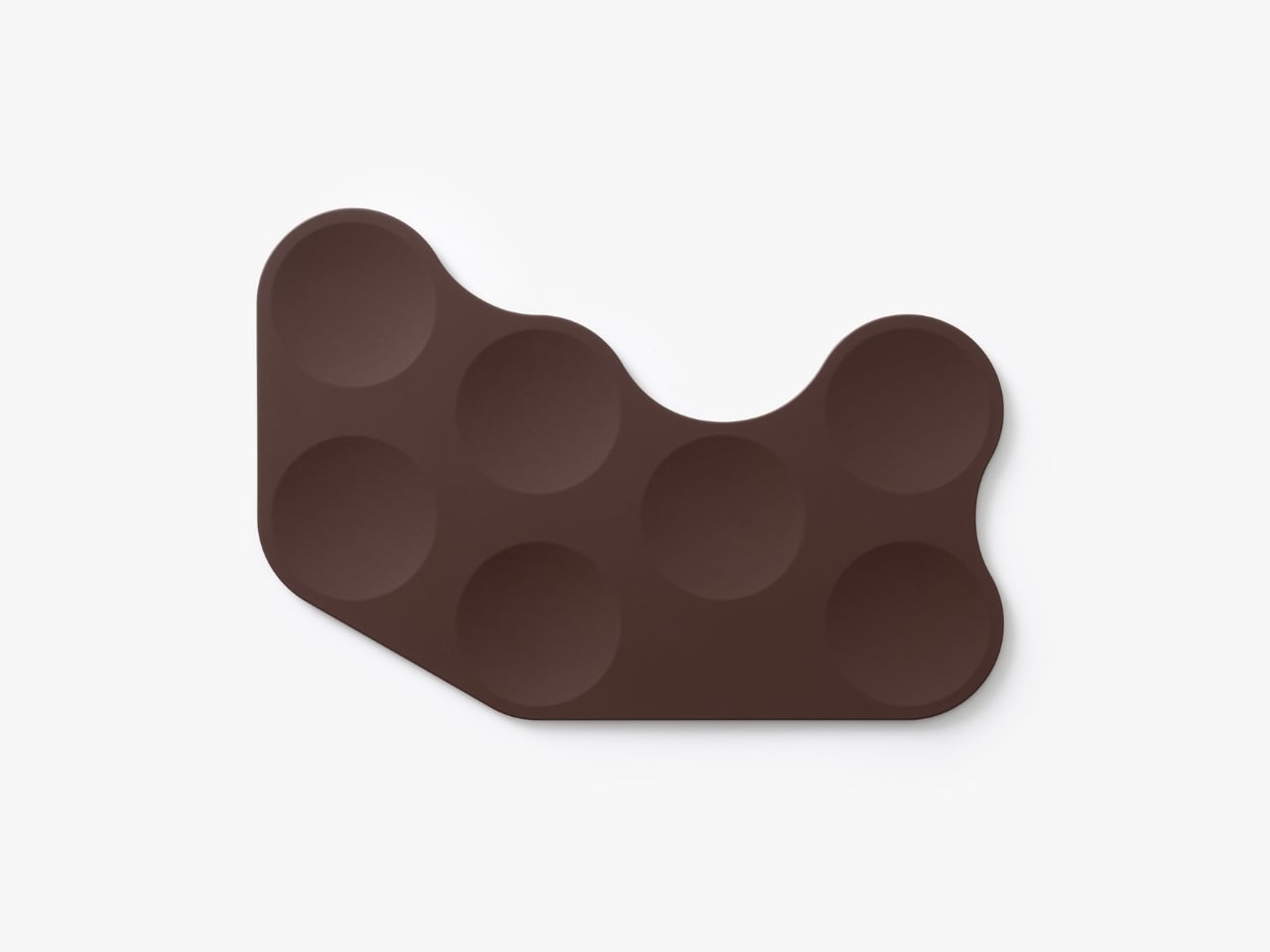
The Bench is an open-shelving unit that holds two cabin-sized suitcases side by side. It is clean, low-slung, and just architectural enough to look at home next to a mid-century credenza or a spare Scandinavian sofa. The Drawer offers a different kind of storage: a sculptural, closed-frame unit with a built-in drawer for smaller items. Both pieces come in silver and black anodized aluminum, and both carry the embossed Grid pattern that echoes the grooved exterior of a classic Rimowa Original. That detail is not accidental. It’s the kind of material continuity that makes a collection feel cohesive rather than like a brand licensing deal gone slightly off the rails.
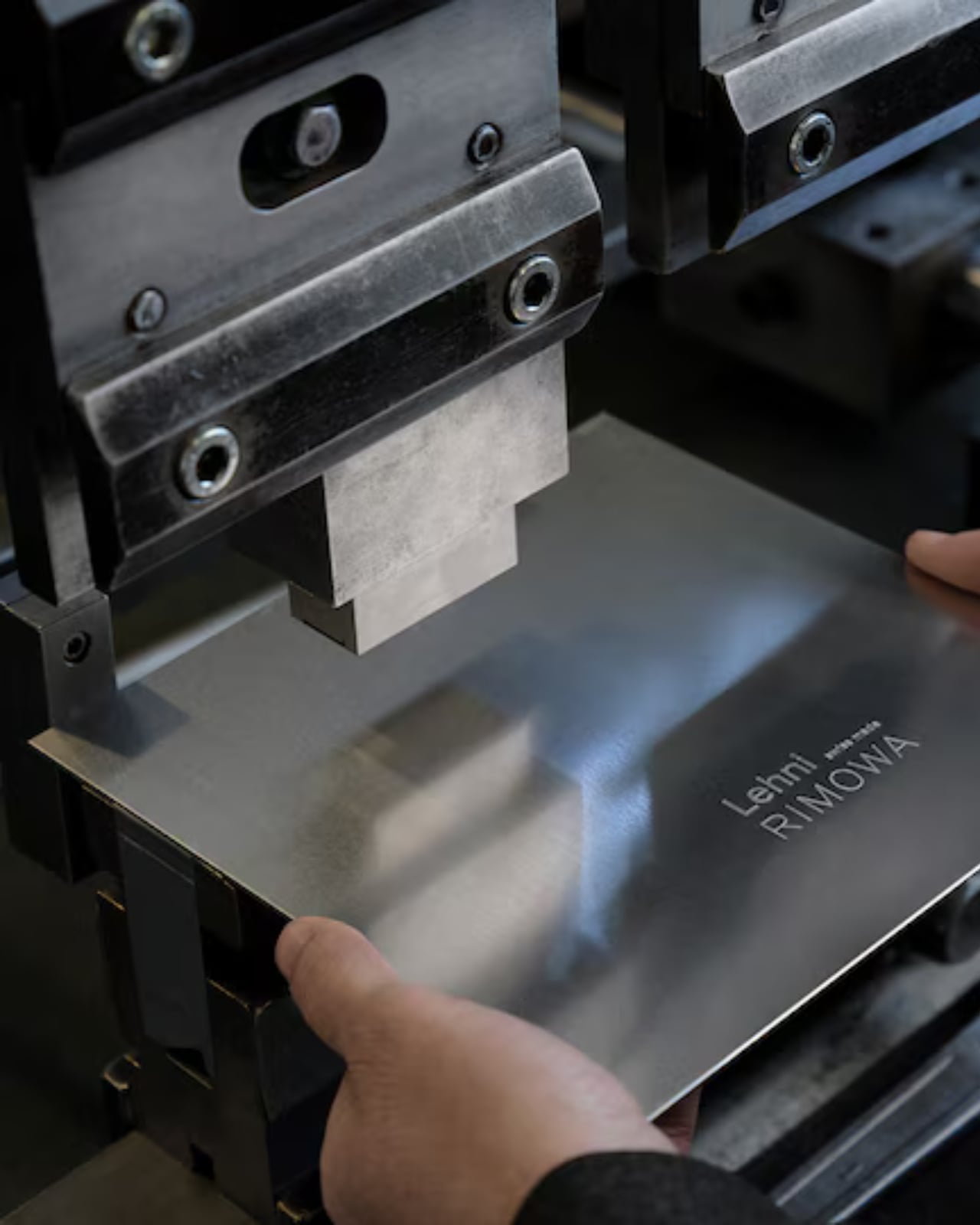
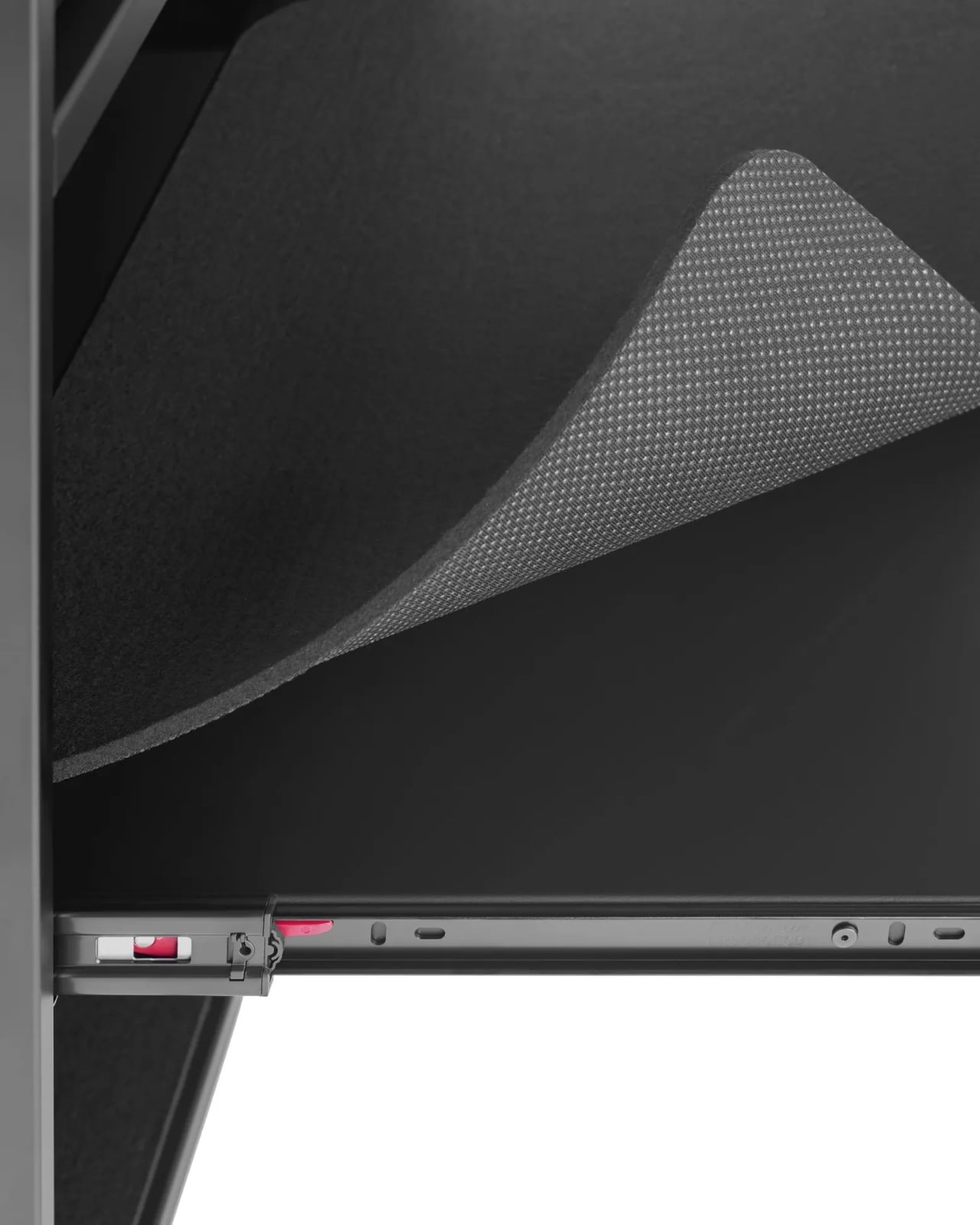
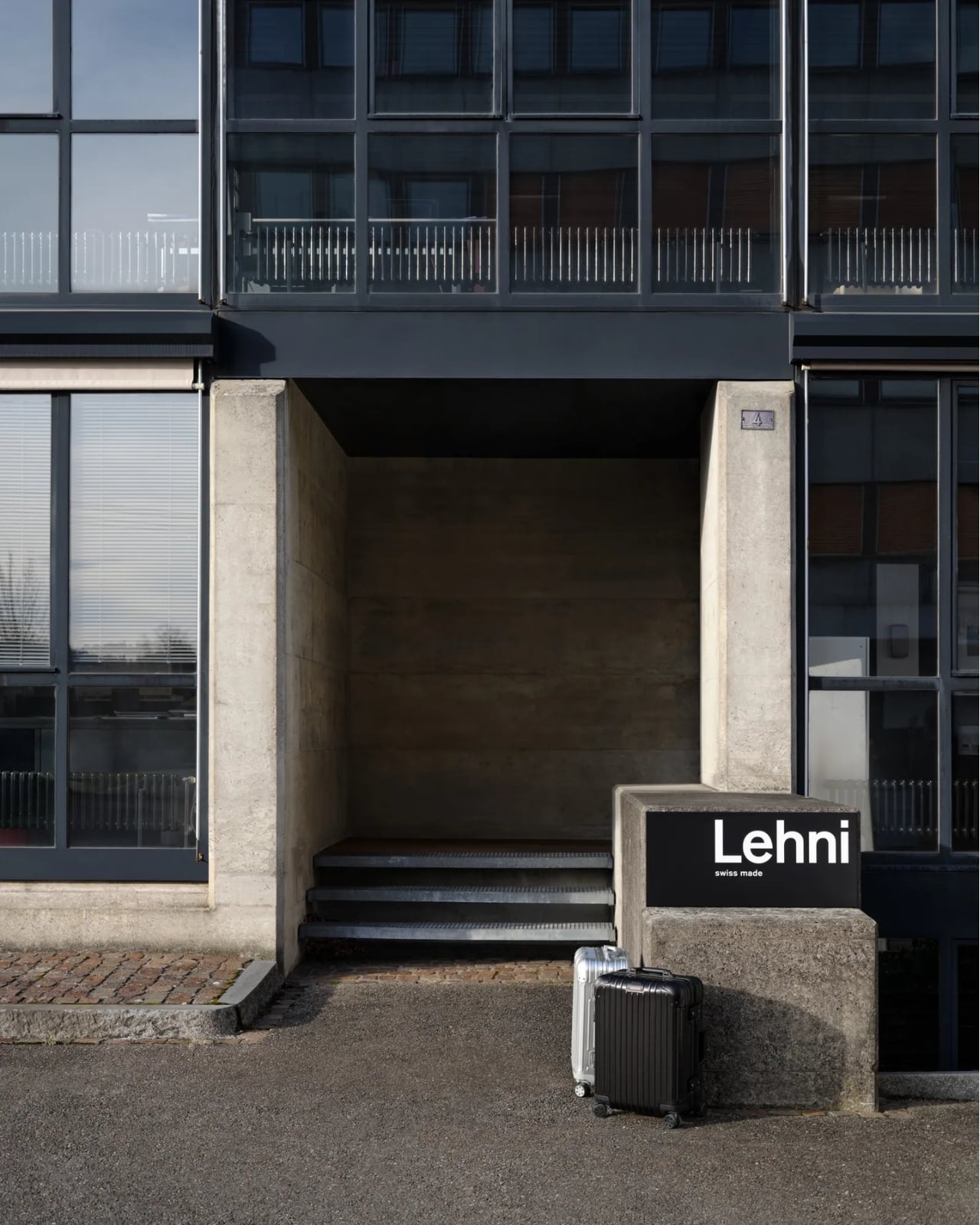
The craft side of this is worth paying attention to. Lehni has been working with aluminum since 1922, when Rudolf Lehni opened a sheet metal workshop in Zürich that quickly became a gathering place for artists and architects. That legacy still shows. Today, the company is run by the fourth generation of the Lehni family out of Dübendorf, and every piece is handmade in their Zurich factory. Each shelf on the Bench, for instance, is lined with a specially developed scratch-resistant felt mat to protect the cases stored on it. You notice that kind of thinking. These are small decisions that add up to something much larger than the sum of their parts.
Rimowa, for its part, has been on a quiet but consistent streak of repositioning itself as something more than a travel brand. The aluminum suitcase has already crossed over into fashion and streetwear culture through collaborations with names like Dior, Supreme, and Porsche. Moving into furniture feels like the next logical step, and frankly, it makes more sense than most luxury crossovers I’ve seen. The material language stays the same. The level of craft stays the same. The only thing that changes is the context, which is exactly what makes this feel like a genuine design idea rather than a marketing exercise.
That said, let’s be real: this is not furniture for everyone. The Bench is priced at $4,275, the collection is limited-edition, and in the US it’s only available in the continental states by contacting Rimowa’s client services directly. There’s no add-to-cart button. That purchasing friction is intentional, and it’s the kind of intentional that has a very specific audience in mind: the person who already owns the suitcase, already loves it, and wants their home to reflect the same aesthetic sensibility. I don’t think that’s a bad audience to build for. Niche, yes. But well-defined.
My honest take is that the Rimowa Lehni collection succeeds because it doesn’t try to explain itself too hard. It doesn’t need to. Two brands that both work in aluminum, both care about precision, and both have long histories with good design sat down and made something that looks exactly like what you’d expect from that pairing. The result is a bench and a drawer that feel less like a product launch and more like an obvious conclusion. Sometimes the best collaborations aren’t the surprising ones. They’re the ones that make you wonder why it took this long.
Bike cargo gear has always been the part of cycling that nobody really gets excited about. Racks, panniers, and baskets exist to haul things, and most of them look exactly like what they are, brackets and platforms bolted on as an afterthought. Cyclists who care about aesthetics often treat this hardware as a necessary compromise, something you’d tolerate rather than actually want.
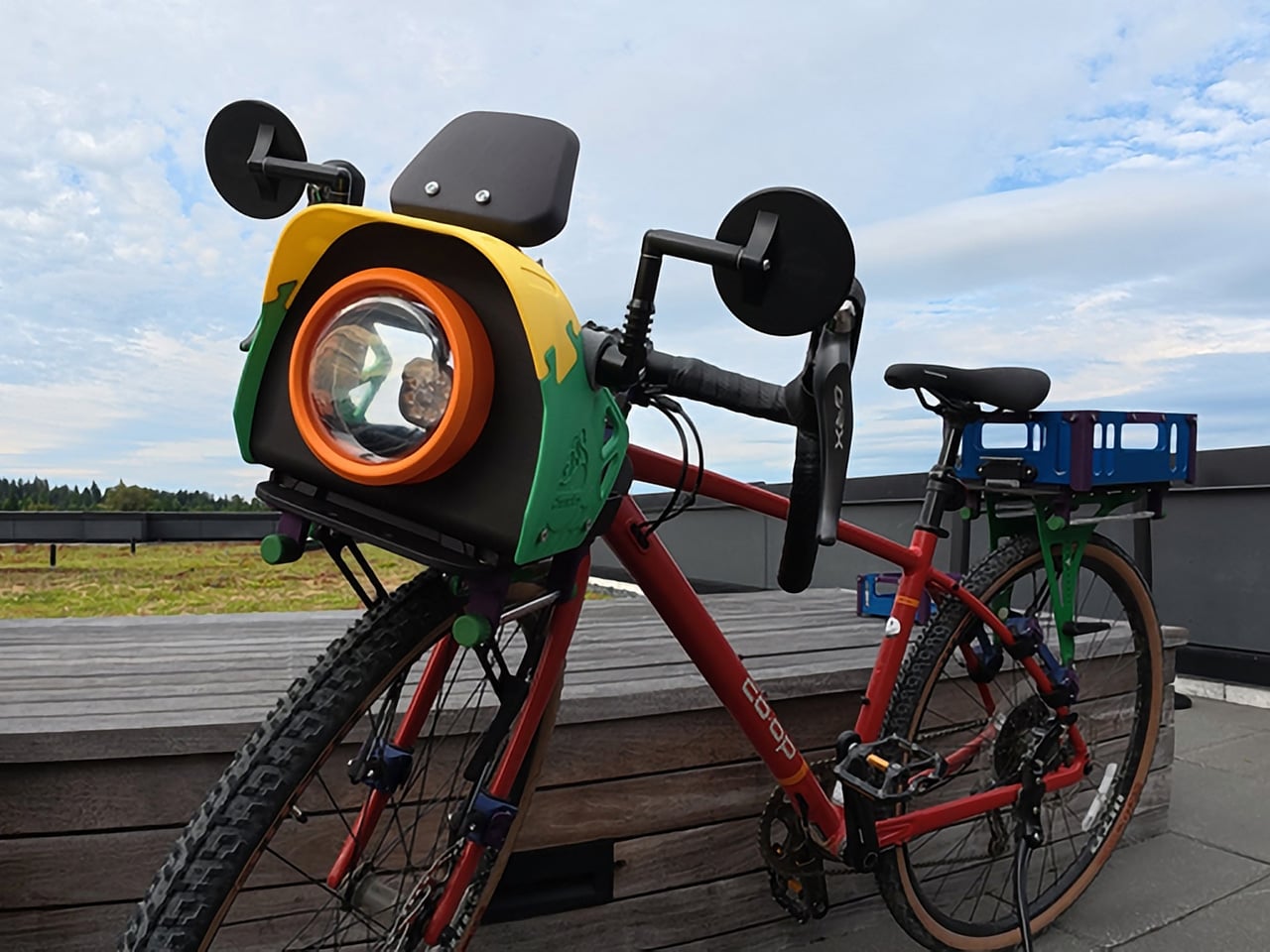
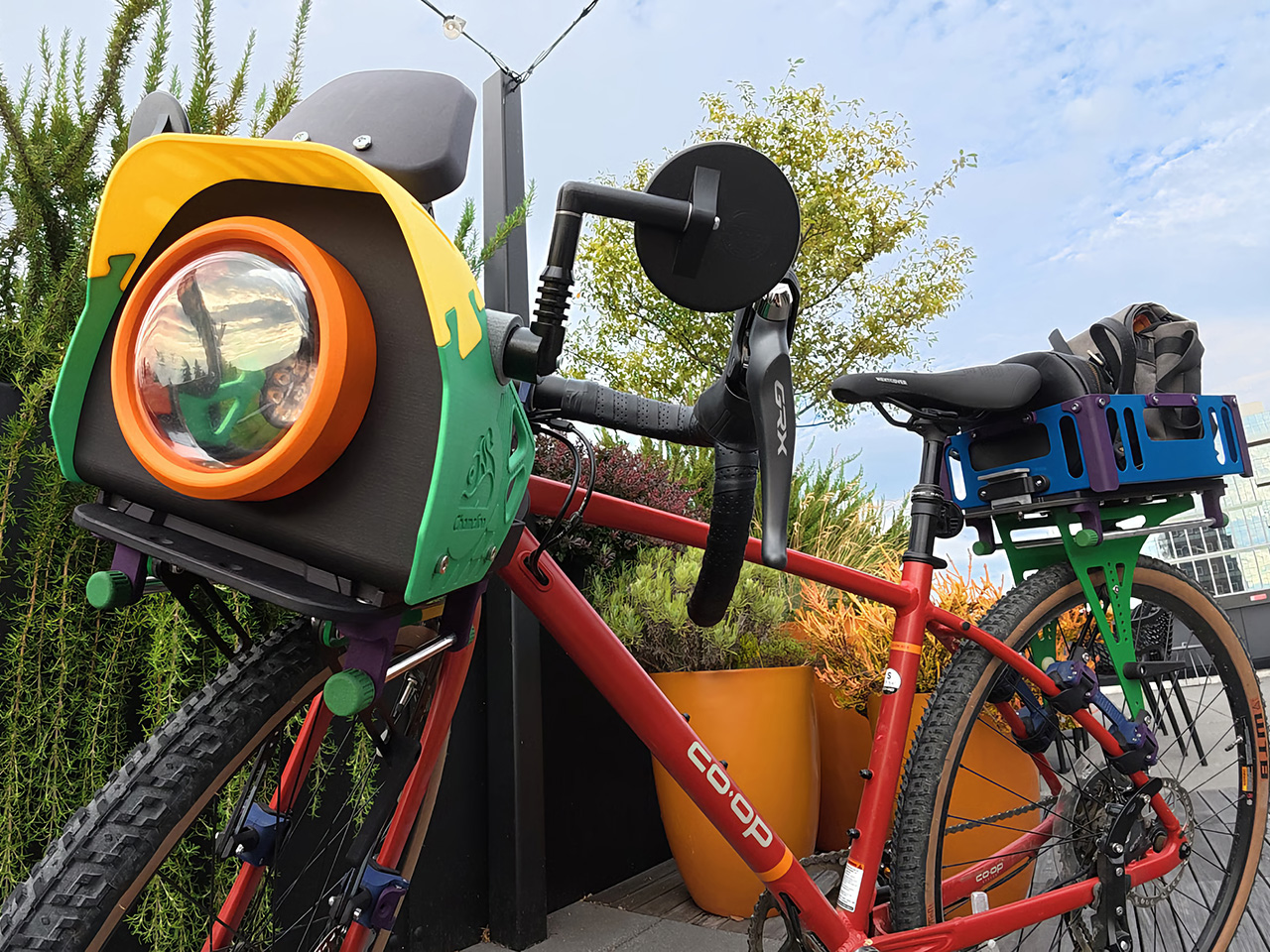
Chamelion begins with the idea that bikes deserve the same sense of character other vehicles already have. That inspiration drives a modular, color-customizable cargo platform from Seattle that includes front and rear racks, pannier rails, aluminum baskets, and a front assembly the designers call the “bike face,” treating cargo gear as part of your bike’s actual identity.
The bike face is the most interesting part of the system, and it does more than look distinctive. It consolidates everything that typically clutters the handlebars into one organized front unit. Your phone’s got a dedicated mount with a sunshade, rear mirrors attach at the sides with wide spacing for better sightlines, and your headlight sits front and center behind a transparent shell.
The racks do serious work. The front has been tested to hold up to 20 kg (44 lbs), and the rear handles up to 27 kg (60 lbs), which is enough for a full grocery haul or a heavily loaded bikepacking setup. The aluminum baskets drop in when you need proper containment, or you can skip them and just strap a bag directly to the platform.
One of the quieter design details is how the racks handle rough terrain. Rather than transmitting every bump directly into your load, the material has enough flex to absorb vibration, so things ride more smoothly on uneven surfaces. Add the pannier rails when you need side-hanging capacity, and the same bike that’s carrying your lunch on a weekday is hauling camping gear on a trail by Saturday.
Installing the system takes some effort upfront, but once that’s done, removing and remounting the racks requires no tools at all. The front rack’s handlebar connectors rotate to fit different bar types and the fork clamps have bearings inside that move with your suspension. The rear rack adjusts between 110mm and 180mm between the clamps, wide enough to accommodate most bikes, including full-suspension mountain bikes.
Of course, the color customization goes well beyond picking a finish. Every component has its own configurable color zone, from the rack platform and frame connectors down to the pannier cap and handlebar connector buckle. The bike face alone has more than 12 individually configurable areas. It sounds excessive until you realize that kind of specificity is exactly what makes the system feel genuinely personal.
What makes that level of customization possible is the manufacturing behind it. The plastic components are produced using powder bed fusion 3D printing in PA12 or PA11 nylon, with coloring handled by Dyemansion. That process gives the parts rich, durable color without relying on conventional painted finishes, and it allows for small-batch production without injection mold tooling, which is what makes individual configurations feasible.
Assembly is guided by interactive 3D step-by-step instructions that let you zoom in, rotate, and inspect every connection from multiple angles before putting it all together. It’s the kind of manual that actually makes you want to read it, which is more than can be said for most flat-pack furniture and certainly more than anyone expects from a bike cargo system.
The broader idea here isn’t a one-off accessory set, but a system that can keep expanding over time, with new modules and accessories already being developed. The 3D-printed version stays the lightest and most configurable option, and the design accommodates future additions as the lineup expands. For a category that’s spent decades being mostly forgettable, this one at least gives your bike the kind of personality it probably should have had all along.
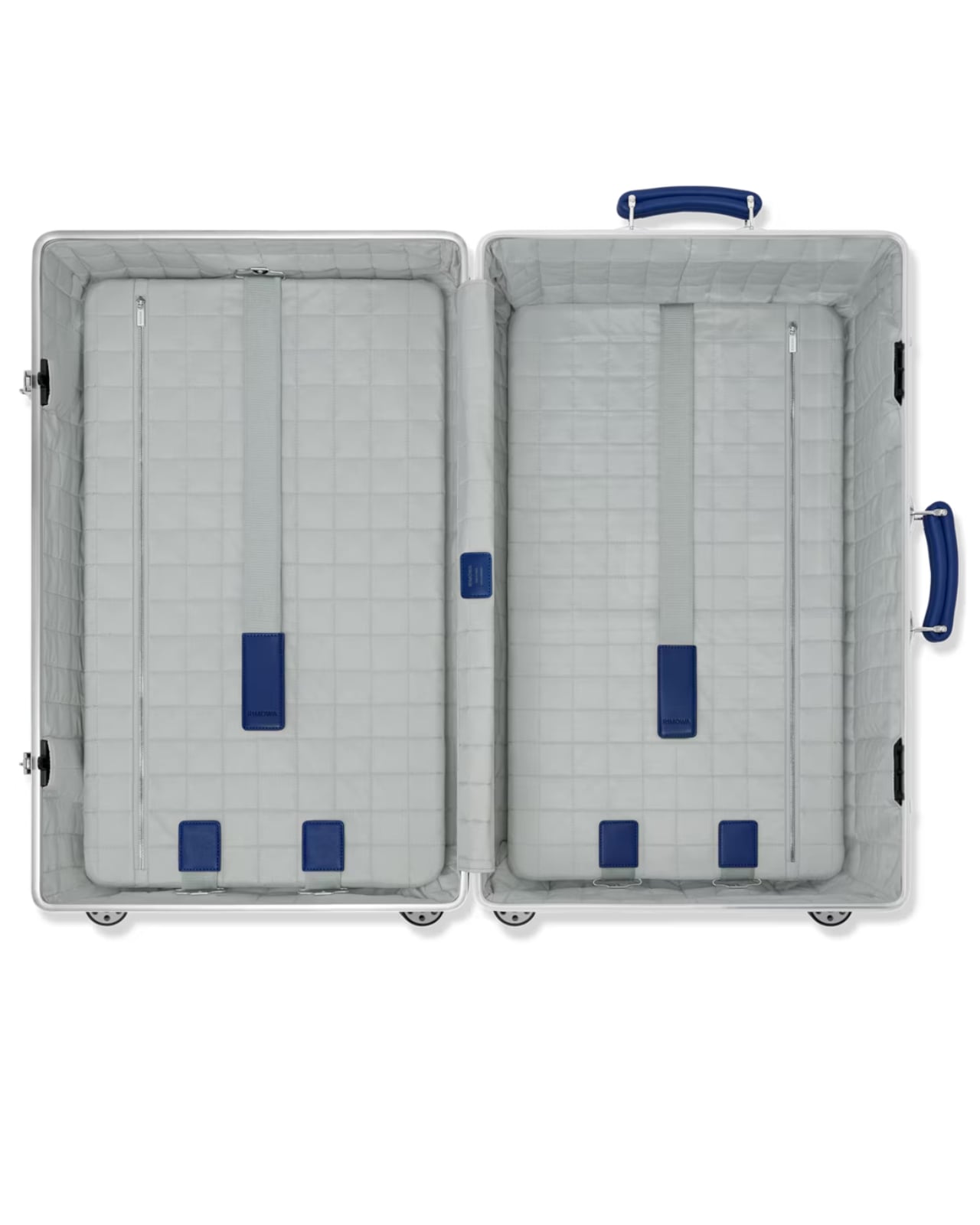
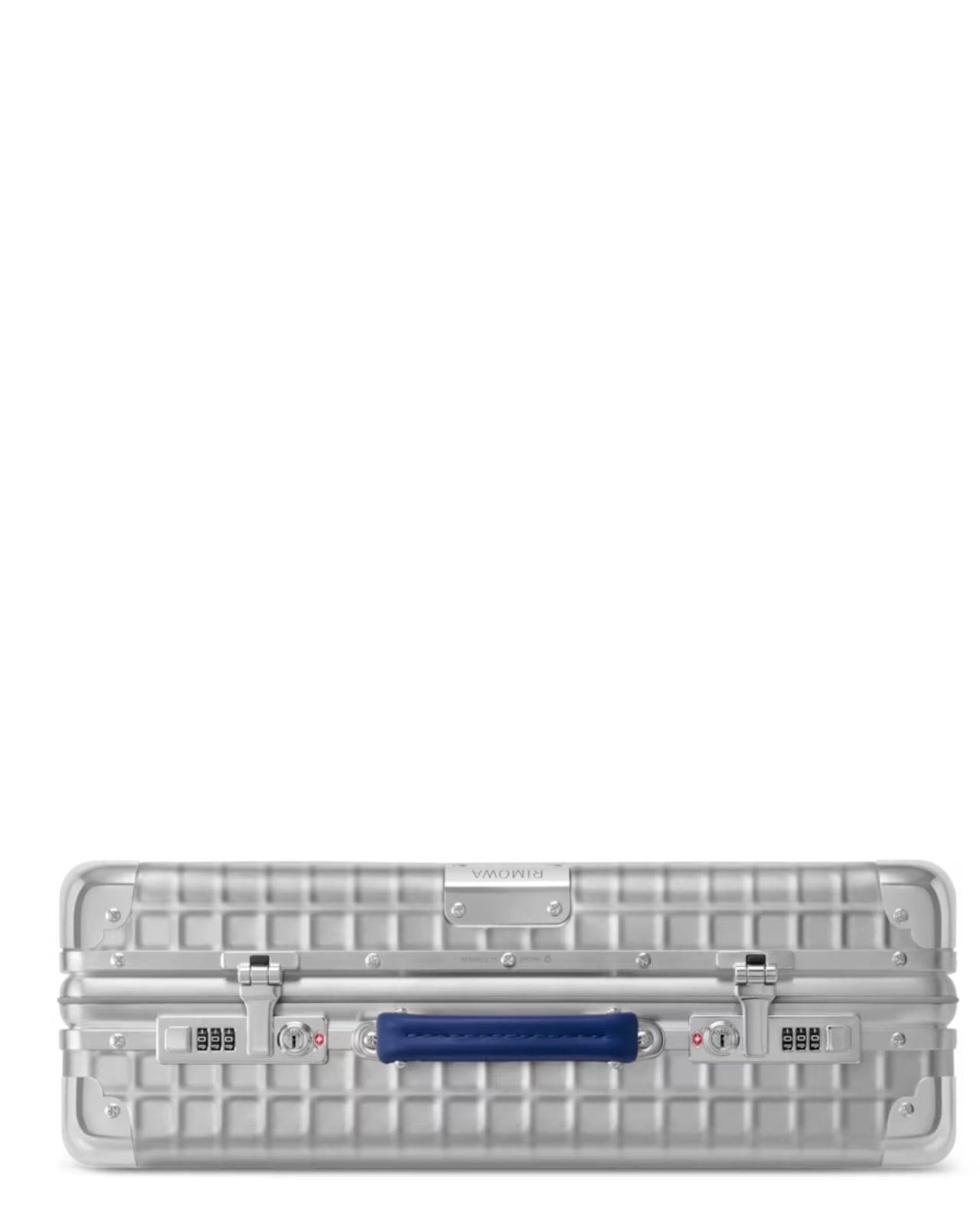
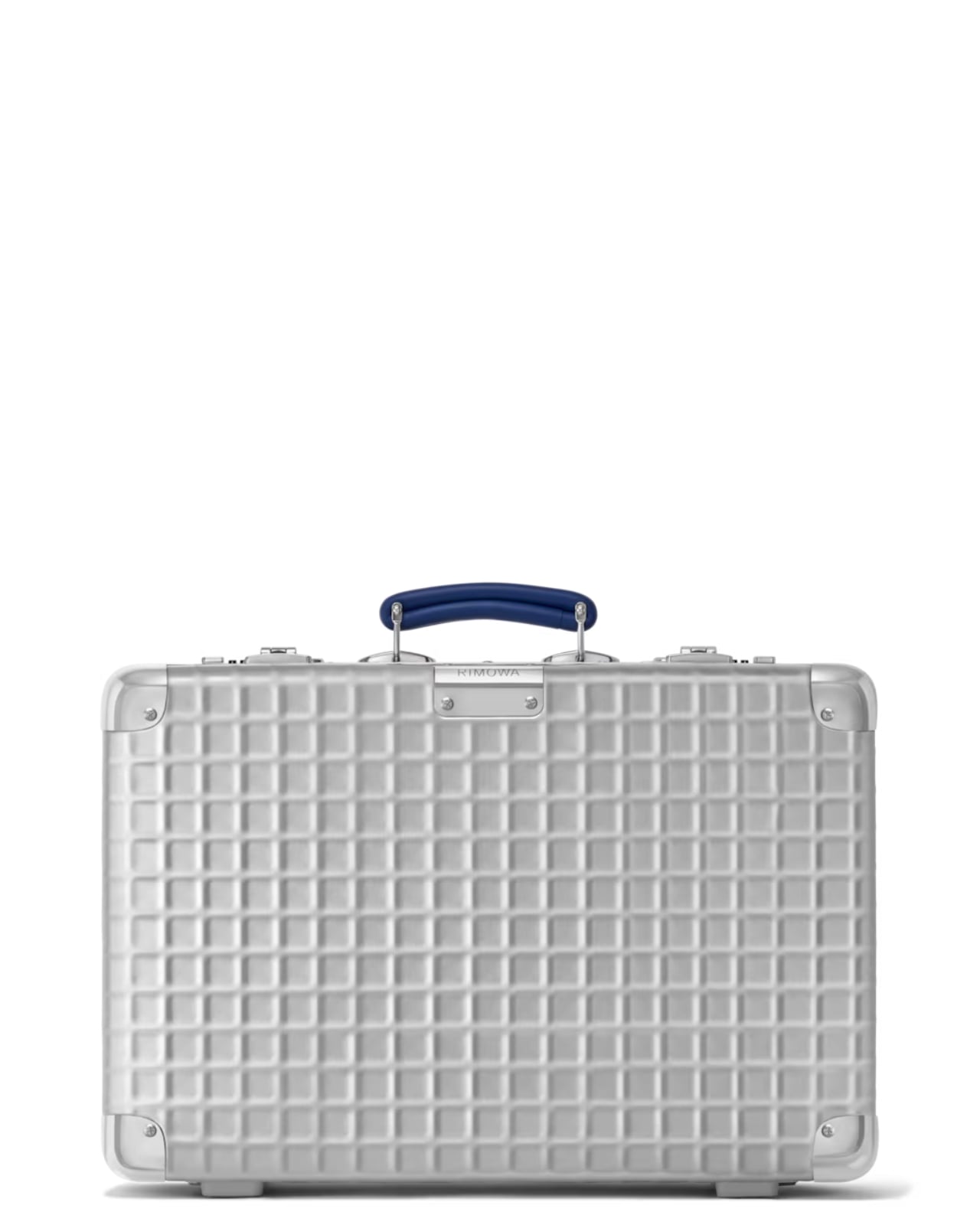
Most luggage brands don’t have a 127-year-old story to draw from. Rimowa does, and it seems to know exactly when it’s worth pulling from that history and when to let the present speak for itself. With the Classic Aluminium Grid, they’ve clearly decided the archive deserves a second act.
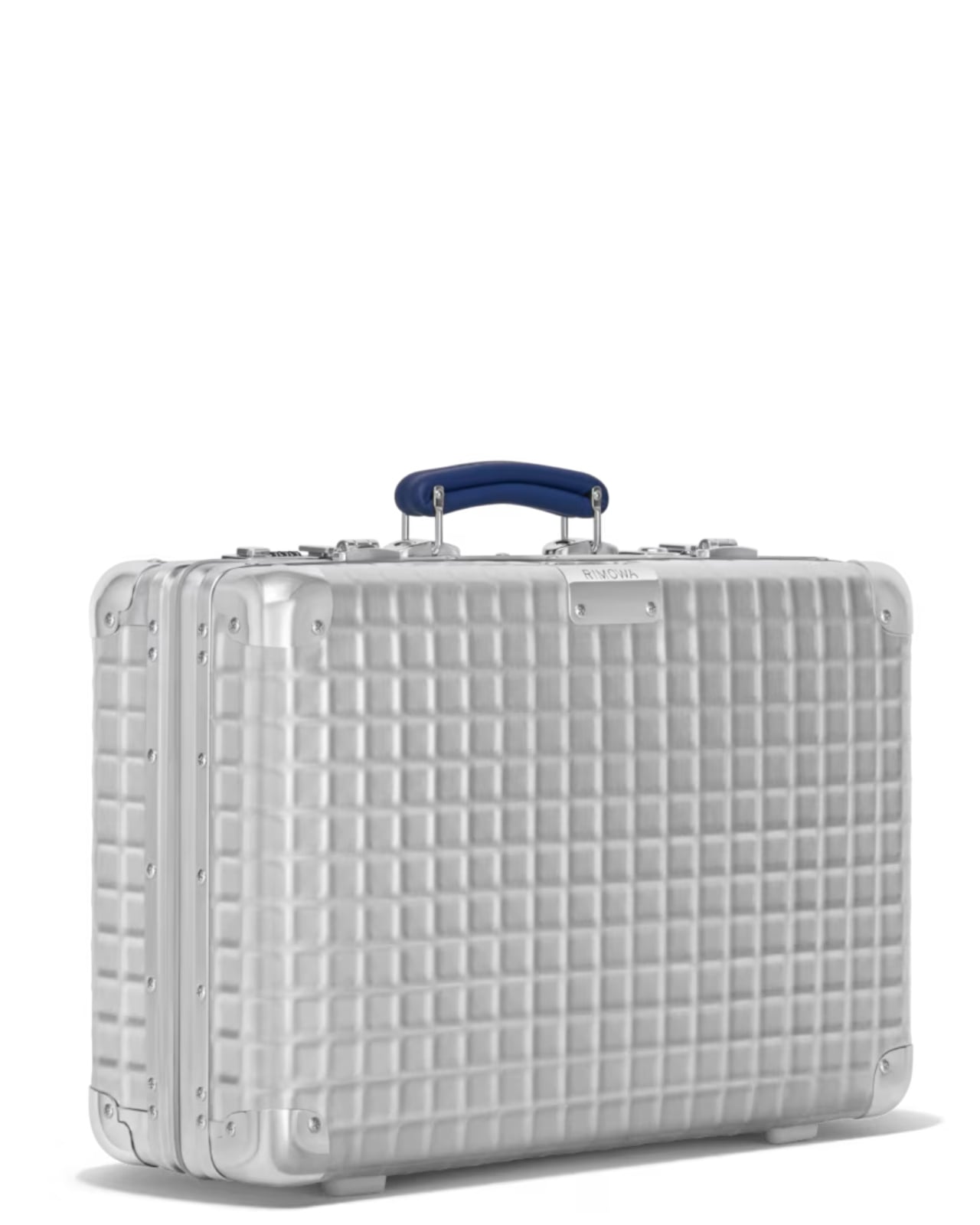
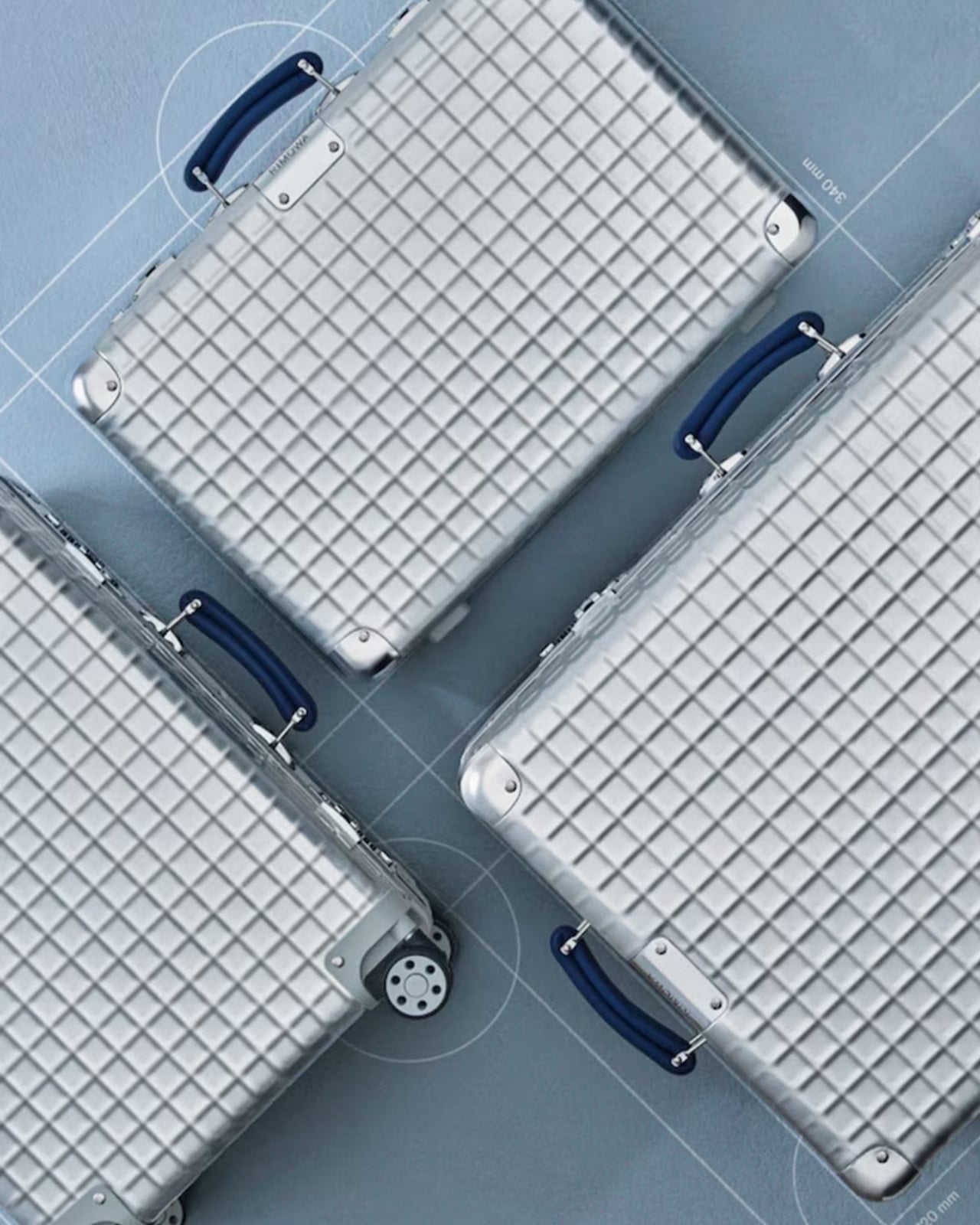
The Classic Aluminium Grid is the German brand’s latest limited-edition release, and it’s generating the kind of quiet excitement that reserved design circles usually save for restored mid-century furniture or a first-edition book that resurfaces at auction. The reason is simple: Rimowa didn’t just design something new. They reached back to 1969, pulled out a hand-carry case design that had been sitting in their archives, and asked what it would look like today if it were treated with the same reverence they give to the grooves.
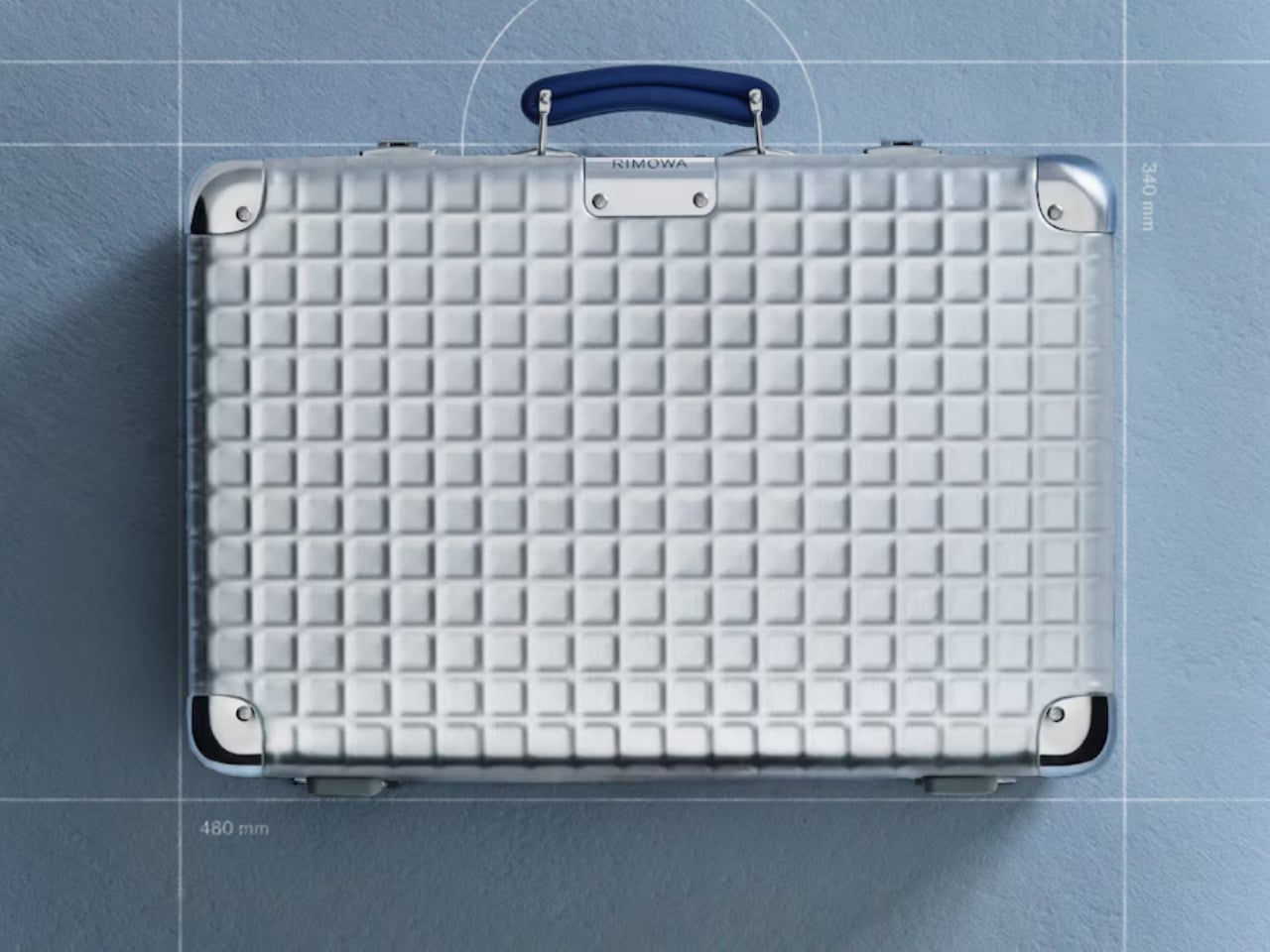
That grooved shell, by the way, is practically synonymous with the brand itself. You know a Rimowa from across an airport terminal. Those parallel ridges running down the aluminium surface are one of the most recognizable design signatures in travel goods, and they’ve been that way for decades. So when the brand quietly steps away from them and replaces the lines with a grid, a structured, geometric, embossed pattern pressed right into the aluminium shell, it feels like a real statement. It’s not a gimmick. It’s a choice that speaks to a different kind of confidence.
The grid comes from a real place. In 1969, Rimowa was producing hand-carry cases featuring this geometric pattern: practical, modular, and rooted in the kind of technical precision that defined that era’s design thinking. There’s a reason so much design from that decade still holds up. It wasn’t chasing aesthetics for their own sake. Form followed function, and it did so elegantly. Reviving that spirit in 2026 doesn’t read as nostalgia pandering. It reads as a brand that knows exactly where its DNA lives and isn’t afraid to dig for it.
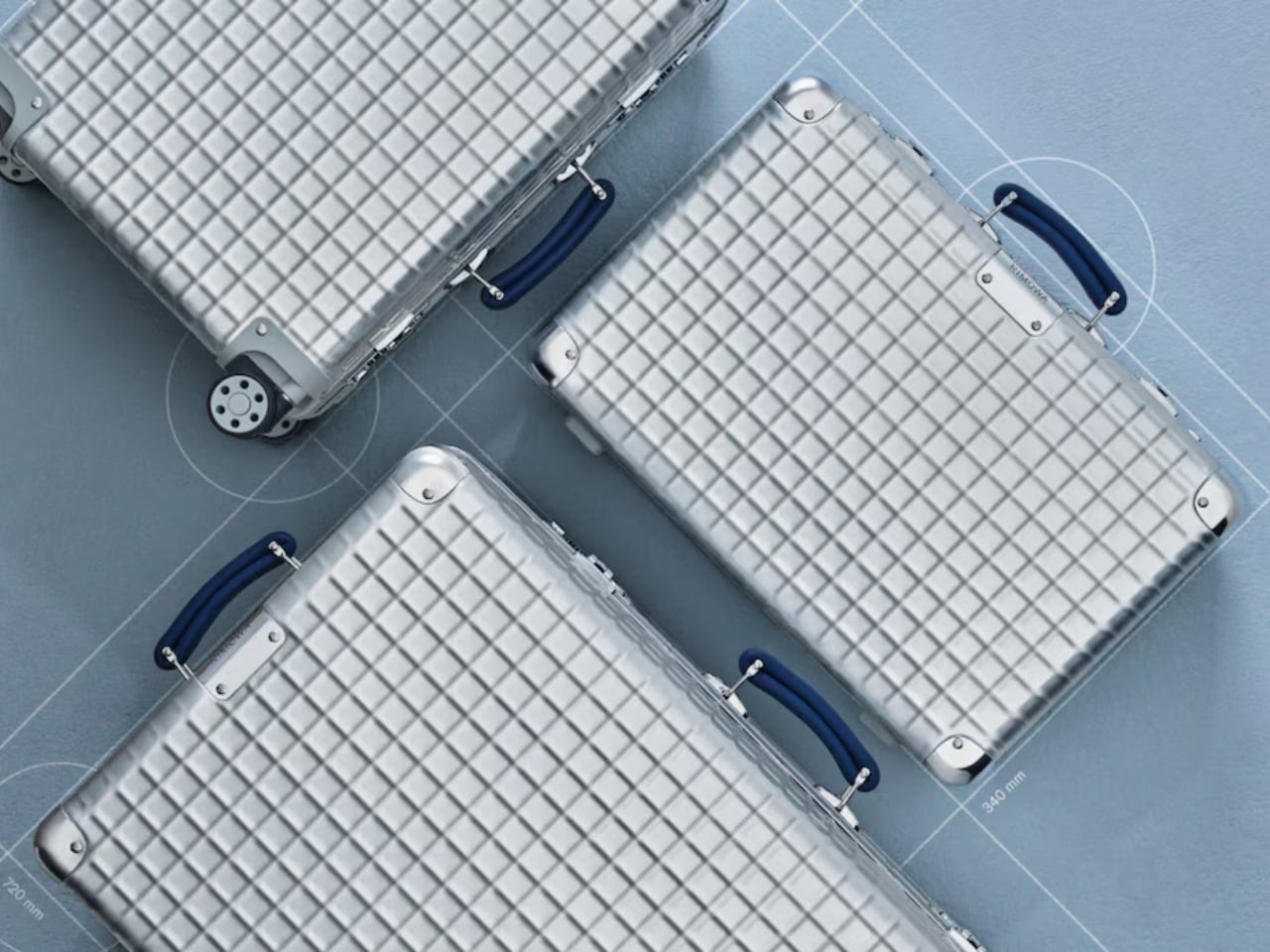
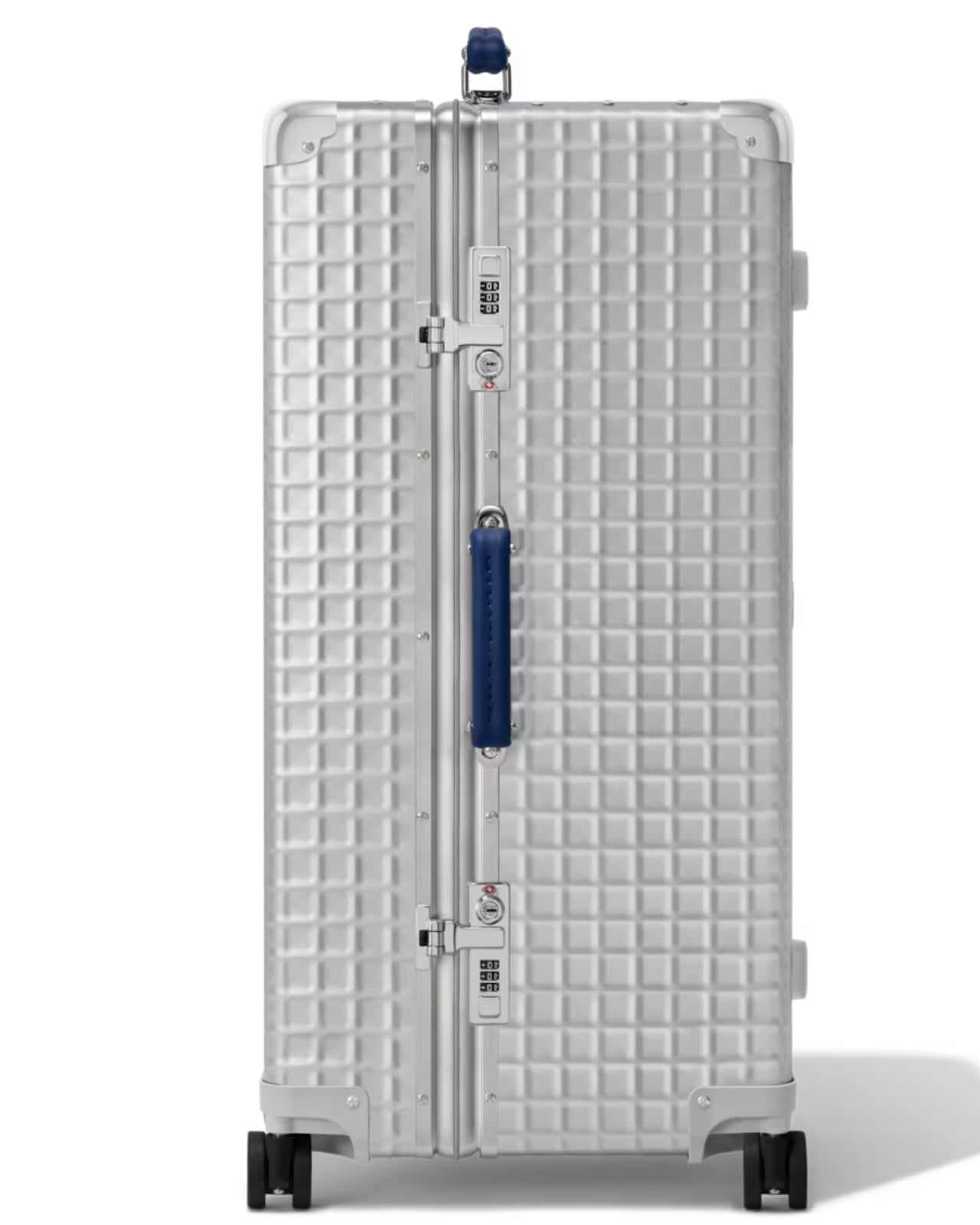
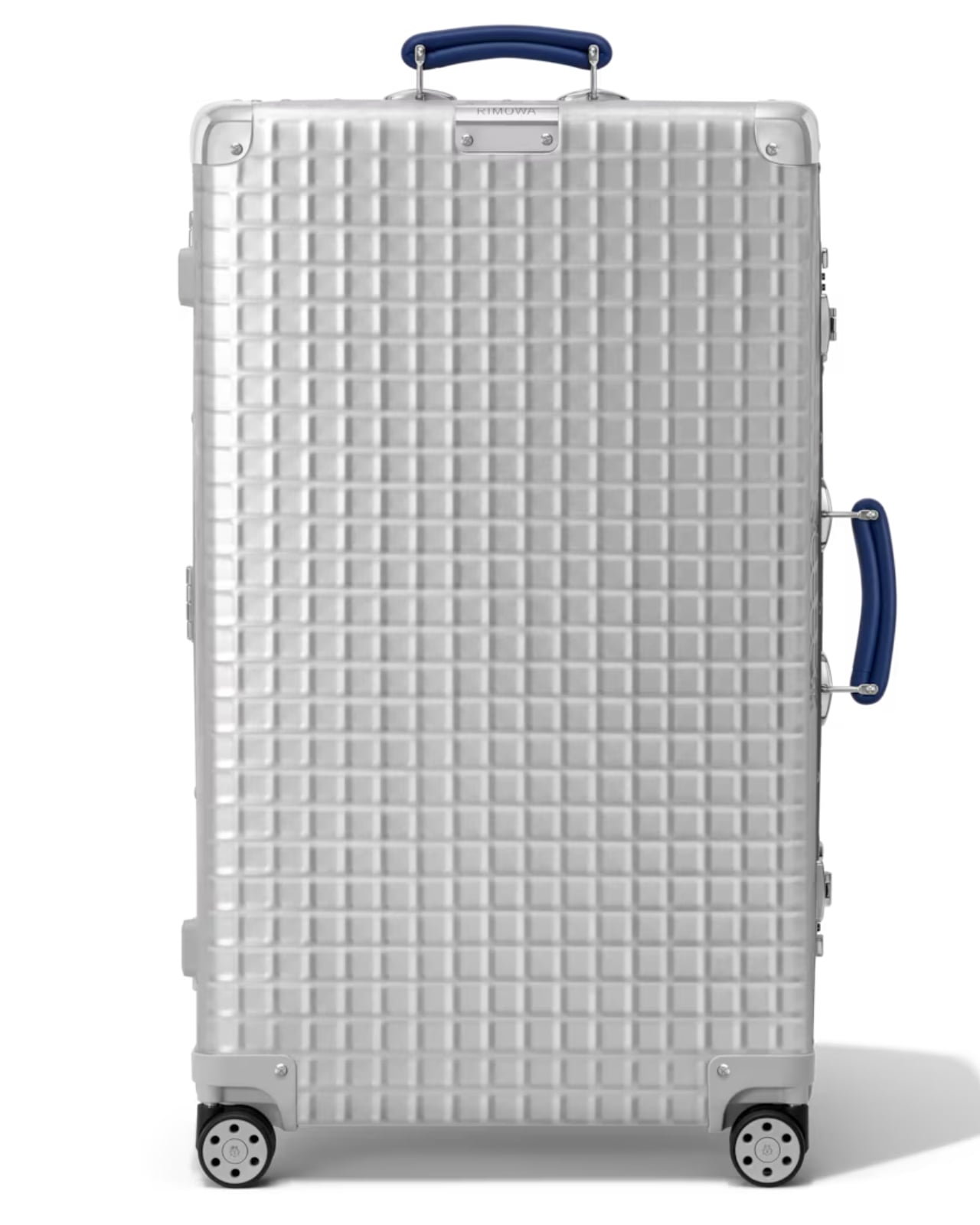
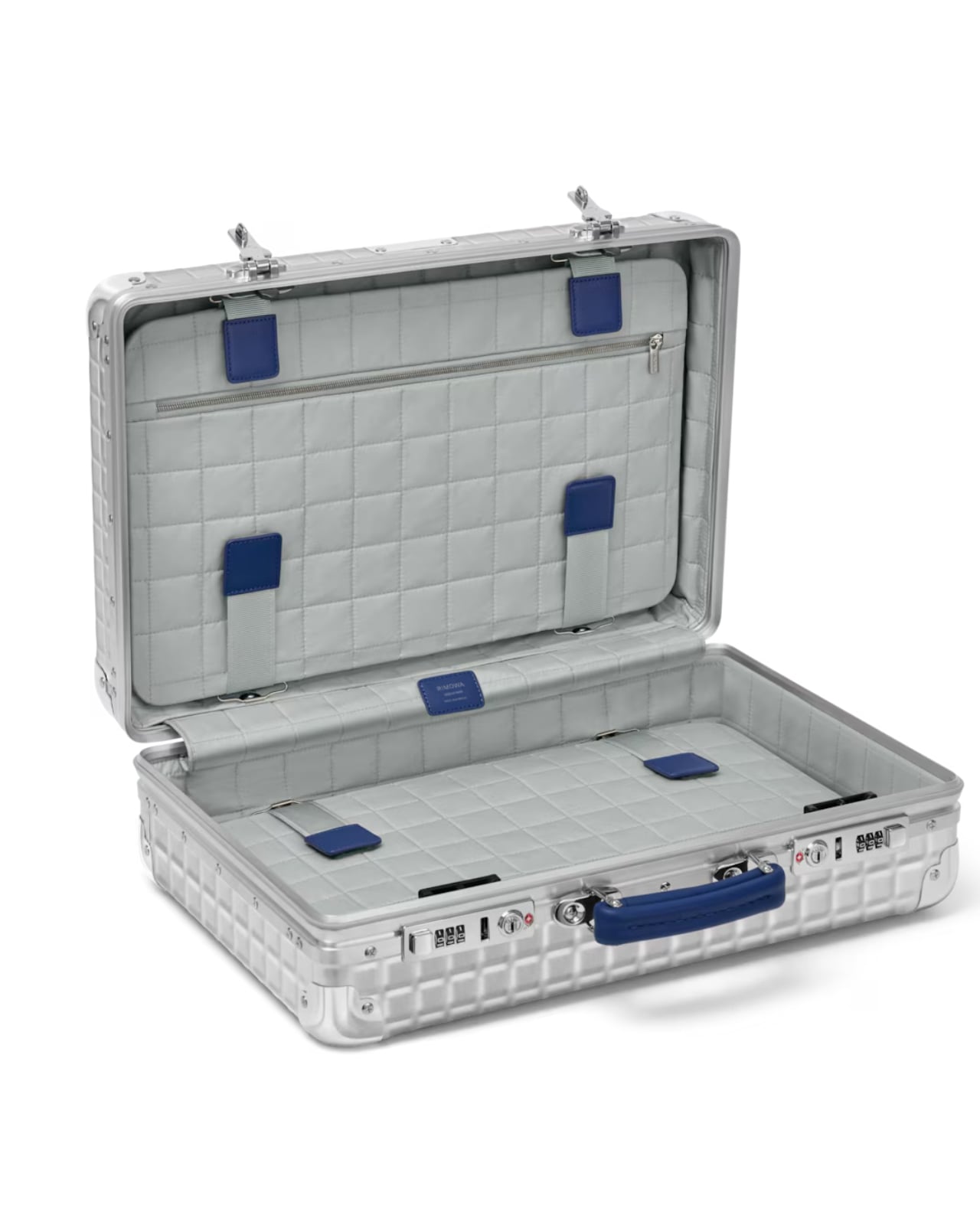
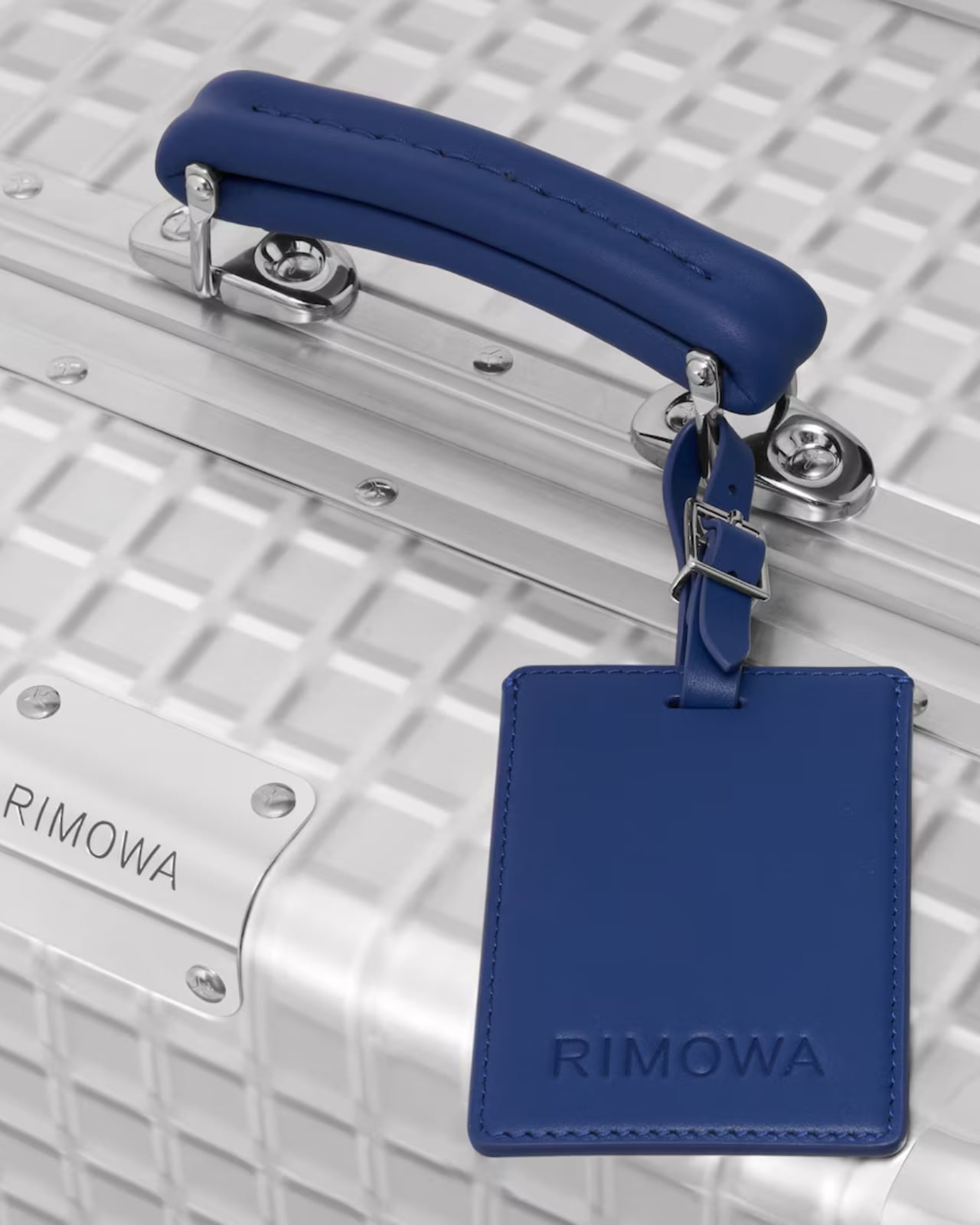
The collection comes in three sizes: the Classic Hand-Carry Case, the Classic Cabin, and the Classic Trunk. All three are made in Cologne, Germany, which matters more than it might seem. Manufacturing location is one of those details that’s easy to gloss over until you’re actually holding the product, and with Rimowa, the German-made quality is part of the whole point. The embossed grid pattern, the blue leather handles, the individually numbered serial number patch on each case: these aren’t details you’d notice in a thumbnail. They’re details you notice after living with the piece and realising it only gets better over time.
And yes, price matters here. The Classic Aluminium Grid sits in the $2,725 to $3,225 range, which puts it firmly in the territory of deliberate, considered purchasing. That’s not casual spending, and it shouldn’t be. This is the kind of purchase that functions as an heirloom more than a travel accessory, something you keep, care for, and eventually pass along. The lifetime guarantee Rimowa extends to all its suitcases reinforces that framing. They’re not selling you a bag built for a few trips. They’re selling you something built to outlast most things currently in your home.
What makes this collection feel genuinely compelling rather than just another limited drop is the restraint behind it. Rimowa didn’t add bright colour for the sake of attention. They didn’t partner with a streetwear brand or commission someone’s artwork across the shell. They went to their own archive, found something worth preserving, and let the design carry the weight. The grid is subtle enough that it won’t read as flashy at baggage claim, but anyone paying close attention will recognise it as something different. Something that doesn’t quite look like everything else on the carousel.
That’s a hard balance to strike in design. Loud enough to be interesting, quiet enough to be enduring. The Classic Aluminium Grid lands squarely in that space, and for a brand with over a century of aluminium behind it, that feels less like luck and more like a brand that knows exactly what it’s doing.
Cherry blossom season in Japan is one of the shortest windows in the travel calendar. Full bloom in Tokyo peaks around March 26 to April 3. Kyoto follows a few days later. Each city holds its peak for roughly a week before the petals fall. The parks fill before sunrise. The trains are packed. The days move fast, and the light does not repeat. What you brought matters more than it usually does, because there is no second shot at the season and no nearby store stocking the specific things that make the difference between a fluid trip and a frustrating one. These nine designs were not built for airport shelves or generic packing lists. They were made to be used — on the flight over, under the trees, and everywhere in between.
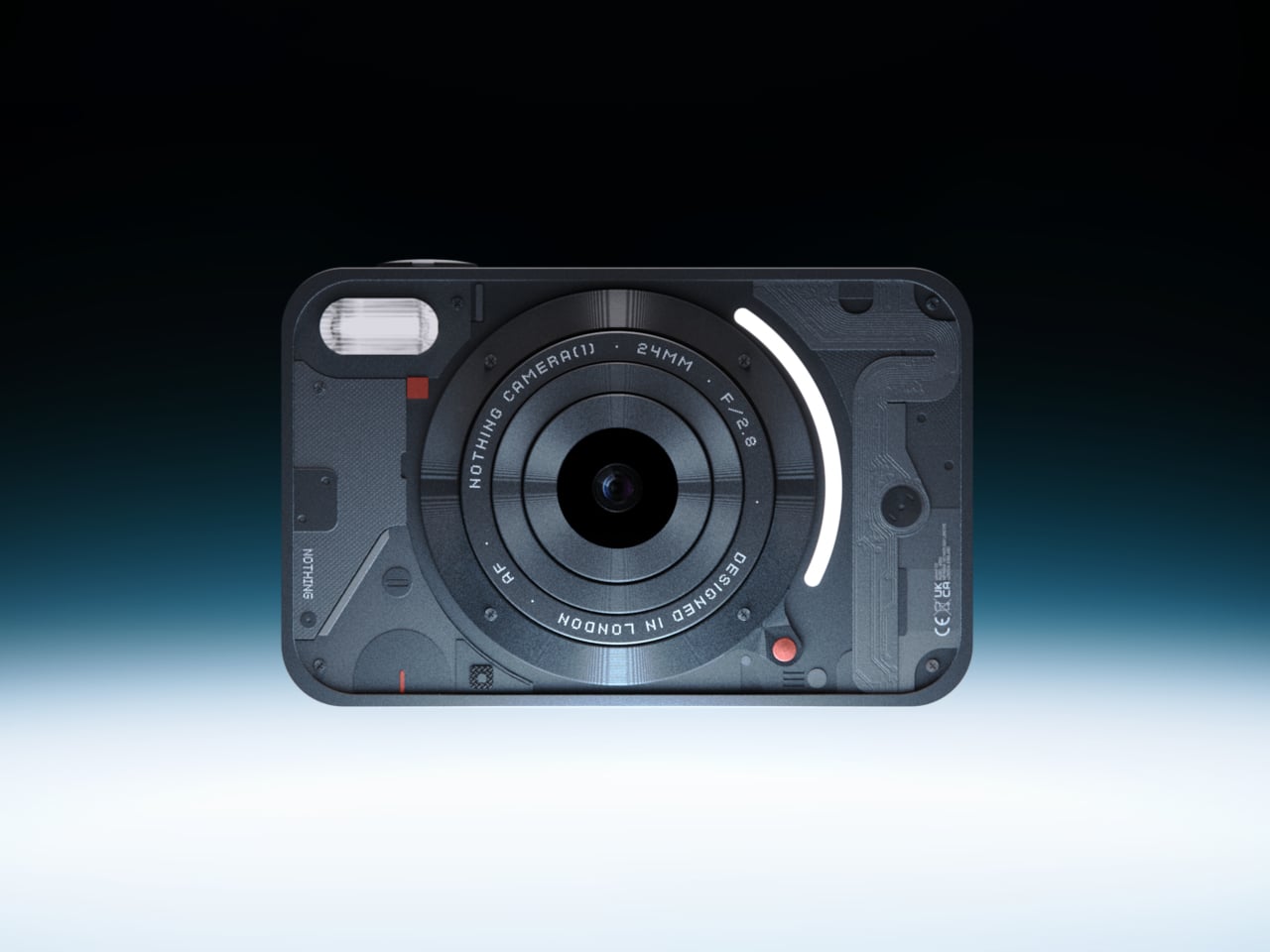
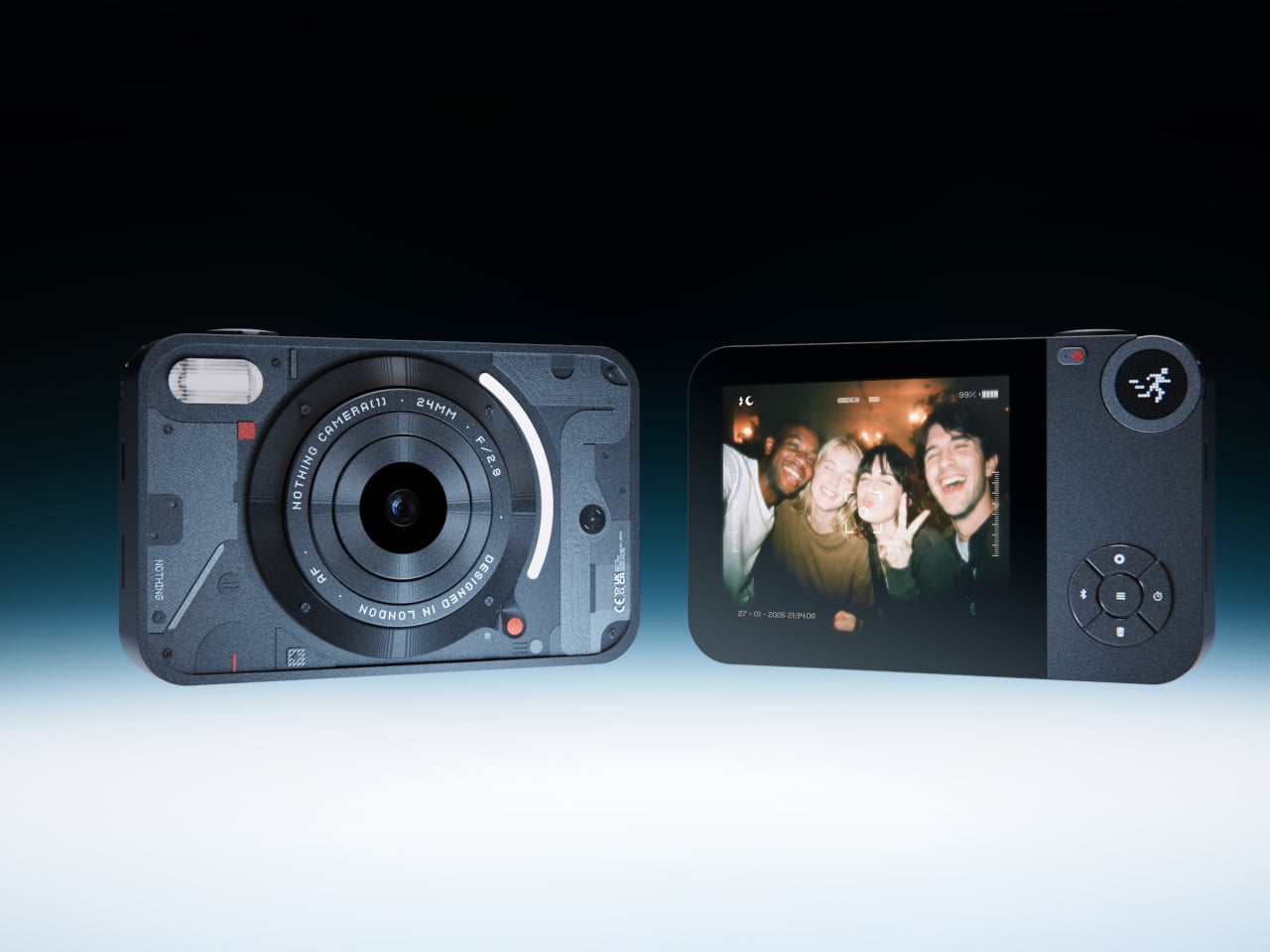
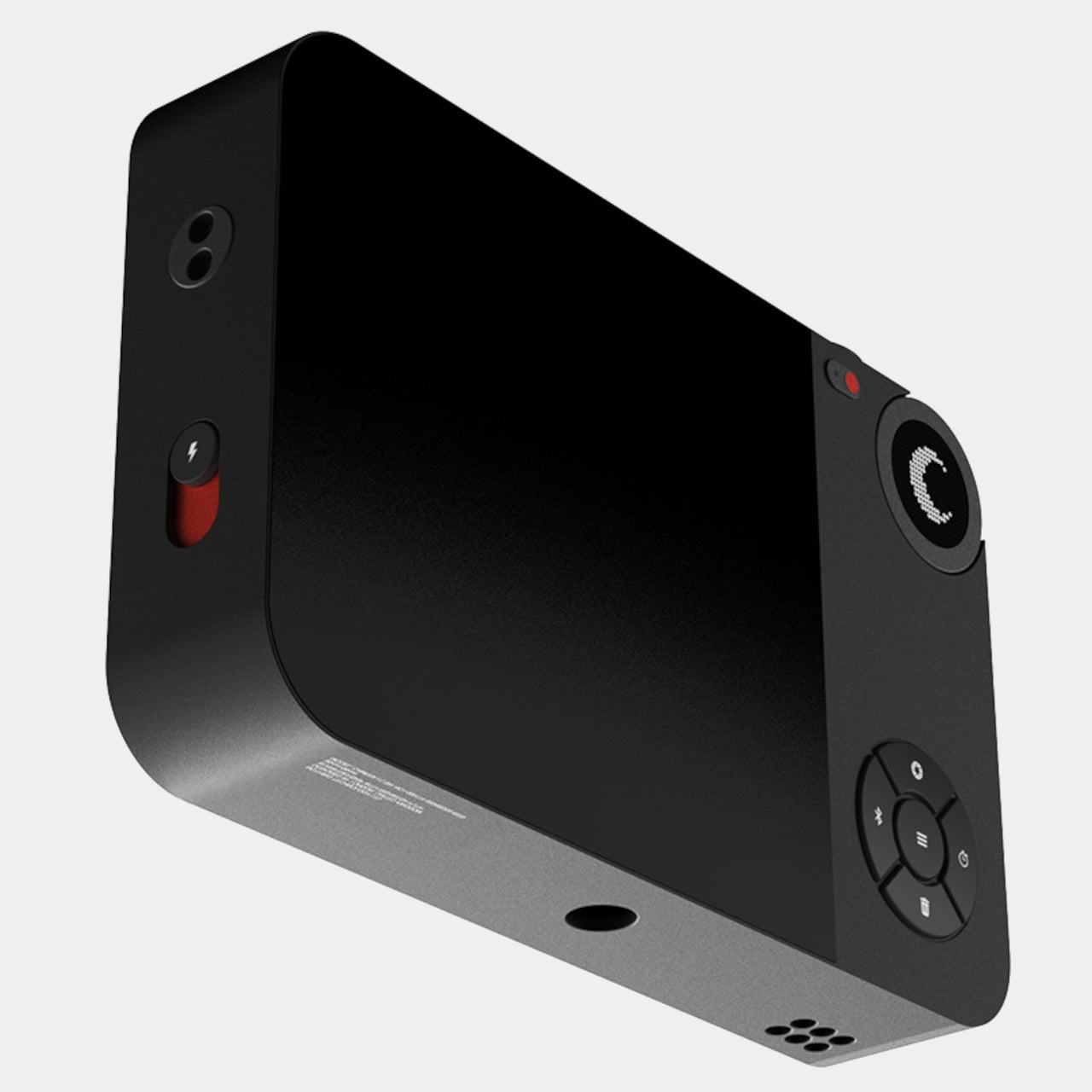
1. Camera (1) — A Tactile Digicam for a Screen-Tired Generation
Camera (1) is a compact, metal-bodied camera with softly rounded corners, sized to slip into a pocket but solid enough to fill the hand with the right kind of weight. All the main controls live on one edge — shutter, a circular mode dial with a tiny glyph display, and a simple D-pad — reachable without shifting grip or navigating a touchscreen. Inspired by Nothing’s transparent, hardware-forward design language, it carries the confidence of a device that has thought carefully about how a person actually holds something. The rear display stays out of the way because it is designed to.
In Japan, during cherry blossom season, the light changes fast, and the best moments do not hold for a menu scroll. Petals falling across a stone lantern at Ueno. A crowded riverbank at golden hour along the Meguro. Camera (1) puts the full interaction in your fingers — twist the lens ring to frame, feel the shutter click, glance at the dial glyph to confirm mode. It encourages you to look at the scene rather than at the screen, which is the right priority when the thing in front of you is a path of blooming trees reflected in a temple pond.
What We Like
Single-edge control layout gives full shutter, mode, and navigation access in one hand without lifting your eyes from the scene
Pocketable metal body is carry-on ready and solid enough for full walking days across multiple cities
What We Dislike
Currently a concept design, meaning production availability and final specifications are not yet confirmed
No touchscreen requires an adjustment period for those accustomed to modern smartphone-style interfaces
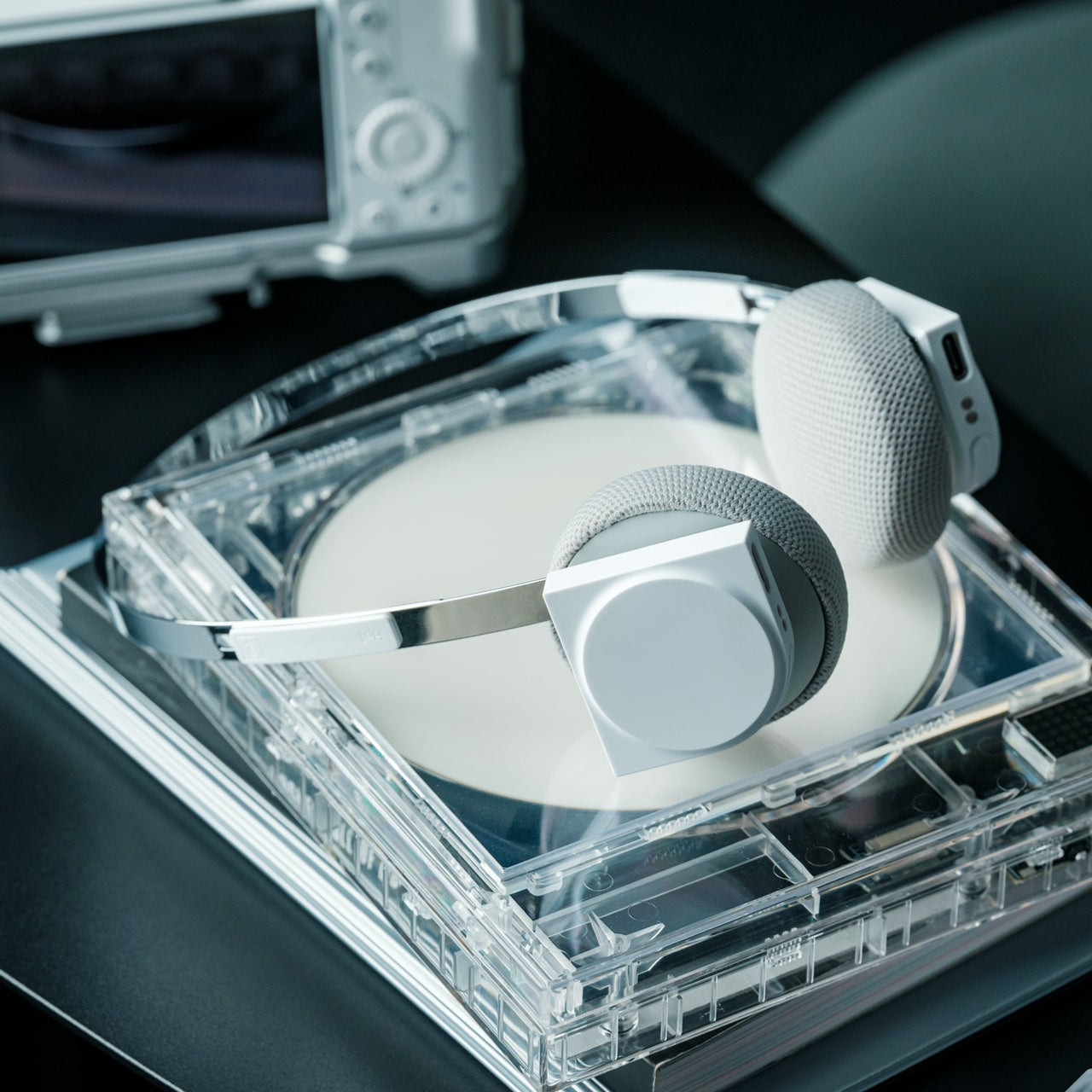
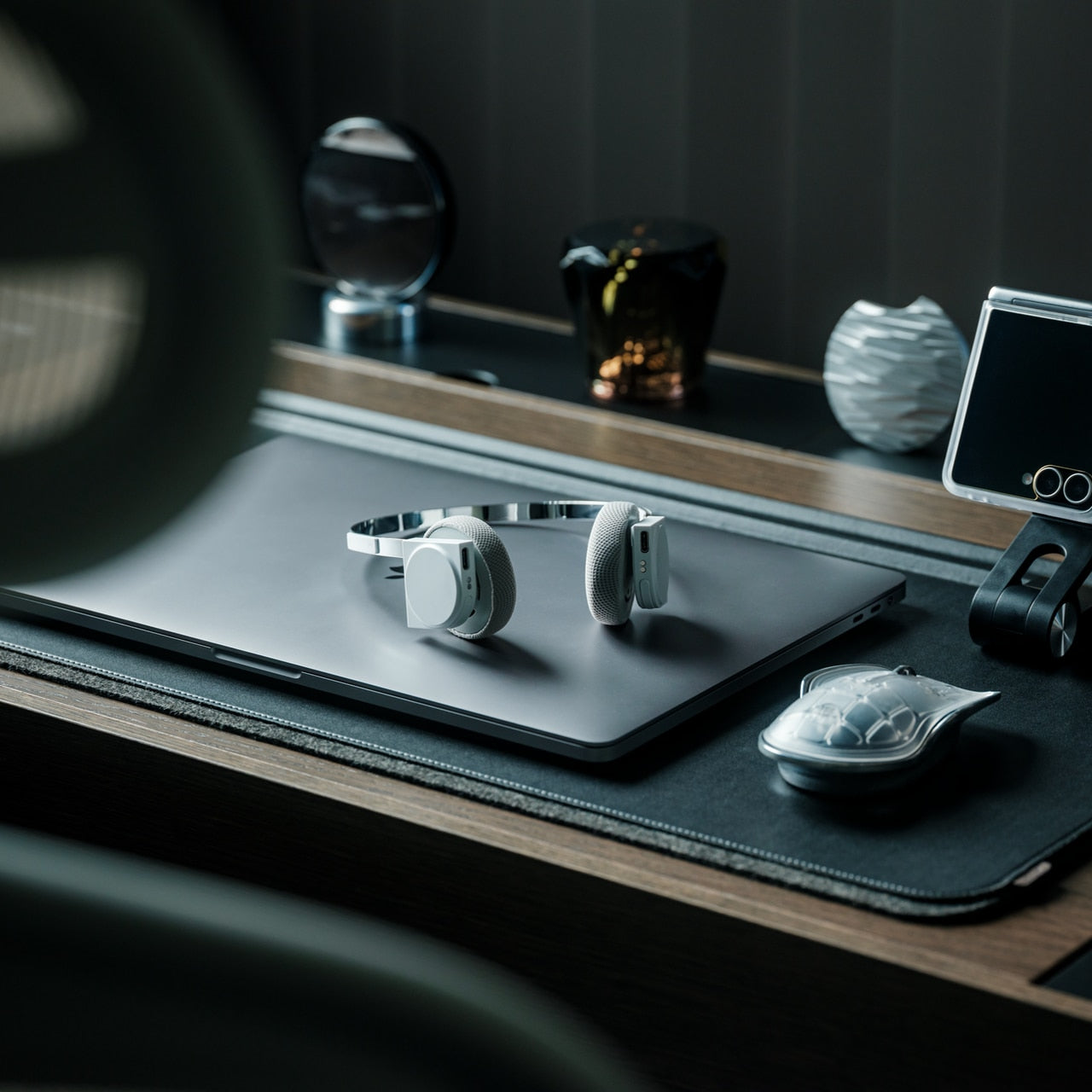
2. StillFrame Headphones — Listening as a Physical Ritual
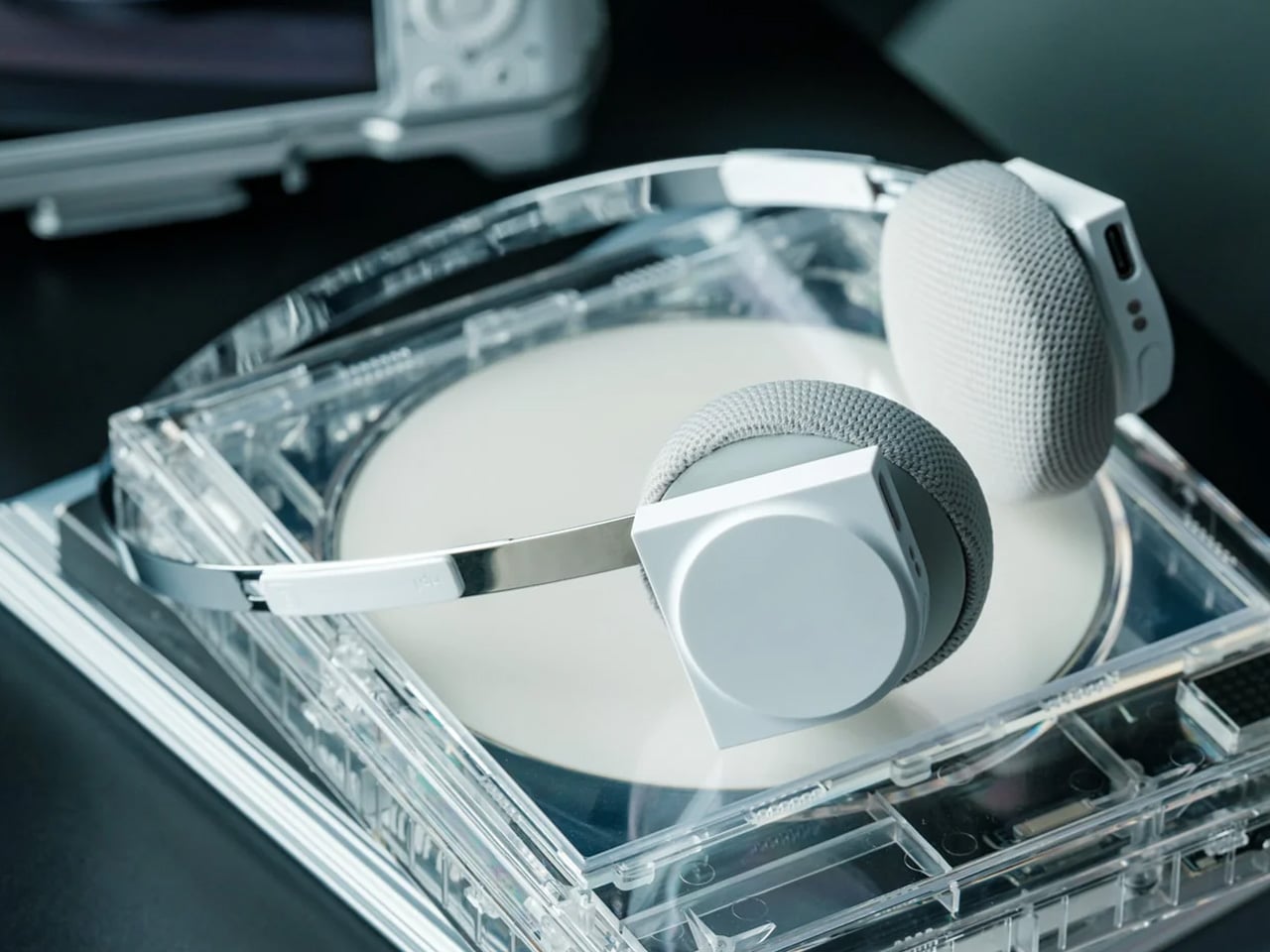
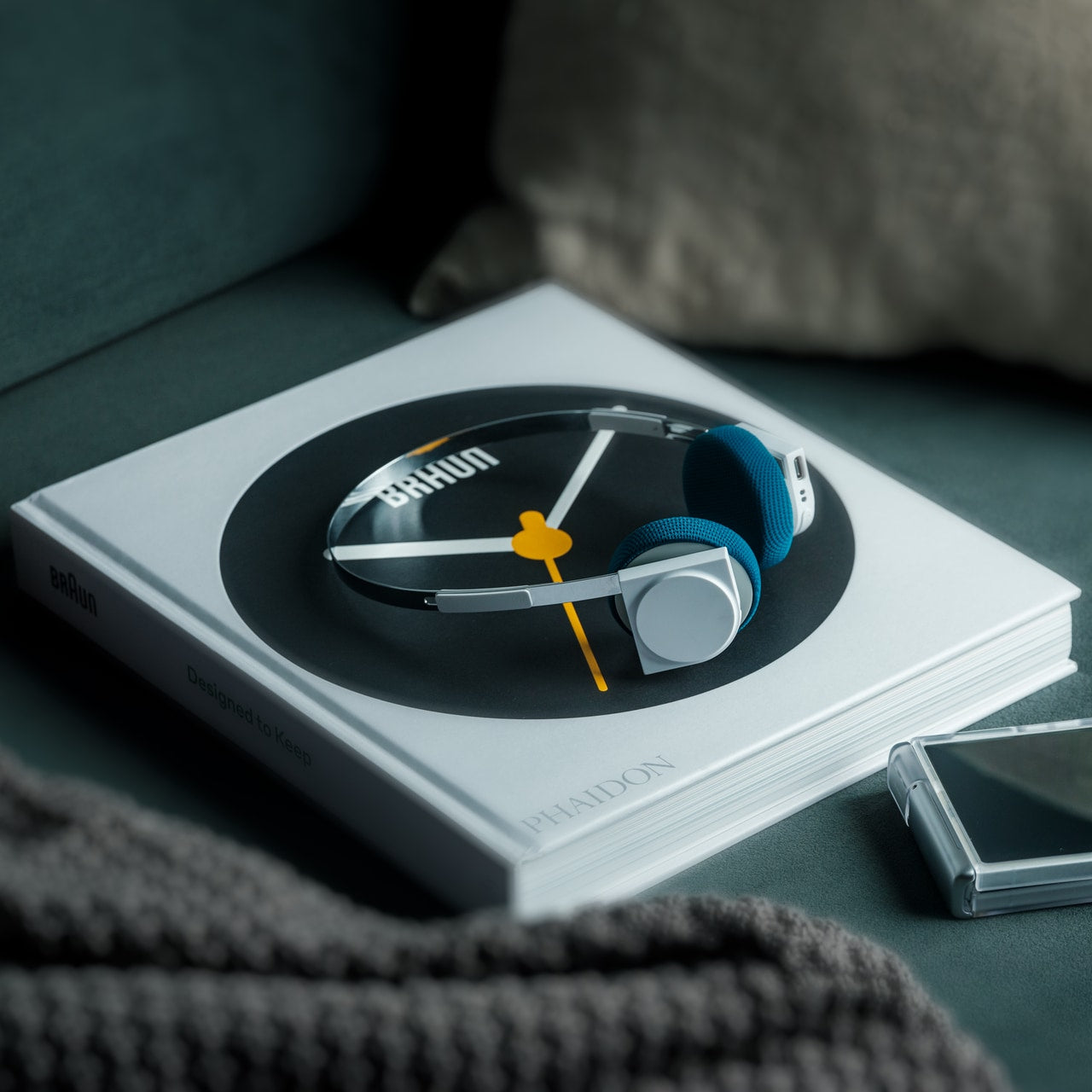
StillFrame wireless headphones are built around a specific idea: that listening should feel like something. The form echoes the quiet geometry of 80s and 90s CD hardware — measured proportions, nothing aggressive. The 40mm drivers deliver a wide, open soundstage that shapes quiet tracks into something more spatial, turning melodic textures into landscapes rather than noise. Noise-cancelling engages when the environment demands it. Transparency Mode opens the sound field when the world is worth hearing. Featherlight but full in the hand, it sits in quiet dialogue with a ClearFrame CD Player from a time when music had weight.
The flight to Tokyo runs roughly 14 hours from the US West Coast. Noise-cancelling carries you through the worst of the cabin without asking you to fight it. On the other side of that flight — on the Shinkansen between cities, in a ryokan at night with rain on a wooden roof, walking through a park where petals are already on the ground — Transparency Mode brings Japan back in without pulling the music out. Cherry blossom season moves at the pace of the trees, not the internet. StillFrame is designed for exactly that tempo.
Noise cancelling and Transparency Mode cover the full range of environments a Japan trip demands, from the cabin to the temple garden
On-ear form is lighter and less fatiguing than over-ear alternatives across long travel days
What We Dislike
On-ear design provides less passive isolation than over-ear headphones in the noisiest cabin environments
Premium audio hardware adds a carefully packable item to a carry-on already optimized for volume
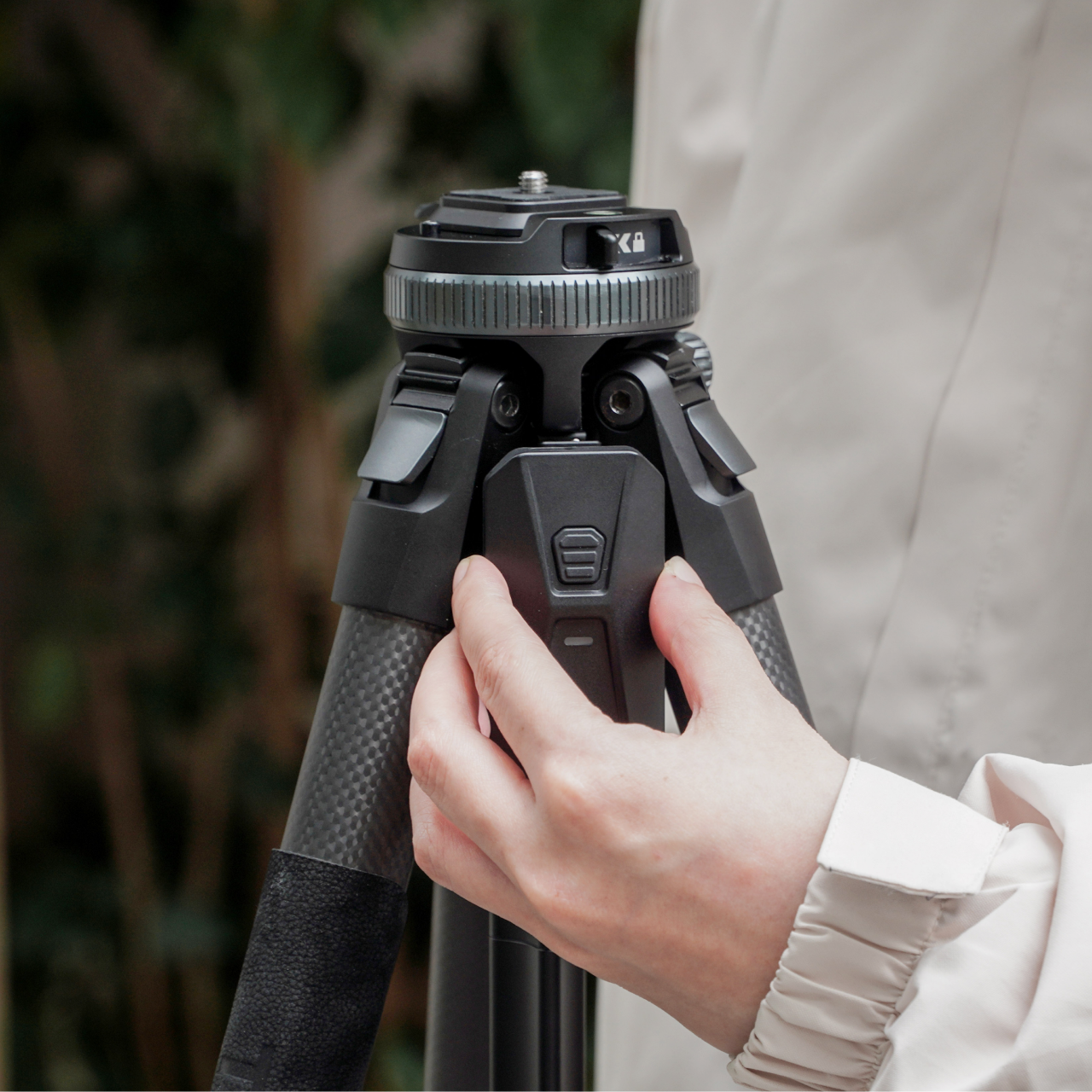
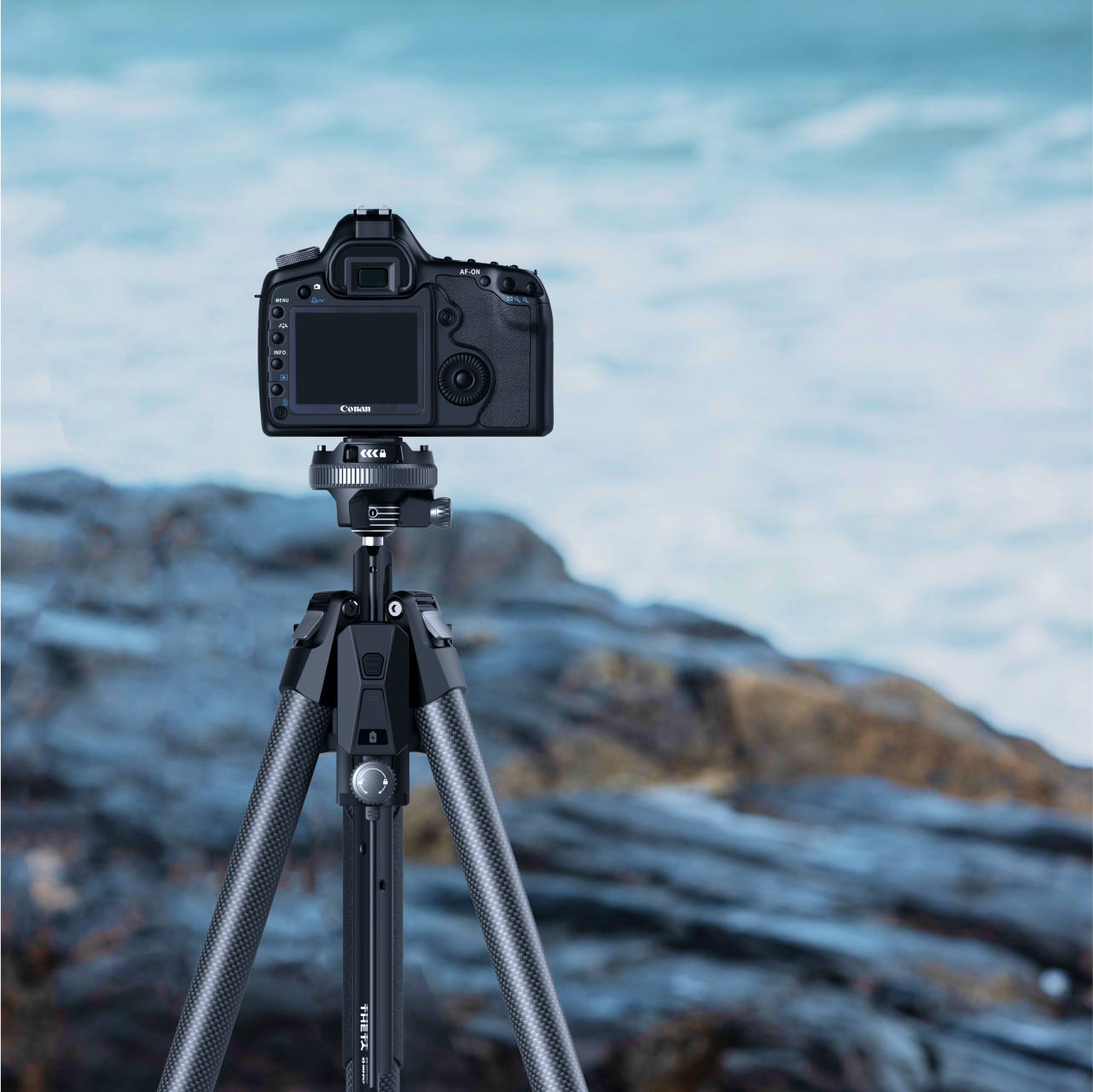
3, Benro Theta — The Tripod That Refuses to Compromise
The Benro Theta is a tripod that refuses to accept the standard trade-off between portability and capability. Rapid leg deployment, automatic leveling, remote camera control, automatic exposure adjustment, and livestreaming support — all in a package compact enough to carry into a city without rethinking your bag. It does not present itself as a scaled-down version of a better product. The engineering is serious, the footprint is small, and that combination requires actual design effort to achieve, rather than simply removing features until something fits in a daypack.
Sakura season in Japan is a photographer’s season, and the locations that make the best photographs require patience, positioning, and speed. Setting up at Maruyama Park in Kyoto before the light peaks, or along the Philosopher’s Path before the morning crowds arrive, leaves no room for a slow tripod. The Theta’s rapid leg deployment means seconds between pulling it out and having a steady frame. Remote camera control means a solo traveler can step into the shot. Carry-on compatible without the overhead bin negotiation that full-size tripods demand, it earns its space before you even land.
What We Like
Rapid leg deployment and automatic leveling cut setup time dramatically in crowded, fast-changing outdoor locations
Remote camera control gives a solo photographer full control over framing without being physically behind the viewfinder
What We Dislike
Smart Modules that extend the Theta’s full capability are excluded from the standard pack and sold separately, increasing the total cost
The depth of technical features may exceed what casual photographers need on a trip built around handheld shooting
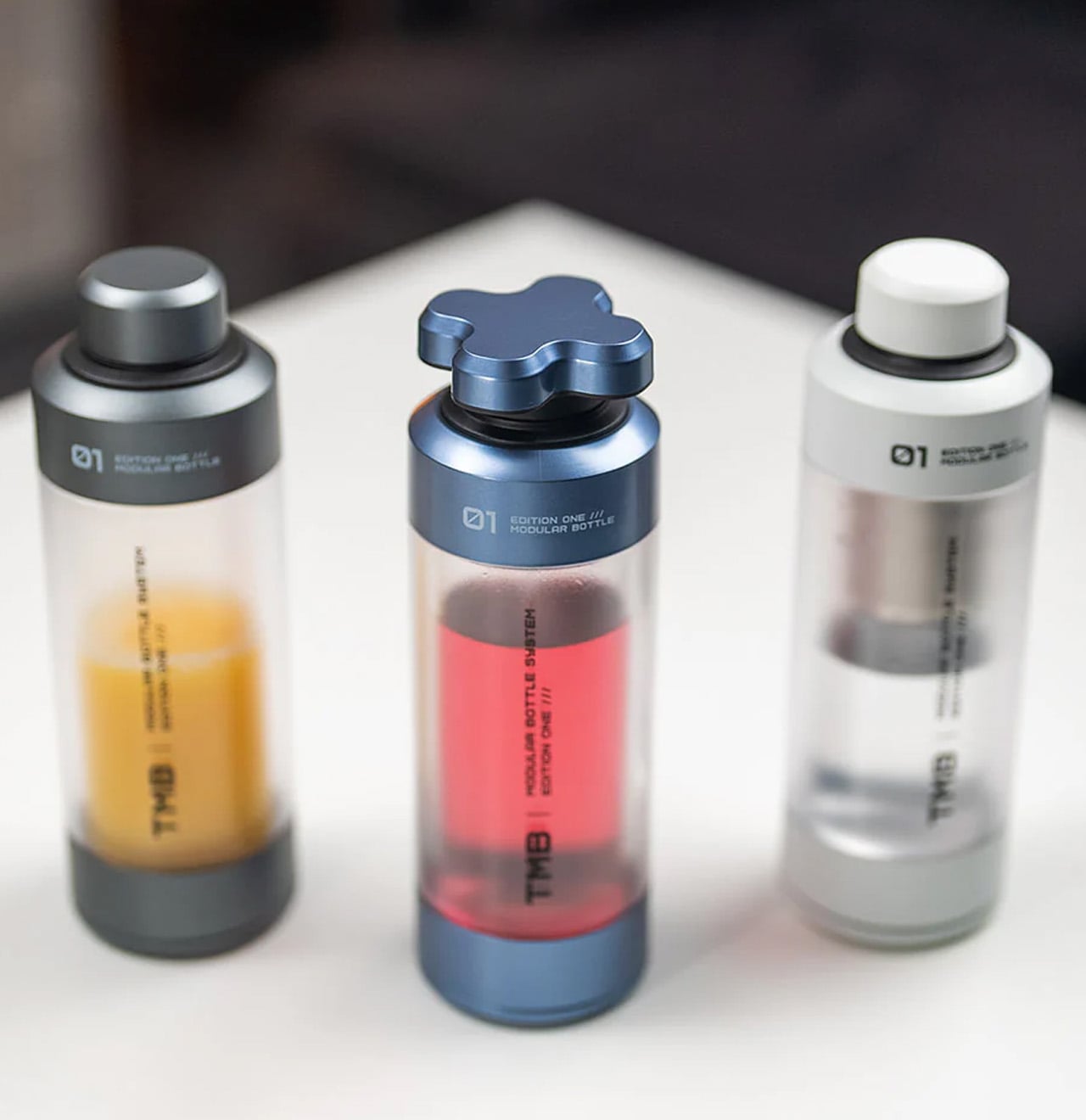
4. TMB Modular Bottle — A Bottle That Adapts to the Day
The TMB Modular Bottle starts from a premise most hydration products avoid: no single bottle works equally well for a long-haul flight, a full city day, and a trail hike. The borosilicate glass interior preserves drink flavor without absorbing taste or odor — a genuine material distinction from the steel and plastic alternatives that dominate this category. A translucent mid-section gives a constant read on remaining liquid. Every component is designed to be replaced individually, so a worn exterior case or cracked cap becomes a five-minute fix rather than a full replacement.
Japan’s tap water is among the cleanest in the world, and refilling throughout cherry blossom season is both practical and culturally appropriate in a country with almost no public trash cans. The TMB Modular Bottle handles morning tea, a full afternoon of water, and whatever comes between, without carrying the previous drink into the next. Cherry blossom season means long days on foot across multiple neighborhoods — Yanaka to Ueno, Arashiyama to Gion — and a bottle designed to adapt to those hours without failing them earns its volume in the carry-on.
What We Like
Borosilicate glass interior preserves drink flavor completely, with none of the taste transfer found in steel or plastic alternatives
Modular construction means worn components can be individually swapped, extending the product’s useful life significantly
What We Dislike
Glass interior is heavier and requires more careful packing than steel alternatives on a long-haul flight
Multiple modular components mean more individual parts to track across a multi-city itinerary
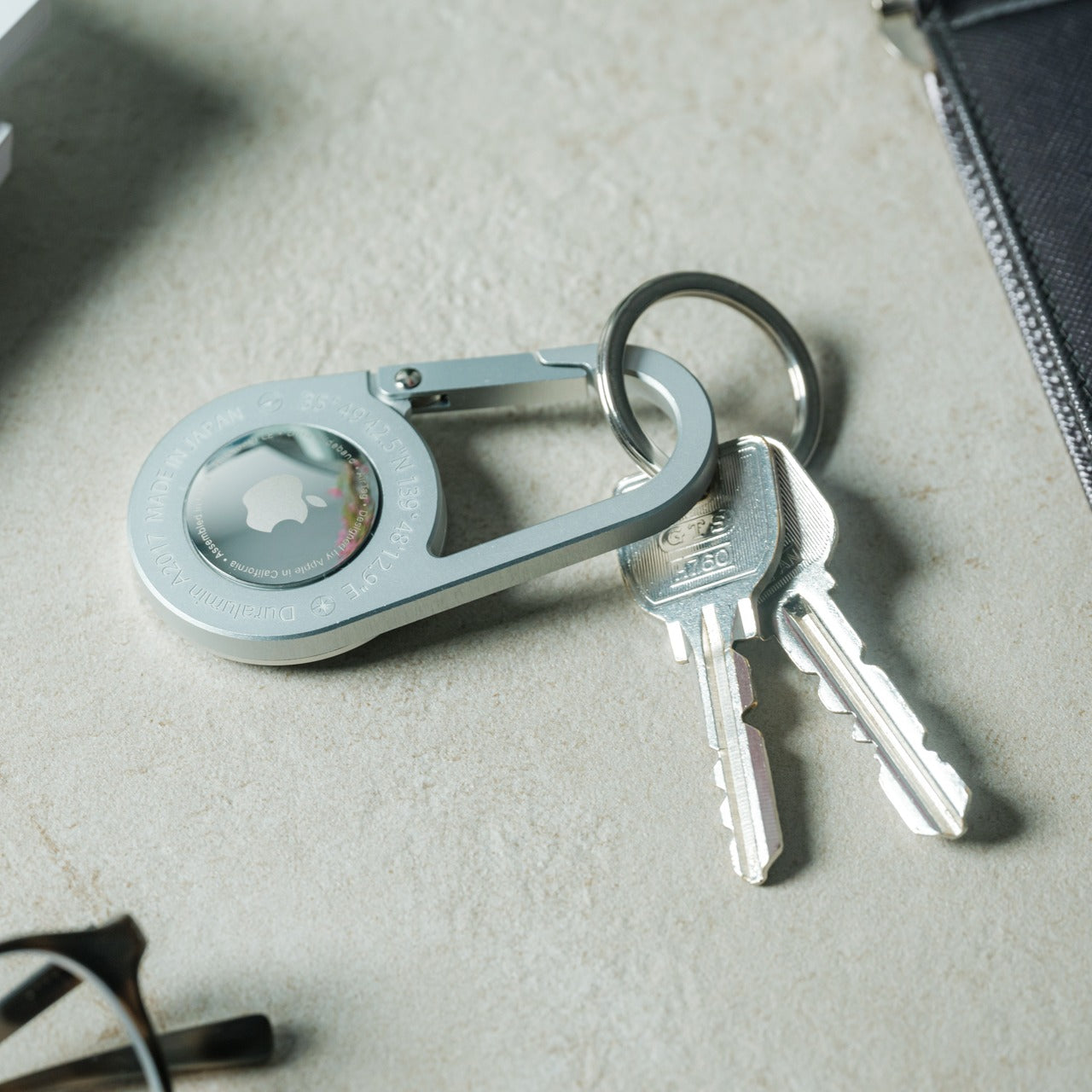
5. AirTag Carabiner — The Lightest Peace of Mind in the Bag
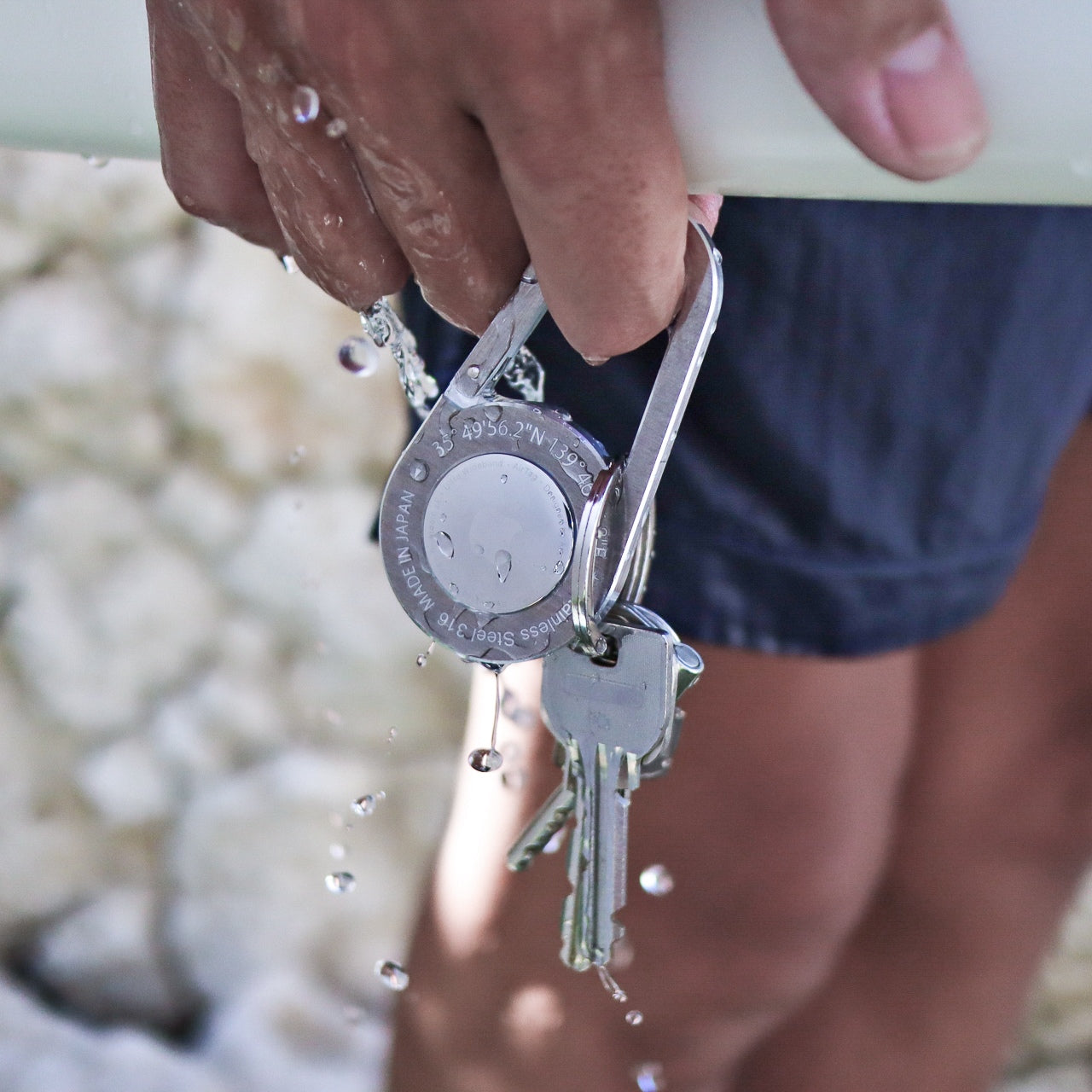
The AirTag Carabiner is made from Duralumin composite alloy — the same material used in aircraft, spaceships, and boats — which makes its lightness feel like a technical achievement rather than a shortcut. It clips directly onto bag straps, handles, or umbrella loops and turns an Apple AirTag into a permanent part of the bag rather than a separate object to remember. Individually hand-crafted and available in treated alloy, untreated Brass, and Stainless Steel. The AirTag itself is not included, but the carabiner makes a strong case for buying one before the trip.
The cherry blossom season is the peak of tourism in Japan. Parks like Ueno and Shinjuku Gyoen draw enormous crowds through late March and early April, trains between cities run at capacity, and moving a bag through a country where getting lost requires a language you may not speak adds a layer of cognitive friction the trip does not need. One carabiner on the main bag strap. One on the umbrellas you will inevitably set down somewhere and nearly walk away from. The GPS network handles the rest. For a carry-on trip built around doing things rather than managing them, this is a small object with an outsized return.
Aircraft-grade Duralumin composite alloy delivers structural reliability at a weight that adds nothing meaningful to the overall load
Clips onto existing bag hardware with no case, pouch, or added setup required
What We Dislike
Apple AirTag must be purchased separately, adding to the total cost of a complete tracking setup
Designed exclusively for AirTag, making it incompatible with other location tracker formats
6. PWR 27 — The Power Bank That Actually Keeps Up
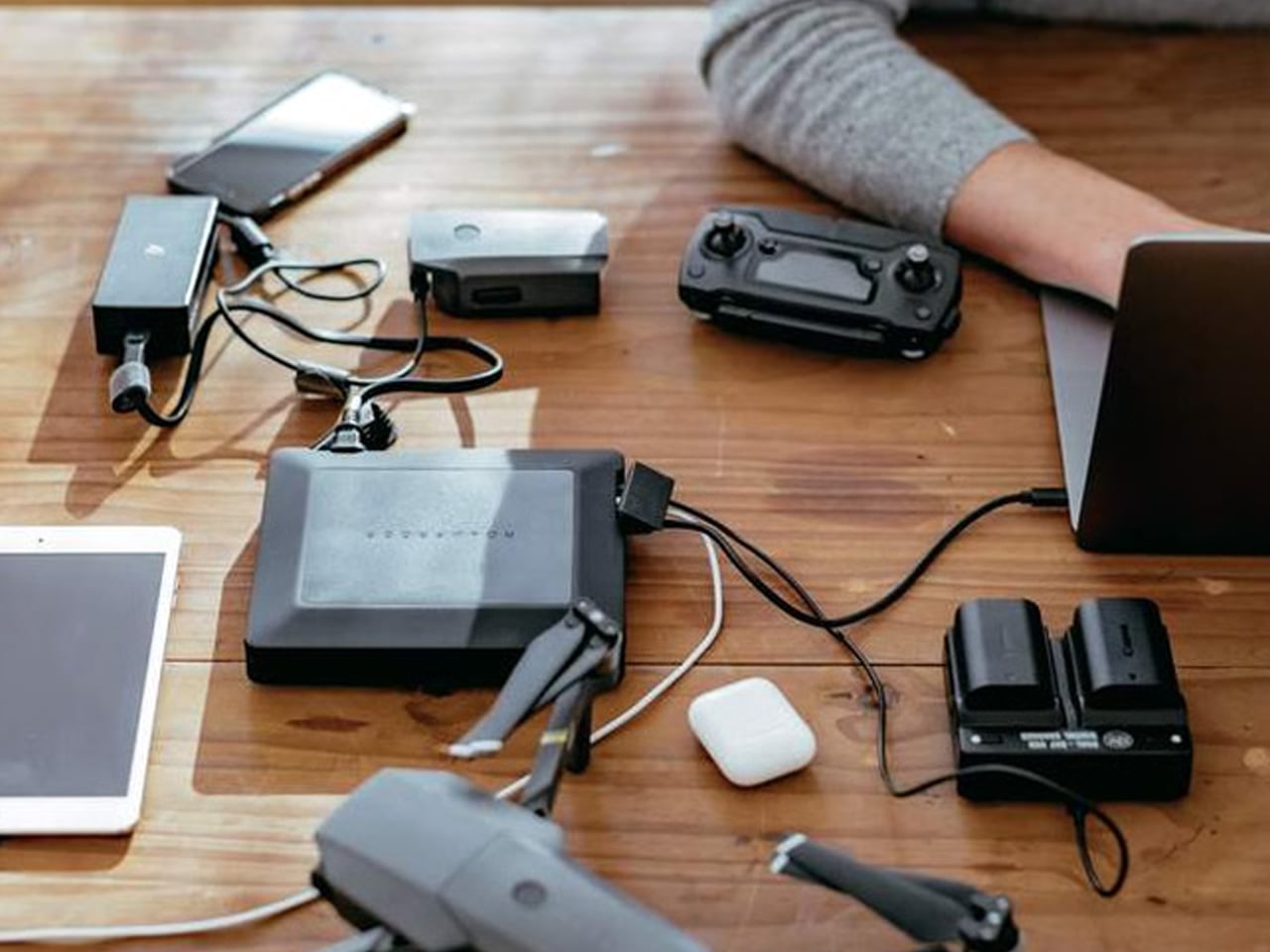
The PWR 27 is a 27,000 mAh power bank with an AC outlet, rated at 99 wH — the maximum battery capacity permitted in carry-on luggage by the TSA and all international air regulations. It charges four devices simultaneously, carries an IP67 dust and waterproof rating, is drop-proof and crushproof to significant tolerances, and features integrated solar battery life extension, an industry first for an AC power bank. It does not ask you to choose between the capacity a long trip demands and the ability to board the plane with it.
Japan runs on apps: navigation, IC transit cards, real-time translation, camera apps, and the constant map-checking that moving between Tokyo, Kyoto, and Osaka requires. A full day of cherry blossom season in any major city will drain a phone twice before dinner. The PWR 27 handles all four devices at once and keeps working in the rain, which matters in a spring season known for sudden, wind-driven showers. Power banks that are smaller and lighter are easy to find. Power banks at this capacity that fly legally, survive getting soaked, and charge a laptop mid-Shinkansen are not.
What We Like
Maximum TSA-permitted capacity of 99 wH guarantees full legal compliance without any sacrifice in power availability
IP67 waterproofing and crushproof construction make it genuinely dependable in Japan’s unpredictable spring weather
What We Dislike
At 27,000 mAh, the physical weight is heavier than compact power banks, which registers across full walking days
7. Ori Frameless Umbrella — The World’s First Umbrella Without Ribs
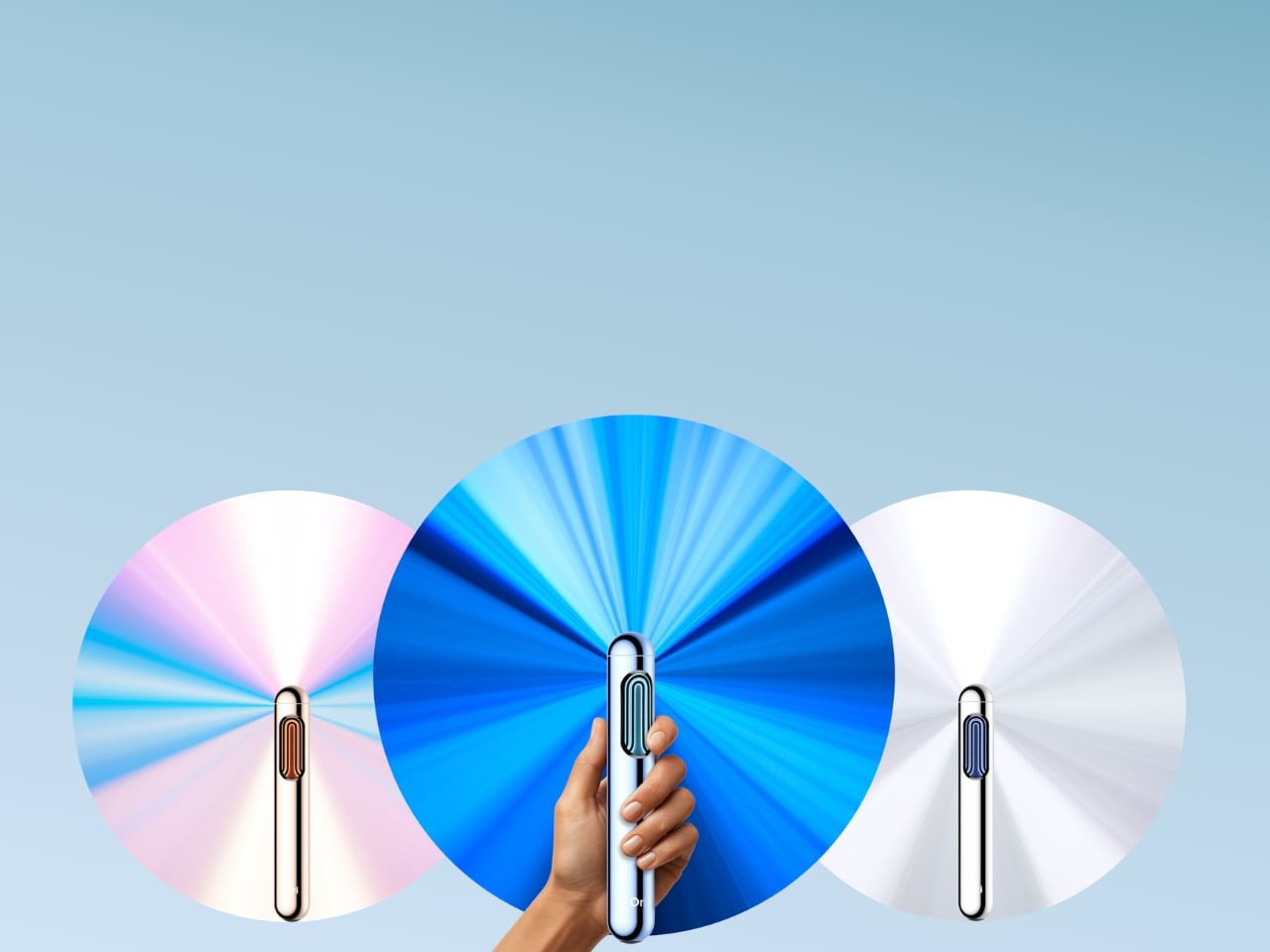
The Ori umbrella was founded by MIT engineers and origami specialists. Its canopy structure uses the Miura fold — the same origami-derived engineering NASA deploys for spacecraft structures — which means there are no metal ribs, no fabric stretched over a frame, and no traditional failure point waiting for a windy Tuesday. The canopy itself becomes the structure. The result is a compact cylinder that stores like a pen and opens into a full umbrella. Billed as the world’s first frameless umbrella, the engineering behind that claim is real, and it shows in the form.
Spring in Japan brings unpredictable rain, and sakura season specifically delivers the kind of sudden gusts that destroy conventional folding umbrellas in minutes at the worst possible moment. The Ori’s frameless construction removes the single failure mode that makes cheap travel umbrellas frustrating and expensive ones still unreliable. The cylindrical form fits a jacket inner pocket or a bag side pocket that a standard folding umbrella profile cannot reach. Walking Philosopher’s Path in Kyoto in the rain while the petals come down around you is one of the better versions of that walk. Being dry enough to stay in it makes all the difference.
What We Like
Frameless, rib-free construction eliminates the primary failure point of conventional compact umbrellas in wind and heavy rain
Cylindrical form fits pockets and bag slots that standard folding umbrella profiles cannot reach
What We Dislike
As a newer product, long-term durability data for the origami-based canopy in sustained heavy rain remains limited
Premium engineering is reflected in a price point above standard compact travel umbrellas
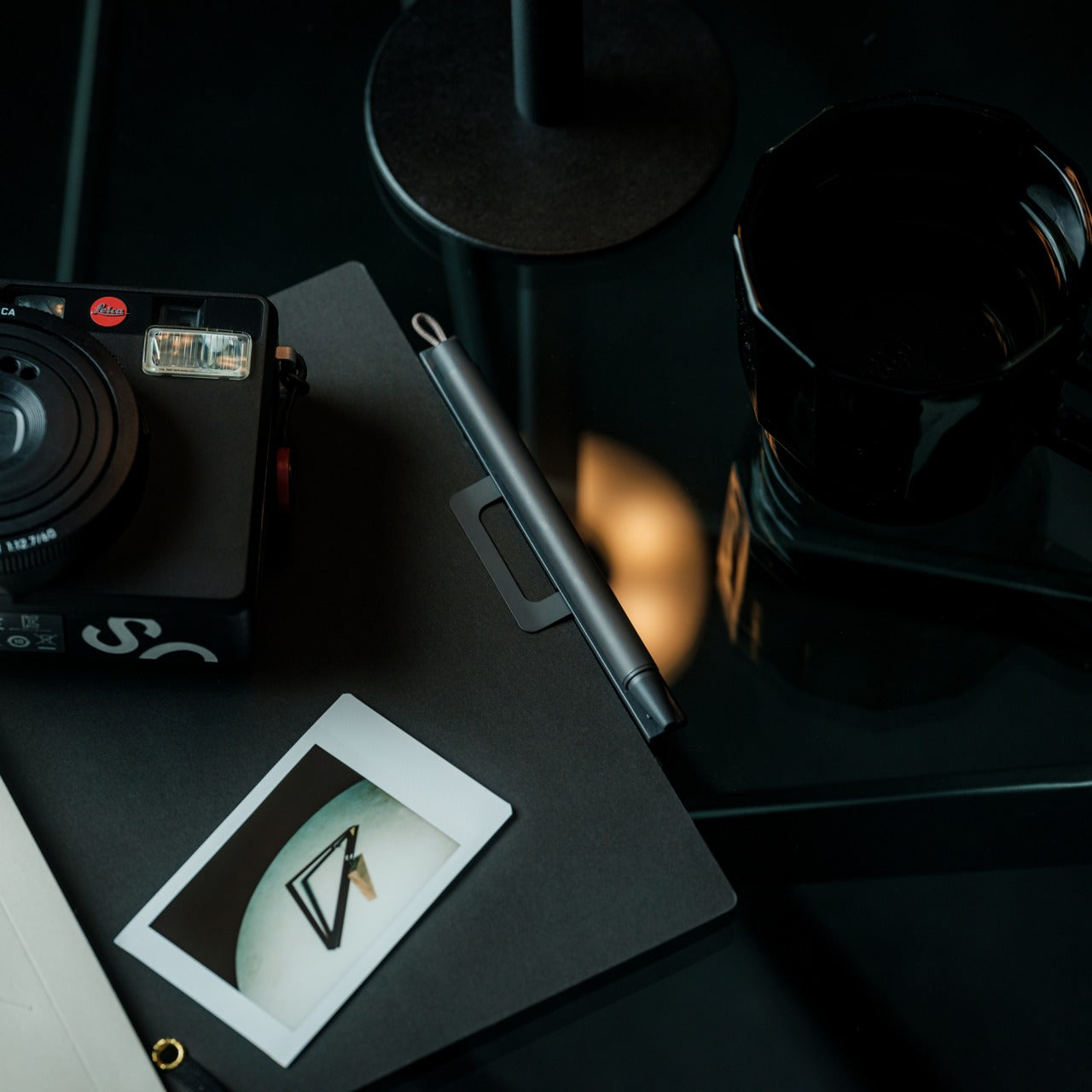
8. Inseparable Notebook Pen — The Pen That Never Leaves the Book
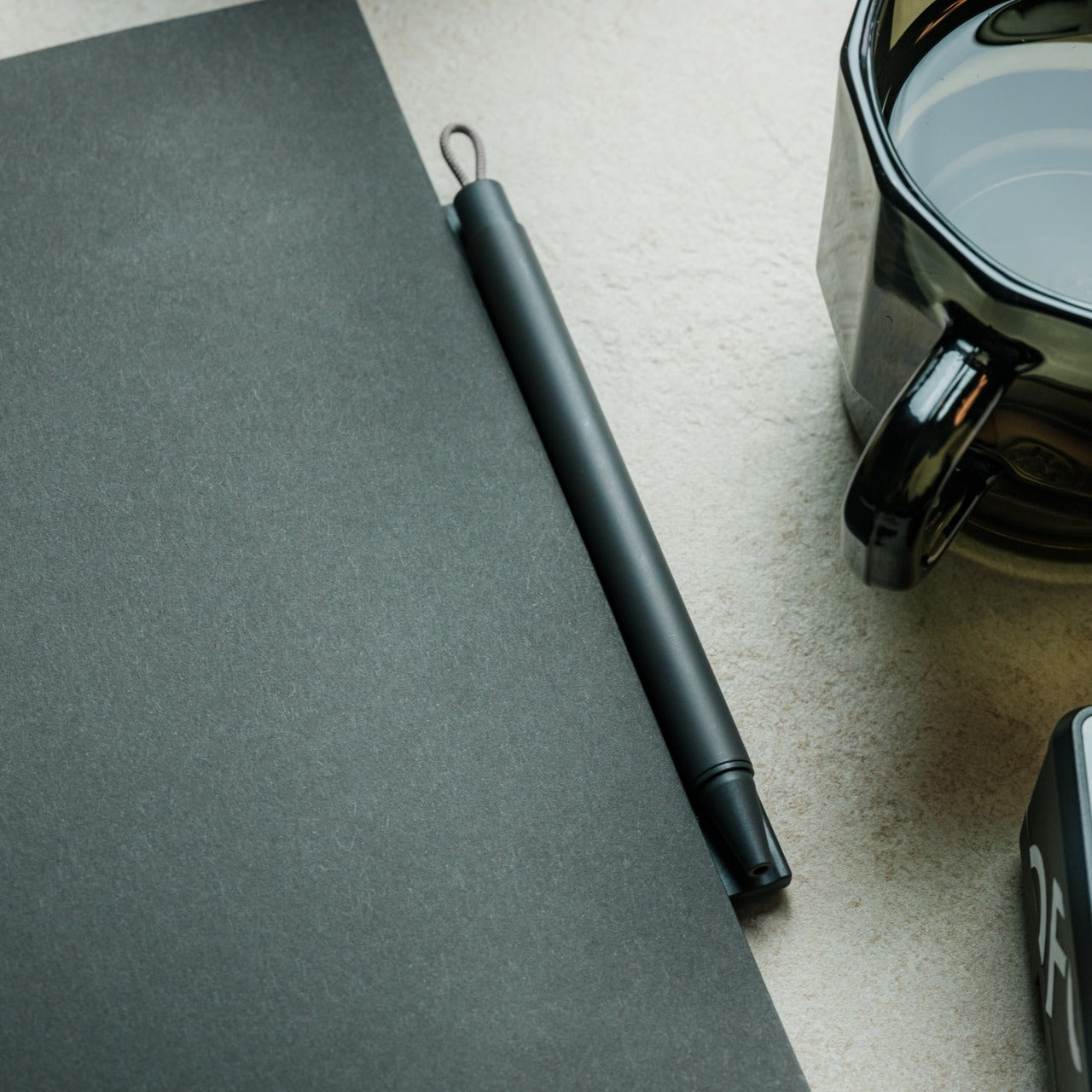
The Inseparable pen is designed to live permanently attached to a notebook. A magnetic clip holds it flush against the cover. A built-in silencer makes the detachment and reattachment quiet rather than abrupt. The form is minimal, the grip is comfortable, and the ink flow is smooth — all by deliberate design choice. It does not compete with the notebook for attention. The goal from the start was a writing instrument that becomes an extension of the book itself, always within reach, never a separate thing to locate when the thought arrives and the moment is already passing.
Japan, during cherry blossom season, produces the kind of experiences worth writing rather than photographing. The name of the temple you want to return to. The smell of a specific lane in Yanaka at dusk. The precise quality of afternoon light through sakura petals at Shinjuku Gyoen. A notebook and a pen that are never separated mean nothing interrupts the move from thought to page. Packing a journal without a reliable pen attached to it is a half measure. The Inseparable pen completes it, quietly and without asking for any attention of its own.
Magnetic clip keeps the pen permanently attached to the notebook, removing the friction of searching when the moment arrives
Minimalist form and smooth ink flow make it a genuine pleasure to use rather than simply a functional object
What We Dislike
Designed specifically as a notebook companion rather than a standalone pen, limiting its versatility as a general writing tool
Magnetic attachment performance may vary depending on the notebook cover material and thickness
9. CleanseBot — The Travel Robot That Sanitizes the Room You Sleep In
CleanseBot is a travel robot with 18 sensors and four UV-C lamps, designed to sanitize hotel surfaces autonomously. Independently tested to kill 99.99% of E. coli, it navigates across beds, desks, and surfaces without manual direction. The UV-C light extends its sanitation capability beyond contact surfaces to airborne pathogens. It is compact enough to carry in a standard travel bag and smart enough to complete a full sanitation cycle while you unpack, check tomorrow’s weather, and figure out which train to take to the morning blossom spots.
Cherry blossom season is the busiest tourism window in Japan. Hotels and guesthouses turn over quickly during peak weeks, with rooms running at capacity from late March through early April. The CleanseBot is not a paranoid product — it is a calibrated one. Running it across the bed and key surfaces takes two minutes of setup and leaves a room measurably cleaner than the one you walked into. For a trip across multiple accommodations in Tokyo, Kyoto, and Osaka, the reassurance compounds over time. Small, autonomous, and easy to forget once it has run its cycle, which is exactly the standard a good travel object should meet.
What We Like
UV-C sanitation, independently verified to eliminate 99.99% of E. coli, provides measurable assurance rather than theoretical comfort
Autonomous operation via 18 sensors requires no manual guidance, freeing you to settle in rather than direct the process
What We Dislike
Adds volume and weight to a carry-on already carefully balanced for a long-haul trip
Maximum sanitation effectiveness requires clear, unobstructed surface access, which limits performance on heavily layered or textured bedding
Pack Smart, Stay Present — The Only Packing Philosophy That Survives Sakura Season
Cherry blossom season does not wait. The bloom window is roughly a week in each city, and the days inside it move faster than any itinerary accounts for. The nine objects on this list were chosen because each one does a specific job well — and because none of them requires your attention to do it. The camera keeps your eyes on the scene. The headphones adapt to the environment without asking. The carabiner tracks your bag silently. The CleanseBot runs while you sleep. The Ori opens in a second and closes in another. Good carry-on packing for a trip like this is not about having everything — it is about bringing only what earns its space and then forgetting it is there. These nine do exactly that.
Coolers are great until the trip ends. Then they become a large, oddly shaped object that takes up the entire trunk on the way home, sits on the garage floor for a month, and eventually gets shoved into whatever corner will take it. For apartment dwellers especially, owning a full-sized hard cooler is less a convenience and more a spatial negotiation that rarely ends well.
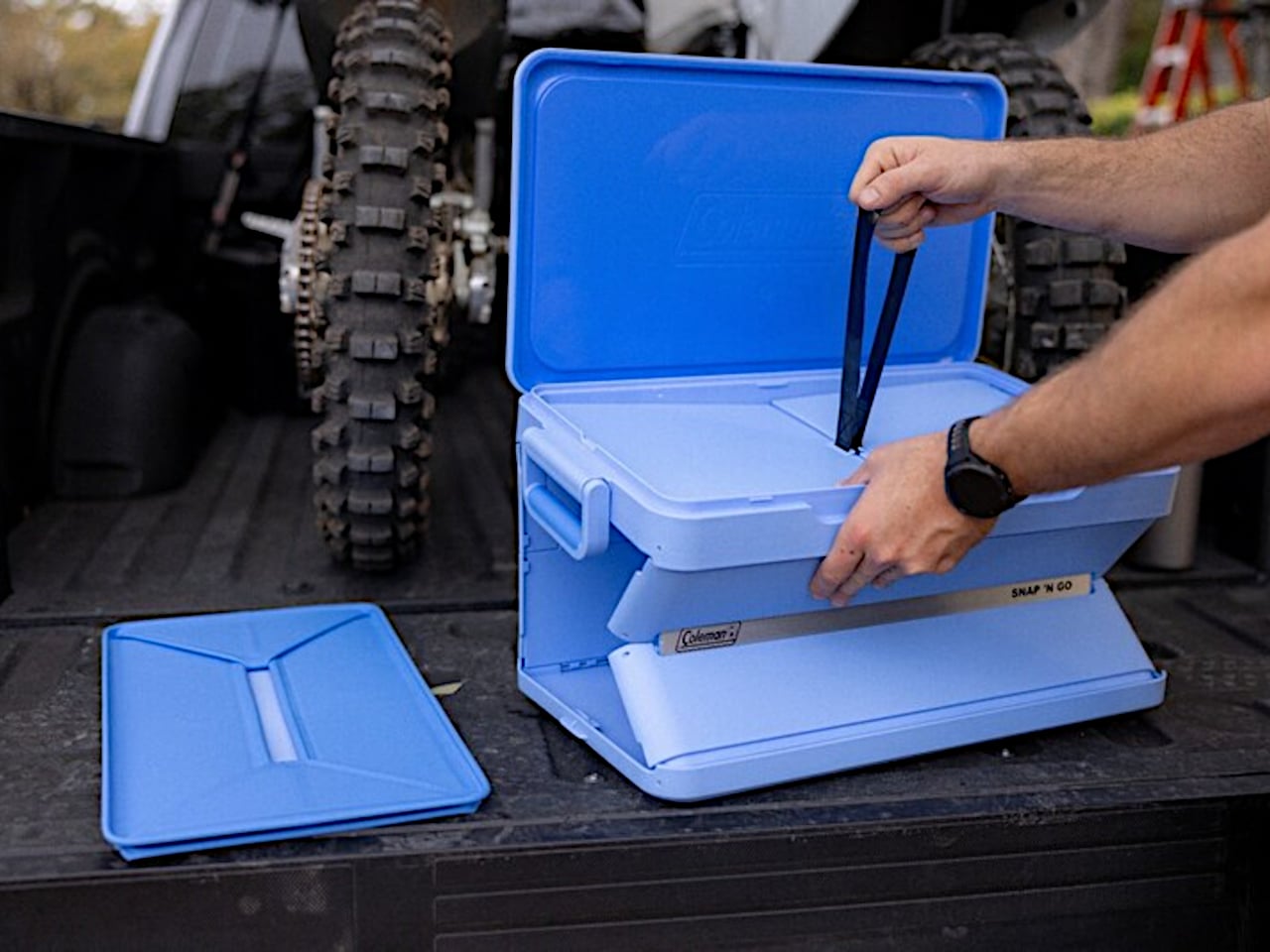
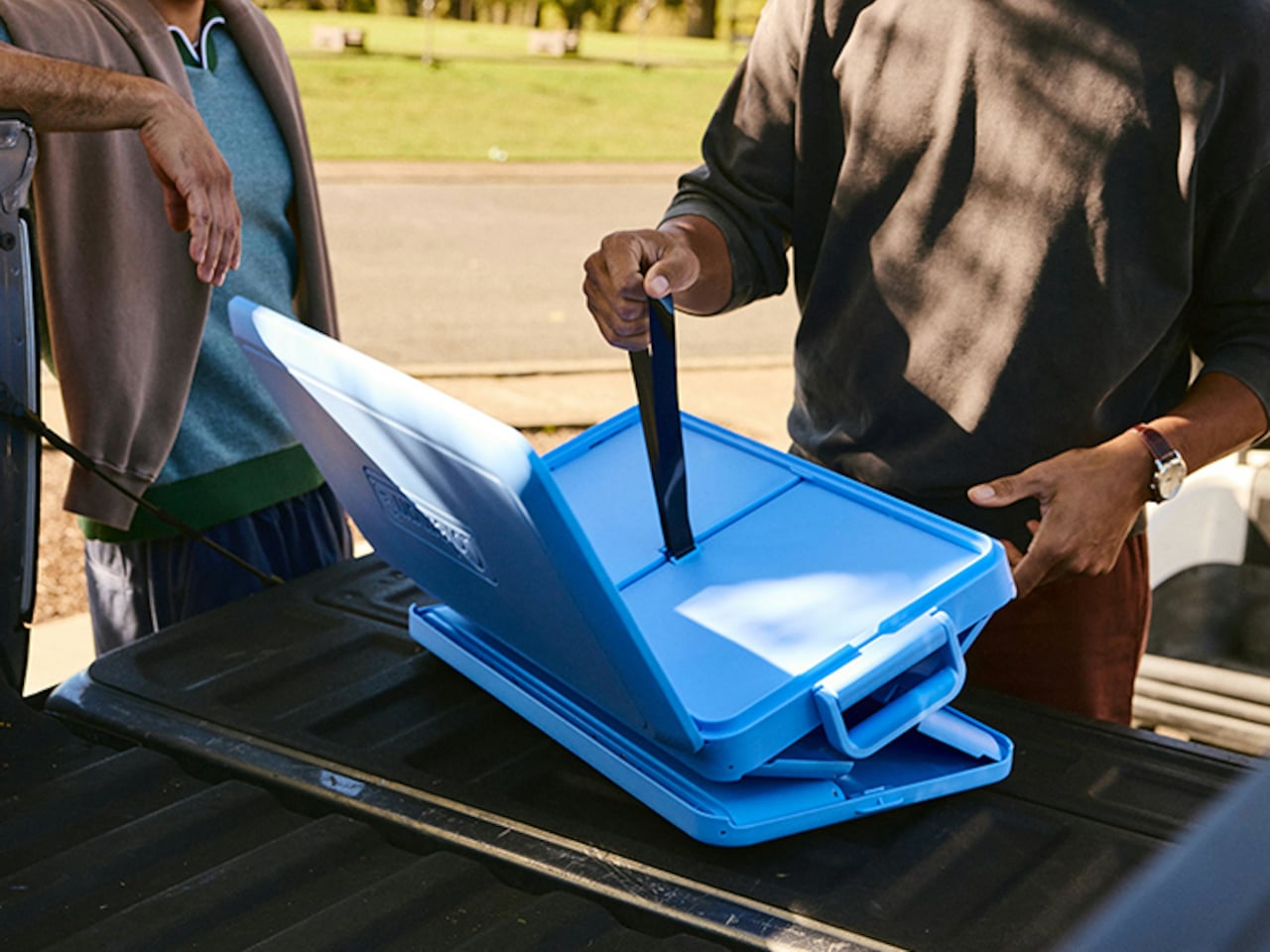
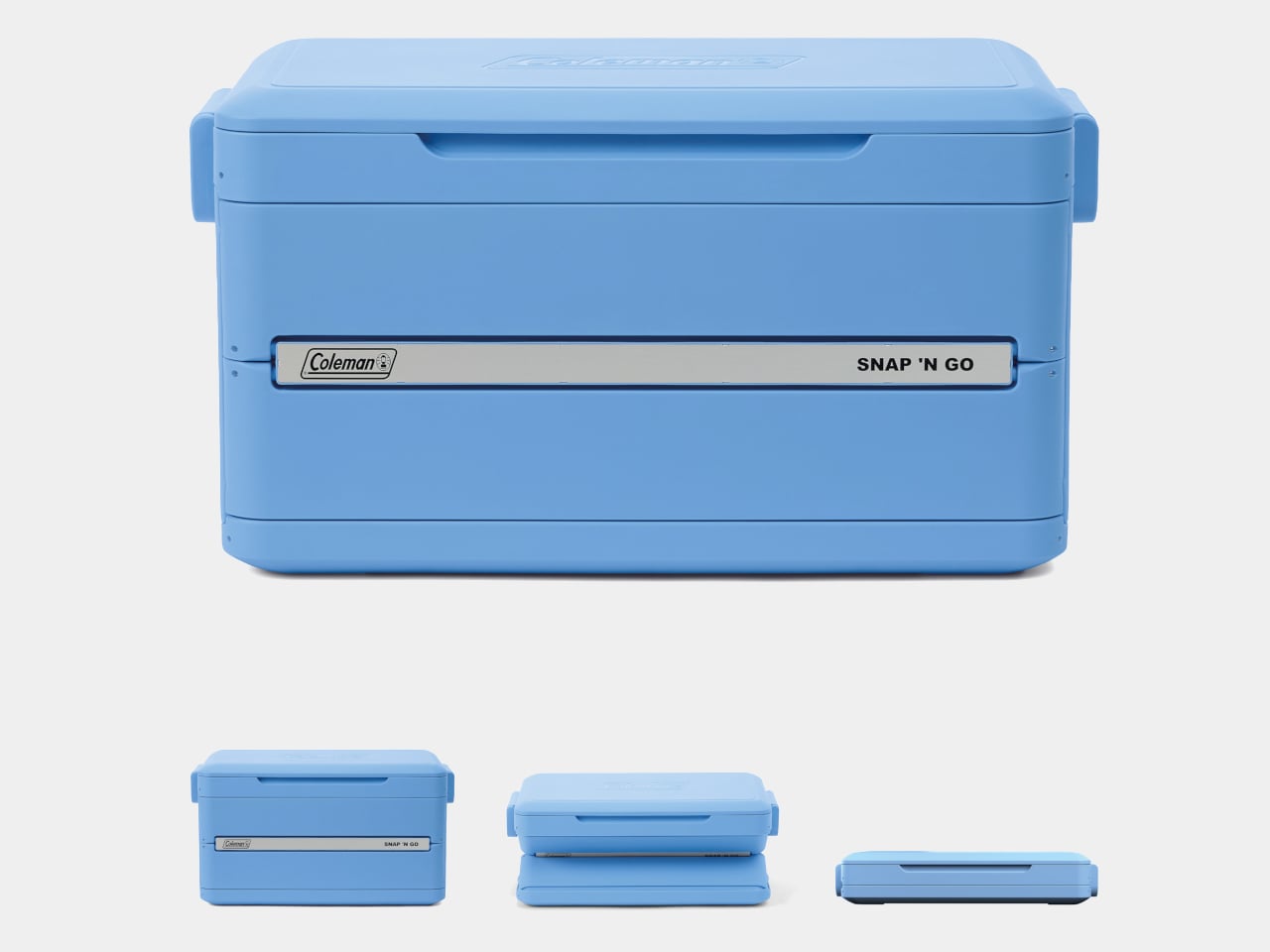
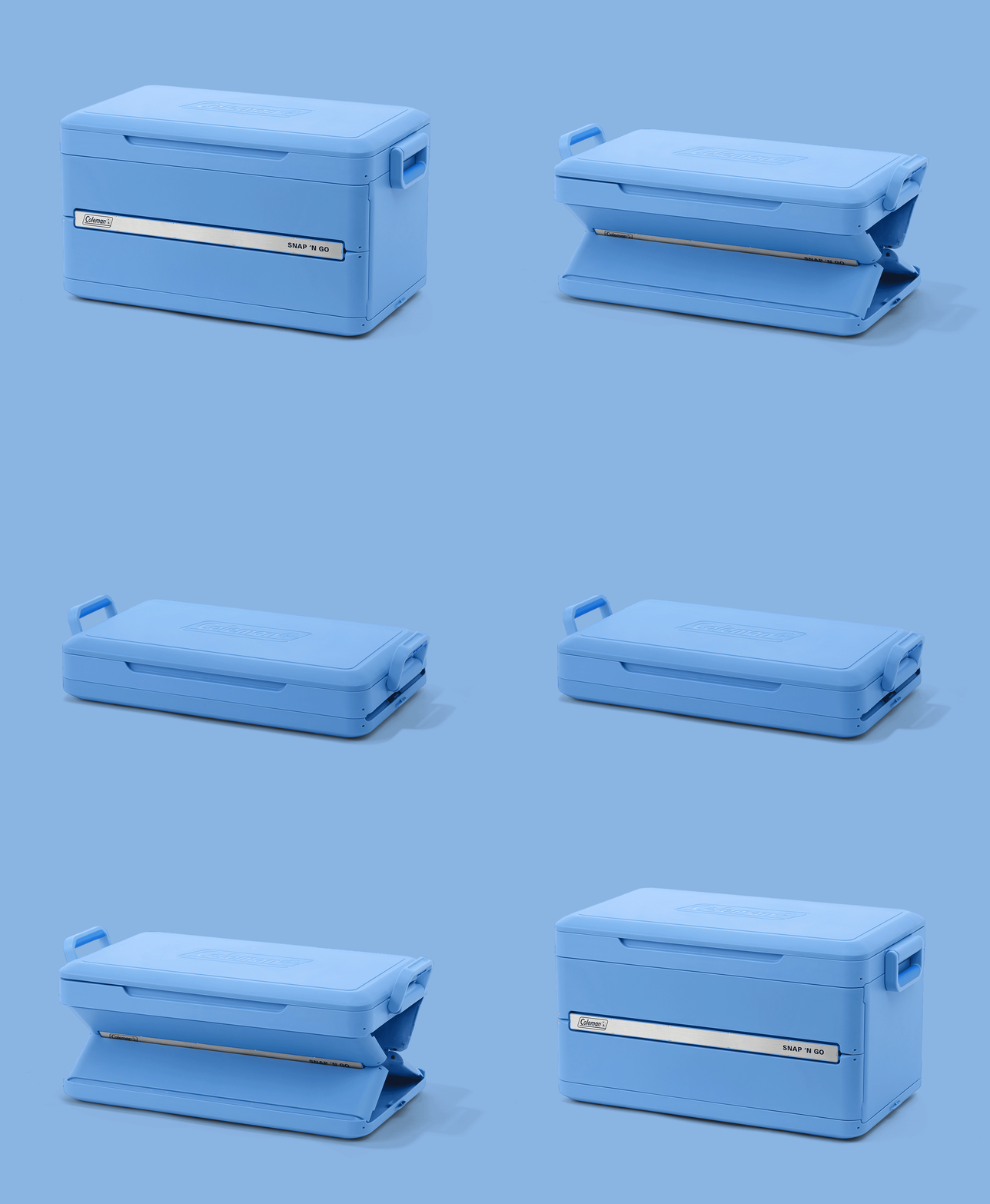
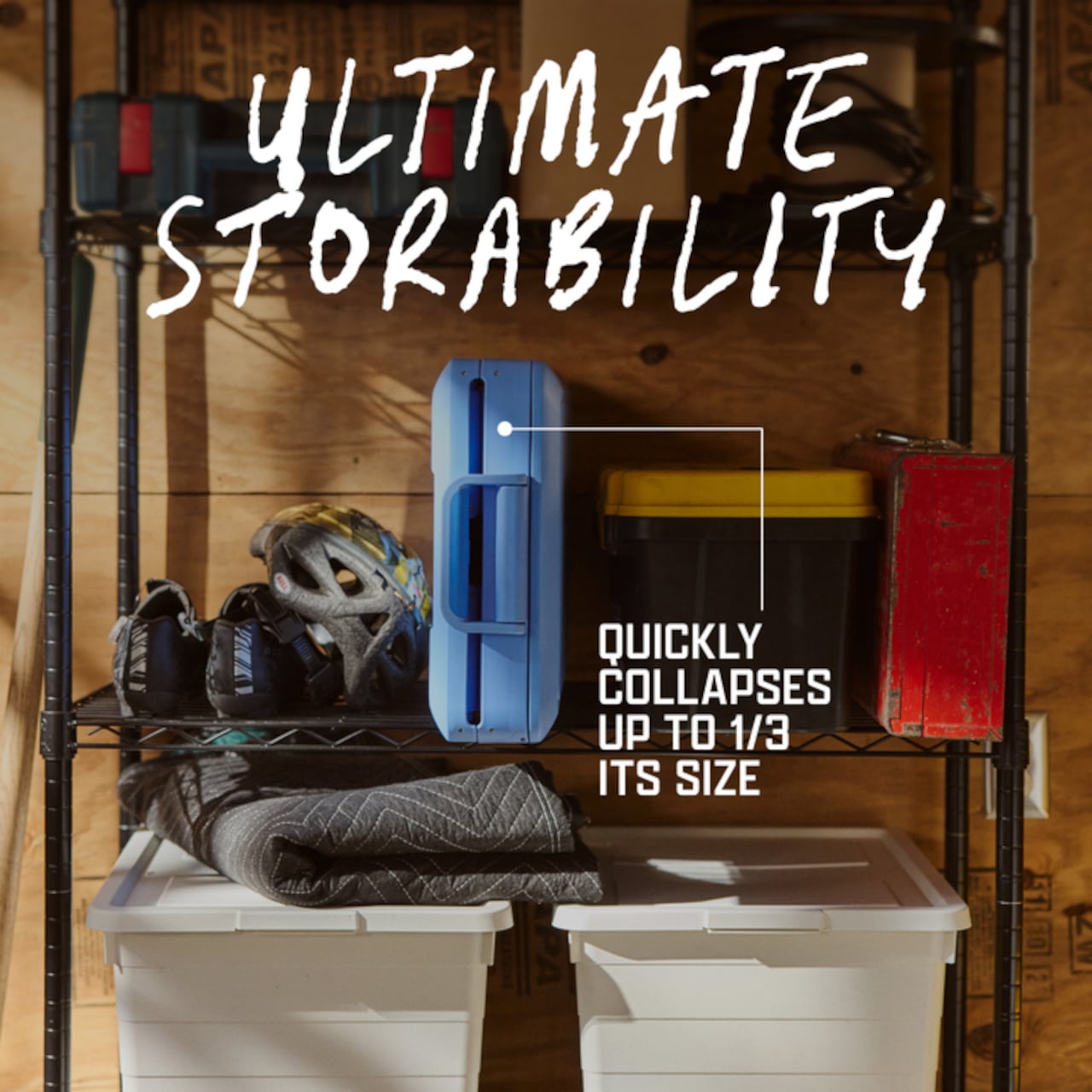
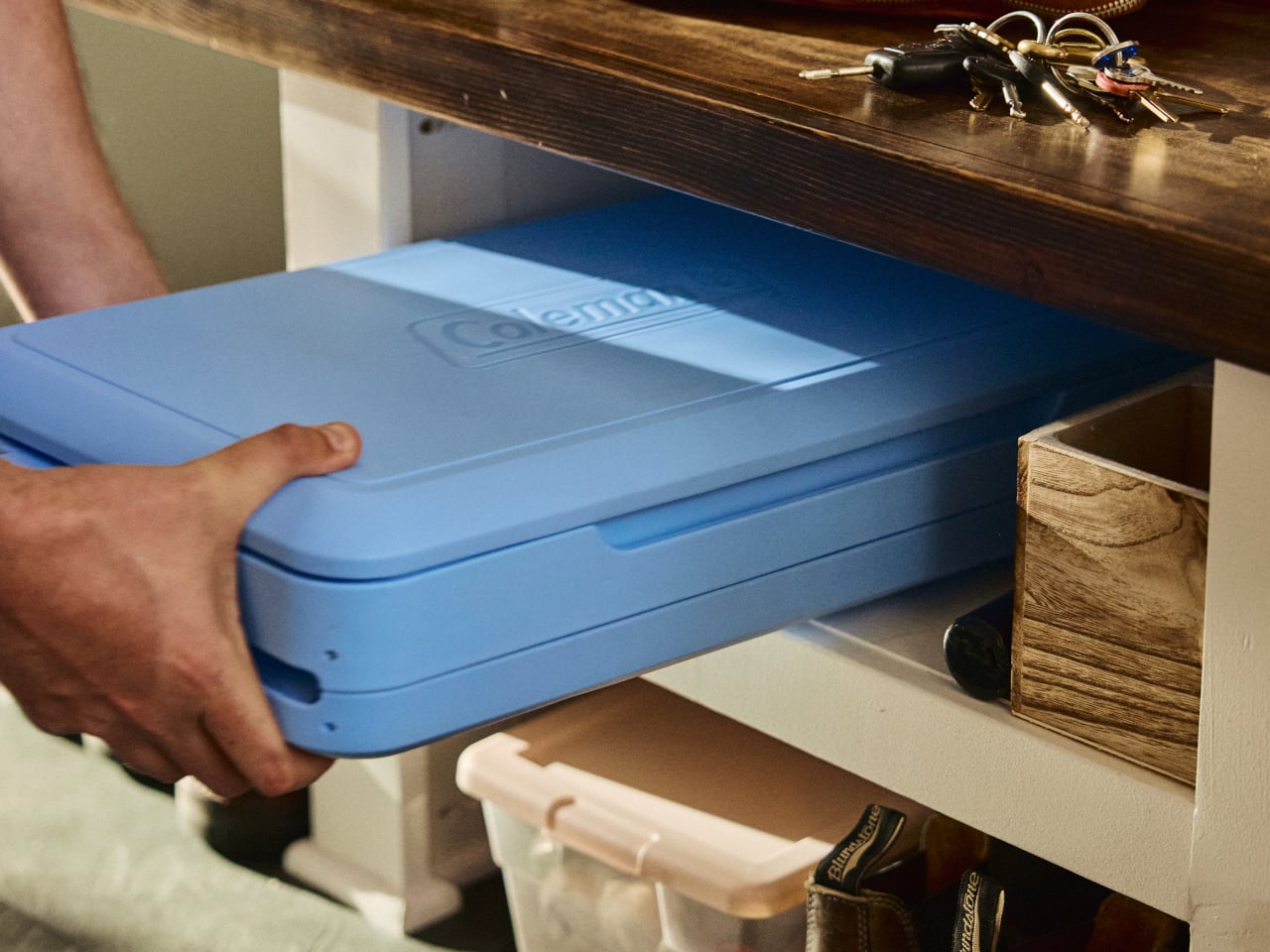
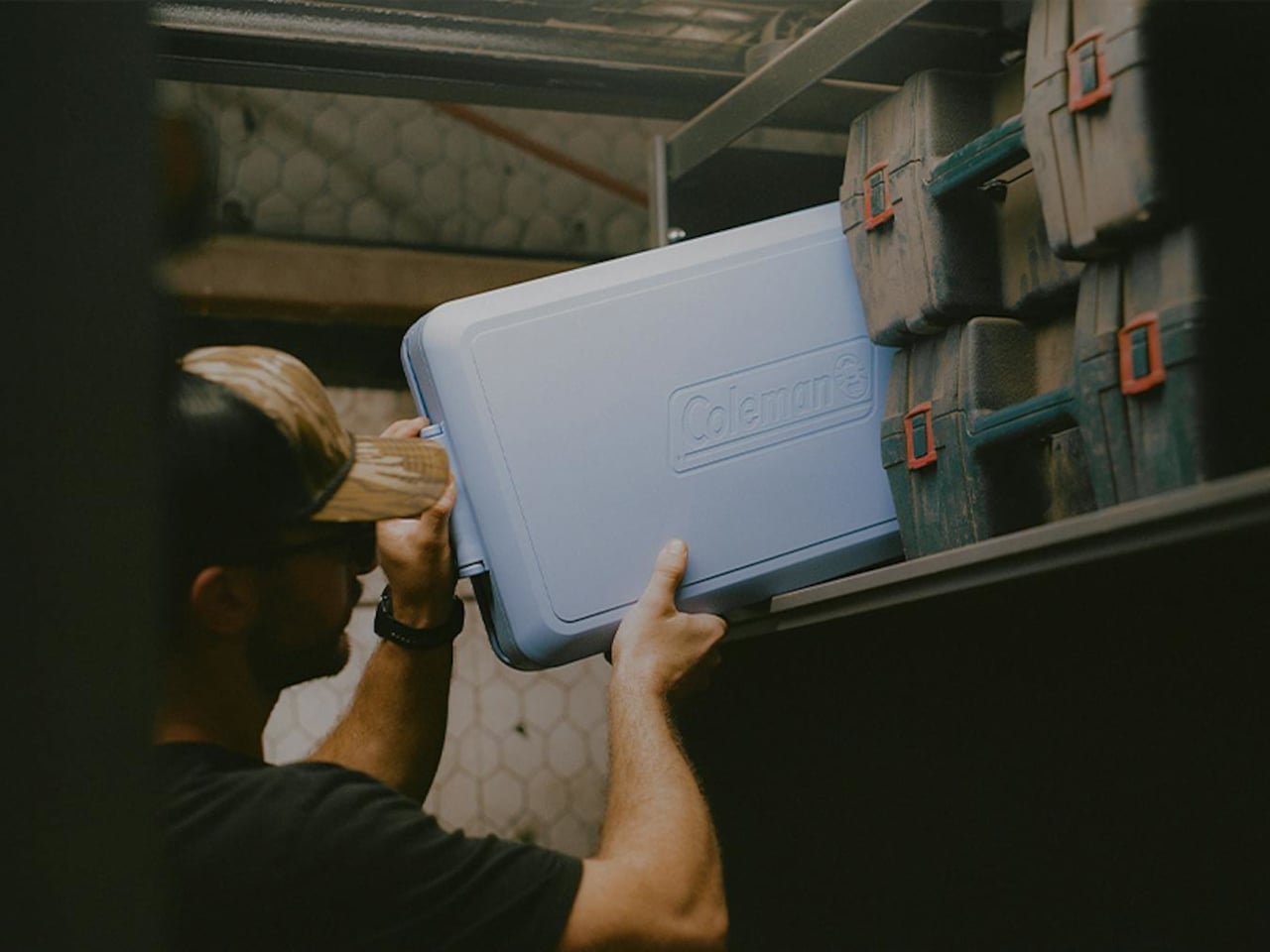
Coleman’s Snap ‘N Go is a hard-sided cooler with a patent-pending collapsible design that compresses to one-third of its open volume in under 10 seconds. The mechanism borrows logic from folding storage crates: the body panels snap down in sequence, and the removable interior liner folds flat and stows inside the lid. What was a full-sized cooler becomes a flat slab thin enough to slide under a bed or stand upright on a shelf between uses.
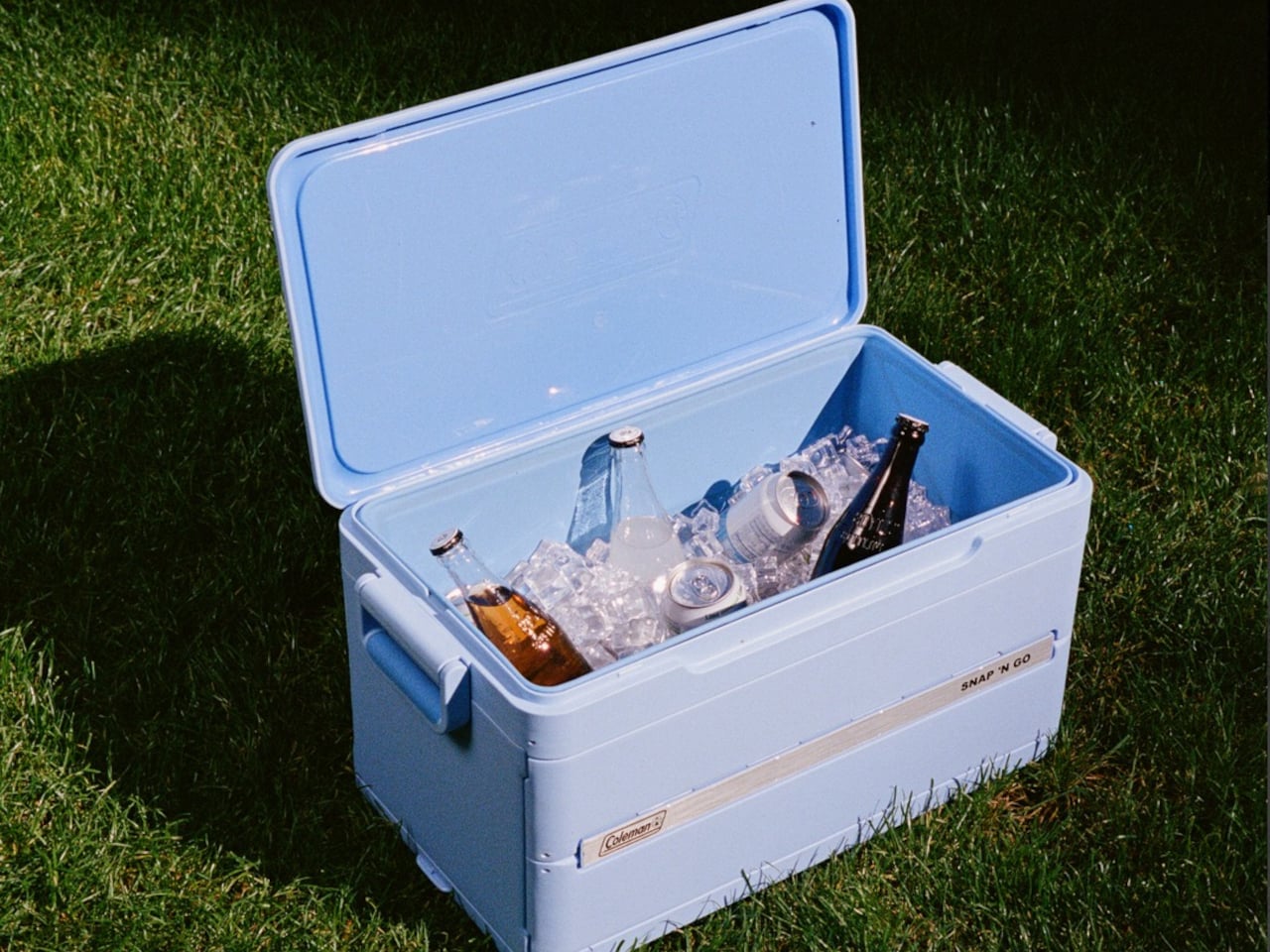
The construction is hard polypropylene, which matters more than it sounds. Soft collapsible coolers already exist, but they sacrifice insulation to achieve that flexibility. The Snap ‘N Go maintains a fully insulated lid and body, rated to hold ice for up to 64 hours. That’s two full days of cold retention from something that, an hour later, disappears into a closet, which is a combination the soft-sided category has never managed.
Setup works in reverse, just as quickly. From flat storage to loaded and latched takes under 10 seconds, and the removable liner handles watertight containment once the body is expanded. The liner also makes post-trip cleanup more manageable, since it pulls out separately rather than requiring the whole cooler to be rinsed out and dried upright somewhere. It’s a small detail, but one that addresses one of the more tedious parts of cooler ownership.
Three sizes cover most group sizes: 35 qt at $200, 45 qt at $220, and 55 qt at $240. The 55-qt model holds up to 93 cans without ice and supports 200 lbs. when expanded, though Coleman is careful to note it isn’t intended as a seat. Handles are designed to accommodate both carry orientations, vertical when the cooler is collapsed flat and horizontal when it’s fully open and loaded.
The one question the design raises, and doesn’t fully answer yet, is how the collapsible mechanism ages. The hinges, panel connections, and liner attachment points are all doing repetitive work that a standard molded cooler body never has to perform. Coleman backs it with a three-year limited warranty, which covers the expected lifespan question in practical terms but doesn’t tell you much about what happens in year four after a few dozen collapse cycles on a tailgate.
Frequent flyers develop rituals. Not superstitions, but systems, small corrections built over dozens of boarding passes and red-eye recoveries that separate a tolerable trip from a miserable one. The gear that survives this process tends to be invisible in the best sense: compact enough to vanish into a carry-on, functional enough to earn its pocket space, and designed with the kind of restraint that does not scream “gadget” at TSA.
We have spent a good chunk of this year tracking products that solve the specific, unglamorous problems of constant air travel. Not the flashy stuff that lives in a CES sizzle reel, but the tools that answer real questions: how do I sleep upright, stay caffeinated in a hotel with terrible coffee, or keep my workout intact when the gym is a repurposed storage closet? These eight picks are the ones that survived the edit, each one earning its spot through a combination of smart engineering and a refusal to waste space.
1. StillFrame Headphones – A slow, deliberate approach to travel audio.
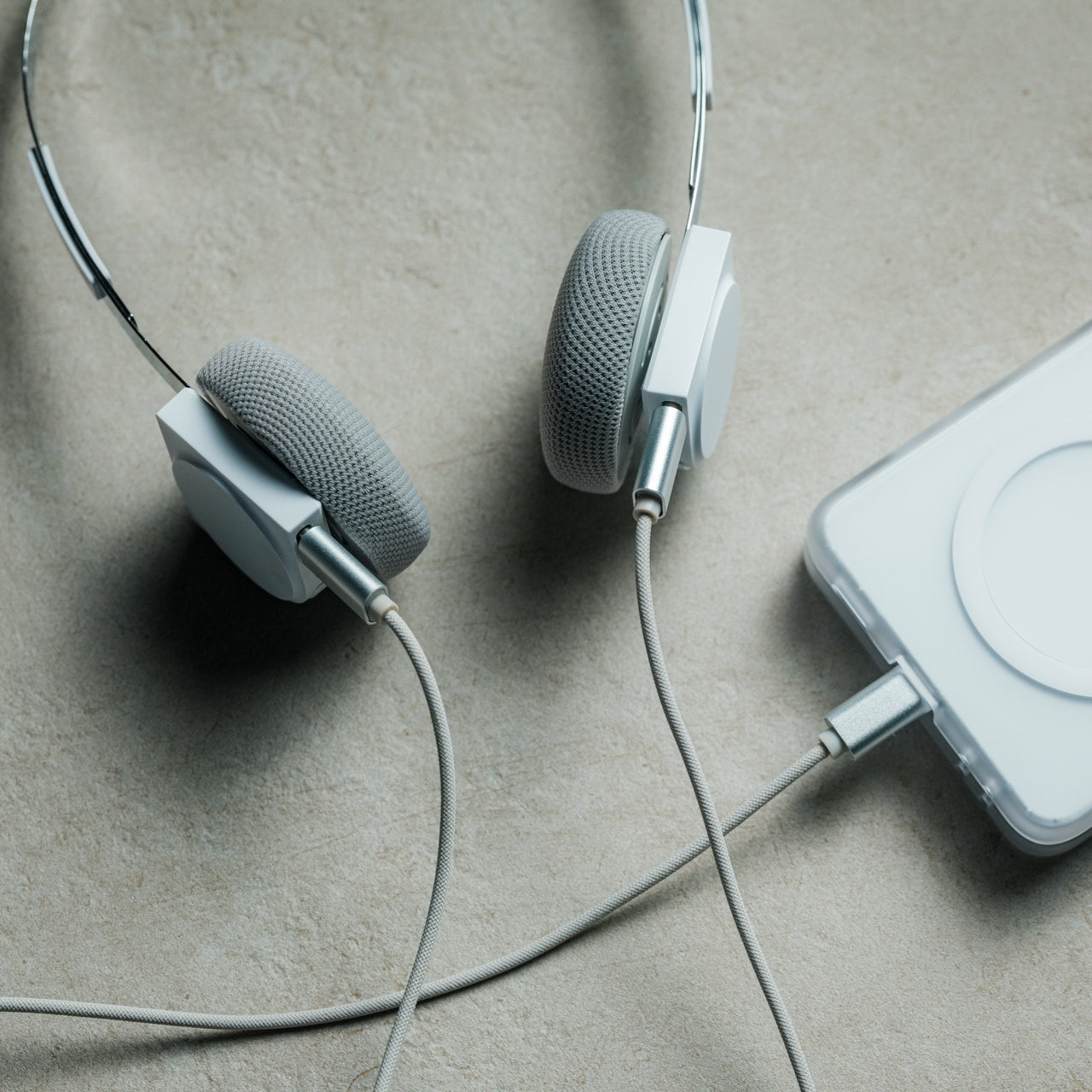
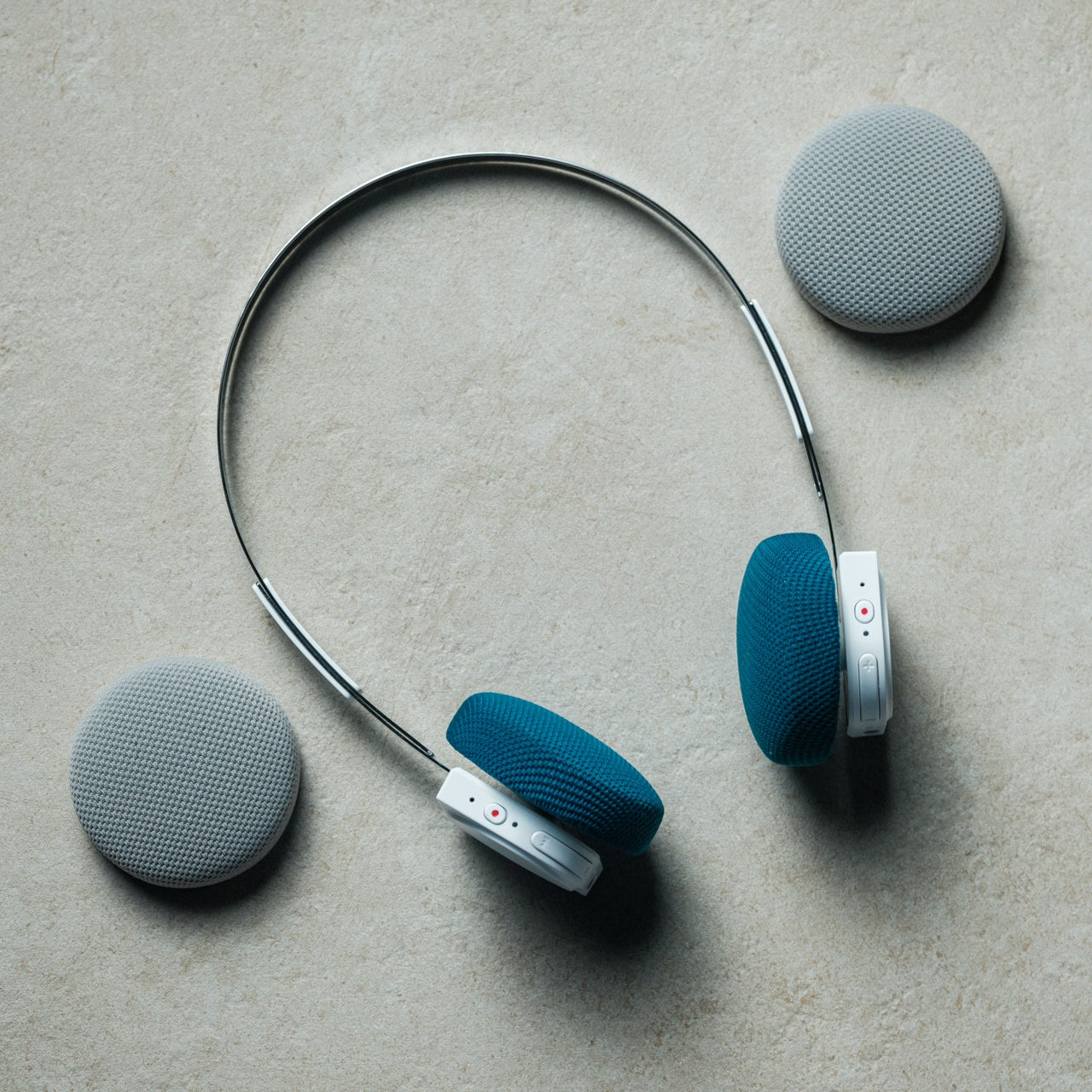
StillFrame wireless headphones took the predictable race toward bass-heavy, noise-blasting cans and went the opposite direction. The form echoes the quiet geometry of ’80s and ’90s CDs, a deliberate reference that signals intent before a single track plays. These headphones are built around the idea that listening on a plane doesn’t have to mean sealing yourself inside a foam-padded vault.
The 40mm drivers produce a wide, open soundstage that treats quiet tracks like small environments rather than compressed streams of data. Noise cancelling kicks in when isolation is needed, and transparency mode pulls the world back in with a tap. For men who fly weekly and spend hours with headphones on, the fit matters more than the spec sheet. StillFrame sits between the suffocation of over-ears and the intrusion of in-ears, offering something lighter and more sustainable for long-haul wear. That middle ground is where most travel headphones fall short, and where these headphones excel.
The open soundstage brings texture to quieter music that gets lost in most closed-back travel headphones.
Switching between noise-cancelling and transparency mode is seamless enough to use mid-conversation with the cabin crew.
What we dislike
The on-ear form factor will not block as much ambient noise as a full over-ear design, which limits effectiveness on louder aircraft.
Battery life details remain sparse, and wireless headphones live or die by how well they survive a transatlantic route.
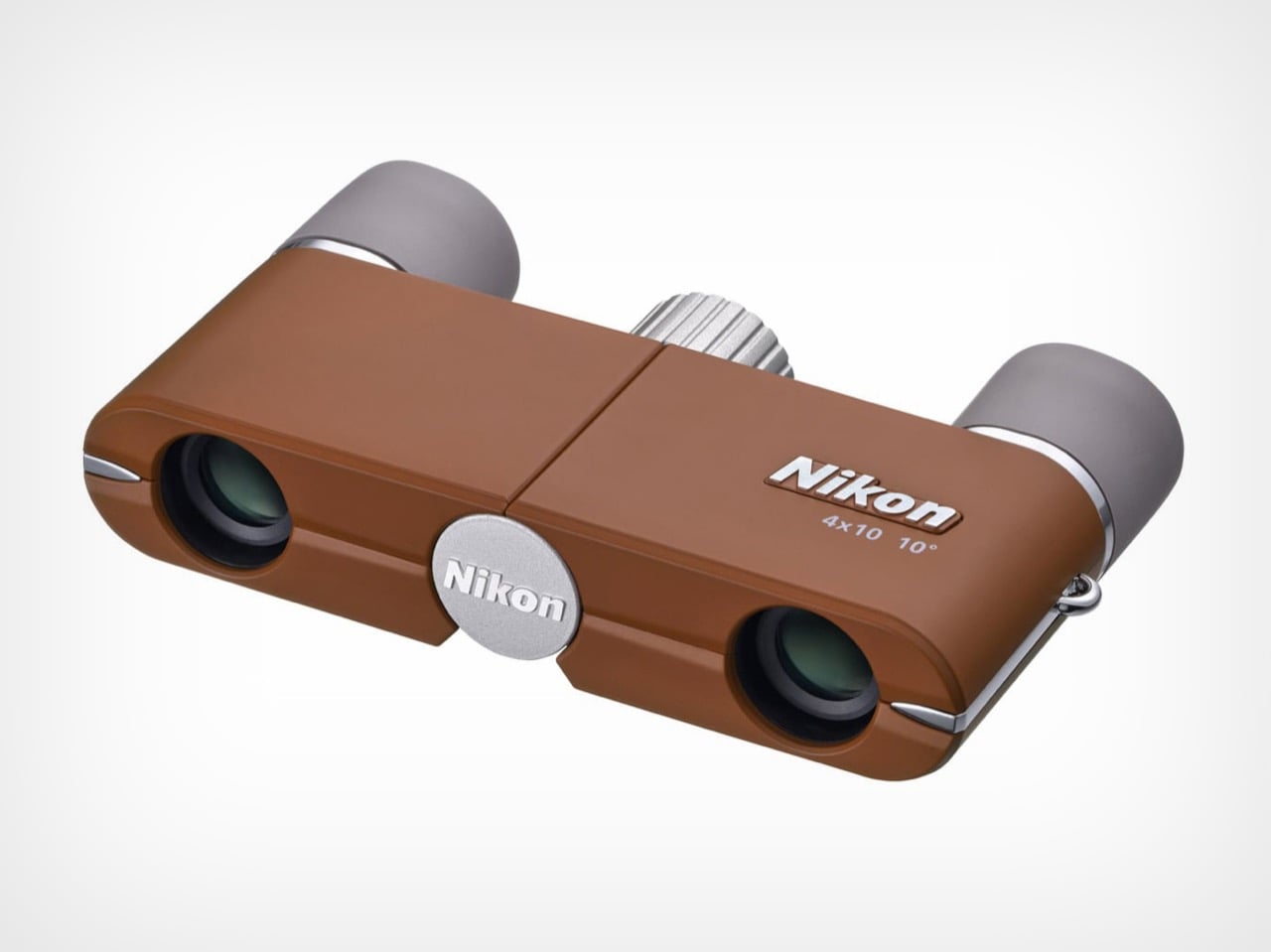
2. Nikon 4x10D CF Pocket Binoculars – Optical clarity that fits a jacket pocket.
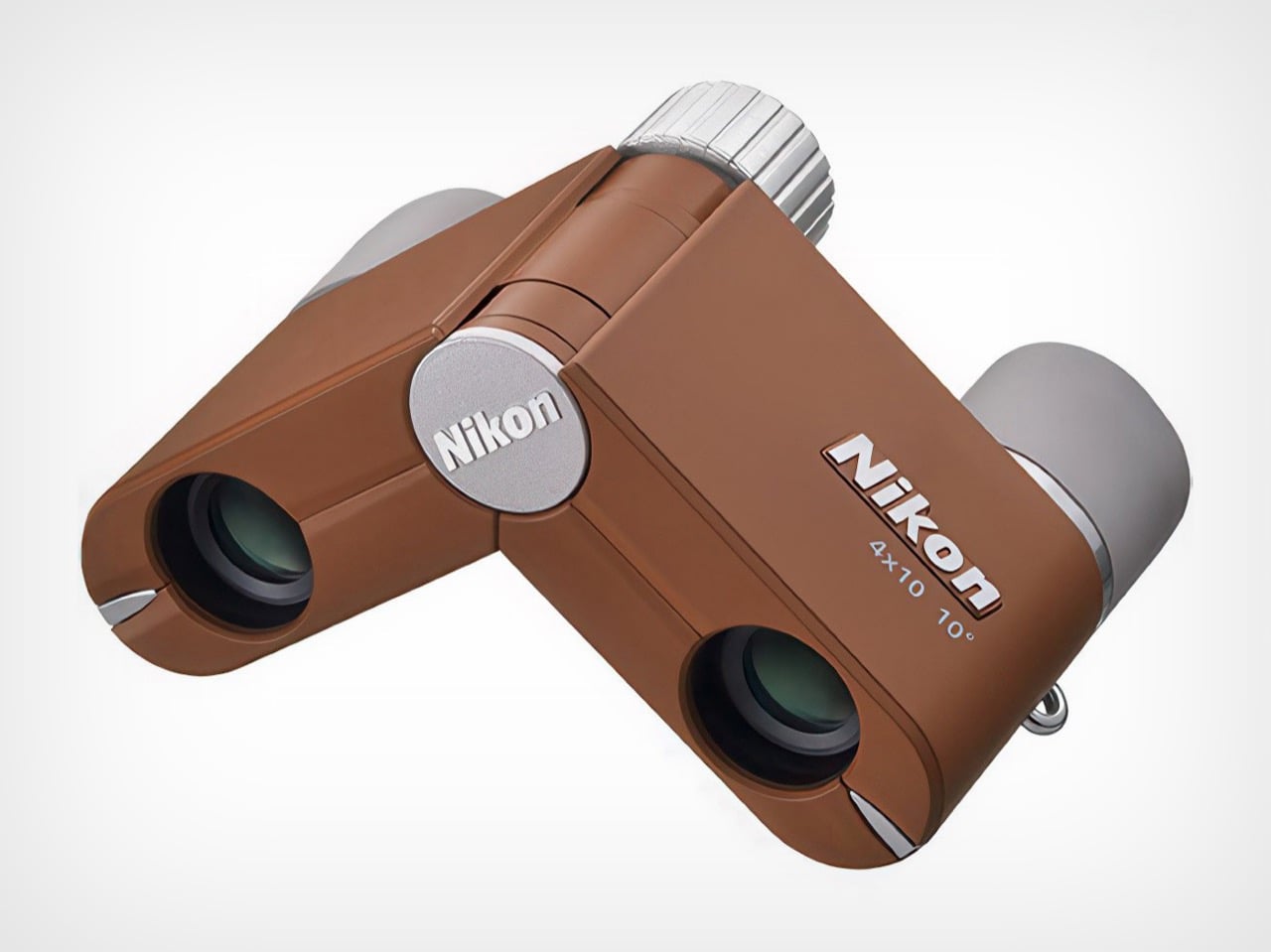
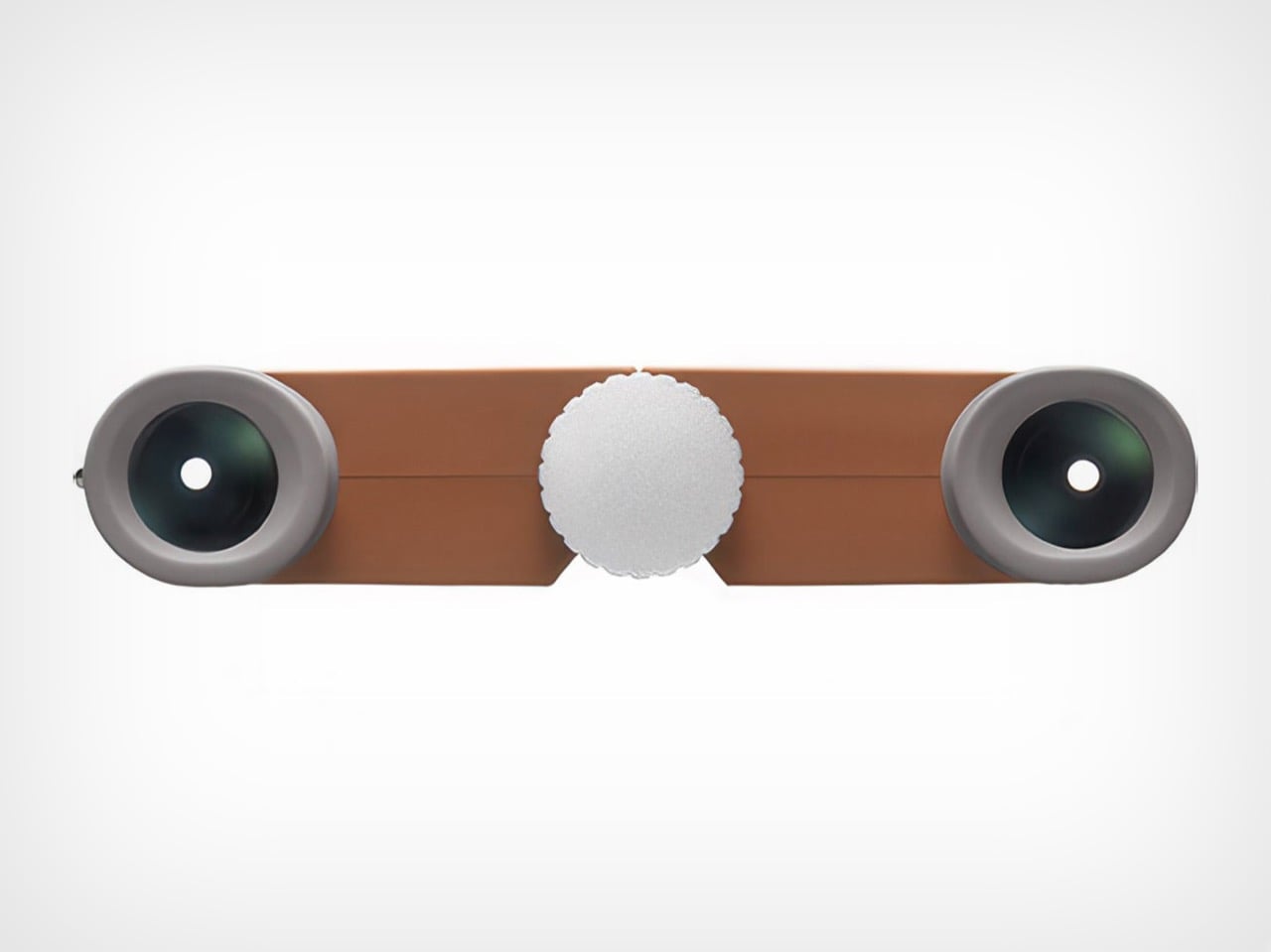
Binoculars feel like relics from a leather-cased era. Nikon’s 4x10D CF pocket binoculars challenge that perception by shrinking the form factor down to something that slips into a blazer without creating a bulge or demanding its own case. These are not competing with a smartphone’s digital zoom. They exist in a different category, prioritizing the experience of true optical viewing over pixel counts and algorithmic processing.
The design decision that makes these work for frequent flyers is the discretion. Traditional binoculars announce themselves. These almost disappear. The optical quality stays sharp for the size, delivering a viewing experience that feels immediate and free of the digital artifacts that plague phone-based zoom. Reading a departure board from across a terminal, catching architectural details in a layover city, or scanning a landscape from an airport lounge window: the use cases are oddly specific and consistently useful for anyone whose life involves constant movement through unfamiliar places.
What we like
The form factor is compact enough to carry daily without dedicating bag space or adding noticeable weight.
Optical viewing quality avoids the processing lag and color distortion of smartphone zoom.
What we dislike
4x magnification is modest, which limits usefulness for anything beyond mid-range observation.
The compact size means a smaller objective lens, so performance drops in low-light conditions where larger binoculars thrive.
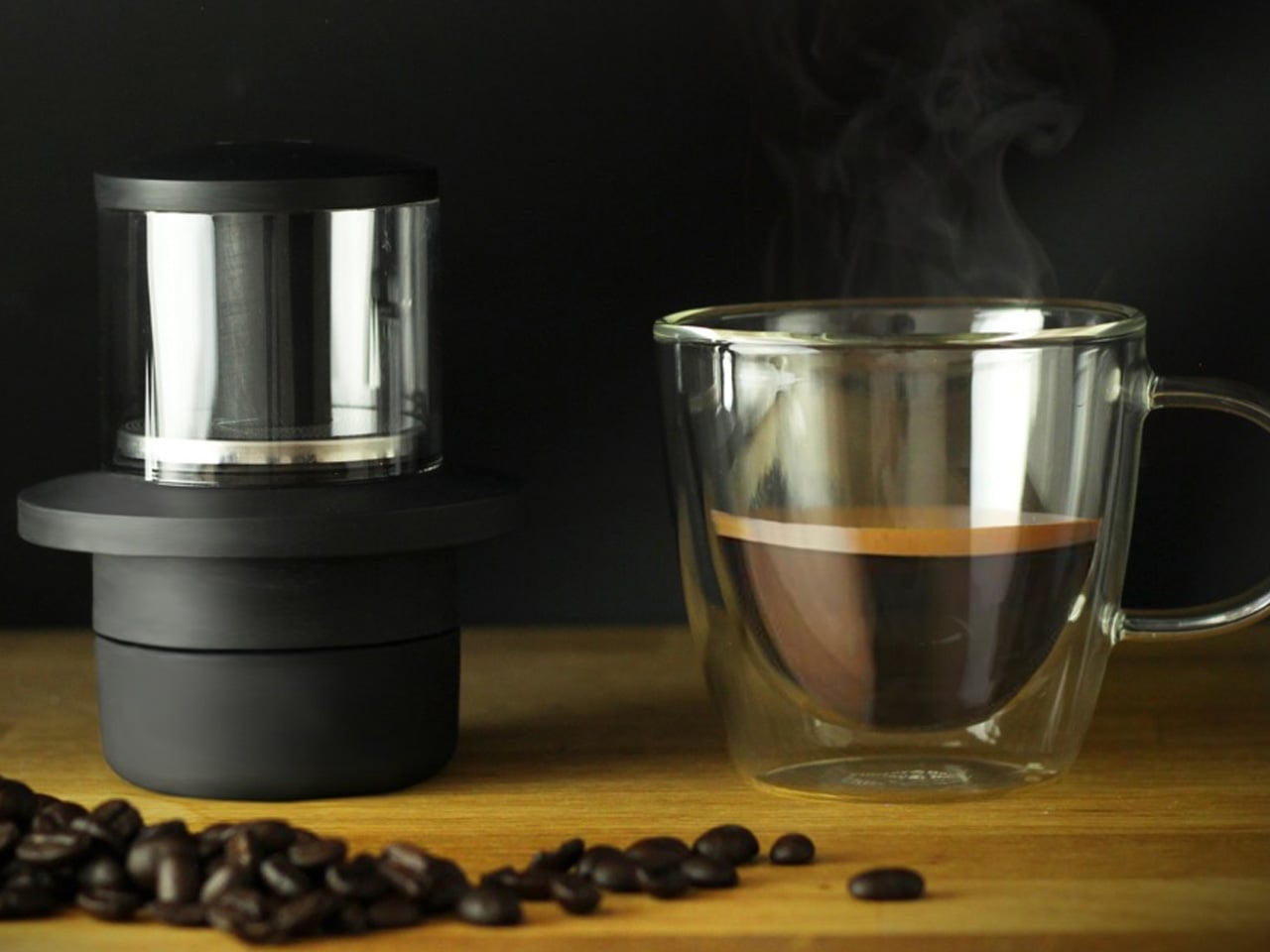
3. COFFEEJACK – Nine bars of pressure, zero dependence on hotel equipment.
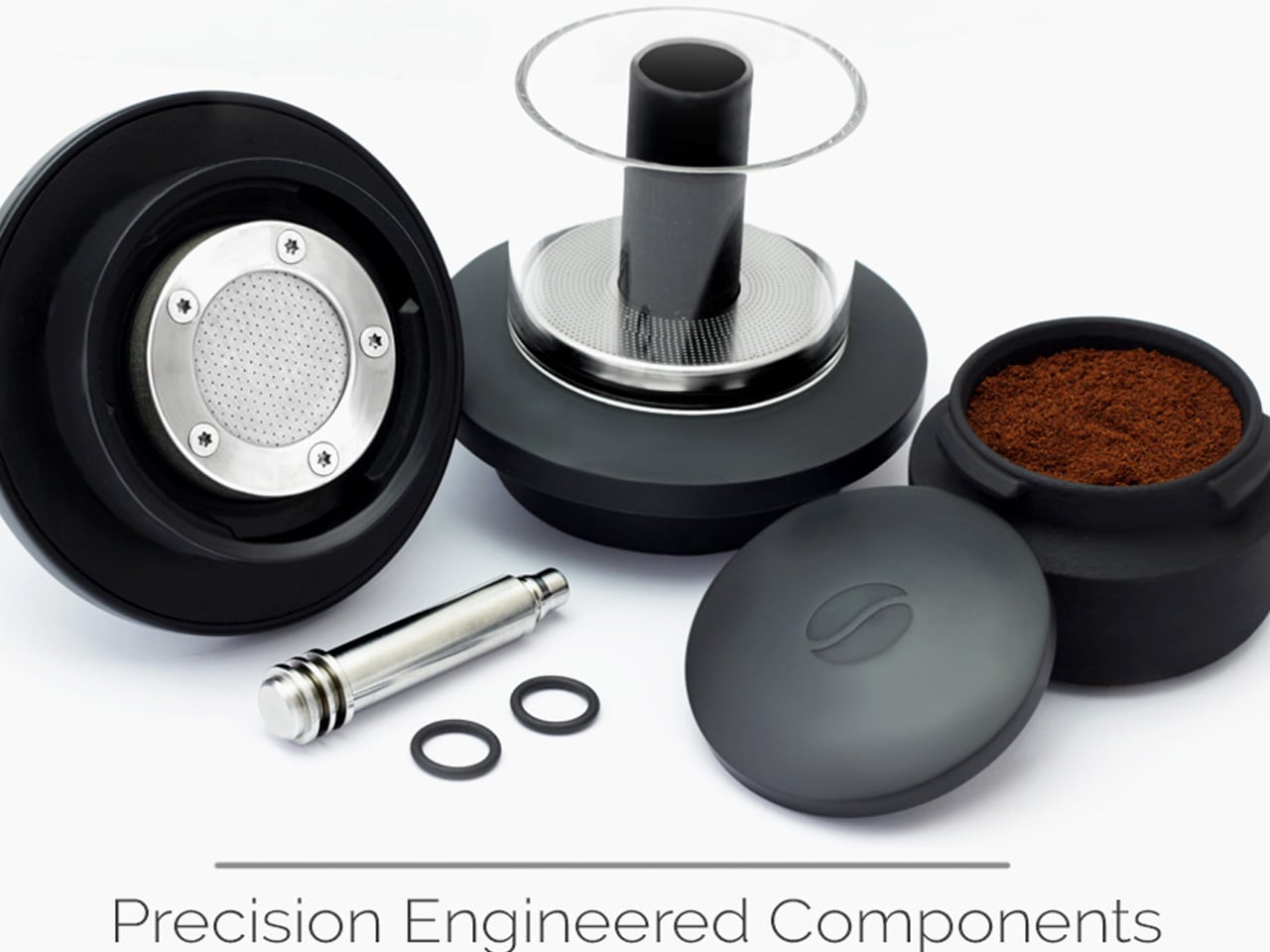
Hotel coffee is a problem that frequent travelers have accepted for too long. COFFEEJACK, built by Hribarcain, was designed to make that acceptance unnecessary. This pocket-sized espresso maker generates 9 to 10 bars of pressure through a manual hydraulic pump, matching the extraction output of professional café equipment. The lower chamber holds ground coffee, a built-in tamper levels and packs the grounds automatically, and hot water goes into the upper chamber. Work the pump, and a crema-topped espresso appears in the field.
The engineering gap between this and other portable coffee options is worth understanding. A French press operates under 1 bar of pressure. An Aeropress or Moka pot peaks at roughly 3 to 4 bars. COFFEEJACK reaches 9 to 10 consistently, manually, without a power source. That difference is what separates hotel-lobby drip from the real thing. The entire device is made from 100% recycled plastic, making it a more considered alternative to the pod-based systems that generate single-use waste with every cup. For men who treat their morning coffee as non-negotiable (and after a 6 AM landing, it absolutely is), this earns permanent carry-on status.
What we like
9 to 10 bars of manual pressure match professional espresso machines without electricity, pods, or proprietary cartridges.
The built-in tamper eliminates the need to carry a separate tool, keeping the kit self-contained.
What we dislike
Hot water is still a requirement, which means sourcing it from a kettle, hotel tap, or thermos before brewing.
The manual pump action requires a bit of effort and technique that takes a few attempts to master.
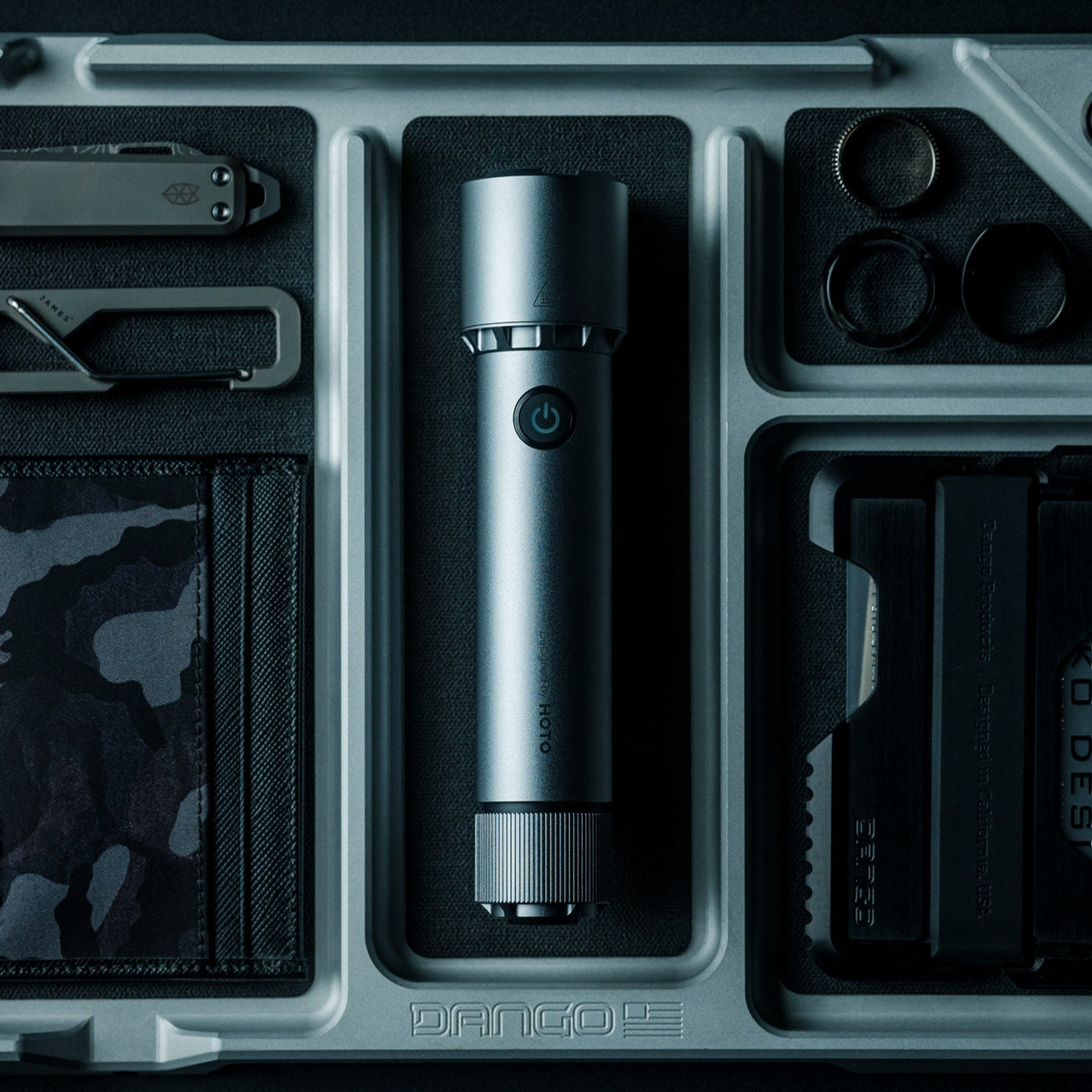
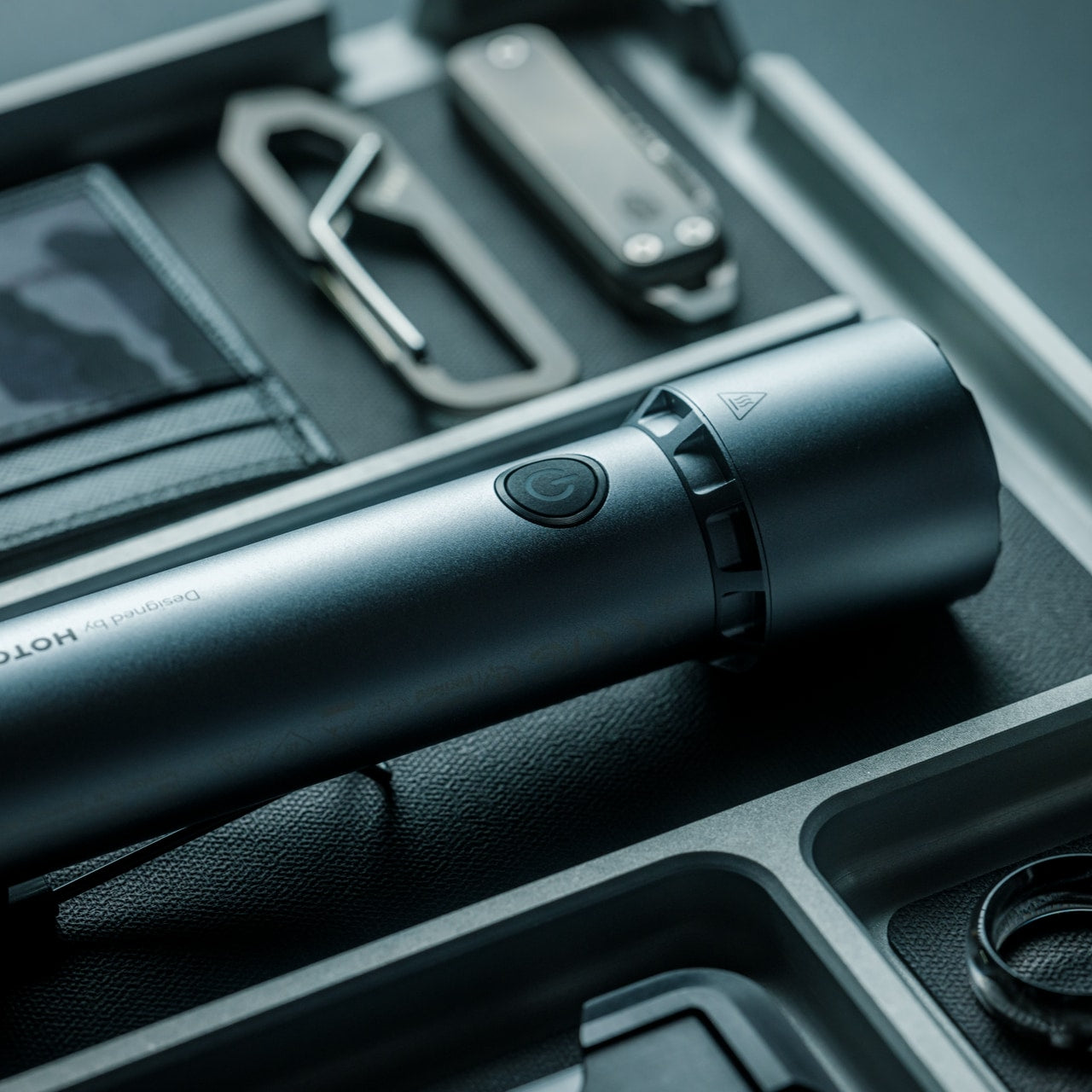
4. BlackoutBeam Tactical Flashlight – 2300 lumens in a body that fits a Dopp kit.
Most flashlights either look like they belong in a military surplus store or feel like cheap giveaways from a trade show. BlackoutBeam sits between those extremes with 2300 lumens of output, a 300-meter throw, and an industrial design that does not embarrass itself sitting next to a passport wallet. The 0.2-second response time means light arrives the moment the button is pressed, with no warm-up delay.
The travel case for a flashlight this capable is more practical than dramatic. Navigating poorly lit hotel parking garages, finding a rental car in an unlit airport lot, walking unfamiliar streets after dark. These are not survival scenarios; they are Tuesday nights on a business trip. The aluminum body carries an IP68 rating for water and dust resistance, so rain and rough handling are non-issues. What makes this particular light worth its bag space is the combination of output and size. At 2300 lumens with a 300-meter range, it outperforms most flashlights twice its size while slipping into a side pocket without protest.
2300-lumen output with a 300-meter throw handles everything from close-range tasks to illuminating distant areas.
IP68-rated aluminum construction handles rain, drops, and the general abuse of constant travel without degradation.
What we dislike
A light this powerful will drain batteries faster than lower-output alternatives, meaning recharging becomes another travel task.
The tactical aesthetic, while restrained, could attract unwanted attention at security checkpoints in certain countries.
5. Comes AI travel companion – An AI assistant that sees what is around the corner.
Solo travel has a specific kind of friction that apps alone cannot solve. Comes is a small AI-powered companion device equipped with a high-performance camera that observes surroundings and offers assistance in real time. The design has a modular, detachable structure that adapts to different travel situations, functioning as a navigation aid, translator, and contextual guide depending on the moment.
The scenario it solves best is the one frequent travelers know well: arriving in a new city, stepping off a train or out of an airport, and facing that brief window of disorientation before the phone GPS loads and the bearings click into place. Comes fills that gap by walking through navigation in a way that feels supportive rather than screen-dependent. Voice interaction keeps hands free, and the camera-based awareness means it can interpret signs, menus, and spatial context without requiring manual input. For men who move through multiple cities in a single week, the device acts as a persistent local guide that does not need Wi-Fi to be useful in the moment it matters most.
What we like
The modular design adapts to different carry and mounting configurations depending on the travel context.
Camera-based awareness interprets real-world visual information without requiring the user to stop and type.
What we dislike
AI-powered devices in this category still depend heavily on software updates and server-side processing, which introduces latency in areas with weak connectivity.
Battery management across the camera, AI processing, and wireless communication will be a limiting factor on long travel days.
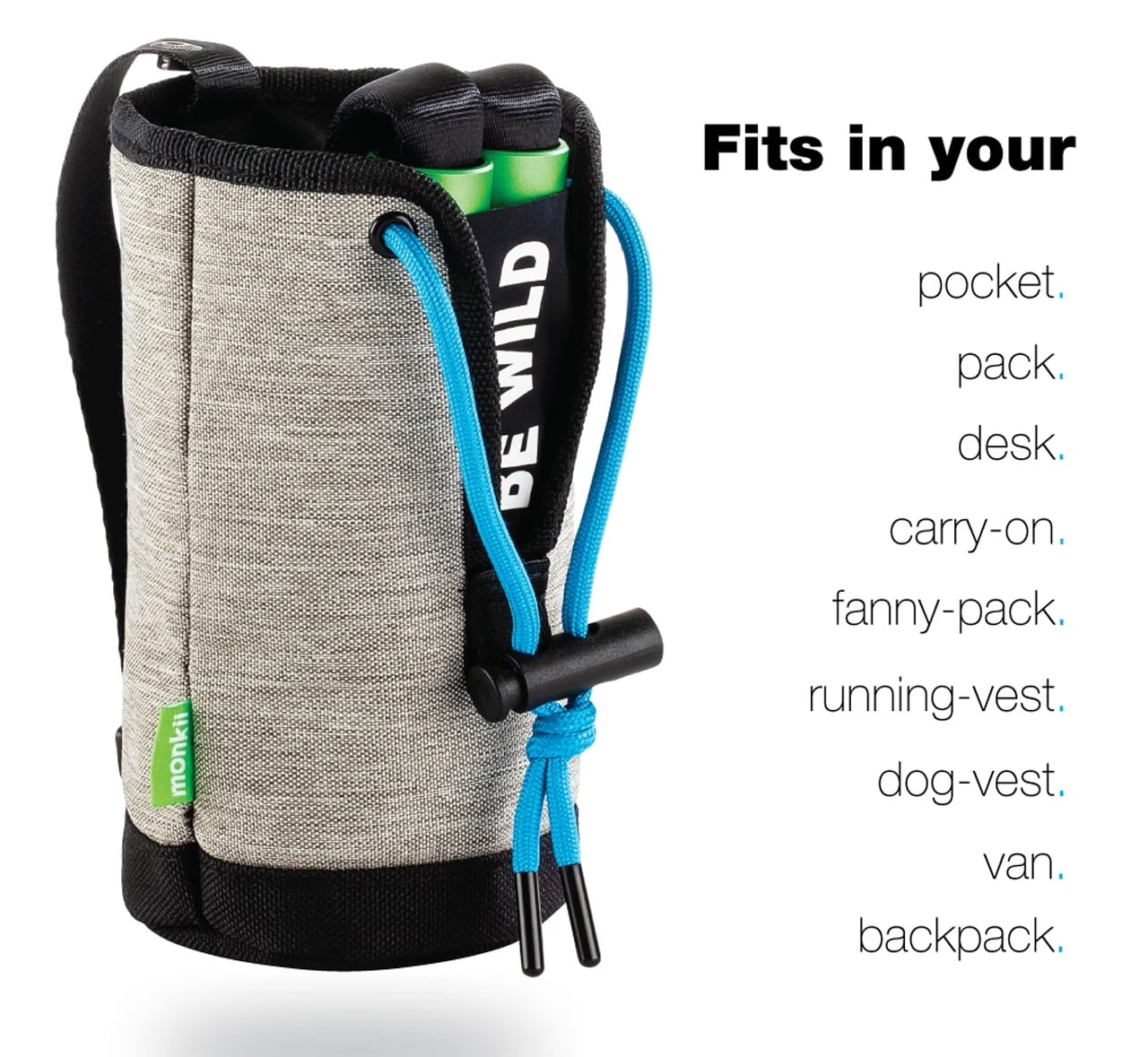
6. Pocket Monkii 2 – A full bodyweight training system that packs smaller than a book.
Gym access on the road is either a depressing hotel treadmill or a day pass at a facility that requires a 20-minute detour. Pocket Monkii 2 is a compact training system that packs cables, handles, a ladder, and an isometric tool into a kit small enough to throw into a carry-on without sacrificing space for anything else. The all-new package includes unlimited access to the Monkii app, which provides workout instructionals and progress tracking.
What makes this different from a resistance band tossed into a suitcase is the system design. The cables are built for durability across hundreds of sessions, and the combination of tools allows for a full bodyweight program rather than a handful of isolated exercises. The 21-Day Habit guide included with purchase pushes past the typical “use it twice and forget it” pattern that plagues most portable fitness equipment. For frequent flyers who refuse to lose their training momentum to a travel schedule, this is the closest thing to a portable gym that does not feel like a compromise or require anchoring to a hotel door frame that was never designed to hold body weight.
What we like
The compact kit fits inside a carry-on and provides enough variety for a complete bodyweight training session.
App integration with workout instructionals and progress tracking adds structure that standalone resistance bands lack.
What we dislike
Cable-based systems require an anchor point, and not every hotel room has a suitable door or fixture for secure attachment.
The learning curve for isometric and suspension-style exercises is steeper than traditional resistance training.
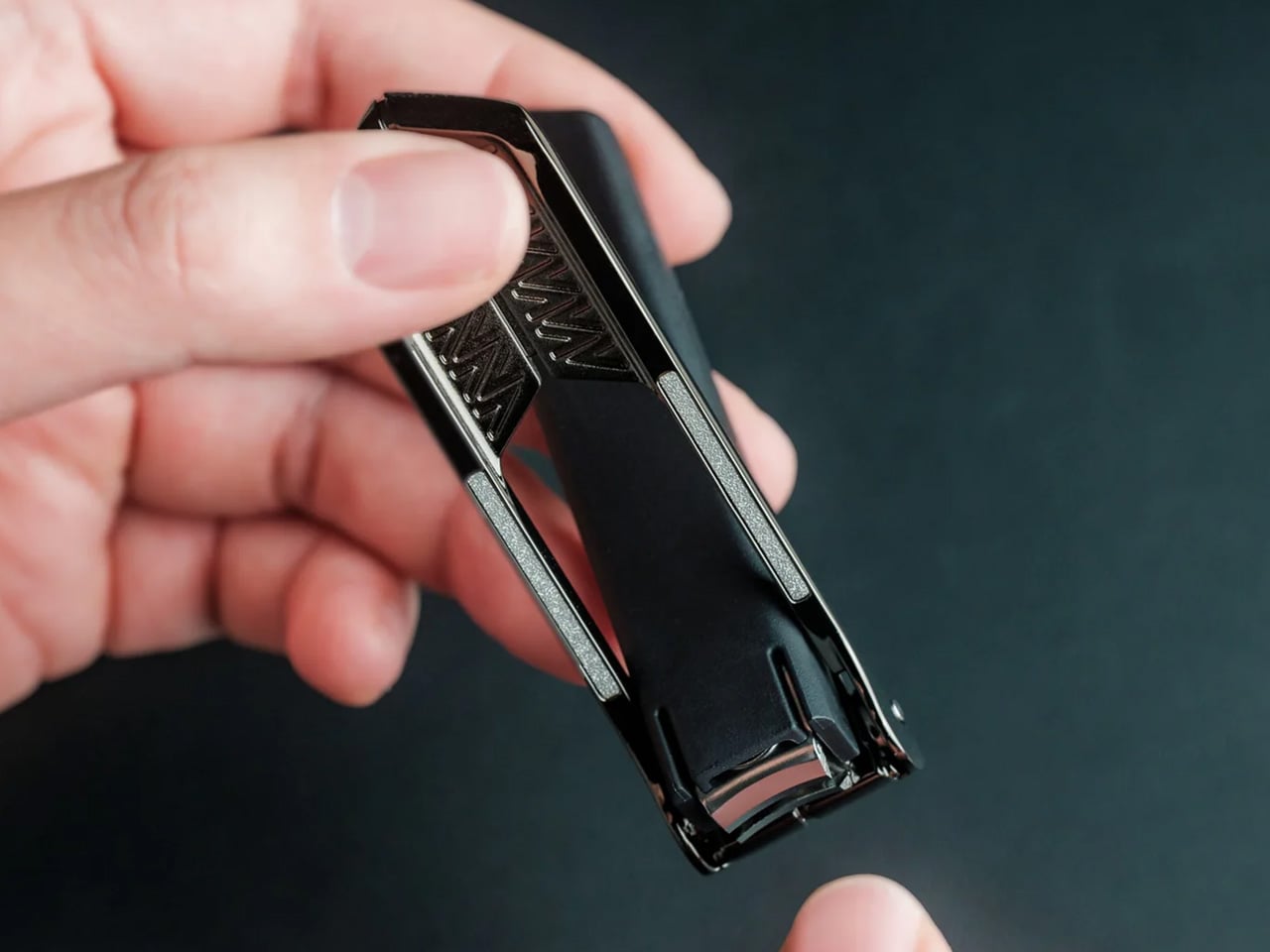
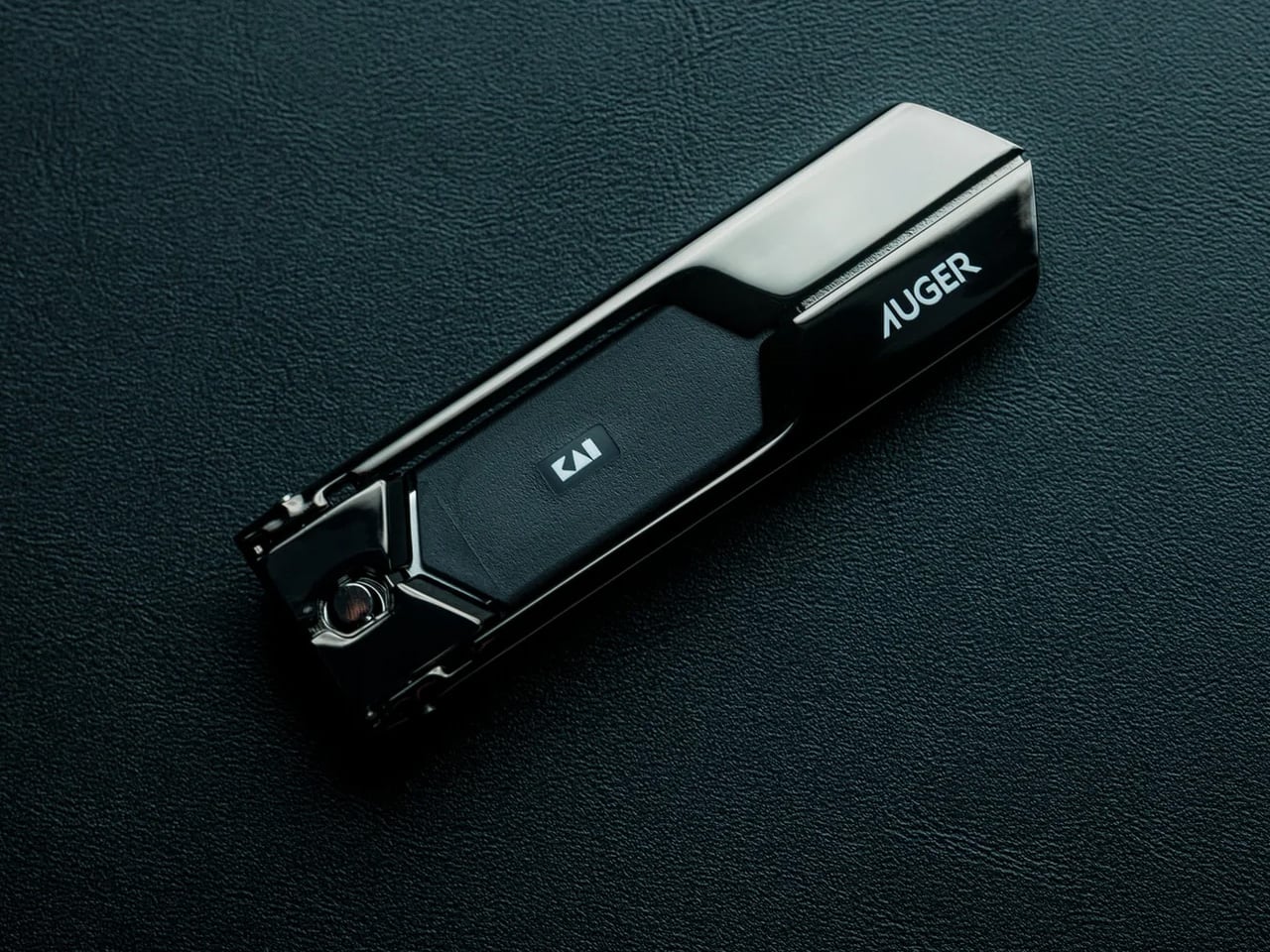
7. Auger PrecisionLever Nail Clipper – A century of Japanese blade-making in an 86mm package.
Grooming on the road tends to fall apart at the small details. Nail clippers are the item most likely to be forgotten, borrowed from a front desk, or purchased in desperation from an airport convenience store where the options are universally terrible. Kai Corporation, Japan’s blade authority since 1908, built the Auger PrecisionLever to make that entire cycle unnecessary.
The patented revolver-style lever shifts the pivot point closer to the blade, optimizing pressure with every press. That mechanical advantage means cleaner cuts on thicker nails with less effort and more control. The blades are crafted from stainless cutlery steel, cutting cleanly without tearing or splitting. At 67 grams with an 86mm footprint, the clipper has a weighted feel that is stable in hand while still slipping into a Dopp kit without claiming space. For a tool that gets used a few times a week and lives in the bottom of a toiletry bag, the difference between a precision instrument and a generic clipper is felt every single time. This one makes the case that even the smallest object in a travel kit deserves actual engineering.
The patented lever mechanism delivers more cutting force with less manual effort, especially on thicker nails.
Stainless cutlery steel blades cut cleanly without the tearing or crushing common in cheaper clippers.
What we dislike
Premium nail clippers occupy a price point that most people will not consider until they have suffered through enough bad ones.
The 67-gram weight, while satisfying in hand, adds up when every gram in a dopp kit is contested.
8. Loop – A neck pillow that abandoned the U-shape entirely.
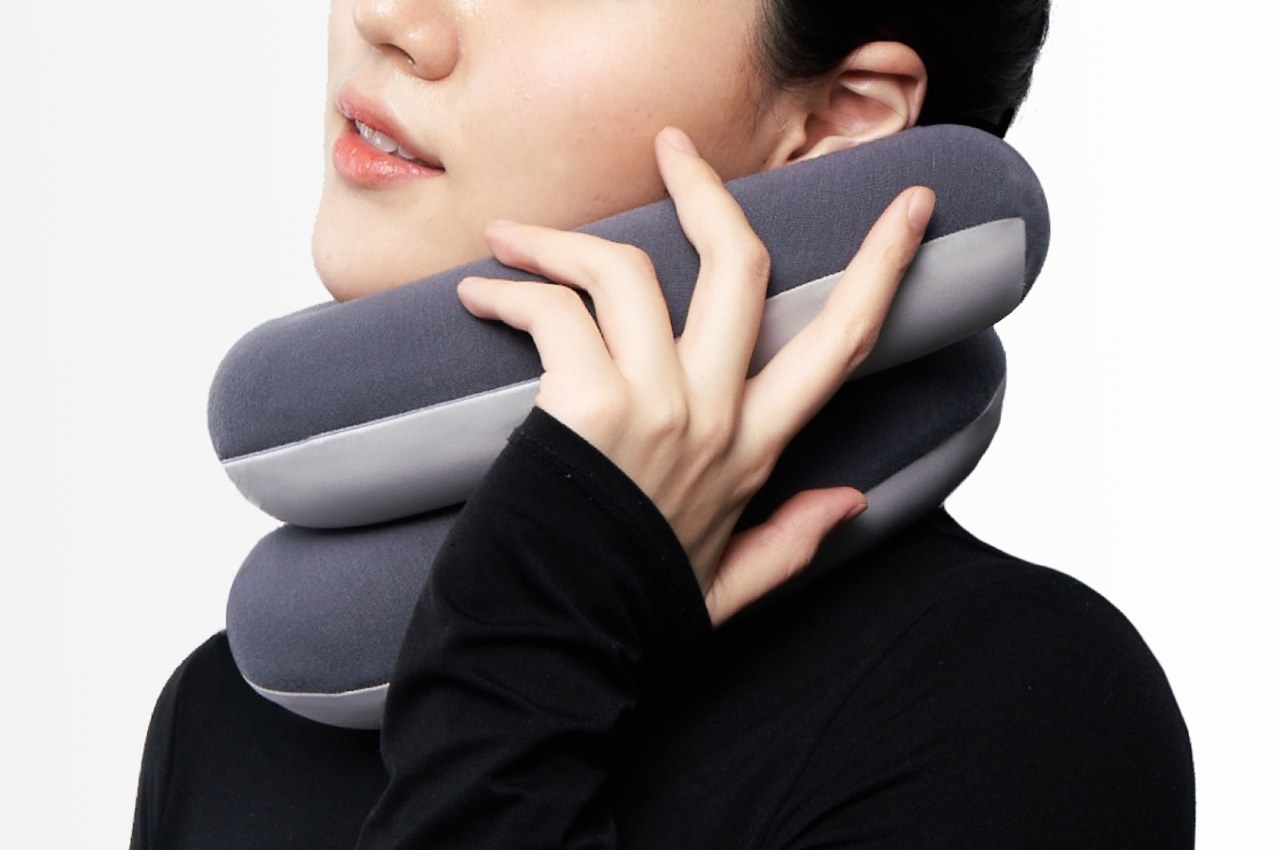
The U-shaped travel pillow has been the default for decades, and it has been mediocre for every single one of those decades. The Loop Pillow rejected the template. Its infinitely adjustable loop design wraps around the neck tightly or loosely, providing lift near the shoulder to support the head at whatever angle sleep actually arrives. If the U-shape is a one-size-fits-all solution, the Loop is a continuous adjustment that conforms to the person rather than the other way around.
The construction uses thermo-sensitive memory foam that molds to neck contours over time, paired with a moisture-wicking, breathable outer cover that keeps skin dry during sleep. Two cover colors correspond to a warm side and a cool side, allowing the sleeper to choose based on cabin temperature. The pillow works whether the head rests forward, to the side, or against the back of the seat, which alone puts it ahead of every rigid U-pillow on the market. For men who fly red-eyes regularly and have accepted that airplane sleep will always be imperfect, the Loop does not promise perfection. It promises adaptability, and on a cramped overnight flight, that distinction makes all the difference.
What we like
The infinitely adjustable loop design works with multiple sleeping positions instead of forcing a single neck angle.
Thermo-sensitive memory foam and a dual-temperature cover adapt to both the body and the cabin environment.
What we dislike
The loop form factor looks unconventional and takes a few uses to figure out the wrapping technique that works best.
Memory foam retains heat over long periods, and the breathable cover can only offset so much warmth during a 10-hour flight.
Where The Suitcase Closes
These eight products share a common thread. None of them demands attention, and none of them wastes space. They are corrections to the small, recurring failures of constant travel: bad coffee, bad sleep, bad lighting, lost training days, and the slow erosion of routine that comes with living out of a carry-on. The best travel gear is the kind that disappears into the rhythm of a trip rather than creating new problems to manage.
What ties this list together is not a category or a price point but a design philosophy. Each product earned its spot by answering a specific question that frequent flyers have asked, tested, and refined through repetition. The carry-on has limited real estate. These eight justify every square inch they claim.
Spring 2026 promises record-breaking travel numbers as airports worldwide brace for unprecedented passenger volumes. The post-pandemic wanderlust shows no signs of slowing, and savvy travelers know that the right gear makes the difference between smooth sailing and terminal meltdown. Smart packing isn’t about cramming more into your carry-on; it’s about selecting tools that adapt to chaos, keep you powered up, and maintain your sanity when delays inevitably occur.
The travel essentials market has exploded with innovation, but not all gear deserves a spot in your carefully curated kit. These five products represent the intersection of thoughtful design and genuine utility. They’re built for people who move through airports like seasoned nomads, who understand that durability matters more than aesthetics, and who refuse to compromise on the small comforts that transform grueling journeys into manageable adventures. This spring, pack smarter.
1. Nothing Power Bank
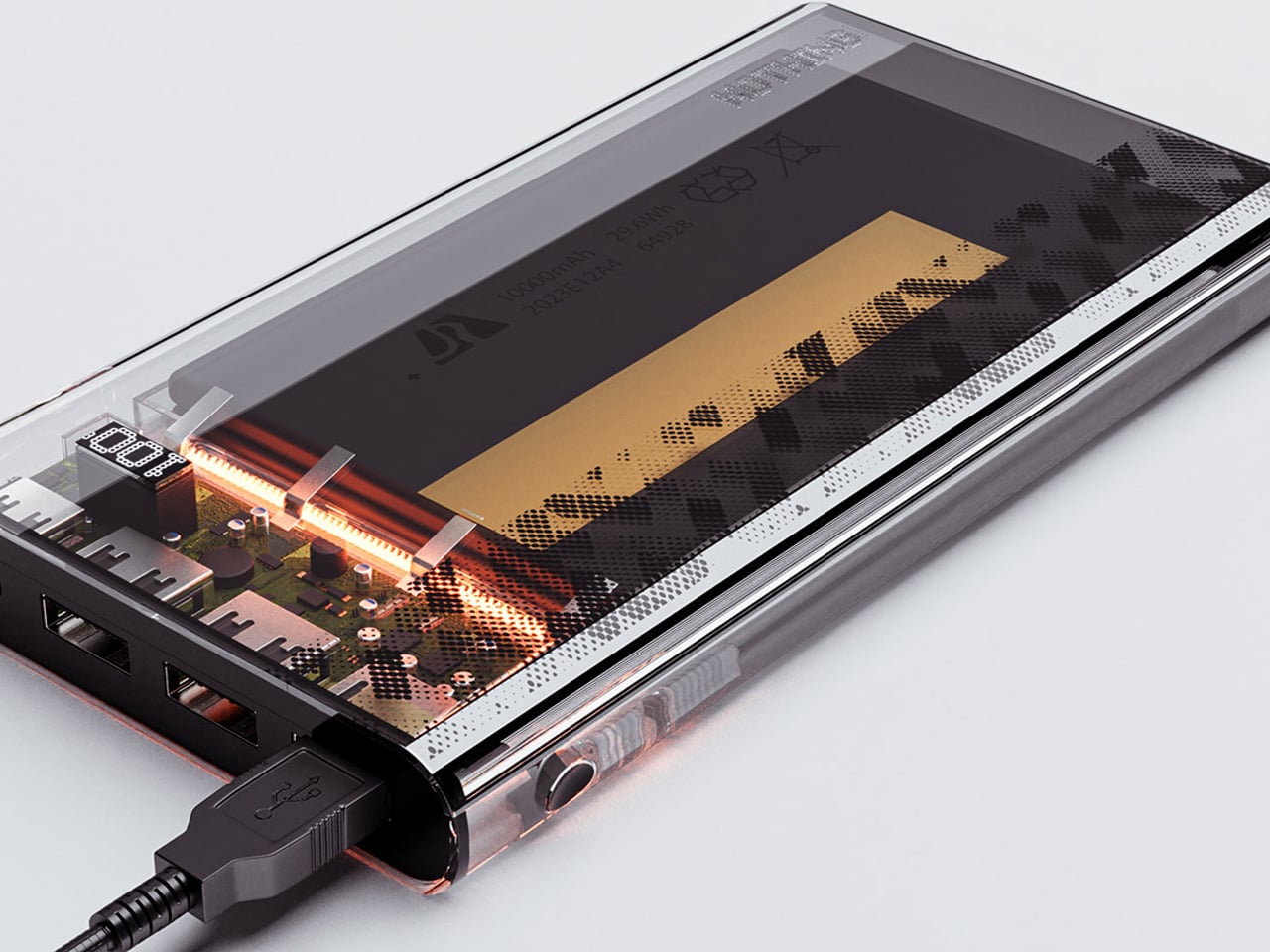
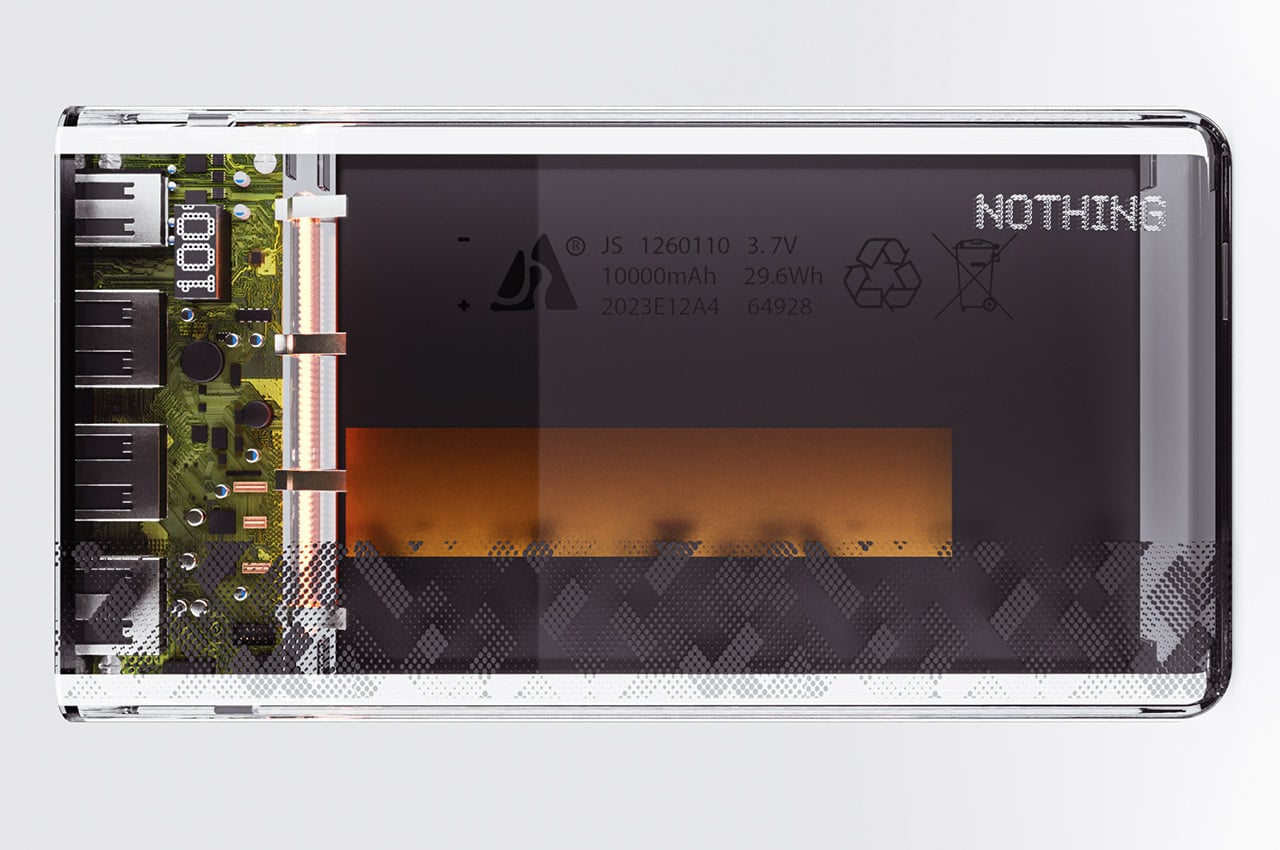
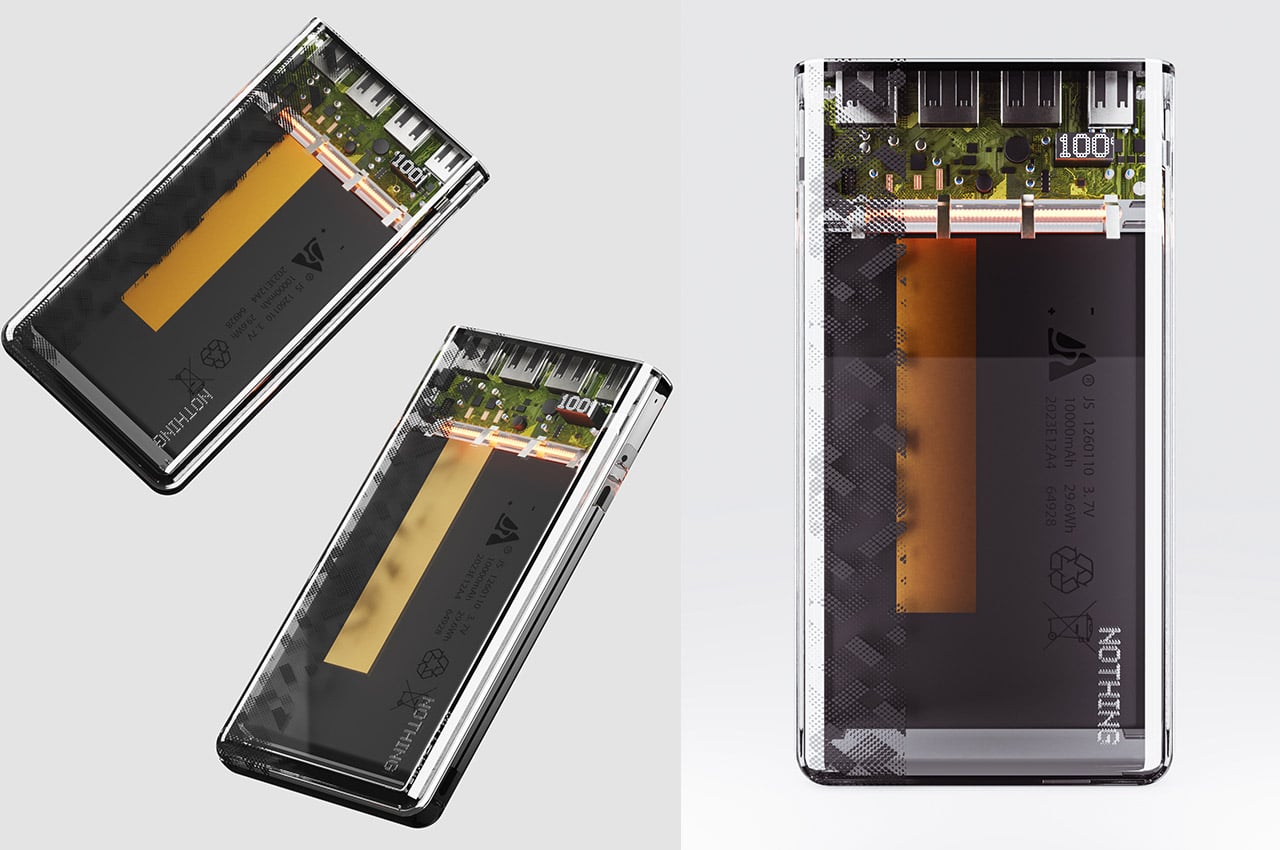
Airport terminals have become battlegrounds for electrical outlets, with travelers camping near charging stations like prospectors staking claims. The Nothing Power Bank eliminates that desperate scramble, keeping your devices alive through security delays, gate changes, and those dreaded tarmac holds that test every passenger’s patience. Nothing’s design philosophy of transparent aesthetics translates beautifully to a power bank, transforming a purely functional device into something worth pulling out of your bag.
The transparent casing reveals the entire internal architecture, with circuit boards and battery cells visible beneath the shell like a museum exhibit of modern electronics. Warm-toned LEDs distributed throughout the interior create ambient lighting that gives the power bank a cyberpunk sensibility without tipping into gimmick territory. This visual identity makes perfect sense for Nothing’s expanding ecosystem, offering loyal users another perfectly matched accessory that shares the same design language as their phones and earbuds while delivering straightforward, reliable power when flights get rescheduled and charging time disappears.
What We Like
The transparent design makes the power bank instantly recognizable in crowded bags and distinguishes it from generic alternatives
The integrated LED lighting serves dual purposes by indicating charge status while adding atmospheric illumination during evening flights
Nothing’s ecosystem compatibility means the power bank meshes seamlessly with existing devices for users already invested in the brand
The straightforward functionality strips away unnecessary features that complicate other portable chargers
What We Dislike
The transparent aesthetic might not appeal to travelers who prefer minimalist, understated gear
LED lighting, while attractive, potentially drains battery capacity faster than non-illuminated alternatives
The power bank lacks weatherproofing details that would make it suitable for adventure travel beyond airports
Pricing sits higher than budget options, making it a premium choice for brand loyalists rather than value seekers
2. AERIONN Forma Titanium Travel Case
Luxury luggage brands have long relied on aluminum to signal premium quality; however, aluminum’s reputation often exceeds its actual durability under the relentless punishment of baggage handlers and conveyor belt systems. The AERIONN Forma deploys Grade 1 commercially pure titanium as its shell material, the same strategic upgrade Apple makes when distinguishing iPhone Pro models from standard versions. This isn’t about superficial luxury; titanium fundamentally changes how luggage responds to impact, transforming a case from something that degrades into something that ages with character.
The single continuous titanium body flexes under stress and returns to its original shape rather than permanently deforming. AERIONN subjected the shell to thousands of drop tests, bending cycles, ultrasonic inspections, and dimensional verifications to ensure the material performs as promised. Titanium’s tensile strength ranges from 290 to 310 MPa under ASTM B265-15 certification standards, significantly outperforming aluminum alloys used in competing luxury cases. The material shows wear over time with rough handling, but those marks become patina rather than damage. For travelers who spend more time in airport lounges than their own living rooms, Forma represents luggage that keeps pace with their lifestyle.
Grade 1 titanium construction offers genuine durability that justifies the premium positioning
The material flexes and rebounds rather than denting permanently like aluminum competitors
Extensive testing protocols ensure reliability under real-world travel conditions that destroy lesser luggage
The single continuous body design eliminates weak points where traditional cases typically fail first
What We Dislike
Titanium construction places this case in a luxury price bracket that excludes budget-conscious travelers
The weight savings over aluminum, while present, remain modest compared to the substantial cost increase
Titanium’s natural patina develops with use, which some travelers might perceive as damage rather than character
Limited color options restrict personalization compared to brands offering extensive customization
3. MokaMax Portable Coffee Maker
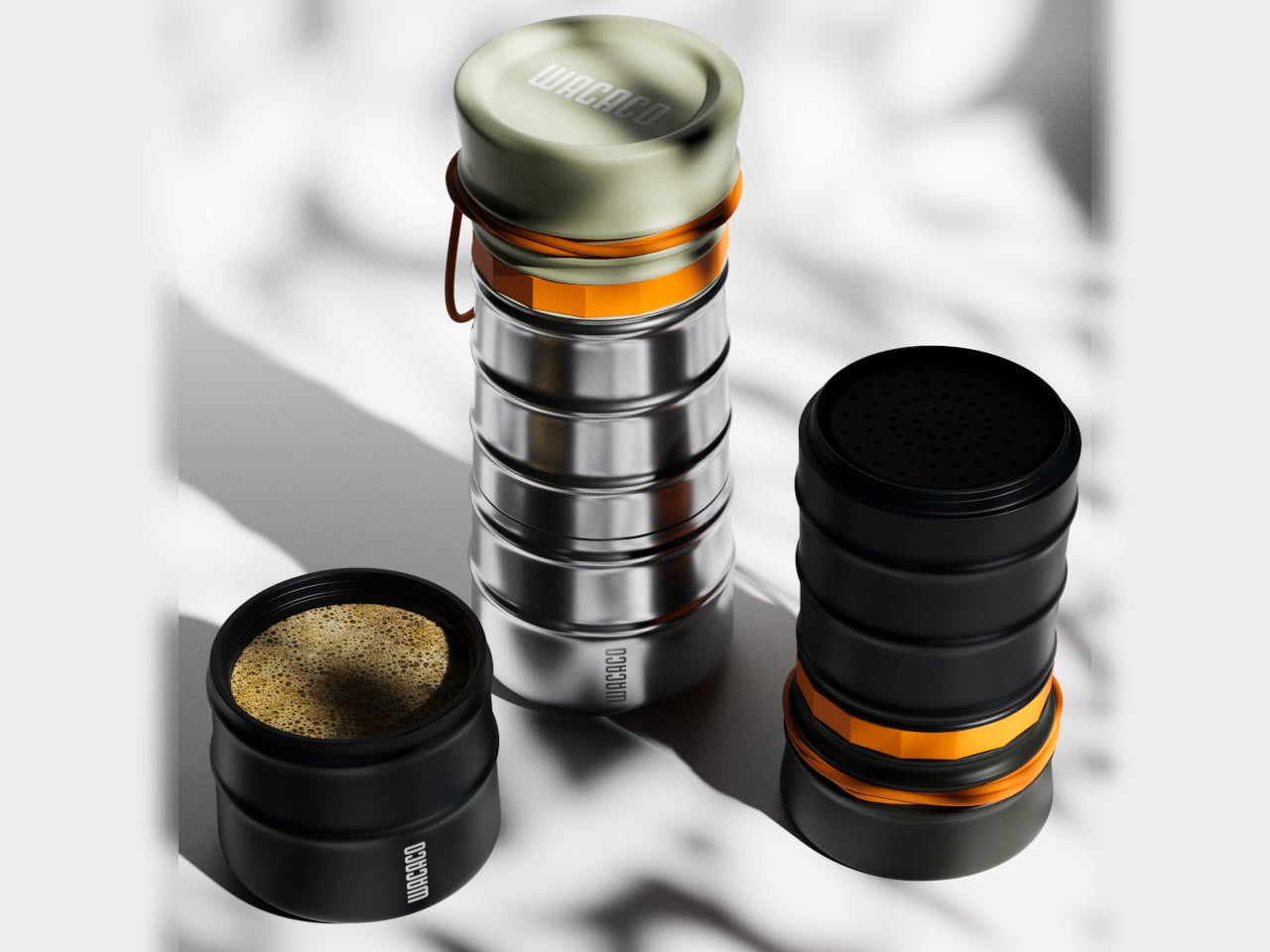
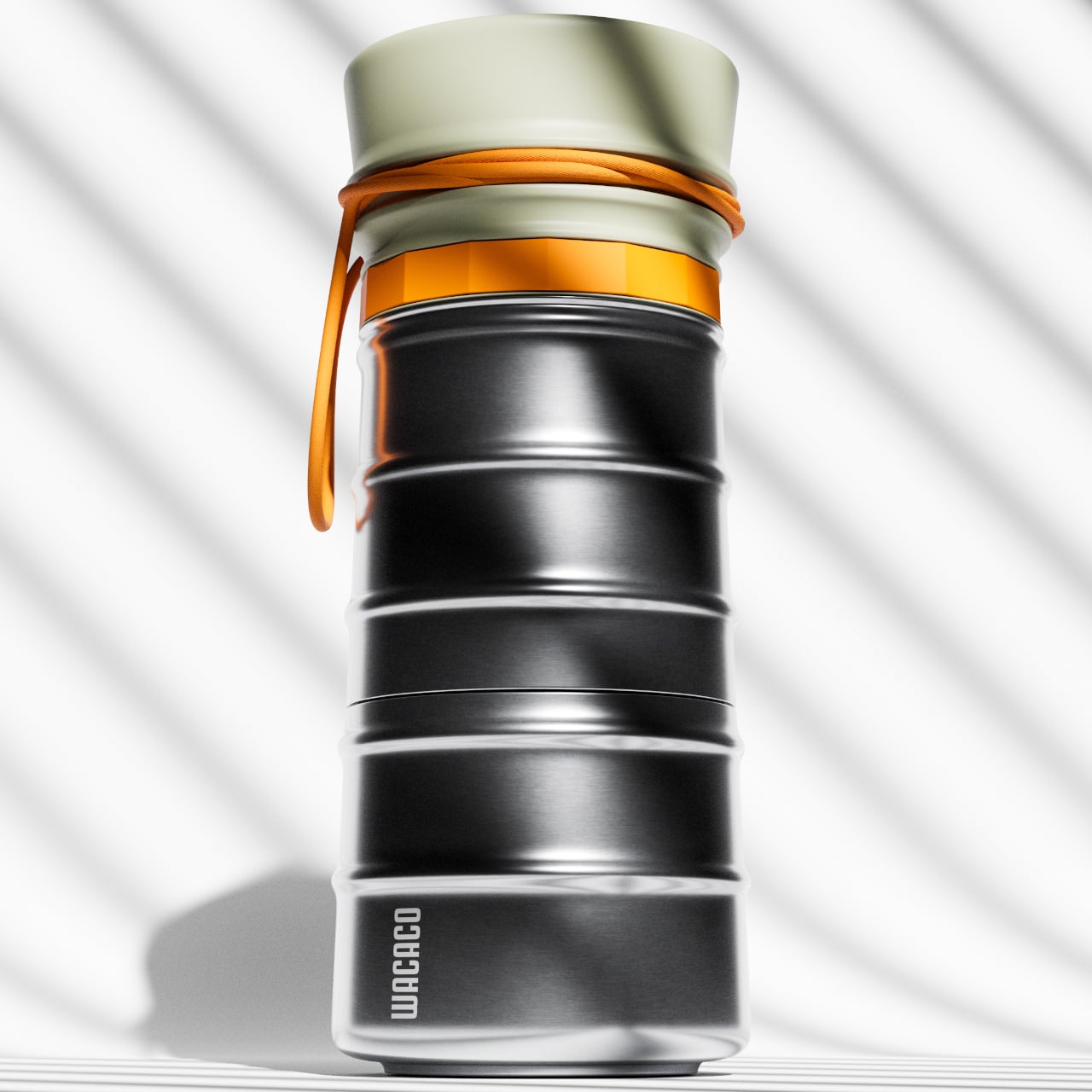
Airport coffee represents one of travel’s most reliable disappointments, with overpriced, underwhelming brews served in establishments that exploit captive audiences. MokaMax eliminates that compromise by functioning as both a pressure brewer and an insulated travel mug in a single rigid stainless-steel cylinder. This portable coffee maker positions itself as Pipamoka’s spiritual successor, promising espresso-style extraction quality anywhere your journey takes you, from terminal gates to mountaintop campsites, without requiring a separate bag of accessories.
The distinctive ridged exterior provides a secure grip while helping MokaMax blend naturally with other rugged travel gear. Those ridges emerged from multiple design iterations that balanced tactile comfort against visual appeal, avoiding sharp edges or overly complicated profiles that would catch on other items. A flexible rope threads through the top, creating attachment points for carabiners or hooks so MokaMax can clip directly to backpack straps or dangle from campsite setups. The integrated pressure-brewing system occupies space inside the cylinder that would typically sit empty in conventional travel mugs, maximizing functionality within a compact footprint that fits standard cup holders.
What We Like
The dual functionality combines brewing capability and travel mug features in one compact unit
Pressure-brewing system produces espresso-style coffee that exceeds typical portable brewer quality
Ridged stainless-steel construction offers durability and a secure grip during use
The integrated rope attachment transforms the mug into genuinely portable gear that clips to bags and packs
What We Dislike
The brewing system requires learning and practice to achieve optimal extraction consistently
Cleaning the internal components demands more attention than standard travel mugs after each use
The stainless-steel construction, while durable, adds weight compared to lighter insulated bottles
Single-serve capacity means brewing multiple cups requires repetition rather than batch preparation
4. Peak Design Travel Tripod
Conventional tripods sacrifice portability for stability, forcing photographers to haul bulky equipment or compromise on shot quality when traveling light. Peak Design’s Travel Tripod reimagines the fundamental architecture by eliminating the hollow channel running through traditional center columns, creating a design that achieves greater strength and dramatically reduced packed dimensions simultaneously. This engineering approach transforms the tripod from awkward luggage into a legitimate travel essential that slides into carry-on bags without consuming precious space.
Carbon fiber construction keeps weight under three pounds while supporting up to twenty pounds of camera equipment, a ratio that serves both casual smartphone photographers and professionals carrying full-frame setups with telephoto lenses. Precisely machined dials and knobs make adjustments intuitive even in challenging conditions, while the aluminum ball head enables smooth positioning across all axes. The legs extend to five feet at maximum height and open to full ninety-degree angles for ground-level perspectives, offering shooting flexibility that matches stationary studio tripods. For photographers who refuse to sacrifice image quality to travel logistics, this tripod represents the rare product that genuinely improves both.
What We Like
The innovative center column design eliminates wasted space for unprecedented compactness when packed
Carbon fiber construction achieves remarkable strength-to-weight ratios that suit serious photography equipment
Precisely engineered adjustment mechanisms make setup and positioning genuinely intuitive
The ninety-degree leg spread enables low-angle compositions impossible with conventional tripods
What We Dislike
Premium materials and engineering place this tripod in a high price category that excludes casual users
The compact design requires slightly more setup time compared to quick-deploy alternatives
Carbon fiber, while strong, can be more fragile than aluminum under certain impact scenarios
The minimalist design omits accessories like smartphone mounts that some travelers expect as standard inclusions
5. LARQ Bottle
Reusable water bottles rank among travel’s most essential items, yet they’re also among the most neglected when it comes to proper cleaning and maintenance. The LARQ Bottle addresses this universal problem through integrated UVC LED technology built directly into the cap, creating the world’s first portable mercury-free purification system that keeps both bottle and water pristine without manual scrubbing. While other innovative bottles focus on features like smartphone integration, LARQ prioritizes the fundamental concern that matters most during travel: consistently clean, safe drinking water.
A simple tap activates the UVC LED light, which begins the cleaning cycle immediately and completes the process in just sixty seconds. The stainless-steel interior reflects UV light throughout the bottle’s volume, eliminating 99.9999 percent of bacteria and 99.99 percent of viruses according to independent testing. This technology transforms water quality wherever you fill up, whether from airport fountains, hotel taps, or questionable sources during backcountry adventures. The bottle requires minimal effort to maintain peak performance, automatically running cleaning cycles every two hours to prevent biofilm buildup and odor development that plague conventional bottles after days of continuous use.
What We Like
UVC LED technology provides genuine purification that kills bacteria and viruses in sixty seconds
The self-cleaning capability eliminates manual scrubbing and maintenance requirements
Stainless-steel construction reflects UV light for thorough interior coverage
Automatic cleaning cycles every two hours prevent odor and biofilm buildup without user intervention
What We Dislike
The integrated technology increases the cost significantly compared to standard insulated bottles
Battery requirements for the UVC system add charging obligations to travel routines
The electronic cap components require careful handling and cannot be fully submerged
Replacement parts for the UVC system create long-term dependency on manufacturer support
Gear Up, Stress Down
Spring 2026 will test even the most experienced travelers as airports strain under capacity and delays ripple across entire continents. The right travel essentials don’t just add convenience; they create resilience against the inevitable chaos. These five products represent thoughtful solutions to genuine problems that emerge when you spend hours navigating terminals, sleeping in departure lounges, and adapting to constantly changing circumstances that define modern travel.
The best gear fades into your routine until you need it, then performs exactly as promised without drama or disappointment. Power that keeps devices alive through marathon delays, luggage that survives baggage handler brutality, coffee that doesn’t require hunting down terrible airport cafes, photography equipment that packs impossibly small, and water that stays clean regardless of source. These aren’t luxury purchases; they’re infrastructure for anyone serious about traveling well. Pack accordingly.
There’s something deeply satisfying about opening a Korean meal to find those little side dishes, each in their own small bowl, arranged just so. The banchan tradition turns eating into a kind of visual feast before you even take a bite. Now, imagine bringing that same thoughtful, modular approach to one of the most notoriously cramped dining experiences: airplane meals.
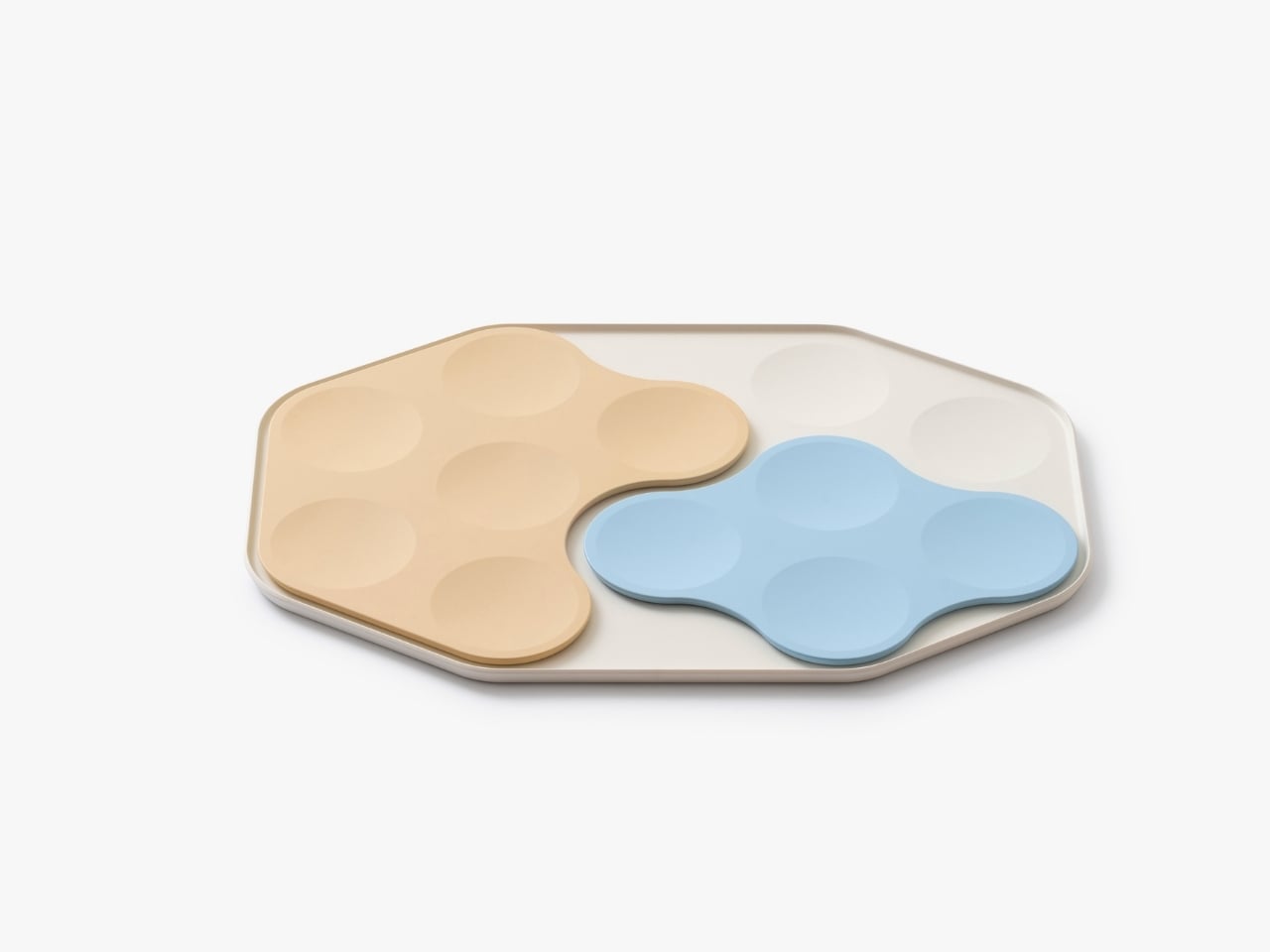
That’s exactly what BKID co has done with their System Tray design, and honestly, it’s one of those ideas that makes you wonder why we didn’t think of this sooner. The project takes the organizational genius behind Korean side dish service and reimagines it for the narrow, tray-table constrained world of in-flight dining.
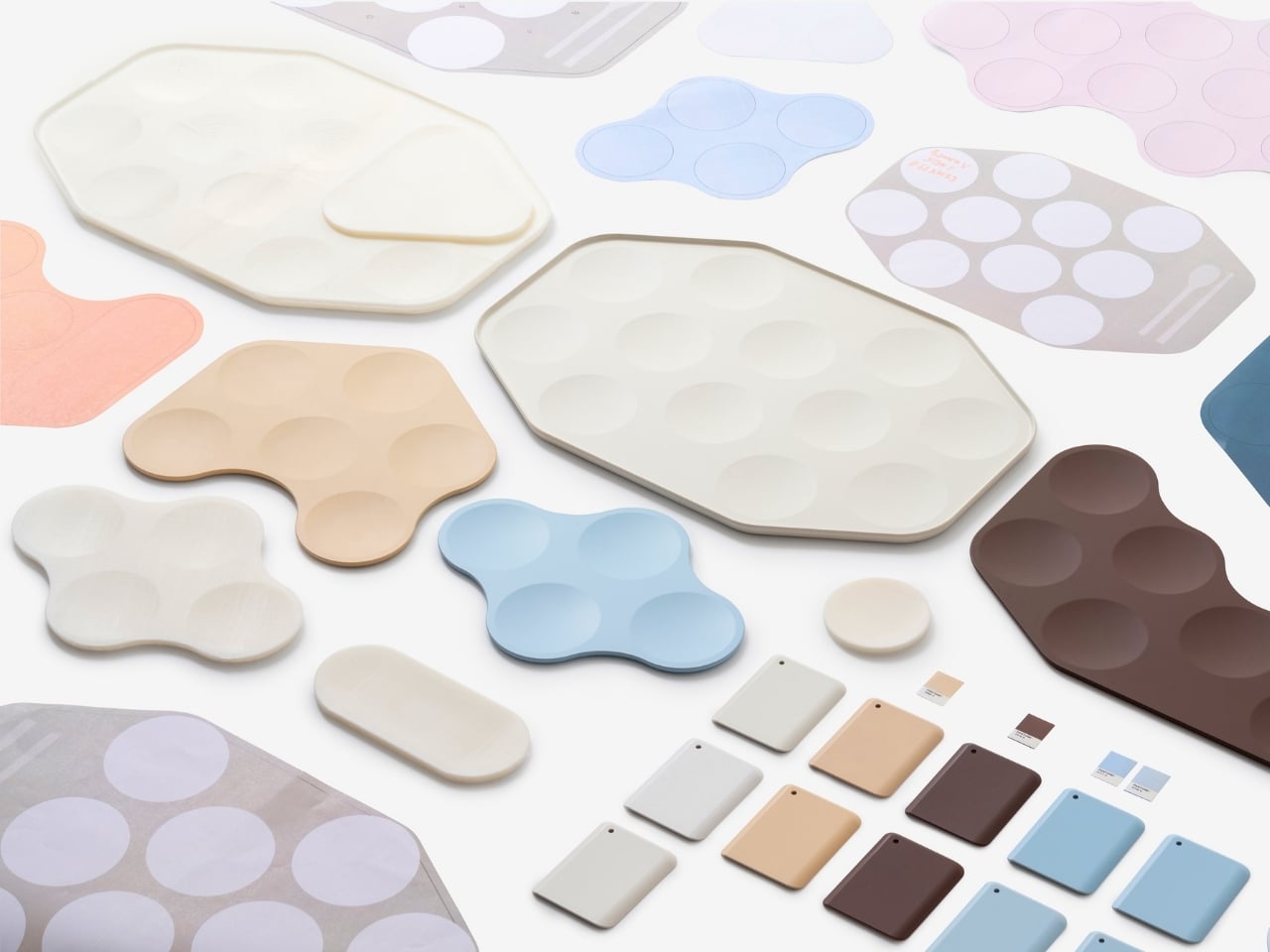
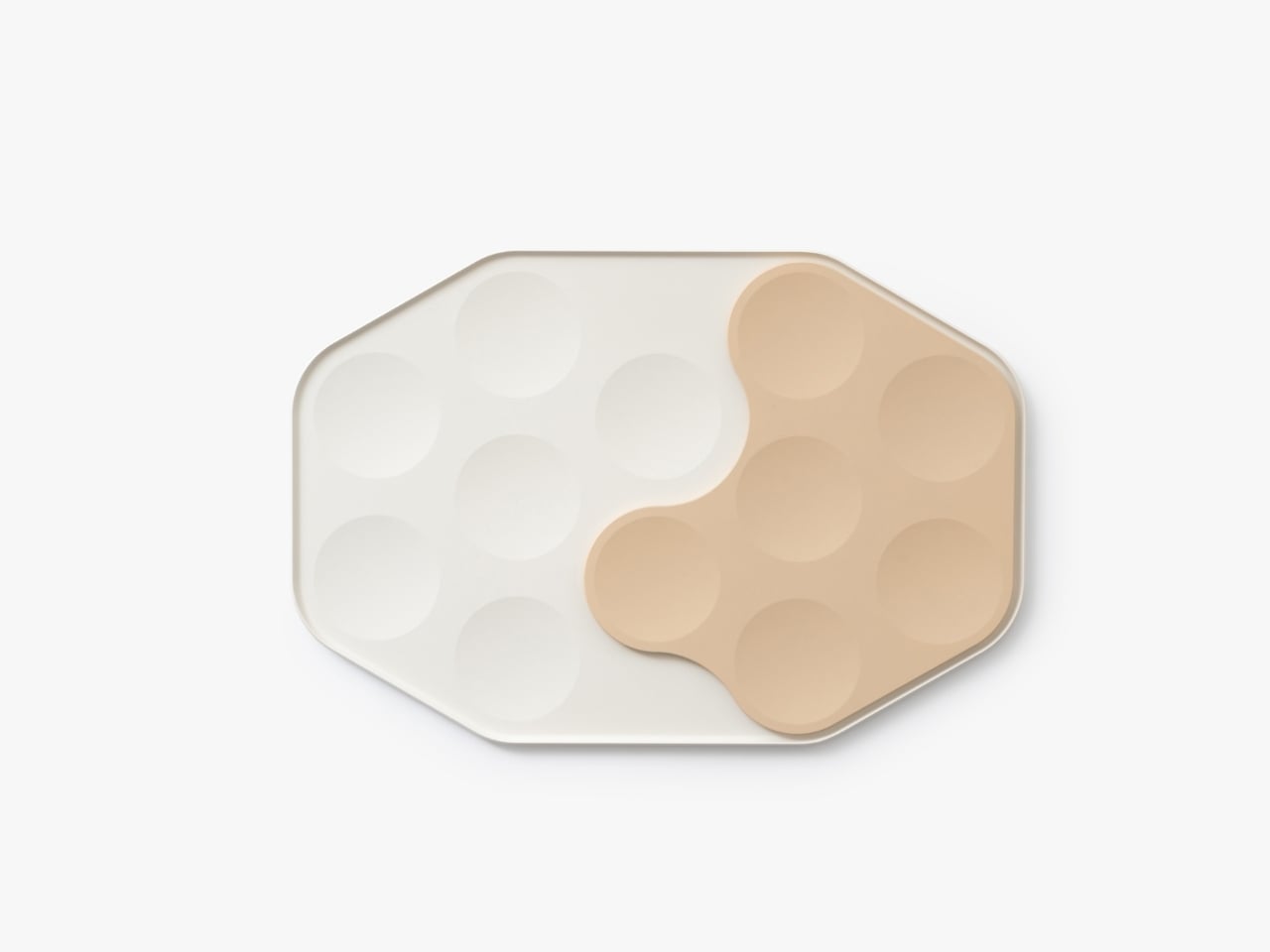
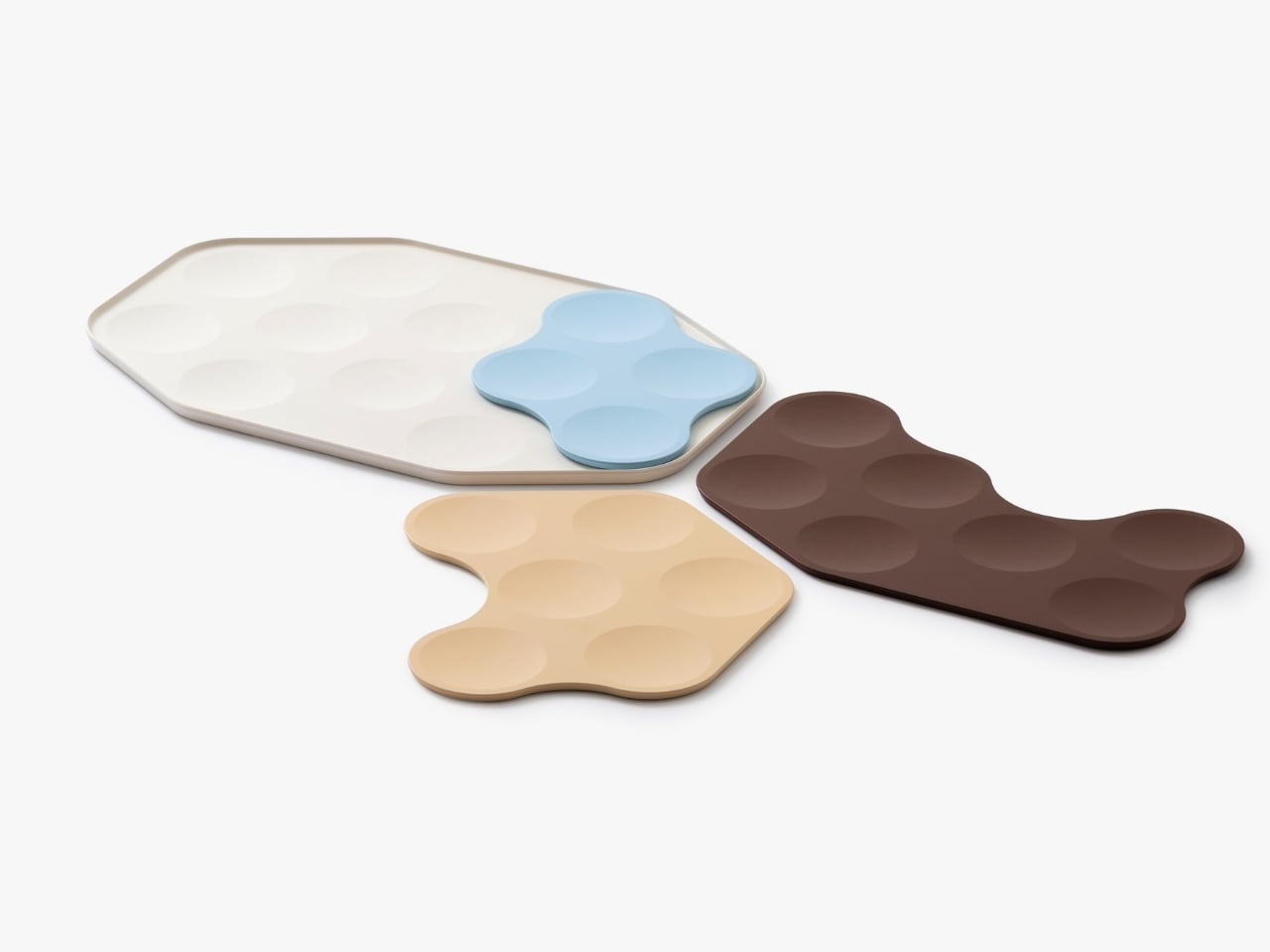
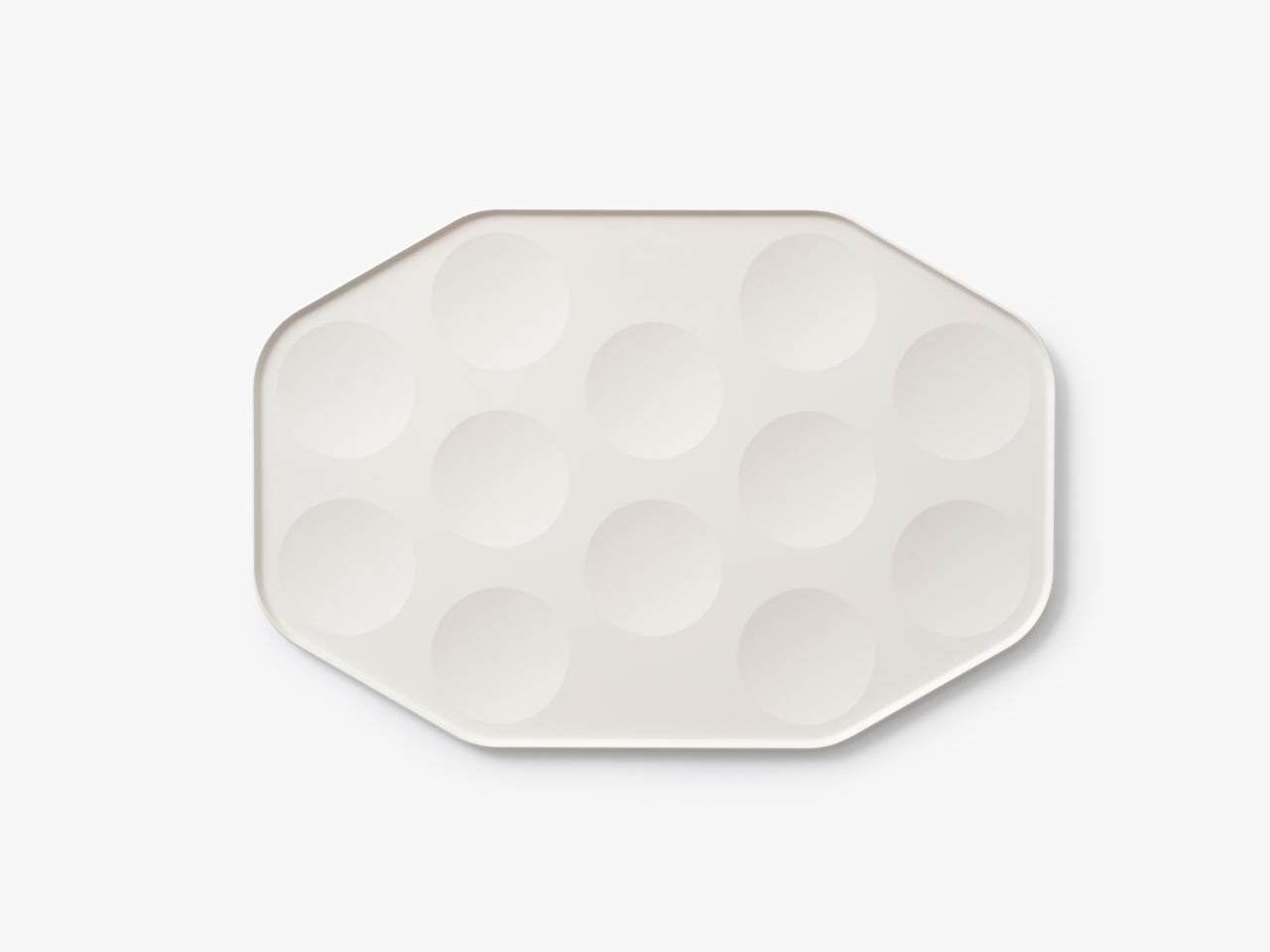
Anyone who’s flown recently knows the struggle. You get your meal tray, and it’s this precarious balancing act of overlapping plastic containers, a wobbly cup threatening to spill, and utensils that somehow always end up on the floor. There’s no elegance to it, no sense that anyone actually thought about the experience beyond “how do we get food from point A to point B?” The System Tray flips that script entirely. Drawing inspiration from traditional Korean wooden trays that hold multiple small dishes, the design creates a modular system where individual plates nest together like a puzzle. Each piece has those beautiful organic, flowing shapes that lock into each other or fit perfectly within the main tray. It’s functional geometry that doesn’t look robotic or cold.
What makes this particularly clever is how it addresses real constraints. Airlines aren’t going to adopt anything that doesn’t meet strict safety standards or adds significant weight. So BKID co worked with lightweight materials like durable plastics and lightweight ceramics, keeping things practical while maintaining that elevated aesthetic. The pieces can stack when not in use, which means they take up less storage space in the galley. For airlines constantly trying to maximize every square inch of cabin space, that’s a huge selling point.
But let’s talk about the visual appeal, because this is where the design really shines. The color palette is subtle and sophisticated: soft creams, muted blues, warm beiges, and earthy browns. These aren’t the harsh primary colors or industrial grays we’re used to seeing on planes. The shapes themselves are organic and almost playful, with curved edges that interlock in unexpected ways. Laid out, they look more like modern art than airline serviceware.
There’s something almost meditative about the way the pieces fit together. You can configure them in different arrangements depending on the meal, whether it’s a full dinner service with multiple courses or a lighter snack. That flexibility is key because not every flight or passenger needs the same setup. The modular approach means the system can adapt rather than forcing one rigid solution.
This design also taps into a broader trend we’re seeing in travel and hospitality: the push to make utilitarian experiences feel special. We’ve watched airport lounges transform into design showcases. We’ve seen hotel rooms become Instagram-worthy destinations. Even train stations are getting architectural makeovers. Why should airplane meals be any different? The banchan tradition isn’t just about having multiple dishes. It’s about balance, variety, and presentation. It turns a meal into something communal and considered, where each element has its place and purpose. That philosophy translates surprisingly well to the challenge of airline food service, where space is limited but the desire for a pleasant dining experience remains.
What BKID co has created here isn’t just a better tray. It’s a rethinking of how we approach one of travel’s most mundane moments. It suggests that even in a space as constrained as an airplane cabin, there’s room for thoughtfulness and beauty. The design proves that solving practical problems doesn’t mean sacrificing aesthetics.
Will we see these trays on flights anytime soon? That’s the real question. Airlines move slowly, and switching out serviceware across an entire fleet isn’t a small undertaking. But as more carriers compete on experience rather than just price, innovations like this become more attractive. Passengers increasingly expect more, even in economy. A meal served on a thoughtfully designed tray system could become a differentiator.
For now, the System Tray stands as a brilliant example of cross-cultural design thinking, where a traditional dining practice inspires a modern solution to a very contemporary problem. It reminds us that good design often comes from looking at how people have solved similar challenges in different contexts, then adapting those insights with fresh eyes.
There’s a particular kind of panic that sets in about thirty minutes before you need to leave for the airport. You’ve thrown clothes into a suitcase, triple-checked your passport, and convinced yourself that you’ve packed everything important. Then you arrive at your destination and realize you’ve brought three chargers for devices you don’t own but somehow forgot the one thing that would’ve made your entire trip better. Last-minute travel has a way of exposing what truly matters versus what we think we need.
The beauty of spontaneous trips lies in their unpolished edges, but that doesn’t mean you should suffer through bad coffee, tangled headphone cords, or eating with your hands because the airline meal came with a flimsy plastic fork that snapped on contact. The difference between a trip you remember fondly and one you spent complaining about comes down to a handful of well-chosen essentials that solve real problems. These five designs represent the kind of thoughtful gear that takes up minimal space but delivers maximum impact when you need it most.
1. Nikon 4x10D CF Pocket Binoculars
Binoculars feel like relics from another era, the kind of thing your grandfather kept in a leather case that smelled faintly of pipe tobacco. Nikon’s 4x10D CF pocket binoculars challenge that entire perception by shrinking the form factor down to something that actually fits in your pocket without creating an awkward bulge. These aren’t meant to compete with your smartphone’s digital zoom or replace professional birding equipment. They exist in a different category entirely, prioritizing the experience of optical viewing over pixel counts and processing power.
The genius lies in recognizing that people don’t carry traditional binoculars because they’re too bulky and conspicuous. Nikon solved that problem by creating something so discreet it almost disappears. The optical quality remains surprisingly sharp for such a compact device, delivering a viewing experience that feels immediate and artifact-free. Whether you’re trying to read a distant street sign in an unfamiliar city or want a closer look at architectural details without looking like a tourist with professional gear, these slip into your travel kit without demanding dedicated space or special protection.
What we like
• The form factor makes them genuinely pocketable, solving the primary reason people don’t carry binoculars.
• Optical viewing delivers a tactile, immediate experience that digital zoom can’t replicate.
• The updated colorways transform them from technical equipment into an accessory you want to carry.
• Multiple uses, from reading transit signs to appreciating distant landscapes without looking conspicuous.
What we dislike
• The 4x magnification is modest compared to traditional binoculars, limiting long-distance viewing.
• The compact size means smaller objective lenses, reducing light-gathering capability in low-light conditions.
2. StillFrame Headphones
Air travel has become an endurance test for your ears. Between engine noise, crying babies, and the passenger next to you who insists on watching action movies without headphones until a flight attendant intervenes, you need something that creates a barrier between you and chaos. StillFrame wireless headphones approach this problem with a design philosophy borrowed from a time when music felt like a deliberate choice rather than background noise. The aesthetic draws from compact disc geometry, creating a visual language that feels refreshingly analog in an aggressively digital world.
Weighing just 103 grams, these headphones occupy a middle ground between intrusive over-ear designs and in-ear buds that always seem to fall out at the worst possible moment. The 40mm drivers create a soundstage that gives music room to breathe, which matters when you’re spending hours in compressed airplane cabins where everything feels claustrophobic. The combination of active noise cancelling and transparency mode means you can shift between complete isolation and situational awareness without removing them. That flexibility proves essential when navigating unfamiliar airports or wanting to hear boarding announcements without sacrificing your peace during the actual flight.
• The 24-hour battery life eliminates anxiety about running out of power mid-journey.
• Magnetic fabric ear cushions swap easily, giving you color options that match different moods.
• Dual connectivity through Bluetooth 5.4 and USB-C cable offers wireless freedom or wired stability.
• The exposed circuit board aesthetic celebrates the technology rather than hiding it behind plastic shells.
What we dislike
• The on-ear design may cause discomfort during extremely long flights compared to over-ear alternatives.
• The fashion-forward aesthetic might not appeal to travelers who prefer more conventional headphone designs.
3. 0.25 oz Aero Spork
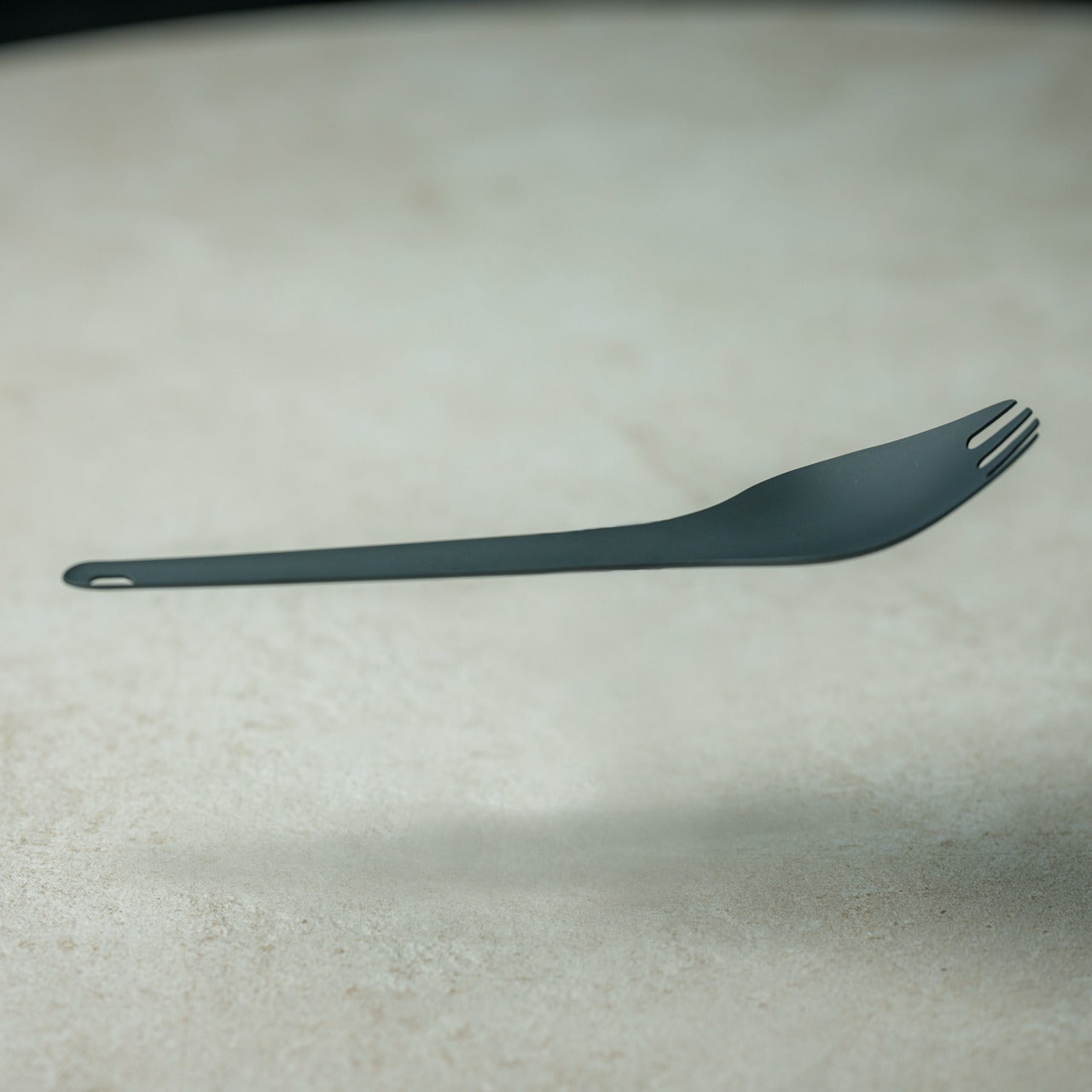
There’s something deeply frustrating about packing perfectly good food for a trip only to realize you have nothing reasonable to eat it with. Plastic cutlery snaps under minimal pressure, full-sized metal utensils add unnecessary weight, and trying to eat noodles with a standard spoon requires patience most travelers don’t have after a long day. The Aero Spork weighs less than a quarter of an ounce but manages to feel substantial enough to handle actual meals. That combination of minimal weight and genuine utility makes it the kind of item that earns permanent residence in your travel kit.
The ergonomic curve gives you a secure grip even when your hands are cold or wet, while the tapered design specifically addresses the noodle-eating problem that plagues travelers across Asia and increasingly everywhere else. The stackable design means you can carry multiple sporks without them taking up more space than a single standard utensil. This becomes relevant when you’re traveling with others or want a backup. The durability factor matters more than you’d expect; these survive being tossed into bags, stepped on accidentally, and subjected to the kind of casual abuse that destroys lesser travel utensils within weeks.
• The 7-gram weight makes it lighter than most travel accessories you’ll forget you’re carrying.
• Stackable design solves the multi-person dining situation without requiring a full cutlery set.
• The tapered shape genuinely improves noodle-eating, addressing a specific and common travel challenge.
• Metal construction means it lasts indefinitely, unlike disposable or plastic alternatives.
What we dislike
• The hybrid spoon-fork design means neither side works quite as well as a dedicated utensil.
• Cleaning can be tricky in the field without proper access to soap and water.
4. MokaMax Portable Coffee Maker
Hotel coffee represents a special category of disappointment. It tastes like regret mixed with lukewarm water, extracted from pods that somehow cost three dollars each. Even when you find a decent café, you’re either waiting in line behind seventeen people who each ordered customized drinks with five modifications, or you’re drinking something that went cold during your walk back to your hotel. MokaMax addresses this problem by building a legitimate pressure-brewing system into a form factor that looks like a standard travel mug. The ridged stainless steel body provides a secure grip while reinforcing the rugged, outdoor-ready aesthetic.
The design spent considerable effort getting those ridges right, balancing functional grip with comfortable handling and visual interest. The flexible rope attachment transforms it from just another mug into something that clips onto backpacks or hangs from hooks, integrating into your mobile gear rather than requiring dedicated carrying. The key advantage over simply buying coffee everywhere you go is consistency and timing. You control the strength, temperature, and exact moment you brew. That autonomy matters when you’re dealing with jet lag and need coffee at 4 AM when nothing is open, or when you’re hiking and want something better than instant crystals dissolved in lukewarm water.
What we like
• The pressure-brewing system delivers espresso-style coffee without electricity or complex equipment.
• Single-vessel design eliminates the need to carry separate brewing and drinking containers.
• Ridged stainless steel construction provides grip and durability for genuine outdoor use.
• The rope attachment integrates it into your travel gear ecosystem rather than requiring dedicated space.
What we dislike
• The brewing process takes longer than simply buying coffee if you’re in an area with good options.
• Cleaning requires more attention than a standard travel mug, especially after brewing dark roasts.
5. Craftmaster EDC Utility Knife
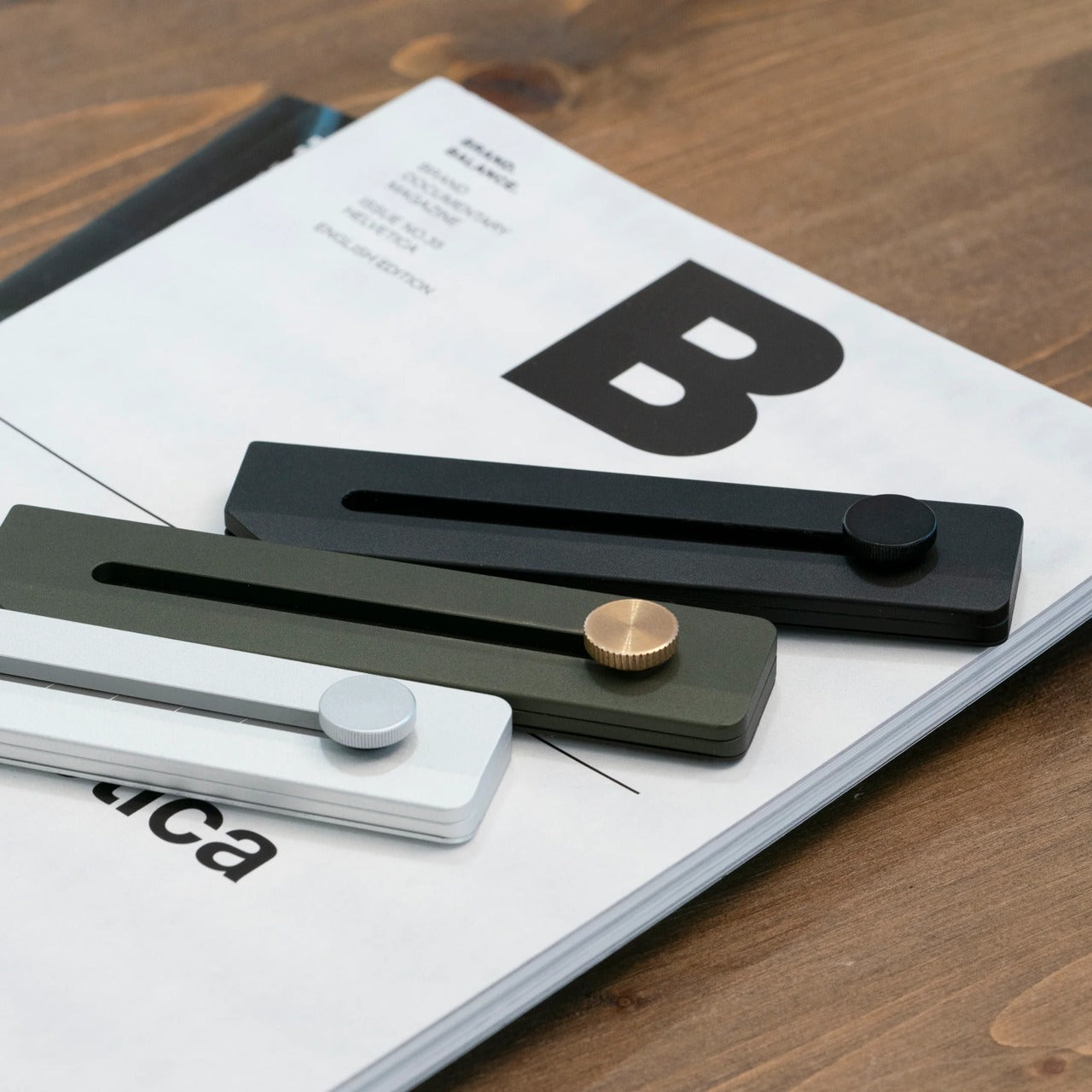
Most travelers don’t think they need a utility knife until they’re standing in a hotel room trying to open packaging with their keys, teeth, or increasingly desperate improvisation. The Craftmaster EDC utility knife occupies just 8mm of thickness and 12cm of length, making it slim enough to slip into pockets, bags, or organizer pouches without creating bulk. The metallic construction gives it heft that feels reassuring rather than burdensome, while the rotating knob deployment mechanism adds a tactile satisfaction that pure functionality doesn’t require but somehow makes the tool more enjoyable to use.
The magnetic back serves double duty by letting you dock the knife on any metal surface and providing a home for the companion metal scale. That scale includes both metric and imperial measurements, a raised edge for easy pickup, and a blade-breaker for maintaining the OLFA blade’s sharpness. The 15-degree curvature protects your fingers during cutting tasks, while the 45-degree inclination helps with opening boxes without damaging contents. These details transform a basic utility knife into something that solves multiple problems, from precise measuring for emergency clothing repairs to clean package opening without destroying whatever’s inside.
• The 8mm thickness makes it genuinely pocketable without the bulk of traditional utility knives.
• Magnetic docking turns any metal surface into convenient storage, preventing loss in hotel rooms.
• The included ruler with blade-breaker combines multiple functions without requiring separate tools.
• OLFA blades are replaceable and widely available, extending the knife’s useful life indefinitely.
What we dislike
• The minimalist metal design lacks texture that could improve grip in wet conditions.
• Airport security restrictions mean it needs to go in checked luggage, limiting accessibility during travel days.
Why These Five Items Matter for Last-Minute Travel
The connecting thread between these designs is that they solve specific problems while occupying minimal space and requiring almost no learning curve. You don’t need an instruction manual, a YouTube tutorial, or previous experience. They work immediately and continue working reliably. That reliability becomes essential when you’re already dealing with the stress of spontaneous travel, unfamiliar locations, and the general chaos that comes from not having time to plan properly.
The other advantage is that none of these items are single-use solutions. Pocket binoculars serve navigation, sightseeing, and practical reading purposes. Headphones deliver both entertainment and environmental control. A quality spork handles any meal situation. The portable coffee maker works everywhere from mountain peaks to hotel rooms. The utility knife solves dozens of cutting, measuring, and opening challenges. That versatility means carrying five items gives you solutions to dozens of potential problems, which is exactly the kind of efficiency last-minute travelers need most.
You know that frantic airport moment when you need your laptop but it’s buried deep in your suitcase? Or when you’re rolling through the terminal juggling a carry-on, a tote bag that keeps slipping off your shoulder, and a coffee that’s about to meet its untimely end? Rimowa just made all of that dramatically less chaotic.
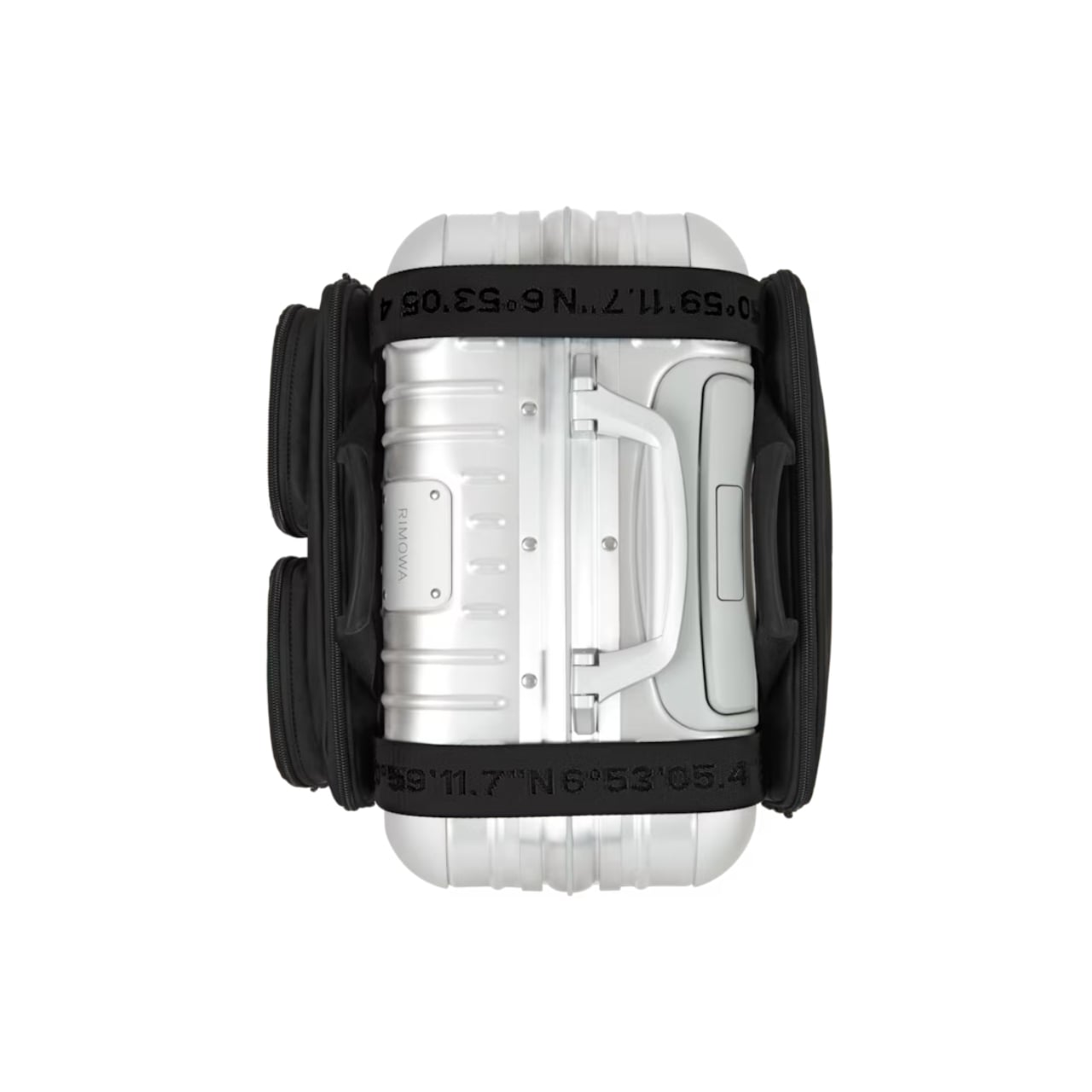
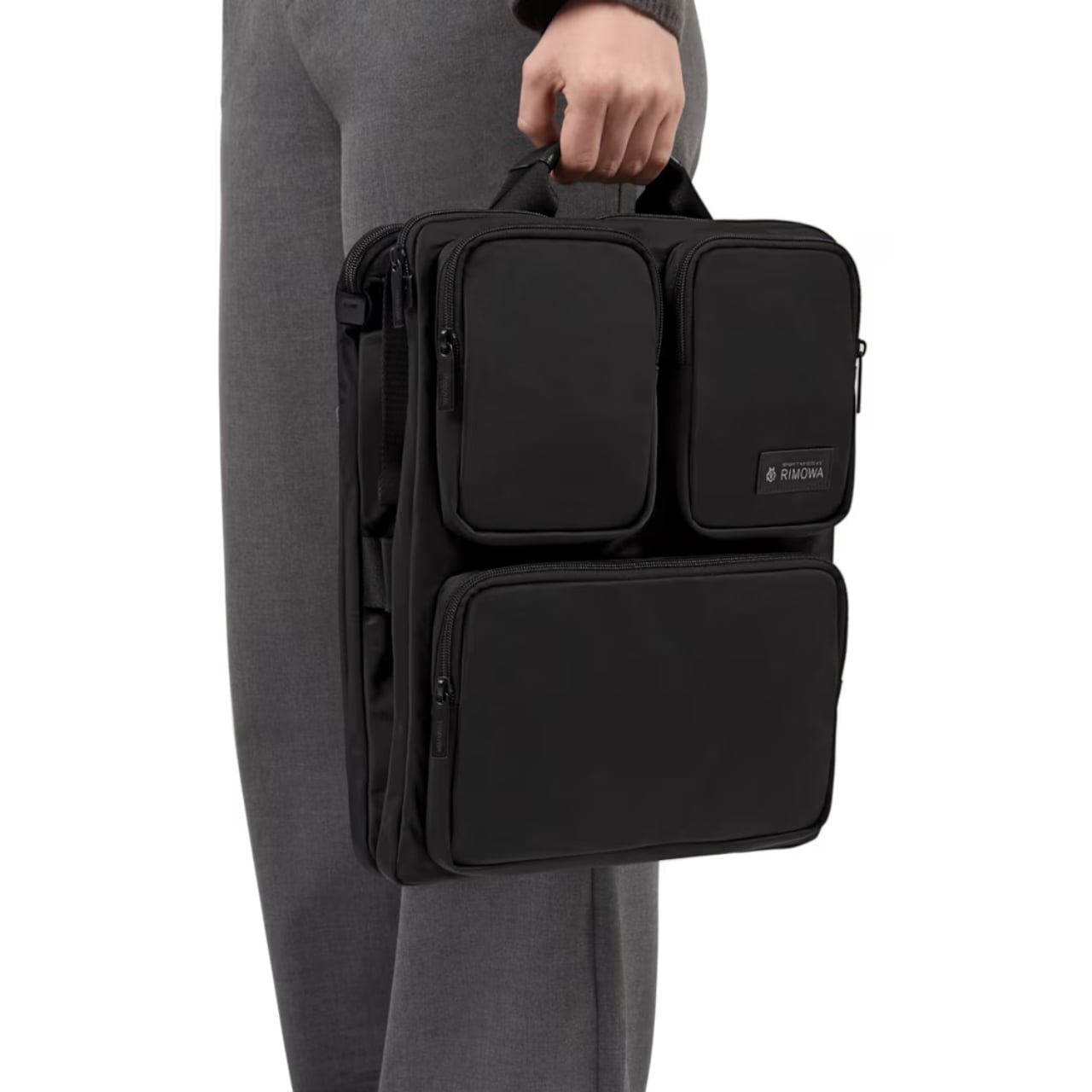
The luxury luggage brand has reimagined its Cabin Luggage Harness with a clever upgrade that transforms it from a simple add-on into something genuinely versatile. This isn’t just another travel accessory trying to justify its existence. It’s a three-in-one design that actually makes sense for how we move through airports and cities today.
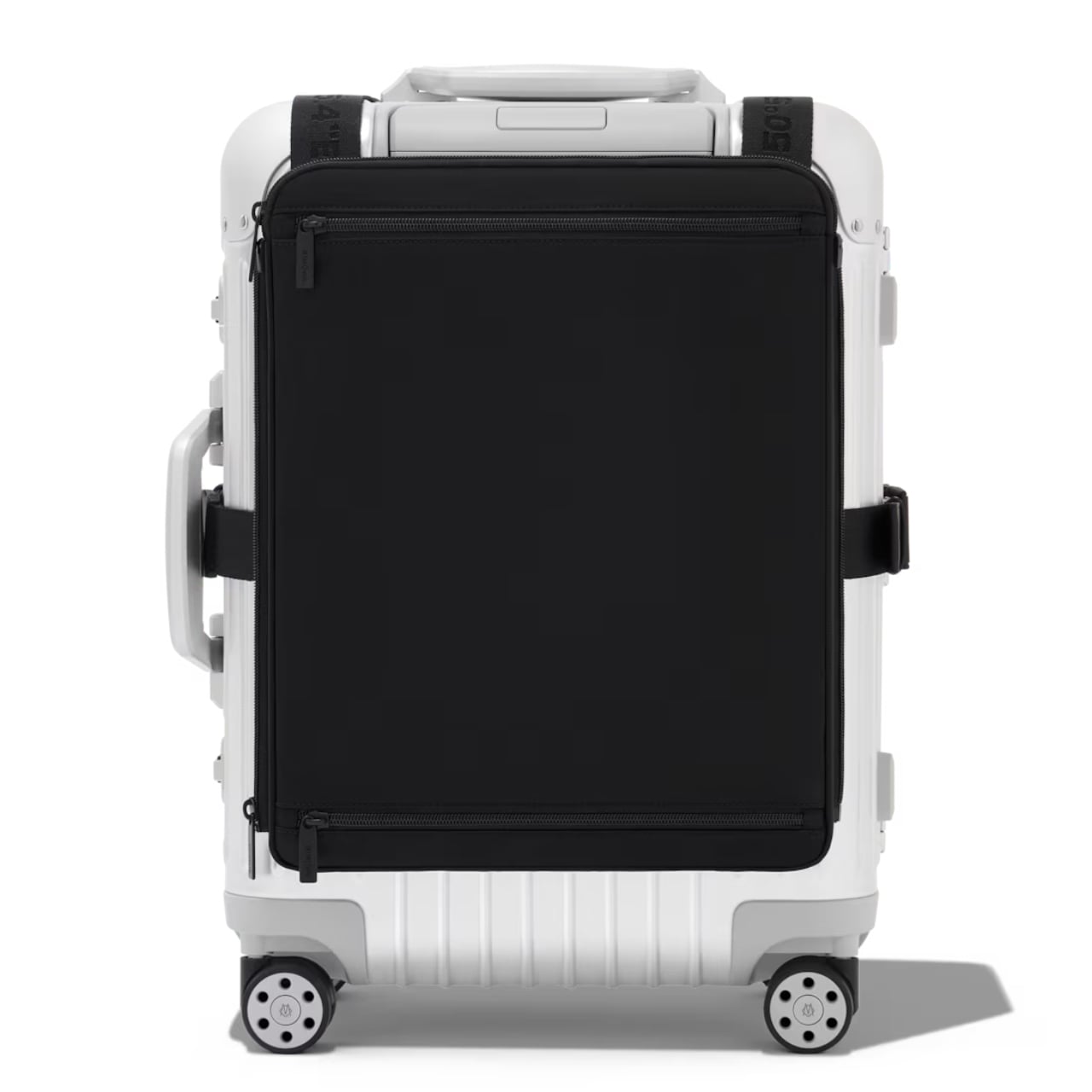
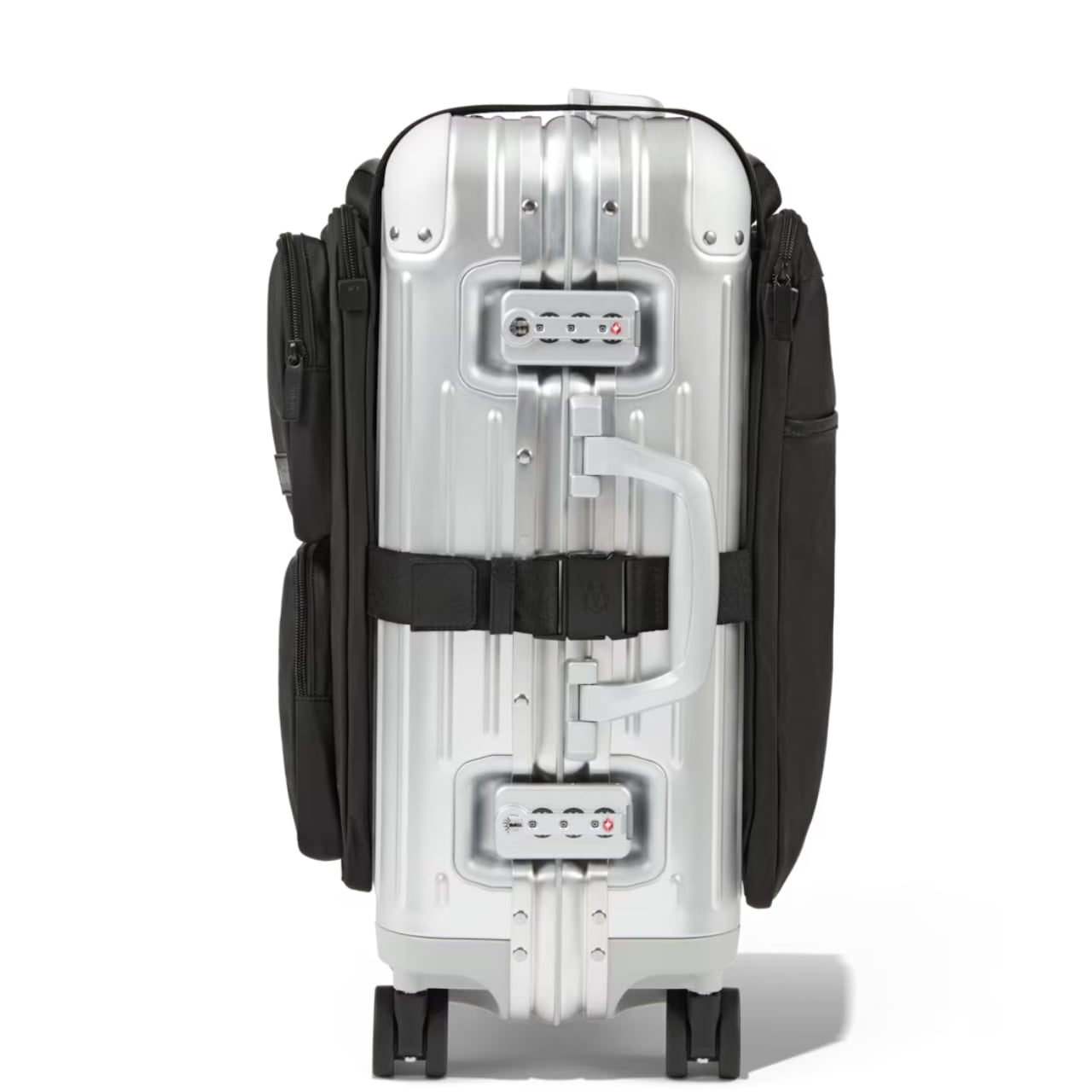
At first glance, it looks like a sleek organizer that wraps around your suitcase like a well-tailored vest. Made from high-quality recycled nylon with nylon webbing for durability, it attaches via adjustable straps that fit neatly over Rimowa’s Original, Classic, Essential, Essential Lite, and Hybrid cabin collections. The straps secure to the telescoping handle, keeping everything stable as you roll through crowded terminals. Three non-slip silicone strips ensure the bag stays balanced even when you’ve loaded it unevenly (because let’s be honest, we all do that).
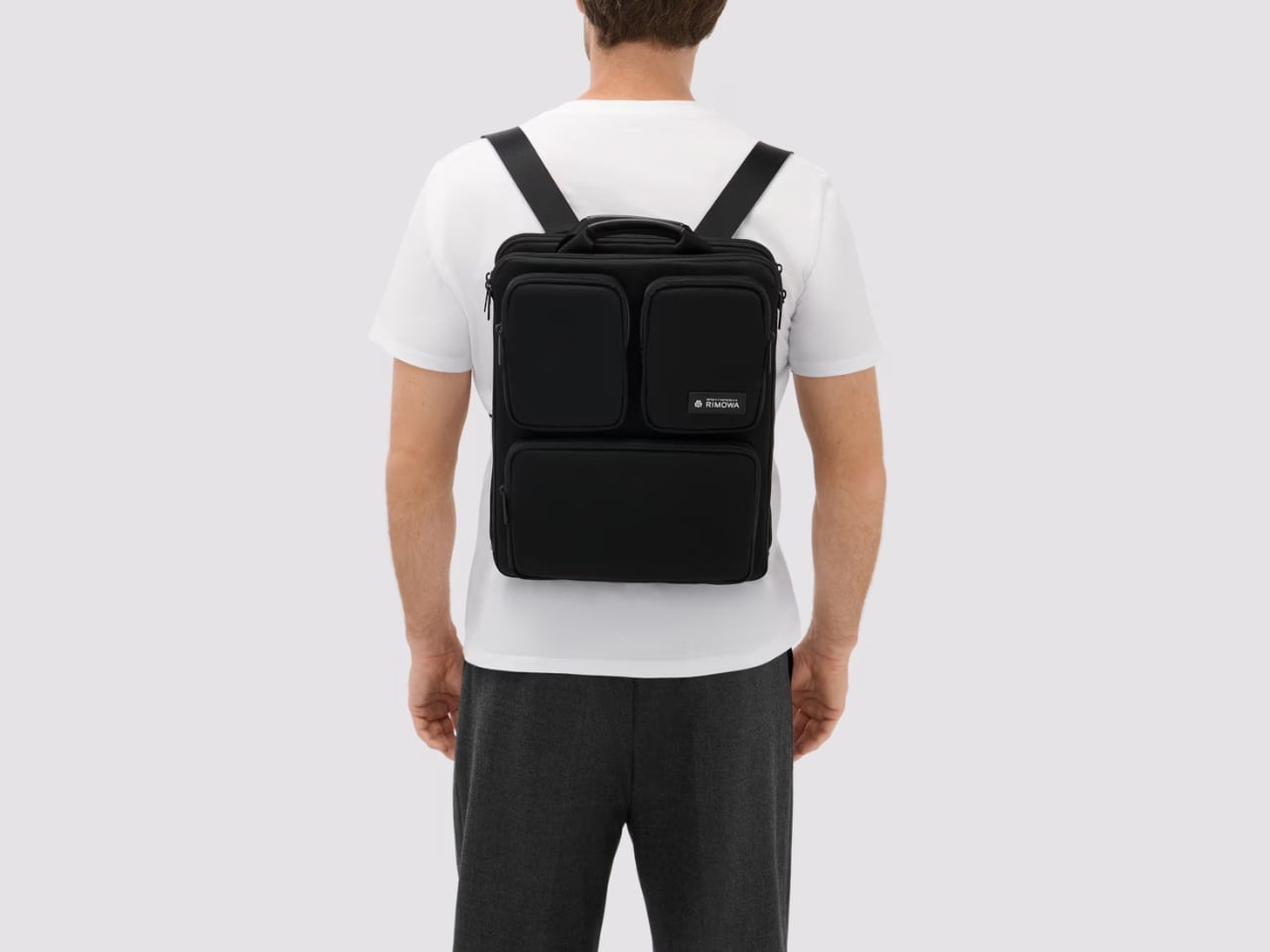
What makes this version special are the hidden shoulder straps tucked into the design. When you need to break away from your rolling luggage for a coffee run or quick meeting, simply detach the harness and those concealed straps convert it into a surprisingly functional backpack. It’s the kind of thoughtful detail that makes you wonder why no one thought of it sooner.
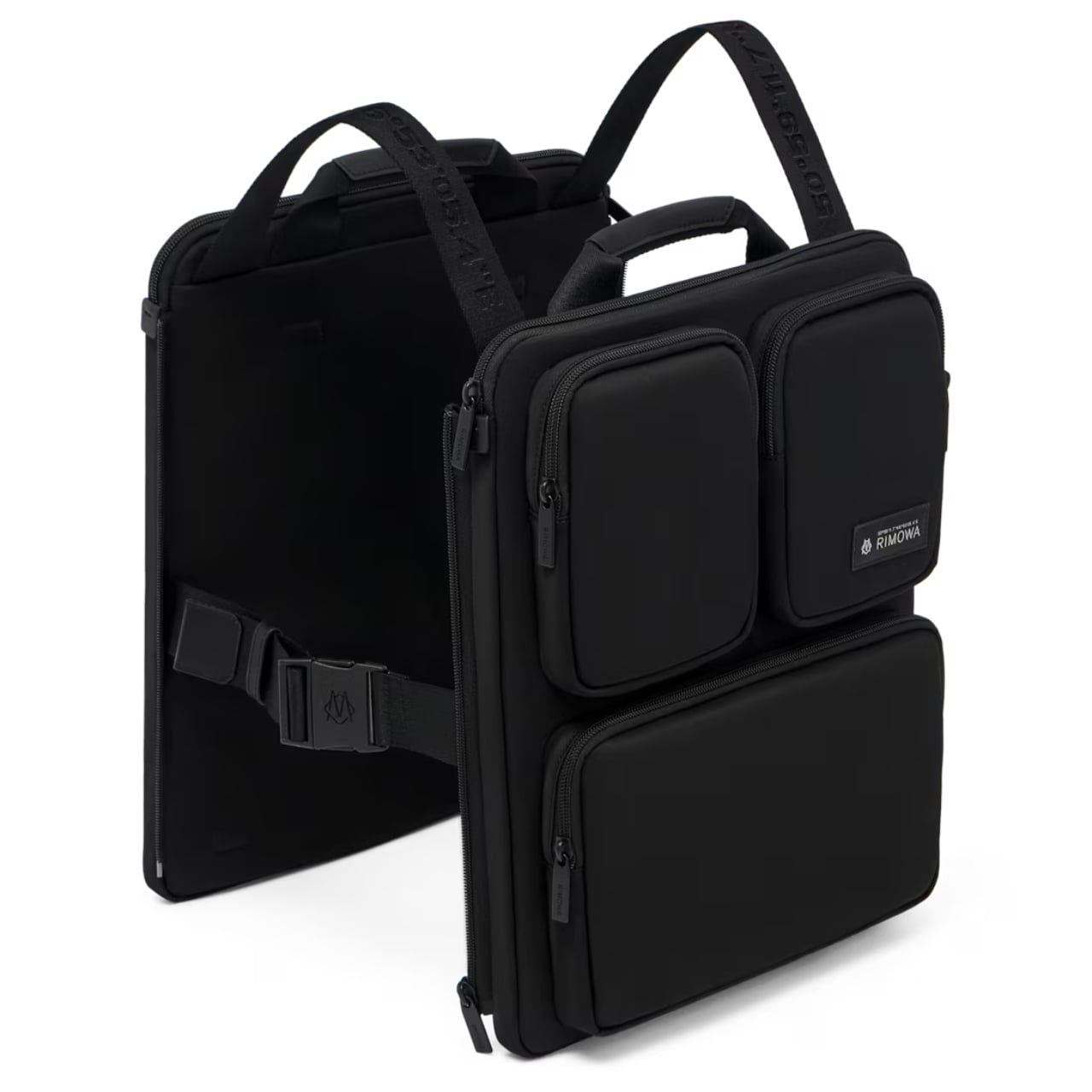
The organizational setup is where Rimowa really nailed it. Two large pockets accommodate laptops up to 16 inches, plus tablets, documents, and magazines. Several smaller pockets handle the usual suspects: chargers, phones, passports, that random USB cable you always need. Everything stays accessible without forcing you to dig through your main suitcase or squat awkwardly in the middle of a busy airport corridor.
But wait, there’s more functionality packed into this thing. Zipped side panels connect the two sections of the harness, and when paired with the two top handles, the whole setup transforms into a hand-carry briefcase. It’s polished enough for a business meeting, yet practical enough for everyday travel. That’s three distinct carrying modes in one compact package. Despite all these features, the harness stays remarkably compact and lightweight. It weighs just 0.59 kilograms and measures 15.4 inches high by 12.2 inches wide by 3.5 inches deep. When attached to your suitcase, it sits flush against the surface rather than bulging awkwardly or throwing off your balance as you navigate tight airplane aisles.
The timing of this release feels particularly smart. As travel rebounds and more people return to airports, there’s growing frustration with the juggling act required to manage multiple bags while maintaining easy access to essentials. Airlines have gotten stricter about what counts as a personal item, and gate-checking fees continue to climb. A solution that consolidates your carry items while keeping them organized and accessible? That’s solving real problems.
Rimowa can’t claim total originality here. Similar suitcase harness designs have existed for years, though typically at lower price points and with less refined execution. What sets Rimowa’s version apart is the build quality, the versatility of those hidden shoulder straps, and the thoughtful integration with their suitcase lineup. It’s the difference between a hack that technically works and a solution that feels intentionally designed.
The recycled materials deserve a mention too. Using recycled nylon for both the exterior and lining aligns with growing expectations that luxury brands need to consider sustainability. It’s not revolutionary, but it’s the baseline we should expect from premium products in 2025. For frequent travelers who already own Rimowa luggage, this harness feels like an obvious upgrade. For everyone else, it’s an interesting glimpse into how thoughtful design can solve everyday frustrations without overcomplicating things. Sometimes the best innovations aren’t flashy new technology. They’re just smart solutions that make you say, “Why didn’t this exist before?”