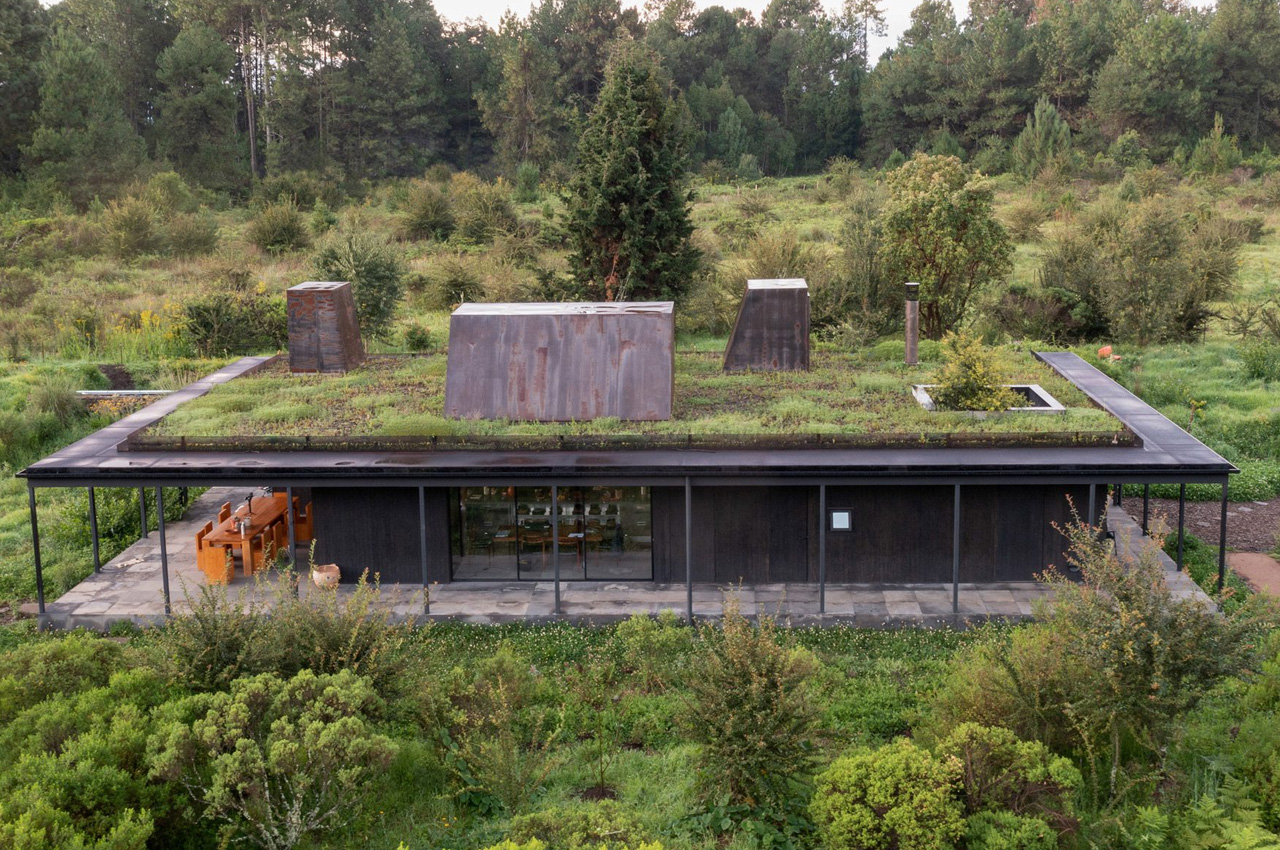
Called the Floating Bamboo House, this architectural prototype by Vietnamese studio H&P Architects is exactly what it sounds like! The floating home is built from bamboo and is designed to withstand rising sea levels. It has been created with the intention to provide locals who are living in and around the Mekong Delta in Vietnam with a suitable model for climate-resilient housing.
“Vietnam is one of the hardest-hit countries in the world by climate change,” said H&P Architects founder Đoàn Thanh Hà. “Floating Bamboo House is believed to provide a useful alternative for millions of poor households to create a stable and safe accommodation themselves, and adapt to the worst scenario of responding to climate change,” he continued. The Floating Bamboo House is designed to be a three-compartment home equipped with a square ground floor plan that occupies six by six meters. The home also has a first-floor story in its roof eaves.
The exterior of the Floating Bamboo House is inspired by the vernacular Rông House, which is a traditional and rural Vietnamese building typology amped with a tall and steep thatched roof. The house is built using locally sourced solid-cored bamboo pieces, which have a diameter of three to five centimeters and three or six meters long. The external facade is covered with lightweight bamboo screens, woven bamboo sheets, leaves, and corrugated iron. Plastic drums have been fixated to the underside of the house to allow it to float. A septic tank, water tank, and filter tank have also been attached here.
“Floating Bamboo Houses [could be] connected with each other by floating playing grounds, vegetable-growing rafts [and] fish-raising areas,” the studio said. The home was designed for adaptation. It features a door system that can be opened and closed, to offer shelter and protection from adverse and extreme weather situations. Also, the floor panels on the upper storey can be removed, allowing the structure to be used as a library, classroom, or communal meeting space. H&P Architects believe that in the future multiple floating homes can be built, and formed together to create floating villages.
When Briiv debuted in 2020, little did they know the importance of air quality would skyrocket in the three years to come. The pandemic aside, we’ve seen a consistent deterioration in the air quality of our cities in the past three years with really no improvement. For the people who think being indoors is safer, research shows the absolute opposite. While traditionally ‘pollution’ comes from the outdoors, it gets trapped in stale indoor air which can be bad for your health. This is compounded by the fact that cooking food, burning candles, and even having pets around can affect air quality significantly. To counter this, people choose to either rely on air purifiers or on house plants… but the Briiv Pro combines them both into an eco-friendly purifier that simultaneously uses nature and technology to cleanse indoor air. Now more powerful than before, the Briiv Pro relies on what it calls a ‘mini forest’ to purify a 16 sq.m. room (172 sq.ft.) in just 21 minutes. That’s roughly 6900% more effective than house plants, which is remarkable for a purifier that size. It also has the added benefit of looking like a gorgeous tabletop terrarium, unlike those ugly appliances that get passed off as air purifiers these days.
Live healthier, sleep better and breathe as nature intended with AI-powered Briiv Pro
The visual highlight of the Briiv Pro is also its secret sauce. The terrarium-inspired tabletop purifier sports a glass container on its top that reveals its micro-forest filtration system underneath. Unlike most purifiers that use disposable HEPA filters to catch particulate matter, the Briiv Pro relies on a layered trifecta of moss, coconut fiber, and a silk nanofiber matrix with activated carbon. This trio tackles pollutants ranging from pet dander and pollen to dirt, dust, smoke, and volatile organic compounds (VOCs) caused during cooking, etc. In essence, it works exactly how a forest does to purify the atmosphere. Leaves help absorb harmful gases and carbon, while also catching dust. The soil, on the other hand, purifies toxins – a natural process that the Briiv Pro borrows from and miniaturizes into a device no larger than an Apple Homepod.
Briiv Pro is 6900% more effective than house plants at cleaning your air
The way the Briiv Pro works is similar to its predecessor, albeit with a few upgrades. Air makes its way through the top of the purifier, passing through the moss and coco fiber where pollen, pet fur, and dust/smoke get trapped and VOCs and odors get neutralized. The air then goes through a medical-grade 98% plastic-free silk nanofiber filter that catches the remaining particles, filtering up to PM2.5 or fine particulate matter. Purified air makes its way out of the bottom of the Briiv Pro, where it gets spread in a 360° radius. The Briiv Pro works at a whisper-soft noise level, purifying 68 cubic feet of air per minute, which means an hour’s worth of use should cleanse an entire bedroom of bad air.
Replace the Moss with Activated Carbon to Remove Bad Smells
The Briiv Pro, however, has two pretty noticeable upgrades from its 2020 version. For starters, it comes with AI-based sensors that allow the purifier to activate the second it detects a drop in air quality. Dubbed the Canary Mode, this feature gives the Briiv Pro air-monitoring features that let it run autonomously so you don’t need to worry about switching your purifier on after checking the air quality on your smart home dashboard. Moreover, a Zen Mode lets multiple Briiv Pro units communicate with each other, so when one switches on, it alerts other purifiers around it to switch on too, ensuring you have clean air in every corner of your house. The second upgrade comes in the form of a tiny chamber where you can add a few drops of an essential oil of your choice; allowing your advanced nature-inspired air purifier to also double as a fragrance diffuser.
A different approach to design. Briiv blends beautifully into your interior
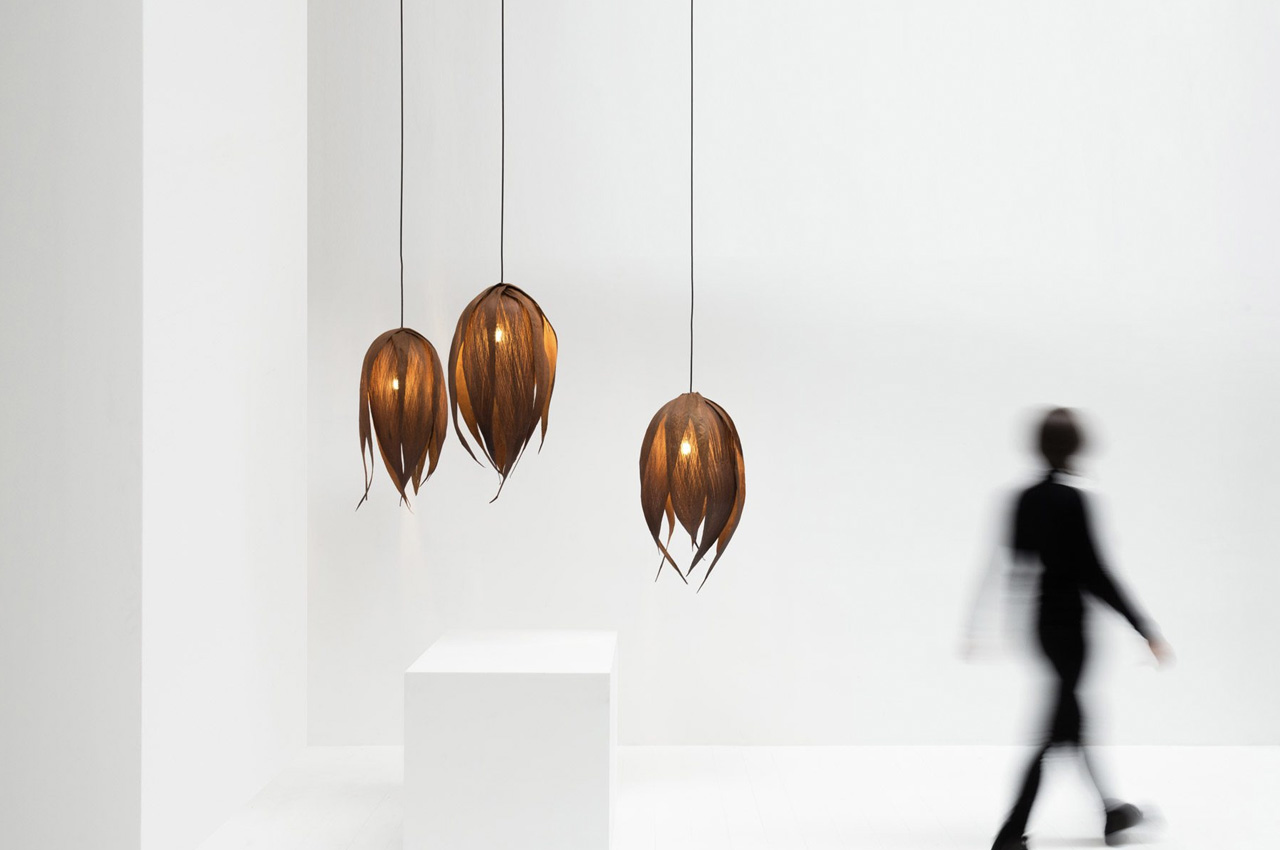
If you want to manually operate your Briiv Pro (rather than relying on AI-powered sensors), it’s as simple as tapping on its side and intuitively reading the LEDs to know what level your purifier is operating at. Alternatively, the Briiv Pro also comes with a free smartphone app that lets you activate your purifier and select its fan speed, and there’s even Alexa integration that lets your purifier connect to your broader smart home network.
Build a network of Briiv Pro air purifiers that work in unison to automatically improve air quality.
When Sean Sykes and James Whitfield set out to design the Briiv, their vision was to condense the effects of a forest into as small a footprint as possible, while testing the theory of building a ‘sustainable’ eco-friendly air purifier. 3 years after the Briiv launched as a crowdfunding campaign (gathering over $1 million USD) in funding, the Briiv Pro pushes that theory to its limits. The Pro variant is just as sustainable as its regular counterpart, with the fact that its filters are entirely compostable/recyclable. The moss filter (which sits right on top) can be washed and reused indefinitely, and Briiv also offers the option of choosing between different moss types to harness different natural properties. Conversely, you can use your own dry moss in the Briiv Pro, allowing you to customize your terrarium/purifier. The silk nanofiber filter that sits within the Briiv Pro is the only filter that really needs replacing (every 3-ish months), and the fact that it’s 98% plastic-free puts it miles ahead of most standard HEPA filters that are manufactured almost entirely out of polymer fibers, making them difficult to recycle.
With built-in sensors you can use the Briiv app to track your air quality in real-time
In the end, the payoff is easy to see. Not only does the Briiv Pro look like a gorgeous terrarium that you’d be proud to keep by your bedside or on your coffee table, it’s designed to be eco-friendly, and as its makers say, 6900% more effective than having house plants. The Briiv Pro comes with multiple design awards under its belt, while also boasting of the smart features you’d expect from leading air purifiers on the market, and a low hourly power consumption of 0.005kWh. Each Briiv Pro is made in the UK and starts at a discounted £349 (roughly $440), which may seem pricey until you realize the roughly hundreds of dollars you save per year on filter replacements. Plus, do I need to remind you of how incredibly gorgeous the Briiv Pro looks in comparison?!
Most fireplaces in older apartments have been decommissioned because of how much of a health hazard they are. However, it’s no secret that fire is one of the most effective ways to generate heat, whether it’s for cooking food or for keeping you warm. While the chances of you having a working fireplace in your home are near zero, the folks at NextNova have designed the next best thing – a terracotta heater that uses a unique airflow pattern to create a tower of fire that heats your home while also optionally distributing a fragrance of your choice.
The Tornado combines the charm of a fireplace with the safety of, say, a scented candle. The terracotta-based heater relies on airflow, along with the thermal properties of baked clay to generate radiating heat for both the indoors as well as the outdoors. On the inside, it burns bioethanol using ceramic wool as a substrate, generating heat without any smoke, ash, harmful chemicals, or bad odors. This means you can use the Tornado inside your home without worrying about triggering the fire alarm!
The Tornado comes from the same folks that designed the Egloo, which we dubbed “the world’s most affordable thermostat” back in 2017. Significantly larger than the Egloo, it stands at 17 inches tall, with an internal chamber that creates a large fire vortex that generates much more heat than you would get from the Egloo. In fact, the makers claim it outputs 7000 BTU (British Thermal Units) of heat, allowing it to do the job of a miniature campfire in your room, heating things up without burning any electricity!
The Tornado gets its name from the uniquely tall flame it creates. Strategically placed openings in the sides of the vertical chamber channel air in to amplify the fire, creating a wind vortex that lifts the flame up to 5x higher than usual. This not only increases the Tornado’s heat production, it also makes for a rather alluring display on the front, allowing you to admire the rising flame in all its glory.
Metal components help absorb excess heat, preventing the terracotta shell from cracking.
Once the flame is roaring, it heats the terracotta shell, which then emanates warmth to heat your home. The Tornado’s designed to be used both indoors as well as outdoors, mimicking the effect of a fireplace without the hazards of smoke or a potential disaster. The flame is contained within the Tornado’s secure and stable design. Just remember not to touch it, because it gets pretty hot!

Aside from heating, the Tornado can be used to diffuse aromas too. Just add a few drops of an essential oil of your choice to the ceramic wool, and the heat causes aromatic compounds to enter the air, working the way a scented candle does!
The strategic openings also serve an important purpose in allowing you to light or extinguish your Tornado. The lighting process first starts by lifting up the top hood to reveal the heat-resistant ceramic tray inside, with ceramic wool substrate. Pour your bio-ethanol in before placing the hood back. The openings on the side then let you place a long-neck lighter in to light the fire, or a flame snuffer to extinguish the fire instantaneously.
The Tornado currently finished crowdfunding on Kickstarter, raising an impressive $88,485 from nearly 500 backers. The backers will now get to choose what color they want their Tornado in, ranging from the classic beige and orange, to even colors like white, blue, red, and black!
Canadian dog brand Earth Rated has embarked on a transformative journey, collaborating with design agency Layer to redefine its identity and expand its product line. The result is a clean and simple rebrand that not only emphasizes recycling and natural products but also introduces a captivating range of sustainable dog toys. This extensive two-year project represents a commitment to holistic design, integrating sustainability into every aspect of the brand.
At the heart of the rebrand is a simple yet effective brandmark that captures the playful essence of Earth Rated. The brand name, expressed in a minimalistic sans-serif font, features a characterful dog silhouette cleverly integrated into the negative space of the “T” and “H” letterforms. This subtle representation of a dog marks an evolution from the more overt cartoon canine mascot associated with Earth Rated’s origins, reflecting a sophisticated and modern approach.
The new identity is defined by fresh greens and vibrant yellow accents, creating a distinctive and ownable signature. The choice of yellow holds significance beyond aesthetics, as it is one of the few colors visible to dogs, aligning with the brand’s focus on creating products that resonate with our furry companions.
Earth Rated proudly holds B Corp Certification, reflecting its commitment to social and environmental impact. The rebrand by Layer reinforces these sustainable values, with new products crafted from recycled and recyclable materials, post-consumer waste, and natural resources such as natural rubber. Even the packaging is designed with eco-friendliness in mind, utilizing recycled plastics, post-consumer waste, recycled cardboard, and natural ink.
Affordability is a key aspect of the rebrand, making great design accessible to a wide range of dog owners. For instance, the poop bag dispenser retails for just $5.99, while a pack of 315 scented or unscented poop bags is priced at $18.99.
Earth Rated is renowned globally for its distinctive poop bags and dispensers, both of which have been reimagined by Layer. The new poop bag dispenser features an intuitive design with a clip to hold used bags, a textured strap for easy attachment to a leash or bag, and a slot for easy access to the bags. The bags, available in compostable, lavender-scented, and unscented versions, not only offer practicality but also serve as a subtle billboard for the Earth Rated brand as they unroll.
Layer’s influence extends to a new collection of dog toys that celebrates the sustainable values driving Earth Rated. Joyful geometric forms and textured surfaces invite interaction, creating an intuitive user experience for both pets and their owners. The material palette includes recycled and recyclable materials, compostable and post-consumer recycled plastics, and natural rubber. Dishwasher-safe for easy cleaning, these toys are designed to be recycled at the end of their life.
The five toys in the collection—Fly, Tug, Fetch, Treat, and Chew—reimagine classic typologies for added functionality. Each toy offers a unique interaction, from the Fly Toy’s raised rim for easy gripping to the Chew Toy’s twisted form that enables dogs to hold it effectively. The Fetch Toy, with its intersecting forms, adds an element of unpredictability to playtime, keeping both pets and owners engaged.
Designer Benjamin Hubert, leading the Layer team, expressed excitement about collaborating with Earth Rated, emphasizing the project’s rewarding nature. The results, he states, celebrate shared values of responsible, sustainable, and affordable design, marking a significant step in the evolution of Earth Rated and setting a new standard for the pet industry.
In the quest for a sustainable and innovative solution for preserving pantry essentials, Twist emerges as a beacon, seamlessly blending age-old culinary wisdom with modern convenience. This ingenious food storage system takes inspiration from diverse cultures, such as the Indian, Mediterranean, and Southeast Asian, where preservation methods have evolved over centuries. With a commitment to sustainability and a focus on versatility, Twist is set to revolutionize the way we protect and store our precious ingredients.
Twist pays homage to the rich culinary traditions of various cultures by incorporating time-tested preservation techniques. Throughout history, communities worldwide have devised ingenious methods to shield their food from insects and excess moisture. Twist takes cues from these traditions, ensuring that the essence of heritage is preserved along with the pantry essentials.
At the core of its container lies a hidden chamber within its lid, strategically designed to accommodate natural preservatives like bay leaves, garlic, and rice. The ancient use of bay leaves, in protecting legumes and grains from pests and moisture serves as a key inspiration. Additionally, the method of placing rice alongside small-grain foods to prevent clumping due to moisture finds a modern application in the design of Twist, bridging the gap between tradition and innovation.
This canister simplifies the preservation process with its user-friendly design. A quick twist opens the chamber, allowing you to add your preferred preservative. Another twist in the opposite direction securely seals the jar, safeguarding its contents from insects and moisture. Say goodbye to concerns about unwanted guests or moisture ruining your stored goods – Twist ensures your pantry staples remain fresh and intact.
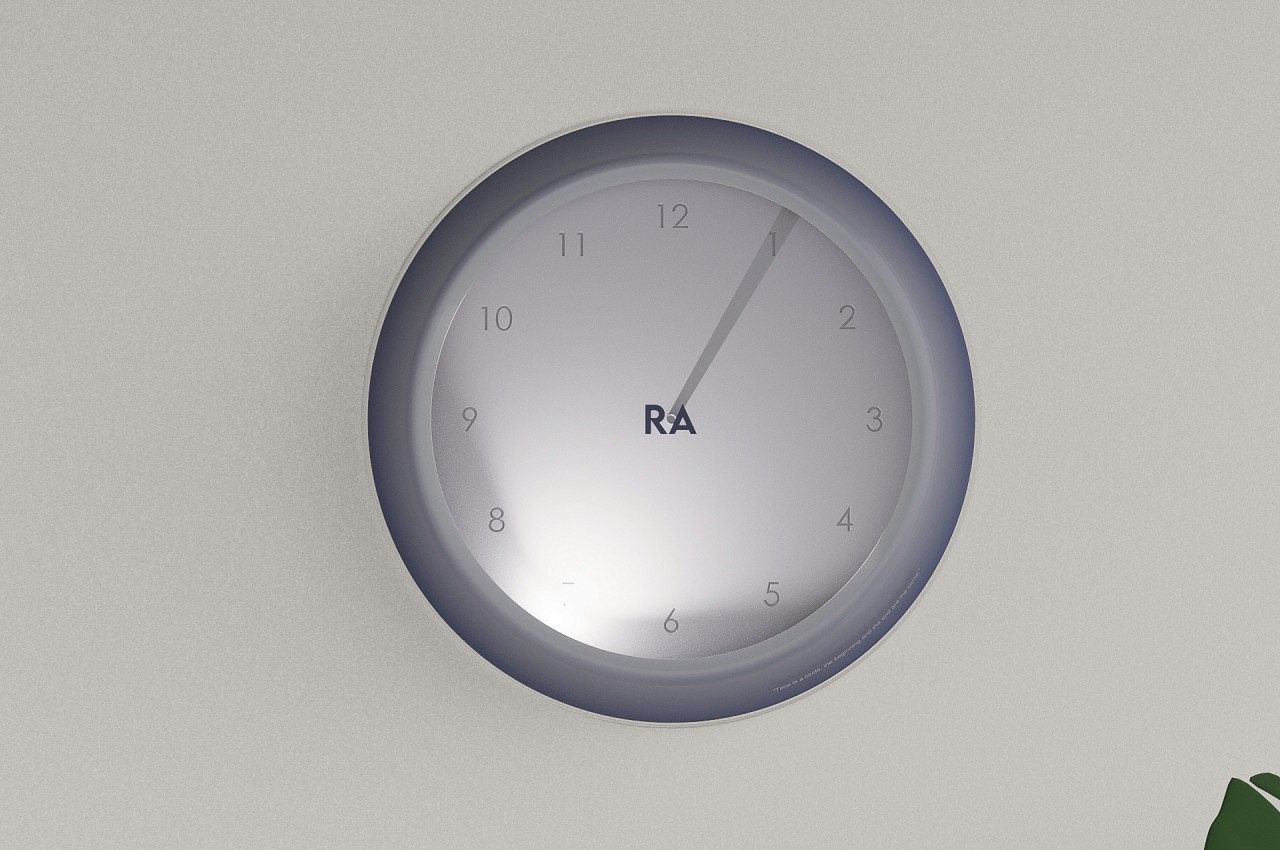
This storage container takes a firm stance on sustainability, making conscious choices in its materials. The cover of this innovative food storage solution is crafted from PLA, a plant-derived polymer, while the body is made of fully recyclable glass. PLA, derived from sugar cane, is not only renewable but also biodegradable, significantly reducing the environmental impact. Twist not only offers an environmentally friendly product but also contributes to a greener, more sustainable future for our planet.
Understanding the diverse storage needs in every kitchen, it comes in three different size options. Whether you’re safeguarding delicate strands of spaghetti or ensuring your salt stays perfectly dry, Twist adapts effortlessly to accommodate a wide array of products. Versatility is key in the kitchen, and Twist is designed with that principle in mind.
Twist is more than a food storage solution; it’s a harmonious blend of tradition and innovation, where heritage meets freshness, and tradition meets the future. With its commitment to sustainability, user-friendly design, and versatile sizing options, Twist is poised to become an essential tool in kitchens worldwide, preserving not just ingredients but also the rich cultural tapestry of culinary practices.
Chairs are designed to be comfortable to sit on unless they’re meant to be art or statement pieces rather than usable furniture. Of course, not all designs hit the mark, and some tend to value other traits like aesthetics or features over comfort. That isn’t always intentional, though, especially for chairs that are meant to be sold commercially. This lounge chair, for example, seems to check off boxes like minimalism, repairability, and sustainability, but its rather imposing industrial aesthetic might make some think twice about parking their bodies on its thin body, even if there’s a comfy cushion on the seat.
Truth be told, the AL13 lounge chair doesn’t inspire much confidence because of its super thin construction. Each component is made from laser-cut aluminum sheets that seem to be too thin to support heavy objects, like your body for example. Of course, looks can be deceiving, and this chair was designed to be really stable and safe, at least enough to be sold and used both for indoor as well as outdoor use.
The chair’s extra-wide seat is flanked by extra-wide armrests that might seem too high for actually placing your arms on them. Instead, they function better as small side tables to hold your phone, book, or drink, though you have to be careful with the latter that you don’t accidentally knock it over with your arm. It can also hold your laptop, but it might not be comfortable much less ergonomic to use it in that position.
Perhaps the more interesting aspect of the AL13 lounge chair is its somewhat modular construction so that parts can be easily disassembled. This makes it easy to repair, replace, or recycle parts, which are just bent sheets of aluminum. Its distinctive shape and the added function of the armrests make the chair suitable for any spatial environment, whether indoors or outdoors.
That said, the rather hard and cold appearance of the chair might feel a little intimidating, especially if you’re a fan of softer and cozier chairs. There’s an option for upholstered seat cushions, but that still leaves out the back and armrests, not to mention making it unsuitable for outdoor use. It’s still an interesting brutalist design, though, and could be an inspiration for other variations that add a bit more comfort to the equation.
There was a huge increase in bicycles and all biking accessories during the pandemic as people tried to find alternative means of transportation. Now that we’re almost back to whatever normal is, bikers are still a huge segment of the transportation market for a lot of reasons. One of these is that it’s more eco-friendly that cars since it does not use any fuel. But there has also been an interest in making the bicycles themselves even more eco-friendly.
Designer: Frame Cycles
One new product that can make your bike more sustainable is the FR-1 Bike Saddle since it is made from reconstituted cork and grade 5 titanium. It was able to do away with the usual three plastic layers of the bike saddle and replace it with the single piece of cork. What’s more, this cork is able to have all the properties of those plastic layers: structural rigidity, foam comfort, and weather resistance.
According to Frame Cycles, they were able to create the first batch of these cork saddles by using a firm grade of reconstituted cork so it has the similar hardness to the usual leather bike saddle. This also means that you will have to spend at least two weeks for the cork saddle to break in and start to soften. They will eventually release variants with different grades of cork. The process of sourcing the materials from the cork trees is also less harmful as stripping the bark every 8-10 years boosts the carbon consumption 3-5 times.
Before the cork saddle gets to you, the components are harvested in Portugal and then molded when it reaches Glasgow, Scotland. This is also where the parts are treated with water-based lacquer and then integrated into the welded titanium substructure. Knowing this entire process, it will not surprise you that the FR-1 Bike Saddle is a bit expensive at around $130. But of course, it’s a small (expensive) price to pay if you want a more eco-friendly bike to accompany your sustainable lifestyle.
In the world of innovative design, industrial designer Lea Lorenz has unveiled Tony, a revolutionary portable refrigerator and food container that takes inspiration from an age-old tradition of using clay pots to store fruits and vegetables. Tony represents a modern reimagination of the traditional clay jug cooler, utilizing the power of evaporative cooling to create an eco-friendly and electricity-free solution for preserving perishables.
At the heart of Tony lies its porous raku clay shell, a material that naturally absorbs water from a reservoir. Through the process of evaporation, this unique cooling system brings the interior temperature to a range of 13°C-17°C without relying on electricity. Lea Lorenz explains that this temperature range creates an ideal storage environment for foods that are sensitive to extreme cold, such as fruits and vegetables, which can lose flavor and undergo undesirable post-ripening processes in traditional refrigerators.
To achieve the optimal cooling effect, Lea Lorenz conducted extensive experiments with different types of clay and clay mixtures. The results revealed that a Raku clay shell absorbs water from the tank most effectively. Each Tony clay container comprises a water tank, a food container, and a lid, allowing each section to operate independently with its water supply. The outer wall’s surface is meticulously subtractively machined to increase the surface area for enhanced water evaporation and a quicker drop in temperature inside.
Understanding the impact of external factors like sunlight and nearby heat sources on internal temperature, Lea paired Tony with a wooden stand for increased mobility. This allows users to move the clay cooler around, ensuring optimal storage conditions for fruits and vegetables.
Lea Lorenz addressed the importance of proper fruit and vegetable storage by designing Tony as several rectangular clay containers of varying sizes that can be stacked on top of each other. This innovative approach provides a designated space for each group of produce, contributing to longer freshness and reduced spoilage.
Lea emphasizes the environmental sustainability of Tony throughout its lifecycle. The Raku clay is responsibly sourced from the Westerwald region of Germany, minimizing transport routes and reducing CO2 emissions. The production process involves firing the clay coolers at the lowest possible temperature of 1000°C for minimal energy consumption. Furthermore, Tony is built to last, and if it becomes non-functional, the clay coolers can be recycled by grinding them into fireclay, which can then be used to manufacture new coolers.
Tony by Lea Lorenz is not just a functional and aesthetically pleasing design; it represents a thoughtful and sustainable solution to food storage. By marrying traditional methods with modern technology, Tony offers an eco-friendly alternative to conventional refrigeration, promoting food longevity, reducing waste, and contributing to a more sustainable future.
Although smartphone manufacturers design their phones to be durable and resilient, a lot of owners still fret over the safety of their expensive purchases. Phone cases are a dime a dozen, but while that might be good for variety and choice, it’s terrible for the planet. These accessories are almost all made from some form of plastic or another, and they get discarded left and right the moment they become discolored or damaged. Very few manufacturers pay close attention to this aspect because of how protective cases have to be made cheap and plenty. Fortunately, there is a number that does take that responsibility quite seriously, producing this revolutionary iPhone case that you can plant in the soil after it has reached its end of life to watch it grow into new life as plants and flowers.
There’s no rule that phone cases have to be made from plastic or plastic-like materials, they just happen to be cheap, durable, and long-lasting. They’re not immortal, of course, and once cases break or get discolored over time, they’re completely useless and have to be thrown out. That’s not even considering perfectly usable cases that are disposed of simply because they are no longer attractive or match the owner’s interests. Some manufacturers do have programs for recycling the plastics in these cases to make new cases, but iGreen Gadgets actually has an even more creative use for these discarded accessories.
For starters, the case is 100% compostable, so it will decay and dissolve into the earth when buried. The material is based on cornstarch, a very common biodegradable substance that’s also used in many plastic alternatives. Even the powder used to produce colors is also naturally based. Despite its completely biodegradable nature, the cases still provide the necessary protection your iPhone needs to survive accidents and avoid an early retirement in landfills.
The difference from other bioplastic cases is that each iGreen Cover case contains living seeds protected by a special water-soluble film inside the cover. Once the case has served its purpose, you simply have to plant it in a pot at a 30-degree angle with the inside of the cover facing up. You cover it with soil while leaving the upper half of the case exposed, water it, and expose it to sunlight, and within a few weeks, you will be able to witness your phone case transforming into plants.
Different case colors hold different kinds of seeds. Green will grow basil, yellow for daisies, and light blue for Forget-me-nots. The case itself, specifically the cornstarch, contains everything the seeds need to survive inside the case and then grow once planted. The plants that grow won’t be that practical. The flowers are mostly decorative, though basil can probably be used for cooking. Still, it’s a rather ingenious and creative way to reuse a product that’s often discarded mindlessly, turning a planet-killer into a plant-grower.
For most football purists, the advent of technology has ruined the nature of the game rather than improved it. Ask anyone and they’ll tell you that football was MUCH more enjoyable before the accuracy of the VAR, but the point of such technologies isn’t to cater to audience entertainment, it’s to make the game as fair and unbiased as possible. Today, Adidas announced yet another tech-driven product to improve the game of Football. The FUSSBALLLIEBE (German isn’t the most elegant language) is a connected ball that detects kicks in real-time, and has also been adopted as the Official Football for the upcoming UEFA EURO 2024. Beyond its mouthful of a name, which translates to “love of soccer,” this ball is a groundbreaking fusion of sport and tech, designed to change how we experience and analyze football.
At the core of FUSSBALLLIEBE’s innovation is Adidas’ Connected Ball Technology, developed in collaboration with Kinexon. This tech marvel includes a 500Hz inertial measurement unit (IMU) motion sensor, ensconced in a suspension system at the ball’s center. It’s capable of providing detailed insights into every aspect of the ball’s movement, a feature unprecedented in football history. Not only does this technology offer real-time data to video match officials, enhancing the accuracy and speed of in-match decisions, but it also dovetails with UEFA’s semi-automated offside technology, marking a significant leap in the sport’s adjudication.
The ball isn’t just smart; it’s also a study in precision engineering. Its PRECISIONSHELL 20-piece panel shape, augmented by strategically placed deboss grooves, helps control airflow over the ball for maximum precision. The CTR-CORE within the ball further supports this precision, ensuring accuracy, consistent play, and maximum shape and air retention.
In terms of aesthetics, FUSSBALLLIEBE is a vibrant homage to the spirit of the game and the diversity of its global audience. The design, featuring black wing shapes with colorful edges, curves, and dots, encapsulates the movement of the ball and the energy of football. The use of bright colors like red, blue, green, and orange not only celebrates the competing nations but also the sheer joy and universality of football. The inclusion of tournament stadiums and host city names adds a personal touch to this edition of the ball, making it a collector’s item as much as a piece of advanced sporting equipment.
Sustainability is another cornerstone of the FUSSBALLLIEBE’s design. Made from bio-based materials like corn fibers, sugar cane, wood pulp, and rubber, combined with recycled polyester and water-based ink, Adidas touts the FUSSBALLLIEBE as featuring more bio-based materials than any previous Adidas Official Match Ball, without impacting its performance.
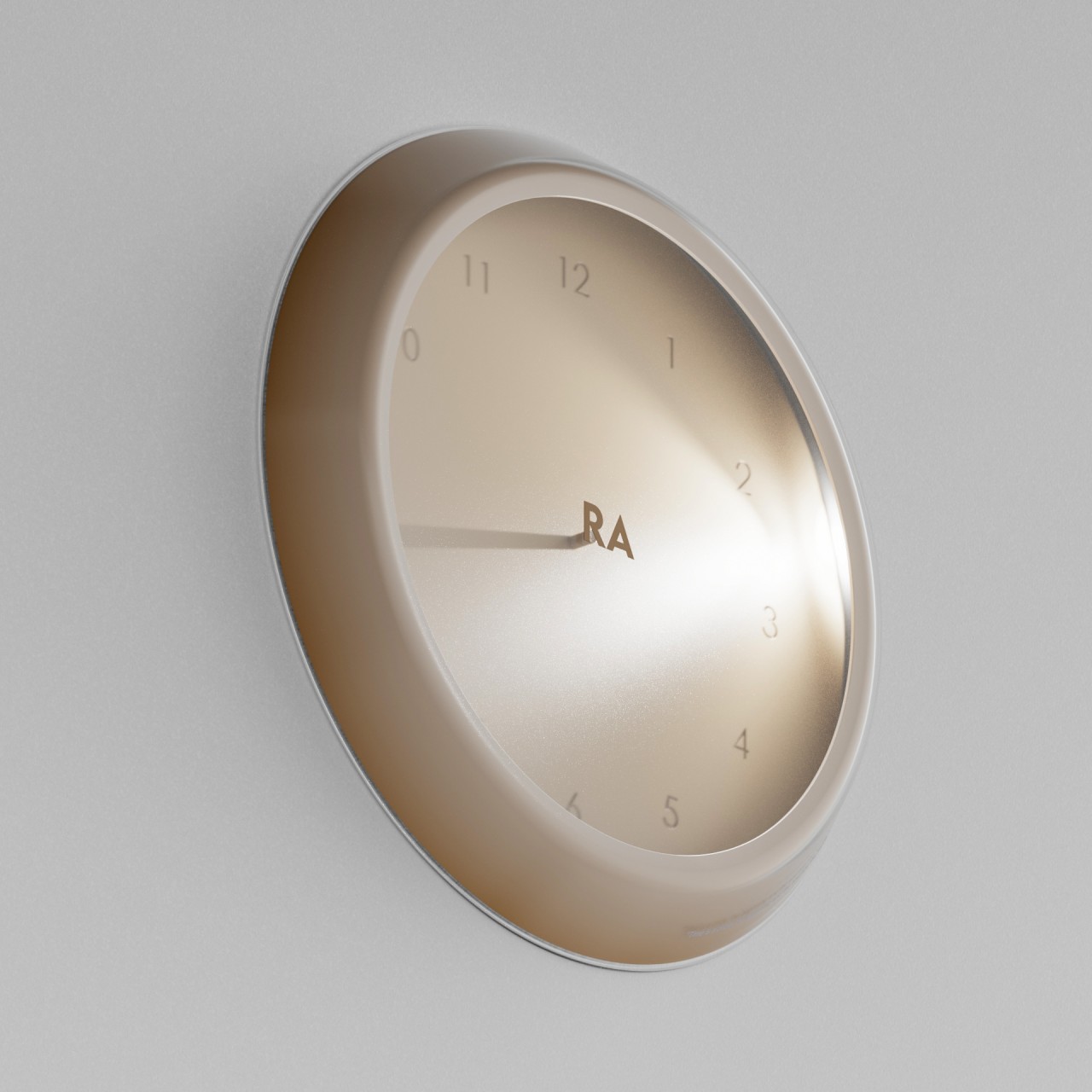
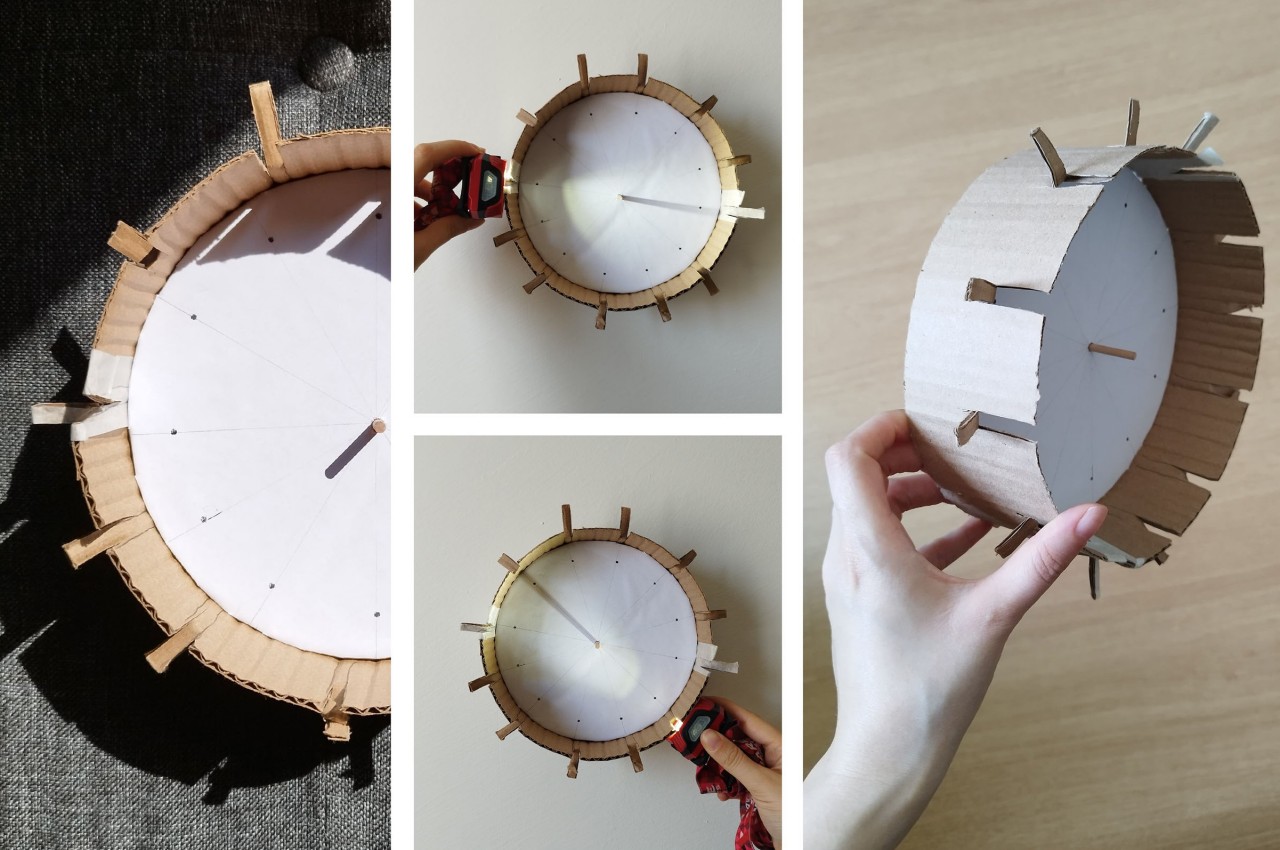
As we ‘kick-off’ EURO 2024 with Adidas’ FUSSBALLLIEBE, it’s clear that the future of football is as much about innovation and technology as it is about the game itself. From Adidas’ high-tech, real-time data-gathering ball to even Nendo’s airless football, these designs are not just about playing a game; they’re about changing it.