How CNC Machining Revolutionizes Product Design: Boosting Efficiency and Precision

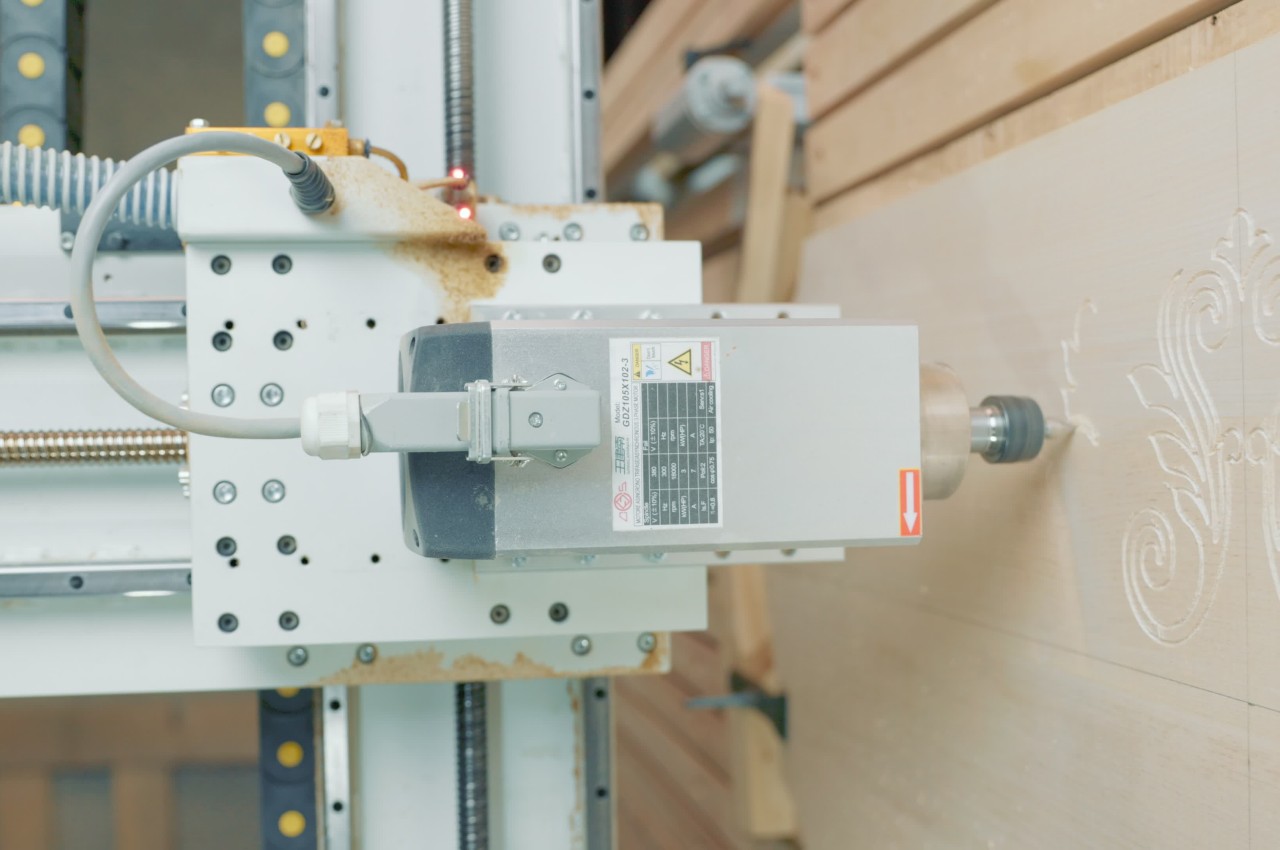
CNC machining plays a transformative role in modern manufacturing and revolutionizes product design and production by automating machine tool control through computers. Therefore, CNC machining is a high-precision solution for modern manufacturers, utilizing advanced electro-mechanical devices to move tools across various axes based on computer-programmed instructions. A typical CNC machine includes a controller, machine tool, and workpiece. The controller executes instructions from a computer program, directing the machine tool to cut or shape the workpiece.

Designer: Proximars

While robots are typically associated with repetitive tasks, Primus challenges this notion by partnering with human creators to execute artistic visions. This robotic arm translates digital art into commands, creating geometric pieces reminiscent of Andy Warhol. With Primus, users can mount a canvas, calibrate, and begin painting, combining human creativity with robotic precision for a truly unique artistic experience.

What are the advantages of using CNC Machining?

1. Accuracy

Precision turning machines operate autonomously, ensuring defect-free products with consistent accuracy. Governed by codes and software, they maintain settings throughout production cycles for product consistency. Additionally, they operate continuously without compromising quality.

Image courtesy of: stockfilmstudio

2. Achieves Speed in Production

The Running milling machines can run at their fastest speed to meet high demands, they can work nonstop, 24/7, staying accurate and saving material. This makes production fast, efficient, and scalable without extra costs.

Designer: Kenji Abe

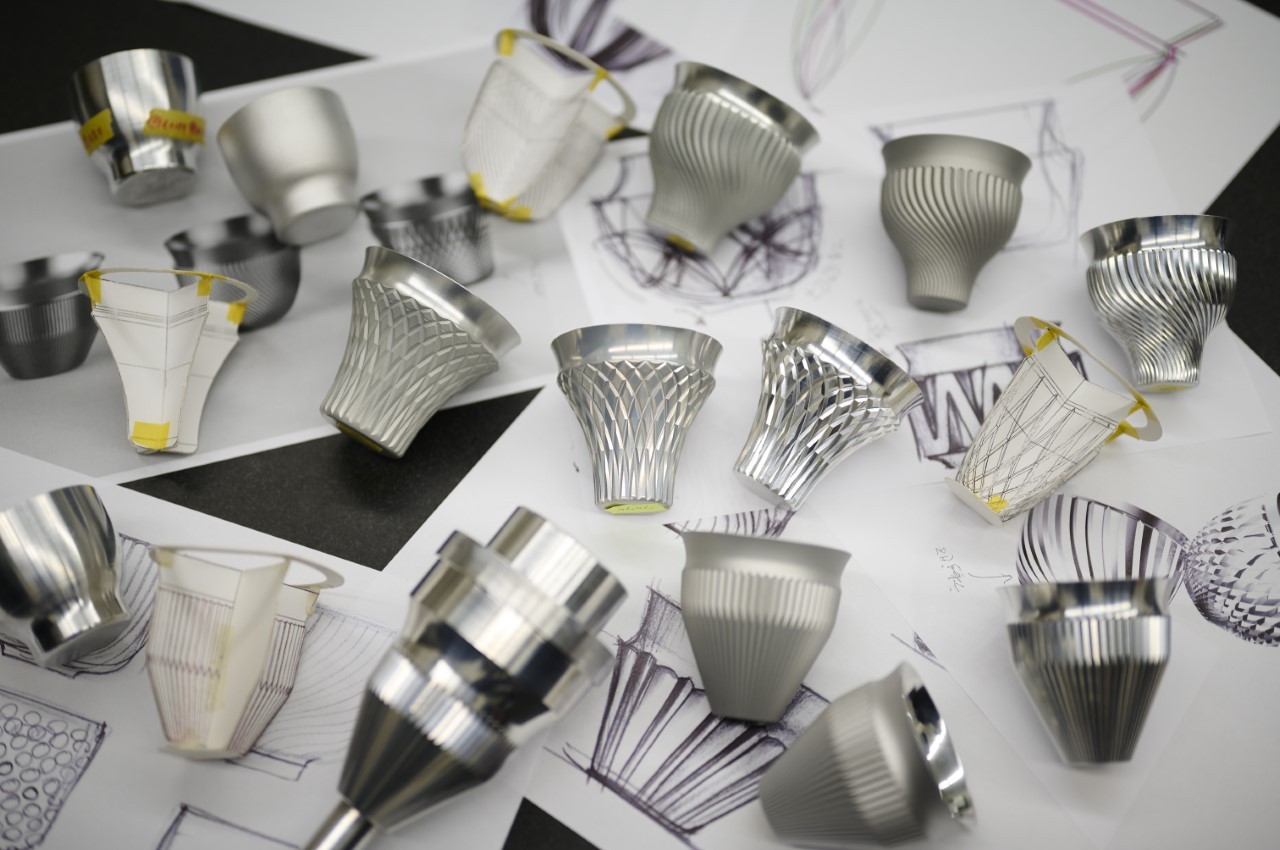
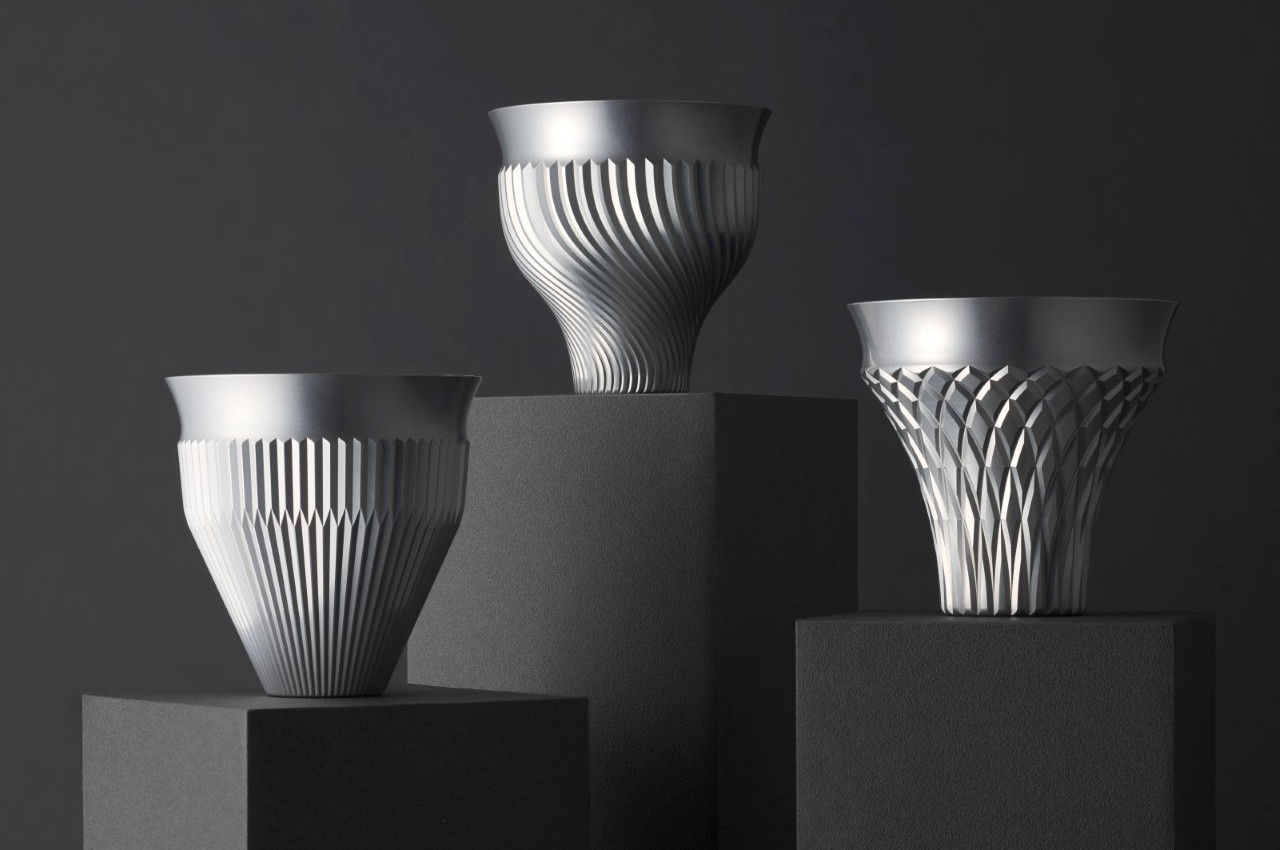
Kenji Abe’s Hakusaku series features exquisite machined aluminum saké glasses designed to elevate its visual appeal. Crafted from duralumin, these cups boast thin rims, as slim as 0.6mm, offering a unique drinking experience. Precision-machined and adorned with geometric textures, they prevent temperature transfer while enhancing aesthetics.

3. Lower Production Costs

Using CNC machines drastically cuts down production costs, enhances efficiency, and scales production without waste. It also reduces energy usage, trimming operational expenses, making it a cost-effective method without sacrificing quality. Additionally, the low overhead cost due to minimal human intervention substantially reduces expenses.
Designer: Yunjae Lee

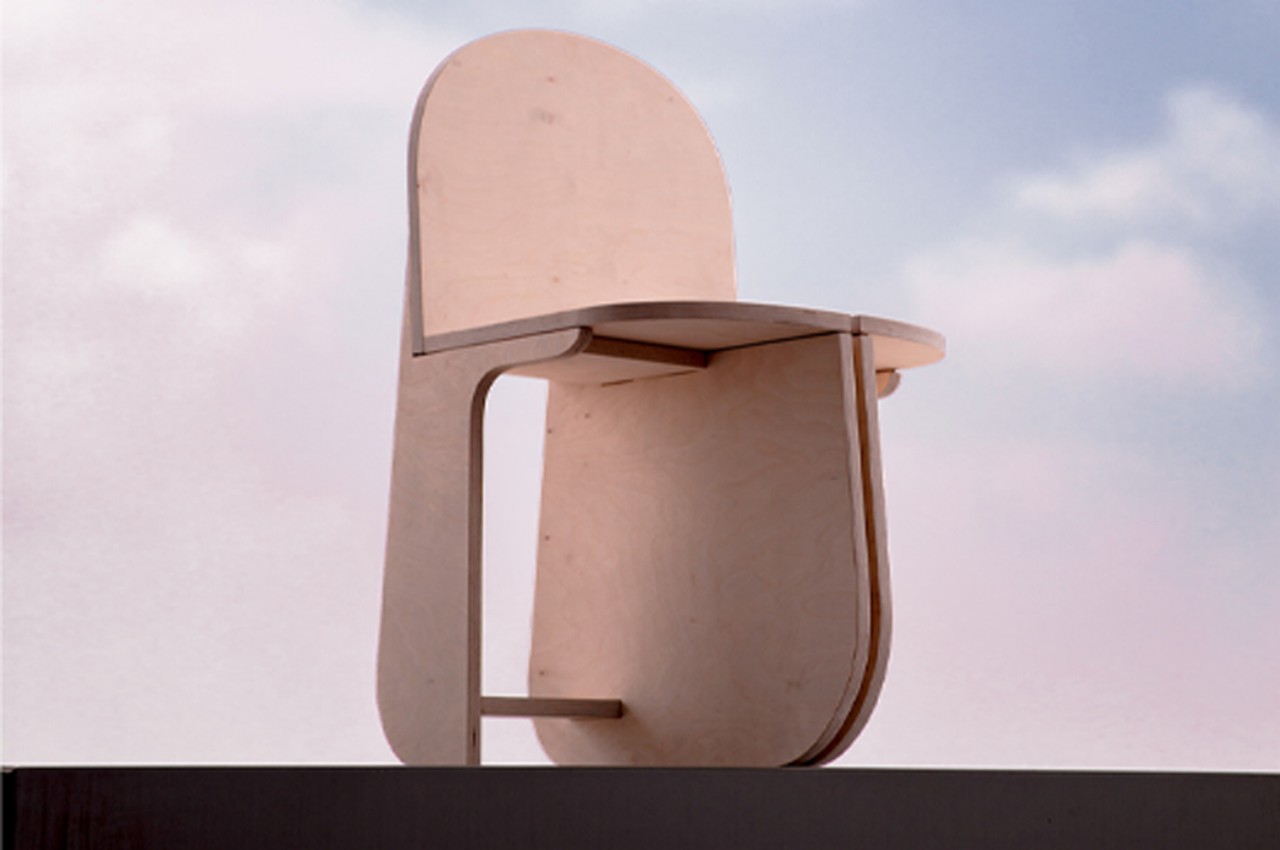
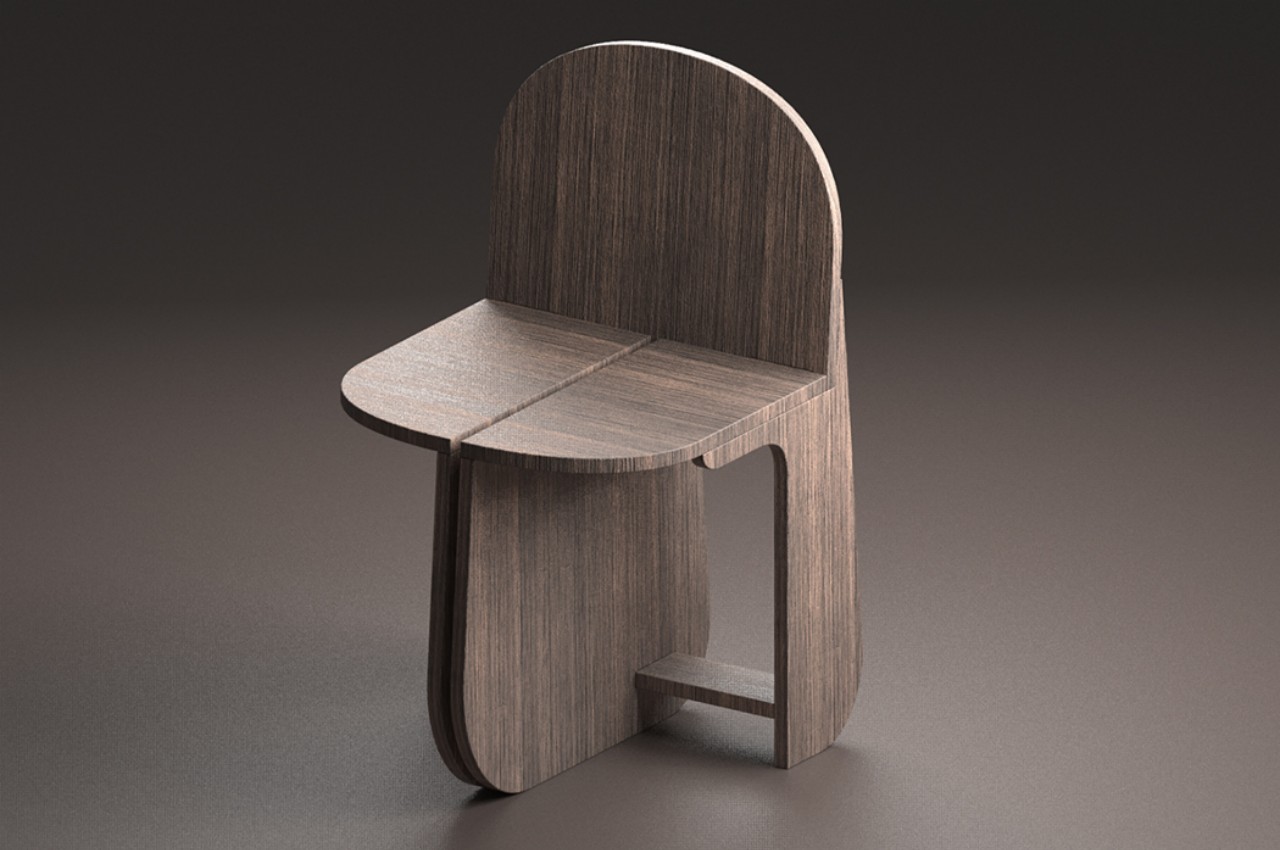
Designing unique chairs can be tough due to their long history, yet they inspire endless creativity. Seoul-based designer Yunjae Lee innovates with birch plywood and CNC milling, crafting a chair with three rounded legs, requiring no additional hardware for assembly. The Tri-Round Chair, reminiscent of IKEA projects, breaks down into eleven pieces before assembly, creating a stable structure with its interlocking design. Built from 18mm birch plywood, the chair offers stability without extra hardware, reimagining traditional chair design with a modern twist.

4. Reduced Wastage

CNC machines use iterative optimization to minimize waste and produce components efficiently. This approach, coupled with fixed tooling and routes, maximizes raw material usage and significantly reduces waste for manufacturers.
Designer: Jörg Hugo

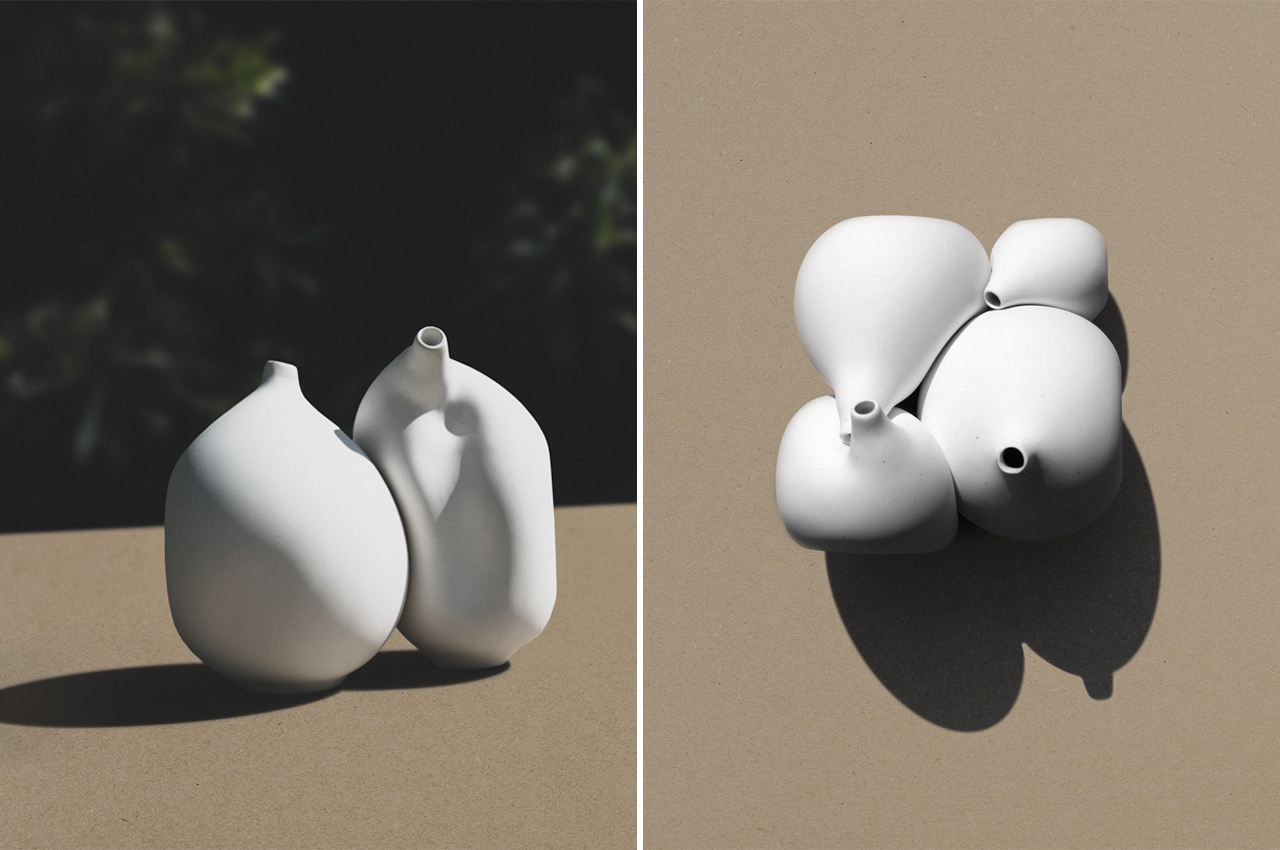
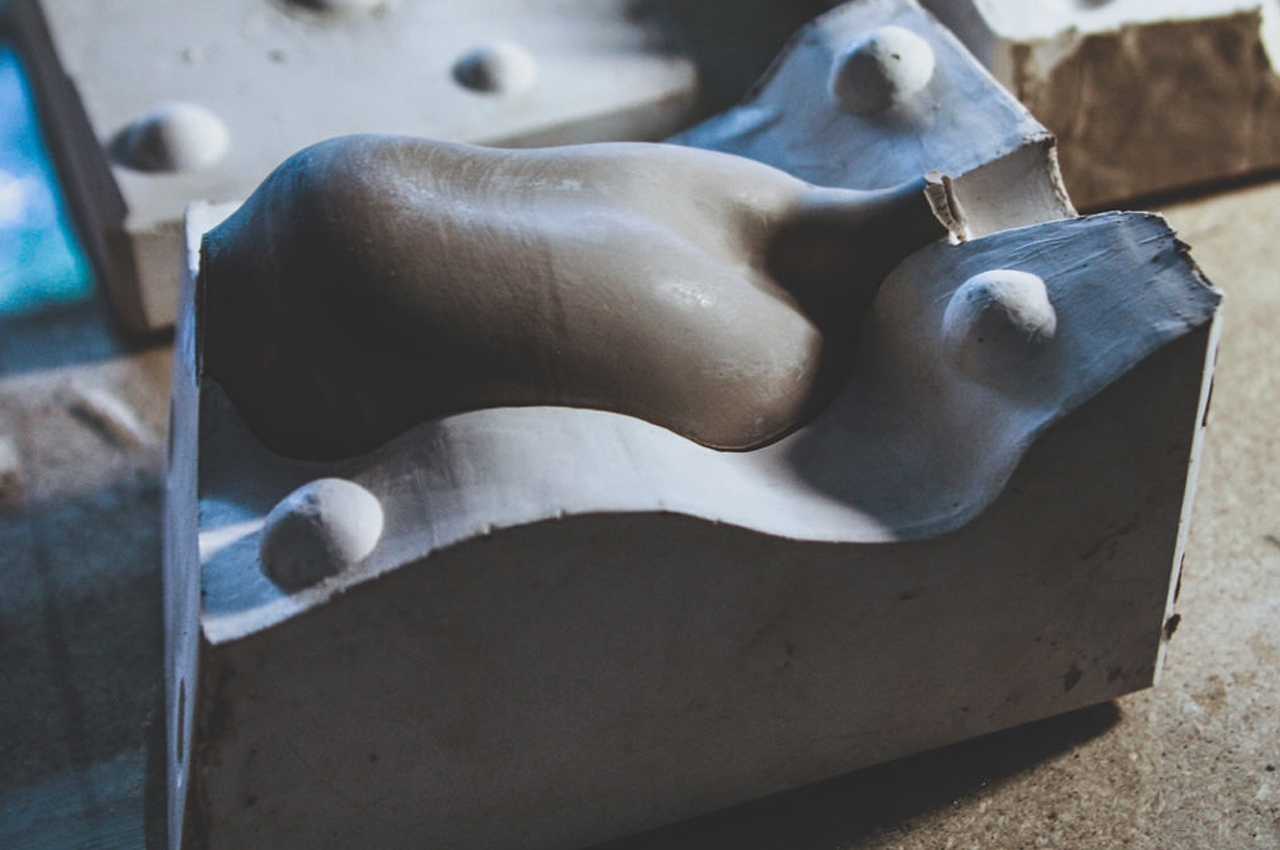
Ceramic Bodies is a collection of four porcelain vases designed by Jörg Hugo to fit together like a three-dimensional puzzle. Utilizing a blend of digital and analog design methods, Hugo creates timeless pieces that explore the relationship between materiality, form, and space. Each vase undergoes geometric optimization to minimize structural mass and energy, resulting in a visually captivating ensemble. CNC-milled plaster molds ensure precision in sizing, while 3D-scanning and modification techniques enable efficient production and customization. This innovative approach combines the craftsmanship of handcrafted ceramics with the efficiency of digital design, offering a unique and visually striking addition to any space.

5. Ensures Safety

One primary benefit for CNC machine operators is safety. CNC machines operate behind guards or enclosed, transparent safety doors, making them much safer than manually operated machines.

6. Supports Various Materials
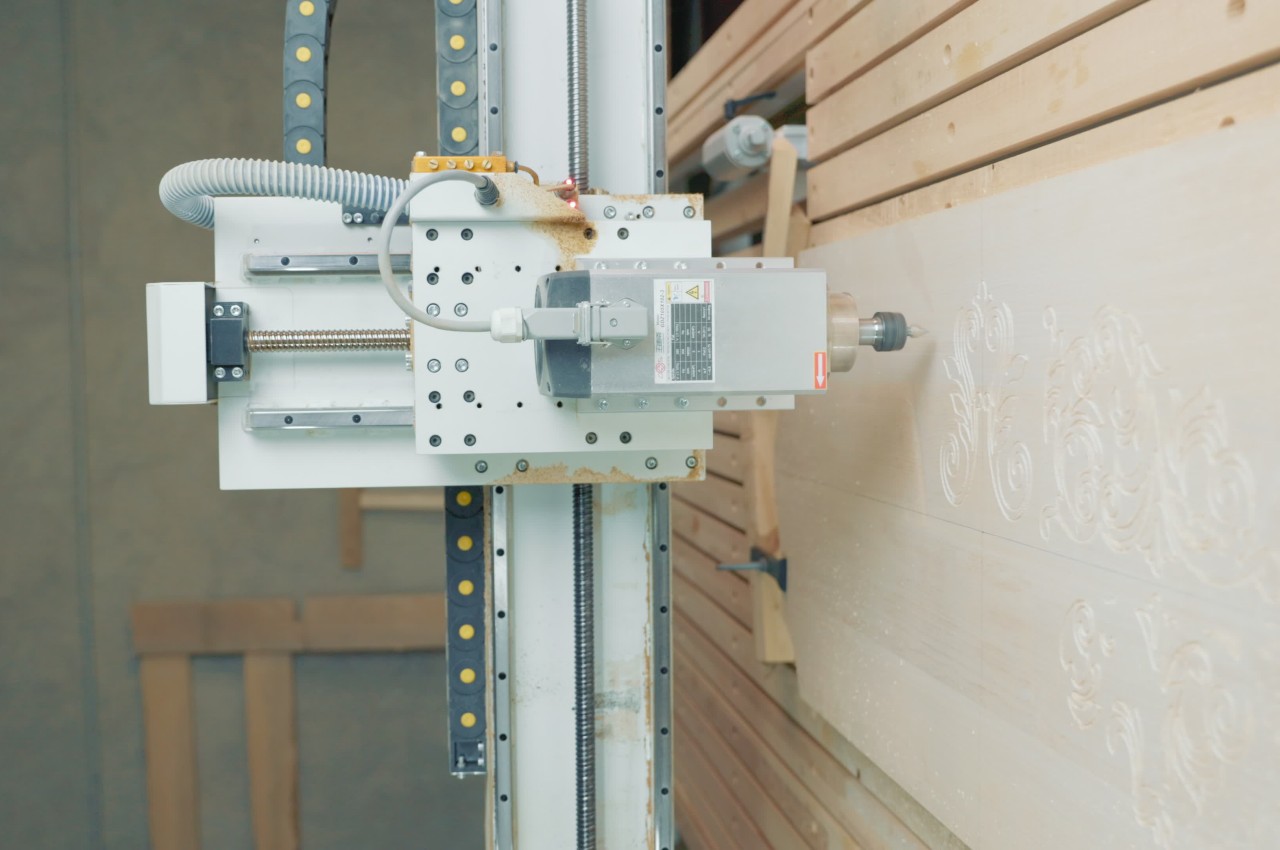
Image courtesy of: zokov

CNC machines work with a variety of materials, including composites, metals, foam, phenolics, and plastics. When choosing materials for CNC milling, some factors like hardness and heat tolerance need to be taken into consideration.

Designer: Dom Riccobene

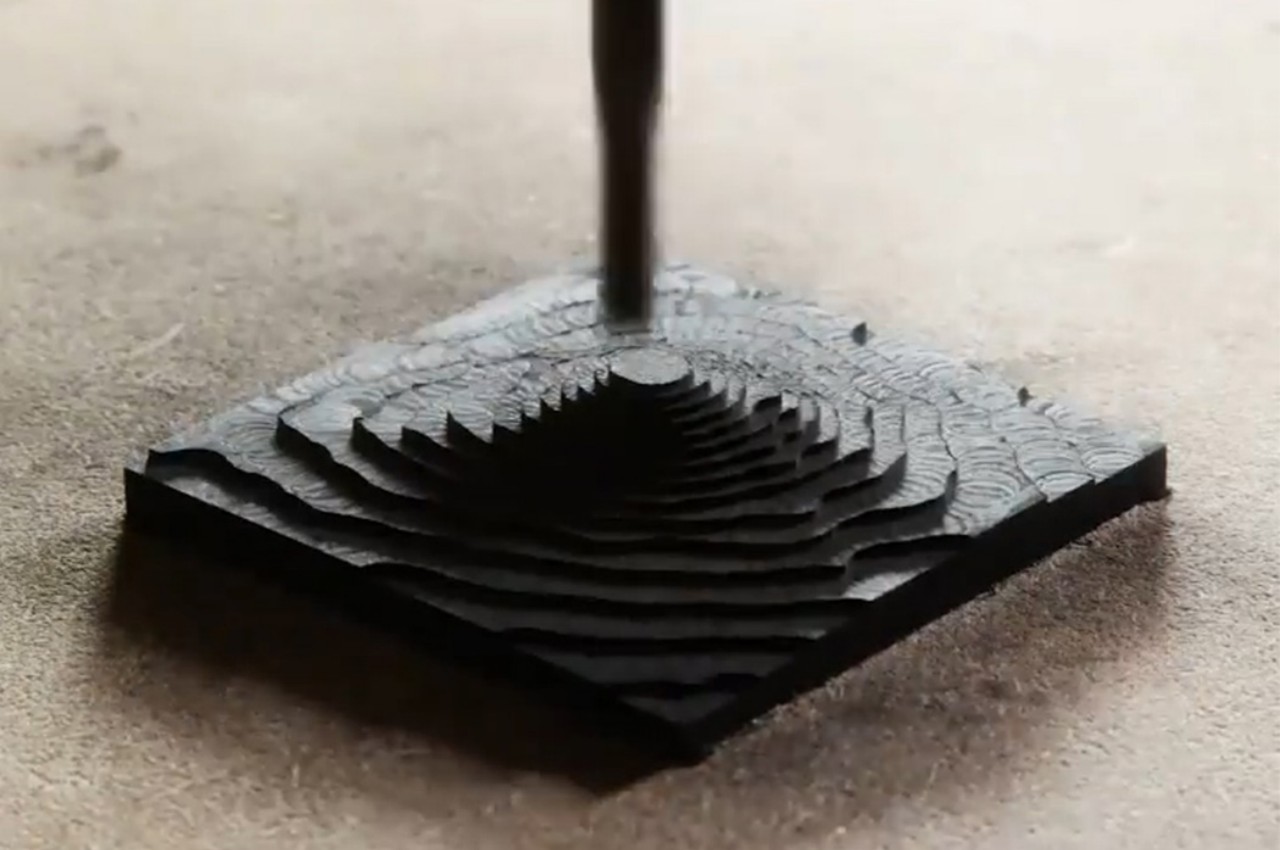
Dom Riccobene’s CNC-machined Mt. Fuji sculpture showcases the intricate beauty of Richlite, a durable and sustainable material. Blending data, art, and design, Riccobene creates detailed sculptures crafted by algorithms, earning him the title of “data sculptor.” With applications in various industries, Richlite’s versatility and tactile properties make it a preferred choice for residential, commercial, and industrial uses.

7. Low Maintenance Required

CNC milling machines are low-maintenance, usually requiring only periodic tool changes and light cleaning. This in-house serviceability saves money as professional maintenance engineers are not needed.

8. Consistent Output

The CNC process ensures uniformity by being computer-controlled, resulting in identical parts with no variations in quality.

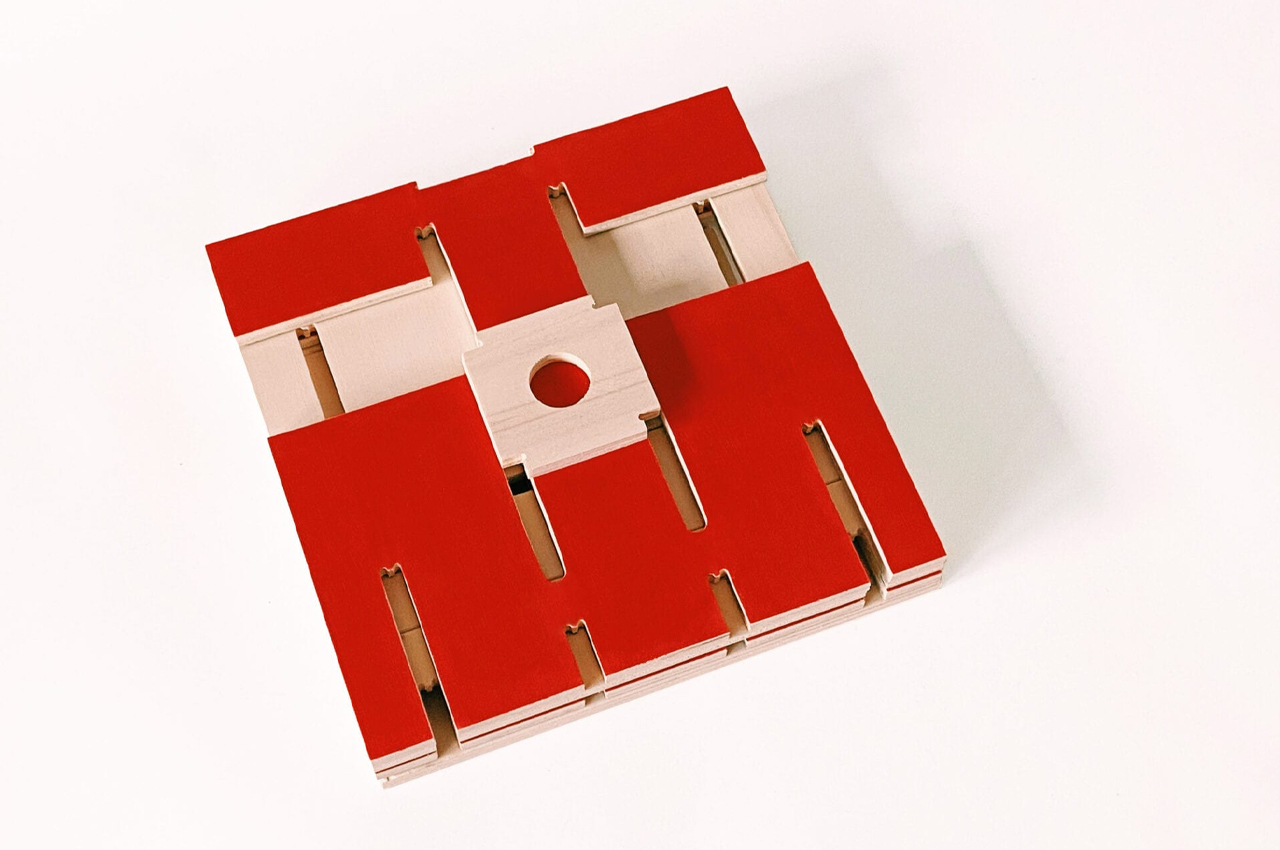
Designer: Baliza Norte

The BN! lamp, a modular table lamp crafted with CNC milling techniques, ensures precise and interchangeable assembly. Inspired by timber toys, its design guarantees symmetry and seamless operation. Delivered in a flatpack, it requires no extra hardware for assembly. Each component is meticulously crafted for easy replacement, and users can choose a bespoke brown color scheme.

CNC machines initially require a higher investment than manual machines, but as usage grows, costs decrease. Skilled technicians are still essential for programming and supervising, but finding them can be challenging, potentially impacting the quality of machined parts in some shops.

What are the four Steps of CNC Machining?

CNC machining progresses through four stages:

Step 1: Create the CAD Drawing

Image courtesy of: SpaceOak

The first step involves creating a CAD (Computer-Aided Design) model using 2D or 3D design software. Note that complex designs may require skilled designers, and the CAD model serves as the blueprint for the machining process, guiding the CNC machine in executing precise instructions for material cutting or shaping.
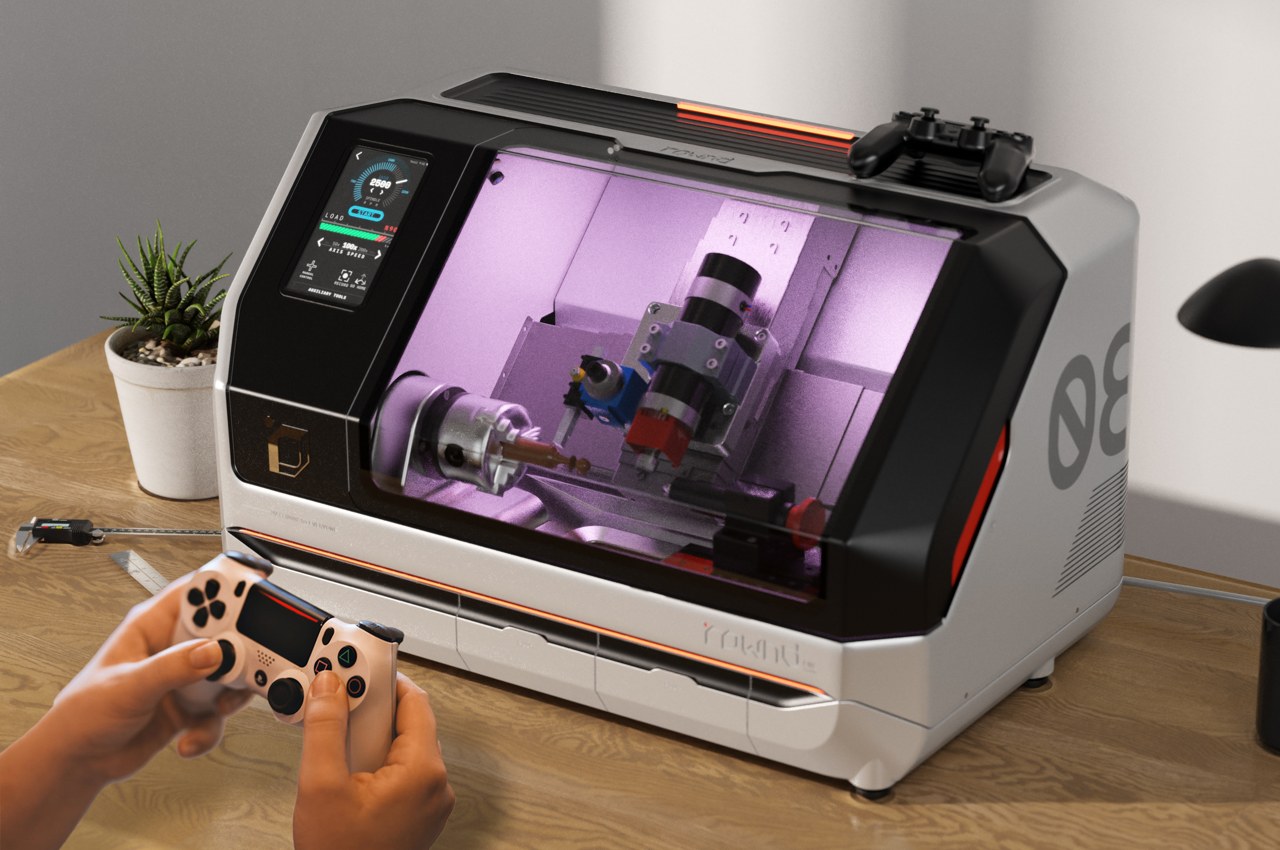
Designers: Ahmet Yasir Karakus & Ahmet Ergun

The ROWND unveils a user-friendly CNC lathe, compact and precise, suitable for new users and professionals alike. Its intuitive touchscreen interface and compatibility with various materials make it accessible and efficient for diverse projects.

Step 2: Convert CAD to CNC File

To convert CAD to CNC, use Computer-Aided Manufacturing (CAM) software or basic tools. CAM translates CAD designs into G code, which CNC machines understand. Note that basic tools offer simplicity but lack the advanced capabilities of CAM software.

Step 3: Configure the CNC Machine

Before manufacturing, the CNC machine needs proper setup, akin to configuring a printer. This involves positioning the workpiece accurately and configuring the die and other settings.

Designer: Jasper Mallinson

Jasper Mallinson’s Mecha-Morphis Wearable CNC Machine revolutionizes design manufacturing with its portable exoskeleton design. Small enough to fit on the arm, it provides remarkable mobility for intricate tasks, empowering creativity on the move. Versatile and sustainable, Mecha-Morphis reflects a fusion of innovation and environmental consciousness, offering a glimpse into the future of creative freedom.

Step 4: Execution

Once the configuration is complete, machine operation can proceed by executing the program on the CNC machine’s display panel. One may need to navigate program prompts for different settings. The machine runs continuously until manually stopped or due to errors or any form of power disruptions.

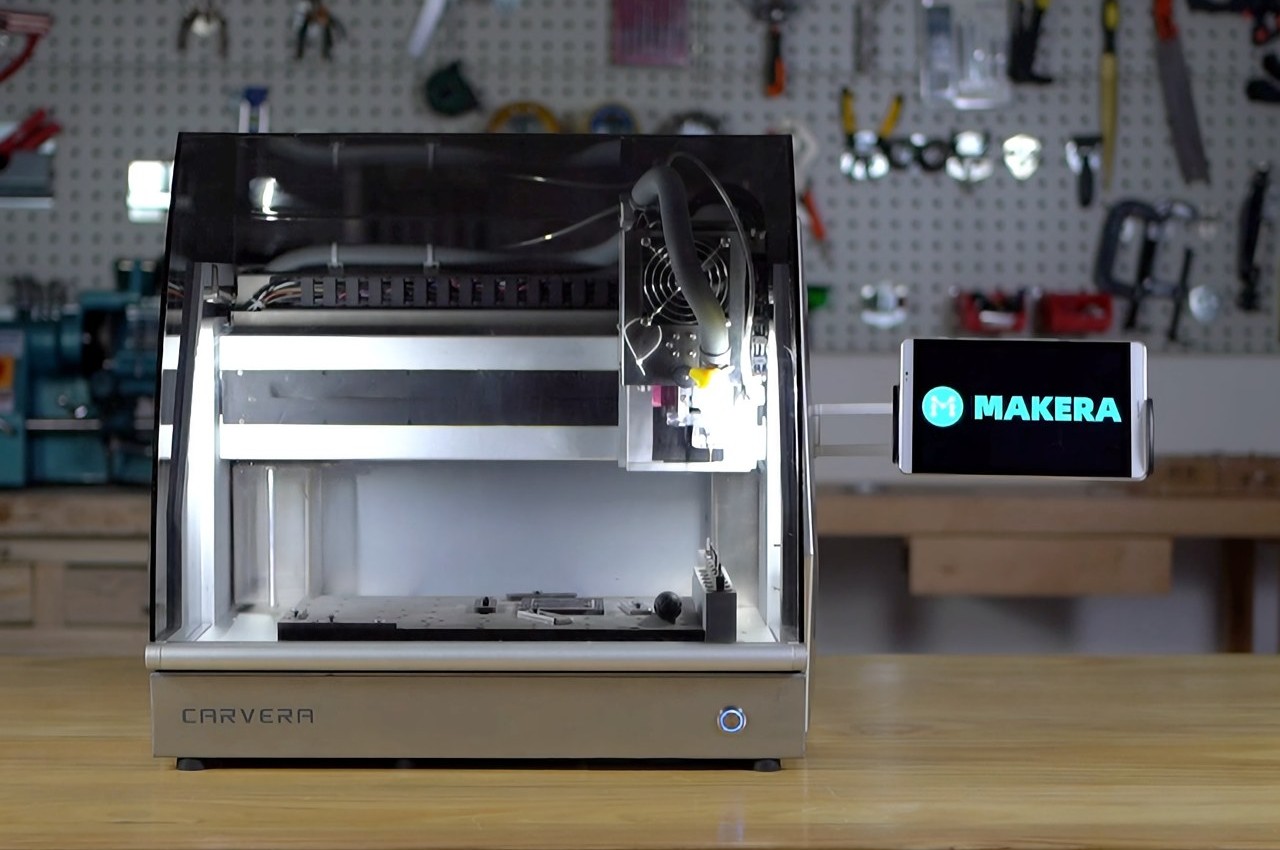
Designer: Makera Design

The Carvera enables one to create prototypes, designs, PCBs, and molds on your tabletop. Compact and equipped with powerful modules, it offers 3-axis CNC machining capabilities with optional laser-cutting and a 4-axis upgrade. Self-leveling and intuitive, it includes drill bits, a probe tool, and a laser module. With a robust build and versatile compatibility, it’s perfect for home or workspace use.

In conclusion, CNC-produced machines play a key role in product design as their components offer superior quality, and zero defects, alongside environmental benefits. Opting for CNC over manual machining brings advantages like precision, speed, safety, efficiency, and cost savings.

The post How CNC Machining Revolutionizes Product Design: Boosting Efficiency and Precision first appeared on Yanko Design.

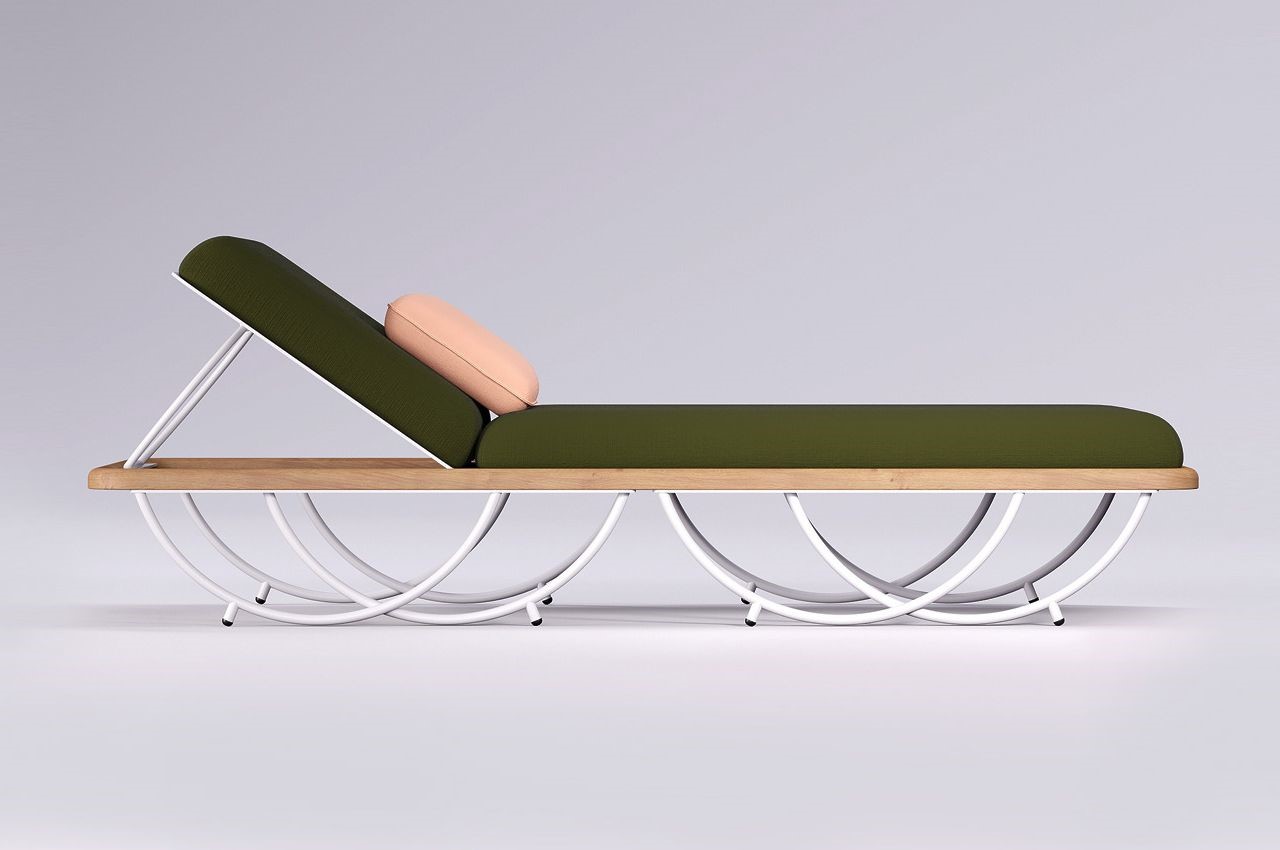
The Osier Lounge Chair: A Harmonious Blend of Industrial and Natural Elements for Your Outdoor Space

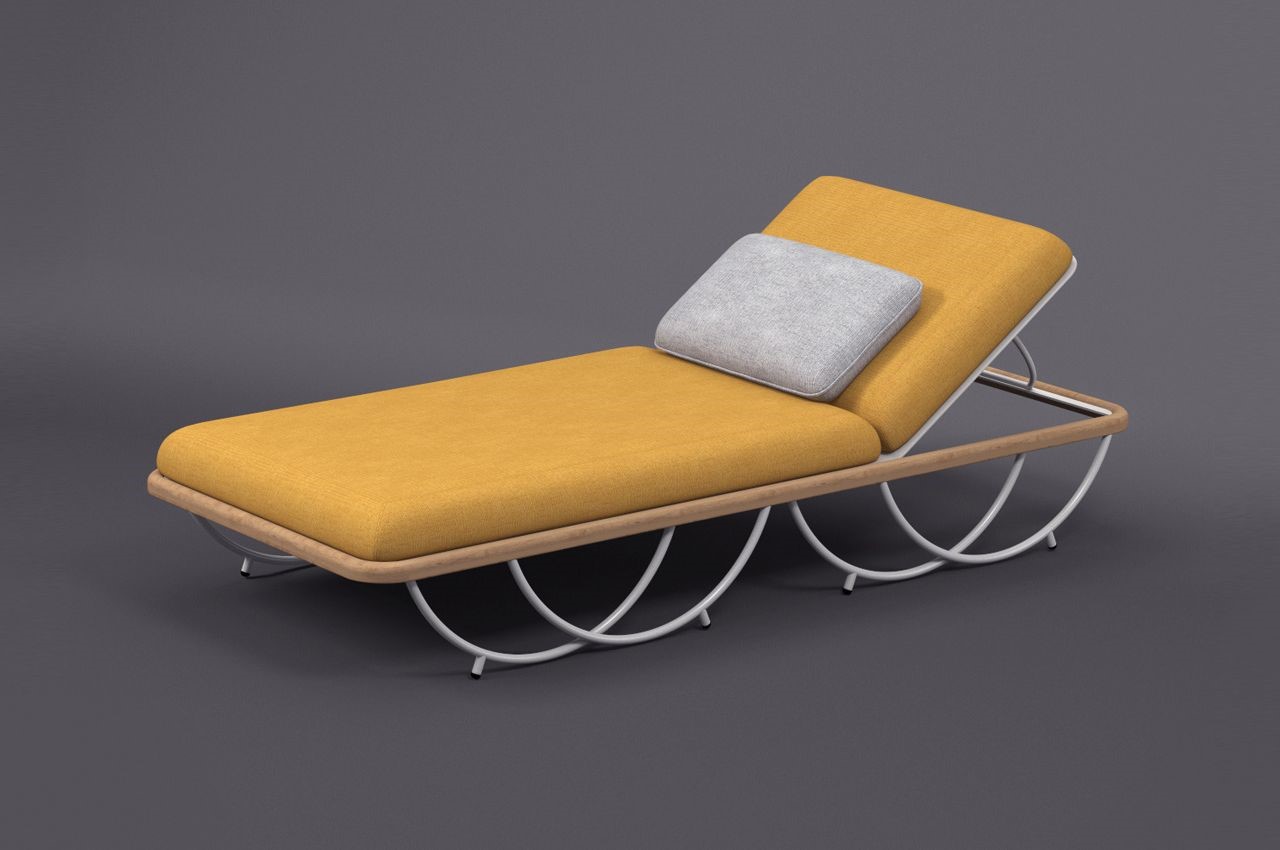
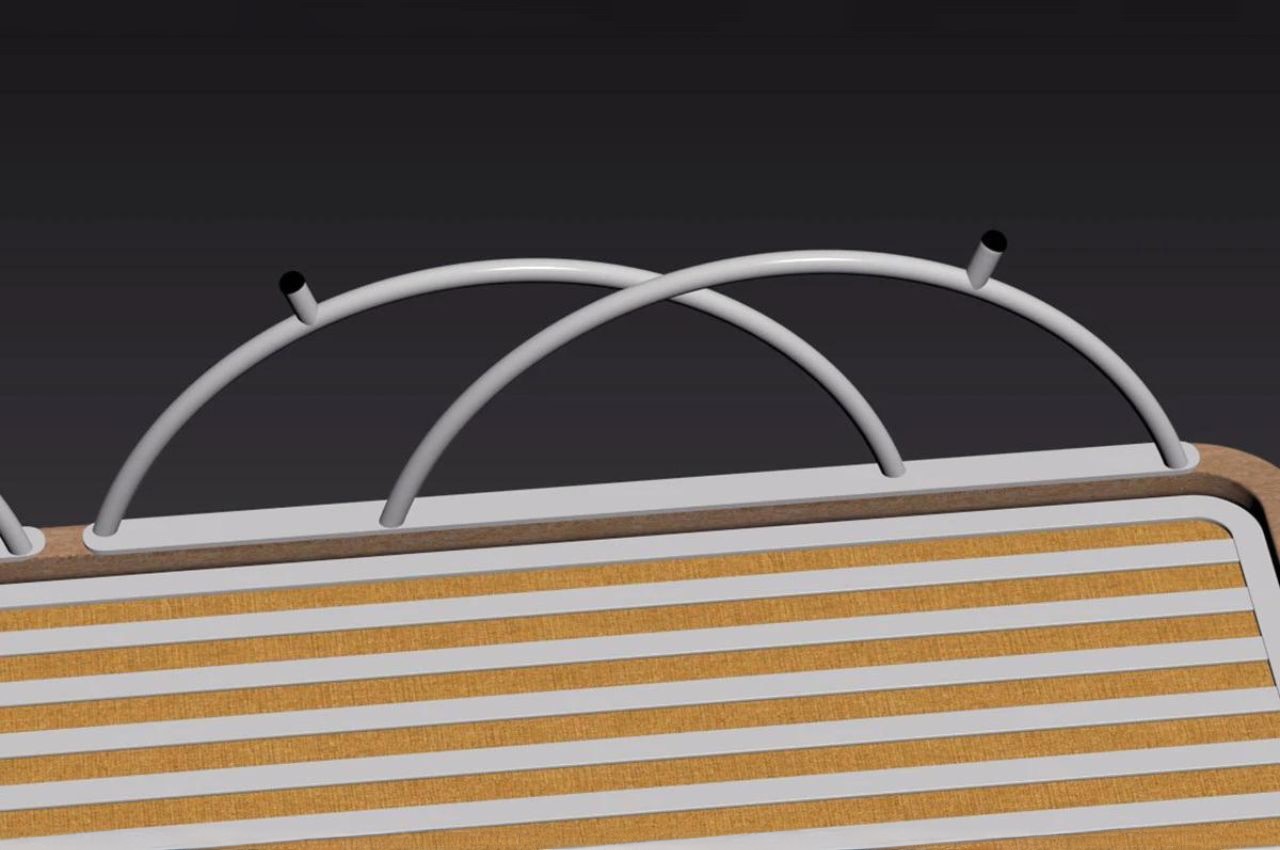
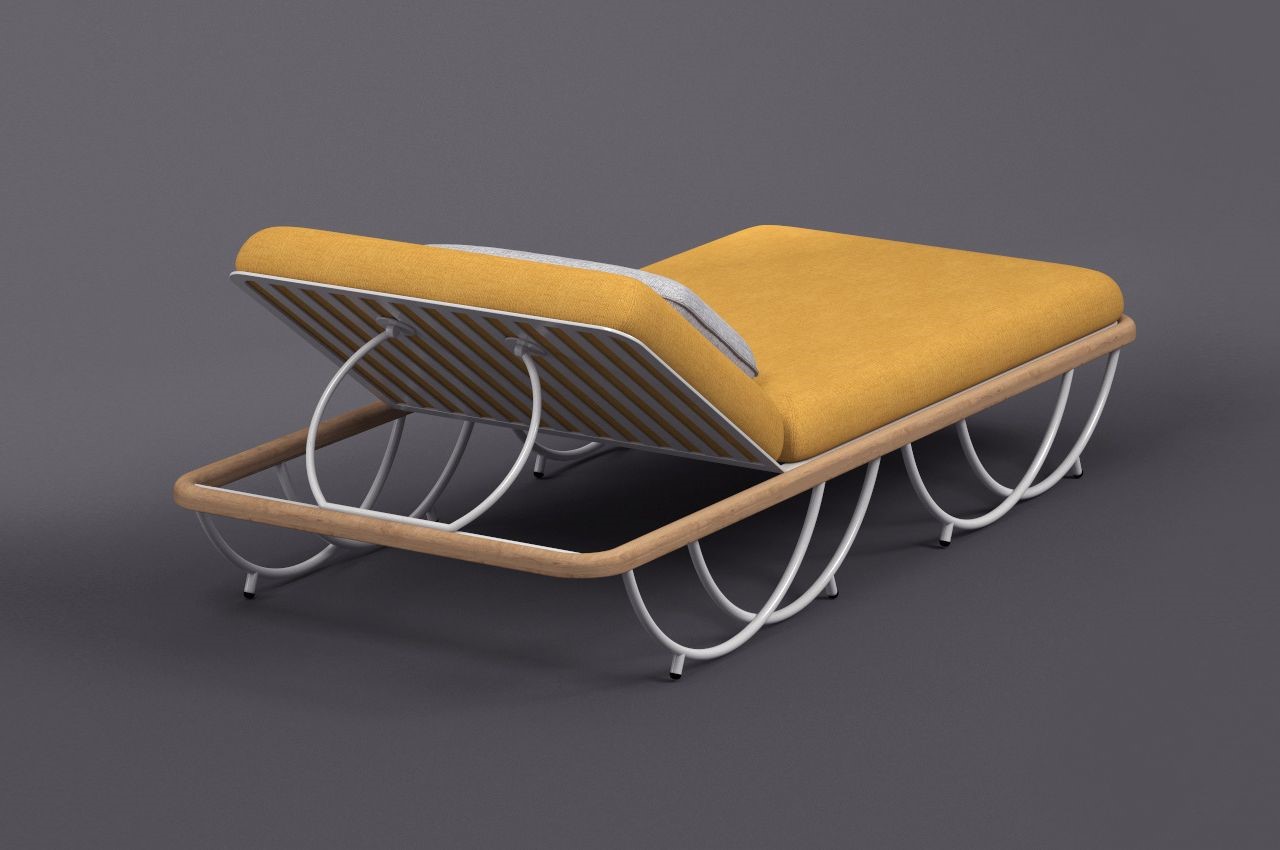
The Osier Lounge Chair stands as a testament to refined design, embodying an essence of lightness and grace that captivates at first glance. Its sleek, aerodynamic form evokes a sense of effortless elegance, inviting users to experience unparalleled relaxation and tranquility. Perfectly suited for various settings, this lounge chair seamlessly integrates into cozy garden ensembles, stylish terraces, and poolside retreats, enhancing the ambiance with its sophisticated charm.

Designer: Julia Kononenko

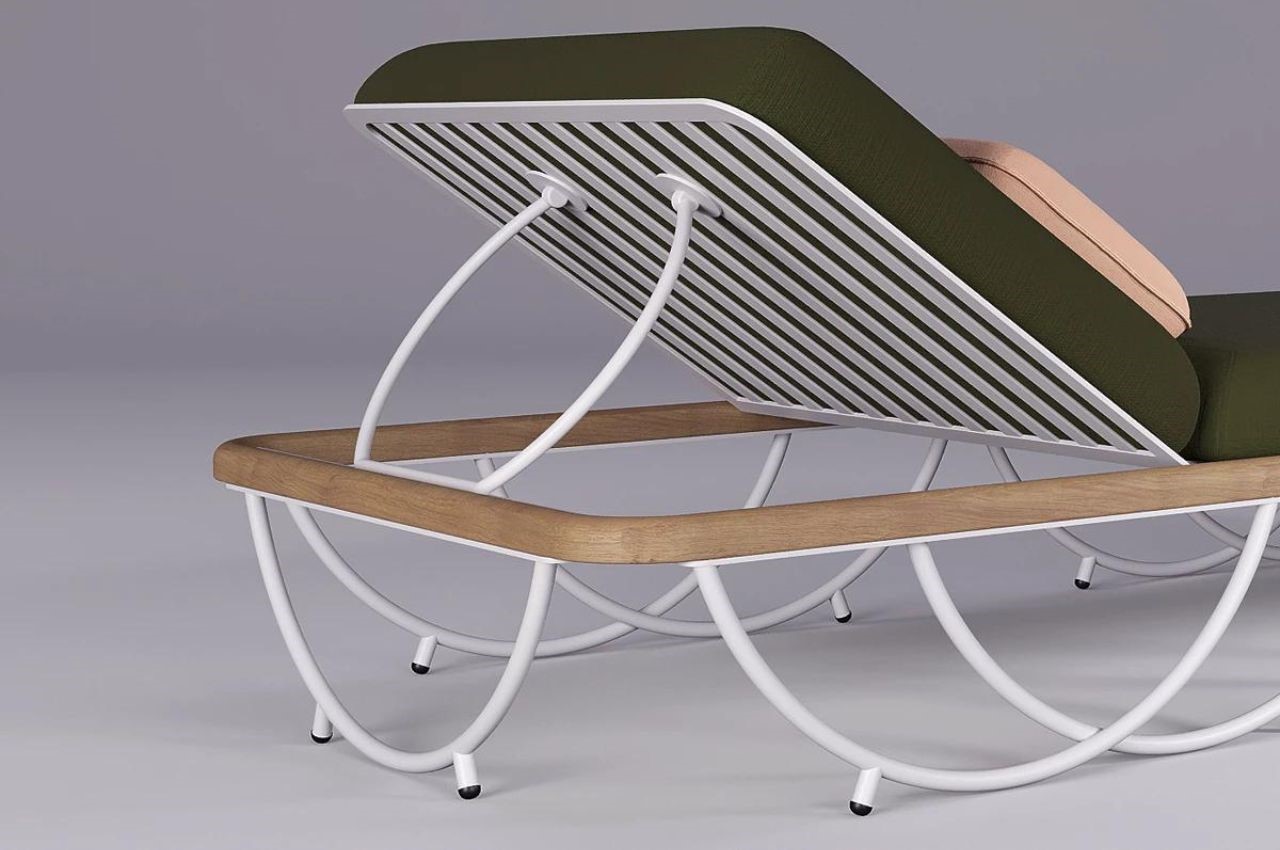
The Lounge Chair is crafted to mesmerize with its unique design. The chair’s leg construction, reminiscent of intricately woven wicker, is not only visually appealing but also robust and reliable. This design element marries the allure of traditional craftsmanship with contemporary aesthetics, creating a piece that is both timeless and modern. The woven pattern of the legs adds an organic touch, evoking a sense of nature while maintaining a sleek industrial charm.

At the core of this lounge chair is a commitment to comfort. The chair’s ergonomic design supports the body in a way that encourages relaxation, making it an ideal addition to any space dedicated to leisure. Whether placed in a serene garden nook or a chic urban terrace, the chair adapts effortlessly, enhancing the surroundings with its versatile elegance. Its presence by the poolside creates an inviting spot for lounging, adding a touch of sophistication to outdoor living spaces.

Osier Lounge Chair’s design philosophy is rooted in the harmonious blend of industrial and natural elements. The sleek lines and contemporary form are complemented by the organic texture of the woven wicker legs, resulting in a piece that is both alluring and grounded. This combination allows the chair to exude a sense of tranquility while maintaining a modern edge, making it a perfect choice for those who appreciate both comfort and style.

Beyond its aesthetic allure, the chair is engineered for durability and stability. The intricate leg construction, though delicate in appearance, is built to provide steadfast support. This ensures that the chair is not only a beautiful addition to any space but also a practical one, capable of withstanding the rigors of regular use while maintaining its elegance and charm.

The post The Osier Lounge Chair: A Harmonious Blend of Industrial and Natural Elements for Your Outdoor Space first appeared on Yanko Design.

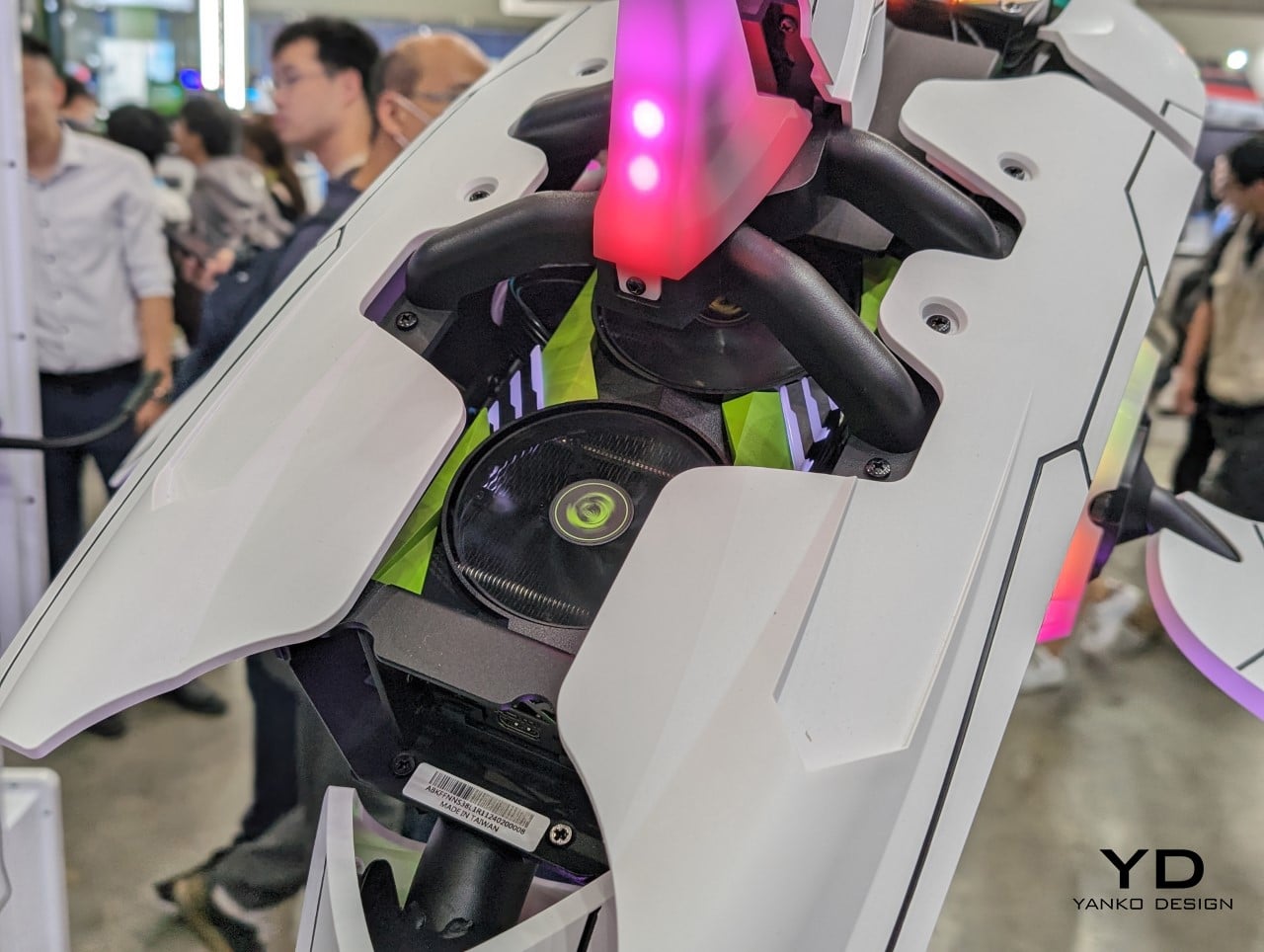
Cooler Master’s new PC Cases look like something out of a Mecha Paradise

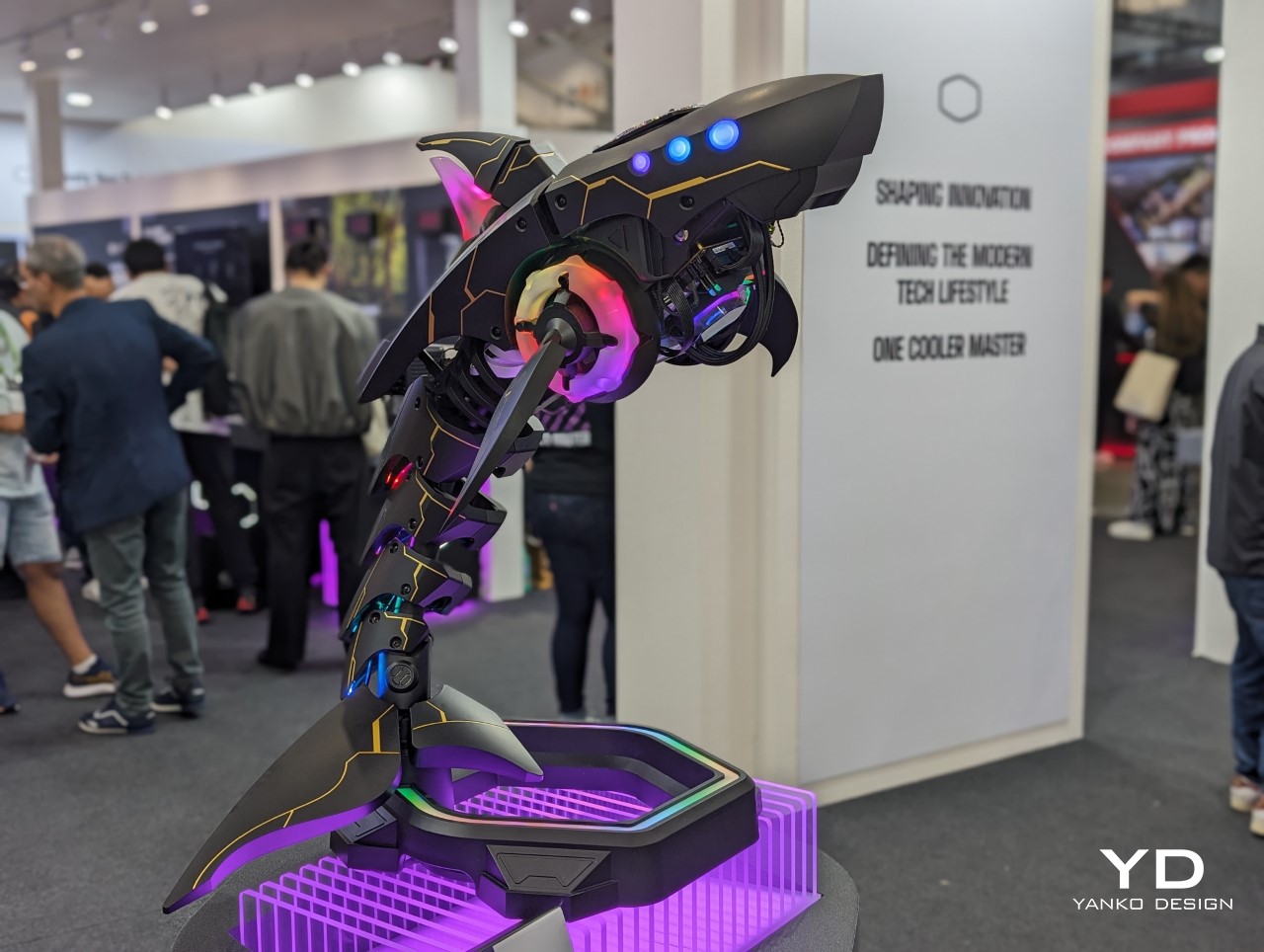
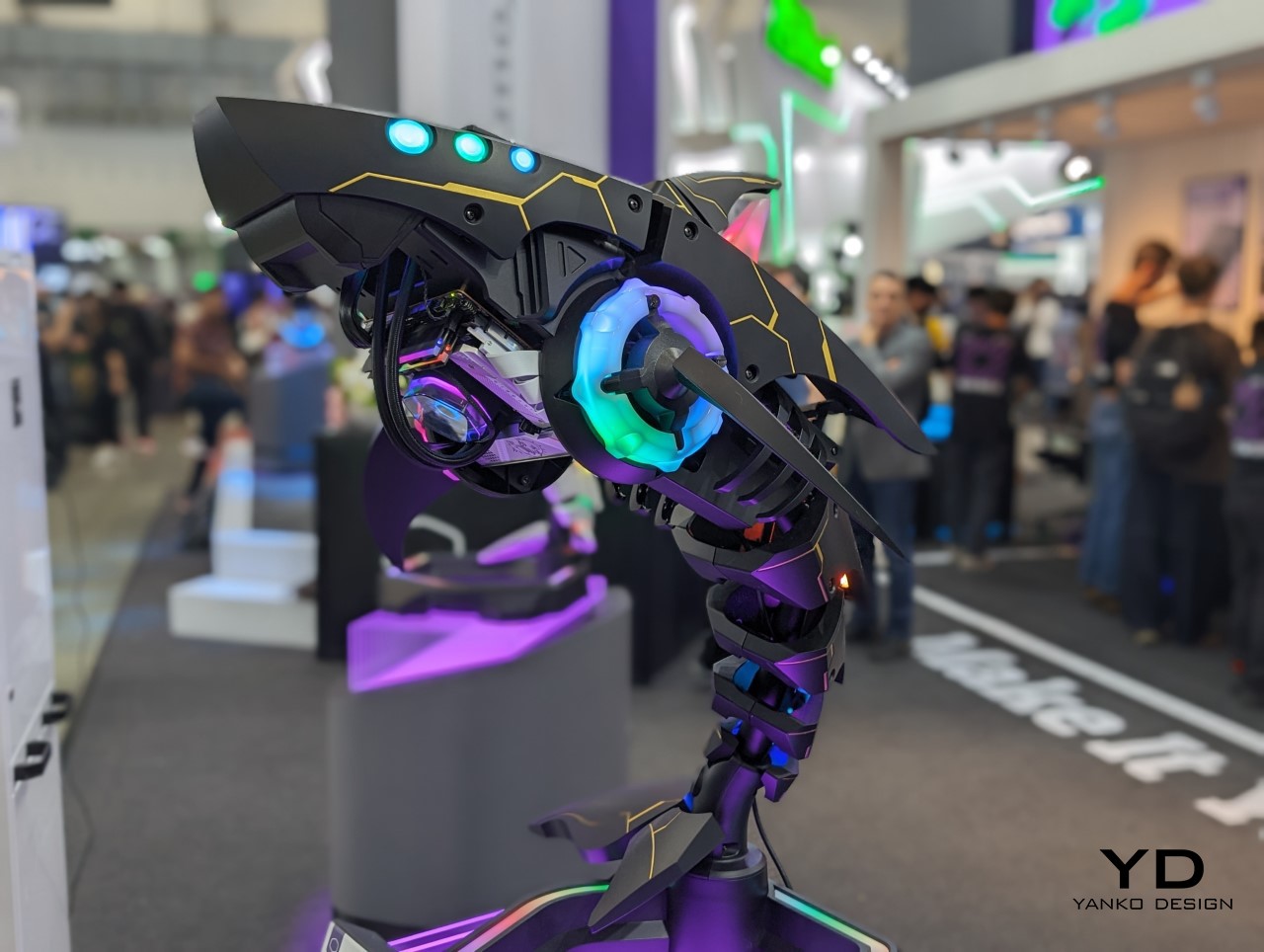
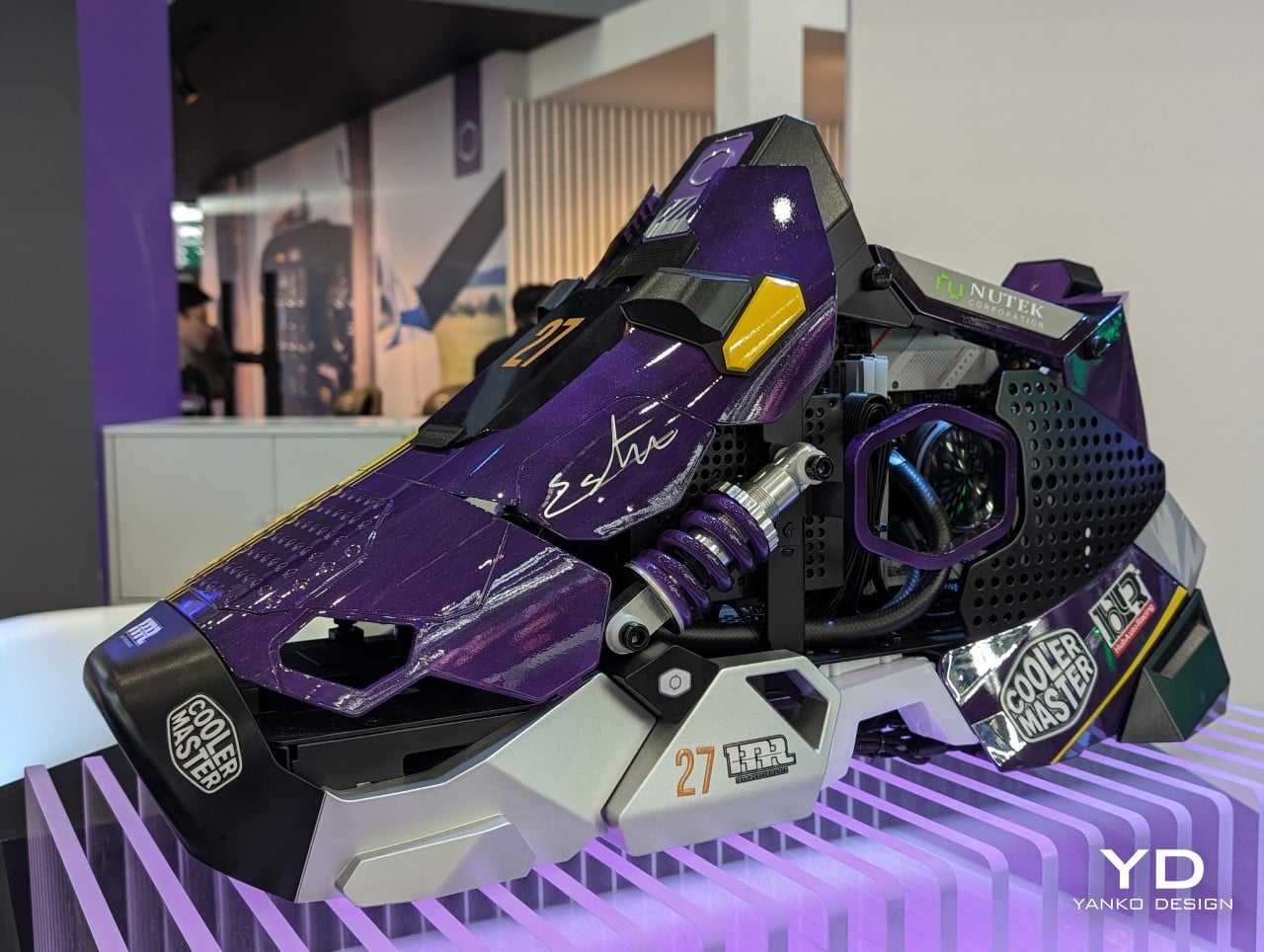
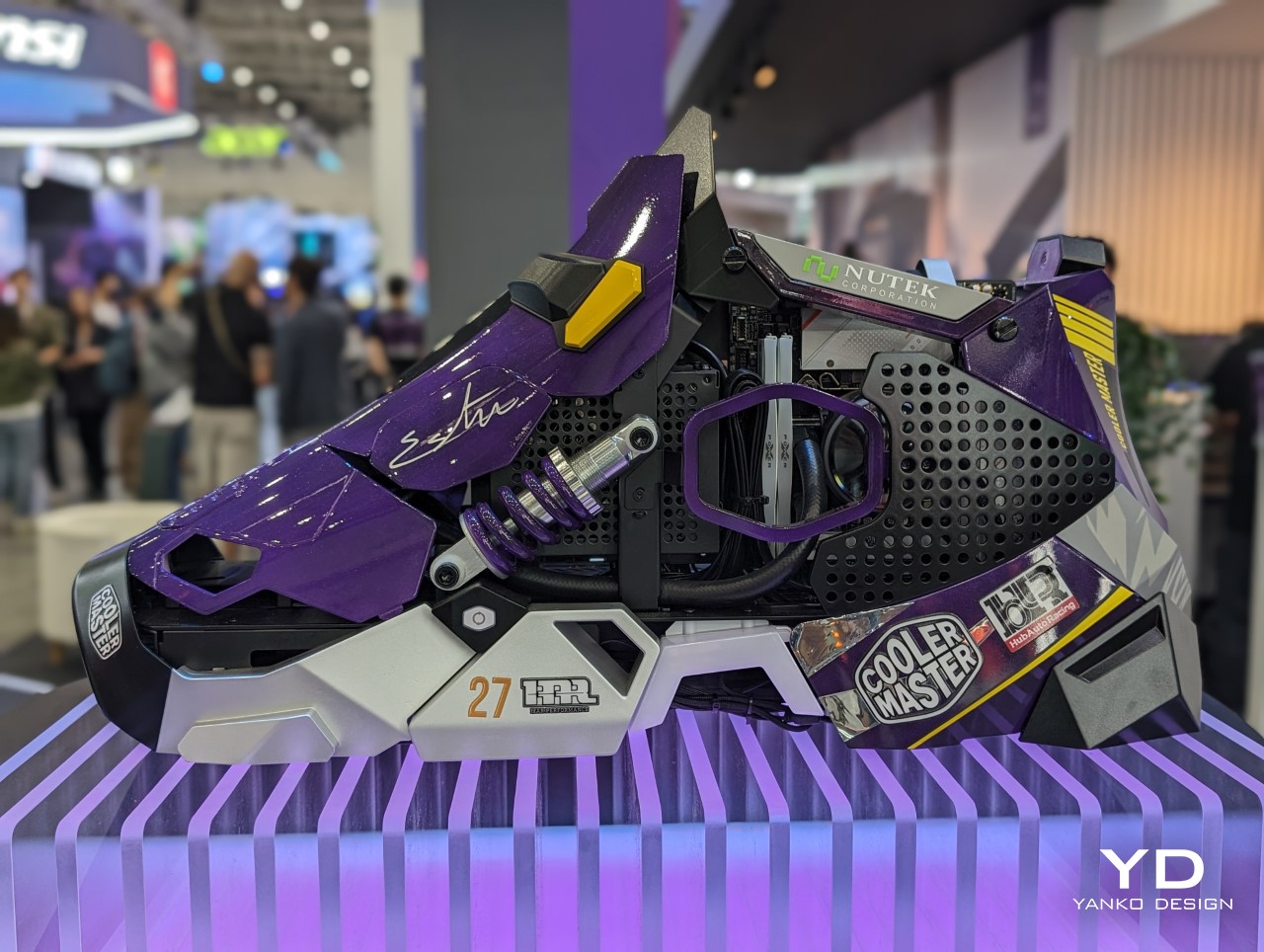
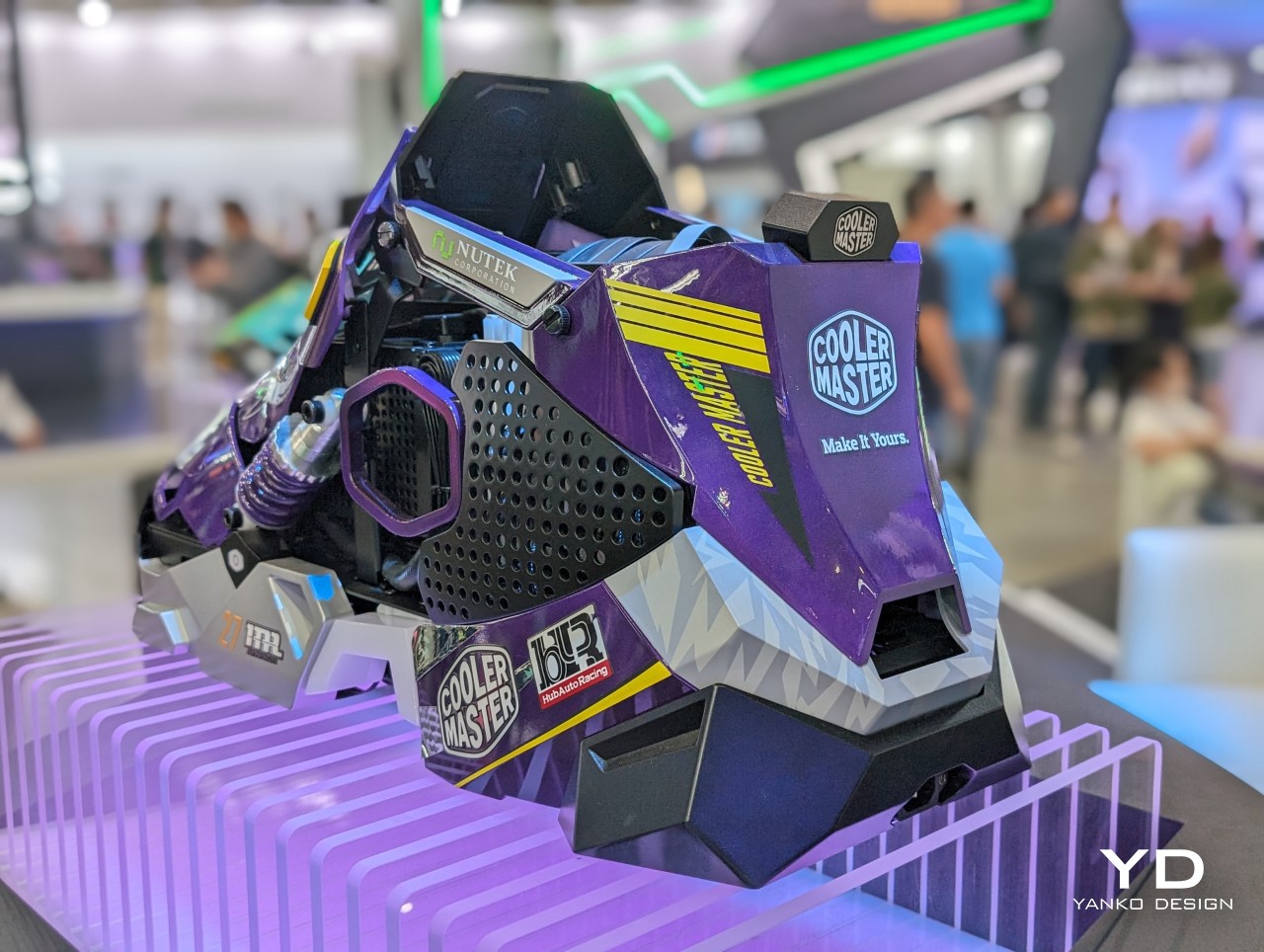
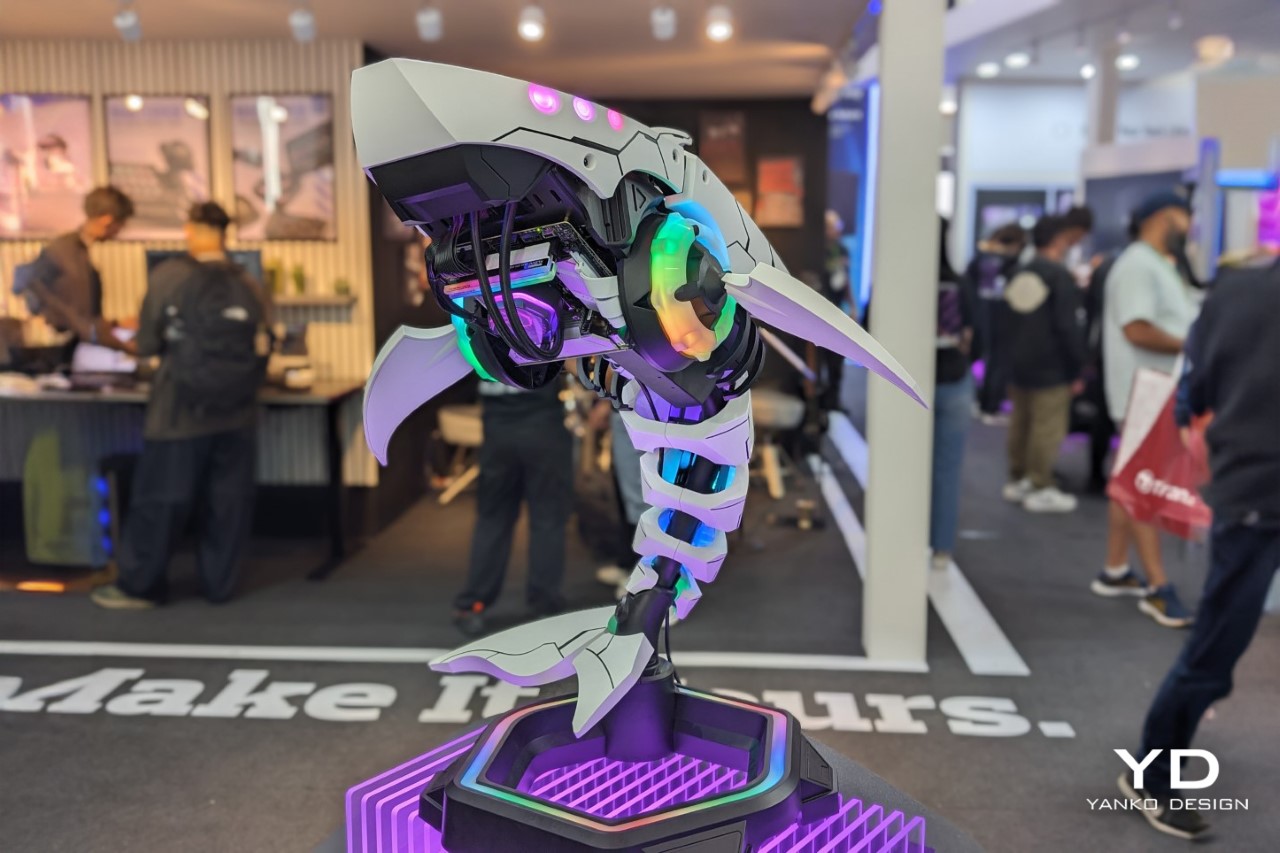
No that isn’t the latest prop or collectible from the obscure film franchise Mega Shark vs. Mecha Shark. It is, in fact, a high-end PC from the folks at Cooler Master. With a mission of wanting to build some of the world’s literally and slangily coolest PCs ever, Cooler Master’s latest showcases at Computex 2024 has us wondering if anything can be a PC (no, sometimes things are also cakes). The company brought out the Shark X and their sneaker-shaped PC designs, which should be available later this year. Standing at anywhere up to 3 feet tall, these PCs aren’t for making spreadsheets, they’re the sportscars of the PC world, designed to dominate both visually as well as in performance. Oh, and they cost upwards of $7000 as per sources, so maybe we’re better off relegated to more budget-friendly PCs, even though they may look boring.

Designer: Cooler Master

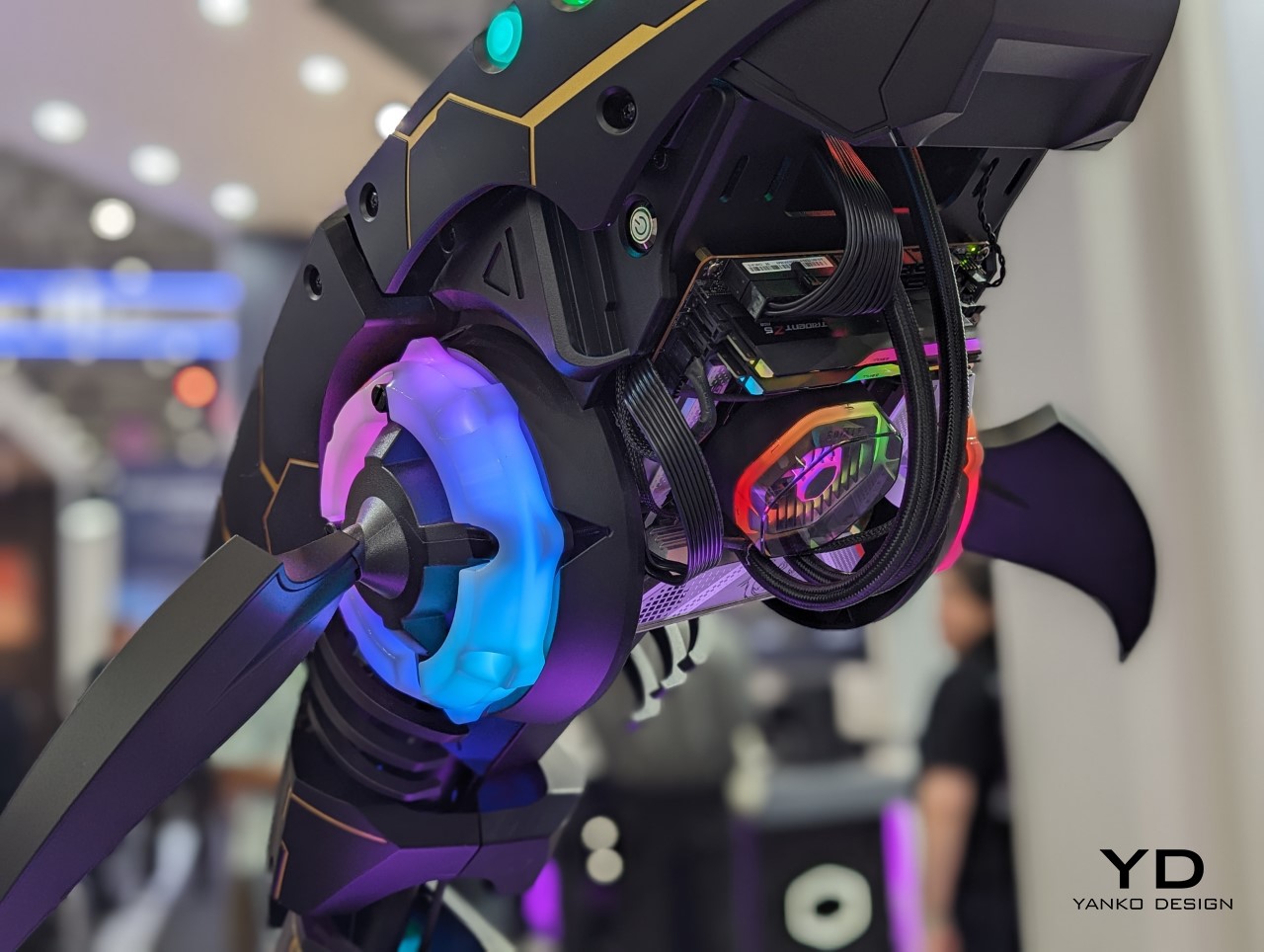
The Shark X is advertised as a “fully upgradeable” gaming PC. While the final specifications might change slightly, the current iteration boasts a powerful core: an Intel Core i9-14900KF processor and an MSI Gaming GeForce RTX 4070 Ti graphics card. That’s paired with 32GB of DDR5-5600 memory and a 1TB M.2 PCIe 4.0 SSD for speedy storage. Cooling is handled by a Cooler Master MasterLiquid 120 ATMOS liquid cooler, ensuring the system stays frosty during intense gaming sessions. The power supply is a Cooler Master SFX 850W Gold PSU, providing ample wattage for the hardware.

The price tag? Brace yourself – the Shark X is expected to cost upwards of $7,000. Let’s be honest, at that price point, raw performance upgrades become secondary. The Shark X is for those who prioritize an unforgettable conversation starter and a unique centerpiece for their battle station.

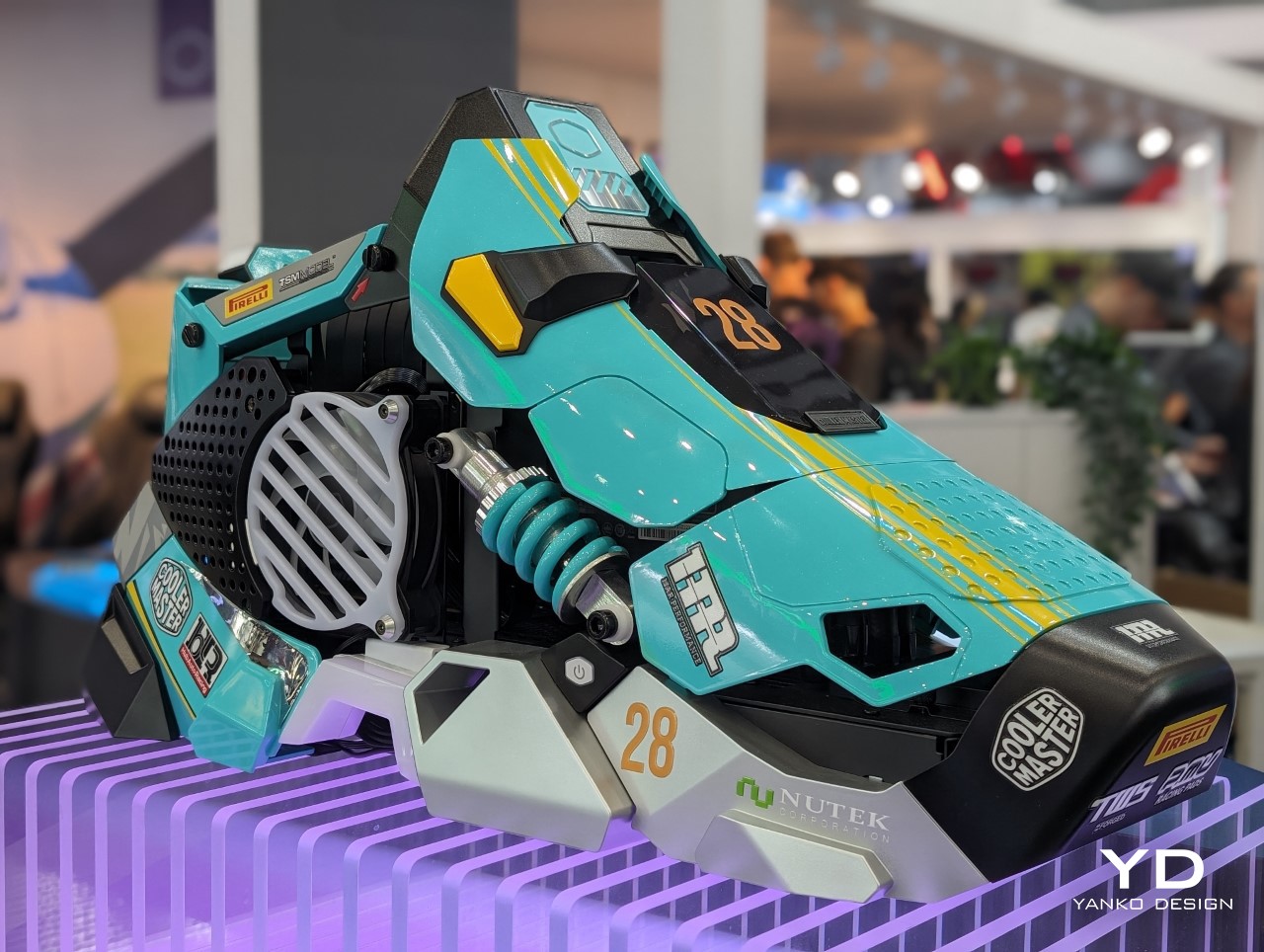
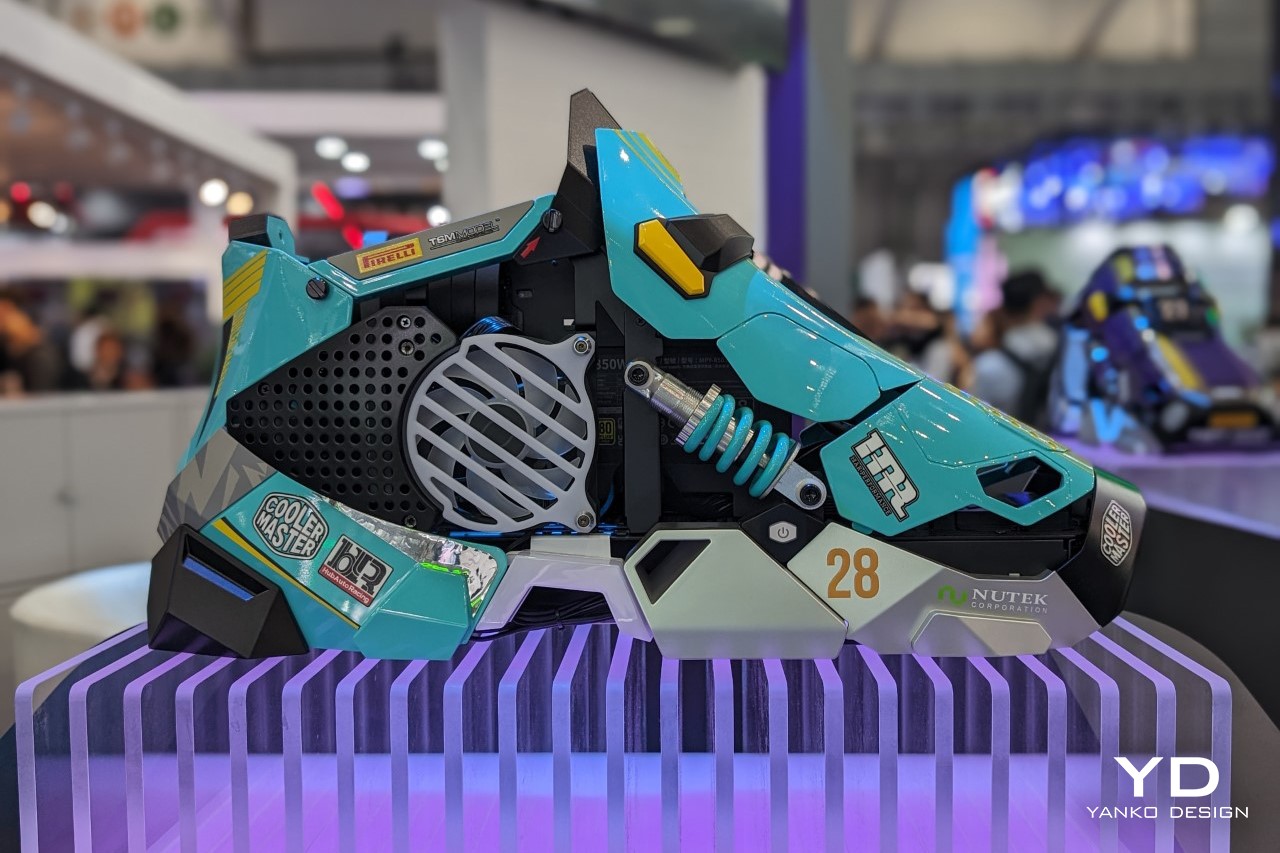
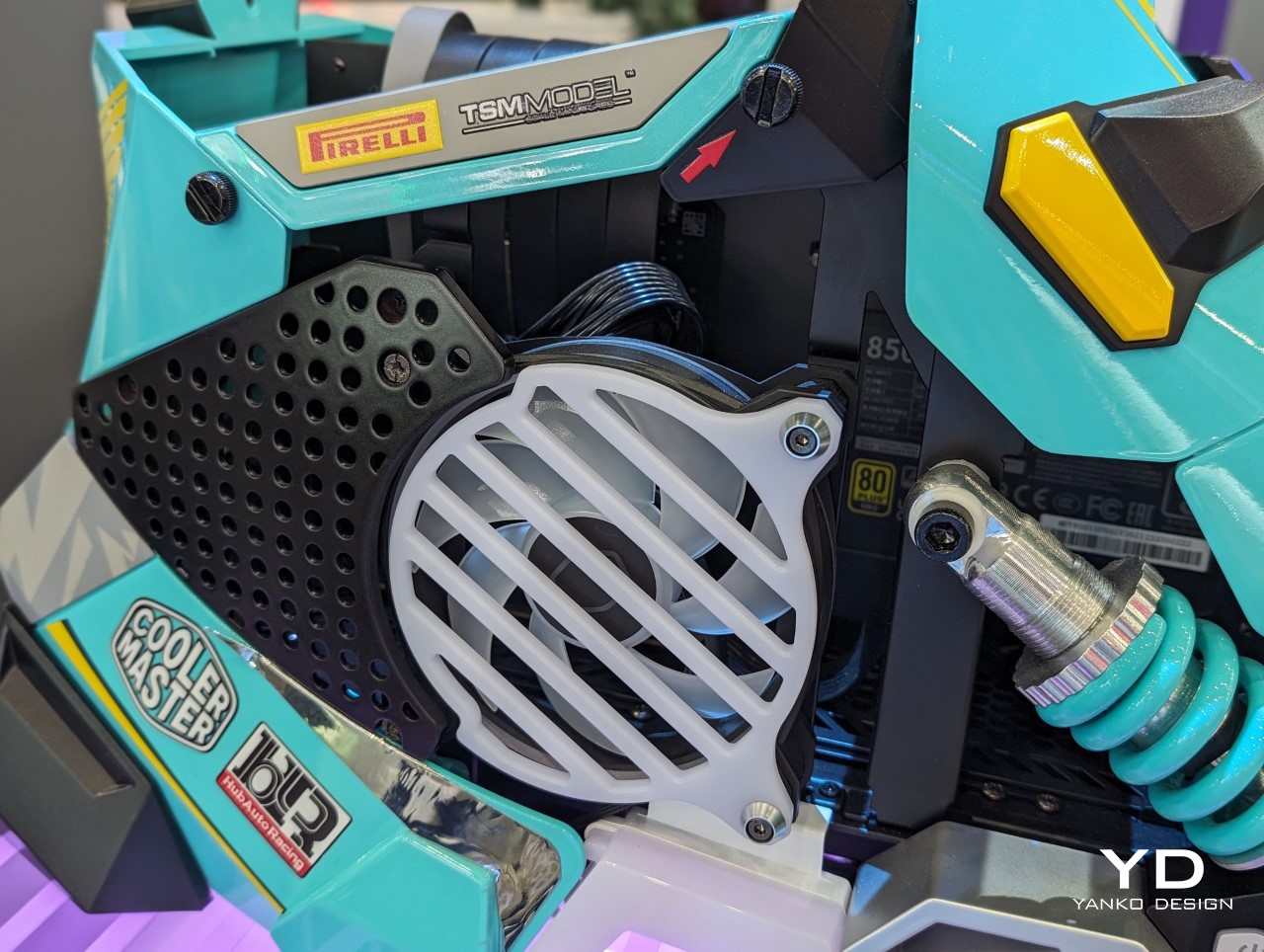
The Shark X was also accompanied by the Sneaker X, a more footwear-enthusiast-focused PC that comes with unique panels, stickers, and even a suspension spring giving the PC an over-the-top futuristic look. Both the Shark X and Sneaker X made appearances at CES in 2023, although it seems like Cooler Master’s refining them to a point of an eventual sale.

Cooler Master debuted the Sneaker X in a red variant last year, but this year sees the addition of newer colors. Word on the CPU is vague (the pamphlet says “latest high-end CPU”), but the PC also packs ITX motherboards, and supports Nvidia GeForce RTX 4090 GPUs. Cooling comes courtesy the Cooler Master PL360 FLUX 360mm AIO liquid CPU cooler. The Sneaker X also has a much more manageable price tag that starts at $3,500 as compared to the Shark X which is double the price. I can understand the appeal, though. A dynamic mecha shark leaping in mid-air does have more eye-catching appeal than a sneaker with suspension springs and a fan. You can’t deny that they’re both pretty gorgeous though…

The post Cooler Master’s new PC Cases look like something out of a Mecha Paradise first appeared on Yanko Design.

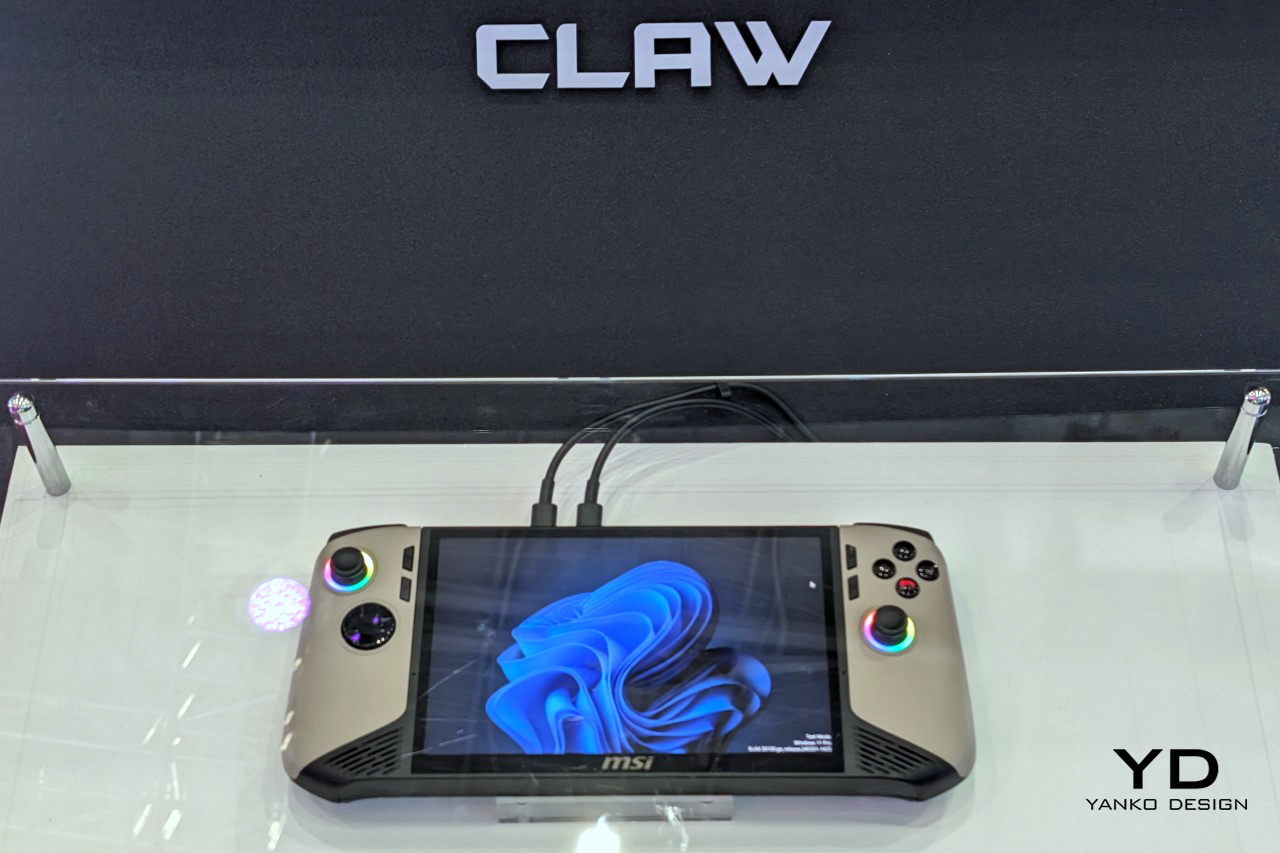
MSI Claw 8 AI+ Handheld Gaming PC: Bigger Screen, More Power, and Improved Battery Life

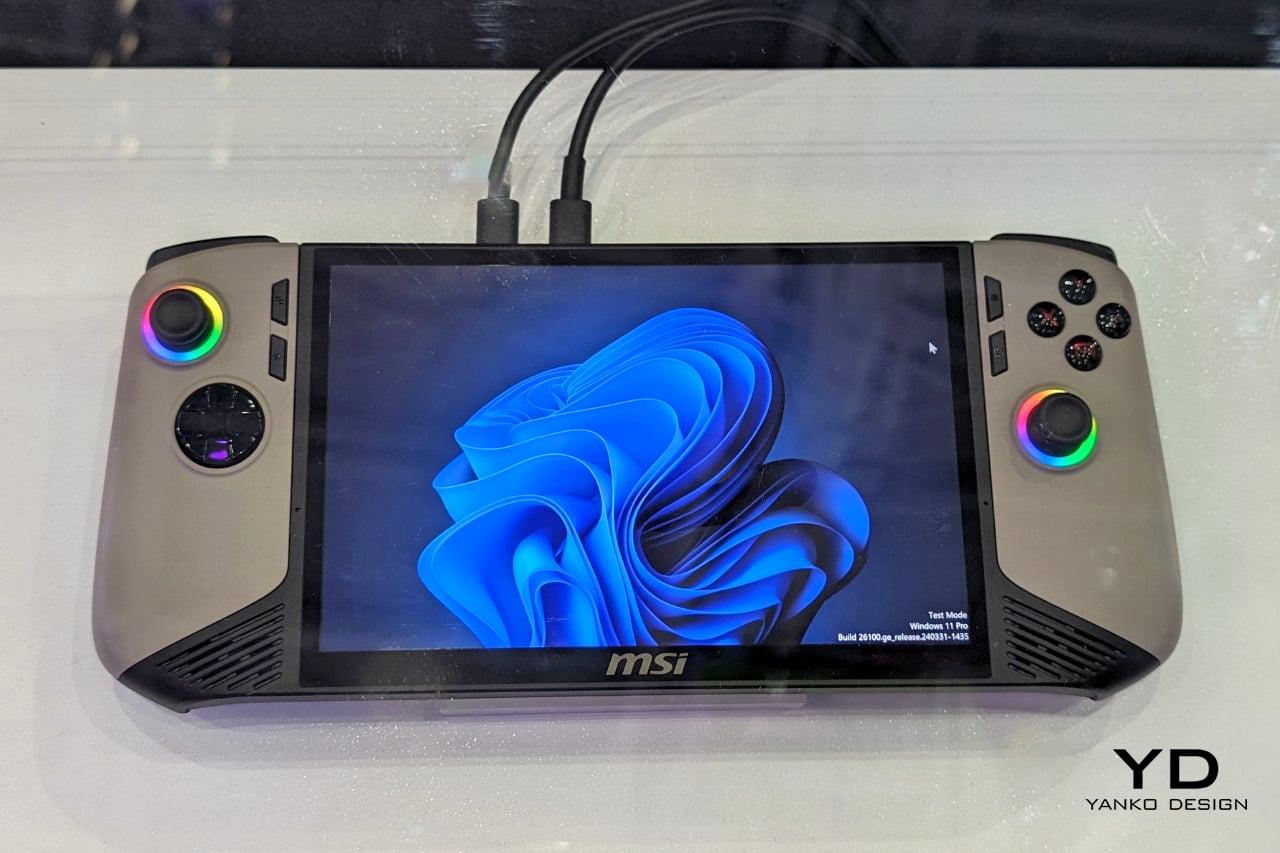
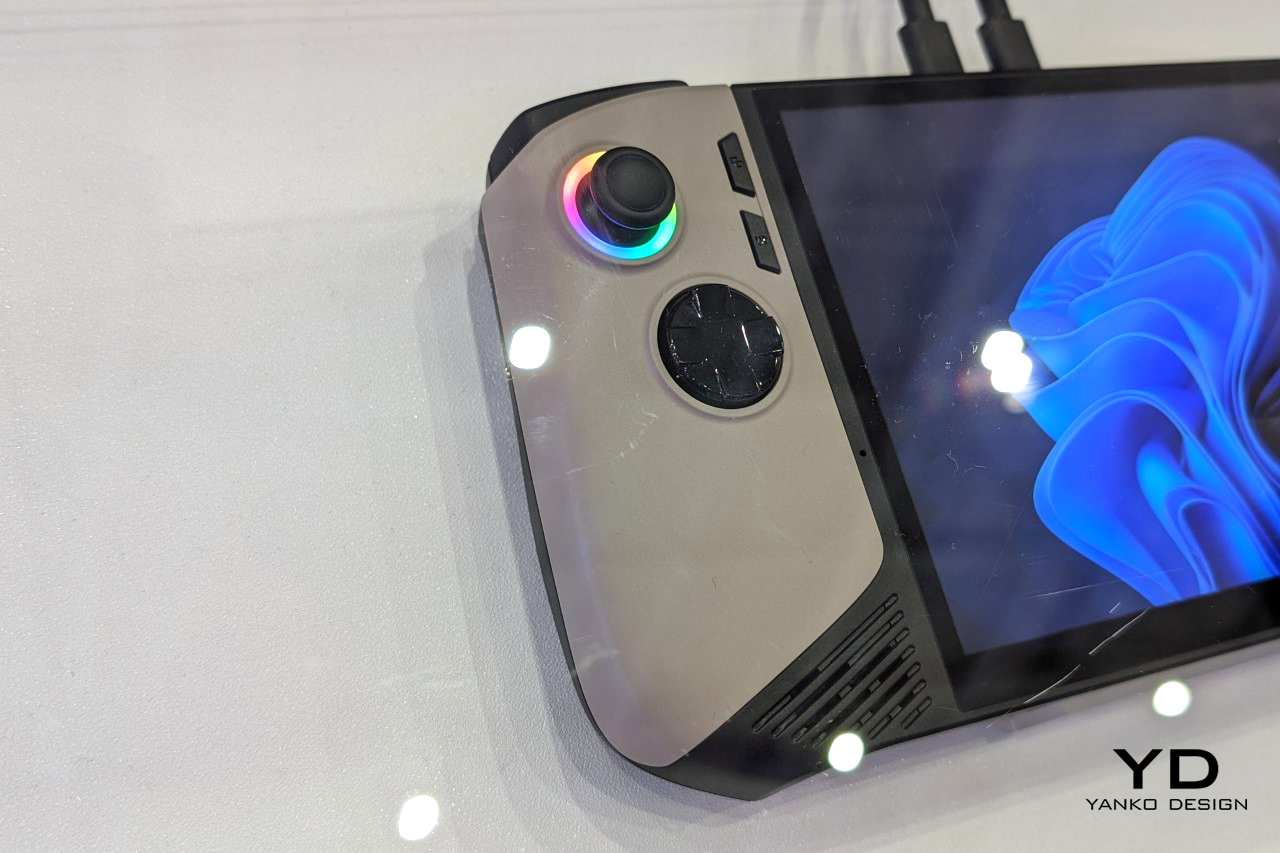
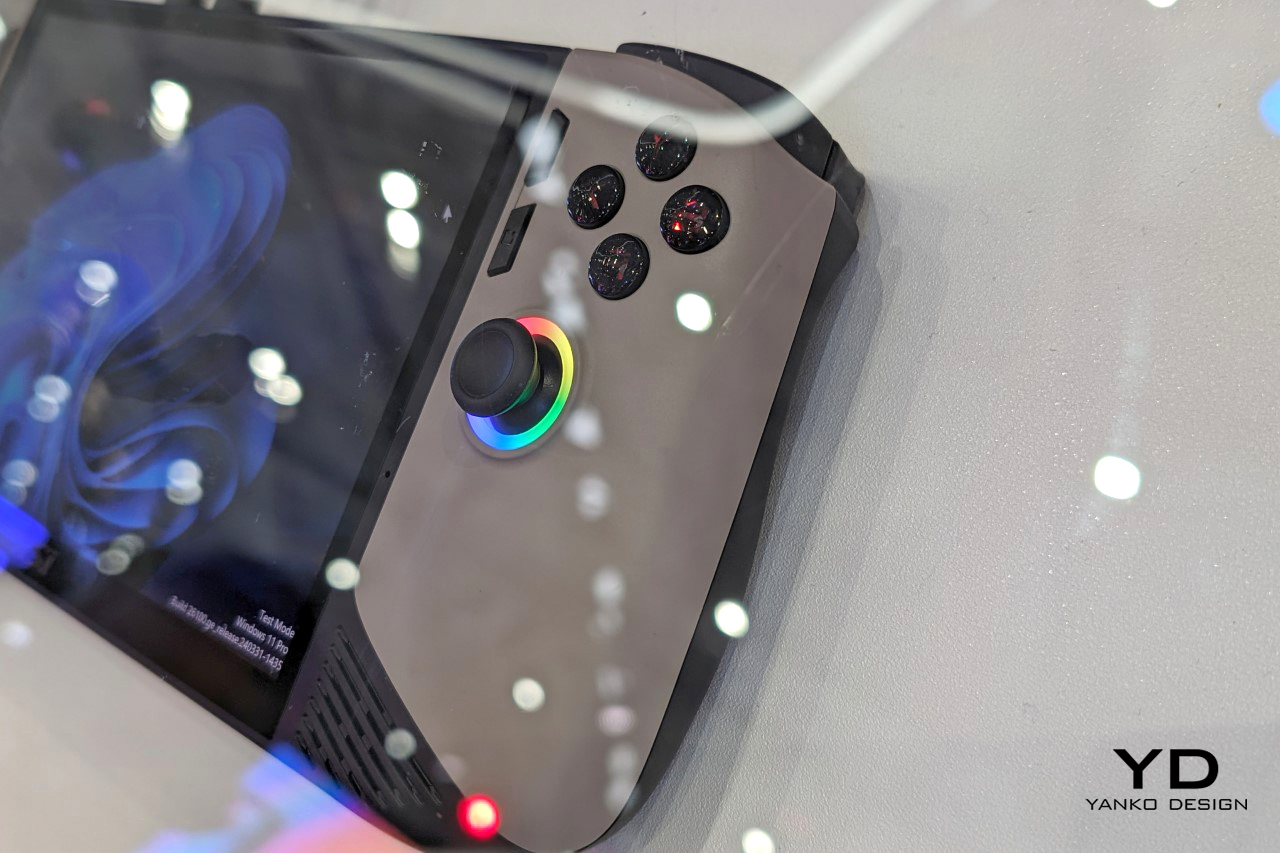
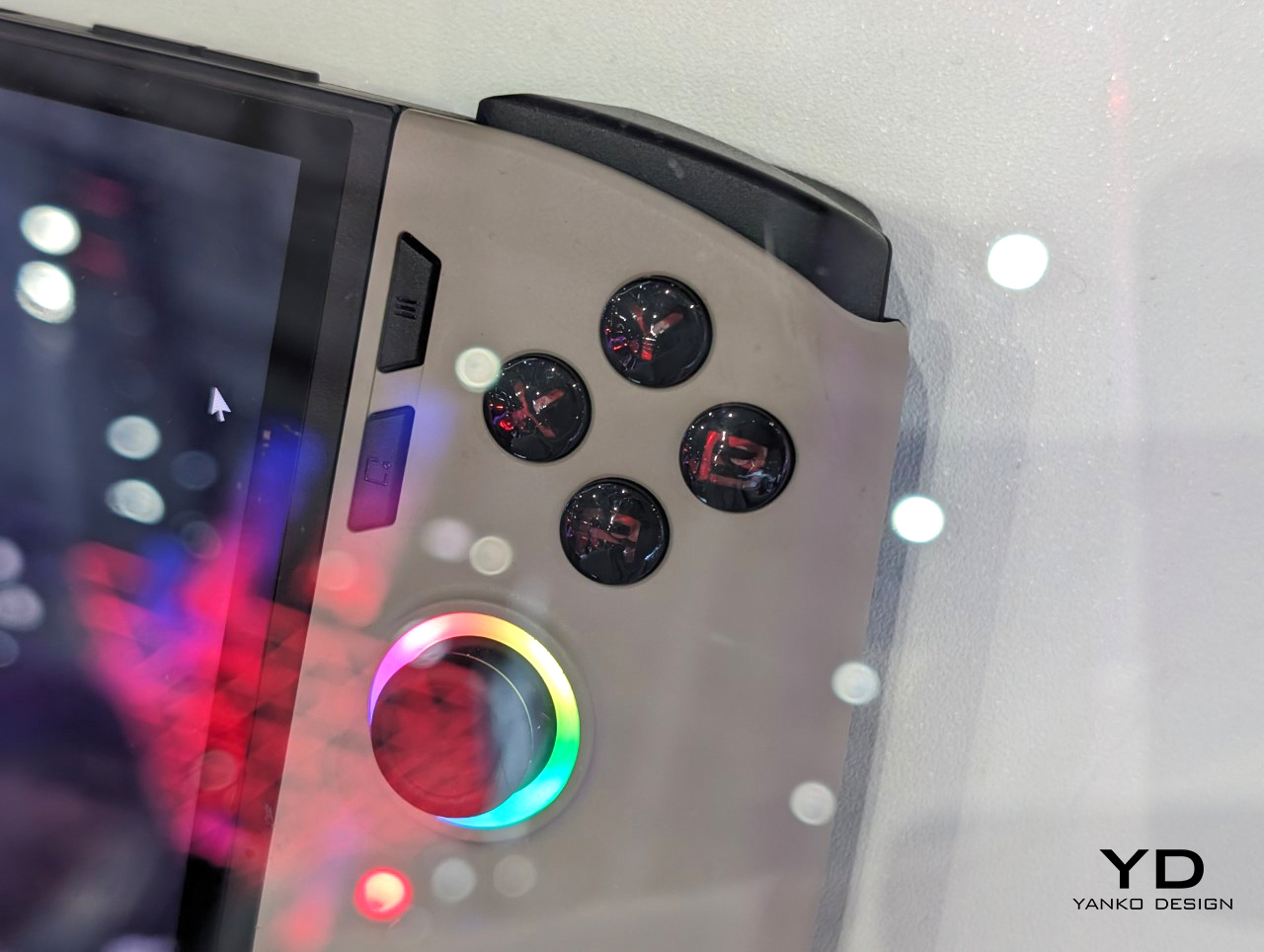
Just months after its initial launch, MSI is showcasing the next version of its handheld gaming PC, the Claw, at Computex 2024. The new iteration, dubbed the Claw 8 AI+, boasts a complete hardware overhaul and aims to address the shortcomings of its predecessor. Although the design language remains arguably the same, the Claw 8 AI+ now comes with a gray body that helps highlight the controls better, a larger screen, and a much more comfortable ergonomic design.

MSI isn’t revealing the specific Lunar Lake CPU model powering the Claw 8 AI+, but it confirms the presence of this next-generation Intel chip. This is coupled with up to 32GB of speedy LPDDR5x RAM and a 1TB SSD. The storage solution is an M.2 2280 SSD, mirroring the ASUS ROG Ally X, potentially allowing for easier upgrades in the future.

Designer: MSI

Beyond internals, the Claw 8 AI+ sports a redesigned chassis that appears more comfortable to hold compared to the original Claw. The device was kept under a glass display so we couldn’t get a handheld experience. It accommodates a larger 8-inch display, though the resolution remains 1080p with a smooth 120Hz refresh rate. Dual Thunderbolt ports are a welcome addition, offering versatility for connecting external displays or high-speed peripherals.

Battery life was a major pain point for the original Claw. MSI is rectifying this with a substantial leap in capacity for the 8 AI+. The new model boasts an 80-watt-hour battery, matching the ROG Ally X and offering a significant improvement over the original’s disappointing 53-watt-hour unit. This rapid turnaround from MSI highlights their determination to carve a space in the competitive handheld gaming market. They assure continued support for the original Claw with ongoing driver updates, including one released recently.

The success of the Claw 8 AI+ hinges heavily on the capabilities of the Lunar Lake CPU. Intel boasts a “radical low-power architecture” ideal for handheld devices, alongside improved integrated graphics powered by their Battlemage architecture. While details are scarce, the potential for efficient performance and impressive visuals is promising.

However, past experiences with the original Claw, hampered by the Meteor Lake CPU, serve as a cautionary tale. While other manufacturers opted for AMD processors, MSI’s choice limited performance. Here’s hoping the pairing of Lunar Lake and the Claw 8 AI+ proves fruitful.

Pricing details remain under wraps, but a September launch window is expected. While the final design might differ slightly from the prototype showcased at Computex, a potential price drop for the original Claw is also hinted at.

The post MSI Claw 8 AI+ Handheld Gaming PC: Bigger Screen, More Power, and Improved Battery Life first appeared on Yanko Design.

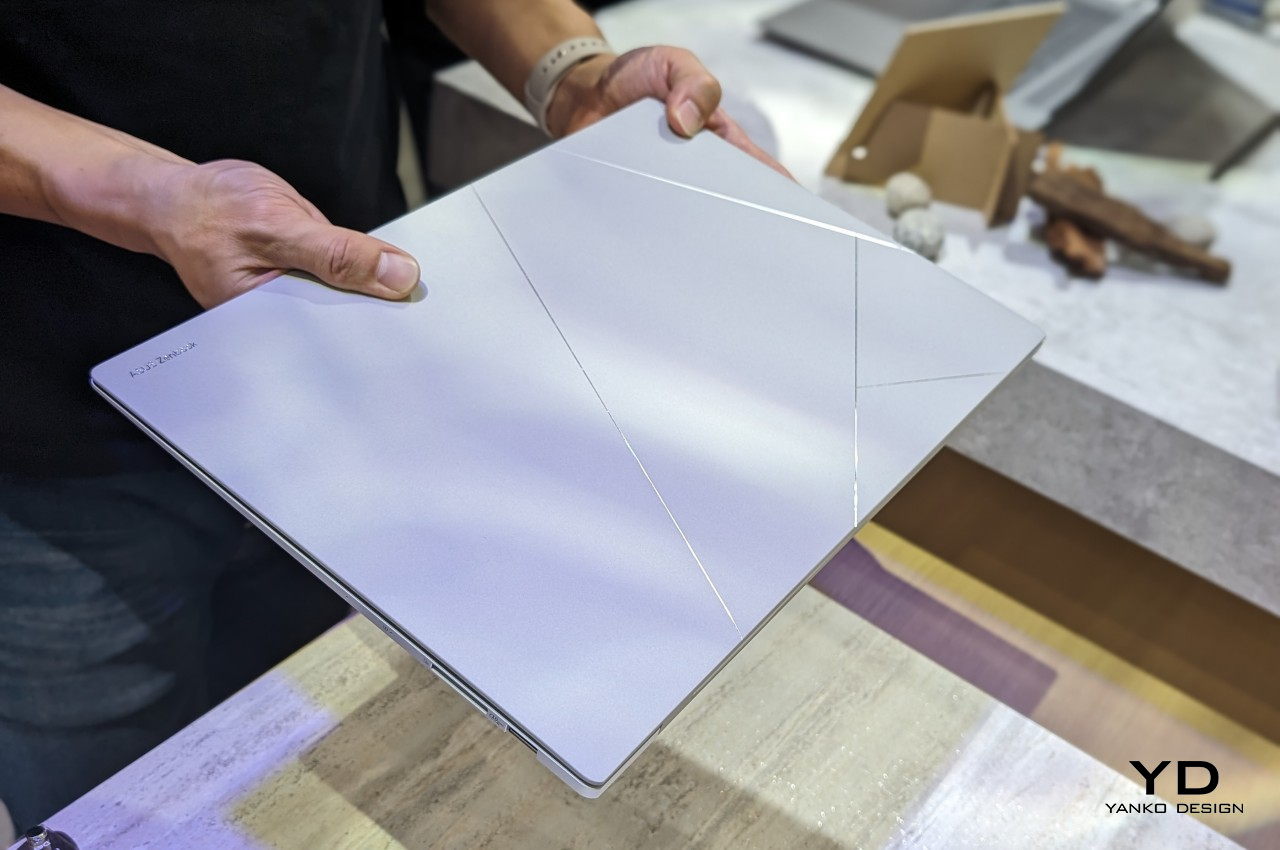
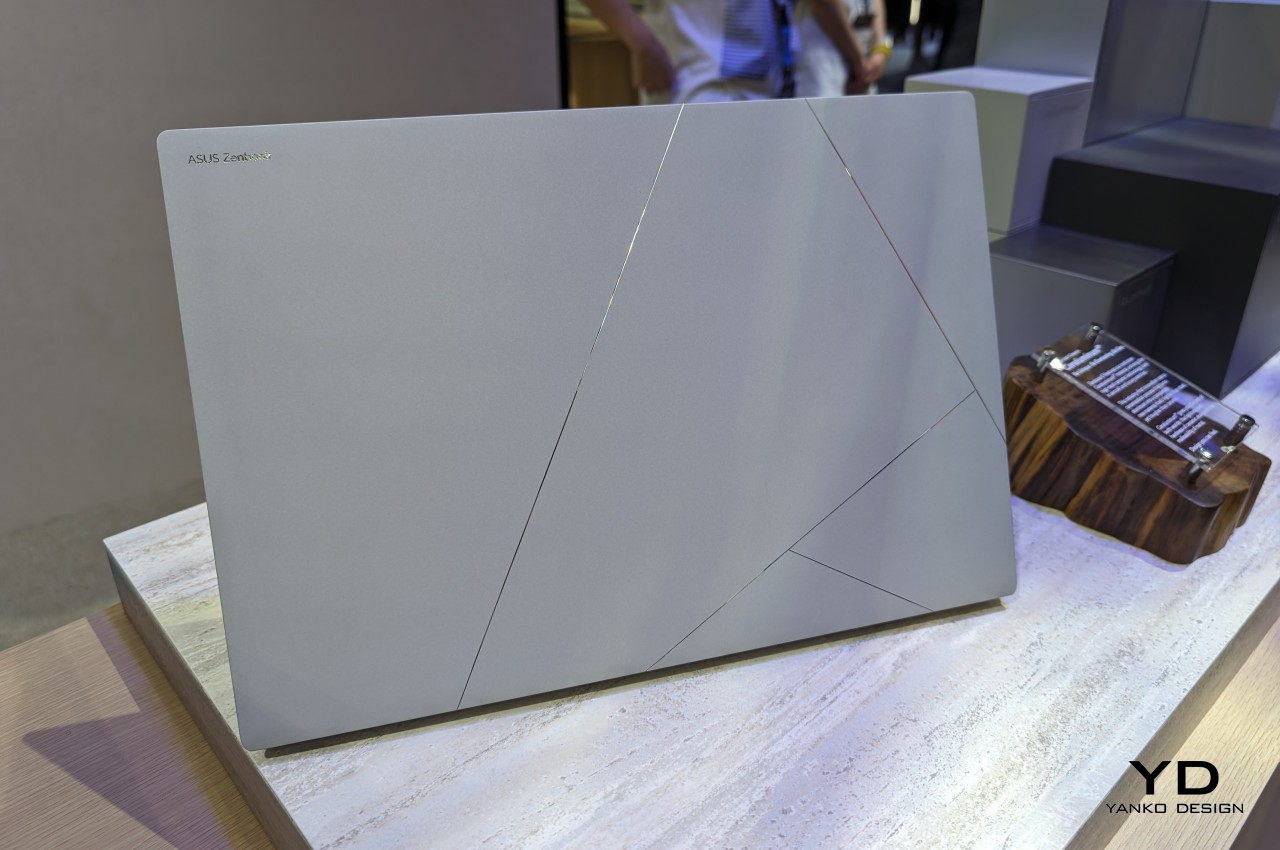
ASUS Ceraluminum brings beautiful ceramic and durable aluminum laptops

Gone are the days when laptops were seen just as technical equipment needed to get work done. Just like with smartphones, they have also become part of our modern lifestyles and a reflection of our own selves. What all these mean is that people are now more conscious of the design of the laptops they purchase, not just the specs or the brand. Yes, there are still many that look like tanks with rainbow lighting accents, but even some more powerful notebooks now have sleeker and more refined aesthetics as well. To keep up with more discerning consumers, ASUS has engineered a new kind of material for the outer lid of their newest and most premium laptop that combines the lightness of ceramic with the durability of aluminum into an elegant surface that just screams “luxury.”

Designer: ASUS

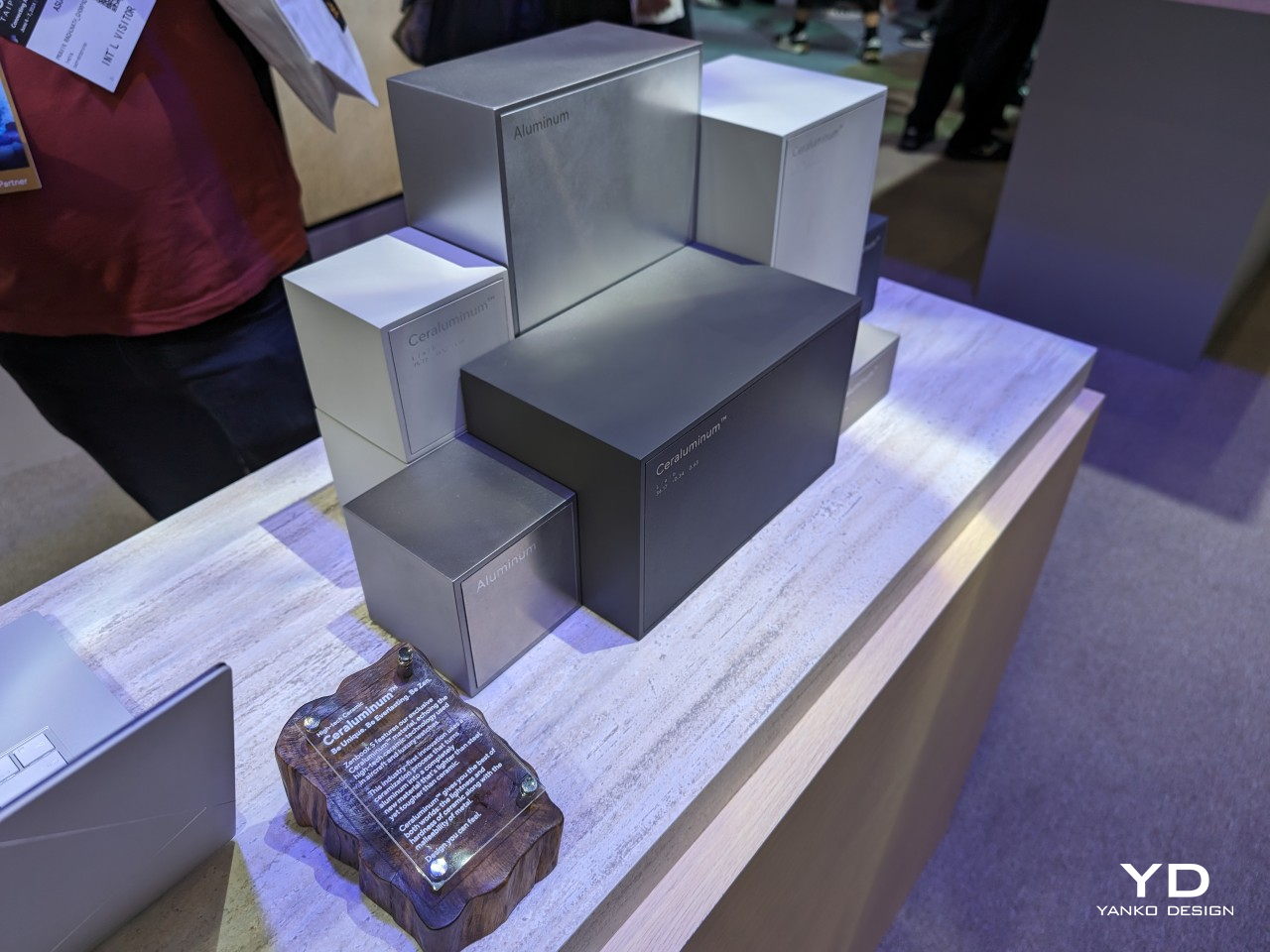
Laptop lids are often made of either plastic or metal because of their resilience and durability. Of the two, metal, which usually means aluminum, is considered more premium but also tends to be heavier and sometimes uncomfortable due to how cold it is to the touch. In contrast, ceramic is equally premium yet almost the opposite of metal: lightweight, warm to the touch, and sadly also fragile.

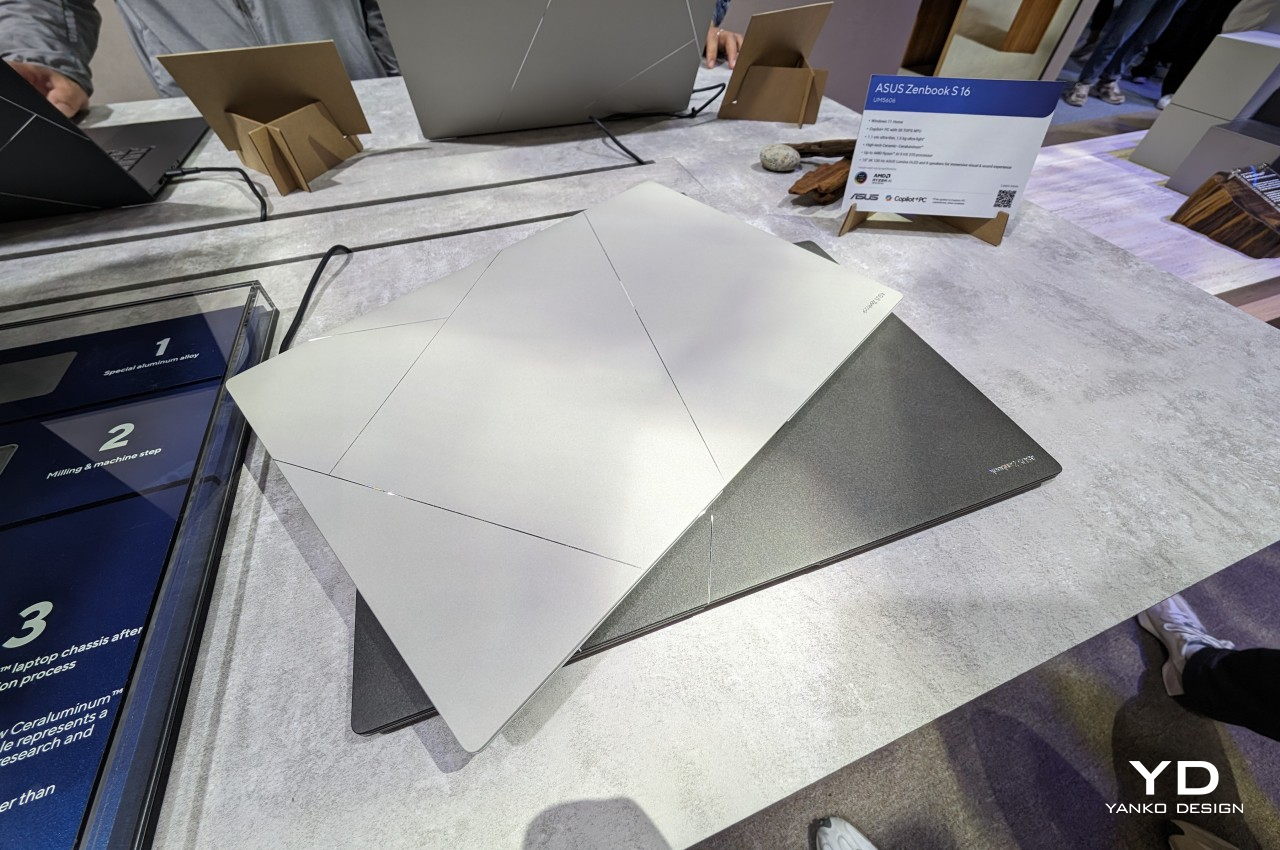
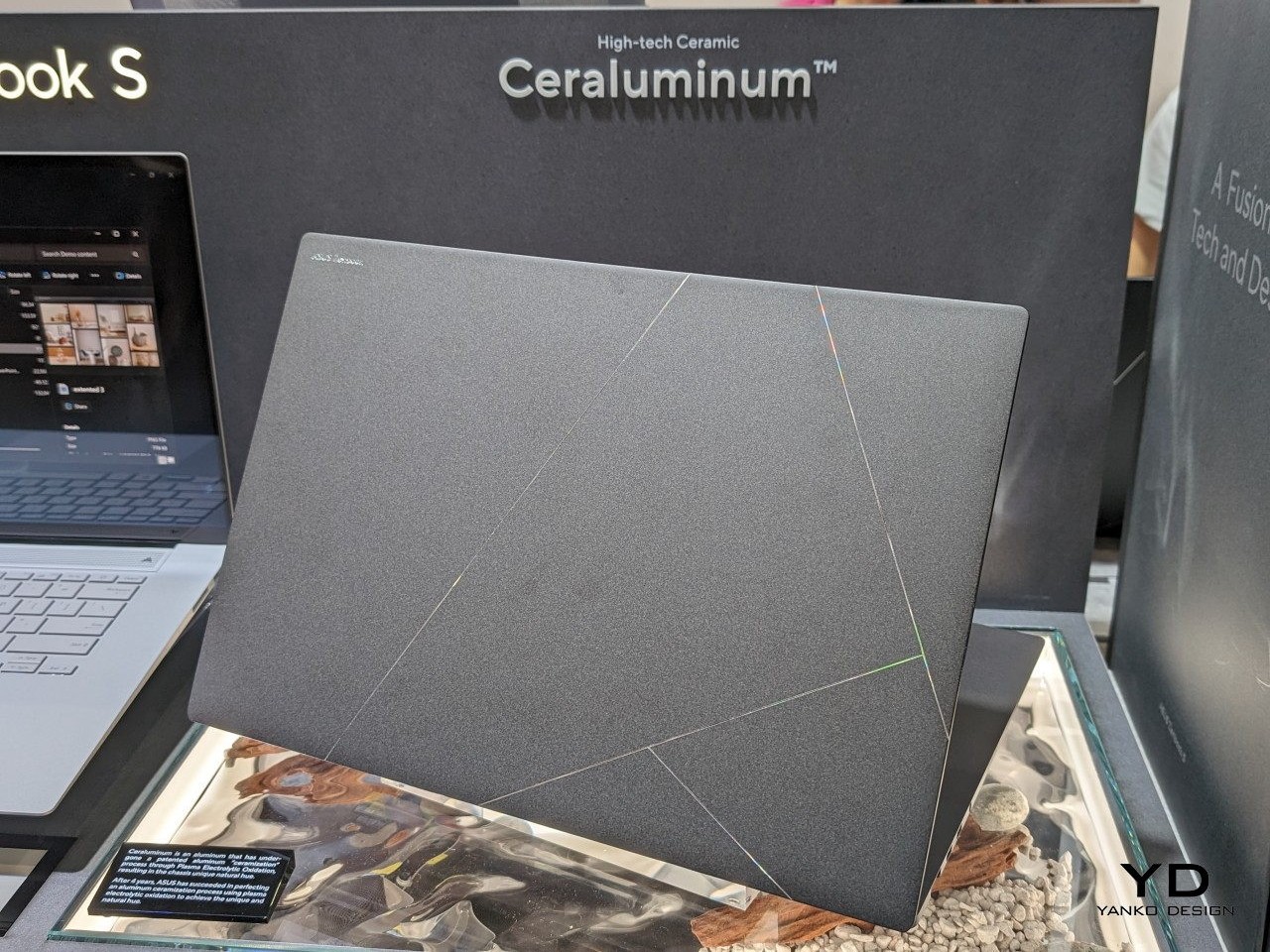
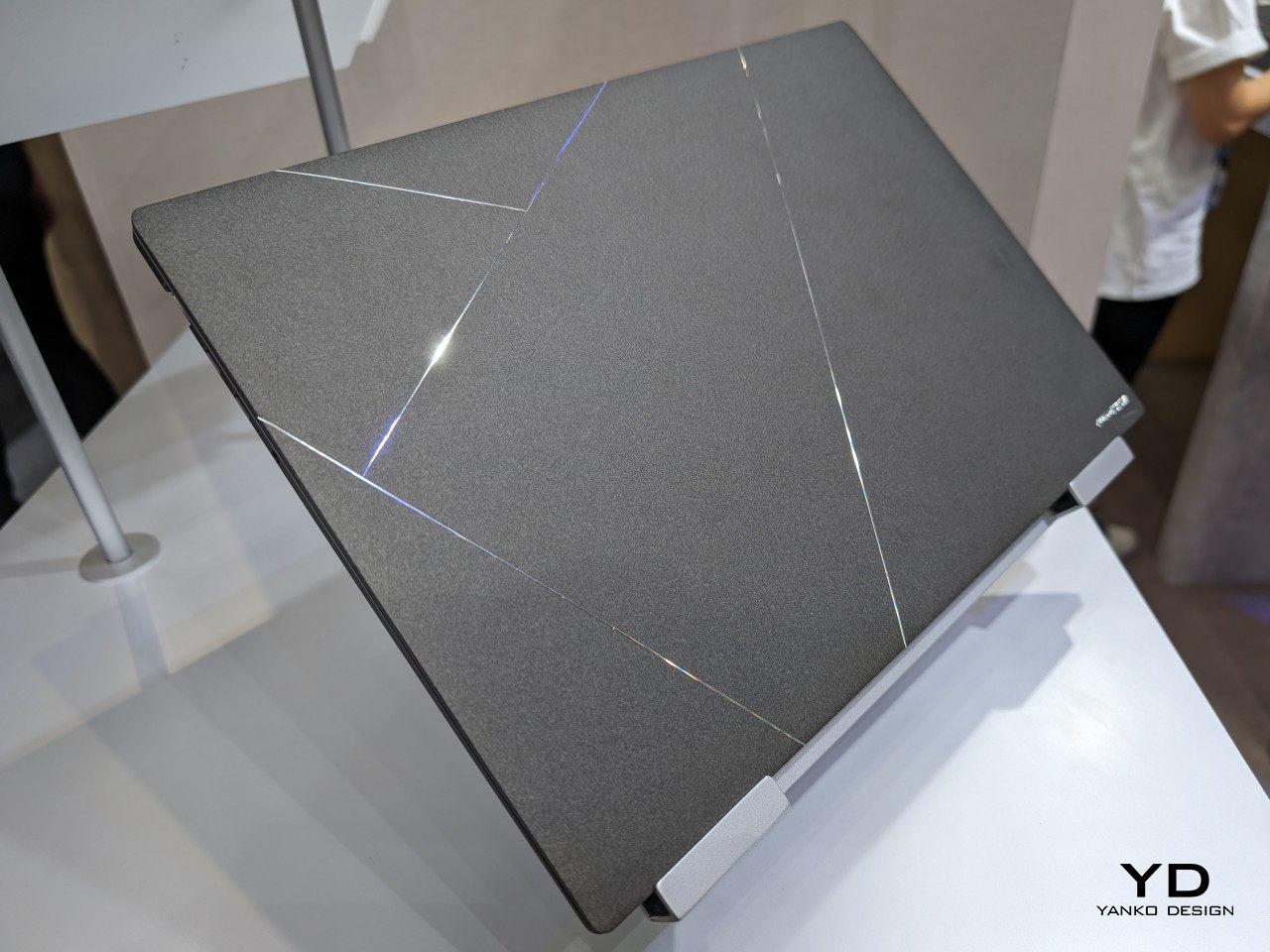
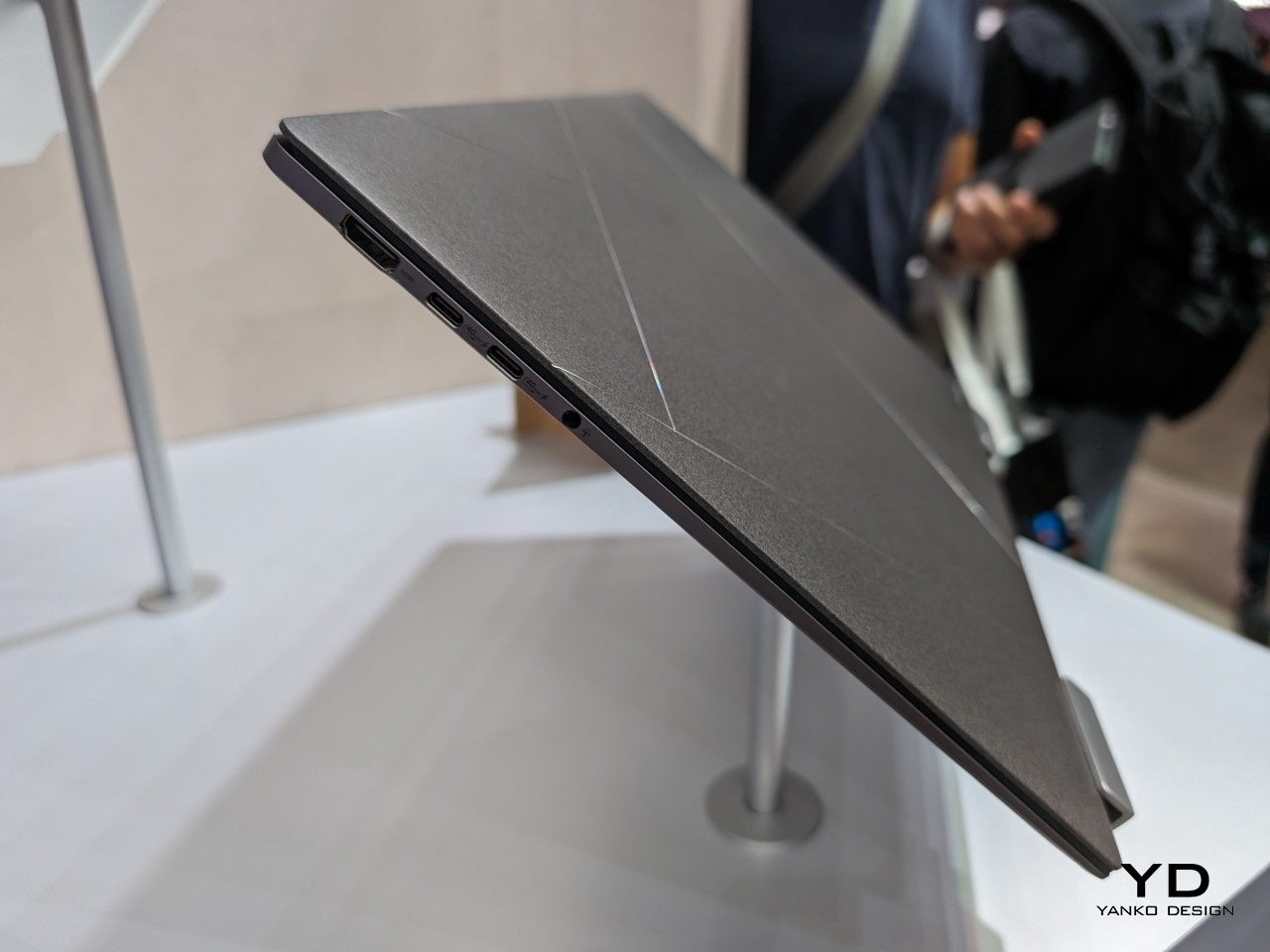
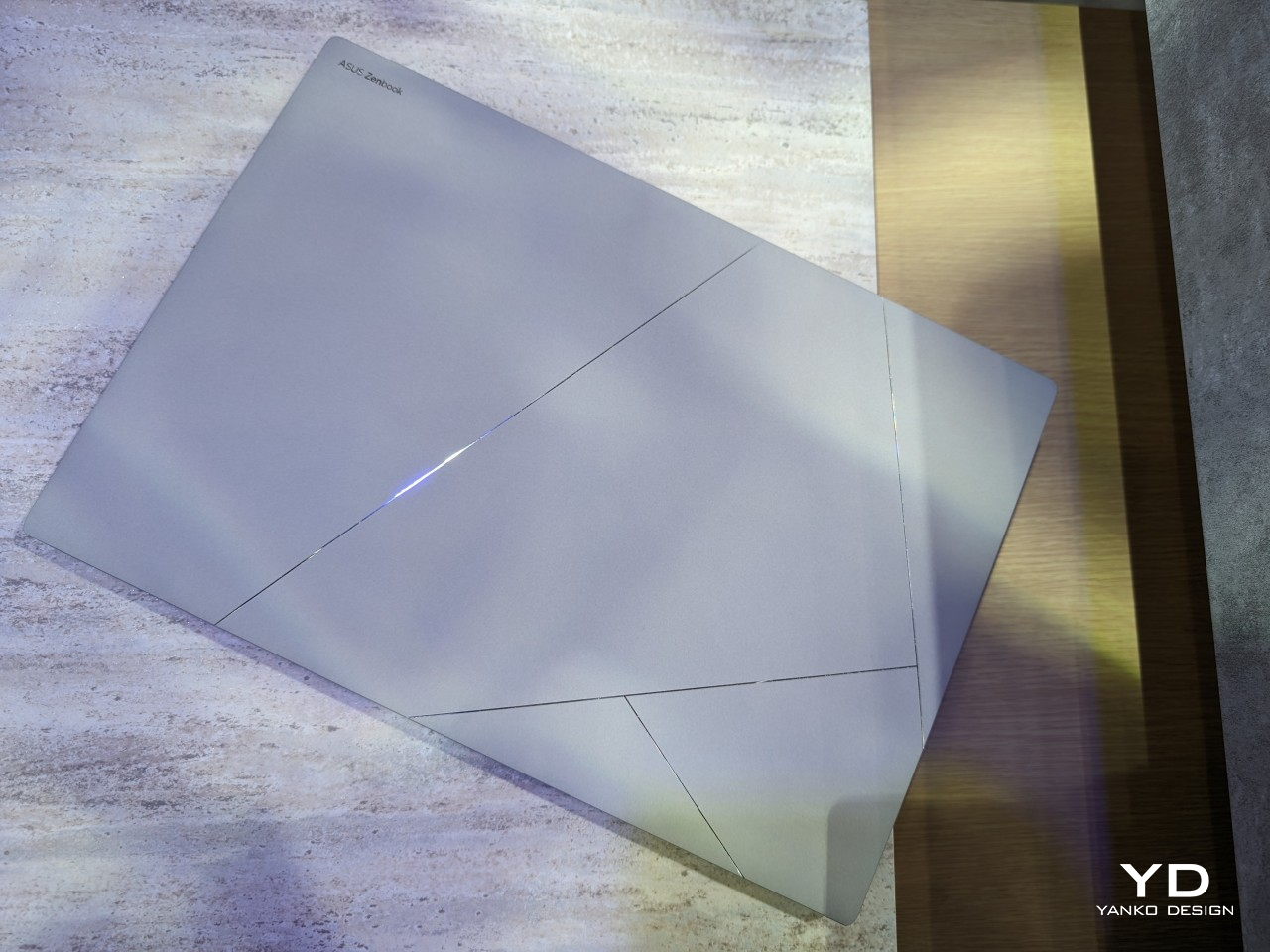
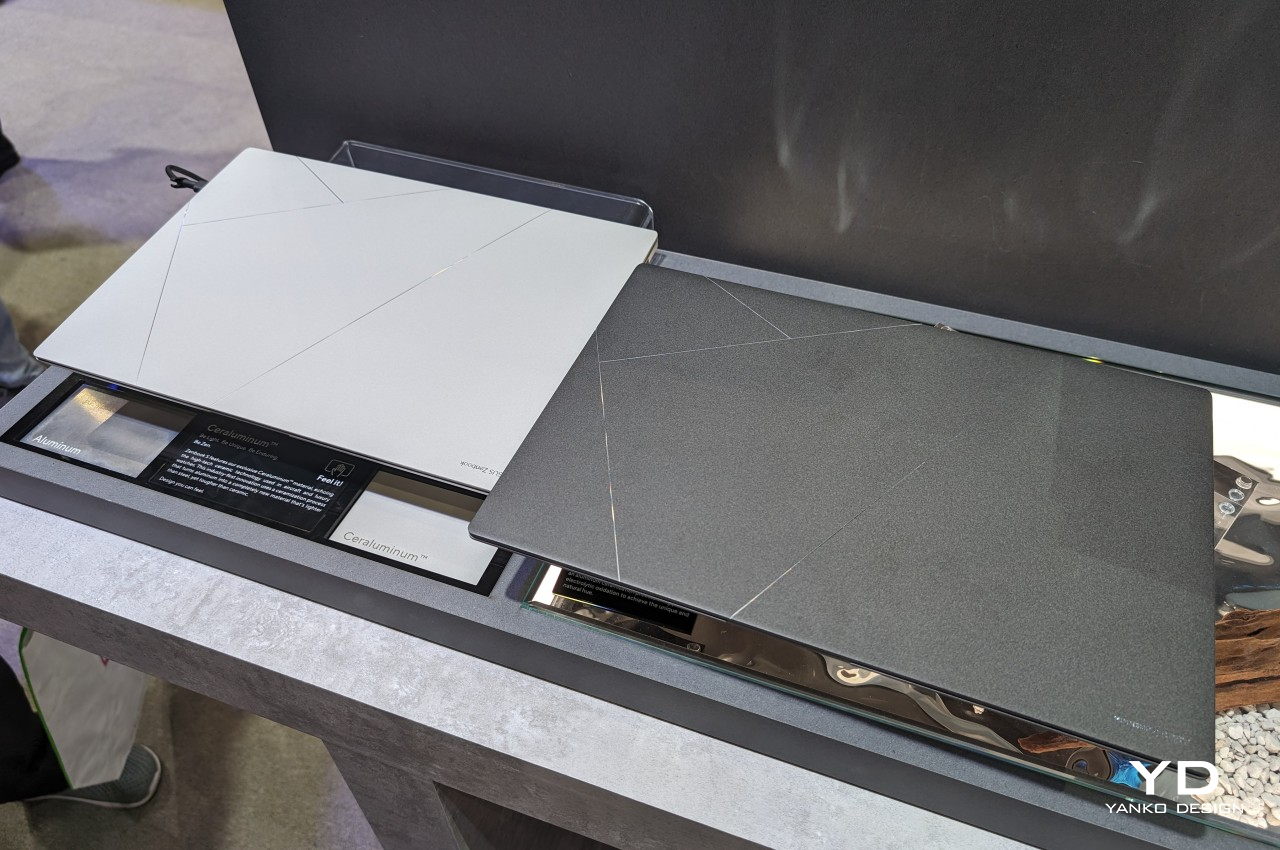
ASUS has aimed to bring the best of these worlds together and has created the portmanteau “Ceraluminum” to mark the success of their years of research and experimentation. In reality, it is actually aluminum but treated in a special process, which it unsurprisingly calls “ceramization,” which gives it the properties of ceramic. This “hi-tech” new material boasts being lighter than steel yet also more durable than actual ceramic. More importantly, the material focuses as much on the tactile experience as on the aesthetics. Like ceramic, Ceraluminum is not only cool to the touch but also gives the fingers a better grip on the laptop’s lid.

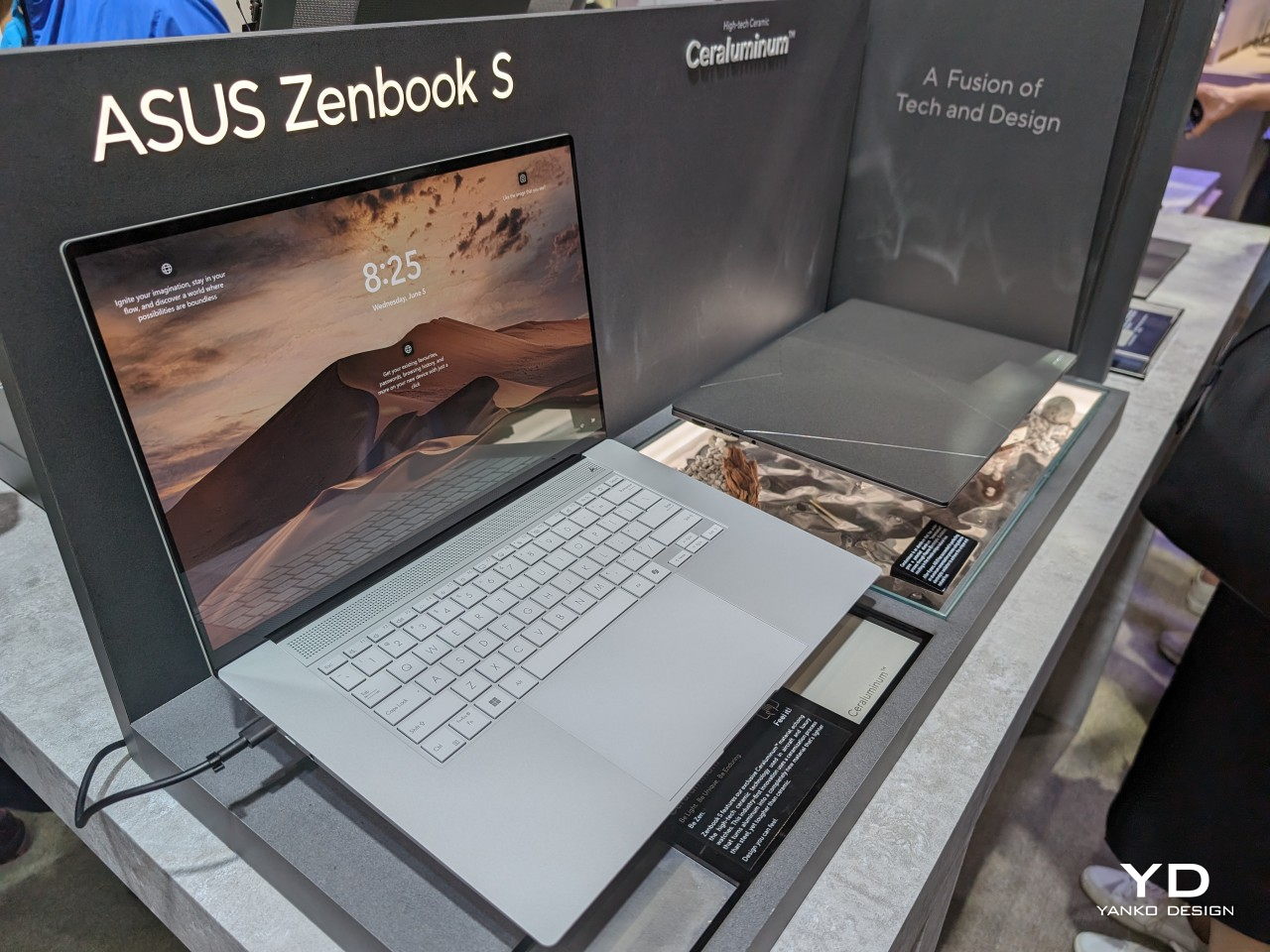
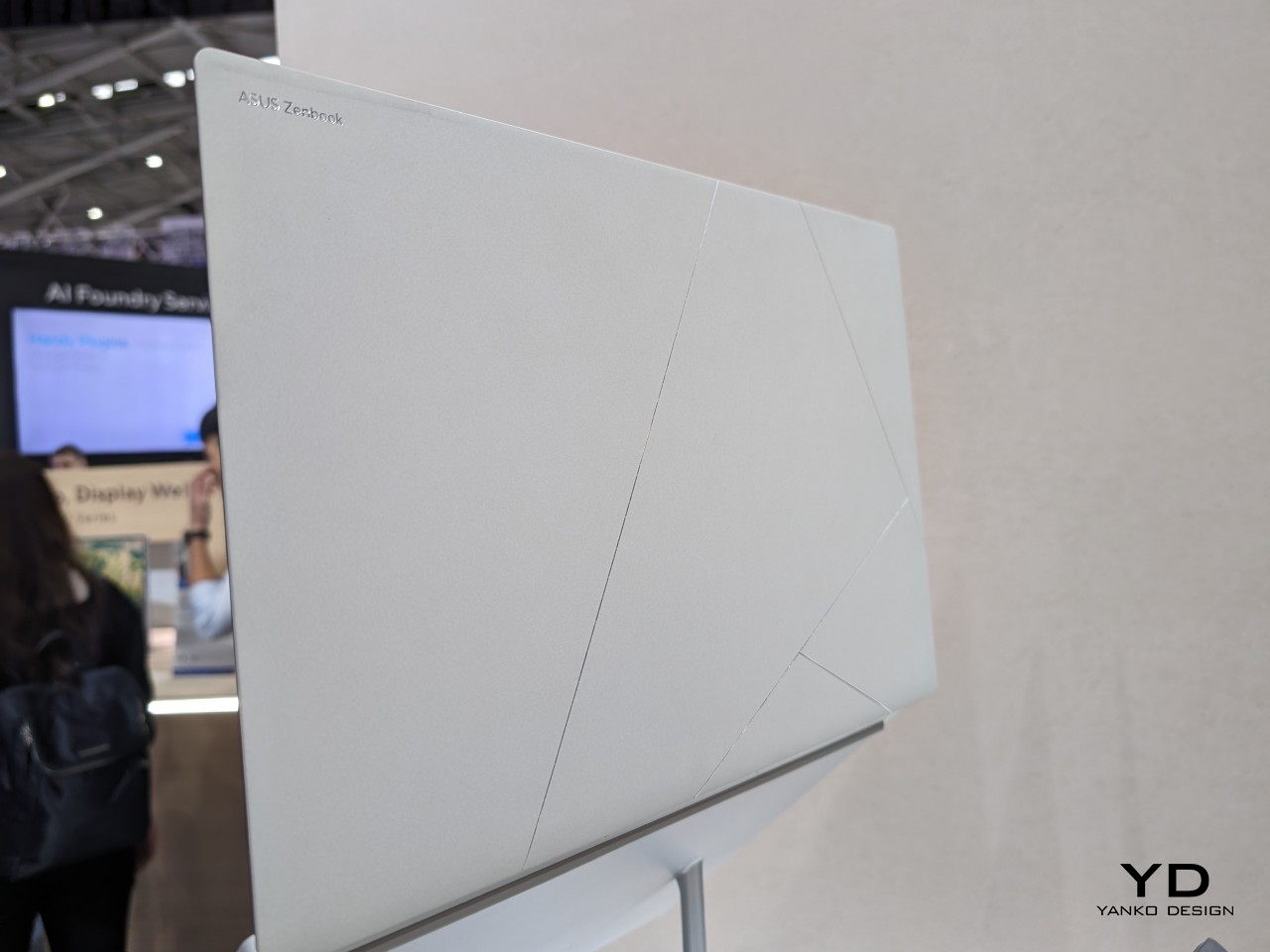
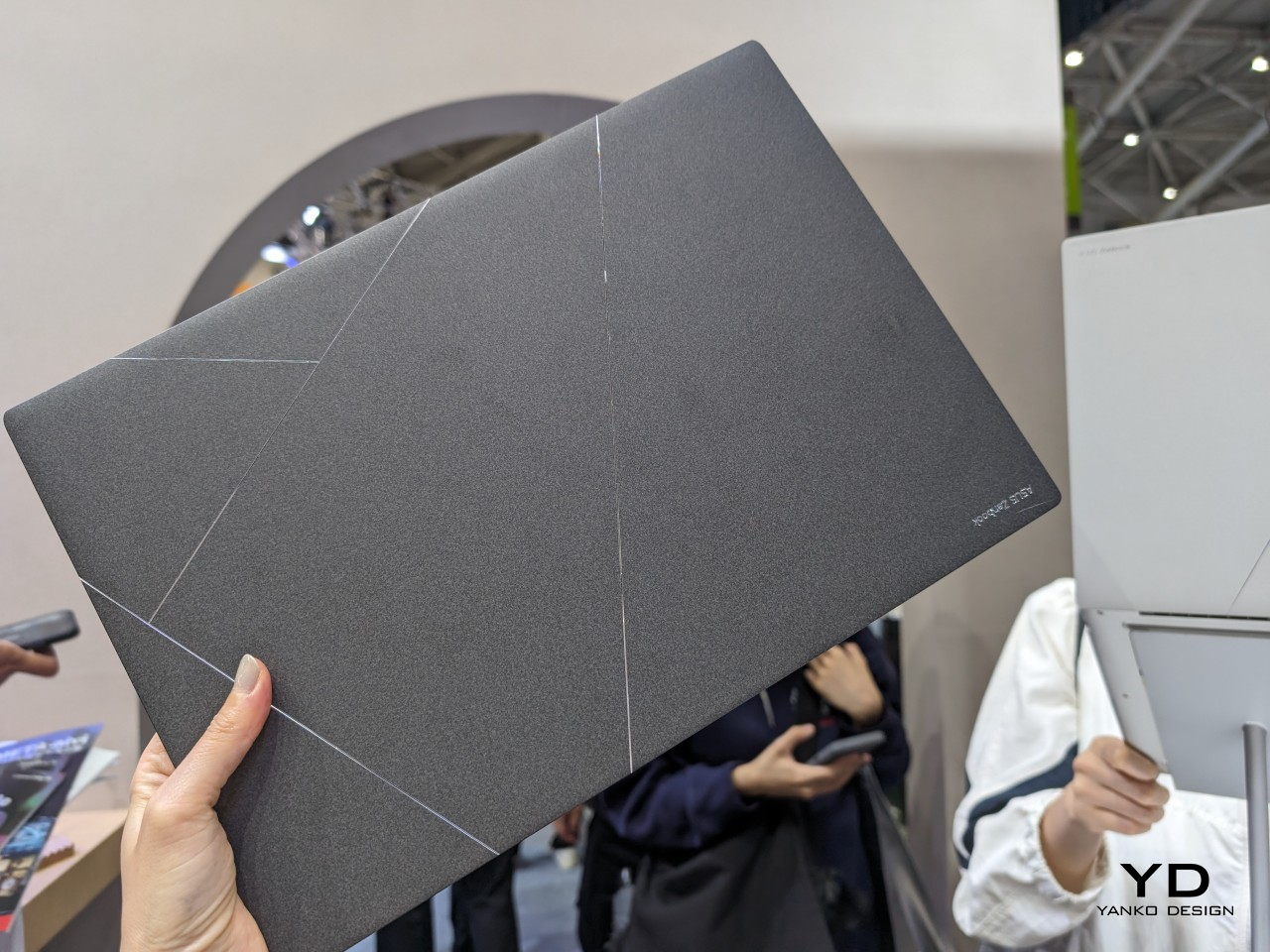
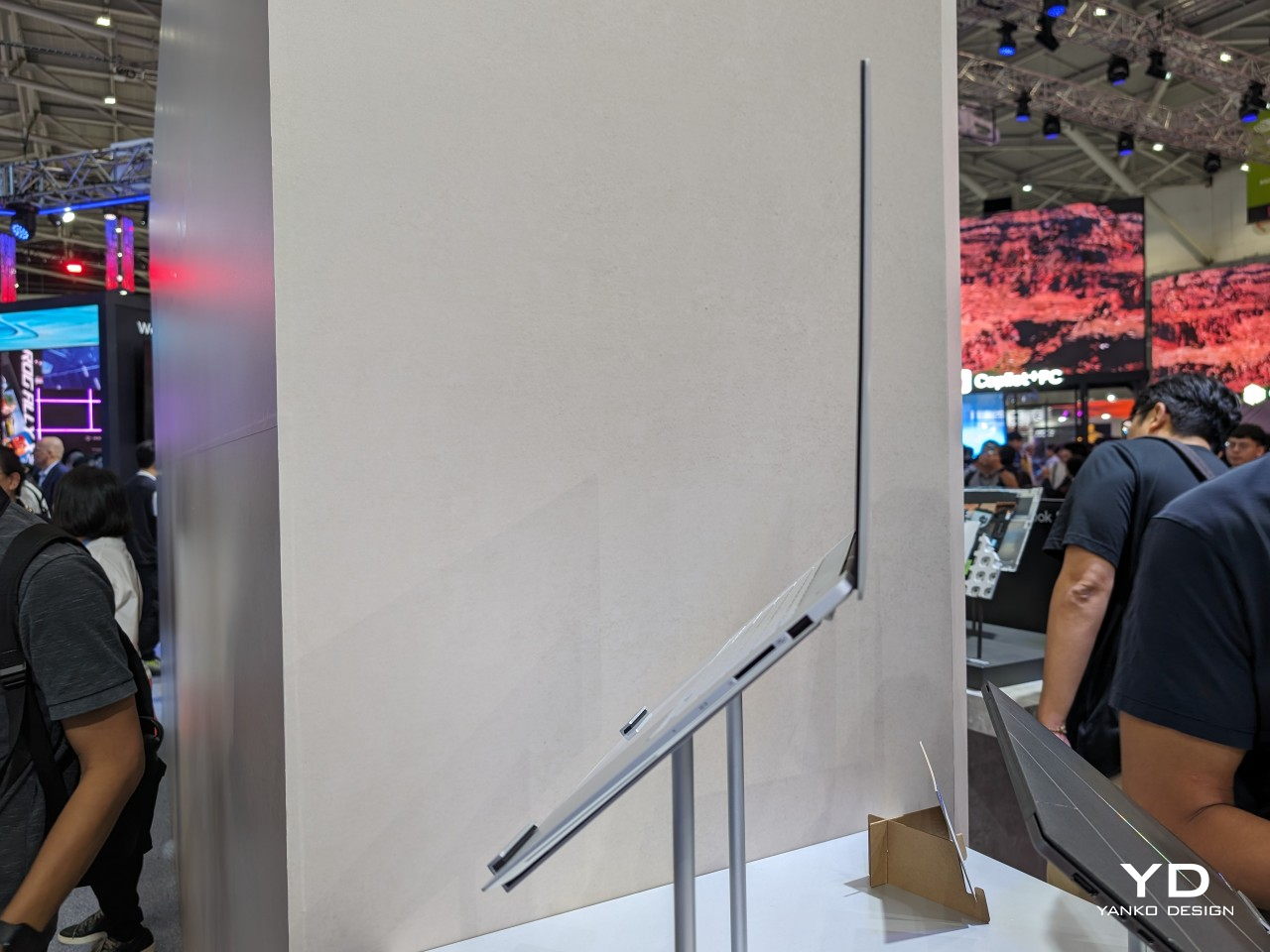
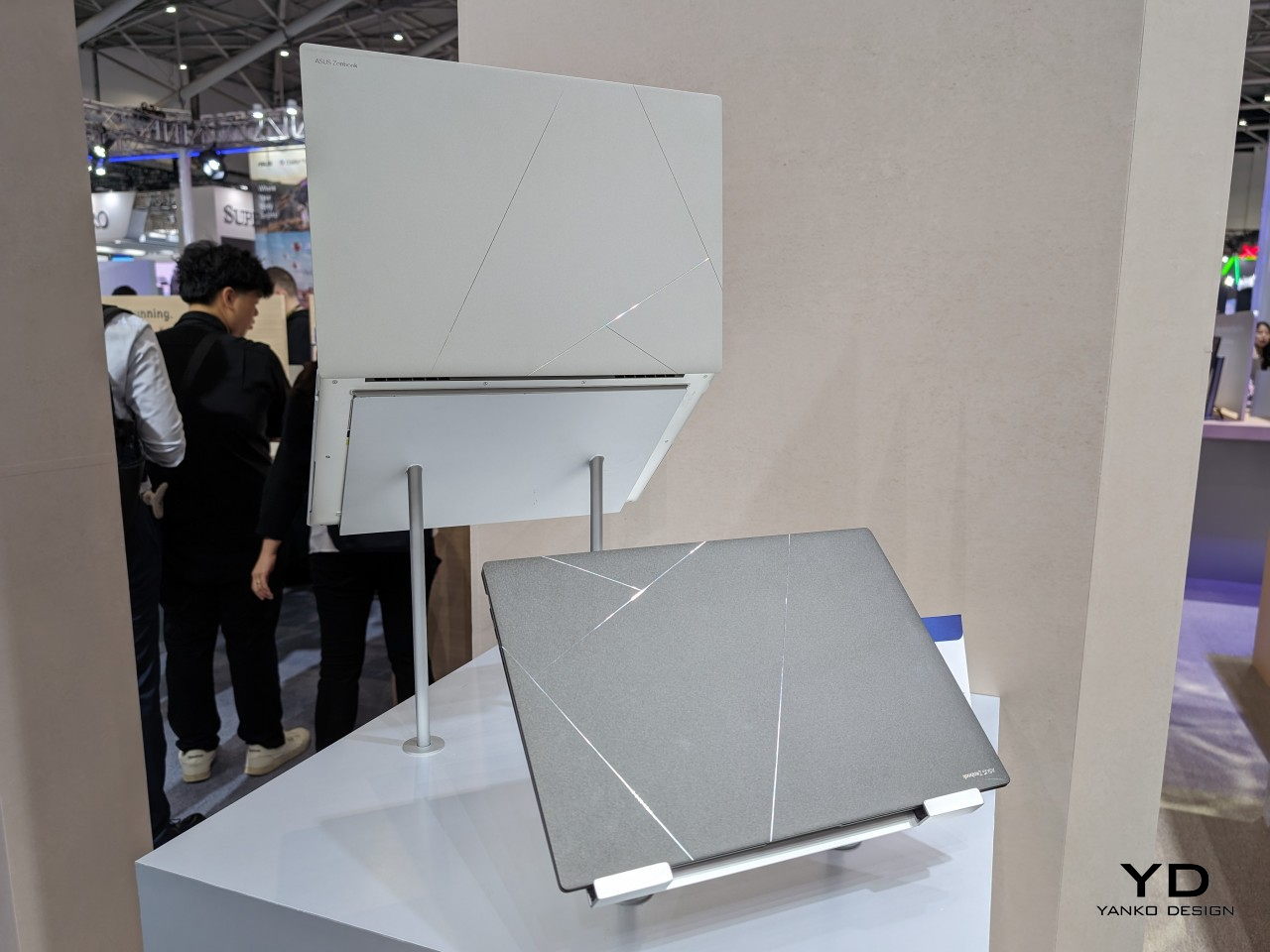
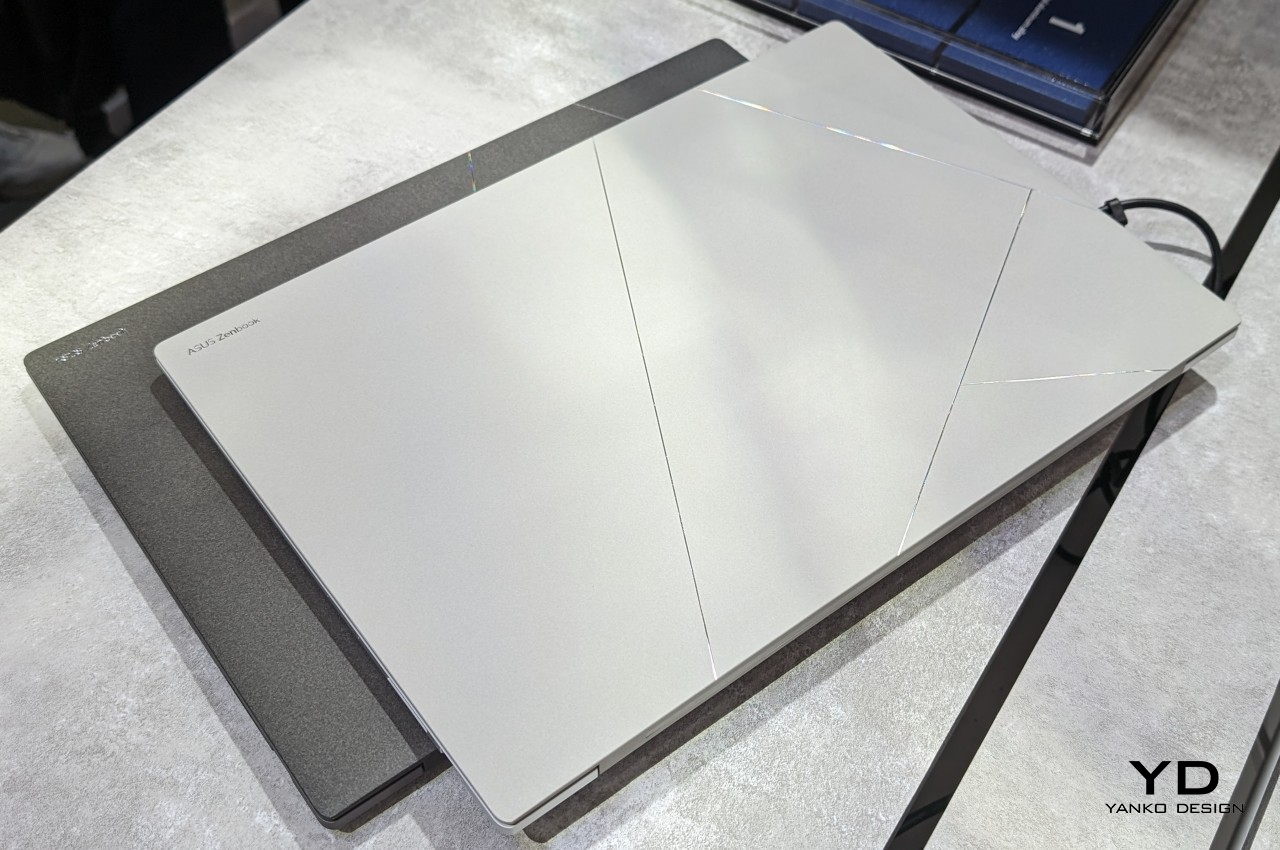
Ceraluminum is still a novel material and it might not be ready for truly mass production just yet. For its maiden voyage, ASUS has chosen its new Zenbook S 16 to be the first to benefit from this amalgamation of two of the most premium materials known in the industry. It’s a perfect match as well, given how incredibly thin and lightweight the laptop is. It looks premium and definitely feels premium, a fitting exhibit for Ceraluminum’s equally premium properties.

In addition to its elegant material, the ASUS Zenbook S 16 also brings nature-inspired colors to match. Zumaia Gray takes inspiration from flysch cliffs in Spain, while Scandinavian White mimics the warm light of the sun on snowy mountains. Even this color is a product of sophisticated materials research, modifying the molecular structure of copper and oxygen atoms to give off a different color while using the same aluminum oxide material as other colors. The ASUS Zenbook S 16 is, in the final analysis, an exhibit of the brand’s innovation in creating new materials meant to delight not just the eyes but also your fingers and elevate your laptop experience.

The post ASUS Ceraluminum brings beautiful ceramic and durable aluminum laptops first appeared on Yanko Design.

Celebrate World Environment Day With These Top 10 Eco-Friendly Designs

Our unhealthy practices and way of living are truly harmful to the environment and have been slowly leading to its deterioration. And the world has been changing (for the worse) because of this. Hence, it is extremely important to live sustainably and consciously and to take care of the environment in 2024! Integrating sustainability into our day-to-day lives has become crucial. And we can do this in various ways. Designers and creators are coming up with sustainable alternatives for almost everything. Every product that is necessary and utilized by us in our everyday routine has an eco-friendly alternative to it. Replacing our usual mass-produced designs with these greener options will make a huge difference to the environment and Mother Earth. And on World Environment Day, we’ve curated a collection of eco-friendly designs to help you live more green – check them out!

1. EasyFreeze

In countries like Nigeria, power outages are a daily occurrence, and they can tend to last for hours. In these difficult living conditions, a traditional fridge is of no use. Hence, Amped Innovation designed EasyFreeze – a solar-powered fridge that will function effectively irrespective of power conditions.

Why is it noteworthy?

The fridge will function off-grid, or irrespective of an unreliable grid. It is an excellent solution for regions with abundant solar energy, but poor infrastructure. It is a thoughtfully designed fridge and freezer, which can refrigerate in 20 minutes, and freeze in less than an hour. It can maintain its temperature for up to 40 hours even during power outages, or days when the sun isn’t shining.

What we like

  • Provides reliability and efficiency even in challenging conditions
  • Uses an ice battery instead of typical lithium-ion batteries

What we dislike

  • Priced at $900, and intended for middle-class families, low-income groups may find it difficult to purchase

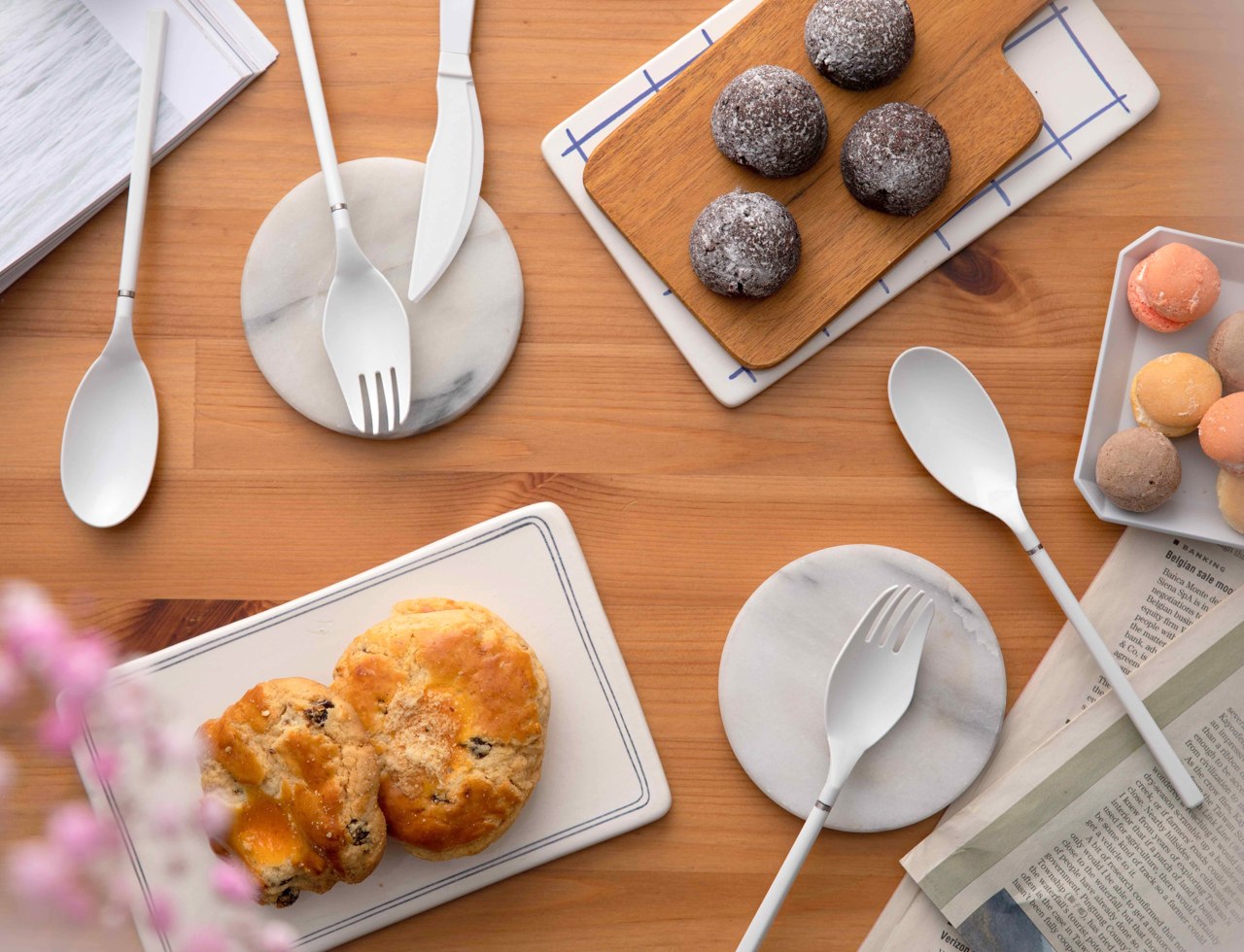
2. Sustainable Cutlery Set

Named the Sustainable Cutlery Set, this guilt-free dining product is built using Glass Fiber-Reinforced Polymers or GFRP. It is a sustainable set comprising of light and durable utensils, packed in reusable and recyclable packaging. The utensils are designed to last a long time, maybe even longer than you!

Click Here to Buy Now: $49.00

Why is it noteworthy?

The Sustainable Cutlery Set is quite mechanically strong, which means the knife and fork wont break if your steak is a bit too tough. The different utensils can be split in half, making them portable in design. The various parts can be easily screwed and unscrewed, while also ensuring they are durable.

What we like

  • Eco-friendly and yet long-lasting
  • Portable and easy-to-carry form

What we dislike

  • The handles of the cutlery might be too thin for large hands

3. Briiv Pro

Called the Briiv Pro, this eco-friendly purifier combines nature and technology to offer you clean air in your home. The newly designed version is more powerful than the previous one, and it can purify a 16 sq.m. room in 21 minutes. It is a ‘mini forest’ that is 6900% more effective than house plants.

Why is it noteworthy?

Briiv Pro is 6900% more effective than house plants, which is truly commendable for its size. It is super functional, and quite hood-looking, unlike other air purifiers in the market which tend to be bulky and visually displeasing.

What we like

  • The purifier works at a whisper-soft noise level
  • Features an AI-based sensor

What we dislike

  • Isn’t as fast as other air purifiers in the market, and they’re more economically priced as well

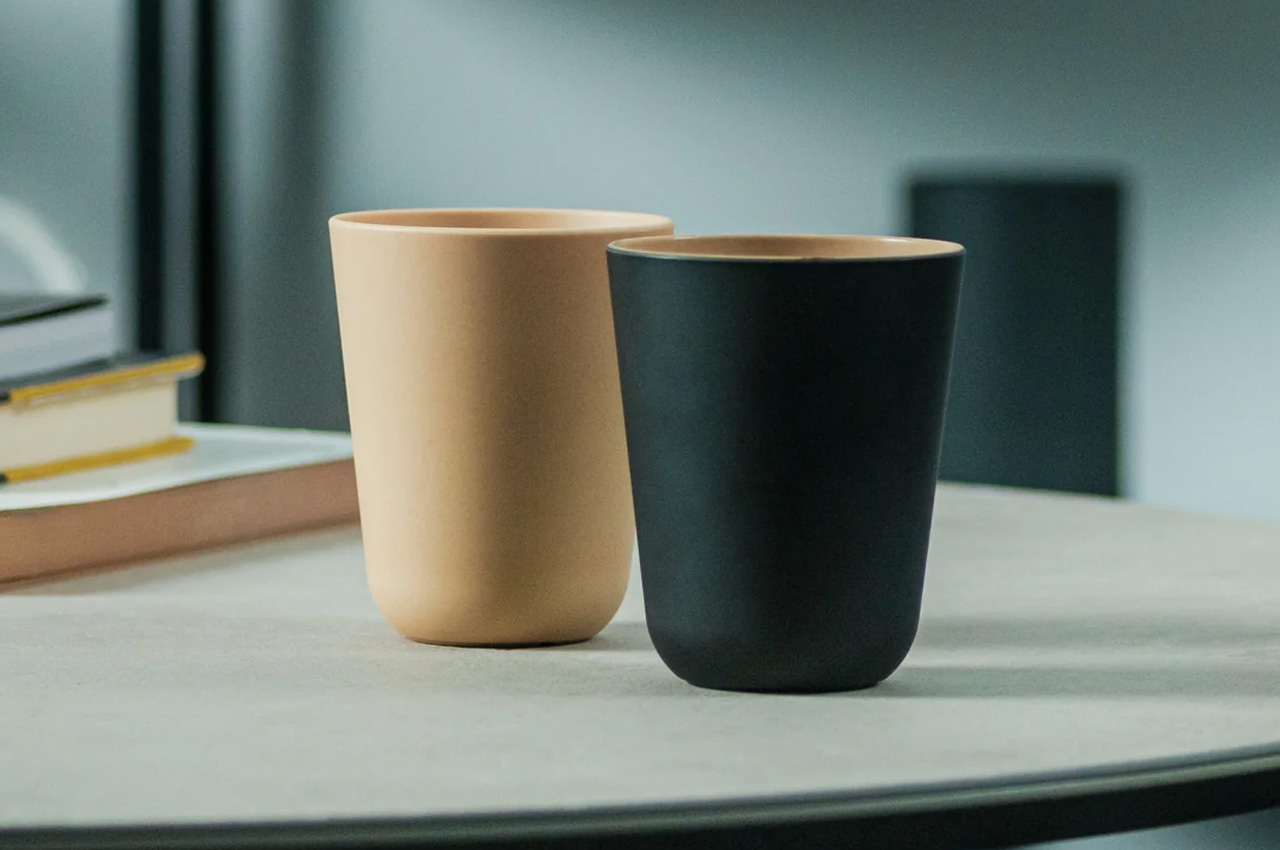
4. Earth-Friendly Tumbler

Meet the Earth-Friendly Tumbler – an eco-friendly made using PAPLUS, a new thermoplastic resin that combines biodegradable paper to add more durability, moldability, and heat resistance. These are qualities that normal PLA lacks, so this tumbler is quite exceptional.

Click Here to Buy Now: $25

Why is it noteworthy?

The Earth-Friendly Tumbler utilizes PAPLUS, an eco-friendly material-, to form a unique texture that is similar to ceramic or wooden cups. As you take a sip from the tumbler, you taste a wonderful flavor, while also experiencing an engaging sensation on your lips.

What we like

  • Elevates the basic act of drinking water, and adds a whole new sensory experience
  • Has a heat resistance of f 120°

What we dislike

  • The natural color does become uneven and fade from use, which may not be preferred by all users

5. Cloche Table Smoker

Meet the Cloche table smoker – a smoker that uses aromatic pants and wood ships, allowing the food you’re cold smoking to retain its original flavors, with a touch of smokiness added to it. This smoker also functions as a dining table decoration, owing to its beech and stainless steel aesthetic which elevates the ordinary atmosphere of your meal.

Why is it noteworthy?

It creates a soothing ritual for you, one that involves arranging the food, lighting the fire, putting it out, and displaying the food for eating. The sustainable smoker ensures that you don’t need to use an actual smoking grill, and it in fact doubles up as a table decoration or food container too.

What we like

  • Eliminates the need for an actual smoking grill
  • Serves as a table decoration too

What we dislike

  • A bit small in size, so you can only use it if you’re having a few guests over

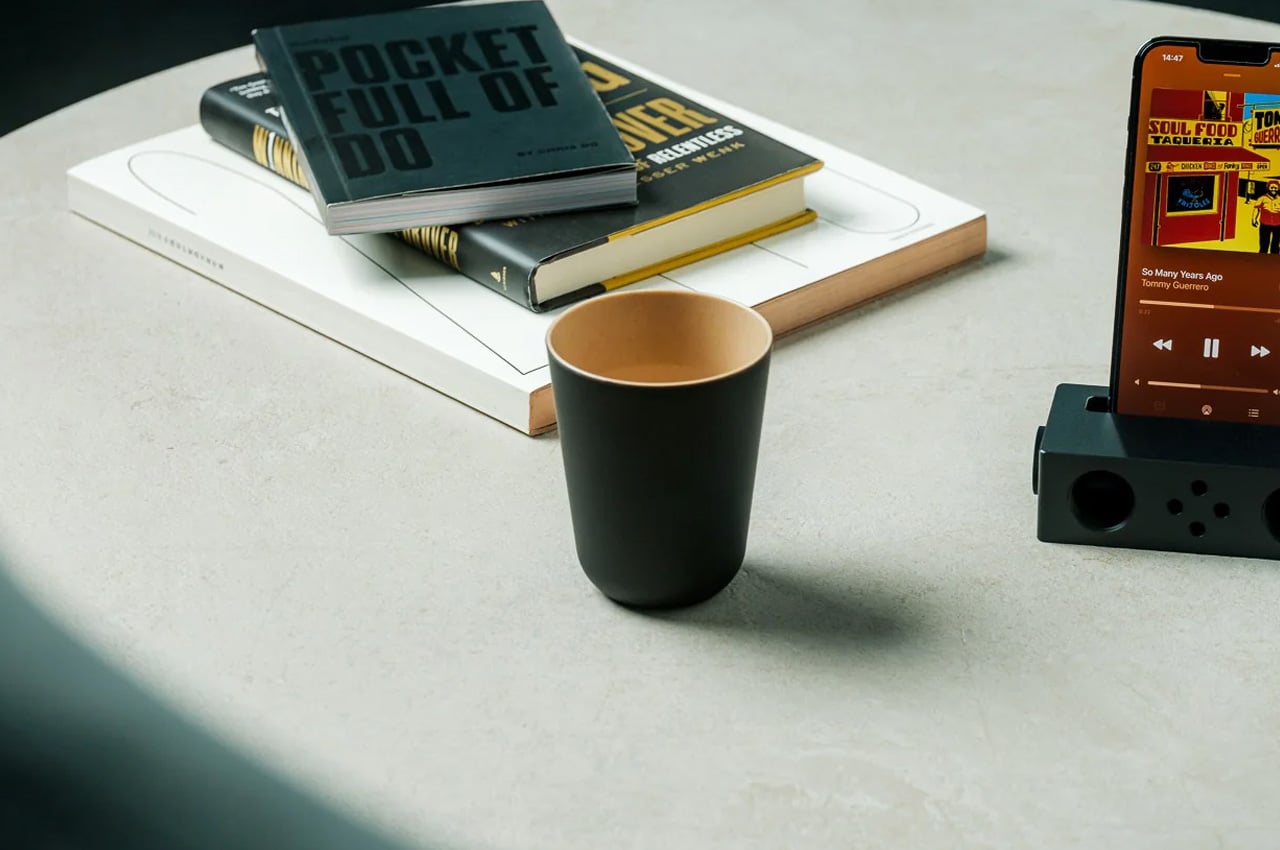
6. Earth-Friendly Stacking Cup

Called the Earthly-Friendly Stacking Cup, this stylish yet minimal stacking cup is designed to save the environment. The cup is built from eco-friendly synthetic materials which lend it a unique texture. The cup is made from a material called PAPLUS and it includes biodegradable paper.

Click Here to Buy Now: $25

Why is it noteworthy?

The unique texture of the cup is much like ceramic or wood, and it offers a sensory experience to your lips and mouth. It embodies minimal aesthetics and sustainable practice and produces a soul-enriching drinking experience that you’ll never forget.

What we like

  • Built from a plant-derived biodegradable resin

What we dislike

  • It looks similar to other cups on the market, with nothing special aesthetically to set it apart

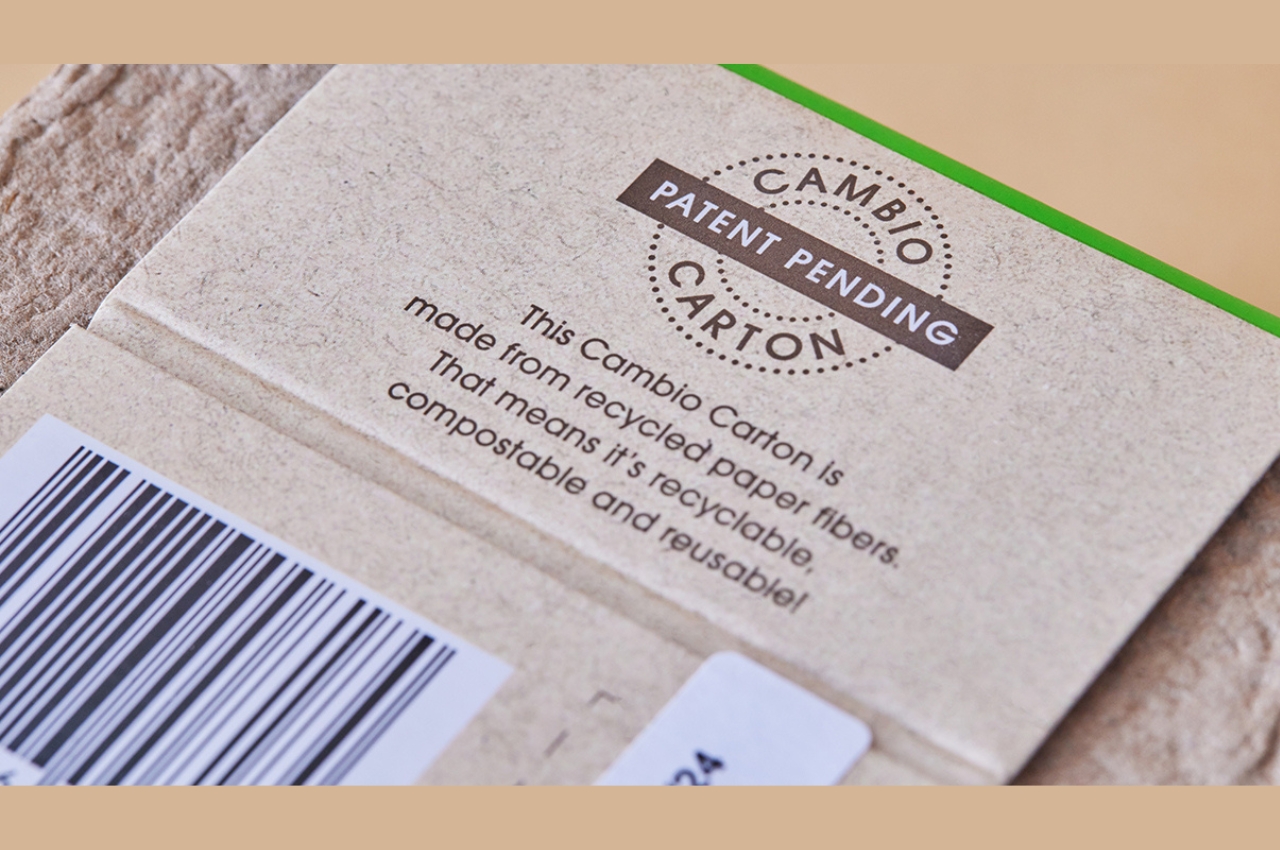
7. Cambio Pods Container

Designed by Zenpack, this container is made using eco-friendly materials, and it also functions as a mini recycling bin for the pods, before they’re sent to the actual recycling bin. The container is made using molded pulp with vertical ribs to offer it more structure. The container can hold 10 pods. It is sustainable as it is essentially a glue-free belly band with a tear strip.

Why is it noteworthy?

The elements of the packaging can be later thrown into a respectable recycling bin. You can also use it as a temporary compost bin for your coffee grounds, and kitchen scraps. It is an added functional product in a world where sustainable brands are growing, and evolving.

What we like

  • Serves as a mini recycling bin for the pods

What we dislike

  • There aren’t different sizes and colors to pick from, no variety

8. PLANETCARE 2.0

Dubbed the PLANETCARE 2.0, this microfiber filter attachment is designed for your washing machine. A lot of the ocean’s microplastic problem, or to be precise 35% of it comes from the washing machine, as it involves a blend of synthetic fibers that mix with water, and then land up in the ocean.

Why is it noteworthy?

This nifty little filter can be easily snapped onto the side of the washing machine. The filter cleanses out all the water the machine drains out after a cycle. It is the water equivalent of sorting through your trash.

What we like

  • You can be easily attached to your washing room
  • Removes all the microplastic from the machine’s drain water

What we dislike

  • You may need to change/adjust the position of the filter to ensure adequate water pressure

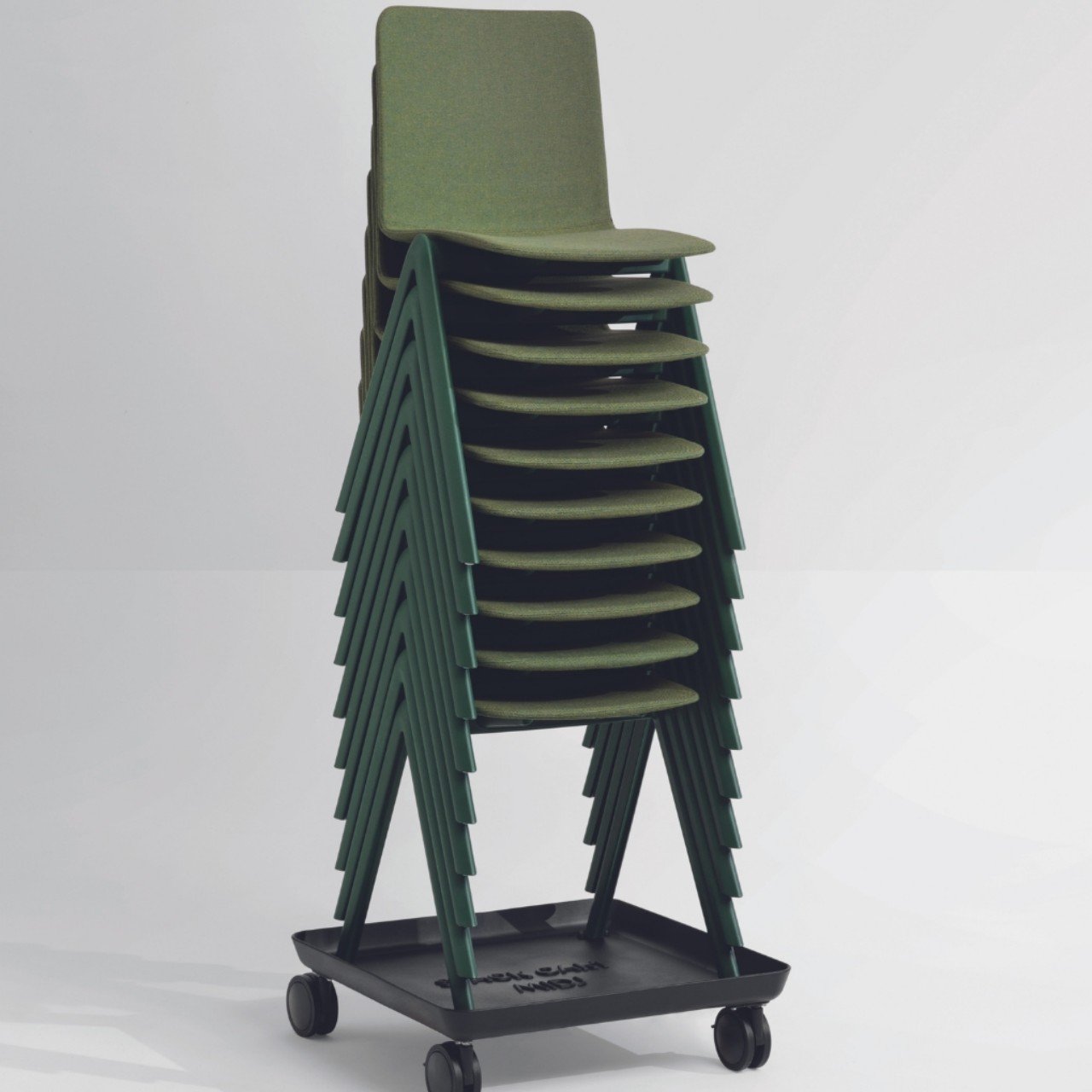
9. Stack Chair

Called the Stack Chair, this innovative chair includes a compass-like four-legged base, allowing you to stack the chair almost to infinity! However, you will be limited by the vertical space available, and how safe it is to reach there. But it is a great space-saving design, especially for when chairs are not being used.

Why is it noteworthy?

The Stack Chair consists of the base and the shells, and both parts can be connected by snapping the base under the shell’s designed rim. This allows both elements to form a single piece of furniture, which is quite stable. This also simplifies the entire manufacturing process, and assembly and shipping too.

What we like

  • You can mix and match different base and shell colors or even materials

What we dislike

  • The chair doesn’t look too comfy to sit on for long durations of time

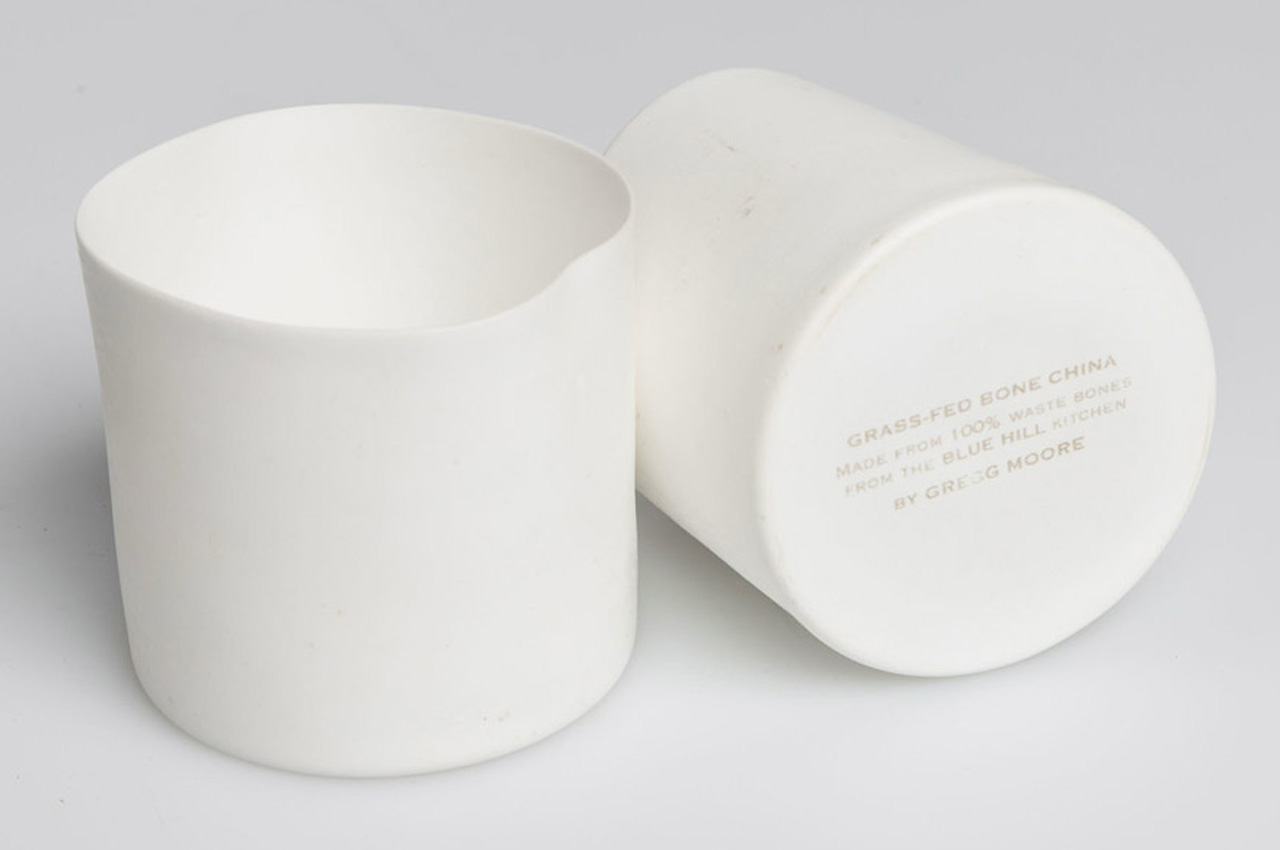
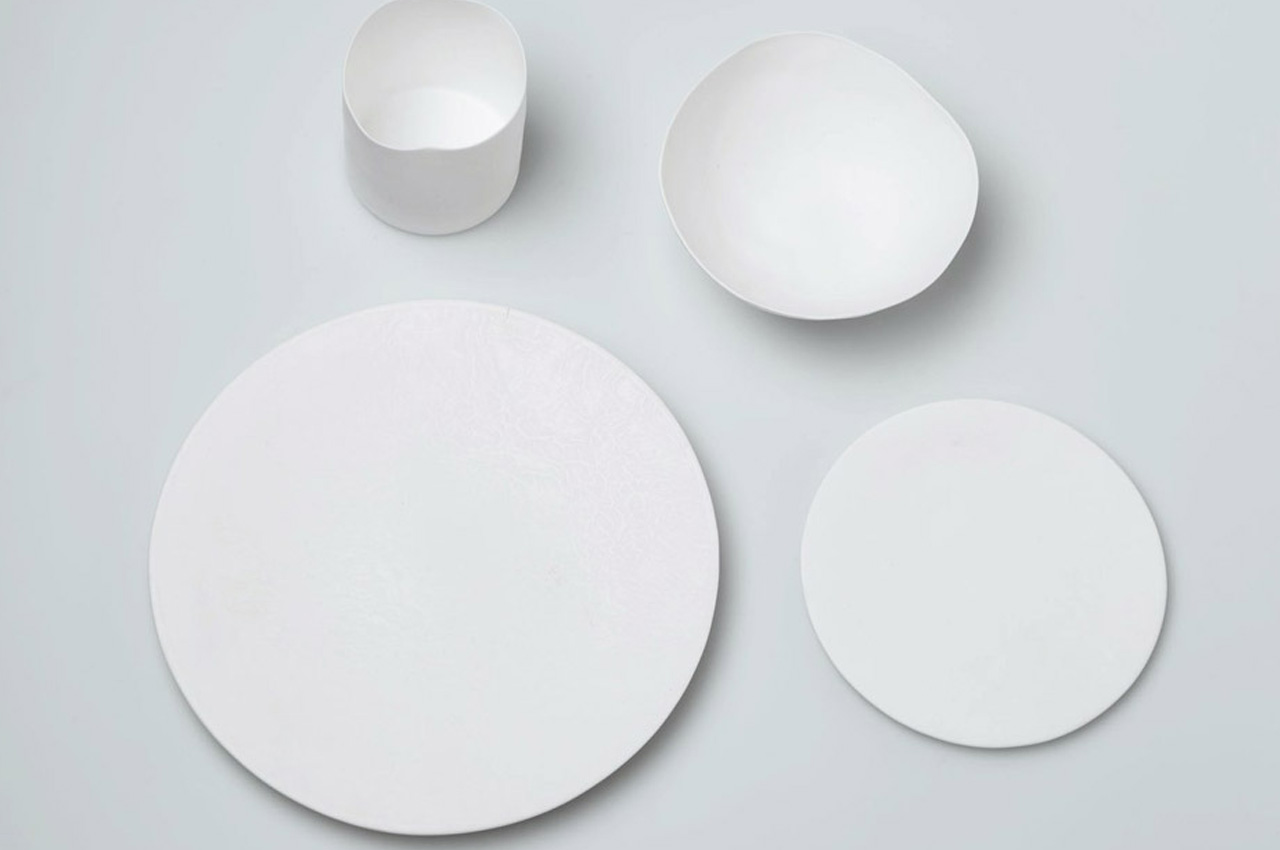
10. Grass-Fed Bone China

Dan Barber and Ceramist Gregg F Moore collaborated to build a line of tableware that is made from grass-fed bone china. The ceramic is made from the bones of grass-fed cows, and these cows are raised by Barber on his farms – he is the chef and co-owner of Blue Hill restaurant.

Why is it noteworthy?

The cows consume grass, instead of the usual grain-based farm diet. They consume the grass, move around, and roam freely to look for greener pastures. This makes their bones stronger in comparison to cows who are raised on conventional farms. This makes the ceramics stronger, creamier, and durable.

What we like

  • The ceramics are stronger and more durable compared to the regular ones

What we dislike

  • Highly priced as compared to other chinas
  • It won’t be appealing to vegans and vegetarians

The post Celebrate World Environment Day With These Top 10 Eco-Friendly Designs first appeared on Yanko Design.

Ditch the Backpack: Alpargali’s All-Weather Jacket with 14 Pockets Has You Covered

Jackets have had a reputation for being predominantly a winter/rain garment. However, the folks at Alpargali have designed a jacket that isn’t just made to be worn all around the year, but it also has enough storage to replace your backpack or sling bag. With an all-weather design that allows you to wear the jacket anywhere you go, and a whopping 14 pockets for everything from your keys to even a laptop, the Alpargali gives you the convenience of a waterproof/windproof jacket that looks slick, and distributes all your belongings so effectively, you can carry an entire backpack worth of stuff without the bulk or shoulder-strain of a backpack.

Designer: Alpargali Design Team

Click Here to Buy Now: $149 $289 ($140 off). Hurry, only 11/335 left! Raised over $76,000.

There are two distinct parts to the Alpargali’s design – its build, and its functionality. On the build front, the Alpargali looks like your classic outdoor windbreaker-style jacket, with a nylon exterior that keeps wind and water out. It’s simultaneously built to be durable yet comfortable – with 70D nylon on the outside and the inside that offers protection from the elements as well as gives the jacket abrasion resistance. The Alpargali also has a zip that extends upwards to become a windguard for your mouth, and an adjustable hood with clear windows on the side that let you have 180° vision on the sides. When it’s cold, the jacket’s built-in fingerless gloves keep you toasty, and when it’s hot, underarm vents let your body breathe by boosting ventilation inside the jacket. A reflective graphic on the back keeps you visible at night – pretty helpful considering the jacket’s all-black design, and built-in shoulder straps let you carry the jacket like a backpack when you don’t want to wear it.

The second, and arguably the part worth highlighting the most, is the Alpargali’s functionality. Armed with more pockets than you could imagine, the jacket doubles as storage for every single one of your belonging, practically turning them into EDC or everyday carry. It comes with pockets strategically located on both the inside as well as the outside of the garmet, giving you a place to store every conceivable thing you own, from a dedicated slot for your phone, to separate pockets for your keys, an RFID-blocking pocket for your payment cards, a tappable pocket for subway cards or access cards at work, a separate pocket for a camera, as well as another for a camera lens, a waterproof pocket for bottles or cans, and even a large pocket at the back for a tablet or even a small 13″ laptop. Overshadowing most jacket pockets by 7x, the Alpargali is basically a backpack built into a jacket. Your belongings get spaced out across your body, keeping the jacket looking slim, and you don’t feel the weight on your shoulders either.

A jacket that doubles as a backpack comes with a heavy list of responsibilities, which means there’s a high emphasis on quality. The Alpargali is made from 70D nylon, which can resist 18,000 abrasion cycles, while still being waterproof and breathable. The jacket is made from 92 panels of fabric (it’s all those pockets), assembled together using 40,000 stitches. The nylon fabric as well as the jacket’s cut offer incredible freedom of movement, so you never feel restricted. 13 waterproof YKK zippers protect you as well as your belongings, and with a moisture vapor transmission rate of 15,000g/m²/24h, the jacket’s fabric does a remarkable job of keeping water out no matter how bad the weather. It may stop water, but it lets vapor pass through, so your body’s sweat makes it out of the jacket, keeping you dry and comfortable.

Given that backpacks really don’t have a season, the Alpargali was also made to be an all-weather jacket. Of course it works well in the rain and the cold, but the jacket’s just as well suited for spring too, with underarm flaps that boost breathability and ventilation. If you ever feel like taking your jacket off in the summers, the Alpargali comes with backpack-inspired straps that let you wear the jacket on your shoulders, so you can shed the jacket in the heat while still carrying it on you.

The Alpargali Jacket starts at a discounted $149, which is quite a steal considering you’re getting a jacket AND a backpack for that amount. It comes in 5 different sizes, ranging from S to 2XL, ships worldwide, and for just $30 more, you can upgrade to the Adventure combo that includes a functional 6-pocket sling bag along with the jacket.

Click Here to Buy Now: $149 $289 ($140 off). Hurry, only 11/335 left! Raised over $76,000.

The post Ditch the Backpack: Alpargali’s All-Weather Jacket with 14 Pockets Has You Covered first appeared on Yanko Design.

Faye Toogood and Italian Craftsmanship Unite in the Squash Collection

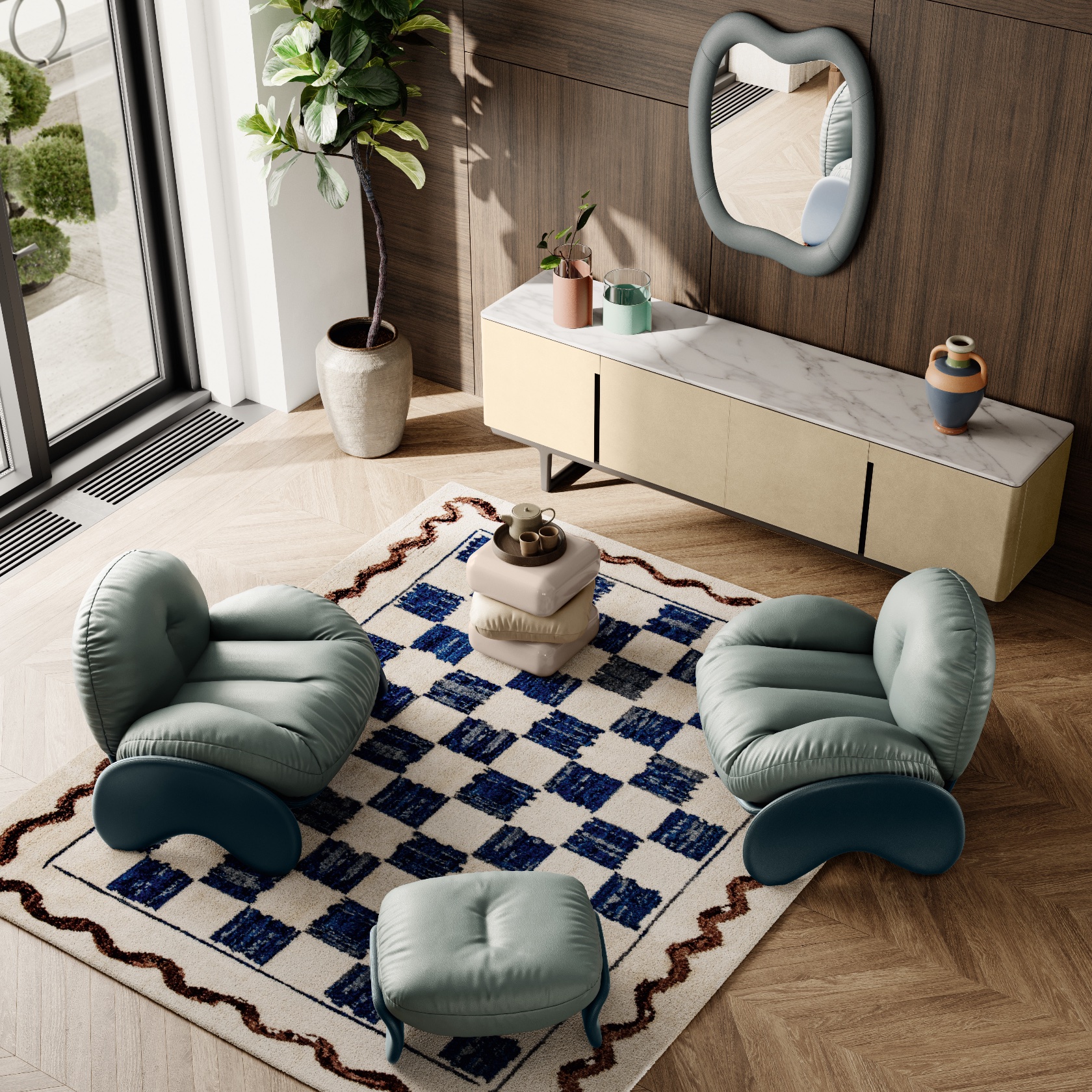
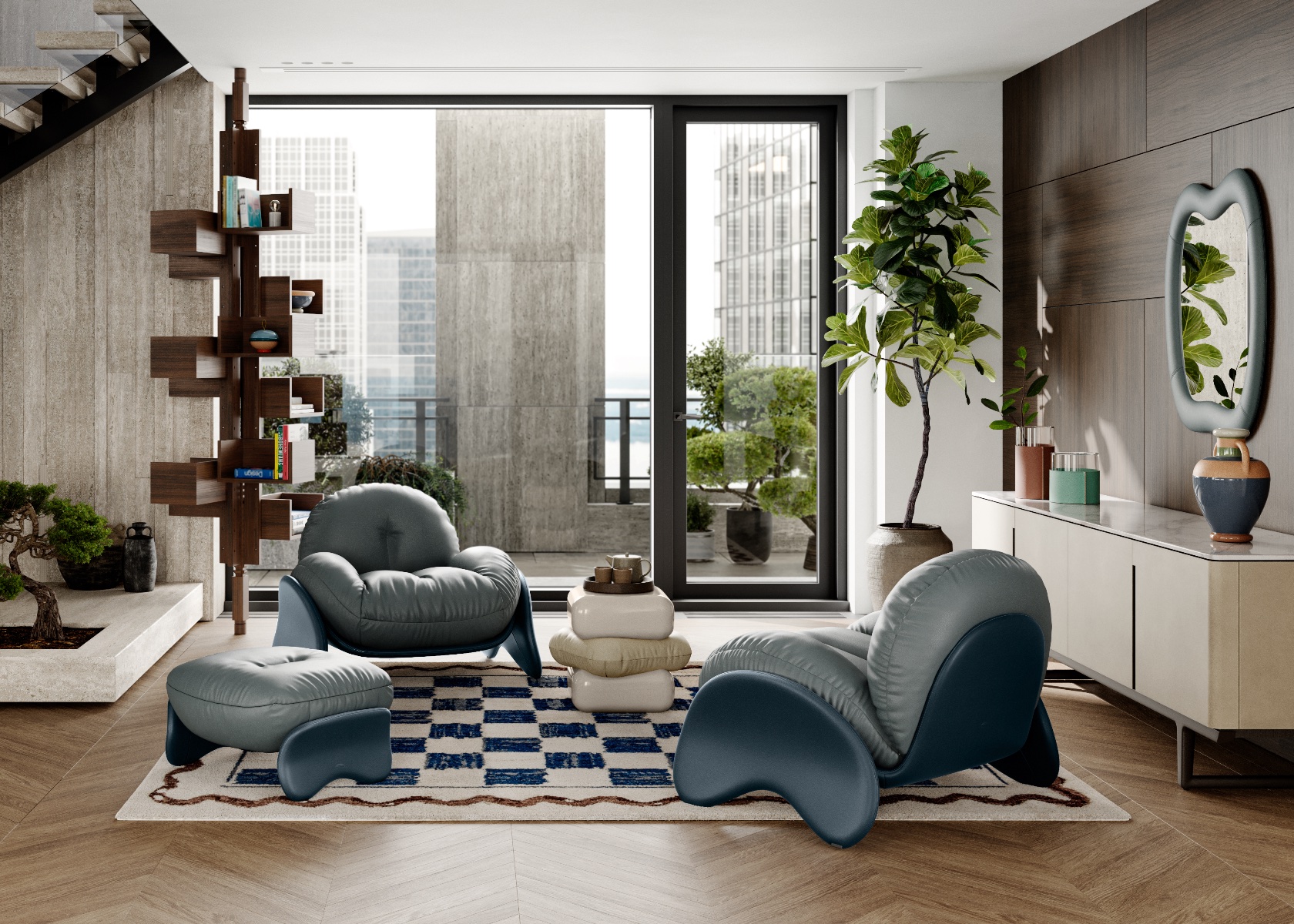
Imagine softness. Imagine boldness. Imagine playfulness. These words resonate deeply within the new Squash Collection, a daring collaboration with British designer Faye Toogood. This collection goes beyond traditional furniture; it explores form, comfort, and joy in design. The pieces invite you to sink into their plush cushions and relieve the day’s stresses. Each item, from armchairs to side tables, radiates a timeless, cutting-edge sense of whimsy and luxury. Beyond simply providing a place to sit, it’s about experiencing a piece of art that is also incredibly comfortable. These creations challenge you to rethink what furniture can be.

Designer: Faye Toogood + Poltrona Frau

An Unlikely Collaboration

When Poltrona Frau, a brand synonymous with Italian leather craftsmanship, met Faye Toogood, known for her unconventional design approach, the outcome was bound to be extraordinary. For over a century, this maker of luxurious leather goods has been crafting everything from high-end furniture to car interiors for Ferrari. Toogood, with her background in art history and editorial design, brought a fresh, sculptural perspective to the collaboration. Their partnership, while unexpected, highlights the incredible synergy of creative minds coming together.

Faye Toogood

Describing the collection as “English Folk with Italian Horsepower,” Toogood captures the essence of this partnership. Part of the 2024 Imagine Collection, the project encourages us to visualize our desires and shape our reality through creativity and design. This venture blends Toogood’s bold approach with Poltrona Frau’s tradition of exquisite craftsmanship, resulting in both functional and artistic pieces, merging the best of both worlds.

The Birth of Squash

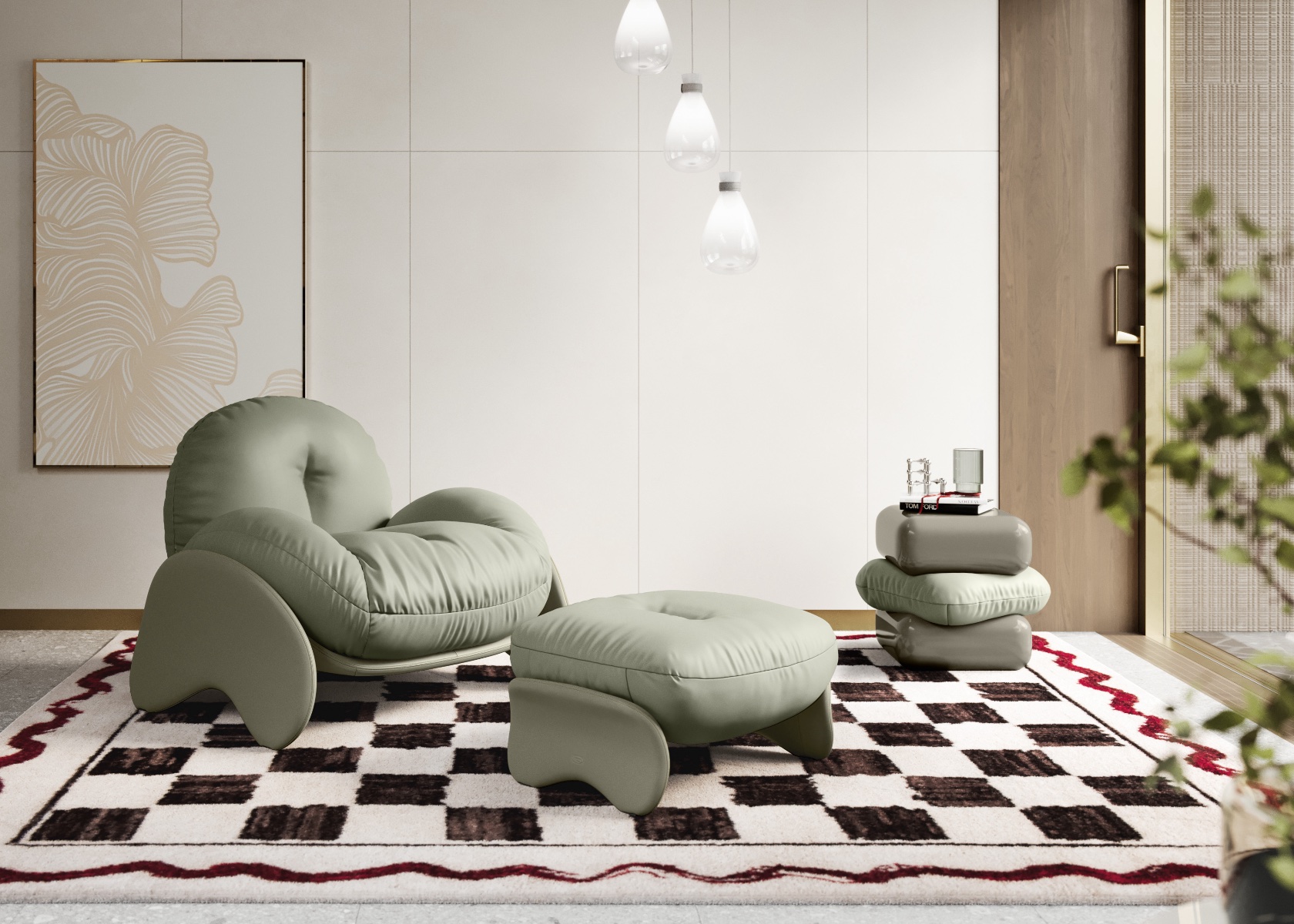
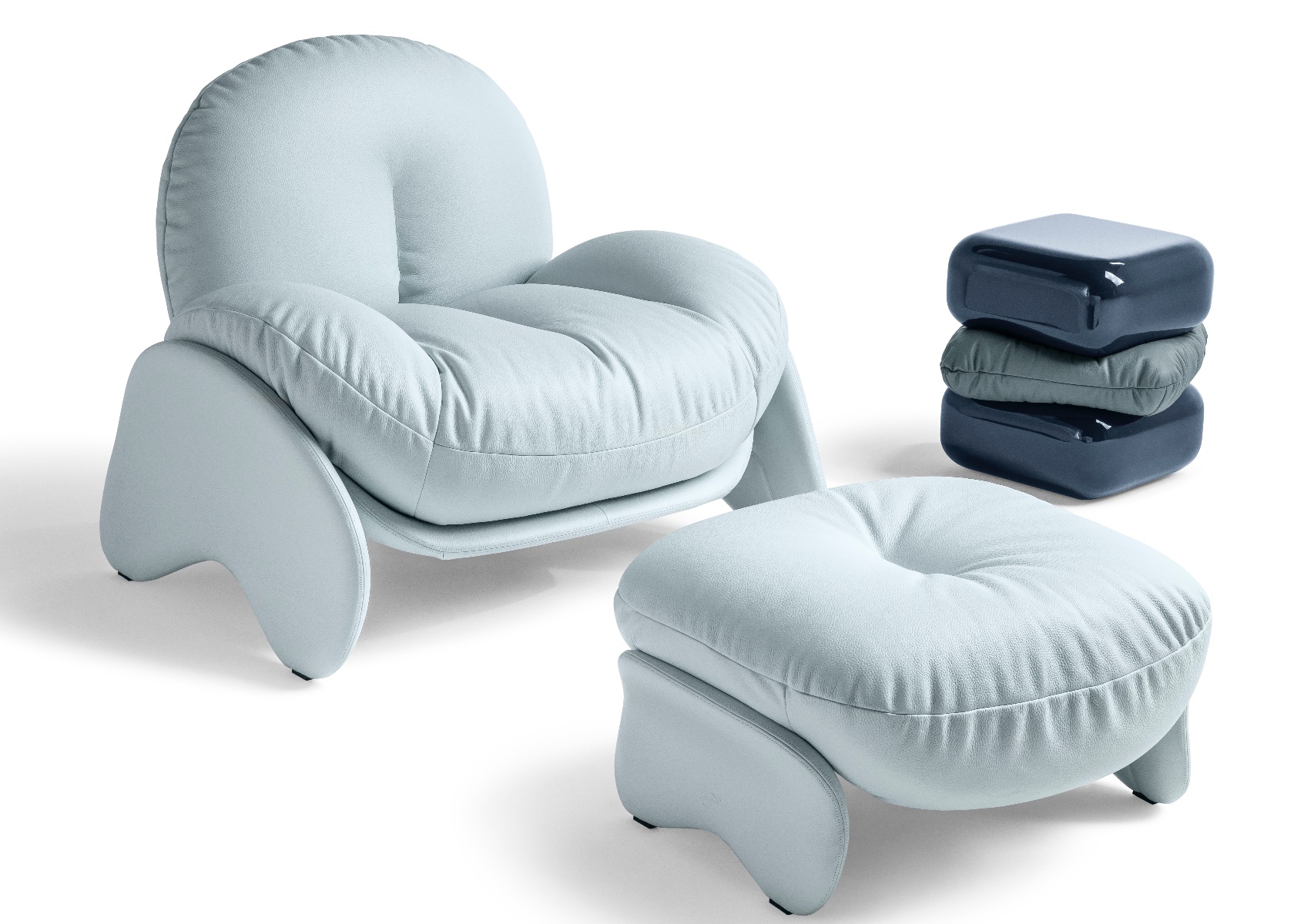
During her visit to the factory in Tolentino, Italy, Toogood found inspiration in archival pieces from the 1970s and the iconic Vanity Fair chair from the 1930s. This exploration sparked the creation of the Squash armchair, a piece that honors the boldness of historic designs while venturing into new territories. Captivated by the surprising shapes and distinct designs, Toogood crafted a contemporary piece that respects historical roots while embracing contemporariness. The result is a voluptuous, inviting chair that beckons you to sink into its soft folds, seamlessly blending different eras and design philosophies.

The design captures a spontaneous, relaxed gesture, much like a pile of cushions casually arranged. This sense of spontaneity is a hallmark of Toogood’s design philosophy. The chair’s form is bold and gentle, creating an inviting and comforting presence in any space. The wrinkled leather adds a sense of movement and flexibility, enhancing comfort and softness.

Creating this piece meant digging deep into what comfort is and turning that idea into something you can feel. Toogood’s meticulous approach involved lots of experimentation with materials and forms. The result is a chair that is as much a piece of art as it is a functional object. This duality makes the armchair stand out, offering a unique blend of beauty and utility. The vibrant red leather, a nod to the brand’s archival colors, adds a striking visual element that draws the eye and makes a bold statement.

Exploring the Collection

The collection includes a matching ottoman, a side table, mirrors, and rugs alongside the armchair. Each piece reflects Toogood’s sculptural approach and the brand’s commitment to quality and craftsmanship. The collection, as a whole, embodies a playful yet sophisticated aesthetic, challenging traditional notions of luxury furniture.

The ottoman, designed to complement the armchair, shares the same inviting curves and plush upholstery. It is a standalone piece that enhances the armchair’s comfort and functionality. The ottoman’s design allows versatility, serving as both a footrest and an additional seat. Its soft, enveloping form encourages relaxation, making it an essential component of the collection.

Then there’s the side table, another intriguing piece. It plays with the idea of a soft cushion squashed between two harder blocks, creating a whimsical yet functional design. This playful approach challenges conventional notions of what a side table should look like. The table’s organic shape and cushioned appearance make it a unique addition to any living space, blending functionality with artistic expression.

Mirrors in the collection also reflect this blend of art and utility. The trio of leather-upholstered mirrors echoes the organic lines of the armchair, with smooth glass cushioned in tactile, curving frames. The largest mirror is full-length and can be free-standing or wall-mounted, while the medium mirror is designed for wall mounting, and the smallest mirror is a pocket-sized compact. The frames are upholstered in leather, in colors chosen by Toogood from the brand’s collection. This thoughtful choice of materials and colors adds depth and continuity to the collection, making each piece cohesive.

A Blend of Cultures and Traditions

The Squash Collection beautifully blends English Folk Art with Italian craftsmanship. Toogood’s inspiration from her English heritage is evident in the playful, sculptural forms and the use of hand-painted motifs. The checkerboard rugs, inspired by old English patchwork chairs, capture the rhythm and imperfections of a hand-drawn line. Each square is hand-painted and translated into textiles using the traditional Berber knotting technique making these rugs pieces of art that bring warmth and personality to a room.

The influence of the Italian leather tradition is equally strong, seen in the meticulous leatherwork and commitment to quality. The brand’s heritage of craftsmanship ensures that each piece in the Squash Collection is beautiful but also durable and functional. This collaboration highlights the best of both designers, merging Toogood’s eccentric vision with the brand’s timeless elegance. The result is a collection transcending cultural and artistic boundaries, offering a fresh perspective on contemporary luxury.

This blend of cultures is particularly evident in the mirrors, where Toogood incorporates early English leather folk work elements. The conversation between something hard (the glass) and something soft (the leather frames) creates a dynamic interplay of materials. This approach adds a tactile quality to the mirrors, making the reflective surfaces an interactive pieces of art.

The post Faye Toogood and Italian Craftsmanship Unite in the Squash Collection first appeared on Yanko Design.
These Transparent Headphones with ENC and a $144 price tag pair perfectly with the Nothing Phone

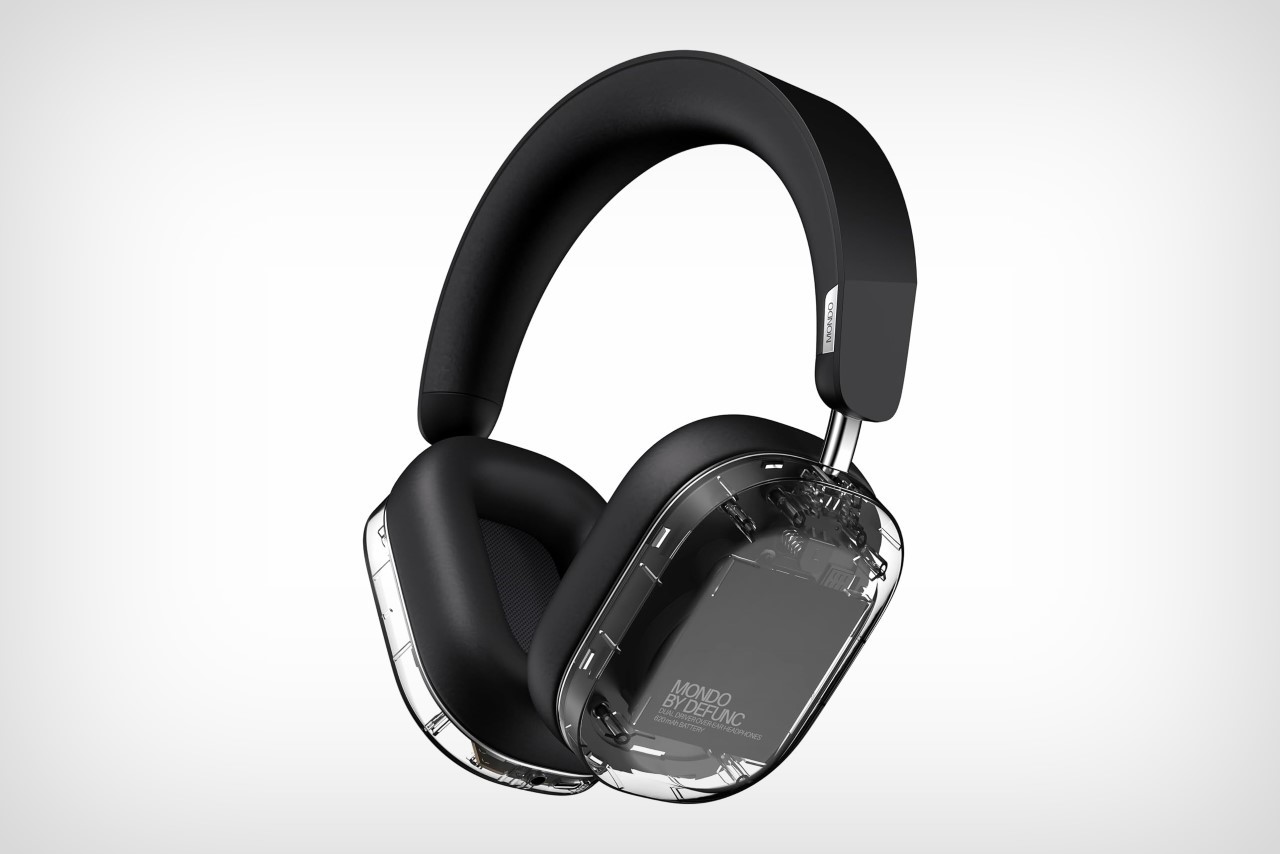
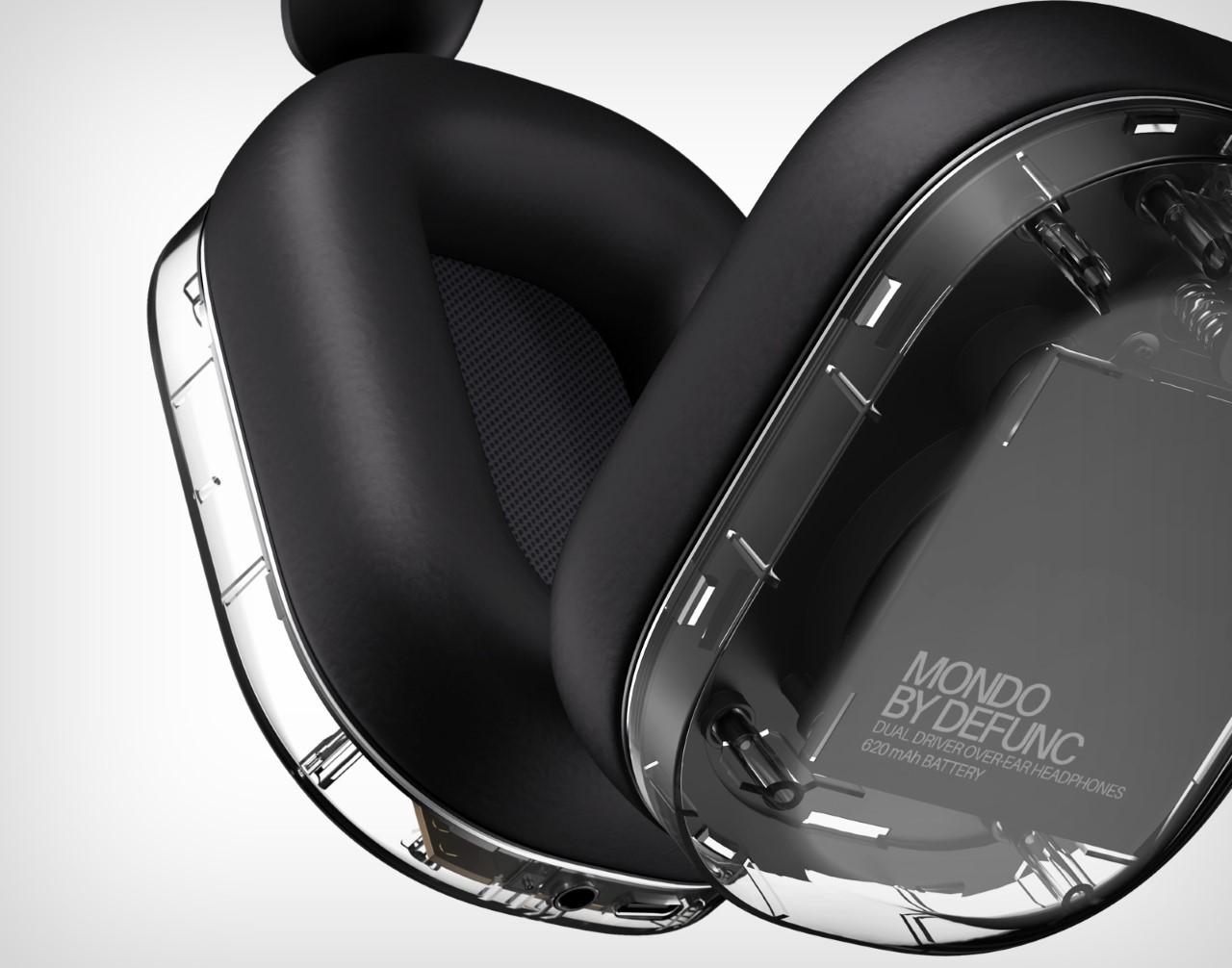
No, they aren’t the Nothing Headphones we’ve been waiting for all this while… but they are pretty spectacular-looking. Meet the Mondo Headphones by Defunc, a pair of over-ear cans with wireless audio and beefy sound that boast a gorgeous transparent body design. Equipped with clear covers on the left and right, the Mondo Headphones are yet another example of the rise in transparency in design. Whether it’s Nothing launching transparent phones and TWS earbuds, or even Beats making a see-through version of their StudioBuds +, it seems like there’s a rise in companies being more transparent with their consumers… literally. The Mondo Headphones come with a design that bares all, allowing you to see the circuitry, drivers, microphones, and batteries underneath the hood. The headphones come with dual-drivers and dual-mics, Bluetooth 5.2, and Environmental Noise Canceling. Plus, a highly affordable price tag of sub-$150 makes them almost a no-brainer to add to your tech gear collection.

Designer: Defunc Store

Click Here to Buy Now

The Mondo’s design language feels very reminiscent of Nothing x Apple. The headphones themselves are styled with the air of the AirPods Max, boasting metal stems, and comfortably rounded earpieces that cushion you in your own audiosphere. The headphones fold flat too, making them ideal for traveling with, but don’t expect an Apple-style carrying case with these. (Which may as well be a good thing given how unappealing the AirPods Max case is)

The over-ear headphones come with a dual-driver design, delivering balanced full-range audio. Each earpiece is equipped with a 1.6″ and a 0.4″ driver, delivering a respectable frequency range of 20 Hz – 20 kHz for punchy lows, rich mids, and crisp highs. Dual mic arrays also ensure the headphones have great ENC or environmental noise cancellation, allowing you to listen to music, make calls, or even record voice notes with minimal interference from the world around you.

The headphones boast Bluetooth 5.2, offering quick and reliable pairing, and come with a battery that offers 45 hours of constant playback on a full charge – a feature that’s further enhanced by how comfortable the over-ear plus earcups are to wear for long periods of time. The Mondo has 430 hours of standby time, so your battery doesn’t drain too much when not in use (take that, AirPods Max), and a USB-C port lets you charge your headphones from 0-100 in 2 hours.

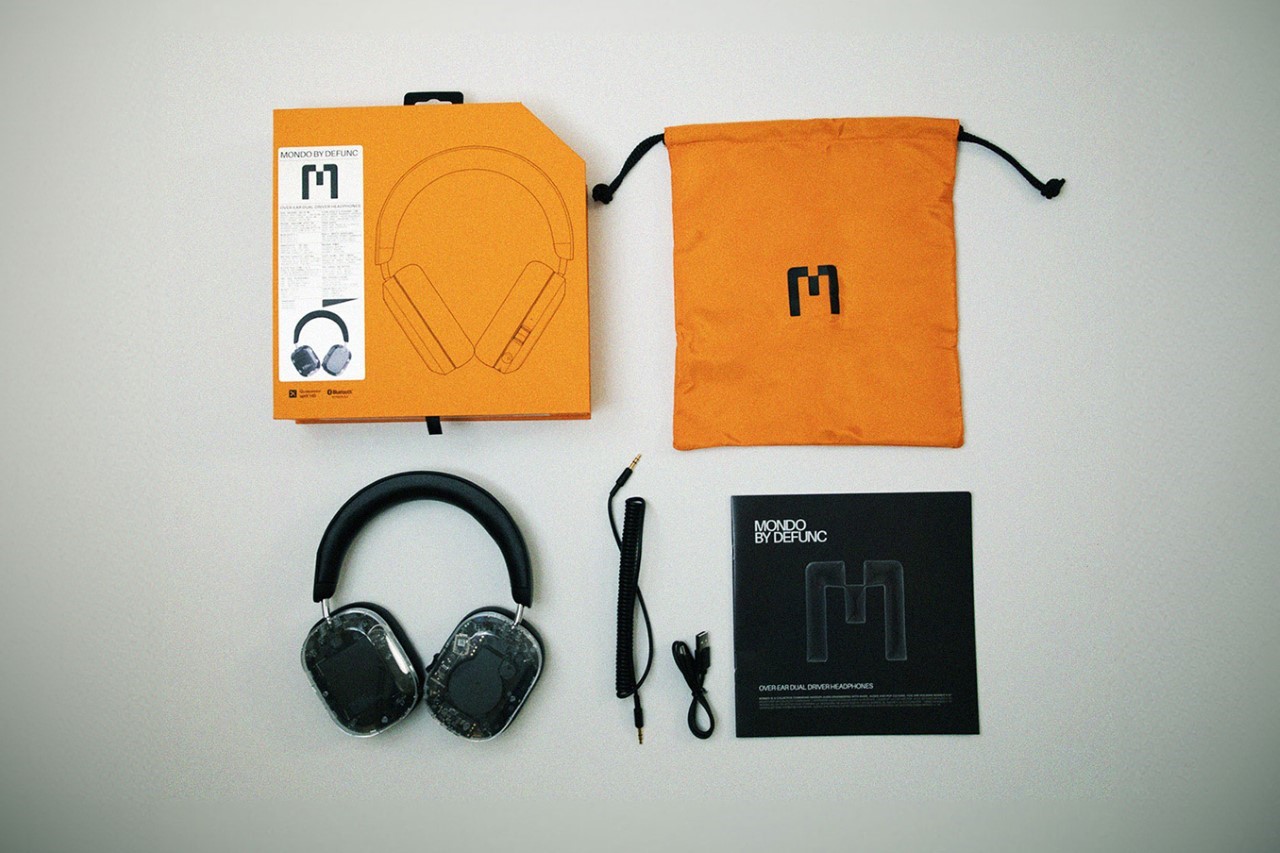
The Mondo headphones weigh just 9 ounces, undercutting most brands like Microsoft, Sony, Sonos, and Apple which range anywhere from 11 to 13 ounces. The price is a pretty compelling factor too, with a $144.9 tag for a pair of plush headphones with ENC. On the other hand, you do have controls for volume on the Mondo, and there’s a palpable lack of a dedicated button for your phone’s Voice AI like Siri on the AirPods Max. That shouldn’t be a deterrent though, for the budget range. The Mondo Headphones also ship with a USB-C charging cable and a coiled 1/8-inch audio cord for versatile listening options.

Click Here to Buy Now

The post These Transparent Headphones with ENC and a $144 price tag pair perfectly with the Nothing Phone first appeared on Yanko Design.
Raspberry Pi Foundation Launches $70 AI Kit for Pi 5

A rising tide lifts all boats, they say… and it seems like the AI tide is finally coming to help smaller creators harness the power of new technologies. The Raspberry Pi Foundation just unveiled their latest AI Kit that works with the Pi 5, bringing AI capabilities to hundreds of thousands of creators using the tiny computers to build their own hobby projects or even retail products. The versatile single-board computer has seen seismic growth since it was first introduced in 2012, more than a decade ago. As trends go, Raspberry Pi has also ensured its computers stay relevant, introducing features, capabilities, and modules that keep it on the cutting-edge of budget computer-building.

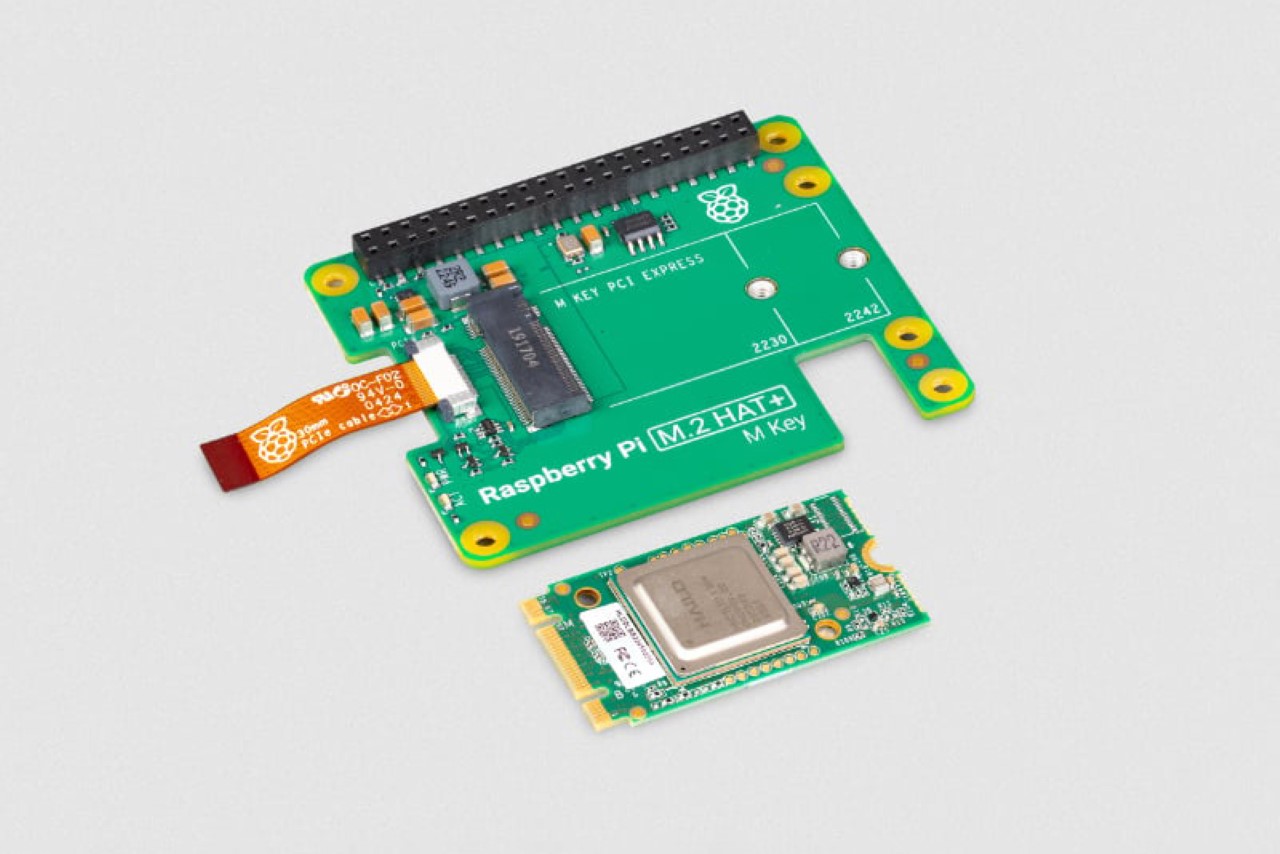
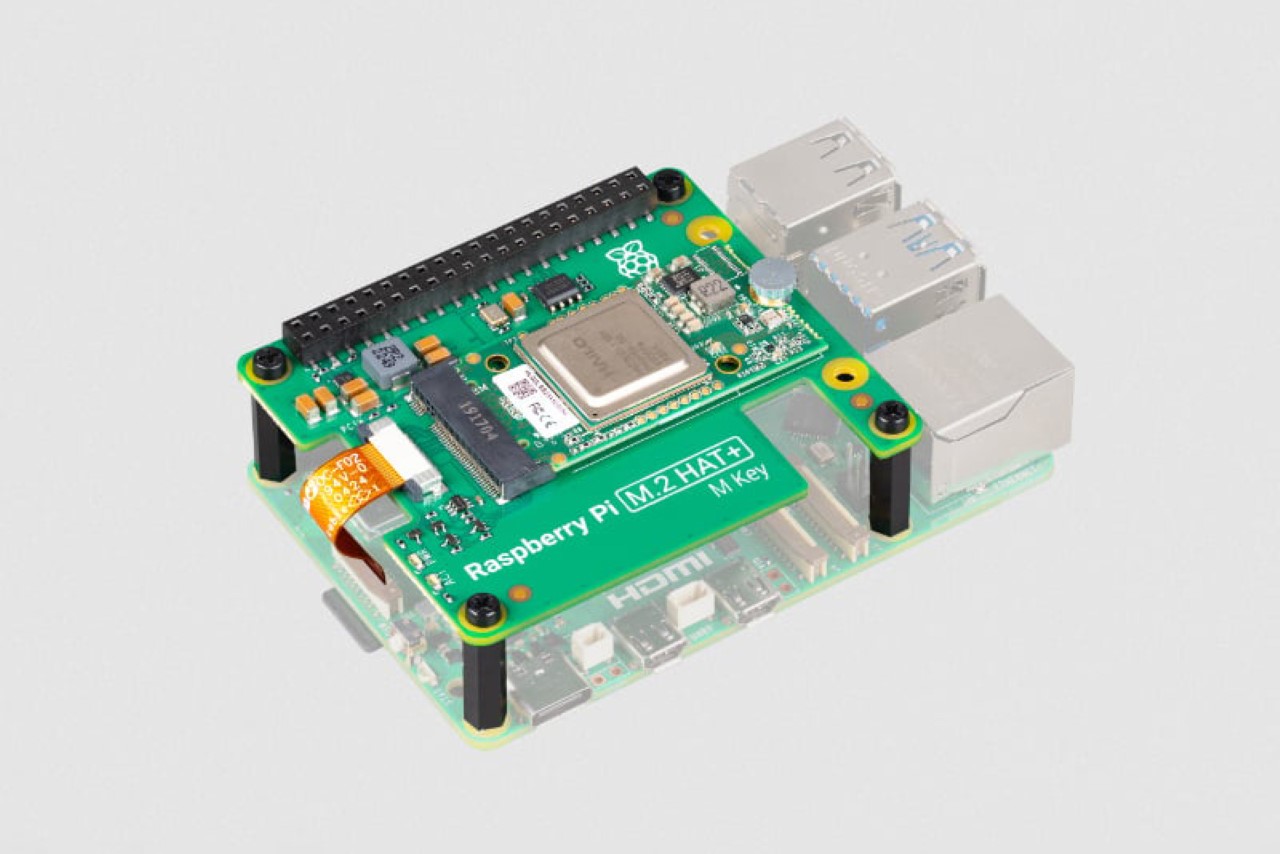
Developed in collaboration with Hailo, a leader in AI acceleration technology, the Raspberry Pi AI Kit is all about empowering users to build intelligent applications directly on their Raspberry Pi. Imagine creating real-time AI vision applications – object detection, facial recognition, pose estimation, and more – without relying on cloud processing.

Designer: Raspberry Pi Foundation

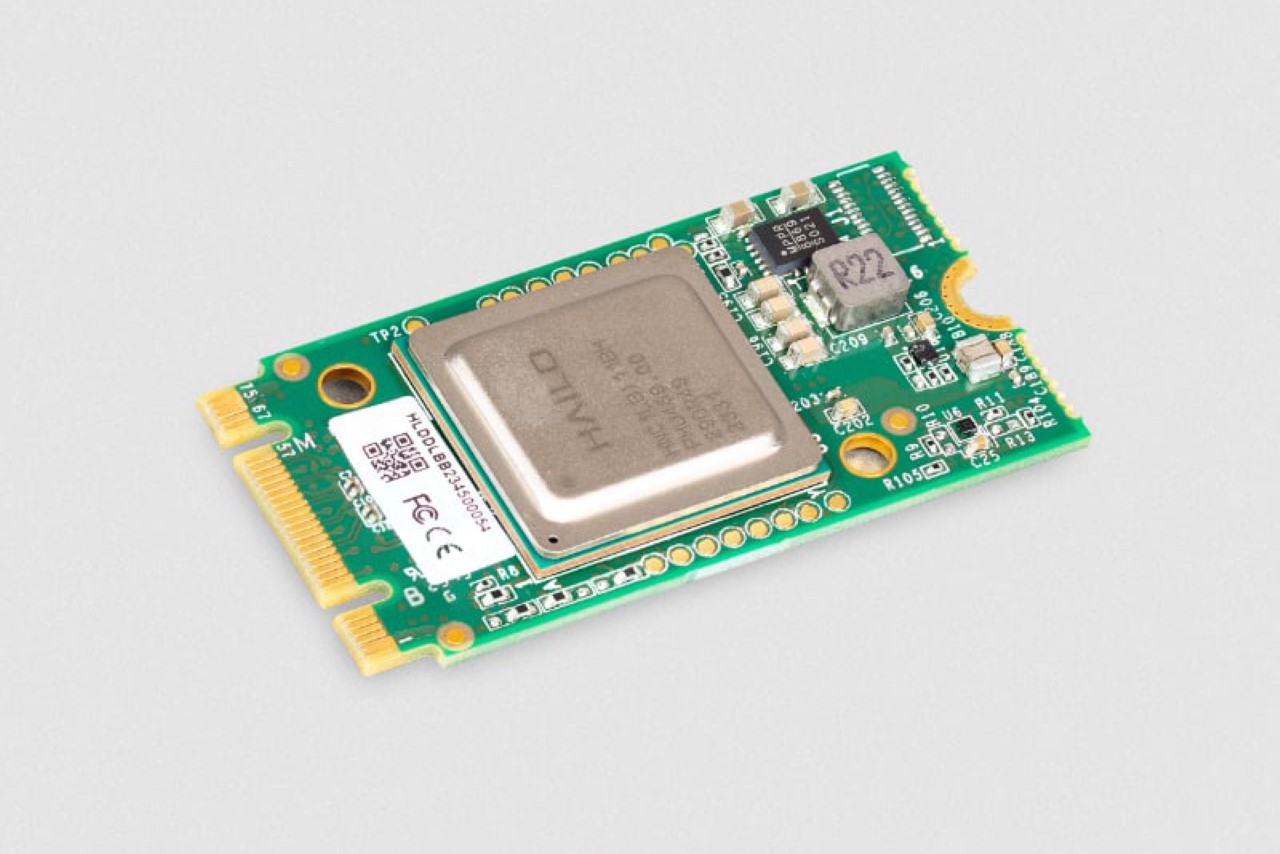
At the heart of the AI Kit lies the Hailo-8L AI accelerator module. This tiny powerhouse boasts a whopping 13 tera-operations per second (TOPS) of inferencing performance. That translates to real-time processing of complex AI tasks, with minimal power consumption – perfect for battery-powered projects or those seeking eco-friendly solutions.

One of the biggest challenges in AI development can be the complex software integration between cameras and AI frameworks. The Raspberry Pi team has addressed this head-on by simplifying the process. Their rpicam-apps suite now features a post-processing template specifically designed for integrating AI inferencing within the camera pipeline. With the pre-installed Hailo Tappas libraries, crafting advanced AI applications becomes achievable with just a few hundred lines of C++ code.

The Raspberry Pi AI Kit isn’t limited to rpicam-apps. The kit also includes an API that integrates with the GStreamer framework, allowing you to run inference on pre-recorded videos or build custom Python or C/C++ applications. This opens doors for a wider range of AI projects beyond camera-based solutions.

Installing the AI Kit software is a breeze. With just a few package installations through apt and a reboot, you’ll be ready to explore the exciting world of on-device AI within minutes. Their comprehensive getting started guide walks you through the entire process. The Raspberry Pi AI Kit is priced at $70, allowing all creators to tinker with artificial intelligence, building new products and helping grow the small creator community in lock-step with global innovation.
The post Raspberry Pi Foundation Launches $70 AI Kit for Pi 5 first appeared on Yanko Design.