Learning to play a musical instrument is one of the most commonly abandoned pursuits in modern life. The gap between wanting to play and being able to usually involves years of lessons, expensive gear, and a dedicated practice space. That’s a lot of friction for something that’s supposed to be joyful, and it keeps most people as spectators for their entire lives.
The designers at YUPD started from a different observation. Most people are already making music, just not in any formal sense. Tapping out a beat on a desk, drumming with pens, humming a melody while doing chores, these are all musical impulses that rarely have anywhere to land. BREMEN is a modular performance system designed to change that by letting everyday objects become actual instruments.
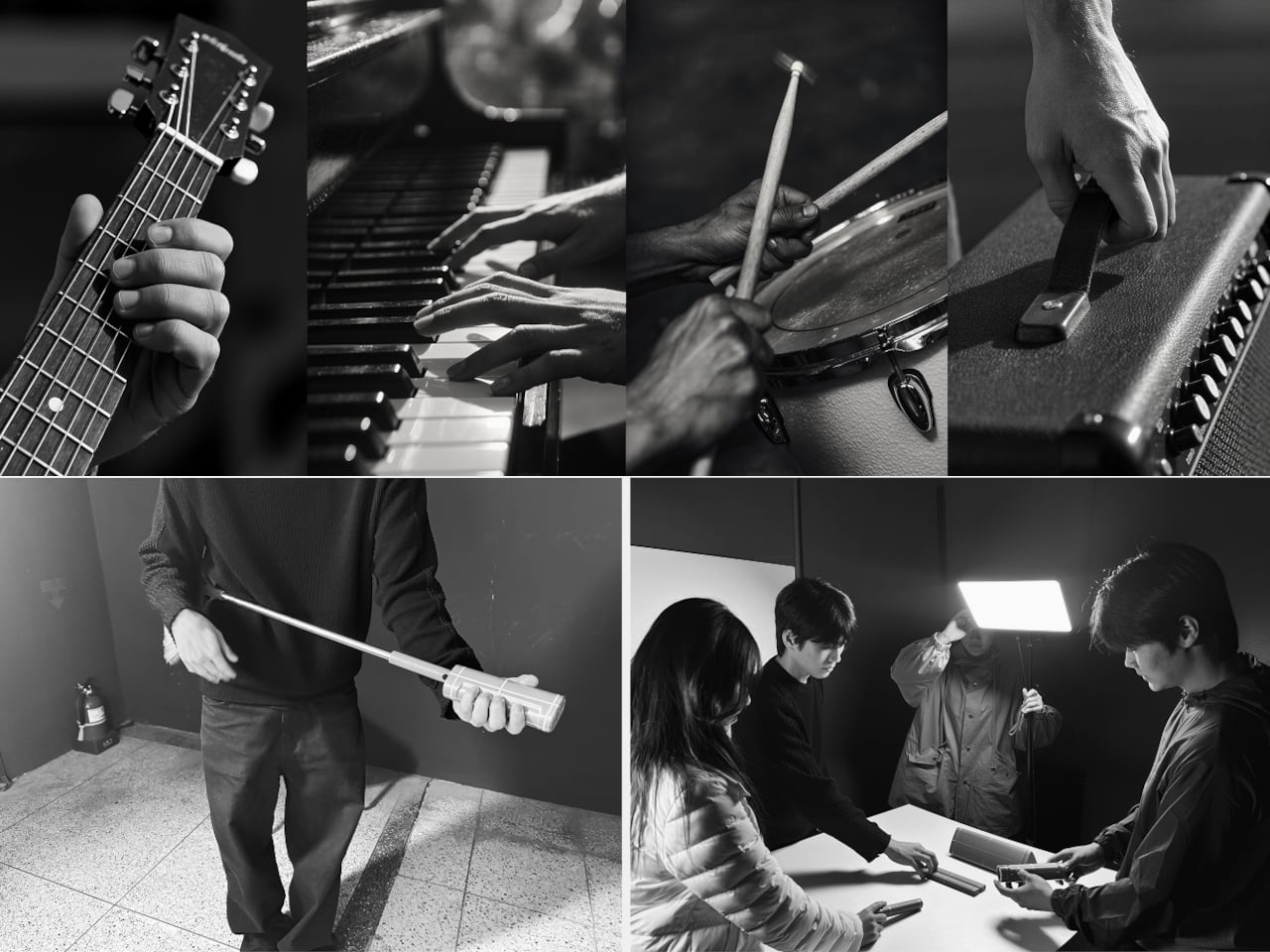
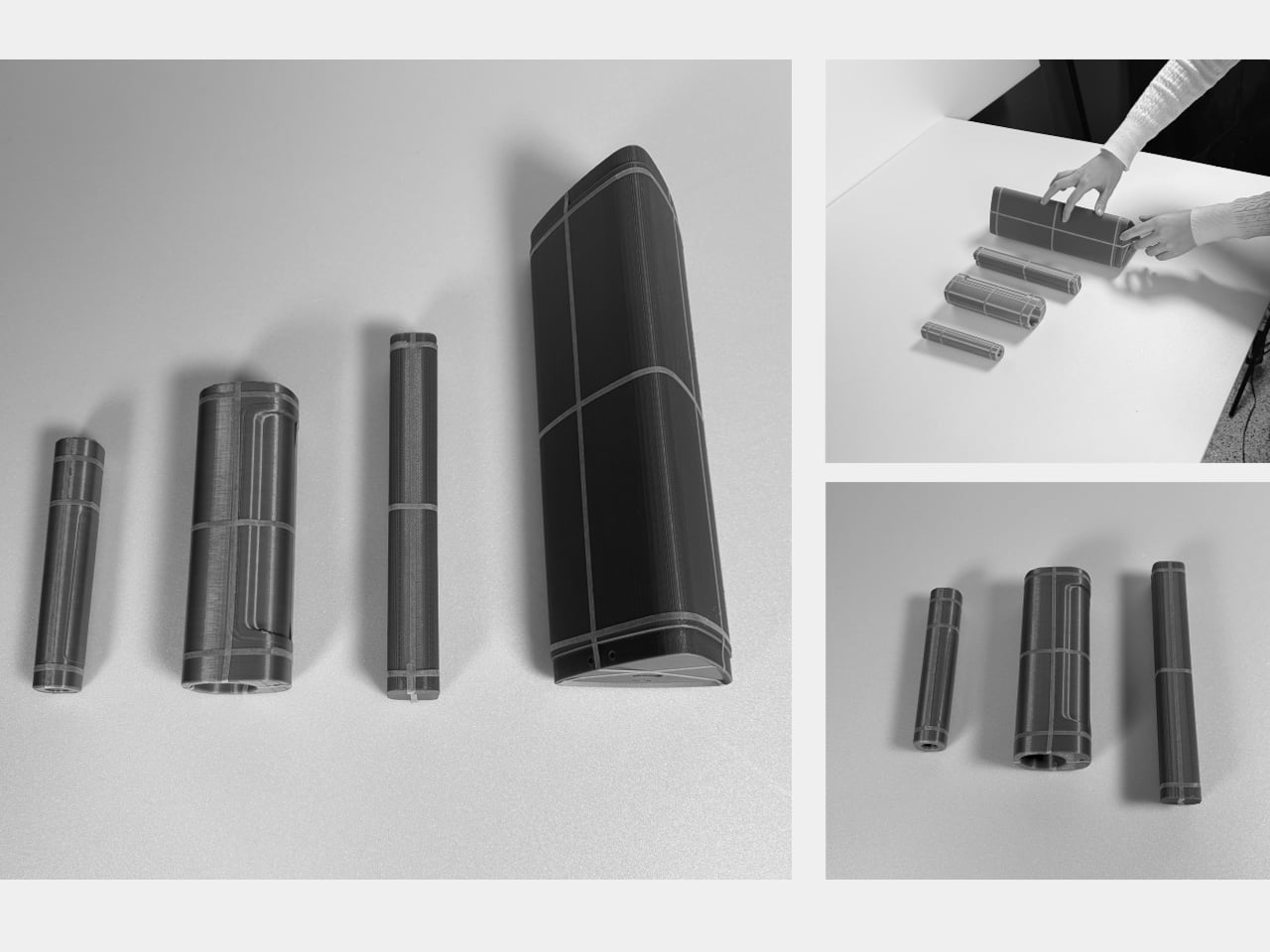
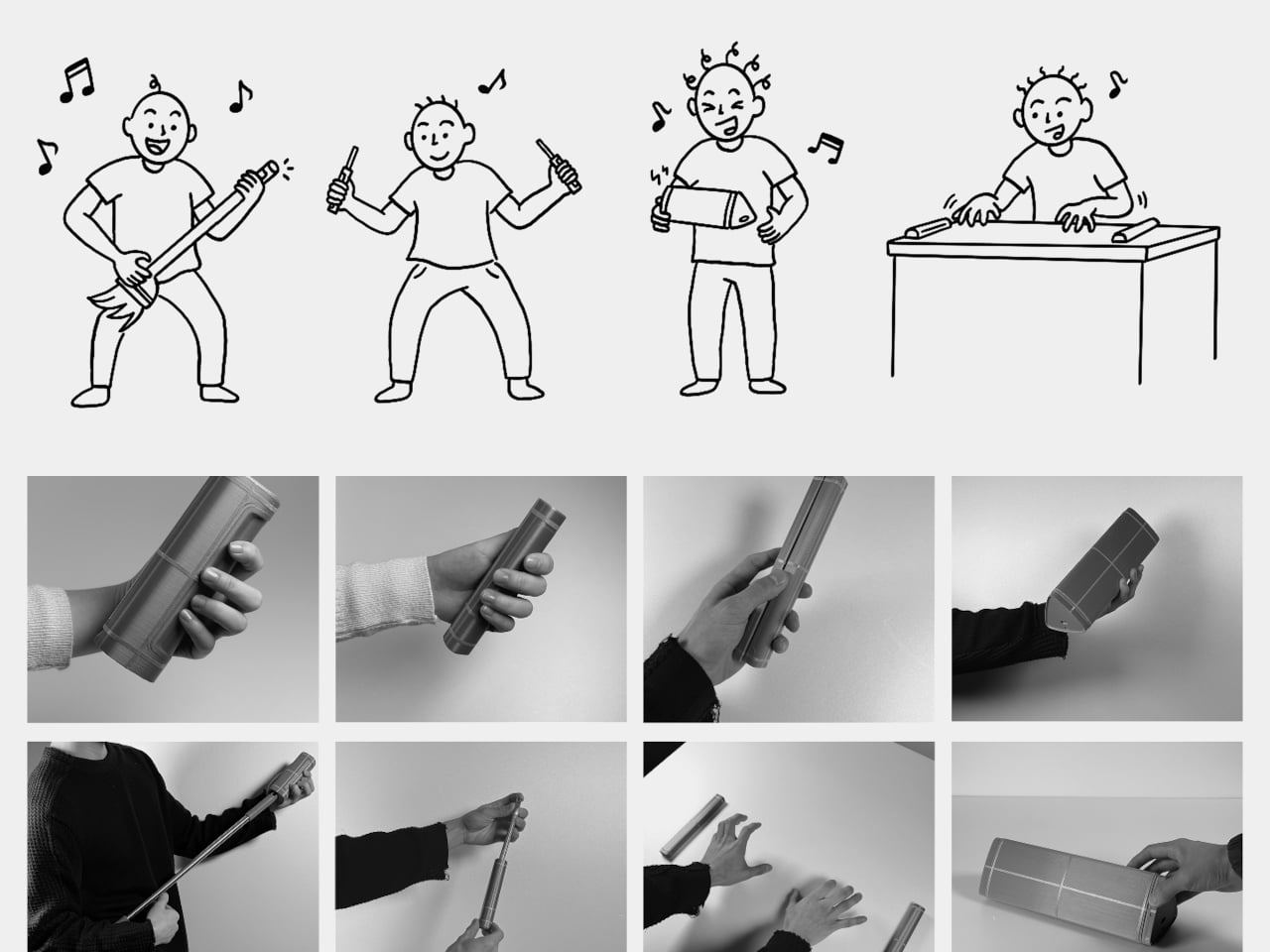
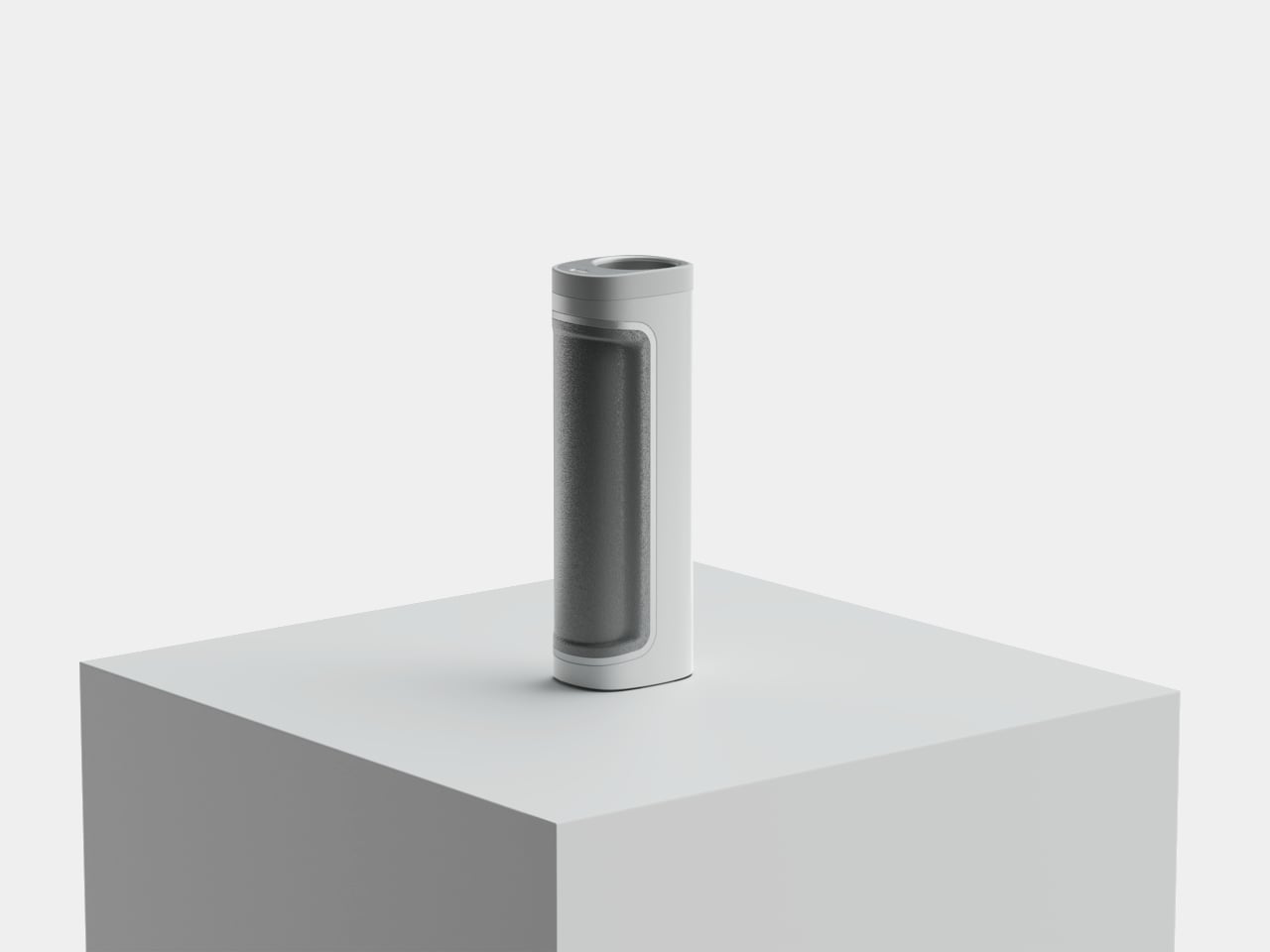
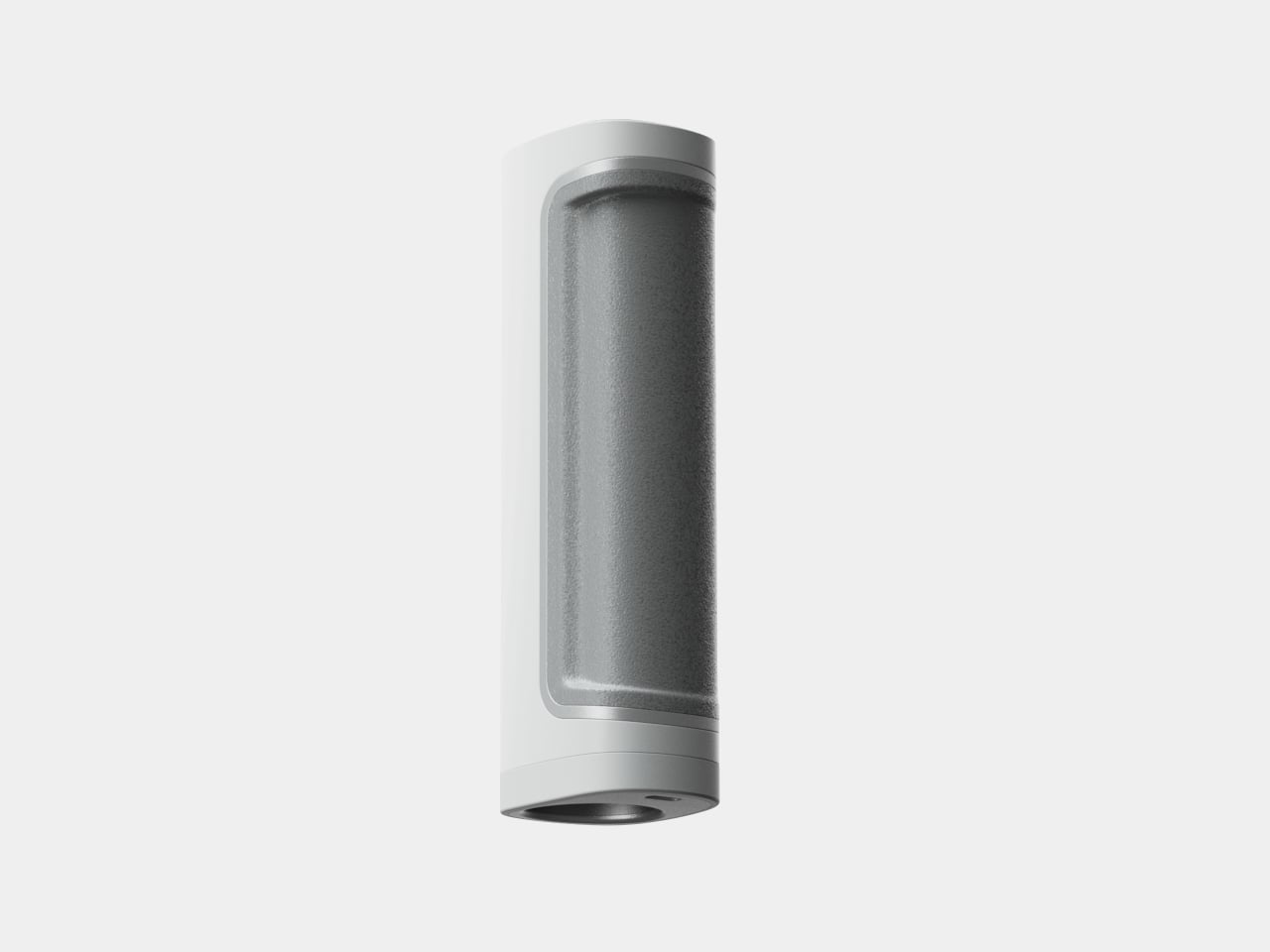
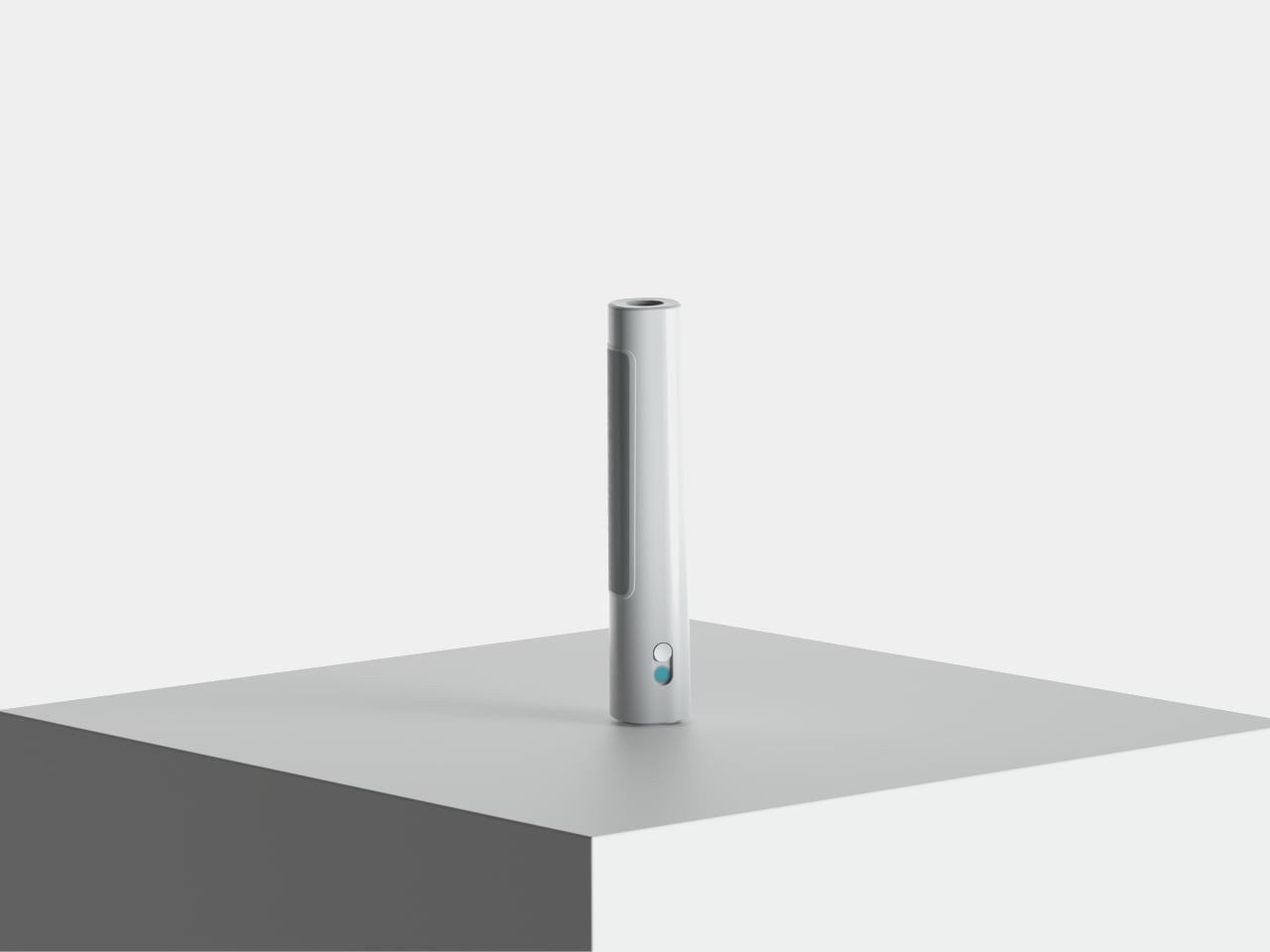
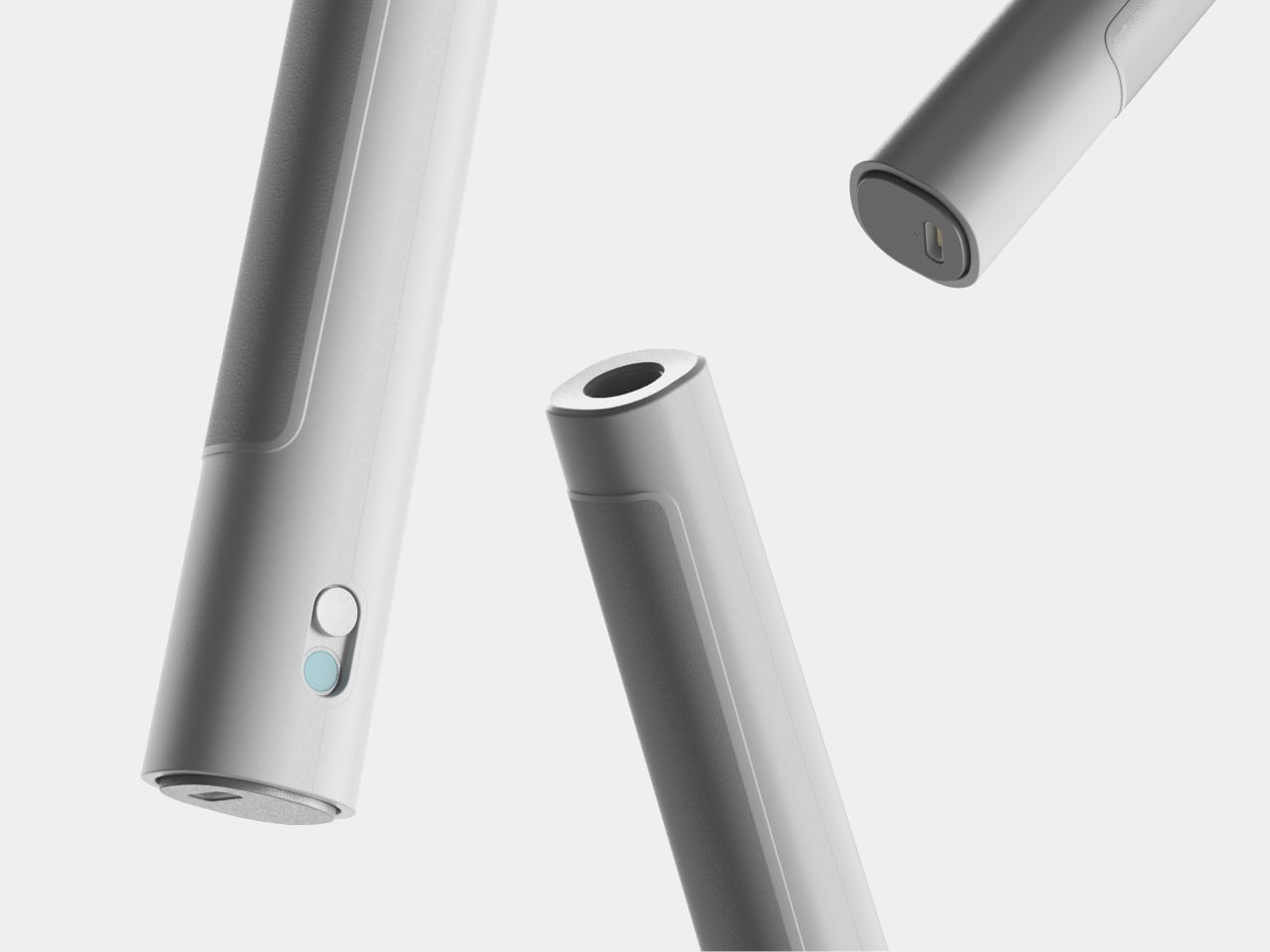
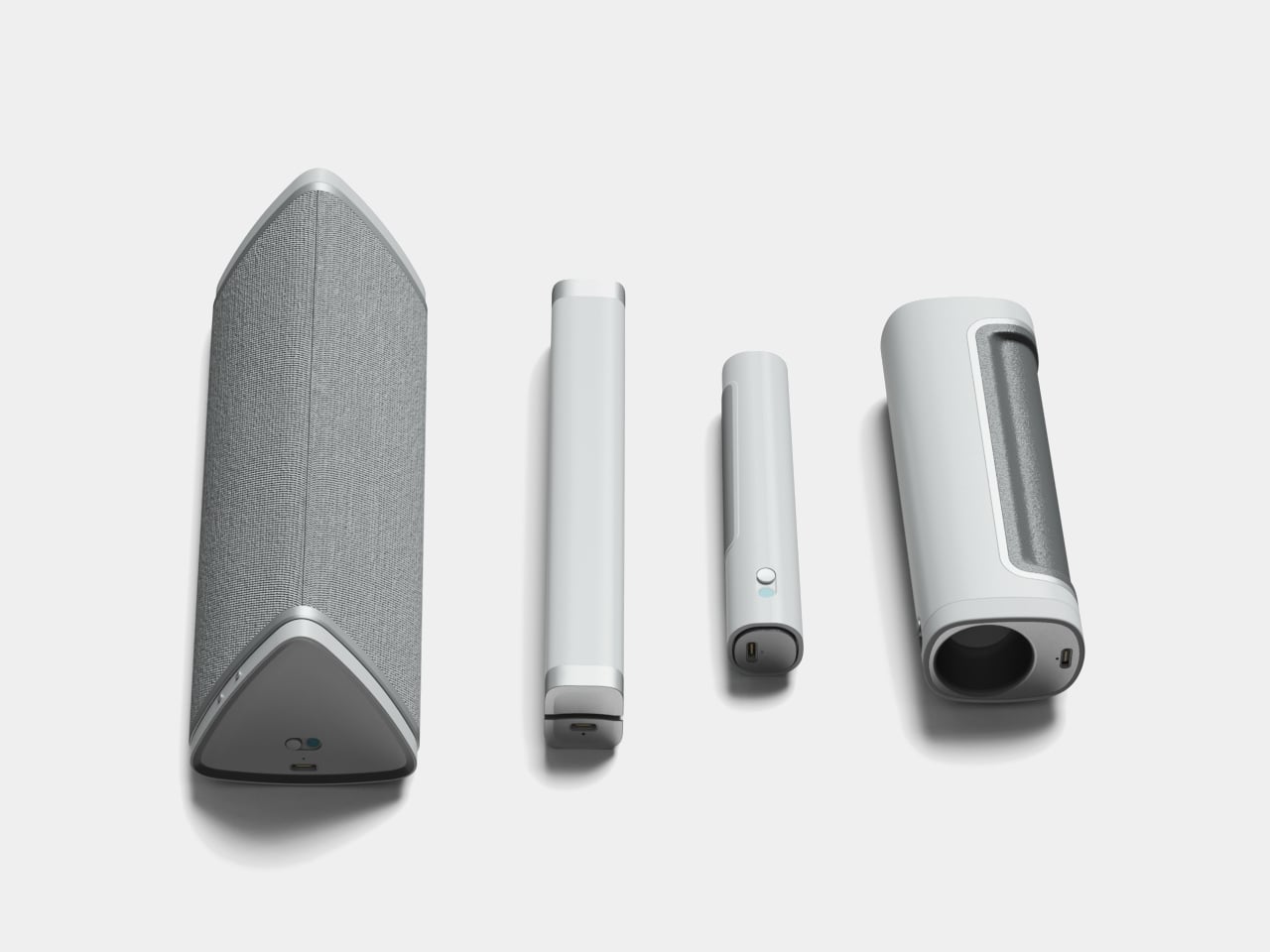
Two of BREMEN’s four modules handle the percussive and string side of things. The Guitar Module and Drum Module are compact cylinders that slide over any stick-shaped object, whether that’s a pen, a ruler, or an actual broom handle. Once attached, they translate the way you swing or strike into guitar or drum sounds, sent wirelessly to the system’s central speaker.
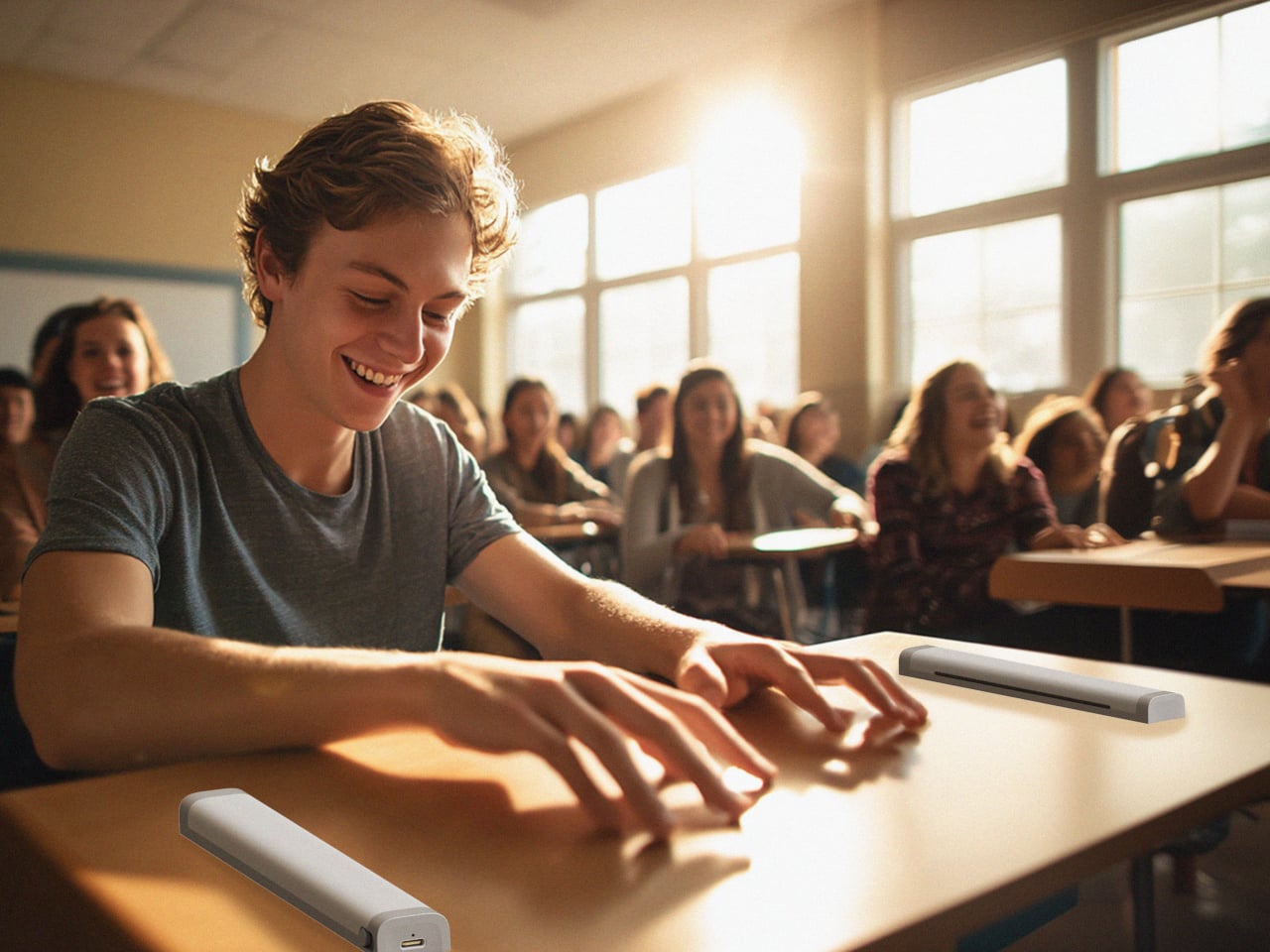
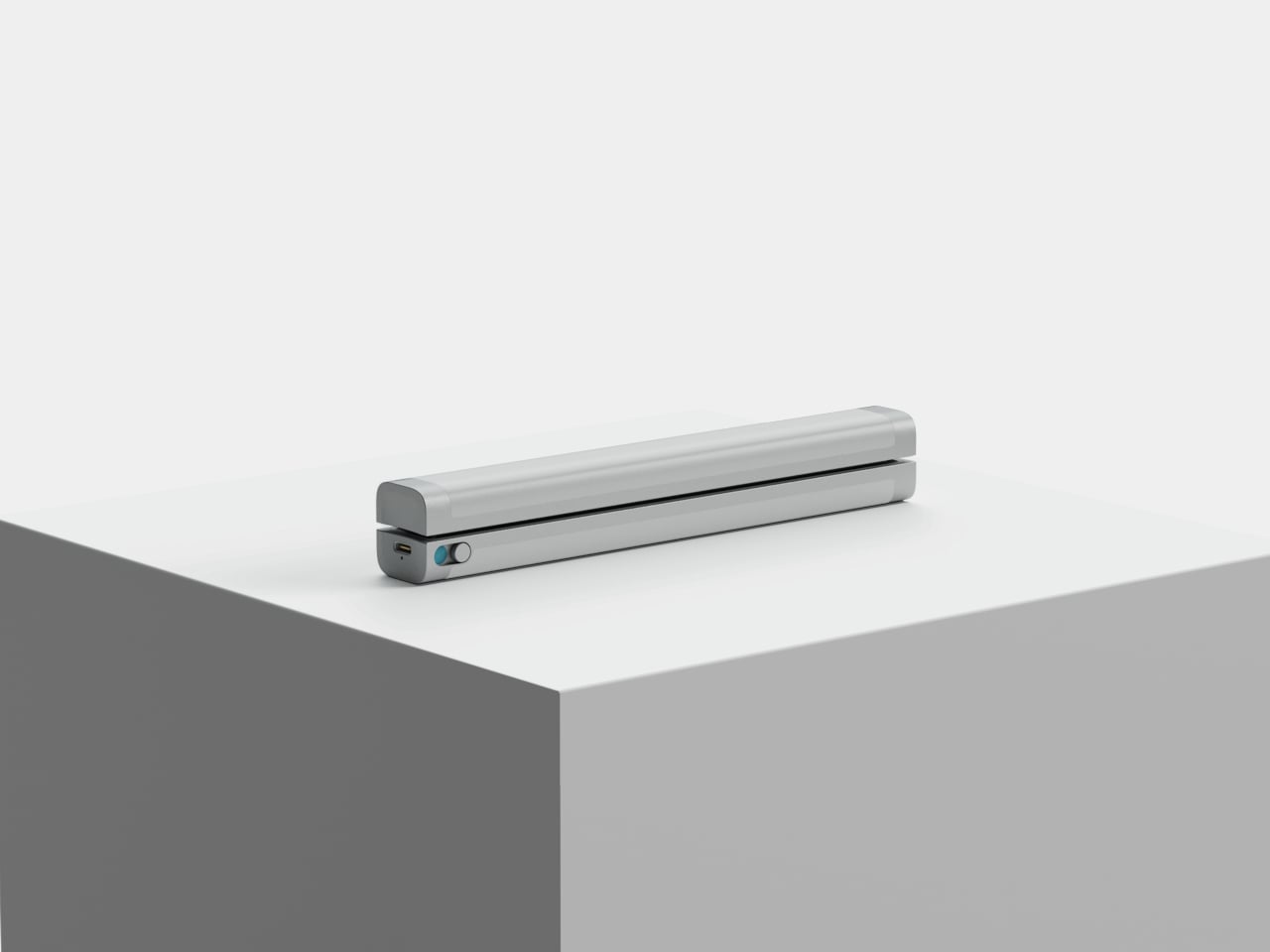
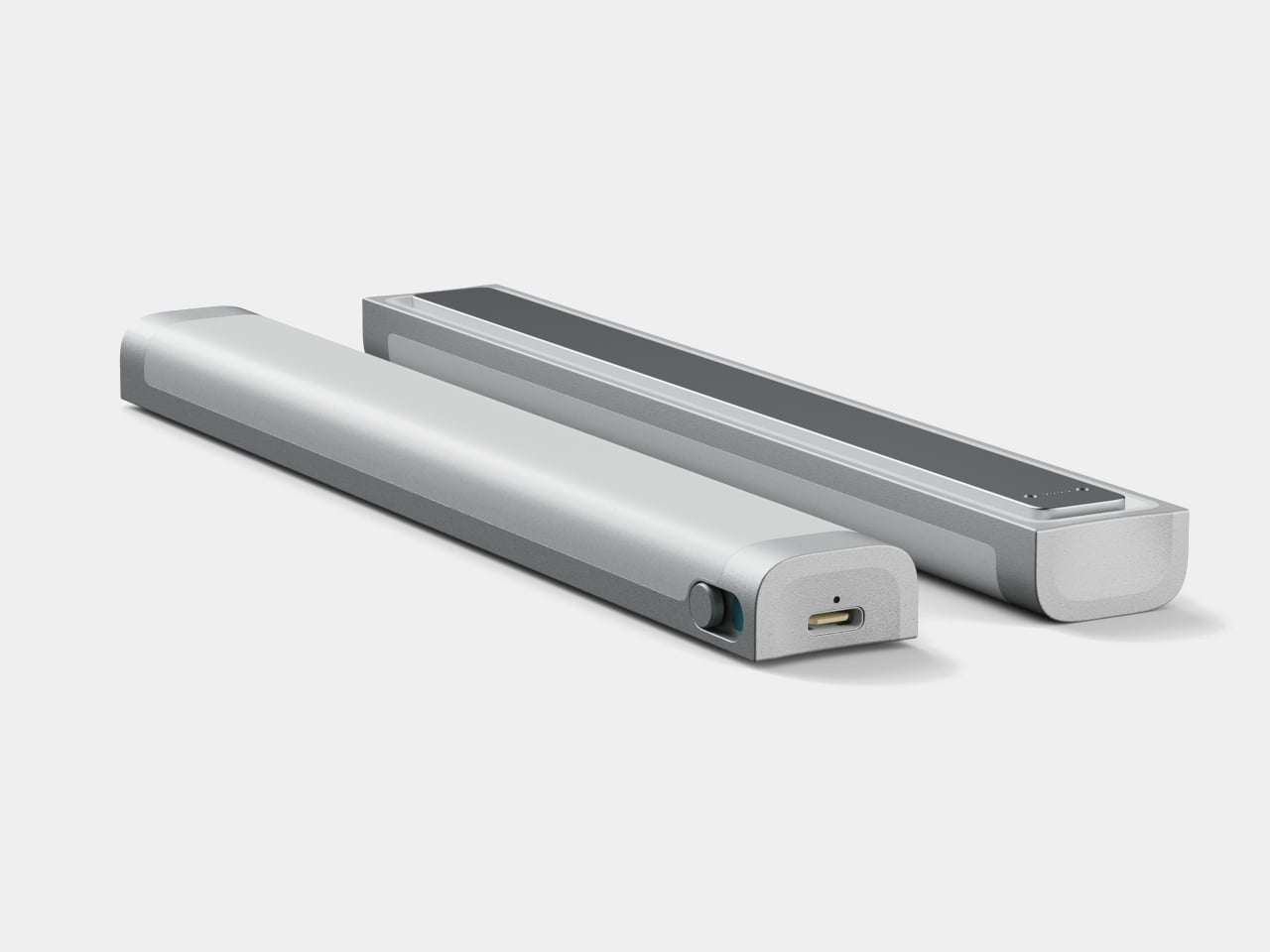
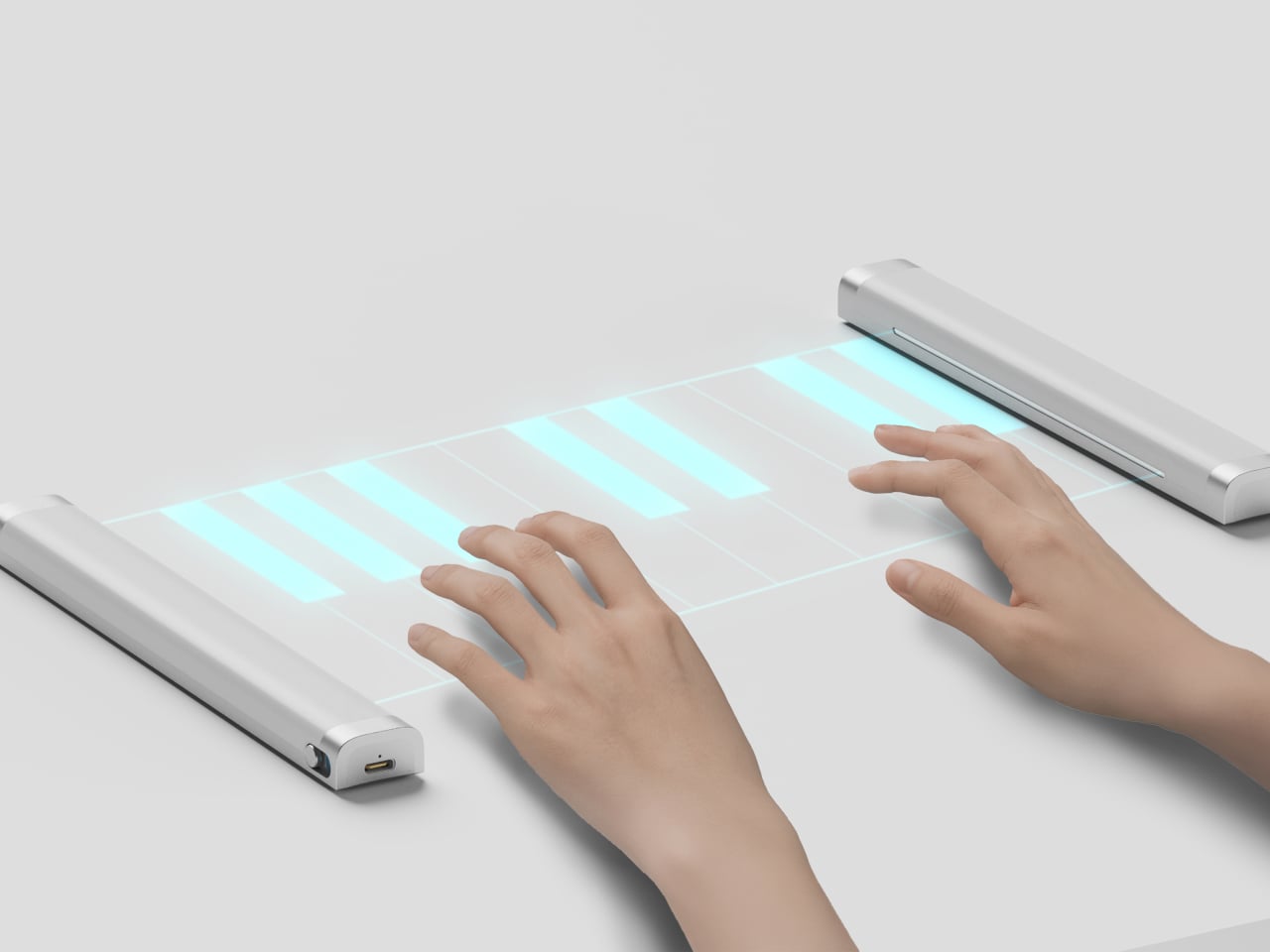
The Piano Module takes a different approach. Two slim, bar-shaped units placed at opposite ends of a desk detect the distance between them and create an invisible keyboard in the space between. The sensors track finger movement above the surface and trigger the matching notes, so you’re essentially playing piano in thin air. No keys, no bench, no sheet music required.
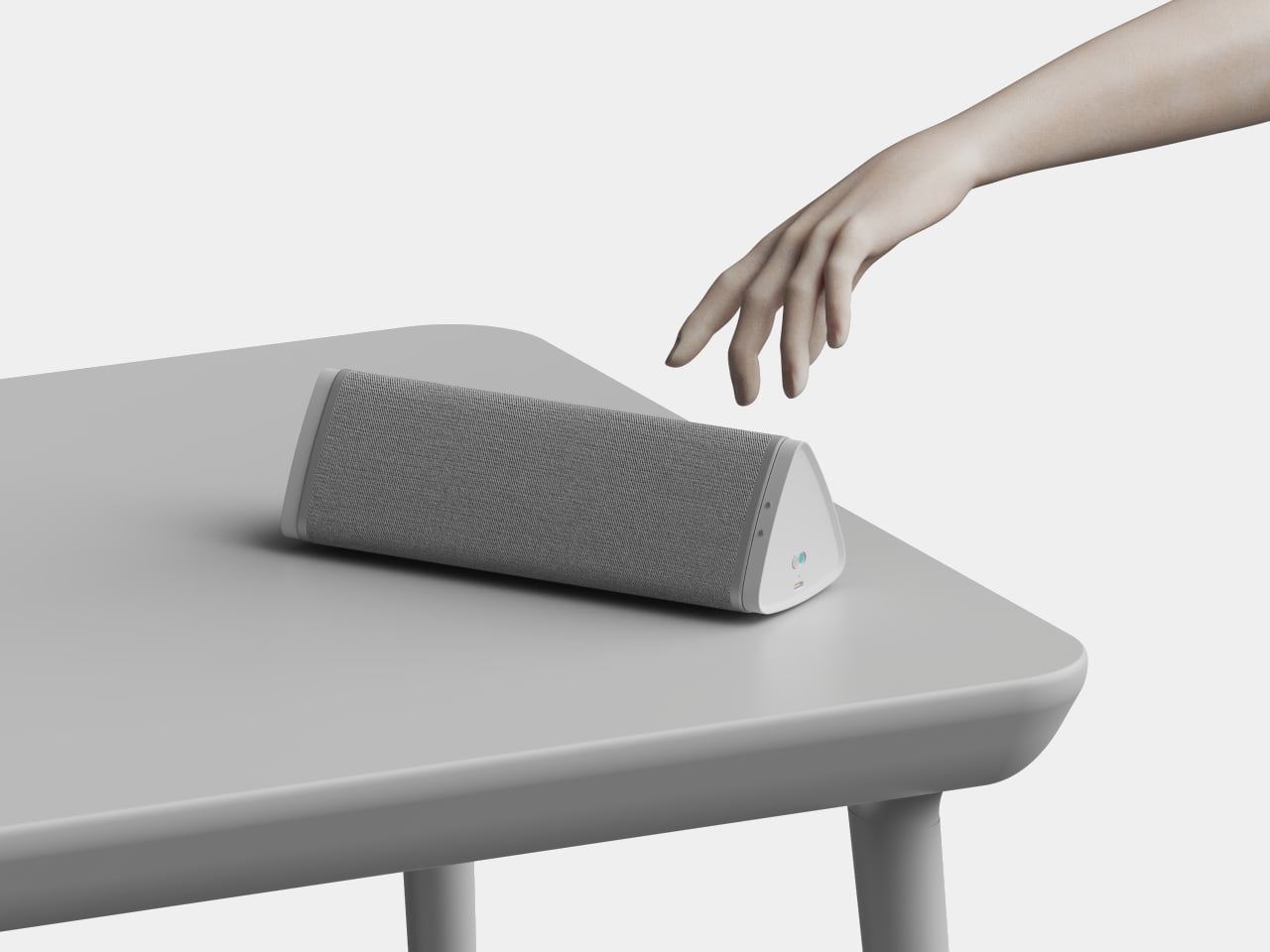
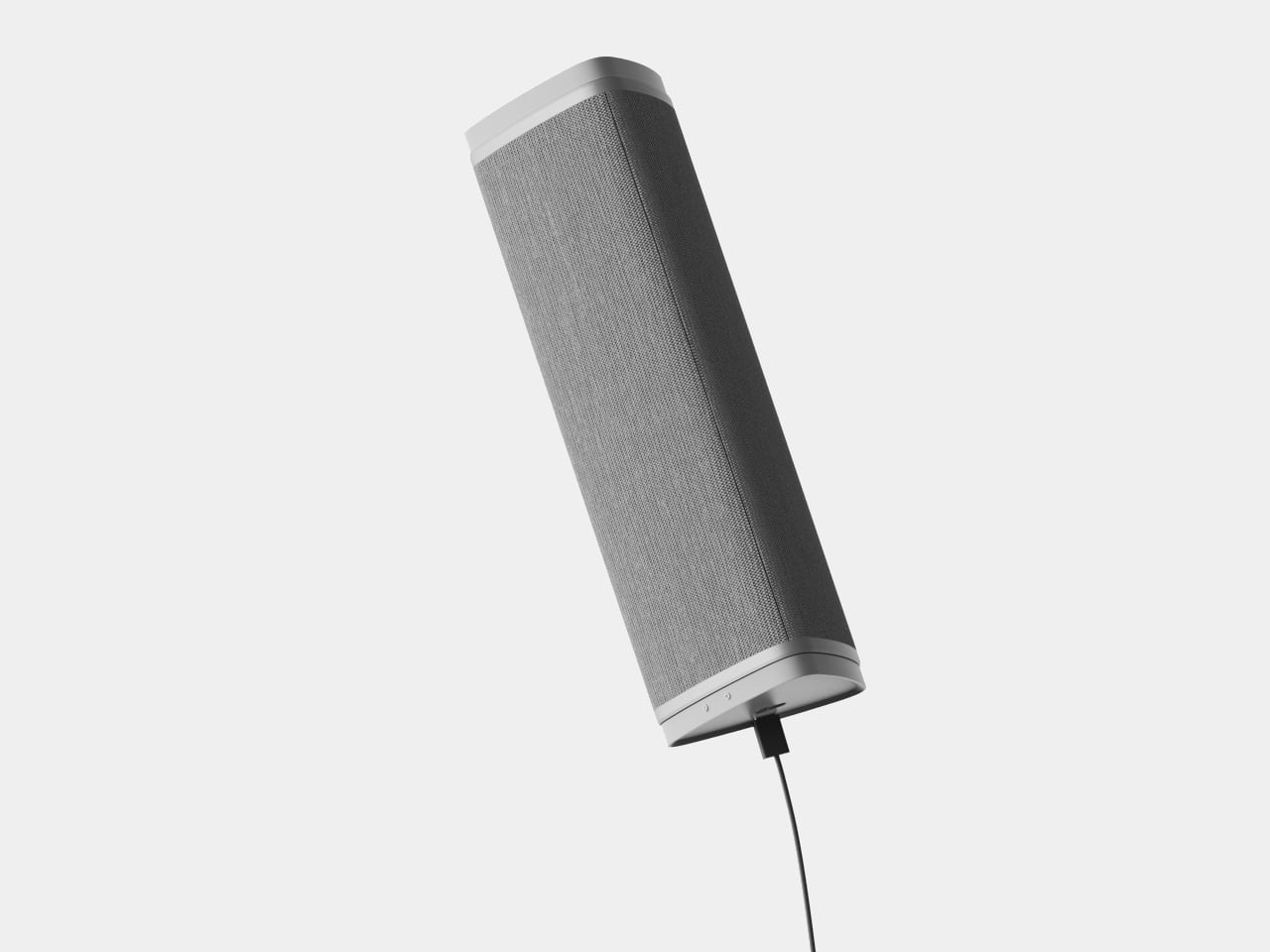
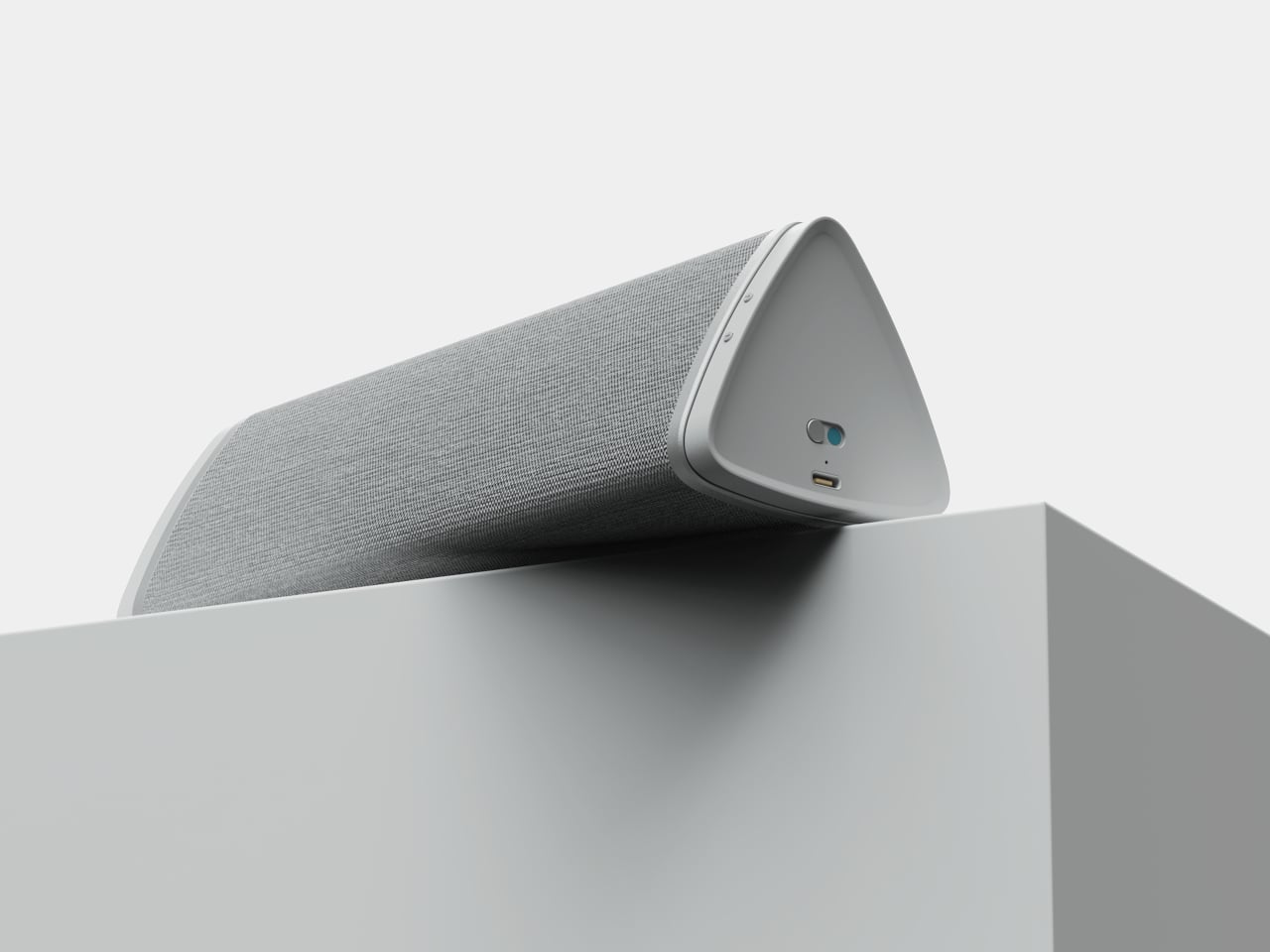
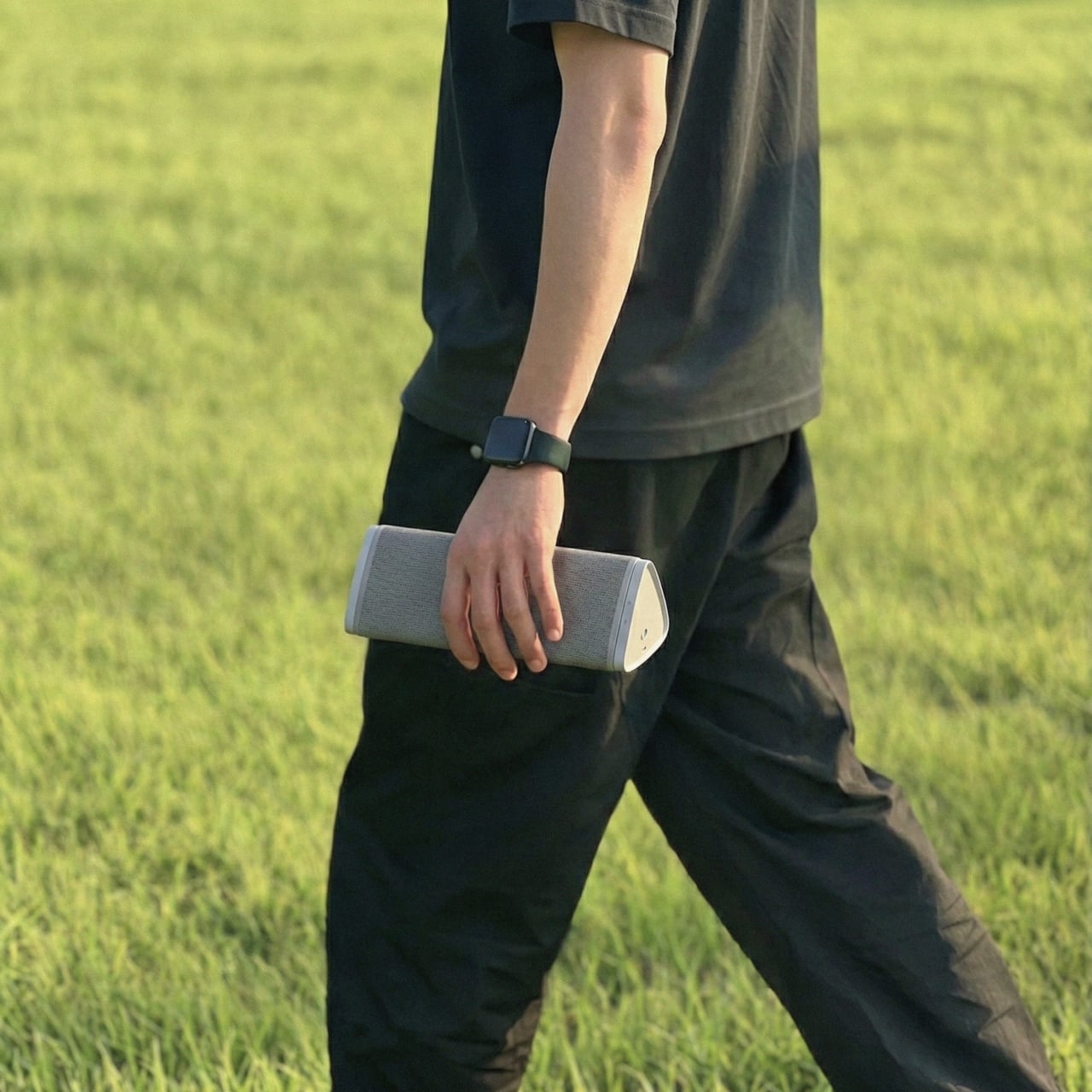
All three modules feed into BREMEN_HEN, the system’s speaker. It receives the separate performances from the guitar, drum, and piano modules and blends them into a single ensemble output. The speaker itself has a distinctive triangular cross-section with a fabric mesh face, making it compact enough to carry by hand and functional enough to fill a room with actual band-level sound.
That last part matters. The whole point of BREMEN is that the stage can be wherever you happen to be, a classroom, a courtyard, a park. Three people with sticks and a pair of piano bars are suddenly a band. Nobody had to haul gear across town or book a rehearsal room. It’s the kind of spontaneity that music rarely allows for anymore.
YUPD’s concept goes beyond accessibility, though that’s clearly central to it. More fundamentally, it’s a rethinking of what counts as a musical instrument, one that argues the answer could be almost anything. A broom becomes a guitar, a desk becomes a piano, and a group of people with no formal training becomes something resembling a band. That’s a surprisingly generous idea for something that fits in a backpack.
Sleep has quietly become one of the most closely watched aspects of personal health. Around one in three people struggle with it, and roughly half of Americans already use a wearable device to track their sleep each night. That growing awareness has made sleep monitoring mainstream, turning the wrist and the finger into familiar real estate for all kinds of sleep-tracking sensors.
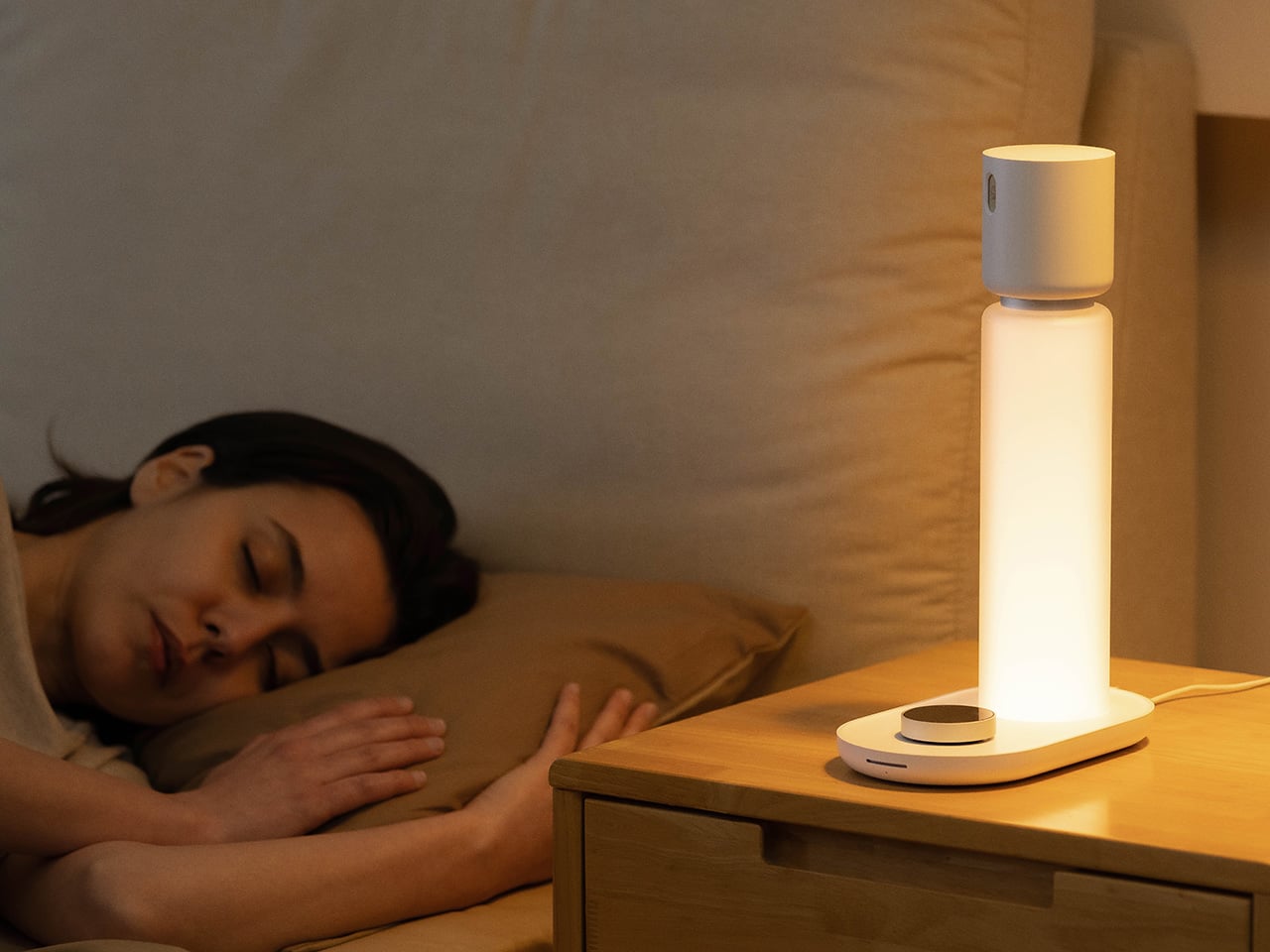
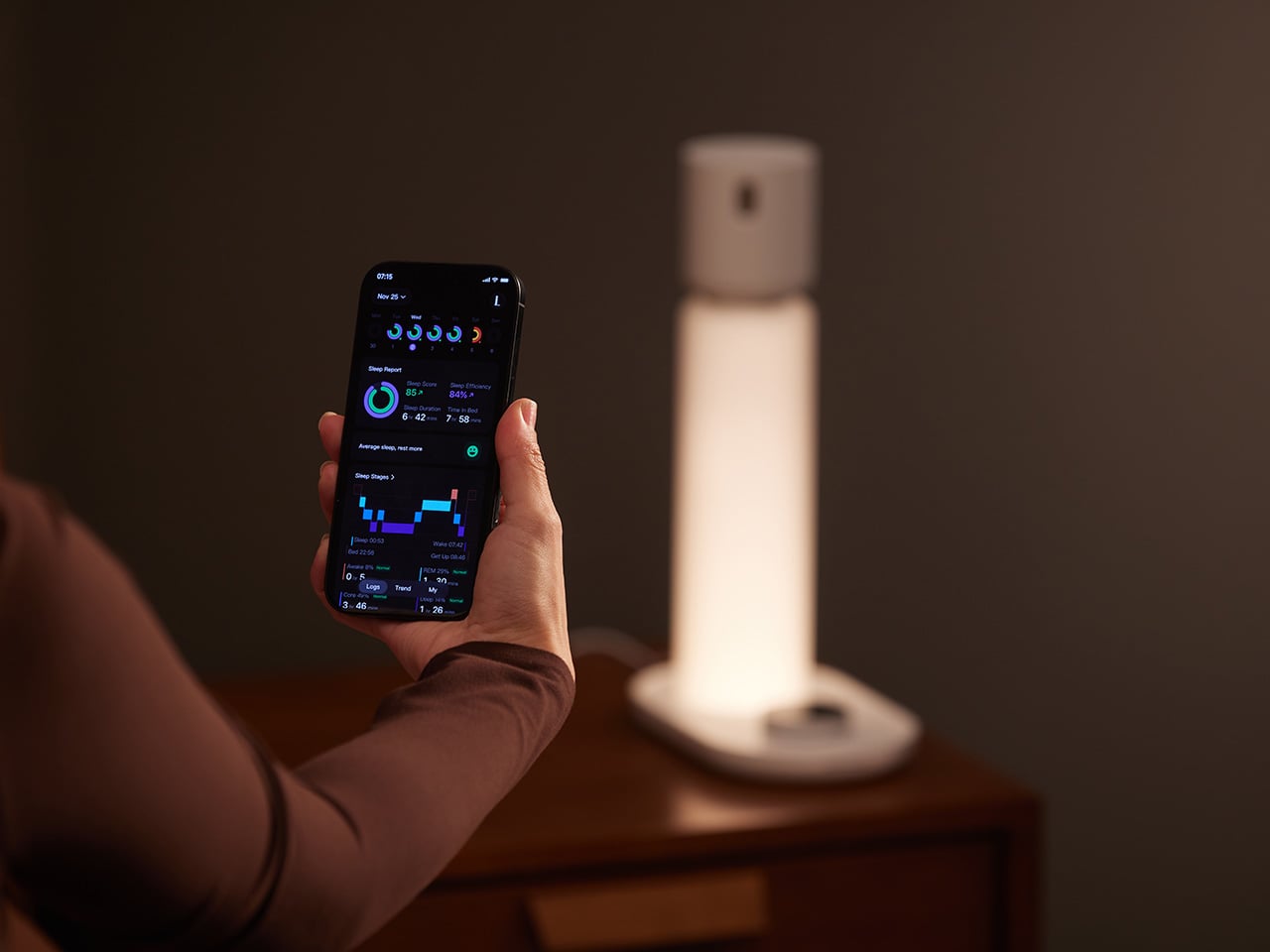
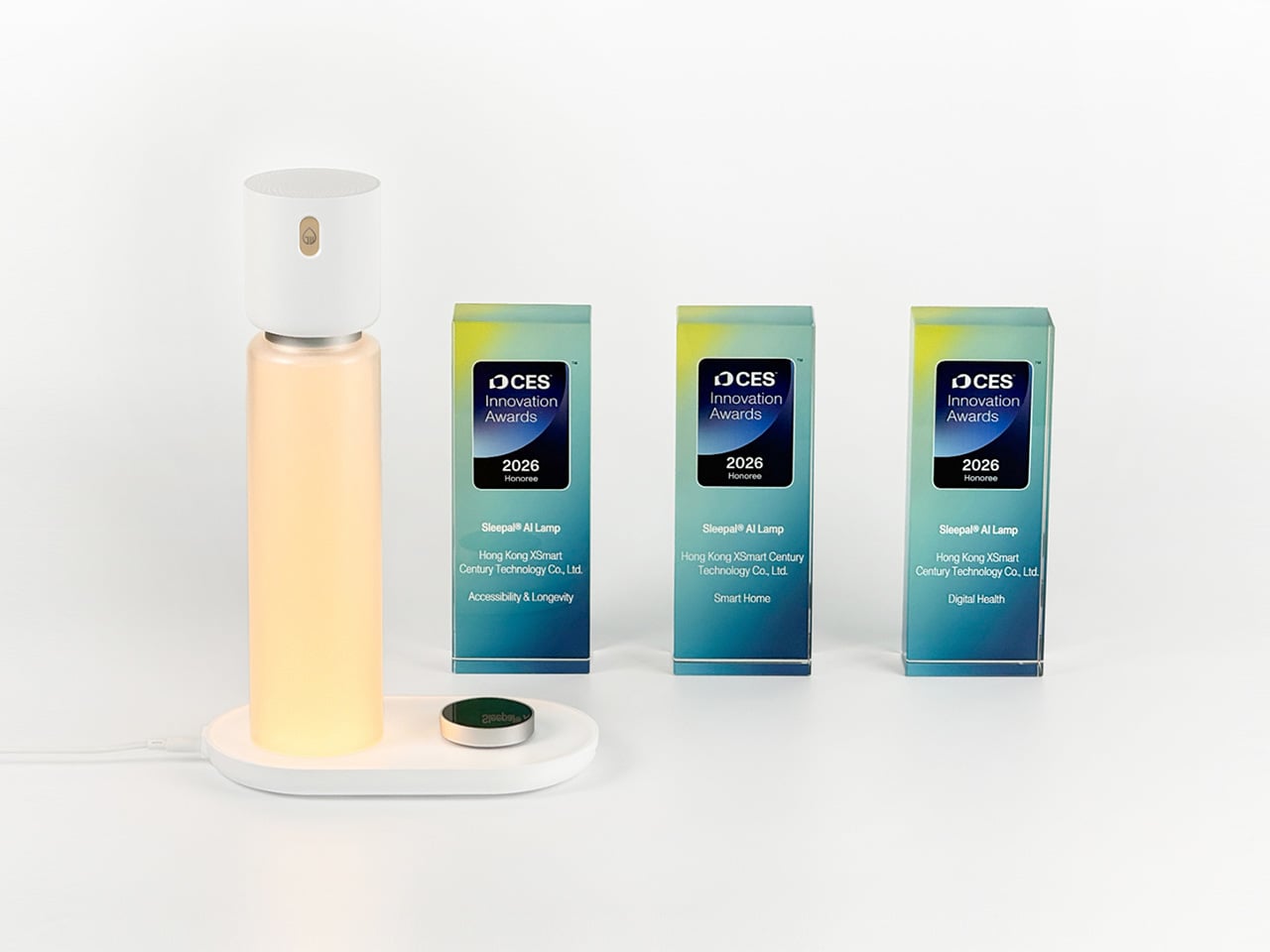
The irony, of course, is that wearing a device to bed can get in the way of the very thing you’re trying to improve. A watch or ring adds a layer of physical awareness that makes settling in harder, especially for someone who already struggles with sleep. Sleepal addresses that contradiction by embedding the tracking technology inside something already on your nightstand: a bedside lamp.
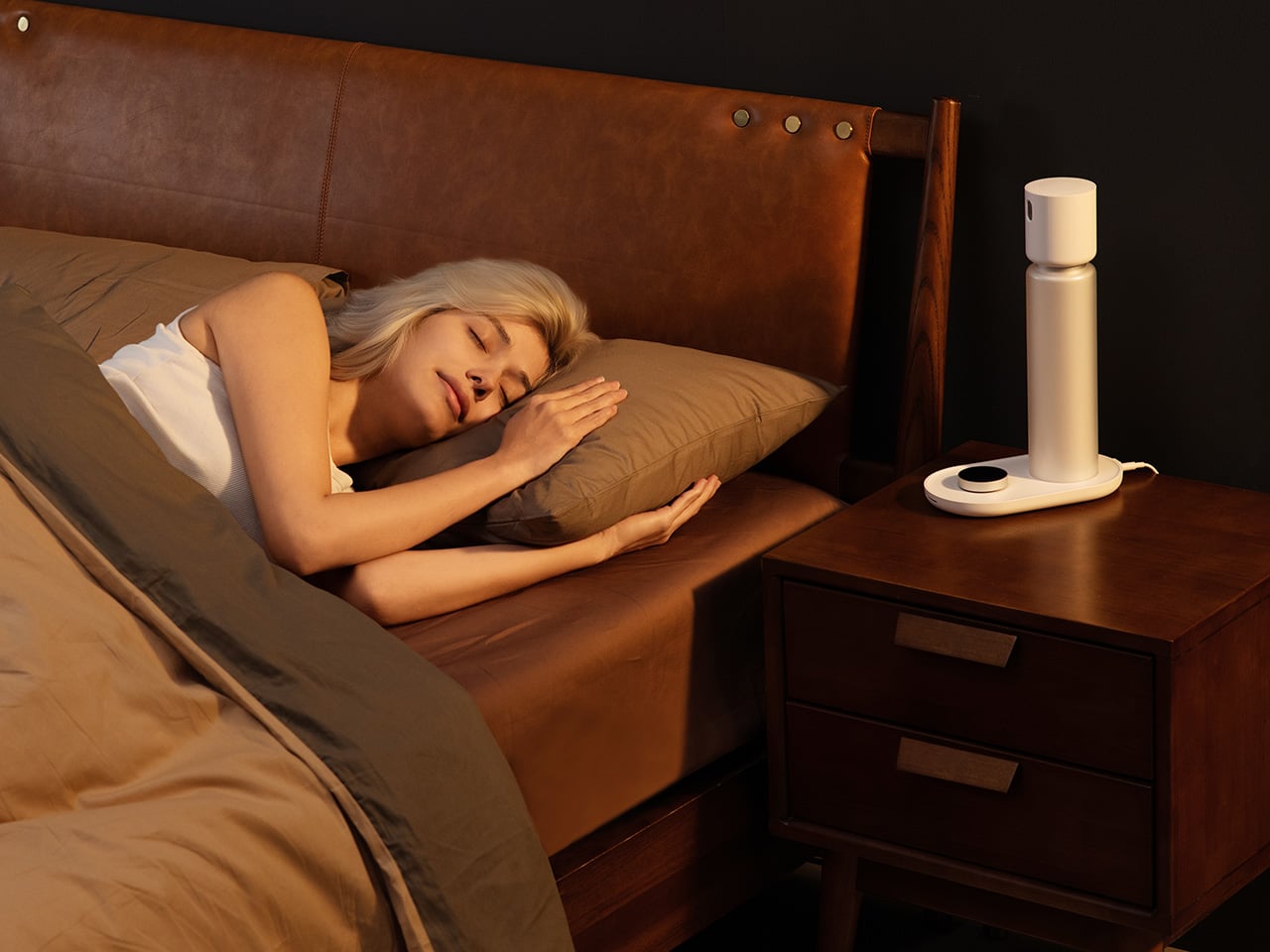
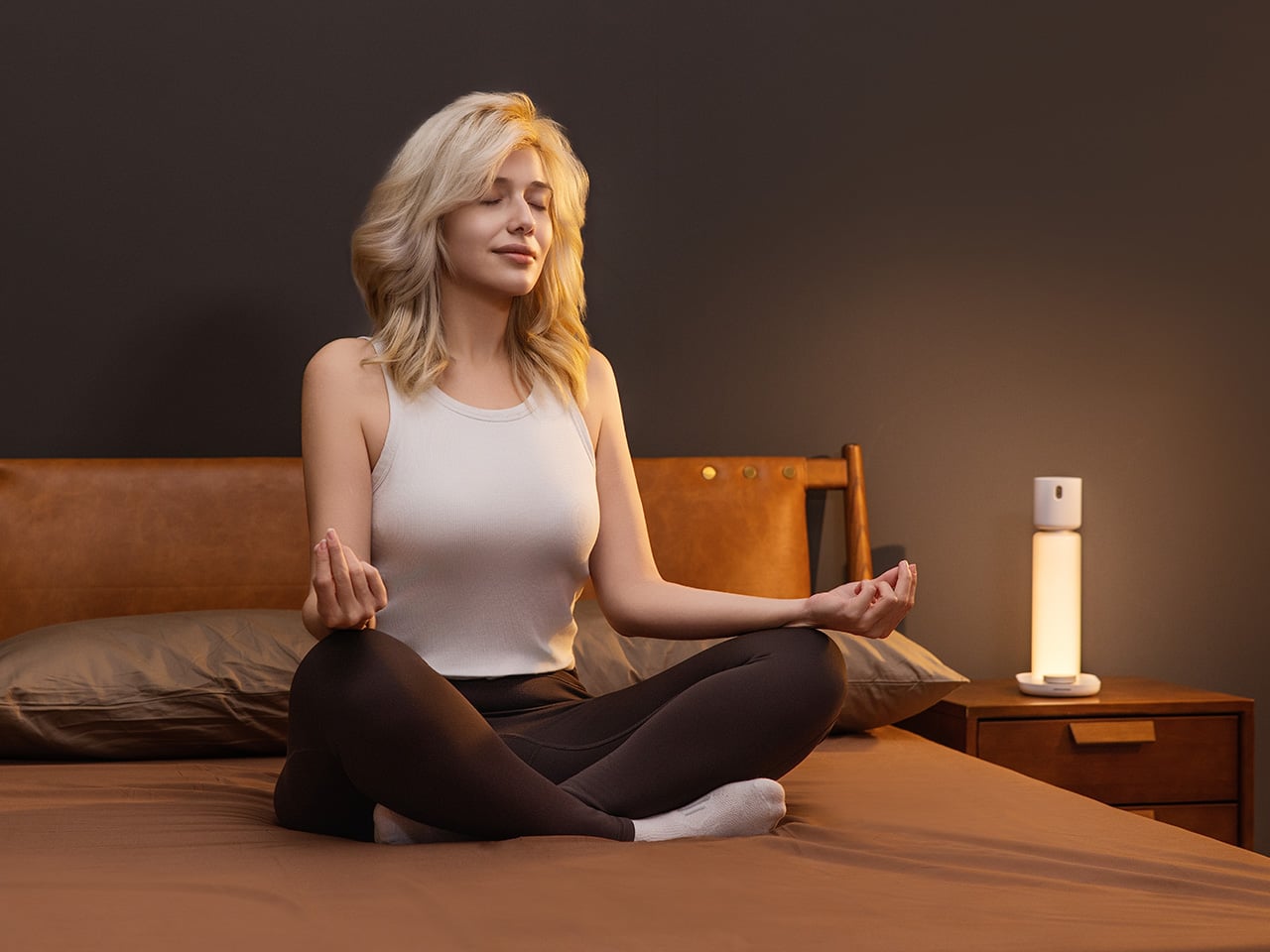
That choice of form factor carries real design logic. Around 70% of people already own a bedside lamp, and it’s naturally tied to the rituals of winding down and waking up. Building contactless sleep monitoring into that familiar object means Sleepal enters the bedroom without asking anything of you. No new habits to form, no extra device to charge, nothing to adjust to before lights out.
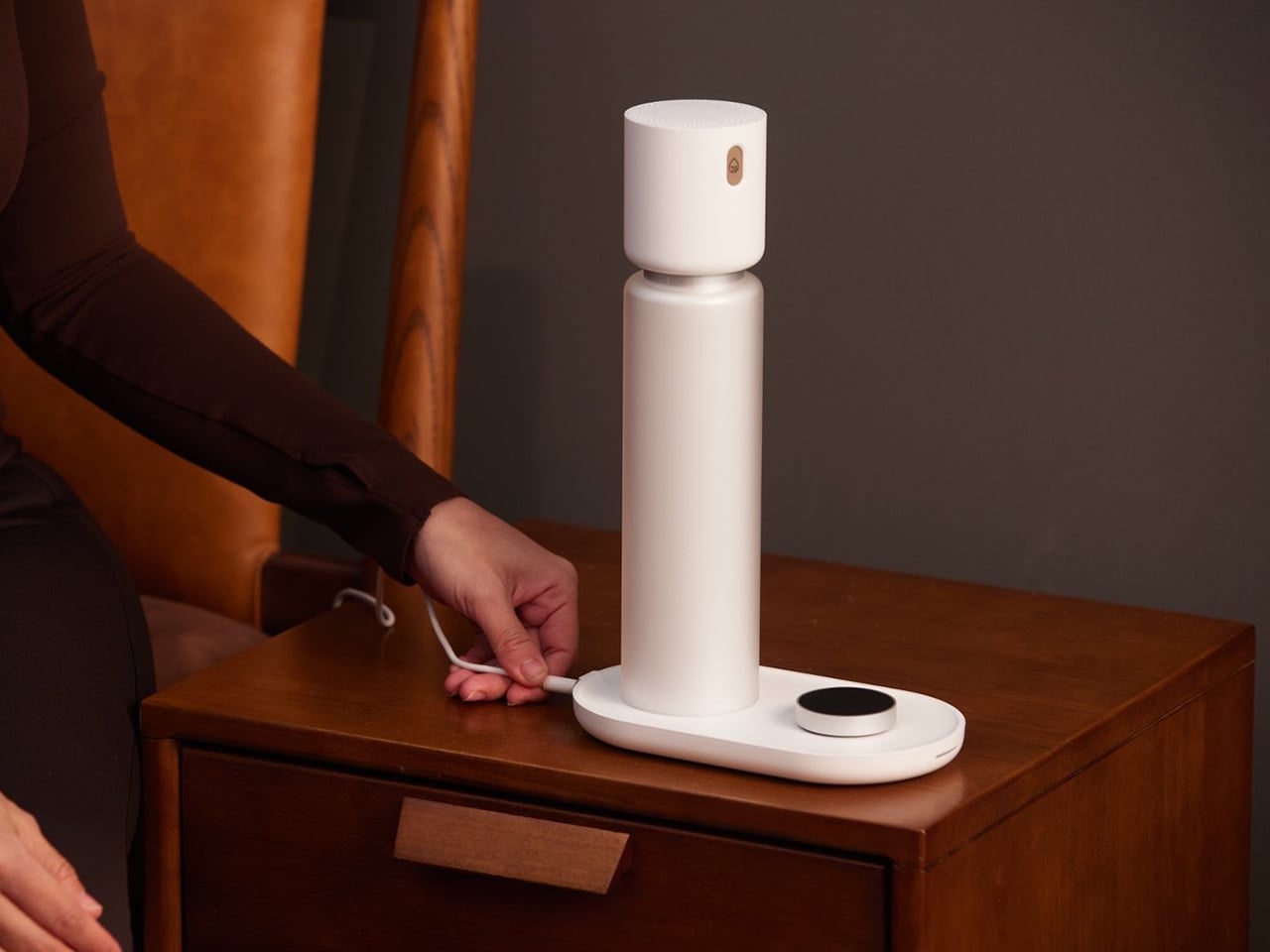
And setting it up is just as effortless. You plug it in, scan the device with the app, and after that, there’s really nothing else to manage. No nightly adjustments, no calibrations, nothing to put on before getting into bed. You simply sleep as you normally would and check your sleep report the next morning, which makes the whole experience feel remarkably frictionless.
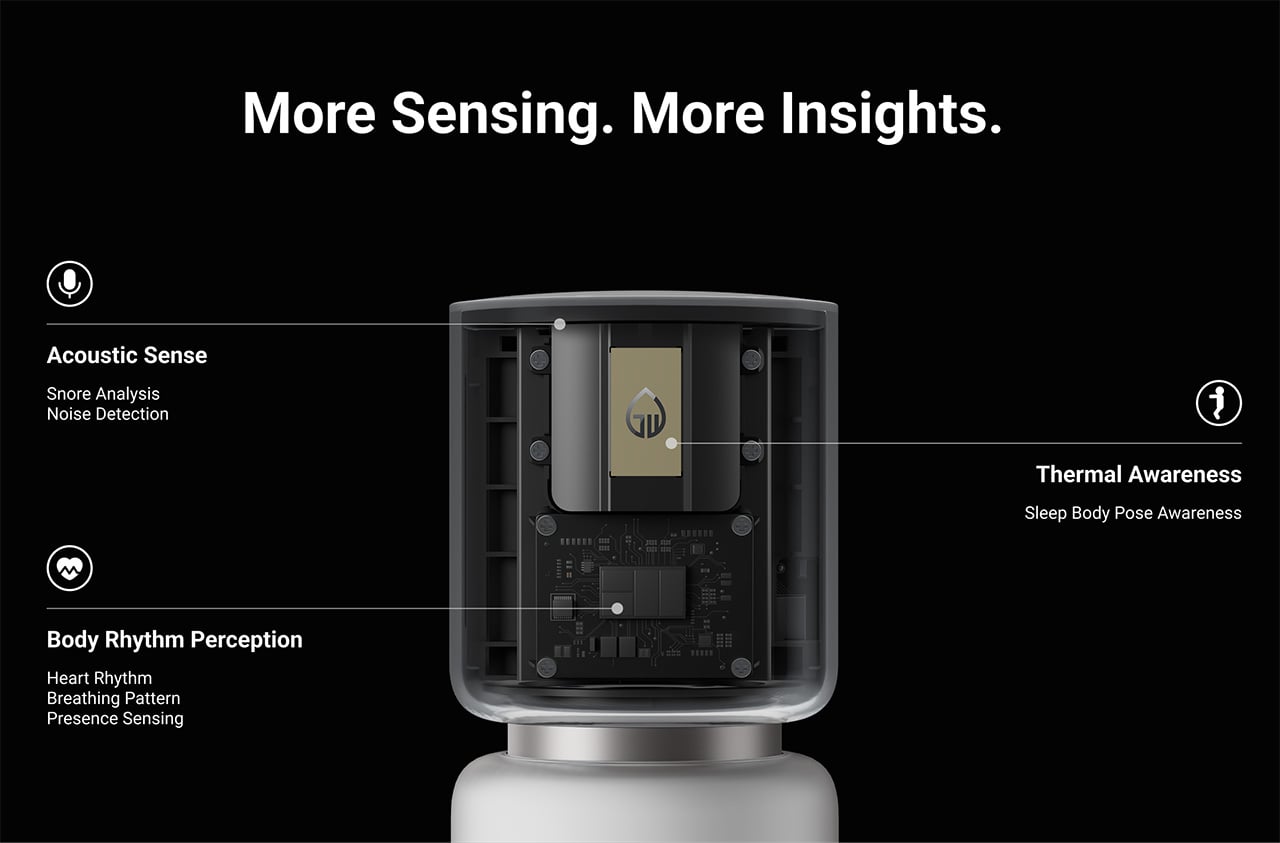
Behind that calm, unhurried exterior sits some serious sensing technology. Sleepal uses 60 GHz millimeter-wave radar with a detection precision of 0.1 mm, picking up the subtle chest micro-movements that come with breathing and a heartbeat. Those signals combine with environmental data and run through a sleep AI model built from scratch with nearly 100 million parameters, making the sleep-stage picture both thorough and precise.
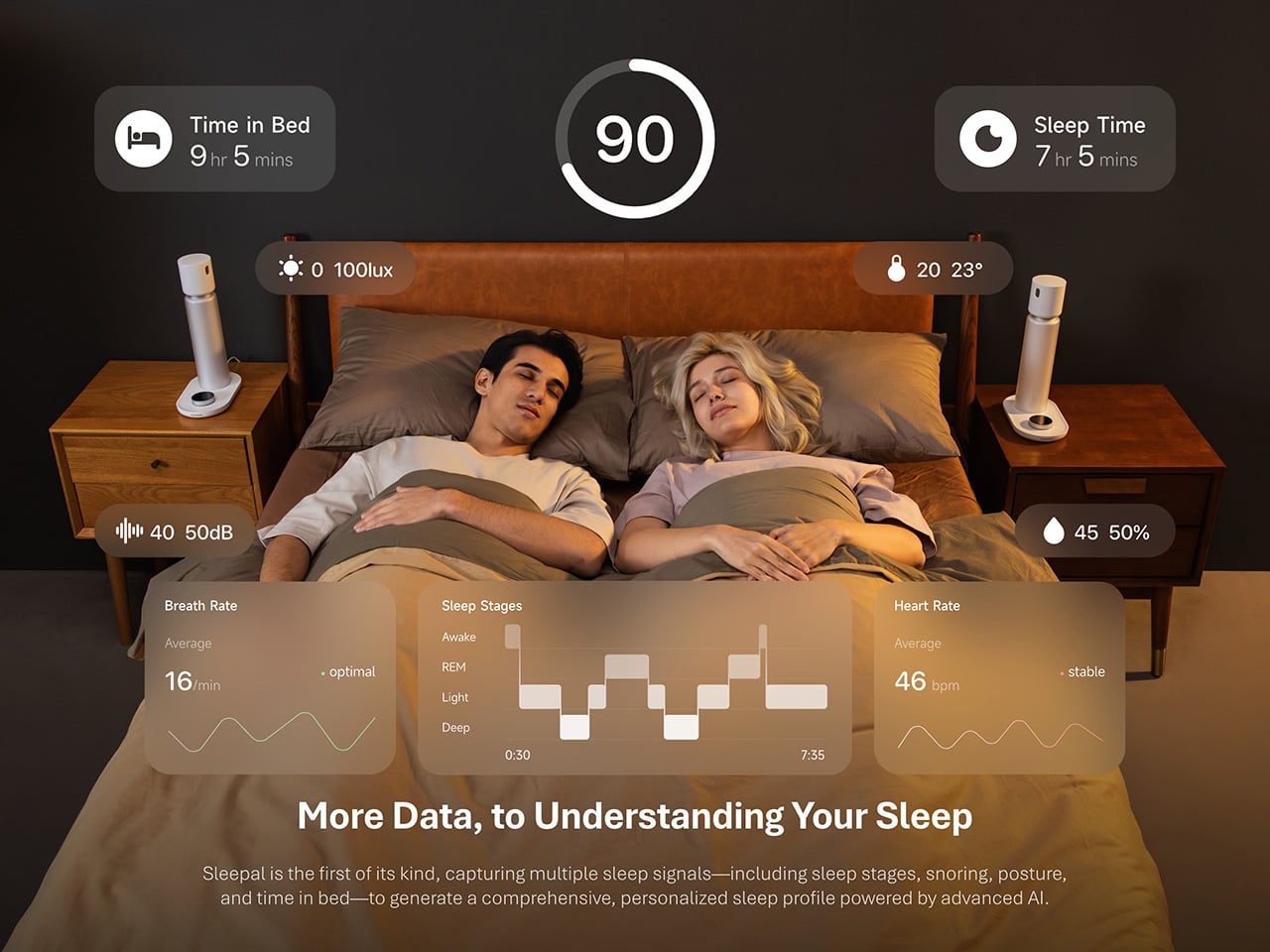
And that technical foundation is backed by genuine clinical work. Sleepal collaborated with multiple hospitals to build one of the world’s largest radar-based sleep databases, including more than 2,000 datasets collected alongside polysomnography testing. This medical-grade data foundation is a key source of its accuracy, and based on Sleepal’s test results, its sleep-tracking accuracy is higher than that of most mainstream wearables.
Because it functions as a lamp, the light itself becomes part of how it supports your sleep. It adapts through the night, softening as you settle in and brightening gently as morning approaches. Plus, it reads the room’s environmental conditions, capturing the ambient factors that affect rest and giving you a fuller picture of your night by combining physiological and environmental data.
The wake-up experience gets the same level of thought. When you set a target time in the app, Sleepal doesn’t just ring at that exact moment. It looks for a more natural waking window, steering clear of deep sleep and REM in favor of lighter stages. A turn of the body triggers snooze, and if you drift off again, the alarm continues until it detects you’ve left the bed.
Getting to sleep is handled just as carefully. Breathing guidance, meditation, and relaxation audio are all built in, giving you a non-pharmaceutical way to ease into rest before the tracking even begins. Heck, for a lot of people, better sleep doesn’t come from gathering more data alone; it comes from having practical tools to actually wind down, and Sleepal has a solid set of those.
One of the more quietly impressive things about Sleepal is how much it conceals. There’s no camera, and a physical control for key sensors adds a layer of discretion, while all that advanced sensing sits behind a lamp that simply looks like it belongs. The design emphasizes comfort and calm over any overt technological statement, making it easy to trust in a space as personal as a bedroom.
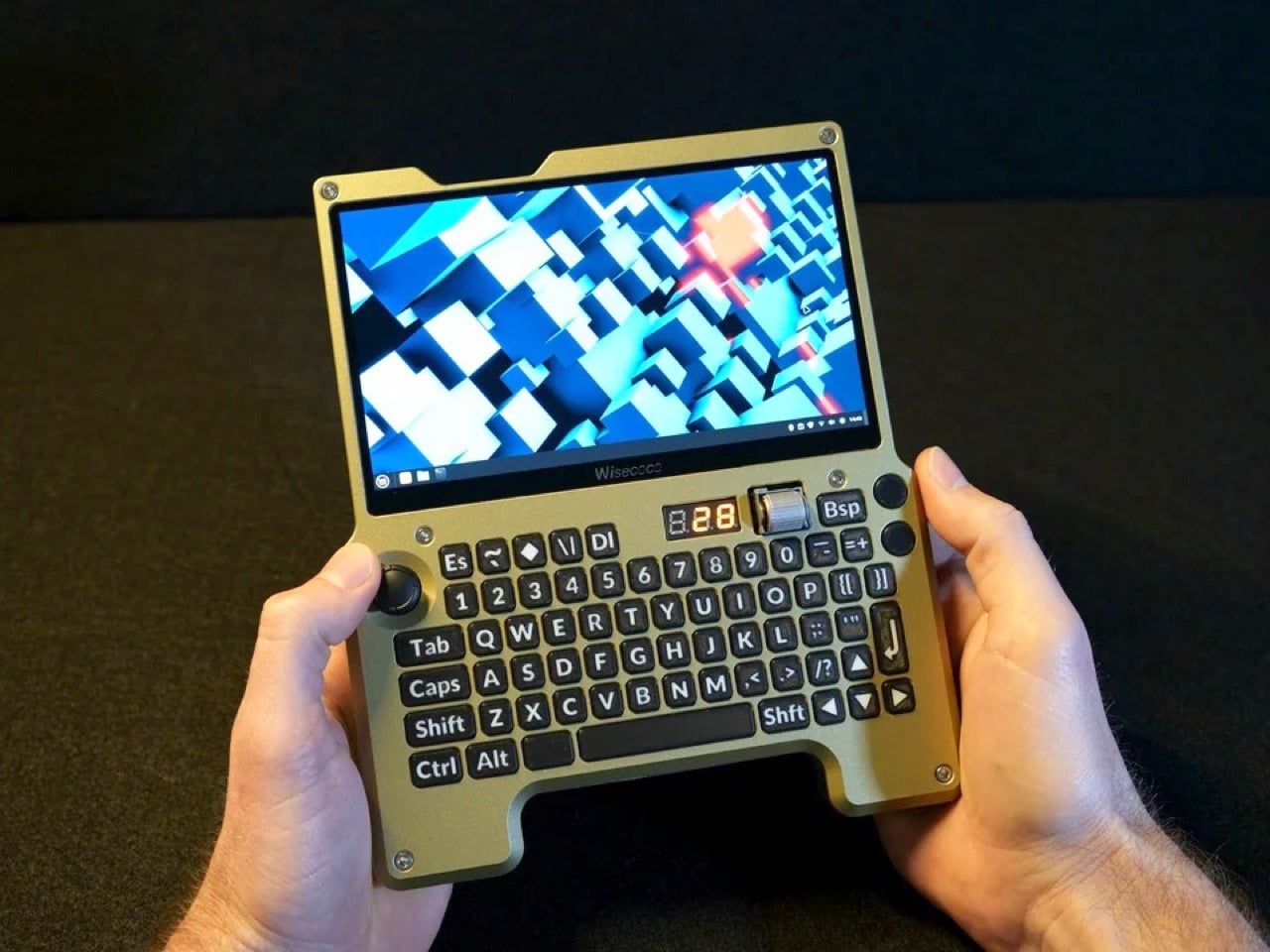
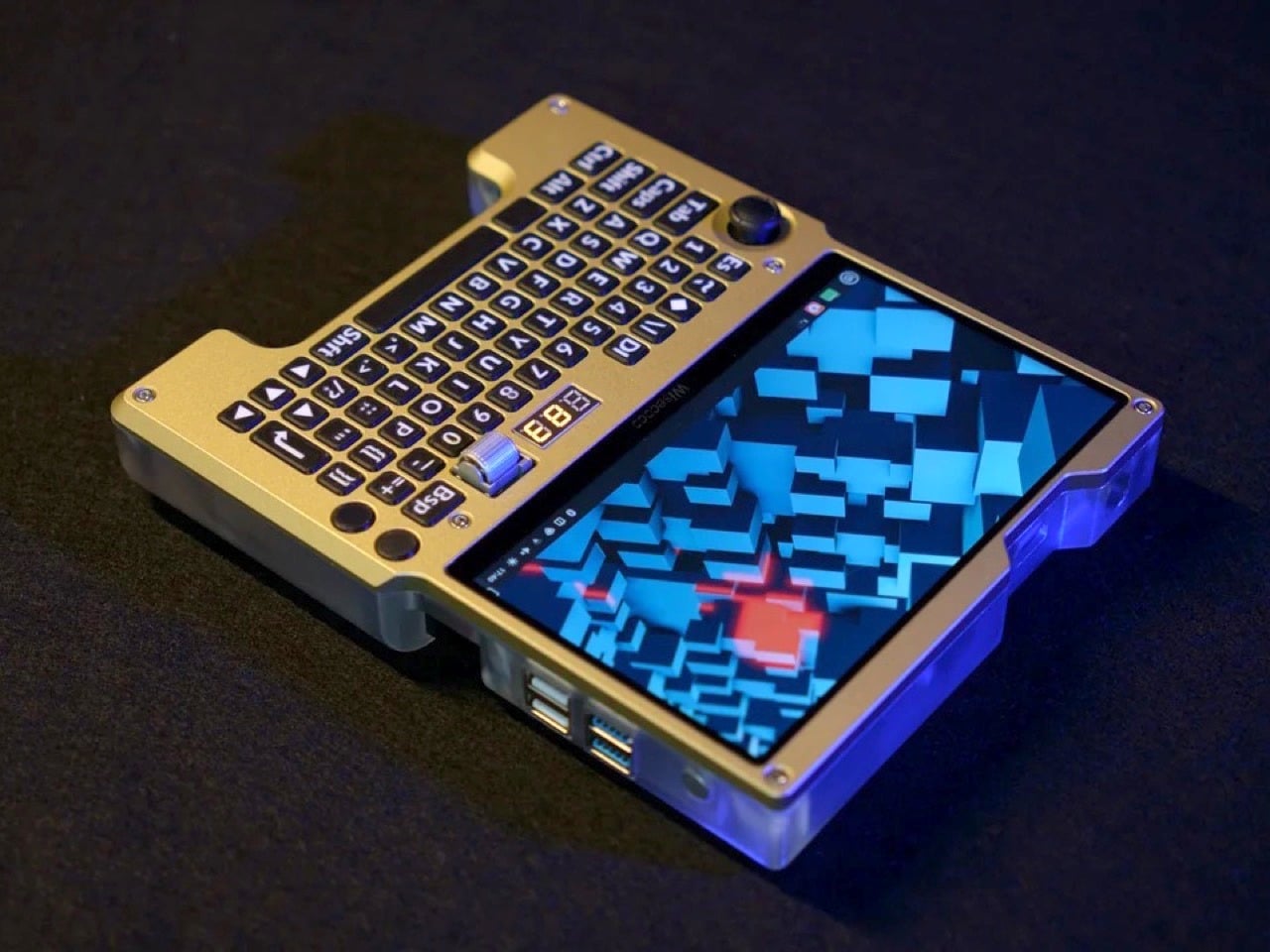
Before the iPhone arrived in 2007 and quietly buried the category, handheld PCs were shaping up to be something genuinely exciting. Devices like the Sony Vaio UX and OQO Model 2 promised a full desktop OS in your jacket pocket, and for a brief window, that felt like the obvious future of personal computing. Smartphones won that argument decisively, and the handheld PC faded into a footnote. A YouTuber who goes by Wisce decided that footnote deserved a second chapter, and built one himself from scratch.
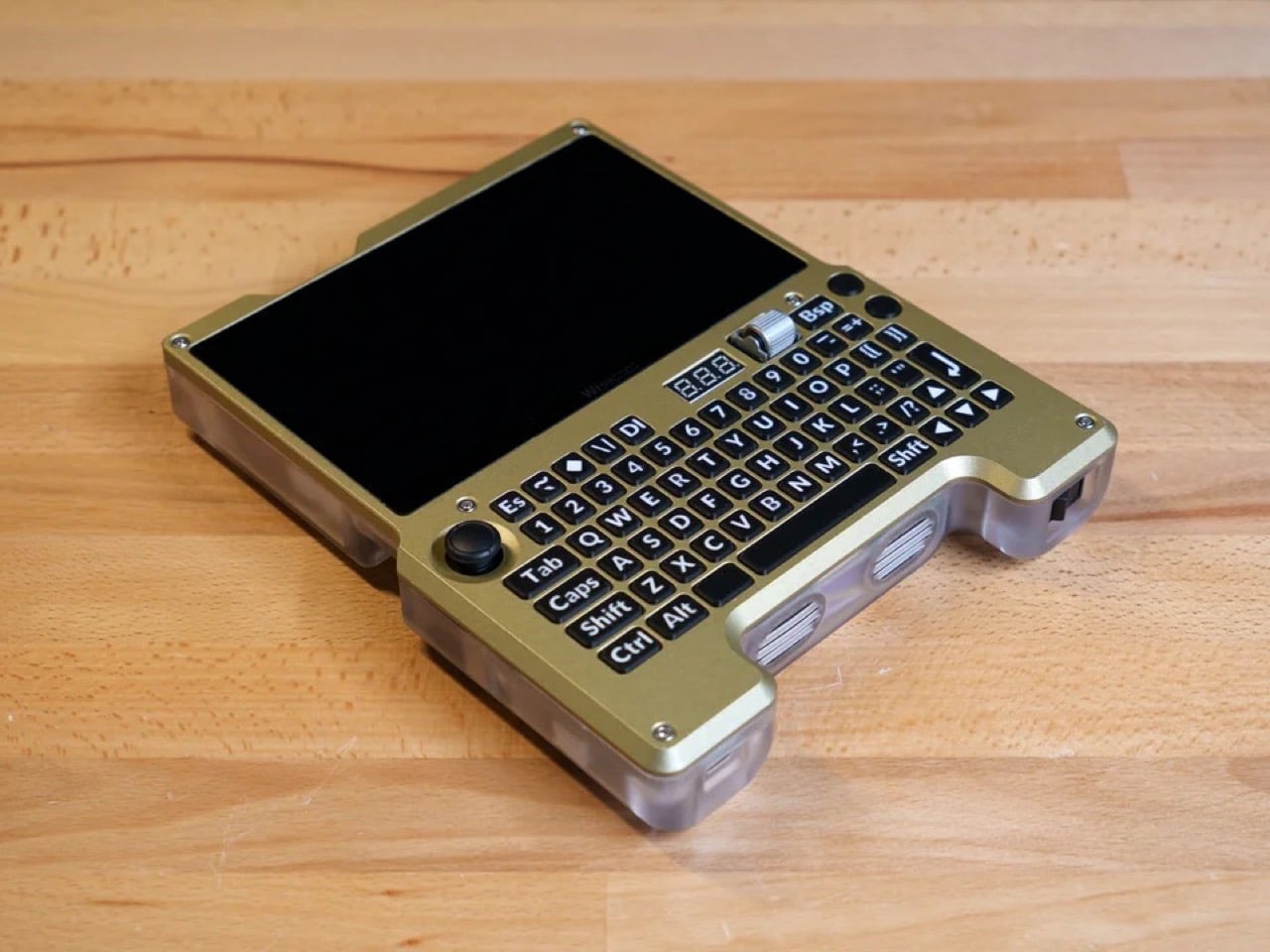
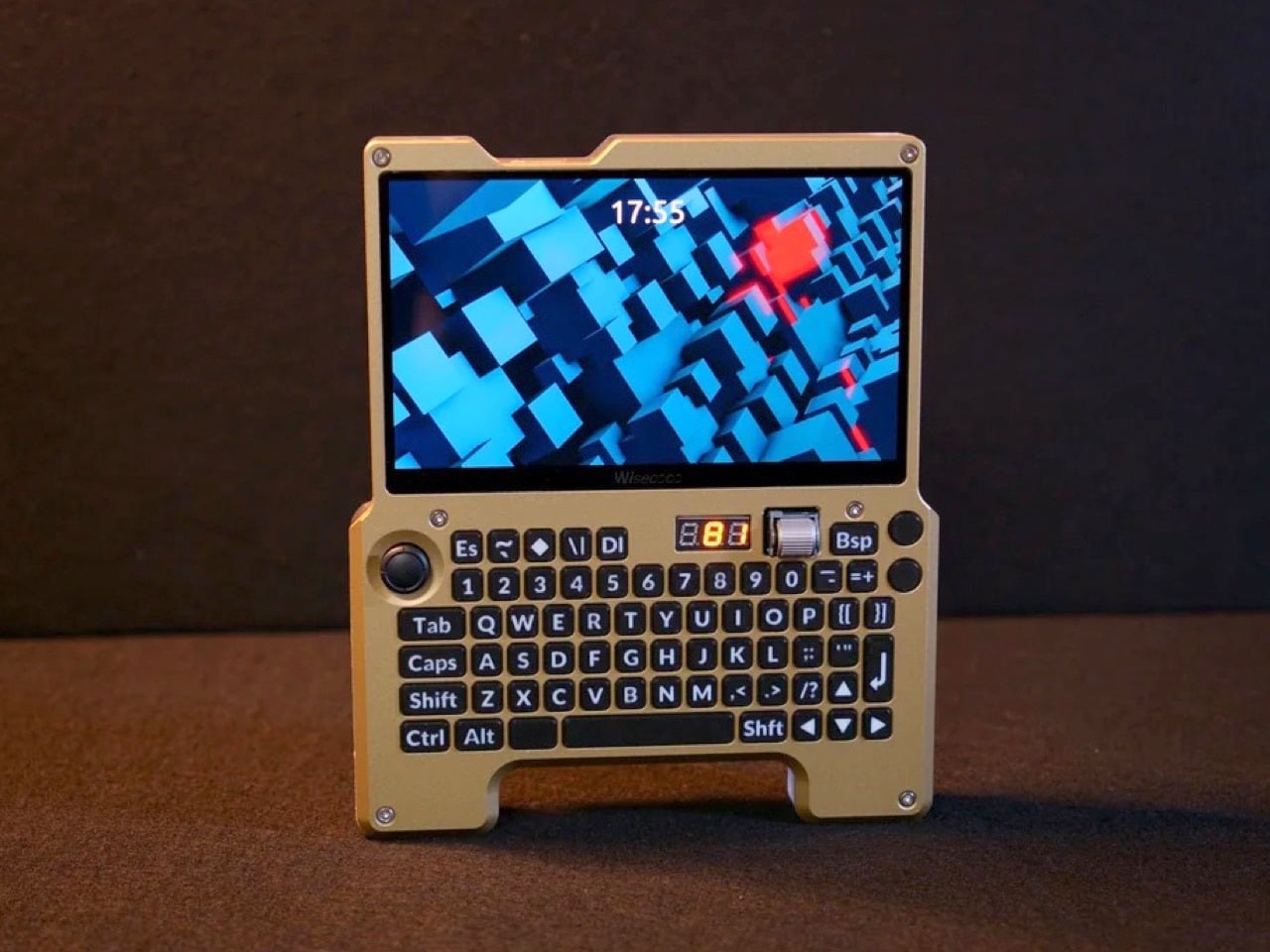
The result is a fully custom x86 handheld computer built around the LattePanda Mu single-board computer, running Linux Mint on a 7-inch 1920×1080 120Hz display. It has a full QWERTY ortholinear thumb keyboard with custom-printed keycaps, a Joy-Con thumbstick repurposed as a mouse, a horizontal scroll wheel, four USB ports, a full-size HDMI output, USB-C charging, and a 4,500mAh battery pack with a three-digit readout that tells you exactly how much juice is left. Every single component was designed, sourced, or fabricated by hand.
Designer: Wisce
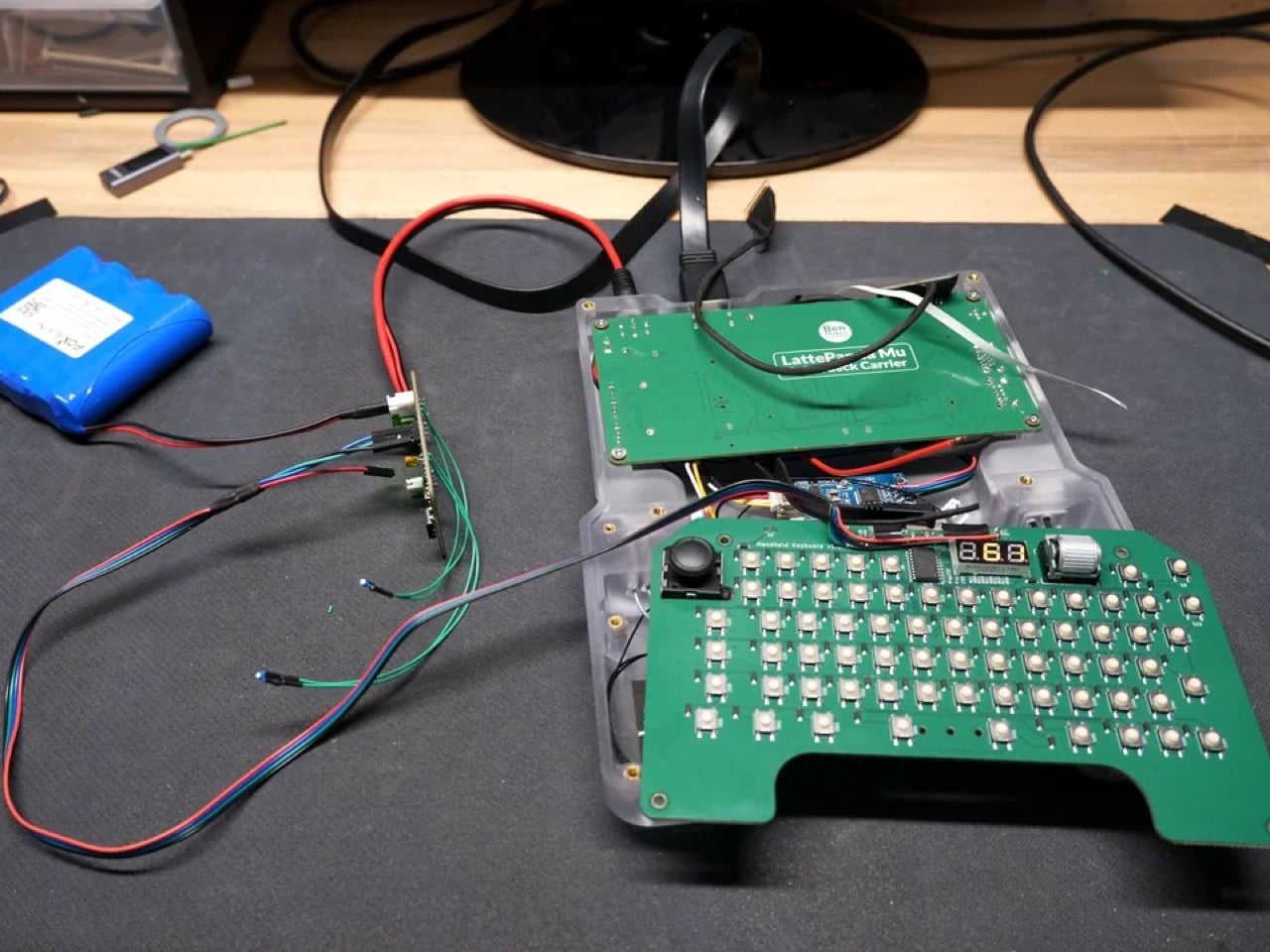
The LattePanda Mu is an x86 SBC that outperforms even the Raspberry Pi 5 by a notable margin, and Wisce built a custom carrier board for it rather than using an off-the-shelf solution. That board delivers four full-size USB ports, a full-size HDMI port, M.2 SSD and Wi-Fi slots, and internal USB connectors for the keyboard and audio subsystem. A 1TB SSD and a budget Wi-Fi card complete the internals. The operating system is Linux Mint, chosen partly on merit and partly because Wisce’s previous builds attracted considerable audience displeasure when they shipped with Windows 11. Linux also strips out the background process bloat that Windows tends to accumulate, giving the Mu’s x86 architecture more room to breathe.
The display decision alone took multiple iterations to land. Wisce initially planned to use a 1024×600 60Hz panel from DF Robot, the parent company behind the LattePanda line, but rejected it for its low resolution, large bezel, and limited refresh rate. The replacement is a 1920×1080 120Hz eDP panel with a much thinner bezel, connected directly to the Mu’s native eDP output via a custom PCB that reroutes a pin mismatch between the two connectors. That kind of problem-solving shows up everywhere in this build: when a straightforward solution didn’t exist, Wisce designed one.
The keyboard runs on a custom PCB with an RP2040 microcontroller integrated directly into the board, bypassing the need for a separate Arduino or Pi Pico. The switches are surface-mount tactile types rated for around two million presses, sized small enough to fit a full QWERTY layout without sacrificing the thumb-typing ergonomics the ortholinear arrangement was chosen to support. Keycaps were modeled in Fusion 360 and printed on an FDM machine using a 0.2mm nozzle and multi-material filament to get legible, sharp legends on each key. The Joy-Con thumbstick on the left handles cursor movement via a QMK profile that maps it as a mouse, and the horizontal rotary encoder scroll wheel on the right is, by Wisce’s own admission, one of his favorite things about the finished device.
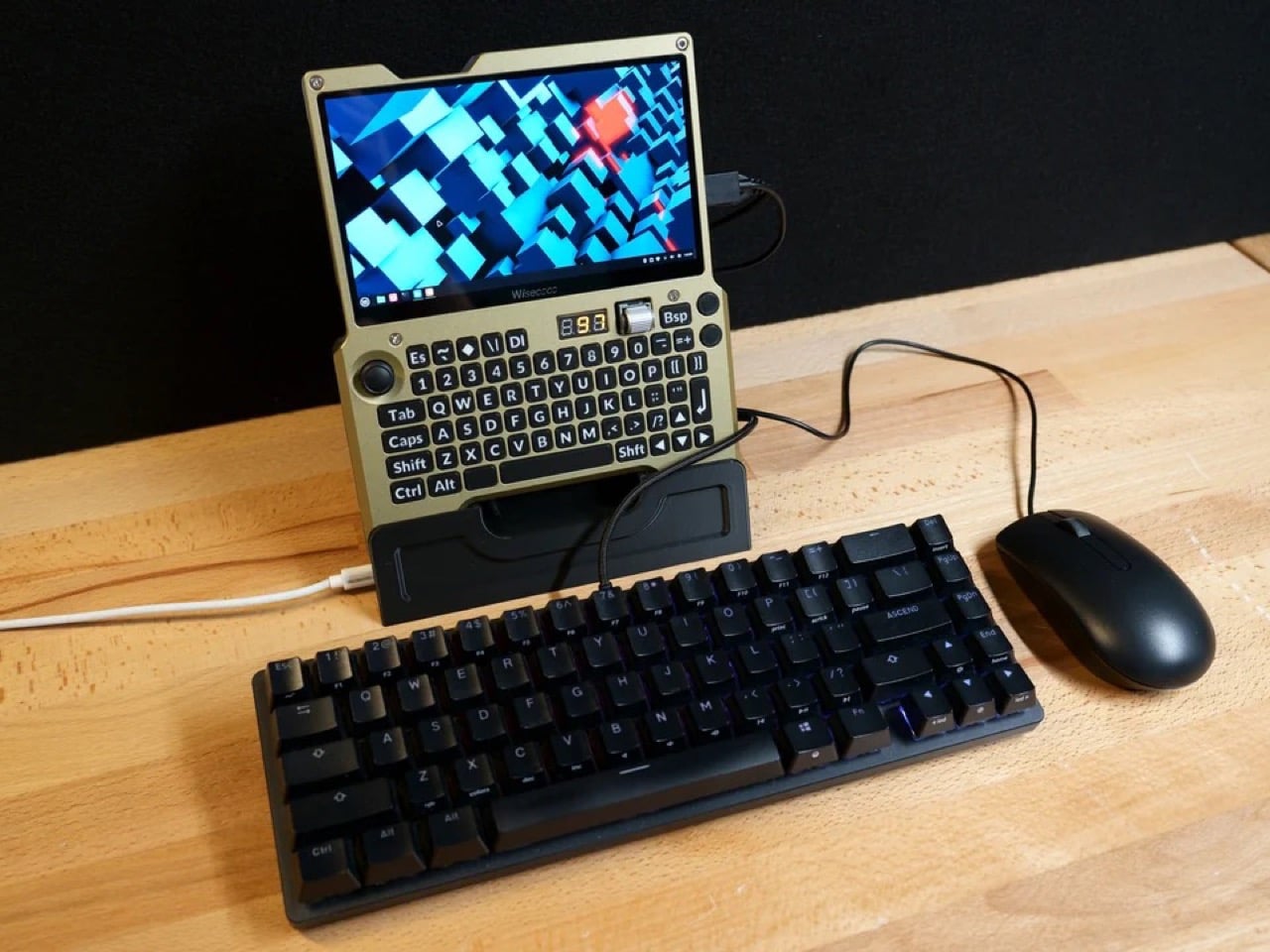
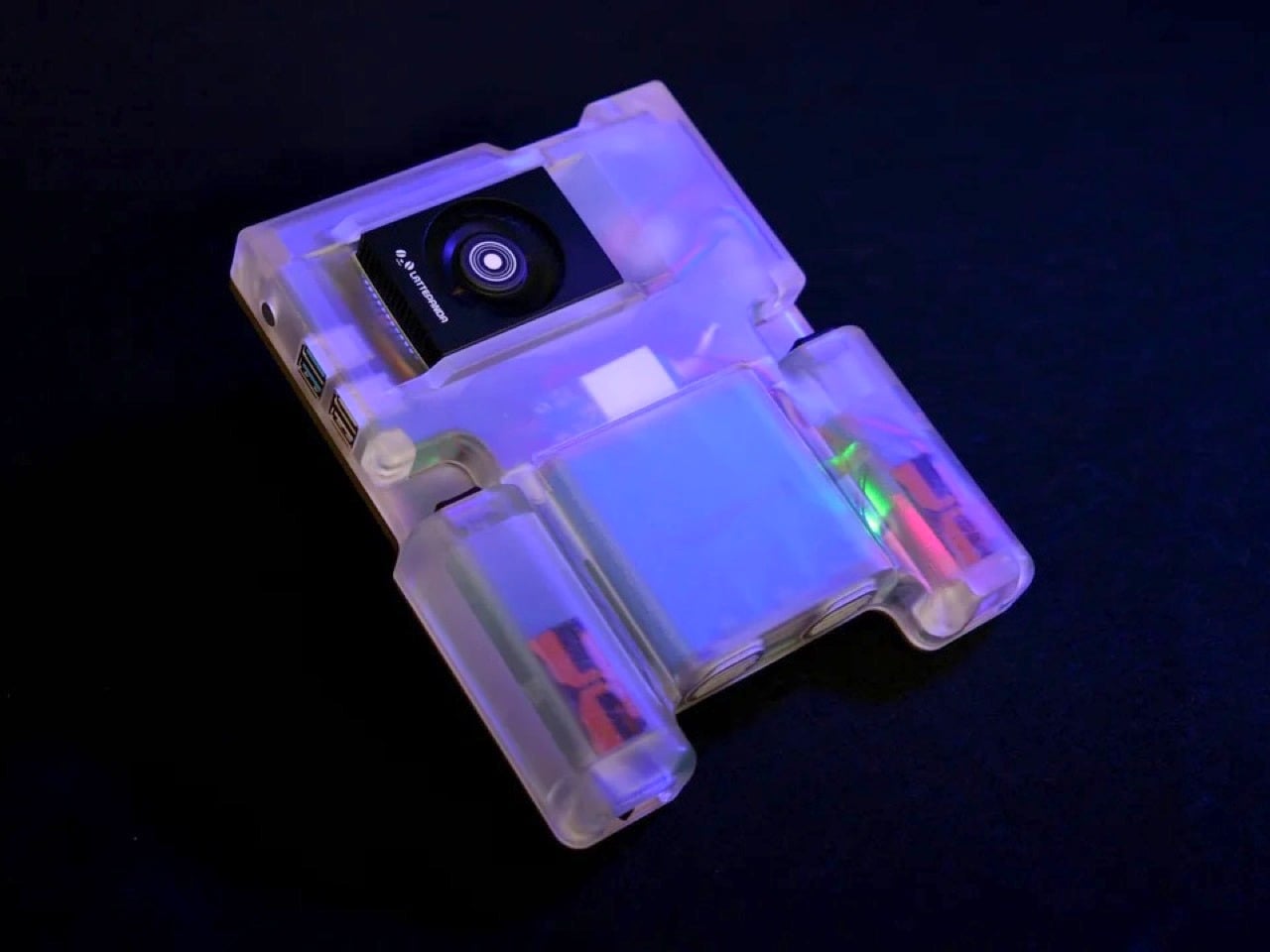
The enclosure is a two-part construction: a translucent resin rear shell that keeps the internal geometry visible, and an aluminum front plate that was CNC machined, anodized, then repainted by hand after the factory “champagne” finish came out looking closer to a flesh tone than the golden bronze Wisce had rendered. The finished device is 36mm thick at its deepest point and weighs approximately one kilogram, which puts it in a different category from a Game Boy but well within the range of something you’d actually carry. A 3D-printed dock props it upright on a desk with the HDMI port and USB-C charging accessible, turning the handheld into a functional desktop workstation when paired with an external keyboard and mouse.
What makes this build genuinely compelling, beyond the craftsmanship, is how clearly it articulates a design philosophy that commercial manufacturers keep fumbling. Devices like the GPD Win 5 chase gaming performance and end up compromising portability or pricing out most buyers. The Steam Deck nails the gaming use case and handles general computing as an afterthought. Wisce’s machine is neither of those things. It’s a full x86 desktop OS in a form factor that fits in two hands, with physical controls that were chosen specifically for the way humans hold objects, a battery system that actually communicates with its user, and a screen bright and sharp enough to make the whole proposition feel current. The handheld PC category failed twenty years ago because the hardware wasn’t ready. This build suggests the hardware has been ready for a while, and we’ve just been waiting for someone stubborn enough to put it together properly.
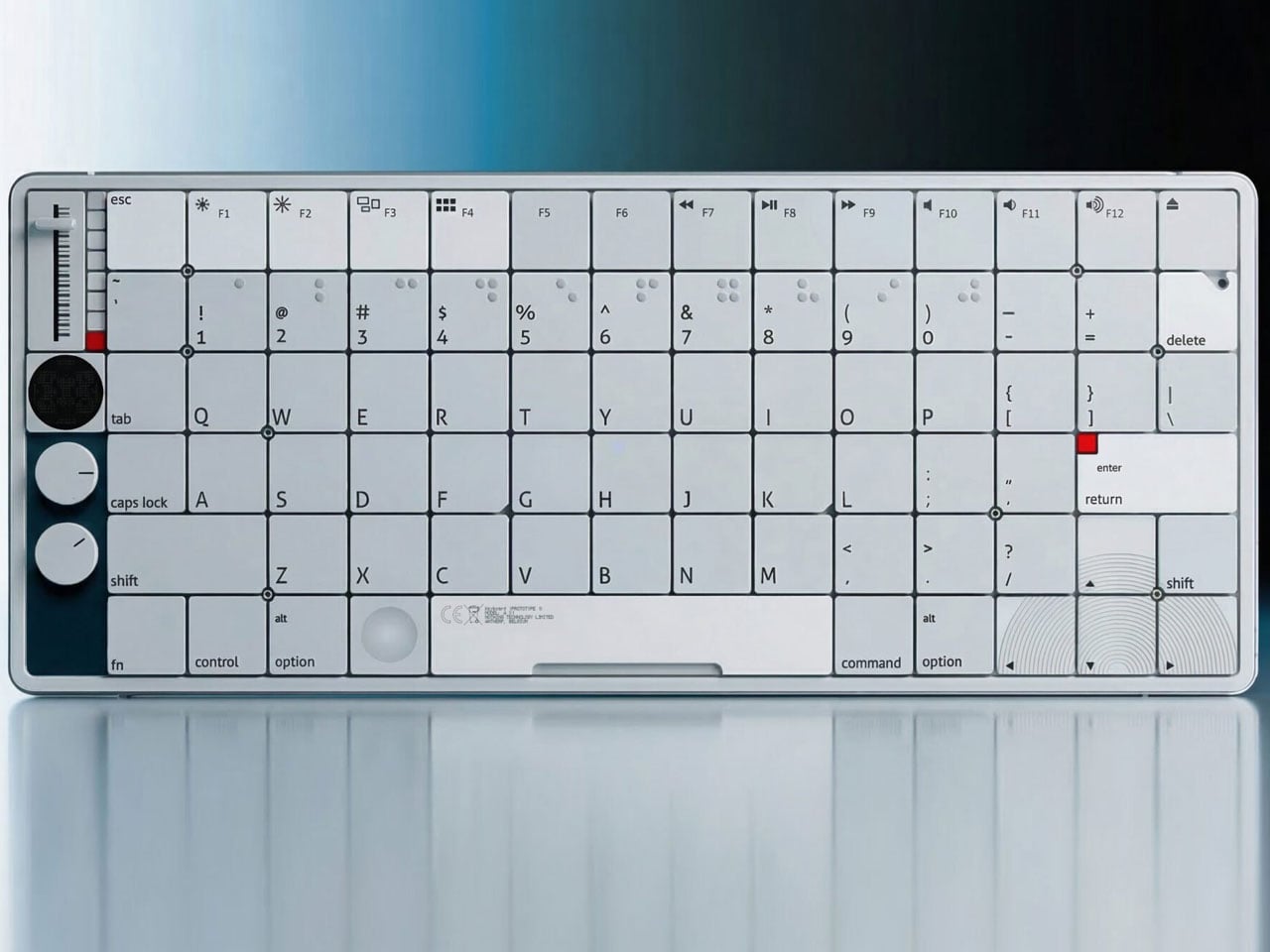
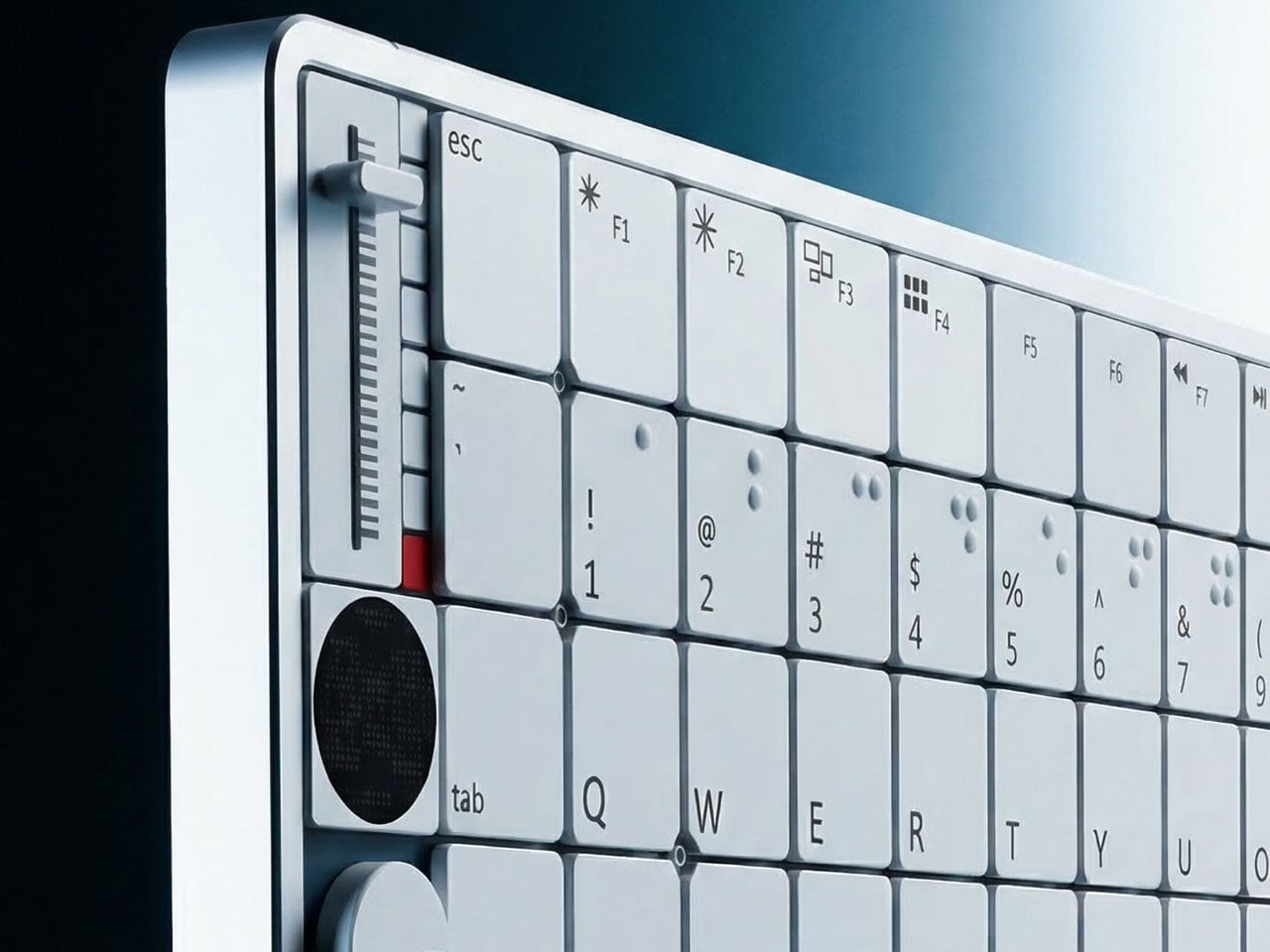
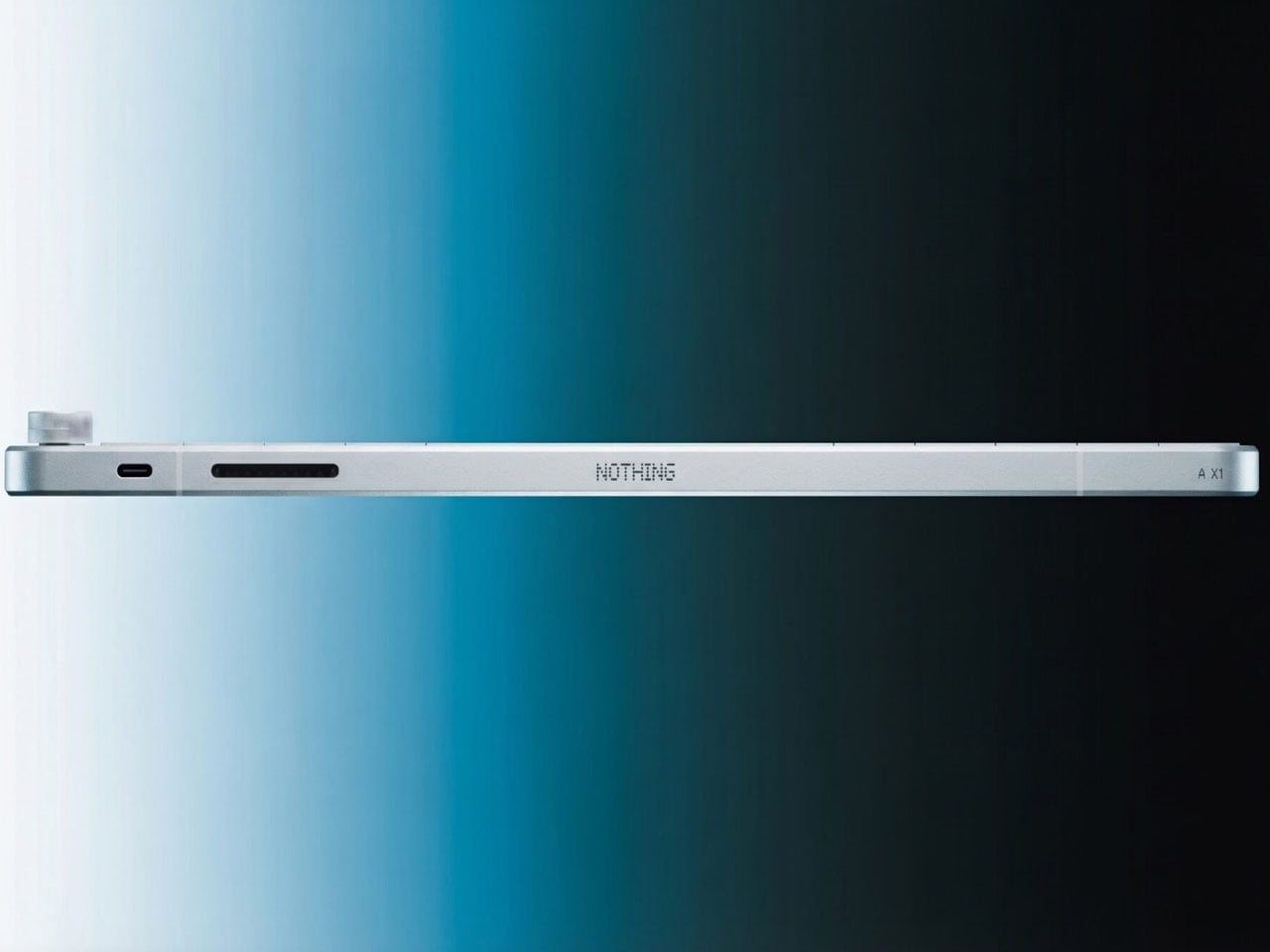
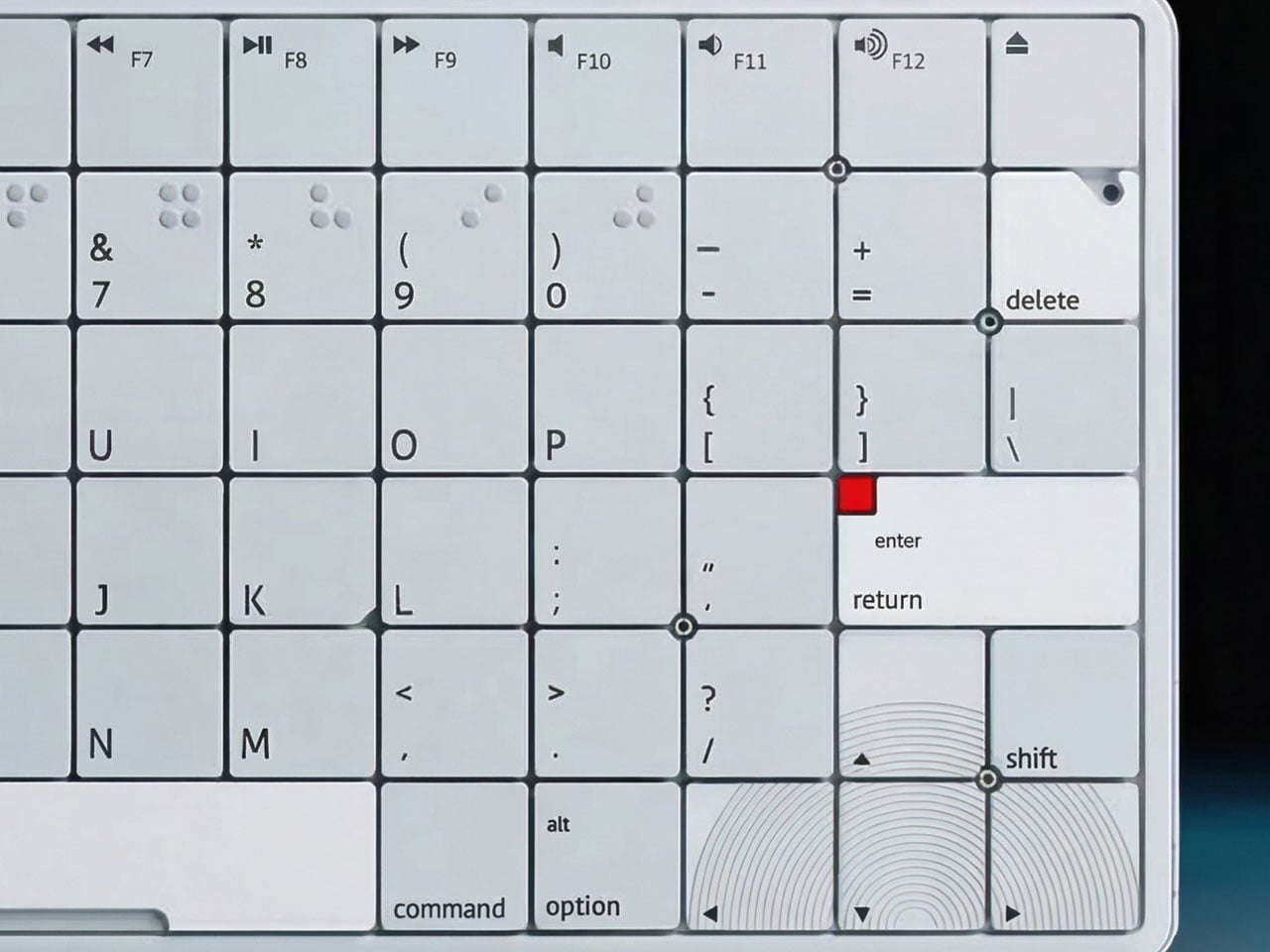
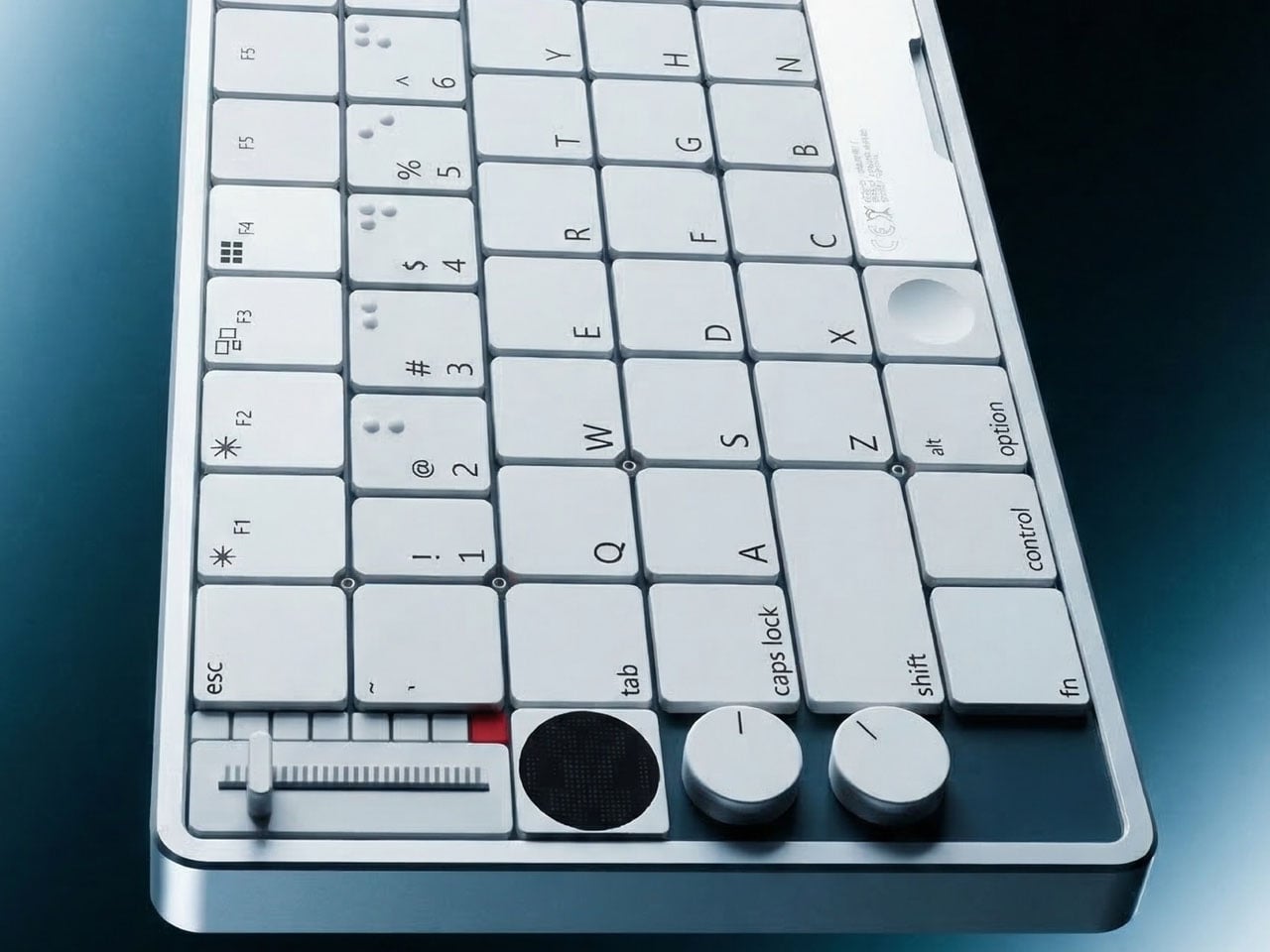
Nothing’s unique design language has inspired many gadgets and concept designs, and this one is no different. Just like the Nothing NK-1 keyboard which follows the brand’s transparent aesthetics, the minimalist form factor, and the signature font, this concept keyboard is one for fans who have always wanted a Nothing keyboard.
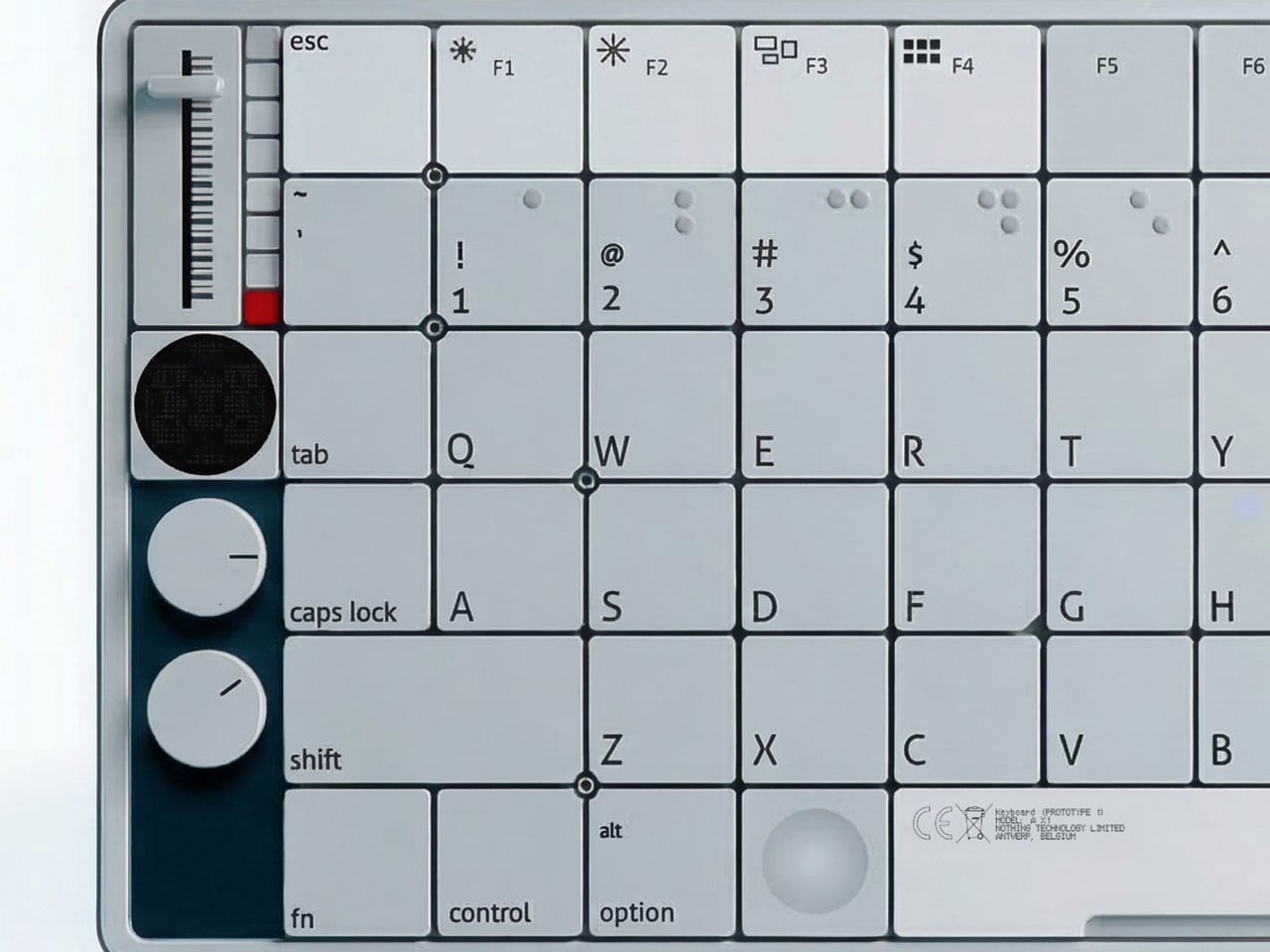
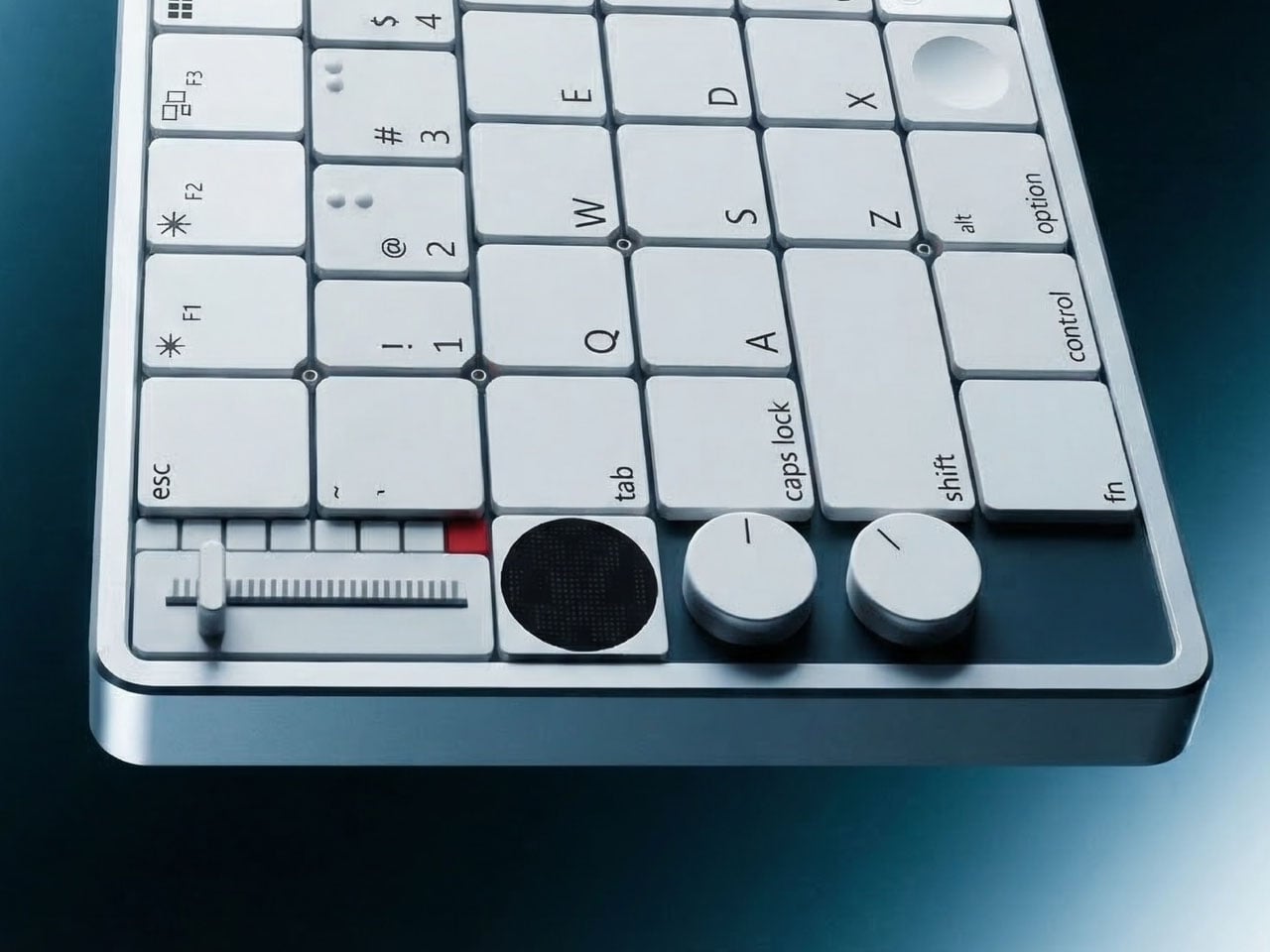
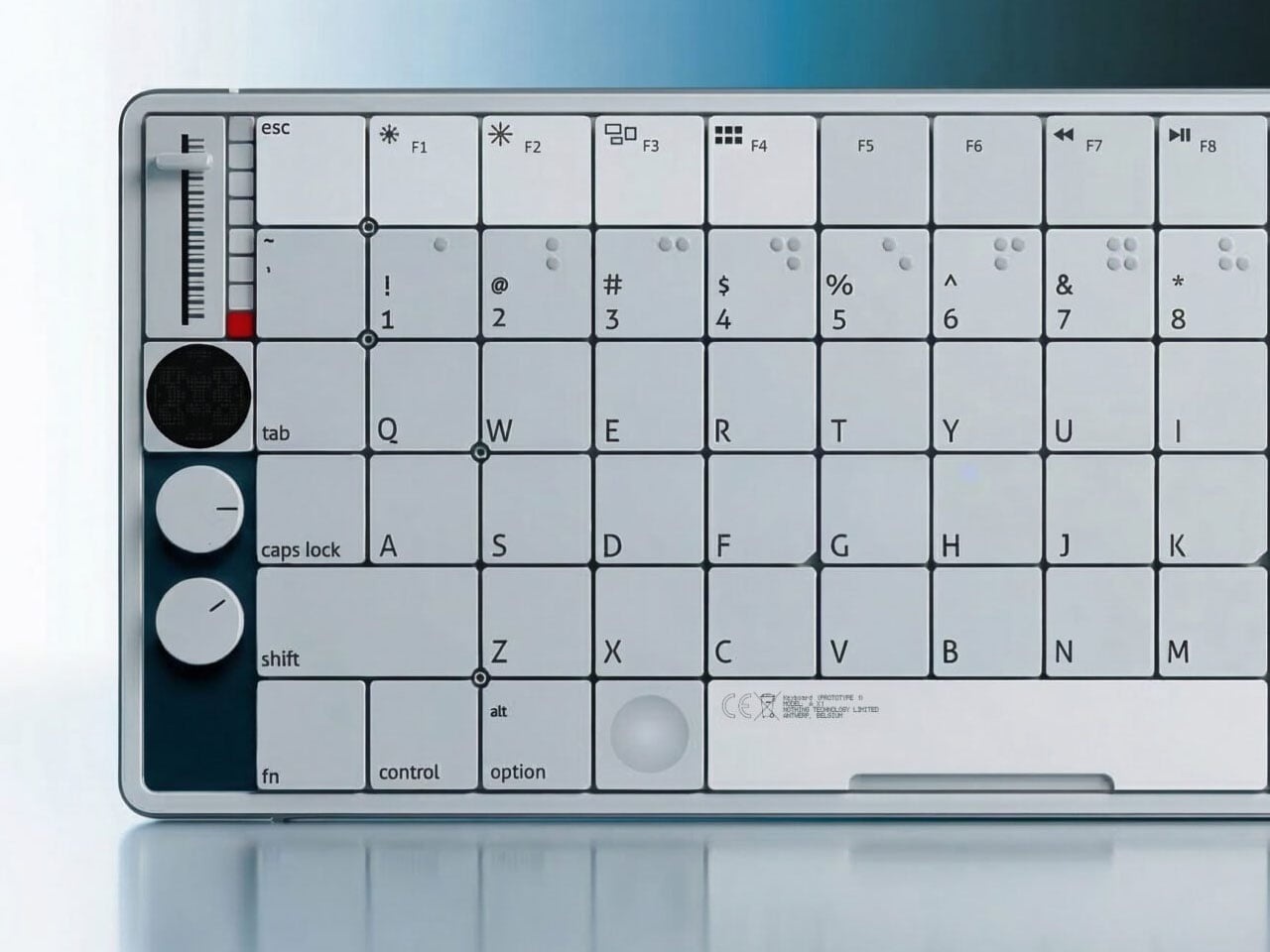
This concept looks like an inspirational cocktail of Nothing and Teenage Engineering with the color choices and the knobs. The designer calls it the A X1 keyboard, and I absolutely love the idea since so many keyboards go for the trending RGB backlit formats. This one stands out for its minimalist yet nerdy vibe.
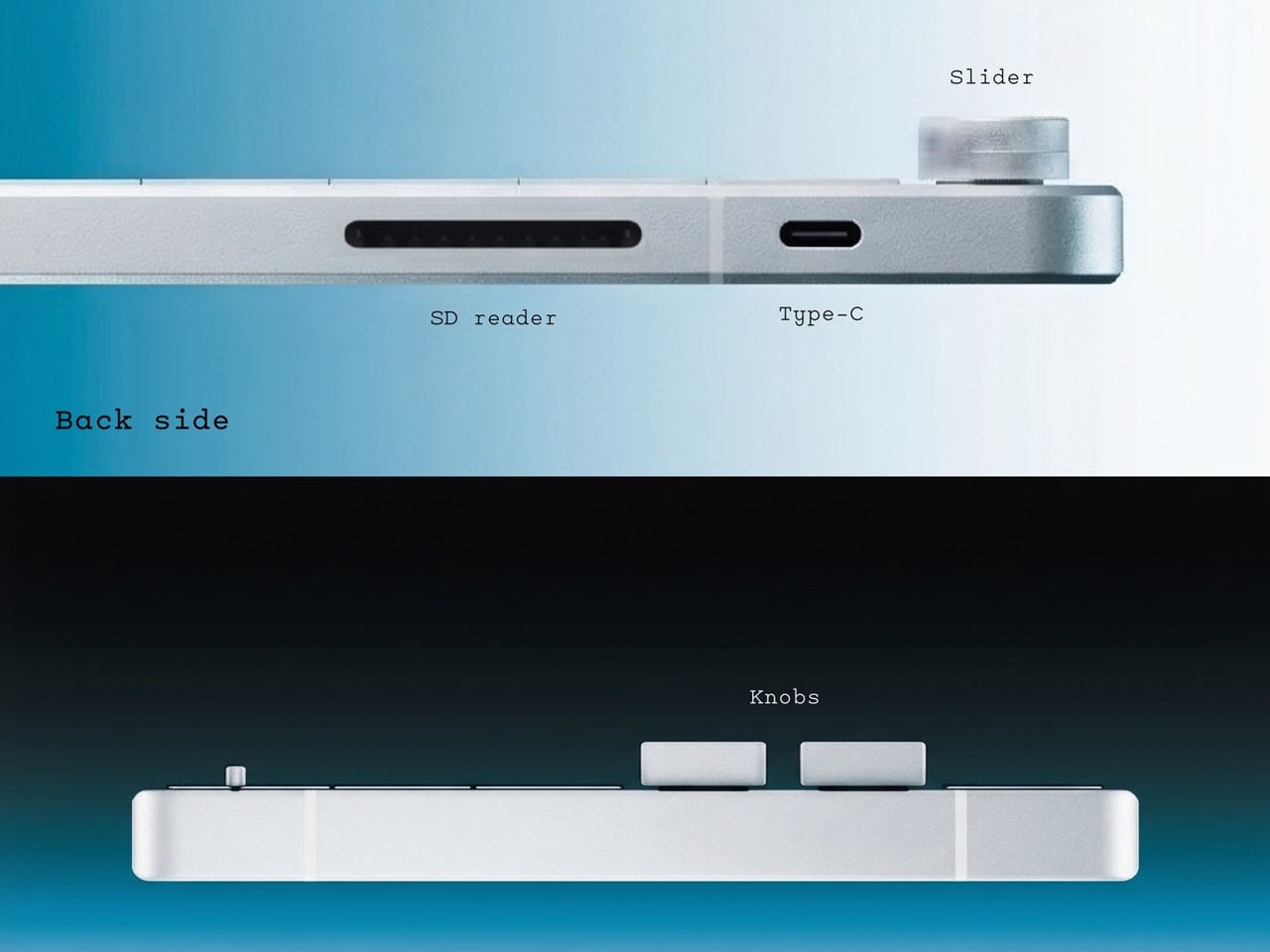
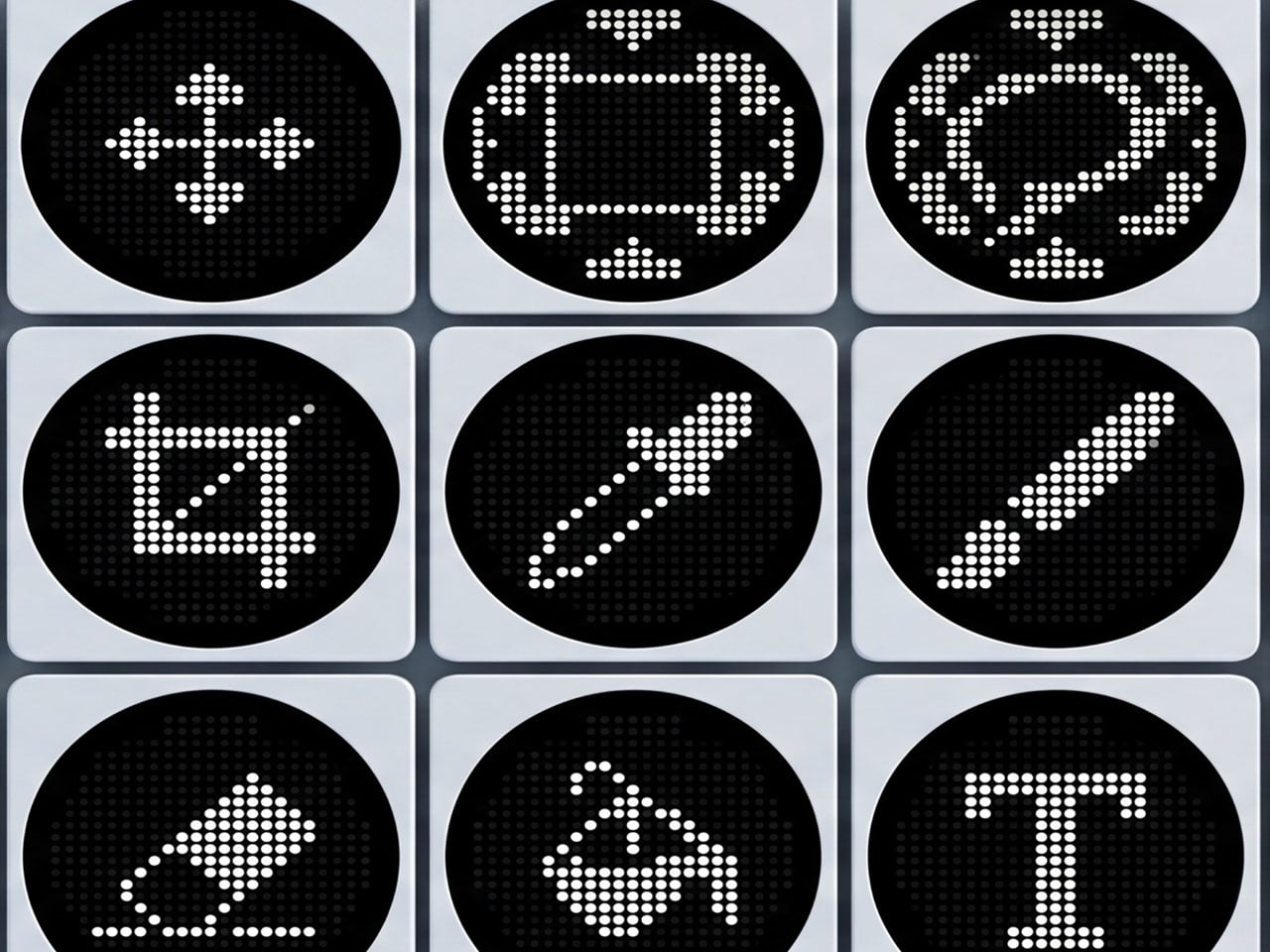
The left side of the keyboard is occupied by the knobs, a slider for toggling functions, and a small circular display showing the current tools in software applications. These include color picker, text selection, cropping, eraser and other contextual commands that can change depending on the software being used. By dedicating a small control hub to the side, the concept emphasizes workflow efficiency while keeping frequently used functions within easy reach.
The compact display plays an important role in making the keyboard feel more interactive. Instead of relying solely on key combinations or on-screen menus, the display offers quick visual feedback for selected tools and settings. This allows users to move between functions without breaking their creative flow, which could be especially useful for designers, editors, and digital artists who often rely on rapid tool switching.
Visually, the keyboard continues to echo Nothing’s recognizable aesthetic language. Subtle graphic markings and carefully spaced typography reinforce the clean, futuristic feel, while the restrained color accents add personality without overwhelming the overall minimalism. The physical knobs further enhance the tactile experience. Instead of treating the keyboard purely as a typing tool, the design imagines it as a broader control interface for creative workflows. Rotating knobs could potentially adjust parameters such as volume, brush size, timeline scrubbing, or zoom levels depending on the active application, making the keyboard more versatile than conventional models.
Productivity apps have become one of the more ironic problems of modern work life. The tools meant to keep us focused are apps that live on the same devices responsible for most of our distractions. Switching to a timer app means unlocking a phone, and unlocking a phone means notifications, messages, and a dozen other things competing for your attention before you’ve even started the clock.
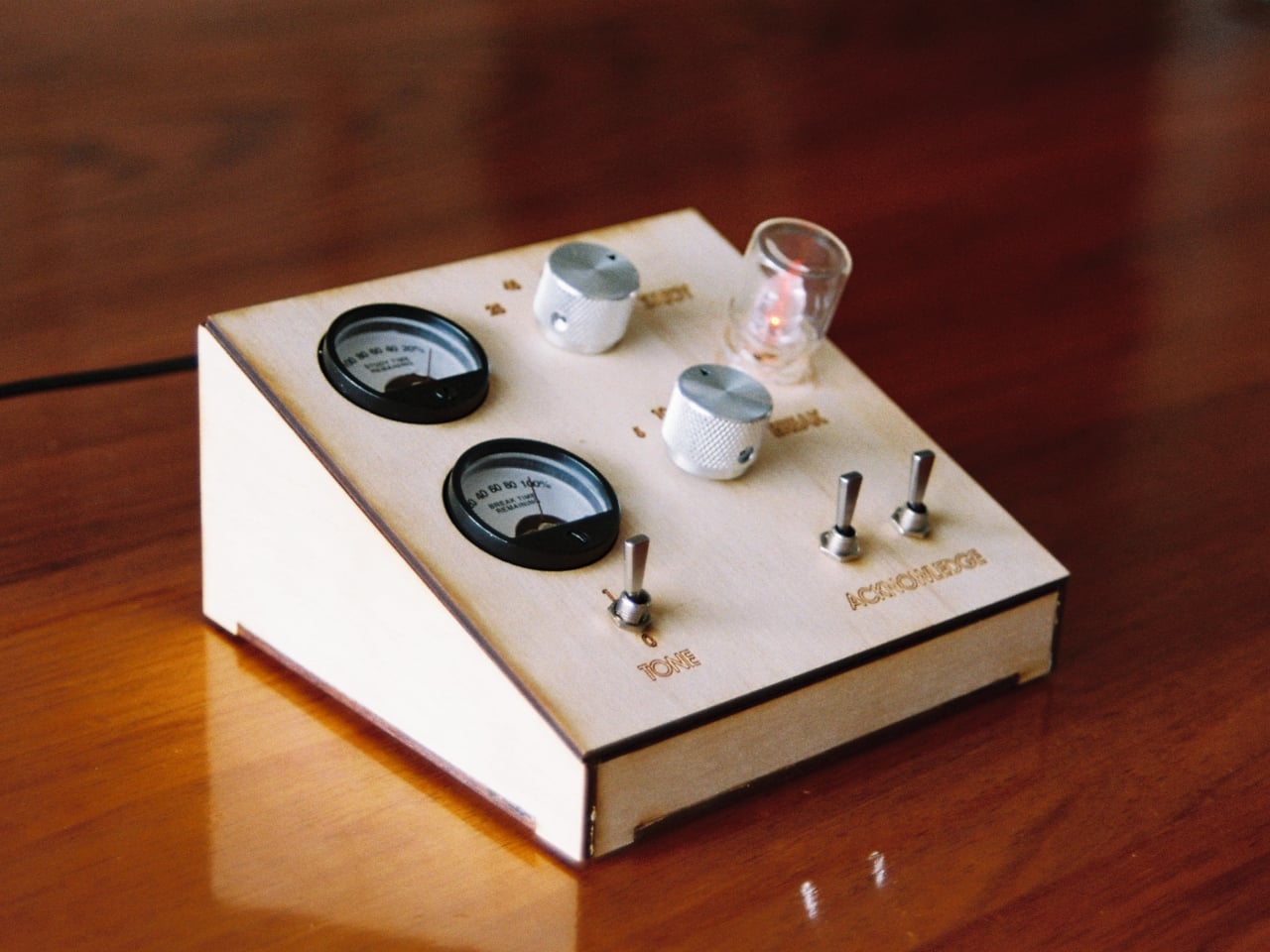
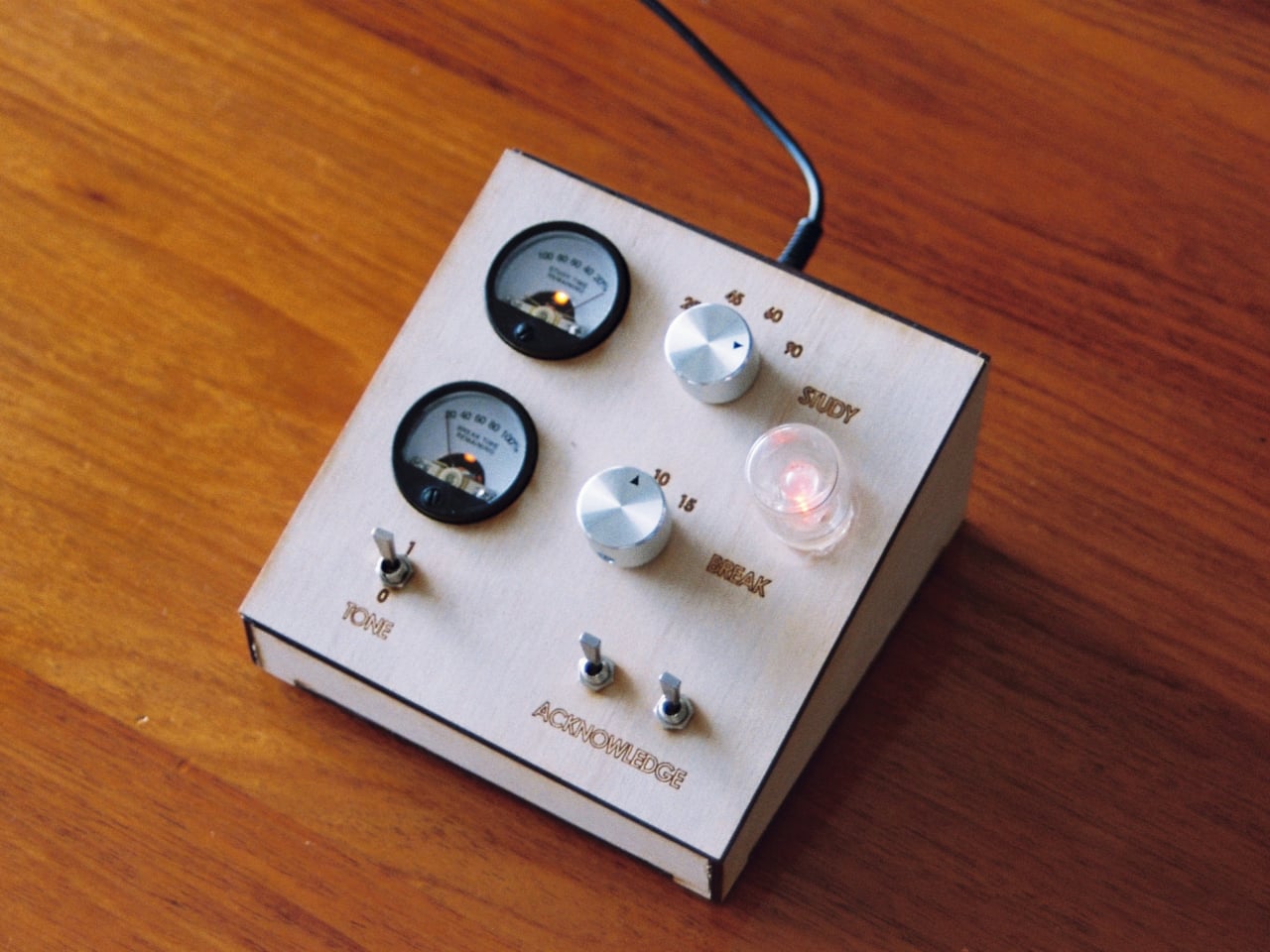
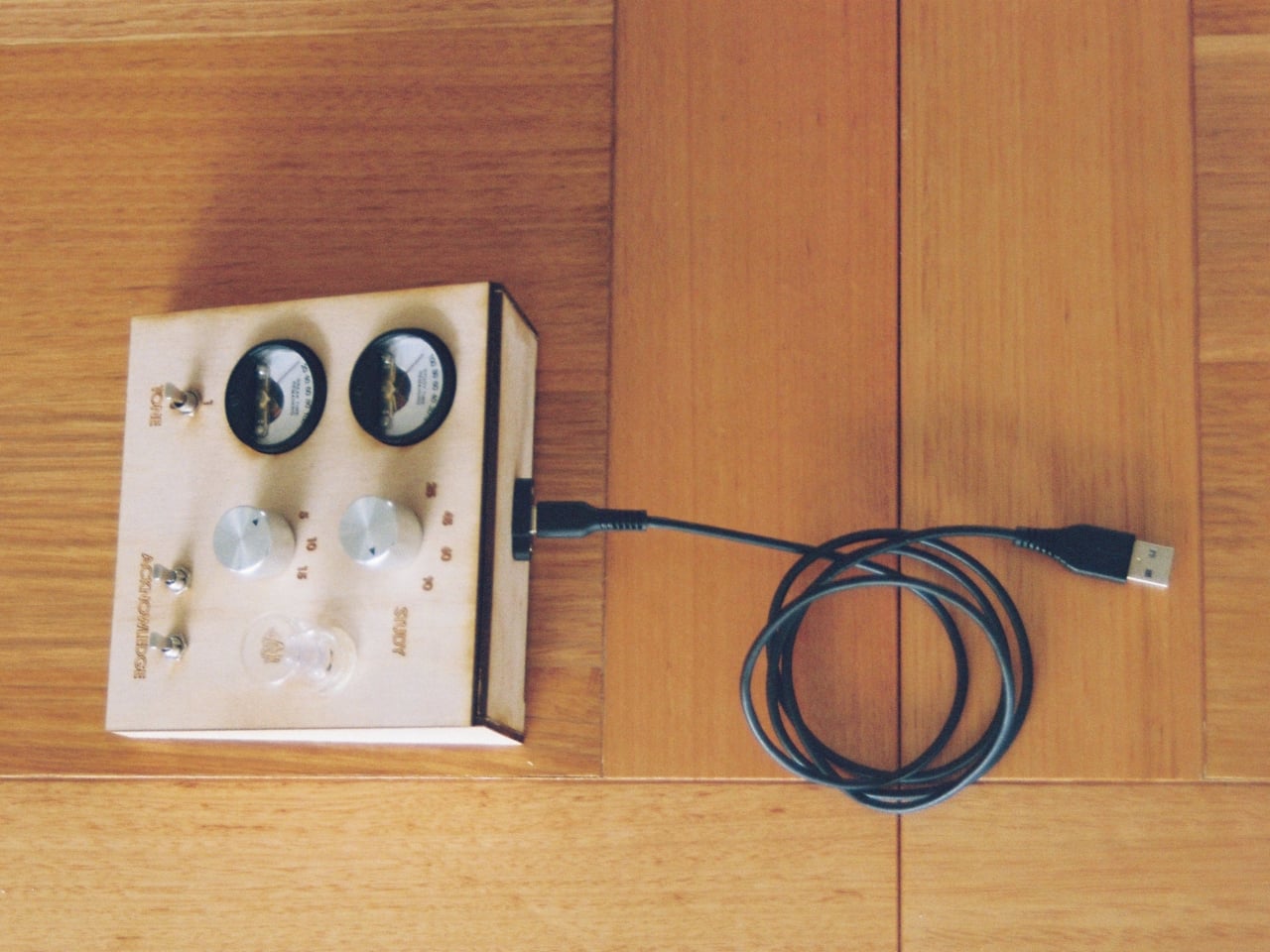
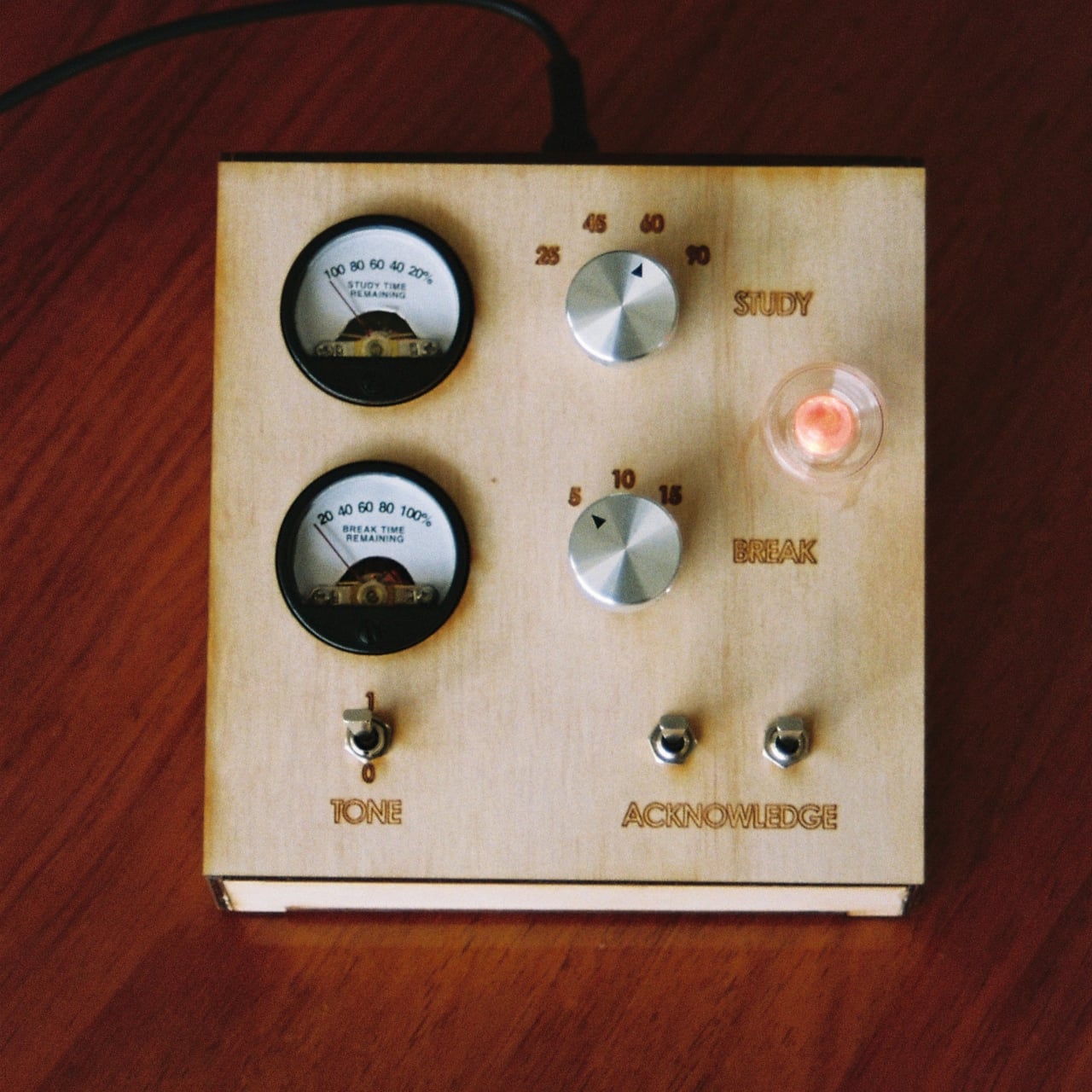
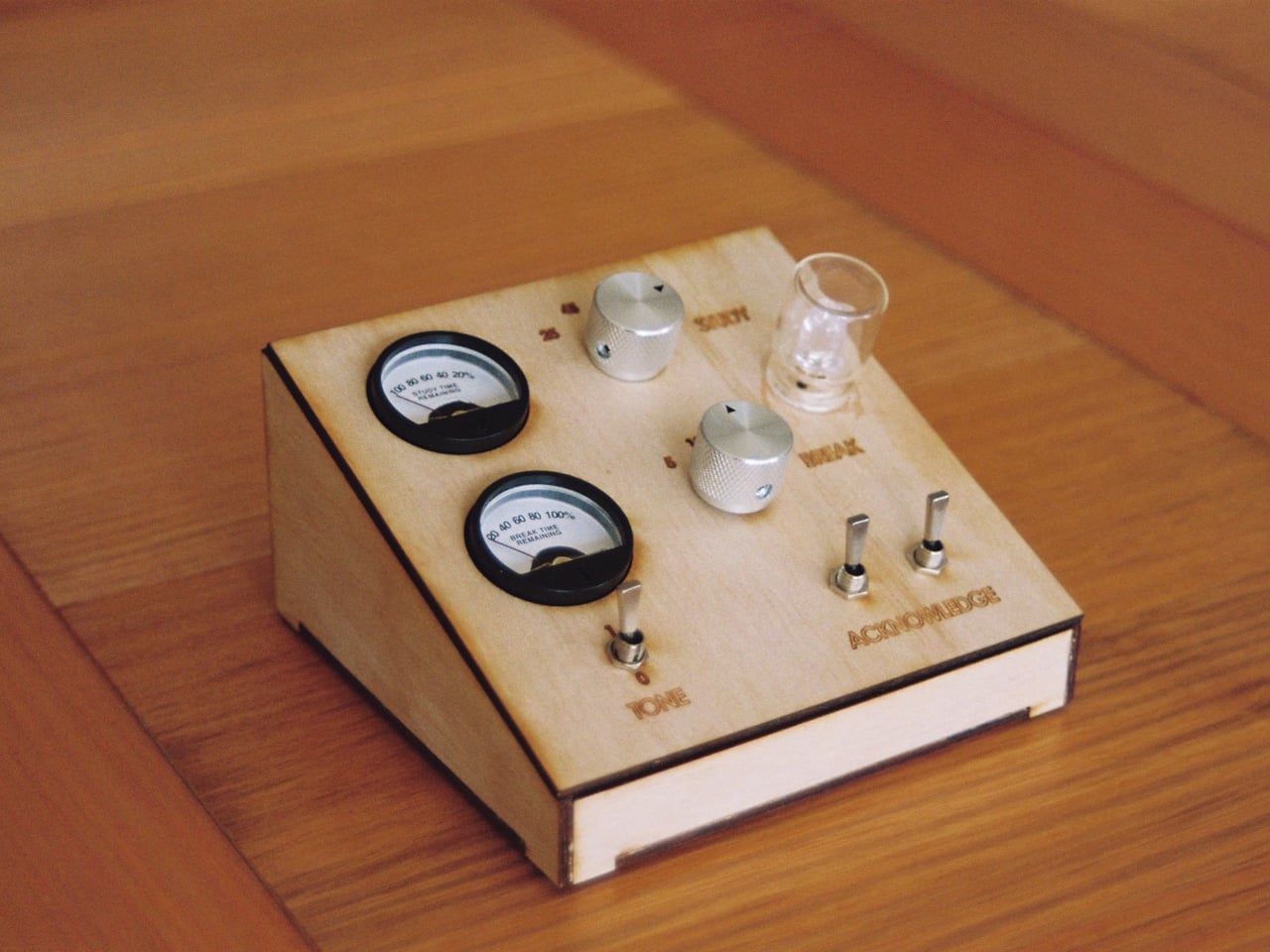
Thomas Curnow of Tomato Clocks had that contradiction in mind when he created the Roma Mk. 1, a purely analog study timer built around the Pomodoro Technique. The method is simple and widely used, working in focused intervals broken up by short rests, but it works best when the timing happens completely off-screen. The Roma Mk. 1 is designed to make that as easy and satisfying as possible.
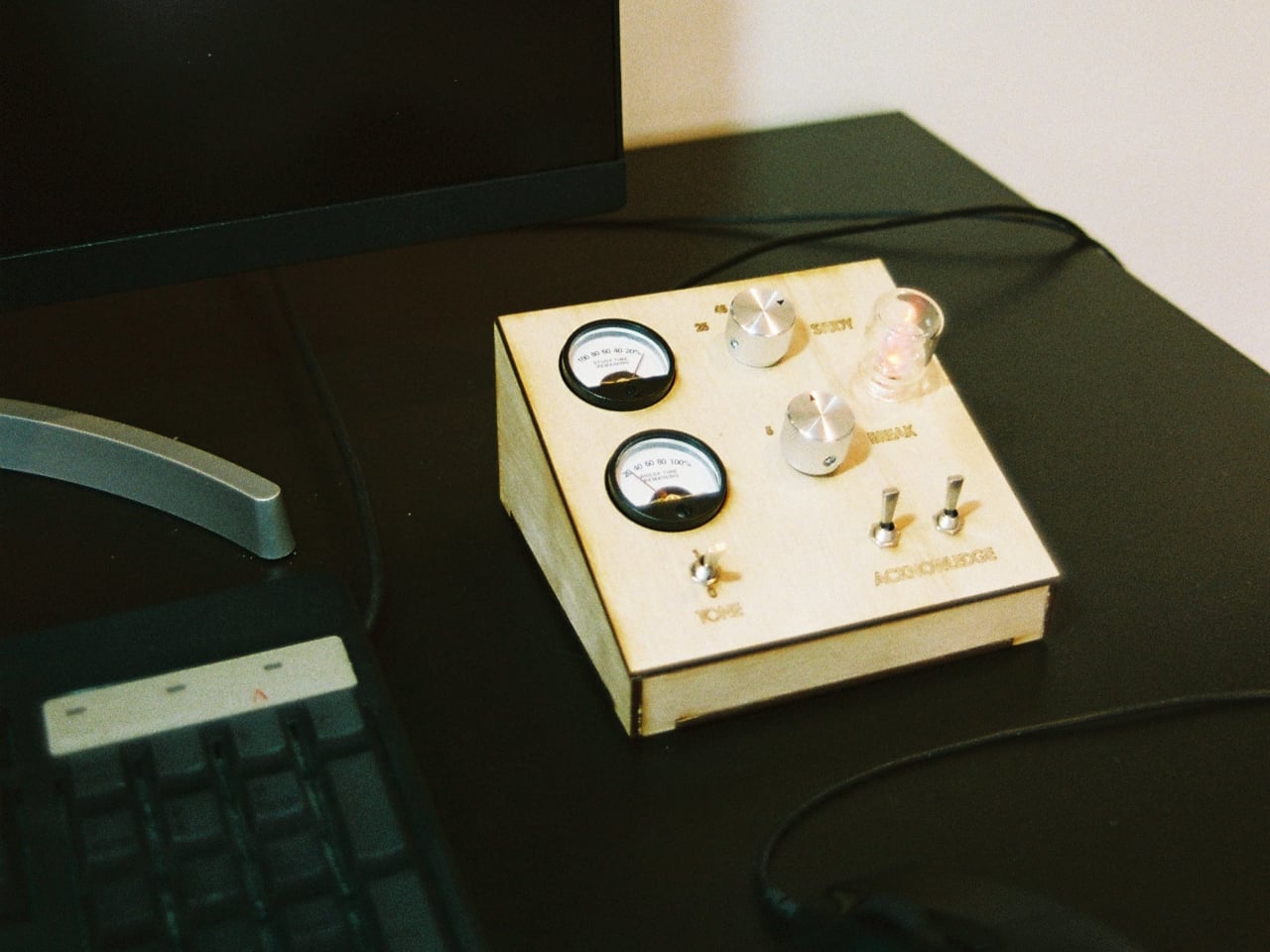
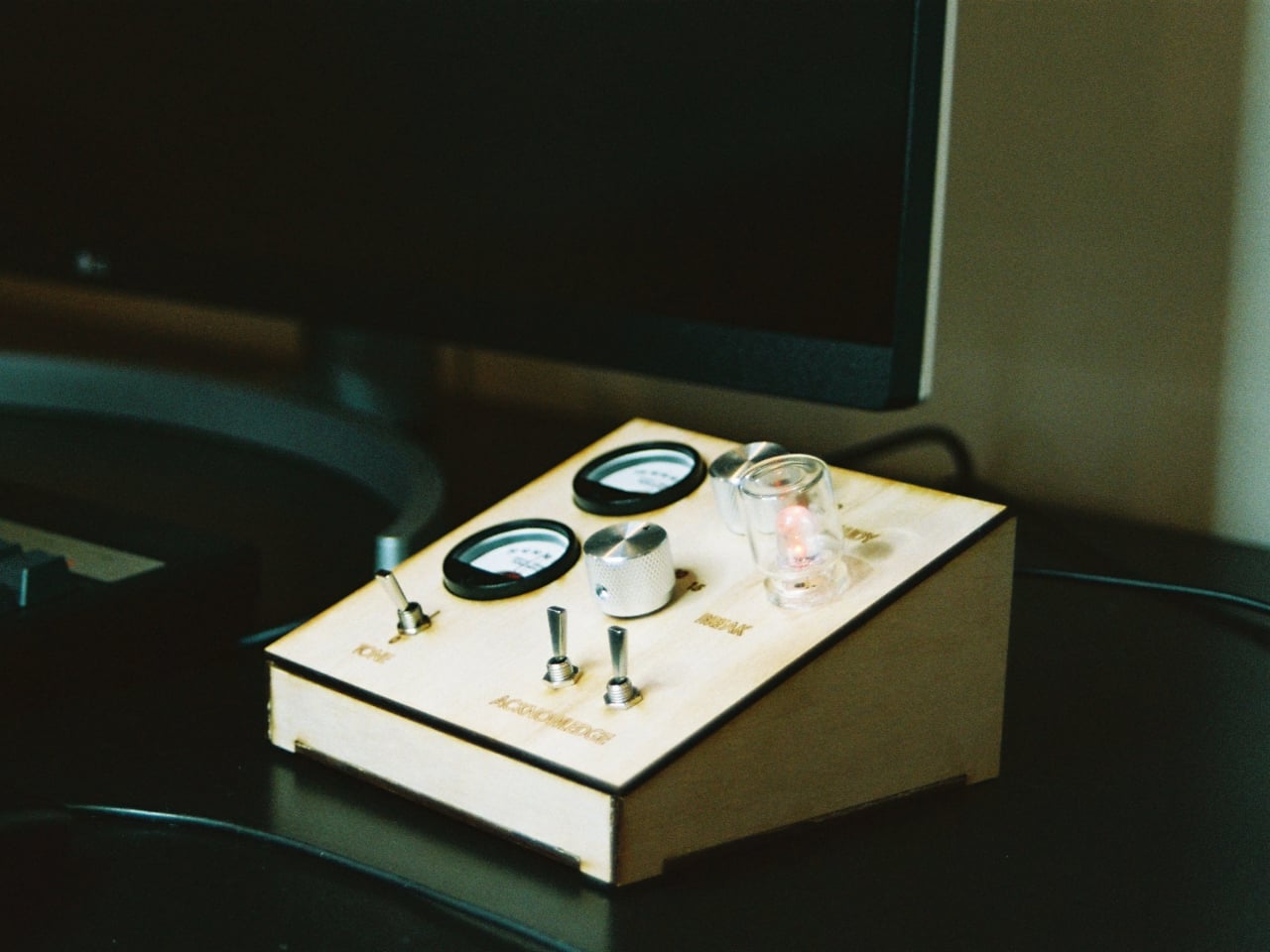
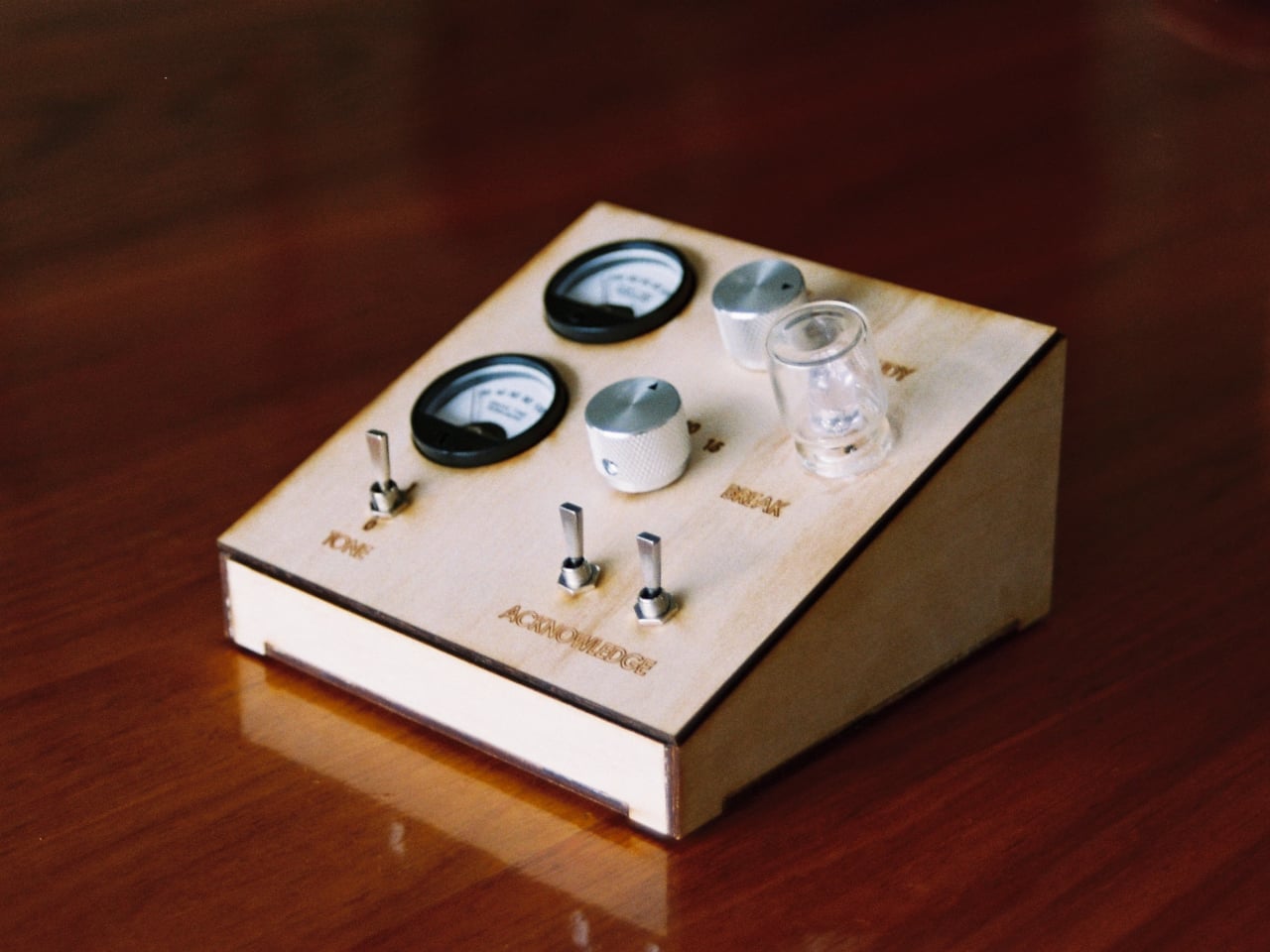
At the center of the design are two analog gauges, one for tracking a work interval and one for the break that follows. There are no menus to navigate and no app to open. You set the dials, get to work, and let the timer do the rest. The whole interaction takes a second, and that simplicity is precisely the point. It keeps the focus on the task at hand rather than the device managing it.
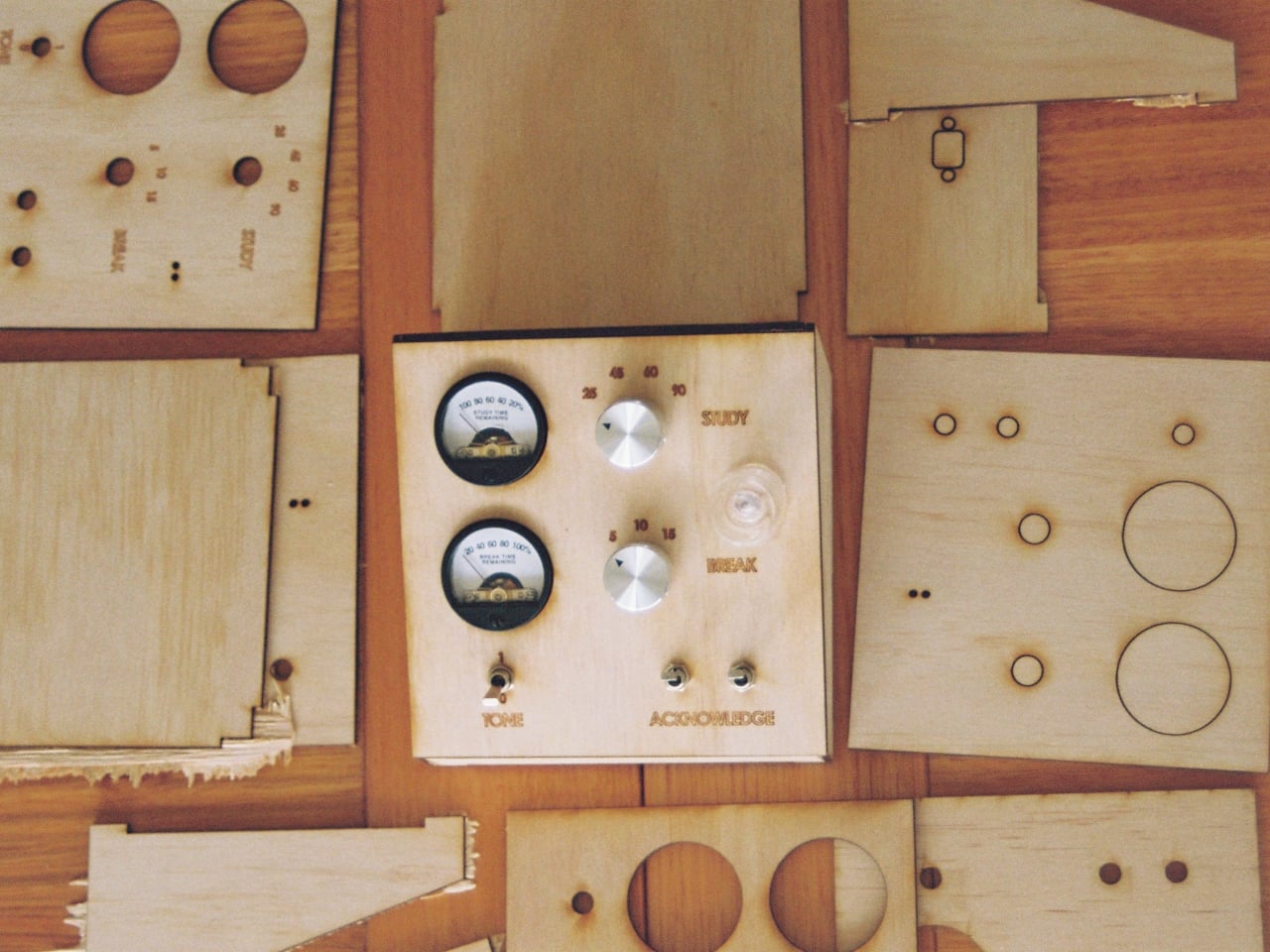
The build quality reinforces that philosophy. Each unit is laser-cut from premium Australian timber and assembled by hand in Melbourne, giving it a warmth and solidity that’s hard to find in mass-produced productivity gadgets. The brass switches used for input have a tactile snap to them, the kind of satisfying physical feedback that makes the act of starting a session feel deliberate rather than incidental.
It’s the sort of object that belongs on a desk permanently, not tucked into a drawer. A wooden timer with analog dials sits comfortably alongside notebooks, pens, and other tools that don’t demand your attention when you’re not using them. That’s a quality digital devices rarely manage, and it matters more than it might seem when you’re trying to build a consistent work habit.
The Pomodoro Technique has been around since the late 1980s, and the basic premise hasn’t changed much since then. What has changed is the environment in which most people try to use it. Screens are everywhere, and the pull of notifications is relentless. A dedicated physical timer doesn’t connect to the internet, doesn’t send alerts, and doesn’t tempt you with anything outside the task you’re working on.
The Roma Mk. 1 is currently available for pre-order at $145, which puts it well above a basic kitchen timer but firmly in the range of a thoughtful, long-term desk tool. It’s handmade, uses real materials, and is designed to last rather than be replaced. For anyone who has tried and failed to stay off their phone during a work session, a well-made analog alternative might be worth far more than what it costs.
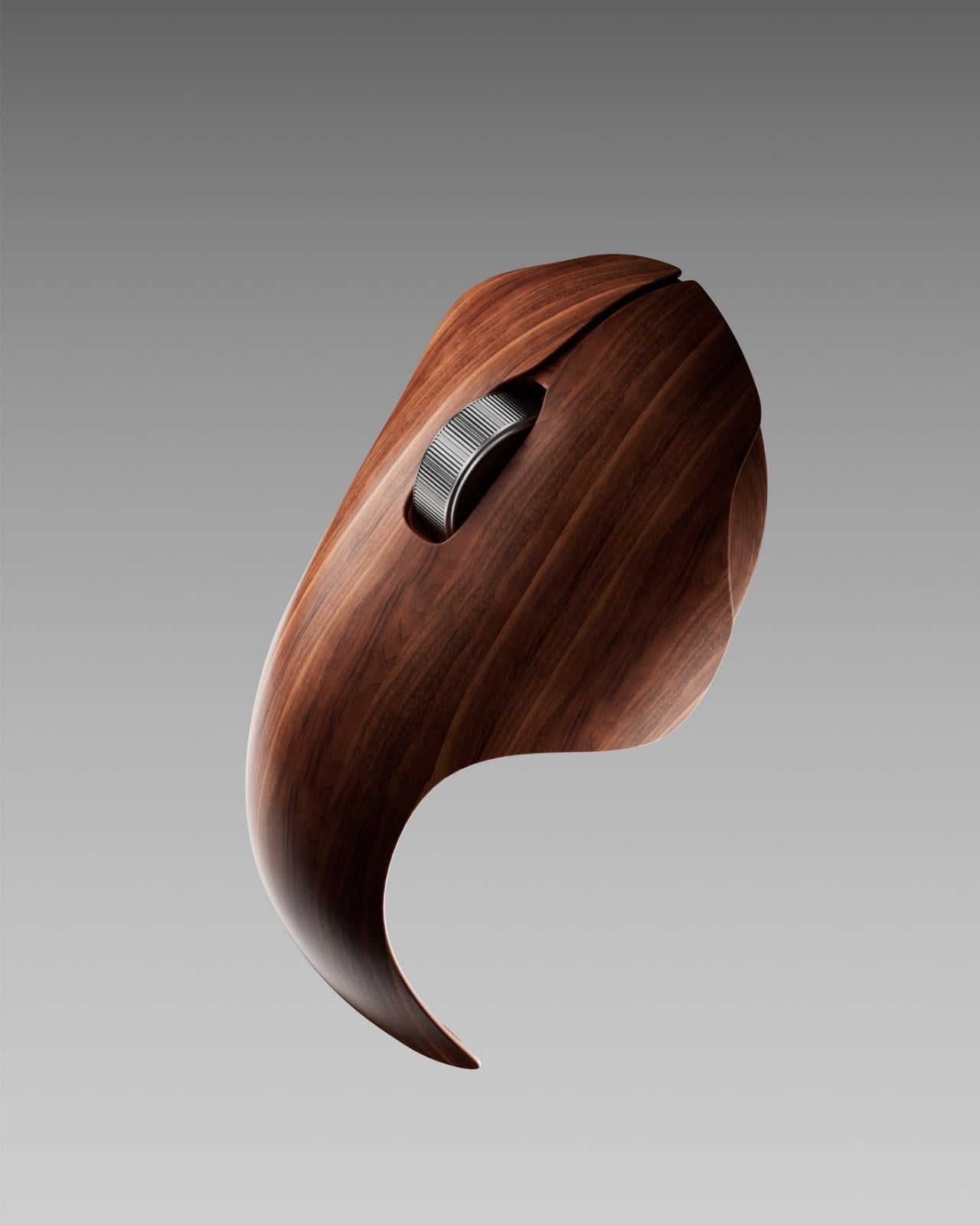
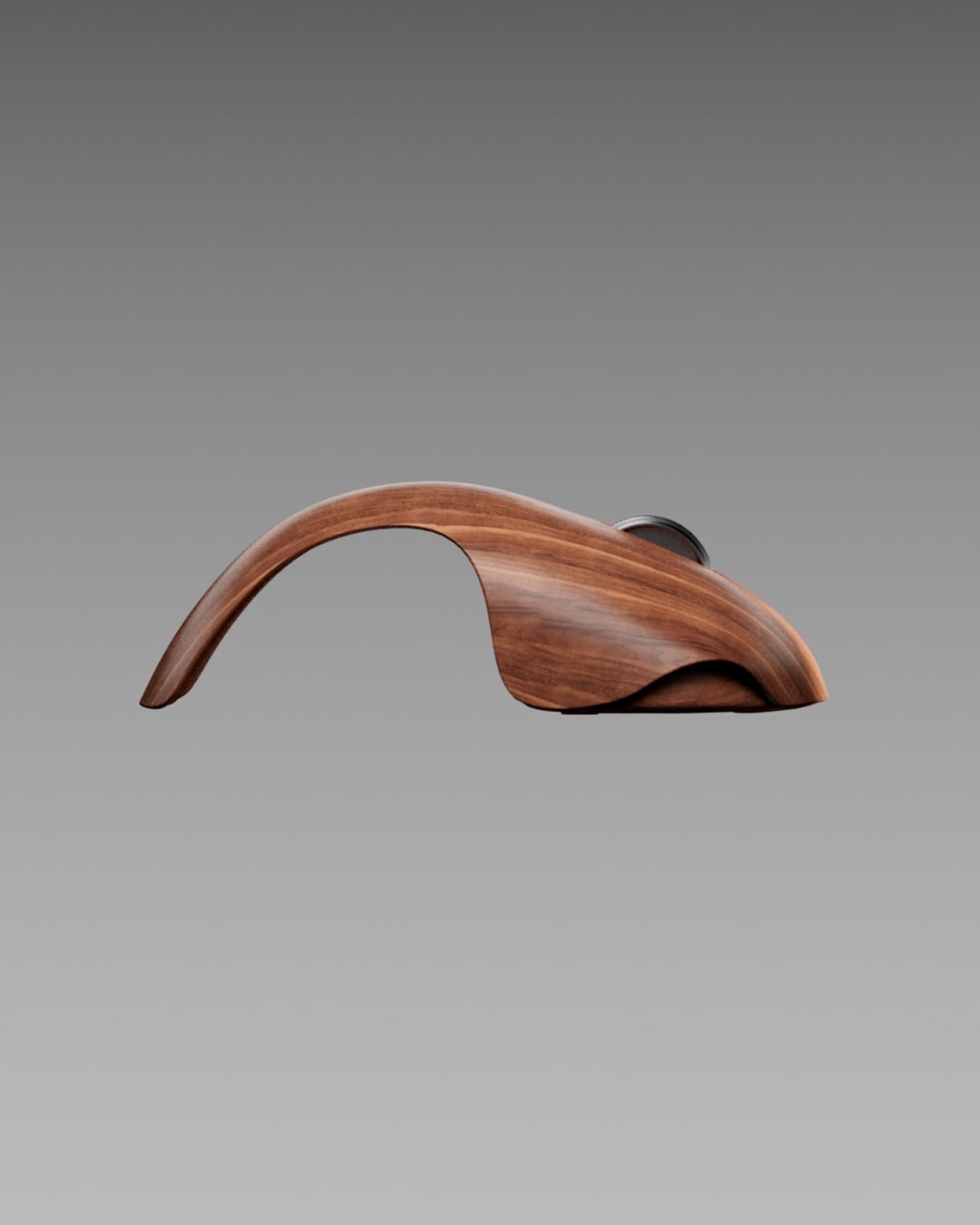
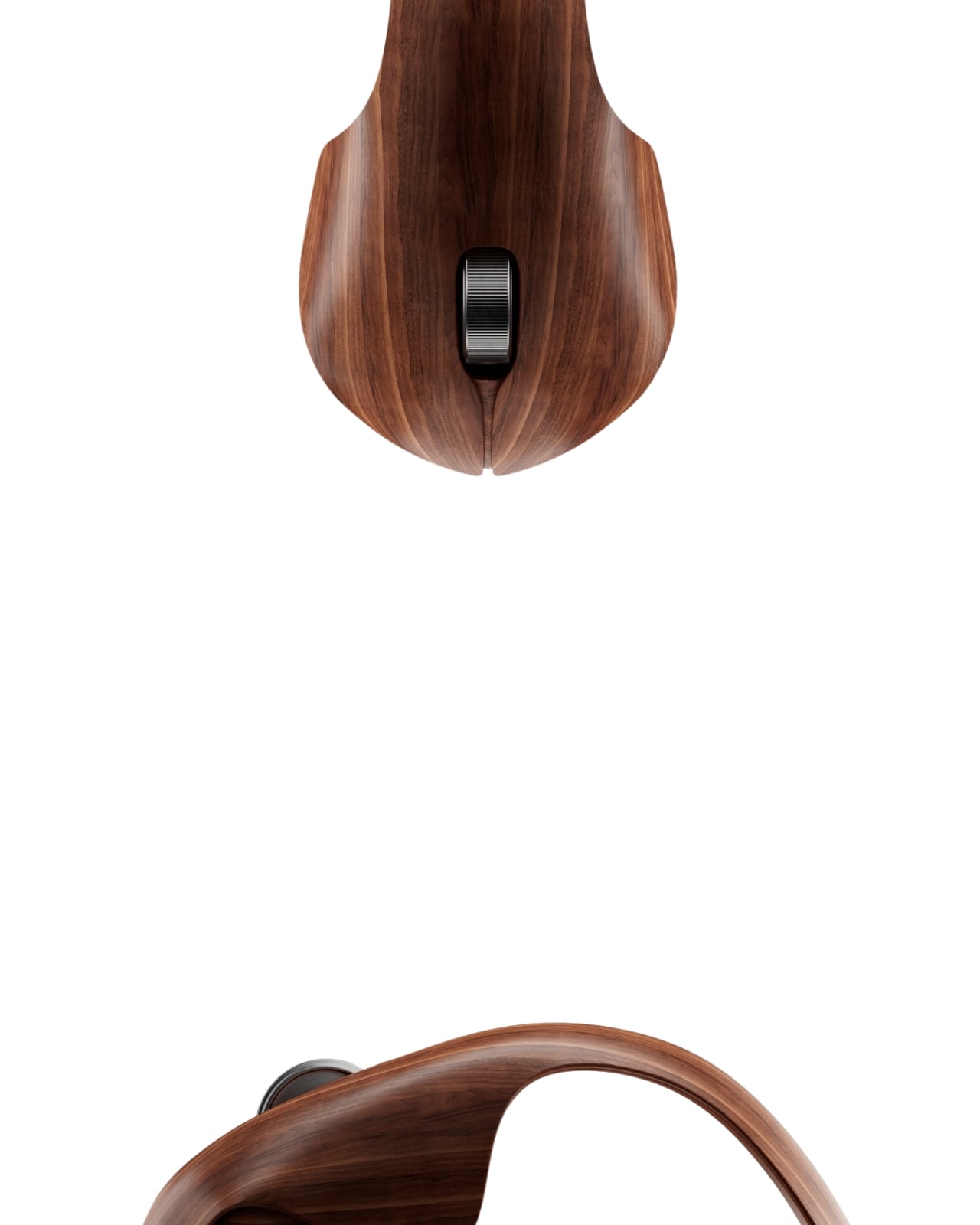
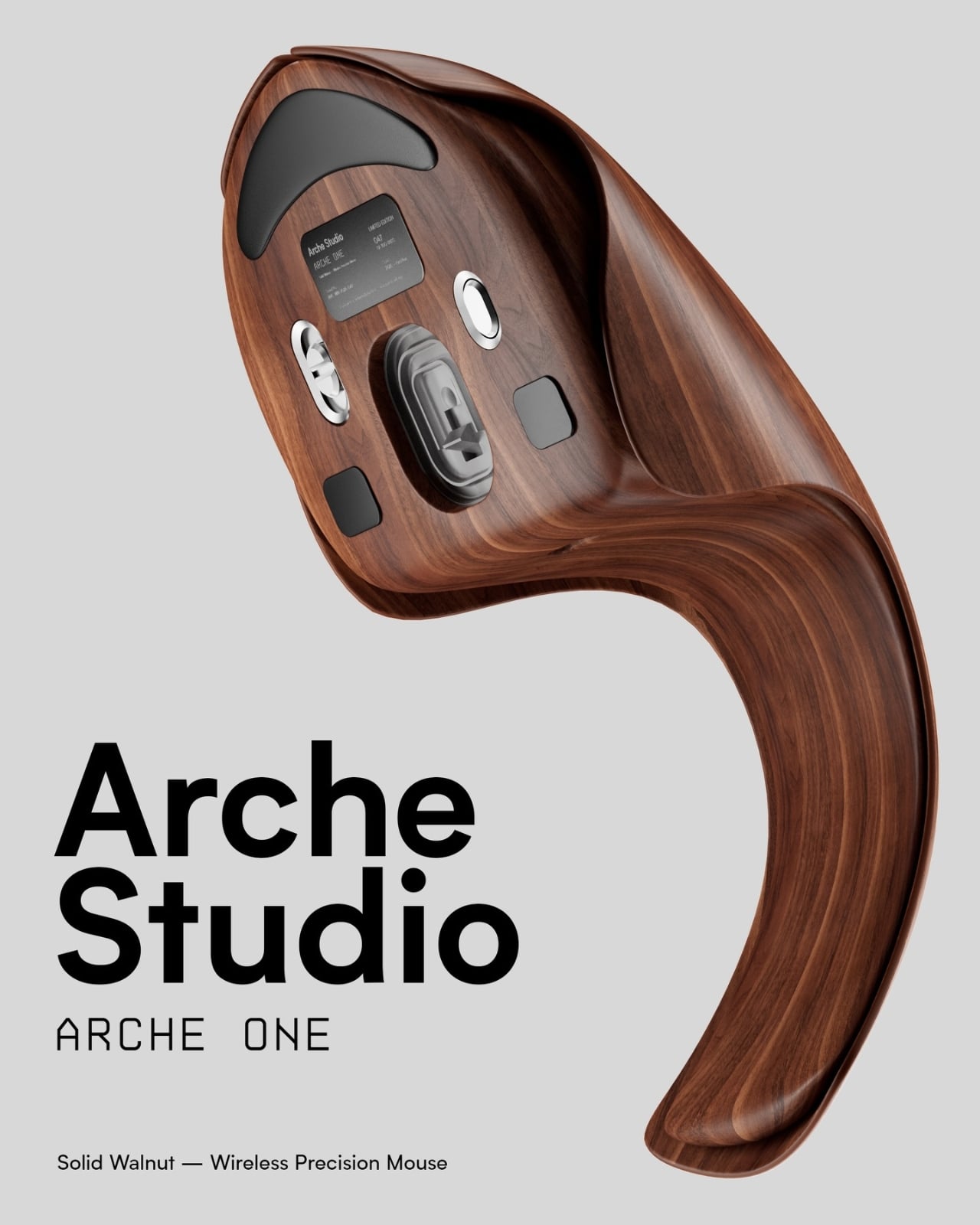
The concept is simple enough to say out loud: a computer mouse wrapped in walnut veneer. But when you actually see what designer Eslam Mohammed has put together with the Arche One, the simplicity of that sentence falls apart quickly. This is not a novelty item with a wood sticker slapped on top. It is a full rethinking of what a peripheral can be, and it is entirely a concept, which somehow makes it more compelling, not less.
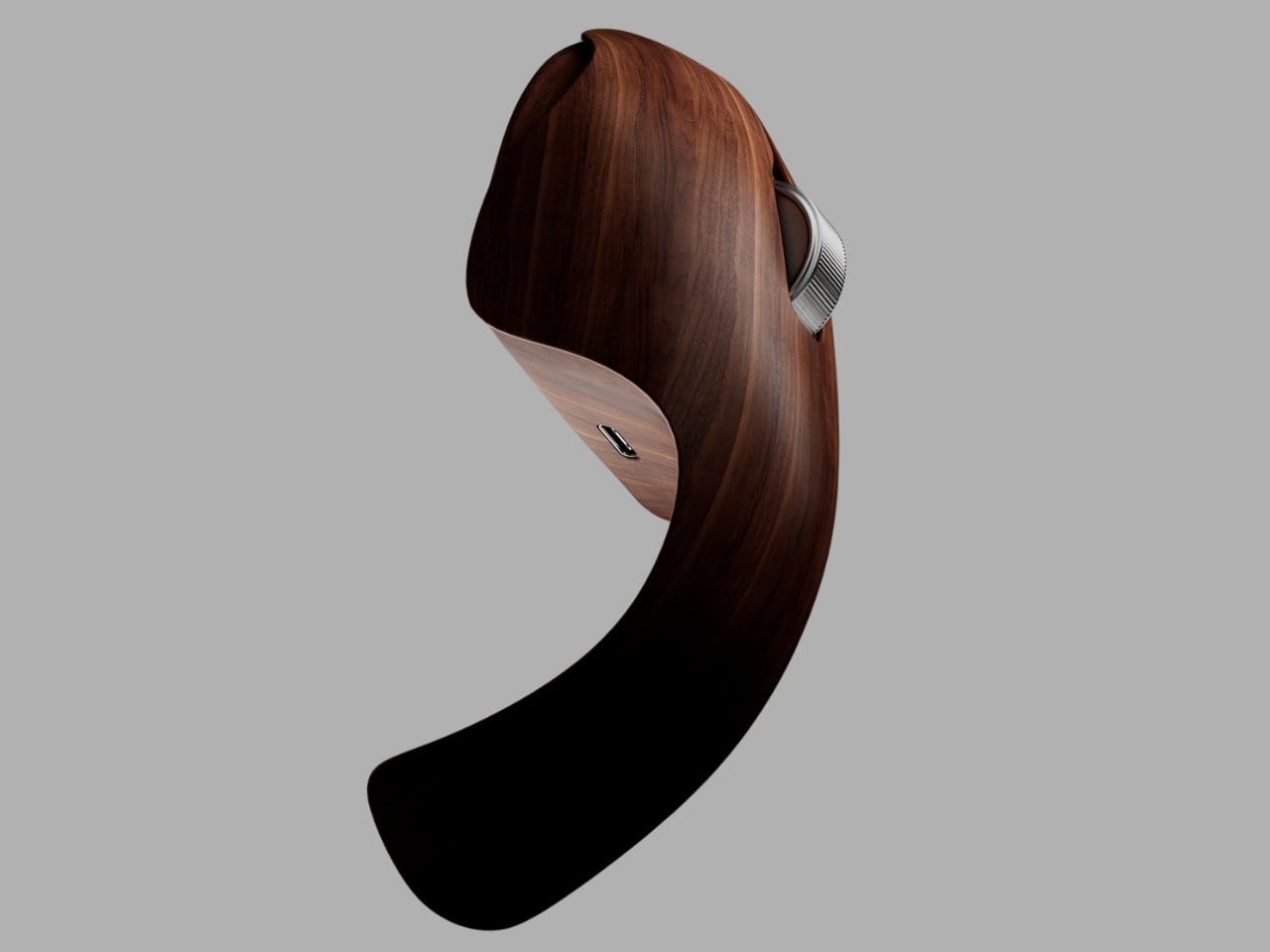
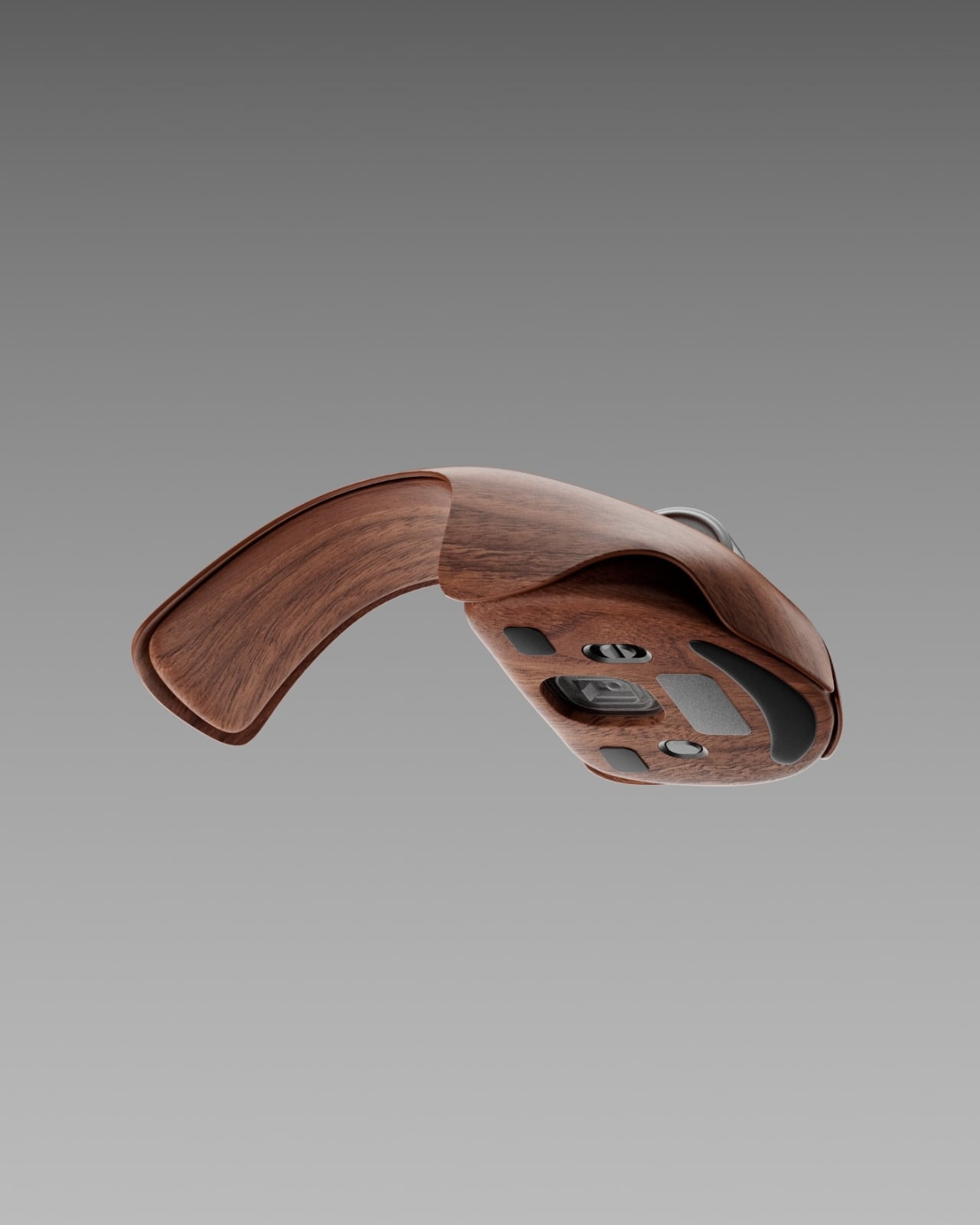
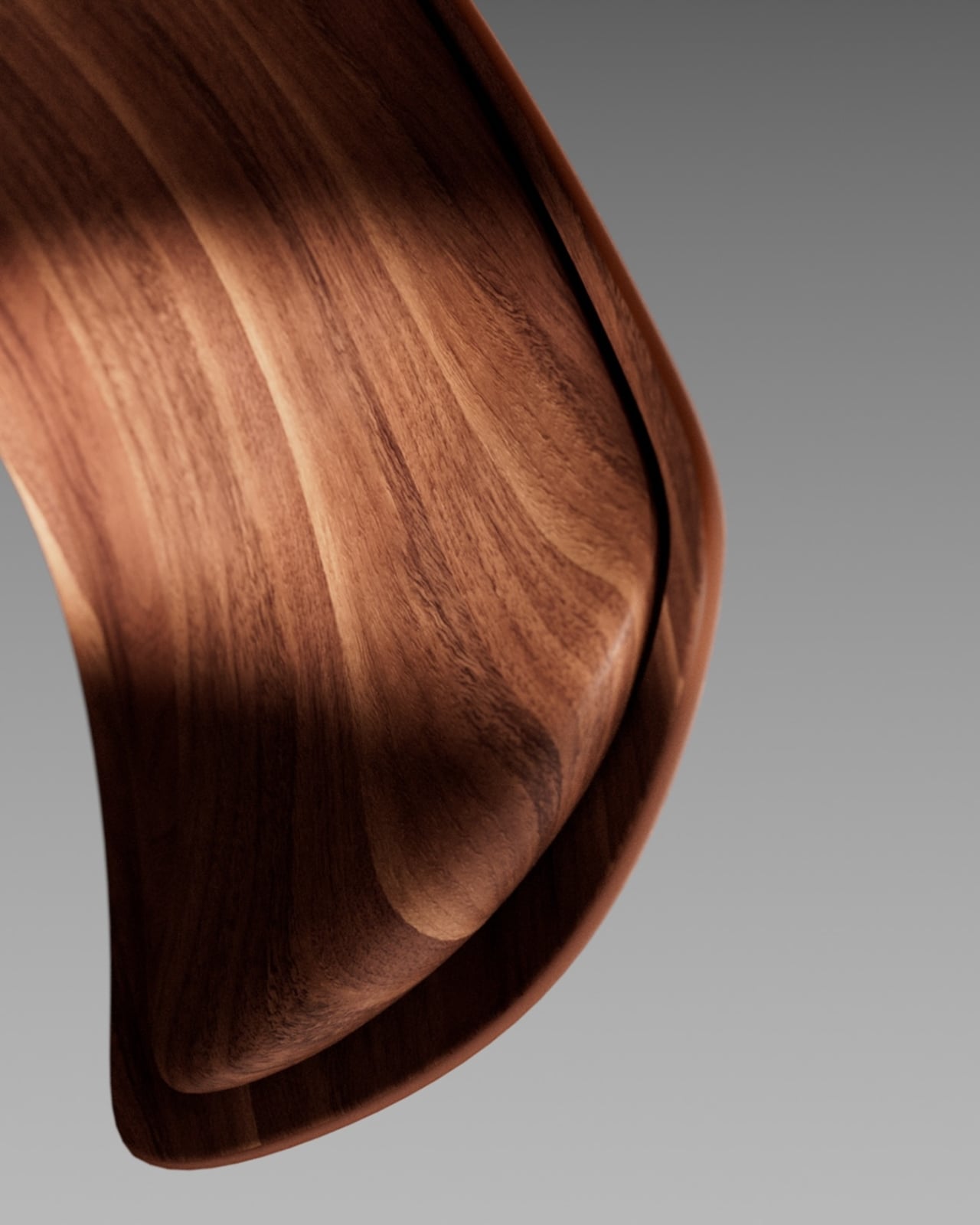
Mohammed built the Arche One as an exploration, not a product pitch. He wanted to strip out the plastic aggression that defines most tech hardware and replace it with something that feels genuinely crafted. The result is a mouse with a long arching tail, a low organic body, and walnut veneer wrapped around every curve without shortcuts. It sits somewhere between a sculptural object and a piece of furniture, and I keep going back to look at it because it makes me realize how low the bar has been set for peripheral design for decades.
The gaming mouse world in particular has turned aggressive posturing into an aesthetic. Angular bodies, RGB lighting, the visual vocabulary of speed and dominance. Even the more restrained productivity mice from major brands feel like they were designed to be forgotten, not noticed. What Mohammed is proposing, even if only on a screen, is a different brief entirely: make it feel like an object worth keeping.
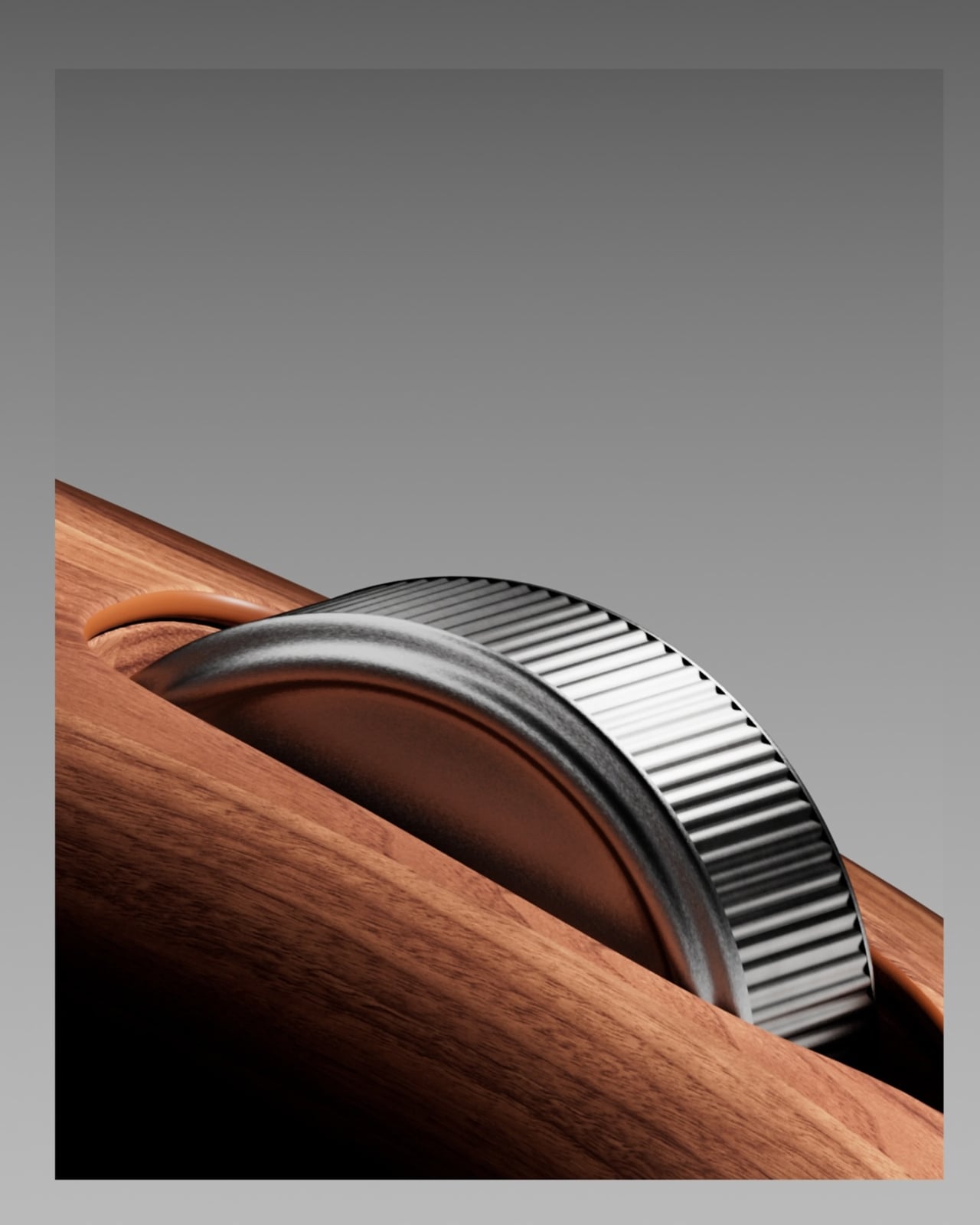
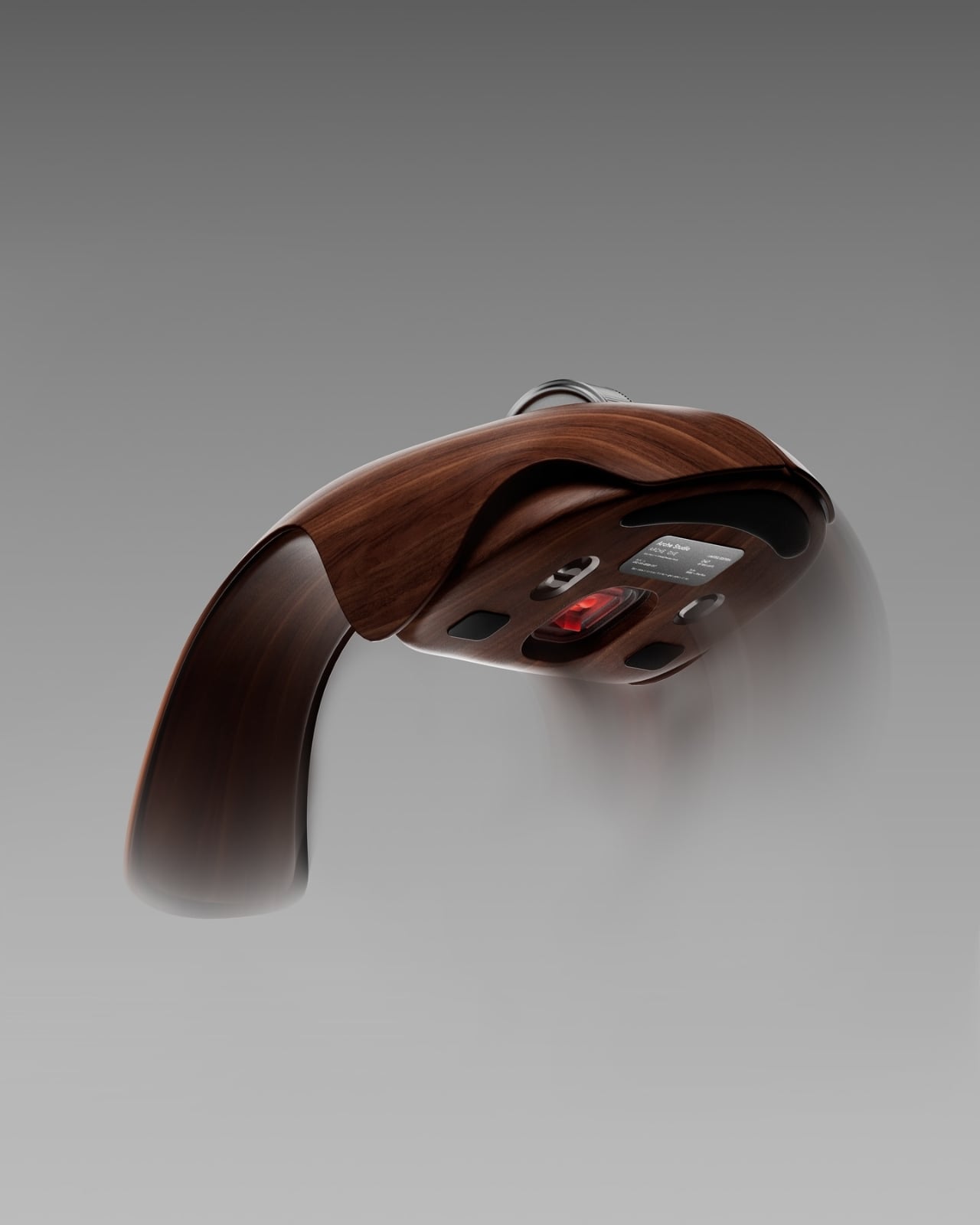
Form came first in his process. The silhouette reads almost like a comma, or an outstretched hand resting on fine wood. The scroll wheel is machined metal, knurled and precise, sitting flush against warm grain. The underside carries a 26,000 DPI optical sensor, Bluetooth 5.3, USB-C connectivity, and a lithium-polymer battery rated at six months. The specs are serious. The material is not a gimmick dressed up as design. It is the design, or at least inseparable from it.
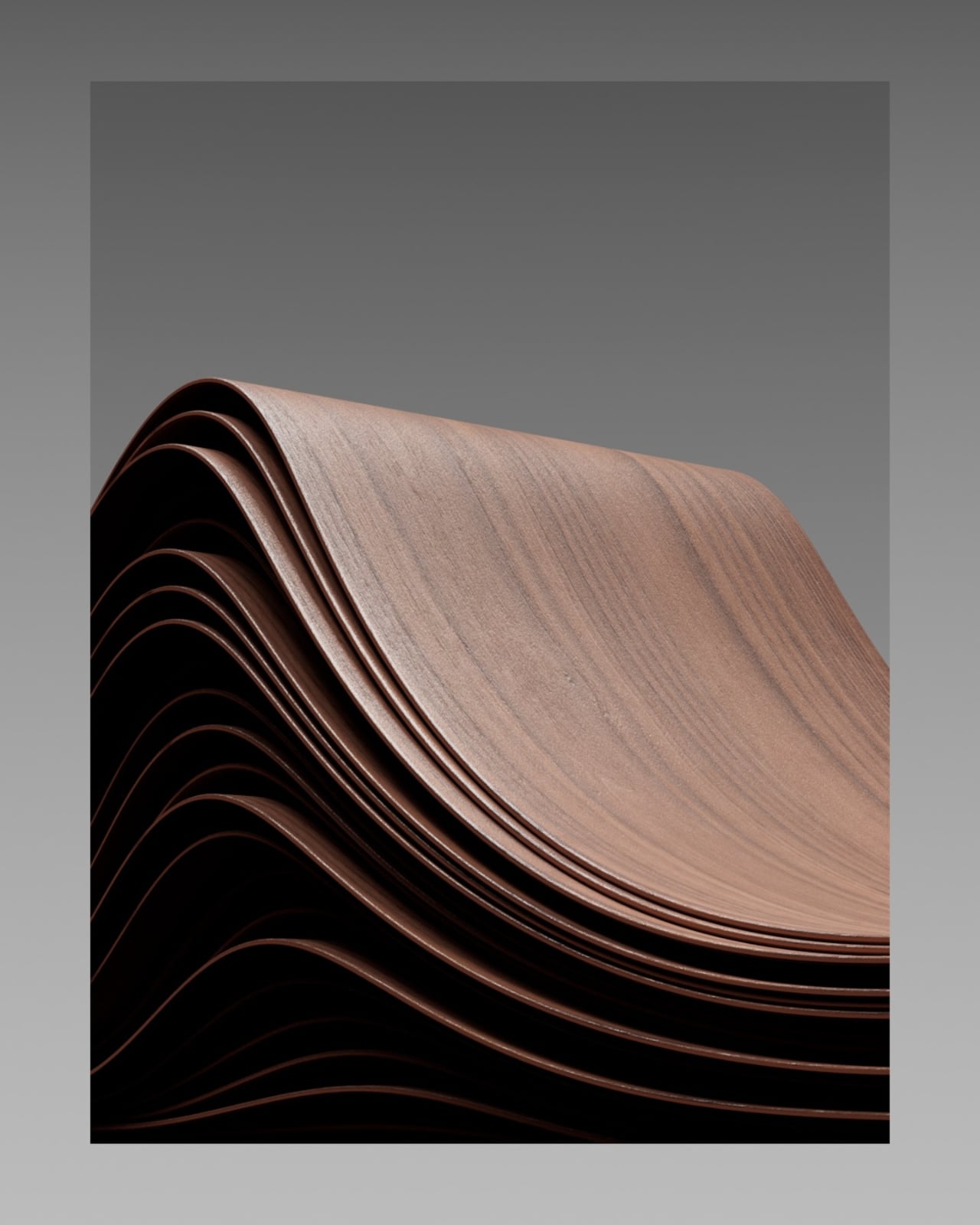
The production approach is worth pausing on because it says something about how contemporary 3D design is evolving. Mohammed used three separate software programs simultaneously rather than forcing a single tool to carry everything. Houdini handled the cutting simulation. Cinema 4D managed the flow of the veneer layers. Blender took care of modeling and animation, and everything went through Octane for rendering. Each tool doing exactly what it was built for, nothing more, nothing less. The result is cleaner, and the renders have a photographic weight that makes you forget you are looking at a concept. The grain catches light the way real wood does. The curves feel like they have mass.
The Arche One is imagined as a limited run of 300 units, each individually finished in hand-applied satin oil, with the note that grain pattern will vary from piece to piece. That last detail is the one that gets me. In a peripheral market built on identical units rolling off assembly lines, the idea of a mouse where no two pieces look exactly the same is almost radical. It borrows the language of craft objects and heirlooms, the kind of things people keep, pass on, and genuinely care about. That is a different conversation than the one tech hardware usually wants to have.
I think about my own desk, and I think most people have at some point looked down at their mouse and felt nothing. It is a tool, purely functional, there to be used and eventually discarded. The Arche One is a question about whether that has to be true. Whether the relationship between a person and the objects they touch every day for hours at a time could carry some weight, some intention, some warmth. That is not a trivial thing to ask.
Maybe this mouse never gets made. That is fine. Concepts do not need to ship to matter. What Mohammed has done here is demonstrate, convincingly and beautifully, that someone asked the right question. The answer is still being worked out. But the asking is more than enough.
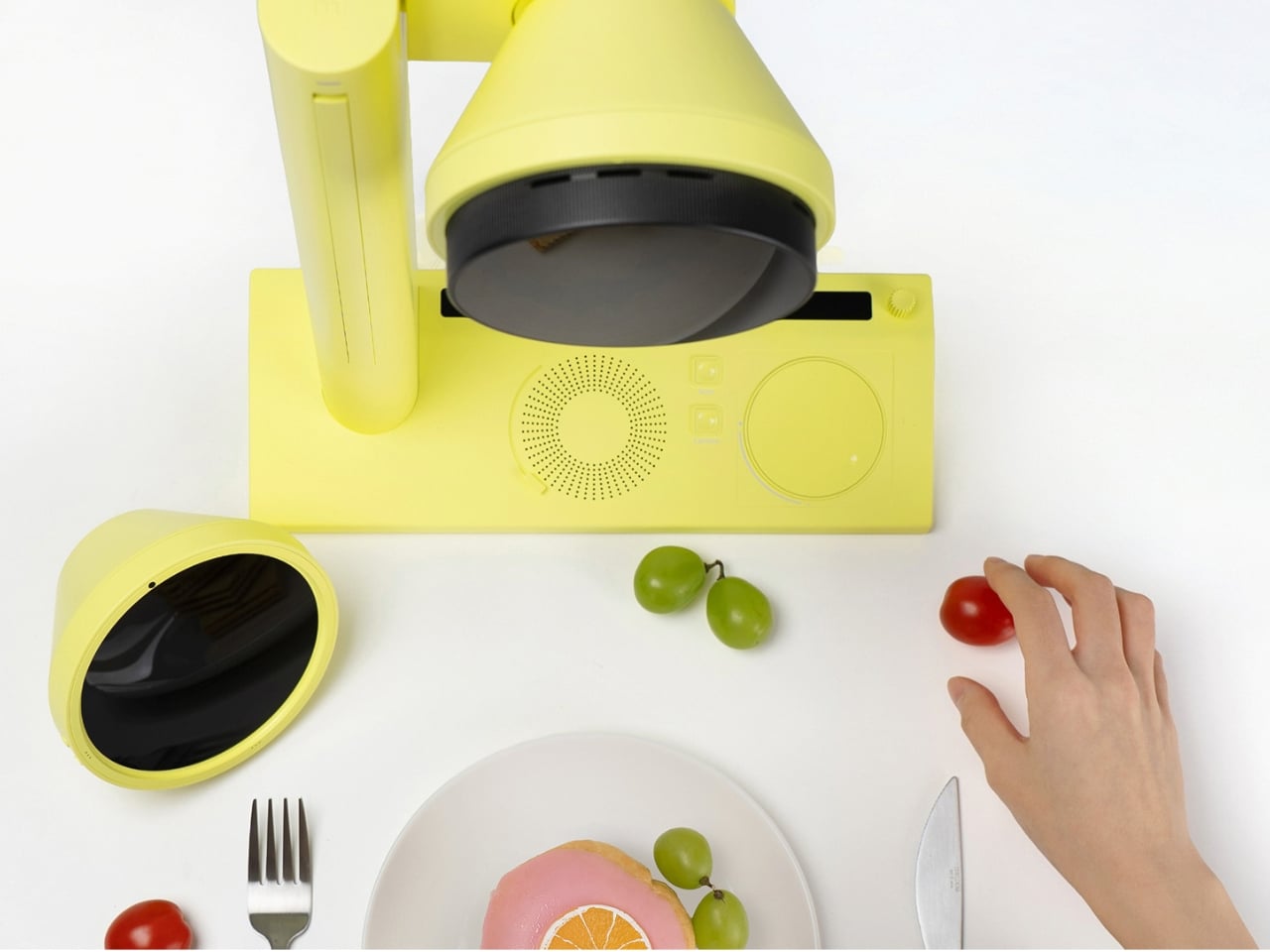
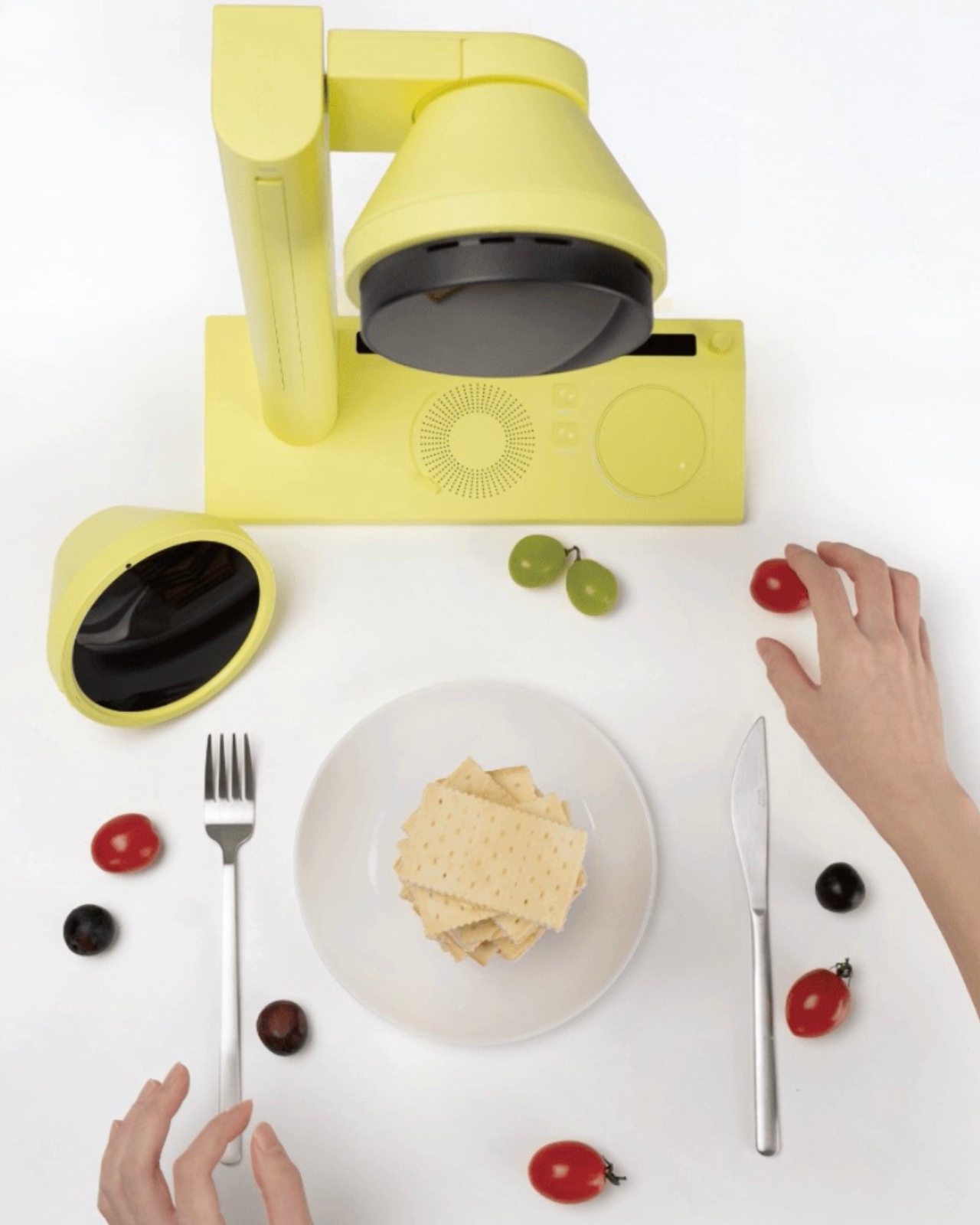
We’ve seen AI make itself comfortable in our music, our fashion, and our skincare routines. It was only a matter of time before it pulled up a chair at the dinner table. Kitune, a design concept by Seoul-based designer Jiyeon Choi, is exactly that moment, arriving in the form of a compact, butter-yellow device that looks more like a studio prop than a kitchen appliance. As a concept, it’s already asking a question that most kitchen technology doesn’t bother with: what if the way your food looks was just as personal as the way you dress?
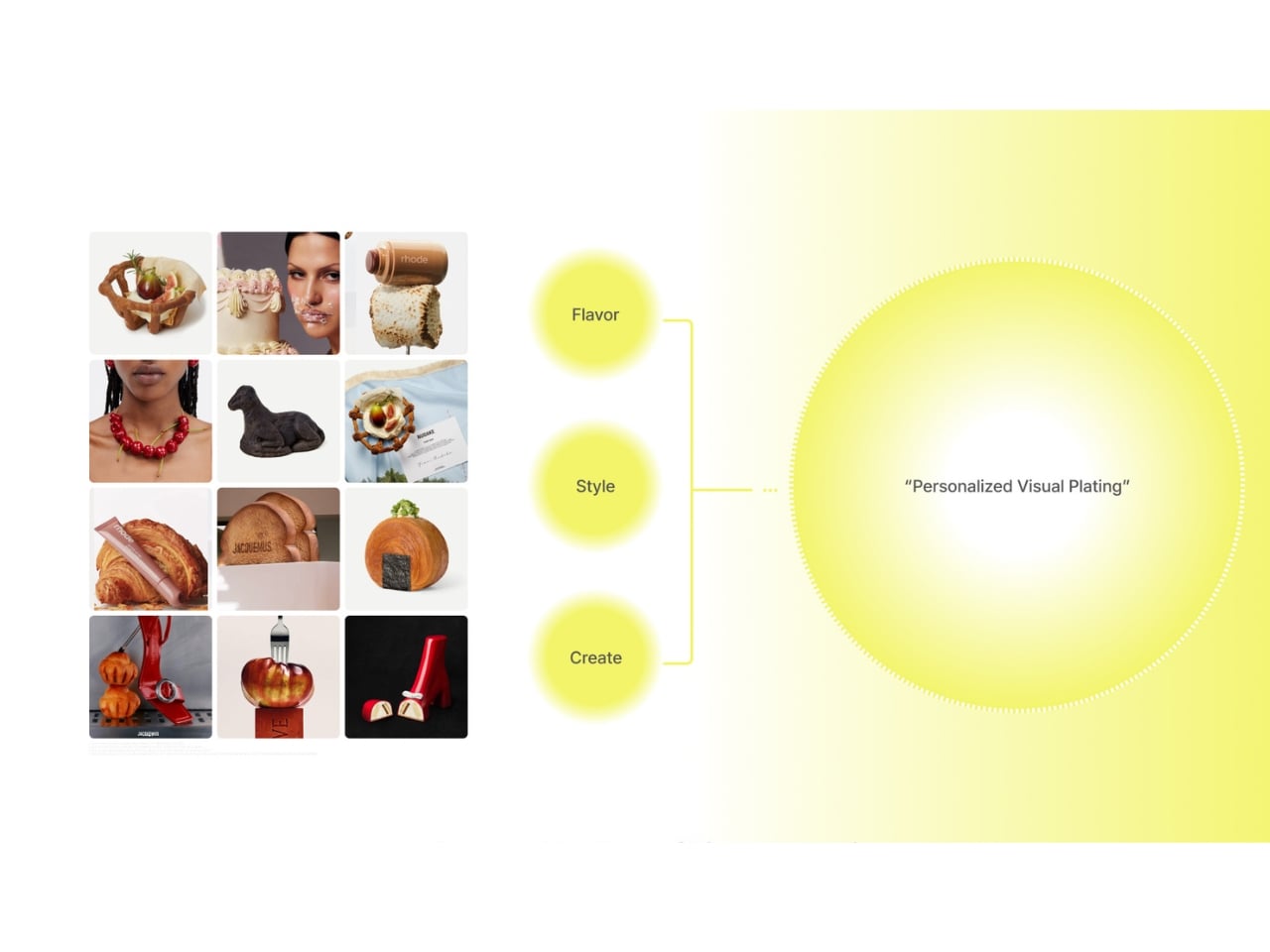
The premise is deceptively simple. Food, Choi argues, has crossed well beyond the realm of taste and into the realm of visual expression. That’s a hard argument to push back on. You only need to spend thirty seconds on any social feed to see that the way a dish looks now carries as much cultural weight as what it actually tastes like. Plating is styling. Styling is identity. Food shows up in fashion editorials, in art installations, in luxury brand campaigns. It has become its own visual language, and Kitune is a concept built entirely around that reality.
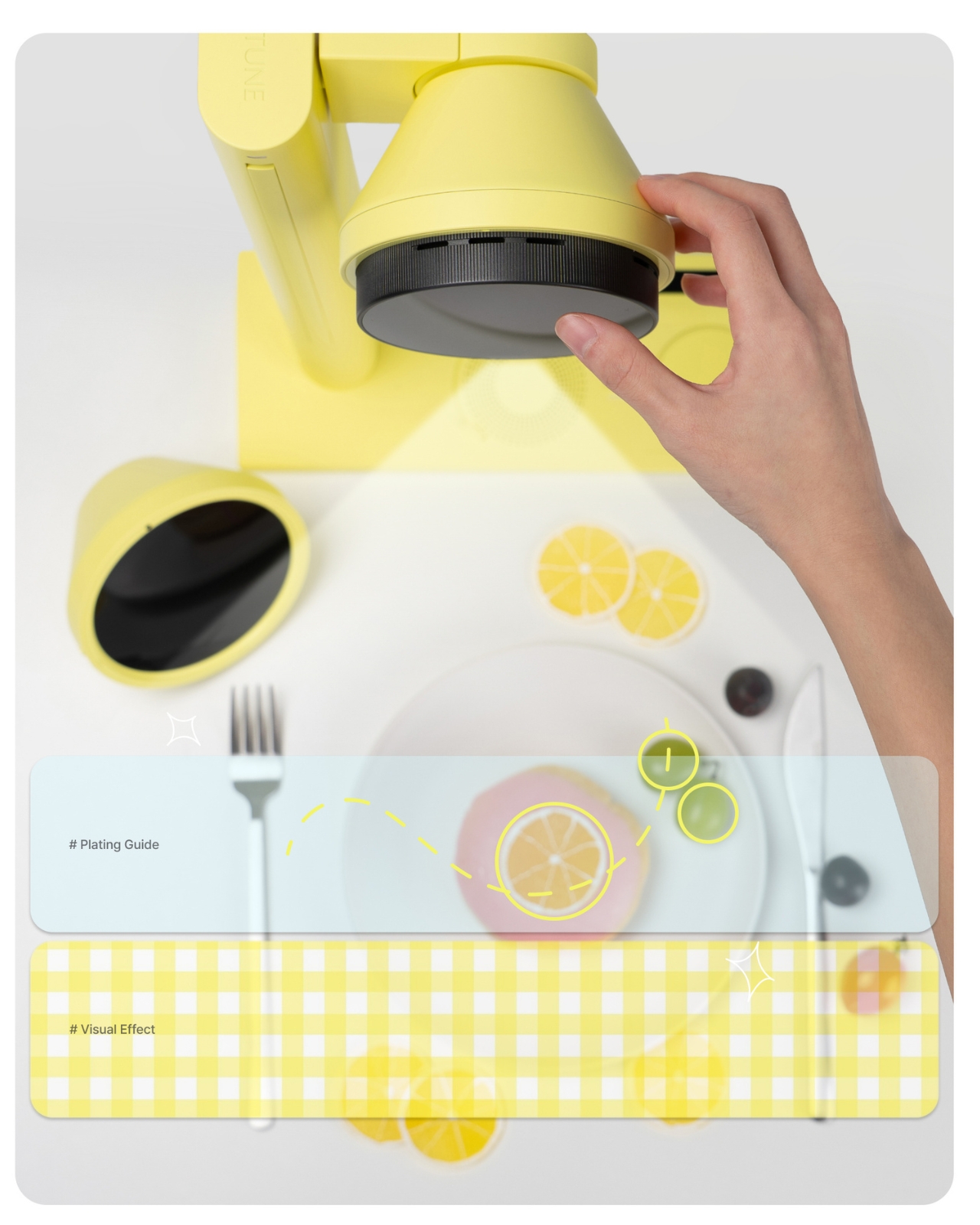
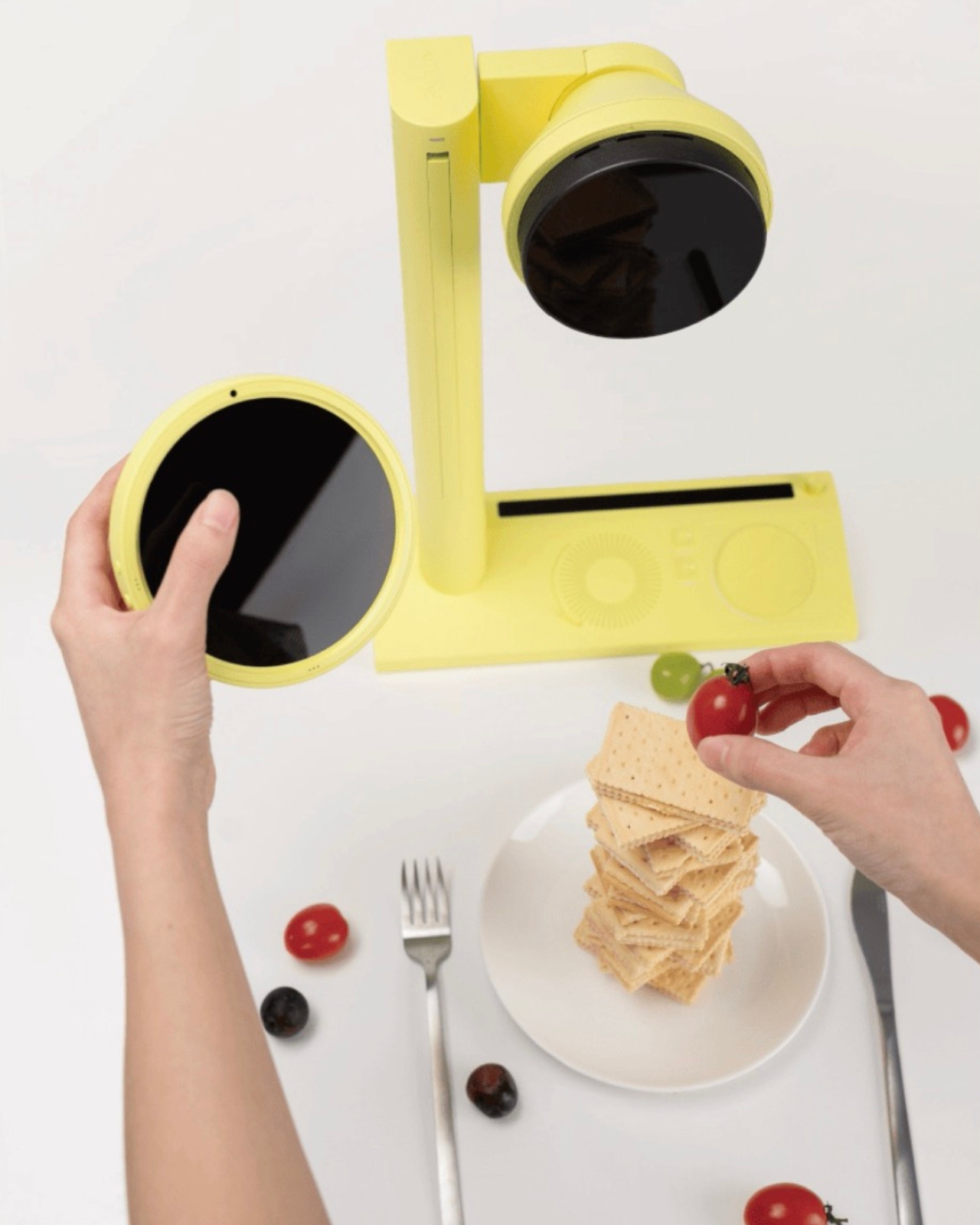
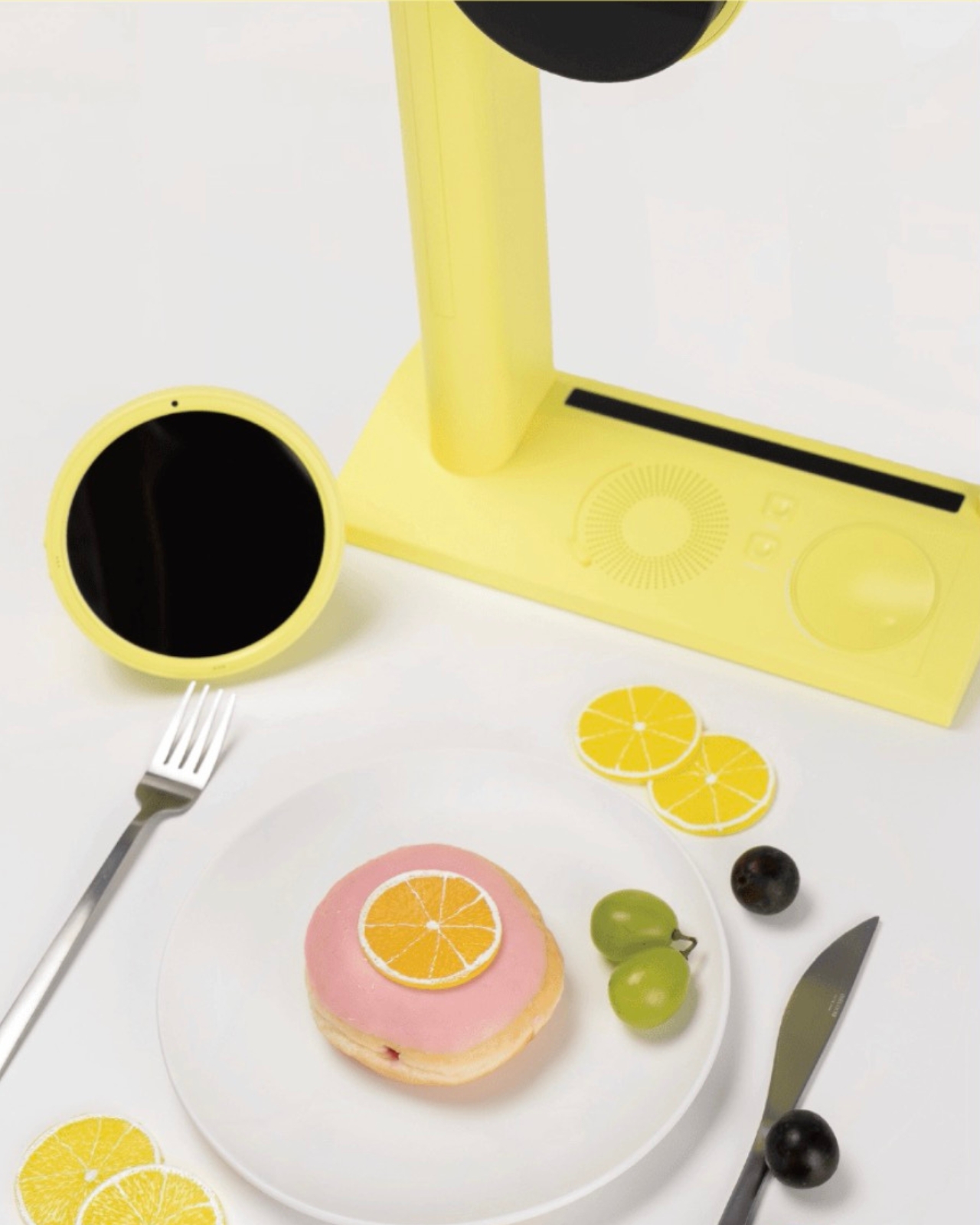
Here’s how the concept works. The device takes in personal data you’ve selected and tuned, your aesthetic preferences, your current mood, your lifestyle references, and uses it to generate a visual concept for how your dish should look. Not a vague suggestion, but a specific, styled direction. From there, a built-in projector casts a real-time plating guide directly onto your surface, showing you where each element should land. There are also mood-matched visual overlays that let you feel the overall atmosphere of the dish before you commit to placing a single garnish. It’s a feedback loop between your data and your plate.
That last part sounds theatrical, but I think that’s deliberately the point. Kitune isn’t trying to make you a more efficient cook. It’s trying to make cooking feel more like creative expression, and that’s a meaningful shift in what kitchen technology usually promises. Whether as a concept or an eventual product, that distinction matters.
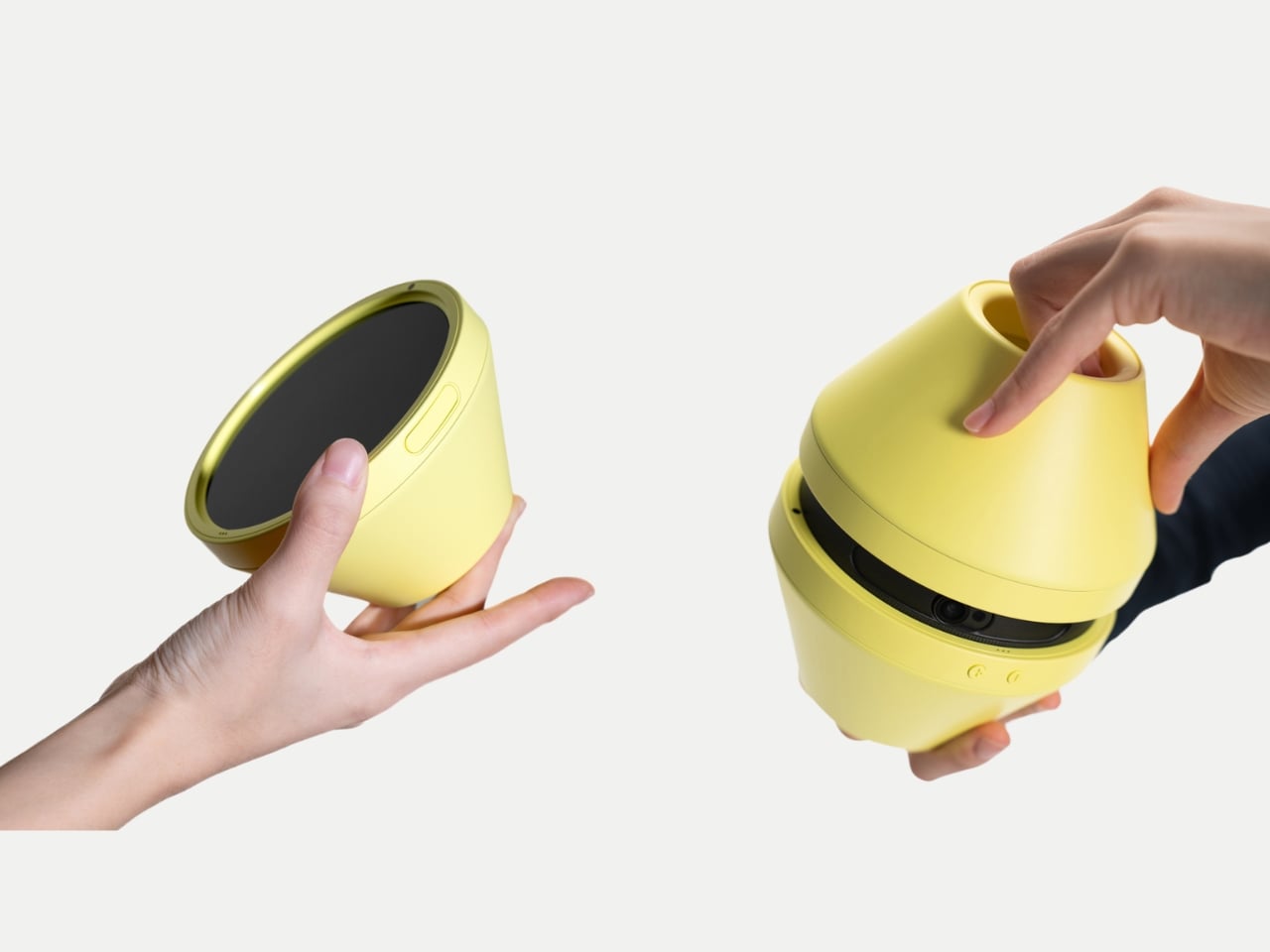
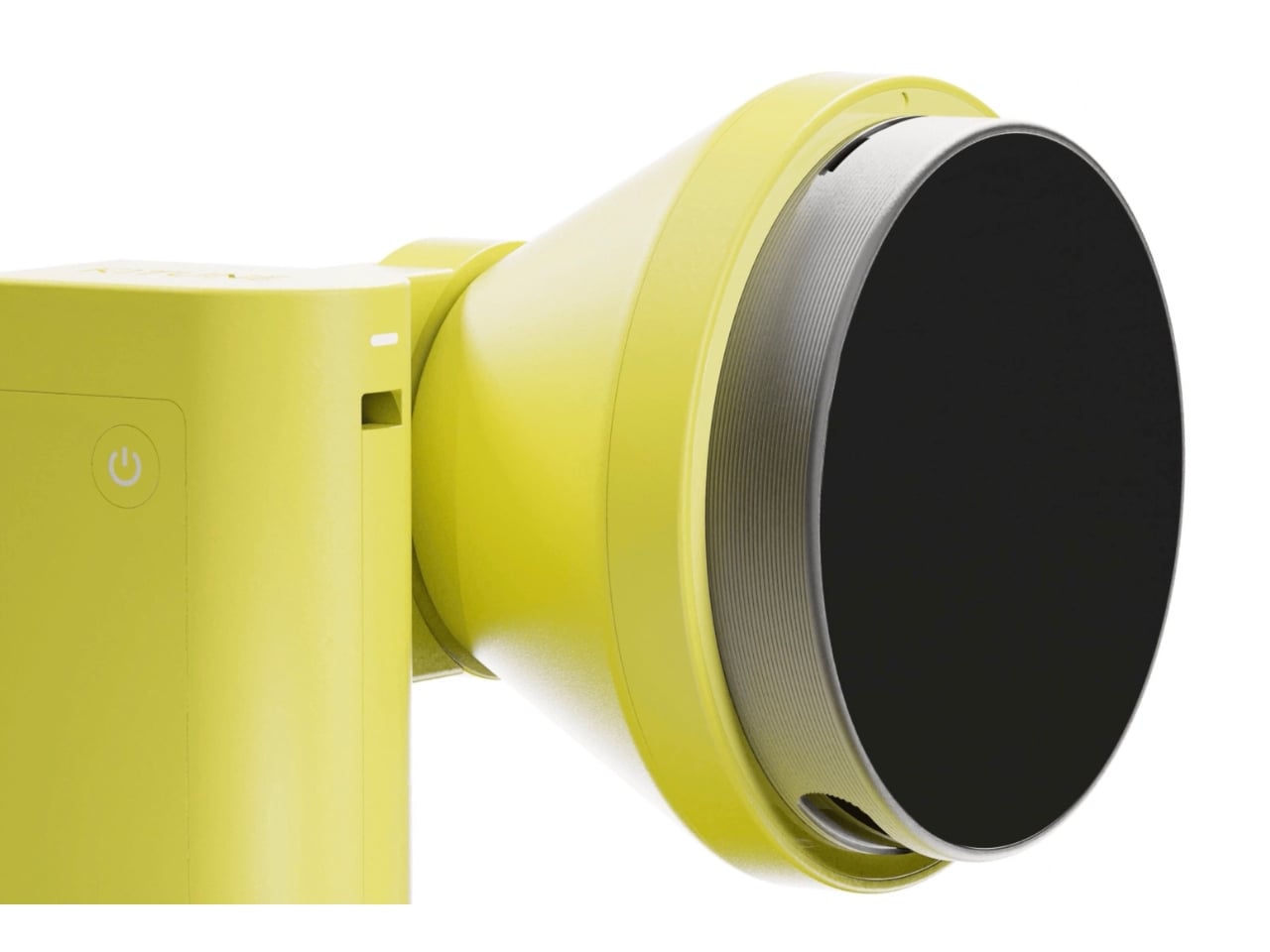
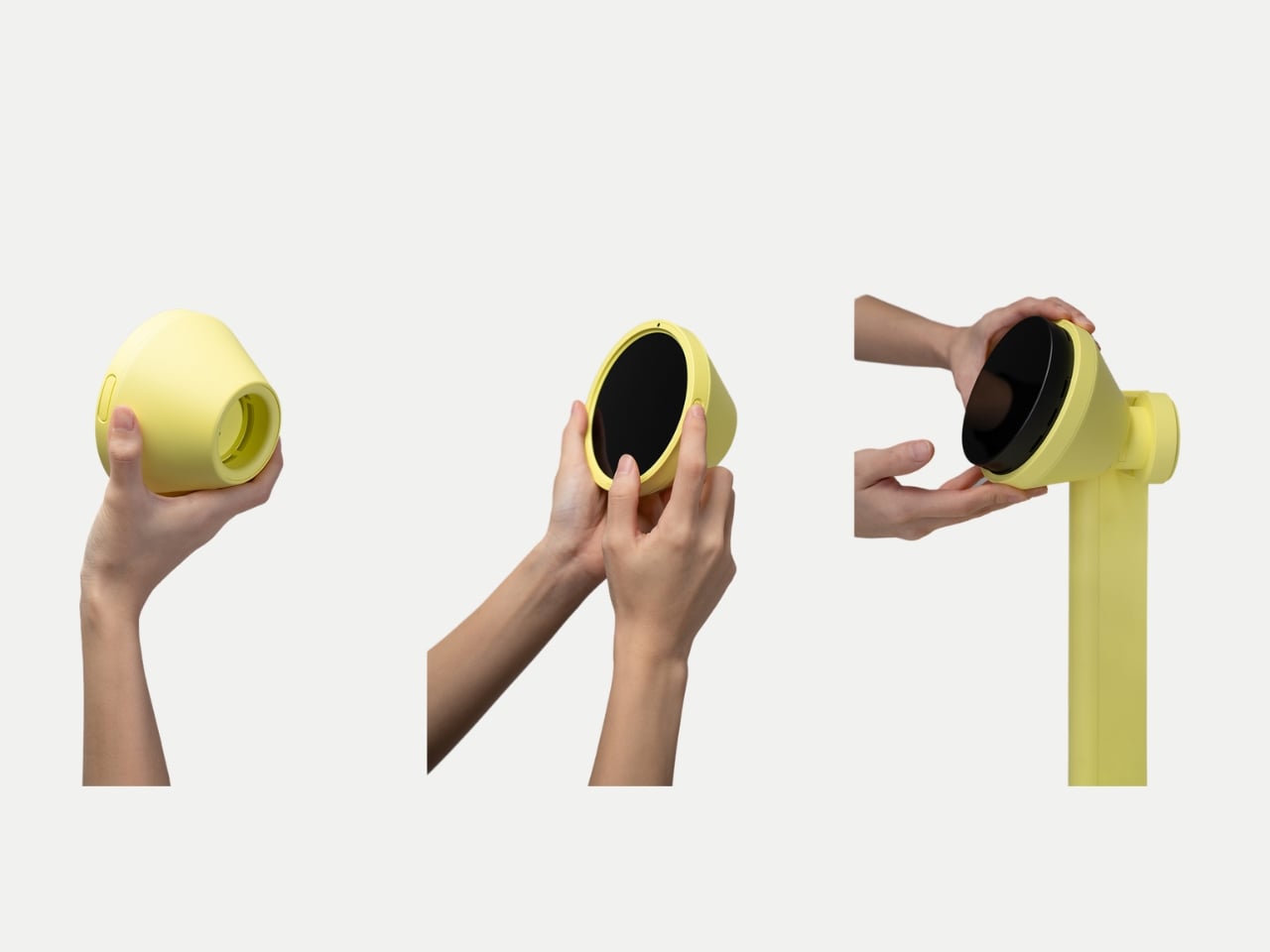
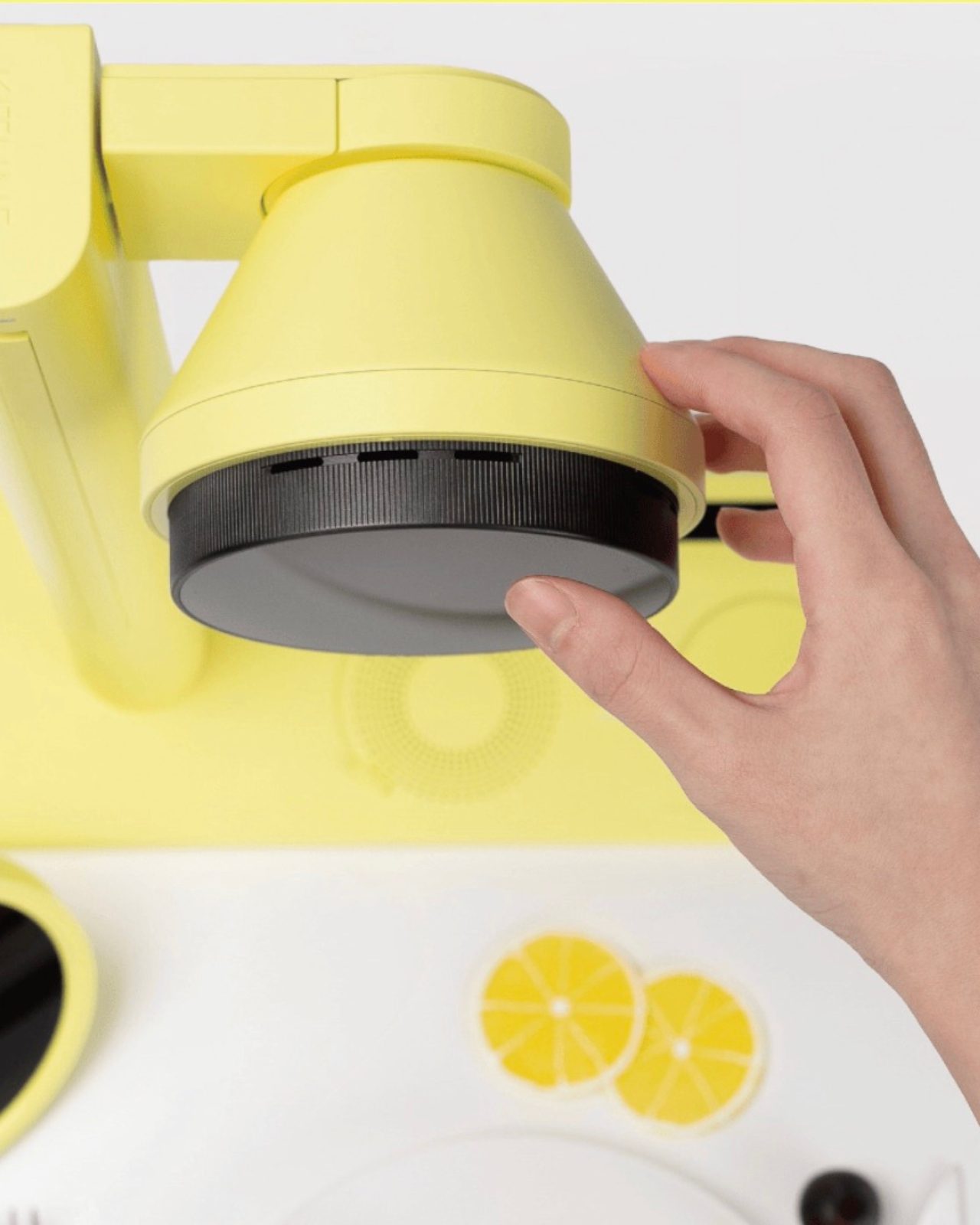
The hardware design is genuinely considered. Kitune is conceived as a portable device that works in two configurations: a handheld form for close, controlled work and a standing version where an arm suspends the projector above your plate. Both modes carry the same cheerful yellow finish, which matters more than it might seem. That color choice softens what could easily feel like cold, clinical AI tech in a space that’s historically been warm and human. It signals that this device belongs to the experience of cooking, not just the logistics of it.
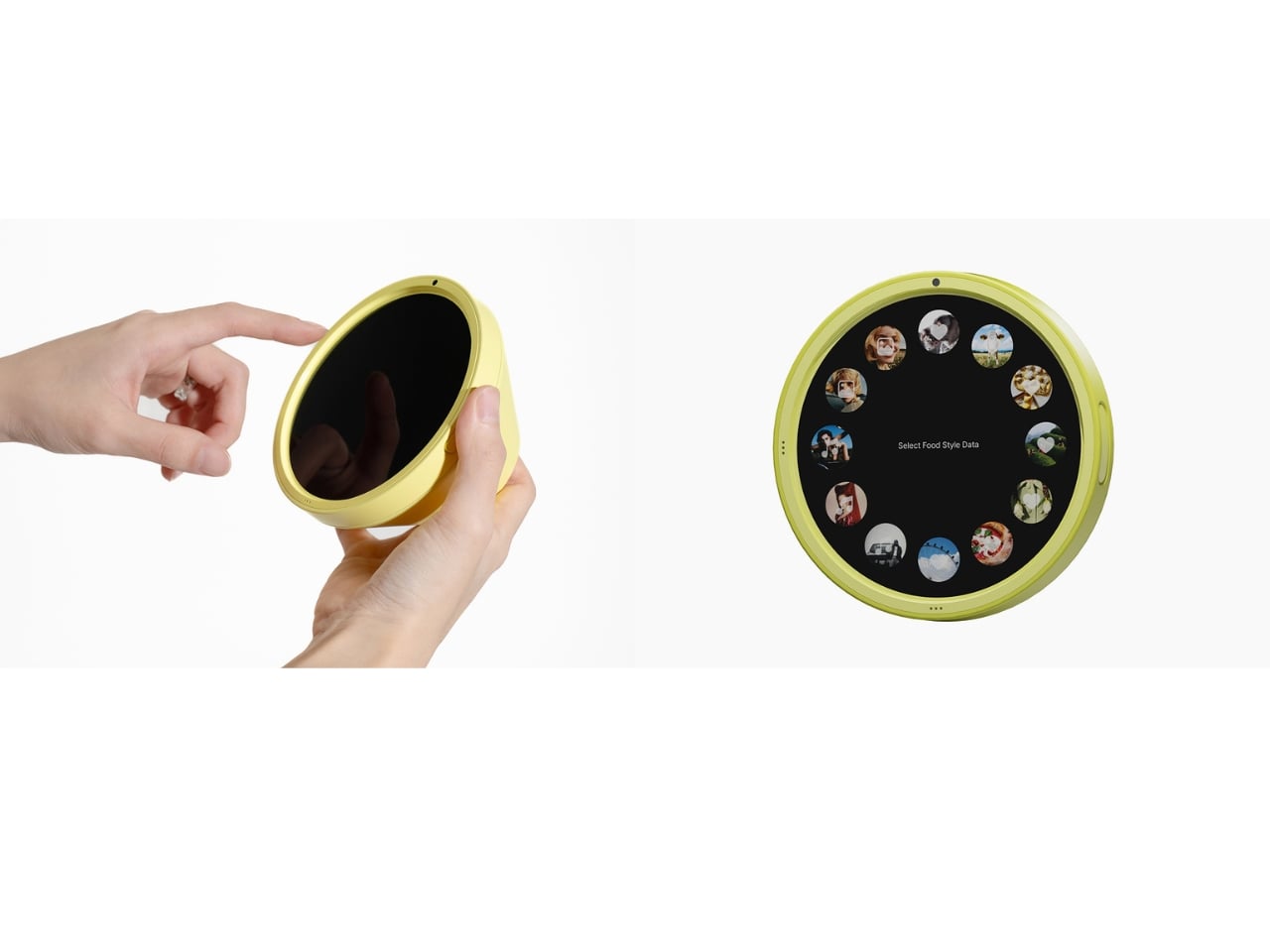
The interface is also worth attention. Instead of typing prompts or navigating flat touchscreen menus, the concept proposes interacting with a circular dial loaded with mood and lifestyle imagery that you physically rotate and select. It’s tactile, and that decision feels very deliberate. Choi seems to understand that the kitchen is not a place where people want to feel like they’re operating software. The interaction needs to feel as intuitive and sensory as the act it’s guiding.
Where Kitune really makes its case as a concept is in how it reframes what personalization means. Most AI products personalize around efficiency, faster, smarter, more optimized. Kitune personalizes around feeling. The output isn’t a quicker route or a better recommendation. It’s a visual mood built from your data that’s meant to feel like you, on a particular day, in a particular state of mind. That’s a genuinely different kind of design ambition, and one that feels more honest about the role food actually plays in people’s lives.
There are real questions the concept raises. How much data does it need to work well? Does it develop a sharper sense of you over time, or does each session reset? These are the practical gaps between a compelling concept and a working product. But Kitune doesn’t need to answer all of them right now to be worth paying attention to. As a design statement, it’s already saying something clear: that the future of kitchen technology might have less to do with what you’re cooking, and a lot more to do with how it makes you feel.
Spring changes the way students think about their tools. The semester finds its stride, the days stretch longer, and the quiet audit of what is actually working versus what has simply been tolerated becomes impossible to defer. For tech-savvy students, this impulse is never casual. It turns into a deliberate reckoning with every device in the bag, every cable on the desk, and every piece of hardware that earns or fails to earn its place in a schedule already running at capacity.
Most gadget guides aim too low. They recycle the same categories, suggest the predictable safe picks, and miss the specific texture of what a tech-savvy student’s day actually looks like in spring. Tools that genuinely serve that day are portable without sacrifice, precisely designed, and specific enough in their purpose to feel built for the exact problem they solve. The wishlists circulating among students who think carefully about design land on exactly that — and every product here was chosen to reflect it.
1. OrigamiSwift Folding Mouse
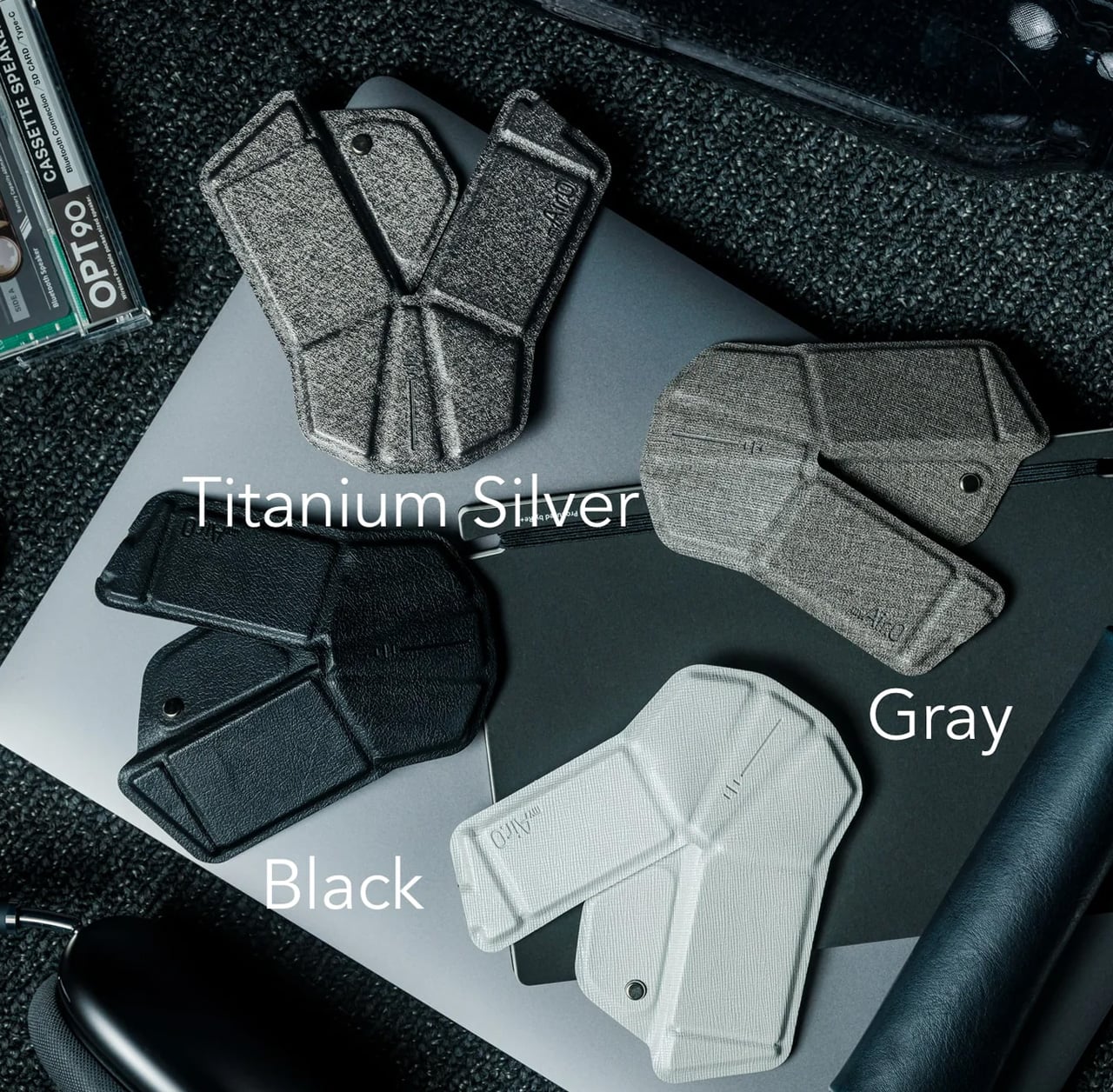
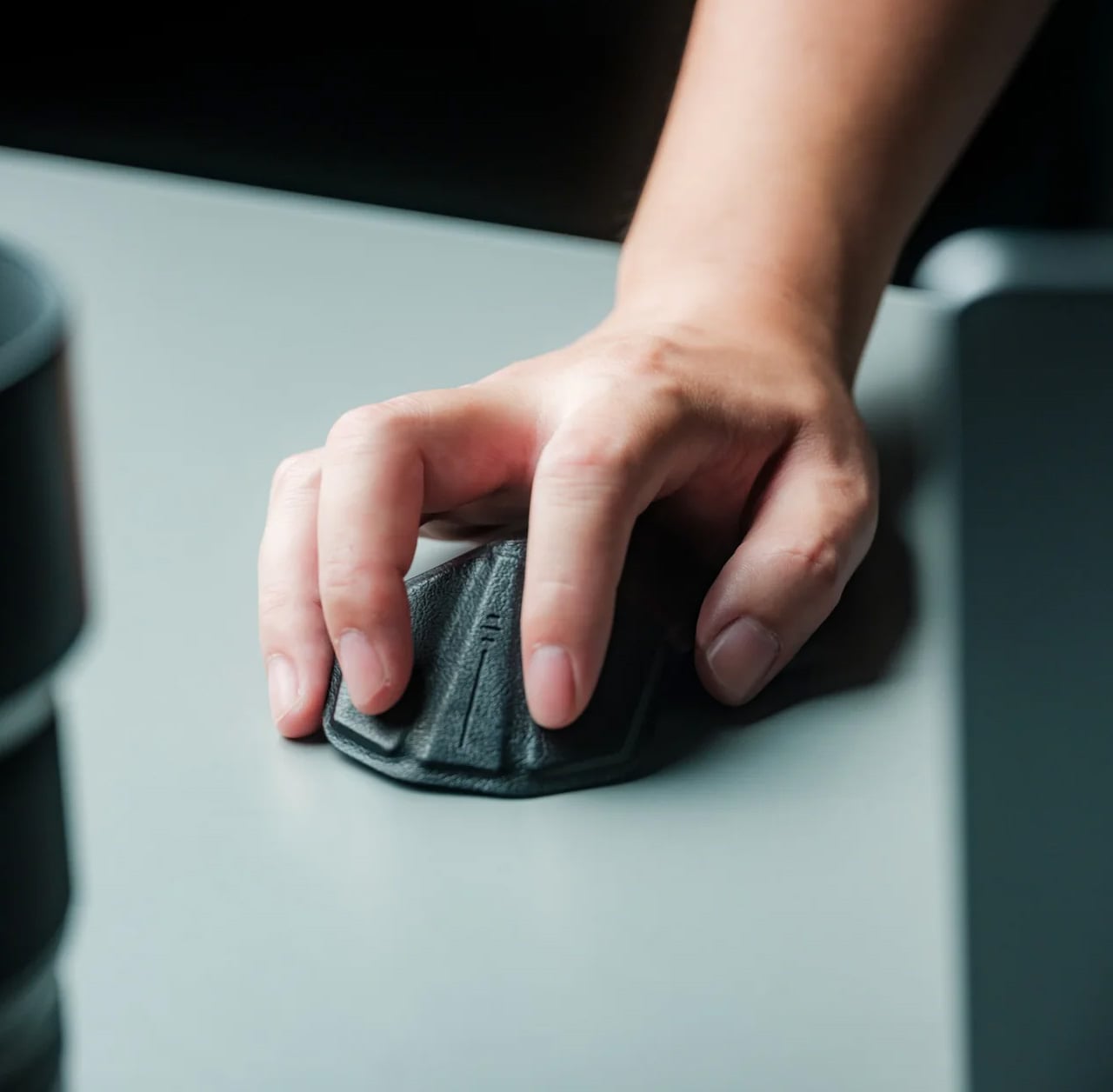
The mouse is the peripheral that students consistently overlook until a trackpad fails them mid-session. The OrigamiSwift changes that calculation. Drawing on origami’s structural logic, this Bluetooth 5.2 mouse collapses flat and springs into a full-sized ergonomic device in under 0.5 seconds. At 40 grams and 0.18 inches thin when folded, it disappears into a jacket pocket without adding noticeable weight. Soft-click buttons suit shared study spaces, and a USB-C battery sustains three months on a single charge.
For students moving between a library desk, a café table, and a campus bench in one afternoon, this is the mouse that travels without being noticed until needed. Compatible across Mac, Windows, Android, and iPadOS, it works equally on a personal laptop and a shared lab machine with no additional setup. The ergonomic form handles extended sessions without fatiguing the wrist, turning a recurring compromise into a peripheral that finally earns its place.
Folds to 0.18 inches and 40 grams, fitting into a jacket pocket without adding meaningful bulk to the daily carry
Three-month USB-C battery life removes it entirely from the weekly charging routine, so one less thing to think about
What We Dislike:
Bluetooth-only connectivity limits use on older shared desktops or lab machines that lack wireless support
The folding mechanism takes a brief adjustment period for students accustomed to the immediate grip of a conventional fixed-body mouse
2. Xiaomi UltraThin Magnetic Power Bank 5000 15W
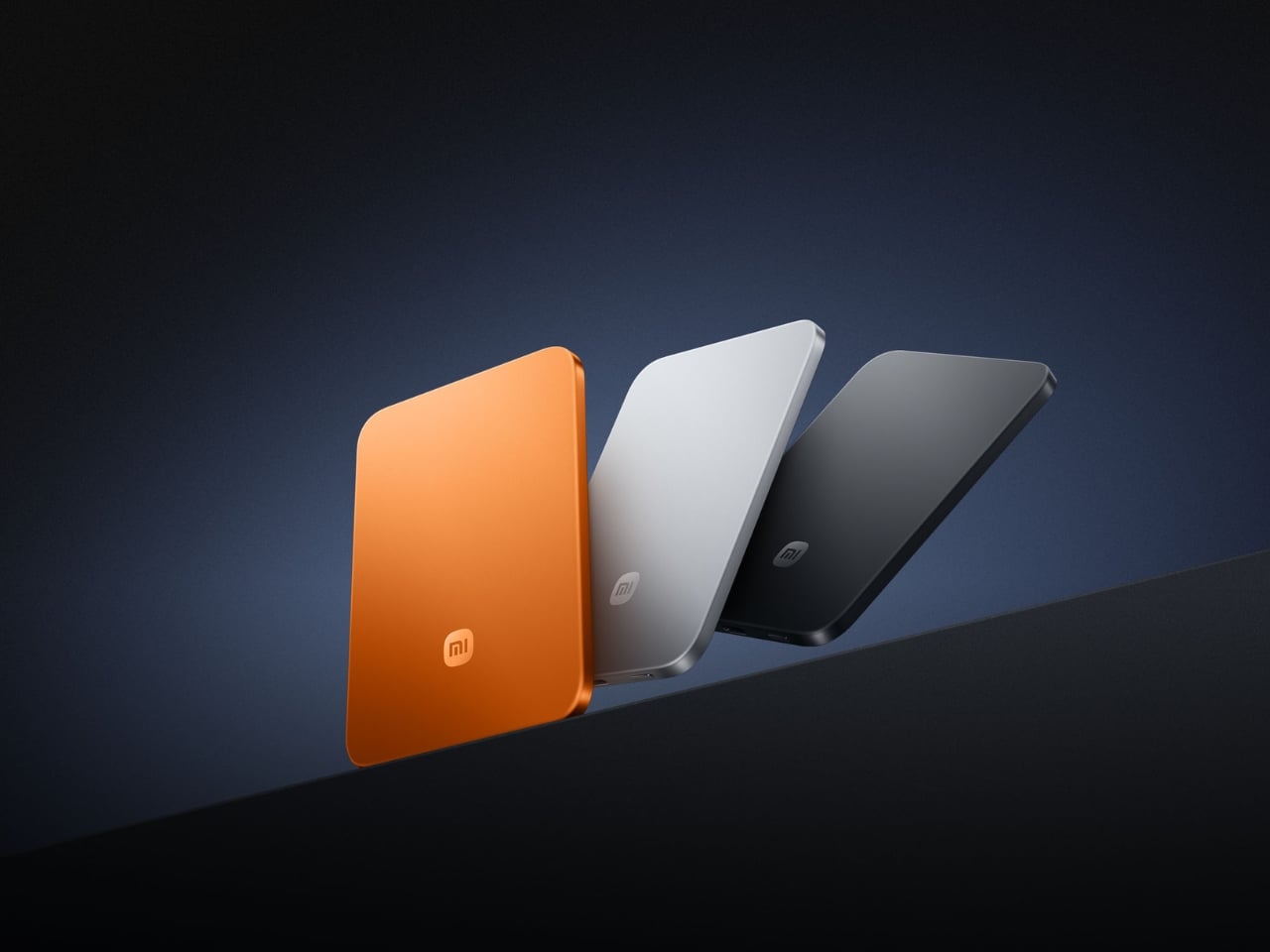
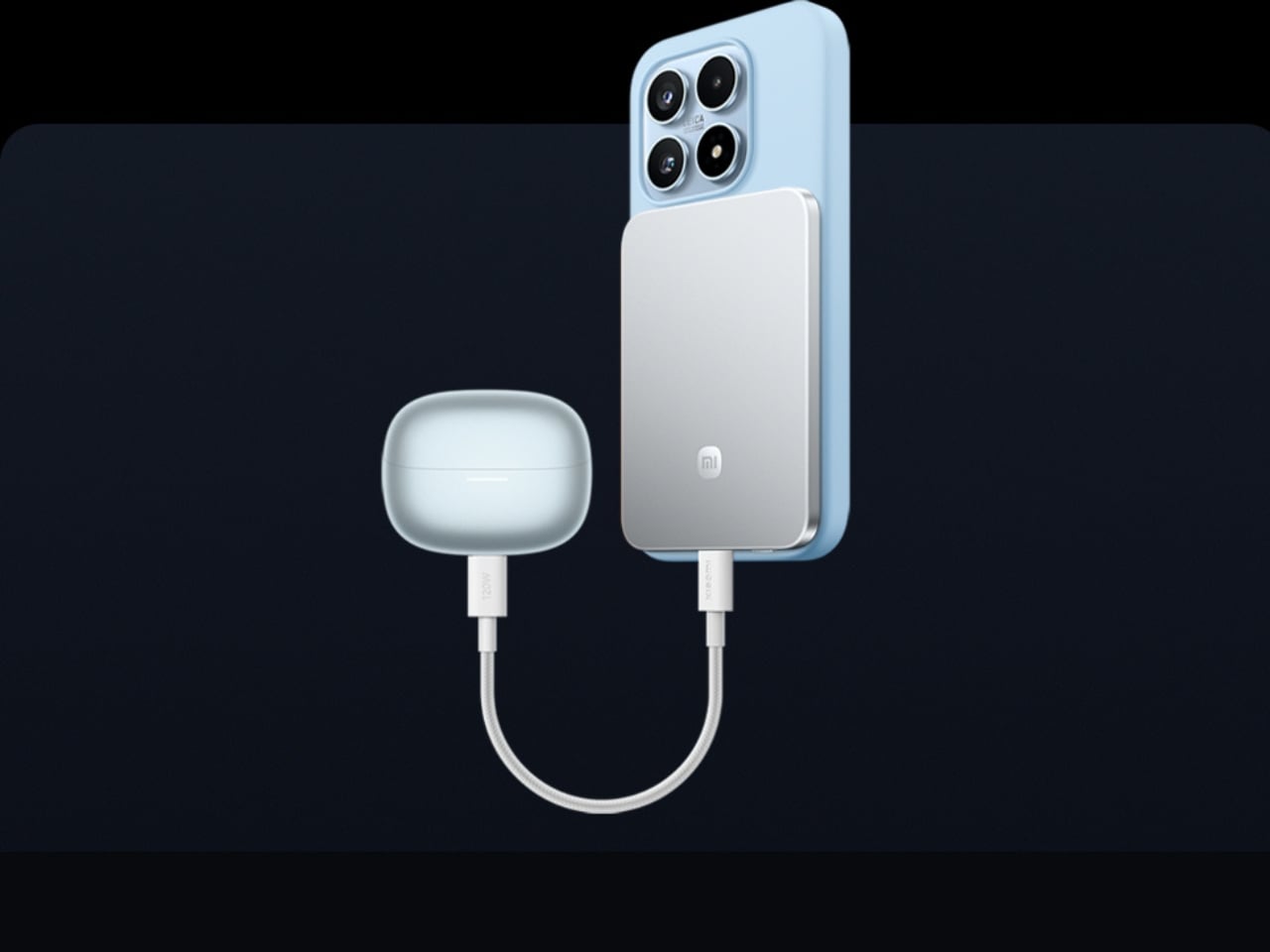
Power banks occupy a strange design dead zone. Most work as promised and are forgotten the moment they enter a bag. The Xiaomi UltraThin Magnetic Power Bank 5000 15W reframes the category. At 6mm thin — slimmer than any current smartphone — it holds 5,000mAh inside an aluminum alloy shell. Silicon-carbon battery chemistry with 16% silicon content enables higher energy density without expanding the footprint, and a fire-resistant fiberglass rear surface manages heat during wireless charging.
This solves the persistent problem of the charging backup that stays home because it feels too heavy to justify. At 6mm, it sits magnetically against a compatible phone and delivers 15W wirelessly while moving between buildings, sitting through a lecture, or waiting at a transit platform. No cable between bank and phone, no rummaging for the right end. It sits in a pocket as an extension of the device rather than a separate burden to manage throughout the day.
What We Like:
Silicon-carbon chemistry achieves 5,000mAh within a 6mm profile, making it the thinnest power bank available at this capacity tier
Magnetic cable-free attachment delivers 15W wirelessly while the phone stays pocketed between classes, with zero management required
What We Dislike:
5,000mAh covers roughly one full smartphone charge, which falls short on heavy-use days involving continuous navigation, recording, and streaming
Magnetic wireless charging is limited to compatible phone models, restricting the cable-free feature for students outside that ecosystem
3. HubKey Gen2
The average student laptop setup involves a quiet accumulation of compromises: a dongle for the display, a separate hub for ports, a cable for audio, and none of it cohering. The HubKey Gen2 addresses this from a single USB-C connection. An 11-in-1 hub in a compact cube, it adds two HDMI ports, each capable of driving a 4K display at 60Hz, four fully customizable physical shortcut keys, and a central control knob that handles everyday actions without navigating software menus.
Spreading a research document across two 4K panels changes the quality of a work session in ways only understood from the inside. Reference material stays open while the draft stays active. Code and documentation share the same eyeline. The shortcut keys reduce the cognitive overhead of memorizing keyboard combinations, and the central knob delivers volume control with tactile immediacy that no software slider replicates. For students working across design, development, or video, this cube earns its place on day one.
What We Like:
Dual 4K HDMI outputs at 60Hz each simultaneously expand a laptop into a proper two-monitor workstation from a single connection
Physical shortcut keys and a central control knob bring immediate, tactile control to routine tasks that software menus handle more slowly
What We Dislike:
Cube form factor suits a stationary desk, but does not pack into a travel bag as cleanly as a flat or cable-style hub alternative
Full 11-in-1 performance depends on the connected laptop’s USB-C port supporting the required power delivery and data bandwidth specifications
4. BraX open_slate
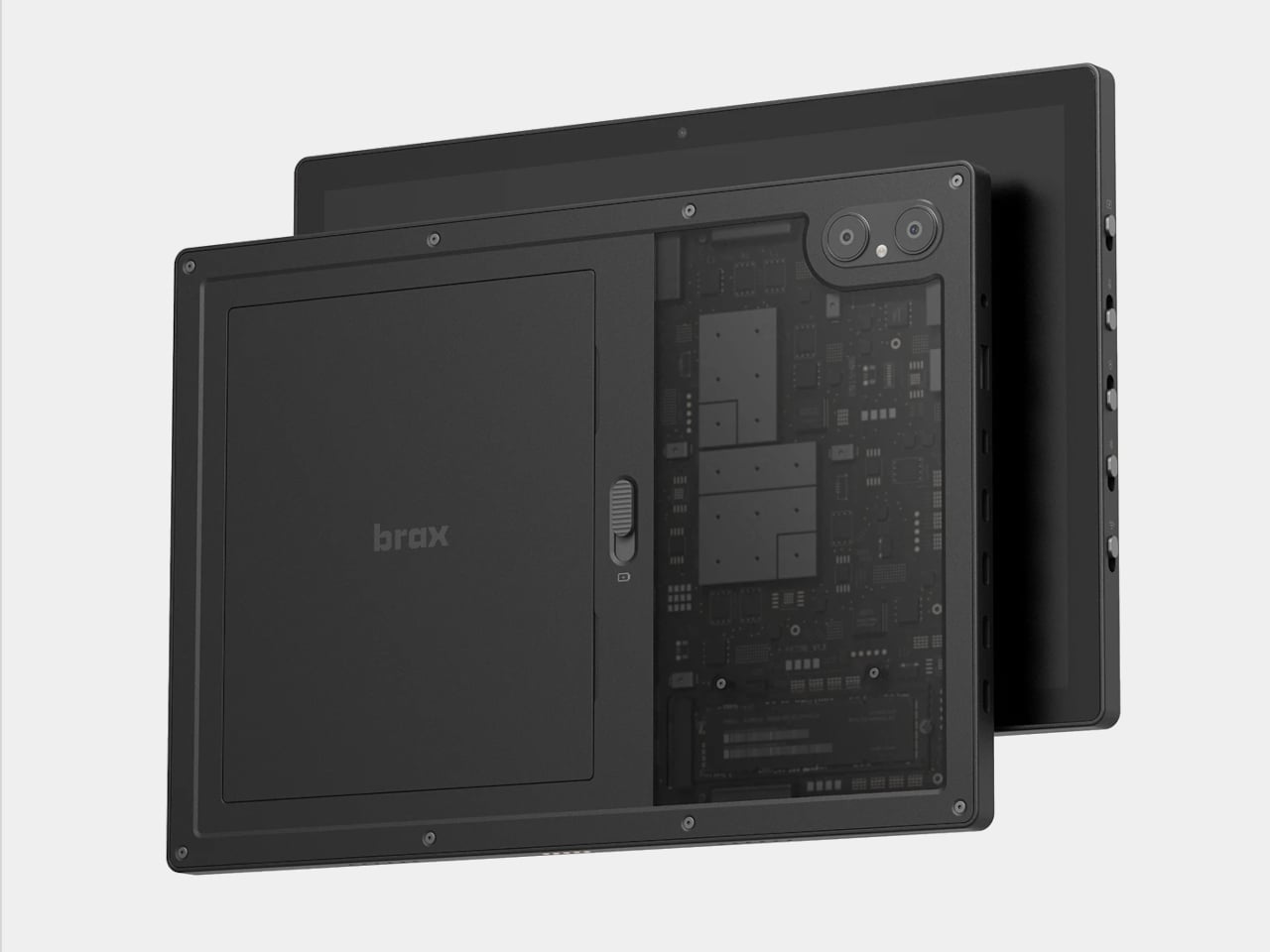
Almost every tablet arrives sealed, with decisions already made inside the chassis: fixed storage, an inaccessible battery, a software support window that closes on the manufacturer’s schedule. The BraX open_slate rejects that model. This 12-inch 2-in-1 includes an M.2 2280 slot for user-swappable storage, a replaceable 8,000mAh battery rated at 20 hours of runtime, and a 120Hz display driven by a MediaTek Genio 720 chip paired with either 8GB or 16GB of RAM.
The open_slate removes the most predictable frustration of the tablet ownership cycle: the moment a device slows enough to become an obstacle, and the only available response is full replacement. Swappable storage means a capacity upgrade takes an afternoon. A user-replaceable battery means two years of student use does not write off the entire device. For students making a deliberate, multi-year investment in one tablet, this is currently the only option making that argument with hardware to back it.
What We Like:
User-replaceable M.2 storage and battery extend the device’s usable lifespan well beyond the typical two-to-three year sealed-tablet replacement cycle
A 20-hour claimed battery runtime on a 120Hz display covers a full academic day without requiring a charge mid-session
What We Dislike:
MediaTek Genio 720 is a capable mid-range chip, but it is not suited for students with intensive video rendering or compute-heavy creative workloads
The open modular hardware requires a degree of technical confidence that students coming from fully managed, sealed device ecosystems may need time to build
5. Battery-Free Amplifying iSpeakers
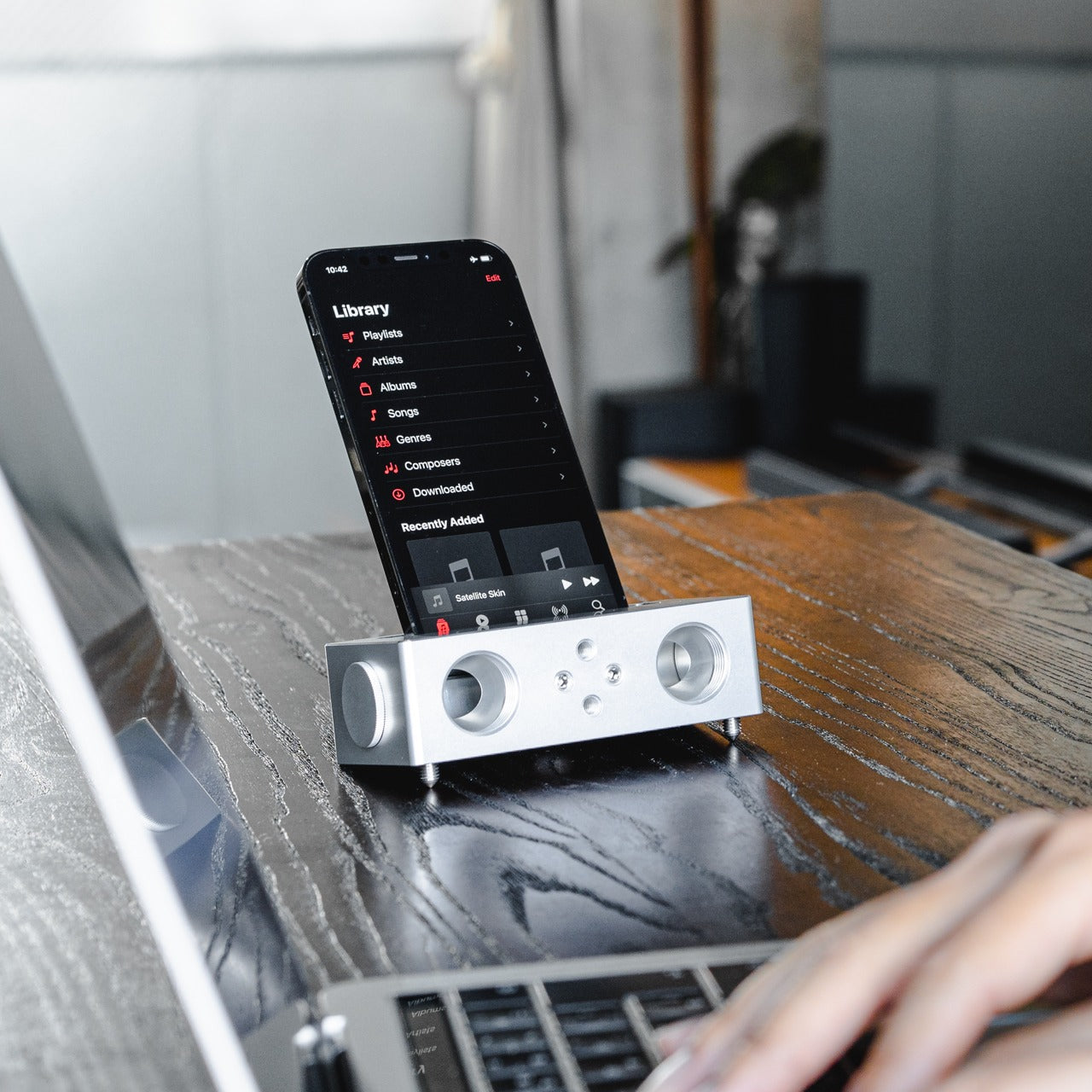
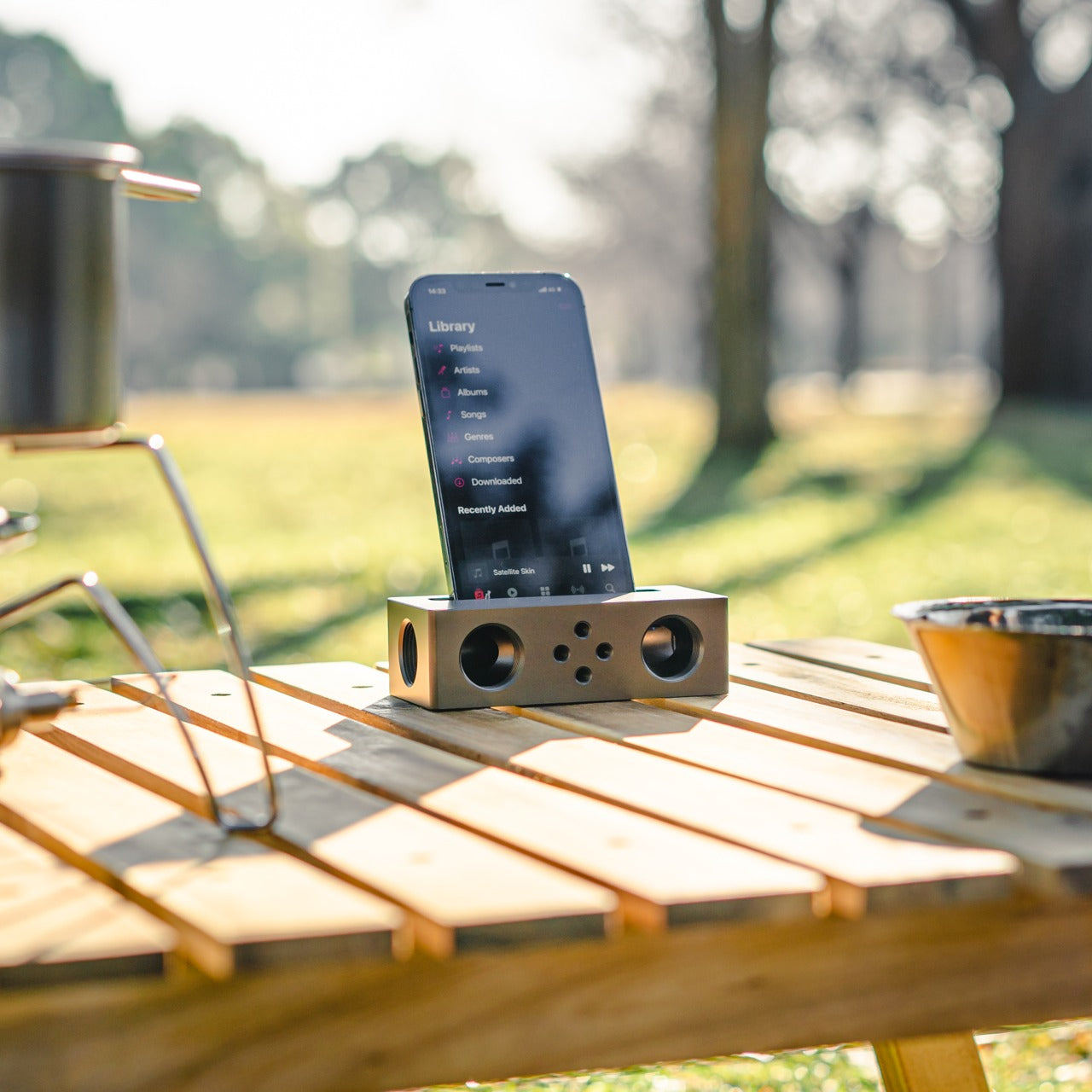
The Battery-Free Amplifying iSpeakers operate on a principle that is easy to underestimate until the sound fills the room. A smartphone sits in the machined Duralumin cradle, and sound waves are directed and amplified through the chamber without any electrical input. The body is the same aluminum alloy used in aircraft construction, chosen for its vibration resistance and acoustic properties. Chamber proportions were developed using the golden ratio, a structural decision that shapes the internal acoustic geometry deliberately.
No charging reminder, no Bluetooth pairing, no firmware update mid-session. A phone in the cradle and the room shifts immediately, audio gaining presence and warmth that a phone speaker lying flat on a desk cannot approach. For study sessions running on focus music, ambient sound, or a lecture replay, the difference registers in seconds. Duralumin handles daily movement without showing wear, and because it operates entirely outside the electrical ecosystem, it performs identically in ten years as it does today.
Zero power requirement means no charging, no battery degradation, and no dependency on any cable or power source at any point
Aircraft-grade Duralumin construction delivers acoustic quality and physical durability that holds across years of regular daily use without deterioration
What We Dislike:
Passive acoustic amplification improves meaningfully on bare phone speaker output, but cannot match the volume or bass depth of even entry-level powered speakers
Cradle sizing is optimized for specific smartphone dimensions, and compatibility may vary with larger phones or thick protective cases
The Setup That Actually Works for You
The five products here do not share a category, price point, or use case. What they share is design precision that addresses real daily friction rather than just performing a feature list. A wishlist built on that standard holds up across the full stretch of any semester. These are tools chosen because someone thought carefully about the problem first, and that clarity comes through every time you reach for one.
Spring is short. It moves quickly from the first warm afternoon to the last exam, and the tools you work with shape how much of that time goes toward actual output. The difference between owning something well-considered and tolerating what came with freshman year becomes obvious around week ten. Choosing now means spending the rest of the semester working with something that performs exactly the way a well-chosen tool should.
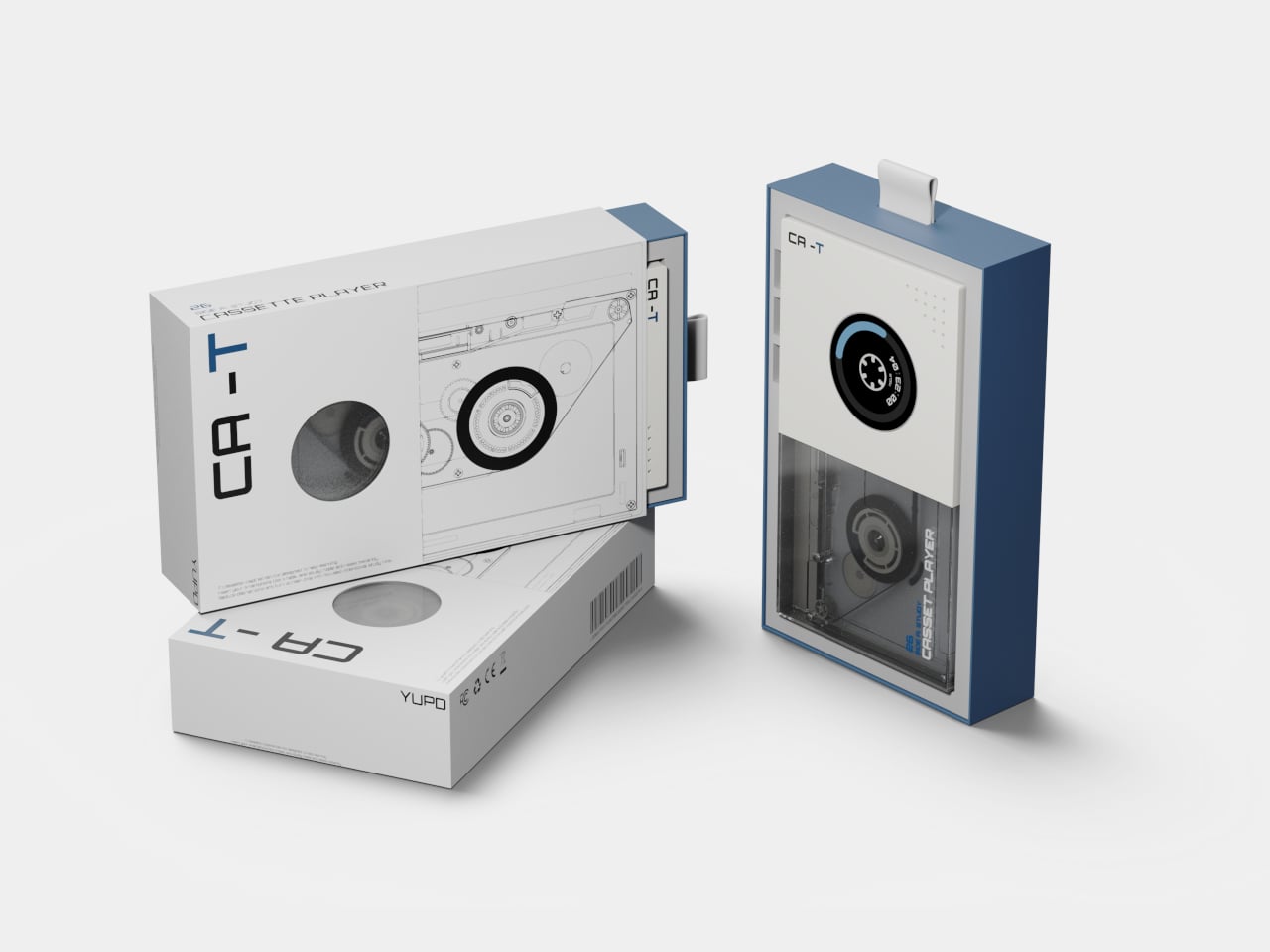
The problem with focus apps isn’t that they don’t work. It’s that the thing running them is also running Instagram, YouTube, and every group chat you’ve ever been in. The phone stays in your hand, the timer ticks, and the notifications stack up at the edge of your vision. CA-T is a concept that treats this as a hardware problem rather than a willpower problem, and the solution it proposes is surprisingly literal.
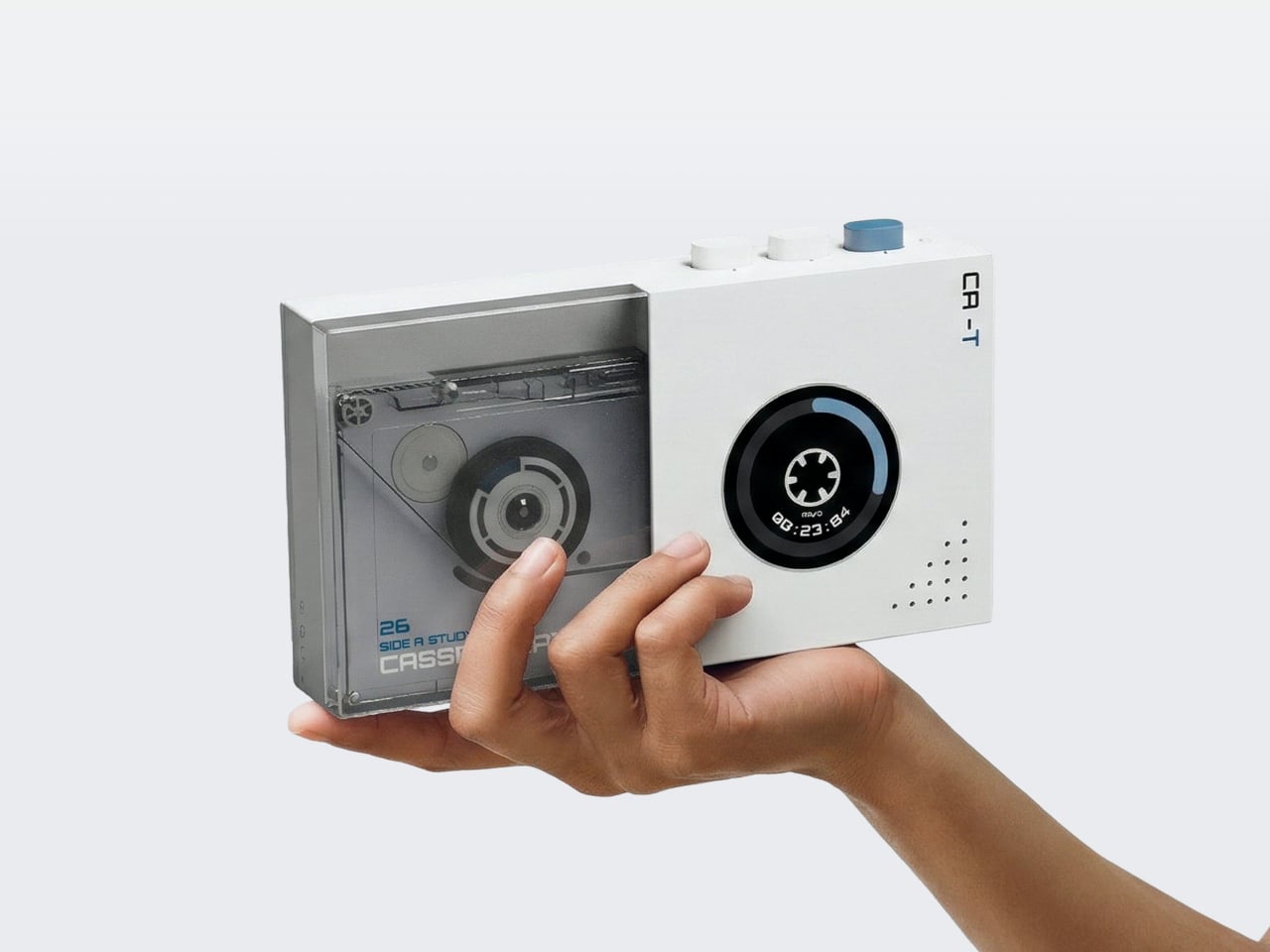
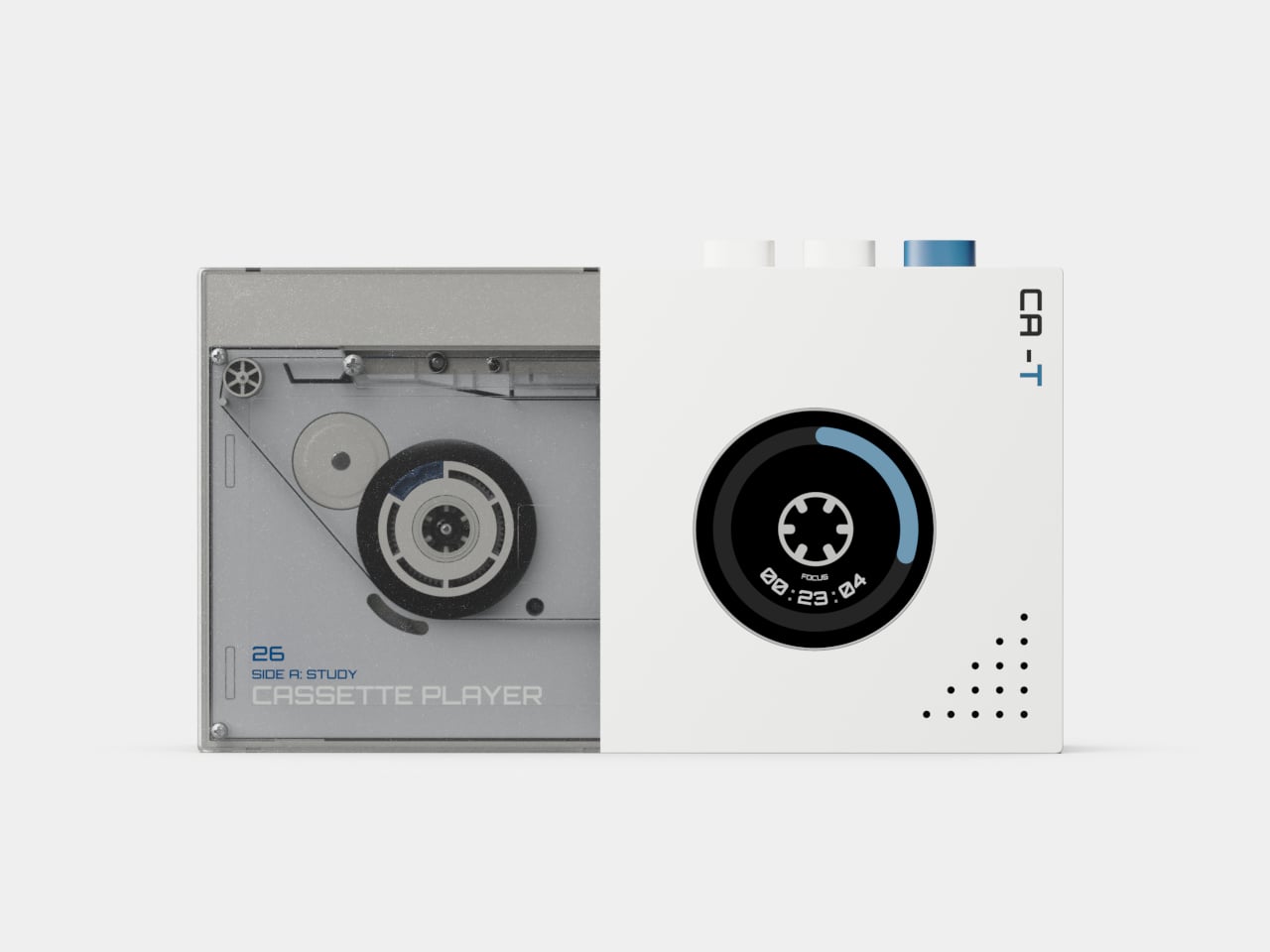
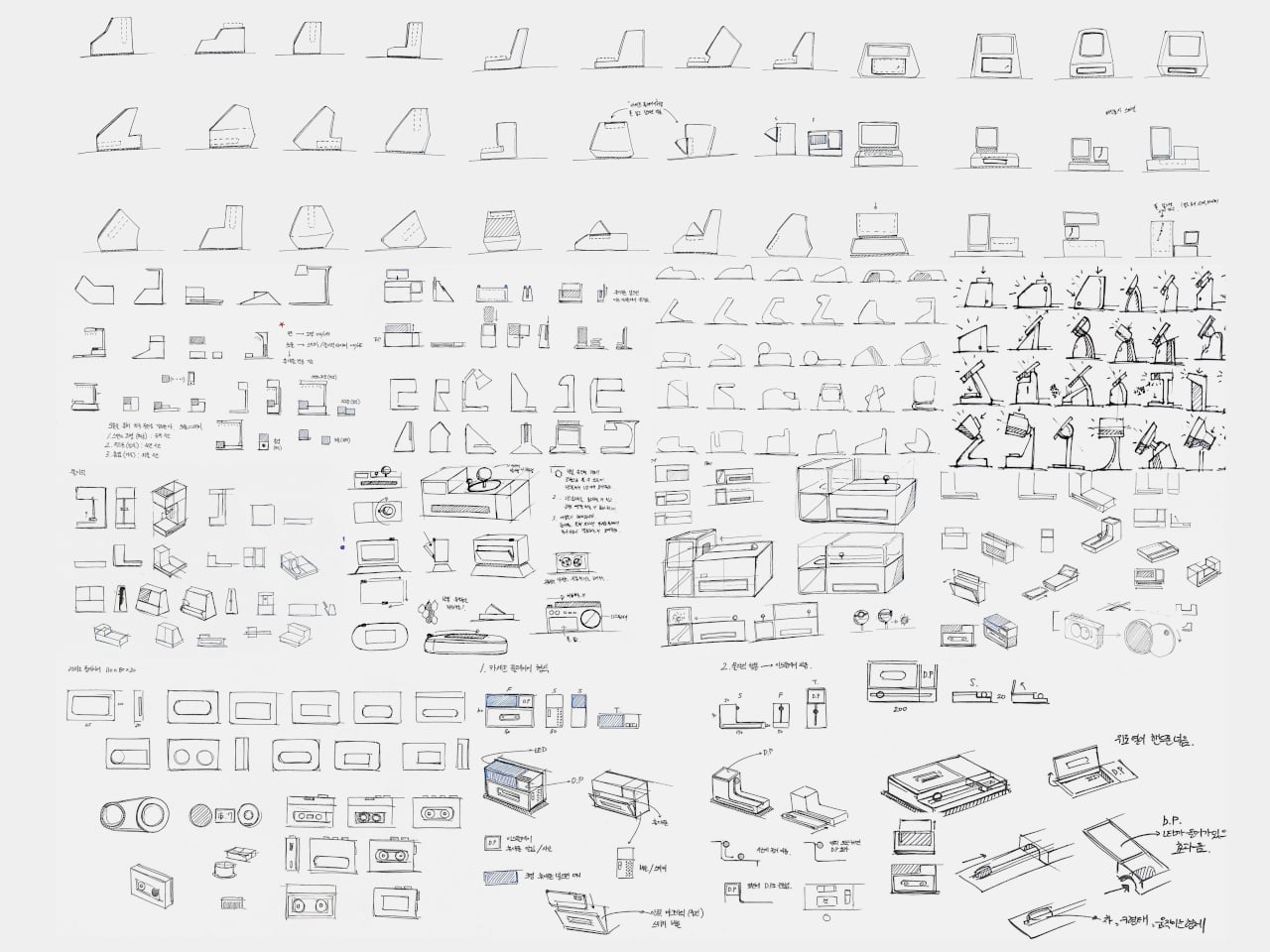
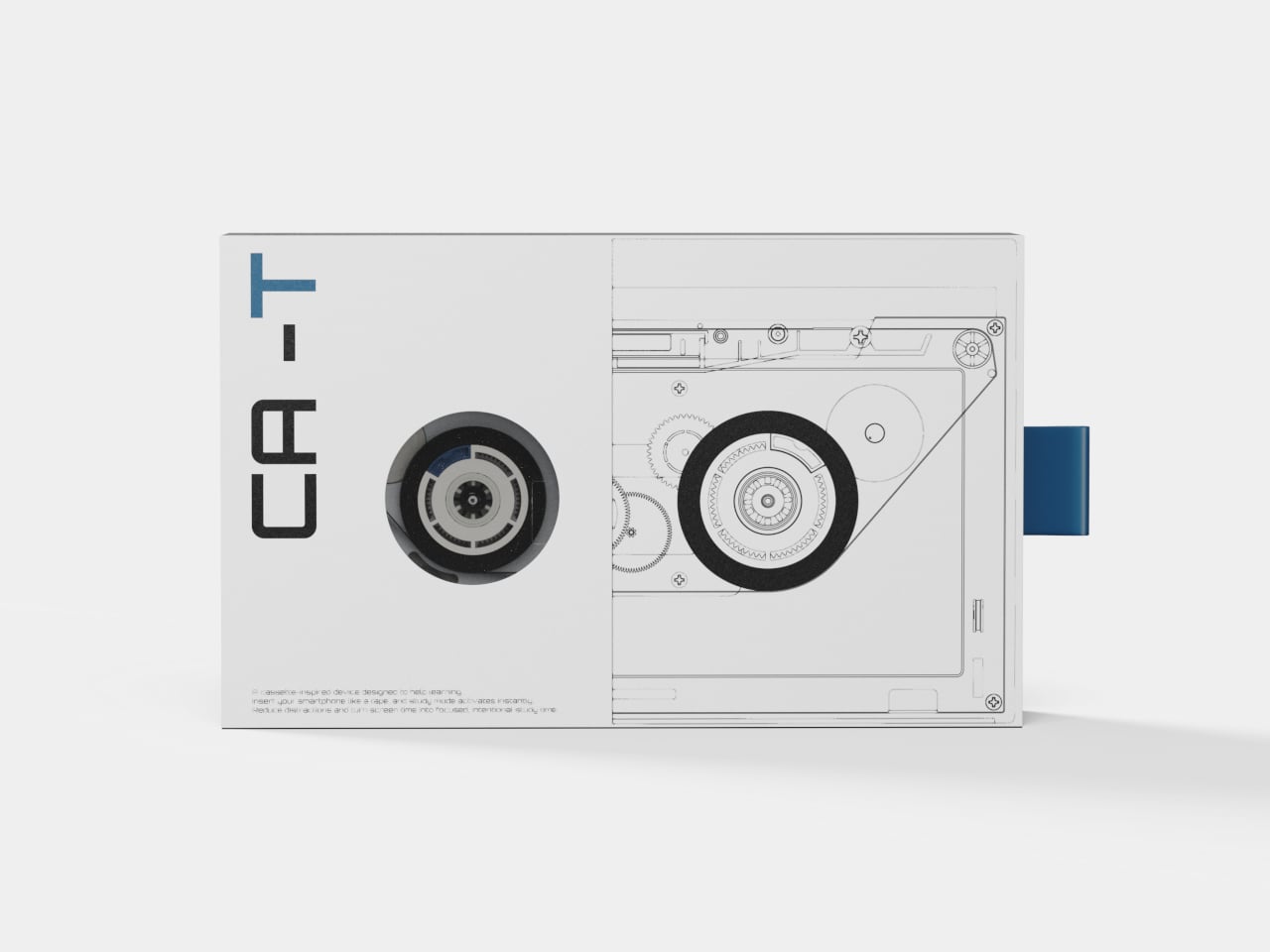
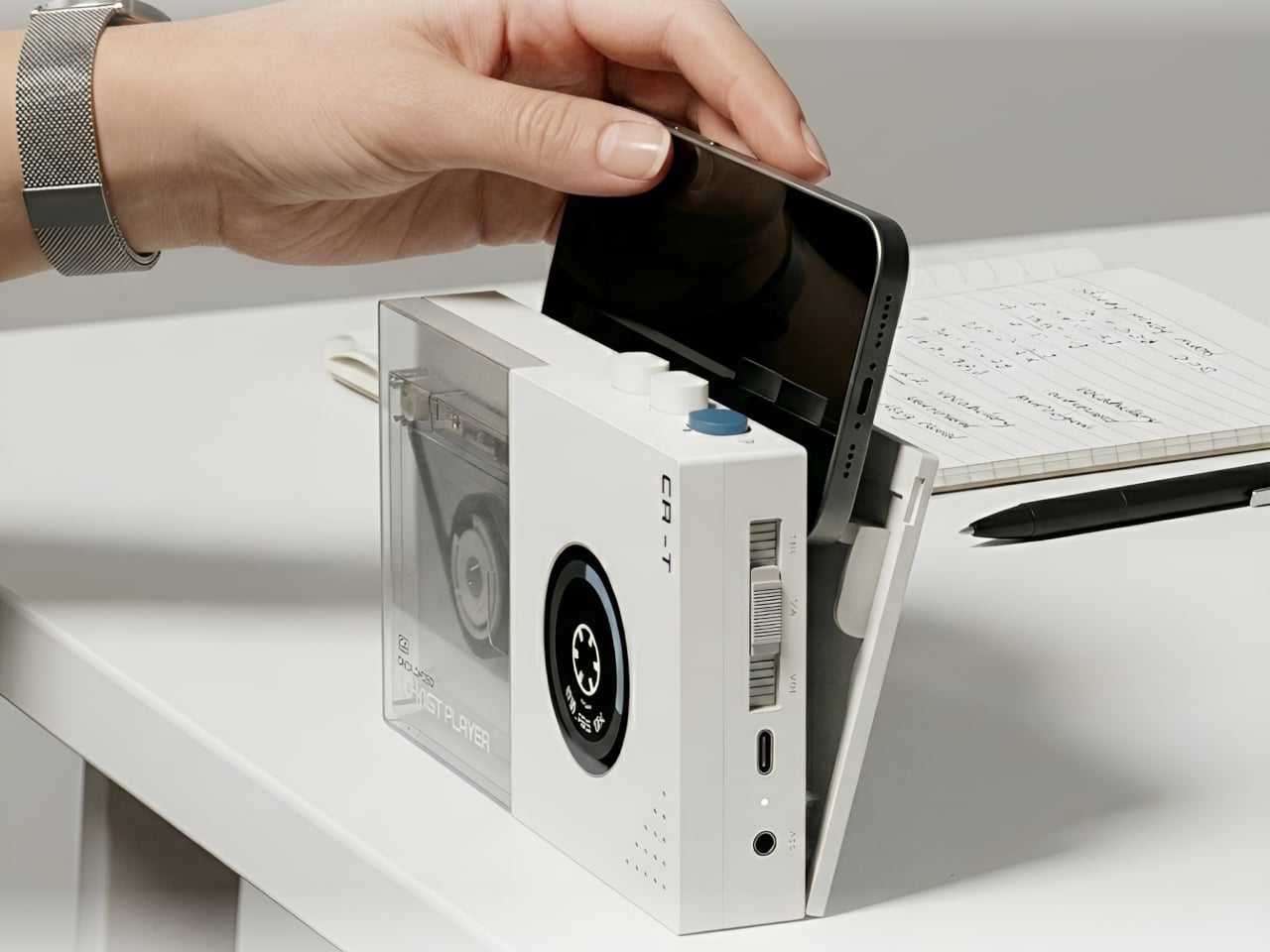
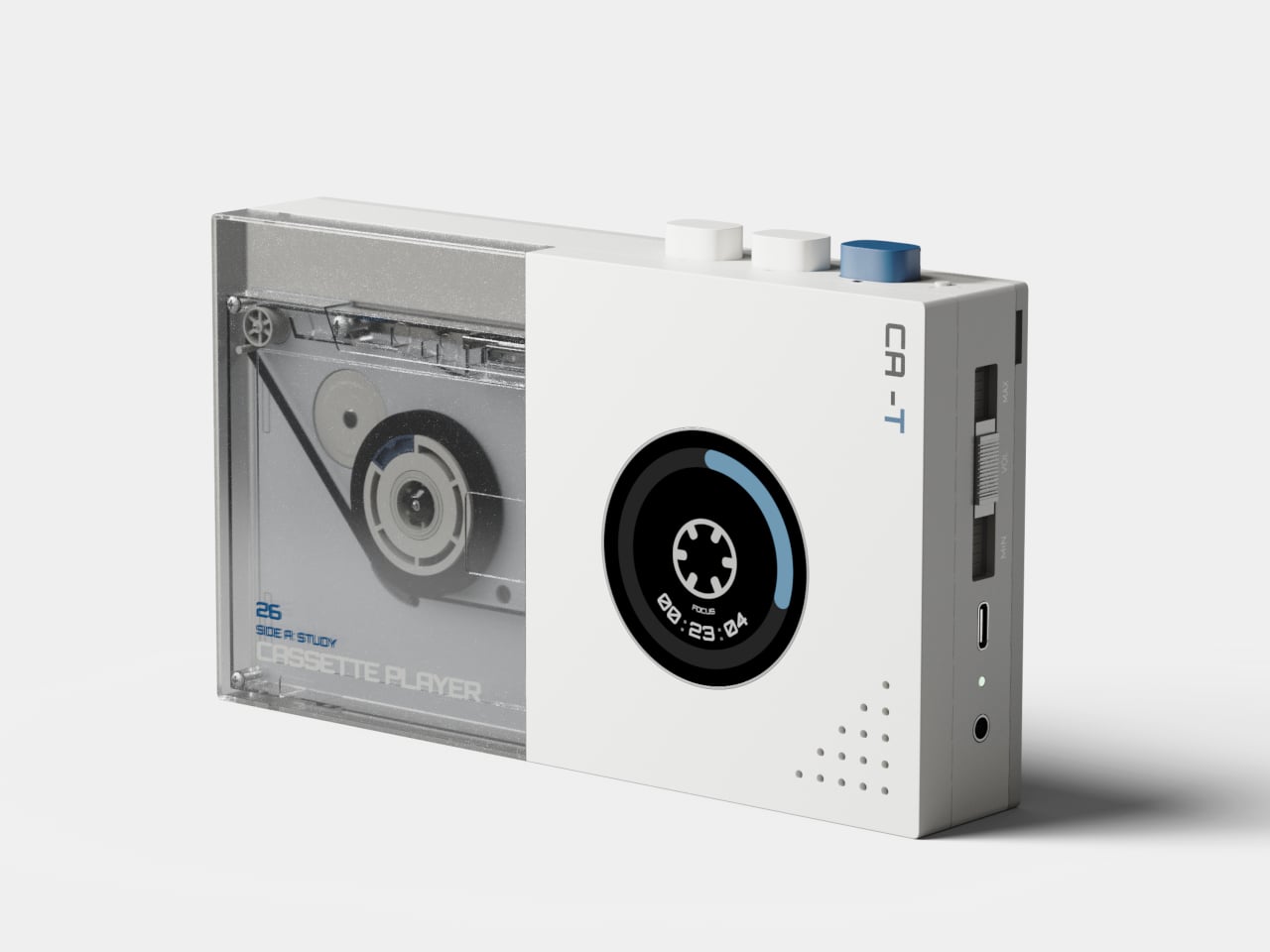
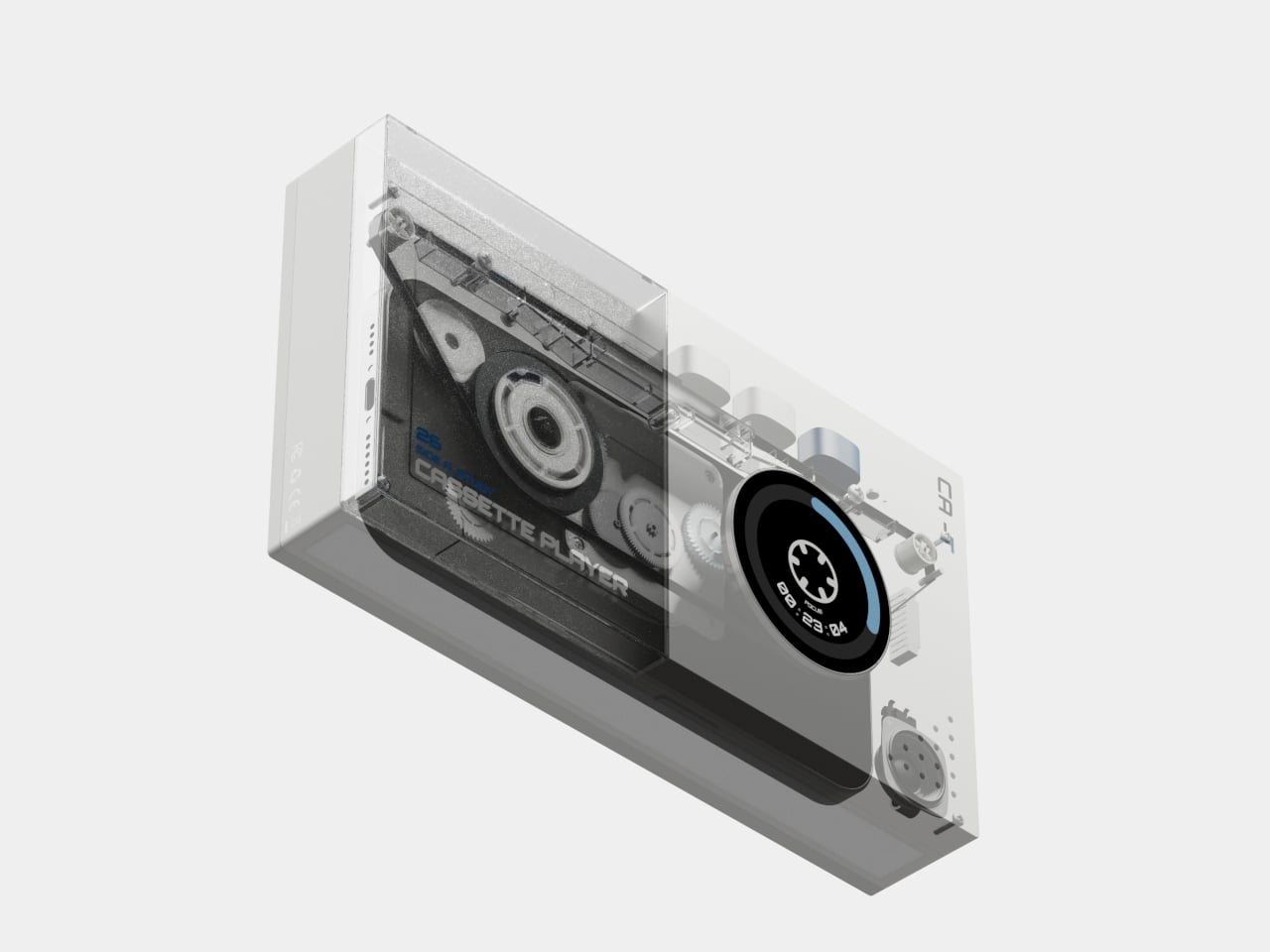
Taking inspiration from an age before smartphones, the CA-T is a compact desktop device shaped like a cassette player. Your smartphone is the tape. Slot it into the bay on top of the device, and the study session starts. The concept’s own framing is direct about this: the mobile phone, once a source of distraction, becomes the condition for activation. The device doesn’t operate at all until the phone is inserted.
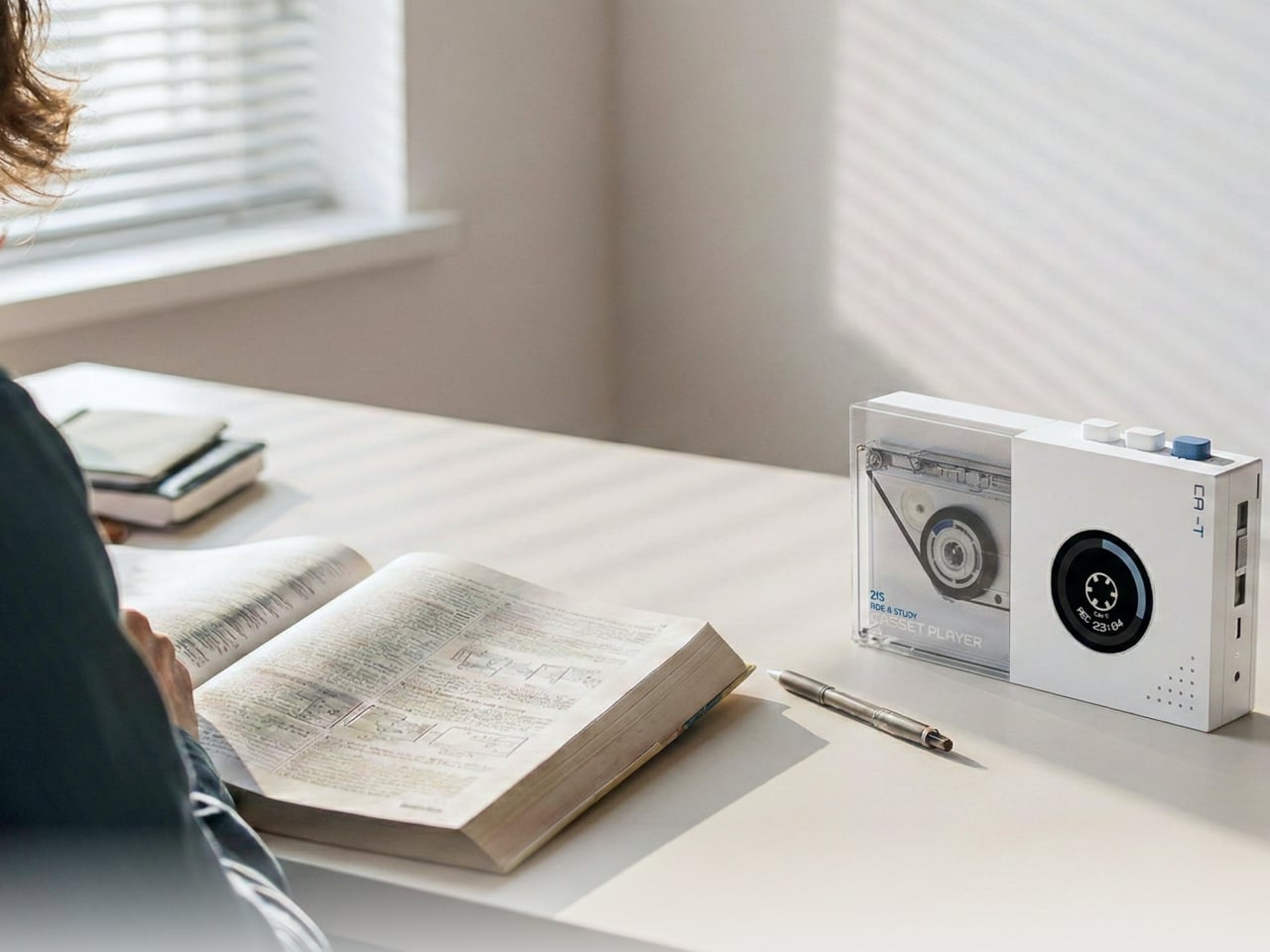
Once docked, the phone charges wirelessly while the session runs. The circular display on the front face of the device shows a timer, but with a specific and deliberate framing: it visualizes the accumulation of focus rather than the countdown of remaining time. The reel graphic rotates as the session progresses, showing how much you’ve built up rather than how much you have left. That’s a small but meaningful reframe of what a study timer is supposed to communicate.
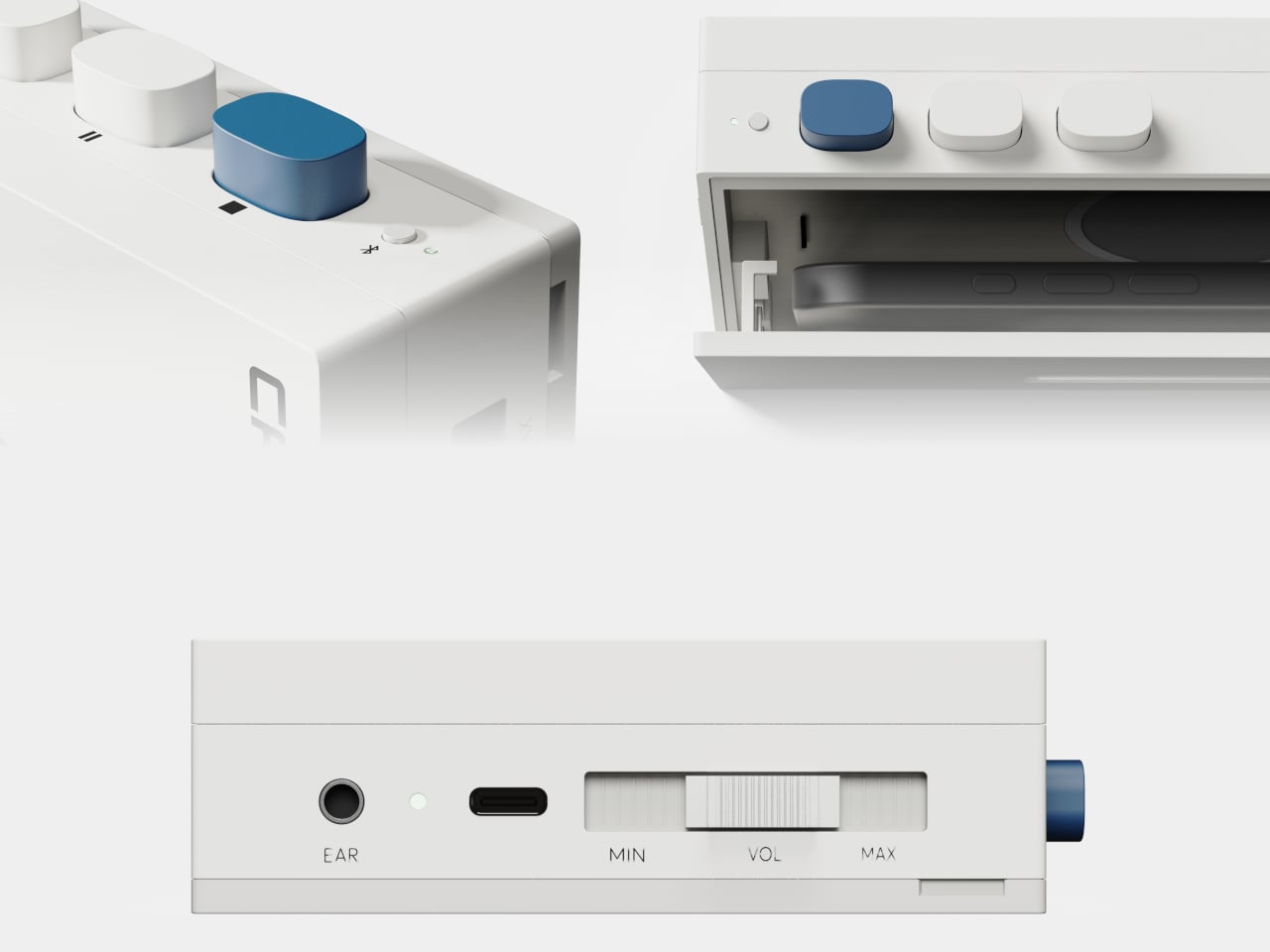
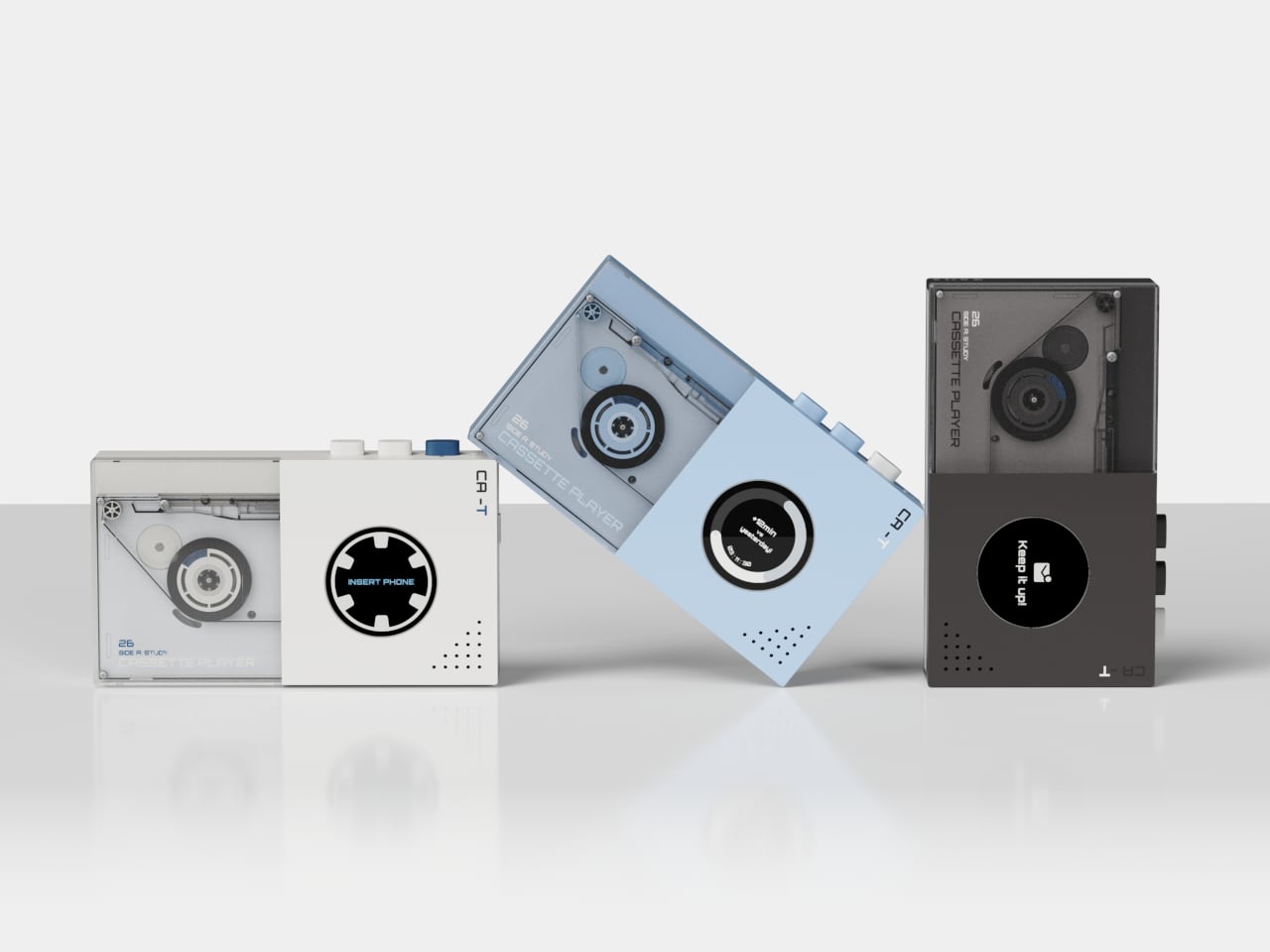
The session moves through four states. Ready prompts the user to insert their phone. Focus runs the timer as the reel turns. Comment delivers brief encouragement during the session, minimal by design, intended not to interrupt but to sustain. Complete shows the accumulated result, offering a record of consistency rather than just a signal that time is up. The physical controls are kept sparse: a prominent blue button on top, two secondary white ones, a volume slider, and a headphone jack along the bottom edge.
The cassette reference earns its place here beyond the obvious nostalgia. A tape only plays when it’s loaded, and loading it is an unambiguous act; there’s no passive way to start. The design applies the same logic to starting a study session, using physical insertion as a commitment mechanism. The design also addresses what it calls “the pressure of having to start,” framing the gesture of inserting the phone as lower-friction than opening an app and navigating past whatever else is waiting on the screen.
CA-T is a concept, with no announced production timeline or pricing. What it puts on the table is a specific question: does the ritual of physically committing your phone to a device change your relationship to the session that follows? The wireless charging detail suggests the designers thought carefully about removing objections. You won’t need your phone back because it’s running out of battery. You’ll need it back because you chose to reach for it.
Easter arrives on April 5, giving you ten days to find something that doesn’t feel purchased in panic. The candy basket is covered. What makes the morning memorable is the object that makes him pause because the thing in his hands is worth looking at. These seven picks aren’t pulled from a generic roundup — they’re designed objects built with enough conviction that engineering and aesthetics arrive at the same answer
None of these need an explanation on the card. Some ship immediately; others are in production with lead times worth checking before checkout. Shop products move quickly during gift windows, and objects like this rarely wait for last-minute decisions. Order now, check shipping windows, and show up April 5 with something he didn’t know to ask for — which is the only kind of gift worth giving.
1. GPD Win 5 Gaming Handheld
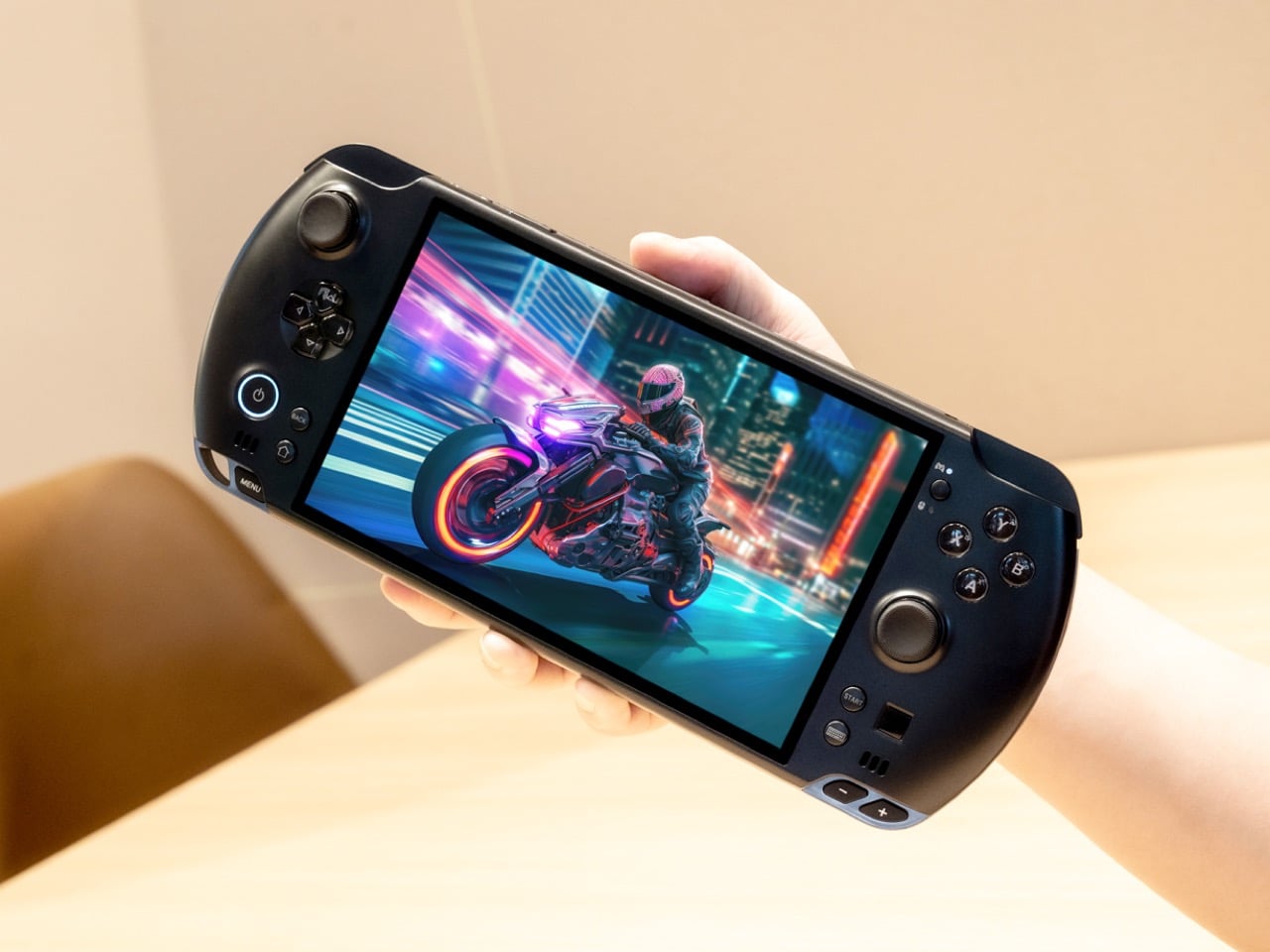
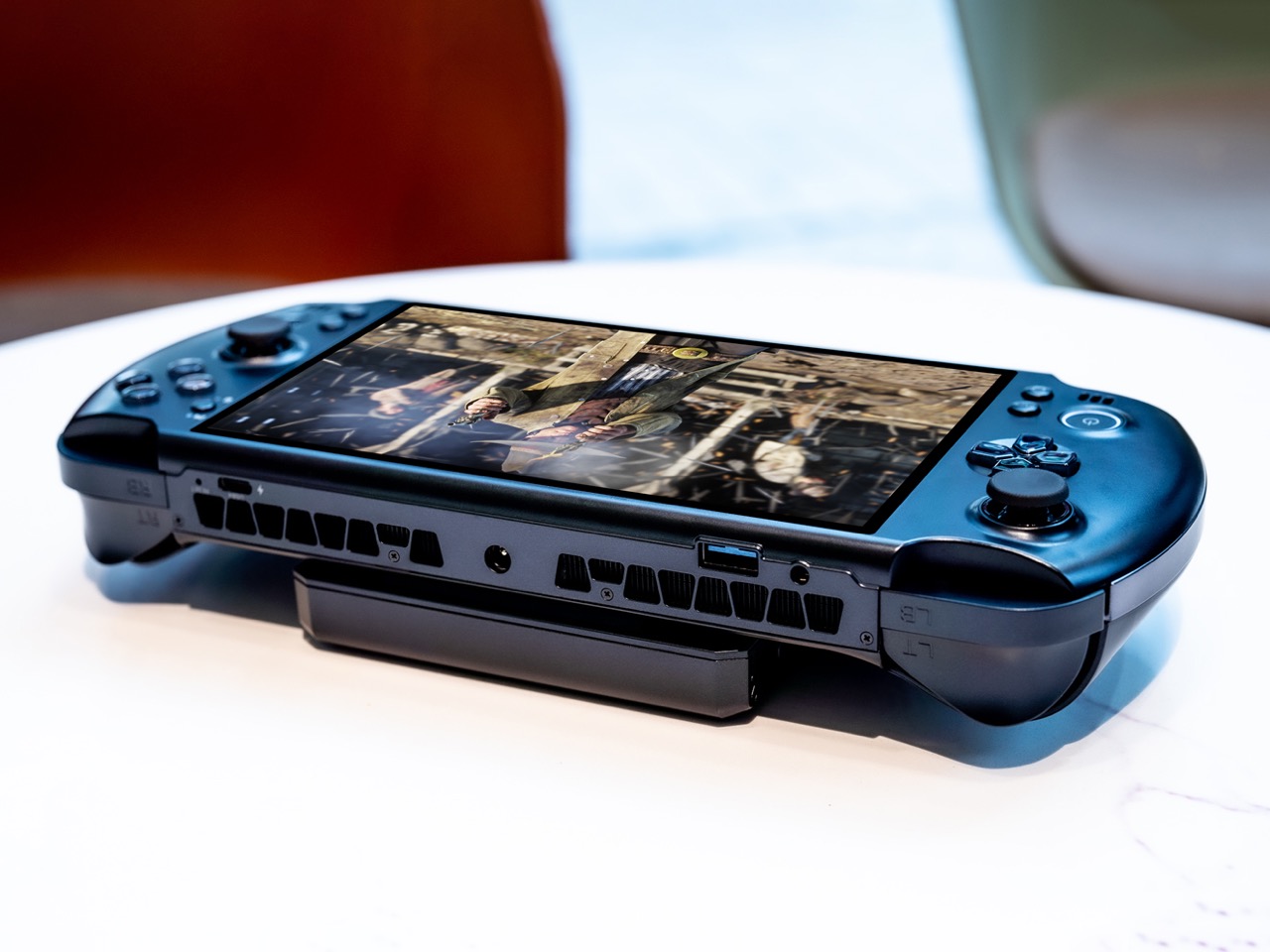
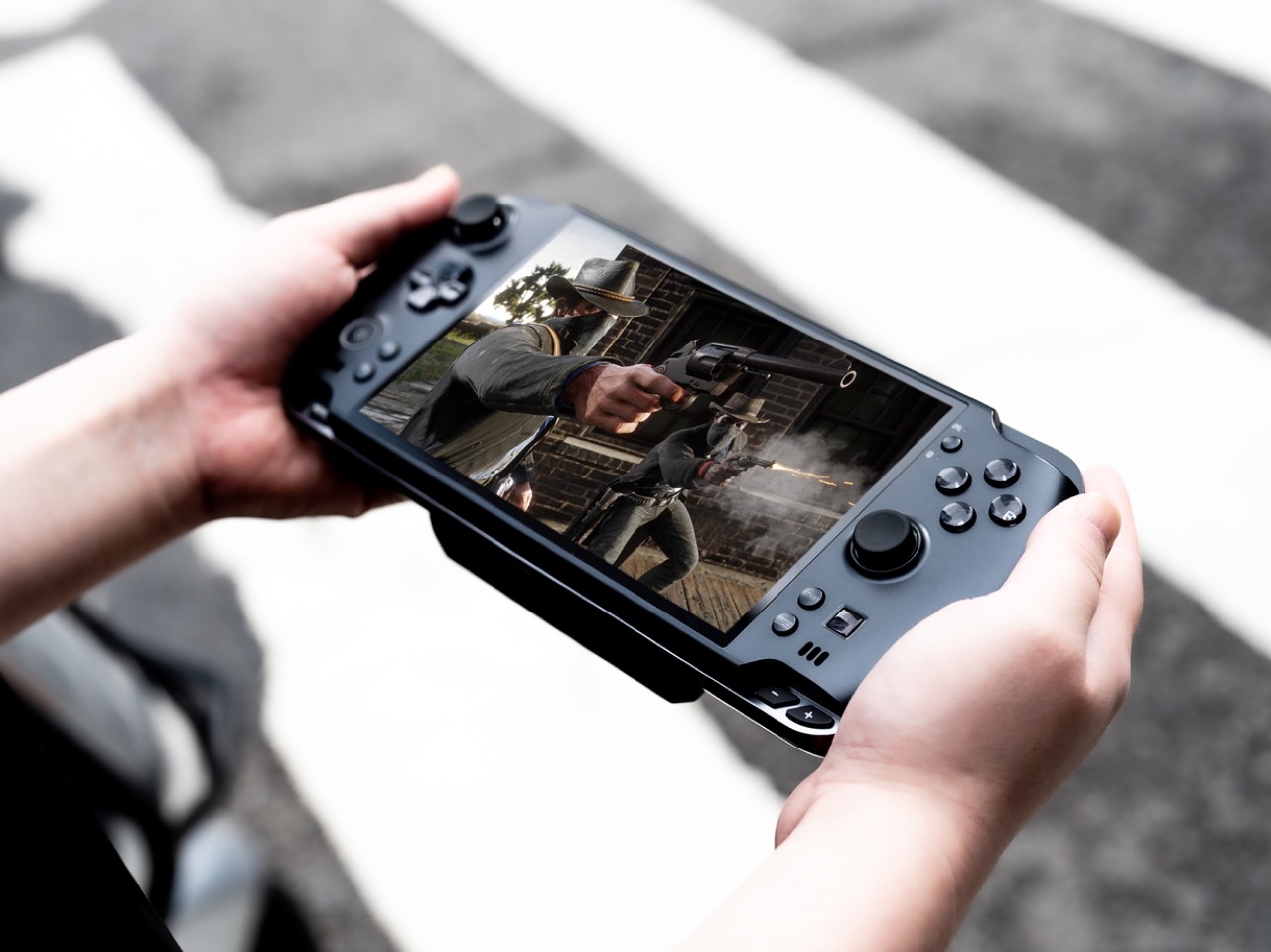
The PSP’s silhouette never really died — it just kept getting more ambitious inside. The GPD Win 5 takes the wide landscape layout we’ve known for twenty years and fills it with an AMD Ryzen AI Max 395 processor and a full terabyte of storage — a desktop-level decision wrapped inside a handheld form. The result is a device that plays any PC game at settings no portable console would dare suggest.
The engineering required to keep it running is written directly onto the chassis. Quad heat pipe cooling, a proprietary Mini SSD slot, hall effect triggers, and a detachable 80Wh battery extend sessions well beyond what the internal cell could manage. The 7-inch 16:9 display sits centered between capacitive joysticks with zero deadzone in a layout that feels immediately familiar. This is not a gaming device that compromises on performance — it refuses to.
What We Like
The AMD Ryzen AI Max 395 delivers genuine desktop-class performance from a body that still fits in a bag
Hall effect triggers and capacitive joysticks with zero deadzone give it a precision edge over every portable console alternative
What We Dislike
The thickness and thermal venting make it visually dense — this is not a subtle object
The price positions it well above impulse territory, narrowing its natural audience considerably
2. Side A Cassette Speaker
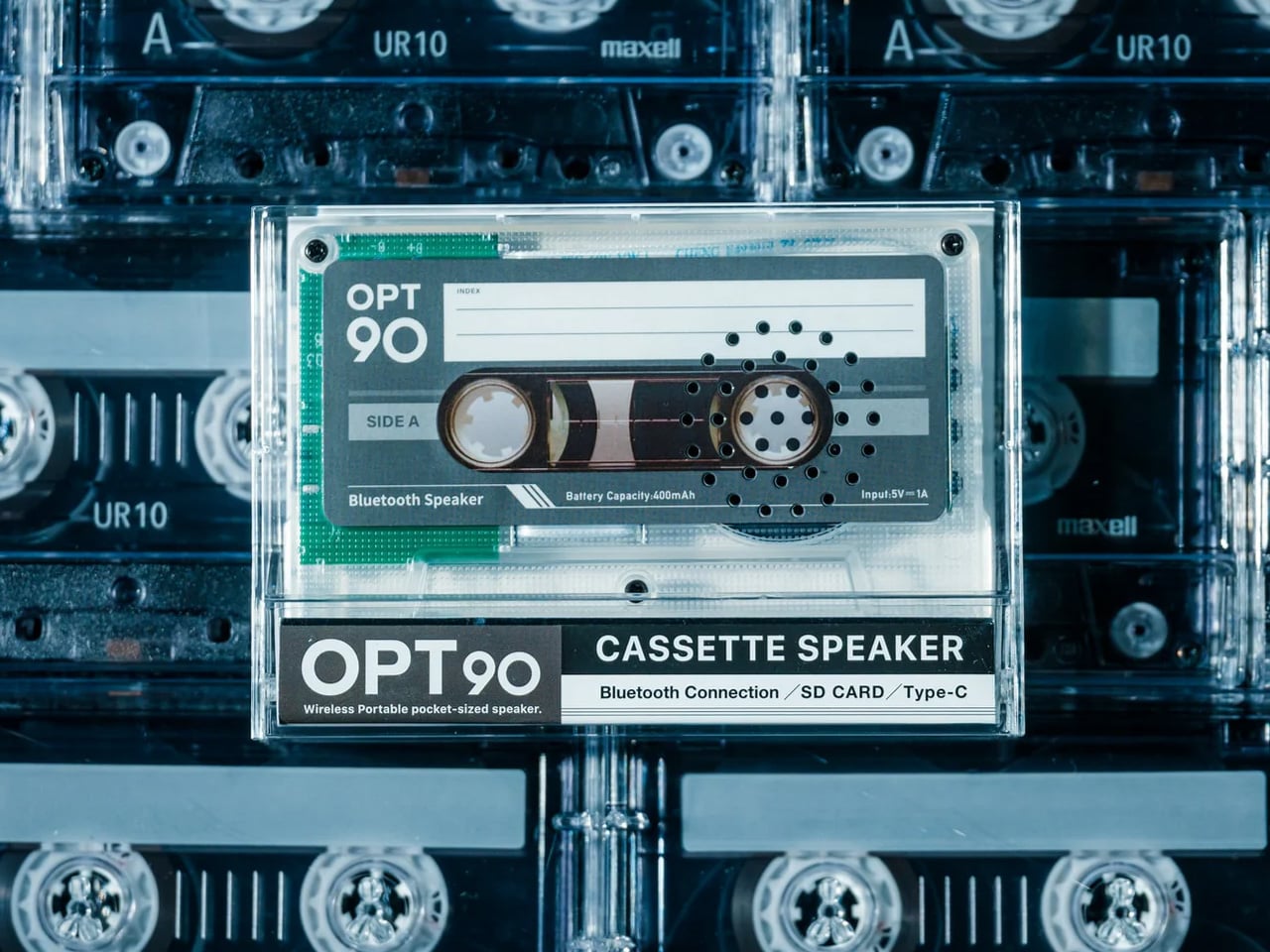
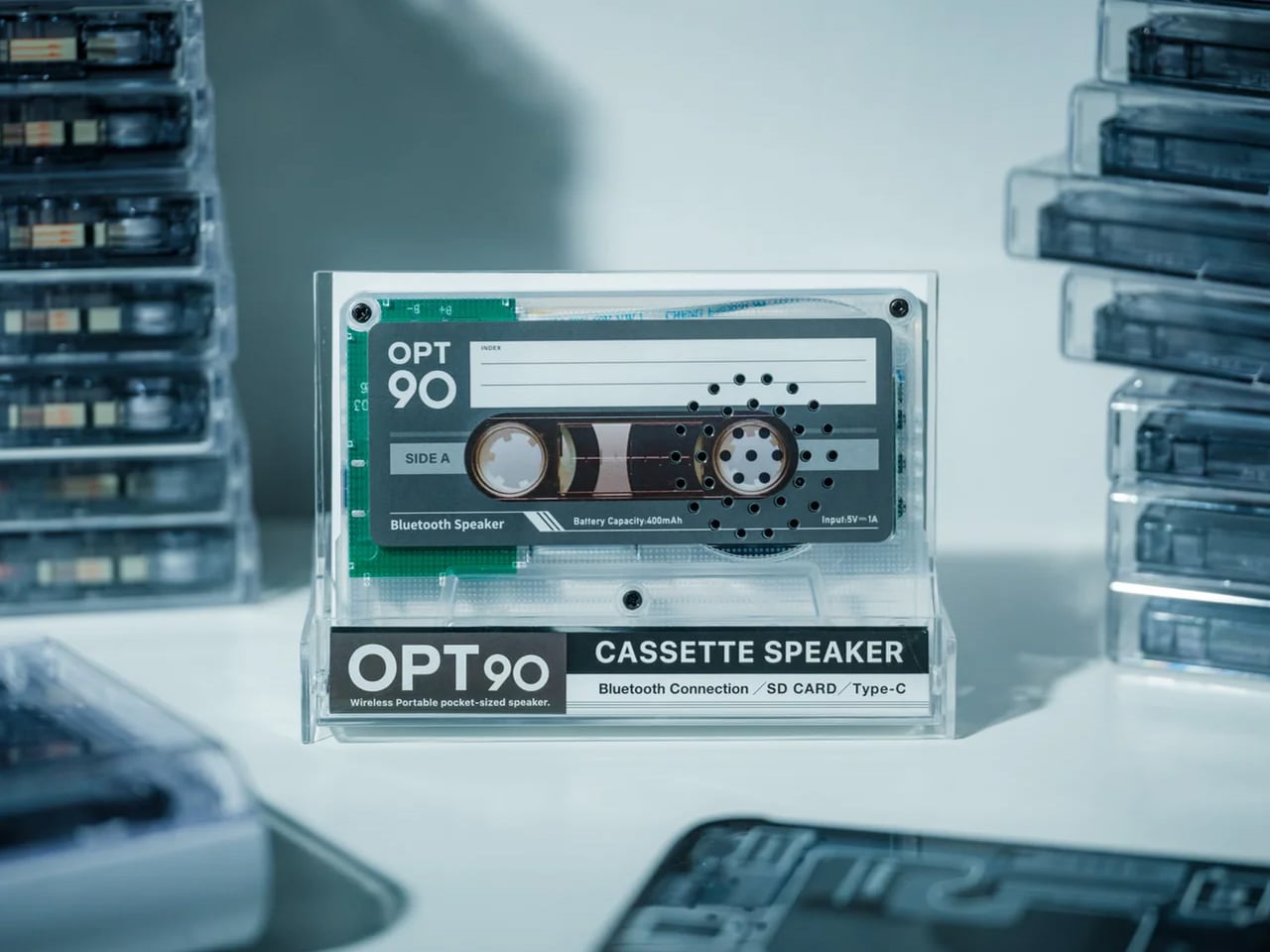
Everything about the Side A Cassette Speaker is designed to make you pick it up. The transparent shell exposes its mechanics the way a skeleton watch exposes its movement — not to perform engineering, but to invite curiosity. The cassette form is faithful enough to earn a double-take and modern enough to pair via Bluetooth 5.3 without cognitive dissonance. It looks like a mixtape from 1997 and sounds like something bought this year.
For under fifty dollars, it streams wirelessly, supports microSD offline playback, and delivers warm-tuned sound that rewards the retro framing rather than undermining it. The clear case doubles as a stand, which means it sits upright on a desk looking intentional rather than abandoned. This is the gift that earns visible placement — the kind of object someone keeps out not because they have to, but because it says something about the shelf it lives on.
The transparent cassette shell creates instant visual storytelling before it’s even switched on
At under $50, it’s the most accessible pick on the list — approachable price, zero sense of compromise
What We Dislike
The smaller cabinet limits low-end response — bass is present, but won’t satisfy anyone comparing it to a full-size speaker
Best suited for near-field listening; it won’t carry sound convincingly across a large room
3. RingConn Gen 2 Smart Ring
The RingConn Gen 2 makes the case that wearable health tracking never needed to live on your wrist. It’s a ring — thinner and lighter than its predecessor — that runs 10 to 12 days on a single charge and tracks sleep, heart rate, and respiratory variations through AI analysis, claiming 90.7% accuracy in identifying sleep risk events. No subscription. No display competing for attention. Just a slim band doing quiet overnight work.
The appeal for someone who refuses a smartwatch is genuine. There’s no screen to check, no notification buzzing against the wrist, no social permission for the device to interrupt your day. The AI sleep tracking surfaces insights about breathing patterns and nighttime respiratory variations that standard fitness bands don’t reach with the same depth. It tracks without performing the act of tracking, which is its entire design philosophy. Wear it and forget it is the point.
What We Like
A 10 to 12-day battery life removes the nightly charging ritual that makes most wearables feel like obligations
AI-powered sleep insights with no subscription fees eliminate both the friction and the ongoing cost
What We Dislike
Sizing matters significantly for a ring — gifting one requires knowing the recipient’s ring size in advance
The value of the health data depends entirely on the wearer engaging with the insights it surfaces
4. Soundcore Sleep Earbuds
Sleep earbuds have always been a comfort problem disguised as an audio problem. Soundcore’s answer involves 3D ergonomic shaping built around the concha cavity’s actual geometry, an Air Wing hollow structure that distributes contact pressure across a wider surface area, and a stacked charging pin architecture that repositions hardware away from the ear entirely. The result is an earbud designed to be forgotten during use — not because it lacks presence, but because its presence feels like nothing.
Noise blocking keeps external sound out while a soft audio profile handles whatever you use to fall asleep. The Air Wing’s flexibility adapts across different ear shapes rather than demanding the ear adapt to it — the distinction that separates earbuds built for sleeping from earbuds people merely attempt to sleep in. For anyone whose sleep is light or interrupted, this is the category of gift that earns its place by how someone feels the next morning.
What We Like
The 3D ergonomic shaping and hollow Air Wing design solve the pressure and slippage problems that have historically made sleep earbuds impractical
Stacked charging pin architecture removes the most common comfort complaint in the category without sacrificing charging functionality
What We Dislike
Fit is deeply individual — what disappears for one person may still feel present for another, depending on ear geometry
Noise blocking effectiveness varies with ear canal shape and the sleep position someone naturally defaults to
5. Unix UX-1519 NEOM Power Bank
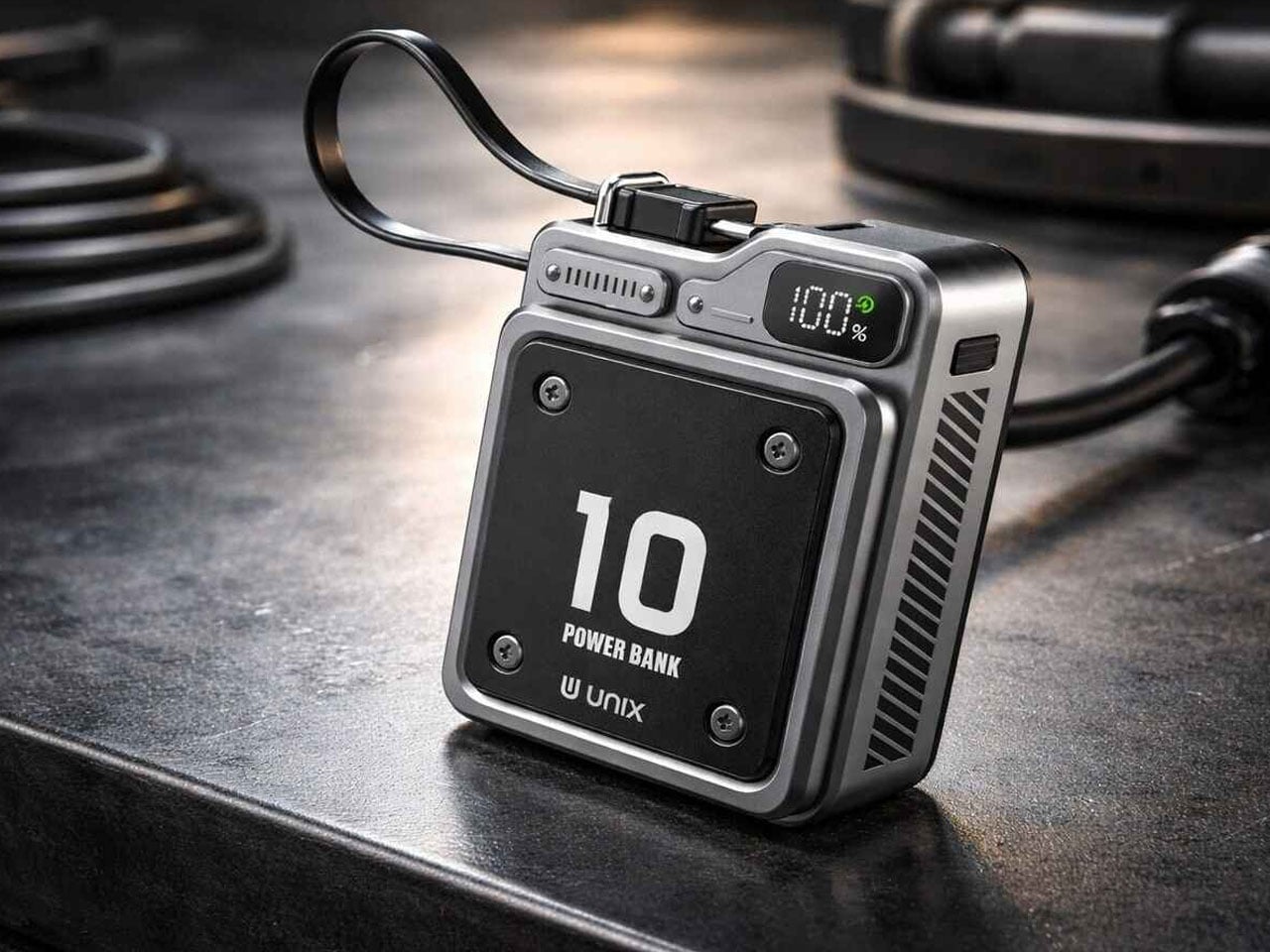
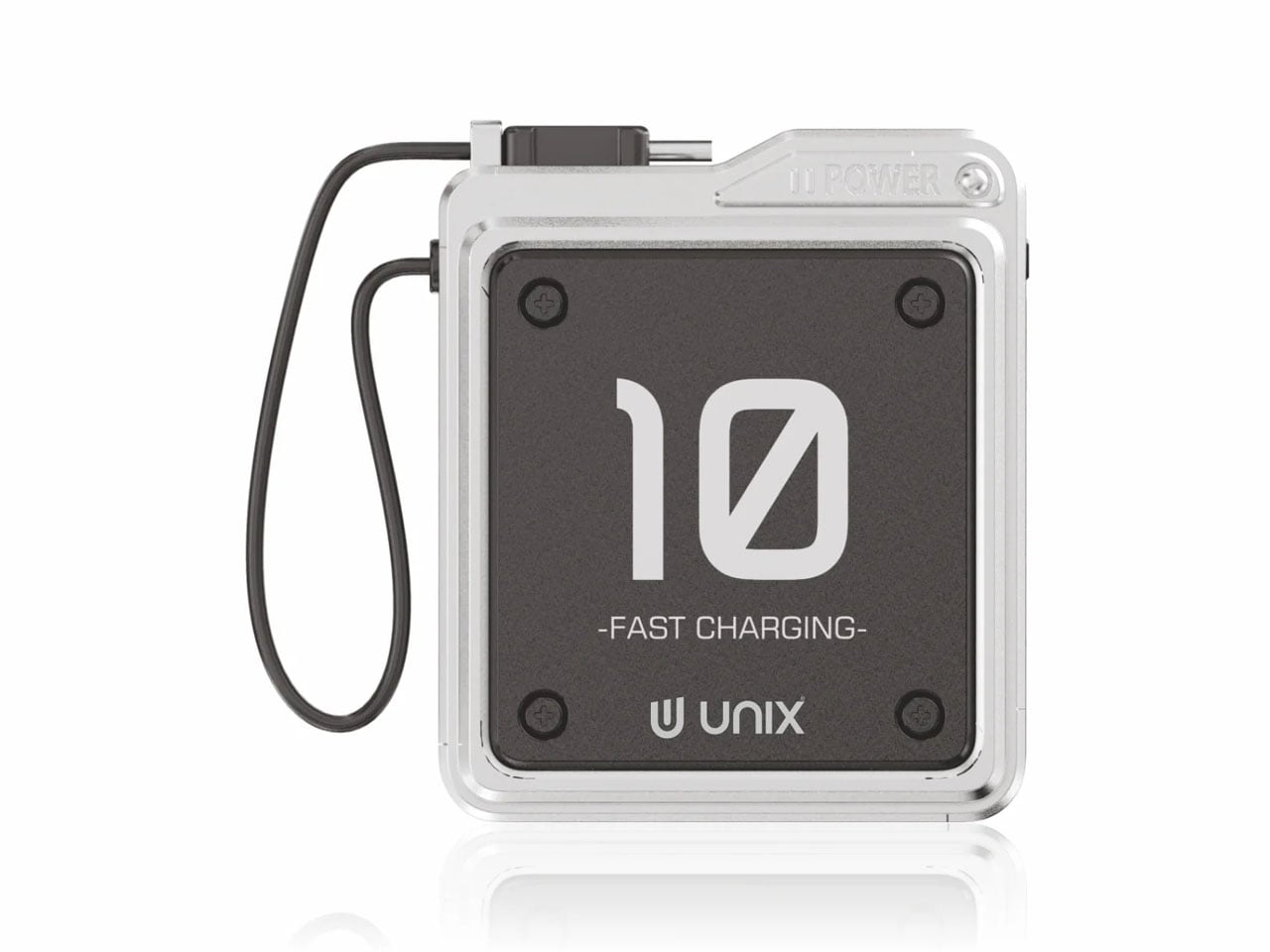
Power banks exist in a visual category that design has largely abandoned — they are rectangles. The Unix UX-1519 NEOM is still a rectangle, but it looks like it was designed at the same meeting as the rest of your gear rather than found in an airport convenience store. The industrial finish, considered proportions, and built-in Type-C carry loop cable elevate it into an object worth keeping visible rather than buried at the bottom of a bag.
Under that exterior sits a 10,000mAh cell delivering 22.5W fast charging, dual output ports for simultaneous device charging, and the S-Power smart chipset managing stable discharge throughout each session. The cable that serves as a carry loop supports 12V output, pulling fast charging performance through the same thing you grip to retrieve it. That level of integration — where every detail earns its presence — is what separates this from the generic category it technically belongs to.
What We Like
The built-in Type-C carry loop cable is the kind of small detail that makes the whole object feel more considered than anything at this price point
22.5W fast charging with dual output and smart chipset management handles the functionality without any concessions
What We Dislike
At 10,000mAh, larger capacity banks will outlast it across multi-day travel without wall access
The industrial aesthetic is confident and specific — some will read it as premium, others as heavy-handed
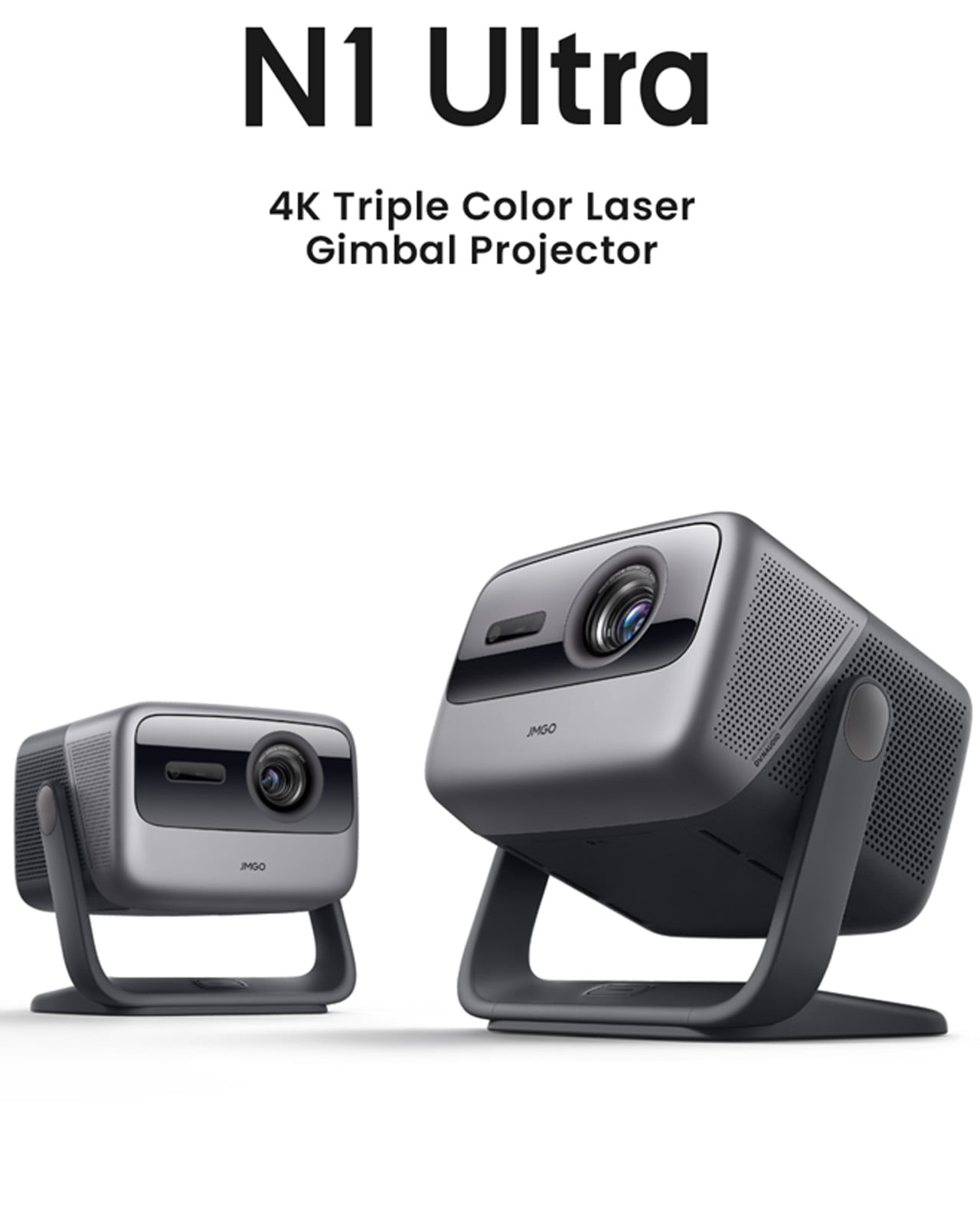
6. JMGO N1 Ultra 4K Laser Projector
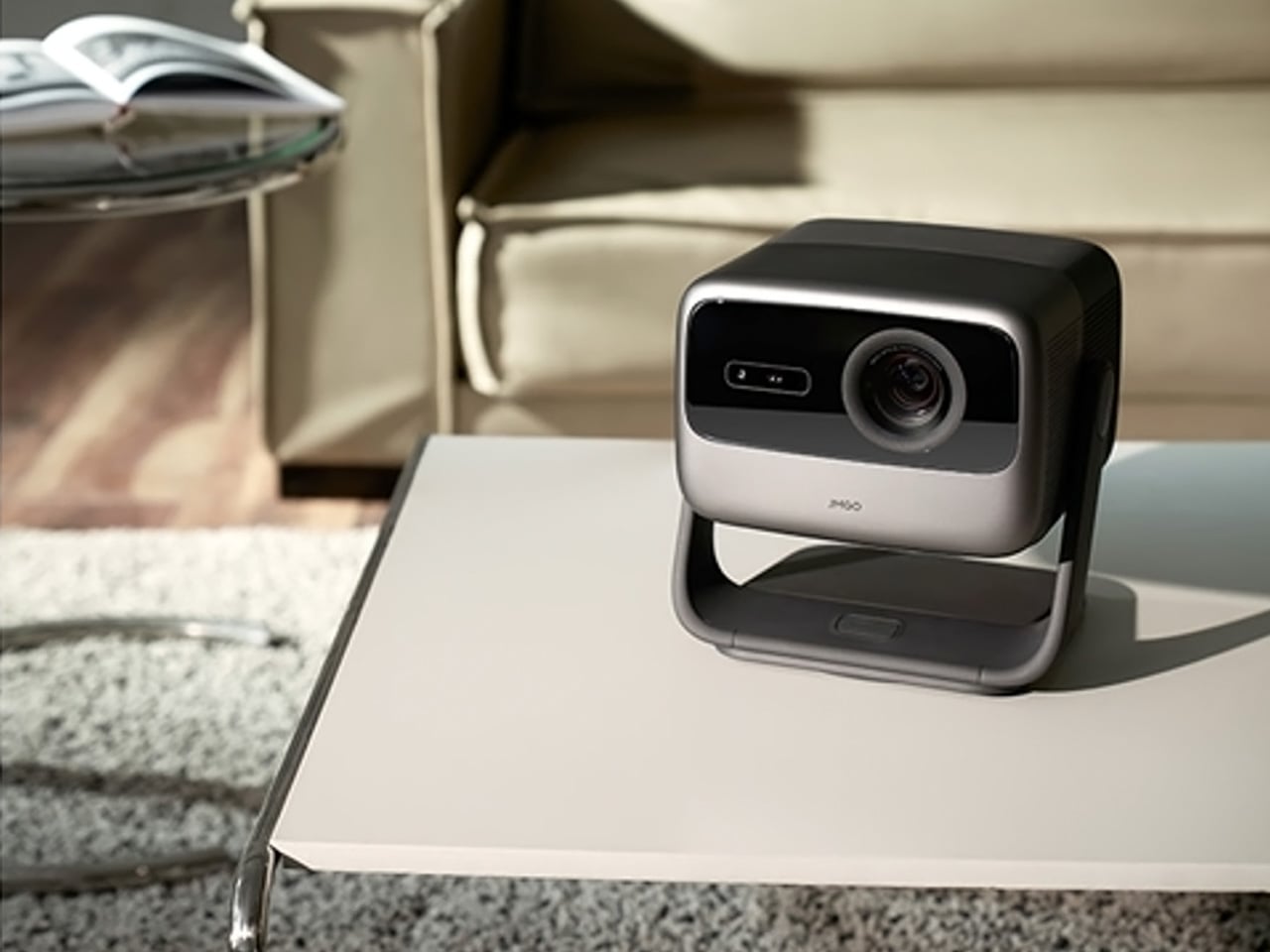
The JMGO N1 Ultra solves the problem that has historically made projectors aspirational rather than practical: setup. The gimbal tilts automatically, focus locks without a hand on the lens, keystoning corrects itself, and obstacle detection keeps the image where it belongs. At 2800 ISO lumens from RGB triple-color laser optics, it works in a lit room, which means it lives in a living room without requiring the space to be reorganized before every use.
The color accuracy from tricolor laser projection has a saturation and richness that lamp projectors simply cannot reach. HDMI 2.1 with eARC handles connectivity, and 20W dual speakers with Dolby Digital Plus and 45Hz bass extension fill a room without requiring a separate soundbar. This is a projector for people who want cinema at home without the ceremony of installing one. Point it at a wall, let it calibrate in seconds, and the room becomes something else entirely.
What We Like
The smart adaptive system handles focus, keystone correction, and brightness automatically — setup takes seconds, not an evening of calibration
RGB triple-color laser at 2800 ISO lumens performs in ambient light, removing any requirement to design a room around it
What We Dislike
The price positions it as a considered purchase rather than a spontaneous gift — it requires a genuinely enthusiastic recipient
The gimbal and automated systems add complexity that may feel like more setup than expected for buyers anticipating a simple plug-in experience
7. Rolling World Clock
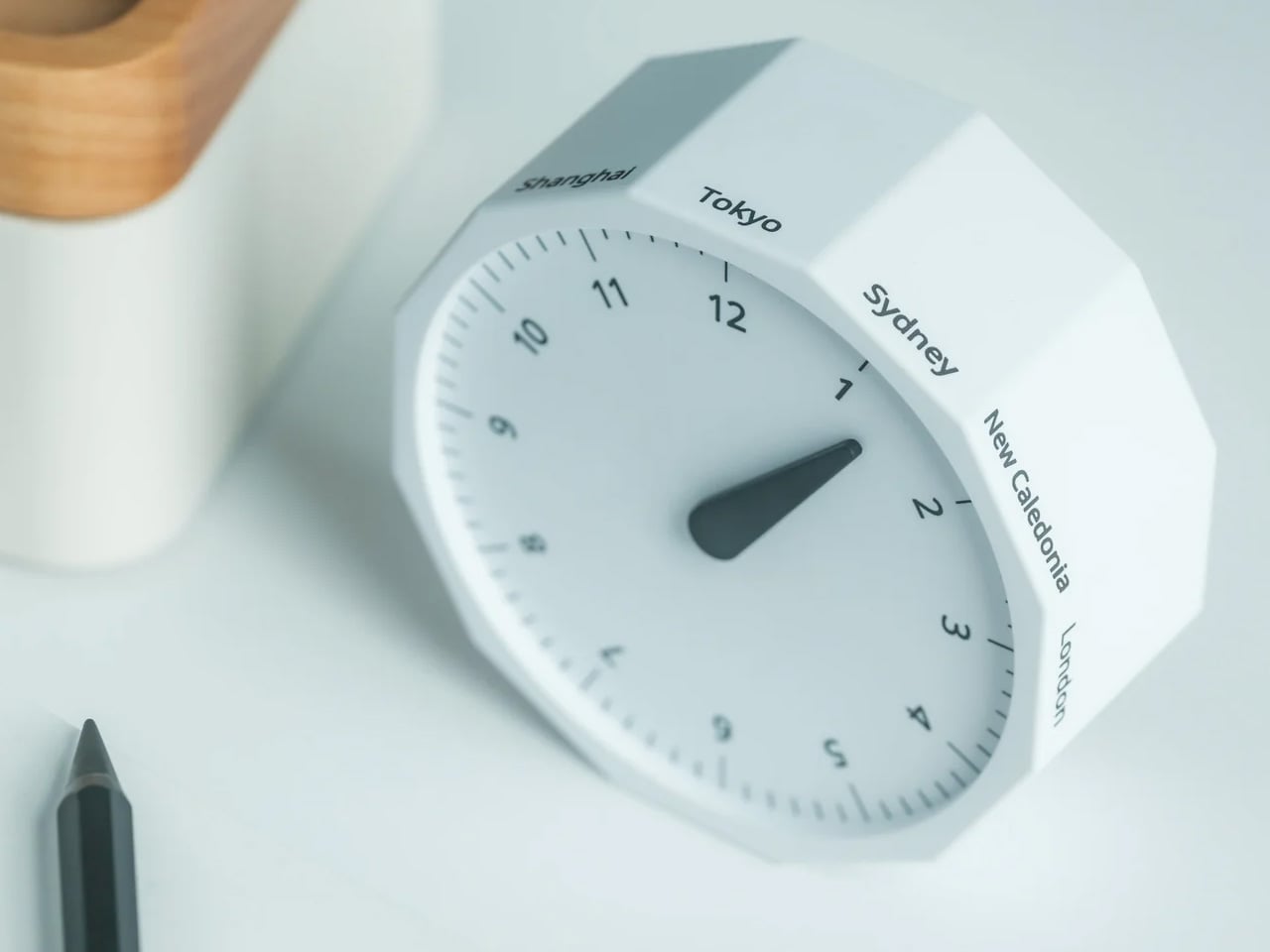
Not every great tech gift has a circuit board inside it. The Rolling World Clock is a 12-sided dodecahedron that tells global time through the simplest possible mechanism: roll it to a city face, read the single hand. London, Tokyo, New York, Shanghai, Sydney, and seven more time zones are built into its geometry. For anyone navigating remote work across multiple cities, this solves a daily frustration through pure physical design.
What earns it a place on a tech gift list is exactly that clarity of purpose. Most remote workers live inside four different time zone tabs, a world clock widget, and a mental arithmetic habit they never asked for. The Rolling World Clock replaces all of that with an object you can hold. Roll it to a city face and a single hand tells the time there — no toggling between apps, no unlocking a screen. It sits on the desk between the monitor and the coffee, available in black and white, and asks nothing from you except the decision to pick it up. Sometimes the most considered technology is the kind that gets out of your way entirely.
The 12-sided dodecahedron form solves a genuinely common remote work problem — global time tracking — through tactile physical interaction rather than another screen
The fully analog mechanism means no charging, no setup, and no interface to learn — it works the moment it lands on a desk
What We Dislike
Coverage is limited to 12 major cities — travelers or remote workers operating in less-represented time zones will find gaps
The single-hand display reads cleanly, but requires a moment of orientation for anyone unfamiliar with the face layout
The Gift That Earns Its Place Before He Opens It
Seven products, seven completely different problems solved. A gaming handheld that refuses to compromise on desktop performance. A cassette speaker that makes Bluetooth feel like something worth displaying. A smart ring tracking sleep from a finger. Earbuds engineered around the geometry of the ear rather than against it. A power bank that looks like it belongs with the rest of your gear. A projector that sets itself up. A dodecahedron that tells time in twelve cities without asking anything of you.
The best gifts don’t need wrapping to communicate their value — they do it the moment someone picks them up. Each of these objects was built with a specific person in mind, which means the person who receives one will feel that immediately. Check shipping windows before checkout, move quickly on anything with limited stock, and resist the instinct to wait. April 5 has a way of arriving before the decision gets made.