Camera concept has touchscreen manual controls for panoramic photography

When I was traveling around New Zealand last year, I was treated to a daily visual feast. Everywhere I looked, I felt like I was in a scene from Lord of the Rings. Capturing images and videos on my smartphone camera didn’t do it justice. I was wishing I invested in a good DSLR camera, although taking photos and videos on my mobile device was pretty convenient already. But a higher quality camera would probably have captured these panoramic views better than my “measly” phone camera.

Designers: Álvaro Arregui Falcón, Mireia Gordi i Vila, Lucas Seidenfaden

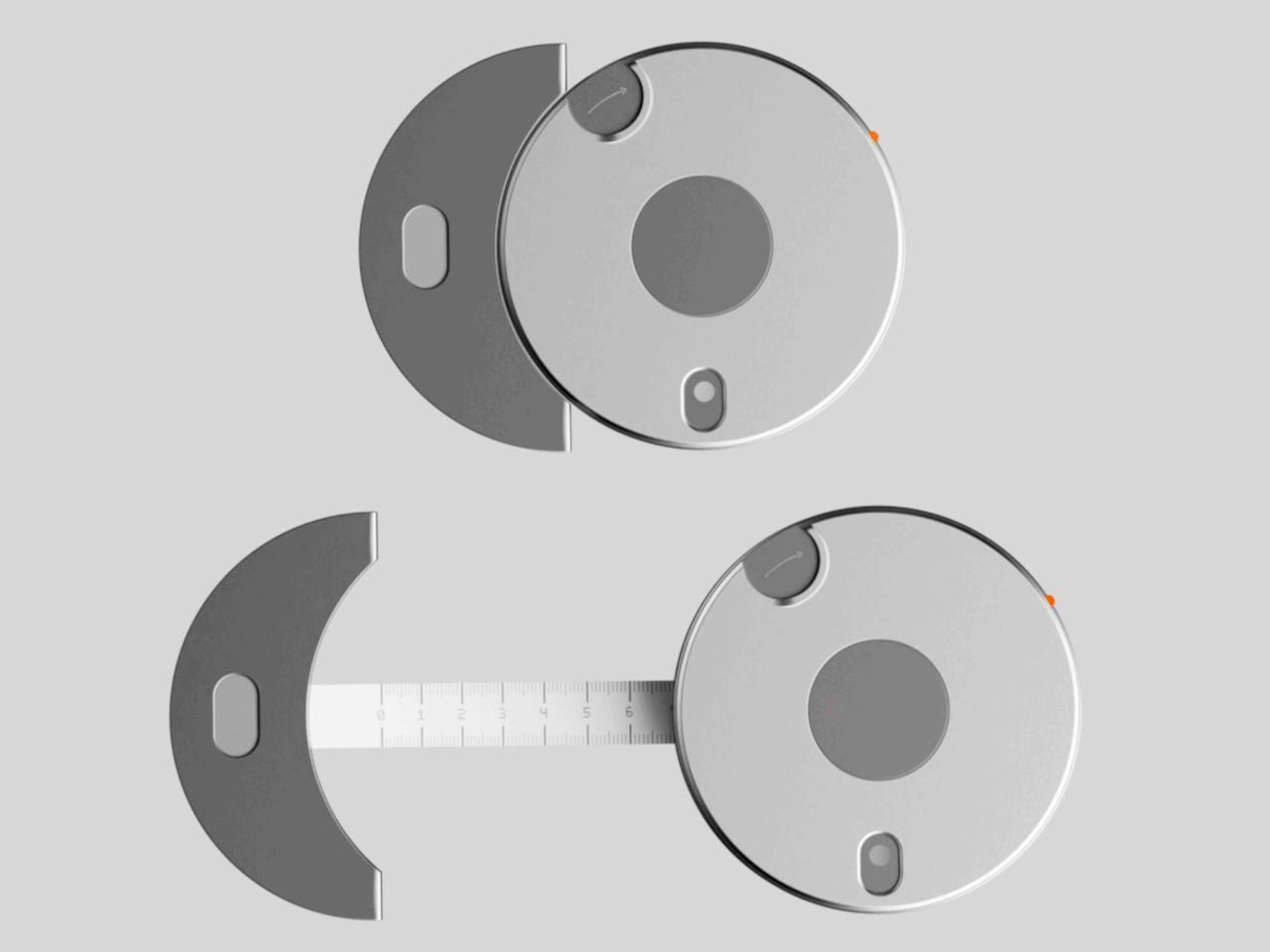
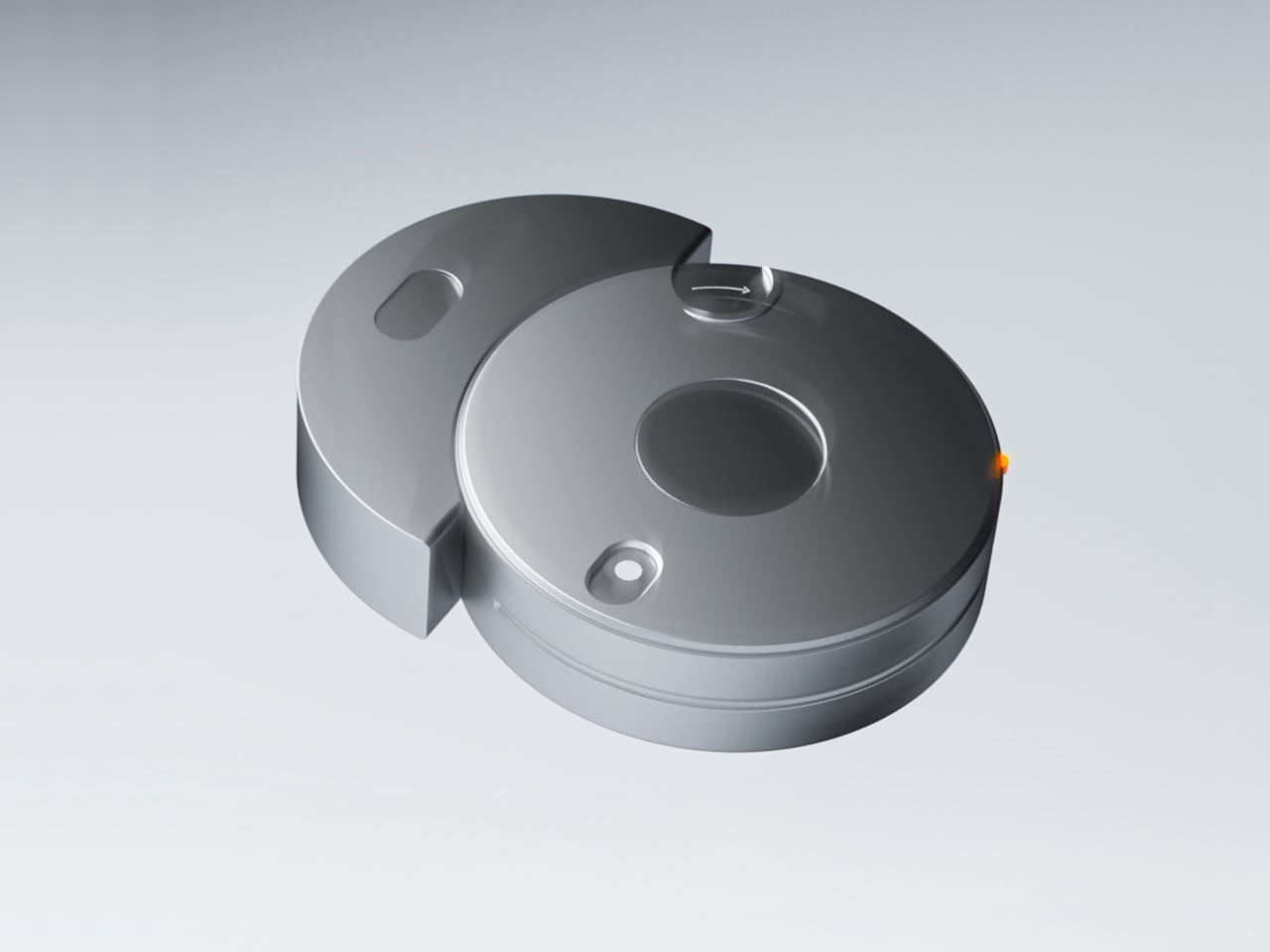
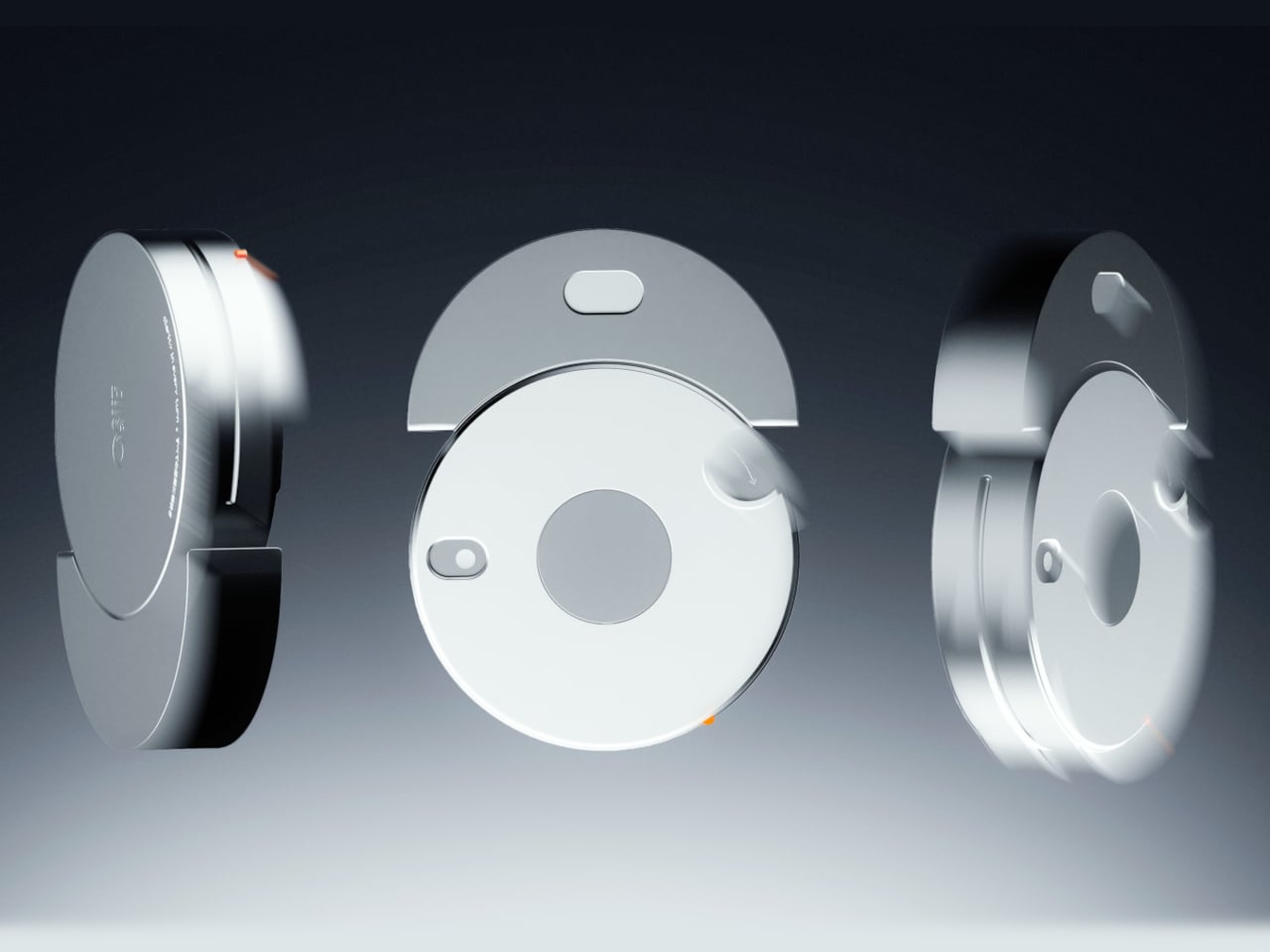
Having something like the Keirin concept camera would also have captured the scenery beter since its focus is panorama photography. The name itself actually comes from the Japanese motor-paced cycle racing which happens in an oval track. The prototype shows that it has a curved OLED touchscreen where all the controls are located and actually wraps around the back panel. The touchscreen idea for the controls should make it easier to learn how to use than the usual manual controls on cameras. It is also pretty compact and almost the same size as a mobile phone.

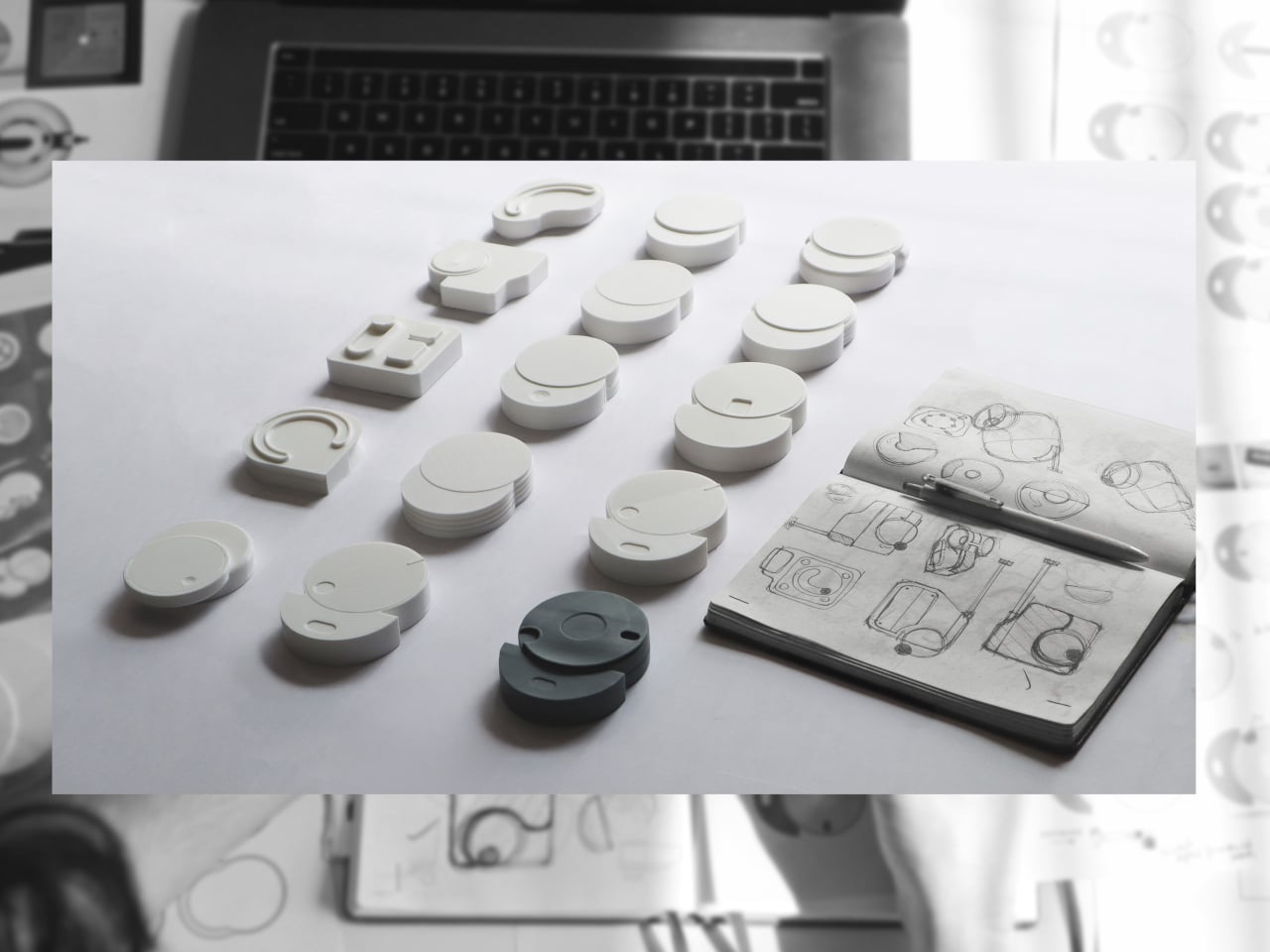
The prototype tries to show that the design can actually work with the UI that they’re looking to create for the camera. It has a wide rear-mounted screen that you can use as a panoramic viewfinder and swiping through it will bring you the different manual exposure controls. It assumes of course that those who want to use this kind of camera are not the point and shoot kind of photographers but those that want to control things like aspect ratios and exposure in order to better capture panoramic photos.

The plan is for the Keirin to have a 60MP full-frame sensor with a 35mm lens and it needs to have SSD storage and mobile connectivity so your images can be backed up to the cloud automatically. It can also attach other peripherals like a panoramic optical viewfinder and a wireless flash unit. It’s highly unlikely this camera will be a commercially viable product though but it’s a nice idea to have.

The post Camera concept has touchscreen manual controls for panoramic photography first appeared on Yanko Design.

This smart desk clock boosts productivity, curbing your phone addiction for good

Distancing from your smartphone is not that easy when you are barraged with constant notifications from apps. Productivity takes a major hit as you lose focus and the best antidote I staying connected without constantly looking at smart devices. A smart desk clock is the way to go as it helps in time management without going off the course.

According to independent research, people prefer working on their desktops and if they have a utilitarian gadget that prevents unwanted distractions while keeping you updated with the needed notifications, there’s nothing better. The PAL Desk Clock with added features like a dedicated widget space for the most needed apps is what’s going to keep you interested.

Designer: Mohit Joshi

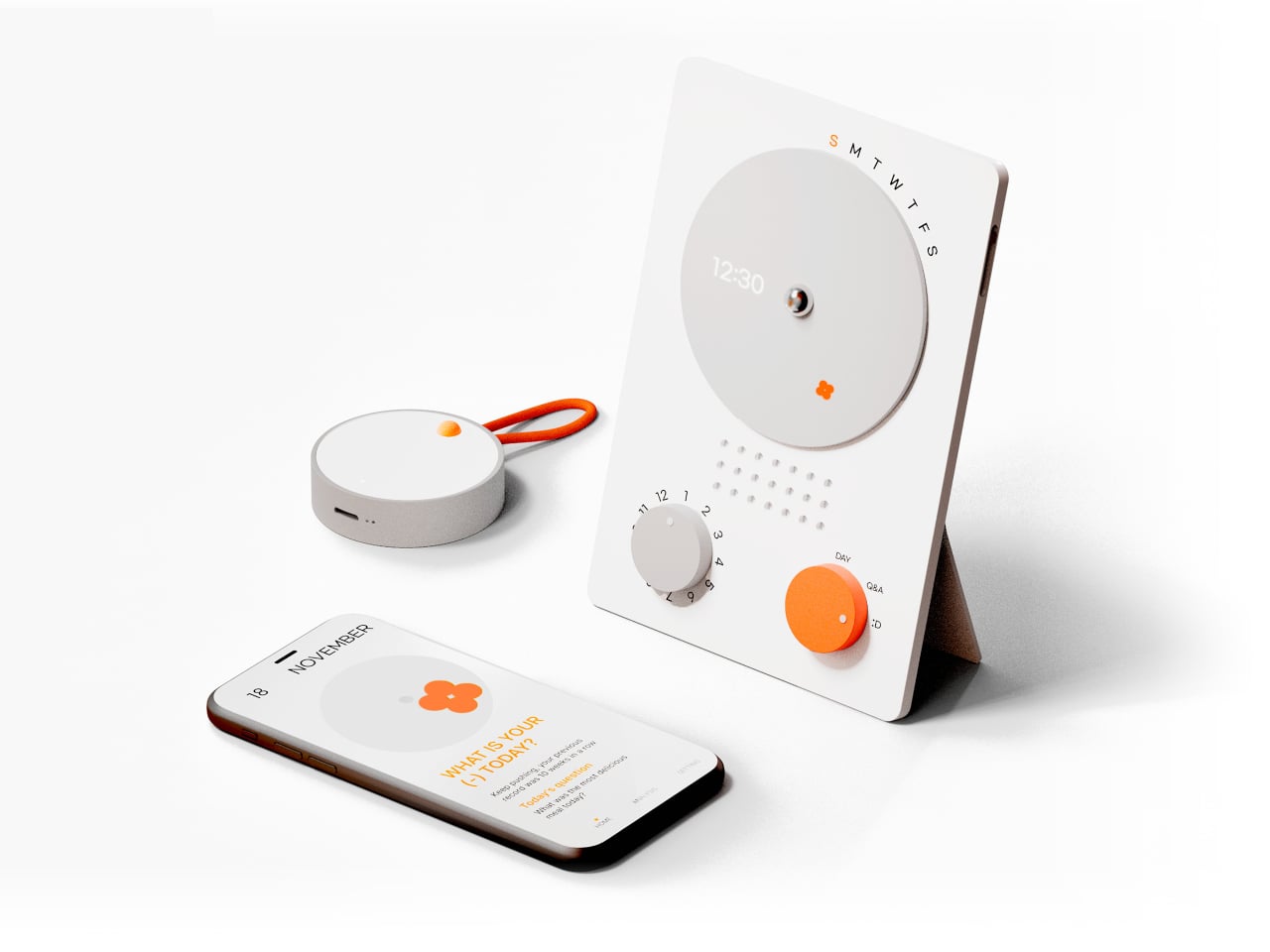
This nifty gadget concept wants to take the heat to the likes of the Amazon Echo Show 5, Google Nest Hub, Lenovo Smart Clock and Loftie Alarm Clock. There are five main functions – time keeping, focus sessions, music playback and wireless charging. In addition to these, the desk clock has a calendar and temperature sensor. With the wide display, you can customize the widgets like weather, music playback and calendar schedules as desired. The desk clock has a wireless charging pad intentionally positioned on the back where your smartphone is out of the peripheral view.

With the dedicated focus button and the accompanying app, the phone goes into DND mode, so that the task at hand can be completed. The design of the smart desk clock is such that it goes with any kind of setup or other desk accessories. When you need some relaxing time, the music app can play audio directly with all the interface elements you would find on a music player app. This prevents you from opening the phone and going down the rabbit hole of unproductive social media apps.

The post This smart desk clock boosts productivity, curbing your phone addiction for good first appeared on Yanko Design.

Music mixer concept uses generative AI to help you create music

I have a lot of respect for those people who can create music on their own, especially ones that are able to produce earworm-y pop riffs. Sometimes I’ve thought about studying how to create and mix music especially now that there are equipment, apps and websites where you can do that, but you need to study a lot of things before you can actually use them. Sometimes I think, can’t I just have something in my head transferred to a machine without having to do so much work? Well, thanks to artificial intelligence, that is somewhat possible, for better or worse.

Designer: Haechan Ryu

Happy Music Mixer 07 or HPMXR 07 is a music mixer that is powered by generative AI. This means, even if you don’t have knowledge on how to use mixers, you should be able to use this machine. The goal for this concept is to democratize composing music and using AI to help out with that. There are some ongoing issues in the music industry of course about using AI but it’s still an ongoing conversation that will continue to evolve. But if you are not hesitant to use AI to fuel creativity and things like music creation, then this should be of interest to you.

The machine looks like your typical synthesizer except that it is designed to not look so intimidating, with a clean interface and layout that should be easy to understand. The first step to using it is to describe the music that you’re thinking of, setting the length, tempo, mood, genre, prompt, mixing, and other things that may be in your brain. You can also even generate an album cover that will match your song. Once the AI has generated the song, you can also mix and adjust it according to your preference before transferring the completed song through an NFC card or a USB-C type connector.

All the buttons, knobs, and keyboard are designed in an intuitive interface. The housing of the HPMXR 07 is made from aluminum and has a monochromatic color with orange highlights. The switches and stabilizers have a tactile interface so you still feel in control even as the AI helps you generate the music that is in your head. It’s a good toy to play around with if you want to experiment with creating music but you don’t have the ability to understand more complicated mixers and synthesizers.

The post Music mixer concept uses generative AI to help you create music first appeared on Yanko Design.

Handheld printer and scanner concept sticks to tried and true methods of document handling


We live in a world filled with apps, multimedia content, and digital data, but there are and will always be things written on printed on paper. Official documents are still printed, receipts are still physical, and some people still prefer writing on notebooks and notepads. The gap between physical and digital isn’t that easy to bridge for people who want or even need to have the best of both worlds, even though there are, ironically, a handful of products claiming to offer the perfect solution. As some say, there is no perfect answer, but the best one might actually be the simplest and most straightforward. This concept device, for example, offers what looks like a traditional printer and scanner combo, except it’s something that you can easily store and take from your bag whenever and wherever you need it.

Designer: John Branca

There are quite a few product designs these days that try to unify physical and digital documents, from notebooks and pens that can record your handwriting to smartphone apps that can convert printed or even handwritten text into digital ones. The former doesn’t exactly work for digitizing what’s already printed, while the latter puts the burden on the person taking a perfect photo of the paper. These solutions also don’t work in the reverse, like turning digital files into their physical form, especially when you’re out of the office or not at home.

Scribe is a concept design that combines two things that already exist today, a portable printer and a portable scanner. In a nutshell, it shrinks 2-in-1 printer and scanner combos into a compact design that you can even carry in your hand if necessary. It has an industrial-inspired aesthetic that moves away from the predominant minimalist style, making it distinctive and memorable. It also has a large touch display that makes operating the device simple and intuitive without having to fumble on your computer or phone.

The device uses a feed-type mechanism where a piece of paper slides through the box to get printed or scanned. This does have the limitation of accommodating certain paper sizes only, though that will most likely be the most common use case for scanning receipts and printing out notes. That said, you won’t be able to scan any bound material like notebooks and books, so forget about taking this to the library. Due to size constraints, there’s also only room for a single black inkjet cartridge. ZINK technology might be more compact, but that also requires using special, non-standard paper.

1

Scribe is definitely an interesting break from all the app-based, smartphone-centric solutions out there, though it still raises the question of whether it’s more convenient or not. Then again, you can’t print from your phone either, so if you’re going to bring a portable printer with you, might as well have something that can also scan those documents as well.

The post Handheld printer and scanner concept sticks to tried and true methods of document handling first appeared on Yanko Design.

Floor lamp concept is inspired by the sun and moon ecliptical orbit

As I live in a not so big space, I only need to have desk lamps in my living room and bedroom for both ambient and functional lighting. But one of my dreams if I eventually get a bigger place is that I can put one or two floor lamps around to add to the aesthetics of my apartment. I like looking at interesting designs for lamps and bookmarking them for future reference, especially ones where much thought is put into a design.

Designer: Sancho Martin

The Eclipse Floor Lamp is a concept that was inspired by the idea of the eclipse where the sun or moon crosses each other’s paths. This time around, the sun and moon are represented by two circular screens that emit a “soft and enveloping atmosphere” when they are aligned and the light bounces between them. This is the perfect ambient lighting for when you want the floor lamp to be part of your room’s aesthetics.

When the horizontal screen is adjusted, you can turn the lamp into a more functional lighting source. The light is directed downwards so you can have it more focused like when you’re working, reading, or you just need some light to see something. There is also a spherical shape on a small hook in the main axis which serves as the power button which is easy to access and also intuitively placed.

The Eclipse Floor Lamp has a pretty minimalist design so it can fit in perfectly no matter what your room’s aesthetics is. It can be placed near the couch, working table, or even by the door or window if you just want it to be more of an ambient lamp rather than a fully functional one.

The post Floor lamp concept is inspired by the sun and moon ecliptical orbit first appeared on Yanko Design.

Paper clip-shaped device concept helps develop habits by tracking activities

We have all these fancy hi-tech trackers today that monitor our health and our activities, ranging from simple fitness trackers to complex smartwatches. While these activities might be important on their own, they’re often made in some context like forming good habits. Unfortunately, these devices and their connected apps often simply log physical activities and states and file them under the category of healthy living. Trackers don’t take into account activities like reading a book, drinking water regularly, and things that a smartwatch can’t really monitor. That’s what this tracker design concept is trying to address, and it takes its inspiration from one of the most common things we attach to other objects: the classic paper clip.

Designer: Andrea Mangone

Although it does have “paper” on its name, we often see a paper clip attached to other objects, even those thick enough to bend the metal clip. The tool serves not only to put two things together but, more often than not, as a reminder to do something at a later time. Likewise, this activity tracker that takes the form of a large paper clip serves as a reminder to do the activity related to the object they’re attached to, and it actually tracks whether you did that or not automatically.

1

Named after a popular daily journaling app, the DAY ONE tracker combines the functionality of physical activity trackers with the behavior-forming features of habit-tracking apps in a simple yet pleasing design. In essence, you set one such clip-like tracker on a base accessory that’s connected to a smartphone, assign that tracker to a particular habit you want to build, and then attach it to the physical object associated with the habit, like running shoes, a book, or a water bottle. Whenever you pick up and use one of these items, their activity will be detected and registered on the app, sort of like checking a box to indicate that you’ve done that habit for the day.

1

1

The trick to ONE DAY is to clip it to objects that you use for that habit. This is where the paper clip design comes in handy as it allows the tracker to be attached to almost anything, regardless of the thickness. If it’s thin like a paper or a page of a book, you can simply slip it in like a regular paper clip. For something thicker like a tablet or a yoga mat, you use its longer side to attach to the object’s edge. Or you can simply hook it to a carabiner or loop, though that seems to also risk having it move around and drop accidentally.

DAY ONE is an interesting idea for giving more relevant contexts to activity trackers, making them relevant beyond exercise and physical activities. It still requires the person to exercise some willpower to actually put those into action, but the clips at least serve as a very visible reminder of what they need to pick up to develop the habit. That said, the paper clip design is a bit too bulky for something that might need to squeeze into tight spaces, and it could end up getting dislodged and lost somewhere along the way.

The post Paper clip-shaped device concept helps develop habits by tracking activities first appeared on Yanko Design.
Paper clip-shaped device concept helps develop habits by tracking activities

We have all these fancy hi-tech trackers today that monitor our health and our activities, ranging from simple fitness trackers to complex smartwatches. While these activities might be important on their own, they’re often made in some context like forming good habits. Unfortunately, these devices and their connected apps often simply log physical activities and states and file them under the category of healthy living. Trackers don’t take into account activities like reading a book, drinking water regularly, and things that a smartwatch can’t really monitor. That’s what this tracker design concept is trying to address, and it takes its inspiration from one of the most common things we attach to other objects: the classic paper clip.

Designer: Andrea Mangone

Although it does have “paper” on its name, we often see a paper clip attached to other objects, even those thick enough to bend the metal clip. The tool serves not only to put two things together but, more often than not, as a reminder to do something at a later time. Likewise, this activity tracker that takes the form of a large paper clip serves as a reminder to do the activity related to the object they’re attached to, and it actually tracks whether you did that or not automatically.

1

Named after a popular daily journaling app, the DAY ONE tracker combines the functionality of physical activity trackers with the behavior-forming features of habit-tracking apps in a simple yet pleasing design. In essence, you set one such clip-like tracker on a base accessory that’s connected to a smartphone, assign that tracker to a particular habit you want to build, and then attach it to the physical object associated with the habit, like running shoes, a book, or a water bottle. Whenever you pick up and use one of these items, their activity will be detected and registered on the app, sort of like checking a box to indicate that you’ve done that habit for the day.

1

1

The trick to ONE DAY is to clip it to objects that you use for that habit. This is where the paper clip design comes in handy as it allows the tracker to be attached to almost anything, regardless of the thickness. If it’s thin like a paper or a page of a book, you can simply slip it in like a regular paper clip. For something thicker like a tablet or a yoga mat, you use its longer side to attach to the object’s edge. Or you can simply hook it to a carabiner or loop, though that seems to also risk having it move around and drop accidentally.

DAY ONE is an interesting idea for giving more relevant contexts to activity trackers, making them relevant beyond exercise and physical activities. It still requires the person to exercise some willpower to actually put those into action, but the clips at least serve as a very visible reminder of what they need to pick up to develop the habit. That said, the paper clip design is a bit too bulky for something that might need to squeeze into tight spaces, and it could end up getting dislodged and lost somewhere along the way.

The post Paper clip-shaped device concept helps develop habits by tracking activities first appeared on Yanko Design.
Herb growing panel concept can help restaurants reuse water

Have you ever wondered what happens to all that water that customers leave at their tables in restaurants? We sometimes see glasses and pitchers left on the table which obviously, the staff can’t reuse anymore for drinking purposes. If the management or staff are conscious about water usage, then they will be used for other things like washing dishes or watering plants. But a lot of times, they’re just thrown into the sink. This concept proposes a more intelligent and eco-friendly way of saving and re-using that water and involving the customers in the process.

Designer: Sebastian Delerba

Withless is a concept for herb growing panels that restaurants can put up in their spaces. This way, not only do they have plants around for decoration and for environmental purposes, but they can also encourage customers to raise awareness in saving and reusing water. The stackable panel can hold up to twenty pots and has a grid design which can be expanded to multiple grids depending on the space and the needs of the establishment.

If you’re like me that doesn’t really know much about plants, there is a risk of over-watering plants if there’s no one to tell me that it’s too much. This is where the Withless concept comes in. The pot and the front area are connected so the water reaches the textile when you pour into it. It will show you when the ring and the textile have the same color which means the plant is growing efficiently. When there is a contrast to the color, then it means there needs to be some adjustments. The humidity of the area also affects this so it will reflect that as well.

The establishment can also use this to grow their herbs and other edible plants and get the customers to help them take care of the plants. This is an interesting way to teach people to reuse water and help grow plants as well. Hopefully, something like this gets made and that restaurants and cafes can adapt it.

The post Herb growing panel concept can help restaurants reuse water first appeared on Yanko Design.
Singing Bottle concept rewards kids when they take their pills

According to my friends who are already parents, one of the most difficult things to get their young kids to do is to drink medicine. Aside from the fact that most of the pills actually taste bad and may be too big for their little throats, it’s also hard to convince them to do something if they don’t really understand why they need to do so. Some actually use rewards just to get the kids to take their meds but there should be better ways to get through this every time they need to do it.

Designer: Fengrui Wang

The Singing Bottle is a concept for a different kind of pill packaging and dispenser for kids ages 6-10 to help them take their meds a bit more easily. It is shaped like those ship in a bottle things that your dad or uncle probably displayed. But instead of a ship, you get personalized pills and a corresponding paper card strip with an NFC tag attached which is the secret to getting the kids to get the pills down. The dispenser also has a built-in speaker in which the cards, which contain music and stories, can be played.

The idea is that parents need to purchase the first pack of 14-21 personalized pills from the pharmacy and the dispenser. Turn the handle to dispense the first pill, separate the card strip and then insert it into the NFC reader. The first card is actually inspiring words to get the kids to take the pill and explain why they need to do so. Every two days, a new strip is unlocked and this can be a story or a piece of music to serve as their “reward” for taking the pill.

This is a pretty interesting way to encourage children to take their much needed medicine. This concept will work with Dozer, a start-up that specializes in 3D medicine printing which is able tp provide personalized medicine which should be less expensive and maybe also makes the taste a bit better, since that’s one of the major reasons why kids don’t want to take their pills.

The post Singing Bottle concept rewards kids when they take their pills first appeared on Yanko Design.
Spiral Storage Tray concept shows a minimalist way of organizing small things

The table near the door to my apartment is witness to the fact that I have a lot of stuff. Whenever I enter the house, I dump some of my stuff there for easy access to when I need to leave. But over the months, it has accumulated a lot of small things that I forget to put away or bring with me. As a hoarder and also a naturally messy and lazy person, it’s really hard to organize all these things. So I need all the help I can get, including organizing accessories and furniture.

Designer Name: Ping-Lun Chung

This concept for a Spiral Storage Tray is a pretty simple and minimalist idea but one that can be helpful to people like me eventually. The basic idea is that it is just a simple, circular tray but you get a spiral storage. This way you can compartmentalize little things like coins, keys, eyeglasses, medicine, and other small items that you may need to have easy access to when entering or leaving the house. It’s meant to be placed in the tables located in the entryways of houses or apartments.

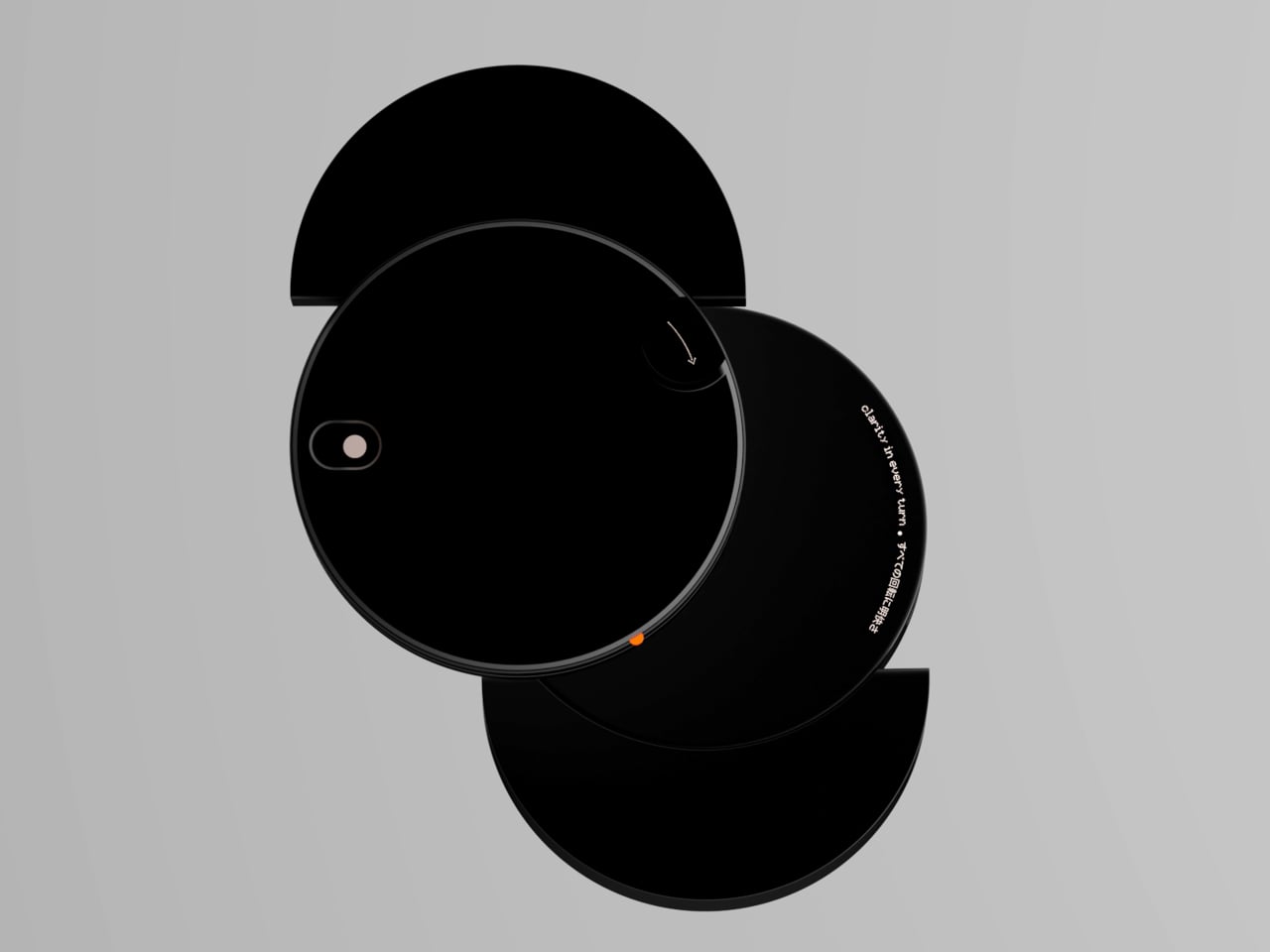
The design isn’t that complicated. The base is a small round disk and then you have two semicircular pieces of wood placed on top to create the “compartments” to separate your small items. There is even a hidden spiral compartment if you need to place small items that you want to conceal for some reason. Knowing me though, I’ll probably forget that I placed something there which means I may get a surprise or two when I decide to clean the tray by lifting up the top pieces.
The “seamless, continuous spiral surface” that we see in the rdners actually looks pretty satisfying. The renders show different wooden textures and colors for the Spiral Storage Tray so we may get different options if it gets turned into an actual product. Who knows, because of this I might actually start organizing my table in my entryway?

The post Spiral Storage Tray concept shows a minimalist way of organizing small things first appeared on Yanko Design.