3D printed recycled wood could kickstart another design industry revolution

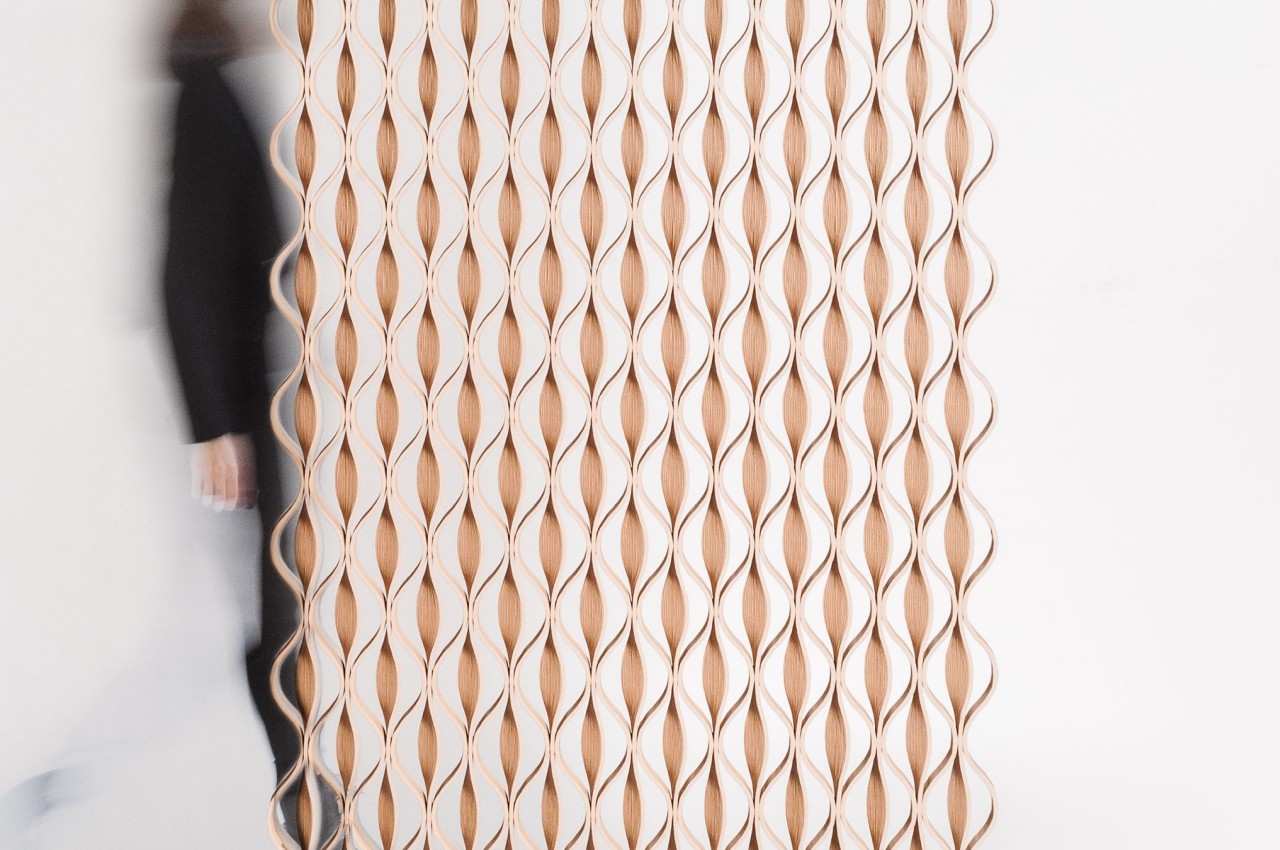
3D printing blasted the doors of creativity wide open by allowing almost anyone and everyone to create complex designs on demand. That market started with different kinds of plastic but soon supported other materials as well, including metal and even chocolate. The popularity of this style of design and production, however, also meant a surge in material waste, especially different kinds of non-recyclable plastics. There is a greater need for more sustainable alternatives, one that can perhaps even support a fully circular lifecycle. There is perhaps no better material that meets those requirements than wood, which is why this new 3D printed wooden partition screens and window coverings could very well represent the breakthrough that the design industry needs.

Designer: Aectual
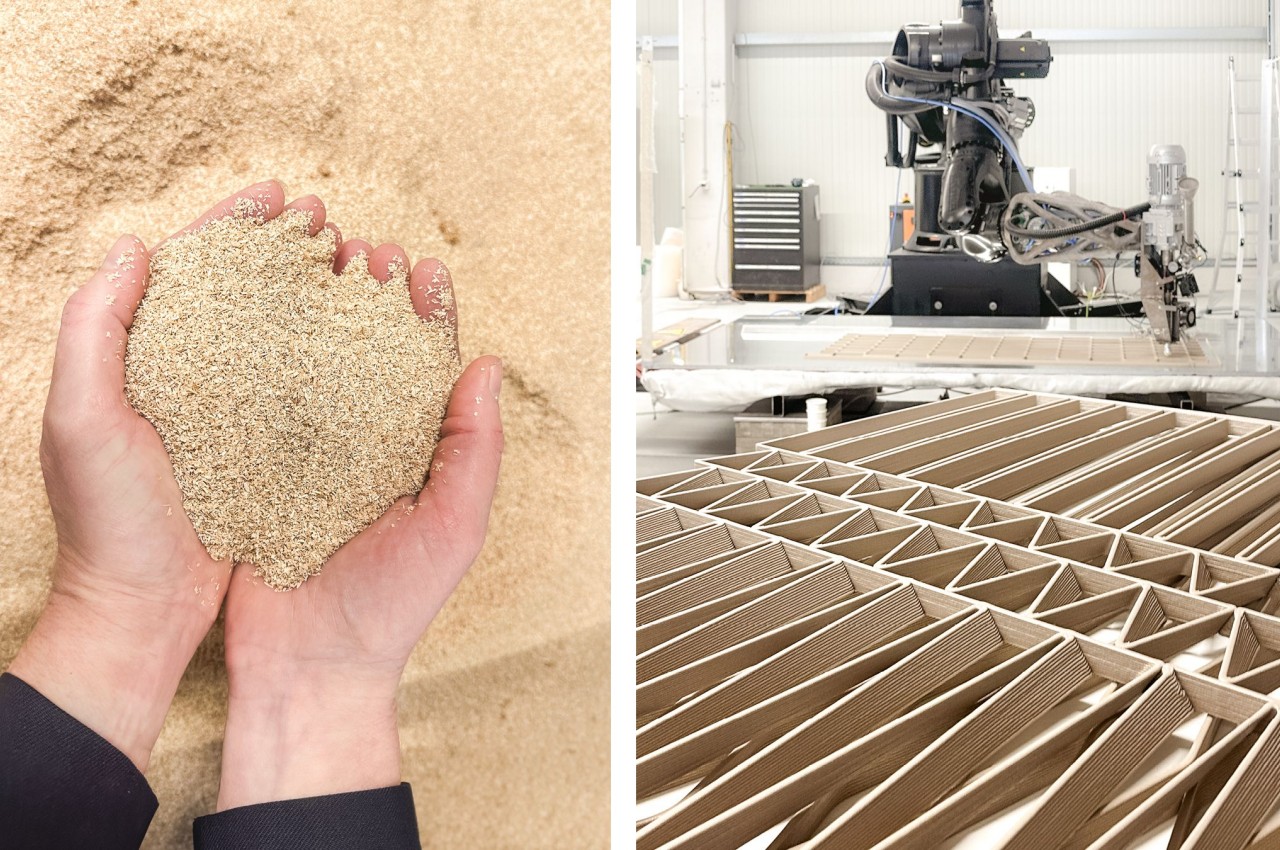
Designers have a soft spot for natural, sustainable materials and wood is perhaps one of if not the most favored one. It is easily sourced, though not quickly replenished, has unique aesthetics and textures, and can decompose safely. That said, it’s not easy to form wood into complex shapes and structures, even if you carve out the design, and the material isn’t exactly easily reusable even after being recycled. This new 3D printed wood addresses all those shortcomings, offering an almost perfect material for bringing intricate, sustainable designs to life.

This sustainable new material is itself made from wood waste blended with some natural ingredients such as lignin and cellulose. It is then reinforced using vegetable fibers like flax or hemp to give it the same durability you’d expect from wood. The result is a composition that doesn’t just look like wood but also feels like the real thing. In fact, it even smells like real wood, a trait that’s hard to reproduce on other synthetic wood alternatives.
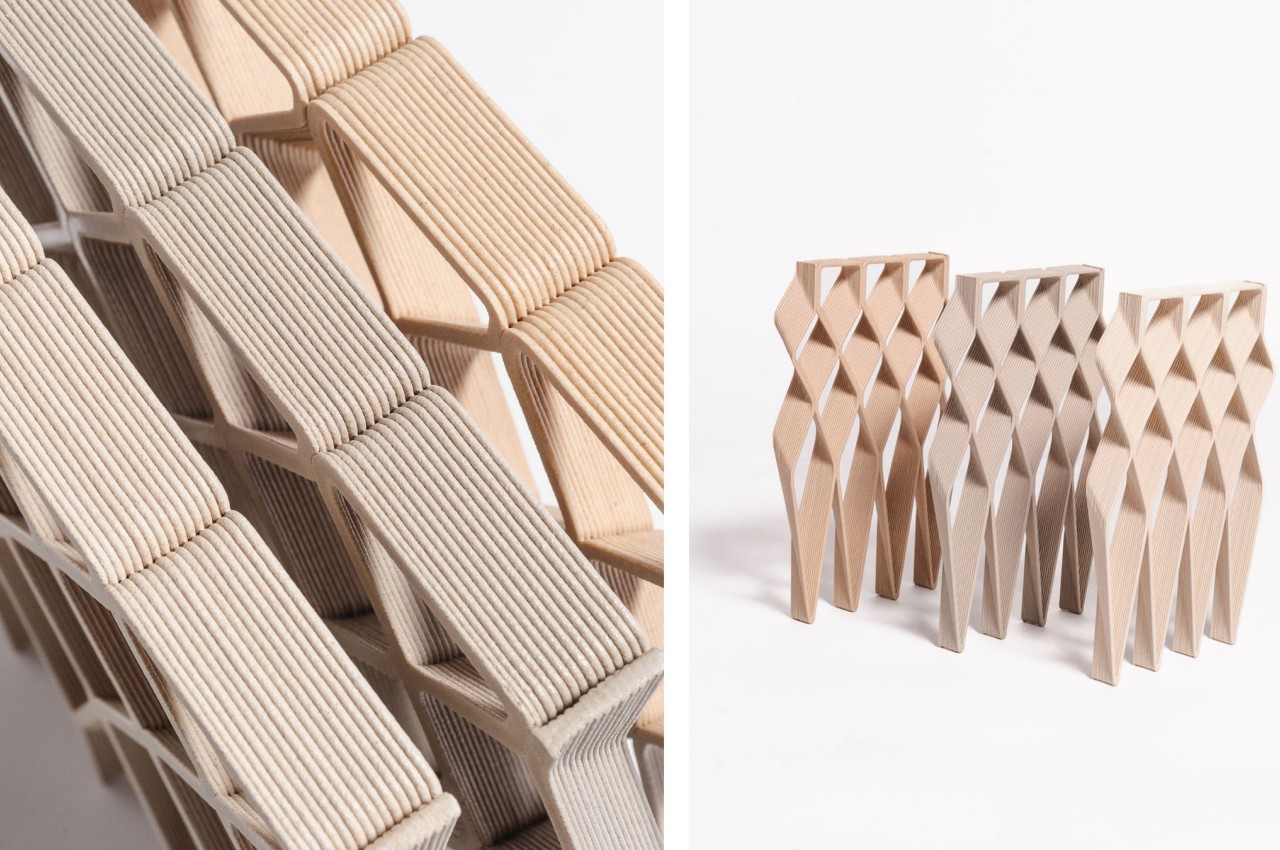
Aectual’s material, however, does something even better than wood. After a 3D printed wooden product reaches the end of its life, it can be shredded and then reprinted into some other or the same form. This creates a truly circular lifecycle where the material is reborn again and again as long as it retains its integrity and stability. And when it can no longer be reused, it still degrades and decomposes safely just like ordinary wood.

Of course, it’s a 3D printed material, so it’s almost trivial to create structures and shapes that would be extremely difficult if not impossible with regular wood. You can have intricate repeating patterns that join together with no visible seams, or alternating shapes that are made as a whole rather than composed piece by piece. It might be too early to claim a complete victory, as the process of creating this 3D printed wooden material might still be too involved and too costly, but it’s definitely a great start in producing a viable alternative to designers’ most-loved material.
The post 3D printed recycled wood could kickstart another design industry revolution first appeared on Yanko Design.

Smart Stair-Climbing Robot Vacuum with Unmatched Suction Power for Effortless, Comprehensive Multi-Floor Cleaning

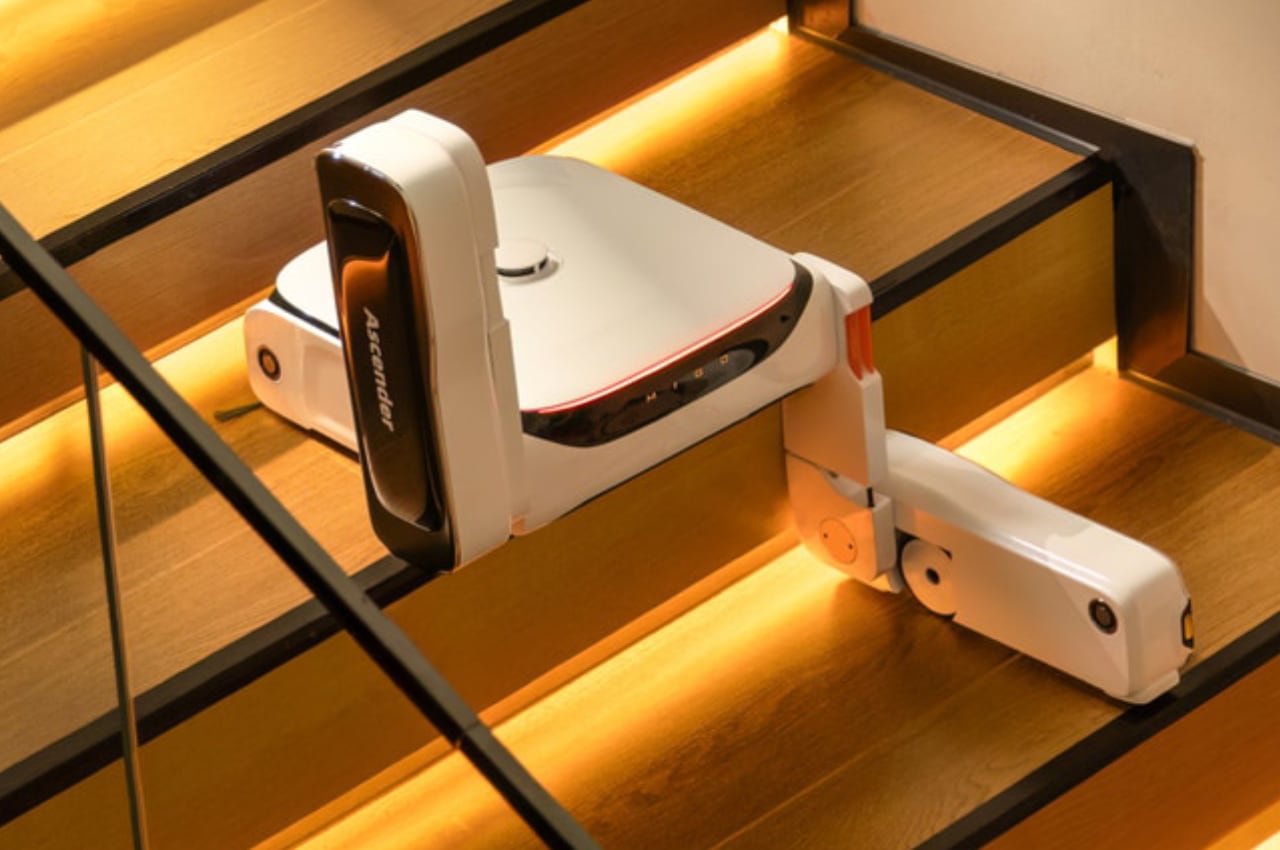
Until now, I haven’t encountered a robotic vacuum cleaner capable of climbing stairs. The Migo Ascender stands out as the first of its kind in the world of robotic vacuums and mops. It’s designed to tackle flat surfaces and the challenging terrain of staircases. This capability is due to an innovative mechanical arm structure that allows it to climb stairs effortlessly, a feature unprecedented in conventional robot cleaners. At the core of the Ascender’s performance are its advanced AI algorithms, which guide the device around typical home obstacles while skillfully navigating staircases, ensuring your home is thoroughly cleaned from top to bottom.

Designer: Yun Long

Click Here to Buy Now: $849 $1499 ($650 off). Hurry, only 61/1400 left! Raised over $2,200,000.

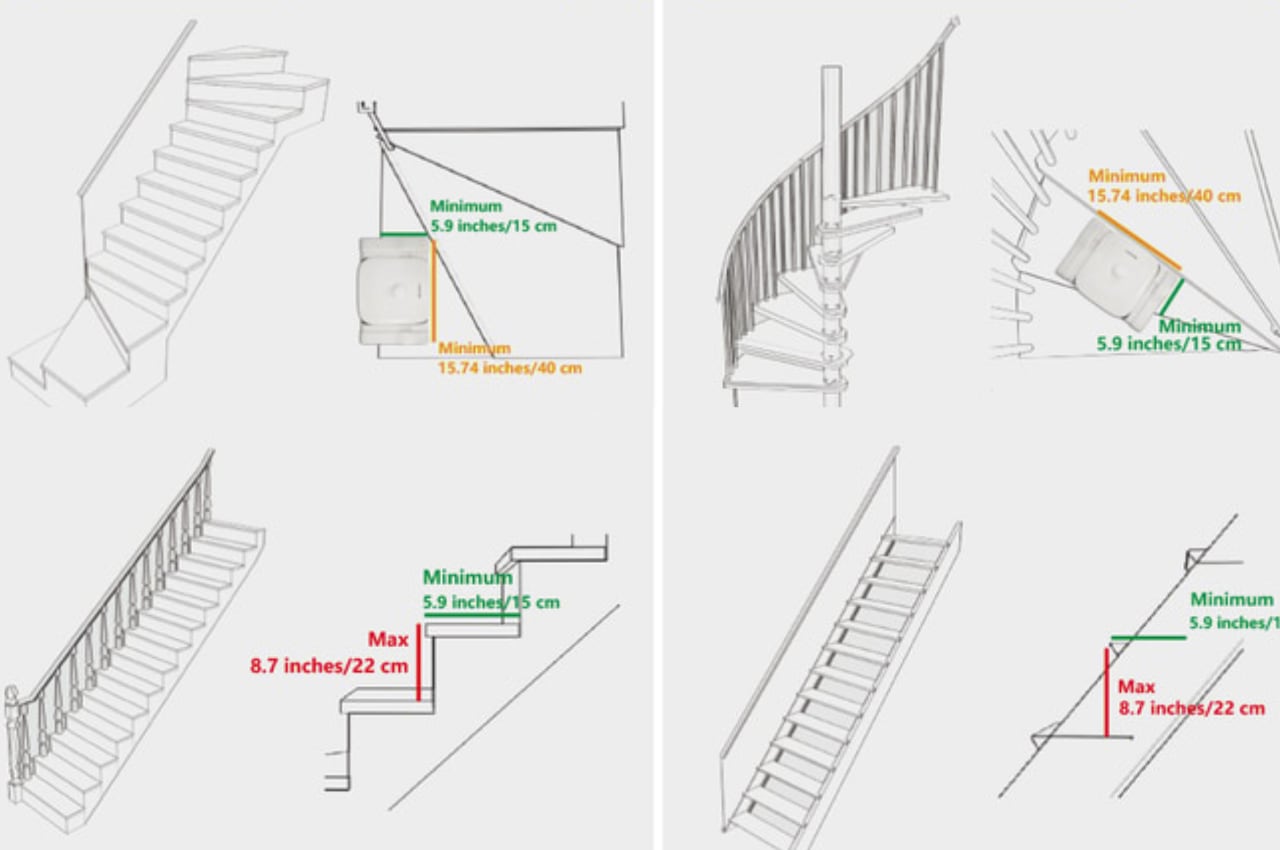
If you are impressed by its ability to climb stairs of different heights up to 8.7 inches and its versatility to handle various types such as open-riser, curved, open-riser spiral, and traditional stairs, then brace yourself. That’s not all it can do. What truly impresses me is the square design complemented by motorized omnidirectional wheels, allowing it to move laterally and achieve impeccable edge cleaning. At its base, the device is equipped with a pioneering pivotable brushing system – a first of its kind – which allows the brush to pivot 90 degrees during side-to-side movements. This feature is particularly effective for sweeping up larger debris, such as dog hair, food crumbs, or just plain old dirt that your kids drag in from outside.

With a suction power of 9,700 Pascals (Pa), the Ascender far exceeds the standard range for robotic vacuum cleaners, typically between 500 to 2000 Pa. Few can match this power, even among high-end models boasting greater suction capabilities. The market’s highest suction powers are usually around 2,500 to 5,000 Pa, seen only in the most advanced and premium models. Thus, with its 9,700 Pa suction, the Ascender surpasses conventional standards and sets a new benchmark for robotic vacuum suction power. This promises exceptional cleaning performance, particularly for demanding tasks like deep carpet cleaning and picking up heavier debris.

Whether your home has wooden, carpet, laminated wood, or marble floors, the Ascender is designed to identify and thoroughly clean them. It applies 17N of downward pressure, three times that of a typical vacuum and mopping robot cleaner. It also features a high-speed 4-zone scrubbing system operating 3000 times per minute and an automatic mop lifting feature that raises the mop by 0.79 inches (20 mm) when encountering carpets.

My home spans 4,100 square feet. While the vacuum cleaner might not reach every area, it should be able to clean the entire house in one go. This is largely thanks to its 12000mAh battery. The Ascender’s claim that it can sweep, mop, and climb a grade slope of up to 5,380 square feet (500 square meters) on a single charge is impressive!

Every home has furniture like couches and coffee tables, which can make cleaning underneath them a challenge, whether done manually or with a robotic cleaner. However, the Ascender’s slim and sleek design, at just 3.86 inches in height, allows it to clean under furniture and reach areas that are usually hard to access. This provides a straightforward solution for keeping your home spotless at all levels.

Great ideas always need a bit of intelligence to make them work, especially when it’s about turning a robotic vacuum into something that can ‘see’ and ‘think.’ In my view, the Ascender is a robotic maid navigating through the house. It’s got a sophisticated camera, a super-smart LiDAR for mapping out rooms, and six clever sensors that help it understand every little bit of your space. But the real magic? That’s in its intelligent AI that can zip through tons of calculations in no time, making it more than just a vacuum.

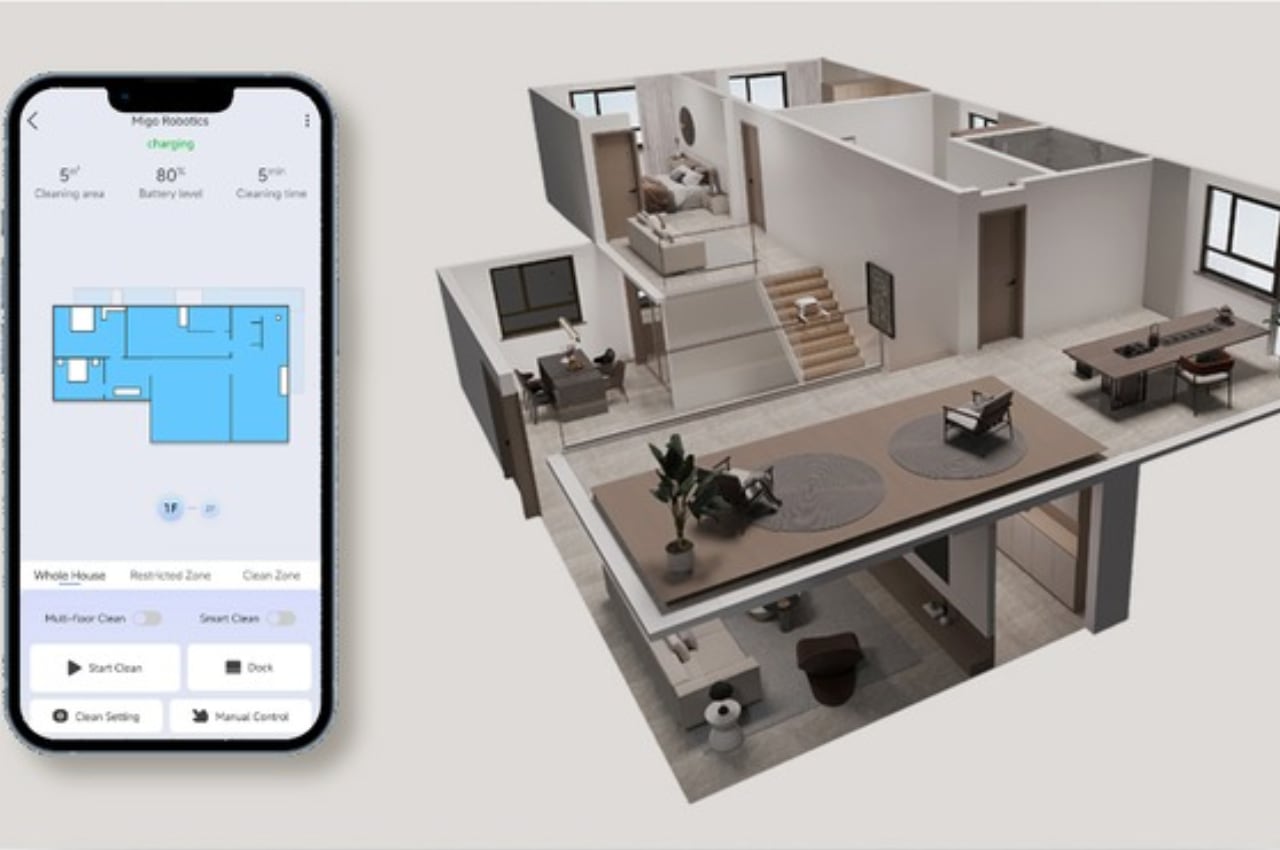
The Ascender app, compatible with Android and iOS devices, simplifies your cleaning routine with the Ascender vacuum. It provides a hassle-free experience by giving you complete control over the device. With the app, you can set restricted areas, schedule cleanups, and even direct the vacuum to specific spots using a virtual joystick. Its 3D mapping feature vividly displays Ascender’s real-time navigation through your home, blending convenience with interactive smart living. Moreover, Ascender is compatible with smart home ecosystems like Amazon Alexa and Google Assistant, allowing for easy voice commands. The app’s offline functionality ensures that you can command your vacuum even without an internet connection, offering flexibility and the potential to save over $100 on electricity over three years when set to charge only during off-peak hours.

Lastly, the fully enclosed docking and charging station design is desirable as it keeps the vacuum cleaner out of sight. However, this could be a significant safety feature for families with small children. The enclosure is expected to reduce the noise of dust emptying by 10 dB. Furthermore, the dust bag can hold up to 60 days’ worth of cleaning, and its 3.5-liter water tank can last for up to 30 days of mopping. The Ascender’s features, including swapping dirty water for clean water, automatic dust emptying, and hot-air drying, harmoniously coexist.

Click Here to Buy Now: $849 $1499 ($650 off). Hurry, only 61/1400 left! Raised over $2,200,000.

The post Smart Stair-Climbing Robot Vacuum with Unmatched Suction Power for Effortless, Comprehensive Multi-Floor Cleaning first appeared on Yanko Design.
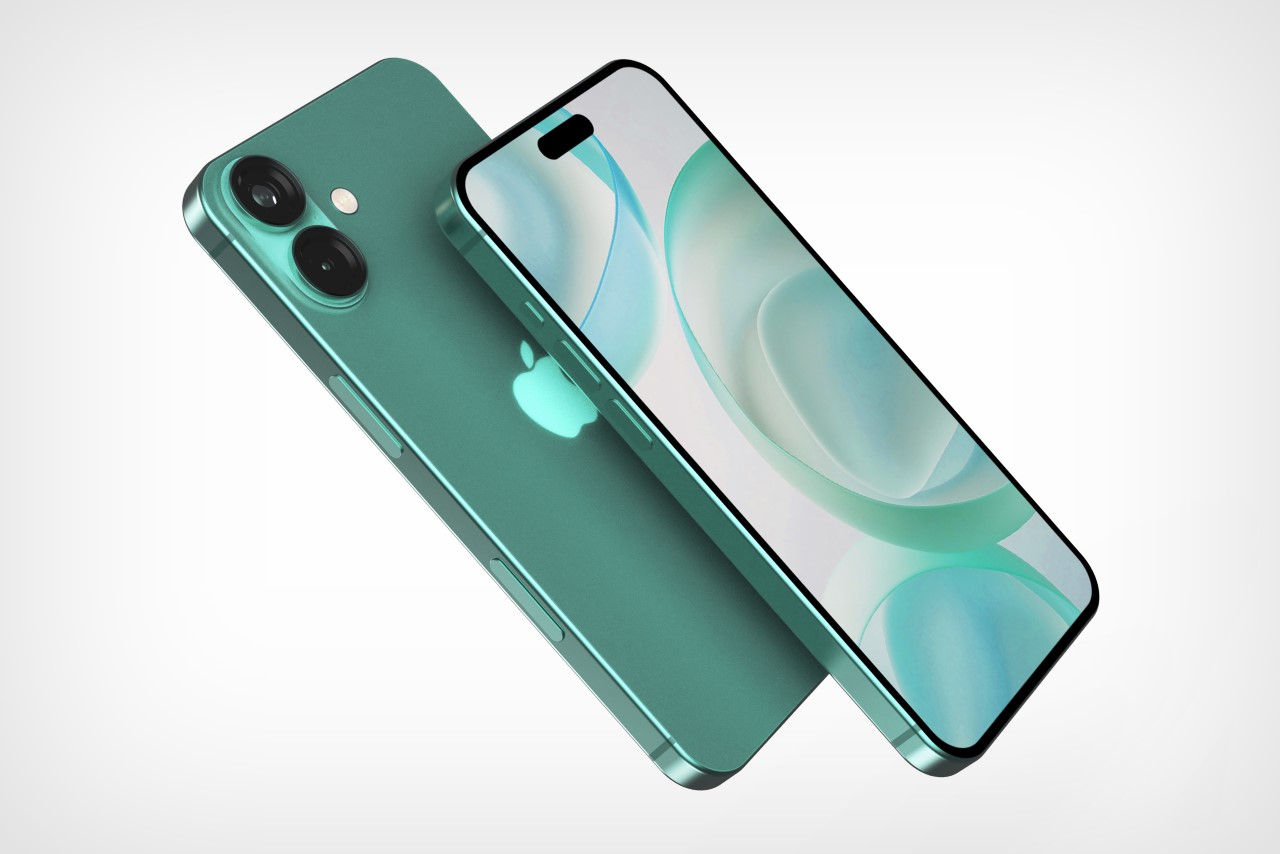
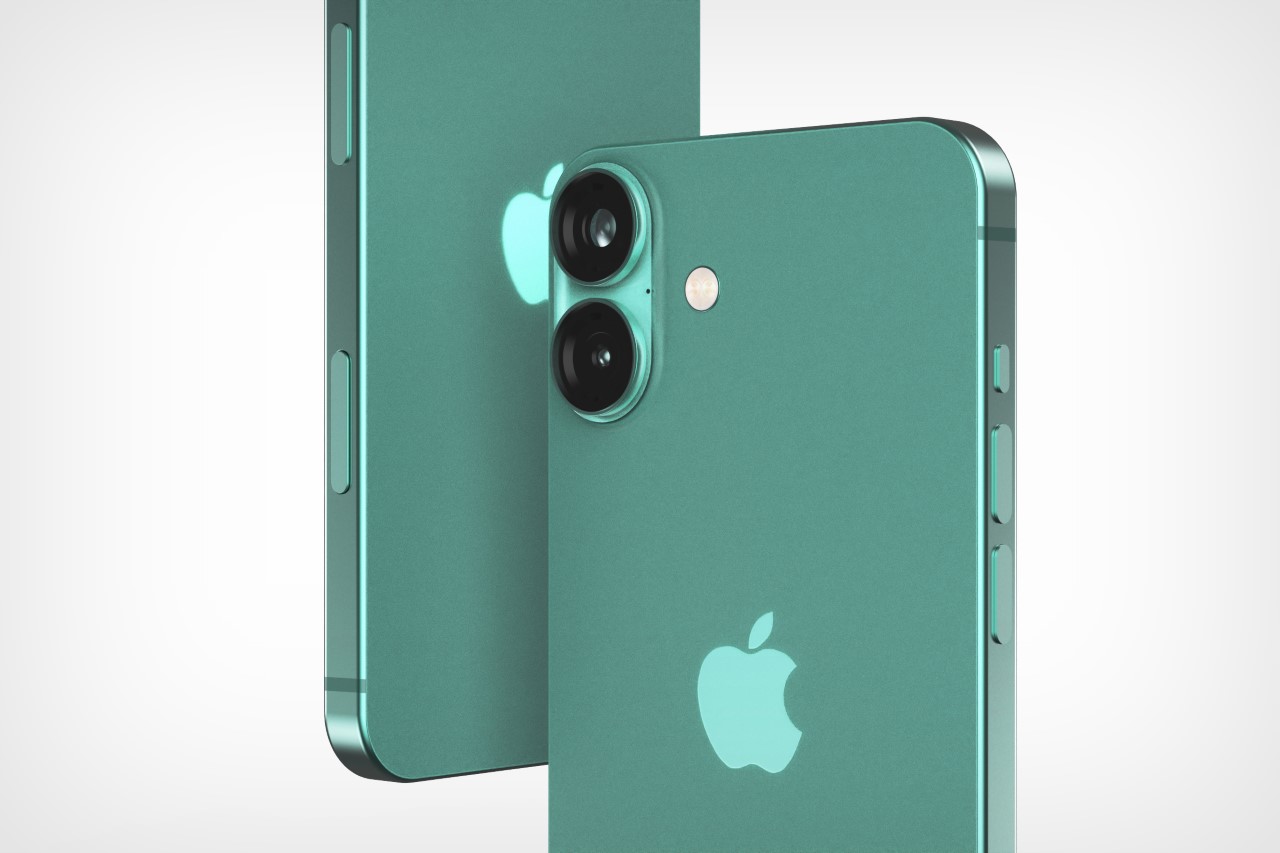
Apple’s Big Mistake with the iPhone 16 Series is Focusing TOO MUCH on the Camera

When Jobs took the stage to announce the iPhone back in 2007, he used three terms to describe the revolutionary device – a widescreen iPod with touch controls; a revolutionary mobile phone; and a breakthrough Internet communications device. However, ever since the iPhone 7 introduced a dual-lens main camera system on the phone, the Apple team has sort of obsessed with making sure the iPhone has a great camera first, and phone-adjacent features later. Almost like a handheld camera with an App Store, the iPhones now are just a shadow of what they could be. No foldable technology, no AI-based enhanced features, and not even a damn-near decent voice assistant. In fact, it took Apple YEARS to get 5G to their iPhones. Apple spends nearly 30-40% of each iPhone keynote talking about the camera and screen, and now rumors are indicating that the iPhone 16 will introduce a dedicated ‘capture’ button that lets you click photos like you would with a professional camera. The problem with this is that it’s diluting the very definition of a smartphone… and I feel like it might be deliberate.

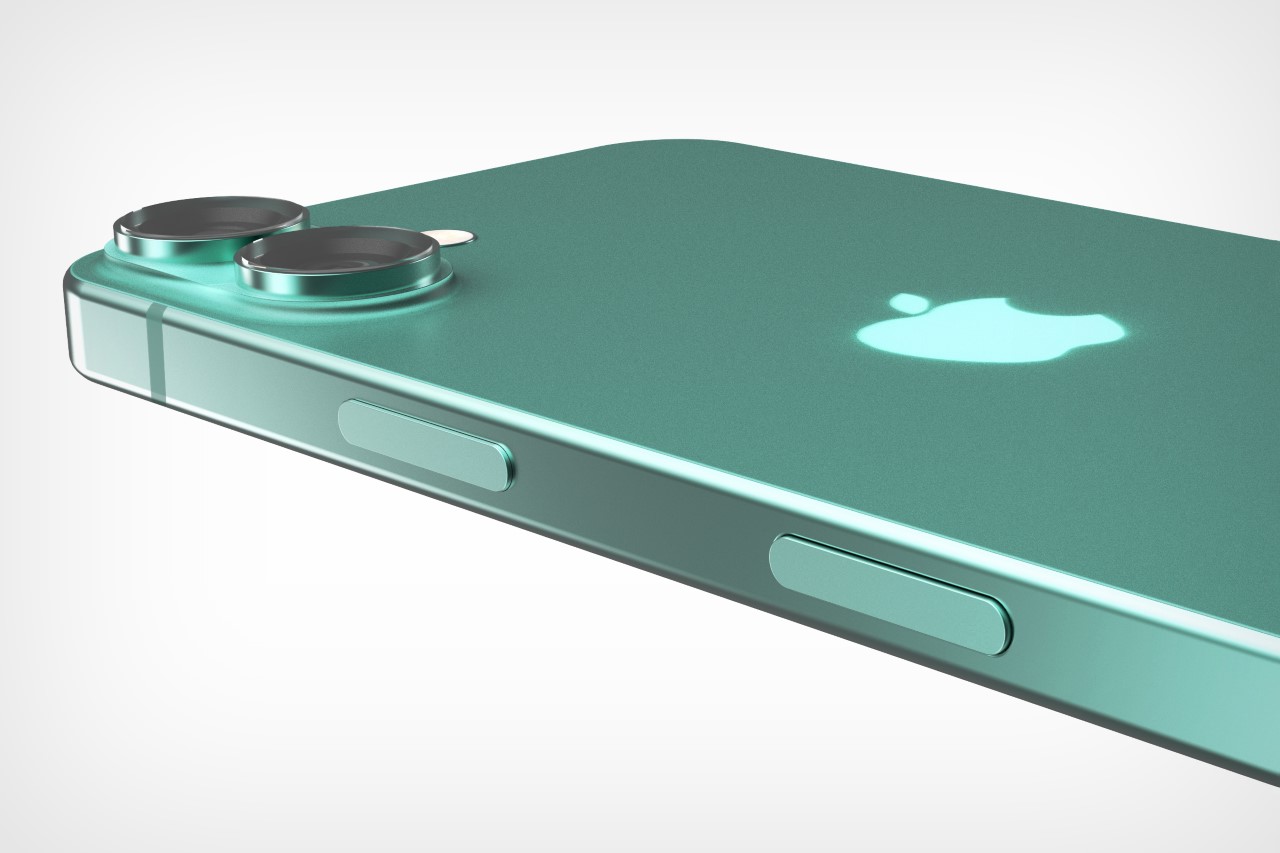
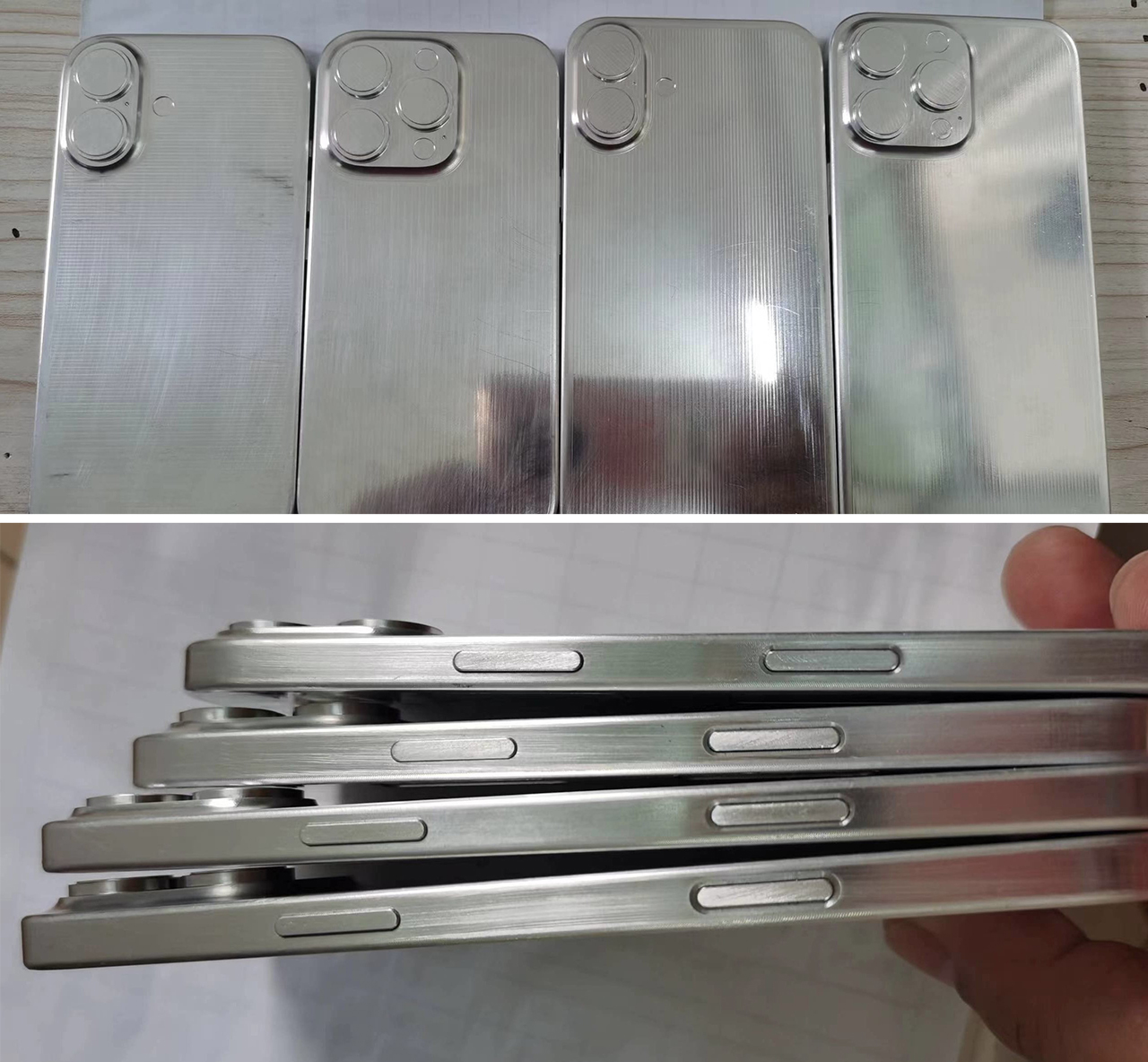
Earlier this week, leaks showed a new hardware feature coming to the iPhone – a Capture Button that would sit on the top right corner of your phone if you held it in landscape mode. Surprising as it is, considering Apple has been trying to go buttonless and portless for a while now, the Capture Button seems like an odd addition to a phone. Not a single other smartphone has a camera shutter button. In fact, the de facto position is to turn your volume button into a capture button while the camera is running… so what’s driving Apple to add YET ANOTHER button to their phone, following the addition of the Action Button last year?

Leaked images of iPhone dummies used for case designs

Last month, I pointed out that the iPhone 16 is just going to be one of those boring phones worth missing, and this Capture Button seems to reinforce that fact. Every 3 years, Apple launches a ‘boring’ iPhone with a minor design upgrade just to keep things moving before a radical change and it’s been 2 years since the Dynamic Island, so this is probably Apple’s boring year. But why a Capture Button? Nobody said we needed it, not a single Android competitor has a Capture Button, heck if anything we’d appreciate bringing the 3.5mm audio jack back. So why is Apple going ahead with this hardware change?

There are two ways to look at it. The first is a simpler explanation – Apple’s run out of ideas. This is just one of those years where Apple pushes out something so it can tick that annual release box and make a few sales before something bigger and better in 2025. It’s a theory that holds merit given that the iPhone 8 was the ‘boring’ phone for the iPhone X, the iPhone 13 hardly had any extra features (unless you count Cinematic Mode as a game-changing upgrade) before the iPhone 14 ushered in the Dynamic Island. This basically means it’s business as usual and 2024 is just going to be a boring year for iPhones… but there’s yet another explanation.

Close-up of the purported Capture Button

The second explanation is a little more layered and vague, considering there’s no concrete proof to the fact. The explanation is that Apple’s pretty much resigning the iPhone to its fate – the camera. With the Vision Pro becoming Apple’s new breakthrough device, the iPhone will eventually take second place, quite like the iPod did 12 years ago. There are multiple rumors that Apple’s building a cheaper Vision headset (without the ‘Pro’ title) for the mass market to immerse in spatial computing… and when that happens, the iPhone won’t be anything except for a glorified photography device. It still doesn’t explain why Apple’s adding a Capture Button to their phone, given that people already use the volume button to capture photos… but that’s the vague part, because we really don’t ever know what’s going on inside the heads of Tim Cook and the Apple team until and unless they tell us. But as far as the iPhone 16 goes, I’d recommend you give it a miss unless you were long due for a smartphone upgrade.

Renders by Sarang Sheth

The post Apple’s Big Mistake with the iPhone 16 Series is Focusing TOO MUCH on the Camera first appeared on Yanko Design.

The Vank Cube Is A Modular & Flexible Furniture System For Spaces That Require Adaptability

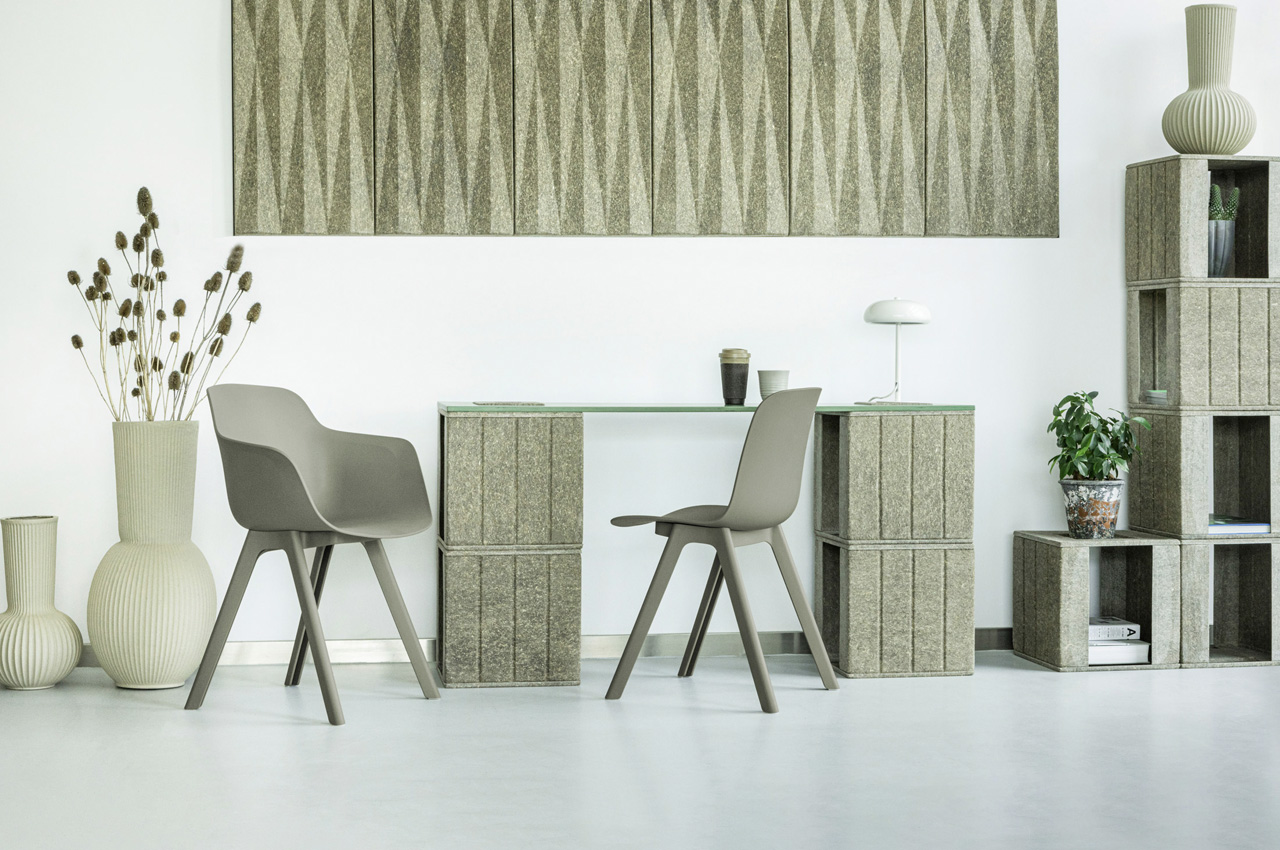
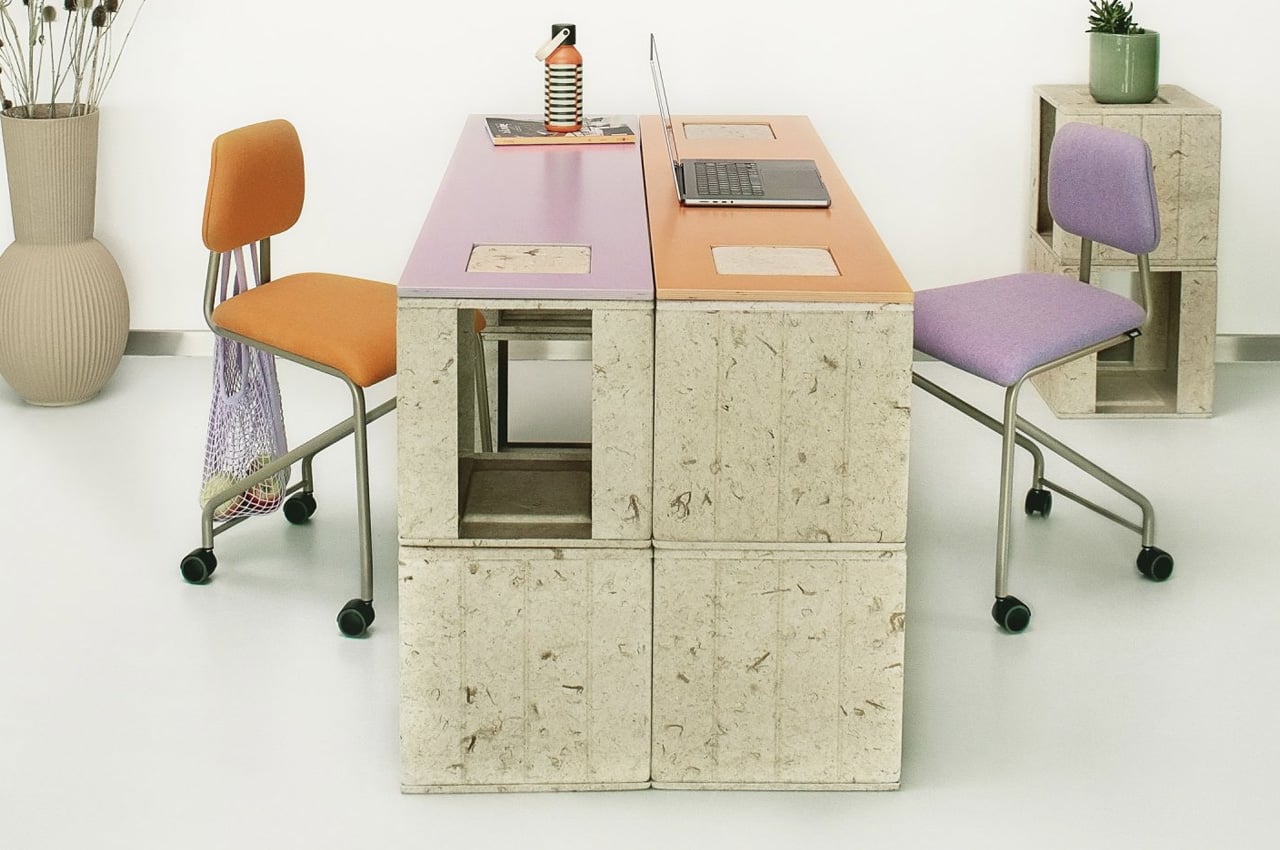
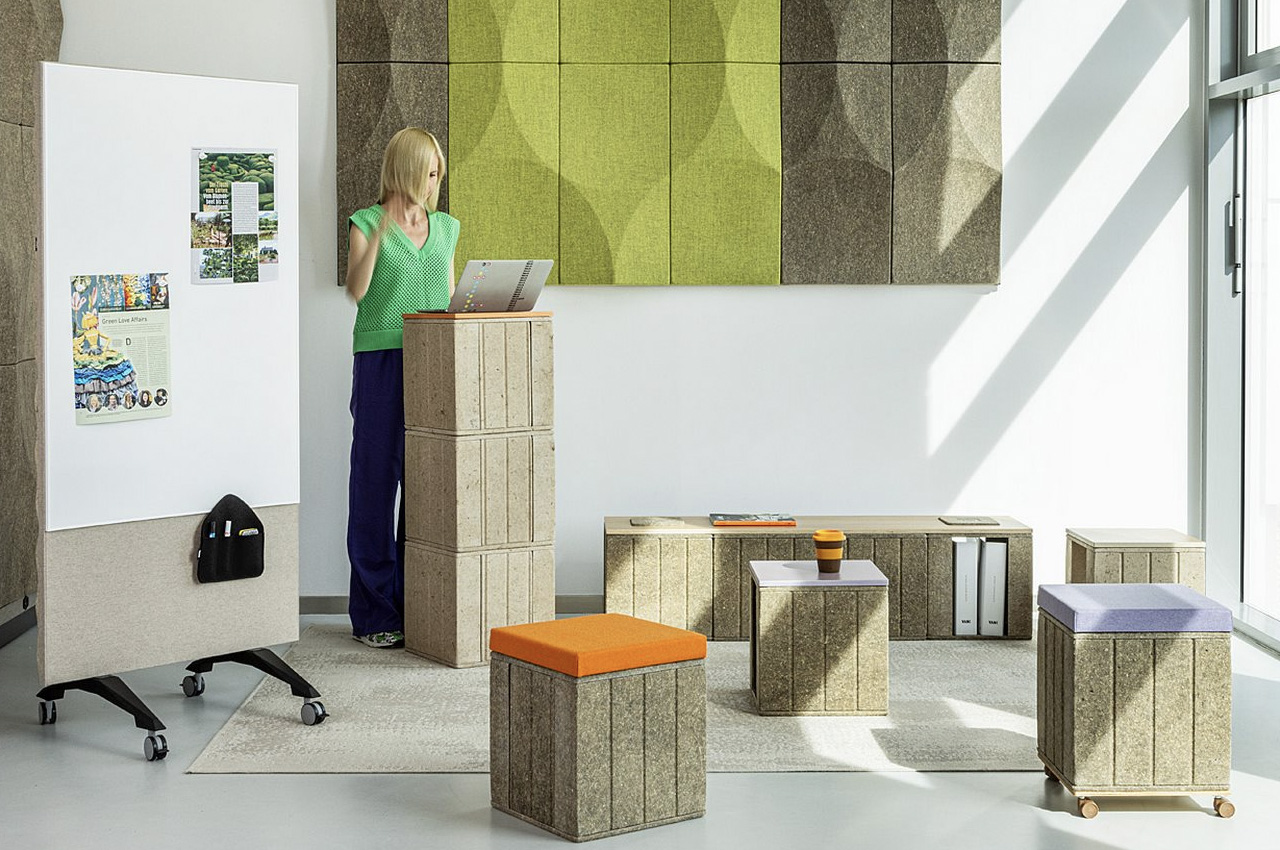
Called the Vank Cube, this modular furniture system was developed by the Polish brand Vank. The furniture system includes intriguing “building blocks” which are made from flax and hemp fibers. Designed by Vank’s creative director Anna Vonhausen, the Vank Cube can be combined and merged to fulfill a bunch of purposes, such as functioning as storage, space dividers, or even as base tables and desks. It is the kind of innovative and modern furniture solution we need in our homes, one which is sustainable, and has versatile functionality.

Designer: Vank

The various blocks feature a natural color palette, which is because they’ve been crafted from flax and hemp fibers. Vank says that the material choices are perfect for clients who want a minimalist or Japandi aesthetic, something that is subtle and clean, and yet functional. The aesthetic and appeal of the collection allow it to artfully merge with any space, it has a neutral vibe that seamlessly complements different rooms. This system is designed for interior spaces that need a lot of adaptability and versatility, such as cafes, schools, event venues, and offices.

The Vank Cube system utilizes reversible connectors and fasteners which allows for easy modification in “only a few moments”, according to the company. This allows users to customize and change the furniture system as and when needed, enabling them to create a space that perfectly suits their needs and requirements.

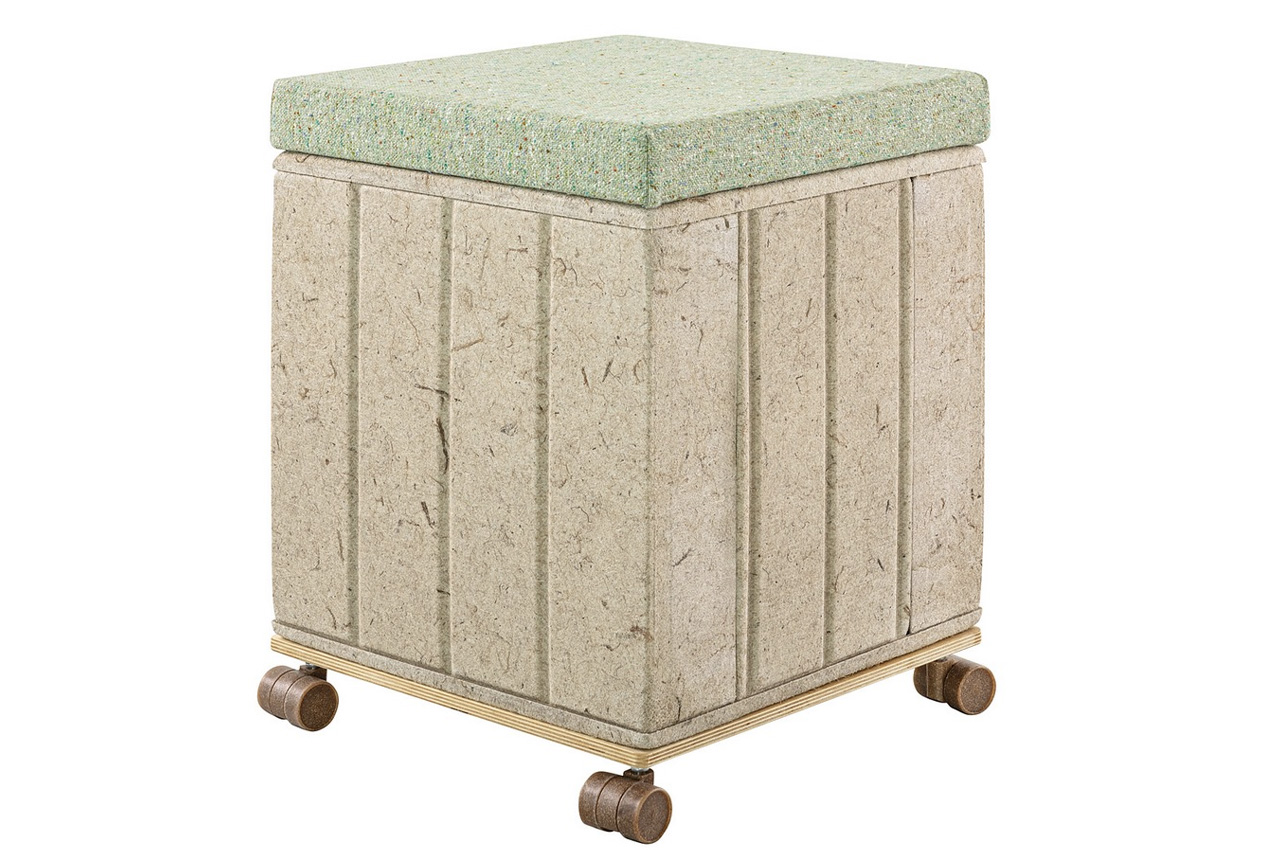
The system also includes certain optional add-on elements which support customization. These elements include an upholstered seat cushion, side panels built from biomaterial, and lightweight tops crafted from plywood. These can be finished in oak veneer or with different color coatings. If you’re seeking a well-designed and sustainable furniture solution, then the Vank Cube is the one for you. It is a flexible and modular furniture system that is designed to meet your modern-day requirements, whether they’re in an office, venue, or even your own home.

The post The Vank Cube Is A Modular & Flexible Furniture System For Spaces That Require Adaptability first appeared on Yanko Design.

Single Serve Coffee Grinder deposits the perfect grind directly into your portafilter

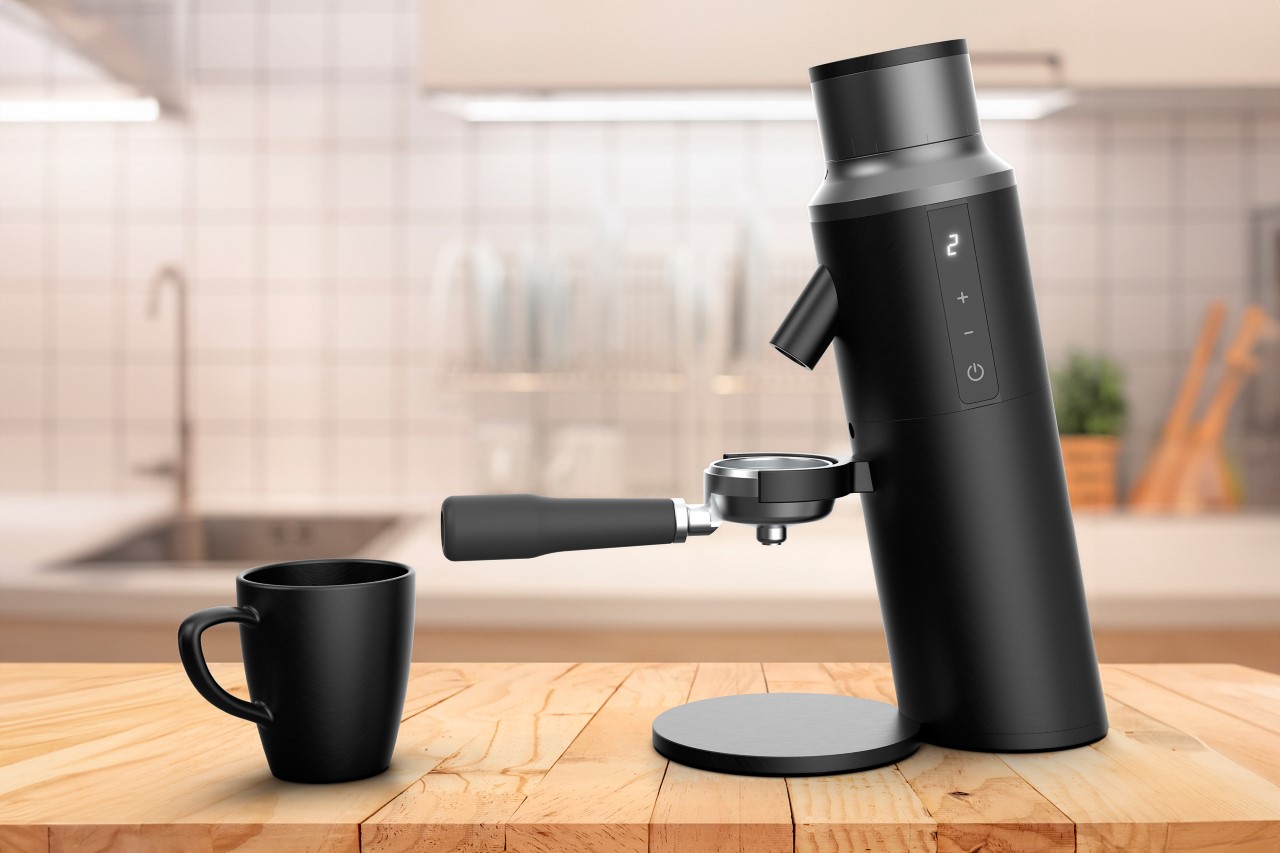
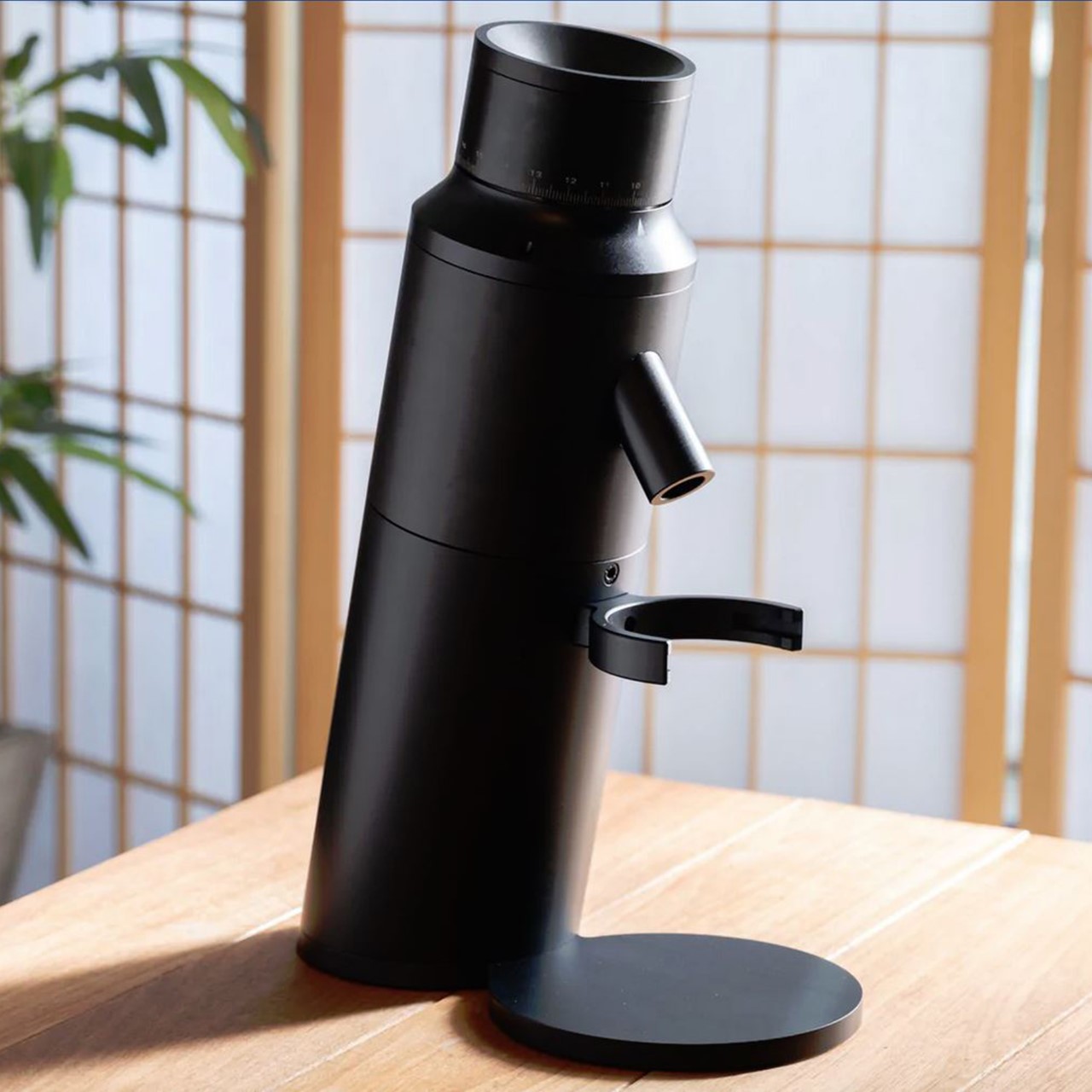
Slick, svelte, and almost looking like Michael Jackson leaning forward in his iconic stance, the AF007 (no relation to James Bond) is a tabletop conical burr grinder that does one job well – grind exactly the right amount of coffee for a single serve. For people who love the idea of a Keurig or Nespresso, but hate resorting to preground commercial beans, the AF007 gives you exactly a single or double-shot worth of coffee, dispensed directly in your portafilter, or a coarser ground dispensed right into your French press or pour-over.

Designers: Nicola Zanetti and Federico Gonzales Bosque

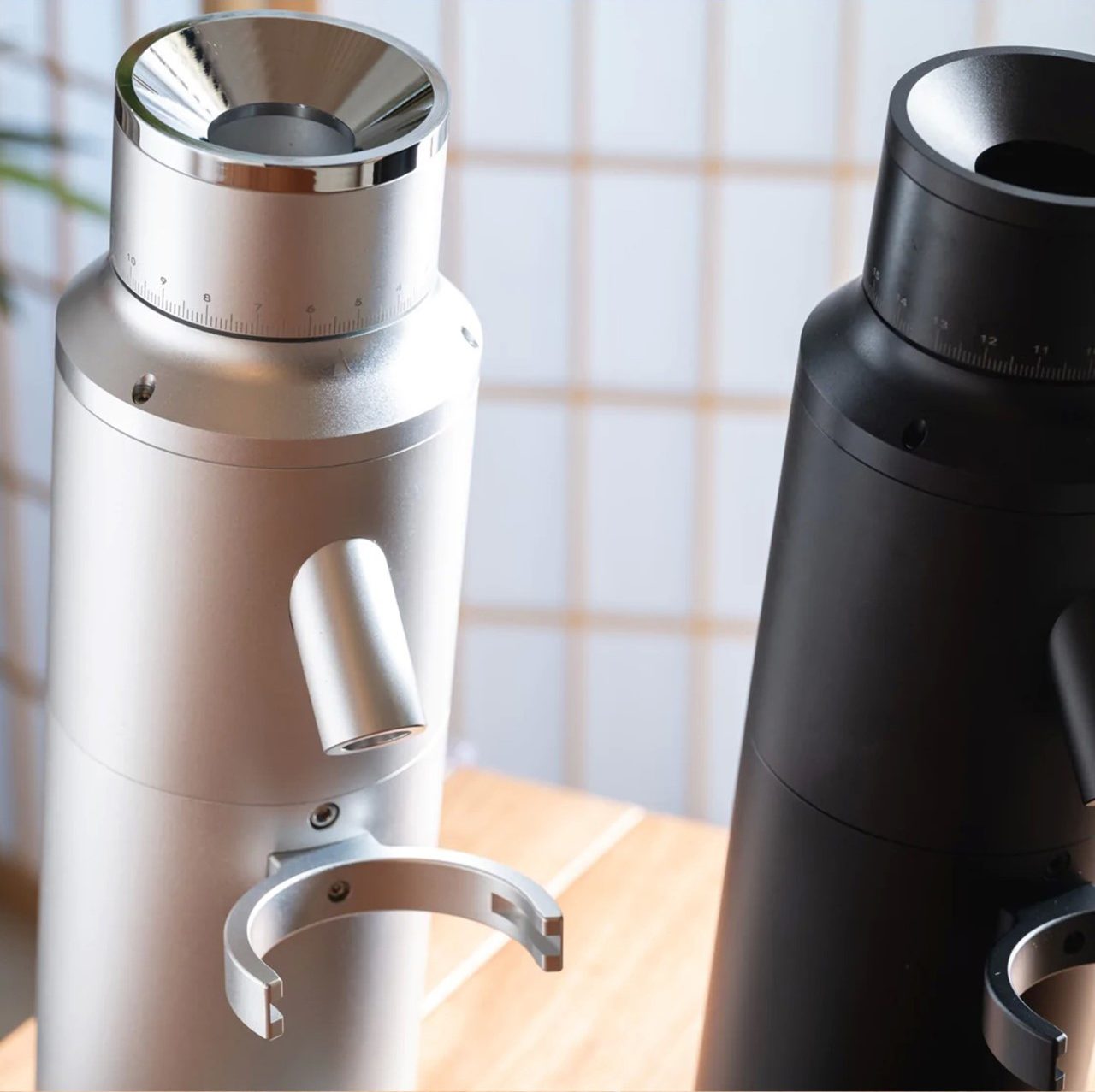
The AF007’s design is so ruthlessly minimalist you could put it somewhere in an Apple Store and nobody would bat an eyelid. It sports an incredibly clean design that’s focused on utilitarianism and is devoid of any details that would clutter the aesthetic. That being said, the AF007 still has a personality, with its geometric surfaces, wonderful matte metal finish, and that leaning-forward stance that gives it a sense of dynamism even though it’s a static device that sits on your kitchen countertop.

Using the AF007 is simple. Load the beans in the vessel through the opening at the top. The top also doubles as a rotary knob that lets you choose the grind size, going coarse for pour-over brewing, or finer for use in a Moka Pot or an espresso machine. An LED panel on the side lets you choose between a single or double-shot (smaller or larger depending on how much coffee you consume), and a holder and tray right in front of the nozzle lets you attach a portafilter or a collecting vessel for the grounds to get deposited into. It’s all deviously simple, both visually and functionally, which is what makes the AF007 such a neat little device for coffee aficionados. In fact, the grinder even won the A’ Design Award last year for its simple yet sophisticated approach to the coffee-making process!

The post Single Serve Coffee Grinder deposits the perfect grind directly into your portafilter first appeared on Yanko Design.

This Origami Kitchen Tray is the Perfect Example of How Great Design Lies in Simple Details

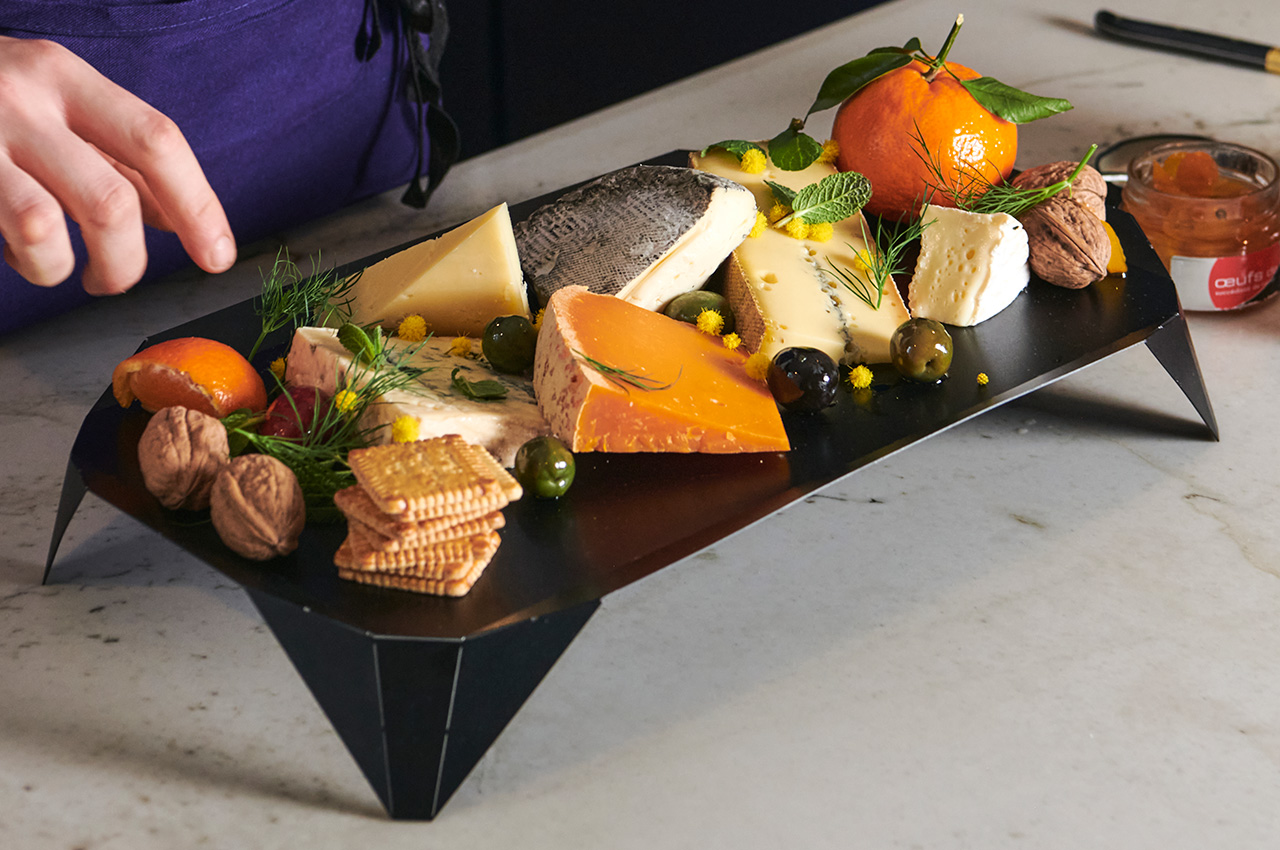
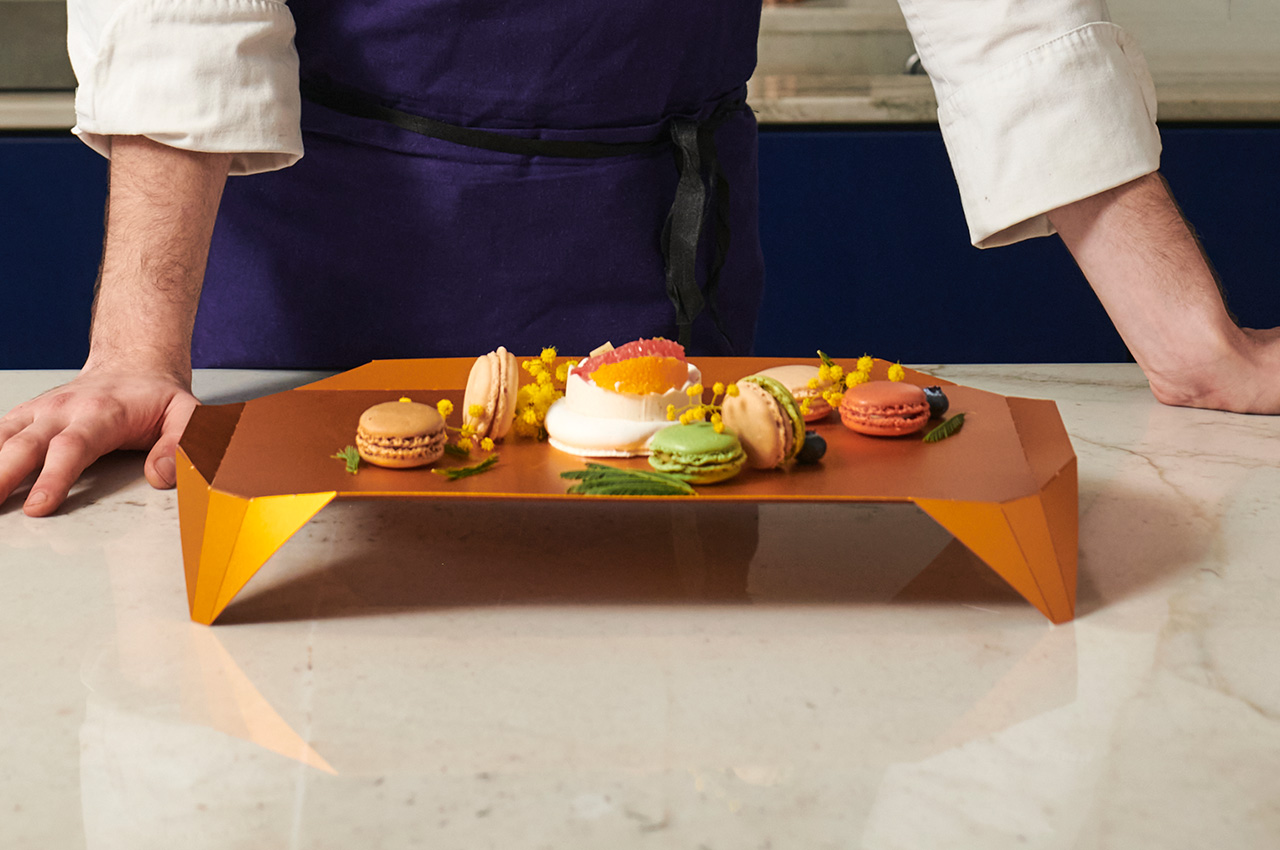
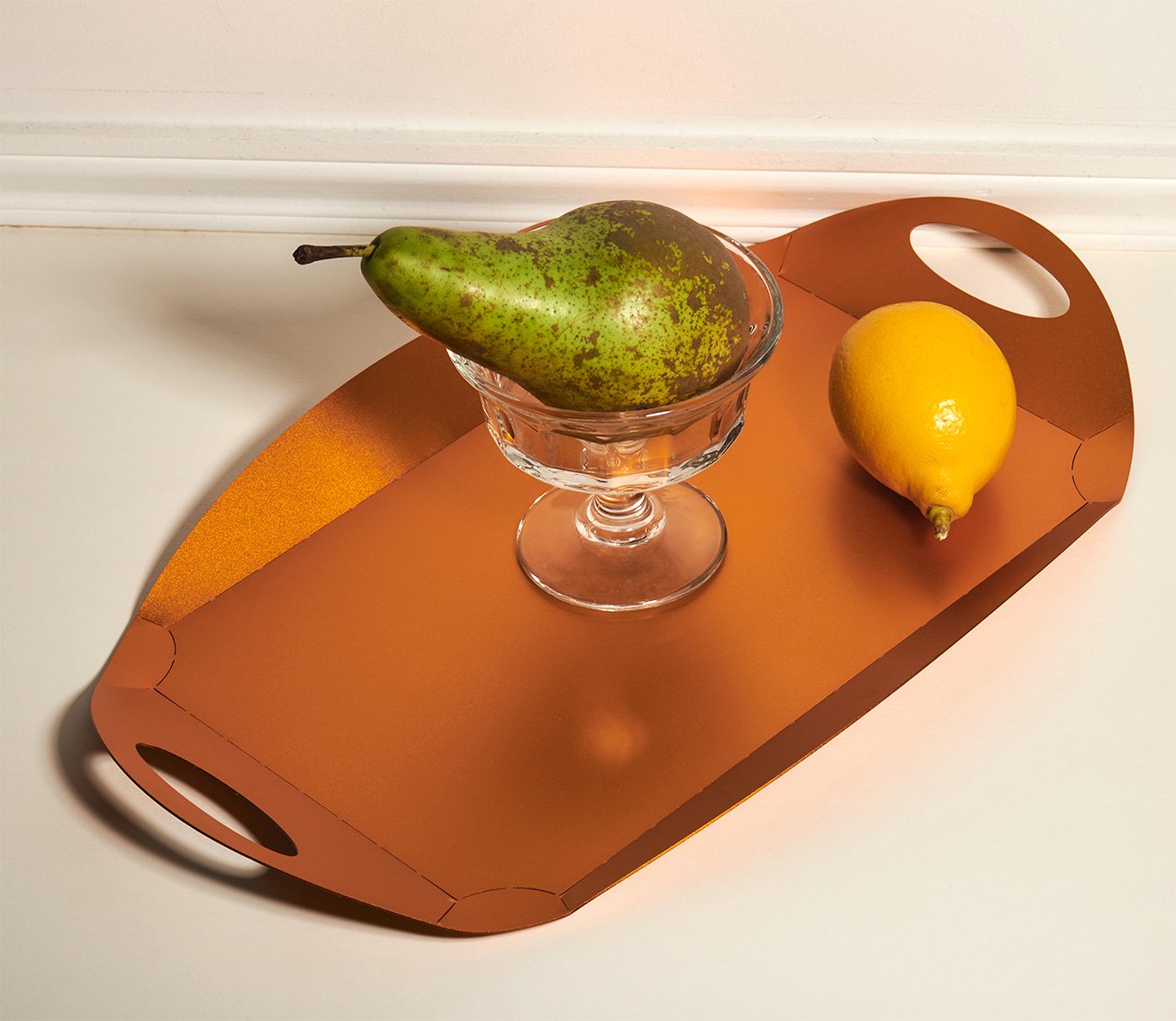
Most household items we own today are made one of two or three ways. If they’re made from plastic, chances are they’re injection molded… and if they’re metal, they’re either cast or they’re rolled/stamped into a distinct form. These methods end up defining what a product will look like. An injection-molded plastic part will never look as intricate as a 3D-printed mesh part… and a stamped metal utensil will never have the elegance of something like the Snapsys tray set. Designed using a series of strategic Origami-style bends, the Snapsys set of trays and table platforms are deceptively simple to look at, but are engineered and manufactured to perfection. Each item is made from a single 0.8mm sheet of metal that’s been creased, bent, and then anodized. The result is a set of kitchenware that’s incredibly slim, yet just as strong, thanks to the nature of the folds that help provide rigidity.

Designers: Sang Hyuk Han & Eunju Jang

Click Here to Buy Now: $149 $160 ($11 off). Hurry, offer ends soon!

The Snapsys set of trays and table are ‘Origami-style folding plate’ that have a thickness of 0.8mm (about as much as a credit card).

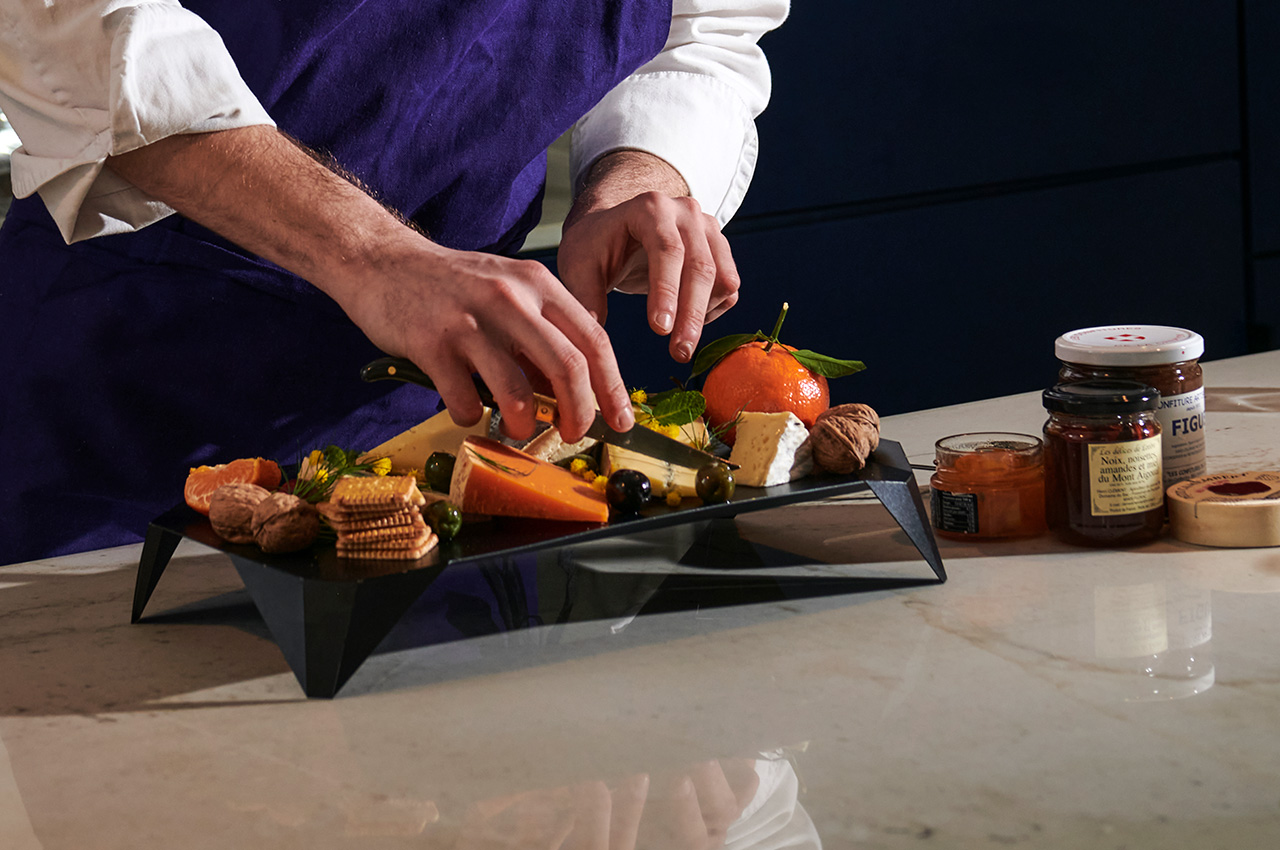
The Snapsys set comes in three tray styles that double as decorative tabletop platforms for displaying your food. Most trays look terribly run-of-the-mill, but given the Snapsys set’s unique manufacturing technique, this tray collection has no such problem. The trays look defyingly thin, to the point of feeling fragile. They do measure just 0.8mm (about as much as a credit card), but are surprisingly strong thanks to the folding structures that give them the ability to carry well beyond their weight without bending or flexing.

Use as a service tray.

A decorative incense stick tray!

Candle Holder!

The secret lies in the origami-style folds that help strengthen the trays while giving them their rather memorable designs. The fold lines aren’t regular, but instead follow a curve, allowing the metal sheet to bend in a curved way too. This helps strengthen the metal, making it rigid instead of flimsy. You can try the same technique with paper, observing how curved folds help give paper additional stiffness too.

Some trays look conventional, with handles on either side. Others come with legs, elevating your food by an inch or two to help your dishes stand out against a laid-out table. All trays come with anodized color options, allowing you to add a splash of vibrance to your tabletop decor as well as allowing the trays themselves to serve as accent pieces. The anodized finish also makes them durable and corrosion-resistant, increasing their overall lifespan. The tray sets, which come in black, yellow, blue, or a nude silver, start at a discounted $149, which includes three trays – 1 rectangular tray, 1 oval tray, and 1 half-plate tray.

Click Here to Buy Now: $149 $160 ($11 off). Hurry, offer ends soon!

The post This Origami Kitchen Tray is the Perfect Example of How Great Design Lies in Simple Details first appeared on Yanko Design.
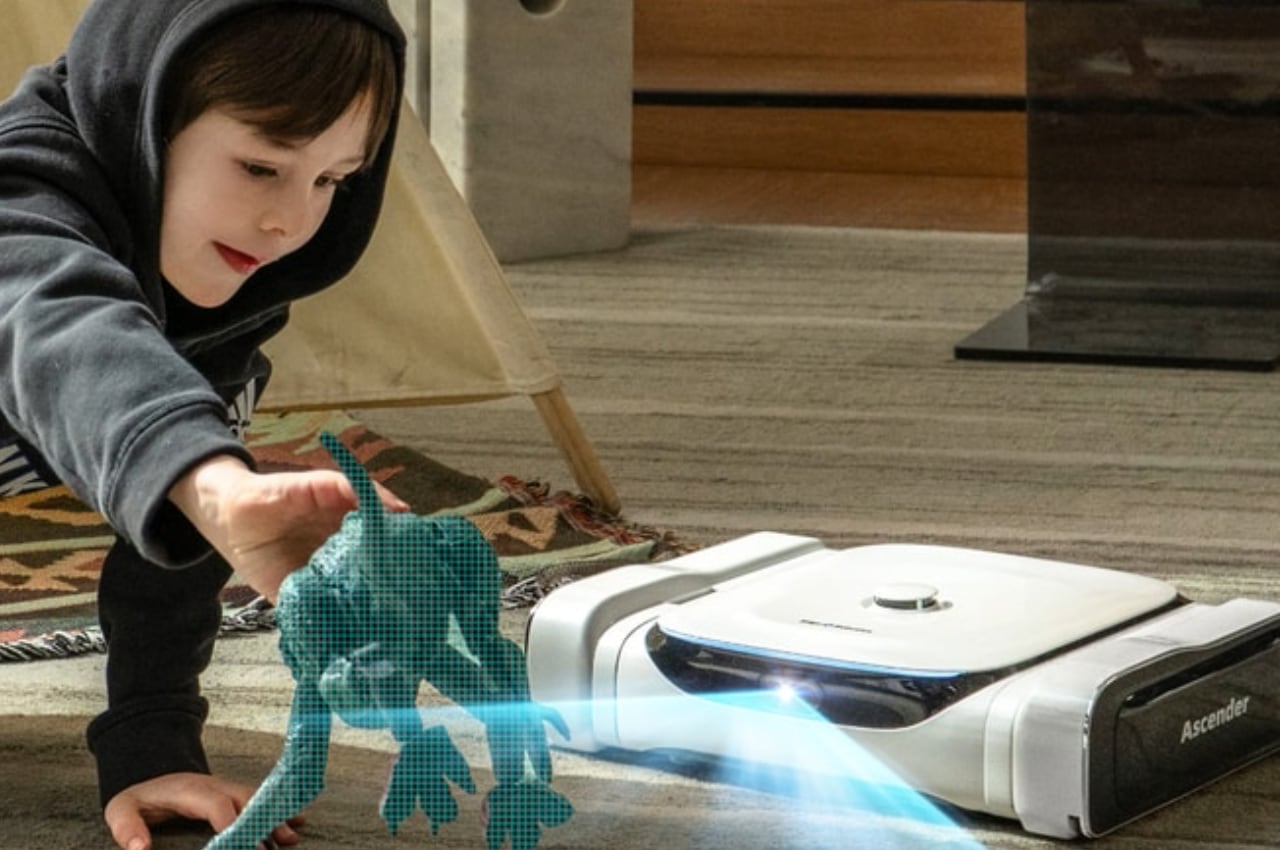
Futuristic indoor pot concept turns your plant into a virtual pet

We all know that plants are living things, but we also often just treat them as objects simply because they don’t behave like animals and humans. It’s almost hard for us to wrap our heads around the fact that the mostly stationary creatures in pots are alive until they show signs of withering and dying. We’d probably have a completely different attitude if those plants started to show expressions or visibly react to changes in the environment and human interaction. That’s the kind of paradigm shift that this smart plant pot concept is trying to develop by creating a holographic representation of the plant that makes you feel like you’re taking care of a pet instead of just a succulent.

Designers: Dingyu Xiao, Bouyan Pan, Jianshen Yuan, “me me” (Suosi Design)

Plants are like pets with very stoic personalities. They don’t immediately react to the way you take care of them but the effects reveal themselves sooner or later, whether they’re good or bad. The delayed feedback might sometimes make us also slow to respond, sometimes leading to a detached and impersonal relationship that could lead to the plant’s untimely demise. Of course, we could just use one of those smart, self-watering planters, but that widens the gap even further.

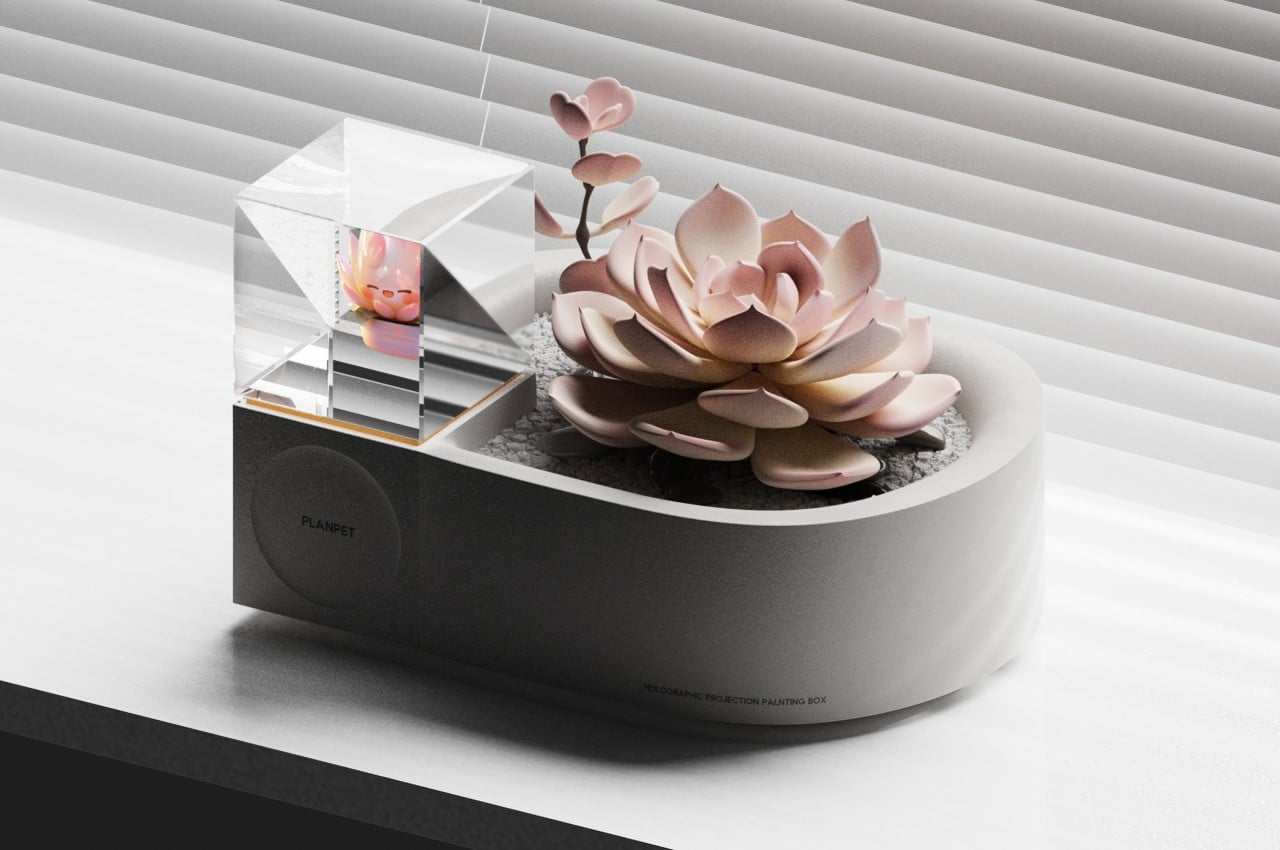
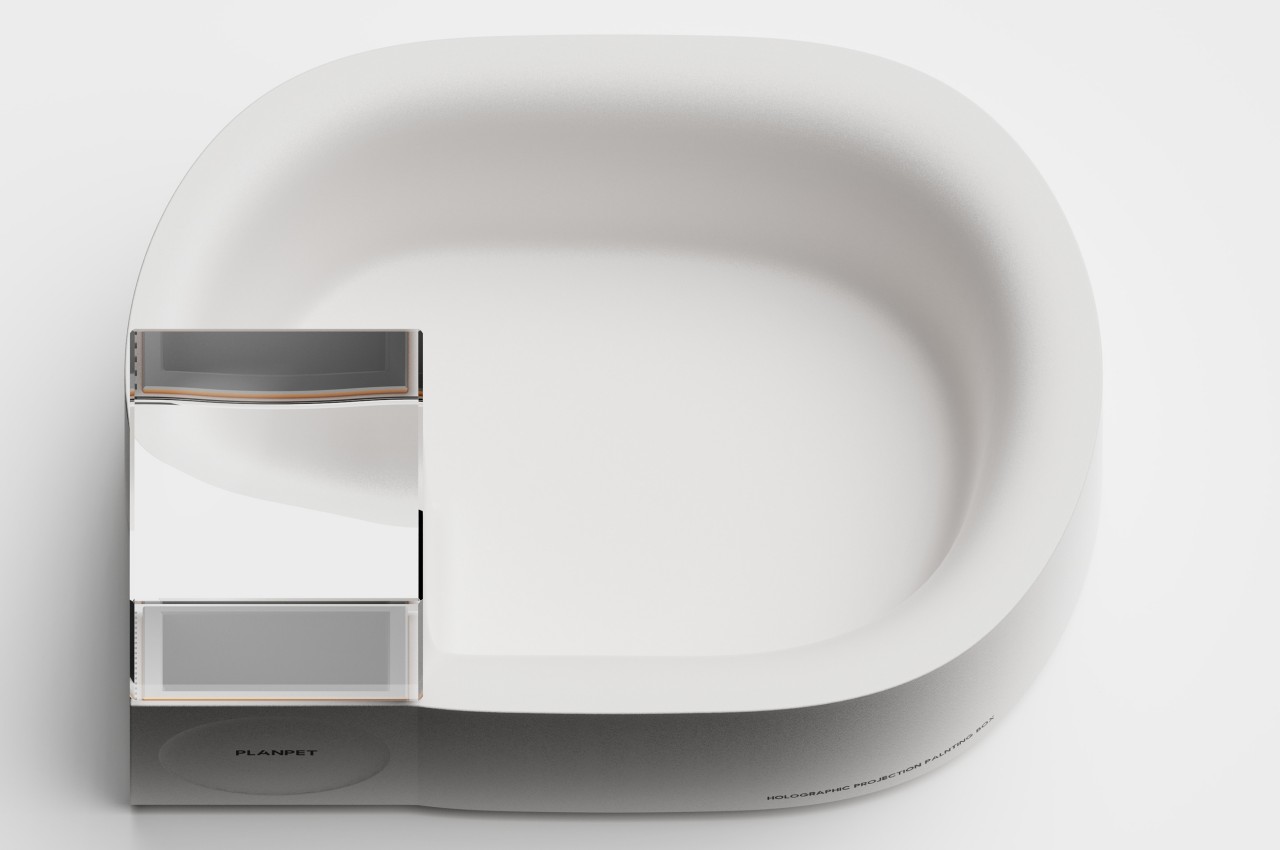
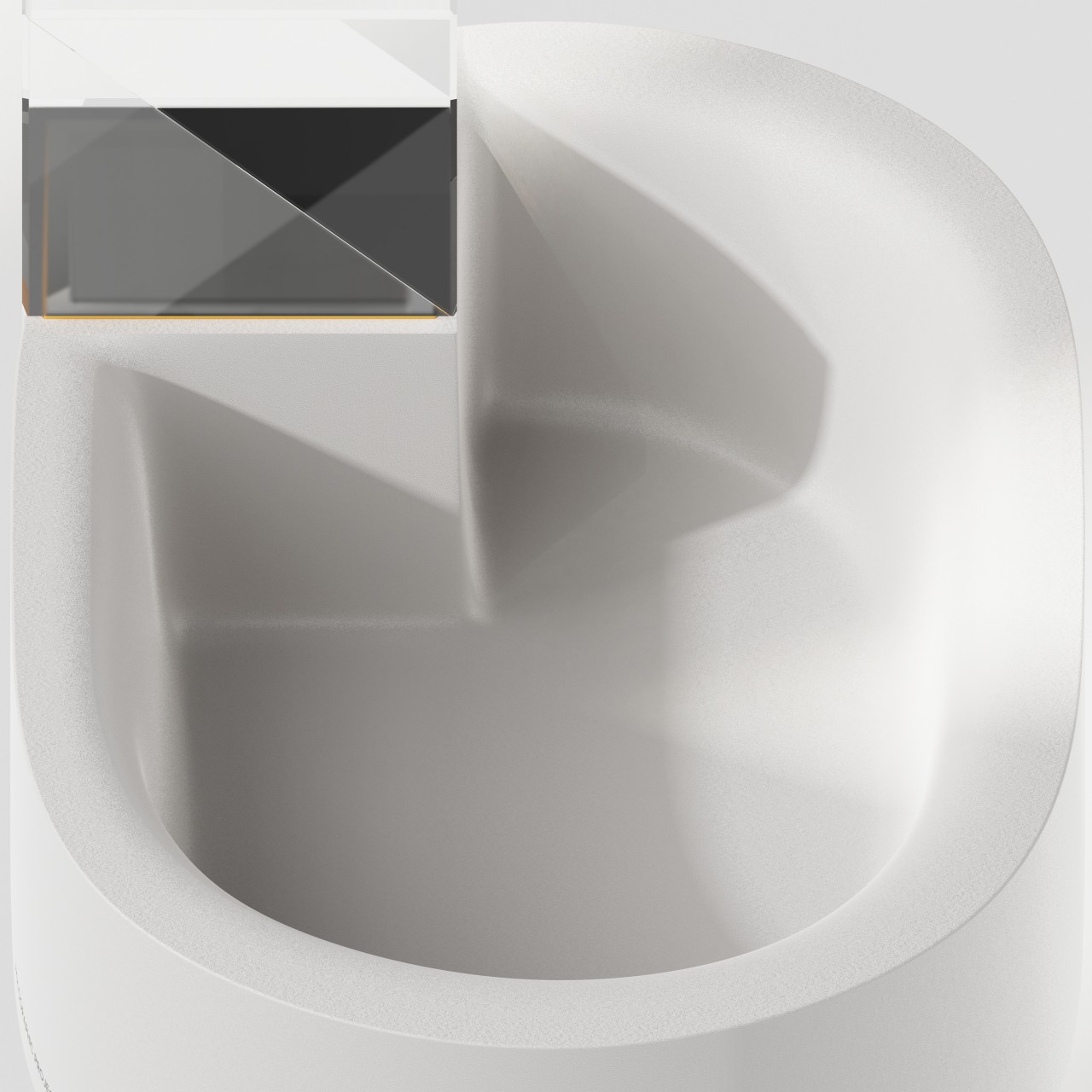
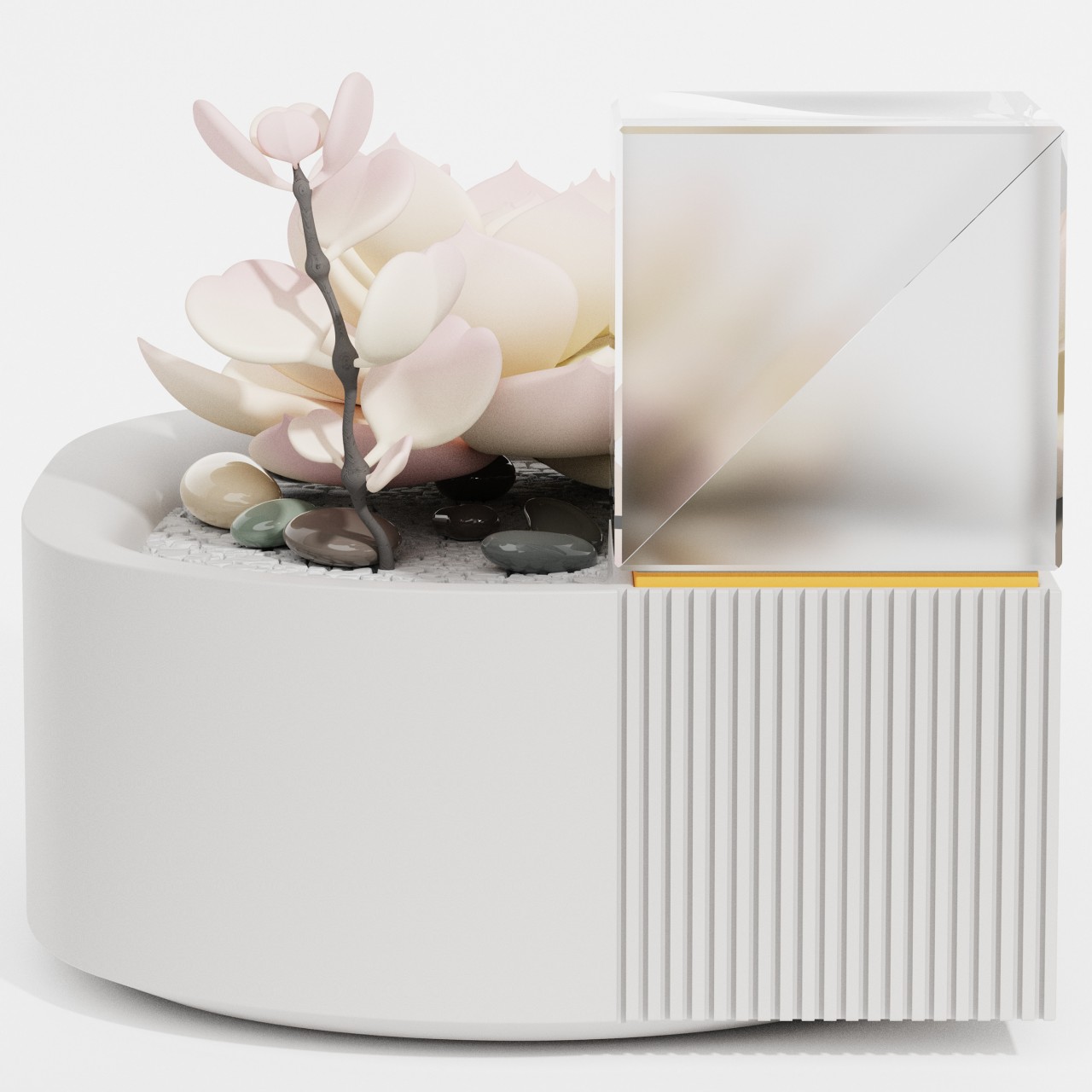
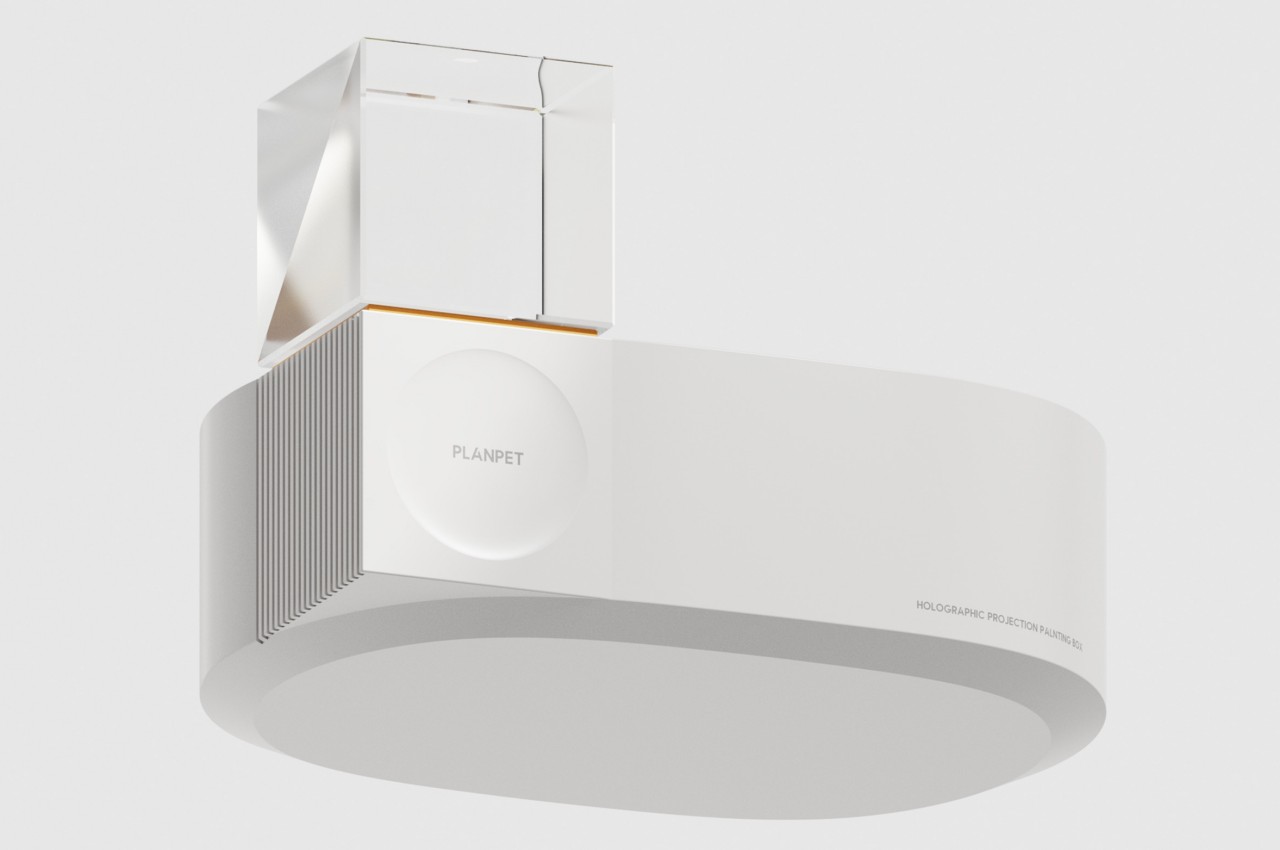
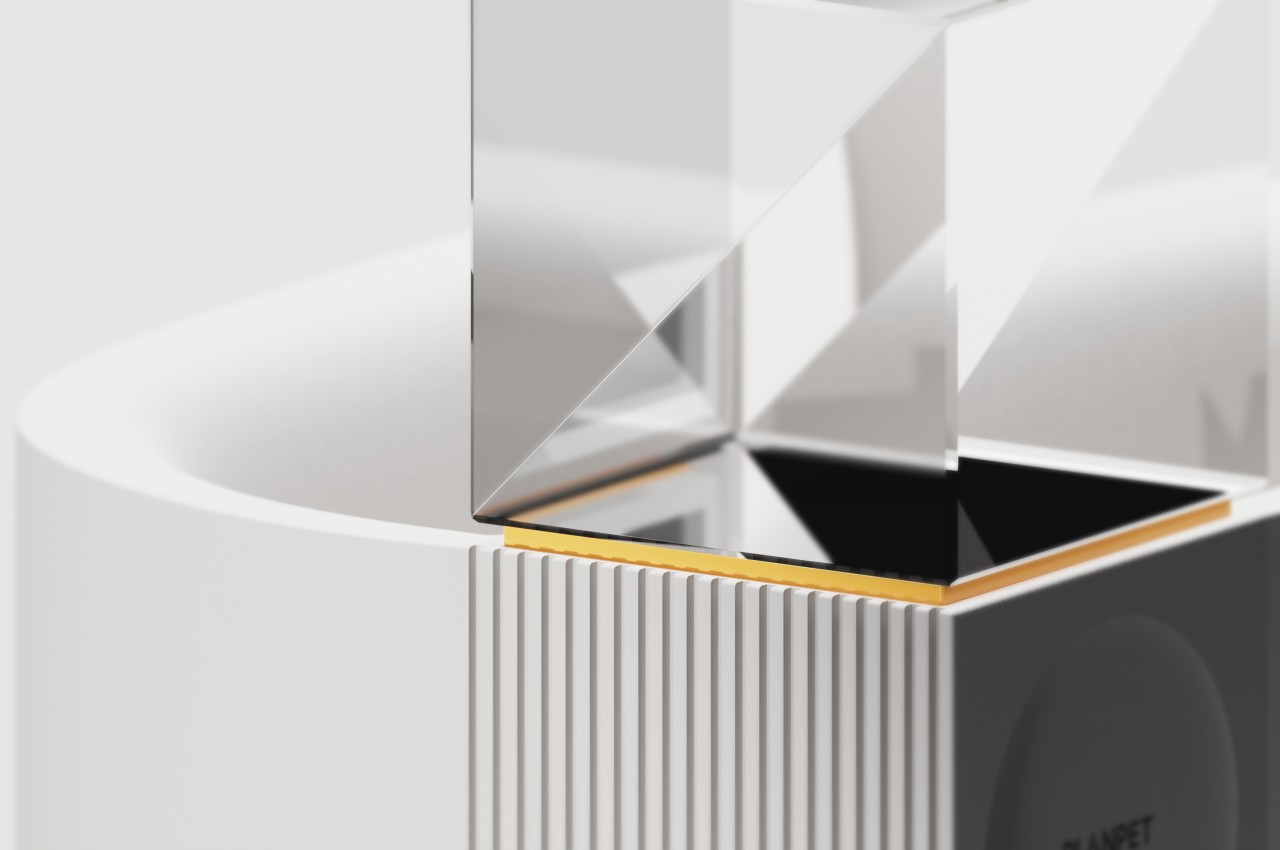
Planpet is a smart plant pot concept that tries to create a more personal connection between humans and plants by giving the plant a face and changing the way we see it. There’s a glass cube standing on one end of the box-shaped pot, right beside where the actual hole for the plant is. This cube isn’t just some extraneous embellishment, however, and is actually a holographic display that shows a miniature 3D representation of the plant with one big difference: it actually has an expressive face.

The idea is that the user will select a virtual character that best resembles the type of plant being put in the pot. But more than just a passive face, this virtual plant will change its facial expressions based on real-time soil and environment analysis. It will react when you give it enough light, when you water it, or even when forget to take care of it.

Planpet is pretty much like Tamagotchi for plants but with more significant consequences in the real world. Rather than waiting for the plant to dry up and die before you get a clue, seeing the expressions the “plant pet” makes gives more immediate feedback and warnings when things aren’t going well for the plant. It still won’t be able to dynamically respond to your actions or commands unless you add a pinch of AI, but just having a face that can express some emotions is enough to really make the plant feel more alive, driving home the responsibility of raising a plant just as you would a dog or a cat.

The post Futuristic indoor pot concept turns your plant into a virtual pet first appeared on Yanko Design.
Titan x Yanko Design “Retrofuturism Challenge” Announces Innovative Winning Designs

The first Titan x Yanko Design “Retrofuturism Challenge” finally came to a close in April, with the companies revealing their grand winners. Three winners were chosen from hundreds of entries and were awarded cash prizes and KeyShot licenses.

Participants were required to design one of the following – a watch, eyewear, jewelry, or backpack – keeping in mind the ‘Retrofuturism’ brief. The brief invited designers to marry the golden yesteryears with the uncharted tomorrows, creating designs that resonate with the warmth of nostalgia yet pulse with the promise of the future. The Titan x YD Jury Panel awarded Tejas Sunil Suryawanshi as their grand winner, with Swetha Shanmuhavel getting the 1st Runner Up Prize, and Serhan Yenilmez getting the 2nd Runner Up Prize. Winners were selected across 3 of the 4 product categories, and the jury even gave participant Jack Wells an Honorable Mention for his entry.


Winner – Tejas Sunil Suryawanshi

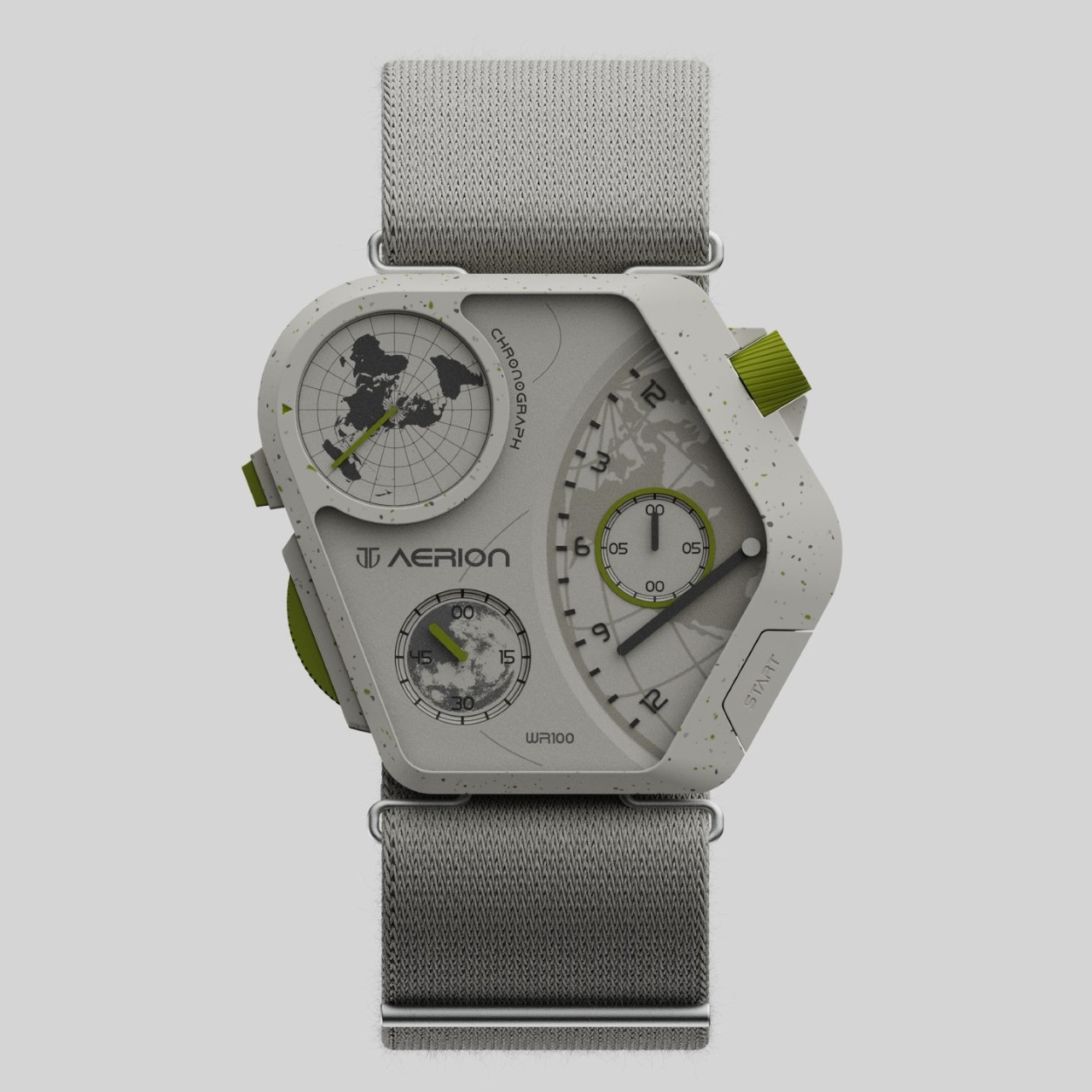
Suryawanshi’s Aerion watch captivated the judges for its unconventional design that married new technology with unique form factors, and an eye-catching brutalist design language that still managed to be both exciting and practical. The timepiece boasts a captivating design with a semi-circular dial on the right marking the hours and a smaller counterpart on the left for minutes. Evocative of the Earth and Moon’s interplay, these dials charmingly illustrate the lunar orbit. Incorporating practicality, two buttons flank the watch for activating the chronograph function. This feature seamlessly transforms the minute hand into a seconds hand for precise timing, aided by a secondary dial measuring half-second intervals within the hour display. A top-right disc on the watch face elegantly presents a map with crucial longitudes, alongside a rotating hand pinpointing the sun’s position overhead, indicating local solar time. Notably, the outer bezel of the disc also includes a discreet arrow for user location reference.

1st Runner Up – Swetha Shanmuhavel

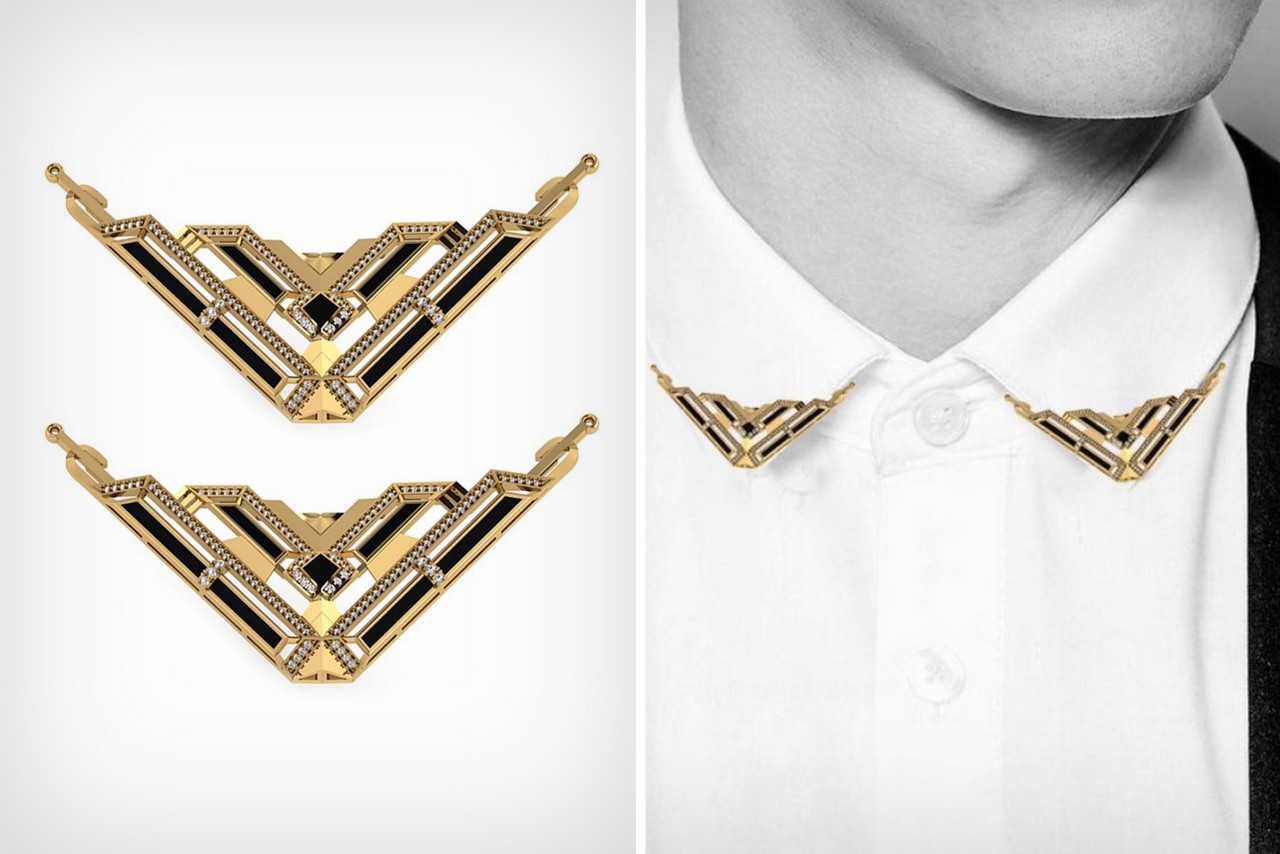
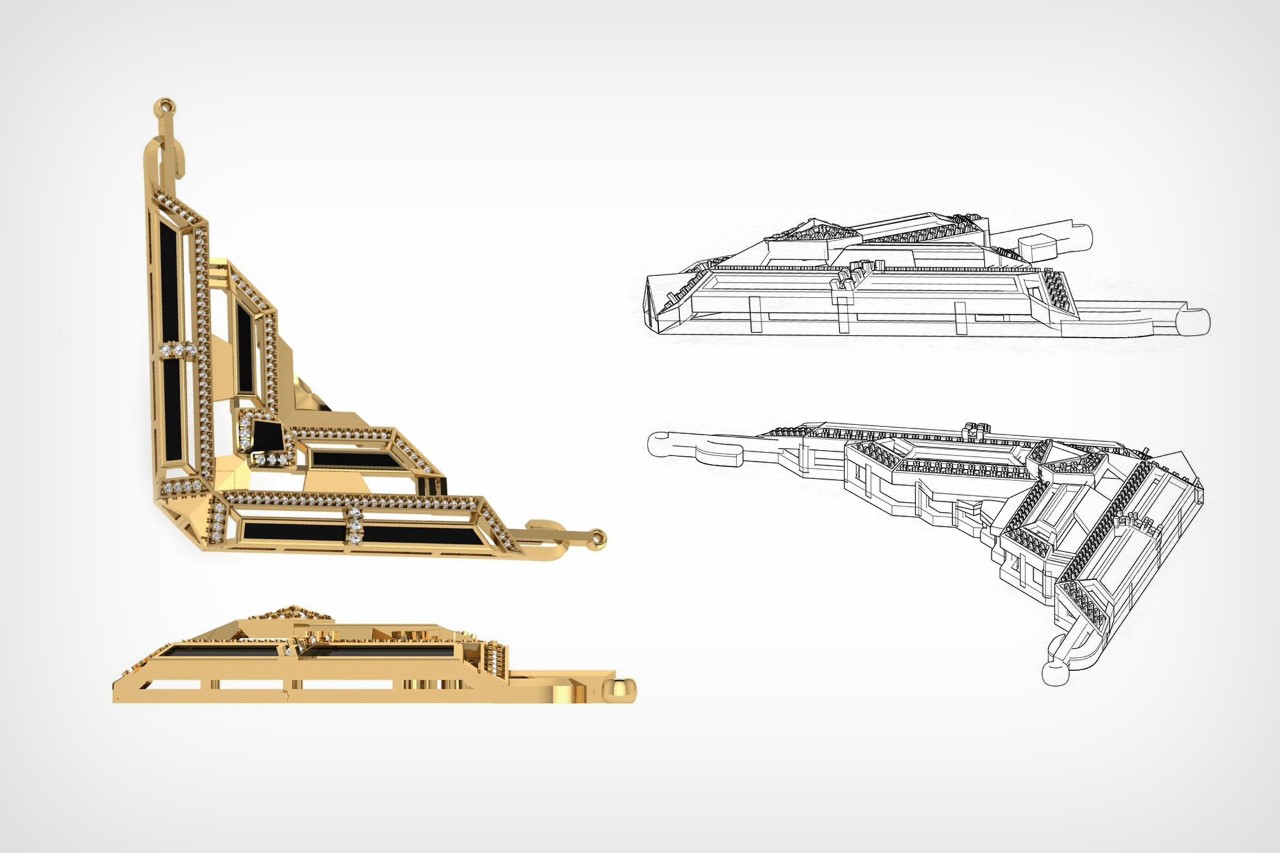
Swetha Shanmuhavel, who goes by ‘_.enigmiala._’ on Instagram secured second place for her jewelry design – Collar Pins. The unique interpretation of creating jewelry that affixes to the corner of a collar or a chest pocket really resonated with the judges as unique and interpreting the brief perfectly. The art deco styling of the pin was a perfect pick for the retrofuturistic theme, given its distinctly luxurious yet geometric patterns. “In the hopes of a utopian retro-futuristic world that will be culturally sensitive and celebrate inclusivity and self-expression, I aim, as a designer, to break down societal expectations and exercise creative freedom to explore innovative and unique designs that transcend traditional gender boundaries,” said Shanmuhavel. Striking an 83-degree angle, these pins are a statement piece crafted in 18k gold, black enamel, and diamonds. Their bold geometric lines and rich embellishments showcase both individuality and imagination. Secured by a screw at the back, these versatile pieces can be worn on a crisp shirt collar or a jacket lapel, adding a touch of retro charm with a futuristic twist. They are a nod to the past, reimagined for the modern era.

2nd Runner Up – Serhan Yenilmez

Serhan Yenilmez’s “Cat Eye” glasses won the final prize for its call-back to the cat-shaped quintessential ‘librarian’ glasses of the 50s and 60s. Unlike those, however, these glasses come with layers that add volume and chunk to the glasses, giving them a distinct appearance that’s sure to have you look twice. “Main target was to keep the classic unique form and make it look more sophisticated and up-to-date by some ideas such as leather pads and mix & match material options,” described Serhan, adding that “All the parts are detachable and mixes with each other as the user sees fit…”

Honorable Mention – Jack Wells

Finally, the judges awarded Jack Wells an honorable mention for his watch entry ‘Rotograde’. Although the watch’s design lacked feasibility in its current stage, it reinterpreted timetelling by relying on something as rudimentary as a belt and gear. This, coupled with the unique aesthetic of the watch made it a retrofuturistic dream come true. “This retrofuturistic watch utilizes a belt-driven analog handset to convey the time. The dial’s linear display enables the time to be read like lines of text, making it more efficient as a time-telling process than the traditional three-hand set-up,” Jack said, referencing Gerald Genta and Sir Jony Ive as his inspirations.

The post Titan x Yanko Design “Retrofuturism Challenge” Announces Innovative Winning Designs first appeared on Yanko Design.
These Edible Gummy Dungeons and Dragons Characters raised over $300,000 on Kickstarter

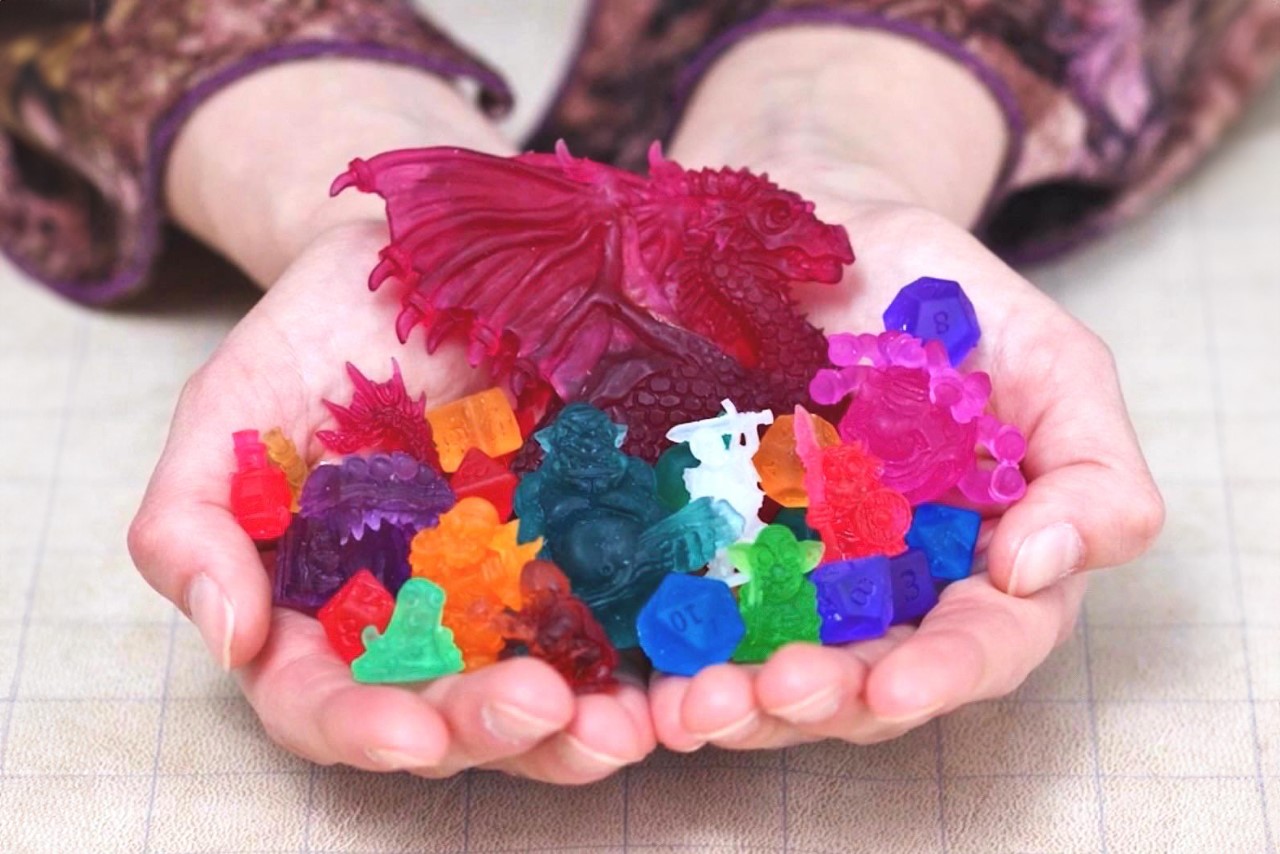
They say you shouldn’t play with your food… but that’s precisely what the Gummyquest was designed for. These mouthwateringly mythical treats were designed to make your game nights fulfilling as well as filling! Meet Gummyquest, an all-encompassing kit of more than 150 characters straight out of a fantasy roleplaying tabletop game. You’ve got dragons, goblins, heroes, dice, potions, everything needed for a rewarding game… but the best part? All the characters are edible! Made out of a chewy gummy gel (like your gummy bears or worms), every character or element in the Gummyquest is edible, with each individual piece having its own distinct flavor. Play your turn, kill a character, use a potion, and destroy the evidence by eating it. It’s a fun new twist on your favorite game with 25 different flavors to keep every single round uniquely tongue-tinglingly fun!

Designer: Jay

Click Here to Buy Now: $42 $60 (30%) off. Hurry! Limited availability! Raised over $310,000.

Stories make everything fun, especially food. Whether it’s your parents turning a spoon of veggies into a plane that flies into your mouth, or whether it’s a Michelin-star restaurant weaving stories through their intricate dishes, where there’s a story, there’s a memorable experience. That’s sort of what the Gummyquest series builds on, with its set of 151 characters and items (with more being added to the collection every day) that make for a perfect tabletop gaming day with friends, colleagues, or family.

The collection encompasses practically every element of a roleplaying game like DND – you’ve got heroes and villains, orcs, goblins, dragons, knights, wizards, paladins, and even Dune-style sandworms. Along with players are potions and polyhedral dice to make the game even more interesting. All these elements encompass 25 rather mouth-watering flavors, from specific berries and fruits to more vaguely tropical flavor profiles, to even marshmallow-flavored items. “Some of our favorite fantasy flavors include Orcish Creamsicle, Paladin Piña Colada, Owlberry, and Death”, says creator Jay. Each box is packed with 151 gummies including 76 monsters, 15 heroes, 25 potions, and 35 dice.

The edible set is truly a work of art. Each single gummy was designed and sculpted by a meticulous team of people who fill shelves in every game store in America with miniatures from Dungeons & Dragons, Reaper Bones, and Warp Miniatures. The gummies were designed as a part of a broader story and theme, and were crafted to perfection, with details that would make you want to never eat a boring gummy bear or worm ever again.

Tragically, the set only lasts one or two, or maybe three games. Once the gummies run out, you’ll either have to revert back to playing with non-edible characters, or buy another set. Luckily, the Gummyquest box sets are on discount, priced at $42 for a set of 151 pieces. As the crowdfunding campaign gains speed (they’ve raised over $300k), the kit will include even more characters and items like gryphons, slime monsters, warrior princesses, and even a Kraken! Grab your Gummyquest while you can… I’m pretty sure they don’t expire, but don’t quote me.

Click Here to Buy Now: $42 $60 (30%) off. Hurry! Limited availability! Raised over $310,000.

The post These Edible Gummy Dungeons and Dragons Characters raised over $300,000 on Kickstarter first appeared on Yanko Design.
Otherworldly-Looking Origami-Inspired Lighting Fixture Seems To Suspend Mid-Air

Lighting designs today are truly innovative and unique, I mean you find all kinds of cool lighting designs out there! Today designers are creating unique, functional, and powerful pieces that not only light up a living space but also add an extra oomph factor! These lighting designs not only help you see in the dark, but they also function as an attractive and visually appealing piece. And, one such lighting design is Sora Light by Fung + Bedford for Frandsen.
Designer: Fung + Bedford for Frandsen

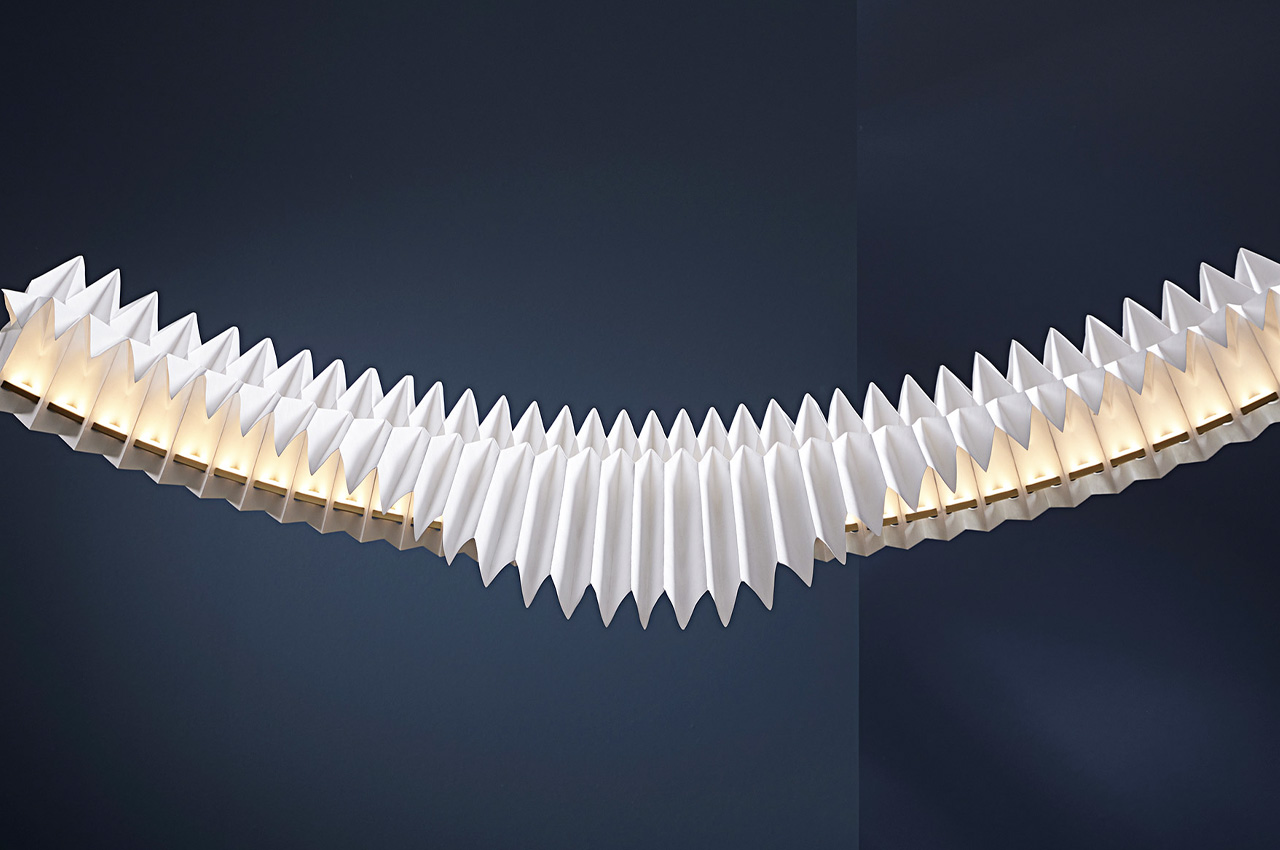
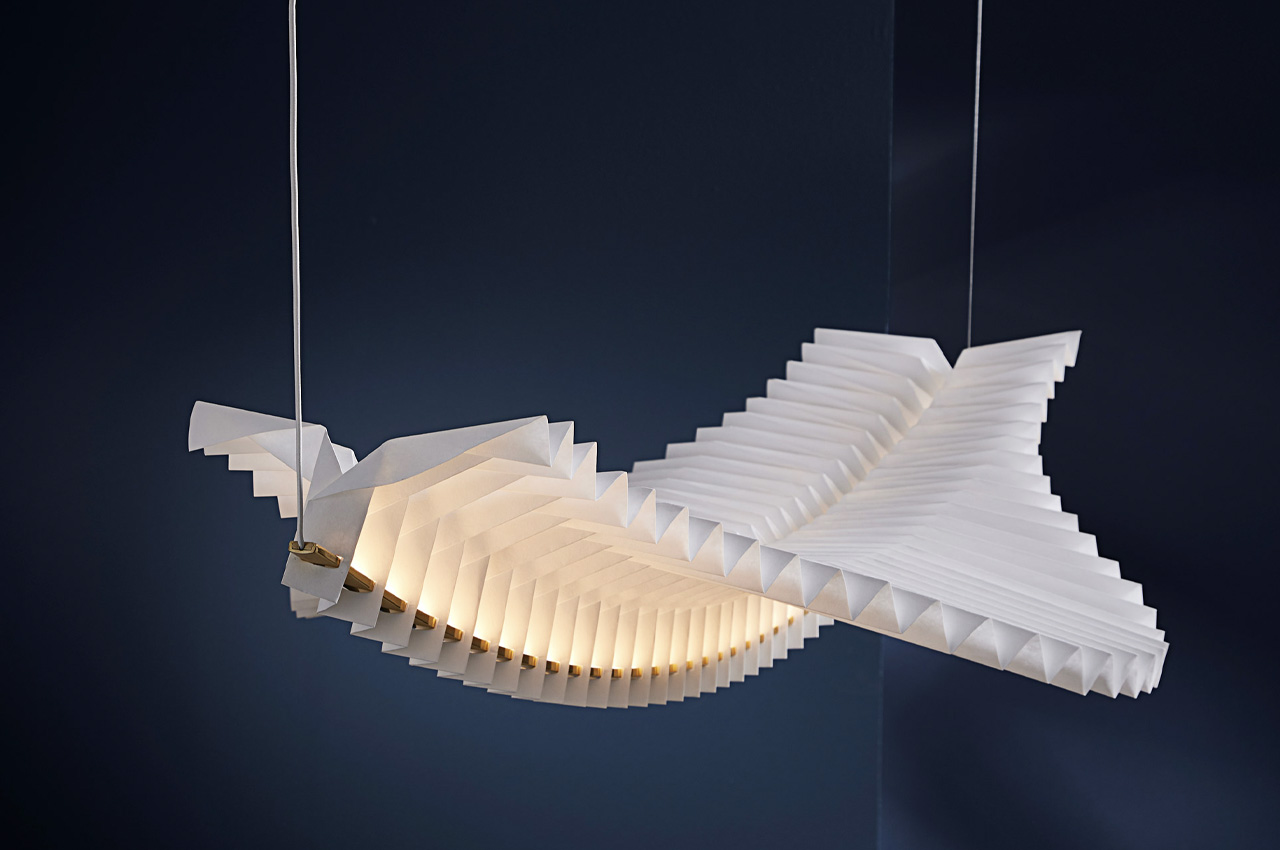
Designed by UK-based design duo Fung + Bedford, this statement light for the Danish brand Frandsen is inspired by the Japanese art of origami. As you look at it, you can see how widely and generously it has drawn on art the of origami. Called the Sora pendant light, it features a horizontal form and is artfully suspended between two cords, and flanked by wing-like intrusions, which gives the impression that it is floating in mid-air.
An LED strip light is embedded inside the bottom of the fixture, which allows it to radiate a soft and warm light. The subtle glow seems to spread across the lamp’s structure, which is crafted from tyvek – a paper-like and synthetic material produced from compressed fibers. Tyvek has been utilized since it is waterproof and features tear-proof characteristics. It is also a 100 percent recyclable material, according to the designers.

“A sculptural statement piece which appears to levitate in its surroundings, Sora exudes a serene, radiant aura whilst transcending the boundaries of traditional lighting design,” said Frandsen. And Sora truly has an almost other-worldly and ethereal look to it. It seems to suspend from the air, giving it a charming and floating quality. It can add an extra oomph factor, and loads of muted elegance to a living space, or even a commercial office space if you’re feeling experimenting.

The post Otherworldly-Looking Origami-Inspired Lighting Fixture Seems To Suspend Mid-Air first appeared on Yanko Design.