5 Reasons Modern Treehouses Just Became the Ultimate Luxury Escape

Treehouses have re-emerged not as nostalgic artifacts, but as serious architectural propositions. Within contemporary practice, they are understood as a distilled form of biophilic thinking – where structure, ecology, and human occupation are inseparable. Rather than imposing form on landscape, treetop architecture allows the built environment to coexist, adapt, and respond to living systems.

Occupying a treehouse establishes a rare spatial contract with nature. The tree is not a backdrop but a collaborator, shaping load, movement, and experience. This vertical inhabitation reframes ideas of shelter and elevation, offering a quiet yet powerful redefinition of how architecture can belong within the canopy.

1. Safe and Elevated Spaces

The charm of a treehouse comes from the idea of prospect and refuge – our natural need to see without being seen. Being up high gives a clear view of the surroundings, while the leaves and branches around provide shelter and privacy. This combination makes us feel safe and calm instinctively.

Raising the floor above the ground keeps us away from noise and distractions below. The treehouse becomes a peaceful, natural cocoon. Height isn’t just about the view as it gives a sense of security and comfort, letting us enjoy both openness and protection in one space.

Called the Forest Lab for Observational Research and Analysis (FLORA), this treetop observatory sits within Barcelona’s Collserola Natural Park at the Institute for Advanced Architecture of Catalonia (IAAC). Suspended within the forest canopy, the compact structure serves as a living and working space for researchers studying local biodiversity. Rising about 28 feet high, FLORA is designed as an immersive platform that allows direct access to the upper layers of the forest, making scientific observation possible without disturbing the ground below.

What makes FLORA especially notable is its material strategy. The entire mass-timber structure was built using invasive pine trees sourced from within the park through carefully managed forestry practices. These trees were processed into cross-laminated timber panels, laminated beams, and solid wood components, following a zero-kilometer approach to construction. Inside, the observatory includes work areas, projection space, and bird-monitoring features, turning the building into a functional research prototype that demonstrates how sustainable materials and sensitive design can support long-term ecological study.

2. Use of Honest Natural Materials

A treehouse’s beauty comes from using materials that feel natural and honest. High-quality timber, like cedar or reclaimed teak, allows the house to grow and age alongside the tree. This isn’t just for looks, as it supports the strength and health of both the tree and the structure.

Special hardware, such as Treehouse Attachment Bolts (TABs), lets the tree move and grow naturally without damage. By avoiding heavy concrete foundations, this method protects the tree and reduces environmental impact. The result is a sustainable, long-lasting design where architecture and nature coexist in balance.

Set within the wooded hills of Dunabogdány, Hungary, Console House by Hello Wood is a quiet retreat overlooking the Danube Bend. Designed to sit lightly within the landscape, the minimalist home follows a calm, nature-first approach, allowing the forest to remain the main visual focus. Raised on slender stilts, the structure appears to float above the ground, preserving natural water flow and wildlife movement beneath. Large glass openings frame peaceful valley views while filling the interiors with soft daylight.

A defining feature of the home is its long cantilevered roof, which creates a generous terrace that extends the living space outdoors. Built using cross-laminated timber and laminated beams, the structure balances strength with environmental sensitivity, while screw pile foundations minimize site disruption. The exterior is finished in charred wood using the shou sugi ban technique, giving the house a dark, textured surface that blends into the trees. Together, these choices create a refined, modern hideaway rooted in its surroundings.

3. The Climbing Experience

The magic of a treehouse starts long before you step inside, as it begins with the climb. Whether it’s a spiral staircase or a suspension bridge, moving upward slowly lifts you away from the ground. This gradual ascent helps the mind shift into a calm, reflective state.

Rising from solid earth into the airy canopy feels like a sensory reset. In many cultures, this vertical journey reflects a spiritual path, taking you from the everyday world below to the quiet, elevated sanctuary among the branches. The climb itself becomes an essential part of the treehouse experience.

Treehouses may feel like childhood nostalgia, but the O2 Treehouse by Treewalkers brings that sense of wonder firmly into adult living. You step into a lightweight, elevated home that blends playful design with thoughtful sustainability, creating a retreat that feels both imaginative and grounded in nature. Inspired by geodesic structures and forest ecosystems, these tree-supported homes appear to float among the canopy, offering a quiet escape that reconnects you with your surroundings while keeping the natural landscape largely undisturbed.

What makes these homes especially compelling is their modular, lattice-based construction, which allows multiple units to connect and evolve into small, customisable clusters. You can adapt layouts, shapes, and interior details to suit how you live, work, or unwind, while enjoying warm, wood-toned interiors, generous natural light, and breathable canvas roofing. From iconic A-frame forms to dome-like shelters, each structure balances architectural innovation with the simple comfort of being tucked into the trees.

4. Natural Climate Control

A treehouse isn’t just beautiful, but it naturally stays comfortable throughout the seasons. Leaves provide shade and cooling in summer, while letting sunlight through in winter. This passive system keeps the space pleasant without relying on air conditioning.

The tree itself helps regulate the microclimate through its natural transpiration. Thoughtful placement of windows and openings captures changing light and shadow, softening the interior and creating a calm, diffused atmosphere. By working with the tree and its environment, the treehouse achieves energy efficiency and comfort, showing how design can harmonize with nature rather than fight it.

You might remember turning a treehouse into a make-believe classroom, complete with a tiny chalkboard and a big imagination. Designer Valentino Gareri brings that playful idea into real-world architecture with the Tree-House School, a modular learning building set directly within nature. Raised among the trees, the structure eases pressure on dense cities while creating outdoor-focused spaces where education blends with exploration. It becomes a shared hub that reconnects learning with landscape, movement, and everyday discovery, all while using design strategies that support comfortable indoor conditions.

At the core of the design are two large, interconnected rings that organize classrooms from kindergarten through secondary levels, each accommodating up to 25 students and opening toward the surrounding greenery. The circular layout forms sheltered courtyards and a usable rooftop for group activities, while faceted façades alternate timber panels and glass to manage sun exposure, encourage cross-ventilation, and maintain stable interior temperatures. These passive climate-control features reduce reliance on mechanical systems, keeping classrooms bright, airy, and naturally regulated throughout the day.

5. Suspended Sanctuary

Luxury today is found in the ability to disconnect, and a treehouse offers just that. As a “hovering hearth,” it lifts you above the noise and weight of daily life. Being suspended creates a quiet, focused space where creativity, reflection, and rest come naturally.

For those who appreciate design, the treehouse is more than shelter—it’s a statement. It balances perfectly with the forces of nature, respecting both gravity and the life of the tree. This equilibrium transforms the simple act of being into a luxurious experience of calm, presence, and connection with the natural world.

Designed by architectural designer Antony Gibbon, the Burl Treehouse is a concept series of rounded pods that reinterpret forest living through a sculptural, nature-inspired lens. Shaped after tree burls—the textured growths found on trunks, the pods blend organic form with a restrained, minimalist aesthetic. Suspended above the forest floor, each structure appears to float among the trees, creating an immersive experience that feels both futuristic and deeply connected to its surroundings.

The pods are supported by slim vertical struts and suspension cables anchored directly to the trees, minimizing ground disturbance and preserving the forest below. Accessed by timber suspension bridges, the interiors are lined with light-toned cedar and ash, creating a warm, cocoon-like atmosphere. Each unit includes a bedroom with built-in storage, a compact bathroom, and custom furnishings that maximize space. A central circular window brings in natural light and frames wide forest views, while charred wood shingles on the exterior add texture and durability through traditional shou sugi ban treatment.

Treehouses captivate because they embody our longing to connect with nature. Merging honest materials, smart engineering, and poetic spatial design, they offer more than a room—they create an experience. Building among the trees honors humanity’s timeless bond with the forest, uplifting both spirit and structure in perfect harmony.

The post 5 Reasons Modern Treehouses Just Became the Ultimate Luxury Escape first appeared on Yanko Design.

This 2-Person Steam Room Sets Up in 5 Minutes and Packs Into a Case

Home wellness has expanded well beyond foam rollers and cold showers. Heat therapy has become one of the more serious recovery habits people are building into their routines, but the hardware has always been the obstacle. Traditional saunas require installation, dedicated space, and a budget that rules out most apartments. The gap between wanting a genuine steam experience and being able to have one at home has stayed stubbornly wide.

SaunaBox SmartSteam XL, formerly known as SaunaBox Go, tries to close that gap with a pop-up, two-person portable steam room that sets up in under 5 minutes and packs away into a carry case when you’re done. It sits somewhere between a camping structure and a private wellness retreat, which sounds like a strange mix until you’re sitting inside at 130°F with 100% humidity and the whole thing starts to feel more like an onsen than a tent.

Designer: SaunaBox

That steam-forward output is what shifts the experience away from the drier, more aggressive heat of traditional saunas. The SmartSteam Pro heating unit generates a deeply humid environment that envelops rather than parches, which is the difference between feeling like you’re sweating through a workout and feeling like you’re genuinely being restored. That’s not a small distinction when the goal is recovery and relaxation rather than just breaking a sweat.

The app layer is where the design thinking gets quieter, but equally important. Fifteen personalized heat levels, customizable session timers, and a choice of guided meditations or spa audio are all managed from an iOS or Android app, which means setup becomes a small ritual rather than a technical exercise. A weekly session log tracks your heat therapy over time, turning something you’d otherwise do by feel into something you can actually pay attention to and build on.

The tent fabric carries OEKO-TEX certification, meaning it’s been independently tested for harmful substances under strict global criteria. The unit is also fully REACH compliant, aligning with EU regulations on harmful chemicals in manufacturing. These aren’t headline features, but they matter when you’re sitting inside something heated and enclosed, breathing the air it’s generating, for extended periods of time.

Portability is the actual promise the design has to keep. It fits two people, sets up without tools, and takes down in roughly the same amount of time. The included carry case means it can travel to a vacation rental, move to a different room when needed, or disappear into storage without leaving a permanent footprint. That flexibility is what separates it from every wellness product that promises transformation but demands a dedicated square footage to make it happen.

SmartSteam XL works because it makes a steam room temporary and repeatable, rather than permanent and committed. The onsen feeling it delivers is less about achieving some spa ideal and more about actually having a reliable, consistent heat ritual that you can sustain because the setup doesn’t punish you every time.

The post This 2-Person Steam Room Sets Up in 5 Minutes and Packs Into a Case first appeared on Yanko Design.

7 Best Camping Accessories Reddit Can’t Stop Recommending in 2026

Reddit doesn’t do polite recommendations. When the camping subreddits discover something genuinely worth packing, it appears in threads, trip reports, and upvoted comment chains until it becomes the kind of gear knowledge everyone assumes you already possess. In 2026, that process has surfaced seven accessories that earned their distinction not through sponsored posts but through real field use, honest reviews, and the kind of repeat praise that only comes from gear that actually holds up when it matters.

The common thread running through this year’s most talked-about picks is a sense of intentionality. Each product was designed to do more with less, whether that means collapsing five tools into one handle, brewing barista-quality espresso from a jacket pocket, or setting up a king-size sleeping space in under a minute. These are the products worth understanding before your next trip, and the community has already done the field-testing for you.

1. All-in-One Grill

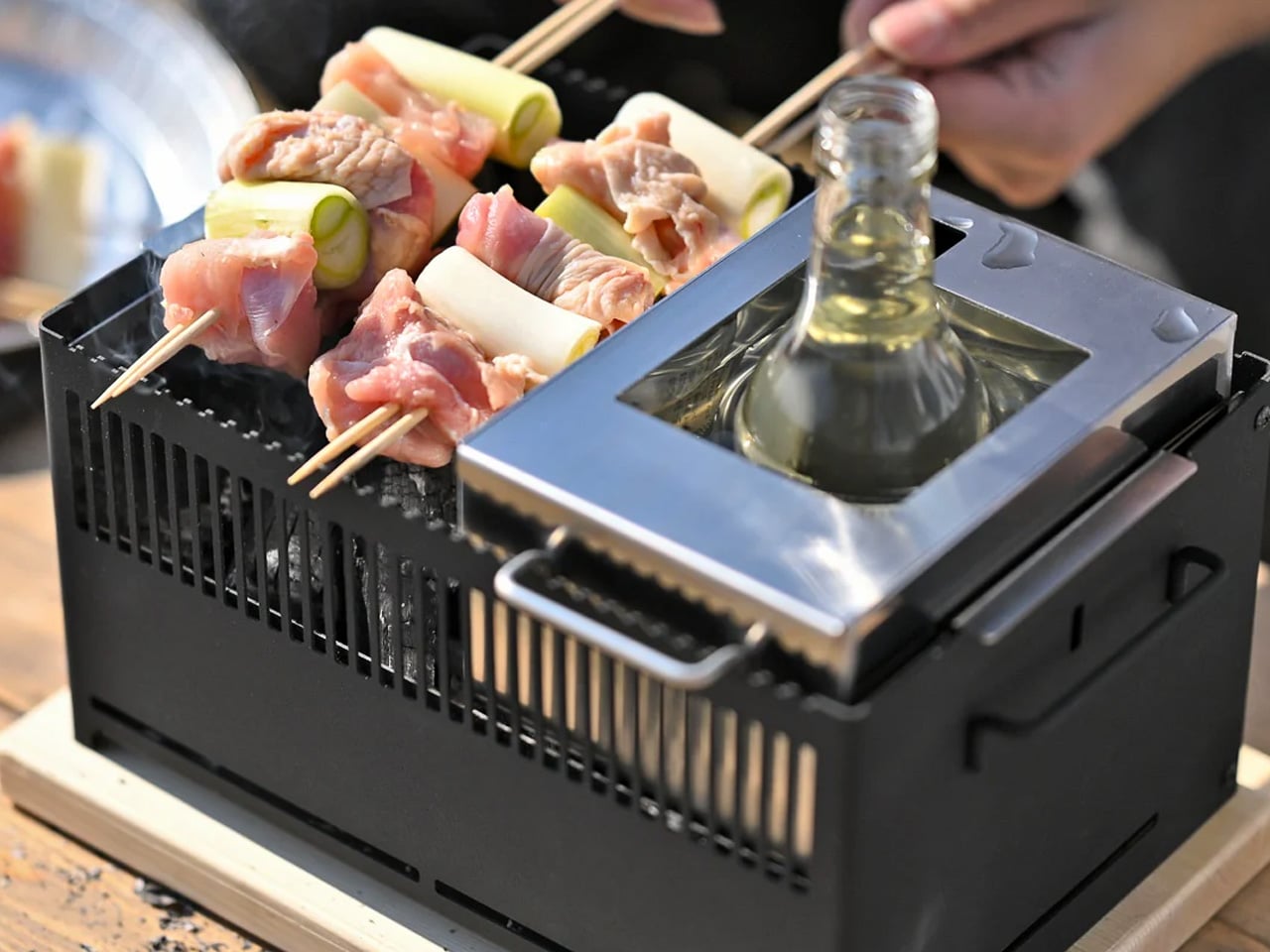
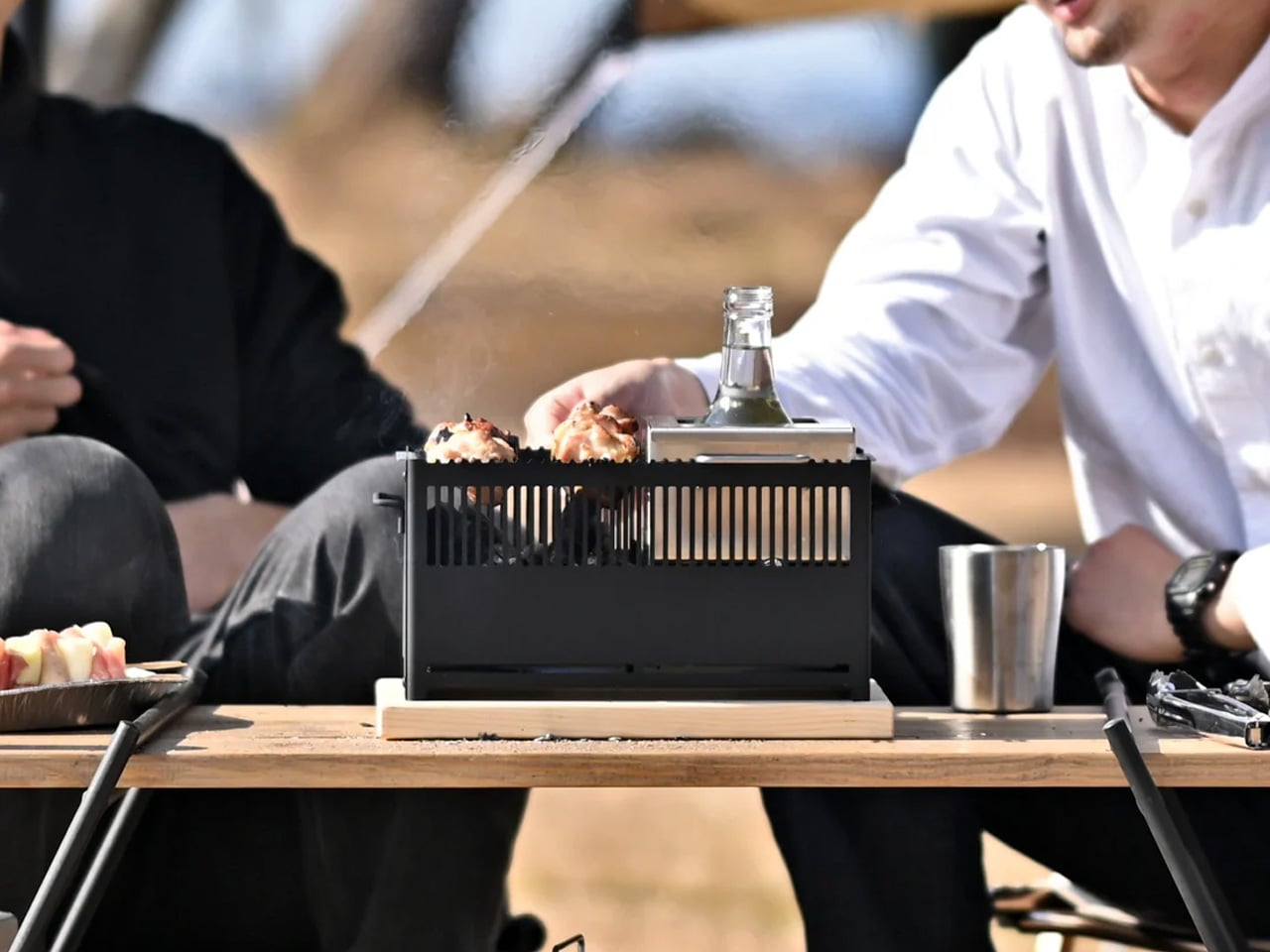
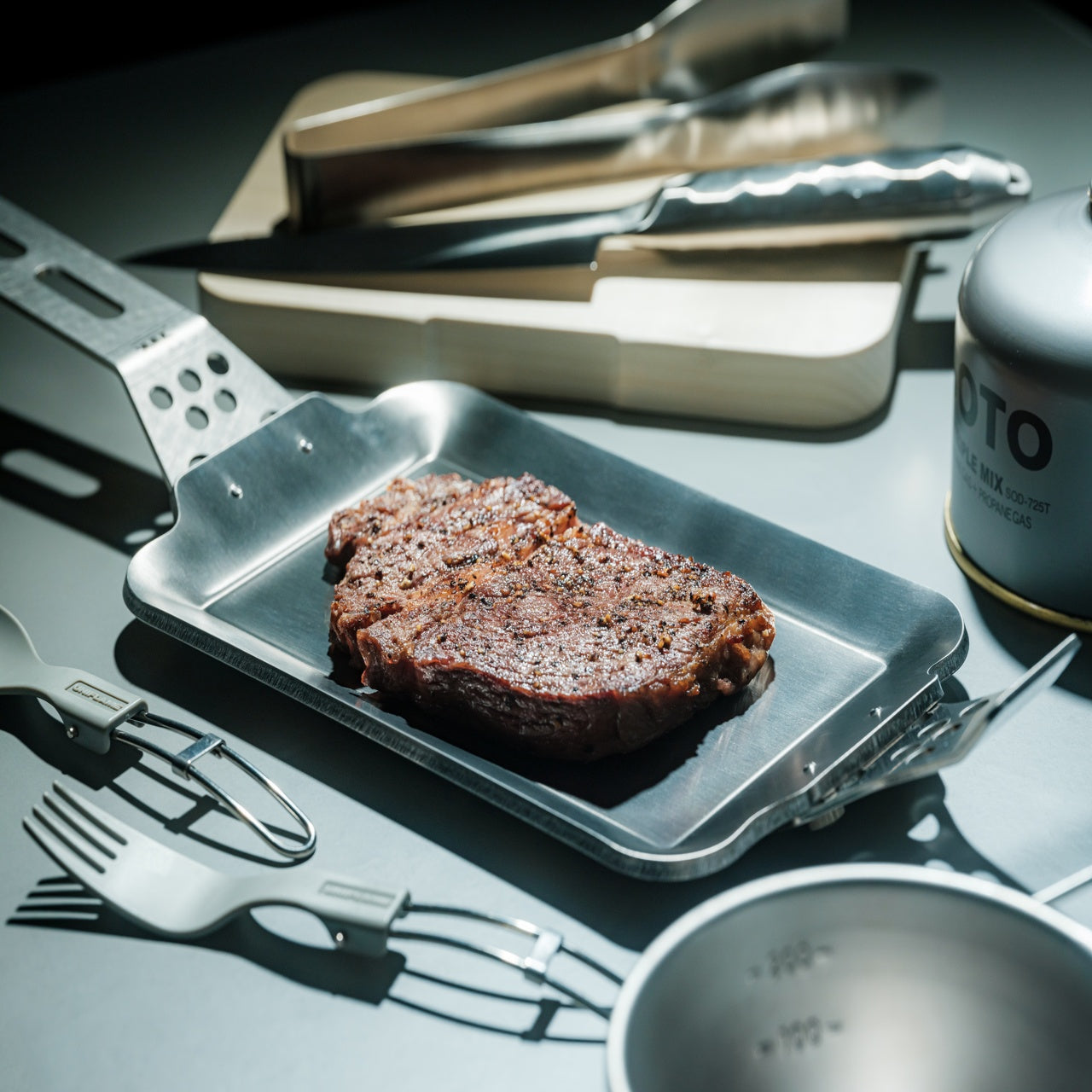
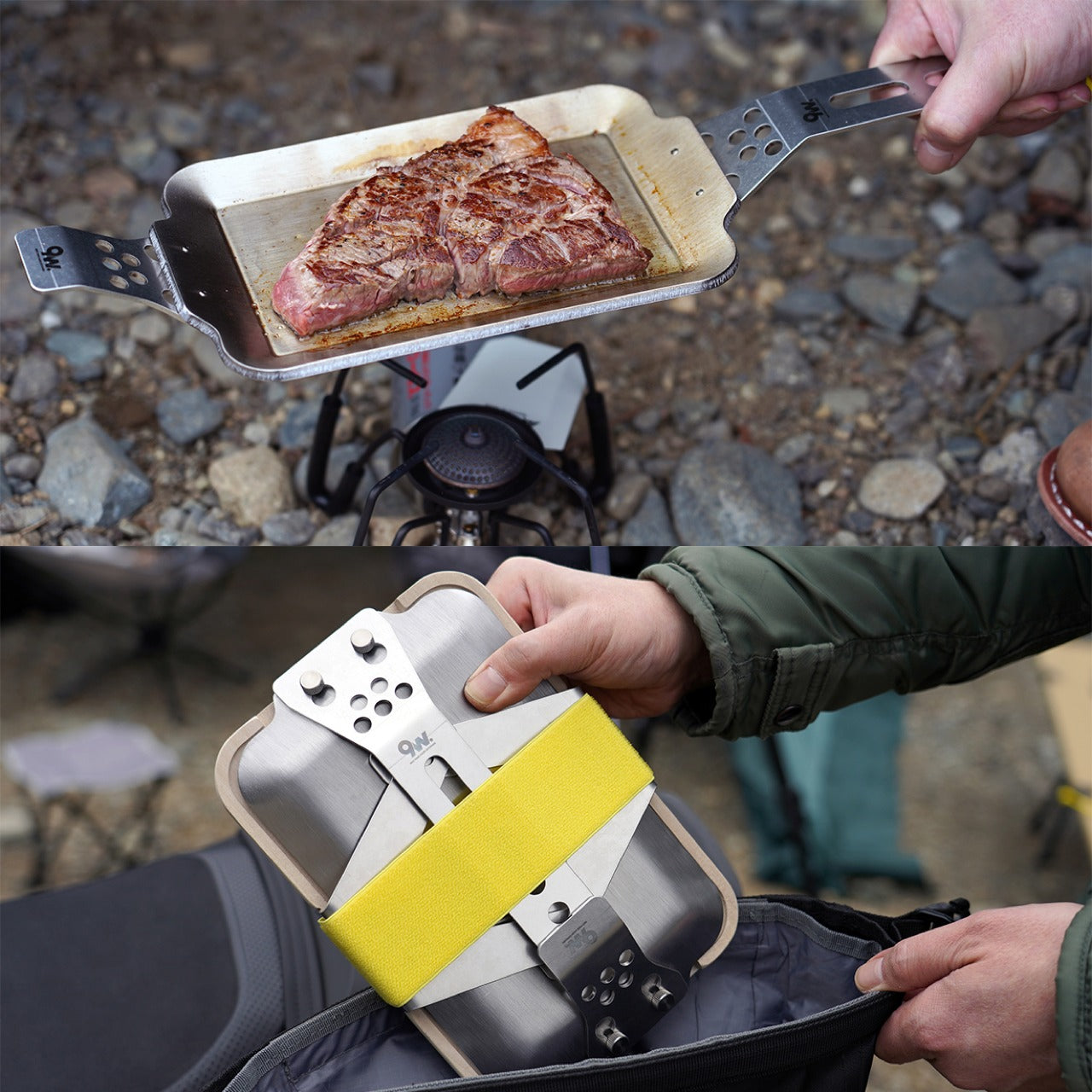
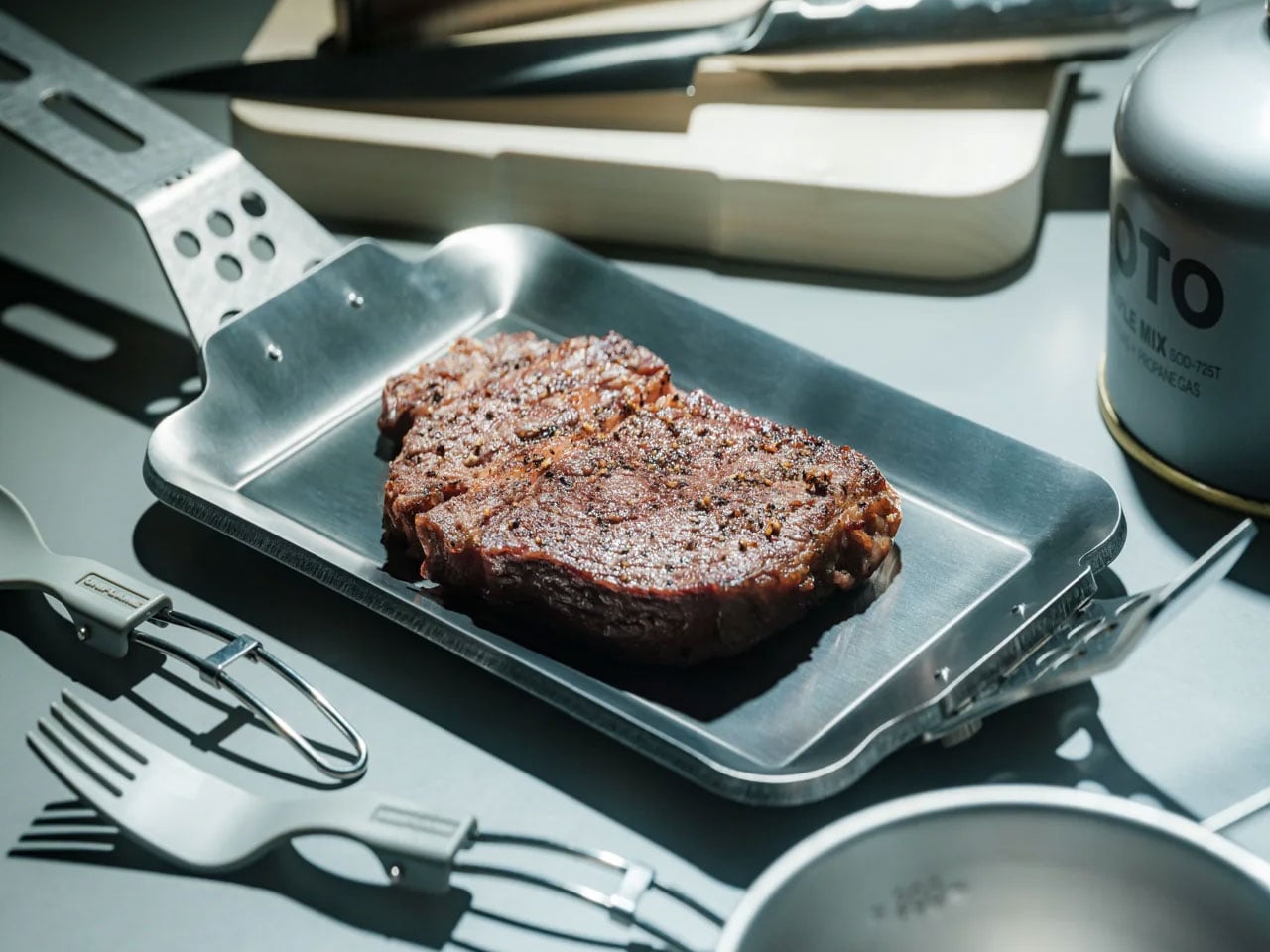
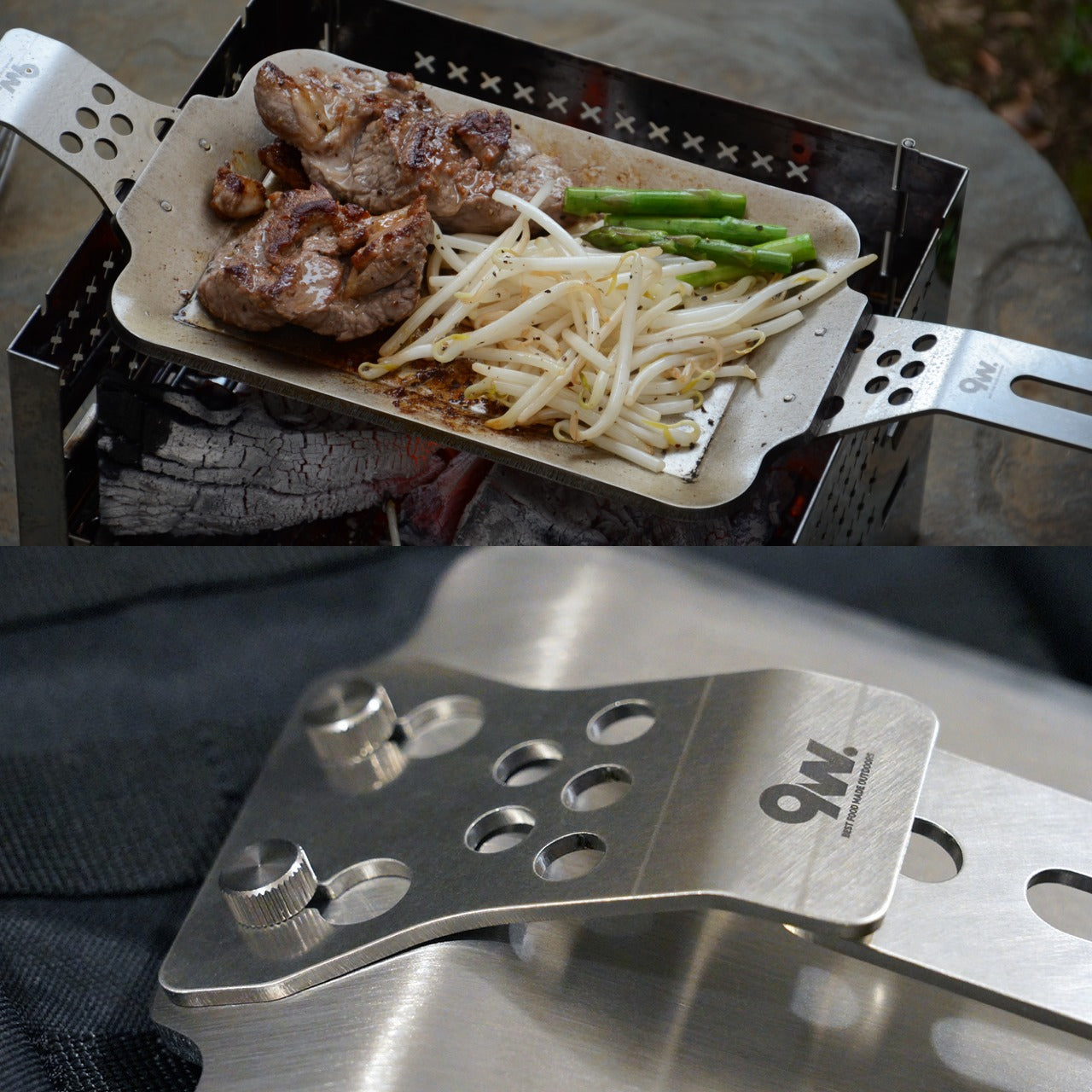
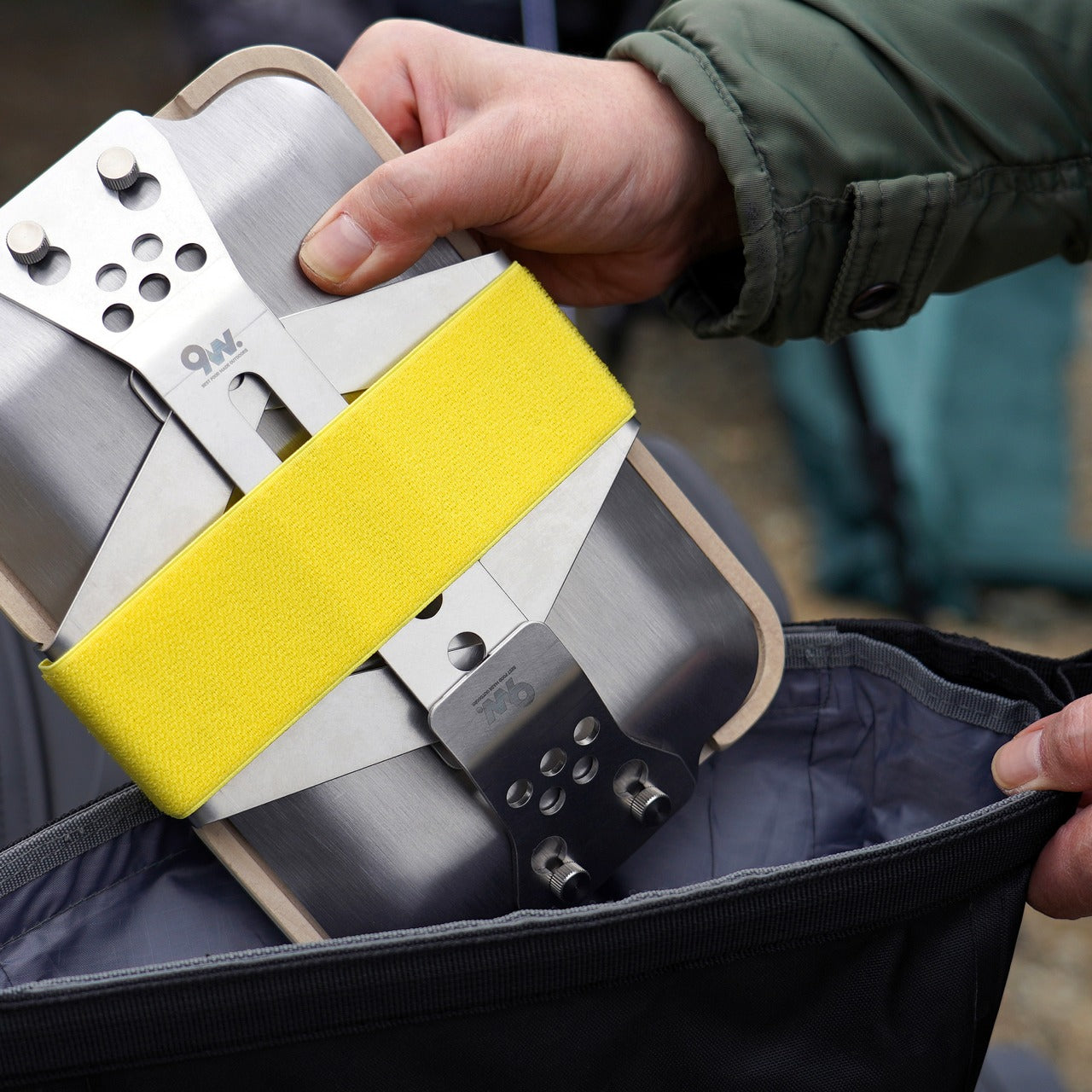
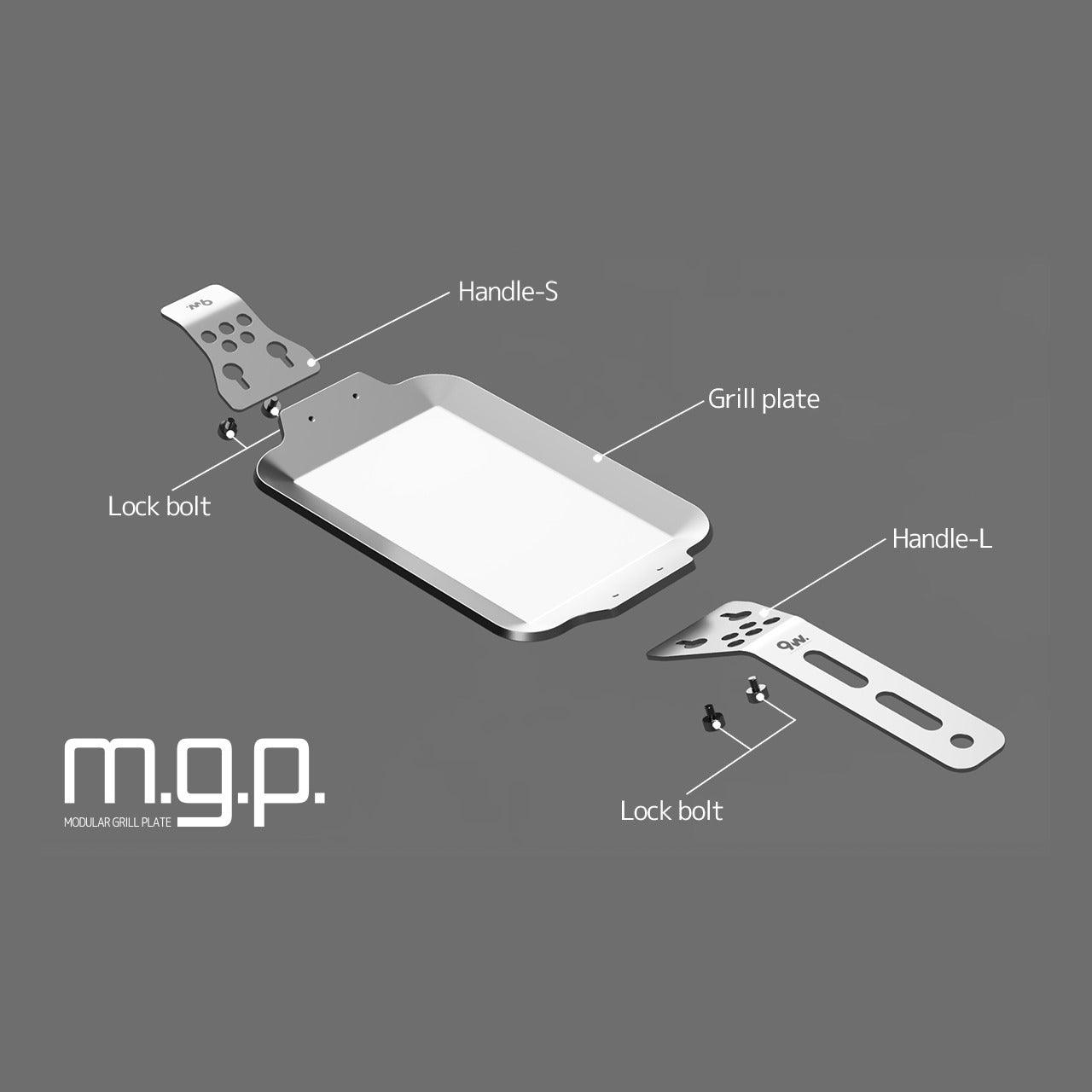
Camp cooking tends to settle into one of two extremes: either you are eating something rehydrated from a bag, or you have packed so much kitchen hardware that a second bag became necessary somewhere between the car and the trailhead. The All-in-One Modular Grill from Yanko Design sits in the productive middle ground. A compact tabletop system with interchangeable modules, it supports six distinct cooking methods — barbecuing, frying, grilling, steaming, smoking, and stewing — from one cleanly designed base. The parts swap in and out without fuss, and the included module for warming bottles upright is the kind of considered detail that makes a cold evening at camp considerably more comfortable. All of that in a footprint that still fits on any camp table without taking it over.

The real value becomes apparent when you start accounting for what this grill replaces in your kit. A separate grill, a pan, a pot, a steamer, a warming setup — the modular system consolidates that list into one object you can disassemble after dinner and rinse down in minutes. The ability to cook genuinely varied meals from the same compact base, without dedicating half your boot space to kitchen gear, changes what feels realistic on a camping trip. It makes more ambitious meals accessible and cleanup manageable, which is ultimately what keeps people cooking properly at the campsite instead of defaulting to trail snacks three nights running.

Click Here to Buy Now: $449

What We Like

  • Six interchangeable cooking modules cover every camp meal scenario without adding meaningful bulk to your kit.
  • The upright bottle-warming module is a practical feature most camp kitchen systems overlook entirely.

What We Dislike

  • As a tabletop unit, it requires a stable flat surface, which is not always available at backcountry sites.
  • Multiple components mean more to track when packing down in low light or deteriorating weather.

2. FLEXTAIL TINY PUMP 2X

There are plenty of gadgets that promise to simplify camp life and manage to complicate it instead. The FLEXTAIL Tiny Pump 2X is a legitimate exception. Weighing just 96 grams and sized to fit comfortably in a closed fist, this 3-in-1 tool inflates, deflates, and functions as a portable lantern, covering three distinct camp needs from a single object that barely registers in your pack. The AIRVORTECH technology powering it pushes air at 180 liters per minute, fast enough to fully inflate a sleeping pad or air mattress in seconds. Five nozzle attachments ensure compatibility with nearly every inflatable you’d bring along, and the built-in magnetic surface allows for hands-free operation while the rest of your camp gets sorted out around it.

What makes the Tiny Pump 2X a Reddit staple rather than a novelty is the moment of recognition it creates on your first night out with it. The integrated lantern removes a separate light from your kit entirely. The one-button operation works without thought after a long drive, when dealing with instructions is the last thing you want. The deflation function cuts pack-down time significantly the following morning.

What We Like

  • The 180L/min airflow inflates sleeping pads and air mattresses in seconds, not minutes.
  • The integrated lantern removes the need for a separate light source at camp setup.

What We Dislike

  • The 30-minute maximum runtime means pre-trip charging is non-negotiable before a longer outing.
  • At 4KPa of air pressure, it is optimized for camping inflatables rather than high-pressure tasks like bike tires.

3. iKamper Skycamp 3.0

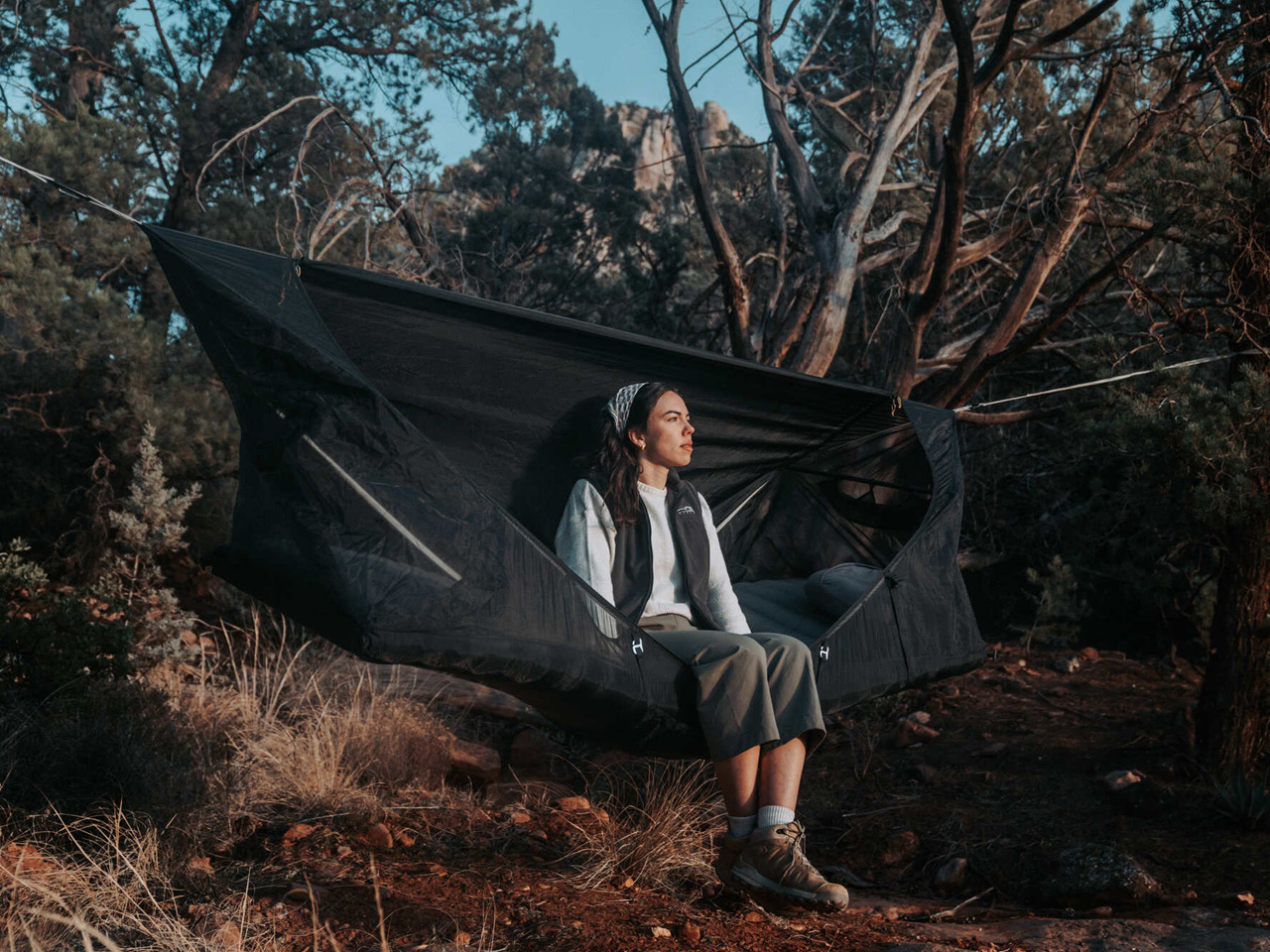
The rooftop tent category has grown crowded enough that standing out in it requires more than a solid shell and a folding ladder. The iKamper Skycamp 3.0 manages it through a combination of genuine quality and a setup experience that still catches first-time users off guard. It opens in under 60 seconds, sleeps three to four people comfortably, and rests on a king-size 9-zone insulated mattress that puts many fixed-site sleeping arrangements to shame. The blackout poly-cotton canvas keeps early morning light out reliably, and the aerodynamic FRP hardshell handles highway speeds without lift, noise, or movement. For campers who operate across multiple seasons, the quilted, insulated interior manages temperature whether you are parked through a June heat wave or a December cold snap.

What separates the Skycamp 3.0 from its predecessors and competitors is the degree to which it was developed alongside real adventurers rather than simply refreshed from a spec sheet. The result is a tent where thoughtful details accumulate in the right places: bedding storage built directly into the shell, a design that does not penalize you for imprecise parking, and a packdown that takes no longer than the setup.

What We Like

  • Sub-60-second setup makes spontaneous overnight stops entirely viable without added stress.
  • The 9-zone insulated mattress delivers genuine multi-night sleeping comfort across all four seasons.

What We Dislike

  • At 163 lbs, installation requires additional hands and a roof rack rated for significant dynamic weight load.
  • The price point presents a real barrier for casual campers heading out only a few times a year.

4. COFFEEJACK

Bad camp coffee is not a character-building experience. It is just bad coffee, and COFFEEJACK was designed to make it unnecessary. Built by Hribarcain, a team with a strong track record in the EDC space, this pocket-sized espresso maker generates 9-10 bars of pressure through a manual hydraulic pump, matching the extraction output of professional café equipment. The lower chamber holds your ground coffee, and a built-in tamper levels and packs the grounds automatically. Add hot water to the upper chamber, work the pump, and you are pulling a crema-topped espresso in the field with the same pressure specs as the machine at your local café. It works with any coffee grind, requires no pods, and has no dependence on electricity or proprietary cartridges of any kind.

The engineering comparison is worth spelling out. A French press operates at under 1 bar of pressure. An Aeropress or Moka pot peaks at roughly 3-4 bars. COFFEEJACK reaches 9-10 consistently, manually, without a power source. That gap is what separates a serviceable camp coffee from the real thing. The entire device is made from 100% recycled plastic, making it a more considered alternative to pod-based systems that generate significant single-use waste with every cup. It is a product that rewards how seriously you take your morning coffee, which, after a cold night in a tent, tends to be very serious indeed.

What We Like

  • The 9-10 bar hydraulic pump delivers genuine barista-quality espresso with real crema, entirely without electricity.
  • Made from 100% recycled plastic, it is an environmentally responsible choice that does not compromise on performance.

What We Dislike

  • It requires pre-ground or freshly ground coffee, adding a preparation step for those who prefer a simpler system.
  • The manual pump demands real effort per cup, though most dedicated users consider the ritual part of the appeal.

5. Adventure Mate V3

The standard knock against multitools is that they do many things adequately and nothing particularly well. The Adventure Mate V3 was built to directly challenge that assumption. This 6-in-1 system combines a full-size axe, saw, shovel with entrenching rotation, hammer, and hook into a single kit that weighs under 6 lbs — lighter than carrying each tool separately into the backcountry. The construction pairs hardened tool steel with aerospace-grade aluminum, and a 16-inch fiber composite handle with a reinforced steel collar attaches to the modular tool heads to form each full-size tool. What you end up holding is a kit that does not perform like a multitool compromise. It performs like the individual tools it replaces, which is the distinction that matters most when you are actually using it in the field.

The CAM locking system is the engineering detail that makes the AM-V3 trustworthy under serious conditions. When each tool head is locked in, the collar expands and clamps it with enough force to eliminate rattle and flex, creating what genuinely feels like a single-piece tool when you are chopping wood or digging out a fire pit. The full kit packs into a fully waterproof holster no thicker than a laptop bag, and a lifetime guarantee backs the build throughout. With essentially one moving part, mud, sand, and ice rinse away, and work continues without interruption or mechanical drama.

What We Like

  • The CAM locking mechanism delivers a rattle-free, one-piece feel across all six full-size tool configurations.
  • A fully waterproof holster and lifetime guarantee make it a credible long-term investment for serious outdoor use.

What We Dislike

  • The sub-6 lb total weight is impressive for what it replaces, but may still be too heavy for strict ultralight packing philosophies.
  • Switching between tool heads in wet or cold field conditions takes a moment of adjustment until the process becomes second nature.

6. The Muncher

The Muncher is the kind of object that makes you reconsider how much redundancy most people carry into the backcountry without thinking twice about it. Full Windsor’s titanium multi-utensil weighs just 20 grams and compresses ten functions into the silhouette of a spork: fork, spoon, knife edge, peeler, slicer, can opener, bottle opener, flathead screwdriver, and a flint stick for fire-starting. A 20-gram utensil that opens your tinned food, feeds you dinner, and starts the fire for the following morning is a genuinely clever consolidation of function, and seasoned campers tend to refer to it as a permanent kit item: once it is in your pack, leaving it behind starts to feel careless.

Titanium is the only material choice that makes sense here, and Full Windsor clearly understood why. It produces blades that hold their edge through extended use without demanding constant maintenance. It does not impart any metallic taste to food the way stainless steel can, which makes a measurable difference when you are eating every meal from the same utensil for days on end. It resists rust and staining entirely, making field cleanup a matter of seconds.

What We Like

  • Titanium construction means no rust, no metallic taste, and a blade edge that holds up across extended multi-day trips.
  • Ten functions at 20 grams is a utility-to-weight ratio that very few pieces of camping gear come close to matching.

What We Dislike

  • The flint stick is functional but compact, and a dedicated ferro rod will outperform it in serious fire-starting conditions.
  • Some functions require practice to use comfortably, given the compact form factor, particularly the cutting edge under field conditions.

7. VSSL Camp Supplies

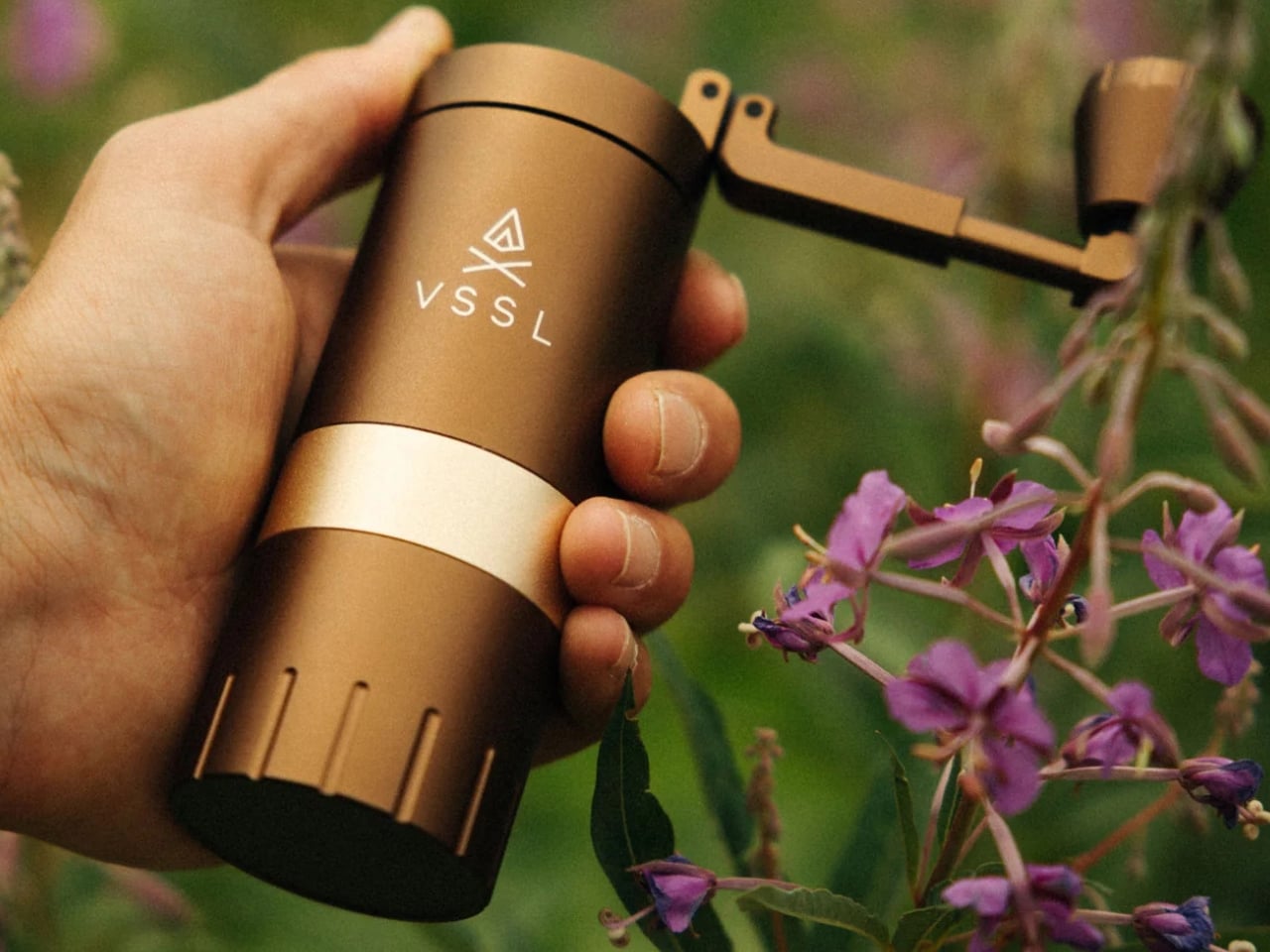
The idea of a flashlight that doubles as a survival kit sounds like the kind of claim that unravels the moment you actually need it. VSSL Camp Supplies is the version that holds up. Built from military-grade aluminum in a waterproof, impact-resistant shell, it houses over 70 pieces of essential outdoor gear across a lineup that covers fire, water, first aid, food, navigation, and emergency signaling — all packed inside a form factor that weighs under a pound and fits in a standard pack pocket without ceremony. At one end, an LED flashlight with up to 40 hours of SOS runtime. At the other, a compass. Everything else lives in the cylinder between them, organized and ready without requiring you to dig through a bag to find it under pressure.

The Camp Supplies kit solves that organizational problem by design. A Canadian beeswax candle, a mini first aid kit, water purification tablets with a 1-liter Whirl-Pack bag, a firestarter kit with weatherproof matches and Tinder Quik, a fishing kit, a 60-lb working strength wire saw, a whistle, a P38 can opener, and a mini sewing kit — none of it improvised or low-quality filler. It is a complete backcountry contingency plan inside an object you would have packed anyway for the light.

What We Like

  • Over 70 pieces of genuine, field-appropriate gear are organized inside a sub-one-pound waterproof shell backed by a lifetime warranty.
  • The compass-and-flashlight end caps make VSSL immediately functional as a standalone tool before you even open it.

What We Dislike

  • The cylindrical format means contents must be accessed sequentially, which can be inconvenient when you need a specific item quickly.
  • As a pre-packed kit, it offers limited flexibility for campers who prefer to curate their own emergency loadout from scratch.

Worth Every Gram You Pack

The best camping gear of 2026 earns its place through repetition, not reputation. Every product on this list has been through the real test: bought, packed, used across multiple trips in varied conditions, and recommended again by people with no particular incentive beyond having found something that genuinely works. That is the hardest kind of endorsement to manufacture and the most reliable one to act on. No marketing campaign replicates it. It takes time, field use, and the kind of honest feedback that Reddit’s camping communities deliver without softening the edges.

Building a kit that functions as well as it travels is ultimately a process of considered editing. The right pump replaces three separate items. The right multitool replaces an entire bag of hardware. The right cup of espresso at dawn replaces a compromise you had been quietly accepting for years. These are not luxury additions to a camping setup. They are the deliberate choices that separate a trip you get through from one you start planning a return to before you have finished packing up camp.

The post 7 Best Camping Accessories Reddit Can’t Stop Recommending in 2026 first appeared on Yanko Design.

A Wind-Powered Sculpture Is Lighting Up Tanzania’s Plains

There’s something almost unsettling about a structure that appears to breathe. Not in a horror movie kind of way, but in that quiet, mesmerizing way that makes you stop, squint, and wonder if what you’re seeing is really happening. That’s exactly what Vincent Leroy’s Fractal Swarm does to people. It sits in the vast openness of the Tanzanian plains, and it moves. Not because of motors or hidden mechanisms, but because of the wind.

Leroy is a Paris-based French artist who grew up in rural Normandy tinkering with whatever he could get his hands on. That early habit of experimenting turned into a full-blown obsession with movement, which led him to study industrial design at the Ecole Nationale Supérieure de Création Industrielle in Paris. By the time he graduated, he was already making kinetic work that galleries wanted to show. Since then, he has built a practice that sits comfortably between sculpture, installation art, and something that doesn’t quite have a name yet. His work has appeared everywhere from Parisian museums to Zanzibar’s shoreline, and the thread that runs through all of it is the same: movement as a material, not just as an effect.

Designer: Vincent Leroy

Fractal Swarm is his latest statement on that idea, and it might be the most ambitious one yet. The installation is built around the logic of fractal geometry, which is the kind of math that describes the way nature repeats itself at different scales. Think of the branching pattern of a tree, or the way a fern unfolds, or the texture of a coastline seen from above. Nature uses this structure constantly, and Leroy decided to make it visible in a landscape where that pattern is already everywhere.

The Tanzanian plains during the dry season are stripped down to essentials. Acacia trees stand with bare, branching silhouettes against the sky. The ground breaks into fragmented, textured patches of arid vegetation. Leroy’s installation mirrors all of that. Its branching configuration echoes the acacia silhouettes so closely that from a distance, it reads more like something that grew there than something that was built. That’s the point. Rather than imposing itself on the landscape, Fractal Swarm extends it.

What makes it come alive, literally, are the mirrored fins embedded within the structure’s modules. Thin and precisely placed, these fins catch and refract the intense light of the plains as they move. The wind sets everything in motion, and the fins respond by scattering light in constantly shifting patterns across the ground and the air around them. The result is something that changes every second depending on where you’re standing, what direction the wind is coming from, and what time of day it is. No two moments of looking at it are the same.

This is what Leroy keeps coming back to in his practice: the idea that slowing down and watching something move can completely change how you see it. His work tries to reveal the gaps that usually go unnoticed in today’s frenetic race for speed and performance. Fractal Swarm does that on a grand scale. It puts you in front of something enormous and quietly says: stand here. Watch this. Let the wind do something beautiful.

It’s also worth noting that Leroy isn’t new to working with wind in dramatic outdoor settings. His Drifting Cloud installation on Zanzibar’s east coast used rotating canvas discs that interacted directly with the shoreline’s breeze. Fractal Swarm takes that same sensibility deeper into the continent and scales it up into something more structural and mathematically precise.

What’s quietly radical about all of this is that Leroy uses some of the most rigorous abstract math available (fractal geometry) and turns it into something you feel before you think about it. You don’t need to understand the Mandelbrot set to be moved by Fractal Swarm. You just need to stand near it when the wind picks up and watch the plains light up like they’re waking. That’s the kind of art that sticks with you long after you’ve walked away.

The post A Wind-Powered Sculpture Is Lighting Up Tanzania’s Plains first appeared on Yanko Design.

Hot Water in 3 Minutes: The Garden Shower Fueled by Fire

If you’ve ever dreamed of taking a hot shower in the middle of your garden, off the back deck, or somewhere completely off the grid, an Austrian brand called Feuerwasser just made that dream look really, really good.

Feuerwasser, whose name literally translates to “fire water,” is a small manufactory based in Styria, Austria, and they’ve been quietly building a cult following with their line of wood-fired outdoor wellness products. Their latest spotlight moment? A patented garden shower that heats water using an integrated wood-burning stove, with zero electricity required.

Designer: Feuerwasser

The concept is almost ridiculously simple, and that’s exactly what makes it so clever. The shower is built around a stainless steel frame with a wood-fired heater at its center. You connect a garden hose to fill the pipes with water, load up the stove with small logs, and in about three minutes, you’ve got hot water flowing through a fully functional outdoor shower. That’s it. No solar panels, no electrical hookups, no waiting for the sun to cooperate.

The fact that it works in winter is the part that really gets people talking. Most outdoor showers are a warm-weather luxury that gets packed away the moment temperatures drop. Feuerwasser’s design doesn’t care about the season. As long as you have water and a few blocks of wood, you’re showering in comfort. It’s the kind of design thinking that makes you wonder why no one did this sooner.

Temperature control comes through a mixing valve, so you’re not just getting a blast of scalding water with no say in the matter. You can dial it in to exactly where you want it, which honestly makes it feel far more intentional and refined than you might expect from something fueled by an open fire.

The structure itself is all stainless steel, which means it’s rust-resistant, easy to clean, and built to last through years of outdoor exposure. It doesn’t need to be drilled into the ground either. The shower comes with a freestanding base designed to be anchored with four stone slabs, keeping it stable without any permanent installation. That portability detail is a bigger deal than it sounds. Want to move it to a different corner of the yard? Done. Taking it to a vacation cabin? Also doable. It’s the kind of flexibility that makes a luxury product actually useful.

Since gaining wider attention online, including a viral moment with over four million views, the shower has drawn a lot of curiosity from people who never thought they’d be interested in an outdoor shower. And that’s the thing about great design: it reaches people who weren’t looking for it. Someone who camps might see it as the ultimate basecamp upgrade. A homeowner with a pool or sauna setup might see it as the missing piece. A design lover might just want it because it looks absolutely striking in a backyard setting, like sculpture you can actually use.

Feuerwasser’s garden shower starts at €3,490, which puts it firmly in the premium category. But for what it offers, a fully self-sufficient, no-infrastructure-needed hot shower that works year-round, looks beautiful, and is built from high-quality stainless steel, that price tag starts to make a lot of sense. Especially when you factor in that there’s no ongoing energy cost beyond the occasional bundle of firewood.

It’s one of those products that quietly reframes what “outdoor living” can mean. Not just a folding chair and a citronella candle, but a full, thoughtful experience that doesn’t compromise on comfort just because you’re outside. Feuerwasser has been doing this with their hot tubs and outdoor bathing products for a while now, but the garden shower is the piece that feels most universally appealing. Hot water, fresh air, the smell of a wood fire, and no electricity bill. That combination is hard to argue with.

The post Hot Water in 3 Minutes: The Garden Shower Fueled by Fire first appeared on Yanko Design.

The Most Advanced Camping Pillow of 2026 Looks Like It Grew in a Forest

Nature has been solving the problem of lightweight, load-bearing structure for hundreds of millions of years. Chen Xu, designing for RestBase, decided to take notes. The Camp Napper is a portable camping pillow whose form is derived from two specific biological sources: the surface texture of fungal spores, which informed the pillow’s contact face, and the hollow vascular structure of plant stems, which shaped its core. The outcome is a product that performs as well as it looks.

Using Voronoi polygon modelling, the design team mapped how pressure from a sleeping head distributes across the pillow’s surface, then engineered protrusions and recesses to respond to that data. The front face features raised cellular structures that increase the contact area between pillow and skin, improving comfort while simultaneously channelling airflow to keep things cool. The back face offers four distinct tactile zones depending on orientation, giving users a degree of customisation that is rare in camping gear. Also, a little warning but: trypophobia alert.

Designer: Chen Xu

The core replicates the hollow geometry found in plant stems, achieving a structure that sheds mass without compromising its ability to hold form under repeated compression. Total weight lands at around 400 grams, and the whole pillow compresses into its storage bag at roughly the dimensions of a water cup, making it genuinely packable rather than merely marketed as such.

Memory foam was selected for its ability to conform to different sleepers while maintaining the structural geometry of the bionic surface. Anti-slip rubber particles on the base keep the pillow in place across the varied surfaces camping tends to involve, from sleeping pads to camp chairs to hotel floors. RestBase positions the Camp Napper across indoor and outdoor contexts, and the material specification backs that up without demanding a different product for each one.

The project ran from March to December 2024 in Beijing, with the team conducting pressure simulations using volunteer data before building the mathematical model that generated the bionic surface structure. Mold development required continuous adjustment of material ratios and foaming parameters to meet yield and appearance standards. The finished product carries all of that process lightly, presenting as something organic and considered rather than laboured. For a category where most innovation stops at inflation valves and stuff sacks, that is a meaningful place to arrive.

The post The Most Advanced Camping Pillow of 2026 Looks Like It Grew in a Forest first appeared on Yanko Design.

2026 Mercedes-Benz Marco Polo camper van arrives with smarter pop-up roof and luxury upgrades

Mercedes-Benz and Volkswagen have produced some of the best camper vans on the market, and they’ve long shared a common collaborator. Now, with Mercedes-Benz taking the complete production of its Marco Polo under its wings, Volkswagen and other competitors can expect some serious competition. The newly updated 2026 Marco Polo is the first new addition to Mercedes in-house van life portfolio and flaunts an interesting pop-up roof, which is its main talking point.

According to Mercedes-Benz press information, the body of the V-Class Marco Polo is built at the company’s Vans plant in Vitoria, Spain. The vehicle is then converted into a pop-up camper van at the Ludwigsfelde plant in Germany. The overall in-house production of the Marco Polo means it’s of the “highest quality standard” and that the company has complete control over every detail and pace at which it is produced.

Designer: Mercedes-Benz

Substantiating the fact, Sagree Sardien, head of sales & marketing Mercedes-Benz Vans said, it is a “Mercedes-Benz through and through,” which is designed to offer buyers a more sophisticated home on wheels. “A home that effortlessly combines travel and everyday life – while making a stylish statement,” he said.

To that accord, the Mercedes-Benz 2026 Marco Polo is a compact, luxury camper van featuring a pop-up roof, convertible downstairs seating, kitchen, and ambient lighting to uplift the mood when you’re inside the van. The major update from the 2024 model of the van is focused around the improvement to the lifting roof space. The double-skinned aluminum pop-top makes for an additional 4 inches of headroom and is provided with an ambient LED system that allows the space to feel lively and inviting.

Downstairs, the Marco Polo doesn’t make many changes. It comes equipped with a kitchen featuring double burner gas stove, a sink, mini fridge, and a swiveling bench that can easily facilitate dining and sleeping. During mealtime, you have a folding table that reaches out of the kitchen block, and during the night it folds up to make room for the convertible sofa to create a double bed.

MBAC infotainment suite is another interesting facet of the new Mercedes camper van. Sitting in the cockpit, the smart touchscreen can control the interior components like the vehicle’s upgraded eight-speaker audio system and pop-up roof lighting. The infotainment system also has instant control to pop-up roof. You can deploy or retract the lifting roof remotely, while also maintaining the temperature of the van home.

The new Marco Polo will be available to order soon, Mercedes notes. It also mentions in the press release that the launch of Marco Polo Horizon is also on the cards. This model shares similar features except for the built-in kitchen unit, making it suitable for weekend outings or short holidays only.

The post 2026 Mercedes-Benz Marco Polo camper van arrives with smarter pop-up roof and luxury upgrades first appeared on Yanko Design.
5 Portable Outdoor Furniture Pieces That Transform: The First Is an Umbrella-Chair

Many people dream of bringing the comfort of indoors outside. Whether it’s a spontaneous picnic, a weekend camping trip, or simply enjoying a small balcony, creating a cozy outdoor setup has always been tricky. Traditional outdoor furniture tends to be heavy, bulky, and hard to move, forcing you to choose between convenience and comfort.

Today, that’s changing as a new wave of innovative, portable designs blends style, durability, and functionality, making it effortless to transform any space into a personal retreat. With these smart solutions, relaxation becomes simple, instant, and beautifully stylish, which is why portable outdoor furniture is quickly becoming a must-have.

1. The Shift to Ultra-Light Designs

Heavy metal and solid wood frames are being gradually replaced by ultra-light and highly durable alternatives. Materials like aerospace-grade aluminum and advanced carbon fiber are redefining outdoor furniture, allowing pieces to maintain strength while being significantly lighter. Carrying a full lounge chair or folding table with one hand is now possible, making outdoor setups far more convenient and accessible.

This transformation also improves storage and usability. Lightweight furniture is easier to move, encouraging more frequent use and reducing the effort required for setup. Additionally, these materials naturally resist rust and corrosion, ensuring the furniture remains functional and attractive through every season, making them a smart, long-lasting investment.

Designer Yanagisawa Sera reimagined portable seating by hiding a chair inside a standard umbrella, offering a compact, socially acceptable alternative to bulky wearable chairs. The umbrella-chair concept is playful yet practical, allowing you to carry a fully functional seat in backpacks, handbags, or even to crowded events without attracting attention. Its novelty lies in blending seamlessly into everyday life while providing a solution for spontaneous seating needs.

The chair’s stainless steel frame folds neatly into the umbrella shape, while a stretched fabric seat distributes weight to support an adult. In certain situations, it can even function as an umbrella, though it is heavier than standard models.

2. Innovation in Folding Mechanisms

Designers have replaced bulky, outdated hinges with telescopic and accordion-style systems, allowing full-sized chairs and tables to collapse into compact, easy-to-carry forms. These mechanisms are designed for smooth, safe, and quick operation, often requiring just one motion to set up or stow away, making outdoor living more convenient than ever.

This advancement is a game-changer for small-space living and frequent travelers. Entire dining sets can fit into a closet or car trunk, taking up minimal space. Secure, easy-to-use locks ensure stability, safety, and practicality.

porTable by Nikhil Zachariah is an innovative outdoor furniture concept designed for mobility and convenience. Shaped like a sleek cylindrical container with a bold yellow lid, it’s lightweight, compact, and easy to carry whether heading to a picnic, camping trip, or a day at the beach. Once opened, the unit unfolds into a complete dining set for four, featuring a sturdy tabletop and fold-out seats cleverly built into the design. The charcoal gray and yellow palette adds a modern, playful touch, while its tool-free setup ensures instant usability in any outdoor setting.

Perfect for spontaneous adventures and alfresco living, porTable eliminates the hassle of heavy, bulky furniture. It fits effortlessly into a car trunk, sets up quickly for meals, games, or gatherings, and folds neatly back into its cylindrical form when done. Designed with versatility and efficiency in mind, this smart solution brings comfort, style, and functionality to the outdoors without adding clutter.

3. Available in Durable, All-Weather Fabrics

Portable outdoor furniture now relies on advanced, all-weather fabrics rather than thin, easily torn canvas. Materials like woven polyester, treated nylon, and breathable mesh are engineered for durability, UV resistance, and color retention, ensuring they stay vibrant even under intense sunlight. These fabrics combine toughness with comfort, making them ideal for regular use in any outdoor setting.

Ergonomic designs enhance relaxation by conforming to the body, while quick-drying materials are perfect for poolside lounging or unexpected rain. Easy-to-clean surfaces reduce maintenance effort, extending the life of furniture. Also, choosing quality textiles guarantees a practical, long-lasting, and enjoyable outdoor experience.

The Campster by Sitpack is a premium outdoor camping chair designed for compactness, portability, durability, and comfort. It features a three-legged structure that offers stability, easy maneuverability, and effortless use in any setting. The one-piece telescoping frame unfolds with a gravity-assisted mechanism, while Sitpack’s proprietary “one-pull” locking system guarantees a secure and reliable setup every time.

The chair features a seating height of 43 cm (17 inches), a breathable ripstop nylon seat, and a lightweight 2 lb frame capable of supporting up to 300 lbs. The pivoting backrest adjusts with user movement, providing enhanced comfort. Supplied with a multi-purpose carry bag, anti-slip feet, and an aluminum carabiner, Campster is ideally suited for outdoor activities ranging from trekking to tailgating, combining practicality, portability, and refined design in a single solution.

4. Sustainability Meets Style

Modern outdoor furniture now balances sustainability with sophisticated design. Consumers are seeking eco-friendly options, and manufacturers are responding with frames made from recycled plastics, sustainably sourced bamboo, and upcycled metals. These materials not only reduce environmental impact but also bring natural textures and a sense of calm to outdoor spaces.

Beyond sustainability, these portable pieces are designed with style in mind. Sleek, minimalist silhouettes and earthy, versatile color palettes allow them to complement patios and indoor spaces. Investing in such furniture supports thoughtful living, combining practicality, elegance, and a commitment to the environment for a truly intentional lifestyle.

Threefold is a versatile piece of modular outdoor furniture designed to make picnics and camping trips easier and more comfortable. Unlike traditional mats that only serve one purpose, Threefold quickly transforms into a lounger, low stool, or sturdy table with simple adjustments. This adaptability means one does not need to carry extra chairs or tables, making it ideal for everyone, from those who like to stretch out to those who prefer sitting upright.

Created by wood furniture engineers Jonas and Nick, Threefold is made from laminated neoprene with a lightweight plywood core for strength and durability. It folds neatly into a compact square, making it easy to transport and store. Available in a range of colors, this smart, portable design brings convenience, comfort, and style to any outdoor adventure, turning any picnic setup into a functional, space-saving solution.

5. Practical Tips for Choosing Portable Outdoor Furniture

When selecting portable outdoor furniture, it’s important to first identify its intended use. For hiking, lightweight designs with a compact pack size are ideal, whereas car camping may call for cushioned seating and built-in features such as cup holders. Consulting reviews can provide insight into real-world setup and takedown, which is often the true measure of a product’s portability.

A modular setup brings greater flexibility, with two folding chairs and a compact roll-up table easily adapting to different spaces and gatherings. Storage solutions also play a key role, using durable carrying bags helps protect the furniture while making packing, transport, and organization far more convenient and efficient.

The Lu Chair redefines folding furniture with its smart, highly portable design. Crafted from durable plastic, it combines strength, style, and convenience in one compact piece. Unlike traditional folding chairs that are bulky or hard to carry, the Lu Chair folds seamlessly and can be carried like a backpack, making it perfect for small homes, picnics, or travel. Its smooth folding mechanism saves time and effort, offering a practical seating solution without compromising on comfort or elegance.

Designed with versatility in mind, the Lu Chair’s backrest and legs fold neatly and secure with a rubber strap that doubles as a handle. This compact fold makes storage and transportation effortless, whether for cleaning up a space or taking the chair outdoors. Inspired by “luggage,” the Lu Chair features a modern, minimal design that fits seamlessly into sophisticated interiors and youthful, on-the-go lifestyles.

The new wave of portable outdoor furniture brings style and relaxation to any setting. With lightweight frames, smart folding systems, and sustainable materials, these designs make comfort easy to carry anywhere. They expand living spaces by combining practicality and elegance, transforming a balcony, park, or campsite into a personal retreat for effortless and stylish relaxation.

The post 5 Portable Outdoor Furniture Pieces That Transform: The First Is an Umbrella-Chair first appeared on Yanko Design.
Camprit Just Solved Camping’s Bulkiest Problem With 5 Titanium Pieces

There’s something oddly satisfying about watching outdoor gear shed its bulk. We’ve seen tents collapse into impossibly small pouches and sleeping bags compress into cylinders the size of water bottles. Now, Camprit is applying that same minimalist philosophy to camp stoves with their TiStove, and the results are kind of brilliant.

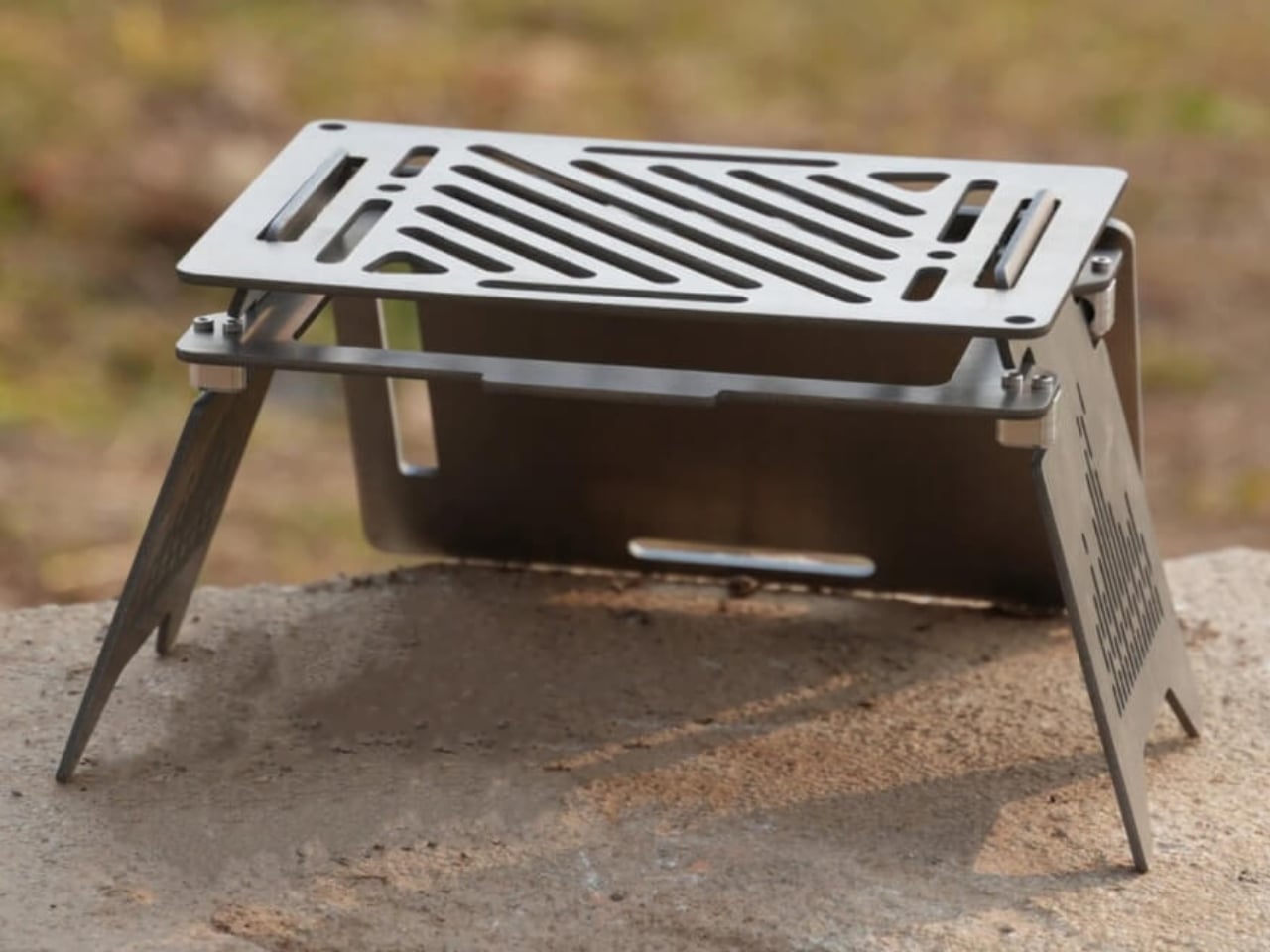
The concept is deceptively simple. Take five titanium pieces (two foldable legs and three cooking panels), make them pack completely flat, and keep the whole setup under 1.5 pounds. But what makes this more interesting than just another ultralight camping gadget is how Camprit rethought what a portable stove should actually do.

Designer: Camprit

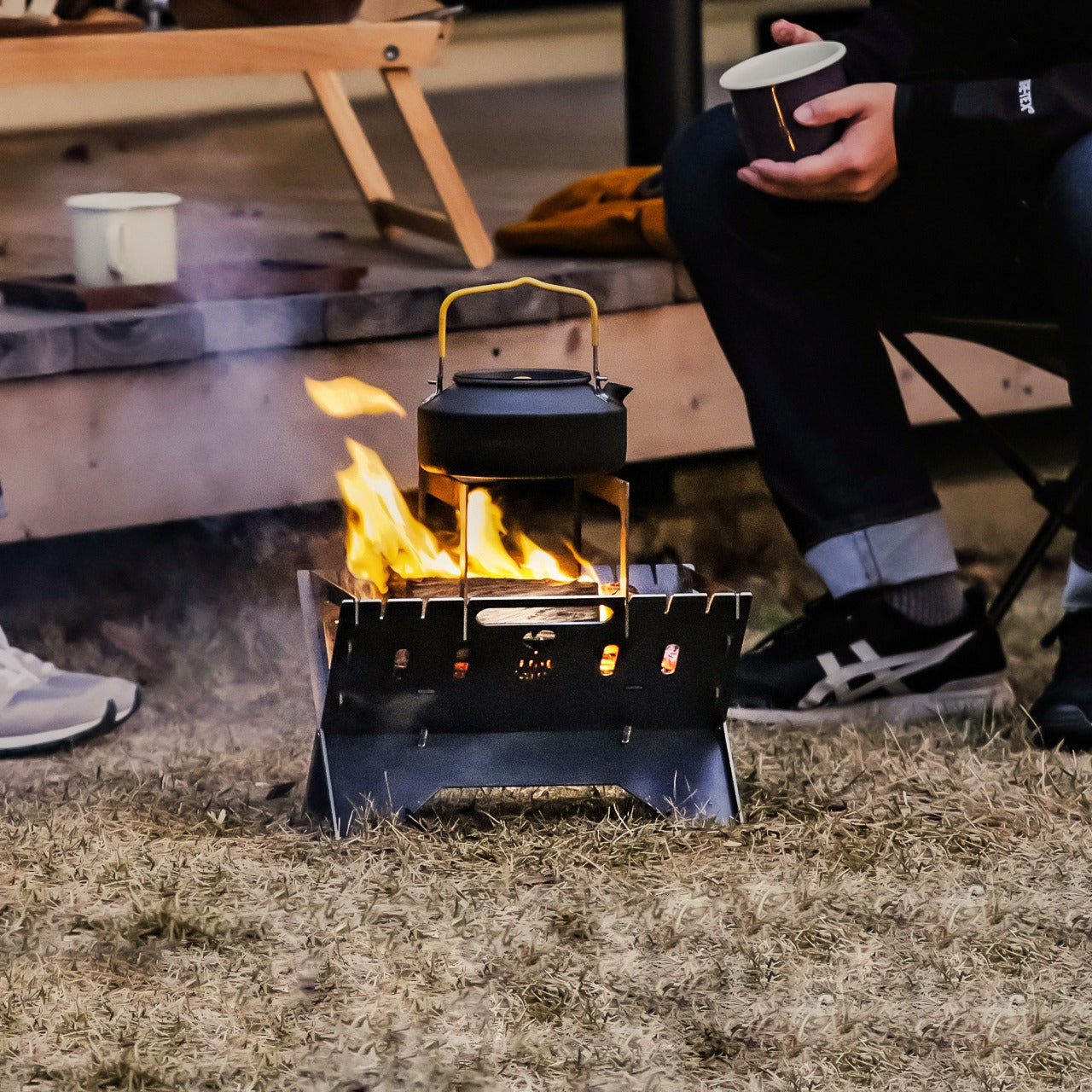
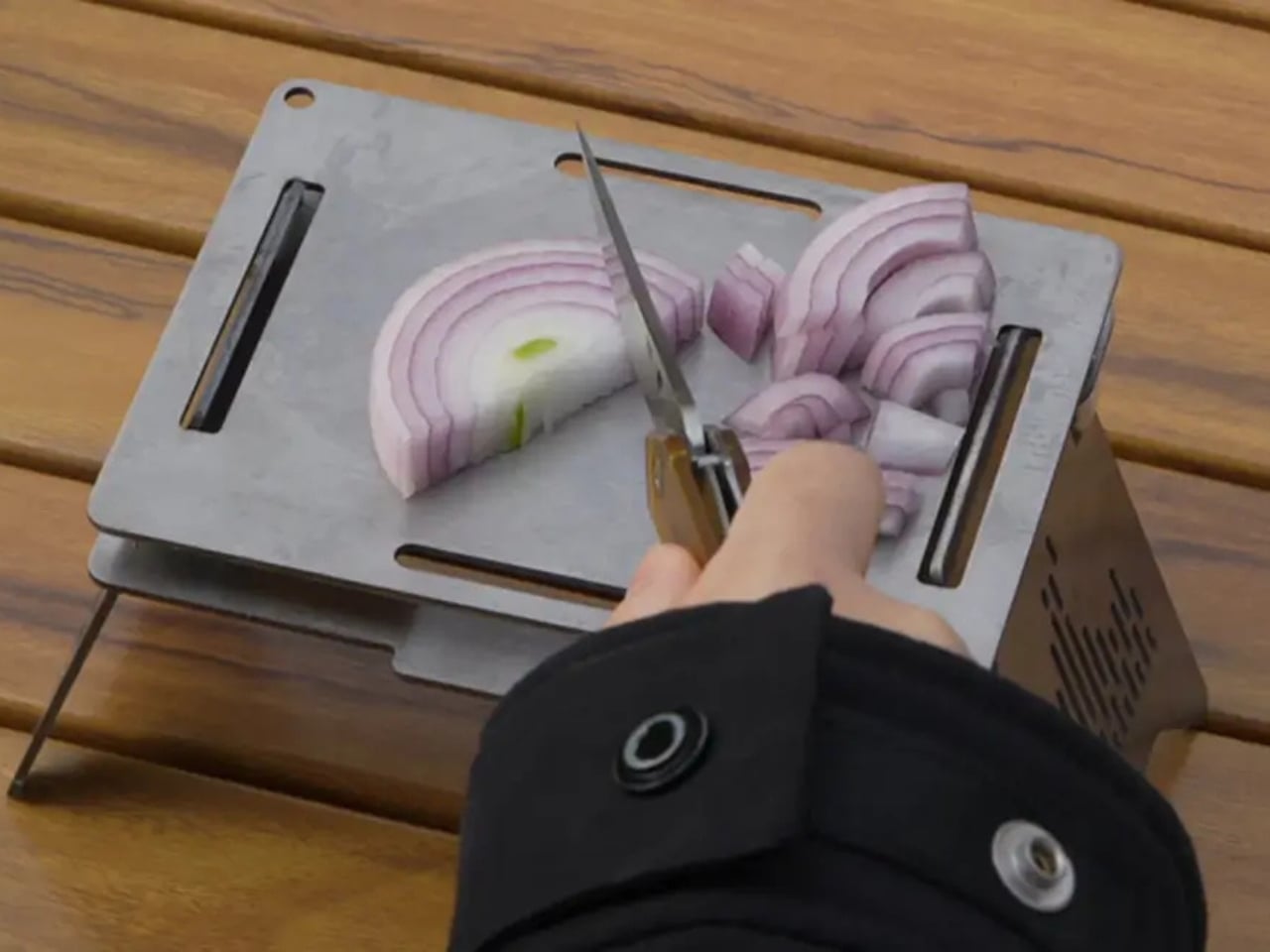
Most camp stoves force you into a specific cooking method. You’re either boiling water for freeze-dried meals or you’re lugging around a full camping kitchen. TiStove splits the difference by giving you three interchangeable panels that transform the cooking surface. The base panel handles your standard boiling needs. Swap in the grill panel and you can cook directly on the grates. Want to sear something? There’s a panel for that too. It’s modular cooking without the usual camping compromise of eating yet another packet of instant noodles.

The titanium construction isn’t just about keeping weight down, though that’s obviously a factor when you’re counting grams in your pack. Titanium brings that combination of strength and heat resistance that makes it ideal for something that needs to withstand direct flame while remaining stable on uneven ground. The material also means the stove won’t corrode when it inevitably gets wet, smoky, or covered in whatever wilderness conditions you throw at it.

What’s particularly clever is the no-assembly approach. Anyone who’s fumbled with camping gear in fading daylight knows that “some assembly required” translates to “good luck finding that tiny connector piece you just dropped in the dirt.” TiStove unfolds rather than requiring construction, which means you’re cooking faster and cursing less.

The fuel flexibility adds another practical layer. Unlike canister stoves that leave you dependent on finding the right fuel cartridge, this system burns wood, twigs, branches, basically whatever dry combustibles you can scavenge. That’s not just convenient but also more sustainable than constantly buying and disposing of fuel canisters. Plus, there’s something primal and satisfying about cooking over actual fire rather than a blue gas flame.

Camprit isn’t new to this space. They previously launched FireNest, which followed a similar modular, flat-pack titanium philosophy. With TiStove, they’ve refined the concept into something that feels more like a complete cooking system than a single-purpose stove.

The flat-pack design also addresses one of camping’s most annoying realities: pack space is precious. When your stove collapses to basically the thickness of a laptop, it slides into spaces that bulkier gear could never occupy. That means more room for the things that actually matter, like extra food or that book you’re definitely going to read by the campfire.

There’s a broader trend here worth noting. Outdoor gear has been shedding the old “rugged means bulky” mentality for years now, but projects like TiStove show how far that evolution has come. This isn’t about sacrificing functionality for portability. It’s about questioning whether those trade-offs were ever necessary in the first place.

The Hong Kong-based company seems to understand that good design isn’t about adding features but about removing friction. Every aspect of TiStove, from the material choice to the panel system to the folding mechanism, eliminates a pain point. Can’t find fuel? Burn sticks. Pack too heavy? Here’s titanium. Tired of one-note camping meals? Swap the cooking surface.

Whether you’re a weekend warrior or someone who just appreciates clever product design, TiStove represents the kind of functional innovation that makes you wonder why it took this long. It’s not reinventing fire, just making it easier to cook over one. And sometimes, that’s exactly what good design should do.

The post Camprit Just Solved Camping’s Bulkiest Problem With 5 Titanium Pieces first appeared on Yanko Design.
9 Lighting Modes, 1.1 Inch Size: This Magnetic EDC Flashlight Saves Effort And Even Saves Lives

Your phone’s flashlight works fine until you’re elbow-deep in a car engine bay or fumbling with tent poles in the dark. Then you realize the limitation: you need both hands free, you need the light exactly where you’re working, and you need it to stay there without propping your $1,200 device against something greasy or precarious. The NanoB10 from Gadget On lives in that gap between “good enough” and “actually useful.”

This 3cm titanium flashlight attaches magnetically to your watch strap and rotates 360 degrees once mounted. Nine lighting modes cover everything from finding your keys to emergency signaling, while the dual-magnet system means it sticks to any metal surface at the angle you actually need. The whole package weighs about 24 grams and charges via USB-C. Sometimes the best tool isn’t the most powerful one in your house, it’s the one that’s already on your wrist when you need it.

Designer: GADGET ON

Click Here to Buy Now: $73.5 $102 (28% off) Hurry! Only 19 days left.

24 grams puts this roughly in the same territory as a couple of quarters or precisely 2 AirTags, which means it disappears until you remember it’s there. Anything heavier starts pulling on your watch strap in ways that make you constantly aware something’s hanging off your wrist, which defeats the whole point of EDC gear that’s supposed to integrate into your daily carry without becoming a burden. The dimensions work out to 30mm x 27mm x 13mm, slightly larger than a nickel but thinner than you’d expect given what’s packed inside. Gadget On clearly spent time solving the density problem, cramming a 60mAh rechargeable battery, nine distinct LED modes, and two separate magnet systems into a volume that fits comfortably on a NATO strap without looking like you strapped a bottle cap to your wrist.
Two separate magnets handle different mounting scenarios, and the separation between them solves a problem most magnetic lights never address. One magnet lives in the body itself, letting you slap the flashlight directly onto any ferrous metal surface like a car hood, tool chest, or steel beam. The second magnet sits in the detachable clip, and this is where the 360-degree rotation becomes useful rather than just a spec sheet number. You dock the flashlight onto the clip magnetically, then spin it to whatever angle you need while the clip itself stays fixed to your watch strap, shirt pocket, or backpack strap. You’re no longer stuck with whatever angle the metal surface happens to be at, which is the usual limitation of magnetic work lights that just stick flat against whatever you attach them to.

Most keychain lights give you one brightness level and maybe a strobe if you’re lucky. The NanoB10 delivers four white LED modes at 1 lumen for night-light use, 35 lumens for low tasks, 100 lumens for medium work, and 200 lumens when you need actual throw. Add a white strobe for emergencies, two red LED modes at 2W and 3W for preserving night vision, a red SOS mode, and a 3W UV light at 365nm that’s actually useful for spotting fluid leaks or checking security features. Runtime on the 1-lumen night-light mode hits 15 hours, which becomes relevant when you’re trying to navigate a dark campsite without waking everyone up or need sustained low-level light for reading maps without killing the battery. The 200-lumen high mode obviously drains faster, but you’re using that in short bursts anyway.

Grade 5 titanium costs more than aluminum or plastic alternatives, but you can drop this thing, step on it, or leave it rattling around in a toolbox without worrying about cracked housings or stripped threads. IPX6 water resistance covers rain and splashes but stops short of submersion, which feels like the right tradeoff for something this compact. You’re not taking this diving, but you can use it in a downpour without killing it. The stonewashed titanium finish looks substantially better than the polished options in my opinion, though that’s entirely subjective. What’s objective is that titanium doesn’t corrode, doesn’t scratch as easily as aluminum, and develops a patina over time that actually improves the appearance rather than making it look beat up.

GADGET ON debuted the NanoB9 just last year, and managed to gather consumer feedback and knock out their next variant in just months. The base got redesigned for better magnetic hold and stability, machining tolerances tightened up across the body, and they added three more finish options based on user feedback from the previous version. That’s smart evolution because the core concept already worked, it just needed polish. The one-button control includes mode memory, so the light turns on to whatever setting you used last instead of forcing you to cycle through all nine modes every single time you need the flashlight. That small detail prevents the kind of annoying behavior that makes people abandon multi-mode lights entirely.

USB-C charging completes a full cycle in approximately 30 minutes, which aligns with the small 60mAh battery capacity. You’re trading extended runtime for size, but the math works when you consider that 15 hours on low gets you through most realistic use cases before you’re near a USB port again. The charging port sits under a small rubber cover to maintain the IPX6 rating, which adds one more thing to keep track of but beats the alternative of a corroded port that stops working after six months of exposure. The cover is tethered to the body, so at least you won’t lose it immediately.

The NanoB10 comes in five finish options: Wave (blue anodized with wave pattern), Matrix (green anodized), Stone (stonewashed bare titanium), Desert (gold anodized), and Slate (natural titanium). Pricing starts at £54 for the Stone or Slate single-color versions and £66 for the anodized color options, which translates to roughly $70-85 USD depending on current exchange rates. Shipping is estimated to begin in June 2026, with the flashlight and magnetic clip sold as separate items so you can add extra mounting options if needed.

Click Here to Buy Now: $73.5 $102 (28% off) Hurry! Only 19 days left.

The post 9 Lighting Modes, 1.1 Inch Size: This Magnetic EDC Flashlight Saves Effort And Even Saves Lives first appeared on Yanko Design.