Harvey Specter kept a chess set on his office coffee table. It was never really explained, never made into a plot point, just always there, sitting on the glass surface between Harvey and whoever was about to lose an argument. It suited the room perfectly. The whole space was engineered as a performance of control: the signed basketballs, the glass desk with nothing to hide behind, the painting of his mother as the one admitted vulnerability in an otherwise impenetrable presentation. Production designers on Suits understood that Harvey’s office had to do half his character work for him before he even spoke.
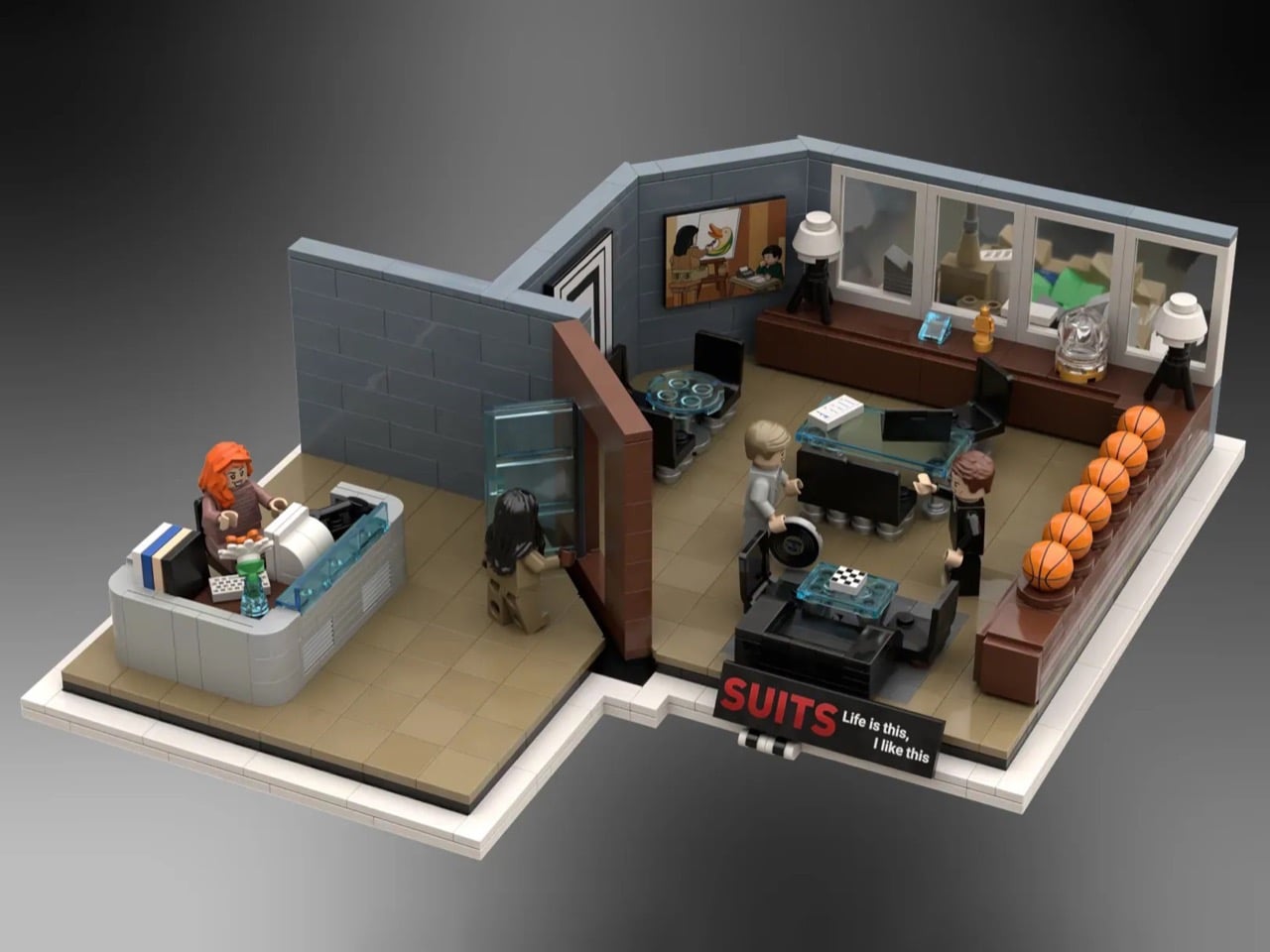
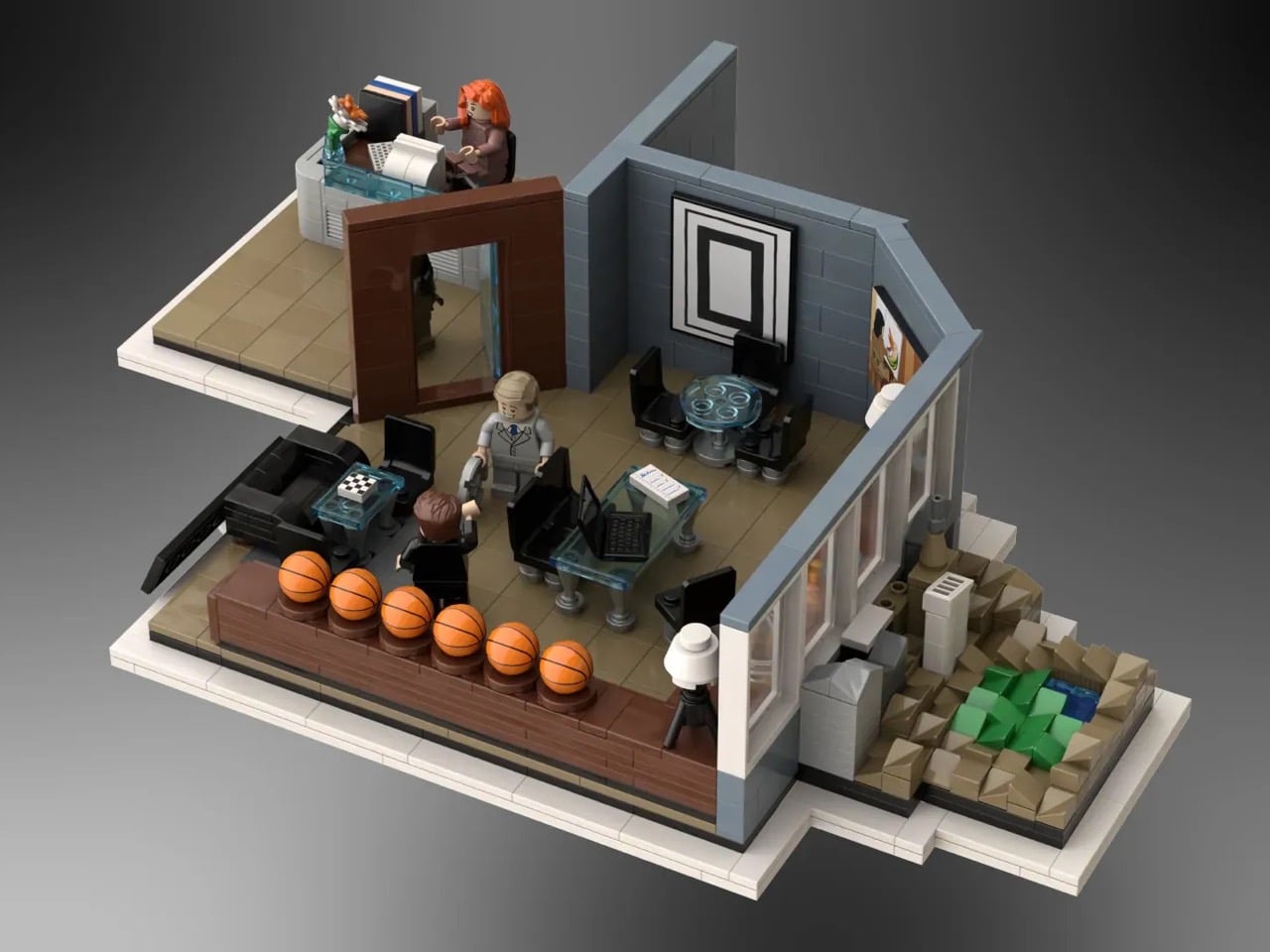
Gentvilas, building on the LEGO Ideas platform, understood the same thing. The chess set makes it into the brick version. So does the painting. So do the basketballs, rendered as a satisfying row of orange LEGO spheres along a dark wood shelf. Donna sits at her reception desk out front, composed as ever. Harvey and Mike are positioned mid-conversation inside the glass-walled inner office, and Jessica is stepping through the door with the specific energy of someone who already knows what you did. The forced-perspective window view, a microscale Central Park and skyline built to suggest height, finishes the illusion.
Designer: Gentvilas
The build splits cleanly into two zones. Donna’s curved reception desk anchors the entrance, built from smooth grey elements with a transparent blue front panel that captures the cool, corporate modernism of the Pearson Hardman lobby perfectly. Her desk is stocked with a monitor, stacked books, and a small flower vase, the kind of considered personal touches that tell you this is someone’s space, not just a gatekeeping station. Step past the dark wood doorframe and you’re in Harvey’s inner office, where a glass-topped desk sits center stage, black leather seating flanks a low coffee table, and the basketball shelf runs the full length of the side wall. Gentvilas has used transparent blue elements throughout for the glass surfaces, a smart and consistent material choice that gives the whole build a visual coherence the show’s set designers would appreciate.
My favorite detail, though, is that painting. Harvey’s mother is a complicated figure in the show’s emotional architecture, and the fact that Gentvilas rendered her as a custom decal, painting a duck at an easel while young Harvey watches, and hung it exactly where it belongs on the back wall, is the kind of deep-cut accuracy that separates a fan-made tribute from a generic office diorama. The builder notes that the actual painting couldn’t be reproduced due to copyright considerations, so this bespoke interpretation is entirely original, and honestly, it works just as well.
The forced-perspective exterior is the other standout move. A microscale build outside the windows creates a convincing illusion of height, with a tiny Central Park visible in the skyline, making the model feel like it genuinely occupies a Manhattan high-rise rather than sitting on someone’s display shelf.
Suits found a second life on Netflix in 2023, pulled in an entirely new generation of fans, and spun off into Suits LA. The timing for a LEGO set feels right. This MOC is currently gathering supporters on the LEGO Ideas platform, where builds need to cross 10,000 votes to trigger an official LEGO review. You can head to the LEGO Ideas page here and cast your vote.
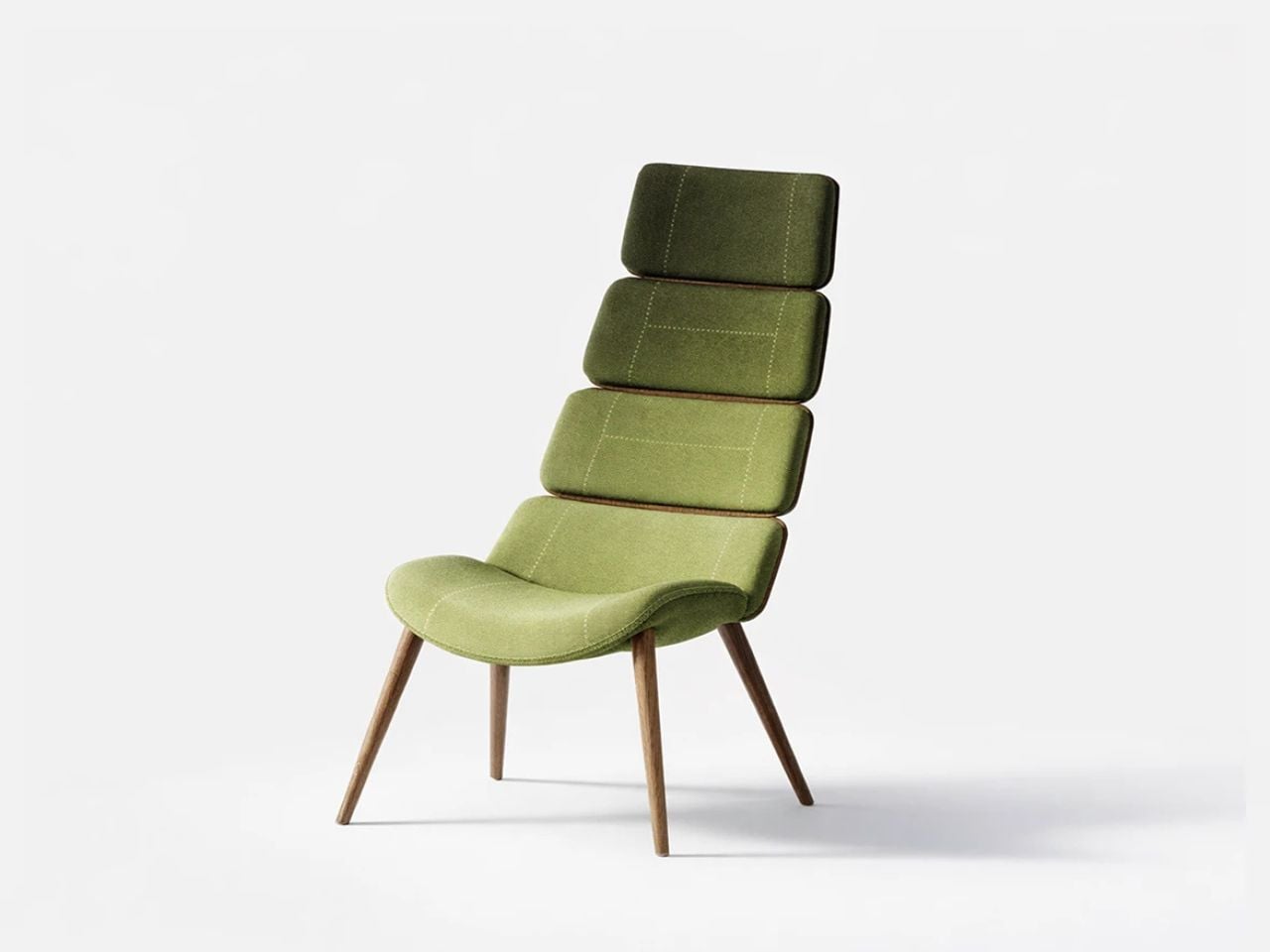
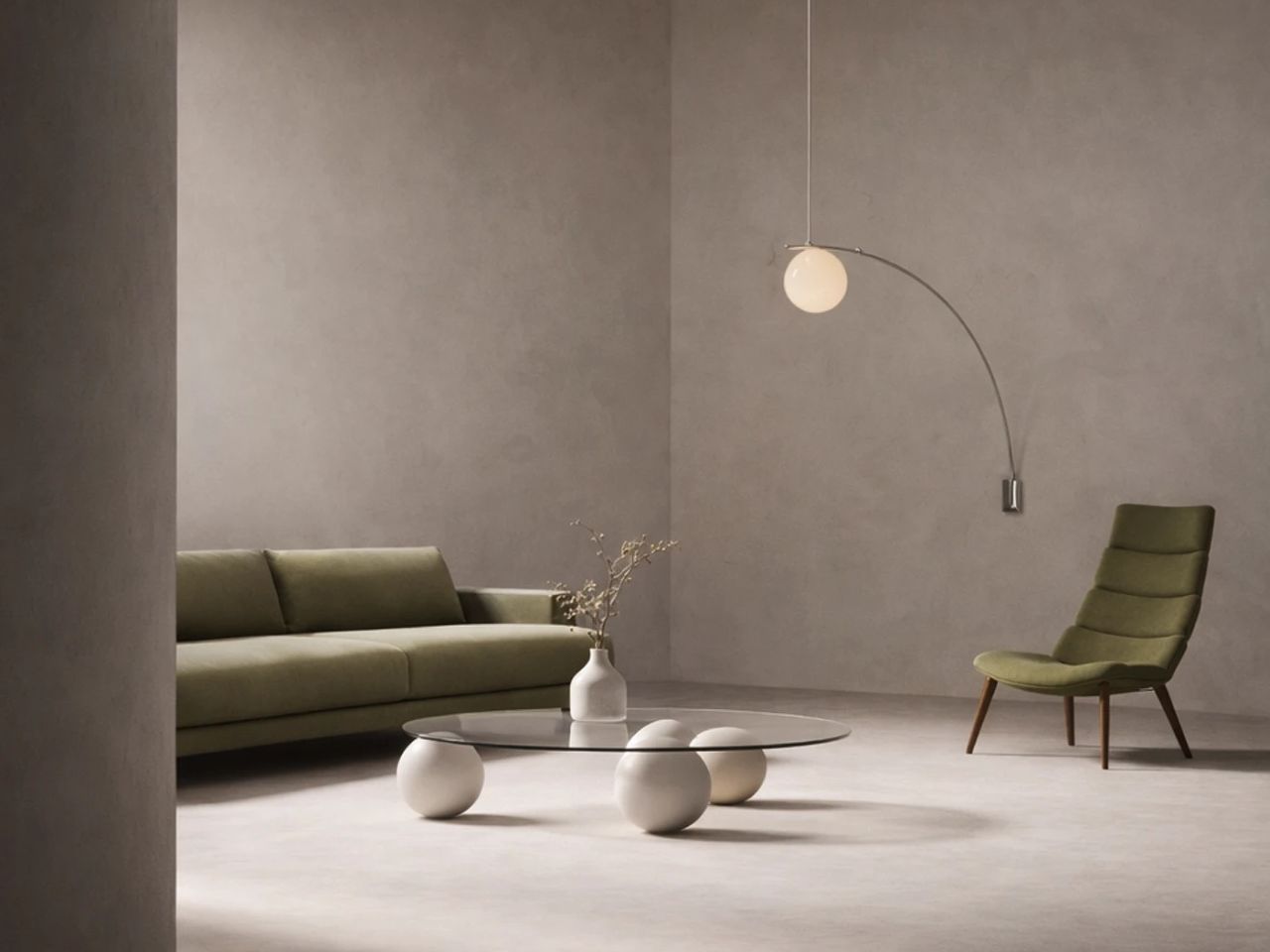
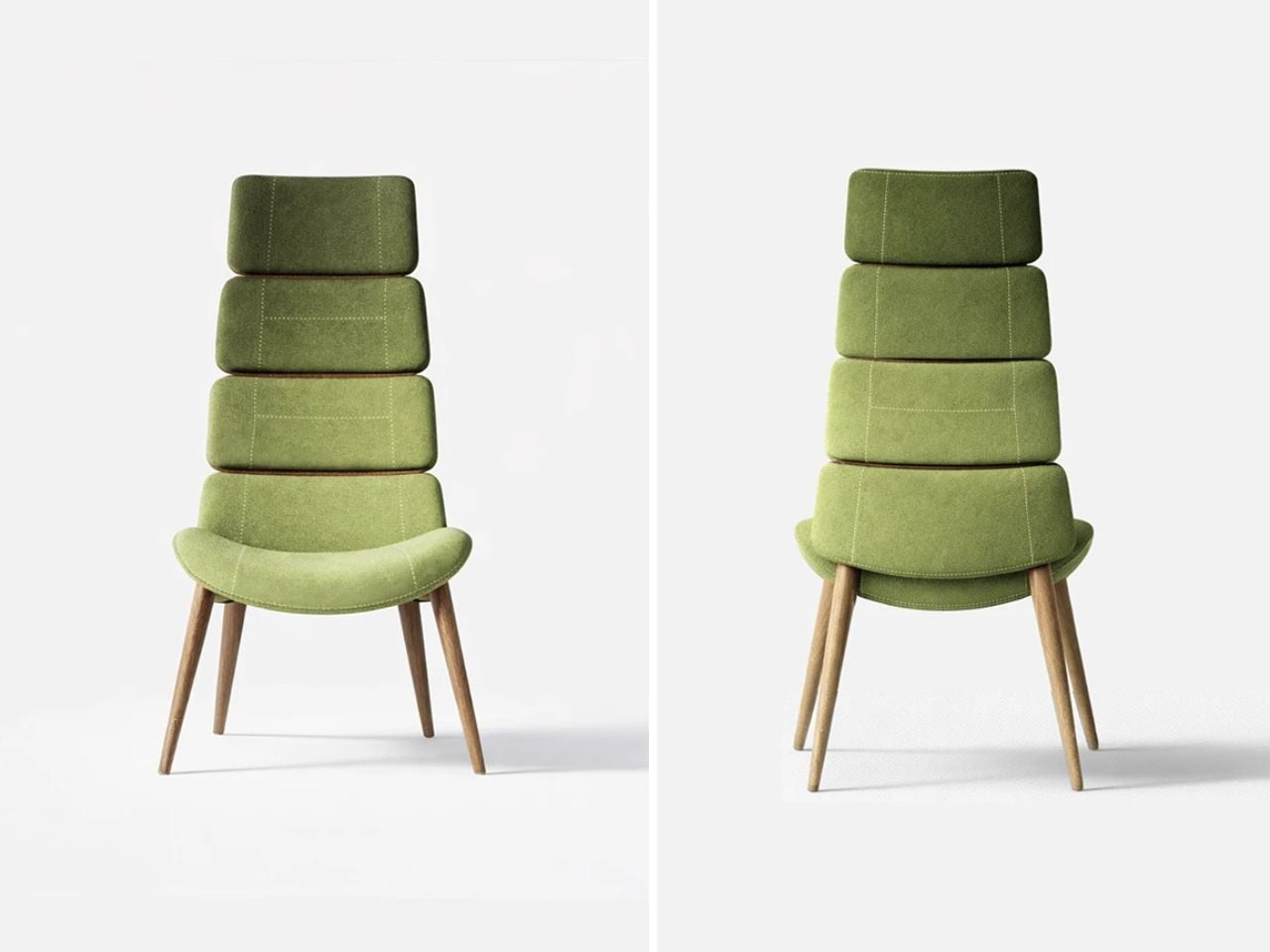
Aerise is a seating concept that reimagines how structure, support, and movement can coexist within furniture design. Seating has long followed rigid forms and familiar construction systems, where stability is often achieved through heavy frames and static surfaces. Aerise challenges this conventional approach by introducing segmentation as a more fluid and adaptive method of support. Instead of treating seating as a singular fixed structure, the project explores how interconnected elements can work together to create a system that feels lighter, more responsive, and visually dynamic while still maintaining ergonomic comfort and stability.
The project began with an exploration into the relationship between structure and the human body. Seating is one of the most familiar objects in everyday life, yet its design is deeply influenced by posture, proportion, material behavior, and the way the body interacts with support systems over extended periods of time. Aerise investigates what happens when structure is no longer viewed as a rigid shell, but rather as a collection of coordinated parts working together in balance. This shift transforms the chair from a static object into a more fluid system that adapts visually and functionally to the body’s natural posture.
The primary inspiration for the project came from the dragonfly and the unique characteristics of its segmented exoskeleton. Despite its lightweight form, the dragonfly demonstrates exceptional control, precision, and agility in movement. Its body is composed of interconnected sections that provide both strength and flexibility simultaneously, allowing the insect to move with remarkable balance and efficiency. Aerise draws from these principles and translates them into a seating system that embodies similar qualities of controlled support and visual lightness.
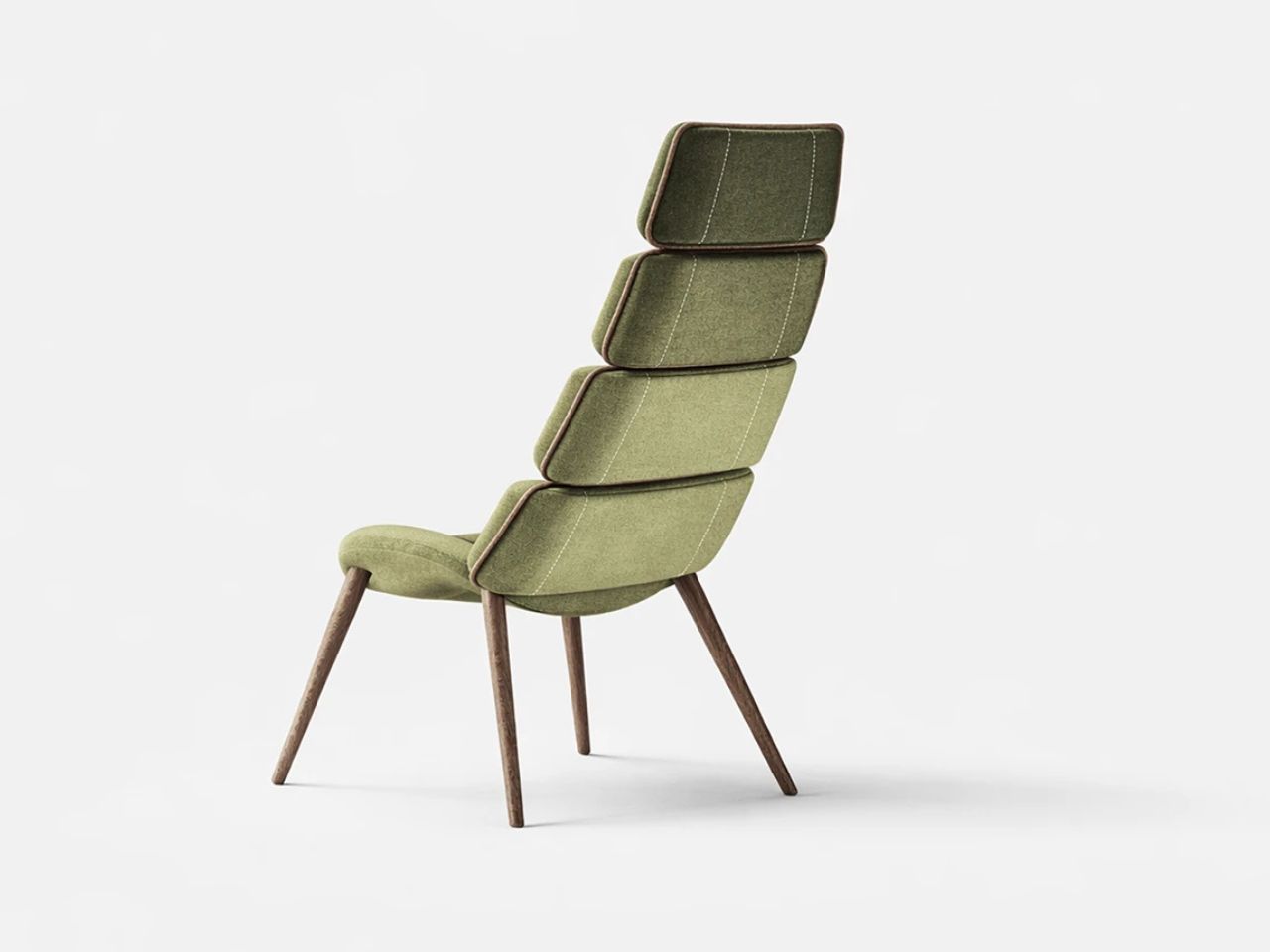
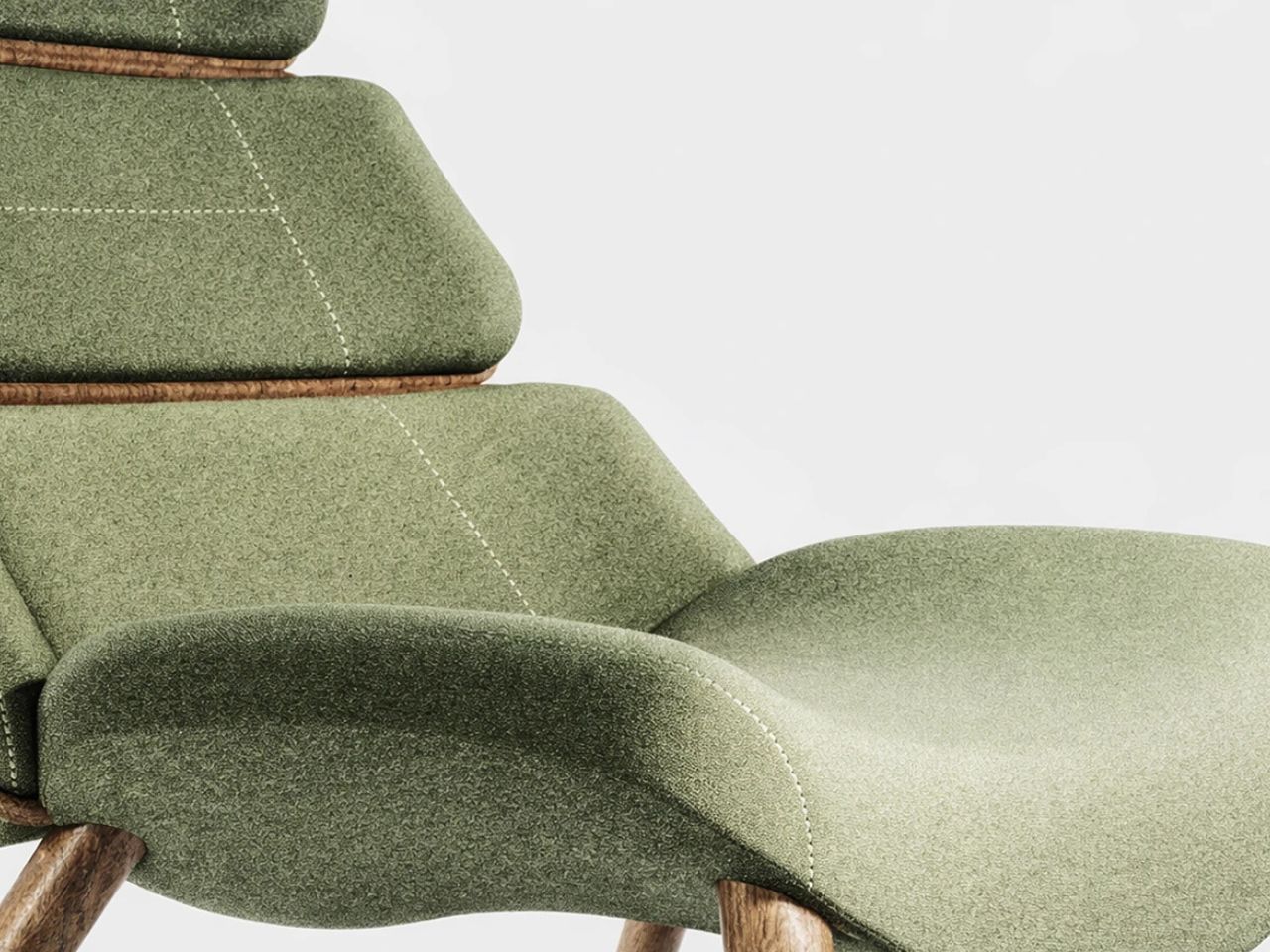
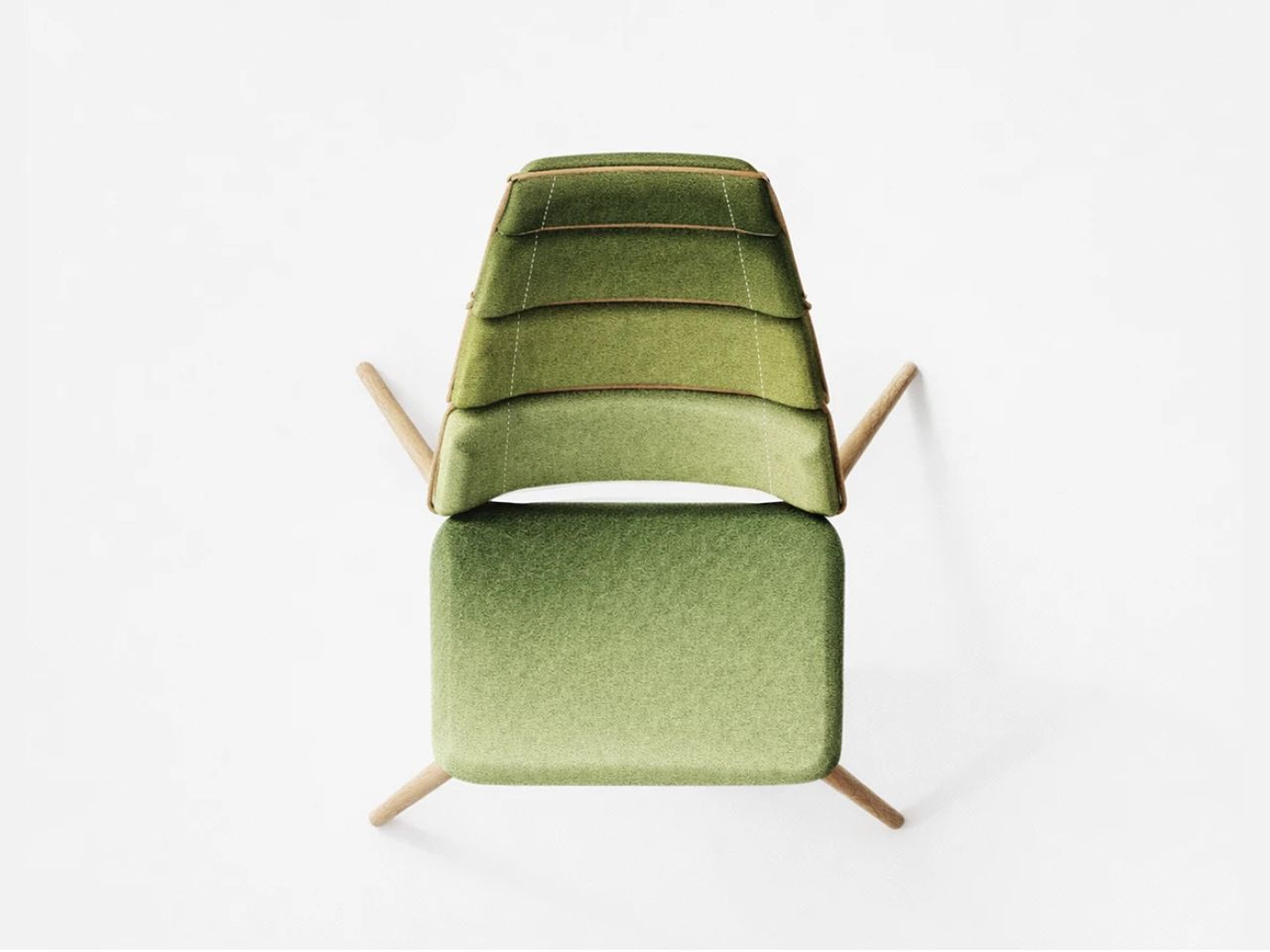
This inspiration is most clearly reflected in the chair’s segmented backrest. Rather than relying on a continuous solid surface, the backrest is divided into repeated modular elements that function together as a cohesive support system. Each segment corresponds to different zones of the spine, creating targeted areas of support while collectively forming a fluid and uninterrupted silhouette. This modular arrangement introduces a rhythmic visual language that echoes the structure of the dragonfly’s body while also enhancing ergonomic responsiveness.
The flowing geometry of the chair further reinforces this sense of continuity and movement. Soft curves guide the body naturally into a reclined posture, allowing the seating experience to feel intuitive and relaxed rather than forced or rigid. The reclined angle was carefully considered to balance comfort with structural integrity, ensuring that the chair maintains a stable presence while still appearing visually lightweight. This sense of suspension is amplified by the minimal framework and elevated form, giving the chair an almost floating quality despite its structural strength.
The leg positioning also plays an important role in translating the dragonfly’s balanced alignment into furniture form. Angled supports create stability while maintaining a sense of openness beneath the chair, preventing the structure from appearing heavy or grounded. These subtle details contribute to the overall perception of lightness and precision that defines Aerise as a concept.
At its core, Aerise explores segmentation not simply as an aesthetic gesture, but as a functional support strategy. Each individual element contributes independently to the user’s comfort while simultaneously operating as part of a larger interconnected system. The chair demonstrates how fragmented structures can still create cohesion, and how flexibility and stability do not need to exist in opposition. Through this approach, Aerise proposes a new perspective on seating design, one where support is adaptive, structure feels fluid, and visual lightness becomes an integral part of the experience rather than just a stylistic choice.
By drawing from the natural intelligence of biological systems, Aerise transforms the principles of segmentation, balance, and exoskeletal construction into a refined seating concept that feels both contemporary and intuitive. It is an exploration of how nature-inspired structures can influence not only the appearance of furniture, but also the way it supports and interacts with the human body.
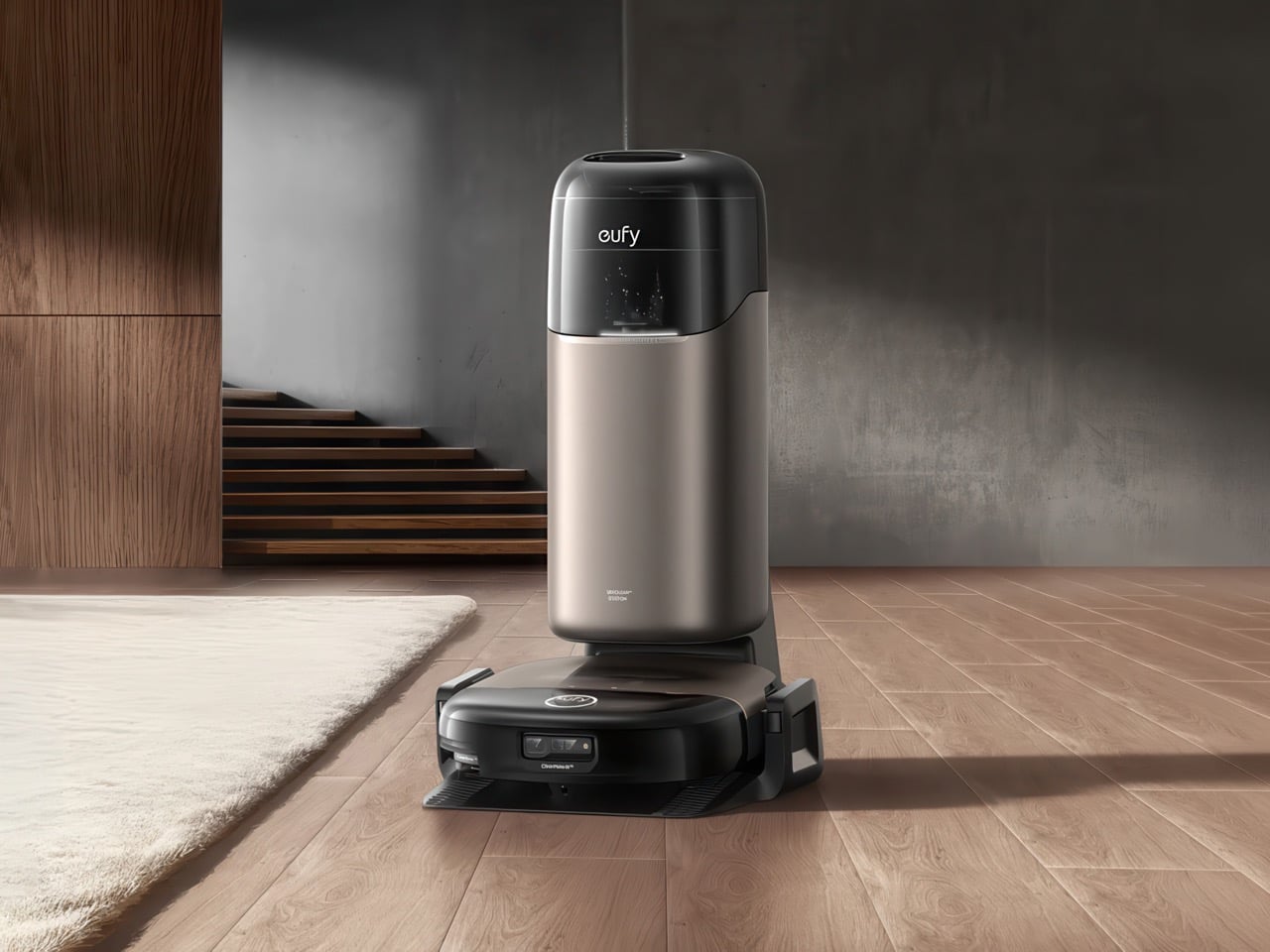
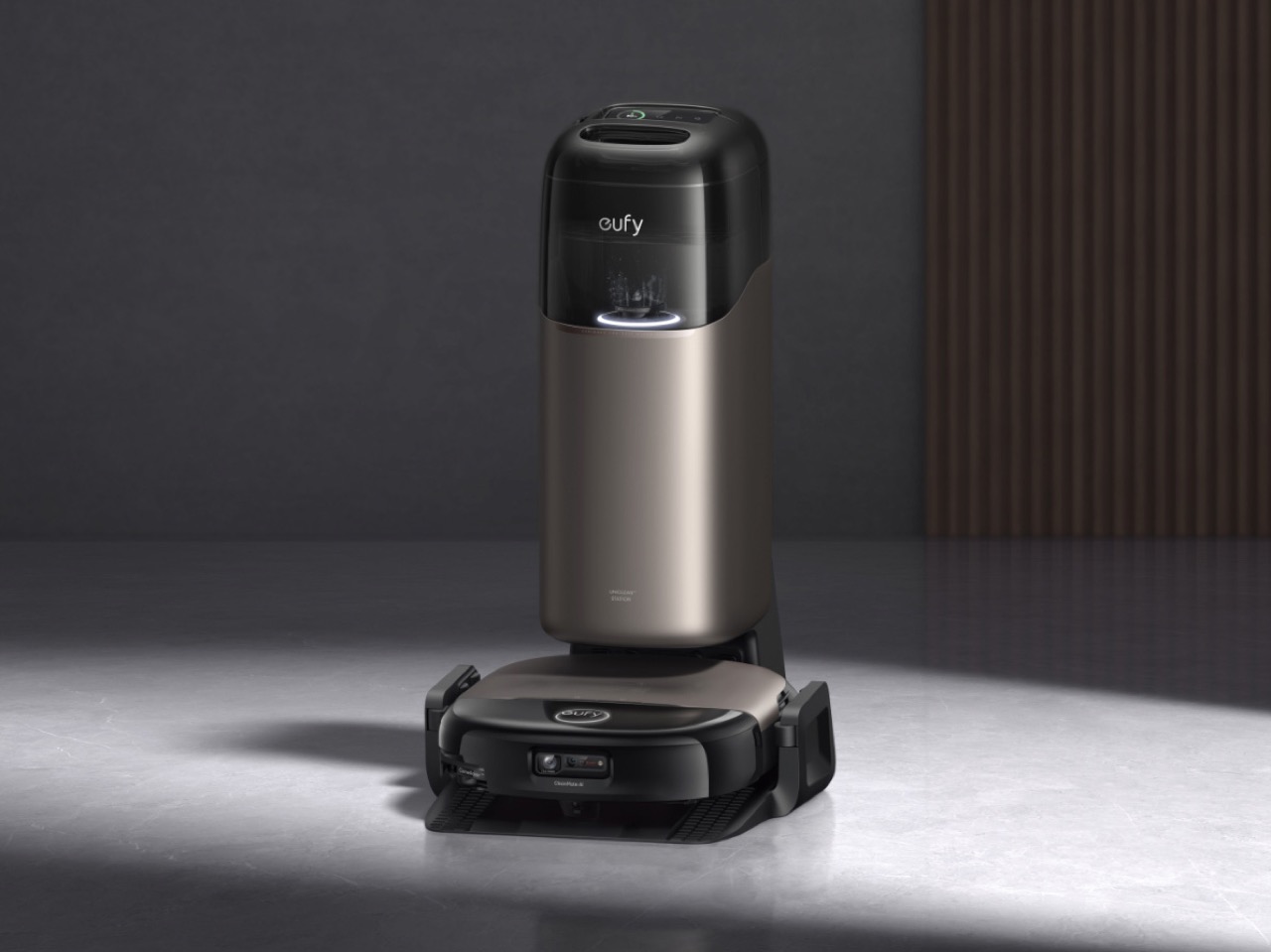
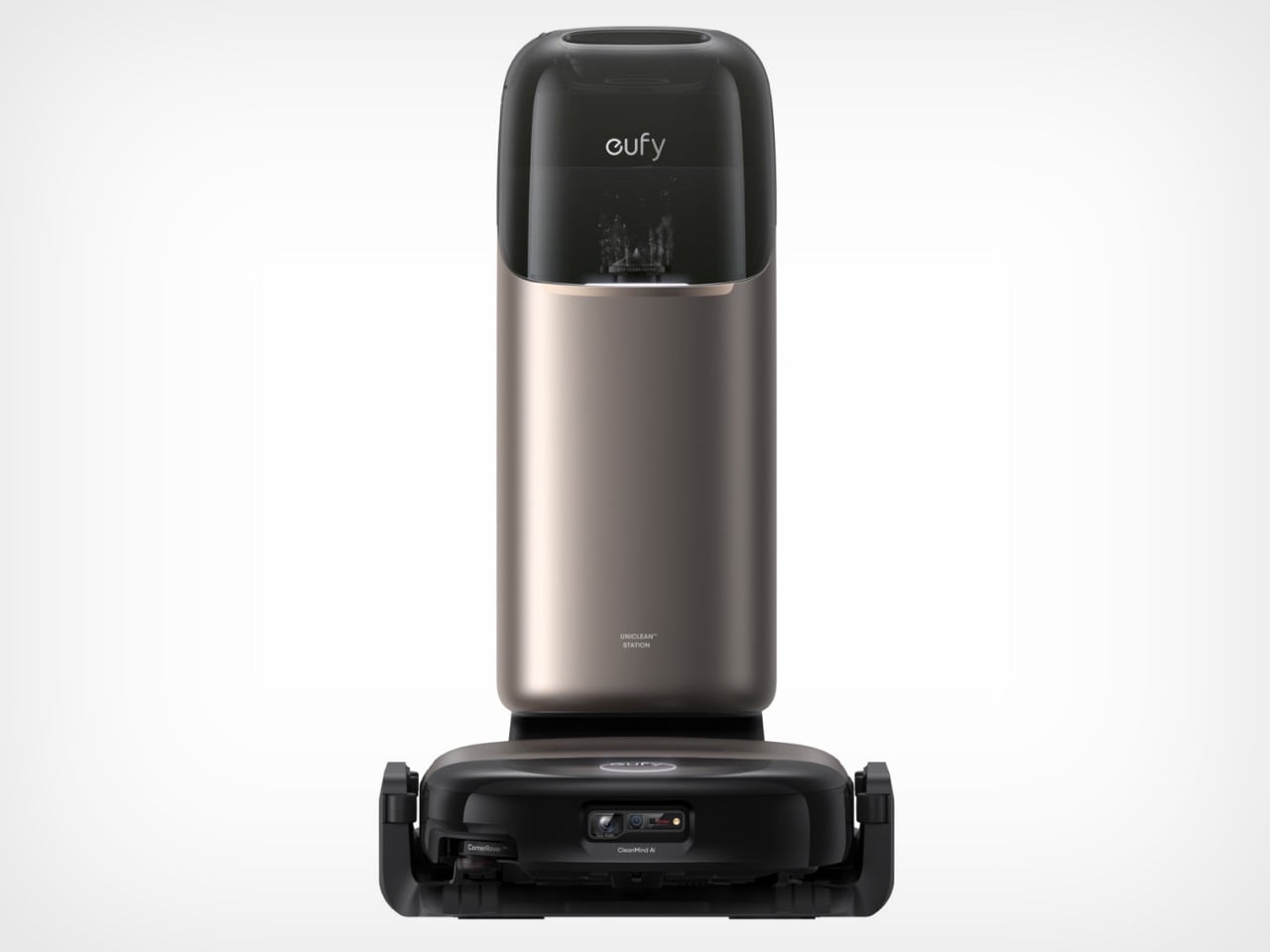
The champagne-bronze cylindrical base station in Eufy’s product photos does something most robot vacuum marketing images fail to do: it makes the thing look like it belongs in a well-designed home. The category has long defaulted to black plastic towers and aggressive venting grilles, the visual language of utility appliances that you hide in a laundry closet. Eufy’s Omni S2 system has clearly been styled to sit in the open, the tall dock finished in warm metallic tones that read more like a Dyson or a premium air purifier than a cleaning robot. That aesthetic ambition signals something about where Eufy wants to position this product, and it’s worth paying attention to.
The hardware underneath backs up the posturing. The S2 runs 30,000 Pa of suction through a multi-cyclone airflow system that Eufy calls AeroTurbo 2.0, pairs it with a HydroJet 2.0 roller mop that self-cleans during operation, and adds a fragrance diffuser capable of dispensing Citrus and Basil or Bamboo and Sage throughout the room as it works. The CleanMind AI navigates without a LiDAR tower, recognizing over 200 obstacle types through RGB vision, and the accompanying UniClean station handles dust collection, mop washing, drying, and refilling across a 68-day maintenance window. This is Eufy’s bid to be taken seriously at €1,499, competing directly against Roborock and Ecovacs flagships that have owned the top shelf for the last few years.
Designer: Eufy (Anker Innovations)
The fragrance diffuser deserves more than a passing mention because it represents a genuine category first. No flagship from Roborock, Ecovacs, or Narwal has shipped this feature, and the fact that Eufy built it into the robot rather than the dock is a deliberate design choice. The diffuser module is interchangeable, with three scent options available at launch, and it activates on request rather than running continuously, which is the right call. A robot that dumps fragrance into every room on every cleaning cycle would get exhausting fast. Treating it as an on-demand ambient feature gives the user control over the experience, and that restraint reflects a level of UX thinking that budget-era Eufy products rarely demonstrated.
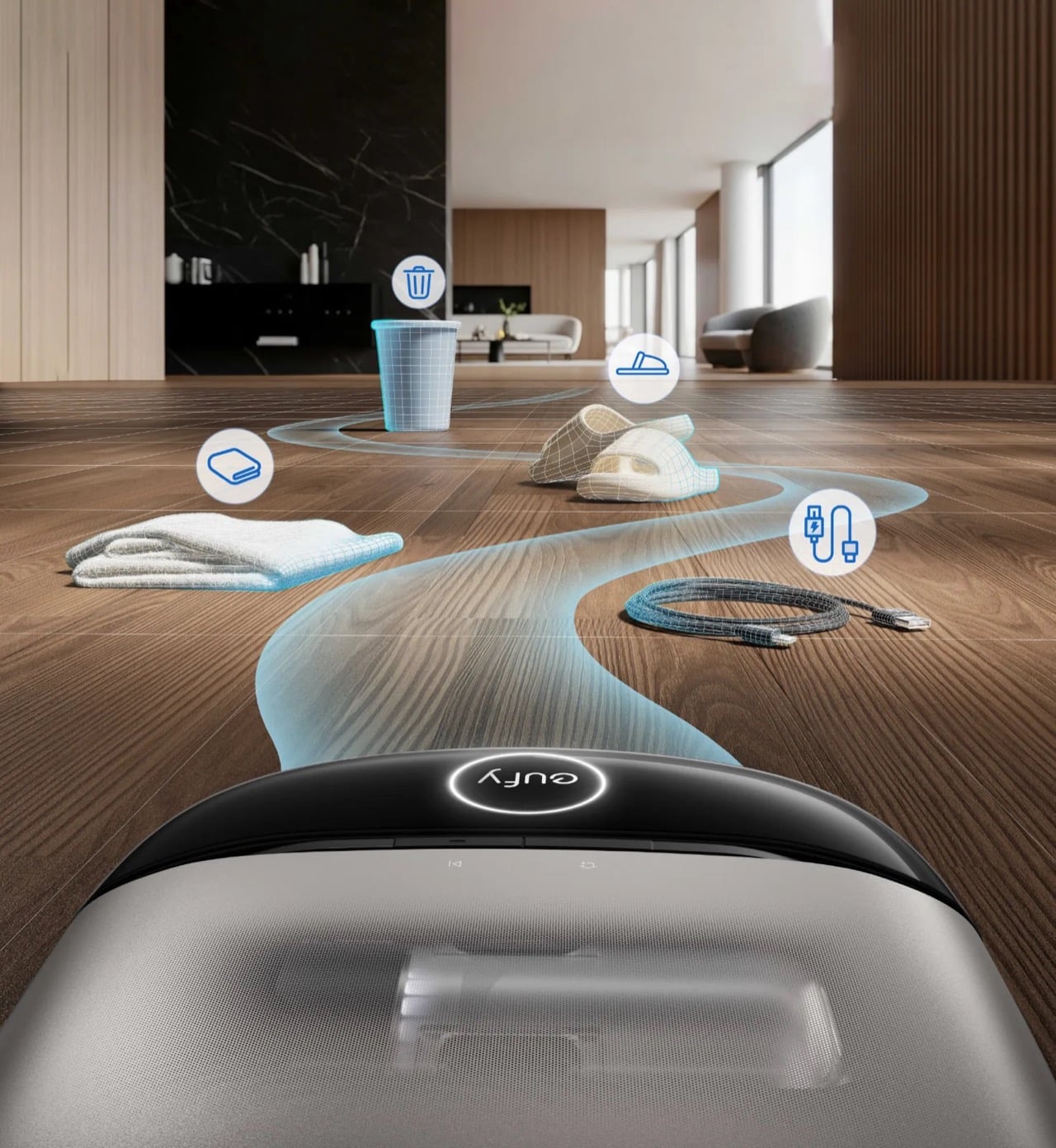
The CleanMind AI system powering the S2’s navigation is equally notable for what it eliminates. Removing the LiDAR turret, that rotating sensor tower that sits on top of most premium robots, was Eufy’s defining engineering bet with the S1 generation, and it paid off both aesthetically and practically. The S2’s low, angular profile fits under more furniture than competitors with turrets, and the RGB-based vision system now handles over 200 object categories, up from roughly 100 in the S1 Pro. The second product image Eufy released shows this in action: cables, slippers, cups, and folded towels each flagged with category icons as the robot plots its path around them. The visual is almost diagrammatic in its clarity, and it communicates the system’s capability faster than any spec sheet would.
The generational jump from the S1 Pro to the S2 is substantial on paper. Suction goes from 8,000 Pa to 30,000 Pa, the mop system gains additional pressure and rotation speed, the dock expands from 10-in-1 to 12-in-1 automation, and the maintenance interval stretches to 68 days. Eufy received a CES 2026 Innovation Award Honoree for the S2 before it had even launched commercially, which at minimum confirms that the industry was paying attention. Whether real-world performance matches the specification sheet is a question only extended testing will answer, and early reviews from European outlets suggest the mopping performance is genuinely competitive while obstacle avoidance still has occasional gaps with small or low-contrast objects.
At €1,499, the Omni S2 is priced squarely against the Roborock S8 MaxV Ultra and Ecovacs Deebot X2 Omni, robots that have held the premium conversation for the better part of two years. Eufy’s strongest argument is not that it out-specs those competitors in every category, but that it packages competitive cleaning performance inside a system that looks like it was designed for the room it operates in, adds an ambient experience layer nobody else offers, and maintains that 68-day hands-off window that turns a high-maintenance appliance into something that actually recedes into the background. The robot vacuum category has spent years chasing full automation as its north star. Eufy’s move is to ask what happens after you get there, and the answer, apparently, smells like bergamot and lychee.
The category of outdoor tech has a reputation problem. Most of it arrives in high-visibility colors, wrapped in rubberized plastic, and styled as if the designer’s only brief was “make it survive a war.” For men who care equally about function and form, the annual summer gear drop is usually a disappointment. These eight picks are the exception — products that earn their place outside without looking like they belong in a disaster preparedness kit.
Each one solves a real outdoor problem — heat, hydration, light, sound, coffee — without the aesthetic compromise that typically comes with the territory. If you’re selective about what you carry into the wild, this is a list worth saving.
1. RetroWave 7-in-1 Radio
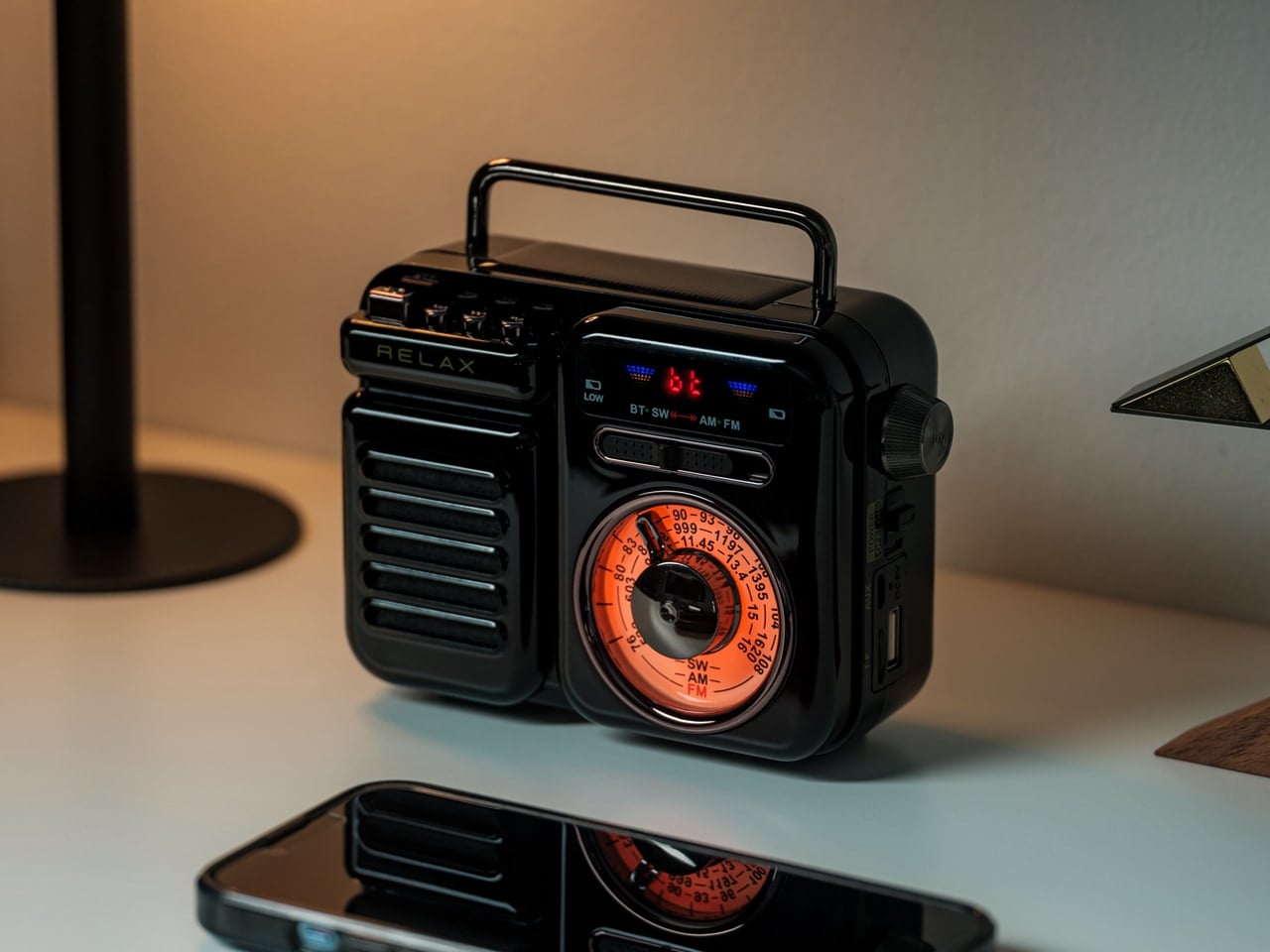
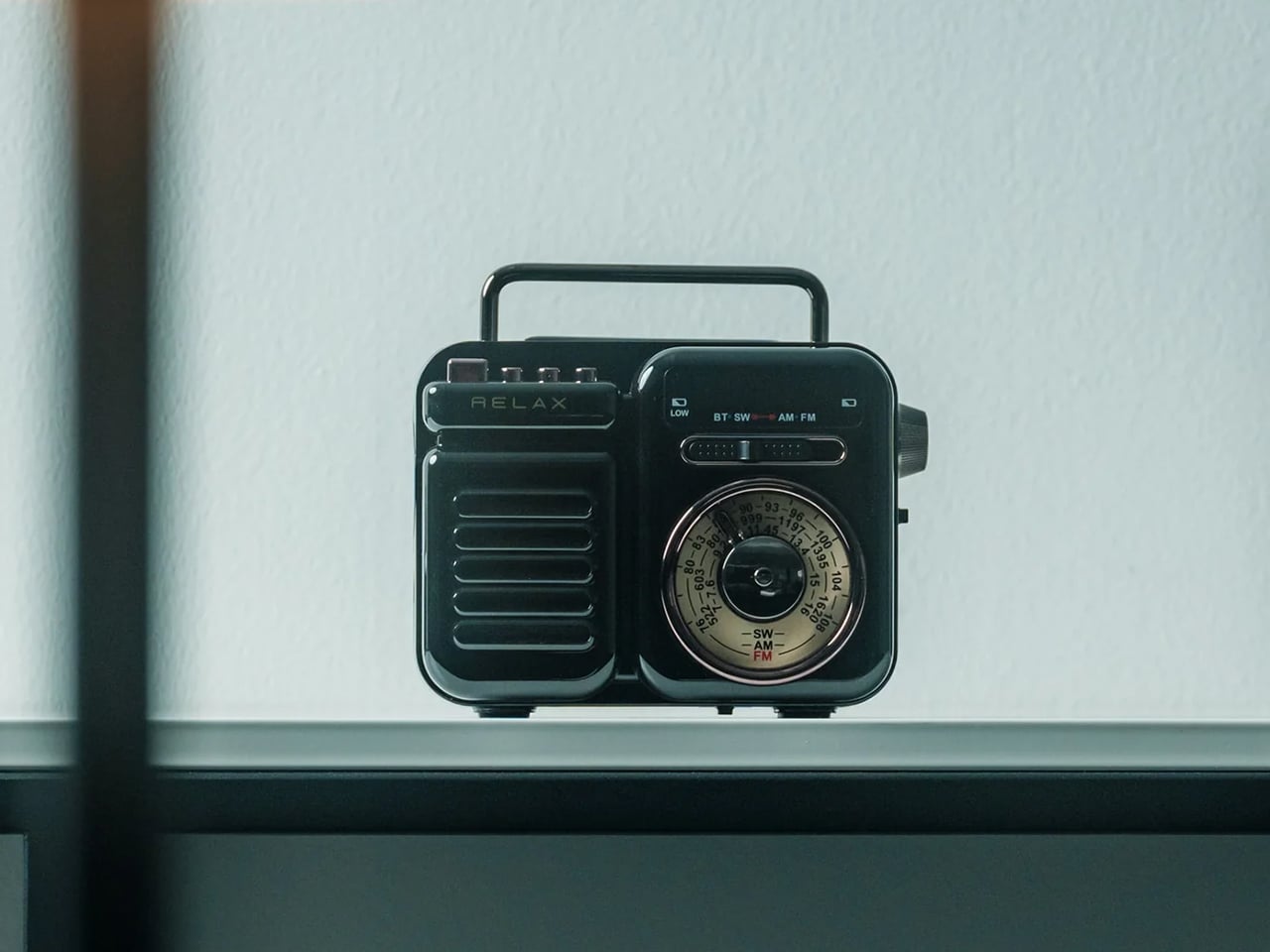
Most emergency gear sits in a drawer until it’s needed — which defeats the entire point. The RetroWave earns shelf space because it looks good enough to display. Styled with a retro Japanese aesthetic and a satisfying tactile tuning dial, it functions as a portable speaker, emergency radio, flashlight, and portable charger from one compact device. It’s the rare piece of outdoor kit that solves the preparedness paradox through sheer design restraint.
At $89, it covers ground that would otherwise require four separate items in your pack. Two colorways — black and warm gray — make it feel considered rather than utilitarian. The 20-hour battery life is enough for a full weekend without reaching for a cable, and the 8W speaker delivers enough warmth to soundtrack a campfire properly. It’s less a gadget and more a statement that survival gear doesn’t have to look survivalist.
Seven functions collapse into a single carry-anywhere device with a retro form that earns every gram of its weight
Intentional enough in design to live on a shelf rather than be hidden in a bag until an emergency strikes
What We Dislike
The retro aesthetic won’t resonate with those who prefer a more modern industrial look
Audio output is optimized for outdoor ambience rather than high-fidelity listening
2. Solar-Powered Camping Tent AC
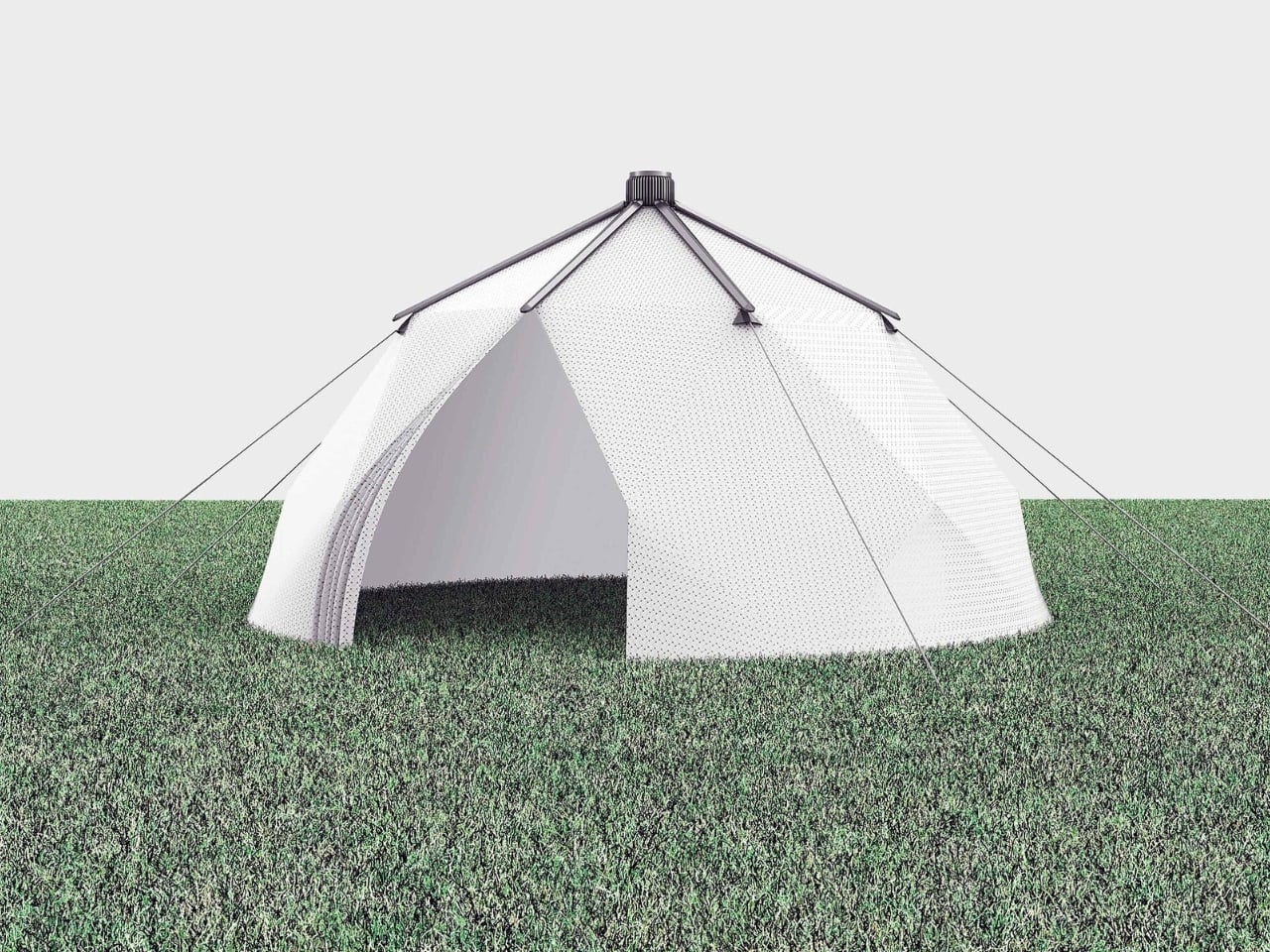
Summer camping’s biggest lie is that you’ll adjust to the heat. You won’t — you’ll sleep worse and wake up annoyed. This solar-powered camping tent concept earned recognition at the Red Dot Design Awards for solving exactly that problem: integrating an air conditioning system powered entirely by solar panels into the structure of the tent itself. No generator noise, no extension cord draped across the campsite. Just a cool night’s sleep that feels like the future.
The design challenge here isn’t purely technical — it’s visual. Solar camping gear has a long history of looking like a science project. This concept sidesteps that with a clean, structured silhouette that doesn’t announce its engineering from across the campsite. For summer trips where heat is the limiting factor rather than terrain, it reframes what a tent can actually do. The idea that solar power and sleeping comfort can coexist elegantly is no longer hypothetical.
What We Like
Solar-powered air conditioning solves the most persistent problem in summer camping without relying on noisy, bulky generators
Red Dot Design Award recognition confirms that the concept holds up both functionally and aesthetically
What We Dislike
As a concept, real-world availability and pricing have not yet been fully confirmed
Solar performance will depend heavily on campsite exposure and prevailing weather conditions
3. Yuuye Portable Air Conditioner
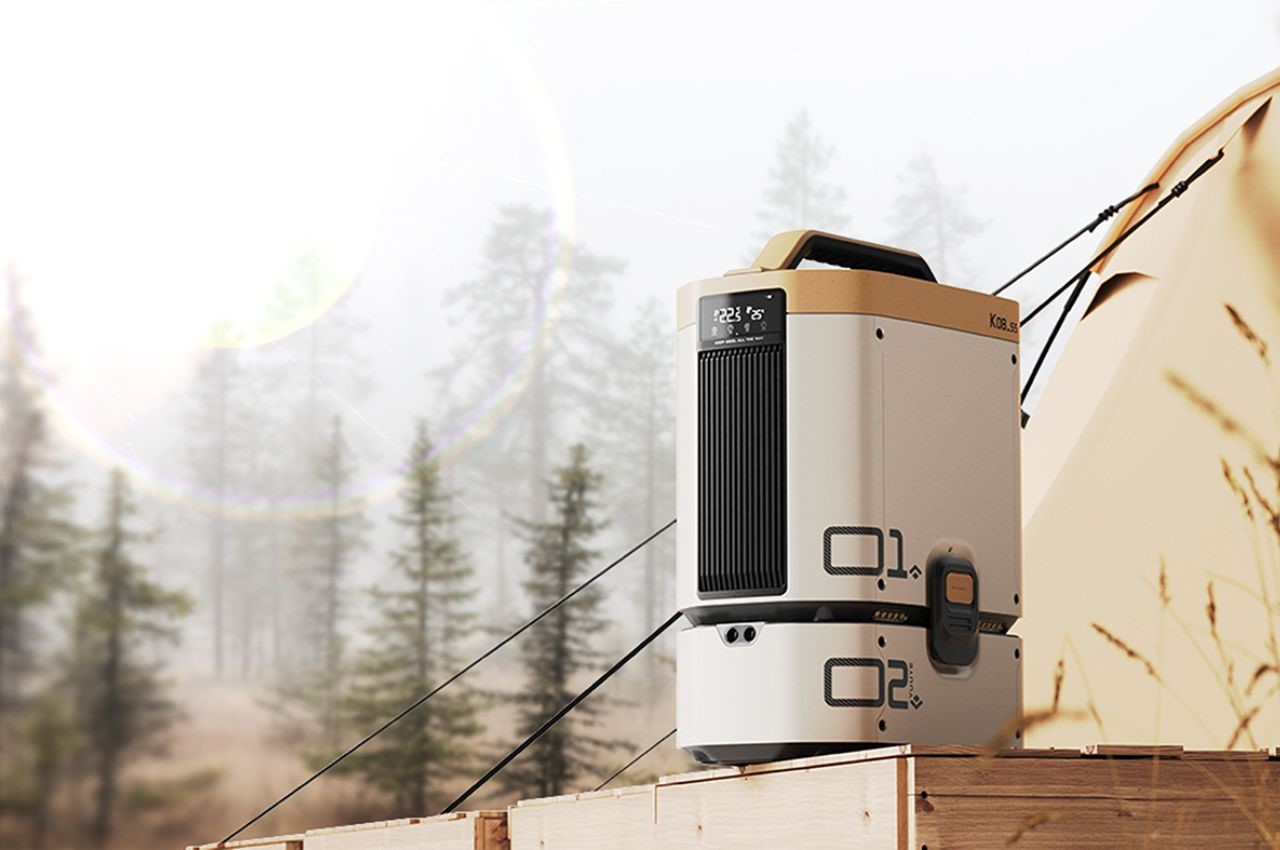
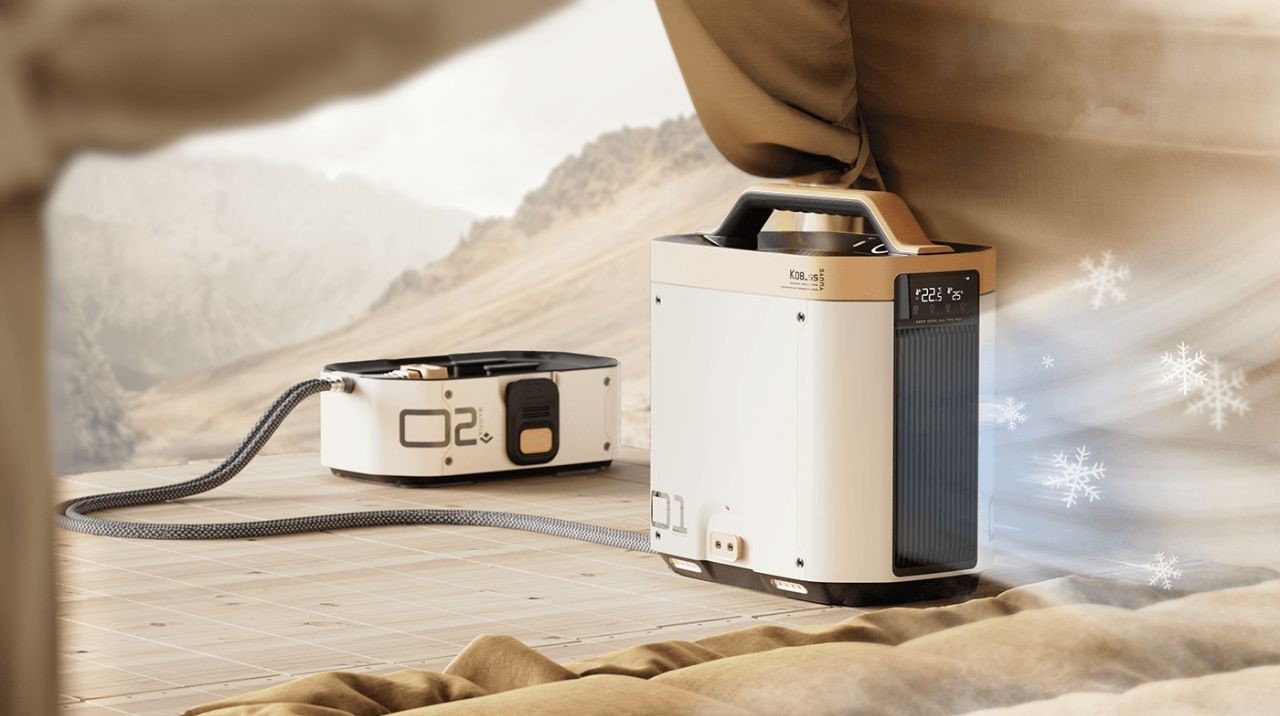
Where the solar tent integrates cooling into the structure, the Yuuye takes a more immediate approach. Its modular design separates the refrigeration unit from the exhaust, drawing in heat and pushing out cool air in a package compact enough to move between a patio, a tent, and an outdoor workspace without a second thought. The LCD screen keeps control simple, and the detachable build means adapting it to a new setting takes seconds rather than a prolonged setup.
The large air outlet distributes cooling evenly rather than in a single concentrated stream, which matters when you’re sitting in front of it rather than standing directly in the airflow. It understands the difference between moving air and actually cooling a space. Compact, lightweight, and designed for exactly the kind of summer that turns a backyard into an endurance test, it earns its place outdoors not by being impressive on paper, but by working when the temperature genuinely spikes.
What We Like
The modular, detachable build makes relocating it between outdoor settings fast and completely intuitive
Delivers consistent cooling without the bulk or noise of traditional portable air conditioning units
What We Dislike
Best suited for small to medium spaces — larger gatherings will need more than one unit to feel the difference
Requires a power source for extended use, which limits fully off-grid applications
4. Hemingway Cooler
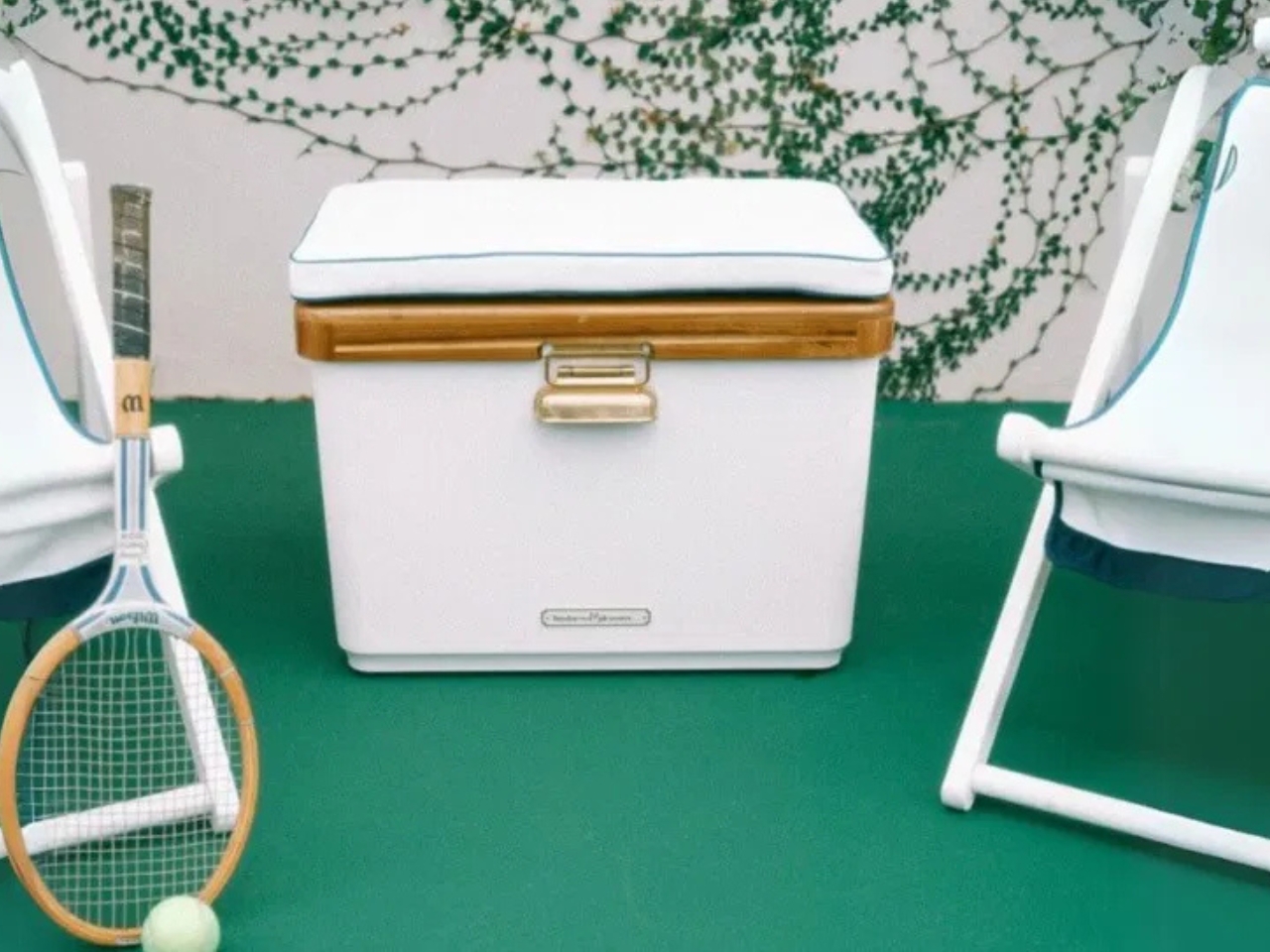
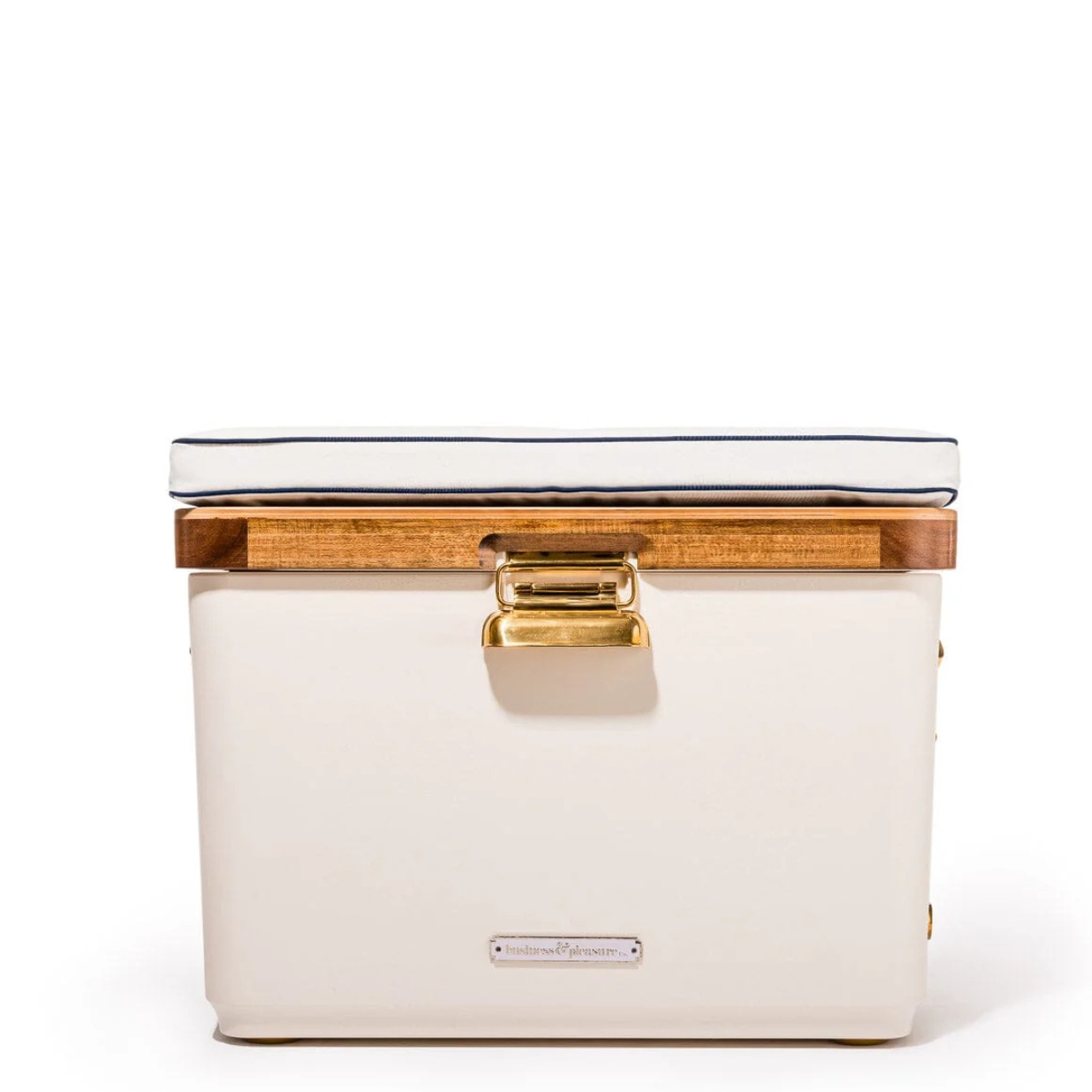
Coolers have spent decades looking like objects that are embarrassed to be at the party. The Hemingway takes a different position entirely. Designed with reference to mid-20th-century European cars and speedboats, it brings a classic, rugged sensibility to something most people treat as purely functional. It’s a cooler that looks as deliberate as the rest of your setup — the kind of thing you’d pack into the back of a Land Rover without any irony whatsoever.
The design doesn’t sacrifice performance for aesthetics. The rugged build holds up to outdoor conditions that take the shine off lesser products quickly, and the form is cohesive enough that it reads as a considered object rather than a branded afterthought. For men who treat the patio and the campsite as extensions of their taste rather than exceptions to it, the Hemingway is the first cooler that actually deserves to be seen.
What We Like
The mid-century design reference gives it a visual identity that holds up well beyond the campsite or tailgate
Rugged construction means the good looks aren’t at the expense of actual outdoor durability
What We Dislike
The deliberate aesthetic may feel out of place in purely utilitarian outdoor contexts
Premium design positioning likely carries a premium price point to match
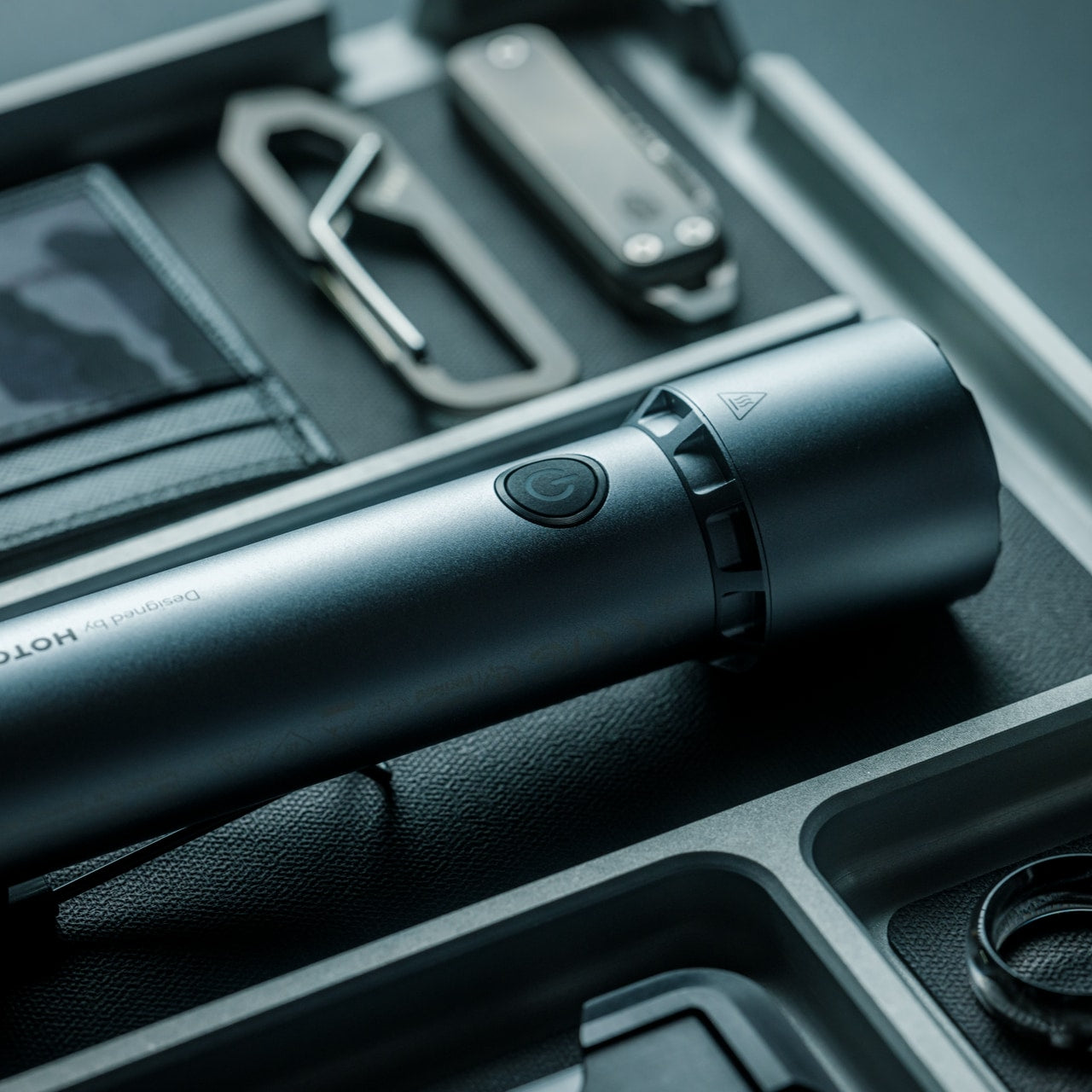
5. BlackoutBeam Tactical Flashlight
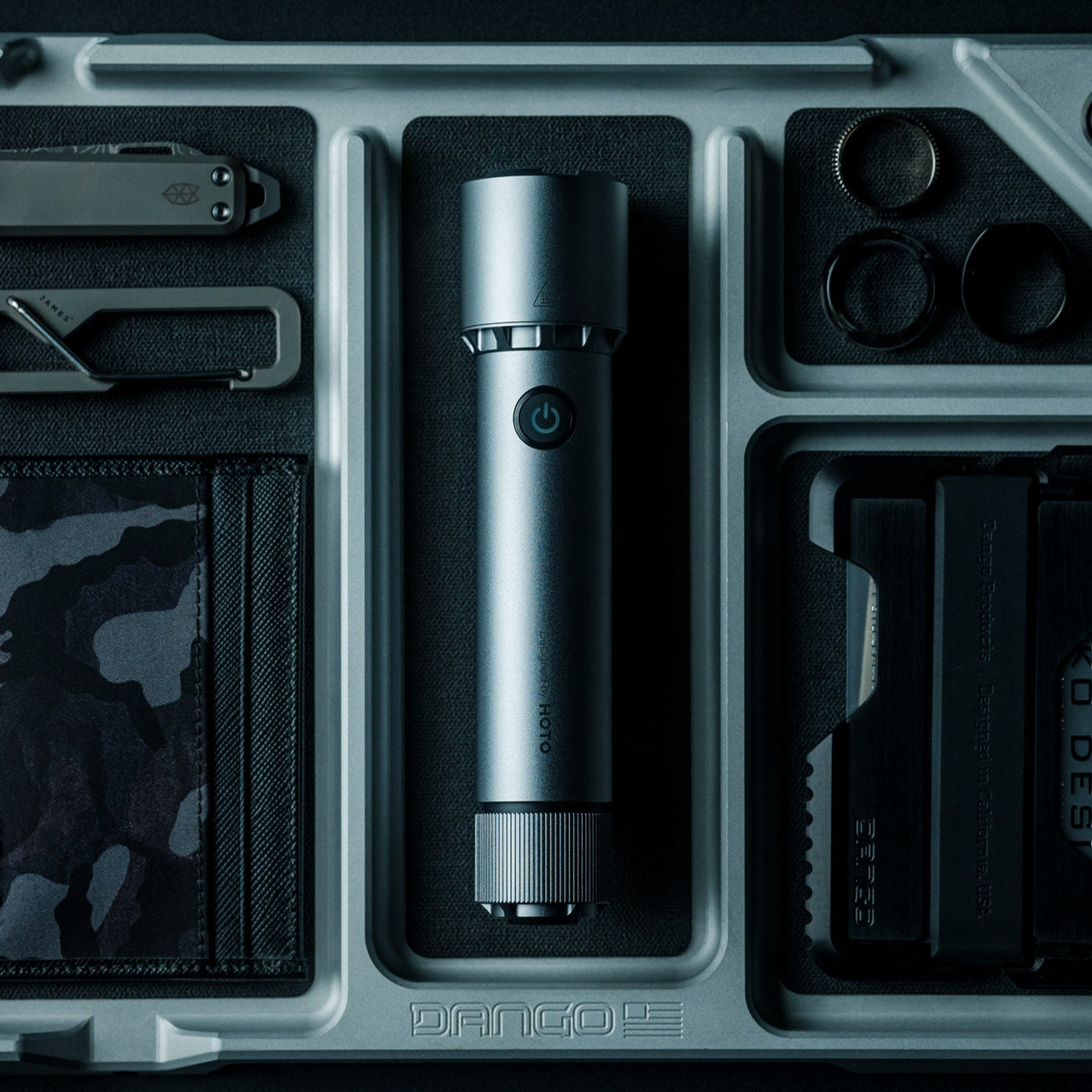
“Tactical” is a word that has done a lot of damage to outdoor gear design. The BlackoutBeam manages to carry the term without leaning into the aesthetic that usually comes with it. At $90, it sits in the range where you’re buying something built for real use rather than a shelf demonstration.
A good flashlight is one of those objects where the quality gap between a considered design and a generic alternative is immediately felt in the hand. Weight distribution, button placement, beam control — these are the details that separate tools from gadgets. The BlackoutBeam handles them with enough conviction to earn the “tactical” descriptor on function rather than branding alone. For the man who refuses to carry anything that looks apologetic, this is the one to reach for.
The $90 price point reflects genuine build quality rather than brand markup on a commodity product
Restrained design language avoids the aggressive tactical styling that makes most flashlights look out of place
What We Dislike
The “tactical” category still carries aesthetic baggage that may not suit every outdoor context
Limited design detail available through the shop listing makes spec comparison difficult before purchase
6. MokaMax
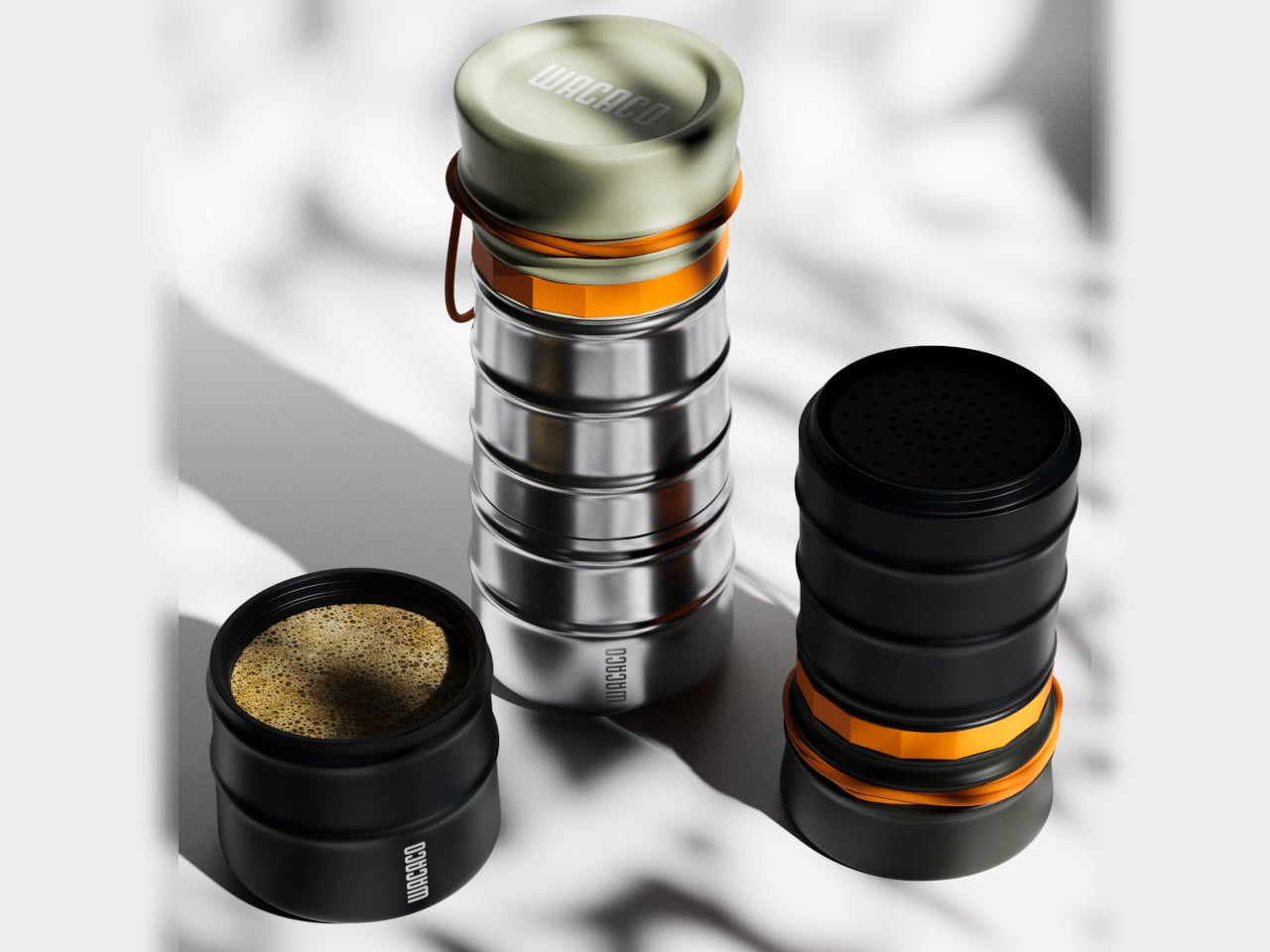
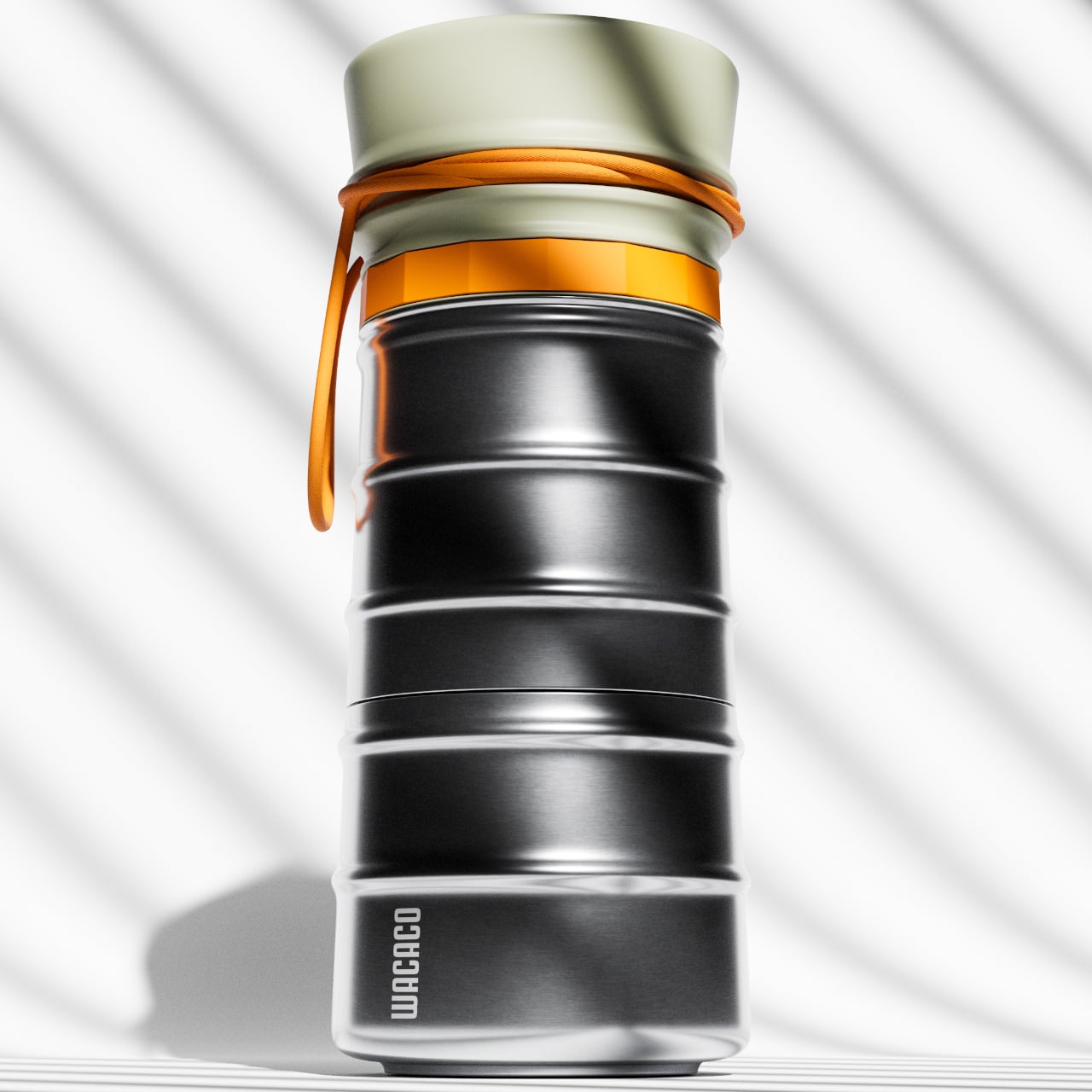
Portable coffee makers have a consistency problem. The plunger versions are messy, the capsule versions need a power source, and the pour-over options require more patience than most mornings allow. MokaMax resolves the argument by packing a pressure brewer directly into a rigid stainless travel mug — delivering espresso-style coffee in the same vessel you carry it in. It positions itself as the proper successor to the Pipamoka, with a form language that reads more like outdoor equipment than a kitchen appliance.
The ridged exterior isn’t purely visual texture — it provides a secure grip in conditions where hands are wet or cold, and it helps the MokaMax blend naturally with the kind of rugged travel gear men who care about this sort of thing tend to carry. It’s a product that earns its presence on a campsite or a trailhead without announcing itself. Good coffee, away from a kitchen, in an object worth actually owning.
What We Like
Pressure brewing and carrying a vessel combined means fewer items to pack and clean in the field
The ridged stainless form integrates visually with quality outdoor gear rather than clashing against it
What We Dislike
Espresso-style output may not satisfy those who prefer larger-volume filter coffee while camping
Pressure brewing has a learning curve for those accustomed to simpler portable methods
7. FLEXTAIL Tiny Pump 2X
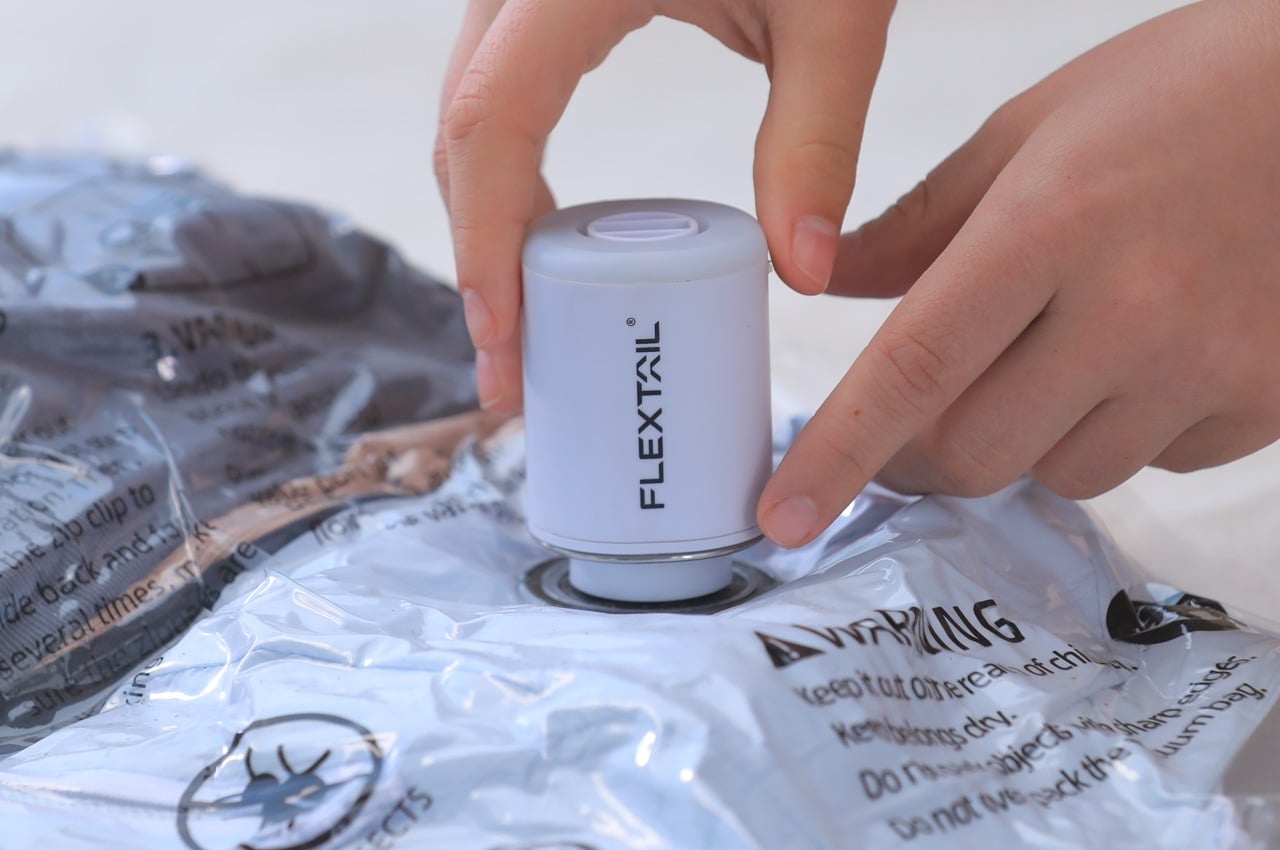
Camping gear that does one thing well is easy to find. Camping gear that does three things well, fits in a pocket, and doesn’t look like an infomercial product is considerably rarer. The FLEXTAIL Tiny Pump 2X manages exactly that — functioning as an outdoor pump, a camping lantern, and a general-use light source in a form factor small enough to get lost in a daypack if you’re not paying attention. Its utility-to-size ratio is genuinely difficult to argue with.
The design restraint does the heavy lifting. Rather than communicating its multi-function capability through an overload of controls or visual complexity, it reads as a single clean object that happens to do more than expected once you engage it. For summer trips where pack weight is a decision every item has to justify, the Tiny Pump 2X earns its place three times over. It’s the kind of product that makes you rethink what minimum viable gear actually looks like.
What We Like
Three functions in one compact body reduce the individual item count needed for a serious weekend outdoors
The restrained form doesn’t visually telegraph its multi-function capability, which is a genuine design achievement
What We Dislike
Compact size means output on each function is calibrated for personal use rather than group coverage
Lantern brightness may be insufficient for larger camping setups requiring wider illumination
8. StillFrame Headphones
The case for taking good headphones outside has never been stronger, and the StillFrame makes a compelling argument for why. They occupy the space between in-ears and over-ears deliberately — more open than the former, more relaxed than the latter. “Featherlight yet full-bodied” sounds like marketing until you put them on, at which point it just sounds accurate. Listening becomes a physical ritual rather than background noise management.
For outdoor use, weight matters as much as sound. Headphones that feel present on your head become an irritant across longer stretches — hiking, a morning at the campsite, a slow afternoon by the water. The StillFrame disappears in a way that heavier alternatives don’t, which means you stop thinking about them and start thinking about what you’re actually listening to. That’s the benchmark for any piece of audio gear, and this one clears it comfortably.
The positioning between the in-ear and over-ear categories gives it a comfort profile that holds up across extended outdoor use
At $245, the price reflects a genuine design object rather than commodity audio gear
What We Dislike
The open design means reduced passive isolation in high-noise outdoor environments like busy trails or campsites
The featherlight build may not appeal to listeners who associate weight with perceived audio quality
Gear That Earns Its Place
The outdoor tech category earns its bad reputation because most of it treats function and form as competing priorities. These eight products make the opposite argument: that the best gear is what you actually want to carry, because it holds up visually and practically. Each one has a design story worth reading before you even get to the spec sheet.
The RetroWave and BlackoutBeam are available directly through the YD shop. The MokaMax, Yuuye, and StillFrame have earned space in multiple roundups for good reason. The solar tent, still in concept territory, is the kind of idea that makes the rest of the industry look like it isn’t trying hard enough. Summer has better options than it used to.
Most compact EDC knives aren’t really built to be enjoyed, just used. Angular profiles, tactical textures, and aggressive pocket clips do their job well enough, but none of them encourages you to keep the knife in your hand any longer than necessary. For most compact blades, being pulled out for a quick task and then tucked back into a pocket is already the full extent of the experience.
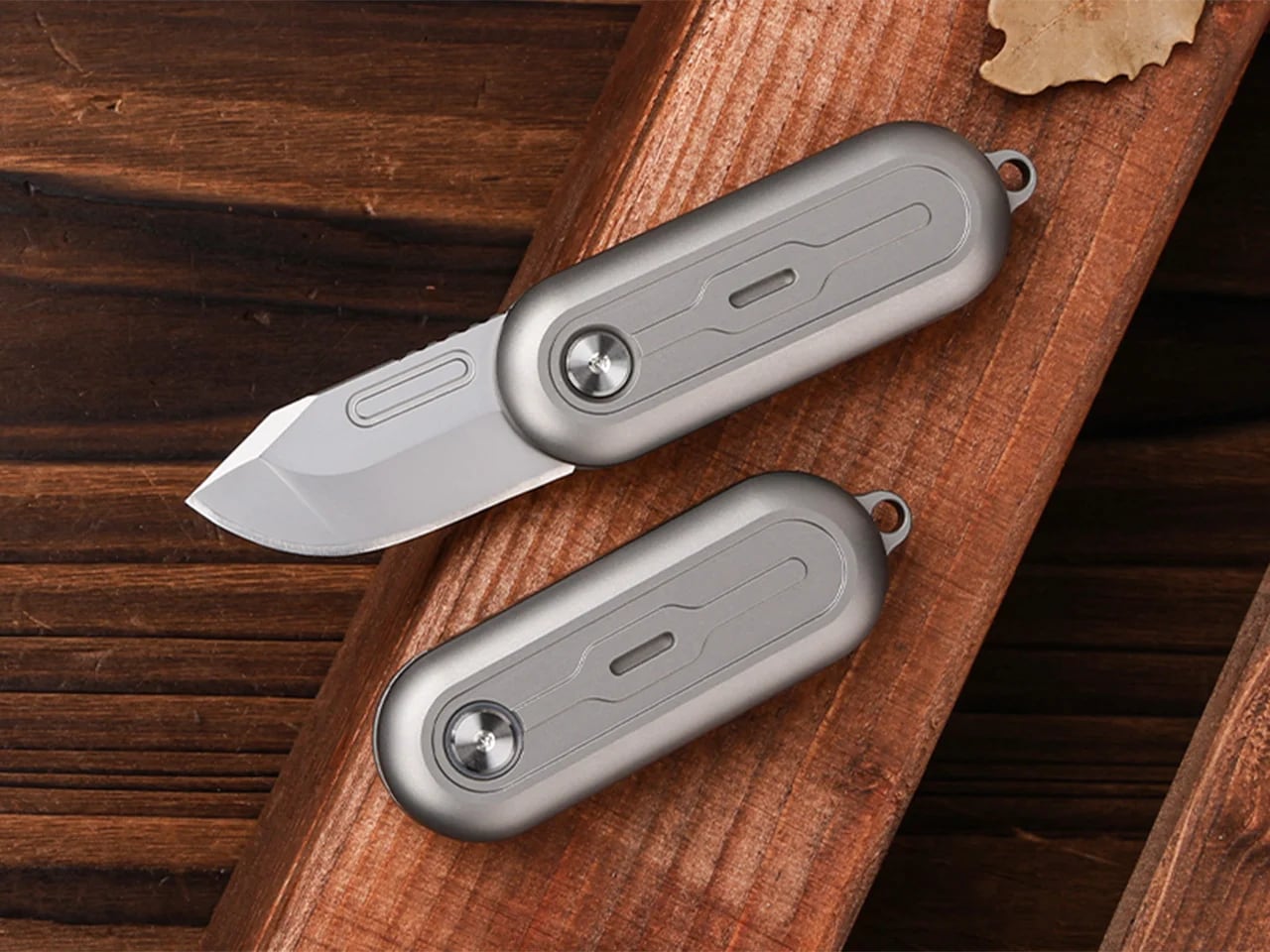
TiNova II takes a noticeably different approach to the category. Rather than pushing toward more aggressive geometry or more serious hardware, it pulls back and focuses on how pleasant a small folding knife can feel to hold and carry through an ordinary day. It doesn’t try to compete with larger, tougher blades; it just wants to be the thing you’re always happy to reach for.
Designer: Ideaspark Design Team
Click Here to Buy Now: $49$70 (30% off). Hurry, only 30/420 left! Less than 72 hours to go. Raised over $99,000.
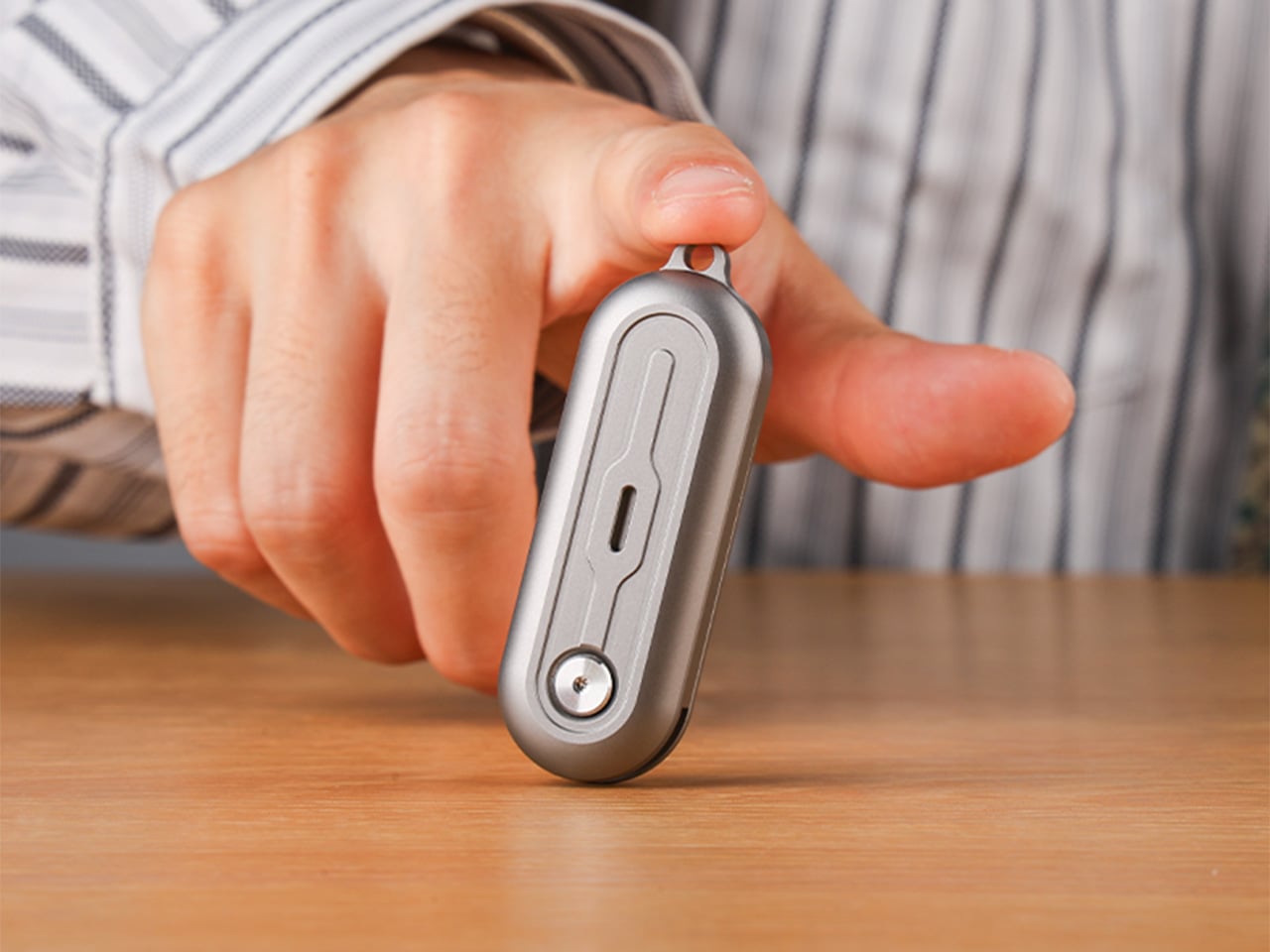
The most obvious departure from the typical compact knife is TiNova II’s body shape. Instead of flat sides and defined edges, the handle uses an oval form that follows the natural curve of a loosely curled hand. There’s no fixed orientation to worry about, no hard corner pressing into your palm. It just rolls between your fingers almost effortlessly, which makes a bigger difference than it sounds.
A precision roller bearing sits at the heart of TiNova II’s flip-and-turn action, and the difference is immediately noticeable. Each movement feels smooth and weighted, free of the stiffness that can make smaller folding knives feel surprisingly cheap. Magnets add a crisp sense of feedback at the end of the motion, giving the whole action a rhythm that makes you want to keep repeating it.
That quality turns TiNova II into something you pick up even when there’s nothing to cut. It ends up on a desk during a long call or meeting, spinning between tasks without much thought. But when you do need a blade, the D2 steel edge comes rated at HRC 58 to 60 and handles boxes, tape, rope, and most things a typical day throws at it without complaint.
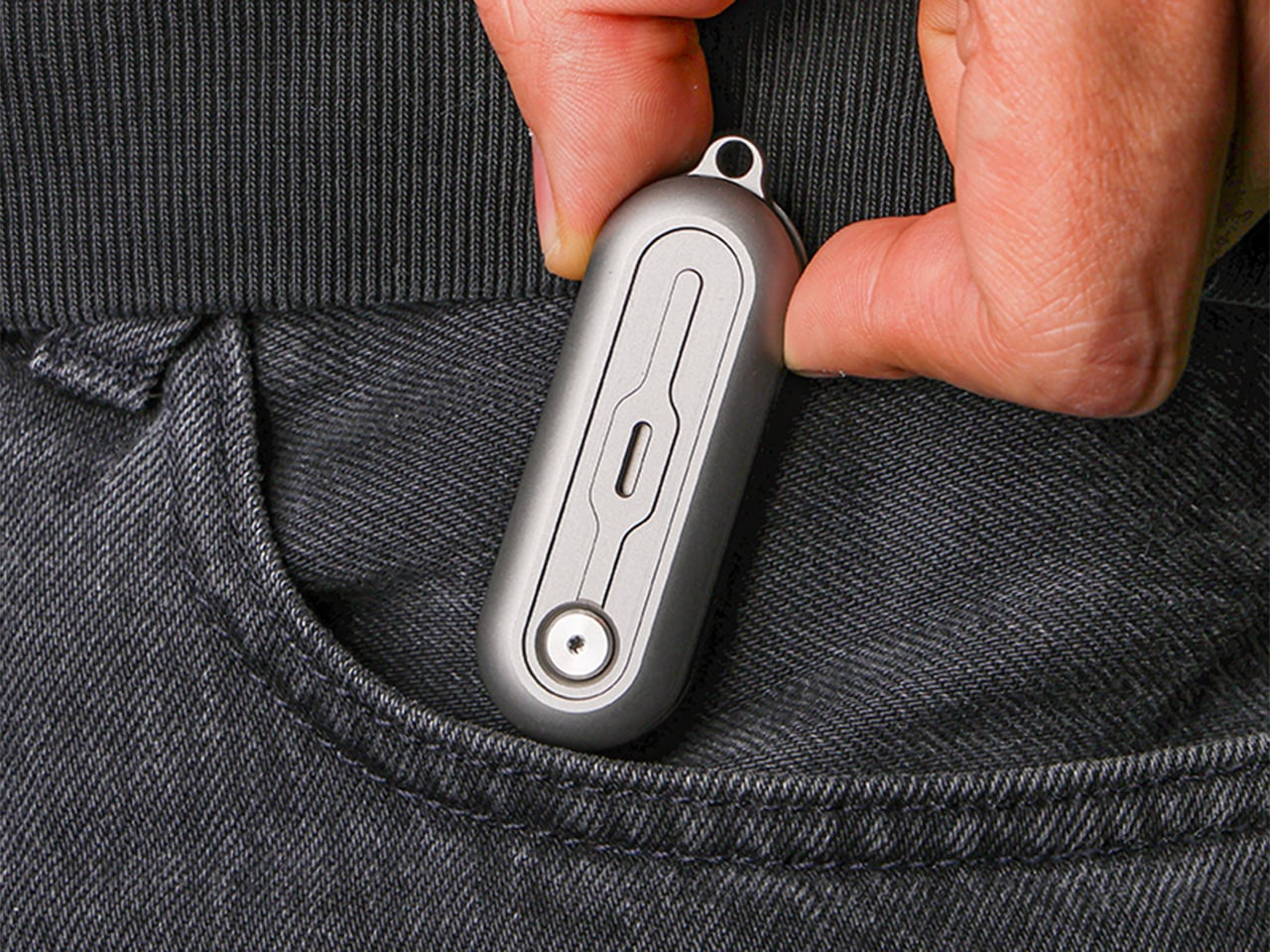
Compact is a word that gets thrown around loosely in EDC circles, but TiNova II earns it more honestly than most. The closed handle measures 64.4mm long and weighs just 59.3g, which means it genuinely disappears into a fifth pocket or attaches to a keyring without adding noticeable bulk. It’s the kind of size that lets you forget it’s there until your hand instinctively reaches for it.
The handle is Grade 5 titanium, the same aerospace-grade alloy favored in applications where weight savings and durability both count. It’s corrosion-resistant, light, and refreshingly honest in the way it wears. Scratches and scuffs accumulate naturally over time, giving each knife a slightly different character from the next. It’s the kind of material that becomes more personal with use rather than trying to hide the evidence of it.
Two finish options let you choose how the knife presents itself. The sandblasted version is raw and unpretentious, showing the honest titanium surface and every mark it collects. The black-coated version keeps things quieter, which also lets the dual tritium slots do more of the visual work in darker settings. Those small glowing tubes make TiNova II easy to locate in low light and add a quiet touch of personality.
TiNova II also includes a built-in keyhole for attaching to keys or a bag, and that small detail says a lot about its personality. This isn’t trying to be a dramatic statement piece or an oversized folder pretending to be practical, especially with a lifetime warranty promise. It feels more like a compact companion that happens to carry a real blade, one designed to stay close at hand and feel good doing it.
Click Here to Buy Now: $49$70 (30% off). Hurry, only 30/420 left! Less than 72 hours to go. Raised over $99,000.
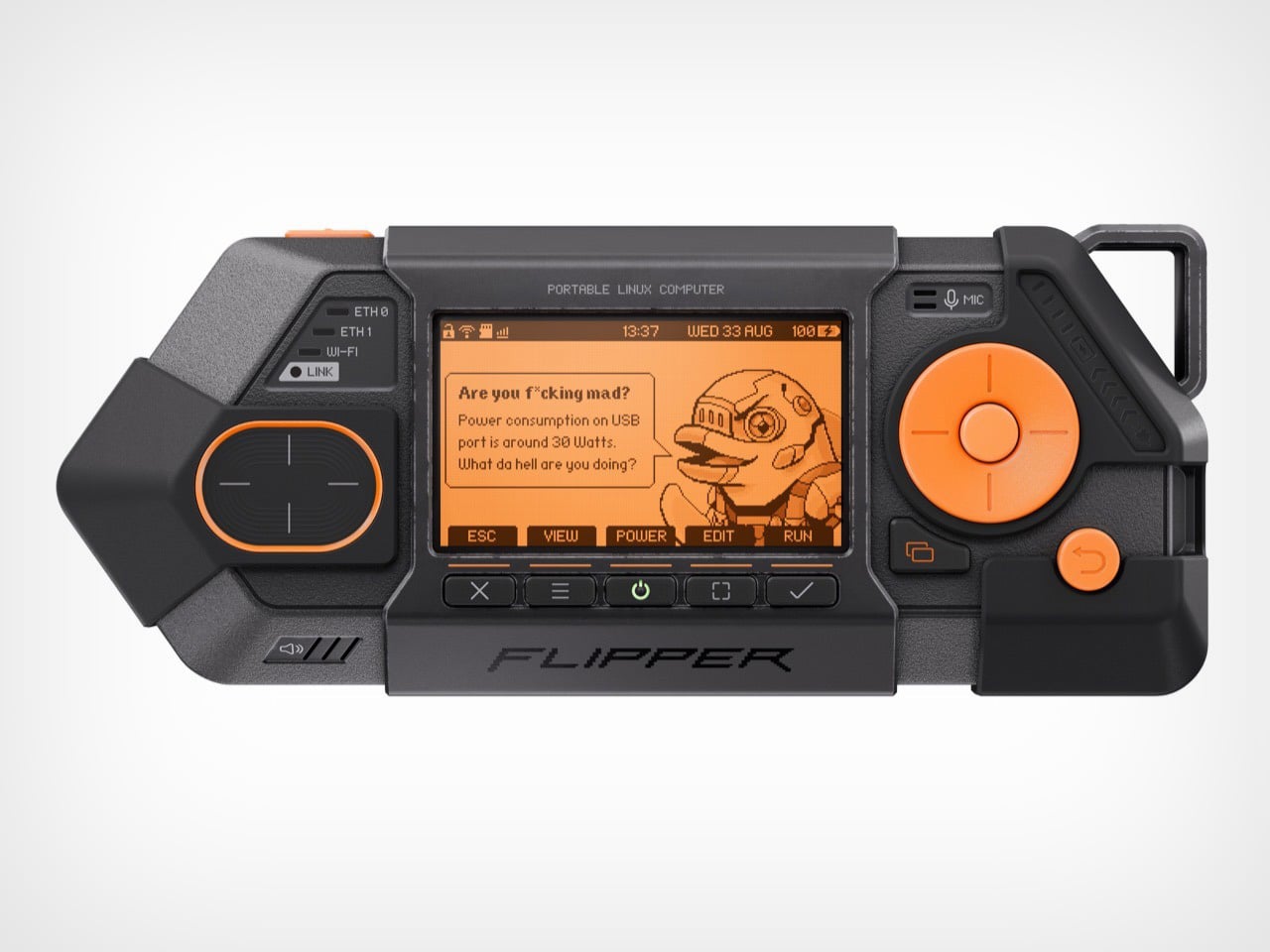
The Flipper Zero always looked like it was designed by someone who grew up on Game Boys and cyberpunk anime simultaneously, and that instinct paid off spectacularly. A toy-shaped hacker tool with a pixelated dolphin mascot somehow became one of the most culturally significant pieces of open hardware of the past decade, racking up a million units shipped and a string of government ban attempts that only made it more desirable. We’ve covered the Zero’s behind-the-scenes, and the throughline was always the same: great design lowers the barrier to entry, and a device that looks fun gets picked up, explored, and loved in ways that a purely utilitarian box never would.
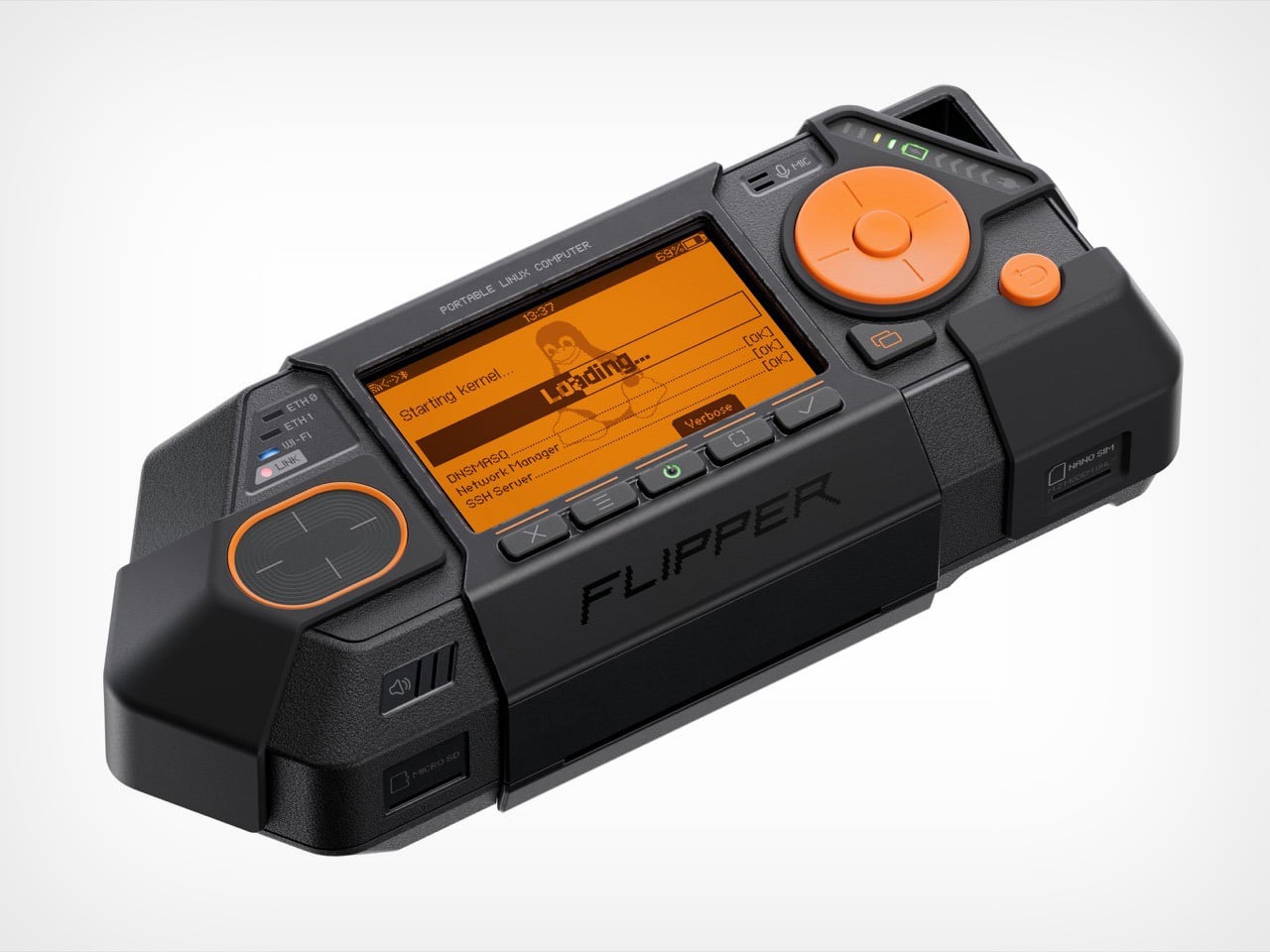
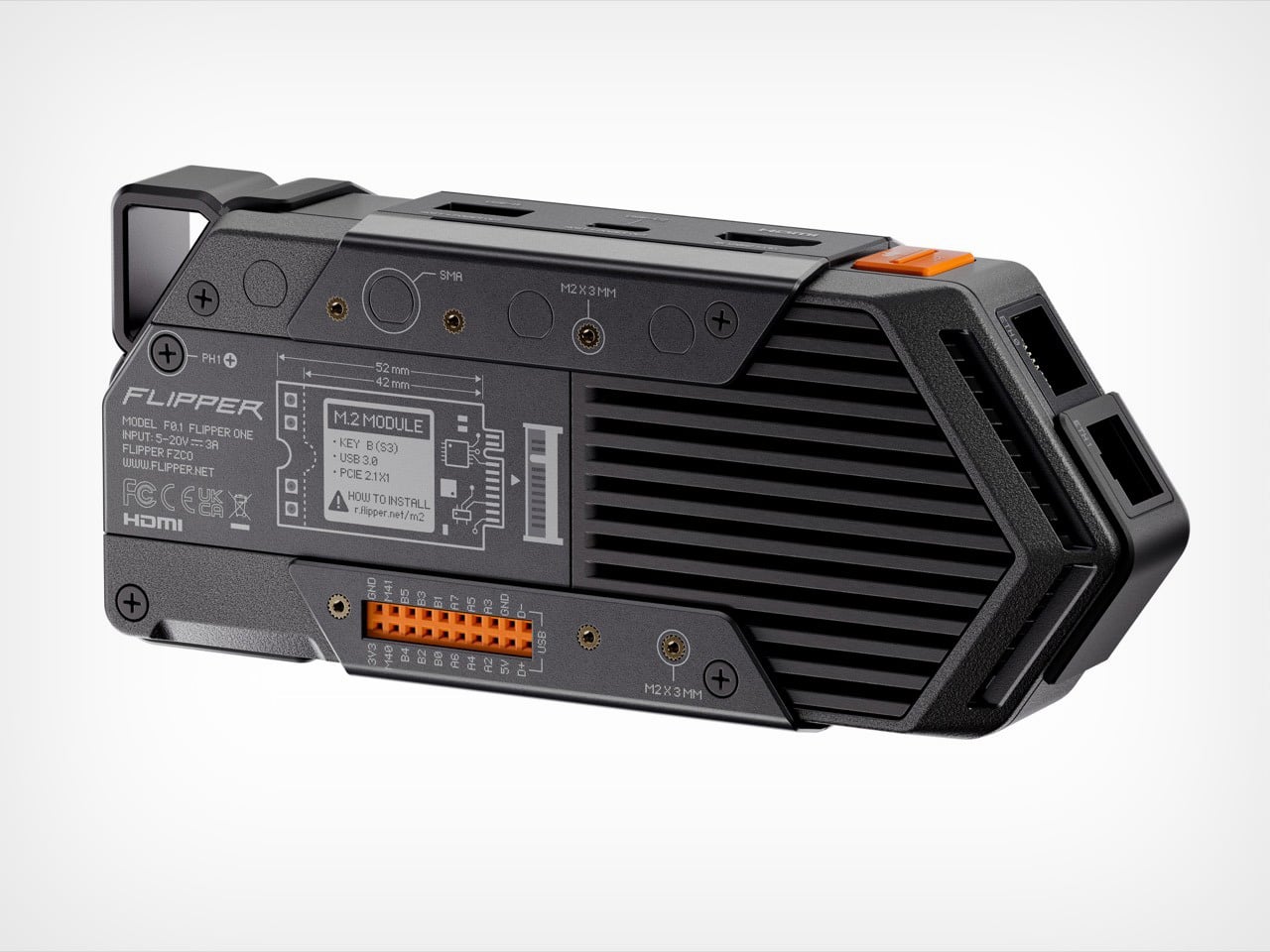
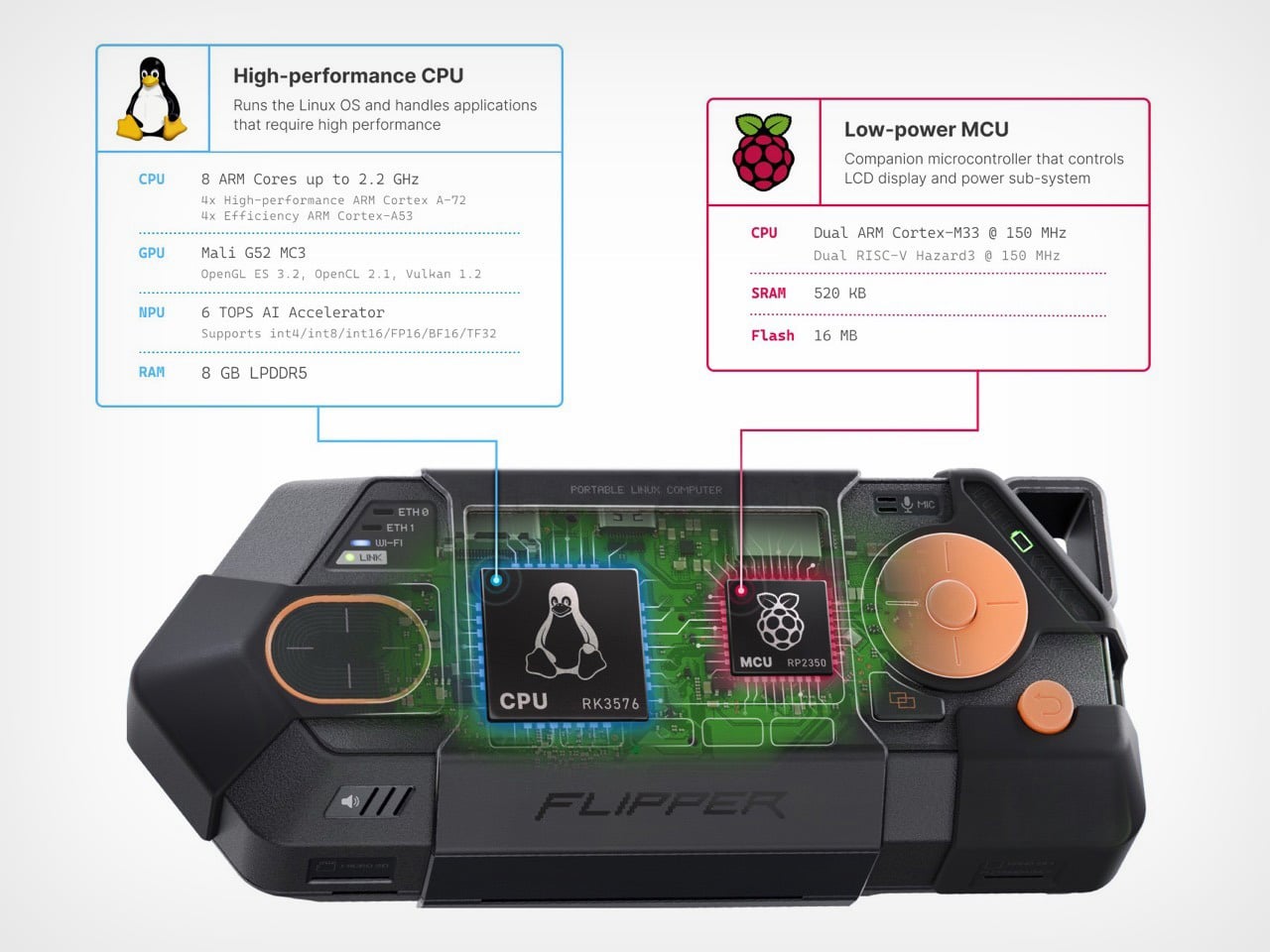
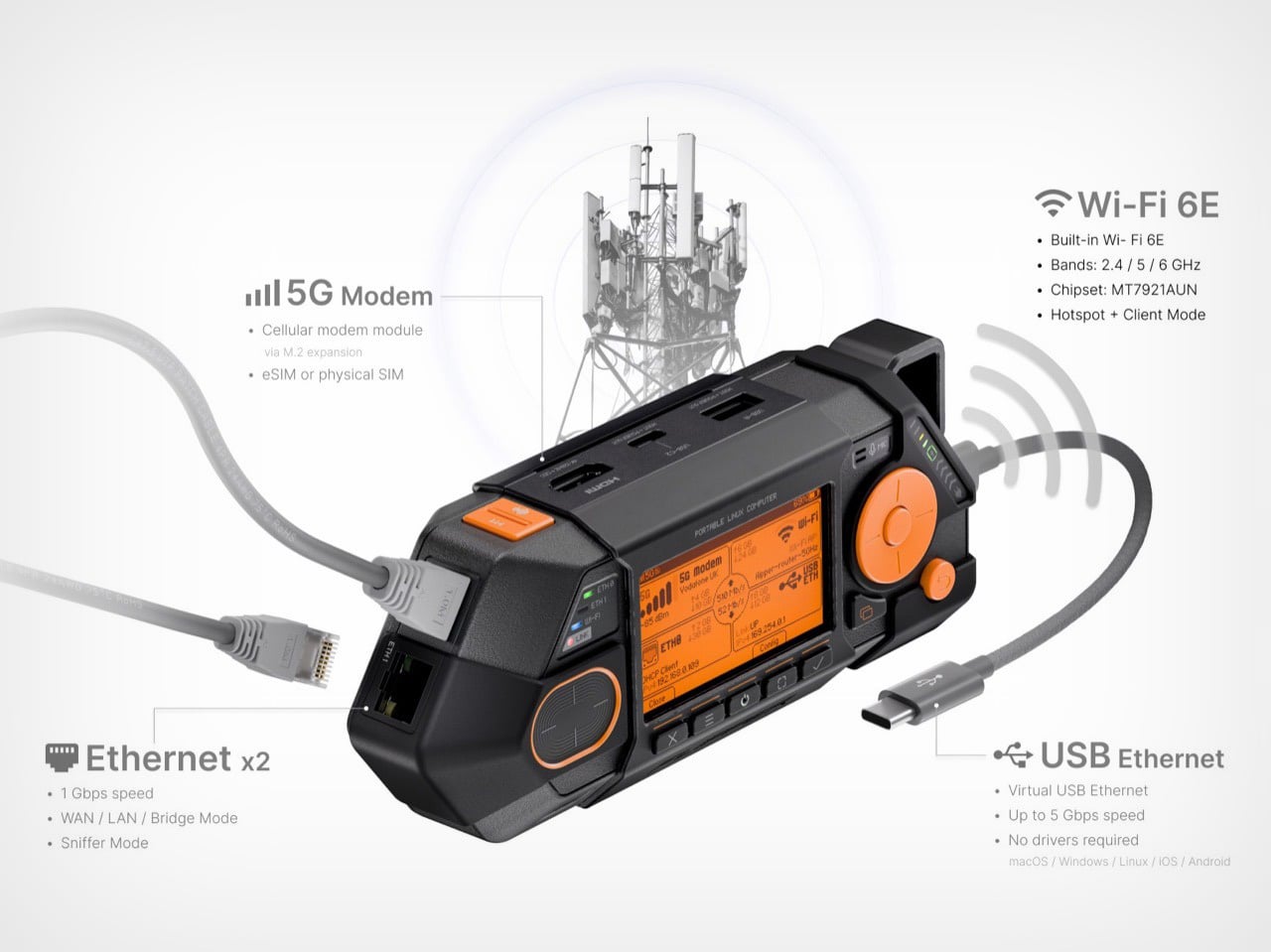
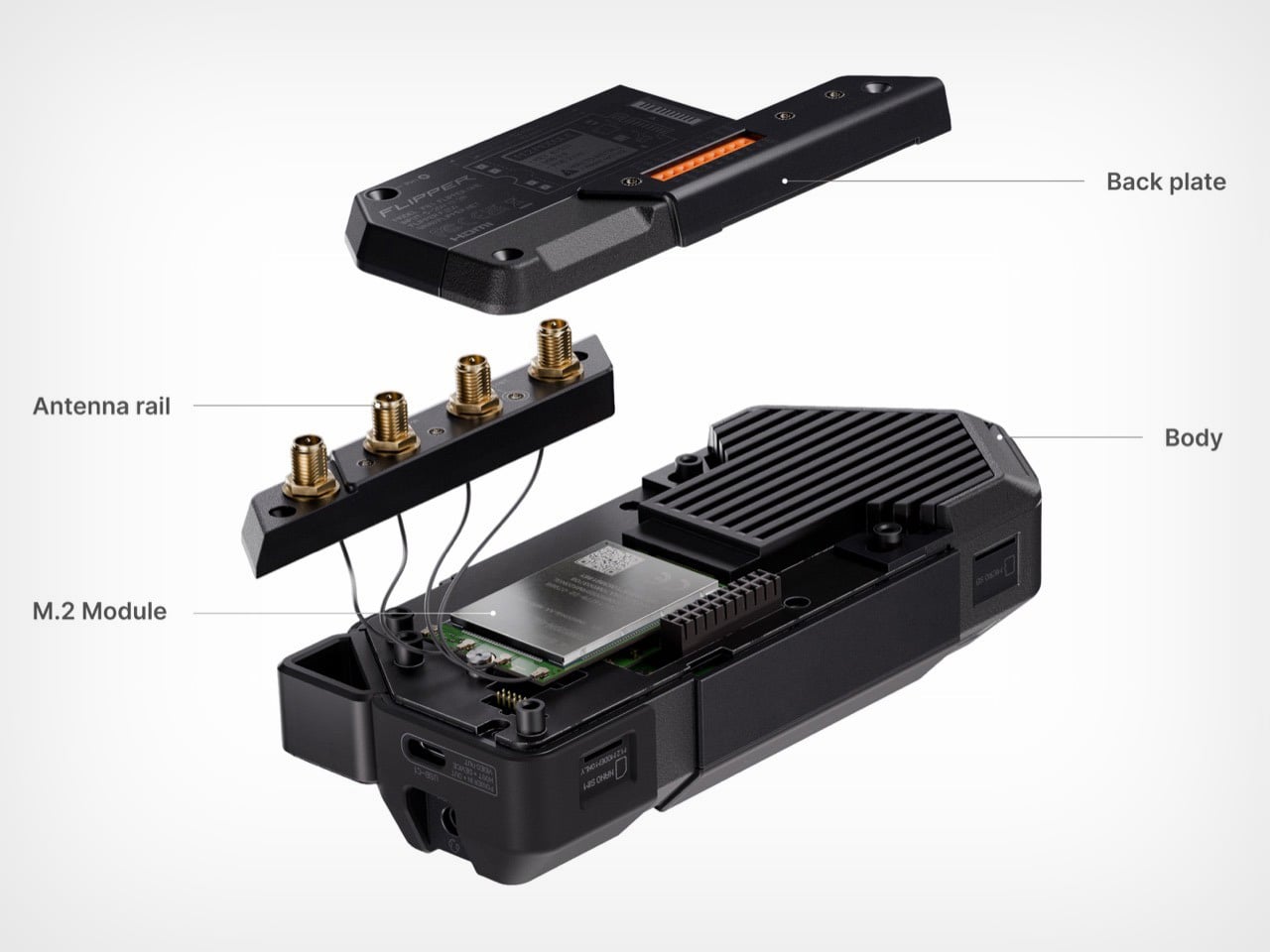
Flipper One lands with that same energy, except the mascot is now visibly unhinged. The screen on the press images shows the dolphin yelling “Are you f*cking mad?” at the user for drawing too much power from the USB port, which tells you everything about the tonal direction here. This thing stamps “PORTABLE LINUX COMPUTER” across its forehead, wears its network indicator LEDs like a badge of honor, and ships with a carabiner loop because Flipper knows exactly who is buying this. The hardware underneath that attitude is a full Linux machine capable of operating as a router, a network analyzer, a travel desktop, and a satellite-connected field tool, all depending on what you slot into its M.2 expansion bay.
Designers: Pavel Zhovner & Flipper Devices
I’ll be honest, when the Flipper One CAD files leaked in March, my first reaction was that it looked like someone scaled up a Game Boy Advance and bolted Ethernet ports onto it. My second reaction, about thirty seconds later, was that I wanted one immediately. The form language was unmistakably Flipper, angular and purposeful and slightly aggressive, but the proportions told a completely different story than the Zero. This was not a radio tool. The Zero’s pixel dolphin was charming and approachable, a deliberate design choice that got a hacking tool onto TikTok and into mainstream conversation. The One’s mascot has apparently developed strong opinions and a short temper, which fits a device aimed at people who want their pocket computer to reflect how seriously they take their craft.
That craft, in practice, looks like this. You’re at a conference, hotel Wi-Fi is the usual disaster, and you want a clean network environment for your laptop. Flipper One bridges its dual Gigabit Ethernet ports, runs a VPN tunnel through the cellular modem you’ve slotted into the M.2 bay, and your laptop connects through USB-C Ethernet at 5 Gbps without touching the hotel network once. Or you’re a field engineer doing network diagnostics in a location with no cellular, and the NTN satellite modem module gives you an IP connection via the same low-orbit infrastructure newer phones use for emergency SOS messaging. Or you’re traveling light and plug the One into the hotel TV via full-size HDMI 2.1, grab a Bluetooth keyboard, and have a working Linux desktop controlled by the room remote through HDMI CEC. These aren’t edge cases dreamed up for a spec sheet. They’re the actual use cases Flipper is designing toward.
The software architecture is as interesting as the hardware. Flipper OS introduces a profile system where each configuration is a complete, isolated OS snapshot. Boot a network analysis profile, install whatever you need, break things freely, then switch to a clean travel desktop profile without any experimental residue carrying over. Anyone who has re-flashed a Raspberry Pi SD card for the fourth time in a week because a router experiment ate the system will understand exactly why this matters. FlipCTL completes the picture, a UI framework that wraps existing Linux command-line tools like nmap, ping, and traceroute in a clean, D-pad-navigable interface purpose-built for the One’s small screen, rather than squeezing a full desktop environment into a space it was never designed for.
Flipper Devices shipped a million Zeros by making a serious tool feel approachable and fun. The One is a bet that the same philosophy scales up to a full Linux platform, and that an unhinged pixel dolphin yelling at you about USB power draw is exactly the right mascot for a machine with this much capability packed into a chassis you can clip to a bag and carry anywhere.
Hiroshi Fujiwara has had his influence stamped in multifaceted spheres – Carrera Chronograph x Fragment Limited Edition and the MC20 Cielo Fuoriserie are some impressive examples we came across. The streetwear legend has now teamed up with audio pioneers Bang and Olufsen for a collection that is destined for a minimalist yet classy living room setup.
The designer has long been fascinated by B&O and has desired to collaborate with the high-end Danish audio brand someday. While Hiroshi had installed their Beocenter 2300 integrated sound system at home in 1991, it actually took 35 long years to work on a project with them. That moment is right now, as Hiroshi (under his design studio Fragment Design) has worked on four B&O masterpieces to give them the black finish only achievable by hand.
The famed collection is slated for debut today, with it being shown off until next week inside the Isetan Department Store in Shinjuku, Tokyo. Thereafter, it’ll be rolled out across Japan from 27 May for display, before eventually being released on 3 June globally and in stores for eager buyers.
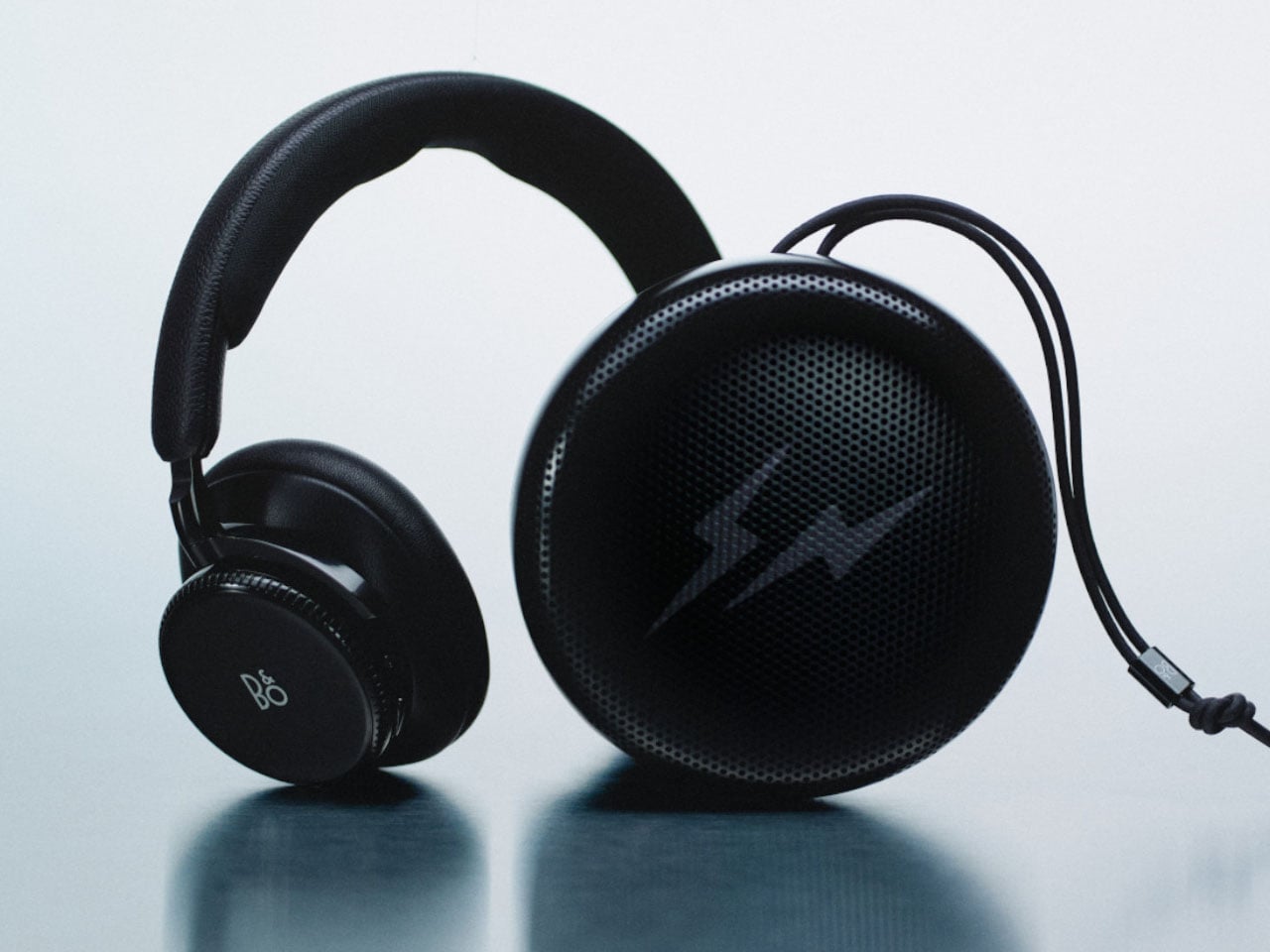
Instead of working on a completely new model for the collaborative, the consensus was settled on reworking the Beoplay H100 headphones, Beosound A1 portable speaker, Beosound Shape speaker, and Beosystem 9000c triple pillar CD system. These signature B&O products are slapped with the designer’s signature monochrome aesthetic. Of course, B&O’s artisanal skills come into play as the team of designers lends these brand’s classics anodized, hand-polished finish for that perfect liquid-like high gloss finish.
Beoplay H100 and Beosound A1 3rd Gen Fragment Edition
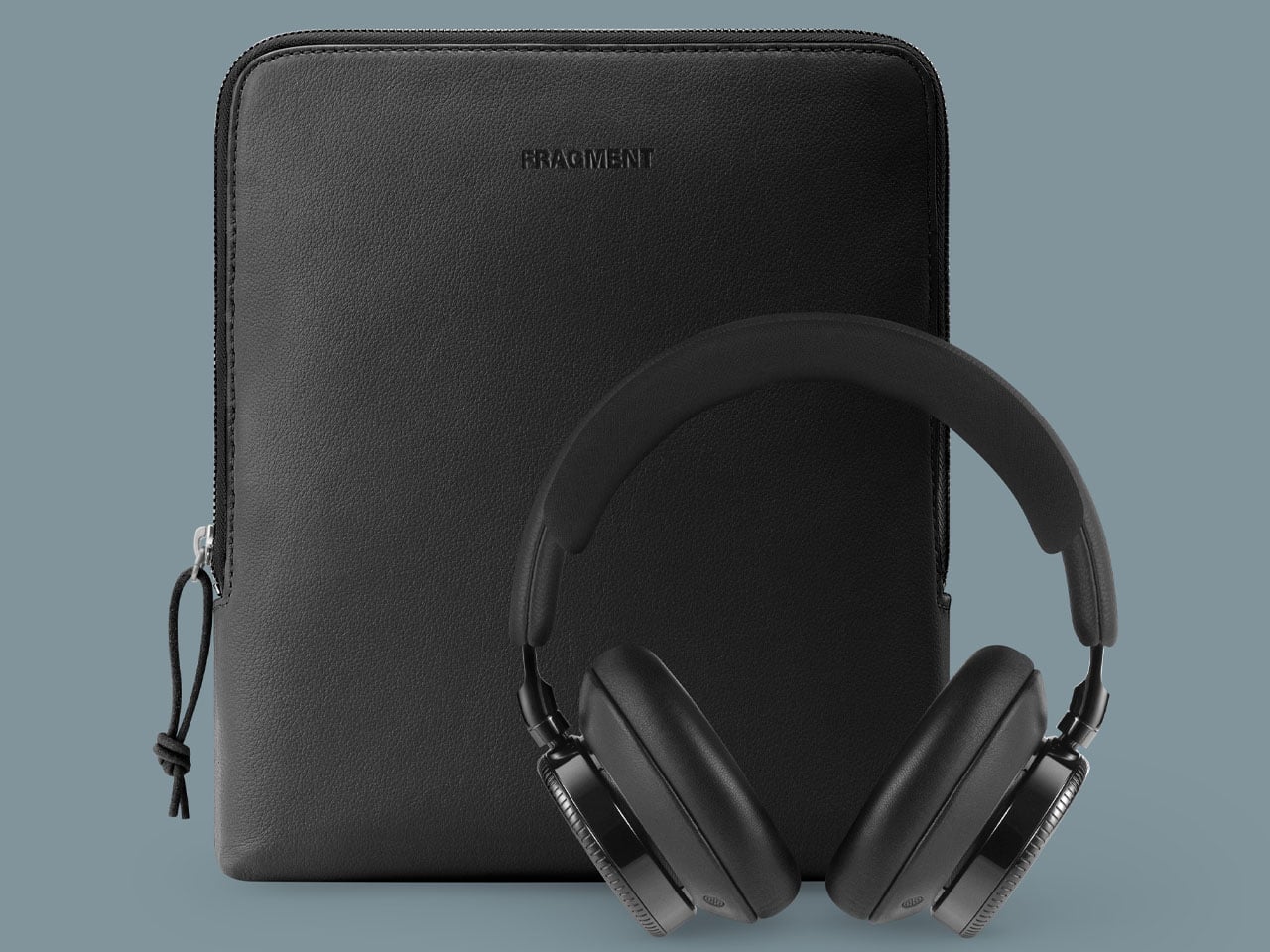
It doesn’t get any darker than the Beoplay H100 Fragment Edition headphones, as they exude pure class in gloss black anodized skin. This finish is complemented by the black leather headband and cushions for all-day wear comfort. Contrasting the dark is the white Fragment Studio and B&O logos on the outside of each of the earcups. The over-the-ear headphones are priced at a steep $2,400, but that is expected when two big names collaborate.
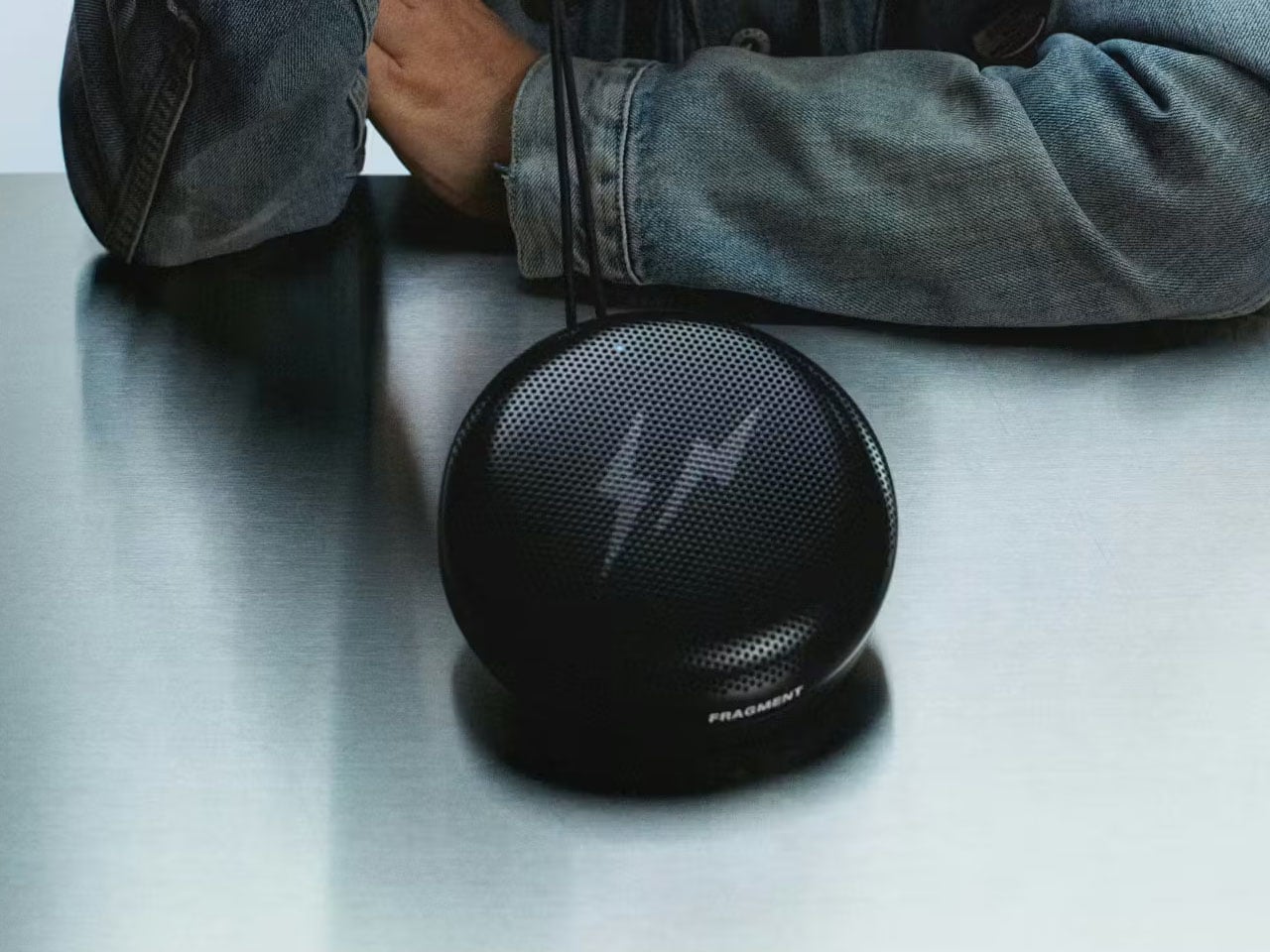
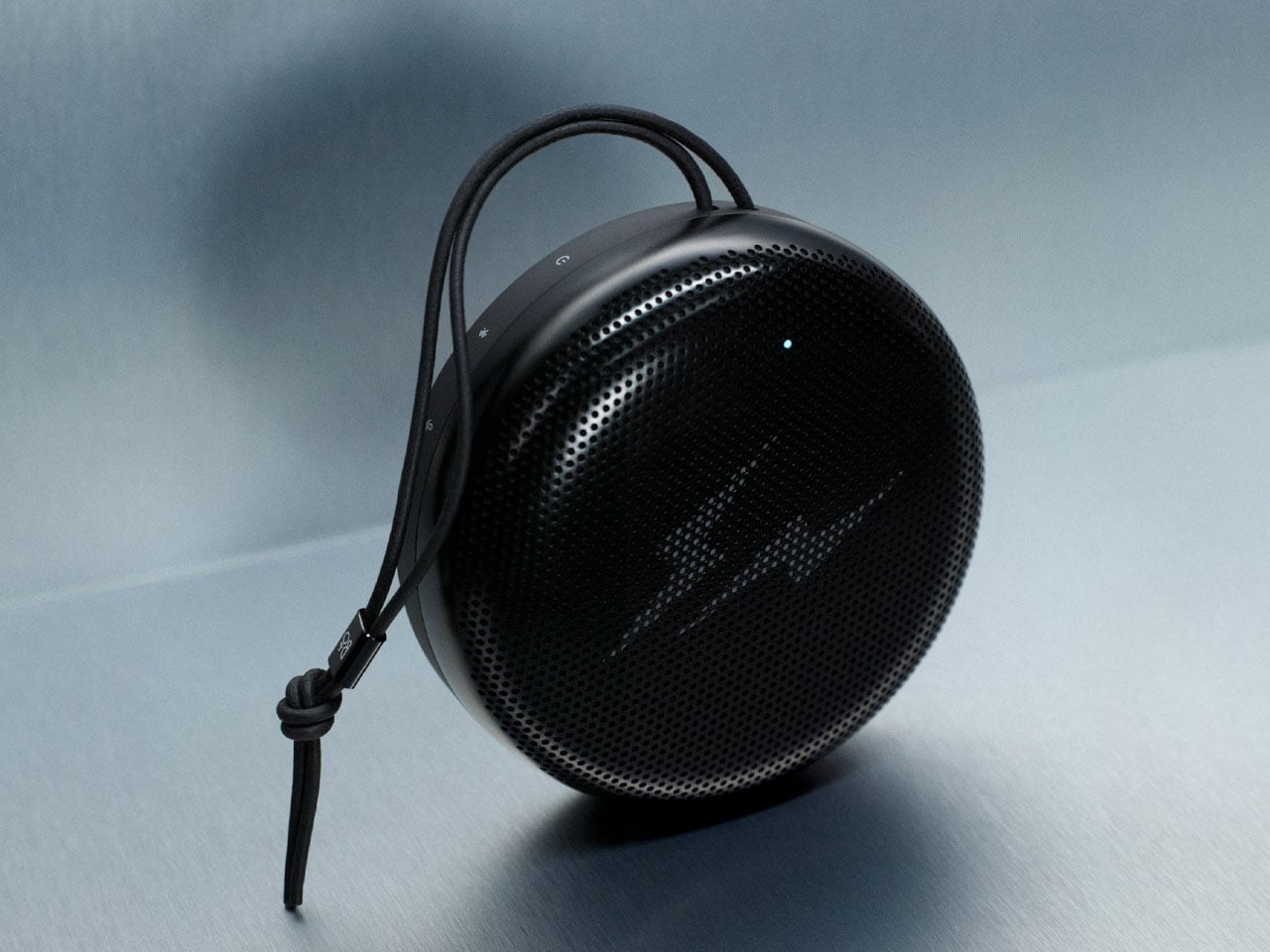
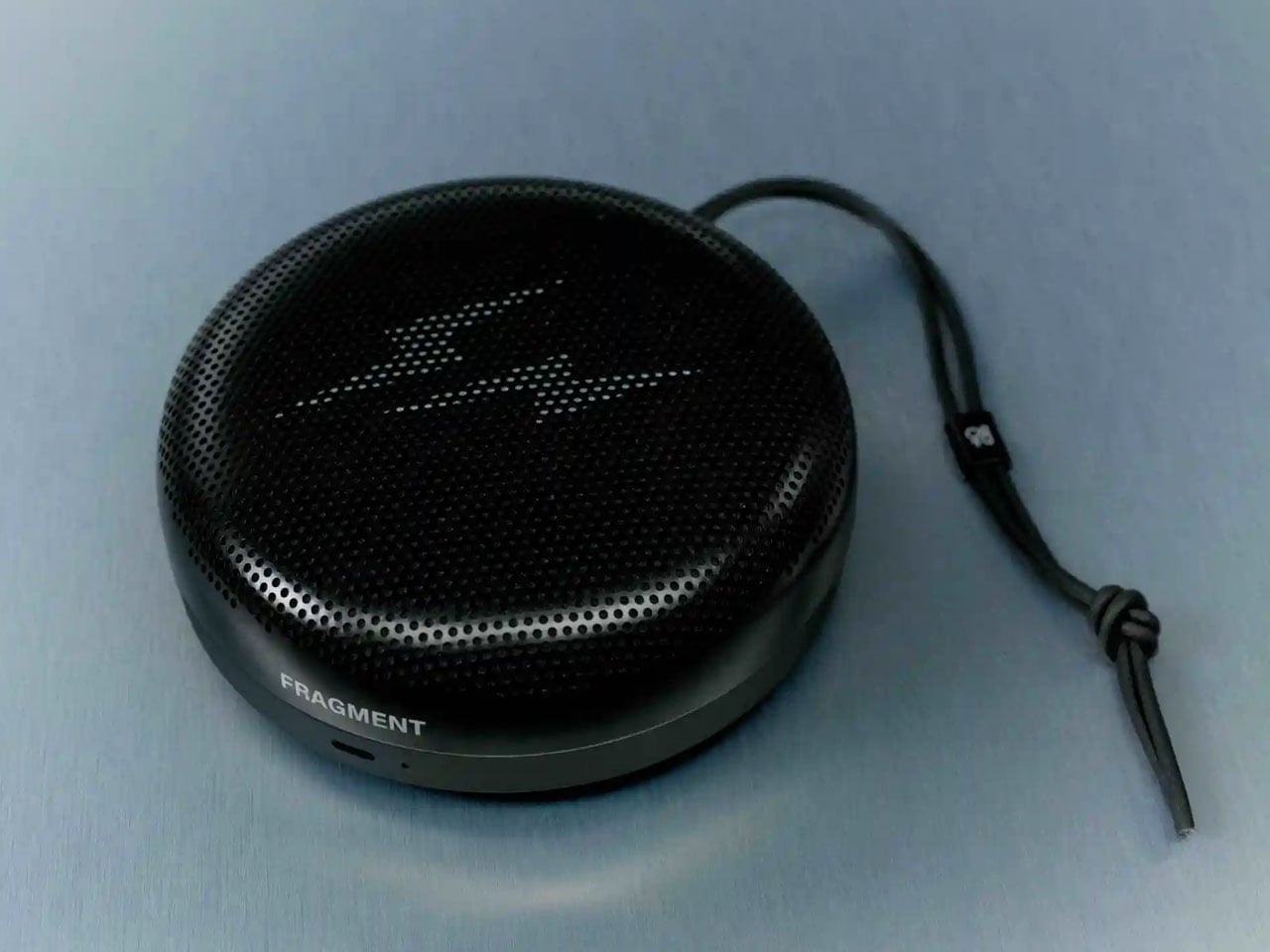
Then there is the more sober Beosound A1 3rd gen portable Bluetooth speaker priced at $475. Predictably, this one too has the high-gloss finish and the brand’s double lightning logo etched under the grille. According to Kresten Bjørn Krab-Bjerre, Bang & Olufsen’s Senior Director of Design, the “artisanal anodization and polishing process” has been implemented for the first time on their portable collection.
Beosound Shape and Beosystem 9000c Fragment Edition
With these two creations, you begin to fathom the gravity of this collaboration. The Beosound Shape is a wall-mounted speaker system that combines flower-shaped driving units to bring sublime sound to the living room. The modular audio system gets the monochrome fabric treatment for the six surrounding petals, and the inner gray unit completes the aesthetic look. Priced at $7,100, this beautiful audio system is one for a minimalist living room setting. Apparently, Fujiwara headed straight to his hotel room after seeing the original Shape speakers and sketched the seven-title flower configuration for his version.
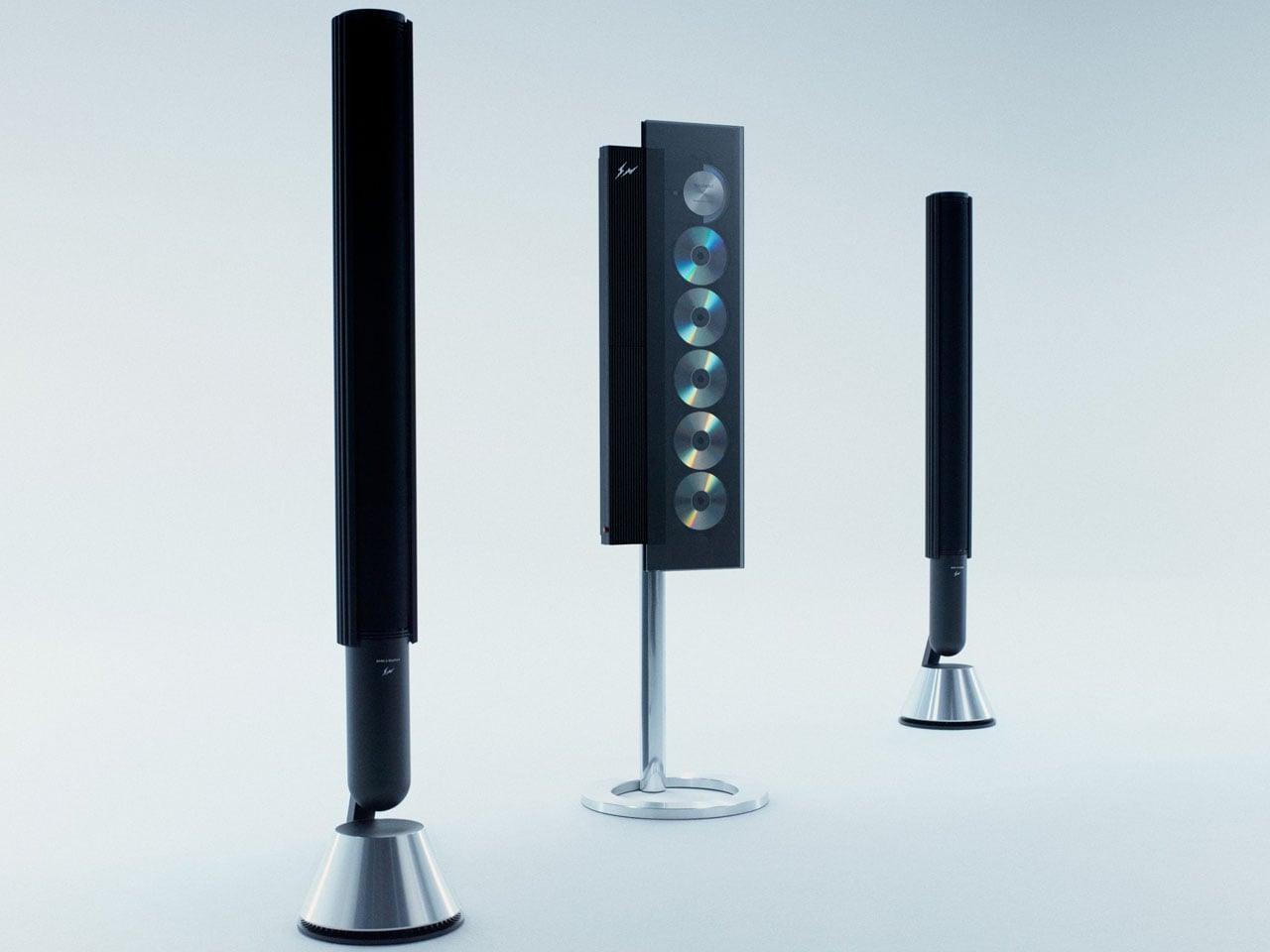
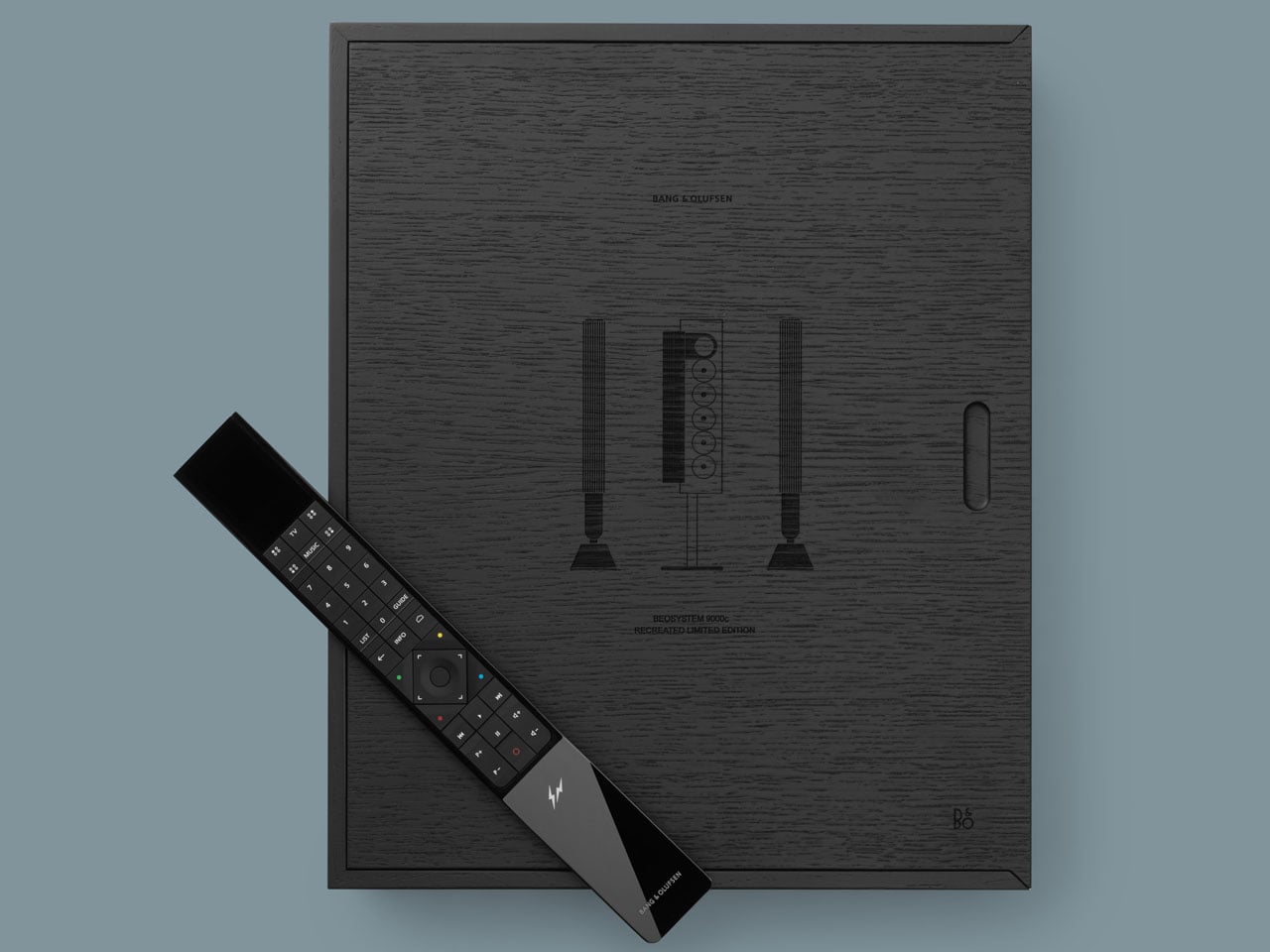
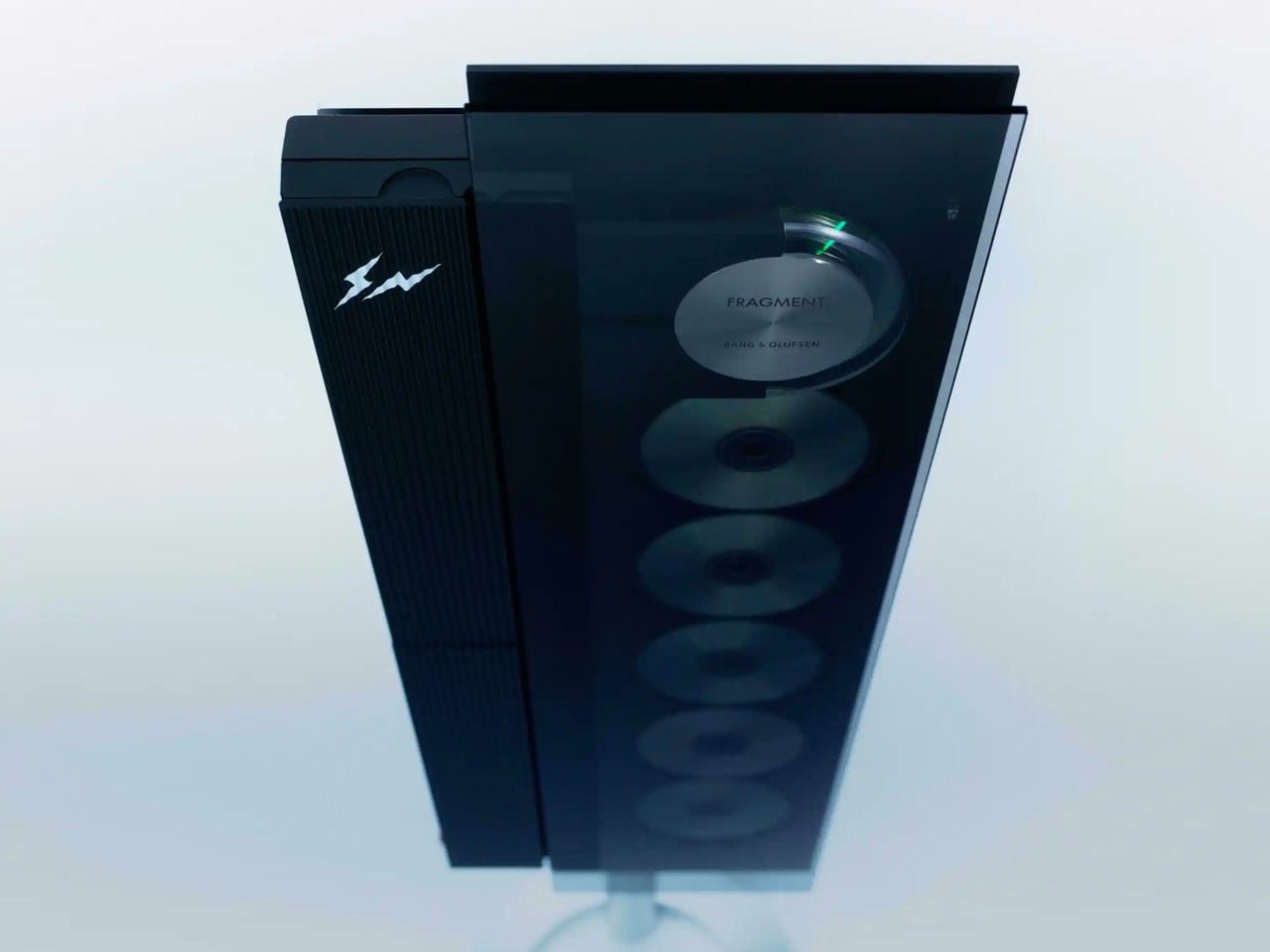
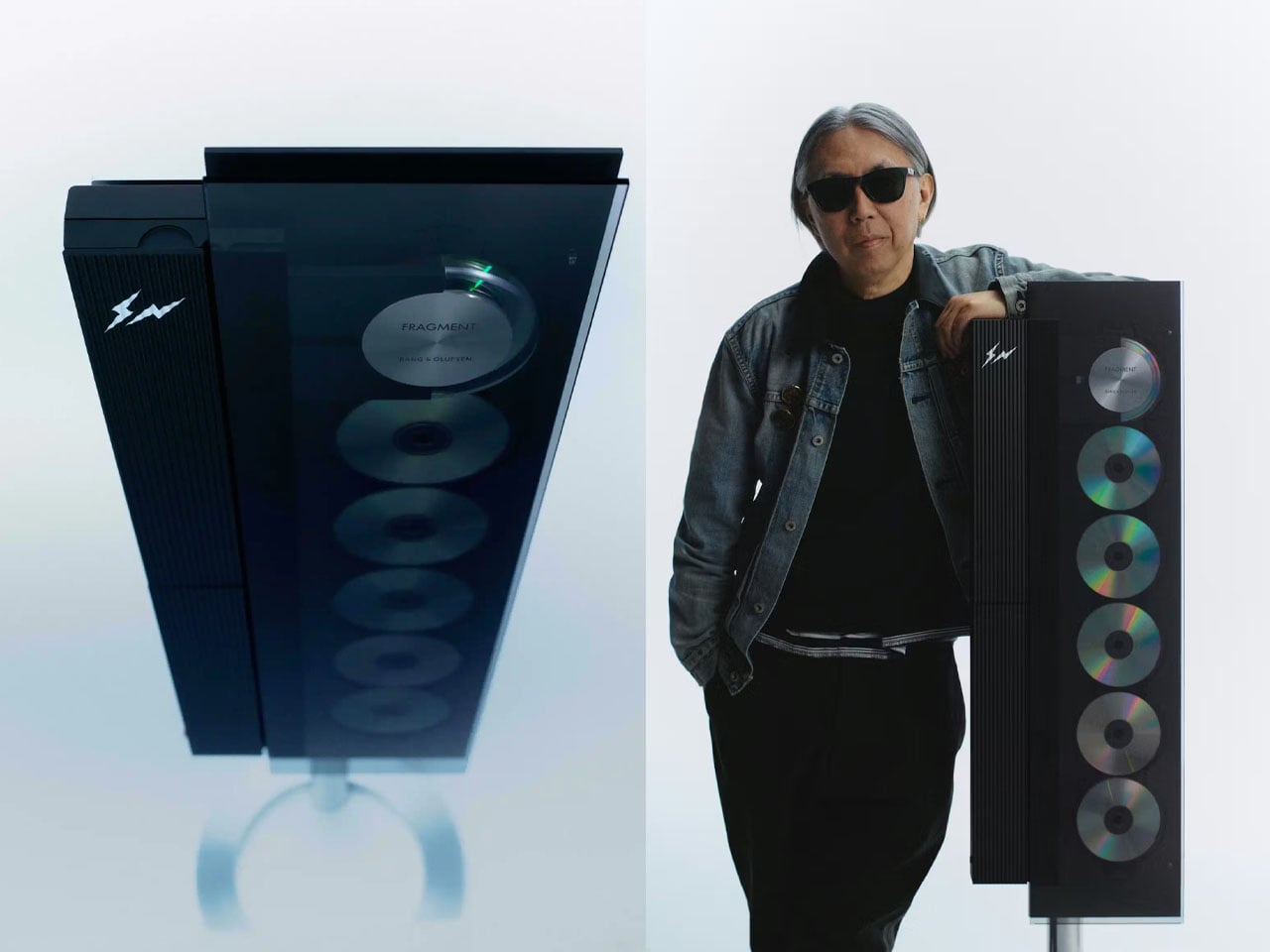
The collector’s piece of the line-up is the Beosystem 9000c Fragment Edition, which defines the amount of skill and expertise put into making it. This is a made-to-order setup that costs a mind-numbing $69,650 and is Japan-exclusive only. It’s in itself a collection as it has the dedicated CD system, Beolab 28 loudspeakers, and the Beoremote One two-way remote. The six-disc 90s CD player is famed for its automatic CD swapping mechanism once the playback is finished on one disc.
Hiroshi Fujiwara has had his influence stamped in multifaceted spheres – Carrera Chronograph x Fragment Limited Edition and the MC20 Cielo Fuoriserie are some impressive examples we came across. The streetwear legend has now teamed up with audio pioneers Bang and Olufsen for a collection that is destined for a minimalist yet classy living room setup.
The designer has long been fascinated by B&O and has desired to collaborate with the high-end Danish audio brand someday. While Hiroshi had installed their Beocenter 2300 integrated sound system at home in 1991, it actually took 35 long years to work on a project with them. That moment is right now, as Hiroshi (under his design studio Fragment Design) has worked on four B&O masterpieces to give them the black finish only achievable by hand.
The famed collection is slated for debut today, with it being shown off until next week inside the Isetan Department Store in Shinjuku, Tokyo. Thereafter, it’ll be rolled out across Japan from 27 May for display, before eventually being released on 3 June globally and in stores for eager buyers.
Instead of working on a completely new model for the collaborative, the consensus was settled on reworking the Beoplay H100 headphones, Beosound A1 portable speaker, Beosound Shape speaker, and Beosystem 9000c triple pillar CD system. These signature B&O products are slapped with the designer’s signature monochrome aesthetic. Of course, B&O’s artisanal skills come into play as the team of designers lends these brand’s classics anodized, hand-polished finish for that perfect liquid-like high gloss finish.
Beoplay H100 and Beosound A1 3rd Gen Fragment Edition
It doesn’t get any darker than the Beoplay H100 Fragment Edition headphones, as they exude pure class in gloss black anodized skin. This finish is complemented by the black leather headband and cushions for all-day wear comfort. Contrasting the dark is the white Fragment Studio and B&O logos on the outside of each of the earcups. The over-the-ear headphones are priced at a steep $2,400, but that is expected when two big names collaborate.
Then there is the more sober Beosound A1 3rd gen portable Bluetooth speaker priced at $475. Predictably, this one too has the high-gloss finish and the brand’s double lightning logo etched under the grille. According to Kresten Bjørn Krab-Bjerre, Bang & Olufsen’s Senior Director of Design, the “artisanal anodization and polishing process” has been implemented for the first time on their portable collection.
Beosound Shape and Beosystem 9000c Fragment Edition
With these two creations, you begin to fathom the gravity of this collaboration. The Beosound Shape is a wall-mounted speaker system that combines flower-shaped driving units to bring sublime sound to the living room. The modular audio system gets the monochrome fabric treatment for the six surrounding petals, and the inner gray unit completes the aesthetic look. Priced at $7,100, this beautiful audio system is one for a minimalist living room setting. Apparently, Fujiwara headed straight to his hotel room after seeing the original Shape speakers and sketched the seven-title flower configuration for his version.
The collector’s piece of the line-up is the Beosystem 9000c Fragment Edition, which defines the amount of skill and expertise put into making it. This is a made-to-order setup that costs a mind-numbing $69,650 and is Japan-exclusive only. It’s in itself a collection as it has the dedicated CD system, Beolab 28 loudspeakers, and the Beoremote One two-way remote. The six-disc 90s CD player is famed for its automatic CD swapping mechanism once the playback is finished on one disc.
There’s a quiet lie running through every automotive options sheet. It tells you that safety, intelligence, and situational awareness are features you earn by selecting the right trim level, ticking the right package, or visiting the right dealership. The implication is that proper capability lives at the factory and nowhere else. These five gadgets disagree loudly. Each one does something that costs hundreds or thousands of dollars as a factory option, and does it better, for less money, without requiring a new vehicle or a dealer appointment.
The aftermarket has always had better answers than the showroom — that’s not a new observation. What is new is how sophisticated those answers have become. These aren’t optimistic spec sheets printed on cheap plastic. They are purpose-built tools with genuine engineering behind them, from tungsten-carbide emergency escape instruments to AI-vision heads-up displays. Together, they make a compelling case that the best version of your car is assembled in parts, not ordered off a build sheet.
1. WYN Bullet
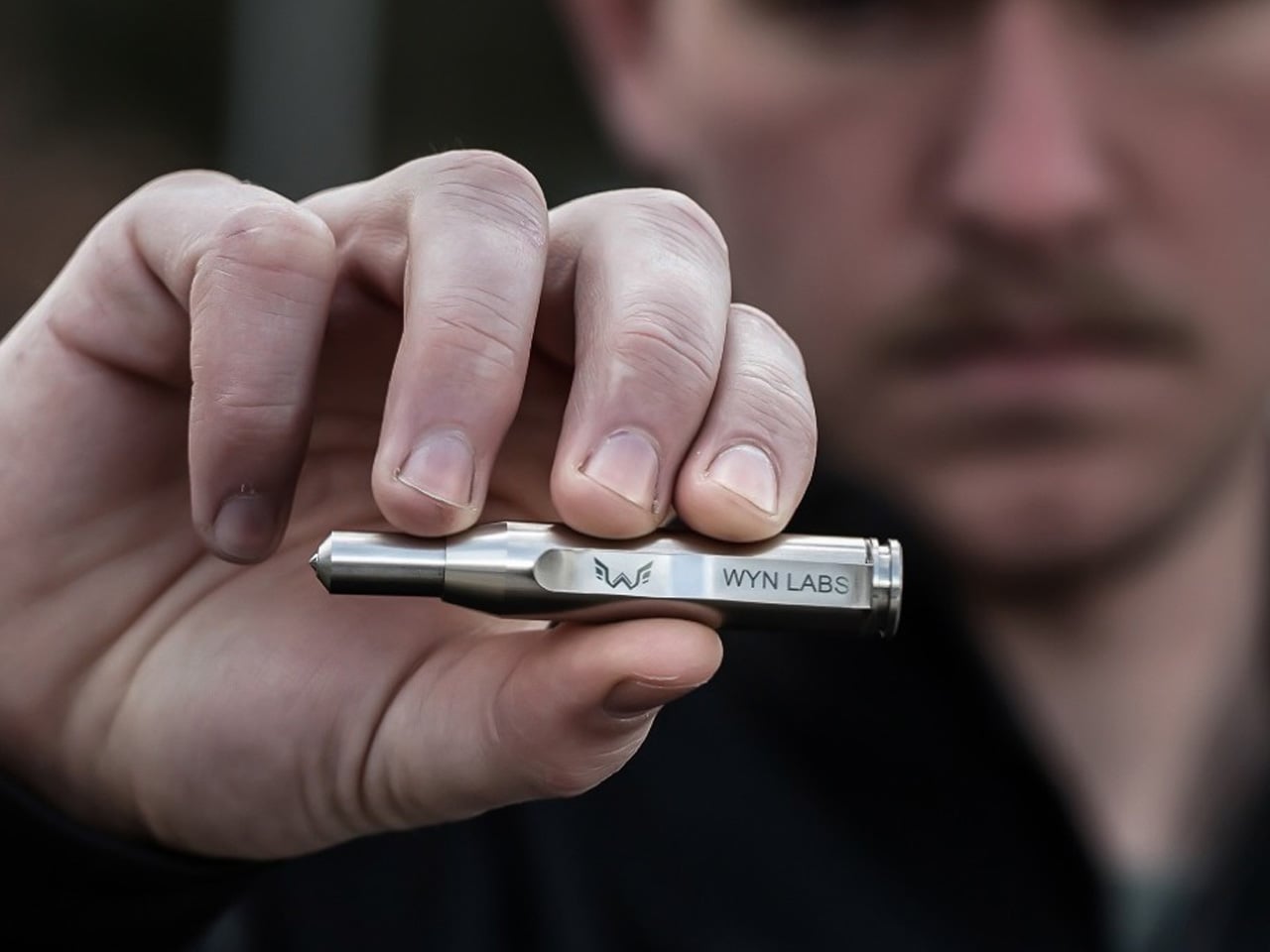
In 2017, over 20,800 US accidents involved fire or water submersion, resulting in nearly 1,900 deaths. A significant portion involved drivers who couldn’t exit their vehicles quickly enough — doors jammed on impact, electrical systems failed, windows stopped responding, and the compression of panic turned every second into a decision too difficult to make clearly. Every premium automaker sells a safety package. Not one of them ships an emergency glass-breaking tool. The WYN Bullet, developed alongside first responders and machined from stainless steel with a tungsten-carbide tip, is exactly that tool — small enough to clip to a keychain and powerful enough to shatter a tempered glass window in under a second with a single push.
The engineering behind it is precise where it needs to be. Toughened glass is designed to withstand the broad, flat impact of a panicked human fist. The WYN Bullet’s patent-pending direct-impact mechanism positions the internal striker directly behind the tungsten-carbide tip, concentrating force into a contact area so small it creates shock waves that fracture the entire panel instantly—no technique required, no repetitive strikes, no Dwayne Johnson-level force. The tool measures 77mm, weighs 45 grams, and ships with both a pocket clip and a keyring loop in stainless steel or black oxide finish. This is AAA-endorsed emergency equipment built for firefighters and EMTs, now available to anyone for the price of a dinner out.
What we like:
One-push mechanism requires no practice or upper-body strength to activate
Dual carry options — pocket clip and keyring — keep it genuinely reachable in an emergency
What we dislike:
The tool’s fidget mechanism makes accidental discharge in a pocket a real possibility
No protective case is included, leaving the tungsten tip exposed in storage
2. TrantorVision NeuroHUD
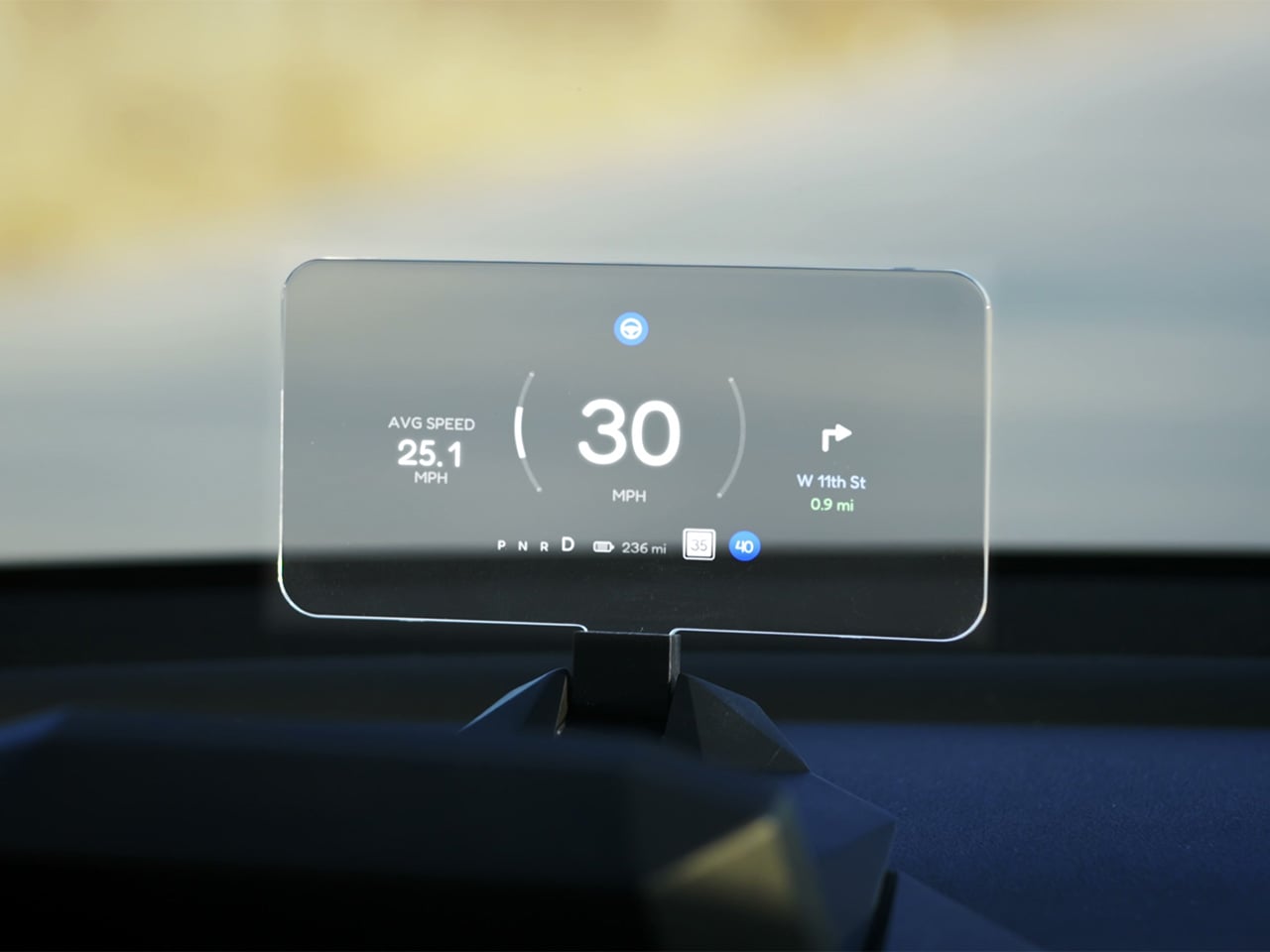
General Motors put a heads-up display in the Oldsmobile Cutlass Supreme in 1988. By 2026, BMW charges $1,200 for one, Porsche charges $2,600 for an augmented reality version, and Tesla — a company founded on the premise that software could replace hardware — ships every Model 3 and Model Y without one, directing all critical driving data to a center-console touchscreen roughly 30 degrees below the driver’s natural forward sightline. TrantorVision built the NeuroHUD specifically for that gap. It installs without tools in under a minute, clips behind the center screen, draws power through a single USB-C cable, and leaves the factory wiring completely untouched.
The dual-channel data architecture is what separates it from the category. A pair of 150-degree AI fisheye cameras face Tesla’s display and read high-frequency data — speed, gear state — at 50Hz, with end-to-end latency as low as 20 milliseconds. Battery range and navigation pull through the Tesla API on a separate channel. The output is a 1,500-nit, 4-inch TFT panel at 480×800 resolution, visible in direct sunlight, projecting information into the driver’s sightline through either a combiner screen or directly onto the windshield — switchable without tools. Screen mirroring, GPS-triggered garage automation, CarPlay, Android Auto, an open API, and a community layout library round out a software stack designed to grow over-the-air. No new hardware required when new features ship.
Dual-channel architecture matches production-fitted HUDs in latency and data richness without touching factory wiring
Open API and community layouts mean the display continues evolving after purchase
What we dislike:
Shipping begins September–October 2026, making this a pre-delivery commitment at checkout
Windshield Projection Mode and deeper Tesla API integration require the Pro tier at $429, not the standard $379
3. GOOLOO DS200 DeepScan
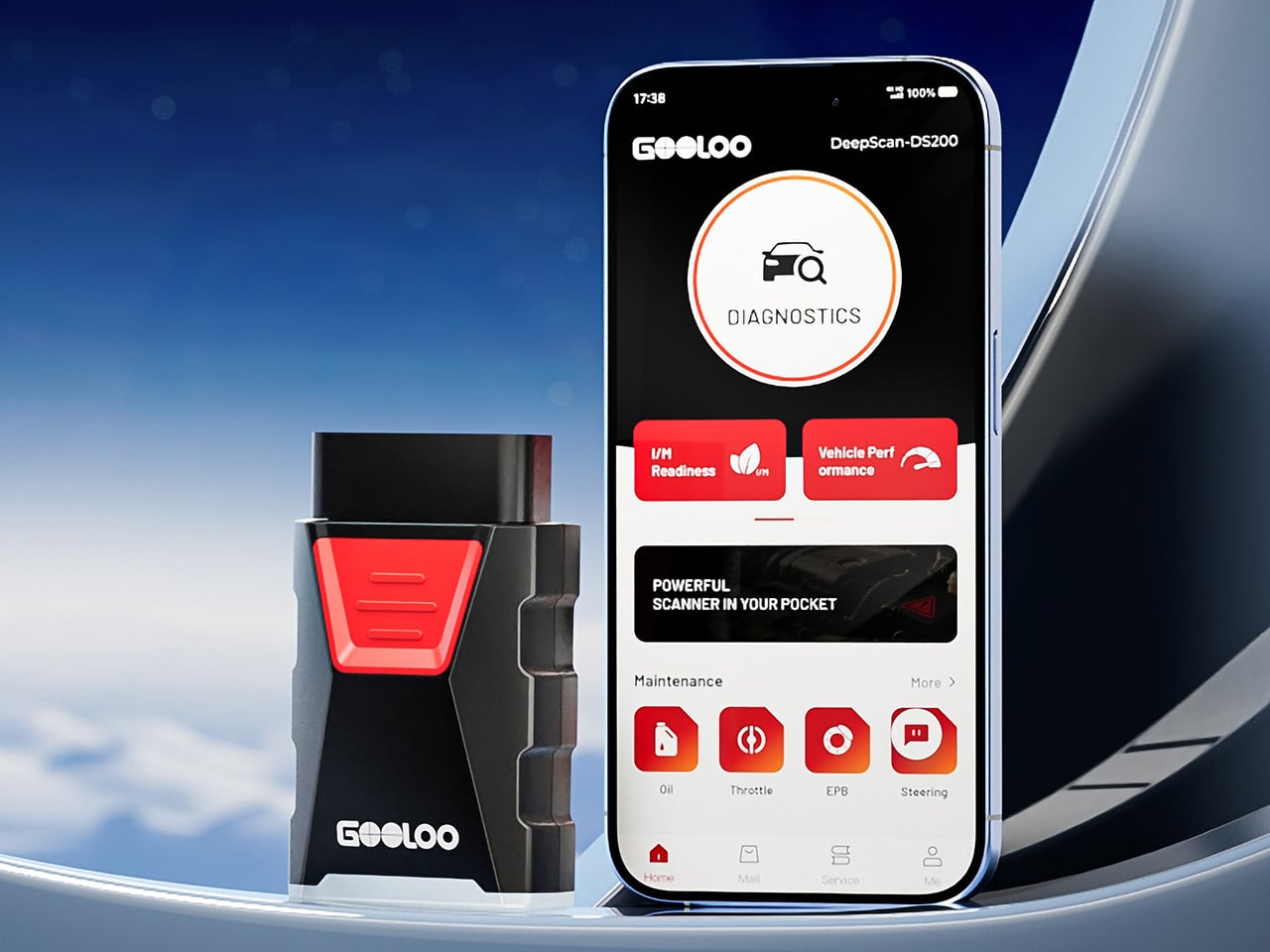
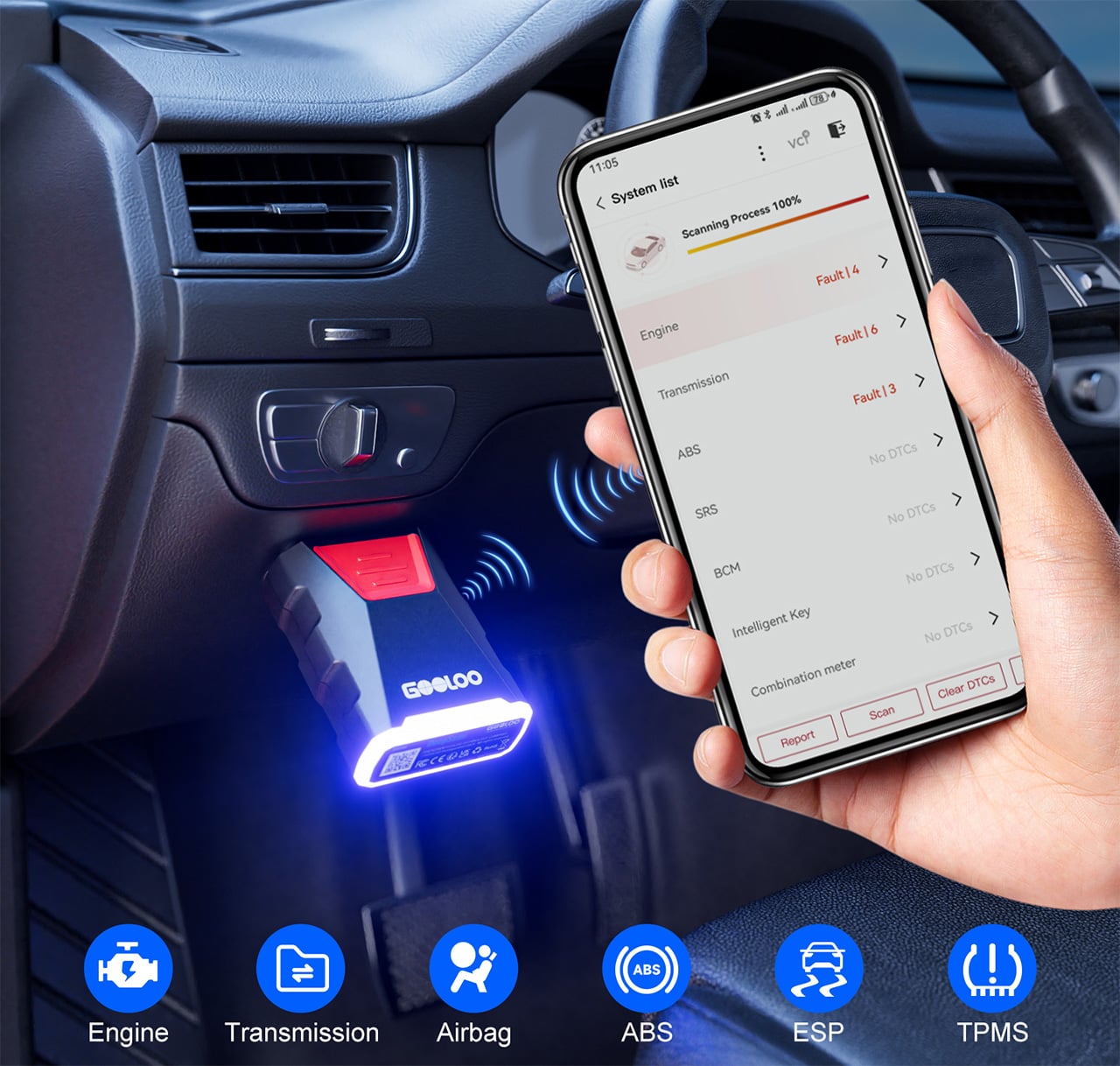
Every car sold in the United States since 1996 carries an OBD2 port — a standardized diagnostic socket that must be present, accessible, and readable by any compliant tool. Dealers have known this for thirty years and built a reliable business around owning the only compliant tool in the conversation, charging $100 to $200 every time a warning light appears to read data that has been sitting in the car’s computer the entire time. The GOOLOO DS200 DeepScan is a Bluetooth dongle the size of a matchbox that performs a full-system scan across engine, transmission, ABS, airbags, stability control, TPMS, steering, and air conditioning, then delivers every result to your phone in plain language, without a waiting room.
What separates the DS200 from the basic code readers that have existed for a decade is the breadth of the scan and the intelligence layered on top of it. It doesn’t hand you a code number to Google separately — it calculates volumetric efficiency, logs fault histories with timestamps, and performs active maintenance functions including oil light reset, electronic parking brake recalibration, steering angle sensor reset, and DPF regeneration. Secure gateway unlock for FCA and Renault vehicles is built in, giving access past the authentication wall that stops most competing tools cold. AutoVIN identifies the vehicle automatically. Bluetooth 5.0 holds a stable connection at 33 feet. The unit weighs 2.89 ounces. The diagnostic intelligence that used to require a $10,000 workshop scanner now fits in a $60 dongle that stays plugged in permanently.
What we like:
Full-system sweep across 20+ vehicle systems, not just engine and emissions codes
Secure gateway unlock is a genuinely rare capability at this price point
What we dislike:
Full functionality requires an annual subscription after the first year of use
The $129.99/year tier for advanced special functions is a meaningful ongoing cost for casual home users
4. Tymate TM7
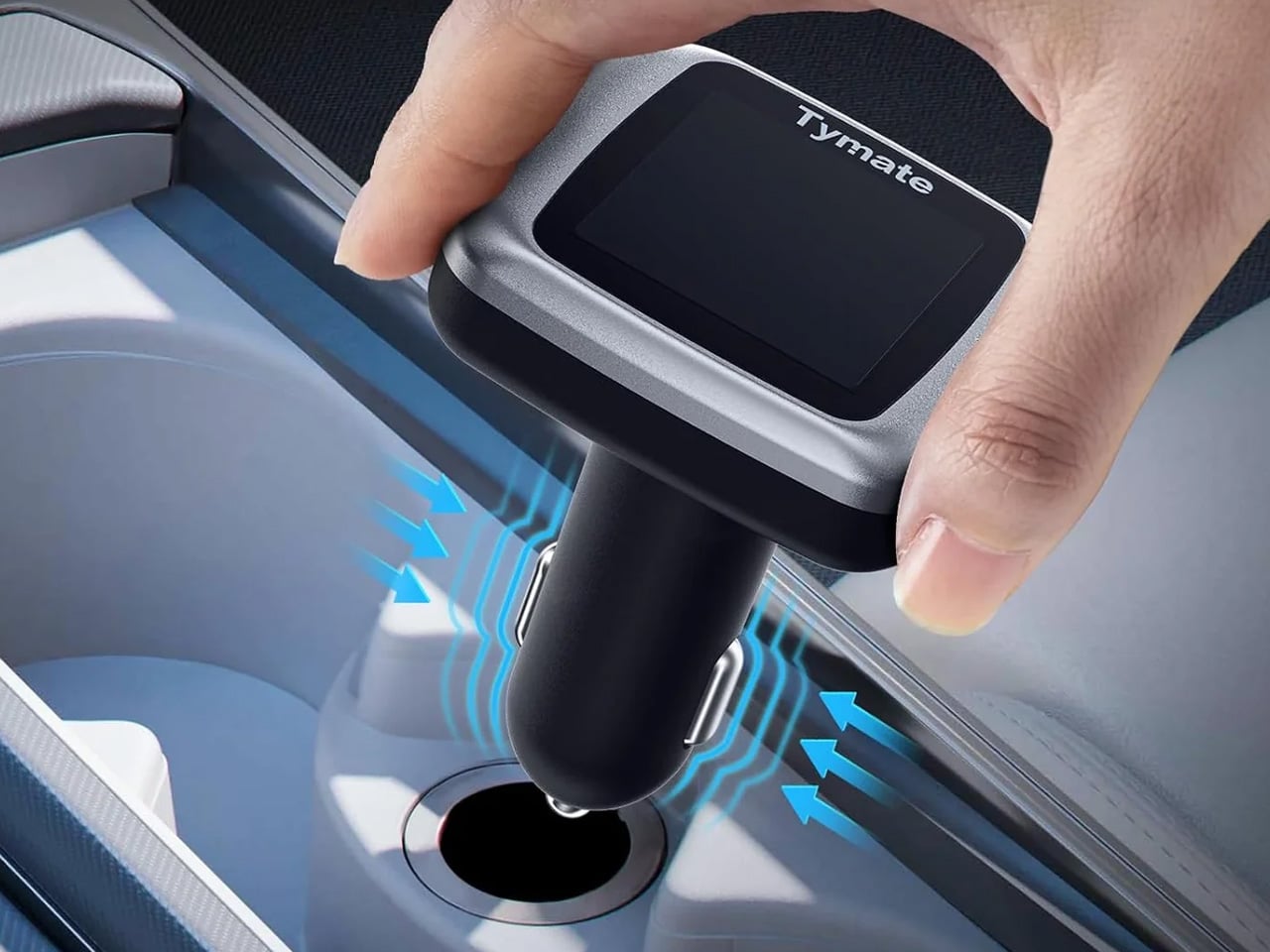
The factory TPMS experience goes like this: a yellow icon appears on the dashboard. It says a tire is low. It does not say which tire, by how much, or at what temperature — only that something somewhere is wrong. The drive to a dealer follows. A service advisor explains that the sensor in question has failed and needs to be replaced. The part costs $150, reprogramming adds another fee, and a four-sensor job on a well-maintained vehicle can clear $1,000 without touching anything else. The Tymate TM7 screws four external sensors onto existing valve stems in under five minutes. From that moment, it monitors pressure and temperature on all four tires simultaneously with ±1.5 PSI and ±3°F accuracy, displayed live on a solar-charged color LCD receiver that plugs into the cigarette lighter with no wiring.
Six independent alarm modes cover every meaningful failure scenario: high pressure, low pressure, rapid leakage, high temperature, low sensor battery, and signal loss. The receiver includes two USB charging ports, turning the cigarette socket from a single-use outlet into a charging hub. The display adjusts its backlight for direct sunlight and near-darkness without manual input. Pressure range runs from 0 to 87 PSI, covering sedans, SUVs, trucks, and RVs. Sensors run on replaceable CR1632 batteries with a guided video for the swap. For vehicles that shipped with no meaningful TPMS feedback at all, the TM7 converts a vague warning light into four individual readings refreshing throughout every drive — which is a more honest picture of what’s happening under the car than most factory systems bother to provide.
What we like:
Six distinct alarm types give genuinely comprehensive coverage across failure modes
Solar charging on the receiver removes one more thing to remember to plug in
What we dislike:
External cap sensors sit exposed on the valve stems, making them easier to steal or damage than internal units
Trailers over 36 feet require an additional repeater module, sold separately
5. 70mai 4K T800
BMW’s Driving Assistant Professional — the camera suite with cross-traffic alerts and the full parking sensor array — runs around $1,700. Volvo’s Pilot Assist Pro is closer to $2,000. What those factory systems deliver is a collection of cameras engineered primarily for driver assistance, not evidence. The 70mai 4K T800 works the problem from the other direction: it’s built first for documentation, with the understanding that a camera that captures everything is ultimately more useful than one that warns you about things. Its triple-channel system pairs two Sony STARVIS 2 IMX678 4K sensors for the front and rear — the same sensor class found in flagship smartphones — with a 1080p interior camera backed by four 940nm infrared LEDs. Three synchronized angles, running continuously, all the time.
The engineering decisions that matter most are the ones that don’t surface until something goes wrong. A three-minute pre-collision buffer means the camera was already recording before the accident happened, capturing the context that determines fault. Wi-Fi 6 on the 5GHz band transfers footage at up to 40MB/s, making roadside evidence retrieval a seconds-long task rather than a twenty-minute wait. A supercapacitor replaces the traditional battery, operating cleanly from -40°C to 85°C without the swelling that terminates most consumer dashcams after a few summer cycles. 70mai Lumi Vision handles nighttime parking surveillance across all three channels simultaneously. ADAS alerts cover lane departure, forward collision, and separate detection for pedestrians and cyclists. The system supports up to 512GB of storage, meaning weeks of continuous footage before anything loops.
What we like:
Identical 4K quality front and rear — most competing systems give the rear a significantly weaker sensor
Pre-collision buffer captures the lead-up to an incident, not just the moment of impact
What we dislike:
Running the rear camera cable through the headliner is a job most owners will want professional help with
Full parking surveillance with the UP05 hardwire kit pushes total cost well above $500
The Best Version of Your Car Isn’t on the Options Sheet
The factory narrative has always relied on convenience — the idea that buying everything at once, from one source, is simpler than assembling capabilities piece by piece. That’s true, as far as it goes. What it leaves out is that the pieces you’d assemble are often better. A tungsten-carbide escape tool, a full-system diagnostic scanner, four live tire readings, three-angle 4K documentation, and a pilot-grade heads-up display — none of these required a new car. They required a valve stem, a USB port, an OBD2 socket, and a windshield.
What connects all five is something more specific than price. Each one solves a problem the car was designed around without solving — the emergency exit nobody plans for, the check engine light nobody decodes, the tire warning nobody quantifies, the blind spot nobody documents, the HUD nobody included. The aftermarket has always been where honest engineering lives. Right now, it’s producing some of the most considered, driver-focused products available at any price point, and the options sheet doesn’t get a vote.
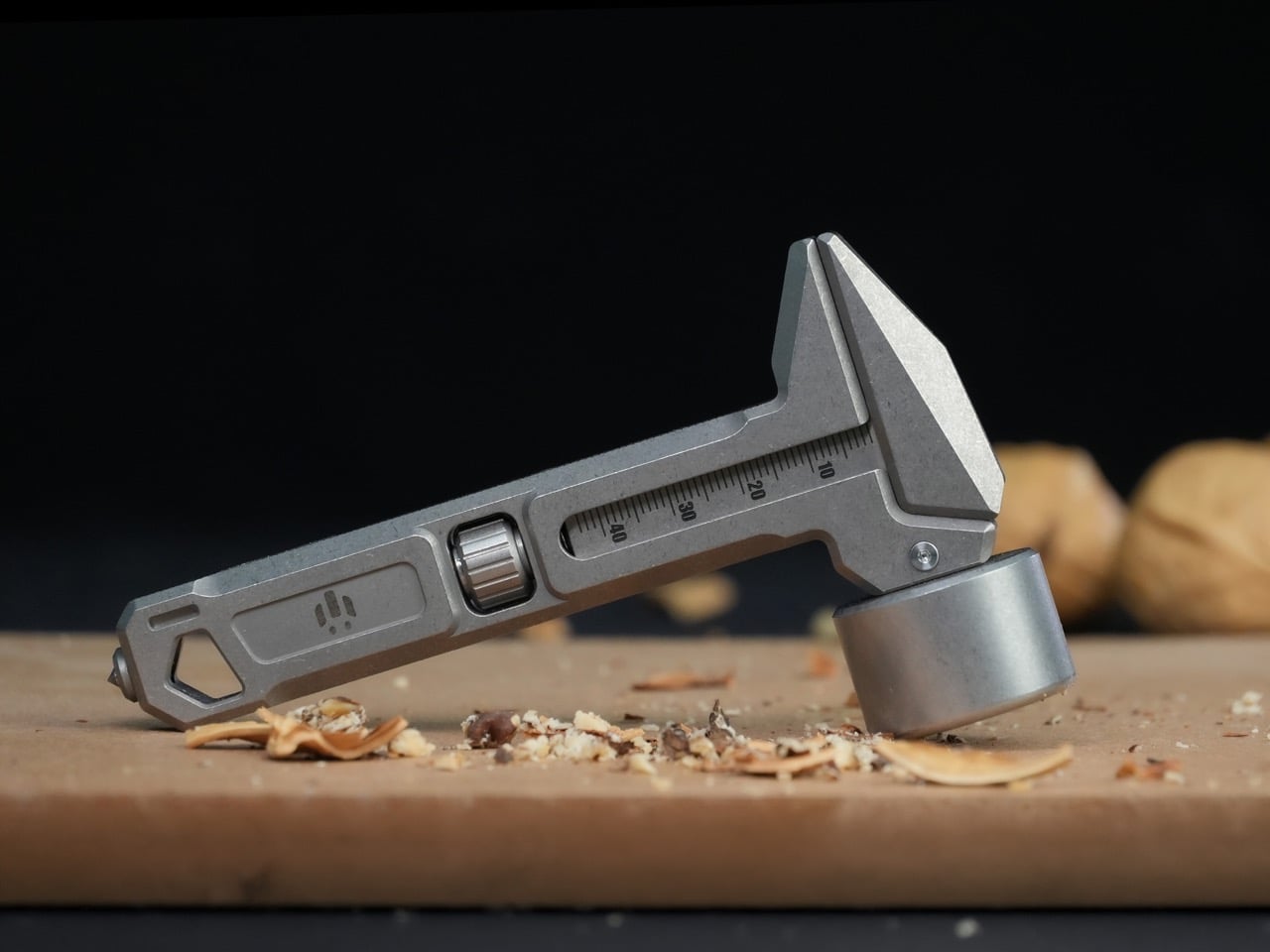
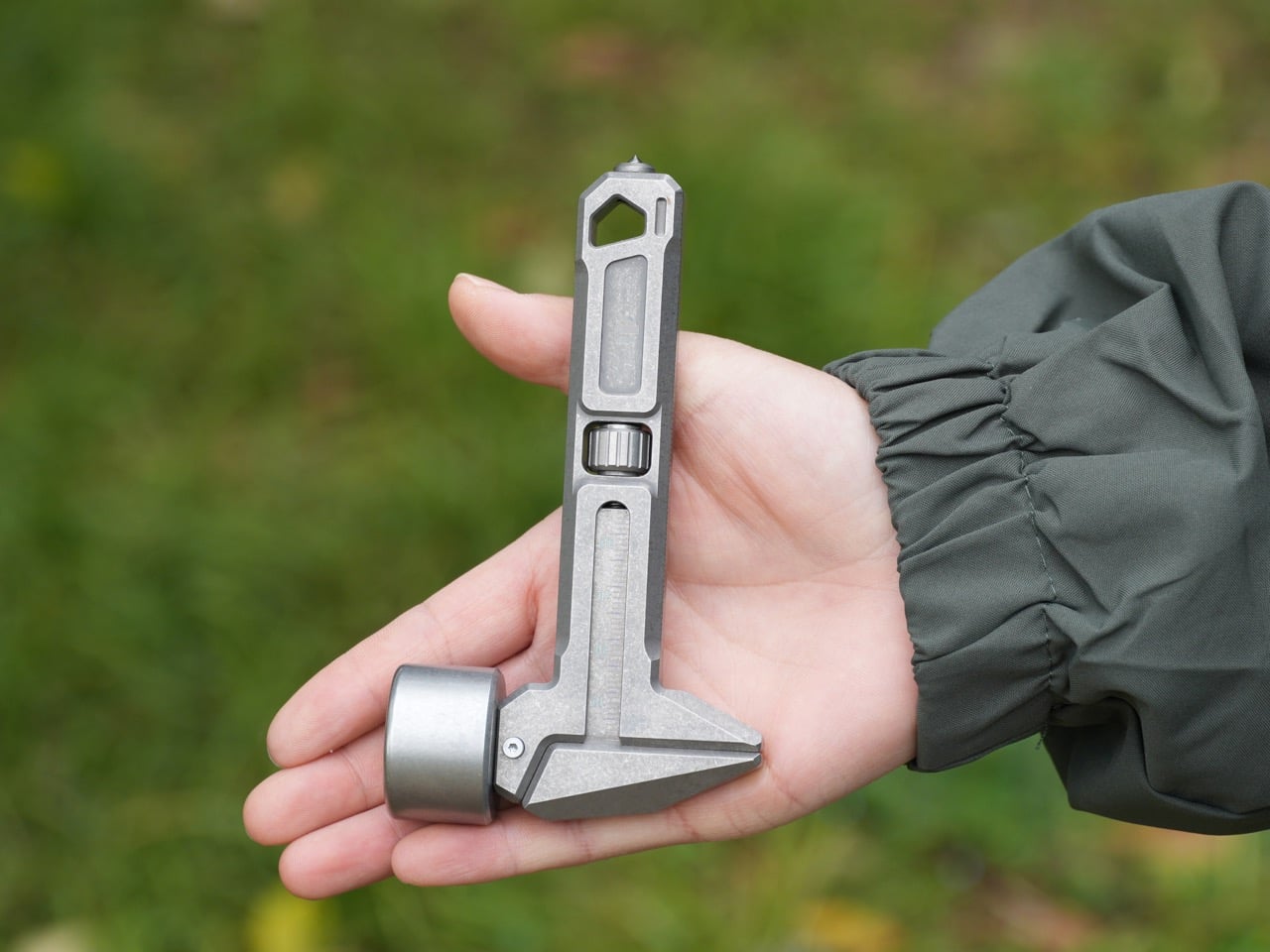
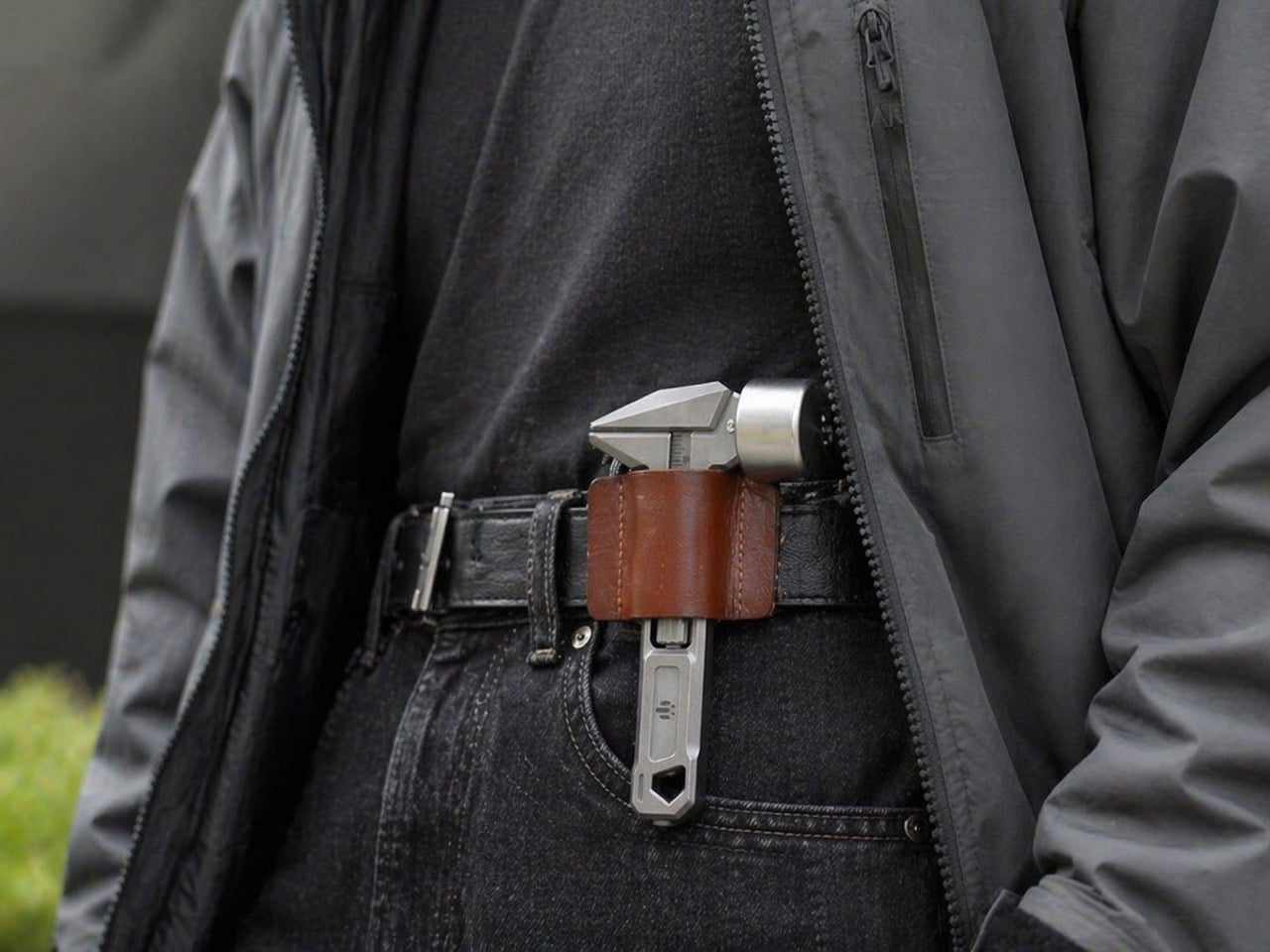
The hammer may be the least glamorous tool ever made, all blunt force and workshop grit, with none of the sleek mystique that usually surrounds EDC gear. The Eck Hammer changes that equation by turning the familiar silhouette into something sculptural, compact, and unexpectedly desirable. Suddenly, the hammer feels collectible. M-Seeker has taken a tool most people associate with garages and toolboxes and recast it in Grade 5 titanium and hardened steel, giving it the kind of finish, proportion, and detail that makes you want to carry it rather than leave it hanging on a wall.
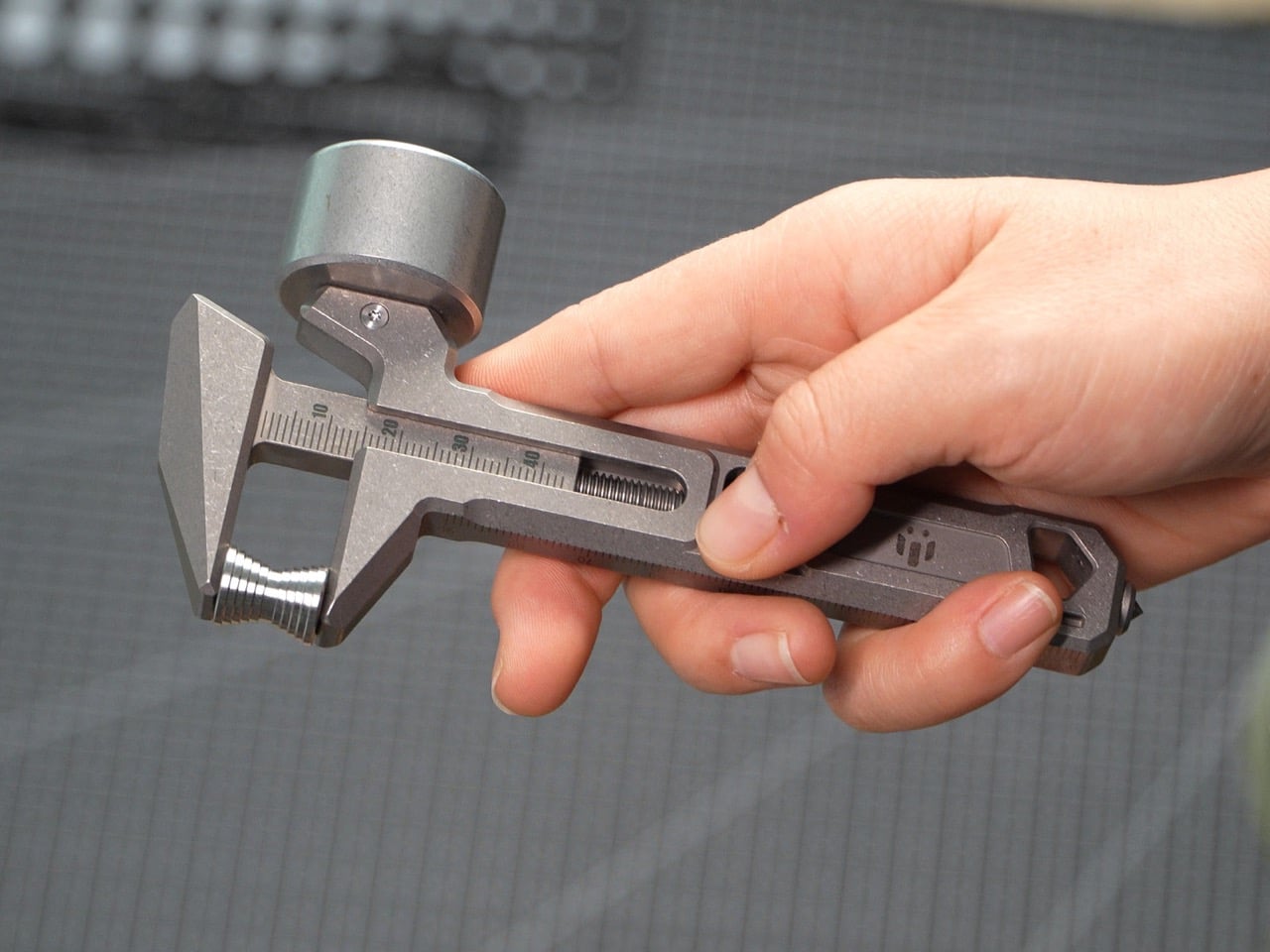
That visual upgrade would mean very little without substance, and the Eck Hammer has plenty of it. Inside the palm-sized form are swappable hammer heads for different strike styles, a caliper-style measuring system with multiple units, an adjustable wrench built into the body, and a metal scriber tipped with tungsten that also serves as a glass breaker in emergencies. What begins as a compact hammer quickly opens into a tightly packed field tool, one designed to measure, mark, tighten, strike, and adapt without losing the primal appeal that made the hammer essential in the first place.
The hammer features a dual-material design, relying on two metals that have legend-status in the EDC world. Grade 5 titanium keeps the body light and corrosion-resistant, while the 440C stainless steel head concentrates weight where impact happens. That split creates a naturally forward-weighted balance, making each strike land harder with less effort from your arm. The physics are simple: more mass at the head, less wasted energy in the swing, more force transferred to the target. M-Seeker could have used a single material and called it premium, but the two-metal construction delivers something functionally better, and the contrast between brushed titanium and polished steel gives the tool a visual rhythm that feels deliberate rather than decorative.
The modular head system turns one hammer into four distinct tools depending on what you attach and how you configure it. The Precision Head weighs 2.5 ounces and brings the total striking weight to 4.5 ounces, making it ideal for controlled work where accuracy matters more than raw force. The Power Head weighs 4 ounces and pushes the total to 6 ounces, delivering the kind of impact you need for tent stakes, bent hardware, or anything that requires a heavier hand. Both heads accept an optional silicone mallet cap that protects delicate surfaces, so the Power Head becomes a strong, mark-free mallet, and the Precision Head turns into a gentler tapping tool for finish work or indoor assembly. Swapping heads takes seconds, and the magnetic retention keeps everything locked in place under use.
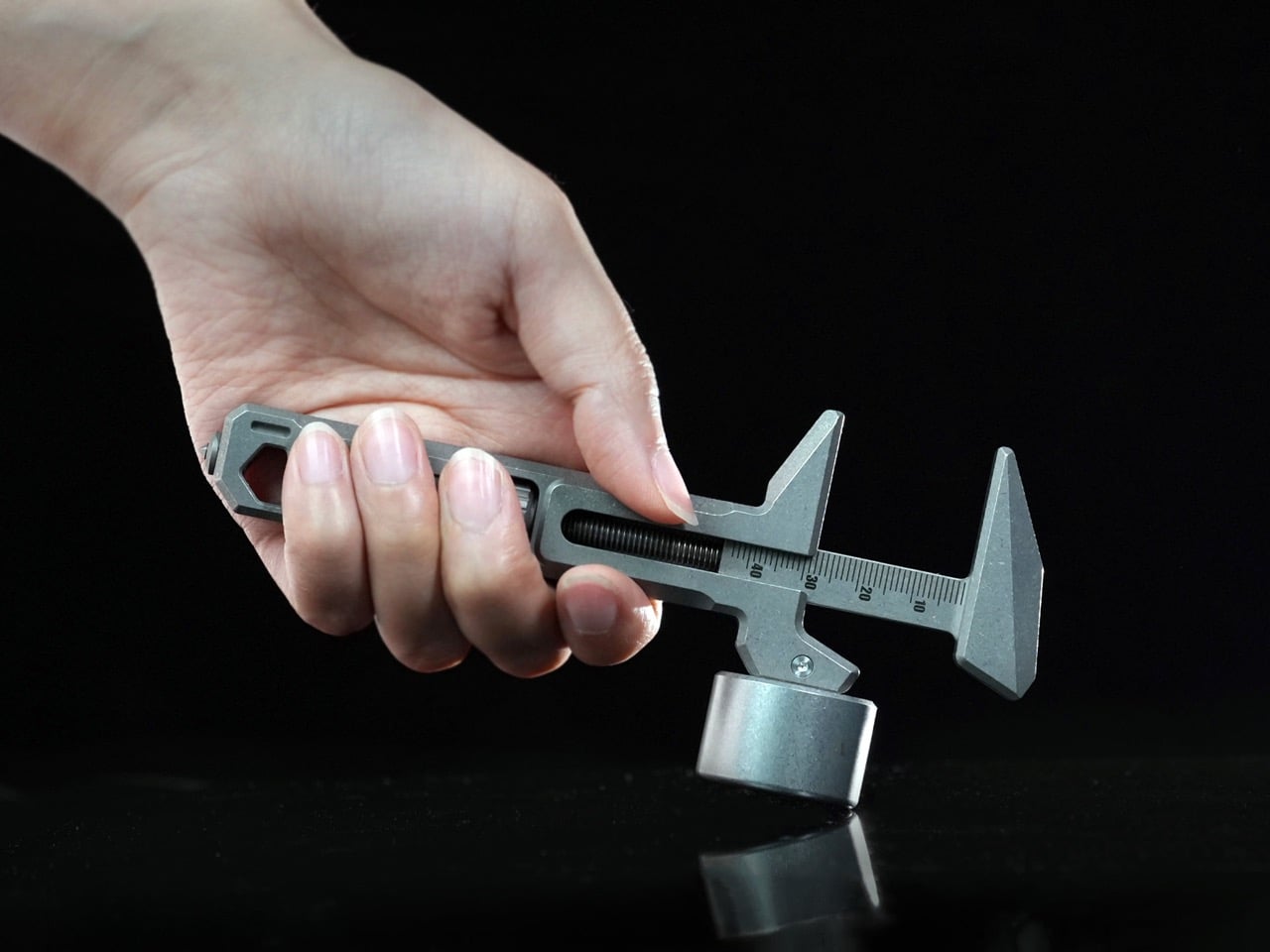
The adjustable wrench lives in the claw section of the hammer, integrated into the body where most hammers would leave empty space. The jaw opens to 33 mm, covering the range from small bolts to mid-sized hardware without requiring a separate tool. M-Seeker designed the opposing plate to function as a grip handle when the wrench is deployed, giving you leverage and control that a standalone adjustment mechanism couldn’t provide. The caliper system spans the body in three formats: a 0-33 mm precision ruler for fine measurements, a 90 mm ruler for quick checks and material marking, and a 3.2-inch imperial scale for anyone working in standard units. The tungsten-tipped scriber sits at the tail end, sharp enough to mark metal, glass, and other hard surfaces with clean lines, and hard enough to break tempered glass when the situation demands it.
The Eck Hammer makes the most sense for people who work in environments where a full-sized hammer is overkill but the need for one still arrives without warning. That includes campers who need to drive stakes and make repairs without packing a dedicated toolbox, urban makers and DIY enthusiasts who want something functional on their desk or in a drawer, and field technicians who carry compact kits and can’t afford redundant tools. The appeal also extends to anyone who appreciates engineering that takes a familiar object and distills it down to essentials without losing capability. This tool fits in a jacket pocket, hangs on a belt loop via the optional leather sheath, or sits comfortably in a go-bag alongside other daily essentials. Like any EDC worth its salt, it also packs slots for tritium vials, keeping your gear visible even in low-light conditions.
The Eck Hammer comes in the Standard version at $169 and the Kit version (which includes both heads and the silicone mallet caps) at $199. Add-ons include the Power Head at $30, custom engraving at $15, tritium tubes at $25 for a pair, and a leather sheath with belt clip at $20. Shipping costs range from $15 for single sets in the US, UK, Australia, Germany, Canada, Italy, France, and Japan, to $18 for other regions. Estimated delivery is September 2026.