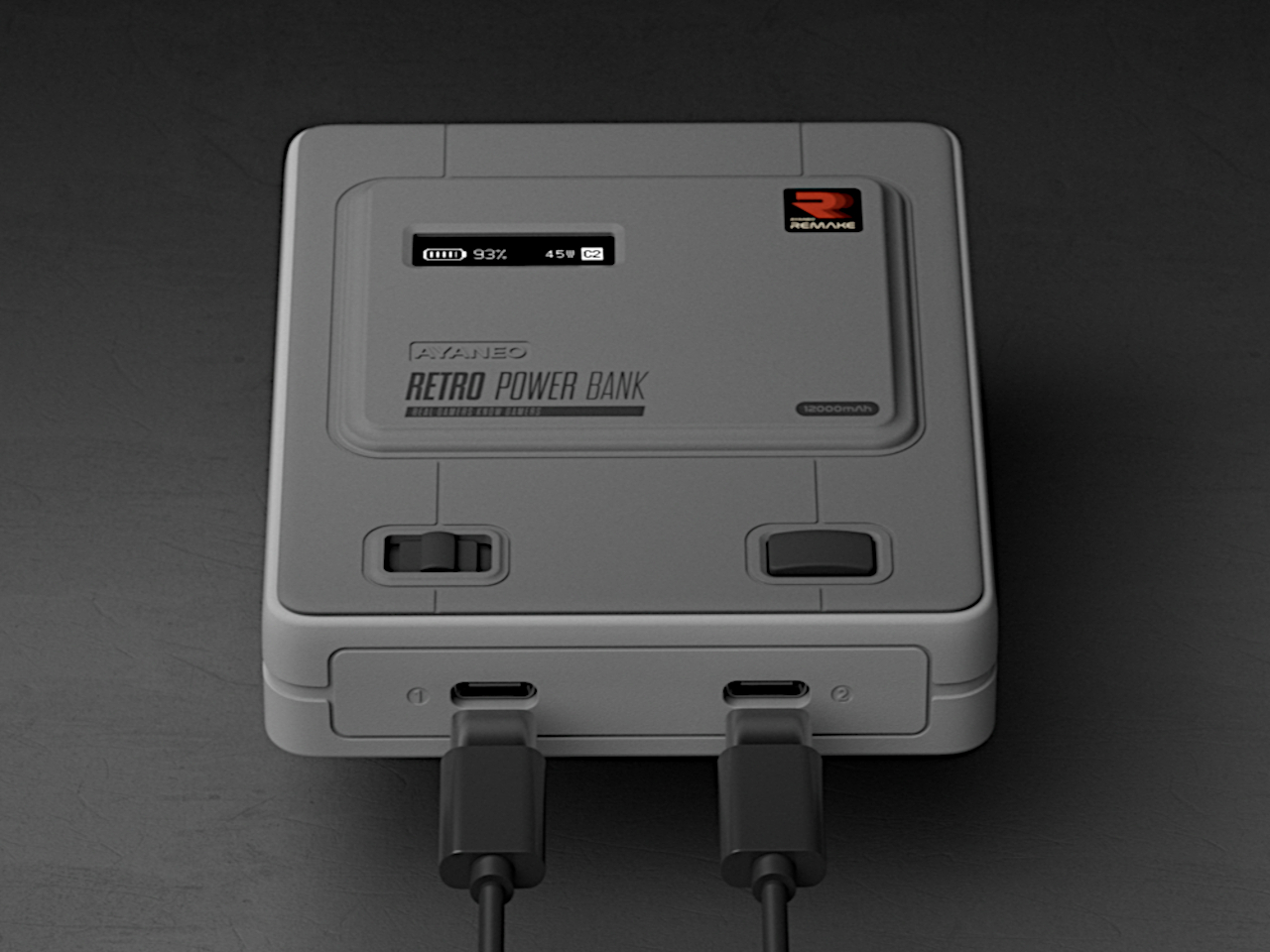
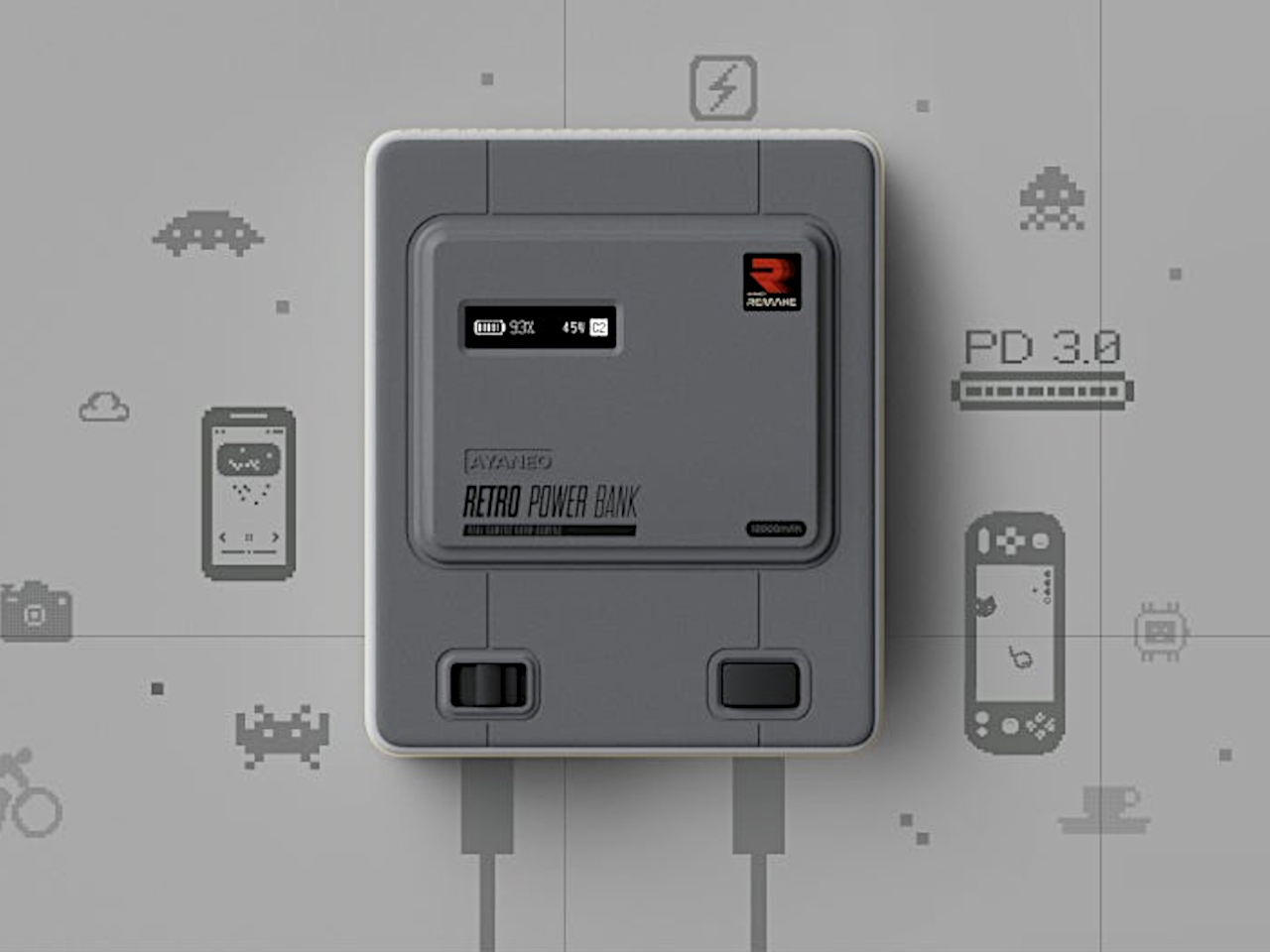
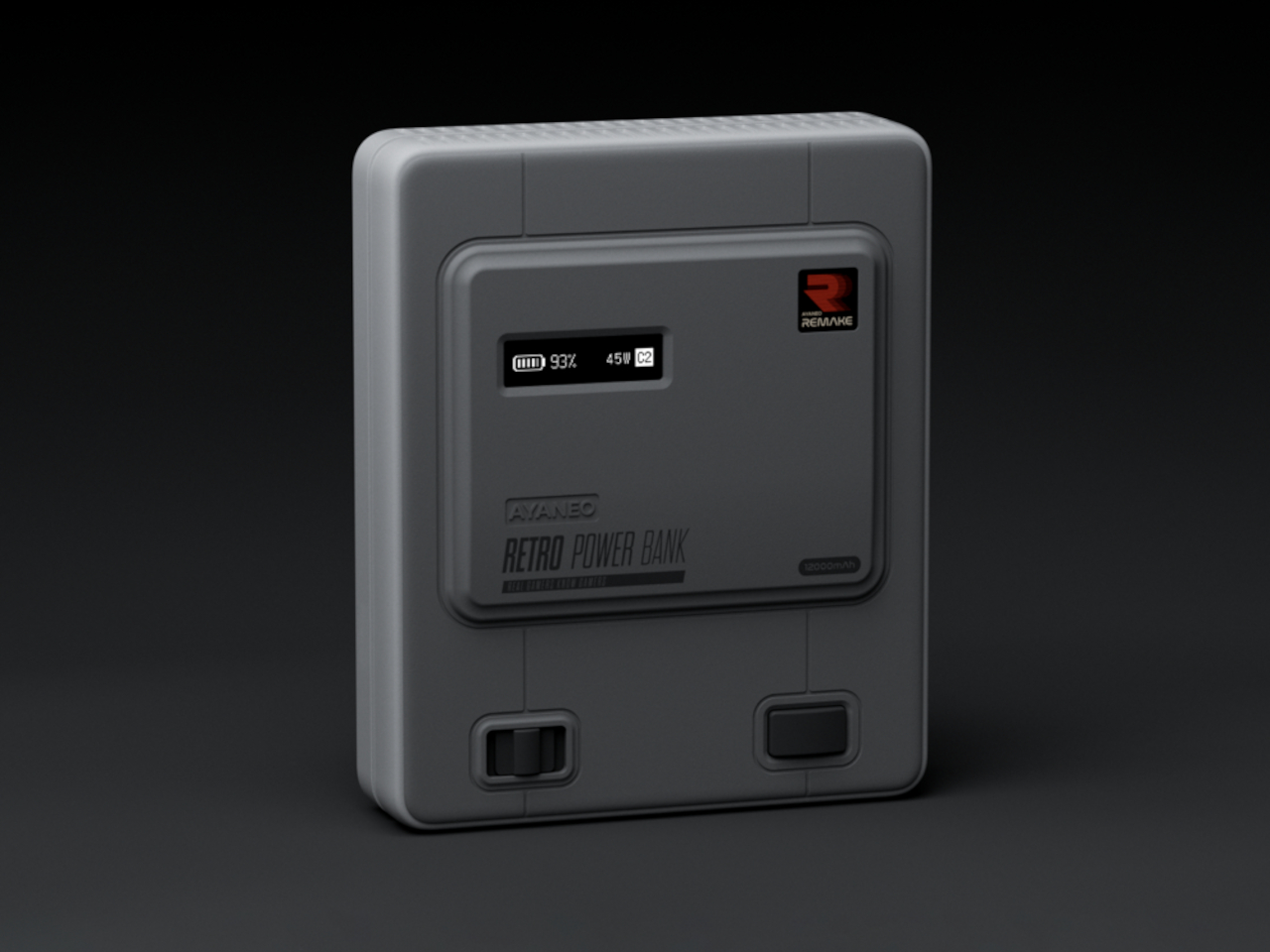
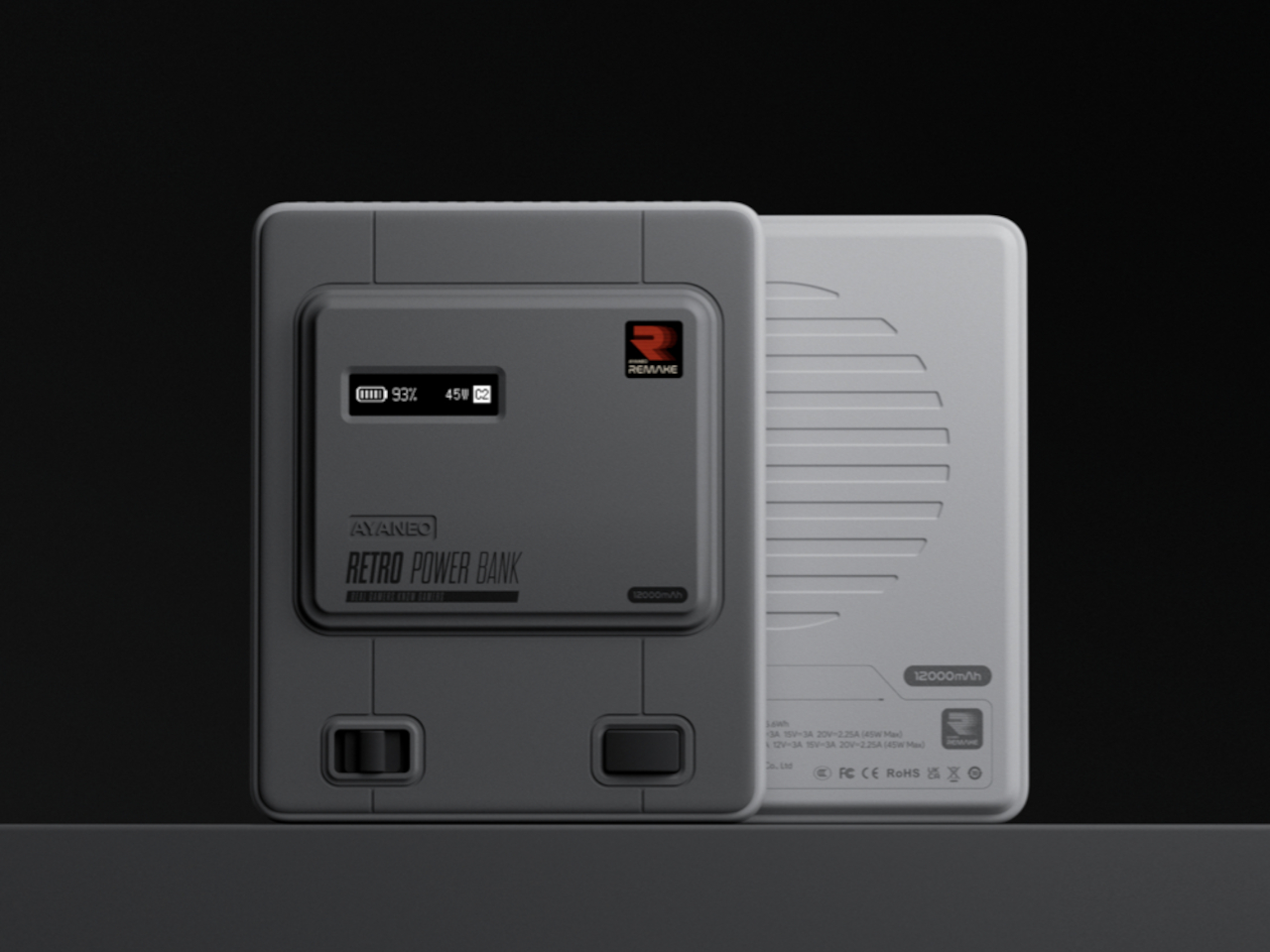
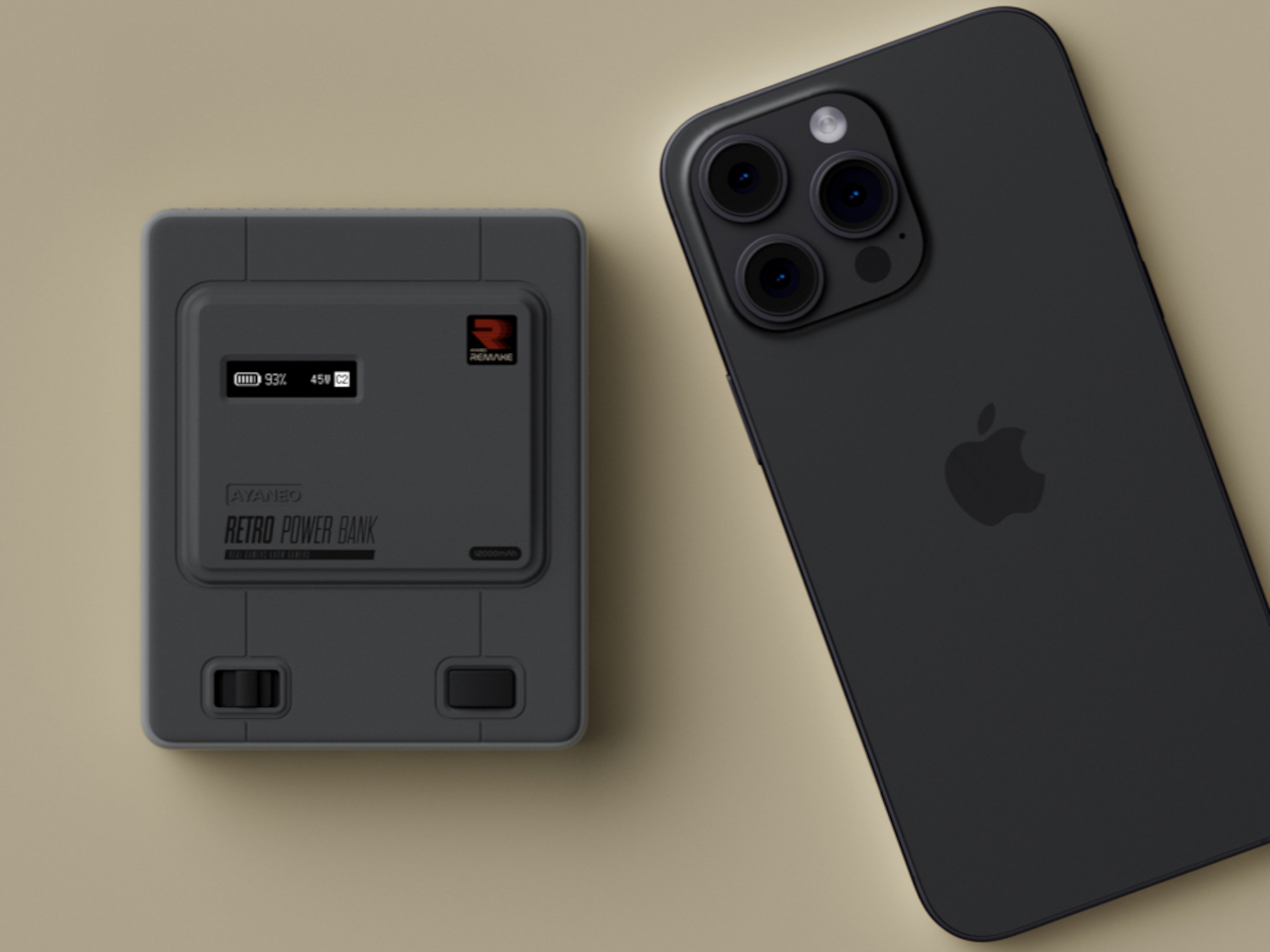
Retro gaming consoles kicked off a trend in the computing and gaming industries that saw the revival of many old-school designs. While the majority of these try to recreate decades-old experiences in a functional manner, some simply go for the aesthetics. After all, the designs can be eye-catching in their own right, regardless if they’re working like the original. Some put modern computing hardware inside shells from a time when monitors didn’t even have color, while others repurpose the design into some desktop or fidget toy only. This tiny retro console, for example, looks like a Super Famicom that’s no larger than your smartphone, but it isn’t actually a device that you can play but is simply AYANEO’s newest throwback: a 12,000mAh power bank in disguise.
The Nintendo Super Family Computer, a.k.a. “Super Famicom,” might be familiar to gamers in name, but those who live outside Japan might be more familiar with its other moniker and design. The Super NES (Nintendo Entertainment System) wasn’t as divergent as the NES from the Famicom, but there were subtle design differences, like the color scheme and placement of buttons. For whatever reason, AYANEO opted to pattern its tiny device on the Japanese Super Famicom, though that actually works in its favor in one specific detail.
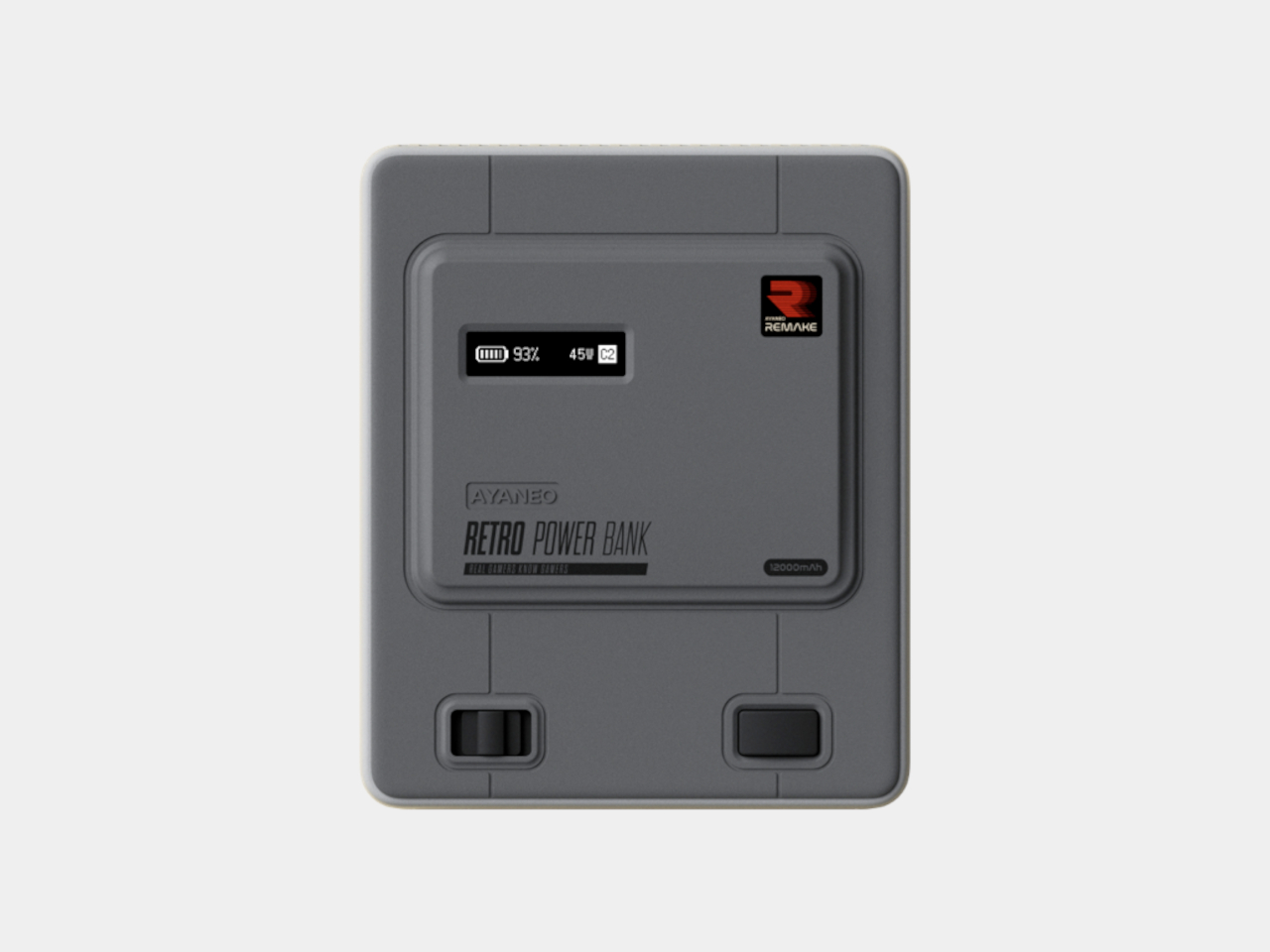
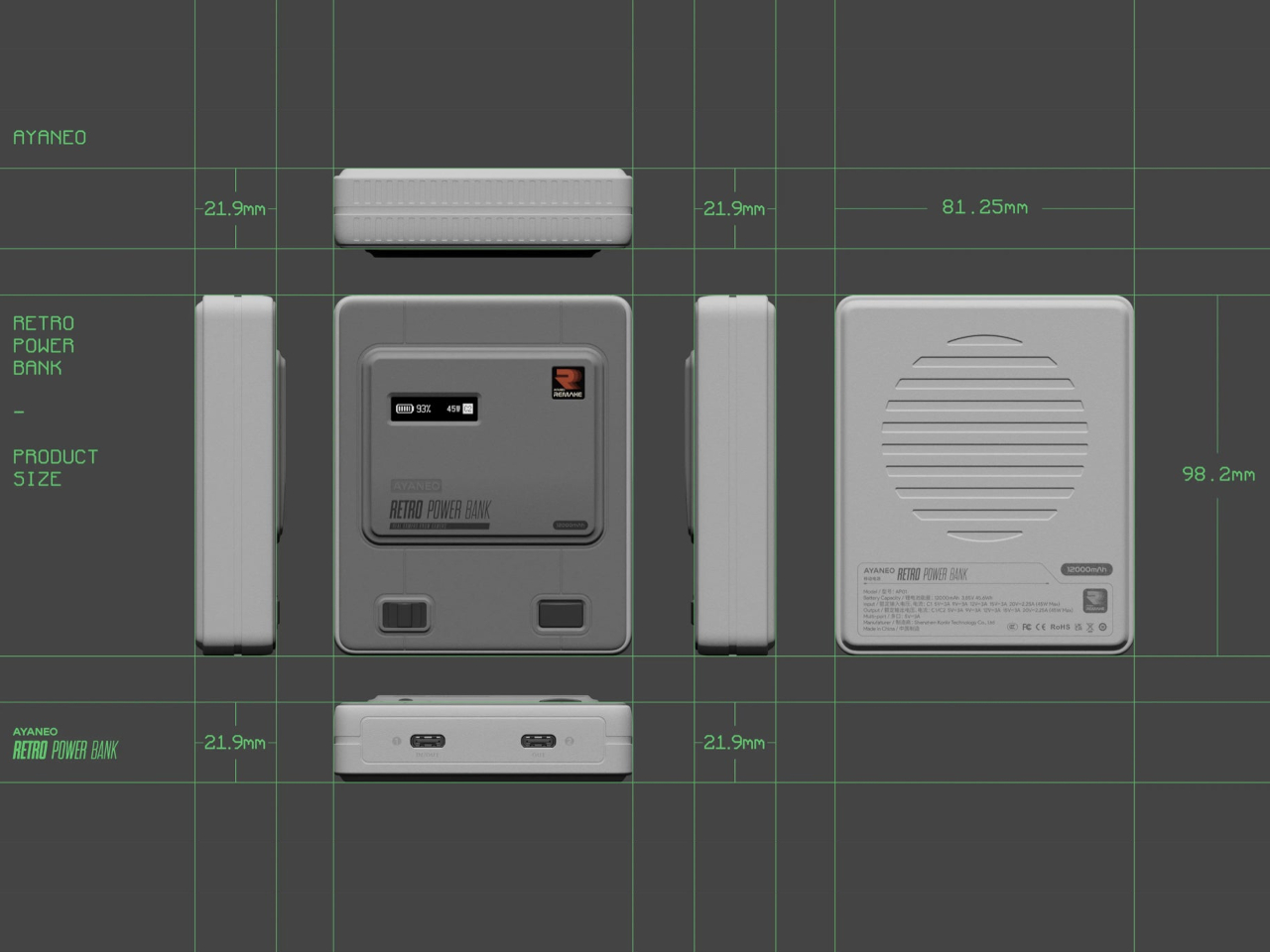
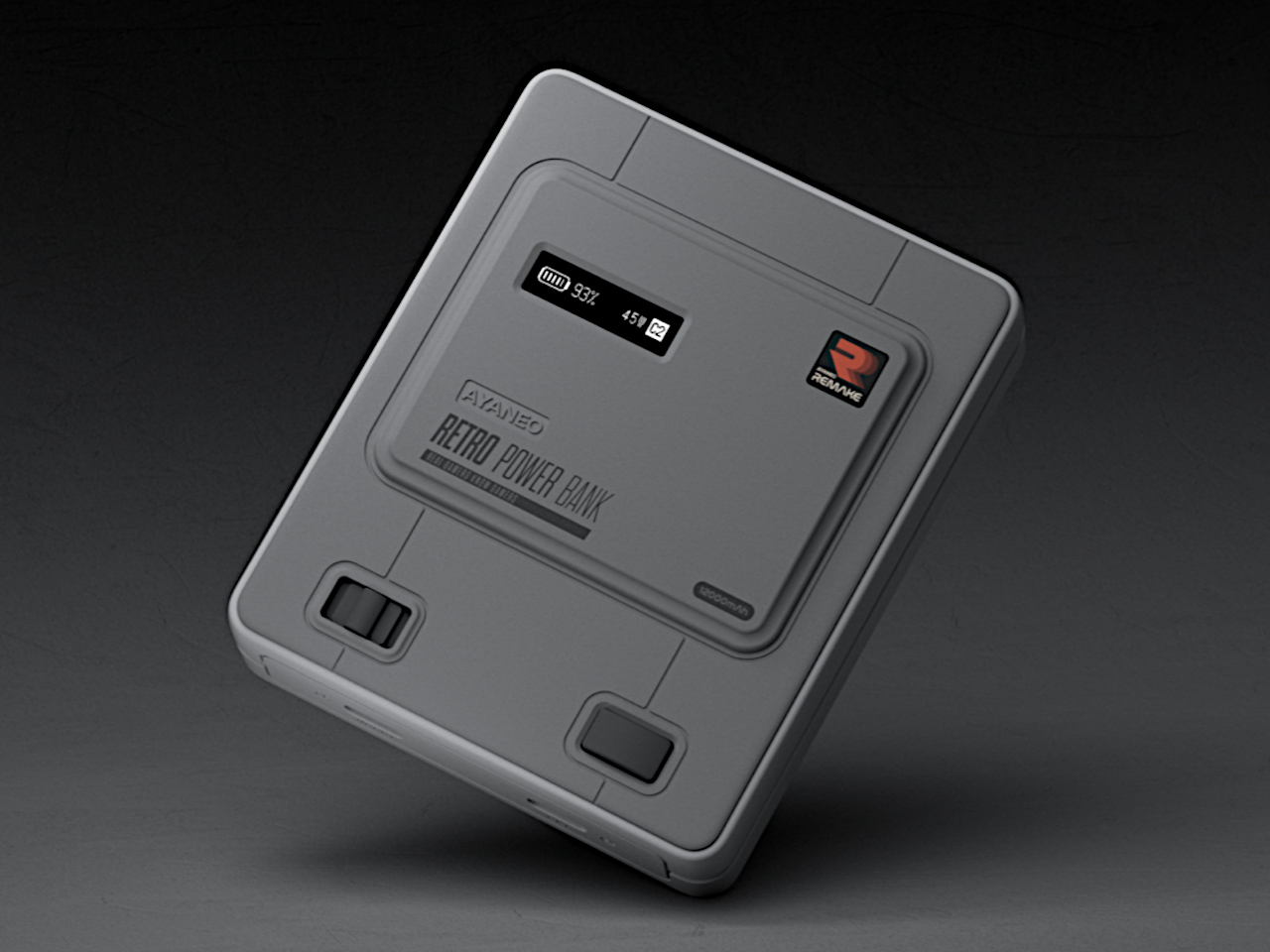
The Retro Power Bank, which avoids any legal landmine by using as generic a name as possible, adopts the dual-tone gray color scheme of the famed console as well as the raised section in the middle that delineates the main point of interest in the device. It even has the same sliding switch and button duo, but their locations have been moved around to avoid an exact copy of a copyrighted design. There’s also a small display strip that’s unsurprisingly absent from consoles of that bygone era, but is now almost a staple in high-capacity power banks.
Unlike the SNES, the Super Famicom used a sliding switch for its power button, a mechanism that the Retro Power Bank uses for navigating through menus and changing settings like units used, language, and screen off time, just to name a few. The reset button now becomes a function button that cycles through different display features. That 0.91-inch monochrome OLED screen is just small enough to show discharge and charging power, temperature, and other essential information at a glance.
Adorable as the design might be, some might be a little disappointed in its performance as an actual power bank. 12,000 mAh is admittedly plenty for most phones, but the 45W output will leave some waiting a bit to fully top up their phone. And when you use both USB-C ports at the same time, you’re down to 15W each. There’s also no wireless charging, which is probably for the best since you don’t want to cover that nice tribute to the Super Famicom, which is the entire point of the design in the first place.
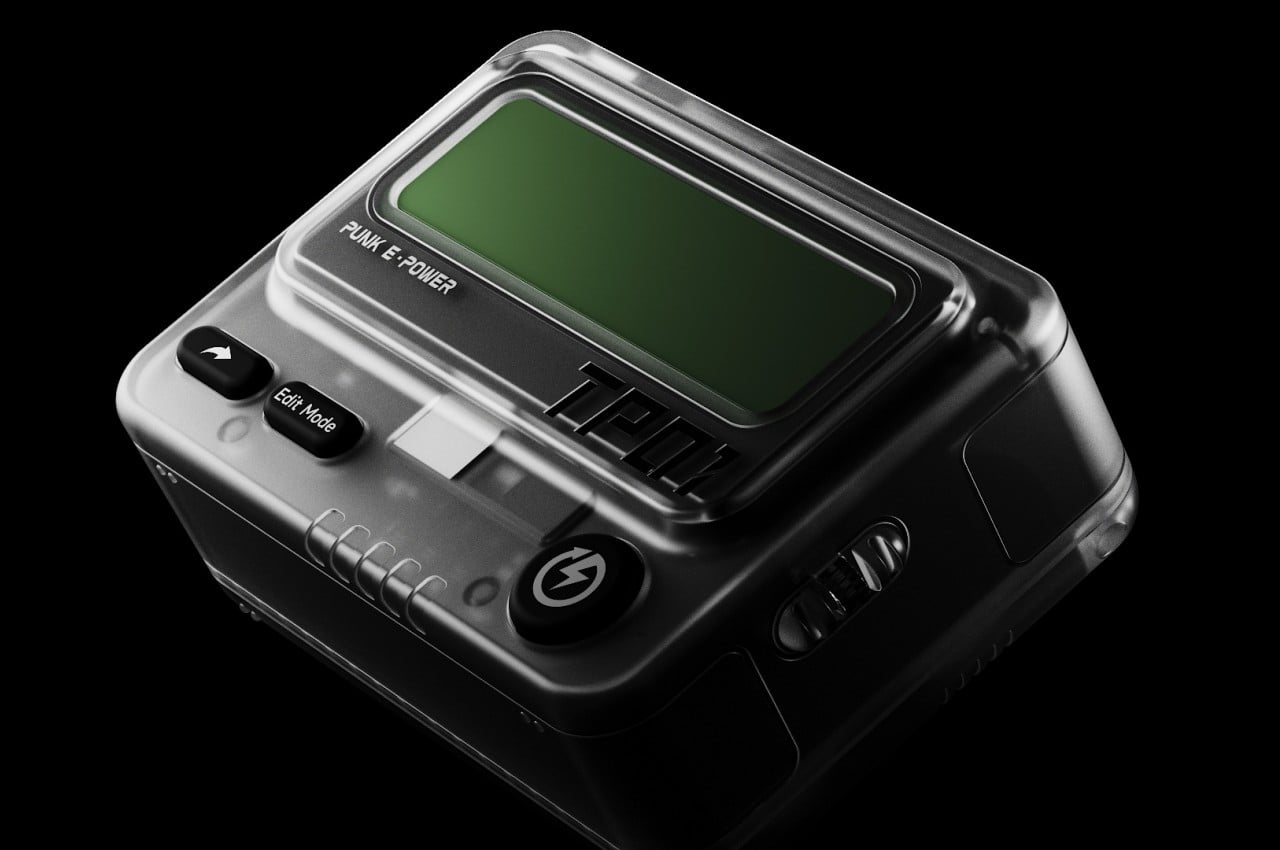
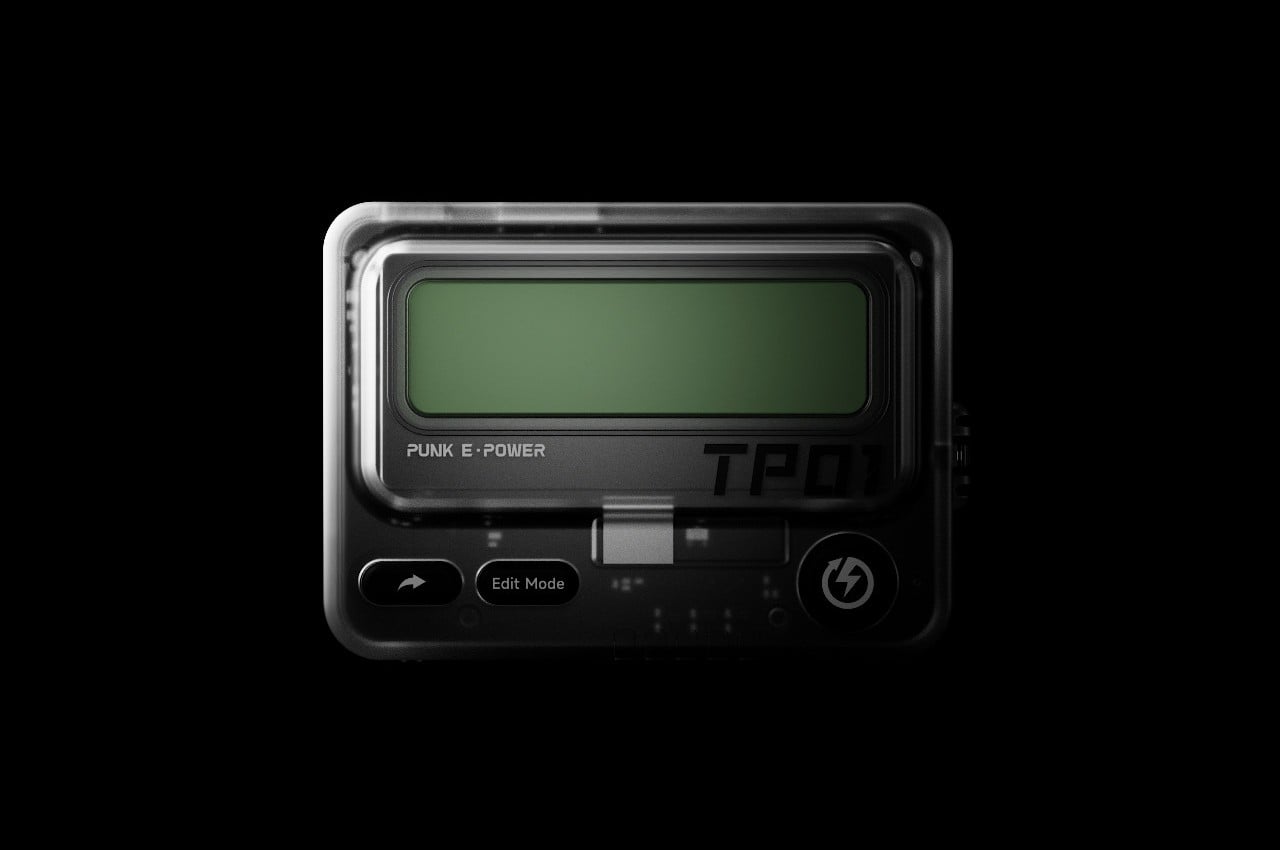
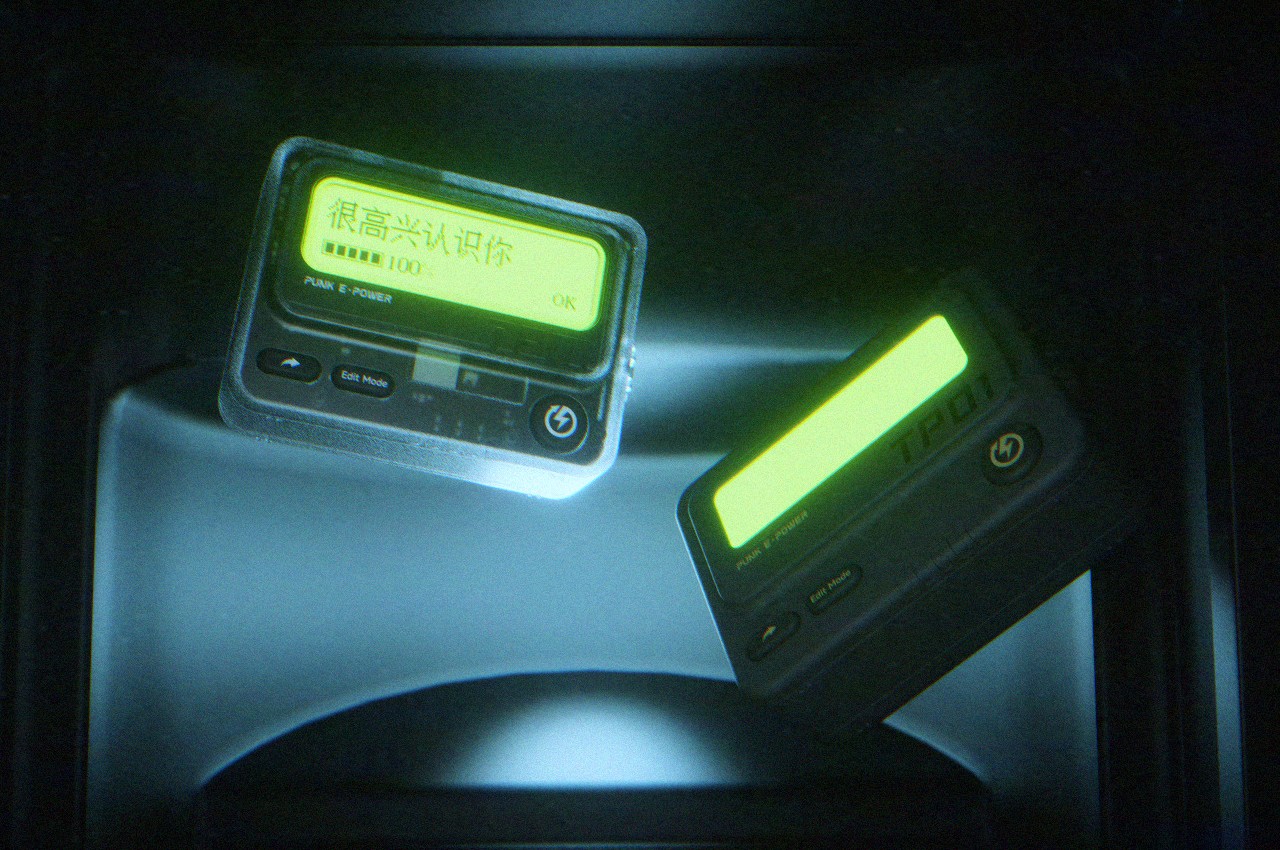
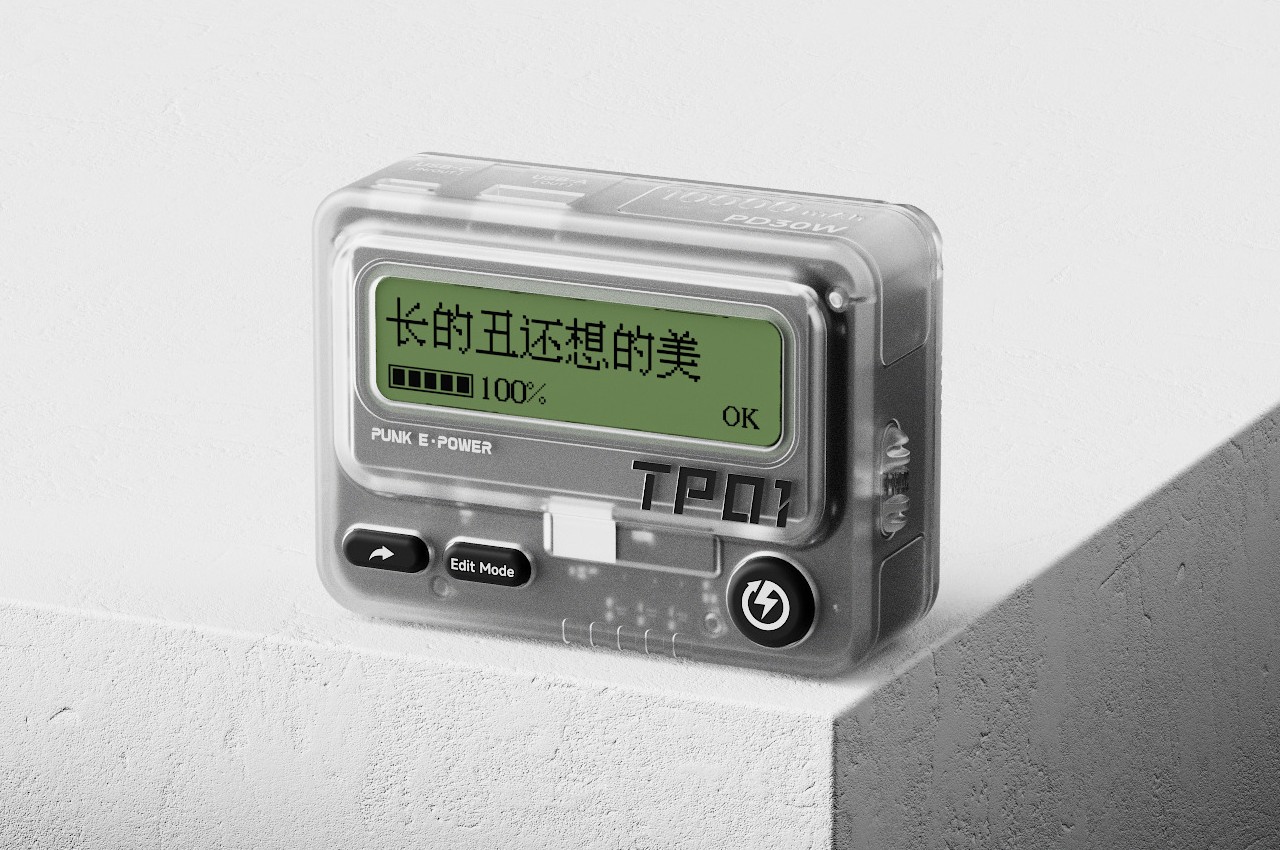
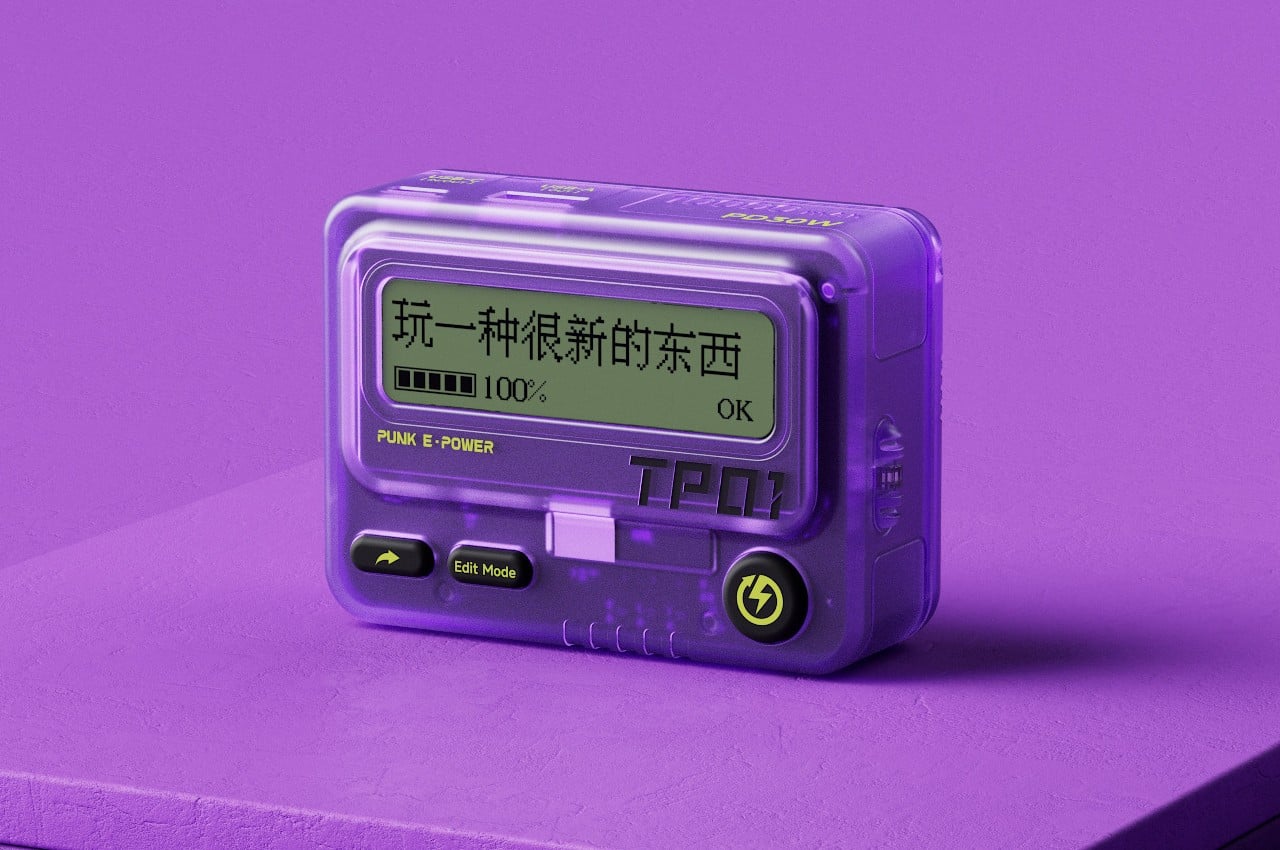
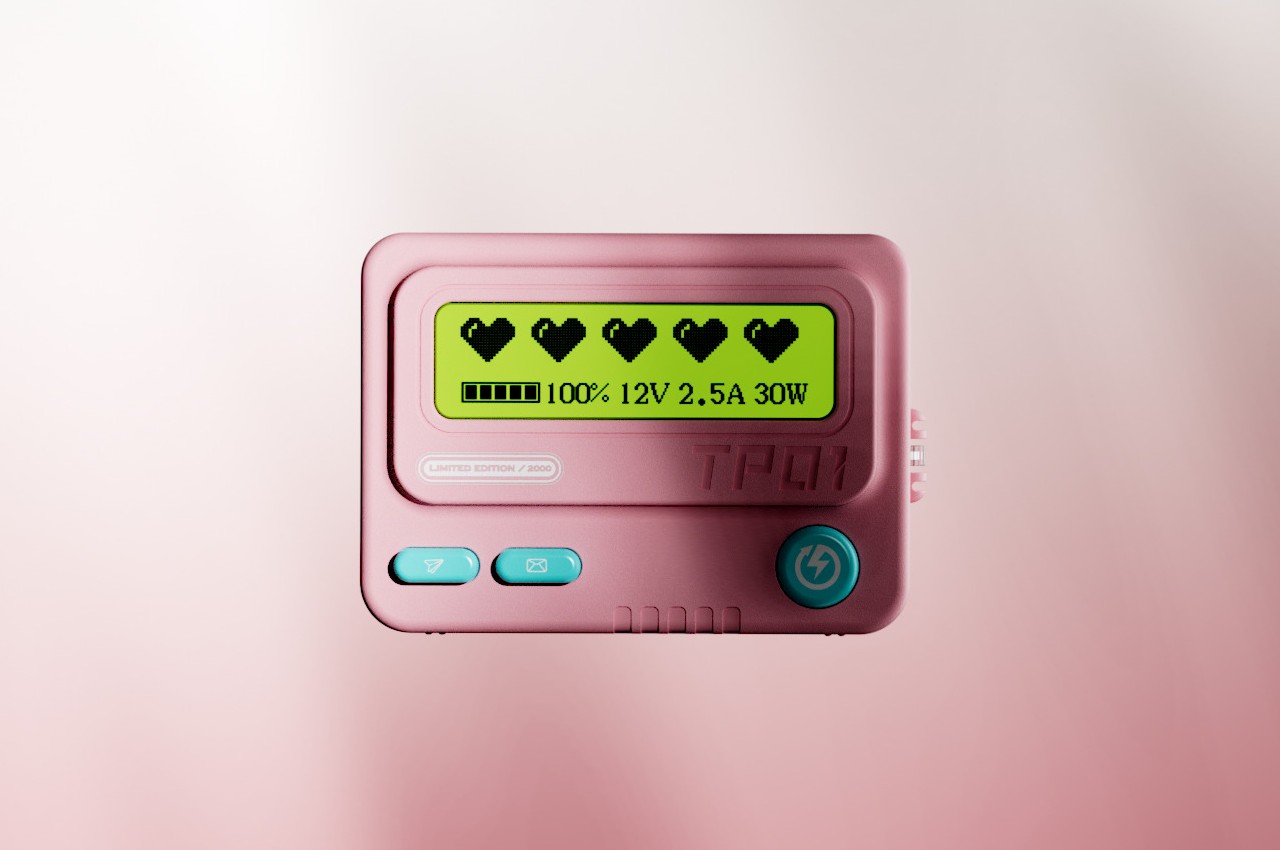
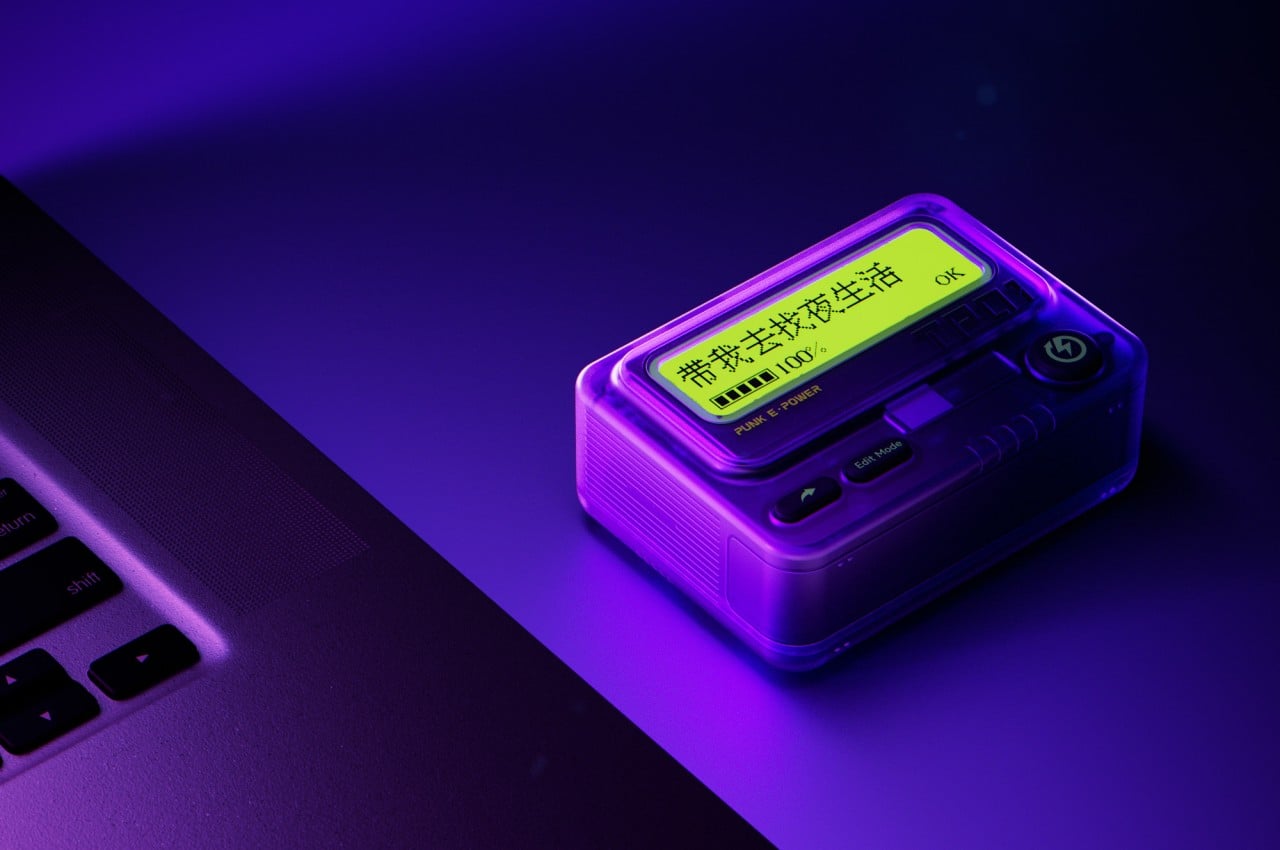
You can easily determine the historical setting of a TV show or piece of fiction by the technologies used in it. The presence of beepers, for example, puts the timeline in the 90s, though some modern hospitals still use this limited and straightforward communication gadget because of their simplicity. Of course, today’s messaging culture leaves very little room for a pager and some younger people might not even know what it is. To keep that nostalgic design alive and give it a more contemporary function, this concept design wraps a power bank in a beeper aesthetic while also giving it one fun feature reminiscent of its original purpose.
Designer: PTPC
The beeper or pager was a small black box that would show a message as a single line of scrolling text. The very first cell phones capable of SMS inherited this trait until they got screens capable of displaying multiple lines at once. It might seem archaic by today’s standards, but it also enforced a certain simplicity and terseness to the messages sent. You only sent important messages and got straight to the point without dropping vowels or letters.
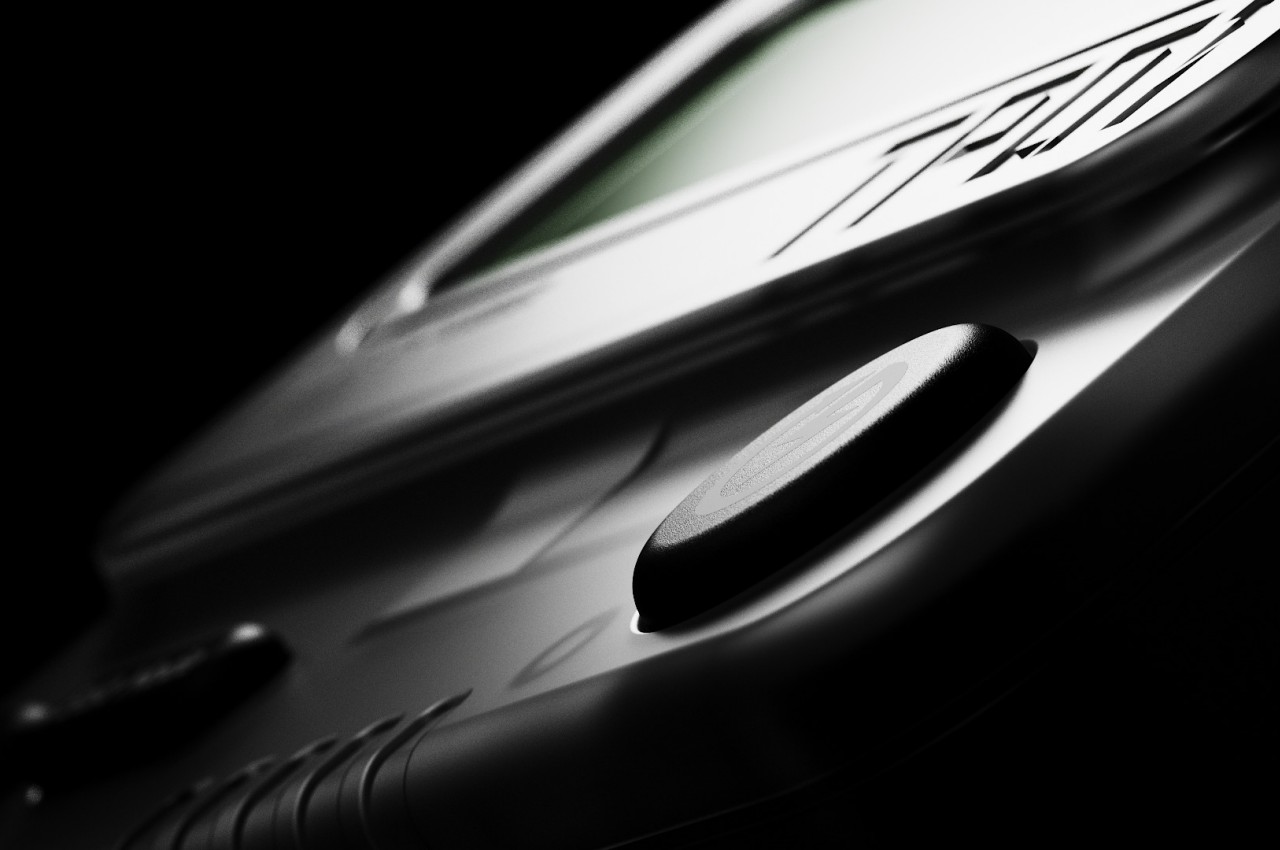
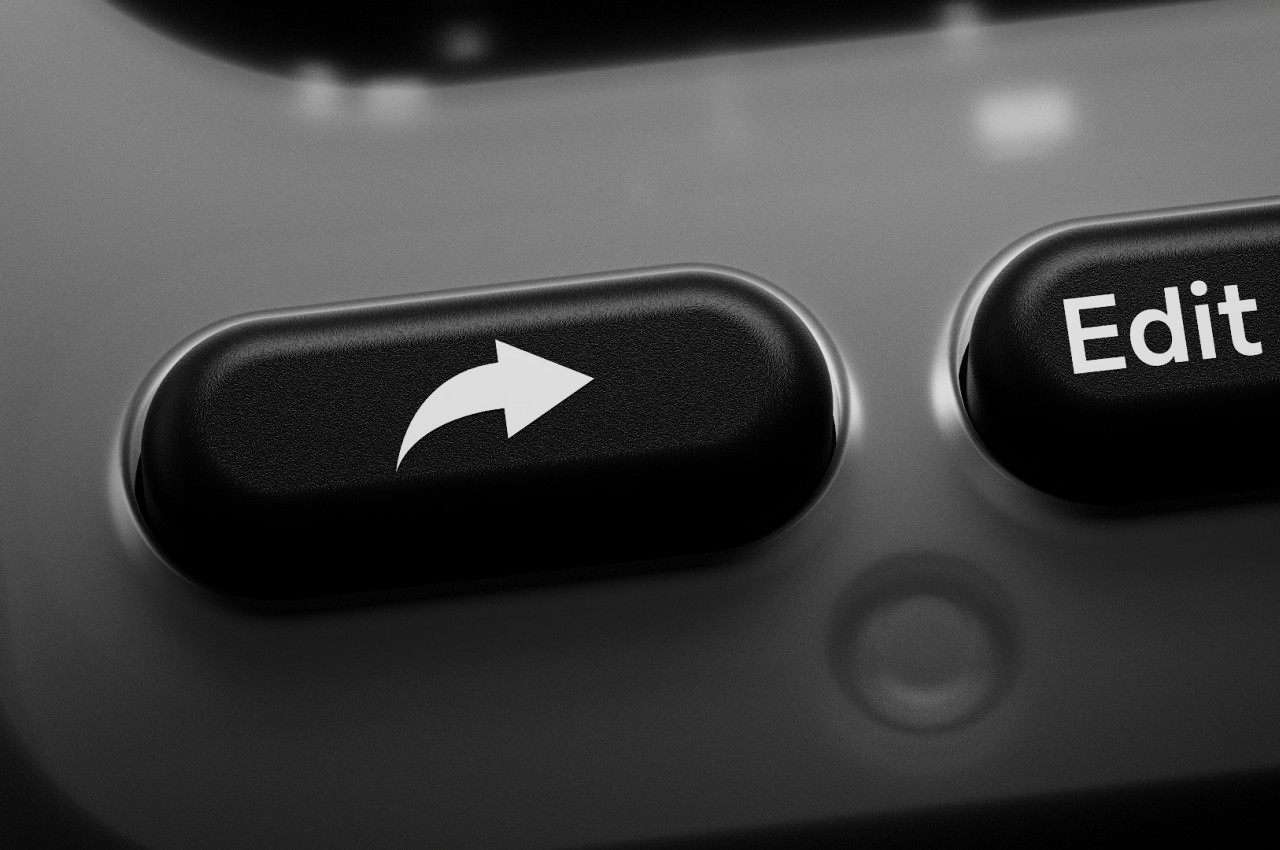
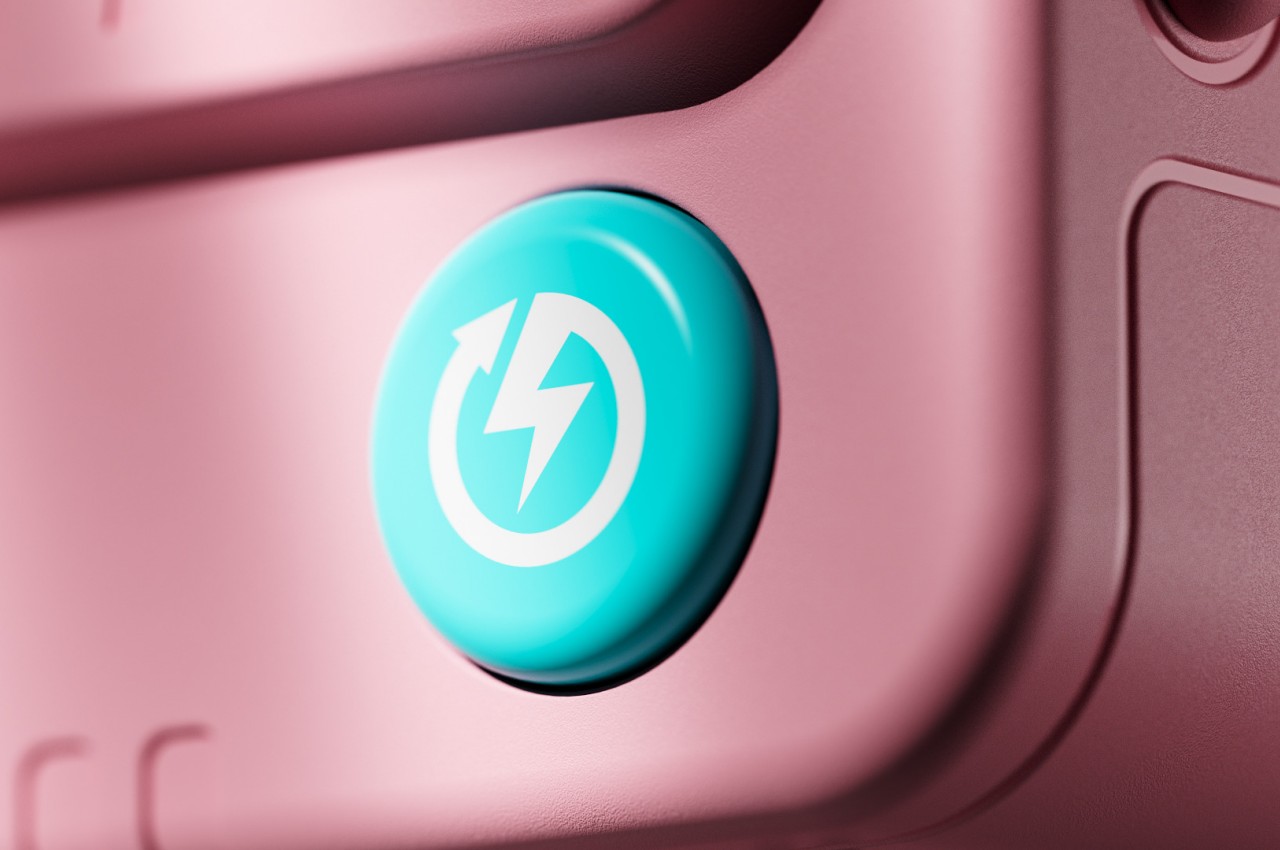
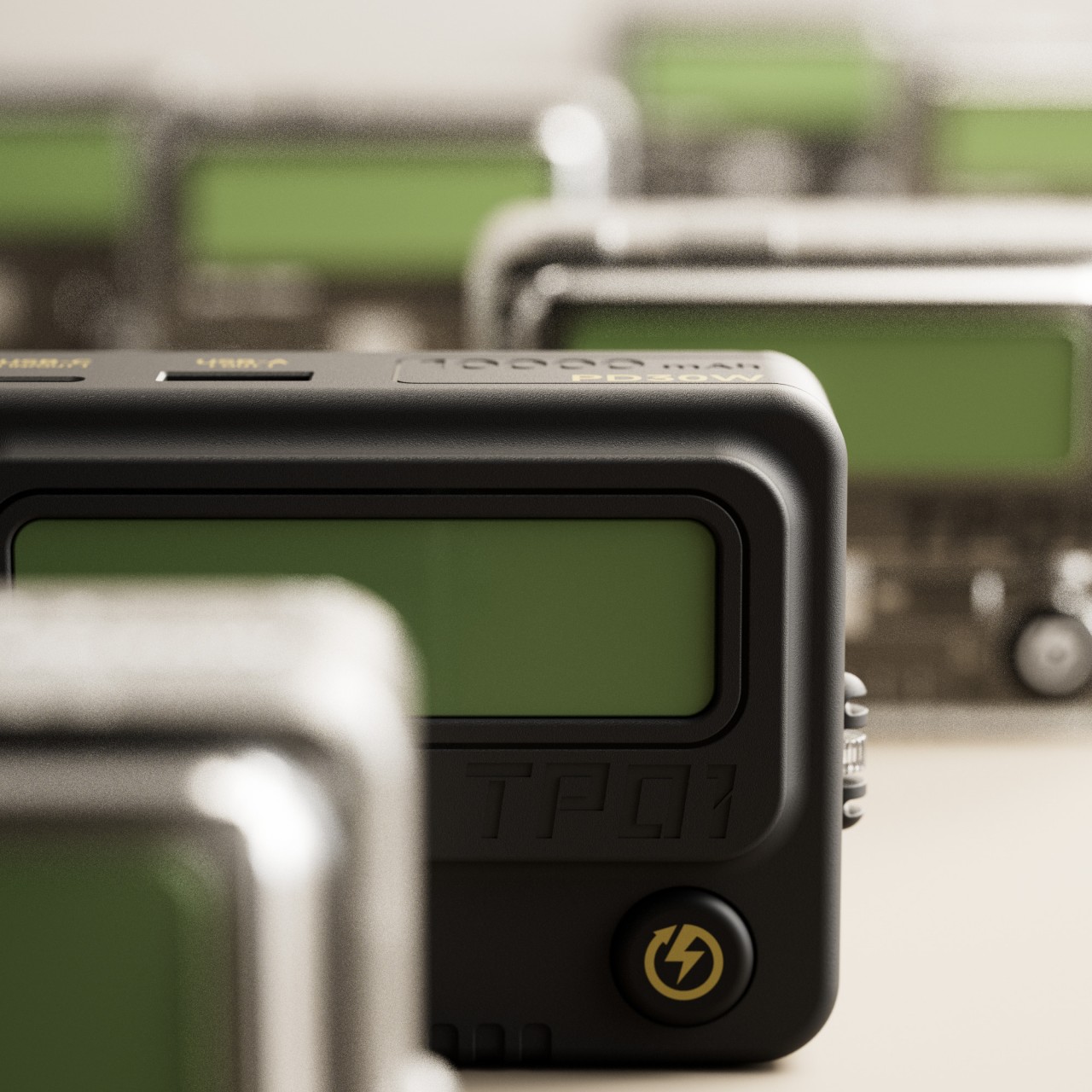
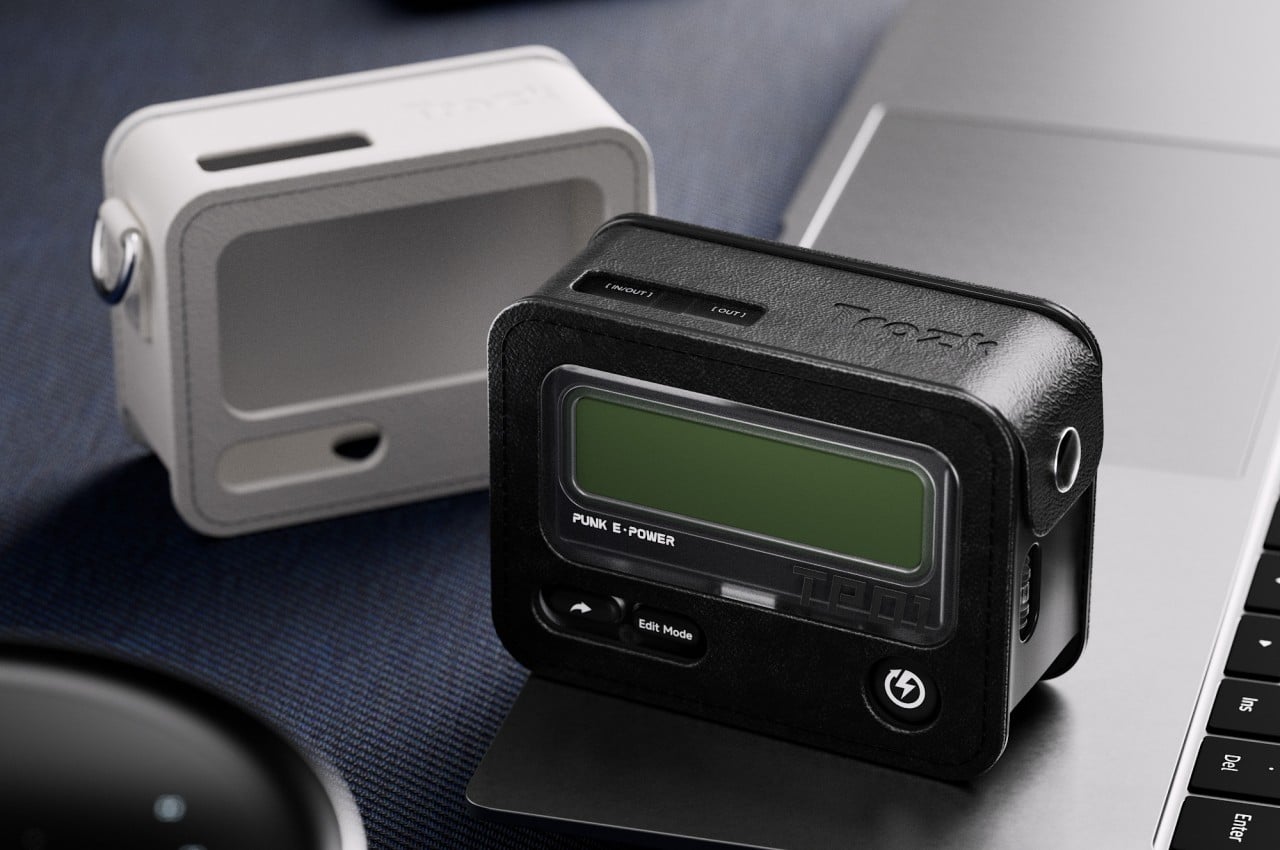
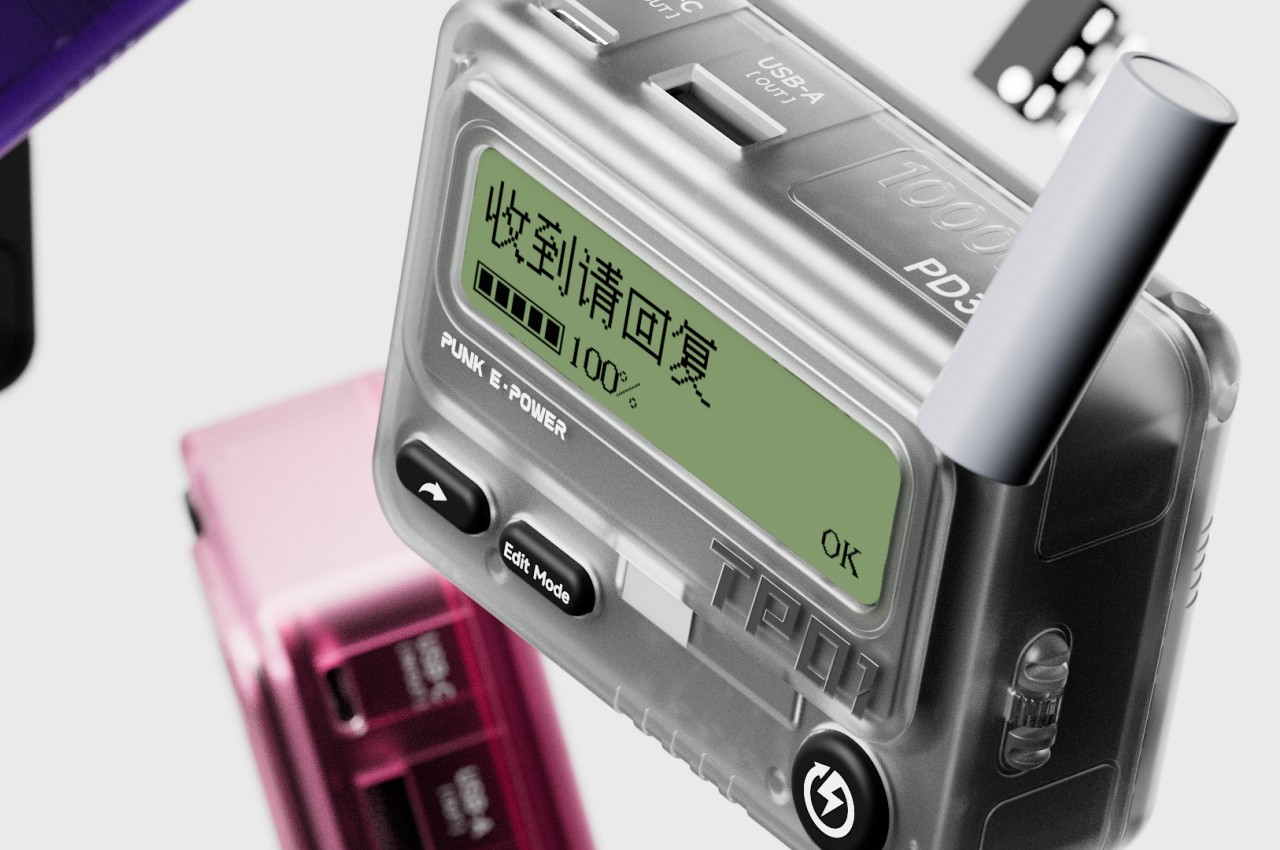
This portable battery concept embraces the retro aesthetic of a beeper but also puts a few modern twists, like using a translucent shell or adopting colors other than black and gray. It still inherits the simplistic interface of a pager, however, with very few buttons and ports. Despite the minimalism, the concept boasts of a 10,000 mAh battery that’s more than enough power to juice up phones or even tablets.
The beeper power bank does have a two-line monochrome display with a font similar to that of those old-school gadgets. While it does show battery information as you might expect, it does also have a secondary function. It can show messages sent from phones via Bluetooth, mimicking the duty of the original device. You still have a limited viewing space, but you can at least now use emojis and special characters more easily, allowing you to express your message more effectively with fewer letters.
That messaging feature is, of course, just a whimsical add-on that isn’t critical to the product’s charging function. It is, however, also a fun addition, one that would make such a design more memorable and appealing, especially to a younger generation who might not even know what a beeper is.
There is truly something magical about retro-inspired designs, They manage to evoke a deep sense of nostalgia within us, taking us right back to the 80s. And you know who truly loves a good old retro-themed product? Our dads! Maybe because they were actually alive during the 80s, and they feel a sense of wholeness and comfort when they come across such thoughtful designs. With Father’s Day around the corner, you may want to take your dad on a trip down memory lane, by gifting him a cool retro-inspired product. And, we’ve curated a collection of such designs for you to pick from! Though these designs are wonderfully retro-esque, they have been imbibed with modern functionality. Their aesthetics may be from their past, but their utility is embedded in the future. Have a look!
1. NIXOID NEXT
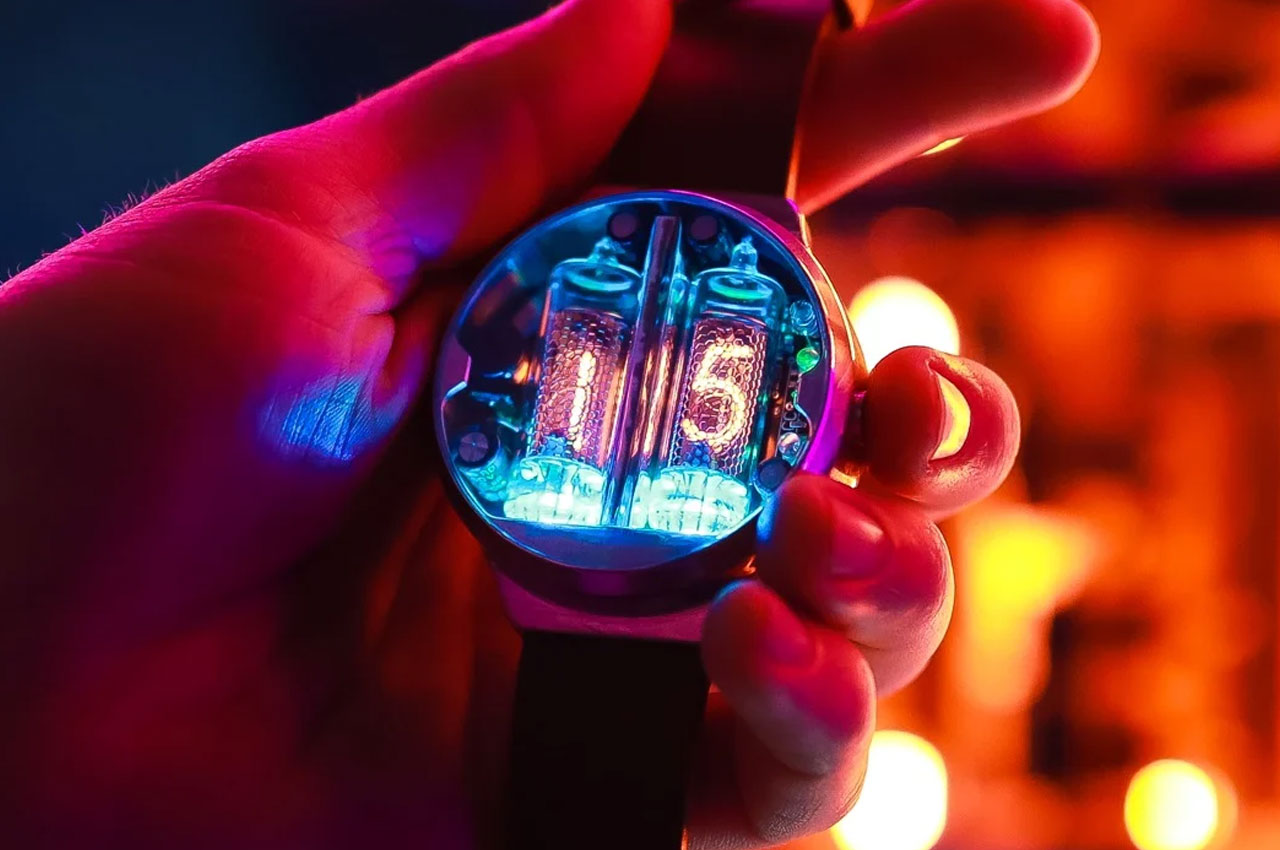
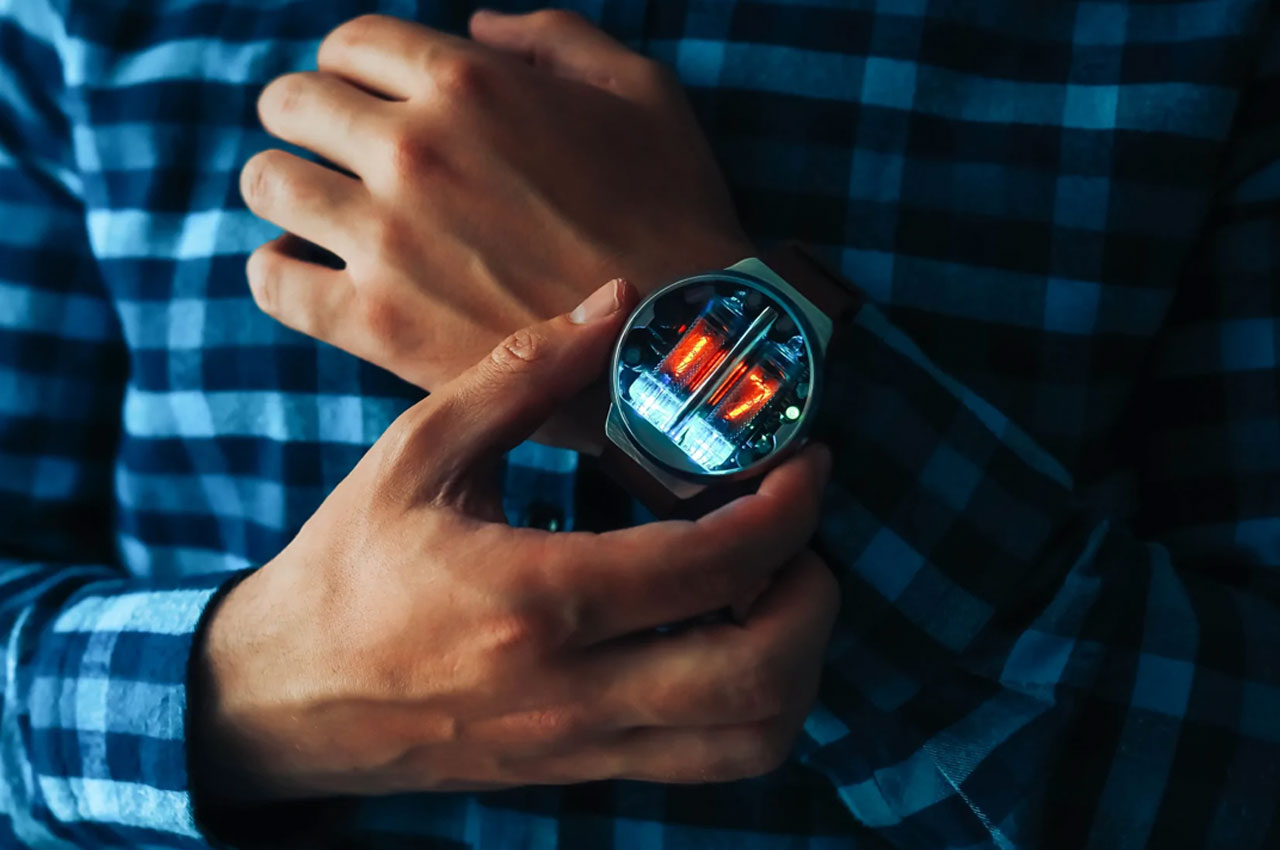
Nixie designed this steampunk-inspired NIXIOD NEXT which incorporates Nixie tubes. The watch features rare Nixie VFD lamps which were discovered around 25 years ago. This unique design beautifully merges a healthy and fascinating mix of futurism and retro, by integrating retro tubes into the form of a modern wristwatch. It’s the perfect Father’s Day present for dads who love a nostalgic touch and want to show off their retro possessions on their wrists.
Why is it noteworthy?
The NIXIOD NEXT merges an accelerometer which lights up the VFD tubes when moved toward the user. The interesting tubes were found in a warehouse from the days of the USSR, making it a historic limited-edition collectible.
What we like
Equipped with charging points on the back, making it an easy charge
Features a scratch-resistant sapphire case
What we dislike
When the watch display changes from hours to minutes, there is a 1.5-second pause
2. Portable CD Cover Player
Called the Portable CD Cover Player, this minimalist CD player is designed to be a unique retro design that merges an exceptional listening experience with the beauty of visual art. You can slip the CD jacket or sleeve inside the specially designed-pocket, enabling you to display and showcase your favorite CD. It’s a great present for your dad, letting him boast his prized CDs from his youthful days, in his home!
The Portable CD Cover Player is essentially the physical equivalent of showcasing digital album art, with the extra benefit of being able to showcase your physical original CD.
What we like
It is a portable product with a 40mm full-range speaker and woofer unit, allowing you to listen to your favorite music wherever you please
Features a 1,800mAh battery providing 7-8 hours of exceptional audio
What we dislike
It does not support syncing music with any digital medium, only an analog style of music-listening
3. ‘A for Ara’ Speakers
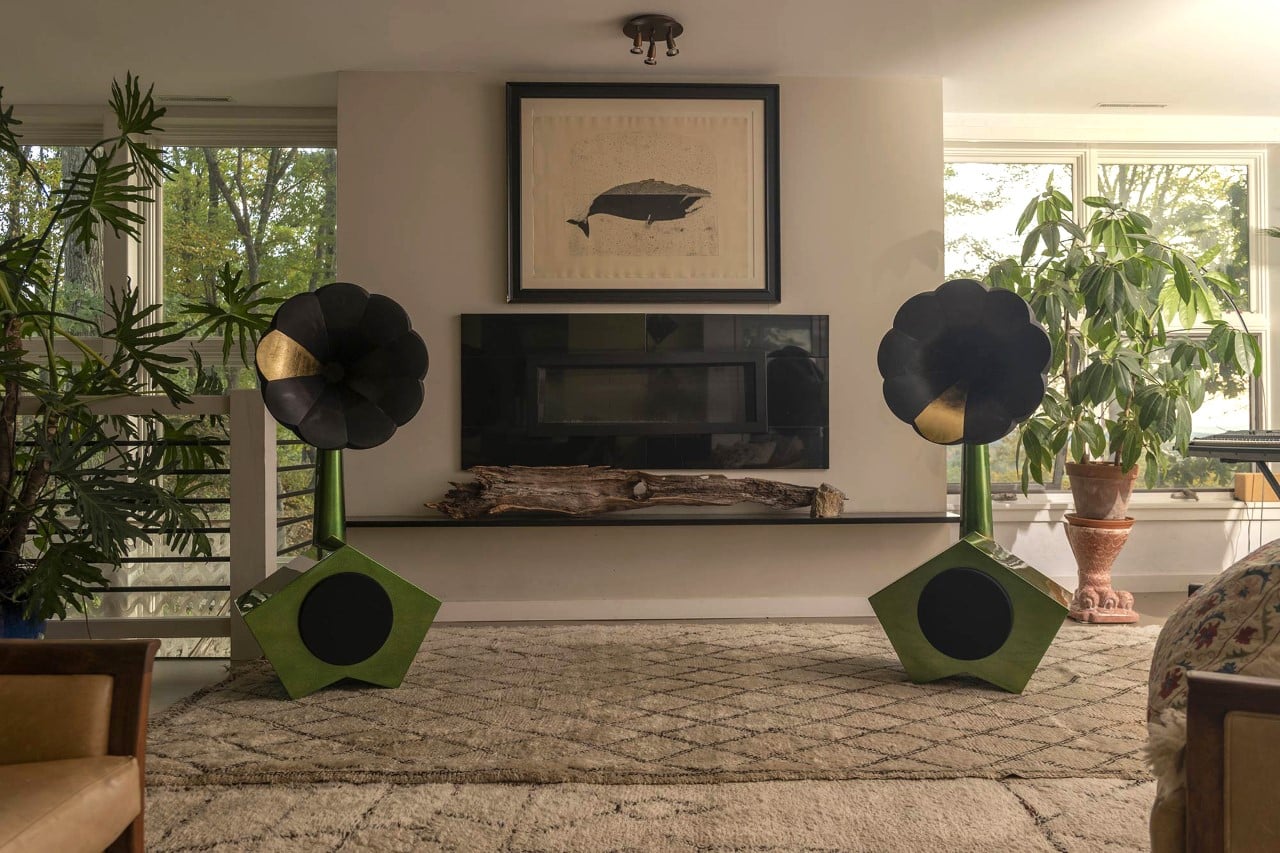
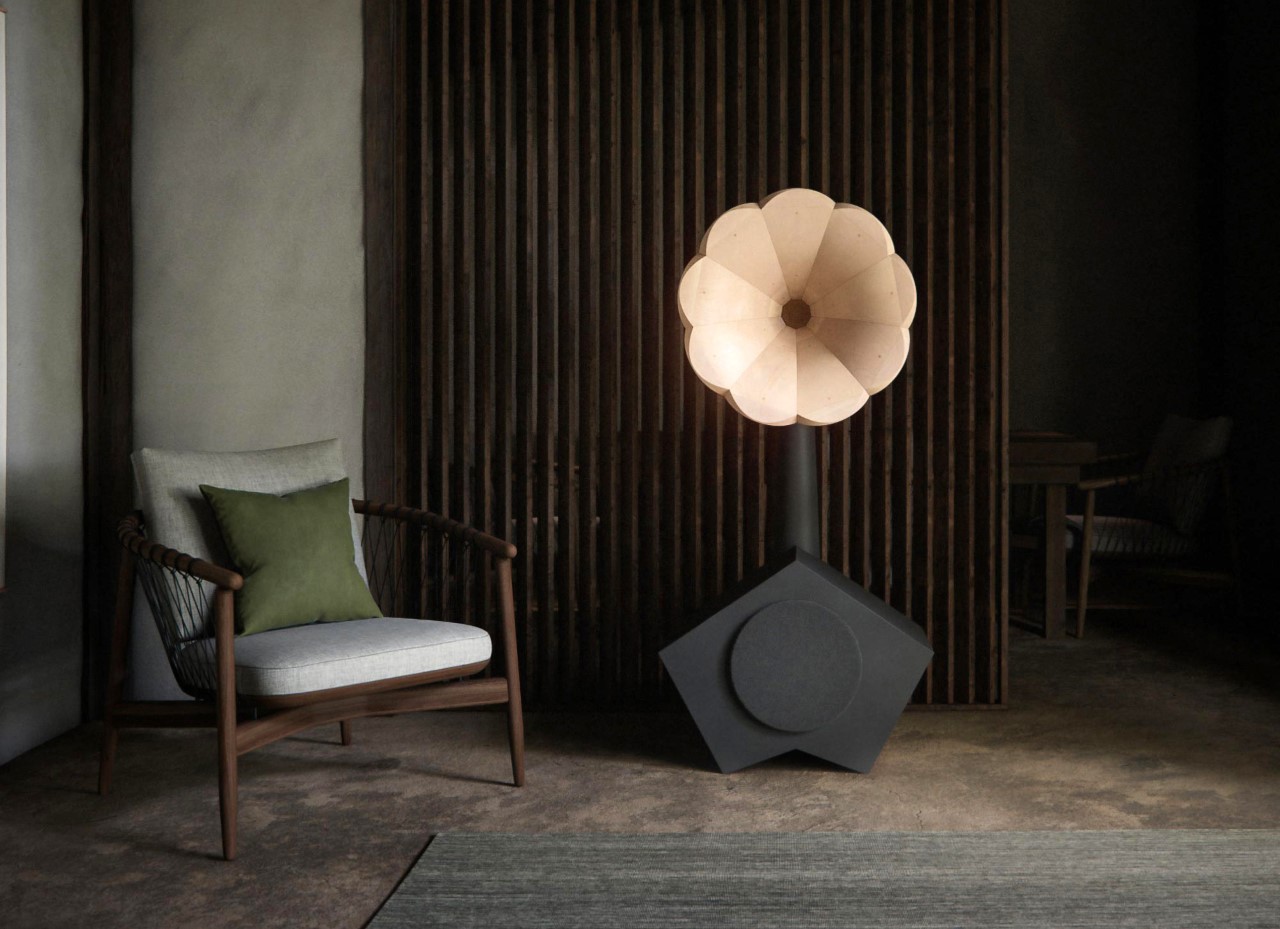
If your dad is a music lover, and someone who loves an occasional trip down memory lane, then you may want to consider gifting him these speakers this Father’s Day. Designed by ‘A for Ara’, and called the FS-1 and Fs-2 speakers, these retro-modern speakers feature an eclectic blend of design styles. They have an appeal to them which seems grand and larger-than-life, while also showcasing a nature-inspired theme.
Why is it noteworthy?
The retro-themed speakers have two visual parts – the basic unit, and the upper phonograph-inspired horn. The base unit holds the audio drivers and acoustic cabinet, while the horn has both visual and functional utility. The speakers literally look like massive morning glory flowers, which amplifies sound.
What we like
Merges audiophile-grade engineering and tuning with a mesmerizing avant-garde aesthetic
What we dislike
Bulky and space-consuming design, not suitable for homes with space constraints
4. Unfiltered Titanium Whisky Glass
Called the Unfiltered Titanium Whisky Glass, this glass is inspired by the range of metallic hues, and it recreates the fascinating light and color play. The result is a stunning visual experience for you with its 1 /f fluctuating pattern, reminiscent of phenomena like murmuring streams. The pure titanium body is not just a material, its a material that amplifies your drinking experience with its purity. The Whisky Glass is a classic piece, handcrafted by skilled Japanese artisans from Shizuoka, making for a wonderful retro-themed gift for your father, if he likes to enjoy a drink or two.
It uses cutting-edge technology which forms a mesmerizing color play. The glass is highly biocompatible and safe, even more than platinum or gold. It is resistant to odors and stains and facilitates long-term hygiene.
What we like
It is the perfect blend of tradition and innovation
Utilizes advanced space development technology
What we dislike
Given that its a solid glass, we cannot look at the quantity being poured or the quantity in the glass from a distance.
5. The Ballast Pen
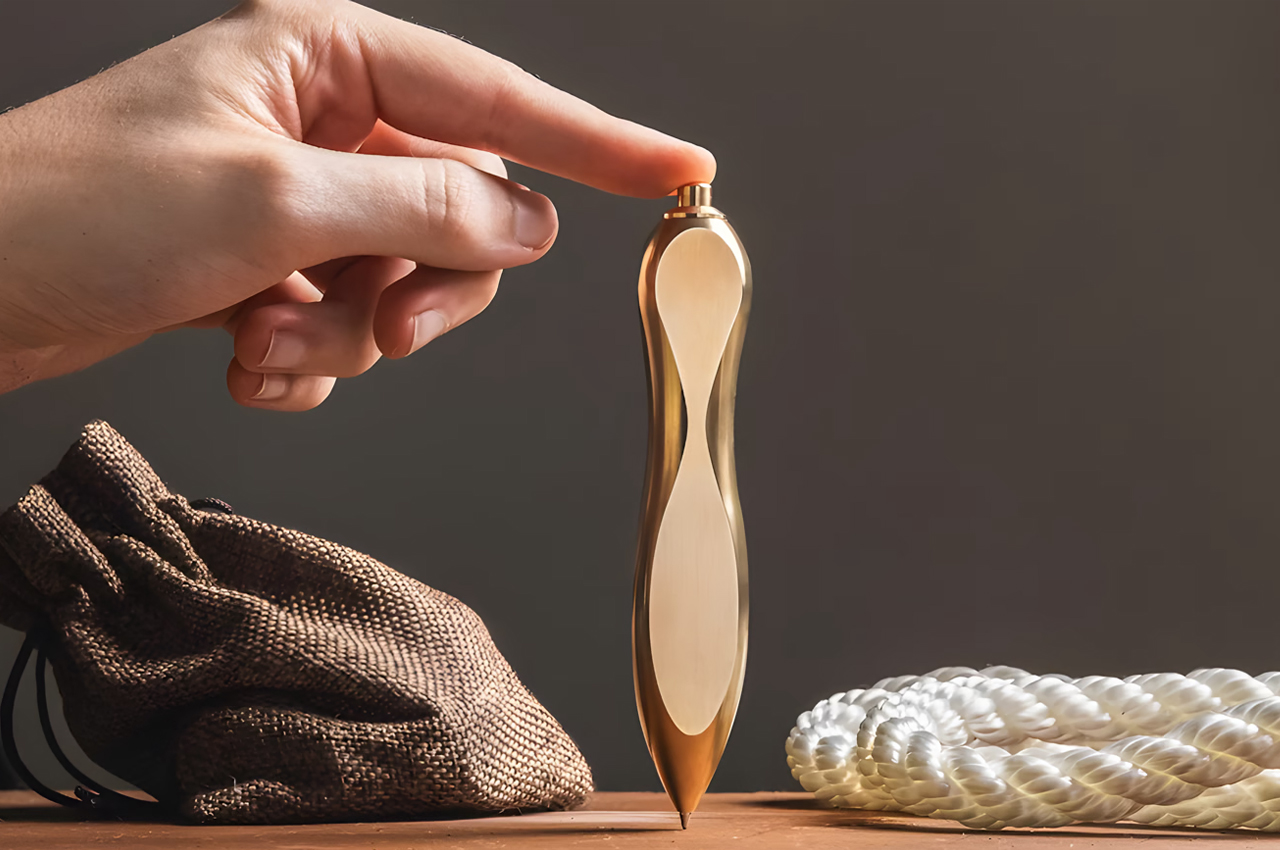
Promised to be unnecessarily heavy and gloriously over-engineered, this pen is one for the generations. As the name suggests, this pen draws inspiration from the ship’s ballast and is machined from solid brass. The result is a pen that is extremely smooth and heavy, weighing almost 50x more than the disposable alternatives. For father’s who love to collect and cherish heritage pieces, this one is for the ages.
Why is it noteworthy?
Writing with this pen is an exercise, requiring your entire hand. It’s inspiration, the ballad, is the essential yet unseen weight that steadies ships during their age of explorations. The ballast pen embodies this crucial weightiness and history in it’s design.
What we like
Machined from 100% solid brass
Every component of this pen is machined to within one-thousandth of an inch, delivering maximum smoothness
What we dislike
The pen is so outrageously heavy, it is not convenient for long periods of writing.
6. The AirFlow 8-Panel Fire Pit
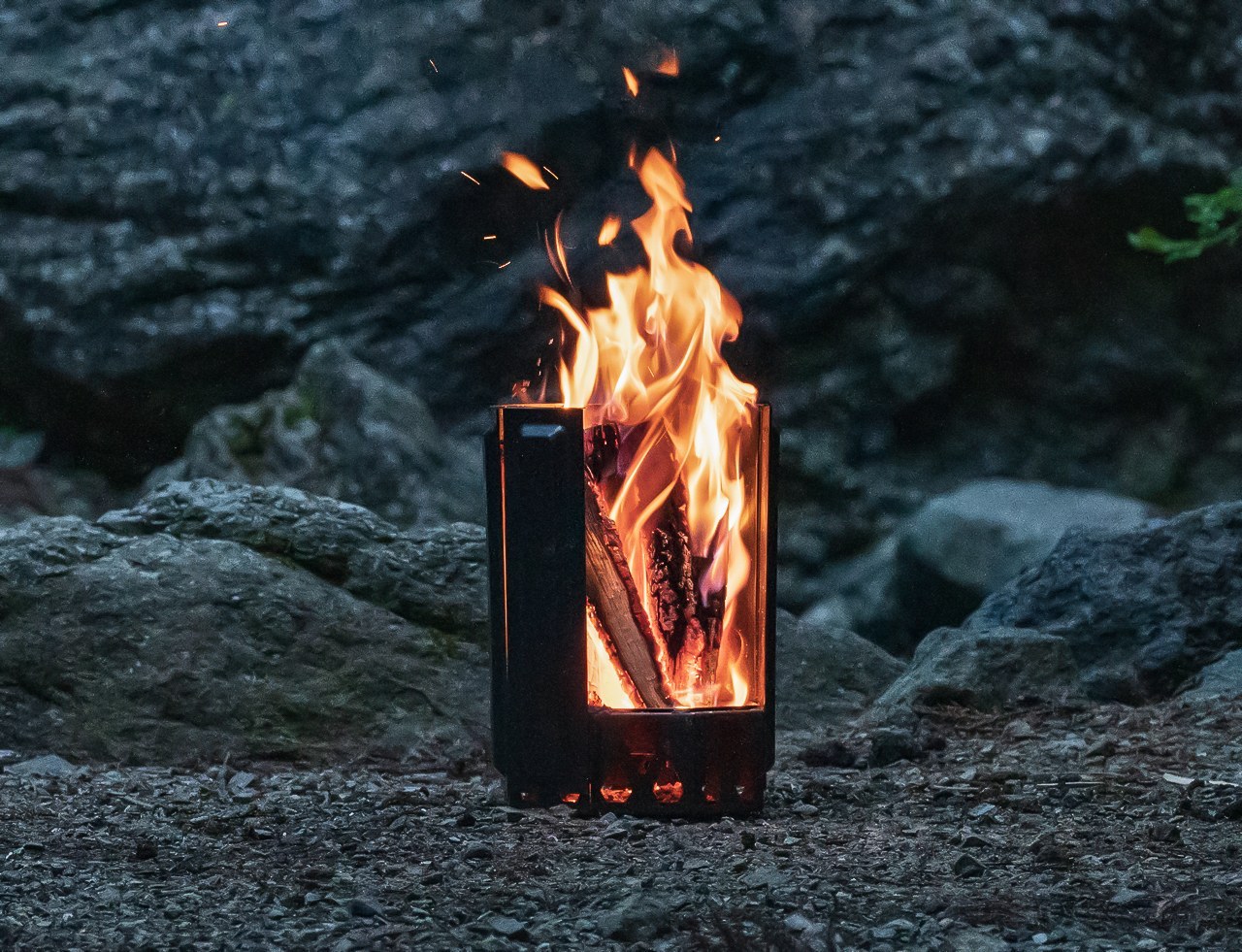
Called the AirFlow 8-Panel Fire Pit, this modular 8-panel design is a portable sheet metal wonder designed for the outdoors. The unique firepit can be used to create a warm campfire in the winter, or as a high-temperature grilling pit to start up an amazing barbecue for a delicious outdoor meal. If your father enjoys camping or spending time outdoors, this one-of-a-kind firepit allows him to experience the joy of an outdoor fire with ease, so he can spend more time enjoying the campfire rather than fiddling with building it.
The Fire Pit is the perfect lightweight fire-building gear for dads who love spending time outdoors, letting them swiftly build campfires without any trouble. It has a cinder within, which keeps the fire covered, ensuring no embers fall out.
What we like
You can disassemble it into various parts and carry it in a special carrying case
It can be easily assembled within a minute
What we dislike
The design weighs higher than about 6kgs, making it less portable than some of the designs available in the market.
7. Retroduck Q
Called the Retroduck Q, this little design provides fast wireless charging in the form of an aesthetically unique design, which looks like a retro-style television! It is designed to be a quick wireless charger that looks like an old TV but with a modern touch. The design is reminiscent and feels familiar, while also featuring proven technology. It is a handy little gadget to gift your dad on Father’s Day, ensuring his phone never runs out of juice.
Why is it noteworthy?
The original Retroduck was upgraded to form the RetroduckQ, and it features a retro-style smartphone dock, and an added smart wireless charging function. You cannot really compare it with any other wireless charger, it packs modern functionality with nostalgic design into one form.
What we like
A stylish and convenient way to fast charge your smartphone
What we dislike
Given it’s fixed size, it maybe difficult to accommodate the bigger phones comfortably.
8. LEGO Radio
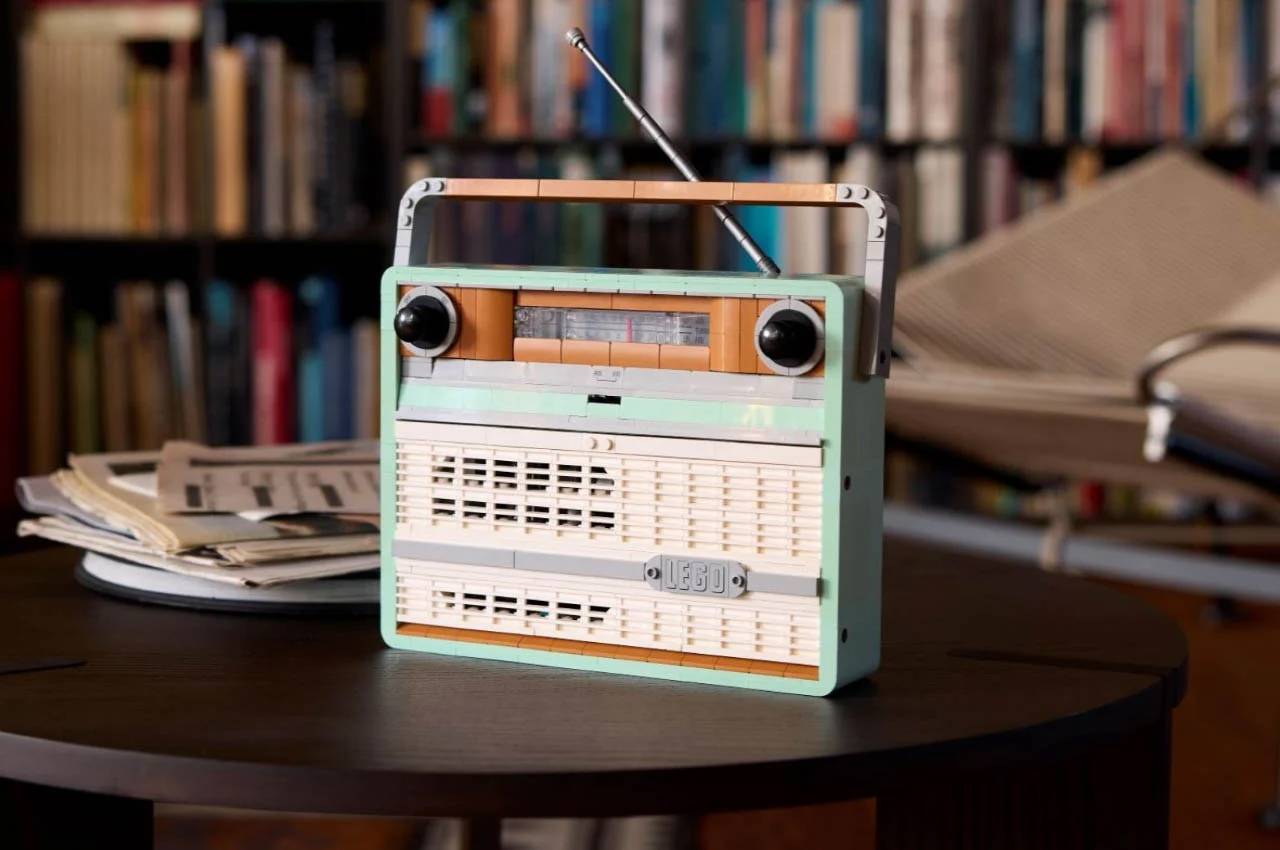
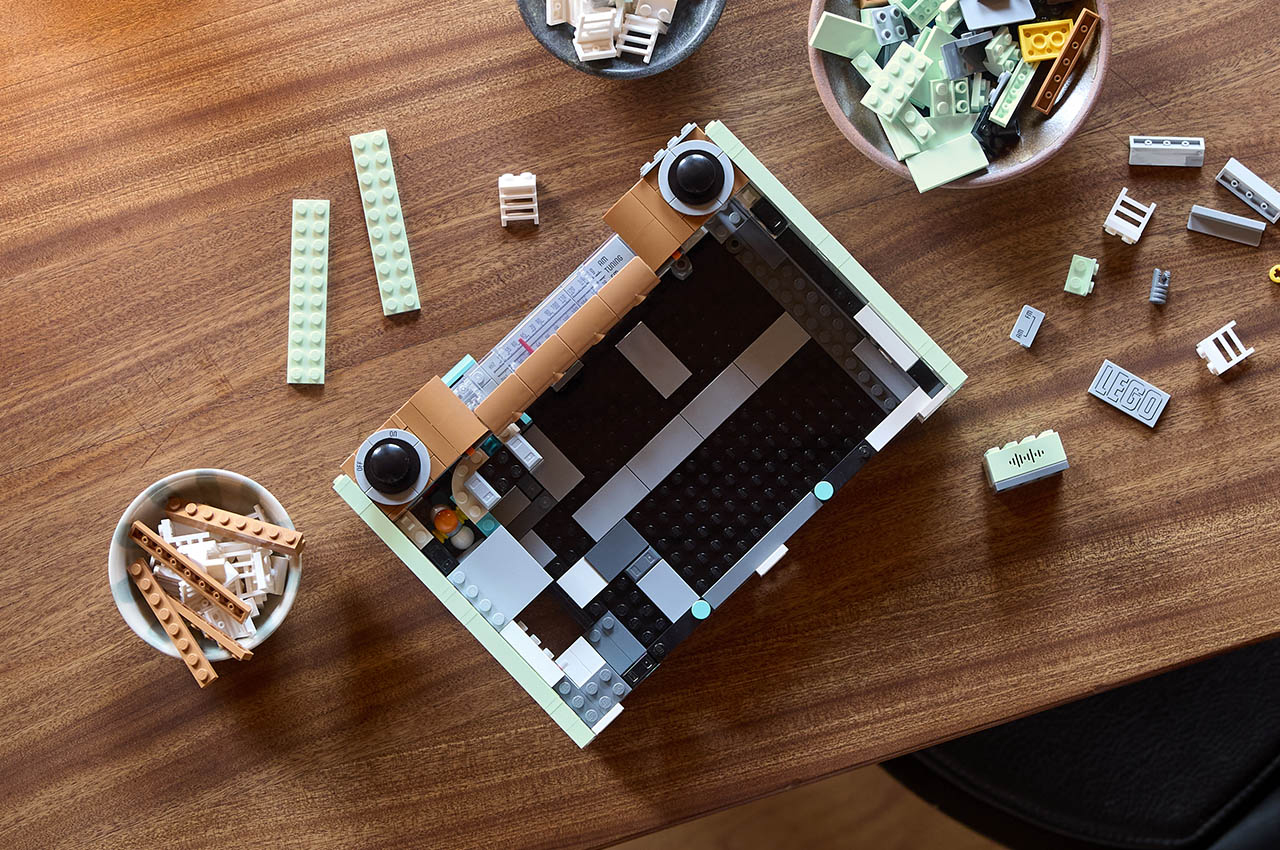
For the father’s who enjoy tinkering with their own design and create something, this LEGO Radio gives them the best of both world’s. The set unfortunately cannot play your local radio station, but it can play the pre-recorded tunes it comes with. The dial can be turned, along with Spotify or Apple Music and comes with an extendable antenna and tuner window as well for those old world feels. After all, it’s never too late to play and rekindle your childhood again.
Why is it noteworthy?
The radio is actually functional, with a select tunes and Apple Music/Spotify support and comes with a colour palette that adds to overall nostalgic feel. Standing at 13 inches high, 9 inches wide and 2.5 inches deep, it is a model that you can tinker with as much as you want without any worry of spoiling the equipment.
What we like
Comes in vintage-inspired green and beige palette
You can plug your smartphone in a concealed compartment on the back panel and play your favourite music
What we dislike
We wish there was a transmitter inserted to actually play live radio stations when we want to!
9. The Retro 18 Mechanical Numpad
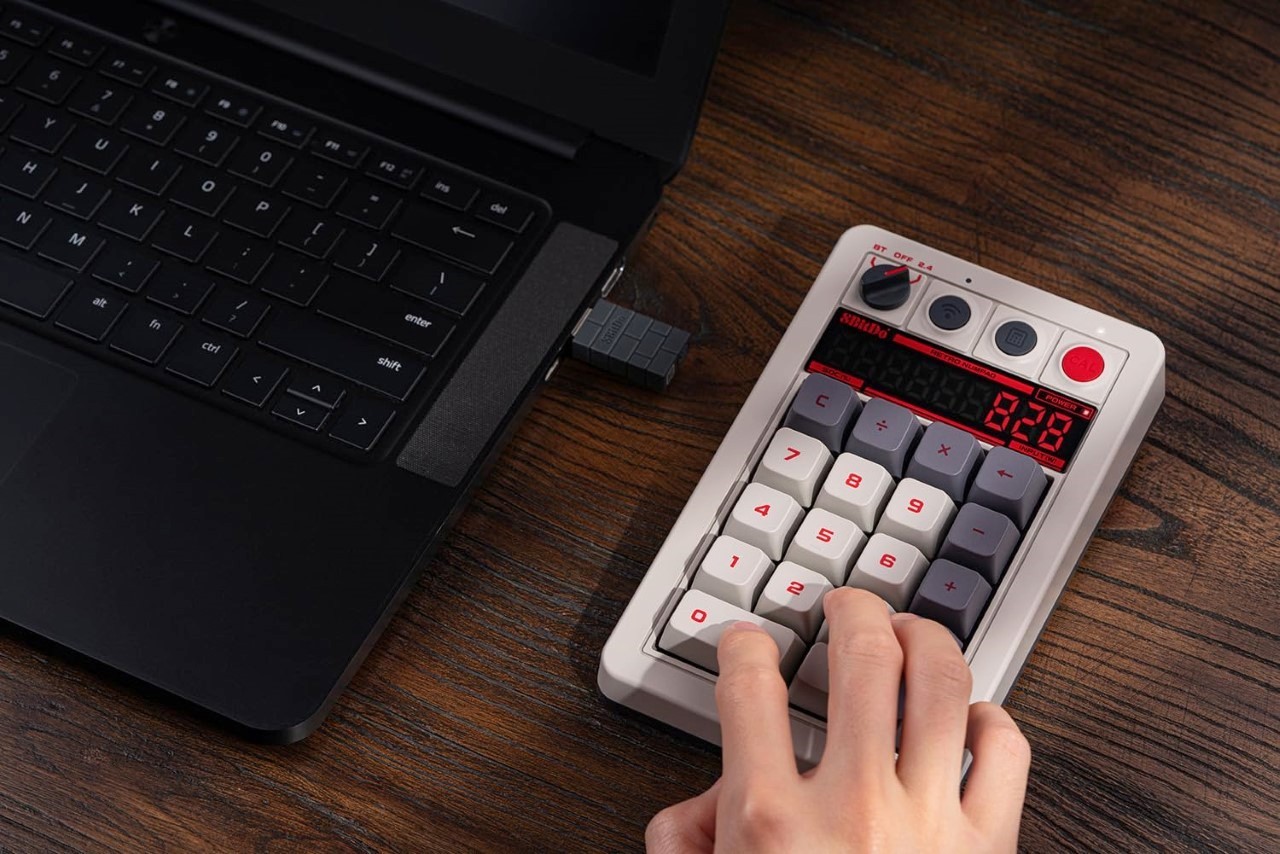
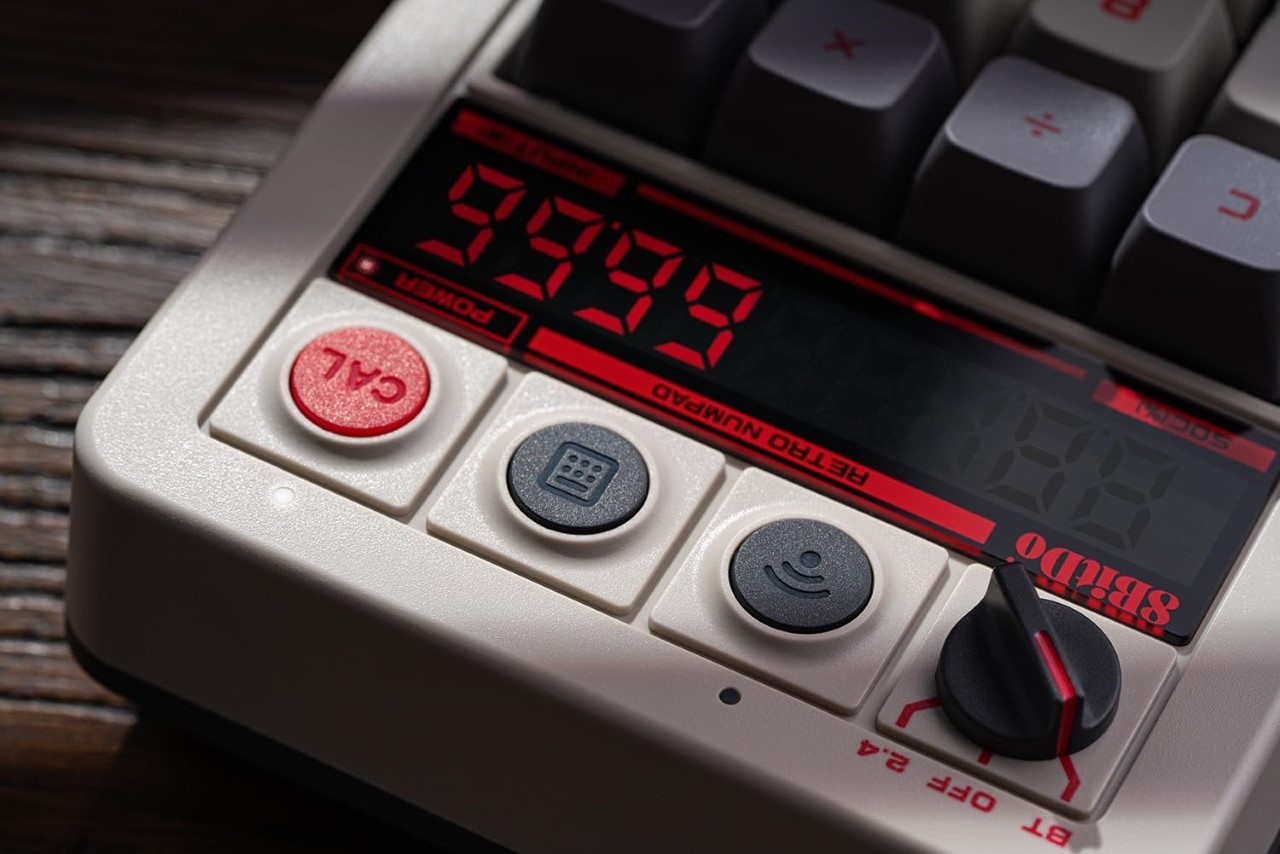
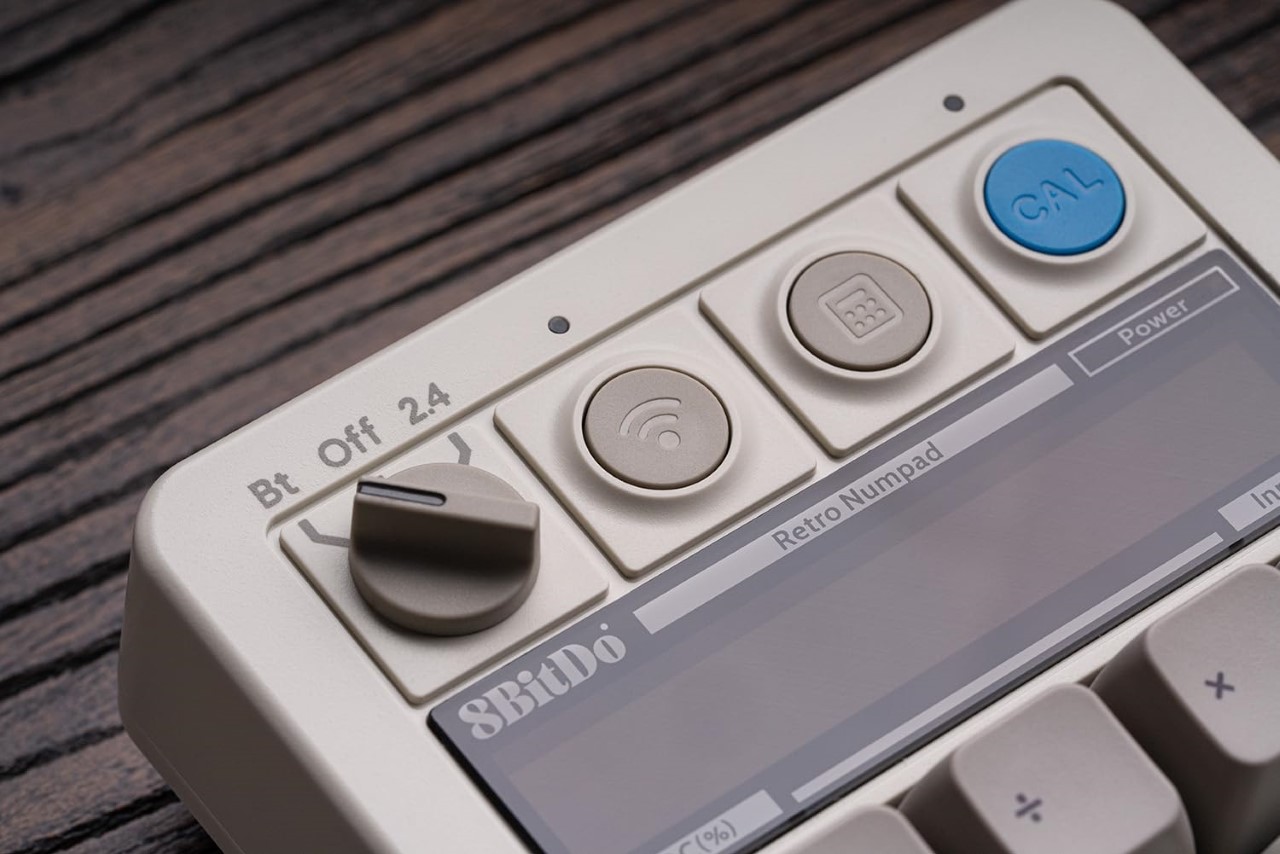
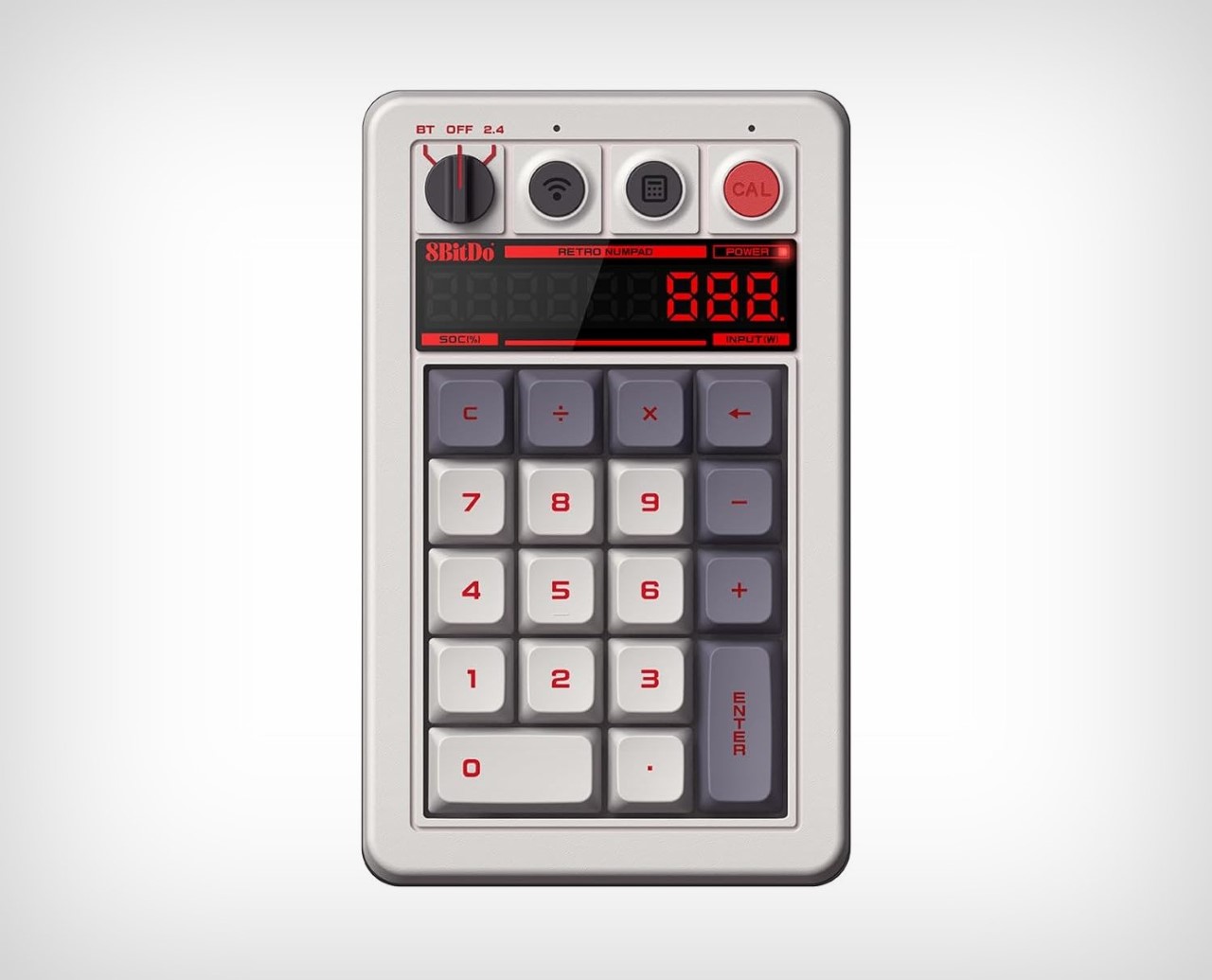
Called the Retro 18 Mechanical Numpad, this little product is inspired by the retro aesthetic of the tech from the 80s and 90s. It functions as an independent peripheral device that can be teamed up with its companion keyboard, or even used separately as an old-school calculator. It features a red and black seven-segment display which is pure retro-inspired beauty. If your dad works from home, then the Numpad will make for an exceptional addition to his WFH desk accessories!
Why is it noteworthy?
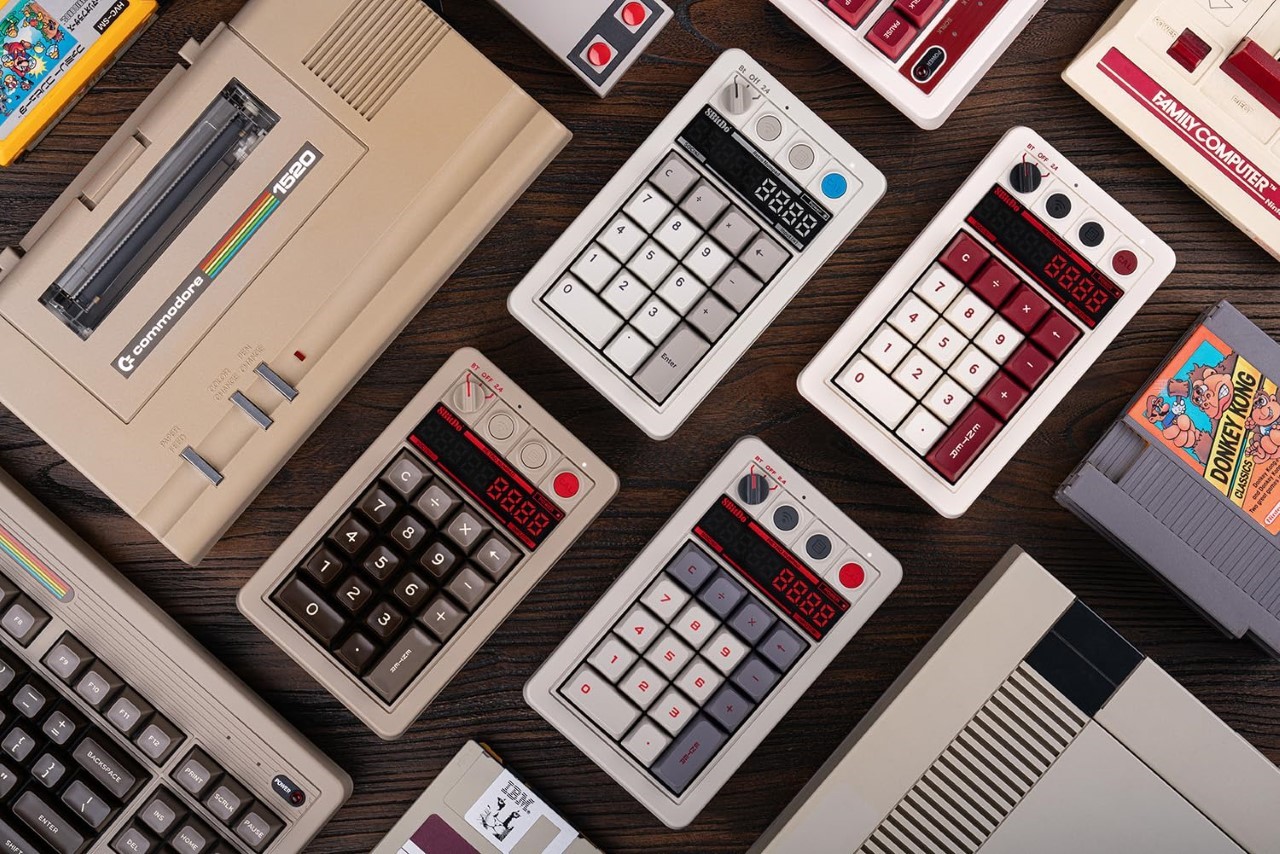
The Numpad is available in four different colors, each inspired by iconic gaming systems – the M edition, the Famicom edition, the C64 model, and the N edition. They are inspired by the design language of classic consoles, adding a pinch of retro charm to a desk setup.
What we like
Features a rechargeable 1000mAh Li-on battery that offers a solid 160 hours of use on a single charge
What we dislike
It may not match the overall aesthetic of their desk setup, unless we plan on upgrading your keyboard and mouse as well!
10. PENNA
If your father is someone who enjoys retro-inspired designs and works from home, then you may want to consider gifting him PENNA. PENNA is a wireless Bluetooth keyboard inspired by a typewriter. It is far from a normal keyboard – it features diamond or chrome keycaps, as well as a cherry key switch. It has a macro bar to save frequently used keys/words. Best of all, you can dock your tablet or phone in the keyboard for ease of use while typing on the go.
Why is it noteworthy?
It is amped with Bluetooth 4.2 with a low energy requirement which ensures long idle battery time. You can register up to 5 devices with the keyboard using Bluetooth. It supports all OS including Windows, Android, and iOS.
What we like
The perfect combination of nostalgic design and modern tech
Maintains up to 6 months of idle time with two AA-size batteries
What we dislike
The switch labeling on one side of the keyboard looks quite unappealing and isn’t very clear either
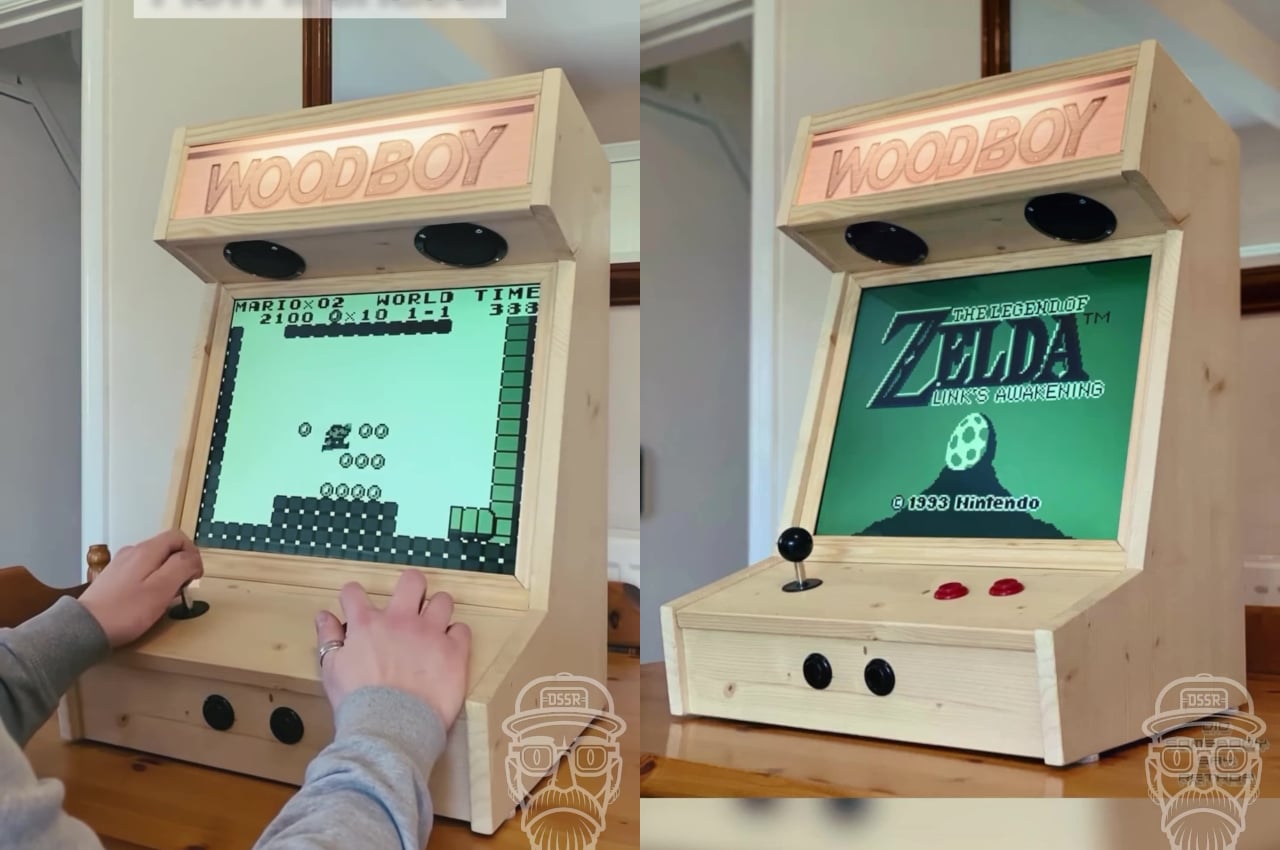
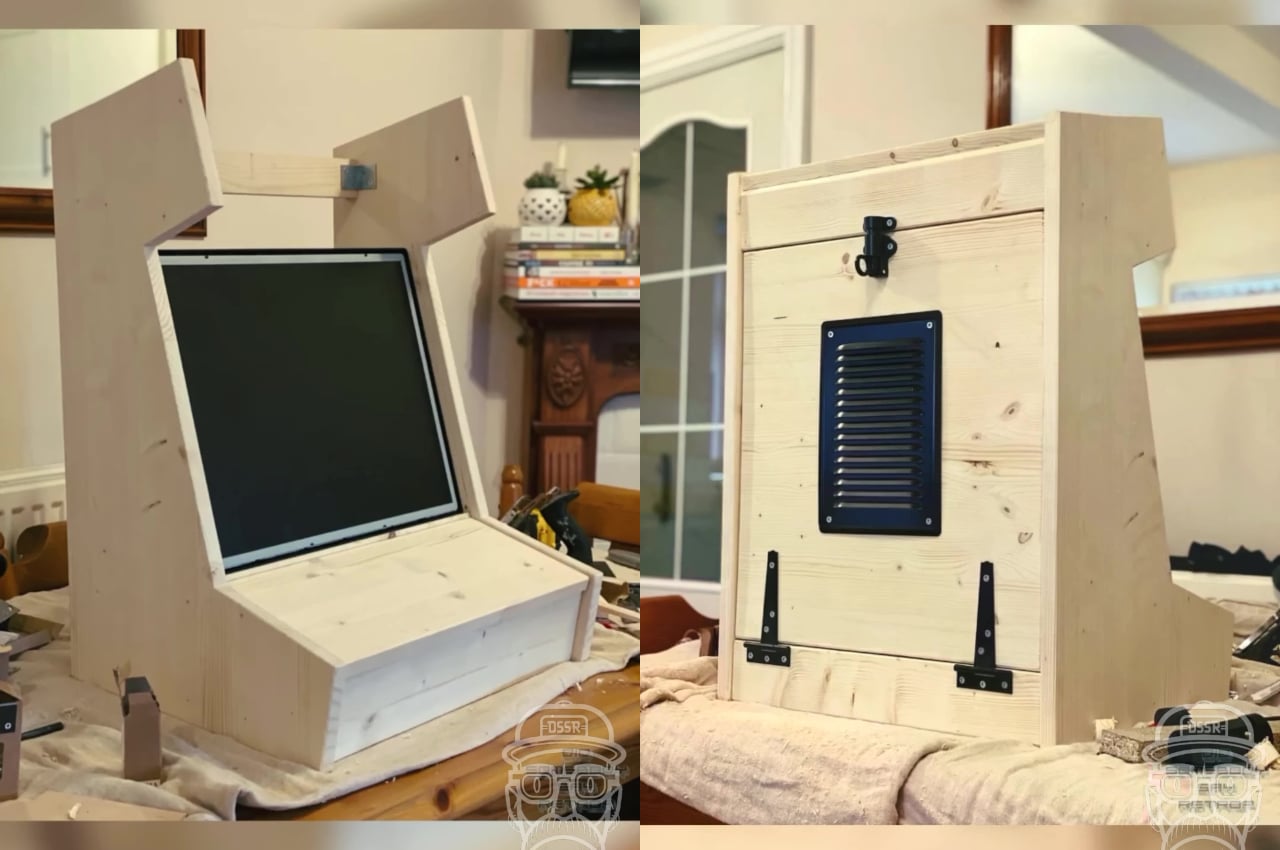
We have seen no shortage of retro designs that try to recreate the glory of old product designs, especially in the gaming world. Many of these try to be as faithful as they can to the original, but some are content to add a few interesting twists like sticking to the spirit of the design and the experience. A Game Boy, for example, was one of the earliest handheld gaming devices to gain international fame, but that doesn’t mean it has to stick to that petite size today. In fact, this DIY retro project goes in the opposite direction and brings the green-tinted monochrome display of the OG Game Boy to an extra large arcade cabinet screen, complete with a joystick and buttons that could feel more satisfying to mash to quickly get through dialogues.
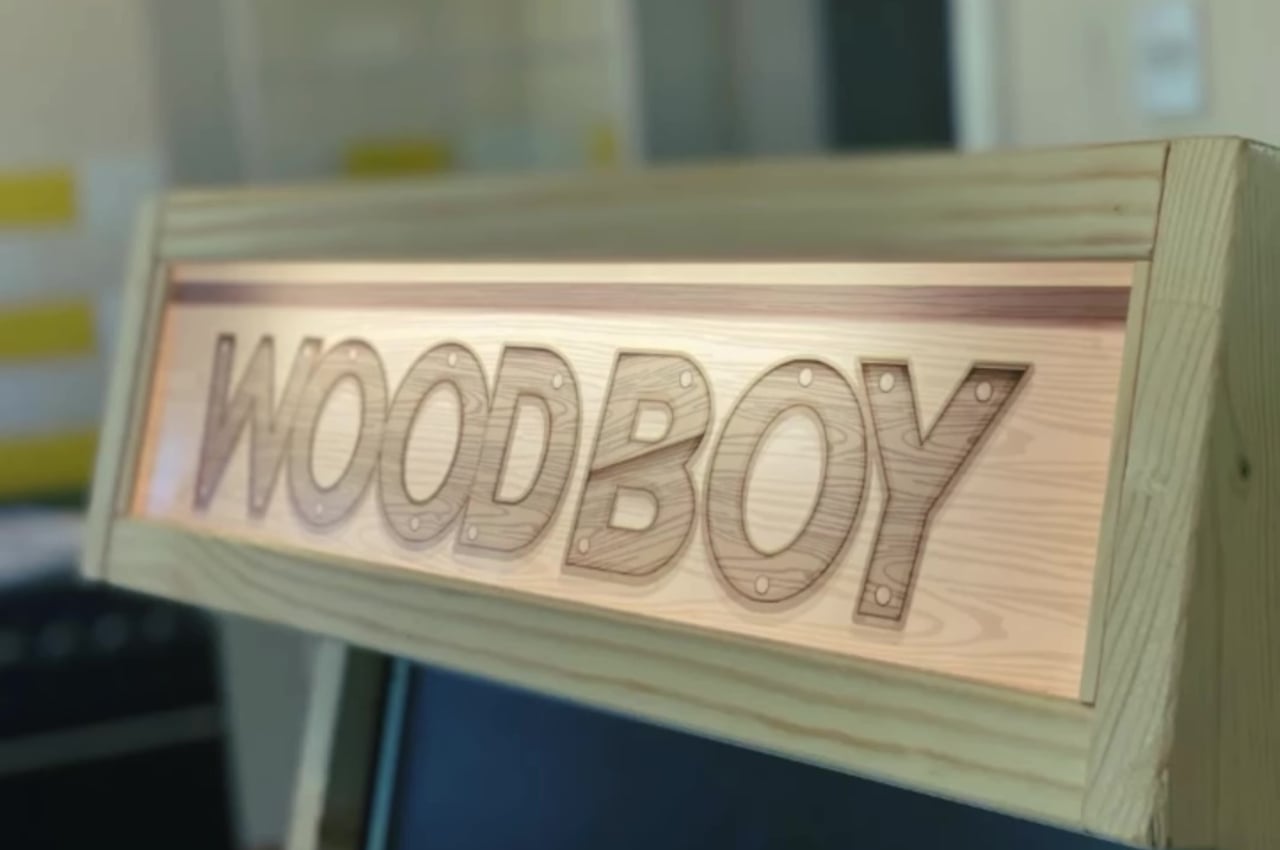
Compared even to its colorful successor, the original Game Boy felt a bit underwhelming. Despite that, it opened gamers of the past generations to a world of gaming that they can take anywhere with them. In addition to special features that allowed them to link up with other Game Boy devices, the gaming handheld embodied a kind of freedom that was revolutionary in an age of home consoles. It’s almost ironic, then, that the WoodBoy project removes that portable design but exchanges it with another of the Game Boy’s popular traits: pure gaming fun.
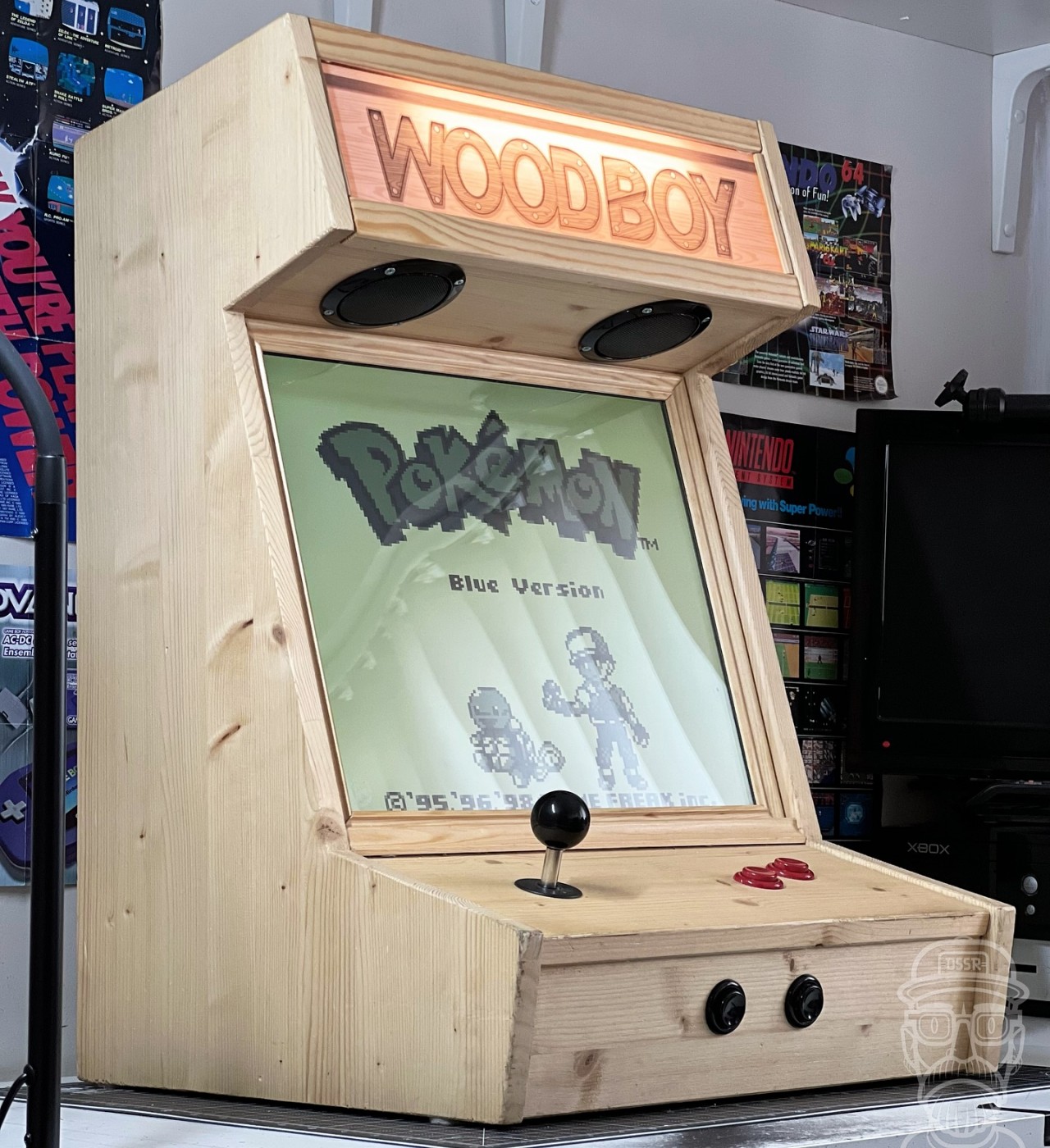
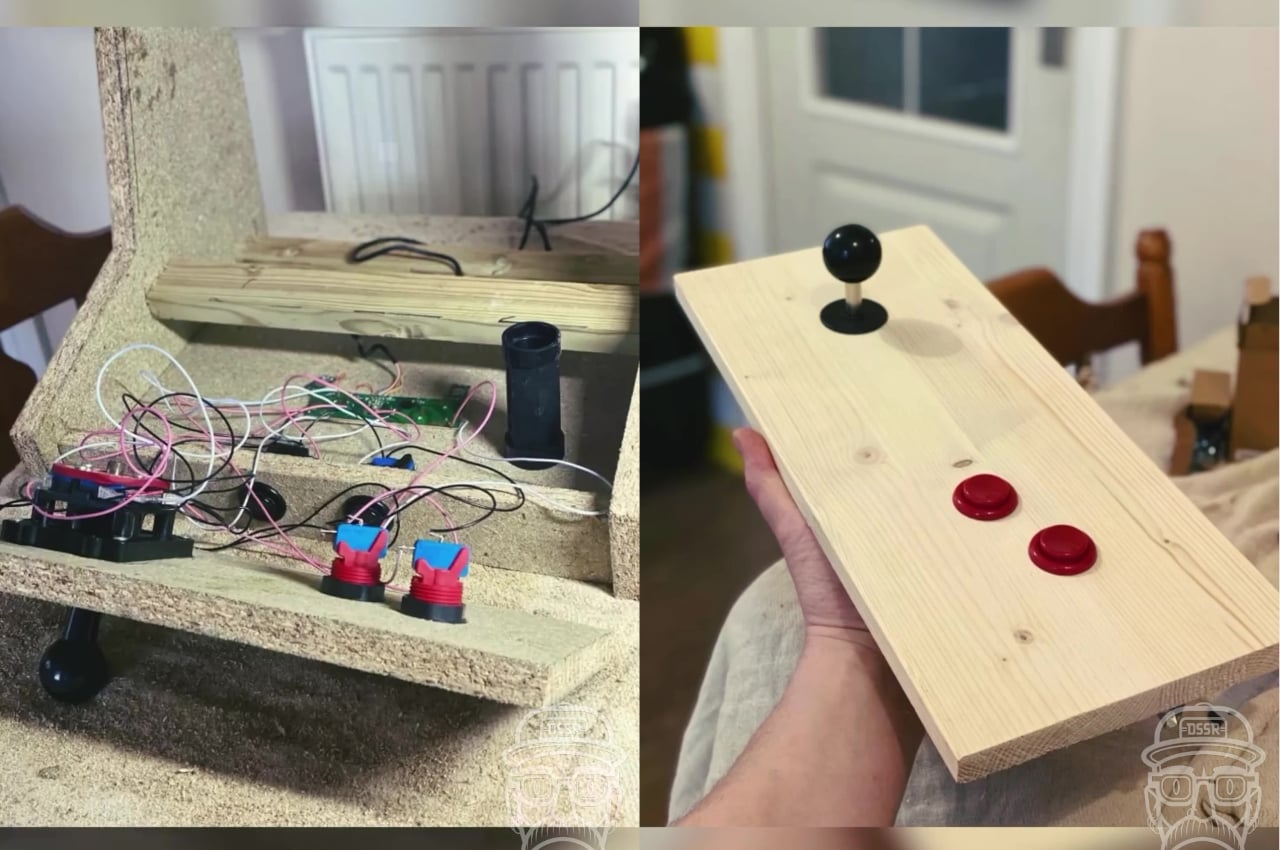
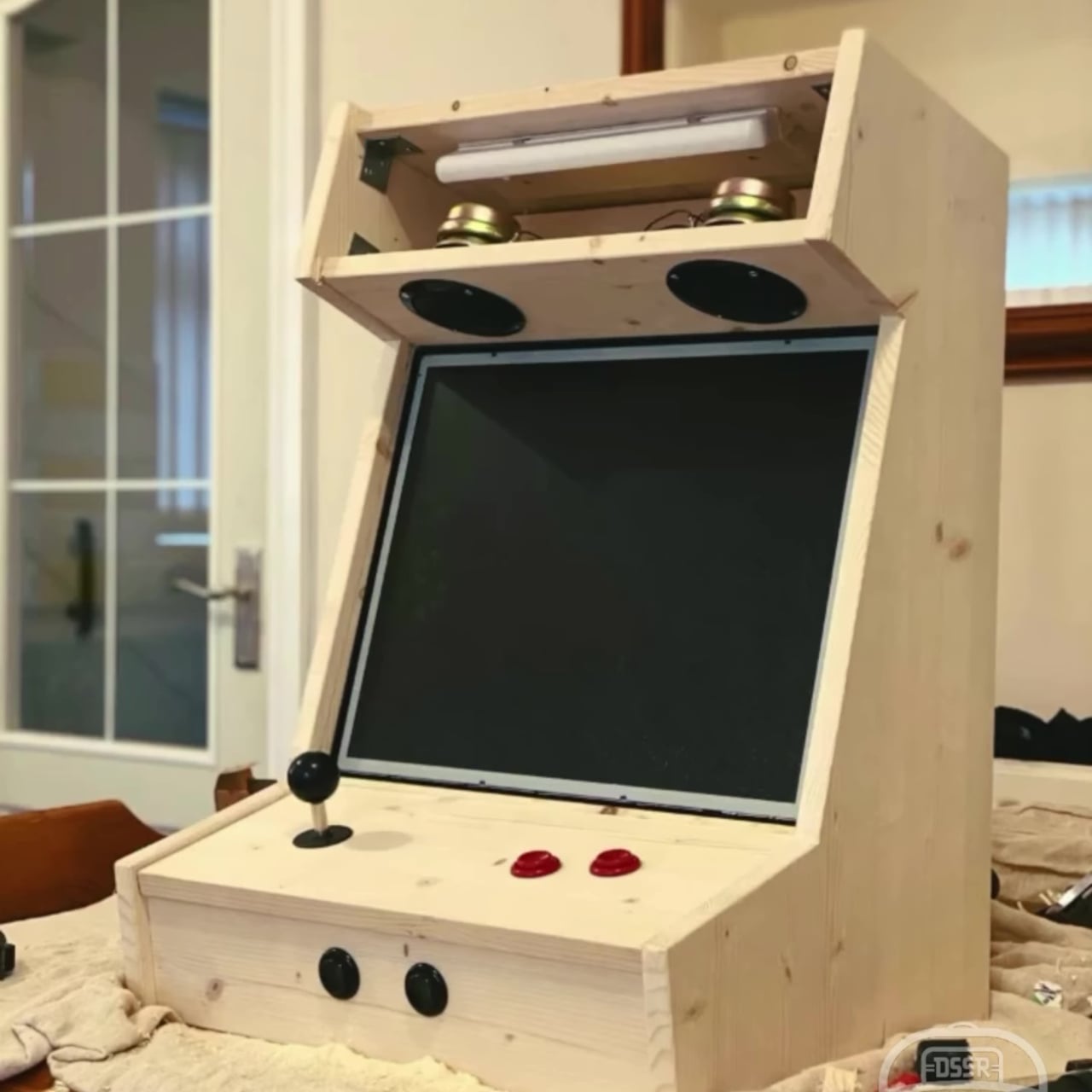
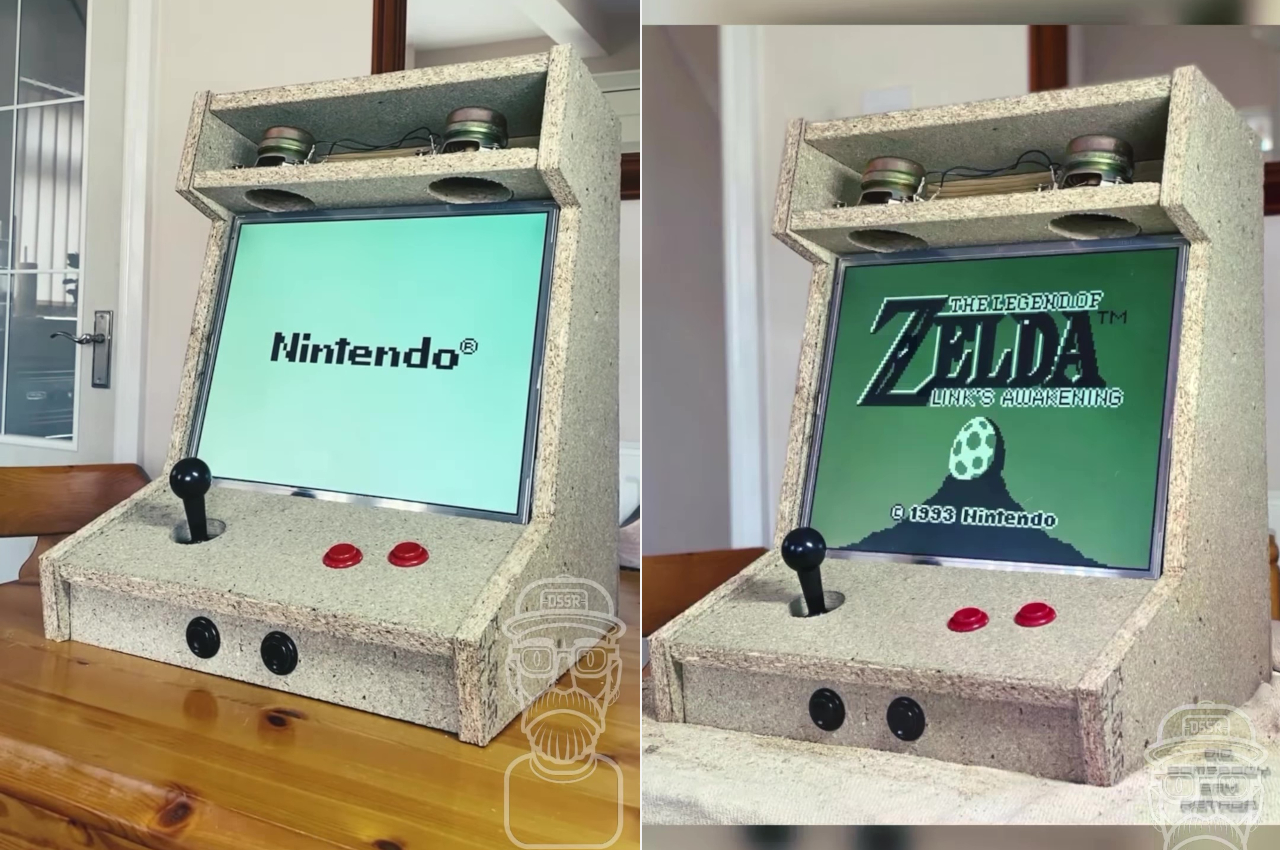
In a nutshell, WoodBoy shoves the original Game Boy, not the Game Boy Color, into a handmade wooden arcade cabinet. This gives it a much larger screen than the minuscule 2.5-inch screen of the handheld original, something a bit better for today’s more discerning eyes. In fact, everything about the arcade is an upscaled version of the Game Boy, redefined for, well, arcade play. Instead of a gigantic D-pad, for example, you get a more satisfying joystick for directional control.
Curiously, WoodBoy eschews the traditional 2×2 button arrangement you might find on most arcades for two red buttons at the top and two black buttons on the front edge of the cabinet. This mimics the separation of the A, B, Start, and Select buttons on the Game Boy and minimizes the potential for confusion or erroneous presses. At the same time, however, that might make it harder to hit pause quickly with either of your hands if it has to travel to the front.
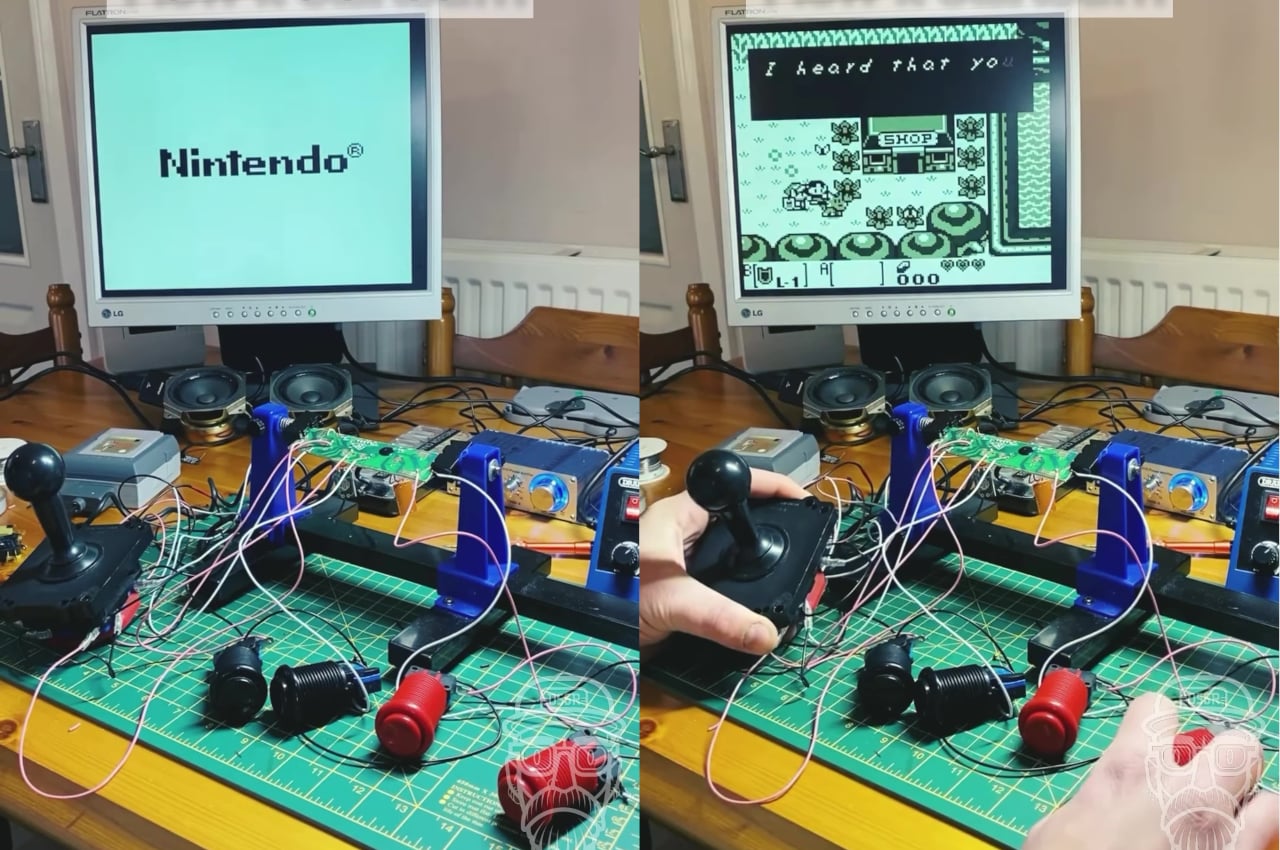
What makes WoodBoy different from many DIY retro projects is that it runs actual original Game Boy cartridges rather than using emulation. It utilizes a kit that mods the original Game Boy device into a console, making it compatible with authentic cartridges and games. That, of course, makes it dependent on owning said cartridges, but WoodBoy is definitely a collector’s product anyway.
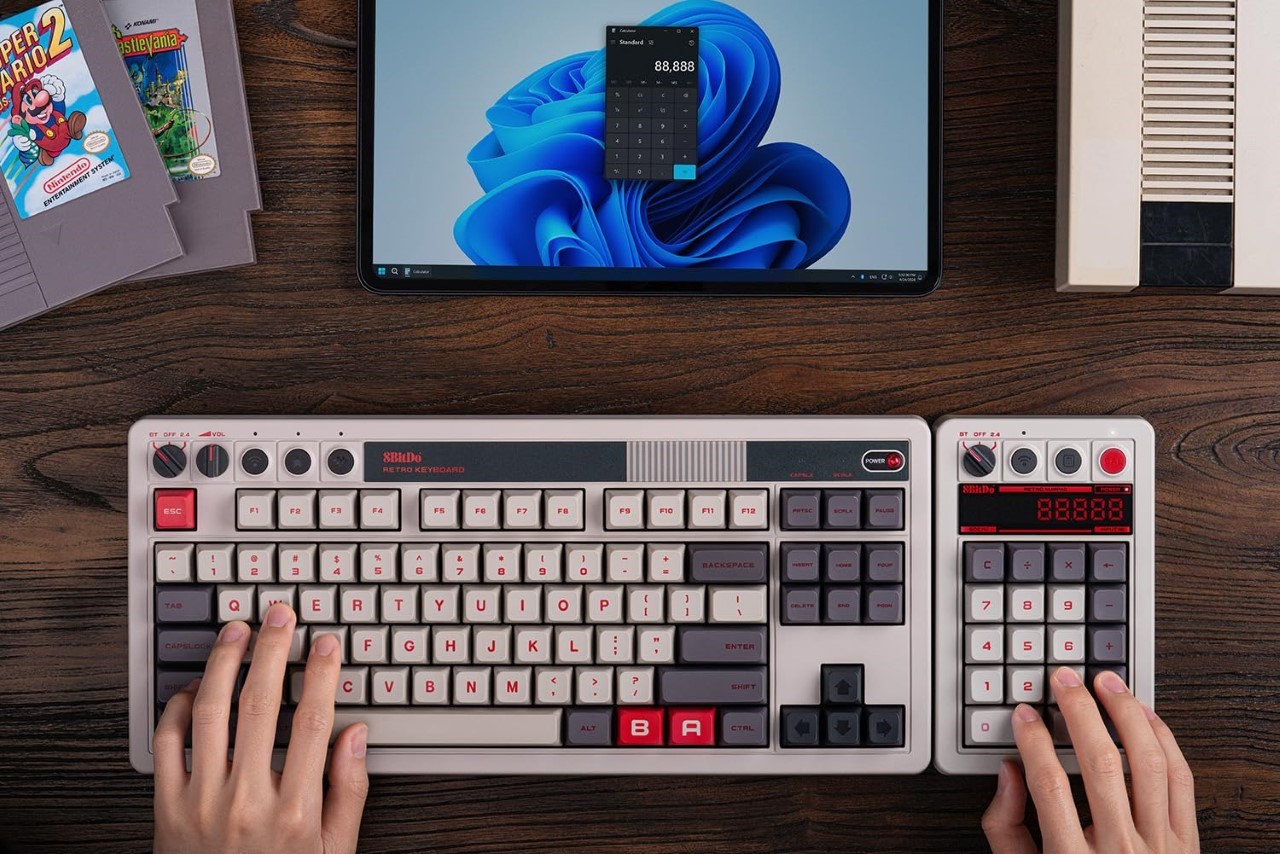
Following the release of last year’s Retro Mechanical Keyboard, 8bitdo decided to give the keyboard the one good thing it was missing – a gorgeous numpad. Inspired by the retro aesthetic of tech from the 80s and 90s, the Retro 18 Mechanical Numpad exists as an independent peripheral device that can either pair up with its companion keyboard, or be used independently like an old-school calculator. A red and black seven-segment display on the top feels like retro-perfection to the eyes, and those clacky keys are sure to get your fingers crunching numbers every day because of how wonderfully tactile they are.
The Numpad comes in four delightful flavors, ahem colors, each inspired by iconic gaming systems: the M edition, the Famicom edition, the C64 model, and the N edition reminiscent of the NES. These draw inspiration from the design language of those classic consoles, offering a delightful dose of retro charm for your desk setup. The M Edition is the only one to sport a black and white display, while all the others have a black-red screen that is literal eye-candy.
Beyond aesthetics, the Numpad boasts functionality in the form of two modes: a standard calculator mode with an integrated display and a PC numpad mode for entering numbers on your computer. This versatility allows it to seamlessly switch between basic calculations and data entry tasks. Buttons on the top let you alternate between modes and even explore connectivity options.
For connectivity, the Numpad offers a variety of options. It includes a USB cable, Bluetooth 5.0 for wireless freedom, and a 2.4GHz USB adapter for a lag-free connection. The rechargeable 1000mAh Li-on battery offers a solid 160 hours of use on a single charge, ensuring it can keep up with your workflow.
The Numpad’s quality matches 8bitdo’s high standards, featuring dye-PBT or double-shot ABS keycaps (depending on the edition) for a comfortable typing experience. It utilizes Kalih Box White V2 switches, known for their satisfying tactility and durability. Additionally, the hot-swappable PCB allows for easy switch customization to personalize your typing feel.
A dongle at the bottom allows easy 2.4Ghz pairing with any laptop or desktop
Priced at $44.99 and available for pre-order now, the 8BitDo Retro 18 Mechanical Numpad is a niche product, but one that caters to a specific audience. It injects a shot of retro charm into your workspace while offering a functional and well-built numpad experience. Besides, if you’ve got a keyboard with a layout that’s either 80% or smaller, chances are you’ll need a numpad to match – this one’s perfect to complement your mechanical setup or your retro sensibilities. I also appreciate the fact that you’ll never have to open your phone’s calculator app again.
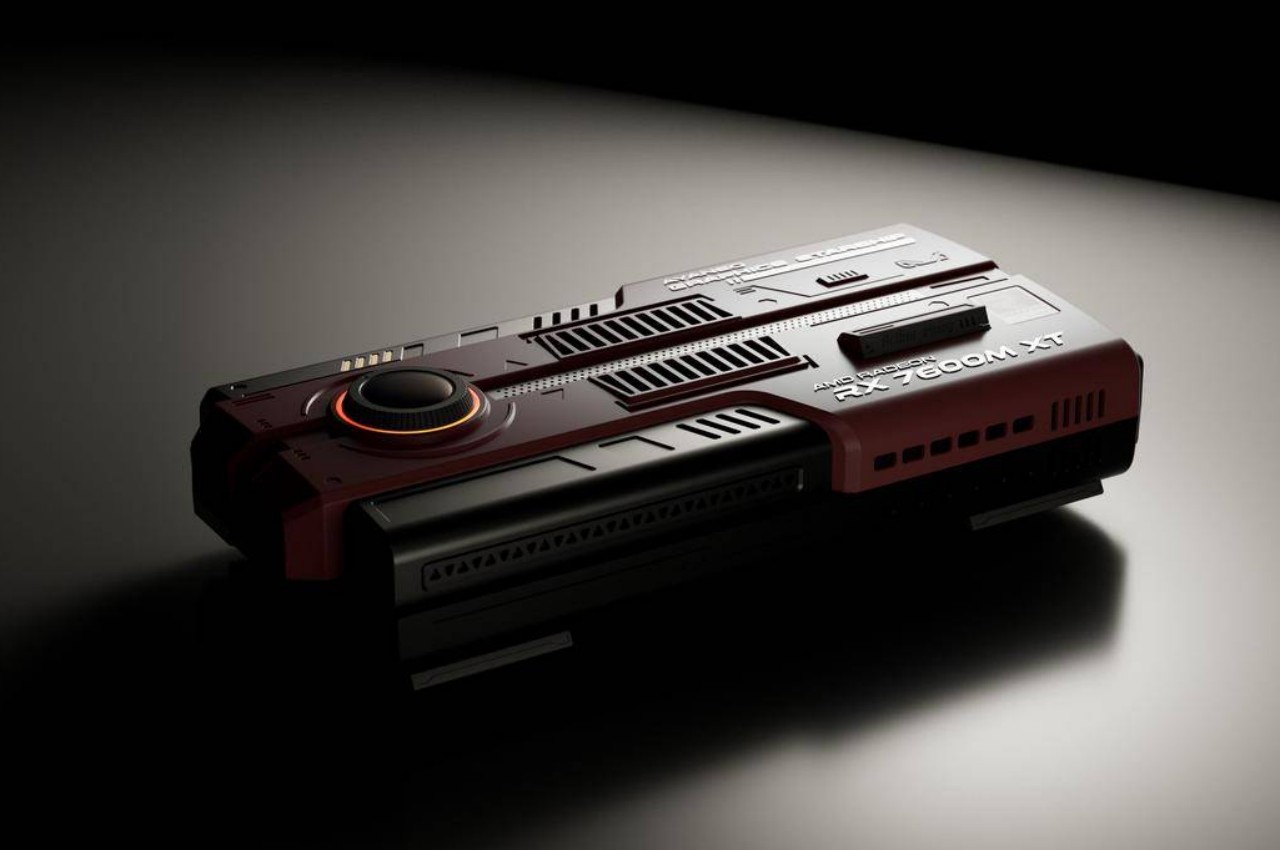
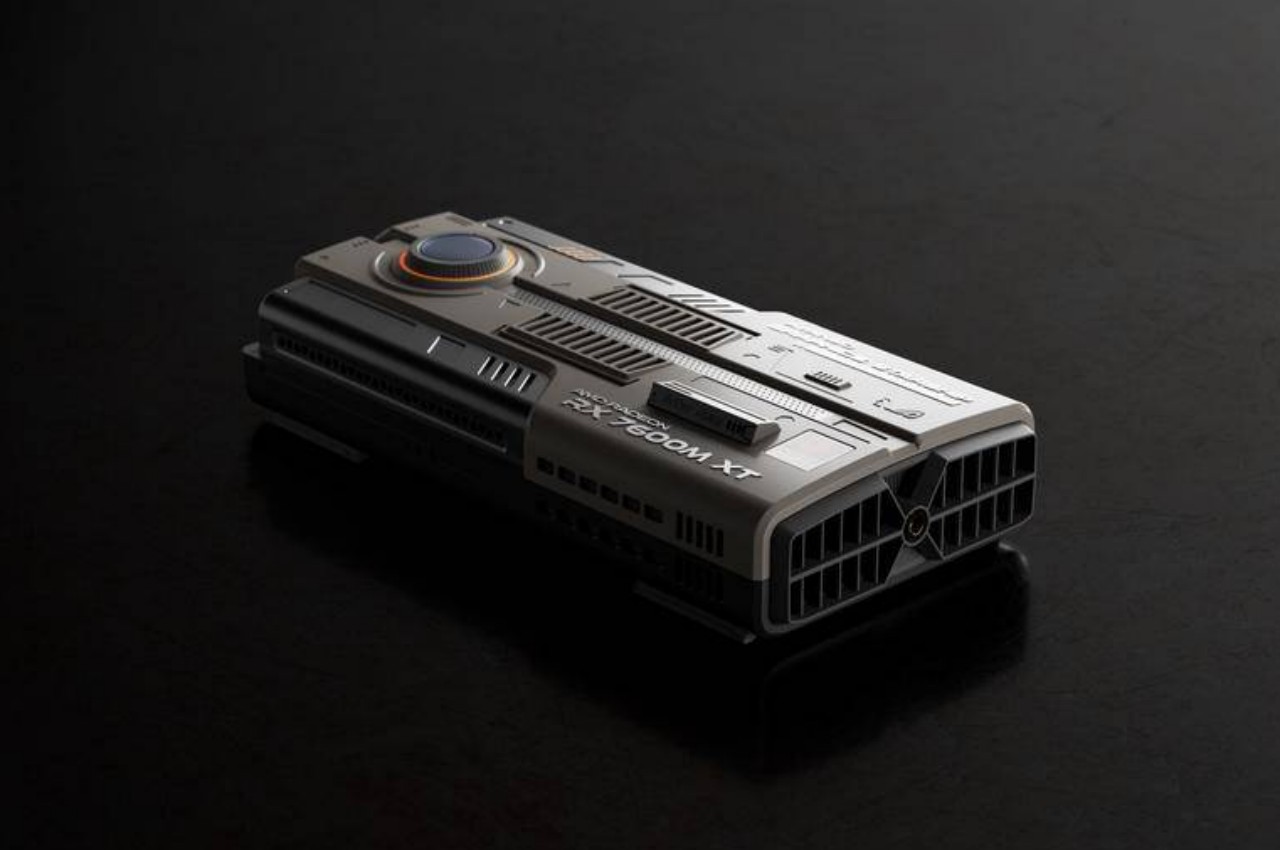
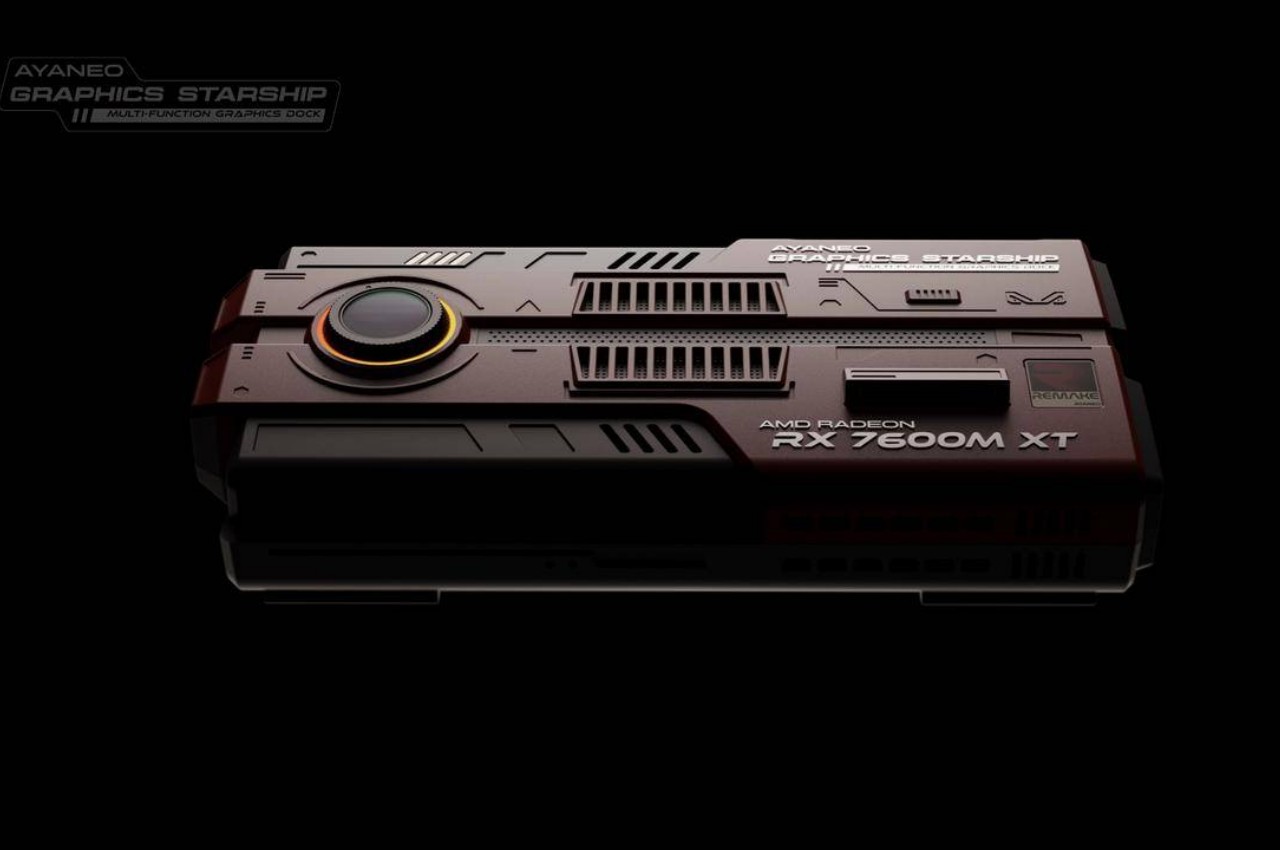
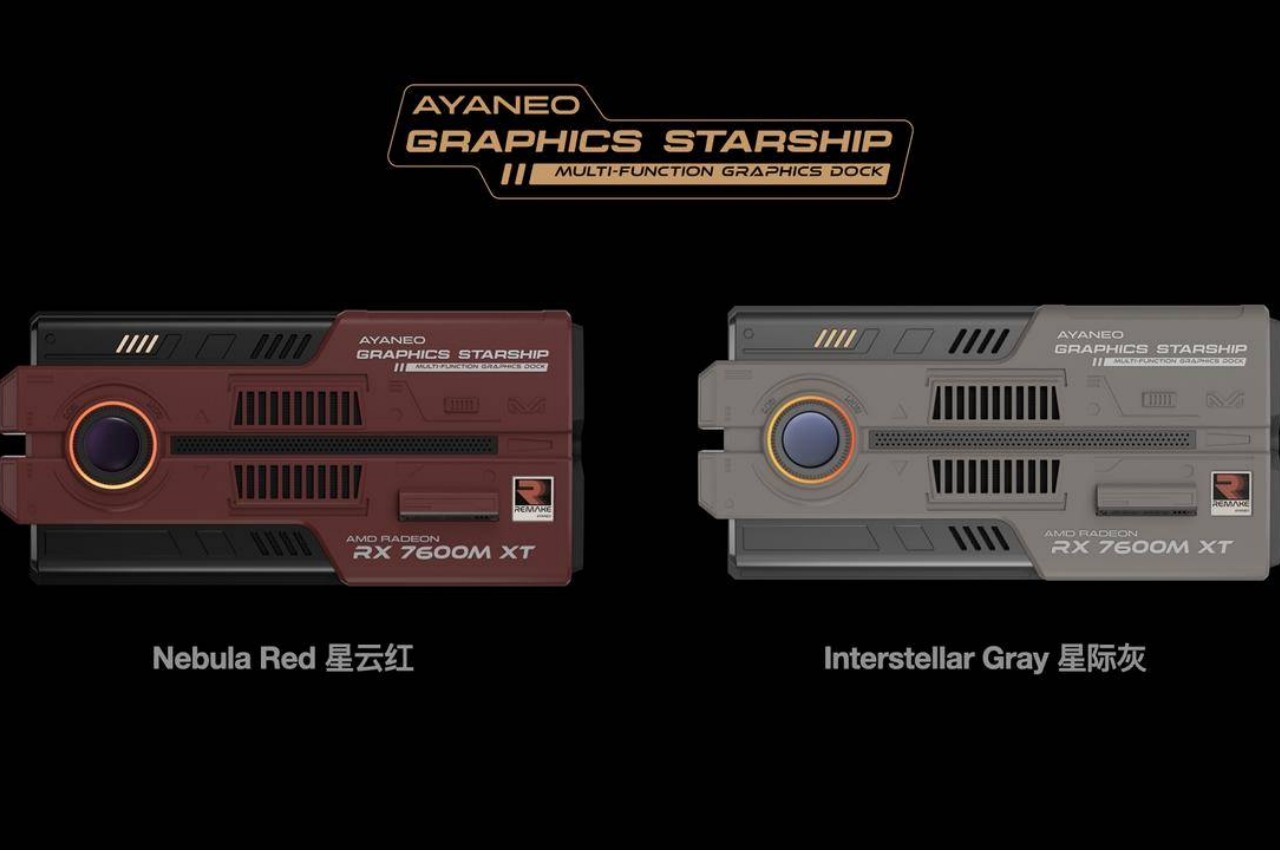
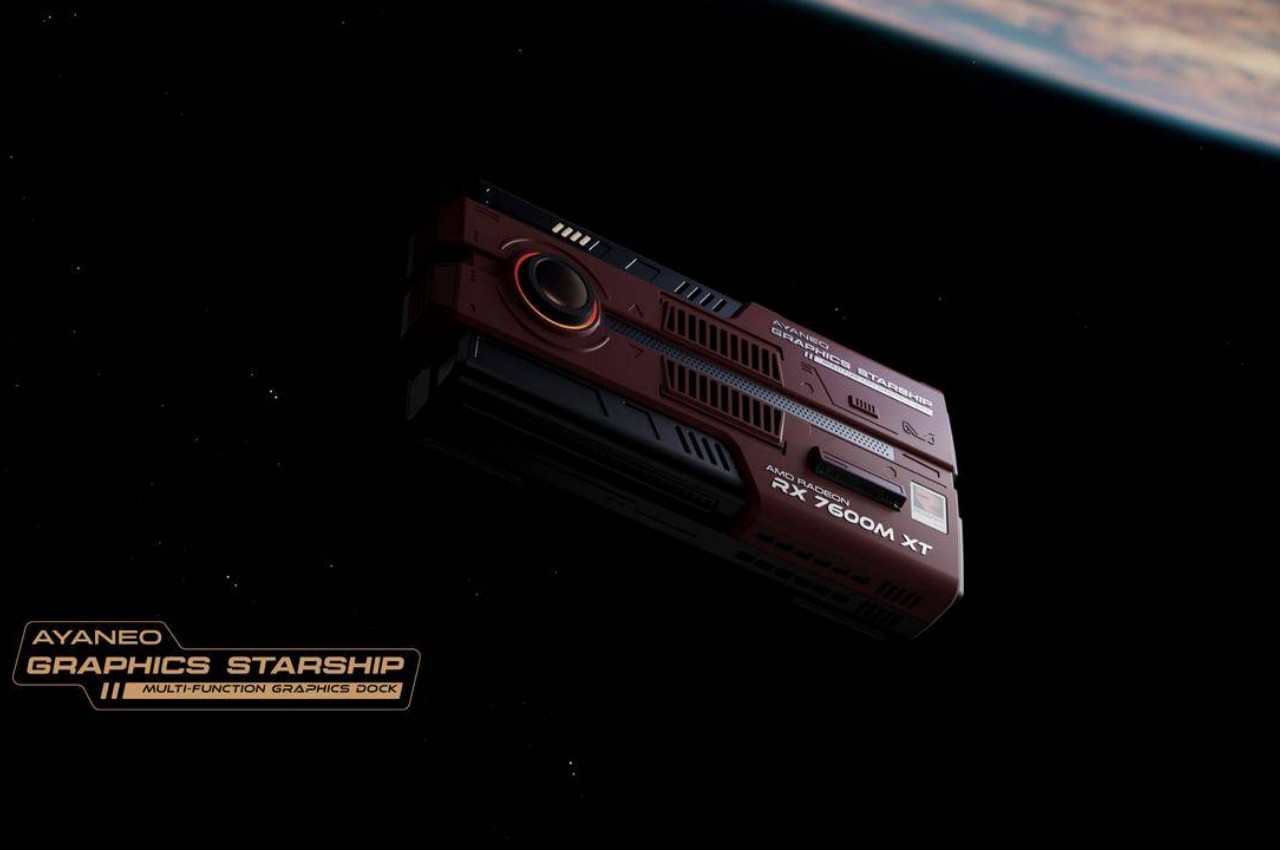
Nostalgia is a very powerful (and lucrative) emotion, but the retro designs don’t necessarily have to be just based on past products. In fact, they don’t need to be based on real things at all. Retro designs only need to incorporate elements from the past, whether that’s a historical past or a fictional one. The latter especially applies to what has become known as retro-futuristic styles that try to blend past and future in a way that makes some sense in the present. This upcoming graphics dock, intended to give handheld gaming PCs a performance boost, is one such example, bringing a unique visual accent to your workspace by taking on the appearance of a miniature spacecraft with the blocky and rugged aesthetics of the past.
Designer: AYANEO
Although external graphics enclosures have existed for a while now, it was only with the advent of handheld PCs that they started to become smaller and slightly more portable. The purpose remains the same, providing significantly more powerful graphics capabilities than the portable computer can manage, but in a form factor that can also be carried around in a bag if desired. Many of these so-called graphics docks take on the form of uninspiring rectangular bricks, but the AYANEO AG01 bucks the trend with a design that is almost literally out of this world.
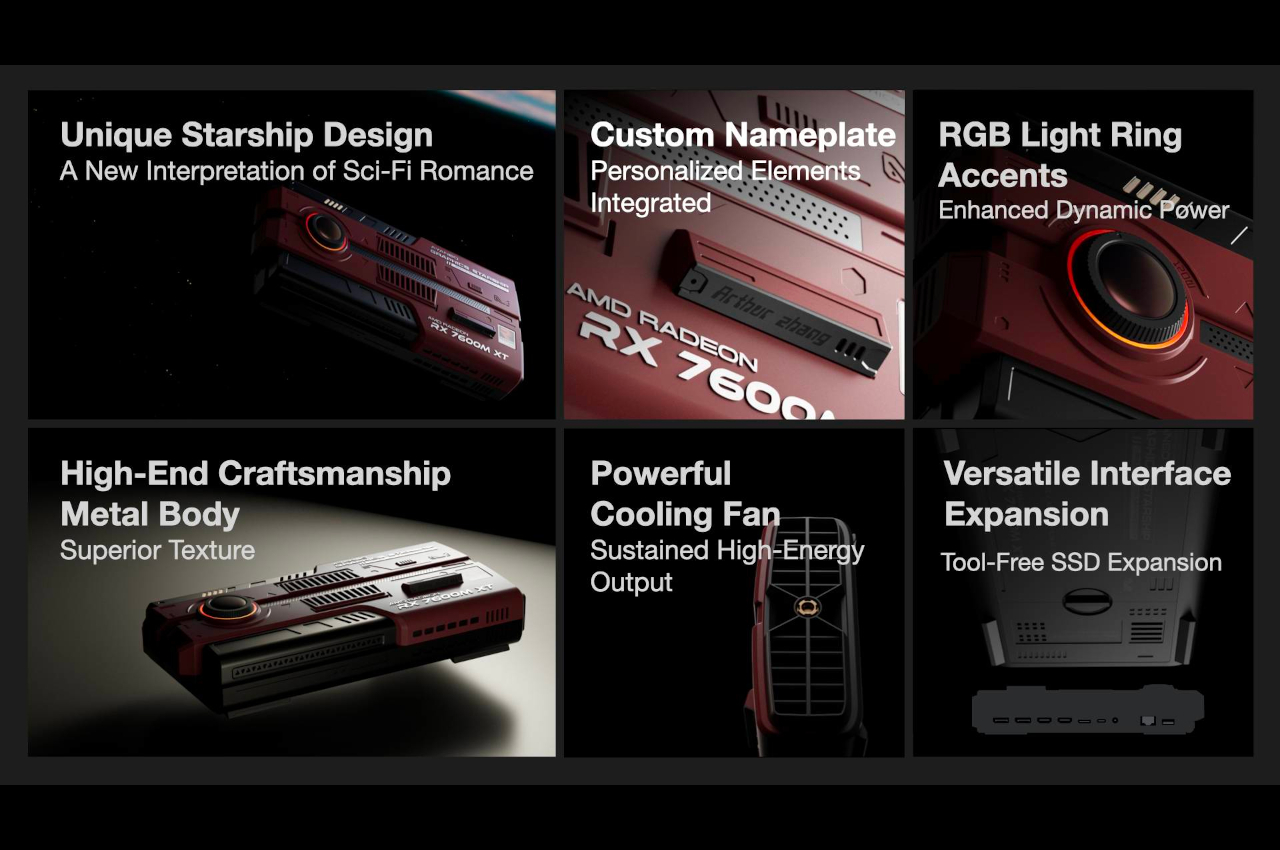
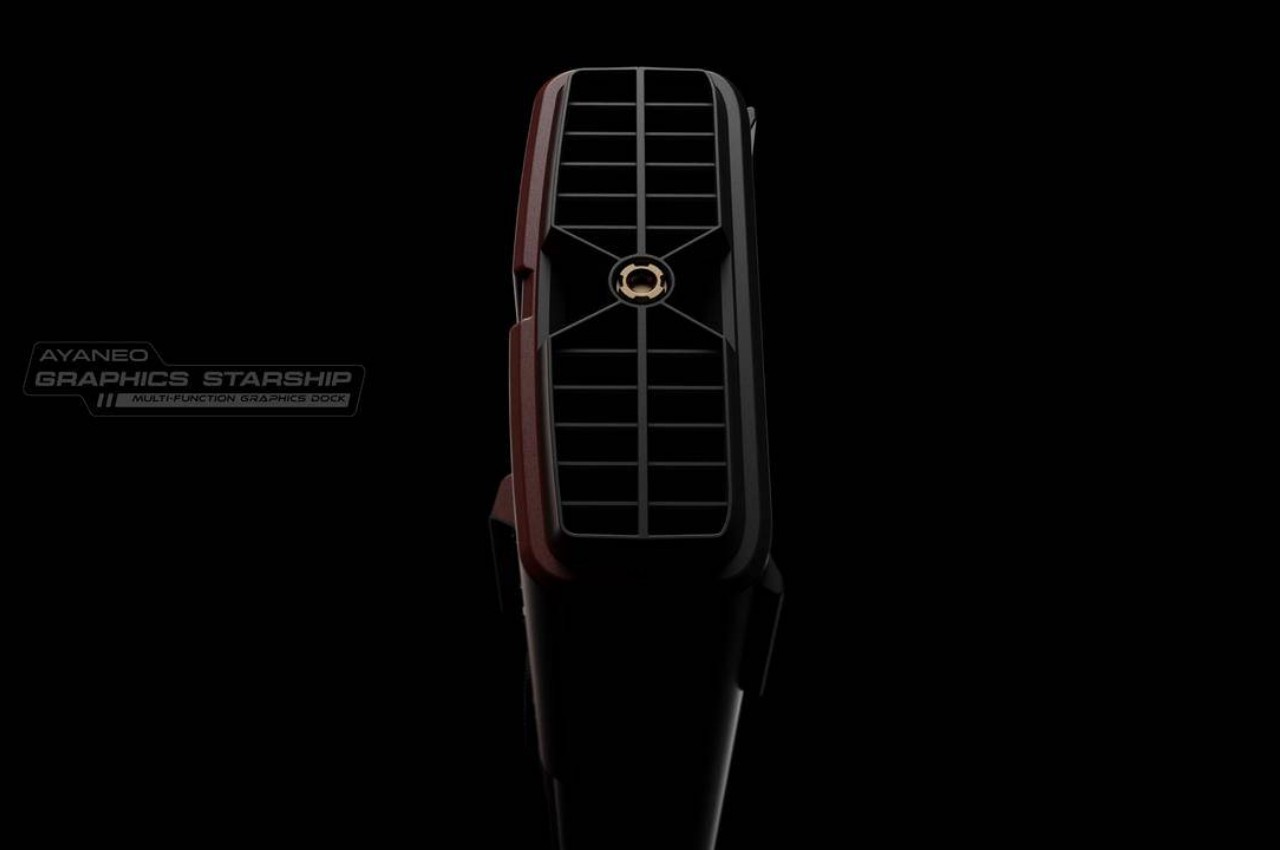
As part of its next batch of REMAKE products, AYANEO is including its very own graphics dock with a design that doesn’t really resemble any existing product from the past. The company describes it as a starship, though it might not immediately strike one as similar to those from hit sci-fi shows like Star Trek or even Star Wars. It has a more blocky shape, not unlike other graphics docks, but with an overabundance of panels and grilles. Its rough edges and dark color scheme contrast with the usual smooth curves and lighter motifs of futuristic spacecraft. This is a spaceship that humans would first produce for exploration and perhaps even militaristic action. Space-efficient, rugged, and a little menacing.
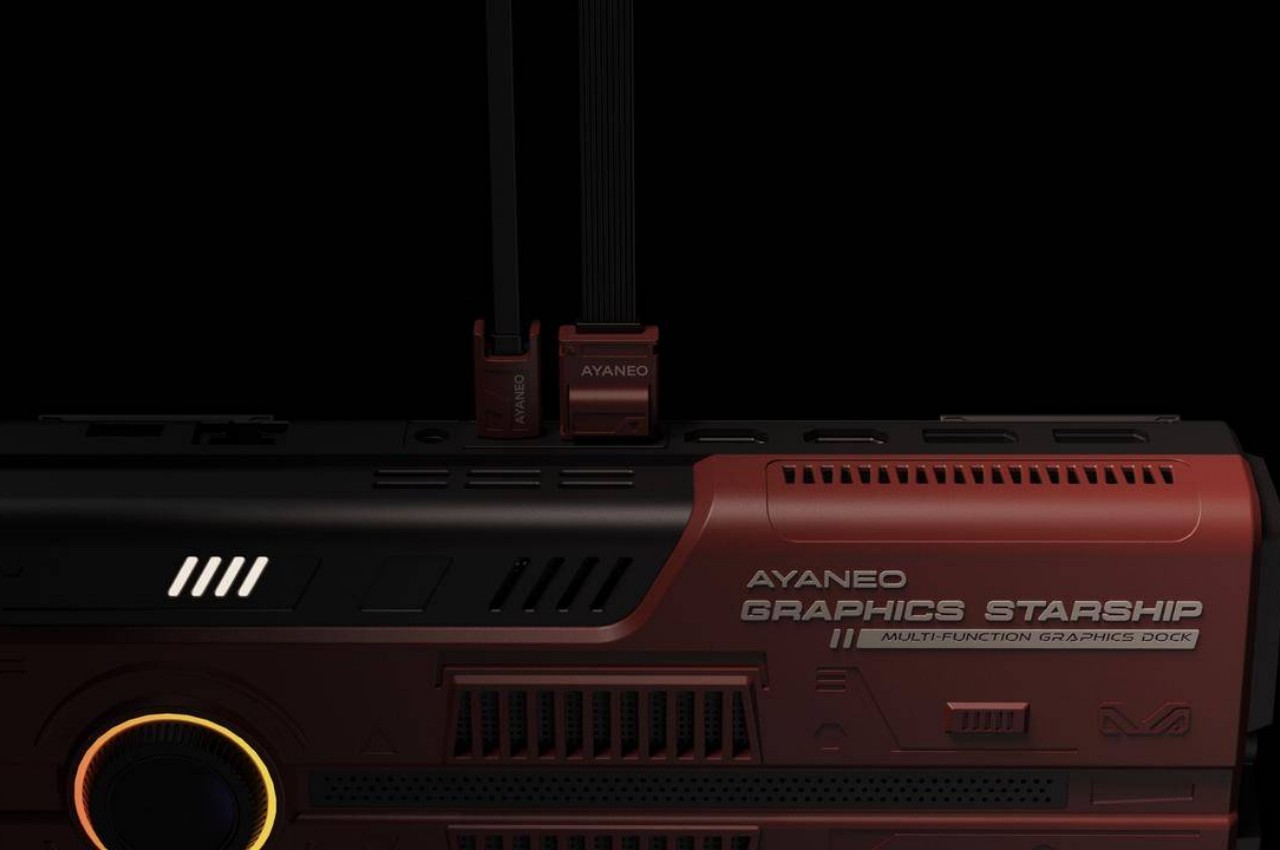
Underneath that retro-futuristic shell, however, is a very typical graphics dock, one that even houses a slightly dated AMD Radeon RX 7600M XT graphics from last year. There’s a plethora of connectivity options, including USB4 and the newer Oculink technology. It does also function as a typical data hub when connected to a computer, which means USB ports and even an Ethernet jack for faster network connectivity. Although technically compatible with any computer that supports external GPU via USB4, the AYANEO AG01 is specifically designed for the brand’s handheld gaming computers that have a significantly weaker GPU compared to laptops.
There’s also some RGB lighting, but that’s curiously limited to the ring around the dome on one end of the dock and three “vents” near it. It’s a purely aesthetic element, though one that admittedly looks too modest for what should be a space-faring vehicle. Availability details about the AYANEO AG01 are still unknown at this point, but the graphics dock’s unique design will surely catch the fancy of many collectors, whether they have an AYANEO handheld PC or not.
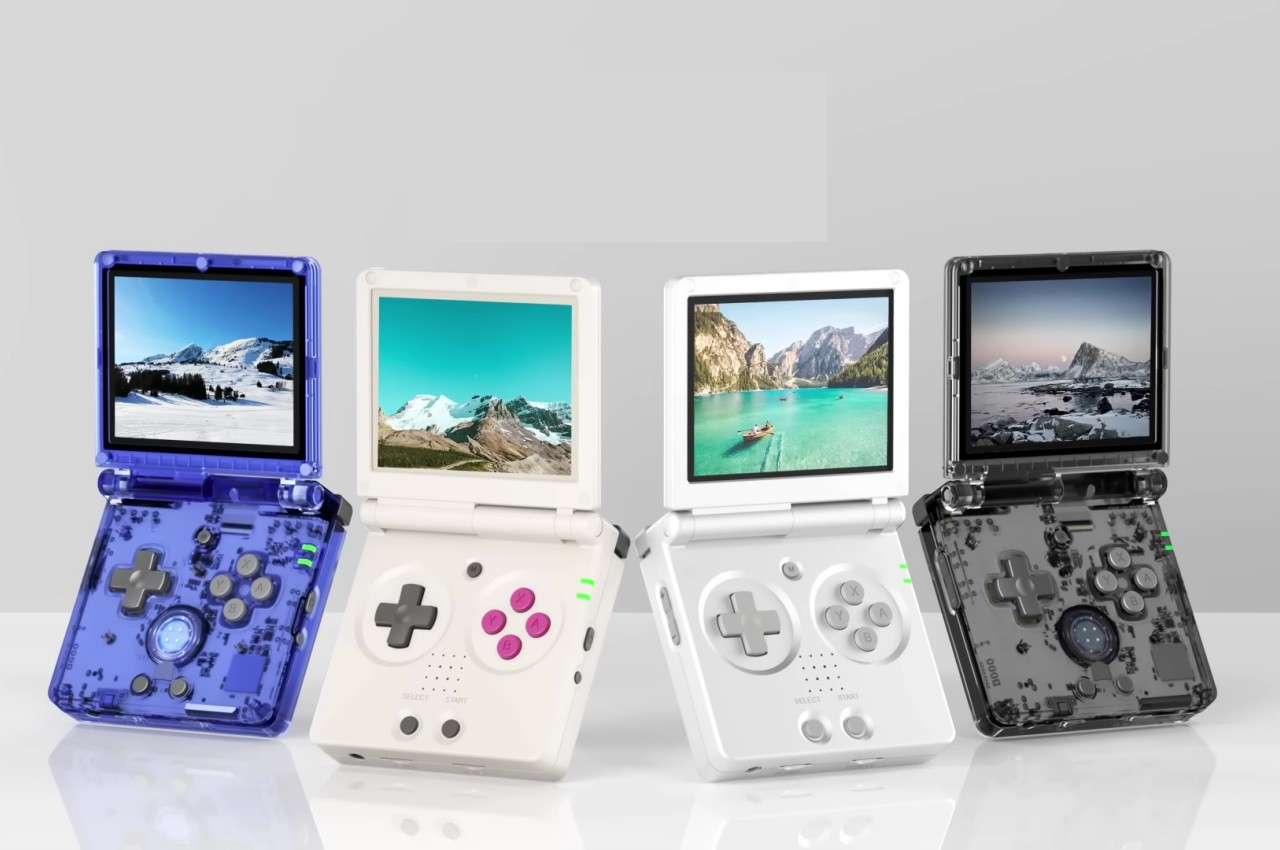
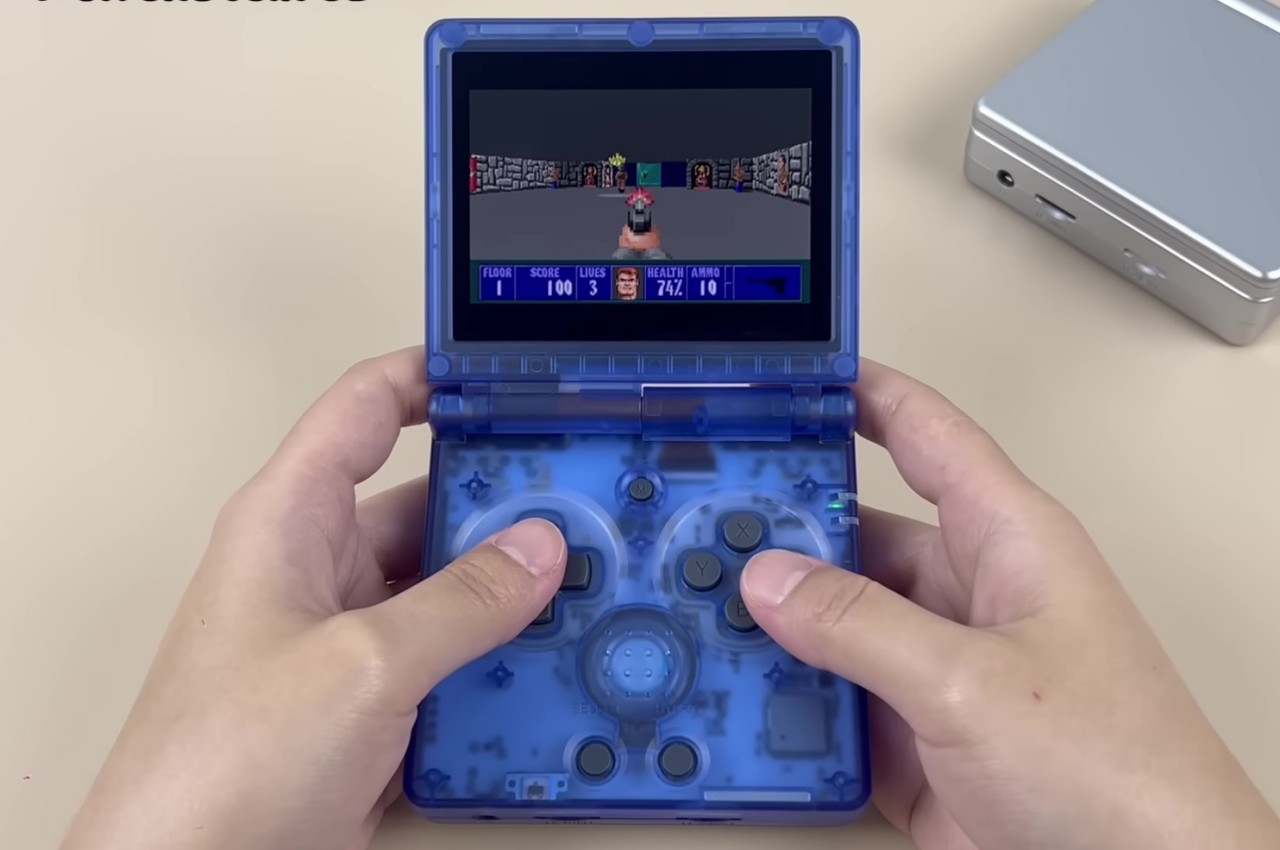
Retro gaming consoles and computers are still going strong, with many designs still left to be revived, resized, and retrofitted for modern times. Most of these products try to recreate the experience of those original machines, at least with the games they used to run on very limited hardware. That said, you can only go so far trying to recreate the past. Sooner or later, you will hit a wall, as demonstrated by the limited number of titles supported by many of these retro consoles. This reinterpretation of a Game Boy classic design, however, isn’t exactly a simple copy of the clamshell handheld. Instead, it takes the same spirit of portable adventure that the Game Boy Advance SP embodied and wraps it in a body that’s well-suited for modern gaming styles.
It’s honestly a bit of a gray legal area whenever third-party brands try to embrace a design so close to something from the annals of video gaming history. That hasn’t stopped the likes of Anbernic from taking obvious inspiration from those bygone designs but with enough modifications to skirt infringement accusations. Of course, Anbernic has its own original designs, but the ones that really grab your attention are those that pay homage to icons like the Nintendo Game Boy.
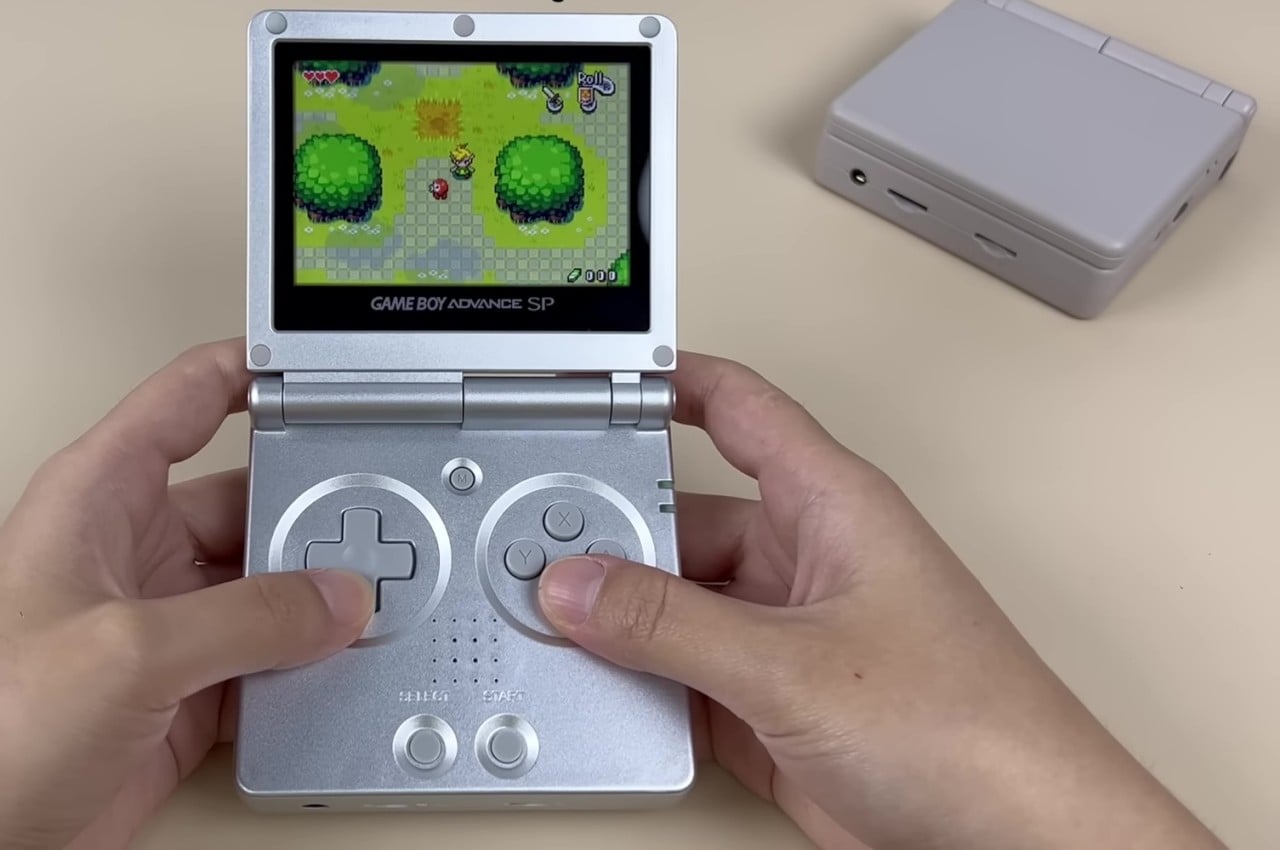
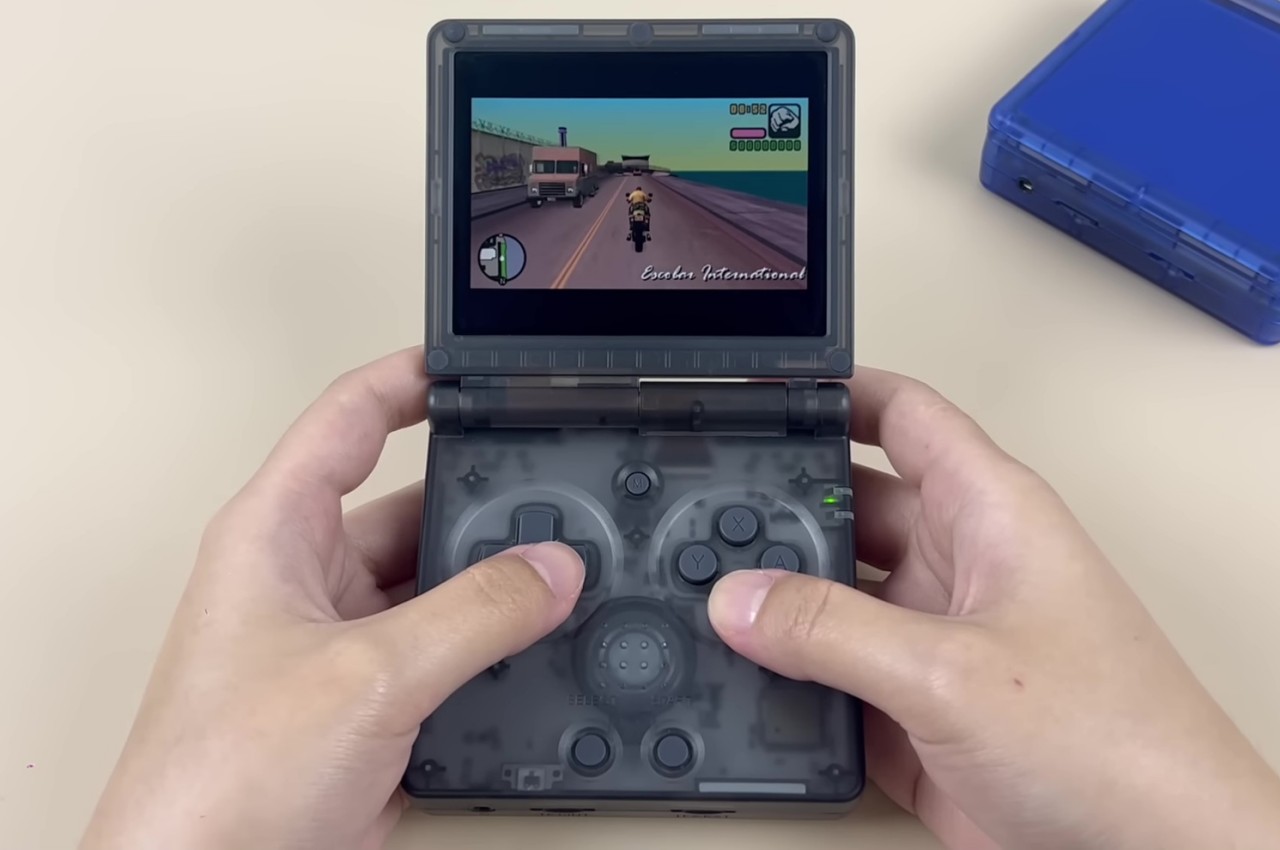
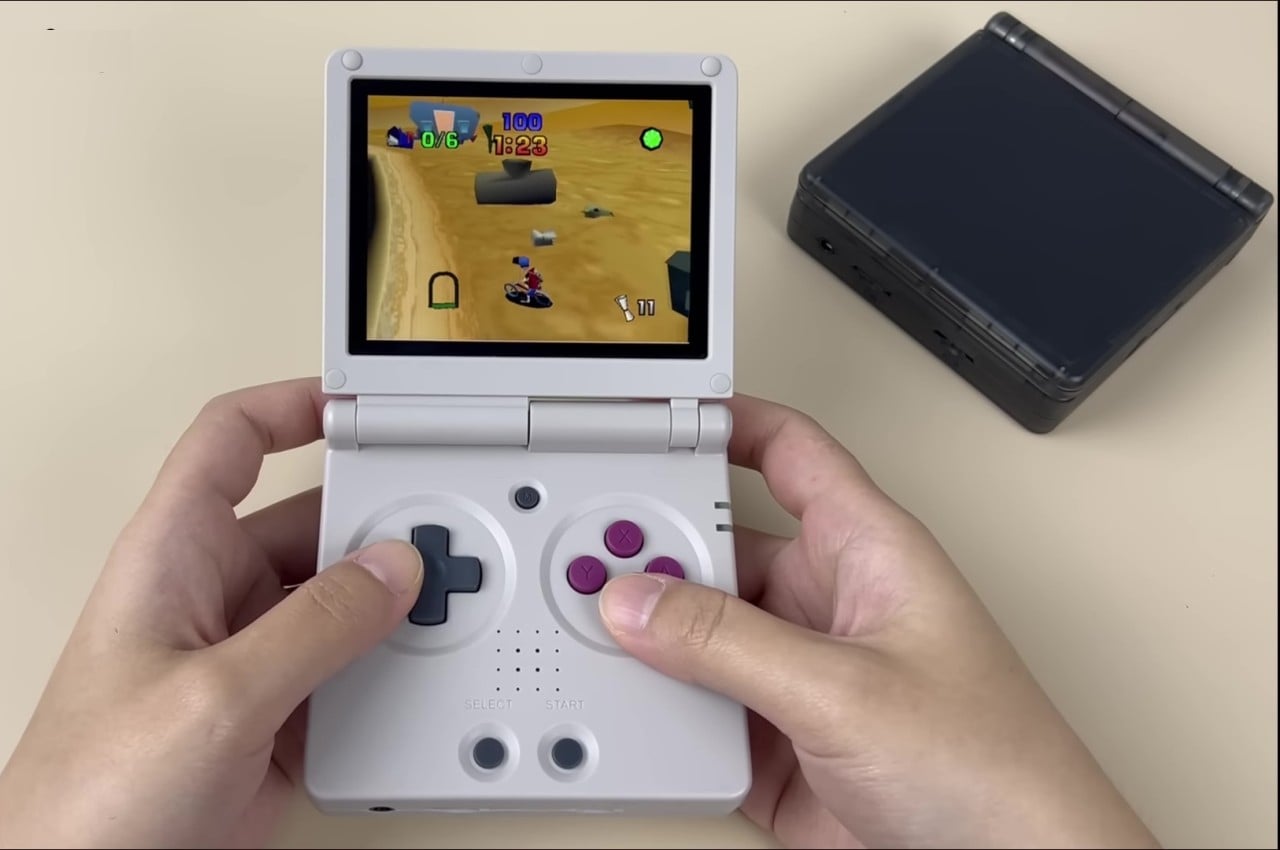
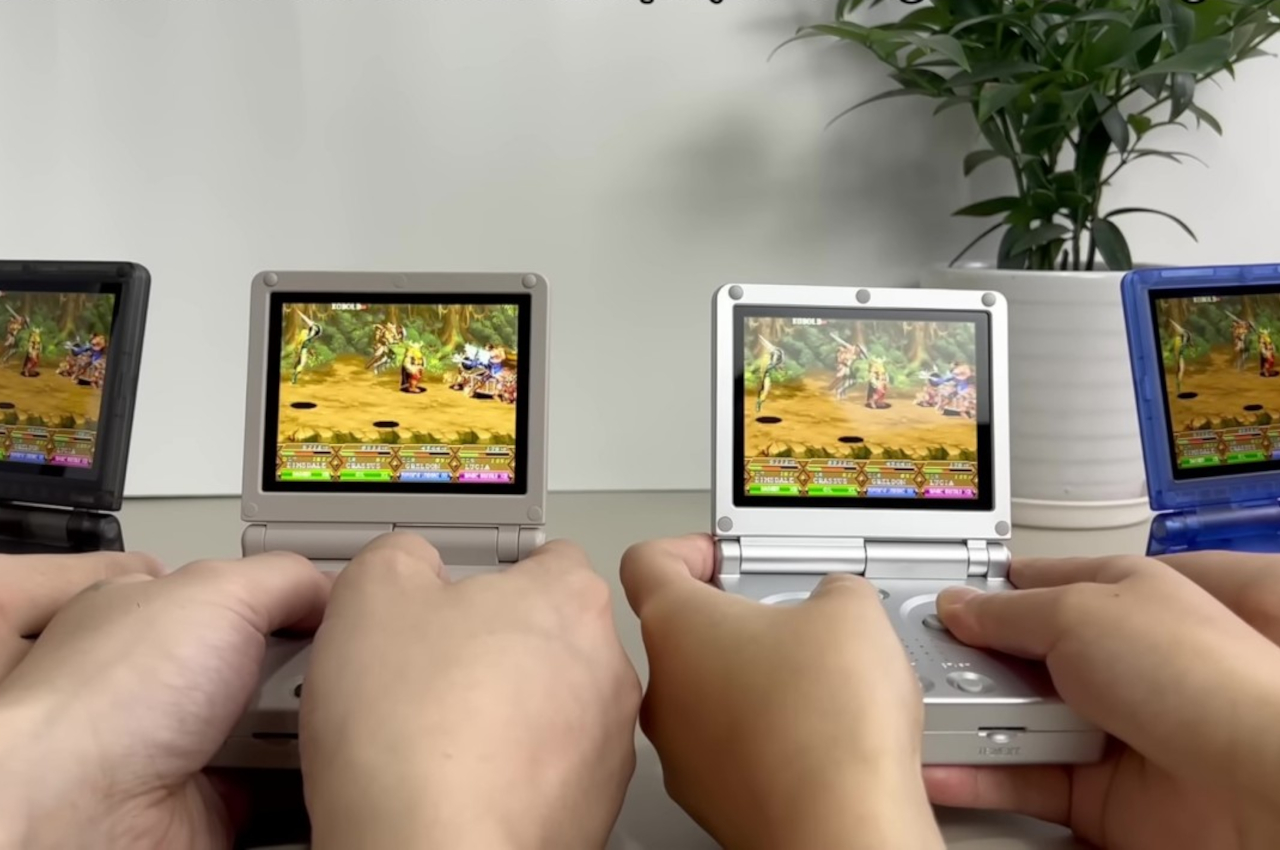
With the uninspiring name of Anbernic RG35XXSP, the prolific gaming handheld manufacturer is bringing the Game Boy Advance SP back to life, or at least the pocket-sized clamshell design that made it quite a hit. It’s just as blocky and thick as the original, but that’s also part of the device’s charm. For better or worse, however, that’s where the similarities end to the point that you can even say that the RG35XXSP was simply “inspired” by Nintendo’s handheld.
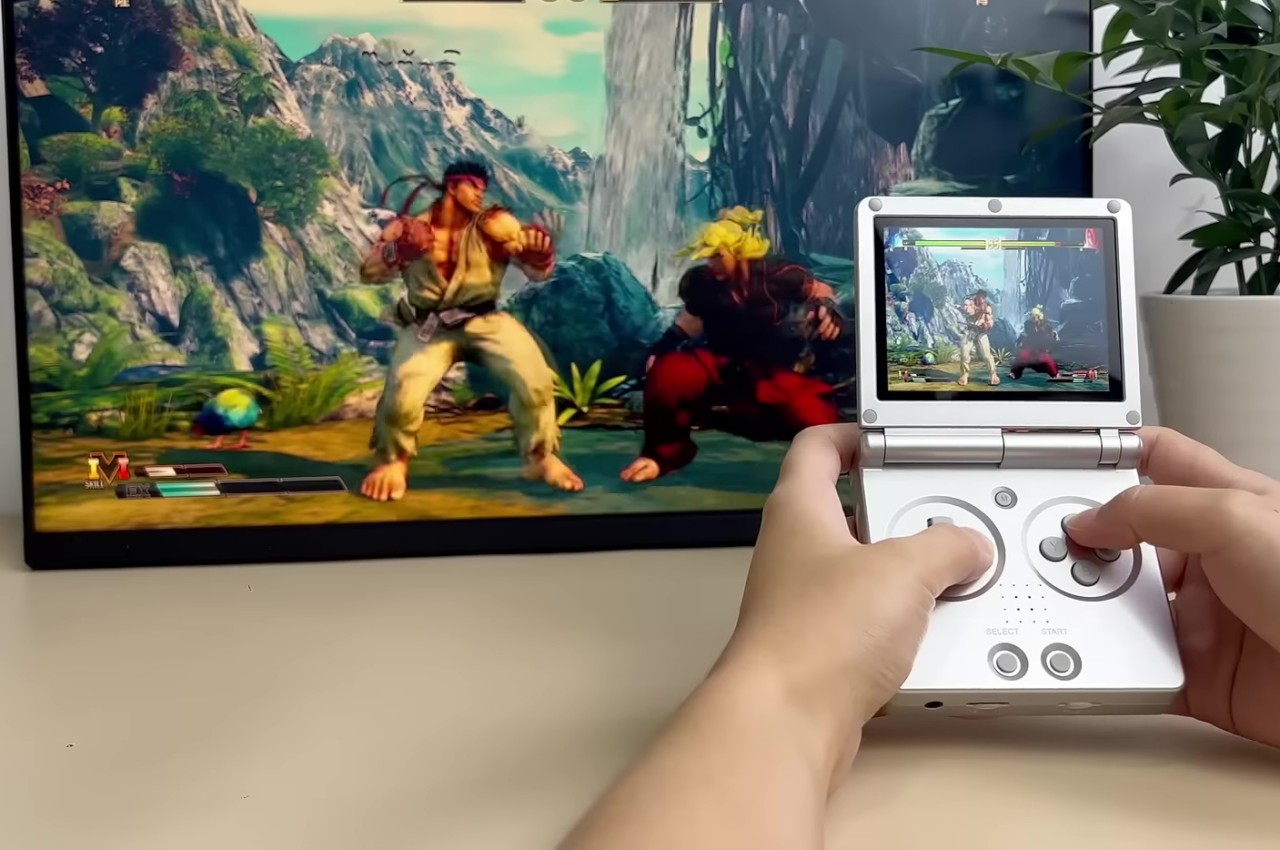
Deep inside, it uses the same guts as all the other iterations of the RG35XX, which means that it’s practically a mini computer that runs the Linux operating system. Specifically, it uses an emulation platform that can support a whole plethora of games from the likes of the Nintendo 64, PlayStation 1, PlayStation Portable, or even MS-DOS. And, yes, it can probably run Game Boy games as well, though you’re left to your own devices on how to make all these work.
What’s more important, however, is that the RG35XXSP doesn’t use the limited controls of the Game Boy Advance SP. Instead, it has enough buttons to support all those gaming platforms, though don’t expect any analog joystick here. The pocketable gaming handheld is also described to be equipped with modern technologies, like Wi-Fi and 5G for local multiplayer gaming, HDMI for TV output, and support for Bluetooth peripherals like controllers, keyboards, and mice. Shown off in four designs that give tribute to those consoles and handhelds of the past, launch details for the Anbernic RG35XXSP are unfortunately still unavailable at this moment.
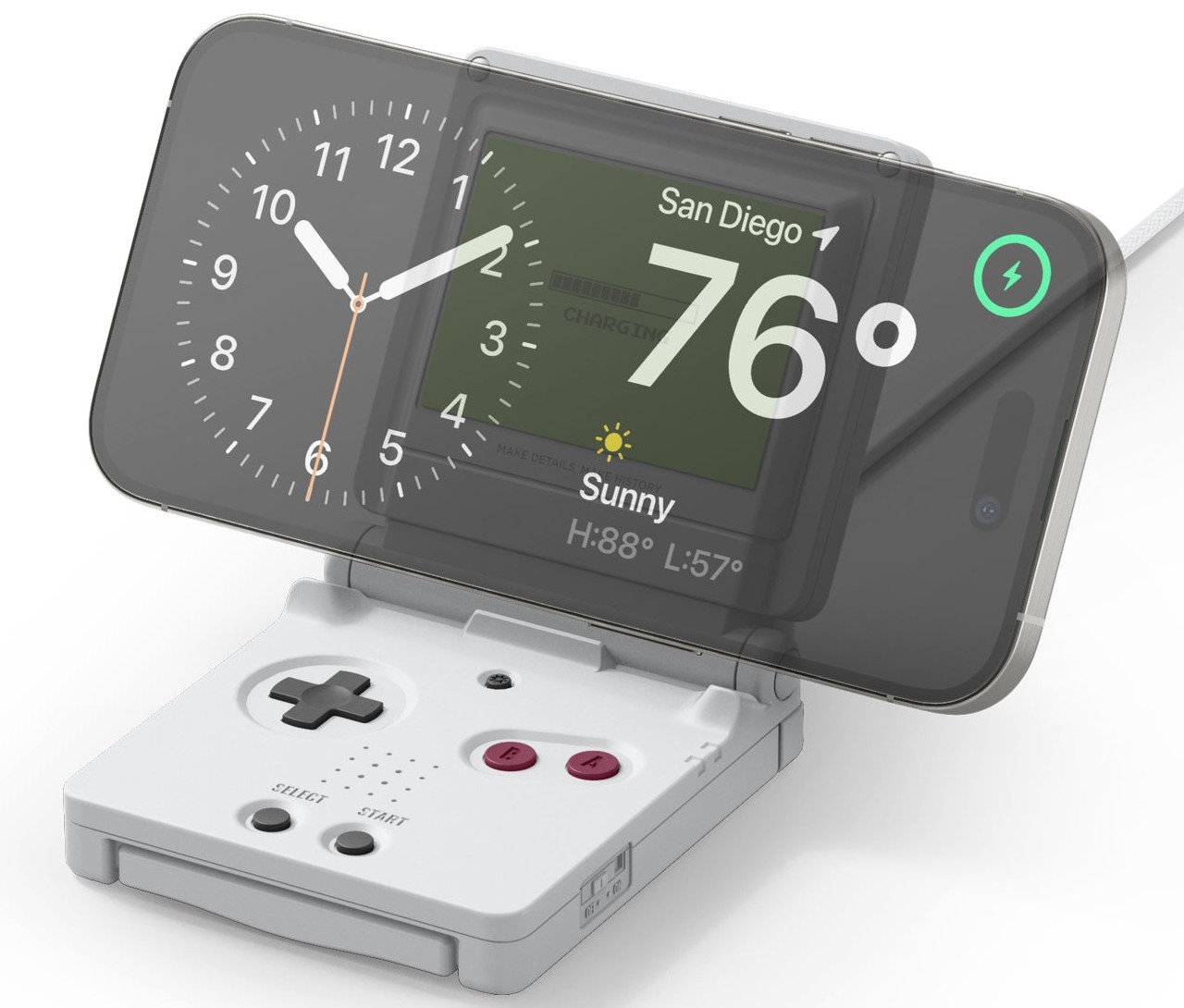
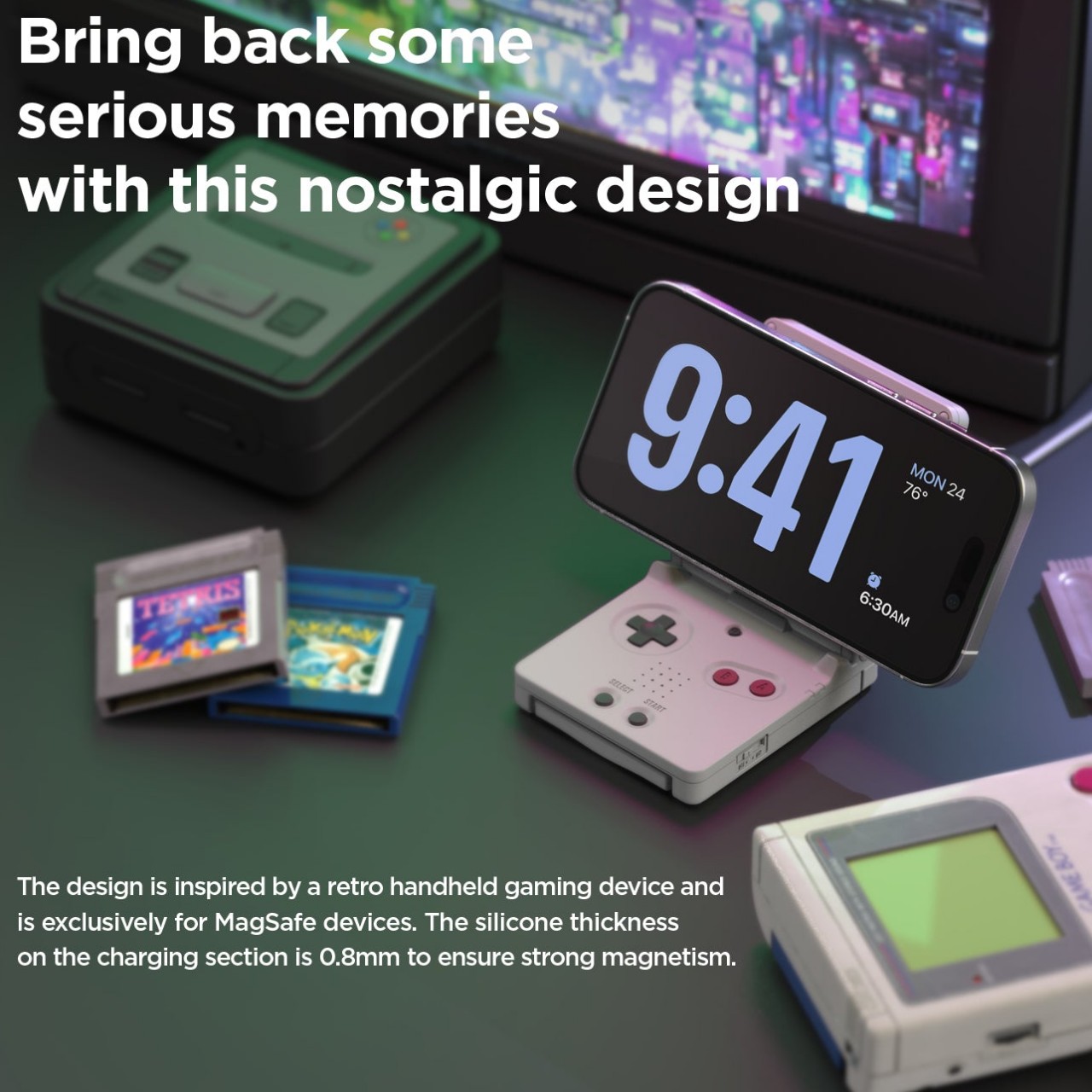
Nostalgia is a powerful emotion, as proven by the number of successful crowdfunded projects and launched products that try to capitalize on this ongoing retro trend, especially in the gaming industry. Vintage designs of the past are today’s quirky oddities, and there are many who are quick to jump on the bandwagon. While many of these retro designs try to also recreate the experience of holding a real gaming console or turntable with some modern features and conveniences, others are just content to copy the aesthetics of old-school products and leave it at that. This MagSafe iPhone charger might be in that latter category, and while it is charming in the way it brings back fun, playful memories, it could have probably gone further if it really wanted to.
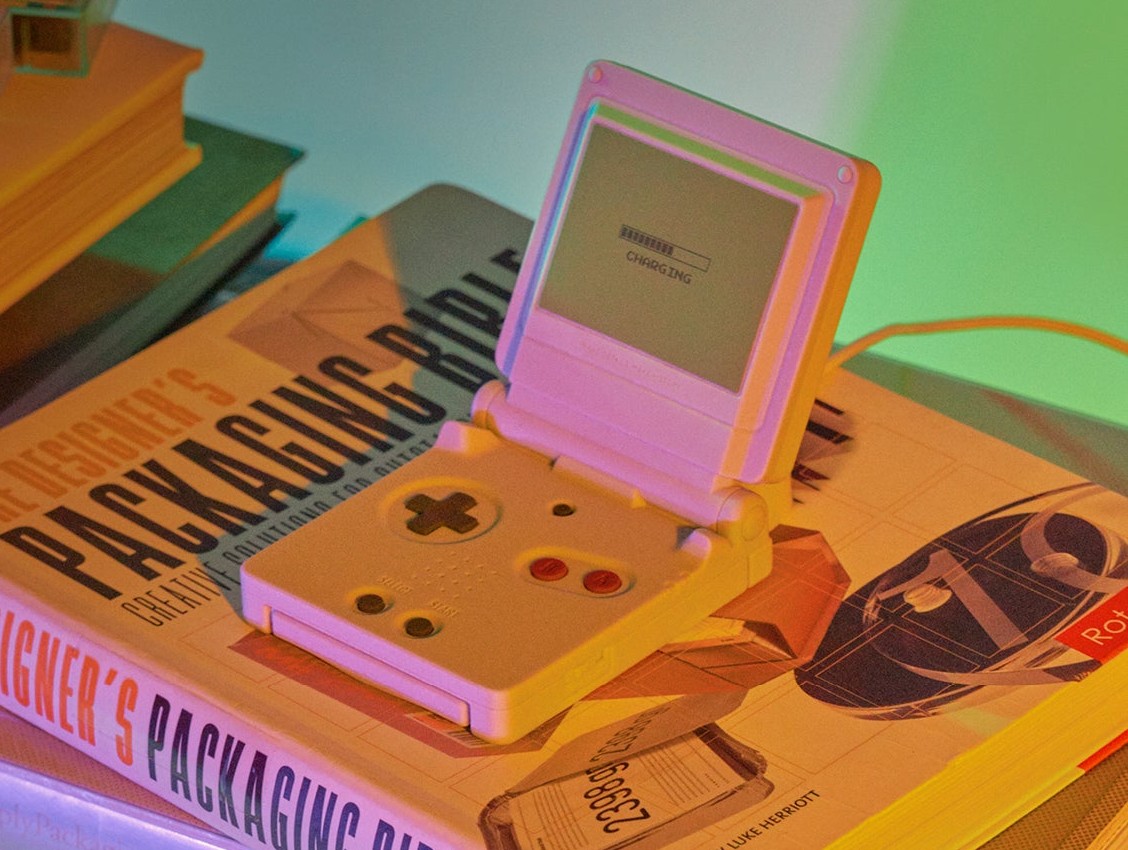
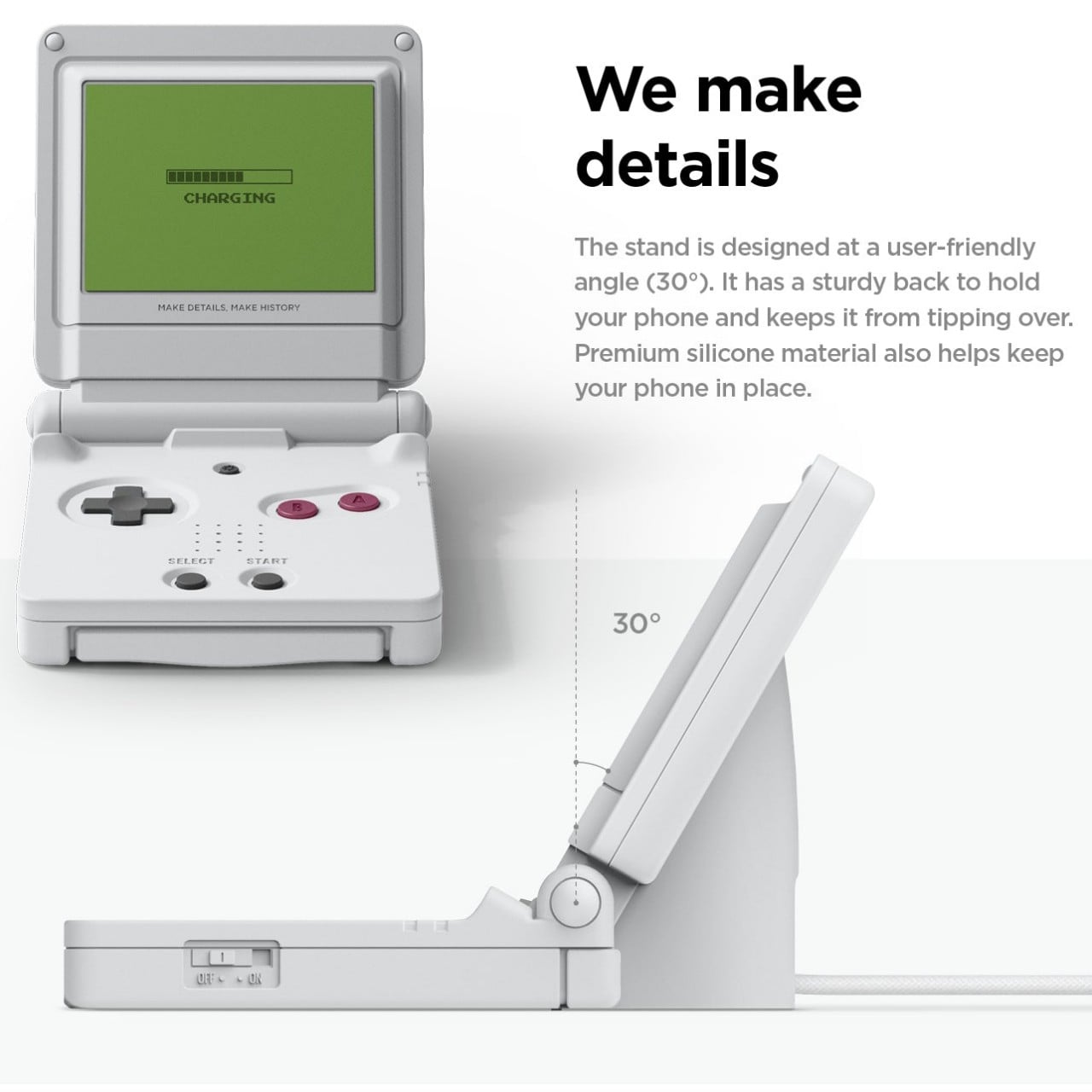
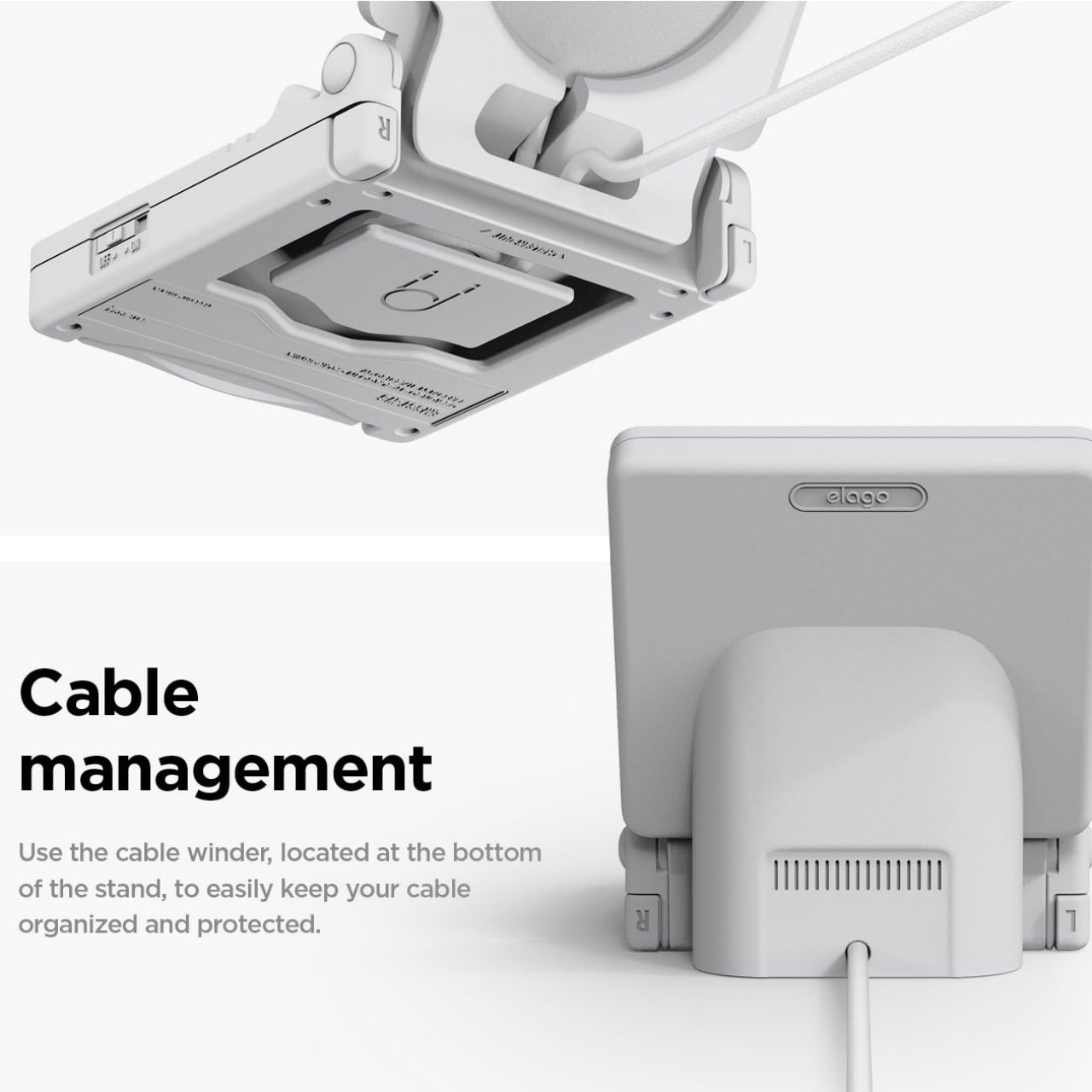
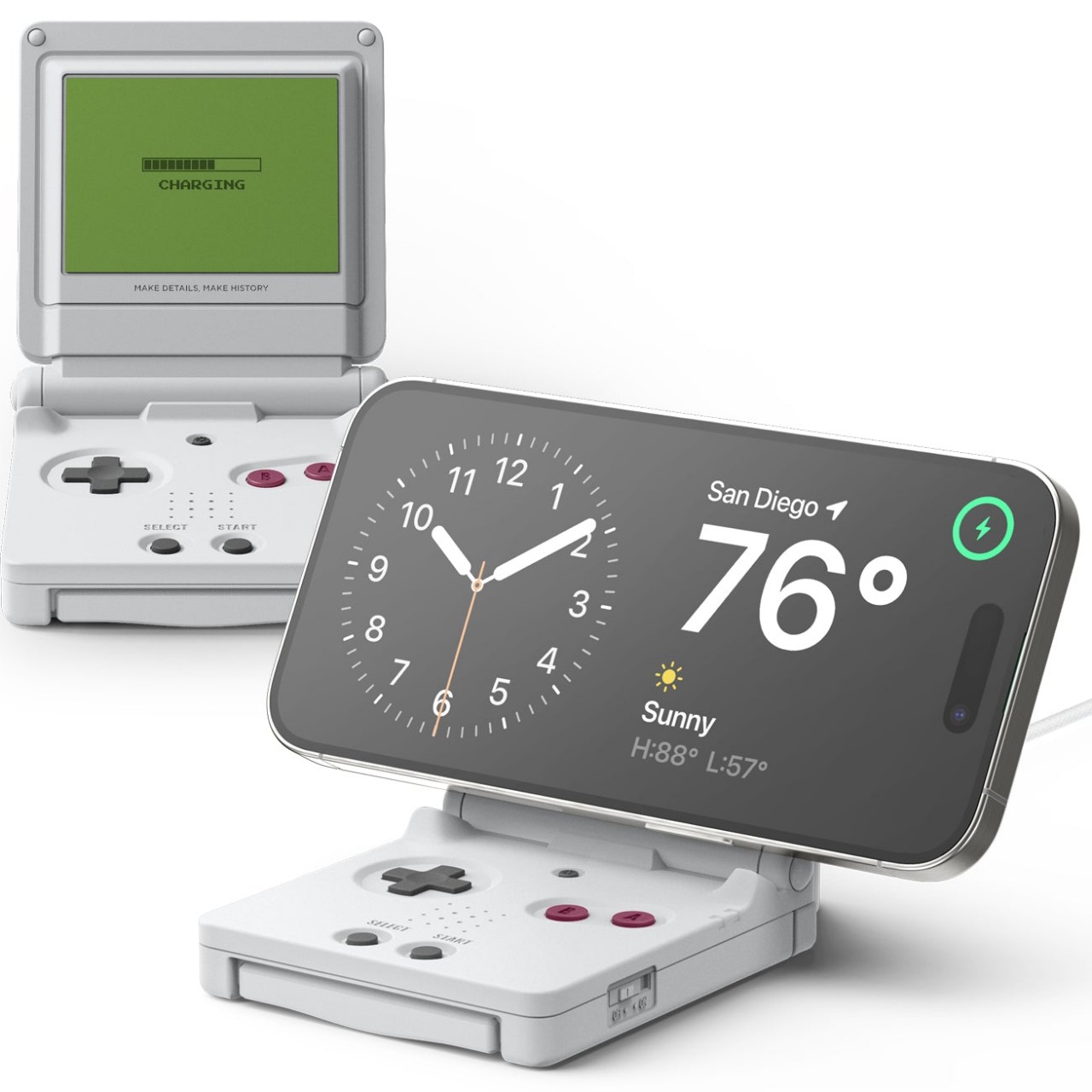
To be fair, the Elago WS M5 Charging Stand does exactly what it says it does, which is to offer a fun MagSafe charger in the design of the Nintendo Game Boy Advance SP. In that regard, it does its job well, providing a stable and useful stand for charging the phone. The fixed 30-degree angle, for example, is claimed to be perfect for watching videos or using iOS Standby Mode at night. It even has helpful support on its back to prevent the charger from tipping backward from the weight of the phone.
Elago never claimed that the stand was a functional gaming device, despite all visual indicators. It’s simply meant to inspire a trip down memory lane and nothing more. The buttons do nothing and you can’t fold the charger close like the original handheld it was based on. For a $25 MagSafe charging stand, that’s a bit disappointing. It sort of raises expectations and then dashes them quickly, making those good old days really feel more like a distant memory.
It’s also a missed opportunity for innovation and distinction. Sure, it won’t make much sense to turn it into a makeshift game controller, but having the buttons trigger some action on the phone or do anything at all is significantly better than making you feel like an idiot for expecting that a button press would actually result in something. A clamshell design would have also made this charging stand a bit more portable while relying on a kickstand mechanism to provide that same stability and support.
What this Game Boy-like MagSafe charger really accomplishes is to demonstrate the biggest benefit of this magnetic wireless charging technology. Sure, charging without cables is convenient, but its speed still leaves a lot to be desired. Instead, it’s the freedom to design a wider variety of accessories, from chargers to stands to docks, that MagSafe really shines, and this Elago WS M5, underwhelming as it might be, is just the tip of the iceberg of what’s possible.
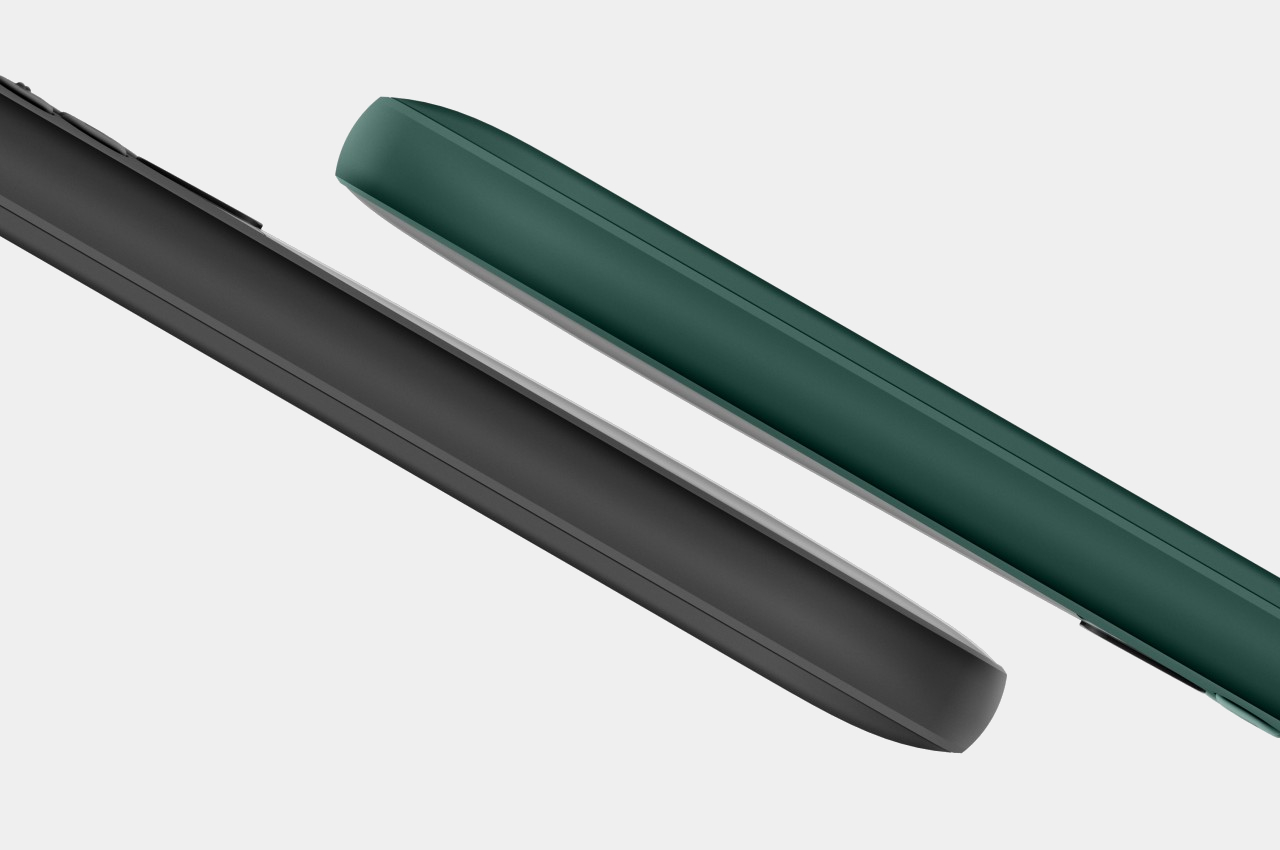
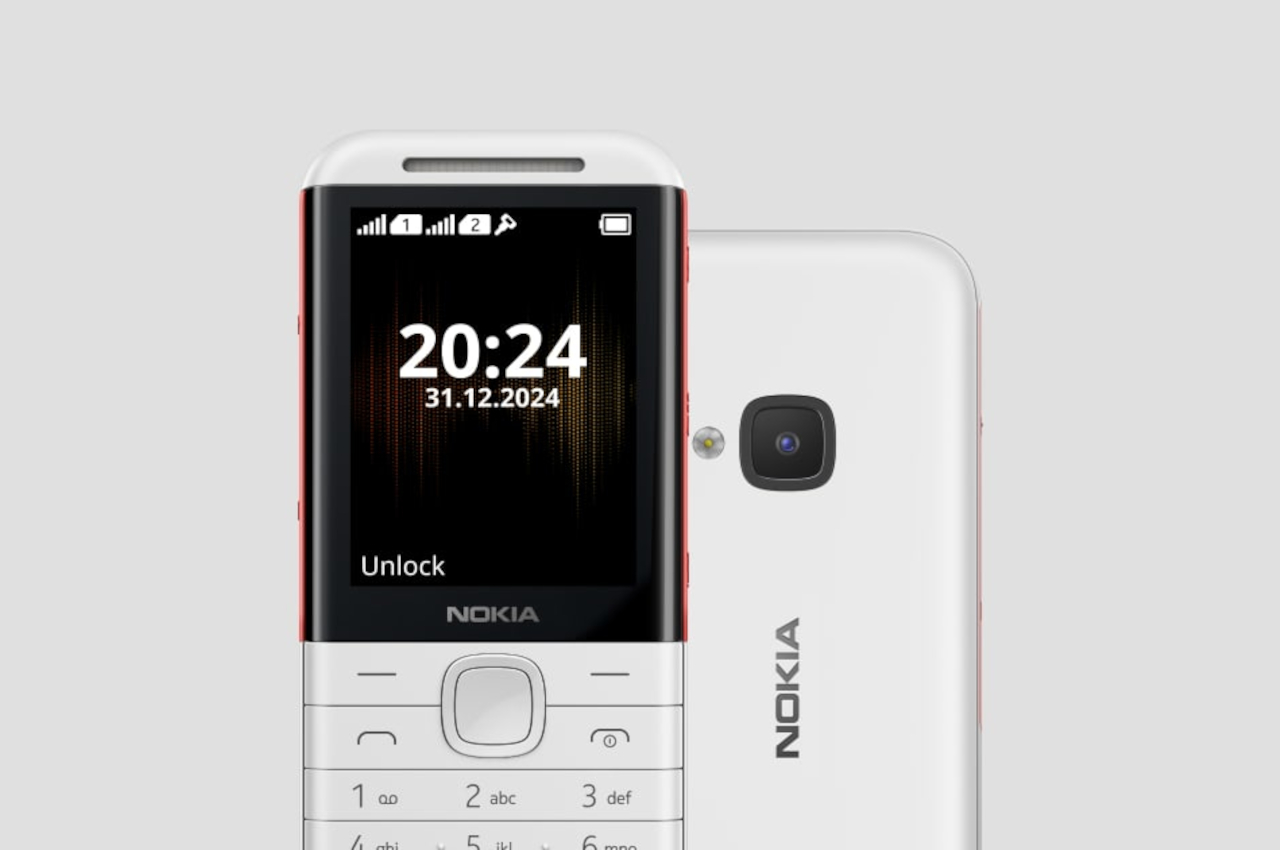
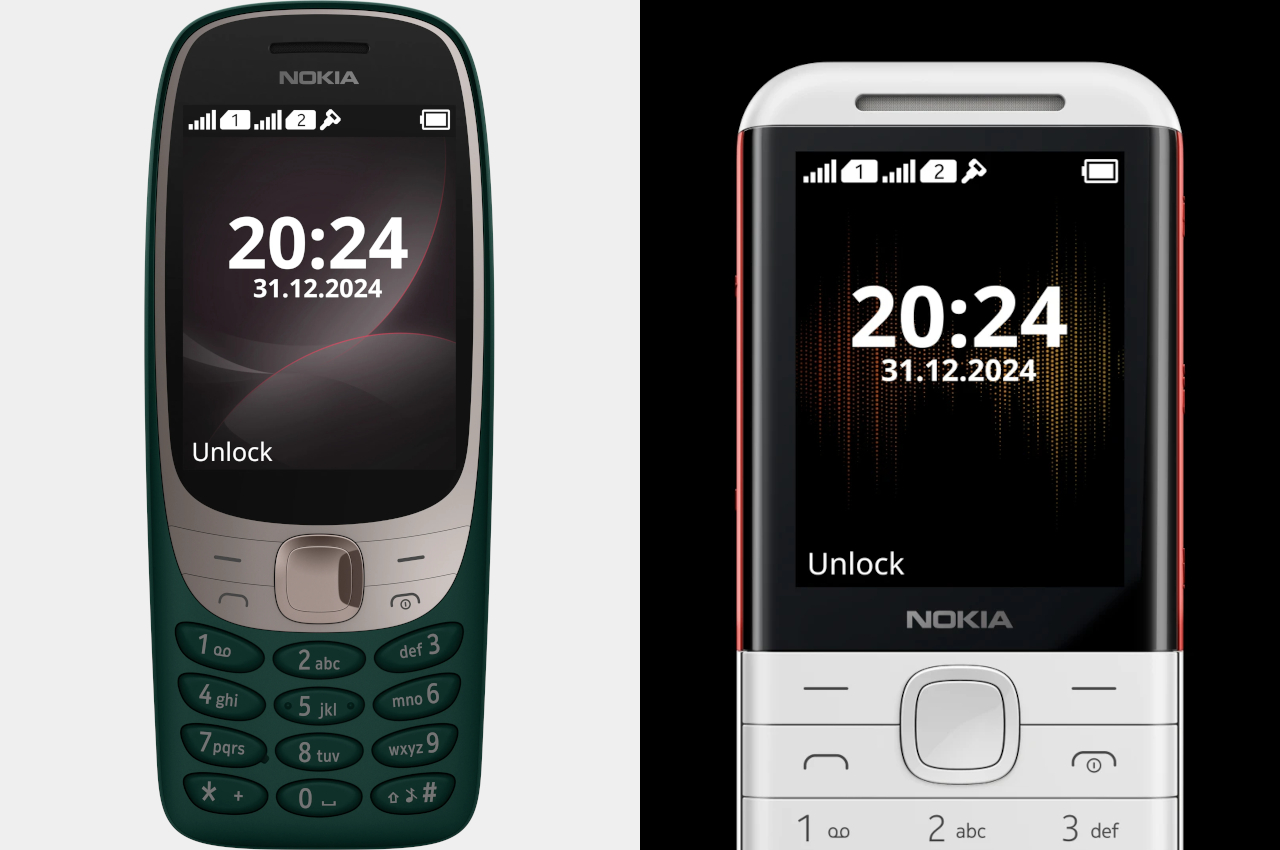
As powerful as our smartphones might be, it’s hard to deny that they can also be too powerful for their own good. They can do almost anything these days, which unfortunately also means they can be sources of any and all kinds of distractions. Not everyone needs all those capabilities, especially people who just need to make calls and send text messages via good ol’ SMS technology. Unfortunately, even the most basic smartphone can still tempt them with social media pings and Web browsing rabbit holes, while the newer crop of minimalist smartphones does promise fewer distractions but at the price of, well, their price tag. Sometimes, what you need is a non-smart smartphone, in other words, a feature or “dumb” phone, which is what the two latest Nokia-branded devices are trying to offer, blending nostalgic design with relatively more modern features.
Before it quit the mobile market, Nokia was pretty much the king of mobile phones. It is notorious for flooding that market with innumerable and often confusing designs, but, to its credit, it managed to appeal to almost every sector and niche with that same variety. Some of those designs have gone down in history as beloved icons of a time long gone, but HMD, licenses of the Nokia brand, has been reviving some of those, much to the delight of a few.
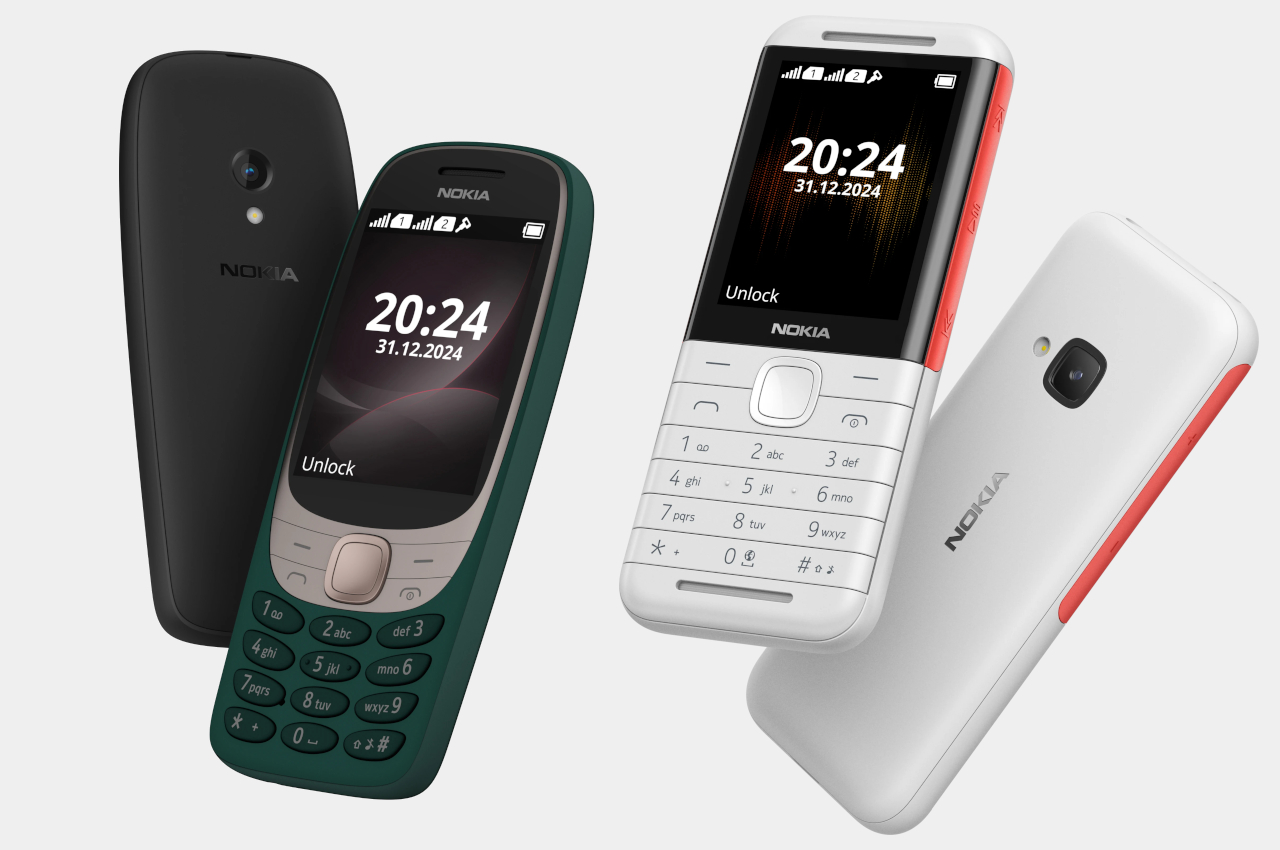
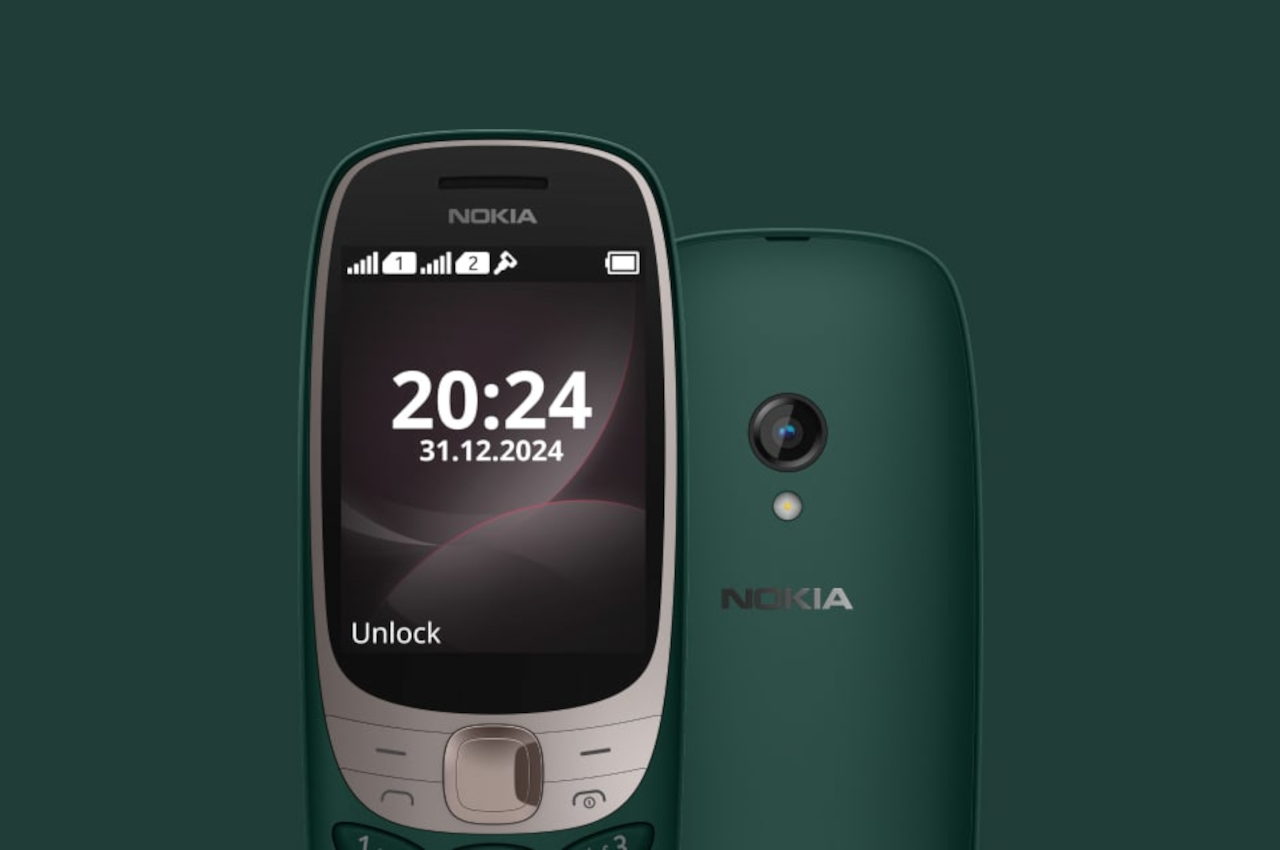
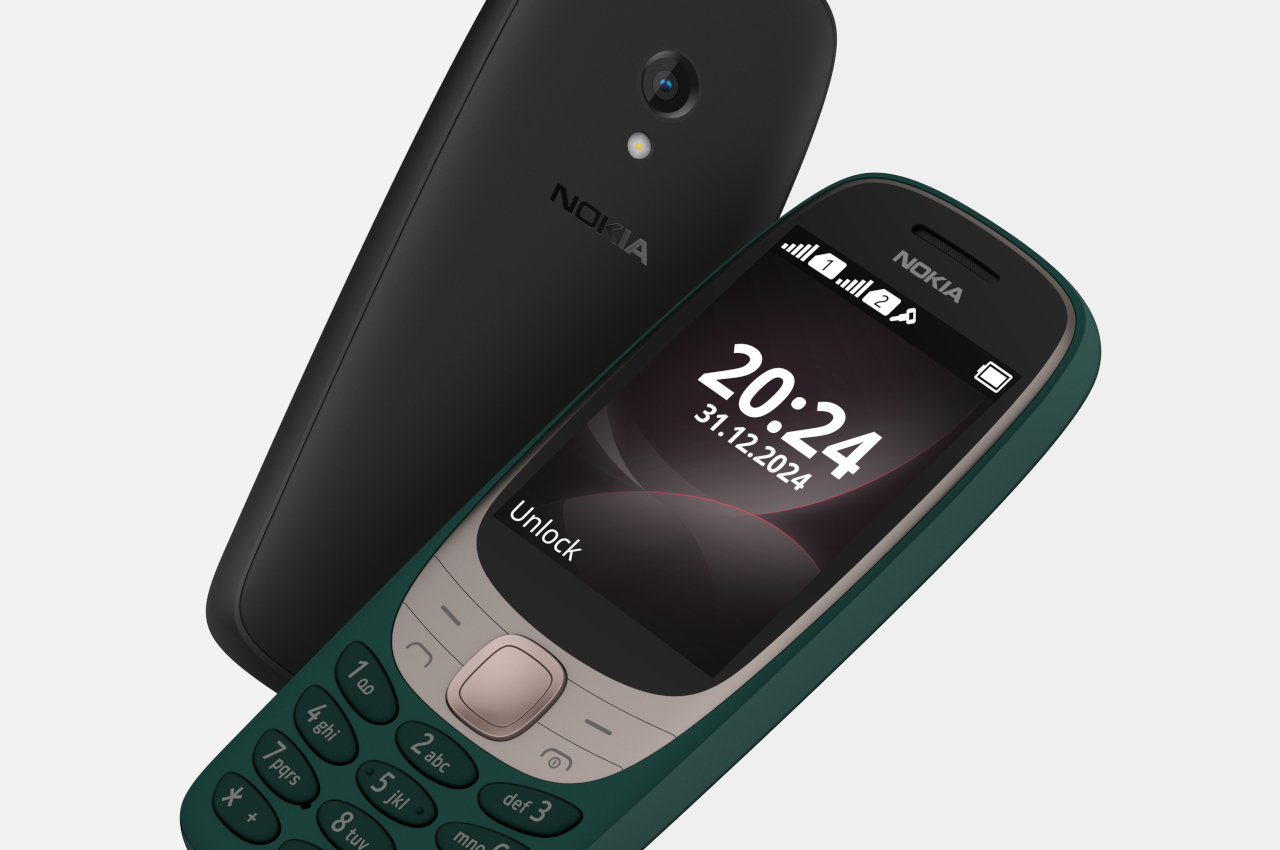
The Nokia 6310 (2024), for example, bears a soft, curved design that transcended genders and generations, offering a distinctive shape that is probably alien to today’s phone users. Make no mistake, this is as basic as phones can get, with a 2.8-inch QVGA (that’s 320×240 pixels) screen and a 0.3MP “VGA” camera on its back. That large screen and physical T9 keypad, however, are intentionally designed for better accessibility when it comes to reading and typing out text. This 2024 model differs from its predecessor from 2021 with a larger 1,450 mAh battery and a USB-C port that thankfully simplifies your charging life.
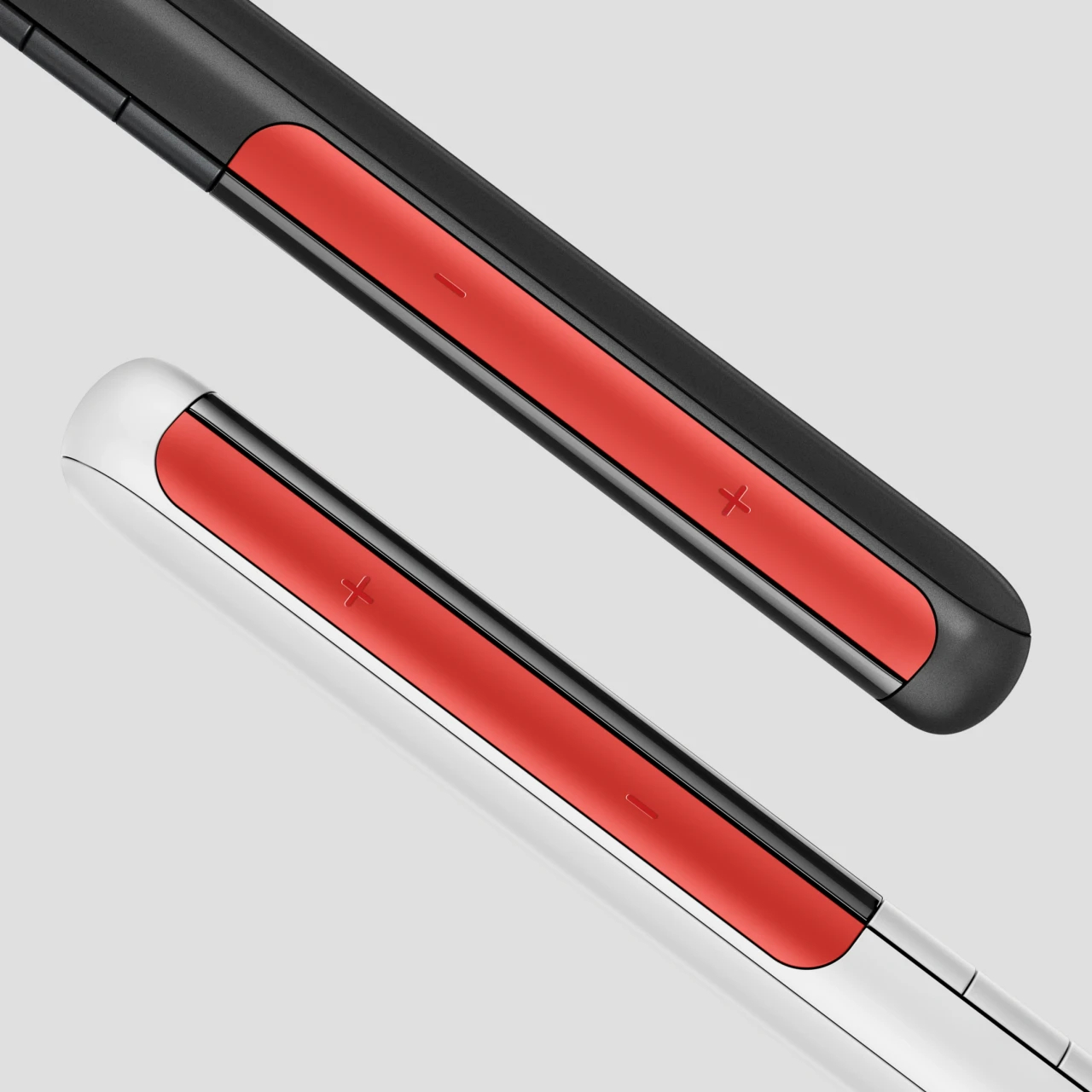
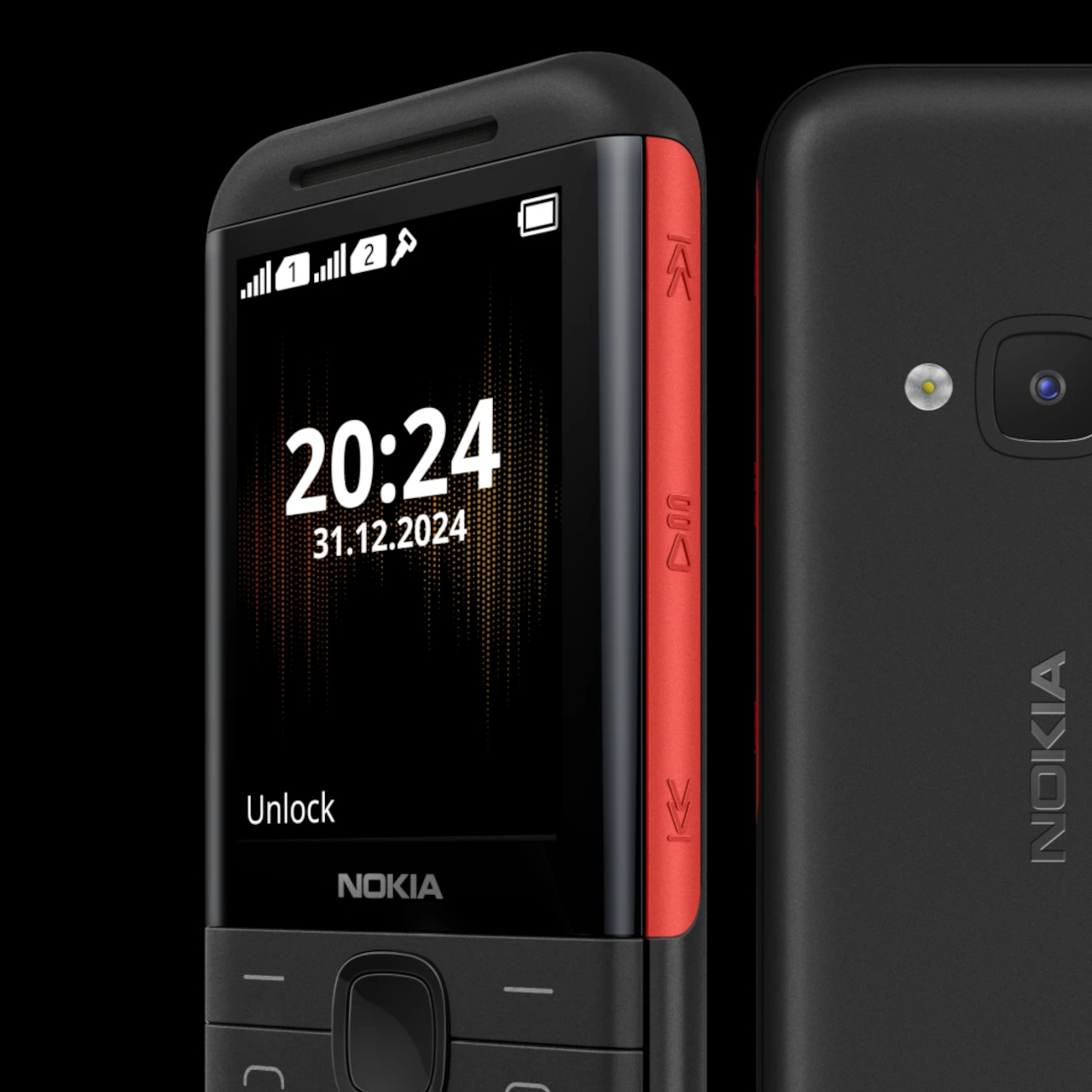
Perhaps more interesting is the design of the Nokia 5310 (2024), the latest to inherit the old Nokia XpressMusic DNA. Granted, it doesn’t differ much from the earlier 2021 model save for the larger size, a larger 1,450mAh battery, and the same USB-C upgrade. Fortunately, that also means it still has those iconic physical media playback buttons on its right side that gave the XpressMusic phones their fame. And yes, it also has a 3.5mm headphone jack to really drive home the old-school music listening experience.
Unfortunately, that simplicity does also come with a hidden cost, that of compatibility. These phones can only connect to 2G networks, a technology that is already being phased out and shut down in some countries. That said, markets where these two old-school Nokia phones will be sold mostly still support that old-school network, so it’s really a matter of choosing your compromises.
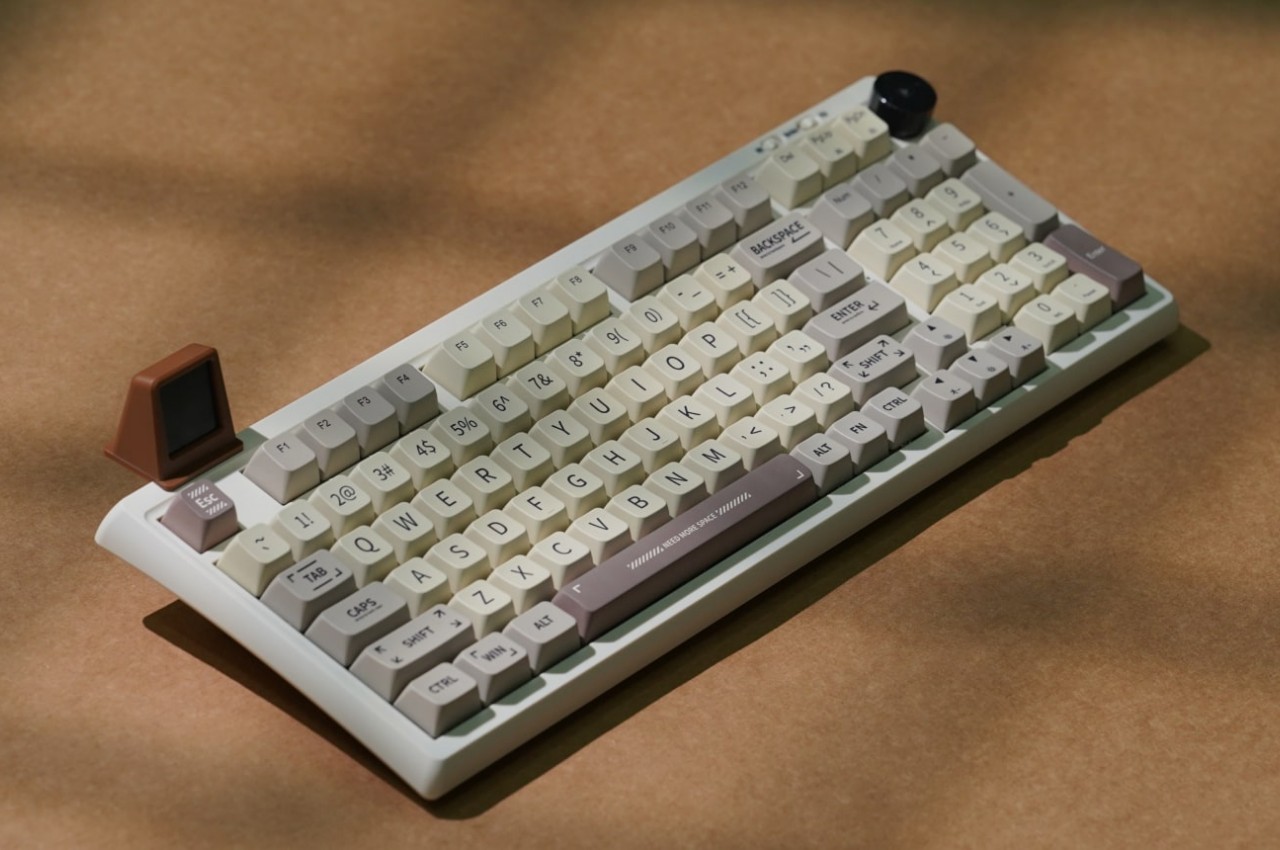
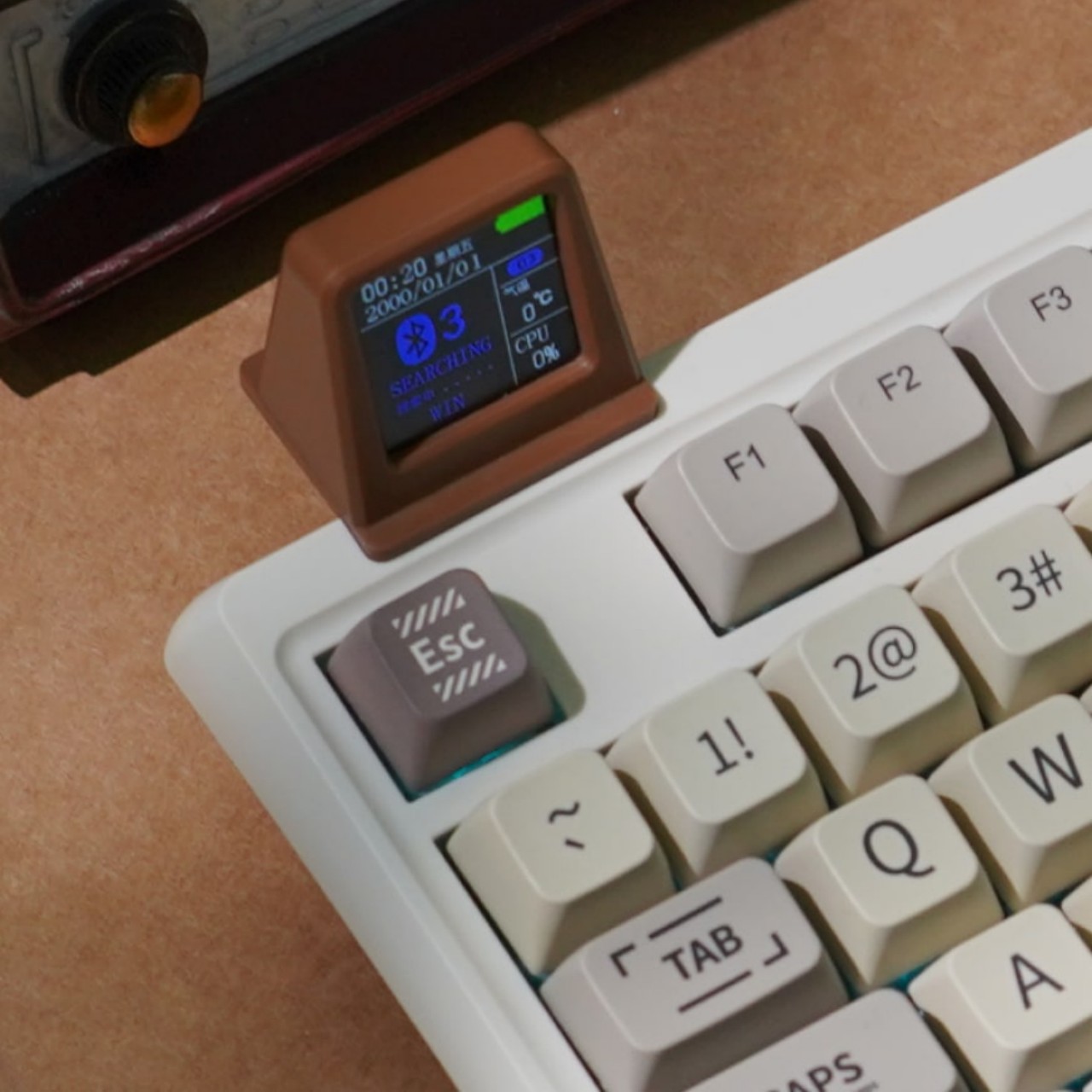
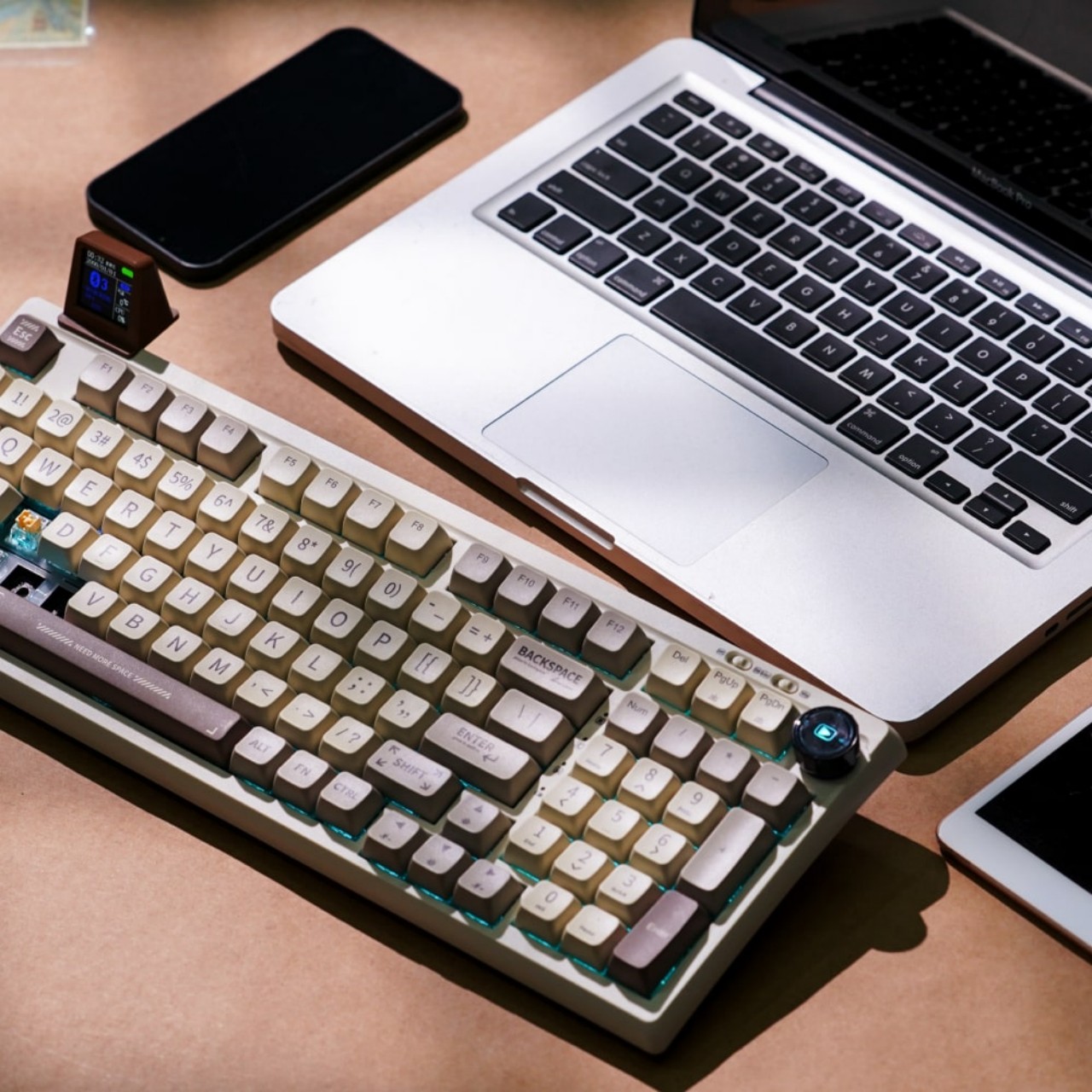
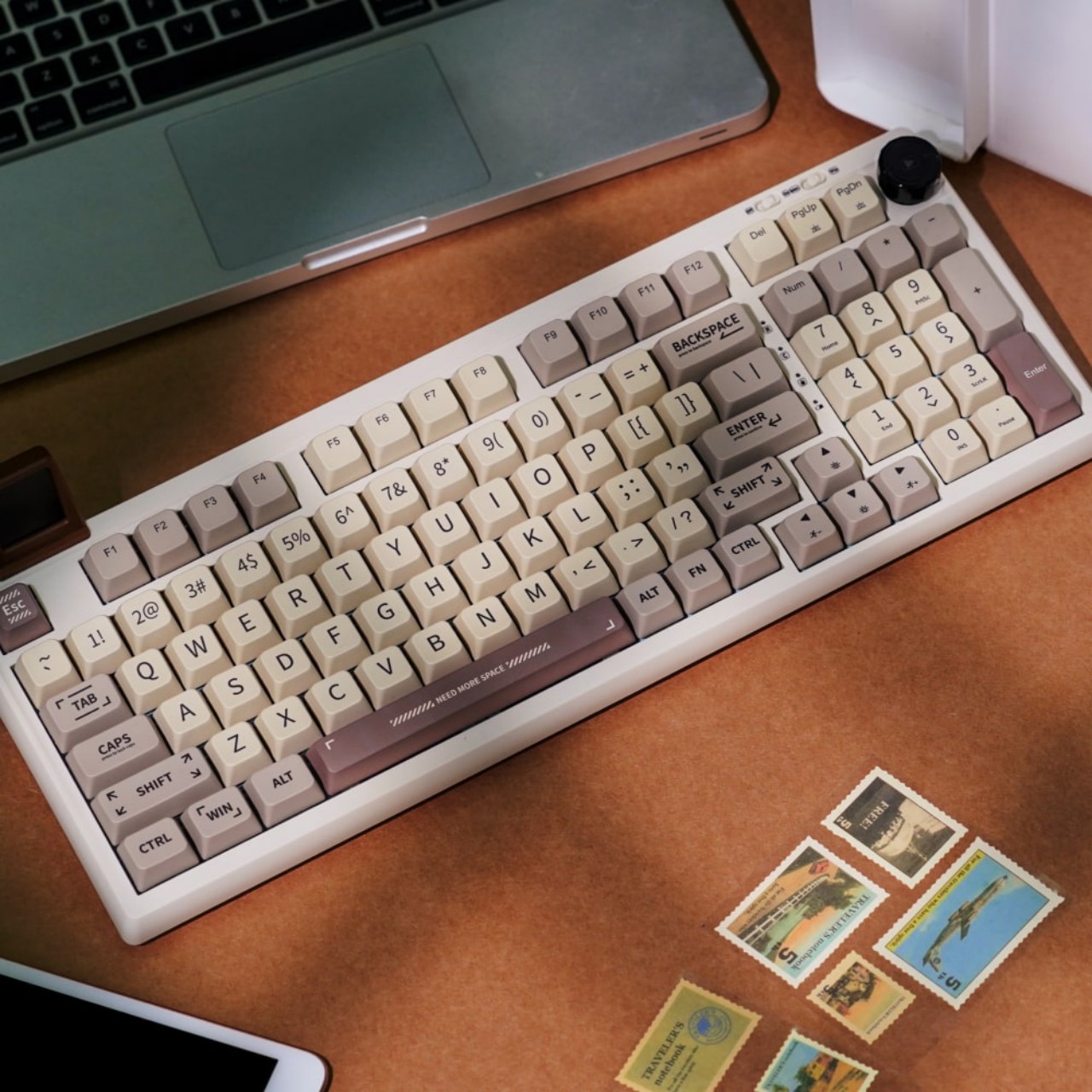
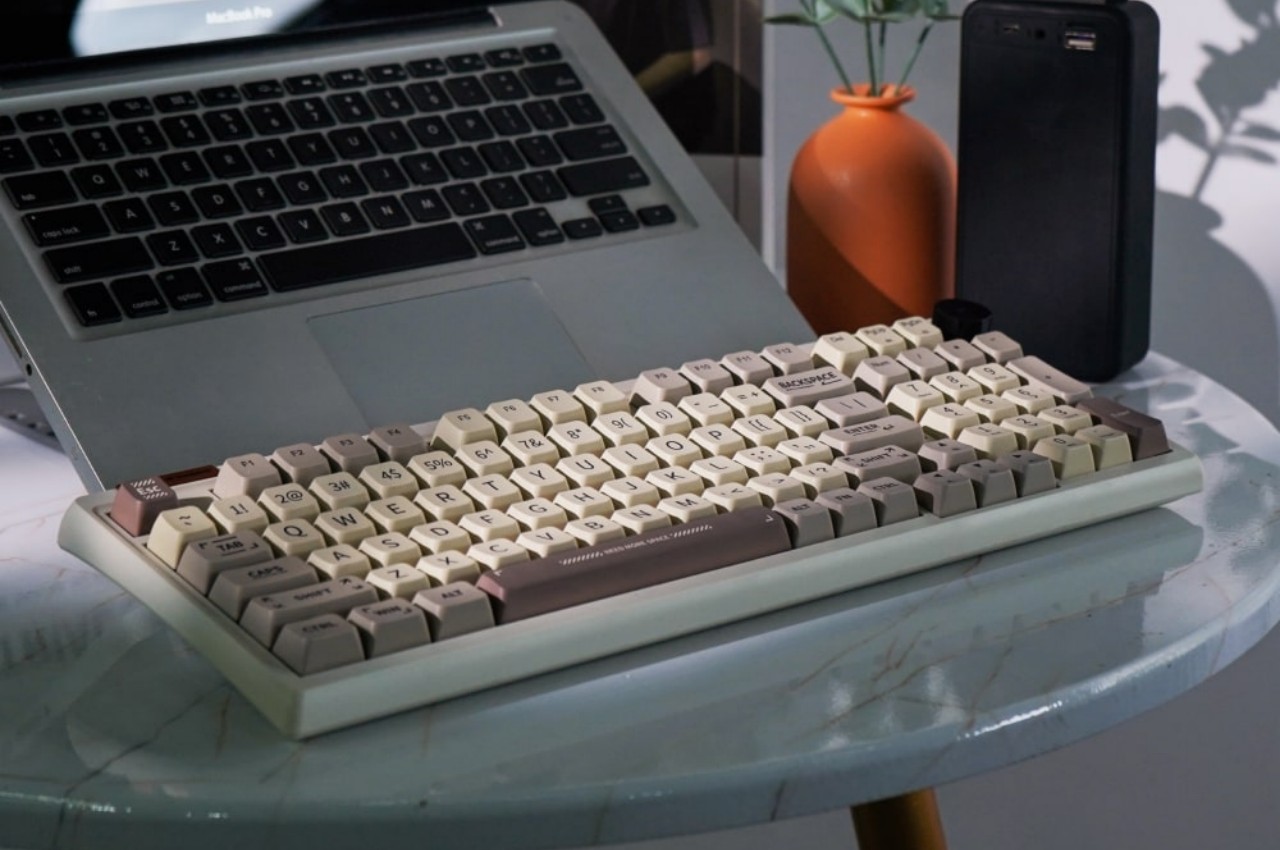
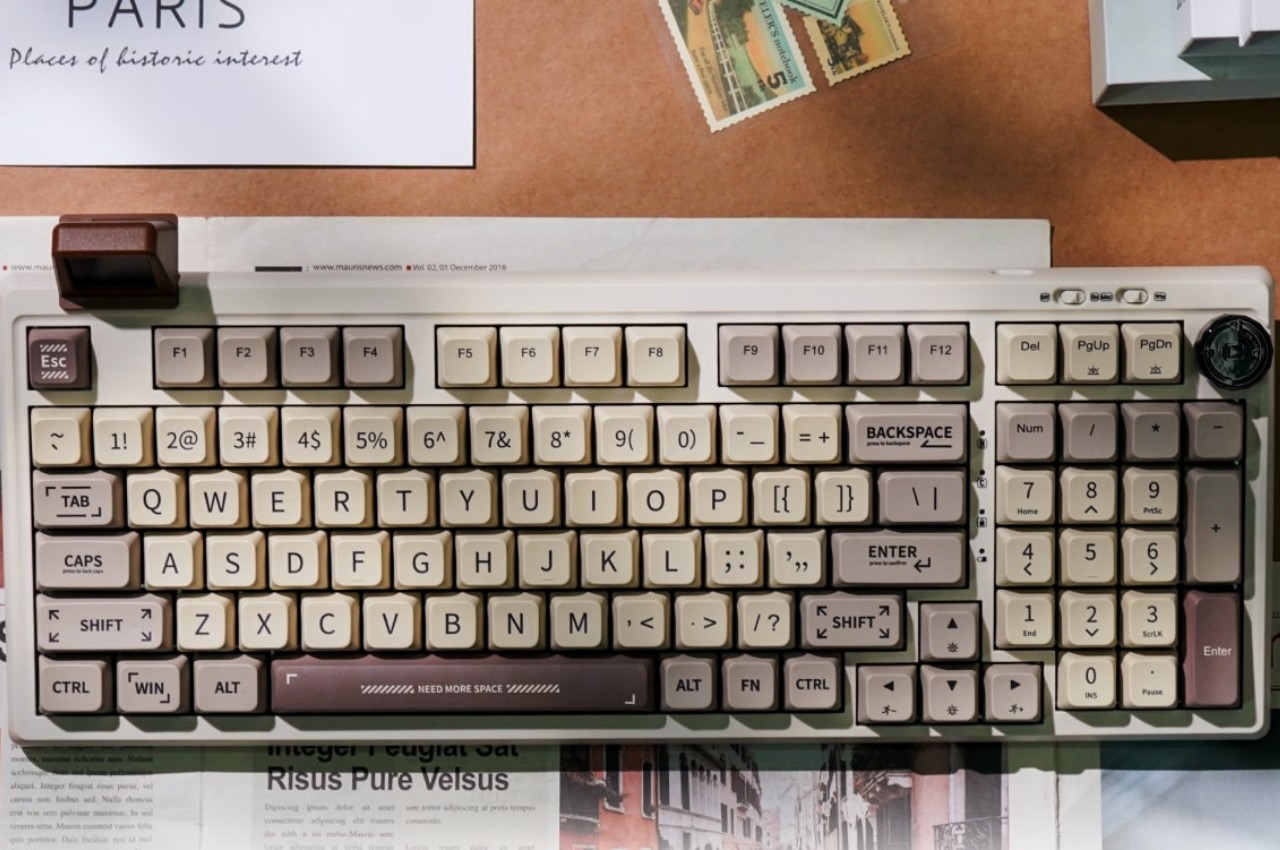
Mechanical keyboards are a dime a dozen these days, all of them promising a better typing experience thanks to more tactile switches. They cover a wide variety of designs, those most seem to swing either towards gamer RGB aesthetics or old-school retro styles. This particular keyboard leans more toward the latter, but that’s not exactly what’s noteworthy about it. What makes it special is that 2.9-inch TV-like mini display in the corner, adding a bit of whimsical flavor to the keyboard. That said, that screen is more than just some fanciful embellishment, as it can add a bit of value to your computing experience even while delivering some fun distractions when you need it.
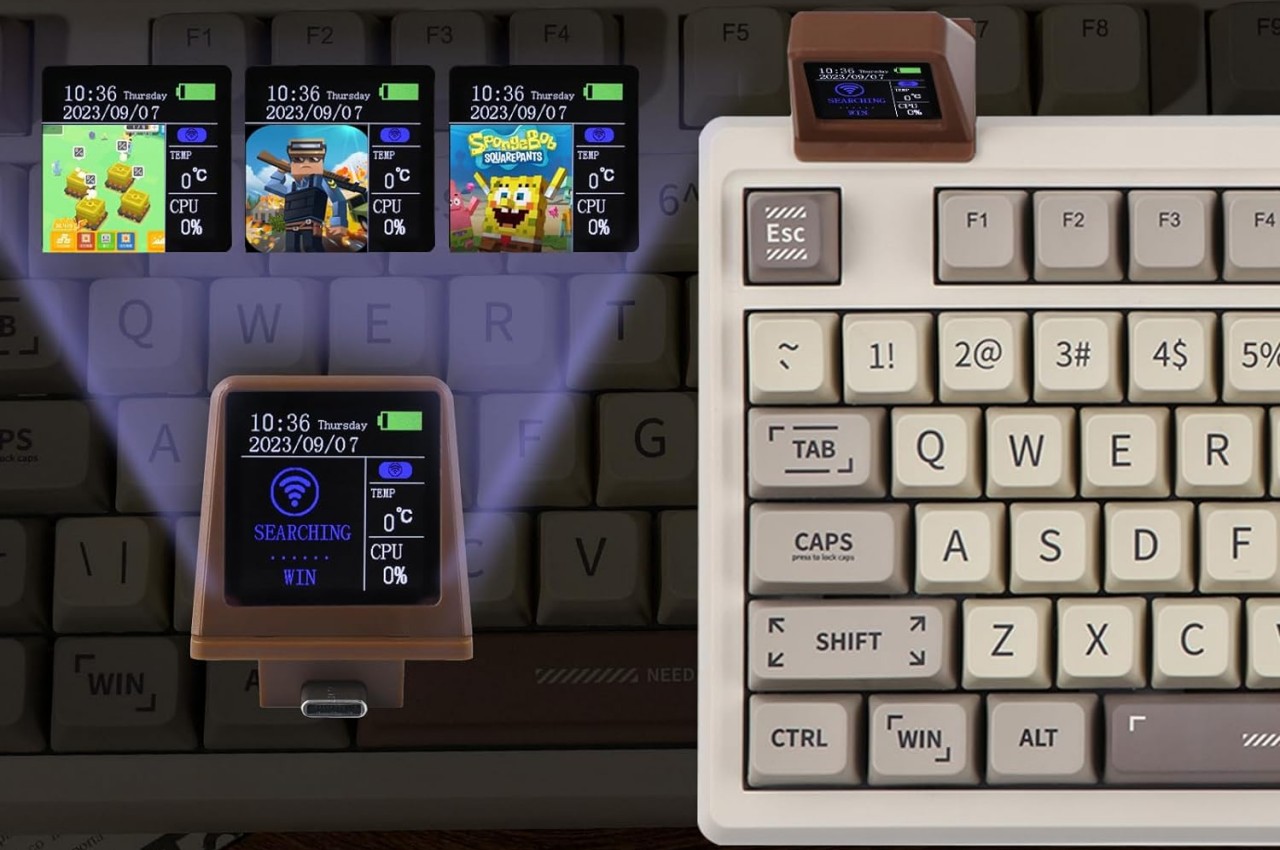
Keyboards with screens aren’t exactly unheard of by now, especially on laptops. Almost all of these designs, however, use the additional display for productivity purposes, often by providing extra touch controls, a drawing space, or even a small second monitor. Given how small the “mini TV” of the Epomaker RT100 is, it can hardly do those functions, but it still manages to bring a smile to users’ faces, especially with how much they can customize the experience.
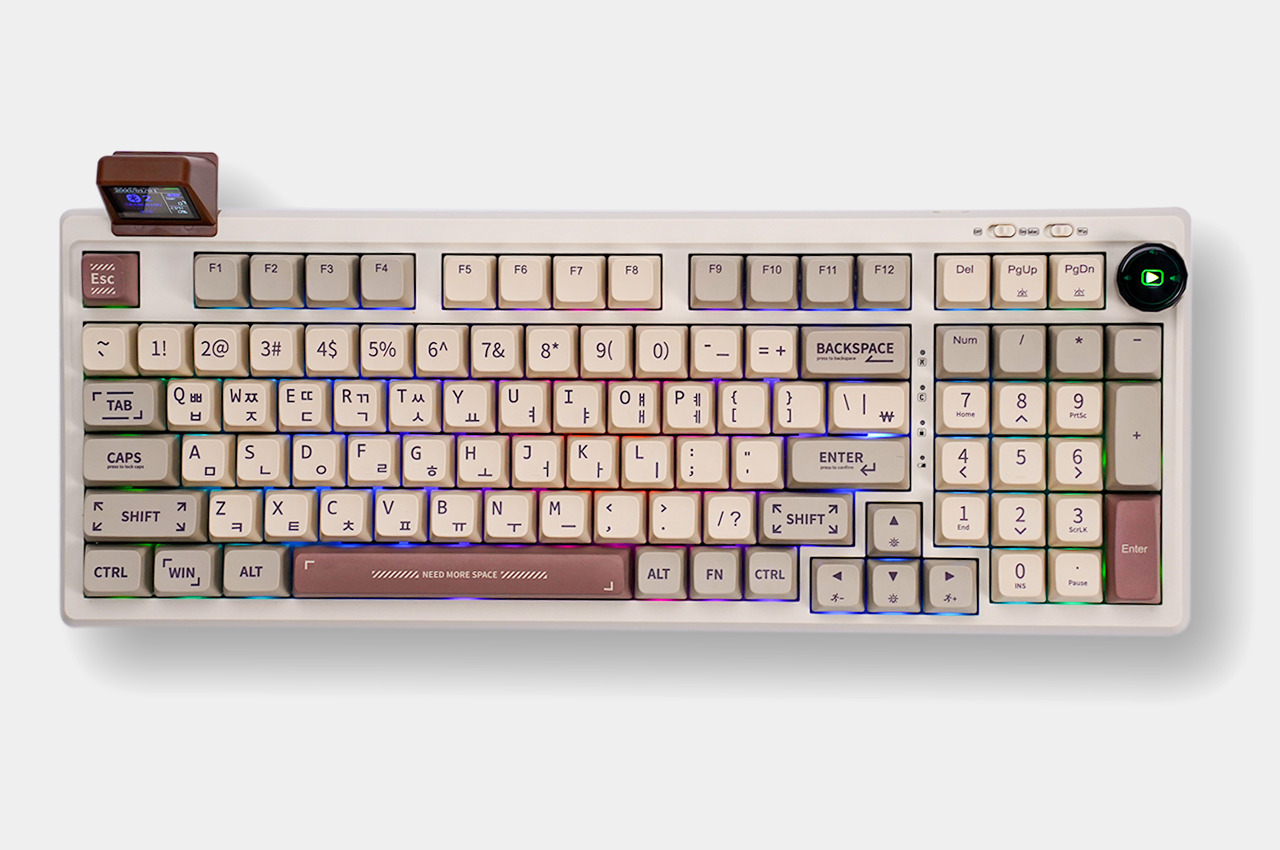
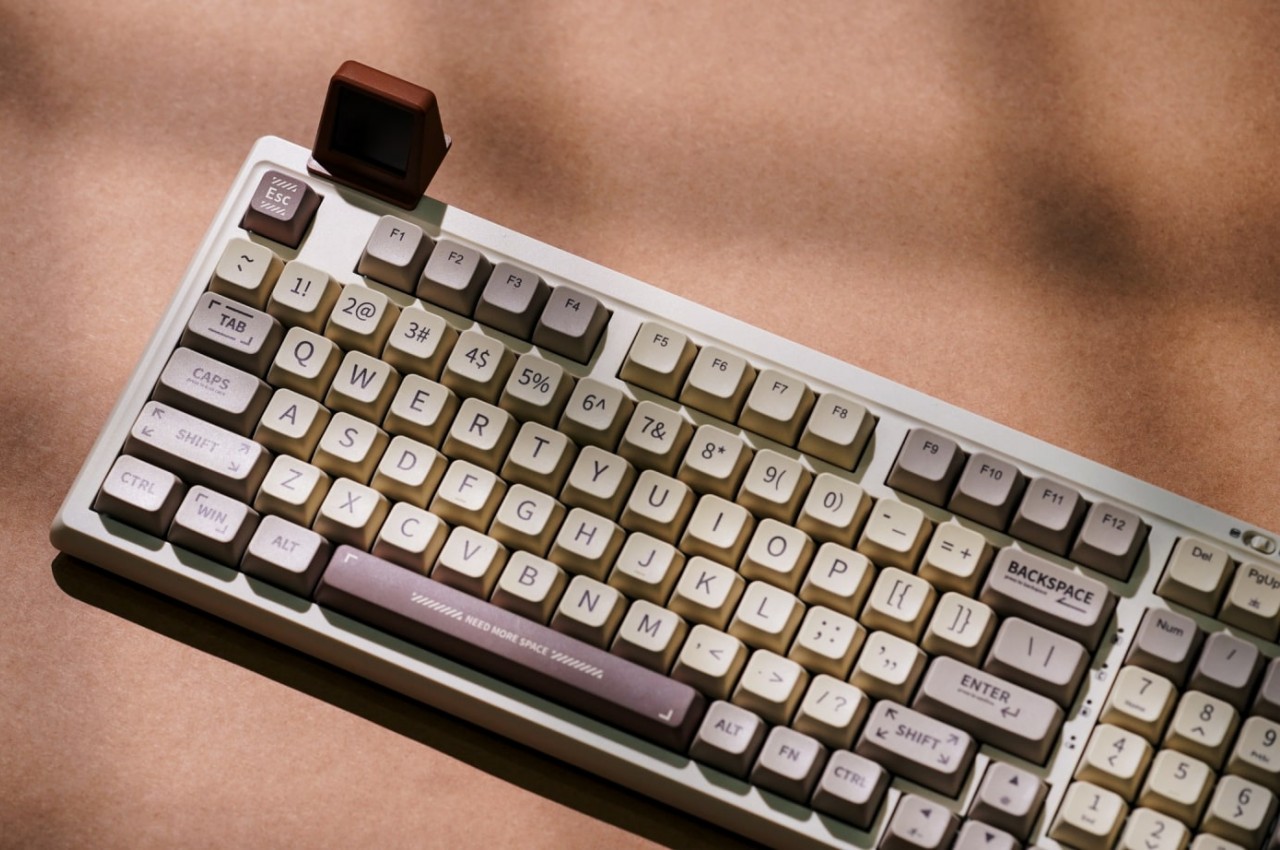
The small 2.9-inch screen, embedded in a detachable trapezoidal prism, sits on the upper left edge of the keyboard. Using Epomaker’s software, that tiny TV can display anything from the time, the weather, an animated image, or even a game of Tetris. It offers a combination of distraction and information that will keep you on your toes while you work. As a bonus, that “TV” is actually removable, which reveals the hidden 2.4GHz wireless receiver for a cable-free connection.
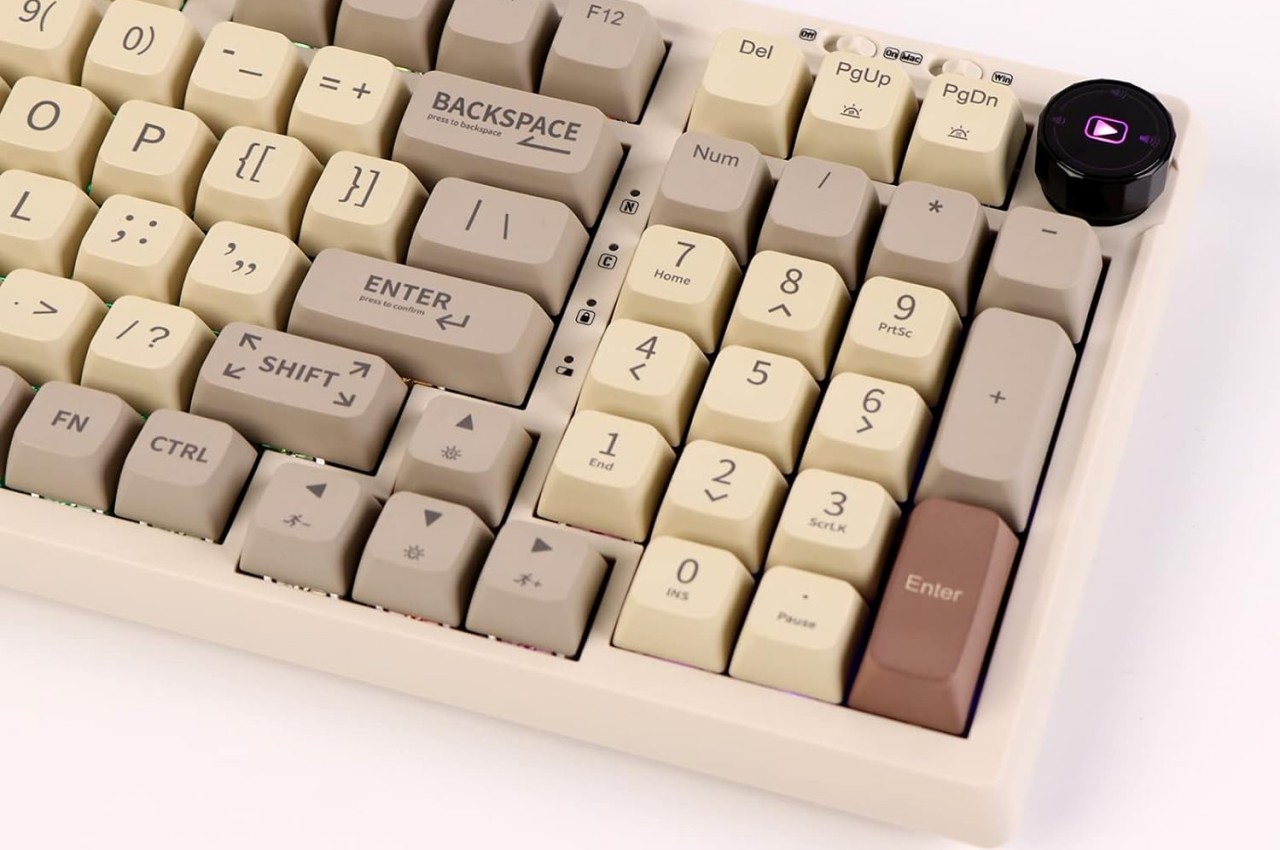
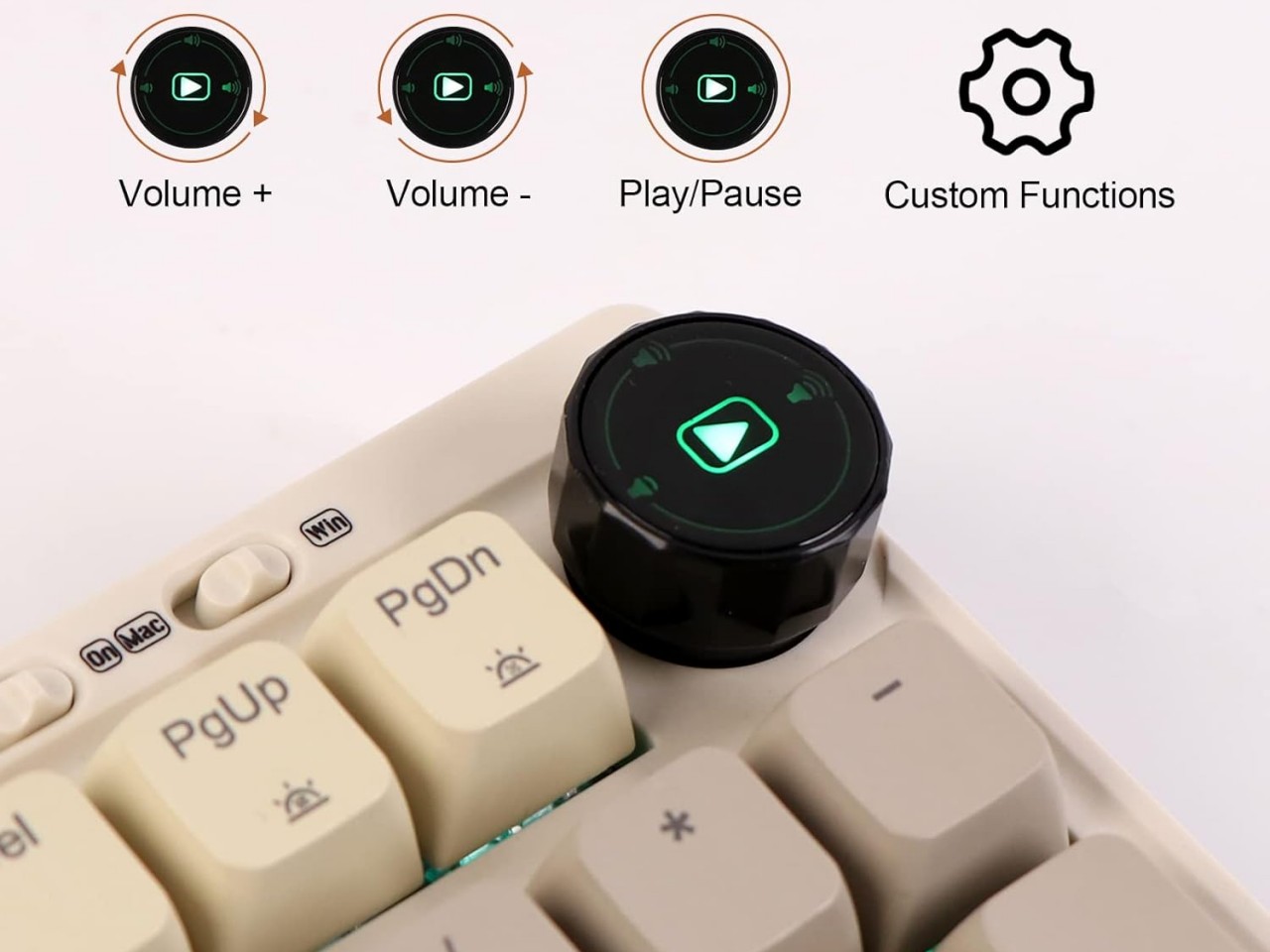
On the more serious side, the Epomaker RT100 has a rather distinctive faceted knob that sits like a black gem on the upper right corner of the keyboard. By default, the physical dial can be used to control media playback, but it can also be programmed for other functions as well. Unfortunately, you can’t change the play icon on the knob’s top to match the function you assign to it.
In all other aspects, this 96-key keyboard is pretty much what you’d expect from mechanical keyboards of its class, including hot-swappable switches and programmable south-facing RGB lighting. The keyboard embraces a chunky aesthetic that calls forth memories or images of decades gone by, making the design feel a little anachronistic in a visually interesting way.