Bamboo drone explores a more sustainable way to fly and deliver things

Some see them as annoyances and others consider them as privacy and security risks. That said, flying drones, just like their quadruped terrestrial counterparts, will inevitably be a part of our near future. That does mean there will be more mass-produced drones, more than what we already have today, and the materials used to make them aren’t always accessible or sustainable. But just as plastic is being replaced in other design industries, there’s also an opportunity to test other materials that are just as suitable for these flying robots. One experiment does exactly that, and it chooses a rather unexpected option that’s much loved in the design industry: wood.

Designer: Deepak Dadheech

Wood is not something you’d immediately associate with electronics, let alone robotics, but it is finding its way to more appliances and gadgets. In those cases, the material is prized for its sustainability and aesthetics, the latter of which isn’t exactly a priority among unmanned aerial vehicles or UAVs like drones. That said, not all wood is created equal, and one particular type could very well be suitable for the demands of a drone.
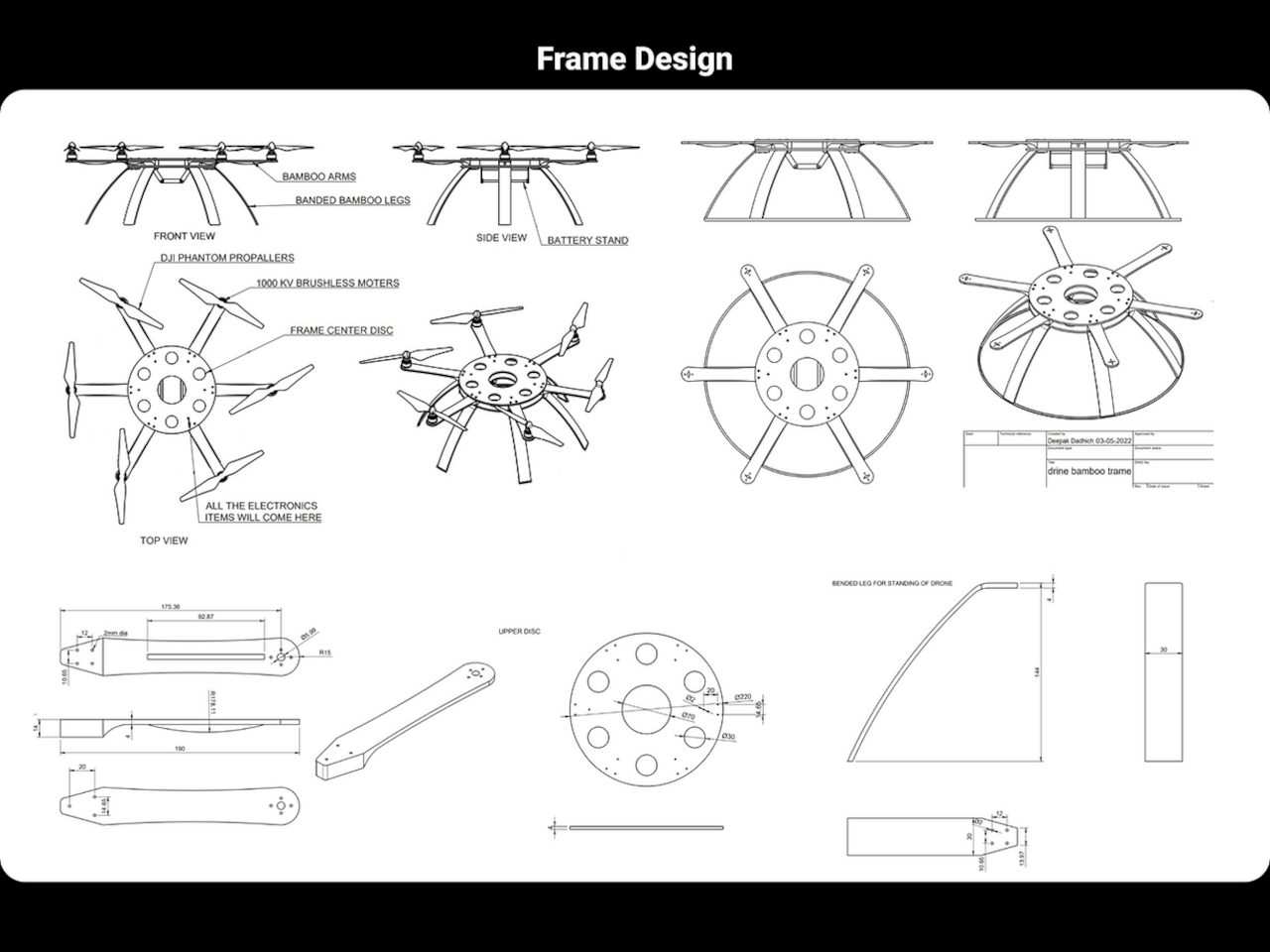
Bamboo, in particular, is known for being lightweight yet also durable, especially when it comes to its tensile strength. Unlike hardwood, which could splinter and break on impact, bamboo can absorb a bit more strength. It’s also in high supply or easily renewable, unlike other trees that take a longer time to mature. Because of these properties, it could make for a good substitute for both plastic and carbon fiber, as the Bamboo hexacopter drone demonstrates.
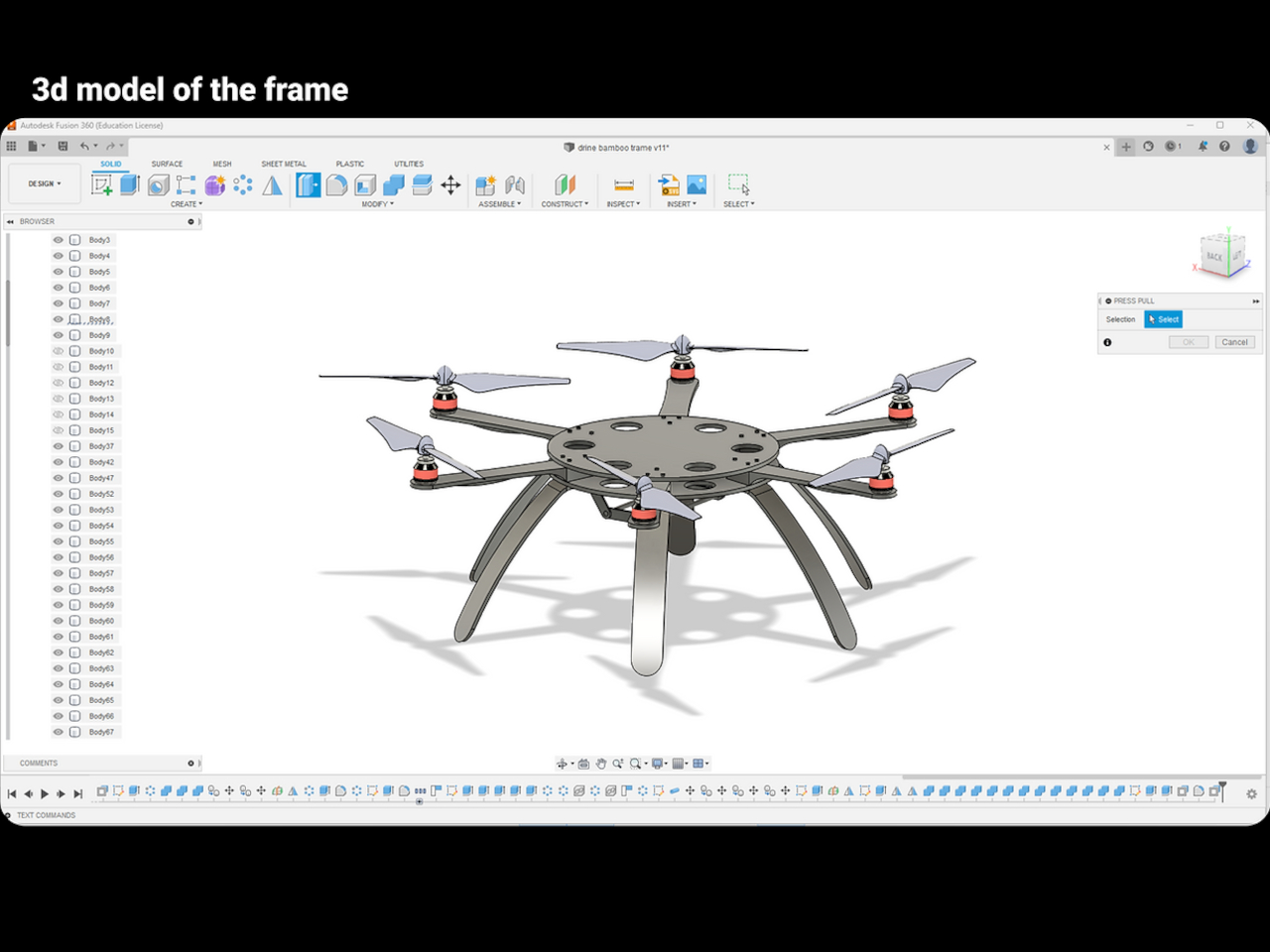
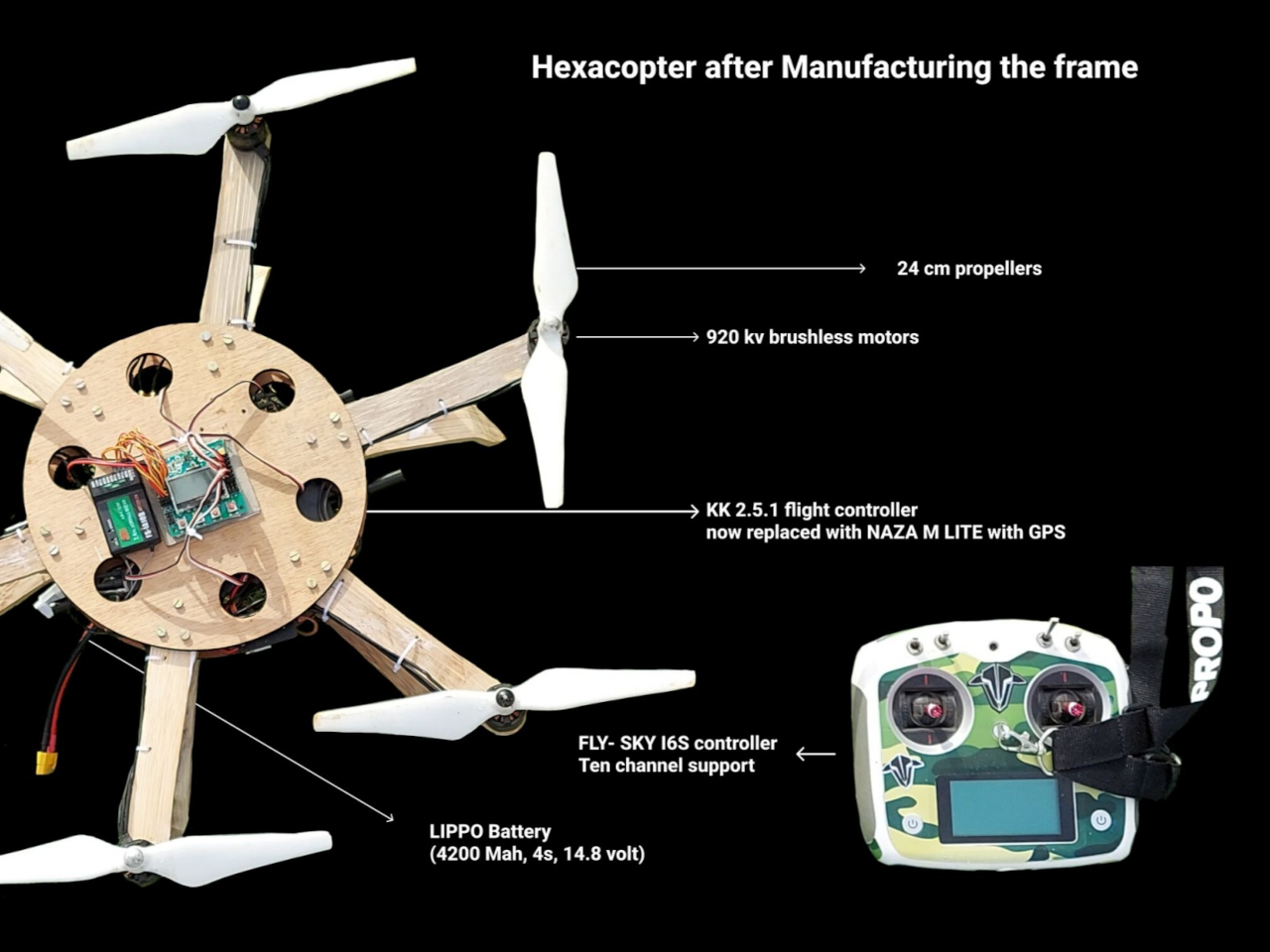
Of course, the whole drone isn’t made of bamboo. In addition to the circuitry and brushless motors, the propellers are still made from plastic. Only the main frame, legs, and arms use bamboo, which is the largest use of plastic or carbon fiber in drones anyway. For only around $12 worth of bamboo, you can have a drone that weighs only 350g, half that of typical plastic builds.

The question, however, is whether such a strategy will actually be effective or if it will have too many compromises for the sake of sustainability. The Bamboo Drone does fly indeed and it can, in theory, carry light payloads like tools, emergency supplies, or scientific instruments. How it will fair against strong winds and light rain has yet to be tested, and that will really determine how suitable bamboo will be for a fleet of drones.

The post Bamboo drone explores a more sustainable way to fly and deliver things first appeared on Yanko Design.
Modular In-car Coat Hanger Concept Doubles as a Tablet Holder and Stand

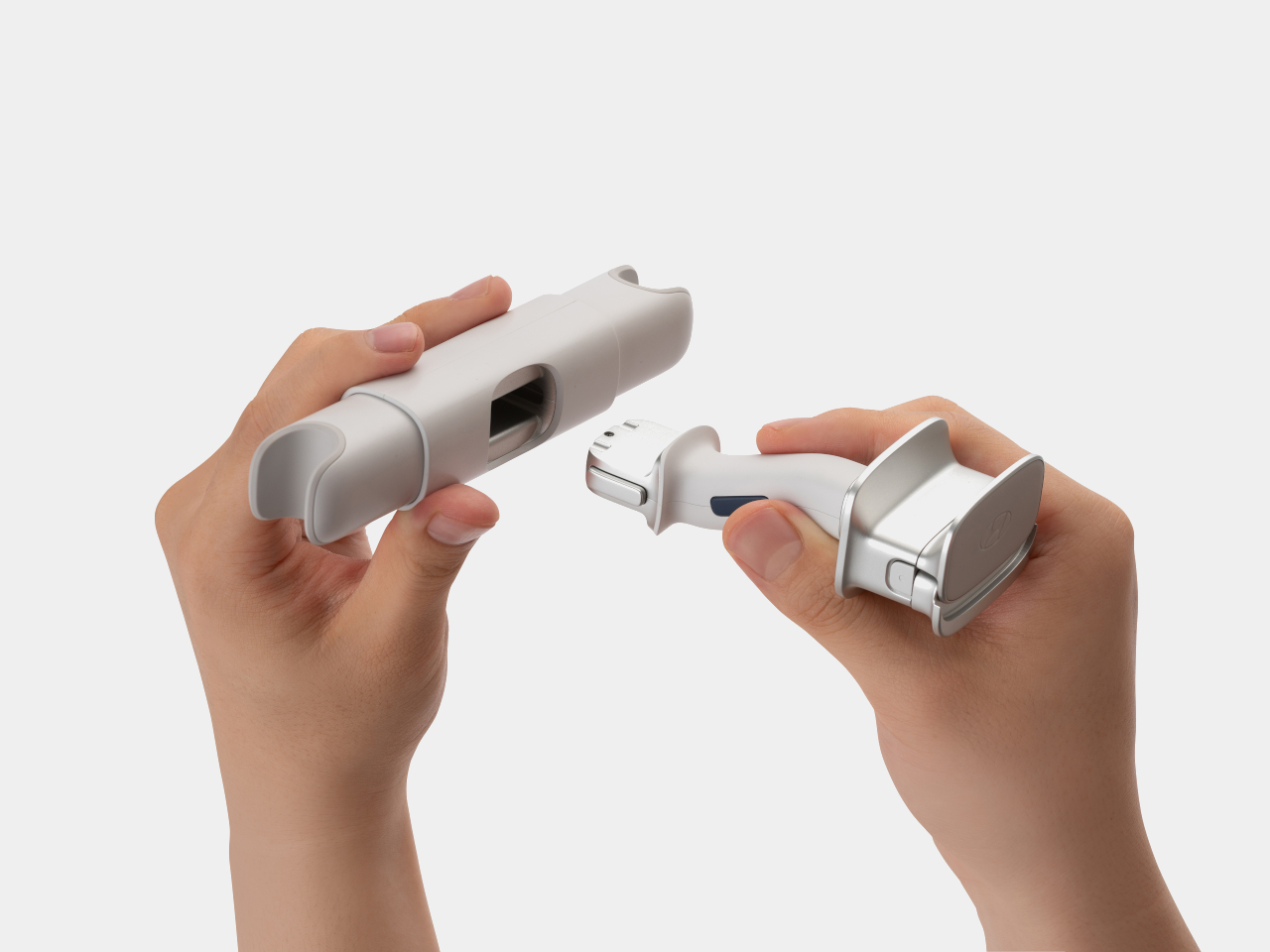
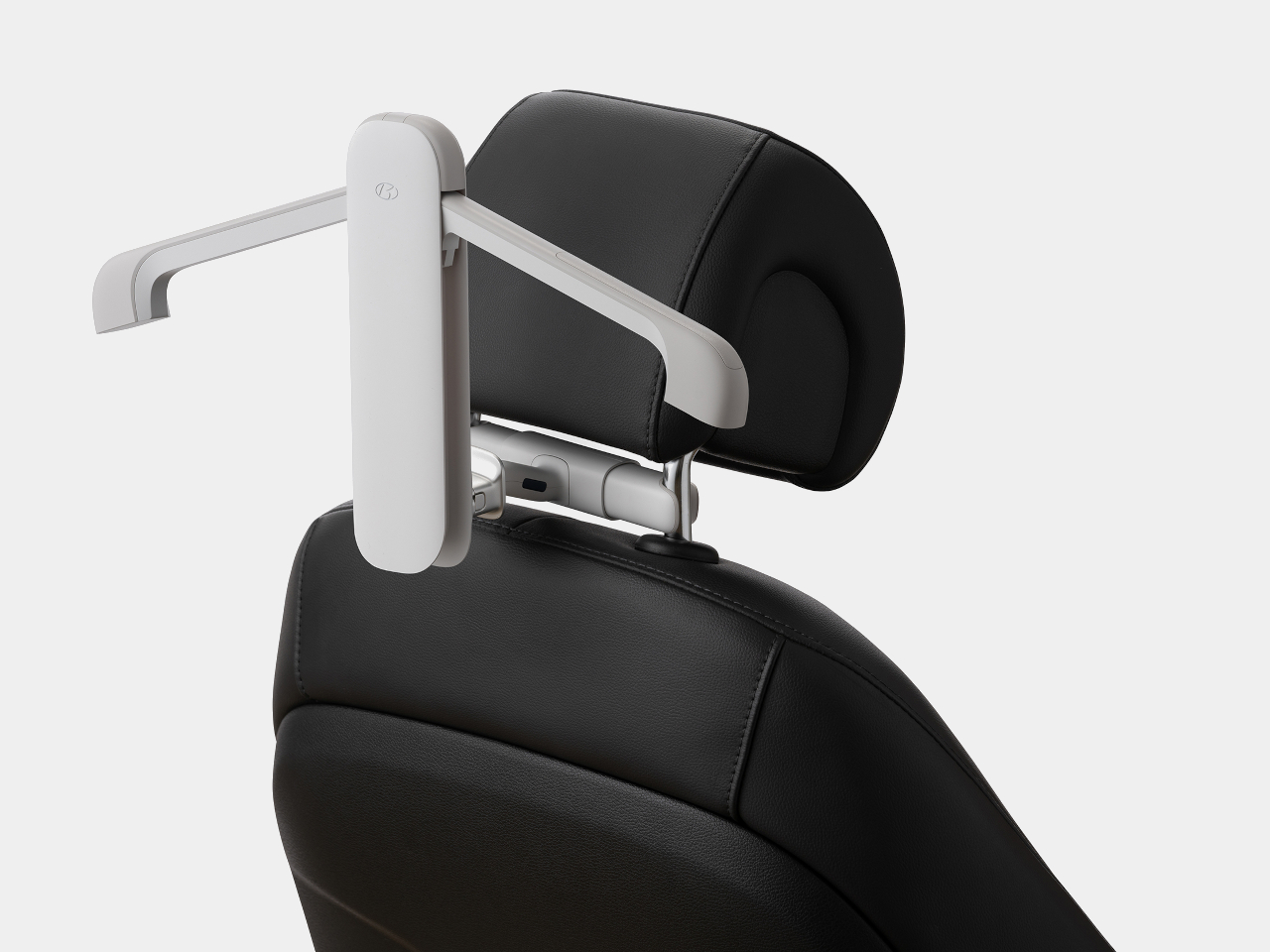
Vehicles like cars and vans have a variety of storage solutions for almost everything you might want to bring with you except for coats, dress shirts, and dresses. It’s not uncommon for people to bring certain clothes they need to hang, but even after decades, the majority of cars don’t have a proper solution to that problem. At the same time, it might be a waste of precious space to have a permanent fixture just for hanging clothes you might bring occasionally, so this accessory concept utilizes a modular design that adds a hanger in your car when you need it or any other thing you need to hang from the back of a car seat, like a tablet, for example.

Designer: BKID co

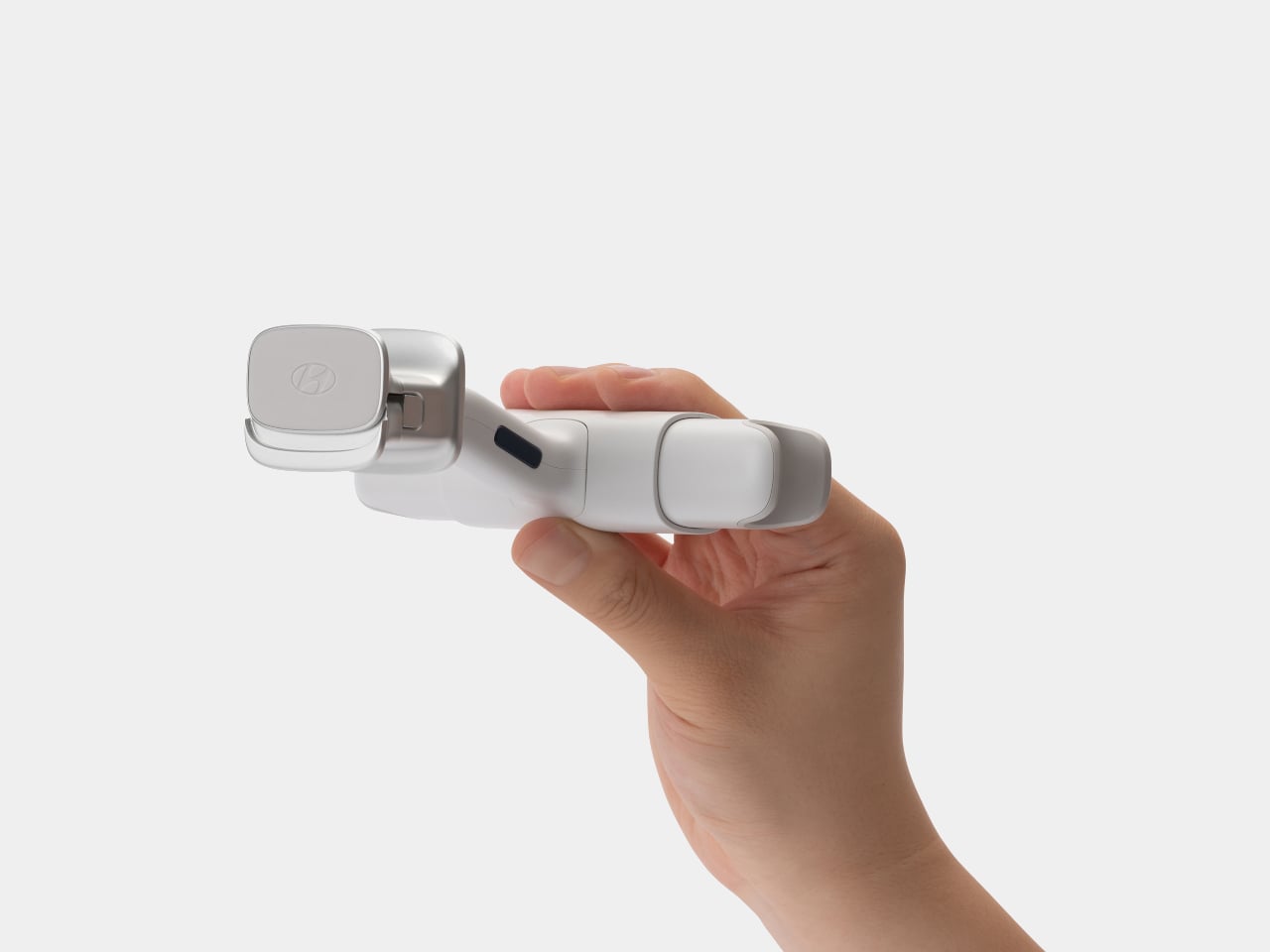
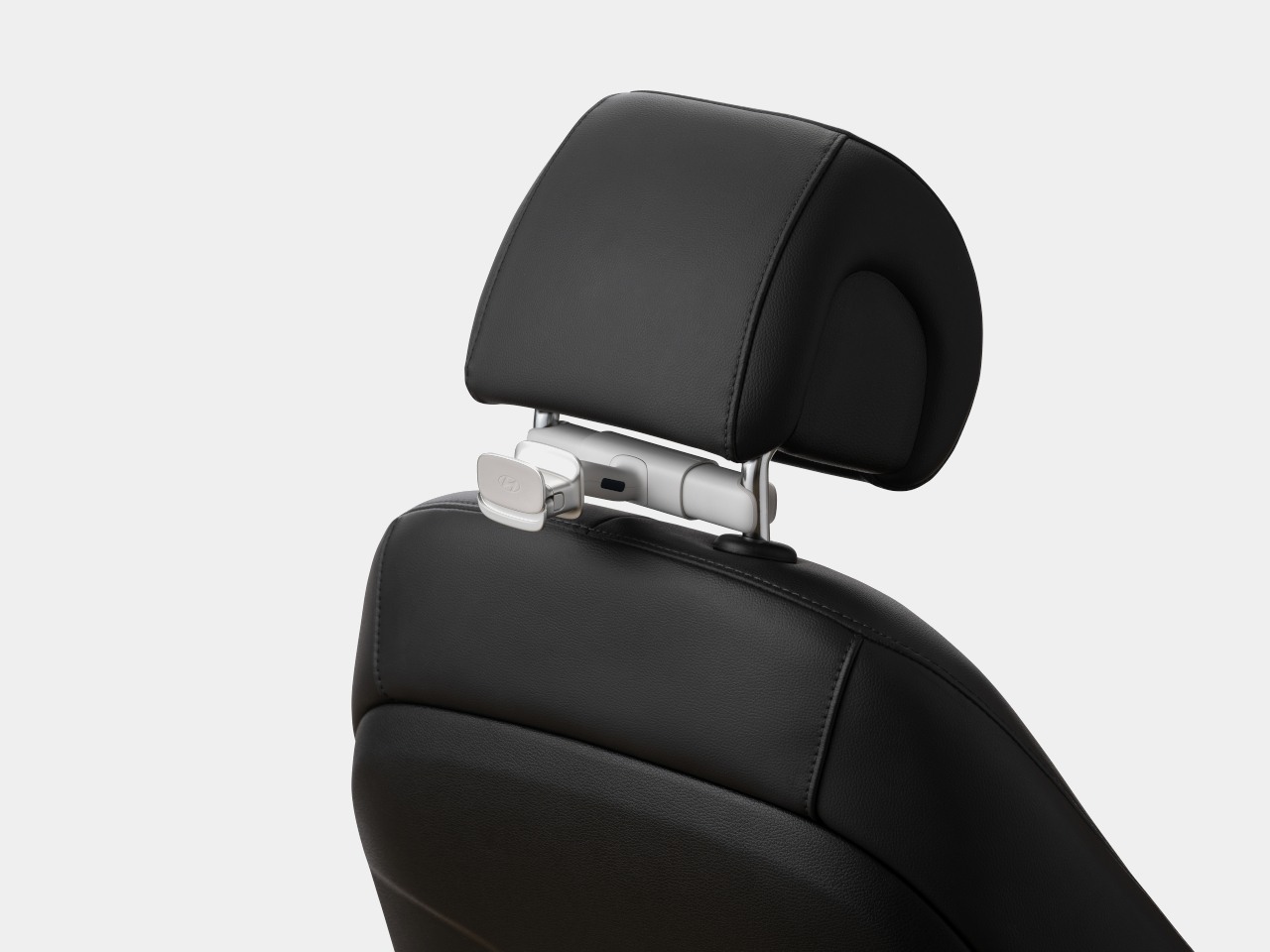
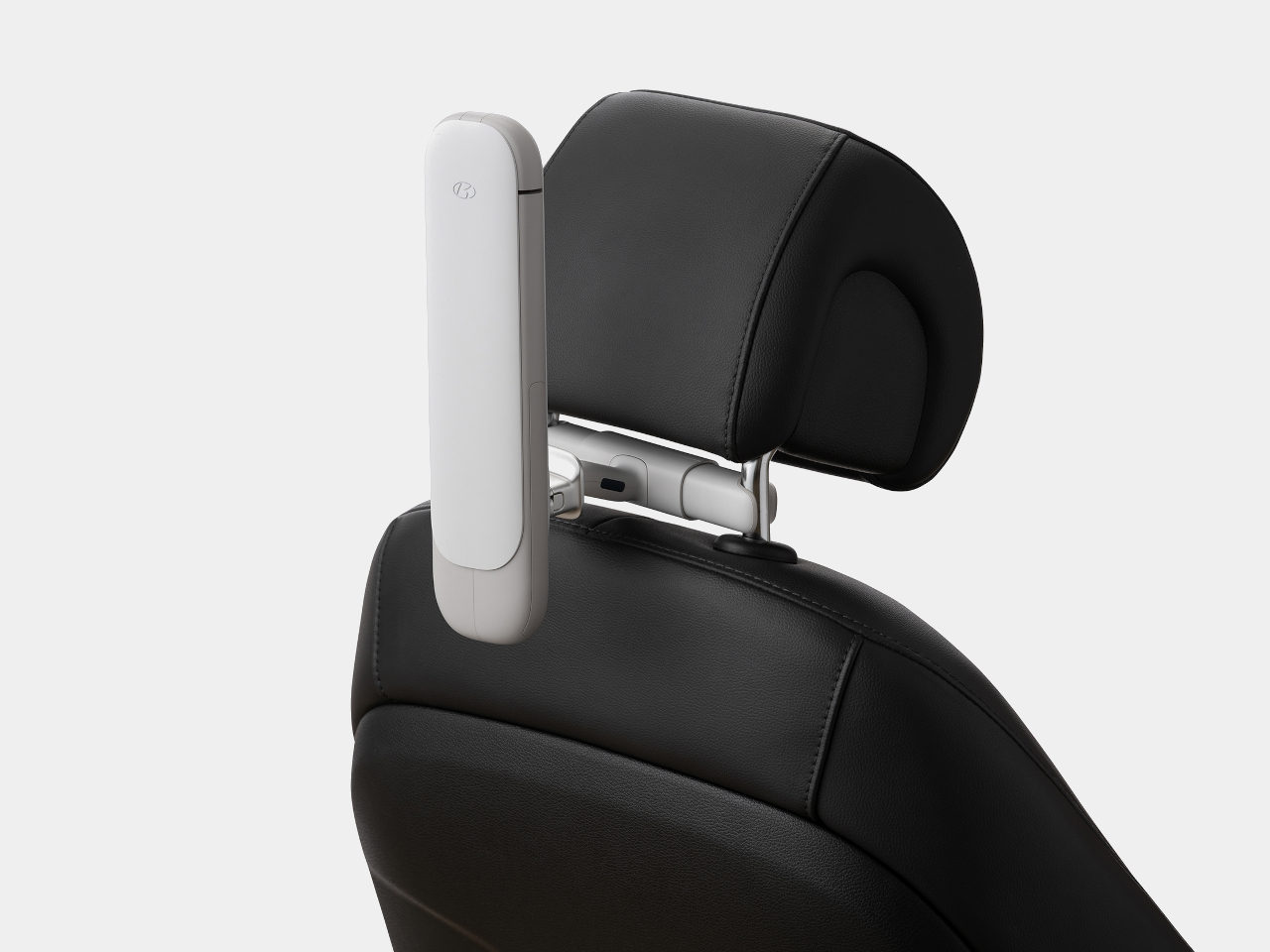
Theoretically, you could always hang clothes from the car’s grab handles or assist grips, but they’re obviously not designed for that purpose. It doesn’t align the hanger with the car’s cabin, making it awkward, cumbersome, and space-consuming. This Hyundai Multi Hanger, in contrast, uses the space right behind the driver or front passenger seats, using a hanger design that doesn’t get in the way when you don’t need it or can even be used for some other purpose.

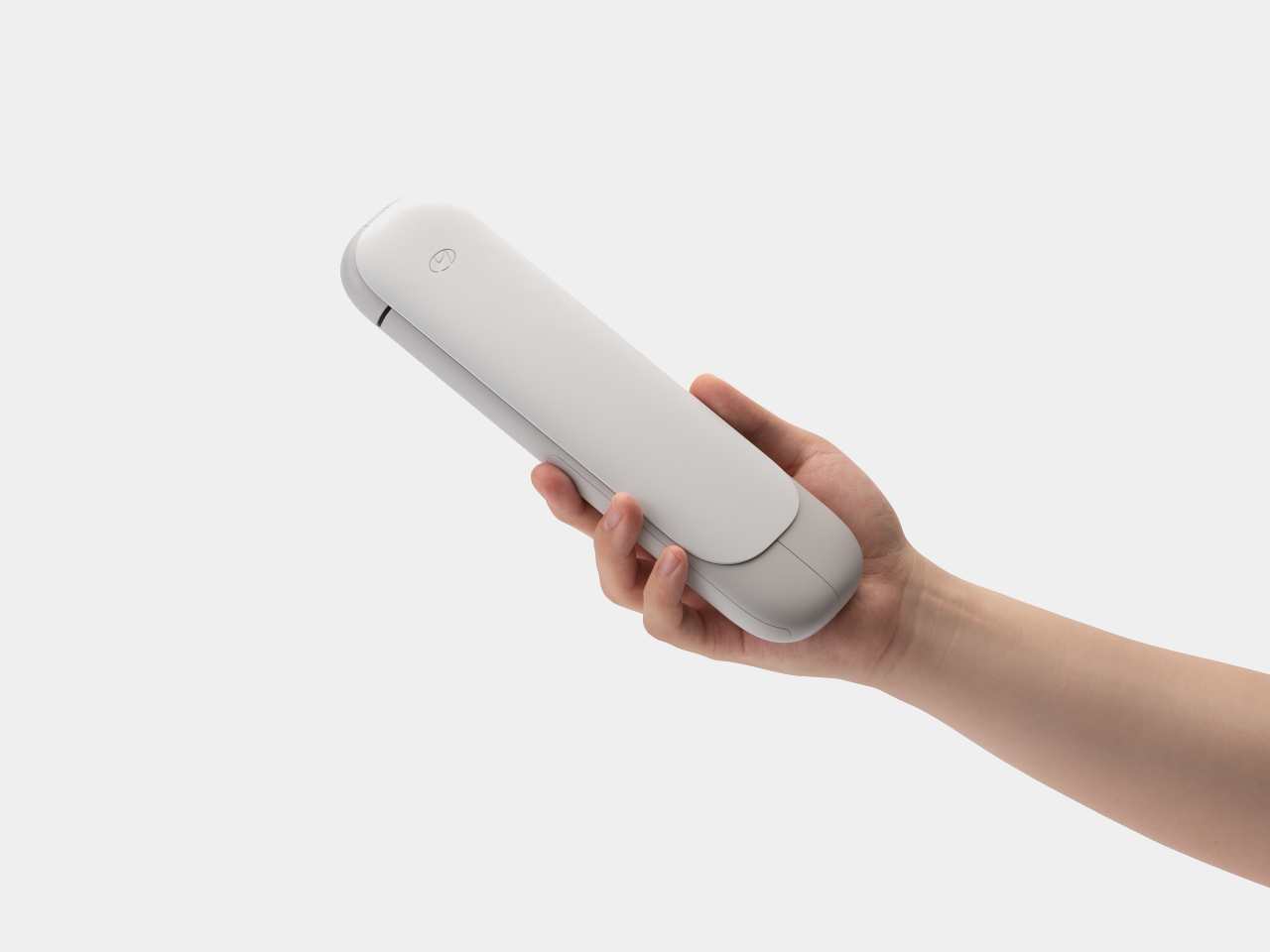
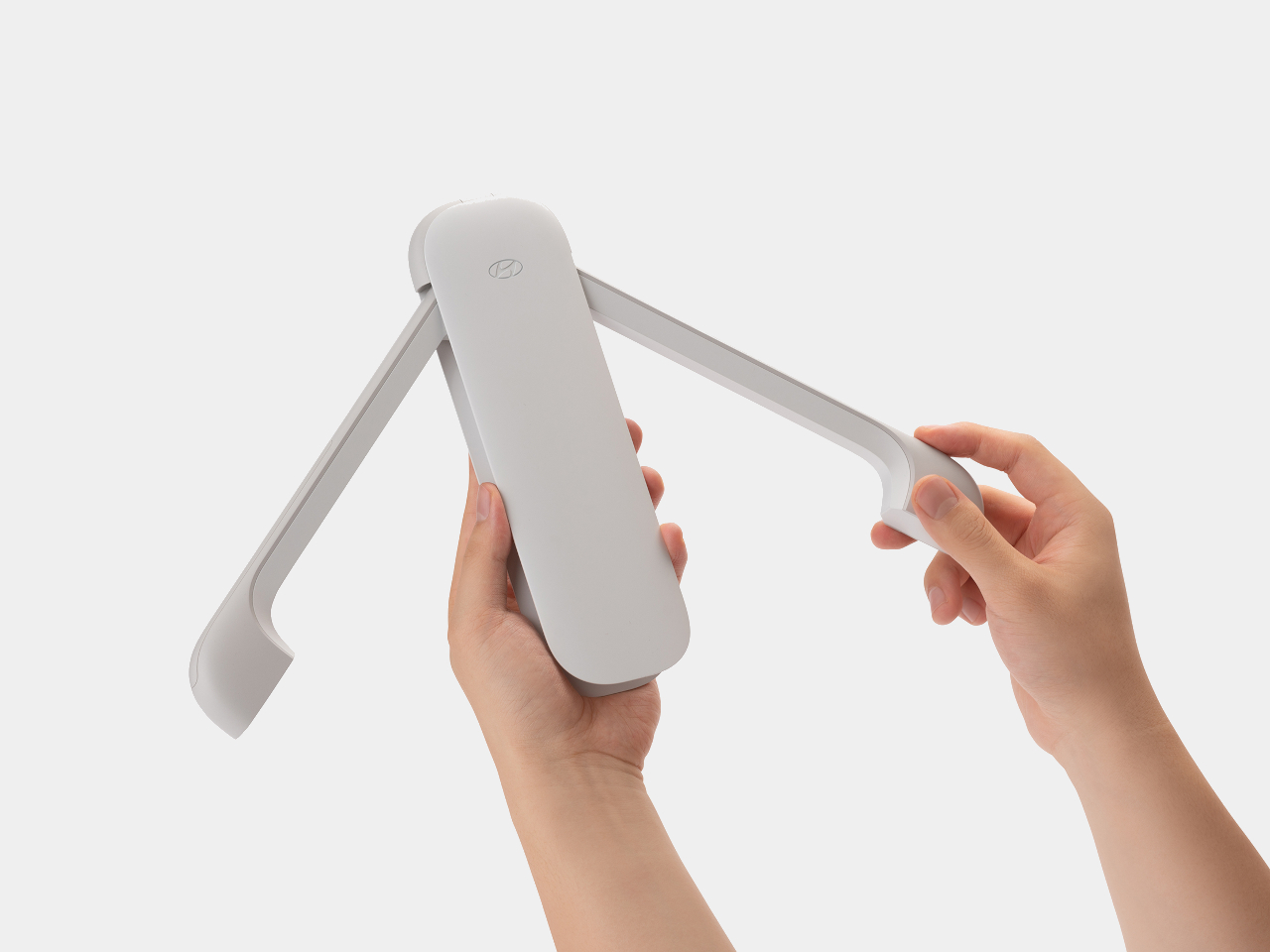
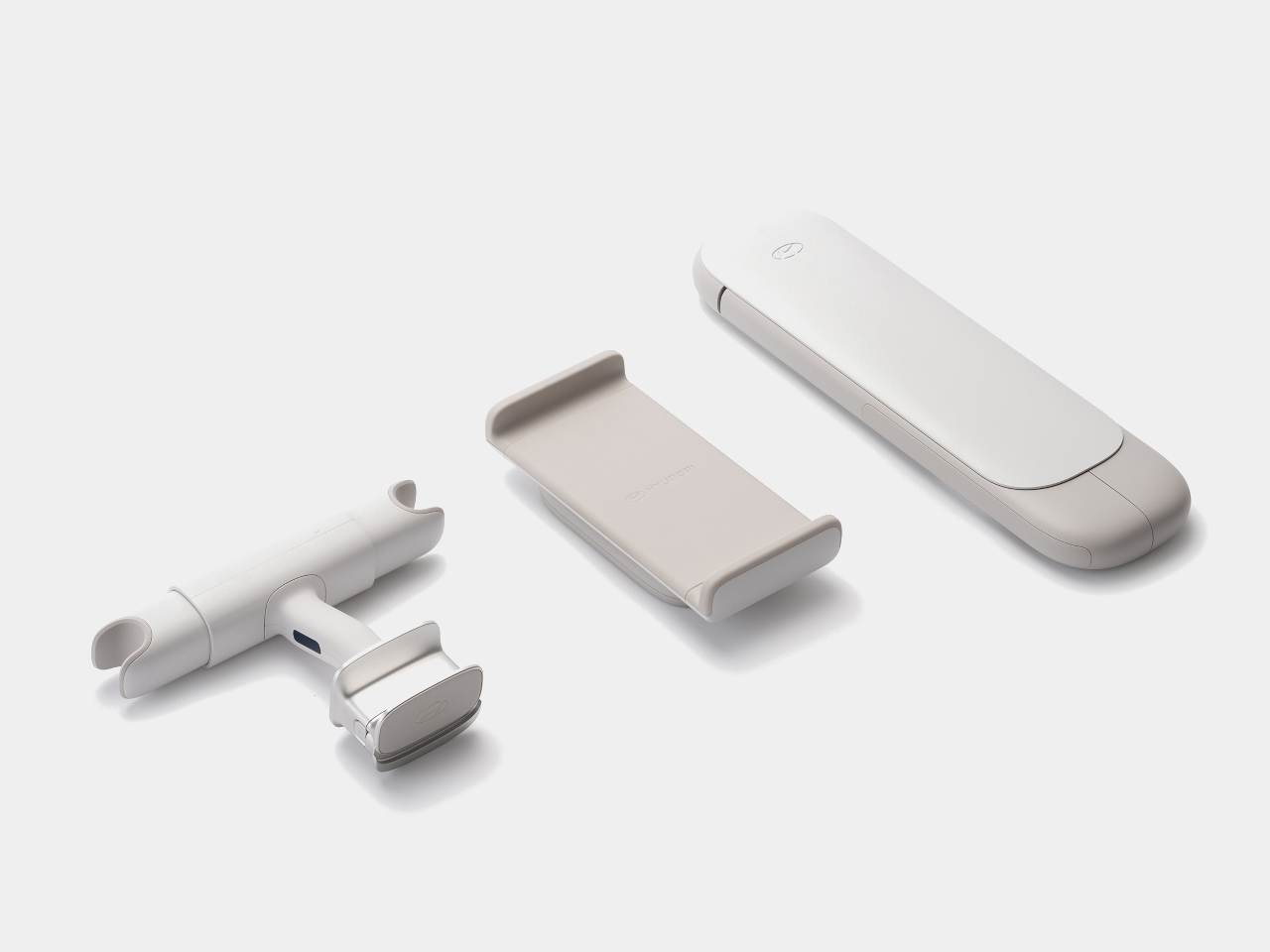
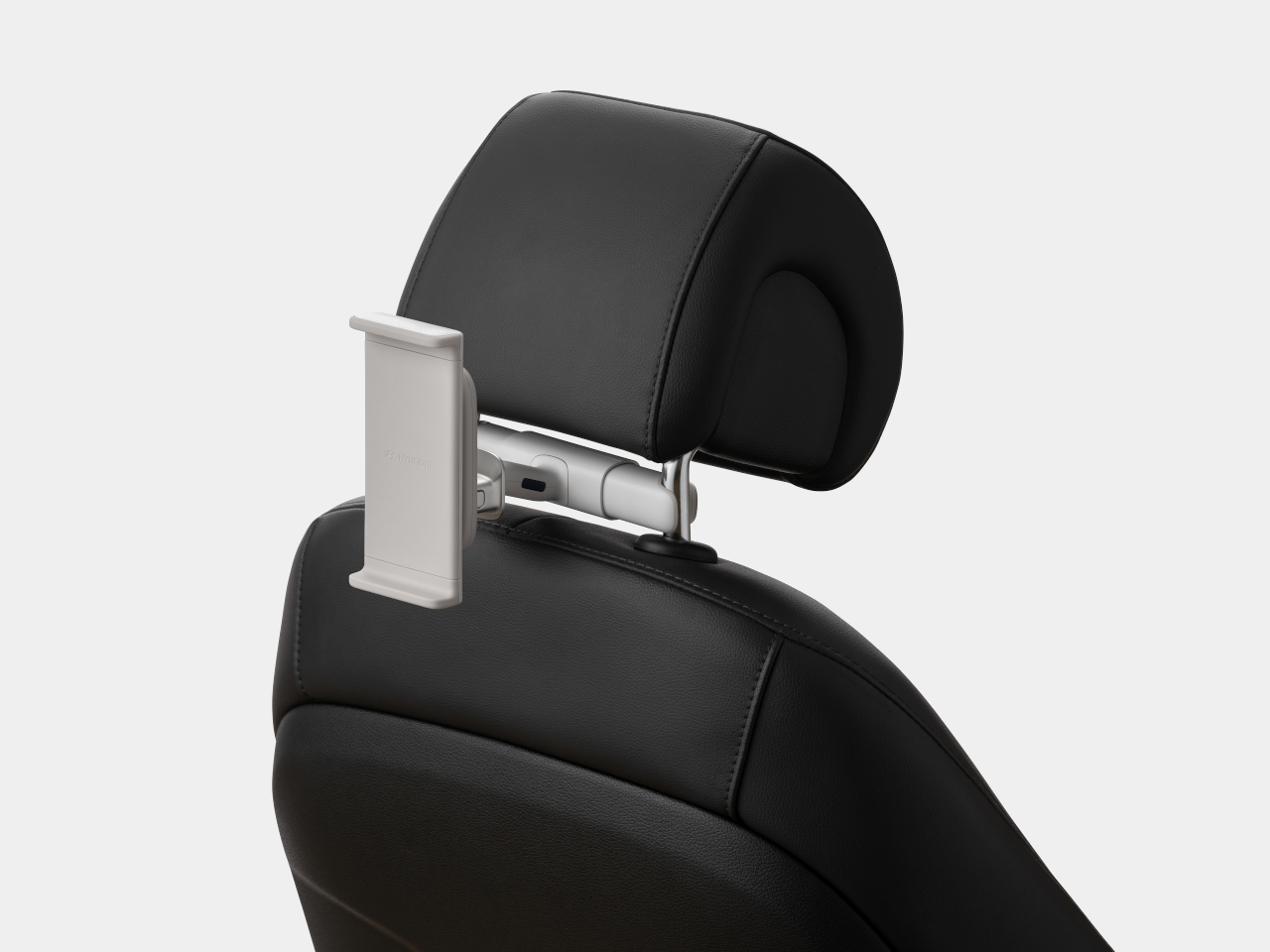
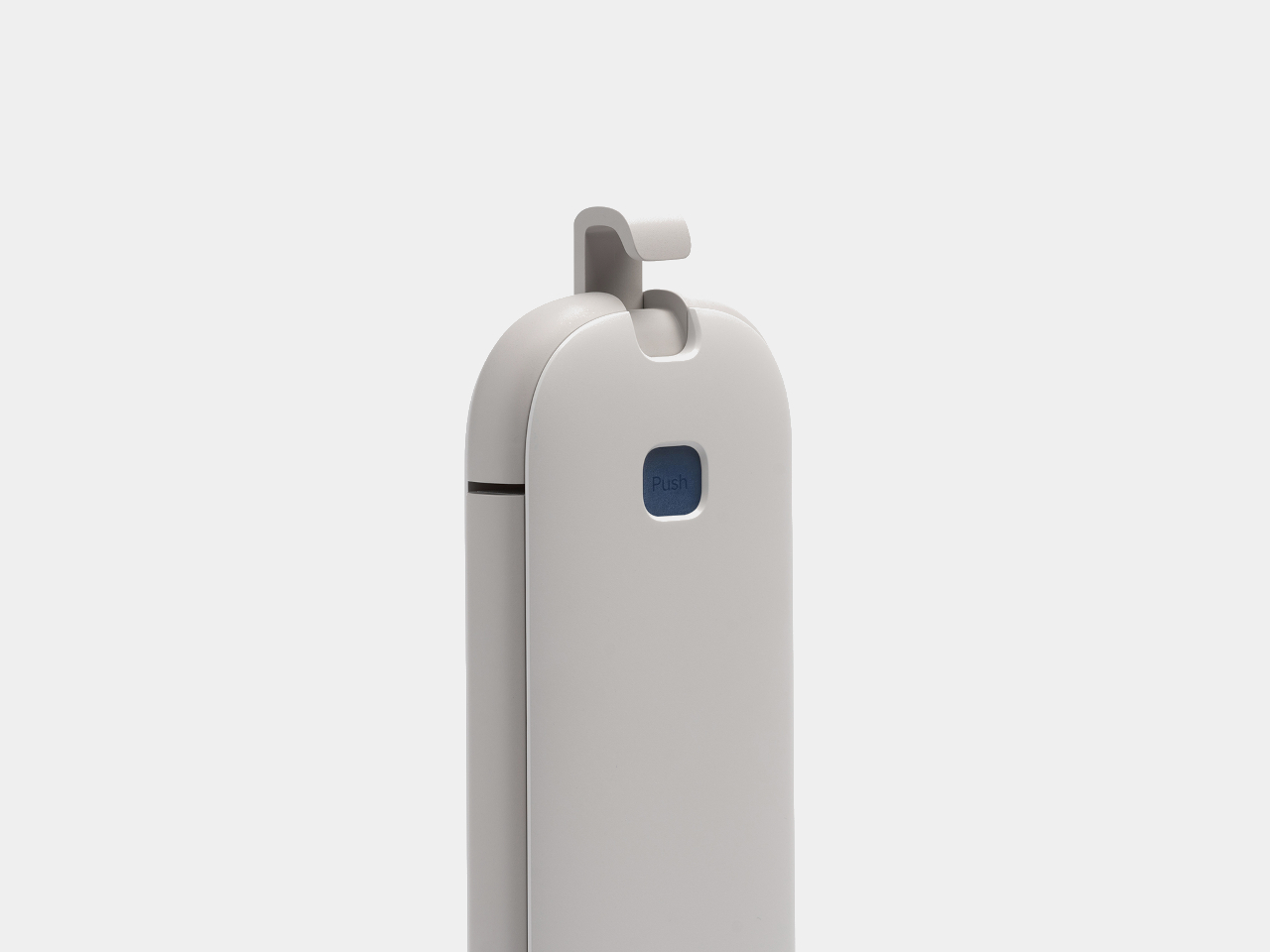
The secret to this multi-functional feat is the modular design of the hanger. The hanger itself has “wings” that can fold inside its body, conserving space even while it’s still attached to the seat. The base of the hanger clamps onto the rods of the seat’s headrest, which means you will need to raise that headrest a bit, which could be uncomfortable for the person sitting in front. Alternatively, the hanger itself can be hooked somewhere else, presuming there’s a bar thin enough to fit inside the very small hook.

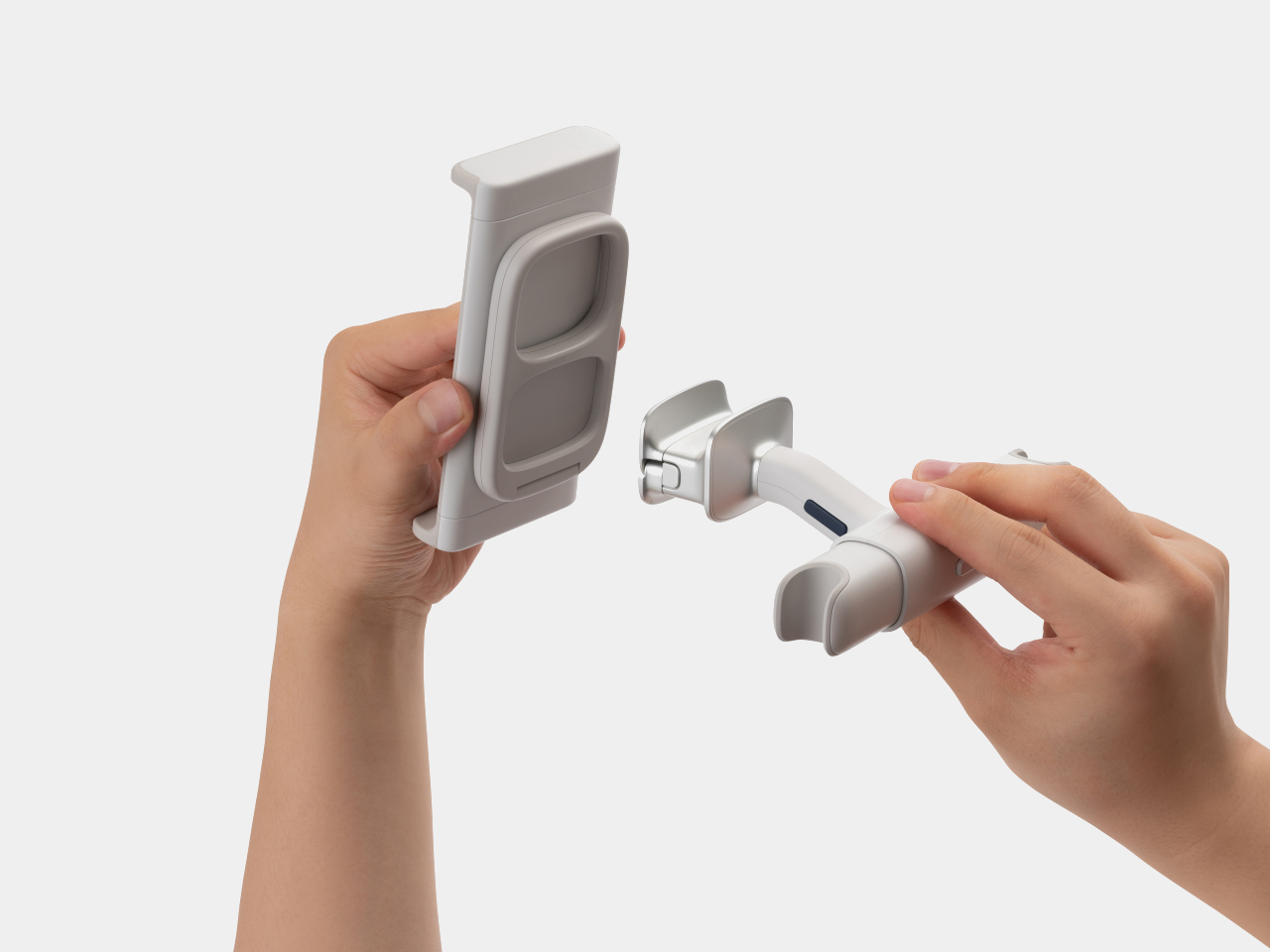
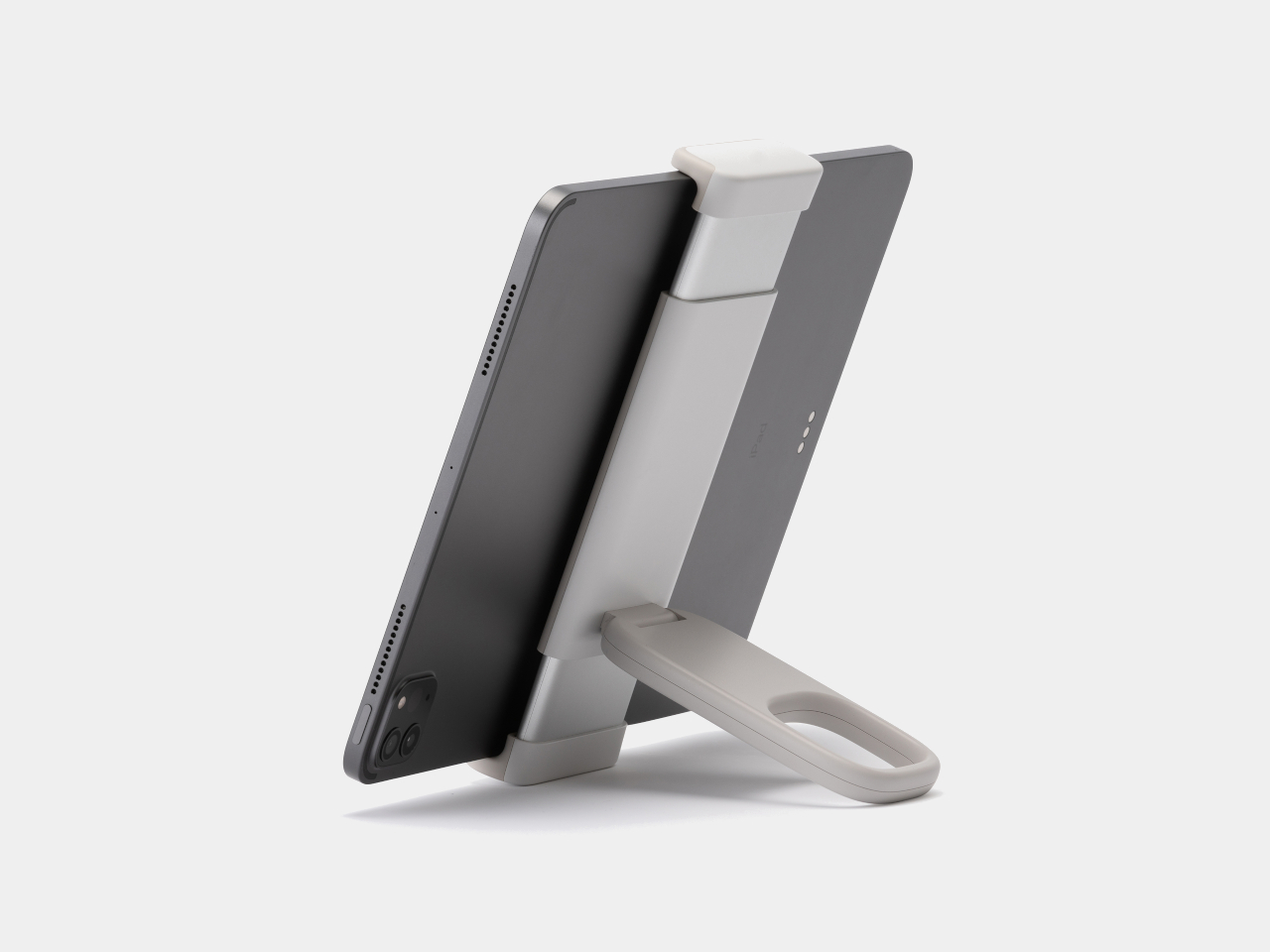
If you do remove the hanger from the holder, you can attach other parts instead. One of these is a clamp for holding tablets, which transforms the hanger into an entertainment panel, which kids might enjoy. That clamp can also be used standalone, with the connector at the back acting as a stand for the tablet.

In theory, plenty of other things can be attached to this modular system, like a pocket or basket for small items or maybe even a holder for food and drinks. It’s a simple yet effective solution that takes advantage of an often overlooked area of cars, made possible thanks to the creative use of foldable mechanisms.

The post Modular In-car Coat Hanger Concept Doubles as a Tablet Holder and Stand first appeared on Yanko Design.
Folding Travel Toothbrush Concept Keeps Your Teeth and the Planet Clean

Dental hygiene is already quite the tiresome chore at home, so you can probably imagine how some people use travel as an excuse to conveniently “forget” brushing their teeth. Of course, you can always bring your own toothbrush, or hope your hotel provides one, but not all travel toothbrushes seem to be designed for travel. Conventional toothbrushes take up plenty of space with their long bodies while folding designs feel flimsy, unreliable, and always disposable. For those who really want to keep their teeth healthy even when far from home, they’ll need this kind of toothbrush that can keep them company for years to come, thanks to a modular design that also ensures that the planet’s health isn’t sacrificed for the sake of yours.

Designer: Uladzislau Patapchyk

The vast majority of toothbrushes, whether those for the home or for travel, are made from plastic. Given how people are advised to replace their toothbrushes regularly, the accumulated waste from all these dental hygiene tools is staggering. In reality, what you really need to replace is just the bristles of the brush, something that this concept design takes into heart.

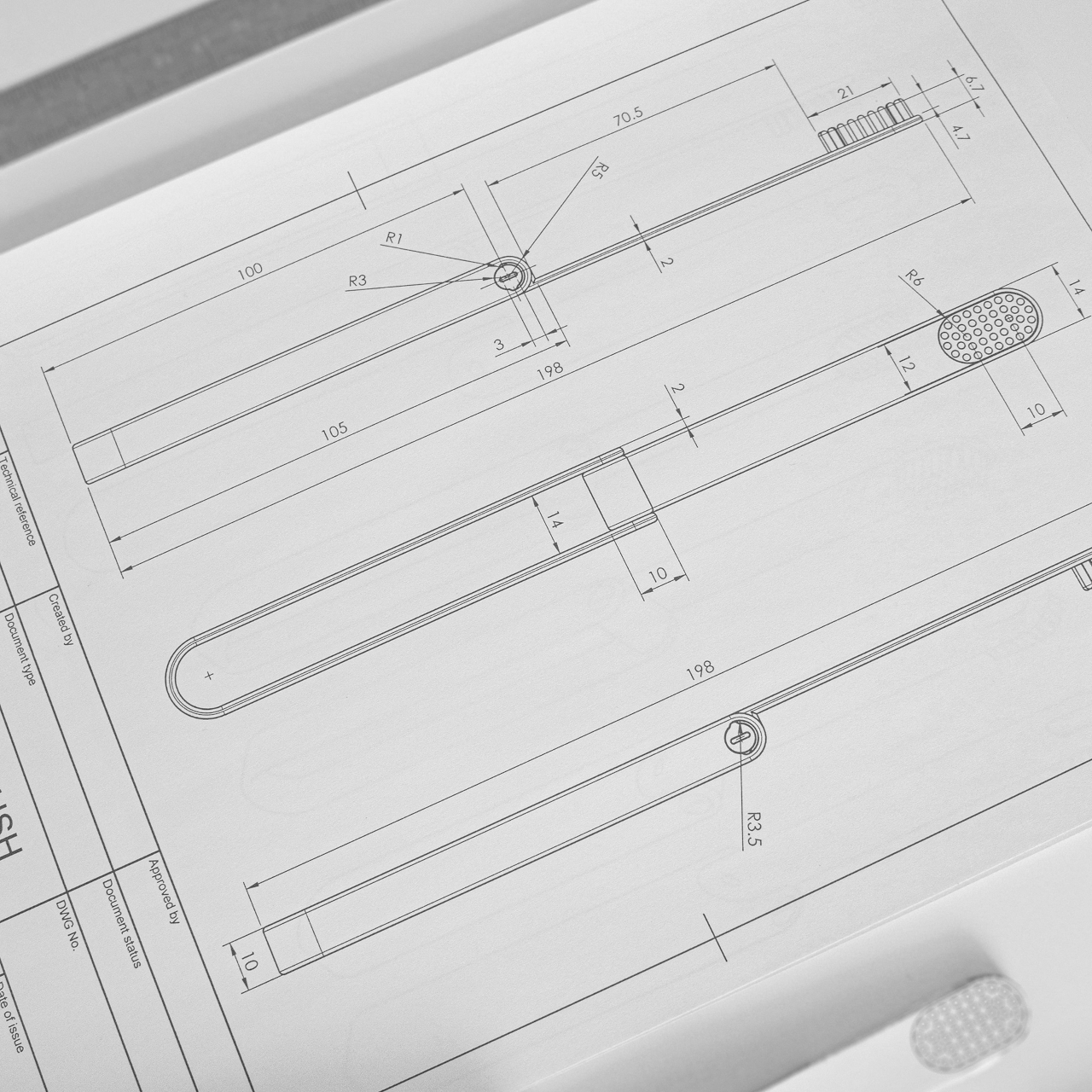
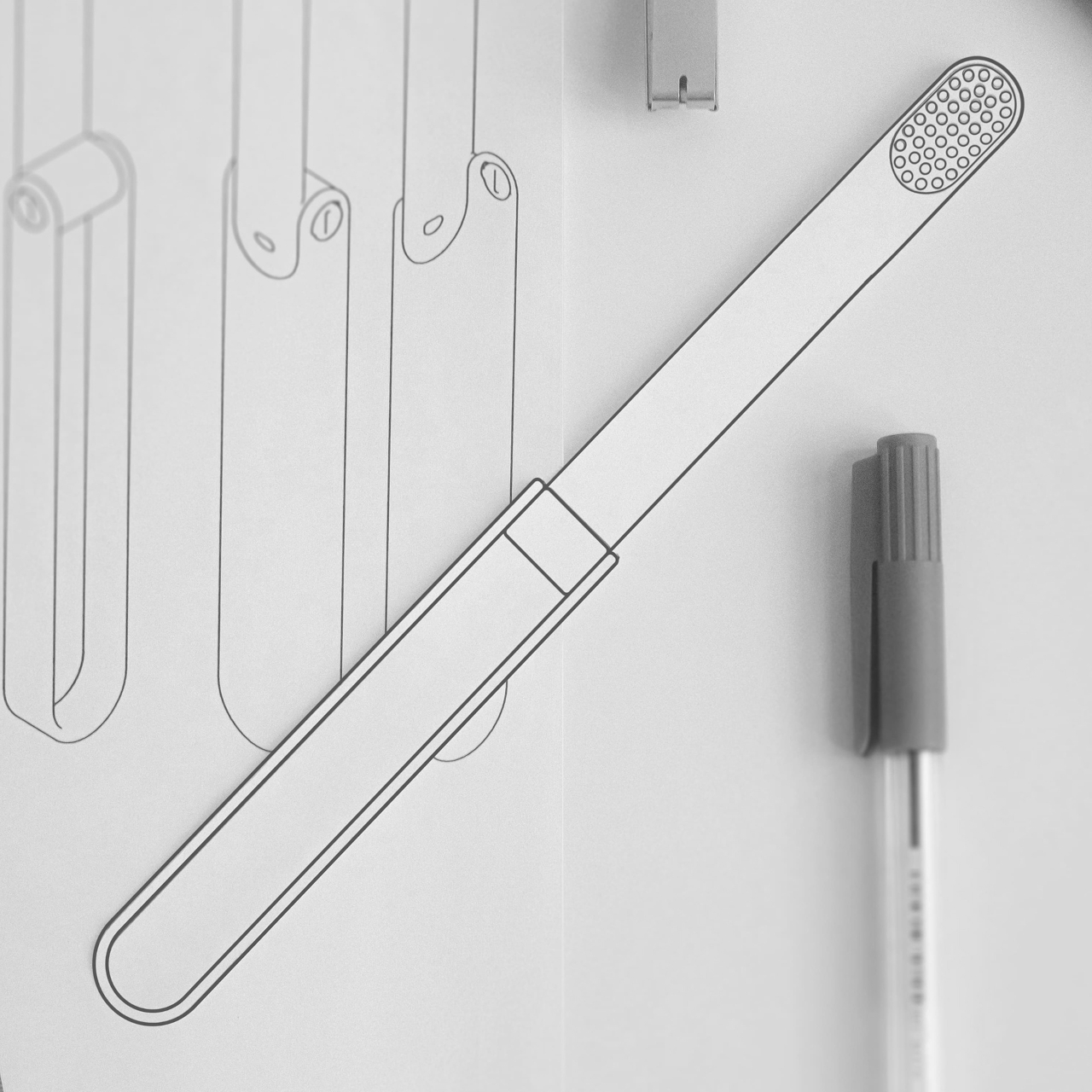
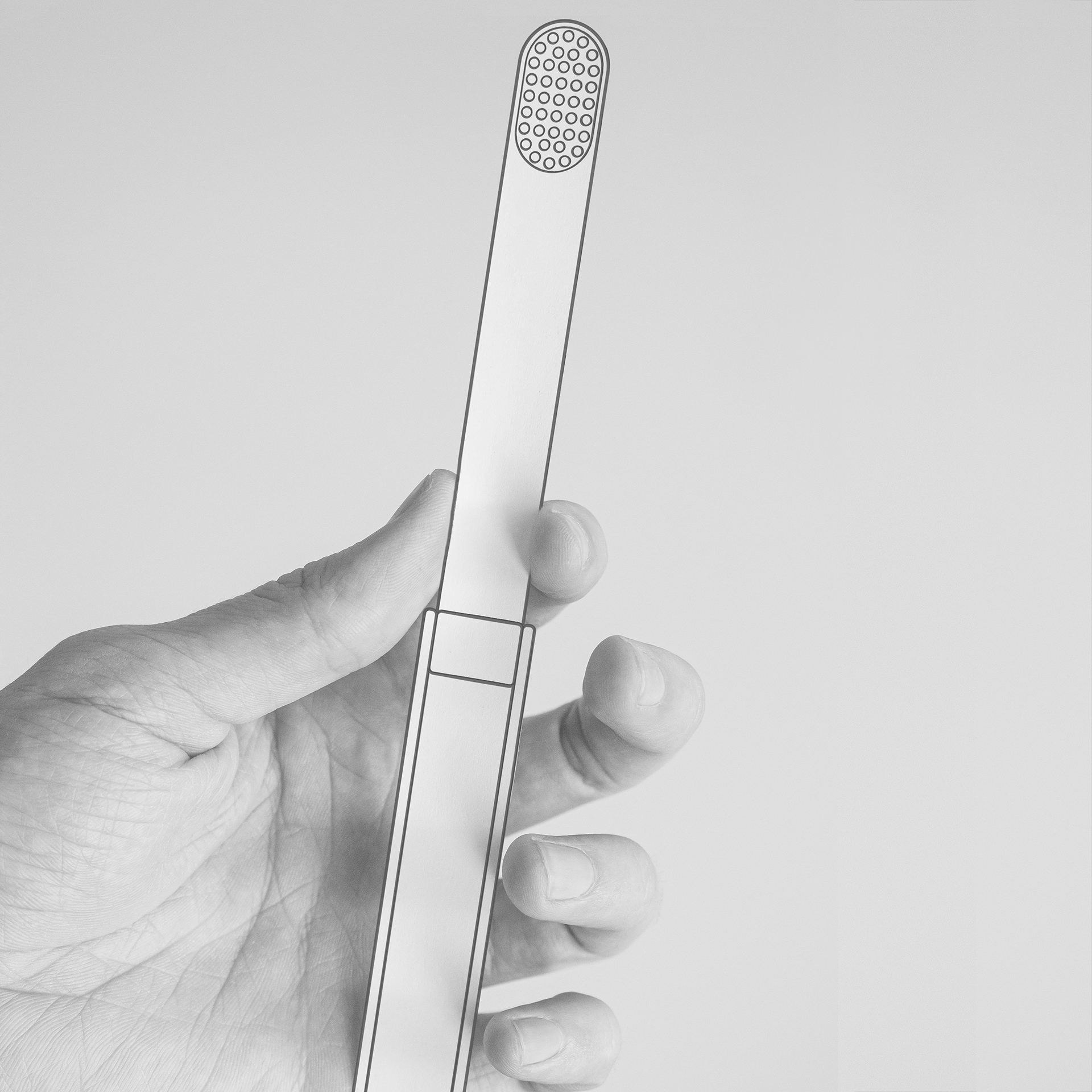
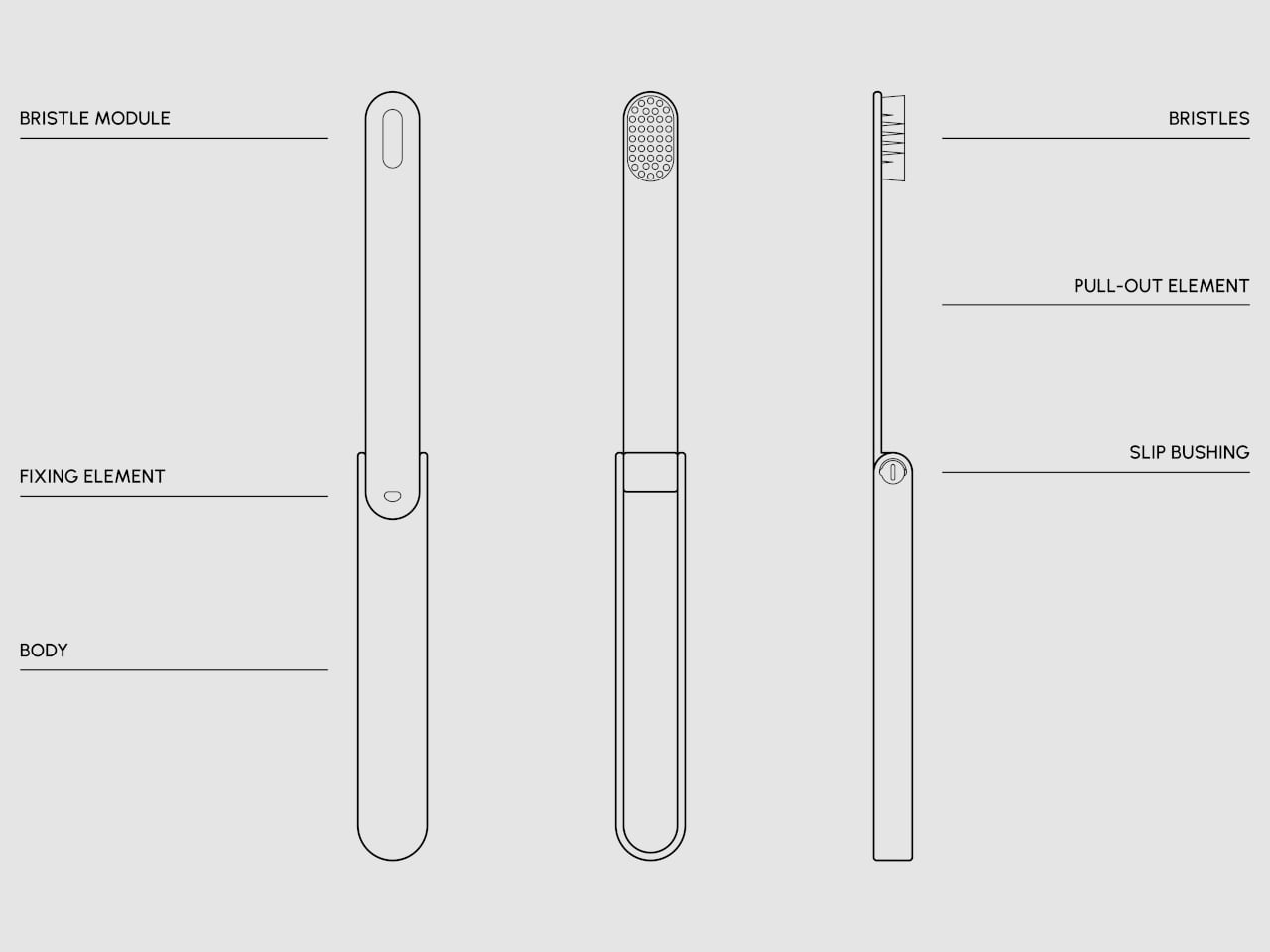
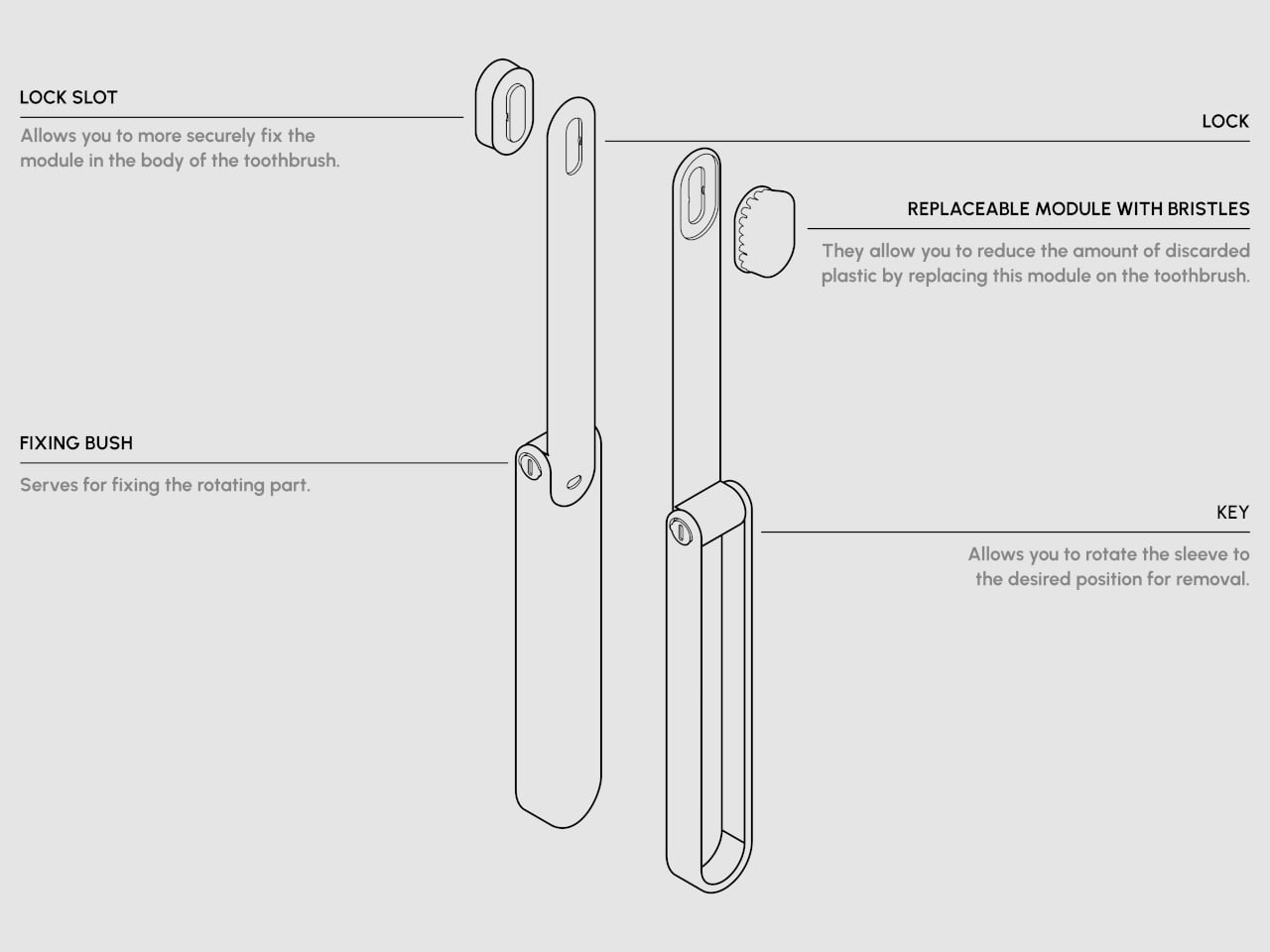
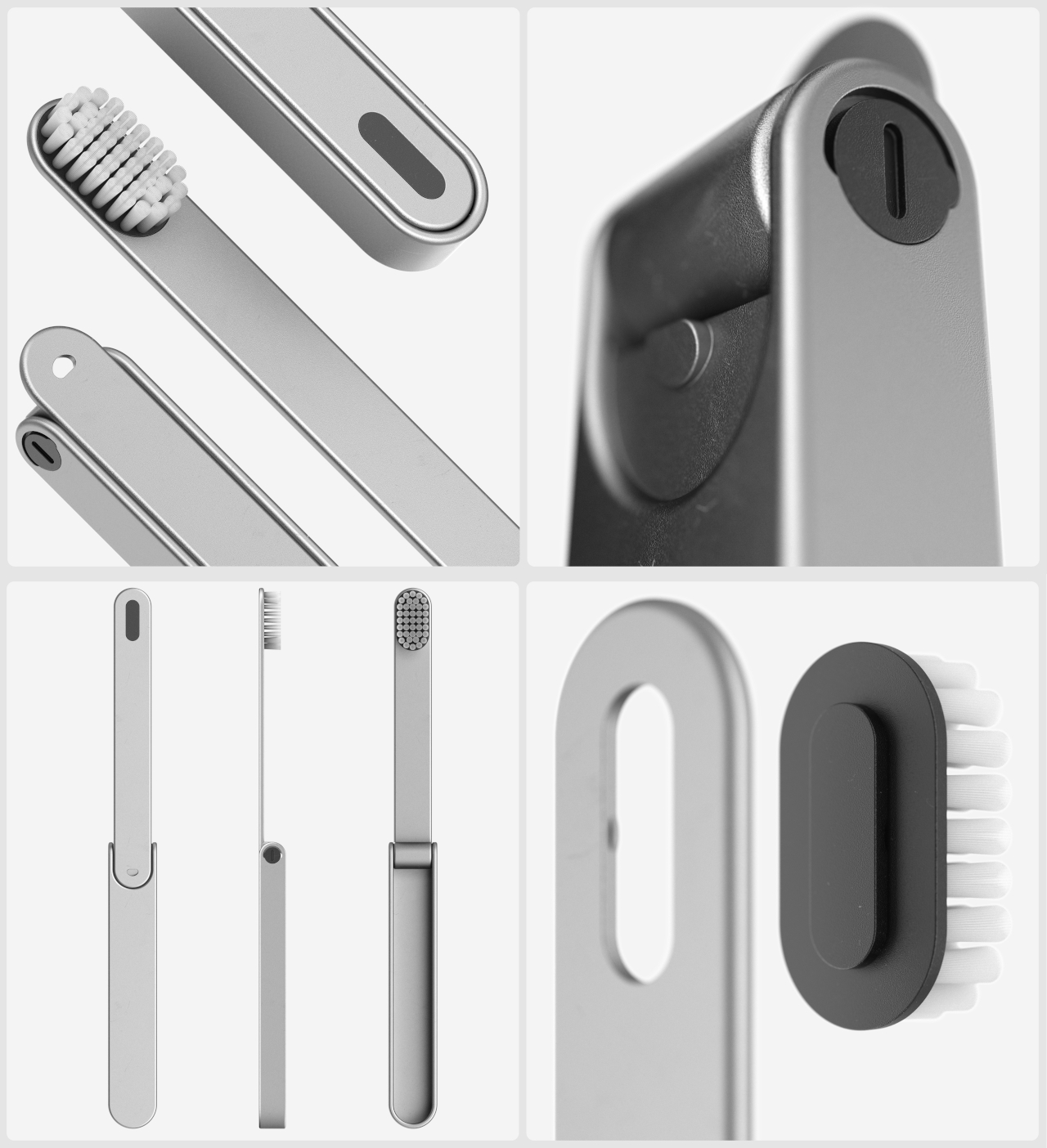
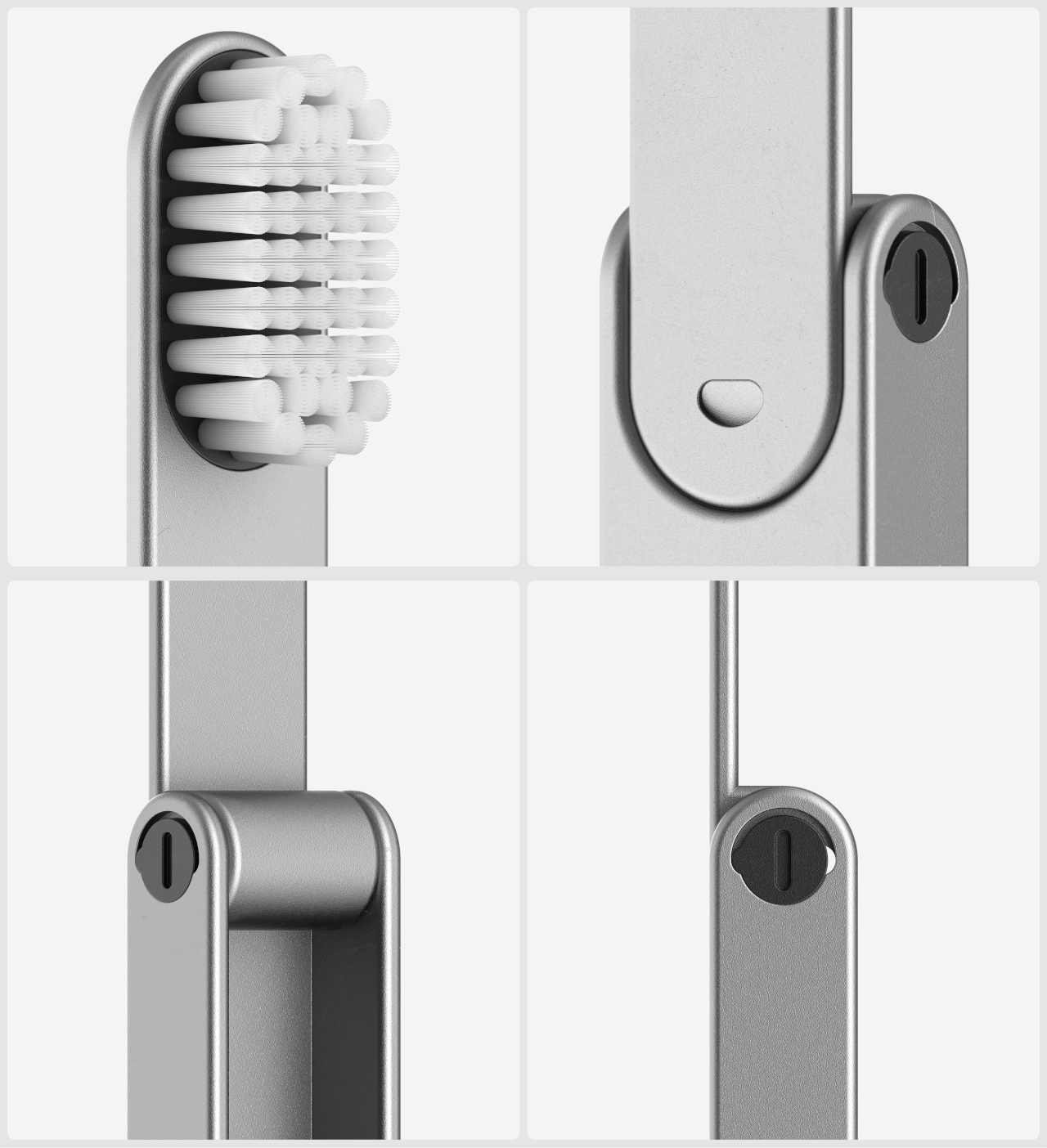
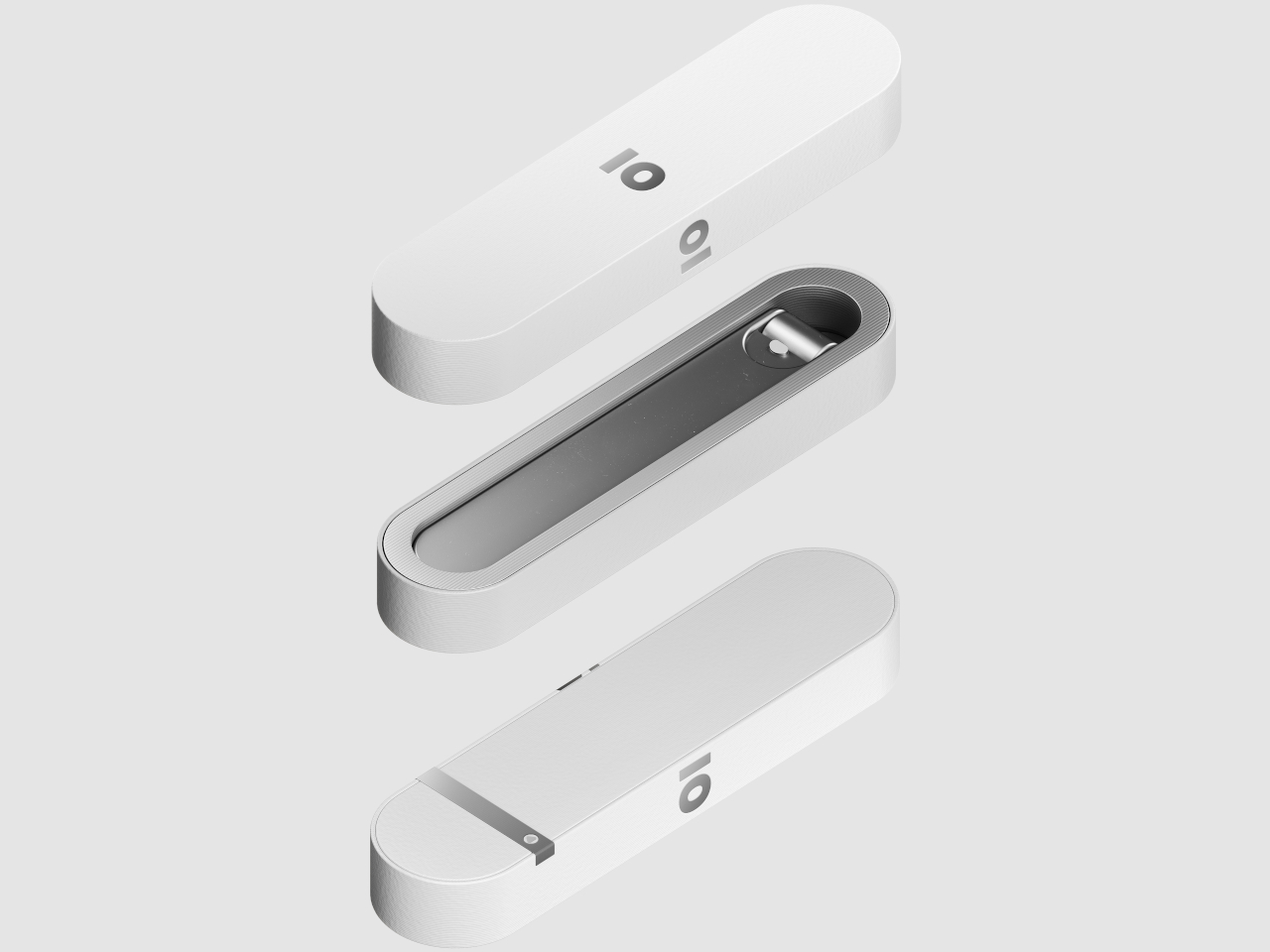
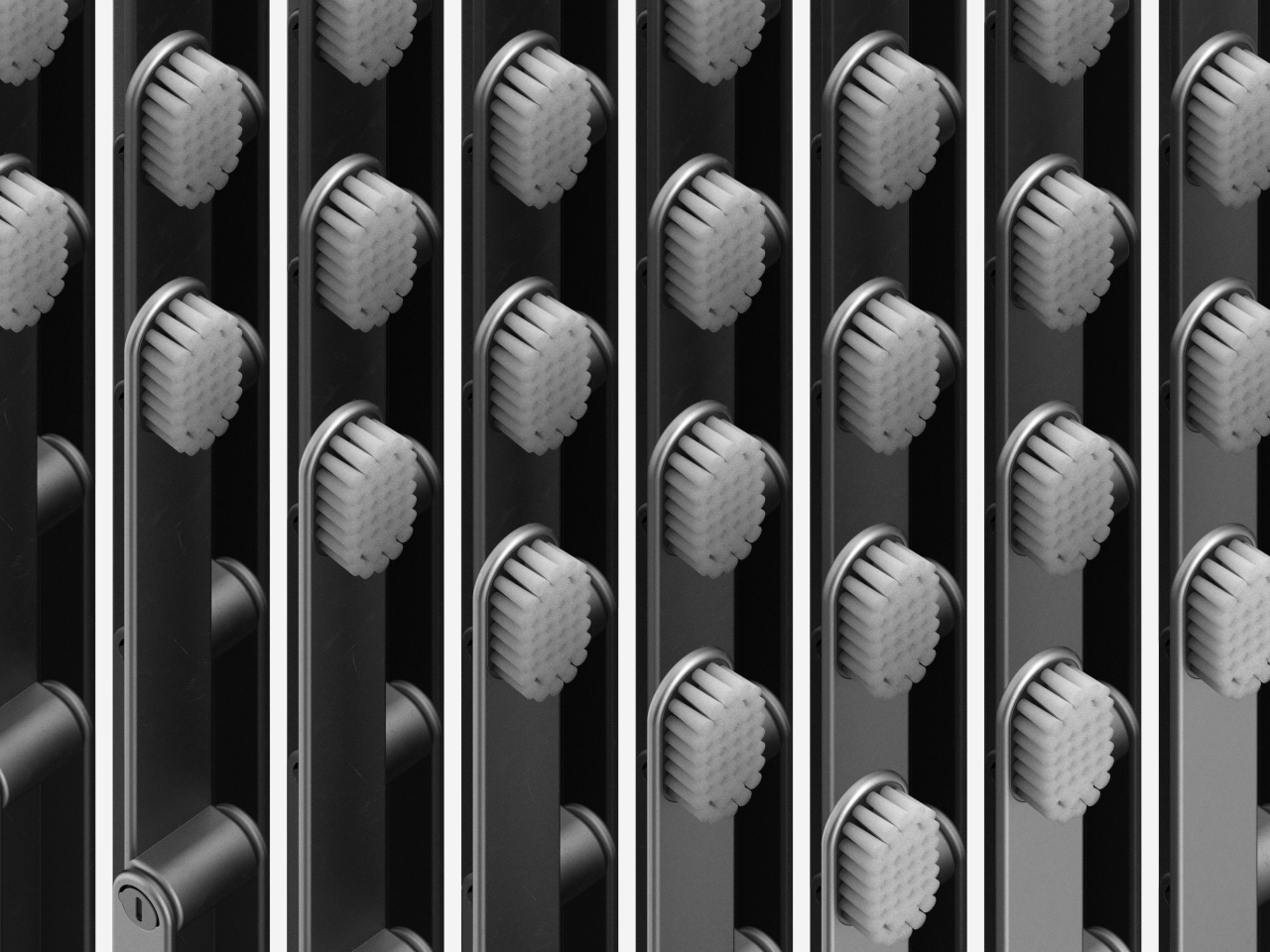
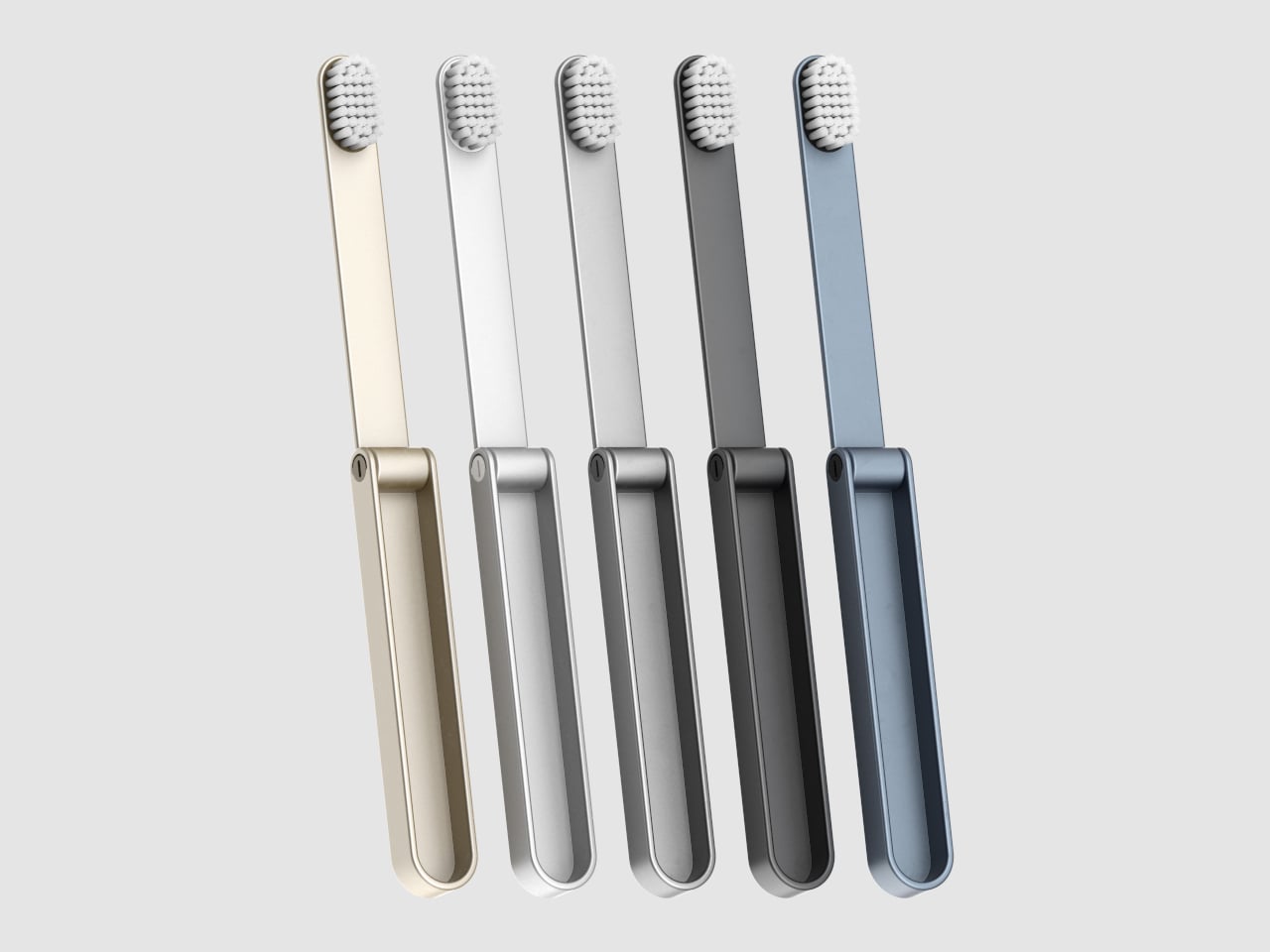
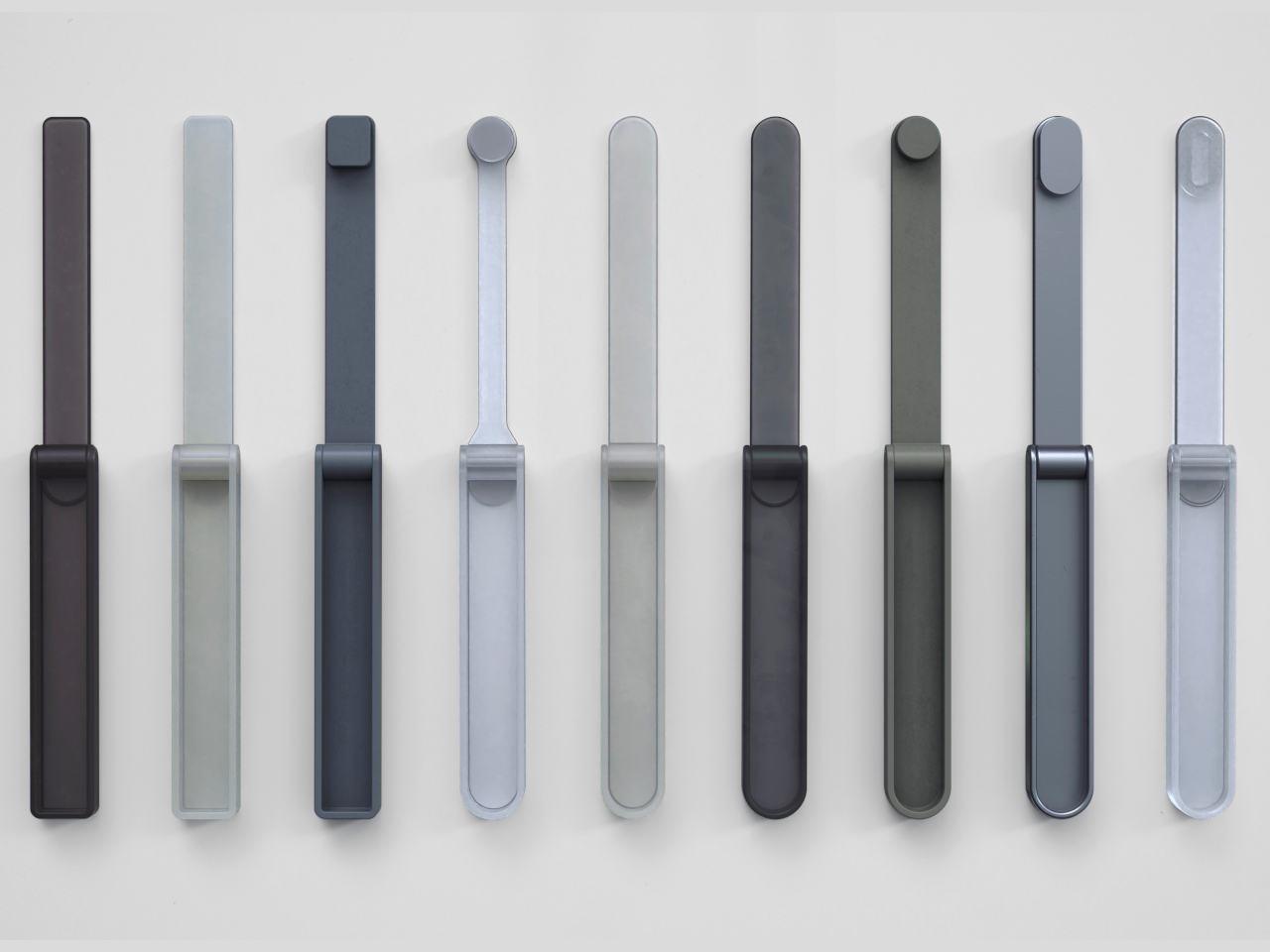
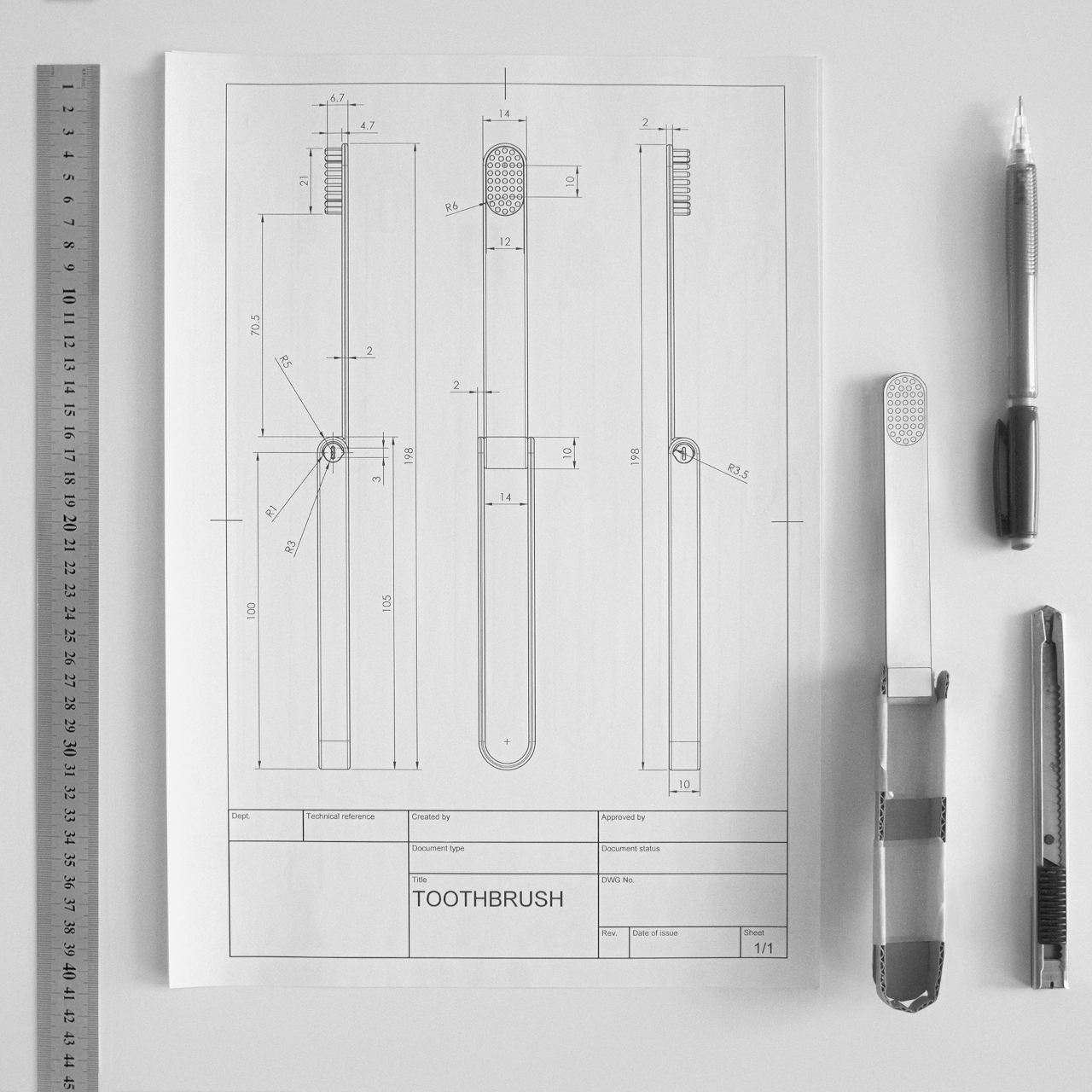
More than just its compact foldable form, the IO travel toothbrush concept embraces a modular design that lets you swap out those bristles as needed. It helps reduce the amount of waste from toothbrushes that are thrown out as a whole object when you really need to only replace the head. It also makes the toothbrush more hygienic and convenient, since you can replace the bristles anytime, especially after an accidental drop or brush (no pun intended) with unsanitary surfaces.

The body of the toothbrush itself is also designed to last and is made using surgical steel or other durable metals. The smooth, edge-free design prevents that metal from cutting into your mouth or skin. It has an elegant minimalist design that not only makes it aesthetically pleasing but also reduces the space it takes up in your bag or kit. Like the bristles, it actually also has a modular design that lets you separate the two parts, in case you need to replace one or the other.

This IO toothbrush concept is designed for sustainability from every angle. Even the packaging is supposed to be biodegradable and can even be dissolved in water. You can easily just dissolve the packaging rather than throw it away, ensuring that you won’t be leaving any trash behind. With some outside-the-box thinking, this toothbrush concept proves that human health and convenience don’t have to come at the expense of the planet.

The post Folding Travel Toothbrush Concept Keeps Your Teeth and the Planet Clean first appeared on Yanko Design.
Mirrored tabletop accessories create illusions that have you questioning your sanity

We put a lot of things on top of our desks, dining tables, and shelves, whether for functionality or decoration. Over time, we get so used to their presence that they become almost invisible, at least until something changes that shocks us awake to reality. Being mindful of the things around us isn’t so bad a thing, especially when it causes you to stop and think, even for a brief moment. Things that give us pause don’t have to be outlandish, loud, or unsettling. They just have to be unusual enough for our minds to be puzzled and stomped. This tabletop collection does that effectively not with sophisticated mechanisms or intricate designs but my simple shapes and materials create an illusion of something that isn’t what it seems at first glance.

Designer: Bo Zhang

Optical illusions work by making our eyes and our brains disagree with each other. Something that isn’t logical but clearly looks that way could send our heads in a loop. Most of these illusions use diagrams and illustrations on flat paper, but there are times when they can also be made with solid, three-dimensional objects. You just need some creative thinking and a devious use of forms, colors, and mirrors.

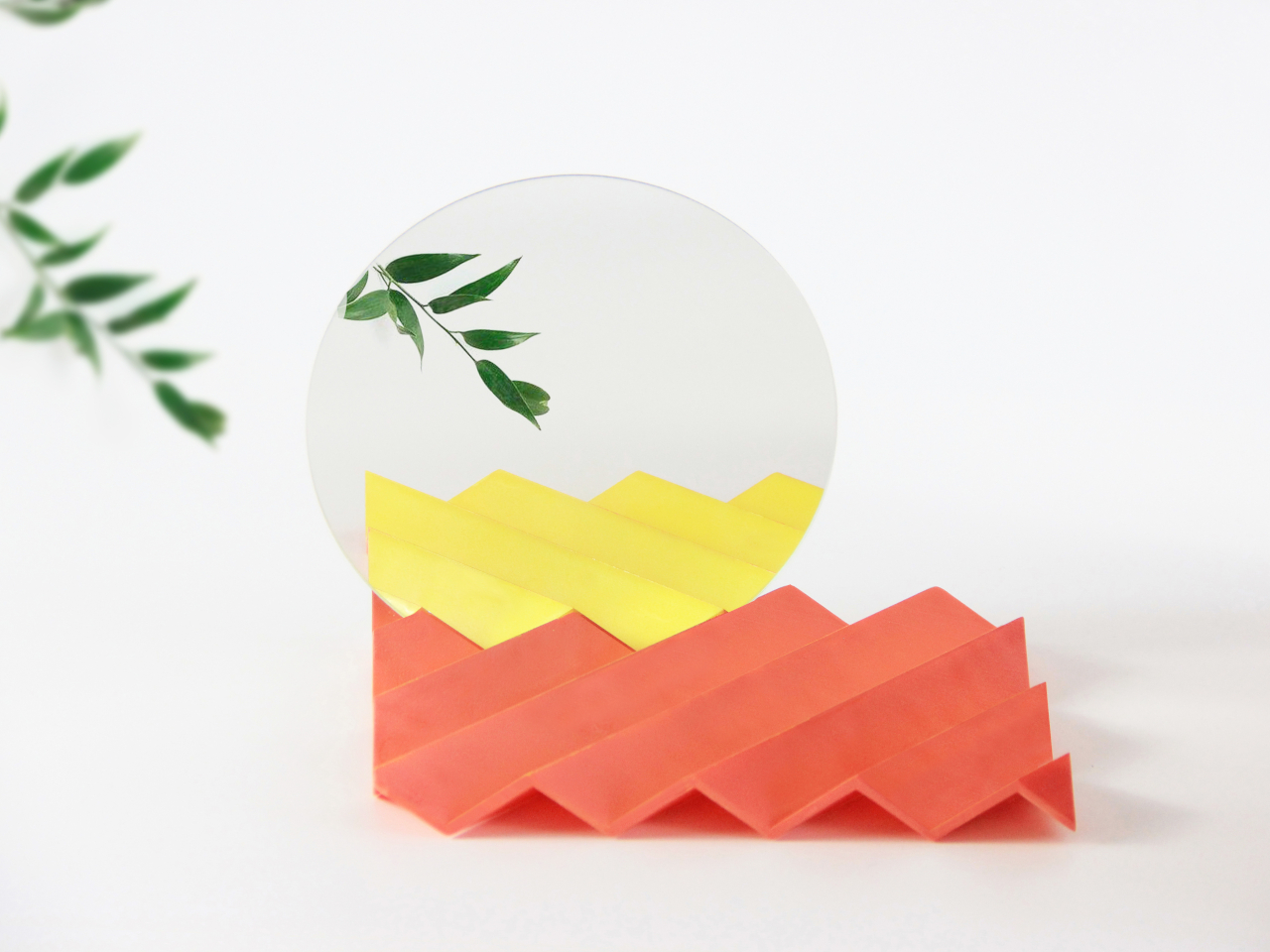
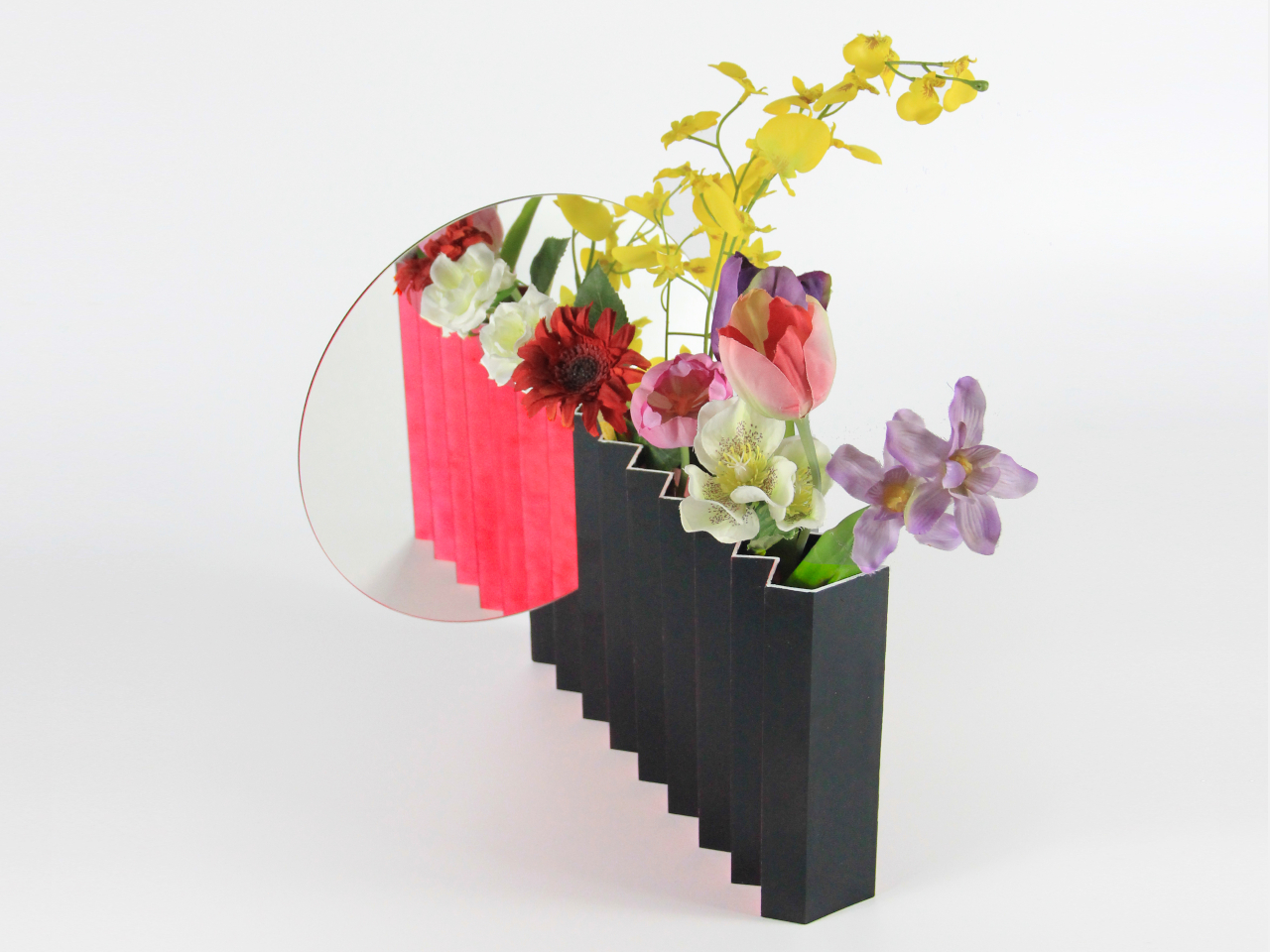
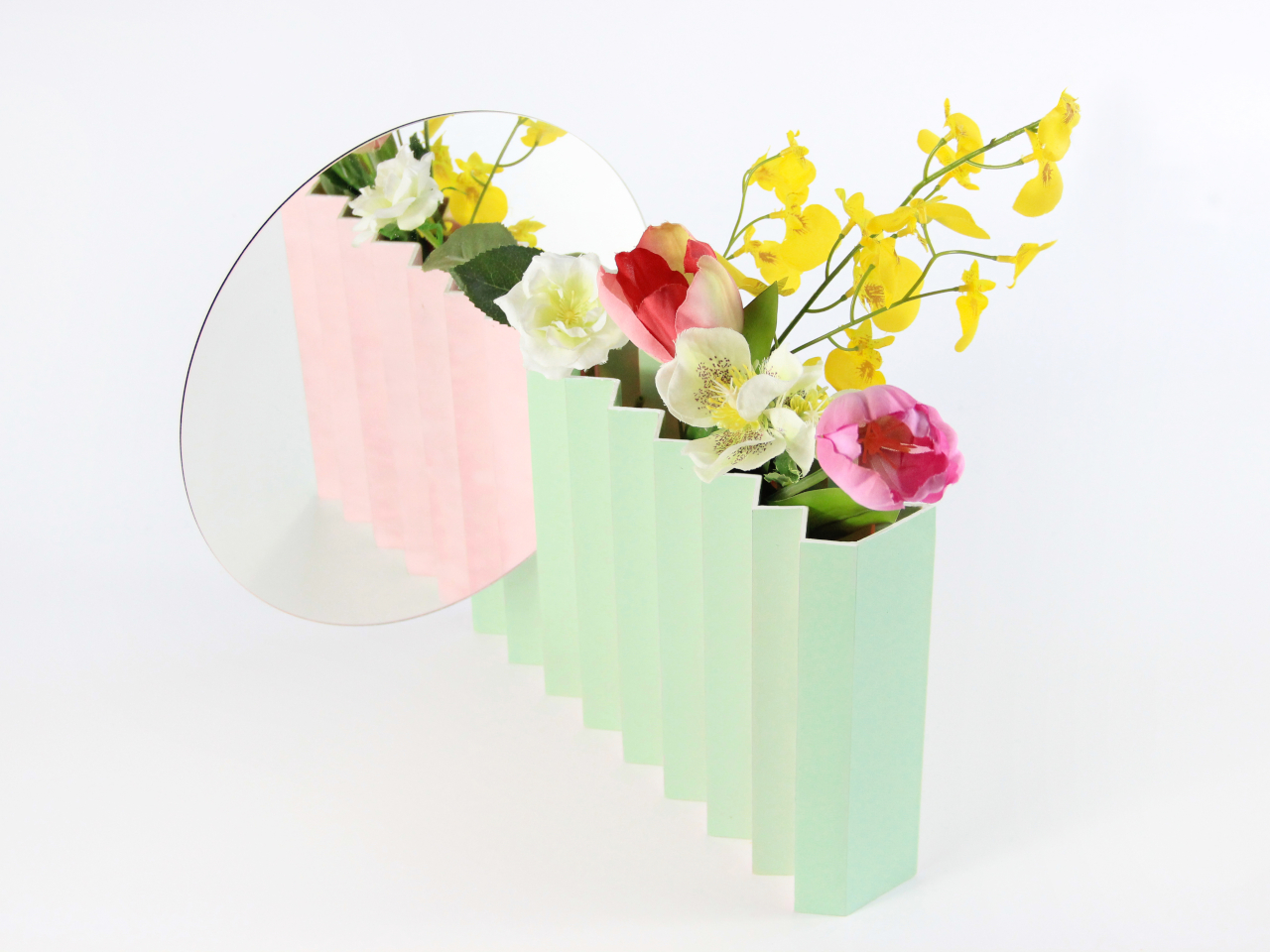
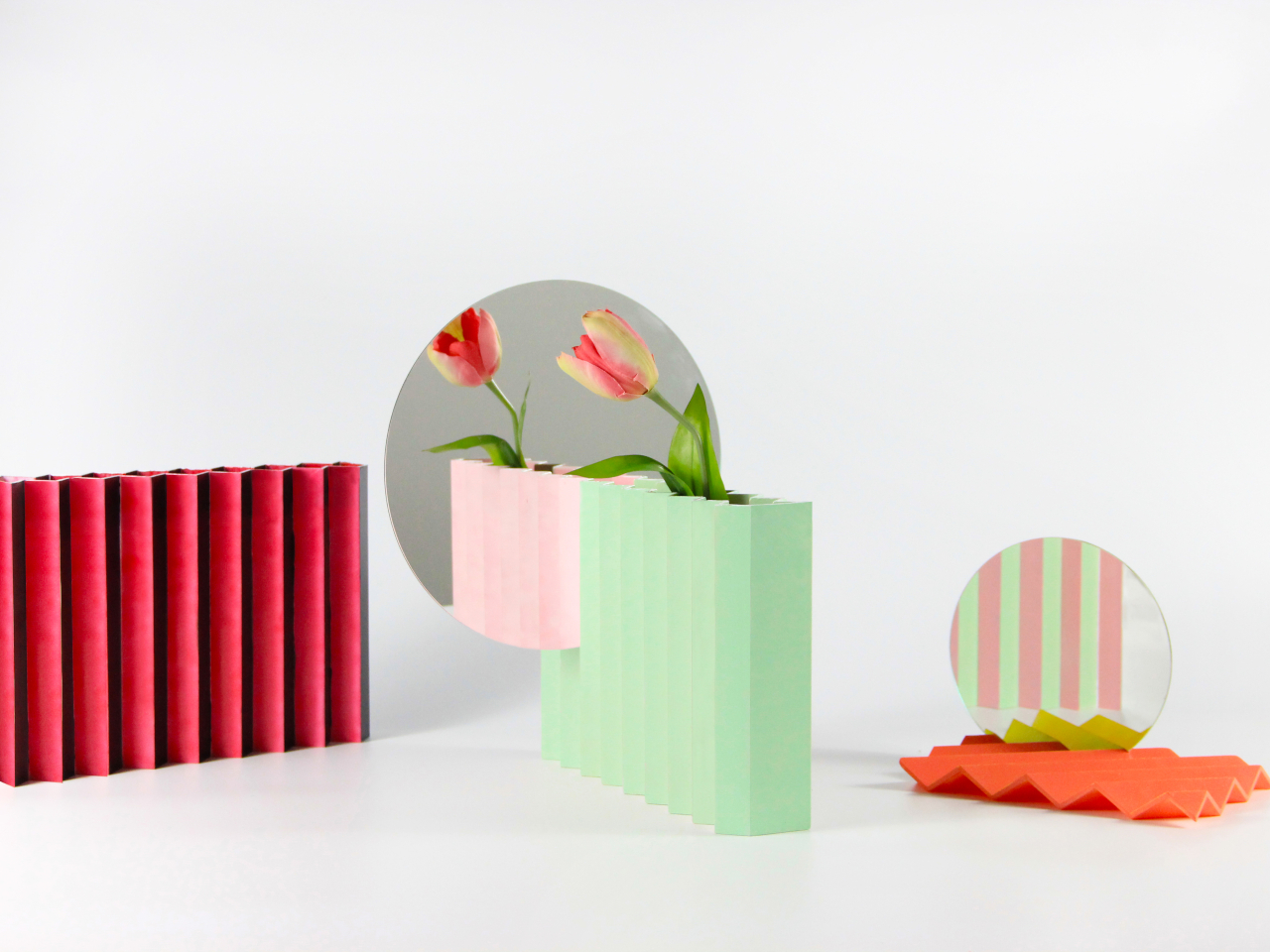
The Zig/Zag collection is a pair of table accessories, namely a vase and a tray, that sport the eponymous shape. That alone is enough to call attention to them because of their uncommon design, but that novelty doesn’t last really long. A properly placed mirror on the edge of these objects, however, reveals a whole new dimension you might have not seen before, almost literally. The wave that you see reflected on those discs doesn’t seem to be the same one standing before you, definitely not the same color, at least.

Imagine seeing a reflection that is the same yet slightly different. The shape of the vase or tray is exactly the same, and so are the objects that they hold. Everything’s mirrored perfectly as you would expect, except for the color of the tray. Orange is yellow, black is hot pink, and green is pale peach. It’s almost as if you’re peering into an alternate reality instead of looking at a mirror, but in truth, the design is just messing with your head. The secret is actually simple: The “zig” side in front is painted with a different color from the “zag” behind it. Unless you’re looking at the objects from a specific angle, you wouldn’t even know that they have two different colors. Only that mirror reveals this duality in a way that seems mysterious and magical.

Mirrors are often seen as functional objects, but the Zig/Zag tabletop collection design transforms it into an art object. The vase and the tray don’t lose nor gain any functionality, but they do gain new value as aesthetic pieces that straddle the line between form and function. It’s a simple gimmick that urges you to take another look, perhaps to solve the mystery that you never knew existed. It makes your mind zig-zag between reality and fantasy, making you pause and simply enjoy the moment of being there.

The post Mirrored tabletop accessories create illusions that have you questioning your sanity first appeared on Yanko Design.
Spherical table lamp adds a beautiful playful touch to an everyday object

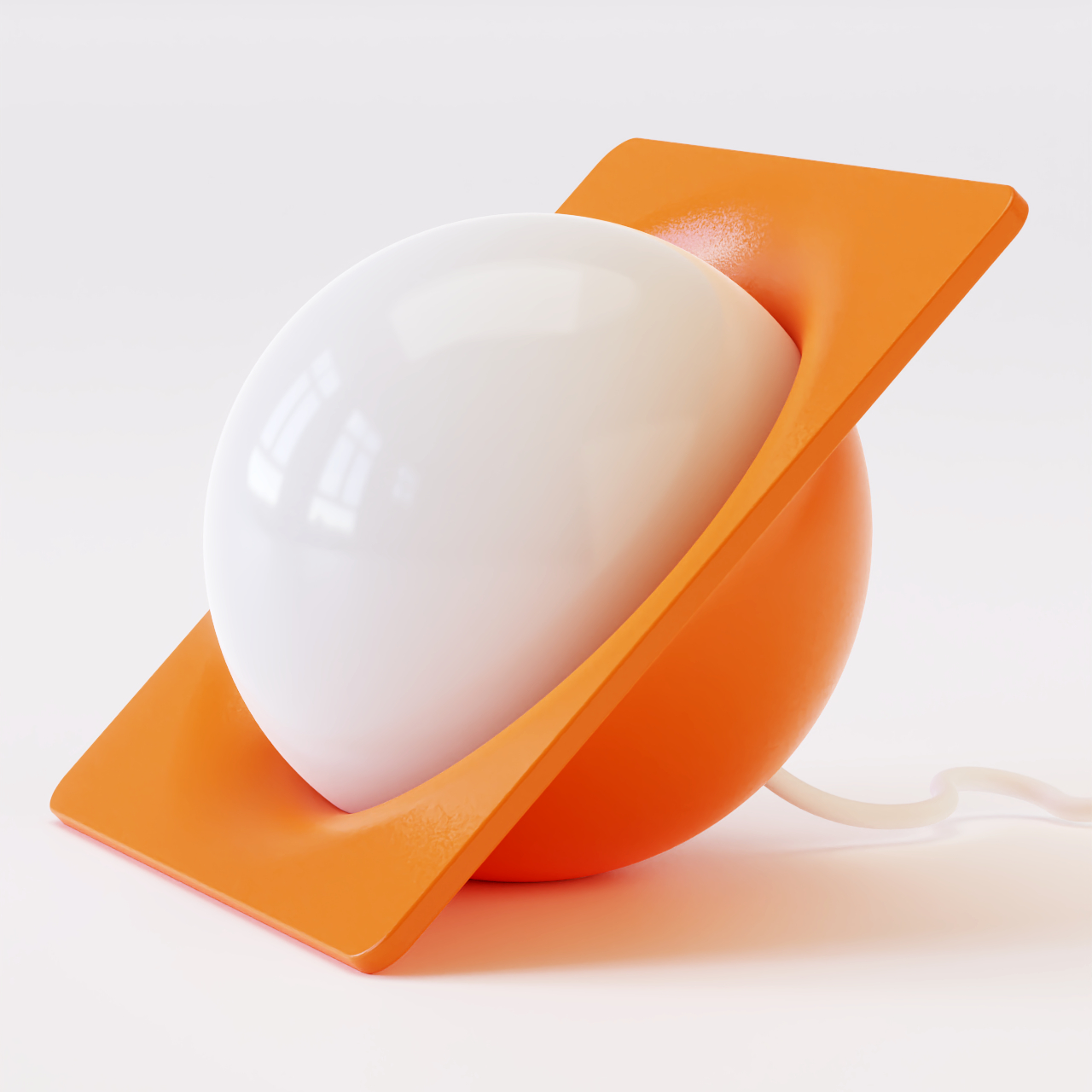
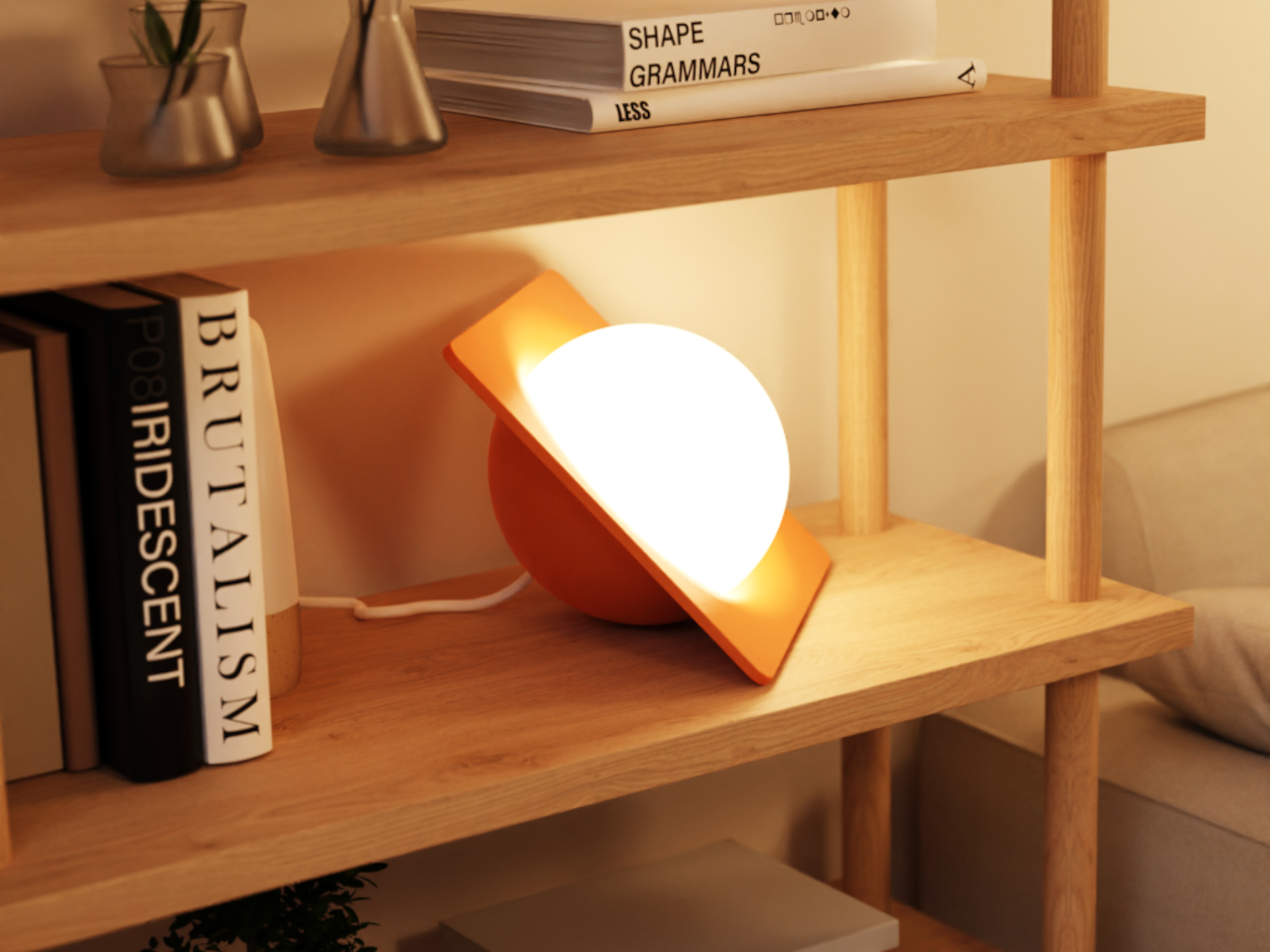
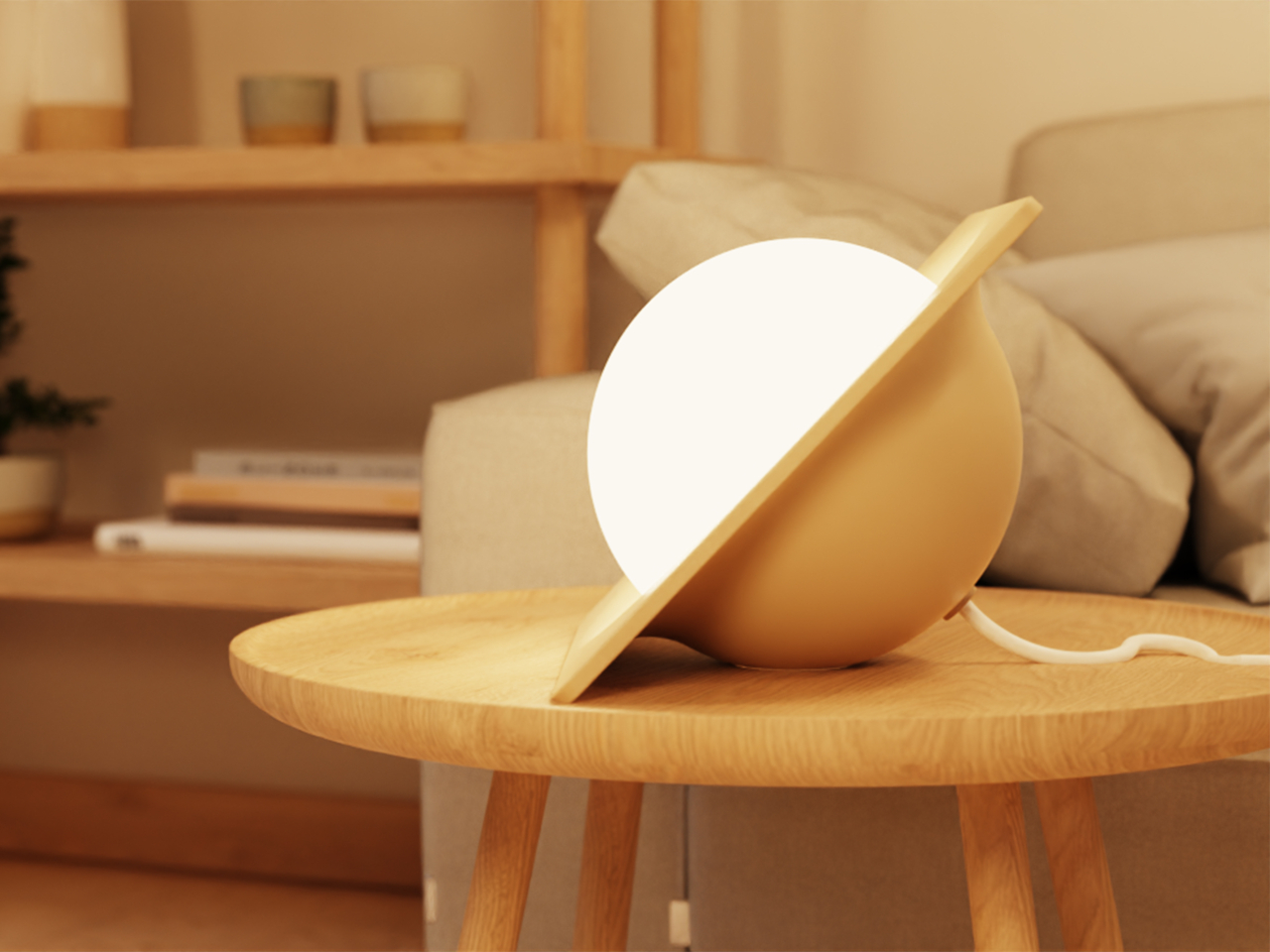
Lamps are the most common lighting fixture in our home, and they present the biggest opportunity to change the ambiance using thoughtful design. Some lamps are elaborate and luxurious, bordering on art masterpieces, while others are minimal to the point of disappearing from view. Lamps don’t just bring light to a room but also certain emotions like joy, energy, or fun. This lamp design, for example, tries to visually recreate the phenomenon of a ball colliding with a sheet of material, creating a playful mixture of uncommon forms, warm colors, and a simple yet impactful design that adds a little flavor to any shelf, table, or living space.

Designer: Lidia Gomez

There is probably nothing more playful than a ball. Its spherical kind introduces a form of instability that makes it wobble and roll unless something stands in its path. Both kids and adults alike love playing with balls, rolling them, throwing them, and even making them bounce. The playful “bonk” sound that this bouncing action makes is just as fun, which is why some kids just can’t stop doing it even after being scolded repeatedly.

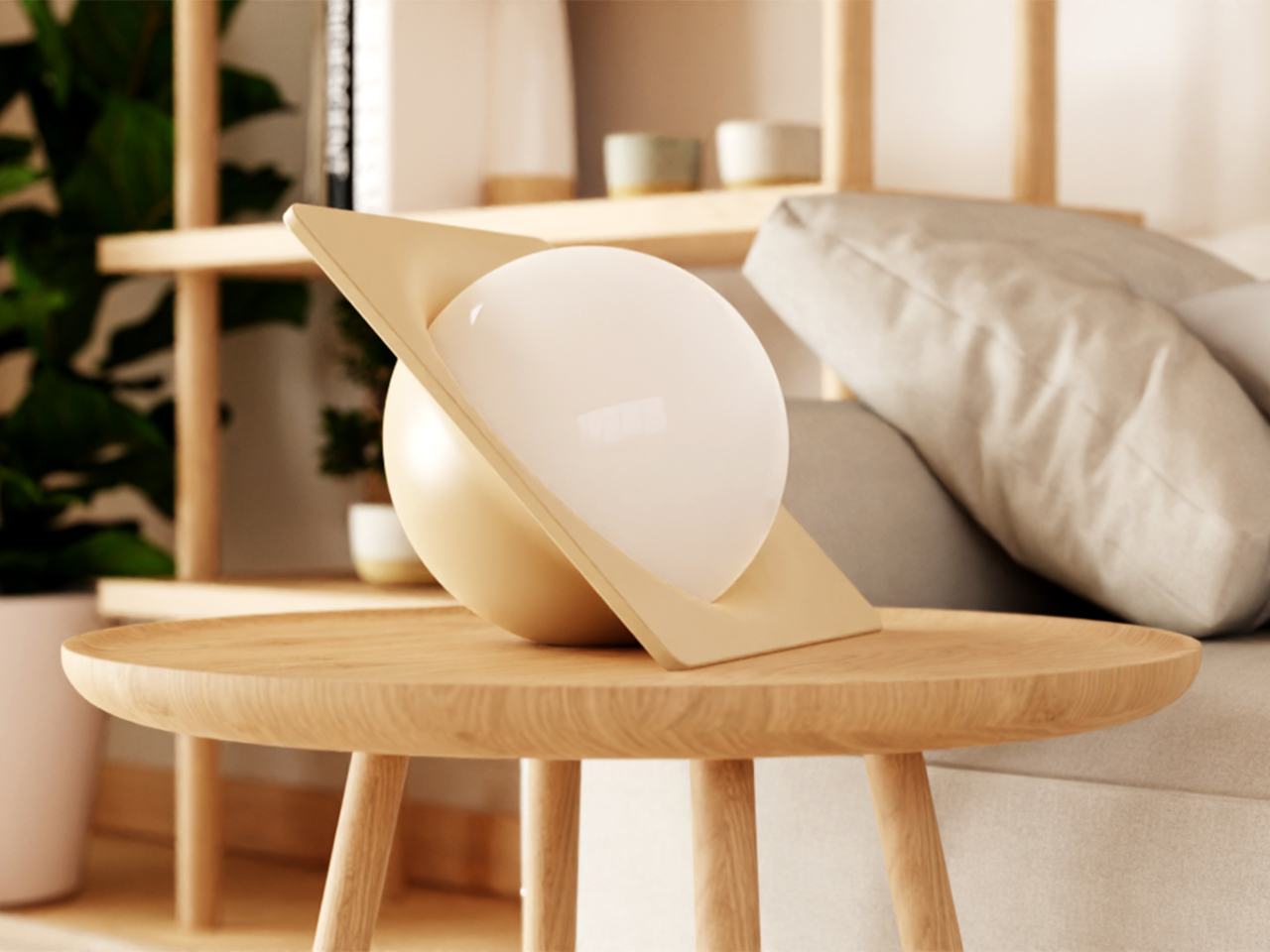
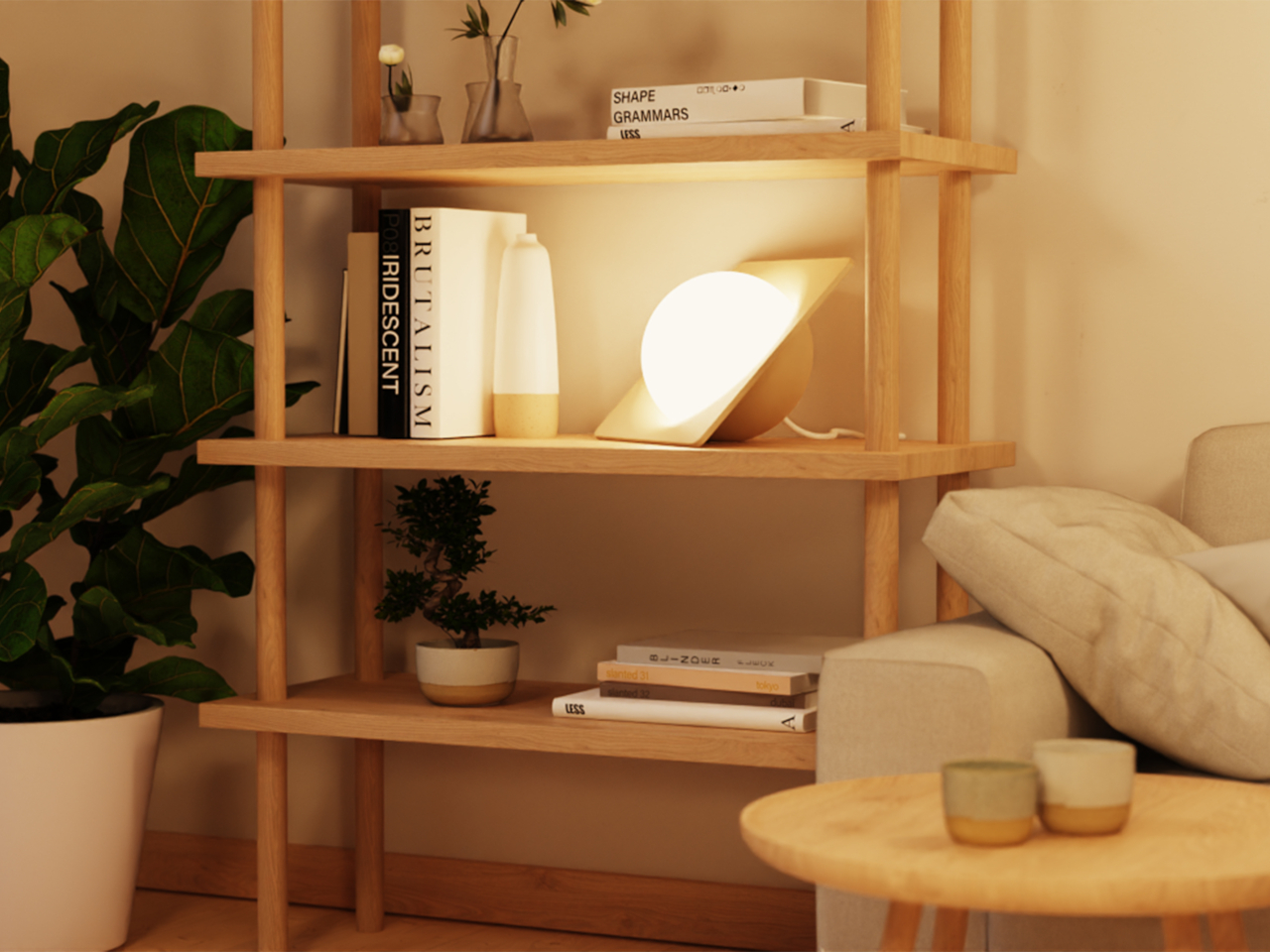
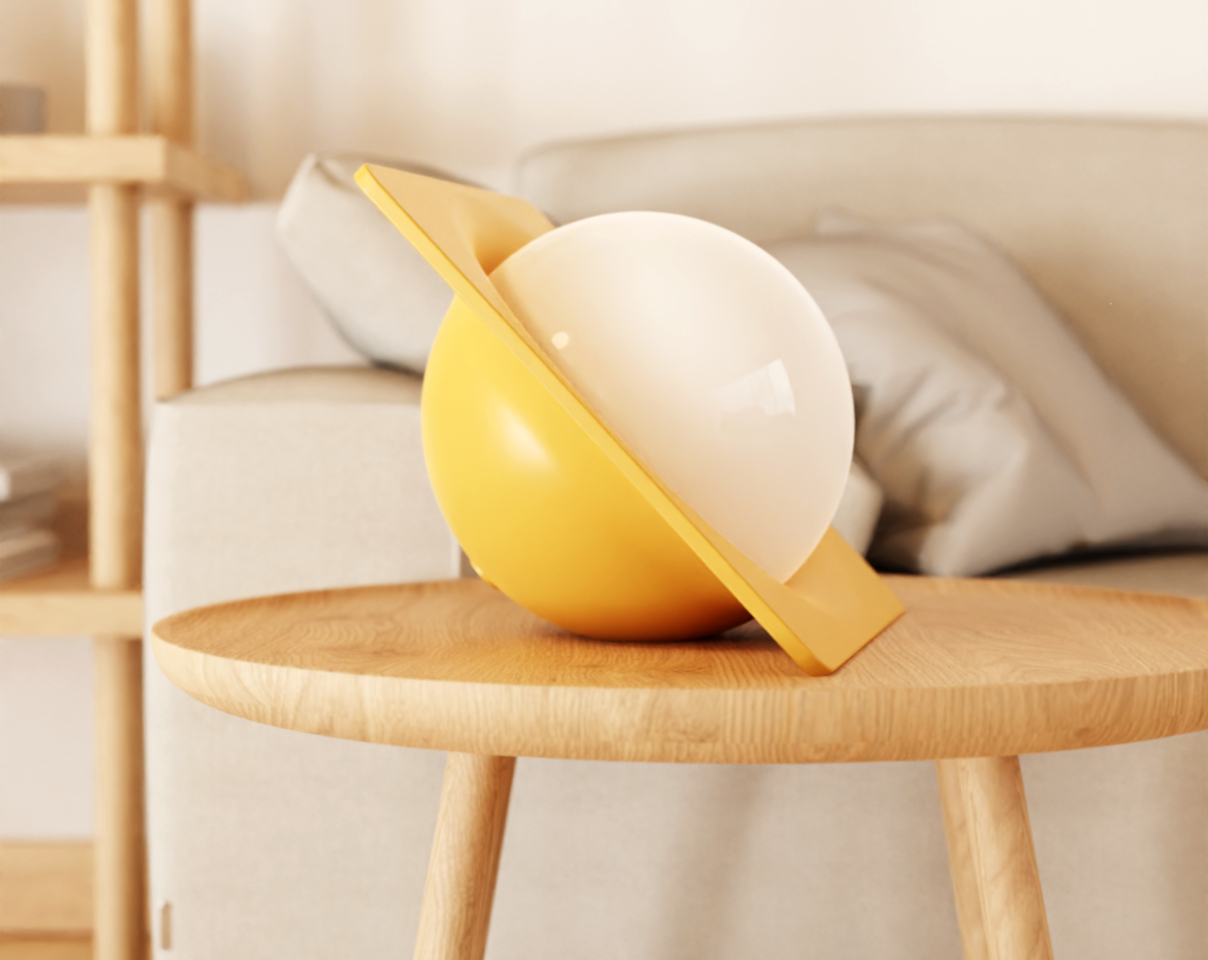
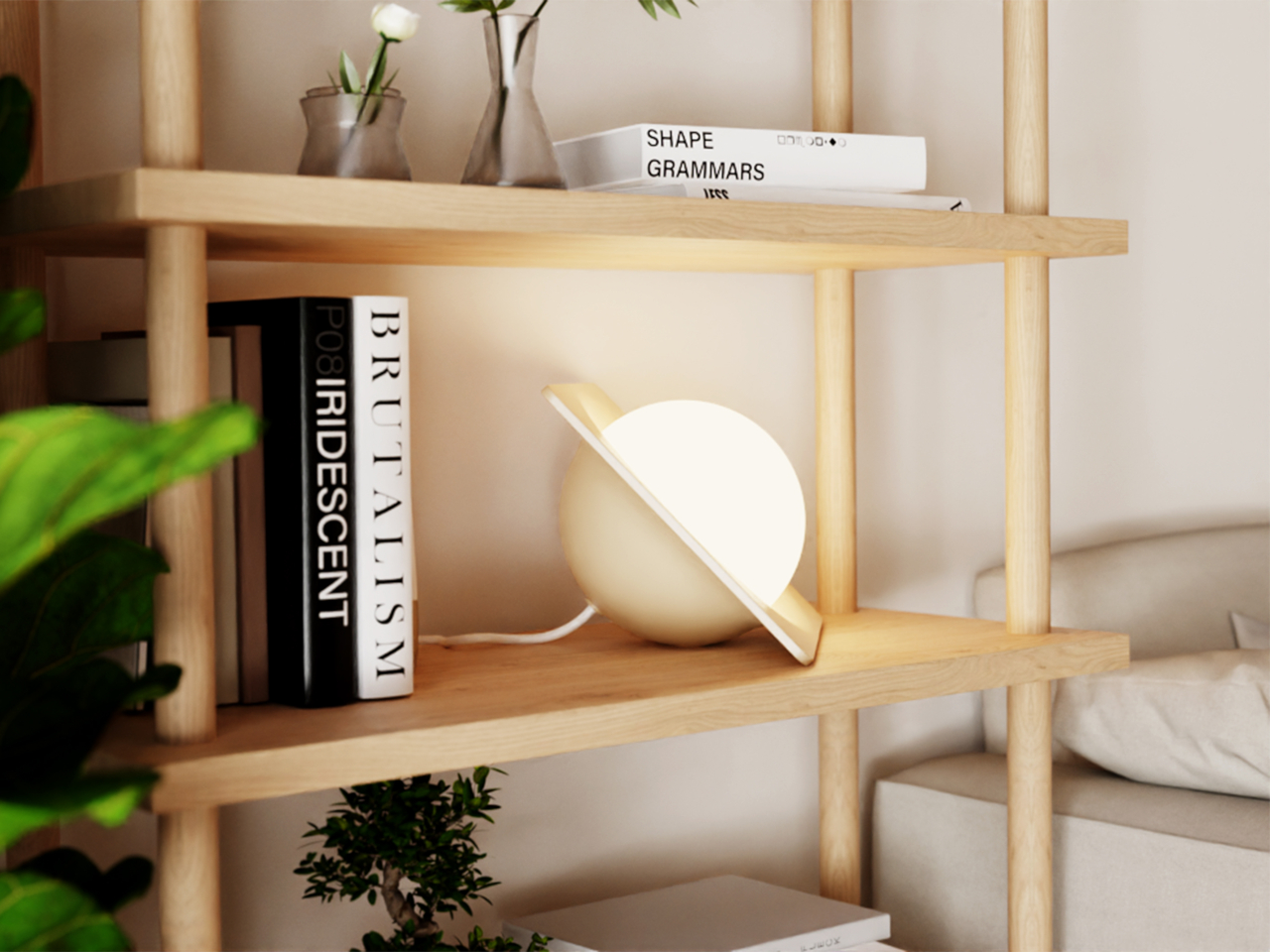
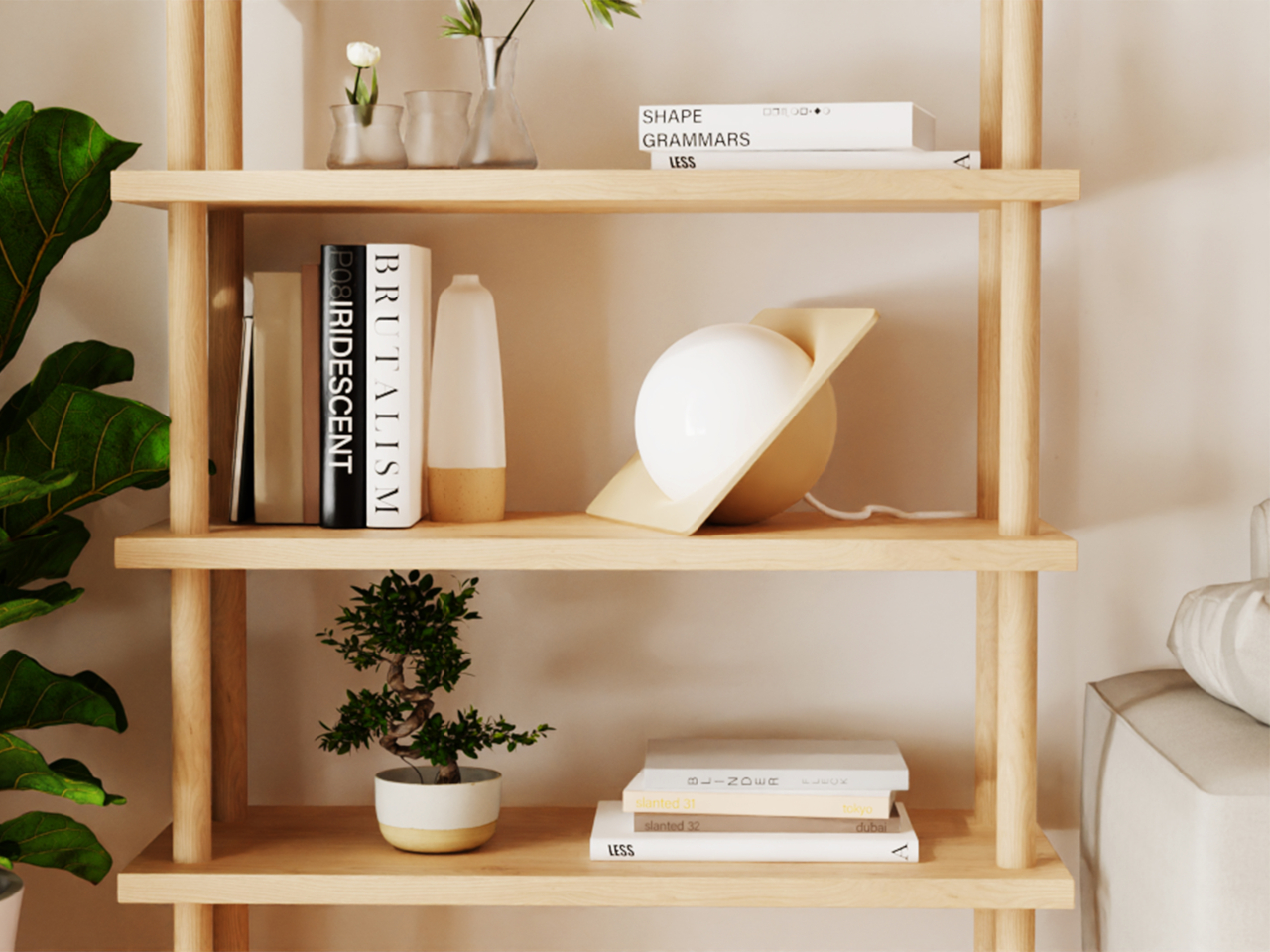
The Bonk table lamp design brings that imagery to common everyday appliances, transforming it into something like a living and dynamic object. Its form, with the ball half sunken into what seems to be a sheet of fabric, captures and freezes that moment, creating a visual tension between movement and stillness, action and rest. It creates an interesting aesthetic on its own, and an almost eerie appearance once you turn the lamp on in the dark.

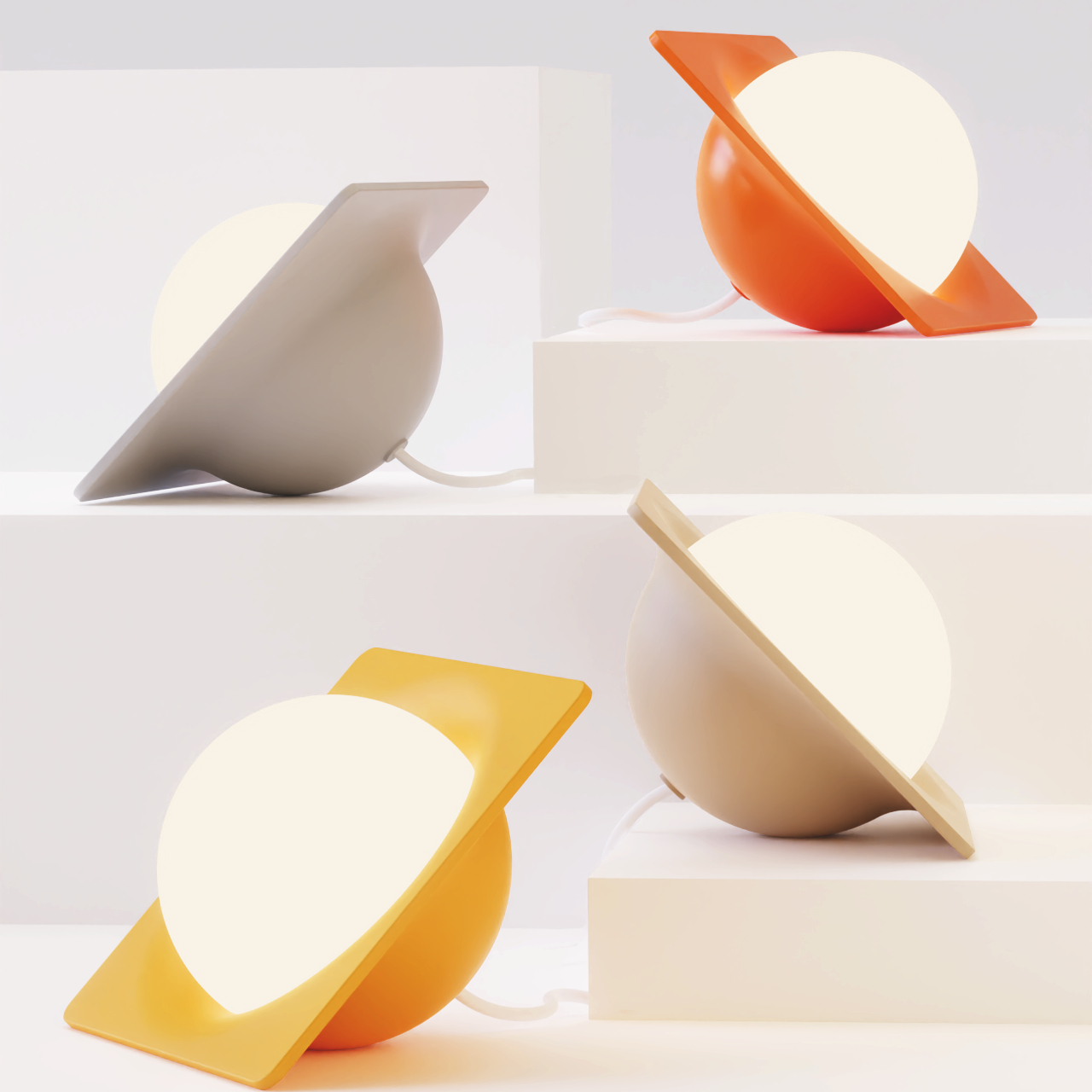
Almost like its shape, Bonk also balances its cheerful disposition with a more subdued color palette. Tiger Orange, Sand, Sunrise Yellow, and Stone convey warmth yet still remain subtle and almost understated. It creates a juxtaposition of design elements that is a perfect metaphor for the symmetrical yet unbalanced form of a ball. It combines all these into a design that will fit perfectly inside modern homes, regardless of the interior motif.

Bonk is also a design that’s a bit in touch with nature, even if indirectly. It can be 3D printed using FDM technology and utilizing PLA, a more renewable and sustainable form of plastic in wide use with this production method. Simple, striking, and sustainable, Bonk tries to challenge the status quo of home decor design where these elements can come together in a harmonious composition that not only brings light to your space but also sparks joy in your life.

The post Spherical table lamp adds a beautiful playful touch to an everyday object first appeared on Yanko Design.
Galaxy Tab S10 Ultra tablet puts AI on an extra-large 14-inch screen

I can still remember the time when Samsung was all but ridiculed for launching the 12.2-inch Galaxy Note Pro in 2014, but who would have known that it was just too ahead of its time? Fast forward a decade later, even Apple has a 13-inch iPad Pro, and unsurprisingly, Samsung won’t be outdone. Of course, there might be a limit to what can still be considered a portable tablet, but those lines are being blurred now that “Pro” tablets are being positioned as laptop replacement. And just like many Windows laptops today boast Microsoft Copilot features, Samsung is bringing the full power of its Galaxy AI to its largest mobile screens.

Designer: Samsung

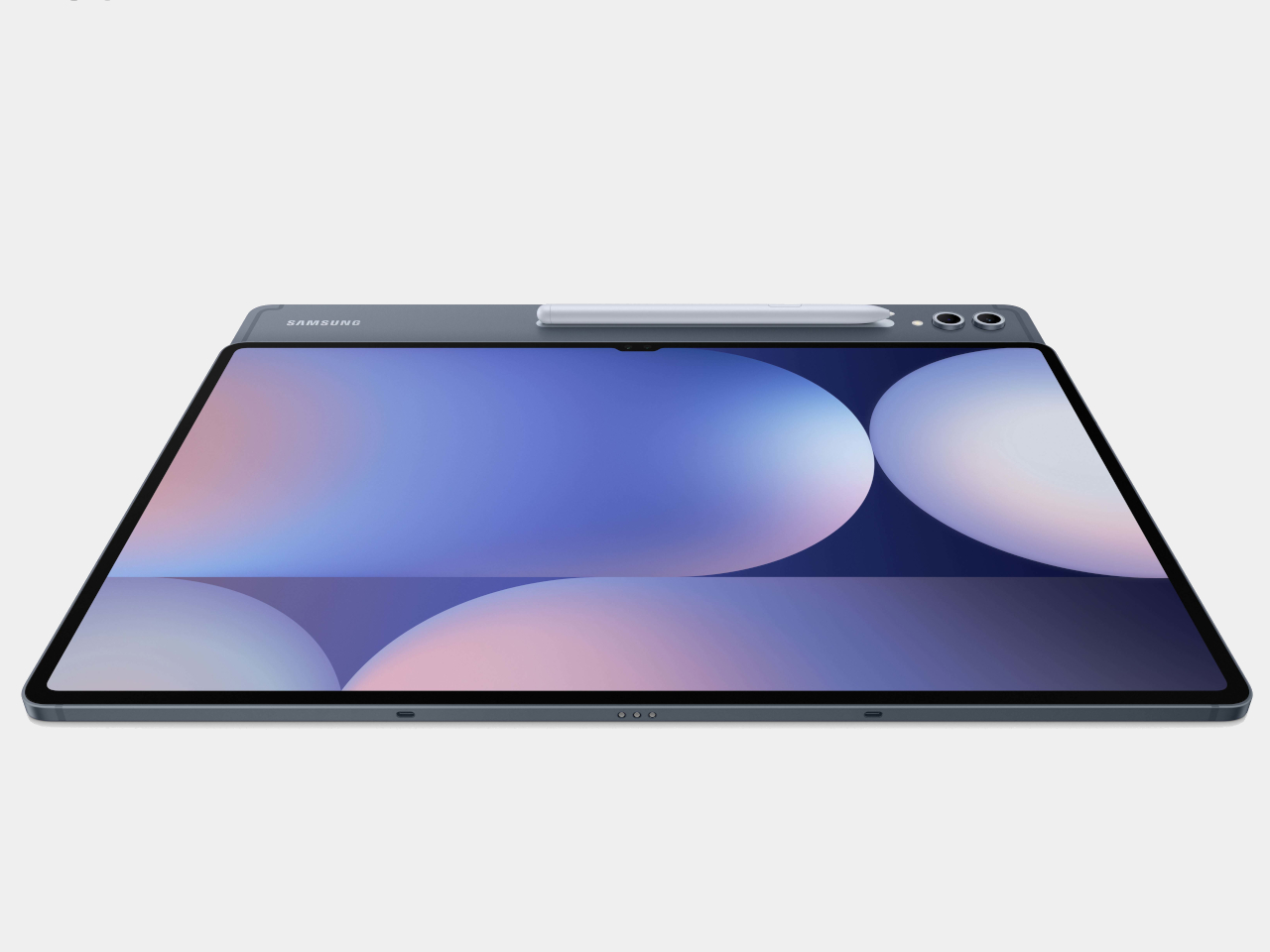
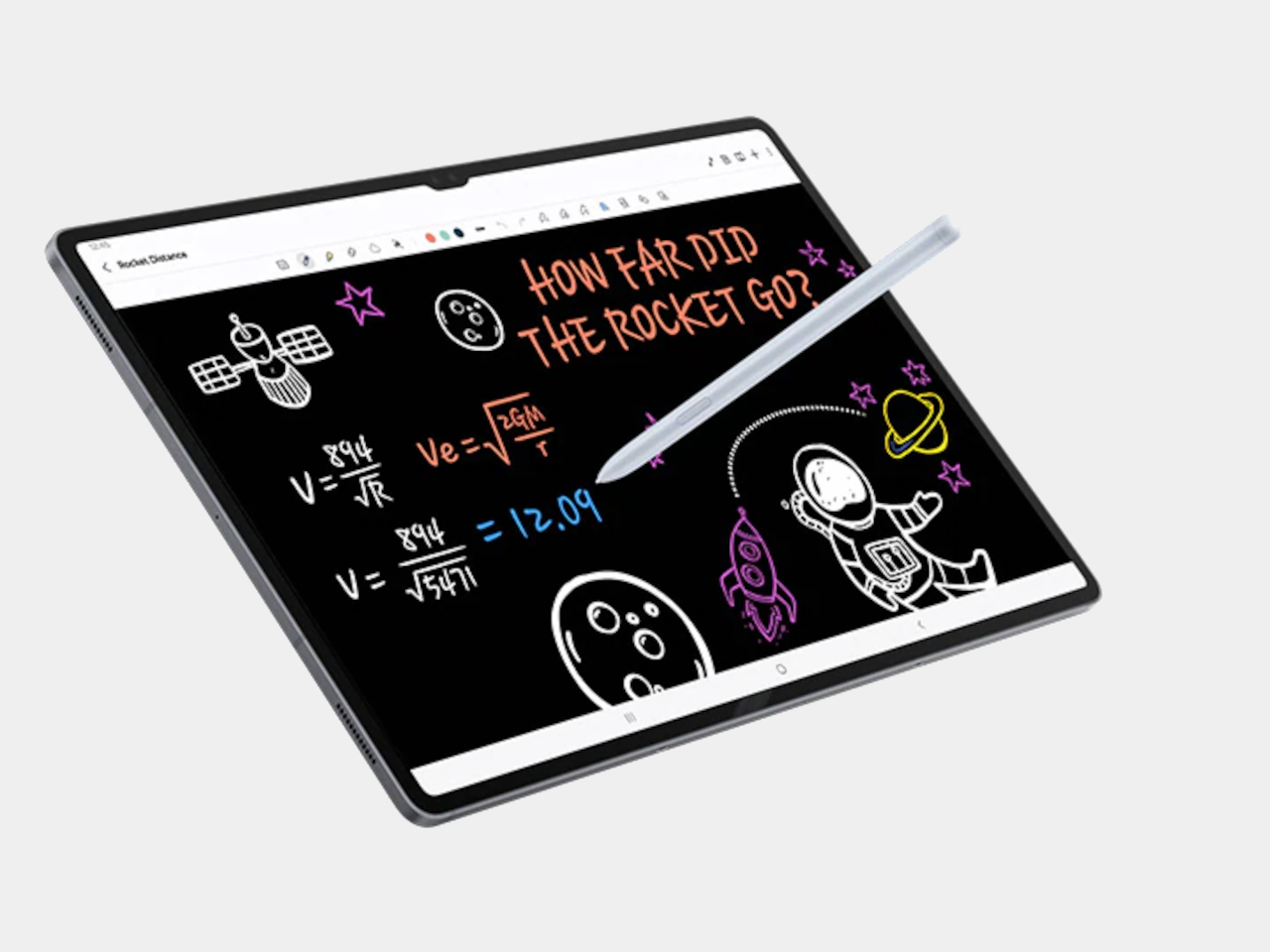
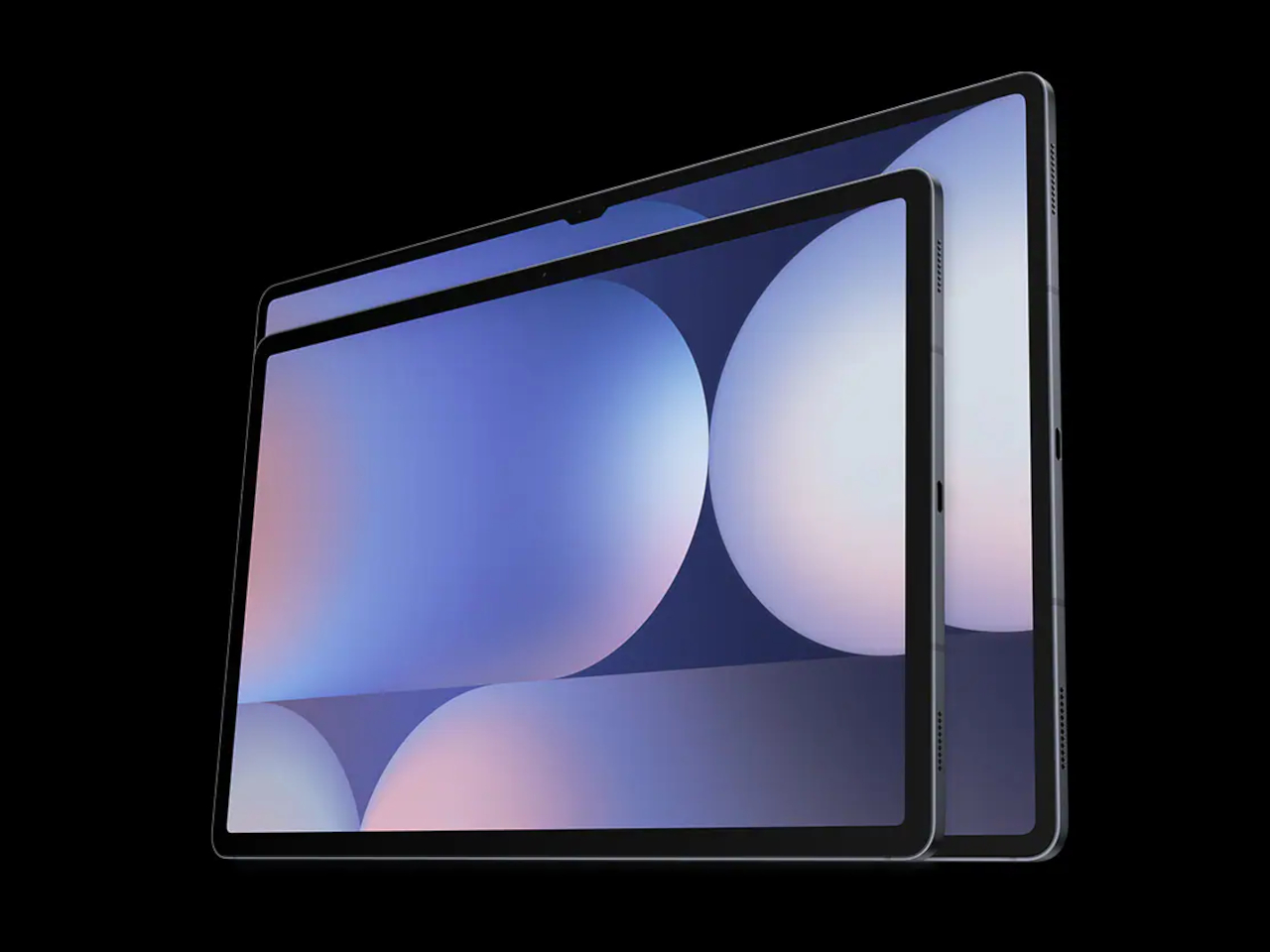
With a 14.6-inch screen, the Galaxy Tab S10 Ultra might be stretching the definition of a tablet, but it’s undoubtedly a very portable size for a detachable laptop and a digital drawing pad. Of course, Samsung has been marketing its Tab S series as a tablet for pros, but this time it’s adding a new element to the mix to make that even more plausible. Its putting AI, its own Galaxy AI, of course, front, center, and across the full width of that large screen, promising to upgrade your productivity as you upgrade your hardware.

In terms of design, the Galaxy Tab S10 Ultra is a dead ringer for last year’s Samsung flagship tablet, which means you’re still getting a simple and no-nonsense design. Mirroring the aesthetics of its current Galaxy S smartphones, it has flat edges, a flat back, and two separate rings for the 13MP and 8MP cameras. There’s still that magnetic charging groove across the back for the included S Pen, making sure you don’t lose the all-important accessory too easily.

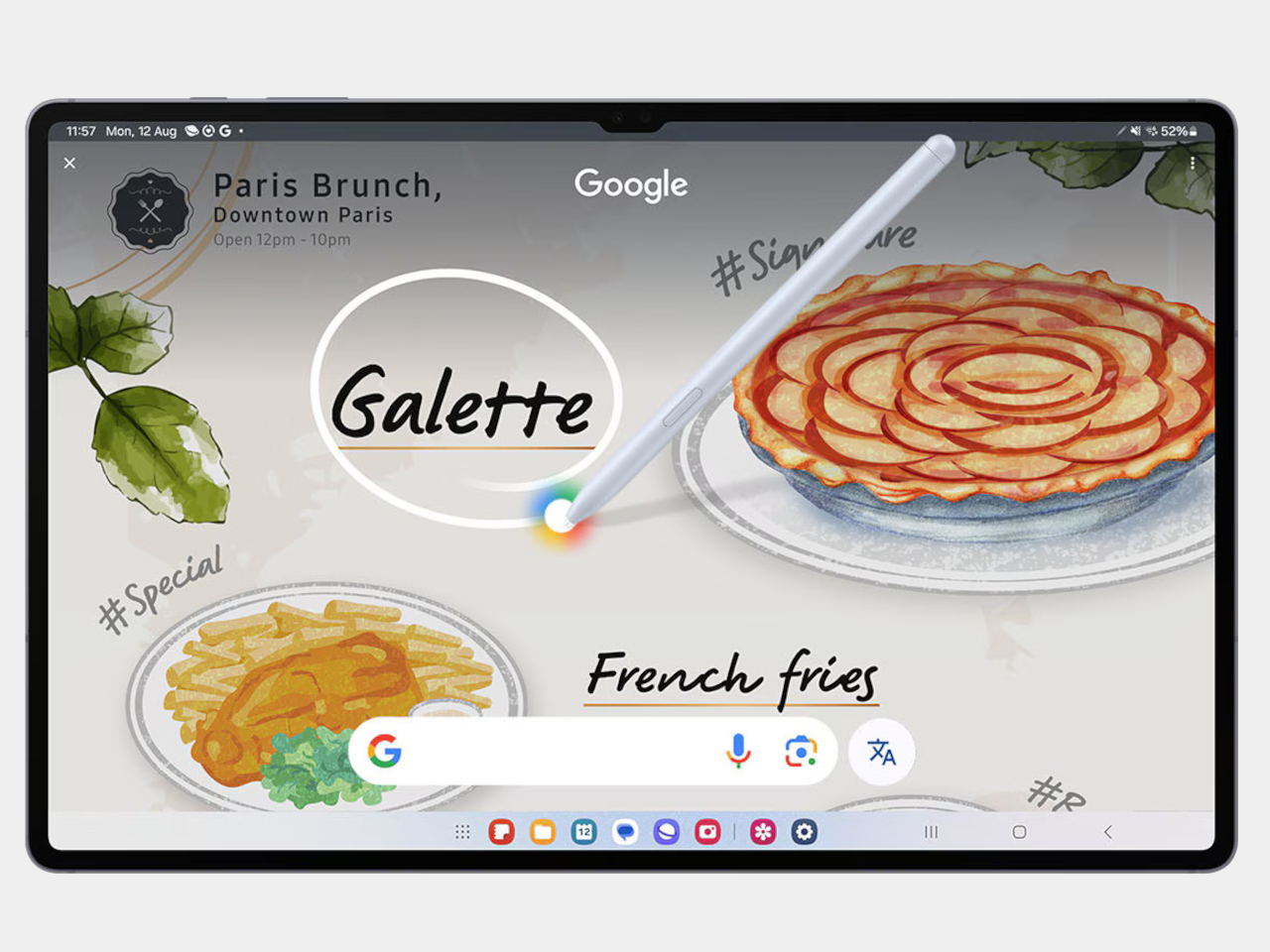
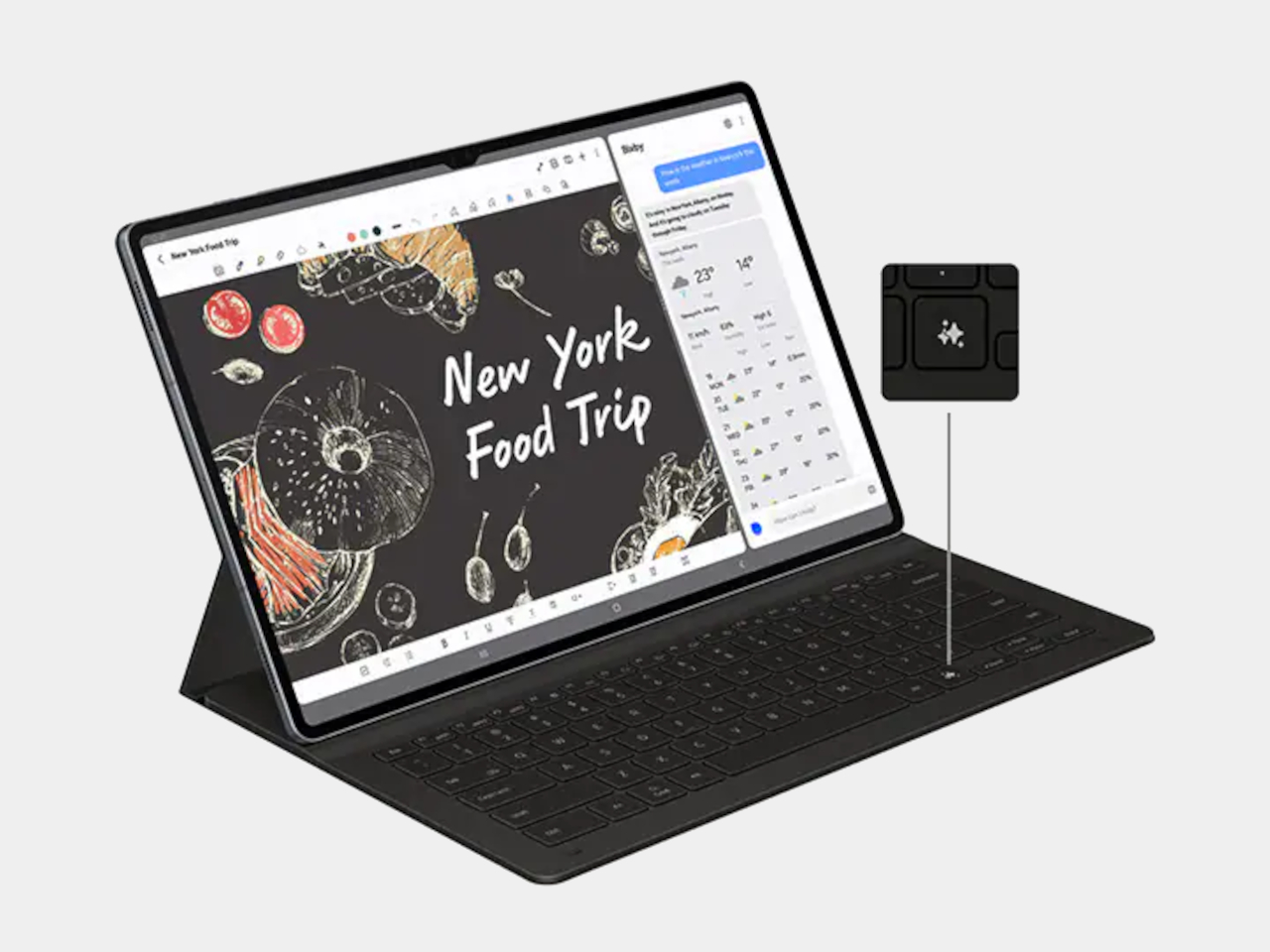
Samsung is making a lot of noise about the AI features on the tablet, all of them geared for productivity and creativity. Note Assist and Handwriting Help make it easier to make sense of notes, while Sketch to Image lets your artistic spirit free. There’s also Google’s now famous Circle to Search gesture, and the official Book Cover Keyboard naturally has a dedicated Galaxy AI Key to launch your AI assistant of choice, whether it’s Samsung Bixby or Galaxy Gemini.

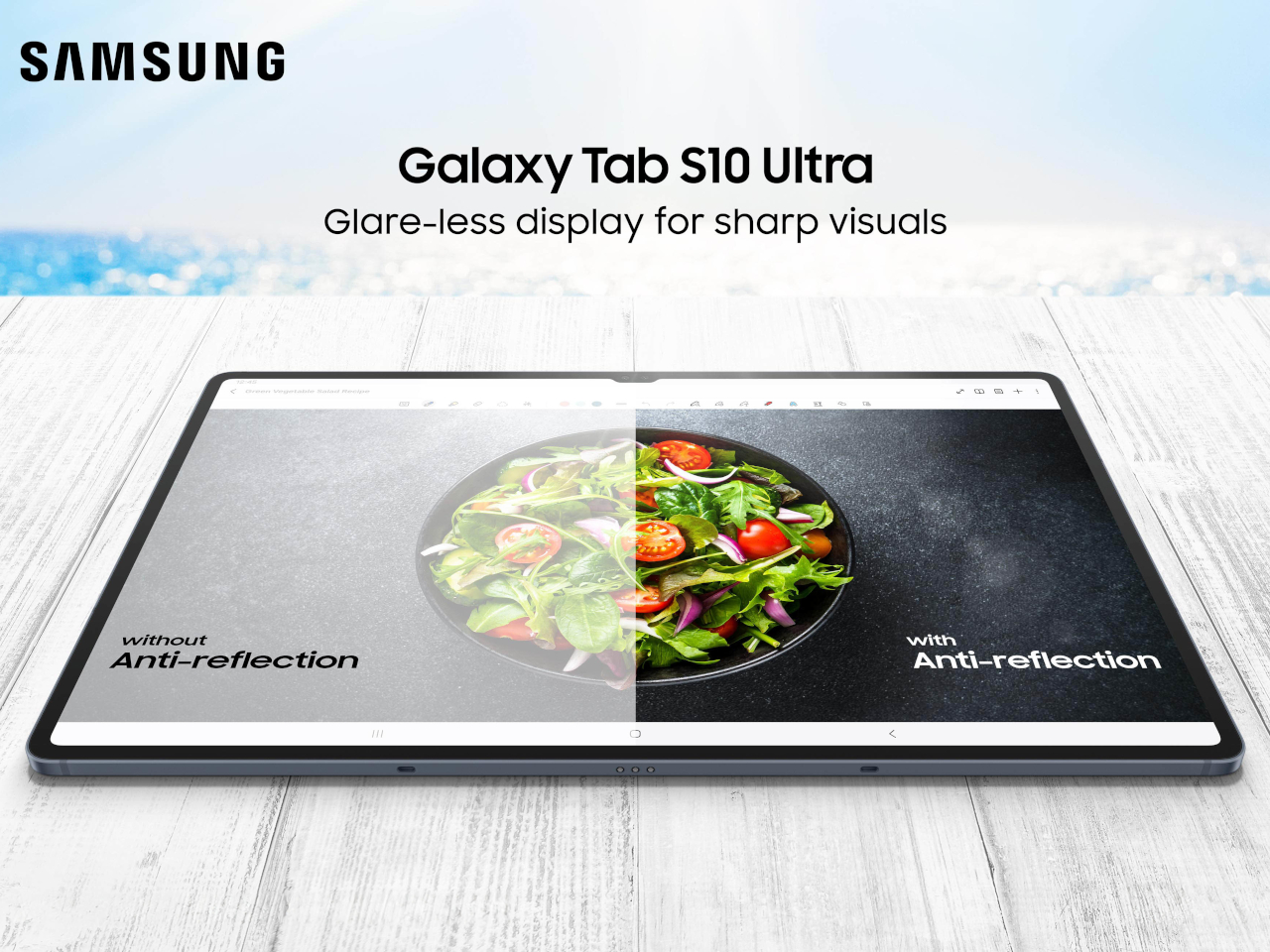
In terms of specs, Samsung naturally crammed the best of mobile hardware inside, except for one curious but critical compoment. Samsung opted to use a MediaTek Dimensity 9300+ processor instead of the usual Qualcomm Snapdragon, and some might have doubts about whether it can handle heavy AI loads, among other tasks. Regardless, the 120Hz Dynamic AMOLED 2X screen, 12GB of RAM, and 11,200mAh battery all come together for a premium experience. The Galaxy Tab S10 Ultra starts at a rather eye-watering $1,200, but those who prefer slightly smaller screens can opt for the 12.2-inch Galaxy Tab S10+ with a matching $1,000 price tag. Sadly, no smaller Galaxy Tab S10 model this year.

The post Galaxy Tab S10 Ultra tablet puts AI on an extra-large 14-inch screen first appeared on Yanko Design.
Galaxy S24 FE tries to make AI and minimalist design more accessible

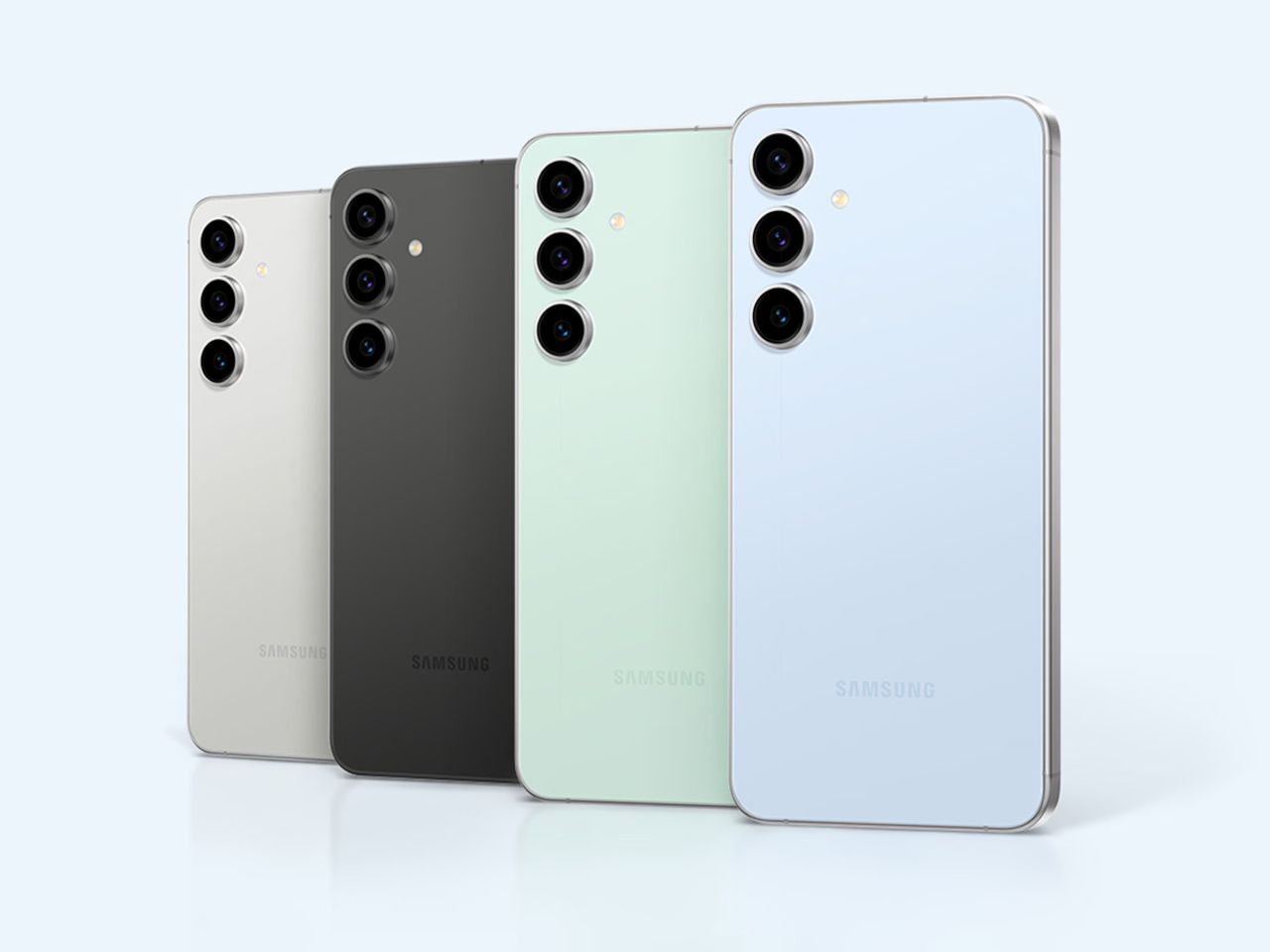
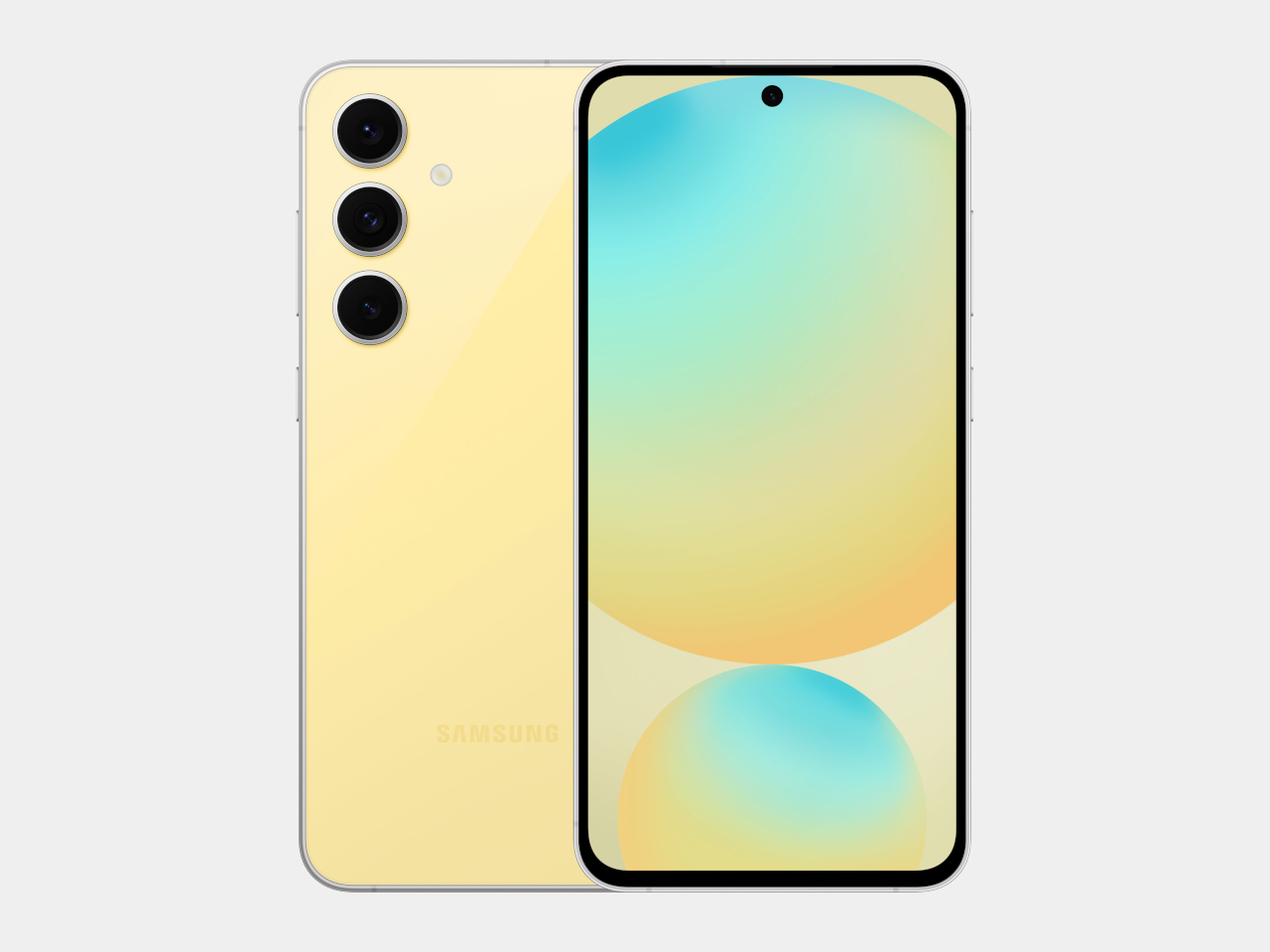
Ever since it relaunched the ill-fated Galaxy Note 7, Samsung has been launching a new “Fan Edition” S series flagship every year. The Samsung FE series is supposed to bring the most wanted features of its high-end phones down to a more affordable price tag, which means it does have to cut some corners to reach that price point. Cameras and battery life have always been the main focus of the Galaxy FE phones, but this year brings an unsurprising addition to that set. With the Galaxy S24 FE, Samsung is making an even bigger push for its Galaxy AI suite, trying to push it to more people with a handset that won’t kill their budget too much.

Designer: Samsung

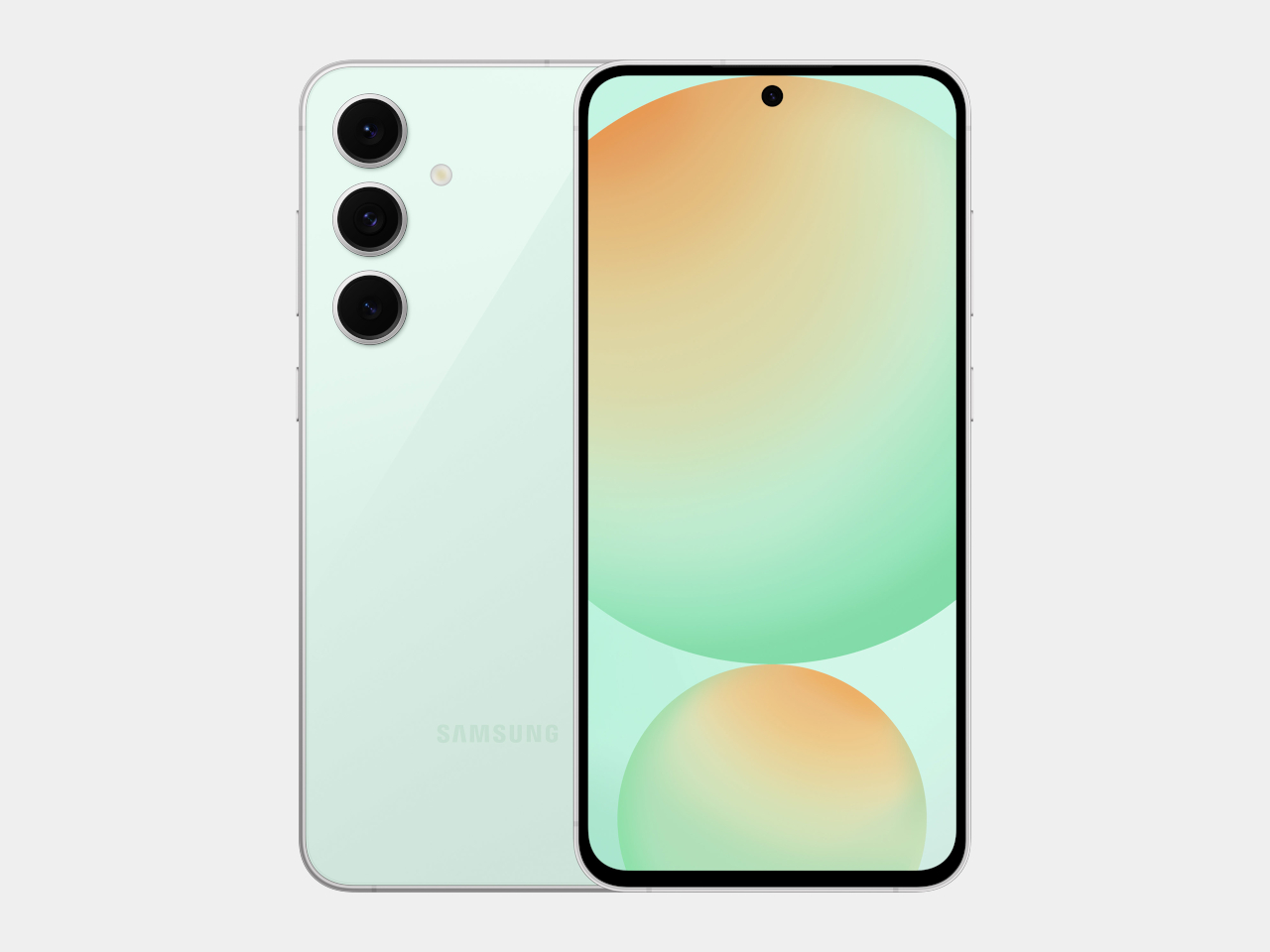
In terms of design, the Galaxy S24 FE strangely stands in between the Galaxy S24+ and the Galaxy S24 Ultra. It has an unapologetically large 6.7-inch screen, but its actual size is made even bigger by the wider bezels you won’t see on the more premium Galaxy S24 series. It does at least have the same elegant minimalist design as the Galaxy S24 and Galaxy S24+ with its rounded corners, flat edges, and flat front and back.

Of course, the “Fan Edition” phones come with plenty of compromises if you compare them to the standard flagship. In this particular case, the Galaxy S24 FE has a slightly dimmer screen that has fixed refresh rates of either 60Hz or 120Hz only, an underclocked mid-range Exynos 2400e processor, and only 8GB of RAM. That said, it does have a larger 4,700mAh battery compared to the 4,000mAh battery on the Galaxy S24, and it has almost similar 50MP main and 12MP ultra-wide cameras. The 3x telephoto camera, however, only has an 8MP sensor.

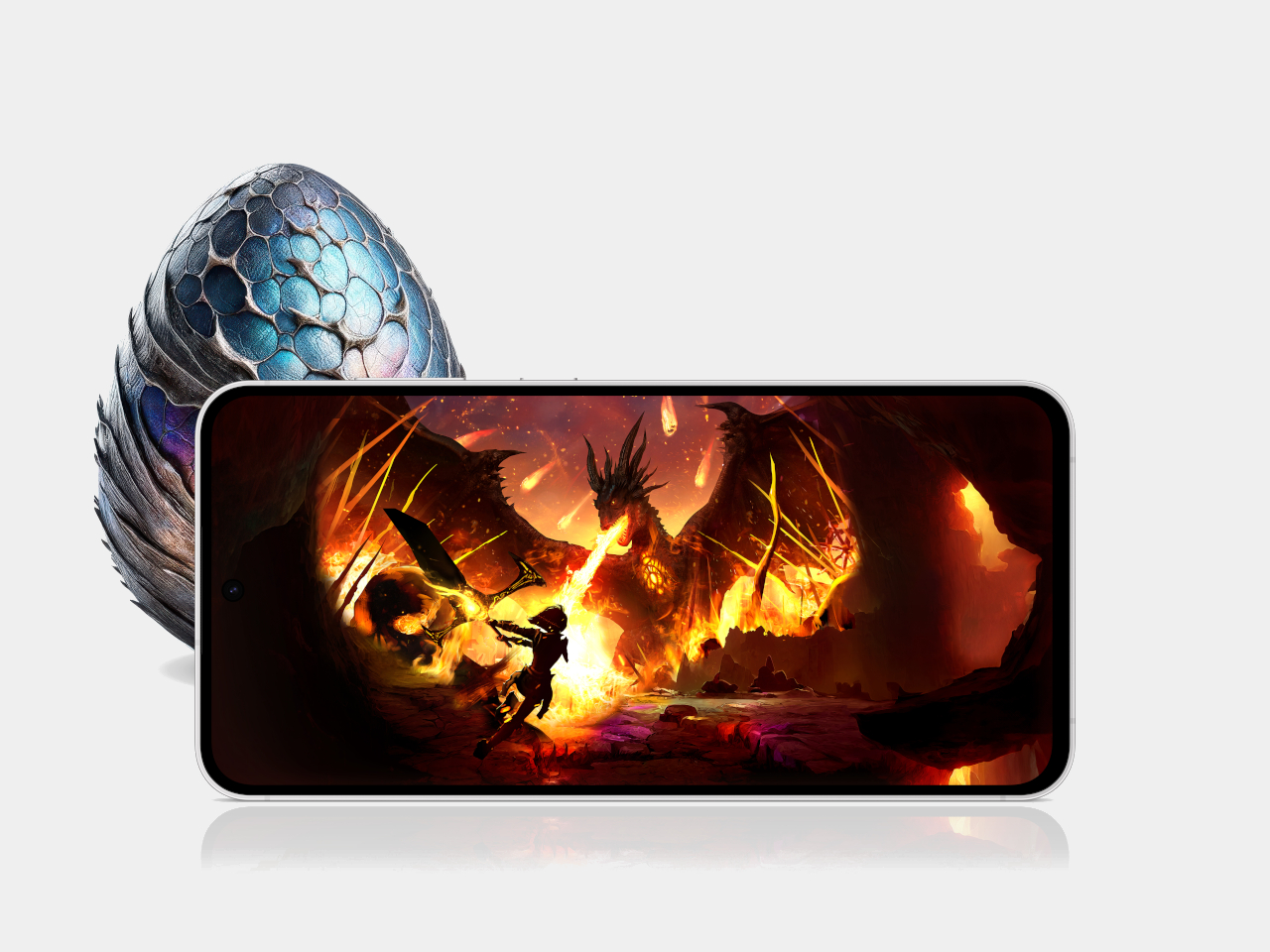
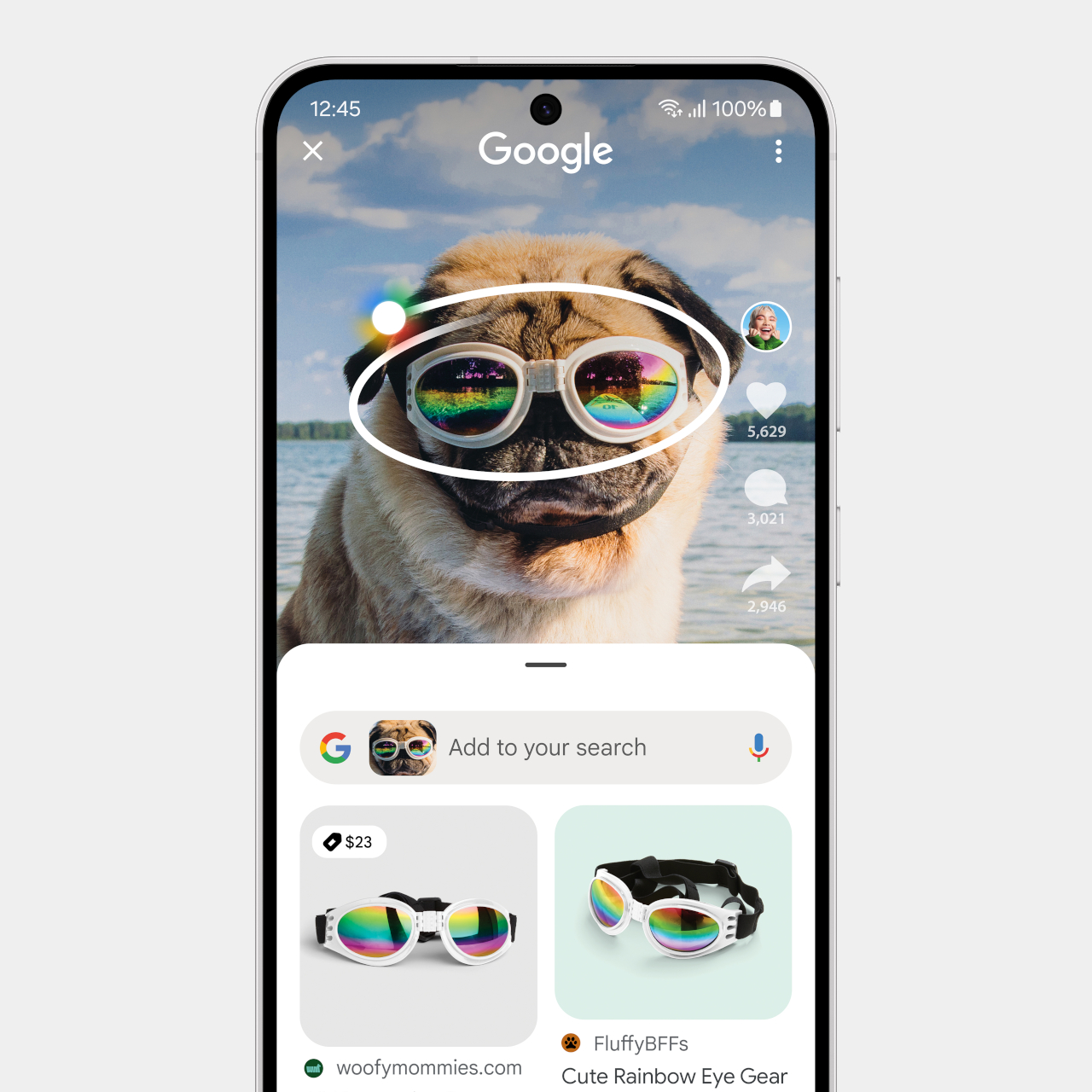
Unsurprisingly, a lot of the focus in this release is on Galaxy AI and the features that it enables. Those include retouching photos, making amusing compositions, and of course, Circle to Search with Google. Hopefully, the phone’s modest specs will be able to catch up with the demanding AI features without making the phone too hot to handle.

What is surprising is that Samsung is making the same support commitment it made with its more expensive phones, namely seven generations of OS upgrades and seven years of security updates. The phone also uses some materials made from recycled plastics, aluminum, glass, and rare earth metals, which is pretty impressive for a “cheaper” variant of a flagship phone. All of these come with a $649.99 price tag for 128GB of storage ($709.99 for 256GB), which isn’t all that bad considering you’re getting a solid phone from a reputable brand.

The post Galaxy S24 FE tries to make AI and minimalist design more accessible first appeared on Yanko Design.
Ride-on suitcase for kids doubles as an in-flight bed or leg rest

Rideable motorized suitcases are odd products, even more so when adults are the ones riding on them. They look more like fun toys for kids, but strangely enough, such products are in low supply or even non-existent. Of course, the dangers of sitting a kid on a moving vehicle, cute as it may be, can be frightening, but that doesn’t mean the basic design of a ride-on suitcase doesn’t have merits, especially if it doesn’t have motors in the first place. This unusual suitcase for toddlers takes that idea and gives it a little twist, giving it some other utility even when already boarded on the plane or train.

Designer: Frost Produkt

There are plenty of suitcases with colors and decorations catering to kids, but strangely enough, the majority of them aren’t exactly designed for kids. They function more like miniature suitcases for adults with zippers that are difficult to use and compartments that are difficult to access without having to first lay the suitcase down. That might just be a hassle for grownups, but it’s nothing short of a chore for kids, not unlike being told to clean up their closet.

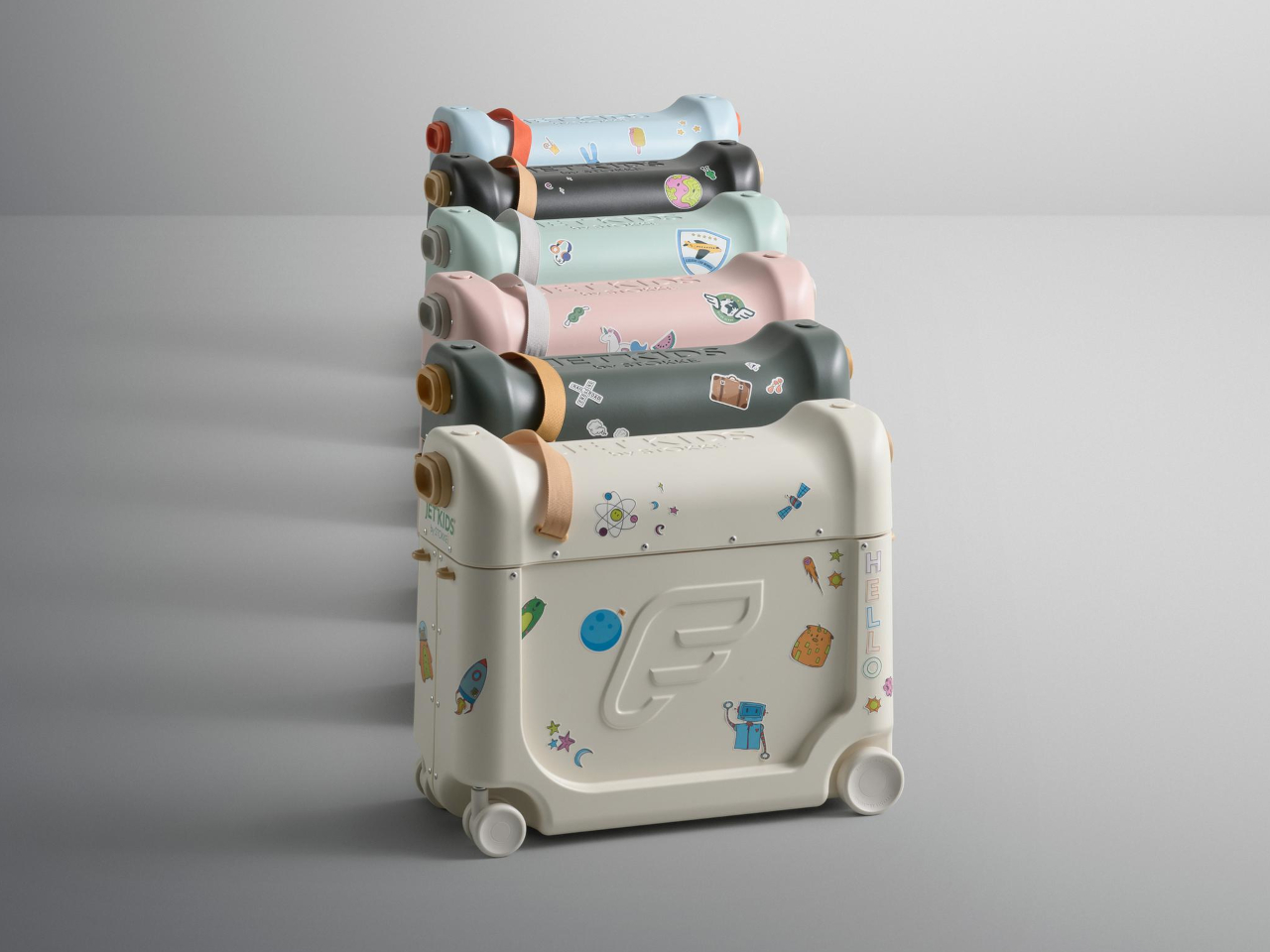
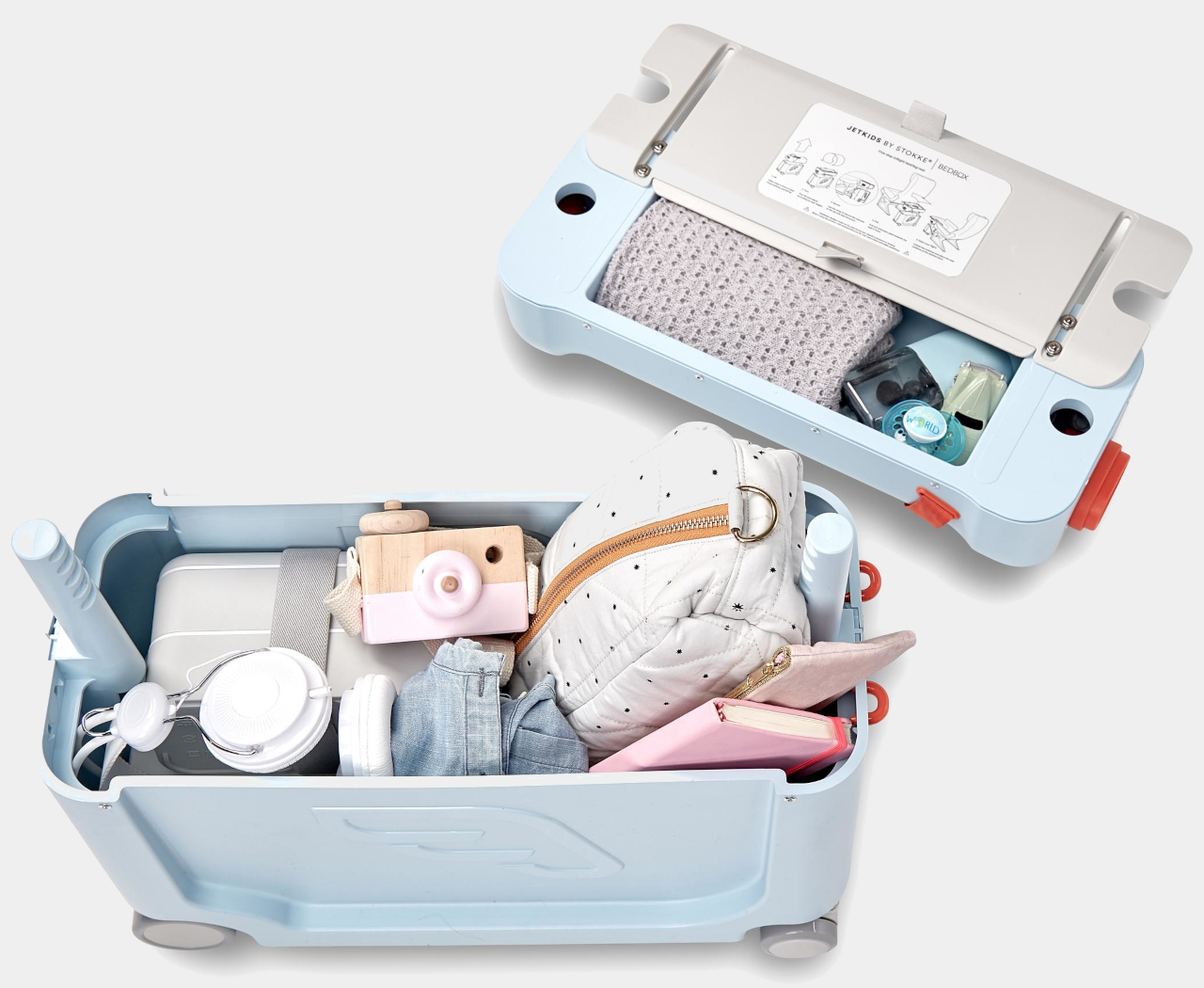
Jetkids is a ride-on suitcase truly designed with a young child in mind, and not just because of how fun it seems to sit on top of it. Instead of a zipper that opens from the front, this suitcase has a top cover that can be easily lifted to reveal the contents inside. The cover itself is actually a container as well, suitable for smaller items or things that the child or parent needs to access immediately.

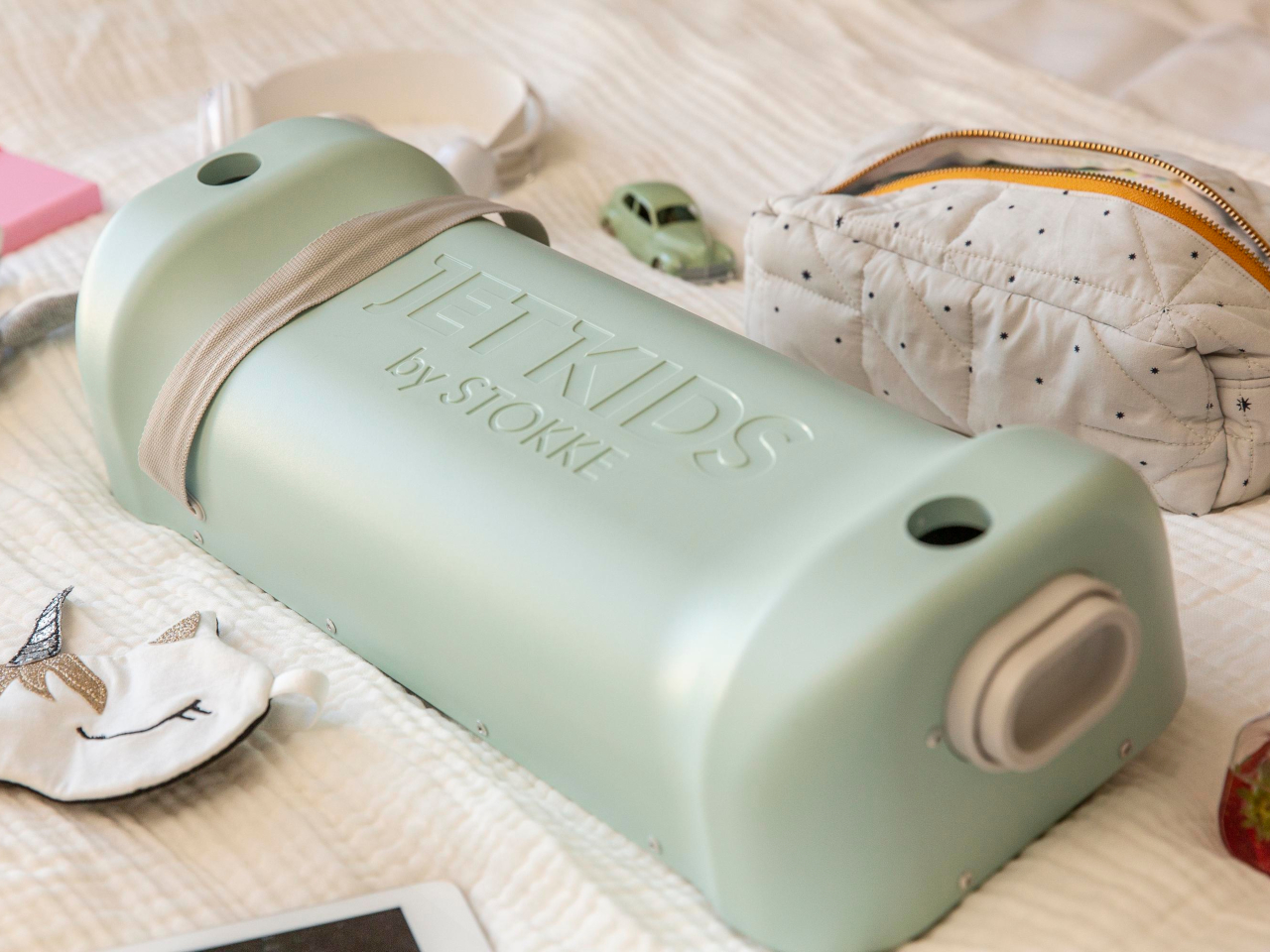
That’s because this cover can be flipped over and placed on top of the suitcase, acting not only as a sort of desk but also as a leg rest or bed. The idea is to place the suitcase in front of the child’s seat on the plane, extending the area they can sit or even lie down on. And when the child is on the ground and about, the suitcase also offers a place for them to sit down and, if needed, be pulled by their family or guardian.

This unusual yet useful design does limit Jetkids, which was also marketed under the name Stokke Bedbox, to a certain age range that allows them to sit safely on the suitcase. It’s still an interesting design that really puts the ease of use and comfort of the child in mind rather than simply shrinking a product made for older people.

The post Ride-on suitcase for kids doubles as an in-flight bed or leg rest first appeared on Yanko Design.
Loog x Duolingo portable piano teaches you the language of music, the fun way

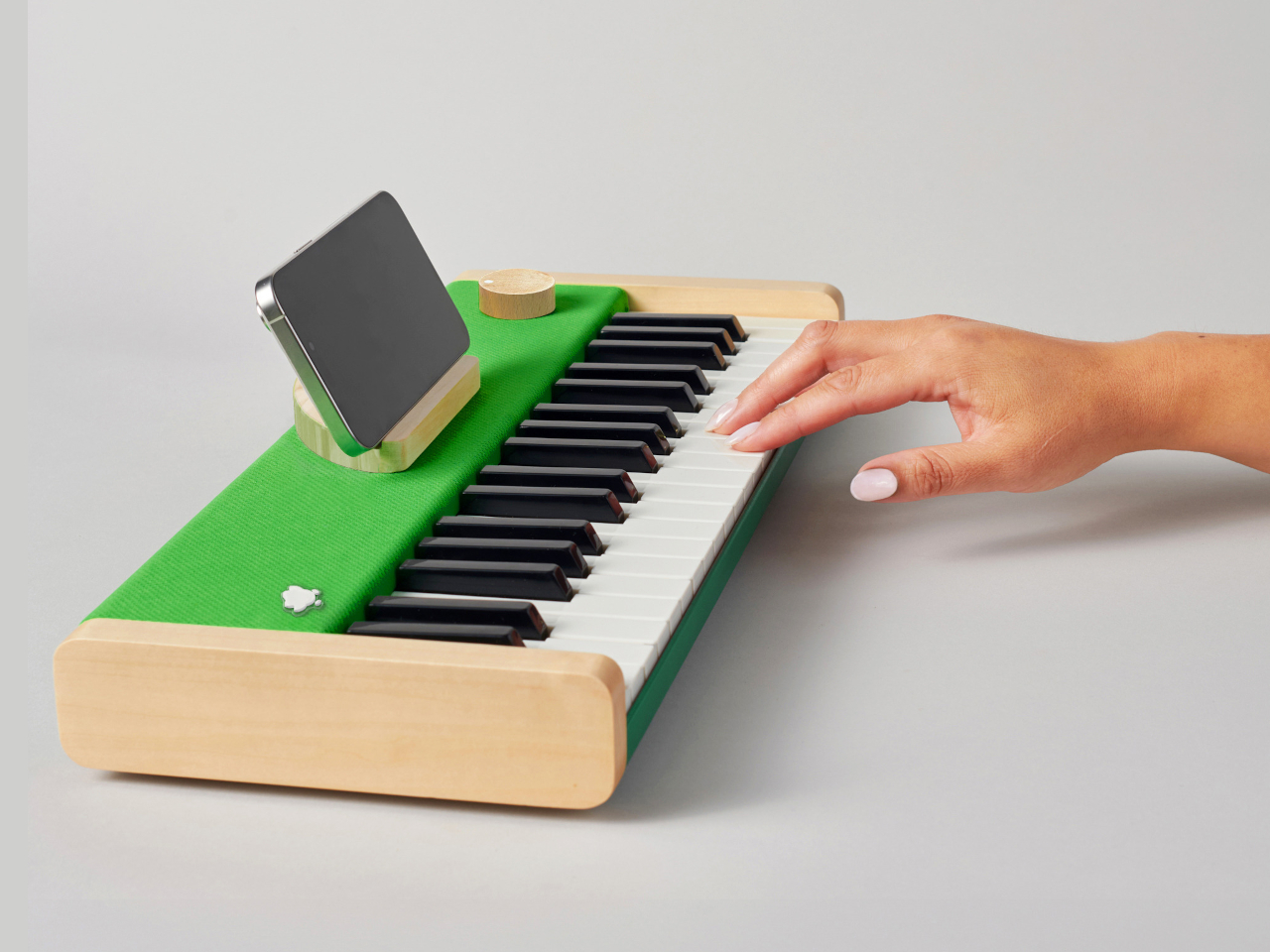
Learning a new language is never easy, whether it’s human language, programming language, or harmonic language. It takes time, effort, and more importantly, drive to go through the process, but it doesn’t have to a be painful and dreadful experience all the time. Of the many strategies that make learning languages both fun and effective, Duolingo is perhaps the best-known service. What few people realize, however, is that the green owl has been teaching music for over a year now, applying the same principles it uses in teaching Spanish or Mandarin to do-re-mi’s. Unlike smartphones and spoken languages, however, music has to be played to really be learned, which is why Duolingo has come out with a small digital piano so that you can do that anywhere you are.

Designer: Loog x Duolingo

A piano isn’t the only instrument you can use to learn music, but it’s one of the most convenient and can be designed into an electric and portable form that doesn’t require minding strings that could break. You don’t even need a full-sized piano to get started, but you do need one that’s small enough to be carried around yet has a decent size and a decent sound as well. Rather than relying on a smartphone piano app that doesn’t give the same tactile experience, Duolingo teamed up with Loog, a popular brand of musical instruments for kids and beginners, to make one.

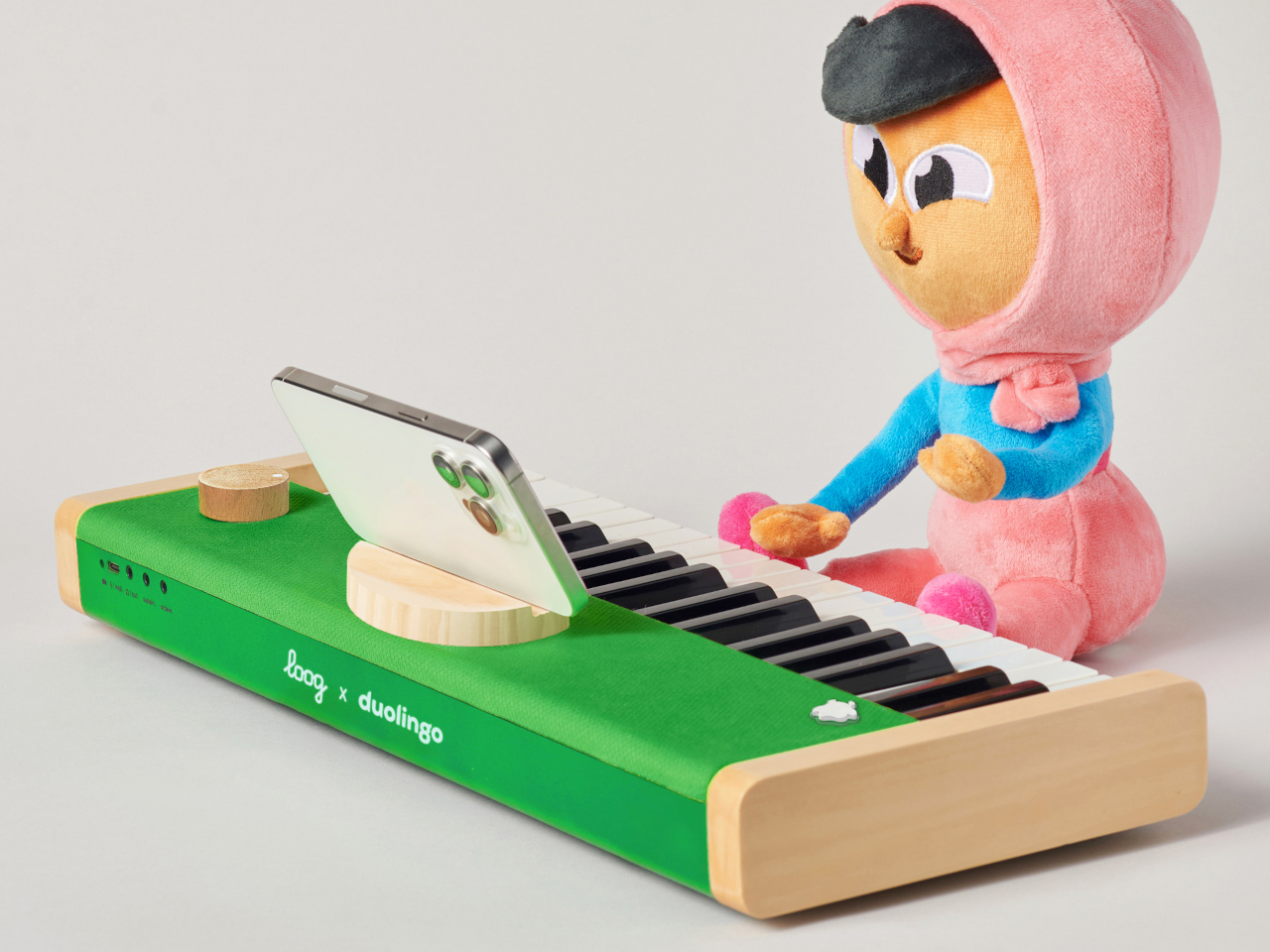
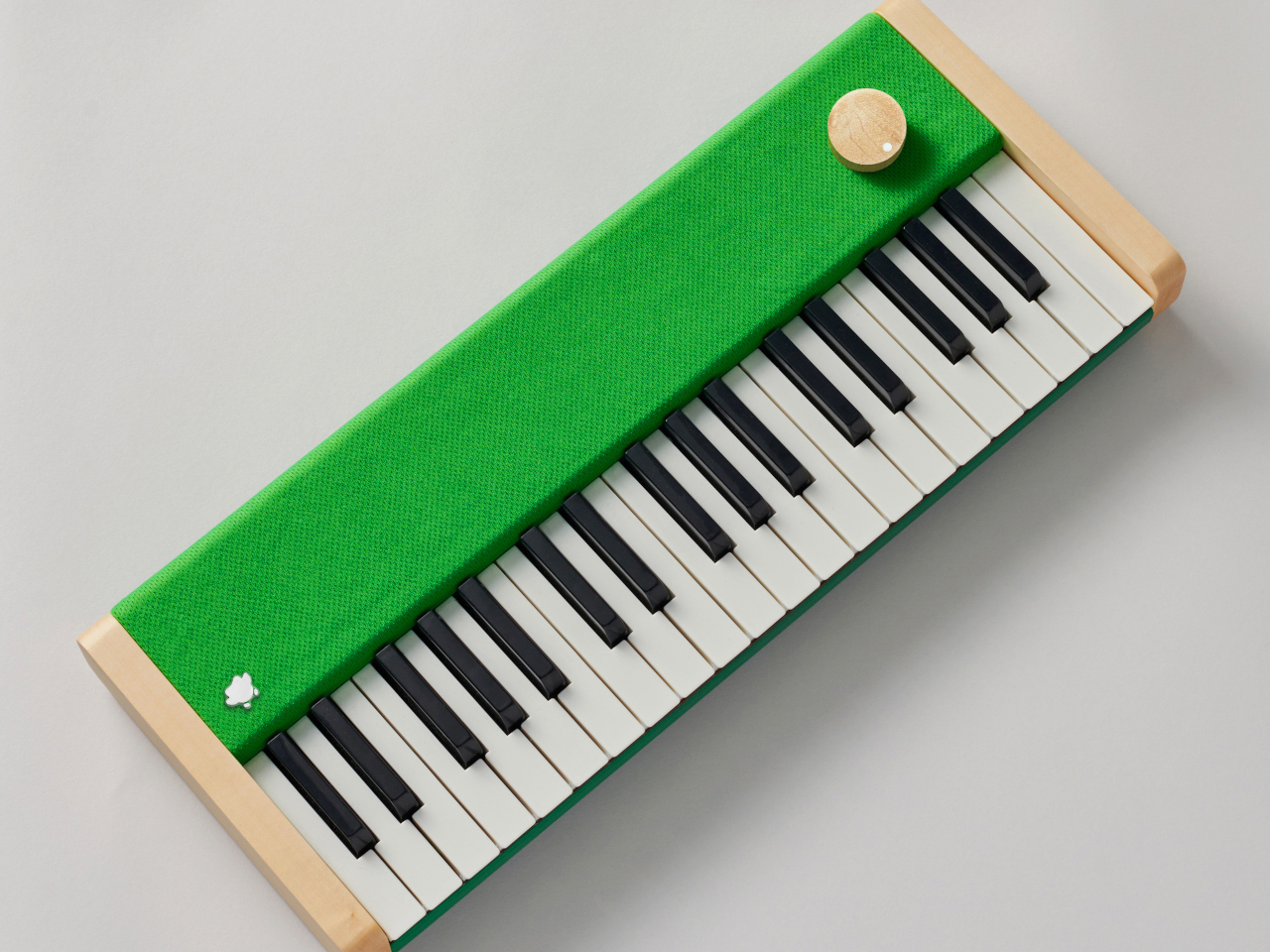
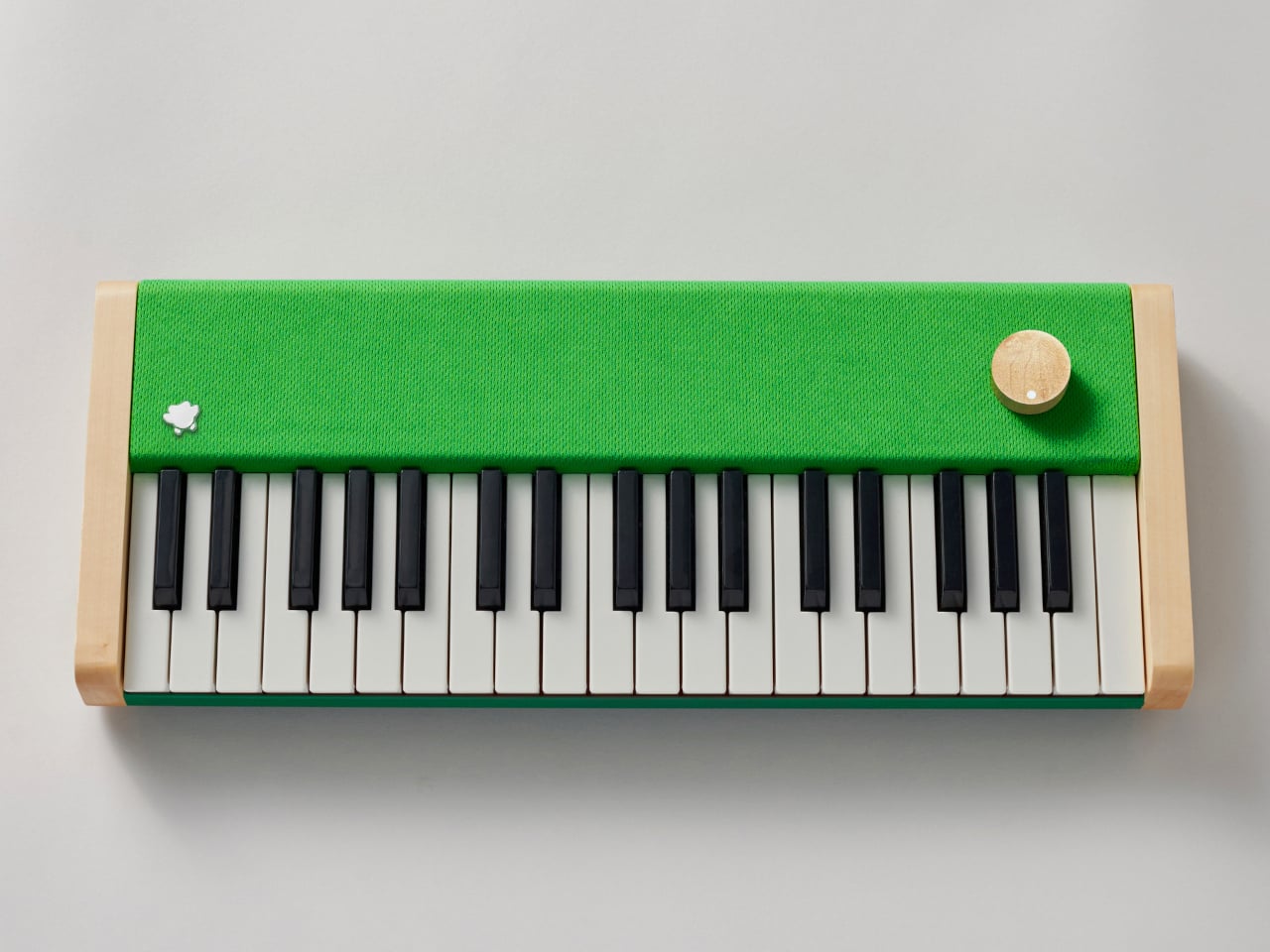
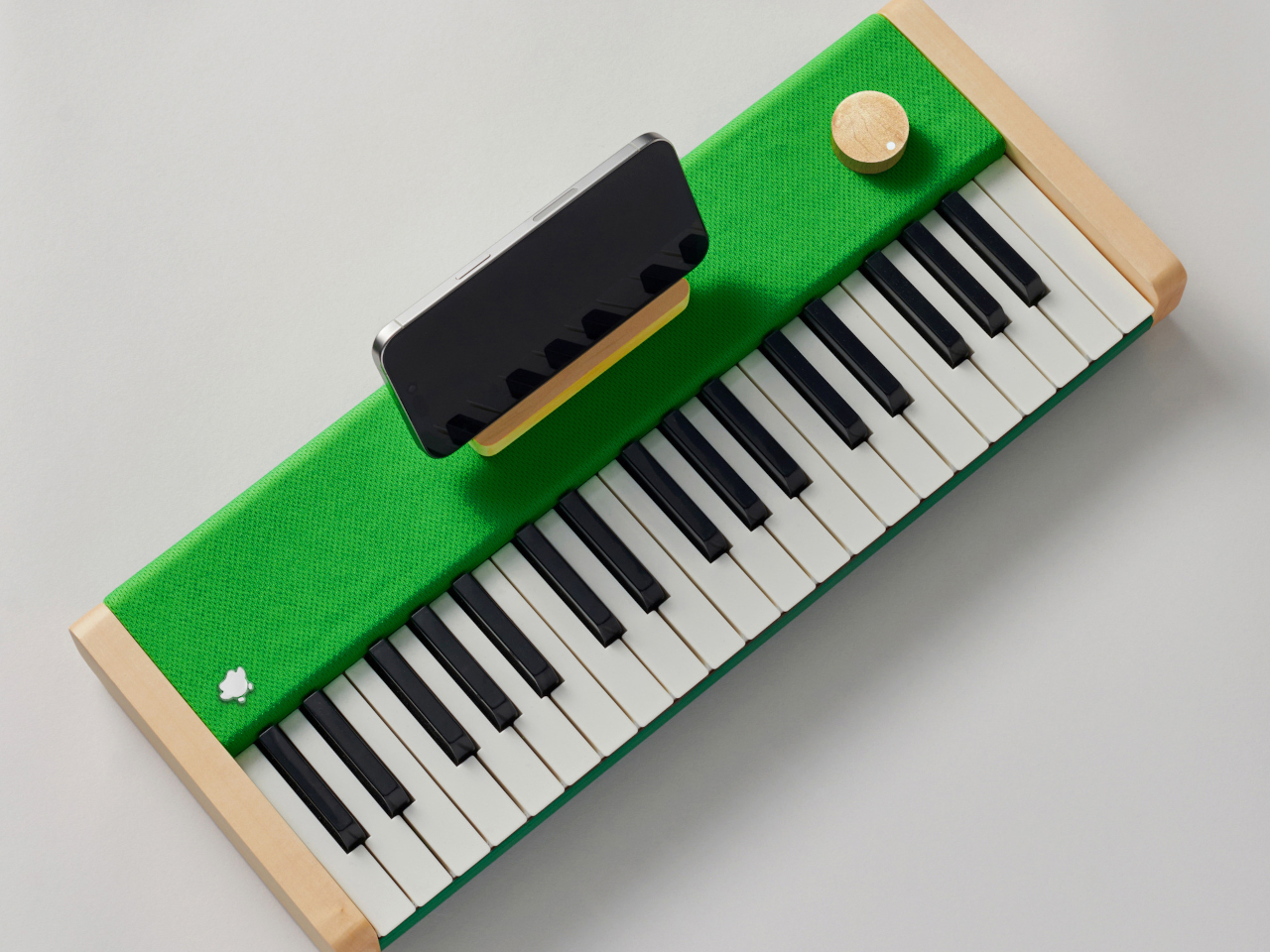
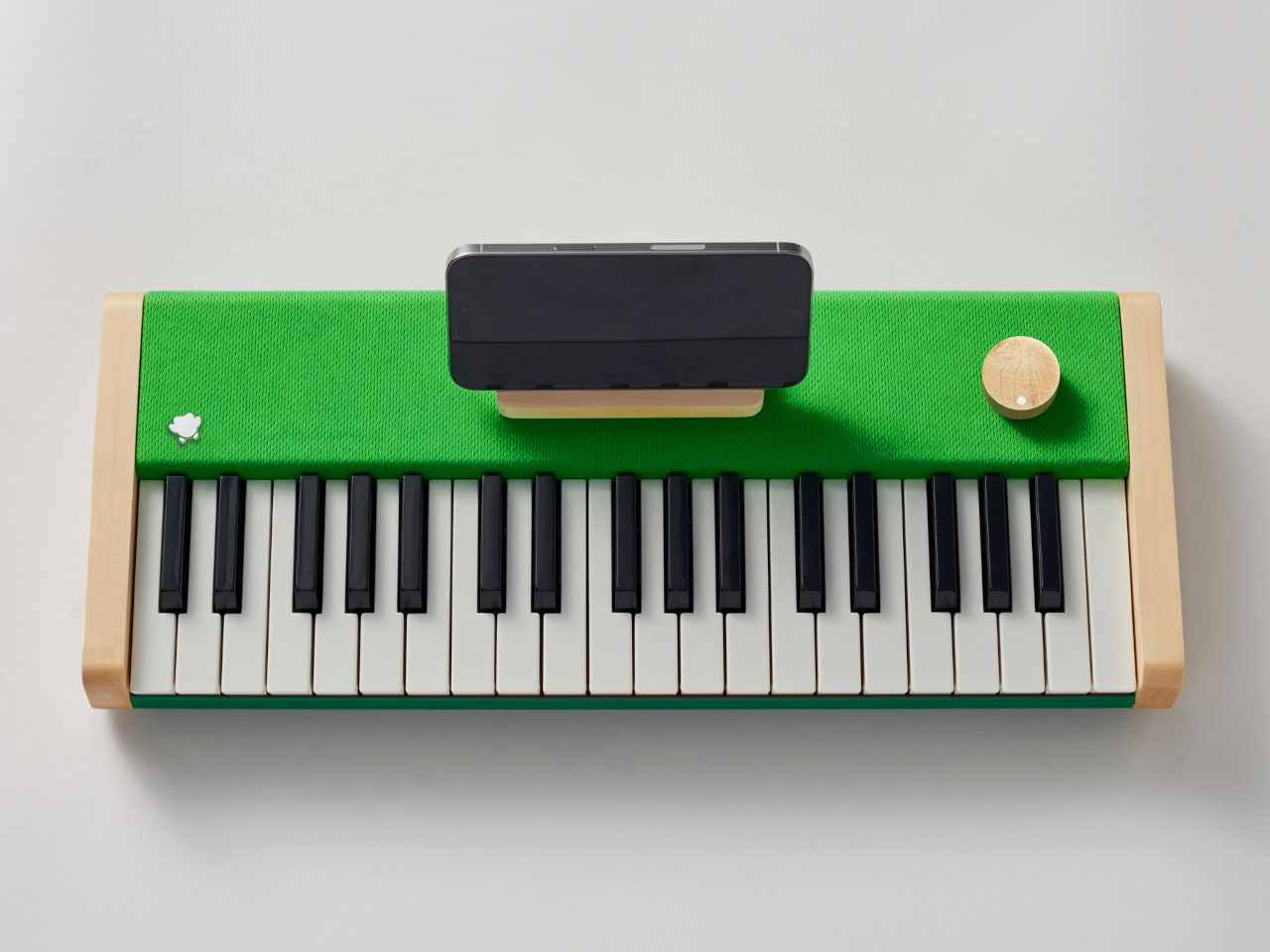
That’s what the Loog x Duolingo Piano brings to the table, figuratively and literally. It’s basically a special version of the Loog piano themed with Duolingo’s iconic green hue. It’s still the same piano made with solid wood panels that enhance the acoustics, making it sound almost like a real classical piano. It also has the same velocity-sensitive keys that implement proper dynamics, meaning that you can hit the keys harder to make the note sound louder, just like a real piano.

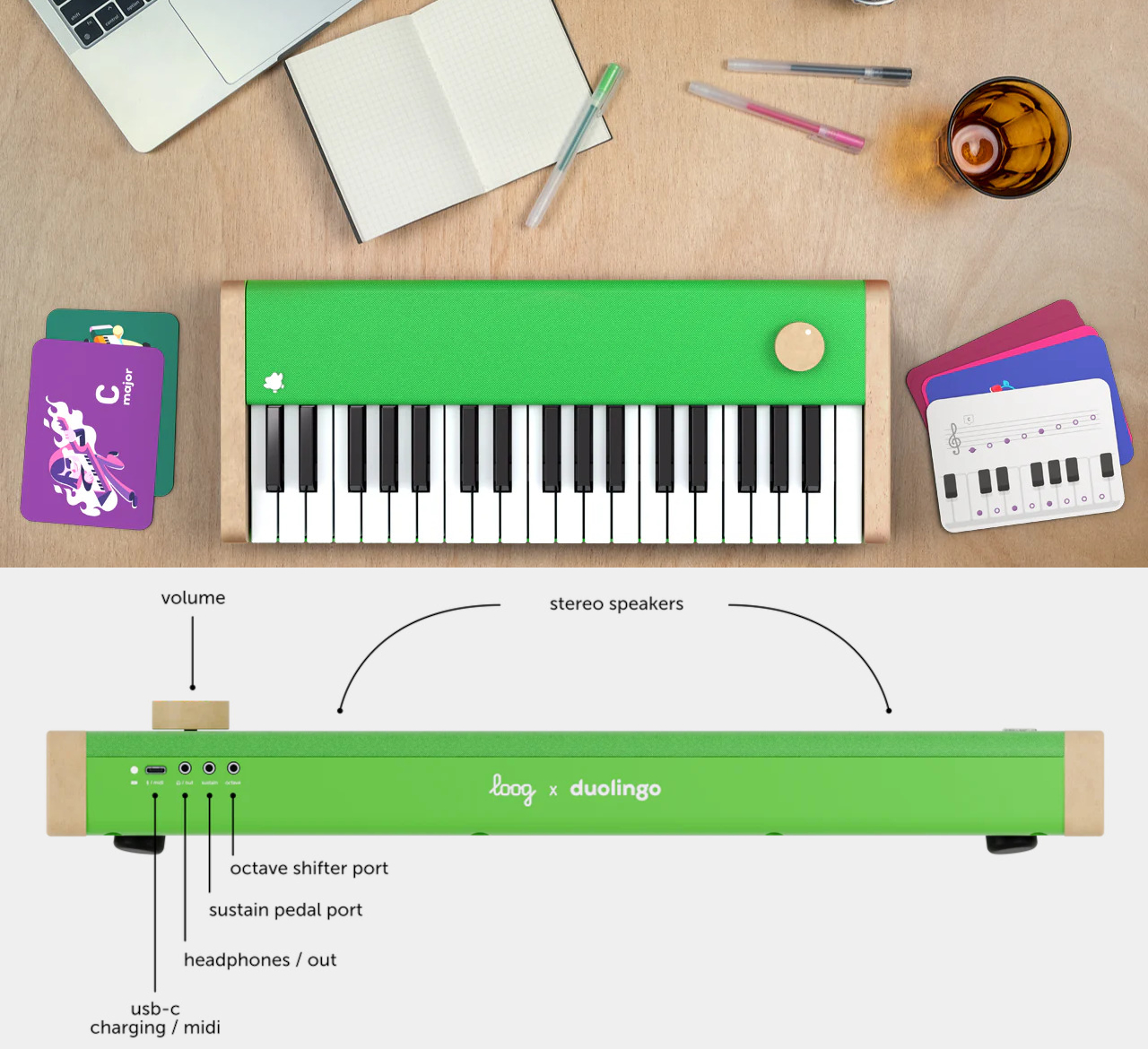
It’s not just a Duolingo-branded Loog piano, though, as this particular kit is designed with the easy-to-use and fun learning service in mind. There’s a wooden phone stand that matches the aesthetics of the piano, perfect for holding up the phone while you learn and play. And for a more offline learning experience, the package includes Piano Flashcards as well.

The Loog x Duolingo Piano is more than just a simple digital piano. It can be used as a MIDI controller when connected to an instrument via its USB-C port, and there are also ports not just for headphones but also for pedals and octave shifters. It might look like a kid’s toy, but this piano definitely has the guts to stand proudly as a proper musical instrument so that its use doesn’t stop after you’ve already mastered everything Duolingo has to teach.

The post Loog x Duolingo portable piano teaches you the language of music, the fun way first appeared on Yanko Design.
Logitech MX Creative Console offers designers more controls to help them create more

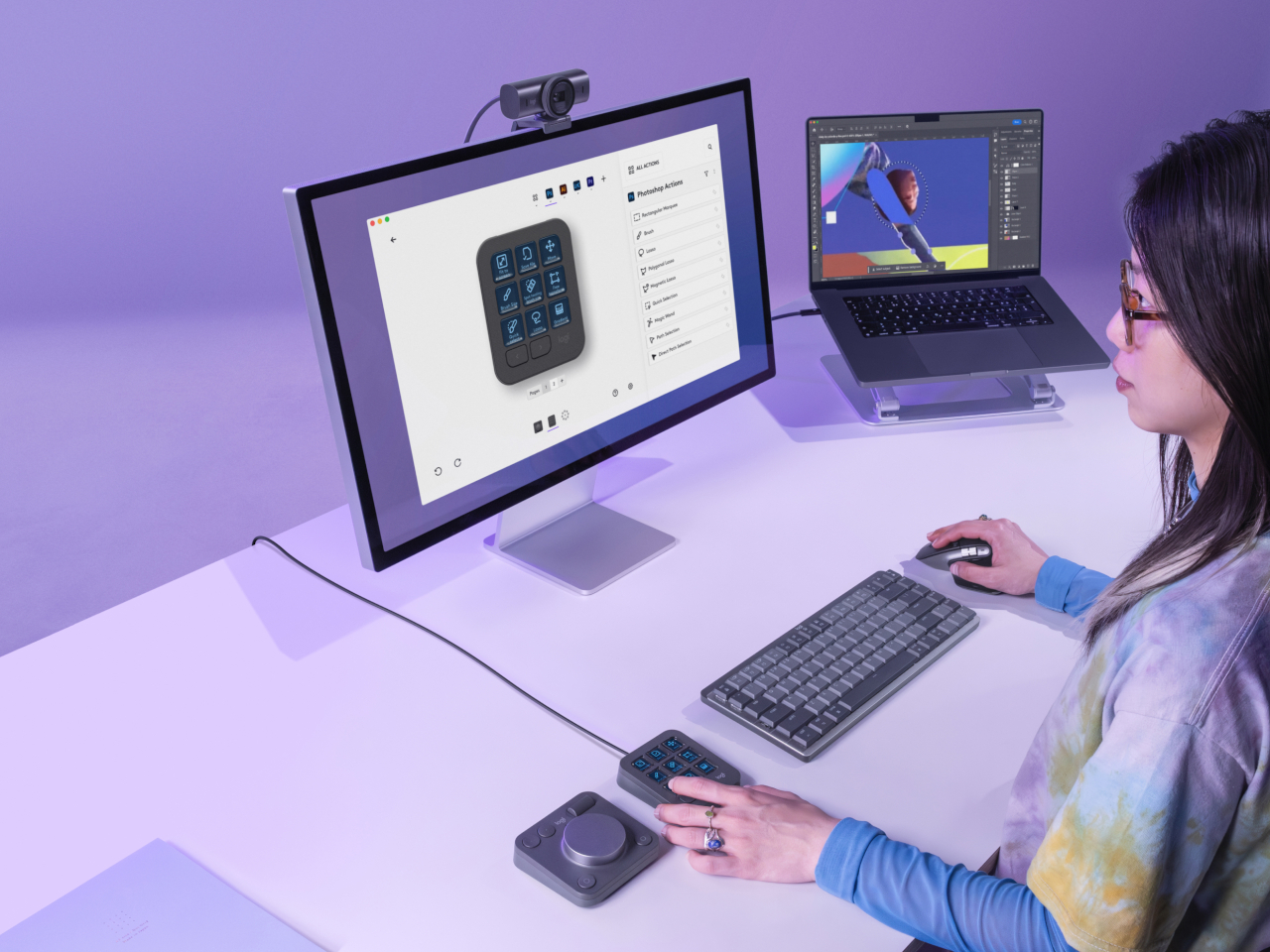
As consumers become more discerning and sophisticated, the tools needed to create content have also become more powerful and complex. Yes, there is now generative AI to help kickstart the creative process, but the final work is still done by human hands. The common keyboard and mouse are no longer enough for these tasks, and having your fingers dance over keyboard shortcuts is sure to result in strain and injury over time. Following the current trend of using Stream Deck-like devices for more than just streaming, Logitech has just launched its own tool that gives creative professionals an extra set of keys to help them spend less time fiddling with controls and more time actually creating.

Designer: Logitech

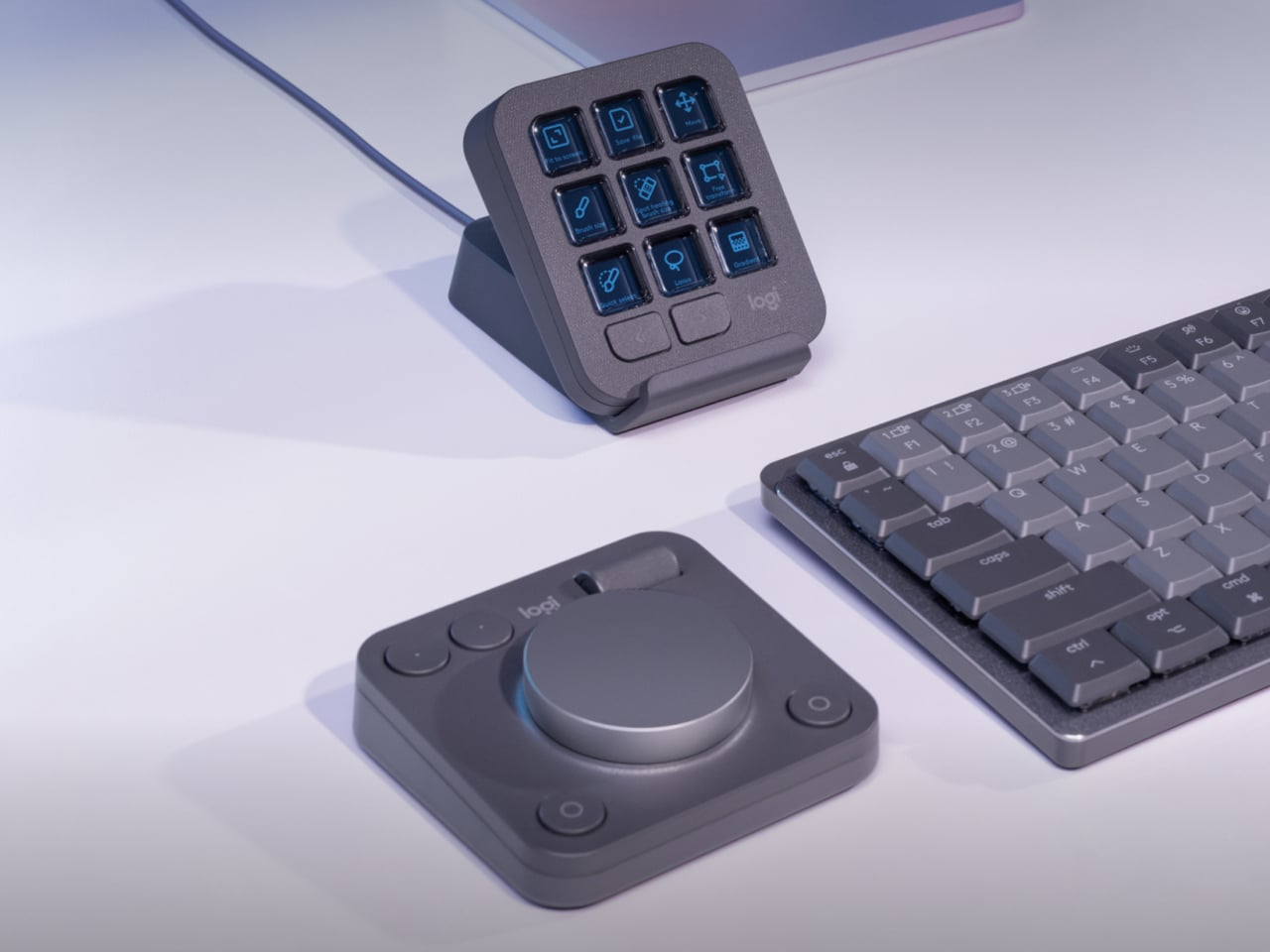
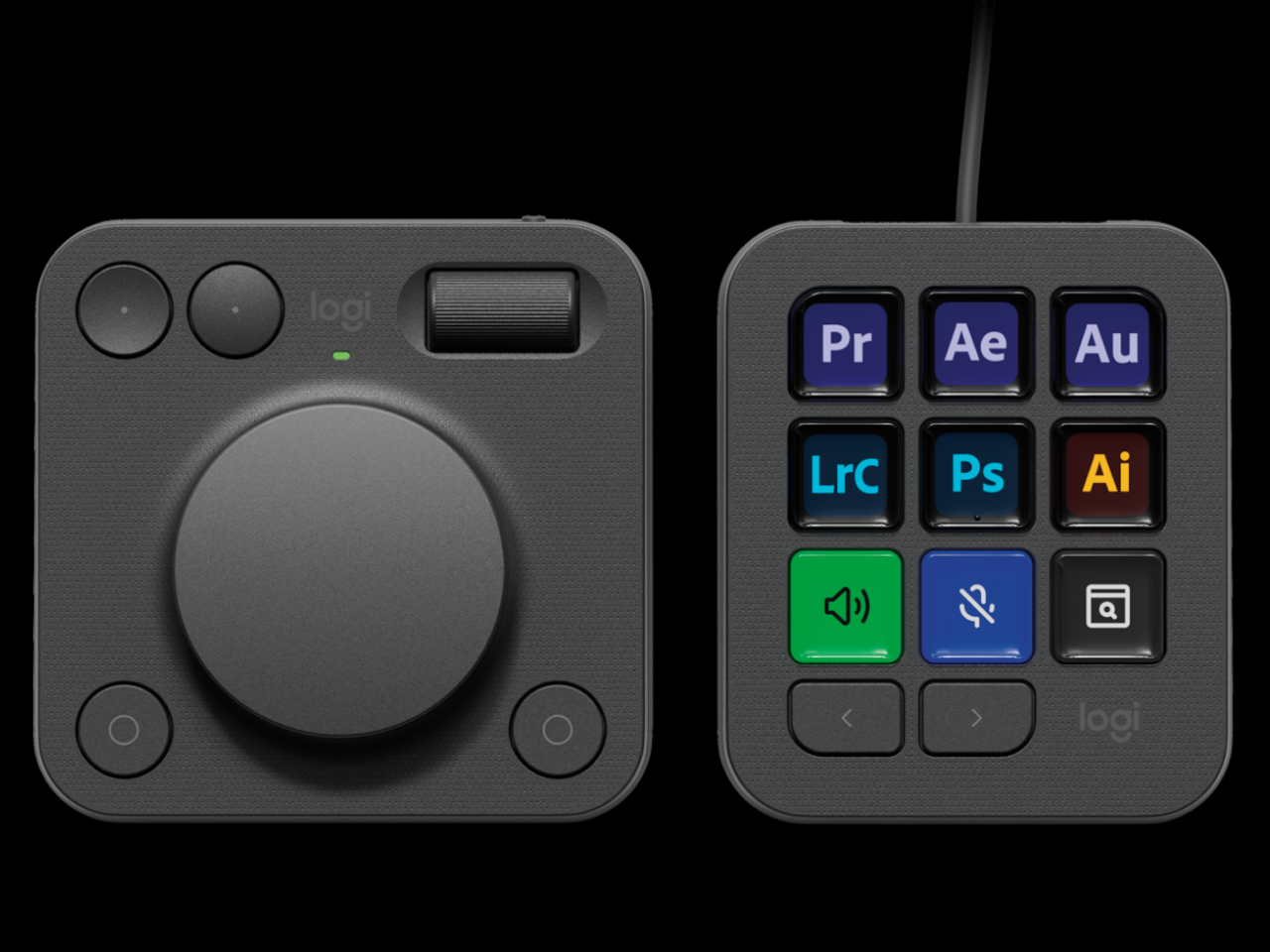
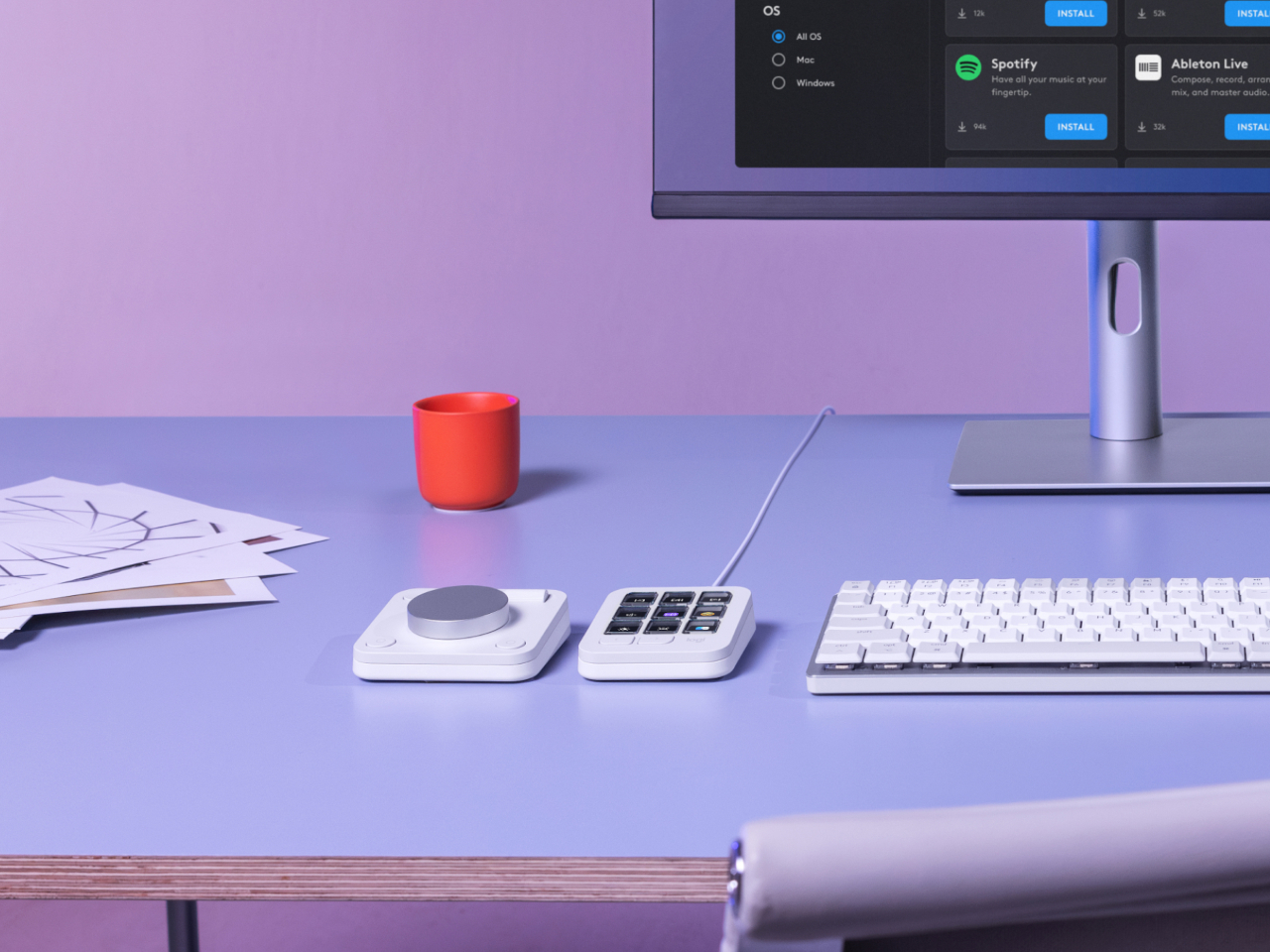
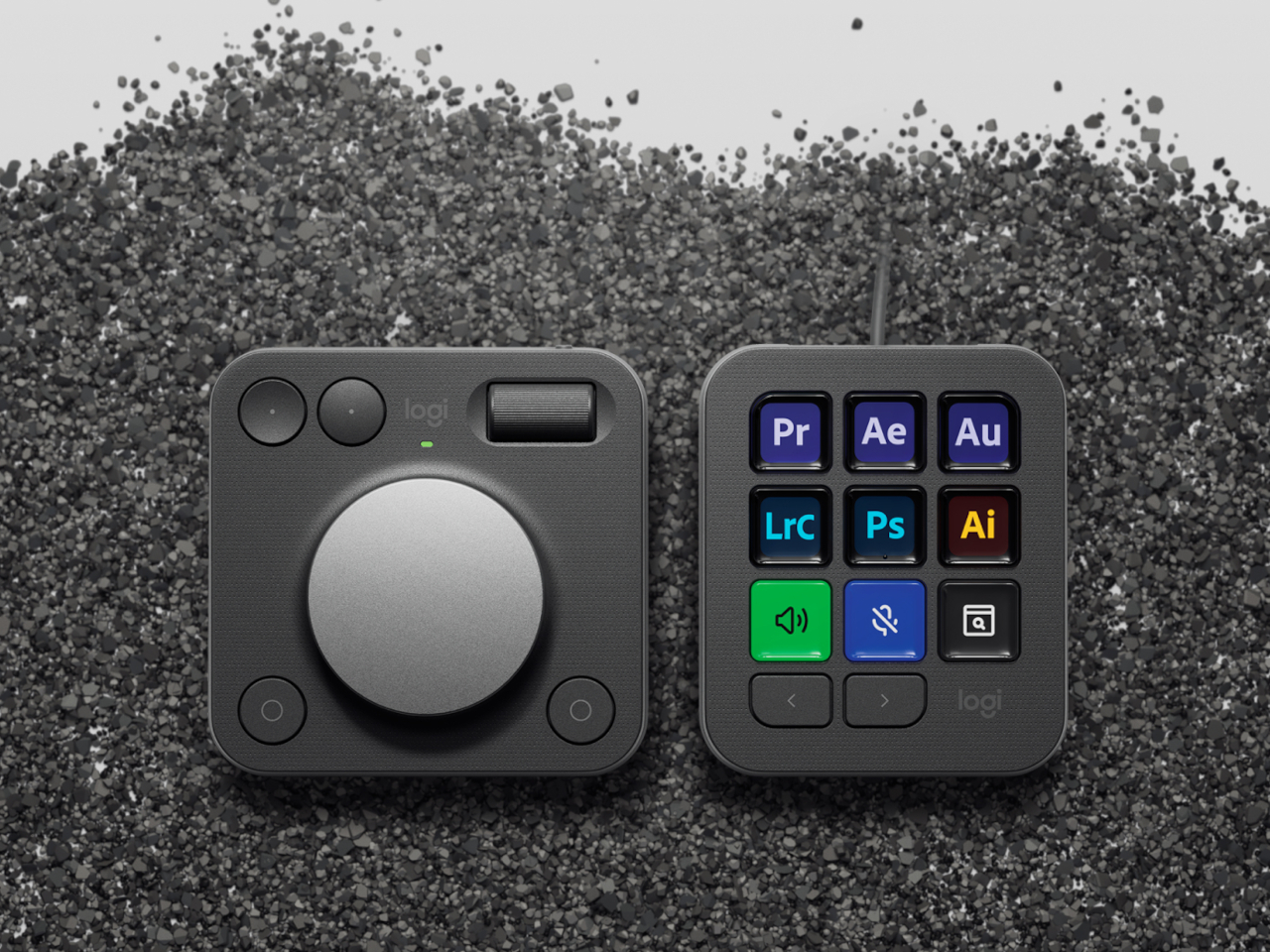
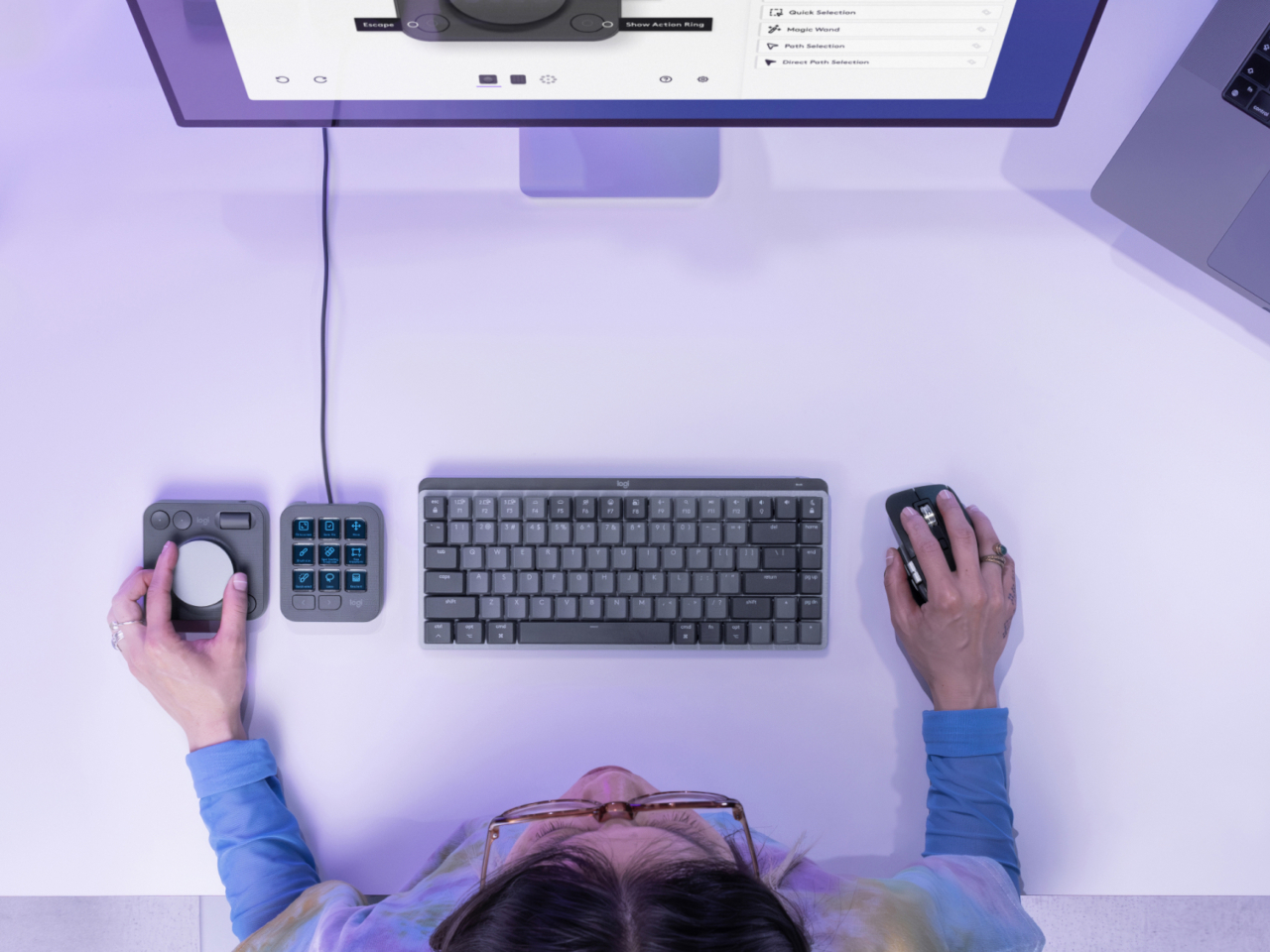
The Logitech MX Creative Console is a duo of connected devices. One is a dial pad with an honest-to-goodness physical aluminum dial that gives users more precise control over scrubbing through timelines, changing brush sizes, or any other setting that needs fine movements. There’s also a small roller for scrolling through other things, as well as two pairs of buttons for selecting things or moving forward and backward.

The other half of the duo is a keypad with 9 Display Keys, each of which can be configured for a different action and a matching icon. This lets creators and designers assign their most used shortcuts to these iconified buttons, freeing their minds from having to memorize all those key sequences, creating a more natural flow that, thanks to their physical and direct interactivity. It still relies on a bit of muscle memory, but far less than combinations of keys that don’t make sense as far as mnemonics are concerned.

Logitech isn’t just aiming for designers with such an assistive tool but also appealing to their growing sense of responsibility to the environment. Parts of the MX Creative Console use post-consumer recycled (PCR) plastic, 72% for the Graphite colorway and 55% for the Pale Grey version. The aluminum used for the dial is also made with a lower carbon footprint, using renewable energy rather than fossil fuels. Packaging still has some plastic, but the paper parts are made from sustainable and controlled sources.

Truth be told, Logitech is a bit late in the game, with many creators already using the popular live-streaming tool Stream Deck for the same purpose, though the addition of the physical dial is a big boost for professionals. At the same time, Cooler Master just recently launched the MasterHUB, a creative console with a modular design that really puts users in control. That said, the Logitech MX Creative Console does cost only $199, making it an accessible option for creators who need a boost to get into the zone.

The post Logitech MX Creative Console offers designers more controls to help them create more first appeared on Yanko Design.