3D printed recycled wood could kickstart another design industry revolution

3D printing blasted the doors of creativity wide open by allowing almost anyone and everyone to create complex designs on demand. That market started with different kinds of plastic but soon supported other materials as well, including metal and even chocolate. The popularity of this style of design and production, however, also meant a surge in material waste, especially different kinds of non-recyclable plastics. There is a greater need for more sustainable alternatives, one that can perhaps even support a fully circular lifecycle. There is perhaps no better material that meets those requirements than wood, which is why this new 3D printed wooden partition screens and window coverings could very well represent the breakthrough that the design industry needs.

Designer: Aectual

Designers have a soft spot for natural, sustainable materials and wood is perhaps one of if not the most favored one. It is easily sourced, though not quickly replenished, has unique aesthetics and textures, and can decompose safely. That said, it’s not easy to form wood into complex shapes and structures, even if you carve out the design, and the material isn’t exactly easily reusable even after being recycled. This new 3D printed wood addresses all those shortcomings, offering an almost perfect material for bringing intricate, sustainable designs to life.

This sustainable new material is itself made from wood waste blended with some natural ingredients such as lignin and cellulose. It is then reinforced using vegetable fibers like flax or hemp to give it the same durability you’d expect from wood. The result is a composition that doesn’t just look like wood but also feels like the real thing. In fact, it even smells like real wood, a trait that’s hard to reproduce on other synthetic wood alternatives.

Aectual’s material, however, does something even better than wood. After a 3D printed wooden product reaches the end of its life, it can be shredded and then reprinted into some other or the same form. This creates a truly circular lifecycle where the material is reborn again and again as long as it retains its integrity and stability. And when it can no longer be reused, it still degrades and decomposes safely just like ordinary wood.

Of course, it’s a 3D printed material, so it’s almost trivial to create structures and shapes that would be extremely difficult if not impossible with regular wood. You can have intricate repeating patterns that join together with no visible seams, or alternating shapes that are made as a whole rather than composed piece by piece. It might be too early to claim a complete victory, as the process of creating this 3D printed wooden material might still be too involved and too costly, but it’s definitely a great start in producing a viable alternative to designers’ most-loved material.

The post 3D printed recycled wood could kickstart another design industry revolution first appeared on Yanko Design.
Space-inspired titanium watch traces the Earth and Moon’s orbit around the Sun

Although the measurement of time is mostly a human construct, it has its basis in the natural world. A day is the time it takes for the sun to rise, set, and rise again, a month is how long it takes for the moon to go through all four of its phases, and a year is how long the seasons last. All of these, including the change of seasons, are pretty much the result of the orbit of the Earth around the sun and the orbit of the Moon around the Earth. It’s a movement that happens on a regular cadence without fail, which is to say it happens like clockwork. It’s no surprise, then, to find an elegant and luxurious watch that brings all these elements together, letting you watch not only the passage of time each day but also the journey of our planet and its companion.

Designer: Theo Auffret (Complication), Olivier Gamiette (Case, Dial) for SpaceOne Watches

Analog watches are already quite complex because of the mechanisms that make the parts move, but the SpaceOne Tellurium takes that to a whole new level with additional complications for its unique complication (pun intended). Aside from the typical hour and minute hands, this titanium watch also shows tiny versions of the Earth and the Moon going around a proportionally minuscule sun in the middle. The smaller spheres don’t simply go around the watch and call it a day, though, because the movement of these miniature Earth and Moon mirror the actual rhythm of their celestial counterparts.

Connected to the watch’s Soprod Caliber P024 movement is a star wheel with 31 teeth, representing the days in a month. When the date changes, this wheel advances two small star wheels, both with 12 teeth, that advance the month and move the Tellurium complication, respectively. The Earth, and therefore also the Moon, is connected to a ring with 365 teeth, which makes it complete a revolution once a year. With this mechanism, you can accurately follow the movement of the Earth and the Moon and even predict the next full or new moon phases. Consequently, it also means you will need to adjust and fine-tune the watch every time the number of days in a month changes between 30 and 31.

The watch’s celestial beauty is complemented by its premium materials and stunning design. Grade 5 titanium gives the case and strap buckle durability and lightness while also lending an elegant appearance. Instead of the typical quarter division of numbers, the watch face is divided into three sections only, forming a triangular shape that feels more suitable for a space-inspired design. This visual is further enhanced by a black and blue color scheme, with a sprinkle of white dots to represent stars against the darkness of space.

The post Space-inspired titanium watch traces the Earth and Moon’s orbit around the Sun first appeared on Yanko Design.
Futuristic indoor pot concept turns your plant into a virtual pet

We all know that plants are living things, but we also often just treat them as objects simply because they don’t behave like animals and humans. It’s almost hard for us to wrap our heads around the fact that the mostly stationary creatures in pots are alive until they show signs of withering and dying. We’d probably have a completely different attitude if those plants started to show expressions or visibly react to changes in the environment and human interaction. That’s the kind of paradigm shift that this smart plant pot concept is trying to develop by creating a holographic representation of the plant that makes you feel like you’re taking care of a pet instead of just a succulent.

Designers: Dingyu Xiao, Bouyan Pan, Jianshen Yuan, “me me” (Suosi Design)

Plants are like pets with very stoic personalities. They don’t immediately react to the way you take care of them but the effects reveal themselves sooner or later, whether they’re good or bad. The delayed feedback might sometimes make us also slow to respond, sometimes leading to a detached and impersonal relationship that could lead to the plant’s untimely demise. Of course, we could just use one of those smart, self-watering planters, but that widens the gap even further.

Planpet is a smart plant pot concept that tries to create a more personal connection between humans and plants by giving the plant a face and changing the way we see it. There’s a glass cube standing on one end of the box-shaped pot, right beside where the actual hole for the plant is. This cube isn’t just some extraneous embellishment, however, and is actually a holographic display that shows a miniature 3D representation of the plant with one big difference: it actually has an expressive face.

The idea is that the user will select a virtual character that best resembles the type of plant being put in the pot. But more than just a passive face, this virtual plant will change its facial expressions based on real-time soil and environment analysis. It will react when you give it enough light, when you water it, or even when forget to take care of it.

Planpet is pretty much like Tamagotchi for plants but with more significant consequences in the real world. Rather than waiting for the plant to dry up and die before you get a clue, seeing the expressions the “plant pet” makes gives more immediate feedback and warnings when things aren’t going well for the plant. It still won’t be able to dynamically respond to your actions or commands unless you add a pinch of AI, but just having a face that can express some emotions is enough to really make the plant feel more alive, driving home the responsibility of raising a plant just as you would a dog or a cat.

The post Futuristic indoor pot concept turns your plant into a virtual pet first appeared on Yanko Design.
Modular cork stool concept offers sustainable seating by turning into a bench

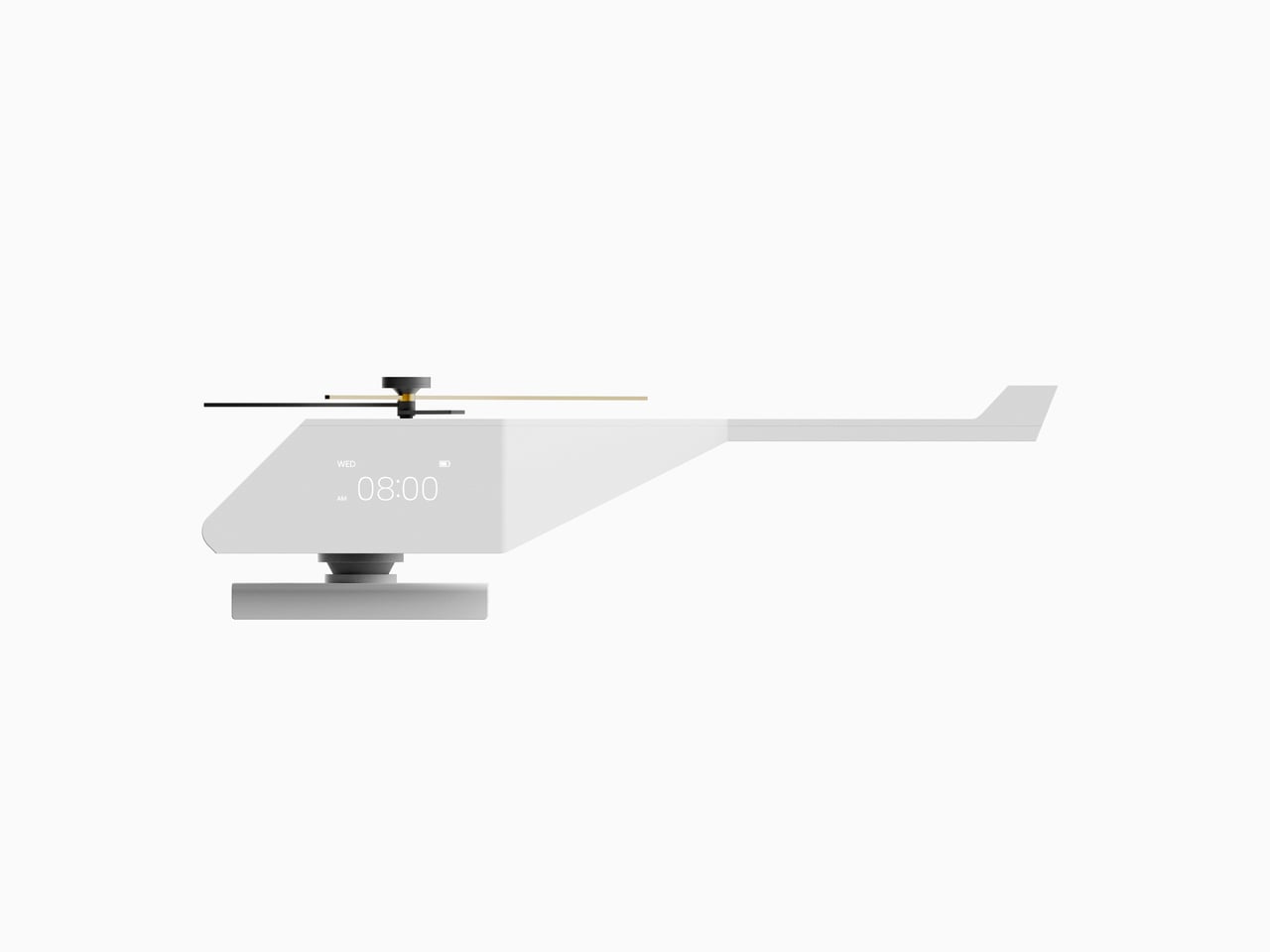
Sitting is an important part of our daily lives, so it’s not unusual to see different kinds of seating furniture around places where people stay or pass through. Unfortunately, it’s hard to predict when you’d need a single chair or a multi-person bench, so spaces tend to either put multiple chairs together or have a few benches and force people to sit together. That strategy does work, at least until the situation changes and you need to change seats, which often means buying new seats and discarding the old ones. This minimalist stool concept tries to offer a more sustainable solution that helps reduce waste by turning two stools into a single bench and back again, depending on the need.

Designers: Erika Avery, Stu Cole

The requirements for a stool, chair, or bench are pretty simple. At the very least, it needs to be stable enough to support the weight of a human person sitting on it without toppling over or collapsing. Comfort is, of course, ideal, but some designs seem to forego that in exchange for other capabilities. It’s arguable that the “unknown” stool concept is one of these designs, though its modular nature leaves that open to interpretation and implementation.

The core element of this concept is the sturdy column made of cork, a sustainable and easily acquired material. It’s a single cylinder that makes up the center of the stool, but its secret lies in a smaller circle that connects to a removable seat with a hole in its center. It’s a simple system that requires no screws, extra parts, or complex mechanisms, which means maintenance, repair, and replacement will be just as simple as well.

That seat can, in theory, be anything, though the simple shapes of a square and a circle immediately come to mind. However, that doesn’t limit it to a single symmetrical shape either, since you can have a long rectangular seat with holes on each end, forming a bench when set on top of two cork columns. In fact, the design of the actual furniture is determined by the shape of that removable seat, and it can be as simple or as complex as needed.

The concept doesn’t exactly define what the seat has to be made of, so it can use wood, metal, plastic, or any other material. It can be bare or it can have some cushioning or upholstery to add a bit of comfort. More importantly, the seats can be changed, repaired, or replaced without throwing away the cork core, or vice versa. It’s a simple yet effective design that limits the waste of fixed chairs and stools while leaving the door open for combinations that deliver what’s needed at any given time.

The post Modular cork stool concept offers sustainable seating by turning into a bench first appeared on Yanko Design.
Glow-in-the-dark petunias could usher in a new trend in indoor gardening

Indoor gardening and plants gained momentum around 2-3 years ago as people sought ways to cope with boredom and insanity while cooped up at home. Since then, it has become fashionable to raise greens inside homes, whether for food, aesthetics, or both. But as captivating as green living things may look during the day, their aesthetic value drops completely when you can no longer see them at night or in the dark. Of course, you could buy one of those hi-tech planters that have built-in lights, but that costs money not just for the product but also for the electricity it consumes. It would definitely be enchanting and magical if the plants could glow on their own, and that’s exactly the marvel that these glowing petunias are bringing to the table, literally.

Designer: Light Bio

There are some things that naturally glow in the dark, and, no, we’re not just talking fireflies and some iridescent rocks. Bioluminescent plants actually occur more often in nature, except they aren’t exactly the type of plants that you’d proudly display in a pot on your shelf or coffee table. But what if you could have that same magical ability on indoor plants and flowers? You’d probably be the talk of your friends and the town for as long as the plant is alive.

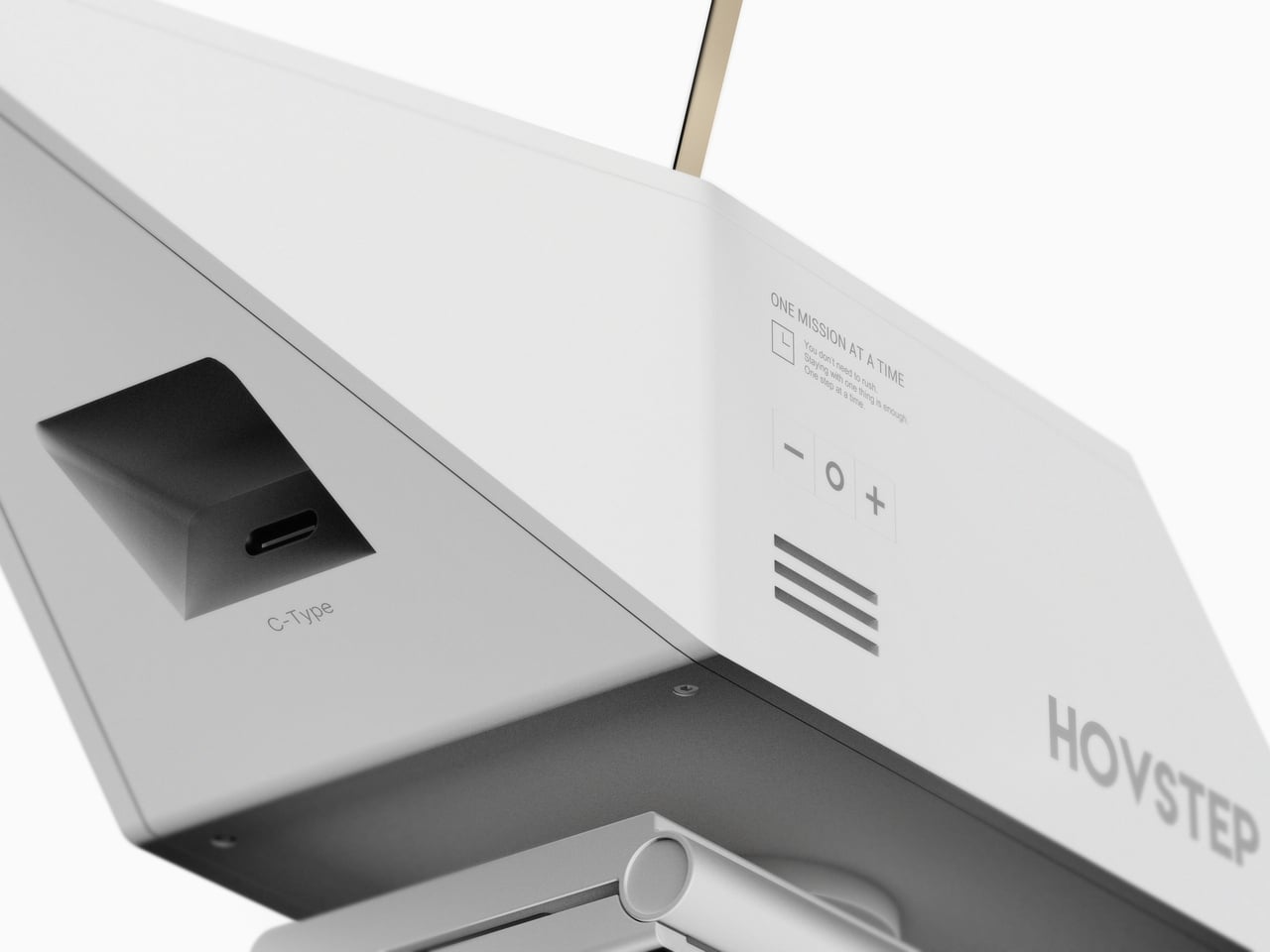
The Firefly Petunia is exactly that, a new and regulation-approved breed of the popular garden flower that, if you haven’t caught on yet, glows in the dark. This isn’t the first attempt to breed a bioluminescent houseplant, but it seems to be on track to being to most successful to date. Unlike previous experiments, this first mixed the genes of a glowing mushroom with a tobacco plant to great success. Of course, you wouldn’t want to grow that inside your home, so it’s a good thing that petunias are a close and, more importantly, compatible cousin.

What makes the Firefly Petunia even more special is that it requires no extra care or steps to make it glow since it’s all part of the plant’s growing process. Simply make sure that it gets enough sunlight during the day, which is something you should be doing anyway, and then watch it light up in the dark of night. The bioluminescence can even be an indicator of the plant’s health, because parts that are growing faster, like flower buds, also glow the brightest. When the plant starts to dim, it’s time to check its condition or prune dead parts.

This glow-in-the-dark flower is just the first step in the company’s grand plan, which includes making the petunias glow in more colors other than plain white. Research is also underway to extend the capabilities outside of this species, so it might only be a matter of time before we see all kinds of plants and flowers glowing in the dark, turning your home into a magical garden every night.

The post Glow-in-the-dark petunias could usher in a new trend in indoor gardening first appeared on Yanko Design.
IKEA JETSTRÖM smart LED wall light panel embodies the brand’s minimalist spirit

It’s almost too easy to get into the smart lighting scene, especially if you consider bulbs you can simply screw on, string lights you just need to hang, or panels you can stick to walls or other flat surfaces. That said, the theory might be simple, but the design and features of these smart lights can sometimes be complex and confusing, requiring owners to spend time, effort, and energy on setting up the “perfect” installation. Ever the masters of minimalism, IKEA is fighting against the flow with its newest smart light design, basically just a simple, nondescript square panel that does one thing but does it to beautiful perfection.

Designer: Andreas Fredriksson (IKEA)

IKEA can probably be credited for popularizing two things: flat-packed furniture, and Scandinavian minimalism. Granted, some of its designs straddle the fine line separating design trends, and it has also become infamous for simple yet overpriced products. The new IKEA JETSTRÖM, however, seems to go back to the roots of the brand’s design language, championing elegant minimalism that can fit any interior motif over complex shapes and features.

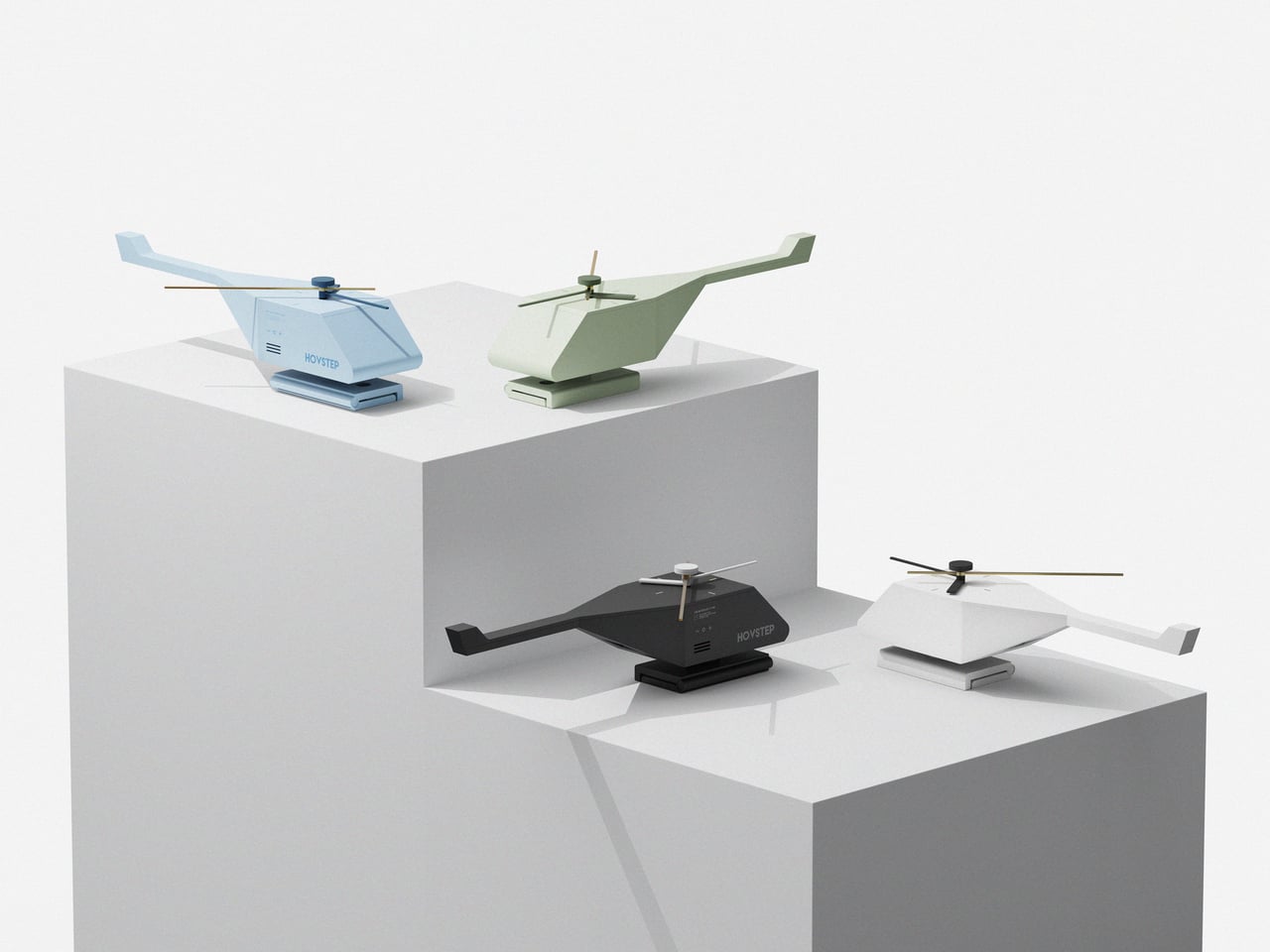
Like the ceiling lamp of the same name, the new JETSTRÖM is a single-piece lighting panel, this time just a 30cm x 30cm (11.8in x 11.8in) square. It’s not a plain square though, as it has rounded corners and curved edges, softening some of the harshness that usually comes from straight edges and inorganic forms. There’s only one color available for the diffuser cover, and you can’t really go wrong with white in order to blend well with different wall colors and decors.

That’s pretty much it in terms of visual design and aesthetics. There are no connecting mechanisms to worry about, as each JETSTRÖM is intended to be a self-sufficient and sometimes isolated unit. You can place several of these squares side by side if you want to, but there’s no requirement or expectation to do so, unlike wall-mounted smart lights like those from Nanoleaf. In a way, it’s a “what you see is what you get” kind of experience, and it’s a simple yet powerful one.

It might look simple, but the JETSTRÖM isn’t lacking in smart lighting features, at least when it comes to the essentials. The default cold white light can be made warmer to set the mood, or set to different colors to match a theme. All of these can be set from the IKEA Home mobile app, whether on its own or in concert with other IKEA smart lights via the DIRIGERA hub. To keep things even simpler, you can use a dedicated remote, though that’s a separate purchase. And contrary to expectations, the IKEA JETSTRÖM actually only costs around $44, which is pretty affordable for a large smart LED panel, especially one that comes from IKEA.

The post IKEA JETSTRÖM smart LED wall light panel embodies the brand’s minimalist spirit first appeared on Yanko Design.

Apple Pencil 3 might come with important usability improvements

The late Steve Jobs might have ridiculed the stylus of old, but it’s arguable that we would have approved of the Apple Pencil, or at least its second generation. It’s minimalist to a fault and, as of the current models, finally has a reasonable and not unattractive charging method. That simplicity, however, may have come at the cost of some features that many people have come to expect from digital pens in this industry, especially when it comes to buttons that can trigger different functions. The 2nd-gen Apple Pencil remedied that with a double tap gesture and rumors claim that the 3rd-gen model will expand that with a new gesture, among the other expected upgrades that will help give Apple’s creativity and productivity tool an even bigger edge.

Designer: Apple (via 9to5Mac)

The original Apple Pencil arrived with a smooth and completely circular barrel and a cap that hid its awkward Lightning charging connector. The 2nd iteration added a flat edge for a better grip and switched to wireless magnetic charging for a unibody design. Neither model, however, had the traditional buttons you’d see on styluses like those from Wacom and Samsung, which meant you couldn’t execute some special action instantly without having to dig through an app’s menus and options.

The Apple Pencil 2 does have a touch-sensitive area that you can double tap to the same effect. For many people who use iPads for creative work, however, that single gesture is hardly enough. According to the latest unofficial information, however, the next Apple Pencil will add another action to that list, allowing you to squeeze a section of the barrel to trigger a different action. Depending on how it’s implemented and how sensitive the pressure sensor might be, the feature could turn out to be very useful or very annoying.

Image courtesy of Majin Bu

Another major change expected for the Apple Pencil 3 is an interchangeable nib system using magnets. According to the information, users will be able to switch between different nibs with different shapes for points, and they will be able to do so using simple yet strong magnets instead of the screw mechanism available today. It’s still unknown what practical benefits this new system might bring, but it could make the Apple Pencil feel a little bit more natural for different digital brushes that might require broader or finer tips.

The Apple Pencil 3 is also expected or at least hoped to finally support Apple’s Find My network, a long overdue feature that would have saved many Pencils from being lost permanently. Most of Apple’s wireless devices already support this feature, so it’s unthinkable if the Apple Pencil 3, which is probably going to cost more than the current $129, would still be left out of this tracking capability. The new Apple Pencil is expected to be revealed next month alongside a new iPad Air and iPad Pro.

The post Apple Pencil 3 might come with important usability improvements first appeared on Yanko Design.

Elegant, minimalist smartphone design meets appealing features and price tag

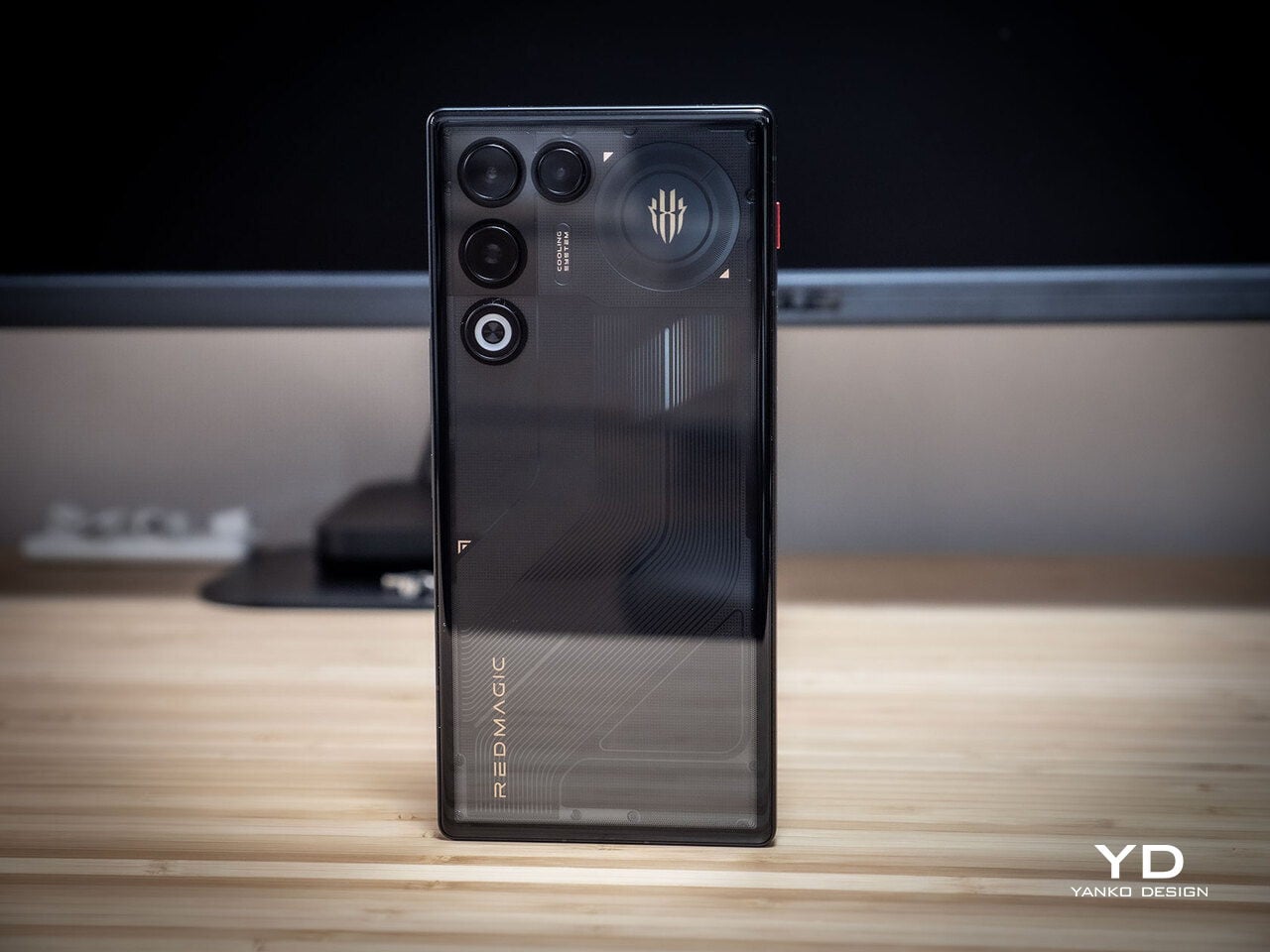
Smartphone manufacturers are now thankfully more aware of the important role that design plays in a product’s success, especially its aesthetics and materials, but some tend to go overboard with that knowledge as well. We’ve seen pretty overbearing and garish phone designs that steal your attention in an aggressive way, particularly with camera bumps that make you feel like they’re the most important feature. The smartphone design landscape right now is dynamic, exciting, and sometimes a little too lively, so there are times when you want to take a breath of fresh air and settle down with something simple yet beautiful. That’s the kind of minimalist beauty that Motorola seems to be bringing with the new Edge 50 Pro, but it’s fortunately more than a pretty face, at least for a mid-range smartphone.

Designer: Motorola

Truth be told, the Motorola Edge 50 Pro’s design looks a bit familiar, at least if you’ve been keeping watch on the key market players for the past two years or so. Back in 2022, we reviewed the OPPO Find X5 Pro, a refreshing break from the design trends of its time. What differentiated OPPO’s flagship and this new Motorola entry is that their backs are made from a single, unbroken sheet of material with no visual or material break from the rest of the panel.

This trait gives the Motorola Edge 50 Pro a smooth and gentler aesthetic, exactly like how the cameras slope gracefully upward rather than being confined inside a metal enclosure. Other than the camera lenses and the iconic Motorola “bat logo” dimple, the phone’s back is pretty clean yet also attractive, a fitting tribute to the pervading minimalist design trend. Motorola also paid careful attention to the materials it used for the phone, which include soft vegan leather and eye-catching pearl acetate, surprising choices given the phone’s market segment.

The Motorola Edge 50 Pro runs on a Qualcomm Snapdragon 7 Gen 3 and has a decent though underwhelming set of cameras led by a 50MP main sensor. A similar 50MP selfie camera is housed in a rather noticeable punch-hole cutout on the forehead of the 6.7-inch 1220p 144Hz screen. A real killer feature, however, is the 4,500 mAh battery with a 125W super-fast charging speed and support for equally fast 50W wireless charging.

As a mid-range smartphone, the Motorola Edge 50 Pro thankfully comes with a matching price tag that starts at around $400, which is a pleasant surprise given its features. But just like the OPPO Find X5 Pro, limited availability and exposure might make this simply elegant smartphone fly under the radar despite the closer look it probably deserves.

The post Elegant, minimalist smartphone design meets appealing features and price tag first appeared on Yanko Design.

Bedside lava lamp concept improves sleep with white noise, warm lights

People are finally realizing that sleep actually plays an important role in productivity and shouldn’t be sacrificed for its sake. Unfortunately, many people by now have acquired one sleeping disorder or another, or at the very least have developed poor habits that lead to poor-quality sleep. There are plenty of methods being offered these days, from supplements to meditation to aromas, but sometimes the simplest solution is to use our body’s natural faculties to induce sleep and correct bad practices. That’s the kind of answer that this concept lamp tries to give, using light and sound to lull our minds and bodies to a more peaceful slumber and an even more refreshing awakening.

Designer: Alessandro Pennese

There are plenty of reasons why we have trouble sleeping in this day and age, but most of them boil down to our habits and lifestyles. Many of us flood our eyes with harmful blue light from our phones even while lying in bed, or let our ears be hammered by noise and distractions. Supplements rely on chemical changes to the body, which might be effective in the short term but could do more harm than good in the long run. Meditation is a good habit to develop in any context, but it only goes so far into actually inducing a physical change in our bodies.

EPY is a lamp concept that tries to trigger those changes by using white noise and warm lights. White noise has been known to be effective in canceling out ambient noise that could be keeping our brains active, using sounds from nature to lull our minds to sleep. Warm light, which is closer to natural light, also soothes the eyes and helps generate melatonin, mimicking the setting sun’s gentle glow that signals our bodies to slow down as well.

This lava lamp-like design encourages the user to develop good sleeping habits in order to help repair and rejuvenate their bodies. But although good sleep is important, waking up properly is also a significant factor in a good day. Like the sun at dawn, that same warm light helps our body slowly wake up in a more graceful and peaceful manner, ensuring that we’re ready to face the day full of energy and zest each time.

EPY’s very design is also meant to evoke a sense of calm with its minimalist aesthetic and simple controls. The translucent cap of the lamp acts as a timer when you twist it, letting you set the time of playback for up to 45 minutes. Hidden at the bottom of the lamp are two dials, one for setting how long you intend to sleep while the other sets the volume of the white noise playback. It doesn’t have complicated features, nor does it require you to reach for your phone, which would defeat the entire purpose of getting you to sleep swiftly and peacefully.

The post Bedside lava lamp concept improves sleep with white noise, warm lights first appeared on Yanko Design.
Retractable ceiling-mounted laundry rack saves space and functions as a lamp

Space is a very expensive commodity these days, especially for people living in cramped apartments in cities. Every square inch counts, especially on the floor where most things are placed unless they stick to walls or hang from the ceiling. Because of how most furniture, appliances, and tools are designed, you can quickly lose precious floor space even for things that you don’t have to use daily. A laundry rack, for example, should really only be there when you have clothes to dry, so it makes little sense for them to take up space on other days. That’s the principle behind this rather unique retractable clothes rack that descends from the ceiling when you need it and serves as a ceiling lamp on the days that you don’t.

Designer: GoodLiving

Furniture designs are becoming smarter when it comes to space-saving tricks, which include modular parts, foldable sections, and the like. Most of these, however, are still placed on floors and are unable to utilize the free space of walls and ceilings. Singaporean company GoodLiving is trying to change that for at least one kind of household product, the rack where we hang clothes to dry even indoors.

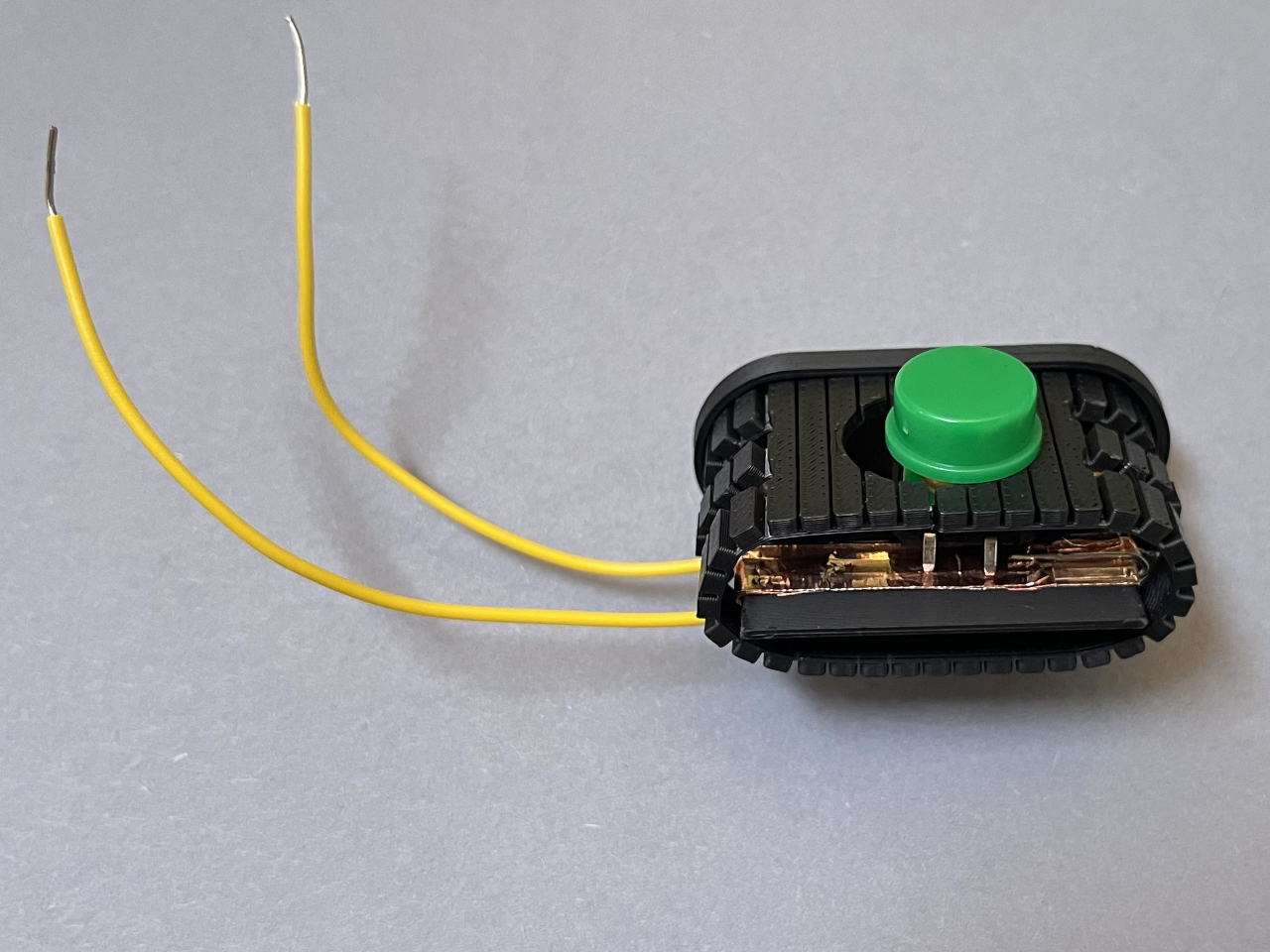
These racks are installed on ceilings and are automatically deployed using scissor mechanisms at the press of a remote control button. This means that the collapsed form of the rack pretty much hides itself and gets out of the way when not needed. To make sure that even the space it occupies isn’t wasted when not in use, the base of the rack serves as LED lighting for the room.

These peculiar hanging machines, however, do more than just hang your clothes to dry. They’re equipped with fans and heaters that blow hot air to dry clothes even faster. It also has repellents for dust mites and bacteria, as well as ionizers that prevent the buildup of odor and keep the fabric soft to the touch. It’s definitely more than what you could get with a traditional dryer, and you don’t even have to sacrifice space to place such a large box in your house.

1

1

Granted, your room probably won’t look that presentable with clothes hanging from the ceiling, but that’s something no one else has to see. For single-person apartments or small houses, the practical benefits of having such a space-saving laundry rack far outweigh the temporary unappealing visual of hanging clothes. Then again, you would have probably hanged them on an equally visible regular rack as well, so might as well just bear with the sight for just a day than to always see that rack every day, even when there are no clothes hanging from it.

The post Retractable ceiling-mounted laundry rack saves space and functions as a lamp first appeared on Yanko Design.