AI-powered headphones for private conversations even in the most crowded places

We’ve come a long way when it comes to noise isolation used in headphones and earbuds. The Active Noise Cancellation technology employed in current-generation audio accessories has reached a level that allows for adaptive ANC levels depending on the ambient noise environment. A handful of brands even go the distance to implement turning on transparency mode automatically when someone is talking to you. That’s a novelty, but still, you’ll hear the voices of other people in the vicinity if you are in a crowded environment.

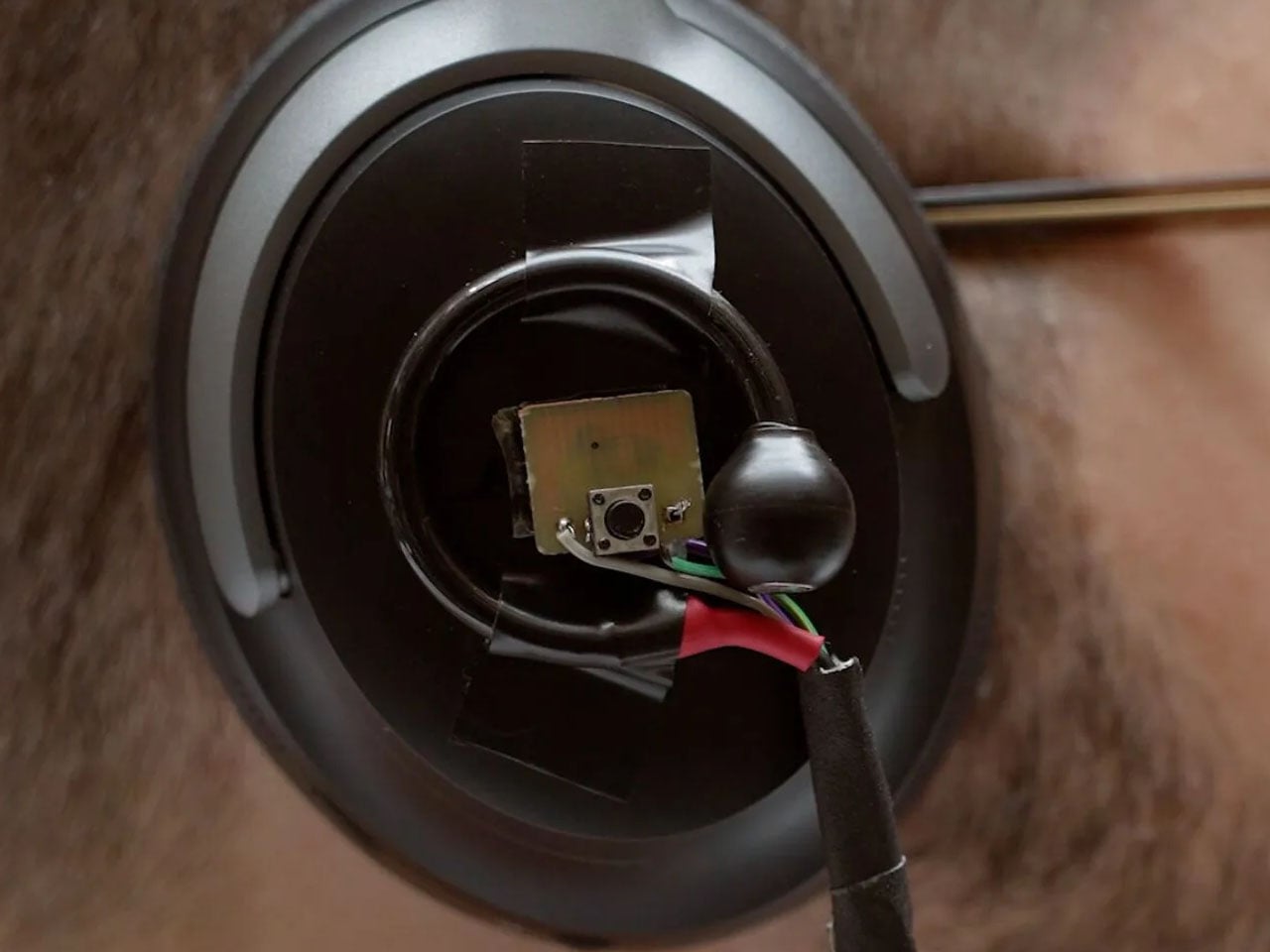
That could change with an innovation that aims to eliminate any unwanted voices in the conversation. For instance, when you are talking to your pal on the street, you’ll only hear his voice, and all the other voices of people will be muted out. This innovation will not be helpful as a daily driver, but it will assist people with hearing impairments in hearing better. The initial prototype developed by the group of researchers at the University of Washington is known as the proactive hearing assistant,” and it filters the conversation partner’s voice only and looks promising.

Designer: University of Washington

The AI-powered headphones do all the filtering automatically without any manual input which is a potent functionality current-gen headphones can hugely benefit from. The speech isolating technology suppresses the voices that don’t match the pattern of turn-taking conversation. The AI model on board keeps a tab on the timing patterns and filters out anything that doesn’t fit. Application of this exciting tech could not only be limited to audio accessories and hearing aids but also come integrated with wearable tech like smart glasses or VR headsets. The most practical implementation could come in handy at crowded places where you have to really focus on the person in conversation.

According to Senior author Shyam Gollakota, “Our insight is that when we’re conversing with a specific group of people, our speech naturally follows a turn-taking rhythm. And we can train AI to predict and track those rhythms using only audio, without the need for implanting electrodes.” The current prototype supports one wearer and up to four other people which is impressive. More so when you factor in the lag-free overall experience. Currently, the team is testing two different models of the iteration: one that runs a “who spoke when” check to look for any overlap between the speakers, identifying who’s speaking when. The second model cleans the raw signal and then feeds real-time isolated audio to the user. The latter, so far, has scored well with the 11 participants in the study.

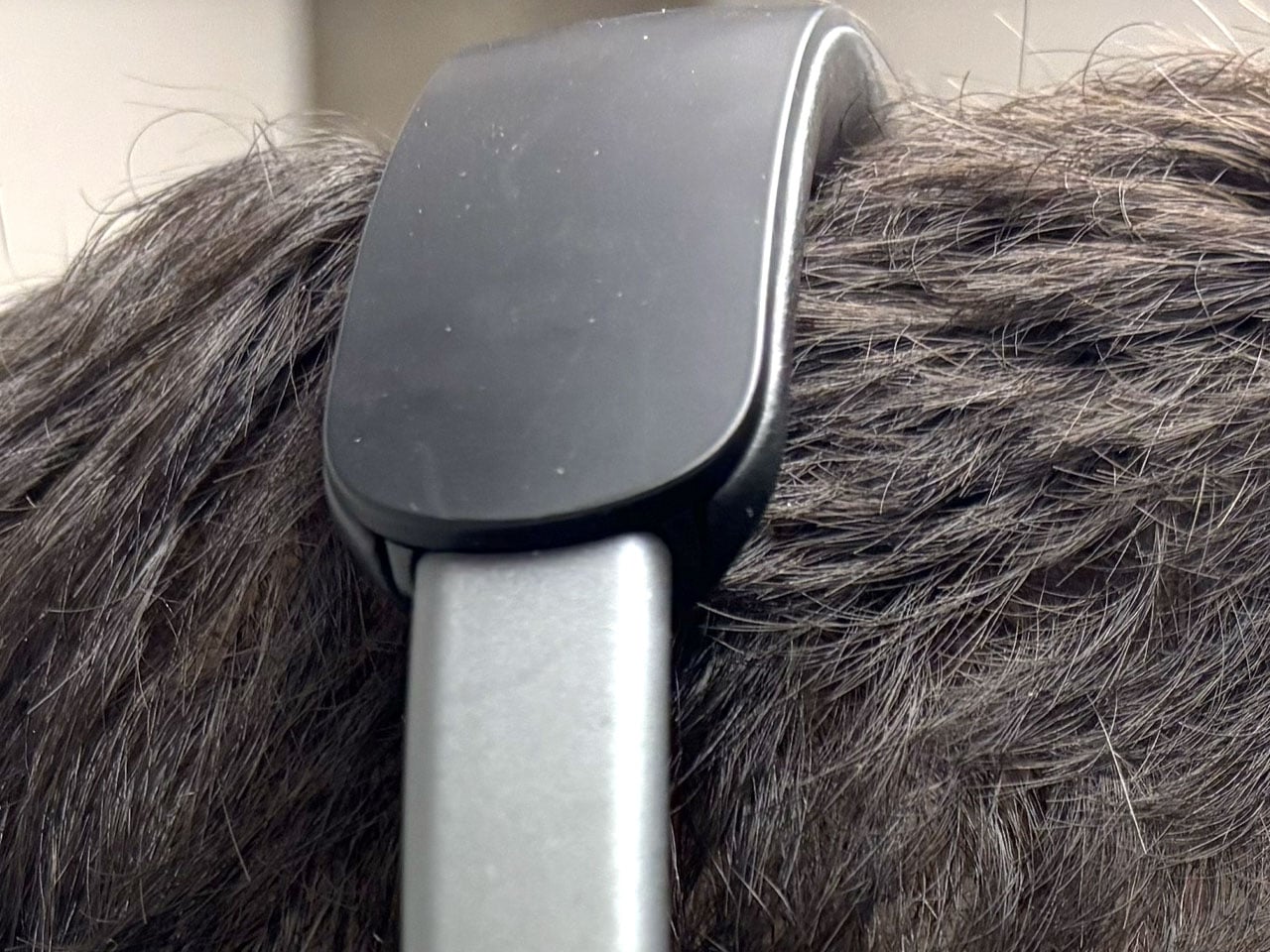
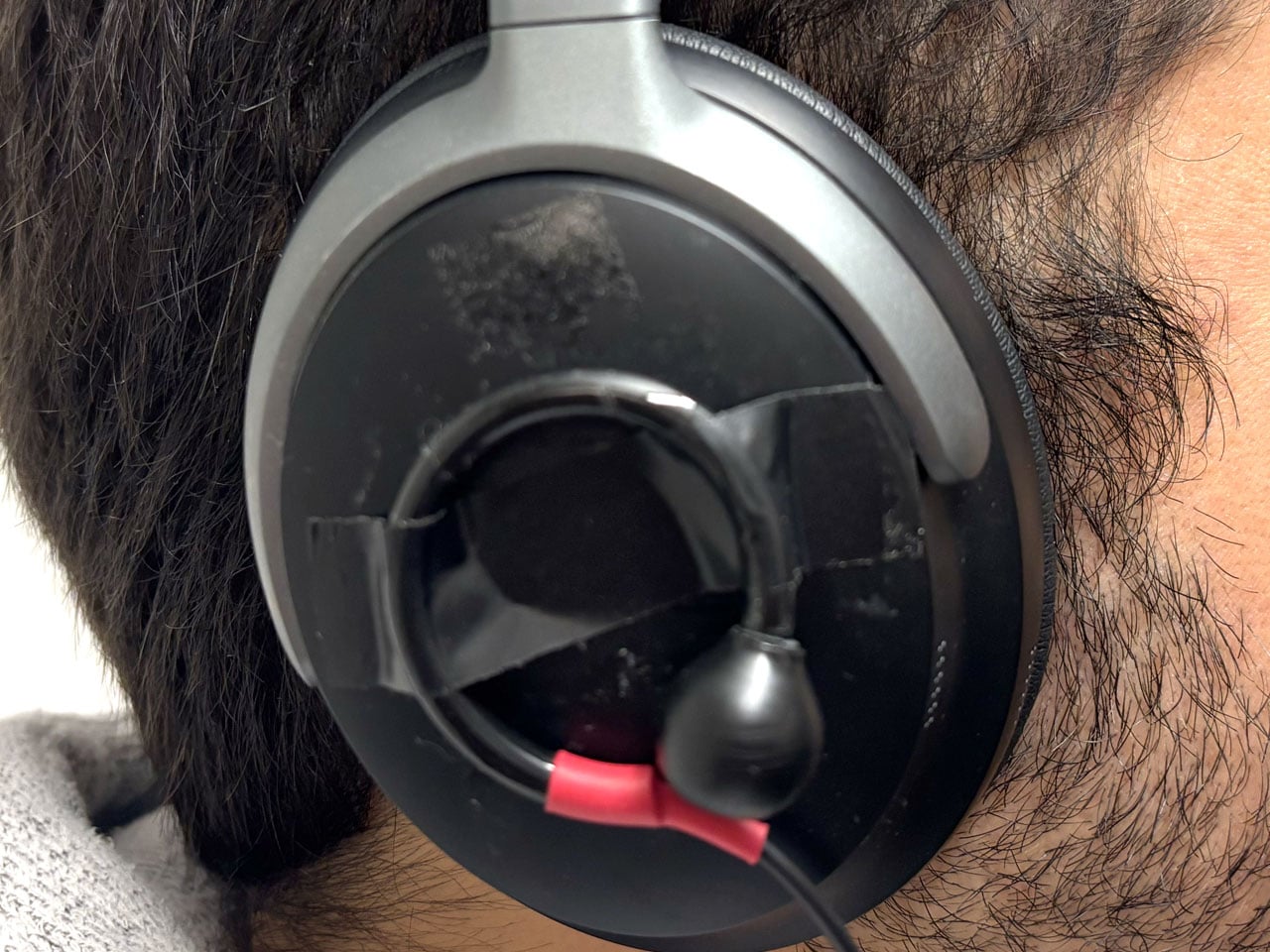
Currently, these basic over-ear headphones are loaded with extra microphones, and the team is working on slimming down the size. In conjunction with the research that is going on, small chips are being developed that run these AI models, so that they can be fitted inside hearing aids or earbuds. So, are we ready for a future where intelligent hearing is part of our daily drive?


The post AI-powered headphones for private conversations even in the most crowded places first appeared on Yanko Design.

Sound Maestro Splits Songs Into 4 Speakers You Conduct With a Baton

Most smart speakers are designed to disappear, cylinders and pucks that sit in a corner and wait for voice commands. That is convenient but also a bit dull; you talk, they respond, and the hardware never really asks you to engage with it. Sound Maestro is a concept that goes the other way, imagining a living room as a small orchestra pit you can actually conduct with gestures instead of just tapping a screen.

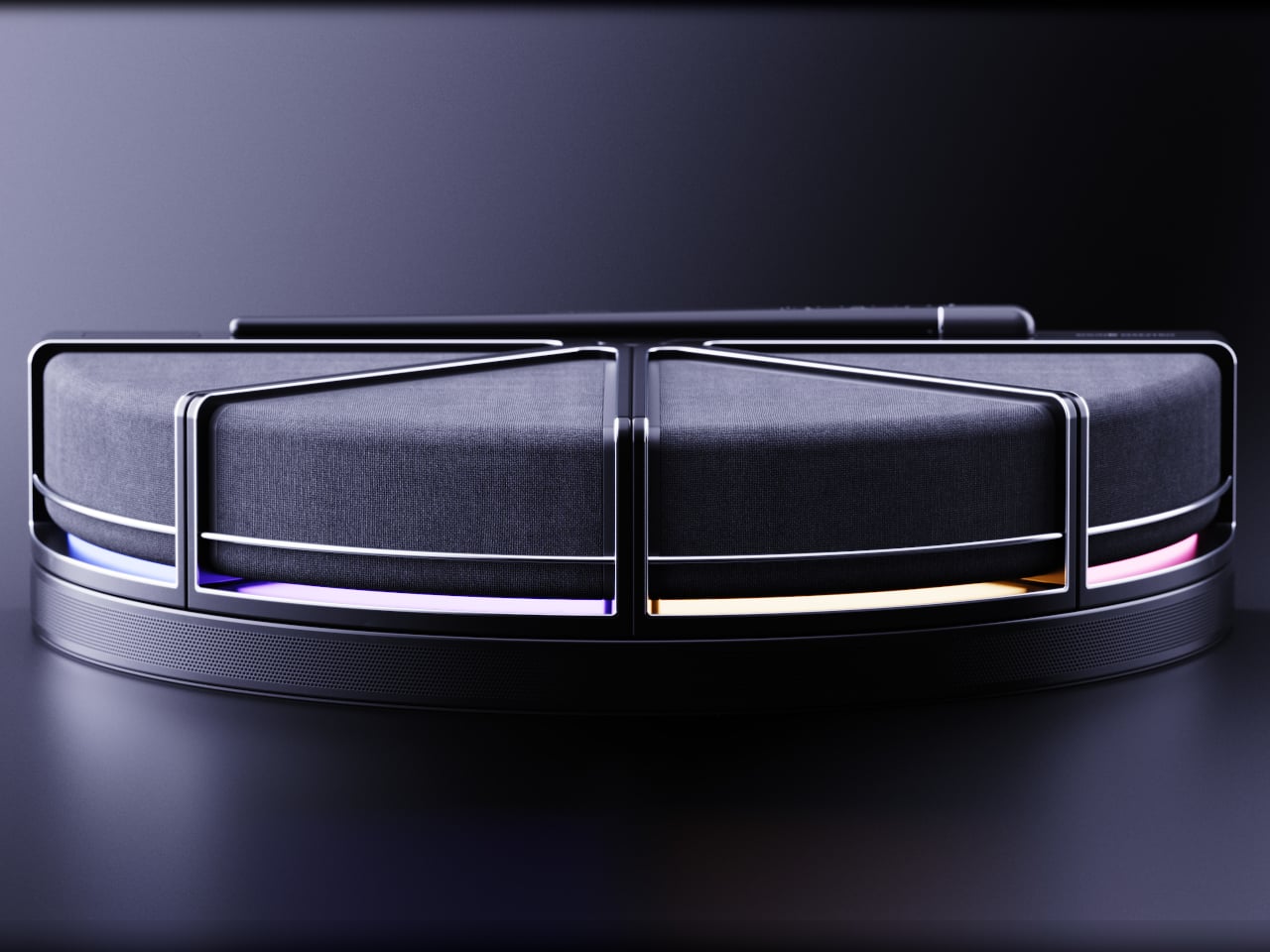
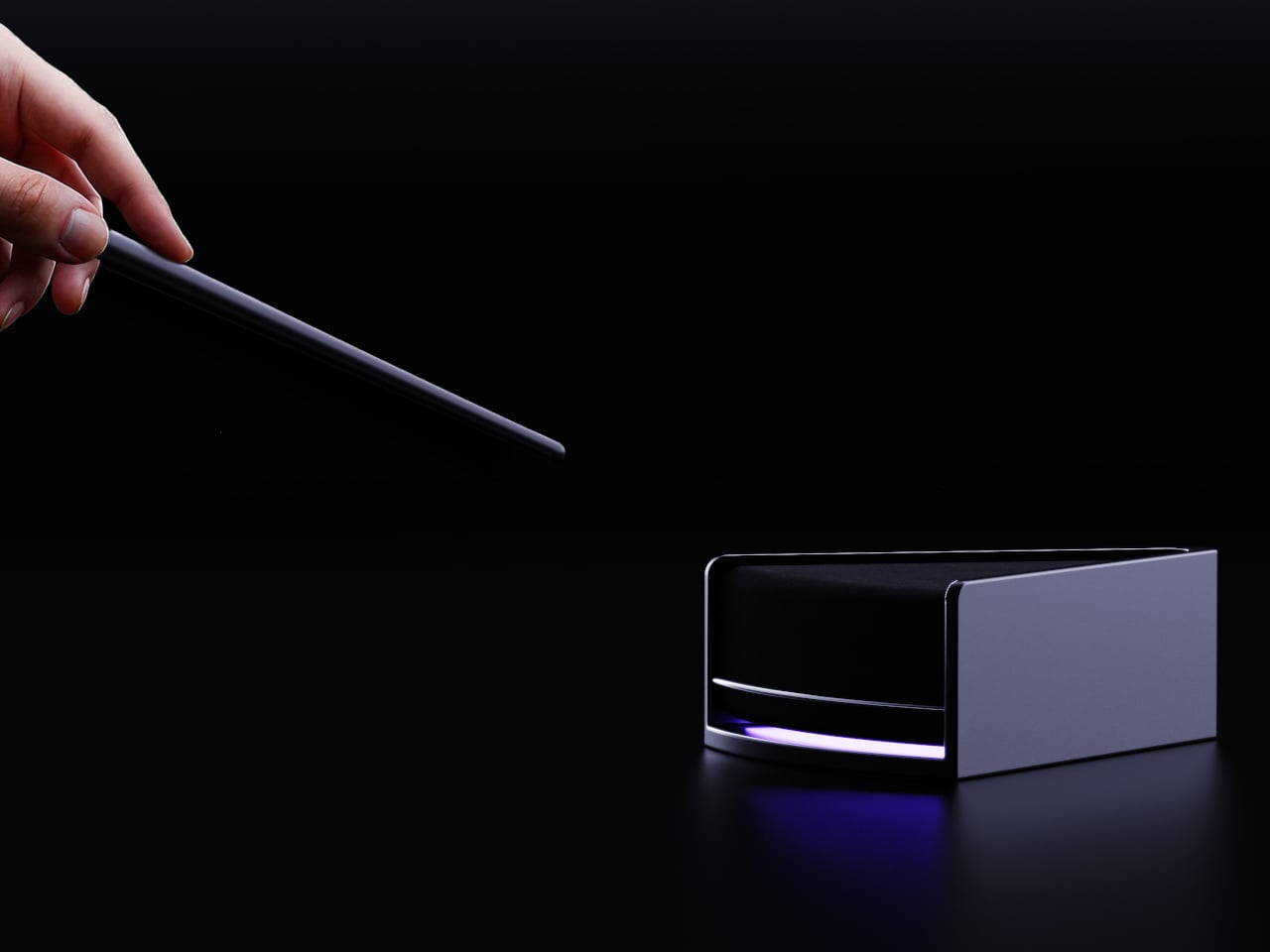
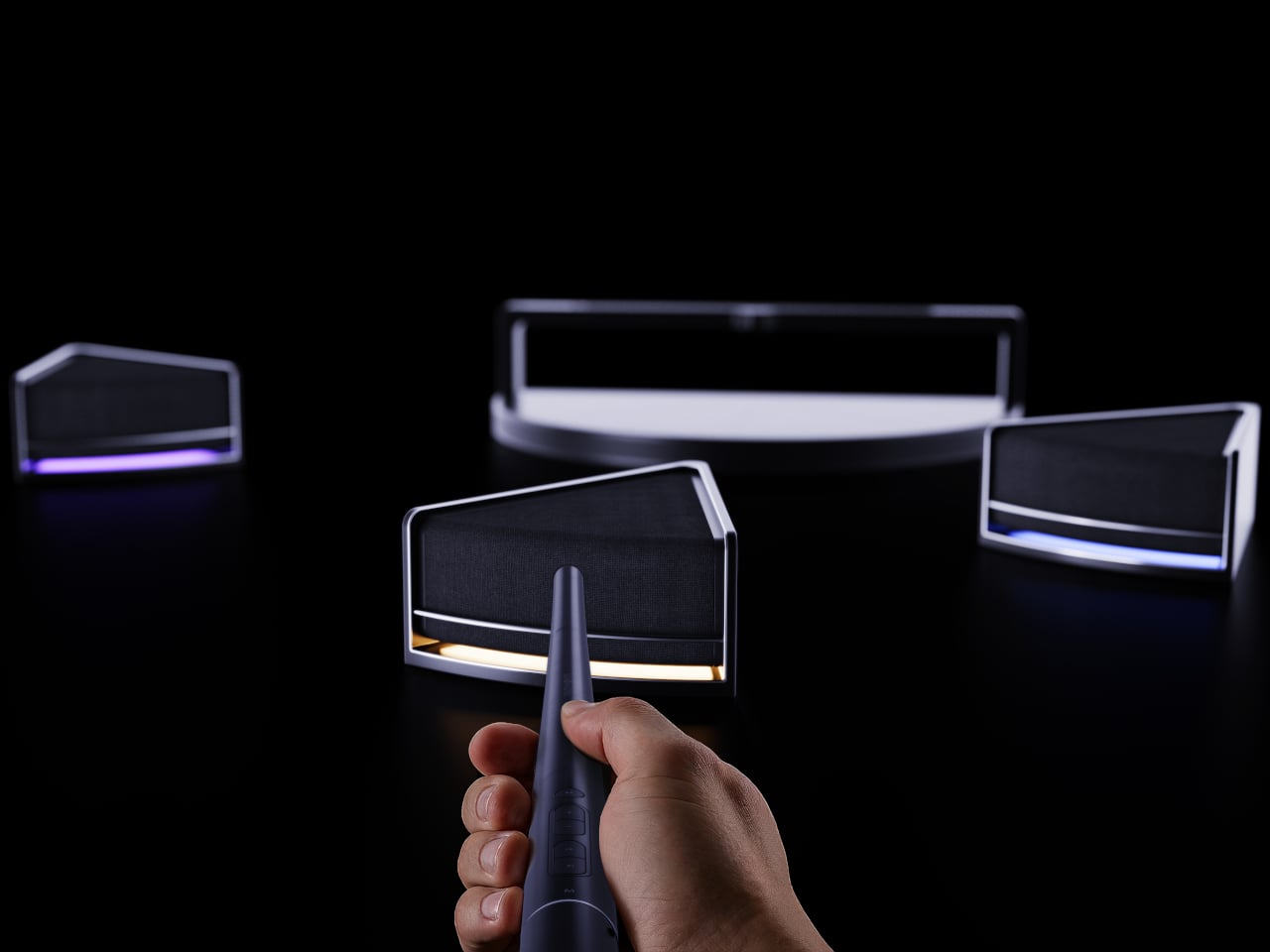
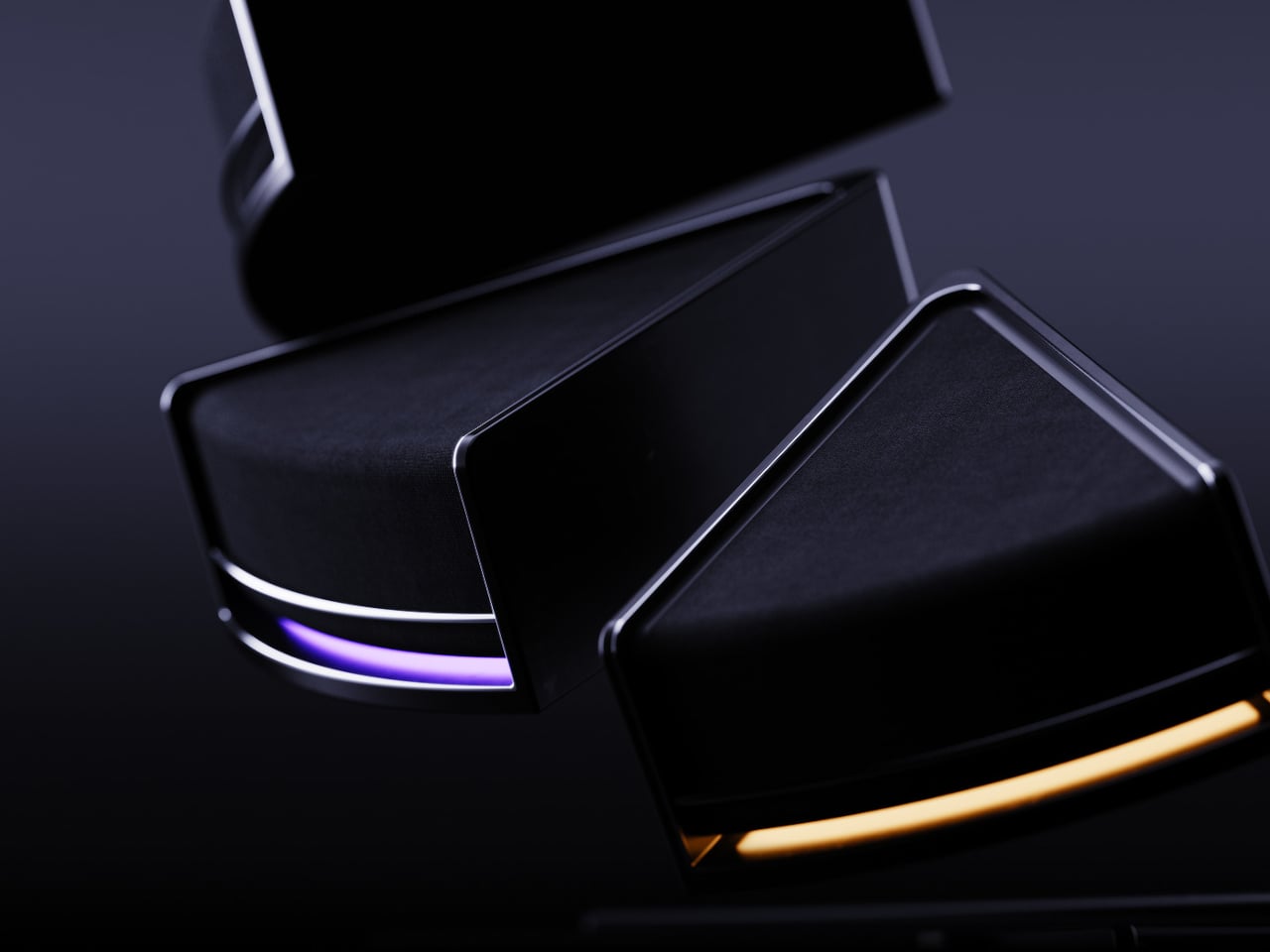
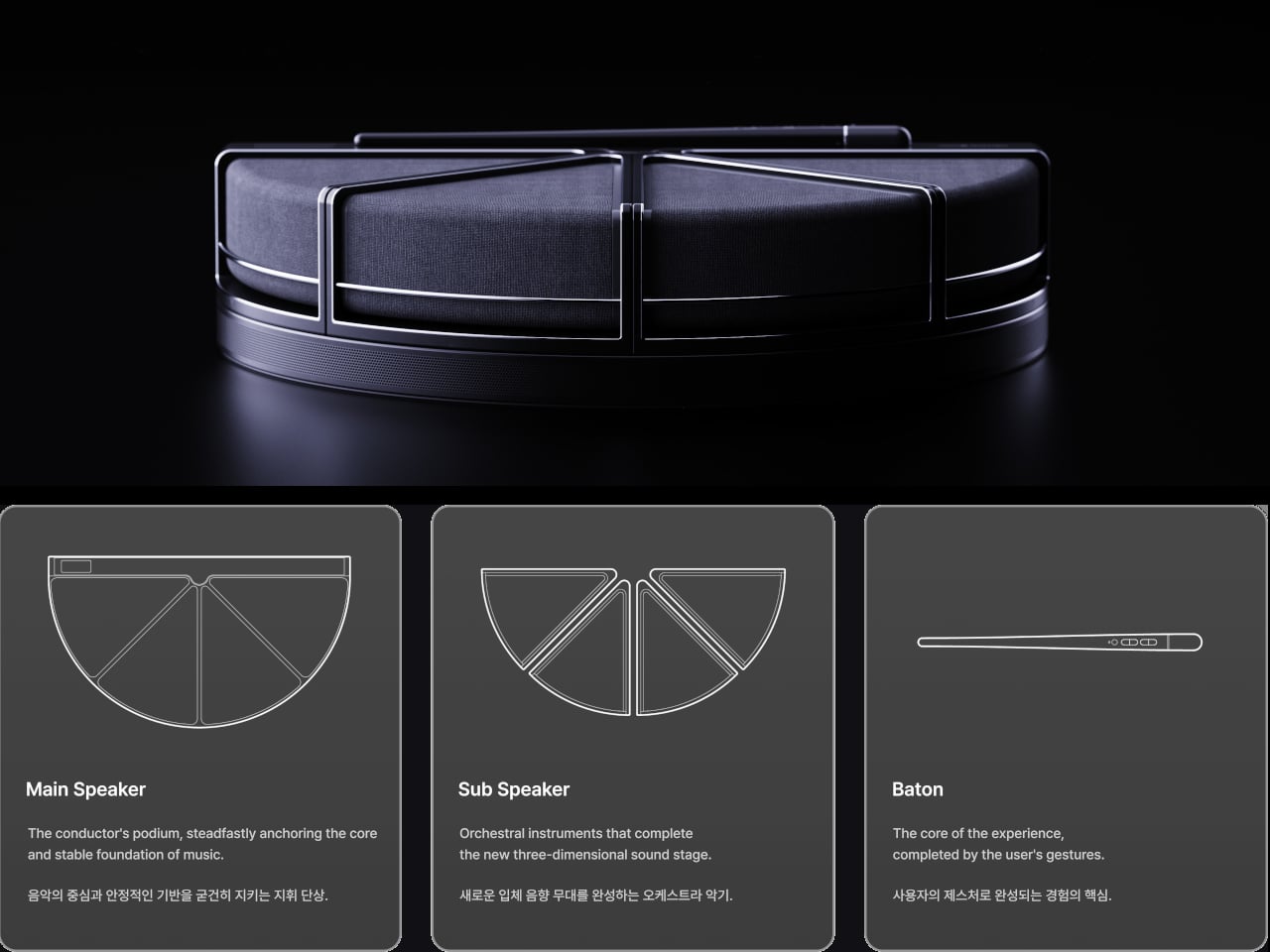
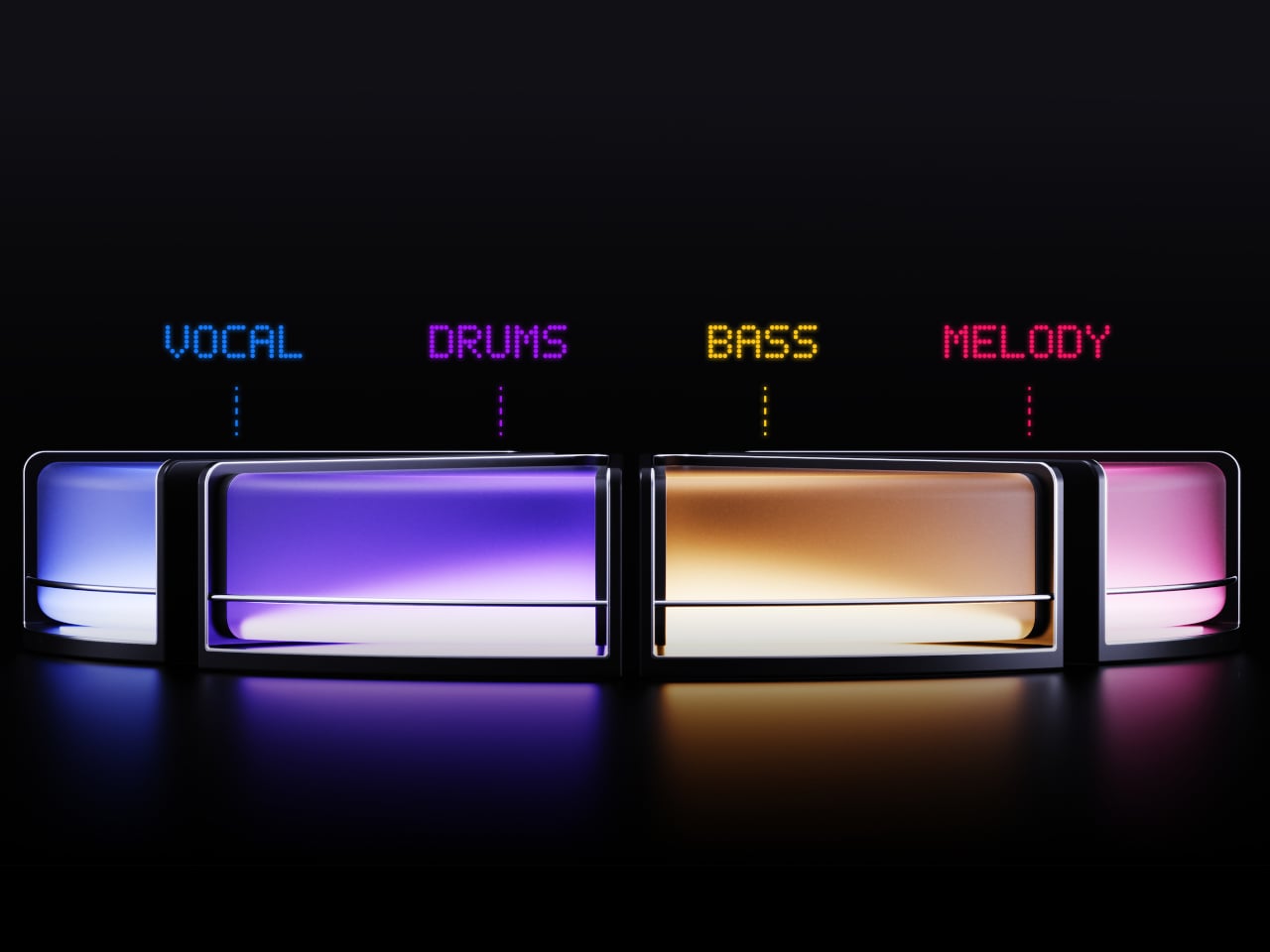
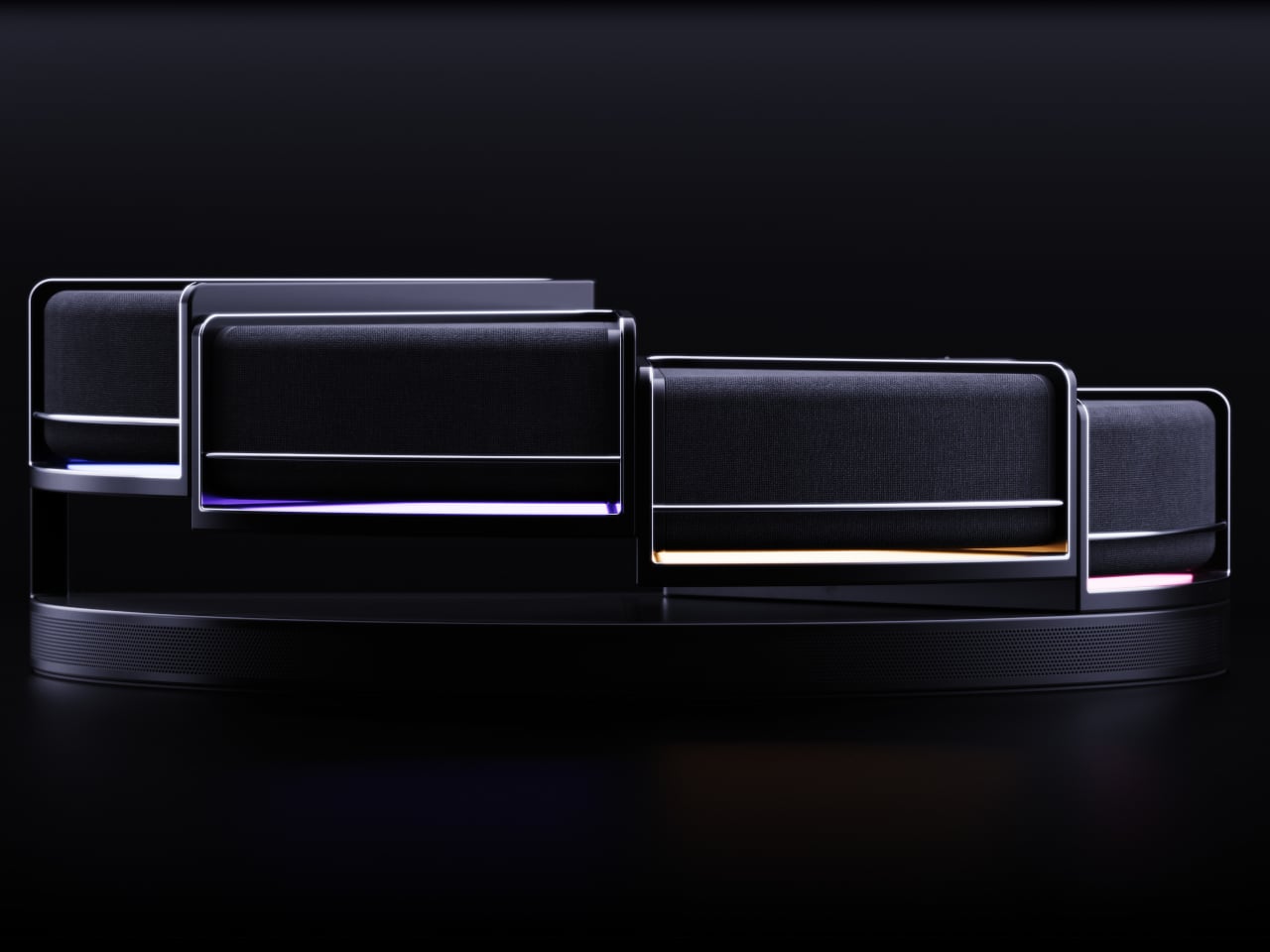
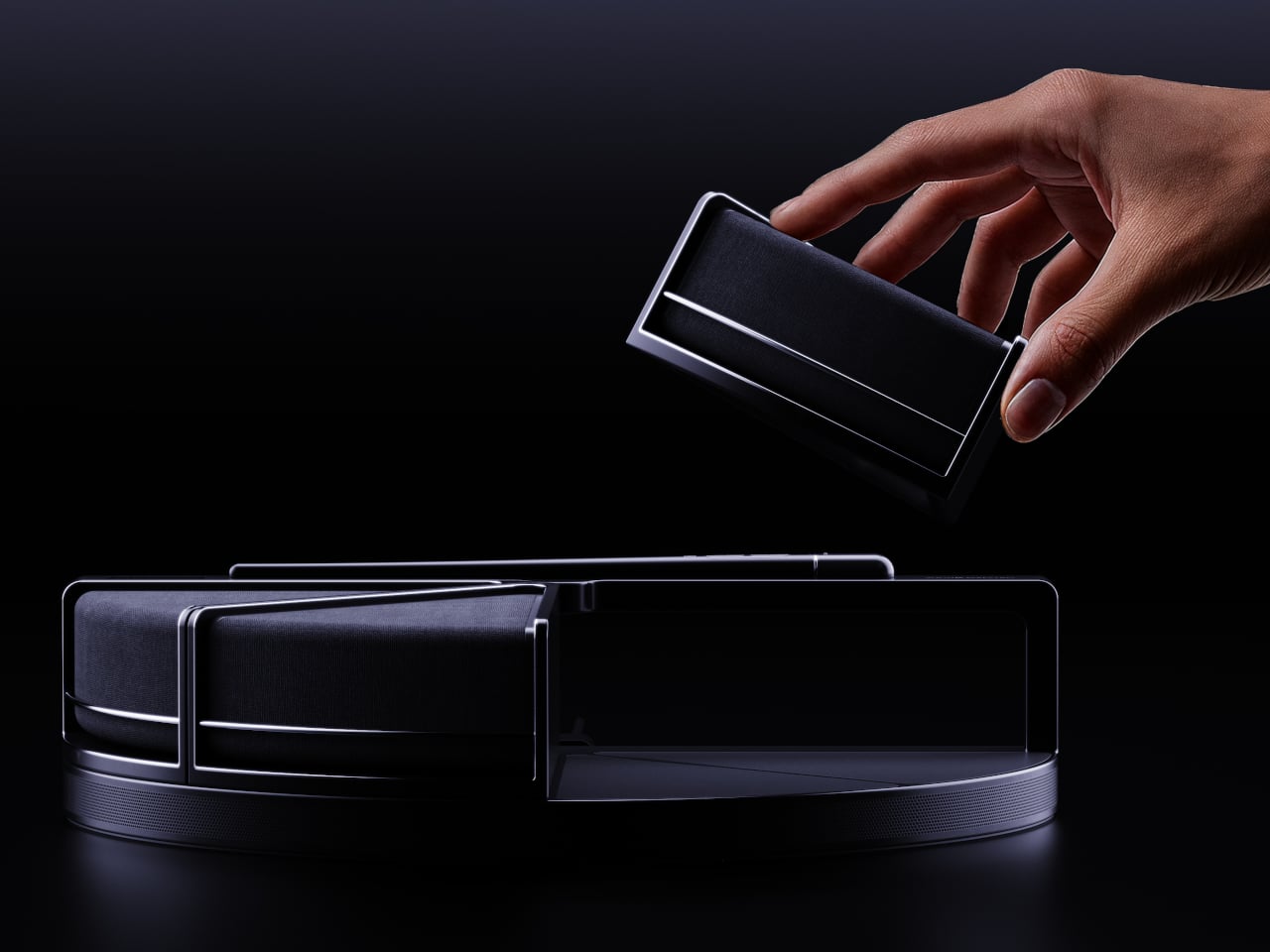
Sound Maestro is a speaker inspired by an orchestra conductor that consists of three core parts: the conductor’s podium, the instruments, and the conductor’s baton. When everything is docked together, it reads as a single object, but each of the four modular speakers can be detached and assigned a different musical part, vocals, drums, bass, and melody, each with its own LED color glowing underneath the grille.

Designer: Geonwoo Kang

The system uses AI to split a track into four stems and send each to a different speaker, so one cube carries the vocal, another the drums, another the bass, and another the melody. The LEDs on each unit glow in a unique color, making it easy to see which part is where. This spatial mapping of sound means the mix becomes something you can see and point at, not just hear as a single stereo image coming from two speakers.

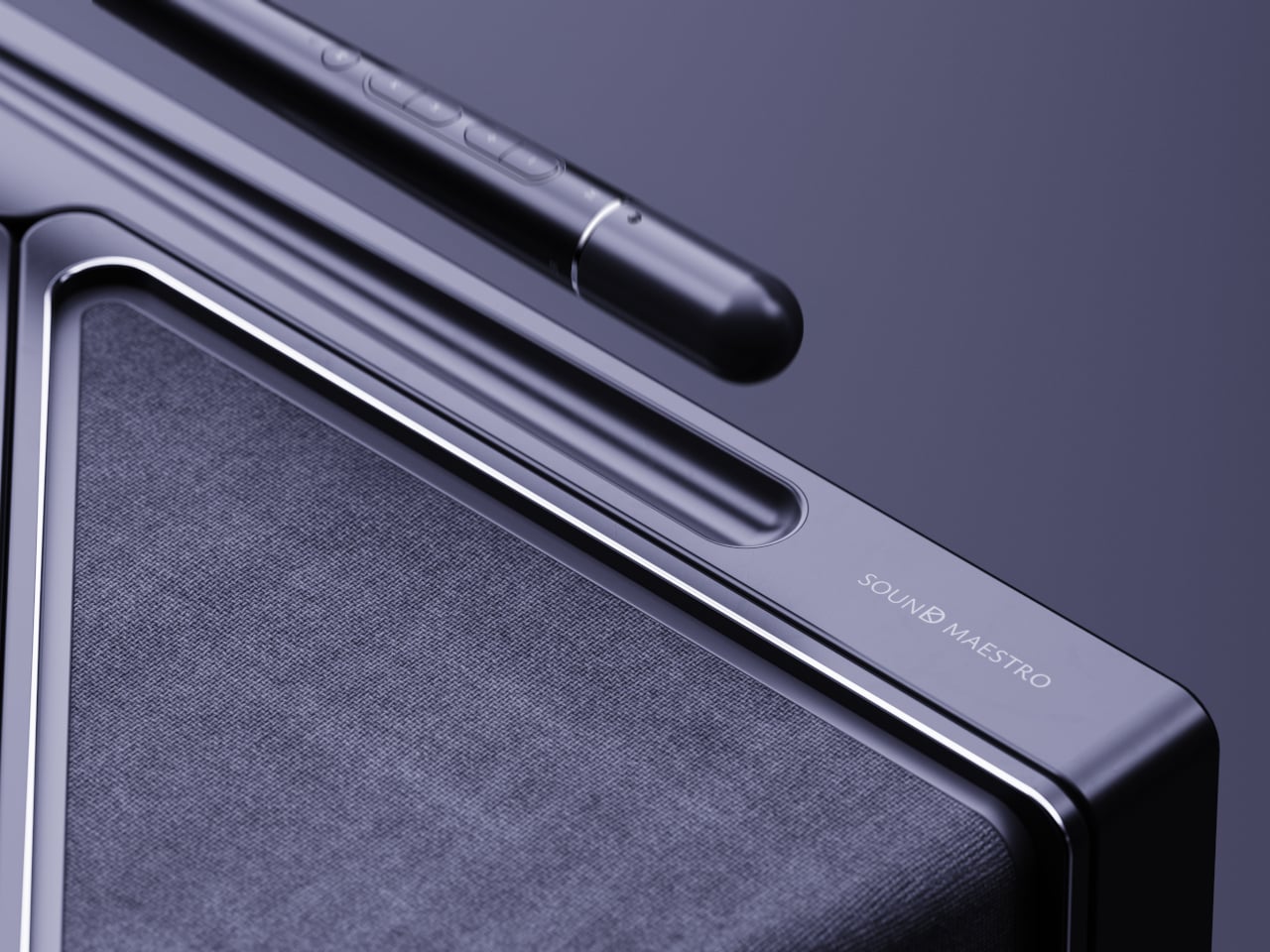
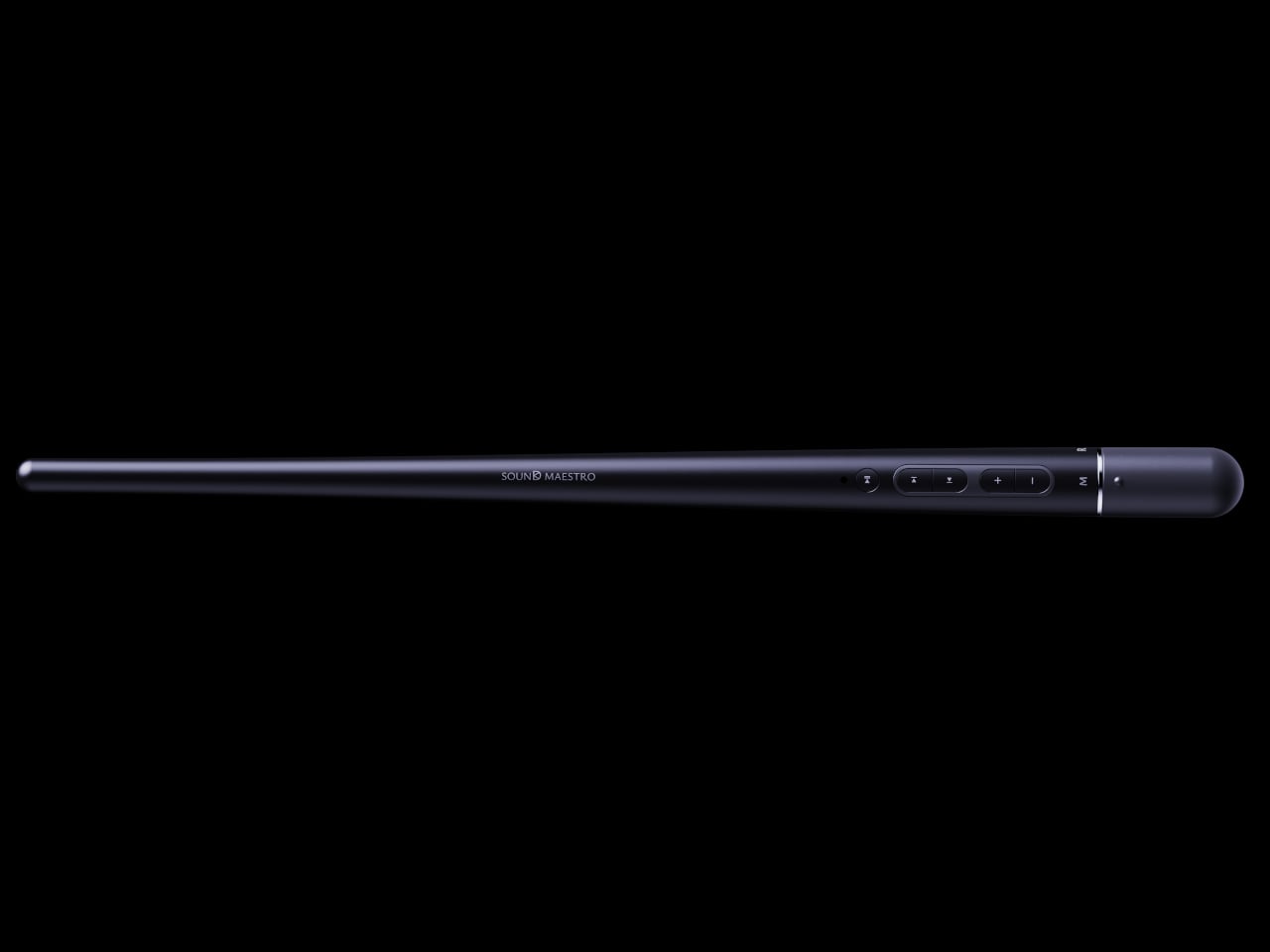
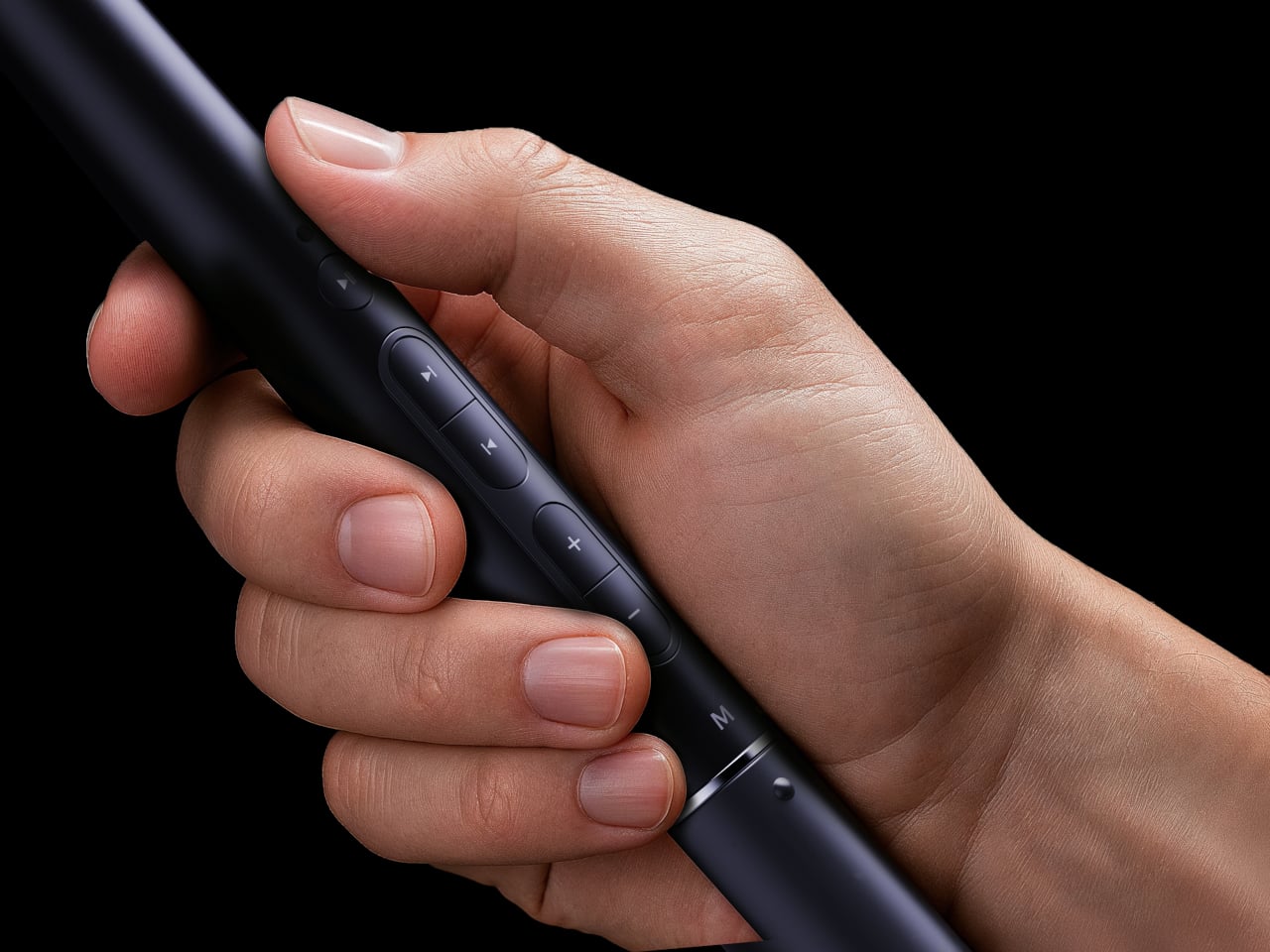
The baton-shaped controller is the main interface. In Maestro Mode, you twist a dial to enter a state where the default buttons are locked, zand you control speakers by pointing and gesturing. A quick left-right wave skips tracks, a slow up-down motion adjusts volume with LED brightness as feedback, and drawing a circle pauses or resumes playback, with all LEDs turning off or on to confirm what just happened.

Remote Control Mode lets the same baton behave more like a traditional remote. You still point it at a specific speaker, but now you press buttons instead of waving. This lets you fine-tune or mute individual units without the full theatricality of Maestro Mode. The two modes together acknowledge that sometimes you want to perform, and sometimes you just want to nudge the volume down on the drums without getting up.

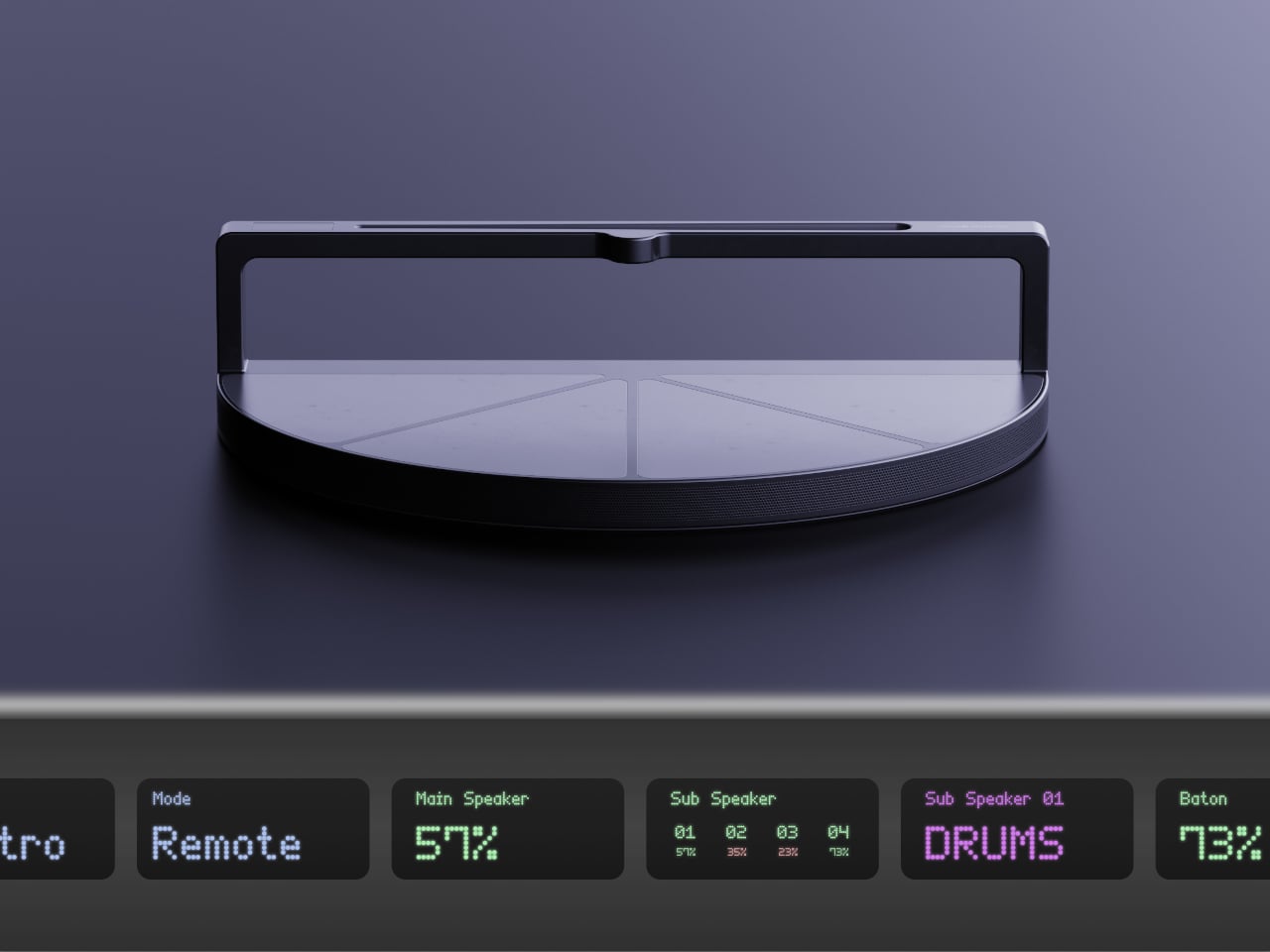
The main speaker takes its form from an orchestra podium and acts as the system’s brain. It handles the main bass that anchors the center and runs the AI that assigns parts to each satellite. A small display shows the current mode, battery levels, and which part each speaker is playing, so you can glance down and see the state of your orchestra without opening an app.

1

Sound Maestro pokes at the idea that home audio can be more than invisible boxes and playlists. By giving each part of a song its own physical presence and letting you conduct with a baton instead of a touchscreen, it makes listening into a small performance. Whether or not you want to wave a stick in your living room, the idea that a speaker system could ask you to point, gesture, and conduct instead of just pressing play feels like a surprisingly theatrical take on what modular audio might become.

The post Sound Maestro Splits Songs Into 4 Speakers You Conduct With a Baton first appeared on Yanko Design.

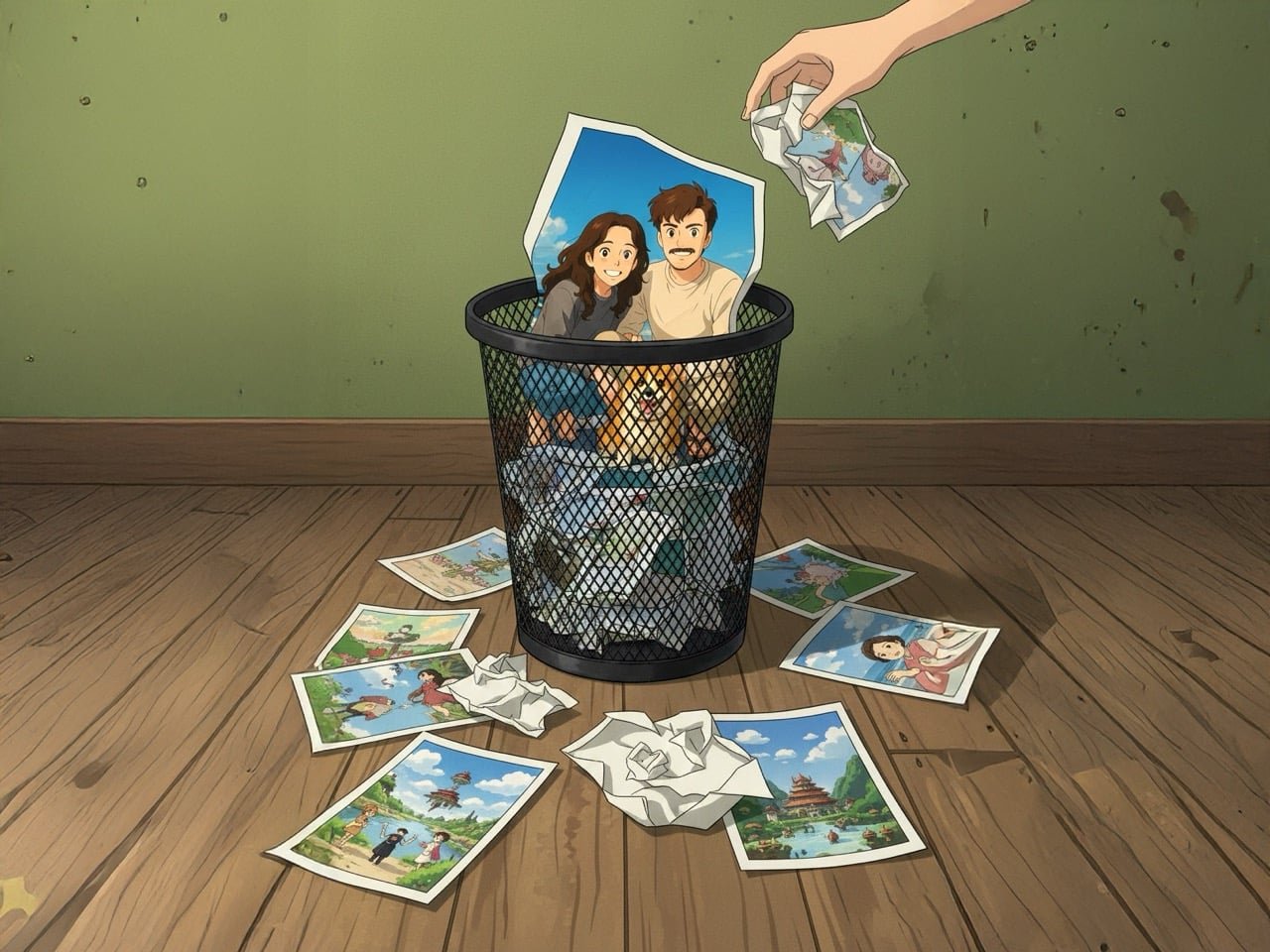
Remember “The Ghiblification”? We Treated Ghibli As Disposable Because That’s How We Treat Everything

First, it was cottagecore, filling our feeds with sourdough starters and rustic linen. Then came the sharp, symmetrical pastels of the Wes Anderson trend, followed by a tidal wave of Barbie pink that painted the internet for a summer. Each aesthetic arrived like a weather front, dominating the landscape completely for a short time before vanishing just as quickly, leaving behind only a faint digital echo. They were cultural costumes, tried on for a season and then relegated to the back of the closet.

Into this cycle stepped Studio Ghibli, its decades of patient, handcrafted animation compressed into a one-click selfie generator. The resulting “Ghibli-fication” of our profiles was not a deep engagement with Hayao Miyazaki’s themes of environmentalism and pacifism; it was simply the next costume off the rack. The speed with which we adopted and then abandoned it reveals a difficult truth. Our treatment of Ghibli was a symptom of a much larger cultural pattern, one where even the most profound art is rendered disposable by the internet’s insatiable appetite for the new.

When everything becomes an aesthetic, nothing remains itself

Platforms thrive on legibility. Content needs to be instantly recognizable, easily categorized, and simple enough to reproduce at scale. This creates enormous pressure to reduce complex cultural artifacts into their most surface-level visual markers. A Wes Anderson film becomes “symmetrical shots in pastel.” A hit song from Raye (that marked her leaving a music label and following creative freedom) becomes just a fleeting 20-second TikTok dance about rings on fingers and finding husbands. Ghibli’s intricate storytelling about war, labor, and the natural world gets flattened into “soft colors and big eyes.”

The reduction is not accidental. It is the cost of entry into viral circulation. An aesthetic can only spread if it can be copied quickly, applied broadly, and understood immediately. Nuance, context, and depth are friction. They slow down the sharing, complicate the reproduction, and limit the audience. So they get stripped away, not out of malice, but out of structural necessity. What remains is a shell, a visual shorthand that gestures toward the original without containing any of its substance.

This process turns cultural works into raw material. A film, a book, a philosophical tradition, any of these can be mined for their most photogenic elements and reconfigured into something that fits neatly into a grid post or a TikTok filter. The original becomes less important than the aesthetic it can generate. Once the aesthetic stops performing well in terms of engagement metrics, the entire package gets discarded. The algorithm does not care about preservation or reverence. It cares about what is getting clicks and views today.

The appetite that cannot be satisfied

Social media platforms are built around a fundamental economic problem: they need to hold attention, but attention is finite and easily exhausted. The solution is constant novelty. If users get bored, they leave. If they leave, ad revenue drops. So the feed must always be serving something new, something that feels fresh enough to justify another scroll, another click, another few seconds of eyeball time.

This creates a culture of planned obsolescence for aesthetics. A look can only stay interesting for so long before it becomes familiar, then oversaturated, then tiresome. At that point, it has to be replaced. The cycle repeats endlessly, chewing through visual languages, artistic movements, and cultural traditions at a pace that would have been unthinkable even twenty years ago. What took decades to develop can be extracted, popularized, and discarded in a matter of weeks.

The speed of this churn has consequences. It trains us to engage with culture in a particular way: superficially, briefly, and without much attachment. We learn to skim surfaces rather than dig into depths. We participate in trends not because they resonate with us personally, but because participation itself is the point (the ice bucket challenge boosted ALS awareness for precisely 6 months). Being part of the moment, being visible within the current aesthetic wave, these become more valuable than any lasting connection to the work that aesthetic is borrowed from.

What sticks when the wave recedes

The irony is that while trends are disposable, the works they feed on often are not. Ghibli films continue to be watched, analyzed, and loved by new audiences long after the selfie filters have been forgotten. Wes Anderson’s movies did not become less meaningful because people used his color palettes for Instagram posts. The underlying art survives because it contains something that cannot be reduced to a visual shorthand.

What separates durable culture from disposable trends is substance that exceeds its surface. A Ghibli film rewards attention over time. The more you watch, the more you notice: the way labor is animated with dignity, the long quiet stretches that mirror real life’s pace, the refusal to offer simple moral answers. None of that fits in a filter. None of that can be mass-produced. It requires the viewer to bring time, focus, and openness to complexity.

This is what the trend cycle cannot replicate. It can borrow the look, but it cannot borrow the experience. It can create a momentary association with the aesthetic, but it cannot create the slow, layered engagement that builds lasting attachment. So the original work persists beneath the churn, waiting for the people who want more than a costume, who are looking for something to return to rather than something to discard.

Resisting the rhythm of disposability

Recognizing this pattern is not the same as escaping it. We are all embedded in systems that reward rapid consumption and constant novelty. The feed is designed to keep us moving, to prevent us from lingering too long on any one thing. Resisting that rhythm requires deliberate effort, a conscious choice to slow down when everything around us is accelerating.

That resistance can look small and personal: rewatching a film instead of merely watching a snippet of it on YouTube Shorts, reading longform essays instead of liking someone’s reel about it, spending time with art that does not immediately reveal itself. If anything, the pandemic allowed us to spend days culturing sourdough starter so we could bake our bread. The curfew ended and sourdough became a distant memory… but for those 6 months, we actually indulged in immersion. These acts do not change the structure of the platforms, but they change our relationship to culture. They create space for depth in an environment optimized for surface.

The broader question is whether we can build cultural spaces that do not treat everything as disposable. Platforms will not do this on their own; their incentives run in the opposite direction. But audiences, creators, and critics can push back by valuing longevity over virality, by rewarding substance over aesthetic repackaging, by choosing to engage with work in ways that cannot be reduced to a trend cycle.

Ghibli survived its moment as a disposable aesthetic because it was never fully captured by it. The films remain too slow, too strange, too resistant to easy consumption. They stand as a reminder that some things are built to last, even in an environment designed to make everything temporary. The real work is recognizing that difference and choosing to treat what matters accordingly.

The post Remember “The Ghiblification”? We Treated Ghibli As Disposable Because That’s How We Treat Everything first appeared on Yanko Design.


Remember “The Ghiblification”? We Treated Ghibli As Disposable Because That’s How We Treat Everything

First, it was cottagecore, filling our feeds with sourdough starters and rustic linen. Then came the sharp, symmetrical pastels of the Wes Anderson trend, followed by a tidal wave of Barbie pink that painted the internet for a summer. Each aesthetic arrived like a weather front, dominating the landscape completely for a short time before vanishing just as quickly, leaving behind only a faint digital echo. They were cultural costumes, tried on for a season and then relegated to the back of the closet.

Into this cycle stepped Studio Ghibli, its decades of patient, handcrafted animation compressed into a one-click selfie generator. The resulting “Ghibli-fication” of our profiles was not a deep engagement with Hayao Miyazaki’s themes of environmentalism and pacifism; it was simply the next costume off the rack. The speed with which we adopted and then abandoned it reveals a difficult truth. Our treatment of Ghibli was a symptom of a much larger cultural pattern, one where even the most profound art is rendered disposable by the internet’s insatiable appetite for the new.

When everything becomes an aesthetic, nothing remains itself

Platforms thrive on legibility. Content needs to be instantly recognizable, easily categorized, and simple enough to reproduce at scale. This creates enormous pressure to reduce complex cultural artifacts into their most surface-level visual markers. A Wes Anderson film becomes “symmetrical shots in pastel.” A hit song from Raye (that marked her leaving a music label and following creative freedom) becomes just a fleeting 20-second TikTok dance about rings on fingers and finding husbands. Ghibli’s intricate storytelling about war, labor, and the natural world gets flattened into “soft colors and big eyes.”

The reduction is not accidental. It is the cost of entry into viral circulation. An aesthetic can only spread if it can be copied quickly, applied broadly, and understood immediately. Nuance, context, and depth are friction. They slow down the sharing, complicate the reproduction, and limit the audience. So they get stripped away, not out of malice, but out of structural necessity. What remains is a shell, a visual shorthand that gestures toward the original without containing any of its substance.

This process turns cultural works into raw material. A film, a book, a philosophical tradition, any of these can be mined for their most photogenic elements and reconfigured into something that fits neatly into a grid post or a TikTok filter. The original becomes less important than the aesthetic it can generate. Once the aesthetic stops performing well in terms of engagement metrics, the entire package gets discarded. The algorithm does not care about preservation or reverence. It cares about what is getting clicks and views today.

The appetite that cannot be satisfied

Social media platforms are built around a fundamental economic problem: they need to hold attention, but attention is finite and easily exhausted. The solution is constant novelty. If users get bored, they leave. If they leave, ad revenue drops. So the feed must always be serving something new, something that feels fresh enough to justify another scroll, another click, another few seconds of eyeball time.

This creates a culture of planned obsolescence for aesthetics. A look can only stay interesting for so long before it becomes familiar, then oversaturated, then tiresome. At that point, it has to be replaced. The cycle repeats endlessly, chewing through visual languages, artistic movements, and cultural traditions at a pace that would have been unthinkable even twenty years ago. What took decades to develop can be extracted, popularized, and discarded in a matter of weeks.

The speed of this churn has consequences. It trains us to engage with culture in a particular way: superficially, briefly, and without much attachment. We learn to skim surfaces rather than dig into depths. We participate in trends not because they resonate with us personally, but because participation itself is the point (the ice bucket challenge boosted ALS awareness for precisely 6 months). Being part of the moment, being visible within the current aesthetic wave, these become more valuable than any lasting connection to the work that aesthetic is borrowed from.

What sticks when the wave recedes

The irony is that while trends are disposable, the works they feed on often are not. Ghibli films continue to be watched, analyzed, and loved by new audiences long after the selfie filters have been forgotten. Wes Anderson’s movies did not become less meaningful because people used his color palettes for Instagram posts. The underlying art survives because it contains something that cannot be reduced to a visual shorthand.

What separates durable culture from disposable trends is substance that exceeds its surface. A Ghibli film rewards attention over time. The more you watch, the more you notice: the way labor is animated with dignity, the long quiet stretches that mirror real life’s pace, the refusal to offer simple moral answers. None of that fits in a filter. None of that can be mass-produced. It requires the viewer to bring time, focus, and openness to complexity.

This is what the trend cycle cannot replicate. It can borrow the look, but it cannot borrow the experience. It can create a momentary association with the aesthetic, but it cannot create the slow, layered engagement that builds lasting attachment. So the original work persists beneath the churn, waiting for the people who want more than a costume, who are looking for something to return to rather than something to discard.

Resisting the rhythm of disposability

Recognizing this pattern is not the same as escaping it. We are all embedded in systems that reward rapid consumption and constant novelty. The feed is designed to keep us moving, to prevent us from lingering too long on any one thing. Resisting that rhythm requires deliberate effort, a conscious choice to slow down when everything around us is accelerating.

That resistance can look small and personal: rewatching a film instead of merely watching a snippet of it on YouTube Shorts, reading longform essays instead of liking someone’s reel about it, spending time with art that does not immediately reveal itself. If anything, the pandemic allowed us to spend days culturing sourdough starter so we could bake our bread. The curfew ended and sourdough became a distant memory… but for those 6 months, we actually indulged in immersion. These acts do not change the structure of the platforms, but they change our relationship to culture. They create space for depth in an environment optimized for surface.

The broader question is whether we can build cultural spaces that do not treat everything as disposable. Platforms will not do this on their own; their incentives run in the opposite direction. But audiences, creators, and critics can push back by valuing longevity over virality, by rewarding substance over aesthetic repackaging, by choosing to engage with work in ways that cannot be reduced to a trend cycle.

Ghibli survived its moment as a disposable aesthetic because it was never fully captured by it. The films remain too slow, too strange, too resistant to easy consumption. They stand as a reminder that some things are built to last, even in an environment designed to make everything temporary. The real work is recognizing that difference and choosing to treat what matters accordingly.

The post Remember “The Ghiblification”? We Treated Ghibli As Disposable Because That’s How We Treat Everything first appeared on Yanko Design.
JBL’s AI Wireless Speakers Can Remove Vocals, Guitars, or Drums From Any Song While You’re Jamming

Walk into any rehearsal space and you will see the usual suspects. A combo amp in the corner, a Bluetooth speaker on a shelf, maybe a looper pedal on the floor. Each tool has a single job. One makes your guitar louder, one plays songs, one repeats whatever you feed it. You juggle them to build something that feels like a band around you.

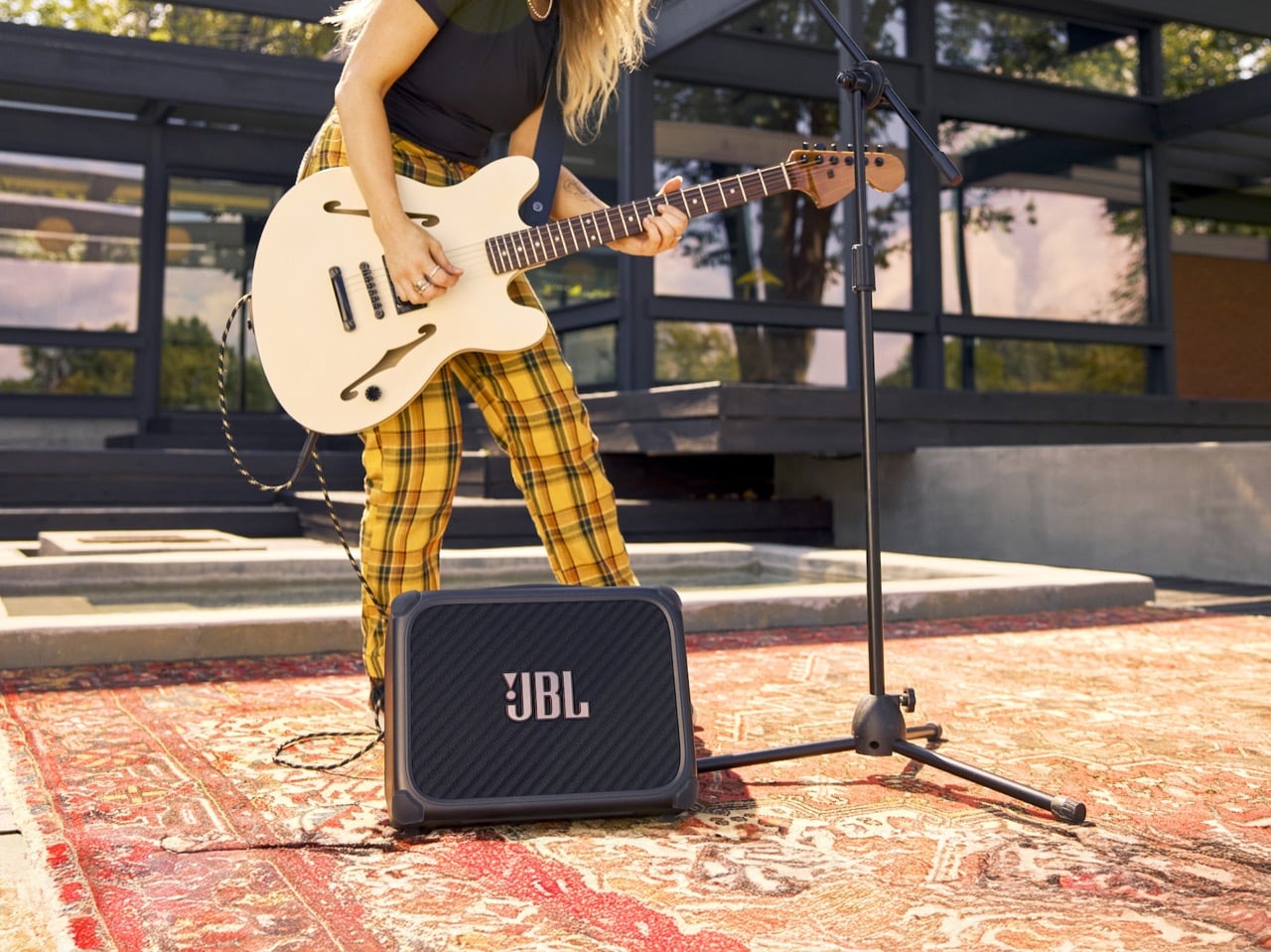
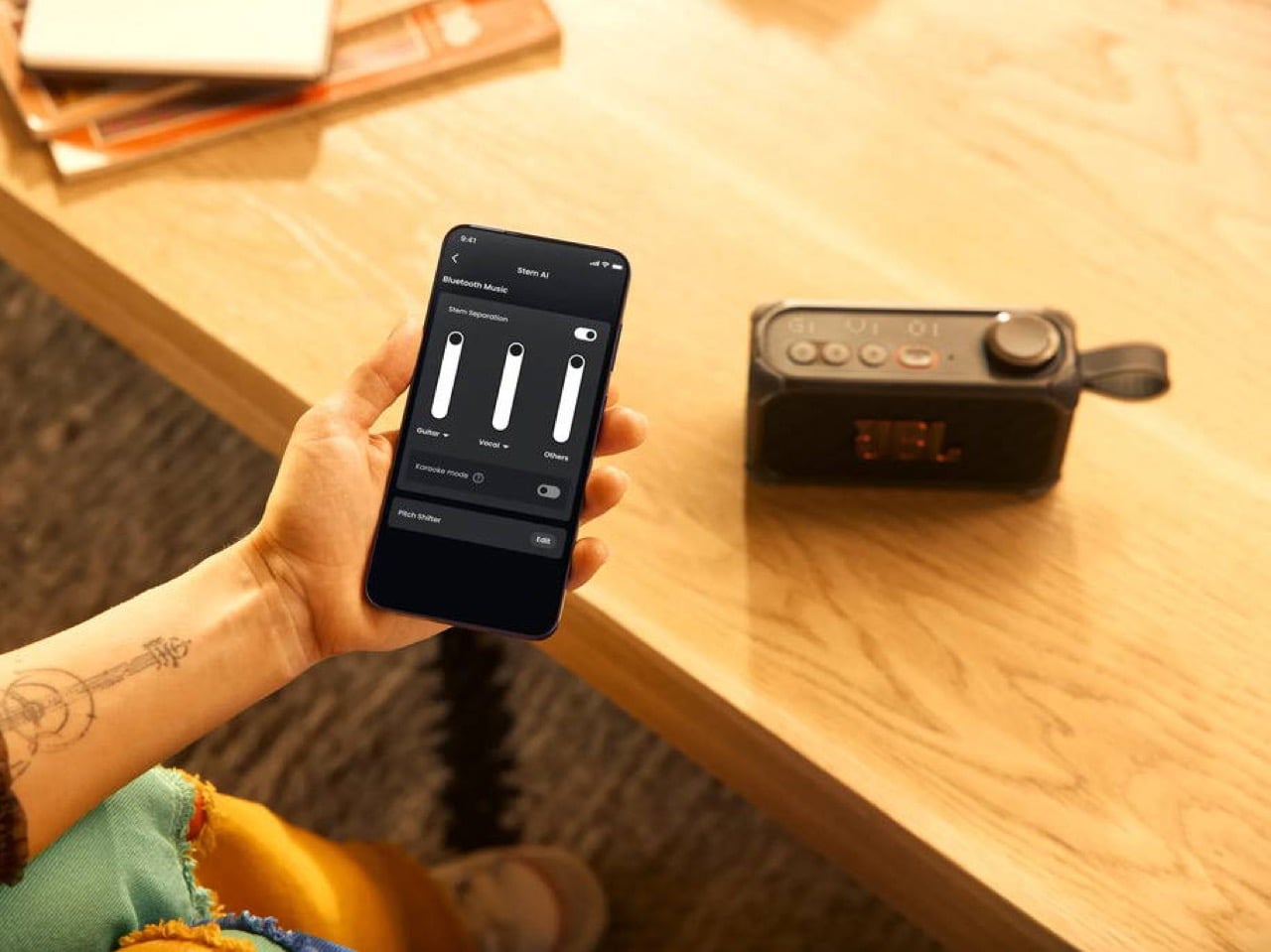
JBL’s BandBox concept asks a different question. What if one box could understand the music it is playing and reorganize it around you in real time. The Solo and Trio units use AI to separate vocals, guitars, and drums inside finished tracks, so you can mute, isolate, or replace parts on the fly. Suddenly the speaker is not just a playback device. It becomes the drummer who never rushes, the backing guitarist who never complains, and the invisible producer nudging you toward tighter practice.

Designer: JBL

This ability to deconstruct any song streamed via Bluetooth is the core of the BandBox experience. The AI stem processing happens locally, inside the unit, without needing an internet connection or a cloud service. You can pull up a track, instantly mute the original guitar part, and then step in to play it yourself over the remaining bass, drums, and vocals. This is a fundamental shift in how musicians can practice. Instead of fighting for space in a dense mix, you create a pocket for yourself, turning passive listening into an interactive rehearsal.

The whole system is self-contained, designed to work straight out of the box without a pile of extra gear. Both models come equipped with a selection of built-in amplifier models and effects, so you can shape your tone directly on the unit. Essentials like a tuner and a looper are also integrated, which streamlines the creative process. You can lay down a rhythm part, loop it, and then practice soloing over it without ever touching an external pedal. It is this thoughtful integration that makes the BandBox feel less like a speaker and more like a complete, portable music-making environment.

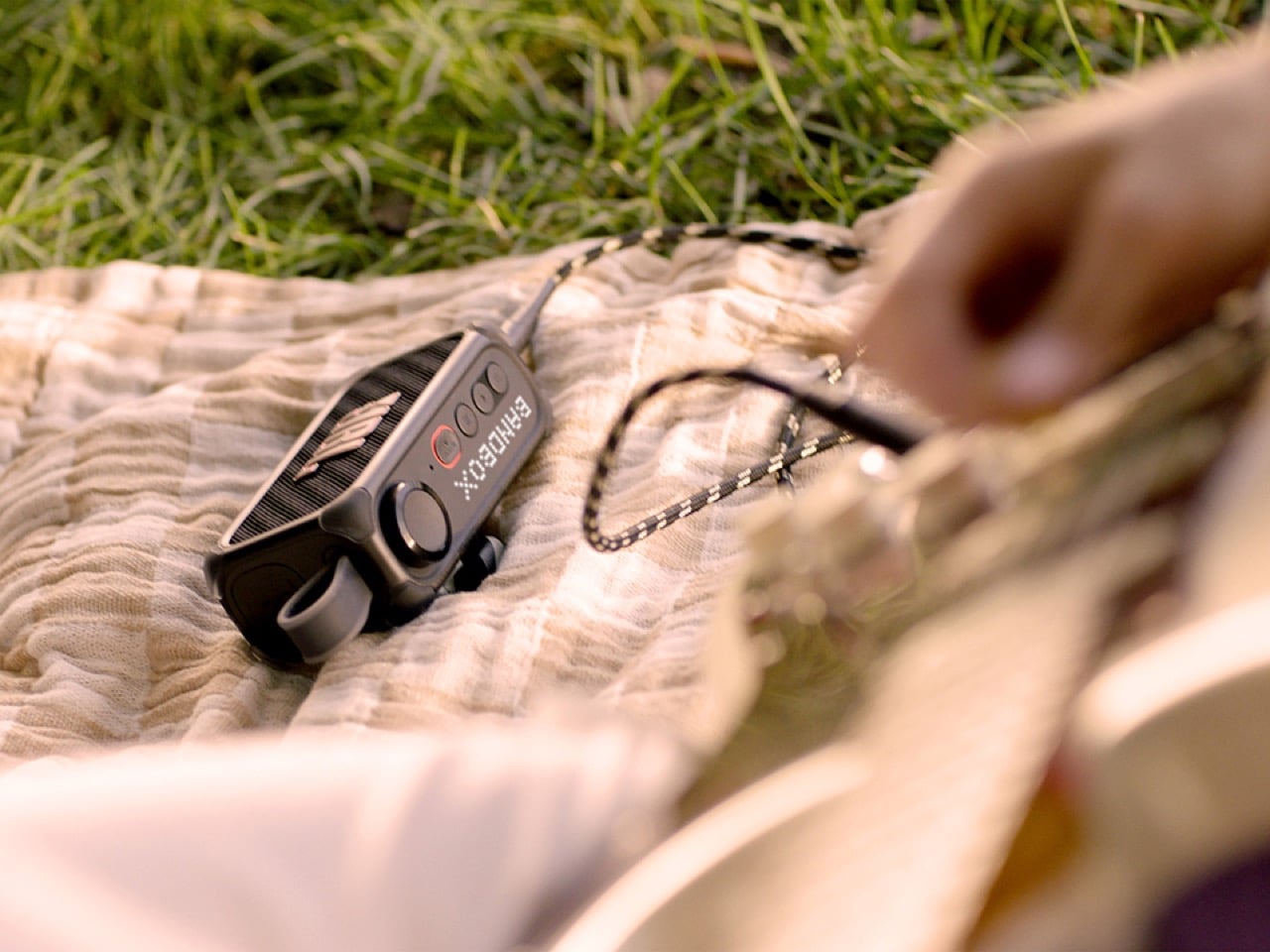
The BandBox Solo is the most focused version of this idea, built for the individual. It is a compact, easily carried device with a single combo input that accepts either a guitar or a microphone. This makes it an obvious choice for singer-songwriters or any musician practicing alone. The form factor is all about convenience, with a solid build and a top-mounted handle. A battery life of around six hours means you could take it to a park for an afternoon busking session or just move it around the house without being tethered to a wall outlet. It is a self-sufficient creative station in a small package.

When practice involves more than one person, the BandBox Trio provides the necessary expansion. It is built on the same AI-powered platform but scales up the hardware for group use. The most significant change is the inclusion of four instrument inputs, which transforms the unit into a miniature, portable PA system. A small band or a duo can plug in multiple guitars, a bass, and a microphone, all running through the same box. This is a clever solution for impromptu jam sessions, stripped-down rehearsals, or music classrooms where setting up a full mixer and multiple amps is too cumbersome.

Both units share a clean, modern design that aligns with JBL’s broader product family. The controls seem to be laid out for quick, intuitive access, a must for musicians who need to make adjustments without interrupting their flow. Connectivity extends beyond just playing music; a USB-C port allows the BandBox to double as an audio interface. You can connect it directly to a computer or tablet to record your sessions or lay down a demo, adding a layer of studio utility that makes the device even more versatile. It is not just for practice, it is for capturing the ideas that come from it.

Of course, none of this would matter if the sound was not up to par. JBL’s reputation in audio engineering creates a high expectation, and the BandBox aims to meet it by delivering a full-range sound that can handle both a dynamic instrument and a complex backing track simultaneously. The goal is to provide a clear, responsive guitar tone that cuts through, while the underlying track remains rich and detailed. This dual-functionality is key, ensuring it performs just as well as a high-quality Bluetooth speaker for casual listening as it does as a dedicated practice amp.

The JBL BandBox series has started its rollout in Southeast Asian markets, with promotions and availability already noted in the Philippines and Malaysia. A wider international release is expected to follow. While pricing will fluctuate by region, the BandBox Solo appears to be positioned competitively against other popular smart amps on the market. The Trio, with its expanded inputs and group-oriented features, will naturally sit at a higher price point, offering a unique proposition as an all-in-one portable rehearsal hub.

The post JBL’s AI Wireless Speakers Can Remove Vocals, Guitars, or Drums From Any Song While You’re Jamming first appeared on Yanko Design.
TWS Earbuds With Built-In Cameras Puts ChatGPT’s AI Capabilities In Your Ears

Everyone is racing to build the next great AI gadget. Some companies are betting on smartglasses, others on pins and pocket companions. All of them promise an assistant that can see, hear, and understand the world around you. Very few ask a simpler question. What if the smartest AI hardware is just a better pair of earbuds?

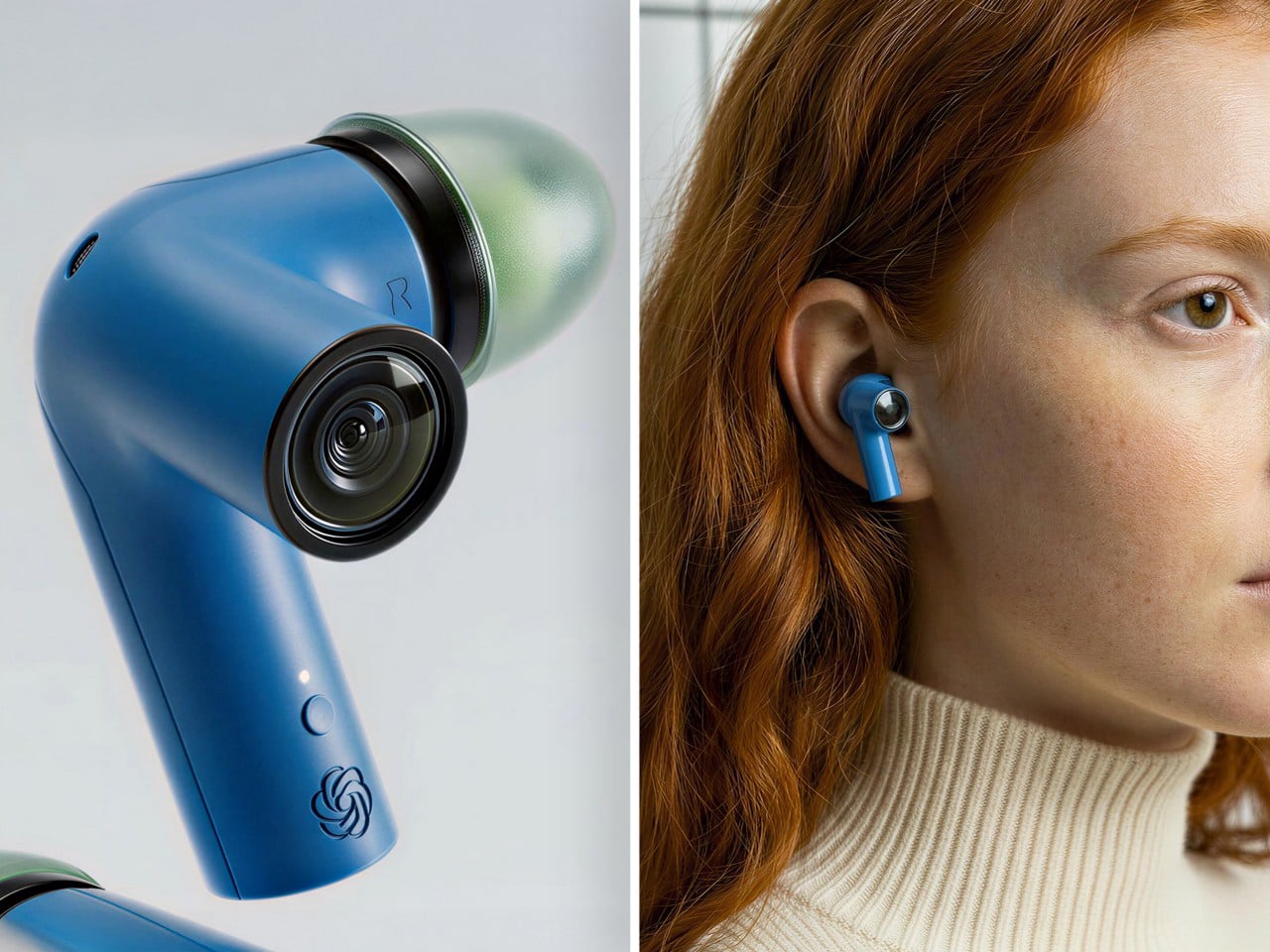
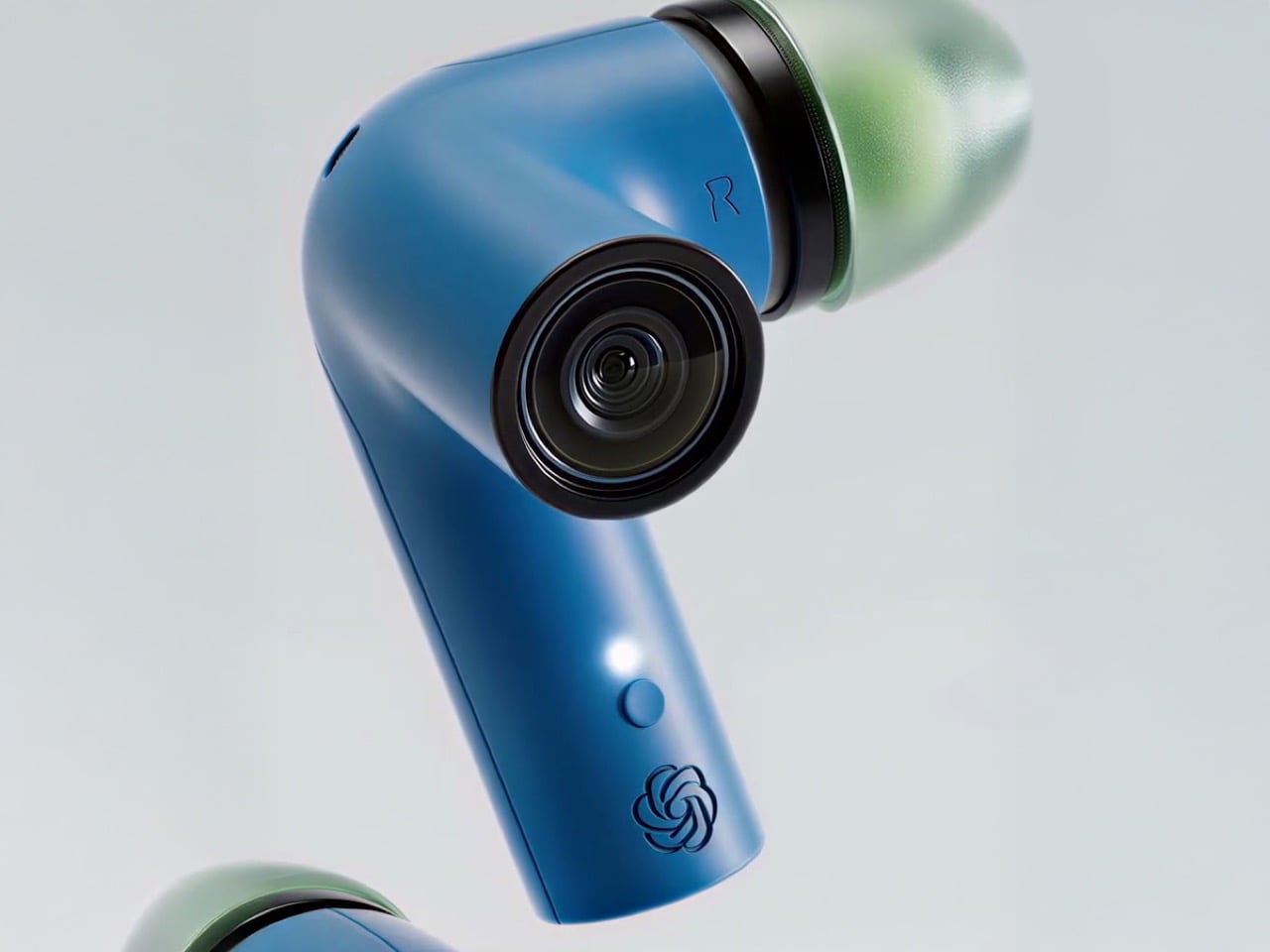
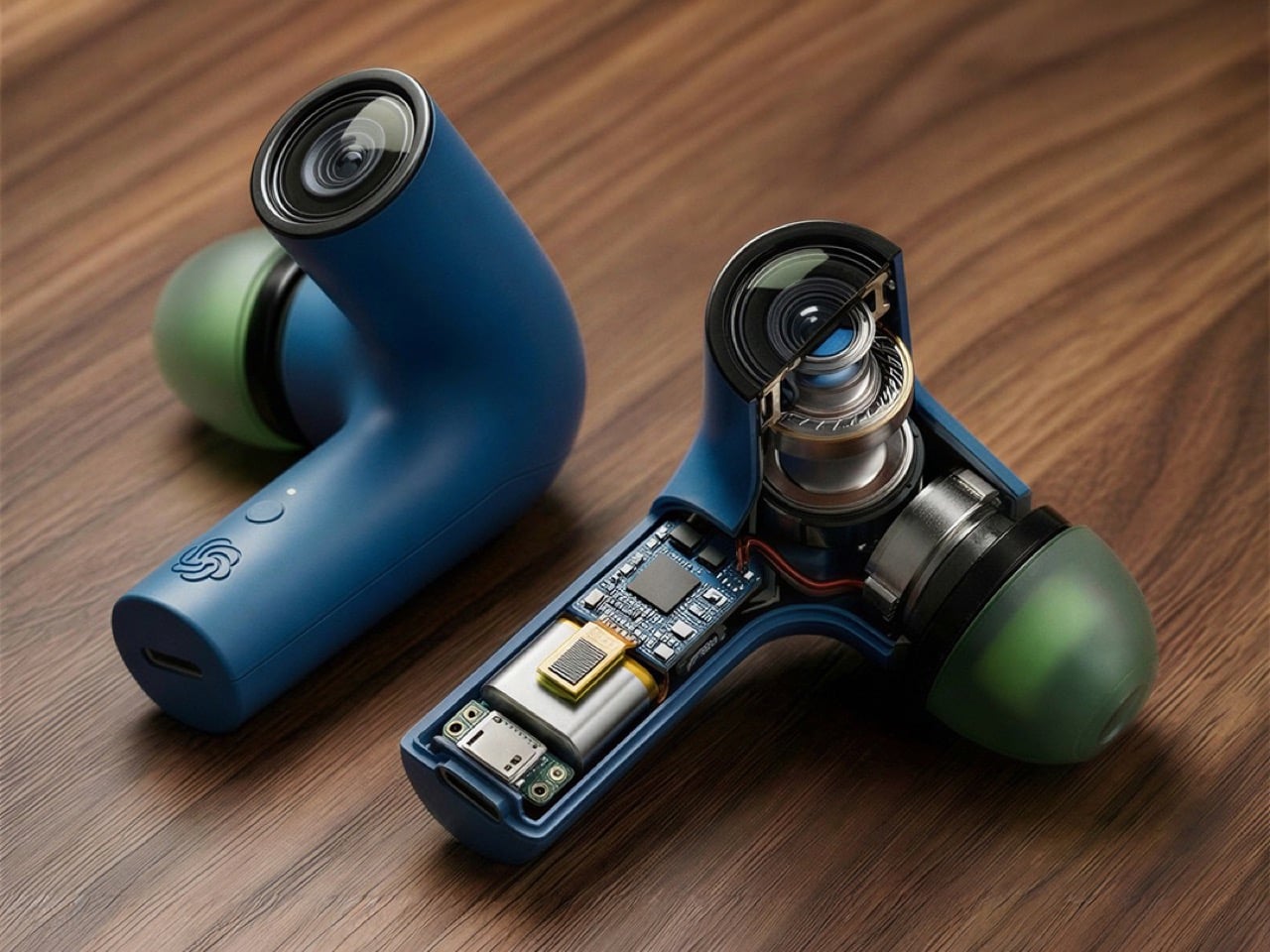
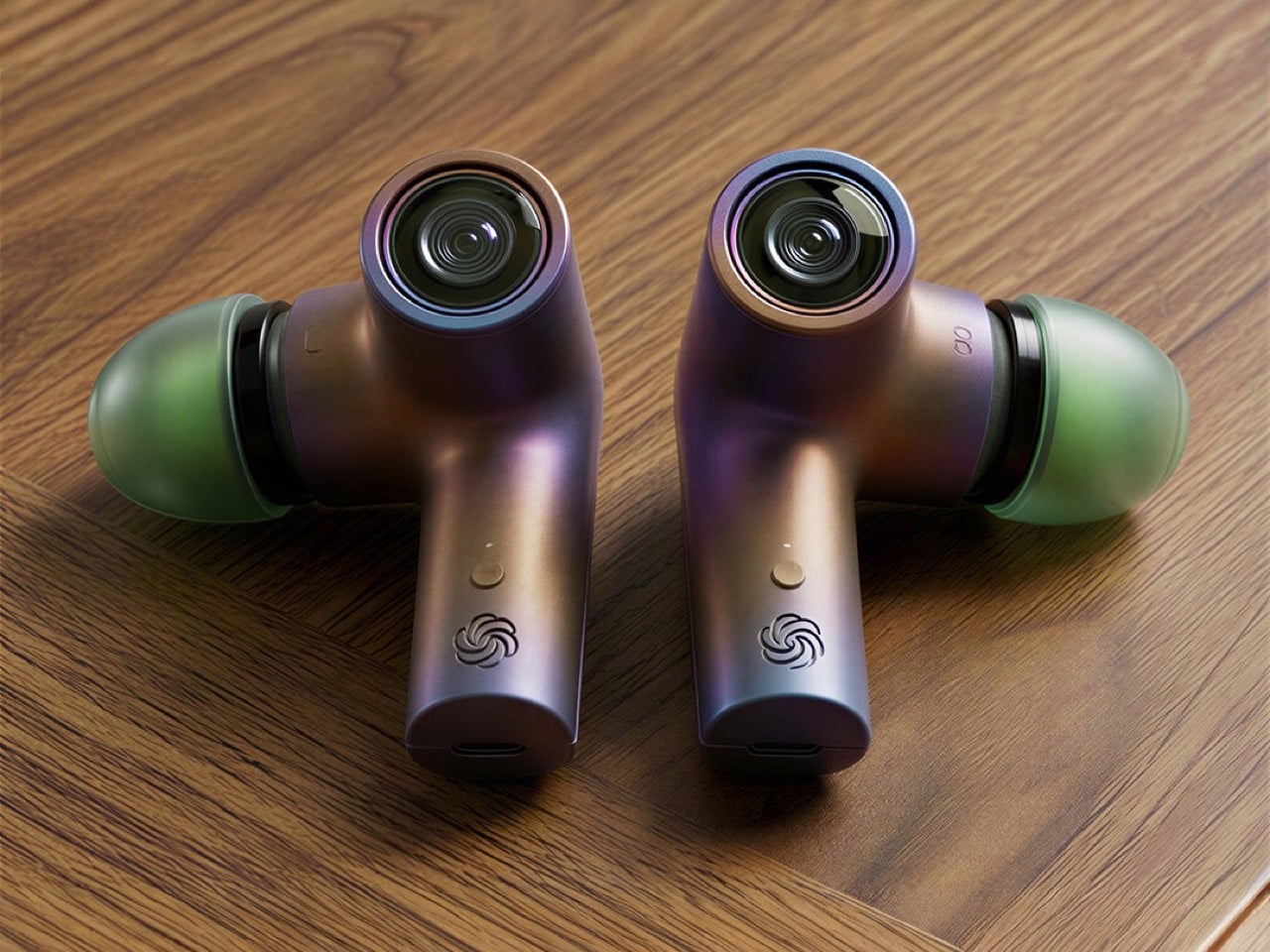
This concept imagines TWS earbuds with a twist. Each bud carries an extra stem with a built in camera, positioned close to your natural line of sight. Paired with ChatGPT, those lenses become a constant visual feed for an assistant that lives in your ears. It can read menus, interpret signs, describe scenes, and guide you through a city without a screen. The form factor stays familiar, the capabilities feel new. If OpenAI wants a hardware foothold, this is the kind of product that could make AI feel less like a demo and more like a daily habit. Here’s why a camera in your ear might beat a camera on your face.

Designer: Emil Lukas

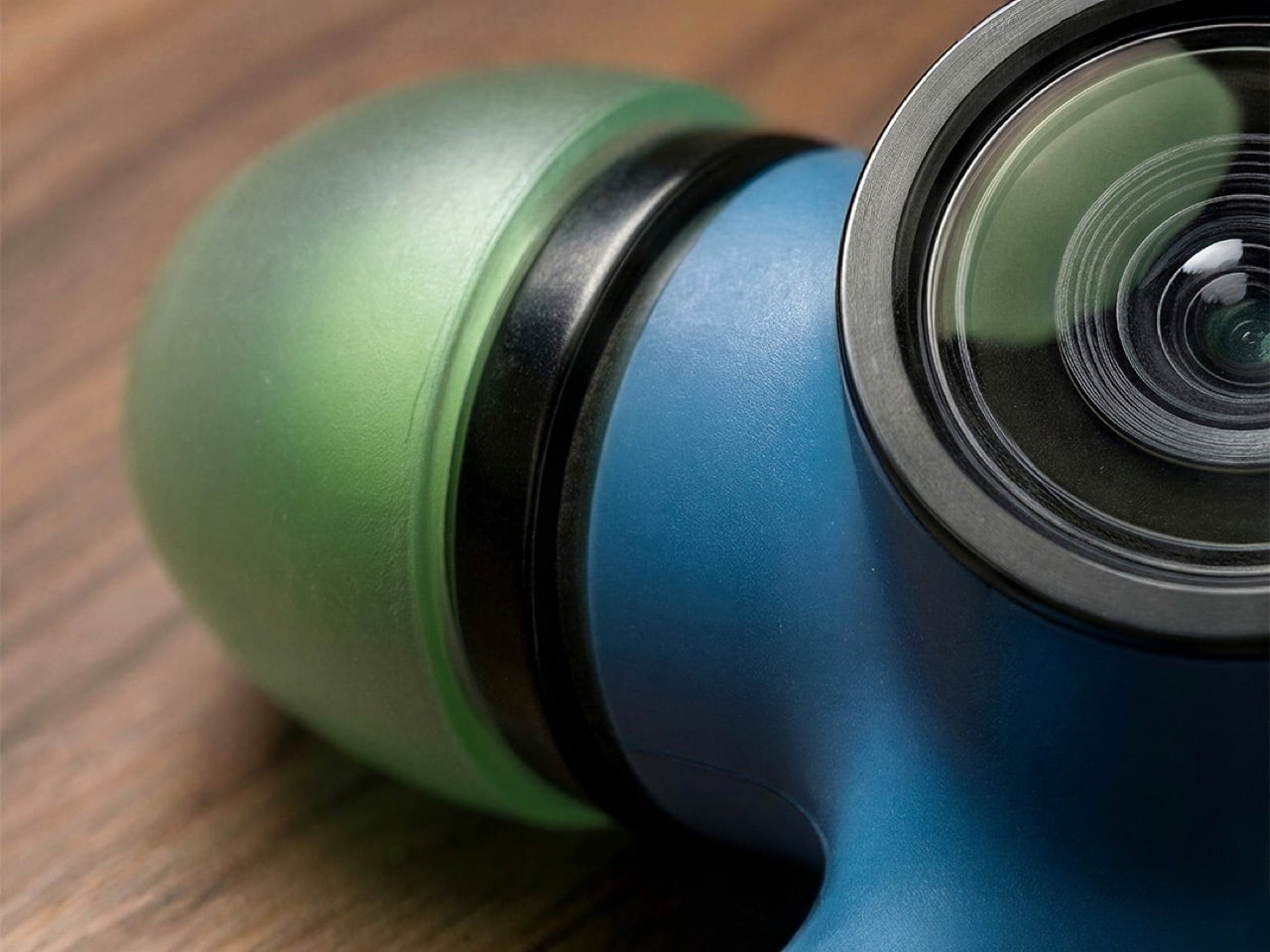
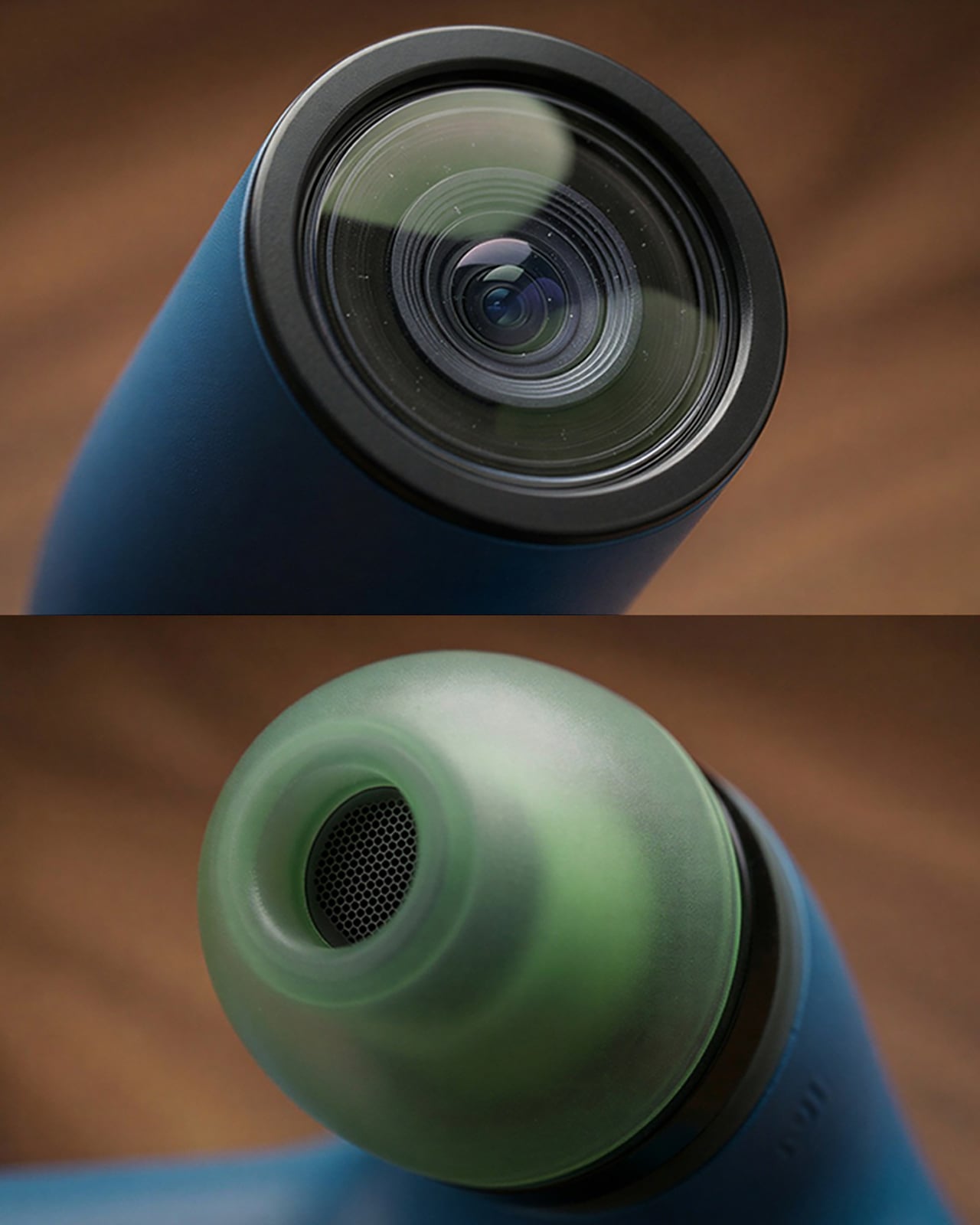
The industrial design has a sort of sci fi inhaler vibe that I weirdly like. The lens sits at the end of the stem like a tiny action cam, surrounded by a ring that doubles as a visual accent. It looks deliberate rather than tacked on, which matters when you are literally hanging optics off your head. The colored shells and translucent tips keep it playful enough that it still reads as audio gear first, camera second.

The cutaway render looks genuinely fascinating. You can see a proper lens stack, a sensor, and a compact board that would likely host an ISP and Bluetooth SoC. That is a lot of silicon inside something that still has to fit a driver, battery, microphones, and antennas. Realistically, any heavy lifting for vision and language goes straight to the phone and then to the cloud. On device compute at that scale would murder both battery and comfort.

All that visual data has to be processed somewhere, and it is not happening inside the earbud. On-device processing for GPT-4 level vision would turn your ear canal into a hotplate. This means the buds are basically streaming video to your phone for the heavy lifting. That introduces latency. A 200 millisecond delay is one thing; a two second lag is another. People tolerate waiting for a chatbot response at their desk. They will absolutely not tolerate that delay when they ask their “AI eyes” a simple question like “which gate am I at?”

Then there is the battery life, which is the elephant in the room. Standard TWS buds manage around five to seven hours of audio playback. Adding a camera, an image signal processor, and a constant radio transmission for video will absolutely demolish that runtime. Camera-equipped wearables like the Ray-Ban Meta glasses get about four hours of mixed use, and those have significantly more volume to pack in batteries. These concept buds look bulky, but they are still tiny compared to a pair of frames.

The practical result is that these would not be all-day companions in their current form. You are likely looking at two or three hours of real-world use before they are completely dead, and that is being generous. This works for specific, short-term tasks, like navigating a museum or getting through an airport. It completely breaks the established user behavior of having earbuds that last through a full workday of calls and music. The utility would have to be incredibly high to justify that kind of battery trade-off.

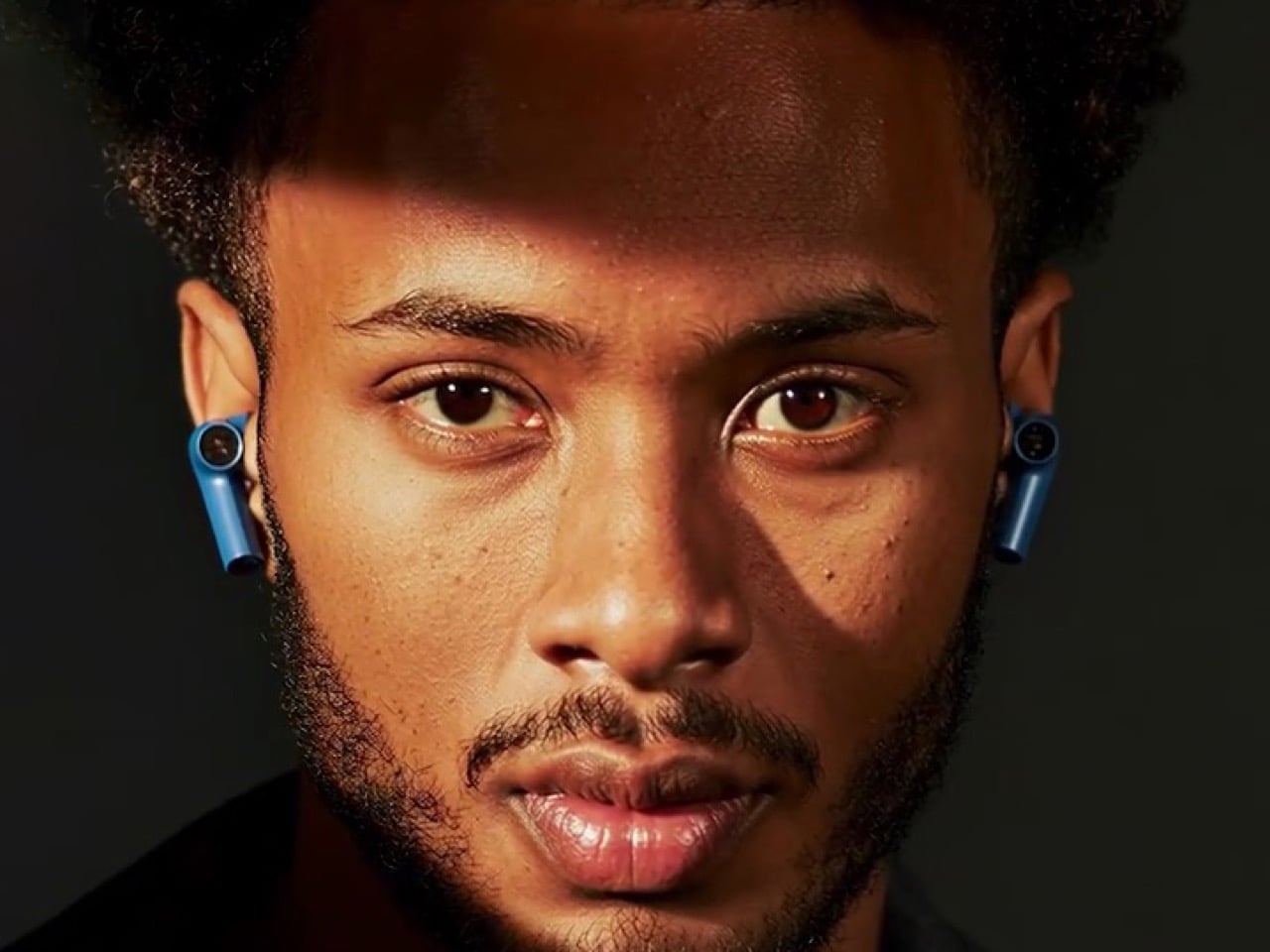
From a social perspective, the design is surprisingly clever. Smartglasses failed partly because the forward-facing camera made everyone around you feel like they were being recorded. An earbud camera might just sneak under the radar. People are already accustomed to stems sticking out of ears, so this form factor could easily be mistaken for a quirky design choice rather than a surveillance device. It is less overtly aggressive than a lens pointed from the bridge of your nose, which could lower social friction considerably.

The cynical part of me wonders about the field of view. Ear level is better than chest level, but your ears do not track your gaze. If you are looking down at your phone while walking, those cameras are still pointed forward at the horizon. You would need either a very wide angle lens, which introduces distortion and eats processing power for correction, or you would need to train yourself to move your whole head like you are wearing a VR headset. Neither is ideal, but both are solvable with enough iteration. What you get in return is an AI that can actually participate in your environment instead of waiting for you to pull out your phone and aim it at something. That shift from reactive to ambient is the entire value proposition, and it only works if the cameras are always positioned and always ready.

The post TWS Earbuds With Built-In Cameras Puts ChatGPT’s AI Capabilities In Your Ears first appeared on Yanko Design.
Stickerbox: Kids Say an Idea, AI Prints It as a Sticker in Seconds

Smart speakers for kids feel like a gamble most parents would rather skip. The promise is educational content and hands-free help, but the reality often involves screens lighting up at bedtime, algorithms deciding what comes next, and a lingering suspicion that someone is cataloging every question your child shouts into the room. The tension between letting kids explore technology and protecting their attention spans has never felt sharper, and most connected toys lean heavily toward the former without much restraint.

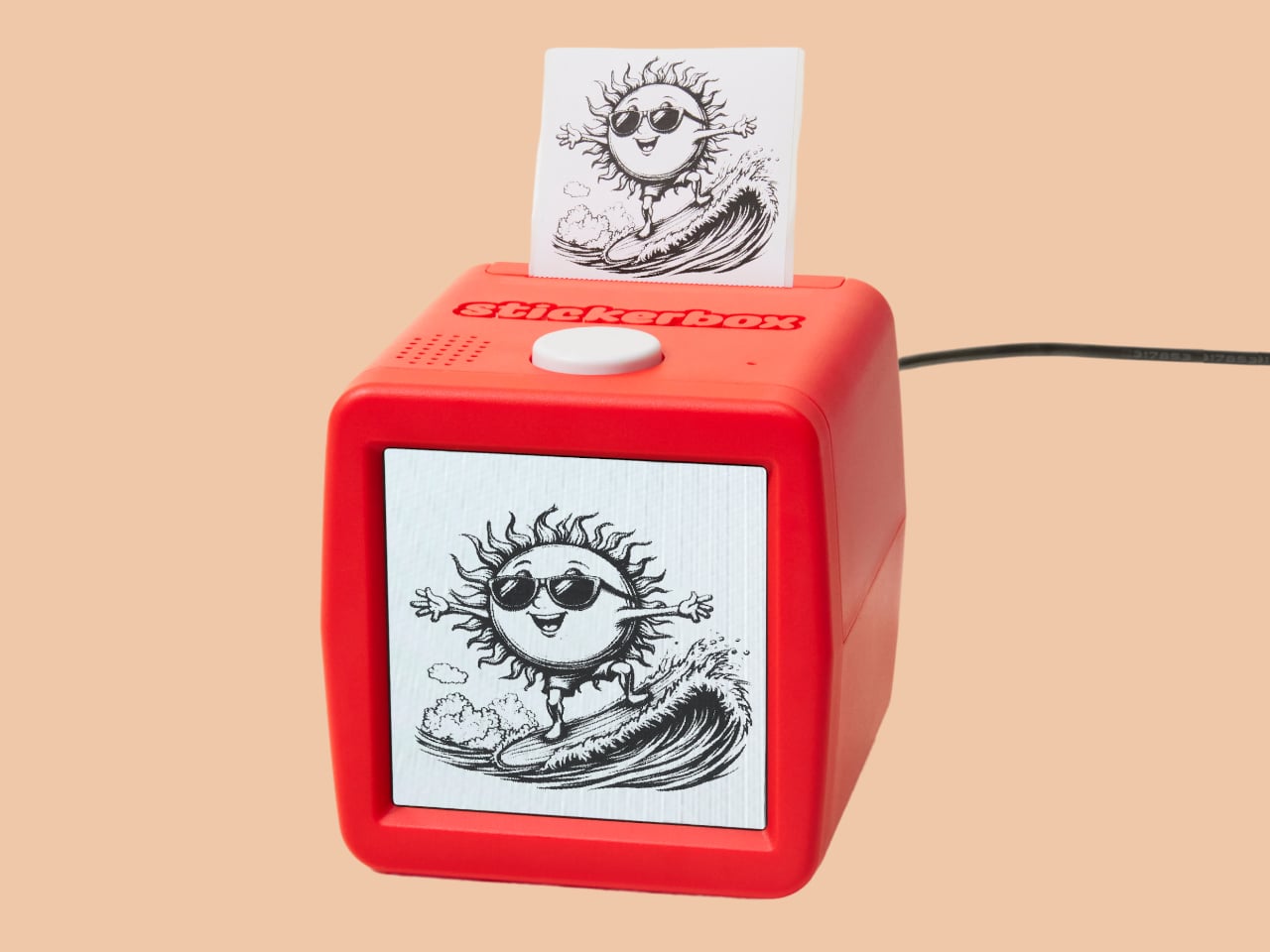
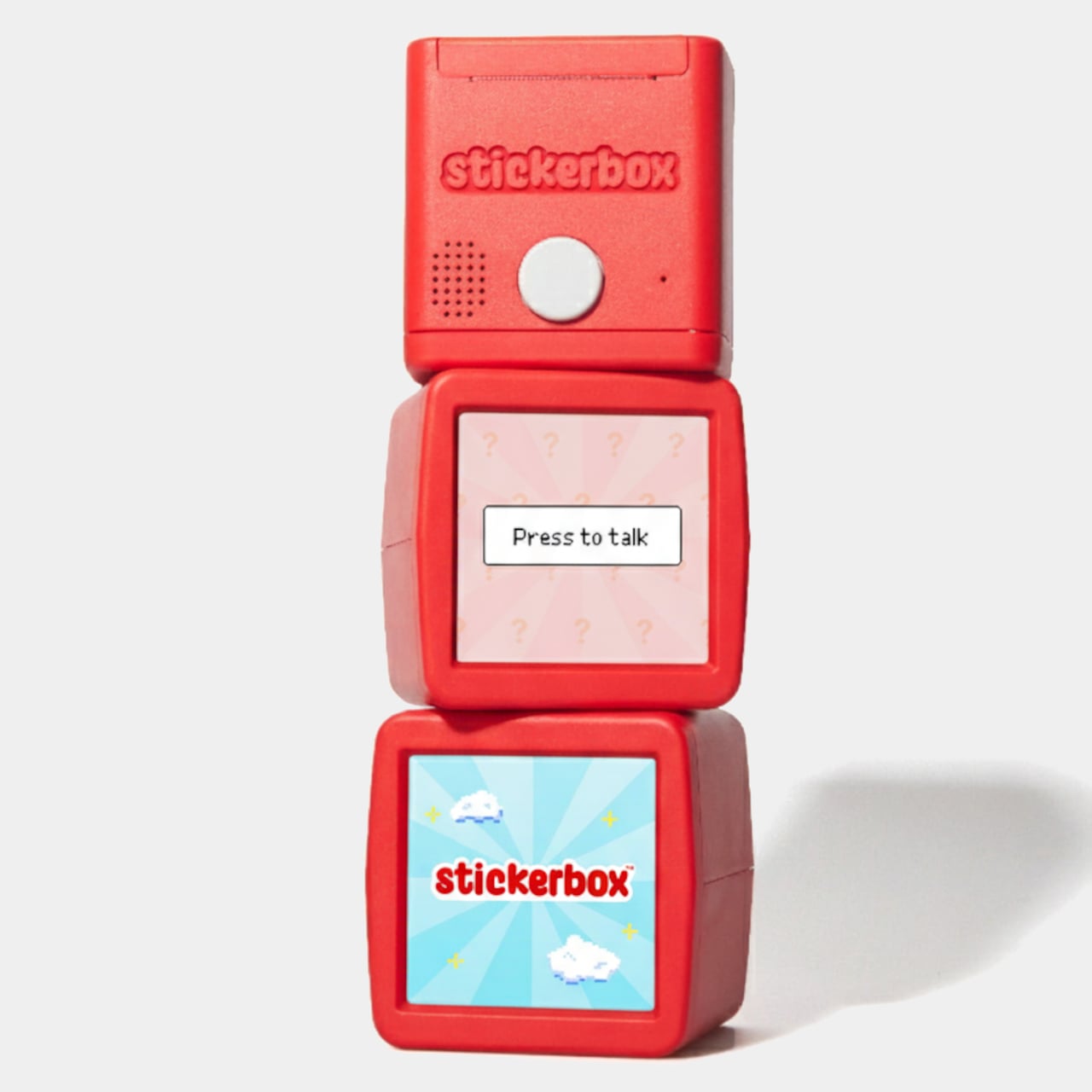
Stickerbox by Hapiko offers a quieter trade. It looks like a bright red cube, measures 3.75 inches on each side, and does one thing when you press its white button. Kids speak an idea out loud, a dragon made of clouds or a broccoli superhero, and the box prints it as a black-and-white sticker within seconds. The interaction feels less like talking to Alexa and more like whispering to a magic printer that happens to understand imagination.

Designer: Hapiko

The design stays deliberately simple. A small screen shows prompts like “press to talk,” while a large white button sits below, easy for small hands to press confidently. Stickers emerge from a slot at the top, fed by thermal paper rolls. The starter bundle includes three BPA-free paper rolls, eight colored pencils, and a wall adapter, turning the cube into a complete creative kit rather than just another gadget waiting for accessory purchases to feel useful.

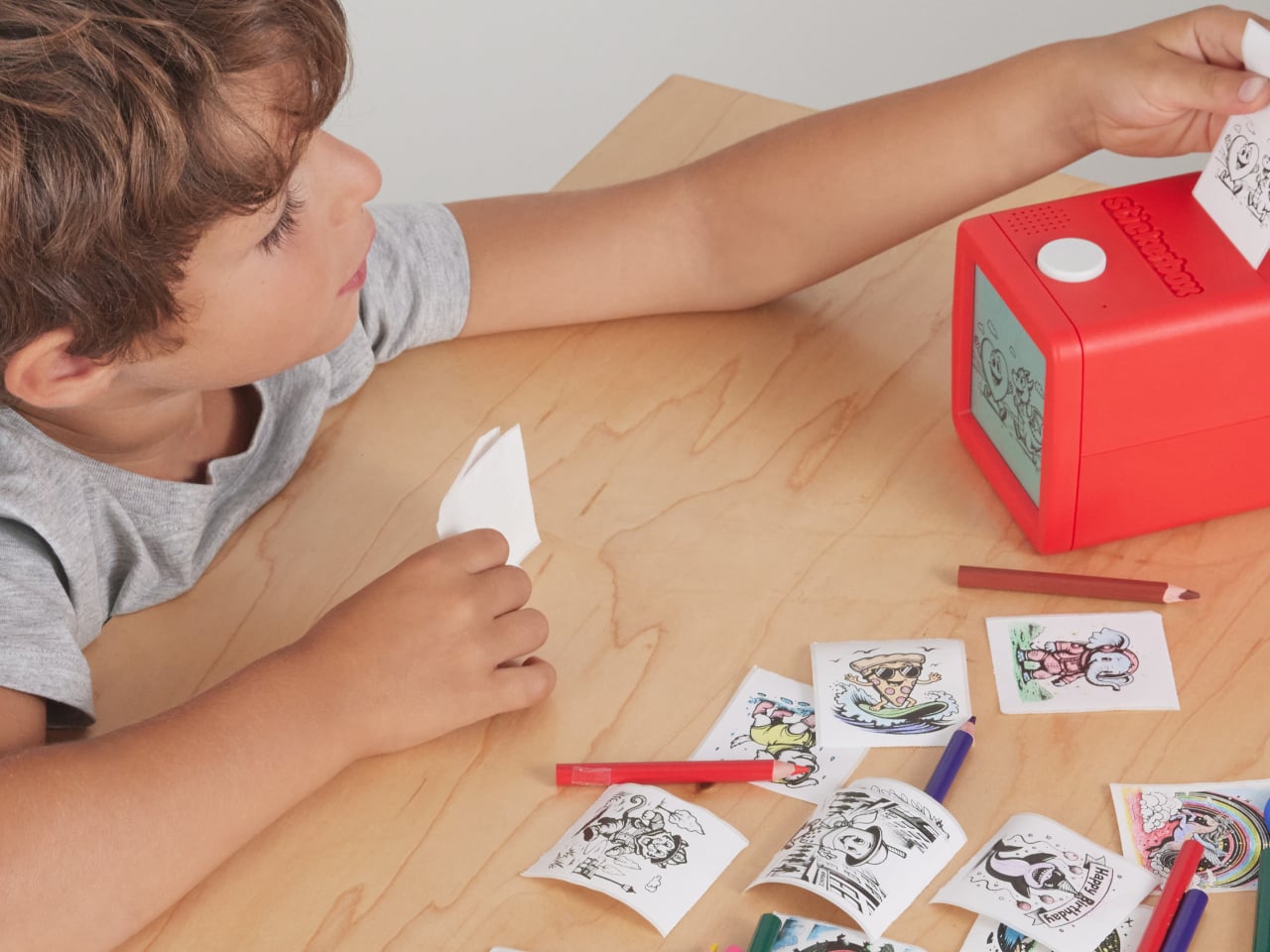
The magic happens in three beats. A kid presses the button and speaks their prompt, as silly or specific as they want. The box sends audio over Wi-Fi to a generative AI model that turns phrases into line art. Within seconds, a thermal printer traces the image onto sticker paper, and the finished piece emerges from the top, ready to be torn, peeled, and stuck onto notebooks, walls, or comic book pages at home.

What keeps this from feeling like surveillance is the scaffolding Hapiko built around the AI. The microphone only listens when the button is pressed, so there’s no ambient eavesdropping happening in the background. Every prompt runs through filters designed to block inappropriate requests before reaching the image generator. Voice recordings are processed and discarded immediately, not stored for training. The system is kidSAFE COPPA certified, meaning it passed third-party audits for data handling and child privacy standards.

Thermal printing sidesteps ink cartridge mess entirely. Each paper roll holds material for roughly sixty stickers, and refill packs of three cost six dollars. The catch is that Stickerbox only accepts its own branded paper; using generic rolls will damage the mechanism. The bigger design choice is that every sticker is printed in monochrome, which is intentional. It forces kids to pick up pencils and spend time coloring, turning a quick AI trick into a slower, more tactile ritual.

Stickerbox gestures toward a version of AI-infused play that feels less anxious. The algorithm works quietly, translating spoken prompts into something kids can hold, cut, and trade, but the most important part happens after the sticker prints. It ends up taped inside homemade comic books, stuck on bedroom doors, or colored during rainy afternoons. The box becomes forgettable infrastructure, which might be the kindest thing you can say about a piece of children’s technology designed for creative independence.

The post Stickerbox: Kids Say an Idea, AI Prints It as a Sticker in Seconds first appeared on Yanko Design.
These Ceramic Cups Were Designed And Manufactured Entirely By An Algorithm

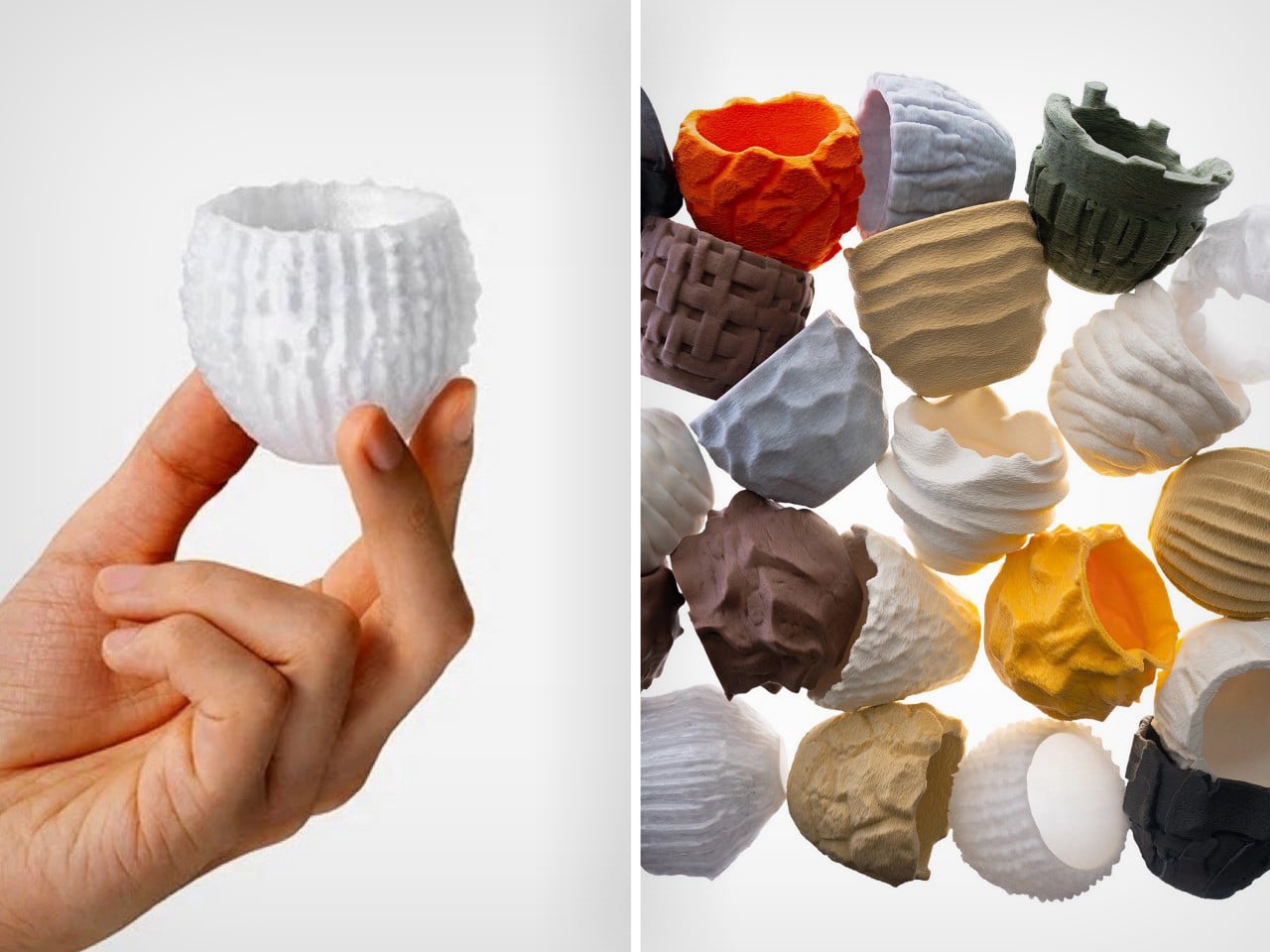
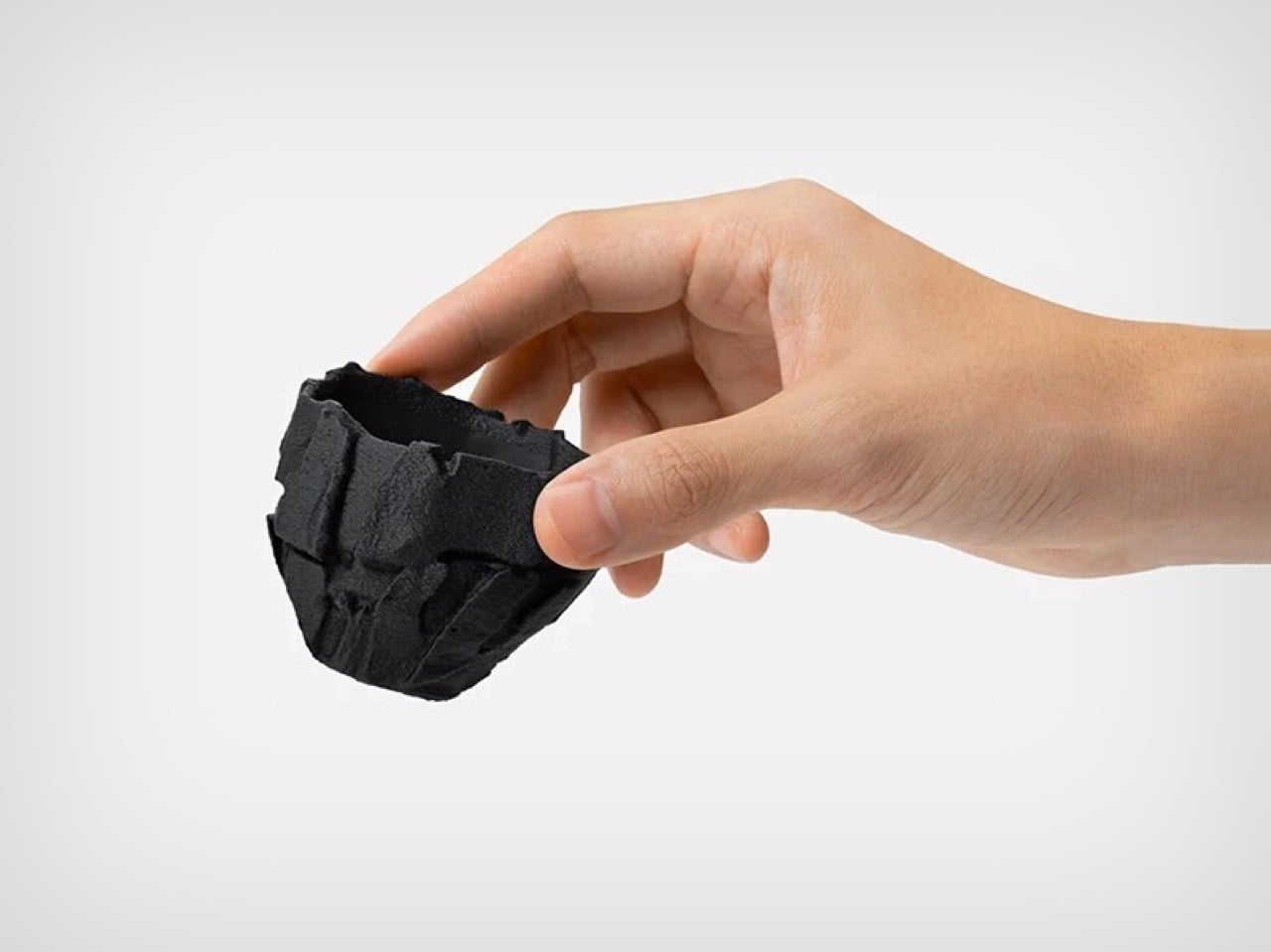
Sure, we could sit and fearmonger about how AI will one day replace designers, but here’s an alternative reality – what if AI didn’t replace us, it just created a parallel reality? Like you’ve got Japanese ceramics, Italian ceramics, and Turkish ceramics, what if you could have AI ceramics? Not a replacement, not a substitute, just another channel. That’s what BKID envisioned with ‘Texture Ware’, a series of cups designed entirely by AI and manufactured using 3D printing. Minimal human intervention, and minimal human cultural input.

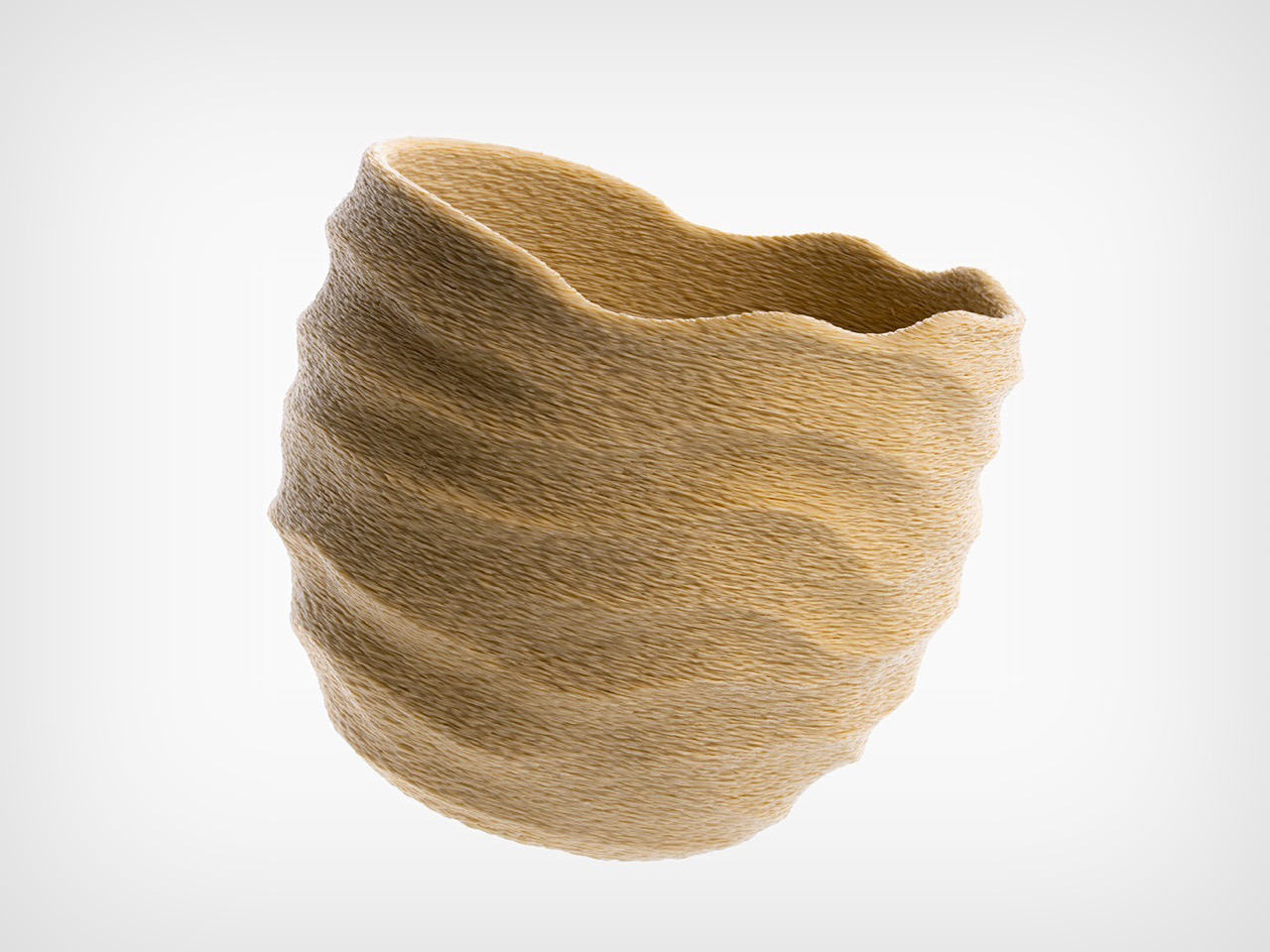
The AI feeds itself a vast repository of data and uses its own database to make textural products that humans then use. BKID’s results look nothing like anything we’ve seen before, each cup of the Texture Ware series looks almost alien, an exaggeration of textures found in nature taken to an extreme. You wouldn’t find such cups in a handicrafts bazaar or your local IKEA. They’re so different that they exist as a separate entity within the industry, not a replacement of the industry itself.

Designer: BKID co

The workflow uses different AI services to go from prompt to cup. The only real input is a text prompt from a human specifying what sort of texture they want. The AI generates the texture image using ChatGPT’s Dall-E, creates  a cup out of it in Midjourney, and then translates the 2D image of a cup to 3D using Vizcom. The 3D file then gets 3D printed, eliminating pretty much any actual human intervention as the machine models and manufactures the design from start to end.

“What would normally require a considerable amount of time if crafted entirely by hand was instead realized through two to three generative tools and a process of repeated trial and error,” says BKID. “The exaggerated expressions and omitted forms that emerge in each stage invite the audience to experience the subtle differences in sensibility between traditional handcraft and craft shaped by generative software.”

Users can make cups inspired by brutalist textures of concrete, fuzzy textures of moss, rustic textures of wood-bark, wrinkled textures of crumpled paper, raw textures of coal, columnar textures of basalt rock, porous-like textures of coral, or even alien-like textures of fungi. Each cup looks unique and the AI never repeats itself, which means even cups within the same texture category could be wildly different.

The result truly feels alien, because the AI approaches design using an entirely different set of parameters. Their imperfections become design details, their lack of ergonomics or awareness become a unique design DNA. The result isn’t like any cup you’ve ever seen before, and that’s the point – it’s created by an AI that hasn’t ‘seen’ cups, hasn’t used cups, and doesn’t test its output. That being said, the cups are still usable because of the parameters set by the human. The cups don’t have holes, and contain enough volume to hold liquid efficiently. They’re perfect for espresso, saké, or green tea, something that’s savored in tiny quantities in vessels that feel less utilitarian and more ritualistic.

What BKID’s experiment proves is that AI (at least in this case) won’t replace designers, it’ll exist independent of them. Can an AI make a cup exactly like a regular designer would? Absolutely… but there’s a better case to be made to have AI make things beyond human creativity and culture. These cups contort nature and textures into something that feel extremely new, in a way that allows AI-made cups and human-made cups to coexist peacefully.

The post These Ceramic Cups Were Designed And Manufactured Entirely By An Algorithm first appeared on Yanko Design.
The Cheapest Personal AI Device You Can Own: $50 Raspberry Pi Whisplay Runs Gemini, Claude, and ChatGPT

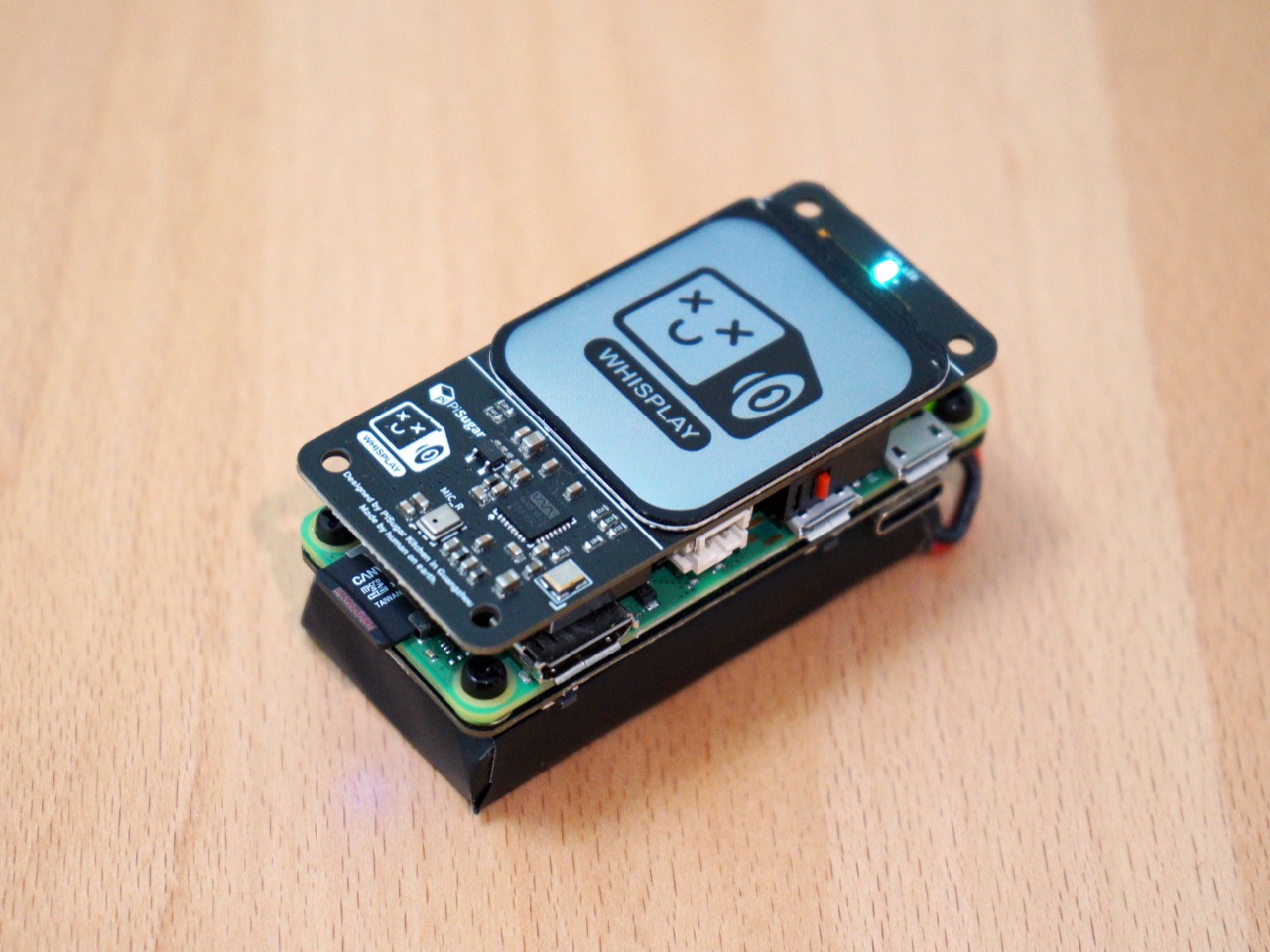
Smartphones were never really meant to be your AI sidekick. They juggle notifications, social feeds, and a dozen background services before they ever get around to being “smart.” Meanwhile, the first wave of dedicated AI gadgets from companies like Humane and Rabbit showed up with big promises, closed ecosystems, and short lifespans. When the money dried up, so did the hardware. A little Raspberry Pi Zero 2 W with a Whisplay HAT quietly sidesteps all of that. It is a DIY AI chat device that you own outright, that you can fix, reflash, or repurpose, and that can talk to Gemini, Claude, or ChatGPT without caring which startup is still solvent this quarter.

Instead of betting on a single company’s cloud, Whisplay treats AI as a replaceable part. The hardware gives you a screen, mic, speaker, and buttons, and leaves the “brain” up to you. If Gemini changes pricing, Claude adds features, or ChatGPT pulls ahead again, you can swap backends with a config file or a bit of code, not a new gadget. In a landscape where AI hardware keeps arriving as disposable, subscription-tethered experiments, this little open, modular box feels like the first honest attempt at a personal AI terminal that will not vanish the moment a runway spreadsheet turns red.

Designer: Jdaie

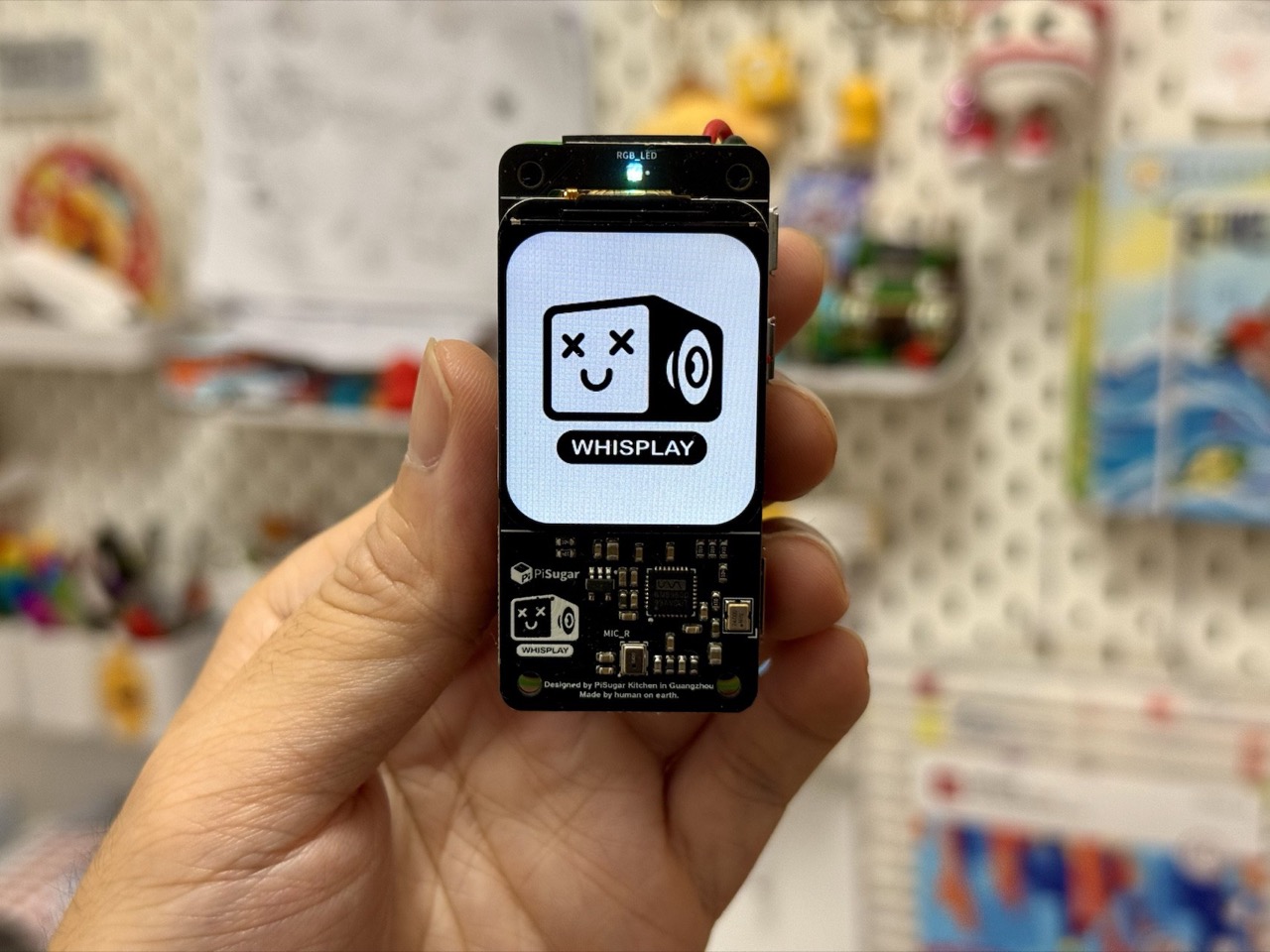
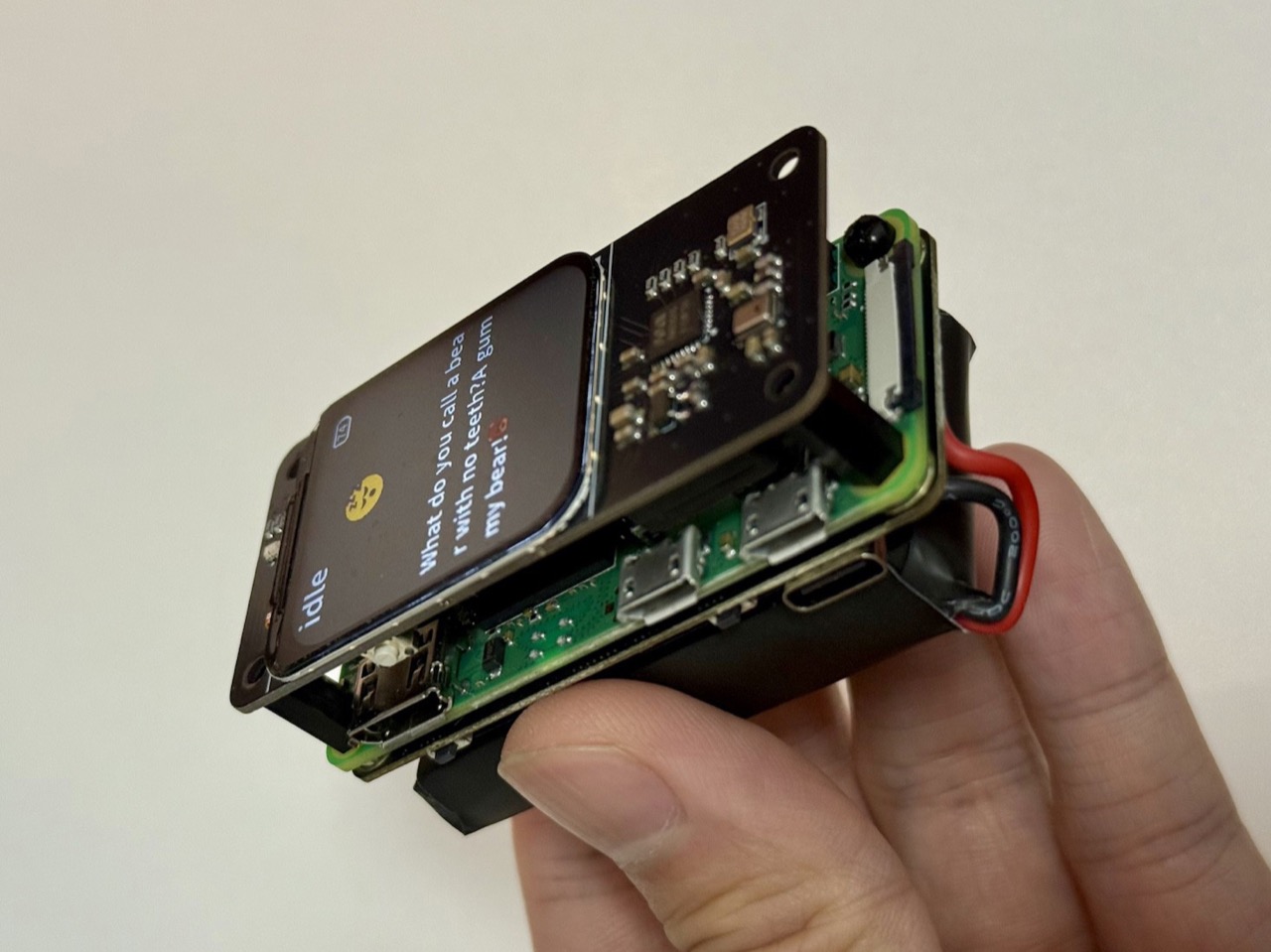
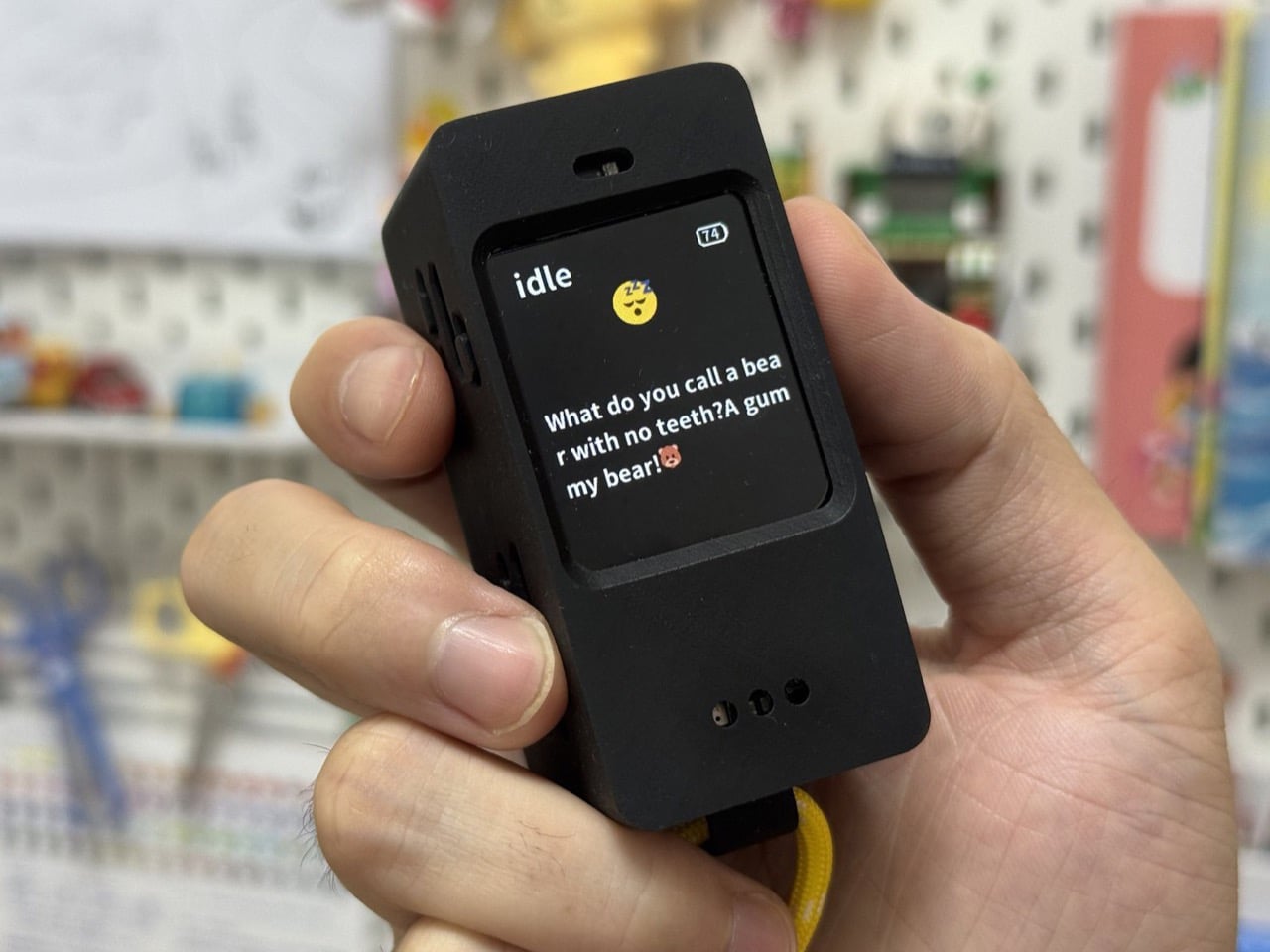
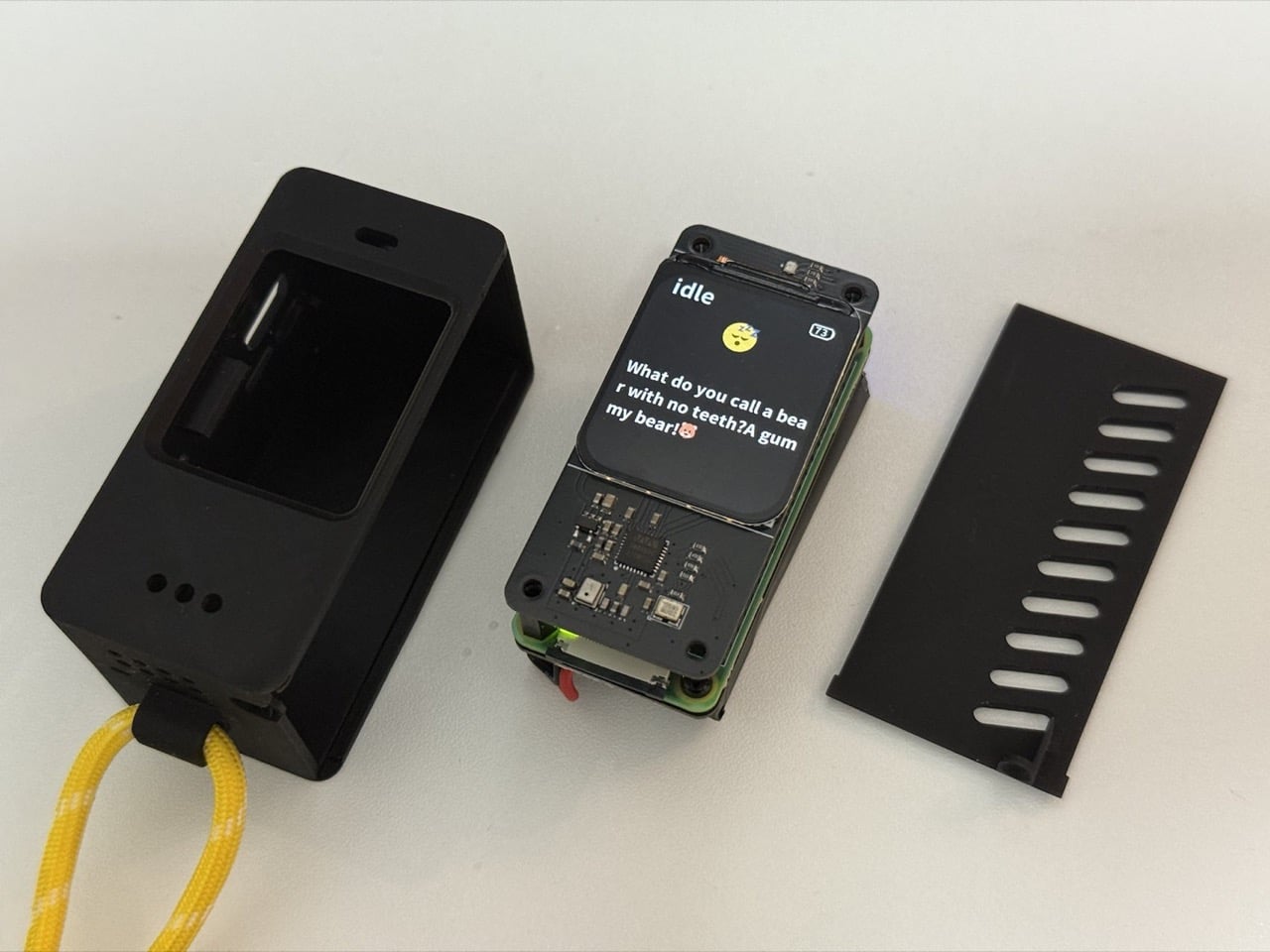
At its very core, the Whisplay HAT is a clever little I/O board designed to give a Pi a face and a voice… simply put. It bolts directly onto the 40-pin GPIO header and provides everything needed for a conversational interface. You get a surprisingly crisp 1.96-inch color LCD for displaying text or animations, a WM8960 audio codec driving an onboard microphone and speaker, an RGB status LED, and a few programmable buttons for user input. It is not a standalone computer, but a purpose-built terminal that turns the Pi Zero into something you can actually talk to. The entire package matches the Pi Zero’s footprint, making for a compact and tidy build that feels intentional, not like a messy science fair project.

The choice of the Raspberry Pi Zero 2 W as the platform is telling. With its quad-core 1 GHz ARM Cortex-A53 CPU and just 512MB of RAM, it is nobody’s idea of a powerhouse. That is precisely the point. The Pi is not running the large language model; it is just a client. Its job is to capture audio, send a request over Wi-Fi, and then play back the response. This thin-client architecture is incredibly efficient, requiring minimal power and processing, which is perfect for an always-on desk companion. The heavy lifting is outsourced to the cloud API of your choice, leaving the Pi to handle the simple, tangible task of being the physical interface between you and the AI.

The actual magic is a simple, elegant pipeline that you control completely. Your code on the Pi captures audio from the Whisplay’s microphone, uses a speech-to-text engine to transcribe it, and then packages that text into an API call to Gemini or another LLM. When the response comes back, a text-to-speech engine converts it back into audio and plays it through the onboard speaker, while the LCD can show the text or a thinking animation. You can point it at Google’s Gemini API today and switch to a local Ollama server running on a spare Raspberry Pi 5 tomorrow if you feel like it. What’s so perfect about the Whisplay HAT is that it assumes companies and models will come and go, so it treats the LLM as a pluggable component. Today, that might be Gemini, Claude, or ChatGPT. Tomorrow, it might be some open model running on your own server. Either way, the little chatting device on your desk stays the same, happily piping audio in and out while you swap brains on the backend.

That brings us to the real kicker. The Whisplay HAT costs about thirty-five dollars. Paired with a fifteen-dollar Pi Zero 2 W, you have the core of a highly capable, endlessly customizable AI device for fifty bucks. Compare that to the seven-hundred-dollar Humane Ai Pin or the two-hundred-dollar Rabbit R1, both of which are functionally just API clients tied to a single, proprietary service. This DIY approach is not just cheaper; it represents a fundamentally different, more sustainable philosophy. It is a platform for tinkering and ownership, not a sealed product designed to be consumed and eventually discarded. It is a starting point, and in a field moving this fast, a good starting point is infinitely more valuable than a dead end.

The post The Cheapest Personal AI Device You Can Own: $50 Raspberry Pi Whisplay Runs Gemini, Claude, and ChatGPT first appeared on Yanko Design.
Phone-sized 138g E-Reader Answers Questions About What You’re Reading

E-readers typically force a trade-off between portability and capability. Compact models fit easily in bags but often lack processing power or features beyond basic reading. Larger tablets offer more functionality but become awkward to carry daily. Most devices focus on storage capacity and screen size while ignoring the need for smarter tools that support active reading and deeper engagement with content rather than just passive consumption.

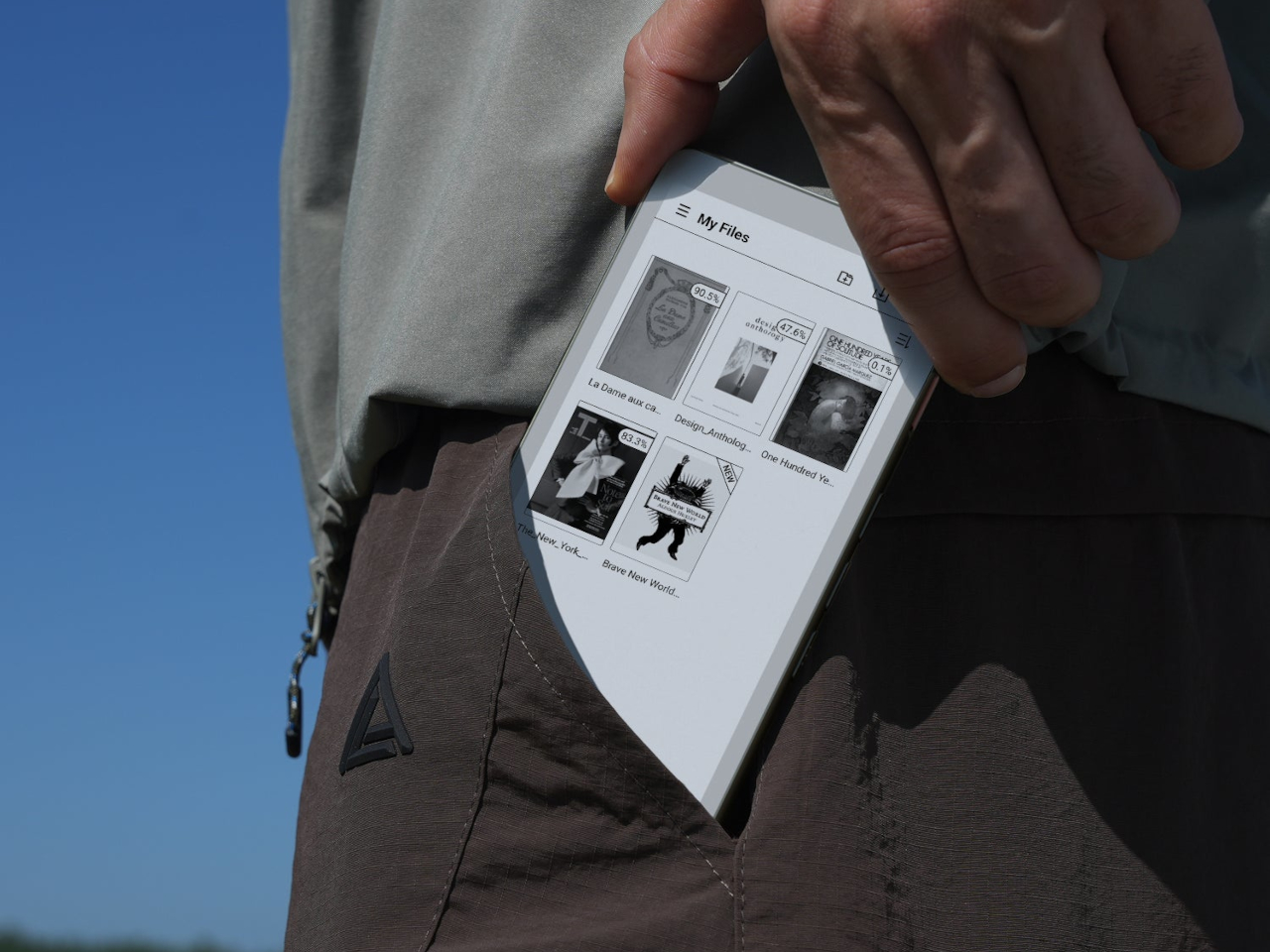
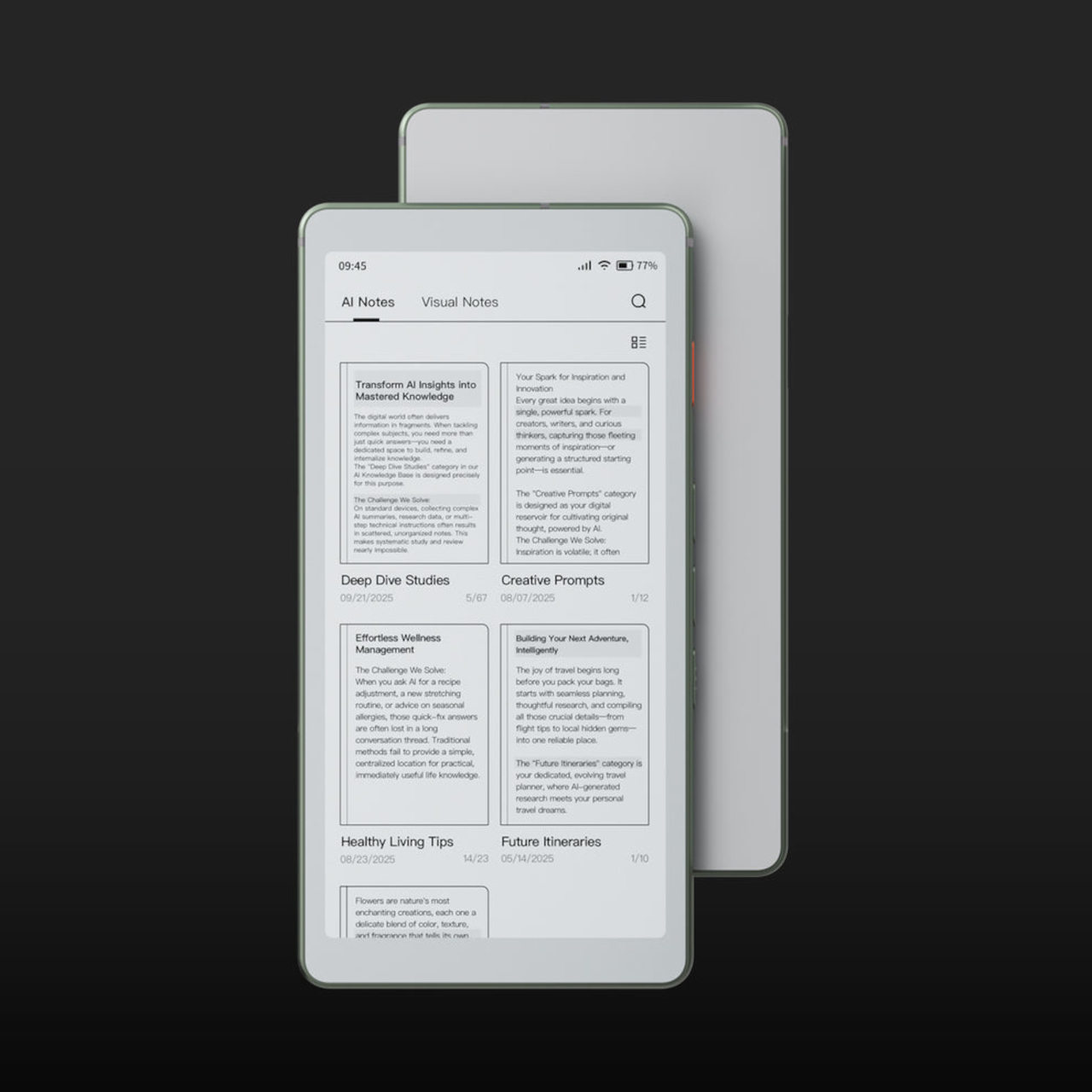
The Viwoods AIPaper Reader measures roughly six inches diagonally and weighs just one hundred thirty-eight grams, making it slim enough to slip into coat pockets or small bags without adding noticeable bulk. Running Android 16 with 4G cellular support, the device combines traditional E Ink reading comfort with AI-powered features that answer questions, highlight key passages, and help build personal knowledge bases directly from whatever you’re reading at the moment.
Designer: Viwoods

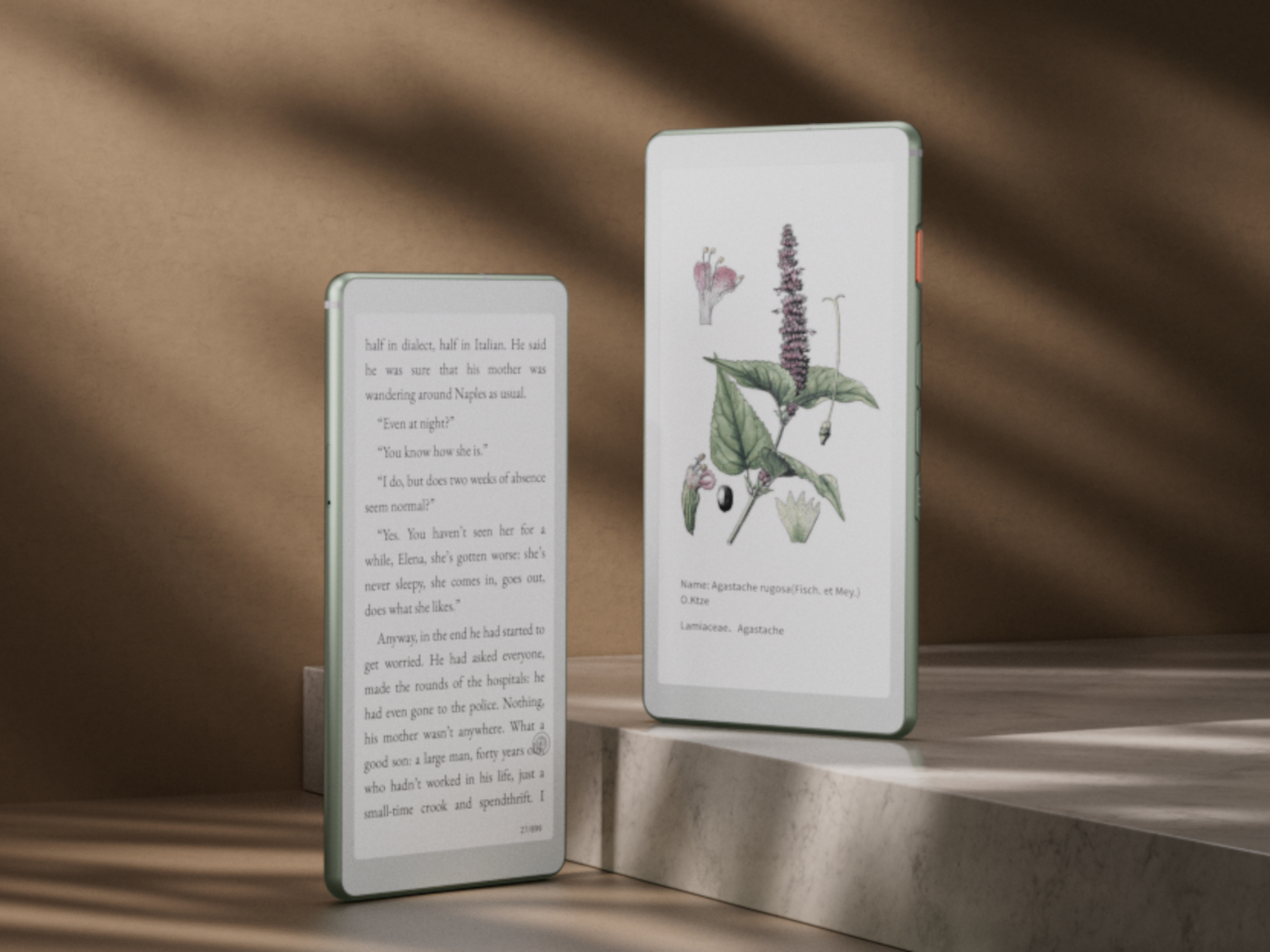
The device’s profile measures 6.7mm thin, which makes it feel more like carrying a smartphone than a dedicated reading device. The minimalist design uses slim bezels around the 6.13-inch Carta 1300 E Ink display, keeping the footprint compact while maintaining enough screen real estate for comfortable reading without constant page turns. Available in black and white or color display versions, the aesthetic stays clean and understated throughout.

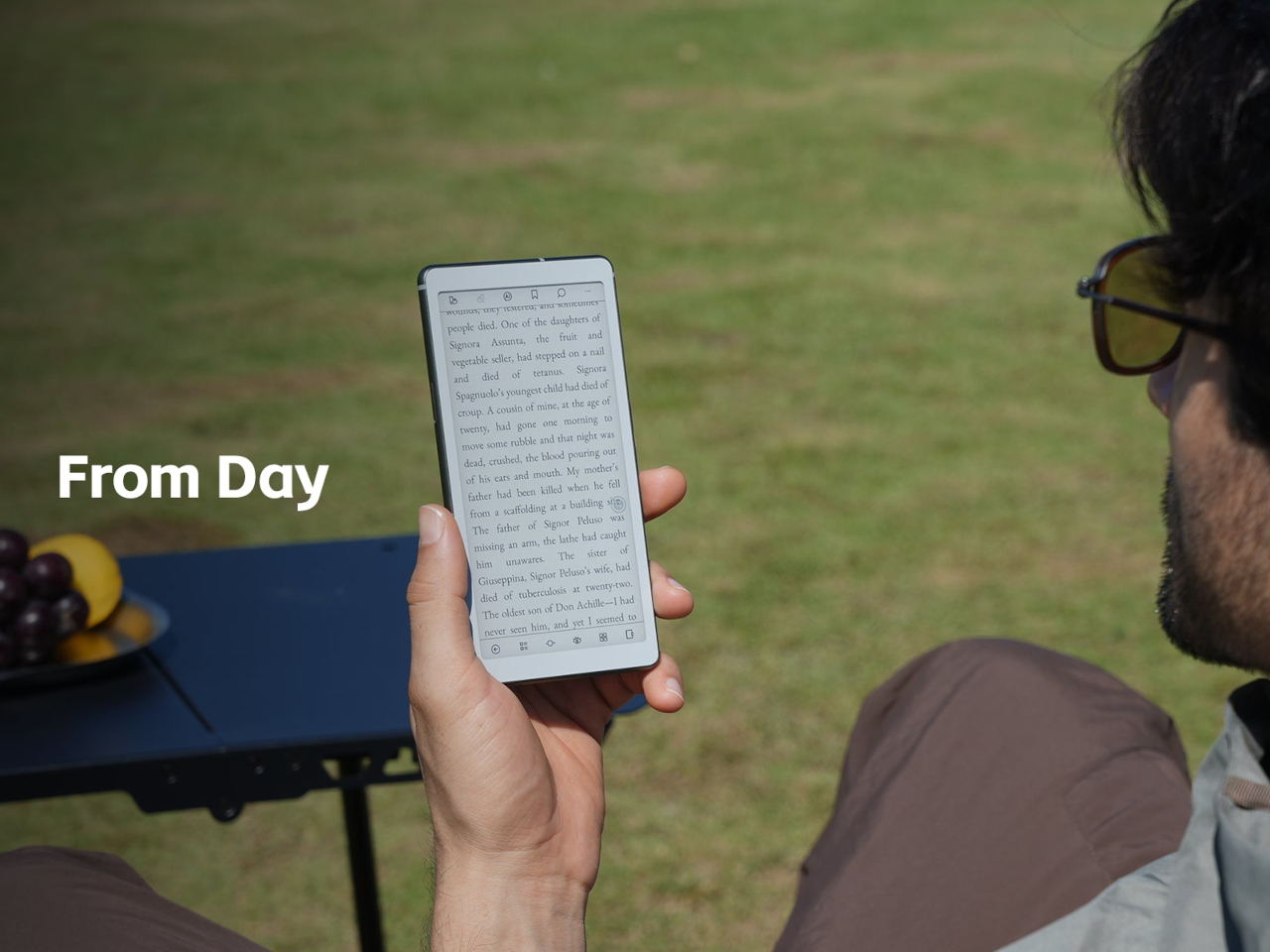
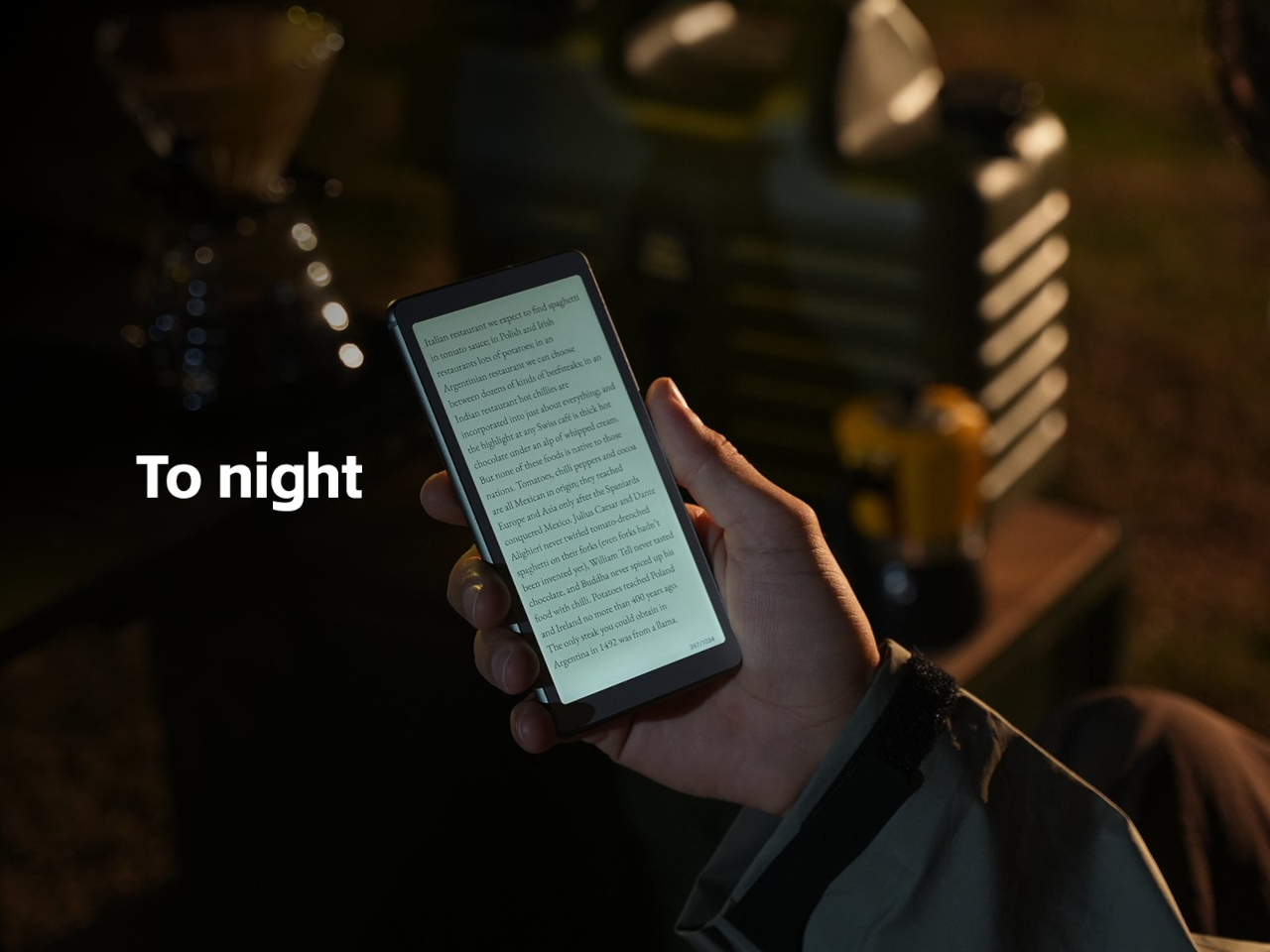
The three hundred PPI resolution keeps text crisp across different font sizes and formats, while the adjustable front light means reading happens comfortably whether you’re outside in daylight or in bed at midnight. The E Ink display eliminates the eye strain that comes from staring at backlit phone or tablet screens for extended periods, which matters during long reading sessions or when your eyes already feel tired.

Integrated AI runs through ChatGPT-5, Gemini, or DeepSeek, depending on preference, offering instant answers to questions about content without leaving the page or opening separate apps. Highlight a passage and ask for clarification. The AI responds contextually based on what you’re reading. Save interesting excerpts to the knowledge basement feature, which organizes captured passages into a searchable personal library that builds over time.

The octa-core processor and 4GB of RAM keep navigation smooth despite E Ink’s inherent display refresh limitations. Multiple refresh modes adjust speed versus clarity depending on whether you’re reading static text or navigating menus. The device handles PDF, EPUB, MOBI, and other common formats without requiring conversion software or workarounds before loading files onto the reader.

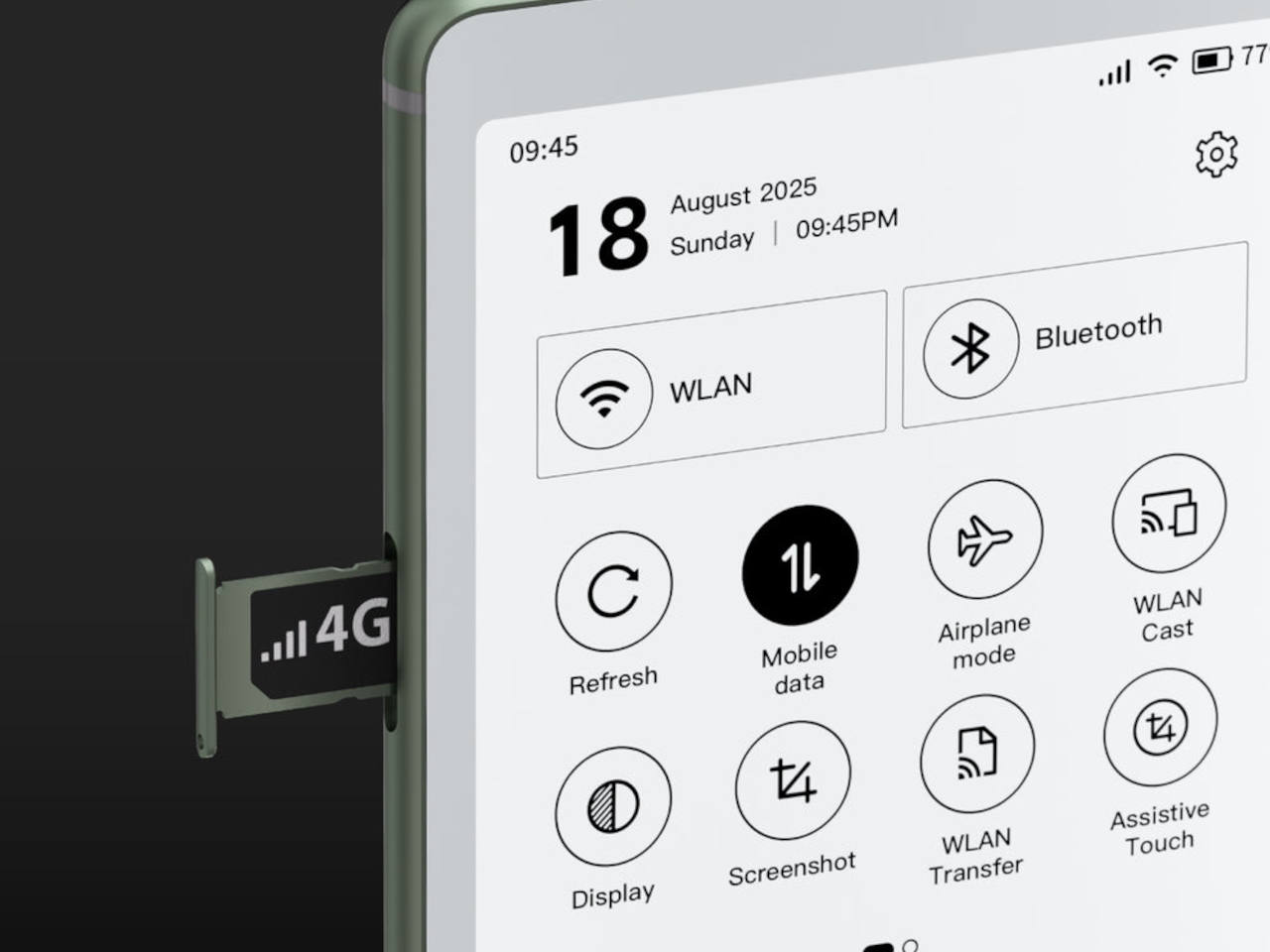
4G cellular connectivity separates this from most E Ink devices, enabling cloud library access, book downloads, and AI features anywhere cell service reaches without hunting for Wi-Fi networks. The 2580mAh battery supports weeks of typical reading between charges, given E Ink’s minimal power consumption when displaying static pages. Android 16 and Google Play support mean standard reading apps install alongside specialized ones, giving users flexibility beyond proprietary ecosystems that lock you into specific bookstores or formats.

The Viwoods AIPaper Reader sits between simple e-readers that only display text and full tablets that introduce too many distractions through notifications and competing apps demanding attention. It delivers AI-assisted reading, organized knowledge capture, cellular connectivity for anywhere access, and genuine portability within a form factor slim enough to disappear into daily carry routines without demanding the pocket space or mental bandwidth that smartphones and larger tablets constantly require.

The post Phone-sized 138g E-Reader Answers Questions About What You’re Reading first appeared on Yanko Design.