RIP Tupperware. These titanium lunch boxes are microwave-safe (yes, really) and can last a lifetime

Is there anything titanium can’t do? It holds jets together, replaces hips, and turns up everywhere else as pens, bottle openers, and spatulas. At some point you have to assume someone is just showing off. Yet one gig always stayed out of reach, because metal and microwaves have been feuding since the first foil-wrapped food item went in and the kitchen turned into a laser show. For decades it’s been either glass, ceramic, or that trusty Tupperware you’ve been using everyday… but not anymore.

Hong Kong-based OSIMT finally cracked the code to microwave-safe metal boxes with the Titanium Storage System – three nesting containers (450, 1000, and 1500 ml, or about 15, 34, and 51 fl oz) crafted from 0.5 mm thick titanium sheet. Here’s how it works… sparks need sharp corners and rolled rims to fly off of, so OSIMT rounded every corner to an R20+ radius and made the rim a seamless flare. The result? Metal that goes into the ‘wave just like your silicone or plastic food container would. Pop off the clear lid and the titanium base goes straight into the microwave. It also works fine with the oven, freezer, and dishwasher without breaking a sweat. The containers start at $49, which sounds like way more than a Tupperware would cost – but does your tupperware also go into the oven? Nope. And does it come with a lifetime warranty? I thought not.

Designer: OSIMT

Click Here to Buy Now: $49 $69 ($20 off) Hurry! Only 4 days left. Raised over $420,000.

How rounded corners and a flared rim keep titanium from sparking
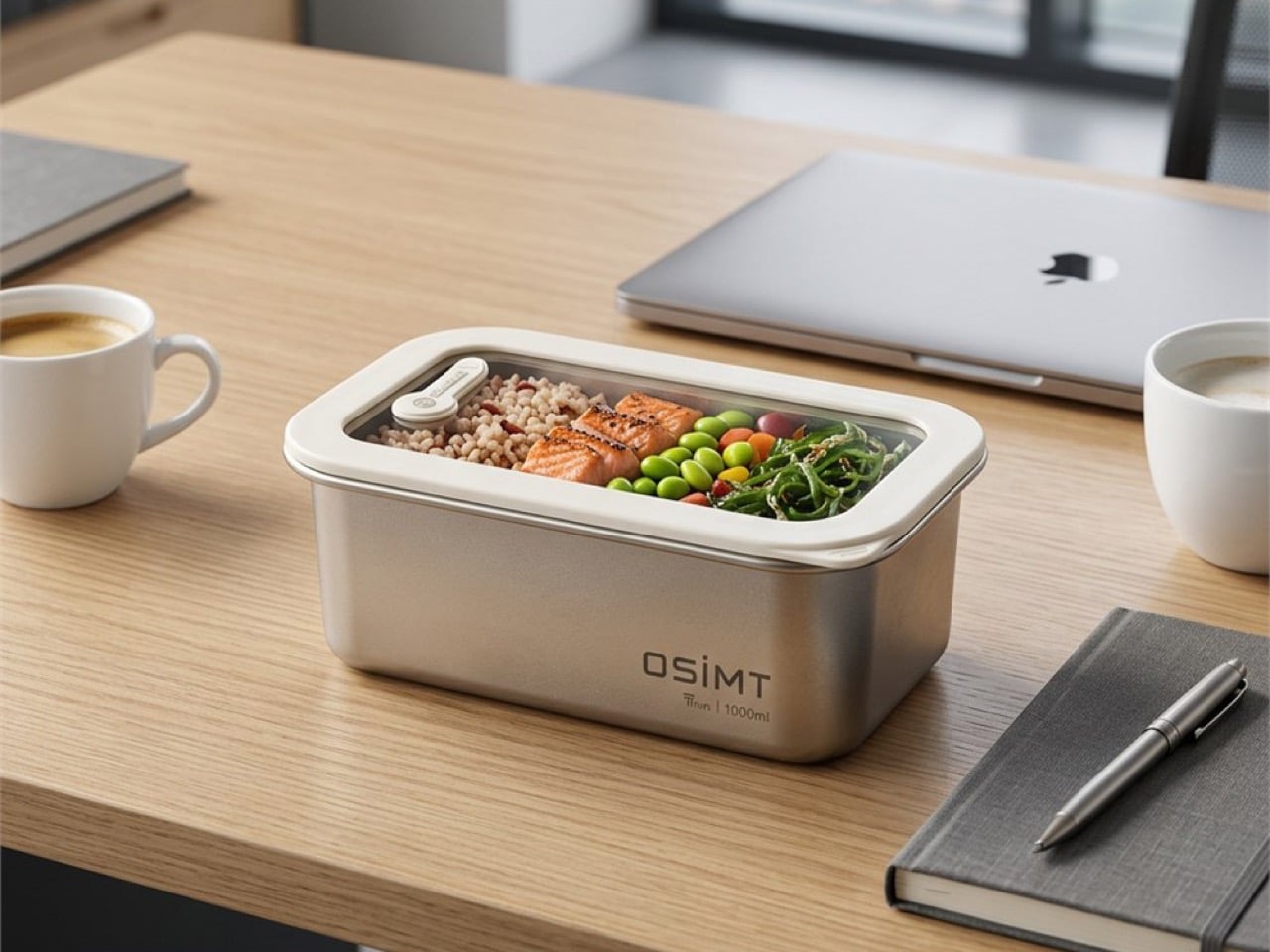
Sharp metal edges concentrate the electric field inside a microwave, and when the buildup gets high enough, it jumps as a spark. That is the physics behind every fork-in-the-microwave horror story. OSIMT’s fix is geometry. Every corner follows a continuous R20+ radius (0.8 in or larger), so there is no sharp point for energy to gather. The rim gets the same treatment, because most metal bowls roll their edges inward and leave tiny trapped gaps that act like capacitors. OSIMT draws its flared lip from a single sheet, laser-cuts it, and hand-polishes it, leaving no seam, crease, or hidden cavity.

One rule applies: the glass lid comes off before the container goes in the microwave. OSIMT’s sketch sheet lists up to 800 W for a limited time with the lid off, so think of the base as a very good bowl. I appreciate that the page says this out loud, since a brand that admits the limit is easier to trust on the rest. Give the container some distance from the oven walls, as you would with any metal, and retire it if it gets badly dented. The lid still handles the fridge, the bag, and the table.

Why TA1 titanium and 0.5 mm walls make these so light

OSIMT builds the containers from TA1, the Chinese designation for commercially pure Grade 1 titanium. The page lists 99.9% purity, while the Grade 1 spec starts at 99.5%. Grade 1 is the softest and most ductile of the pure grades, which makes it the one you pick when you want to deep draw metal into a seamless box. The softness suits OSIMT’s R20 curves, and the ribs and corrugation supply the stiffness the alloy does not. Your food gets an inert surface with no rust, no metallic taste, and no stain or odor memory.

Each wall is 0.5 mm (0.02 in) thick, and that number explains the weight. Titanium runs about 4.5 g/cm³ against roughly 8 for stainless steel, so OSIMT says its containers weigh half as much as stainless ones. Glass is actually less dense than titanium, but glass containers need walls a few millimeters thick, so the metal wins on gauge. As a former industrial designer, I find that oddly satisfying, because density loses the argument and thin sheet wins it. For scale, a Pyrex 3-cup rectangle with its lid weighs about 1.2 lb (545 g), while OSIMT’s 1000 ml container lists at 10.5 oz (299 g).

A ridged floor and a see-through lid
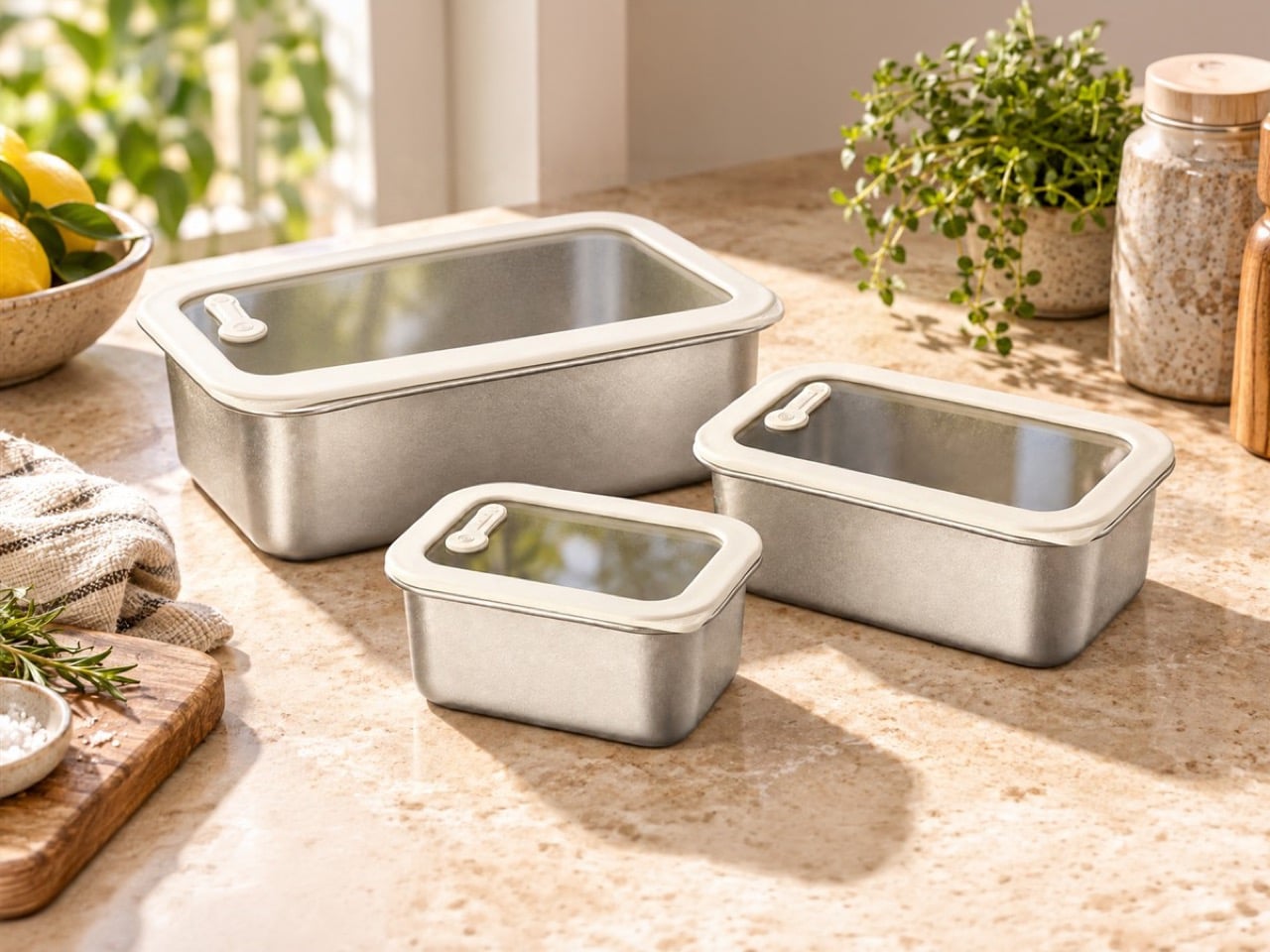
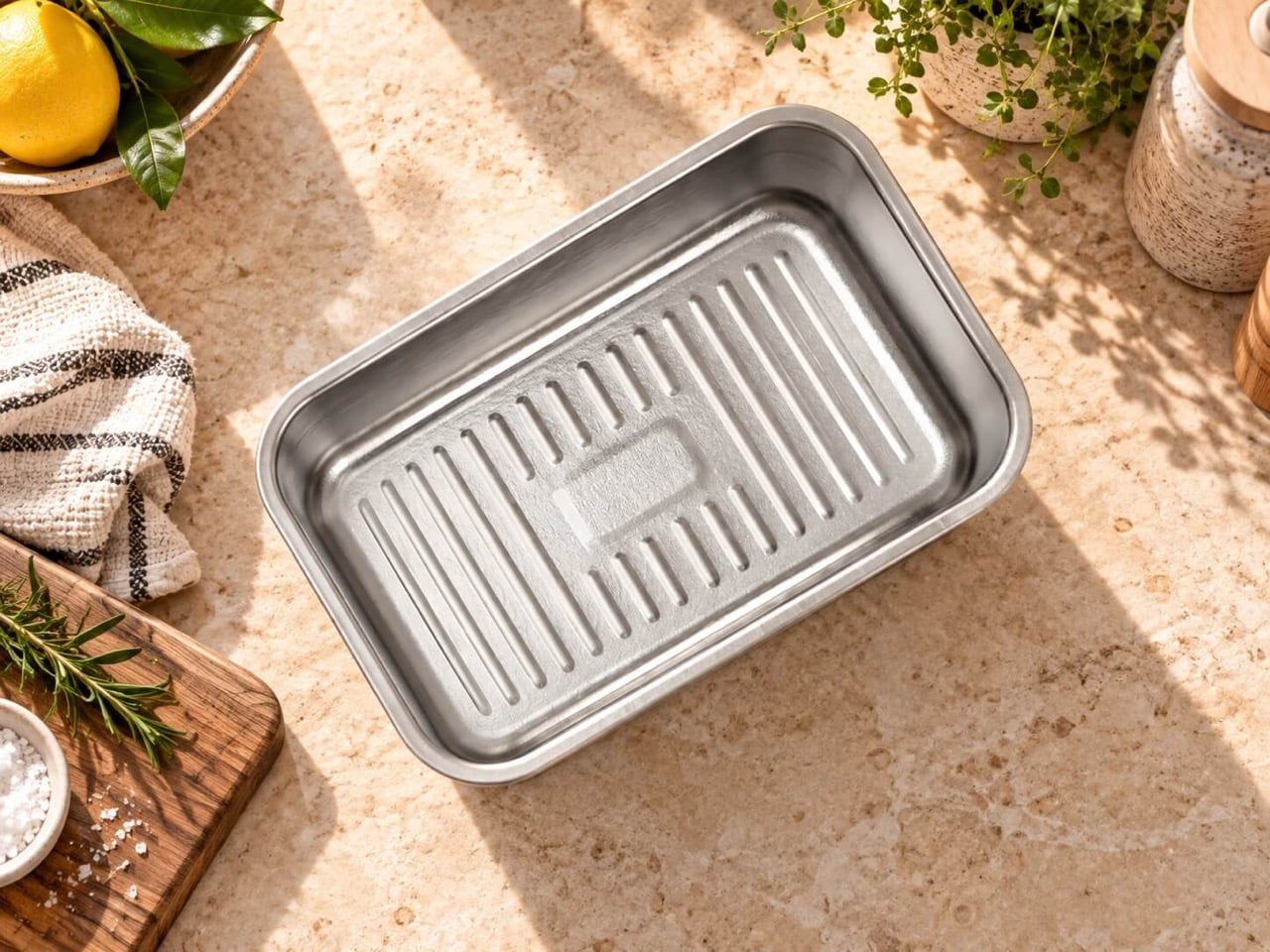
Every container has deep ridges pressed into its floor, and they do two jobs. They stiffen a very thin base against warping, whether it goes from freezer to oven or hits the kitchen floor. They also lift food off the surface, so juices, water, and oil drain into the valleys and your crispy things stay crisp. Nearly every titanium container on the market has a flat bottom, since pure titanium fights being stamped. OSIMT says its custom high-pressure mold raised tooling costs by 20%, which tells me somebody paid for a detail most buyers will only notice at dinner.

The glass lid fixes the oldest complaint about metal containers, which is that you cannot see what is inside. It sits in a cream-colored silicone frame, and glass does not hold stains, grease, or smells the way plastic lids do. OSIMT says a platinum silicone seal keeps the bag dry, and it shows the containers packed sideways to prove it. A small press-to-open-or-close valve on the lid relieves pressure. The result is a metal box with a window, which makes fridge hunting much faster.

Three nesting sizes, pricing, and availability
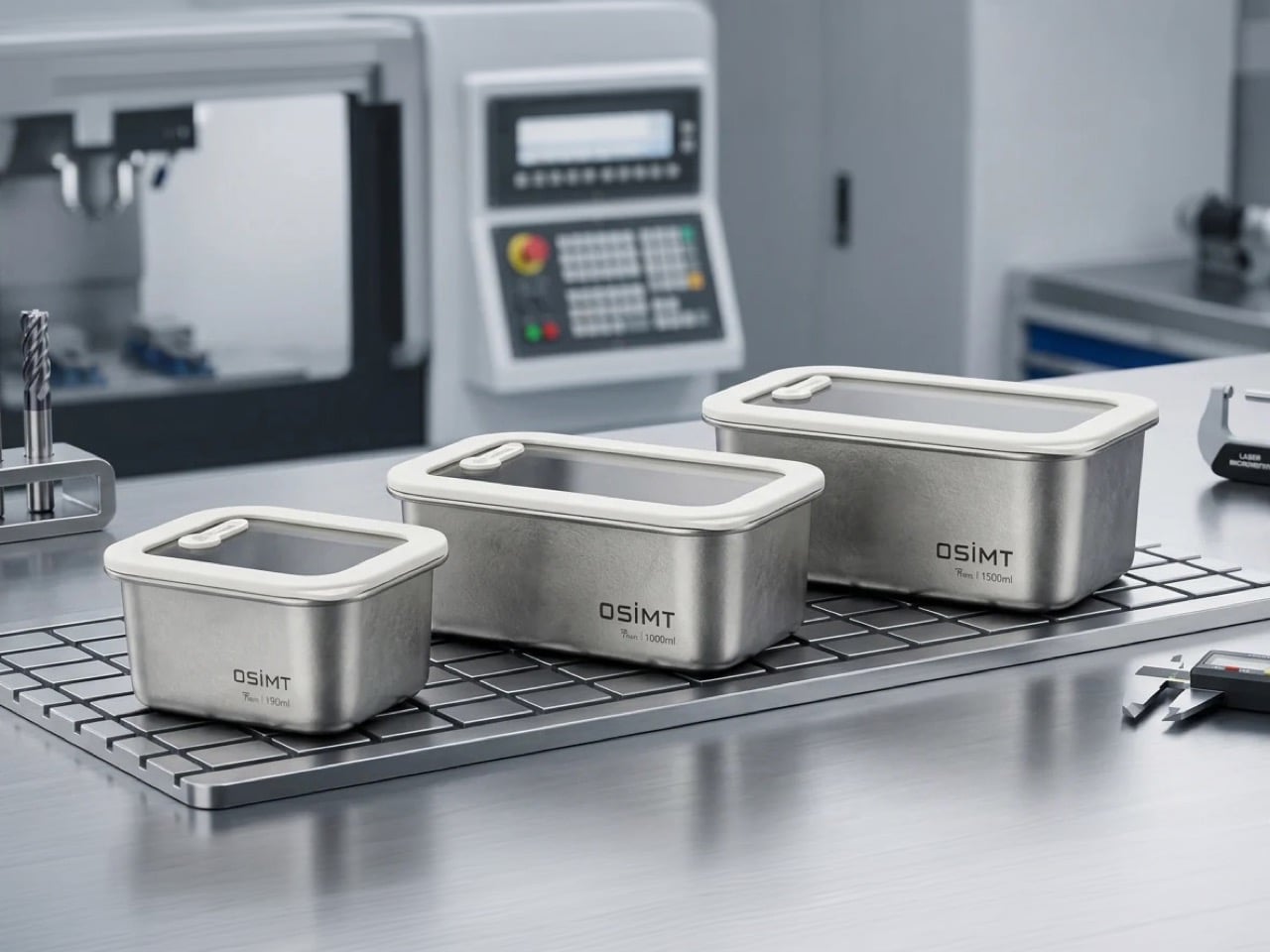
All three sizes nest inside one another, stacking with lids on and collapsing into one footprint with lids off. The small holds 450 ml (15 fl oz), measures 4.5 x 3.7 x 2.8 in (115 x 93 x 71 mm), and weighs 4.9 oz (140 g). The medium holds 1000 ml (34 fl oz), measures 7.4 x 4.4 x 3.0 in (189 x 113 x 75 mm), and weighs 10.5 oz (299 g). The large holds 1500 ml (51 fl oz), measures 8.3 x 5.3 x 3.0 in (210 x 135 x 77 mm), and weighs 13.7 oz (387 g). Snack, lunch, and meal prep batch, all covered.

Pricing starts at $49 for the Solo Luncher, one 1000 ml container with a glass lid (listed retail $69). The three-size set with three lids is $89 (listed retail $179). Five pairs of titanium chopsticks are a $29 add-on (listed retail $59), and any container reward includes a free titanium spoon and fork set. OSIMT ships worldwide from China, with shipping to be calculated based on the set you buy. Delivery is estimated for February 2027, and a lifetime warranty covers manufacturing defects.

Click Here to Buy Now: $49 $69 ($20 off) Hurry! Only 4 days left. Raised over $420,000.

The post RIP Tupperware. These titanium lunch boxes are microwave-safe (yes, really) and can last a lifetime first appeared on Yanko Design.
Waterdrop Filter’s Prime Big Deal Days Gets Your Water Ready Before Guests Do This Fall

Fall has a way of turning the kitchen into the busiest room in the house, whether it’s earlier coffee brews, soups lingering on the stove, or “free-flowing” tea for guests. Water is almost always a crucial element in all of those routines, yet it rarely gets the same attention as the ingredients or appliances. A well-designed water filter matters all year round, but even more so before holiday guests arrive at your door.

Waterdrop Filter approaches that everyday problem from different angles. Some households need an under-sink reverse osmosis system that can keep up with family dinners. Others would rather plug in a countertop dispenser, while a refrigerator filter might be all another kitchen needs. Its Prime Big Deal Days lineup covers each without pretending one design fits everyone.

Waterdrop X12 Alkaline Mineral Reverse Osmosis System

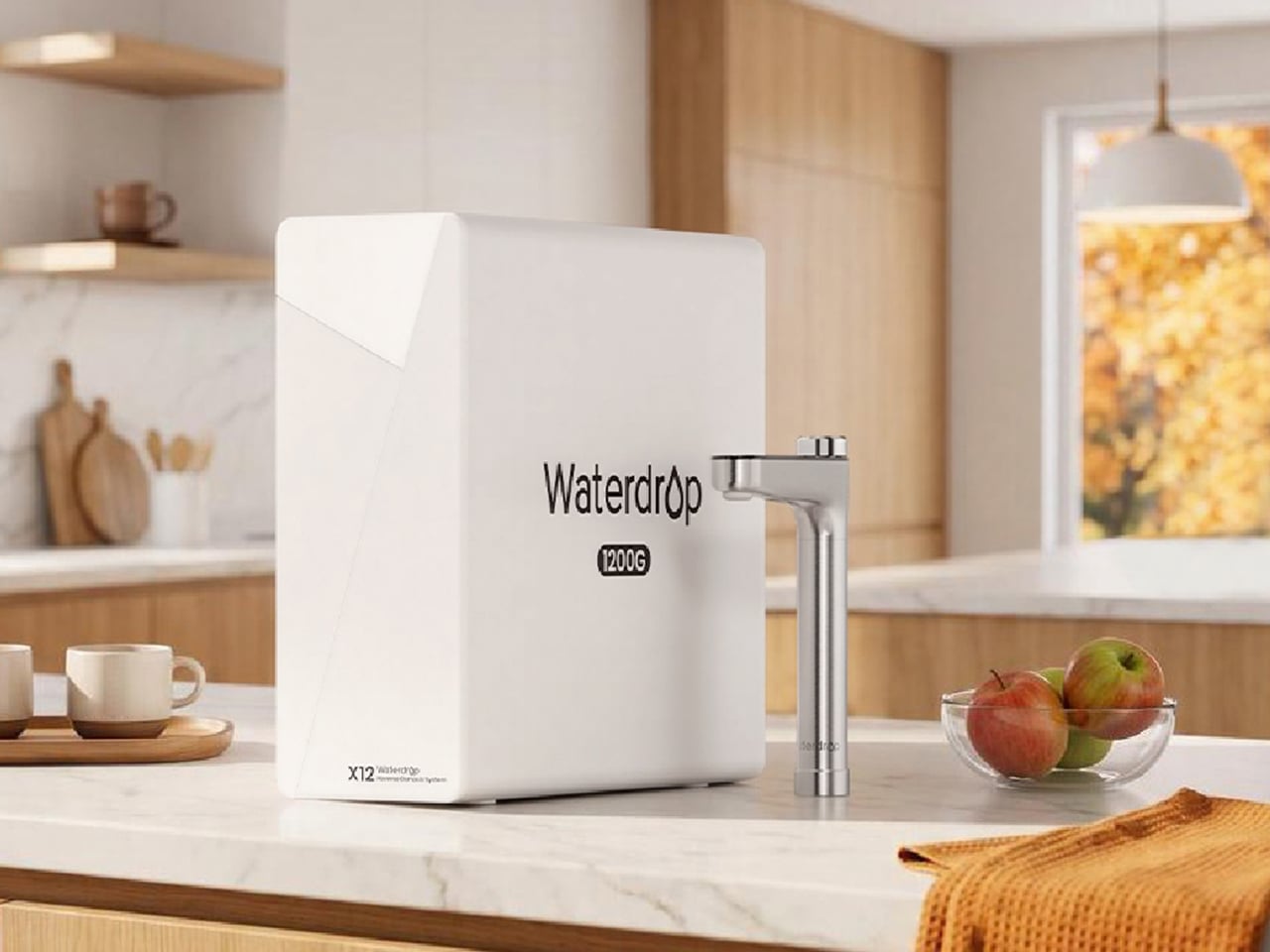
Some households are just too busy to always keep in mind how much clean water they’ll need during the day. The Waterdrop X12 Alkaline Mineral Reverse Osmosis System is built for that kind of traffic, with 11-stage filtration that reduces the water’s original dissolved mineral load before adding calcium and magnesium back for a measured finish. For a family that drinks water throughout the day and cooks most nights, that controlled approach makes sense.

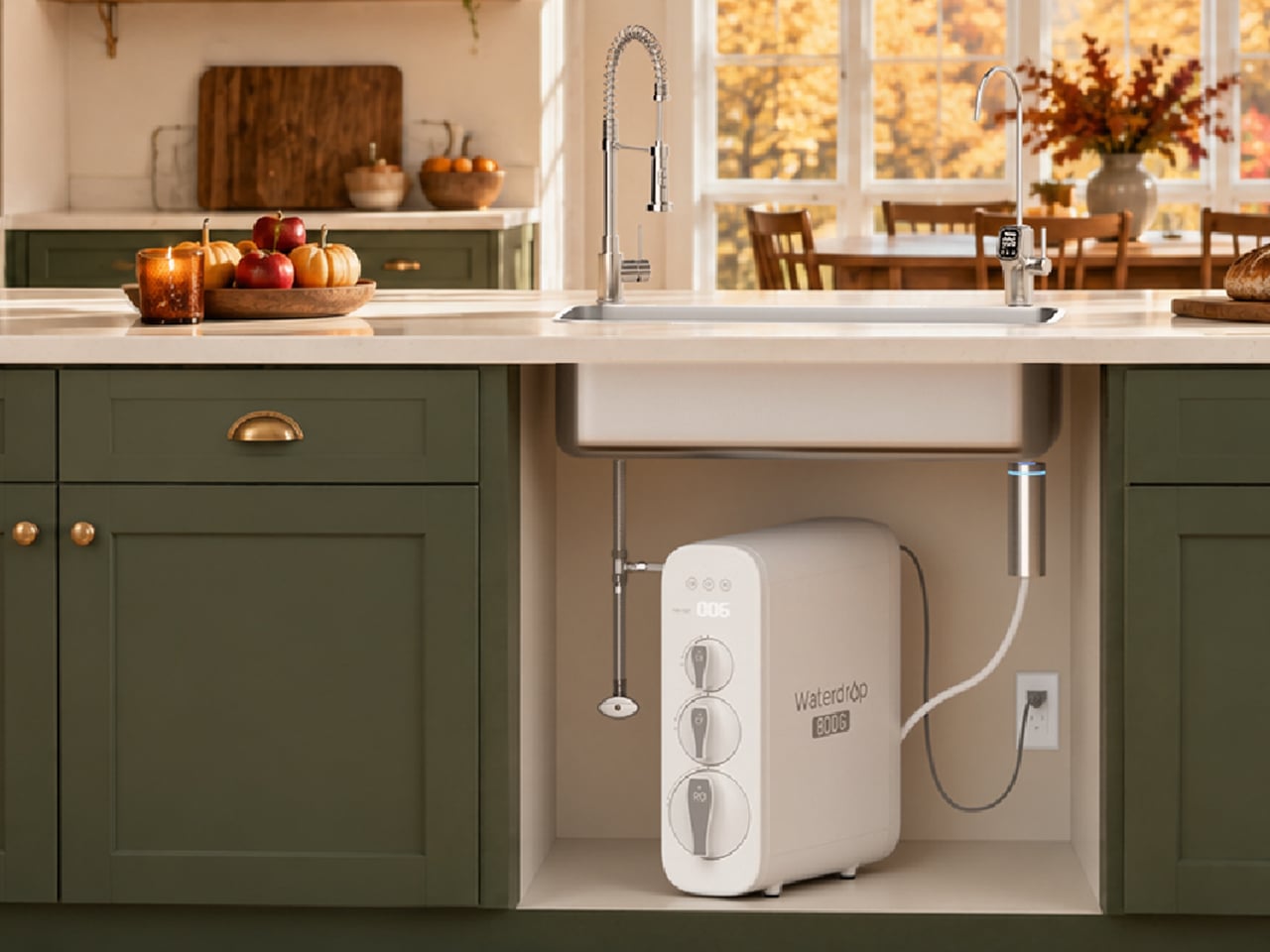
There’s a design story under the sink, too. Its tankless layout frees up space that a storage tank would otherwise claim, while a smart faucet puts a useful part of the system at the point of pouring, rather than leaving it under the sink. Rated at up to 1,200 gallons per day, the system is intended for busy households, while its stated 3:1 pure-to-drain ratio addresses another concern that can come with reverse osmosis: wastewater.

Click Here to Buy Now: $899 $1299 (31% off, use code YANKOPF26 for the additional 5% off). Hurry, deal ends in less than 48-hours!

Waterdrop G3P800 Reverse Osmosis System

Not every family needs the X12’s higher capacity. The Waterdrop G3P800 Reverse Osmosis System suits a kitchen where four or five people cycle through breakfast, packed lunches, and dinner without wanting another large object under the sink. Waterdrop cites certification to NSF/ANSI 42, 53, 58, and 372 for this 10-stage system, while UV sterilization adds an extra layer of protection, giving households something more concrete to examine than vague promises of cleaner water, especially with kids at home.

The G3P800 doesn’t cut corners with an 800-gallon-per-day rating, which still speaks to family demands rather than an occasional glass. It also uses a tankless layout and smart faucet, so there isn’t a reservoir competing with cleaning supplies. A stated 3:1 pure-to-drain ratio rounds out the practical side. The point isn’t to fuss over the numbers every morning; it’s to have water ready when the kitchen gets crowded.

Click Here to Buy Now: $699 $999 (30% off, use code YANKOPF26 for the additional 5% off). Hurry, deal ends in less than 48-hours!

Waterdrop M6CG Mineral Hot & Cold Reverse Osmosis System

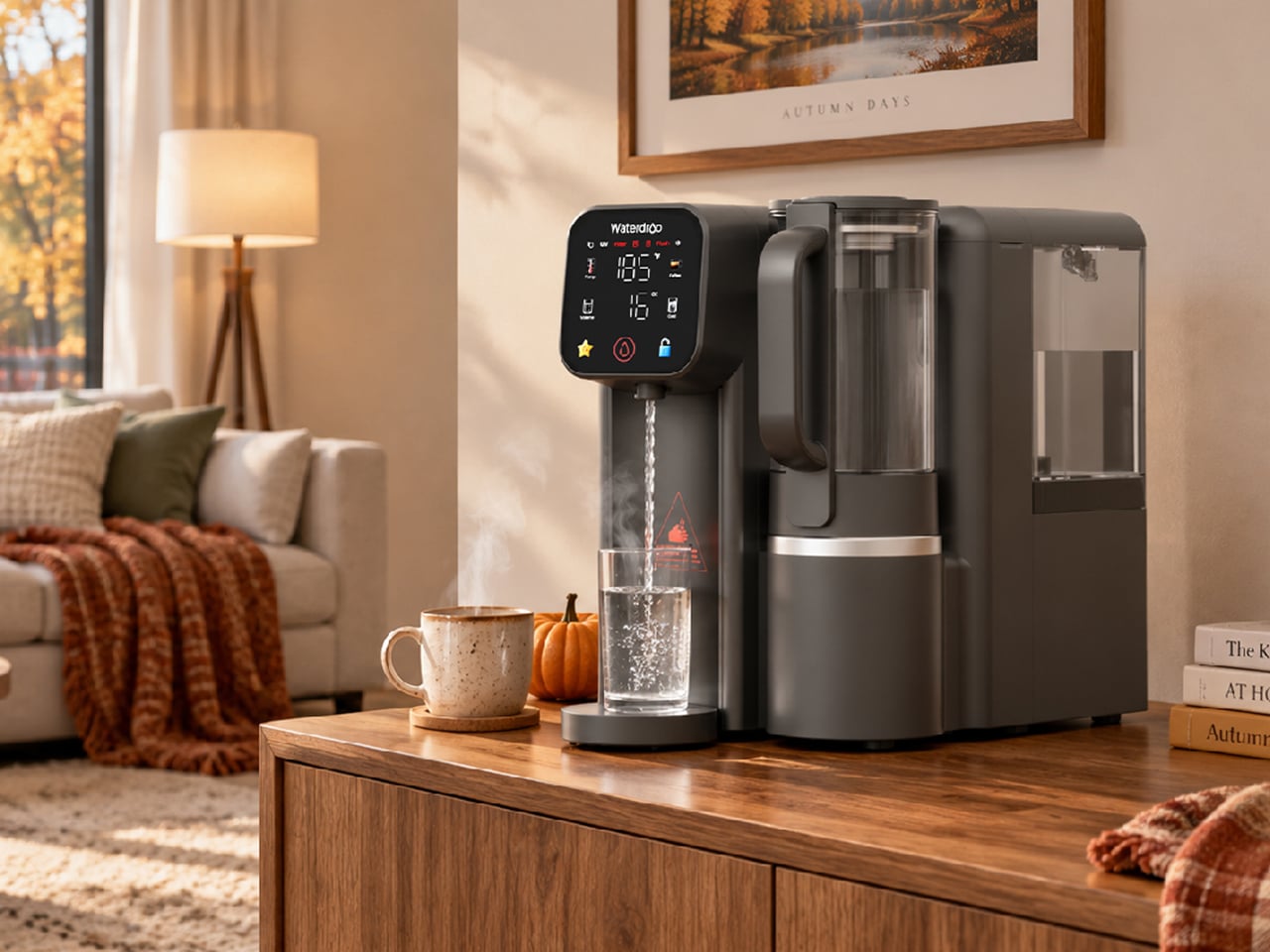
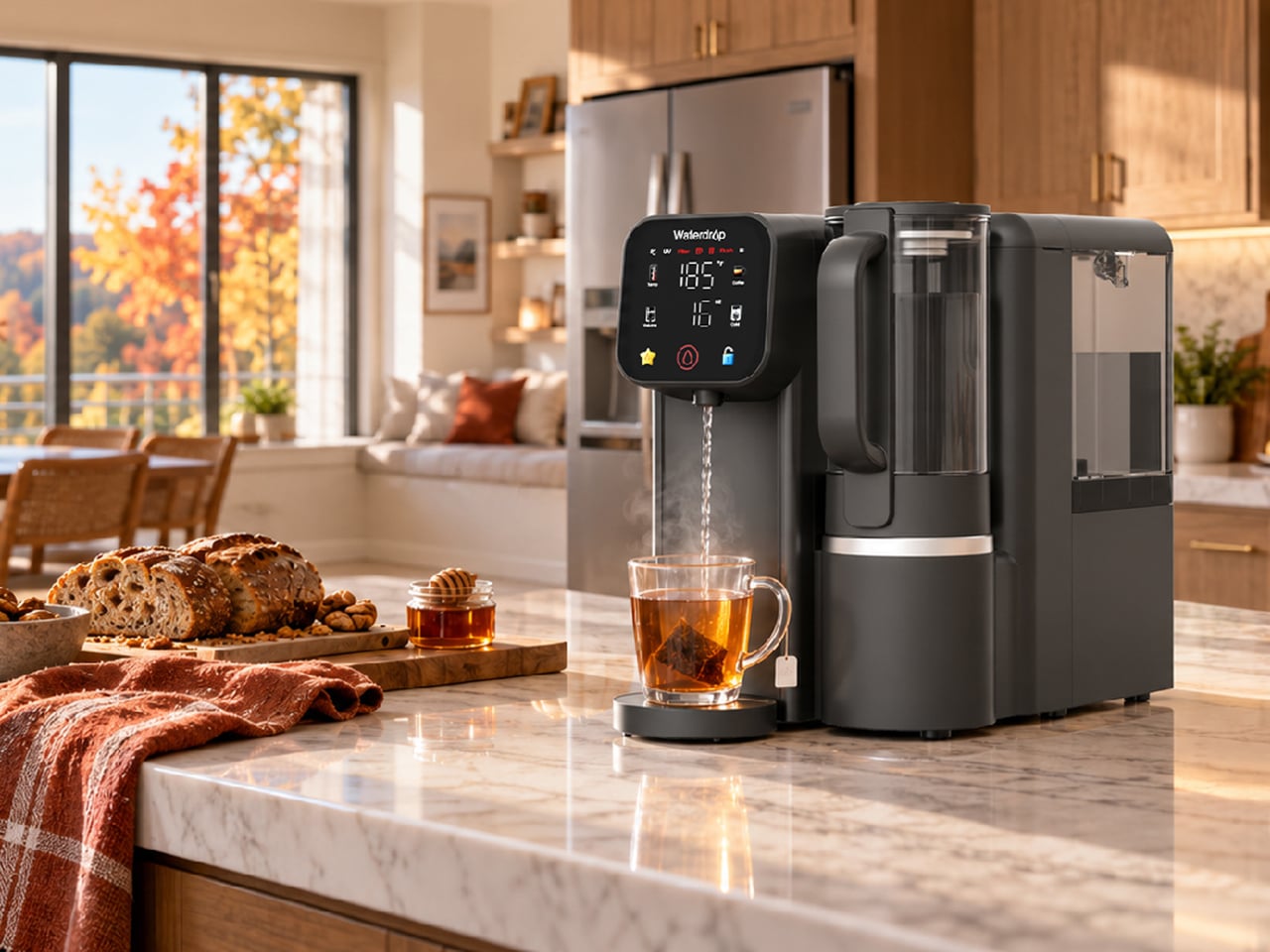
An under-sink system doesn’t help much if messing with the cabinetry isn’t an option at all. As the 2026 Premium New Arrival, the Waterdrop M6CG Mineral Hot & Cold Reverse Osmosis System brings reverse osmosis to the countertop without permanent installation, something renters can appreciate. Its 8-stage RO filtration helps reduce TDS, PFAS, fluoride, lead and other specified substances, while remineralization adds minerals back for a more balanced taste. The system is certified to NSF/ANSI 58 and 372. Then it dispenses water from 59°F to 203°F, making it easy to enjoy everything from chilled water to tea, cocoa, or a quick bowl of noodles without waiting.

The more interesting decisions are in how it handles the rush between drinks. Five volume settings and a customizable Favorite Mode reduce repeated button pressing, while a detachable 40-ounce glass pitcher makes it easier to serve several people at once. Separate tanks keep clean water and wastewater apart, and the stated 3:1 pure-to-drain ratio limits what goes to waste. Even the water left behind can be used for cleaning.

Click Here to Buy Now: $409 $539 (24% off, use code YANKOPF26 for the additional 5% off). Hurry, deal ends in less than 48-hours!

Waterdrop CT01 Instant Hot & Cold Water Filter Dispenser

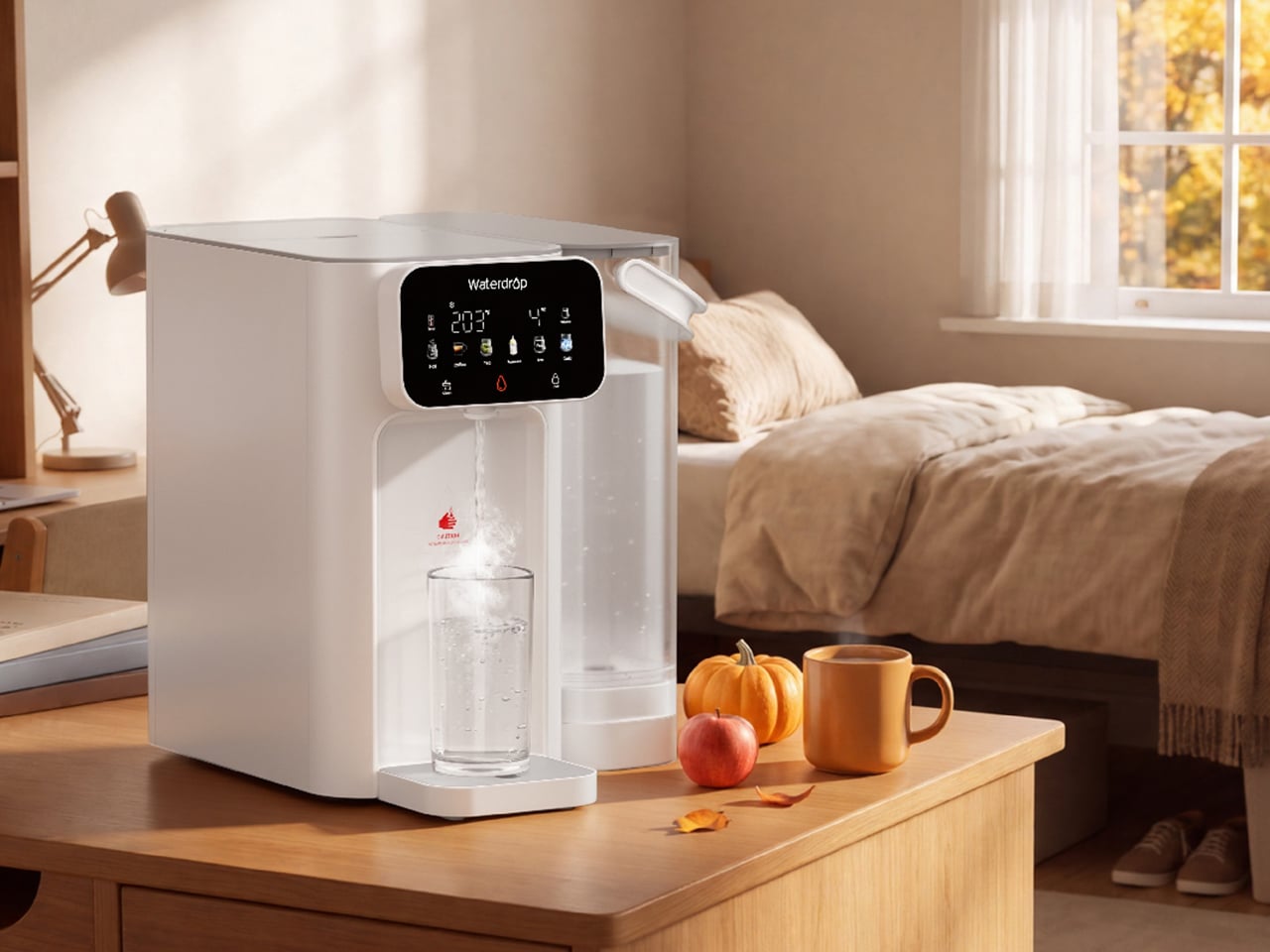
The Waterdrop CT01 Instant Hot & Cold Water Filter Dispenser has a different kind of appeal, favoring quick drinks and a simpler setup for apartments, study spaces, and offices. Its 6-stage filter targets chlorine, rust, and sediment while retaining naturally occurring minerals. With water dispensed from 59°F to 203°F, a chilly refill and a cup of tea can come from the same spot.

That distinction matters if you want hot and cold water without adding plumbing work. The CT01’s 1.32-gallon capacity cuts down on refills, while its filtration produces no wastewater to manage. You can fill a bottle on your way out, come back for hot water, and leave the kettle untouched. It’s a less elaborate answer than countertop RO, but for a small or single-member household, the simpler routine might be exactly the attraction.

Click Here to Buy Now: $199.49 $289.99 (31% off, use code YANKOPF26 for the additional 5% off). Hurry, deal ends in less than 48-hours!

Refrigerator Water Filters

Then there’s the filter many people already own and forget about. A refrigerator dispenser gets used between meals, and its ice tends to end up in a guest’s glass. Waterdrop’s replacement filters offer an easy way to refresh that everyday water supply. The WD-F45 is designed for compatible Samsung refrigerator models, the WD-F46 for selected LG models, the WD-F07 for compatible Whirlpool and Maytag models, and the WD-F48C for selected GE models. Their activated-carbon filtration addresses chlorine taste and odor, though certifications and claims about other contaminants differ by model. Better water doesn’t always require another appliance.

Choosing the right replacement filter is important, since similar-looking filters are not always interchangeable. Checking your refrigerator model before purchasing ensures the right fit. Once fitted, replacement doesn’t change how anyone uses the fridge. Many filters can last up to six months, depending on water quality and use, which makes upkeep easier to remember before the holidays.

Click Here to Buy Now: up to 34% off. Hurry, deal ends in less than 48-hours!

By the time holiday cooking and hosting pick up, it helps to have one less thing to think about each time you turn on the tap or open the fridge. The right change might be a full under-sink system, a countertop machine, or simply a fresh cartridge. Waterdrop Filter’s Prime Big Deal Days brings discounts into that decision, but the better reason to pay attention is how often you’ll use the upgrade.

The post Waterdrop Filter’s Prime Big Deal Days Gets Your Water Ready Before Guests Do This Fall first appeared on Yanko Design.

The 7 Tiny Home Upgrades of October 2026 That Don’t Feel Like a Compromise

Living smaller used to mean settling. A kitchen counter crowded with single-purpose appliances, a TV that washed out the moment daylight hit the window, lighting locked to one position and one mood for the entire evening. The compromise was baked directly into the product. What is different in 2026 is that the best hardware coming out this year was designed around constraint from the very start, not retrofitted for it.

This list covers seven picks across audio, display, lighting, workspace, and kitchen that earn their place in a room where every square foot has a job. The brief was simple: nothing that asks you to trade performance for size, nothing that treats small living as a budget category, and nothing designed to be swapped out in eighteen months. Everything here was built to stay, and to make the room better.

1. Portable CD Cover Player

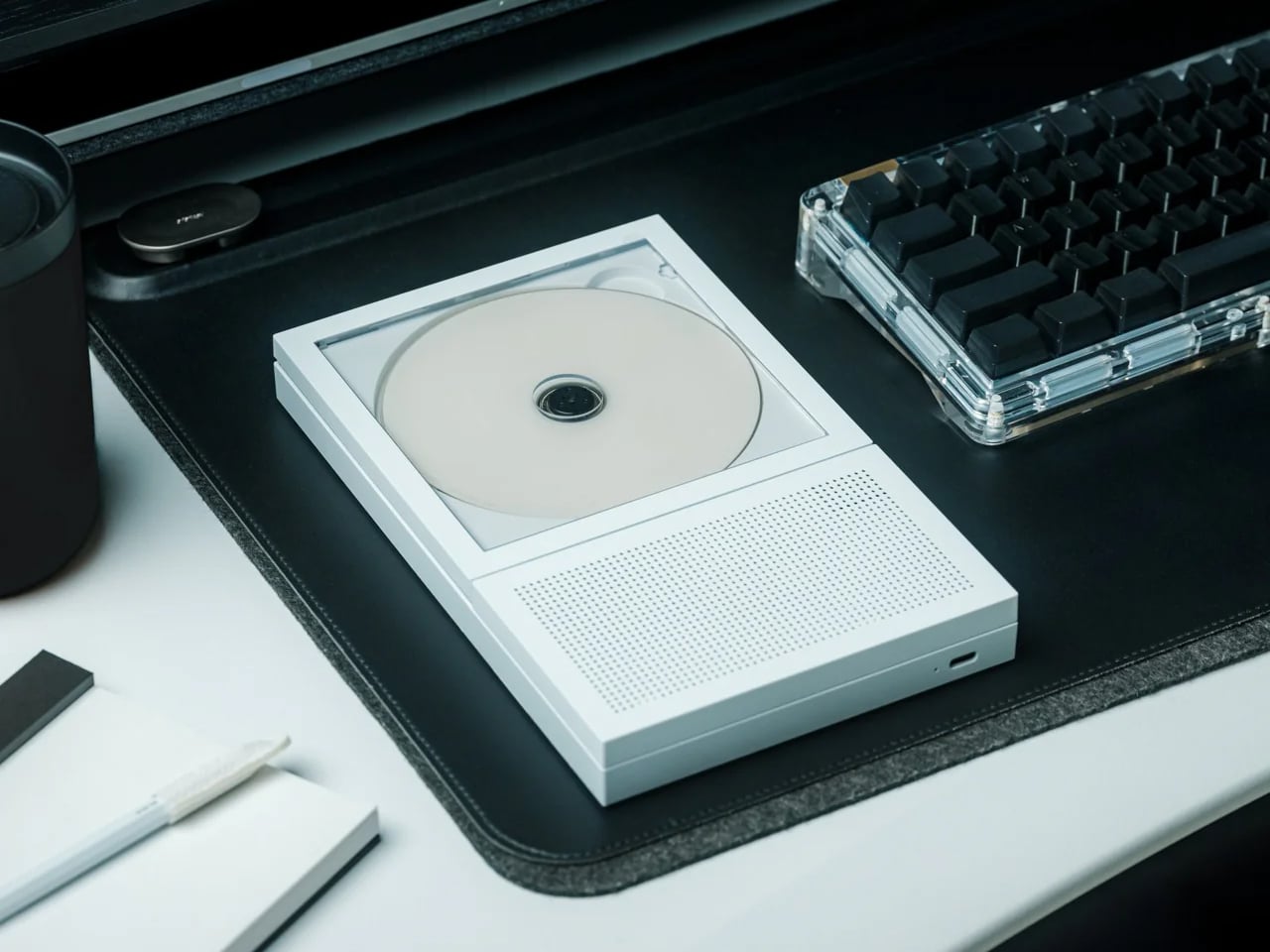
Most CD players treat the album artwork as an afterthought — something that falls out when you open the case and goes straight back in when you are done. The Portable CD Cover Player was designed around the opposite assumption. A built-in pocket slides the jacket into view while the disc plays, turning the listening session into a visual one. Wall-mounted or propped on a shelf, it functions as much as a display object as it does an audio device, which in a small room where every surface earns its keep is the difference between a gadget and a piece of the room.

Available from $199 in white or black, the player is sized to move between walls, shelves, and bags without the setup commitment that most audio hardware demands. The wall-mount option is the most compelling configuration for a tiny home — it pulls the player entirely off the counter, gives the album art a dedicated surface, and turns a music library into something closer to a rotating gallery. With only three units available, this is one of the few picks on this list where the scarcity is genuine rather than a marketing bracket.

Click Here to Buy Now: $199.00

What we like:

  • The jacket pocket turns album art from packaging into part of the listening experience, which no streaming platform has come close to replicating
  • Wall-mounting removes the player from every surface in the room while giving it a more prominent visual presence than it would have sitting on a desk

What we dislike:

  • The jacket display pocket only works with standard album sleeve dimensions — any CD in a digipak, slim case, or non-standard packaging loses the visual feature that justifies the purchase
  • The wall-mount configuration is the strongest version of this product, but anyone without a suitable wall surface is left with a desk player at a wall-mount price

2. Hisense U7SG

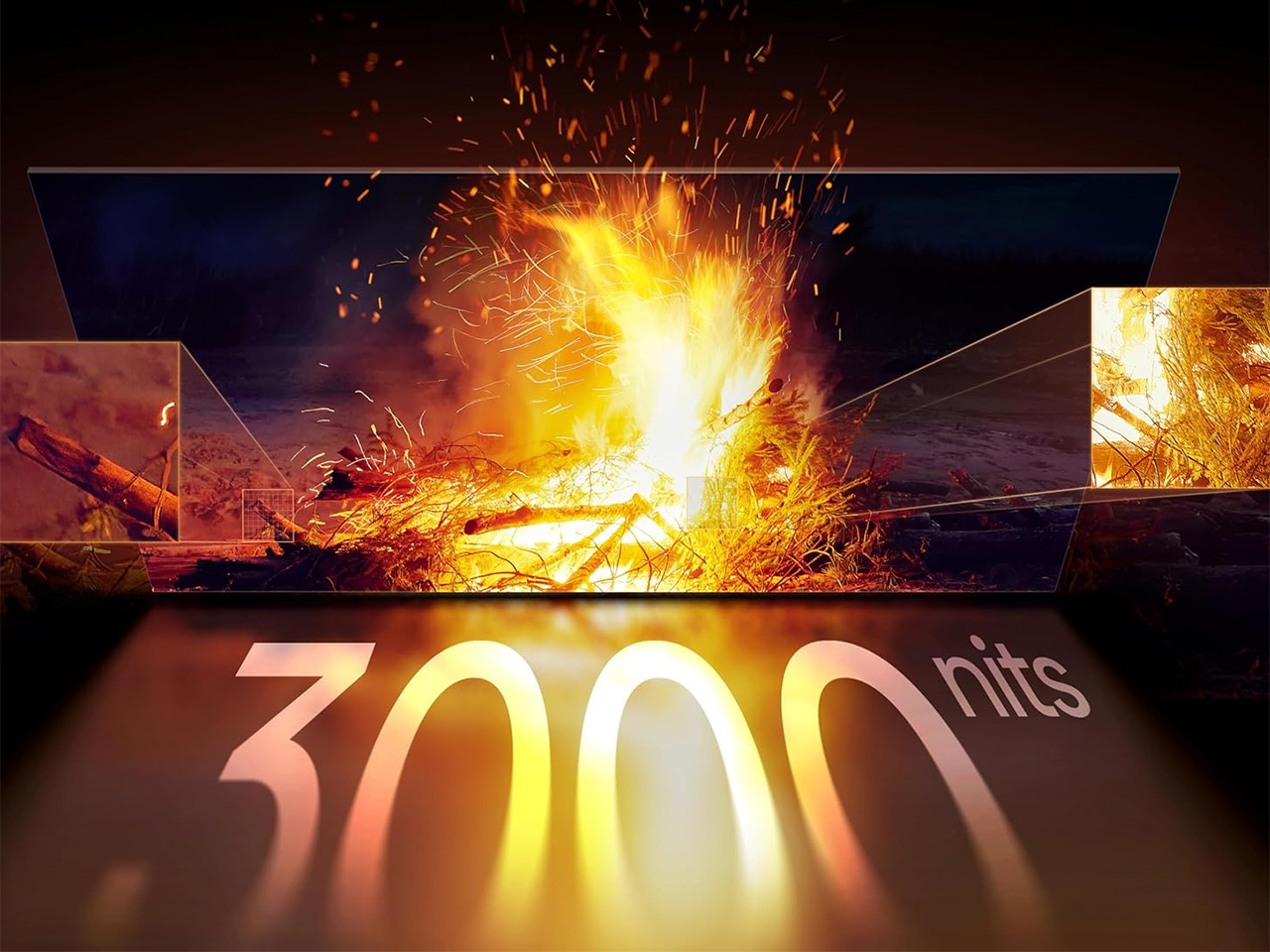
Tiny homes rarely come with blackout blinds or dedicated media rooms. They come with one wall, afternoon sun, and a window that becomes a light source the moment any dark scene plays on screen. Most TVs were calibrated for showrooms and fall apart when real light enters the equation. The U7SG was built specifically for rooms that stay lit, with a dual-layer anti-reflection coating that cuts window glare without the black-level washout older matte treatments were known for.

MiniLED Pro with Full Array Local Dimming handles contrast at both ends, keeping bright scenes vivid and dark scenes detailed rather than averaging everything toward something flat and gray. A native 165Hz refresh rate covers gaming and live sports cleanly, and motion processing handles fast camera movements without smearing. Currently at $690, down from $1,280, the U7SG reaches a price point where the performance case becomes difficult to argue with when one screen has to do everything in a single-room home.

What we like:

  • The dual-layer anti-reflection coating was designed for rooms with open windows and afternoon light, not rooms with the blinds permanently drawn to make a showroom demo look good
  • 165Hz with Full Array Local Dimming handles cinematic content and gaming without requiring dedicated mode tradeoffs that compromise one viewing experience for the other

What we dislike:

  • The 55-inch entry size can overpower the primary wall in very compact studio layouts depending on how the furniture is arranged around it
  • At $690, it is the premium display pick on this list and only justifies itself if you are committing to one screen as the sole display in the space

3. Der Vorstand Wall Cabinet

A dedicated workspace is usually the first thing a tiny home gives up. The workaround is a laptop at the kitchen table and a pile of cables that never quite finds a home. Der Vorstand refuses that arrangement. It mounts slim against the wall, reads as clean storage when closed, and opens into a fully equipped workspace complete with integrated bookshelves, task lighting, and built-in cable management. The transition between the two states takes seconds, not the reluctant rearranging that most convertible furniture demands.

The back wall rolls out on smooth wheels to reveal a fold-out desk that creates a closed, cabin-like atmosphere while you work. This is not furniture trying to disappear. The matte black finish and considered form are deliberate, holding up in a small space where every visible surface contributes to how the room reads. When the workday ends, the cabinet closes, and the room stops looking like a home office entirely. That is the upgrade.

What we like:

  • A complete workspace, including task lighting and cable management, folds behind a single slim cabinet door, leaving no visible trace of the office when the day is done
  • The rolling mechanism creates a genuinely enclosed working atmosphere without requiring a separate room, a partition, or any permanent installation beyond the wall mount itself

What we dislike:

  • The matte black finish is a strong aesthetic commitment that can feel out of place in warmer, wood-heavy interiors without deliberate styling around it
  • The original 2021 design means availability is inconsistent, and sourcing may require patience depending on your region

4. Monir Lamp

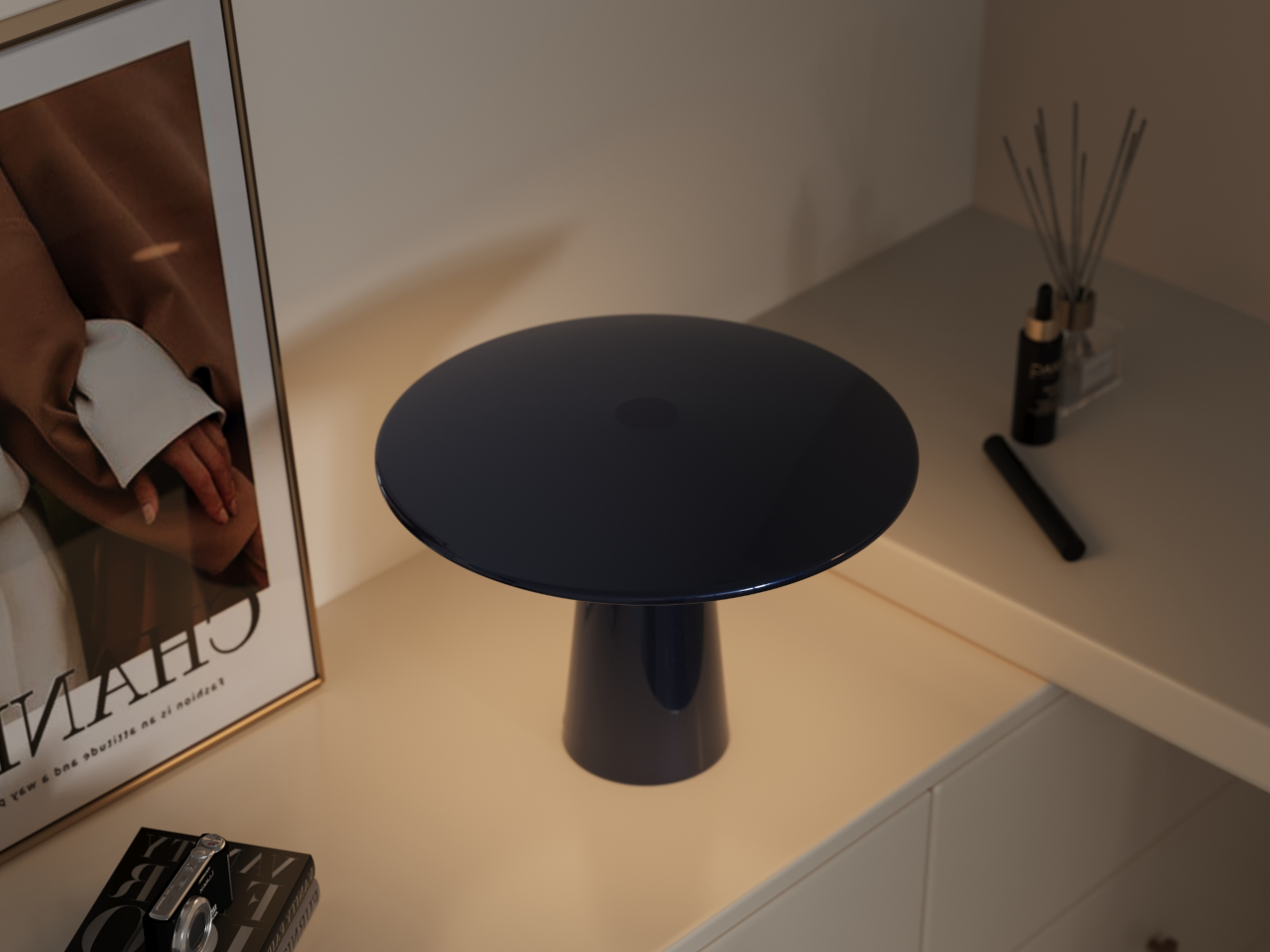
This Moon-Inspired Lamp Has No App, No Cord, 100% Recycled Aluminum

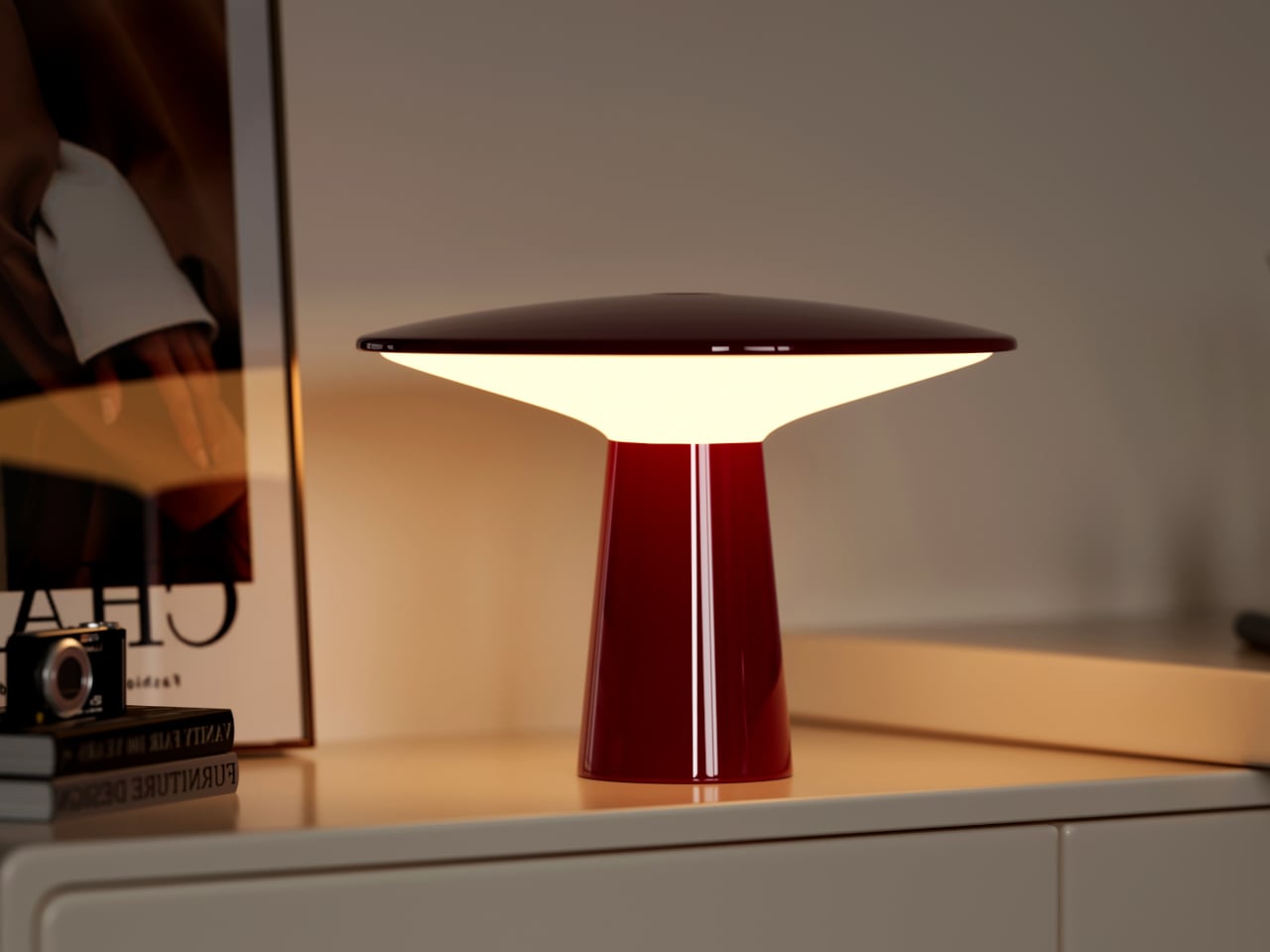
Most cordless lamps solve the cord problem while creating a new one: an app to download, a remote to lose, a spectrum to configure before the light actually does anything. Monir ignores all of that. A tap switches it on. Rotating the upper section moves through three brightness levels. That is the entire interaction. The 29cm lamp is built from 100% recycled aluminum, with a dark grounded base and a translucent dome above that scatters the LED ring’s output in a diffused, directional glow that reads as considered rather than functional.

The form follows the concept without apology. The base stands in for the weight of the earth, the dome mimics the way moonlight diffuses between sky and ground, and nothing in the design is decorative for its own sake. On a desk, it softens the contrast between a bright screen and a dark room. Moved to a side table at the end of the day, it changes the atmosphere of the space entirely. For a one-room home where the same lamp covers every hour, that range is the whole argument.

What we like:

  • No app, no remote, and nothing to configure means the lamp does its job the moment you pick it up and place it, without adding friction to a space already optimized against it
  • 100% recycled aluminum gives the material story a quiet integrity that most cordless lamps at this size and price point cannot match

What we dislike:

  • Three brightness levels cover most situations but rule out the fine-grained dimming control that a long reading session or late-night wind-down sometimes calls for
  • The moon-inspired form is distinctive enough that it will not sit neutrally in every interior — it has a point of view, and the room needs to be ready for it

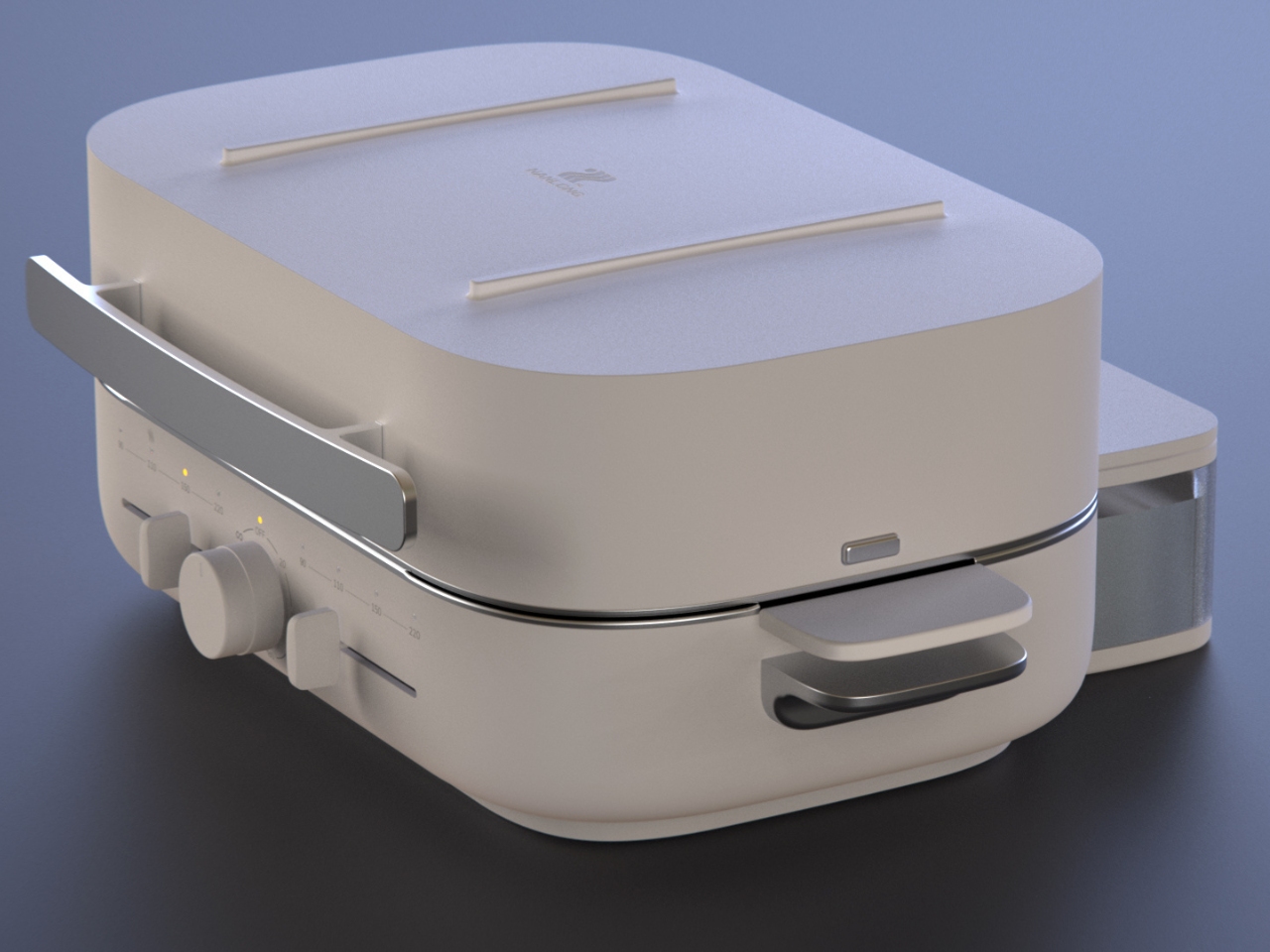
5. Nanlong Cooker

The countertop in a tiny kitchen has one job: earn its space several times over. Vuk Dragović’s concept for Nanlong approaches that problem by collapsing four appliances into one. The unit grills, steams, bakes, and hosts hot-pot dinners through an intuitive control panel, with interchangeable accessories that snap in and out quickly. A matte black exterior with metallic accents hides fingerprints and reads as a deliberate kitchen object rather than an appliance waiting to be hidden in a cabinet.

The concept standardizes components across all four cooking functions, reducing the number of unique parts and simplifying the setup and cleanup routines that make multifunctional appliances feel like more trouble than they are worth. A weeknight dinner might move from steaming vegetables to searing protein to finishing a baked side without switching devices or moving between surfaces. For a kitchen where counter space is the primary constraint, the Nanlong asks a simple question: why are you still running four appliances when one would do?

What we like:

  • Four cooking functions in a single countertop footprint directly solves the most common constraint in a tiny home kitchen without asking you to give up a cooking method
  • Standardized components across all four functions keep the setup and cleanup straightforward rather than adding the friction that usually comes with appliances that do too many things

What we dislike:

  • Concept status means no confirmed price, no release date, and no guarantee it moves from render to retail in the near term
  • The matte black finish reads well in contemporary interiors but may feel limiting in kitchens that lean toward warmer, more natural material palettes

6. Divoom FlowToo

The nightstand in a small bedroom is one of the most contested surfaces in the home. A phone charger, a speaker, a lamp, and something to read all compete for the same twelve square inches, and the result is a surface that functions more like a staging area than a considered part of the room. The FlowToo consolidates three of those devices into one $99 object, which is the kind of math that actually changes how a small room feels at the end of the day. Fewer objects on a surface make the surface feel larger.

What Divoom understood with the FlowToo is that the nightstand problem is not really a charging problem. It is a density problem. Bringing three functions into a single physical footprint is the same design thinking that makes the best tiny home furniture worth paying attention to, and at $99 it removes the price barrier that keeps small-space upgrades sitting in the aspirational column rather than the actionable one. The nightstand is where the day ends. It should be a place worth arriving at.

What we like:

  • Consolidating three nightstand devices into one $99 object directly reduces surface density in the room where it tends to accumulate fastest and matter most
  • The price point removes the barrier that keeps most small-space upgrades theoretical rather than something you actually order this week

What we dislike:

  • Worth verifying it handles your specific device combination before purchasing, as three-in-one consolidation products vary widely in which three they actually address well
  • At $99, it sits in a category crowded with multifunctional gadgets that overpromise, and the specific execution will determine whether this one earns the nightstand long-term

7. Hisense E7SF

There used to be two ways to buy a TV for a first apartment or a small home. Go cheap and accept a picture that degraded the moment a game started, or spend enough that the purchase felt like a financial event worth delaying. The E7SF was built to collapse that choice. A native 144Hz MiniLED panel with Hi-QLED color and up to 260 local dimming zones delivers picture quality that, until recently, sat two price brackets higher. The 50-inch model has already been spotted under $400.

Fire TV and Alexa+ are built directly into the panel, removing the need for a streaming stick and one more remote from the setup. Six size options run from 50 inches up to 100, which means the same TV scales from a studio apartment to a converted warehouse depending on how much space you are working with. MiniLED backlighting manages light across the screen with tighter precision than a standard LED array, producing deeper blacks and more vivid highlights at a price that no longer asks you to wait.

What we like:

  • Built-in Fire TV removes the streaming stick, the extra remote, and the HDMI port it would have occupied, keeping the setup as clean as the space it lives in

What we dislike:

  • 260 local dimming zones is the ceiling figure across the range and not consistent across all six size options, so it is worth checking the spec for the specific size before buying
  • The larger configurations scale the price quickly and move well out of budget territory by the time you reach the upper end of the size range

Small Rooms, Smarter Decisions

What connects these seven picks is that none treat a small space as a reason to accept less. The U7SG and E7SF solve the problem of real rooms with real light. Der Vorstand makes the workspace vanish on command. Each was designed for how people actually live, not how a showroom wants to present it.

The October 2026 market is producing hardware that understands constraint as a design brief rather than a limitation to apologize for. If the next upgrade you make to your space requires rearranging everything around it, it is probably the wrong pick. Everything on this list fits into the room rather than demanding the room fit around it, which is the only reasonable standard for a home where every decision compounds.

The post The 7 Tiny Home Upgrades of October 2026 That Don’t Feel Like a Compromise first appeared on Yanko Design.
Vosteed’s $200 titanium folder is slim enough to forget, sharp enough to remember

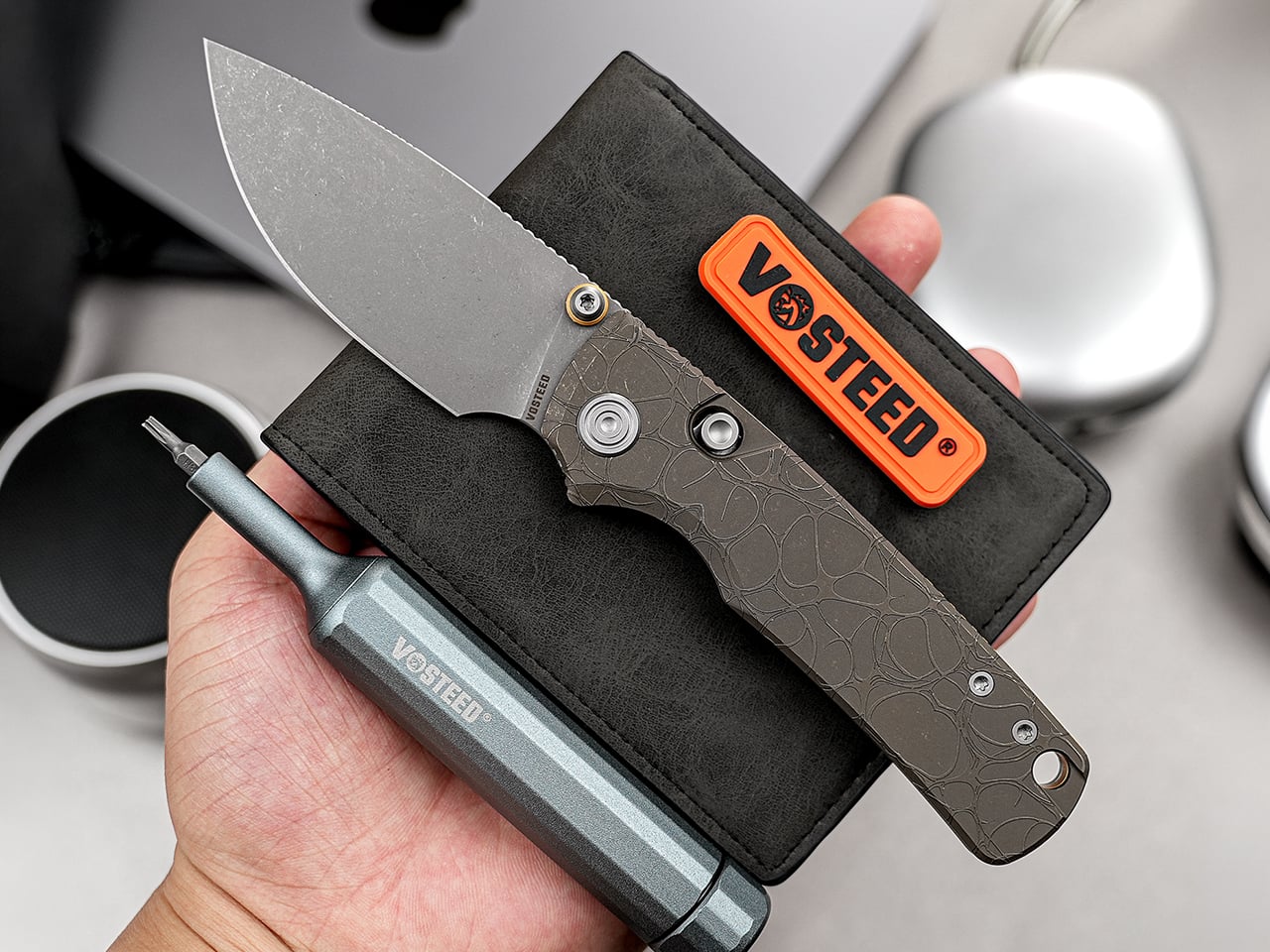
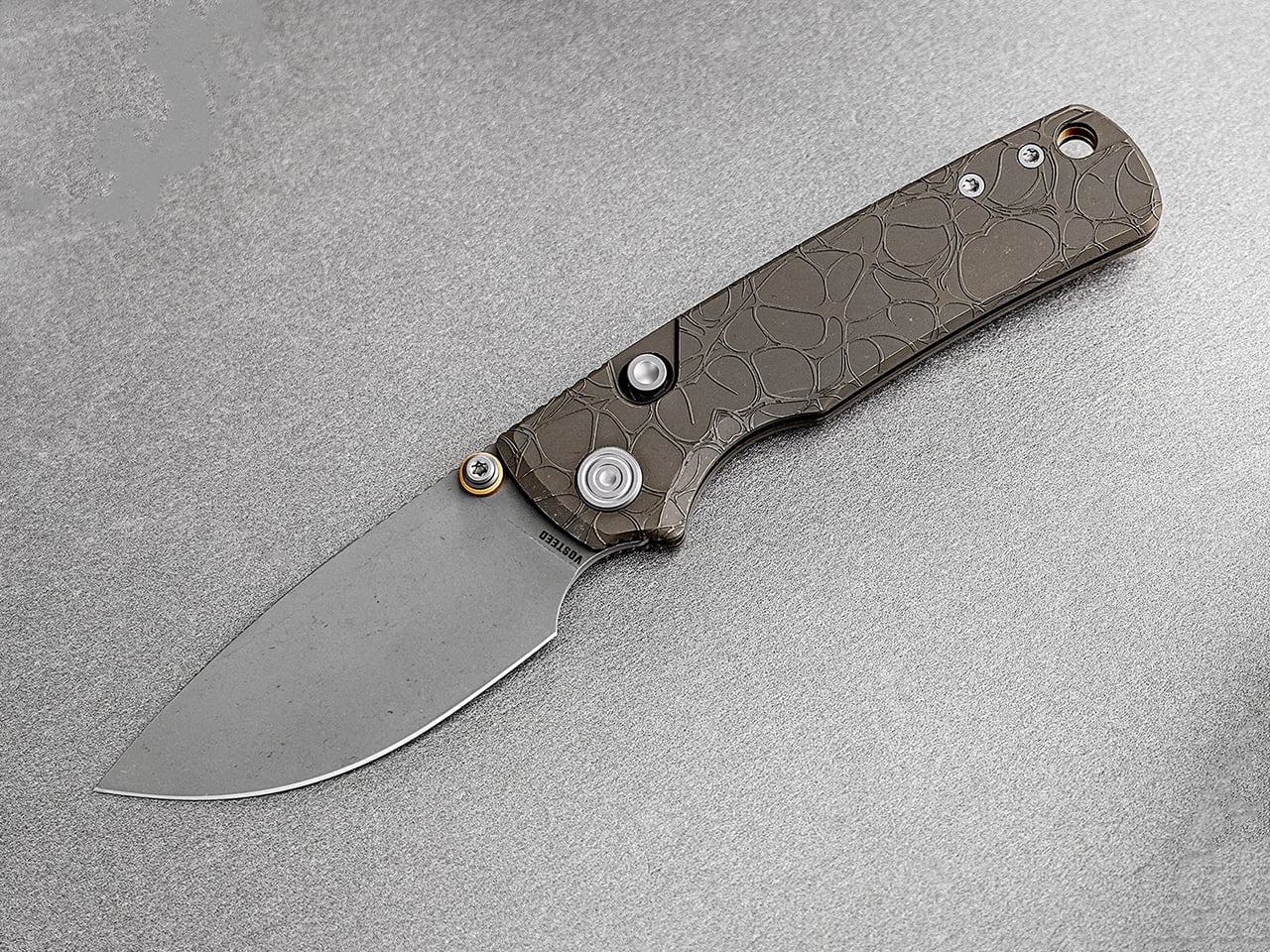
The porcupine is one of nature’s better-engineered designs. It’s compact, self-sufficient, and its entire defense system lives in its skin rather than in added bulk. Vosteed clearly had this in mind when they named one of their most capable folding knives after it. The Acid Wash variants of the TiSlim lineup make that connection literal: that organic, cellular pattern CNC-machined into the Grade 5 titanium handle looks uncannily like porcupine skin, like something that grew there rather than got machined into existence. It’s one of those rare cases where a product’s name, its material treatment, and its surface texture all tell exactly the same story.

The Porcupine TiSlim is a 3.04-inch drop point folder from Vosteed Cutlery, running CPM-S90V blade steel in Grade 5 titanium handles just 0.315 inches thick. It’s the third chapter in Vosteed’s TiSlim lineup, following the Parallel and the Raccoon TiSlim, bringing that slim-carry formula to one of their most established working designs. Deployment comes via dual-tone thumb studs and a caged ceramic ball-bearing pivot, with a Top Liner Lock keeping fingers safely clear of the blade path on the close. The lineup spans from $139 for 154CM entry variants up to $179 for the S90V Acid Wash Copper flagship, and neither figure will make your wallet flinch the way this category typically demands. The overall build is Vosteed’s tightest expression of their TiSlim philosophy yet, and everything from the thumb studs to the pocket clip reflects a level of hardware polish that sits above the price point.

Designer: Vosteed

Click Here to Buy Now: $161.1 $179 (10% off, use code “YANKO489”). Hurry, deal ends in 48-hours! Website Here.

Thin in the Pocket, Solid in Hand

At 0.315 inches (that’s 8mm for the metrically inclined), the Porcupine TiSlim’s handle sits at roughly the thickness of a well-stocked card wallet. Vosteed CNC-machines the Grade 5 titanium scales with careful chamfering along the edges, reducing perceived bulk and keeping pocket entry smooth. An aluminum backspacer runs the spine, reinforcing structure without adding meaningful weight, while a CNC-finished stainless steel liner integrates cleanly into the handle without creating uncomfortable seams or steps. Strategic jimping on the spine and matching jimping on the handle near the spine give your thumb something real to grip when a task requires it. The result is a knife that genuinely disappears in the pocket while feeling solid and purposeful once the blade is open.

The whole knife weighs 2.97 ounces closed, which puts it firmly in the “you’ll forget it’s there” category alongside considerably less capable knives. The titanium pocket clip sits streamlined and low-profile, with a tip-up carry orientation that places the thumb stud right where your hand naturally meets the knife on the draw. Titanium-coated T8 screws handle all the fastening duties, offering corrosion resistance and the practical benefit of serviceability without a specialized tool. A recessed lanyard hole keeps the spine clean and uncluttered, so nothing is snagging on pocket liner fabric throughout the day. For a knife that opens to a full 7.22-inch working length, it packs remarkably compactly.

A Blade Built for Everyday Work

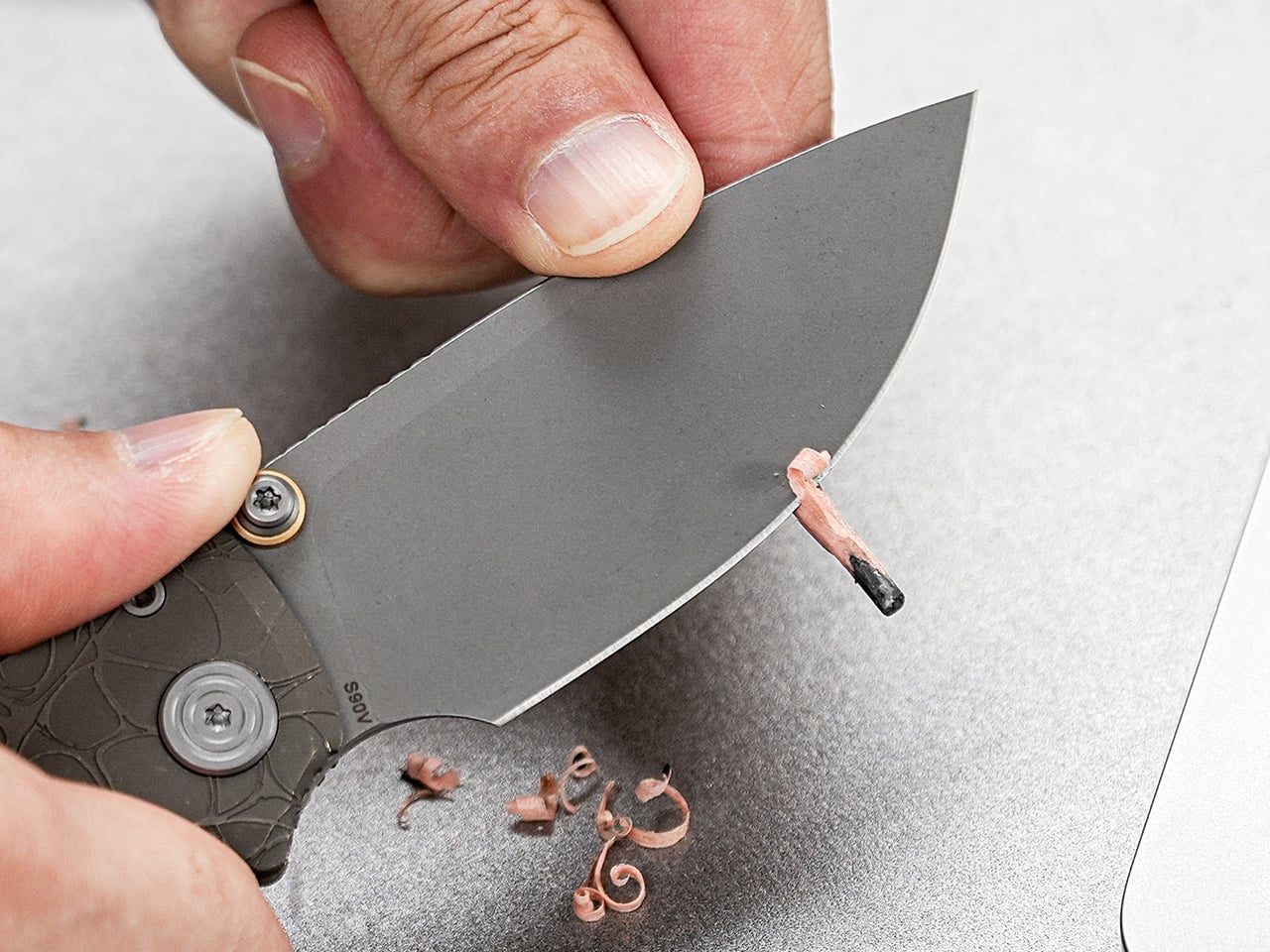
CPM-S90V is a high-vanadium martensitic stainless steel with exceptional wear resistance and edge retention, which is a long way of saying it holds its edge for a very long time before needing attention. Vosteed runs it in a drop point profile with 0.087-inch blade stock and a flat grind, the right call for a working EDC: flat grinds cut efficiently through a wide range of materials without binding mid-task. The broad belly supports slicing, while the controlled tip handles cord cutting, package opening, and food prep with equal ease. At 3.04 inches, the blade clears most urban carry restrictions while remaining genuinely useful. The Acid Wash and Stonewash blade finish on the A4811 also looks exceptional under office lighting, which is a perfectly valid reason to pick one colorway over another.

Deployment uses dual-tone thumb studs and a caged ceramic ball-bearing pivot, and every reviewer who has gotten their hands on one describes the action as genuinely willing. The bearing makes the blade rotate freely with a single thumb flick, with no stickiness or hesitation. A Top Liner Lock handles the close, and its placement on the spine distinguishes it from conventional liner locks in a meaningful way. Standard liner locks require pressing inward while the blade swings shut, briefly routing fingers across the blade path. The Top Liner Lock moves that engagement to the spine, so your thumb pushes down rather than inward, keeping your digits fully clear. Vosteed has made this lock a signature of the Porcupine platform, and at this price it represents a level of thoughtfulness you typically pay more for.

Fourteen Variants, One Very Clear Argument

The Porcupine TiSlim lineup offers over a dozen finish combinations across two blade steel tiers. The 154CM entry models at $139 come in colorways like Gray Ti with Satin, Black Ti with Copper Dune, Dim Grey Ti with Blackwash, Blue Ti with Stonewash, and Rebecca Purple. Step up to S90V and the options expand into Brasswash Ti, Blue Ti with Satin, and the Acid Wash series. The most visually interesting of the bunch are the Acid Wash handles, where the titanium develops a complex, shifting surface character between grey and warm bronze tones depending on the light. Certain variants also carry that cellular, organic machined pattern on the handle scales, the texture that gives the knife its name and makes it one of the more visually distinctive folders at this price point.

Pricing starts at $139 for 154CM models and reaches $179 for the Acid Wash Copper S90V flagship (A4811), and Yanko readers can apply code YANKO489 at Amazon checkout for 10% off most Porcupine TiSlim models. For competitive context, the Benchmade Mini Narrows 743 runs $500, the Quiet Carry Drift asks $320, and the TRM Neutron 2 in MagnaCut is $375. The Porcupine TiSlim undercuts all three while fielding Grade 5 titanium construction and a blade steel that holds its own in that company.

Click Here to Buy Now: $161.1 $179 (10% off, use code “YANKO489”). Hurry, deal ends in 48-hours! Website Here.

The post Vosteed’s $200 titanium folder is slim enough to forget, sharp enough to remember first appeared on Yanko Design.

Wuben’s Prime Day Fall 2026 Sale Has a Different Light for Every Kind of Carry

Most flashlights spend their lives in drawers, which is unfortunate because darkness rarely waits for you to find one. Wuben’s Prime Day Fall 2026 Sale brings together four lights designed around different ways of keeping one close. There’s a substantial outdoor companion, a pocket-sized tool, a light you can wear, and one that tries to cover a little of everything.

The interesting question isn’t which has the biggest number on the box. It’s where a light belongs when you’re walking home, looking under the hood, or setting up camp after sunset. The X1 Pro, G5, E2 Pulse, and X4 each answer with a different shape and way of working, which makes their differences worth a closer look.

Wuben X1 Pro 12300 Lumens Rechargeable EDC Flashlight

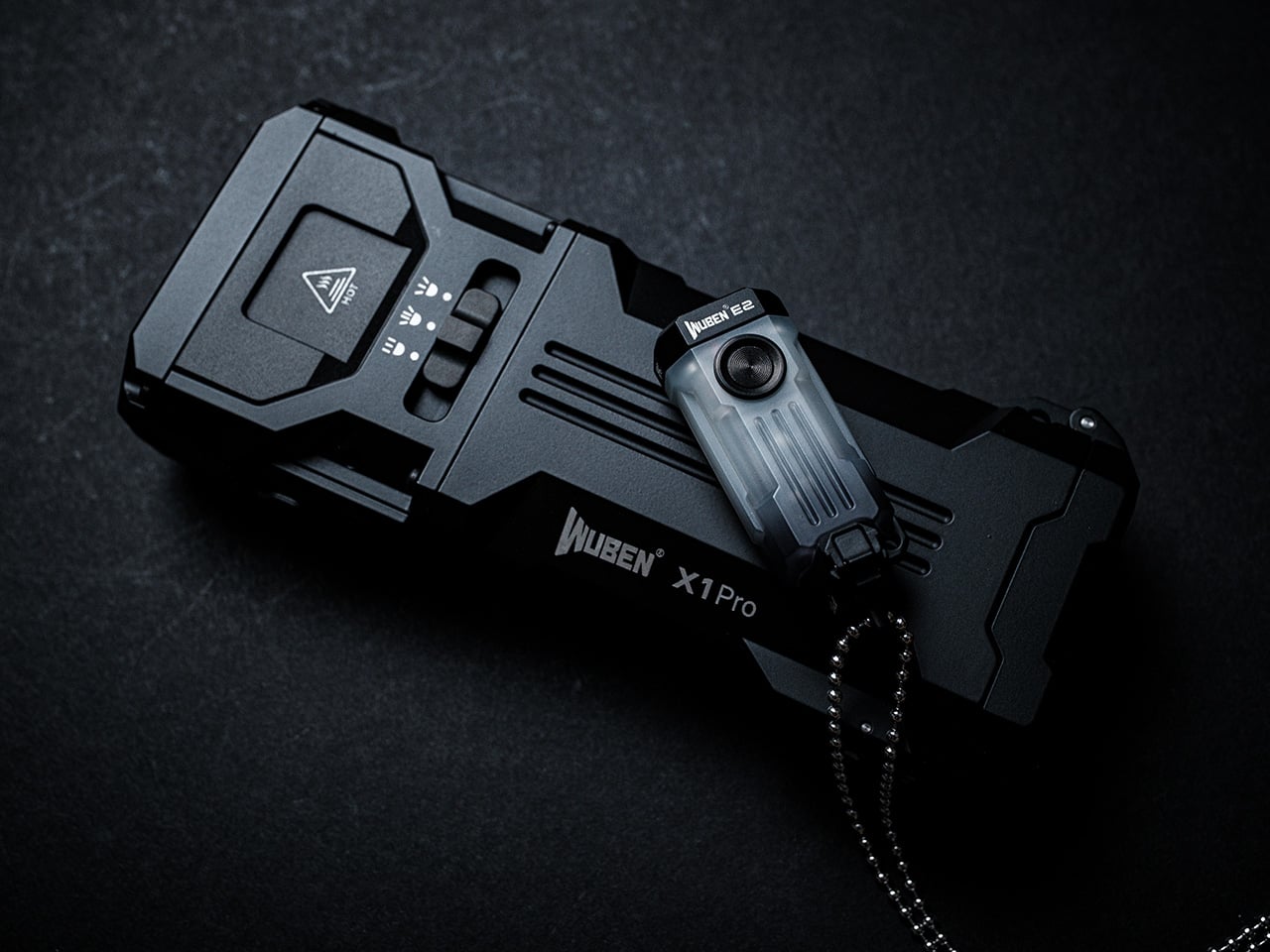
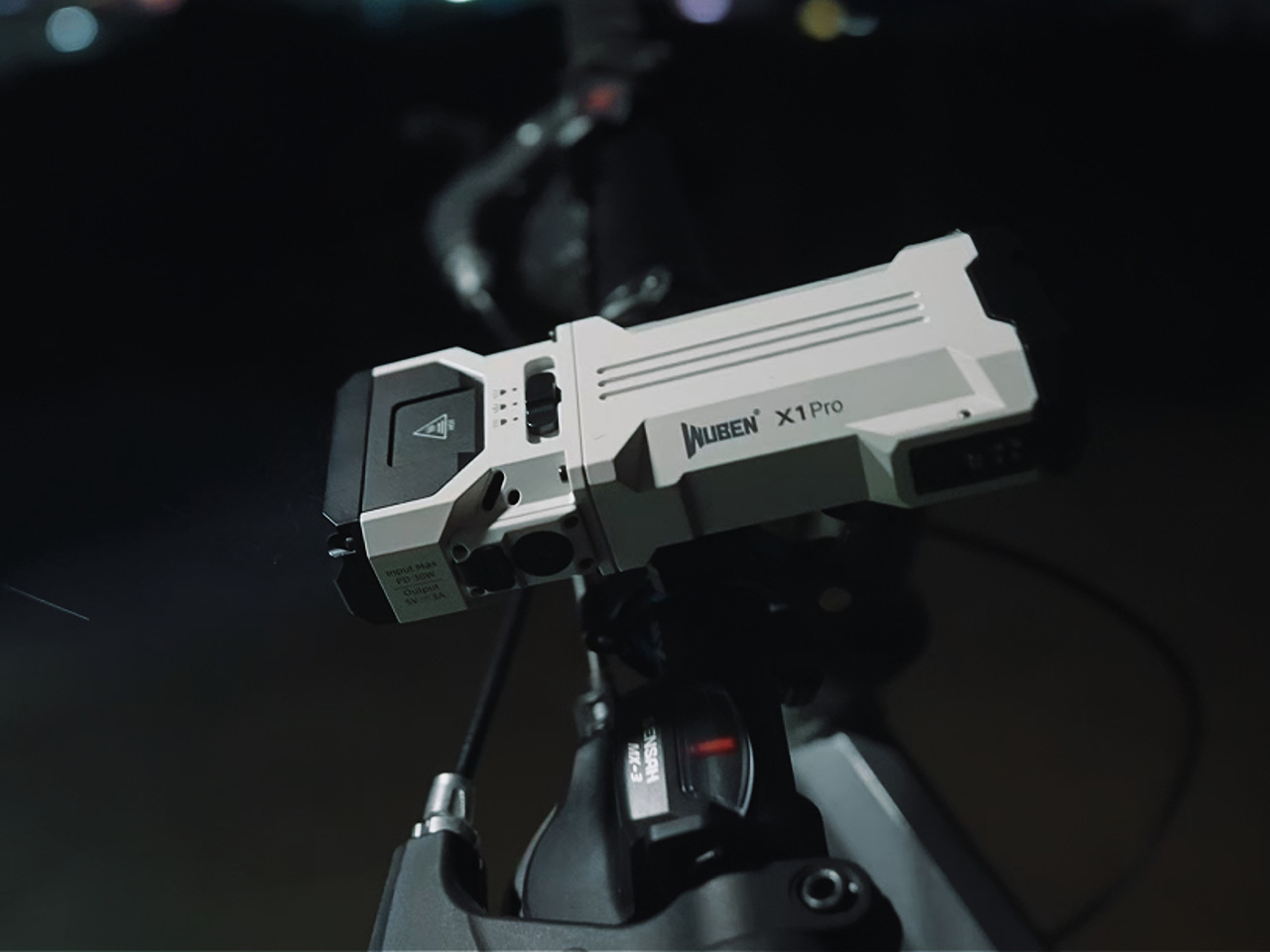
The X1 Pro starts with the kind of problem that makes a phone flashlight look silly: trying to see beyond the nearest tree. Its broad, rectangular body gives your fingers room to settle around it instead of forcing a tight grip on a skinny tube. At 13.5 oz with batteries, it can easily hang from a bag or holster, ready for action at a moment’s notice.

A focused spotlight reaches up to 1,345 feet, while a wider floodlight fills the ground nearby. Together, they can produce a claimed peak of 12,300 lumens, making the darkness a little less scary and a lot less dangerous. An active cooling fan helps manage the heat, making the engineering behind the brightness as interesting as the number itself.

That same body can charge a phone through its 15W USB-C output, useful when you’ve been relying on your phone for directions. Two replaceable 21700 cells power the light, and it supports 30W charging. Being able to open the battery compartment matters on longer trips, when carrying spare cells is more practical than hoping to find an outlet.

The X1 Pro can also sit on a tripod using its 1/4-inch thread, leaving your hands free while you work. A compatible bike mount offers another option as a separate purchase. Its IP65 rating means it can handle dust and rain, no sweat. It’s the kind of assurance you’ll want to have when you’re out camping or just enjoying the wonders that the night has to offer.

Click Here to Buy Now: $111.99 $174.99 ($63 off). Hurry, deal ends in 48-hours! Website Here.

Wuben G5 400 Lumens EDC Keychain Compact Rechargeable Flashlight

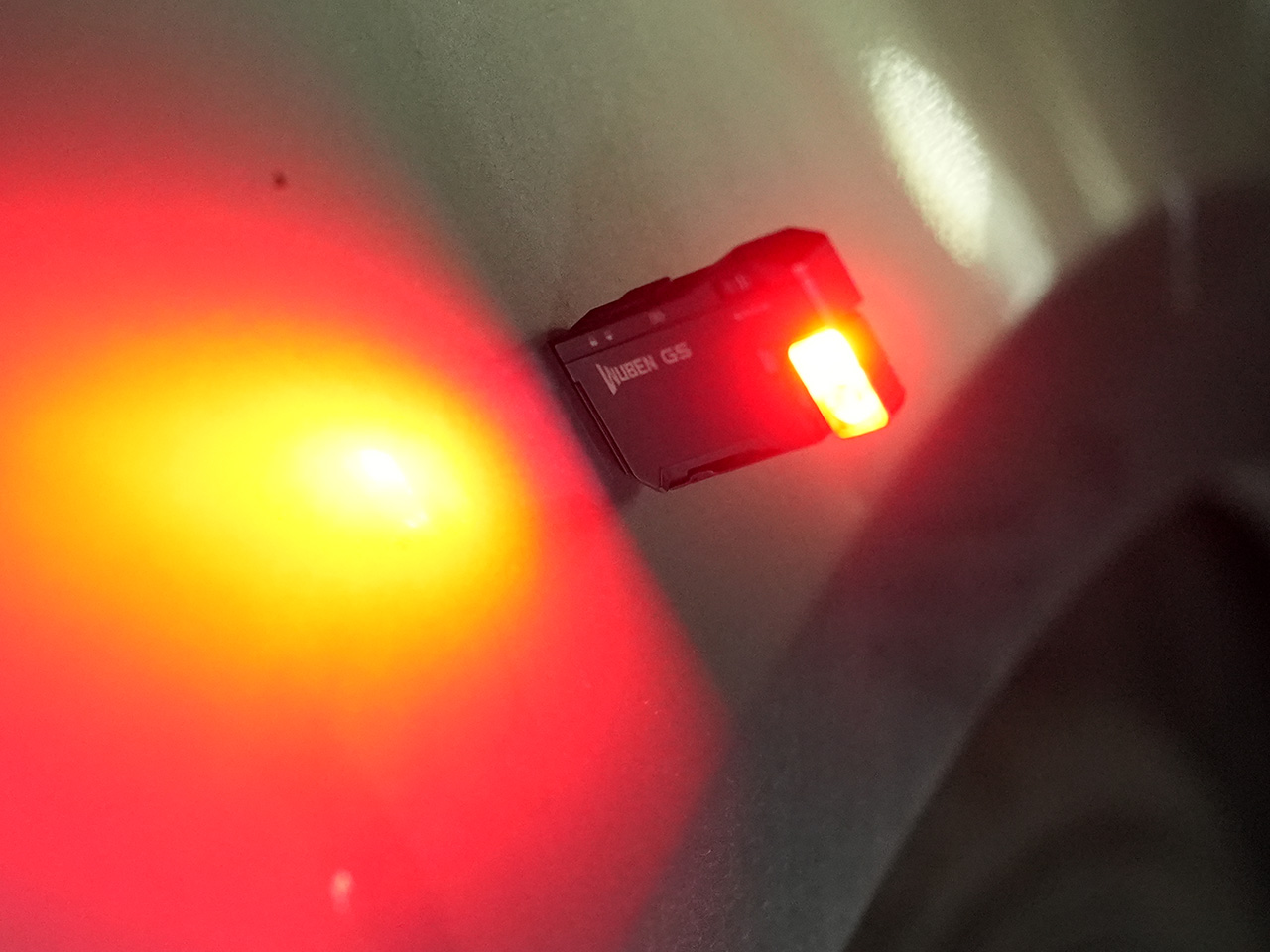
The G5 heads in a slightly different direction, promising maximum portability to keep you company anywhere. Roughly the size of a pocket lighter, its flat, squared-off body feels closer to a small everyday tool than traditional camping gear. It weighs about 1.8 oz, yet its white beam reaches up to 269 feet and tops out at 400 lumens. That’s quite a bit of light to keep with your keys.

Its cleverest detail is a head that rotates 180 degrees. Clip the G5 to a jacket while you’re tightening a loose screw, and you can point the beam toward your hands instead of wherever the clip happens to face, then turn it again for handheld use. It’s a simple mechanical solution to something another button or lighting mode wouldn’t fix.

A second light offers seven RGB colors. Red can help mark a bag beside a campsite, while another color can add a little light without directing the white beam into everyone’s eyes. The metal housing carries an IP65 rating, and a sliding control locks the light while covering the USB-C port. It’s a thoughtful arrangement for something that spends its day getting knocked around.

The rechargeable G5 can also operate while plugged in, handy when a small job becomes a longer one. Black and green blend easily into a kit, while yellow is harder to overlook. The Ice Cracked finish gives that familiar little rectangle another personality altogether, proving that not every useful tool needs to look stern.

Click Here to Buy Now: $19.99 $29.99 ($10 off). Hurry, deal ends in 48-hours! Website Here.

Wuben E2 PULSE 10.7g Compact Mini EDC Keychain Flashlight

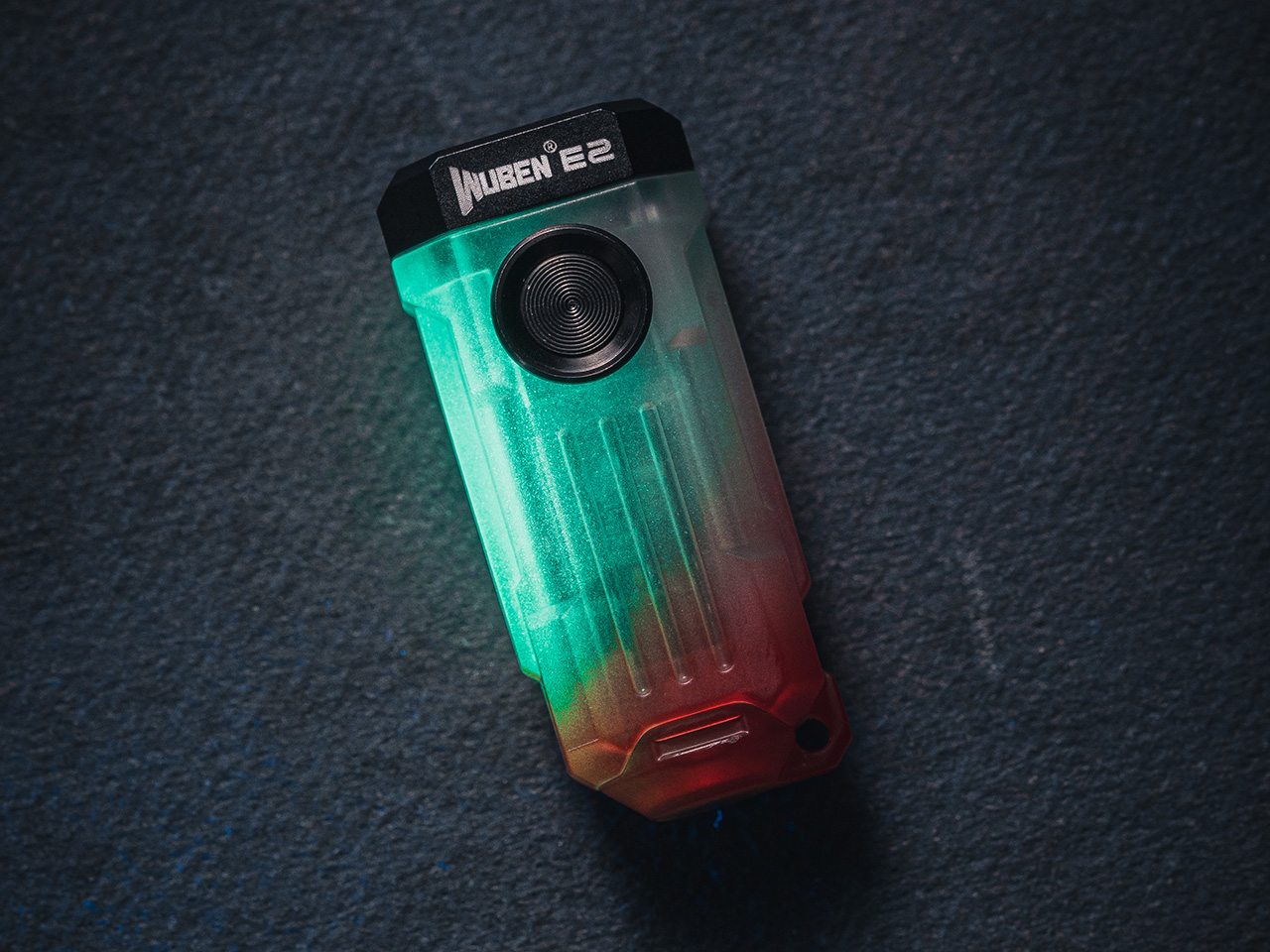
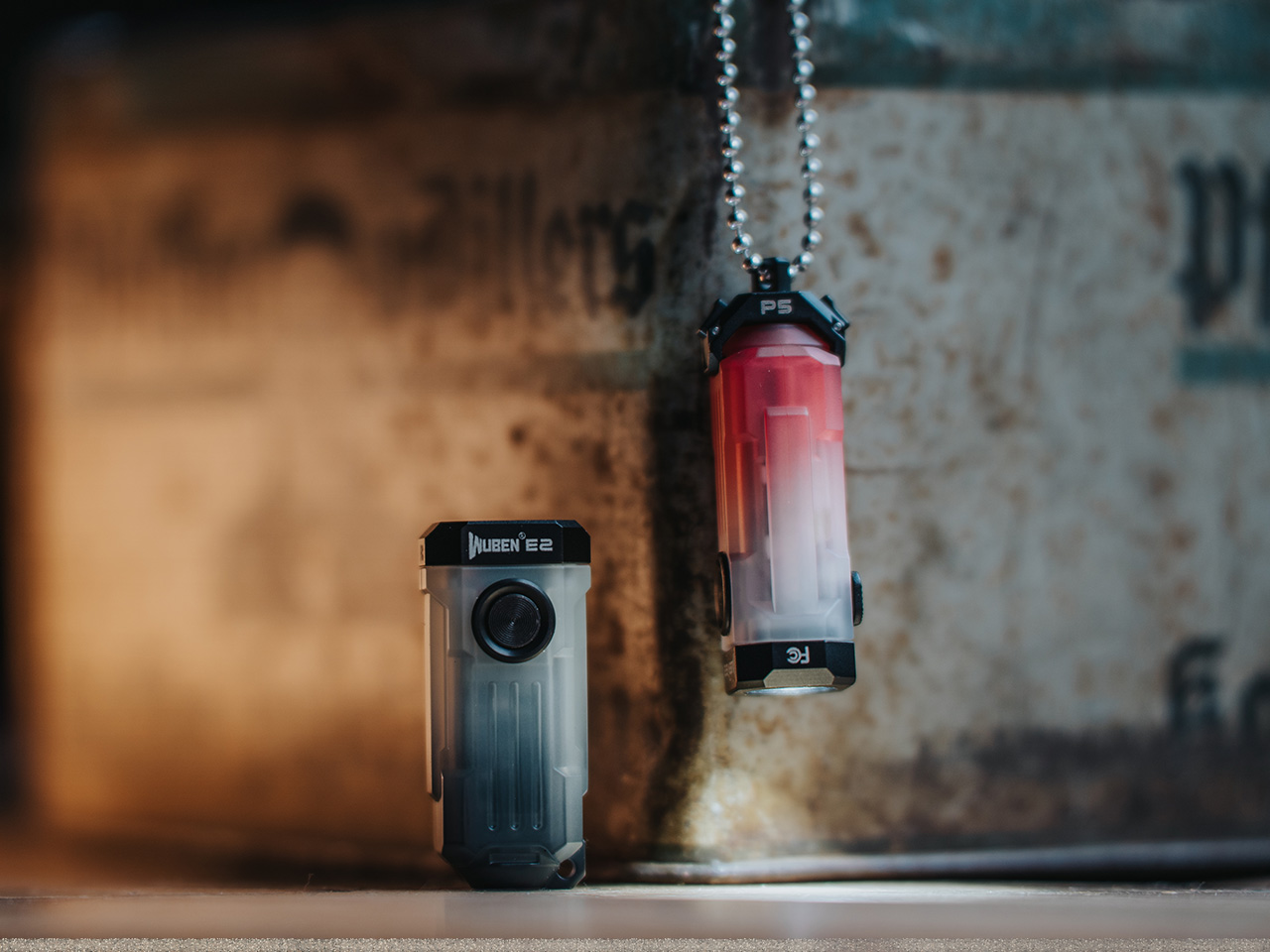
If the G5 disappears into a pocket, the E2 Pulse nearly disappears onto a zipper. Weighing about 0.38 oz, it trades the usual flashlight silhouette for a gradient shell that can hang from a chain. That changes the habit around it: there’s no bag to search when the light is already close enough to reach.

Its main beam delivers up to 150 lumens and reaches about 85 feet, handy for finding a dropped key or crossing a dim porch. A white side light spreads illumination over nearby surfaces, while there are red and red-and-blue signals, along with a gently pulsing glow. They add visibility and character, and provide some peace of mind in an emergency.

A magnet lets the E2 cling to a suitable metal surface, freeing both hands while you look beneath a sink or sort through a toolbox. Its quick-release connector makes it easy to detach from the chain, too. USB-C charging and an IP66 rating help it cope with everyday mishaps, including a bit of a shower or a quick splash.

The E2 gives you its brightest light when you need a quick look, then steps down from 150 to 100 lumens as the battery runs. That makes sense for something small enough to stay with you all day. Whether it’s attached to your keys, backpack, or necklace, it’s easy to reach when the power goes out or you’re looking for something after dark.

Click Here to Buy Now: $11.04 $29.99 ($18.95 off). Hurry, deal ends in 48-hours! Website Here.

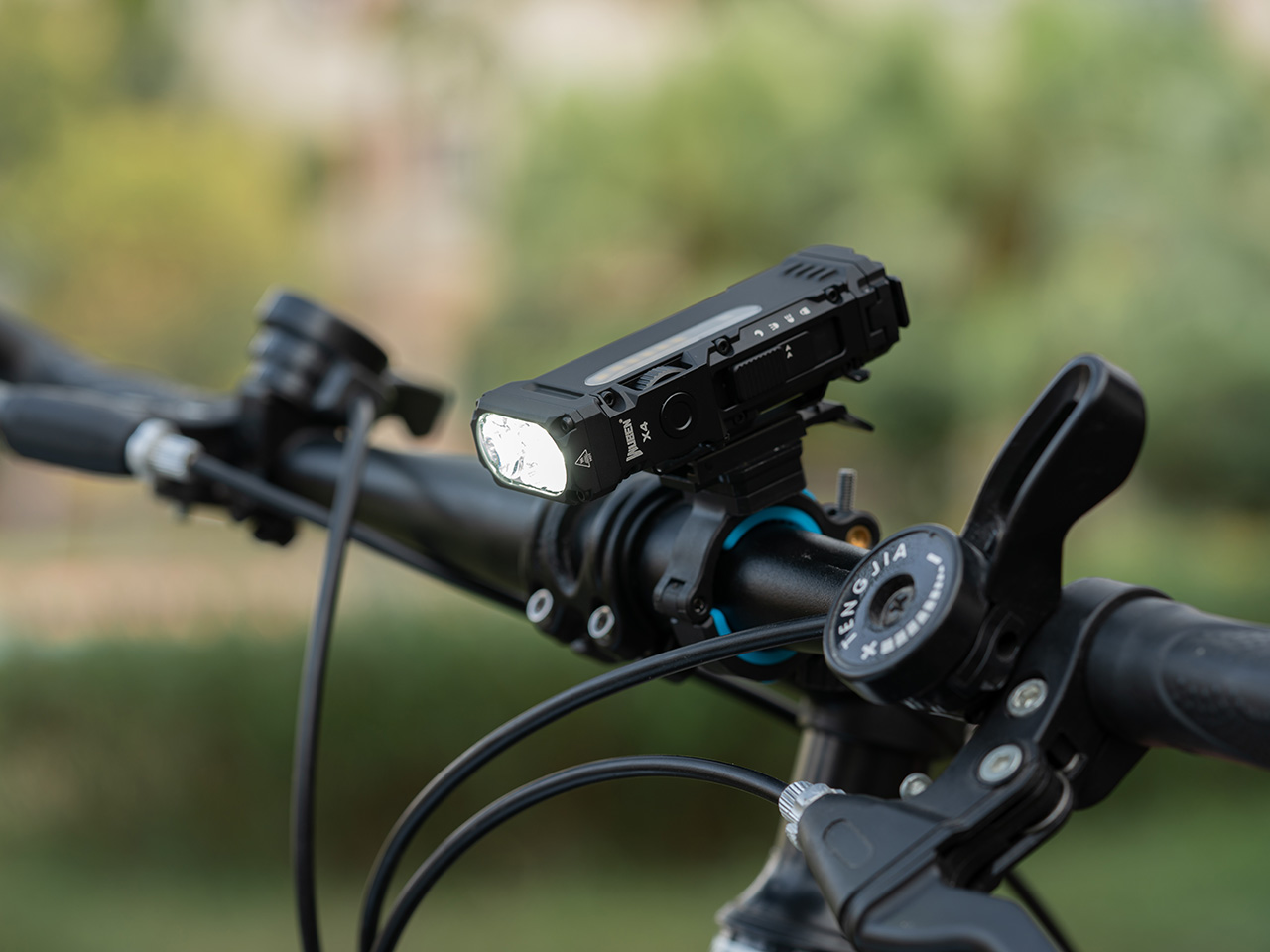
Wuben X4 Compact Multi-Function 1500 Lumen EDC Tactical Flashlight

The X4 sits between those extremes, with a shape that fits in a pocket but still gives your hand something substantial to hold. Its main light reaches 1,500 lumens and throws a beam up to 673 feet. That reach helps when the driveway ends before the darkness does, while the broader light makes the ground nearby easier to navigate.

A side panel takes over when distance stops mattering. Its warm white light can illuminate a page or soften a tent without aiming the main beam at your face. There’s RGB lighting, too, but the more interesting decision is putting different kinds of light on different surfaces. One direction serves the path; the other serves the space around you.

You can stand the X4 upright, clip it to clothing, or attach its magnetic base to suitable metal. Those choices make a difference when both hands are busy packing a car or tracing a cable behind a desk. Controls for the main light, side light, and lock mode also make it easier to get the kind of light you meant to use.

Inside is a replaceable 3,400mAh battery that charges through USB-C. At its lowest setting, the side light can run for up to 720 hours, giving you a long-lasting glow for extended trips while the 1,500-lumen main beam is there when you need more light. With an IP65 rating and resistance to drops from about 3.3 feet, the X4 feels as appropriate in a backpack as it does beside the bed.

A light you’ll actually carry is more likely to help when the power goes out or the walk runs late. Wuben has taken four different routes to that simple idea, and the Prime Day Fall 2026 Sale makes this a timely moment to consider which one fits your habits. A powerful beam has its place, but so does a little light that’s always on your keys.

Click Here to Buy Now: $38.99 $64.99 ($26 off). Hurry, deal ends in 48-hours! Website Here.

The post Wuben’s Prime Day Fall 2026 Sale Has a Different Light for Every Kind of Carry first appeared on Yanko Design.

5 Gadgets Gen Z Actually Wants to Own Right Now

Something shifted. The generation that grew up with every song, show, and photo living inside a glass rectangle is now buying CD players, handheld consoles, and standalone cameras that do exactly one thing. It is not purely nostalgia driving this. It is the particular relief of owning something that does not send notifications, update itself overnight, or ask for your location. These are objects that simply work.

What connects these five is not a shared aesthetic or price point but a shared resistance. Each gives your hands something real to do, something that clicks, spins, or frames a shot without a screen mediating the exchange. Gen Z did not fall out of love with technology. They fell out of love with technology that treats their attention as the product. These five objects treat it as something worth protecting.

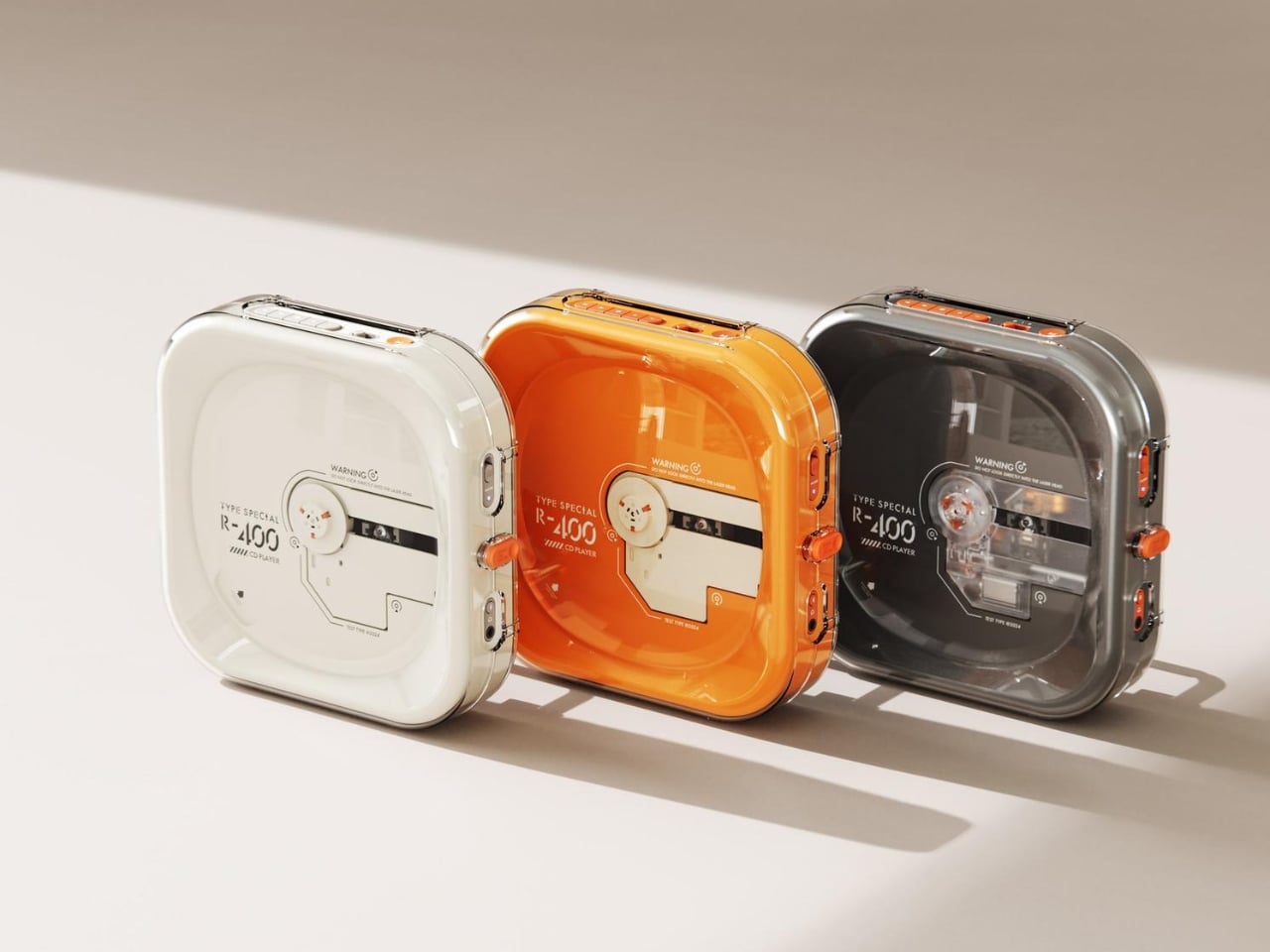
1. Syitren R400 Bluetooth CD Player

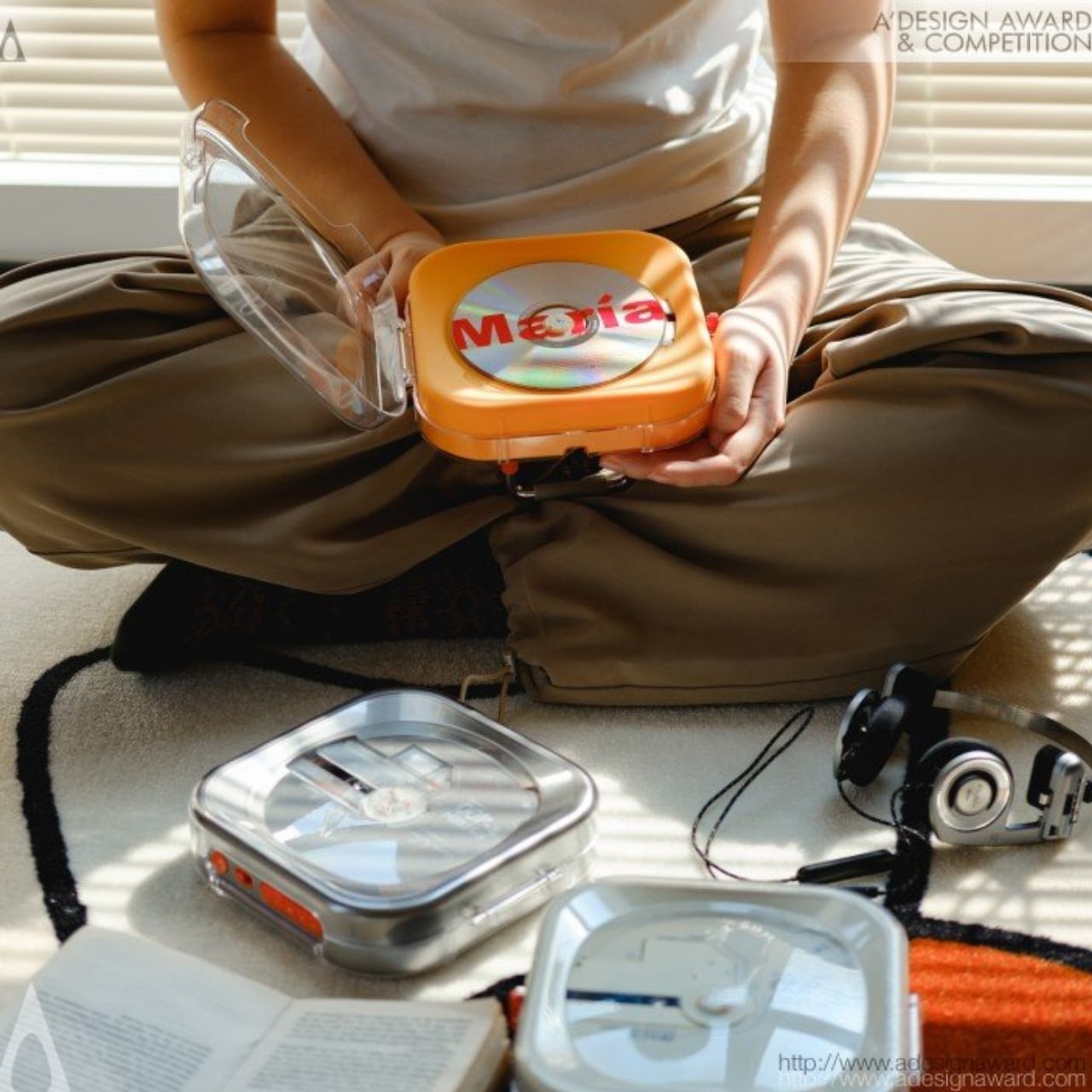
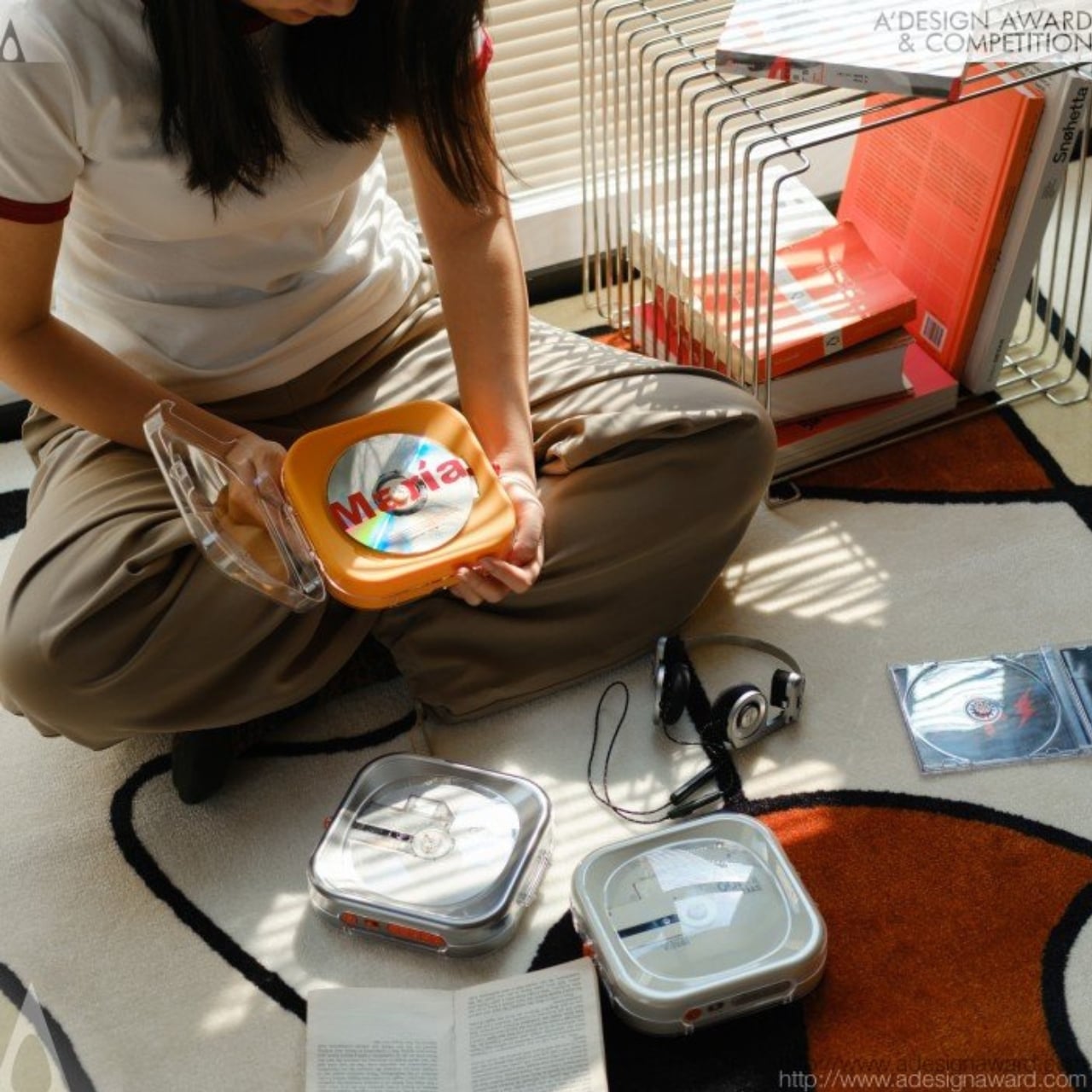
Portable CD players never disappeared, but they did stop trying. For years, the category was defined by bulky Sony boomboxes built around FM radio and cassette tapes as much as CDs. The R400, designed by ORGDOT for Syitren, is the first player in a long time that feels built for how people actually listen today. It is compact, Bluetooth 5.3-first, and designed to look as good on a desk or shelf as it does in your hand on a commute.

Under the shell, a custom Syitren pure CD core delivers a 70dB signal-to-noise ratio for clean, high-fidelity sound. Anti-vibration engineering keeps things skip-free while commuting or walking around. The shell is detachable and customizable, and a sunken charging compartment with a built-in wire groove keeps the cable from bending or fraying over time. Bluetooth or wired, car stereo or headphones, four-plus hours of continuous playback per charge, at a price that doesn’t make you choose between good design and good sound.

What we like

  • The detachable, customizable shell makes it something you can call your own, not just another piece of consumer electronics sitting on a desk.
  • Anti-vibration engineering means it is genuinely designed to be carried around, not just displayed.

What we dislike

  • Four hours of battery covers a workday comfortably but cuts short anything longer without access to a charge.
  • Sony has been quietly pulling back from portable CD players, meaning the R400 steps into a space with almost no competition to pressure it on price or performance.

2. Game Bub

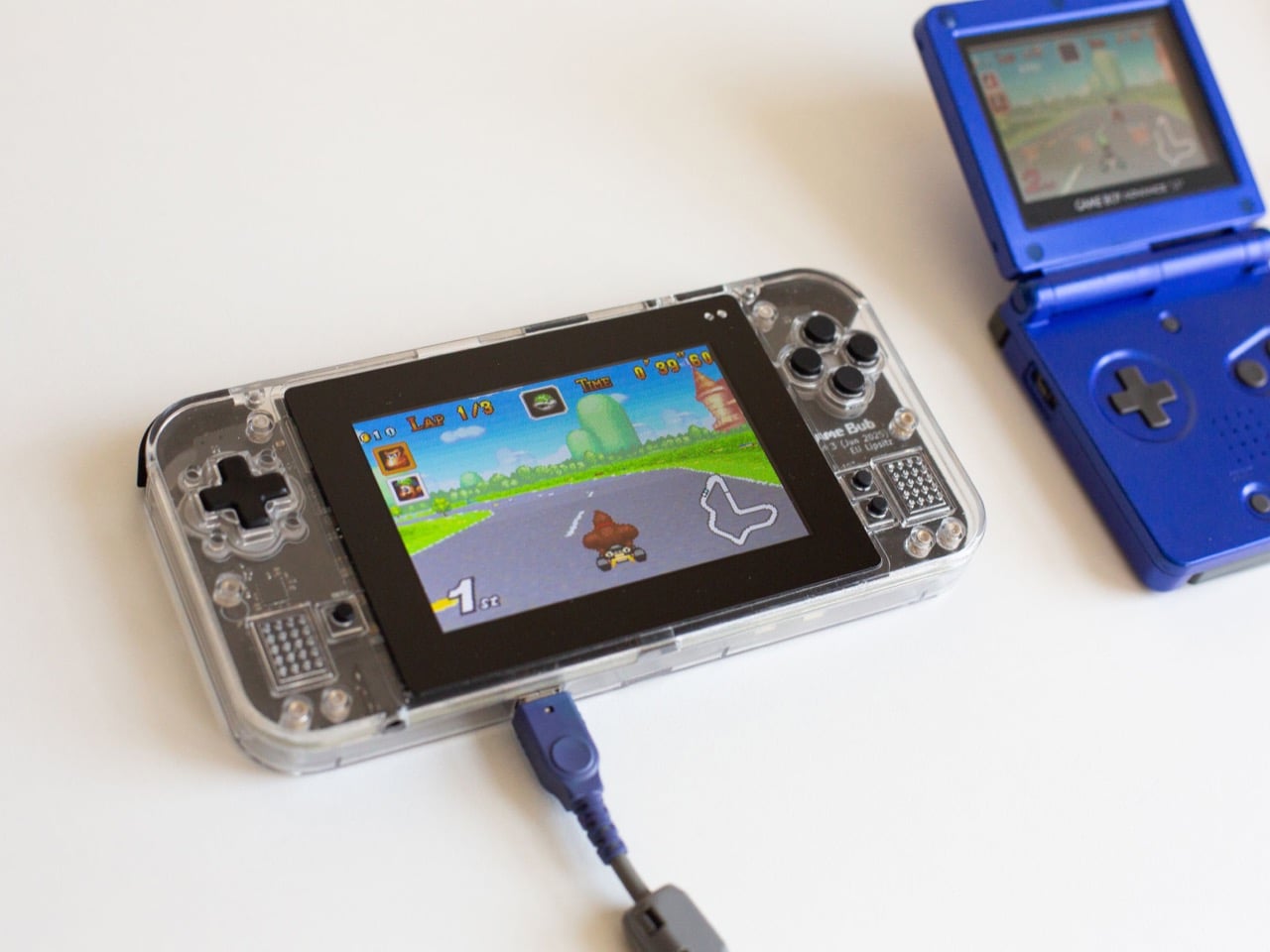
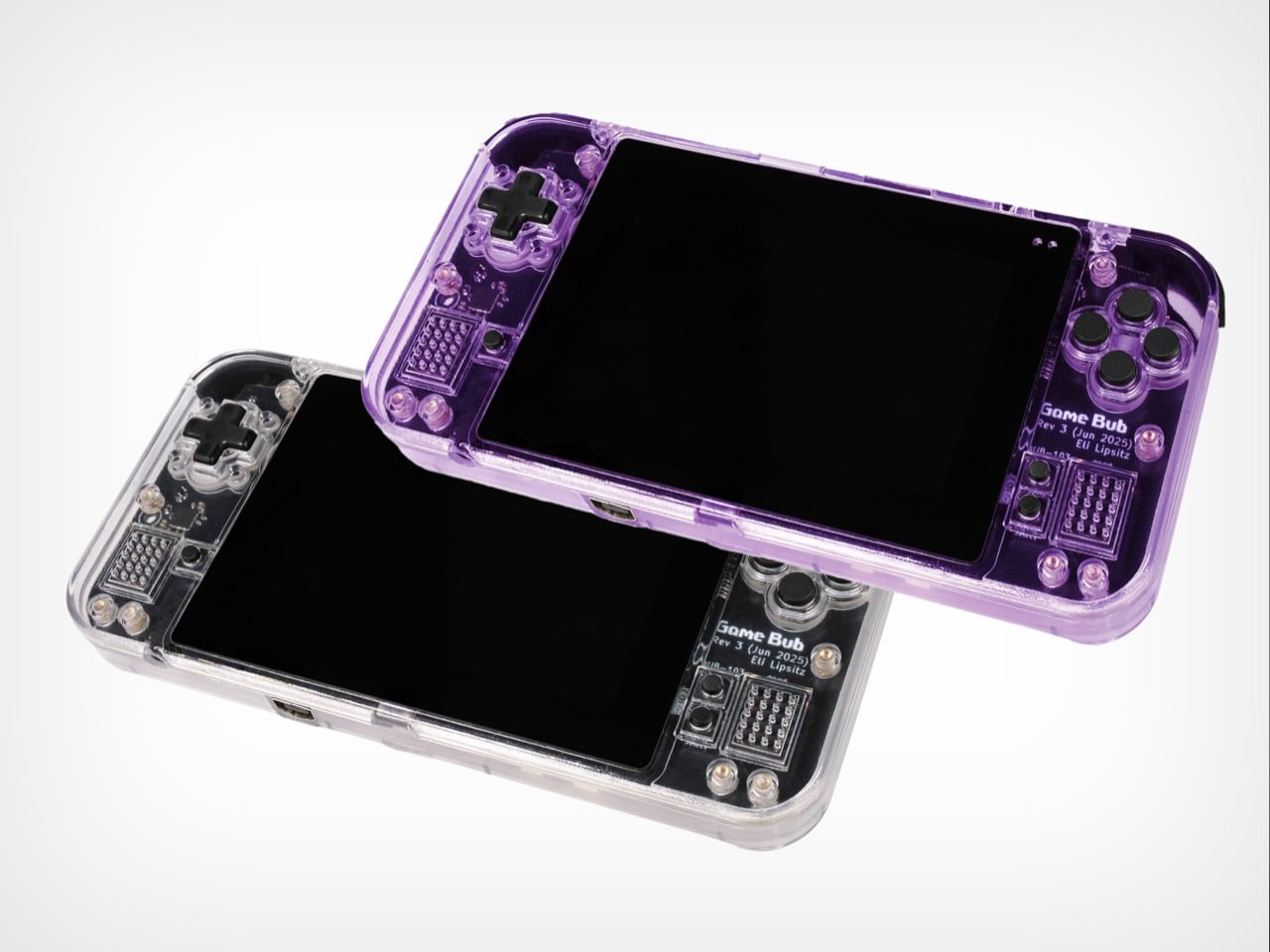
The Game Boy Advance’s design patents expired years ago, and most of what followed has been cheap emulation boxes wearing a familiar shape. Game Bub from Crowd Supply is different. It uses FPGA technology rather than software emulation, recreating the original Game Boy, Game Boy Color, and Game Boy Advance hardware at a circuit level with accuracy that emulators cannot match. The transparent shell, available in Purple and White, makes the whole thing look exactly as it should.

The horizontal GBA form factor is a deliberate choice in a market that keeps going vertical. Button placement feels natural; the shoulder buttons are where your fingers expect them, and dual one-watt stereo speakers handle classic soundtracks properly. USB-C charging, a headphone jack, a microSD slot for firmware updates, display output for big-screen play, Bluetooth Low Energy, 2.4GHz Wi-Fi, and a 3000mAh battery round out a device that earns the word ambitious.

What we like

  • FPGA accuracy means your cartridge collection plays exactly as it was designed to, not approximately as software emulation allows.
  • The horizontal form factor respects what made the GBA comfortable for long sessions, which most of the competition has quietly abandoned.

What we dislike

  • Hardware-level FPGA accuracy comes at a price point that locks out buyers who would otherwise be genuinely interested.
  • Open-source FPGA handhelds tend to have longer firmware update timelines, which requires patience from anyone buying early.

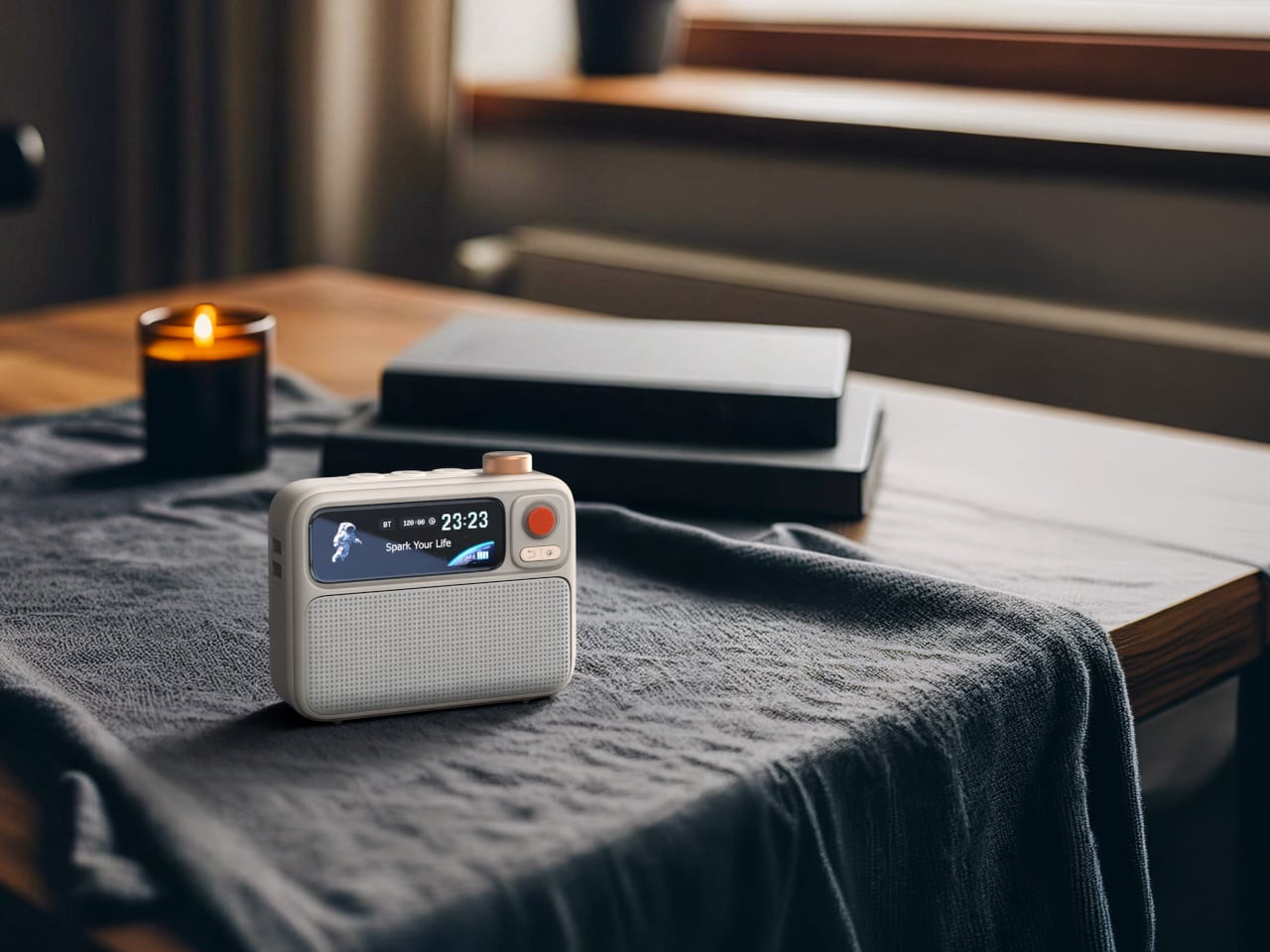
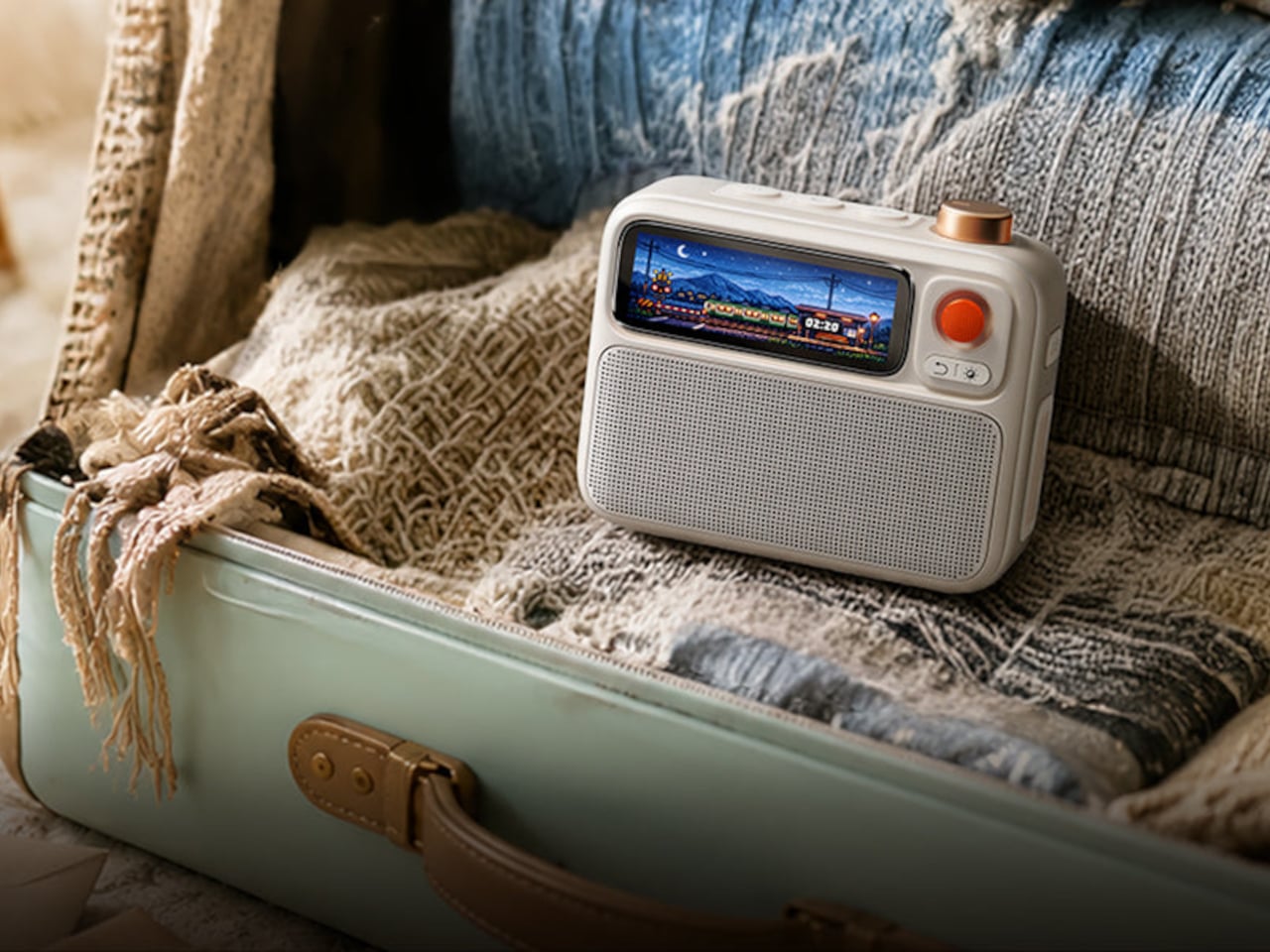
3. Clip&Go Radio

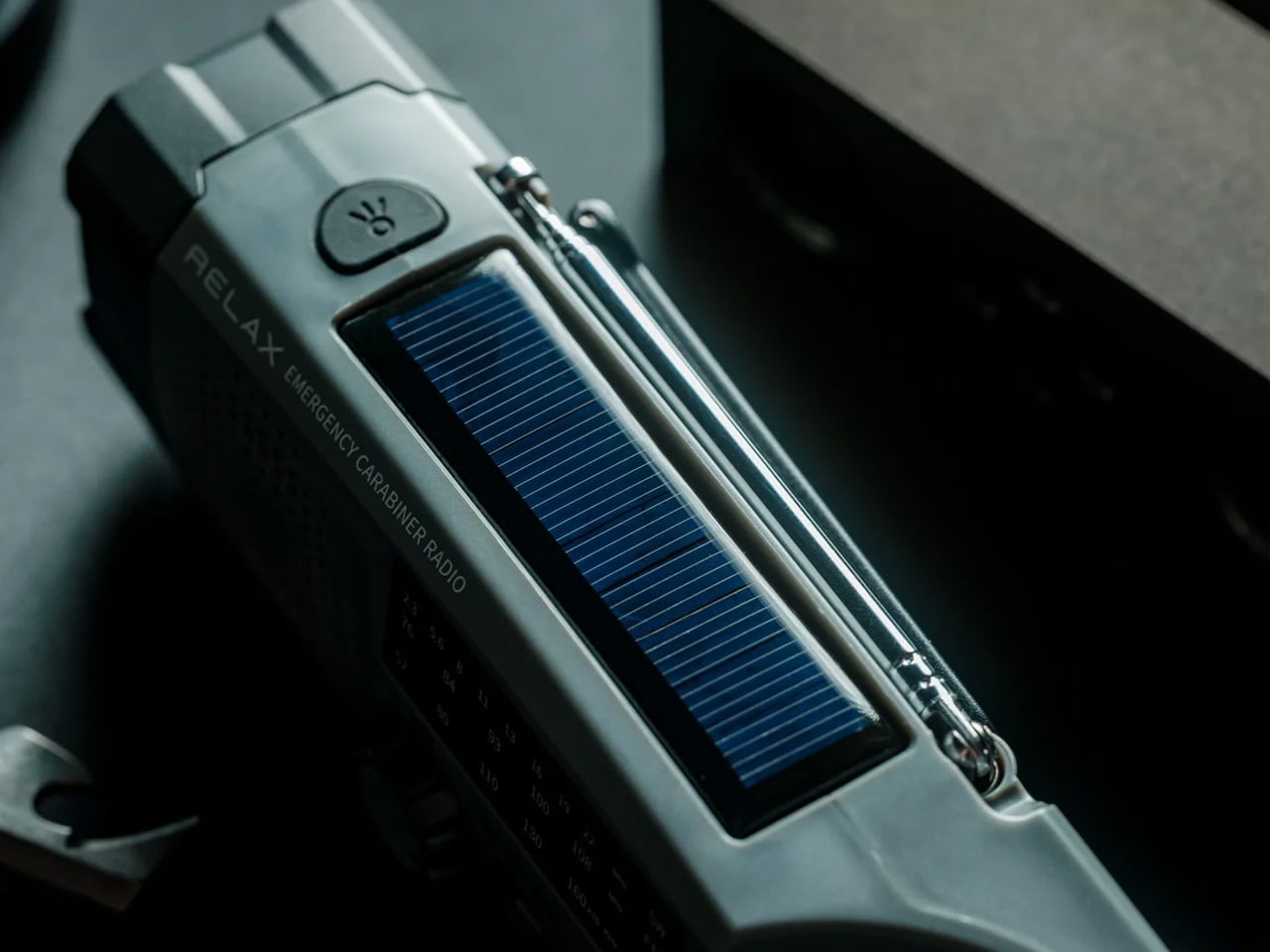
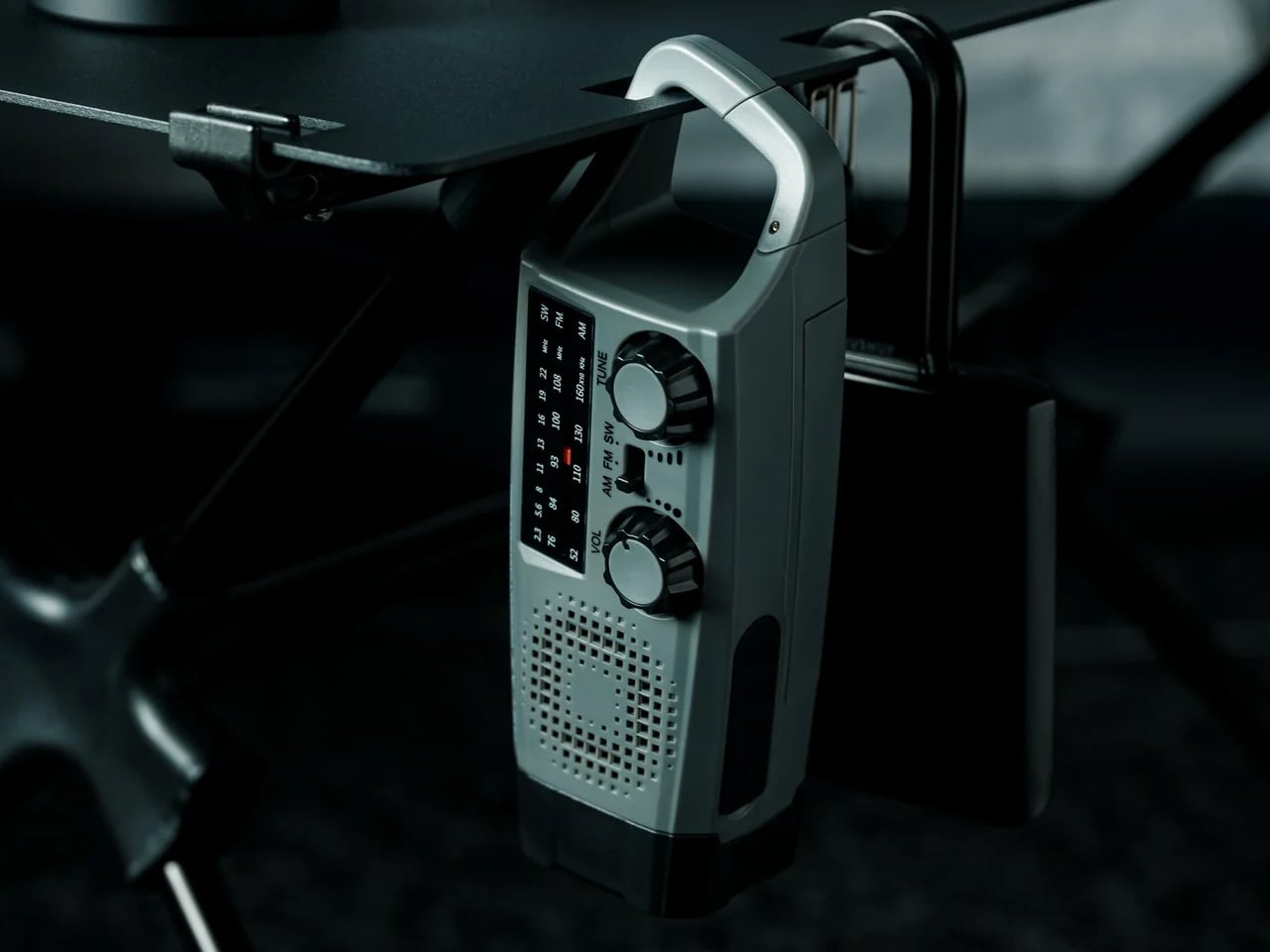
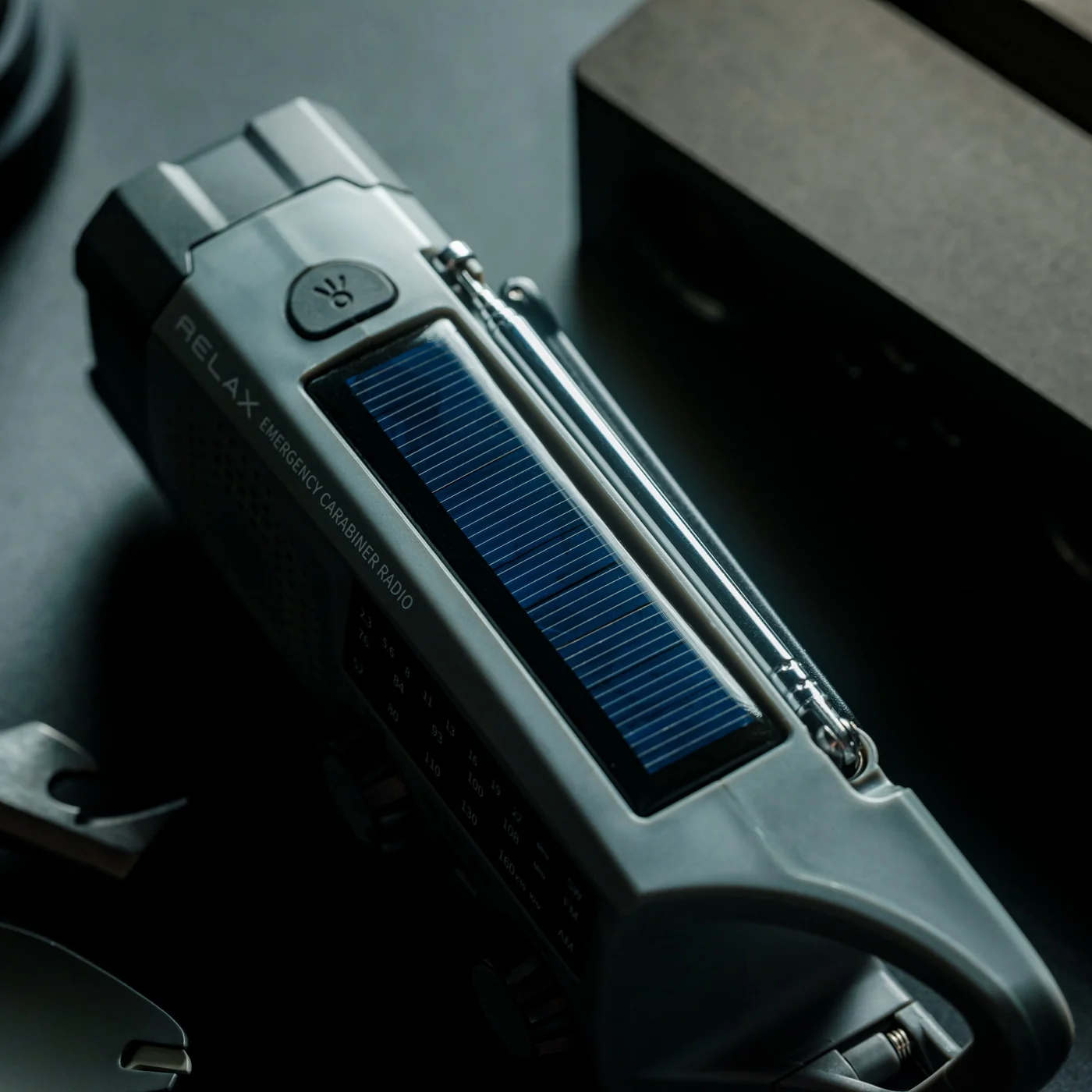
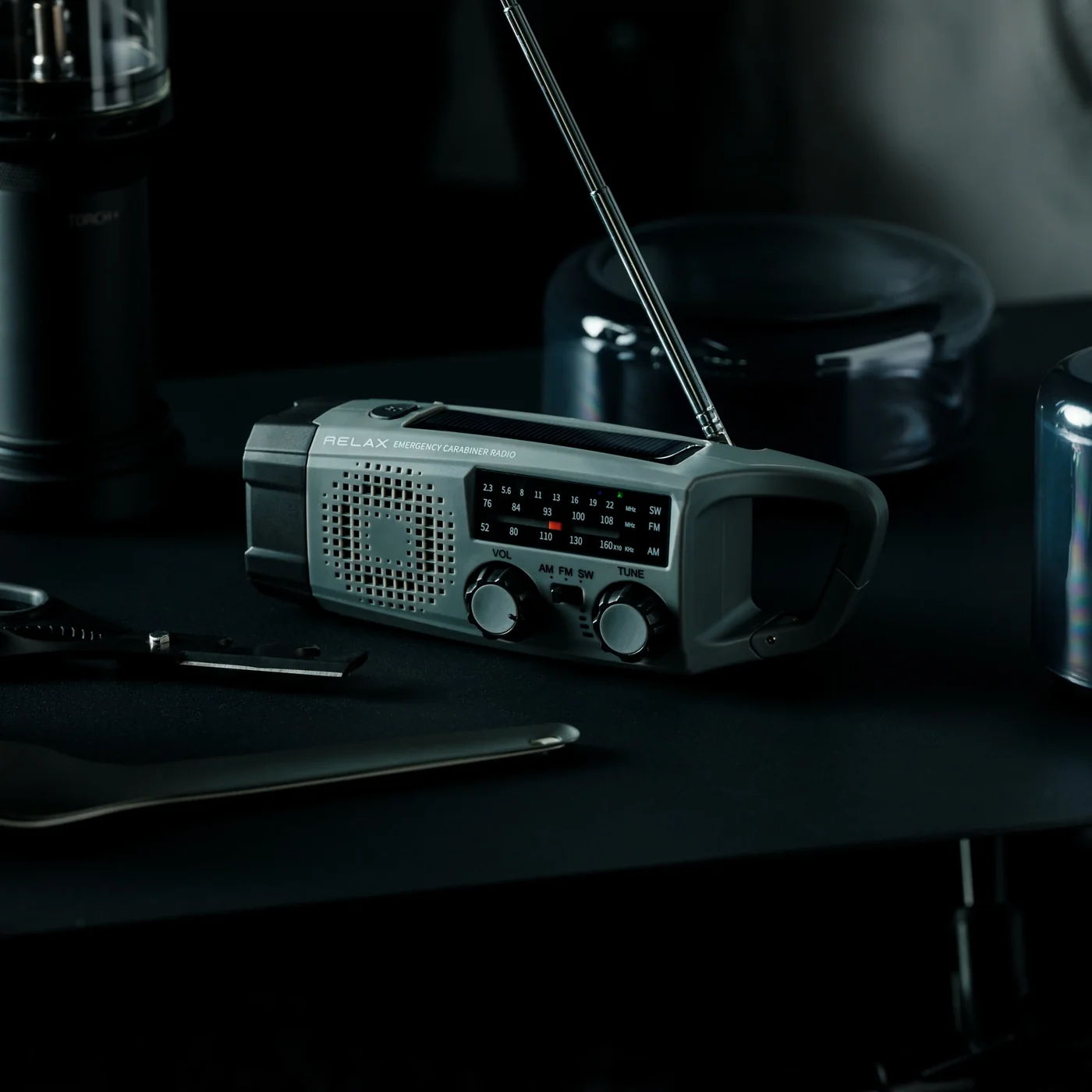
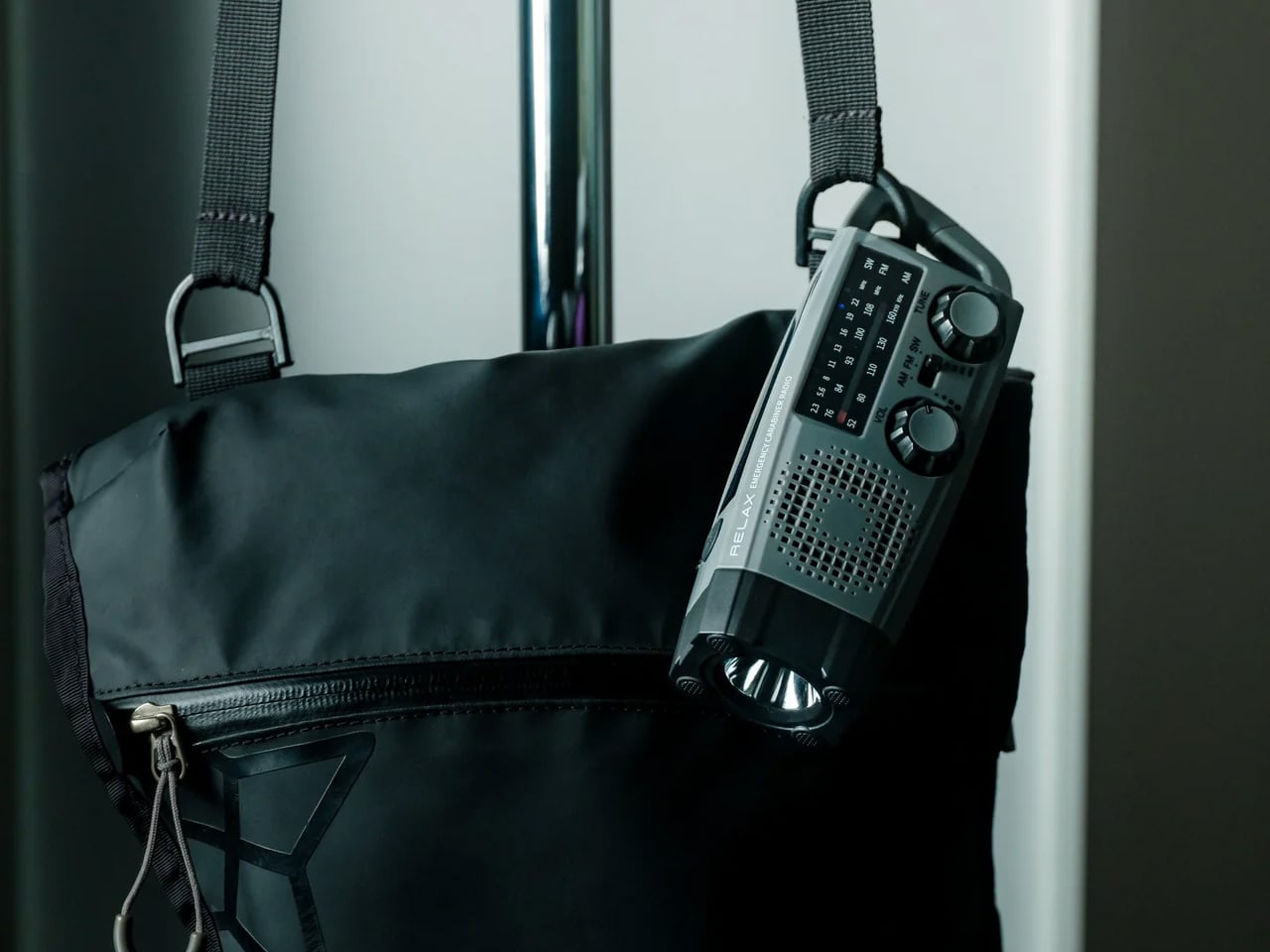
A radio that clips to your backpack and plays FM stations does not sound like a gadget Gen Z would want. The Clip&Go reframes the premise. It is compact enough to attach directly to your gear without thinking about it, built around the idea that the best emergency tool is one already useful before anything goes wrong. A built-in flashlight, hand crank, and solar panel mean it carries more utility than the dial on top suggests.

The physical radio format fits the same logic as the CD player and the handheld. It is a single-purpose device with no algorithm, no autoplay, and no recommendations. You tune a station, clip it on, and go. In a landscape where every device competes for your attention, a radio that does not know you exist feels quietly radical. At $60, it is also the most immediately ownable thing on this list.

Click Here to Buy Now: $60.00

What we like

  • The built-in hand crank and solar panel mean it works when other devices cannot, giving it a utility case that goes well beyond aesthetics.
  • The clip attachment means it genuinely travels with you rather than waiting in a bag pocket to be pulled out.

What we dislike

  • FM signal quality is location-dependent, making the listening experience inconsistent wherever coverage is thin.
  • At $60, it competes with Bluetooth speakers that do more on paper. The case for owning it rests on the single-purpose philosophy, not the spec sheet.

4. Camera (1)

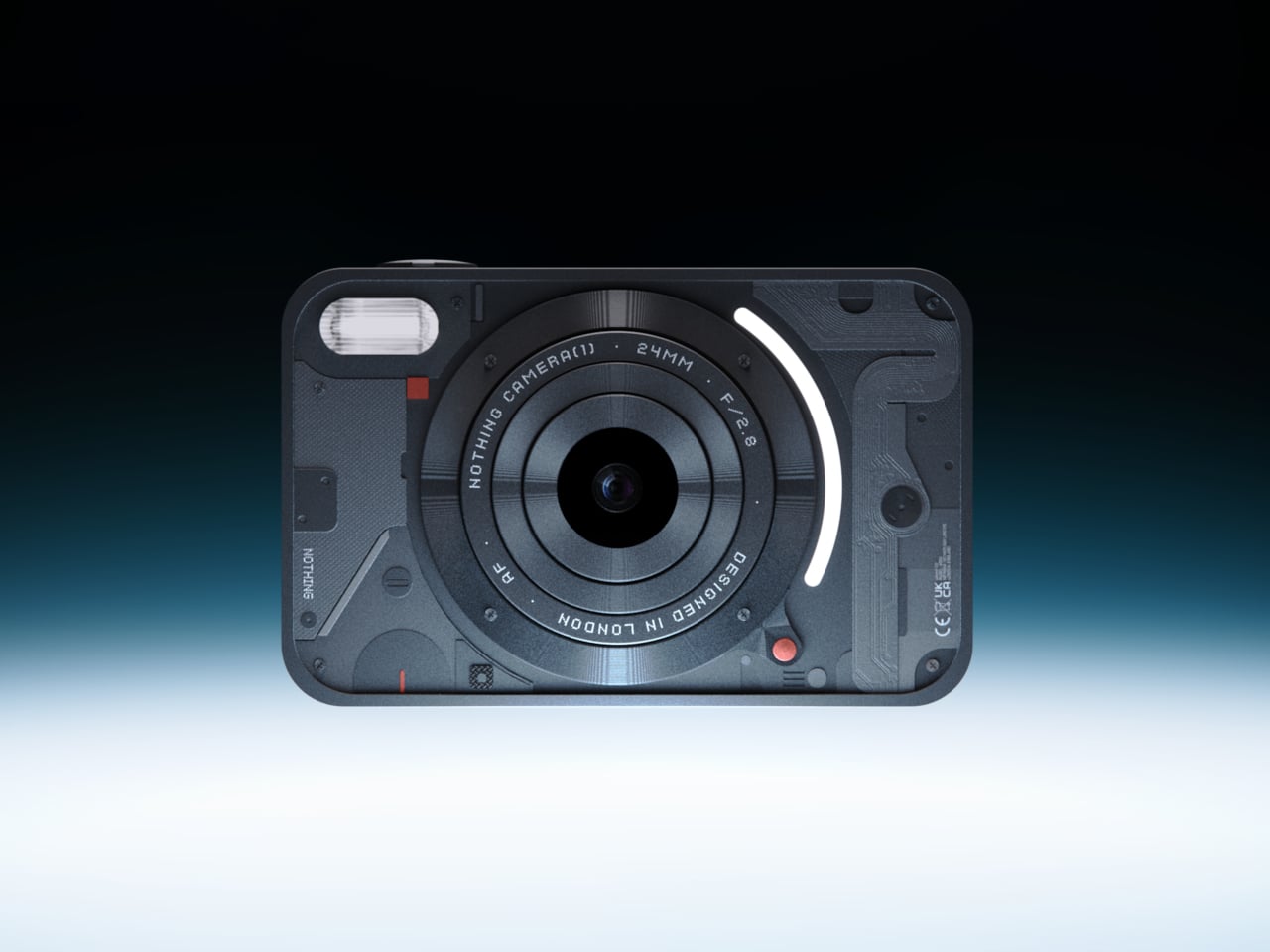
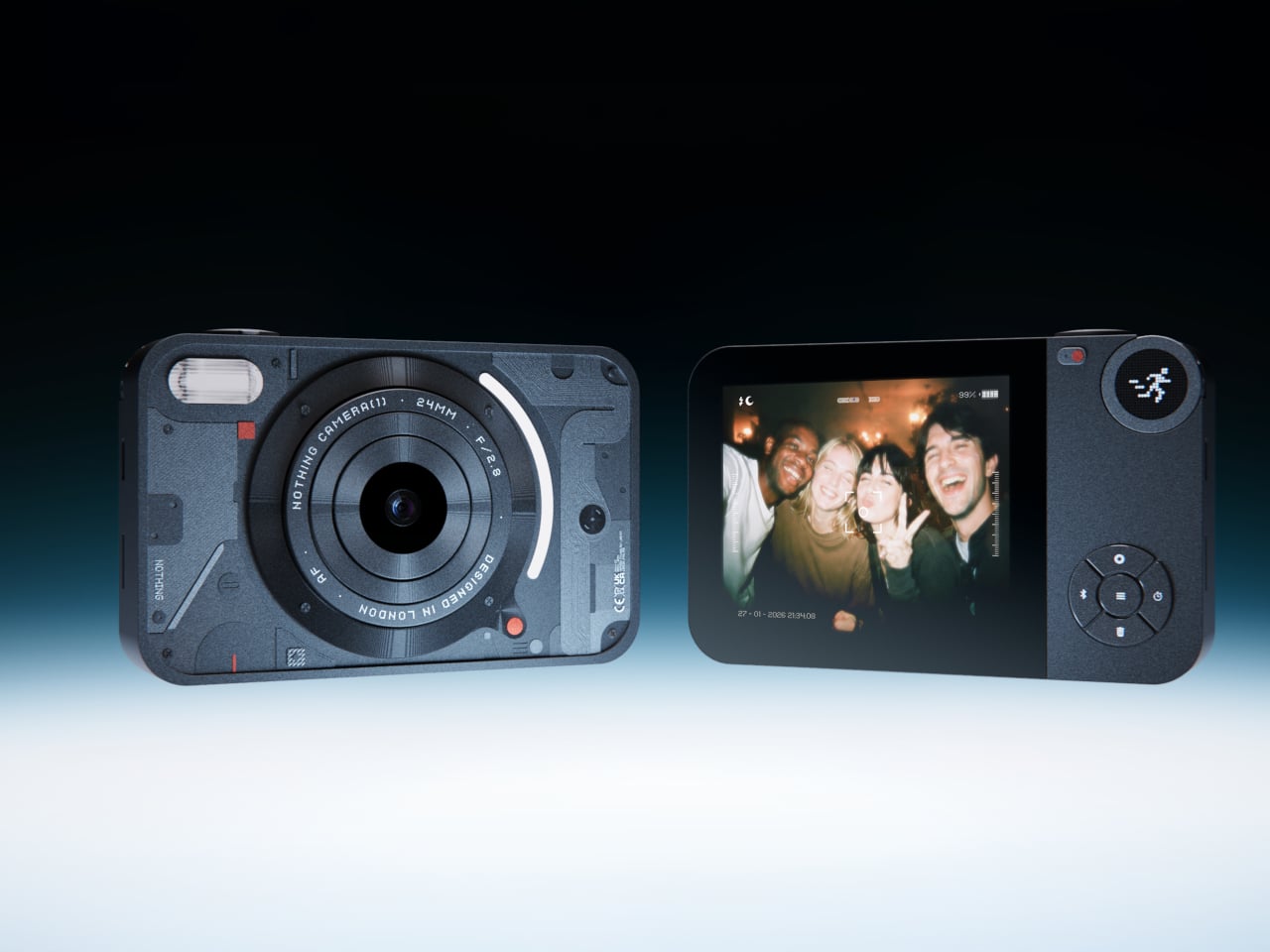
The impulse to pick up a standalone camera again is not about megapixels. It is about separating the act of taking a photograph from the act of being on your phone. Camera (1) is a concept by designer Rishikesh Puthukudy that imagines what a modern compact could feel like if built around physical controls rather than touchscreen menus. Metal body, softly rounded corners, every main control reachable without shifting your grip or glancing away from the scene you are trying to capture.

All the main controls live on one edge: a shutter, a circular mode dial with a dot-matrix glyph display showing simple icons for stills and video, and a D-pad your thumb can reach without looking down. A light strip around the lens pulses for the self-timer, confirms focus, and signals when recording is live, replacing multi-layer software navigation with immediate, readable feedback. The design language pulls from Nothing’s transparent, hardware-forward aesthetic and pushes it into something you would actually want to carry.

What we like

  • Every main control sits within reach of one thumb and index finger, keeping your eyes on the subject rather than hunting through a menu.
  • The light strip communicates camera state through peripheral vision, a smarter solution than burying status information inside a touchscreen.

What we dislike

  • Camera (1) is a concept with no confirmed manufacturer, production timeline, or pricing, which is a real limitation for anyone wanting to own one today.
  • The visual language is closely referential to Nothing’s established aesthetic, which may read as derivative to anyone already familiar with that design direction.

5. elrow miniphone

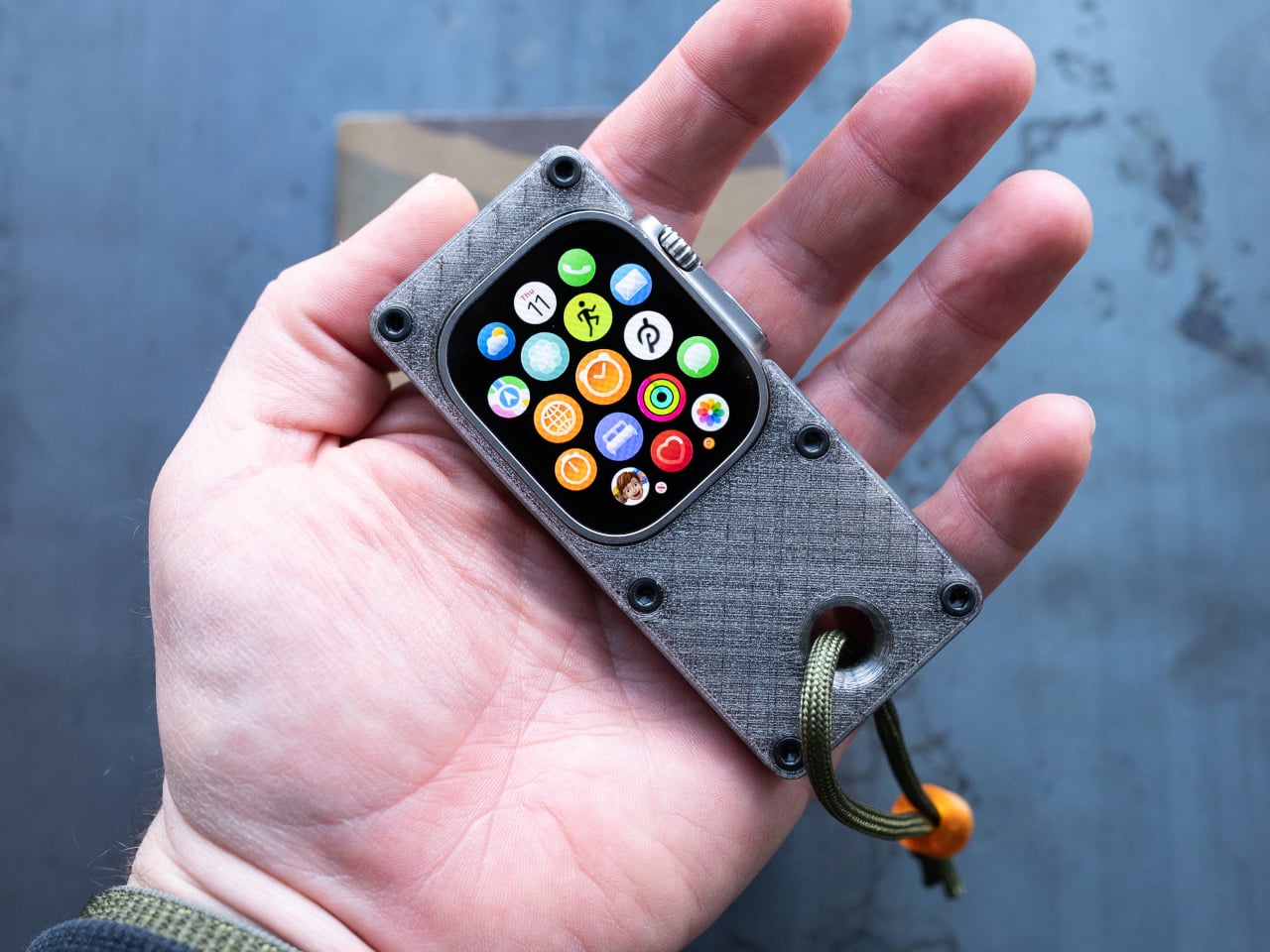
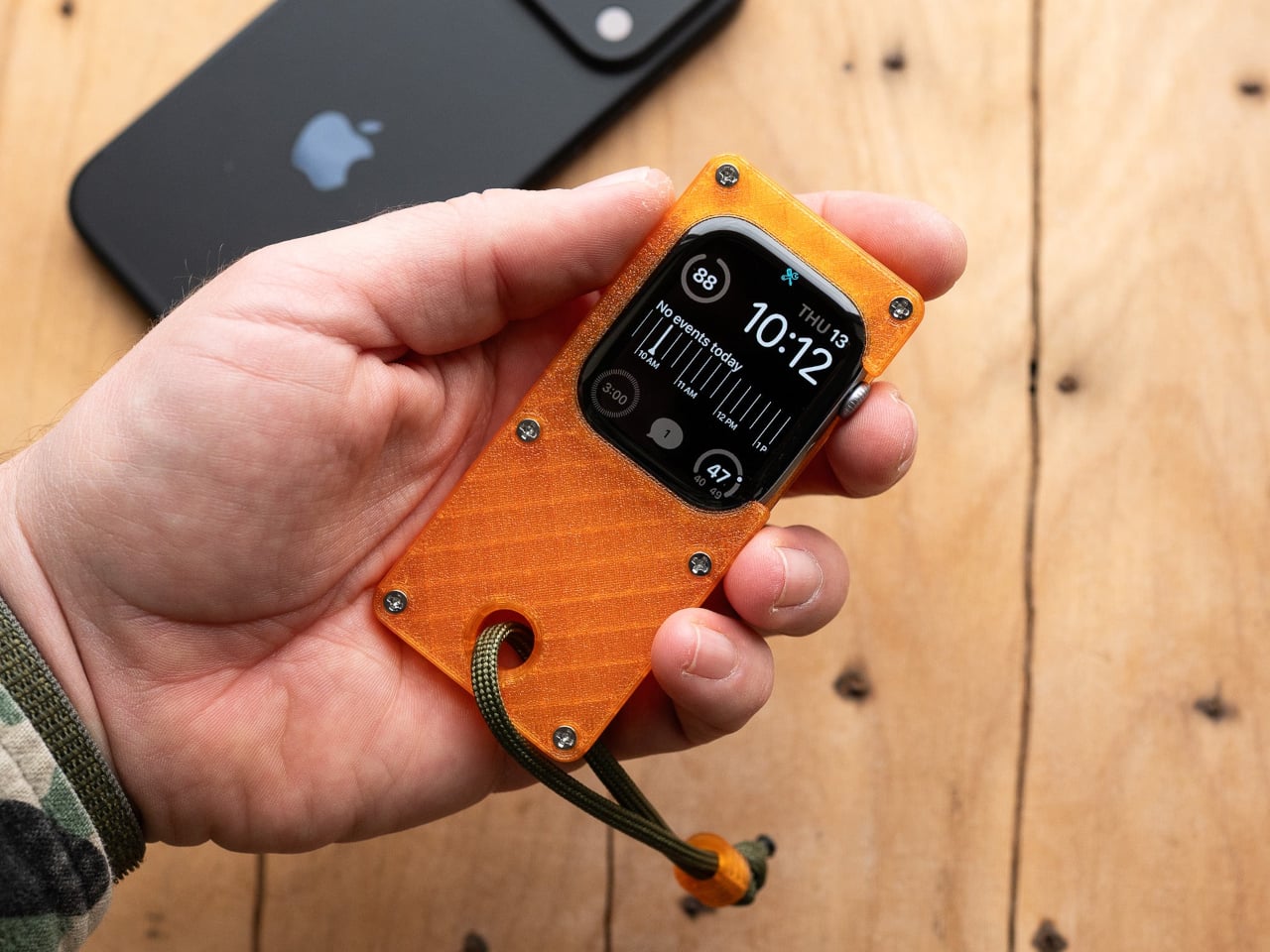
Full smartphones feel like overkill for a generation quietly walking back from maximalism. The Apple Watch on your wrist handles glances but stays awkward for anything more deliberate, and wearing both a smartwatch and an analog watch on the same arm is its own kind of compromise. The elrow miniphone is a 3D-printed case that turns an Apple Watch into a narrow, palm-sized device worn on a lanyard. The Standard fits the 46mm Series 10 and 11. The Ultra fits Apple Watch Ultra 1, 2, and 3.

Both stand around 95mm tall with textured translucent bodies and visible screws that do not attempt to hide how they were built. The back stays open so you can charge without disassembling the case. What elrow industries built is less a gadget and more a posture, a way to carry connectivity without wearing it on your wrist, freeing that space for the mechanical or analog watch you actually want to wear while keeping notifications, Apple Pay, and quick replies within reach.

What we like

  • The open back lets you charge without disassembly, removing the most frustrating everyday friction of any case.
  • Wearing connectivity on a lanyard rather than your wrist opens the door to the analog watch you have been quietly sidelining.

What we dislike

  • As a 3D-printed case, it depends entirely on which Apple Watch model you already own and is not a standalone device.
  • A lanyard-worn device requires real behavioral change to make useful day-to-day rather than just conceptually interesting.

Ownership Is the Point

What this list describes is not a generation running from technology. It is a generation learning to be selective about which technology gets to run on them. A CD player that skips the algorithm. A handheld that plays cartridges at hardware level. A camera built around a shutter click. A lanyard device that frees your wrist. A radio that does not know your name. Five objects. Five things that simply work.

The broader shift is less about any individual product and more about what owning something actually means. Streaming everything is convenient right up until nothing feels like yours. A CD on a shelf, a cartridge in a slot, a photo taken with a camera you held in your hand: these are forms of possession the subscription model quietly erased. Gen Z is taking them back, one physical object at a time.

The post 5 Gadgets Gen Z Actually Wants to Own Right Now first appeared on Yanko Design.
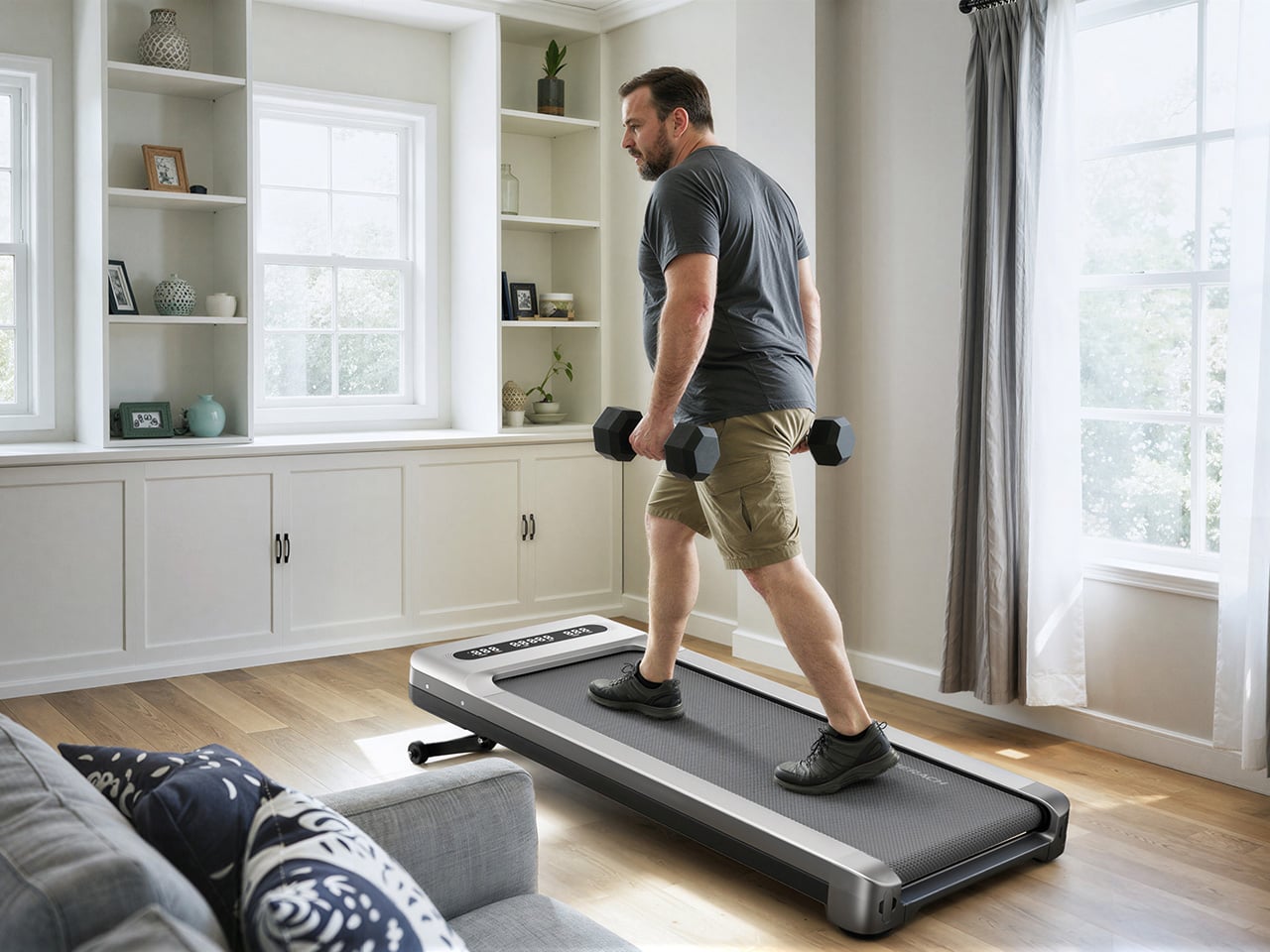
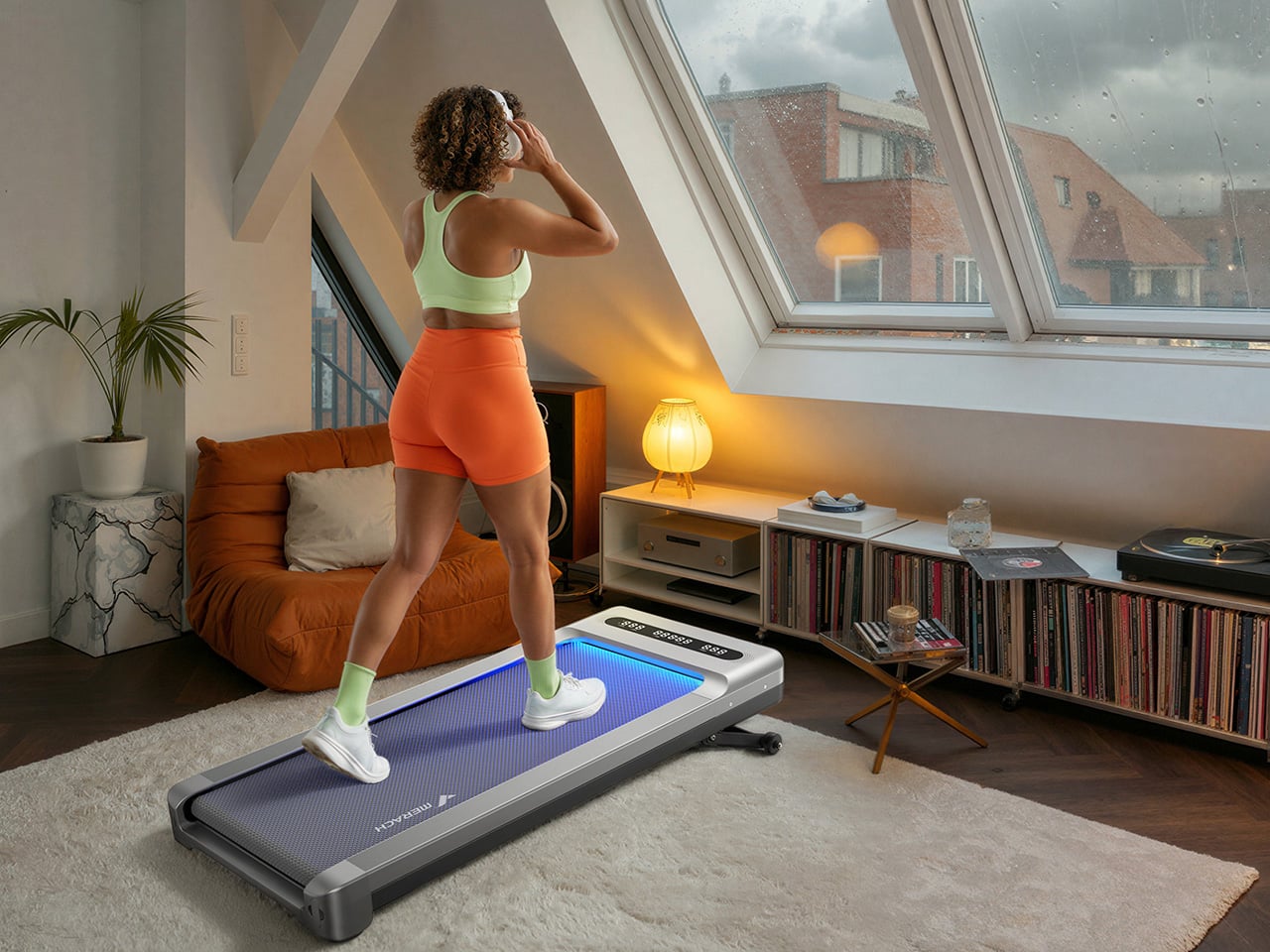
MERACH’s new W60 Plus walking pad boasts 12 incline levels, RGB lights, and a built-in Bluetooth speaker

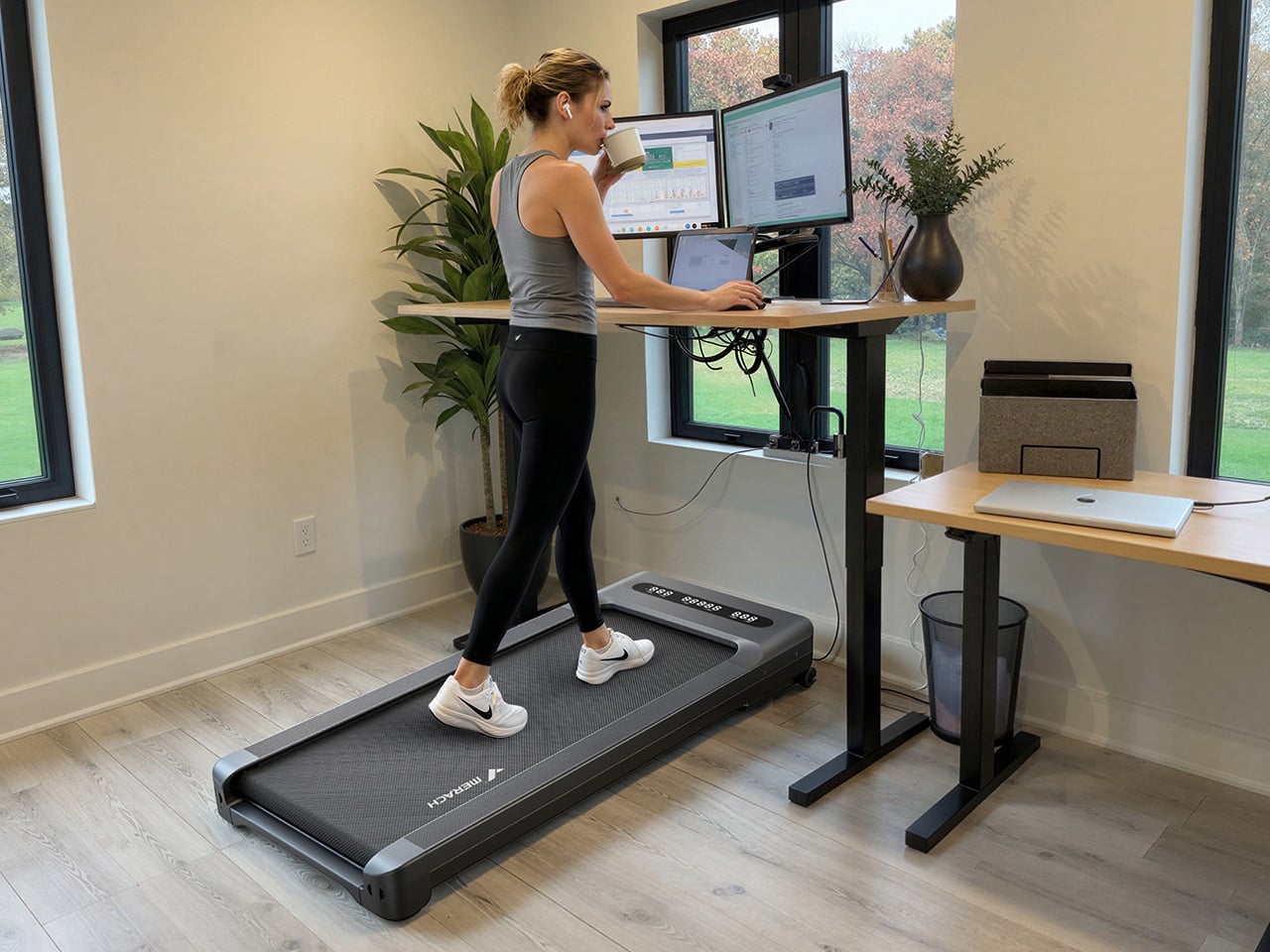
The under-desk treadmill had its moment, arriving as the perfect sidekick for our sudden work-from-home lives (can you believe it’s been six whole years?). It was the simple, brilliant answer to hitting a step count between calls and emails, and products like the original WalkingPad and the WalkingPad S1 were among the early heroes of that era. We all got one, or knew someone who did, turning home offices into miniature gyms where productivity and light cardio could finally coexist. The problem was that a lot of those machines, true to their budget price tags, started dying after six months of use. Walking pads got a reputation for being disposable, which was a shame, because the core concept was always worth taking seriously.

The UltraWalk W60 Plus is the clearest expression of what MERACH is building toward: a walking pad engineered with permanence at its core. When we caught the brand at IFA 2026, their first major trade show appearance despite an already loyal following built through e-commerce, the walking pad lineup stood out for build quality at a price most competitors couldn’t match. The W60 Plus has 12 automatic incline levels, a third-party SGS-certified motor, and a weight capacity that would make a full-size treadmill raise an eyebrow. Mood lighting and a Bluetooth speaker come along too, which sounds ridiculous until you realize how much more likely you are to use a machine that’s genuinely fun to be around.

Designer: MERACH

Click Here to Buy Now: $288 $499.99 ($211.99 off, use coupon code “MERACHW60”). Hurry, deal ends in 48-hours!

A 3.5 HP Brushless Motor, SGS-Certified Performance, and a Frame Rated for 330 Lb

The W60 Plus runs on a 3.5 HP peak / 1.25 CHP brushless motor with a 42mm diameter and a Hall sensor for precision feedback. Brushless motors are generally more efficient and longer-lasting than brushed ones, and MERACH claims a lifespan of up to 15,000 hours here, which the brand puts against the 300 to 800-hour lifespans typical of budget walking pad motors. The weight capacity sits at 330 lbs under SGS-certified testing conditions. The heavy-duty steel frame doesn’t wobble under a real walking load, which matters more than most spec sheet comparisons. That stability is what separates a machine you’ll want to use from one you’ll come to resent.

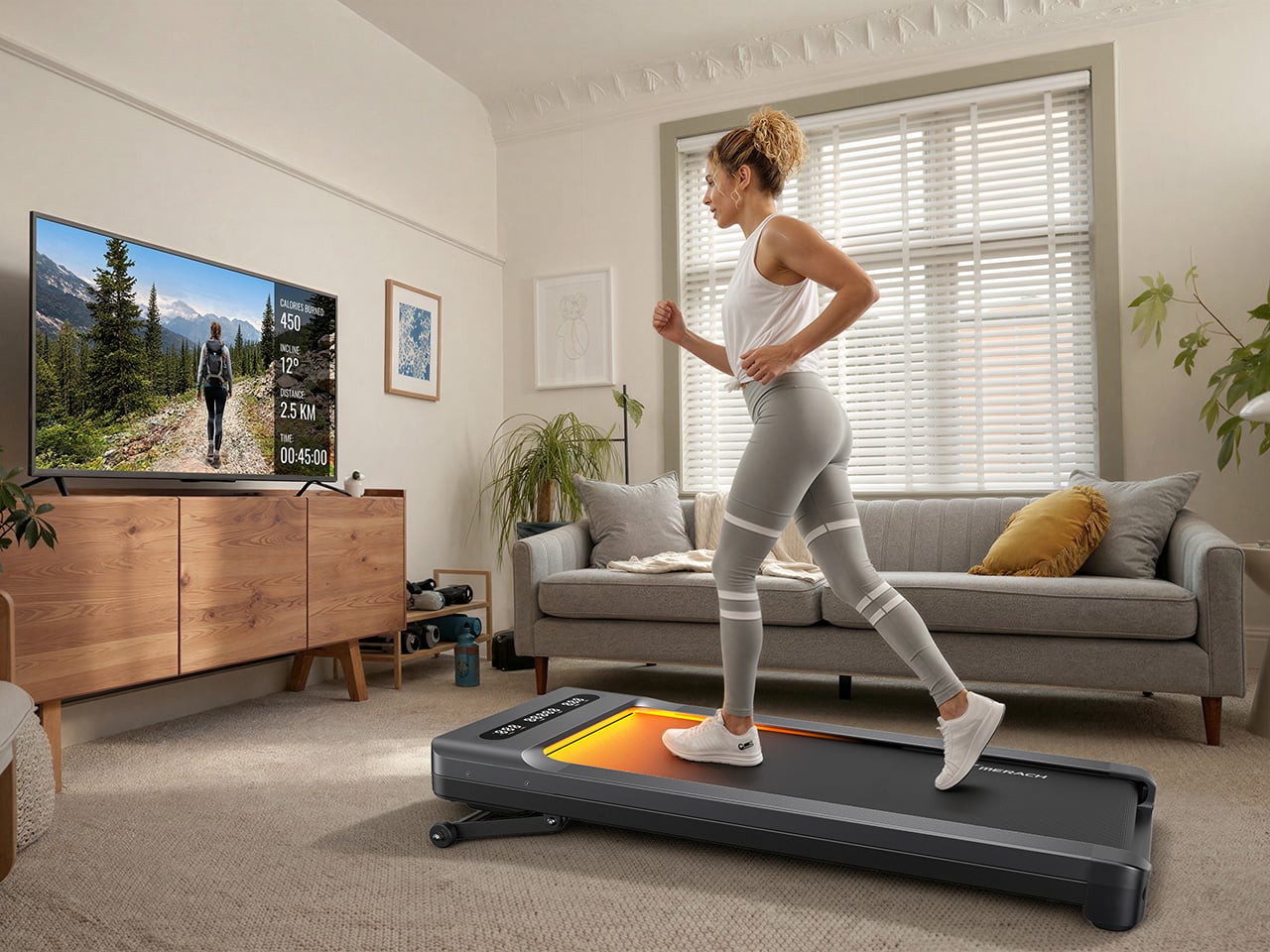
The W60 Plus passed SGS’ performance specs evaluation with flying colors. The noise testing came back at under 54 dB at medium speed with a 75 kg test load, which sits comfortably below the ambient volume of a normal conversation. At maximum speed that figure climbs to 60 dB with load, and 55 dB without, meaning the machine stays apartment-friendly even when it’s working hard. There’s also a one-touch mute function for those moments when you absolutely need silence (hello, important video calls). That noise profile lets you walk and watch TV simultaneously without either experience suffering, which is, honestly, the whole point of this category.

Twelve Auto-Incline Levels, a 16.5-Inch-Wide Deck, and a Speed Range Built for Walking

Twelve levels of automatic incline is the feature that separates the W60 Plus from the flat-and-boring competition, and for a machine in this price tier, it’s genuinely unusual. At the highest setting, it shifts from a gentle recovery walk to something that meaningfully elevates your heart rate, particularly through the posterior chain. The speed range of 0.6 to 4.0 MPH keeps things firmly in walking and light jogging territory, and that 4 MPH ceiling is worth acknowledging: this machine won’t satisfy runners. What it will do is make a 3 MPH incline walk feel like real exercise, which for most desk-workers is entirely the point. Incline transitions between levels automatically and smoothly, a detail that matters when you’re trying to maintain a rhythm.

The running deck measures 16.5 inches wide by 41.3 inches long, which MERACH puts at roughly 33% wider than the category standard. That extra width makes for a more natural gait and stride, particularly for taller users or anyone with broader hips. The non-slip surface handles uphill walking and light jogging without issue, and the length means you’re not constantly worrying about the back edge. Team USA heptathlete Annie Kunz has been using the W60 Plus for active recovery and step accumulation, describing it as a way to “jump on here and there when I feel a burst of energy.” Multi-event athletes log enormous volumes of low-intensity cross-training, and a 12-level incline walking pad fits that workflow more naturally than a flat surface ever could.

Sound-Reactive RGB Lighting, a 5W Bluetooth Speaker, and Triple-Platform App Integration

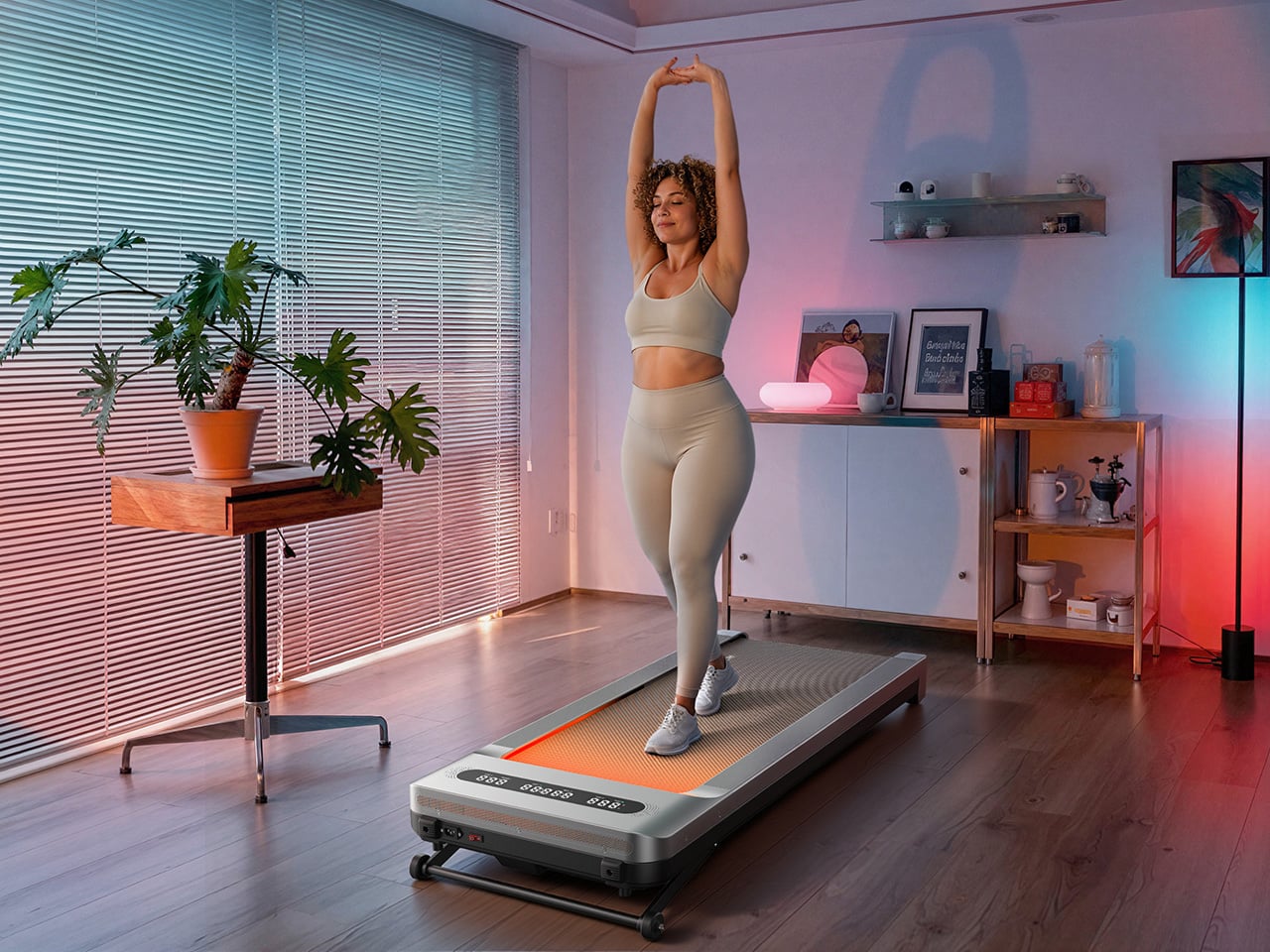
MERACH’s RGB lighting system reacts to step frequency and syncs to audio rhythm, creating a feedback loop between movement, sound, and visual stimulus that turns a walking session into something engaging. A walking pad that’s boring ends up under the sofa permanently, and MERACH clearly treats engagement as a design constraint, not an afterthought. The lighting pairs with a built-in 5W Bluetooth speaker that fills a home office without headphones, which matters when you’re walking through calls or podcasts. The whole feature cluster borrows from the cozy cardio playbook, acknowledging that for most users, habit formation is a bigger obstacle than physical capability. Make the machine enjoyable to use, and the steps take care of themselves.

Full app integration spans MERACH’s own platform, Apple Health, and Google Fit, with real-time tracking of speed, incline, calories, distance, time, and step count across all three. The MERACH app adds guided routines and custom workout programs, which pushes the W60 Plus into territory where it can coach you through a session rather than simply hosting it. An 8-button magnetic remote handles speed, incline, lighting, mute, start/stop, and program selection, and it docks magnetically to the frame when not in use. The LED display gives you a live readout of key metrics without having to pull out your phone. None of it requires a subscription, which at this price is a genuinely welcome detail.

Zero Assembly, 80 Percent Less Floor Space, and a Price That Makes Sense

The W60 Plus ships fully ready to use: unbox it, plug it into a standard 110V outlet, and step on. No assembly means no instruction booklet, no leftover mystery bolts, and no 45-minute YouTube tutorial that’s supposed to take 10 minutes. When you’re done, the vertical folding support stand lets the machine stand upright, which MERACH says cuts the floor-space footprint by up to 80%. The enlarged front transport wheels make it manageable to move even over carpet, which is where most budget transport wheel designs tend to give up. At 67.7 lbs, the W60 Plus isn’t light, so those wheels are doing real work every time you slide this thing out from under the desk.

The UltraWalk W60 Plus launched on May 26, 2026, and is available now through MERACH’s official website in a Grey finish, with the list price marked at $499.99 and the current sale price at $329.99. MERACH is also offering an extra discount code, MERACHW60, which drops the checkout price to $264.00 with free shipping, a much more aggressive number than this category usually sees for a 12-level auto-incline walking pad. The product page also offers optional accident protection from $29.99. Warranty details are not clearly surfaced in the material provided, so that part is best verified directly on MERACH’s store before publication.

Click Here to Buy Now: $288 $499.99 ($211.99 off, use coupon code “MERACHW60”). Hurry, deal ends in 48-hours!

The post MERACH’s new W60 Plus walking pad boasts 12 incline levels, RGB lights, and a built-in Bluetooth speaker first appeared on Yanko Design.

This Expandable LEGO Frame System Finally Solves the Collector Storage Nightmare

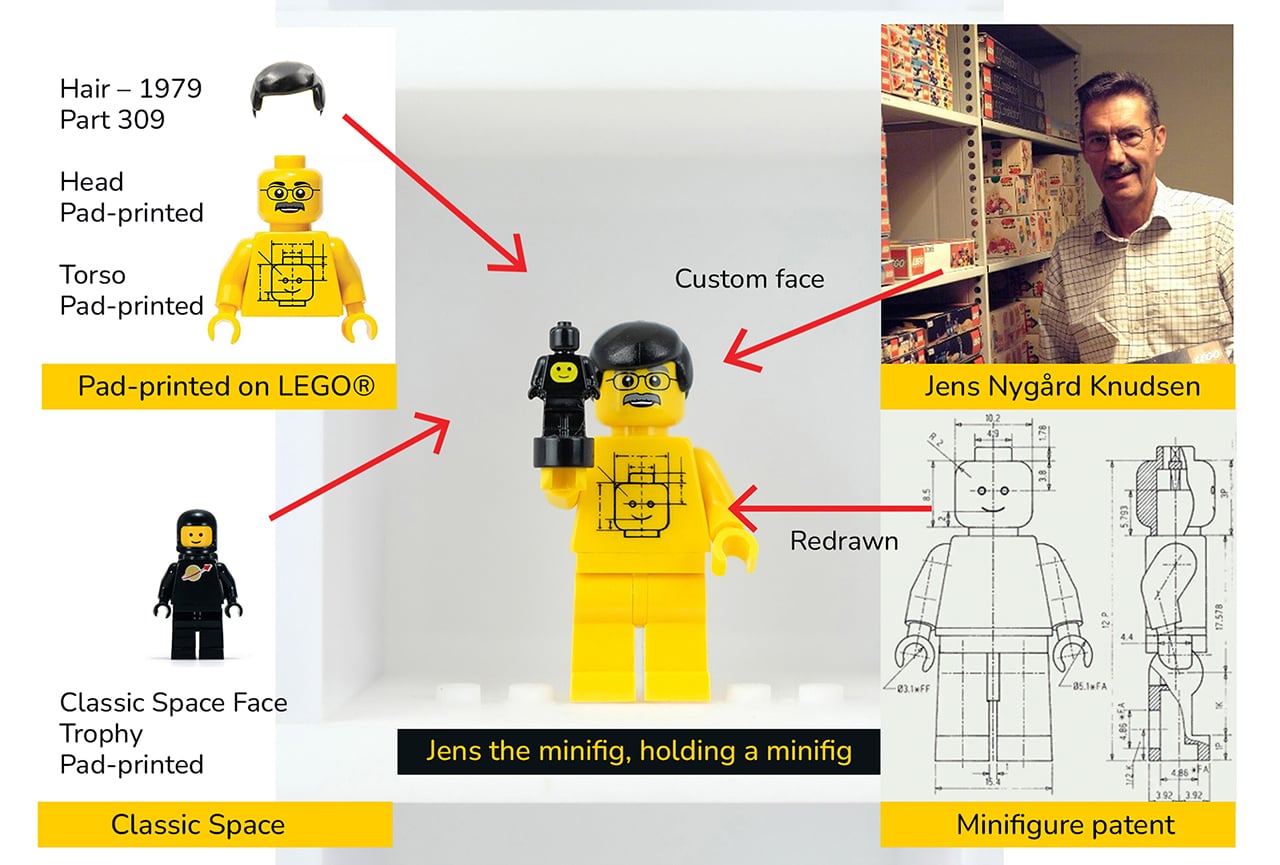
Somewhere in a closet, a perfectly good LEGO minifigure is staring through a plastic bag at the back of a cardboard box. It has a tiny printed face, a surprisingly elaborate hat, and absolutely no audience. Every serious LEGO collector knows the feeling: shelves fill up fast, display cases sell at fixed sizes, and at some point the collection starts living in labeled ziplock bags rather than anywhere it can actually be seen. LEGO has released over 775 Collectible Minifigures across 51 series since 2010, with new figures arriving three times a year, which makes the storage problem a permanent one for anyone collecting seriously. Stephen Peaple, a British-born collector now based in Perth, Australia, had thousands of them and spent four years building the solution he could not find anywhere.

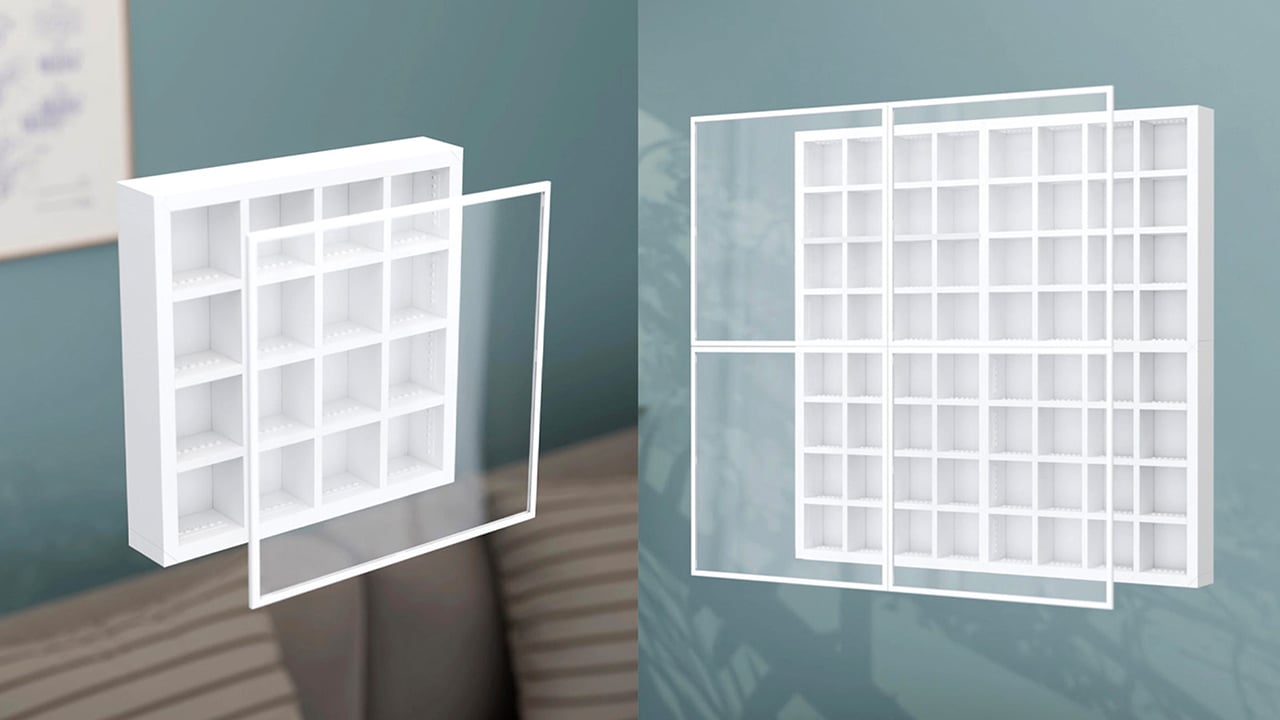
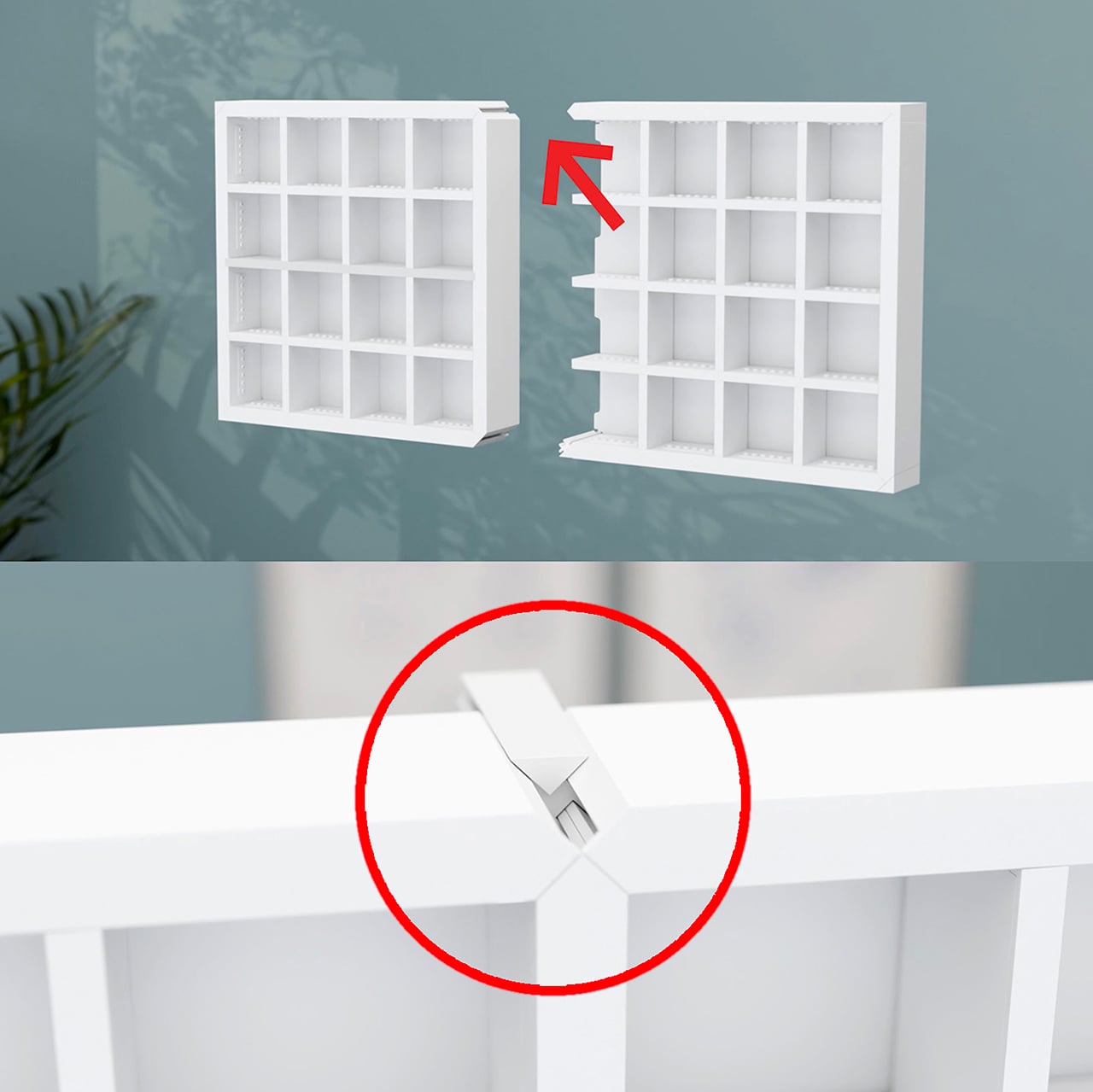
Finity Frames puts a collection on the wall in a clean white grid. A single frame carries 16 spaces, but removable dividers let you make room for bigger figures or pack in a crowd. When the collection grows, connected frames share edges so the display extends as one continuous piece without visual seams or doubled-up borders. Your next minifigure gets a spot without requiring a complete wall makeover. The system is injection-molded ABS, ships flat-packed, and the connection method that makes all of it work is patented.

Designer: Stephen Peaple

Click Here to Buy Now: $55. Hurry, only 5/16 left!

A Display System That Grows With Your LEGO Collection

Every Finity Frame is built around a seamless edge connection where neighboring frames share a single border, eliminating the doubled-up edge and any visual gap at the join. This is the core innovation that solves the fixed-size problem inherent in every other display case on the market. It means you can start with a single frame for one series of figures and expand outward in any direction, at any time, without having to replace your original investment. The aesthetic is clean and continuous, looking like a single, cohesive unit no matter how large it gets.

This design approach also makes the system more efficient as it grows. Peaple makes the math explicit: the first frame measures 312mm across, and each connected frame adds just 298mm, because one edge is always shared. This reduces material waste and lowers the cost per additional frame. A 2×2 Collector, for instance, cannot be broken apart into four 1×1 Starters, since it doesn’t include the extra pieces. For context, the most prominent fixed-case competitors max out around 190 minifigures. The Finity Frames Showcase holds 1,056, and two of them together can display over 2,100 figures as a single, unified piece.

Built for Customization and Creative Play

Each Finity Frame ships with three horizontal and three vertical internal slats, forming a standard 4×4 grid. This sixteen-space layout is not arbitrary; it maps exactly to one complete Collectible Minifigures series, which traditionally ships with 16 unique figures. The slats are removable in any combination, yielding 64 different internal layouts. You can pull the vertical dividers out, double-stack figures with jumper plates, and a 1×1 Starter can hold up to 88 minifigures. This flexibility lets you create custom spaces for dioramas, larger vehicles, or oversized figures like the Hulk who need a little extra room.

The system’s dimensions are precisely calibrated to the LEGO System of Play. Internal slats are exactly one brick wide, and the frame edges are exactly two bricks wide. Each compartment accepts a 6×8 LEGO plate or four 3×4 minifigure plates, the same stands that come with CMF packs. This means removing the acrylic cover turns the frame into a wall-mounted baseplate where builds can bridge continuously across spaces and frames. Peaple calls this “bridging,” a feature that turns a static display into a creative canvas. Every horizontal slat even has a built-in row of six studs for securing figures or small builds.

Designed for Collectors of All Kinds

A magnetic Perspex acrylic cover protects the collection from dust and removes in a single pull. It’s made from UV-stable material with built-in absorbers to block harmful light, preventing the slow fading that can damage valuable figures over time. The frame itself is a gallery-white, UV-treated ABS plastic, a color choice meant to disappear behind the collection rather than compete with it. Everything is designed to last, preserving the collection while keeping it easily accessible. The magnetic attachment is secure but quick, so you can get to your figures without fussing with clips or latches.

Flipping the horizontal slats 180 degrees turns the studded surfaces into flat shelves, opening the frame to almost any small-scale collectible. A single 64x64x49mm space can hold Funko Pocket POPs, Be@rbricks, Sonny Angels, or even shot glasses. Removing dividers creates double-height spaces for larger items like vintage Kenner 3¾” figures, Super7 ReAction figures, Playmobil sets, or graded collectible cards in their hard cases. It’s a true cabinet of curiosities, designed for a LEGO collection but adaptable enough for just about anything else that deserves a spot on the wall.

Five Sizes, Starting at $65 USD

The five frame sizes run from the 1×1 Starter at 12.3×12.3 inches (up to 88 minifigures) to the 4×3 Showcase at 47.4×35.7 inches (up to 1,056), with the 1×2 Duo, 2×2 Collector, and 3×2 Lifestyle filling in between. All frames run 55mm deep without the cover, 61mm with, and production units are estimated at 0.9 to 1.1kg for the 1×1 (roughly 2 lbs).

Retail pricing starts at AU$99 (roughly US$65) for the Starter and reaches AU$835 (roughly US$550) for the Showcase. Any size can be extended later through a Frame Extender on finityframes.com, where you input what you already own and order only the additional sets required. The system ships flat-packed globally, with US distribution in place through the manufacturing partner.

Click Here to Buy Now: $55. Hurry, only 5/16 left!

The post This Expandable LEGO Frame System Finally Solves the Collector Storage Nightmare first appeared on Yanko Design.

5 Best EDC-Style Gadgets Designed to Get You Through Hurricane Season

Hurricane season has a way of exposing which of your belongings are actually useful and which ones just take up drawer space. When the power goes out and the forecast turns ugly, the difference between a stressful night and a manageable one often comes down to a handful of well-designed objects rather than a garage full of supplies.

We pulled together five pieces that cover every real need during an outage, from staying informed to staying lit to staying organized. Each one earns its spot by solving a specific problem without asking you to sacrifice good design along the way.

1. Clip&Go Radio

The Clip&Go Radio treats emergency information as something you should never have to search for. Its clip-on form factor means it attaches directly to a bag strap, a belt loop, or a shelf edge, staying within reach the moment a storm warning appears on your phone. It removes the radio from the back of a drawer and puts it exactly where your hand already goes.

For you, this changes what the first ten minutes of an outage actually feel like. Instead of fumbling through boxes for batteries or a charger, you already know where your radio is because it has been clipped to your bag the whole time. That small shift in habit is the difference between calm preparation and last-minute panic when the sky turns dark.

Click Here to Buy Now: $60.00 

What we like:

  • The clip mechanism means it travels with you instead of sitting forgotten until an emergency reminds you it exists
  • Its compact form factor means carrying it never feels like an inconvenience

What we dislike:

  • A clip-on build limits how much space is available for larger speaker components or extended battery life
  • It also means less room for the kind of display or dial controls bigger radios can offer

2. JOAT Titanium Multitool

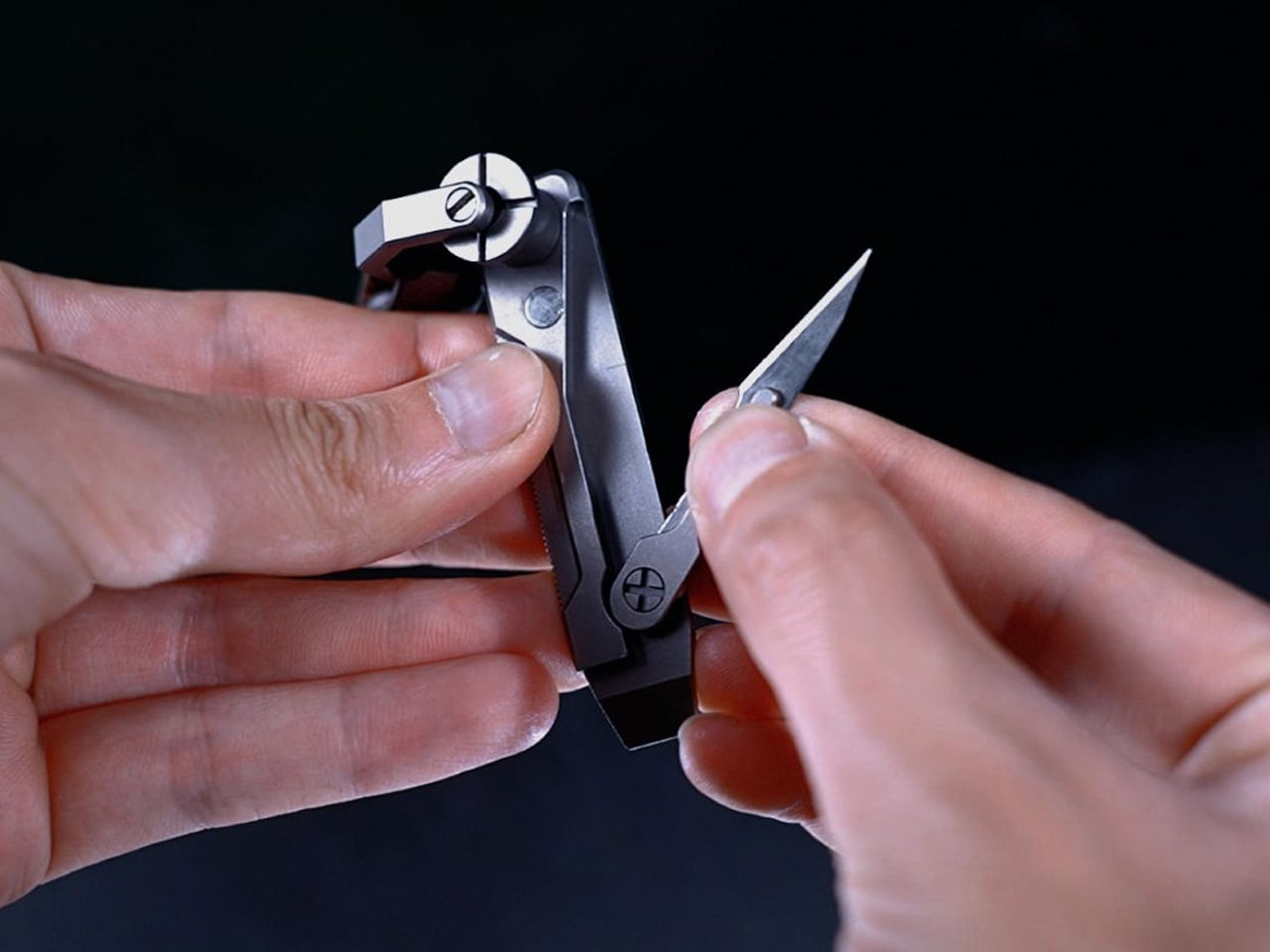
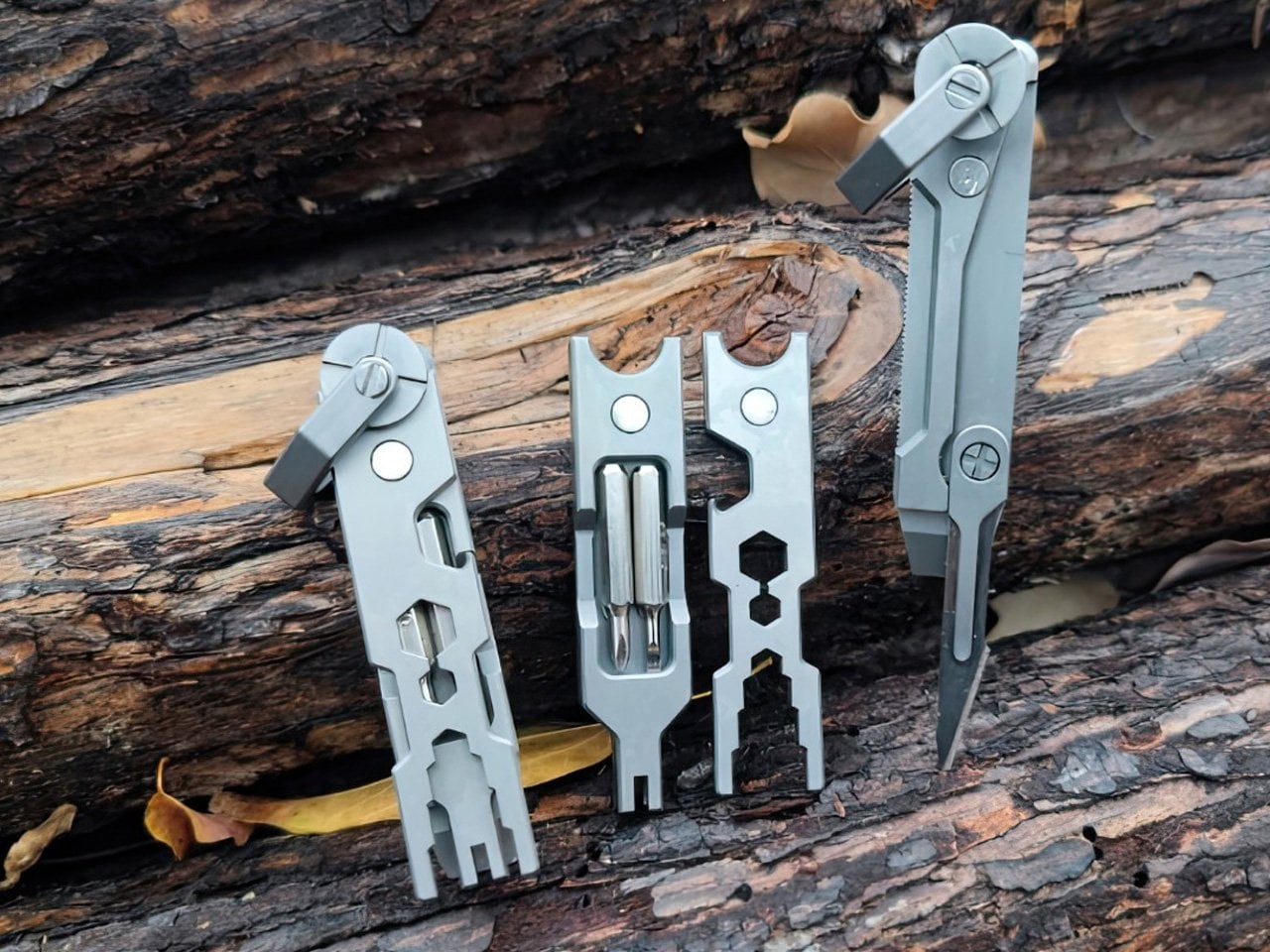
The JOAT earns its name, Jack Of All Trades, by packing six functions into a titanium body just 80mm long and weighing 1.8 ounces. Its keychain loop means it rides alongside your house keys rather than sitting in a toolbox, ready the instant a storm exposes a jammed latch, a loose screw, or a cut strap.

For you, this is the tool that handles the small mechanical failures a storm tends to create without warning. A door that swells shut in the humidity, a tarp that needs tying down, a package that needs opening in a hurry. Because it lives on your keychain, you are never without it, which matters most in the moments you did not think to plan for.

What we like:

  • Titanium construction resists rust and rough handling far better than standard steel builds
  • Its keychain-ready size means it requires zero extra thought about where to store it

What we dislike:

  • At 80mm, it is not built for demanding cutting tasks that a larger blade would handle more easily
  • Some users may miss a locking mechanism that a compact format like this does not include

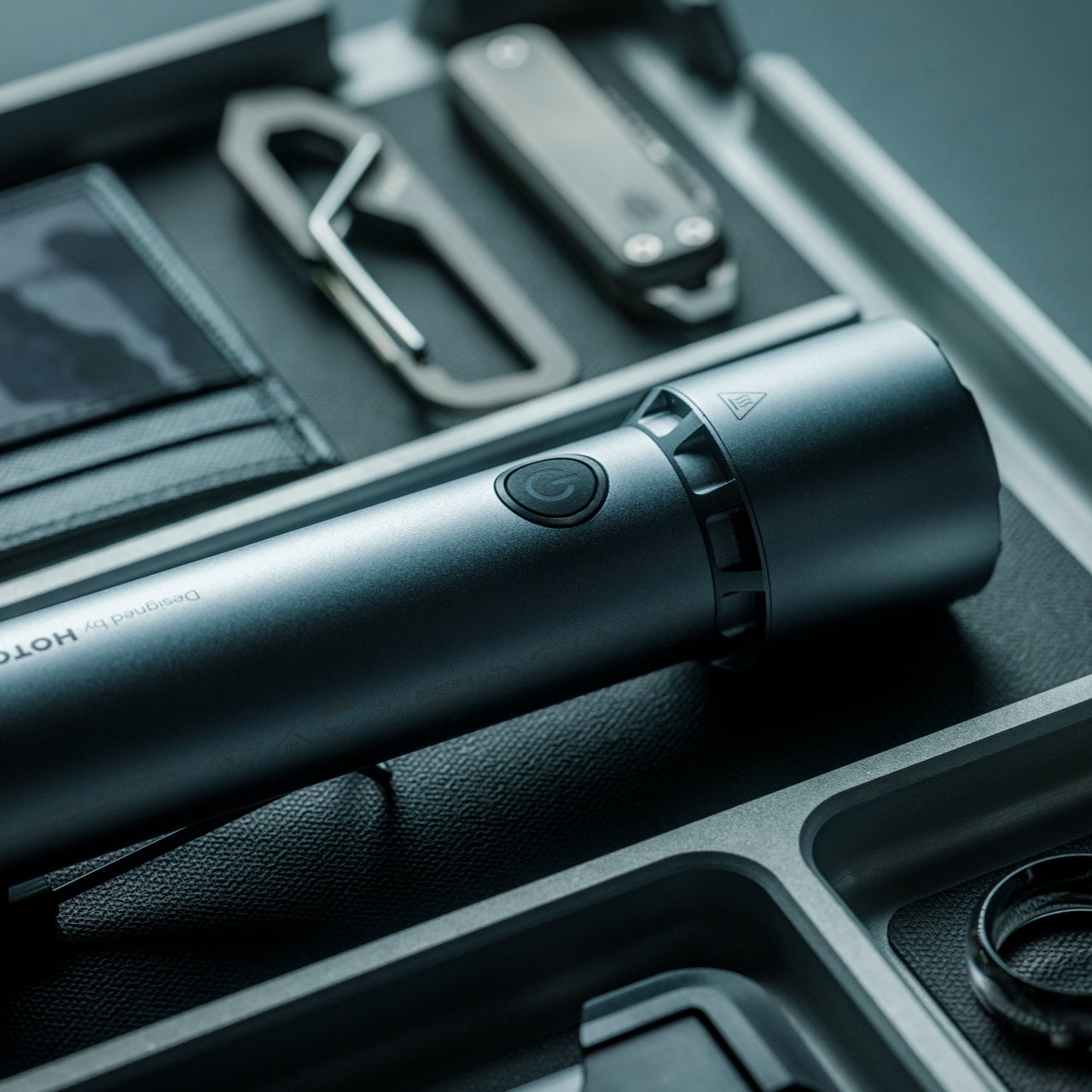
3. Blackout Beam Tactical Flashlight

Light disappears first in a storm and gets missed the most. The Blackout Beam Tactical Flashlight is built specifically for that gap, a rugged beam designed to cut through total darkness rather than the soft glow of a phone screen running on its last bar of battery.

For you, this is about confidence more than convenience. Walking through a dark house to check on a leak, moving through a flooded yard, or signaling for help outside all become far less stressful with a flashlight built for exactly that job. It turns a genuinely unsettling situation into a manageable one, simply by giving you a beam you can trust.

Click Here to Buy Now: $90.00

What we like:

  • Its tactical housing feels built for genuine outdoor and emergency conditions rather than casual bedside use
  • The focused beam design prioritizes distance and clarity over soft ambient light

What we dislike:

  • Tactical styling makes it bulkier and less discreet than a slim everyday carry flashlight
  • Depending on the build, rugged housings can add extra weight to a bag already carrying other gear

4. NESTOUT Solar Charger

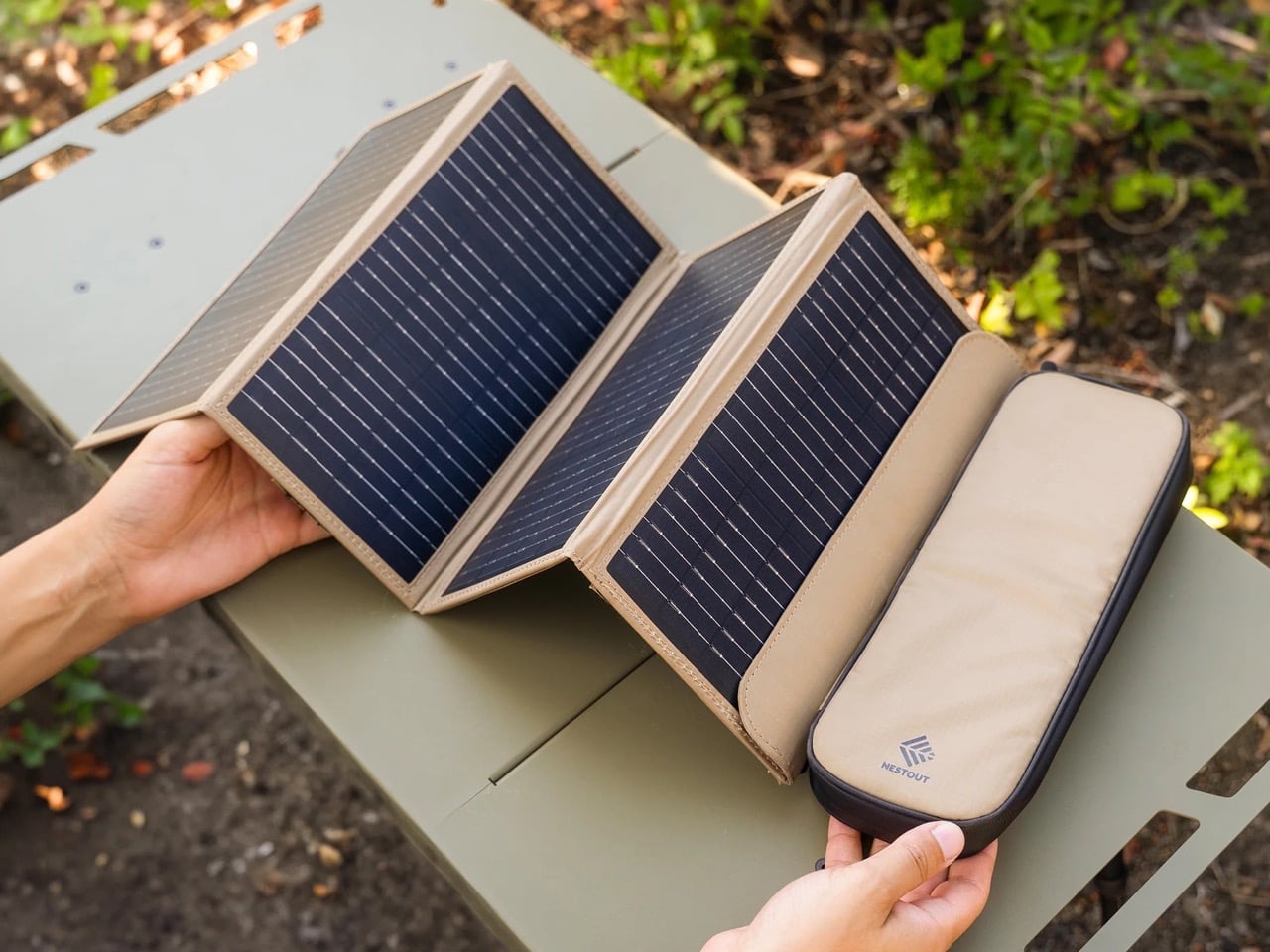
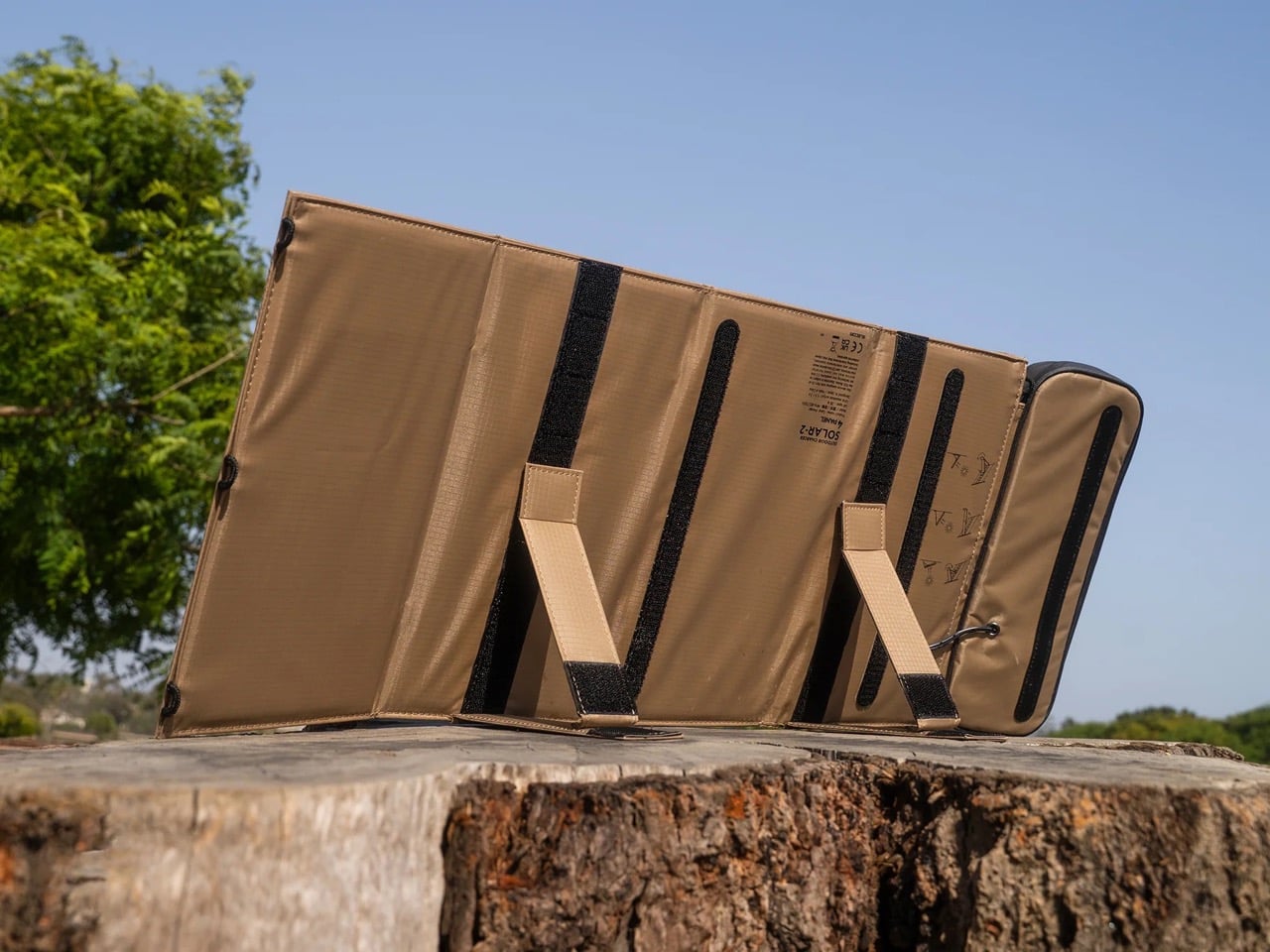
Stored battery power only lasts as long as its charge, but the NESTOUT Solar Charger keeps working as long as the sun does. Its four-panel design folds down into a compact carry format built from rugged, tan colored fabric that feels closer to durable field gear than typical consumer electronics, unfolding into a genuine power source wherever daylight reaches.

For you, this turns a short-term fix into a sustainable one during an extended outage. Instead of watching a power bank slowly drain with no way to refill it, every sunny break in the clouds becomes a chance to top your devices back up. It is the piece that keeps your kit relevant on day three of an outage, not just day one.

What we like:

  • The folding four-panel design packs down small enough to disappear into a bag without adding real weight
  • Its fabric build and neutral tone feel purpose-made for outdoor durability rather than delicate electronics

What we dislike:

  • Solar charging depends entirely on weather and daylight hours, which makes it unreliable during extended cloud cover
  • It also charges more slowly than a wall outlet, so patience becomes part of the process

5. Rux Gear Box

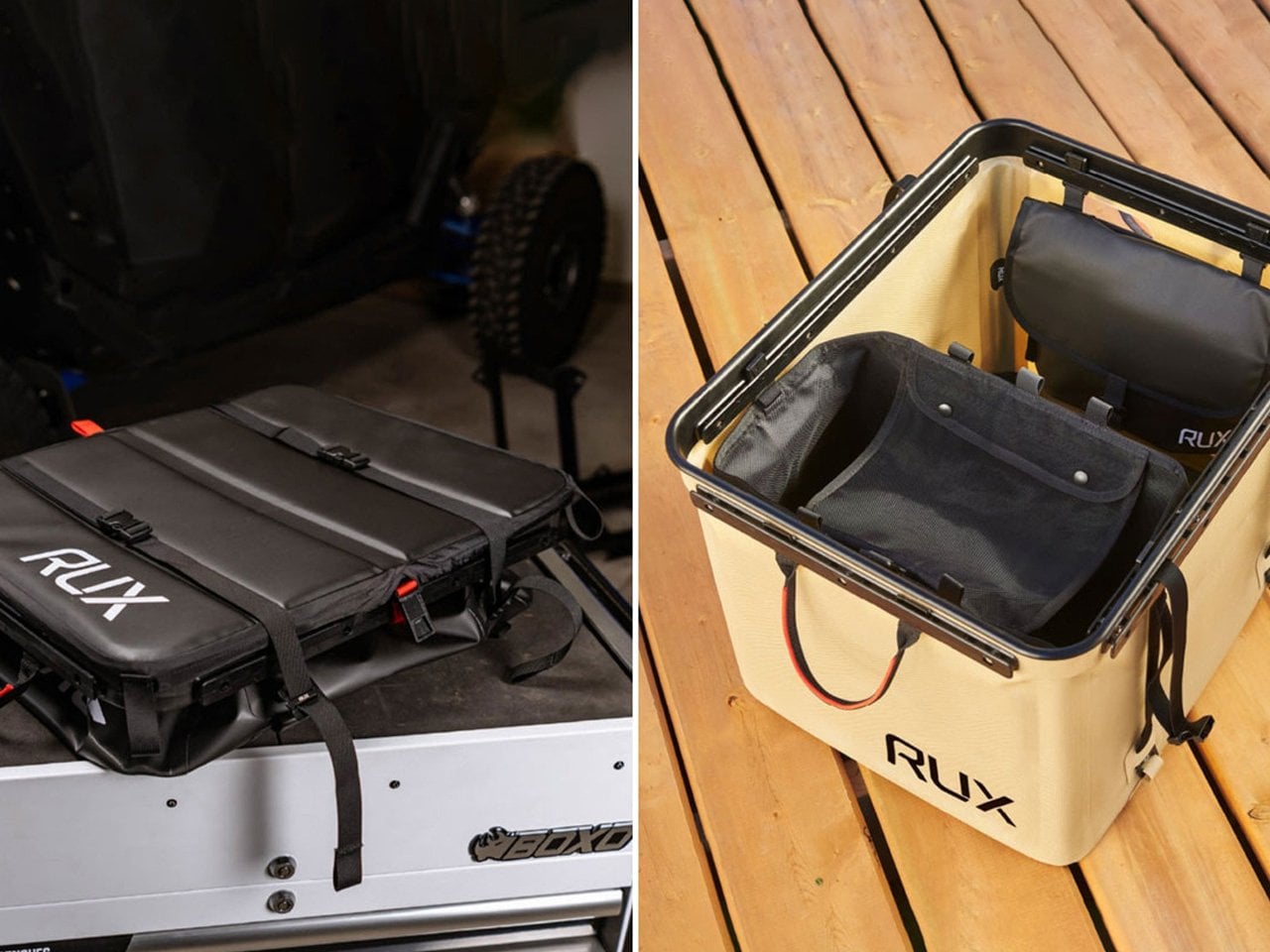
None of the gear above stays useful for long if it ends up scattered across drawers instead of ready to grab. The RUX Gear Box solves that with a collapsible body made from TPU-coated nylon that resists weather and wipes clean easily, plus a separate waterproof insert built to keep wet and dry items apart.

For you, this is the piece that turns four individual objects into one coherent system. Instead of hunting for a radio in one room and a flashlight in another while a storm closes in, everything lives in a single box that compresses flat when not in use and expands the moment you need it. It is the difference between a kit and a pile.

What we like:

  • The collapsible design means it takes up almost no storage space until an emergency actually calls for it
  • Its waterproof insert keeps sensitive gear like electronics separated from anything damp

What we dislike:

  • A soft-sided collapsible build offers less rigid protection than a hard shell case would
  • Its flexible material also means it will not stack as neatly as a traditional box-style container

Good Design Doesn’t Skip a Storm

Put together, these five objects cover the four things a real outage actually demands. Information, light, utility, and the power to keep going once the first two days have passed. None of them ask you to sacrifice good design to get there, which is exactly the point.

Hurricane season will keep arriving whether we are ready for it or not, but the objects we choose to meet it with do not have to look like they came from an emergency supply closet. These five prove that being prepared and having good taste were never mutually exclusive to begin with.

The post 5 Best EDC-Style Gadgets Designed to Get You Through Hurricane Season first appeared on Yanko Design.
Laifen’s Fall Sale Is for the Bathroom Tools You’ve Always Ignored

It’s a little strange when you think about it. People will spend weeks comparing headphones or picking the right coffee maker, yet the hair dryer, shaver, or toothbrush sitting on the bathroom counter rarely gets a second thought. Laifen’s fall lineup is built around fixing exactly that gap, treating everyday personal care tools with the same design attention usually reserved for gadgets people actually brag about owning.

The brand happens to be running one of its bigger sales of the season right now, and it covers four products that together handle nearly every step of a morning routine. Two hair dryers, an electric shaver, and an electric toothbrush, each one designed less like a bathroom appliance and more like something you’d actually want to leave sitting out in view.

Laifen SE 2: The Hair Dryer Most People Should Have Switched to by Now

Most hair dryers get the job done, until something faster comes along and makes the old one feel sluggish by comparison. The Laifen SE 2 runs on a 108,000-RPM brushless motor that pushes air at nearly 48mph, noticeably quicker than what most household dryers manage without resorting to constant blasts of heat. That speed alone cuts a few minutes off the usual routine.
What makes the SE 2 worth a second look is Temperature Cycling Mode, which alternates airflow patterns instead of holding one constant heat level, cutting down on damage from daily drying. 10 drying settings cover most hair types, and at 14.35 ounces without the cord, it’s light enough to hold through a full styling session. The matte white finish fits into almost any bathroom without effort.

Click Here to Buy Now: $112.50 $149.99 (25% off, use coupon code “PRFALLSALE”). Hurry, deal ends in 48-hours!

Laifen Swift 4: The Dryer That Turns an Everyday Step Into a Hair Care Routine

Most people treat drying and hair care as two separate steps, applying oil or serum first and hoping the blast of hot air doesn’t undo the work. The Laifen Swift 4 folds both into one motion through its Nourishing Nozzle, which breaks essential oils into fine particles and distributes them at a steady 136°F, letting the oil work into hair while it dries instead of sitting on top of it.

Behind that trick sits a 115,000-RPM motor pushing air at nearly 51mph, with temperature checks running 1,000 times a second to keep heat steady. Six modes cover everything from a quick blast to a gentler nourishing cycle, while 400 million negative ions calm frizz and 70 million positive ions look after the scalp. It comes in three metallic finishes, none of them loud.

Click Here to Buy Now: $170 $199.99 (15% off, use coupon code “PR15SWIFT4”). Hurry, deal ends in 48-hours!

Laifen P3 Pro: A Shaver Built the Way Premium Gadgets Are Built

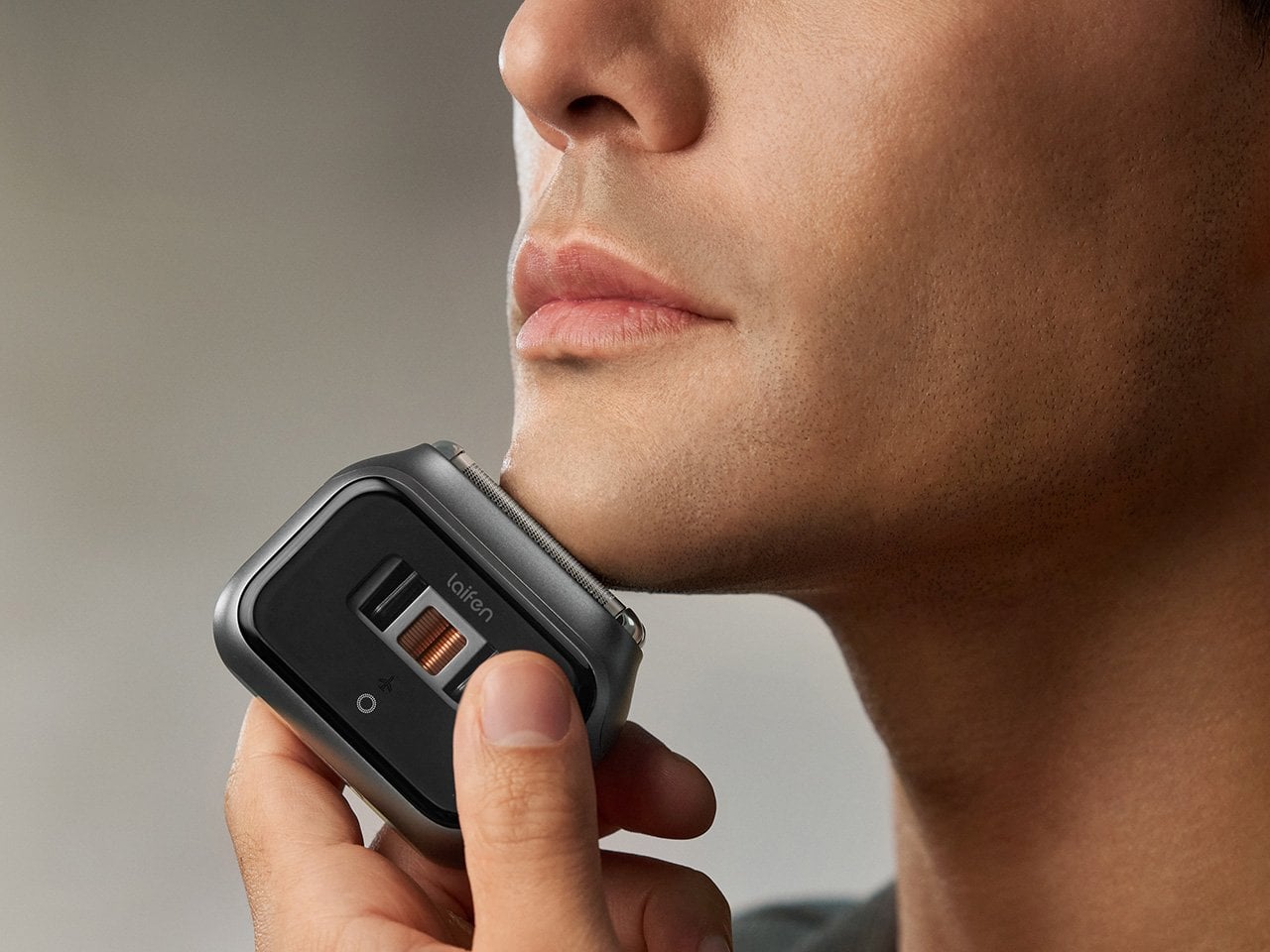
The Laifen P3 Pro Space Gray leads with a detail that has nothing to do with how close it shaves: a transparent motor window borrowed from the exhibition backs of mechanical watches, letting the internals show through instead of hiding behind plain plastic. The body itself is CNC-machined aluminum, a process that takes 9,000 seconds per unit, longer than what most flagship phones require.

At 6.3 ounces and barely bigger than a deck of cards, it slips into a dopp kit or jacket pocket without adding bulk. The dual-drive linear motor reads beard density in real time and adjusts power automatically, so thick patches don’t cause snagging. Two shaver heads handle close, short stubble, a flexible trimmer catches longer hair, and the whole thing carries an IPX7 rating for shower use.

Click Here to Buy Now: $126 $179.99 (30% off, use coupon code “PRFALLSALE”). Hurry, deal ends in 48-hours!

Laifen Wave Pro: The Toothbrush That Actually Pays Attention While You Brush

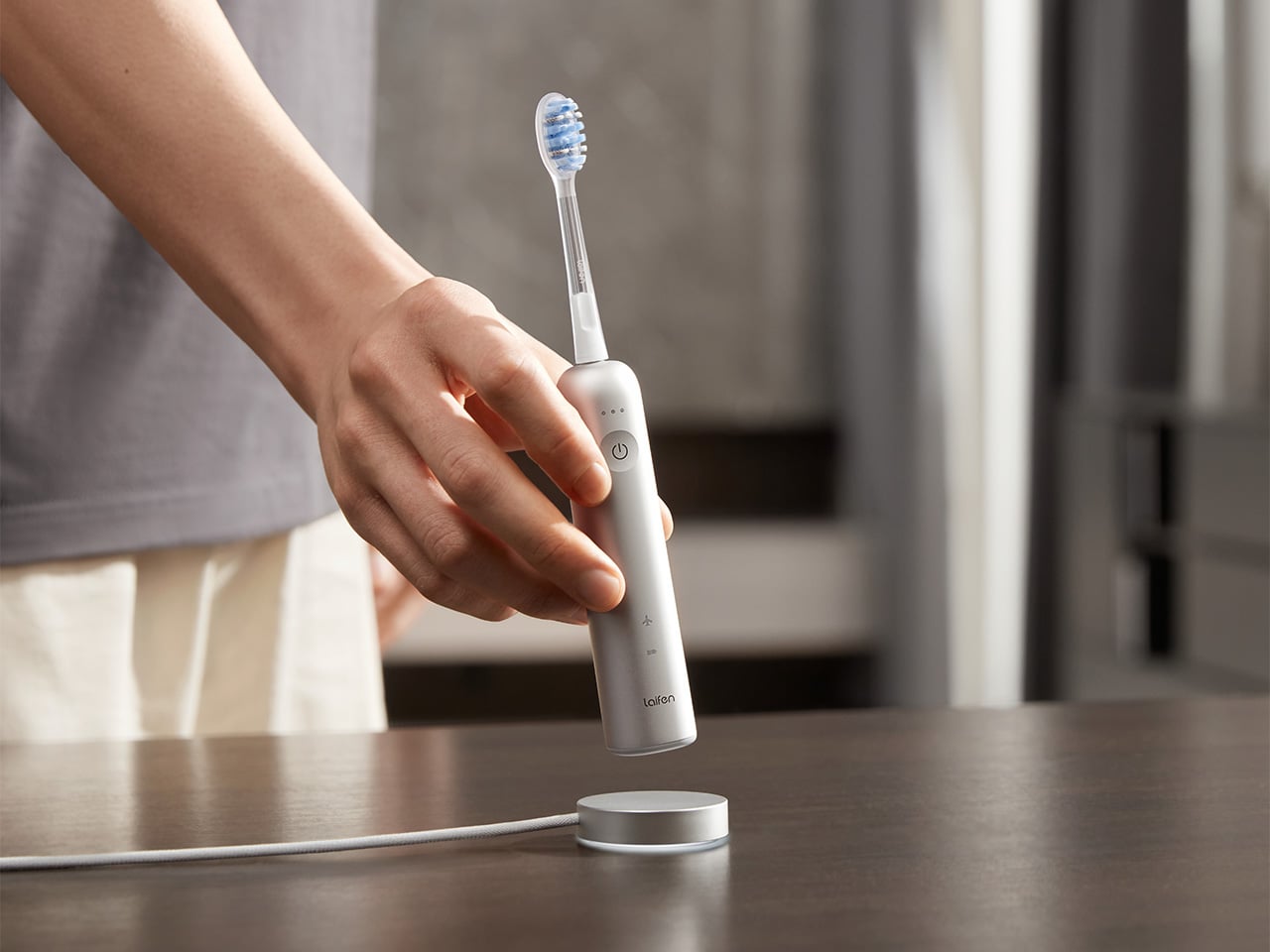
Most people’s relationship with their toothbrush doesn’t involve much thought, which is exactly the assumption the Laifen Wave Pro pushes back on. Its brush head oscillates through a 60-degree arc, wider than most sonic brushes manage, combined with 66,000 vibrations a minute, following a brushing pattern modeled on the Modified Bass technique dentists have recommended for decades. The stainless steel body signals this isn’t an afterthought.

A pressure sensor tracks how hard you’re brushing and dials back motor speed the moment it senses you’re pressing too hard, protecting gums and enamel in the process. Two modes and three intensities give 10 adjustable levels through the companion app, while wireless charging and roughly 70 days of battery life mean it rarely needs attention. A travel pouch and two brush heads round out the package.

Taken together, these four pieces cover the parts of a morning that rarely get a second thought until something better shows up and makes the old routine feel dated. Laifen built each one around a specific daily habit, from drying to shaving to brushing, and the fall lineup lands right as the season nudges people to reset those habits anyway.

Click Here to Buy Now: 96 $119.99 (20% off, use coupon code “PRFALLSALE”). Hurry, deal ends in 48-hours!

The post Laifen’s Fall Sale Is for the Bathroom Tools You’ve Always Ignored first appeared on Yanko Design.