10 Best Pocket-Worthy Valentine’s Day Gifts for Men Who Love EDC

Valentine’s Day gifts for men don’t have to mean another wallet or generic watch. For the guy who lives by the everyday carry philosophy, the perfect gift slips into his pocket and earns its place through daily use. These aren’t decorative tokens that live in a drawer. They’re precision tools that become extensions of his routine, carried with intention and reached for without thinking.

The best EDC gear strikes a balance between form and function, proving that thoughtful design doesn’t sacrifice practicality. This Valentine’s Day, skip the predictable and opt for something he’ll actually treasure. These pocket-worthy essentials combine craftsmanship with genuine utility, turning everyday moments into opportunities to appreciate both smart engineering and the person who knew exactly what he needed. Each piece here fits the EDC lifestyle without compromise.

1. Cubik

The Cubik rewrites pocket knife conventions by eliminating the mechanisms that typically complicate blade deployment. Press the trigger, hold it upside down, and gravity does the work. The blade emerges smoothly, locks securely with trigger release, and requires zero maintenance for springs, ball bearings, or complex internal parts that eventually fail. This simplicity translates to reliability that outlasts flashier alternatives, making it the kind of tool that becomes indispensable precisely because it never demands attention or special care.

Beyond its gravity-powered elegance, the Cubik delivers genuine heavy-duty performance. That secure lock isn’t just for show—it holds firm enough for piercing hardwood without blade wobble or mechanism stress. The tungsten carbide glass-breaker integrated into the rear end transforms this gentleman’s EDC into genuine emergency equipment. It’s the kind of thoughtful design detail that matters most when situations turn serious, proving that innovation doesn’t require complexity, just smarter thinking about fundamental mechanics.

What We Like

  • The gravity deployment system eliminates failure-prone mechanisms entirely
  • Tungsten carbide glass-breaker adds genuine emergency utility
  • Simple design requires zero maintenance or special care
  • Secure locking mechanism handles heavy-duty tasks confidently

What We Dislike

  • Gravity deployment requires a specific orientation to operate
  • An unconventional mechanism might confuse first-time users

2. 8-in-1 EDC Scissors

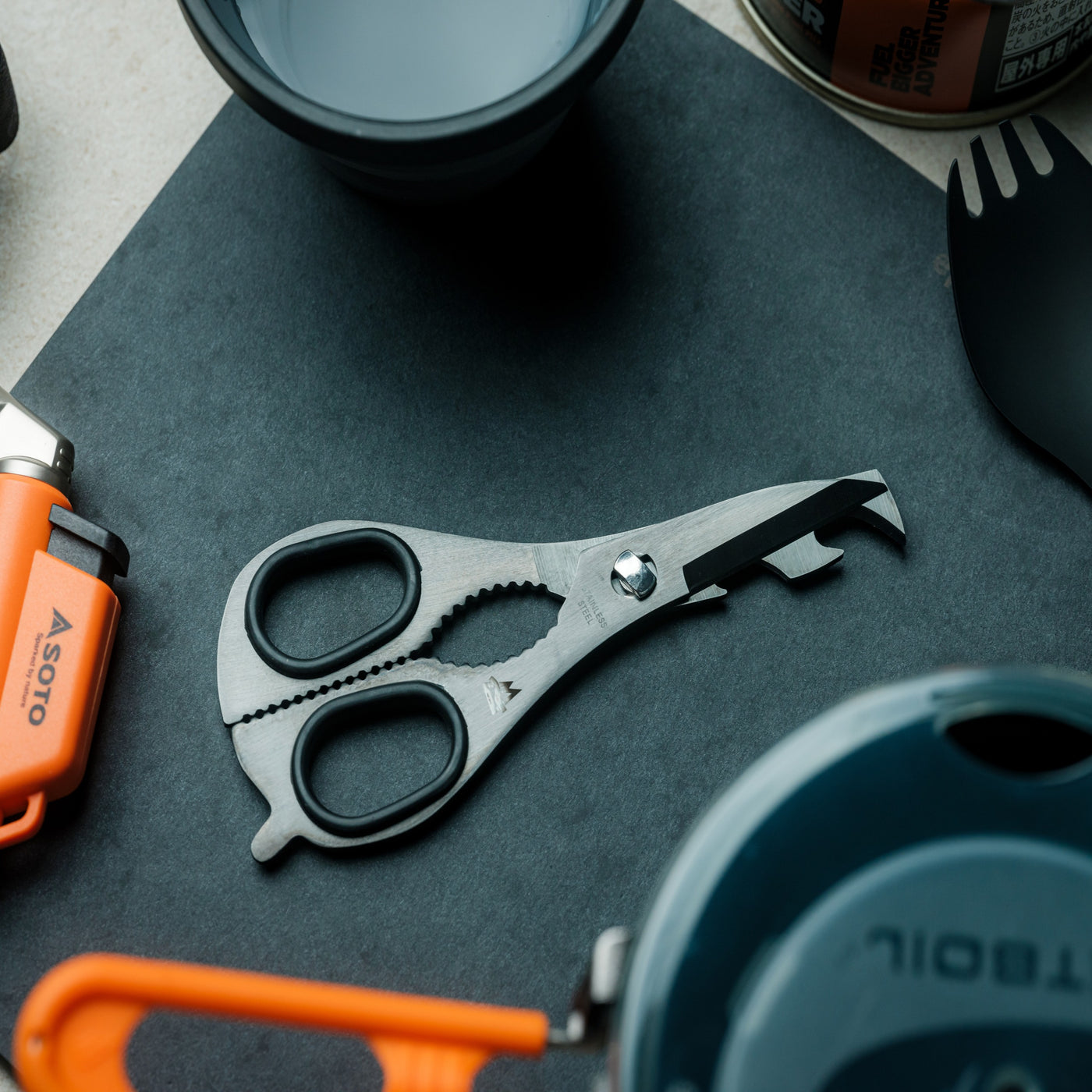
Multitool skepticism usually comes from bloated designs that sacrifice usability for feature counts, but these palm-sized scissors prove compactness doesn’t limit capability. Eight distinct functions—scissors, knife, lid opener, can opener, cap opener, bottle opener, shell splitter, and degasser—fit into a 13cm package that disappears into pockets without bulk. The oxidation film treatment delivers rust resistance while creating that handsome matte black finish that ages gracefully rather than showing wear as a weakness.

The real genius lies in how frequently these tools get reached for. Scissors alone justify pocket space, but having a proper knife blade and multiple opening mechanisms means this compact EDC solves problems before they escalate into frustrations. Package delivery, impromptu picnics, daily tasks that demand the right tool—this unassuming multi-tool handles them without ceremony. It’s the kind of gift that generates quiet appreciation every time it proves useful, which for EDC enthusiasts happens more often than most people realize.

Click Here to Buy Now: $59.00

What We Like

  • Eight functions in genuinely pocket-sized form factor
  • Oxidation film provides rust resistance and attractive finish
  • The function of scissors alone justifies an everyday carry
  • Multiple opener types handle various bottle and can styles

What We Dislike

  • Small size might feel awkward for larger hands during extended use
  • Individual tools sacrifice some leverage compared to dedicated versions

3. BlackoutBeam Tactical Flashlight
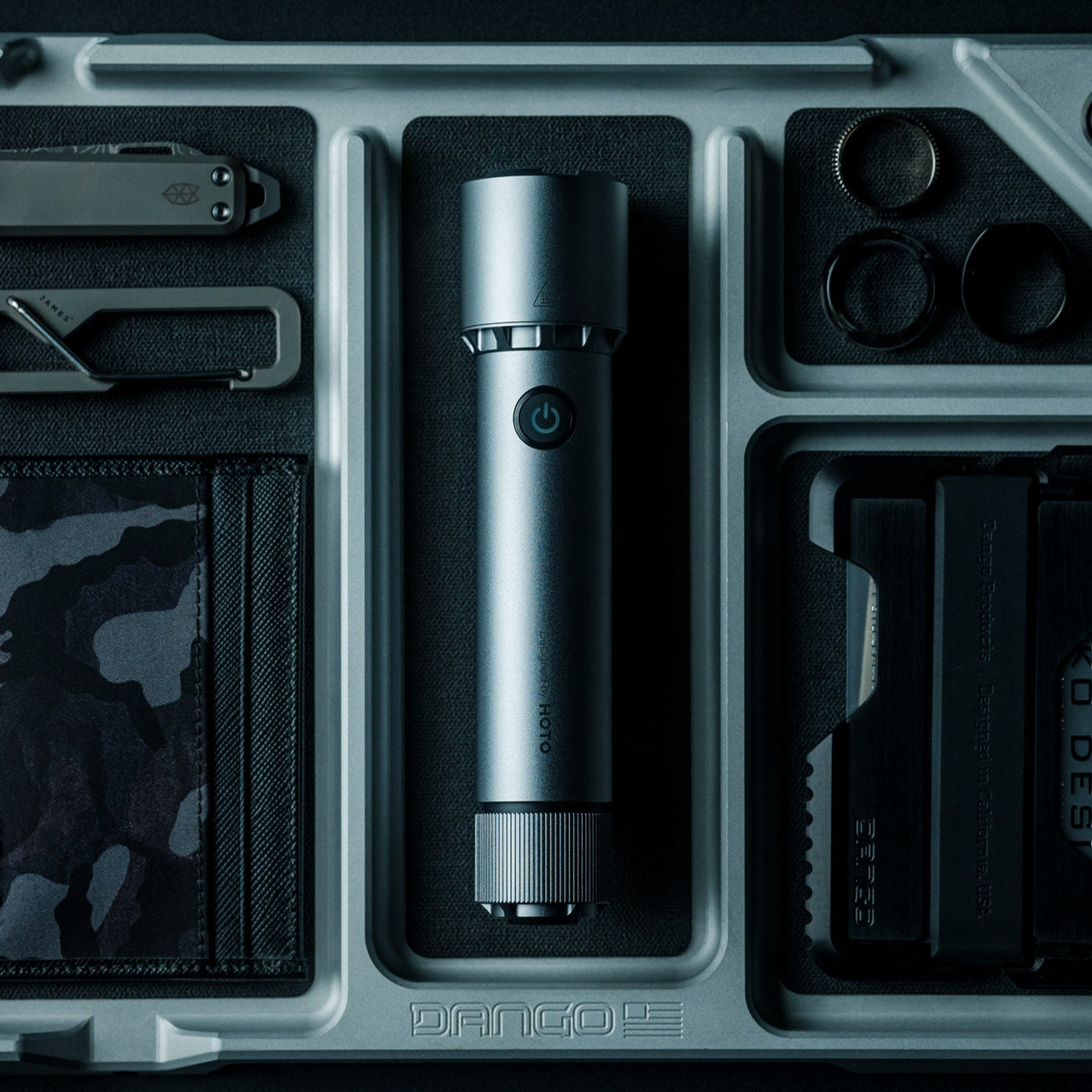
Tactical flashlights often promise military-grade performance while delivering consumer-grade disappointment, but the BlackoutBeam backs its claims with 2300 lumens that cut through darkness with surgical precision. That 300-meter throw distance isn’t marketing fluff—it genuinely illuminates distant targets with clarity that transforms nighttime navigation or emergency response. The 0.2-second response time eliminates lag entirely, delivering instant illumination exactly when situations demand immediate light without hesitation or warm-up delays that compromise effectiveness.

The IP68 waterproof rating and durable aluminum construction mean this flashlight survives submersion, impact, and weather conditions that would kill lesser lights. It’s serious durability packaged in a form that never feels excessive or tactical-cosplay ridiculous. Power outages, roadside emergencies, wildlife encounters, or simply navigating dark spaces—the BlackoutBeam handles varied scenarios without requiring different gear. For the EDC enthusiast who values preparedness, this flashlight delivers professional capability in everyday-appropriate packaging that justifies its presence whether clipped to a pocket or stored in a go-bag.

Click Here to Buy Now: $89.00

What We Like

  • 2300 lumens provide genuinely blinding brightness when needed
  • 0.2-second instant-on response eliminates dangerous delays
  • IP68 waterproof rating survives submersion and harsh conditions
  • 300-meter throw distance handles long-range illumination needs

What We Dislike

  • Maximum brightness drains batteries quickly during extended use
  • Premium performance comes with a premium price point

4. AirTag Carabiner

Forgetting where you left your bag, or keys, transforms from mild frustration to a genuine problem surprisingly quickly, but this Duralumin composite alloy carabiner harnesses Apple AirTag technology to eliminate that anxiety. The same material used in aircraft, spaceships, and boats delivers strength that contradicts its lightweight feel, creating a clip that’s tough enough for serious use yet comfortable for everyday carry. Each carabiner is crafted by hand, bringing artisan quality to functional hardware that typically gets treated as a disposable commodity.

The genius here lies in making tracking invisible. Snap this onto bags, bikes, umbrellas, or anything that tends to wander, and Apple’s Find My network provides location awareness without requiring dedicated attention. It’s passive security that works silently until the moment you need it, then delivers precise location data that transforms panic into calm retrieval. For the EDC enthusiast who carries multiple bags or frequently moves between locations, this carabiner provides peace of mind that scales across possessions without cluttering pockets with separate trackers.

Click Here to Buy Now: $149.00

What We Like

  • Duralumin alloy provides aircraft-grade strength at minimal weight
  • Hand-crafted quality elevates functional hardware to premium status
  • Works with Apple AirTag for seamless location tracking
  • Available in multiple metal finishes including brass and stainless steel

What We Dislike

  • Requires separate Apple AirTag purchase for tracking functionality
  • Limited to Apple ecosystem users for Find My network benefits

5. ScytheBlade

The scythe blade profile seems impractical for pocket carry until you actually handle the ScytheBlade and realize how that aggressive curve concentrates cutting force in ways straight edges can’t replicate. At just 46mm deployed length and weighing only 8 grams, this titanium folder achieves what most manufacturers consider impossible—a genuinely effective blade in micro format. The curved profile resembles a tiger claw, looking dangerous because the geometry delivers cutting performance that exceeds expectations set by conventional blade shapes.

Titanium construction brings natural corrosion resistance that requires zero maintenance while delivering strength that feels disproportionate to the minimal weight. You genuinely forget this knife clips to your pocket until the specific moment demands that curved blade’s unique capabilities. The ScytheBlade proves unconventional designs can work at miniature scales when engineering supports the ambition. For the EDC enthusiast who appreciates distinctive tools that perform despite—or perhaps because of—their radical departure from standard designs, this tiny scythe represents exactly the kind of pocket-worthy innovation that sparks conversation and delivers results.

What We Like

  • Titanium construction keeps the weight at a mere 8 grams
  • Curved blade profile concentrates cutting force effectively
  • Natural corrosion resistance requires zero maintenance
  • Radical miniaturization proves unconventional shapes can work at the micro scale

What We Dislike

  • Aggressive blade profile might face legal restrictions in some jurisdictions
  • Tiny size requires precision handling during use

6. DraftPro Top Can Opener

Drinking beer or sparkling water straight from the can robs you of aroma and a full flavor experience, but the DraftPro Top Can Opener transforms any can into a glass-like drinking vessel by removing the entire top. Designed by award-winning Japanese designer Shu Kanno, this compact tool creates smooth-edged, wide-mouth openings that let you catch scent notes and taste complexity brewers intended. That first crisp snap becomes prelude to genuinely elevated drinking experience that honors the beverage rather than compromising it through narrow can apertures.

The utility extends beyond refined sipping. Add ice cubes directly into summer beers for rapid chilling when the fridge fails. Mix cocktails directly in the can without shakers, glasses, or cleanup that transforms simple drinks into production events. The DraftPro fits domestic and international can formats, making it universally useful whether you’re enjoying local craft brews or imported specialties. For the EDC enthusiast who appreciates how small tools can upgrade daily rituals, this opener proves intentional design can transform mundane moments into something worth savoring properly.

Click Here to Buy Now: $59.00

What We Like

  • Removes entire top for draft-style drinking experience
  • Designed by award-winning Japanese designer Shu Kanno
  • Enables direct ice addition for quick drink chilling
  • Universal fit works with domestic and international can formats

What We Dislike

  • Requires practice to achieve a perfectly smooth edge removal
  • A single-purpose tool might not justify pocket space for minimalists

7. Painless Key Ring

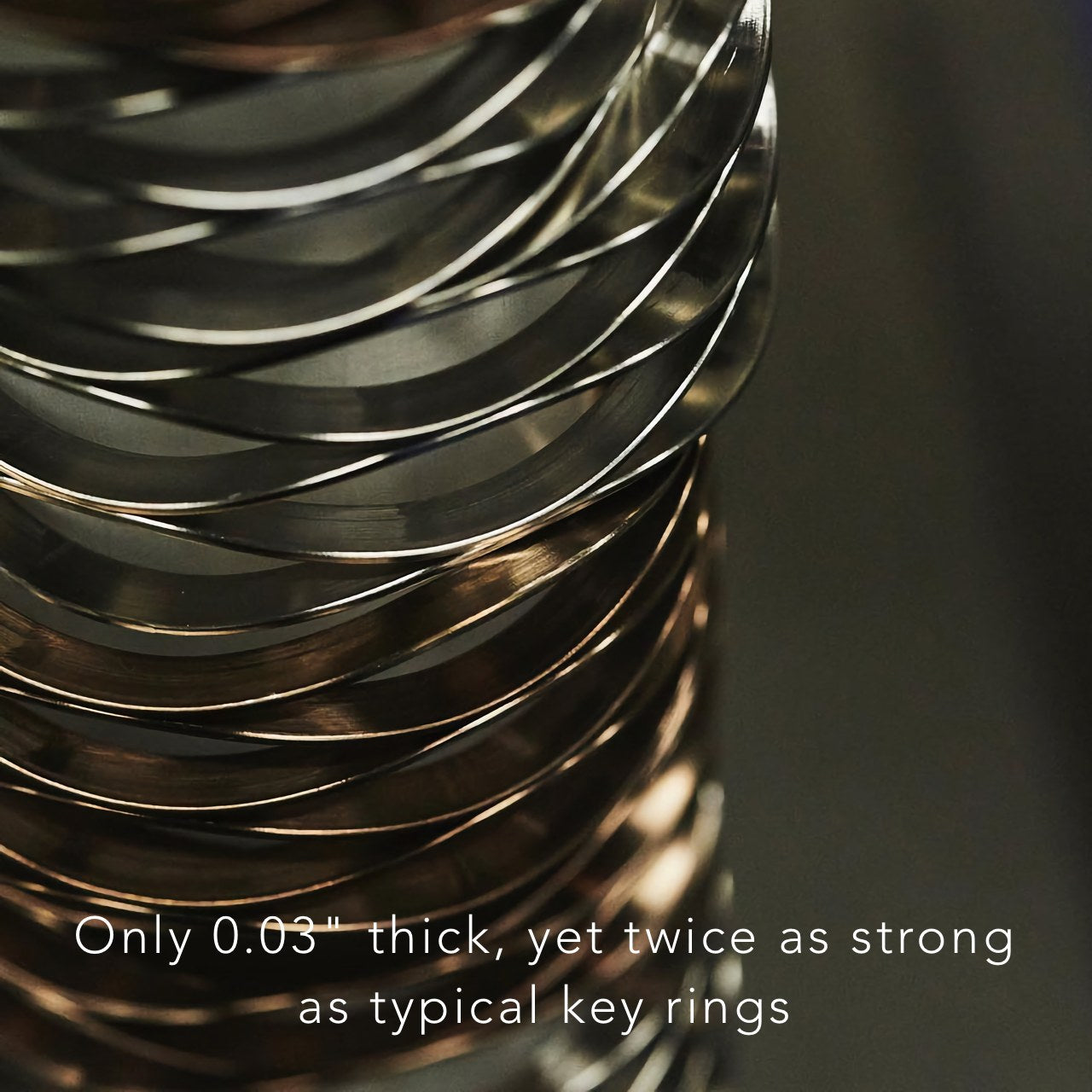
Breaking fingernails or bending rings just to add a single key represents exactly the kind of daily friction that accumulates into genuine frustration over time. This wave spring key ring borrows its mechanism design from aerospace equipment and automotive engineering to eliminate that stress. The innovative coil design makes adding and removing keys genuinely effortless while maintaining lighter weight and superior durability compared to standard pressed rings that deform under pressure from thicker keys.

The engineering elegance lives in how something this simple solves a problem most people accept as inevitable. Keys slide on smoothly, stay secure during carry, and come off without requiring tools, damaged nails, or muttered curses. Available in silver and black finishes, the wave spring ring delivers both aesthetic options and functional superiority that proves sometimes the best innovations target overlooked frustrations. For the EDC enthusiast who organizes multiple key sets or frequently rotates keys based on needs, this ring transforms key management from minor irritation into satisfying precision.

Click Here to Buy Now: $29.00

What We Like

  • Wave coil design makes key addition and removal effortless
  • Lighter weight yet more durable than conventional key rings
  • Inspired by aerospace and automotive engineering principles
  • Available in silver and black color options

What We Dislike

  • Premium pricing for what remains fundamentally a key ring
  • Wave design might catch on fabric in shallow pockets

8. VSSL Java G25 Manual Coffee Grinder
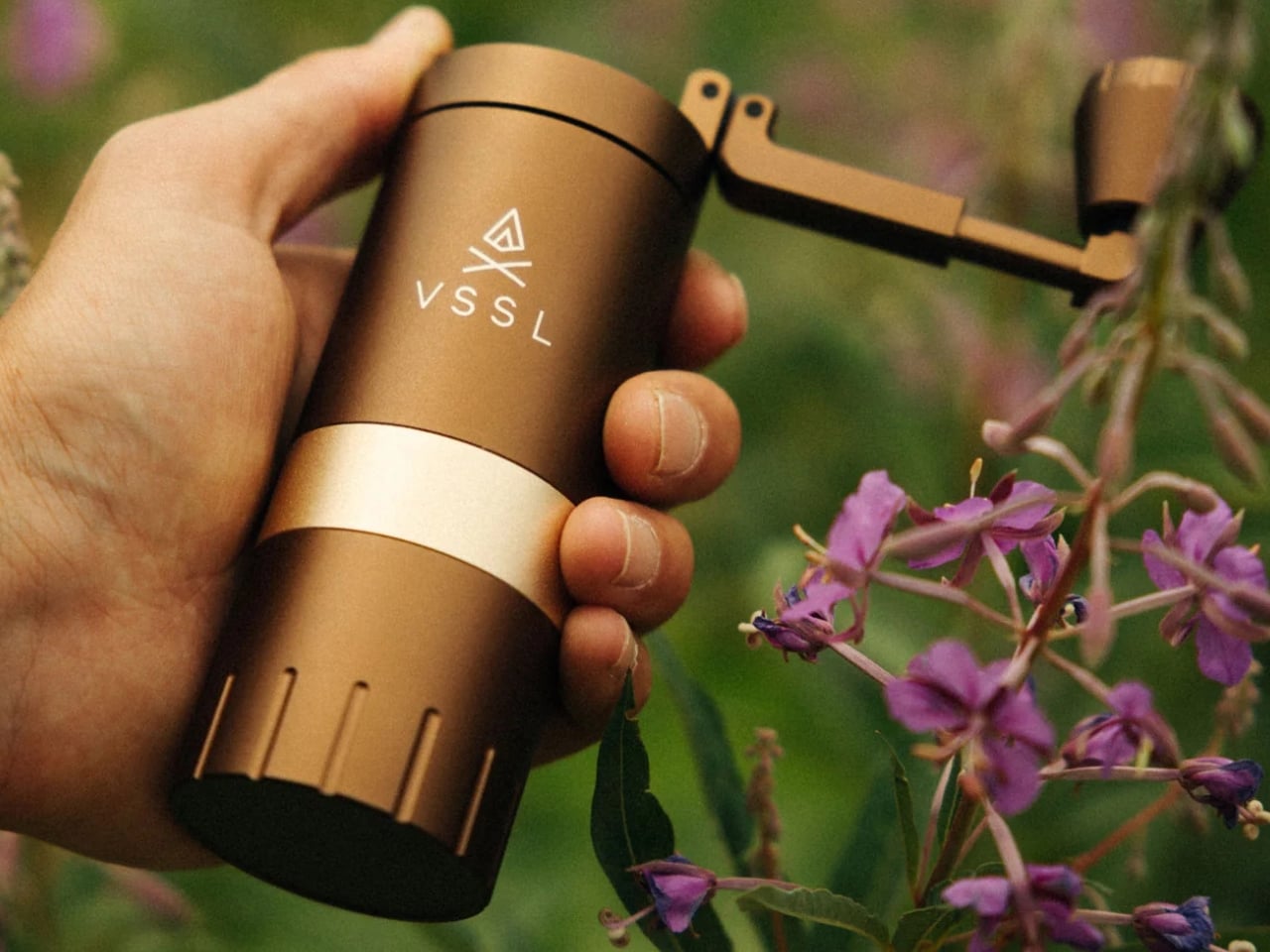
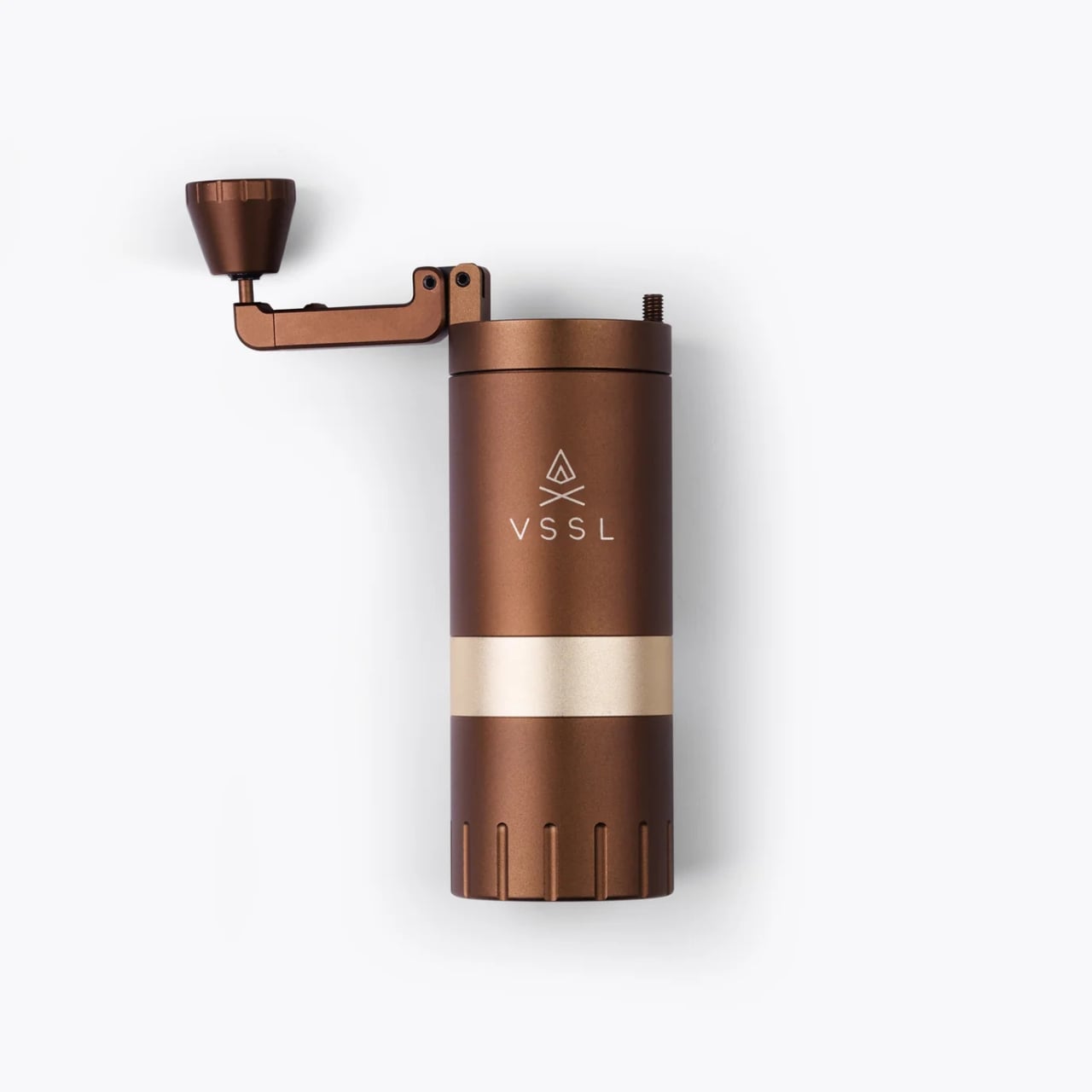
Manual coffee grinders traditionally demanded choosing between bulky plastic contraptions or fragile glass-and-wood designs that felt like a compromise rather than a choice. The VSSL Java G25 rewrites that narrative entirely, delivering rugged construction and refined aesthetics that transform grinding from a tedious chore into an enjoyable tactile ritual. The 25 distinct grind settings provide a range from espresso-fine to French press coarse, but the real achievement lies in making that adjustment feel intuitive rather than requiring an engineering degree to comprehend dials and knobs.

Fresh-ground coffee delivers flavor complexity that re-ground bags can’t match, and the G25 makes that quality accessible anywhere. The durable construction survives travel conditions that would destroy lesser grinders, while the compact form fits bags without dominating pack space. For the EDC enthusiast who refuses to compromise on morning coffee quality regardless of location, this grinder represents exactly the kind of refined tool that enhances daily rituals. The learning curve becomes part of the adventure rather than a barrier to entry, mastering a finely tuned instrument that rewards attention with consistently excellent results.

What We Like

  • Rugged construction survives travel and outdoor conditions
  • 25 grind settings cover full range from espresso to French press
  • Transforms grinding into an enjoyable tactile ritual
  • Compact form factor fits bags without excessive bulk

What We Dislike

  • Manual grinding requires effort compared to electric alternatives
  • Premium pricing reflects high-quality construction and materials

9. Craftmaster EDC Utility Knife

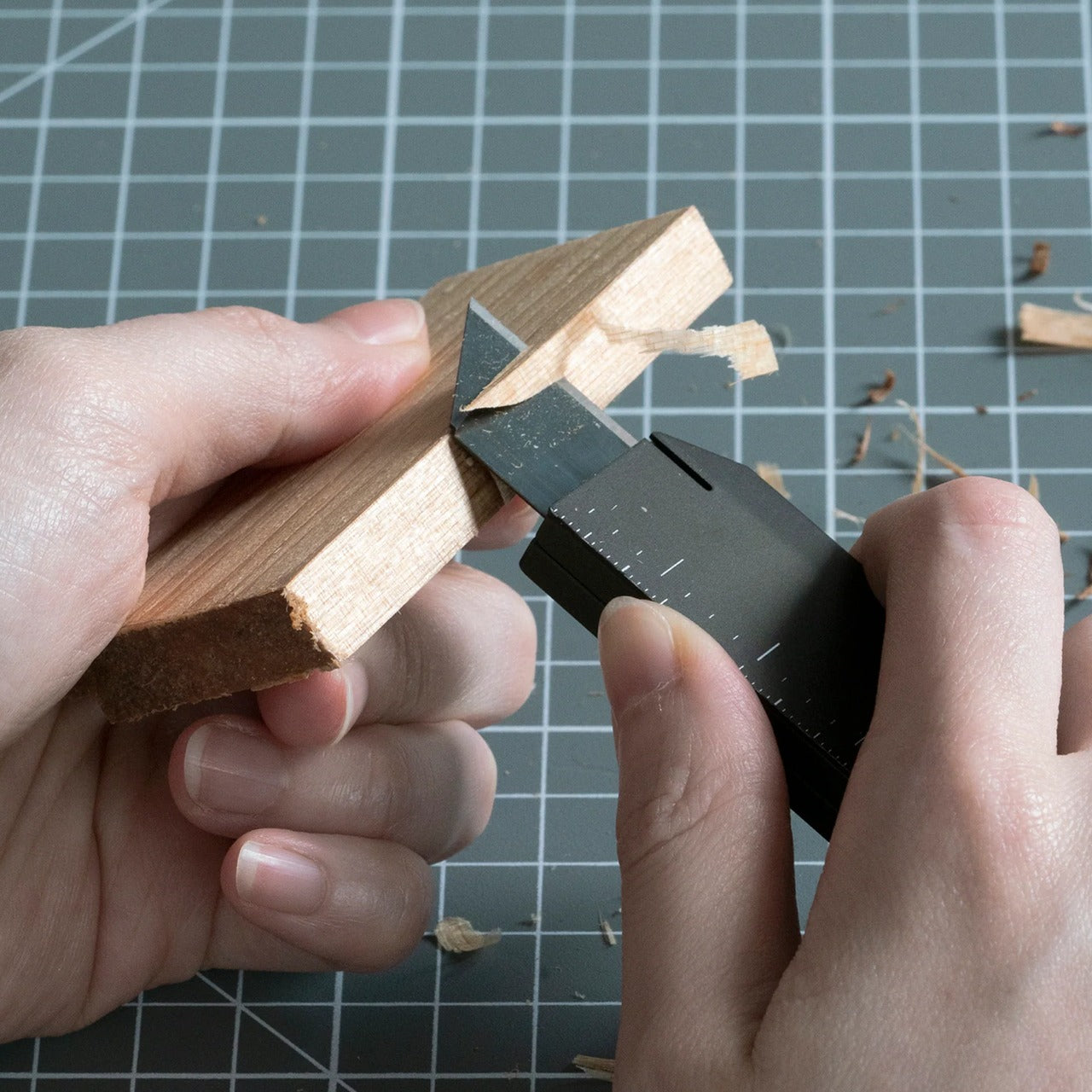
Utility knives typically sacrifice aesthetics for pure function, but the Craftmaster proves that clean, minimalist design can coexist with genuine utility. The metallic form measures just 0.3 inches thick and 4.72 inches long, disappearing into pockets while housing an OLFA blade deployed via a satisfying tactile rotating knob. The magnetic back serves a dual purpose—docking the knife to any metal surface and securing its companion metal scale that sports both metric and imperial markings for precision measuring during cutting tasks.

That included scale brings unexpected utility through thoughtful details. The raised edge makes lifting from flat surfaces effortless, while the integrated blade-breaker lets you snap off dulled OLFA blade edges to restore sharpness instantly. The 15-degree curvature prevents finger cuts during extended cutting sessions, and the 45-degree inclination protects box contents during package opening. For the EDC enthusiast who values tools that combine form with layered functionality, this utility knife represents exactly the kind of refined everyday carry that solves problems before they register as problems.

Click Here to Buy Now: $79.00

What We Like

  • Mere 0.3-inch thickness enables effortless pocket carry
  • The OLFA blade can be easily replaced when dull
  • Magnetic back docks on metal surfaces conveniently
  • The included scale provides a measurement tool with a blade-breaking function

What We Dislike

  • The rotating deployment mechanism is slower than quick-release alternatives
  • Small companion scale easy to misplace separately

10. Fingertip-Sized Rechargeable Flashlight
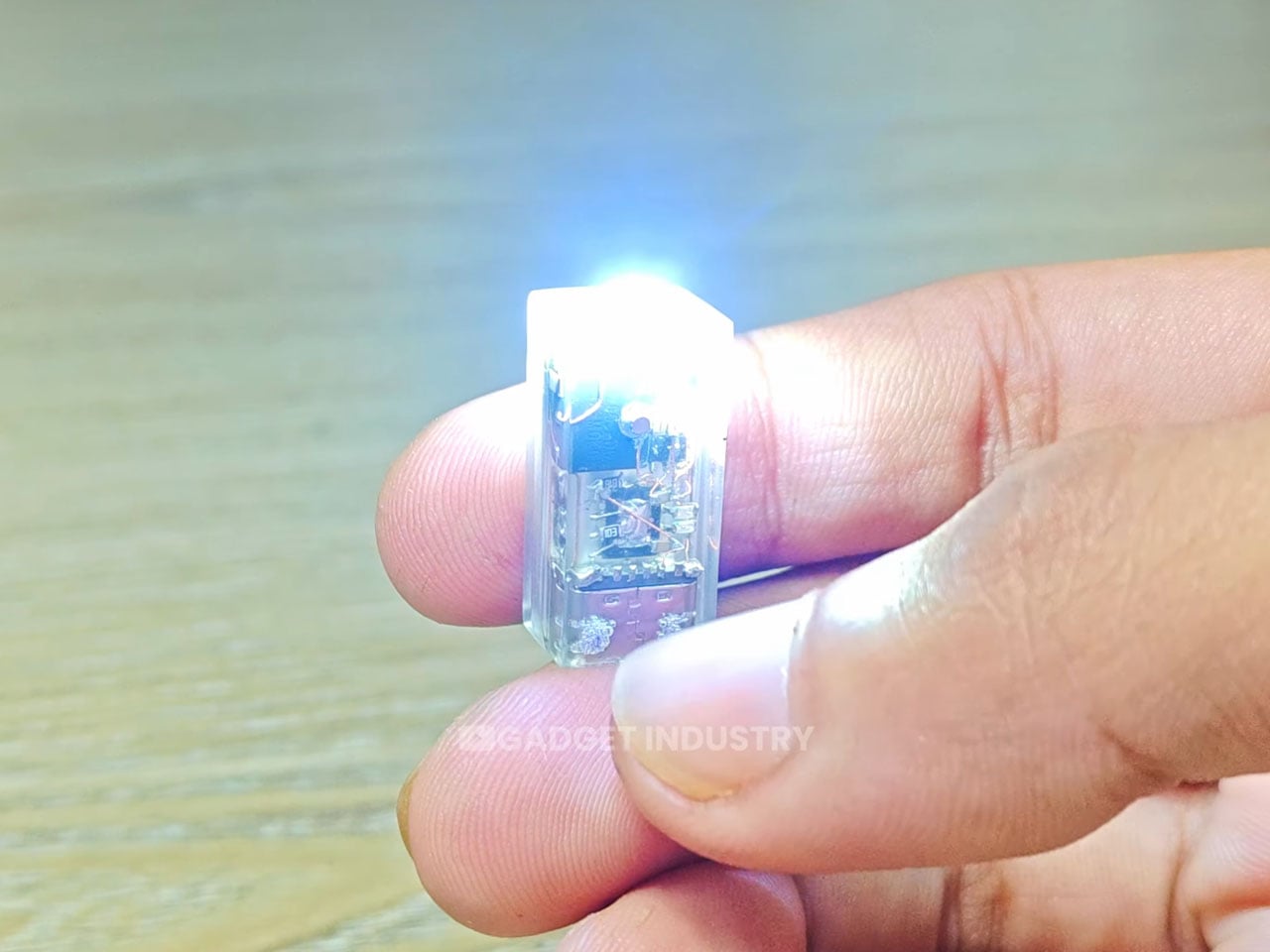
World’s smallest claims usually mean compromised functionality, but this fingertip-sized rechargeable torch by Gadget Industry pushes miniaturization to an obsessive extreme without sacrificing core capability. A lithium-polymer battery, charging circuit, touch-based control system, and white LED all seal into a compact resin shell that sits comfortably on a fingertip. It’s innovation through subtraction rather than addition, stripping everything down to absolute essentials and proving presence and accessibility can matter more than raw lumens.

The scale alone challenges assumptions about minimum viable flashlight dimensions. This micro torch takes the opposite route from bulky EDC lights, promising extreme brightness and endless modes, prioritizing availability over power. It’s the flashlight you actually have when you unexpectedly need light, precisely because you forget you’re carrying it. For the EDC enthusiast who believes the best tool is the one you actually carry, this rechargeable micro light represents the logical conclusion of pocket-worthy philosophy—making the tool so unobtrusive that excuses for leaving it behind simply don’t exist.

What We Like

  • Genuinely fingertip-sized form factor enables ubiquitous carry
  • Rechargeable design eliminates battery replacement hassles
  • A touch-based control system requires no mechanical switches
  • Sealed resin construction provides durability at minimal size

What We Dislike

  • Limited brightness compared to full-sized flashlight alternatives
  • Tiny form factor makes it easy to misplace when not clipped

Finding the Right Pocket-Worthy Gift

Valentine’s Day gifts work best when they demonstrate understanding of how someone actually lives their daily life. For the EDC enthusiast, that means tools that earn permanent pocket placement through consistent utility rather than novelty that fades. These ten designs represent that philosophy—gear refined enough to appreciate yet practical enough to justify carrying every single day without exception or second thought.

The best EDC gifts become invisible through constant presence, noticed only when they solve problems or make tasks slightly smoother. These pocket-worthy essentials transform Valentine’s Day from an obligatory gesture into a genuine expression of knowing what matters to him. Choose tools that match his carry style, and you’re giving something more valuable than objects—you’re showing you understand the intention behind his everyday choices. That recognition resonates long after Valentine’s Day passes.

The post 10 Best Pocket-Worthy Valentine’s Day Gifts for Men Who Love EDC first appeared on Yanko Design.
This Leaf-Like Tool Turns Everyday Walks Into Small Acts of Care for Hidden Lives

We have all heard the phrases “Don’t litter.” “Stop global warming.” They appear on posters, billboards, campaigns, and packaging, repeated so often that they begin to blur into background noise. While the intention behind them is urgent and necessary, the language of sustainability has become heavy and exhausting. It often asks people to think at a global scale, to feel responsible for enormous systems that feel far beyond individual control. Over time, this can create distance instead of motivation. But what if sustainability did not begin with fixing the entire planet? What if it started with noticing the small lives right beneath our feet?

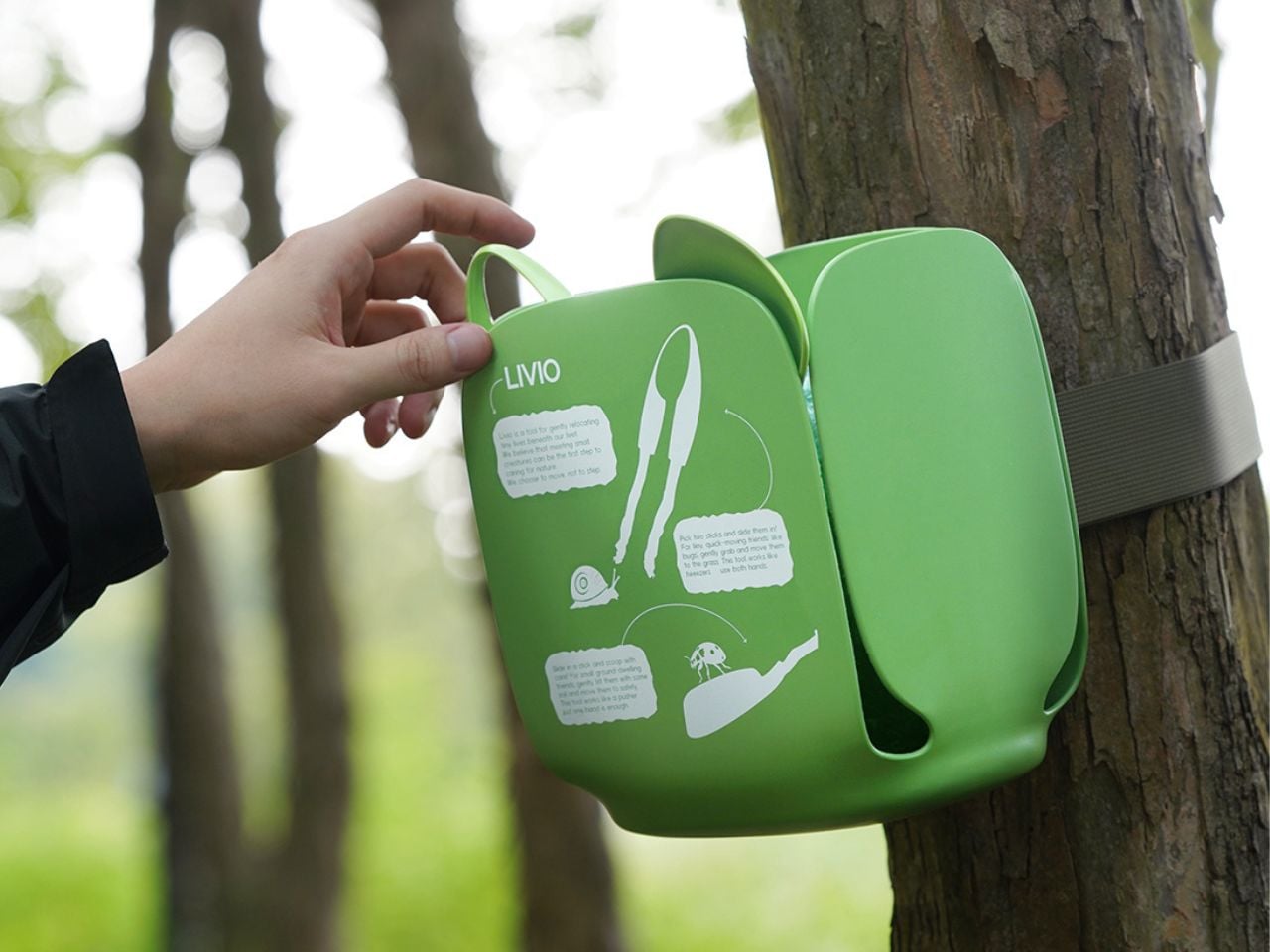
LIVIO is a project that reimagines sustainability through small, meaningful actions rooted in everyday experience. On walking trails, mountain paths, sidewalks, and parks, countless tiny creatures move through human spaces each day. Snails, insects, and other small beings navigate these environments quietly, often crossing paths with people who never notice them. It is not uncommon to find these creatures accidentally crushed by footsteps, bikes, or shoes. These moments are brief and easy to overlook, yet they represent lives lost simply because we were not paying attention.

Designer: Subin Kim

The goal of LIVIO is to protect those small lives and to make care feel possible for more people. While many individuals want to help, touching insects or snails directly can feel uncomfortable or even frightening. Fear, hesitation, or disgust often becomes a barrier between intention and action. LIVIO addresses this gap by offering a gentle and thoughtful tool that allows people to help without direct contact.

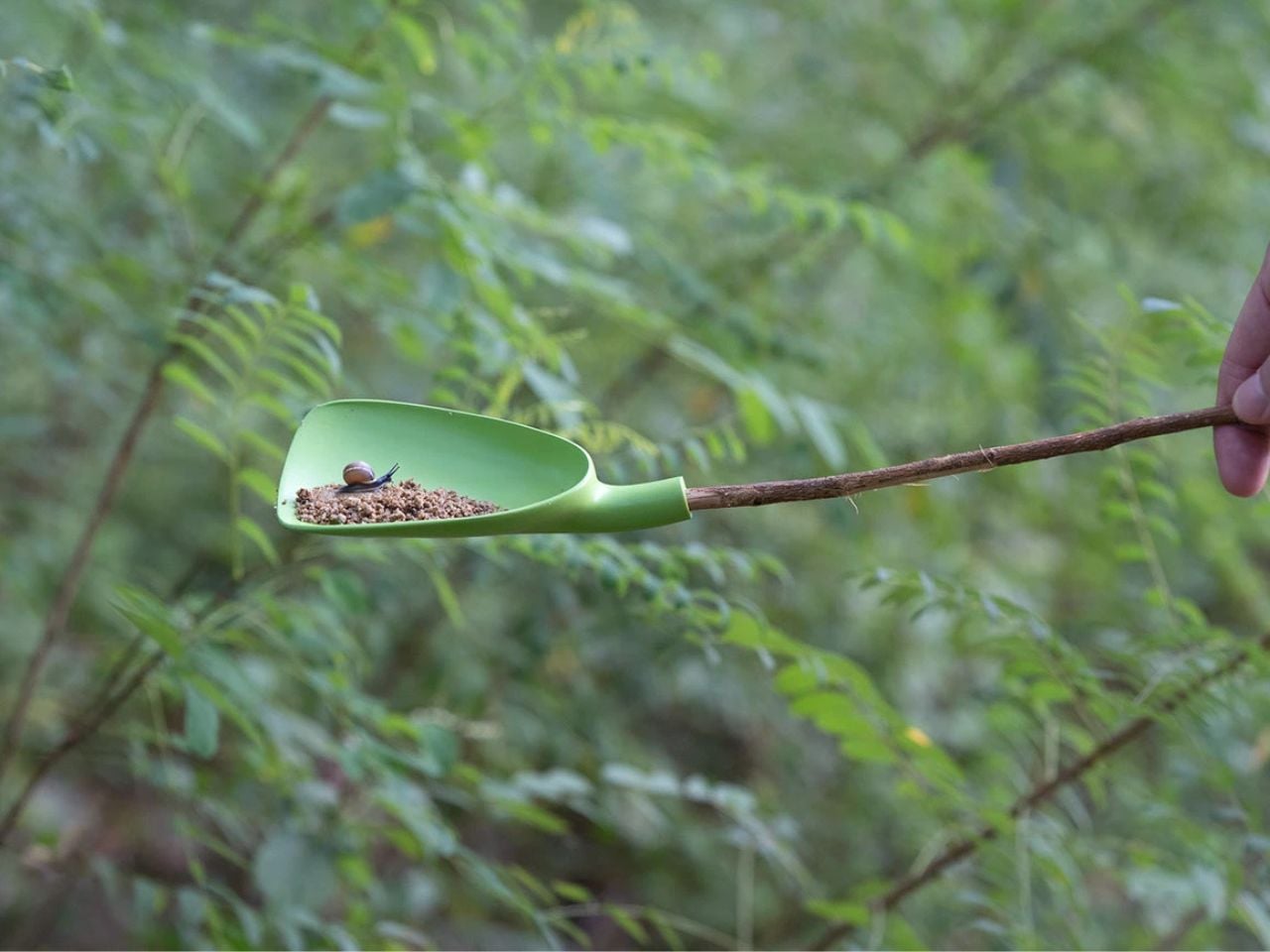
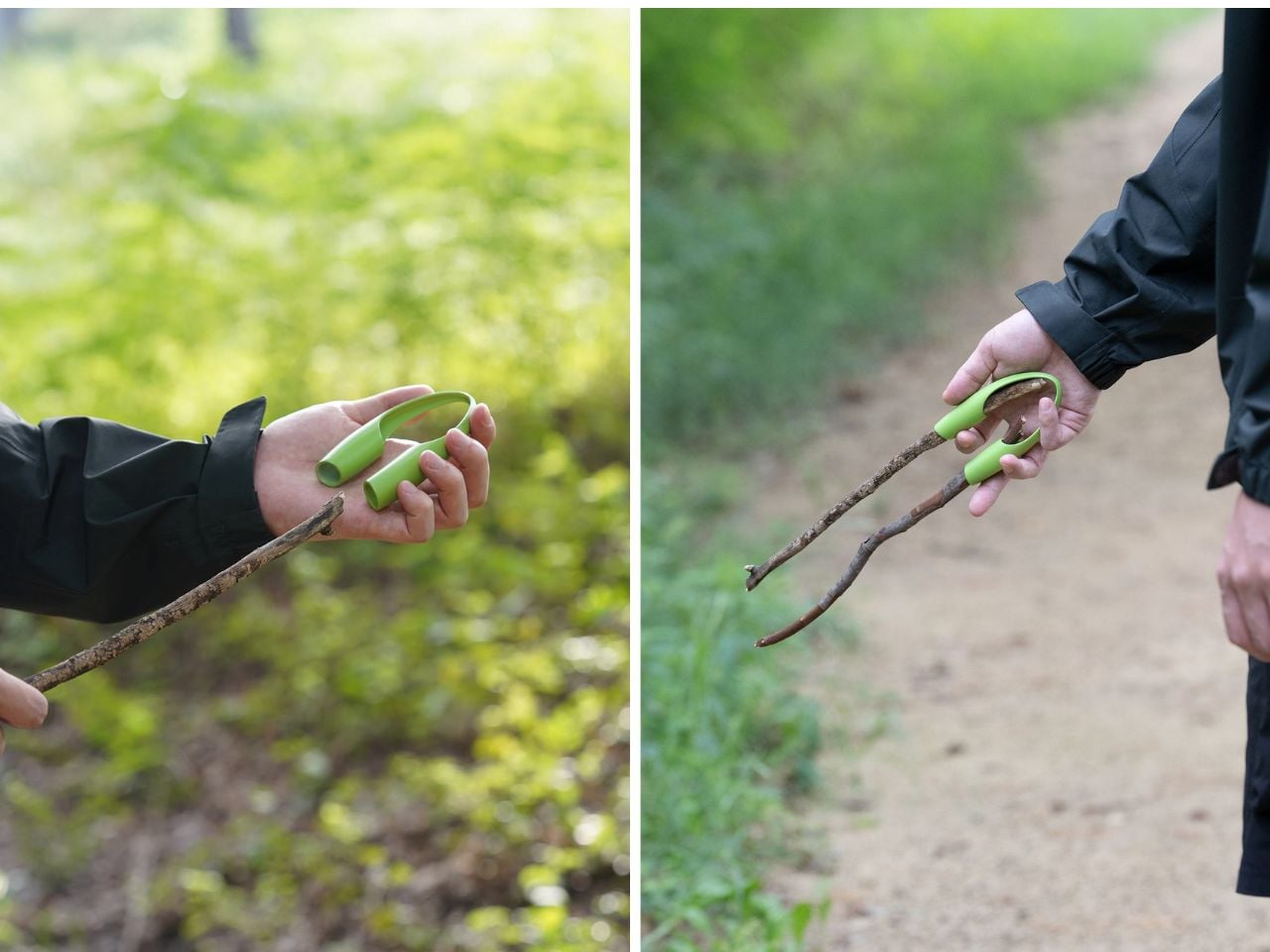
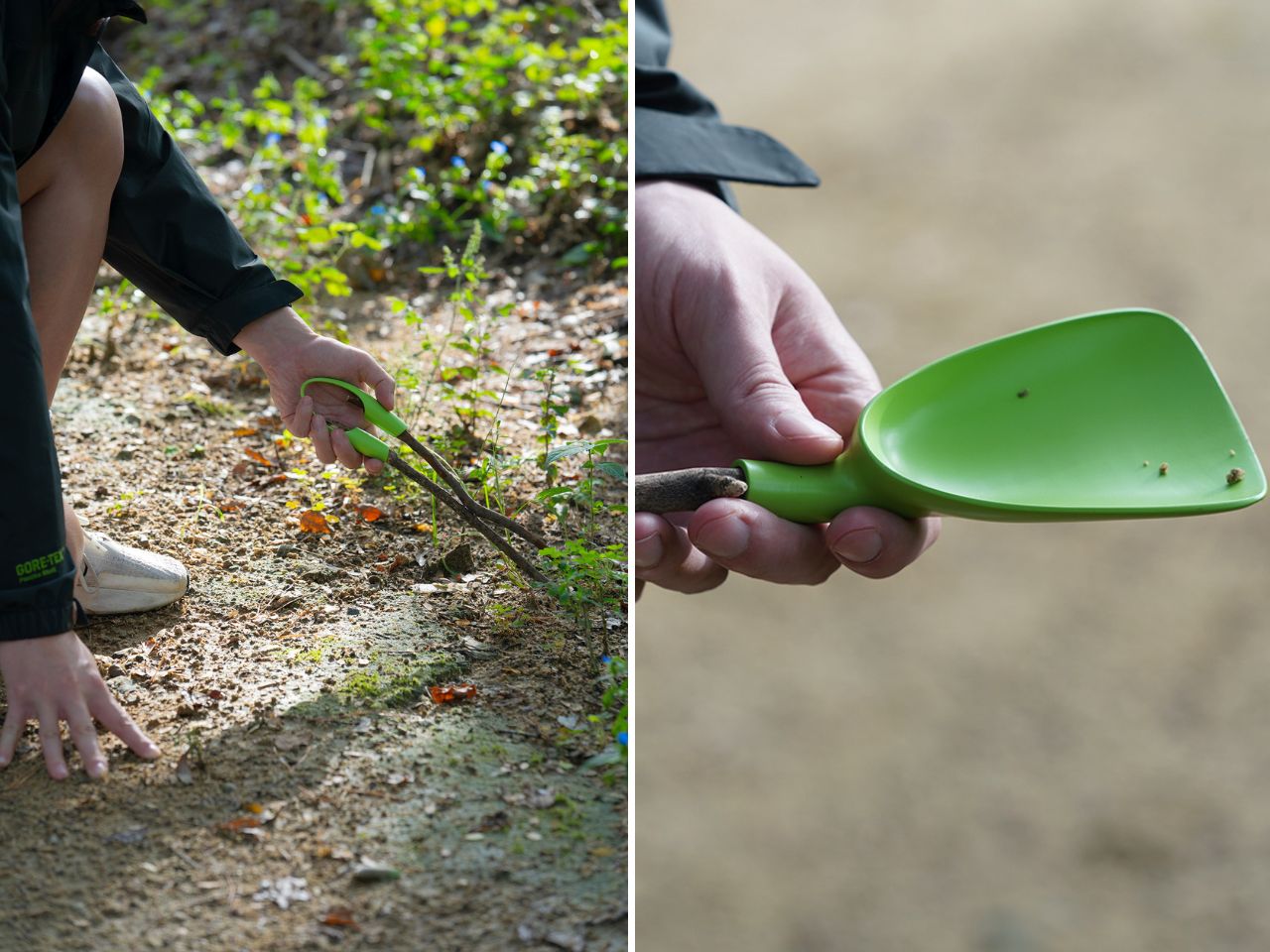
If you come across a small creature in crisis, LIVIO gives you a simple way to respond. The tool is designed to feel calm and intuitive rather than technical or intimidating. There are two tool types, each responding to different environmental conditions. In areas with little soil, the tongs allow careful and precise movement. In places where soil is present, the shovel tool lets users scoop the creature together with the surrounding ground, preserving its immediate habitat and reducing harm.

A defining aspect of LIVIO is how the tool is completed. Rather than being fully manufactured, it is finished using fallen branches found in nature. By reducing the amount of silicone used as its main material, the tool becomes even more environmentally conscious. The act of finding and attaching branches transforms the experience from simple use into participation. It encourages users to slow down, observe their surroundings, and engage physically with the environment. Sustainability becomes something playful and personal rather than distant or moralizing.

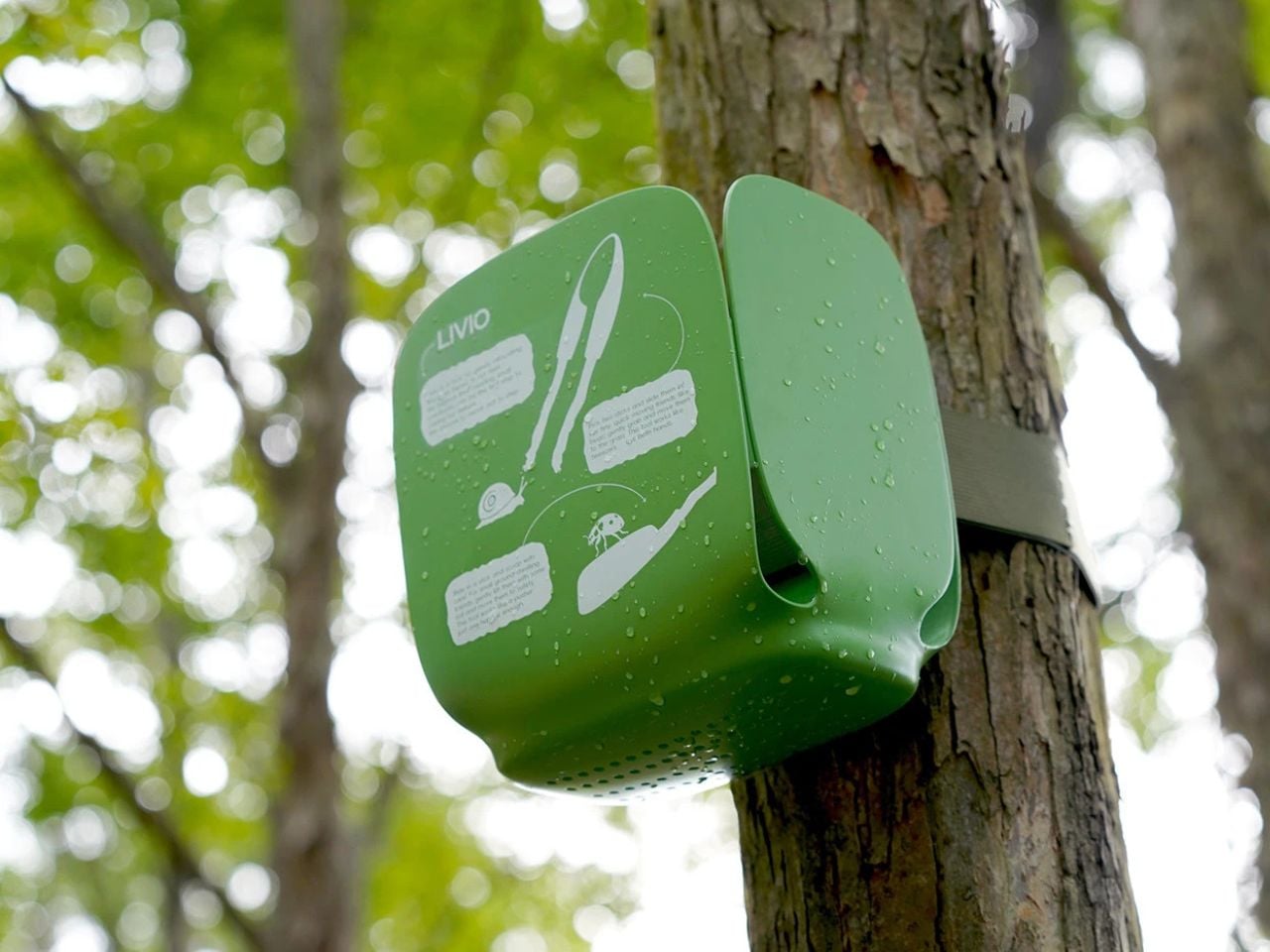
LIVIO also exists as a shared public resource. Tool stations can be installed on street trees, lamp posts, or along walking paths. Their leaf-like form blends naturally into the environment, making them feel like part of the landscape rather than an intrusion. These stations quietly invite curiosity and care, reminding people that small actions matter.

In the end, LIVIO suggests a different way to think about sustainability. Not as a burden, but as a series of small, human moments of attention and empathy. By protecting the smallest lives around us, sustainability becomes more real, more approachable, and even a little more joyful. Sometimes, meaningful change begins not with grand gestures, but with simply noticing what is right in front of us.

The post This Leaf-Like Tool Turns Everyday Walks Into Small Acts of Care for Hidden Lives first appeared on Yanko Design.
This Leaf-Like Tool Turns Everyday Walks Into Small Acts of Care for Hidden Lives

We have all heard the phrases “Don’t litter.” “Stop global warming.” They appear on posters, billboards, campaigns, and packaging, repeated so often that they begin to blur into background noise. While the intention behind them is urgent and necessary, the language of sustainability has become heavy and exhausting. It often asks people to think at a global scale, to feel responsible for enormous systems that feel far beyond individual control. Over time, this can create distance instead of motivation. But what if sustainability did not begin with fixing the entire planet? What if it started with noticing the small lives right beneath our feet?

LIVIO is a project that reimagines sustainability through small, meaningful actions rooted in everyday experience. On walking trails, mountain paths, sidewalks, and parks, countless tiny creatures move through human spaces each day. Snails, insects, and other small beings navigate these environments quietly, often crossing paths with people who never notice them. It is not uncommon to find these creatures accidentally crushed by footsteps, bikes, or shoes. These moments are brief and easy to overlook, yet they represent lives lost simply because we were not paying attention.

Designer: Subin Kim

The goal of LIVIO is to protect those small lives and to make care feel possible for more people. While many individuals want to help, touching insects or snails directly can feel uncomfortable or even frightening. Fear, hesitation, or disgust often becomes a barrier between intention and action. LIVIO addresses this gap by offering a gentle and thoughtful tool that allows people to help without direct contact.

If you come across a small creature in crisis, LIVIO gives you a simple way to respond. The tool is designed to feel calm and intuitive rather than technical or intimidating. There are two tool types, each responding to different environmental conditions. In areas with little soil, the tongs allow careful and precise movement. In places where soil is present, the shovel tool lets users scoop the creature together with the surrounding ground, preserving its immediate habitat and reducing harm.

A defining aspect of LIVIO is how the tool is completed. Rather than being fully manufactured, it is finished using fallen branches found in nature. By reducing the amount of silicone used as its main material, the tool becomes even more environmentally conscious. The act of finding and attaching branches transforms the experience from simple use into participation. It encourages users to slow down, observe their surroundings, and engage physically with the environment. Sustainability becomes something playful and personal rather than distant or moralizing.

LIVIO also exists as a shared public resource. Tool stations can be installed on street trees, lamp posts, or along walking paths. Their leaf-like form blends naturally into the environment, making them feel like part of the landscape rather than an intrusion. These stations quietly invite curiosity and care, reminding people that small actions matter.

In the end, LIVIO suggests a different way to think about sustainability. Not as a burden, but as a series of small, human moments of attention and empathy. By protecting the smallest lives around us, sustainability becomes more real, more approachable, and even a little more joyful. Sometimes, meaningful change begins not with grand gestures, but with simply noticing what is right in front of us.

The post This Leaf-Like Tool Turns Everyday Walks Into Small Acts of Care for Hidden Lives first appeared on Yanko Design.
DVX Night Storm Releases Latest X3: Unparalleled 4K Full Color Night Vision in Pitch Darkness

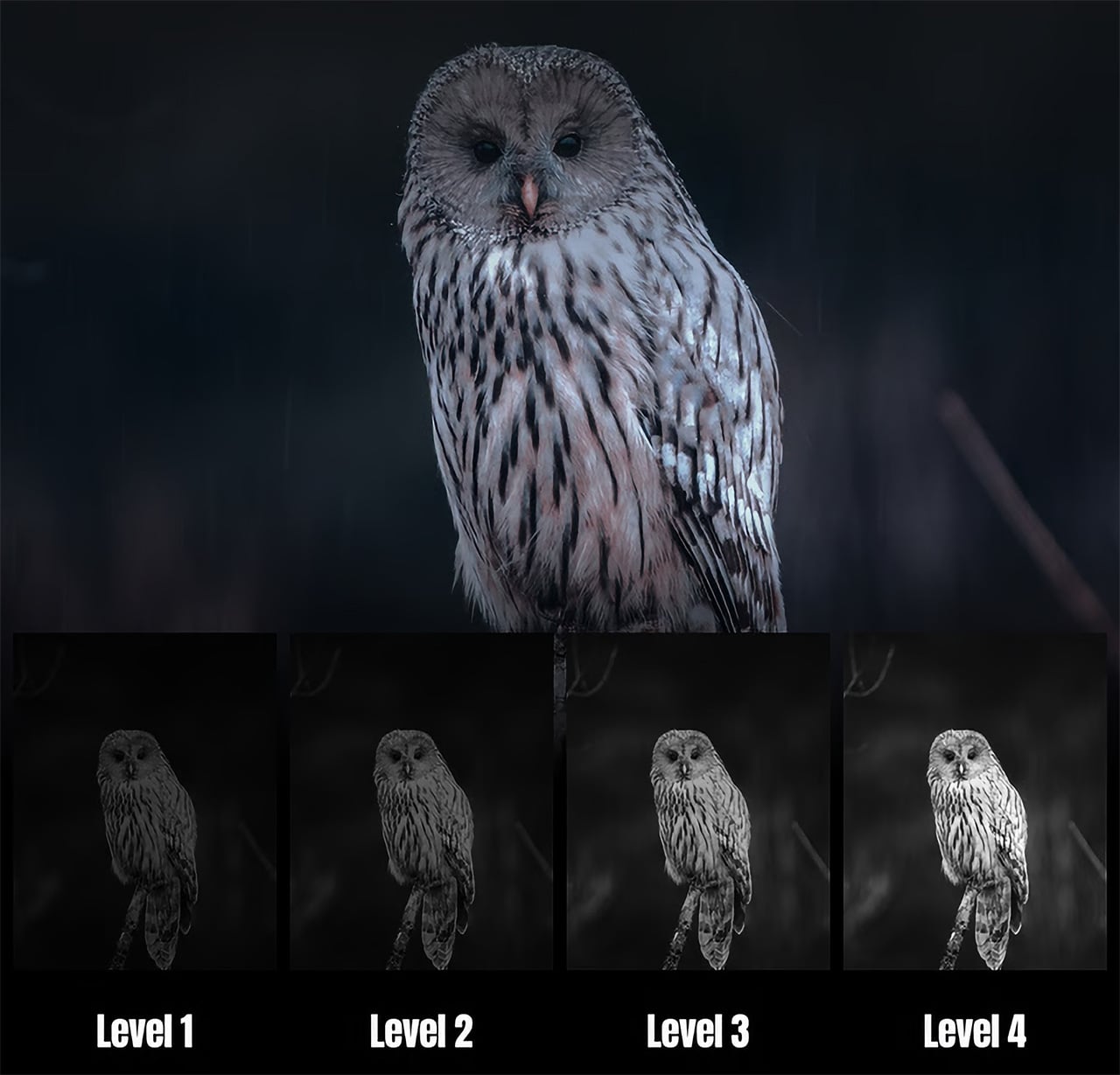
The usual night-vision experience involves green haze, grainy silhouettes, limited reach, and a red IR glow that gives you away the moment you turn on the illuminator. Most systems force you to choose between contrast and color, or between seeing far and staying invisible. The trade-offs are familiar enough that people who work or roam in the dark have learned to accept them, settling for monochrome when they need range or giving up clarity when they need stealth.

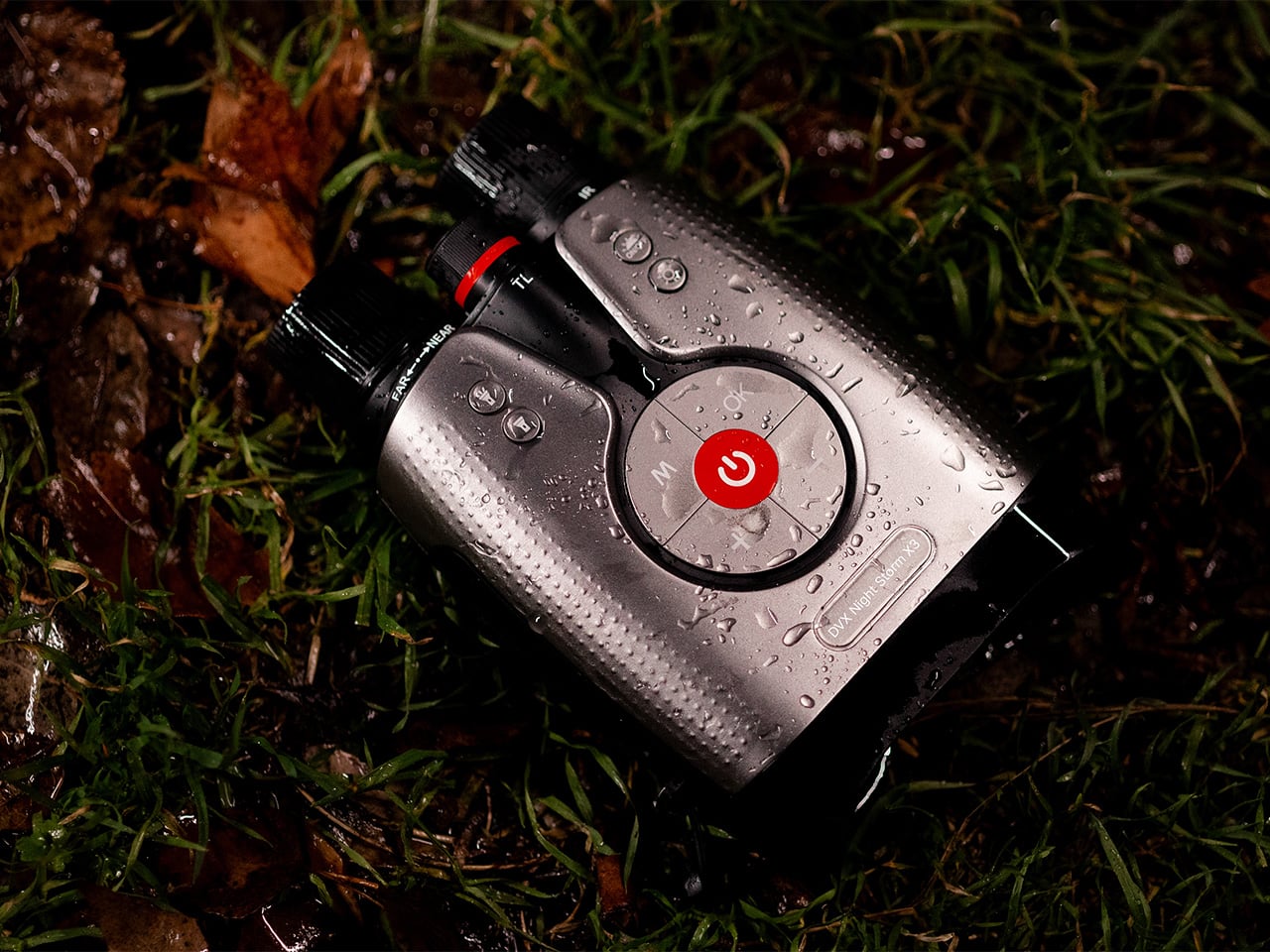
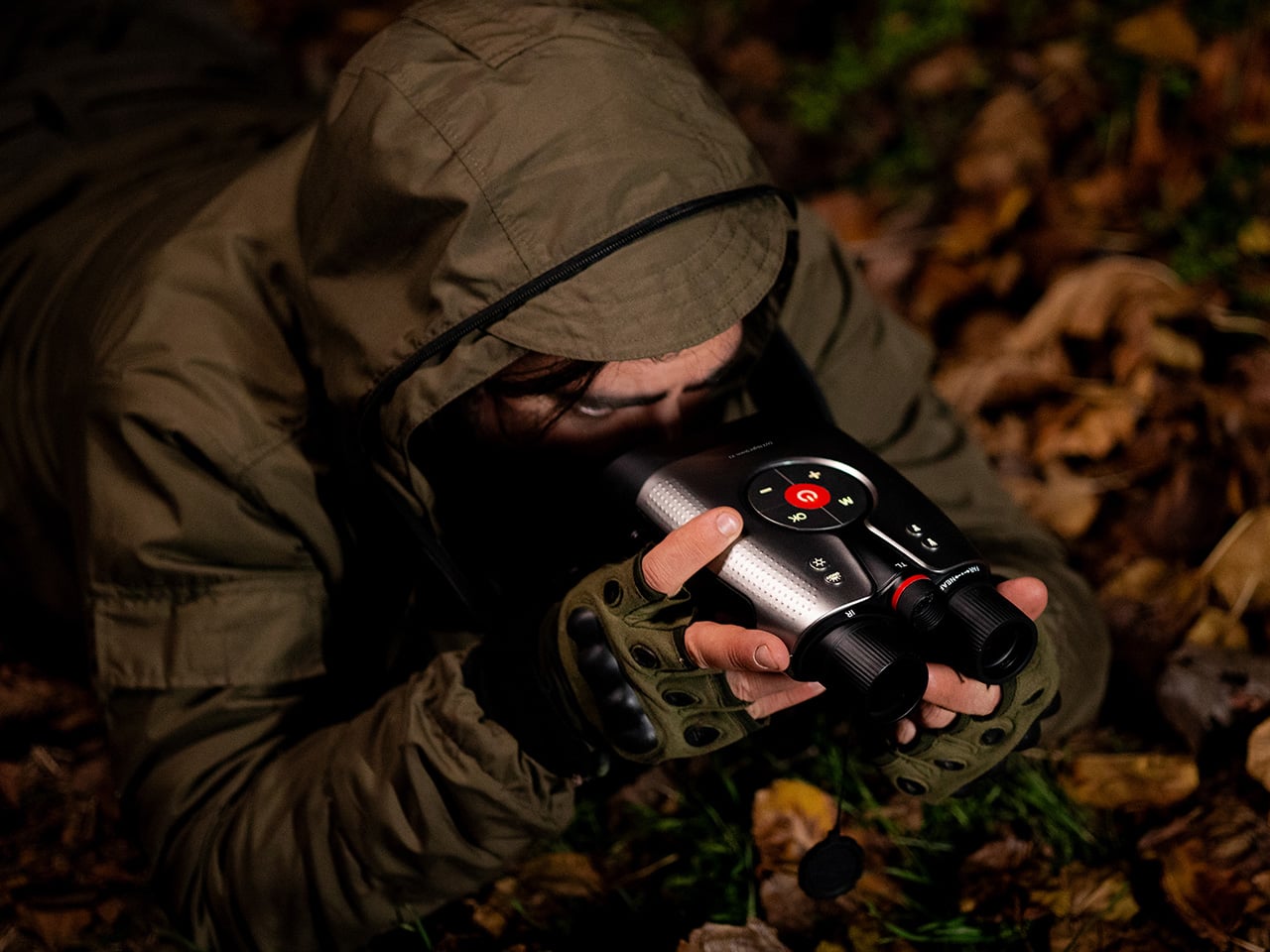
Night Storm X3 is aimed at people who move through the dark for work or passion and need more than a toy flashlight for their eyes. It is a binocular-style night-vision system that promises native 4K full-color imaging down to 0.0001 lux (10 times better than the previously industry-leading SONY Starvis), visibility out to 1,500m, and an invisible 950nm IR beam, all fused by a 20 TOPS AI engine in a rugged IP65 housing designed for long nights.

Designer: DVX Night Vision

Click Here to Buy Now: $249 $429 ($180 off). Hurry, only 4/295 left! Raised over $2.1 million.

The Night Storm X3 is built around a ground-breaking architecture of not just one, but two proprietary 1-inch night vision CMOS sensors branded Luma-X and Chroma-X. One is a monochrome sensor that locks onto structure and edges in near-zero light, the other is a color sensor that pulls real color from light levels lower than starlight. The AI Neural Brain fuses them at the sub-pixel level, so you get both sharp contrast and natural color in a single 4K stream.

To understand what 0.0001 lux actually means, consider that a single candle at one meter is roughly one lux. By 0.001 lux, that glow is barely visible from 100m, and at 0.0001 lux it disappears to the naked eye. The Night Storm X3 still pulls full-color detail at that level, paired with optics tuned for a 13-degree field of view and 8x digital zoom, with minimal noise and interference thanks to its powerful AI imaging processing.

That optical system lets you scan valleys, fence lines, or shorelines up to 1,500m away. The narrow field of view, f/1.4 aperture, and 42mm focal length give you reach and detail rather than a wide panorama, which makes sense for tracking distant subjects or monitoring large open areas where you cannot physically move closer without being noticed or disturbing the scene.

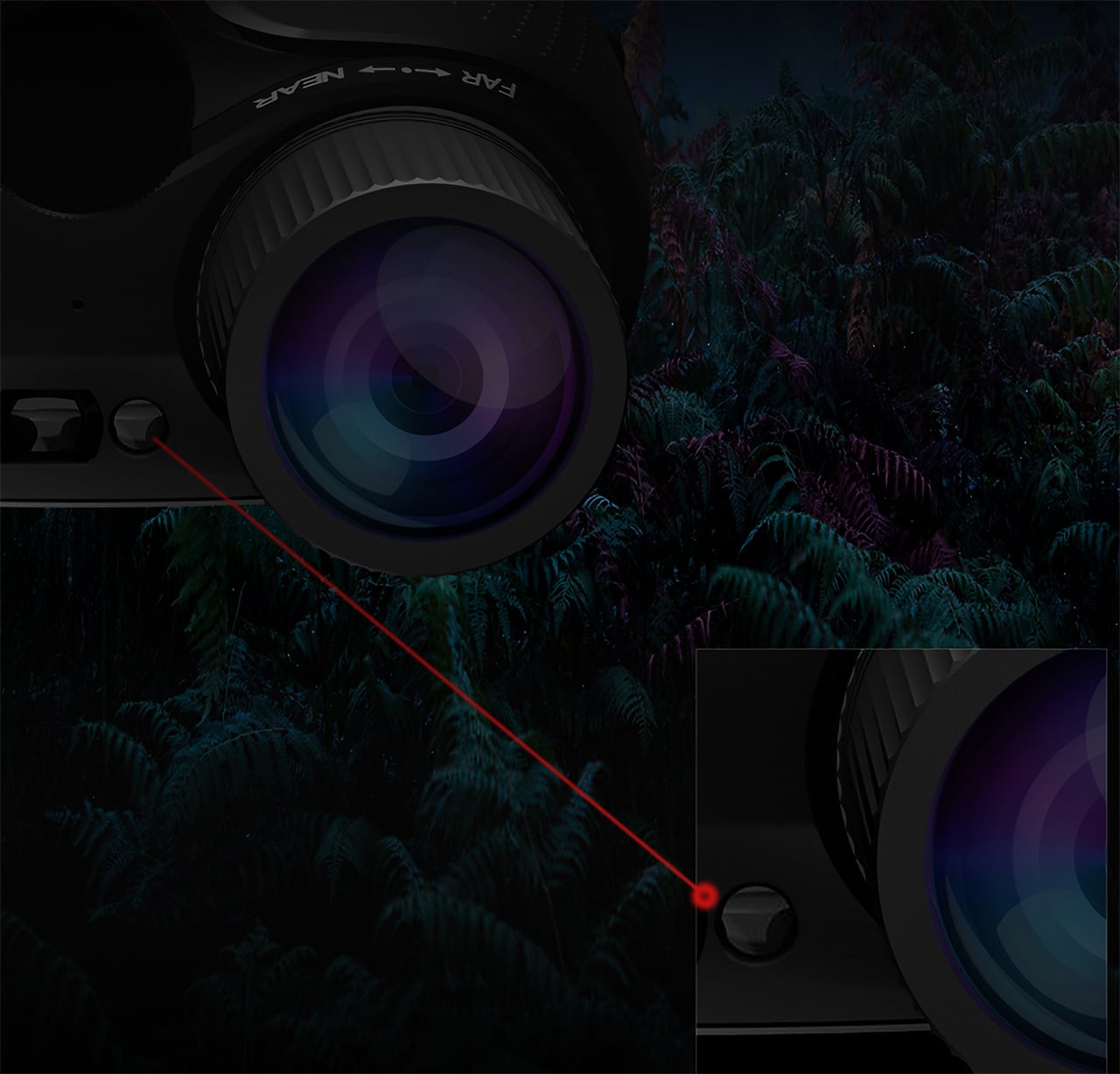
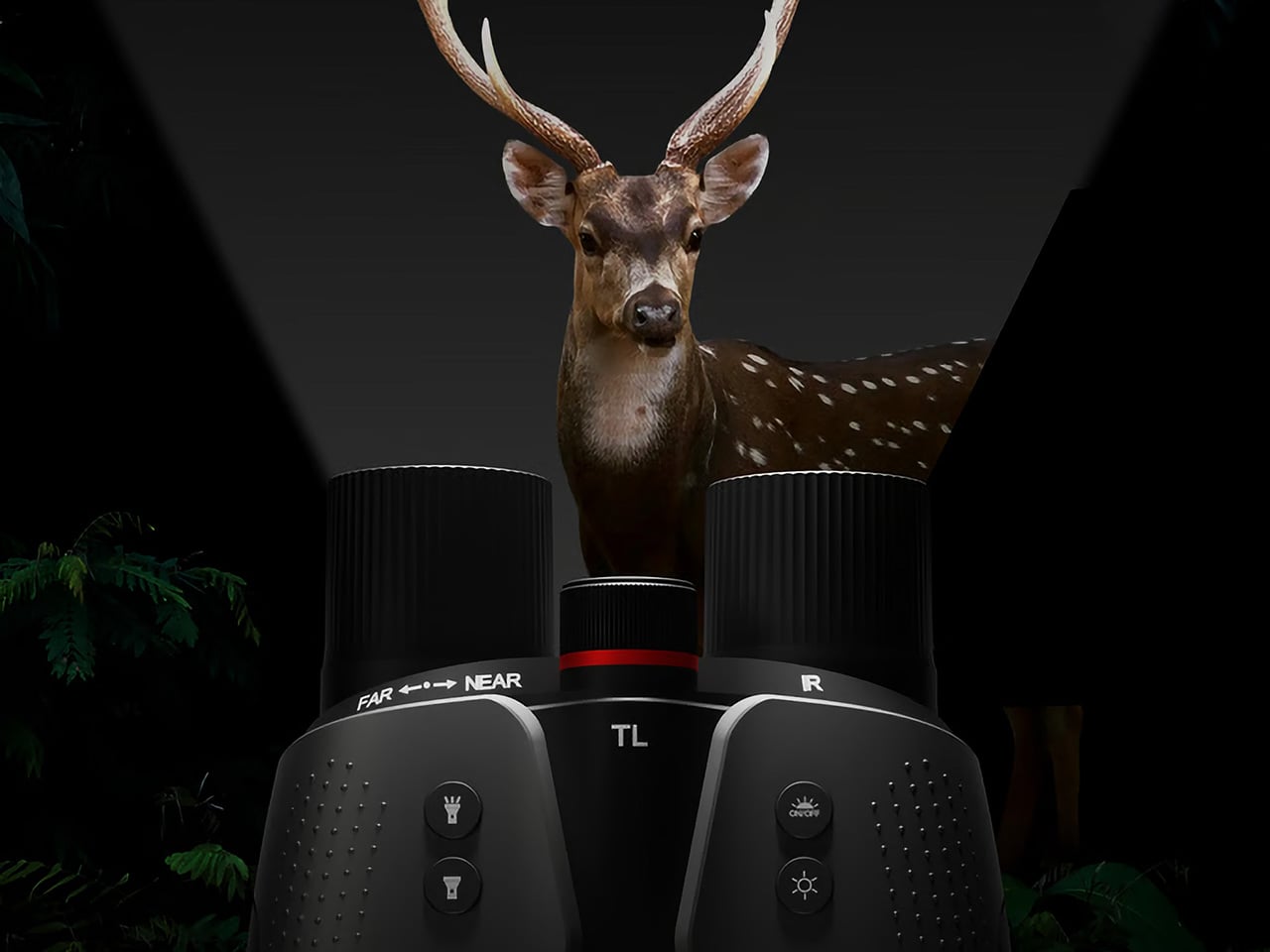
Older 850nm IR systems throw a visible red glow that is easy to spot and can spook animals or reveal your position. The Night Storm X3 uses a boosted 950 nm infrared system that stays invisible to humans and nearly undetectable to most animals. It provides powerful monochrome visibility up to 1,500m in 0-lux conditions, with four adjustable brightness levels to tune illumination and stay hidden.

The Pro model adds a built-in laser range finder that measures distance, angle, and drop up to 1,500m with a digital crosshair. Pair that with true 4K video and 52 MP stills, saved straight to a TF card at full resolution, and the X3 becomes a documentation tool. For professional night photographerx and animal observers, the built in LRF helps pin point distance of the objects down to the accuracy of centimetres, greatly enhance the overall performance and situation awareness. You can track animal patterns, log security incidents, or review what happened in a search corridor after the fact.

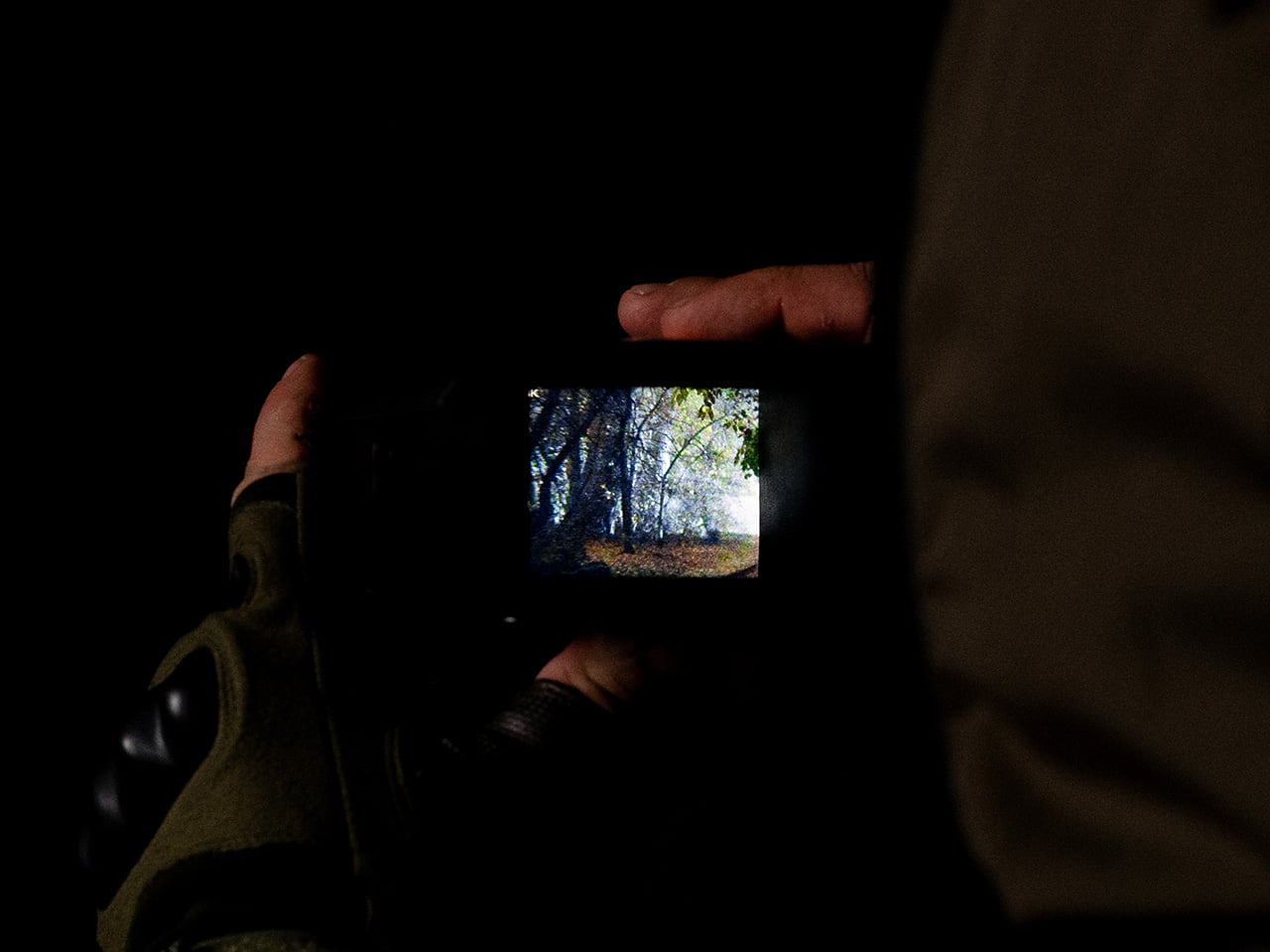
The 5,100 mAh battery and efficient NPU give you up to 24 hours of operation with IR off, enough to cover an entire night without swapping cells. The close-to-eye viewfinder feels more like binoculars than a screen at arm’s length, reducing fatigue during long sessions. The IP65 rating and -20 to 50 degree operation keep it running when you are out in harsh conditions for hours.

Built-in Wi-Fi and the DVX app let you stream, capture, and review footage from a phone, and TF card support up to 512GB gives you room for long sessions. Illuminated controls, audible alerts, a tripod mount, and a tactical light with constant and strobe modes slot into existing workflows without forcing you to reinvent how you work or carry extra accessories.

Night Storm X3 brings together dual sensors, AI fusion, stealth IR, and industrial design into something that feels like a serious tool rather than a gadget. It is built around the needs of people who spend long stretches in the dark and need color, range, and confidence. For anyone who has run out of battery mid-watch, squinted at grainy green footage, or been given away by a glowing IR emitter, the Night Storm X3 reads less like an incremental upgrade and more like the kind of gear that quietly changes what you can do when the sun goes down.

Click Here to Buy Now: $249 $429 ($180 off). Hurry, only 3/295 left! Raised over $2.1 million.

The post DVX Night Storm Releases Latest X3: Unparalleled 4K Full Color Night Vision in Pitch Darkness first appeared on Yanko Design.

Roborock’s New Flagship Line Brings Sculpted Design to Smart Cleaning at CES 2026

The idea of a smart home has long been defined by individual devices, each designed to solve a single task in isolation. But modern homes no longer operate in clean lines. Multi-level layouts, pets, kids, and yards that stretch from kitchen tile to sloped grass create environments where a single device rarely finishes the job. At CES 2026, Roborock is using that complexity as a design brief, especially for households across North America where scale and texture demand more than one kind of intelligence.

Roborock’s “The Greatest Meeting the Greatest” theme frames this as a meeting between world-class engineering and the realities of everyday living. This year’s lineup is less about one hero product and more about a family of specialists, from a flagship robot that can see and adapt in three dimensions, to a one-pass floor-care robot, a foam-based floor washer, and an AWD mower that treats the yard as part of the home.

Designer: Roborock

Click here to know more.

Greatness in Intelligence

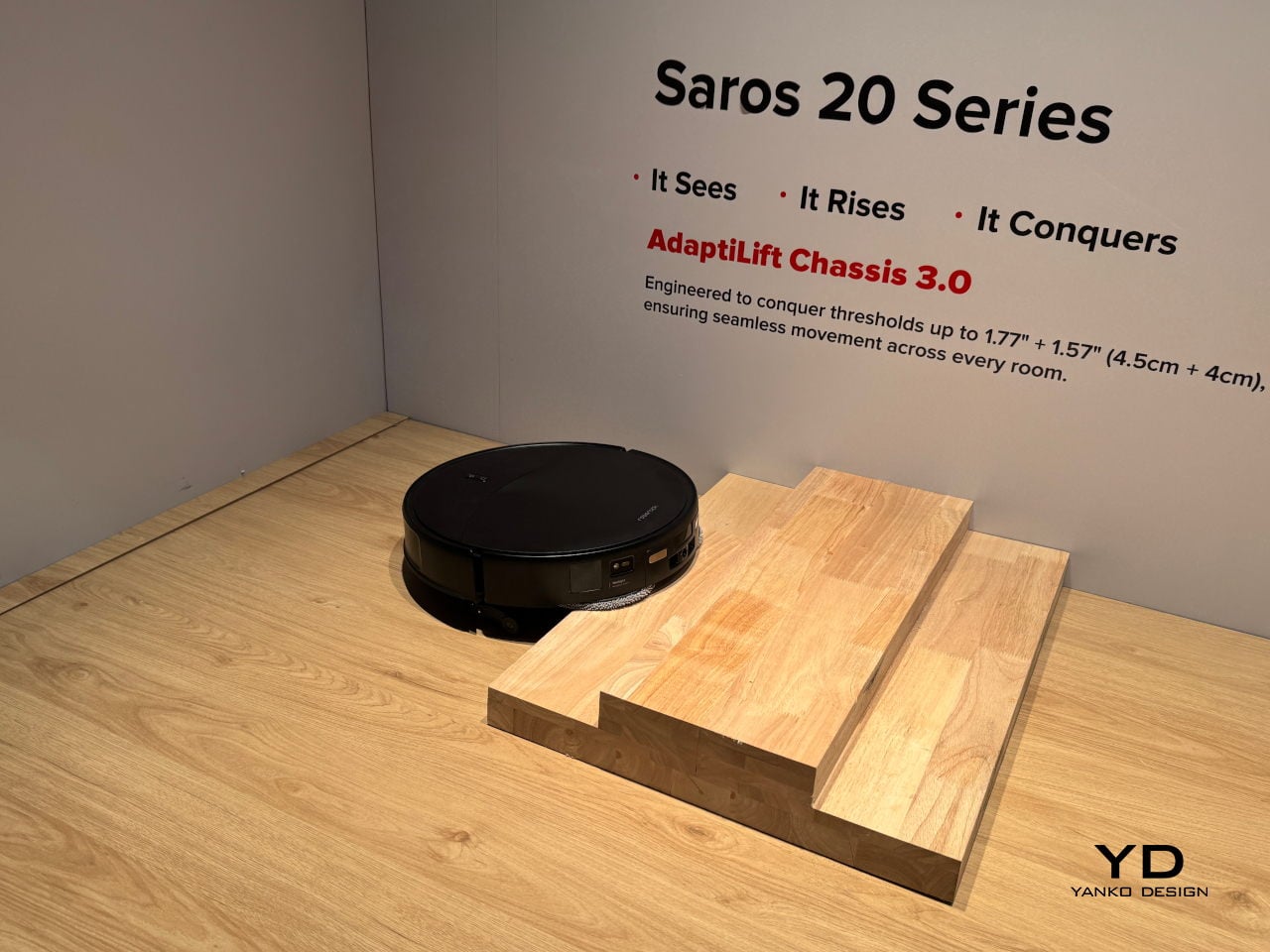
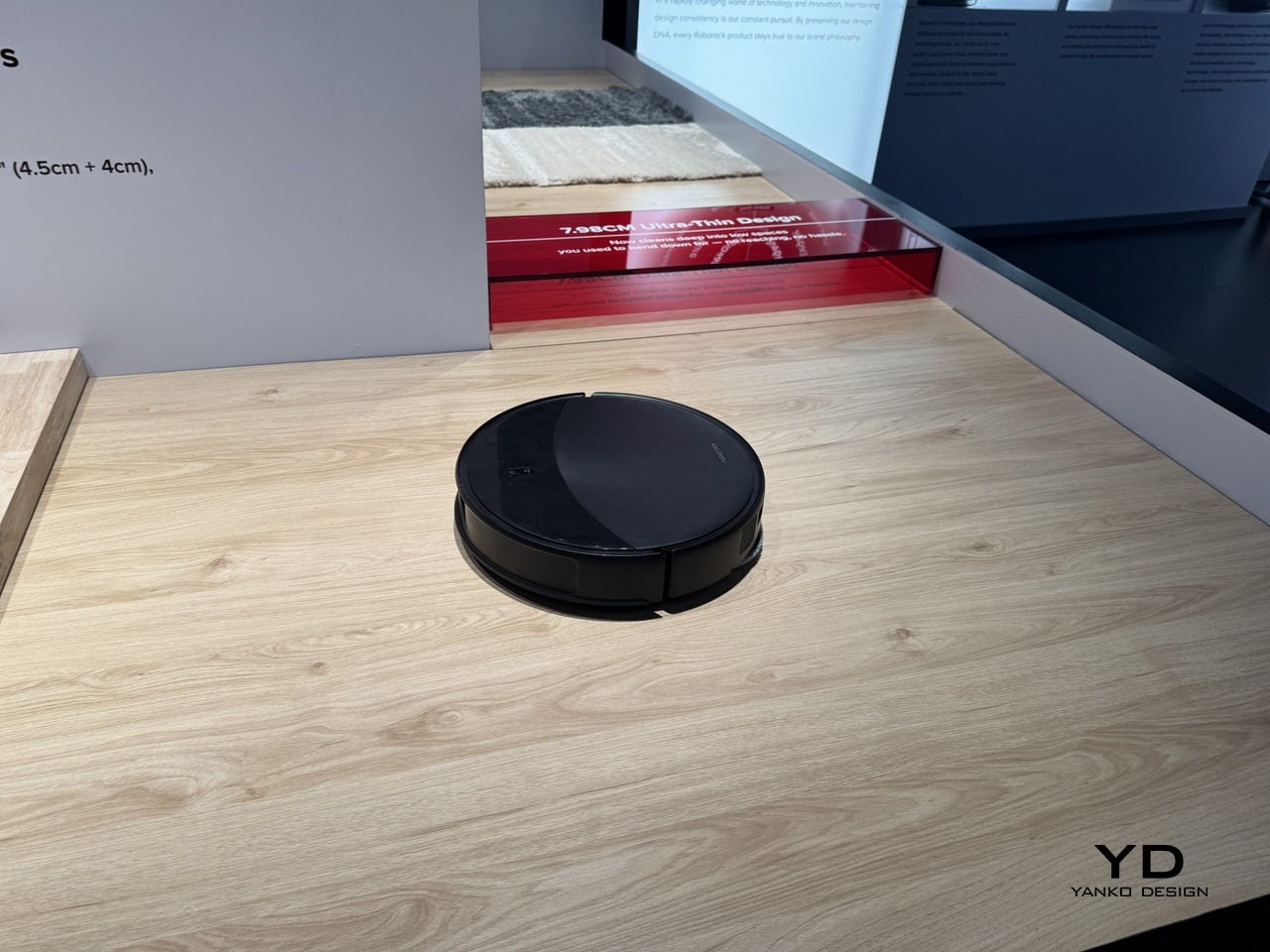
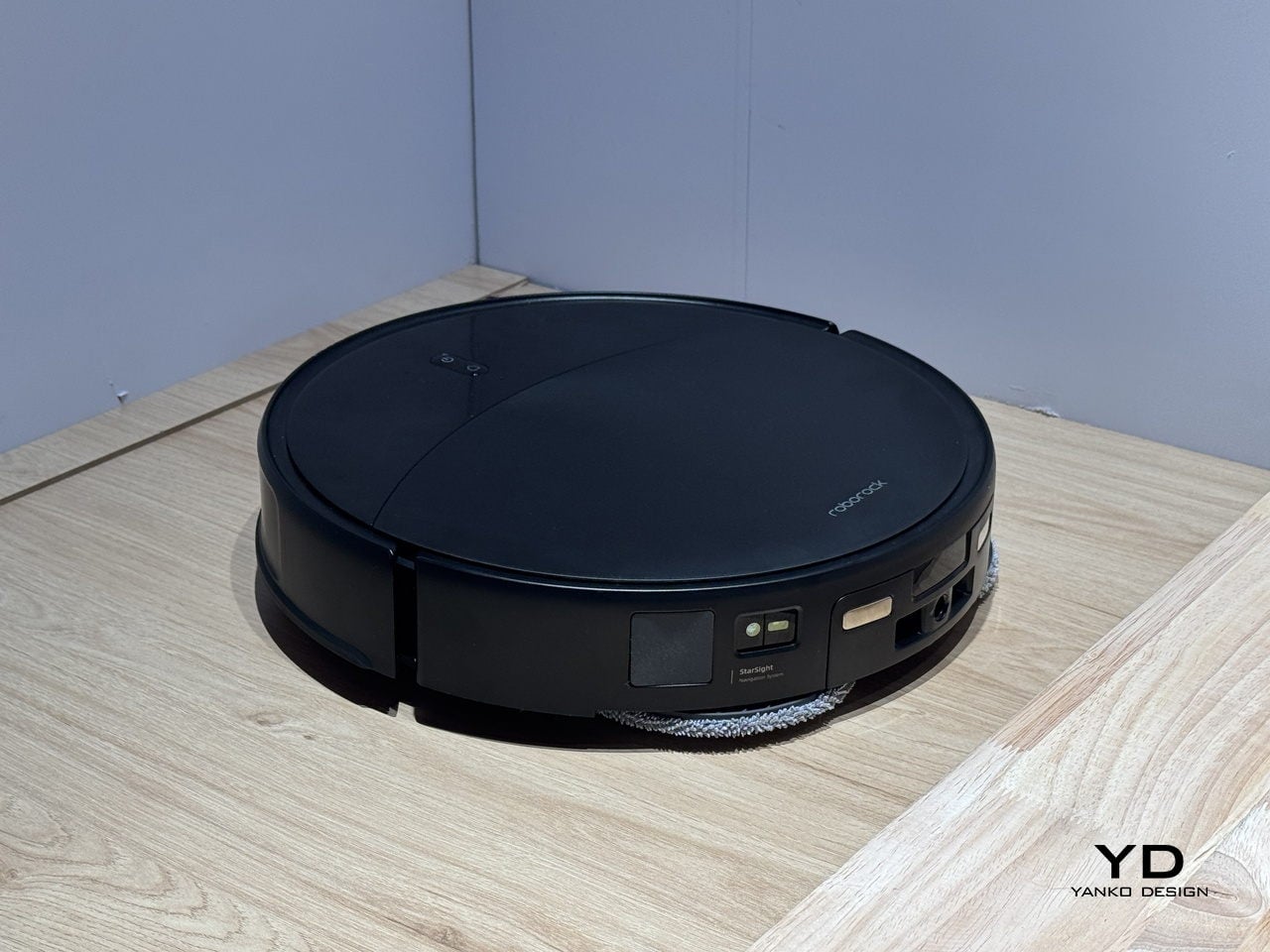
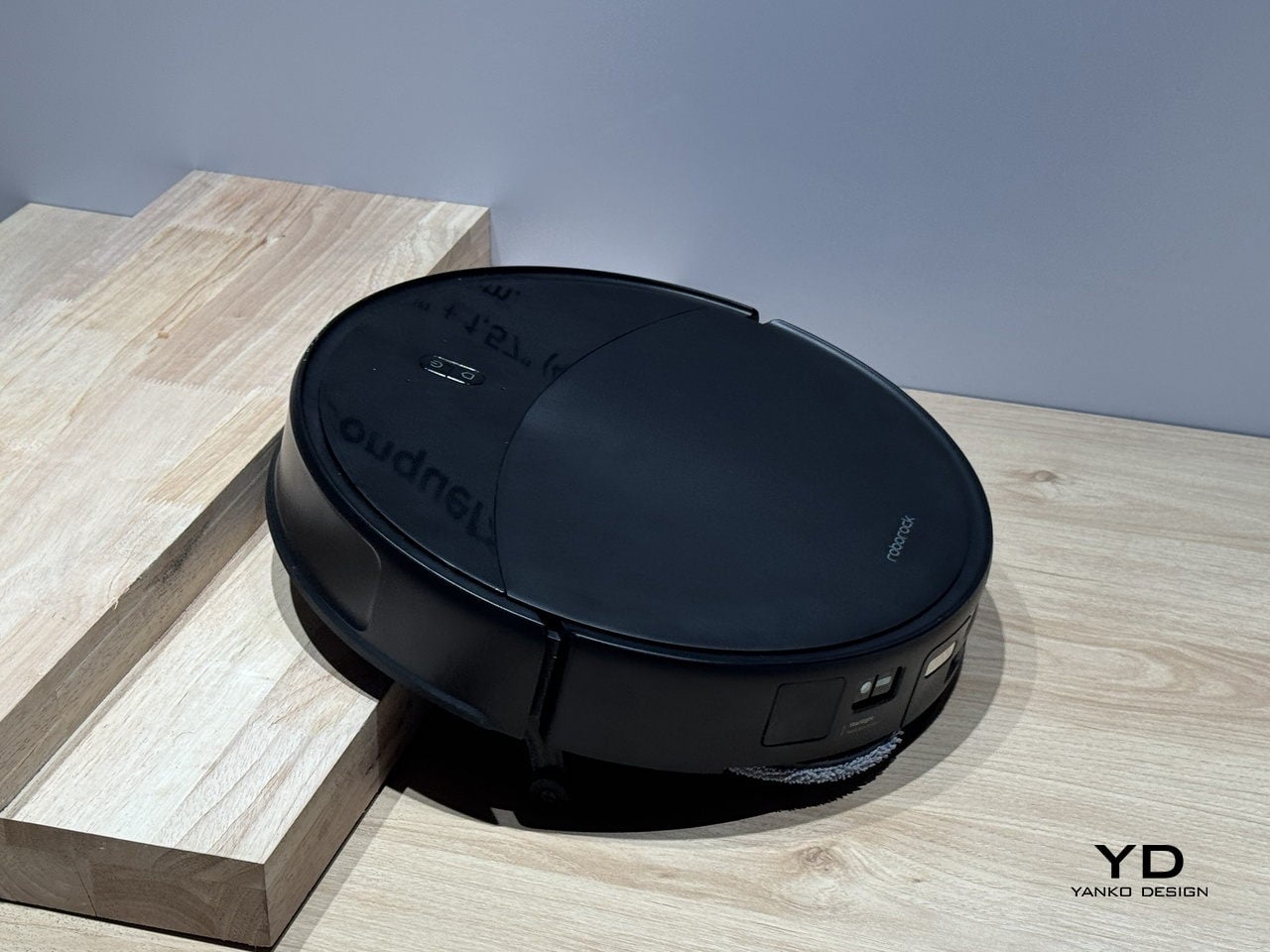
Intelligence in a home context means mastering complexity without constant supervision. The Saros 20, the brand’s flagship product for 2026, introduces StarSight Autonomous System 2.0, with dual-transmitter 3D time-of-flight LiDAR and 21,600 sensor points. This innovation allows the Saros 20 to map spaces, recognize over 200 obstacle types, and distinguish cables from socks or pet bowls, making it even smarter than the previous-gen Saros 10R flagship. At 7.98 cm tall, it slides under low furniture while understanding the space in three dimensions, which matters in homes with layered messes and tight clearances.

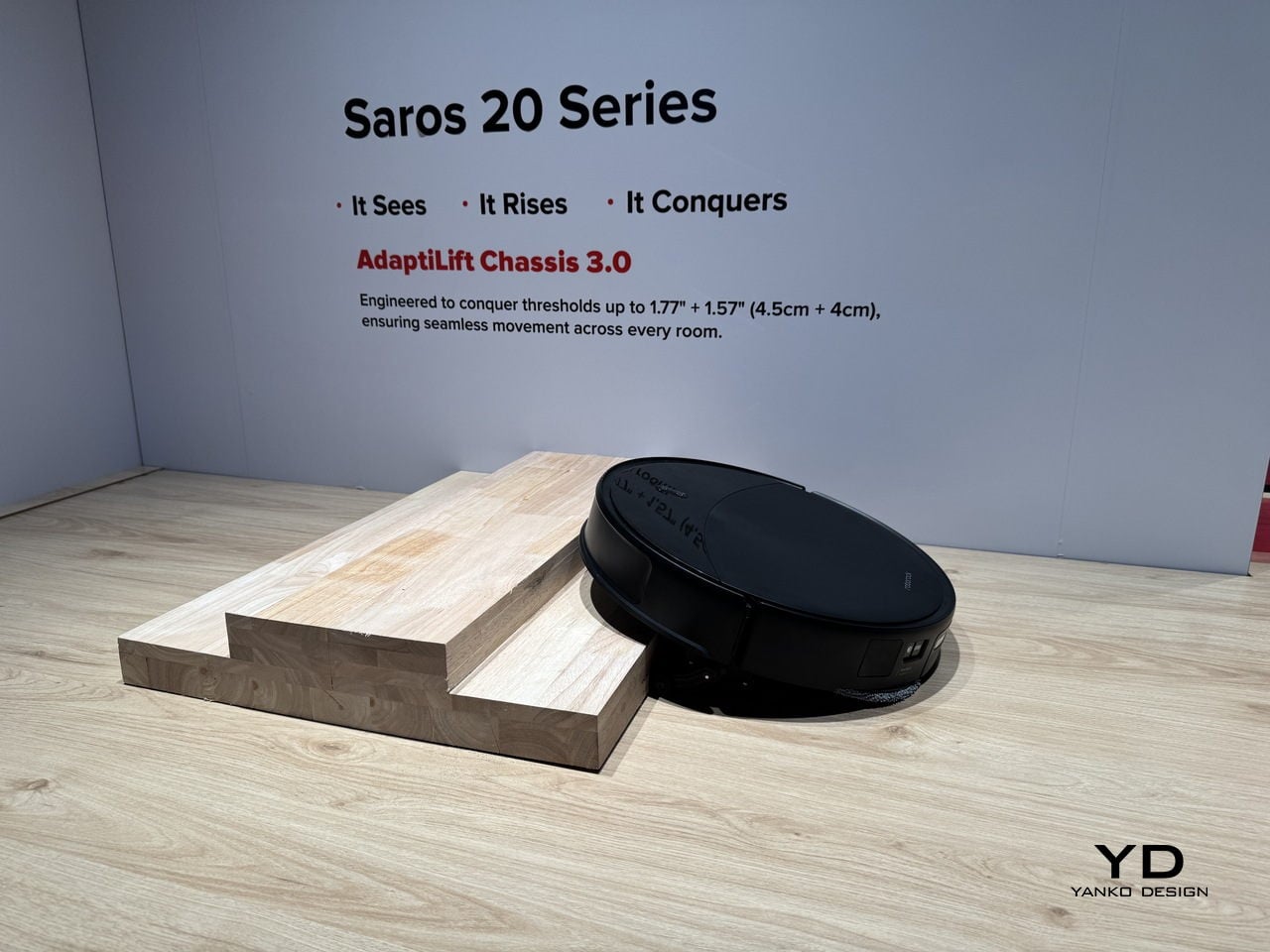
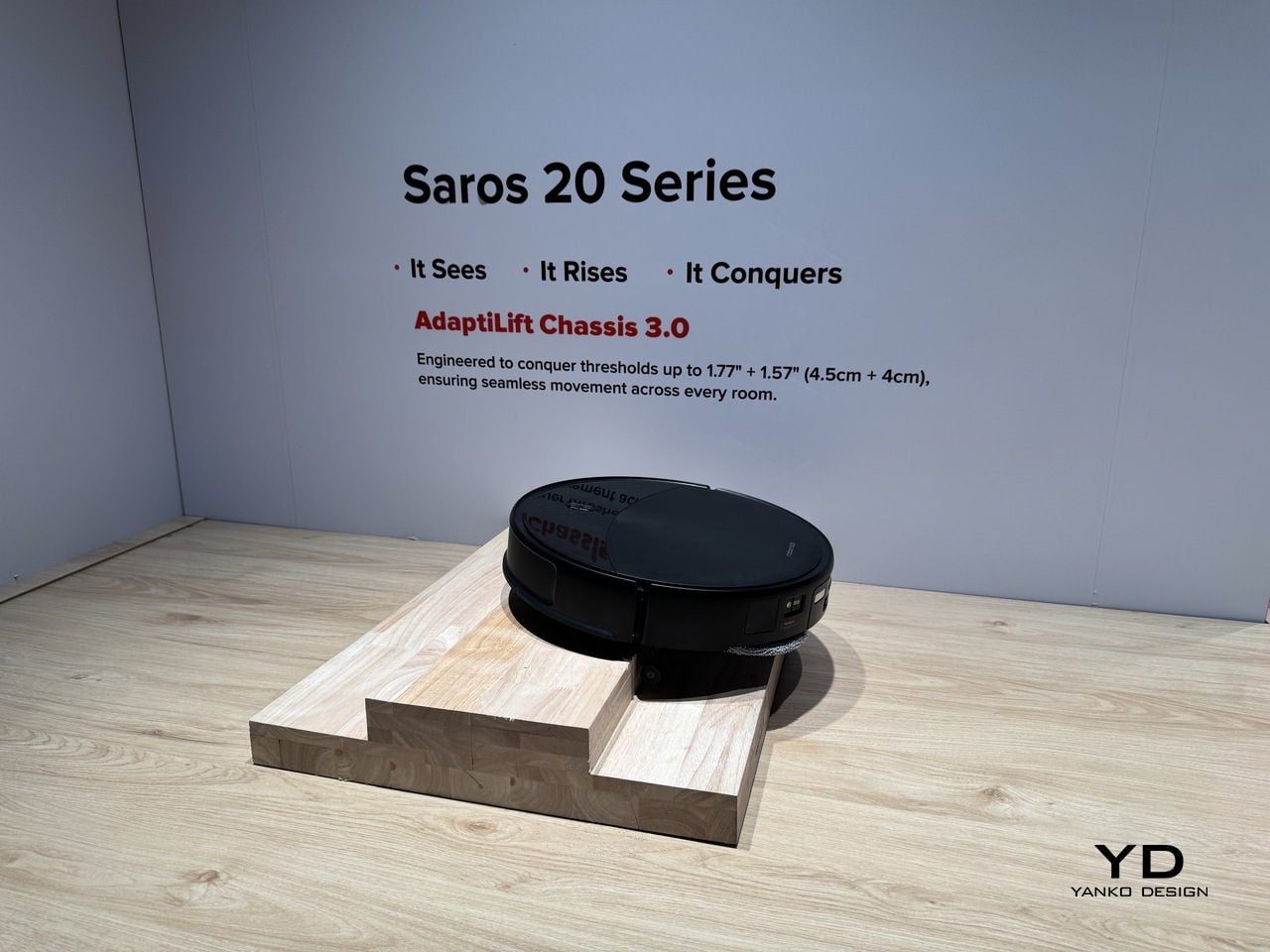
AdaptiLift Chassis 3.0 is the mechanical side of that intelligence, lifting and adjusting three wheels independently to cross double-layer thresholds up to 8.5 cm tall, climb onto carpets as thick as 3 cm, and free itself when stuck. Layouts where balcony lips, thick rugs, and split-level transitions trap lesser robots become manageable terrain. Saros 20 learns the best way to cross each threshold and remembers it, treating obstacles as solvable puzzles rather than dead ends.

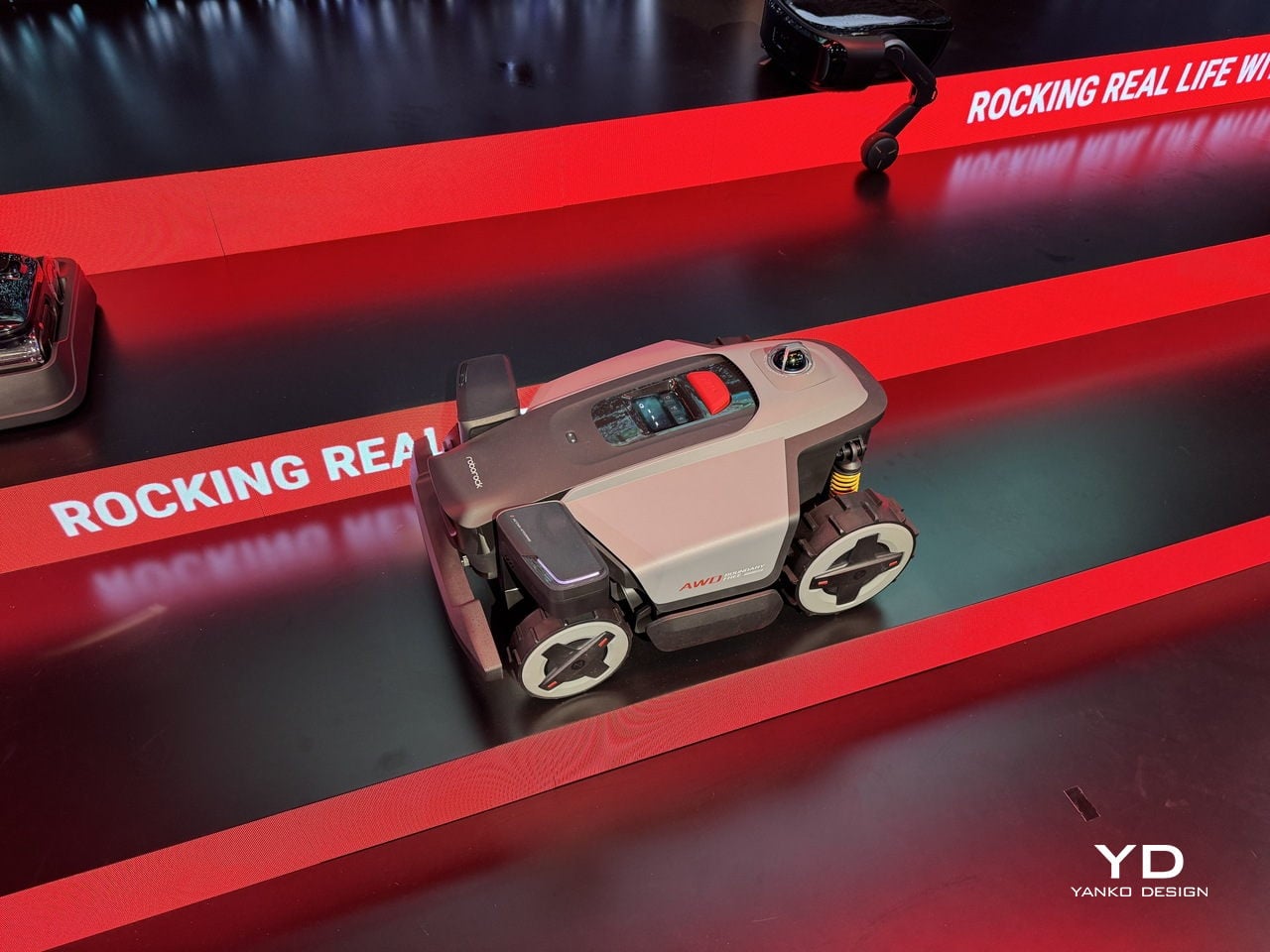
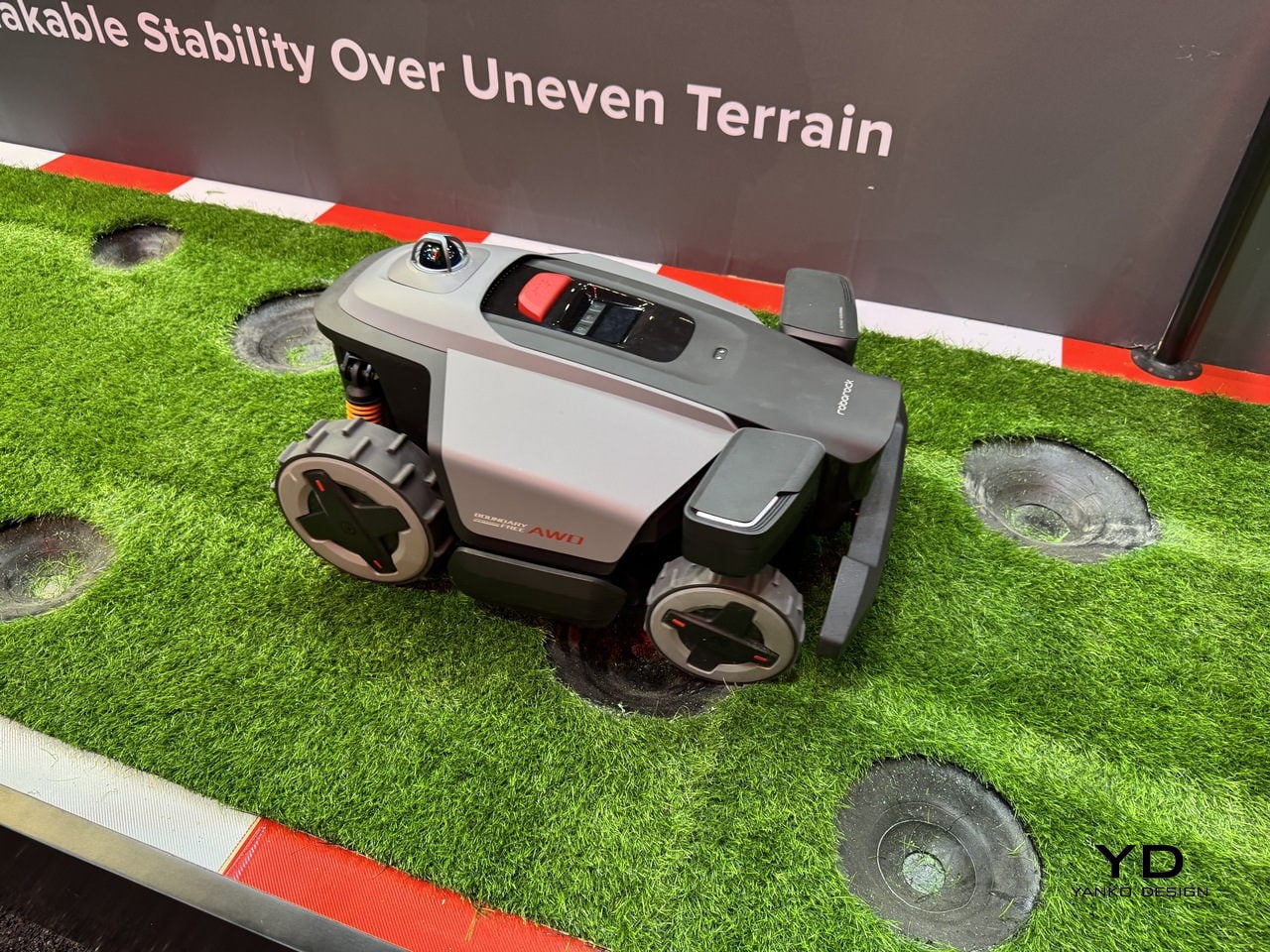
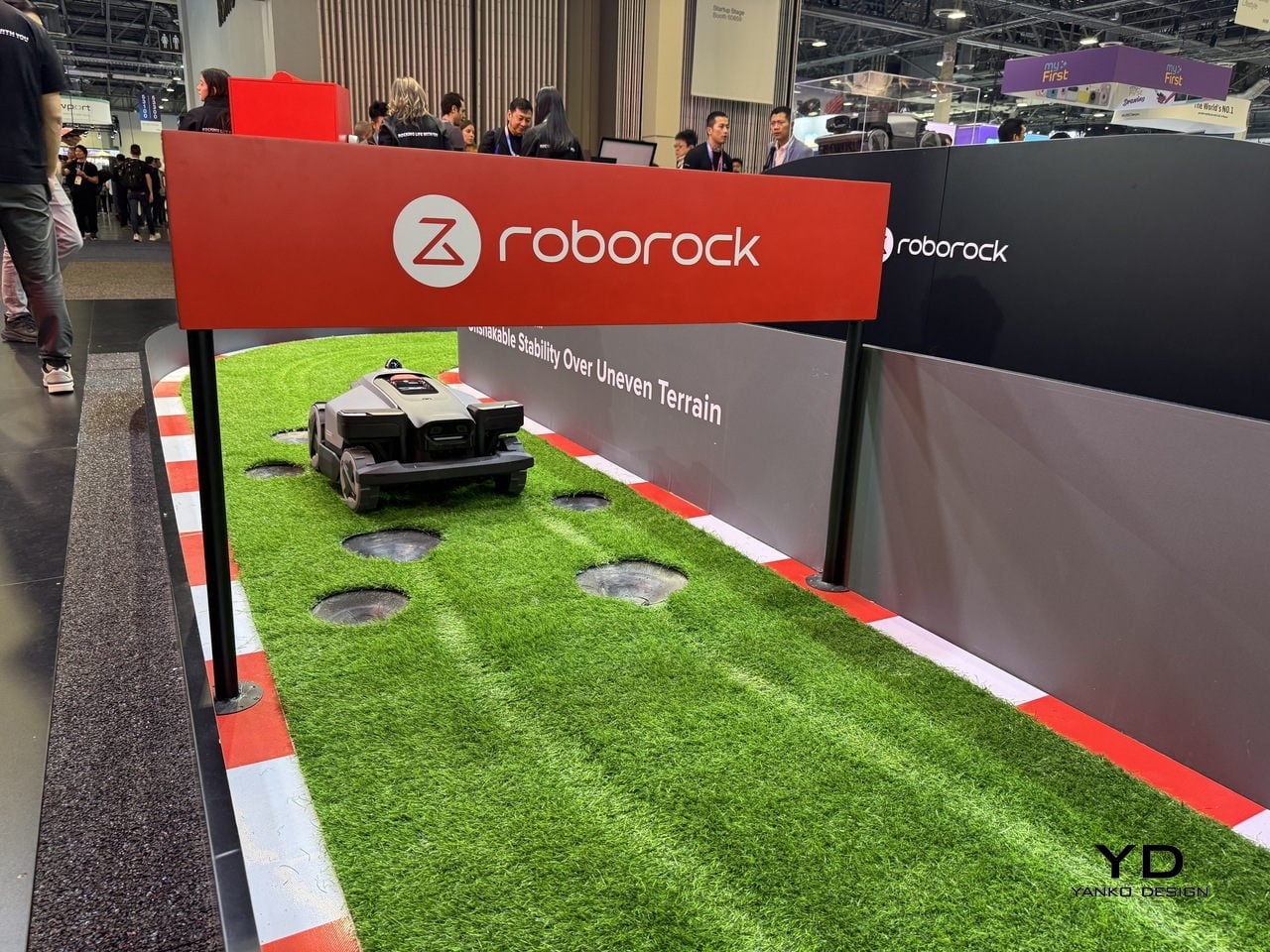
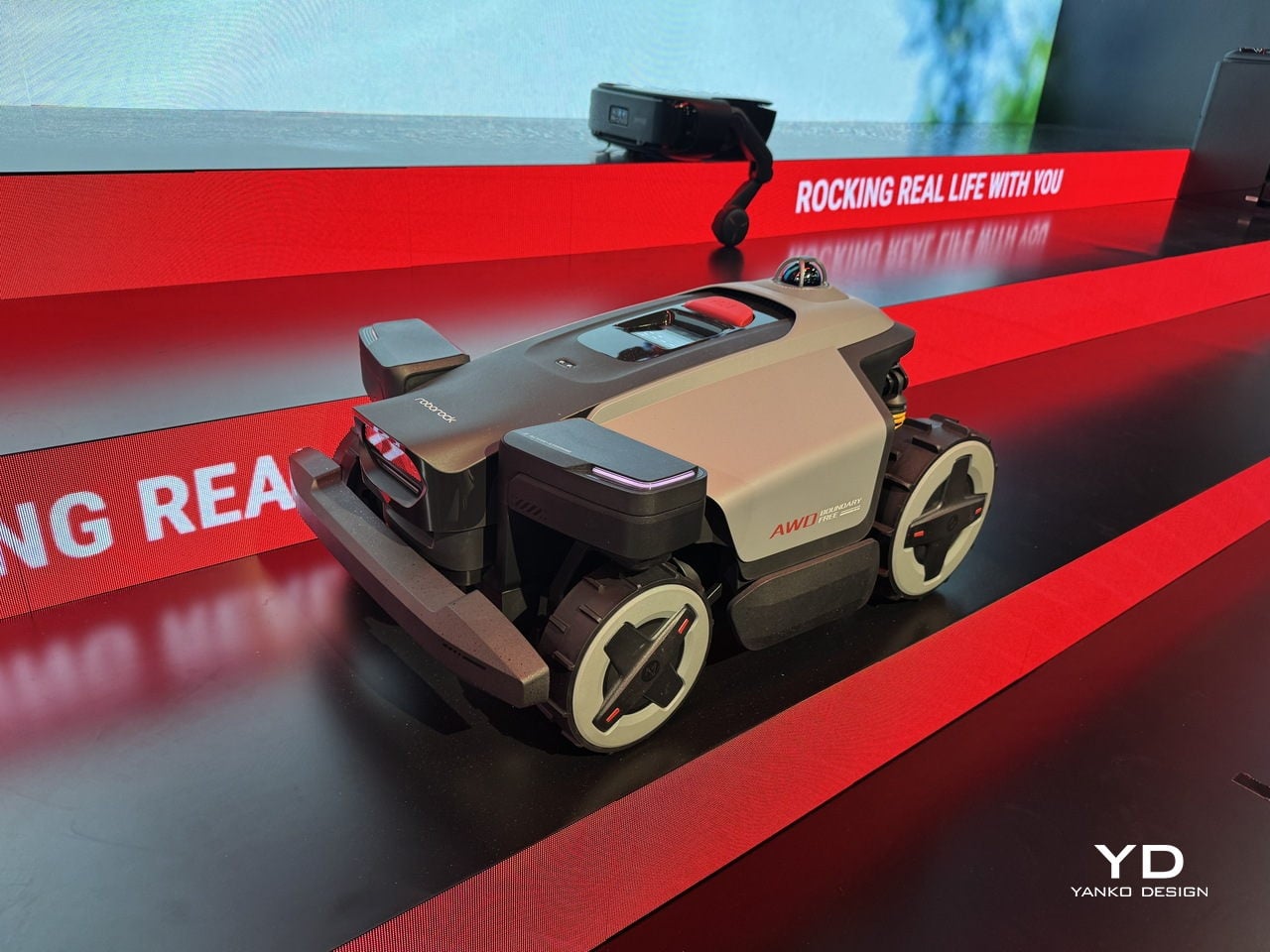
That philosophy extends outdoors with RockMow X1 LiDAR, Roborock’s first-ever lawnmower for the US market, using 360-degree mechanical LiDAR and dual-camera fusion to map properties up to two acres with trees, slopes, and visually sparse patches. Centimeter-level accuracy and AWD traction let it handle uneven terrain and stay oriented in yards where GPS or boundary wires struggle. It understands a yard the way Saros 20 understands a living room, identifying obstacles and terrain changes autonomously.

Greatness in Performance

Performance shows up as power that delivers consistent results when the mess is layered or the surface changes mid-run. Saros 20’s 35,000 Pa HyperForce motor and dual anti-tangle system, the DuoDivide main brush and FlexiArm Arc side brush, pick up hair and debris without wrapping. Dual spinning mops with up to 13 N downward pressure handle dried stains, managing pet hair in thick carpets, kitchen crumbs, and seasonal grit.

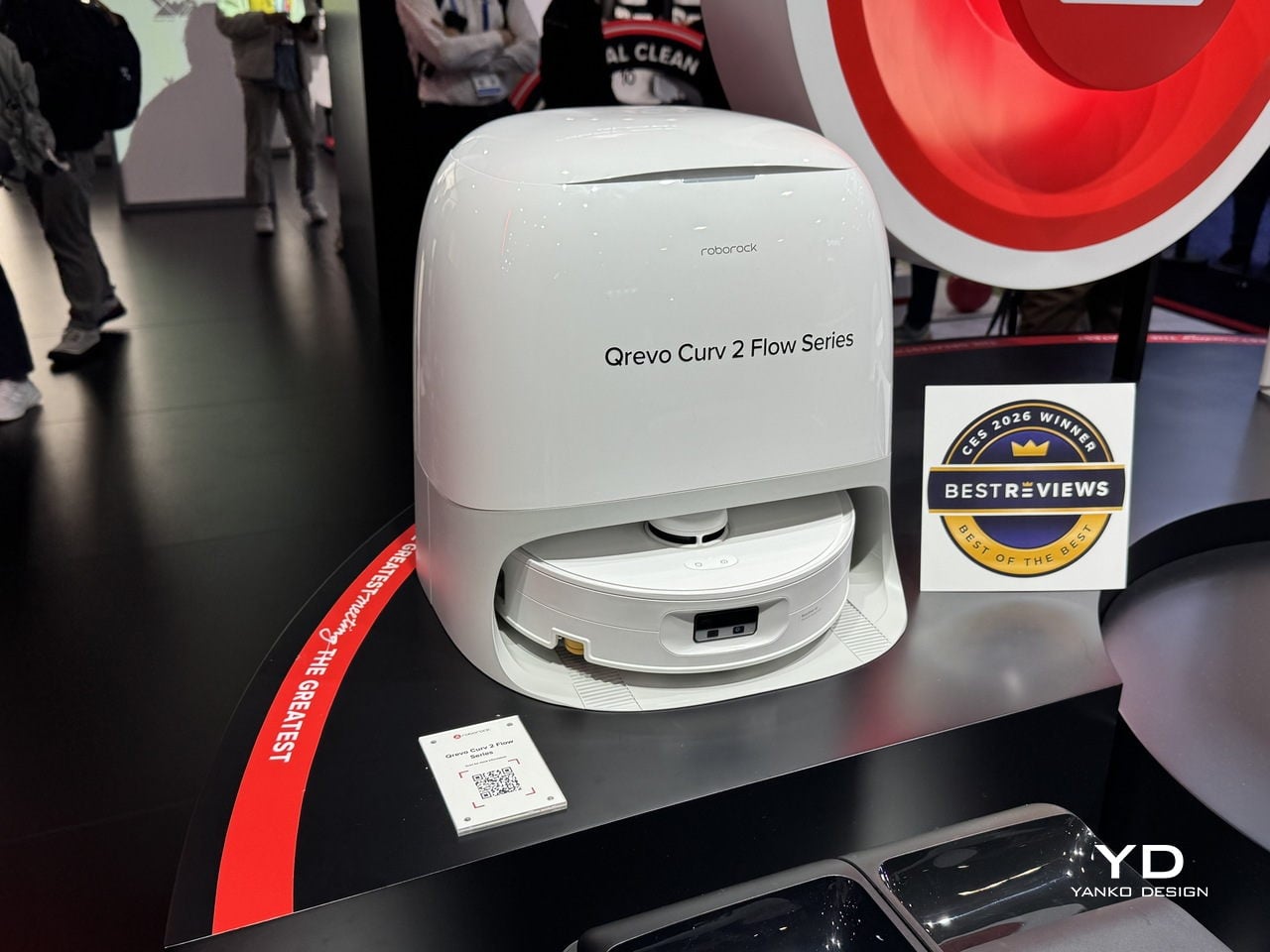
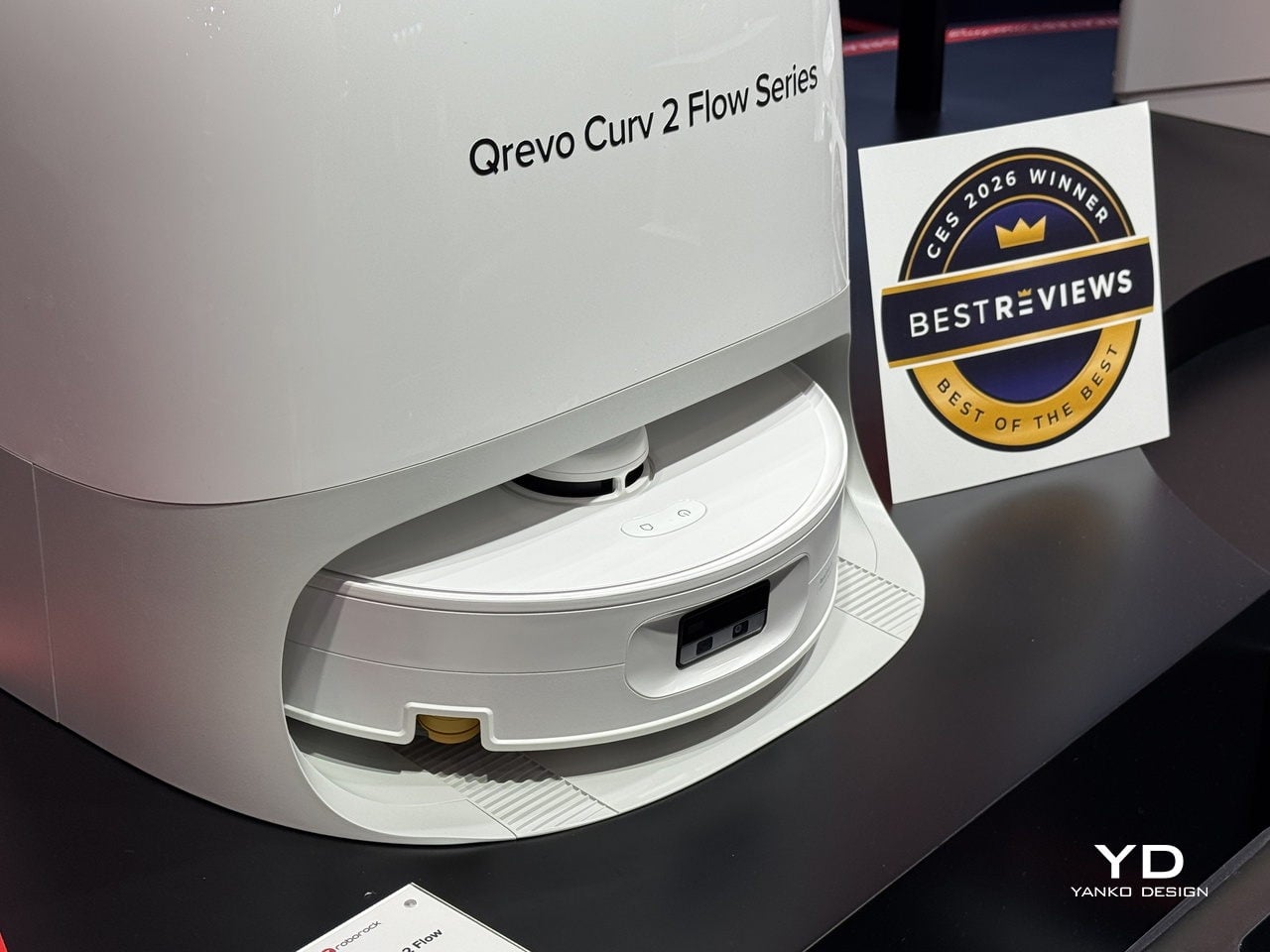
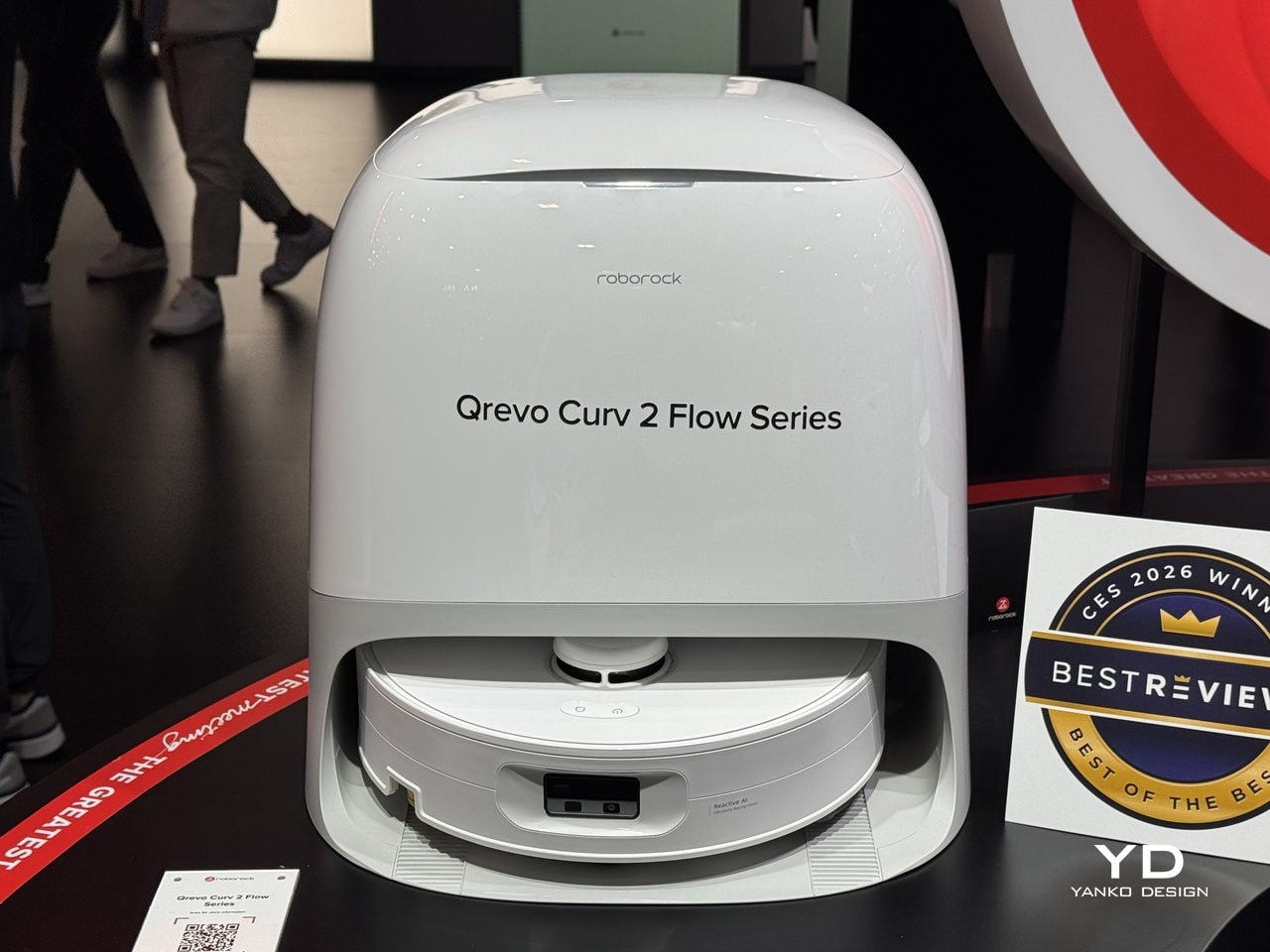
Qrevo Curv 2 Flow is positioned as a one-pass floor-care specialist. Its 270 mm extra-wide roller, 15 N downward pressure, and 220 RPM scrubbing cover more ground in a single sweep. The Roller Shield lifts and covers the mop before carpets, preventing damp spots, while the Edge-Adaptive roller mop gets within 10 mm of baseboards and furniture legs, handling mixed flooring without constant re-passes or wet carpets.

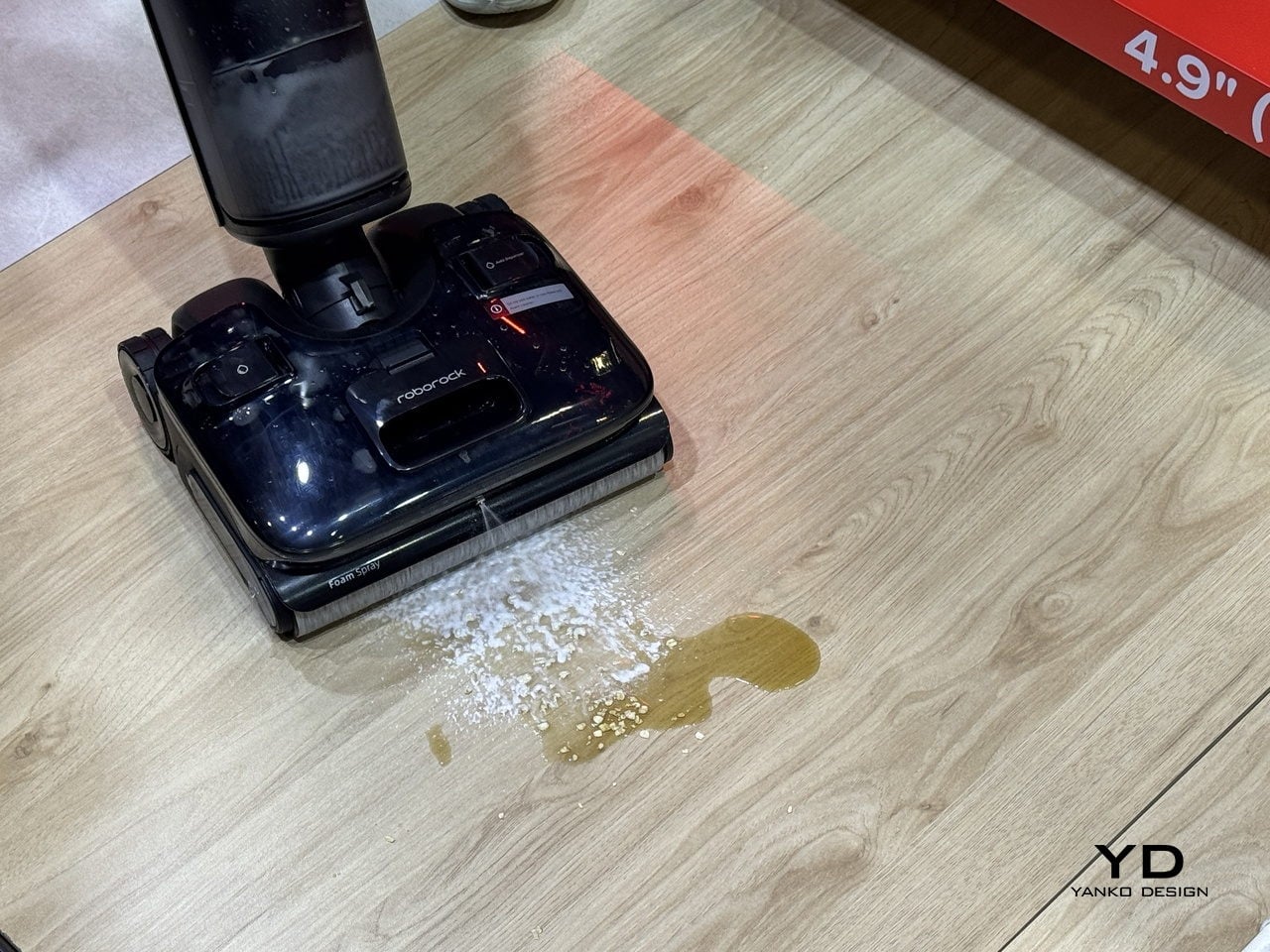
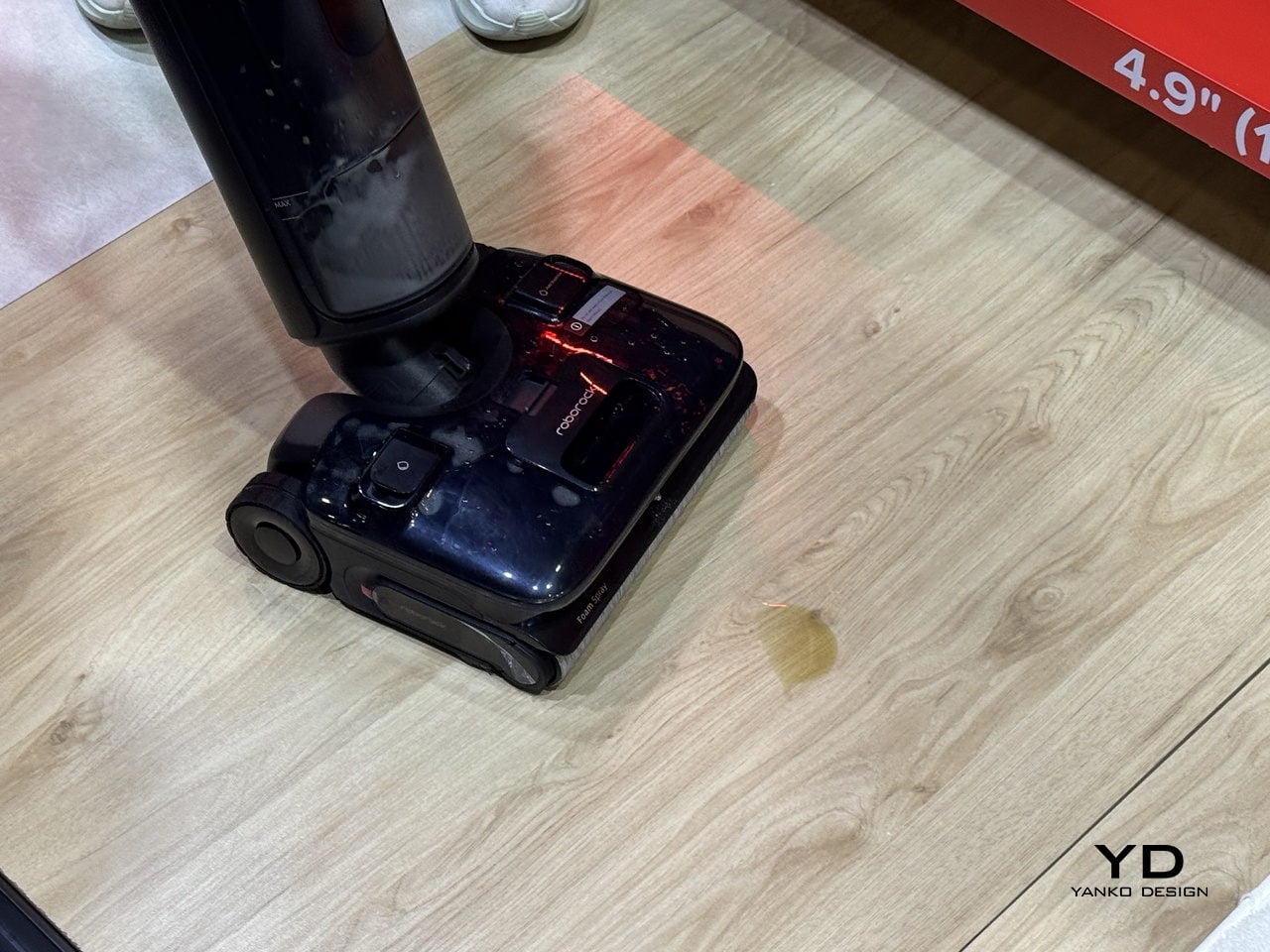
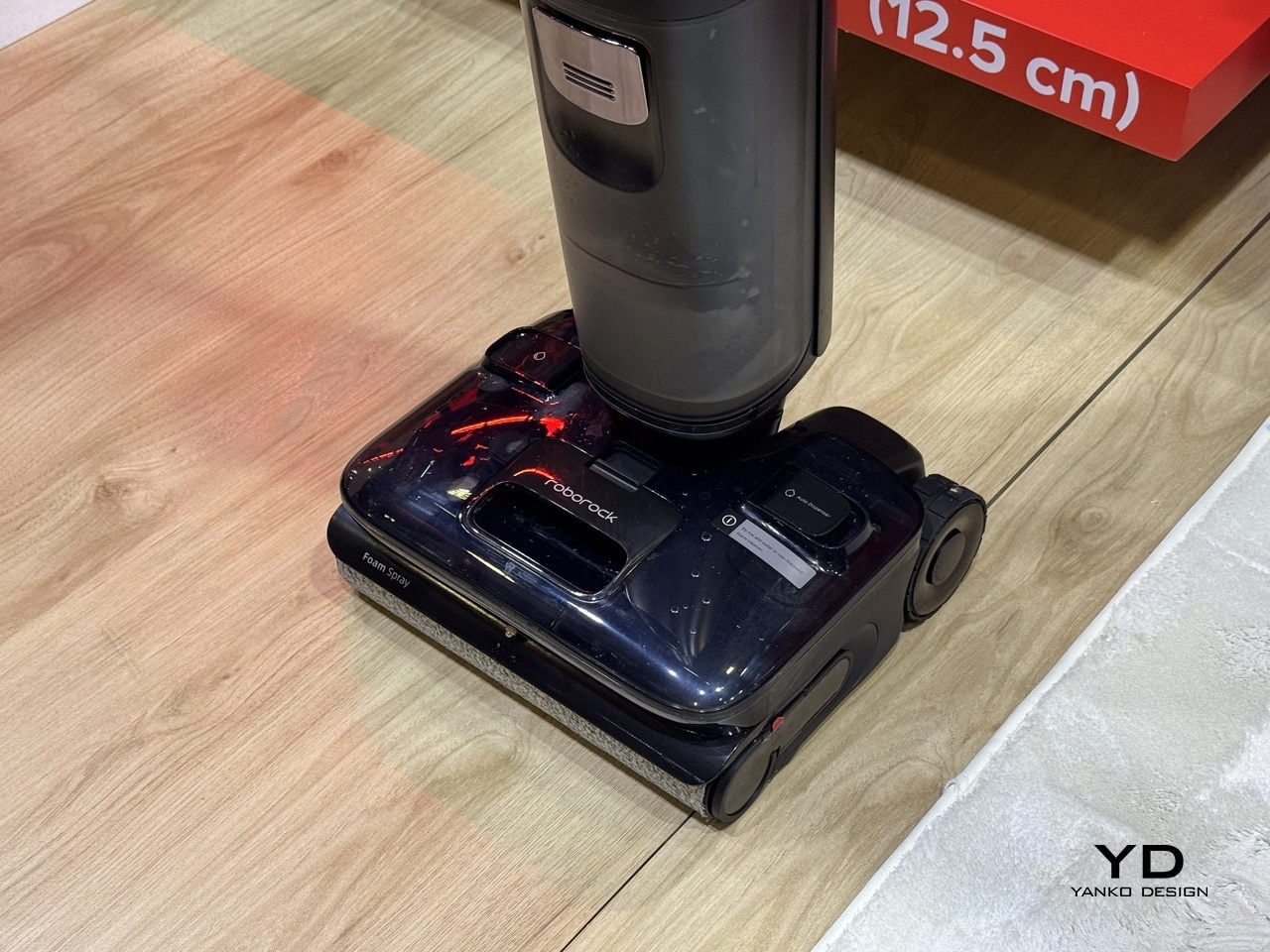
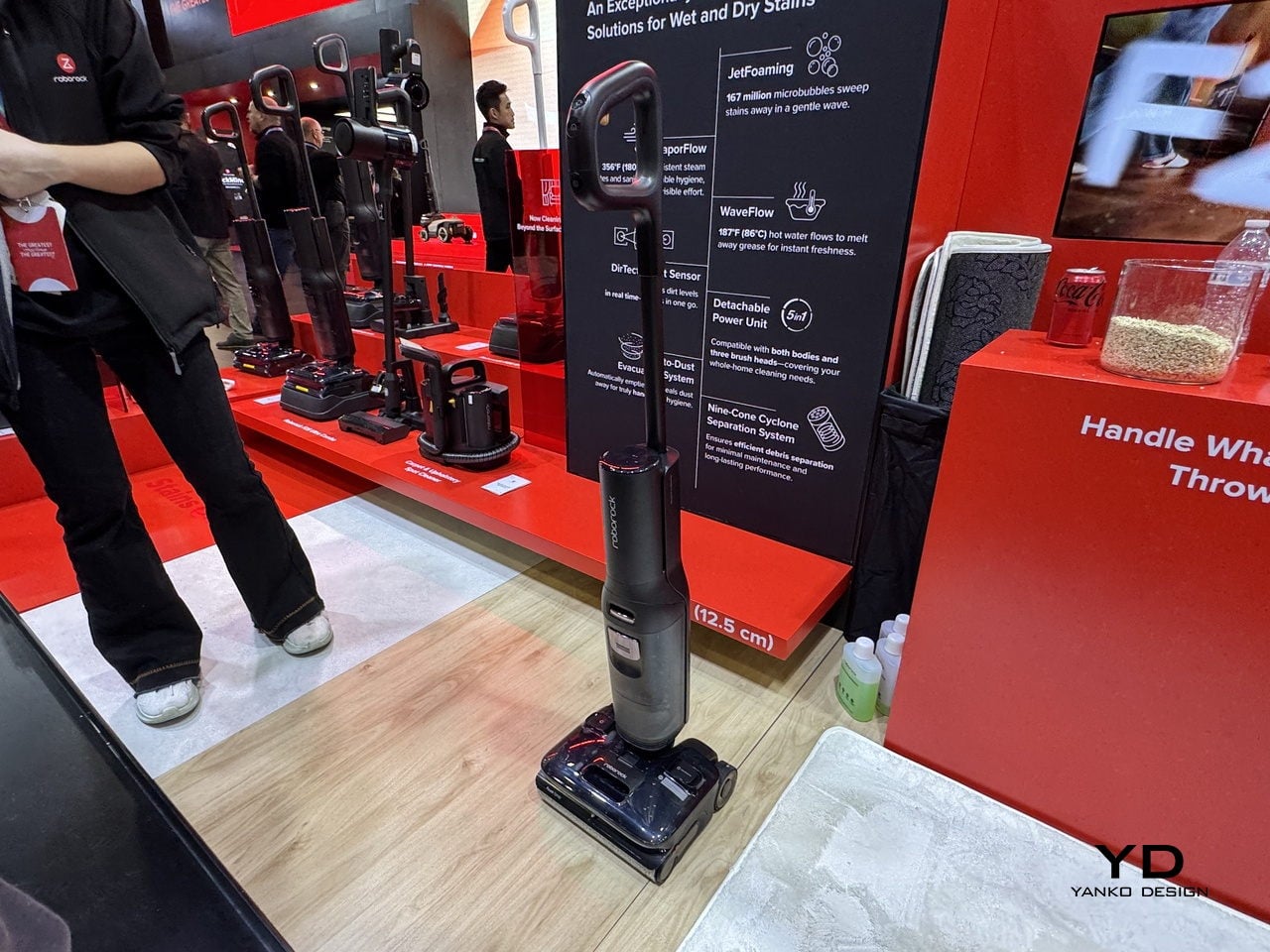
F25 Ace Pro brings foam chemistry to wet-dry cleaning. JetFoaming technology turns 1 ml of Foam Cleaning Solution into 167 million microbubbles that cling to grease and dried spills, softening and encapsulating them before 25,000 Pa suction, 30 N pressure, and 430 RPM scrubbing lift them away. This is designed for kitchens with oil splatter, entryways with mud, and pet zones where layered messes need more than just water.

Greatness in Design & Everyday Living

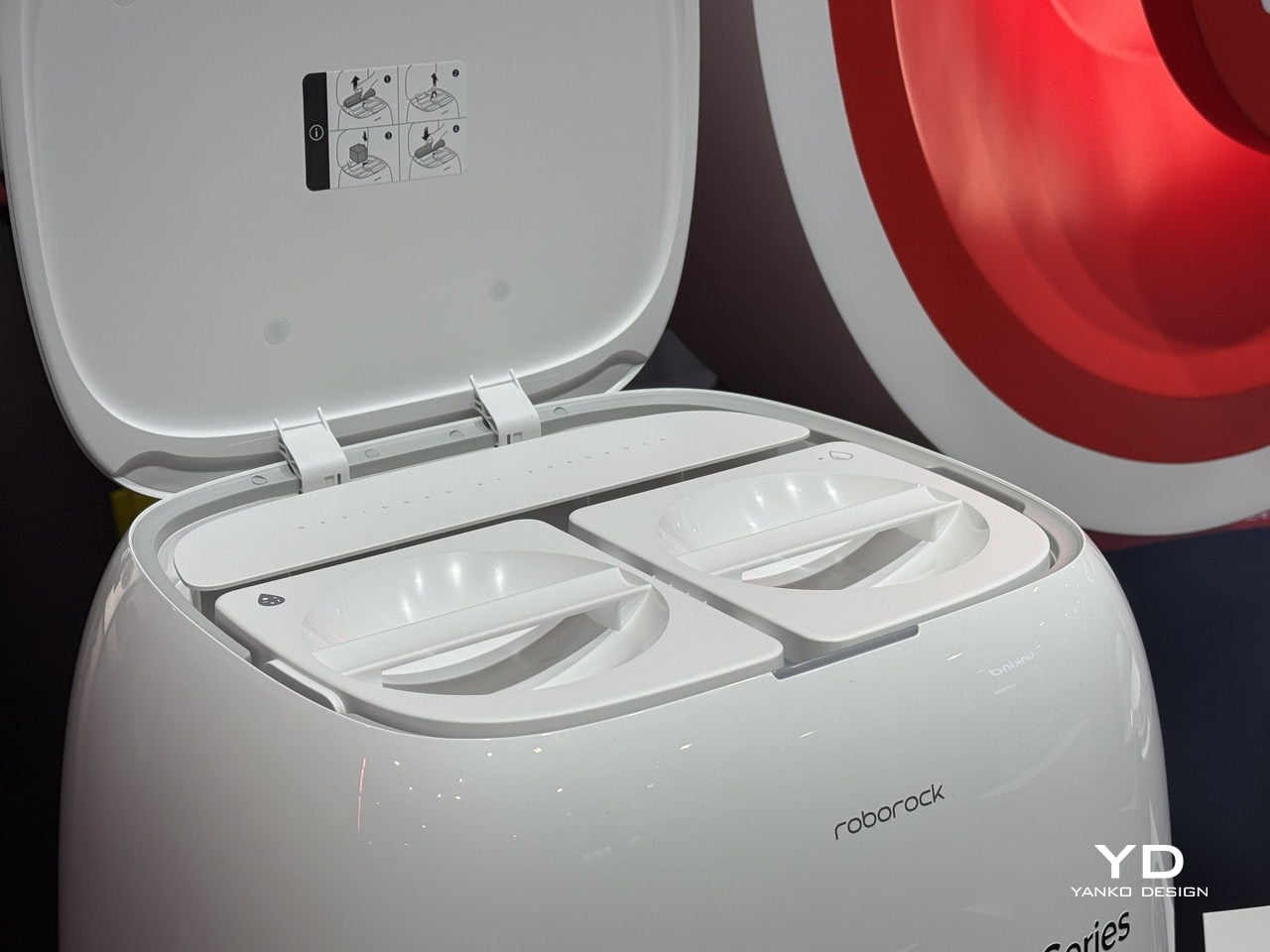
Fitting into daily life means handling hygiene and maintenance without becoming another source of work. Qrevo Curv 2 Flow’s self-cleaning dock separates clean and dirty water, washes the roller at 75 °C, and dries it with warm air. The dock handles sticky spills and pet zones without turning into another thing that needs scrubbing every weekend, keeping the system fresh and ready without manual intervention.

F25 Ace Pro’s ergonomics focus on the moments when you are holding the device. FlatReach 2.0 lets it lie flat at 180 degrees to reach under furniture at 12.5 cm height, while SlideTech 2.0 uses AI-powered wheels to sense push and pull strength and assist movement, making it feel lighter and more responsive. The 0 mm edge cleaning on three sides and 95 °C self-washing and drying keep the roller fresh.

Saros 20’s RockDock and app ecosystem extend that design philosophy. The dock uses 100 °C hot water to wash mops, bi-directional scrubbing and soaking modes, heated air drying, and auto mop removal before carpets. The Roborock app’s SmartPlan 3.0 learns room types and habits, while pet-friendly intelligence, built-in “Hello Rocky” voice control, and Matter support help the system blend into routines rather than adding another app to babysit.

Greatness Beyond the Room

RockMow X1 LiDAR handles the seasonal realities of yard maintenance. AWD traction and 8 cm obstacle clearance manage wet spring grass, summer growth, and autumn leaves, with a 24 cm cutting width and 40-90 mm cutting range tuned for common lawn types. It is built for properties with trees, slopes, and visually sparse patches where GPS alone would struggle, using LiDAR and cameras to stay oriented across terrain that changes throughout the year.

RockMow represents a broader shift from room-by-room cleaning to full-property autonomy. While Saros 20 and Qrevo Curv 2 Flow handle floors and carpets, and F25 Ace Pro tackles kitchens and hard floors, RockMow extends that philosophy to the yard. The result is a set of tools that treat the home as a continuous environment, indoors and out, rather than a collection of disconnected chores that each require their own app, setup, and maintenance schedule.

Roborock’s CES 2026 lineup feels less like a handful of new gadgets and more like a coordinated attempt to match the scale and texture of modern living. Intelligence, performance, and design show up differently in a kitchen, a living room, and a sloped backyard, but the throughline is the same across North America and beyond: systems that adapt to the mess, the layout, and the people, instead of asking households to adapt to them.

Click here to know more.

The post Roborock’s New Flagship Line Brings Sculpted Design to Smart Cleaning at CES 2026 first appeared on Yanko Design.

This 4K Bird Feeder Captures Hummingbirds at 120fps in Slow Motion

A few years back, I had to bring some members of a birding community around the place I was working at that time. I got to experience firsthand what it is that they actually do. And while I probably would not take up birding as a hobby, it is indeed interesting to observe, take pictures, and talk about all those birds out in the wild with people who were super into it.

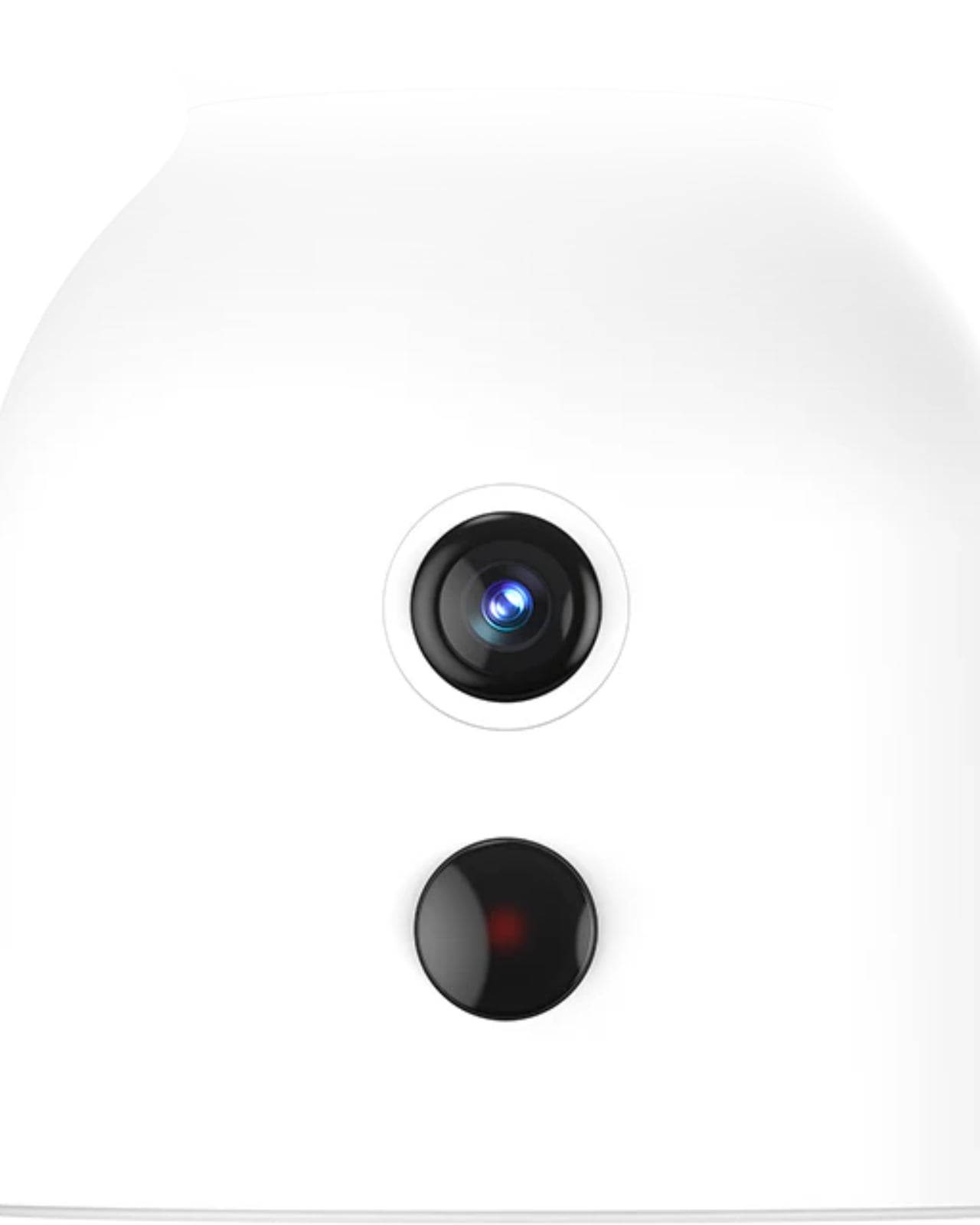
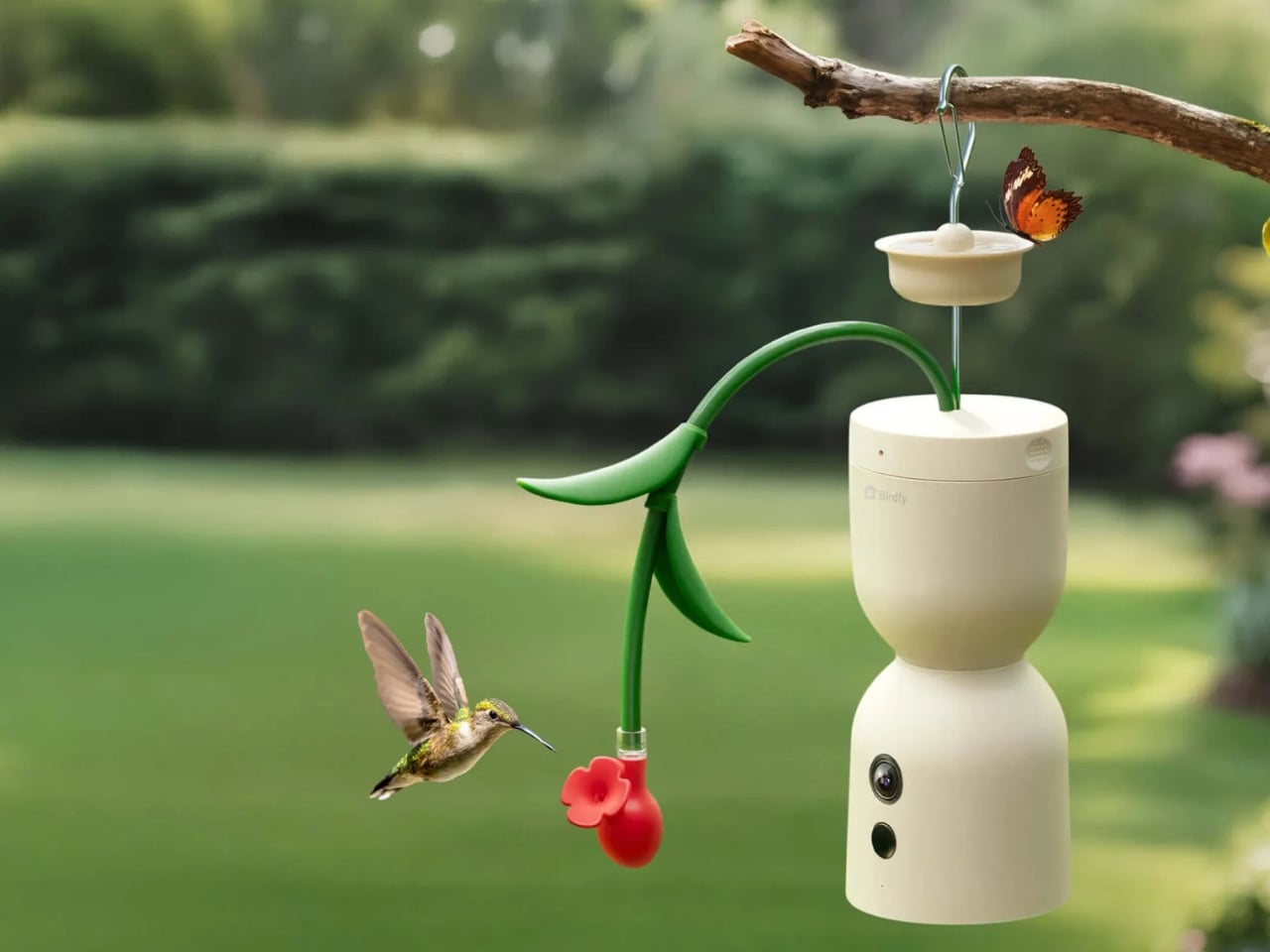
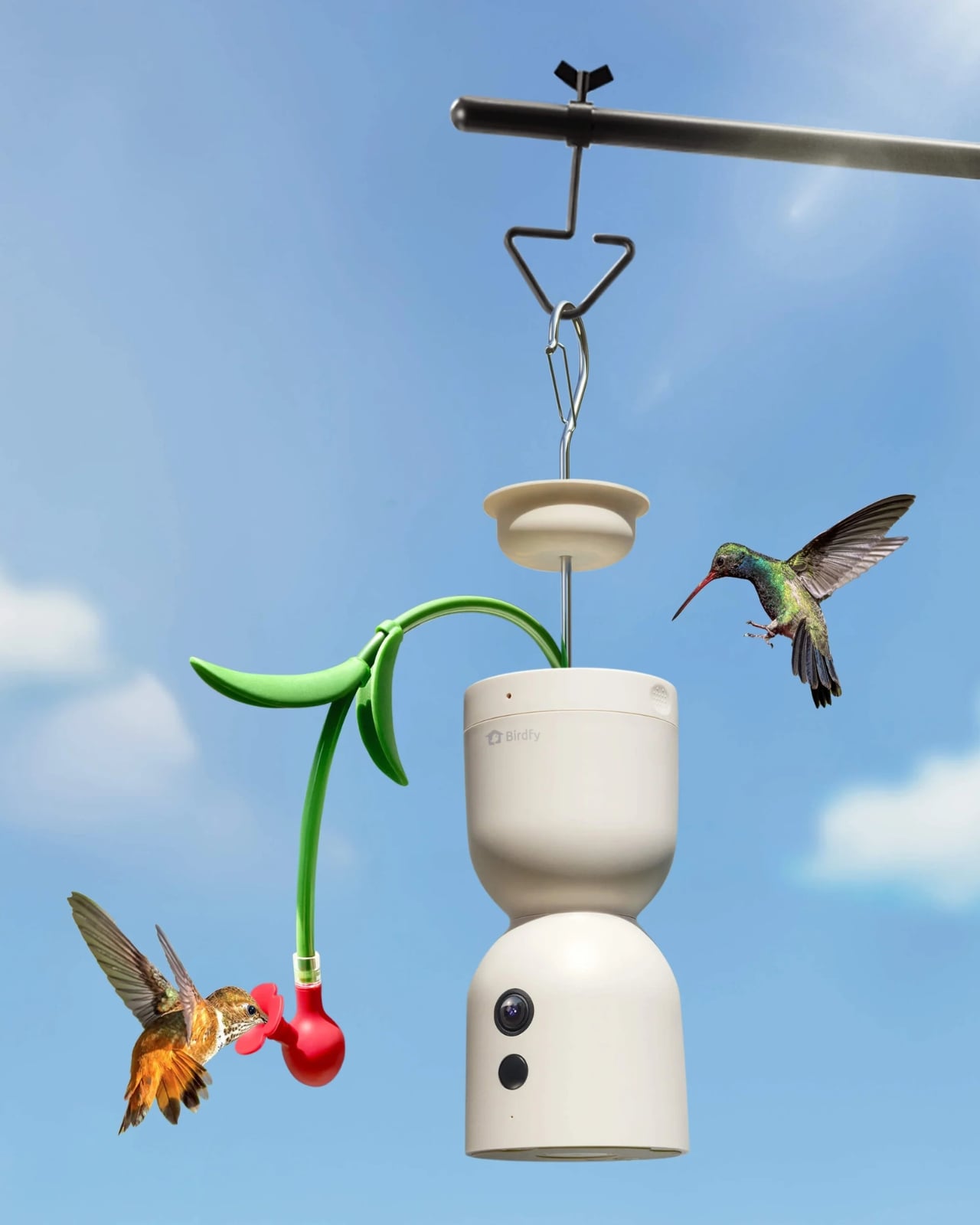
The Birdfy Hum Bloom was just unveiled at the ongoing CES 2026, and it’s something that will definitely interest those who are into birding, specifically hummingbirds. It’s a bird feeder that also doubles as a camera to capture the natural artistry of these birds in full 4K motion. This device seems to be a game-changer for hummingbird lovers as well as a place for said birds to rest and get fed while still enjoying their natural habitat.

Designer: Birdfy

In the eyes of the hummingbird, the Hum Bloom looks like a regular bird feeder where they can rest and get their nectar from. But it actually sports an 8-megapixel camera that is able to capture 4K video at 20fps. You can switch it to slow-motion mode to get a more magical 120 frames per second so you can see the hummingbird’s mesmerizing wing movements in stunning detail. They say even traditional cameras cannot do this with the hummingbirds that flap their wings between 50 to 80 times per second when hovering.

This device also comes with Birdfy’s OrniSense AI technology, which is able to recognize over 150 hummingbird species (TIL that there are that many hummingbird species). You’ll only get notifications on your connected device when the motion sensors detect hummingbirds in flight, and you won’t get alerts every time it senses movement, unless it’s the aforementioned birds.

Don’t worry though, as this bird feeder isn’t just a gadget with a camera. The hourglass-inspired shape and floral color choices mimic actual flowers that naturally attract the hummingbirds. It’s not just backyard decoration but “a revolutionary smart feeder for discovery.” It also has nectar level sensors so you get alerted when you need to refill it and also notifies you when you need to refresh it. The flower-inspired design makes it easy to refill compared to traditional feeders. You won’t get pesky unwanted visitors as it also has a built-in ant moat to keep them away.

The Hum Bloom goes beyond aesthetics with its leak prevention system, ensuring your patio or deck stays clean and the nectar stays where it belongs which is inside the feeder. One of the most thoughtful features is the integrated solar panel with battery backup. This means you don’t have to worry about constantly charging or replacing batteries, which is especially important since hummingbirds are most active during daylight hours when the solar panel is working at its best.

Through the Birdfy mobile app, you can access all your footage, create clips of your favorite moments, and learn detailed information about the species visiting your feeder. It’s like having a personal hummingbird documentary studio right in your backyard. The AI doesn’t just identify the birds; it provides educational content so you can learn more about these fascinating creatures.

The device is expected to launch in Q2 of 2026, though pricing hasn’t been announced yet. Given its advanced features and premium positioning, it will likely be a significant investment, but for serious hummingbird enthusiasts and nature lovers, the unique capabilities may well justify the cost.

Thinking back to my time with that birding community, I now realize how much they would have appreciated technology like this. Birding requires patience, the right timing, and often expensive camera equipment to capture quality images. The Hum Bloom eliminates much of that complexity as it does the waiting for you, captures the perfect moments automatically, and requires minimal maintenance thanks to its smart sensors and solar power. Whether you’re a seasoned birder, a nature photography enthusiast, or simply someone who enjoys watching wildlife from the comfort of home, the Birdfy Hum Bloom represents an exciting intersection of technology and nature.

The post This 4K Bird Feeder Captures Hummingbirds at 120fps in Slow Motion first appeared on Yanko Design.
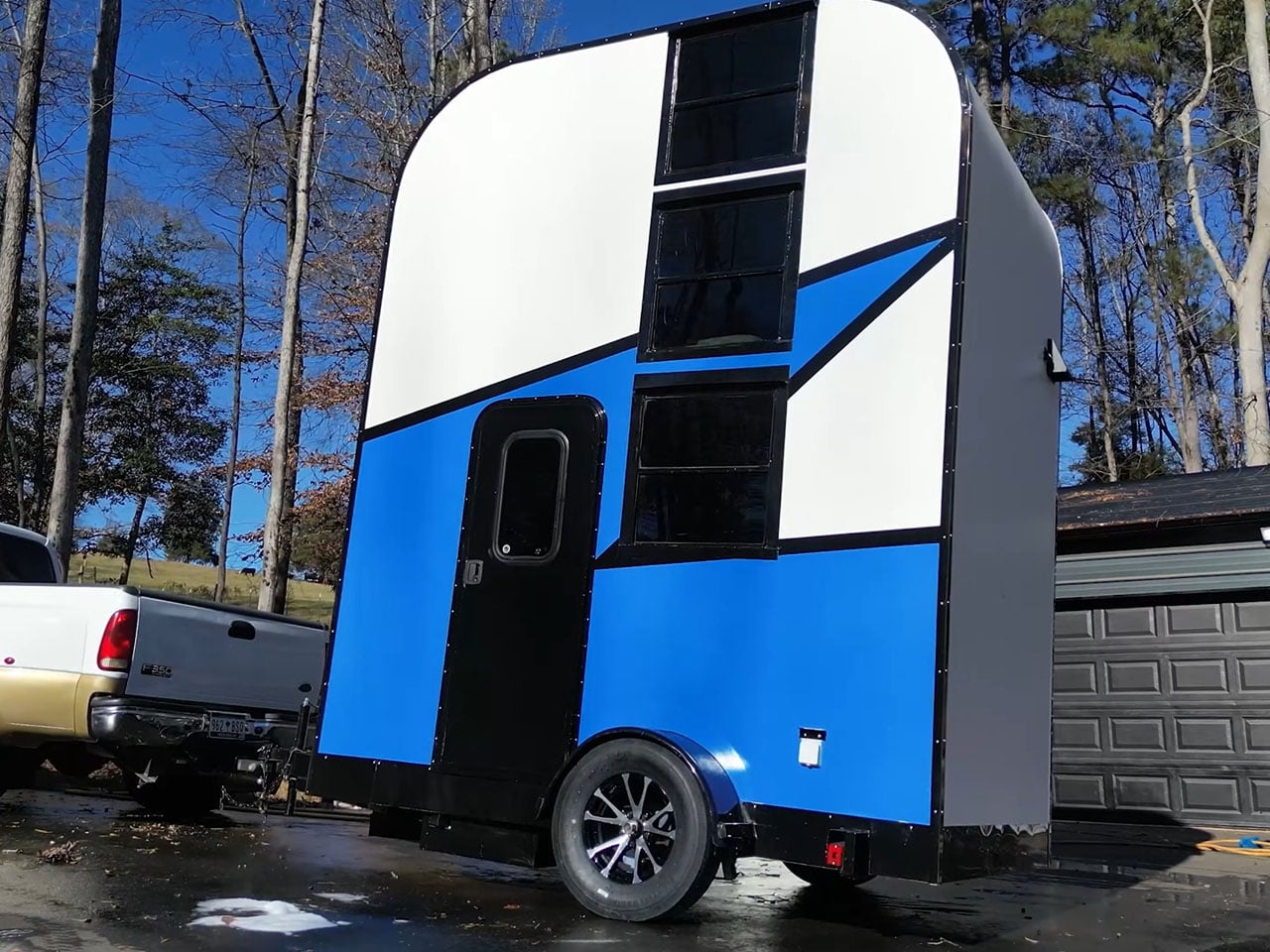
This 3-Storey DIY Camping Trailer Is As Tall As A Semi-Truck And It’s Legal

It’s not every day that we come across something as crazy as this triple-decker micro camper that YouTuber President Chay has put together. The entire build has been recorded on his channel, and the process – right from purchasing the trailer it’s based on to the completion, when it’s taken out on the road – is immensely satisfying.

There are two reasons for that. One, we don’t regularly see three-story campers, this one is a rare exception in the hoard of similarly designed options that follow the single, or at max, double story script. And second, that in spite of its peculiar design, the triple-story micro trailer is completely street legal.

Designer: President Chay

Chay Denne of President Chay is not a newcomer to building such unique camping solutions. It was just a couple of years back when the YouTuber surprised us with an exceptional double-decker micro camper, which was only left to rot in the corner later. This time the approach was not to build on the existing model, but to start from scratch. The journey thus started with a beefy trailer brought off a marketplace.

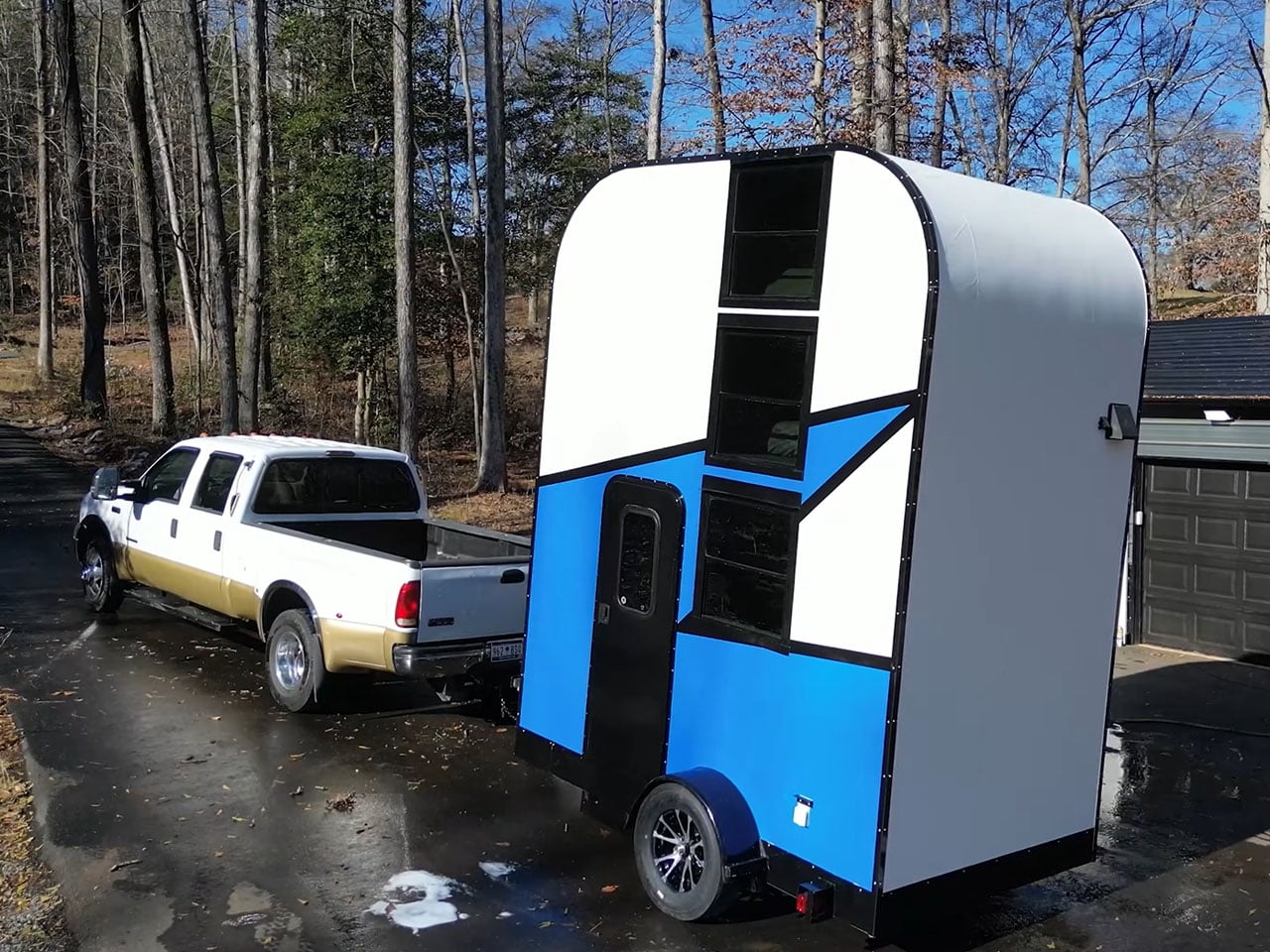
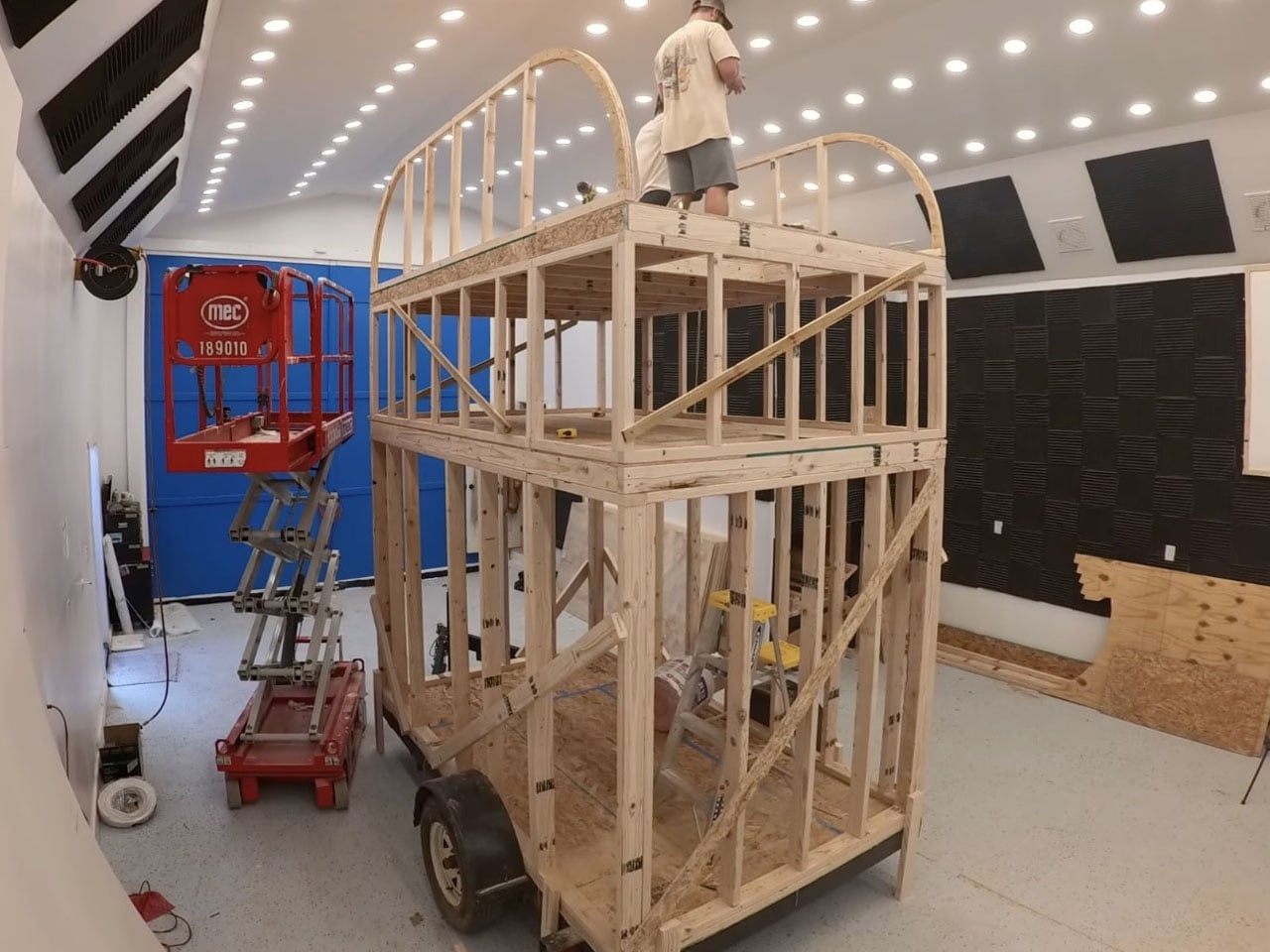
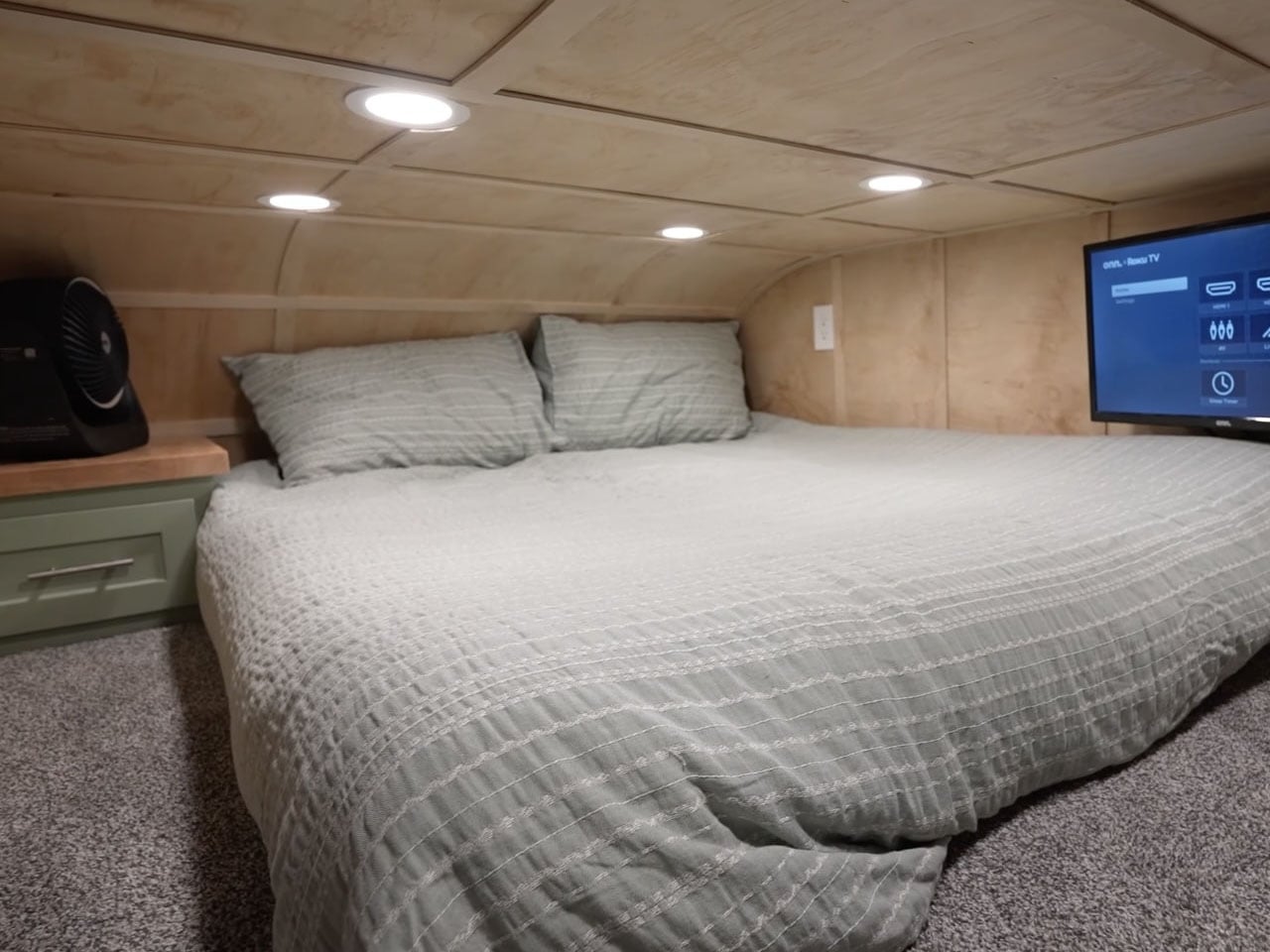
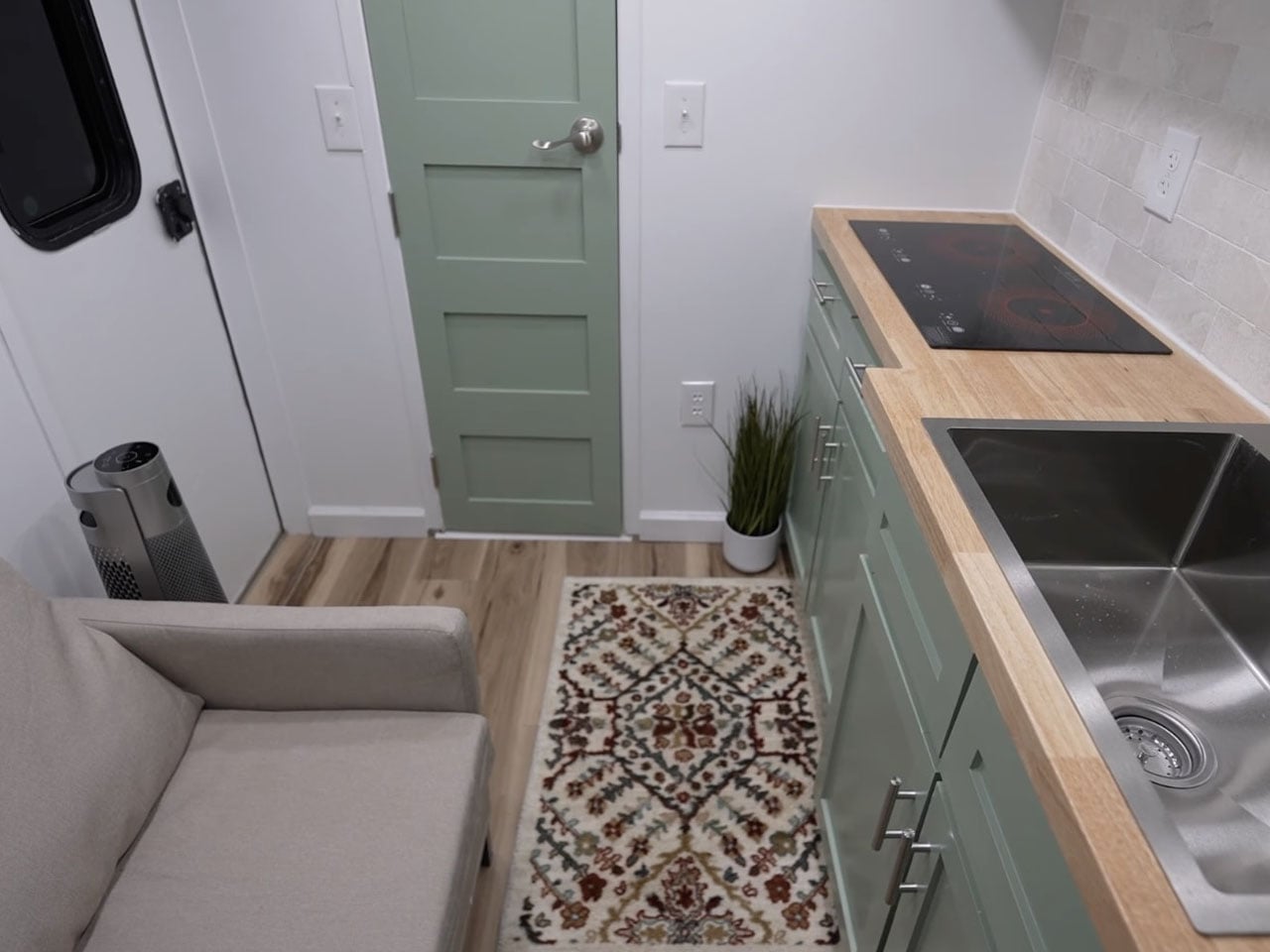
Building on the trailer, the YouTuber, along with his brother and father, setup the entire contraption painstakingly using wood. The three-story camping trailer is not just a gimmicky setup. It’s purposely designed to appear like a toaster on the outside, and on the inside, this mobile home packs a sizable kitchen, a living room, and a bathroom with a toilet and a shower. Measuring 13 ft high, it is the same height of a semi-truck, making it street-legal to drive.

The builder family starts on the trailer, layering it with plastic sheets for a moisture barrier and topping it with insulation for the floor. Particle board is used to build the individual floors both inside out, and all the floors are aptly insulated. Spray foam is used for insulating the top two levels, while the lower (entry level) uses batt insulation. As we are at it, the lower level is where most of the living space is created. The bathroom on the front is covered on the inside with concrete walls in order to ensure more weight can be added to the hitch for stability on the road.

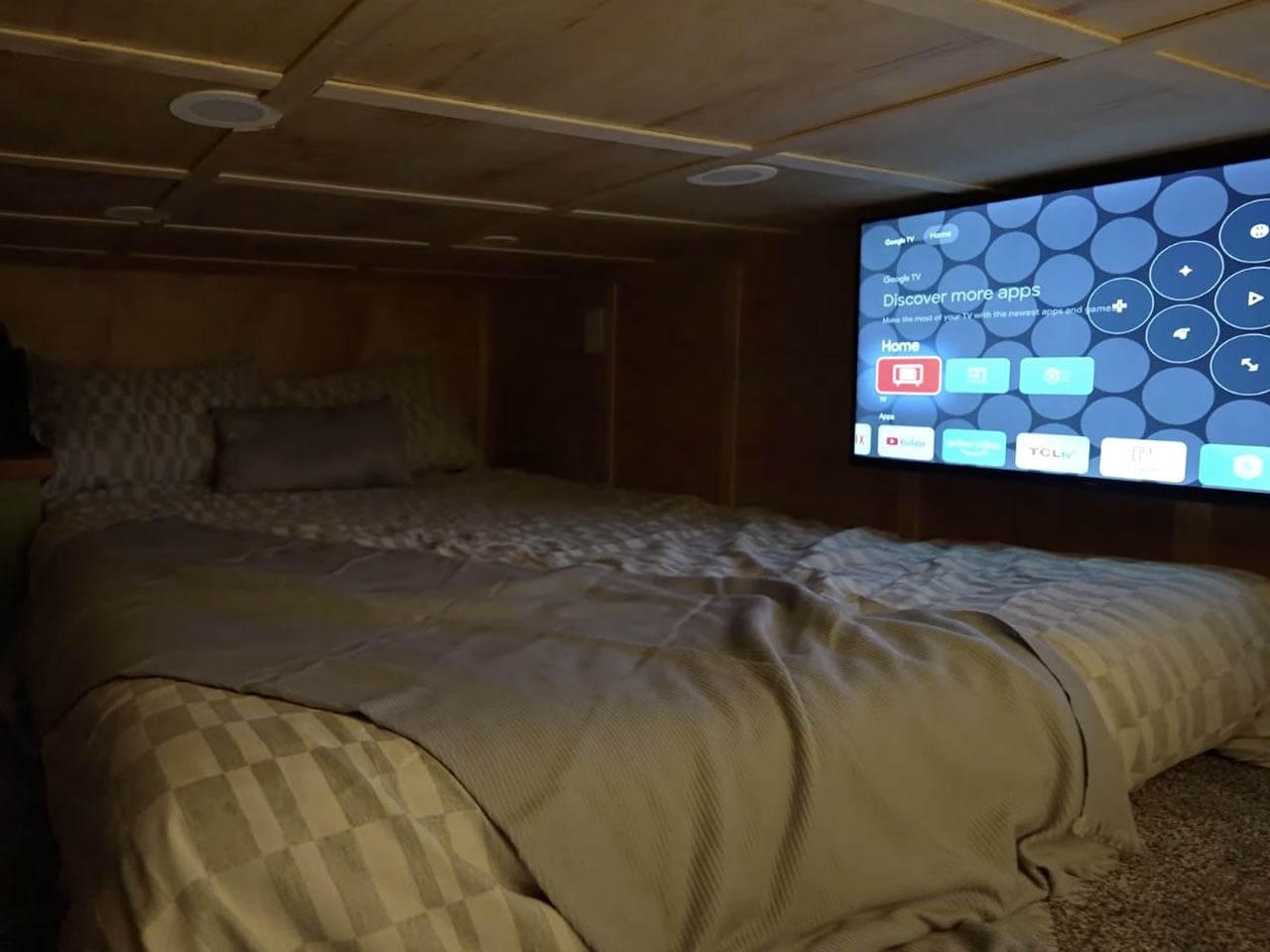
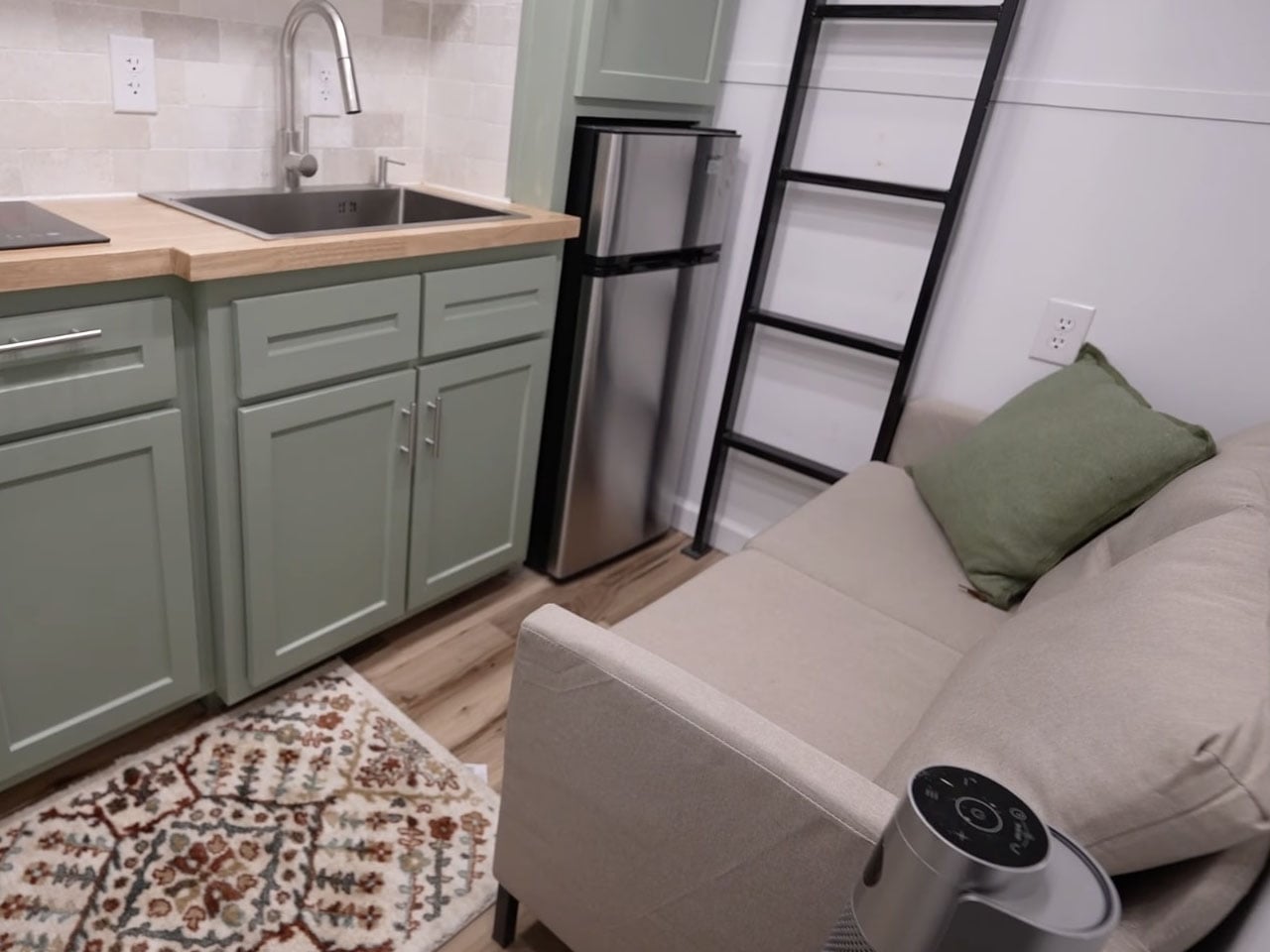
Here at the entrance, you also have a furnished living room and a full-fledged kitchen with a cooktop and sink. The two levels above, accessible via ladders, have just enough headroom for the user to crawl onto their provided beds and watch some TV, which rests on a swivel arm to be moved into a position you want. TVs are available on both the first and second floors. To make the entire construction waterproof, a layer of fiberglass is used on the side walls, and the roof is completed with a layer of vinyl. Chay Denne and family have been able to keep the weight of this three-story trailer at roughly 3,700 lbs, which is incredible. Being street legal and perfectly balanced to ride behind your capable vehicle, it can handle up to 60 mph.

The post This 3-Storey DIY Camping Trailer Is As Tall As A Semi-Truck And It’s Legal first appeared on Yanko Design.
MeTool’s pendant-sized EDC is one of the smallest and most versatile multitools you can get

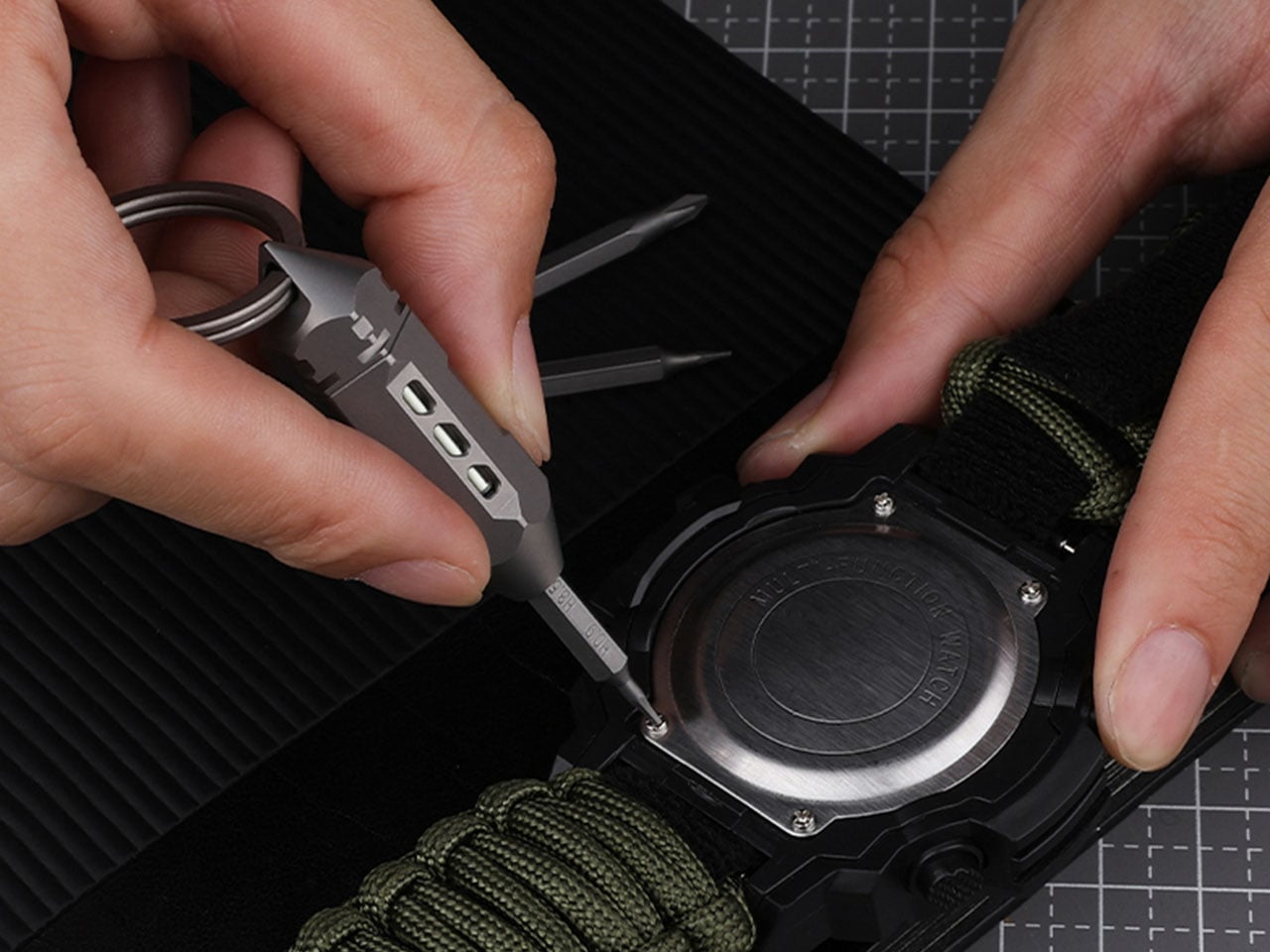
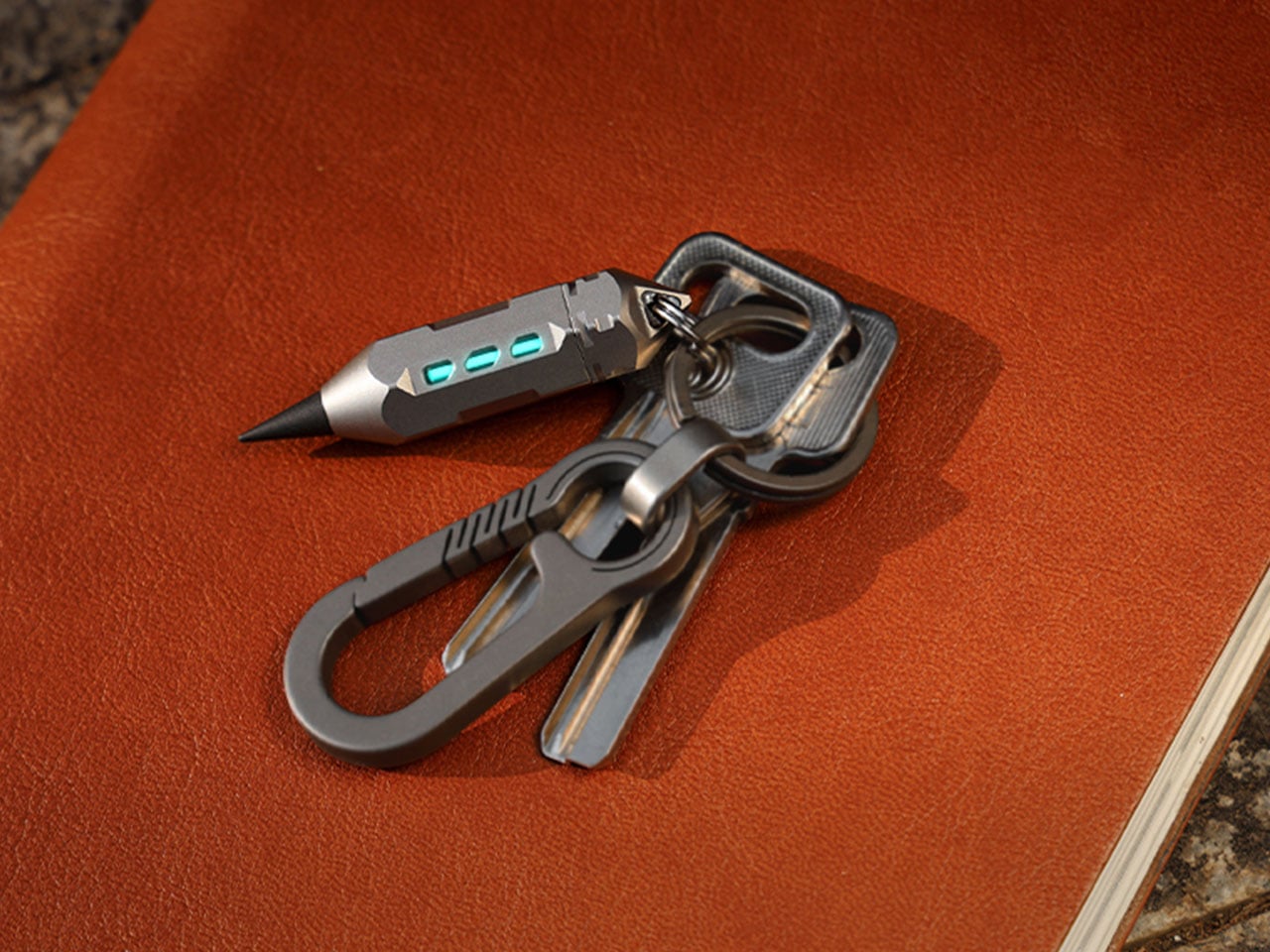
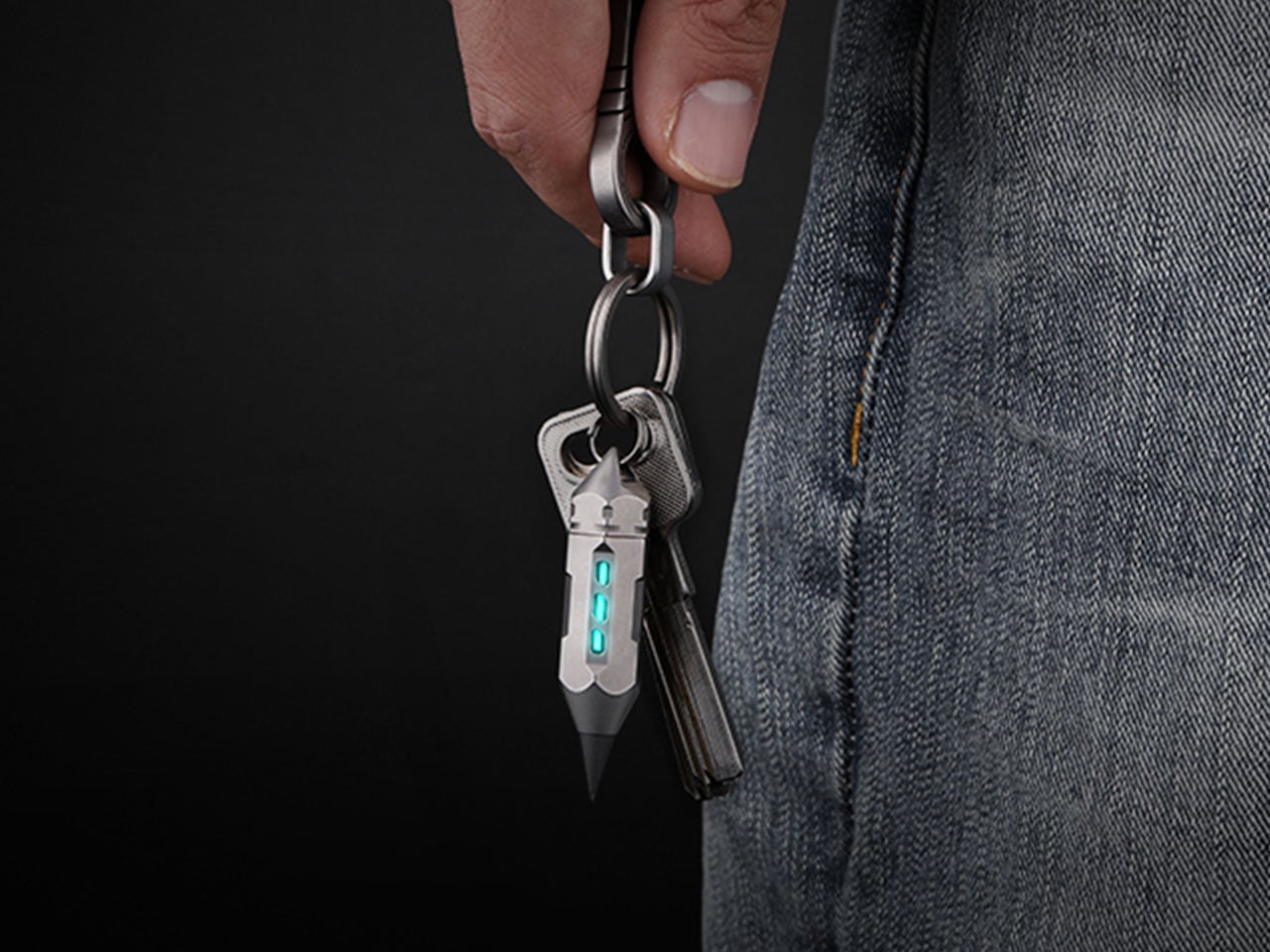
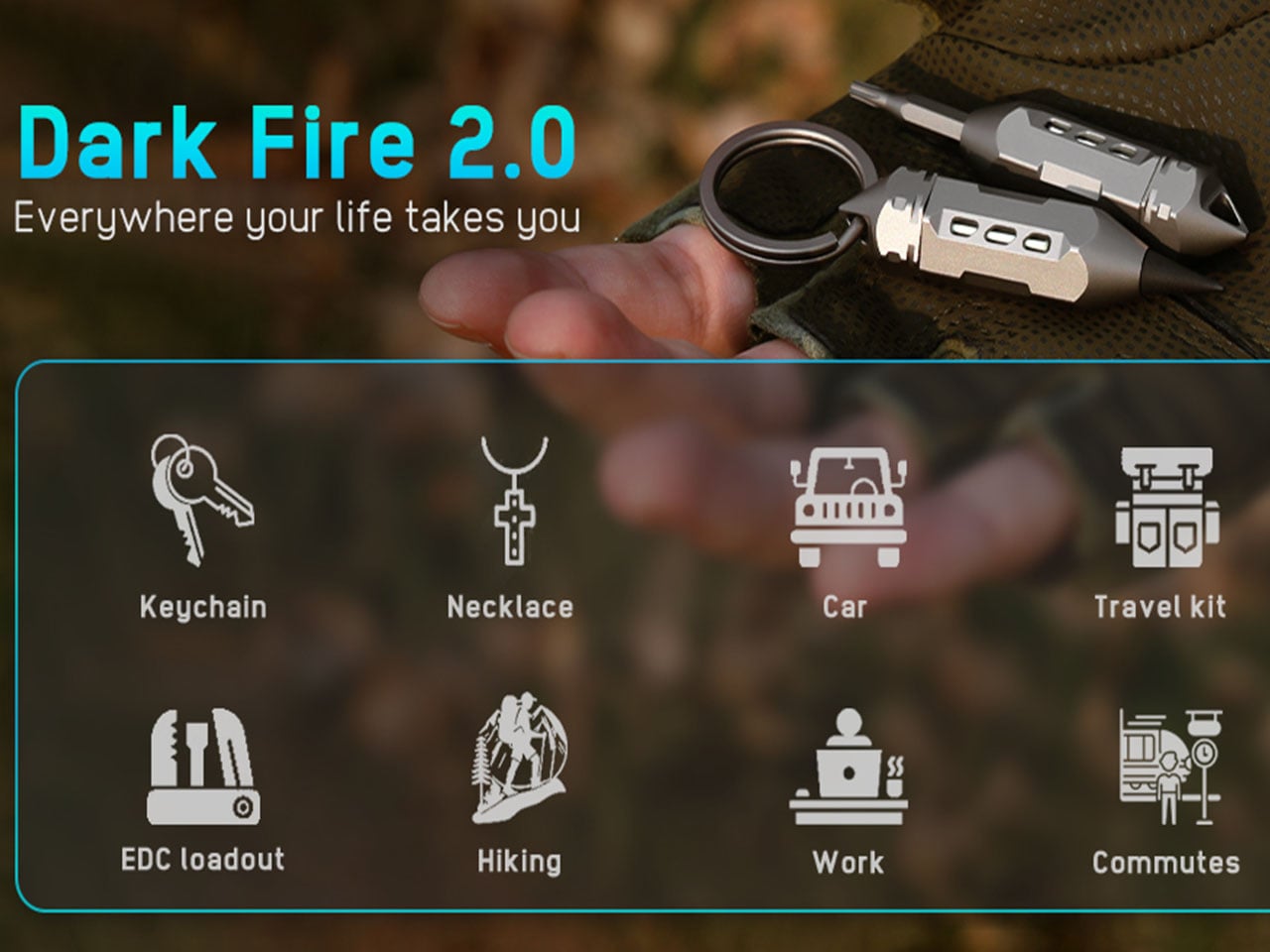
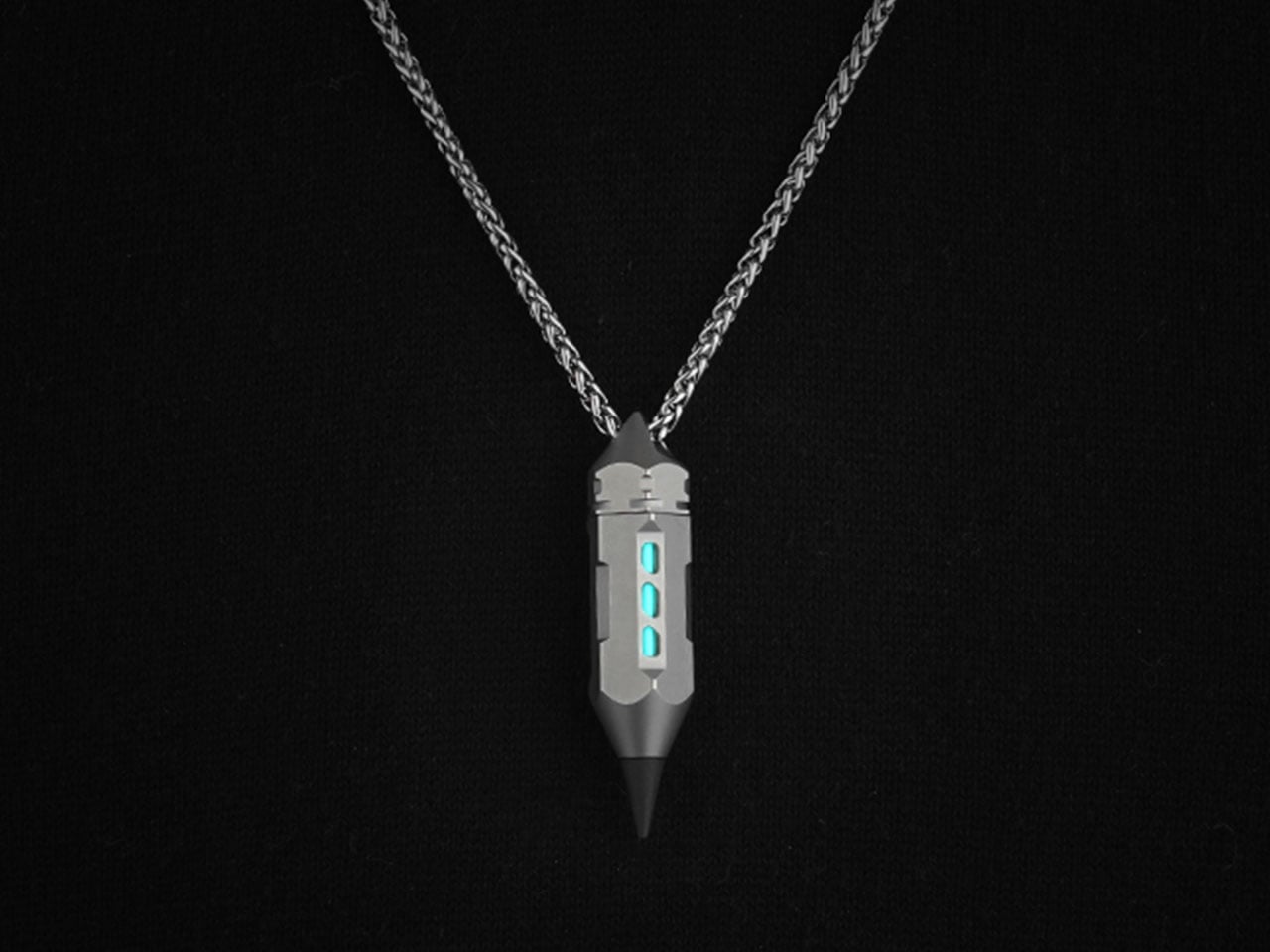
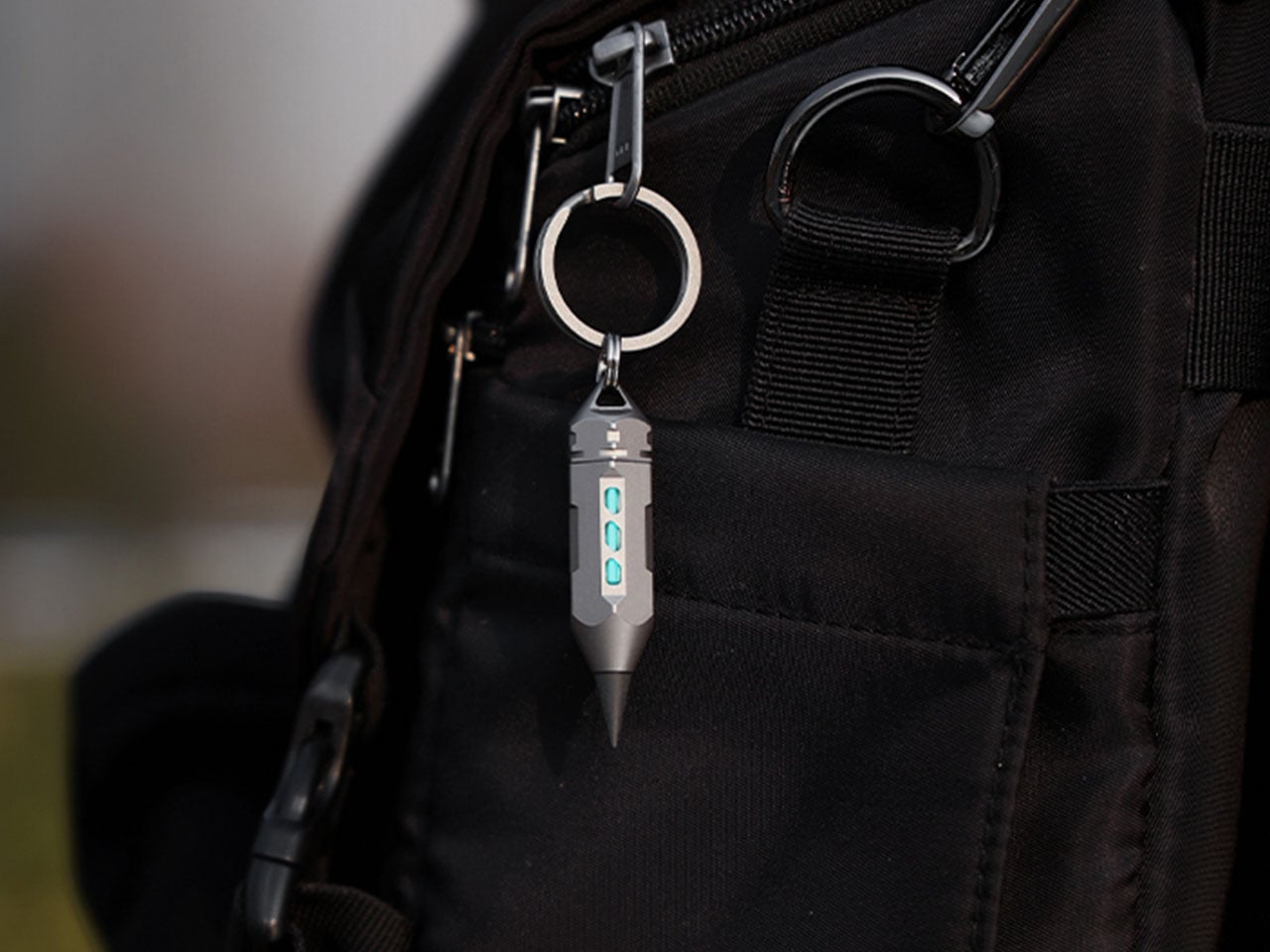
An everyday carry tool, colloquially EDC, is only useful and actually worth its weight in gold when the device is built to be convenient to carry and use. The Dark Fire 2.0 is easily the most apt to the idea. It is a pendent, a key chain, or a clip slightly more than the size of a coin, but versatile enough to put many more detailed, hefty and space-consuming EDCs to shame, which are yet to do half the tasks the Dark Fire’s second version is designed to fulfil.

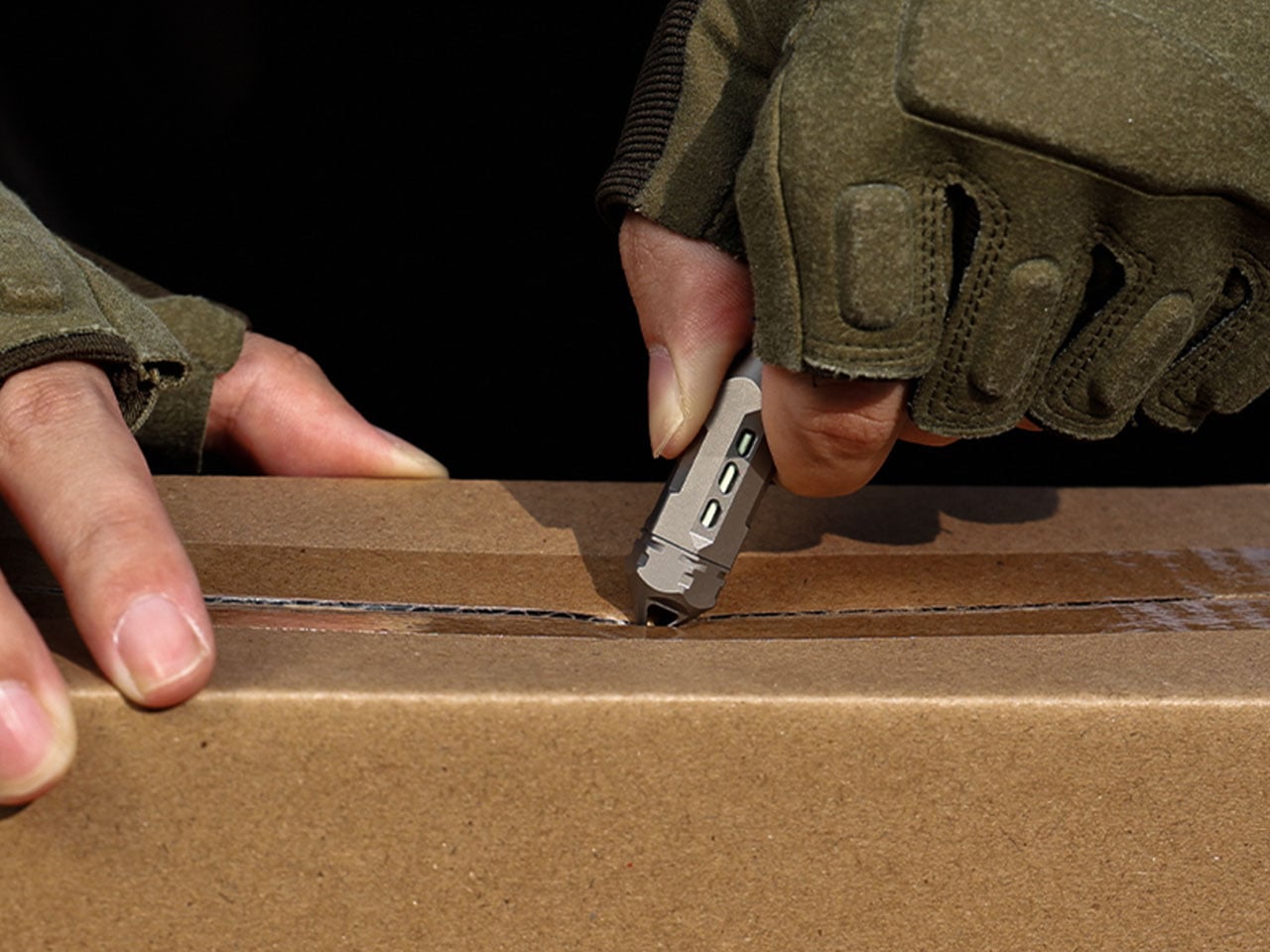
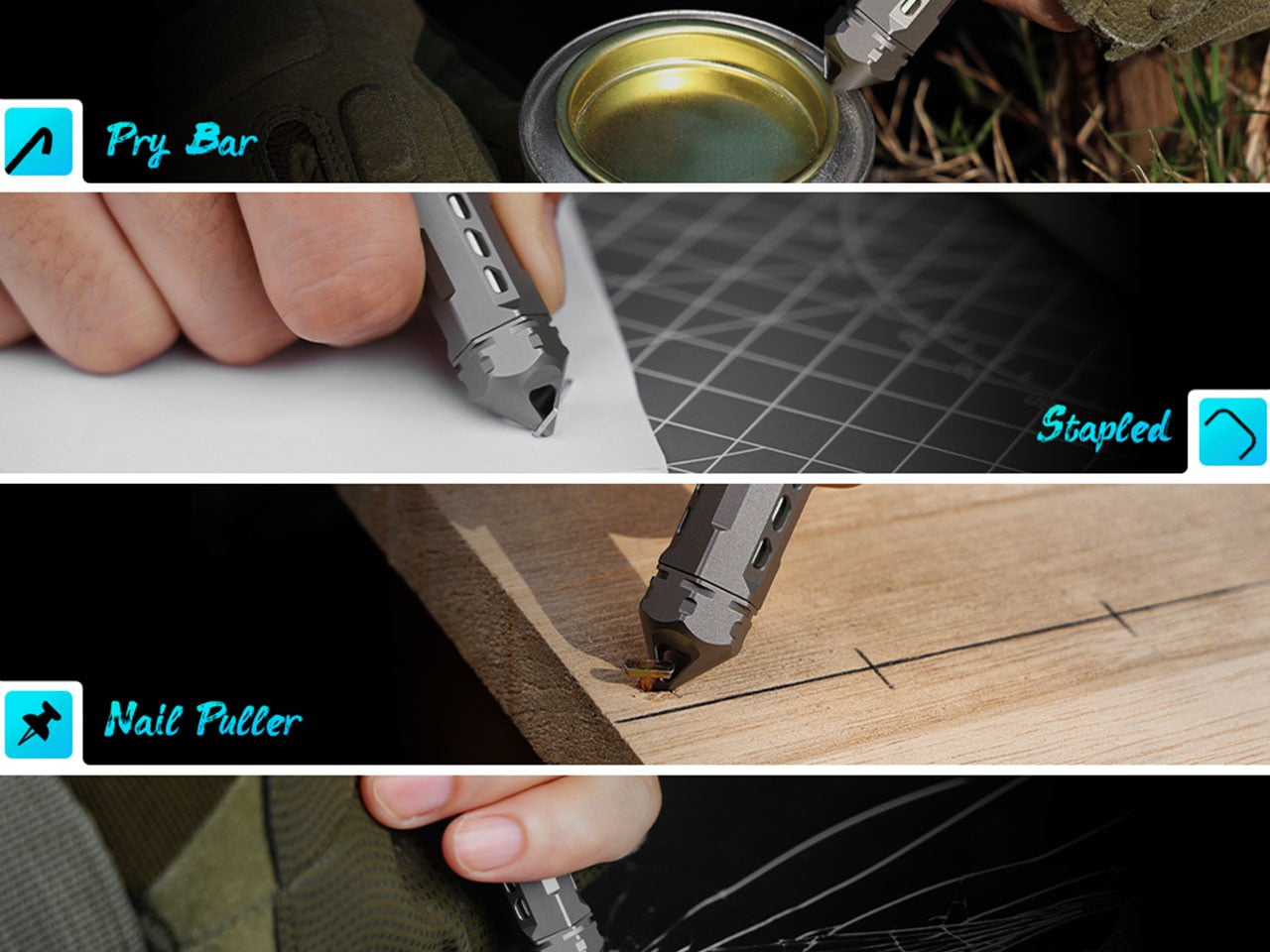
MeTool, the team of creators behind the multitool, have designed the new pendant EDC based on the predecessor, which was a similar tool but with lesser versatility and a go-getter attitude. The idea of this concealed but useful device stands out primarily for two reasons: the tool remains unnoticed until the exact moment you need it, and when you do, it can transition from a simple pendant into four different tools including a pen, screw driver, prier, and a glow light.

Designer: MeTool

Click Here to Buy Now: $39 $55 (29% off). Hurry! Raised over $27,000 already.

Whether you want to mark out a window in the floor plan, tighten a screw you notice falling off your laptop, or want to flip open a can at the camp; the Dark Fire 2.0 has you covered. At the time of writing, it is not a full-fledged product, but it is seeking crowdfunding support to go out there and make a difference in the lives of those who need a dependable but compact tool for their liking.

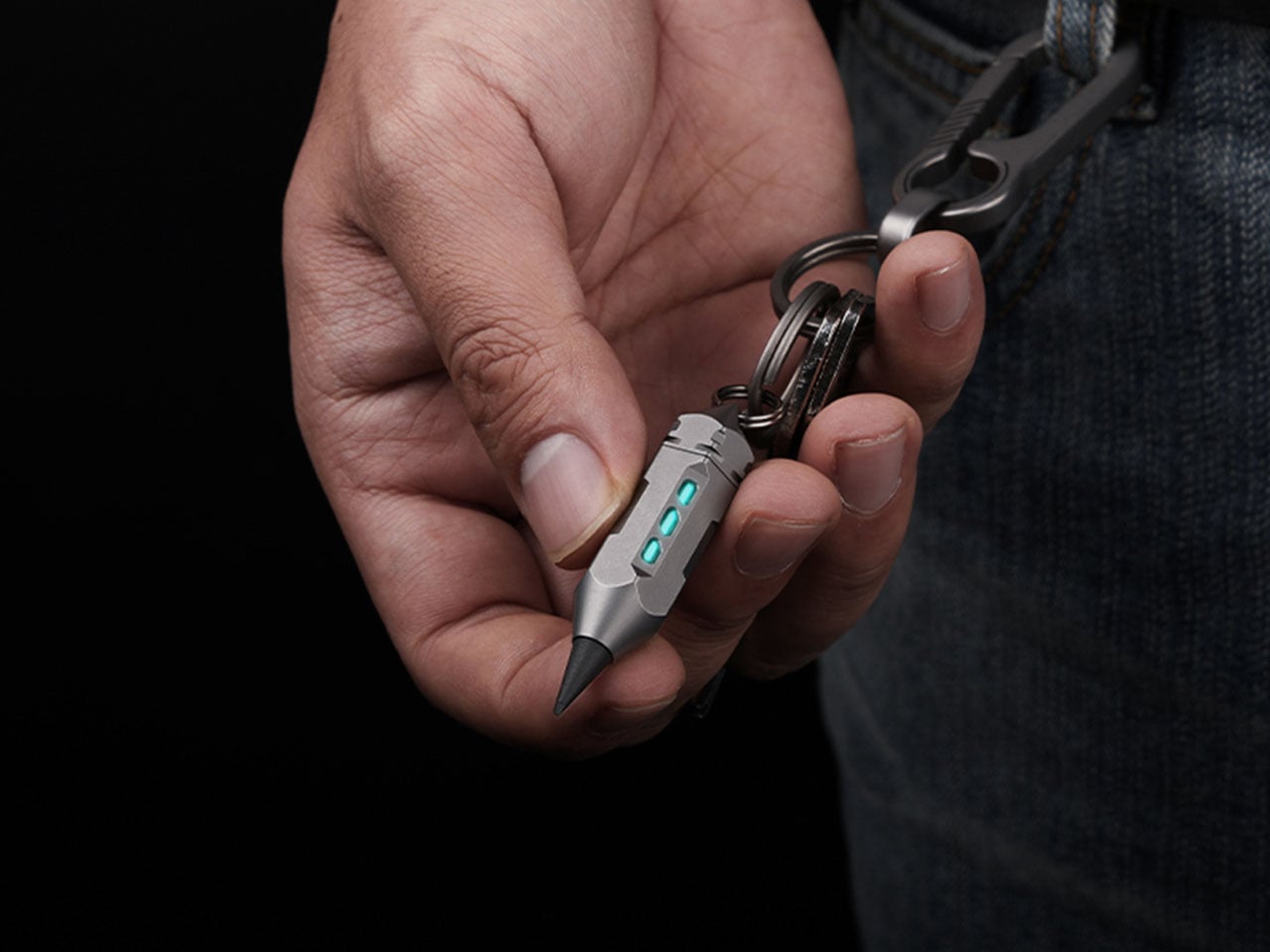
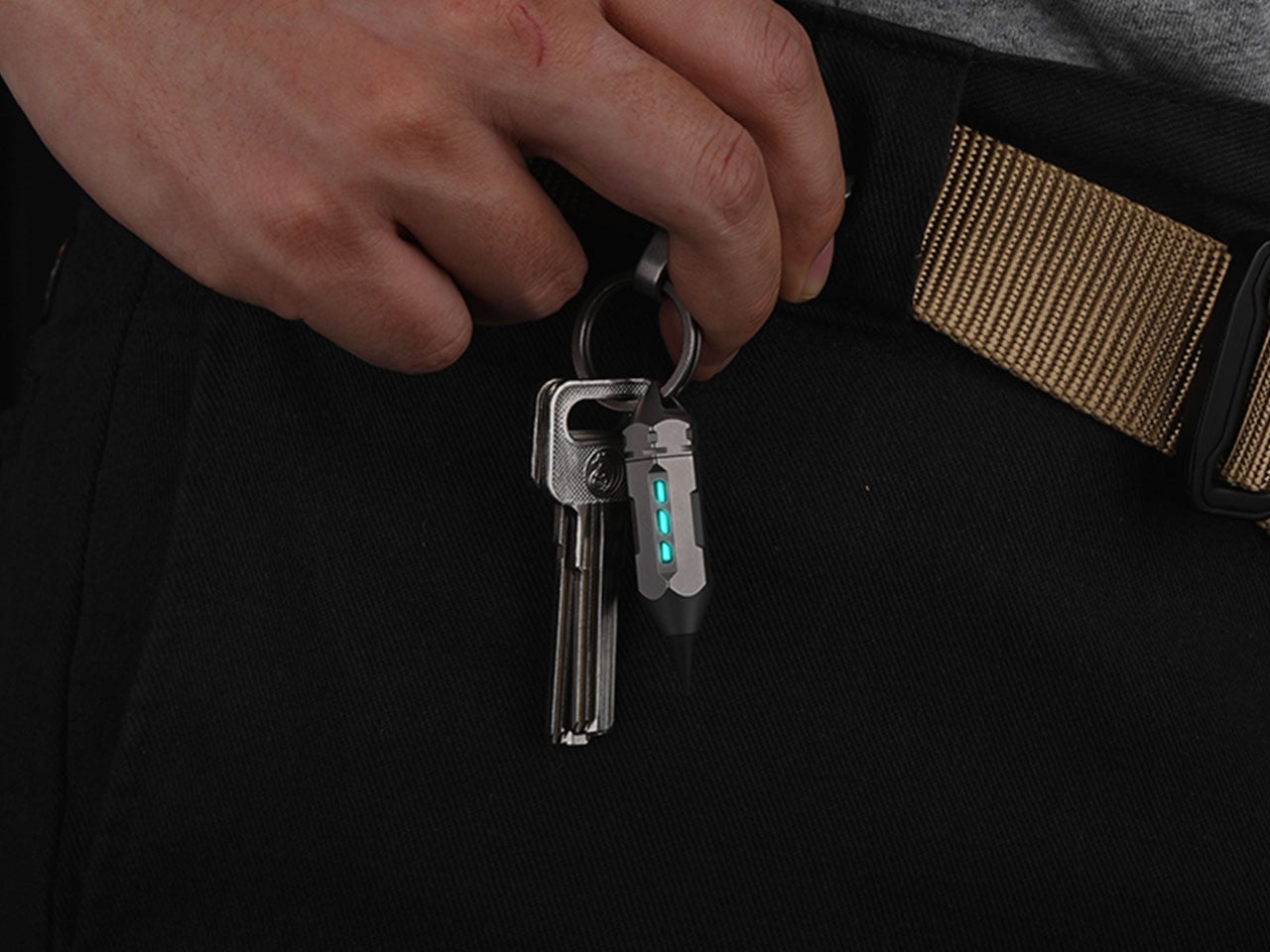
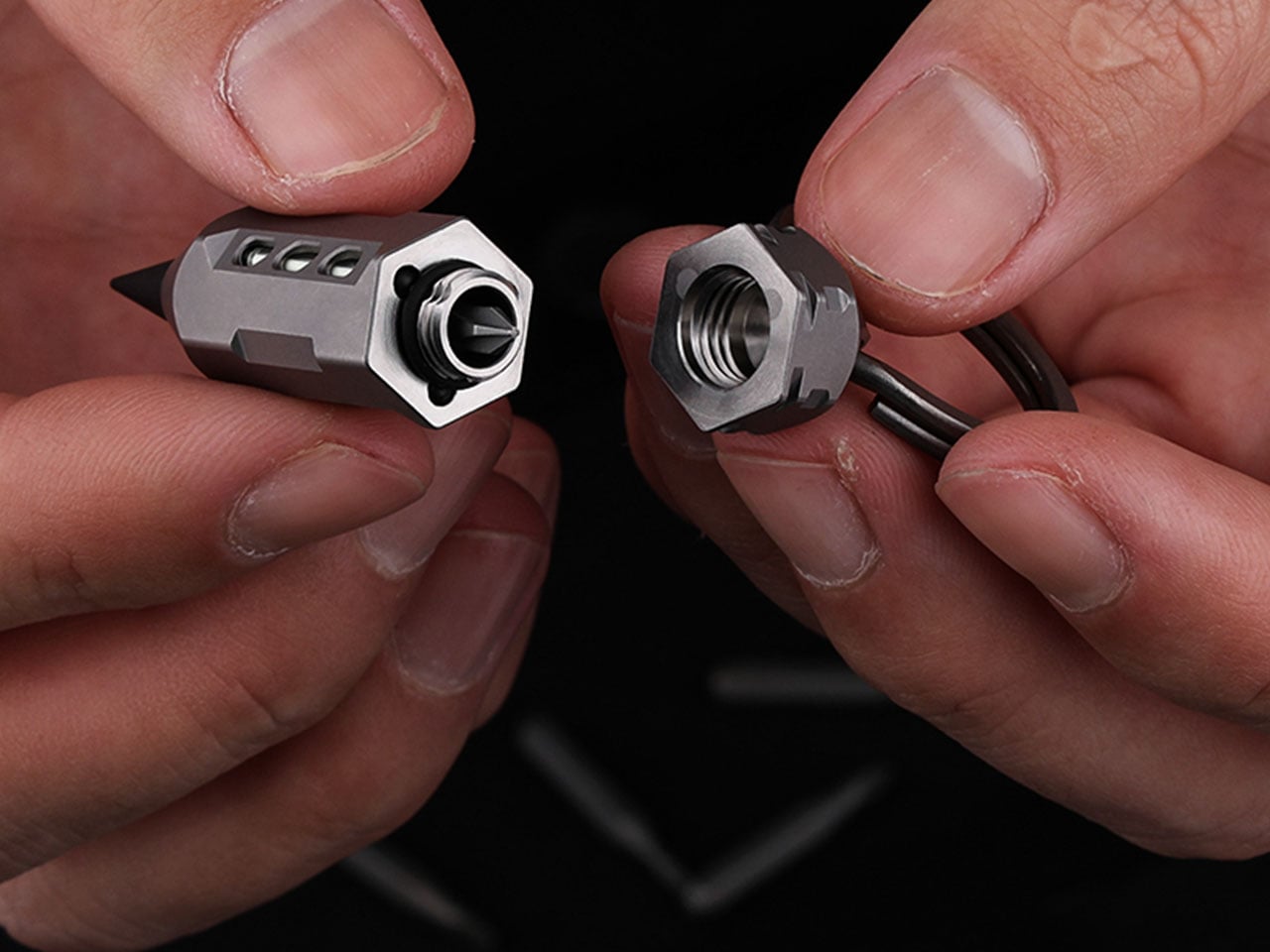
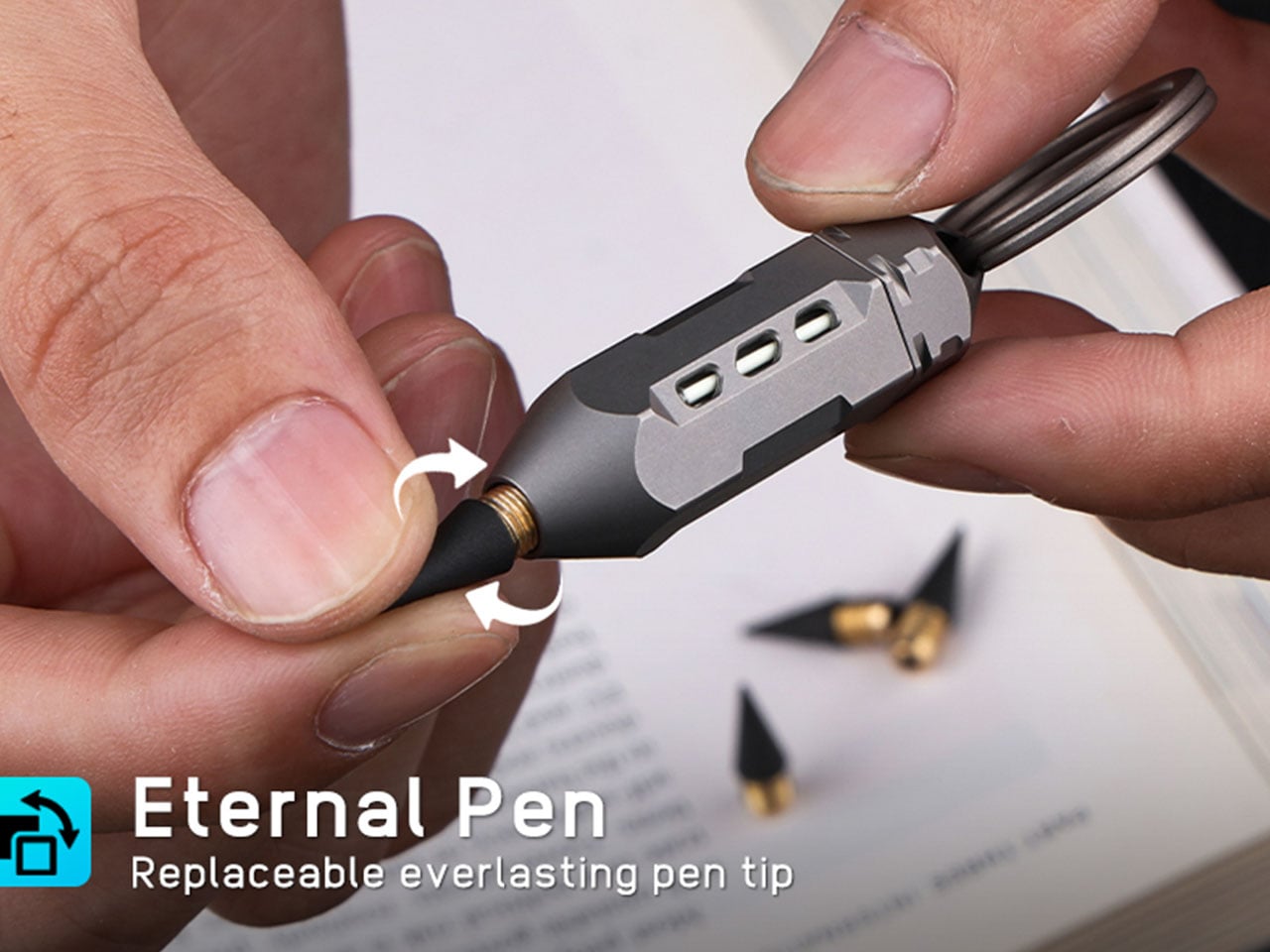
To that accord, MeTool has packed functionality into the pendant-sized EDC. It is made from a solid one-piece of precision-machined titanium and features an interesting rotary quick-release structure with tritium slots. The Dark Fire 2.0 body when twisted, opens up to reveal its true worth which is more than a pendant. Inside its 4 mm bit storage cavity hides a screw driver, a pry bar and a pen tip. And when the quick-release top is twisted, you can install the pen tip or replace it with the screw driver and get the work done instantaneously.

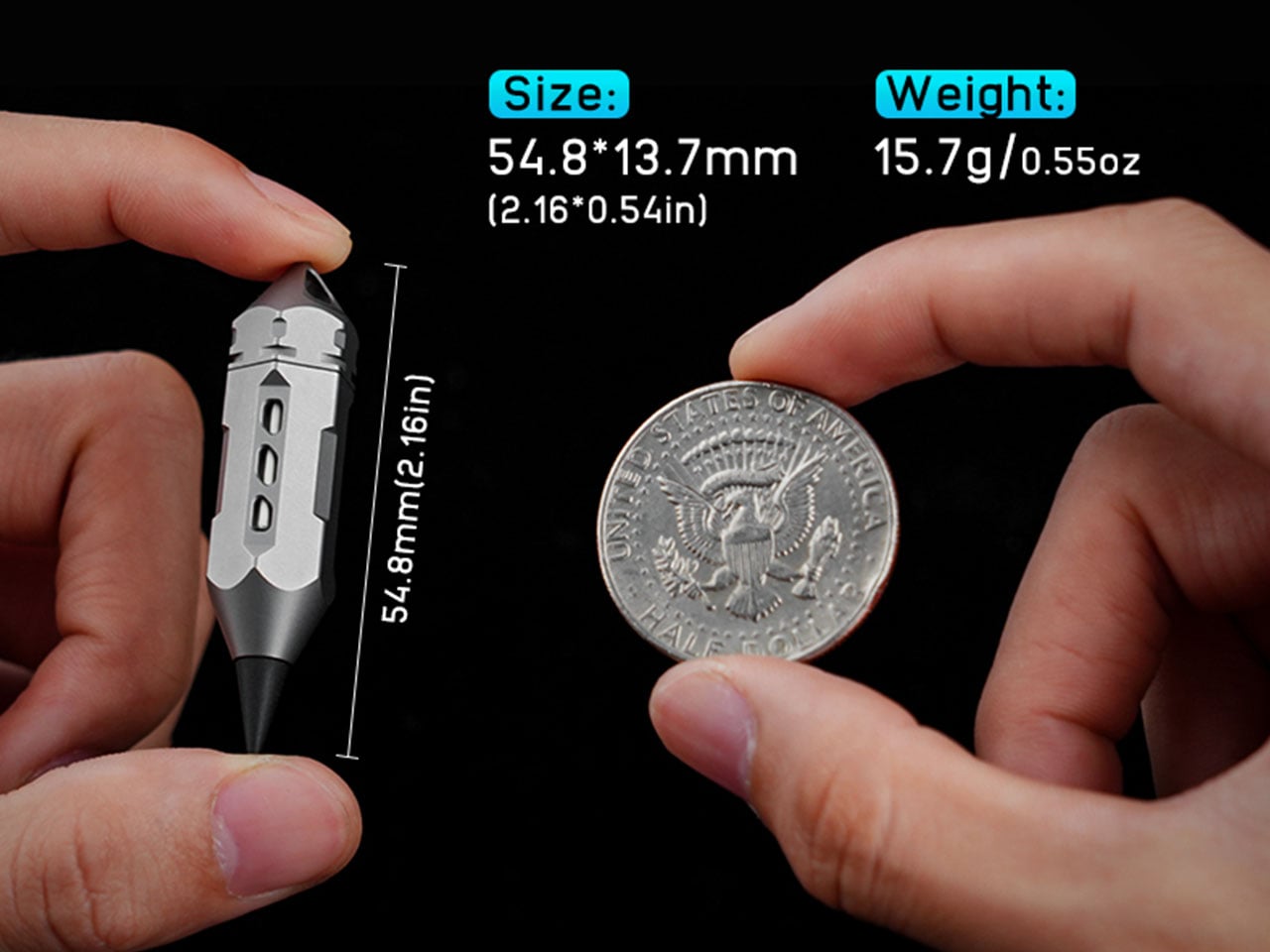
Besides, the EDC is a titanium glow multitool. It measures 2.16 × 0.54-inches, weighs only 0.55 oz, and features a built-in light in the portable pendant design. The light, instead of residing within a glass tube – as in the Dark Fire 1.0 – is packed in a titanium hollow window which shields its against shattering, yet provides a clear sight for soft glow. The tube also features a floating shock-absorbing mount comprising dual rubber end-balls and an internal O-ring for protection against bumps and drops.

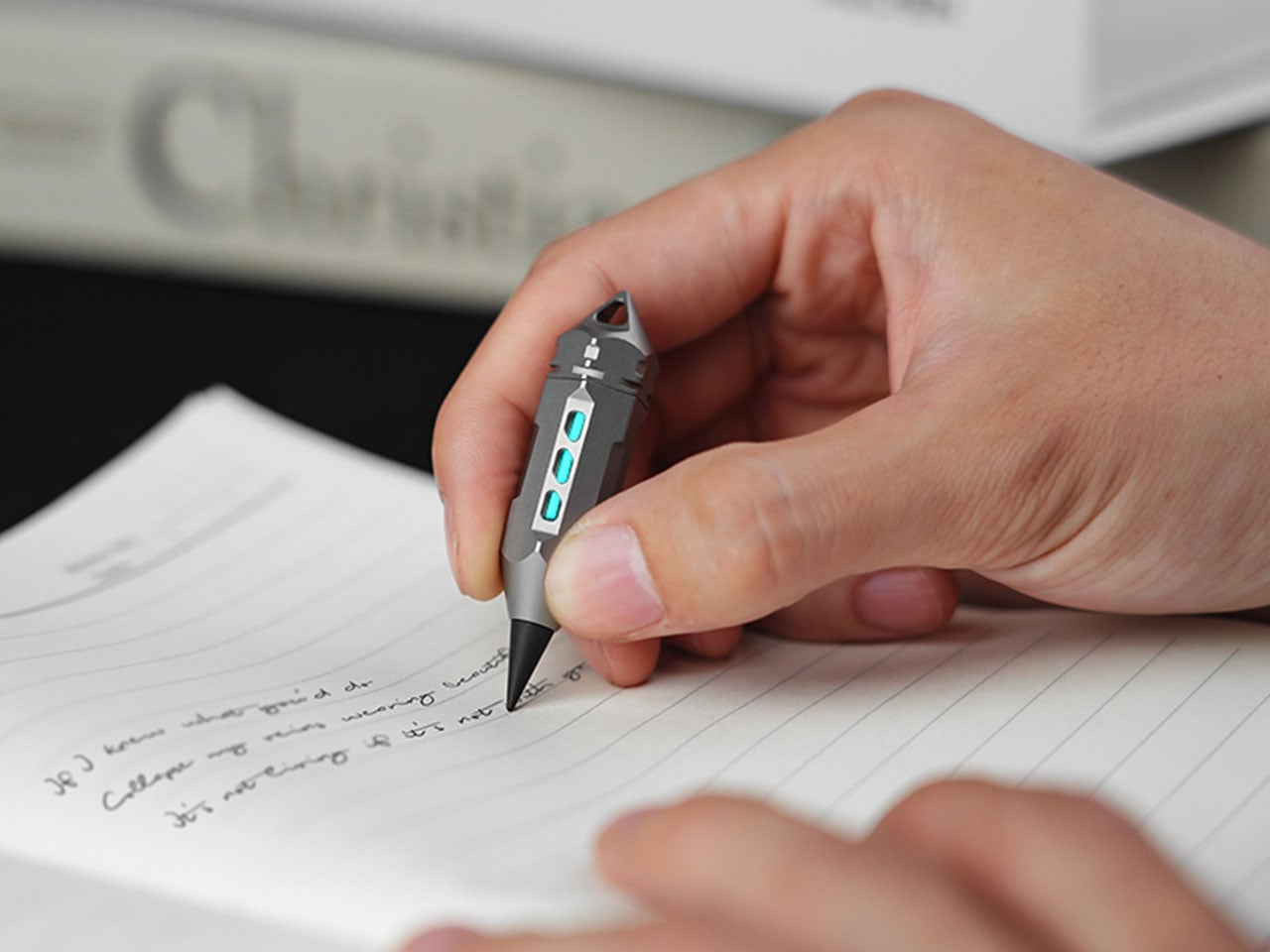
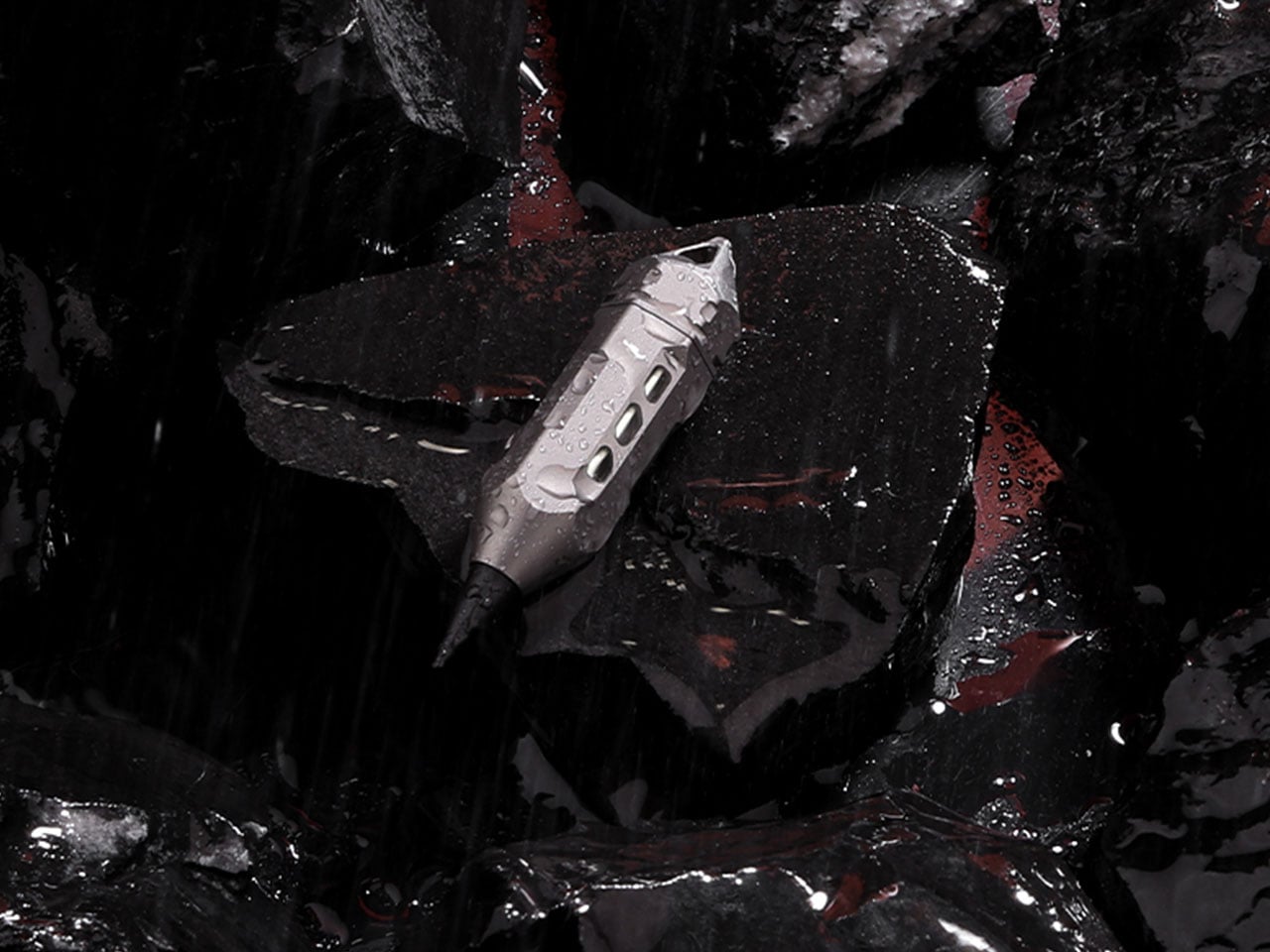
What really makes the Dark Fire 2.0 stand out in addition to the compact form factor and versatility, is its pen. It uses solid graphite rather than ink and is designed to never dry out or smudge. What you write with it stays there even through rain and regular wear. You can use the scribble of paper, wood, or leather, and the eco-friendly pen will do the writing without ink or cartridge. If the EDC has you intrigued, you can preorder it now on Kickstarter at a handsome super early bird discount.

Click Here to Buy Now: $39 $55 (29% off). Hurry! Raised over $27,000 already.

The post MeTool’s pendant-sized EDC is one of the smallest and most versatile multitools you can get first appeared on Yanko Design.
This Award-Winning Swing Feeds Birds When Kids Aren’t Playing

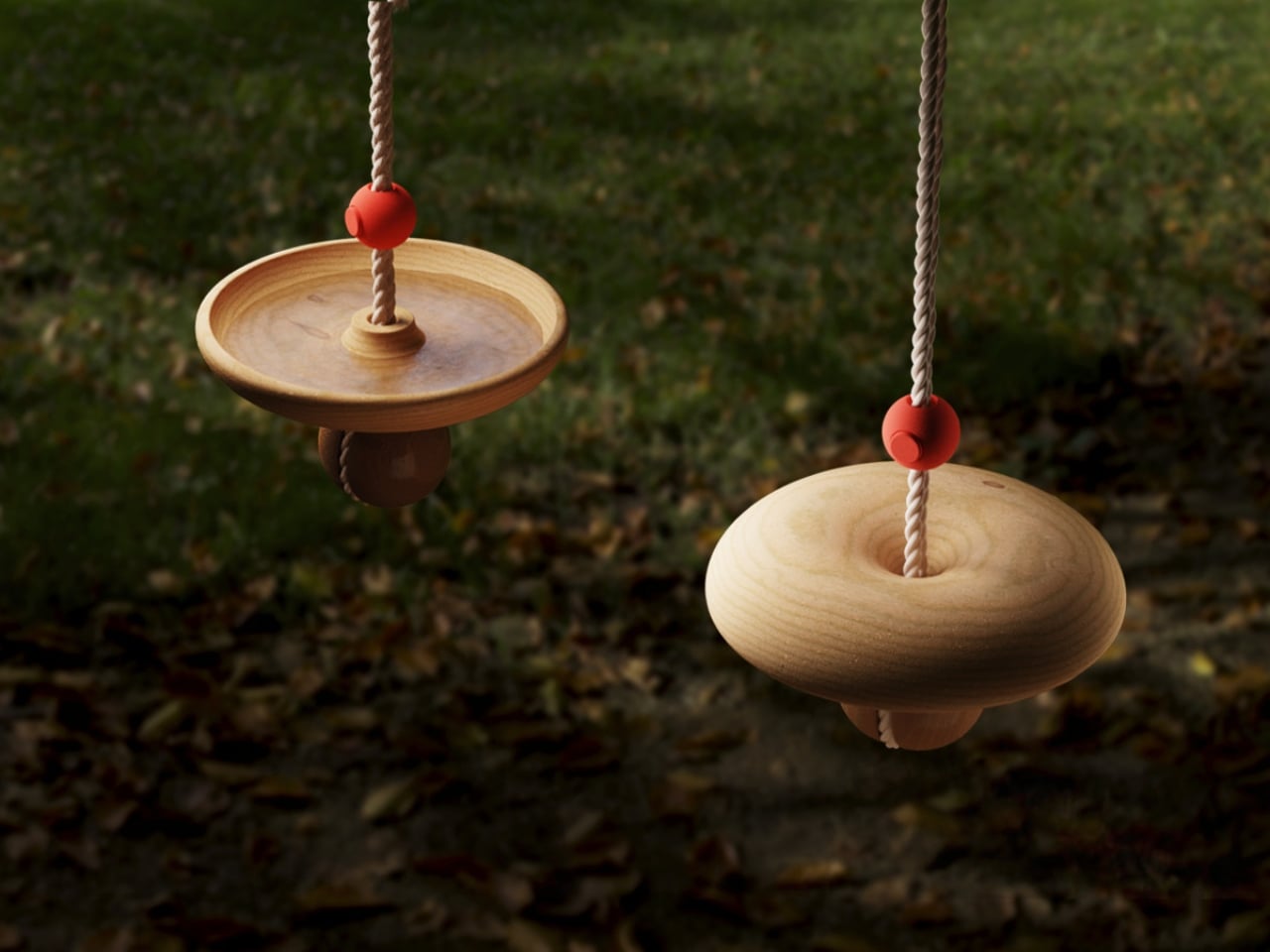
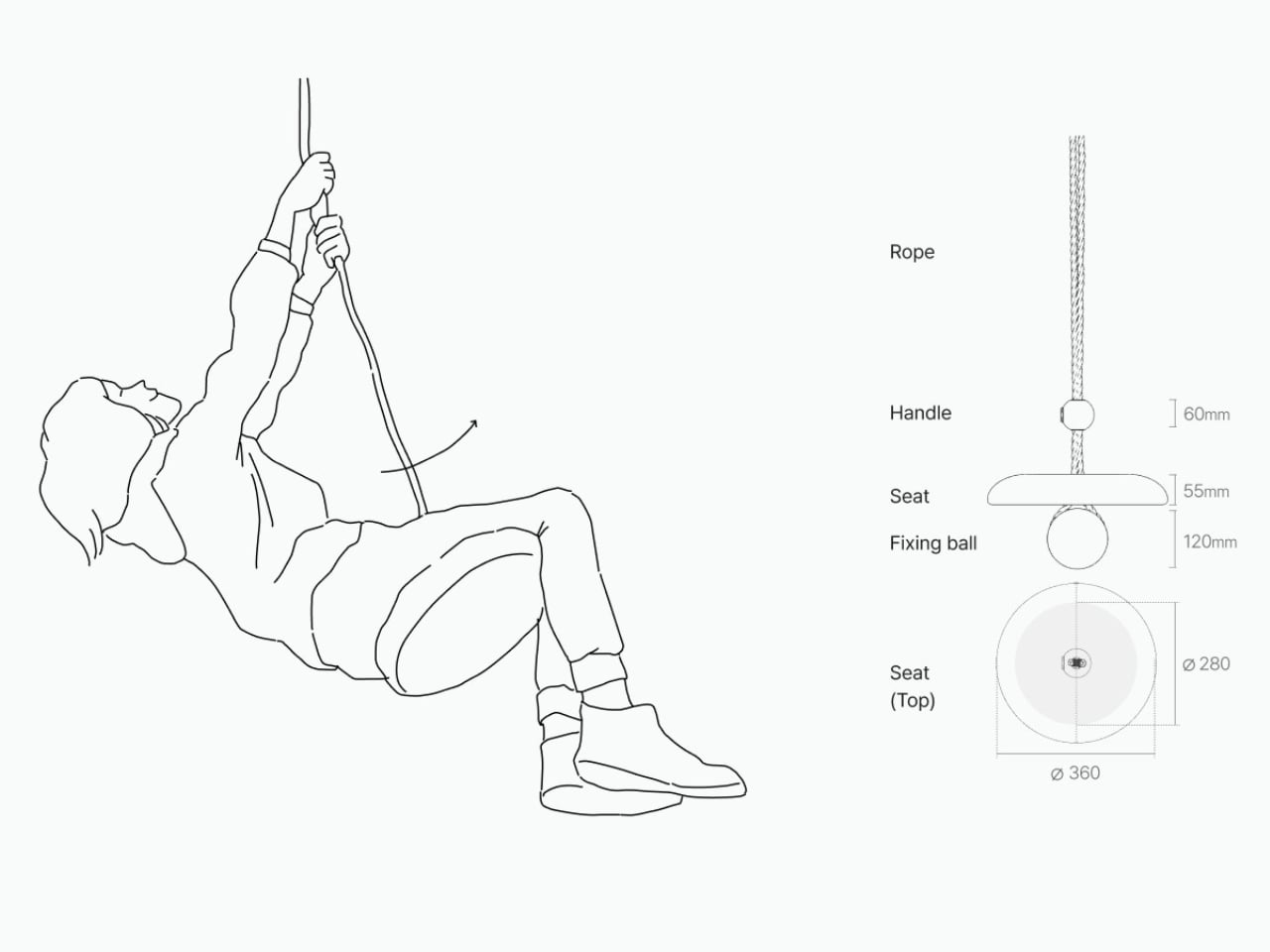
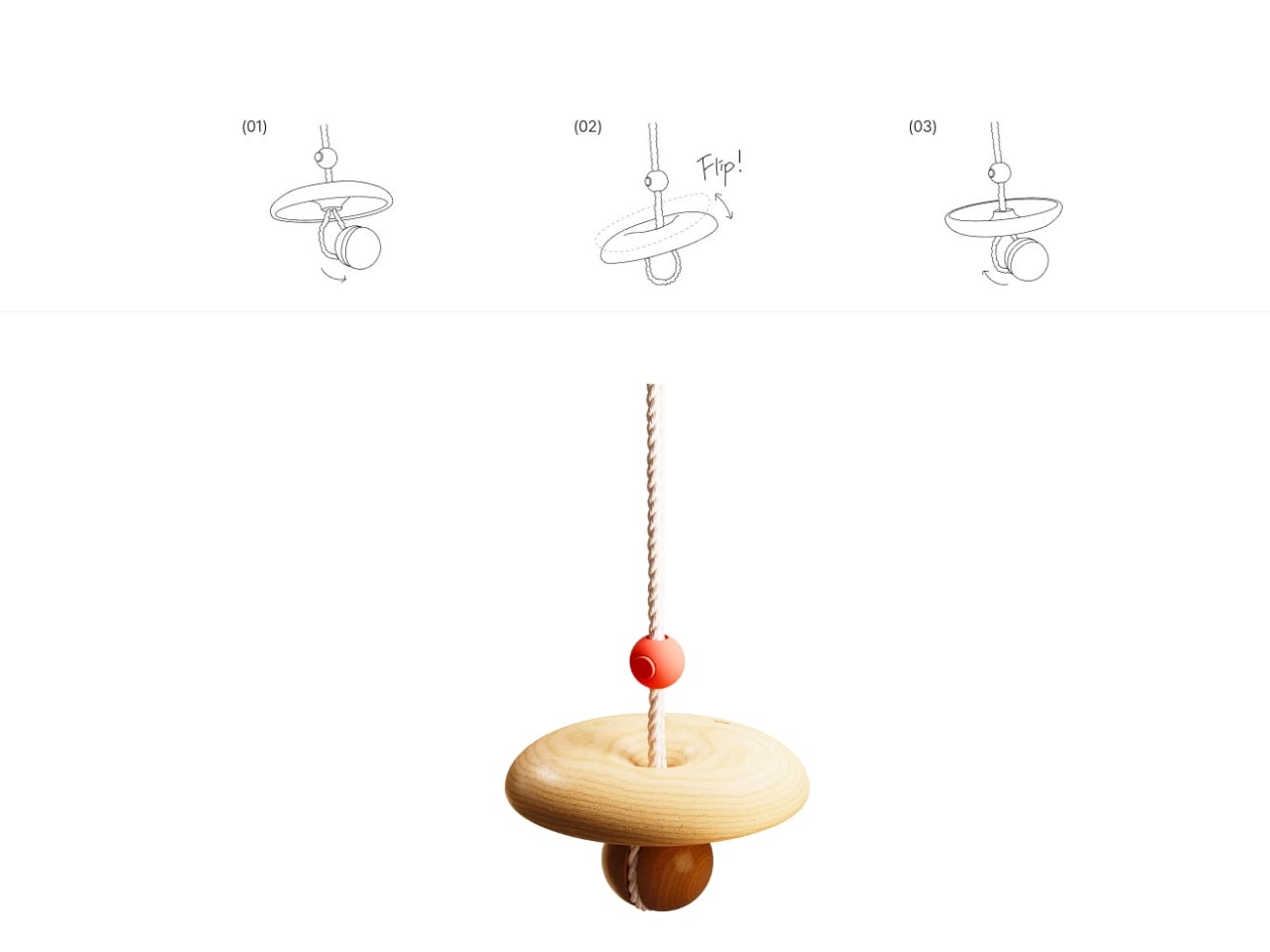
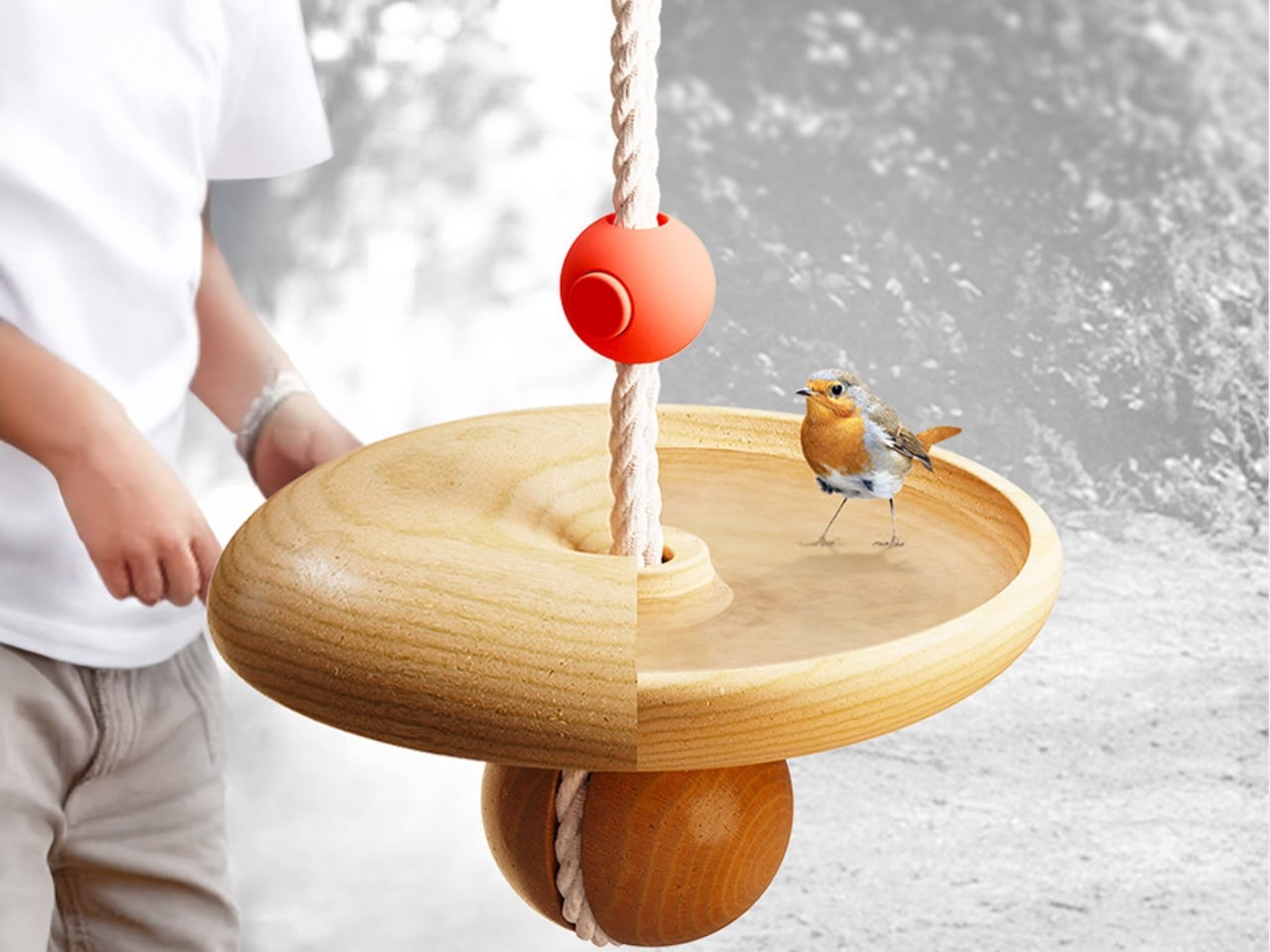
There’s something delightfully clever about design that refuses to pick just one job. You know what I’m talking about: those rare pieces that make you stop and think, “Wait, it does what?” Birddy, a recent award-winning furniture design by Korean designers Yejin Hong and Seyeon Park, is exactly that kind of creation. It’s a children’s swing when sunny days call for play, and a bird feeder when rain clouds roll in. Simple as that sounds, it’s the kind of thoughtful design that makes you wonder why we don’t see more of it.

The concept earned Hong and Park an Excellence Prize at the 2024 Kengo Kuma & Higashikawa KAGU Design Competition, and for good reason. The competition, known for championing furniture designs that bridge functionality with social awareness, found in Birddy exactly what contemporary design should aspire to be: useful, beautiful, and quietly compassionate.

Designers: Yejin Hong, Seyeon Park

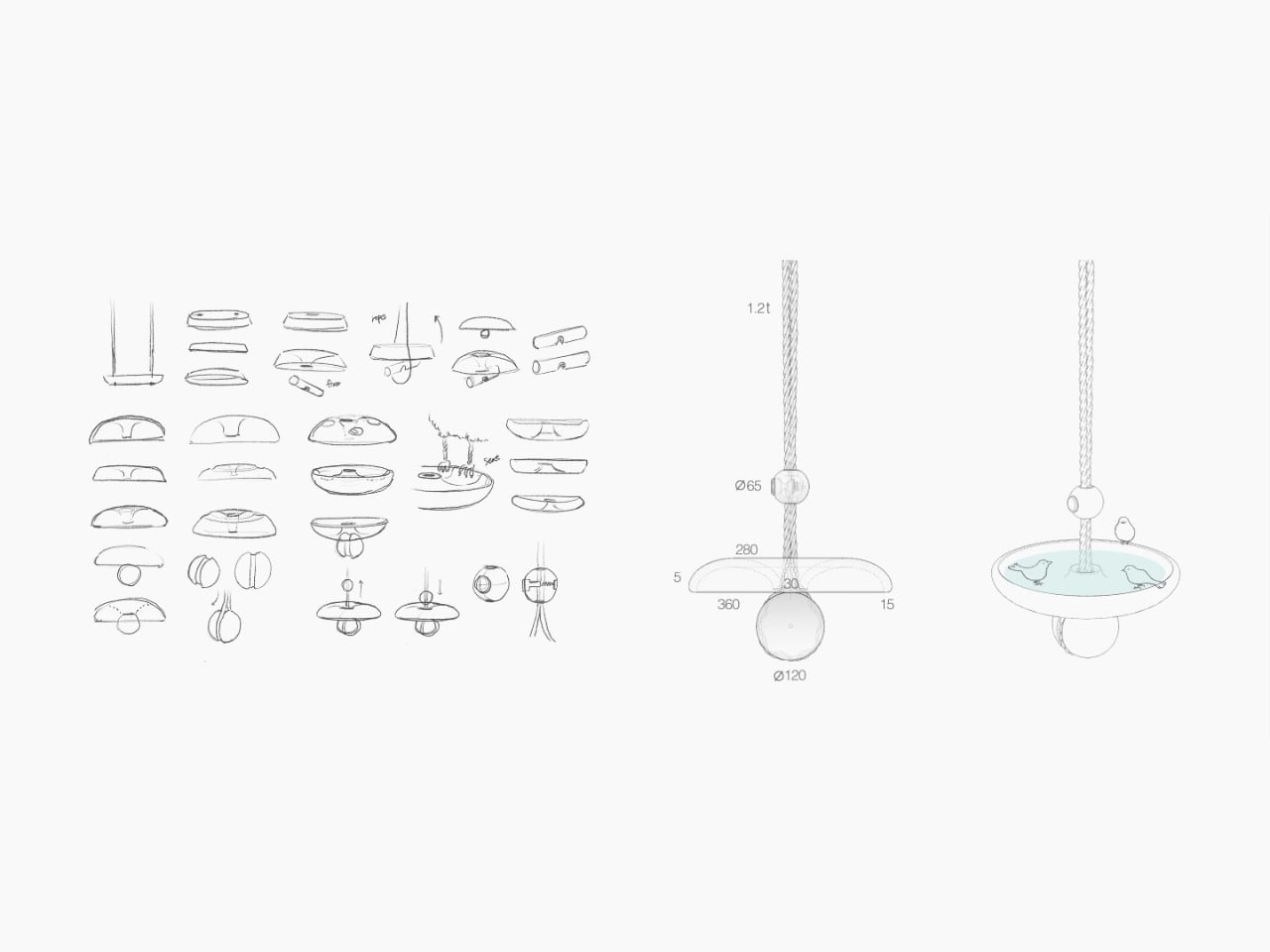
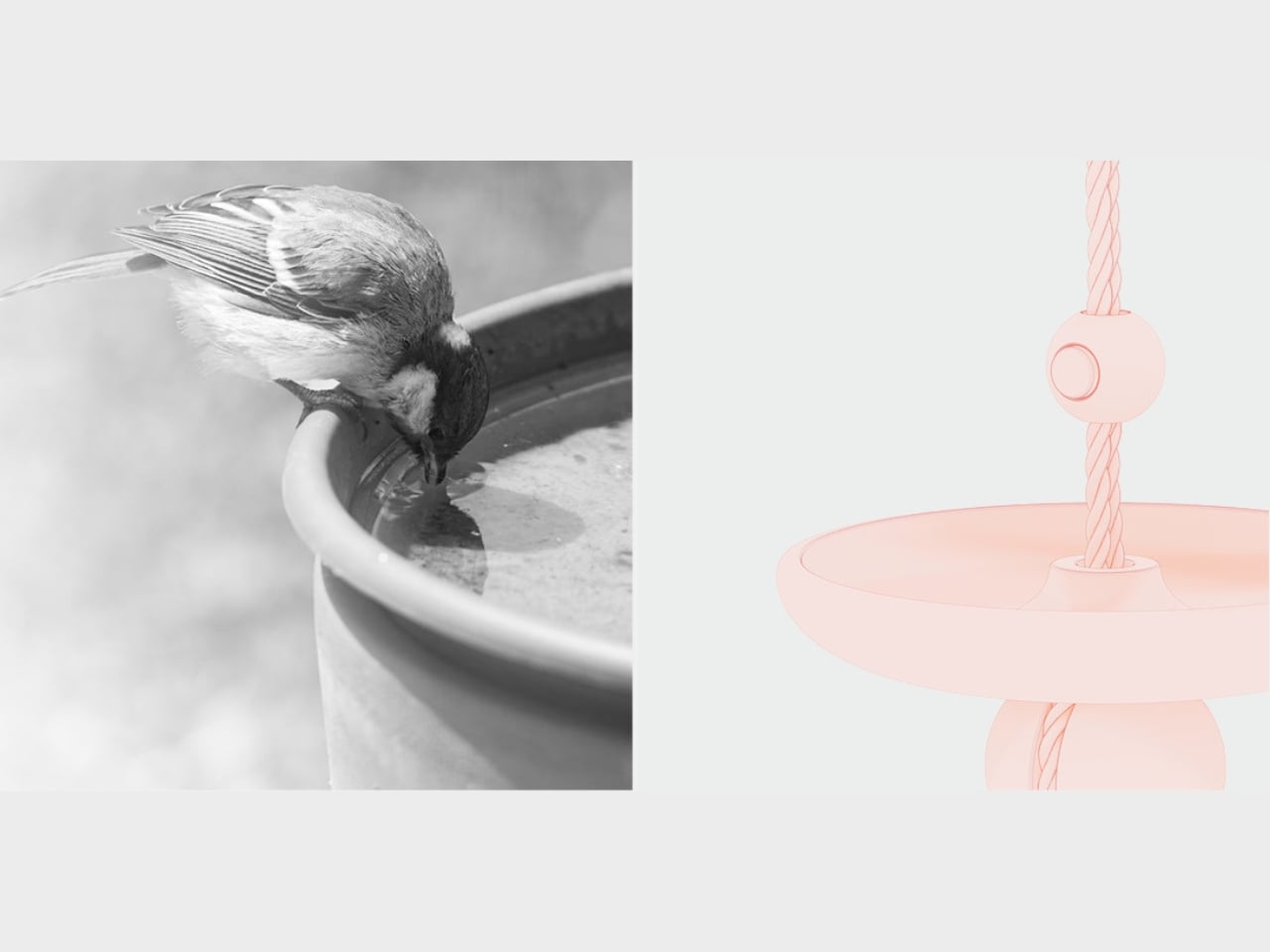
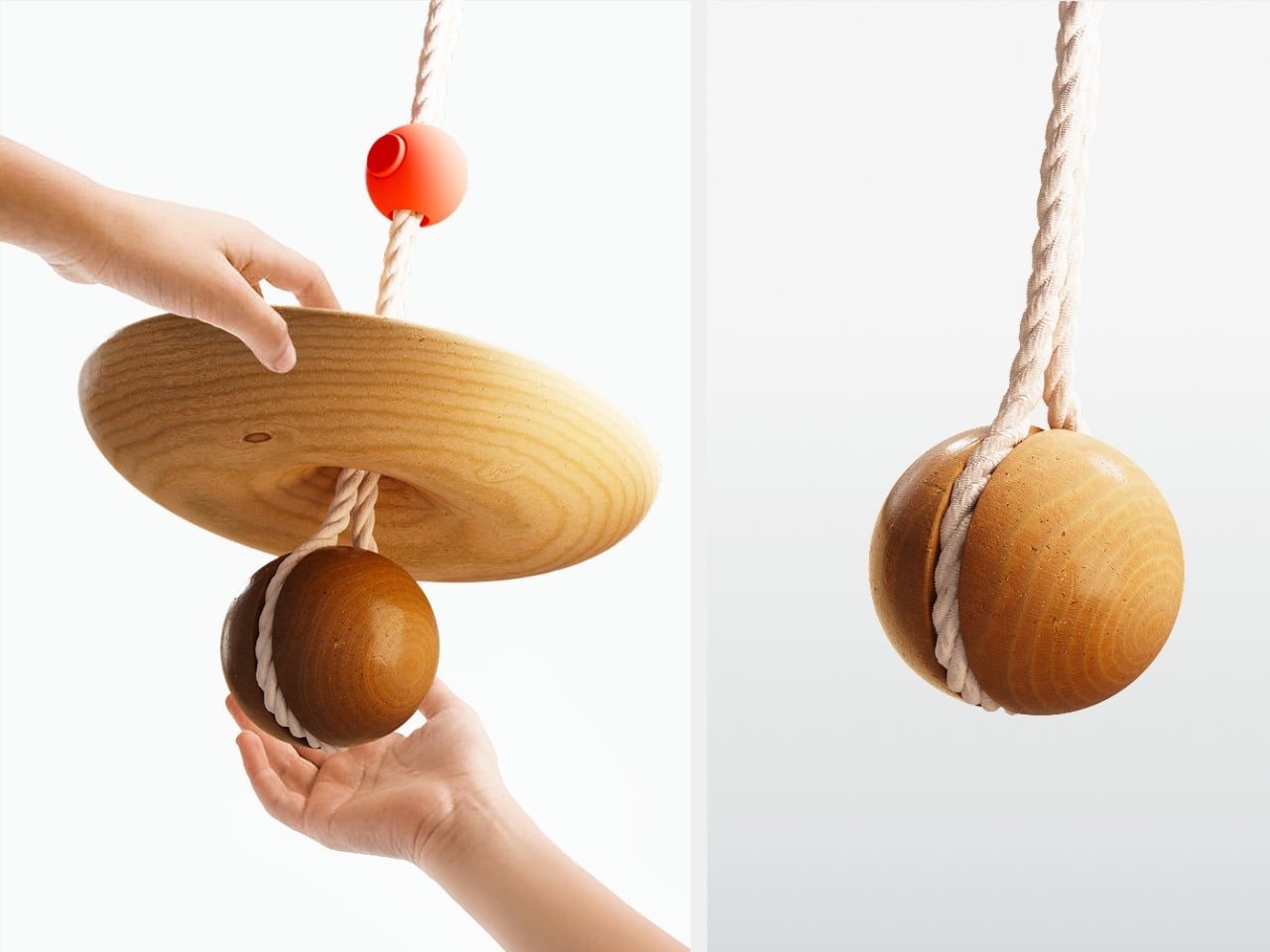
At first glance, Birddy looks like a refined wooden swing, the kind that would fit perfectly in a minimalist backyard or a community park. But flip it upside down on a rainy day, and suddenly you’ve got a protected feeding station for birds seeking refuge and sustenance when the weather turns harsh. It’s this elegant duality that makes the design so compelling. Rather than forcing two functions into an awkward compromise, the designers found a natural harmony between them.

What strikes me most about Birddy is how it normalizes empathy through everyday objects. We’re used to thinking about children’s play equipment and wildlife care as separate concerns, occupying different mental compartments in our design-thinking. Hong and Park challenge that separation. Their design suggests that caring for nature and creating joyful spaces for children aren’t competing priorities but complementary ones. When kids aren’t using the swing, why shouldn’t it serve another purpose? When birds need shelter and food, why can’t the solution be something that already exists in our yards?

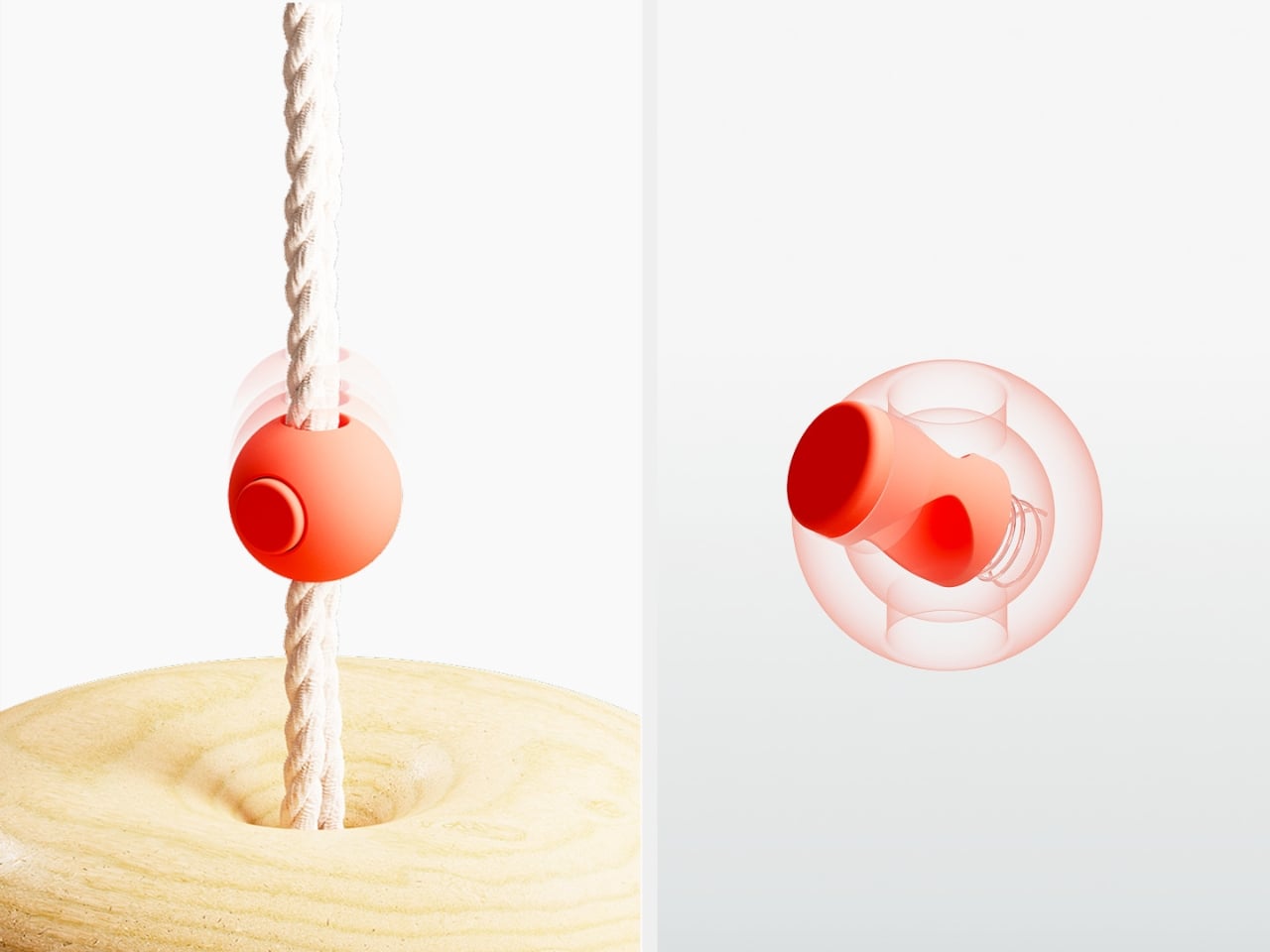
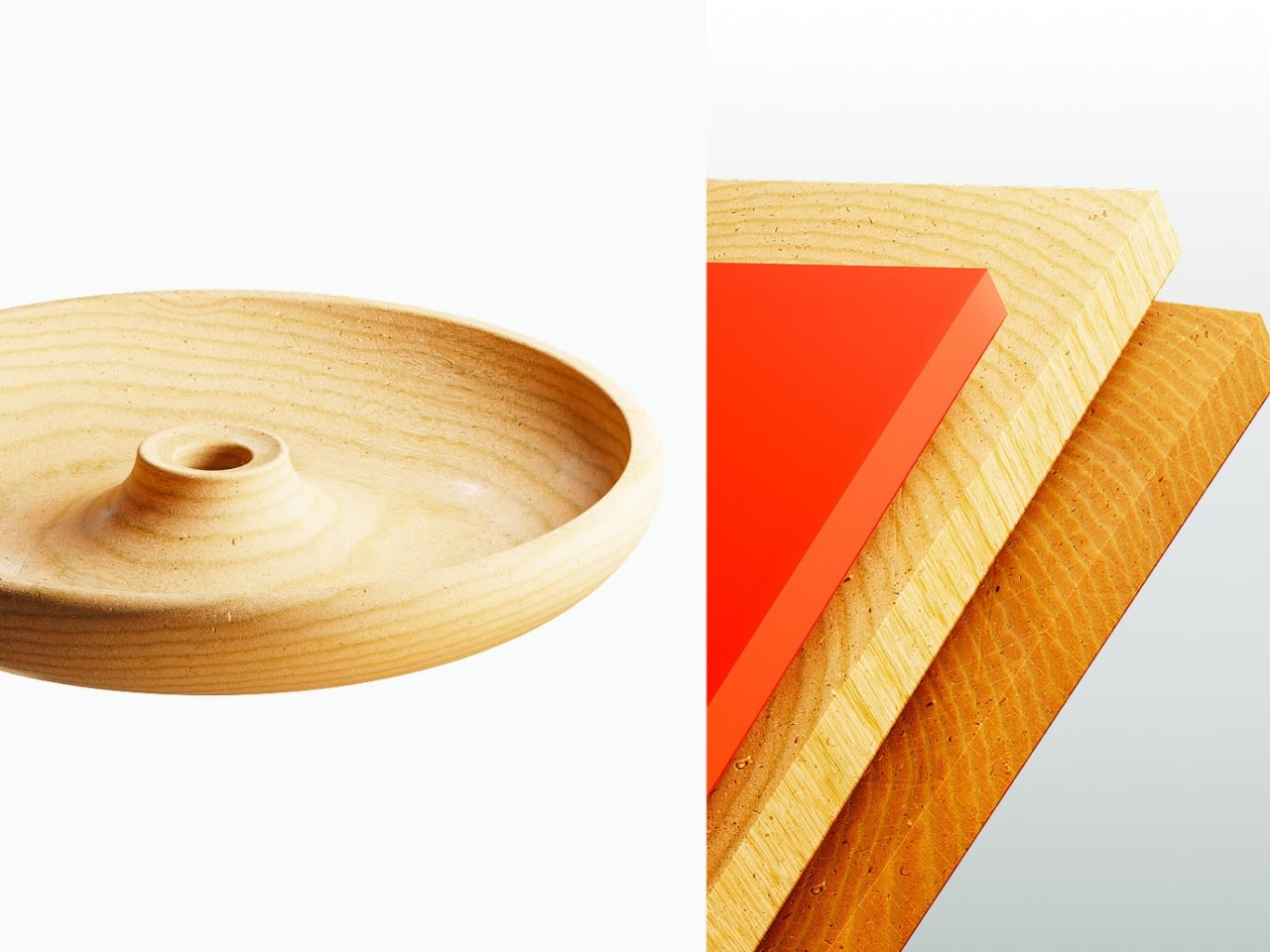
The execution shows restraint and respect for both users, human and avian. The wood construction feels appropriate for outdoor use while maintaining aesthetic appeal. There’s no garish attempt to make it “cute” or child-themed. Instead, the design trusts that good form works for everyone. This kind of confidence in simplicity is harder to achieve than it looks. Many designers would be tempted to add unnecessary flourishes or overcomplicate the transformation mechanism. Hong and Park resist that urge entirely.

From a practical standpoint, Birddy addresses real needs without requiring users to sacrifice space or budget for separate items. Urban and suburban dwellers increasingly want to support local wildlife, but bird feeders can feel like visual clutter. A swing is already part of many family landscapes. Combining them removes barriers to participation in backyard conservation. It’s environmental design through integration rather than addition.

The timing feels right too. We’re seeing a broader cultural shift toward multipurpose design as people become more conscious of consumption and space constraints. Furniture that pulls double or triple duty isn’t just trendy anymore, it’s becoming an expectation. But Birddy elevates the concept beyond mere space-saving. This isn’t about cramming more functionality into less area. It’s about finding poetic connections between different forms of care.

There’s also something wonderfully cyclical about the design. Children playing on the swing bring energy and life to a space during fair weather. Birds visiting the feeder bring that same vitality during storms. The object becomes a constant source of animation in the landscape, just with different performers depending on conditions. Parents watching kids swing on Tuesday might find themselves watching sparrows perch on Friday. That kind of continuous engagement with an object creates attachment and value beyond its material worth.

What Hong and Park have created isn’t revolutionary technology or groundbreaking engineering. Birddy succeeds precisely because it doesn’t try to be either. Instead, it represents something equally valuable: thoughtful observation of how we live and a willingness to imagine better arrangements. The best design often comes from asking simple questions like “What else could this do?” and “Who else could this serve?” Birddy answers both beautifully, proving that furniture can be generous in more ways than one.

The post This Award-Winning Swing Feeds Birds When Kids Aren’t Playing first appeared on Yanko Design.
5 Interactive Public Art Installations That Make You Part of the Design

Public art is often seen as a standalone feature, a striking sculpture or colorful mural that decorates a park or plaza. Yet its true impact goes far beyond visual appeal. When guided by thoughtful design, public art doesn’t just fill a space; it redefines it, shaping how people move, interact, and emotionally connect with their surroundings.

This seamless blend of art and environment is where design becomes transformative. By carefully considering scale, sightlines, materials, and community involvement, designers ensure that art integrates naturally into its setting. The result is a space that feels alive, engaging, memorable, and deeply connected to its community’s identity.

1. Designing Art with Context

For public art to truly connect, it must feel like it belongs. A site-specific approach begins with the environment itself, its history, architecture, pedestrian flow, and climate. By understanding these layers, designers ensure the artwork feels naturally rooted rather than placed, reflecting the spirit of its surroundings.

This thoughtful process helps art and place work in harmony. A sculpture in a historic district might echo local materials, while an installation in a park could invite interaction and rest. The goal is unity, where art enhances its setting and deepens the public’s connection to the space.

Cheng Tsung FENG’s Structural Botany: 25AP-263-43 is a compelling exploration of the intersection between art, nature, and modular construction. Installed at Swiio Villa Yilan in Zhuangwei, the work draws inspiration from the upright, clustered growth patterns of native plants, translating botanical forms into a sculptural rhythm. Standing between 2.5 and 5 meters tall, the installation consists of repeated modular “stems” that rise independently while maintaining deliberate spacing, echoing the equidistant patterns found in plant communities. FENG’s abstraction focuses on structural qualities rather than literal representation, highlighting resilience, interdependence, and the hidden patterns that govern natural growth.
The modular design allows the work to adapt to different spaces, expanding or contracting like living plants responding to their environment. Its clean lines and muted palette integrate gracefully with the surrounding landscape, inviting visitors to move among the vertical forms. 25AP-263-43 transforms the space into an immersive experience, revealing how art can reflect the processes of growth, rhythm, and community inherent in nature.

2. Design That Shapes Interaction

The true power of design in public art lies in its ability to shape human behavior and foster connections. A well-placed installation isn’t static; it invites curiosity, conversation, and movement. The position of a sculpture, for instance, can turn it into a meeting point or encourage people to explore it from different angles, subtly guiding social flow through space.

Inclusive design ensures that everyone can experience this interaction. By considering pathways, seating, and lighting, designers make art accessible and inviting. The result is not just an artwork but a functional, social space that fosters comfort, inclusion, and community.


Interactive public art has a unique charm, and Love Continuum in London’s Chelsea area exemplifies this beautifully. Installed at Duke of York Square as part of Kensington + Chelsea Art Week, the piece immediately invites viewers—kids and adults alike—to touch, climb, or simply explore its form. At first glance, it appears to be a giant red spring or whimsical squiggly “worm,” a playful addition to the urban landscape.

The sculpture’s clever twist reveals itself from a certain angle: the word “love” emerges in elegant cursive, turning observation into a joyful discovery. Measuring 7.5 meters in length, Love Continuum continues artist Alter’s exploration of colorful, interactive forms that encourage engagement and play. Its hidden message adds a layer of delight, creating a shared experience for those who notice it. This combination of tactile fun, visual surprise, and thoughtful design makes it a memorable stop on London’s art trail.

3. The Power of Material and Durability

Material choice is one of the most crucial design decisions in public art, shaping its longevity and impact. Unlike gallery pieces, outdoor installations face constant exposure to weather, pollution, and human touch. Designers must therefore balance artistic vision with strength and endurance, using materials that preserve both beauty and integrity over time.

Selecting durable, often local options such as weathered steel, treated stone, or advanced composites ensures resilience and low maintenance. This thoughtful approach keeps the artwork safe, sustainable, and visually compelling for years, safeguarding the artist’s intent while respecting the realities of public spaces.

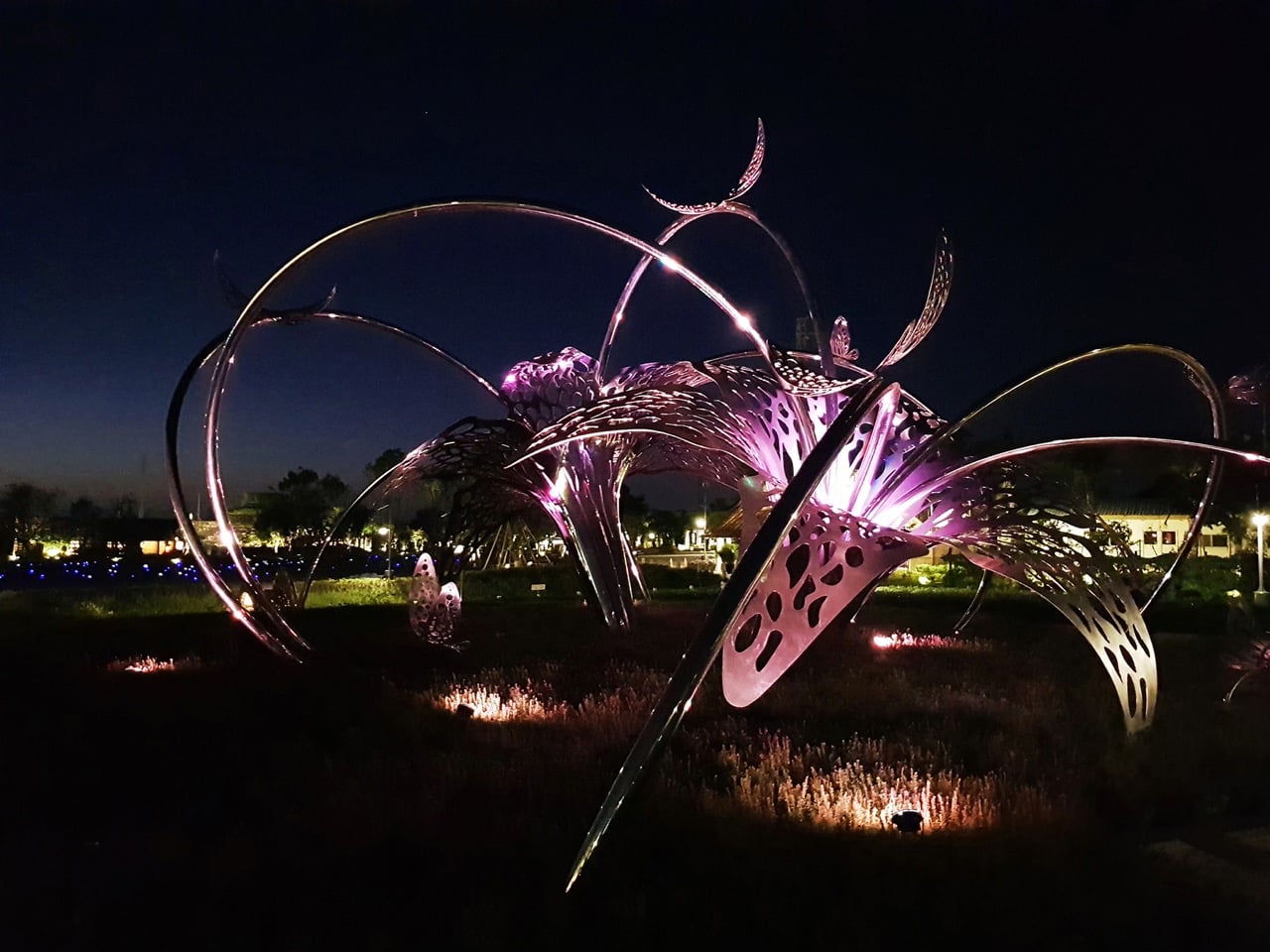
Kuo Hsiang Kuo’s “Flowers and Butterflies Are Dancing”, created for the 2018 Taichung World Flora Exposition in Taiwan, showcases the essence of contemporary public art. Using polished stainless steel, Kuo embraces the material’s reflective quality to mirror the vibrant flowers below and shifting clouds above, creating a constantly evolving dialogue with its surroundings. Sweeping arcs suggest the flutter of butterflies and the sway of flowers, while perforated panels cast intricate shadows. By night, strategically placed lighting transforms the sculpture into a glowing spectacle of purples and pinks, giving it a dynamic day-to-night presence.

The installation balances structural precision with ethereal beauty, inviting visitors to explore it from multiple angles. Referencing Taiwan’s native Formosa Lily and butterfly motifs, it connects local identity with universal themes of transformation and renewal. Its multi-layered appeal engages children, adults, and design enthusiasts alike. “Flowers and Butterflies Are Dancing” proves that public art can be both visually stunning and deeply meaningful, transforming spaces and perspectives.

4. Lighting and Experiential Impact

Public art should shine even after sunset, and this is where thoughtful lighting design transforms perception. Proper illumination enhances textures, casts dramatic shadows, and can introduce dynamic colors, turning a daytime piece into a captivating nighttime feature and making the artwork a continuous part of the cityscape.

Lighting also serves safety and experiential purposes. By subtly brightening pathways while highlighting the art, designers create secure, inviting spaces. This blend of functionality and drama deepens emotional engagement, turning ordinary public areas into memorable, enchanting urban stages that captivate visitors day and night.

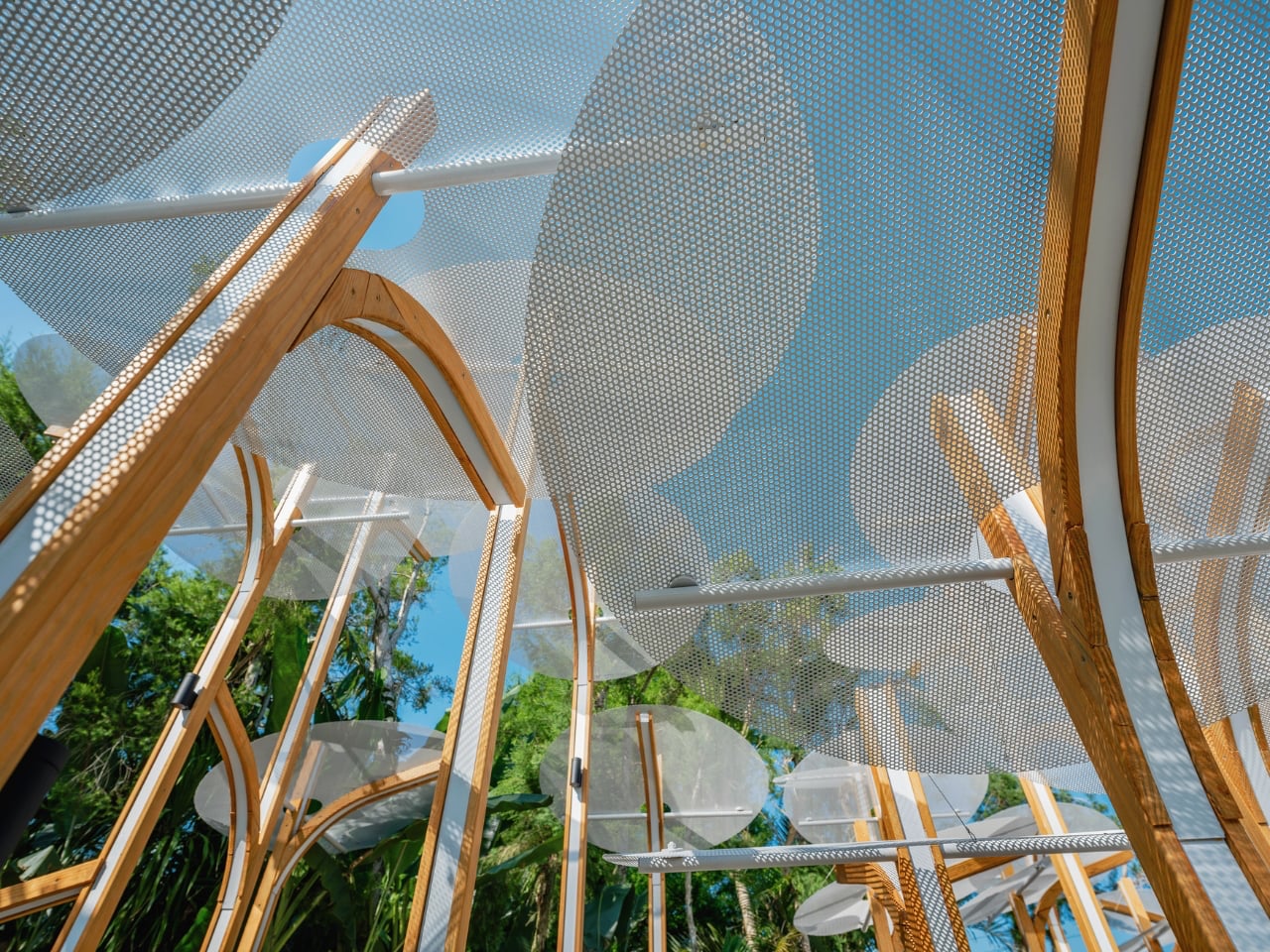
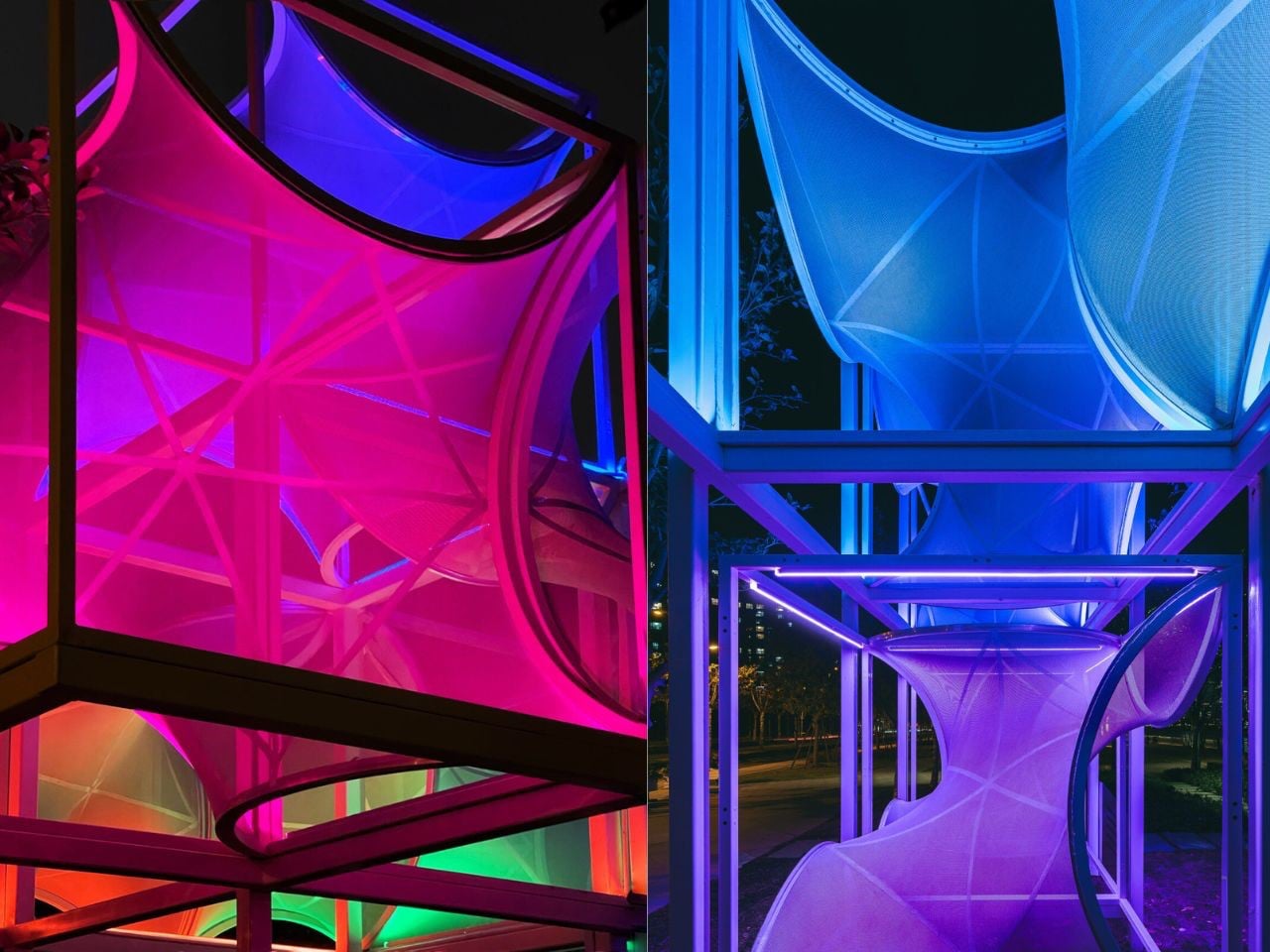
Along Shanghai’s Huangpu River, visitors encounter Curly Cube, a striking modular installation by the People’s Architecture Office (PAO). Combining flowing curves with sharp angles, it transforms an ordinary urban space into a dynamic playground of light, shadow, and interaction. Inspired by the Gyroid minimal surface, a natural form bridging mathematics and nature where the structure employs curvilinear tensile membranes stretched over lightweight square frames. The result is a form that appears both futuristic and organic, soft yet structured. By day, the translucent membranes filter sunlight into gentle, diffused patterns, offering shaded pockets where people can pause, explore, or relax amid the city’s bustle.

At night, integrated lighting casts shifting gradients across the silver membranes, turning the installation into a glowing social hub. Its modular design allows stacking, reconfiguration, or relocation, encouraging tactile and participatory engagement. Curly Cube showcases how adaptable public art can transform urban environments, transforming everyday walkways into immersive and memorable experiences for all visitors.

5. Community and Co-Creation

The most impactful public art grows from the community it serves, making co-creation essential. Designers act as bridges, translating local stories, needs, and identities into physical form. By involving residents, businesses, and leaders from the start, the artwork becomes a true reflection of the neighborhood’s spirit rather than an imposed object.

This collaborative process often enriches the project, making it more meaningful and relevant. When people see their ideas influence themes, materials, or placement, they become invested advocates. Inclusive design fosters public ownership, ensuring the artwork’s lasting cultural, social, and emotional impact.

Sitting on a public bench often reflects our comfort with social interaction. Extroverts may happily share a seat with strangers, while others prefer solitude. Martin Binder’s Balance Bench in Einbeck, Germany, challenges these habits by transforming a simple act of sitting into a shared experience. Constructed from oak slats atop a sleek steel frame, the bench rests on a single central cylinder, requiring at least two people on opposite ends to achieve balance. Attempting to sit alone either forces careful adjustment or playful observation, turning rest into cooperation and communication.

Located in the Garden of Generations, the 4.5-meter-long installation can accommodate up to eight people, encouraging dialogue and collective effort. By combining functional seating with interactive design, Binder’s work exemplifies how public art can foster connection, cooperation, and community engagement while making everyday urban experiences more playful and thought-provoking.

By harmonizing art with its site, guiding movement and interaction, ensuring durability, and creating safe, engaging environments day and night, thoughtful design transforms spaces into vibrant destinations. The result is artwork that enriches well-being, fosters community pride, and leaves a lasting social and cultural impact.

The post 5 Interactive Public Art Installations That Make You Part of the Design first appeared on Yanko Design.