Top 7 Solar-Powered Camping Gear That Actually Work in 2025

Solar camping gear has finally evolved beyond gimmicky gadgets that barely keep a phone alive. These seven carefully selected innovations represent genuine breakthroughs in outdoor technology, combining serious power generation with practical design solutions. Modern solar camping equipment now delivers reliable performance that matches the demands of serious outdoor enthusiasts seeking complete independence from traditional power sources while maintaining authentic wilderness experiences and promoting responsible, sustainable environmental camping adventure practices.

Each product solves real problems campers face while maintaining the independence that draws us to the wilderness in the first place. From climate control to device charging, these innovations address genuine pain points without compromising off-grid freedom. Whether you’re seeking basic functionality or luxury comfort, solar technology now delivers reliable performance that enhances rather than limits outdoor adventures while supporting environmentally conscious exploration and sustainable, responsible outdoor camping adventure practices.

1. Solar Tent with Integrated Cooling System
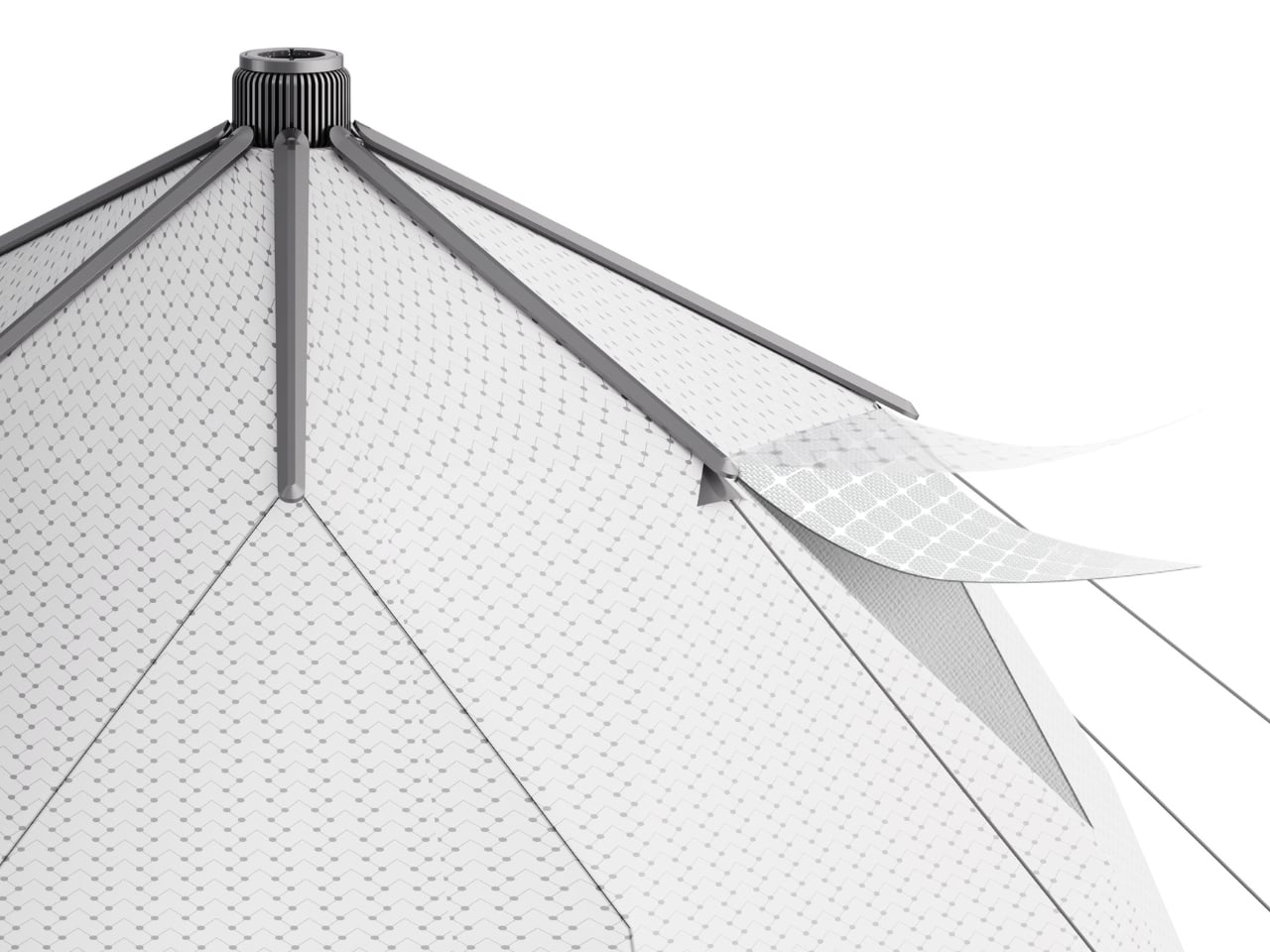
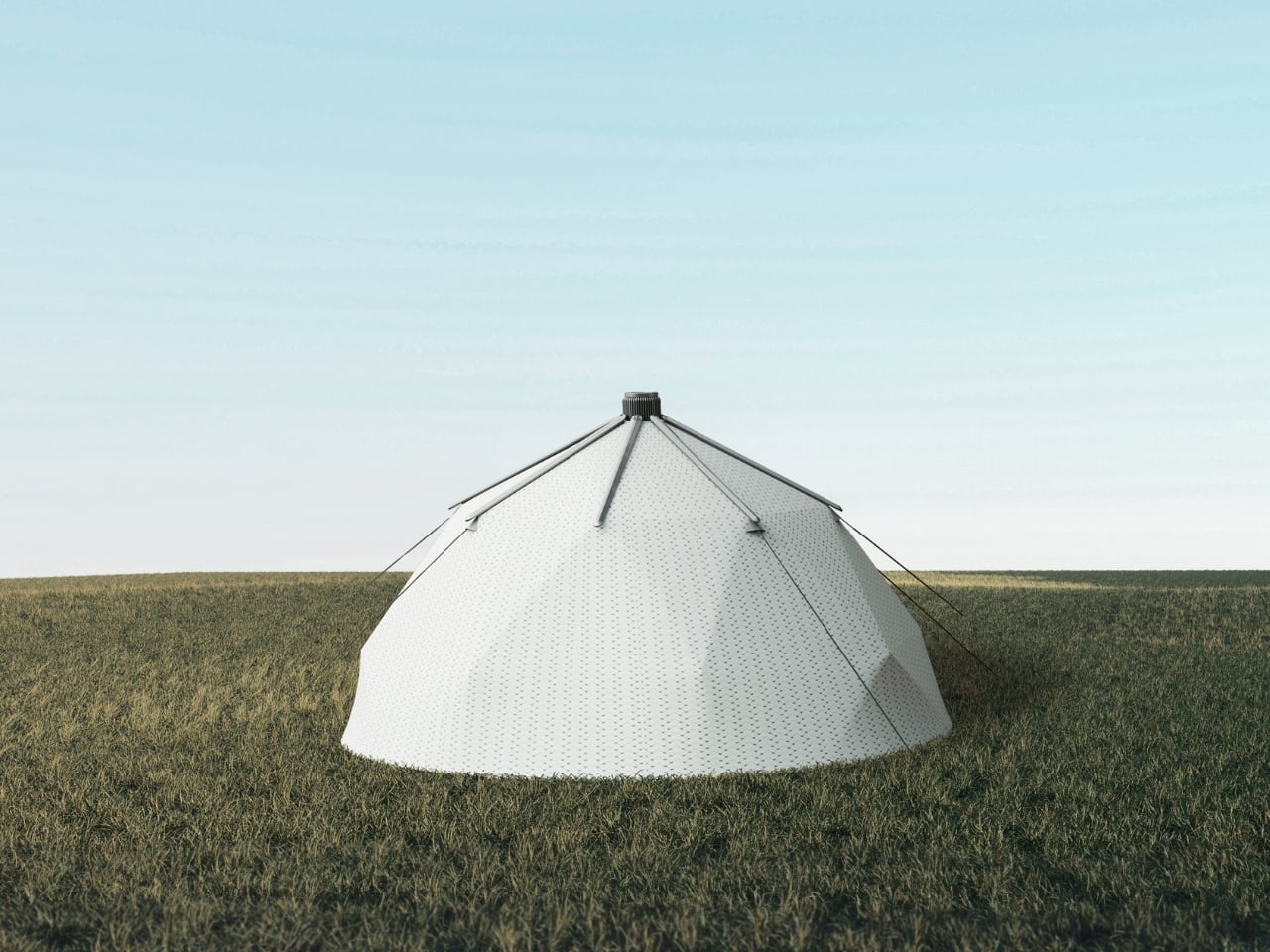
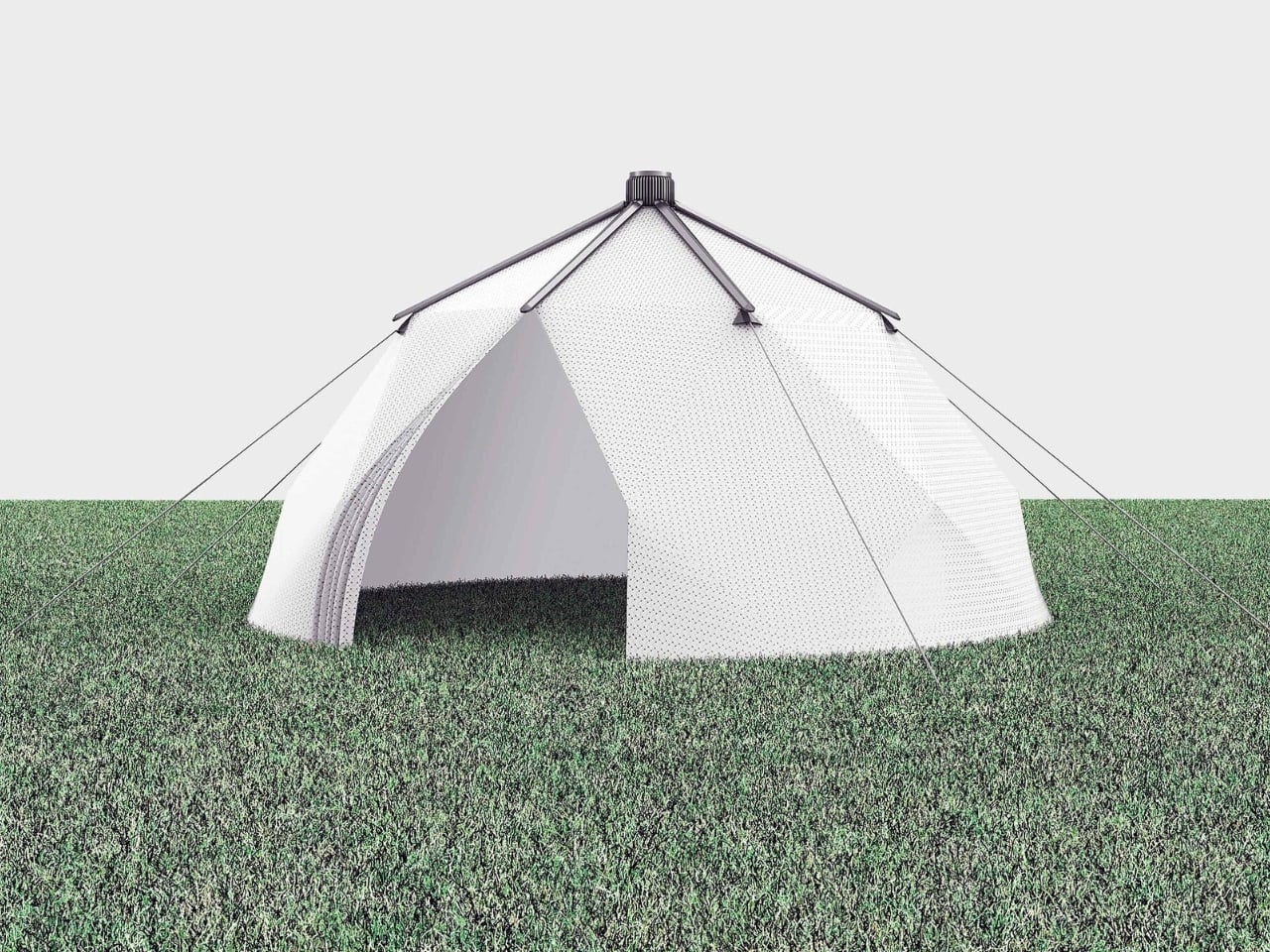
This revolutionary shelter transforms camping comfort through an ingenious integration of protection and power generation. The composite tarpaulin fabric serves dual purposes, providing weather protection while simultaneously harvesting solar energy to power an integrated cooling system. This isn’t simply a tent with an attached air conditioner; it’s a completely reimagined shelter where every material component contributes to both protection and comfort.

The concept addresses camping’s biggest pain point without compromising the off-grid experience. Traditional camping air conditioners often require bulky batteries, loud generators, or electrical hookups, which defeats the purpose of enjoying nature immersion. This solar-powered solution maintains ideal tent temperature while staying completely independent. Summer camping transforms from an endurance test into genuine relaxation, extending your outdoor season into previously unbearable months.

What we like

  • Eliminates the morning sauna effect that ruins summer camping.
  • Completely silent operation maintains a peaceful outdoor atmosphere.

What we dislike

  • Likely carries premium pricing for cutting-edge technology.
  • Effectiveness depends heavily on consistent exposure to sunlight.

2. EcoFlow Power Hat
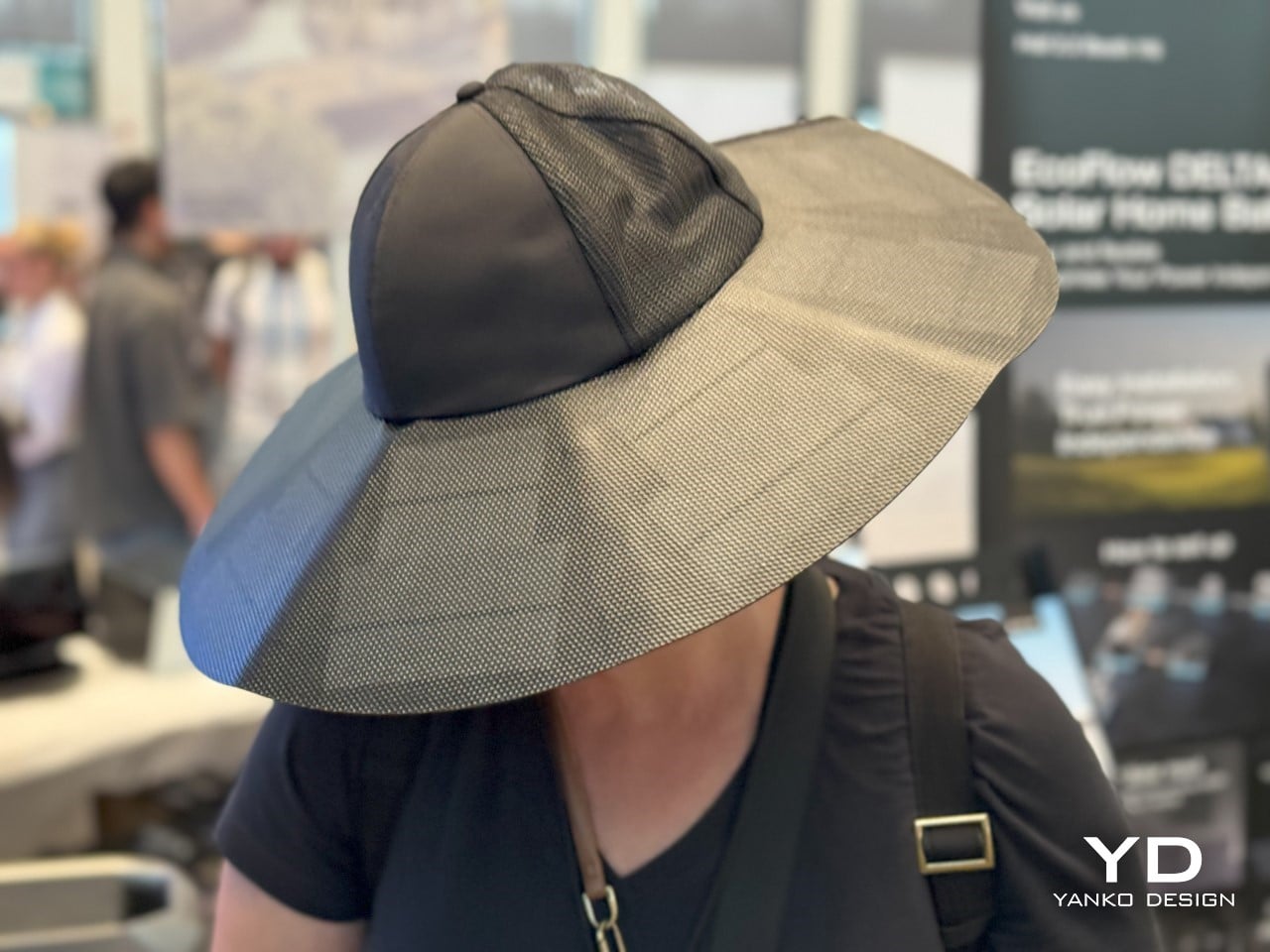
The Power Hat disguises serious functionality within everyday outdoor wear. Hidden within the wide brim sits a flexible solar panel that converts sunlight into usable power, feeding devices through a discreet USB-C port in the inner band. This wearable charging solution targets hikers, campers, and outdoor enthusiasts who find themselves disconnected when they need power most. The design philosophy prioritizes practicality over flashiness.

EcoFlow’s approach makes clean energy genuinely accessible through clever integration. You won’t power laptops or entire campsites, but smartphones and GPS units receive reliable backup power. The hat functions exactly as expected while secretly working as your personal power plant. For day hikers and casual campers, this represents the perfect balance between functionality and convenience, keeping essential communication devices alive.

What we like

  • Dual functionality as a sun protection and a charging station.
  • Completely hands-free operation during outdoor activities.

What we dislike

  • Limited charging capacity suitable only for small devices.
  • Requires consistent head-level sun exposure for optimal performance.

3. EO Canopy High-Tech Camping Platform
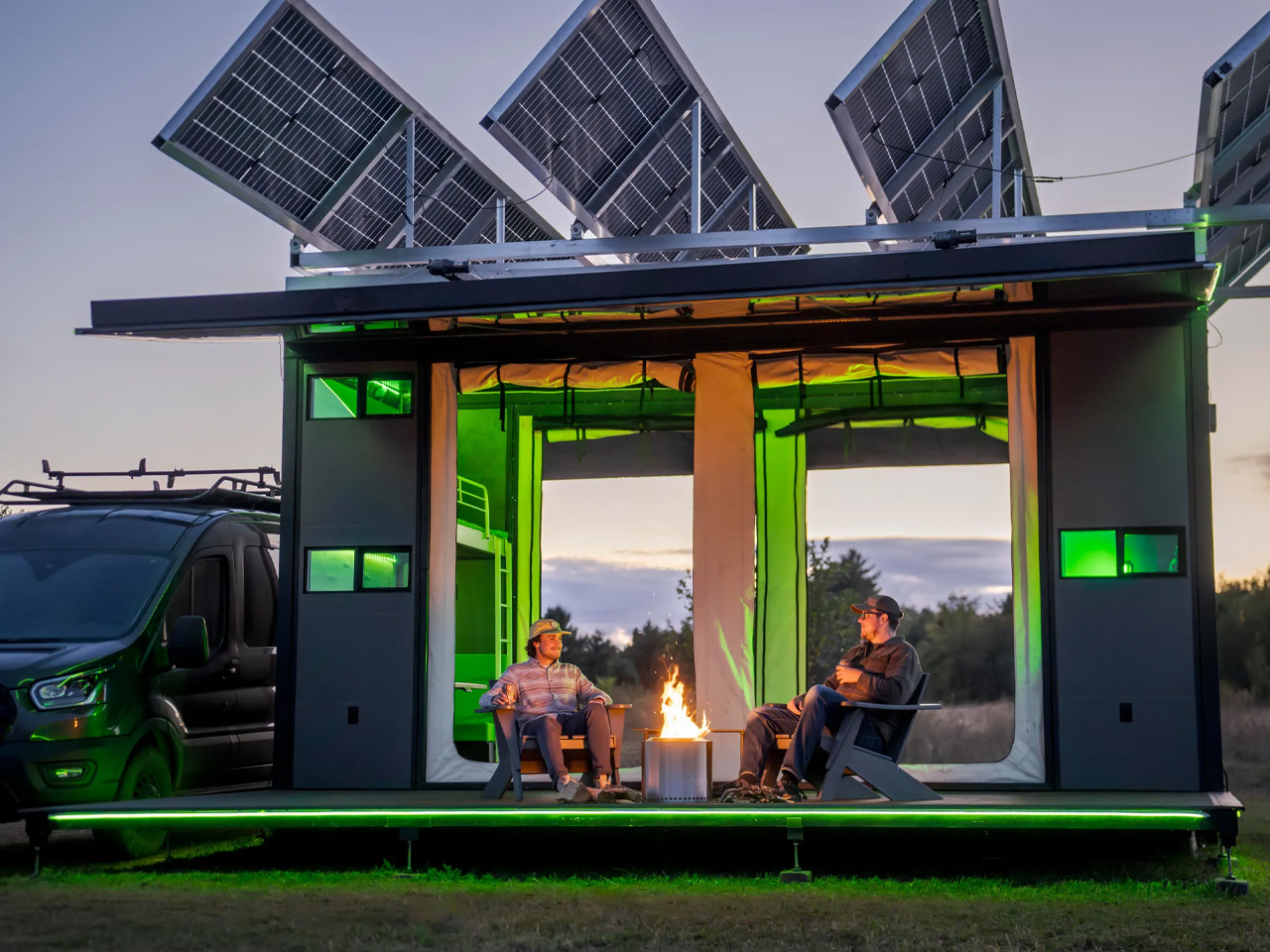
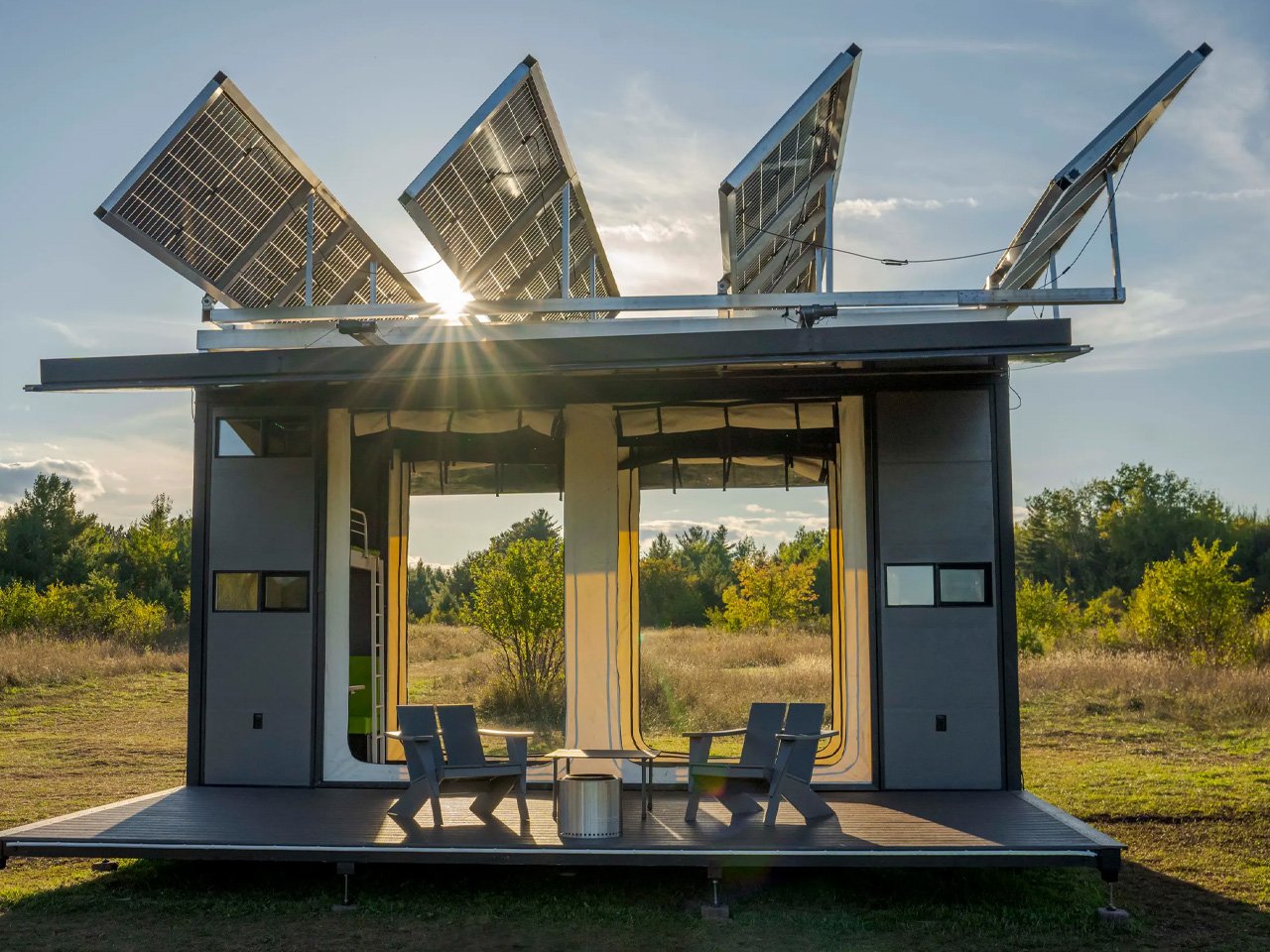
The EO Canopy redefines camping luxury through serious electrical engineering. This groundbreaking platform delivers genuine home comfort to remote locations, powered entirely by solar energy and massive battery storage. The 154-kWh sodium-ion battery pack pairs with a 6,600-watt solar-tracking roof system, generating 45-64 kWh daily. This setup produces enough power for two average American homes while maintaining complete off-grid independence.

Beyond impressive specifications, the EO Canopy includes practical features like onboard water generation and electric vehicle charging capabilities. The Level 2 charging station provides 150-mile range restoration for Tesla, Rivian, or similar vehicles. Air conditioning runs indefinitely thanks to the substantial battery bank, creating genuine comfort in any environment. This represents camping evolution for those unwilling to sacrifice modern conveniences for outdoor experiences.

What we dislike

  • Generates enough power to support luxury living indefinitely.
  • Includes electric vehicle charging for complete energy independence.

What we dislike

  • Massive size and weight limit mobility and spontaneous adventures.
  • Investment cost likely exceeds most camping budgets significantly.

4. Solar-Powered Glamping Accessories Collection
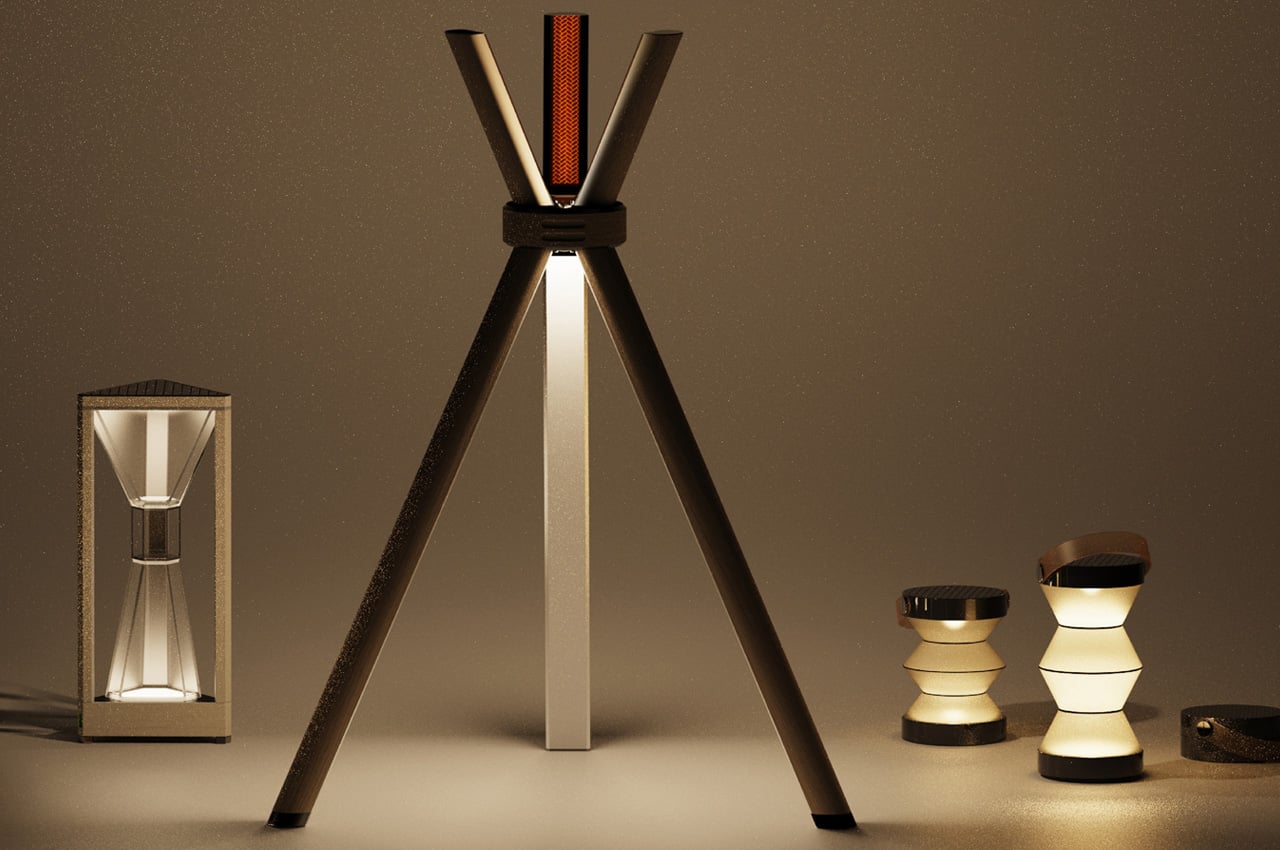
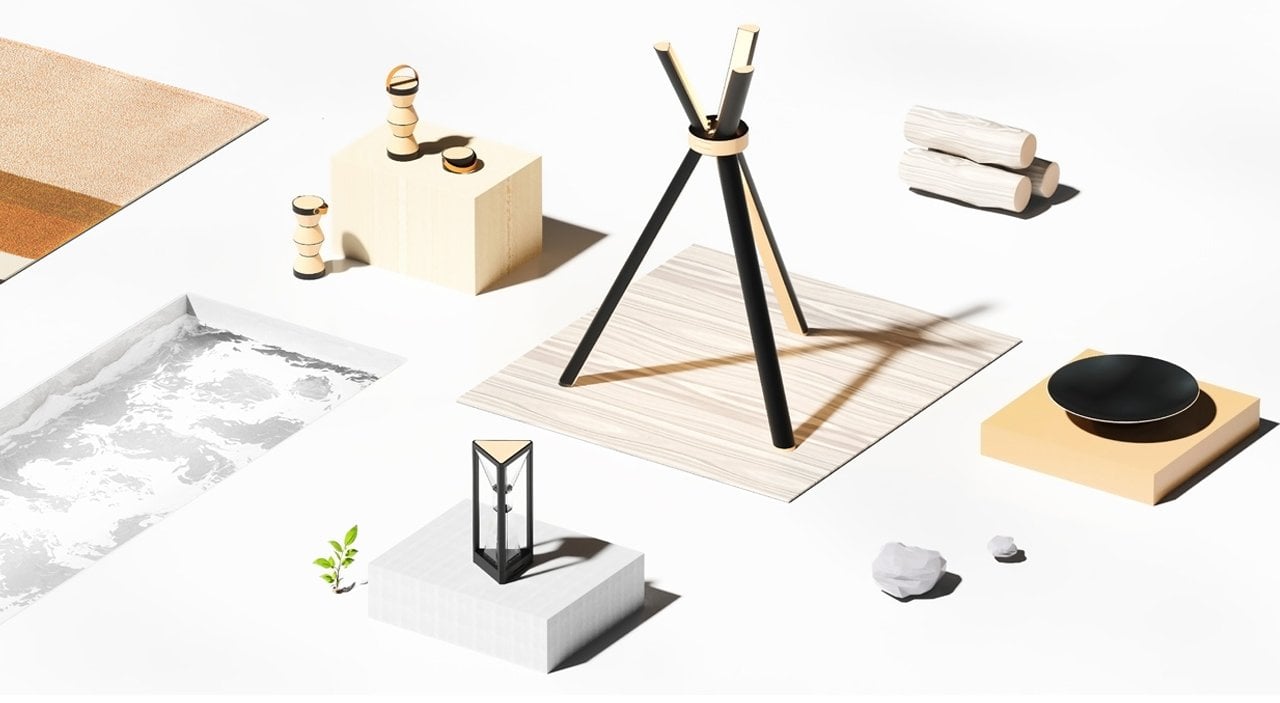
This comprehensive camping system prioritizes environmental consciousness without sacrificing style or functionality. The collection features independent solar-powered items designed for conscious travelers seeking wilderness experiences with minimal environmental impact. The standout smokeless camping fire pit combines portability with clean burning, while accompanying accessories include coffee brewers, elegant tableware, and ambient hanging lights. Every component charges during daylight hours and performs throughout evening activities.

The glamping accessories elevate outdoor dining and relaxation through thoughtful solar integration. Everything from the tripod-style fire pit to the drip coffee brewer operates on clean energy, creating sophisticated outdoor experiences. The hanging pendant lights provide warm illumination while maintaining zero environmental impact. This system proves that sustainable camping gear can enhance rather than limit outdoor luxury, appealing to environmentally conscious adventurers seeking refined wilderness experiences.

What we like

  • A complete ecosystem approach eliminates multiple charging concerns.
  • Sophisticated design elevates camping aesthetics significantly.

What we dislike

  • Multiple components create complex packing and setup requirements.
  • Higher price point compared to traditional camping accessories.

5. Solarpill

The Solarpill delivers maximum versatility within a pendant-sized solar lighting device. The white half features threading holes for rope attachment, creating instant keychain or necklace functionality. This cap removes to reveal a needle-like stake for embedding into trees, soft rocks, or other surfaces along hiking paths. The dual-purpose design provides hands-free lighting exactly where needed, from rope cutting to personal relief breaks in remote locations.

This adaptable lighting solution serves everyone from casual hikers to professional search-and-rescue teams. The ability to attach to any surface becomes invaluable during night travel through remote areas. Beyond camping applications, the Solarpill earns permanent placement in emergency preparedness kits. Its compact size and reliable solar charging make it an essential gear for anyone venturing into areas where reliable lighting could mean safety or danger.

What we like

  • Incredibly compact size fits anywhere without a weight penalty.
  • Versatile mounting options adapt to any outdoor situation.

What we dislike

  • Limited light output suitable only for close-range tasks.
  • A small solar panel requires an extended charging time.

6. GoSun Flow

The GoSun Flow addresses camping’s most critical need through backpack-friendly solar engineering. This compact system uses solar energy to eliminate 99.99% of waterborne pathogens while pumping one liter of clean water per minute. Beyond basic purification, it transforms into a portable handwashing station and hot shower system. The luxury of properly heated shower water becomes accessible anywhere, eliminating the dreaded cold water body plunges that define traditional camping hygiene.

The operation couldn’t be simpler for such sophisticated technology. Place the intake hose into any freshwater source, plug in the pump, and automatic filtration begins immediately. The Flex Faucet’s integrated clamp opens over two and a quarter inches, attaching to branches, tables, tailgates, or fences. The flexible head twists and points water precisely where needed. This system revolutionizes camping hygiene while maintaining complete energy independence through solar power.

What we like

  • Provides hot shower capability anywhere with water access.
  • Rapid one-liter-per-minute clean water production.

What we dislike

  • Cannot process saltwater, limiting coastal camping utility.
  • Multiple components increase potential failure points.

7. BLUETTI Handsfree 2 Solar Generator Backpack
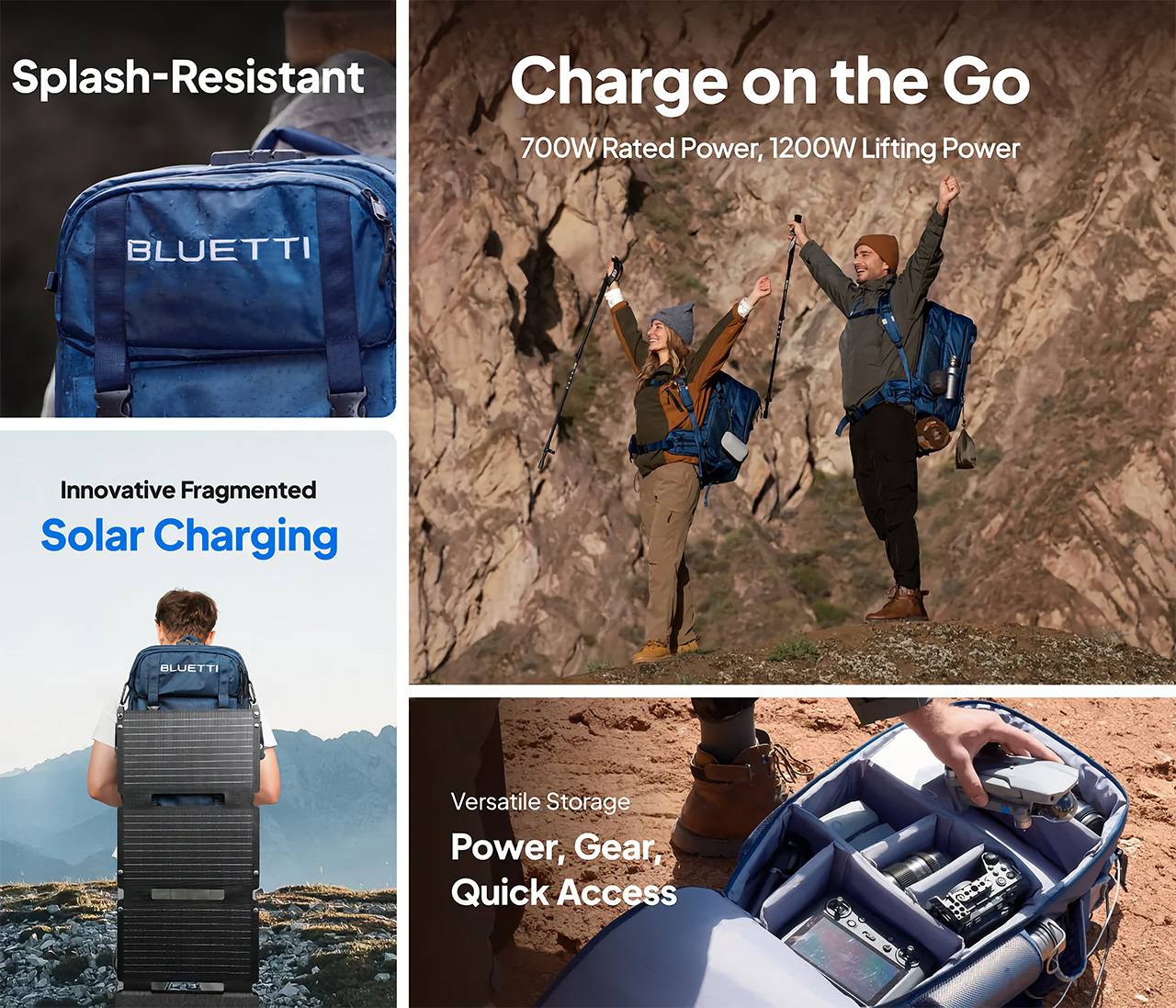
BLUETTI’s Handsfree 2 combines serious power generation with rugged outdoor functionality. This 60-liter backpack integrates a 512Wh power station and 700W inverter, maintaining device power for extended backcountry adventures. The built-in system eliminates the juggling act between navigation, power management, and gear transport. Drones capture aerial footage, GPS systems guide through unfamiliar terrain, and cameras document stunning landscapes without battery anxiety limiting creative possibilities.

The integration philosophy targets serious outdoor photographers and adventurers requiring reliable power. Memory cards fill with breathtaking landscapes while batteries remain topped off through continuous solar charging. Laptops stay operational for editing and backup tasks, extending creative possibilities far beyond traditional camping limitations. The 60-liter capacity accommodates extended expedition gear while the power station handles every electronic requirement. This represents the ultimate solution for tech-dependent outdoor professionals.

What we like

  • High-capacity 512Wh power station handles serious electronic demands.
  • Integrated design eliminates separate power station transport.

What we dislike

  • Significant weight addition affects hiking comfort and endurance.
  • Premium pricing reflects advanced integration technology.

The Solar Revolution

These seven innovations prove solar camping gear has matured beyond novelty items into serious outdoor equipment. Each addresses genuine pain points while maintaining the independence that defines great outdoor experiences. From basic lighting to luxury climate control, solar technology now powers every aspect of camping comfort.

The transformation reflects broader outdoor industry evolution toward sustainable solutions that enhance rather than limit adventures. Whether you’re seeking basic device charging or complete off-grid luxury, solar power delivers reliable performance without environmental compromise. These designs represent the future of outdoor recreation, where technology serves adventure without sacrificing our connection to nature.

The post Top 7 Solar-Powered Camping Gear That Actually Work in 2025 first appeared on Yanko Design.
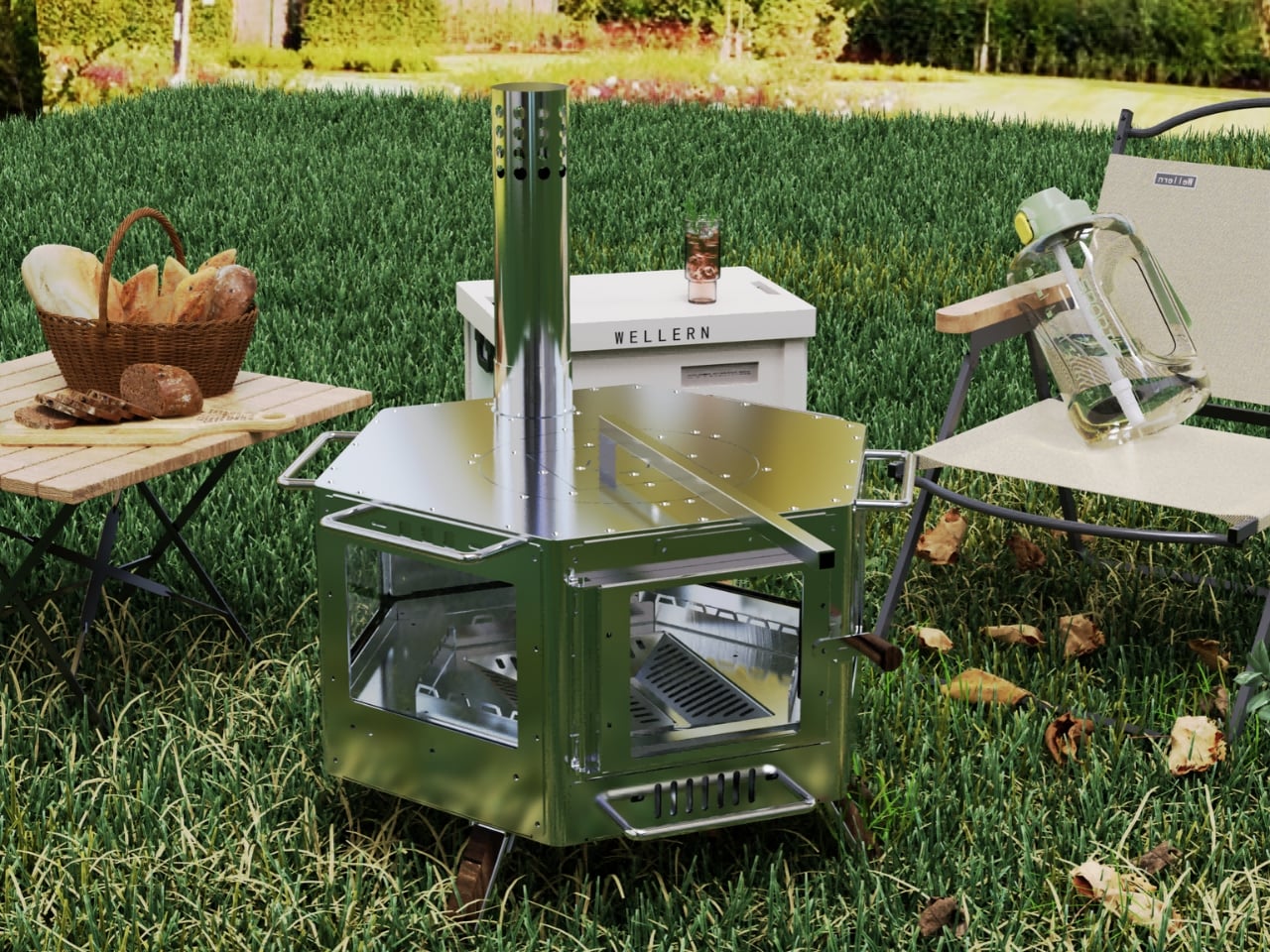
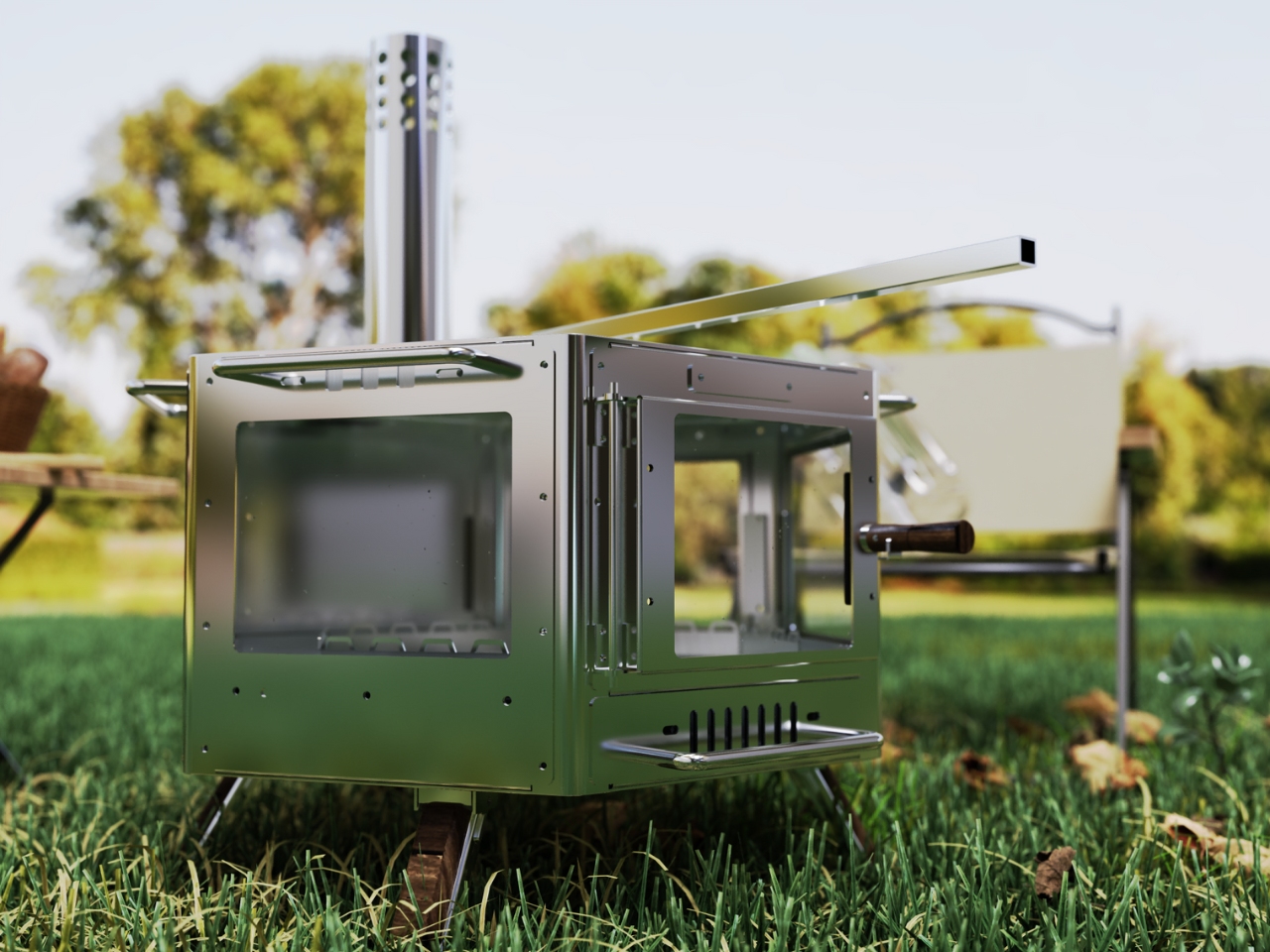
This Stove Just Reinvented Firewood With Stainless Steel

There’s something primal about gathering around a fire. That crackling warmth, the dancing flames, the way it becomes the centerpiece of any gathering. But traditional firewood stoves? They’re often heavy, inefficient, and leave a pretty hefty carbon footprint. Designer Chen Jun looked at this ancient cooking method and asked a simple question: what if we could make it better for the 21st century?

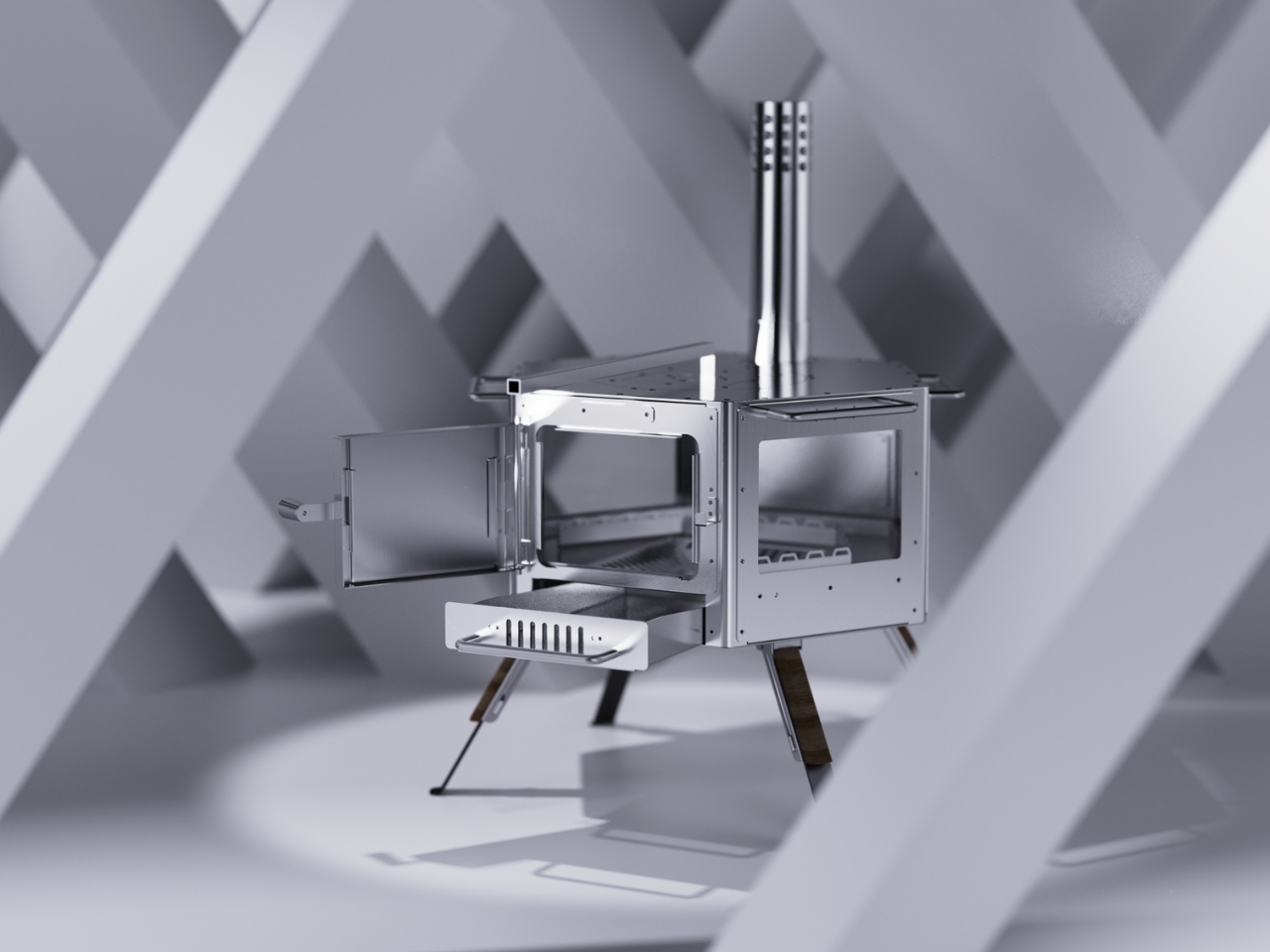
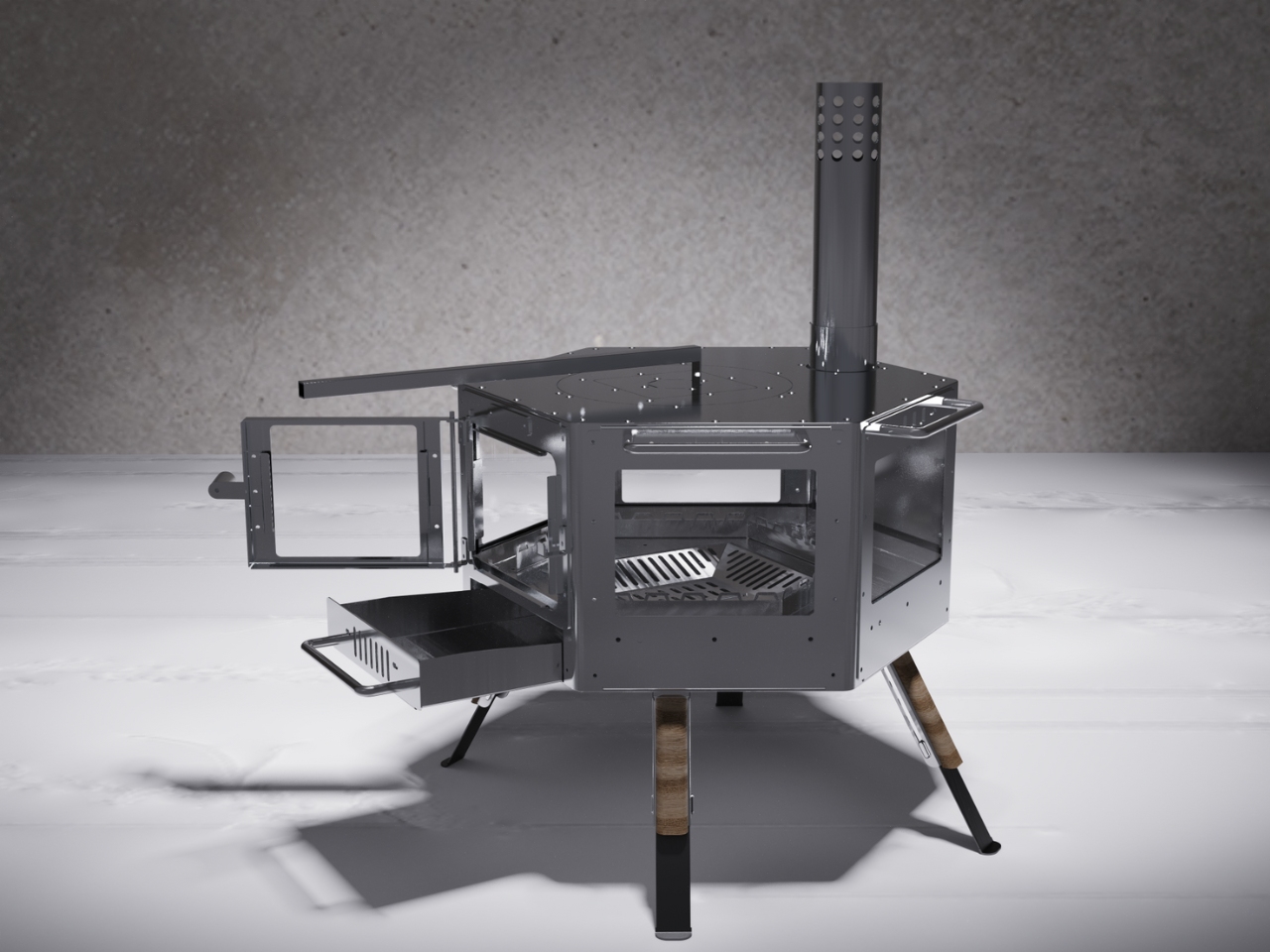
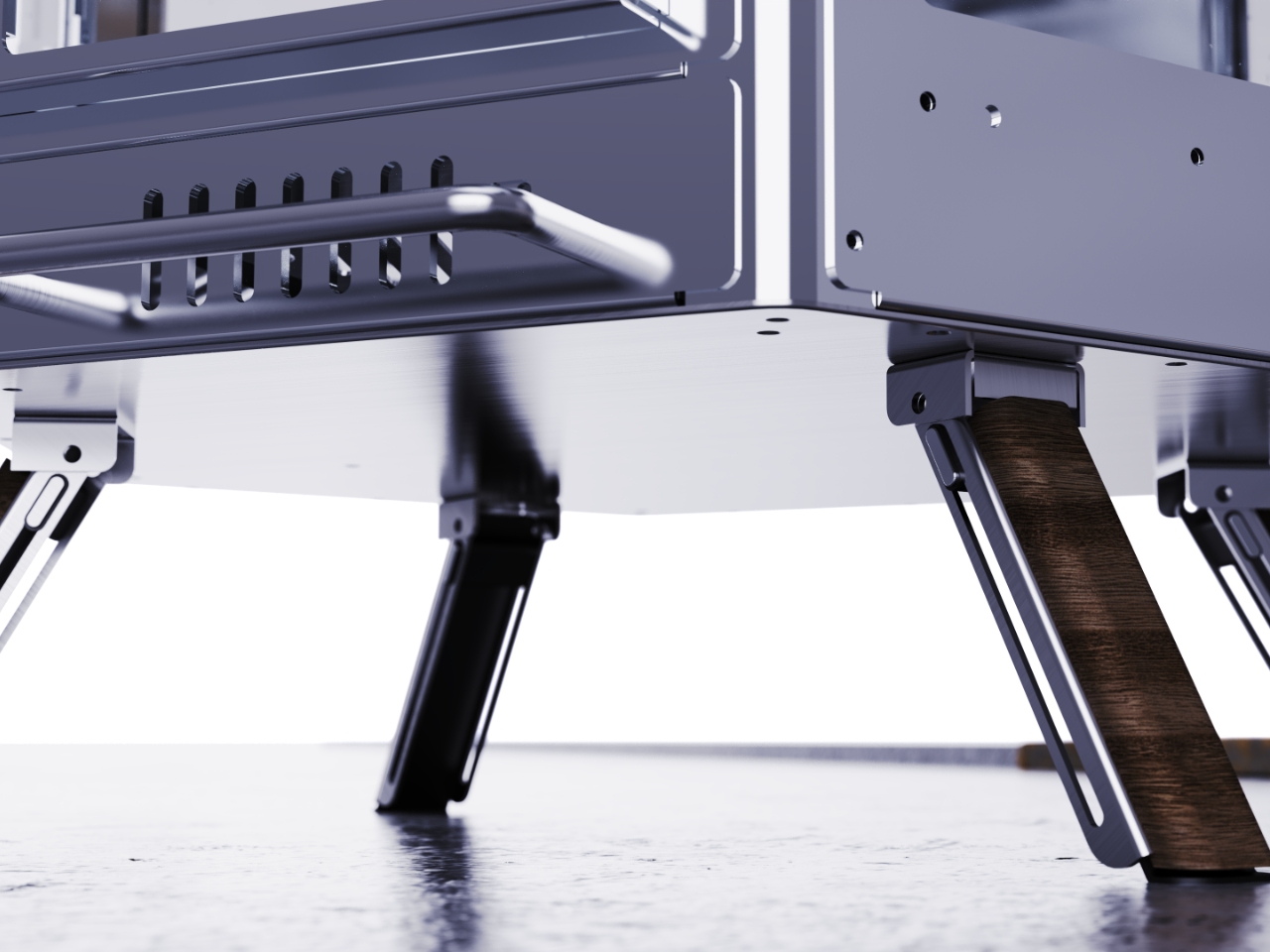
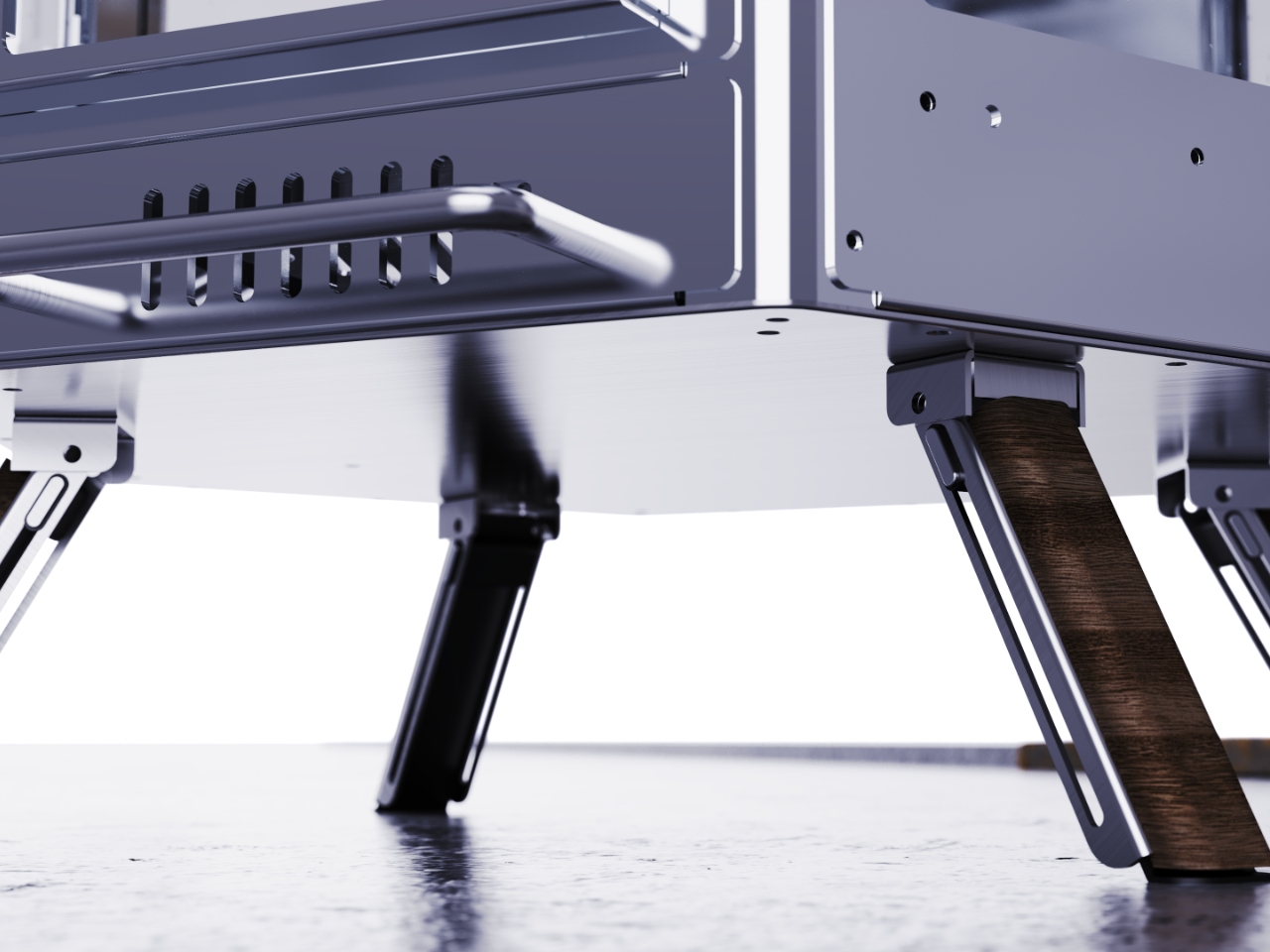
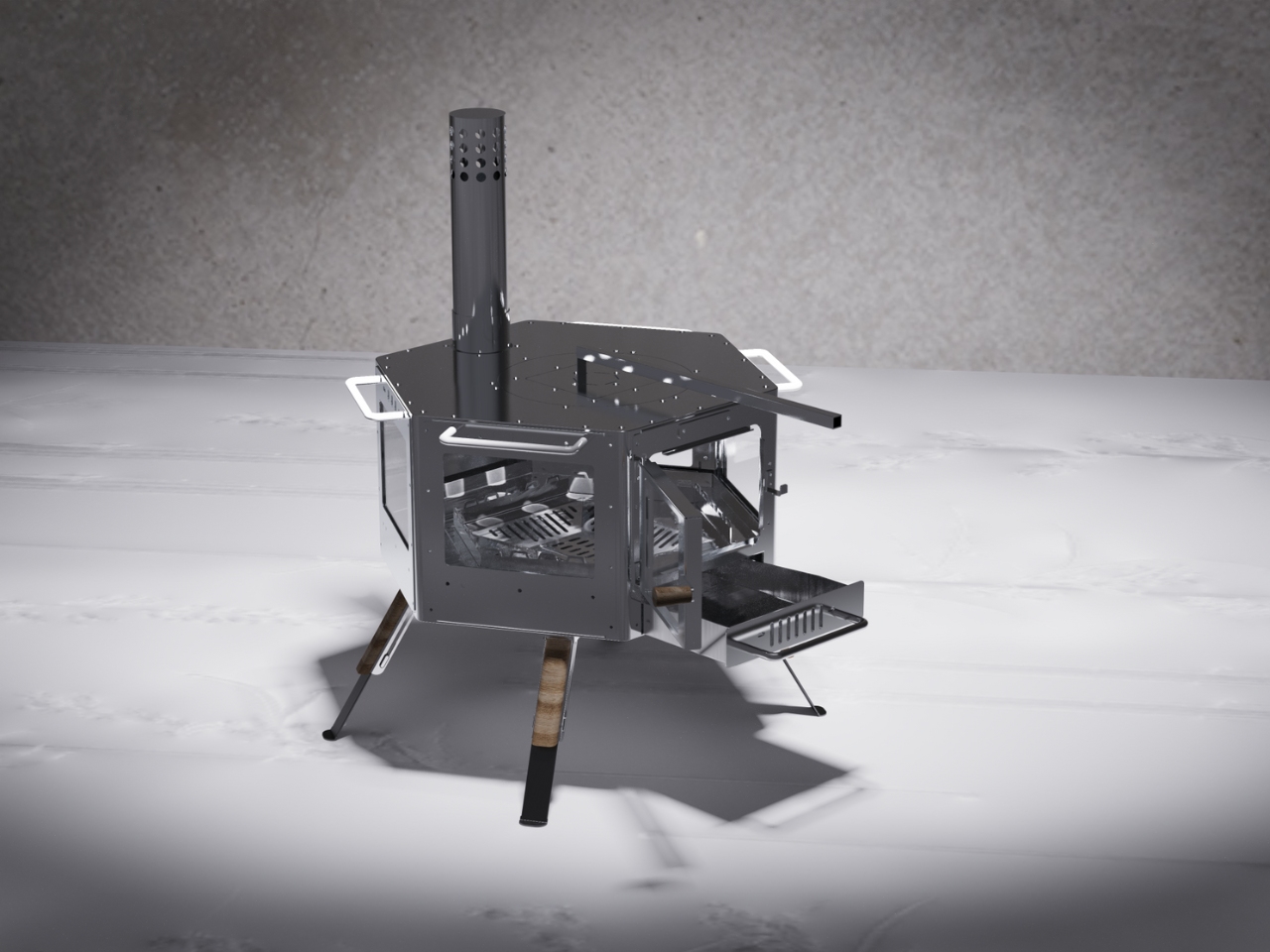
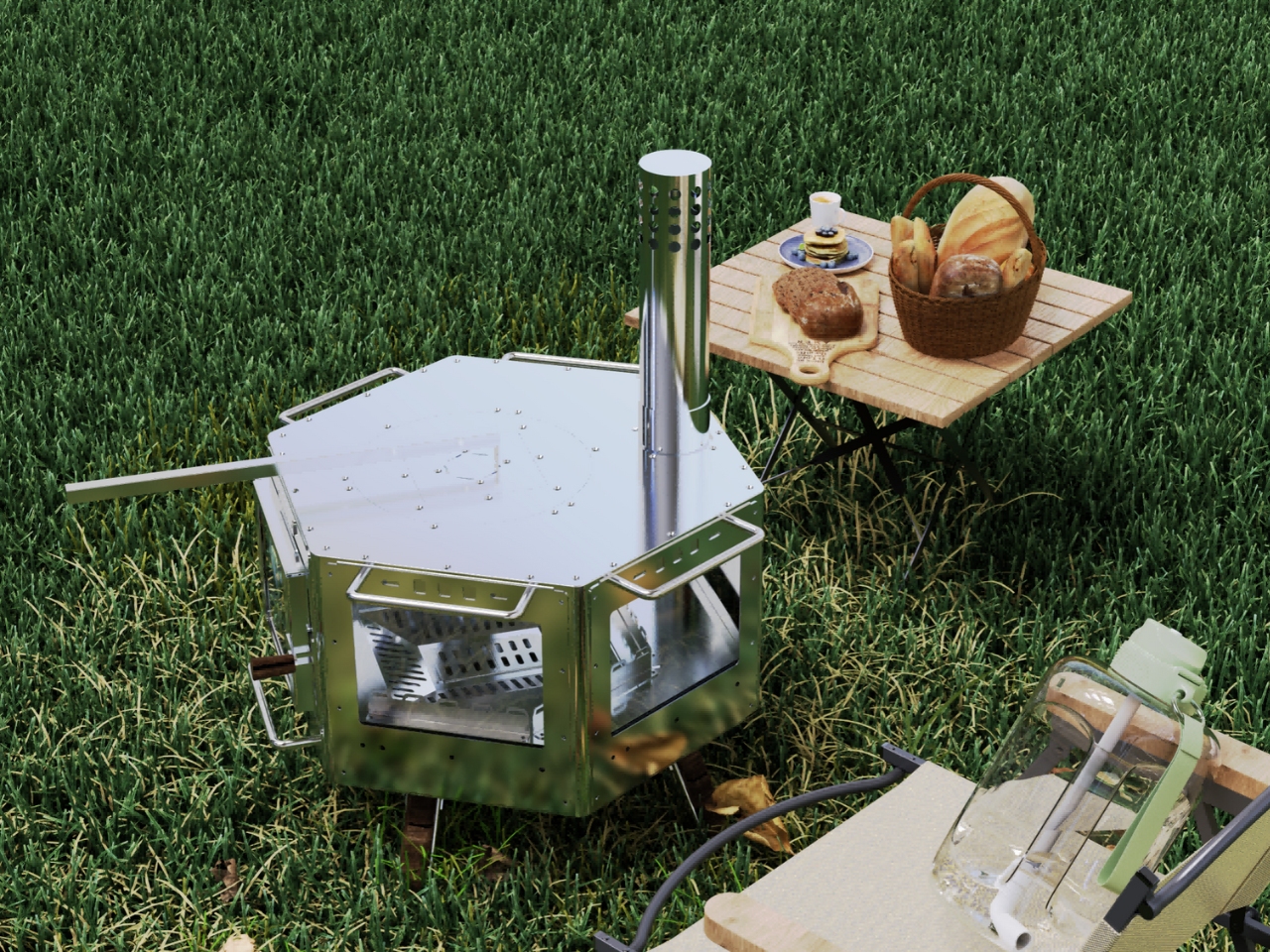
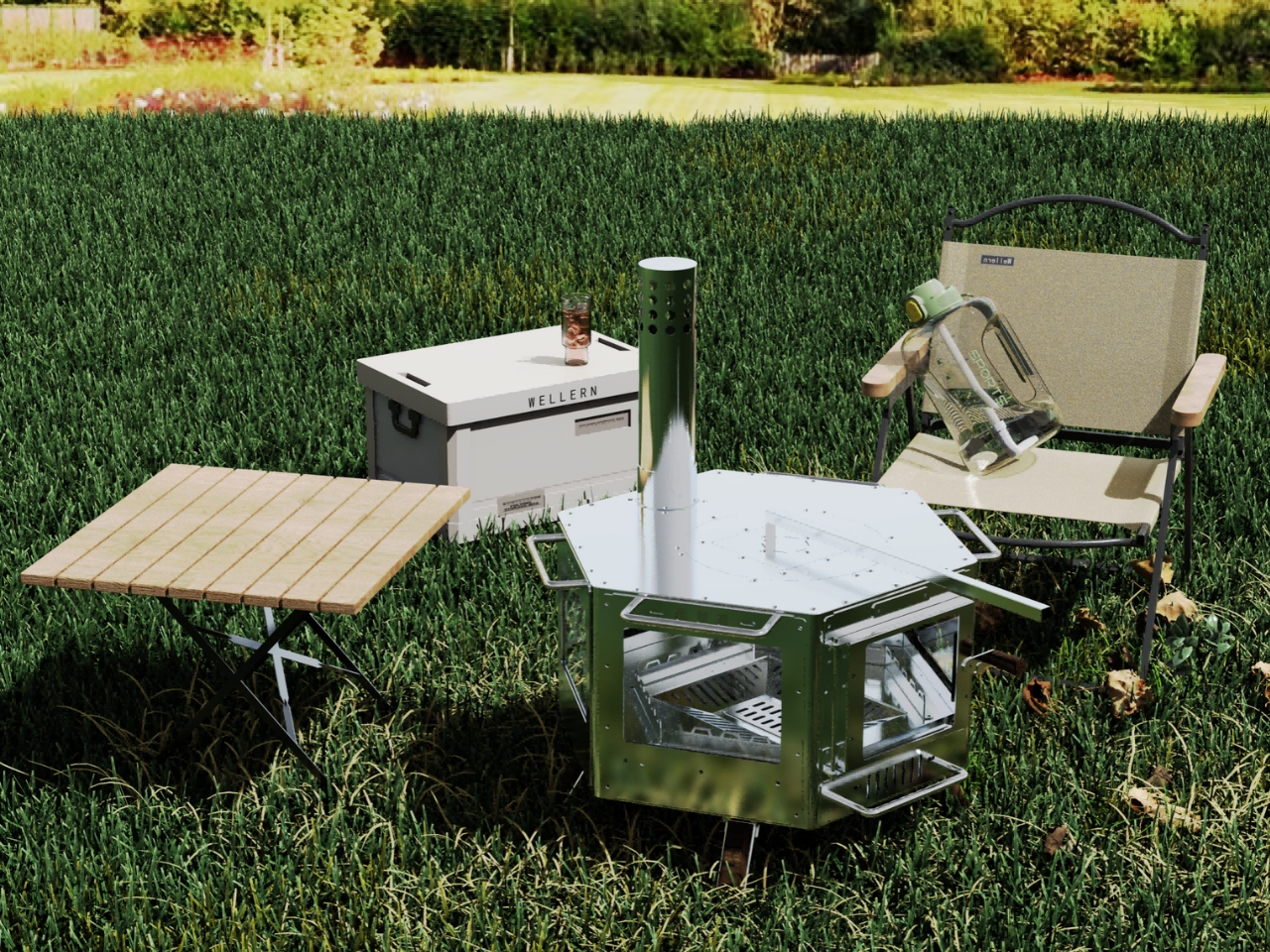
Chen Jun’s stainless steel firewood stove isn’t just another pretty appliance trying to look good in your Instagram feed. This is serious engineering wrapped in sleek design, tackling real problems that have plagued wood-burning stoves for generations. The secret? A sophisticated modular system that completely rethinks how we approach portable heating and cooking.

Designer: Chen Jun

Here’s what makes it clever: the entire stove can be disassembled and reassembled without needing a PhD in engineering. If you’ve ever wrestled with flat-pack furniture and won, you can handle this. That modularity isn’t just about convenience (though being able to pack up your stove is pretty convenient). It’s about creating something that can adapt to different situations, different users, and different needs.

The combustion system is where things get really interesting. We’ve all stood next to a smoky campfire or dealt with a stove that seems to eat through wood like there’s no tomorrow. Chen Jun’s design tackles both issues head-on with an internal structure that’s been optimized for maximum efficiency. The combustion is so clean that emissions come in significantly lower than national standards. That’s not just meeting the bar, that’s clearing it with room to spare.

But efficiency means nothing if the thing only works in perfect conditions with perfect fuel. That’s why the stove is designed to handle multiple fuel types. Got hardwood? Great. Only softwood available? Also fine. This flexibility makes it genuinely useful across different environments, from backcountry camping to rural homesteads where fuel options might be limited.

Now here’s where it gets really smart: Chen Jun created two distinct versions for two very different use cases. The rural version comes equipped with a waste heat recovery system. Think about how much heat typically just disappears into thin air with traditional stoves. This system captures that energy and puts it to work, maximizing every bit of fuel you burn. For households relying on wood heat regularly, that efficiency translates to real savings over time.

The outdoor version takes a different approach, focusing on portability. It features a foldable design that shrinks the stove down to a fraction of its operating size. Anyone who’s ever tried to pack for a camping trip knows the tetris game of fitting everything into limited space. A stove that folds down? That’s the kind of practical innovation that outdoor enthusiasts will actually use.

Maintenance has always been the Achilles heel of durable goods. Something breaks, and suddenly you’re looking at expensive repairs or just replacing the whole unit. Chen Jun addressed this with quick-release core components. The parts that typically wear out or need cleaning can be accessed and replaced without dismantling the entire stove. It’s the difference between a product that lasts five years and one that lasts fifteen.

The choice of stainless steel isn’t just aesthetic (though it does look fantastic). Stainless steel is recyclable, durable, and doesn’t require protective coatings that might off-gas when heated. It’s a material choice that aligns with the stove’s broader environmental goals while delivering the structural integrity needed for something that will face repeated heating and cooling cycles. What really stands out is how this design bridges two worlds. It’s sophisticated enough for the design-conscious crowd who want their gear to look good, but practical enough for people who genuinely need reliable heating and cooking solutions. That’s a tough balance to strike, and most products lean heavily toward one side or the other.

For anyone interested in sustainable living, outdoor adventures, or simply well-designed products that solve real problems, this stove represents something important. It’s proof that traditional doesn’t have to mean outdated, and that innovation isn’t always about adding more complexity. Sometimes it’s about taking something fundamental, something humans have relied on for millennia, and making it work better for how we live today.

The post This Stove Just Reinvented Firewood With Stainless Steel first appeared on Yanko Design.
Stanley’s Pour Over Kit Might Be the Last Coffee Brewer You’ll Ever Need to Buy

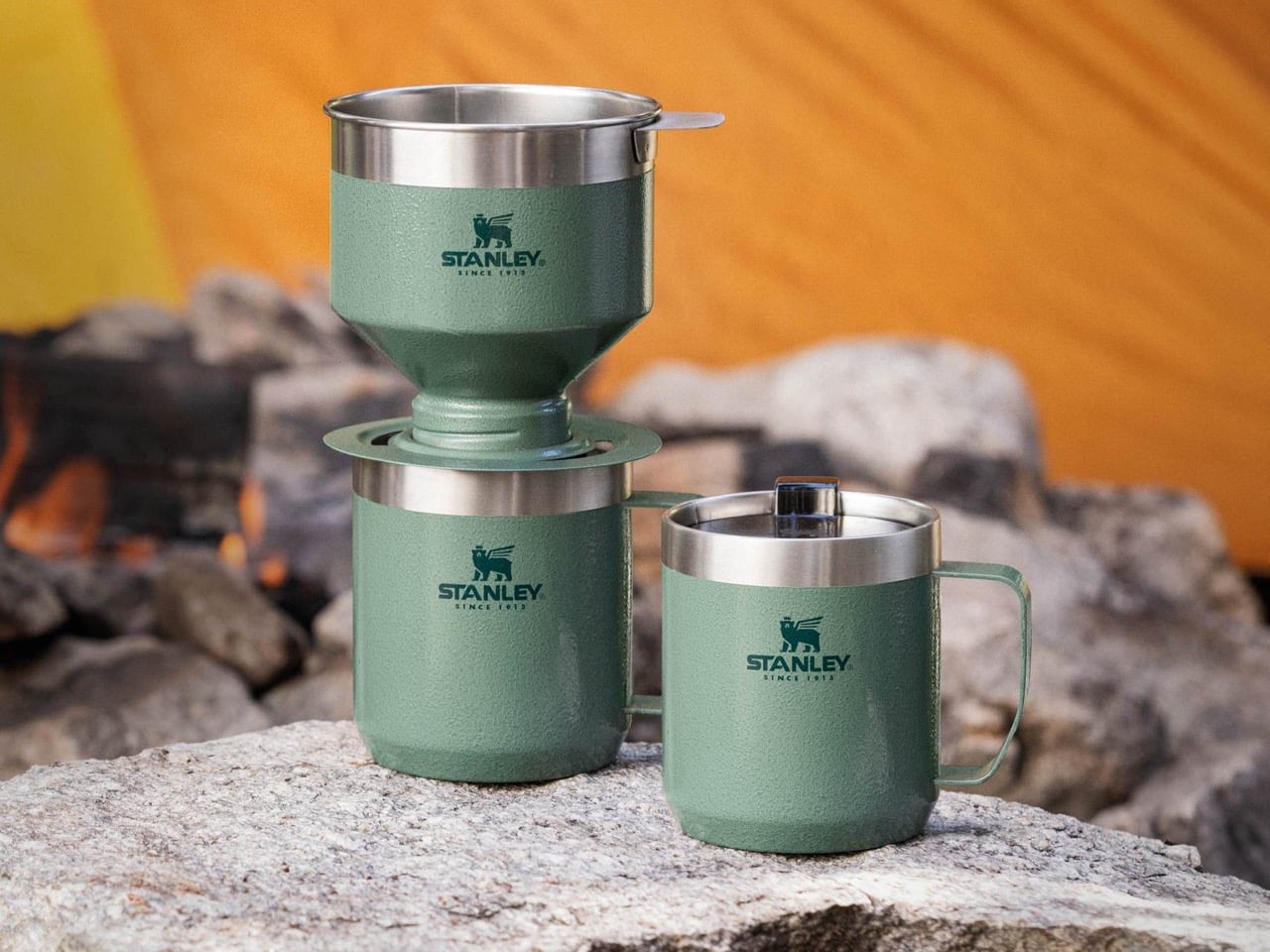
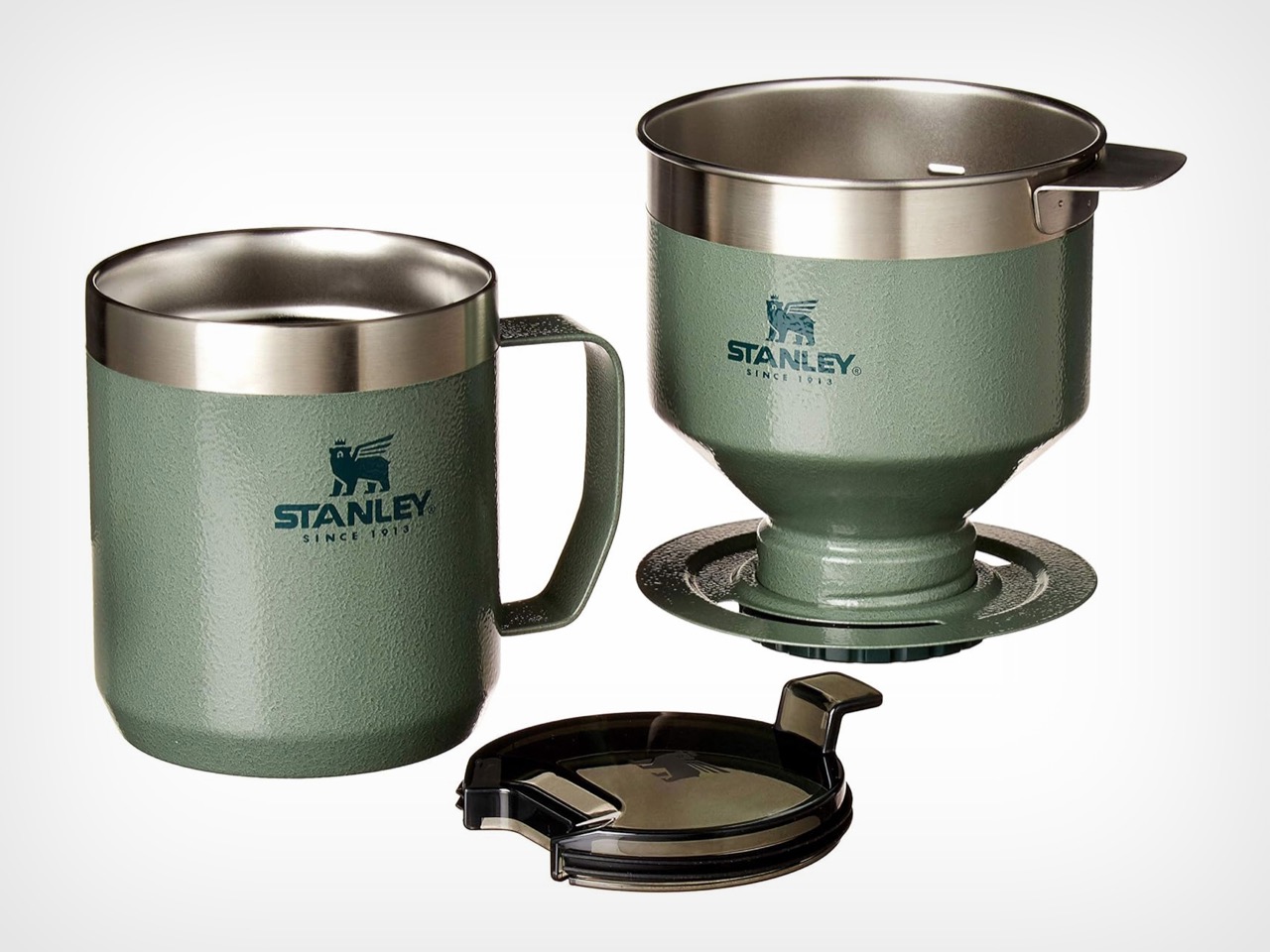
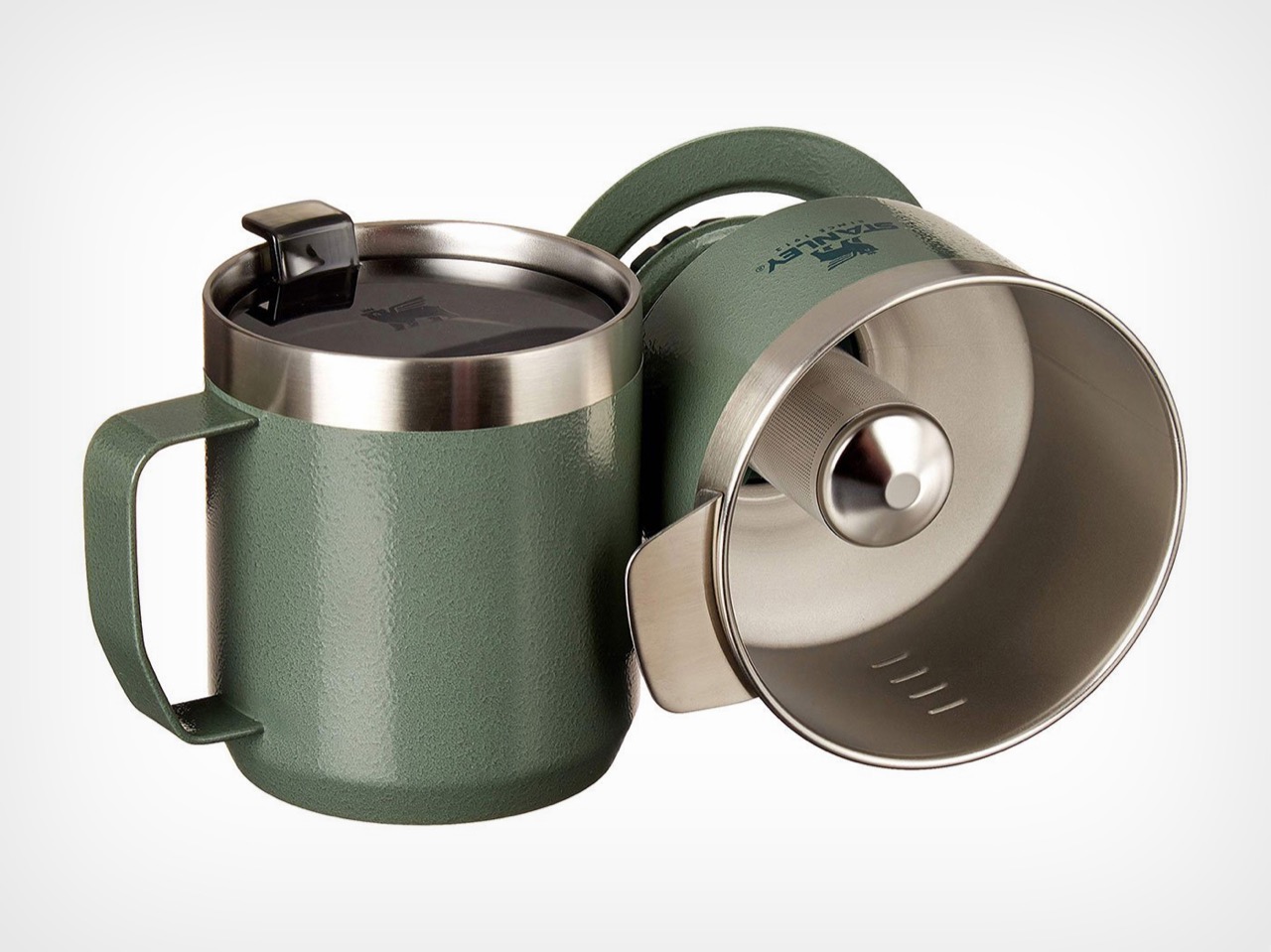
The brand famous for its tumblers (and how incredibly durable they are) is looking to upend the coffee industry too. Stanley’s ‘Perfect Pour Over Brew Set’ is the company’s take on pour-overs, redesigning them in a way that’s simple, robust, and reusable. The set features a pour-over top (with a metal filter) and and a Stanley cup for its base. No coffee filters, no disposable liners. Every inch of this brew set is designed for travel, durability, and sustainability.

The Perfect Pour Over Brew Set’s design feels unmistakably ‘Stanley’. The simple metal outer construction, with powder-coated color-ways. The Stanley logo front and center, and a 2-part design that’s simple yet ruthlessly effective, whether you’re brewing a cuppa in your kitchen or the great outdoors. I guess the Perfect moniker suits it, no?

Designer: Stanley

Click Here to Buy Now

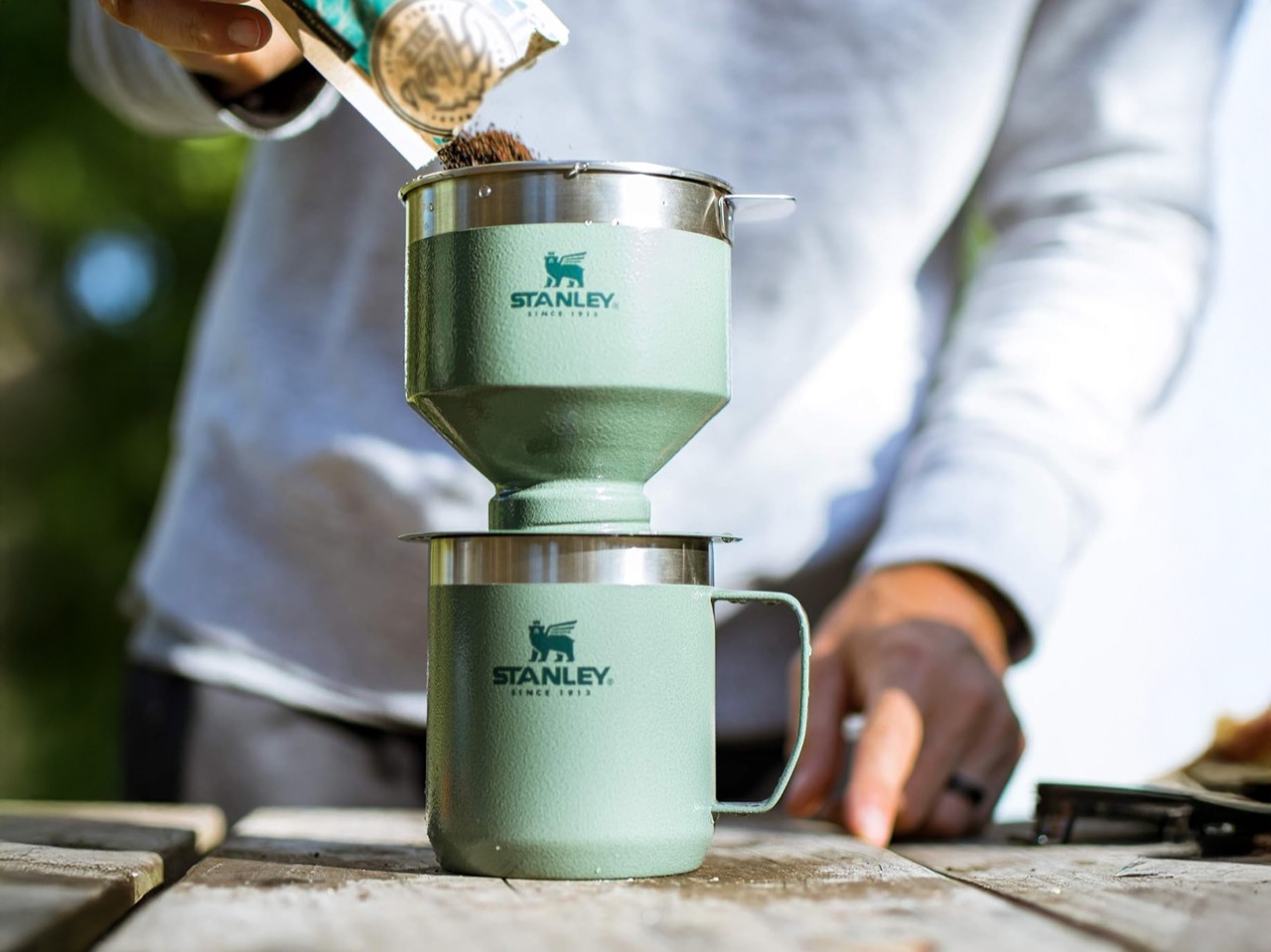
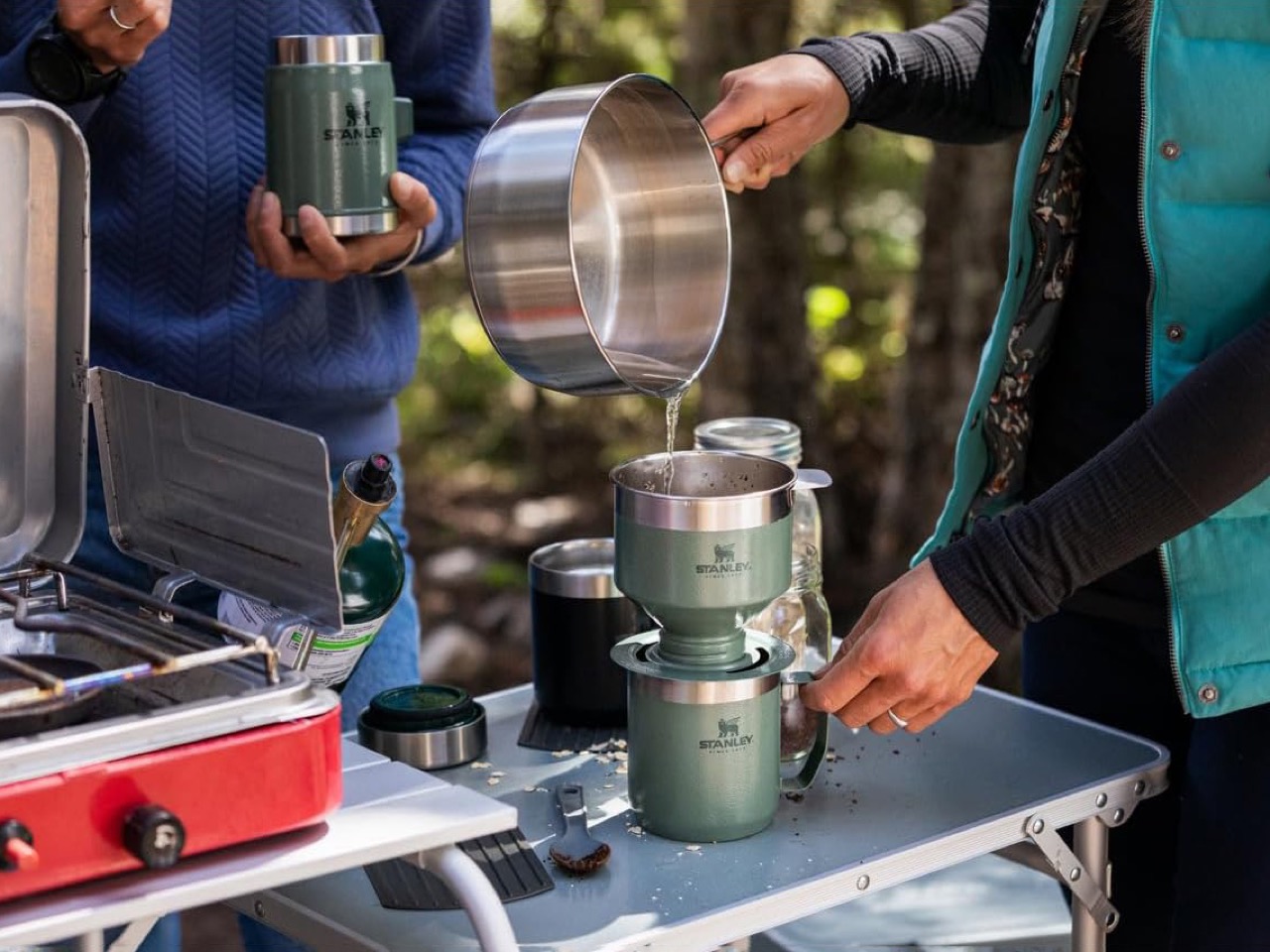
The pour-over set is capable of brewing anywhere from your standard 8oz cup, to a whopping 1.4 quart (44.8 oz) bottle. Its wide top holds enough grounds to make a large batch for an entire family or your average caffeine-addict. You don’t need anything more than what the Perfect presents you with. No scales, no fancy kettle to pour water, not even a coffee filter. The Perfect’s upper element features a 2-part design, with a lower half that unscrews to reveal a fine perforated mesh filter. This reduces waste but also ensures cleaning remains a breeze… but as far as pouring goes, all you do is load the top over your Stanley mug (it even fits the larger Stanley bottles), add the grounds, and pour hot water up until the line marked on the inside.

Once you’ve poured out the hot water, the process takes anywhere in the 5-10 minute range depending on how much coffee you’re making. A single cup doesn’t take long, and once the water’s percolated, your cup of coffee is ready to enjoy – either immediately, or on the go, thanks to a sipper lid that comes with the brew set, designed for the mug. Cleaning the upper portion out is simple. Just suspend it over a waste bin and tap vigorously against the sides to make the grounds fall out. Then, just rinse with water and your brew set is ready for round 2.

Just like their tumblers, this one is built to survive pretty much anything. Whether it’s your standard LA girlie brewing coffee in her boutique apartment’s kitchen, or the average outdoor lover taking this to the campsite for a cup of joe, the Perfect Pour Over Brew Set travels really well, and its color palette lends itself perfectly to the outdoor landscape, your tailgating setup, or even that KitchenAid mixer or Smeg fridge adding vibrant life to your kitchen!

Click Here to Buy Now

The post Stanley’s Pour Over Kit Might Be the Last Coffee Brewer You’ll Ever Need to Buy first appeared on Yanko Design.
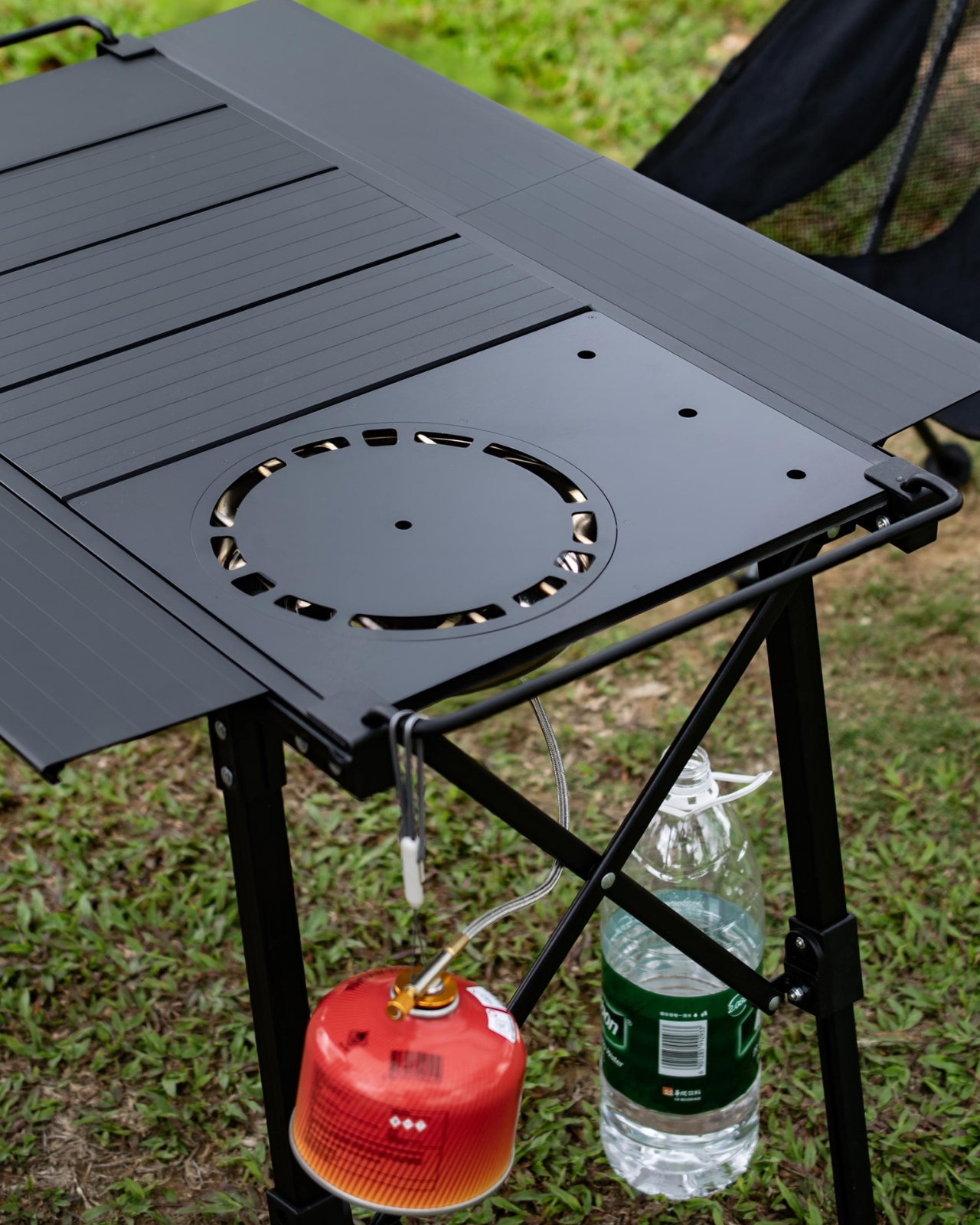
The Invisible Kitchen Revolution: IGT Phantom Stove

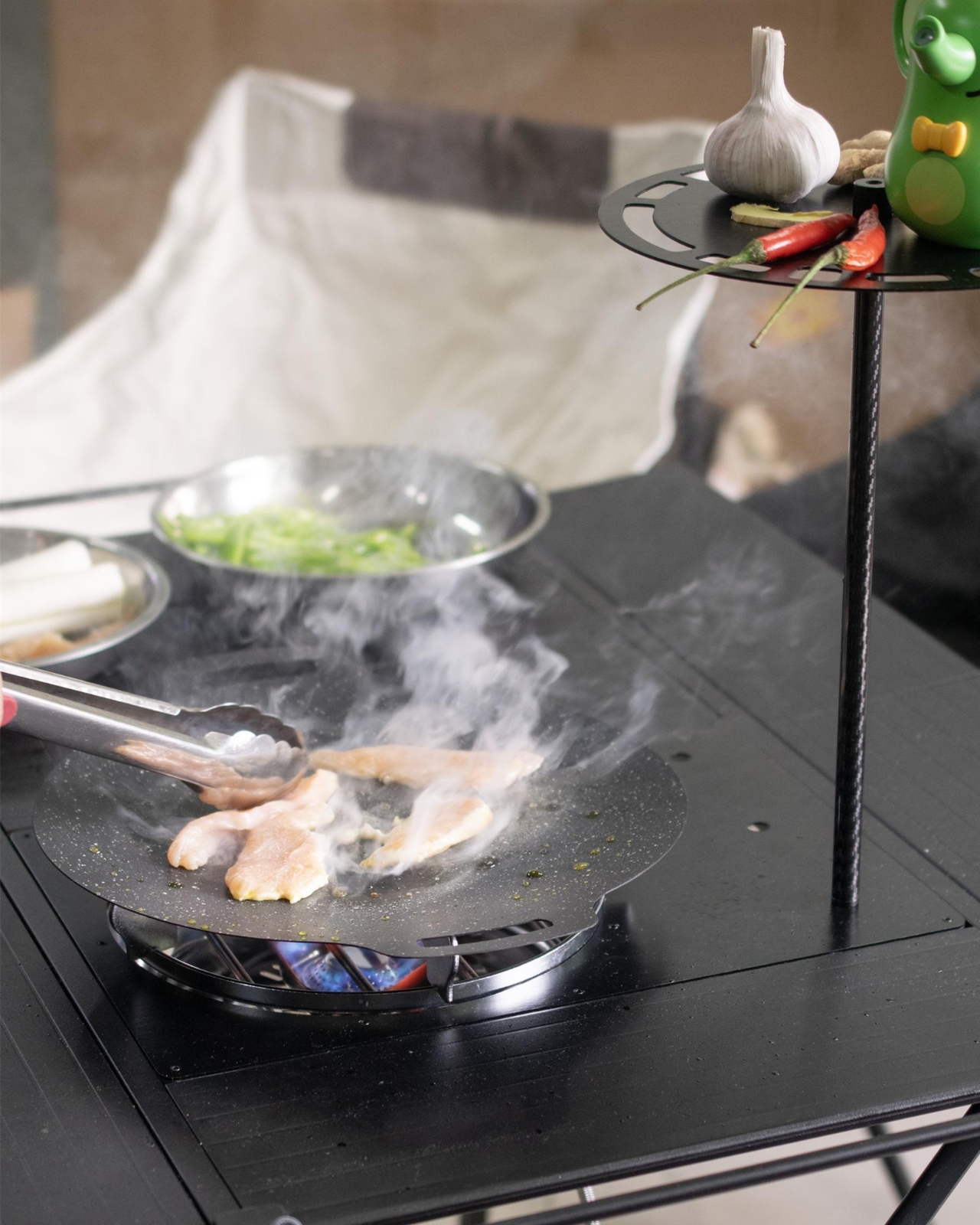
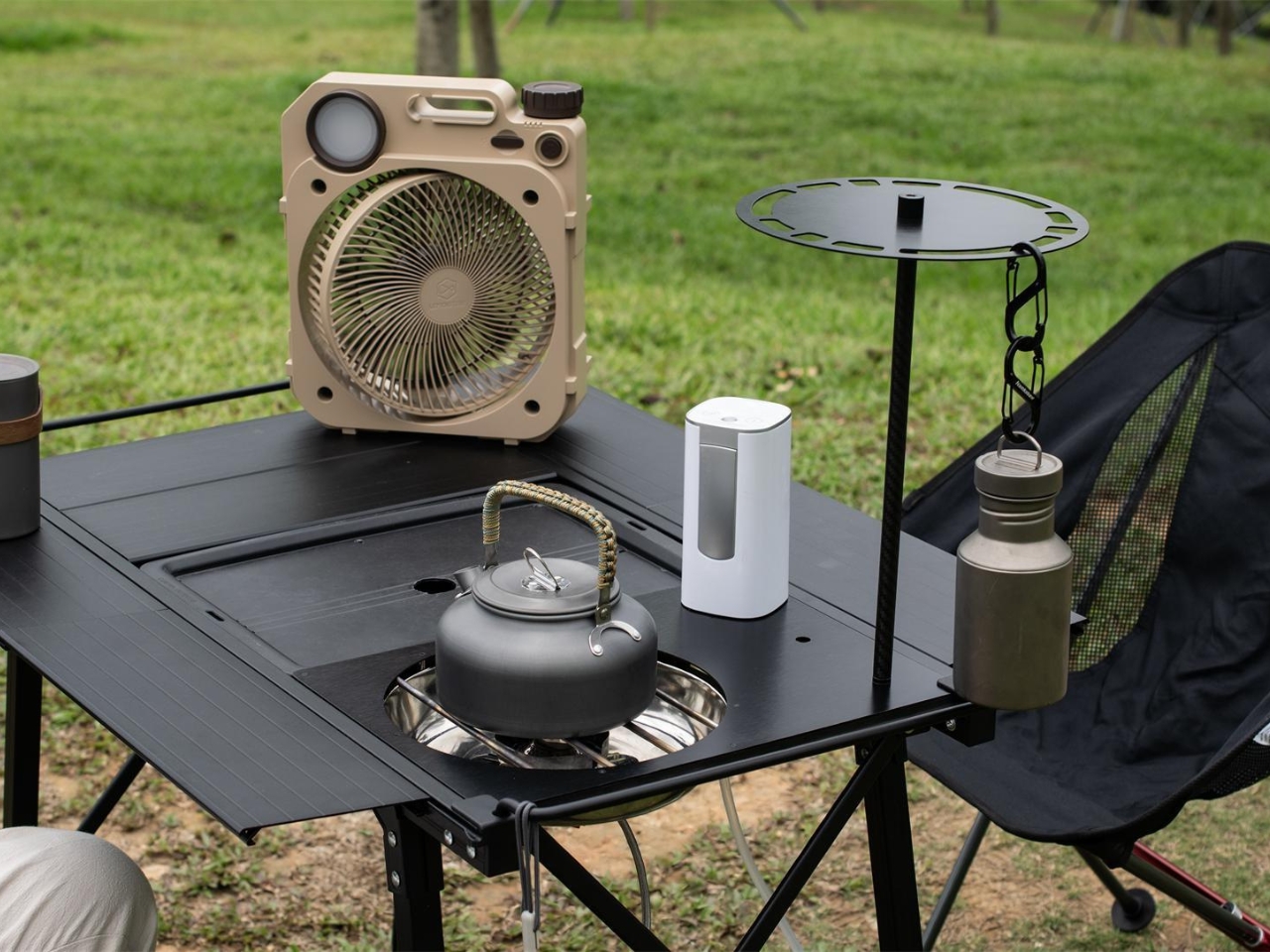
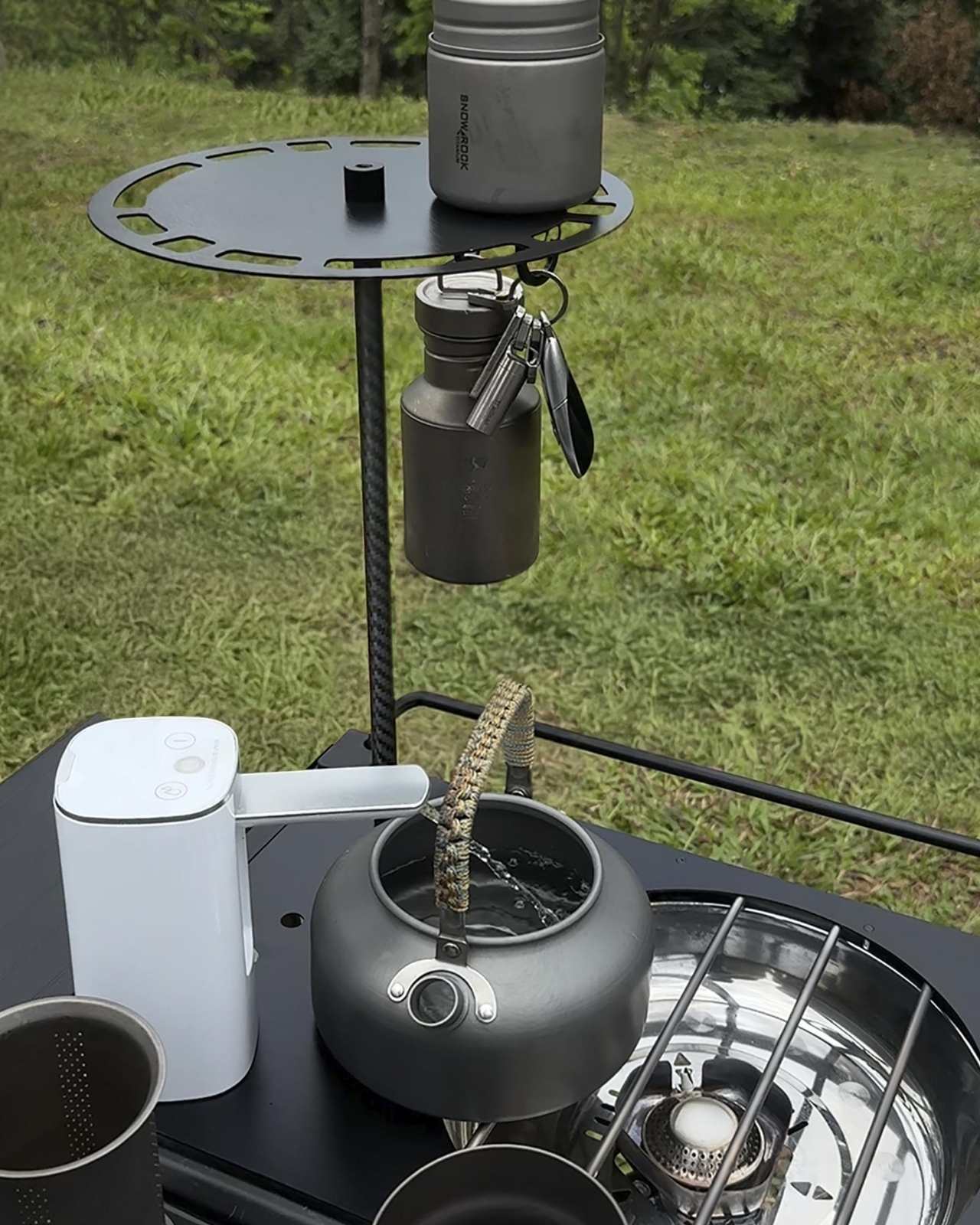
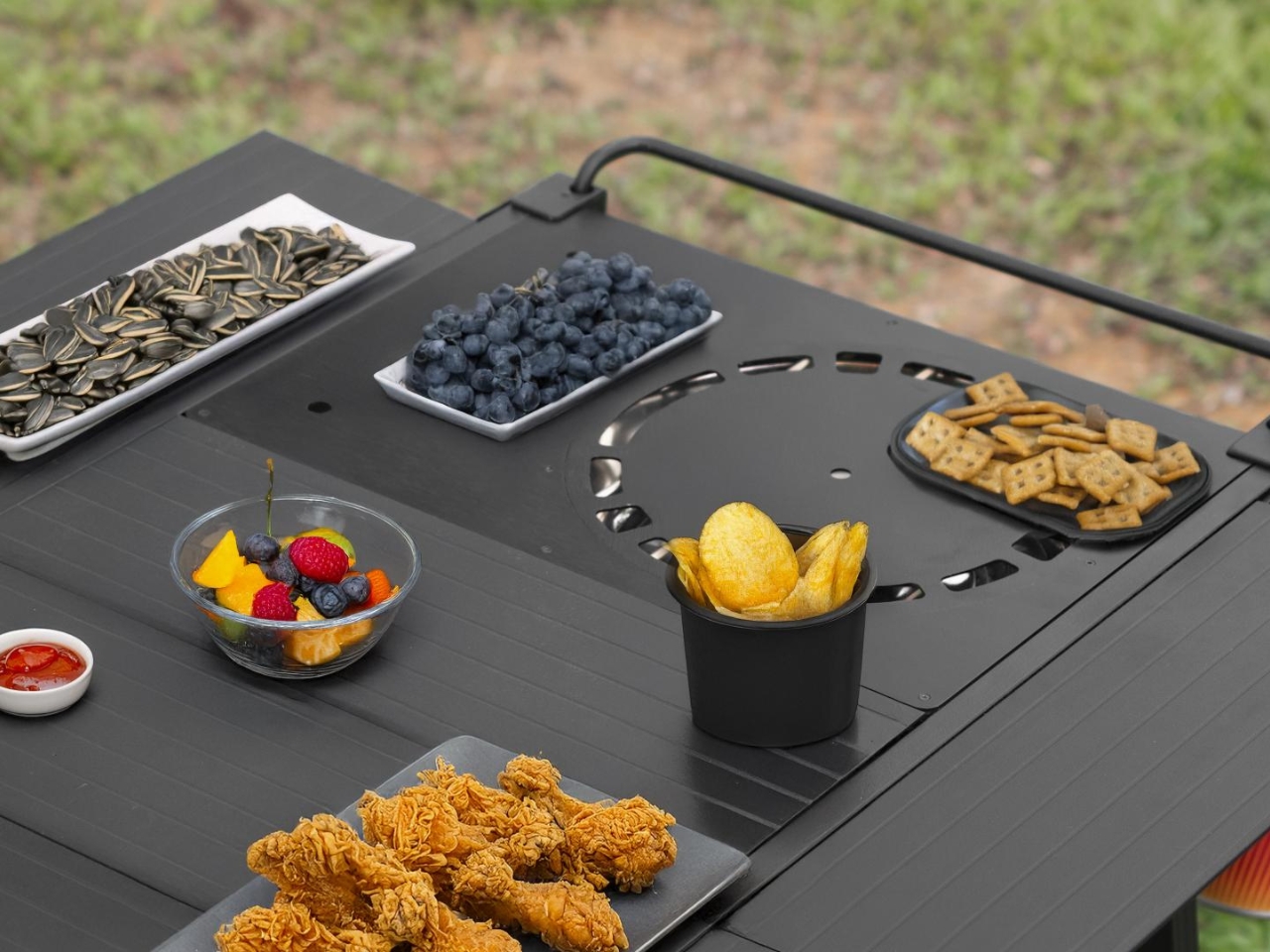
You know that moment when technology becomes so intuitive it practically disappears? That’s exactly what Shenzhen Juyouhang Technology Co. just pulled off with their IGT Phantom Stove, a MUSE Design Award winner that’s making waves in the outdoor cooking scene for all the right reasons.

At first glance, the name “Phantom” might sound a bit dramatic for a camping stove. But spend a minute looking at this design, and you’ll get it. This isn’t your clunky, utilitarian camping gear that screams “I’m roughing it in the wilderness.” Instead, it’s a sleek piece of equipment that bridges the gap between serious outdoor functionality and the kind of minimalist aesthetic we’ve come to expect from our favorite tech gadgets.

Designer: Shenzhen Juyouhang Technology

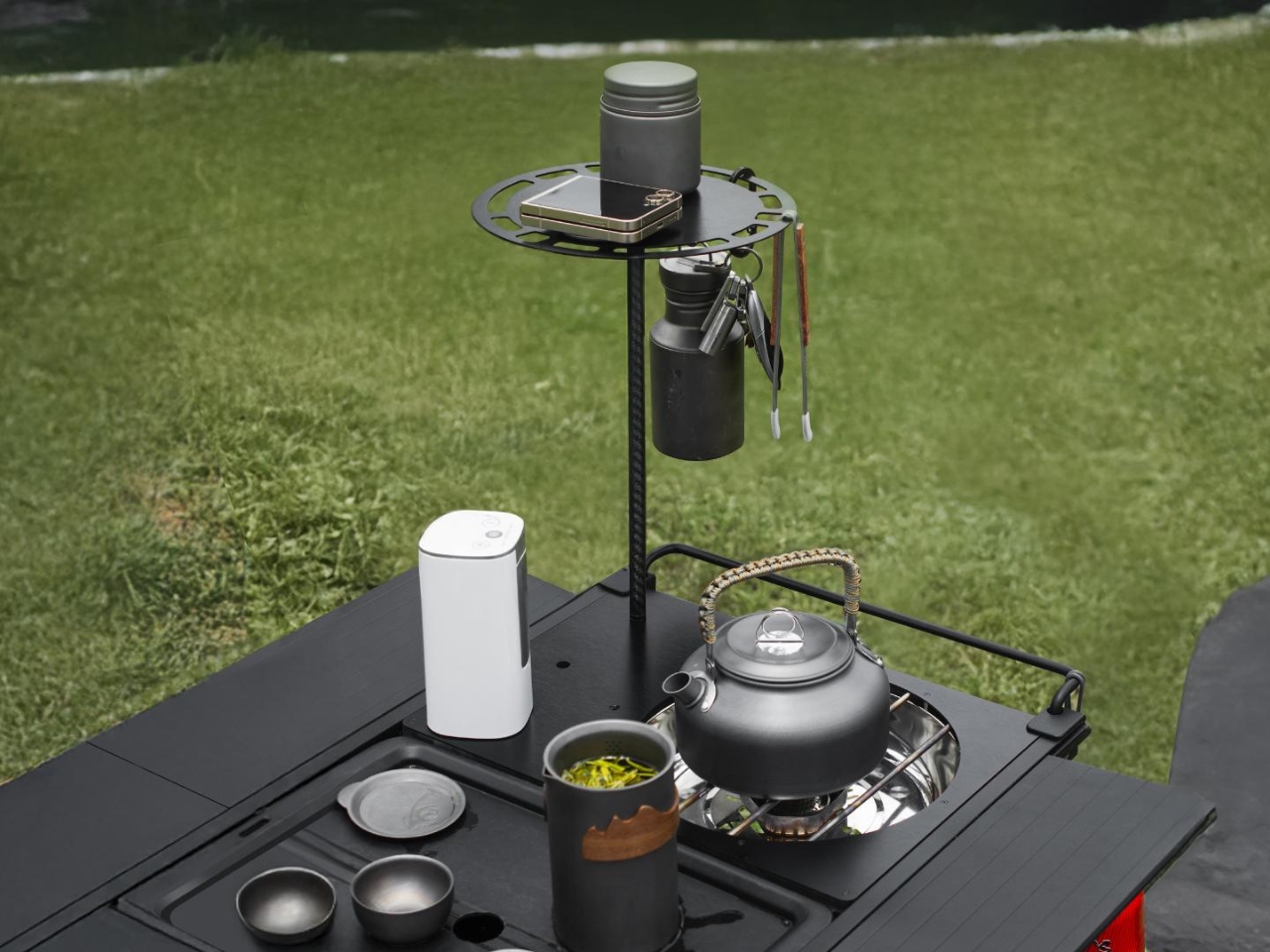
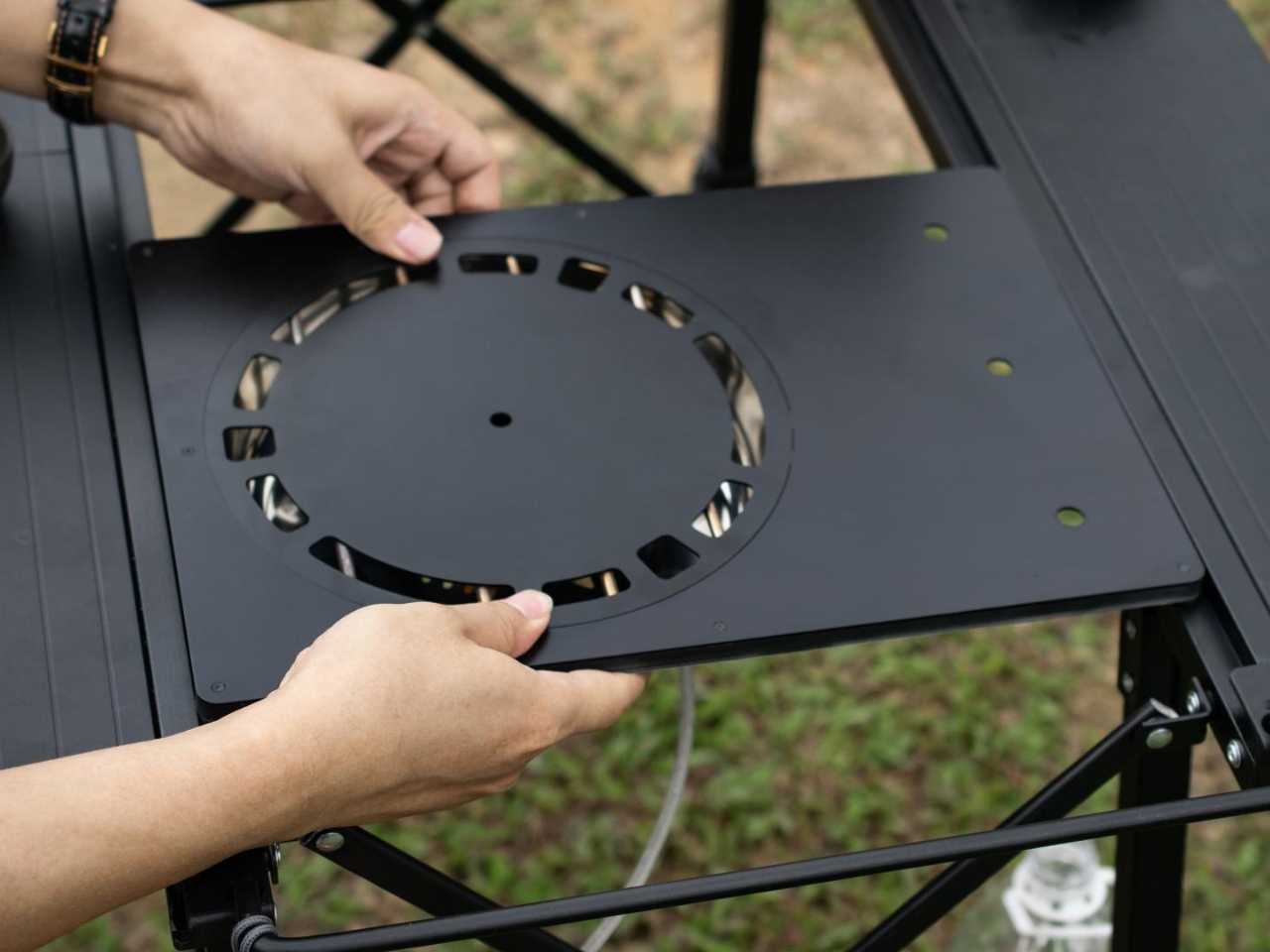
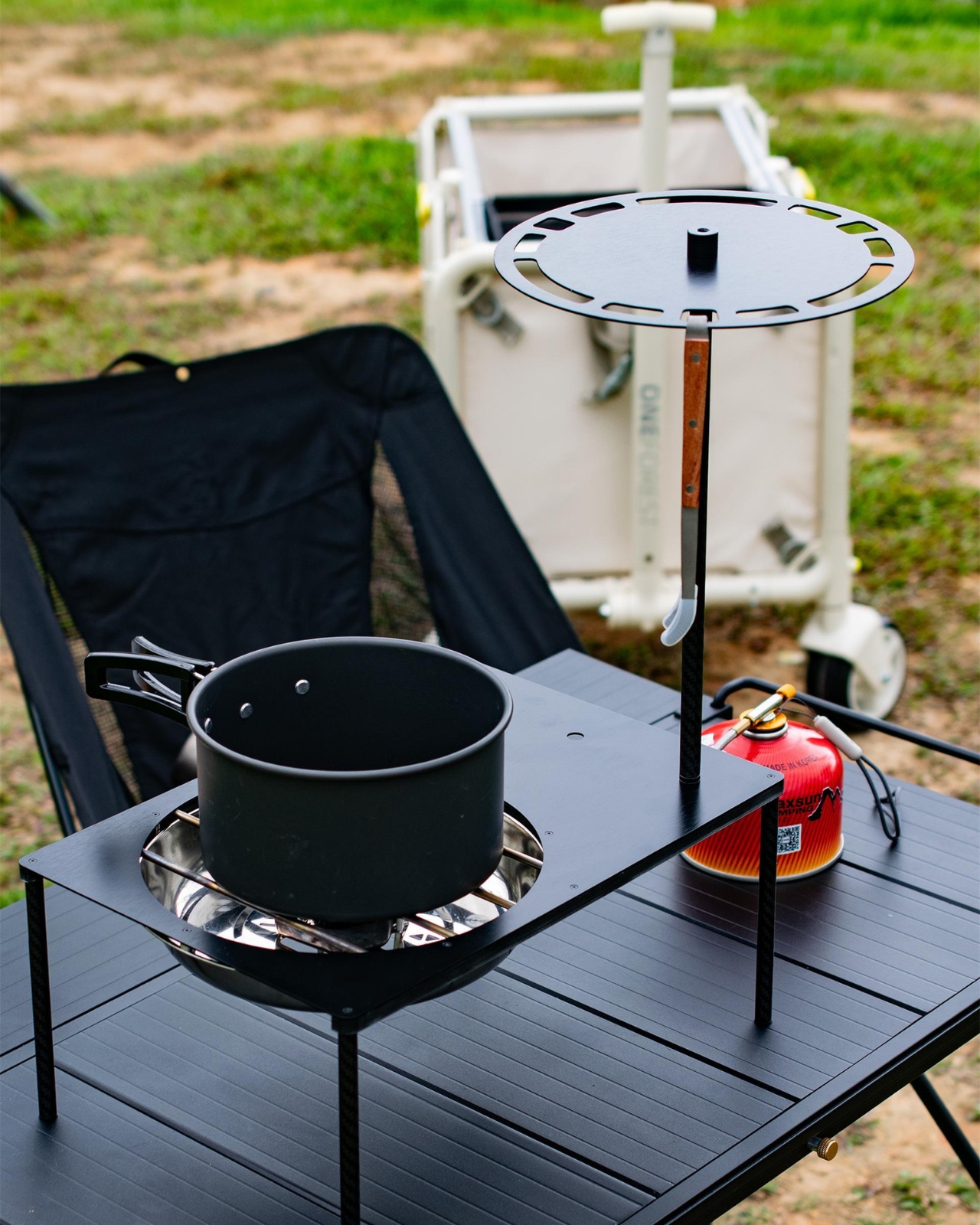
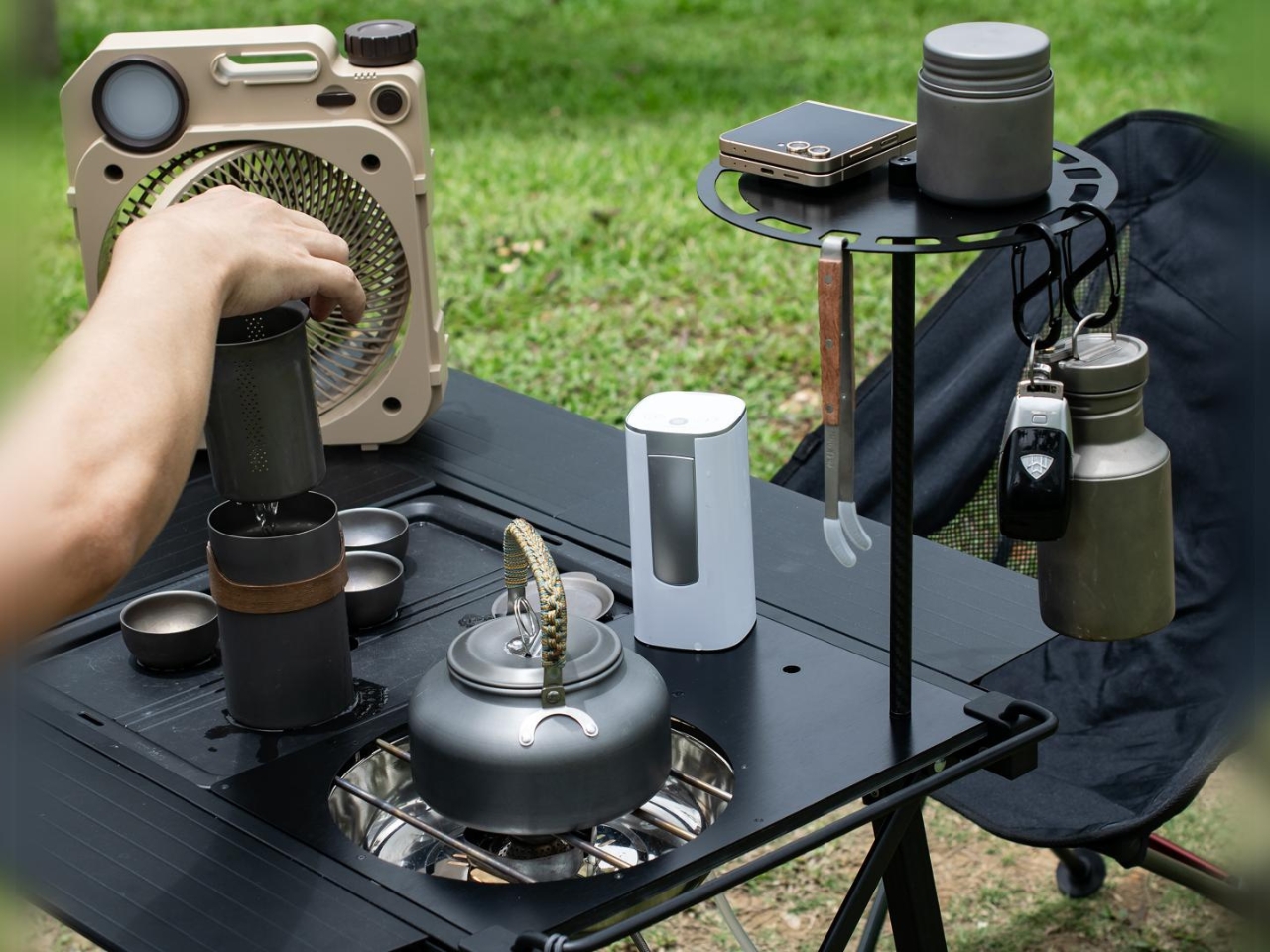
The IGT system, for those not already deep into the camping world, stands for Iron Grill Table, a modular camping kitchen concept that originated in Japan. Think of it like LEGO blocks for your outdoor cooking setup. Different components slot into a unified system, letting you customize your camp kitchen however you want. The Phantom Stove takes this concept and refines it with a sophistication that feels more Apple Store than sporting goods aisle.

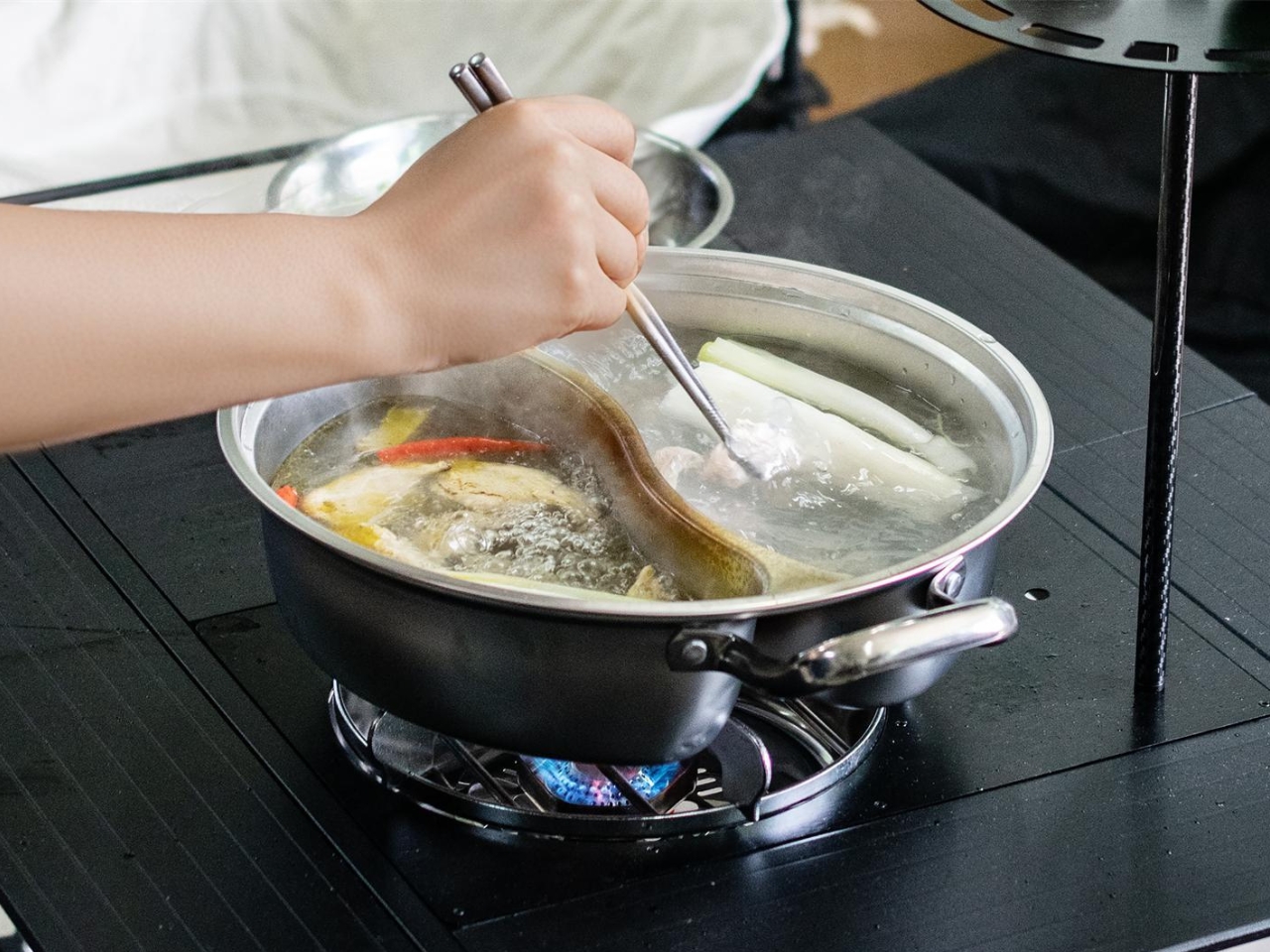
What makes this stove particularly clever is how it manages to be simultaneously present and absent. When you need it, it’s there, ready to boil water or cook a gourmet camp meal. When you don’t, its foldable design and clean lines mean it practically melts into your setup. There’s no visual clutter, no awkward bulk taking up precious space in your gear collection or on your camp table.

The design philosophy here speaks to a broader shift happening in outdoor equipment. We’re moving past the era when camping gear had to look rugged and intimidating to be taken seriously. Today’s outdoor enthusiasts want products that perform brilliantly but also respect their aesthetic sensibilities. They’re taking Instagram-worthy photos of their campsites, hosting friends for glamping weekends, and expecting their gear to look as good as it functions.

Shenzhen Juyouhang Technology clearly understands this market evolution. The Phantom Stove’s stainless steel construction suggests durability without sacrificing elegance. Its compatibility with the IGT system means it plays well with others, fitting seamlessly into existing setups rather than demanding you rebuild your entire camp kitchen around it. This kind of thoughtful integration is what separates good design from great design.

The portability factor can’t be overstated either. Modern campers are increasingly mobile, whether they’re van-lifers constantly on the move, backpackers counting every ounce, or weekend warriors who want setup and breakdown to be as painless as possible. A stove that folds down without complicated mechanisms or fragile parts is worth its weight in gold. Or in this case, stainless steel.

There’s also something refreshing about seeing Chinese design firms like Shenzhen Juyouhang Technology getting recognition on the international stage. The MUSE Design Awards spotlight excellence from around the globe, and this win reflects how innovation in outdoor equipment is truly becoming a worldwide conversation. Great ideas can come from anywhere, and the camping community benefits when designers from different cultures and perspectives bring their unique approaches to solving common challenges.

What’s particularly exciting about products like the Phantom Stove is how they lower the barrier to entry for people curious about outdoor cooking. When gear looks approachable and fits naturally into your life rather than requiring a complete lifestyle overhaul, more people are willing to give it a try. You don’t need to be a hardcore backpacker to appreciate clean design and smart functionality.

The recognition from MUSE Design Awards validates what many outdoor enthusiasts already know: the gear we use matters, not just for performance but for the entire experience. When your equipment is well-designed, intuitive, and beautiful, it enhances every moment of your adventure. You’re not fighting with finicky mechanisms or tolerating eyesores. You’re just cooking, enjoying nature, and living well.

The IGT Phantom Stove represents where outdoor design is heading: smarter, sleeker, and more integrated into our lives. It’s proof that we don’t have to choose between function and form, between serious performance and sophisticated aesthetics. We can have both, and honestly, we should demand both.

The post The Invisible Kitchen Revolution: IGT Phantom Stove first appeared on Yanko Design.
This North Face x Bialetti Collab Is Peak Coffee Culture

There’s something beautifully absurd about combining outdoor gear with coffee culture, and the new collaboration between The North Face and Bialetti hits that sweet spot perfectly. It’s the kind of partnership that makes you wonder why it didn’t happen sooner, bringing together two iconic brands that have been fueling adventures in their own ways for decades.

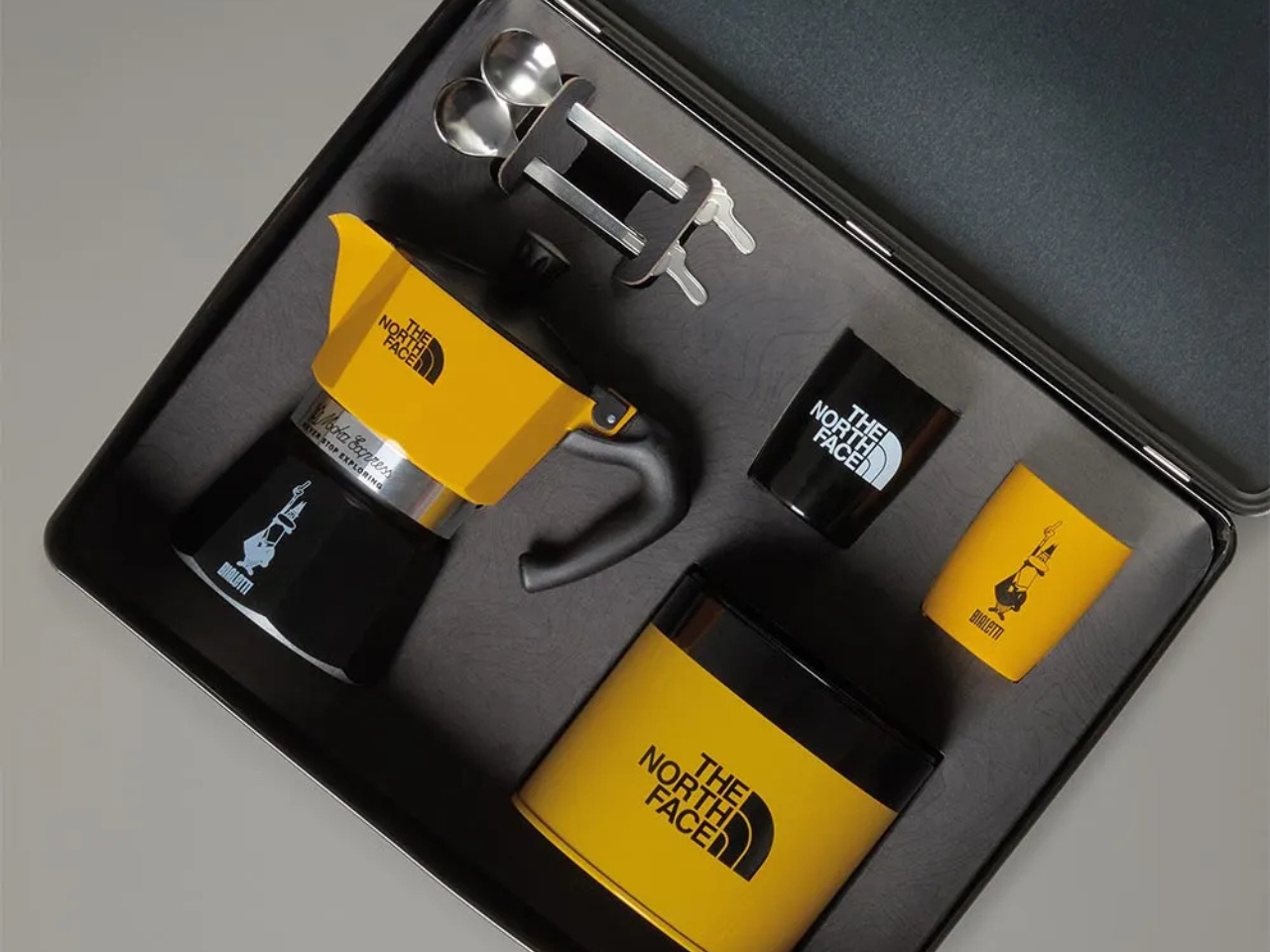
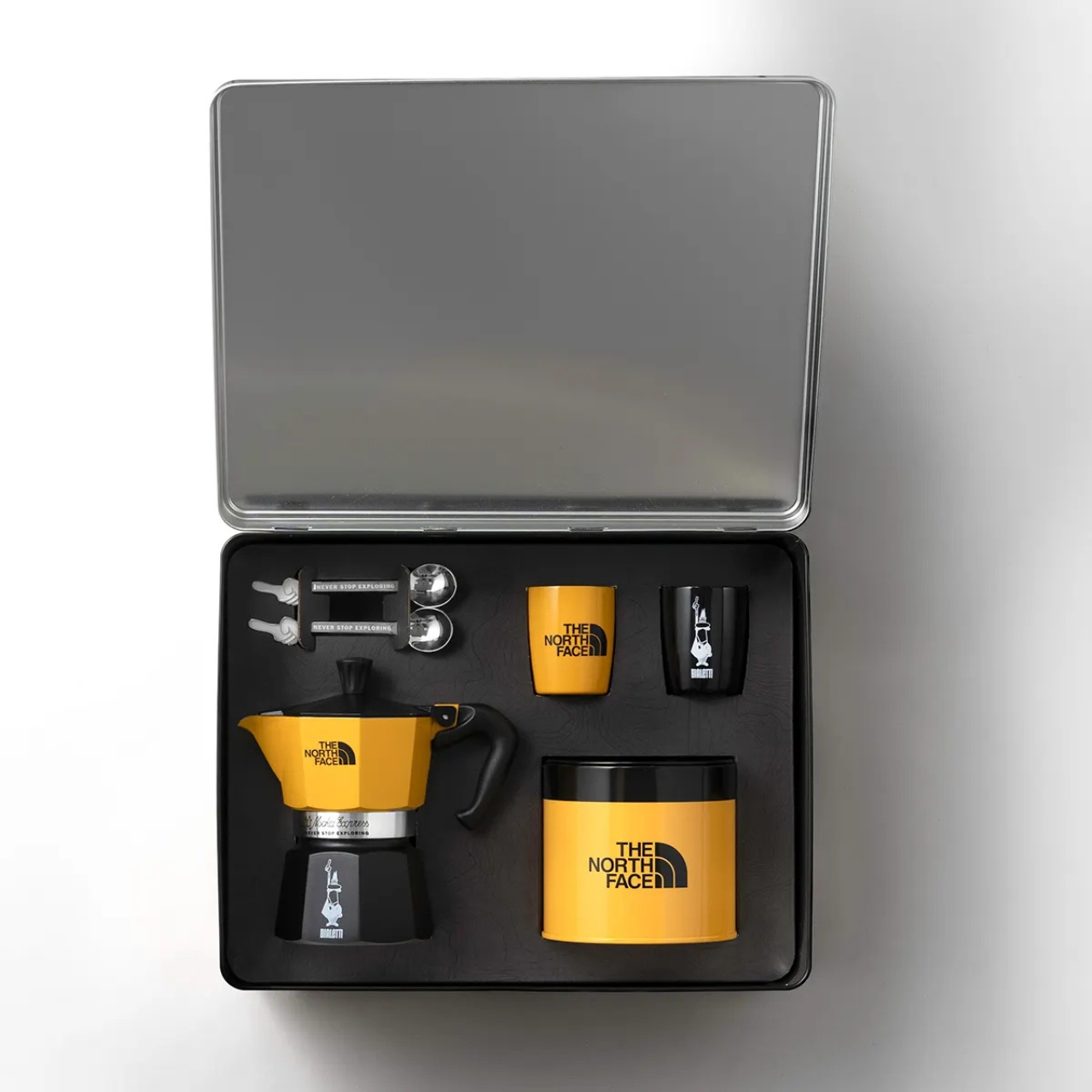
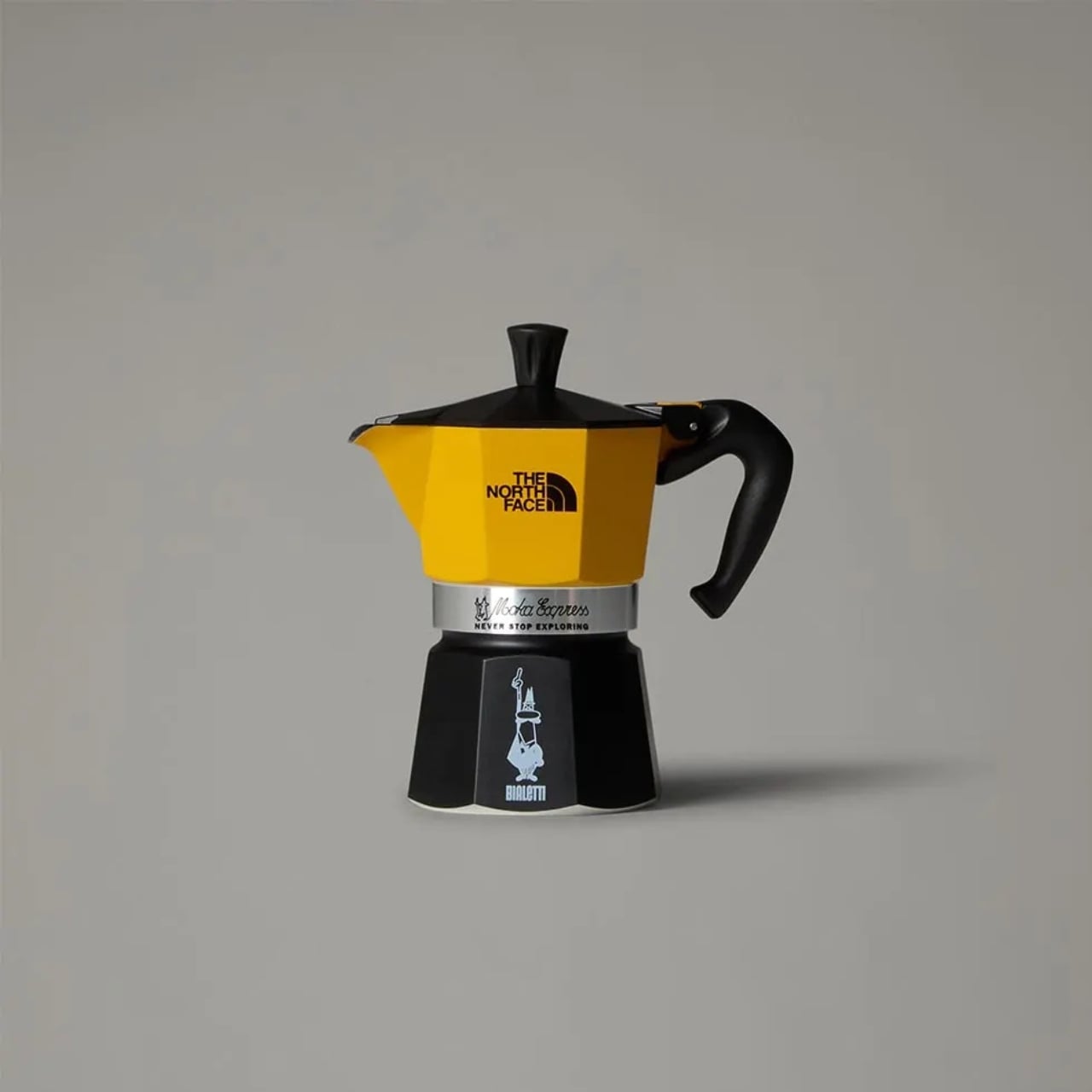
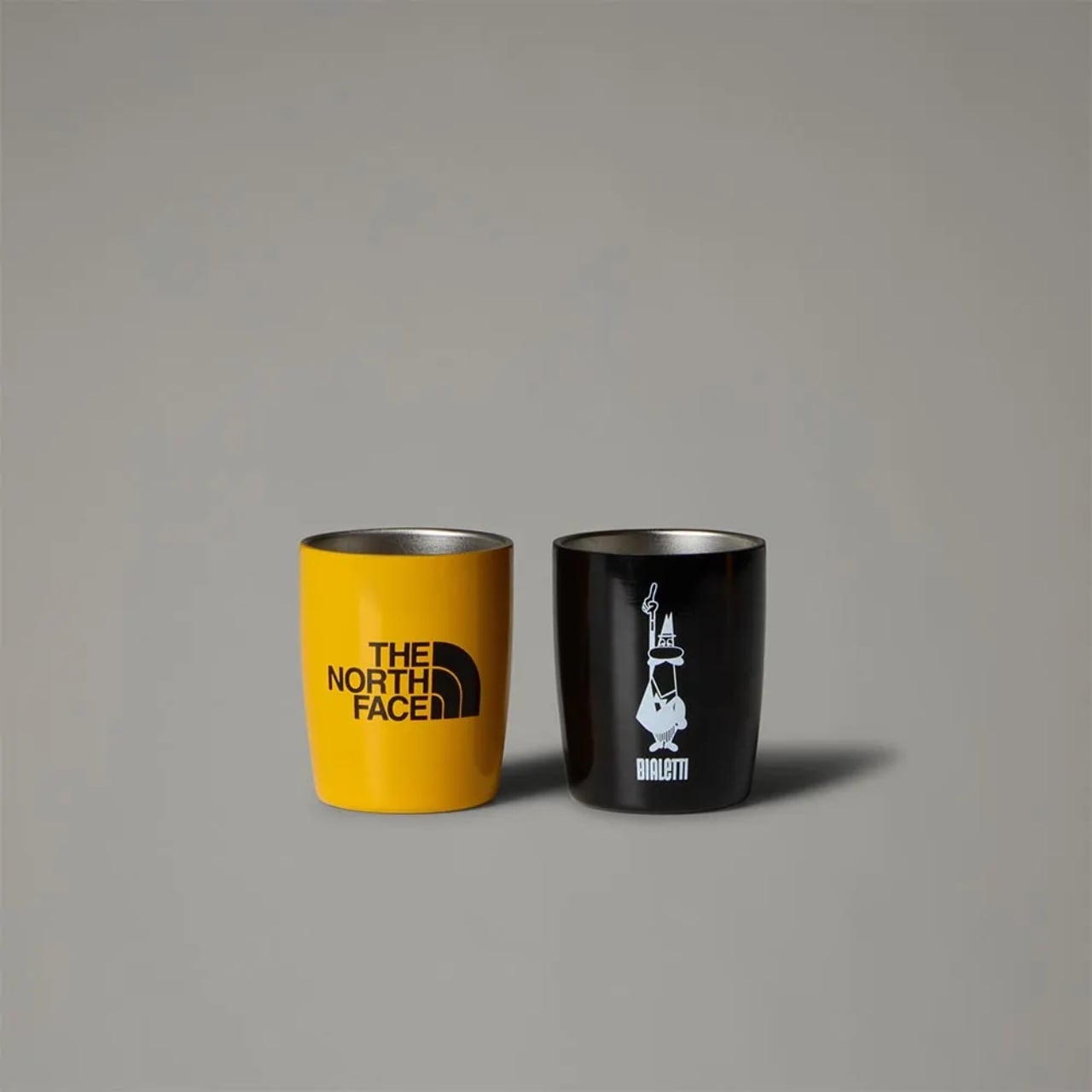
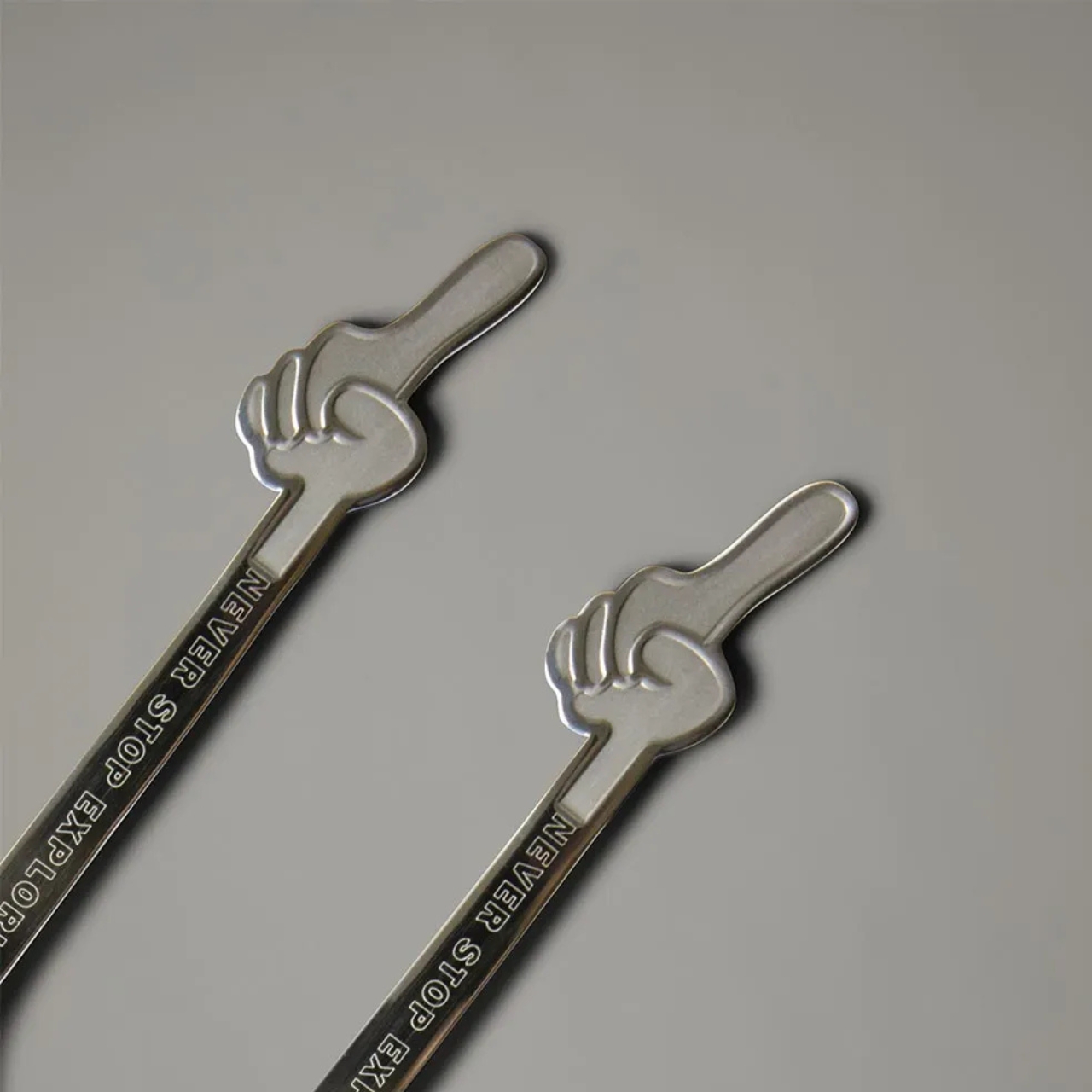
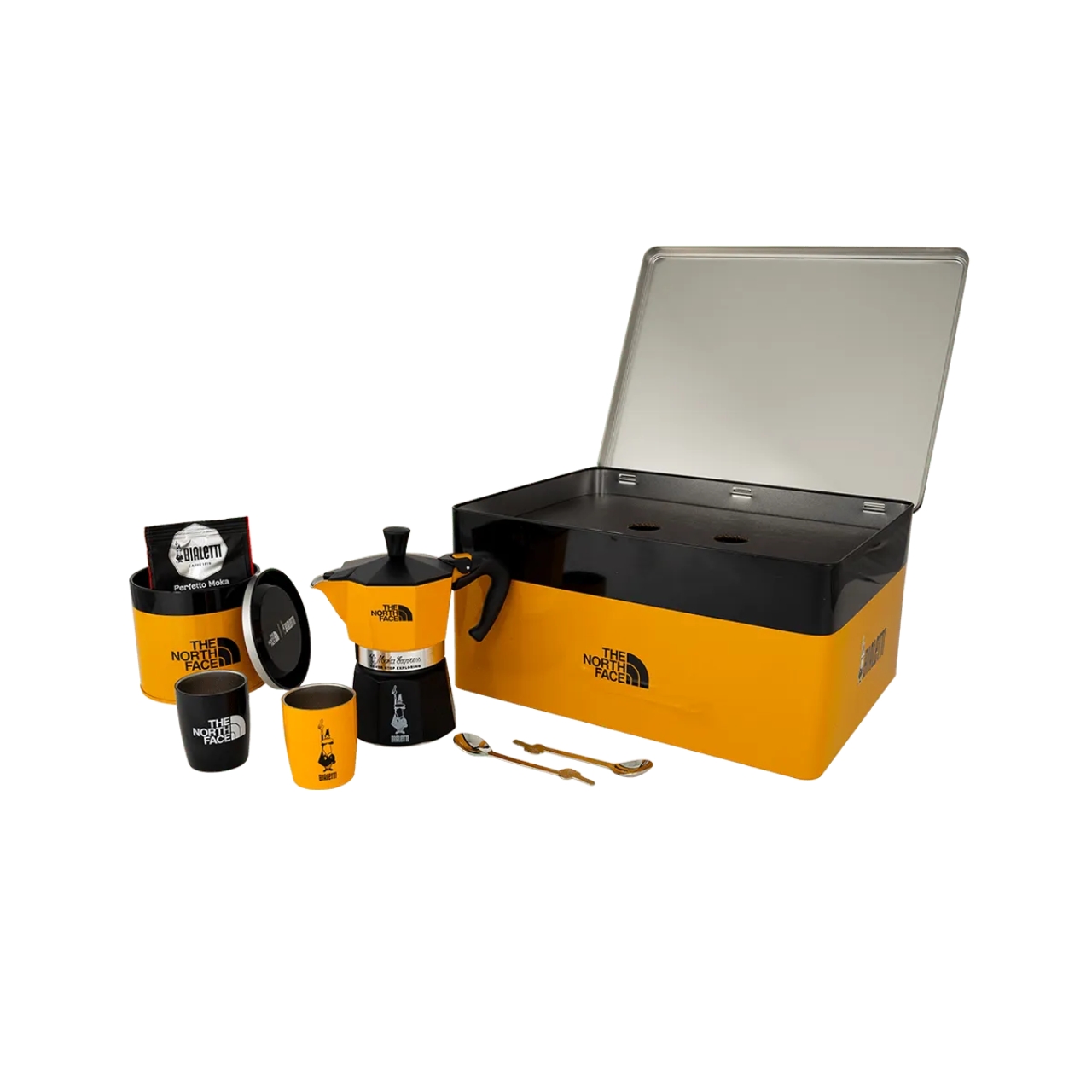
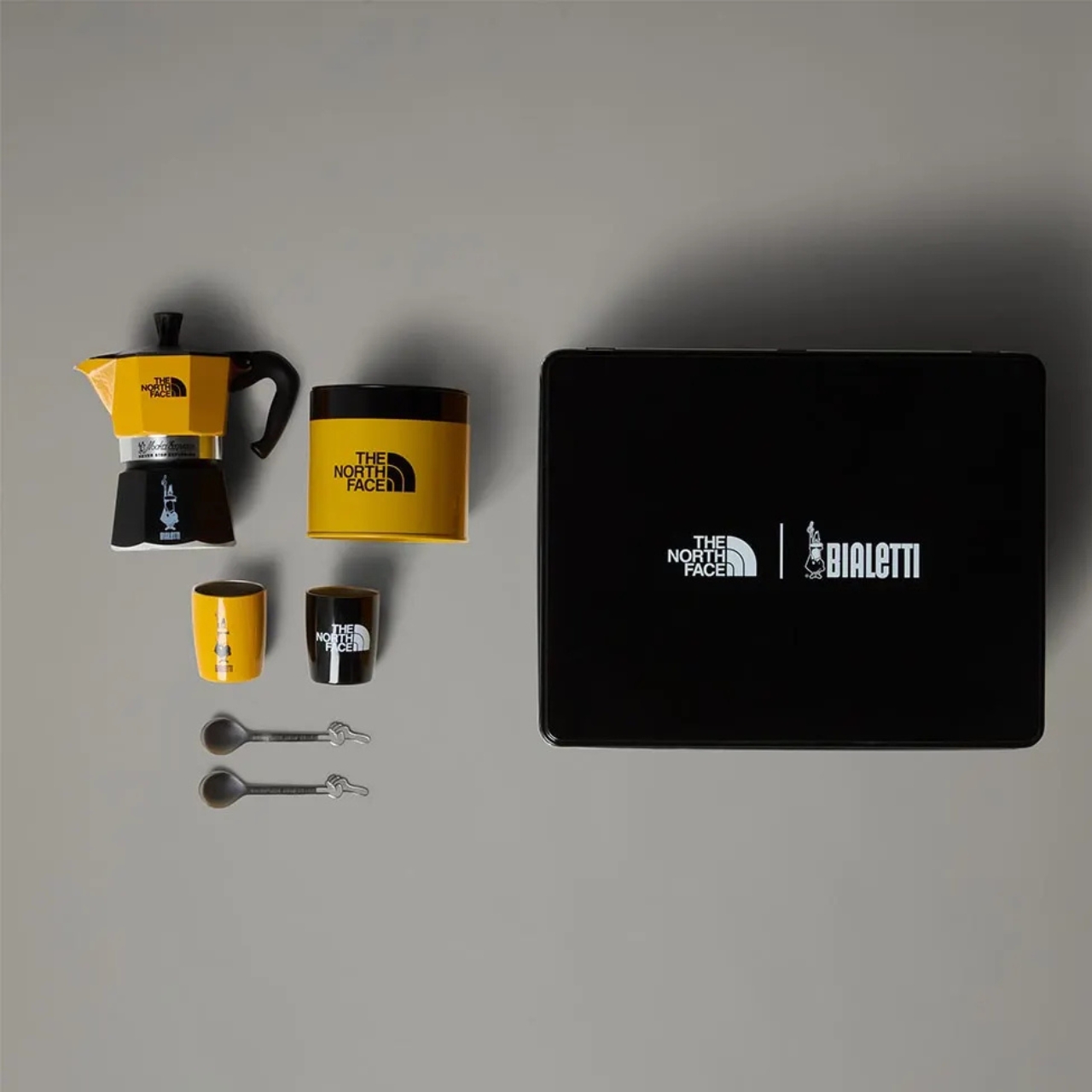
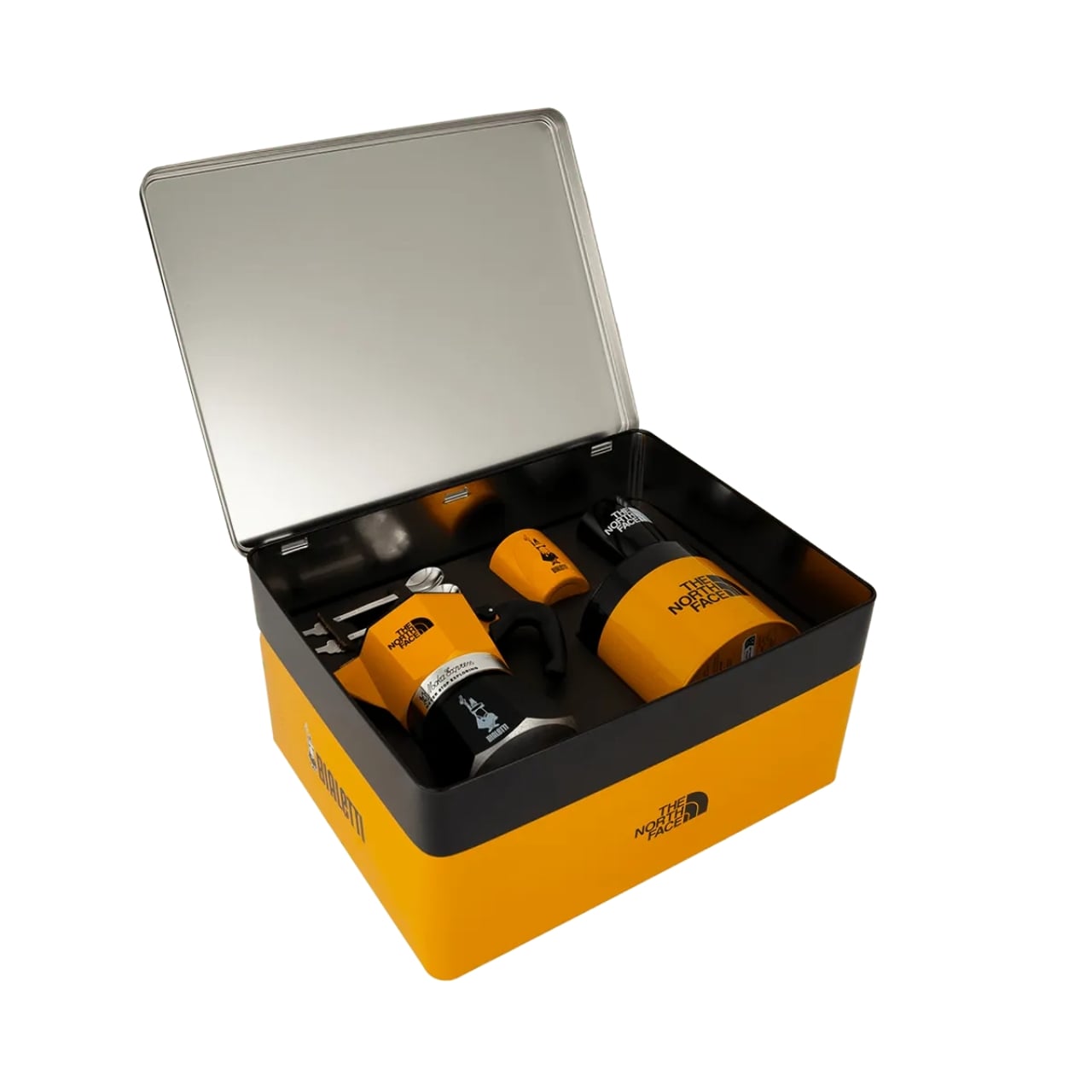
The TNF x Bialetti Moka Set is exactly what it sounds like: a limited-edition coffee kit that packages Italian espresso tradition in North Face’s signature Summit Gold and black colorway. At the heart of the set is a three-cup Moka Express, the classic aluminum stovetop coffee maker that’s been gracing Italian kitchens since 1933. This version comes emblazoned with both brands’ logos and The North Face’s “Never Stop Exploring” slogan, because apparently your morning caffeine ritual is now an expedition.

Designer: The North Face x Bialetti

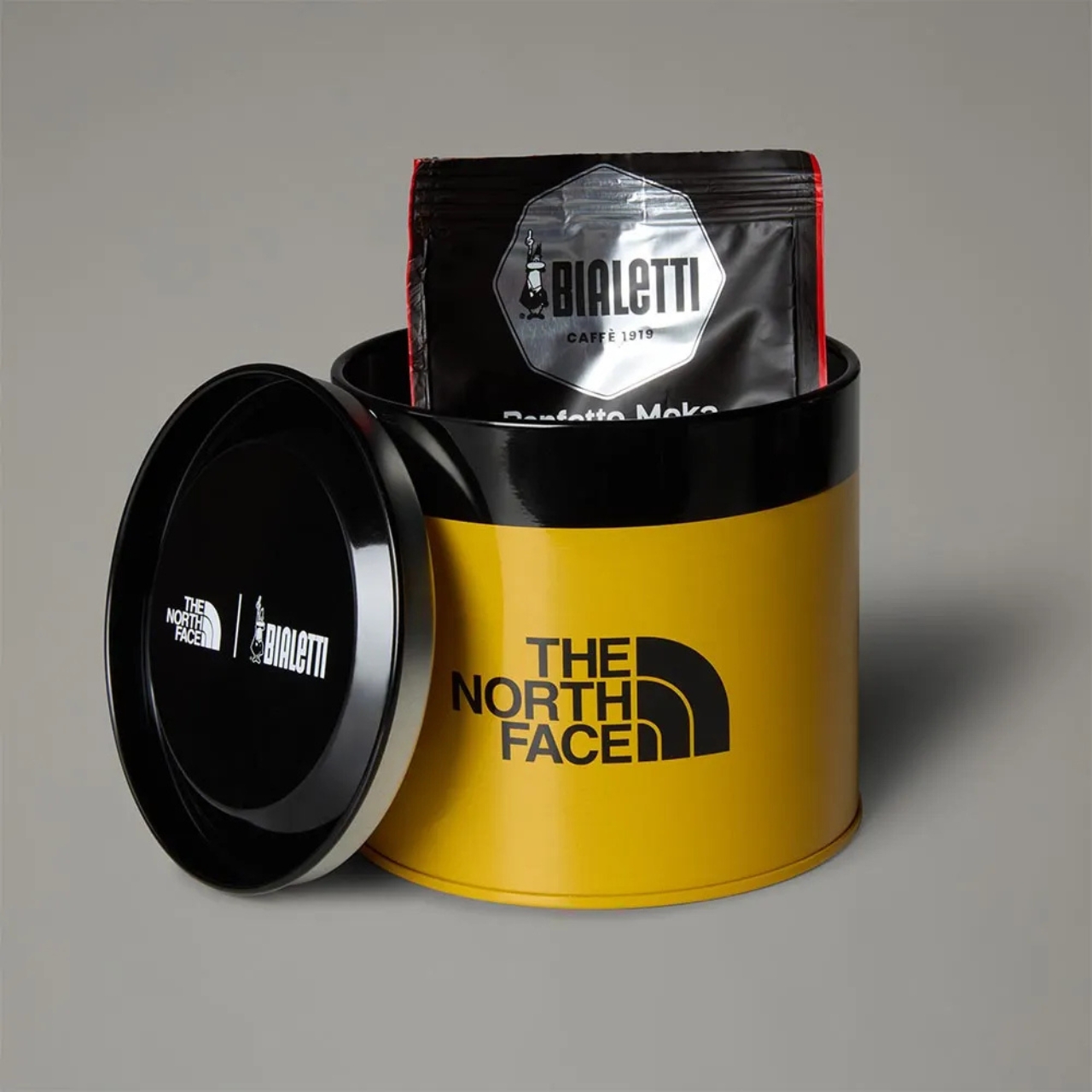
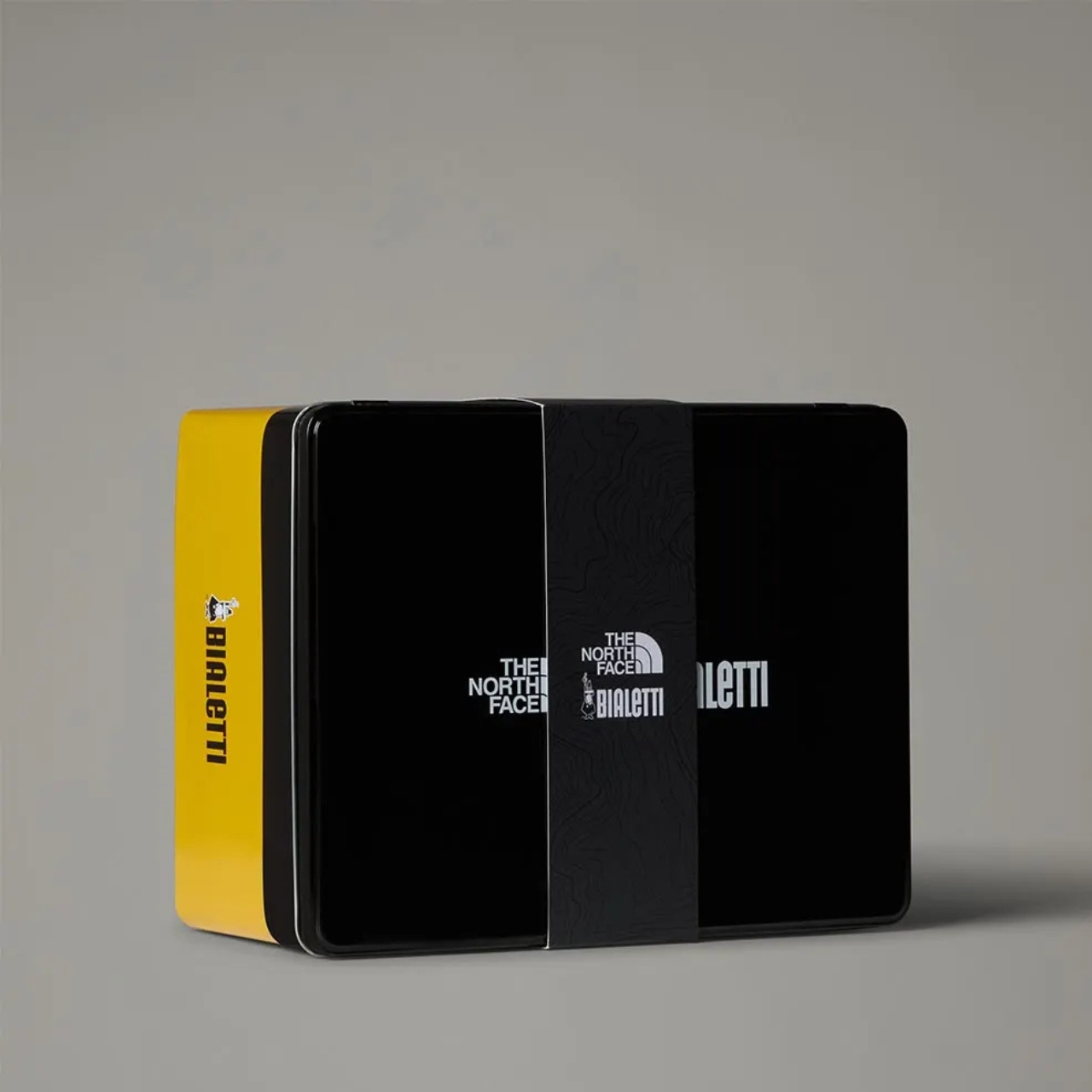
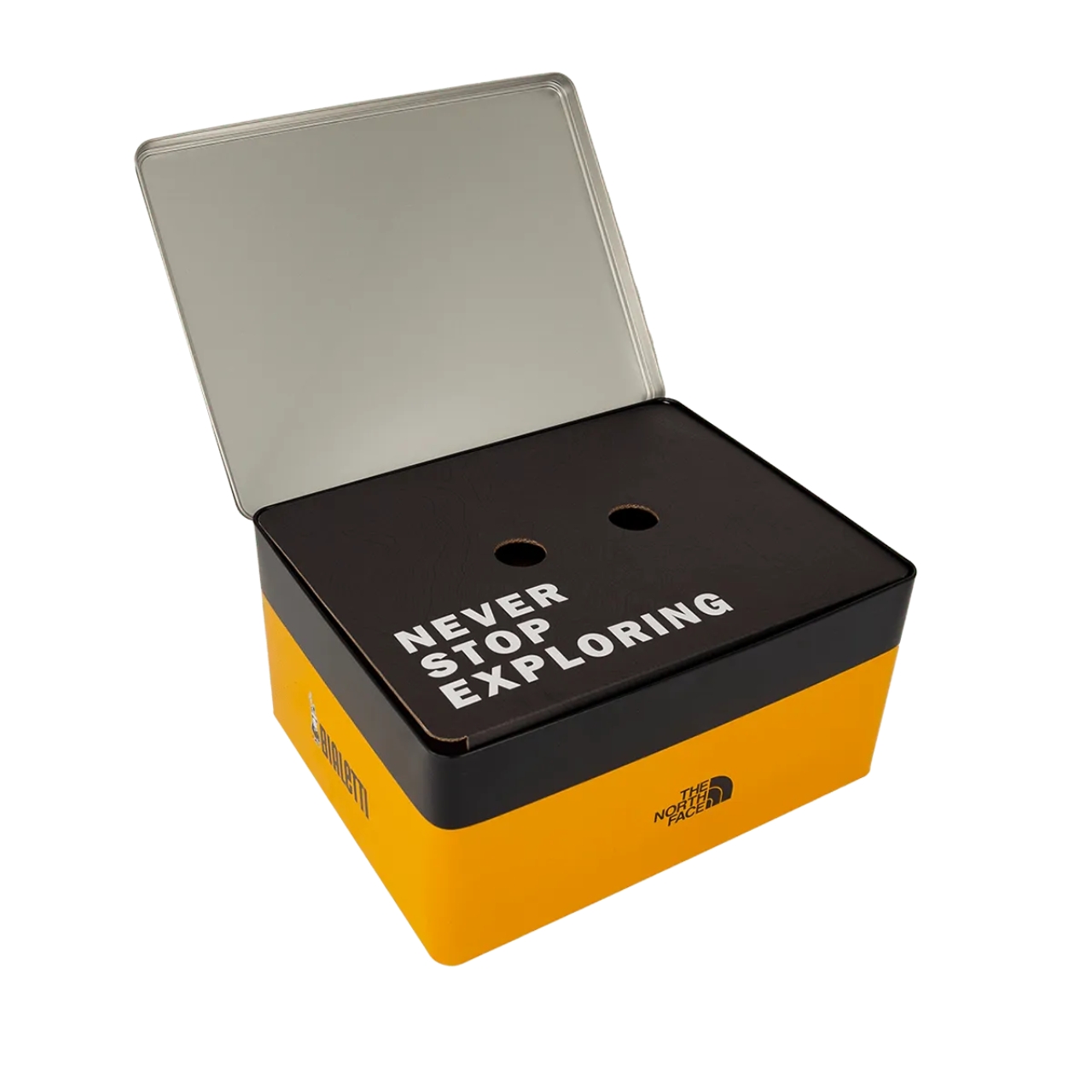
But here’s the thing about this collaboration, it’s not trying to be some ultralight backpacking essential. Despite the marketing suggesting it’s built for explorers and designed to be taken on the road or trail, this is really more about bringing style to your coffee routine than revolutionizing camp cooking. The set comes in a fairly large box and includes two stainless steel cups (one in Summit Gold, one in Bialetti black), matching spoons, and a 100-gram tin of pre-ground Bialetti coffee. It’s comprehensive, coordinated, and honestly quite handsome, even if the portable claims are a bit optimistic.

What makes this collaboration interesting isn’t its practicality for wilderness expeditions. It’s the cultural collision it represents. Bialetti’s Moka Express is a design icon in its own right, as recognizable in Italy as The North Face’s logo is on college campuses worldwide. Both brands carry serious nostalgia and street cred in their respective spheres. Bialetti revolutionized home espresso making with a design so perfect it hasn’t fundamentally changed in nearly a century. The North Face turned technical mountaineering gear into everyday fashion statements. Together, they’ve created something that speaks to coffee nerds, design enthusiasts, and brand collectors equally.

The color scheme is where this collab really shines. That Summit Gold is instantly recognizable if you’ve ever owned or lusted after a vintage North Face jacket, and seeing it on a Moka pot feels both surprising and completely right. The black and gold combination gives the entire set a premium, cohesive look that transcends either brand’s individual aesthetic.

Now let’s address the elephant in the room: the price. At $220, this isn’t exactly an impulse purchase. You can get a standard Moka Express for a fraction of that cost. But you’re not just buying a coffee maker here. You’re buying into a collaboration between two heritage brands, complete with the matching cups, spoons, and that perfectly branded tin. It’s collectible merch that happens to make excellent coffee, or an excellent coffee setup that happens to be collectible merch, depending on how you look at it.

The reality is that this set probably makes more sense sitting on your apartment’s kitchen counter or at your glamping setup than it does in your actual hiking pack. And that’s perfectly okay. Not every outdoor-branded product needs to summit Everest. Sometimes it’s enough to add a little adventure aesthetic to your morning routine, to have that moment of enjoying rich Italian espresso while wearing your Nuptse jacket and dreaming about trails you’ll hike someday.

This collaboration taps into something broader happening in design culture right now: the blurring of boundaries between function and lifestyle, between genuine outdoor gear and urban fashion, between coffee equipment and collectible objects. It’s the same impulse that puts Supreme on Coleman coolers or sees luxury brands creating camping gear. We want our everyday objects to tell stories about who we are or who we want to be.

Whether the TNF x Bialetti Moka Set is worth the investment depends on how much you value that intersection of coffee culture, design heritage, and brand storytelling. If you’re someone who gets excited about limited-edition collaborations and appreciates when iconic designs get reimagined, this might be calling your name. Just don’t expect it to revolutionize your backpacking coffee game.

The post This North Face x Bialetti Collab Is Peak Coffee Culture first appeared on Yanko Design.
This Compact Portable Grill Hits 1,000°F in 10 Minutes and Looks Better Than Most Furniture

The Thaan Grill is one of those rare products that makes you question why nobody thought of this sooner. Charcoal grilling has always been a ritual of compromise. You either get the flavor and deal with the bulk of a full-sized grill, or you settle for the convenience of a portable unit that can’t hold a steady temperature to save its life. Thaan, the brand that’s been supplying fruitwood charcoal to Michelin-starred kitchens for years, just dropped a tabletop grill that refuses to ask you to choose between performance and practicality. It’s just debuted on Kickstarter, and if the specs hold up, this might be the first grill that actually deserves a permanent spot on your patio table instead of getting banished to the garage after two uses.

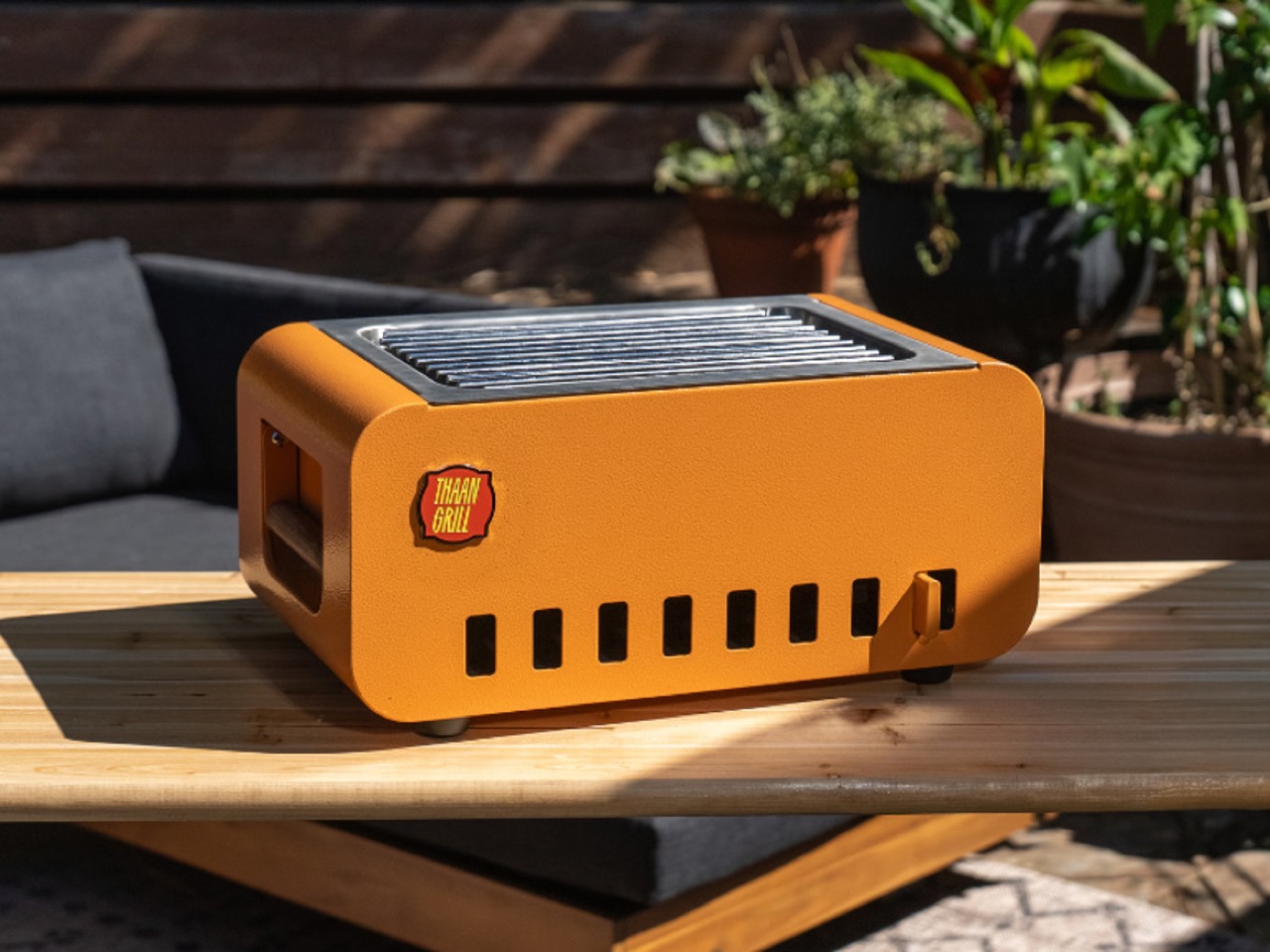
The thing that immediately stands out is how Thaan has packed professional-grade engineering into something that looks like it belongs in a Muji catalog. The grill’s triple-wall insulated body isn’t just for aesthetics, it means you can plop this thing onto a wooden table, a glass patio set, or even your apartment balcony without worrying about heat damage. The bottom-up airflow system, a feature borrowed from their commercial Thaan Grill XL, is the kind of detail that separates a decent grill from one that can actually hit restaurant-quality sears consistently. And because it’s designed around their own Thai-style fruitwood charcoal, which burns cleaner and longer than standard briquettes, you’re looking at 4 to 6 hours of cook time on a single load. For anyone who’s ever babysat a finicky portable grill, that’s a game changer. The removable ash tray and quick cooldown time mean cleanup isn’t a chore, which is half the battle with charcoal cooking.

Designers: David Lujan and Hudson Rio

Click Here to Buy Now: $429 $569 ($140 off). Hurry, only 56/100 left! Raised over $151,000.

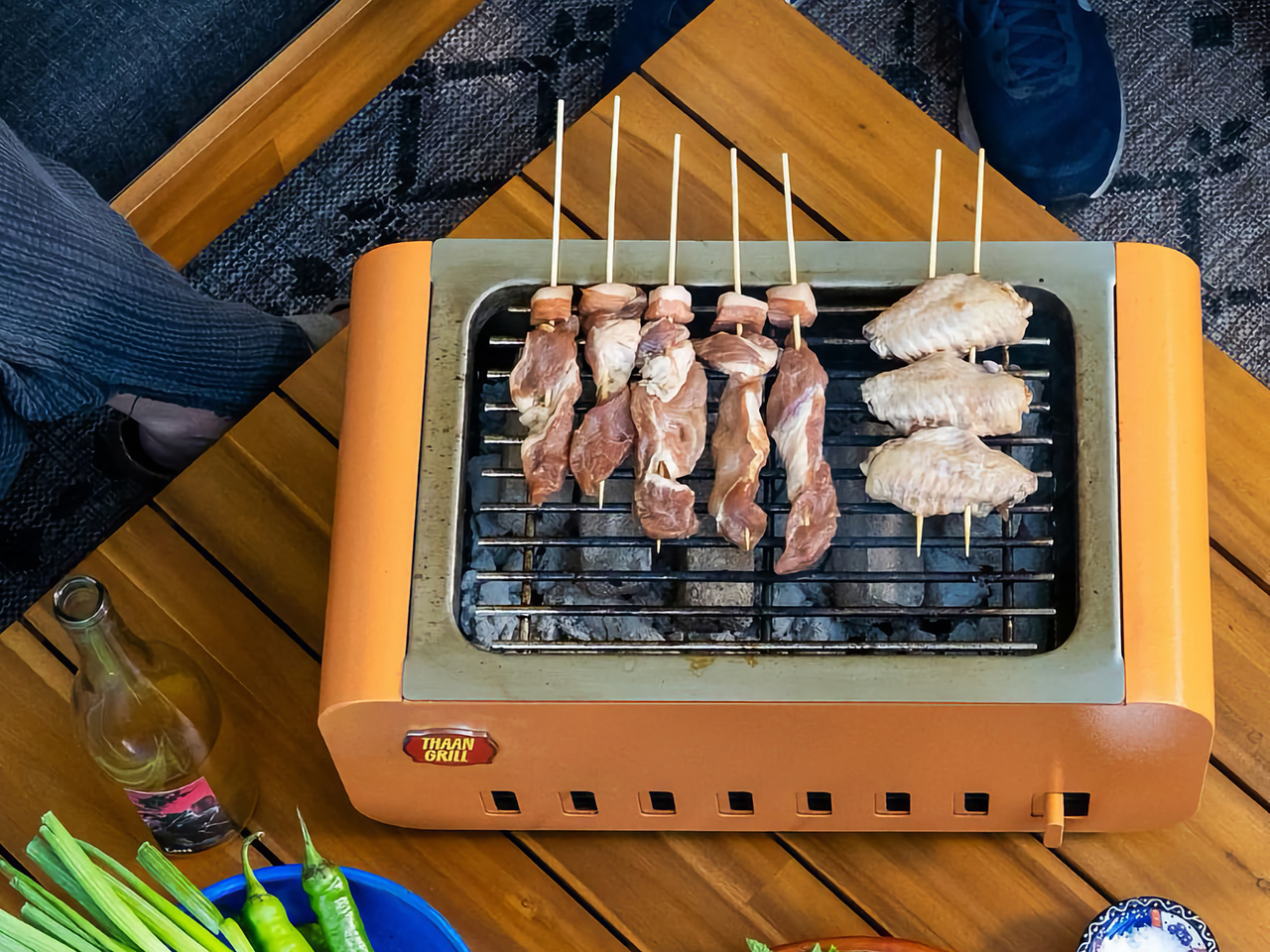
The grill grates are 304 stainless steel, which means they won’t rust or warp under high heat, and the body is 430 stainless steel, chosen for its ability to handle thermal stress without degrading. The powder coating isn’t just for that sleek, matte finish, it’s high-temp rated so it won’t bubble or peel after a few uses. Even the handles are Bakelite, a material that’s sanitary, heat-resistant, and more durable than wood or plastic. The vermiculite insulation is the same stuff used in high-end fireplaces, so it’s lightweight but incredibly effective at containing heat. At 25 pounds, it’s heavy enough to feel substantial but light enough to toss in the trunk for a tailgate or a beach day. The dimensions, 18.75 by 10.75 by 8.5 inches, make it compact without sacrificing grilling space, offering 110 square inches of cooking real estate. That’s enough to handle a few steaks, a batch of skewers, or a mix of veggies without feeling cramped.

The real test for any grill is whether it can deliver on the promise of flavor… By positioning the charcoal tray closer to the grate and using a ventilated design, they’re maximizing heat transfer and smoke exposure, which is how you get that elusive crust and smoky depth that gas grills just can’t replicate. The bottom-up airflow isn’t just marketing fluff, it’s a feature that professional pitmasters rely on for consistent temperature control. Pair that with their fruitwood charcoal, which burns hotter and cleaner than standard lump charcoal, and you’ve got a setup that can actually pull off the perfect crust on a reverse sear or continuous waves of skewers for a crowd without turning into a temperature rollercoaster. It’s the kind of performance you’d expect from a grill twice its size, and that’s what makes the Thaan Grill interesting. This isn’t some gimmicky gadget designed to collect dust, it’s a tool that’s been thoughtfully engineered to bridge the gap between backyard BBQ and professional live-fire cooking.

What’s refreshing is how Thaan has considered the entire experience, not just the cooking. The grill’s minimalist design brings a sense of modern elegance to any outdoor setting, which is a big deal if you’re someone who values aesthetics as much as function. The insulated body heats up fast and cools down just as quickly, so you’re not waiting around for the thing to be safe to touch after cooking. The ash collection system is simple, just remove the tray, dump it, and you’re done. No fuss, no mess. It’s clear that this grill was designed by people who actually cook, not just engineers chasing specs. The fact that it’s built to last, with materials that can handle years of use, means it’s not just another disposable grill that’ll end up in a landfill after a season or two.

The Thaan Grill starts at $429, which includes the grill itself but also a 5lb box of Thai-style Charcoal. Sure, it’s on the pricey side when you compare it to the cheap mass-produced stuff you find on Amazon, but you’re paying for high-quality materials, great engineering, and a ridiculously compact design that quite literally embodies the EDC principle but applies it to the idea of having great food anywhere and everywhere. If you’re the type who treats grilling as more than just a way to cook food, if you care about the ritual, the flavor, and the experience of cooking over fire, this is the kind of tool that could easily become a centerpiece of your setup…at home, on the beach, or in the great outdoors.

Click Here to Buy Now: $429 $569 ($140 off). Hurry, only 56/100 left! Raised over $151,000.

The post This Compact Portable Grill Hits 1,000°F in 10 Minutes and Looks Better Than Most Furniture first appeared on Yanko Design.
Top 5 Game-Changing Camping Gear Designs That Redefine Outdoor Adventures

Modern camping gear has evolved beyond basic survival tools into sophisticated equipment that enhances outdoor experiences without compromising authenticity. Today’s innovative designs merge cutting-edge technology with thoughtful functionality, creating products that solve real problems while maintaining the spirit of adventure. These breakthrough designs represent a new era where comfort, sustainability, and wilderness exploration coexist harmoniously.

The latest camping innovations prove that smart engineering can transform ordinary outdoor challenges into opportunities for enhanced adventure. From solar-powered climate control to multi-functional survival tools, these designs address genuine needs while respecting the natural environment. Each product demonstrates how thoughtful design philosophy can elevate camping gear from mere equipment to essential companions for memorable wilderness experiences.

1. Solar-Powered Tent with Integrated Cooling System

This revolutionary tent design transforms camping comfort through an ingenious integration of shelter and power generation. The composite tarpaulin fabric serves dual purposes, providing weather protection while simultaneously harvesting solar energy to power an integrated cooling system. This isn’t simply a tent with an attached air conditioner; it’s a completely reimagined shelter where every material component contributes to both protection and comfort.

The design eliminates traditional cooling limitations that require bulky batteries, noisy generators, or electrical hookups that compromise the wilderness experience. Heat-sensitive campers, families with children, and adventurers seeking extended summer camping seasons finally have a solution that maintains off-grid authenticity while providing essential climate control. This innovation extends camping possibilities into previously uncomfortable weather conditions without sacrificing the peaceful, disconnected atmosphere that defines authentic outdoor adventures.

What we like

  • Complete off-grid cooling system maintains an authentic wilderness experience while providing essential comfort.
  • Dual-function fabric maximizes efficiency by combining shelter protection with solar energy harvesting capabilities.

What we dislike

  • Performance is heavily dependent on consistent sunlight availability, which may limit effectiveness during cloudy conditions.
  • Integration of technology into fabric raises potential durability concerns during harsh weather exposure.

2. RetroWave 7-in-1 Emergency Radio

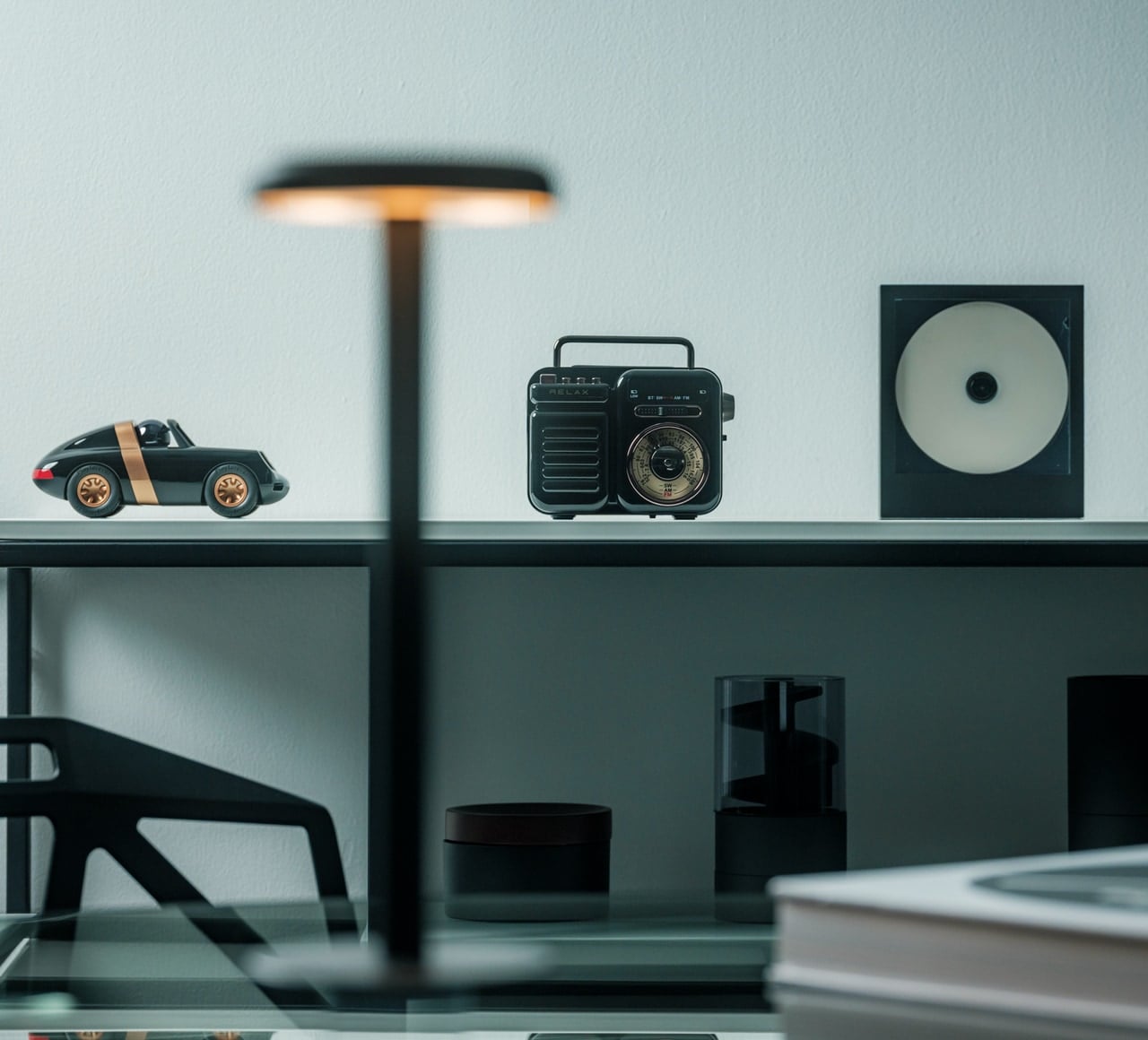
The RetroWave Radio masterfully blends nostalgic Japanese design aesthetics with comprehensive emergency preparedness functionality. This single device consolidates seven essential functions: AM/FM/shortwave radio, Bluetooth speaker, MP3 player, flashlight, power bank, SOS alarm, and hand-crank charging capability. The retro styling doesn’t compromise modern connectivity, offering both traditional analog broadcasting and contemporary wireless streaming options for versatile entertainment and communication needs.

Beyond entertainment value, this radio addresses critical safety requirements during emergencies while serving everyday recreational purposes. Multiple charging methods, including solar panel, hand-crank, and traditional power, ensure reliable operation regardless of circumstances. The built-in flashlight and SOS alarm provide essential safety features, while the tactile tuning dial maintains the authentic analog radio experience that many outdoor enthusiasts appreciate for its simplicity and reliability.

Click Here to Buy Now: $89.00

What we like

  • Seven essential functions consolidated into one portable device eliminate the need for multiple separate pieces of equipment.
  • Multiple power sources, including solar and hand-crank, ensure reliable operation during any emergency or off-grid situation.

What we dislike

  • Complex multi-functionality may create more potential mechanical failure points compared to simpler single-purpose devices.
  • Retro design aesthetic might not appeal to users prioritizing purely functional appearance over nostalgic styling elements.

3. TriBeam 3-in-1 Camplight

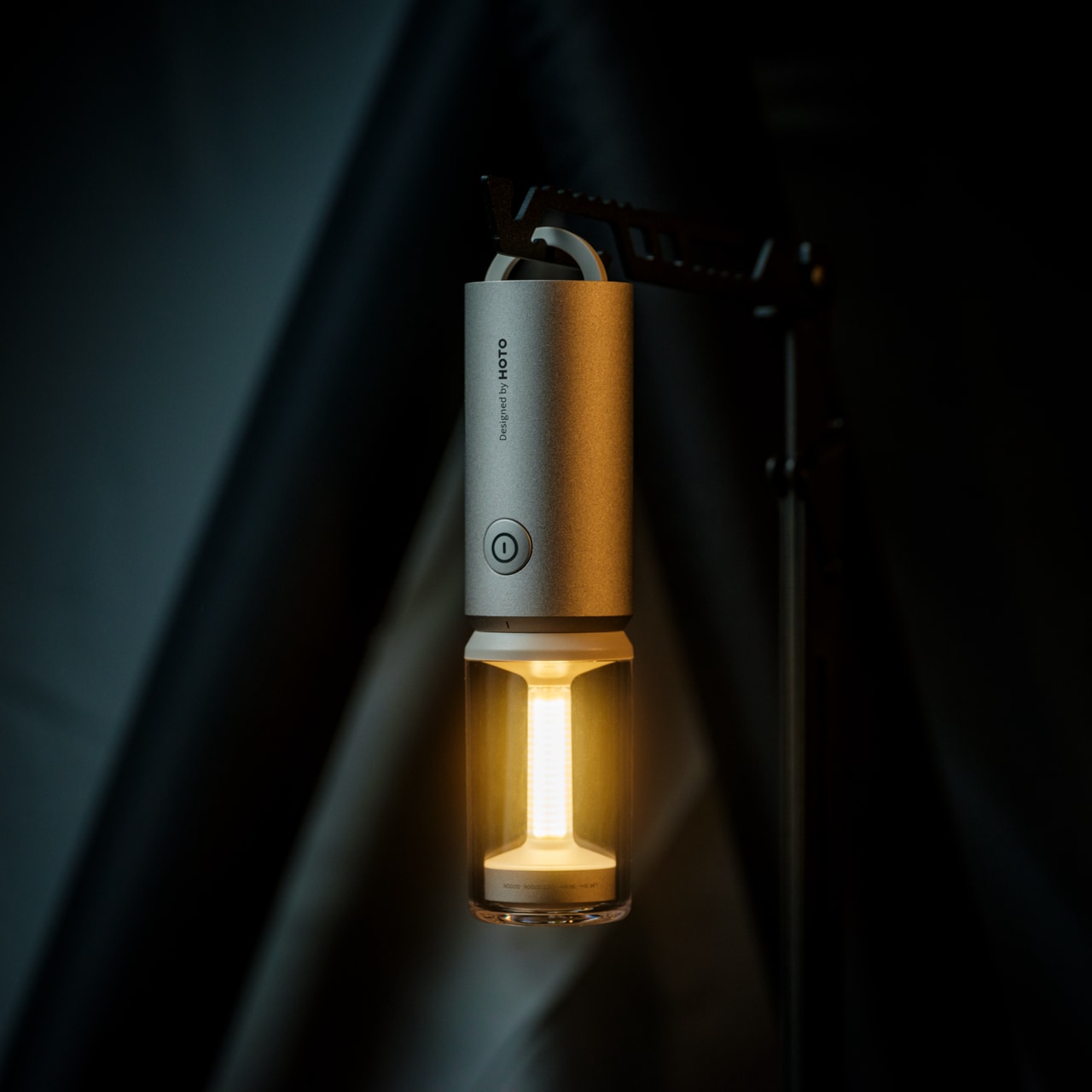
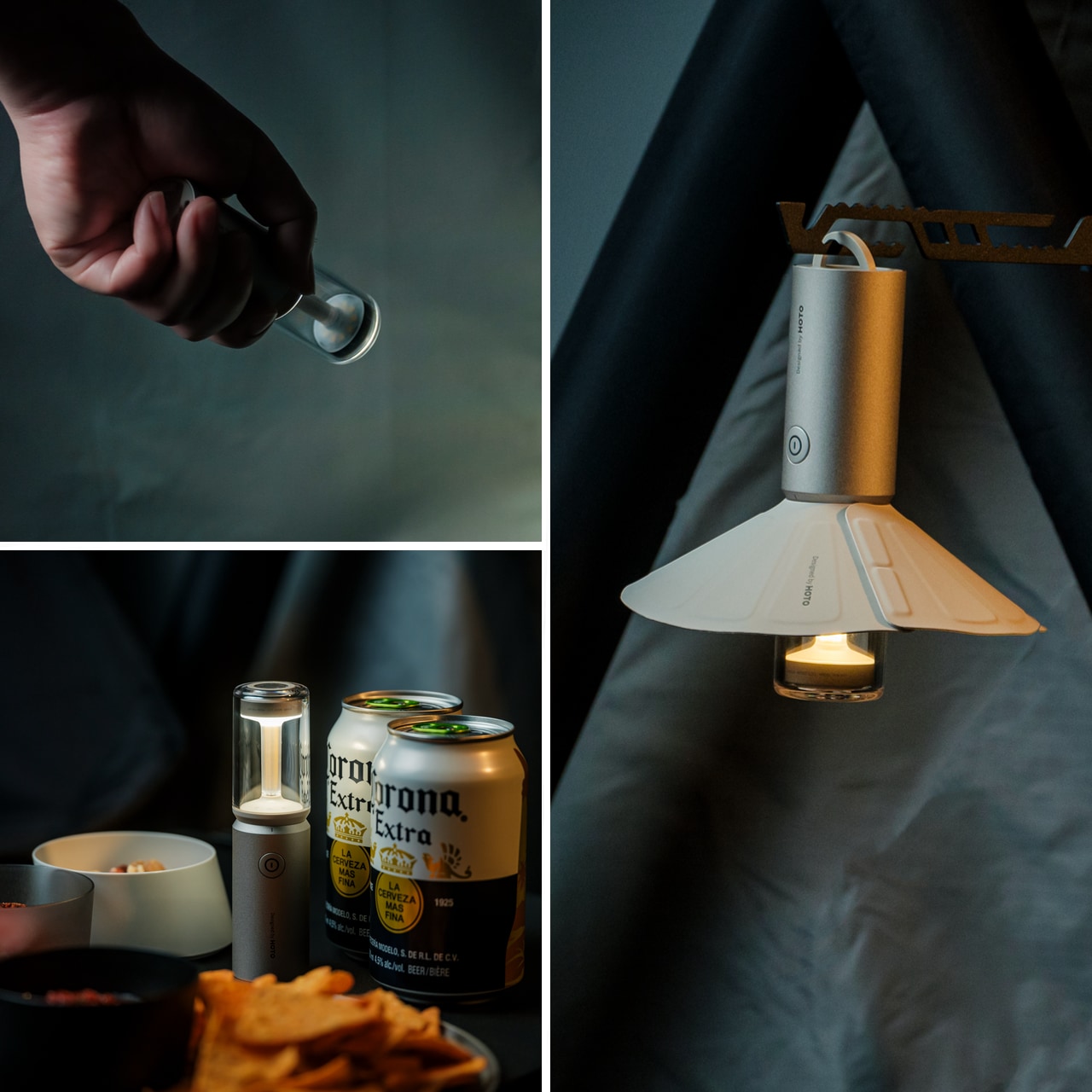
The TriBeam Camplight revolutionizes portable lighting through intelligent design that adapts seamlessly to diverse outdoor scenarios and activities. Three distinct lighting modes provide solutions ranging from intimate 5-lumen ambient mood lighting to powerful 180-lumen focused flashlight beams for trail navigation. The single-button interface eliminates operational complexity, while the compact 12.8cm frame weighing only 135g ensures effortless portability without compromising performance or functionality.

This award-winning design prioritizes versatility without sacrificing specialized performance, allowing users to optimize lighting for specific activities and environmental conditions. The impressive 50-hour battery life eliminates frequent recharging concerns during extended wilderness adventures. Whether setting romantic dinner ambiance, navigating challenging trails, or providing general campsite illumination, this thoughtful engineering transforms a simple camping light into an adaptable companion that enhances every outdoor experience.

Click Here to Buy Now: $65.00

What we like

  • Three specialized lighting modes address diverse camping scenarios from intimate ambiance to powerful trail navigation.
  • Exceptional 50-hour battery life significantly reduces charging frequency requirements during extended wilderness adventures.

What we dislike

  • Single-button operation interface may complicate quick mode switching during urgent or emergency.
  • Compact size constraints potentially limit maximum light output compared to larger specialized lighting alternatives.

4. Damascus Sandalwood Split-Handle Pocket Knife

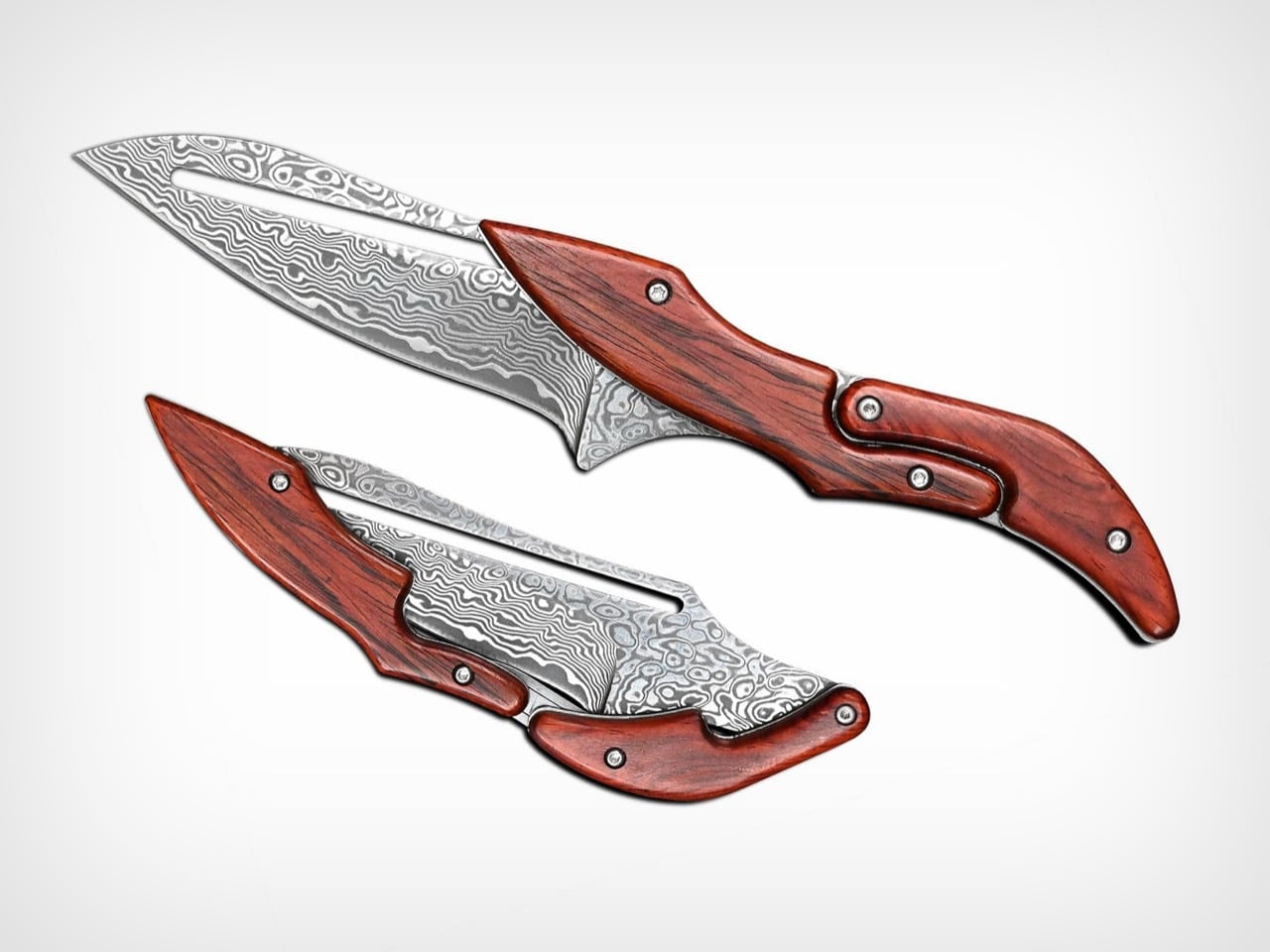
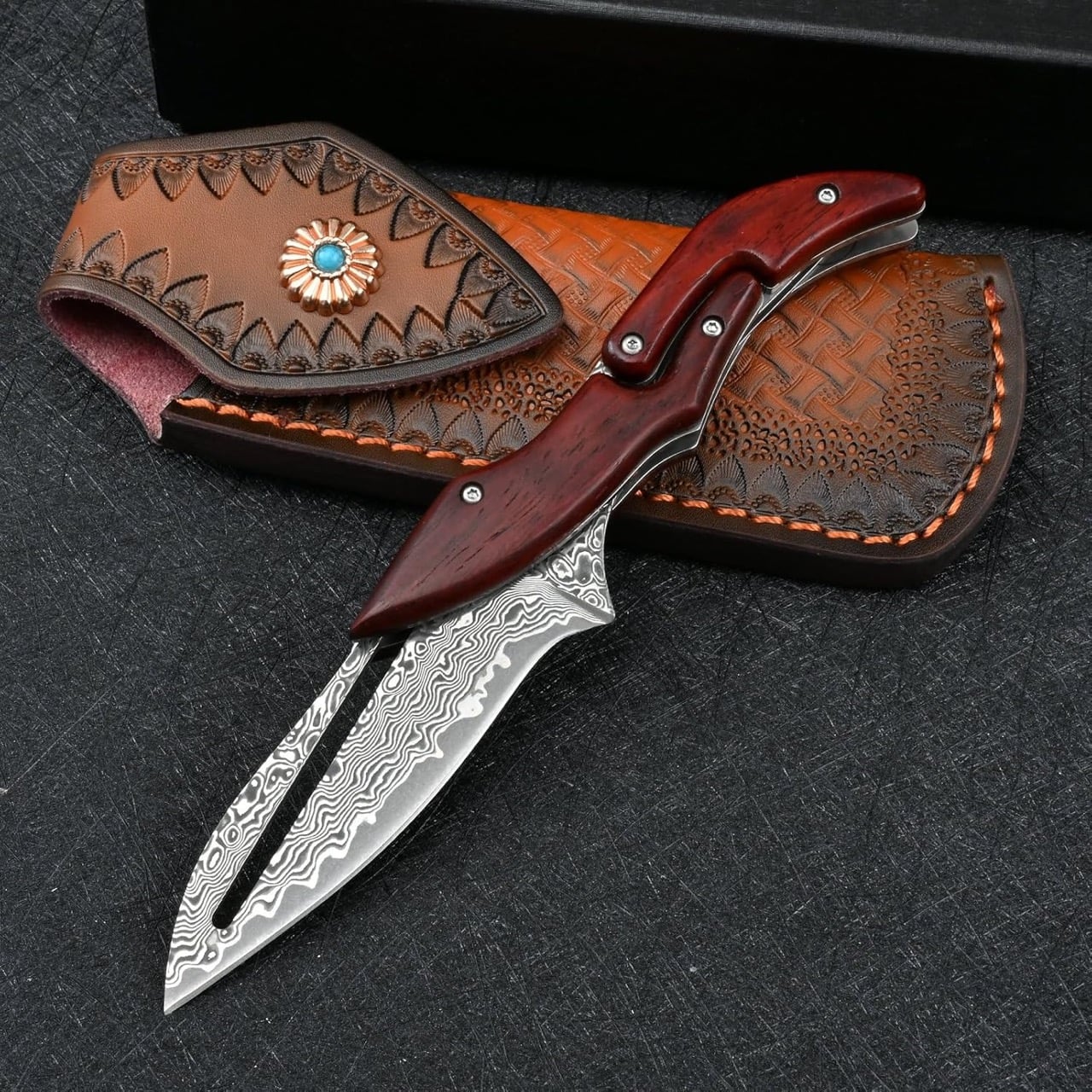
This exquisite pocket knife transcends traditional utility tools through its mesmerizing split-handle opening mechanism and premium material selection. The VG10 Damascus steel blade showcases ancient metalworking artistry, featuring distinctive marbled patterns created through folding different steel types together and acid-etching techniques. The Yellow Sandalwood handle incorporates an innovative linkage system that transforms from an ergonomic grip when opened to a protective sheath when closed, creating a captivating mechanical transformation.

This knife represents a philosophical approach to everyday carry gear, elevating functional tools to jewelry-like status through exceptional craftsmanship and artistic design. The split-handle mechanism creates a unique opening experience that disassembles before reassembling into operational form, providing almost ritualistic engagement. Rather than tactical survival equipment, this celebrates traditional metalworking heritage combined with contemporary engineering innovation, appealing specifically to collectors and design enthusiasts who appreciate artisanal craftsmanship.

What we like

  • Stunning Damascus steel blade combines exceptional cutting functionality with remarkable artistic beauty and craftsmanship.
  • Unique split-handle opening mechanism creates an engaging, almost ritualistic experience that transforms tool operation into art.

What we dislike

  • The complex mechanical opening mechanism likely requires more maintenance and care than traditional folding knife designs.
  • Premium materials and exceptional craftsmanship likely command significantly higher pricing than standard utility knives.

5. Titanium 2-in-1 Compass Thermometer

The COMANDI-Corres Titanium Compass embodies precision navigation in elegantly compact form, combining traditional wayfinding capabilities with essential temperature monitoring functionality. The UFO-inspired design philosophy celebrates exploration and discovery while ensuring practical functionality for serious outdoor adventurers. Titanium construction provides exceptional durability while maintaining minimal weight, making it ideal for extended backcountry expeditions where every gram of carried weight matters significantly for performance and comfort.

This design achieves a perfect balance between classic navigation principles and modern manufacturing techniques, creating tools equally suitable for mountain peaks or ocean voyages. The compact size ensures effortless integration into any gear kit without adding unnecessary bulk, while dual functionality eliminates the need for separate temperature monitoring equipment. This represents a thoughtful gear consolidation philosophy that maintains specialized performance while reducing overall equipment complexity and weight for serious wilderness adventures.

What we like

  • Titanium construction offers an exceptional durability-to-weight ratio, perfect for serious extended wilderness adventures.
  • Dual functionality, combining essential navigation and environmental monitoring, eliminates the need for separate specialized tools.

What we dislike

  • Compact size may make precise compass readings challenging during difficult weather or visibility conditions.
  • Premium titanium construction likely results in significantly higher cost compared to standard aluminum alternatives.

The Future of Outdoor Adventure Gear

These innovative camping designs represent the beginning of a new era where outdoor gear seamlessly integrates advanced technology with timeless wilderness principles. Each product demonstrates how thoughtful engineering can enhance outdoor experiences without compromising the authentic connection to nature that makes camping so rewarding. Smart design solutions address real challenges while respecting environmental values and traditional outdoor philosophies.

As camping continues evolving, expect gear that disappears into the background, allowing focus on meaningful wilderness moments. The best equipment will always be tools that enhance rather than complicate outdoor adventures, letting you concentrate on sunrise views, peaceful nights under starlit skies, and the profound satisfaction that comes from successfully navigating and thriving in natural environments with reliable, beautifully designed companions.

The post Top 5 Game-Changing Camping Gear Designs That Redefine Outdoor Adventures first appeared on Yanko Design.
This Tiny Red Shelter in the Alps Blurs Art and Architecture

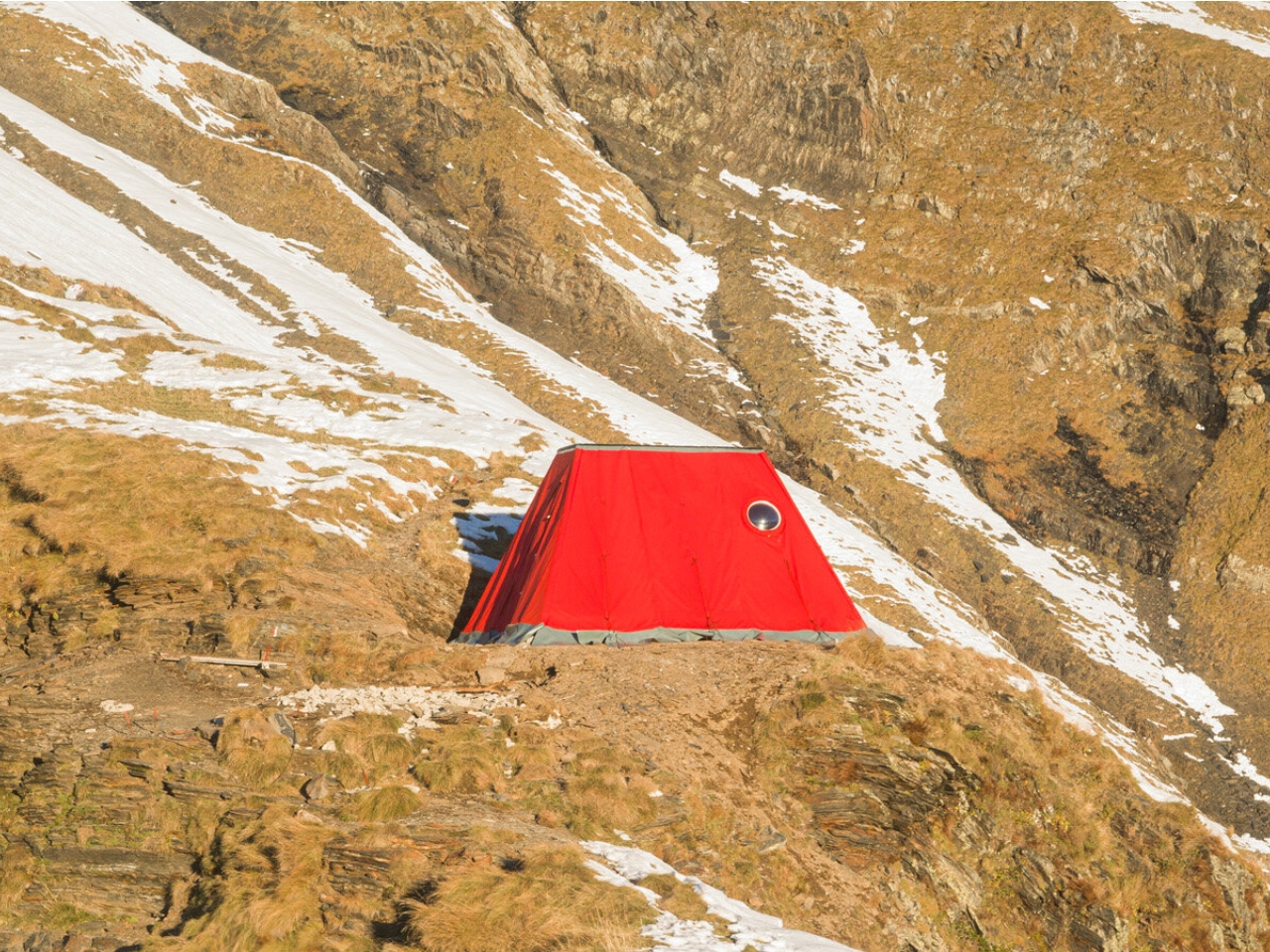
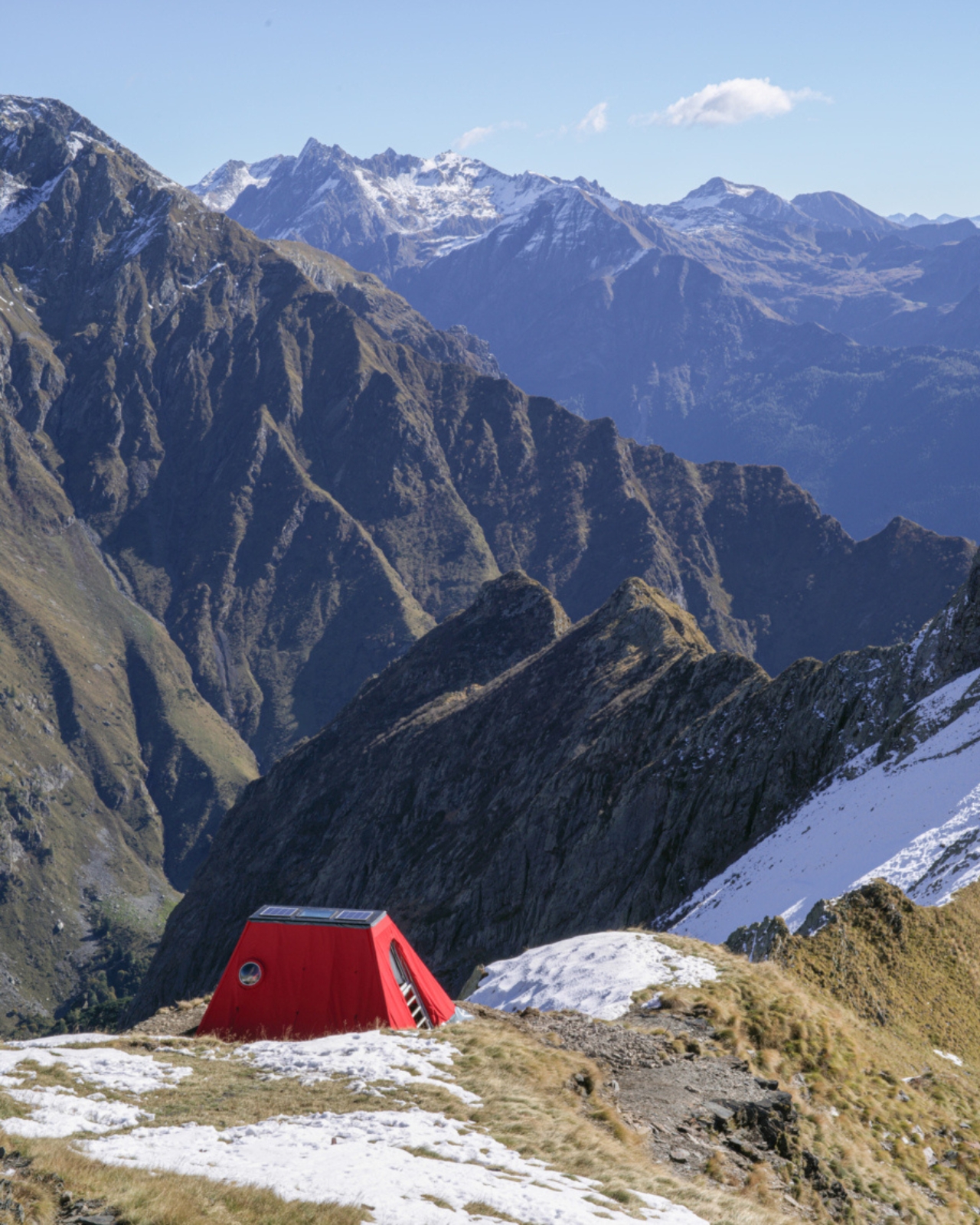
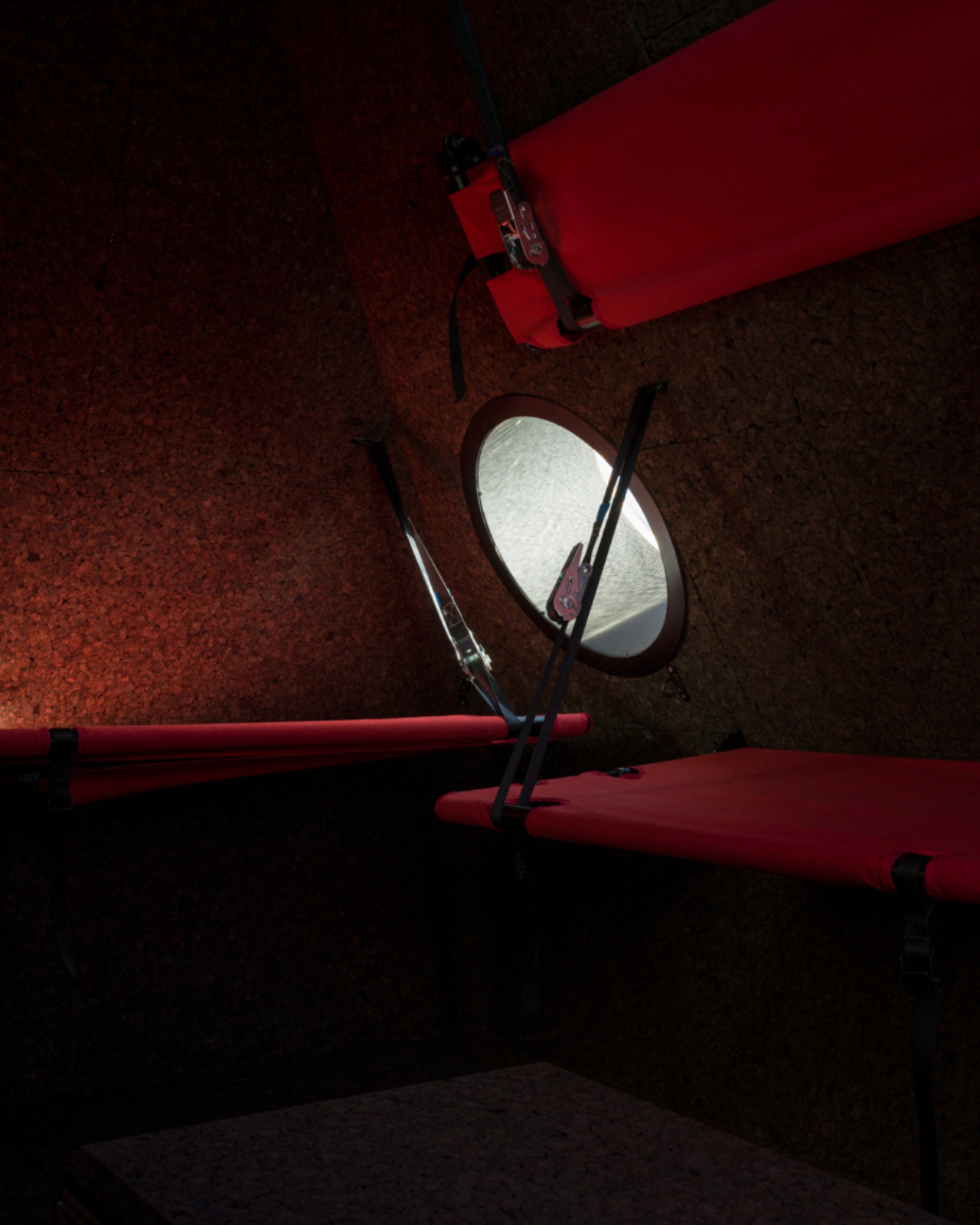
Picture this: a bright red pod perched at 2,300 meters in the Italian Alps, measuring just 4 by 2 meters, designed to shelter nine climbers in an emergency while also serving as a cultural outpost for a contemporary art gallery. If that sounds like a wild concept, well, that’s because it is.

The Aldo Frattini Bivouac, designed by the research and design studio EX., is part of something called “Thinking Like a Mountain,” a biennial program organized by GAMeC (Bergamo’s Gallery of Modern and Contemporary Art) that explores the relationship between art, landscape, and ecology. But unlike your typical art project, this one involves helicopters, emergency shelter protocols, and a whole lot of mountain weather.

Designer: EX. (photos by Tomaso Clavarino)

Located along the Alta Via delle Orobie Bergamasche in Val Seriana, the structure replaces a decaying asbestos shed that was no longer safe for climbers. The design team, led by Andrea Cassi and Michele Versaci, approached this project with a humility that’s refreshing in contemporary architecture. They weren’t trying to create some iconic landmark that screams “look at me” from across the valley.

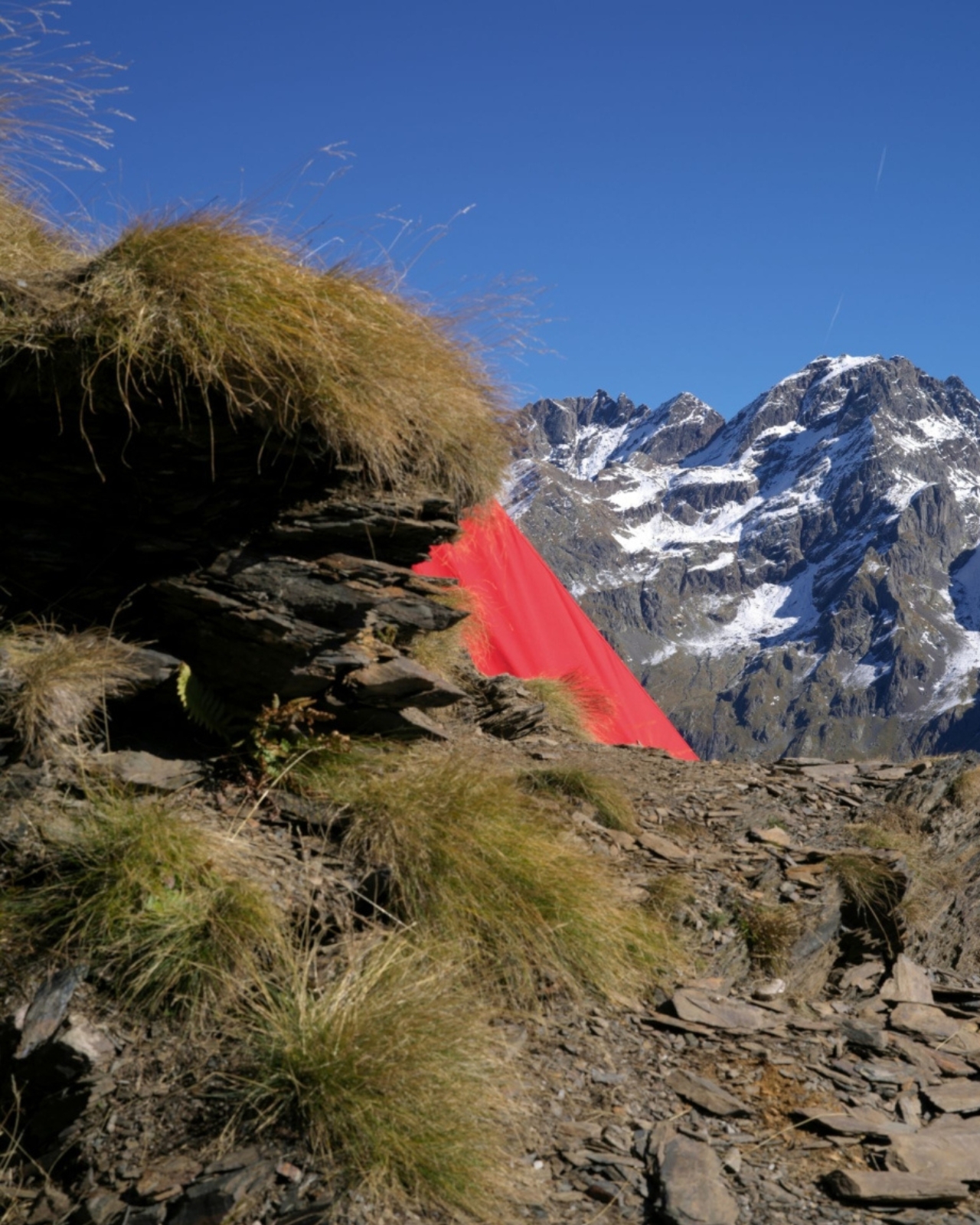
Instead, the bivouac takes its visual cues from classic alpine tents, those temporary shelters that early mountaineers relied on during their high-altitude adventures. The exterior is wrapped in a lightweight fabric skin made by Ferrino, a Turin-based company known for mountaineering equipment. This rippling, shimmering material gives the structure a sense of impermanence, almost like it’s acknowledging its own fragility against the backdrop of ancient mountains.

The construction process was its own kind of adventure. Because the site sits at such a high altitude and is accessible only to experienced climbers, traditional building methods were out of the question. The solution? Prefabricate the entire thing in three parts, weighing about 2,000 kilograms total, and have a helicopter drop it into place during a brief weather window before snowstorms rolled in. It’s the kind of logistical puzzle that makes you appreciate the careful planning behind what looks like a simple structure.

Inside, natural cork lining provides both thermal and acoustic insulation, creating a surprisingly cozy refuge against harsh alpine conditions. The space is engineered to accommodate up to nine people through a carefully choreographed arrangement of beds that unfold from the walls when needed. Most of the time, it might sit empty or shelter just one or two climbers. But in emergency situations, every inch of that compact interior becomes crucial.

What makes this project fascinating is its dual identity. Yes, it’s a functioning emergency shelter that serves a vital practical purpose for alpinists. But it’s also an extension of GAMeC’s cultural reach into the alpine environment. The gallery isn’t trying to stage exhibitions up there or host events. Instead, the bivouac serves as what they call an “observatory,” a place for gathering data, images, and environmental monitoring that helps create connections between Bergamo’s urban context and the mountainous terrain to the north.

This approach represents a kind of anti-artwashing, if you will. Rather than imposing bold artistic statements onto a landscape, the project tries to listen to and learn from the culture of the Alps. The architecture becomes a medium for presence and observation rather than display, a subtle but significant shift in how we think about bringing art and design into remote natural spaces.

The red fabric exterior is deliberately vulnerable looking. It flutters in the wind, showing creases and movement rather than presenting some pristine, unchanging surface. EX. describes it as “embracing fragility as an aesthetic,” a rejection of the idea that mountain architecture needs to be sleek and immaculate. In a way, that fabric skin becomes a kind of truth-telling, acknowledging that all human structures in the mountains are provisional and temporary when measured against geological time.

Supported by Fondazione Cariplo and Fondazione della Comunità Bergamasca, the Aldo Frattini Bivouac might just be one of the smallest buildings you’ll read about this year, but it punches well above its weight in terms of ambition and thoughtfulness. It’s a reminder that good design isn’t always about scale or spectacle. Sometimes it’s about finding elegant solutions to complex problems while respecting the environment you’re working in, even when that environment is barely accessible and completely unforgiving.

The post This Tiny Red Shelter in the Alps Blurs Art and Architecture first appeared on Yanko Design.
13,000-Lumen Flashlight With Smart Cooling Also Charges Your Phone

There’s something exhilarating about pushing into the wild after dark, whether you’re cycling down a forest trail, hiking a canyon, or just exploring the world beyond the city lights where streetlamps don’t reach and the natural darkness takes over. But adventure after sunset demands gear that’s as tough and adaptable as you are, and most flashlights just aren’t up to the challenge of serious outdoor use in unpredictable, demanding conditions.

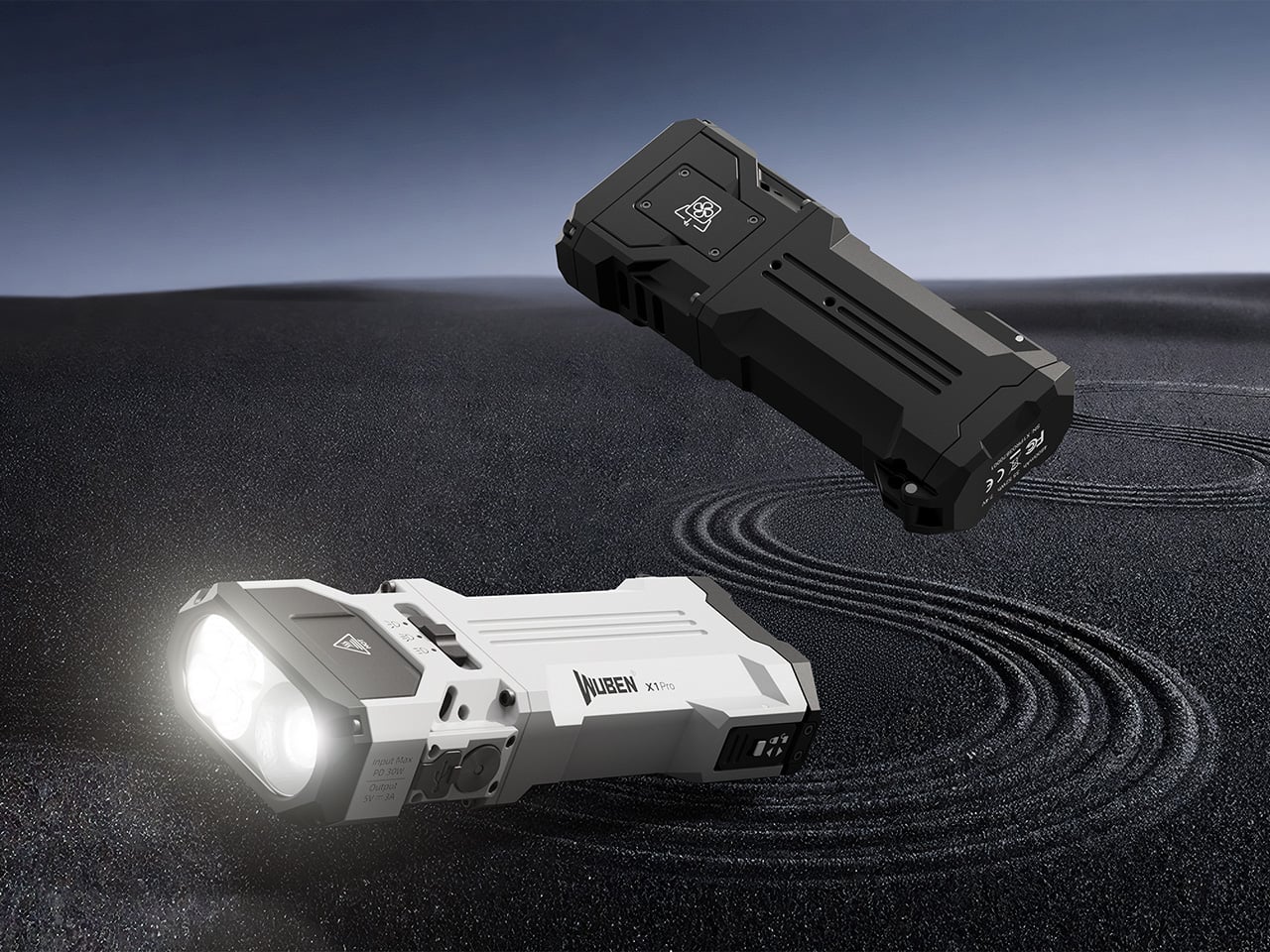
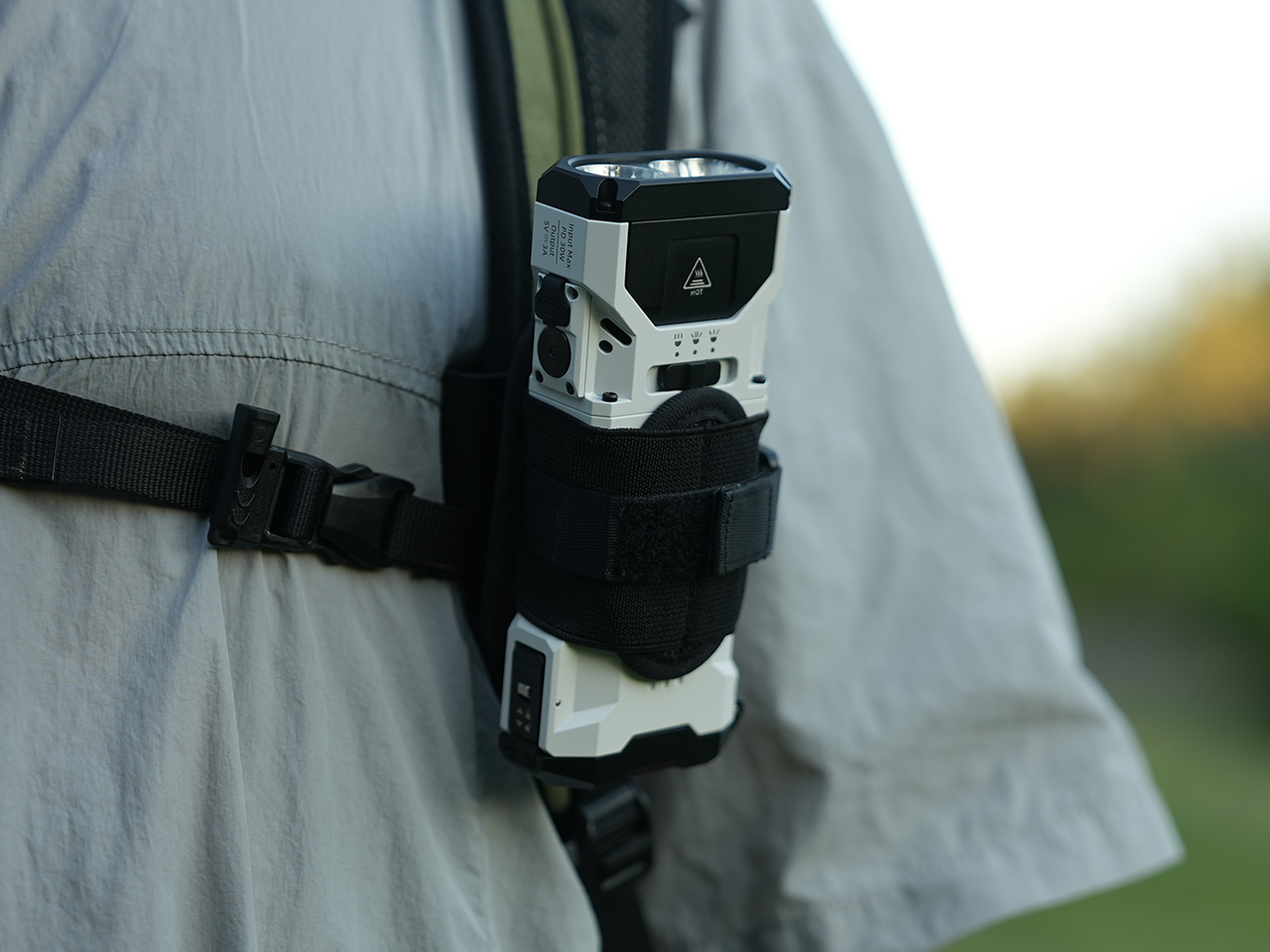
The WUBEN X1 Pro is built for explorers who want more than a basic beam and simple on-off functionality from their gear. With 13,000 lumens of combined flood and spot light, a rugged aluminum alloy body, and smart cooling to keep things running smoothly under heavy use, it’s a flashlight that’s as ready for action as you are, designed to handle whatever the night throws at you without fail.

Designer: Mr. Tan (Manager of Wuben Brand)

Click Here to Buy Now: $119 $149 (20% off). Hurry, only a few left! Raised over $181,000.

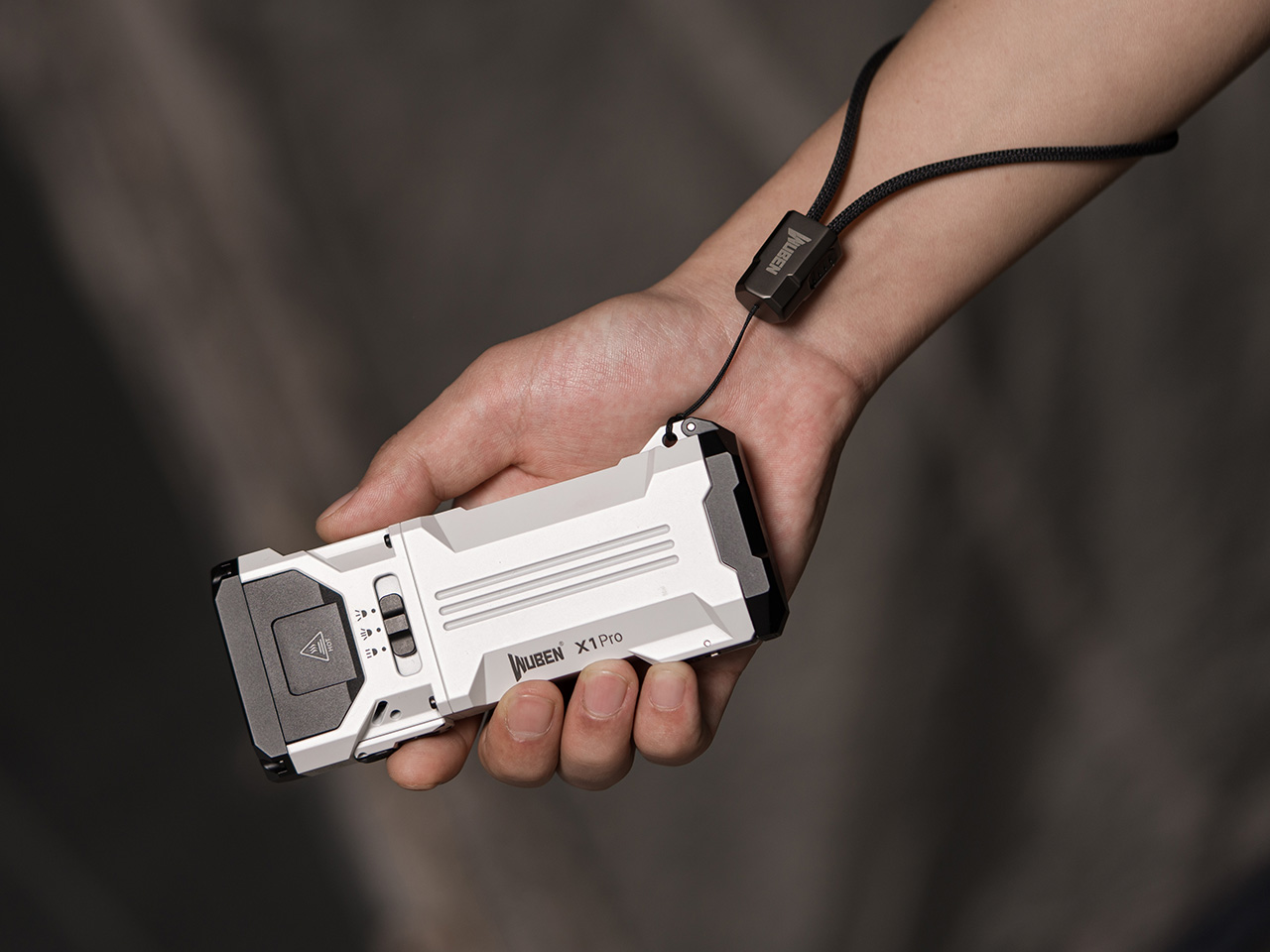
The WUBEN X1 Pro’s angular, aluminum alloy body feels solid and substantial in your hand, with sculpted lines and a one-handed grip that’s easy to hold even with gloves on during cold-weather expeditions. At 383 grams and just under 14 centimeters long, it packs serious power into a form that fits in a jacket pocket or bike bag without creating annoying bulk or weighing you down.

The minimalist button layout and matte finish look refined and purposeful, while the floating chassis and visible cooling vents hint at the engineering inside that keeps everything running at safe temperatures. It’s a flashlight that looks as good clipped to a backpack as it does on a nightstand, blending outdoor toughness with considered industrial design that doesn’t compromise aesthetics.

With three high-output LEDs arranged for both wide coverage and distance, the WUBEN X1 Pro delivers a wide, 125-degree flood for lighting up campsites or work areas and a focused spot beam that throws up to 337 meters into the distance. Switching between modes is seamless, letting you adapt to changing conditions on the fly without fumbling through complicated menu systems or awkward multi-press combinations.

Multiple brightness settings from Turbo to Eco mean you can go all out for a midnight ride through challenging terrain or conserve power for a long hike that stretches into days. The 13,000-lumen Turbo mode is bright enough to turn night into day across entire clearings, while lower settings stretch battery life for extended trips where charging opportunities are limited or nonexistent.

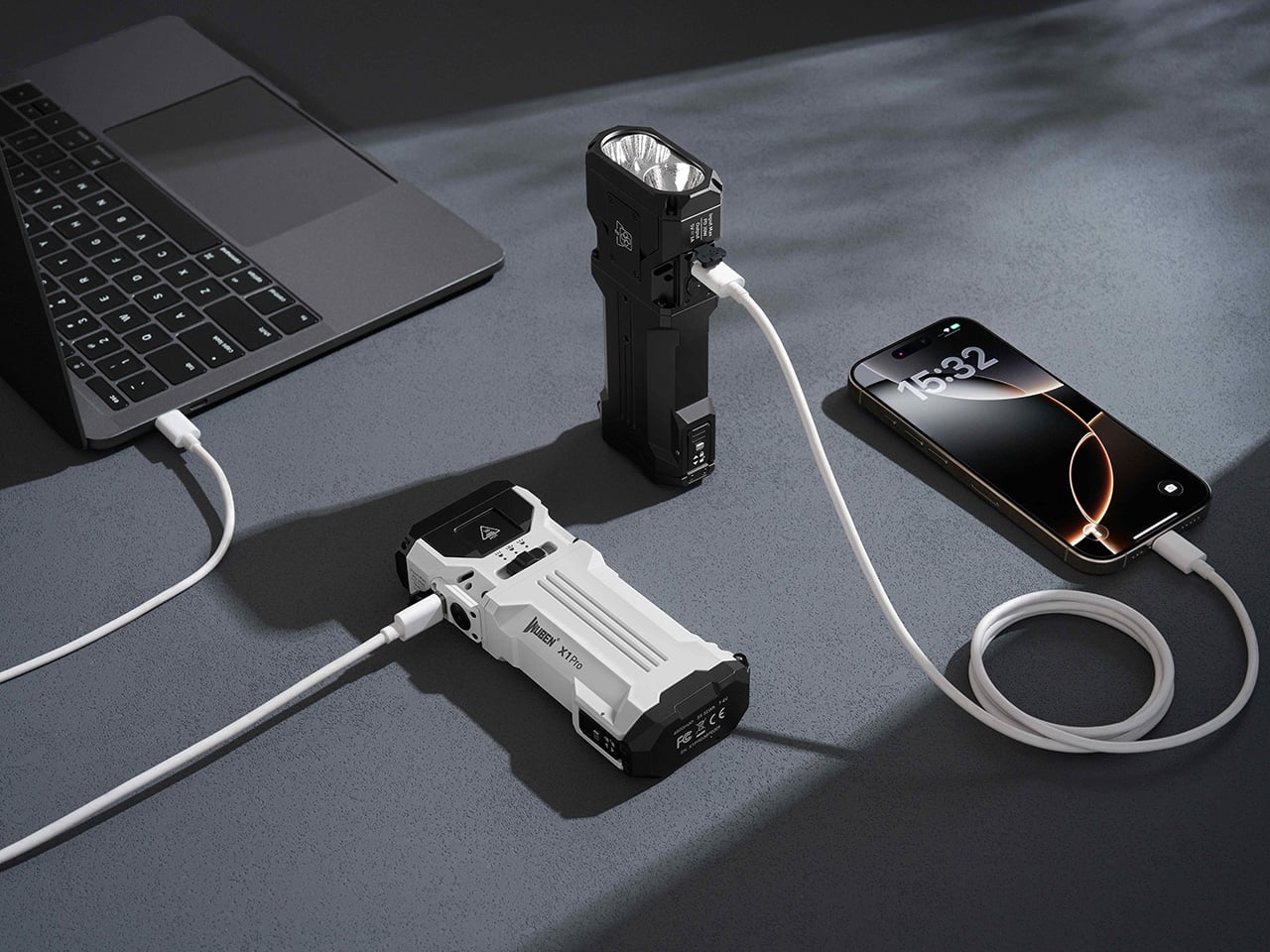
The WUBEN X1 Pro runs on two replaceable 21700 lithium batteries, providing a combined 9600mAh of capacity that powers hours of high-output use without fading. That’s enough juice for serious adventures, and when you need to recharge your phone or GPS device during extended trips, the flashlight doubles as a 15W power bank via USB-C output without compromising your lighting needs or leaving you in the dark.

Smart cooling keeps everything running safely without overheating or sudden performance drops during extended use. A detachable fan module and copper midframe dissipate heat efficiently, so you can use maximum brightness without worrying about thermal throttling or damage to internal components, no matter how long the adventure lasts or how demanding the conditions become during your exploration.

The X1 Pro is designed for versatile carry, with a rope hole for secure lanyards, and a redesigned bike mount for hands-free lighting on the move. The IP54 rating means it shrugs off rain and dust confidently, while the rugged aluminum build stands up to drops and rough handling during outdoor activities without showing significant damage.

Whether you’re setting up camp in complete darkness, fixing a flat tire at midnight on a deserted road, or leading a group through a dark trail where visibility matters for everyone’s safety, the WUBEN X1 Pro brings confidence and clarity to every situation. Its sculpted design, powerful dual-beam output, and clever features like replaceable batteries and power bank functionality make it a reliable companion for every adventure, big or small.

Click Here to Buy Now: $119 $149 (20% off). Hurry, only a few left! Raised over $181,000.

The post 13,000-Lumen Flashlight With Smart Cooling Also Charges Your Phone first appeared on Yanko Design.
This Chinese Greenhouse Folds Open Into a Community Kitchen

You know that feeling when you stumble upon something that makes you reconsider everything you thought you knew about a space? That’s exactly what happened when I discovered this incredible project in Guangzhou, China. Office for Roundtable and JXY Studio have created something that refuses to fit into neat categories, and honestly, that’s what makes it so compelling.

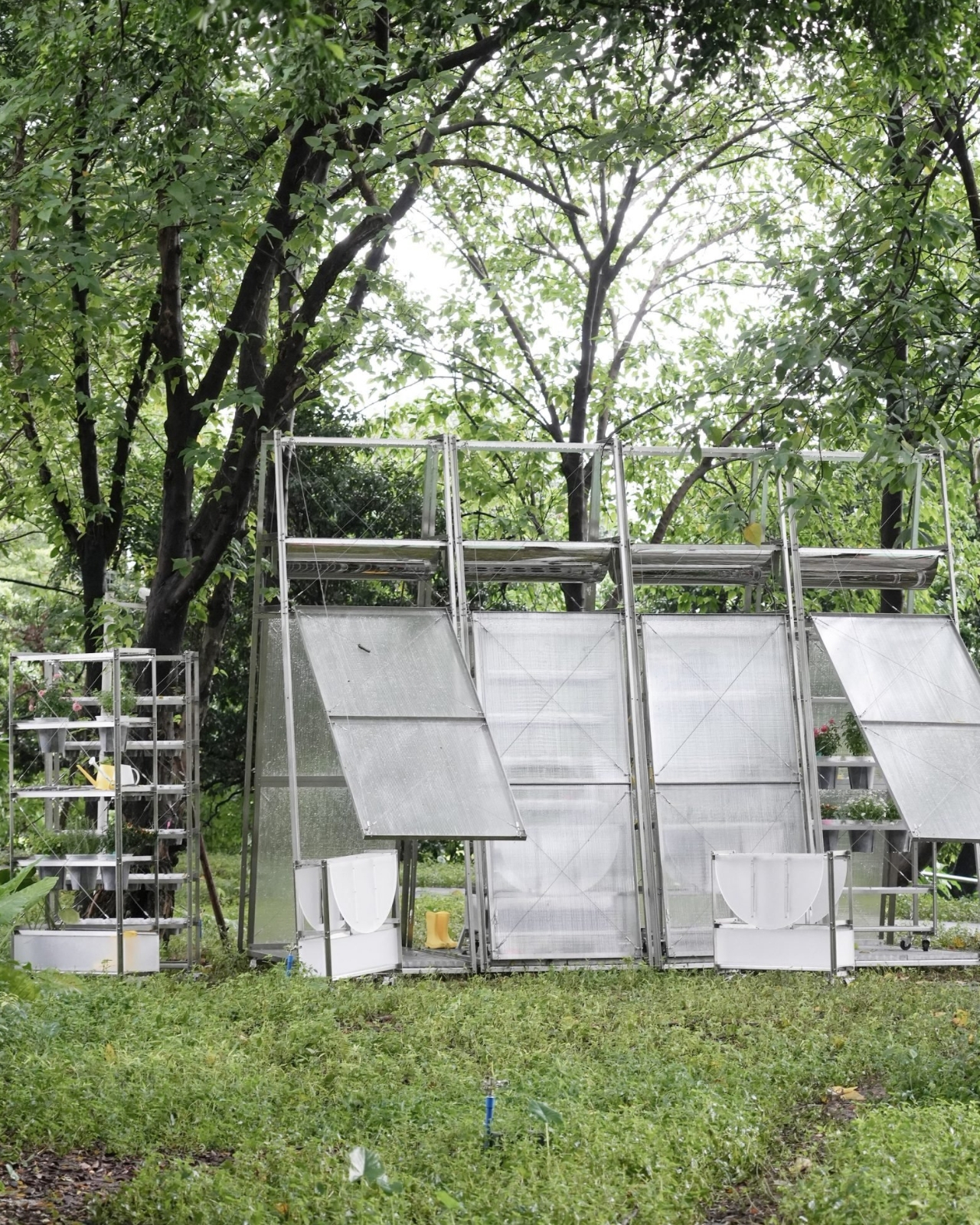
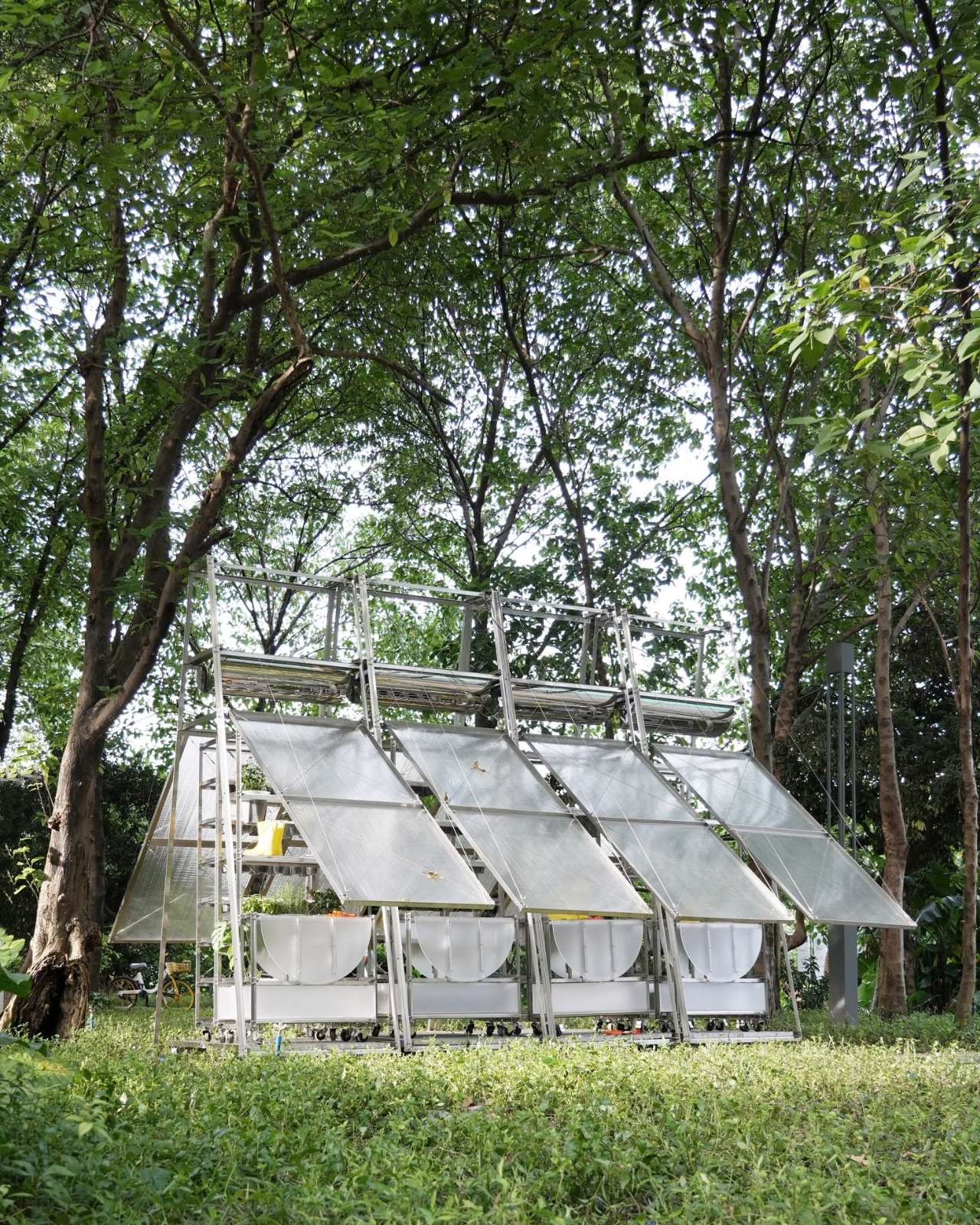
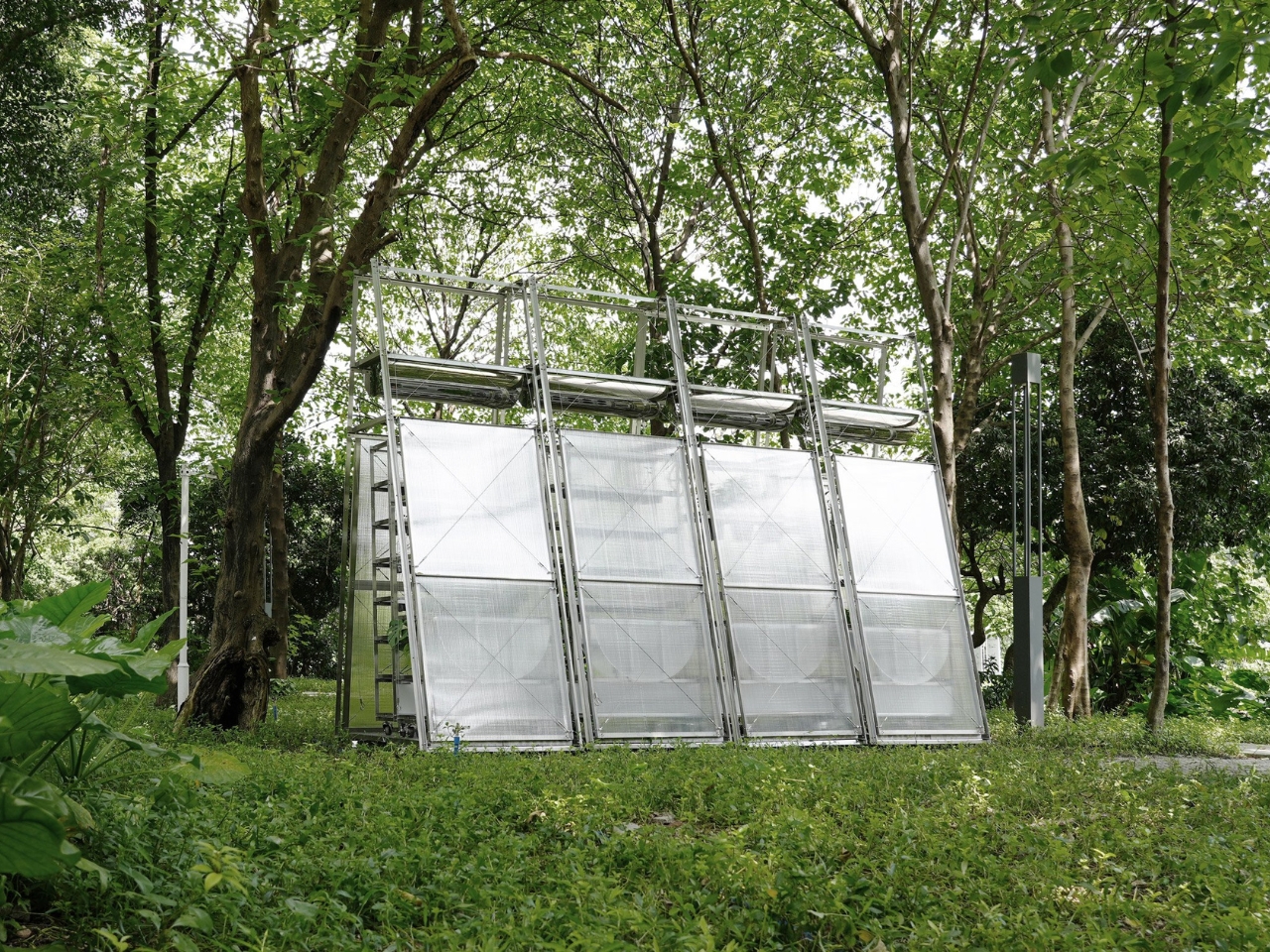
The project is called “Your Greenhouse Is Your Kitchen Is Your Living Room,” and yes, that title is doing exactly what it promises. This isn’t just a clever name. It’s a modular pavilion that literally transforms from a functioning greenhouse into an open pavilion for community gatherings, and it does so in the most satisfying way possible.

Designers: Office for Roundtable and JXY Studio (photography by Leyuan Li)

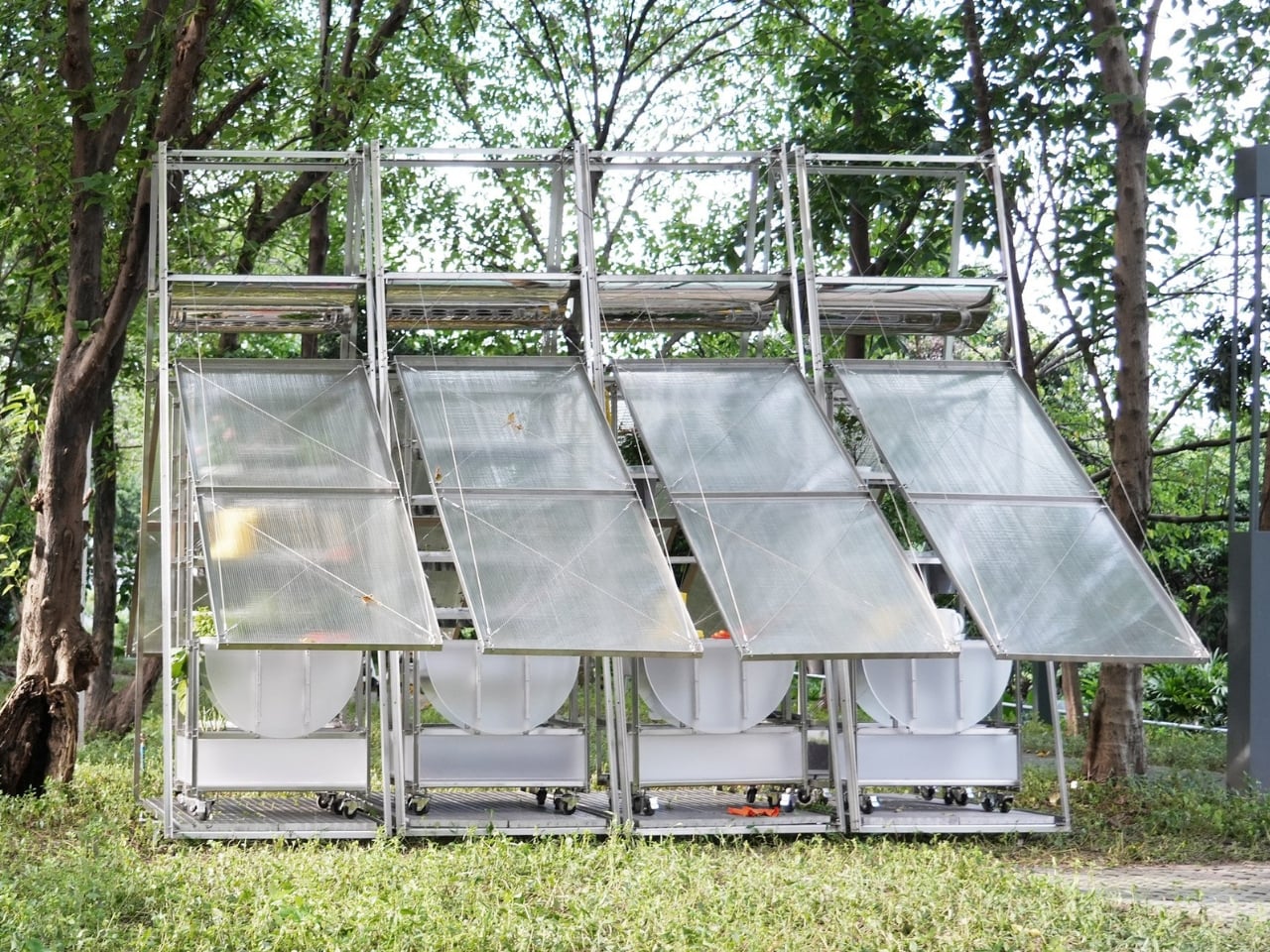
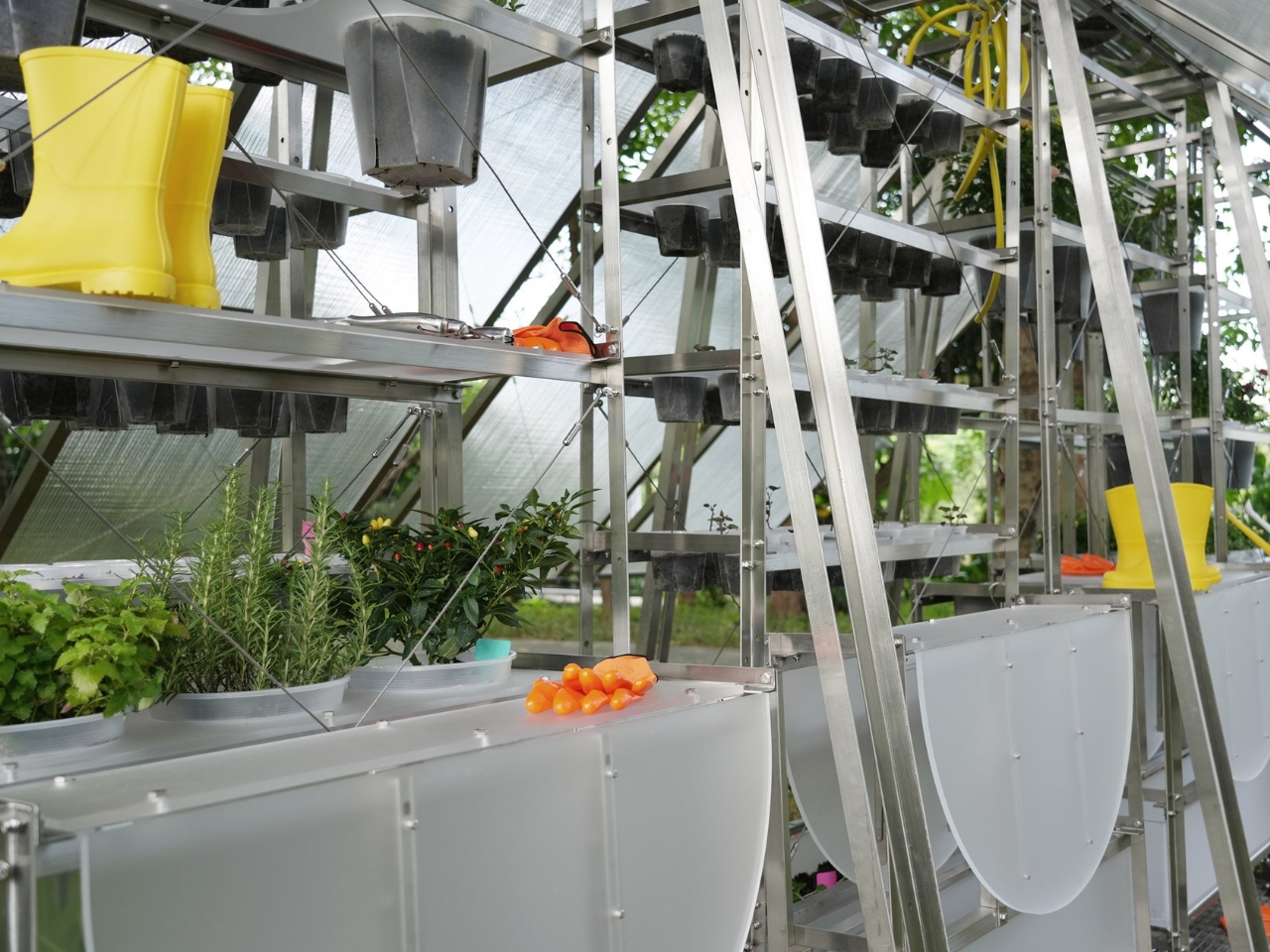
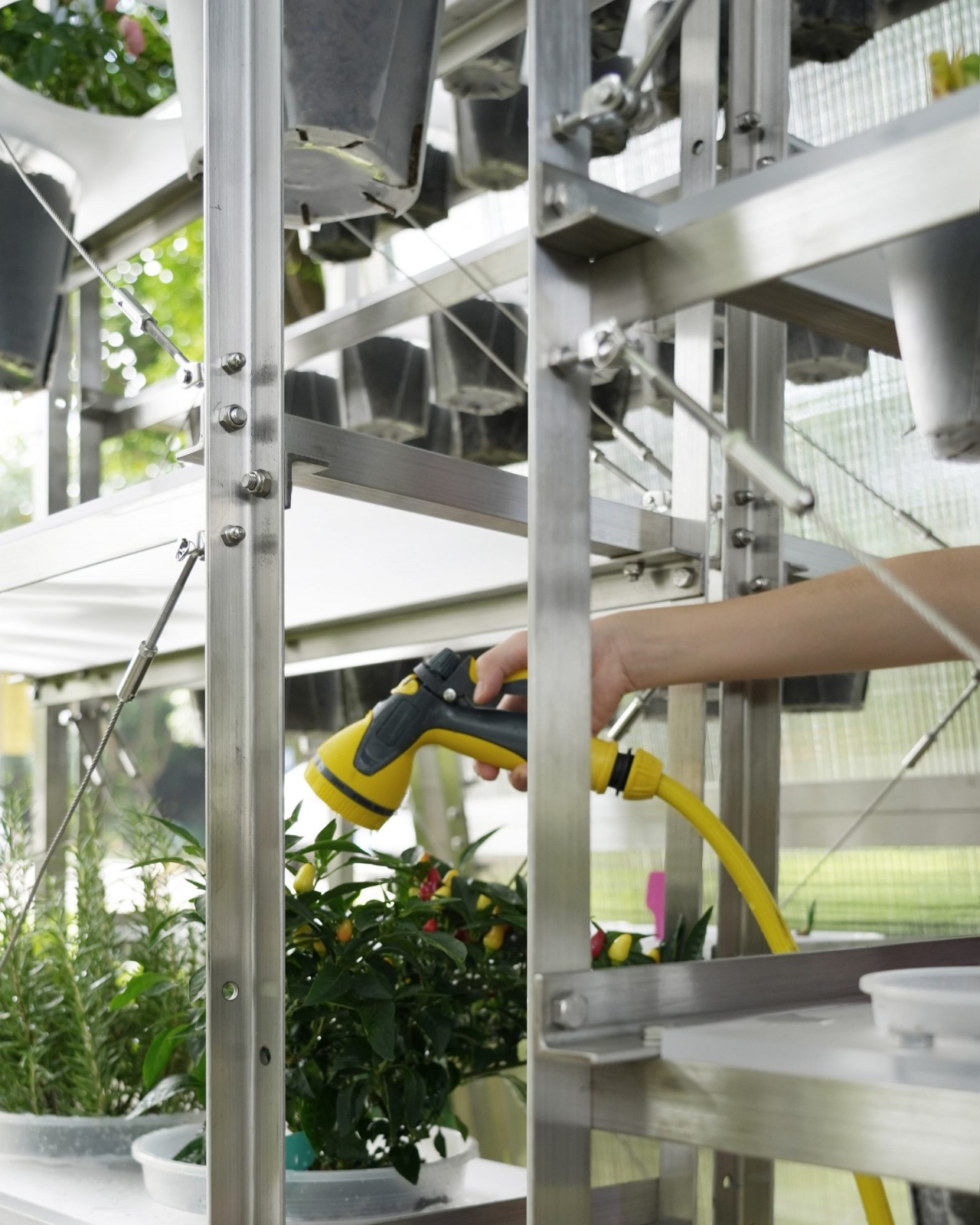
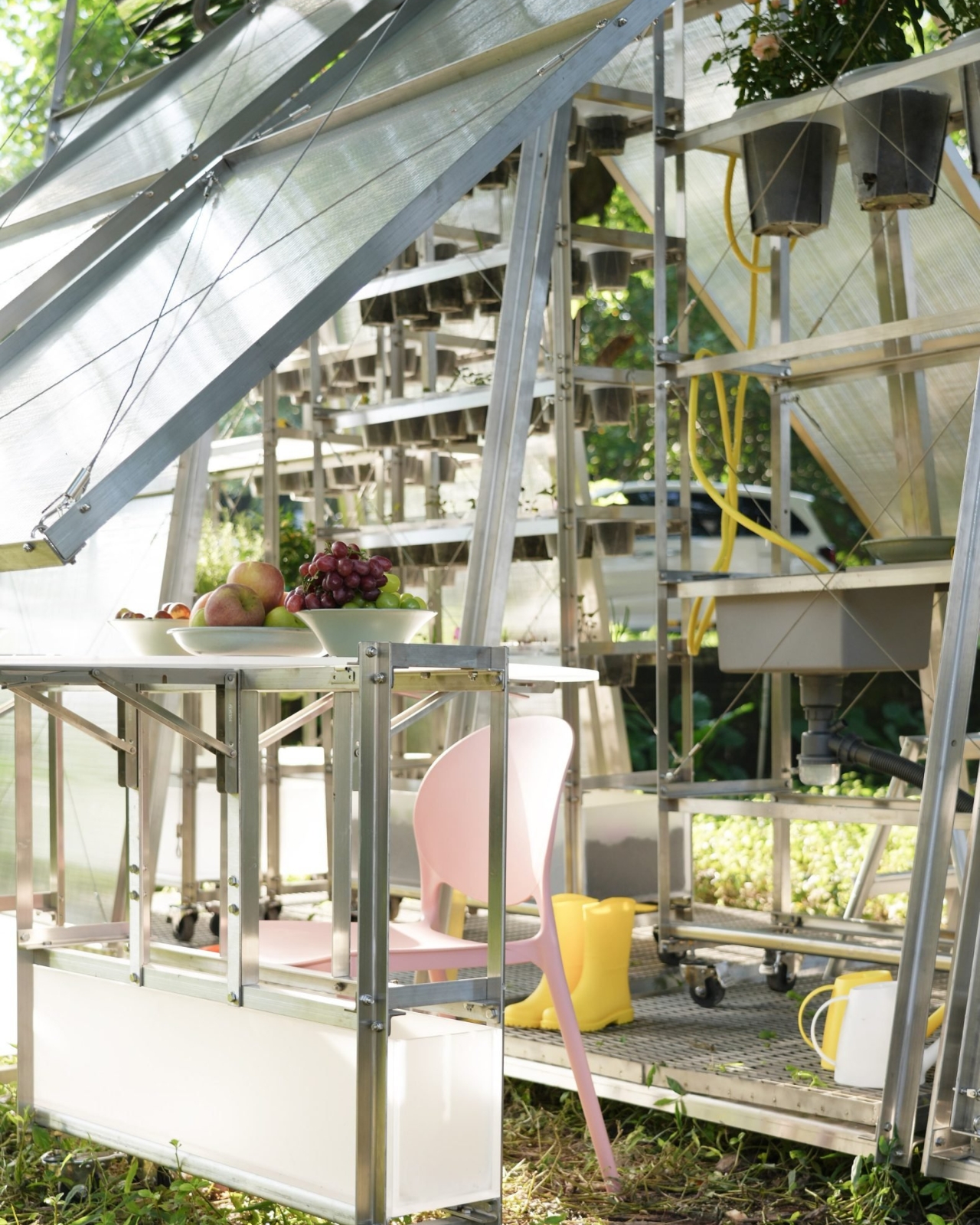
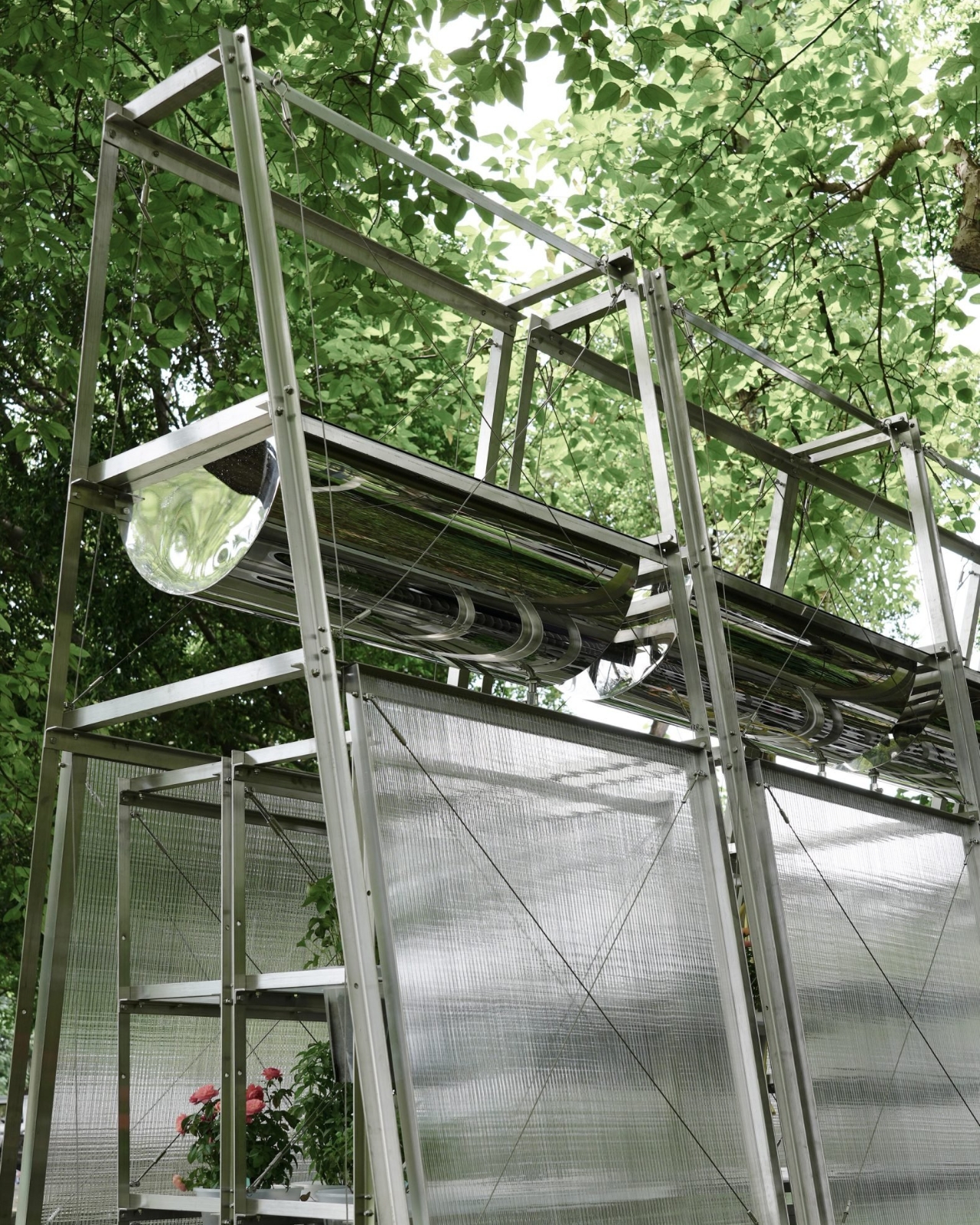
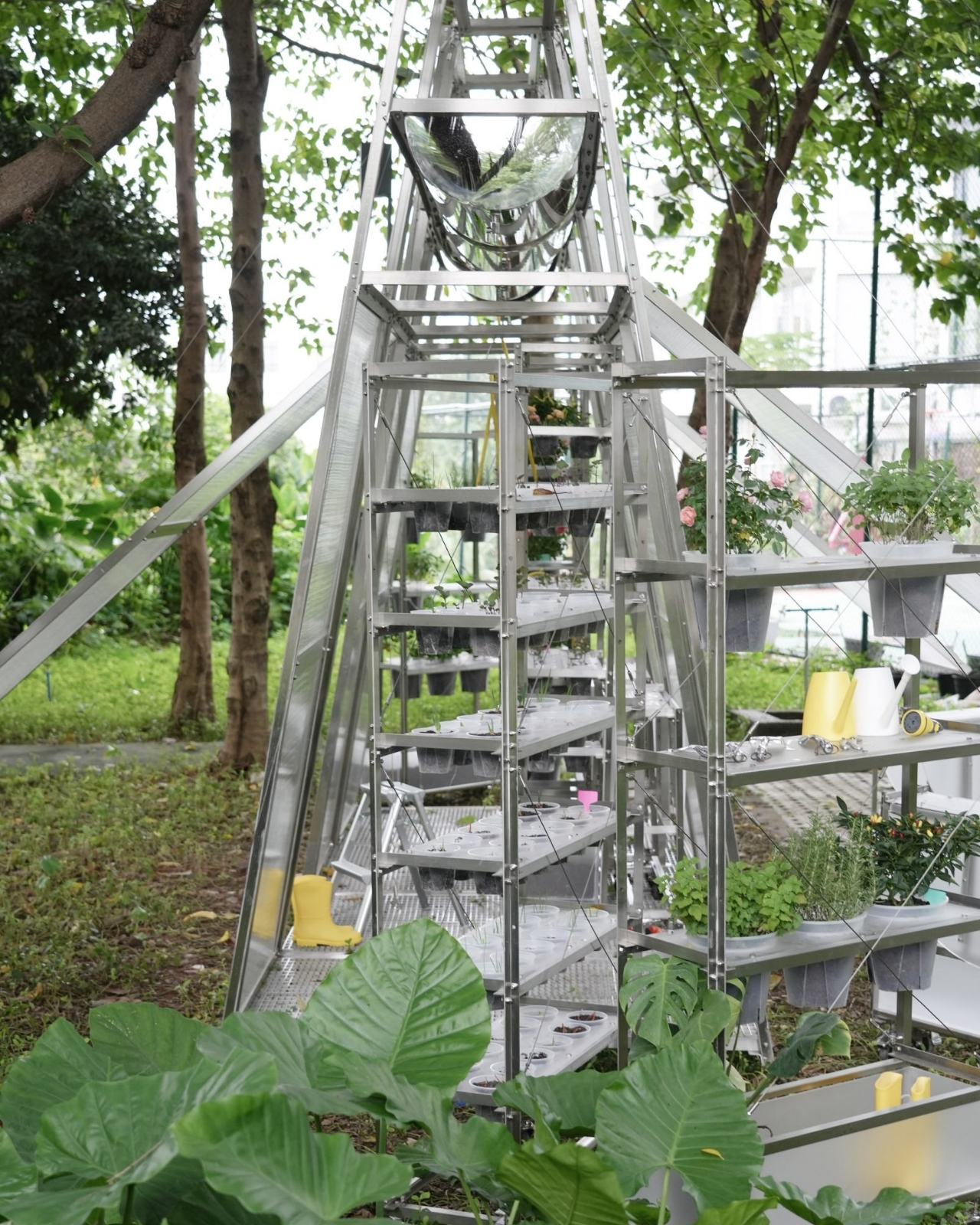
Picture this: a steel A-frame structure wrapped in polycarbonate panels that can hinge open using tension cables suspended from the top of the frame. When the sides are closed, you have a microclimate perfect for growing potatoes, green peppers, lettuce, bok choi, and various herbs. When you pull those cables and the walls lift up, suddenly you’ve got an airy pavilion ready to host a dinner party or a community workshop.

What I love about this design is how it emerged from a very specific moment in time. Designer Leyuan Li secured a grant from Hong Kong’s Design Trust to explore the small-scale, community-based farming projects that popped up during the COVID-19 pandemic. You remember those, right? When everyone suddenly became obsessed with sourdough starters and backyard gardens because we were all grappling with questions about food security and supply chains.

But instead of just documenting that cultural moment, Li and the teams at Office for Roundtable and JXY Studio decided to create something that pushes the conversation forward. The pavilion, installed at Guangzhou’s Fei Arts museum, is their answer to a bigger question: what if we could challenge the entire system of centralized food production by creating spaces that make growing, cooking, and sharing food feel more accessible and communal?

The technical details are pretty clever too. Those polycarbonate sheets aren’t just randomly placed. The designers carefully positioned gaps between the panels to allow for passive cooling, which is essential in Guangzhou’s subtropical climate. Nobody wants to be stuck in a sweltering greenhouse when they’re trying to tend their herbs or host a gathering. Inside, metal shelving racks hold the vegetables and herbs, creating a practical growing system that doesn’t sacrifice aesthetics. The whole structure is lightweight and modular, which means it can be adapted, moved, or reconfigured based on what the community needs.

This flexibility feels important. The design doesn’t dictate how people should use the space. Instead, it offers possibilities. Maybe today it’s a greenhouse where neighbors learn about urban farming techniques. Tomorrow it could transform into an outdoor kitchen where everyone gathers to cook what they’ve grown. Next week, it might become a living room for community conversations about food systems and sustainability.

What Office for Roundtable describes as an “architectural device that amalgamates the roles of a greenhouse, an outdoor kitchen, and a living room” is really about something deeper than just multipurpose design. It’s about reimagining our relationship with food, land, and each other in urban environments.
The truth is we’re increasingly disconnected from where our food comes from so this project offers a refreshingly tangible alternative. It proposes new forms of what the designers call “domesticity and collectivity” by literally breaking down the walls between growing food, preparing it, and gathering around it. The beauty of this installation is that it doesn’t preach or demand. It simply exists as an invitation. Want to grow something? Here’s the space. Want to cook together? The pavilion opens up. Want to talk about how we can build more resilient, community-centered food systems? Pull up a chair.
That’s the kind of design that sticks with you. Not because it’s flashy or complicated, but because it’s thoughtful enough to adapt to real human needs while being bold enough to suggest we might want to rethink some pretty fundamental assumptions about how we live, eat, and come together.

The post This Chinese Greenhouse Folds Open Into a Community Kitchen first appeared on Yanko Design.