How to Embrace Earthy Tones in Architecture and Interior Design

Earth-toned colors, inspired by nature, bring a harmonious, inviting, and organic feel to any space. From the hues of warm terracottas and bricks to the cool tones of natural stone, these colors create a soothing, grounded effect. By incorporating materials and hues that reflect the natural world, you can infuse your home with the tranquil and balanced essence of earthy tones. Here’s how to weave these colors and textures into architecture and interior design.

Designer: Emerging Objects

1. Rammed Earth Construction

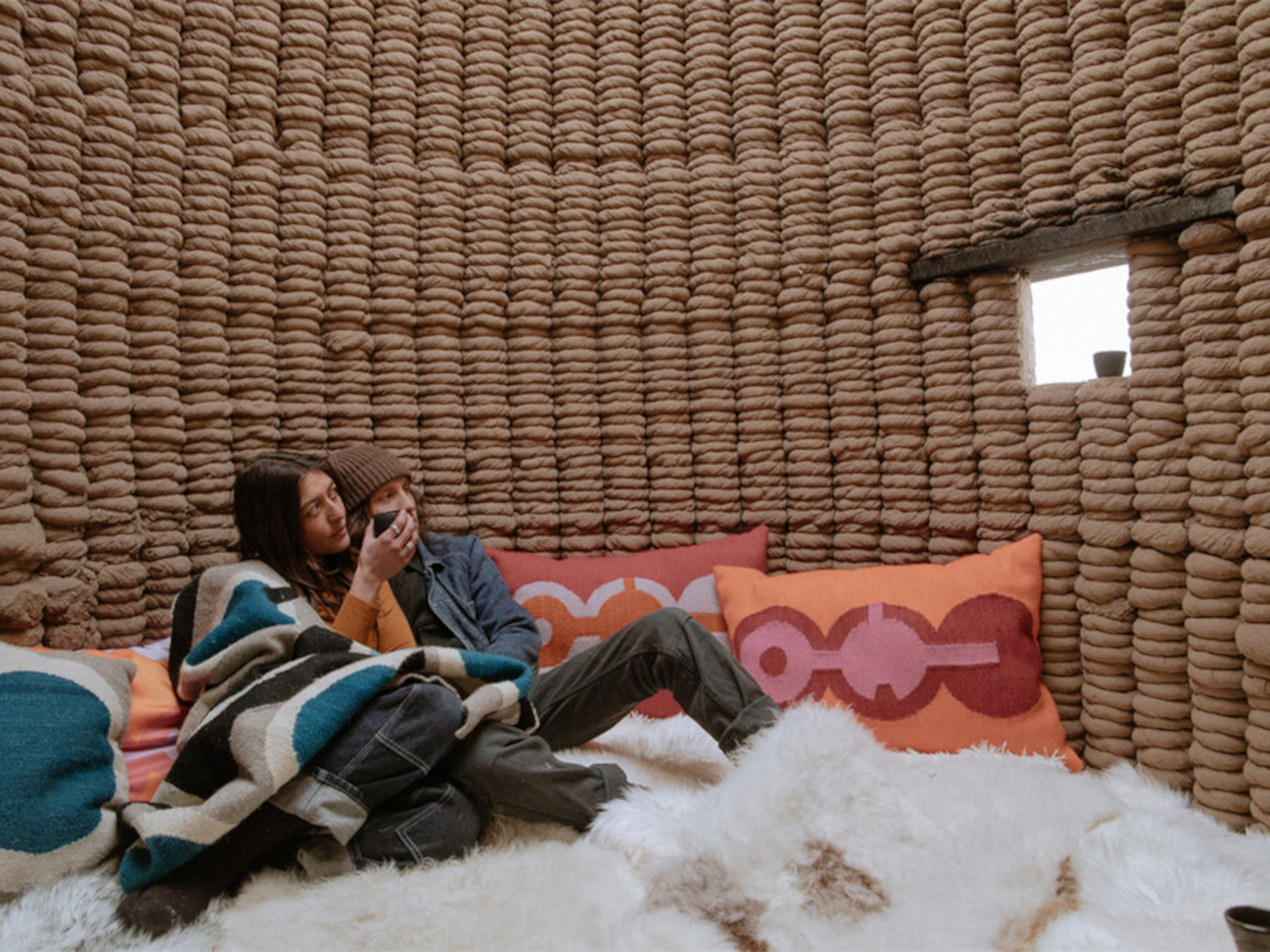
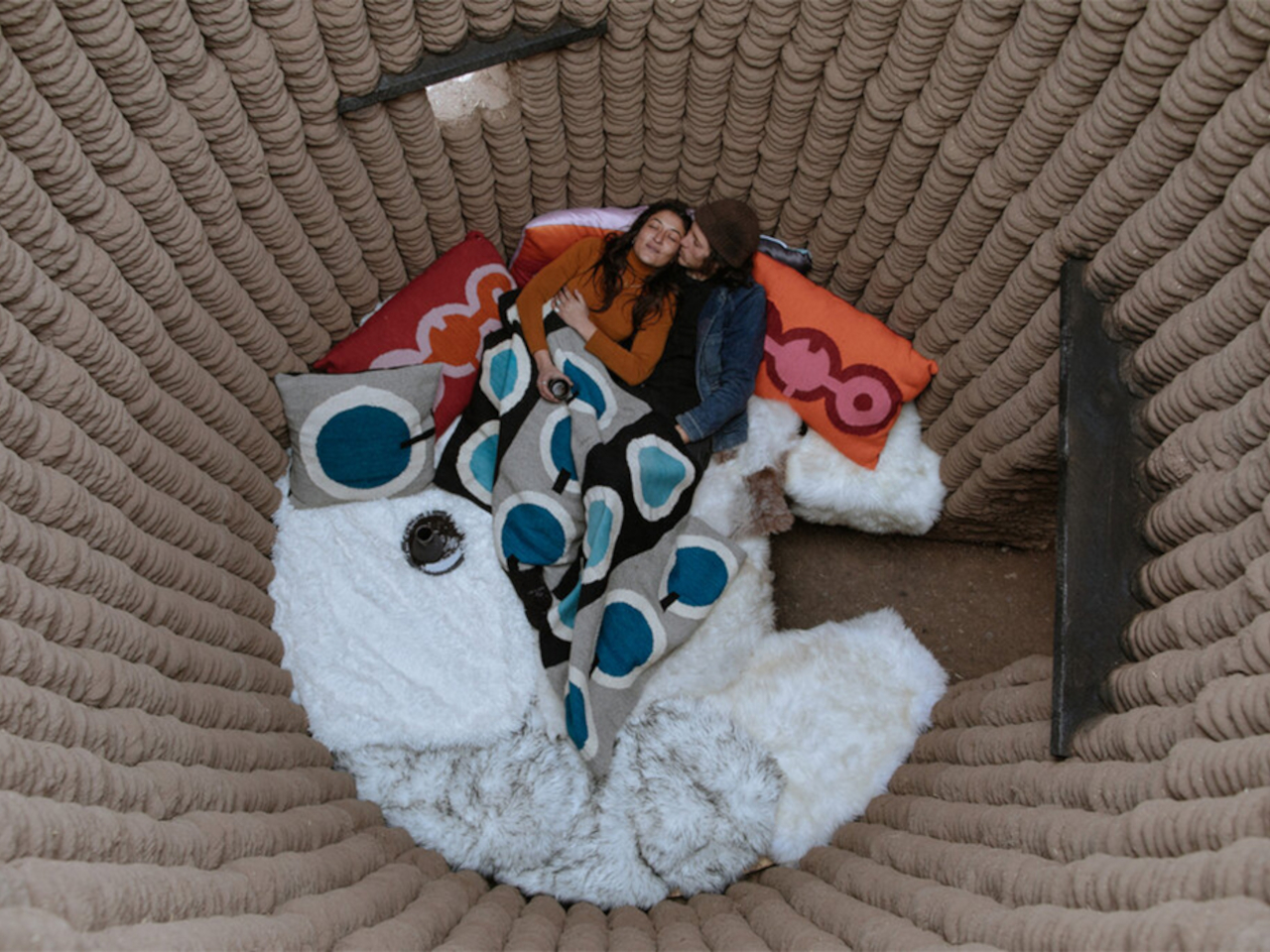
Rammed earth brings a natural, warm aesthetic to a home with its rich, tactile texture, creating a beautiful connection with the environment. Its earthy tones blend effortlessly with natural materials, enhancing the organic look of a space. Additionally, rammed earth regulates the internal temperature and humidity and promotes a comfortable living environment.

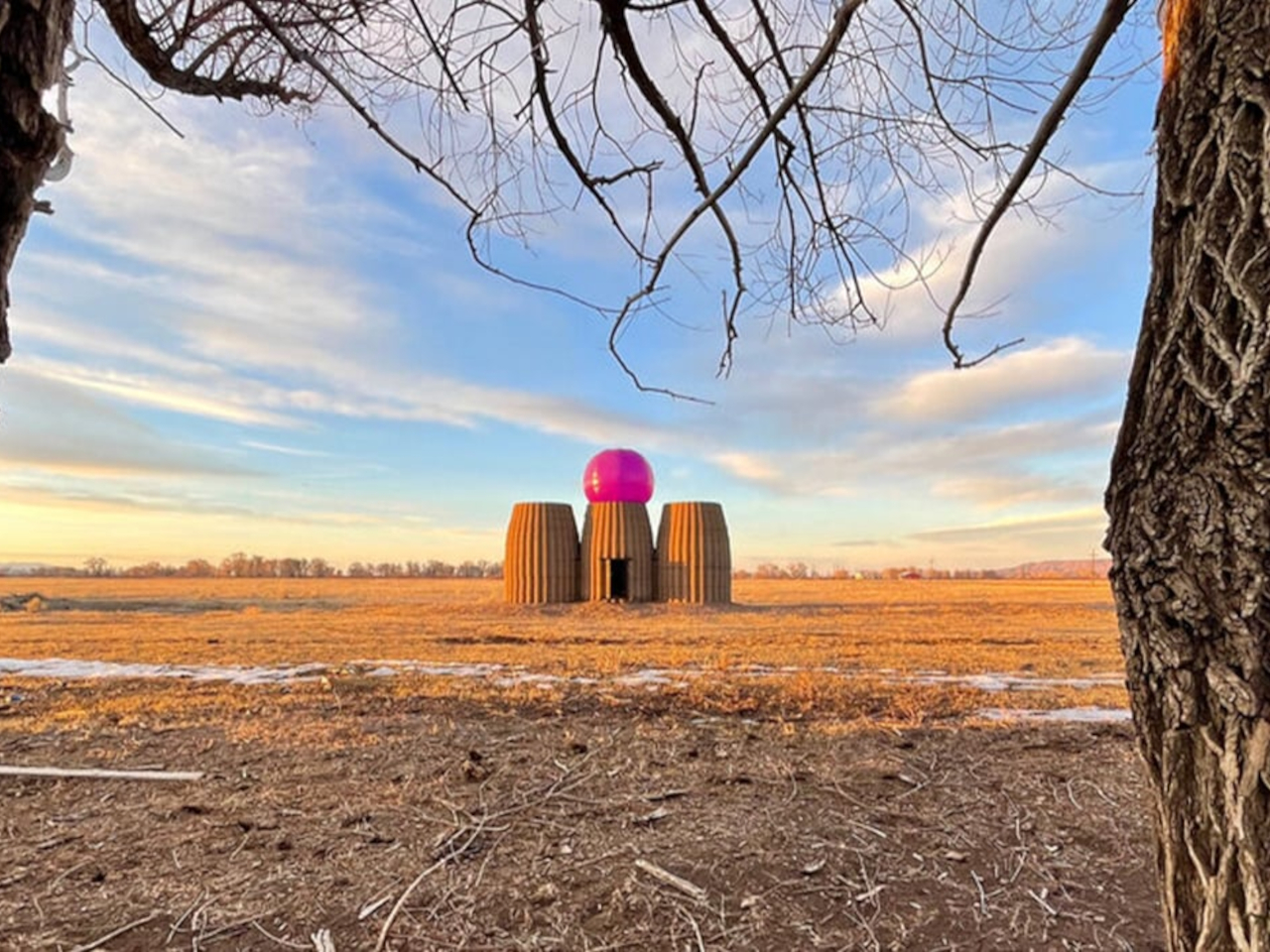
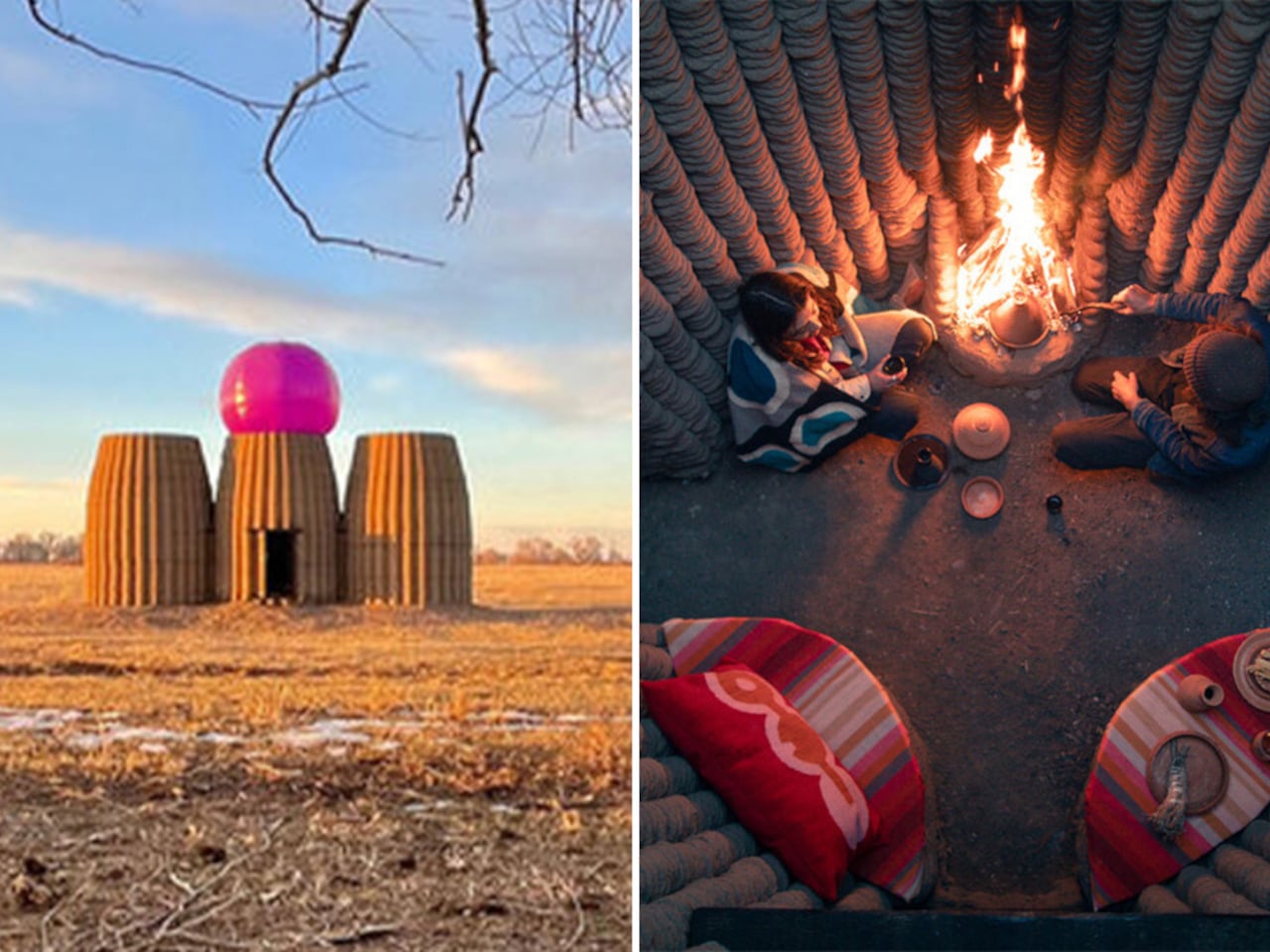
Casa Covida blends ancient earth-based construction techniques with modern 3D printing technology. Created by Emerging Objects in Colorado’s San Luis Valley, this prototype home uses a robotic arm to 3D-print a mix of sand, silt, clay, and water. The structure features a central space with a customizable inflatable roof, a sleeping area with beetle-kill pine furniture, and a bathing space with a metal tub surrounded by river stones. Named to reflect both the pandemic era and the concept of cohabitation, Casa Covida explores the synergy between traditional materials and contemporary tech, highlighting how ancient techniques can be revitalized with modern innovations.

2. Exposed Brick Design

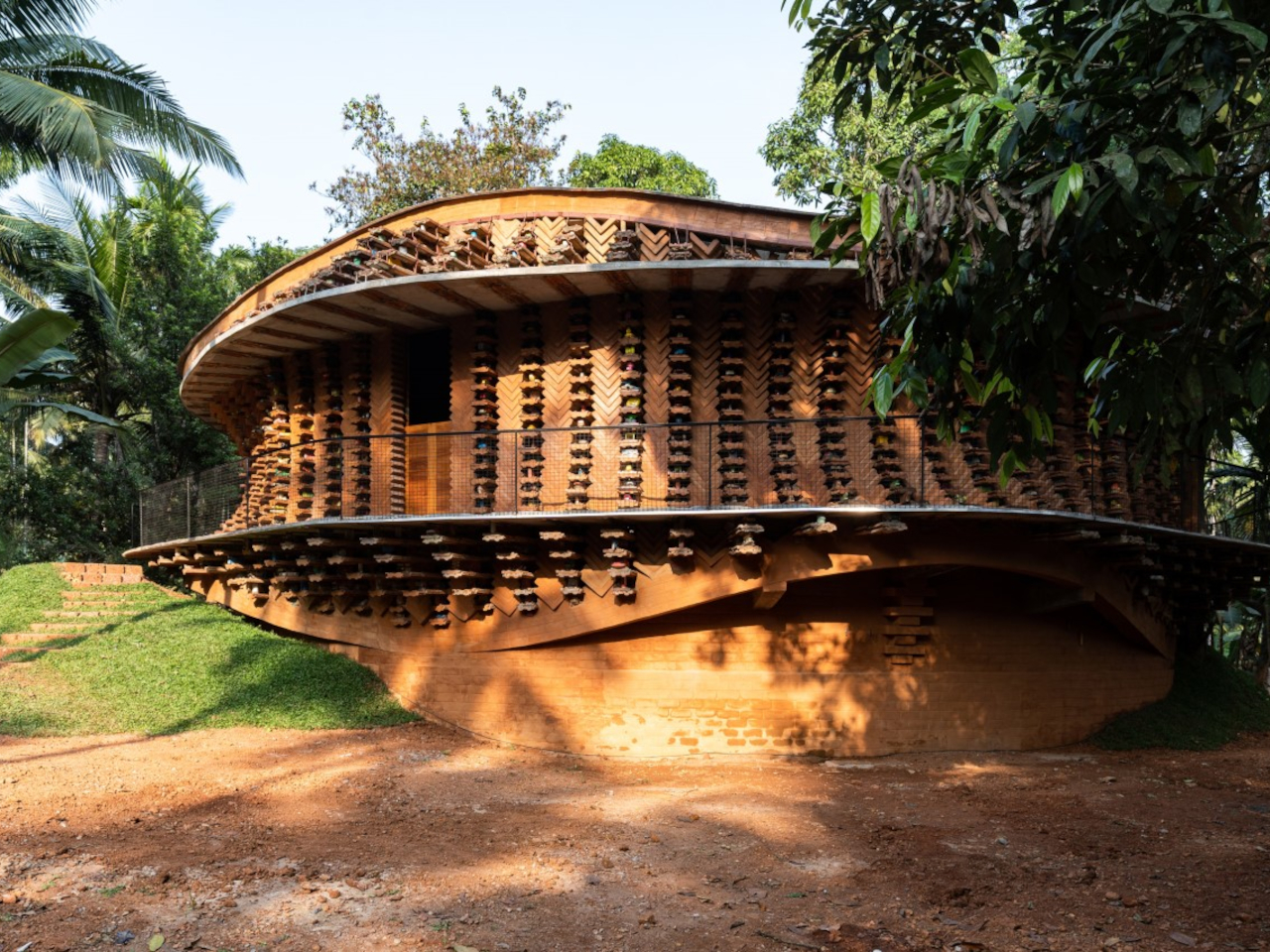
The warm tones of brick, ranging from rich reds and oranges to muted grays, add a rustic vibe and tactile quality, enhancing the organic feel of both indoor and outdoor spaces.

Designer: Wallmakers

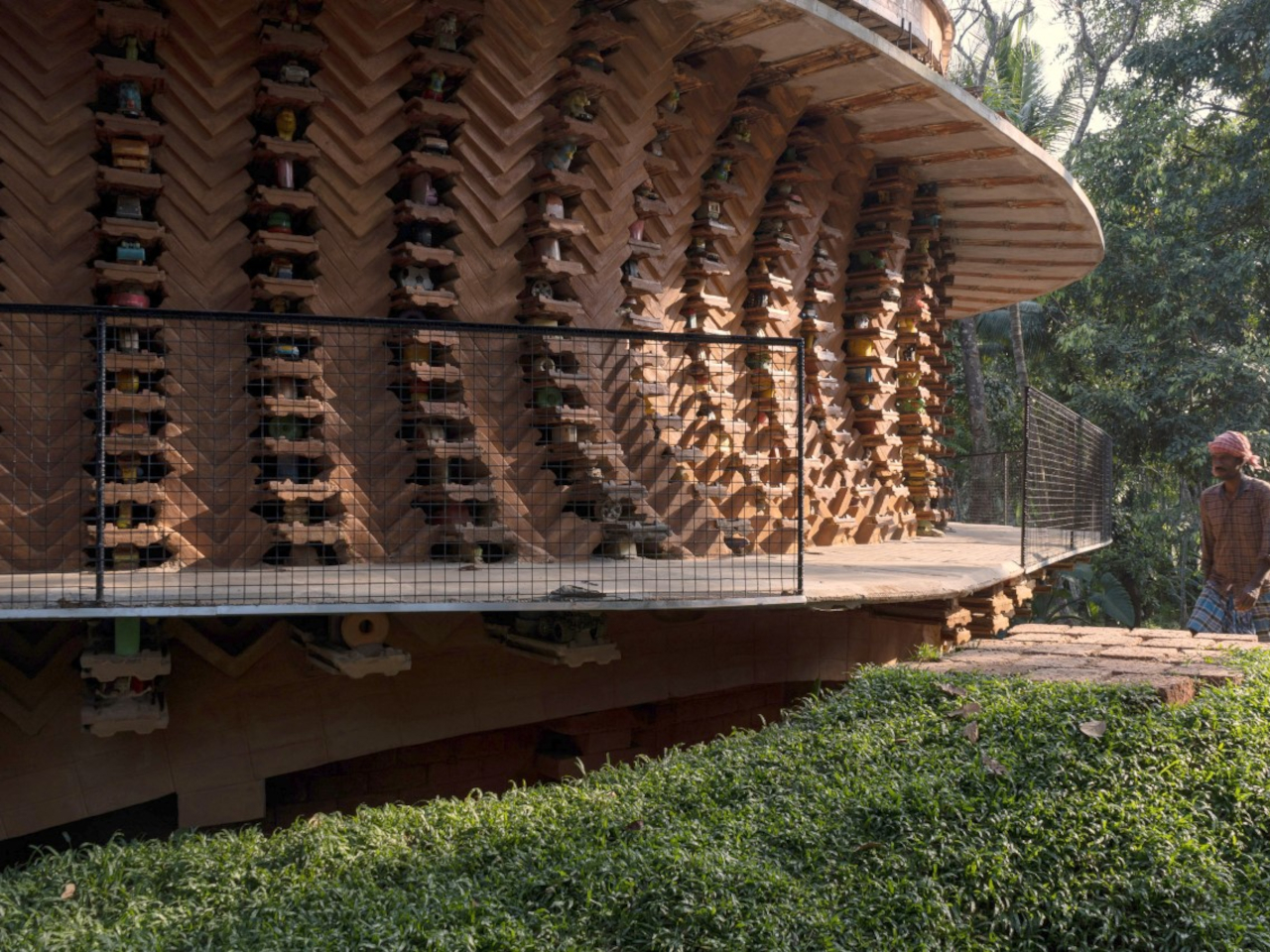
Toy Storey, designed by Wallmakers in Kerala, India, is a circular home that ingeniously repurposes around 6,200 discarded toys as structural and decorative elements. The residence features a striking facade that integrates compressed stabilized earth blocks (CSEB), Mangalore tiles, and recycled toys in rich earthy tones. Its circular layout, central courtyard, and composite CSEB-Toy Jaali wall enhance ventilation and insulation, while a basement adds functional living space. Toy Storey blends tradition with modernity and challenges conventional architecture and consumption, celebrating sustainability and creativity with a nod to childhood nostalgia and environmental awareness.

Designer: Omar Gandhi Architects, Filo Timo, Aaline

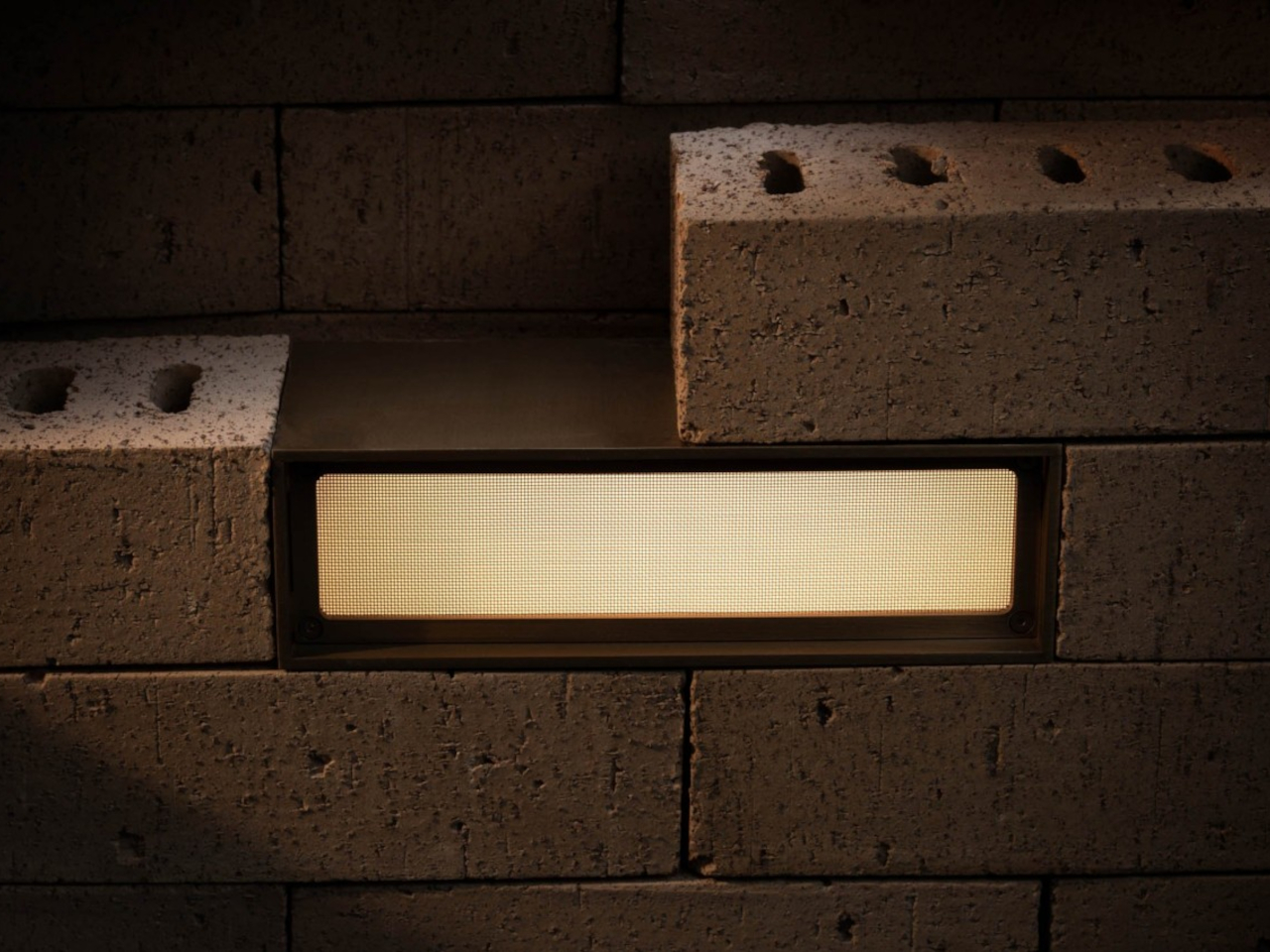
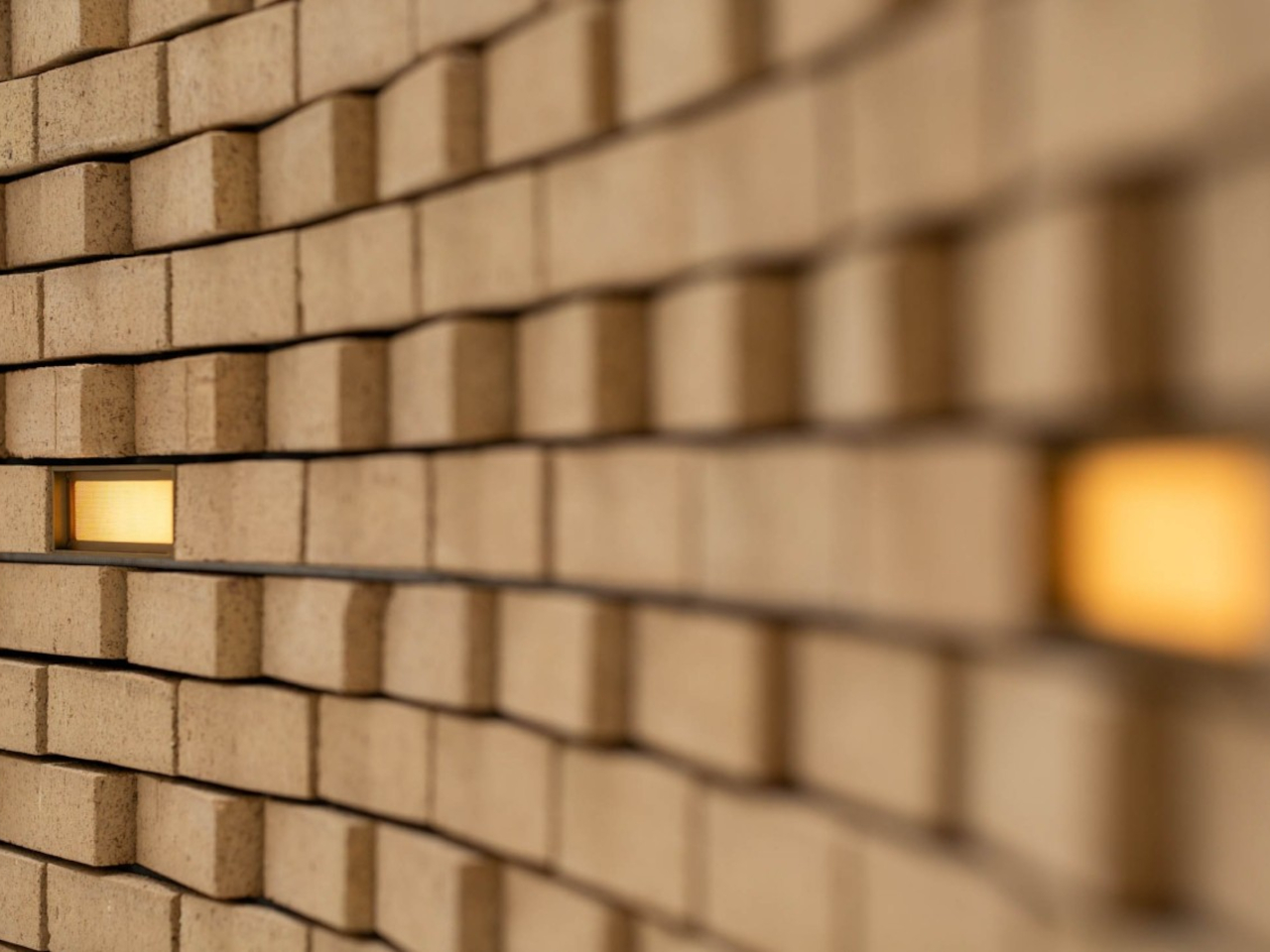
Wall lamps are mounted on walls to enhance the indoor or outdoor ambiance. Innovative designs like the OG Brick embed lights directly into the wall, creating a seamless effect with earthy hues that blend naturally with brick surfaces. Available in finishes like stainless steel, black powder-coated, and electroplated brown, these lights offer a warm, magical glow. The durable metal frame and color-matching mesh ensure that the lamps integrate effortlessly into their surroundings, adding style and subtle illumination to any space.

3. Integrate Wood

The warm tones of wood, from light beiges and honey to deep browns and rich reds, create a cozy, organic ambiance, while its grain patterns add a rustic feel to interior and exterior spaces.

Designer: Atsushi Kawanishi Architects

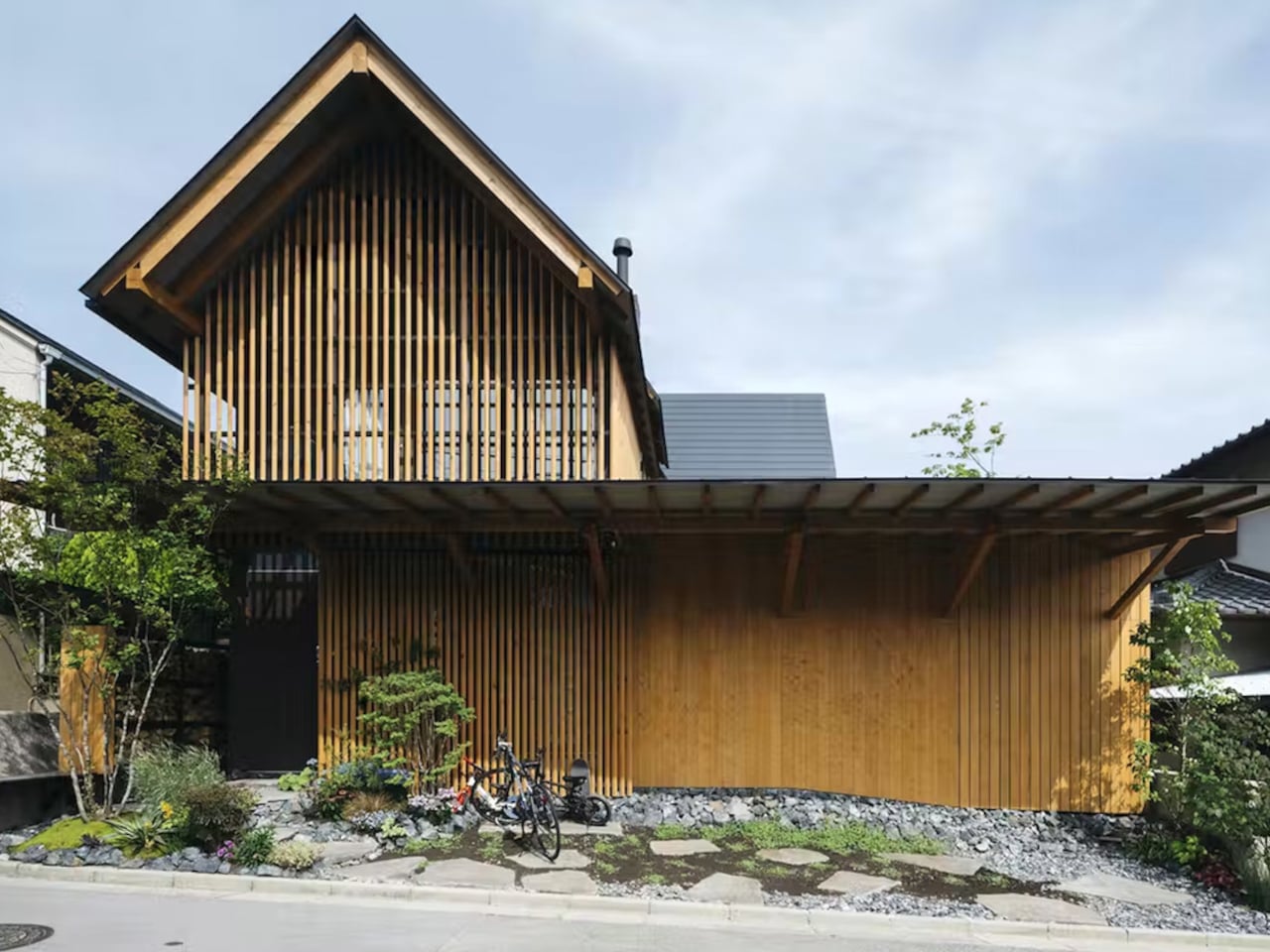
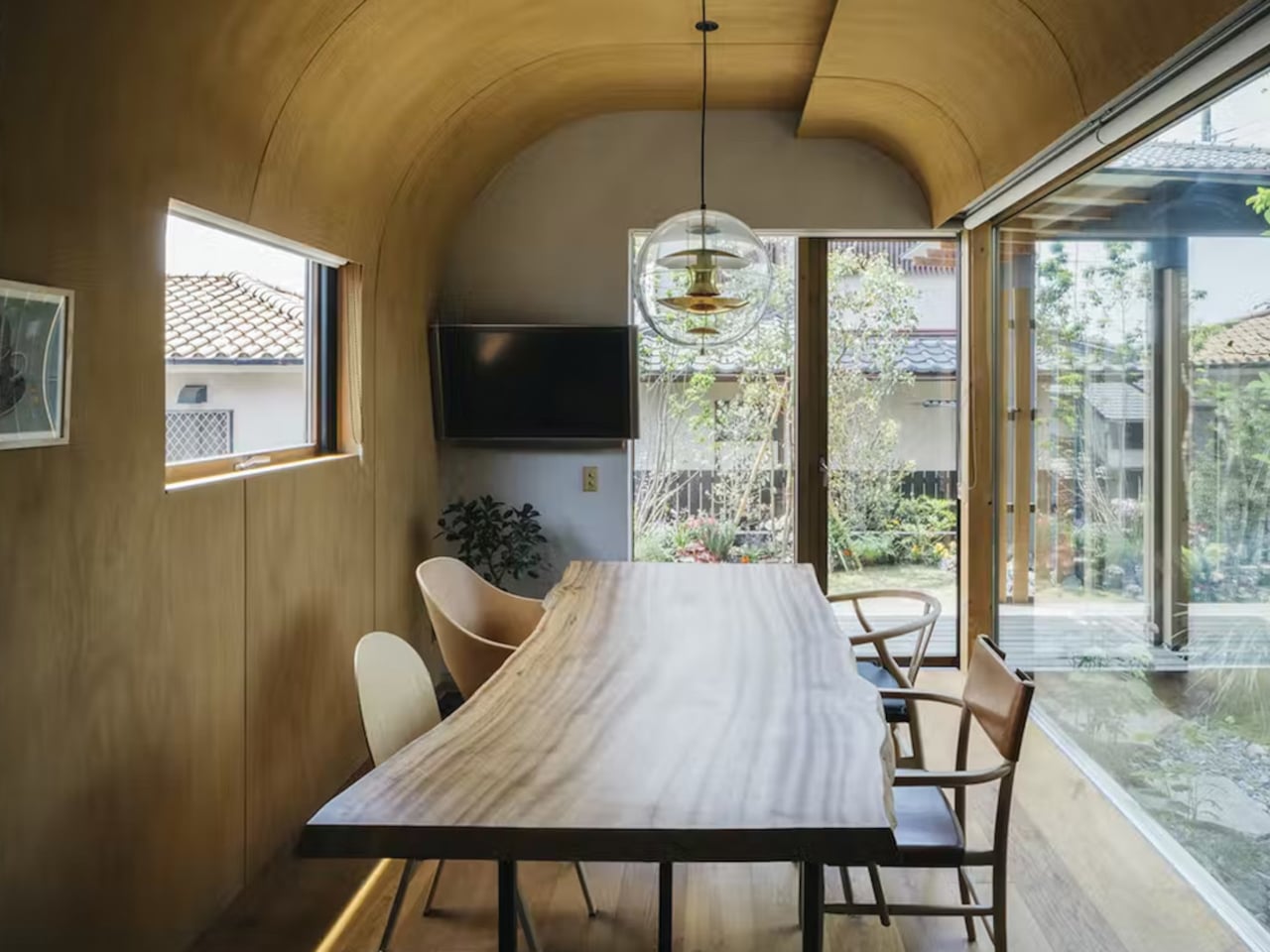
Designed by Atsushi Kawanishi Architects, Nightingale House in Osaka is a wooden residence that seamlessly blends indoor and outdoor spaces. Covering nearly 1,400 square feet, it features six patios, three interior gardens, and two exterior gardens, with large windows and timber surfaces highlighting earthy tones. The home’s three triangular roofs complement the mountainous backdrop, while its warm, minimalistic design offers a tranquil, Japanese-inspired living experience.

Designer: Julian Topor

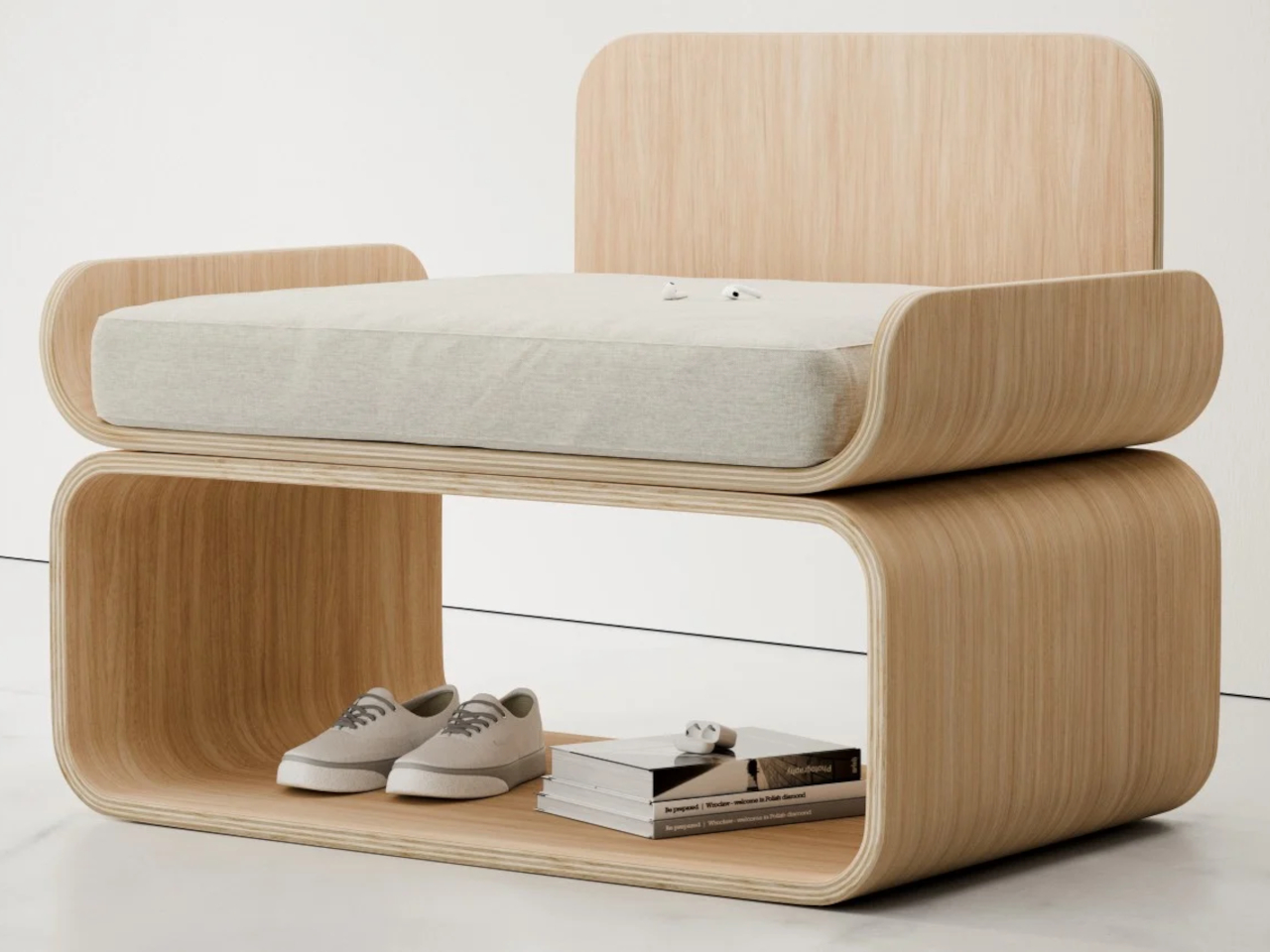
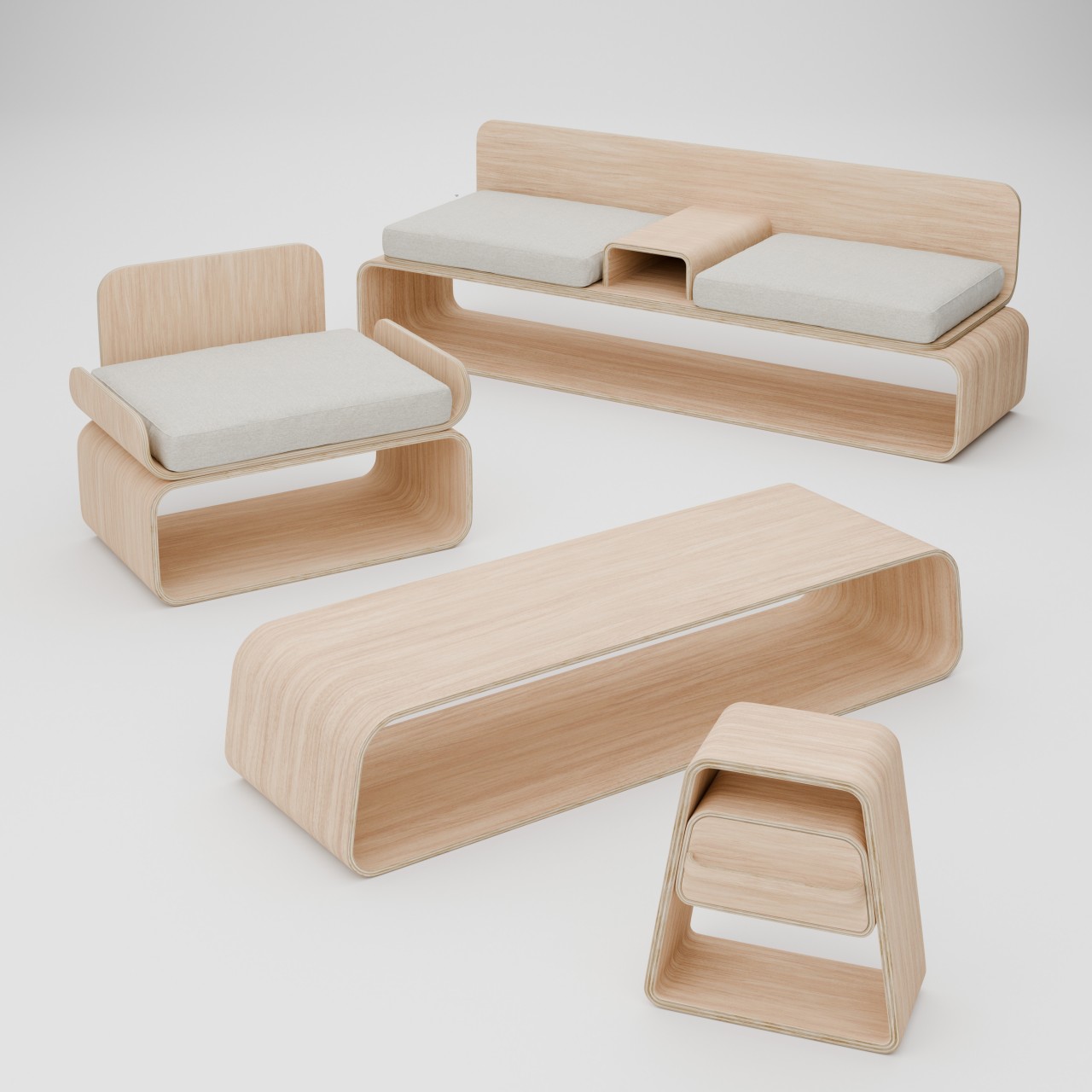
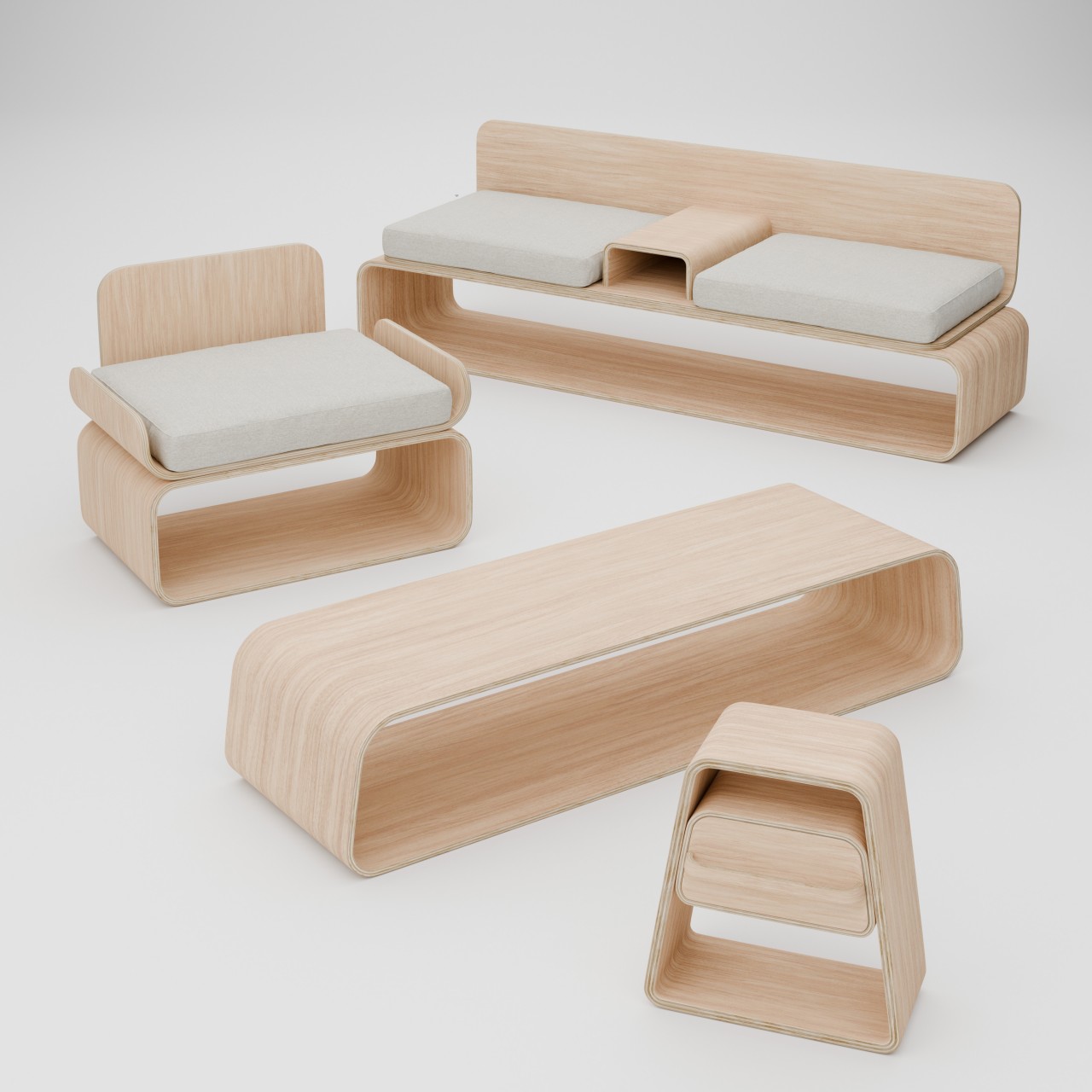
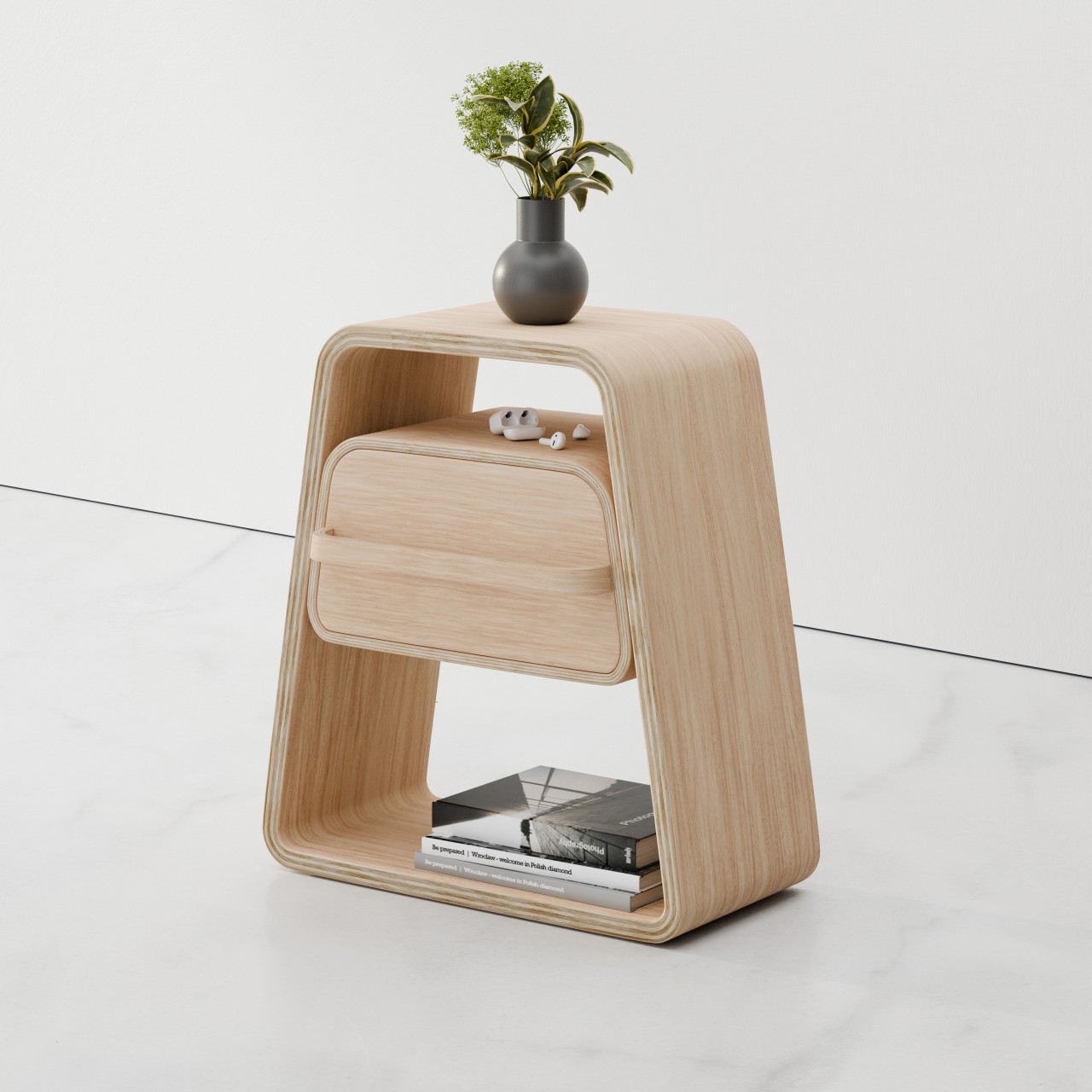
The KURVE furniture collection maximizes space with minimalist, curved plywood designs that combine aesthetics with functionality. The KURVE chair features a backless, curved base made from a single sheet of plywood, while the KURVE Couch includes a central console and extra storage underneath. The KURVE table, a simple wooden trapezoid, is ideal for wall placement and organizing items like shoes and keys. The KURVE Night Stand, also a trapezoid, offers additional storage with a drawer positioned below the top. Each piece cleverly integrates storage into its design without complex mechanisms.

4. Use Natural Stone

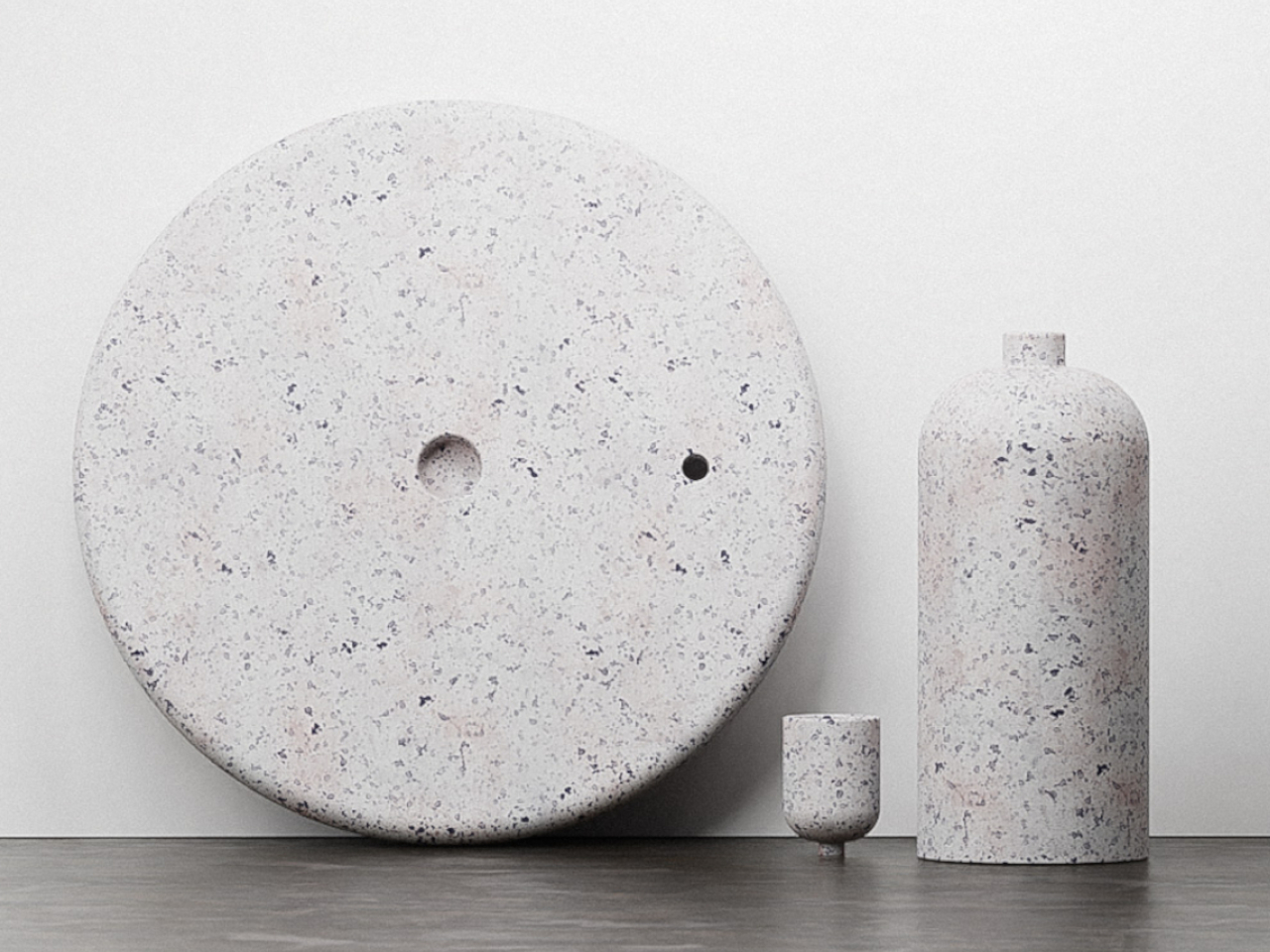
Natural stone offers a diverse color palette and unique textures, with tones ranging from soft grays and beiges to rich browns and deep blues, creating an earthy, organic appearance. Its inherent patterns and variations, including veining, enhance its natural appeal and rugged charm.

Designer: Burcu Nehir Tum

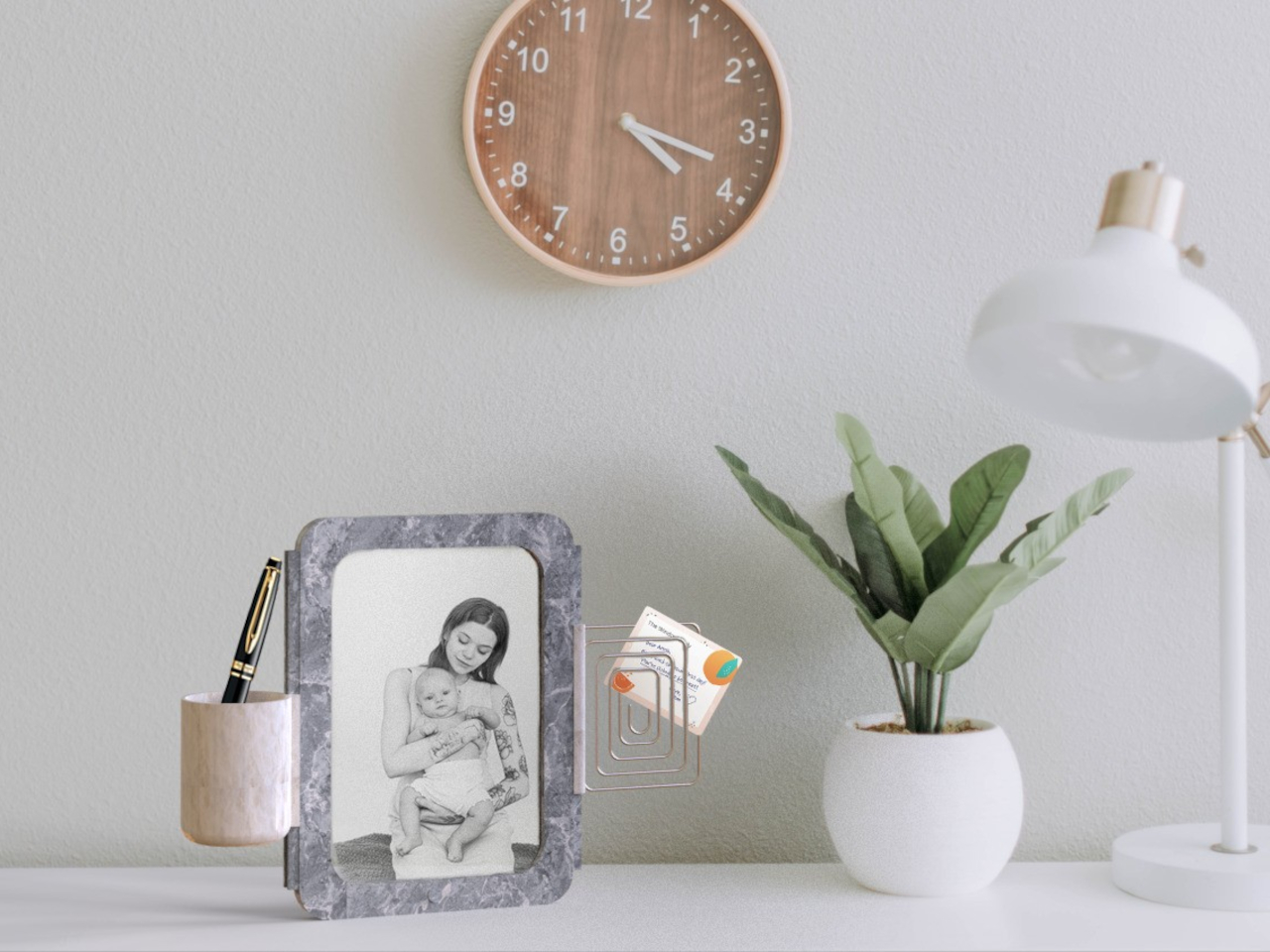
The MEMORABLE picture frame combines the timeless elegance of marble with versatile functionality in earthy hues. Its modular design features a rail system for attaching interchangeable modules such as a pen holder, vase, or note holder and allows for customized use. Marble’s unique patterns and durability provide both stability and a refined look. The frame supports two modules at a time and can be paired with additional frames for expanded display. While the rail system is limited to certain modules and its compatibility with landscape orientations is uncertain, the frame’s earthy tones and practical design add sophistication and organization to any desk.

5. Introduce Nature-Inspired Wall Colors

Earthy tones on the wall draw inspiration from soil, rock, and sky. These versatile and timeless colors provide a sophisticated look while fostering a connection to nature, creating a serene and harmonious environment.

Designer: StoneCycling and Studio Nina van Bart

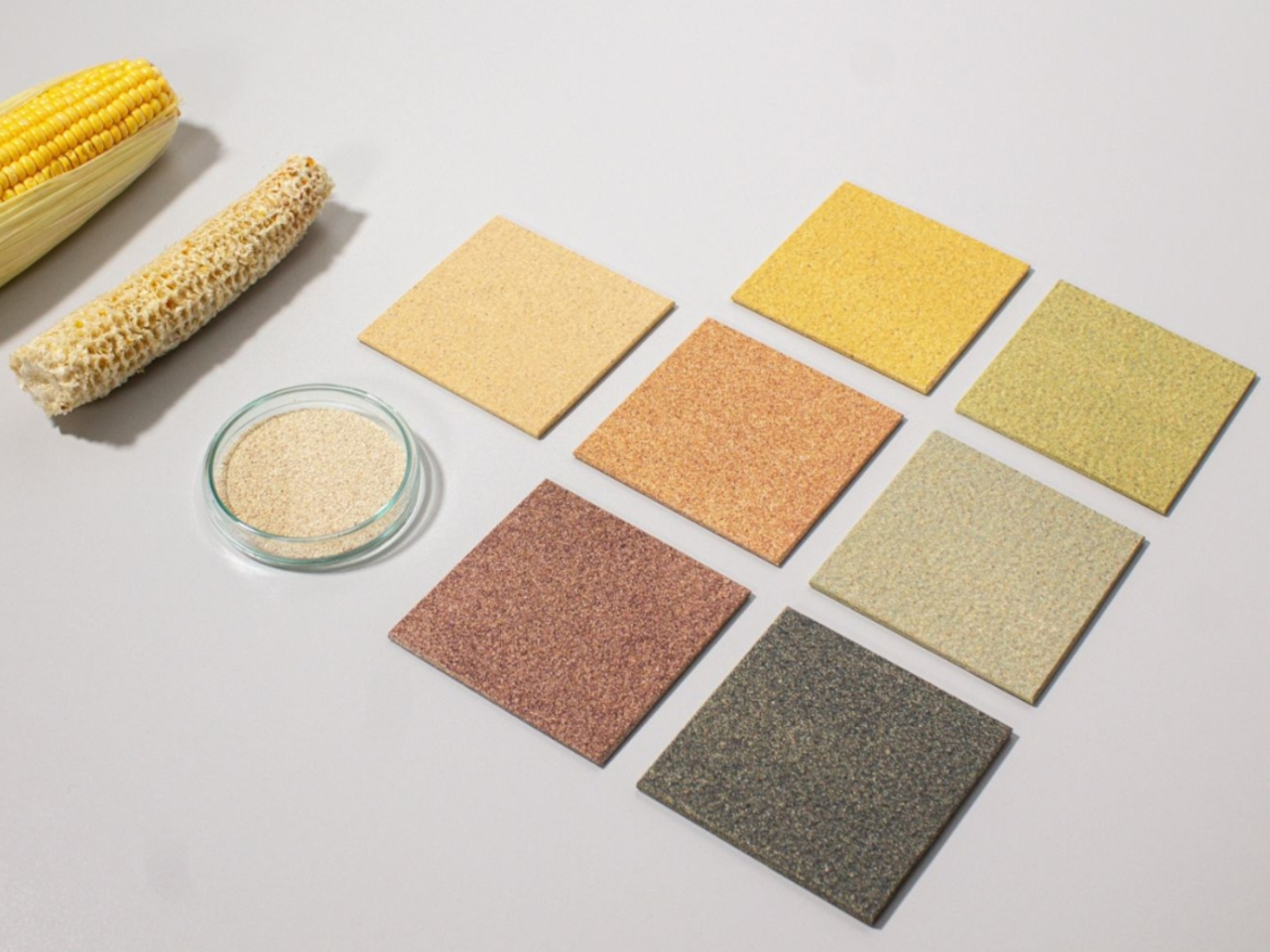
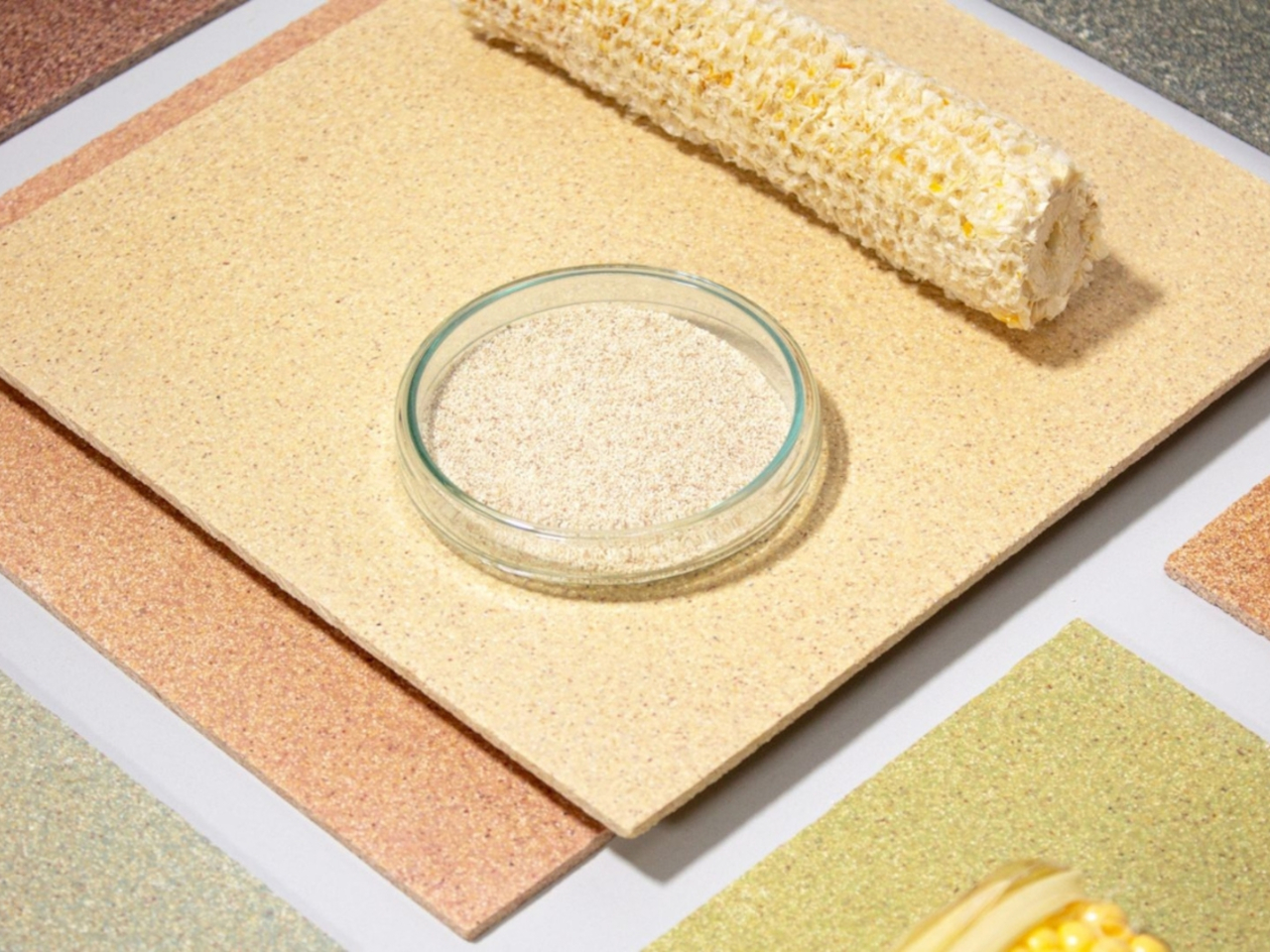
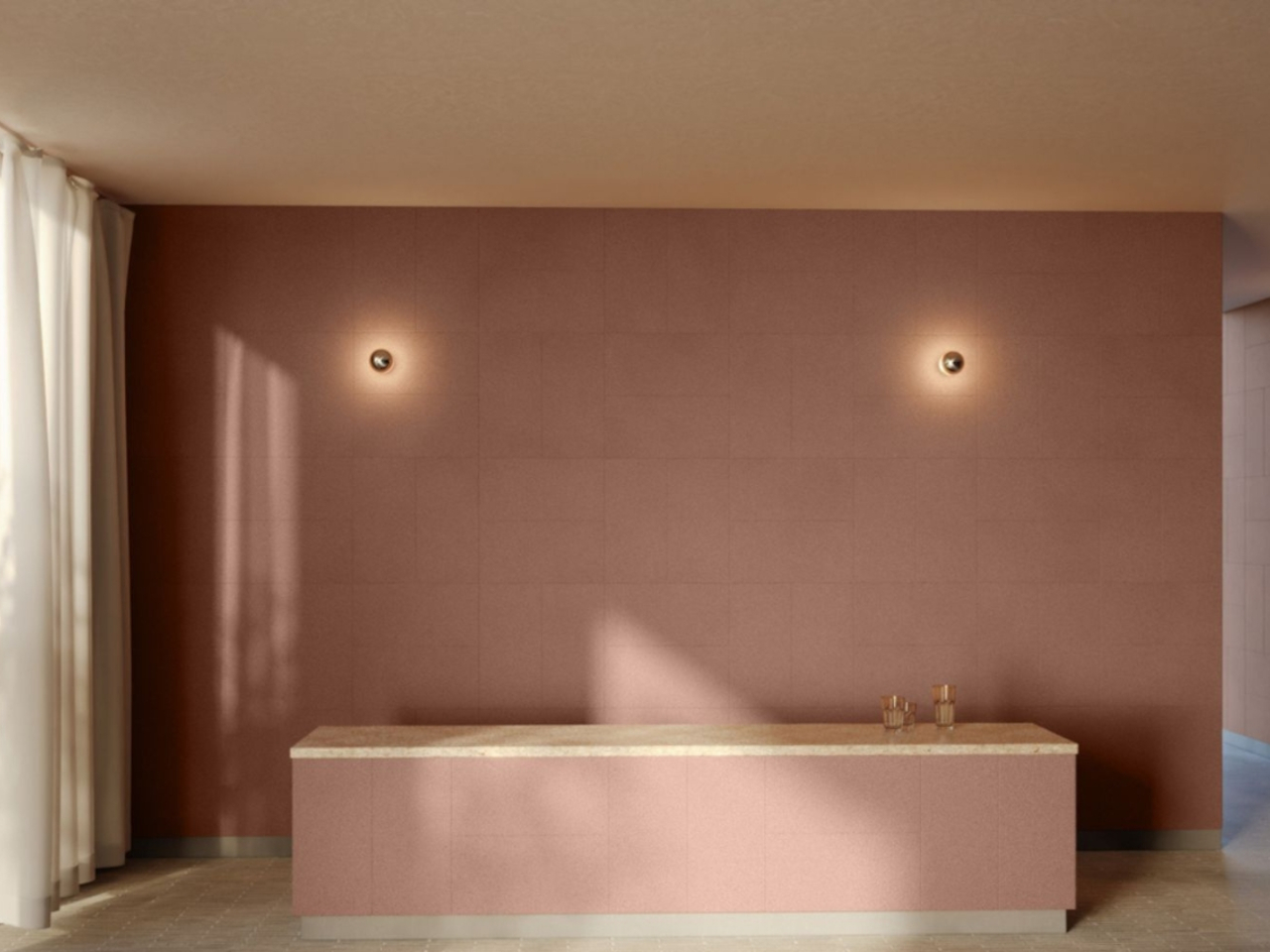
CornWall is an innovative, eco-friendly wall cladding made from organic corn cobs, heated to 150°C to form strong bonds. This process uses solar energy, reducing carbon footprints. Unlike traditional materials like ceramic or HPL, CornWall absorbs more CO2 and is 100% reusable due to its demountable anchoring system. Available in colors like Dark Blue, Mustard Yellow, and Terracotta Pink, CornWall offers a sustainable alternative that transforms waste into stylish, functional interior design.

6. Beautify with Woven Materials

Woven materials like rattan introduce earthy hues of brown and beige, while their intricate weaves and textures add warmth and enhance the organic feel of a space. They bring a handcrafted aesthetic that fosters a strong connection to nature.

Designers: Ching Cheng Chang and Xu Da Zzan

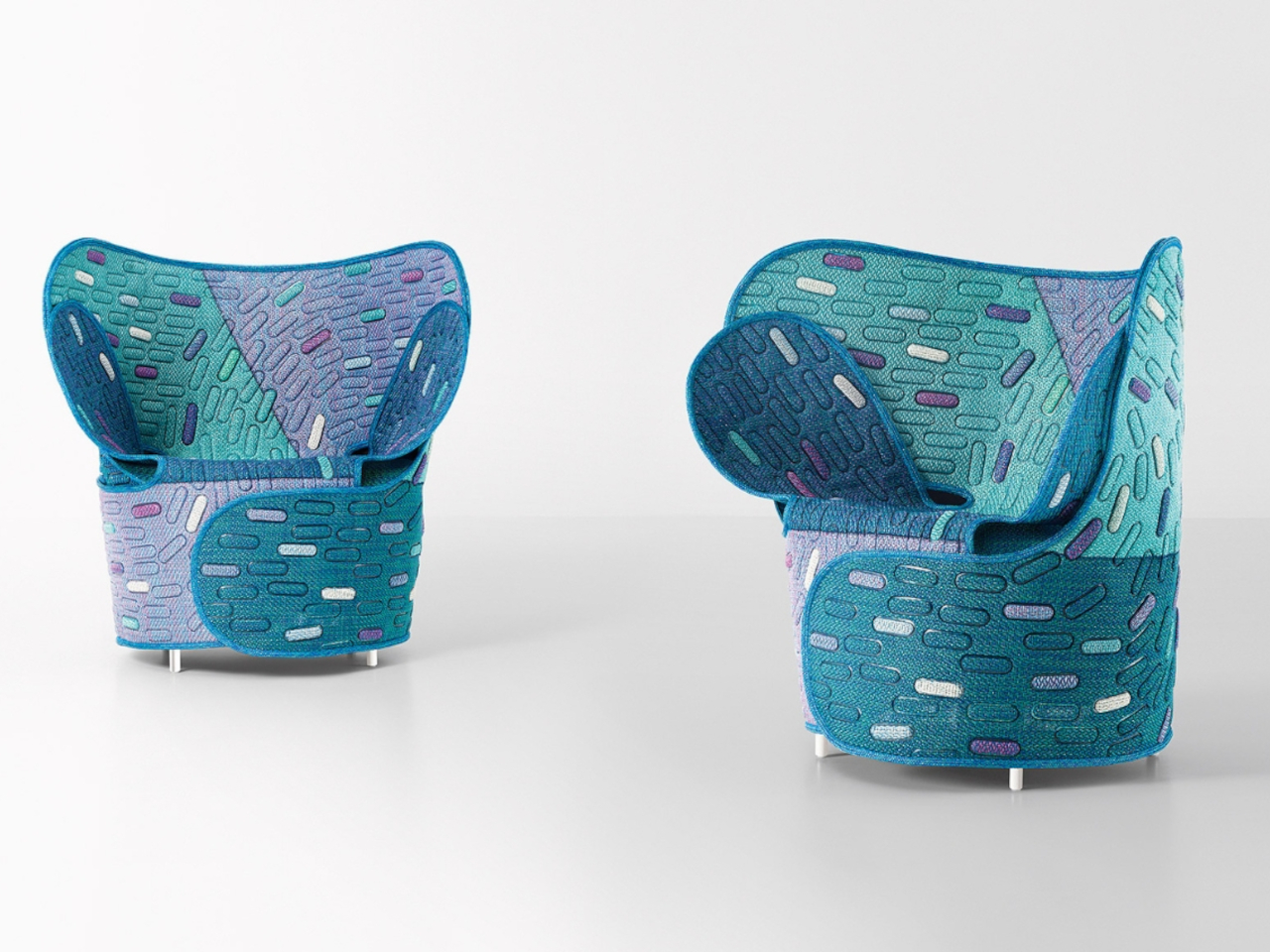
Rattan, known for its flexibility, durability, and water resistance, is traditionally used in woven baskets and rustic decor. Originating from palm species in Asia, Australia, and Africa, rattan adds warmth and texture to spaces, though it’s rarely seen in modern furniture. The Mua Lau Lounge Chair challenges this norm with its blend of rattan and bent metal piping. It uses rattan for visual appeal and as a cushion replacement, offering a unique springiness and comfort. Named after a Taiwanese treat, the chair combines a crisp outer shell with a plush interior, delivering both style and a surprisingly comfortable seating experience.

7. Add a Green Thumb

The varying shades of green from plants enrich the overall aesthetic, offering a fresh and lively experience that complements earthy tones. Additionally, colorful flowers provide vibrant pops of color, enhancing the space with natural beauty.

Designer: Camila Saulino and Alibek Atahanov

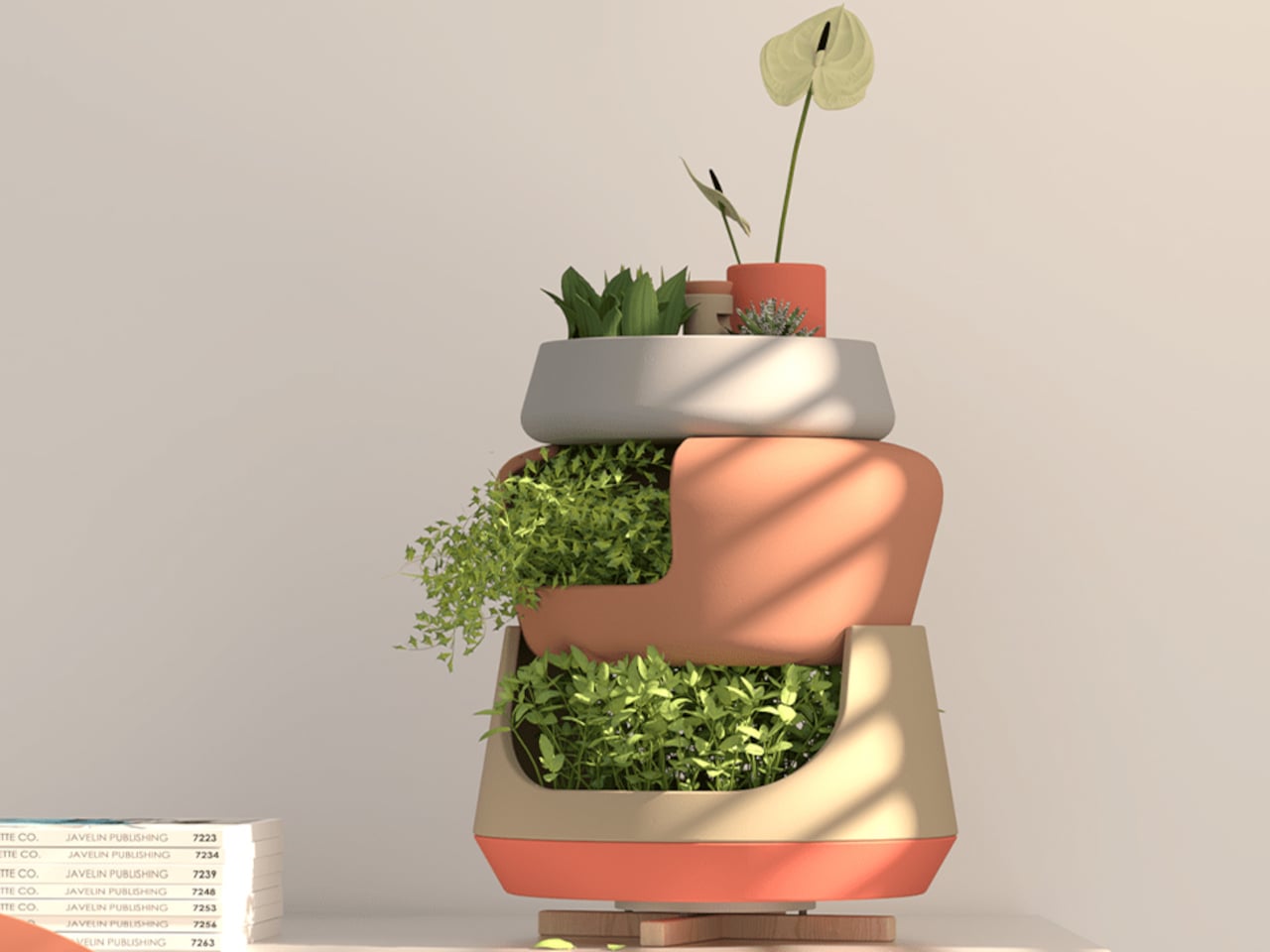
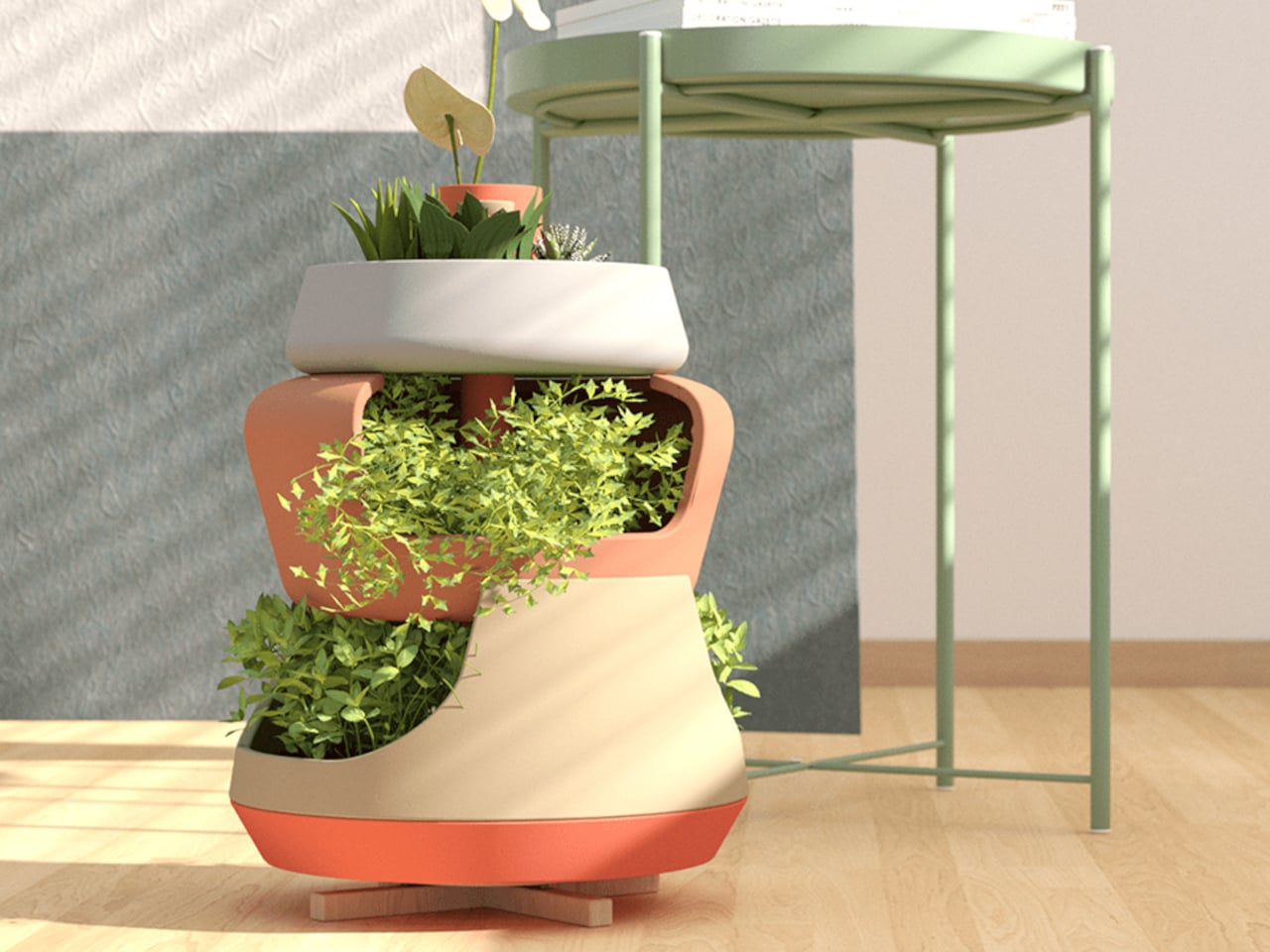
The ToThem planter is a modular vase system designed for small spaces, featuring a playful and integrated design with distinct, earthy-colored shapes. It organizes and nurtures multiple plants efficiently with a manual irrigation system and a water reuse feature for optimal watering and drainage. Ideal for herbs, succulents, and flowers, ToThem blends functionality with aesthetic appeal, transforming any compact space with its warm, earthy tones.

These tips will help you use earthy tones to evoke warmth, create a comfortable space and establish a connection with the natural world. Studies indicate that such hues are ideal for homes and workspaces, as they minimize stress and enhance focus and concentration.

The post How to Embrace Earthy Tones in Architecture and Interior Design first appeared on Yanko Design.
This School In India With An Undulating Green Roof & Sunken Courtyard Is A Relief From Boxy Classrooms

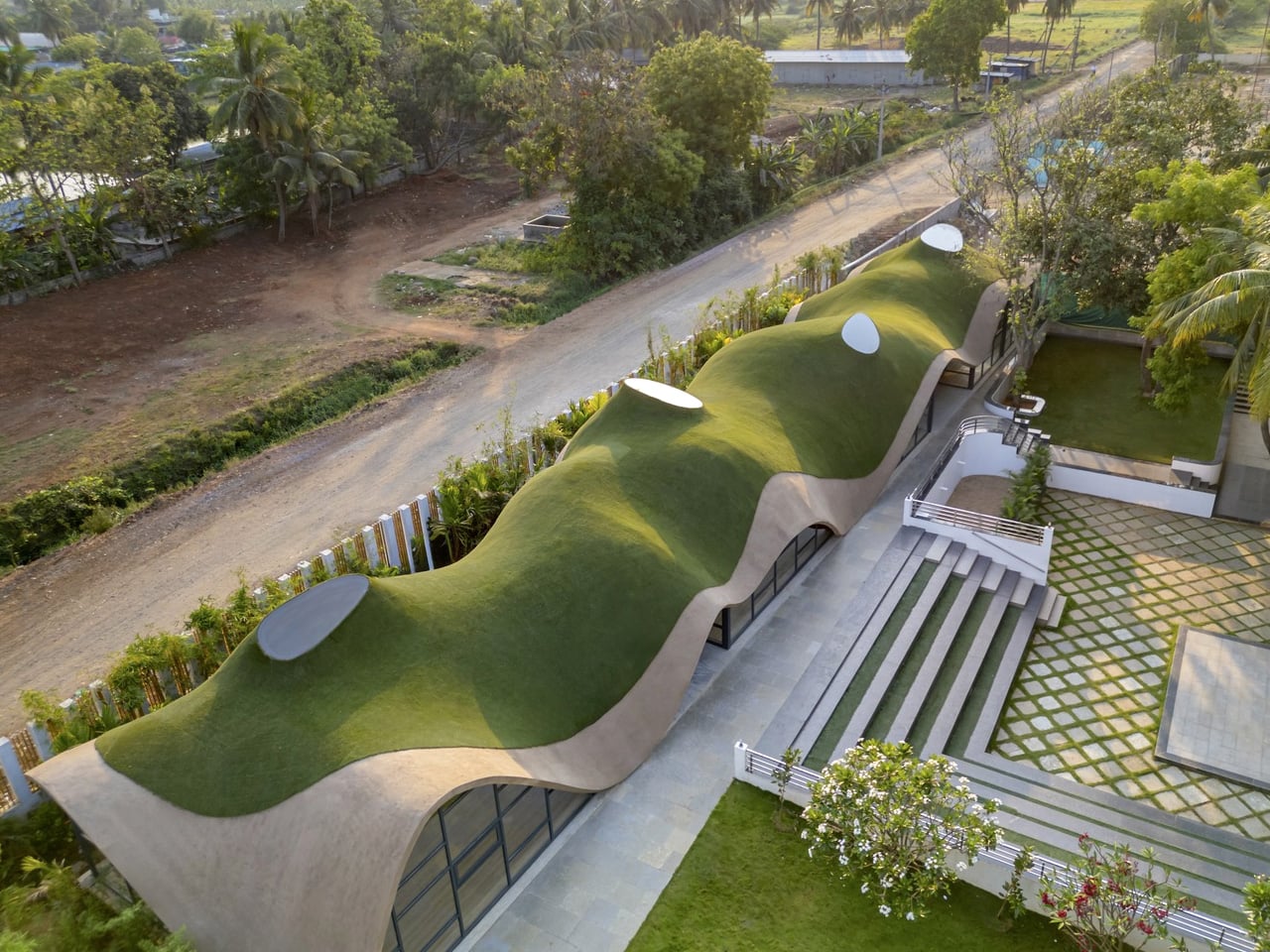
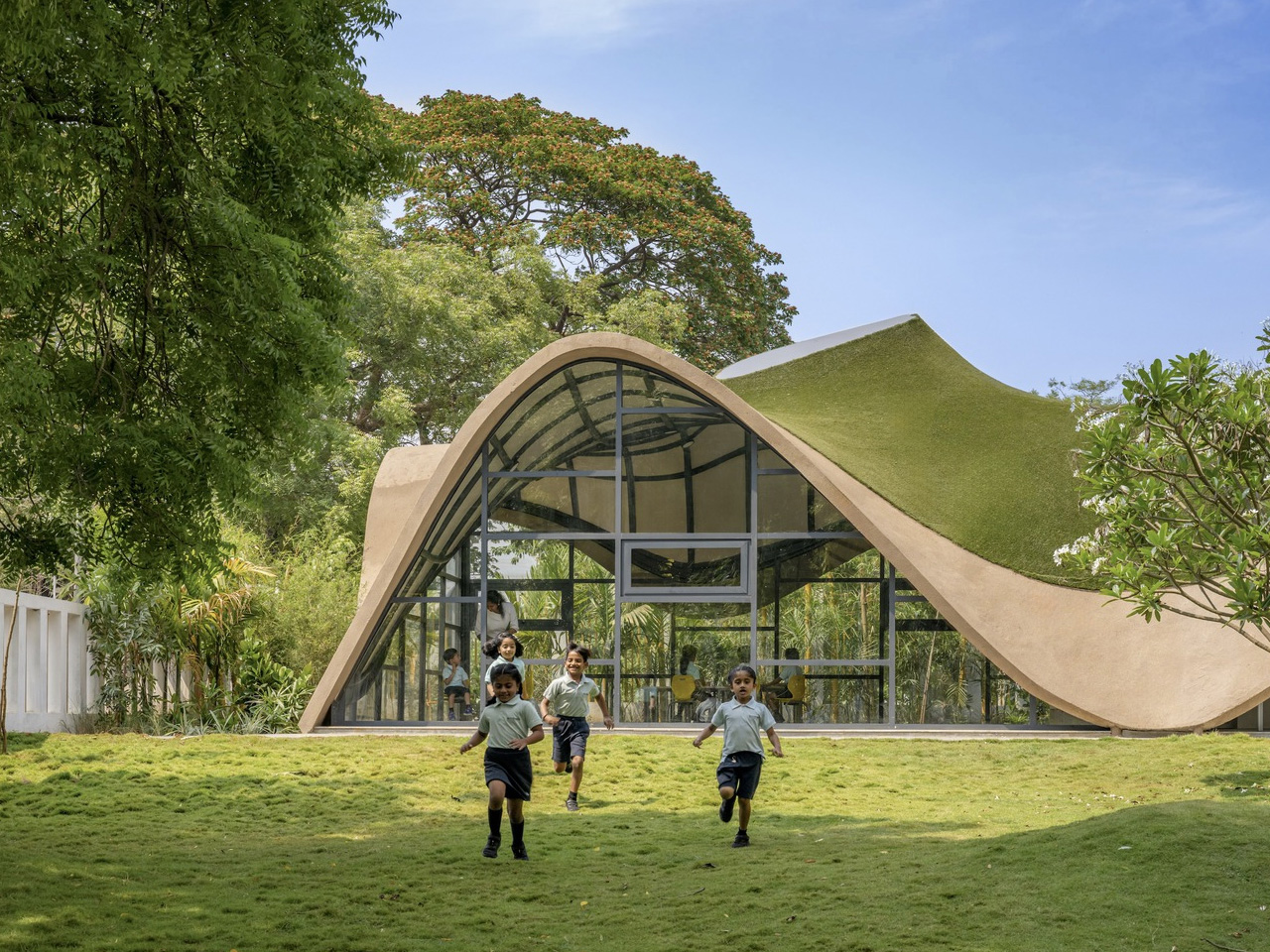
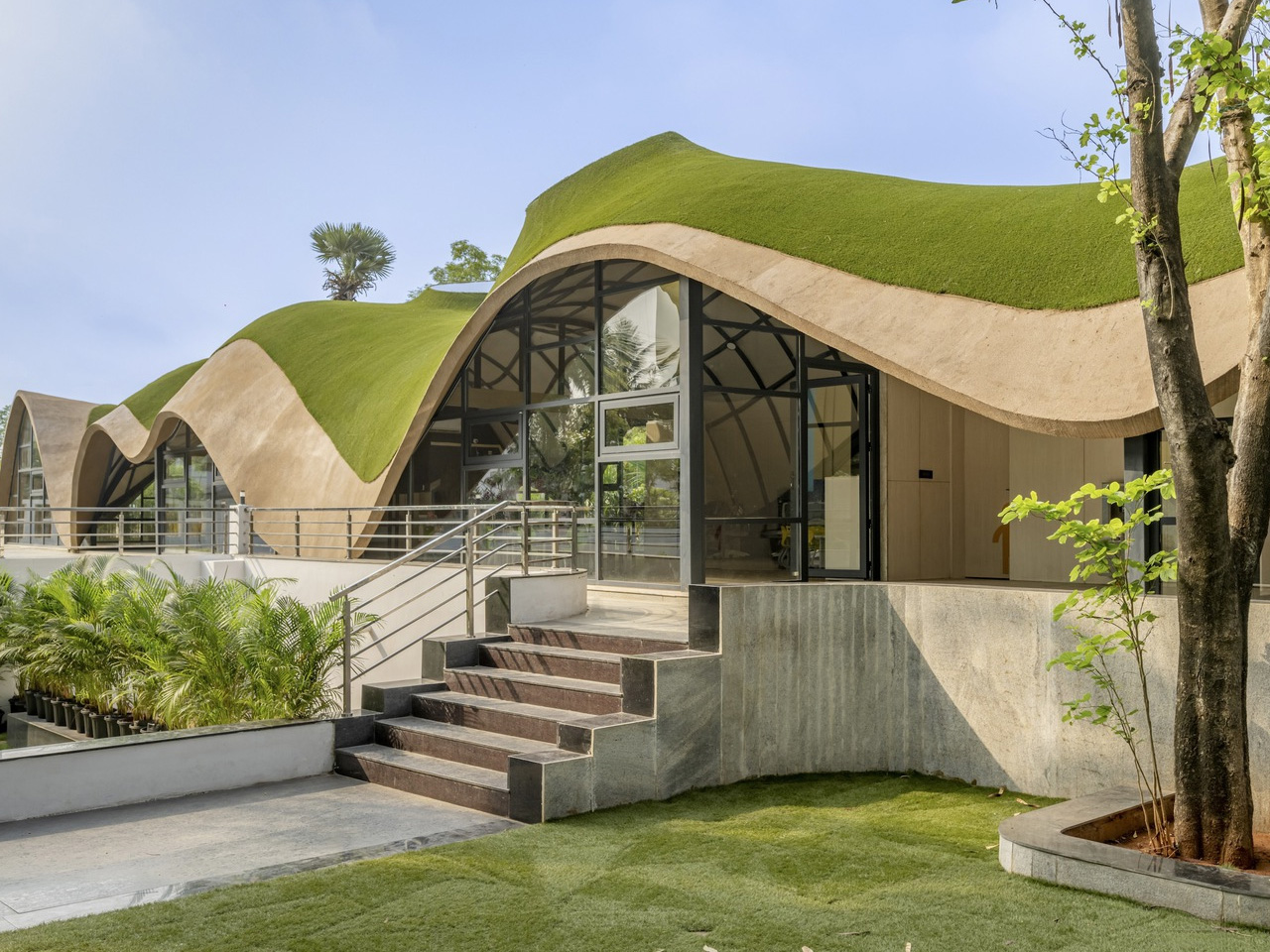
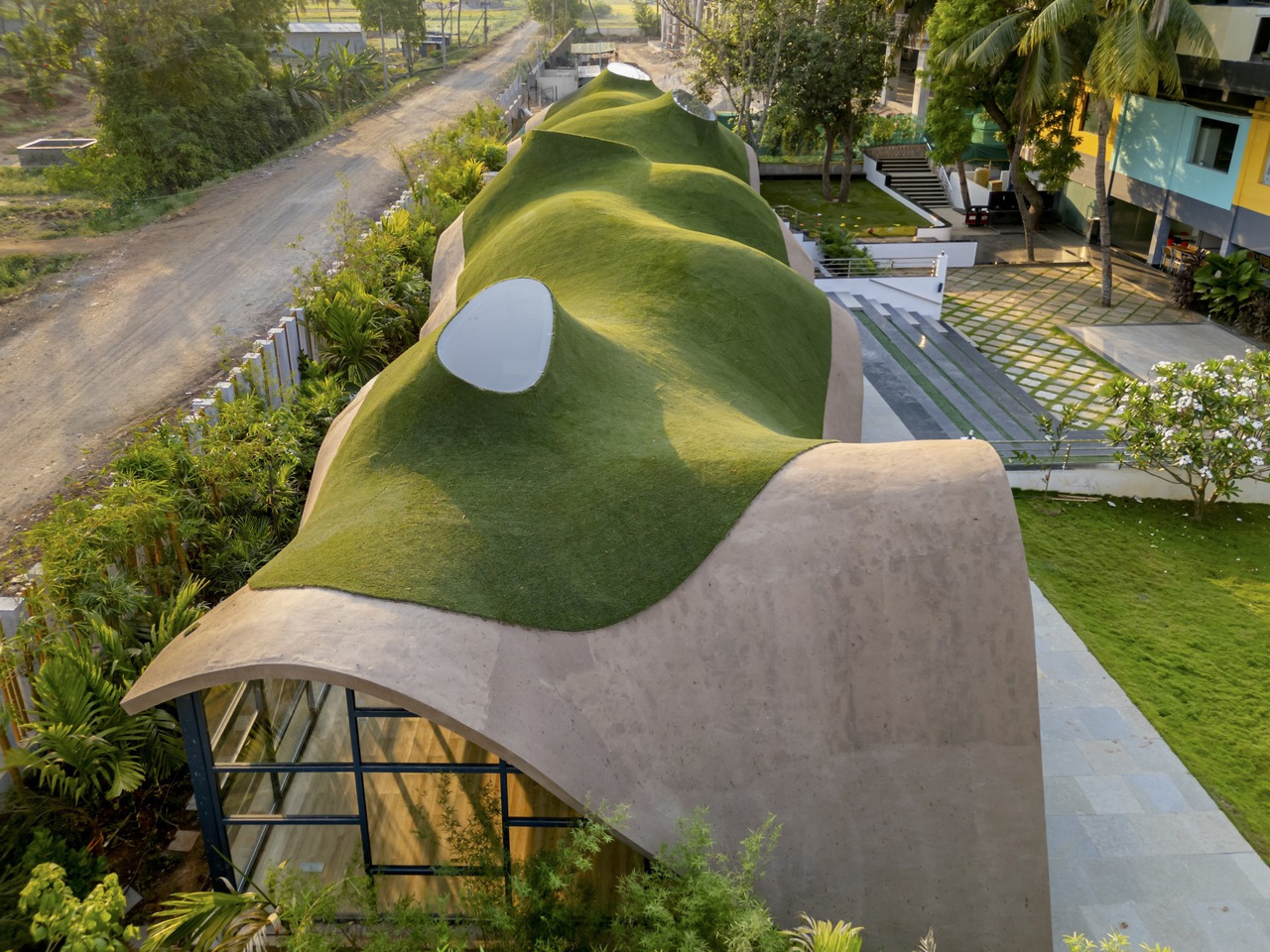
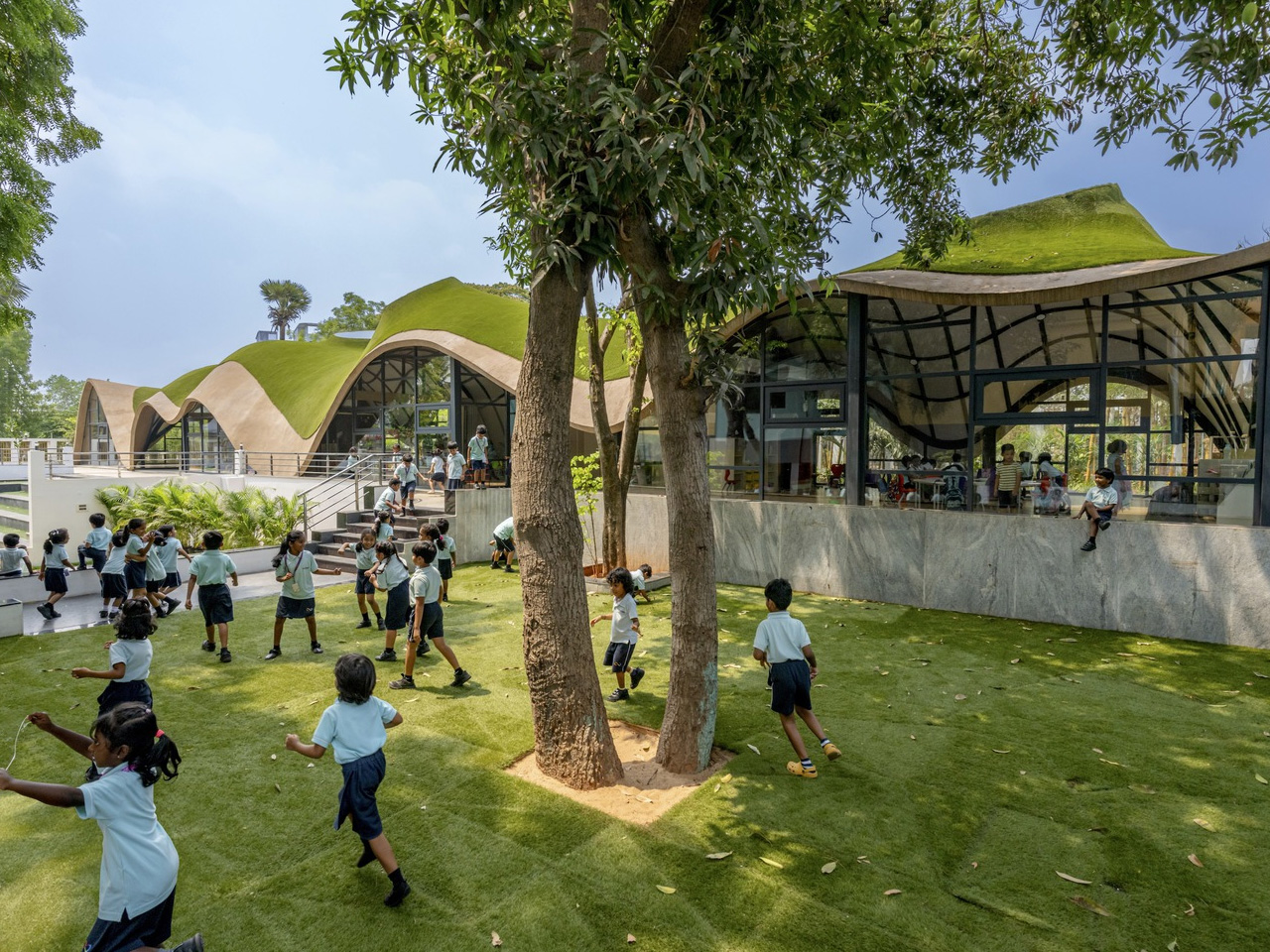
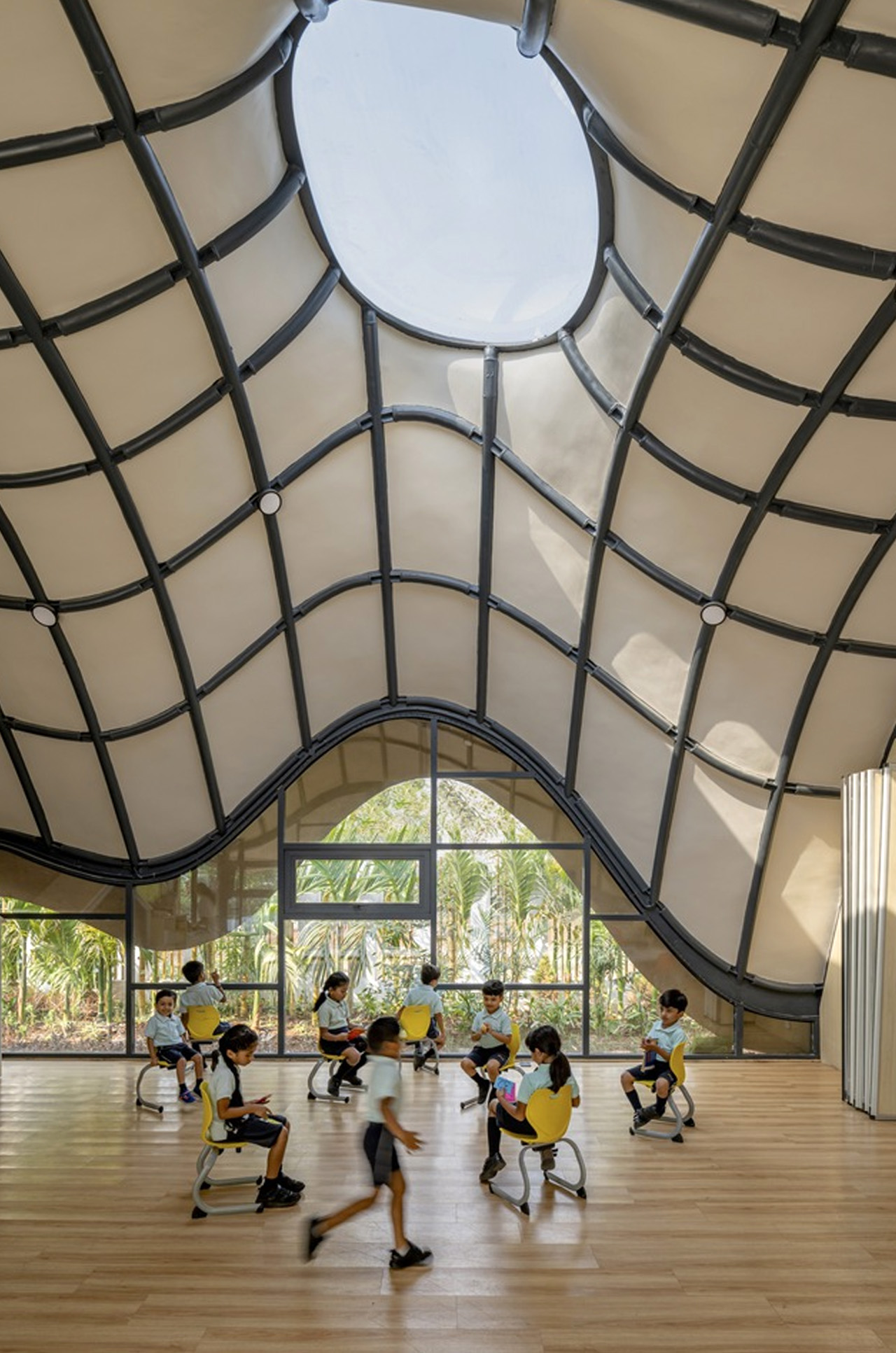
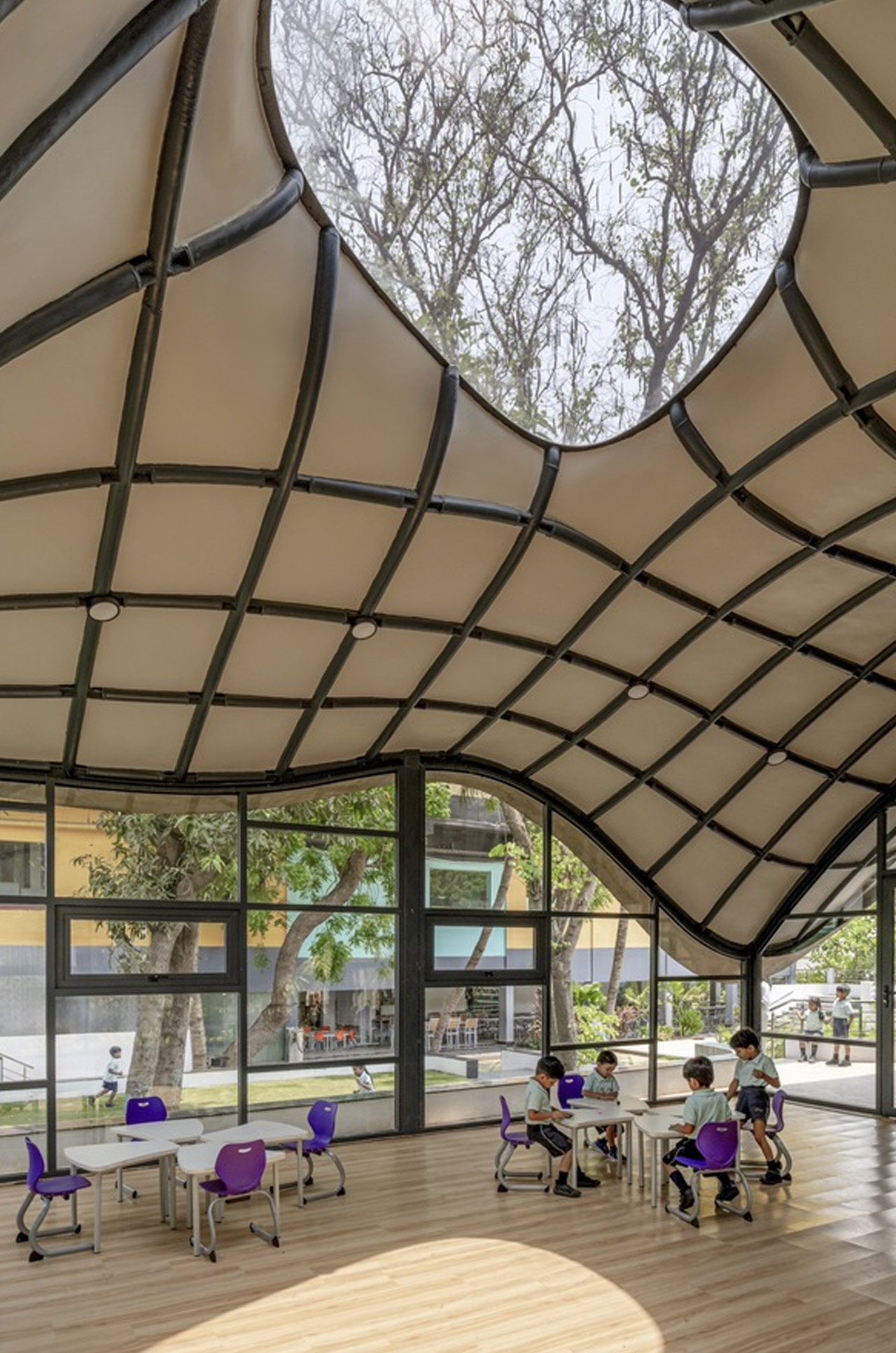
Tucked away in Vijayawada, Andhra Pradesh, India is ‘Cocoon’ – the pre-primary extension of the Bloomingdale International School. This 4000 sqft extension is designed by andblack design studio, and it truly stands apart from the main school building owing to its unique form, and unconventional structure. It features a sunken courtyard that mimics the area’s natural landscape. It flows towards the structure like a hill and serves as a versatile space – ranging from a playground to an amphitheater or classroom. This unique project merges the boundaries between indoor and outdoor spaces, forming an interesting and engaging learning environment, that is a relief from the boxy classrooms.

Designer: andblack design studio

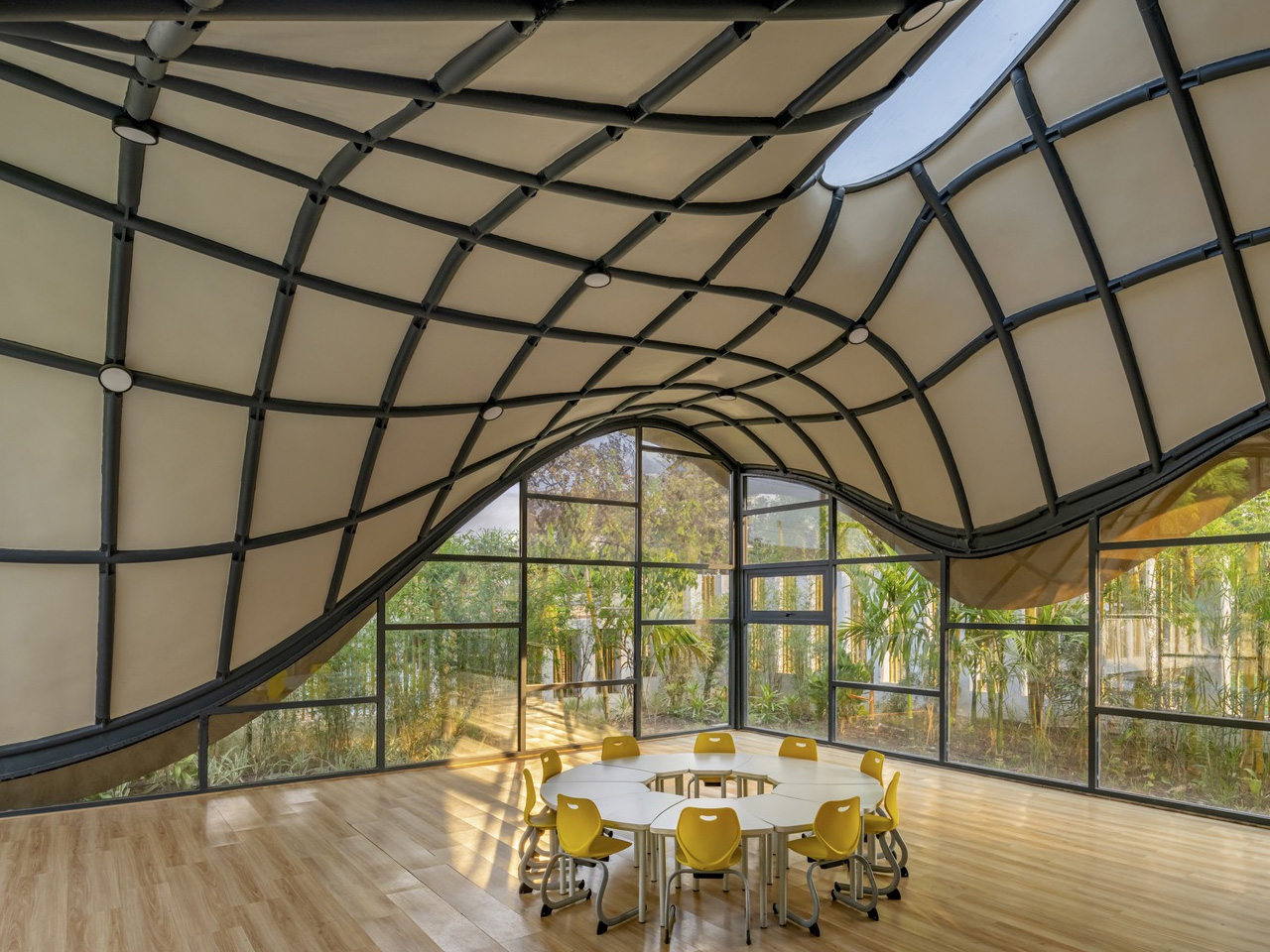
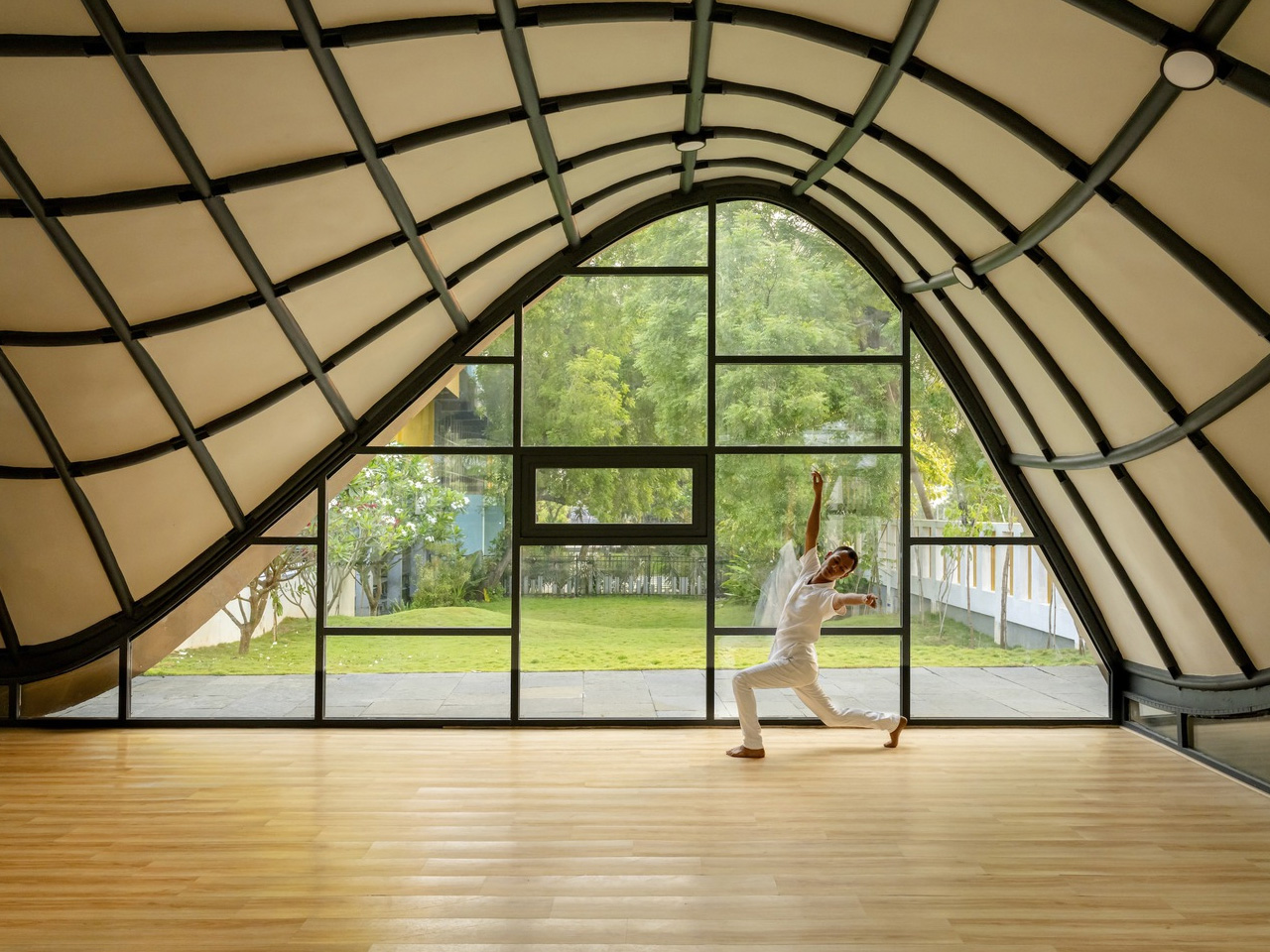
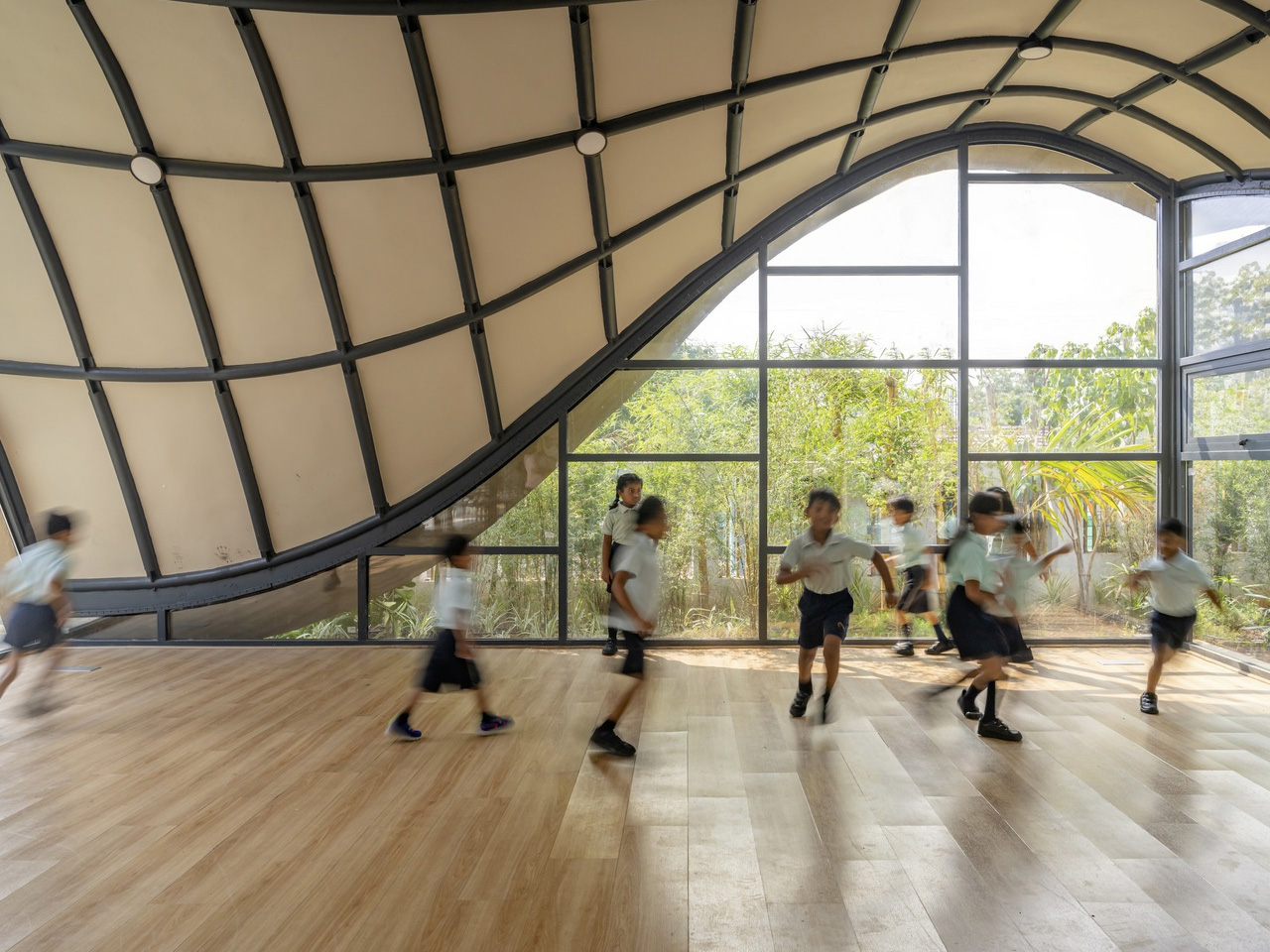
The design studio focused on building free-flowing and interconnected spaces that allow students to move about and interact with one another, and the natural environment. Full-height glass panels and skylights make the extension a fluid and light-filled space, allowing the interiors to merge with the surrounding landscape. Besides the sunken courtyard, the project also features an interesting undulating roof. The roof is inspired by natural forms like waves or hills, and it seems to move like them too. It allows the building to be at one with the landscape, creating the impression that it serves as “a form of the landscape in itself”. The roof is covered with turf, and it is supported by a fluid structure that doesn’t include any partitions.

The studio didn’t employ any bright and vivid colors, instead, the form of the structure is the star attraction. The inclusion of turf enhances the building’s connection with the landscape, forming an endearing environment for the children, where they are freely allowed to play and explore. The material palette is simple and minimal, accentuated by the use of prefabricated elements and exposed structural components.

Since prefabricated elements were used to construct the building, the assembly was a simple and cost-effective process. The core of the roof was assembled onsite using prefab metal sections, and concise construction techniques. Built-up beams were assembled at different heights to achieve the building’s curved form. The ceiling is exposed from within, creating a lovely contrast against the green roof. Natural light streams in through the skylight, creating a visual effect that is soothing and almost relaxing. The Cocoon is an excellent effort to build innovative educational buildings, wherein schools are redefined to create seamless and playful spaces that support creativity, learning, and exploration.

The post This School In India With An Undulating Green Roof & Sunken Courtyard Is A Relief From Boxy Classrooms first appeared on Yanko Design.
Governors Point is the Ultimate Eco-Luxury Escape You’ll Wish You Lived In

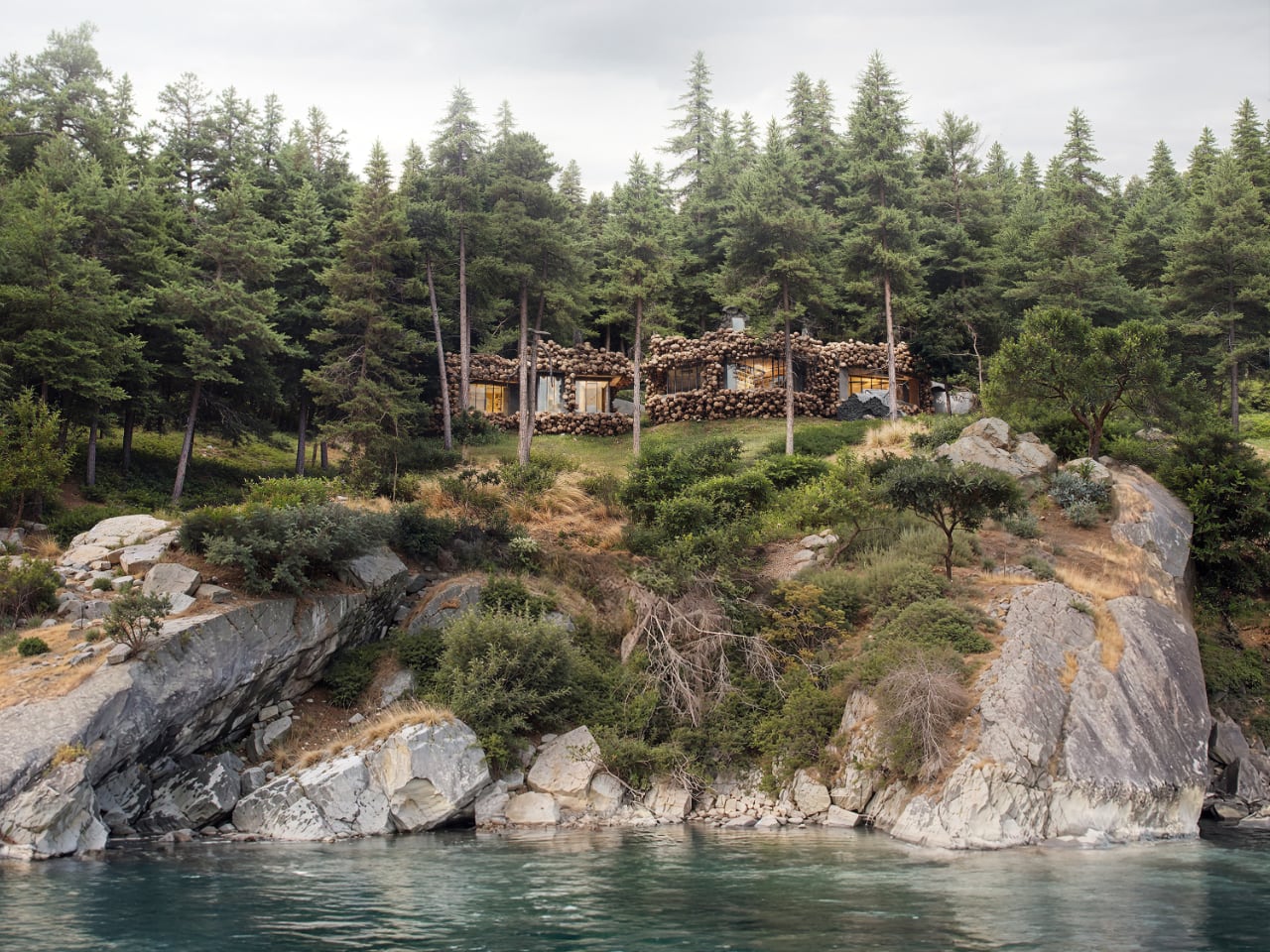
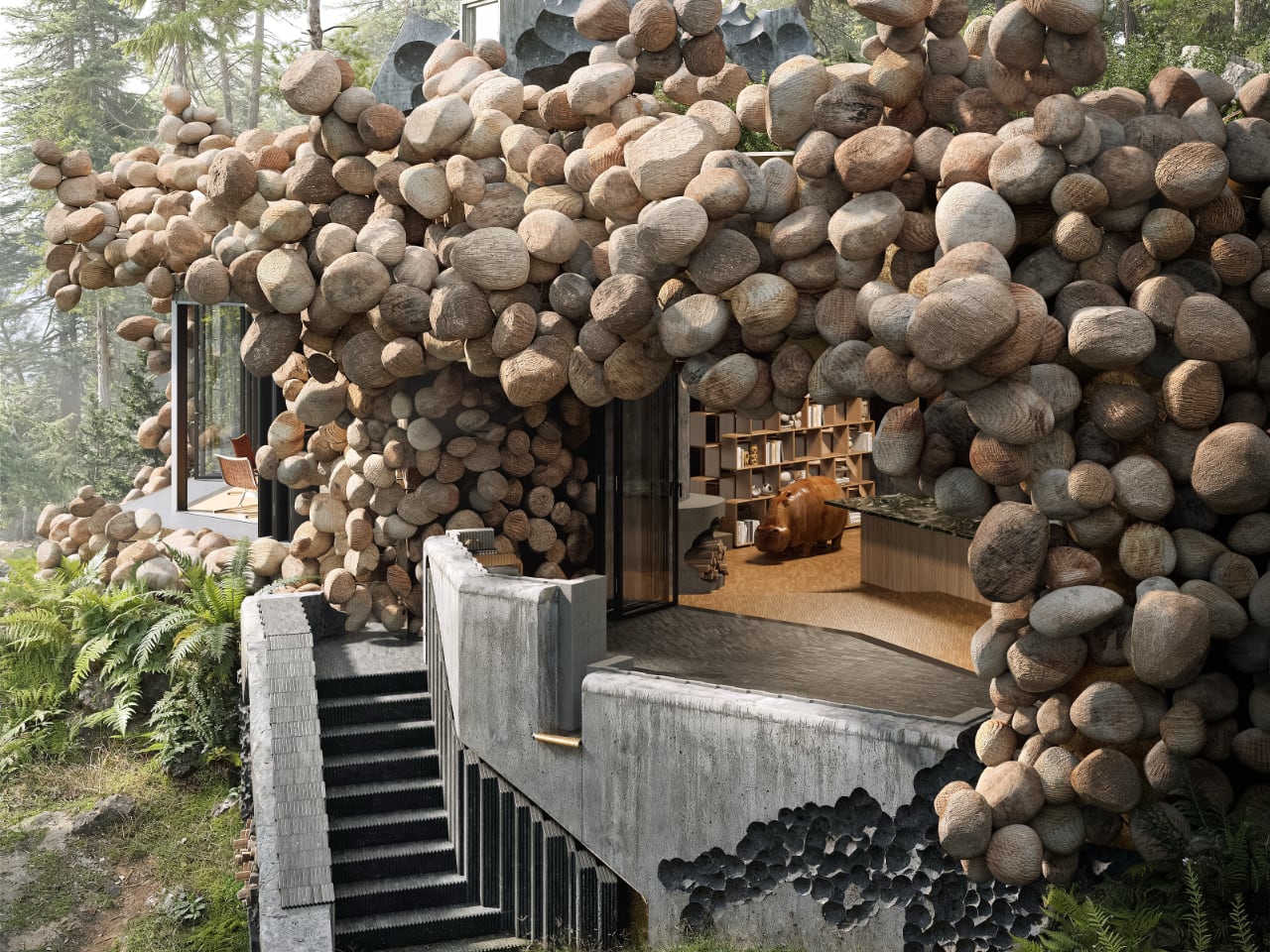
Governors Point, an exclusive residential enclave, sits on a pristine 125-acre peninsula in Washington’s Salish Sea. Envisioned by acclaimed architect Omer Arbel, this unique community offers an exquisite mix of luxury living and deep respect for the environment. The development features 16 custom waterfront homes that blend seamlessly into the surrounding landscape. Each home is crafted to celebrate the raw beauty of the area, ensuring it complements rather than overpowers the natural setting.

Designer: Omer Arbel

Image credit: Governors Point

Governors Point’s history adds depth to its current form. Originally, the site was slated for over 300 homes and multiple marinas, but a transformative partnership between design entrepreneur Randy Bishop and the Whatcom Land Trust shifted its destiny. Their focus was on conservation, turning Governors Point into a haven for both residents and nature.

Exterior Design: Blending With Nature

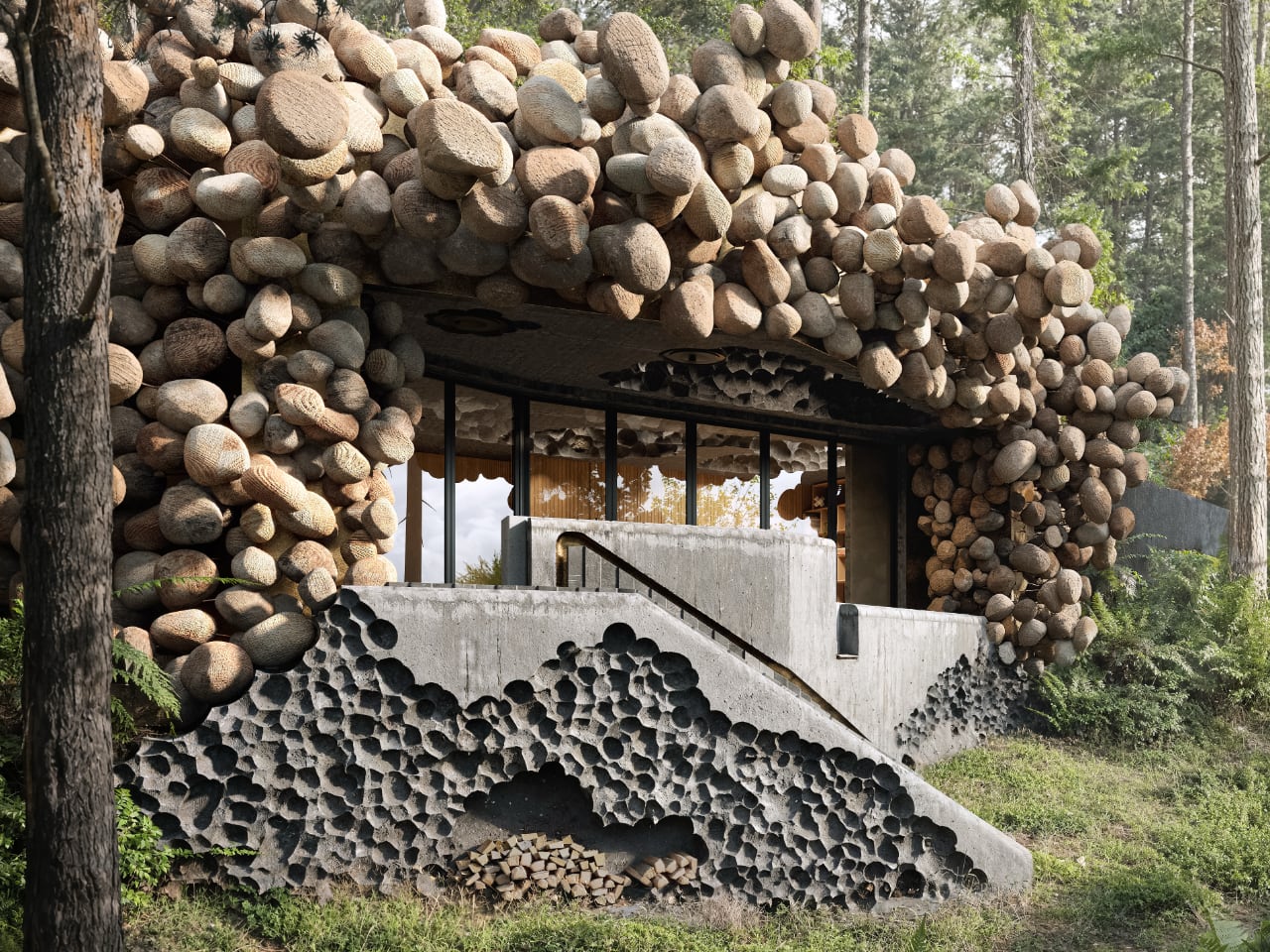
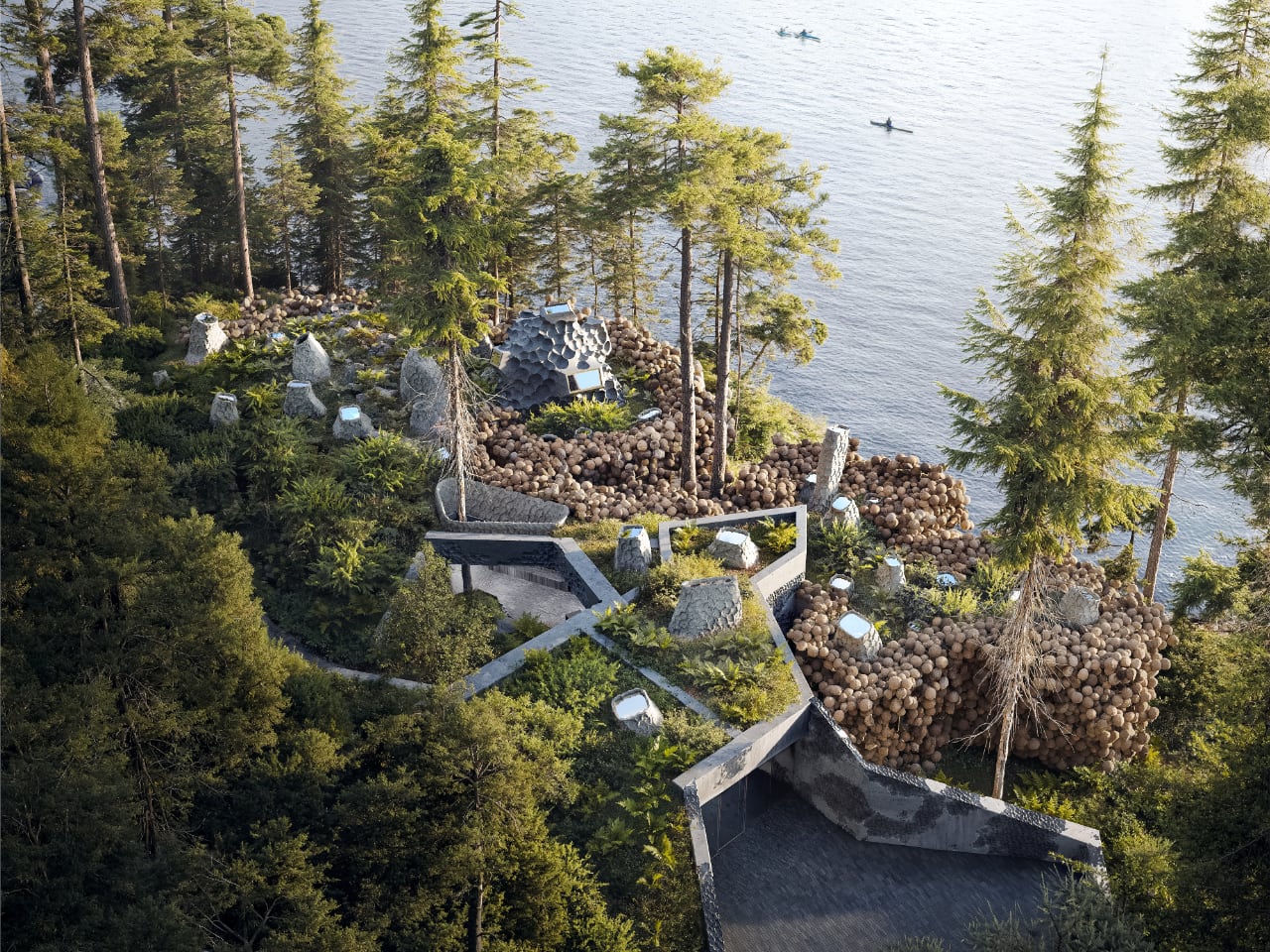
The exterior of each home at Governors Point reflects Omer Arbel’s innovative approach to merging architecture with nature. The homes are placed strategically along the peninsula, with some landward facades partially buried to reduce their visual presence and make them part of the landscape.

Image credit: Governors Point

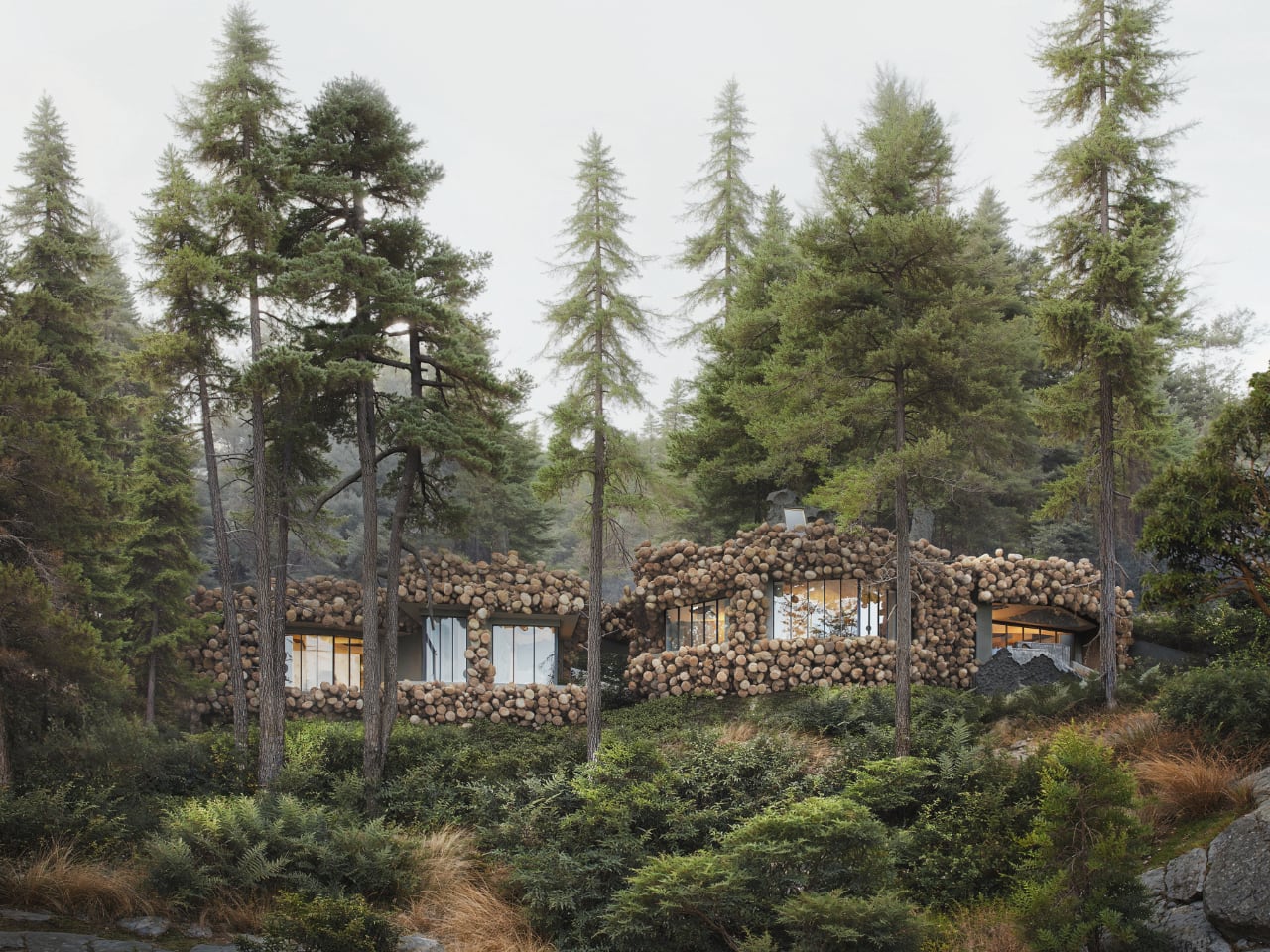
On the west-facing side, a “cloudlike” exterior skin made from cedar burl offcuts adds a striking visual feature. These cedar pieces, described as “boulder-shaped modules,” are mounted on metal standoffs and gently sway, creating a kinetic effect. Over time, moss and lichens will grow on these surfaces, adding a living, evolving element to the design.

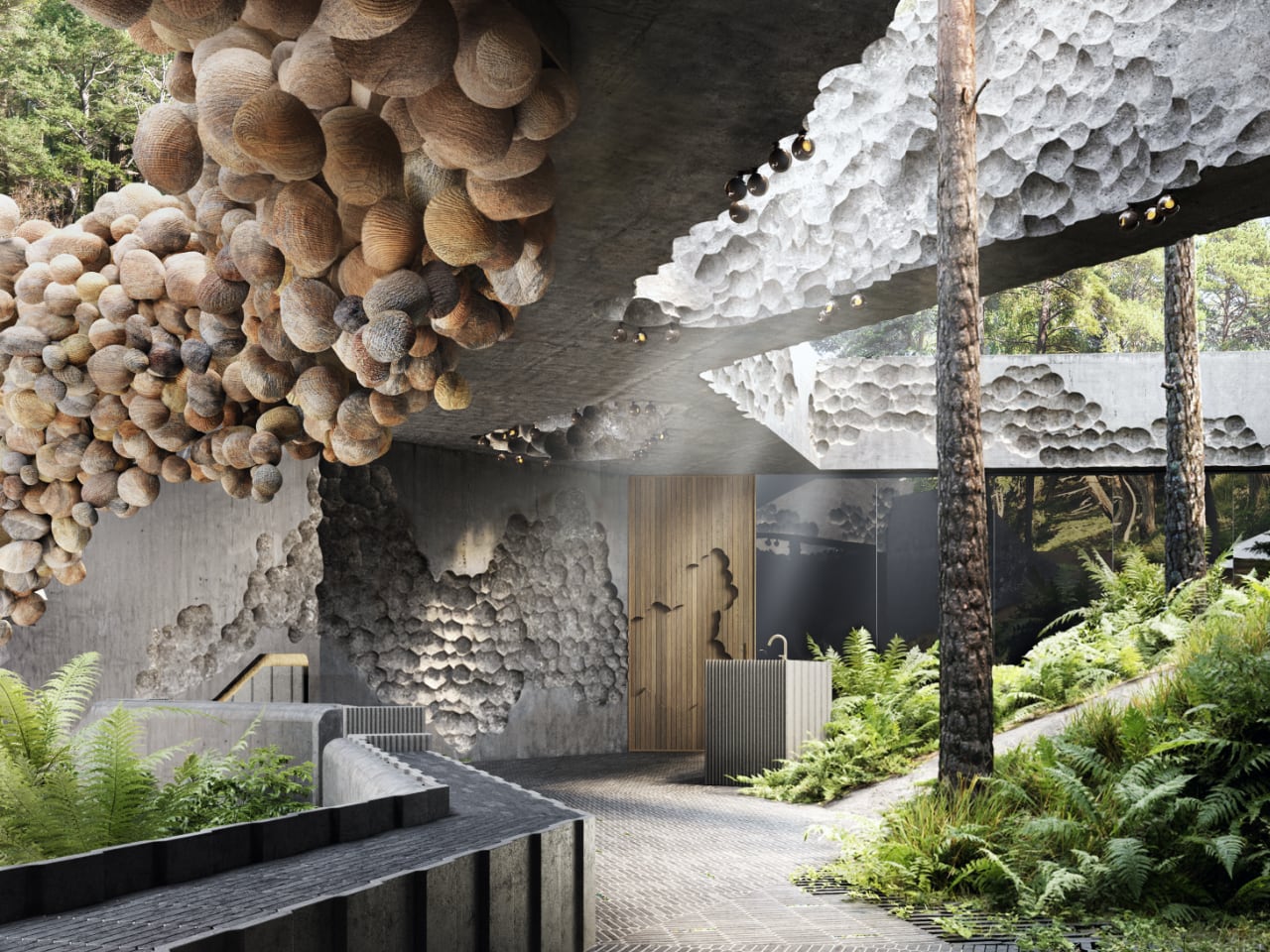
Roofs are designed to allow the forest to grow over them, making the homes seem like natural extensions of the landscape. This design choice also offers energy efficiency, as the forest provides natural insulation.

Paths leading to the homes are discreet, guiding residents through nature in a way that contrasts the enclosed feeling of the homes—often opening up dramatically to views over the cliffs. These paths are set between retaining walls, enhancing the contrast between entering underground spaces and emerging to cliff-edge views. Landscaping is restricted to just 3,000 square feet per 1.5-acre lot, ensuring that most of the natural flora is preserved. This careful planning maintains the native beauty of Governors Point, keeping ecological integrity at the forefront.

Image credit: Governors Point

The design also respects the existing kayak route along the shoreline, ensuring that the natural recreational pathways remain unobstructed and inviting for kayakers.

Interior Design: Seamless Flow Indoors and Out

The interior of each Governors Point home reflects Arbel’s commitment to creating harmony between luxury and nature. The homes are capped at 2,900 square feet, maintaining a modest size that fits within the environment.

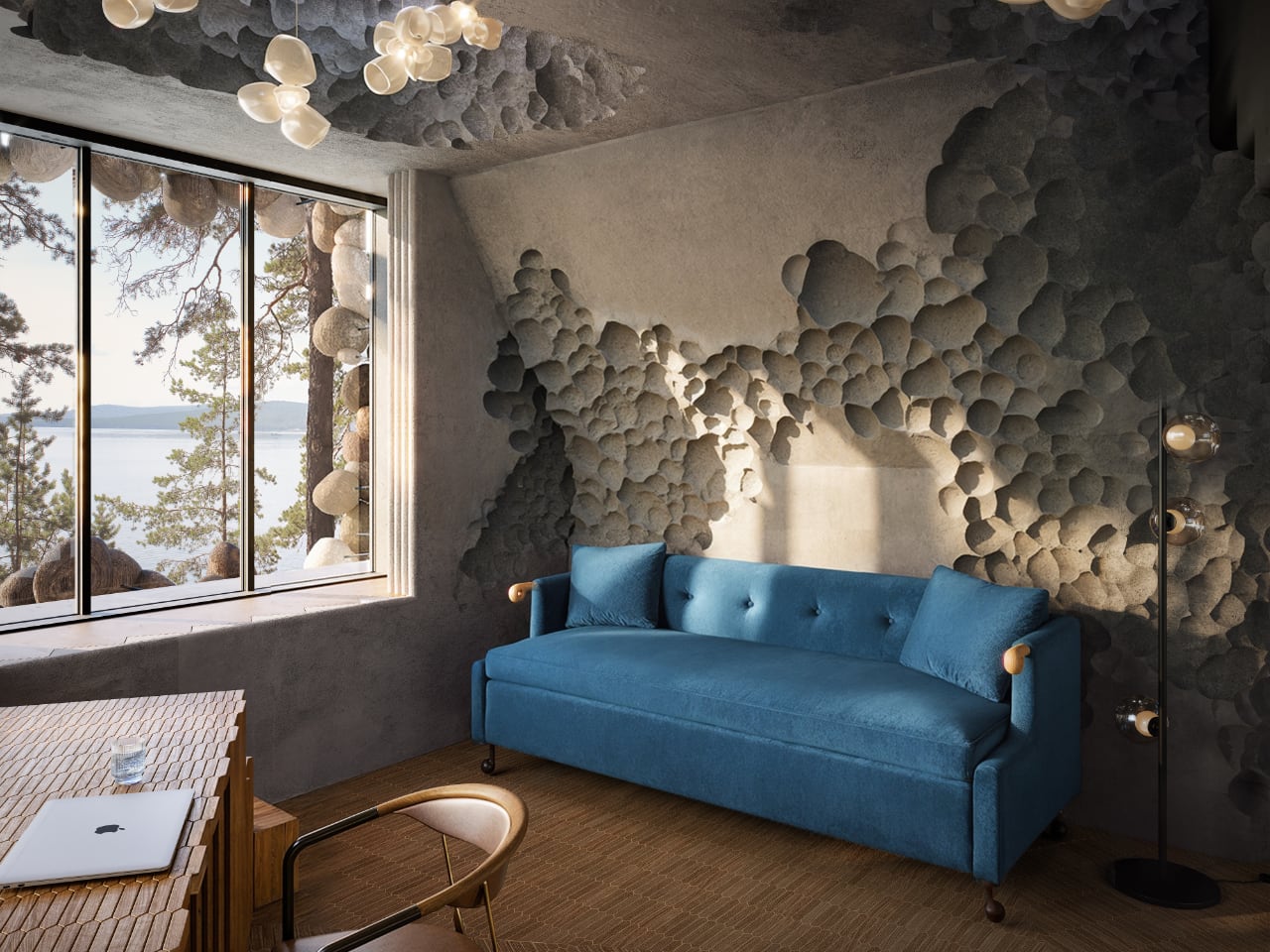
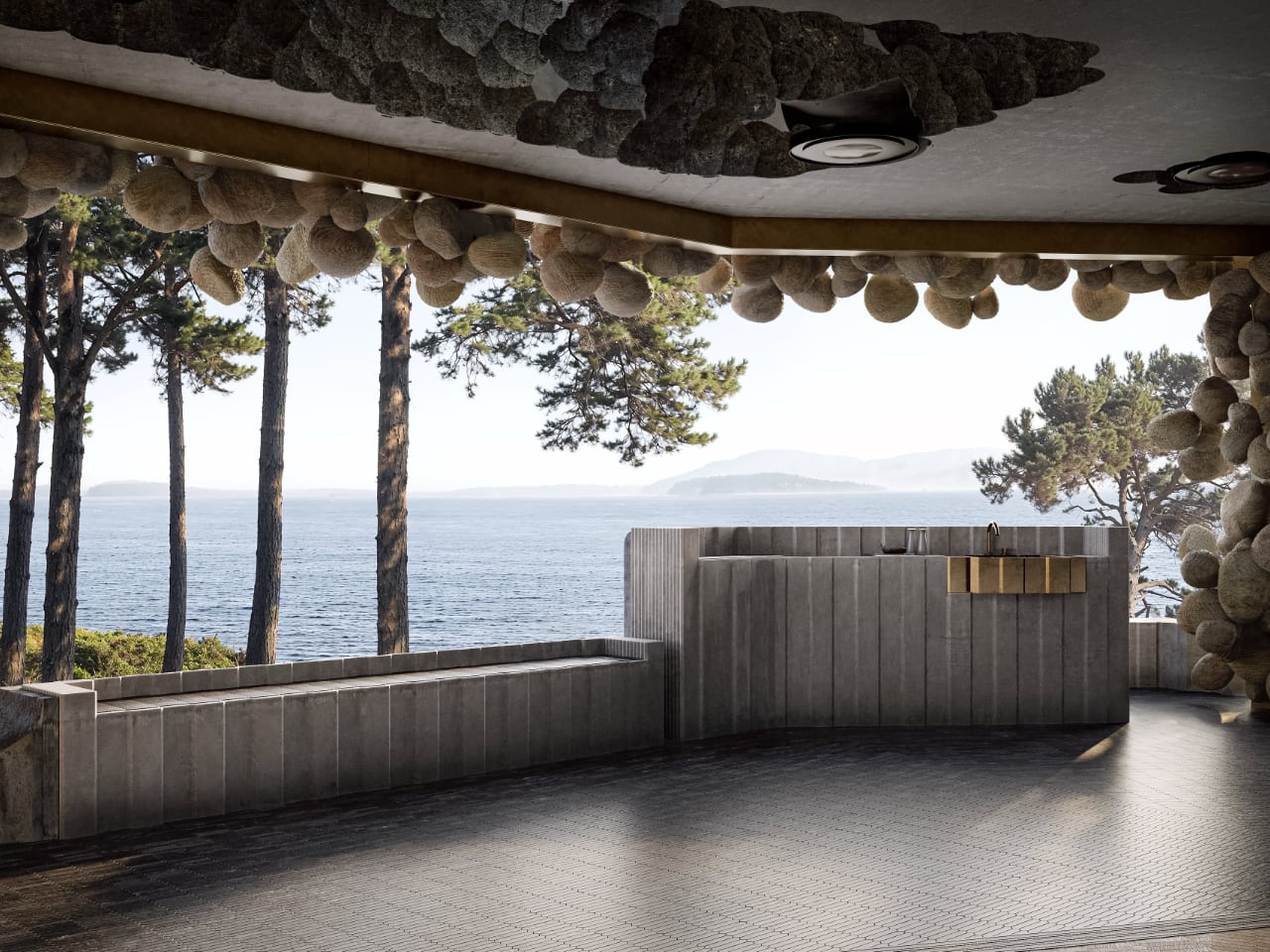
Expansive floor-to-ceiling windows bring in sweeping views of the Salish Sea and San Juan Islands, flooding rooms with natural light. These windows create a seamless connection between the indoor and outdoor spaces, making the landscape a natural part of the home’s interior.

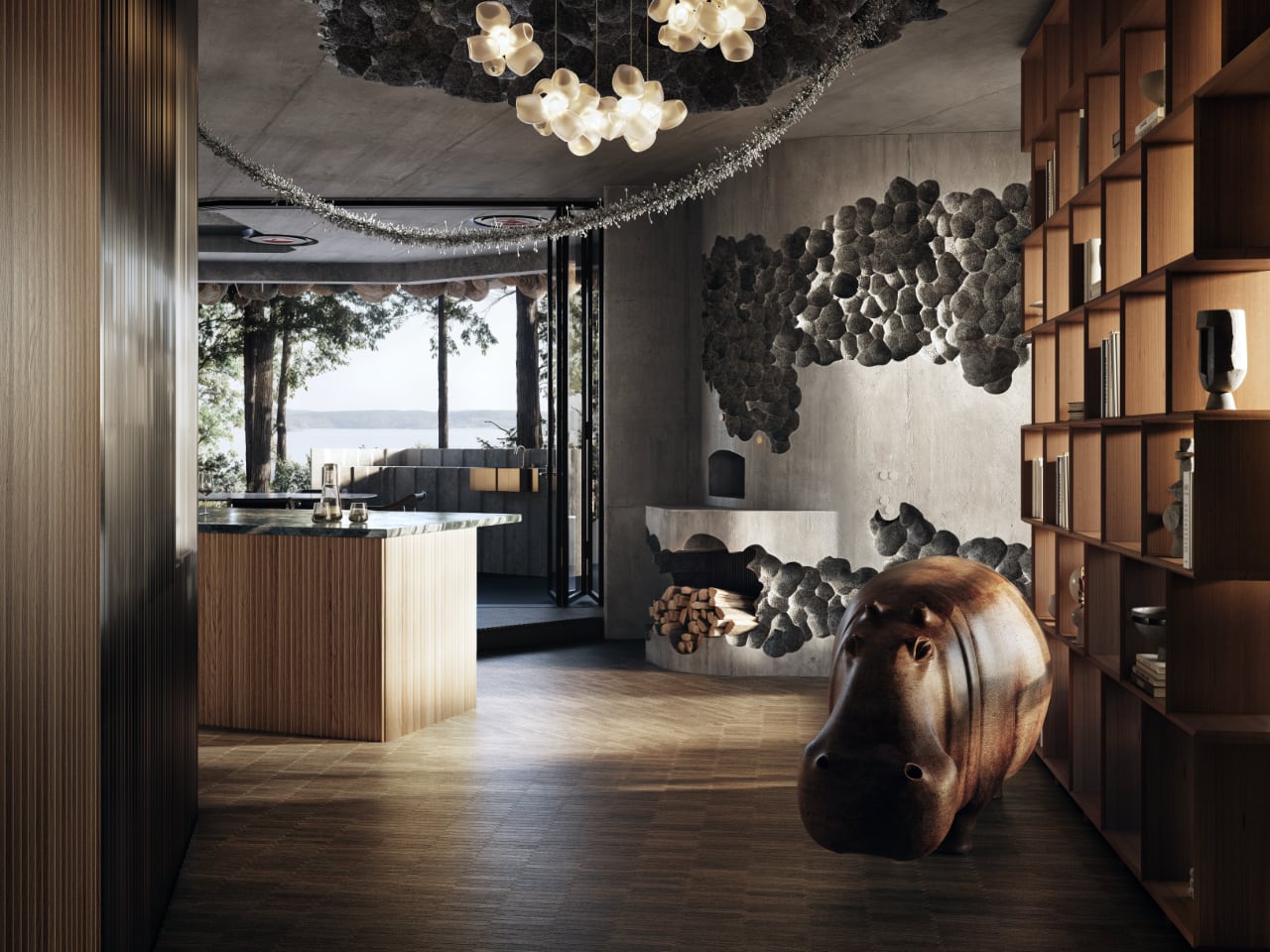
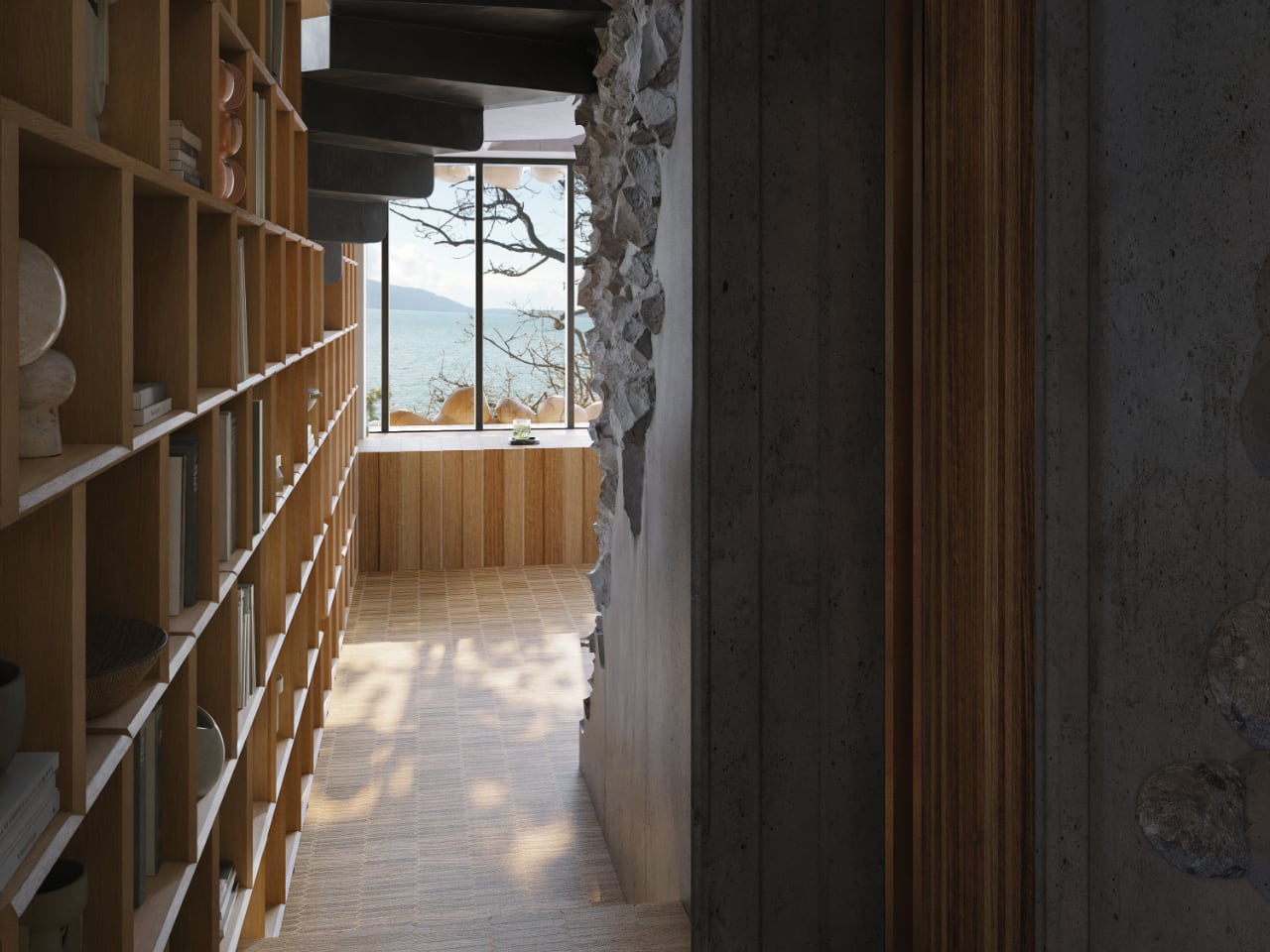
The living room design beautifully showcases this philosophy, featuring woven leather chairs and a low-profile marble coffee table. The living area opens directly to the outdoors, framed by boulder-like modules connecting the home to the natural world. The use of earthy tones and tactile fabrics throughout the living room maintains a sense of warmth and cohesion, while built-in shelves add functionality without overwhelming the space.

The materials used throughout the homes, like locally sourced wood and stone, add warmth and texture, while low-VOC paints and reclaimed wood floors keep the building process eco-friendly.

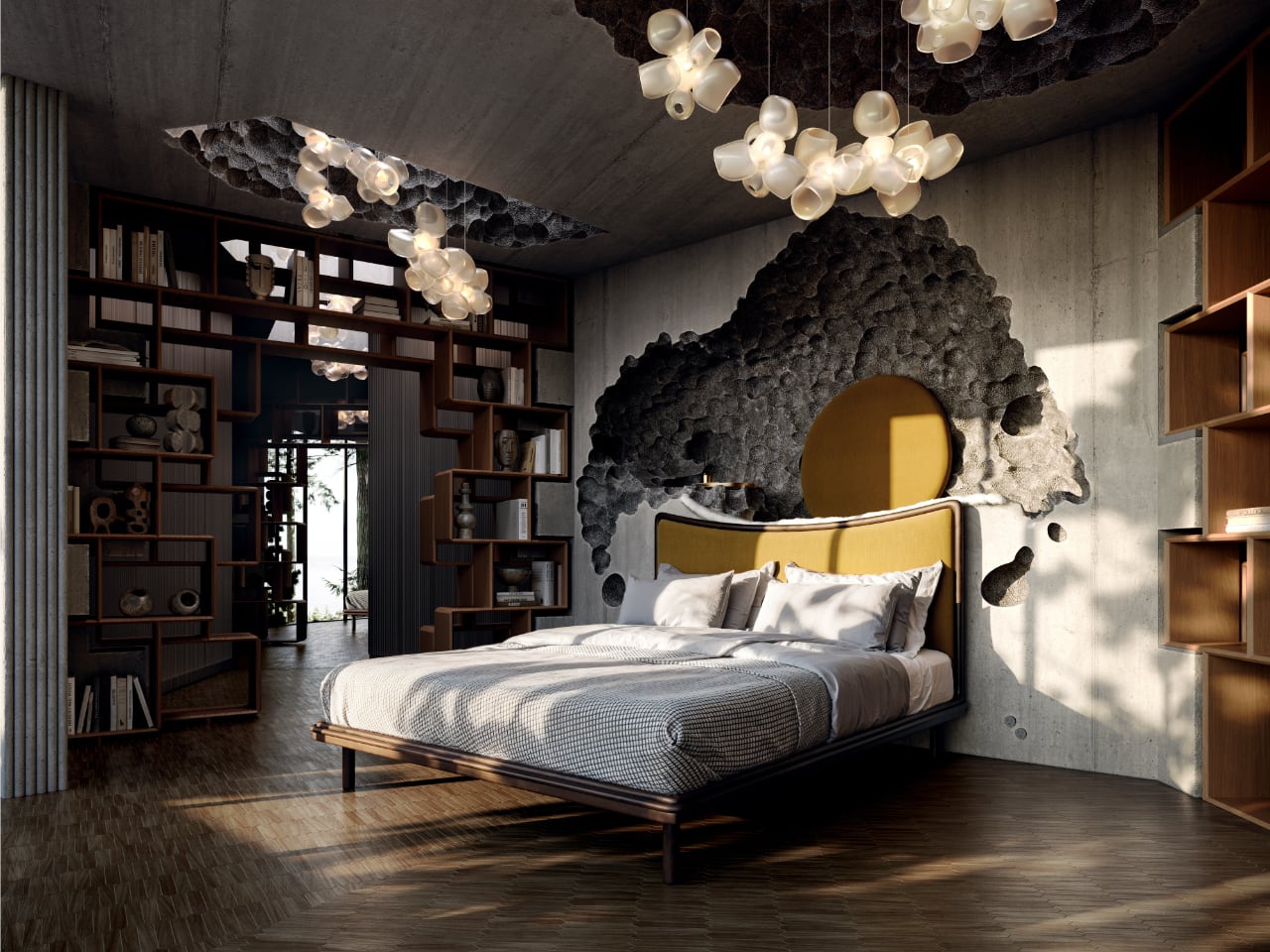
Fixtures from Arbel’s design firm, Bocci, are featured throughout, including custom glass pendants that bring a unique glow to the rooms. The collaboration between Omer Arbel and Bocci goes back nearly two decades, allowing Bocci’s luxurious finishes to integrate seamlessly into Arbel’s architectural projects. Skylights and open floor plans ensure that natural light fills every corner, enhancing the spaciousness while connecting each room to the outdoors.

Image credit: Governors Point

In the kitchen, an elegant concrete finish defines the space, with natural textures continuing to enhance the connection between indoor and outdoor environments. This description is based on conceptual design elements rather than a confirmed source from the images or documents provided. Large windows frame views of the sea, while the design focuses on subtle built-in features, such as hidden storage and a minimalist aesthetic, ensuring the kitchen is functional and stylish.

The Parametric Approach: Architecture With Variation

Omer Arbel takes a parametric design approach at Governors Point—meaning the homes are crafted within a set of guidelines that allow for natural variations. Each home follows core principles but adapts to the specific conditions of its location.

Image credit: Governors Point

For example, cedar burl offcuts on the west-facing facades are arranged within set parameters but come together in unique compositions. This gives every home its personality while maintaining a consistent architectural language across the community.

Arbel’s process involves setting constraints and letting materials and site-specific factors guide the final design. This approach allows the architecture to adapt to the environment, making each home a reflection of its surroundings.

It turns construction into a creative, evolving process that celebrates unpredictability and uniqueness. Arbel also extends this parametric philosophy to interior fixtures, using materials like copper and glass to adapt to the living spaces’ flow.

Image credit: Governors Point

The master bedroom continues the organic design language with a feature wall that mimics the boulder-shaped modules seen outside. The furniture, including the bed and integrated shelving, balances the ruggedness of natural materials and refined craftsmanship. Custom Bocci lighting adds a sculptural quality, casting soft light that enhances the serene atmosphere.

Image credit: Governors Point

A Commitment to Sustainability

Governors Point is a model of sustainable architecture, with 98 of the 125 acres set aside as a nature reserve managed by the Whatcom Land Trust. This area features a 2.5-mile public access loop trail, allowing residents and visitors to explore the peninsula’s stunning natural beauty, including access to beaches and viewpoints on both sides.

Image credit: Governors Point

Keeping most of the land as a nature reserve helps protect local ecosystems, balancing development and conservation.

Each residence is capped at 2,900 square feet, with an additional 1,100 square feet allowed for garages or outbuildings. By limiting the size of the homes and restricting manicured landscaping, the development ensures that the natural surroundings remain untouched as much as possible.

Using sustainable materials, such as repurposed cedar burl offcuts for exterior cladding, reduces waste and promotes regional resource efficiency. Governors Point also bans using pesticides and harmful chemicals, protecting the local flora and fauna.

Image credit: Governors Point

Energy efficiency is key in architectural planning, with large windows designed to optimize passive solar heating while offering stunning views. The project maintains a low-density footprint by limiting the development to only 16 homes on the 27 developed acres, reducing habitat disruption and preserving wildlife corridors.

The design blends the homes into the landscape with natural features like buried facades and forest-covered roofs, setting a new standard for eco-conscious luxury.

The post Governors Point is the Ultimate Eco-Luxury Escape You’ll Wish You Lived In first appeared on Yanko Design.
Cute earbuds concept look like tiny perched birds ready to sing a tune

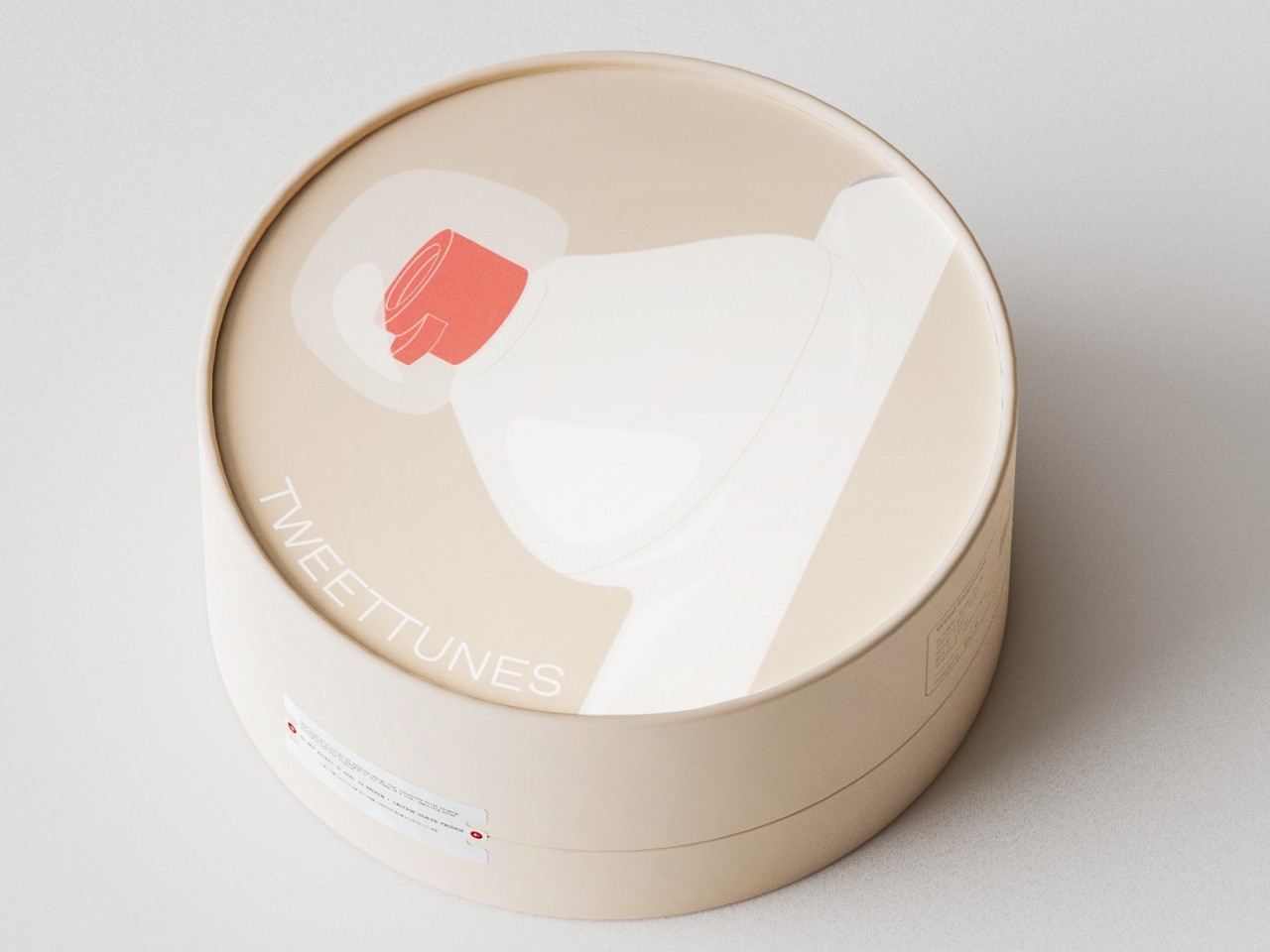
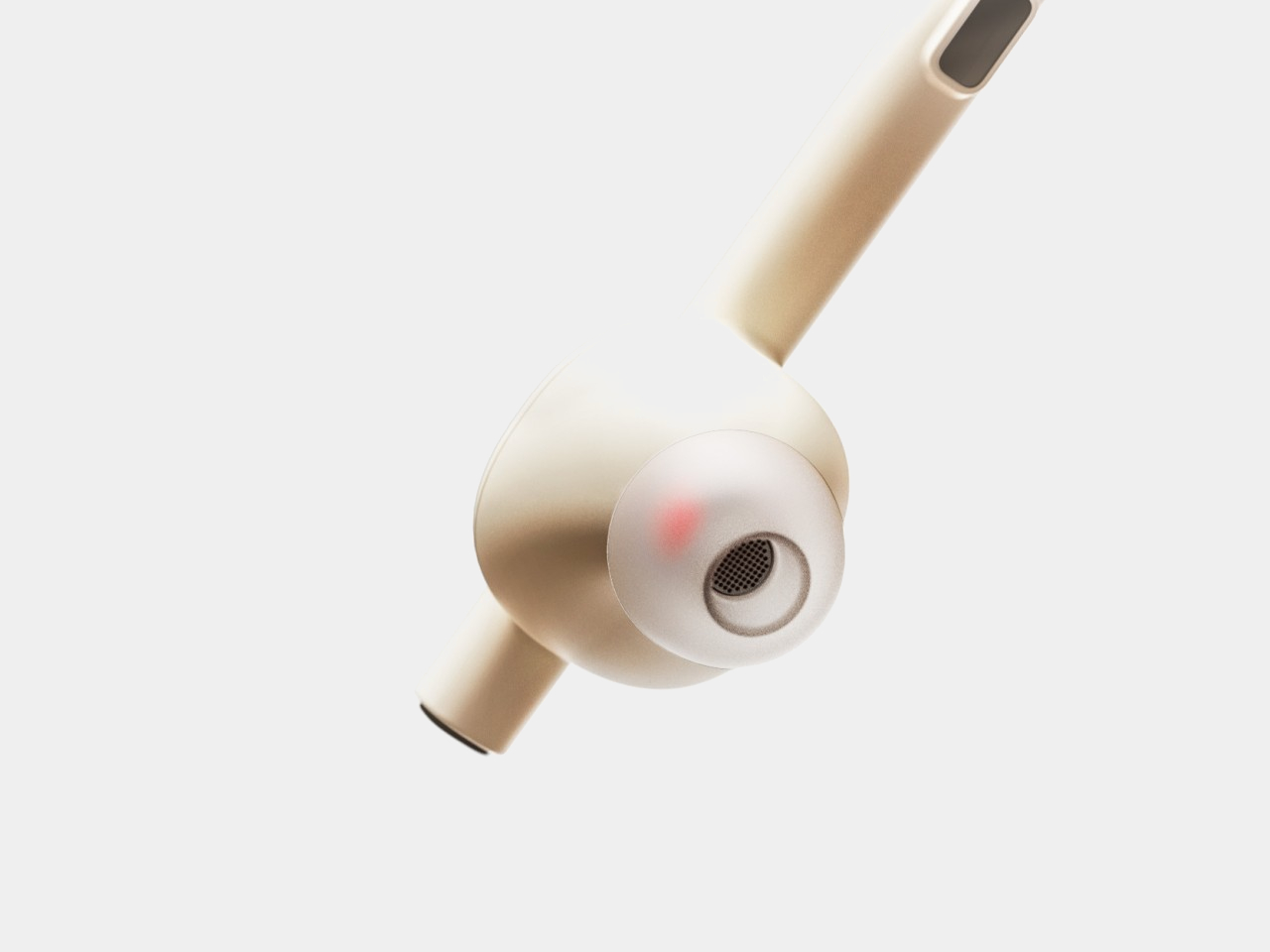
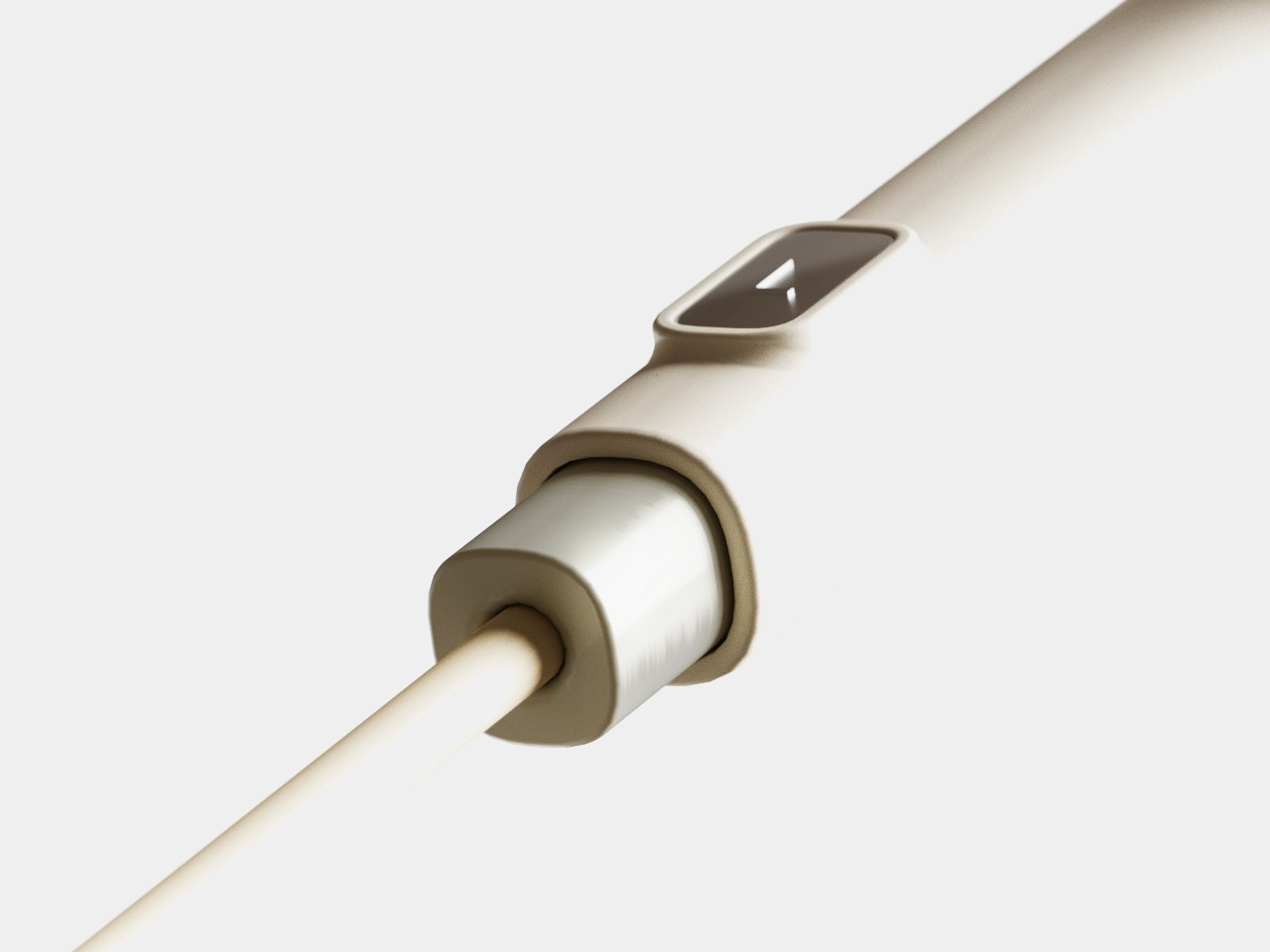
With Apple leading the way, the design of wireless earbuds has almost become monotonous as many manufacturers try to flatter the brand through imitation. There are, of course, a few outliers and there is definitely plenty of room for creativity, especially now that earbuds and earphones have almost become a necessity for anyone who uses a smartphone. Of course, ergonomics and acoustics still play the most important role in designing such audio accessories, but if there was more leeway in those areas, you might be able to come up with something a bit more imaginative, like these buds that resemble a pair of birds tweeting a sweet melody into your years.

Designers: Jinho Choi, Seunghun Jeong

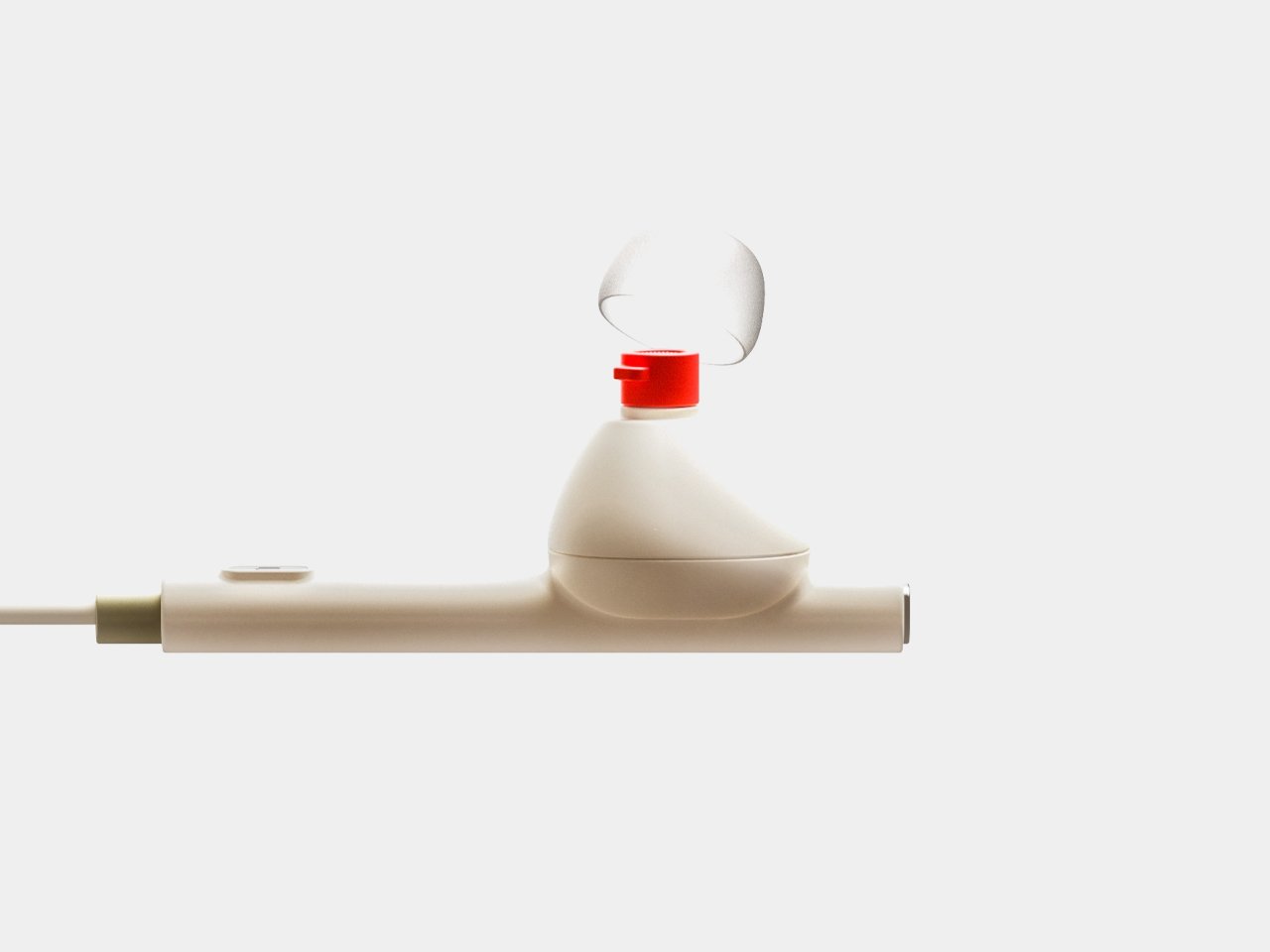
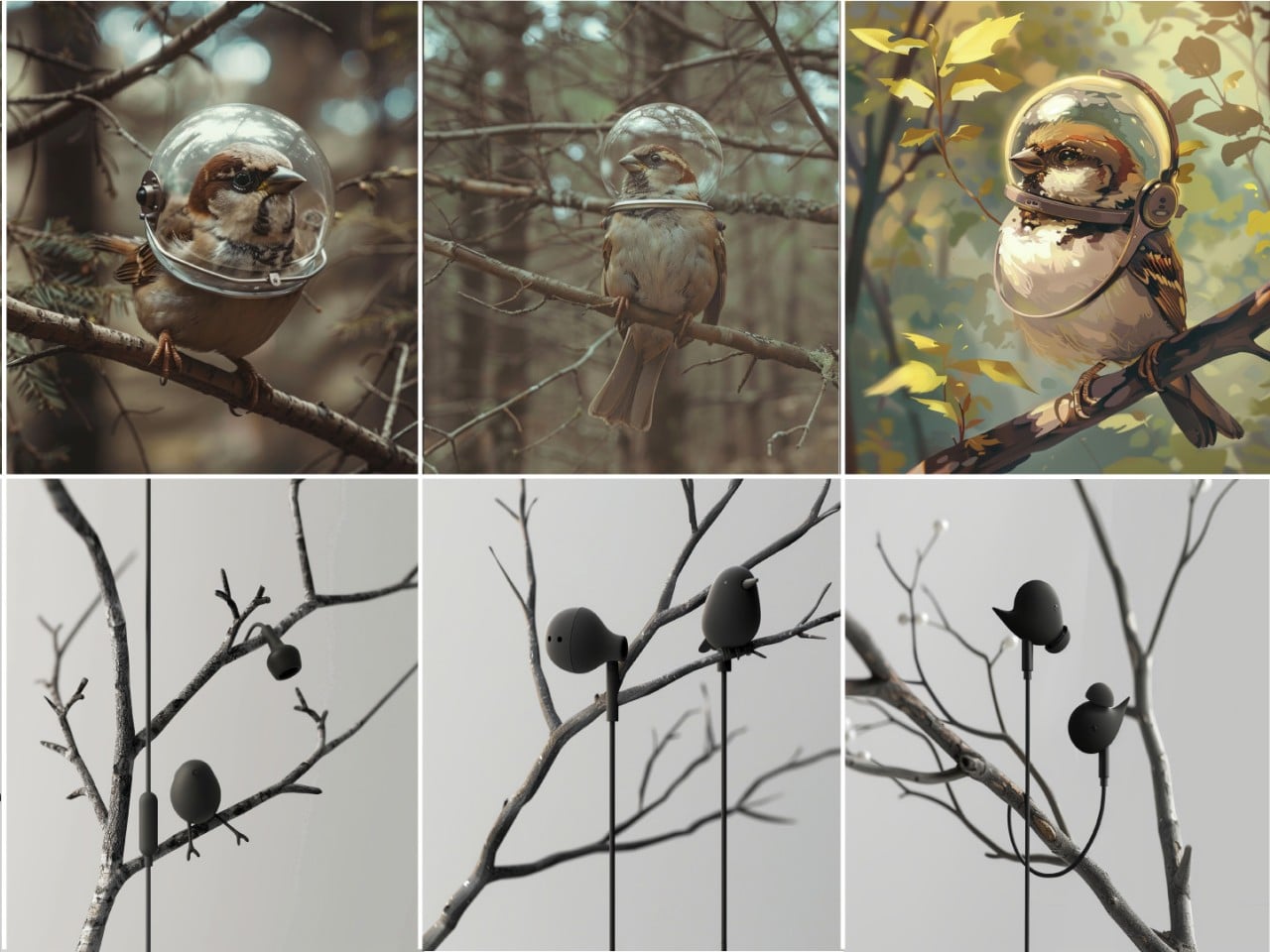
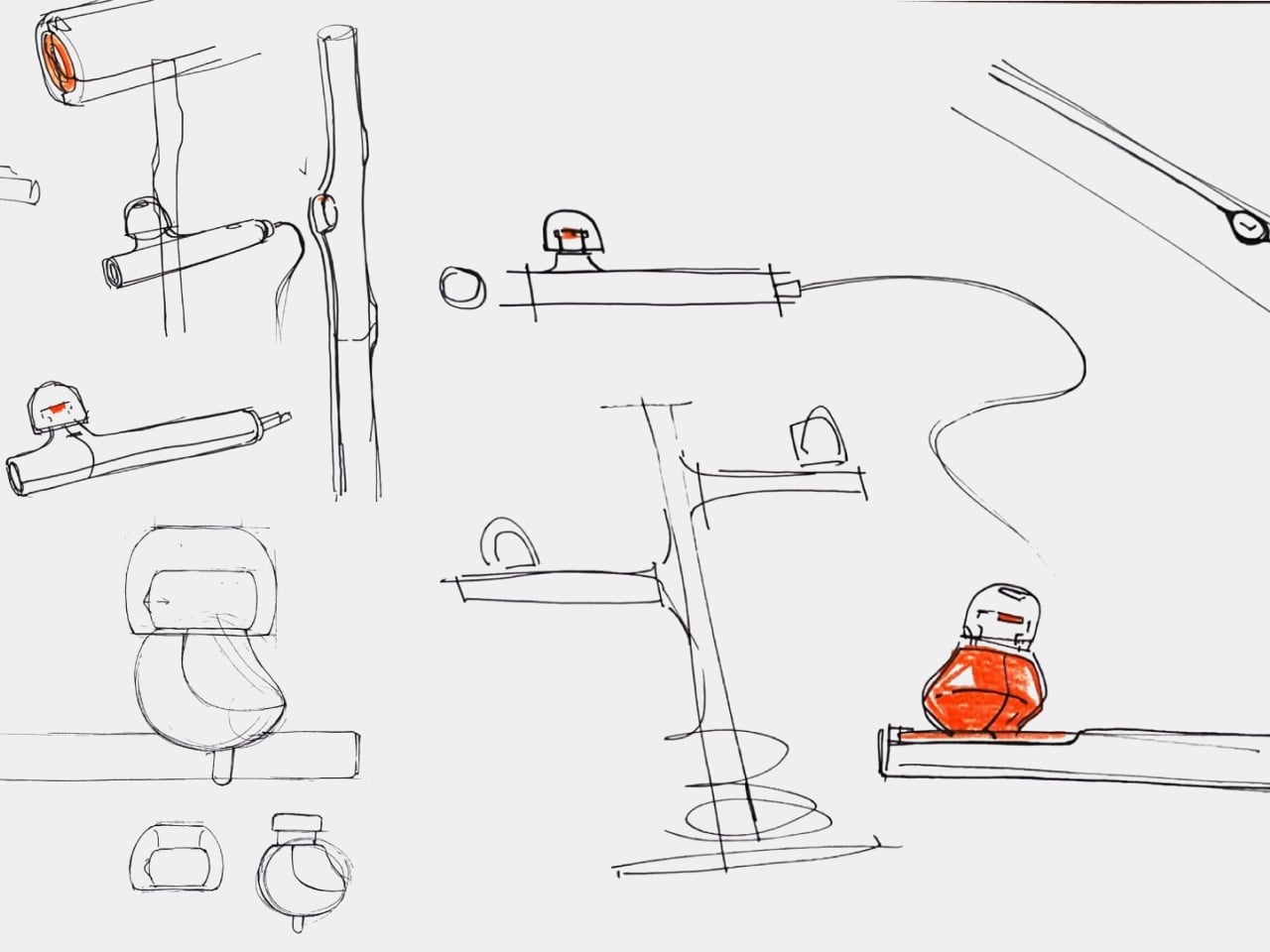
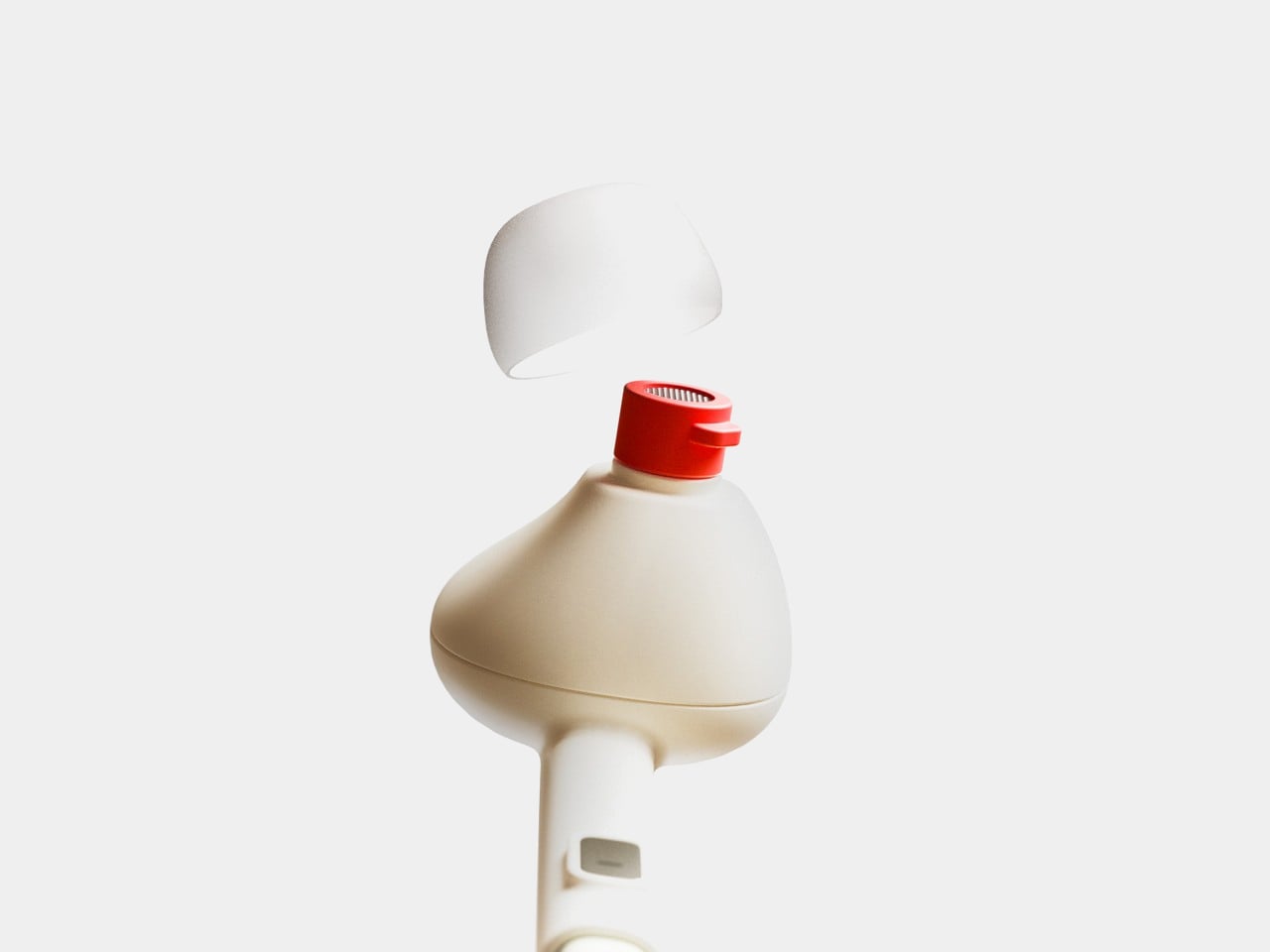
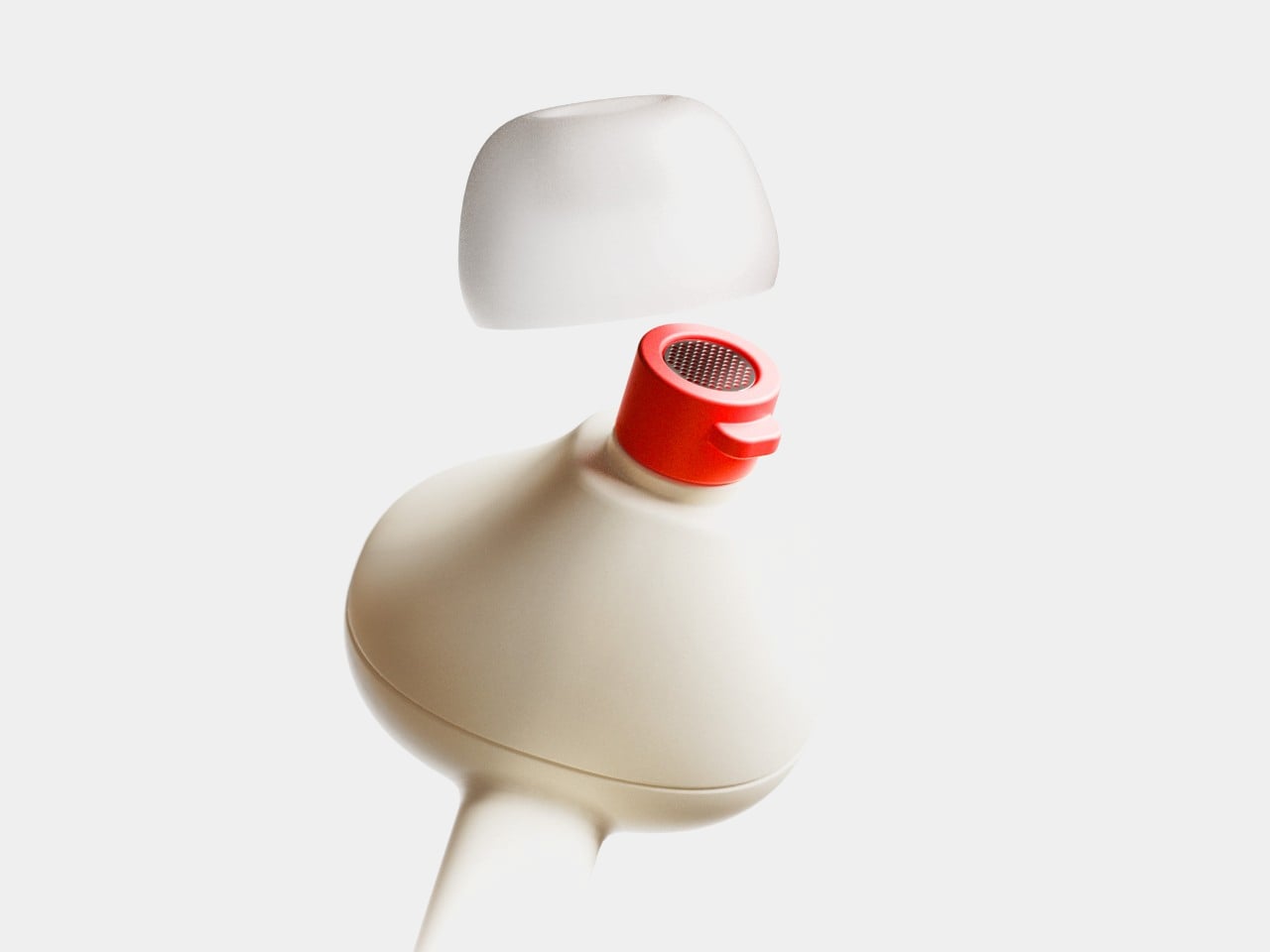
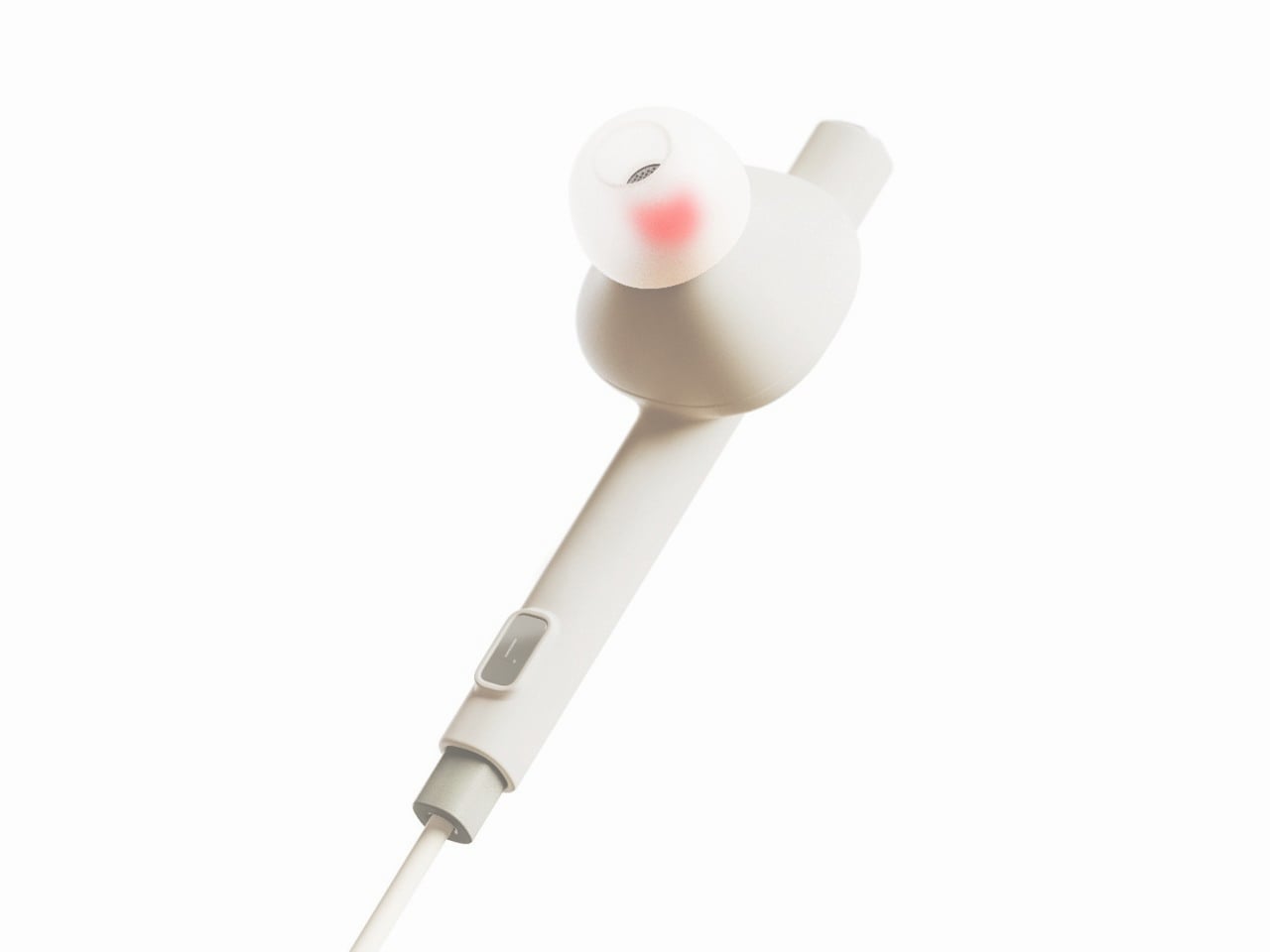
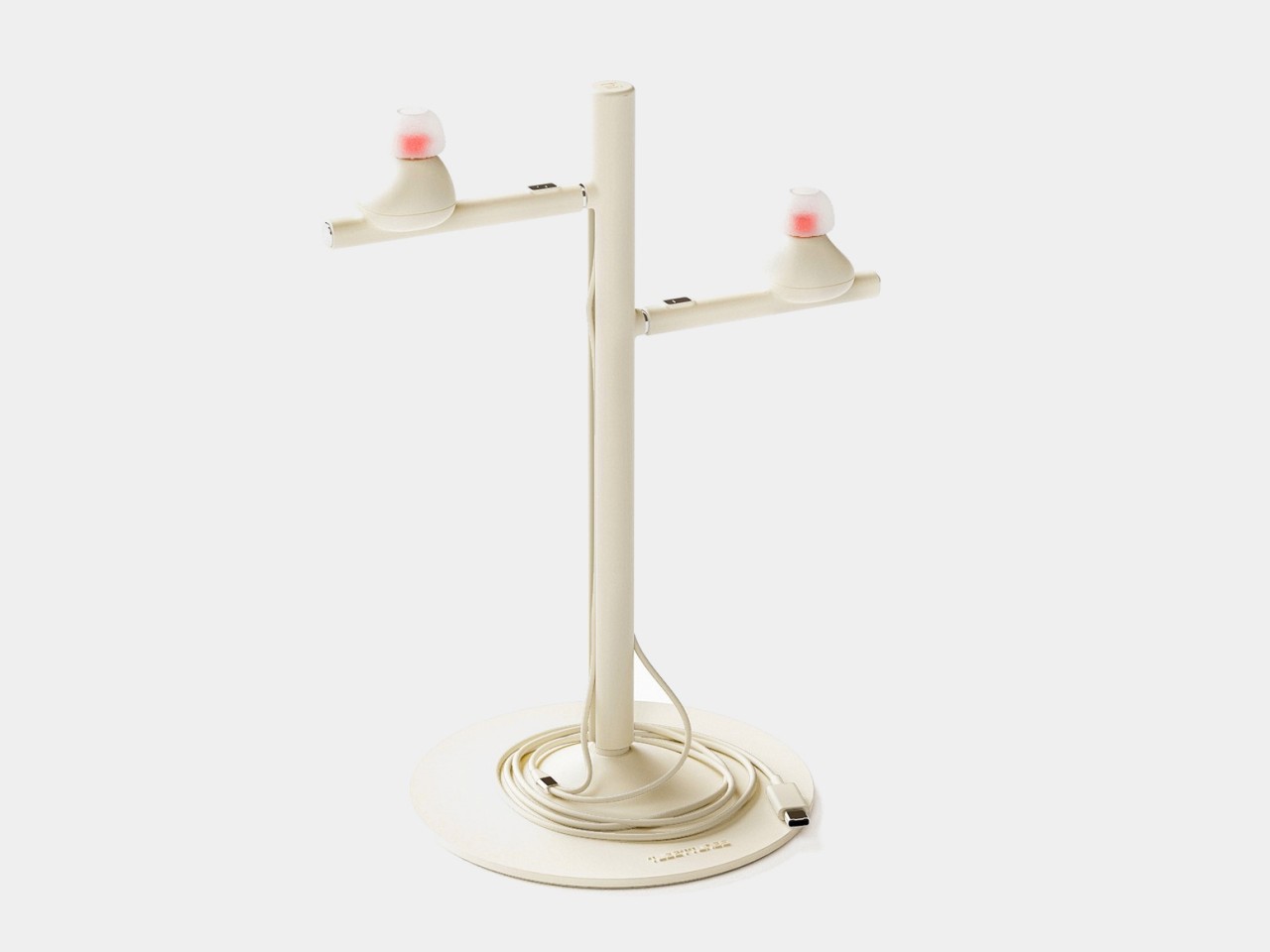
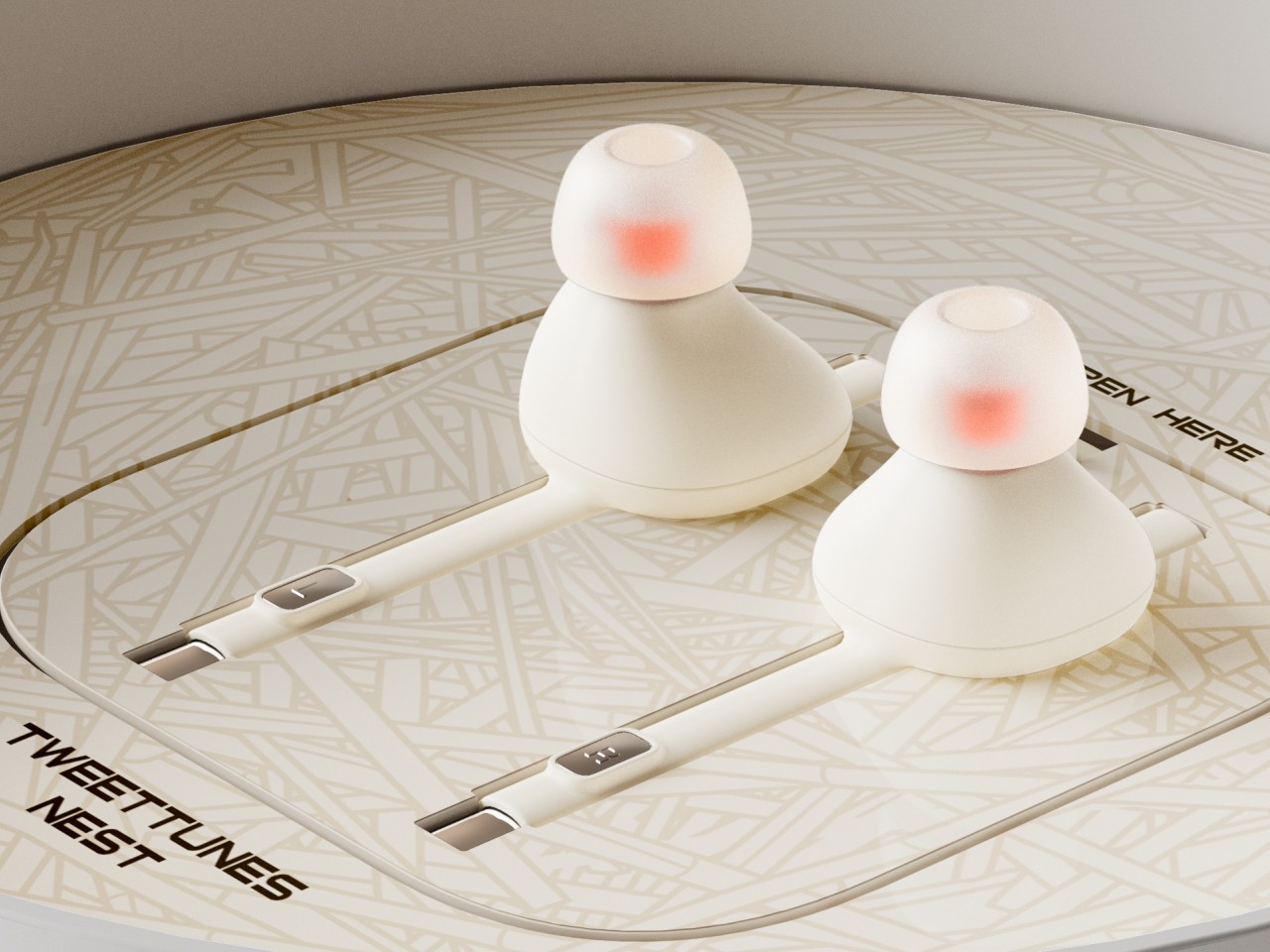
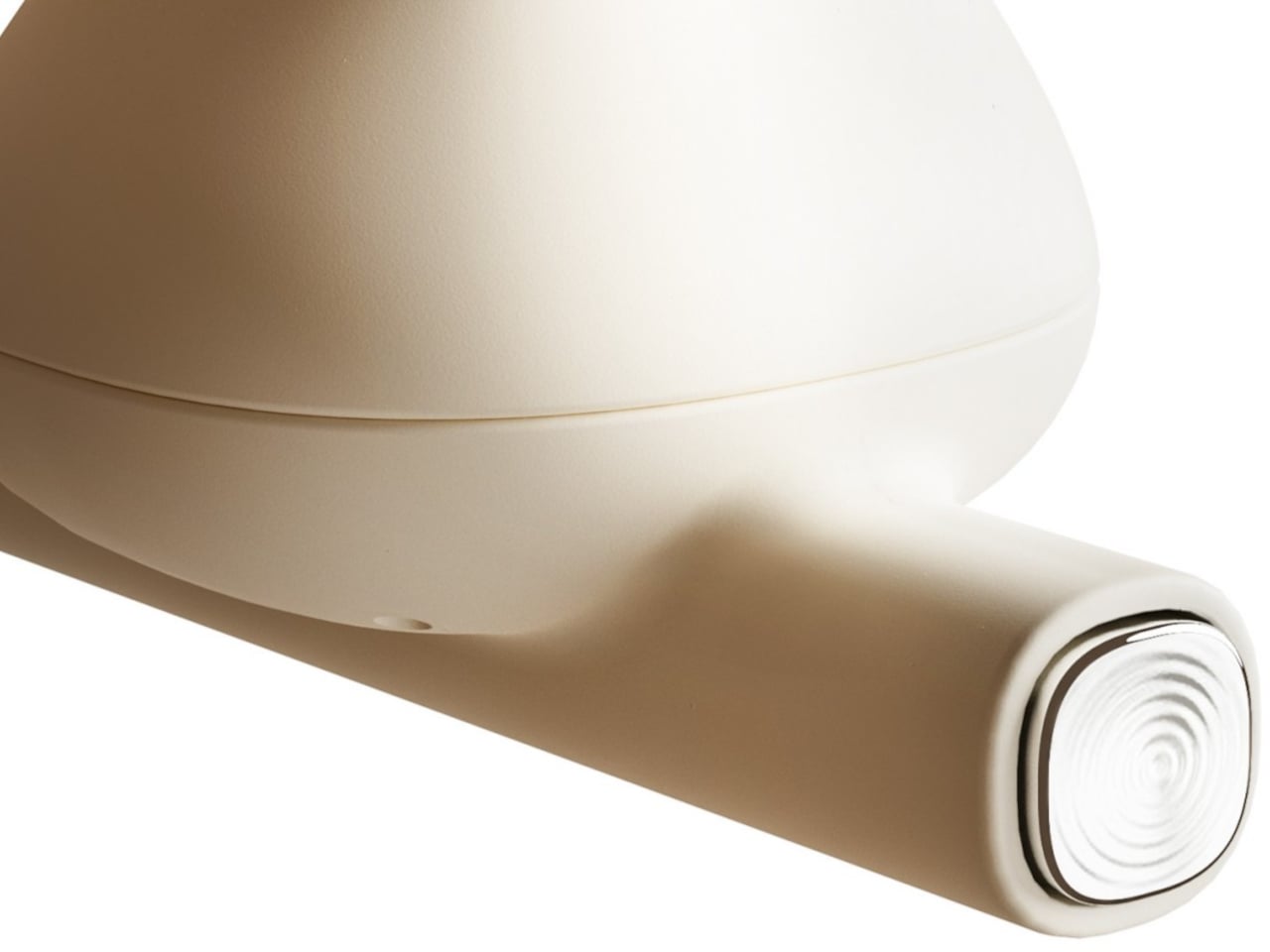
The standard design for earbuds these days, whether they’re wired or wireless, consists of a bulging mass on the end of a short stick. The larger shape is designed to go into the ear canals, tapering at the tip while almost rotund at its base. With some imagination, it almost looks like a pudgy bird, which is what this design concept has made out of the silhouette of the buds. And not just any bird, mind you, but a bird with an astronaut helmet on!

That’s the almost comical picture that AI drew for this design, which works perfectly in this scenario. The tips of the buds can’t be sharp and small like bird heads, so imagining these two birds wearing translucent space helmets gives the design a playful character. These birds sit on top of the branch, represented by the stalk of the earphones, at least when you place them down in a certain way.

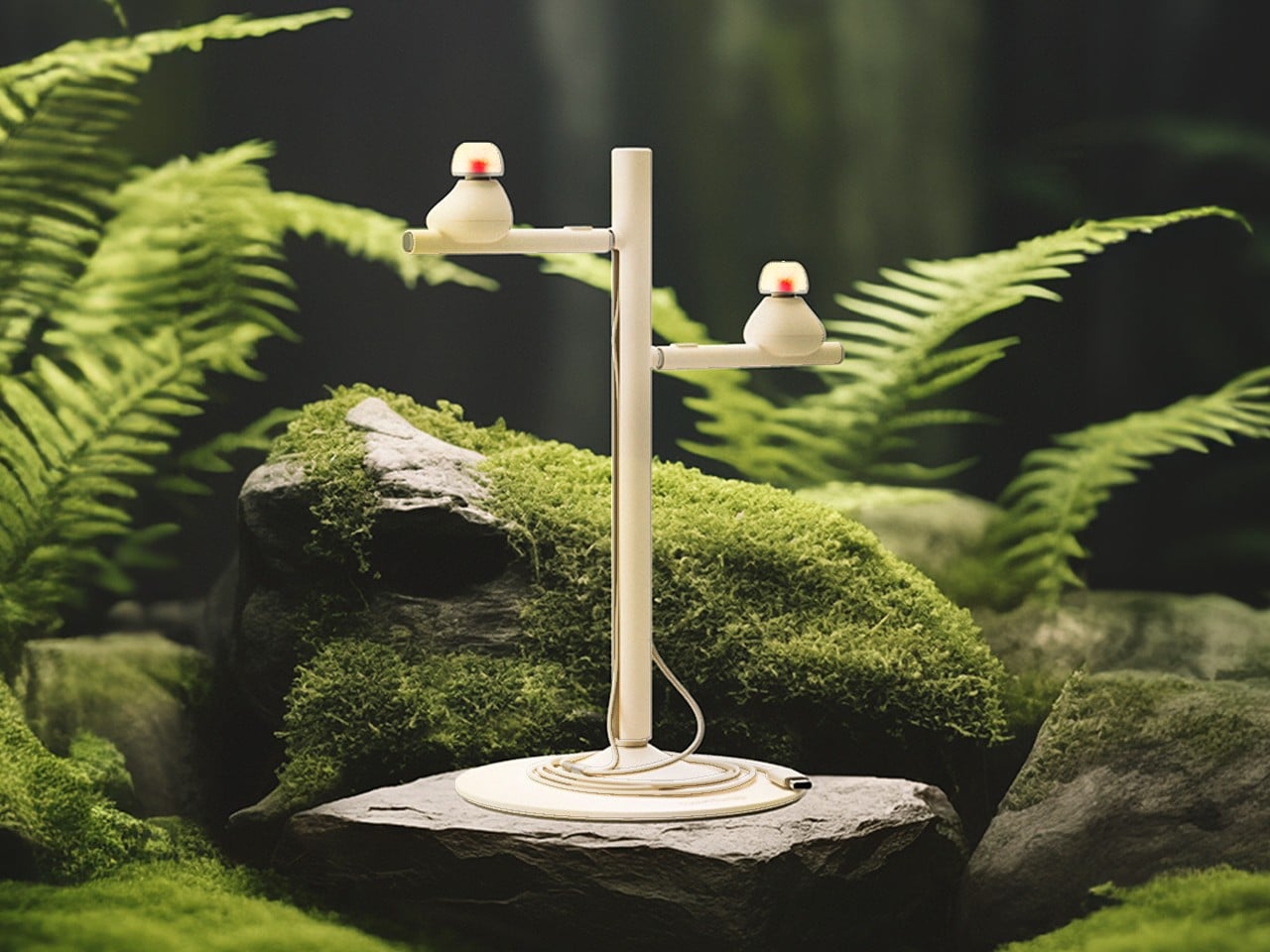
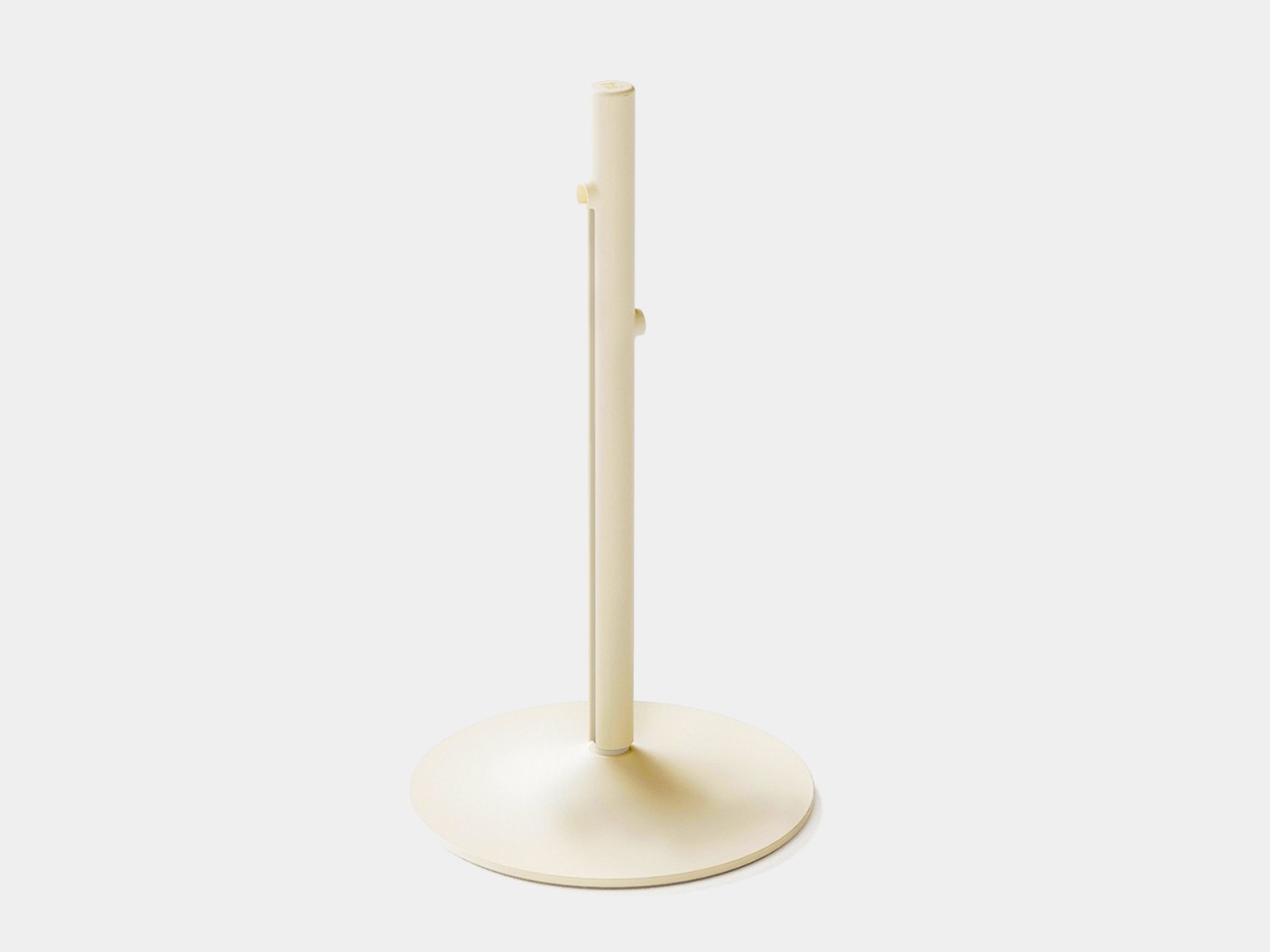
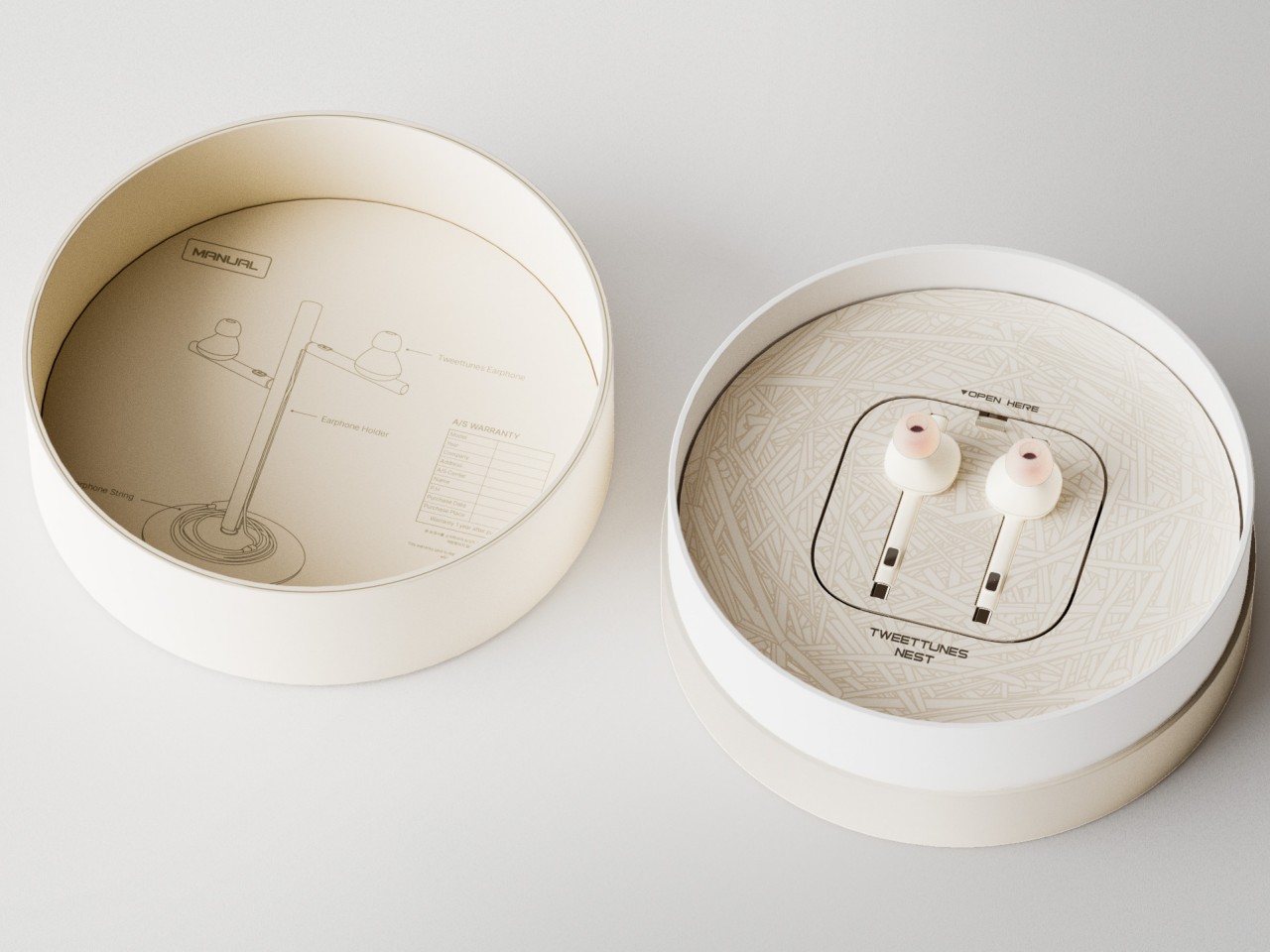
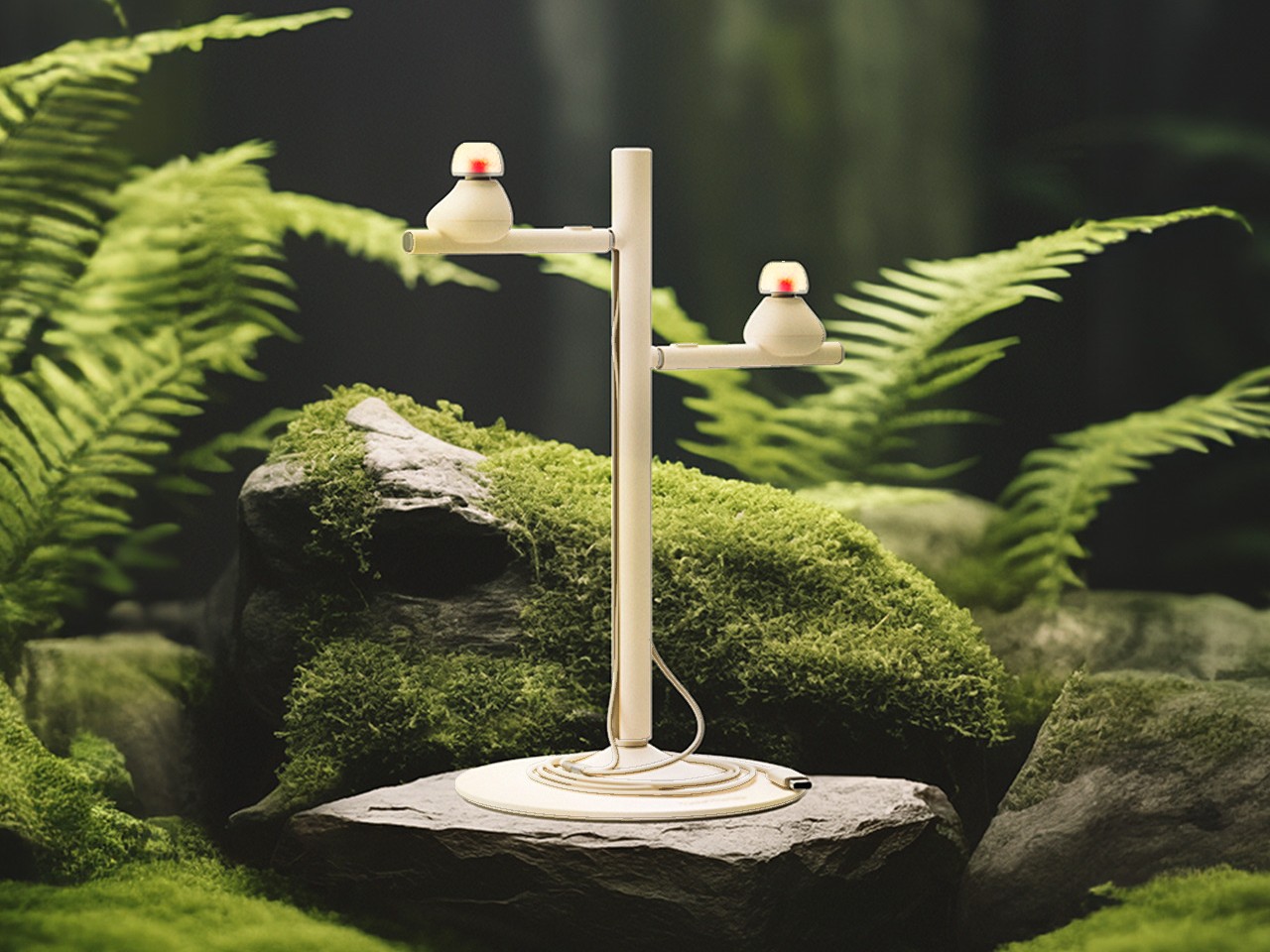
What makes this design concept extra fun is that everything revolves around this avian idea, including both the packaging and associated accessories. Rather than just have the buds lying on a desk or dangling from some hook, a special stand mimics a small tree trunk where you can insert the earbuds’s stem, creating the semblance of birds perched on a tree. It would probably be nice if you could also hear audio coming out of the buds while in this arrangement to complete the image, but that would require a more complex audio solution.

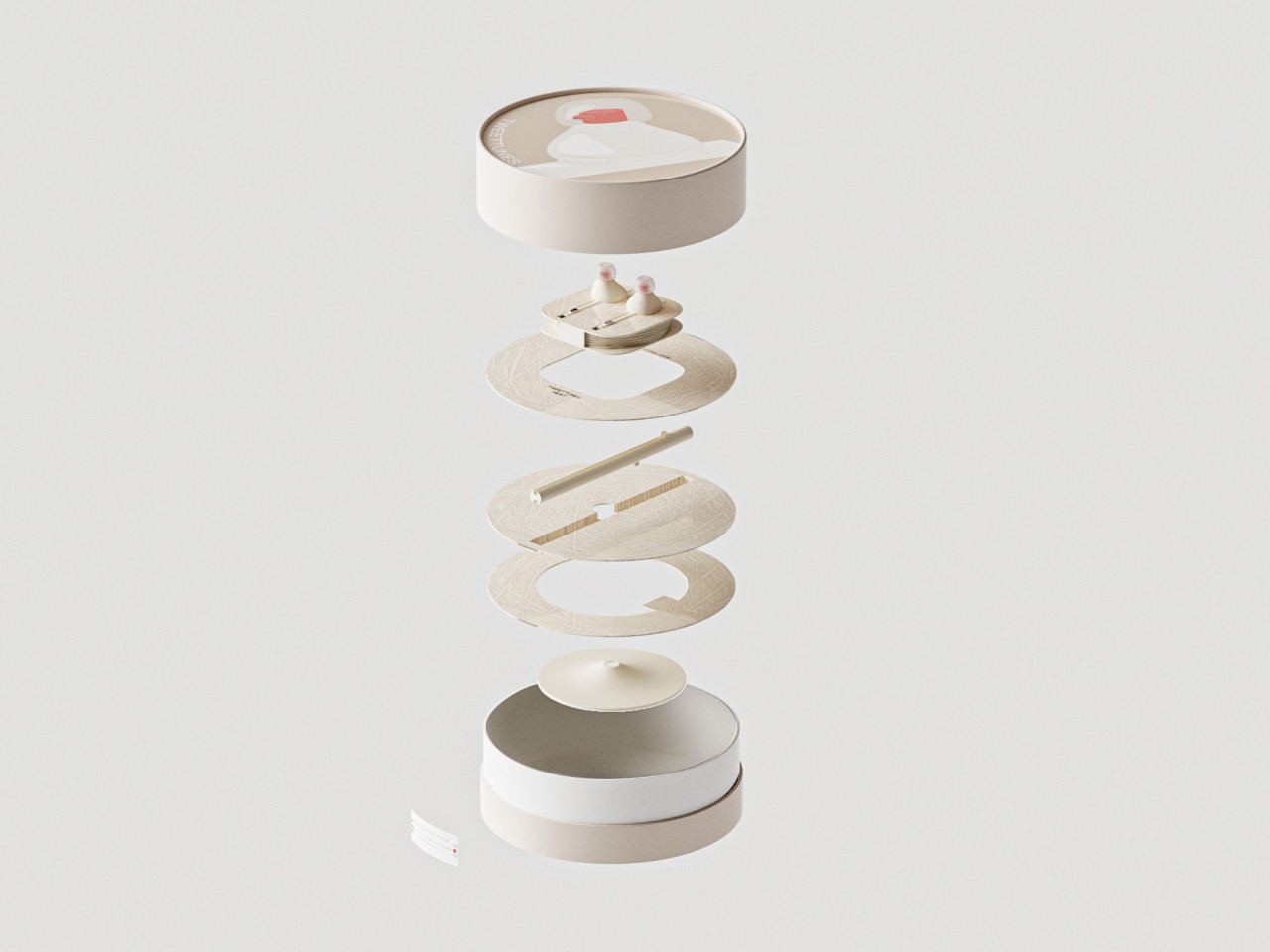
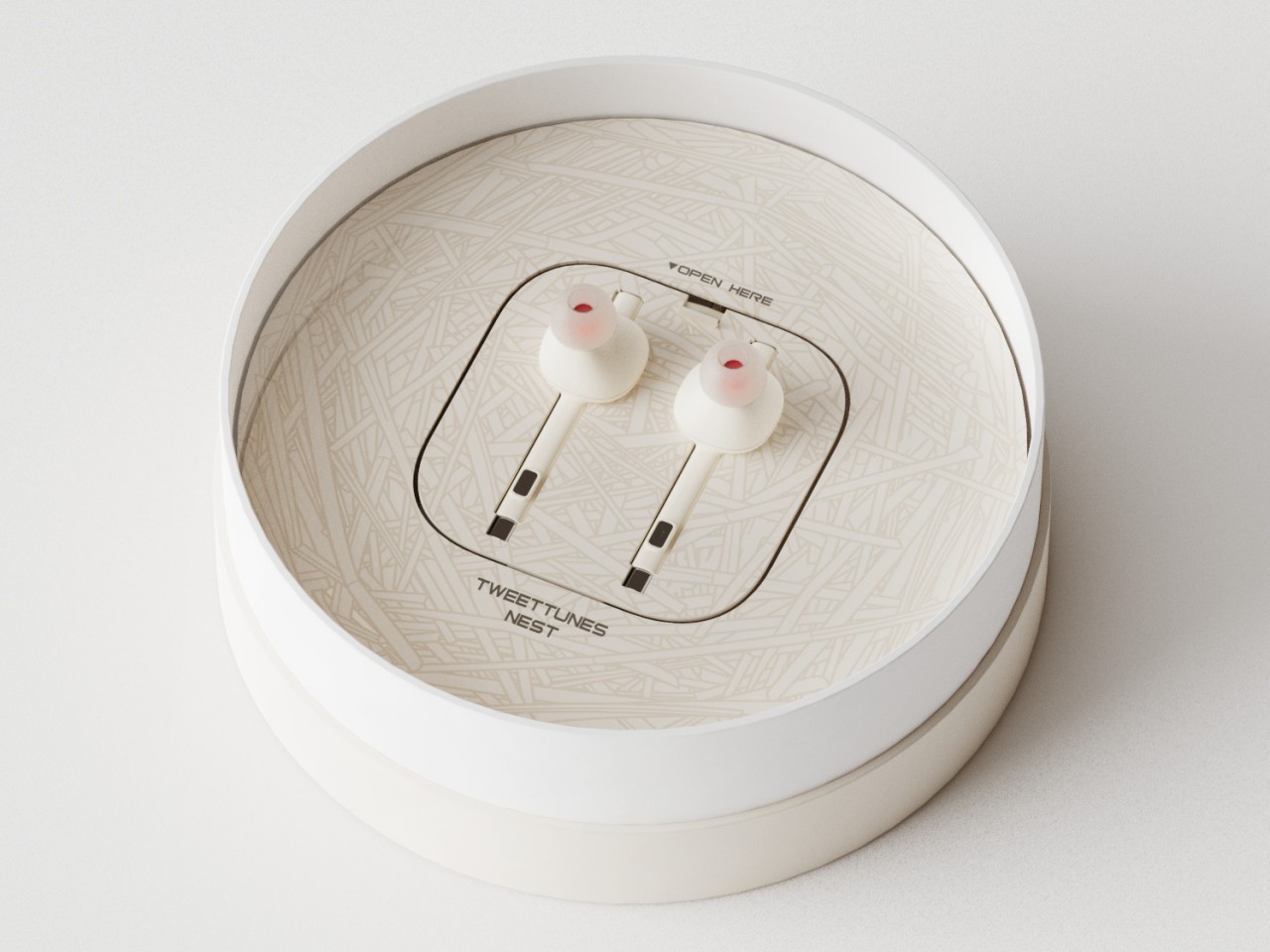
The TweetTunes buds concept also includes a specially designed box that’s more circular than boxy. Opening up the packaging reveals two birds sitting inside a nest, or at least the representation of a nest. It’s definitely a subtle but nice touch, with the attention to detail you’d expect from larger companies. There’s still the question of whether such a bird-like shape actually provides both comfort and sufficient sealing, but having adorable earbuds like that on your desk is probably worth just the decorative value, even if you barely use it.

The post Cute earbuds concept look like tiny perched birds ready to sing a tune first appeared on Yanko Design.

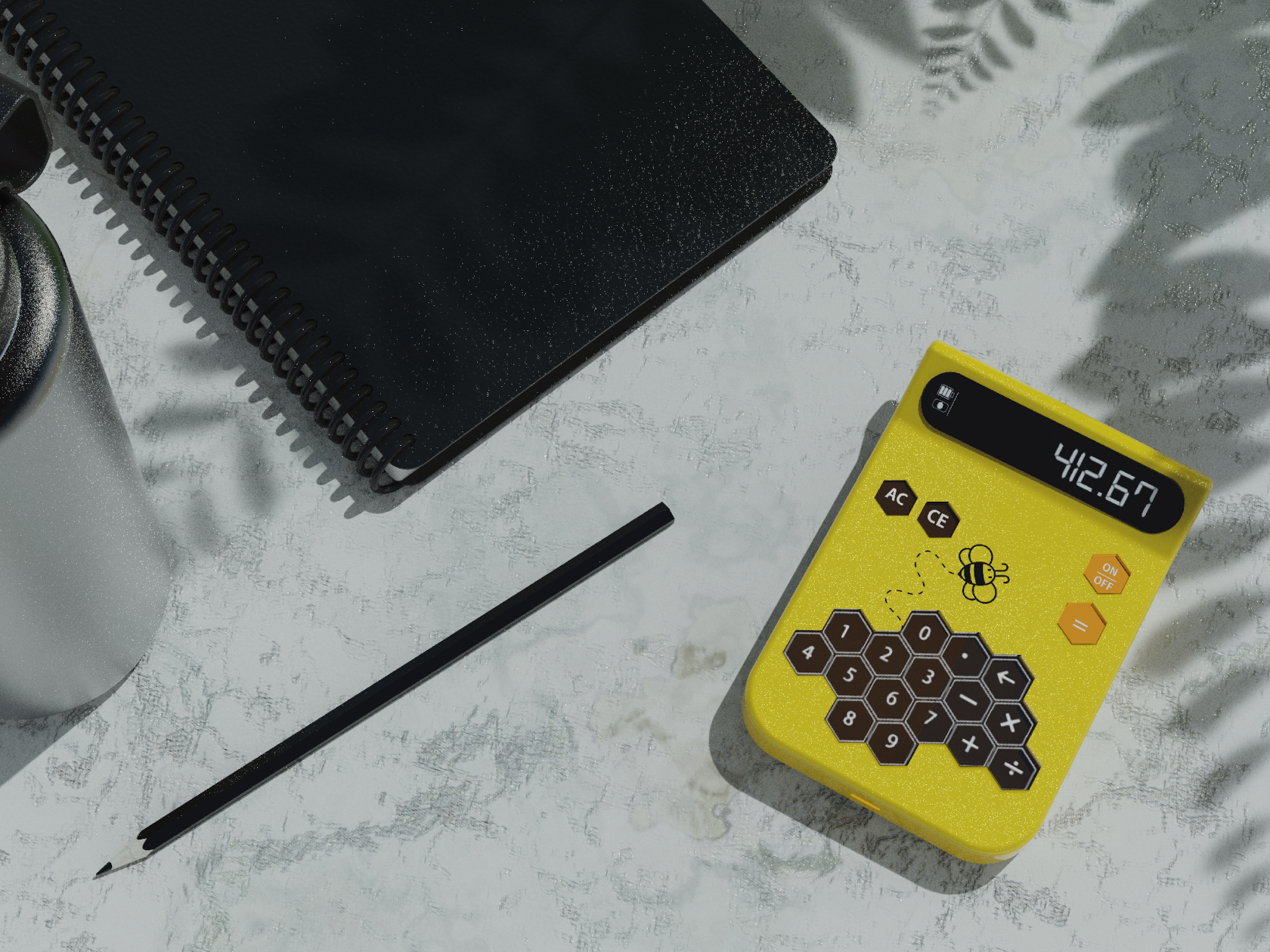
Nature-inspired toy-like calculator tries to get kids more interested in math

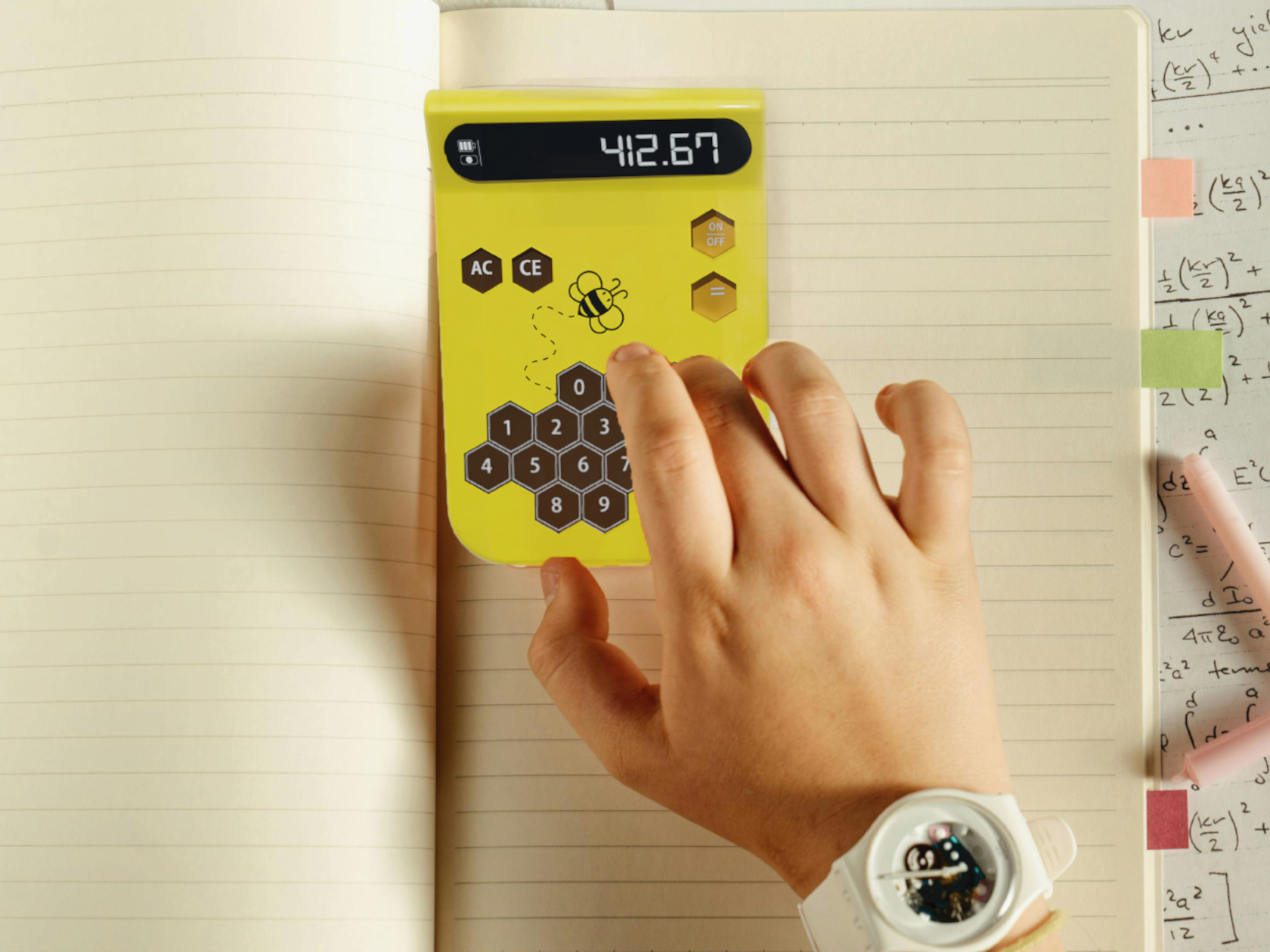
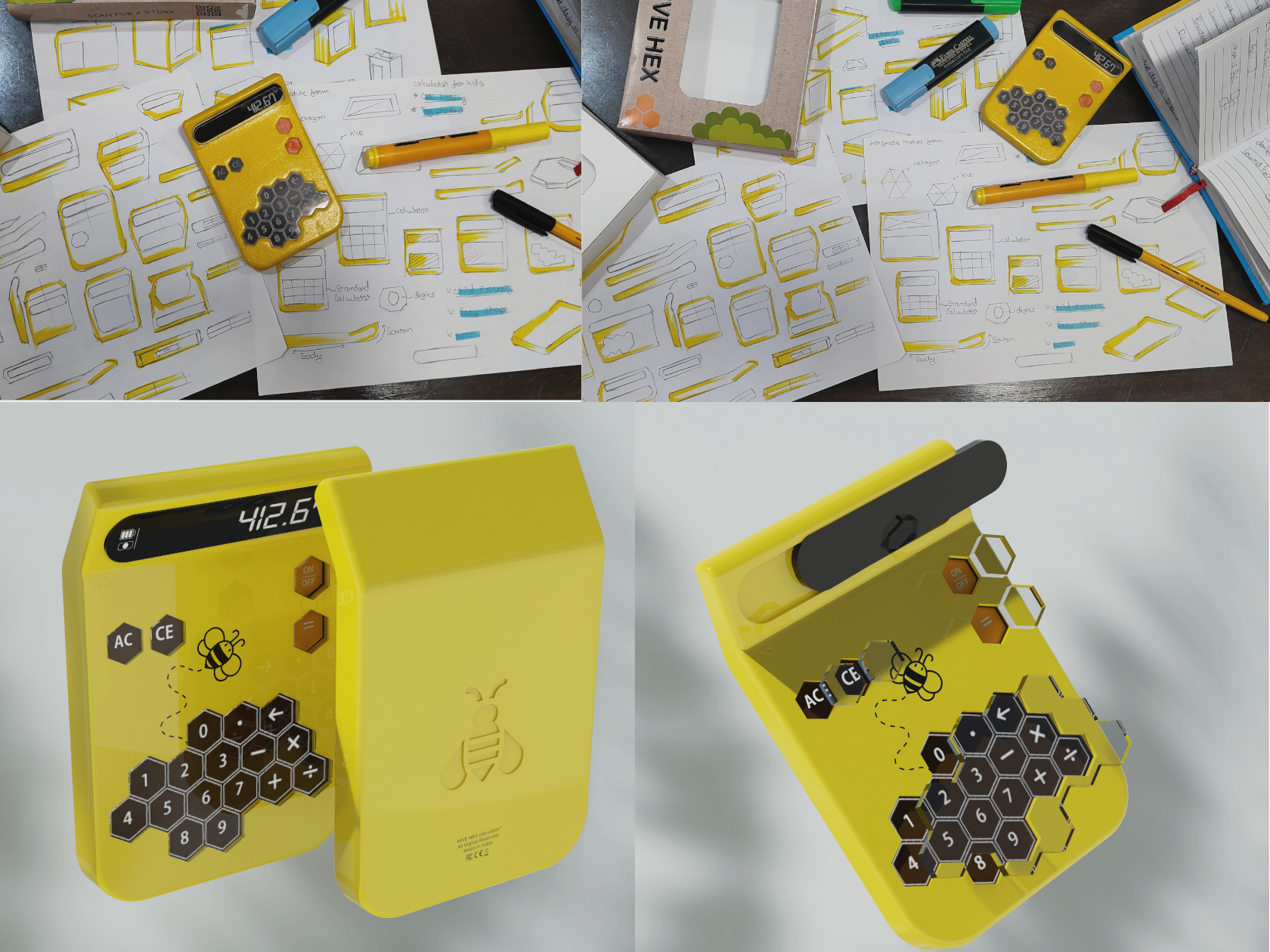
With plenty of phones and tablets around, kids are becoming more and more tech-savvy every generation. That, however, doesn’t always mean they are getting smarter or more skilled in other aspects of learning as well, particularly sciences and math that are more closely related to tech. There are plenty of apps that try to teach the basics, including reading and writing, but younger kids also need to develop their sense of touch, which requires more tactile experiences while learning. This calculator tries to pique children’s curiosity and engage not just their minds but also their senses, and it takes inspiration from one of nature’s hardest workers: bees and their geometric honeycombs.

Designer: Mohit Joshi

Calculator designs are not uncommon, but the vast majority of them utilize simple shapes like squares, circles, or even rounded squares, sometimes known as “squircles.” Not surprising, as these tools are designed for adults who value efficiency and performance primarily with aesthetics coming second only. The opposite is true for kids, however, whose short attention spans require designs that are captivating and intriguing, and keeping the design still functional is the challenge.

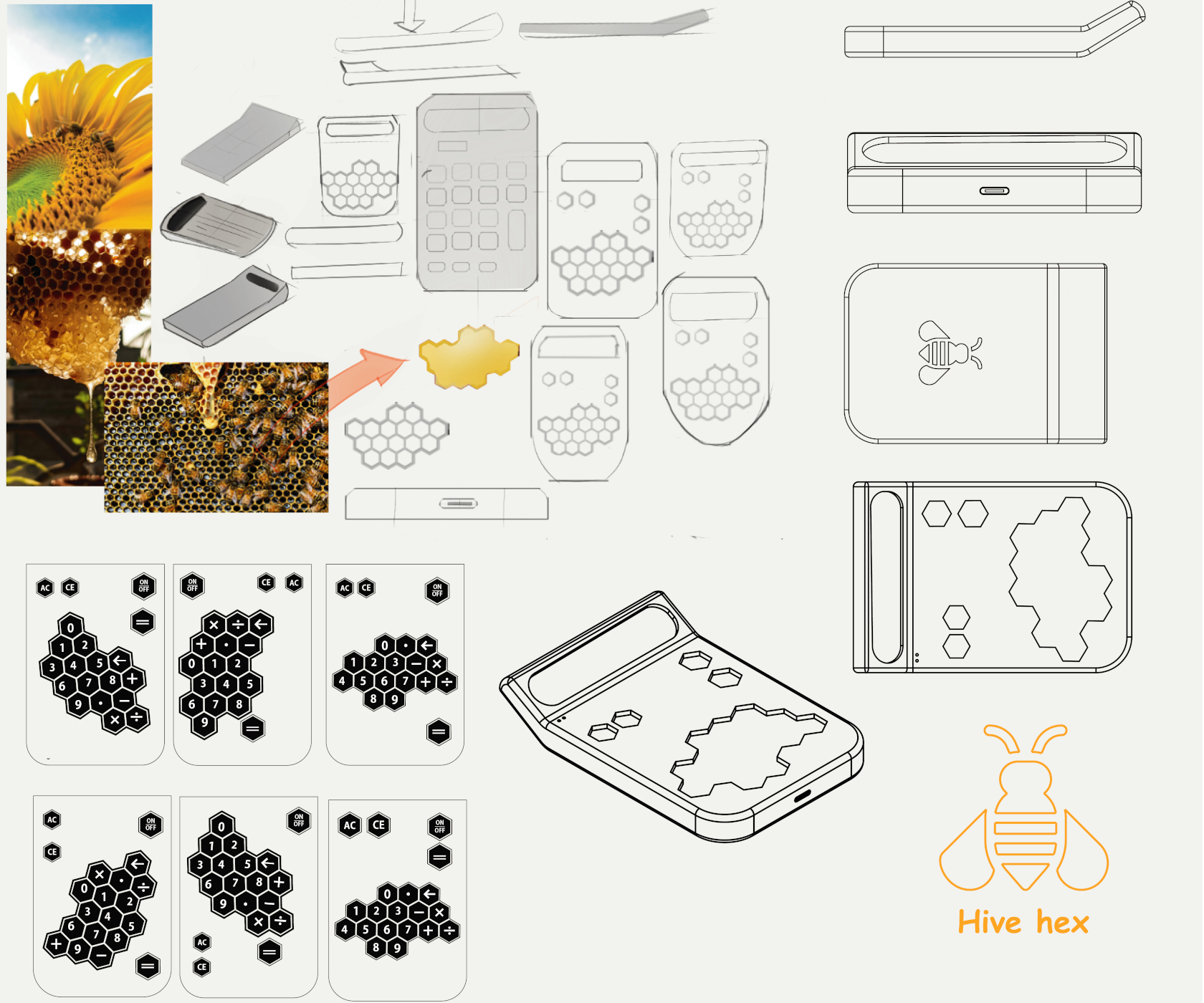
Some consider the hexagon to be the perfect shape because it isn’t flat like a square, can fit together better than circles, and is more space-efficient than triangles. Nature has a perfect example of this geometric shape in action as can be seen in beehives, particularly the honeycomb structures they form. While the real thing can be dangerous to children, bees are sometimes portrayed in fun and funny ways, especially given how hard they work and how well they guard their honey.

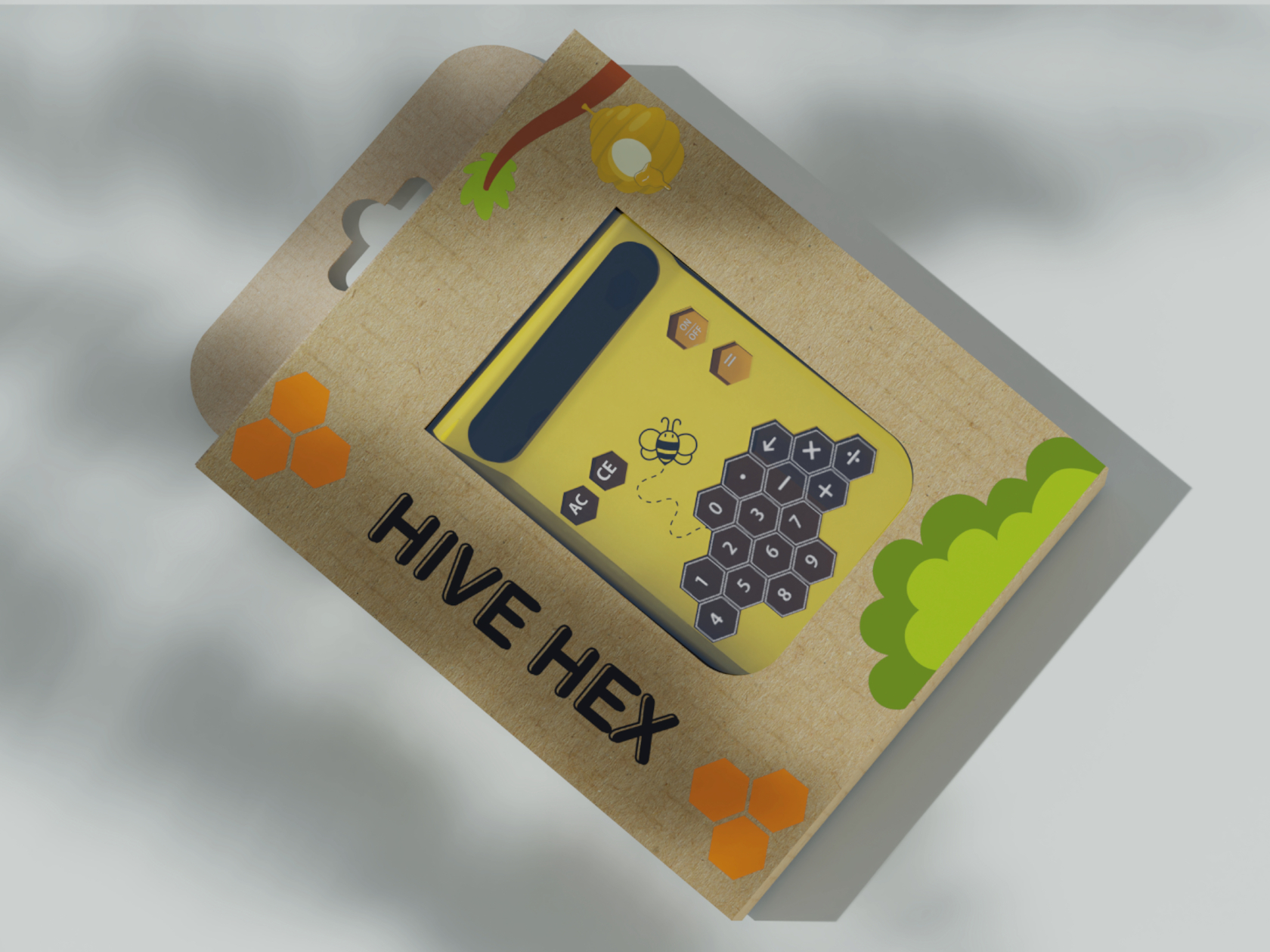
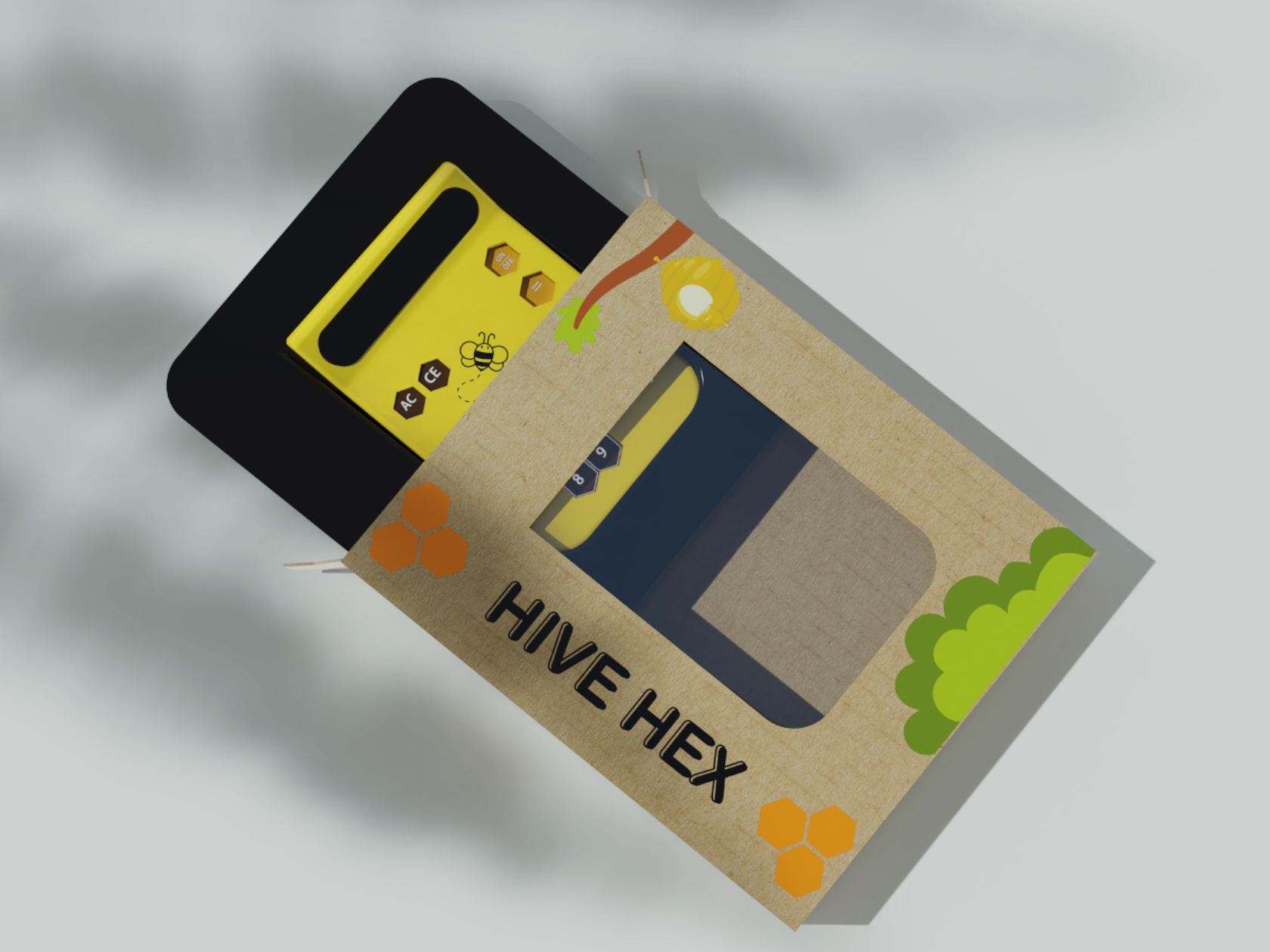
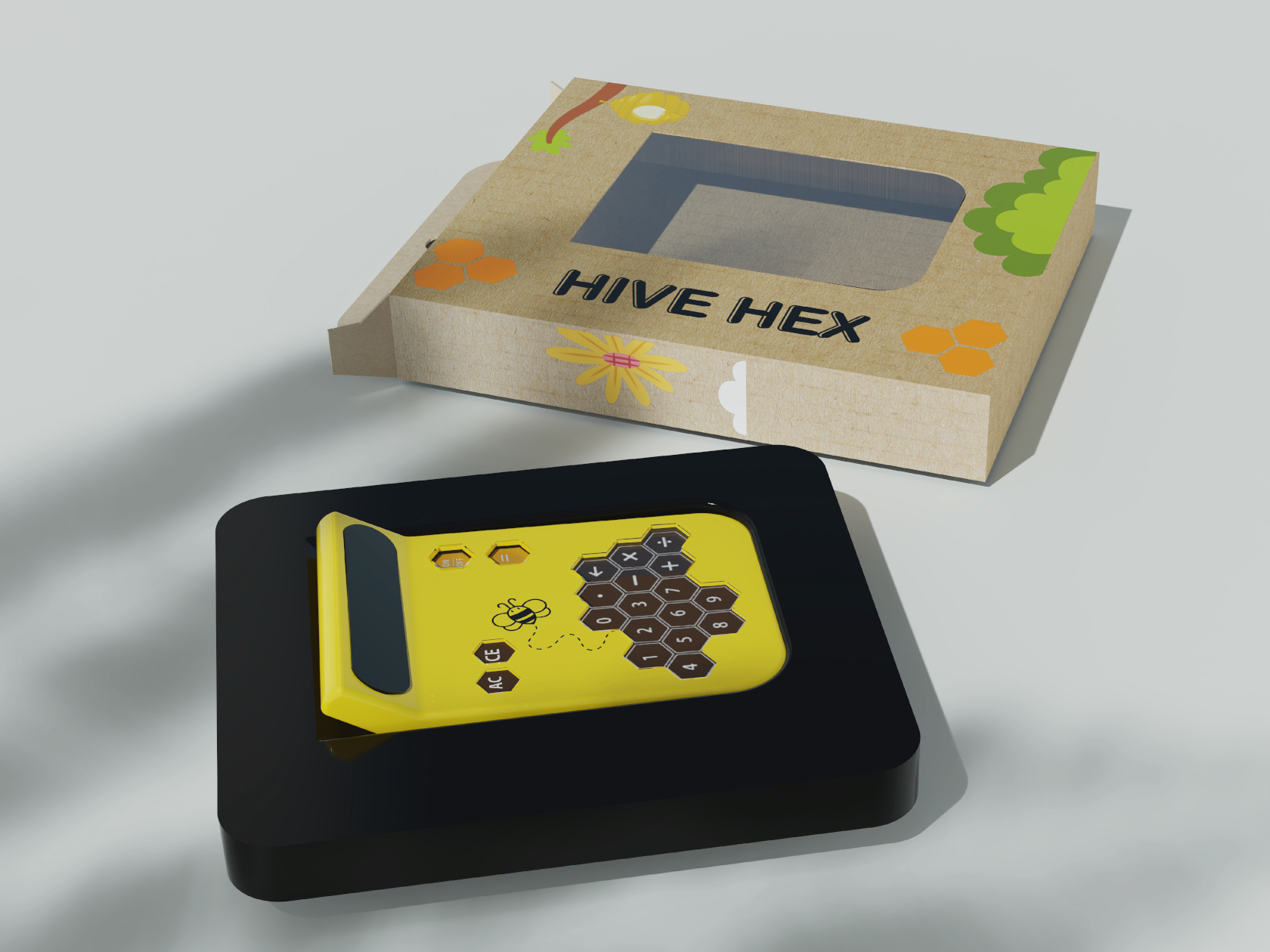
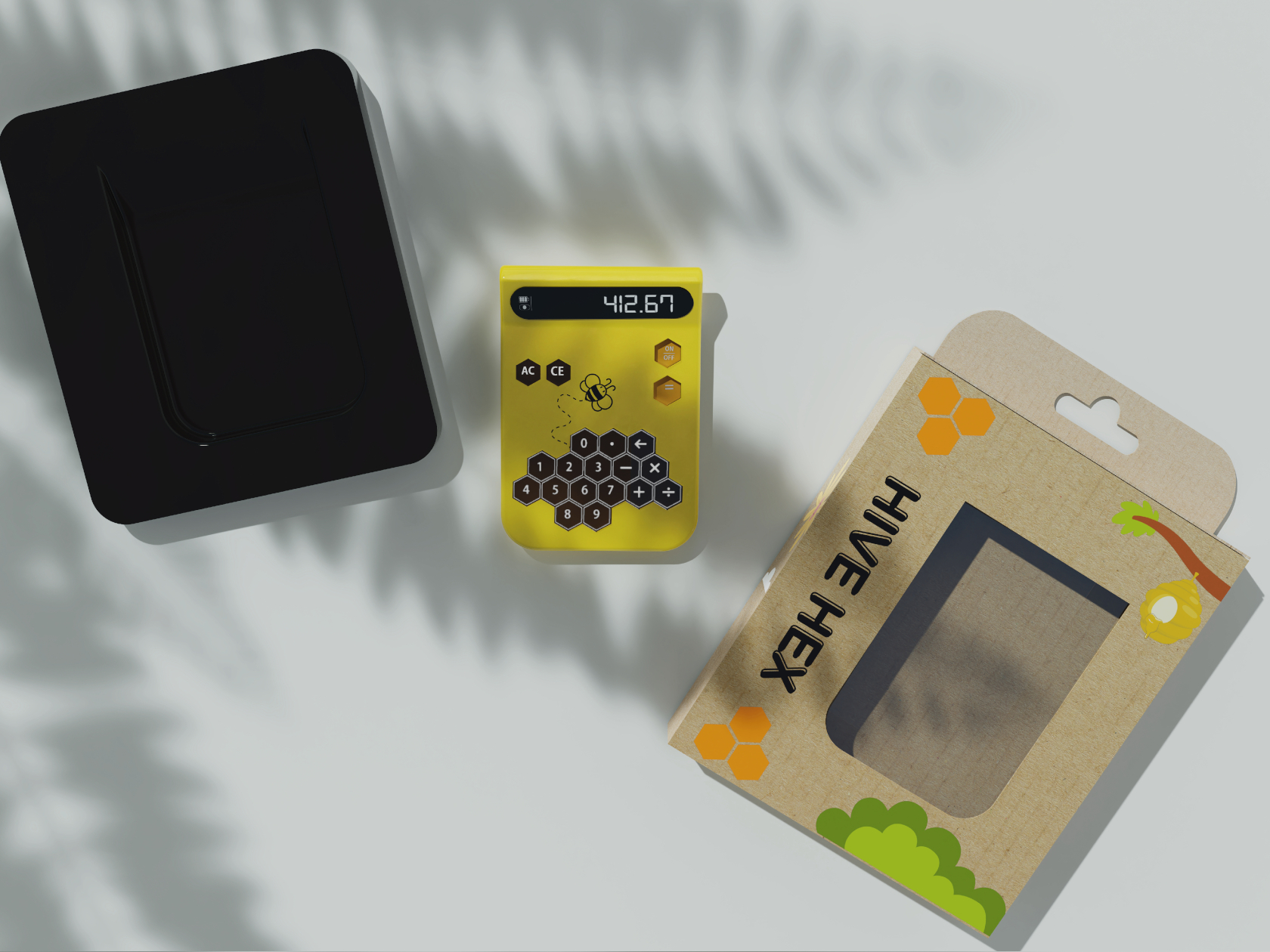
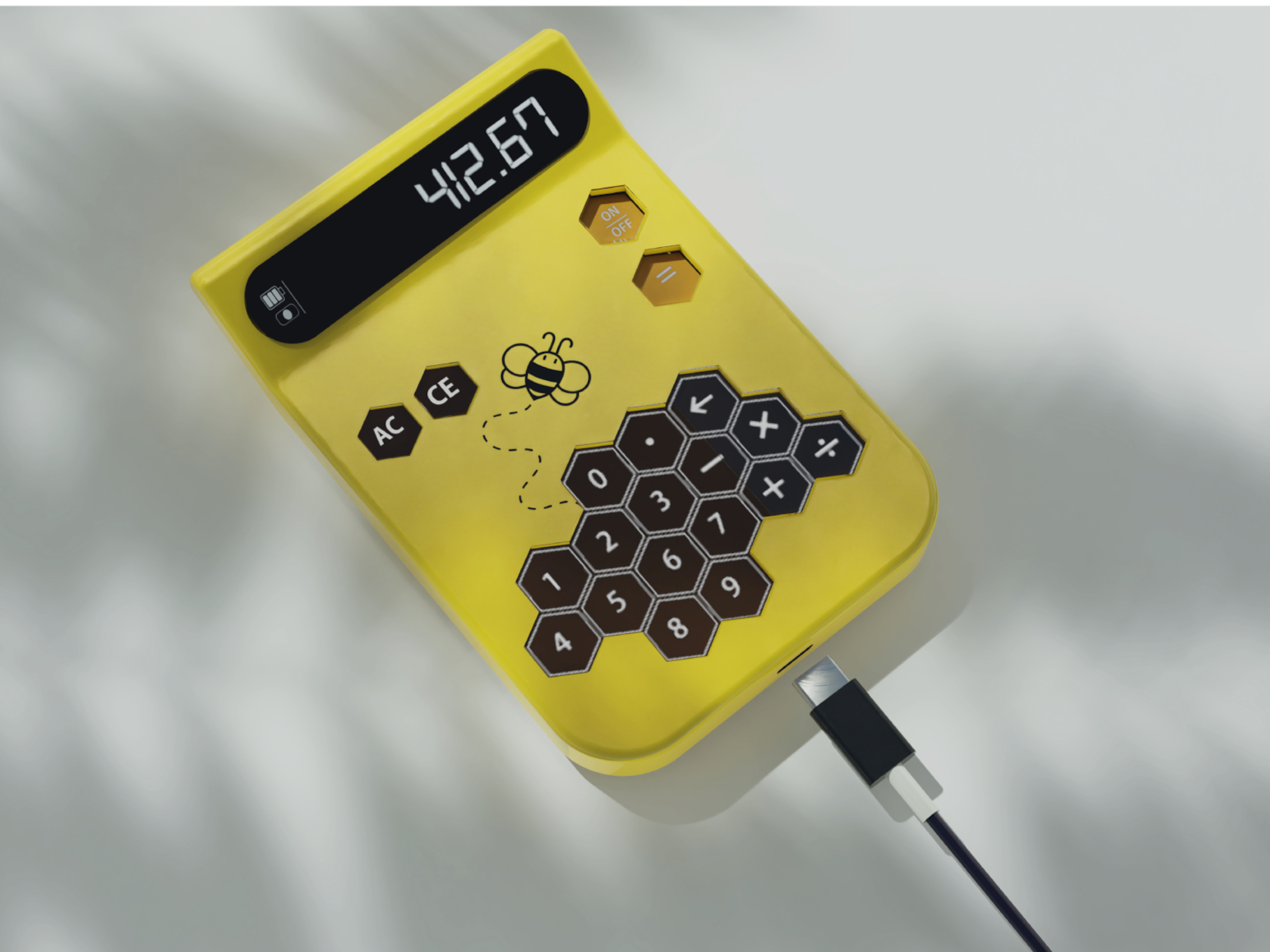
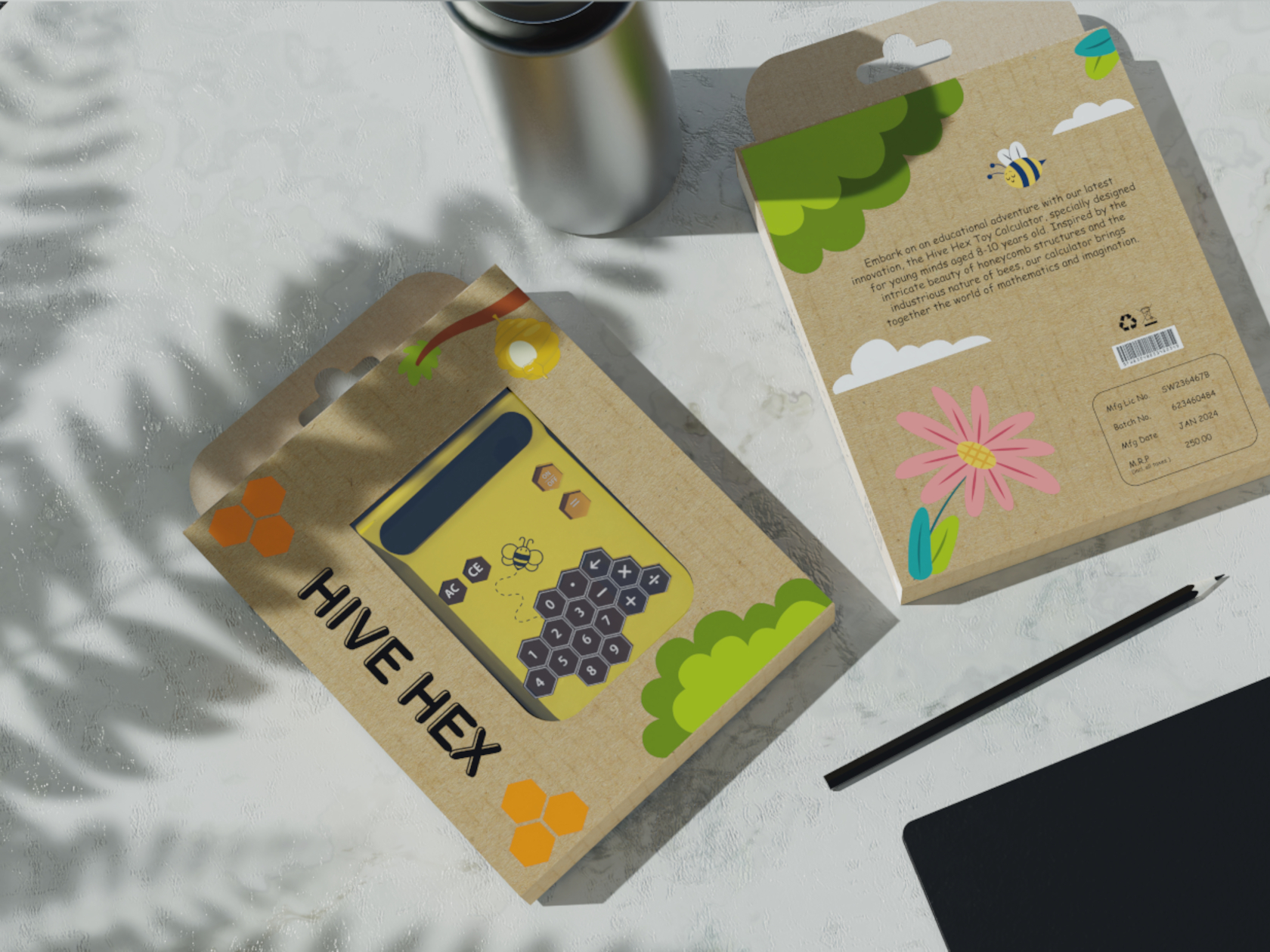
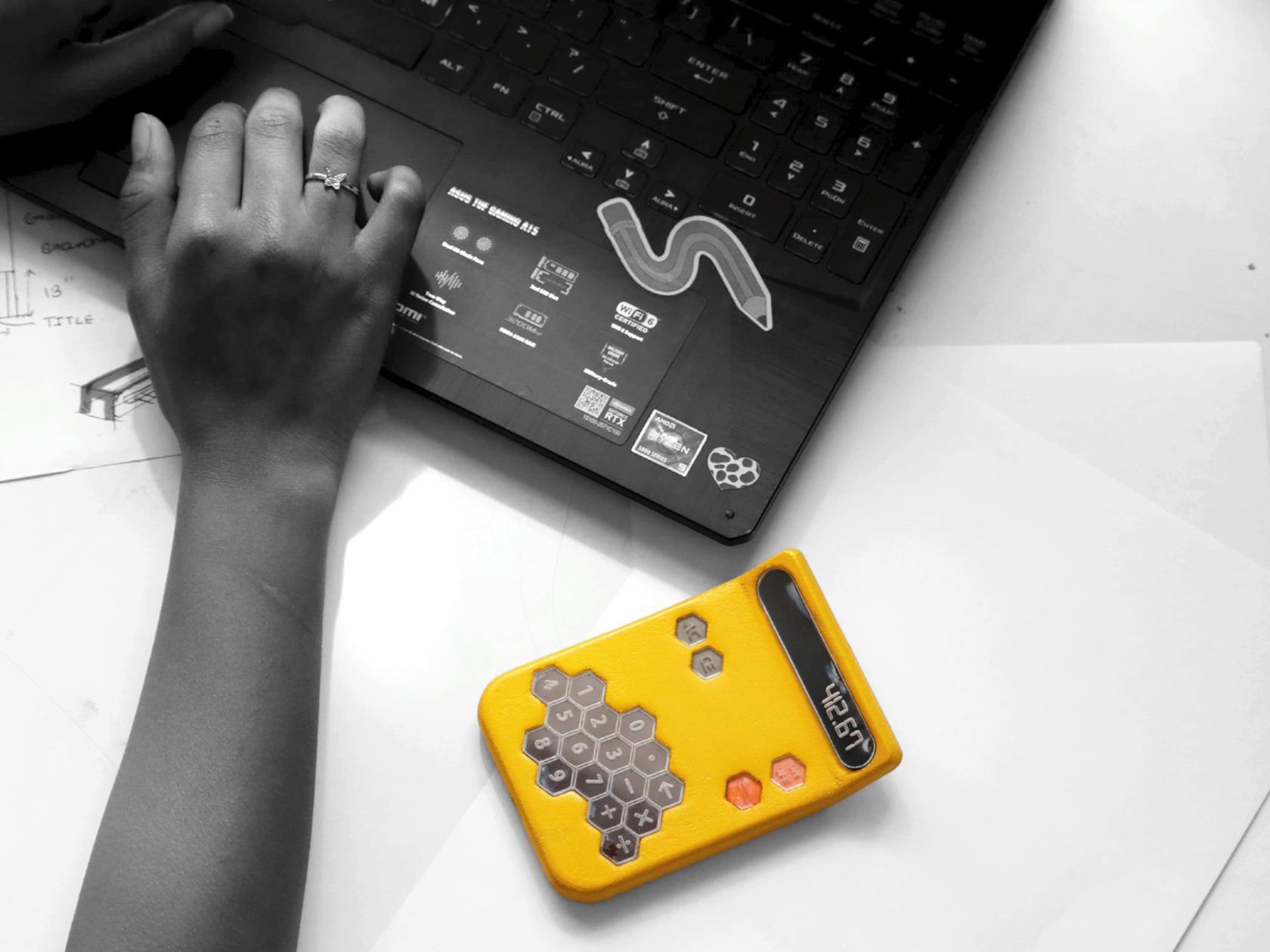
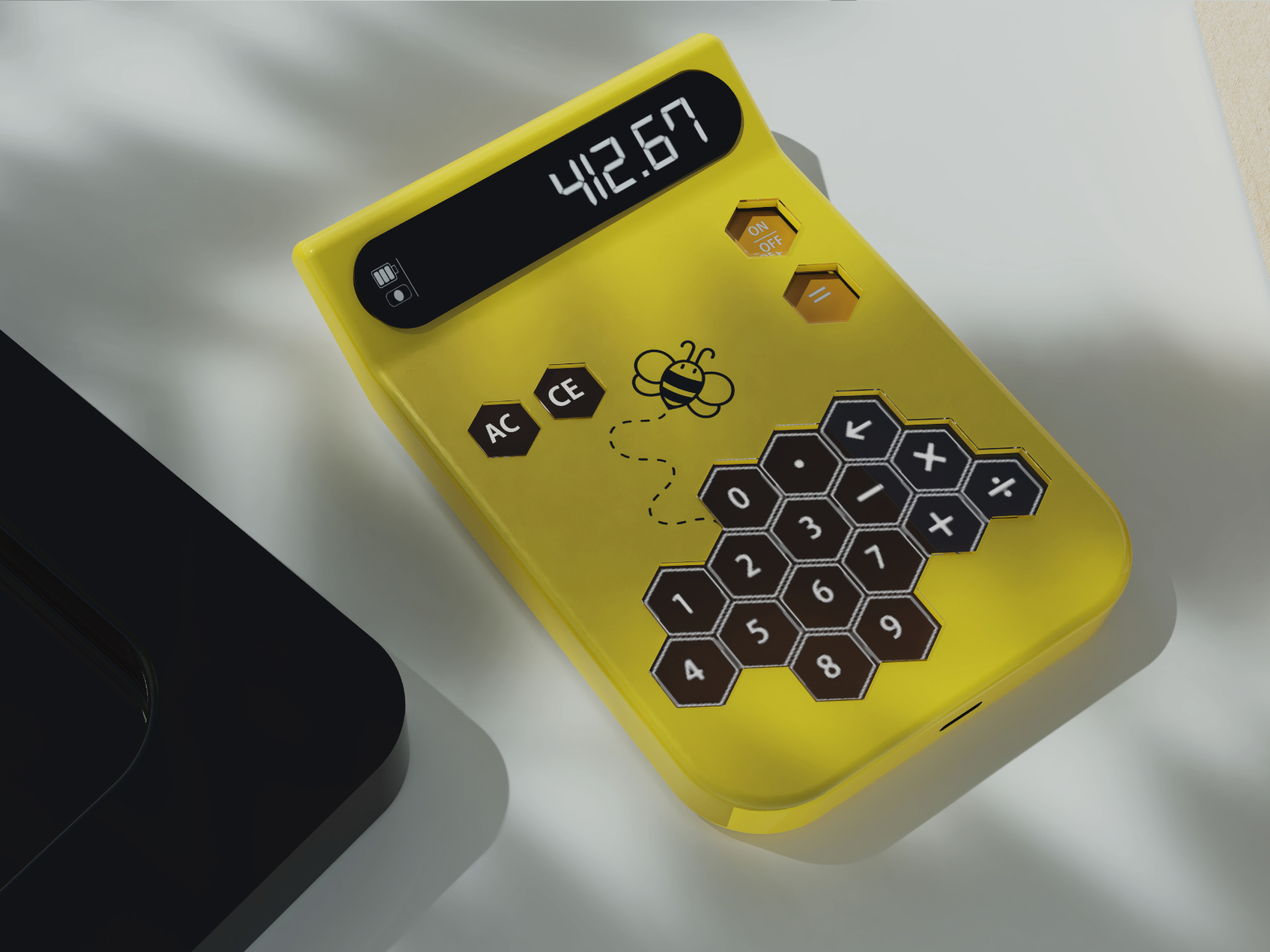
Hive Hex combines this shape and inspiration into a device that should be more interesting to use than even the sleekest and most minimalist calculator. The yellow color alone is eye-catching enough, but the puzzle-like hexagonal keys give a sense of whimsy and playfulness with their unbalanced composition, unlike the symmetrical arrangement of calculator buttons. That said, the non-standard layout of keys could prove to be confusing when the child “graduates” to grownup tools.

This toy-like yet functional calculator is a great example of how a bit of creative design can significantly change how a product appeals to different groups of people. Of course, some adults might criticize the use of calculators in the early stages of math education, but the calculator does more than just help kids solve number problems. The Hive Hex Toy Calculator could help give children a more lasting impression of how math doesn’t have to be boring or even scary, a positive attitude that they could carry with them throughout the rest of their lives.

The post Nature-inspired toy-like calculator tries to get kids more interested in math first appeared on Yanko Design.
Stool has tree shadows printed on top to bring you closer to nature

Before I started focusing on writing for design, I never really paid attention to how mostly functional things like chairs are designed. As long as I could sit on it comfortably on it, then i believed it did its job and I didn’t really need to choose based on how well designed it is. But there are pieces of furniture out there, or even just as a concept, that were really thought of well by the designers to bring something not necessarily new, but at least interesting, to the table. Or in this case, the chair.

Designer: Shota Uruasaki

Capture the Light is one such design for a stool. The furniture itself is not a groundbreaking stool but is made up of the usual three blocks (seat, two legs) connected together by one small block. It looks just like your typical wooden stool/bench that you might see at a park or at a museum. But what makes this different is what you’ll see on the seat itself. You might think there’s a tree nearby casting its shadow but if you’re inside, then that may be a mystery.

It’s actually the unique design that this stool brings. The shadows casted by trees that you may see at parks or public spaces are immortalized on the seats as the designs are printed on them. The designer went around photographing the patterns that these tree shadows make, carrying a white board with them. The photographs were then inkjet printed on top of the stools and so you have the illusion of trees hovering on you as you sit on them.

It’s a simple design addition to your regular stool/bench but it’s interesting, if you’re into nature and trees. Even if the stool is inside, you get the illusion of still being surrounded by trees because of the shadows. Of course it’s still best to actually be around trees but in cases where you can’t then this stool may be the next best thing.

The post Stool has tree shadows printed on top to bring you closer to nature first appeared on Yanko Design.
This Starfish Inspired Coffee Shop And Bar Brings Buildings To Life With Biomimetic Design

Have you seen buildings that sometimes resemble plants, flowers, or animals? Wonder what that’s called? Biomimetic Architecture is a fascinating concept that takes inspiration from nature to design buildings. It’s about bringing the efficiency, resilience, and beauty of nature into our built environment. The Starfish Coffeeshop & Bar, a stunning architectural marvel, epitomizes this ethos with its seamless integration of organic forms and sustainable materials.

Designer: Thilina Liyanage

At first glance, the structure resembles a starry creature from beneath the waves. This organic aesthetic is no accident; it’s a deliberate tribute to the starfish, with its graceful arms extending outward. This innovative design approach not only captivates the eye but also serves a functional purpose, creating a space that feels naturally harmonious and inviting.

The central disk, reminiscent of a starfish’s body, serves as the nucleus of the coffee shop & bar. Supported by five columns beneath each arm, the structure exudes stability and balance. Here, customers can gather around a 360-degree bar, enjoying cocktails amidst a tropical ambiance. The surrounding seating areas, arranged in a radial fashion, invite visitors to linger and savor the experience, similar to relaxing in a beachside shack with open views on all sides.

One of the most striking features of this coffee shop & bar is its emphasis on natural light and ventilation. Glass panels, resembling the ampullae of a starfish, beautify the ceiling, allowing sunlight to filter through during the day. This not only illuminates the space but also reduces the need for artificial lighting, enhancing energy efficiency.

Moreover, the use of speculative locally sourced materials such as bamboo and wood underscores the project’s commitment to vernacular architecture. By leveraging indigenous resources, the structure seamlessly blends with its surroundings while minimizing its environmental footprint. This emphasis on sustainability extends beyond mere aesthetics, embodying a holistic approach to responsible design.

Perhaps the crowning touch of the Starfish coffee shop & bar is the lifelike sculpture suspended above the bar. Resembling a starfish or octopus, this installation adds a whimsical touch to the space, infusing it with a sense of wonder and playfulness. For customers seated beneath, it creates a sense of being immersed in an underwater world, further enhancing the overall experience.

With its open-air design and ample seating, the coffee shop & bar provides the perfect setting for leisurely conversations and shared moments. Families can gather around the central bar, enjoying refreshing beverages while soaking in the tropical atmosphere. Children can delight in the whimsical surroundings, imagining themselves exploring an underwater kingdom teeming with life.

For those seeking respite from the heat, the coffee shop & bar offers a cool oasis, where icy beverages and frosty beers provide welcome relief. Whether you’re sipping on a craft cocktail or savoring a cold brew, every sip is accompanied by the gentle rustle of leaves and the soothing sounds of nature.

As the sun sets and the temperature cools, the ambiance shifts, casting a soft glow over the surroundings. Couples can enjoy a romantic evening under the stars, sharing sweet moments amidst the enchanting backdrop of the starfish-inspired architecture.

The post This Starfish Inspired Coffee Shop And Bar Brings Buildings To Life With Biomimetic Design first appeared on Yanko Design.
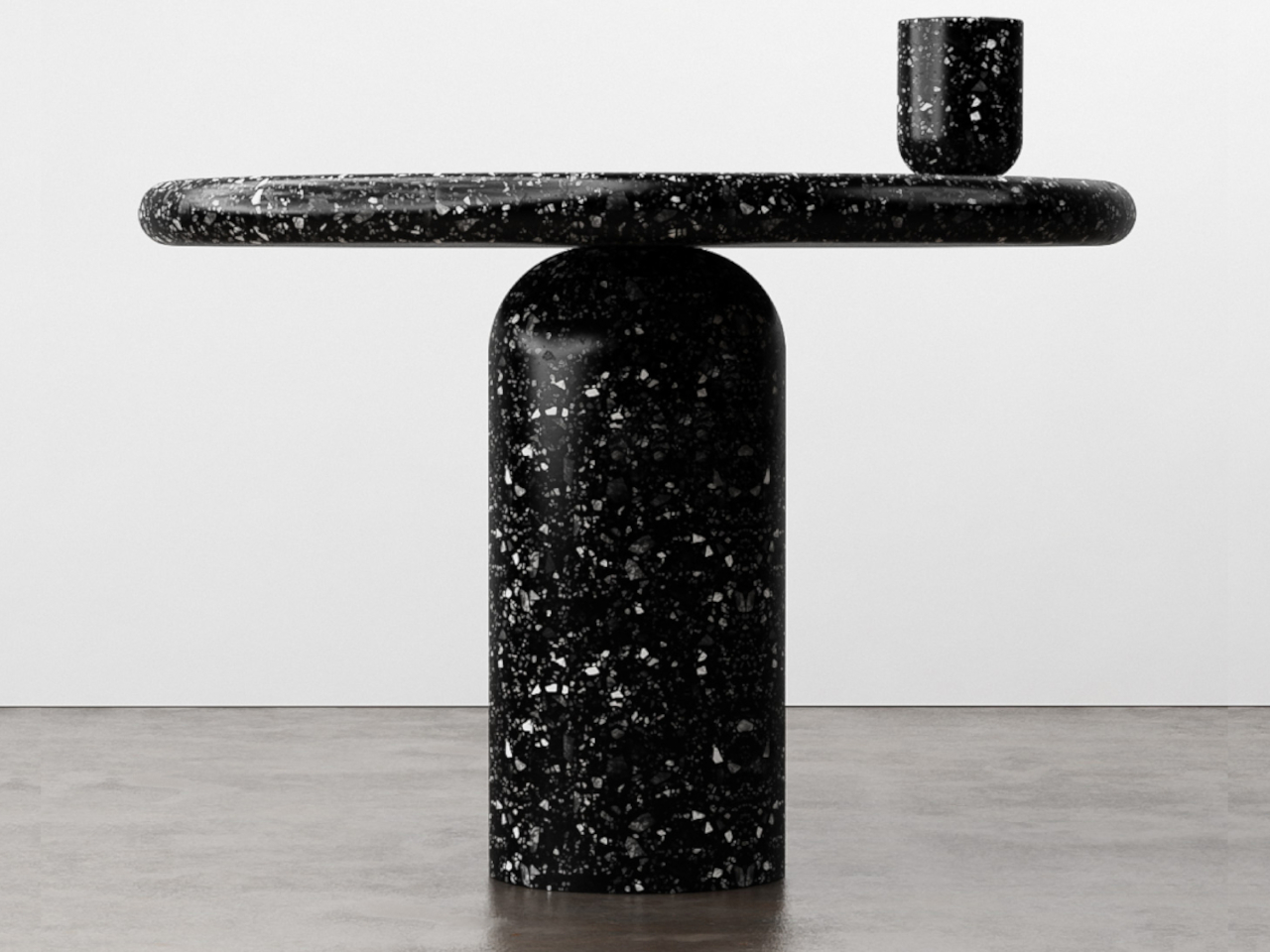
Hand-carved cork furniture collection evokes the raw beauty of black volcanic stone

More often than not, furniture design is meant to feelings of warmth, comfort, or even joy, emotions that you’d want to experience inside a home, office, or even waiting area. After all, you will be using these pieces of furniture, including sitting on some of them, so it’s only natural to expect them to be more welcoming, at least visually. There are some more artistic designs that have provoking aesthetics, meant more to be seen rather than used. This furniture collection stands somewhere in the middle, projecting an image of dark and unpolished volcanic rocks that turn out to be comfortable, stable, and even charming in its own rough way.

Designer: ( ae ) offices

A volcano is full of ironies. It is both magnificent and terrifying, and its eruptions are equally destructive and mesmerizing. While the ash, lava, and rocks that volcanoes throw out inflict damage, they can also be used as materials to build and create things that have their own unique beauty despite their horrifying source. That’s the kind of juxtaposition that the DOL furniture delivers, providing a unique visual and tactile experience for every chair or table.

DOL takes its inspiration from the black volcanic stones found on Jeju Island in South Korea. These stones are being used as the foundations for different structures on the volcanic island, reusing what Mother Nature has thrown at them to build stronger architecture. The stones themselves have a raw and uneven appearance born of natural elements that give each piece a unique character. That’s the imagery that’s replicated in this low chair and low table, but using a material that’s the complete opposite of hardened volcanic rock.

The furniture uses the outer bark of the cork oak tree, a material that’s best known for being lightweight, impact-absorbing, and insulating. Each “stone” in this composition is crafted by hand, resulting in an equally unique look for each piece. Of course, cork isn’t the most rigid material for furniture, so it’s supplemented by wooden profiles that give it more structure. Layers of wood oil and waxes add the finishing touch that gives the cork a texture and character that will confuse the mind because of its dark roughness yet soft mass.

The use of cork also adds an element of sustainability, as cork bark undergoes a renewal process every nine years and is completely recyclable. It’s a fitting tribute to a stone that starts its life from the destructive explosion of a volcano before finding its way into people’s homes, buildings, and lives before returning to the earth once again to repeat the cycle.

The post Hand-carved cork furniture collection evokes the raw beauty of black volcanic stone first appeared on Yanko Design.
Plant-inspired desk accessories bring a sense of calm to your work life

There are plenty of tips and pieces of advice on how to decrease stress levels at work, particularly on your desk. Keep your workspace clean and tidy, put objects and pictures that inspire, and add green plants that remind you to take breaks and live. The latter, however, isn’t always possible in all environments, and some might not be too keen on the added responsibility of keeping that plant alive, even if it’s a succulent. That’s not to say you have to give up the benefits of having some green on your desk, especially not with this collection of accessory concept designs that try to bring life to your work by taking inspiration from Nature’s miracle workers.

Designers: Gahnghyun Yi, Jiwon Lee, Chaeyeon Ha

Plants have long been a source of inspiration for creators of all disciplines, including scientists, engineers, architects, and, of course, designers. The natural beauty these silent creatures possess is surprisingly not that easy to recreate, but we can easily distill the essence of their forms and translate them into designs that hold meaning in our lives. These desk accessories, for example, try to nudge your mind to think about real greenery, eliciting the same emotions of peacefulness, calm, and relaxation that a plant would bring if it were actually standing on your desk.

It’s not a literal imitation, of course; just an interpretation of the basic forms and shapes that plants possess. The Greenery Pencil Holder, for example, is a cylinder with a curved plate partially wrapped around it at an angle, almost like a bamboo stem with a leaf growing out of it. This “leaf” actually functions as a container as well, creating two spaces to place your pens, pencils, and other long stationery tools.

The Greenery Clock is a bit more abstract in comparison, with a stem that curves upward and a leaf that droops down from the top, forming a minimalist digital clock. There is actually a second leaf that’s less visible since it’s lying flat on the desk, creating a space to put small items on. The latter design is repeated in the Greenery Tray with two horizontal “leaves” providing the same flat container. What makes it different, other than the lack of a clock, are the elongated “stems” that act as a hook for hanging key rings and other items.

The Greenery Cable Holder is admittedly a bit of a stretch to imagine as leaves growing on a leaf vein. After all, it’s just a set of circles with cutouts for inserting a cable. One side of the circle is flat, allowing the cable holder to be stuck on desks or walls. With this set, you can add some green hues to your desk without sacrificing space, deriving both utility and aesthetic from simple designs, thanks to some inspiration from Mother Nature.

The post Plant-inspired desk accessories bring a sense of calm to your work life first appeared on Yanko Design.
Cute quadruped robot is actually a watermelon in disguise

We saw quite a few robots at MWC 2024 last month, but the two brightest stars were dog-like designs that were derived from the nightmare fuel that was Boston Dynamics’ Spot. Nowadays, the term “quadruped robot” would call images of that machine or its more refined descendants, but that’s only by convention and not by definition. This DIY robot, for example, also has four legs, at least for the technical definition of what a “leg” means, except it doesn’t take inspiration from canines or other four-legged animals. Instead, it tries to disguise itself as a fruit that suddenly splits into four and starts moving almost like a crab. A real-world Transformer, but in a small and somewhat cute package.
Designer: Ryota Kobayashi

Most of us probably aren’t unfamiliar with robots in disguise, at least those fictional machines that transform from a mundane shape to something truly more robotic. Of course, those fictional robots try to mimic vehicles or even animals since those things are already mobile by nature. But a spherical fruit that only rolls when the law of inertia takes effect? Really an odd choice for a disguise.

But that’s exactly what the Sherobo quadruped robot does, looking like a very fake plastic lemon in its “inactive” state. The real inspiration isn’t actually the fruit itself but what’s done with it in Japan. A game called “Suikawari” is pretty much the Japanese form of piñata, trying to split the watermelon with a stick while blindfolded. Of course, you won’t be splitting this sphere, let alone hitting it, because it splits on its own when it stretches its legs to walk around.
1

Sherobo is actually made from many off-the-shelf components for the robot’s mainboard and motors. The frame, body, and legs, however, are all custom 3D printed, of course, and the designs are sadly not available publicly. What’s interesting is that each of the robot’s four legs has three degrees of freedom or 3DoF, giving it a great deal of mobility and flexibility. That said, given its design of the legs located around the body, it walks more like a crab than any other quadruped.

1

And, of course, it doesn’t have to be a watermelon, either, and it can be any fruit or spherical object you prefer. It’s definitely an interesting experiment on robot design and one that expands the definition of a quadruped robot. It doesn’t hurt that it is perhaps more adorable those those Spot-like dog-inspired robots, that is unless you actually have a phobia of crab-like and spider-like critters.

The post Cute quadruped robot is actually a watermelon in disguise first appeared on Yanko Design.