This Concept Headset Was Grown By Code Instead of Designed By Humans

Generative design has been making waves in aerospace and automotive engineering for years, but it hasn’t really imprinted on consumer tech the way you might expect. Engineers use it constantly to shave grams off aircraft components or optimize chassis structures, then someone wraps the results in conventional styling so customers don’t have to think about the math underneath. The benefits stay hidden, buried under smooth surfaces and familiar forms that don’t challenge our expectations about what products should look like. Consumer electronics especially have remained stubbornly traditional in their design language, even as the tools available to create them have become radically more sophisticated.

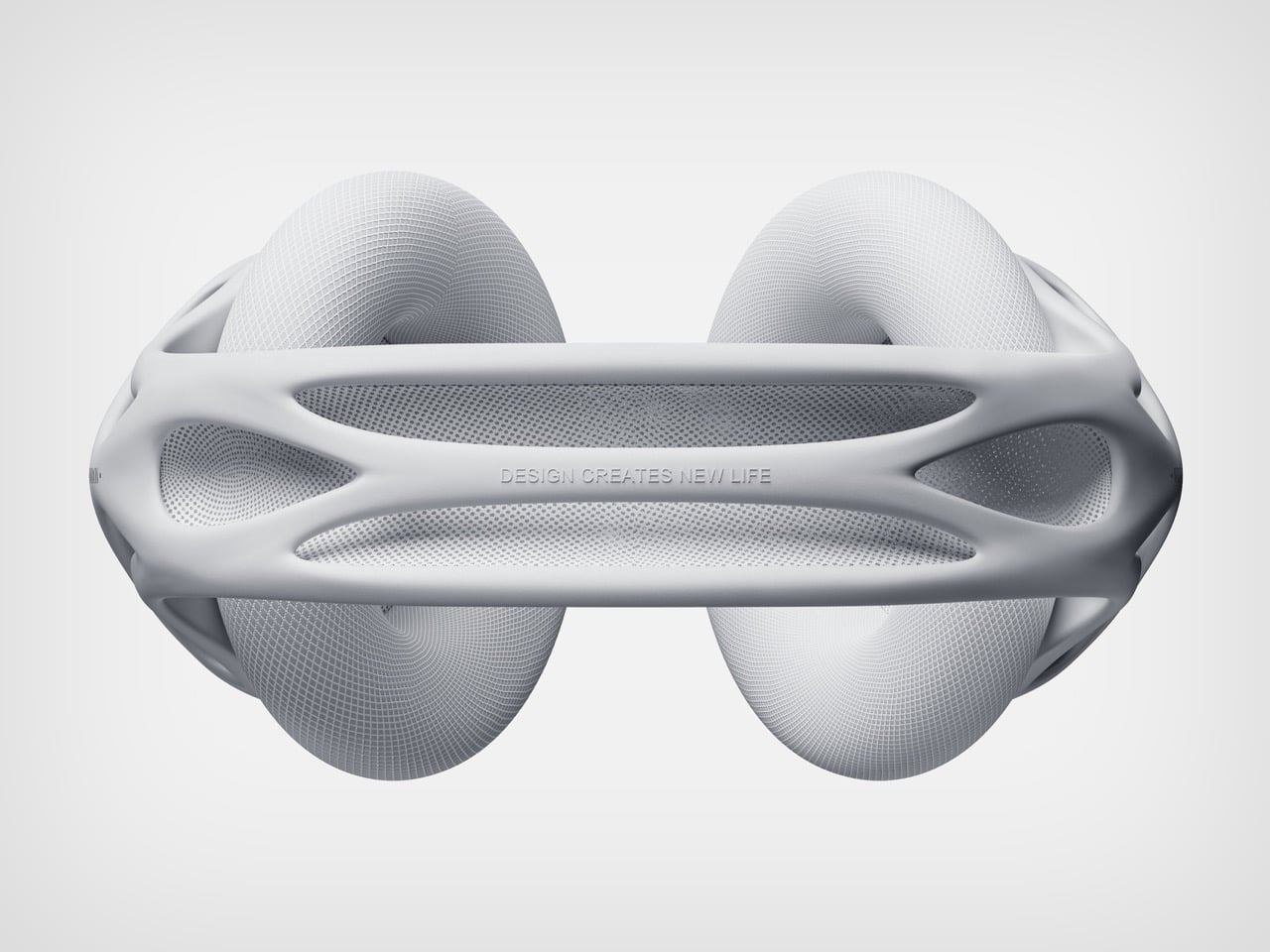
The Grow headset concept takes the opposite approach and puts the algorithm’s output right out front, turning what’s usually a backend engineering tool into the primary design language. What emerged looks less like consumer electronics and more like something that washed up on a beach after spending years underwater. That skeletal structure with its organic voids and flowing curves comes from letting software iterate through thousands of variations, testing each one against structural requirements until it arrived at these forms that feel simultaneously ancient and futuristic.

Designer: Why Design

The most striking element is obviously that frame. Instead of the typical headband with internal reinforcement hidden under padding, Grow exposes an exoskeleton of flowing, organic voids that look almost coral-like in their distribution. The algorithm determined where material needed to exist based on stress requirements and where it could be removed to save weight, which is exactly how bone structure develops in nature. Every solid section and every void exists because the math said it should be there.

Look beyond the skeletal outer frame and the Grow headset feels like something you’d find in an Apple showroom. Outer shells made from metal, inner earcups made from a diamond woven mesh. It really feels like Ross Lovegrove or Zaha Hadid were given the reins to redesign the AirPods Max. The design looks bony and alien, but still has a level of pristine-ness to it.

The white and light gray colorway emphasizes that bleached bone aesthetic, though the renders in darker tones show how versatile the form actually is. Change the finish and you get something that reads less natural and more alien, which speaks to how much color influences our perception of organic versus synthetic forms. Either way, you’re getting something that looks fundamentally different from every other headphone on the market.

What Grow proposes is about as radical as the new transparency trend in tech. Sure, transparency is efficient because it just involves a material-switch from opaque to transparent. Grow’s generative design might require way more material than the minimal tech we see around us, but with the right algorithmic tweaking, these next-gen products could actually be tuned to work better, last longer, or be more comfortable. If you ask me, that’s a design trend worth investigating.

The post This Concept Headset Was Grown By Code Instead of Designed By Humans first appeared on Yanko Design.

Shantivale Botanical Incense Collection Review: Pure Design, Quiet Mind

PROS:


  • Hand-rolled with pure botanicals, no synthetic additives

  • TCM formulations create genuinely distinct scent profiles

  • Low smoke output suits sensitive users

  • Natural stone holder elevates the ritual

  • Full-stick construction means zero material waste

CONS:


  • Fragile sticks require careful, mindful handling

RATINGS:

AESTHETICS
ERGONOMICS
PERFORMANCE
SUSTAINABILITY / REPAIRABILITY
VALUE FOR MONEY

EDITOR'S QUOTE:

Shantivale does something rare-it makes slowness feel like a luxury, not a compromise. This is incense for people who've grown tired of optimizing everything.
award-icon

There is a ritual gap in modern wellness, and Shantivale fills it by bringing Traditional Chinese Medicine formulations to botanical incense, a collection where ancient herbal pairings meet modern wellness rituals. The industry has spent the last decade digitizing everything. Apps track your sleep. Wearables monitor your heart rate variability. Smart diffusers connect to your phone. But somewhere in all that optimization, the simple act of lighting something and watching it burn got lost. Wang Yuhao noticed this gap, watching people reach for their phones instead of pausing for breath.

Shantivale exists because of that observation. The Shangri-La based brand builds botanical incense using Traditional Chinese Medicine formulations, hand-rolling each stick with a rice-root binder that burns clean and steady. No synthetic additives. No perfume oils. Just plant matter shaped by artisan hands and informed by centuries of herbal knowledge. The result is incense that functions less like air freshener and more like a temporal anchor, a 30-50 minute ritual that creates structure in formless days.

The design philosophy here centers on what the brand calls “a sensory bridge between ancient wisdom and modern wellbeing.” That sounds like marketing language until you examine the ingredient sourcing. The Cliff Glow variant uses Ya Bai cypress harvested from high-altitude cliffs where the species grows above 2,000 meters. The wood matures over decades before collection. This is not the kind of supply chain that scales easily or cheaply, and the pricing reflects that reality.

Material Honesty in Stick Form

Most commercial incense follows a simple construction: fragrance oils coating a bamboo core. Light it, and half your stick is just wood burning. Shantivale eliminates that compromise entirely. Every millimeter of each stick is combustible incense material, bound together with rice-root plant binder rather than synthetic adhesives. The full-stick construction means zero waste, but it also creates a fragility that demands careful handling.

This material choice serves multiple purposes. The rice-root binder maintains a steady, even burn without chemical accelerants. The absence of a wooden core allows the herbal formulations to express themselves without interference. Customers consistently note the low smoke output, a direct result of using pure plant materials rather than fragrance-soaked substrates. The trade-off is structural: these sticks break more easily than their bamboo-cored competitors, requiring the kind of mindful handling that perhaps fits the product’s intended use case.

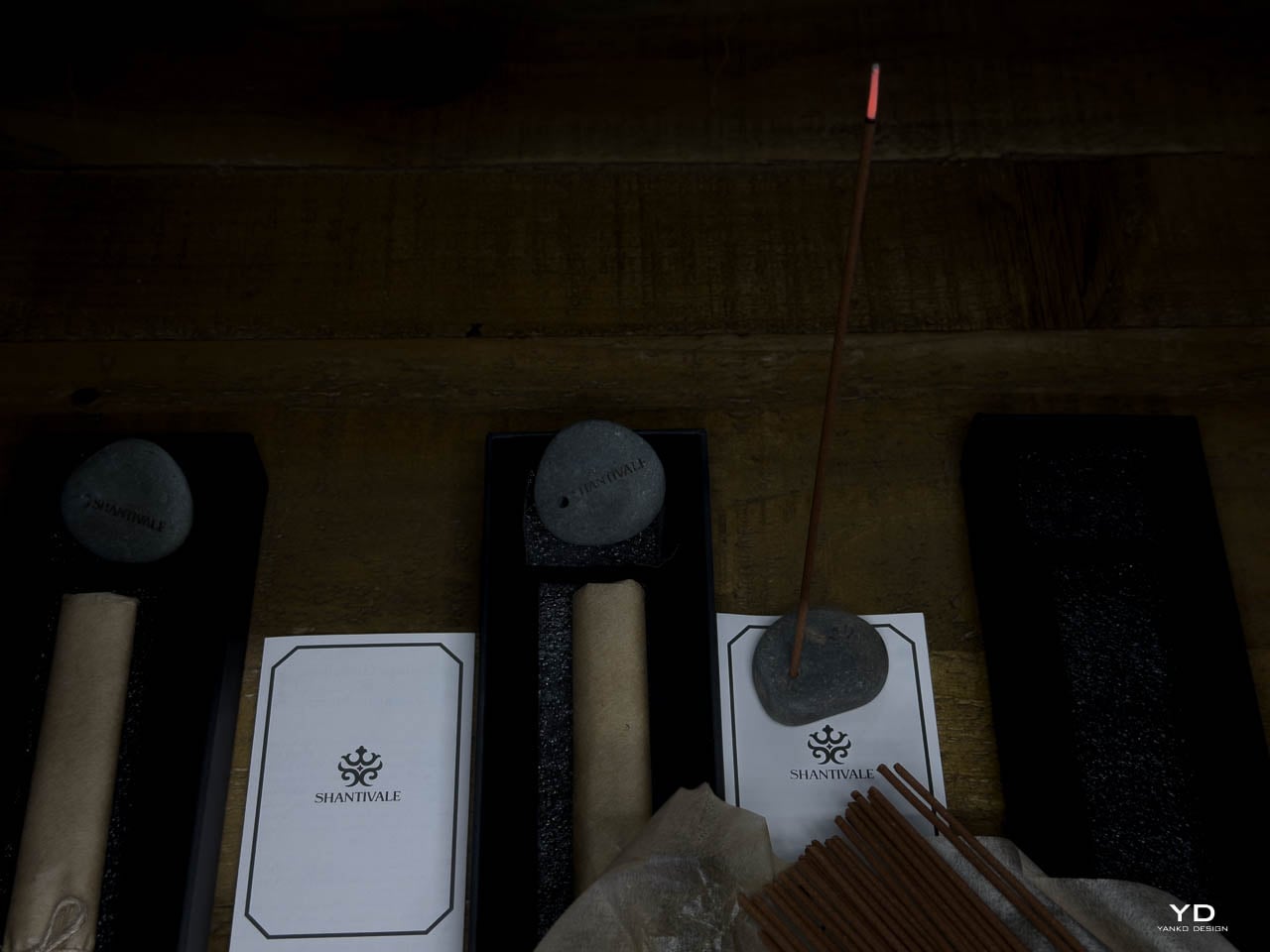
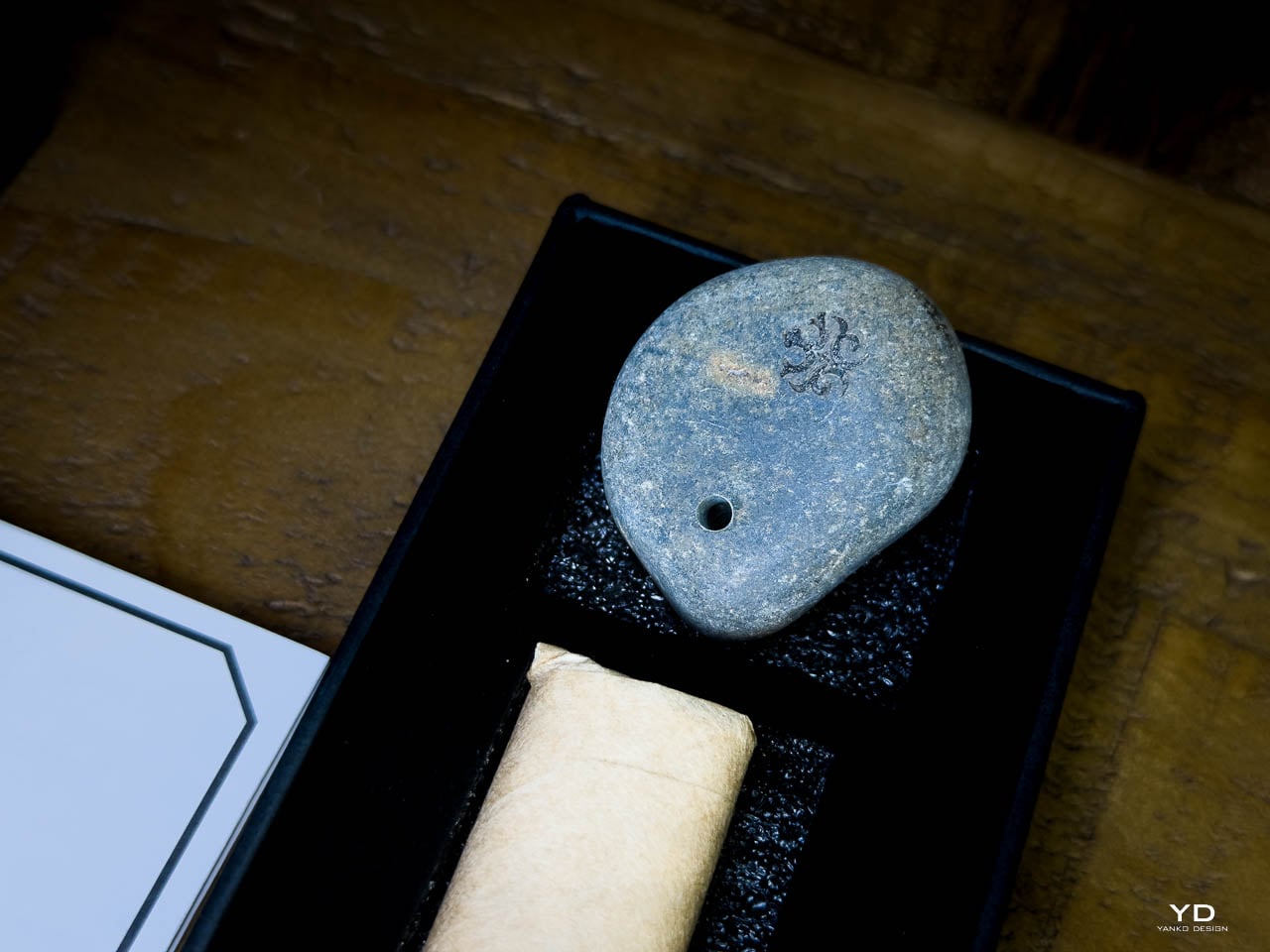
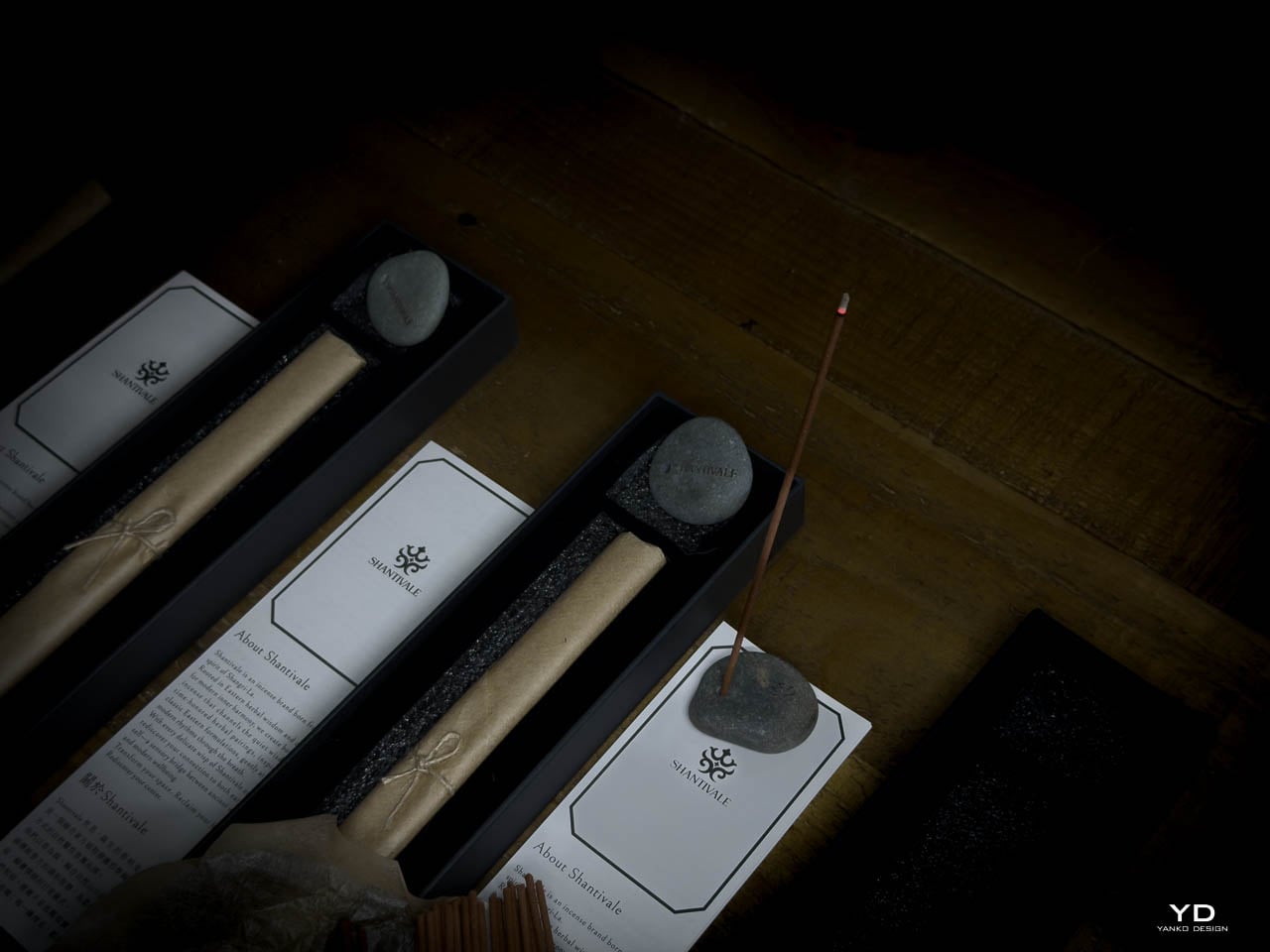
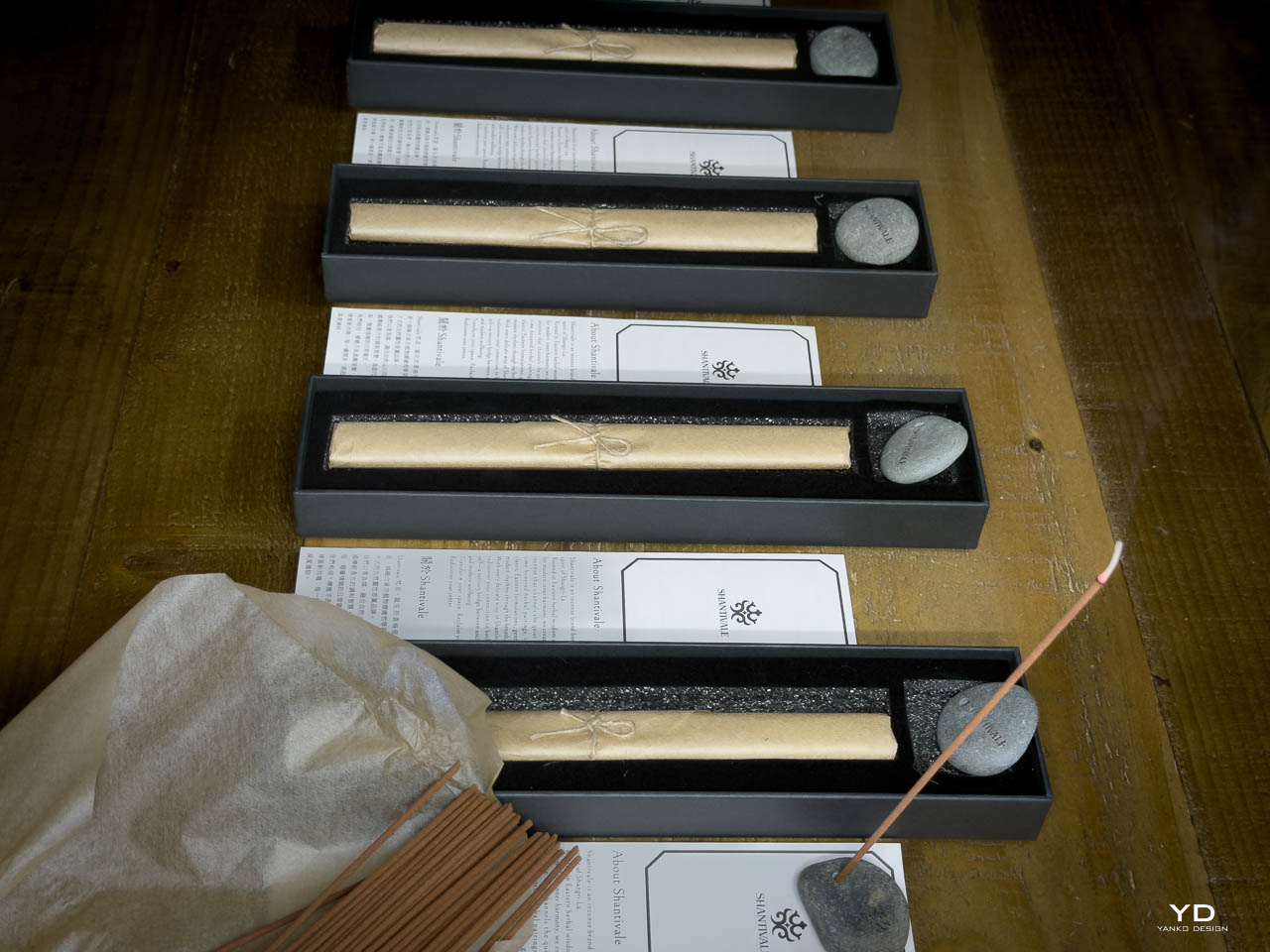
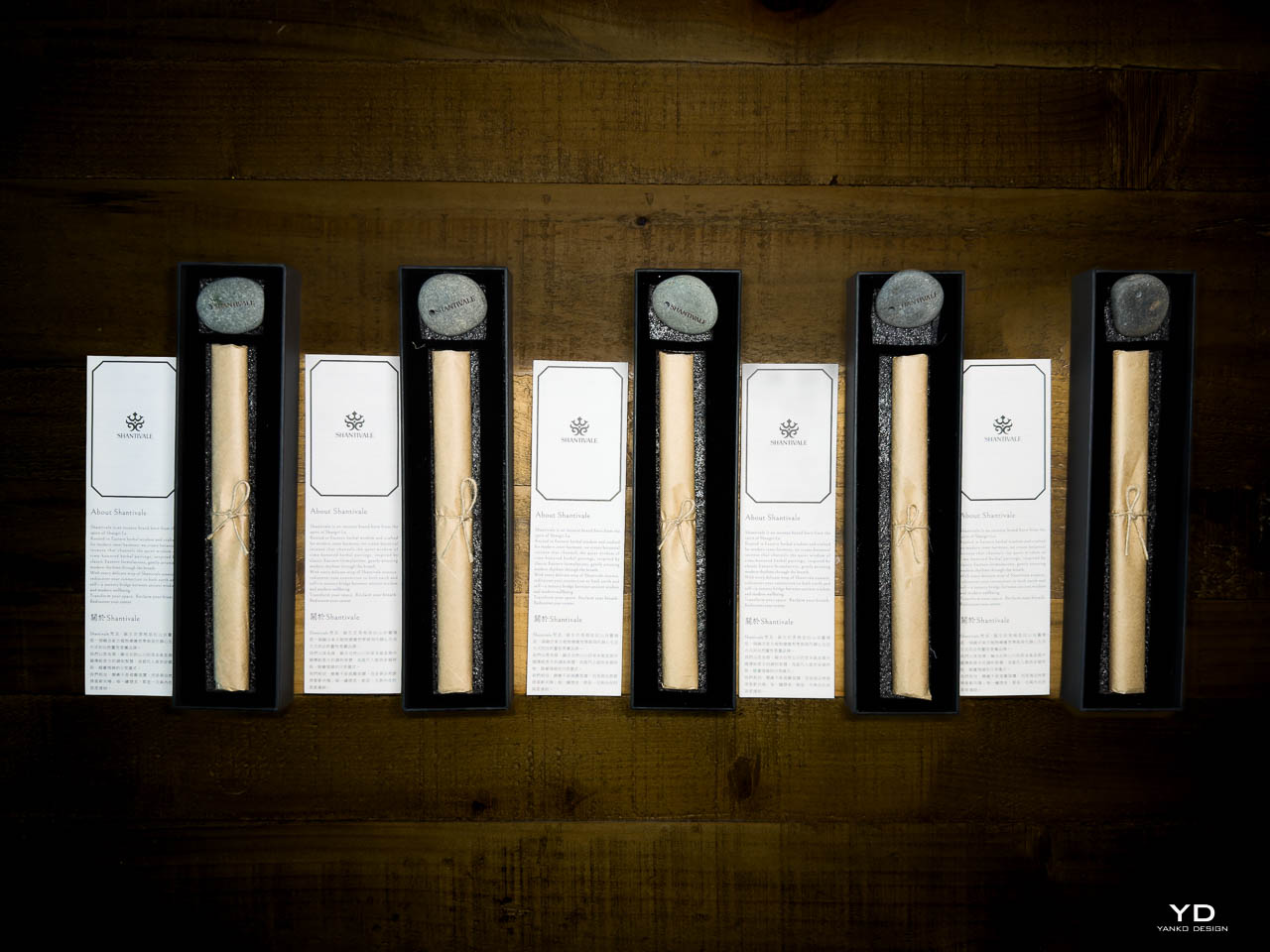
The packaging extends this material consciousness. Paper wrapping protects each bundle, preserving scent integrity during storage. A natural stone holder accompanies every purchase, a smooth river stone with a drilled hole that transforms utilitarian ash-catching into something approaching desktop sculpture. The presentation reads as gift-ready without excessive packaging material, threading the needle between premium positioning and environmental consideration.

This approach carries risk. Consumers accustomed to heavily scented, bamboo-cored sticks might find Shantivale’s output subtle by comparison. The fragrance does not announce itself across a room or linger for hours after burning. Instead, it creates presence within a defined radius, then fades. For those seeking ambient room scent, this restraint might read as weakness. For those seeking ritual objects, the ephemerality becomes the point.

Five Formulations, Five Functions

Shantivale structures its collection around specific use cases rather than arbitrary scent categories. Each blend draws from Traditional Chinese Medicine principles about how aromatics influence the body’s qi, or vital energy flow. Whether you subscribe to TCM philosophy or simply want incense that smells interesting, the formulation logic creates genuine differentiation between products.
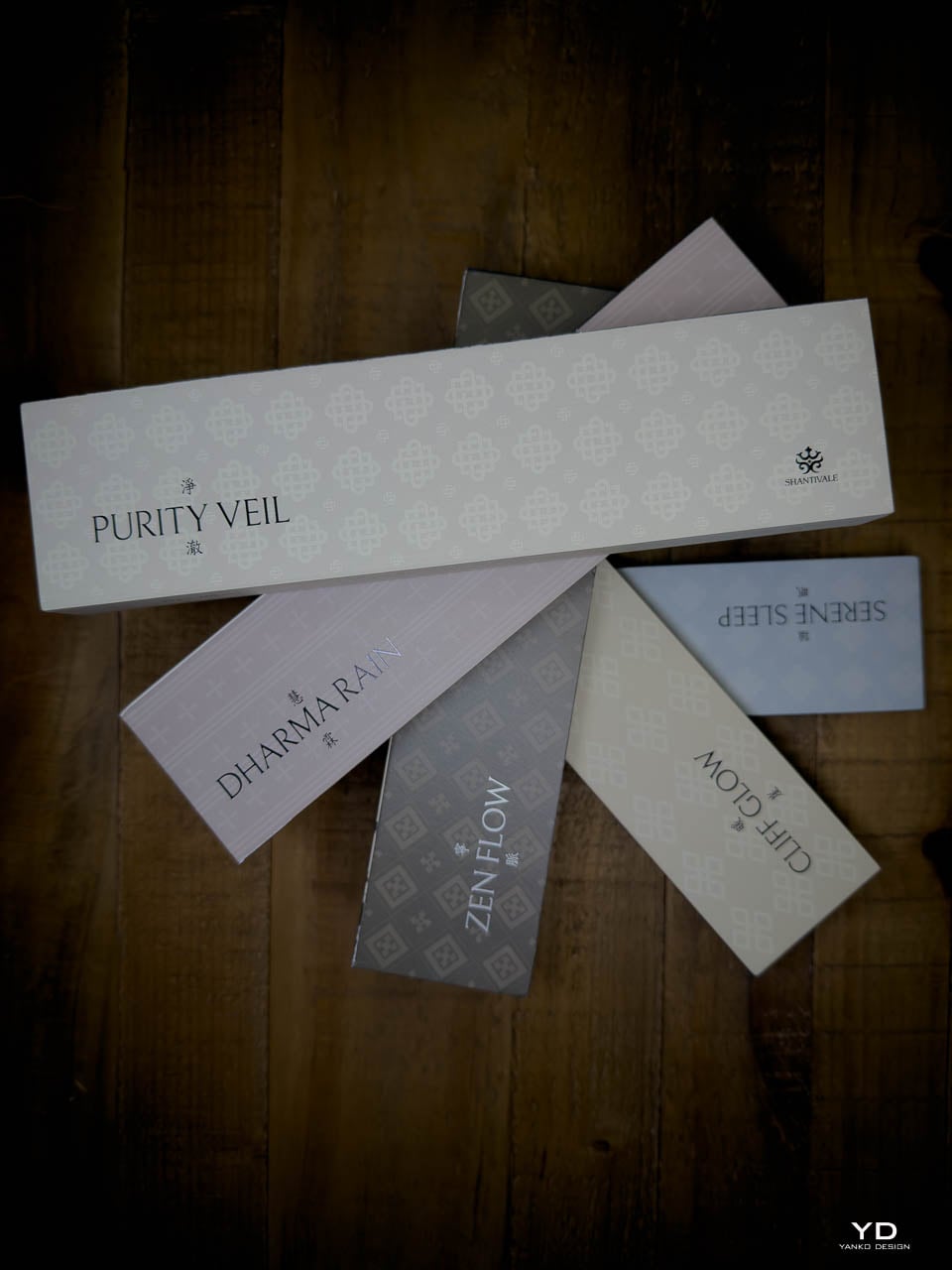
The collection spans three price tiers: entry blends at $29.90, premium single-origin at $32.90, and the temple formula at the same premium price point. Each variant targets a specific time of day or mental state, creating a system rather than a random assortment. Users can build a rotation across the week or commit to a single favorite. The naming conventions (Purity Veil, Serene Sleep, Zen Flow, Dharma Rain, Cliff Glow) telegraph function without requiring deep TCM knowledge.
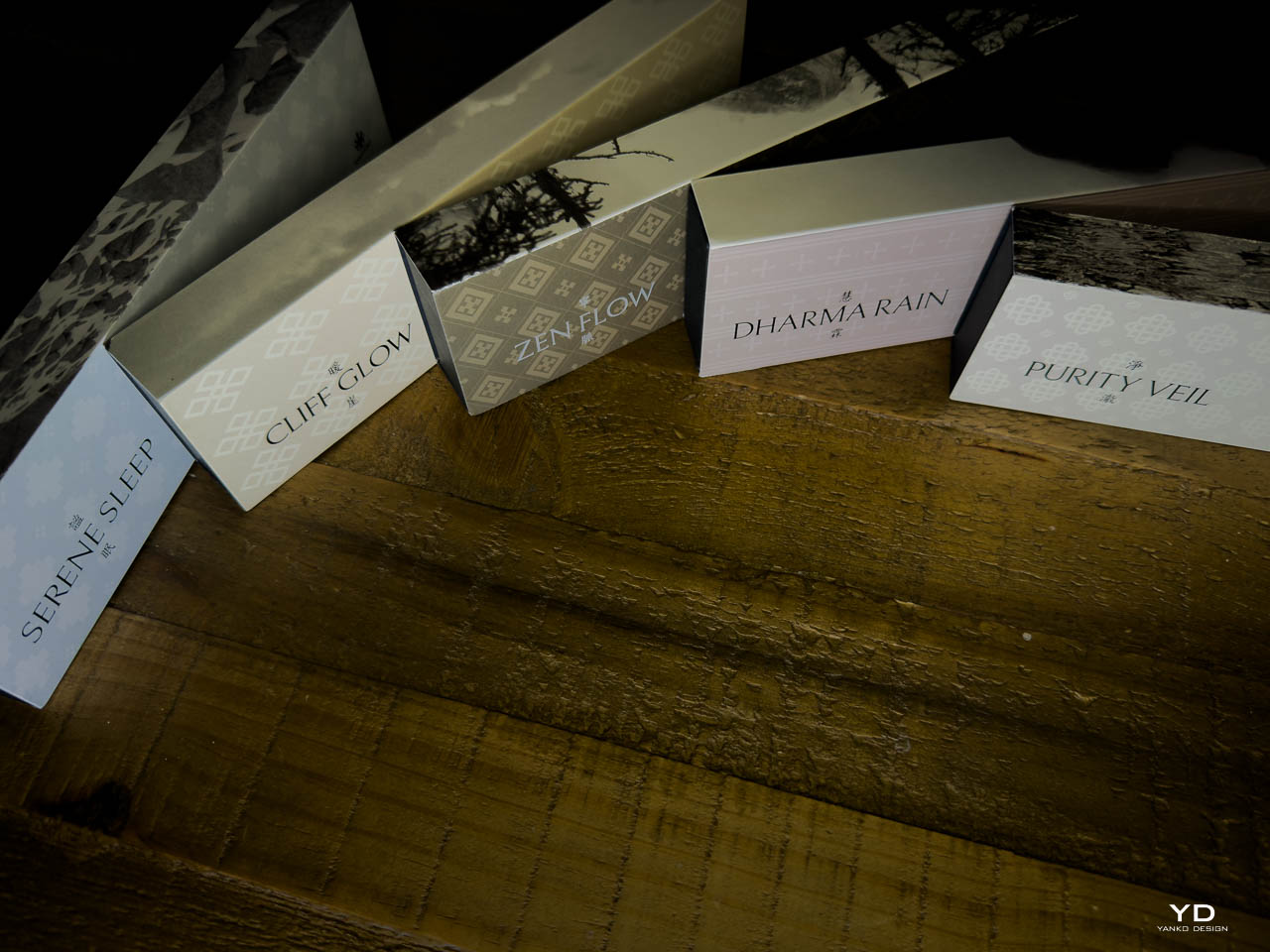
Purity Veil: Morning Reset

The cleansing blend combines cinnamon twig, fern root, and artemisia. Gui Zhi (cinnamon twig) brings warm, sweet notes traditionally associated with easing tension and promoting circulation. Guan Zhong (fern root) adds fresh, grassy character with subtle bitterness. Yin Chen (artemisia) contributes that just-cut-grass brightness TCM practitioners link to liver support and energy.

The scent profile lands somewhere between herbal tea and forest floor, neither as sweet as pure cinnamon nor as medicinal as straight artemisia. Users describe it as “clean” and “spacious,” with a natural campfire quality that dissipates rather than lingers. After burning Purity Veil during morning routines over two weeks, I found the scent genuinely resets a room without announcing itself. It creates absence of staleness rather than presence of perfume. Best deployed for morning routines or re-entry rituals after leaving the house.

The cleansing claim warrants examination. No incense literally purifies air in a measurable sense. What Purity Veil offers is perceptual reset: the scent marks a transition between states, creating an olfactory boundary between “outside” and “home” or between “work mode” and “rest mode.” The value lies in the ritual structure, not antimicrobial properties.

Purity Veil on Amazon ($29.90)

Serene Sleep: Evening Wind-Down

The nighttime blend shifts to calming territory: poria mushroom, jujube seed, and polygala root. Fu Ling (poria) grows on pine tree roots and carries soft, woody notes like dried sawdust or pine shavings. Suan Zao Ren (jujube seed) adds light nuttiness with faint sour undertones. Yuan Zhi (polygala) contributes earthy, slightly spicy depth traditionally used for memory support and nightmare reduction.

The combined effect reads as gentle cereal-like warmth with caramel touches and a soft herbal finish. I tested Serene Sleep during evening wind-down sessions for a week, lighting it about 45 minutes before bed while reading. The scent never demanded attention. It simply made the transition from screen time to sleep feel more deliberate, like drawing a curtain between day and night. Burn time extends toward 50 minutes depending on conditions, creating a substantial evening ritual window.

Serene Sleep on Amazon ($29.90)

Zen Flow: Meditation Anchor

The meditation blend brings out the premium ingredients: sandalwood, agarwood, and curcuma. Tan Xiang (sandalwood) delivers that smooth, sweet, woody foundation found in temples and high-end perfumery. Chen Xiang (agarwood) adds rare complexity, a resin formed only when specific trees heal from wounds over many years. The scent carries woody, sweet, and smoky layers that shift as the stick burns. Chuan Yu Jin (curcuma) grounds everything with warm, ginger-adjacent spice.
This is the collection’s most traditionally “incense” scent, the kind of aromatic profile that would feel at home in a meditation center or yoga studio. During a two-week meditation testing period, Zen Flow became my go-to: the sandalwood-agarwood combination created an immediate signal to my brain that focus time had begun, more effective than any app notification. Users note a masculine vibe and cleaner execution than typical sandalwood products. The thinner stick construction allows good scent diffusion without overwhelming small spaces.

The sandalwood and agarwood combination represents significant material investment. Authentic agarwood commands prices rivaling precious metals by weight, formed only when Aquilaria trees respond to specific fungal infections over years or decades. Most commercial “agarwood” incense uses synthetic approximations or diluted oils. Shantivale claims authentic sourcing, and the scent complexity suggests the claim holds merit. The resinous depth shifts as the stick burns, revealing different facets at beginning, middle, and end.

Zen Flow on Amazon ($29.90)

Dharma Rain: Clarity Blend

The temple formula combines agarwood, clove, patchouli, and curcuma. This multi-herb blend draws from classic incense traditions used during meditation and chanting, creating what reviewers describe as “light but powerful” and “intricately intriguing.” The scent sits somewhere between palo santo and cedar, with complexity that rewards attention.

At $32.90, Dharma Rain occupies the premium tier alongside Cliff Glow. I burned this during deep work sessions in my home office. The complexity kept revealing new facets over the 40-minute burn, which actually helped maintain focus longer than simpler scents that fade into background noise. This formulation particularly resonates with incense enthusiasts seeking something beyond single-note simplicity. Low smoke output and the absence of artificial undertones make it suitable for smaller spaces where typical incense would overwhelm.

Dharma Rain on Amazon ($32.90)

Cliff Glow: Single-Origin Expression

The collection’s most distinctive offering uses only one botanical: Ya Bai cliff cypress from Shangri-La highlands. This Thuja sutchuenensis grows above 2,000 meters on difficult-to-access cliffs, maturing over decades before harvest. The single-ingredient approach delivers pure, unmasked aromatic character without the blending that typically smooths rough edges.

The scent profile reads as rich, grounded wood tones with gentle smokiness and mellow sweet finish. Users compare it to stone warmed by afternoon sun, to a cozy wooden chest, to refined temple fragrance without overwhelming intensity. Testing Cliff Glow on a rainy Sunday afternoon confirmed its positioning: this is contemplative incense, not background scent. The single-origin expression demands you actually sit with it, which is either a feature or a limitation depending on your expectations. The 45-minute burn time and fragile construction demand careful handling, but the premium pricing ($32.90) finds acceptance among buyers who appreciate geographic authenticity and traditional harvesting practices.
The single-origin approach carries inherent variability. Unlike blended products where formulation balances inconsistencies, Cliff Glow expresses whatever character that particular harvest of Ya Bai cypress carries. Some batches may run slightly sweeter, others more resinous. For buyers accustomed to industrial consistency, this variability might frustrate. For those who appreciate terroir in wine or single-origin coffee, the variation becomes a feature rather than a bug.

Cliff Glow on Amazon ($32.90)

The Design of Slowness

Shantivale’s most interesting design decision might be what it refuses to optimize. In an era of smart diffusers and app-controlled aromatherapy, this is incense that requires a match, a holder, and time. The fragile sticks demand attention. The 30-50 minute burn times create temporal boundaries that push back against infinite scroll culture. The low-tech approach is not accidental; it is the product.

The stone holder exemplifies this philosophy. A smooth river stone with a single drilled hole performs the same function as elaborate brass holders or ceramic trays, but with material honesty that connects to the natural sourcing story. Some users note the stone does not catch ash particularly well, a valid functional criticism that the brand could address with a deeper groove or accompanying dish. But the current design prioritizes aesthetic integration over utilitarian optimization.

The educational content surrounding each product extends the slow design ethos. The website includes an herb dictionary explaining ingredient origins and traditional uses. Product pages detail not just what each blend contains, but why those specific botanicals pair together according to TCM principles. Whether customers engage with this information or simply burn the incense, its presence signals a brand that trusts its audience to appreciate depth over simplicity.

Who This Collection Serves

Shantivale positions itself clearly in the premium segment. Entry-level blends start at $29.90 for approximately 27-30 sticks, while premium single-origin and temple formulations reach $32.90. For context, mass-market incense runs $5-15 for comparable stick counts. The pricing justification rests on hand-rolling labor, authentic ingredient sourcing, traditional binder materials, and the included stone holder.
The value proposition depends entirely on use case alignment. Someone burning incense occasionally as background fragrance will find the cost per stick difficult to justify against drugstore alternatives. Someone building a daily meditation practice or seeking ritual structure for remote work will calculate differently, valuing the 30-50 minute burn time as temporal scaffolding worth the premium.

This is for you if:

  • You practice yoga, meditation, or breathwork and want aromatics that support rather than distract
  • You appreciate Traditional Chinese Medicine principles or herbal wellness approaches
  • You seek low-smoke alternatives because typical incense triggers sensitivities
  • You buy gifts for wellness-conscious friends who already own everything obvious
  • You want a screen-free ritual that creates temporal structure in work-from-home days

This probably is not for you if:

  • You want strong, room-filling fragrance that announces itself
  • Budget constraints make $30 per box of incense difficult to justify
  • You need robust sticks that survive being tossed in a bag or drawer
  • You prefer the immediate gratification of spray or plug-in aromatics

The Larger Context

Wang Yuhao frames Shantivale as more than an incense brand. “Consumers are no longer just buying a scent,” the founder notes. “They are seeking grounding, meaning, and a return to nature.” The regulatory environment around herbal products continues shifting globally, and interest in Traditional Chinese Medicine formulations extends well beyond Asian markets. Shantivale bets that Western wellness consumers will pay premium prices for authenticity, craftsmanship, and cultural translation done with respect rather than appropriation.
The bet seems to be paying off. Customer reviews across the collection emphasize packaging quality, natural scent profiles, and the thoughtfulness of included materials. Criticisms center almost exclusively on price point, a complaint that actually validates the premium positioning. When your negative reviews say “too expensive” rather than “does not work,” you have built something that delivers on its promises.

For designers and product developers, Shantivale offers a case study in material honesty, cultural translation, and the deliberate rejection of optimization. Not every product needs an app. Not every ritual needs to be tracked. Sometimes the design goal is simply to create 40 minutes of intentional pause in a world that rarely stops moving.

The Verdict

After testing all five formulations over several weeks, Shantivale delivers exactly what it promises: ritual-grade incense built for intentional use rather than ambient fragrance. The TCM formulations translate into genuinely distinct scent profiles (these are not five variations of “relaxing”), and the hand-rolled construction burns cleaner than mass-market alternatives.

Recommended if: You practice meditation, yoga, or breathwork and want aromatics that support focus without distraction. You appreciate premium craftsmanship and can justify $30+ for ritual tools. You’re sensitive to heavy smoke or synthetic fragrances. You want a screen-free anchor for work-from-home time boundaries.

Skip if: You want strong, room-filling fragrance that lingers for hours. You need durable sticks that survive rough handling. You’re primarily seeking value-per-stick pricing. You burn incense casually rather than intentionally.

Best entry point: Zen Flow ($29.90) offers the most universally appealing scent profile. Start there, then explore Cliff Glow if you appreciate single-origin expressions or Serene Sleep if evening ritual is your priority.

Bottom line: Shantivale isn’t trying to compete on price or convenience. It’s incense for people who understand that the ritual matters as much as the scent, and who are willing to pay for materials and craftsmanship that honor that understanding.

The post Shantivale Botanical Incense Collection Review: Pure Design, Quiet Mind first appeared on Yanko Design.


Motorola Edge 70 Accents Pantone’s 2026 Color with Swarovski Studs

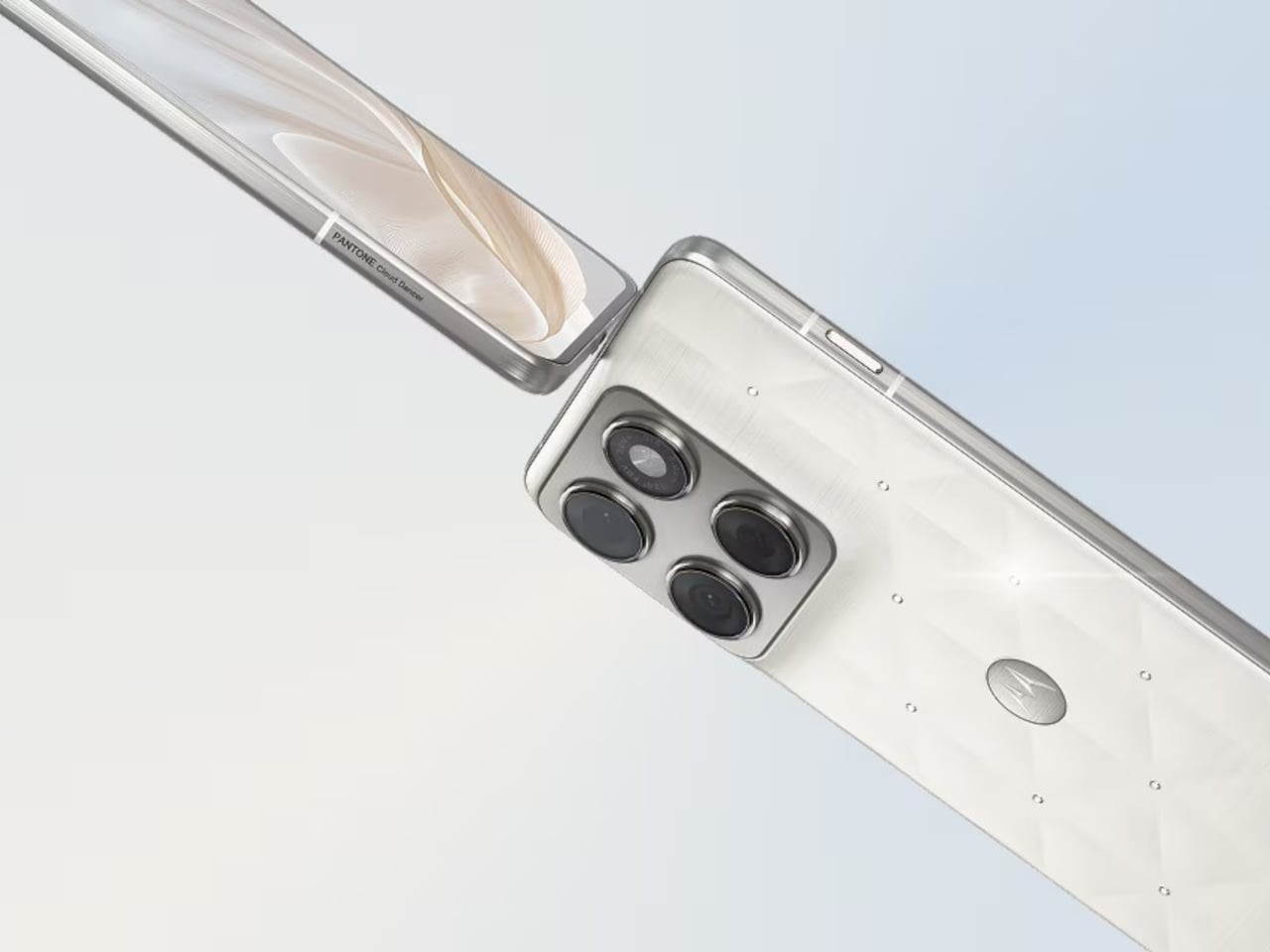
Pantone’s Color of the Year 2026, Cloud Dancer, arrived with a thesis that we are all collectively tired and need visual relief from the chaos. The soft, lofty white was pitched as clarity over clutter and presence over pressure, a quiet protest against hyper saturated everything, including the phones buzzing in our pockets. It felt less like a trend forecast and more like a group therapy session disguised as a paint chip.

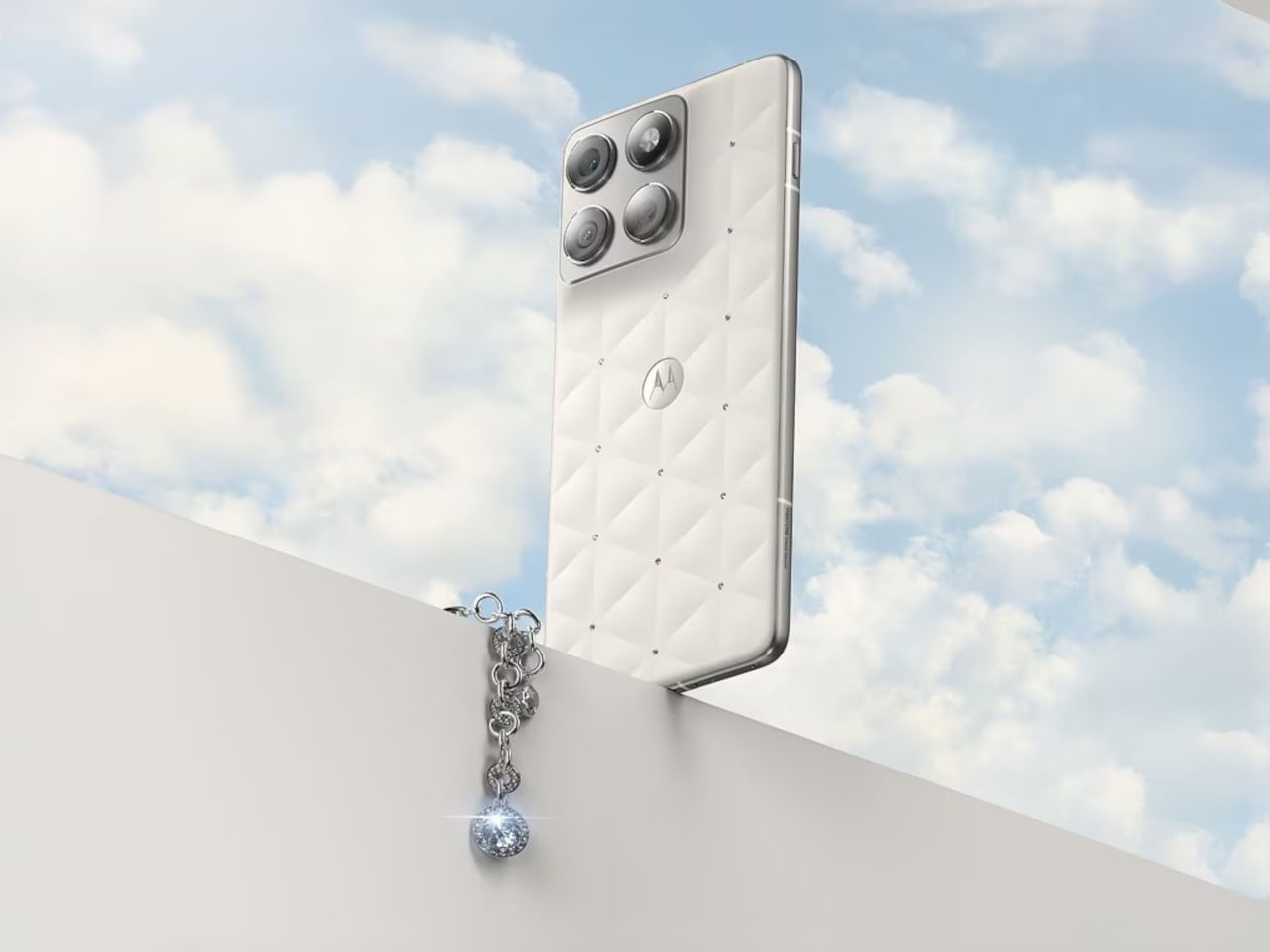
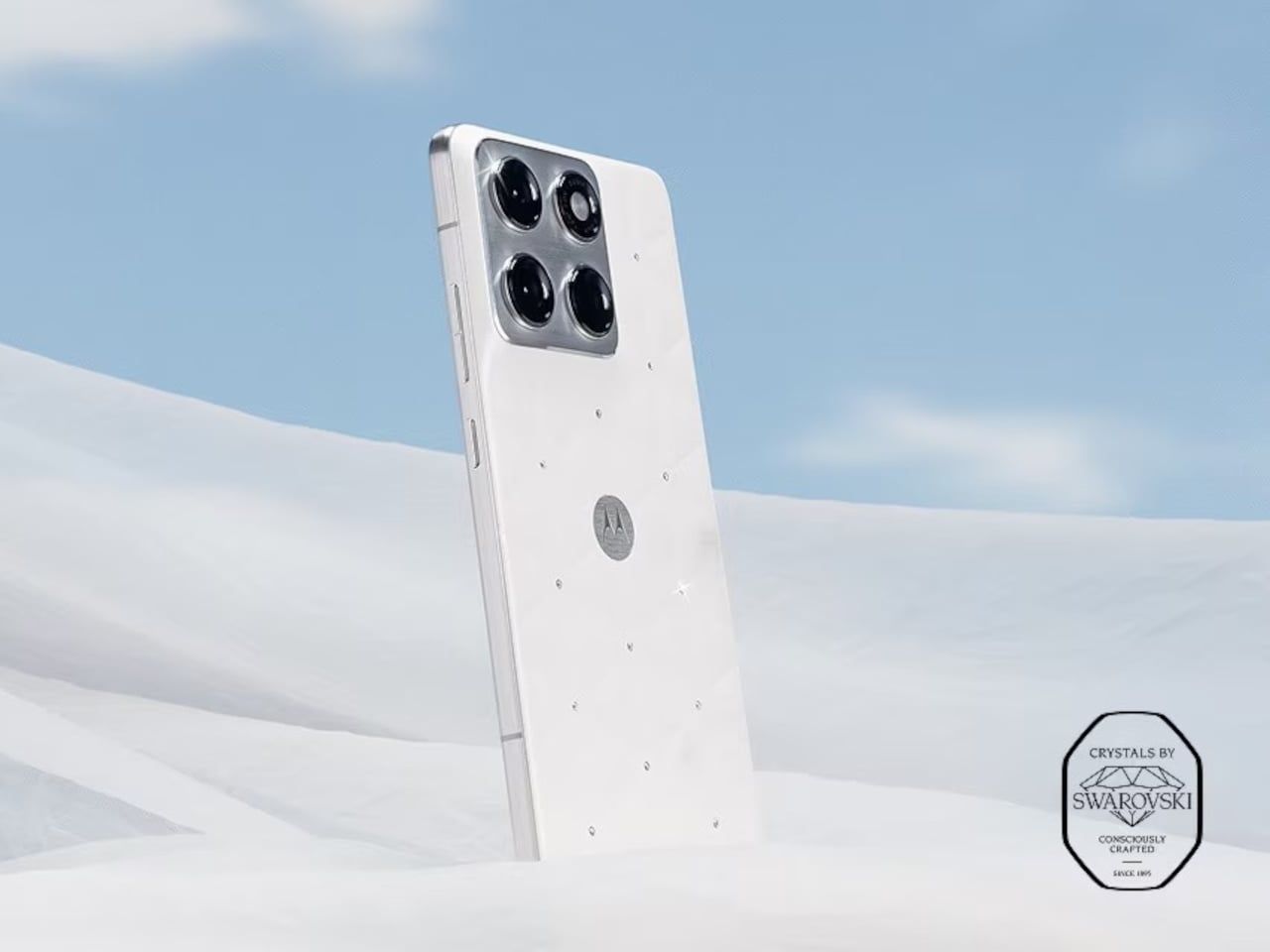
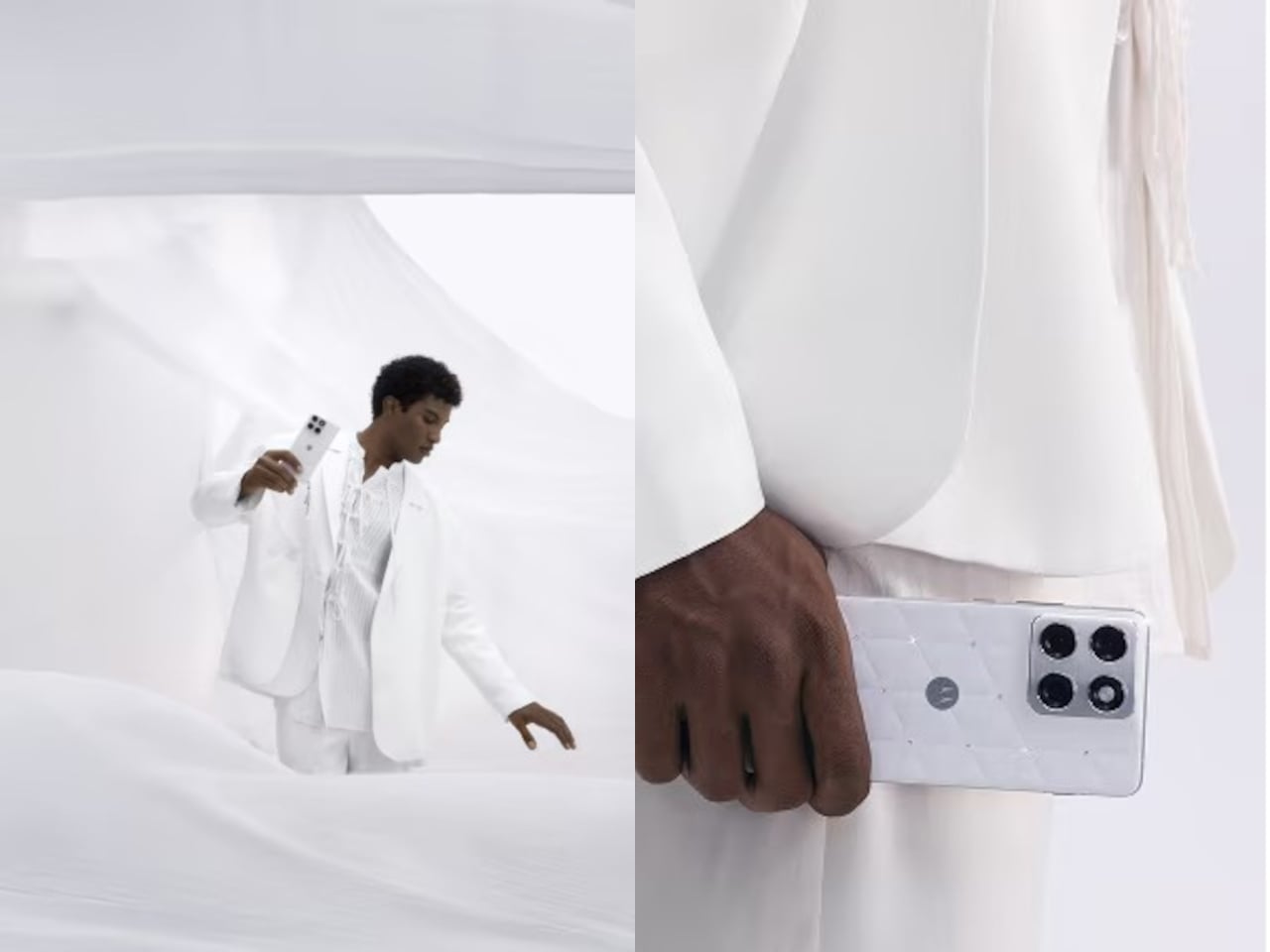
Motorola took that color story seriously. The Edge 70 special edition wraps Cloud Dancer around its thinnest chassis yet, embellished with crystals by Swarovski, continuing the design run that started with the Razr Brilliant Collection earlier this year. Where the Razr leaned extroverted and fashion forward, the Edge 70 Cloud Dancer edition feels like its quieter sibling, still sparkling but content to sit on a nightstand without demanding constant attention or Instagram documentation.

Designer: Motorola

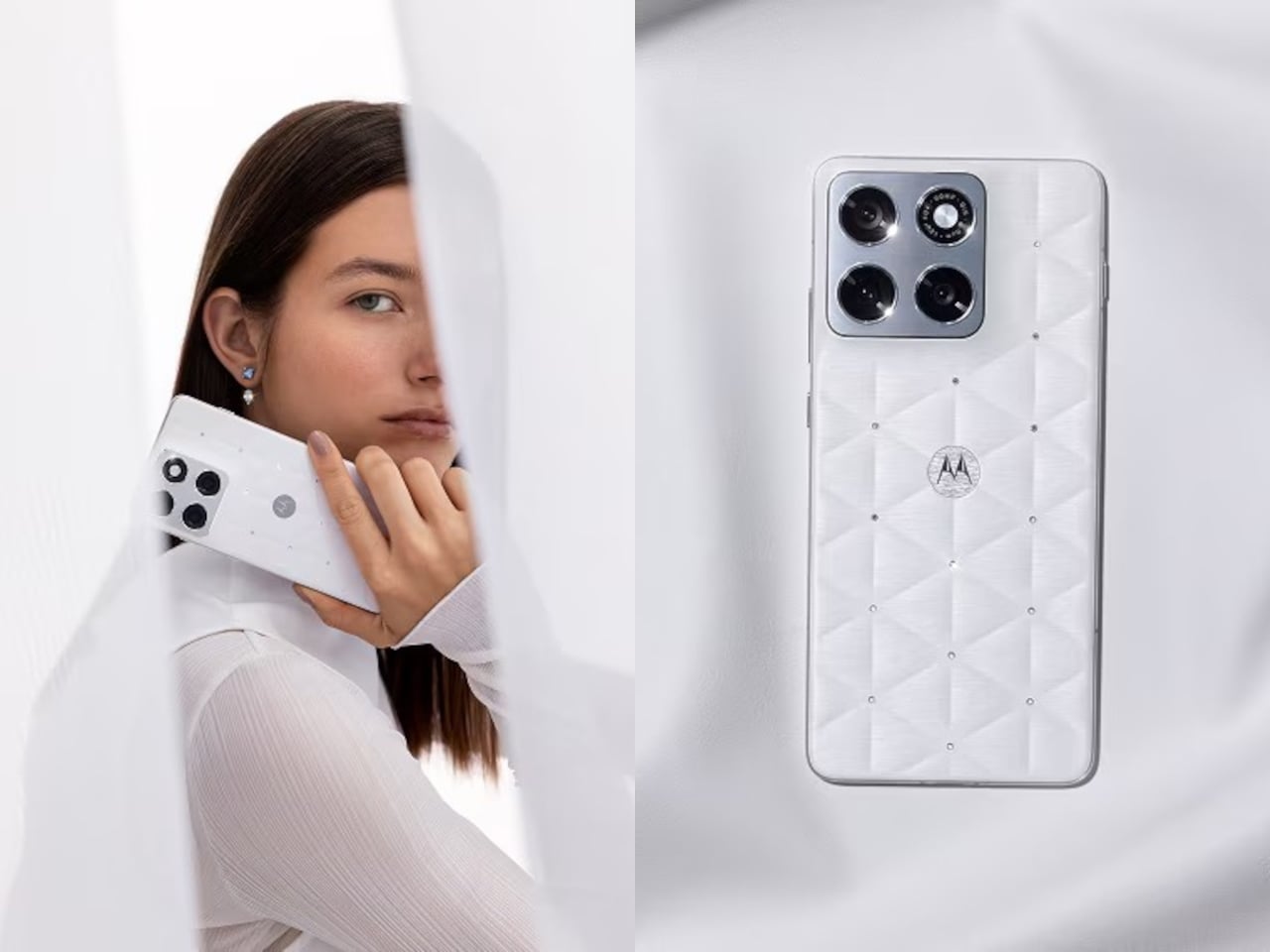
Cloud Dancer, officially Pantone 11-4201, lands on the Edge 70 as a leather inspired, quilted back that reads more like a minimal clutch than a piece of consumer electronics. The finish has a silk like sheen that shifts slightly in light, soft enough to avoid sterility but restrained enough to avoid looking like a frosted cupcake. Motorola calls it an object of clarity and quiet confidence, which fits the brief so precisely it almost sounds rehearsed.

Crystals by Swarovski are embedded into the quilted back, small enough to catch light without shouting for attention. The Brilliant Collection, which debuted with the Razr a few months ago, focuses on meticulous craftsmanship and timeless luxury, treating phones like accessories that happen to also make calls. Here, the crystals feel less like decoration and more like strategic punctuation marks on an otherwise very calm sentence, little flickers that keep the white from feeling too monastic.

Underneath sits the regular Edge 70 hardware, Snapdragon 7 Gen 4, dual 50 megapixel cameras, a bright display, and moto ai that adapts quietly. Motorola emphasizes that the device is the thinnest in its category, hedged by footnotes about regional price bands but still impressive for something packing a 4800 milliamp hour battery and full day reliability without feeling fragile in the hand.

The approach contrasts with the usual luxury phone playbook, which tends toward loud colors, heavy logos, or aggressive patterns that scream performance. Cloud Dancer is almost the opposite, a discrete white Pantone describes as conscious simplification. The quilting and crystals prevent it from becoming sterile, but the overall vibe lands somewhere between spa robe and gallery wall, an unusual place for a smartphone to occupy.

Motorola seems intent on building a design ecosystem where color forecasting and material craft matter as much as chipsets. The Razr Brilliant Collection introduced Swarovski, and now the Edge 70 ties that to Pantone’s annual ritual. We live in a world where most phones blur into identical black rectangles, so a calm white device with a quilted back and a handful of crystals starts to feel surprisingly memorable, even if memorable was never the point.

The post Motorola Edge 70 Accents Pantone’s 2026 Color with Swarovski Studs first appeared on Yanko Design.

Ottagono Packs a Full Workout into a Luminous Octagonal Column

Home gyms have become unavoidable lately, creeping into corners with smart mirrors bolted to walls, fold‑out benches wedged behind sofas, and dumbbells scattered under coffee tables. Apartments keep shrinking, hotel suites need to multitask, and most fitness gear still looks like fitness gear rather than furniture. Even the sleekest mirror can’t pretend it belongs next to a credenza when a countdown timer starts blinking, and someone begins doing burpees in the reflection.

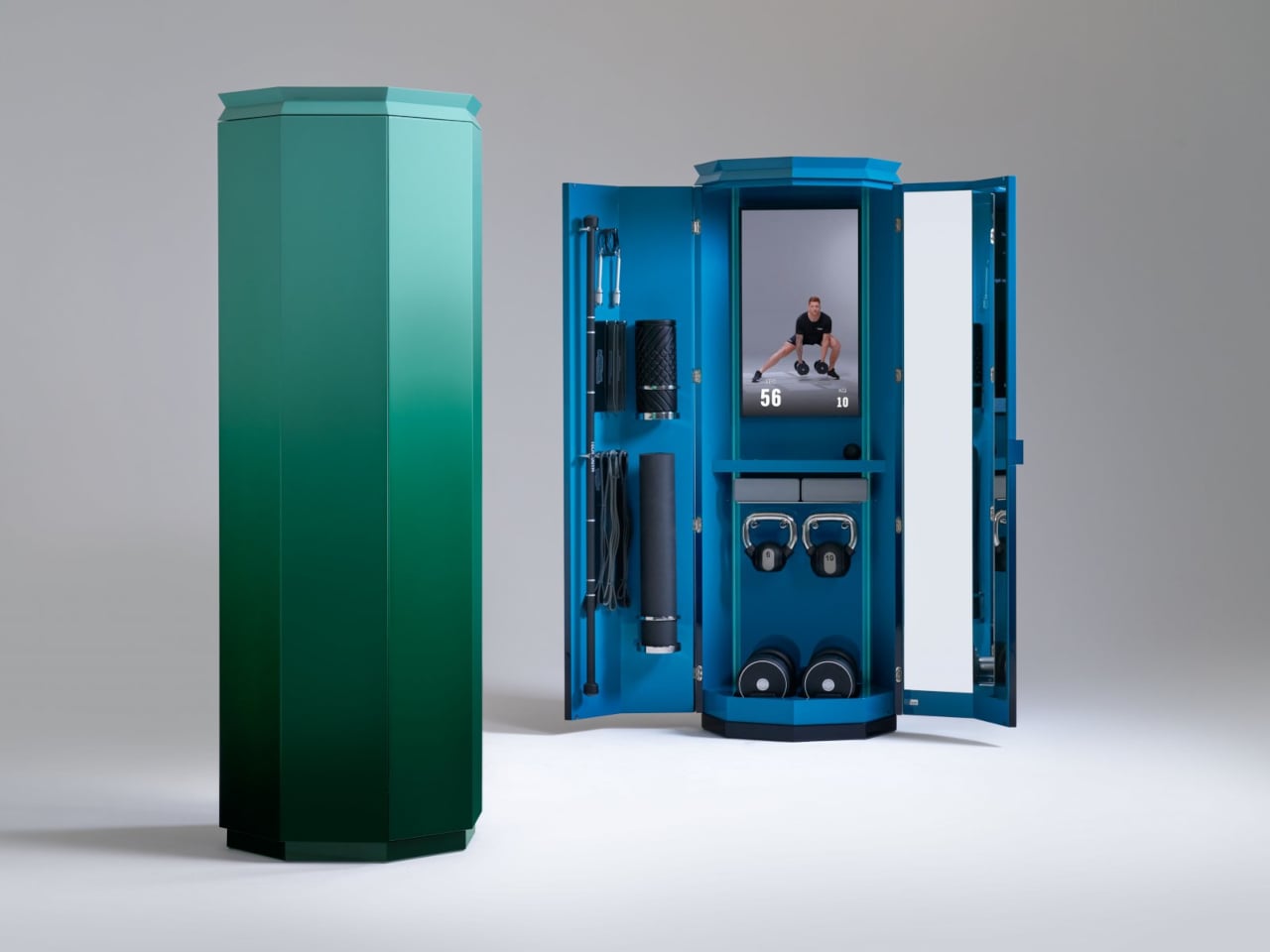
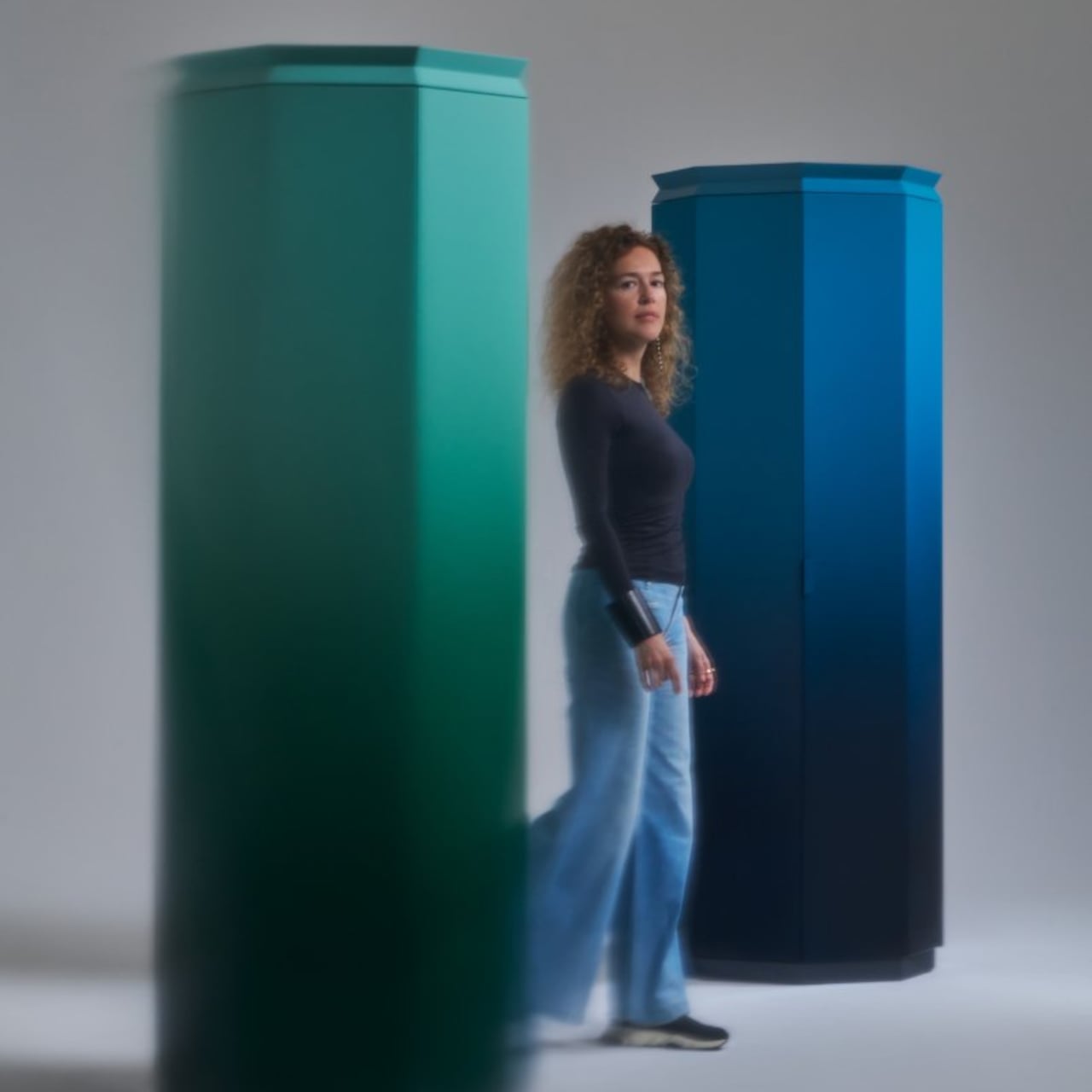
Ottagono by architect Giulia Foscari for Cassina Custom Interiors offers a different answer. It looks like a tall octagonal column, occupies less than one square meter, and hides a complete Technogym-powered workout behind faceted doors. Designed in collaboration with Technogym, it debuted during Milan Design Week and will be installed at Hotel du Cap Eden Roc in Antibes, positioning it squarely in the luxury hospitality world where space costs money and objects need to earn their floor area.

Designer: Giulia Foscari

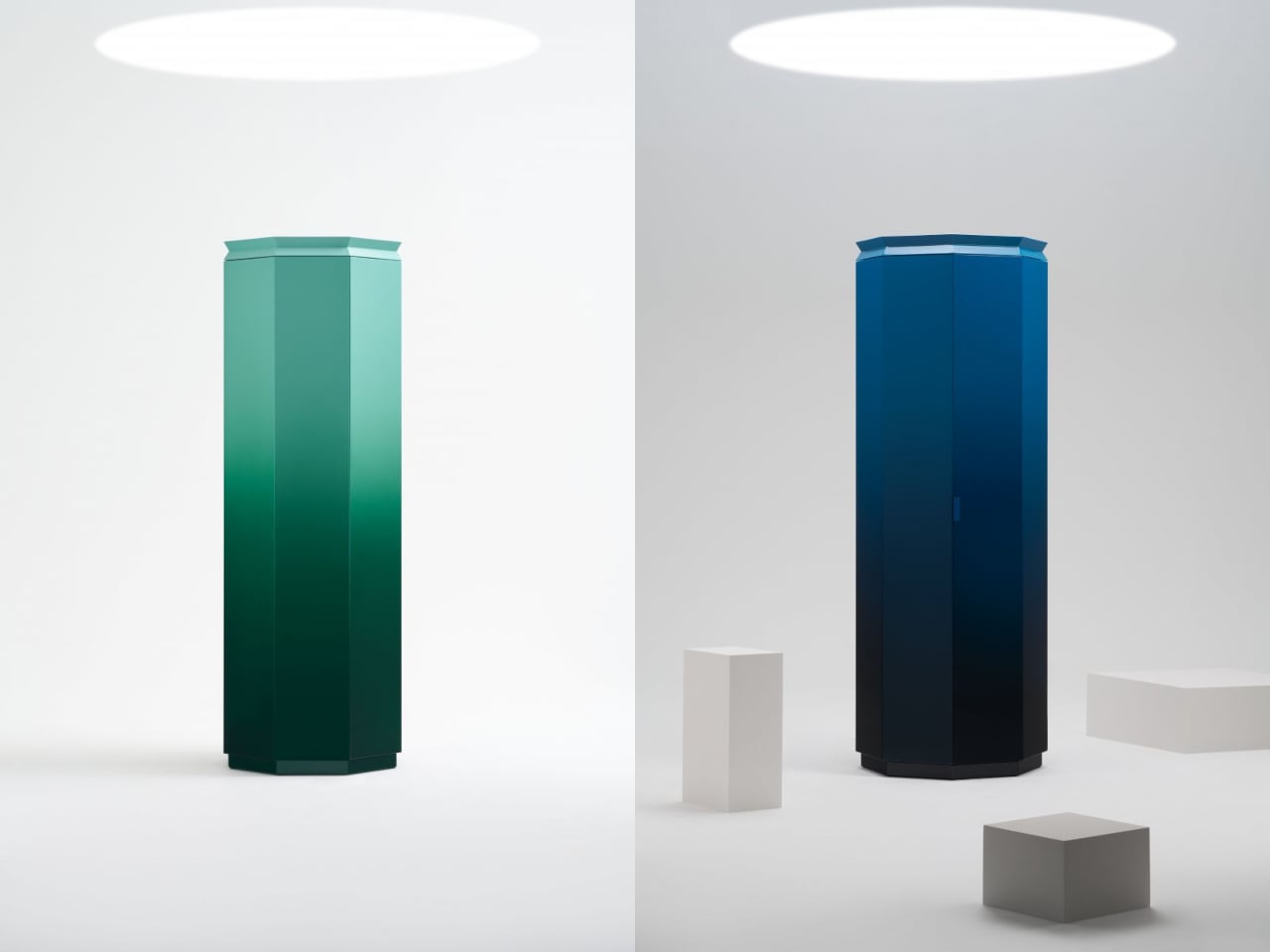
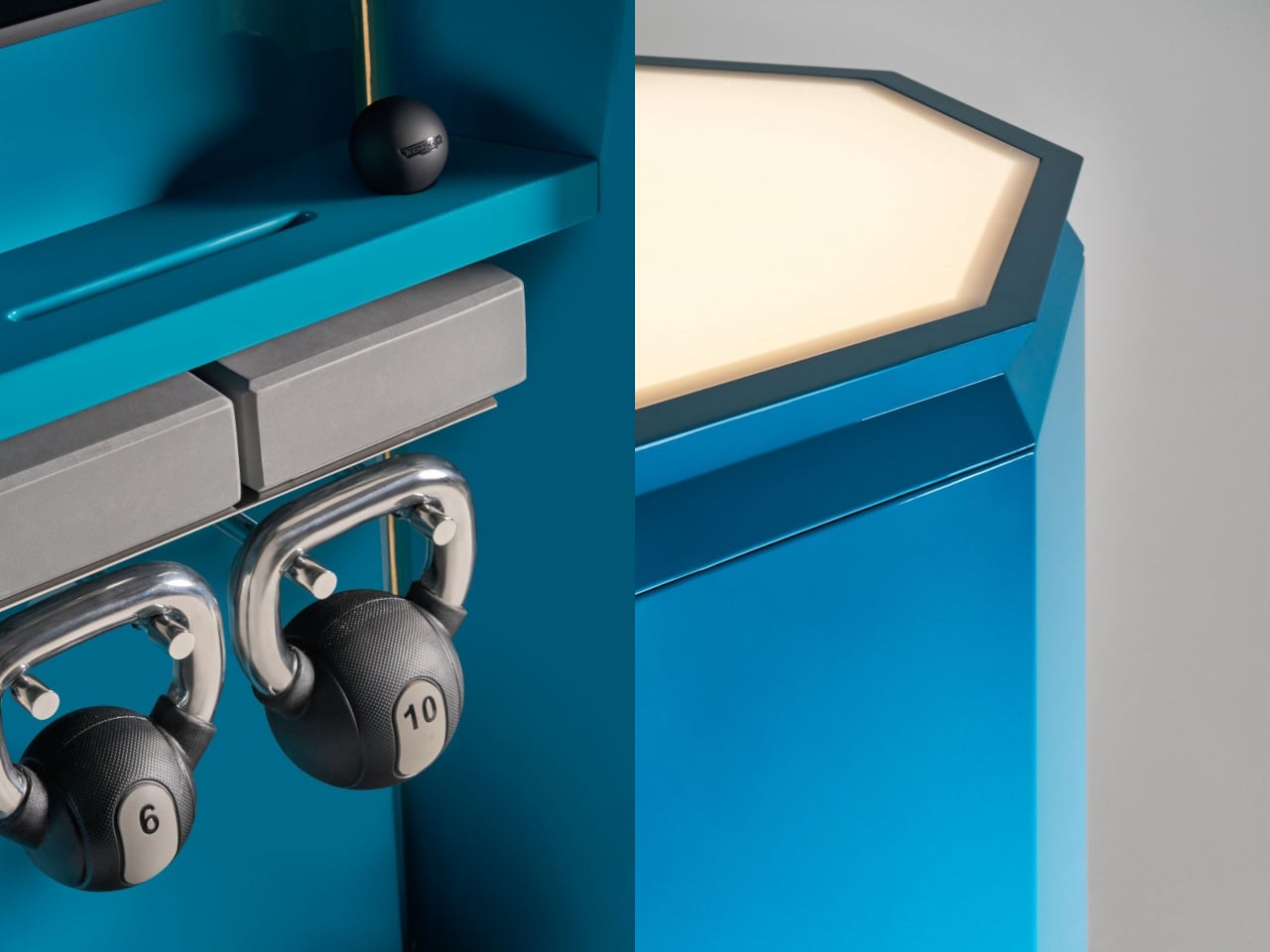
When closed, Ottagono reads like a sculptural floor lamp rather than a cabinet full of kettlebells. The exterior is finished in gradient tones, deep blue fading lighter toward the top or emerald green transitioning upward, with clean facets and minimal seams. At its summit, an integrated uplight washes the ceiling in soft ambient glow. In a living room or suite, it sits quietly under that halo, looking more like art than utility, which seems to be exactly what Foscari and Cassina intended.

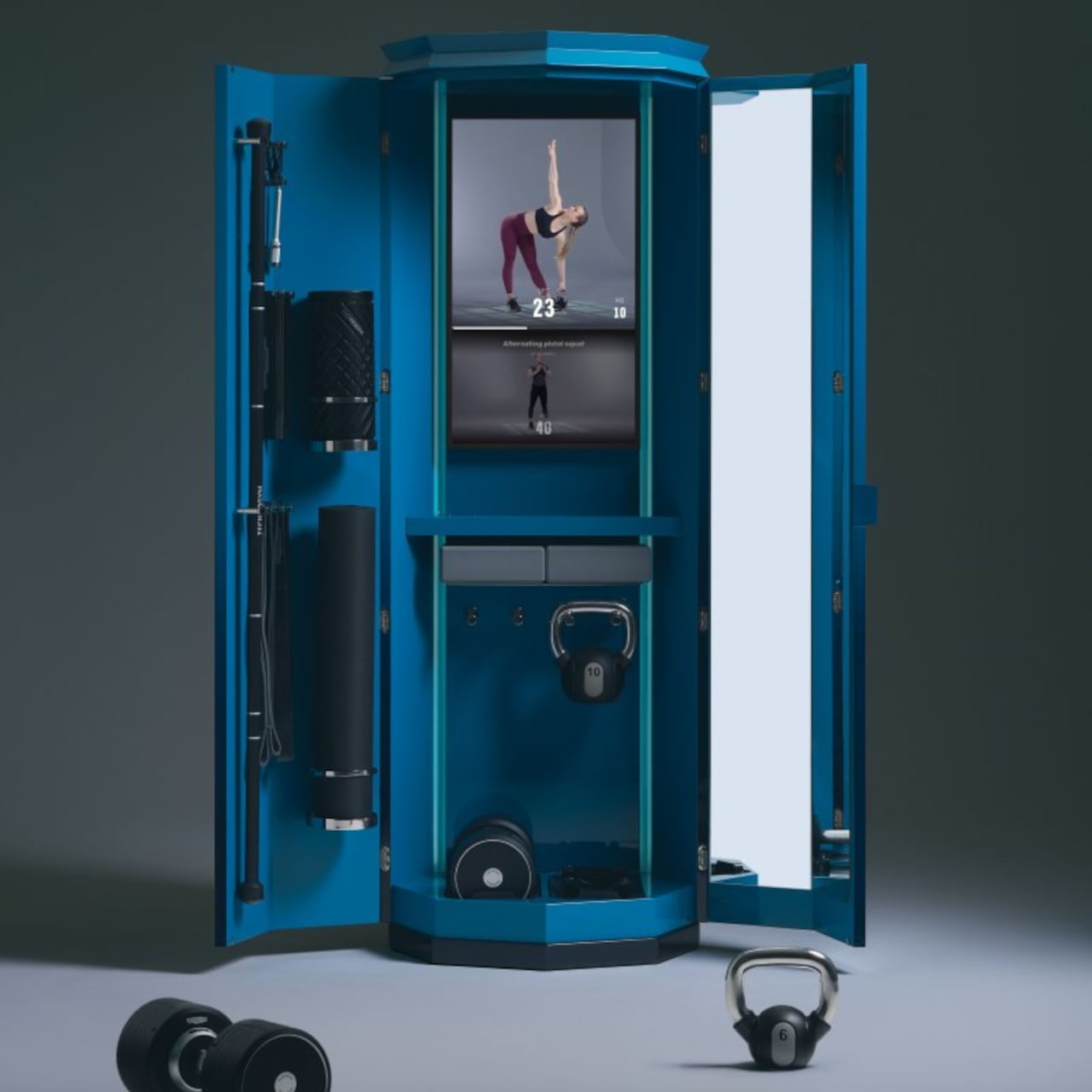
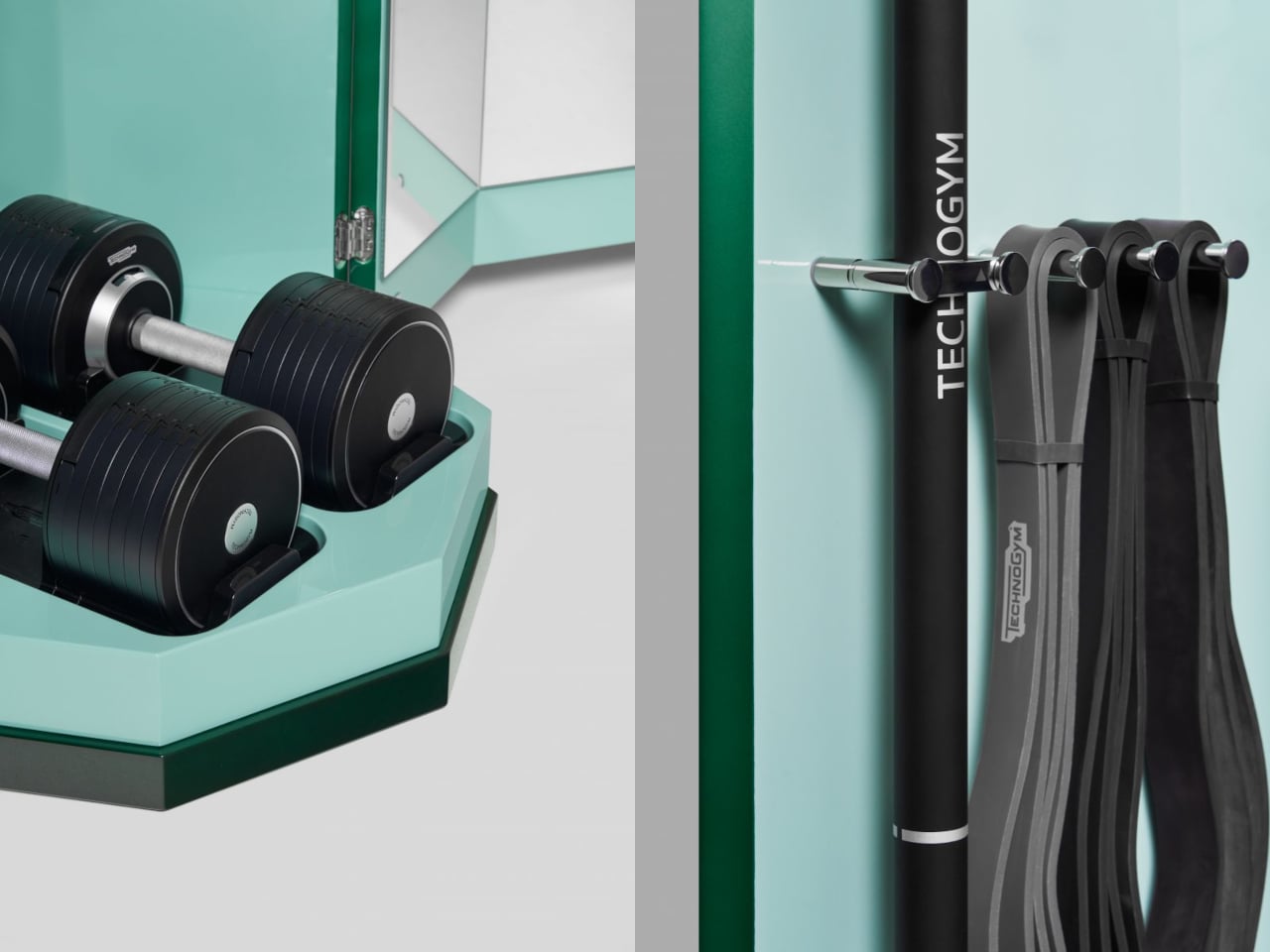
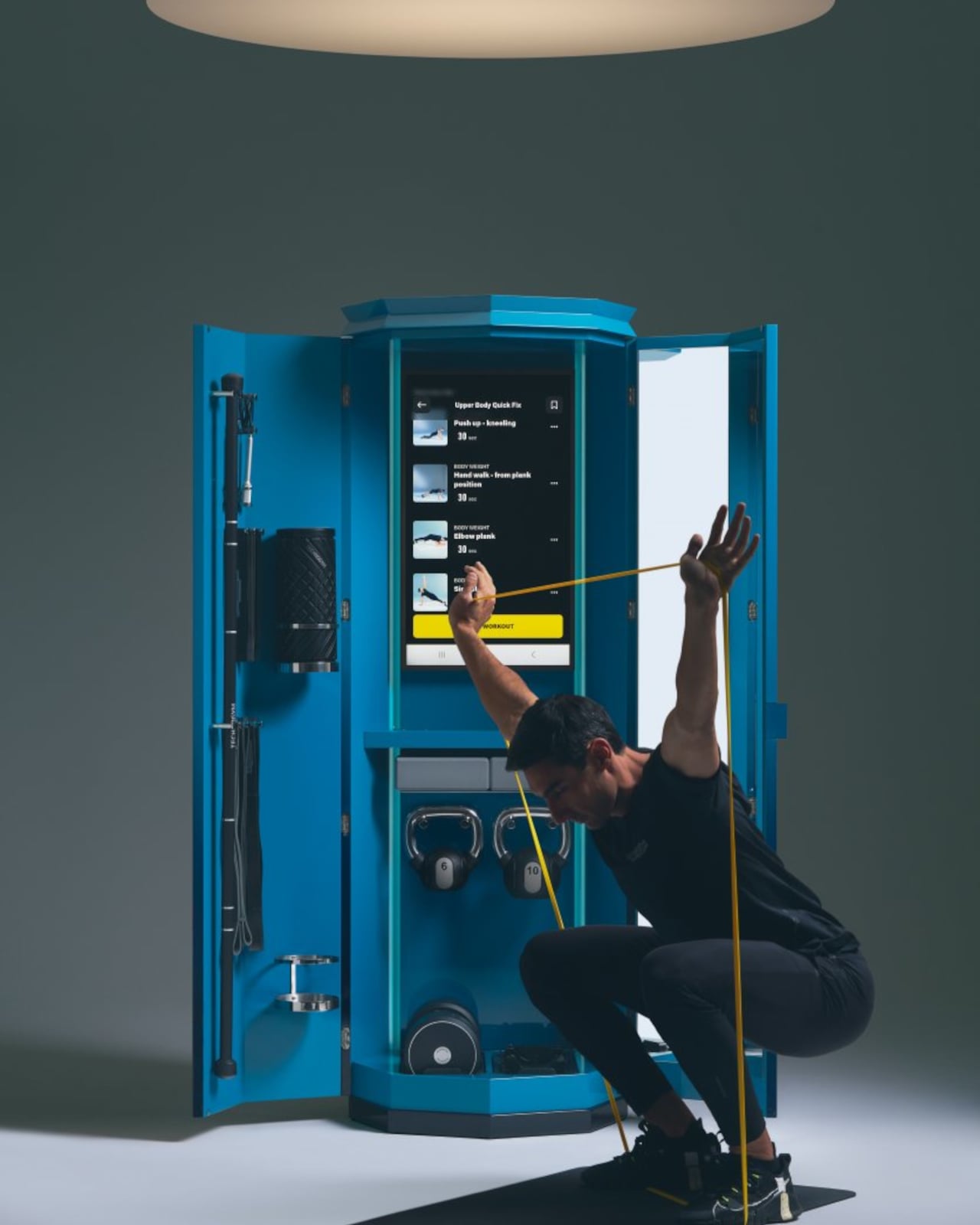
Open the doors, and the mood shifts completely. The interior glows in bright turquoise, with a vertical screen at eye level streaming Technogym workouts and a mirror on one door for checking form. Adjustable dumbbells nestle into octagonal cradles at the base, kettlebells hang on polished hooks, resistance bands drape from pegs, and a foam roller stands vertically alongside mobility balls. Foscari calls it “opening a room within a room,” which feels accurate because the inside genuinely reads like a micro gym carved from a single piece of furniture.

A typical session unfolds quickly. You roll out a mat, face the screen, and follow guided strength or mobility work using whatever equipment the program calls for, all stored within arm’s reach. When finished, everything returns to its slot, the doors swing shut, and the column becomes a lamp again. The entire footprint is smaller than a dining chair, which makes dedicating a spare bedroom to a treadmill and rack feel suddenly excessive when something this compact handles a full training cycle.

Ottagono is designed for contexts where space is scarce and expensive. Hotel du Cap Eden Roc will install it in suites, giving guests a Technogym experience without a visible gym. Cassina Custom Interiors positions itself for private residences, superyachts, and boutique hotels where clients expect wellness amenities but want them hidden until needed. It fits the current trend toward fluid, multifunctional spaces where every object does more than one job and looks presentable while idle.

The broader implication is that Ottagono hints at wellness furniture behaving like micro architecture. It treats the gym as a spatial program that can compress into a vertical volume, and it suggests that as homes and hotels juggle more functions per square meter, we might see more objects that act as rooms in disguise. The column becomes forgettable infrastructure when closed, which might be the most useful thing a piece of fitness equipment can do in a living room that needs to function as six different spaces by Thursday.

The post Ottagono Packs a Full Workout into a Luminous Octagonal Column first appeared on Yanko Design.

This coffin made from mushrooms leaves nothing more than a cleaner future behind

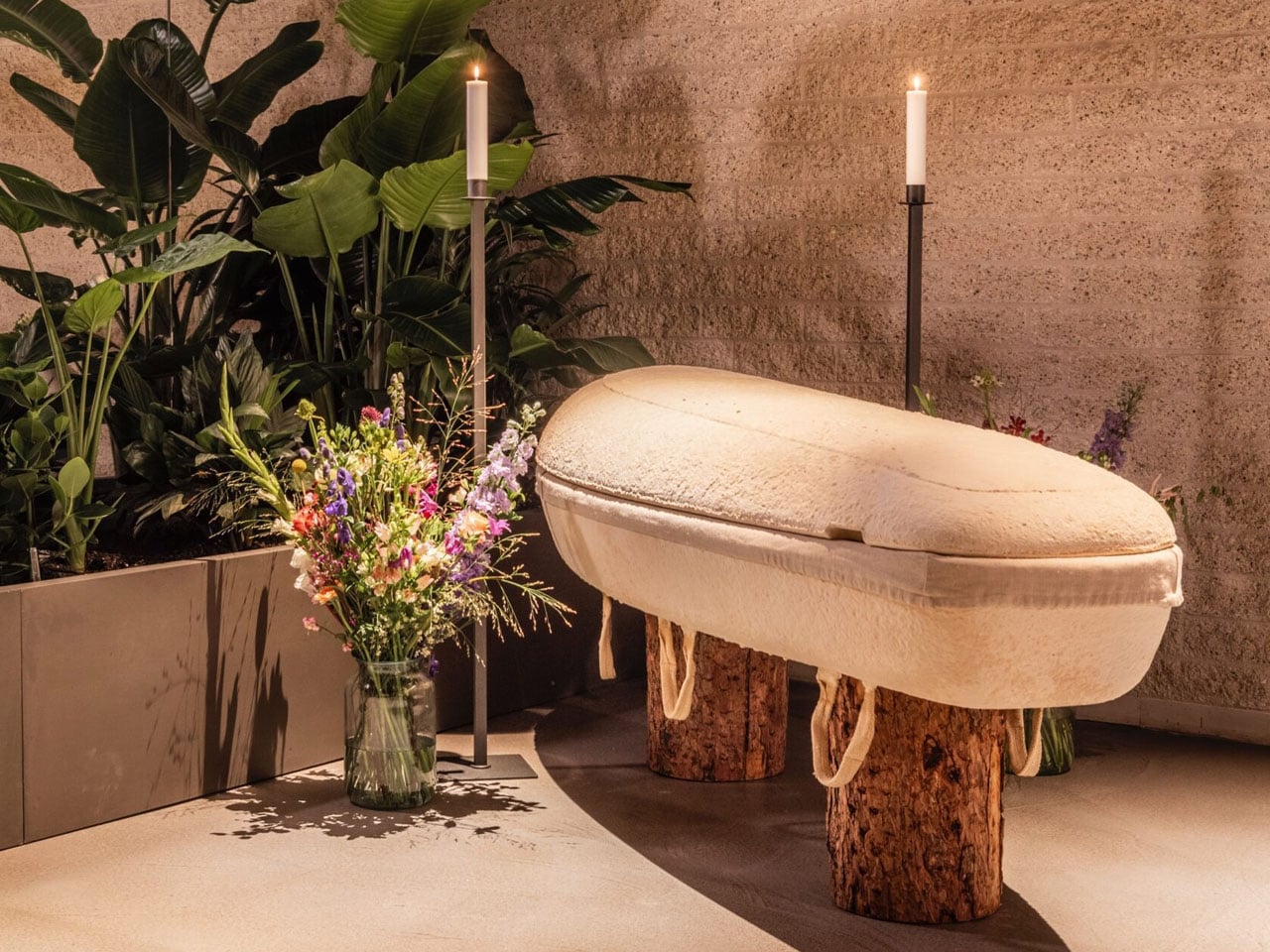
Death is the only permanent truth. We all have to go on, but how we depart depends on our choices in life. Some leave behind a legacy, others their organs, but when it comes to the last rites, we all leave only carbon emissions and pollution. Dutch firm Loop Biotech wants to change that with the Living Cocoon, the world’s first mushroom-based coffin built completely emissions-free and safe for the environment after life.

A casket made from mushroom mycelium decomposes and enriches the surrounding soil in the process. The invention of a decomposable coffin is beneficial for the environment since the traditionally used velvet-lined wooden coffins are not very kind.

Designer: Loop Biotech

The wooden ones generally take decades to decompose and release toxins into the soil. The Loop Living Cocoon is believed to take roughly 45 to completely decompose and become nutrients for the soil. With the use of mycelium and hemp fibers for its construction, Loop has been able to fully eliminate the use of chemicals, glues, and metals in making the Living Cocoon. Yet, the coffin is durable and usable in all types of weather conditions.

Loop Living Cocoon is offered in a calm or wild color option and is certified for ‘natural burials, traditional burials, and cremations.’ According to Loop, it has also created an EarthRise urn from similar mycelium material, offering a biodegradable way to part with the ashes.

Loop informs that a 100 percent decomposable coffin can be sustainably grown in a week’s time. It is made in one size, measuring 85 × 30 × 18 inches, which the company says should fit 98 percent of adults weighing up to 200 kg. Storing the casket can seem tricky, but according to the FAQs on the company’s website, the Living Cocoon can remain safe “as long as it’s kept dry” and stored in a “ventilated space above the ground.” The coffin only starts decomposing when it comes in contact with the soil.

Unlike the velvet-lined wooden caskets, the Cocoon is lined with moss. Moss is the standard material, but family members have the choice to order it lined with any other natural material. The biodegradable construction also makes a considerable difference to the dry weight of the Cocoon. It weighs only 30 kg, which is almost three times less than a traditional wooden coffin.

The lightweight construction, paired with six jute handles, makes it safe and secure to lift or shoulder the Living Cocoon, which is compatible with mechanical lifts and ropes, used for lowering the coffin. Basically, using the Cocoon doesn’t require any special accommodations; it’s usable just like any traditional casket, but unlike them, it leaves nothing more than a cleaner future behind. Sustainability doesn’t come cheap. The Loop Living Cocoon is priced just under $4000.

The post This coffin made from mushrooms leaves nothing more than a cleaner future behind first appeared on Yanko Design.
5 Best Gifts That Turn Any Room Into the Ultimate Movie Night Experience

Movie nights used to mean cramming into theater seats with strangers and overpriced snacks. Now the best screenings happen at home, where you control everything from the lighting to the soundtrack of ice clinking in your glass. The shift to home viewing opened space for something better than convenience. It created room for ritual, for intentionality, for designing an experience that feels like an event rather than background noise while scrolling your phone.

These five designs treat movie night like the ceremony it deserves. Each one solves a specific problem you didn’t realize was breaking your immersion. Spilled drinks. Harsh lighting. Forgettable beverages. Stale air. They’re small disruptions that pull you out of the moment. Together, these gifts form a complete system that transforms any room into a space where you can actually settle in and stay present for two uninterrupted hours.

1. Couch Console: The Self-Balancing Command Center

The Couch Console solves the oldest problem in home entertainment: where to put your stuff without creating a disaster zone. This modular organizer holds your drink, snacks, remote, phone, glasses, and everything else you need within arm’s reach. The standout feature is the mechanical gyroscope cupholder with a built-in counterweight that keeps your drink perfectly vertical, even on uneven cushions or slouchy surfaces. You can finally sink into your couch without worrying about physics.

The design prioritizes clear functionality through simple geometry. Each component has a dedicated space—a hidden compartment for glasses, a dedicated remote tray, a phone stand with charging dock, and a snack holder that keeps crumbs contained. The cupholder fits most standard glasses and includes a locking mechanism for added security. It’s the kind of thoughtful design that anticipates needs you didn’t know you had until someone pointed them out. Your couch becomes a self-contained entertainment hub rather than a collection of precariously balanced objects waiting to topple.

What we like

  • The gyroscope cupholder genuinely works and prevents spills on soft surfaces.
  • Everything has a designated spot, so you stop losing your glasses between cushions.
  • The modular design adapts to different couch styles and personal preferences.
  • It keeps your viewing area organized without requiring you to sit upright like a Victorian.

What we dislike

  • The size might not fit every couch arm configuration perfectly.
  • You’ll need to break the habit of just throwing things on the couch randomly.

2. Japanese Lantern Candle: Soft Light Without the Glare

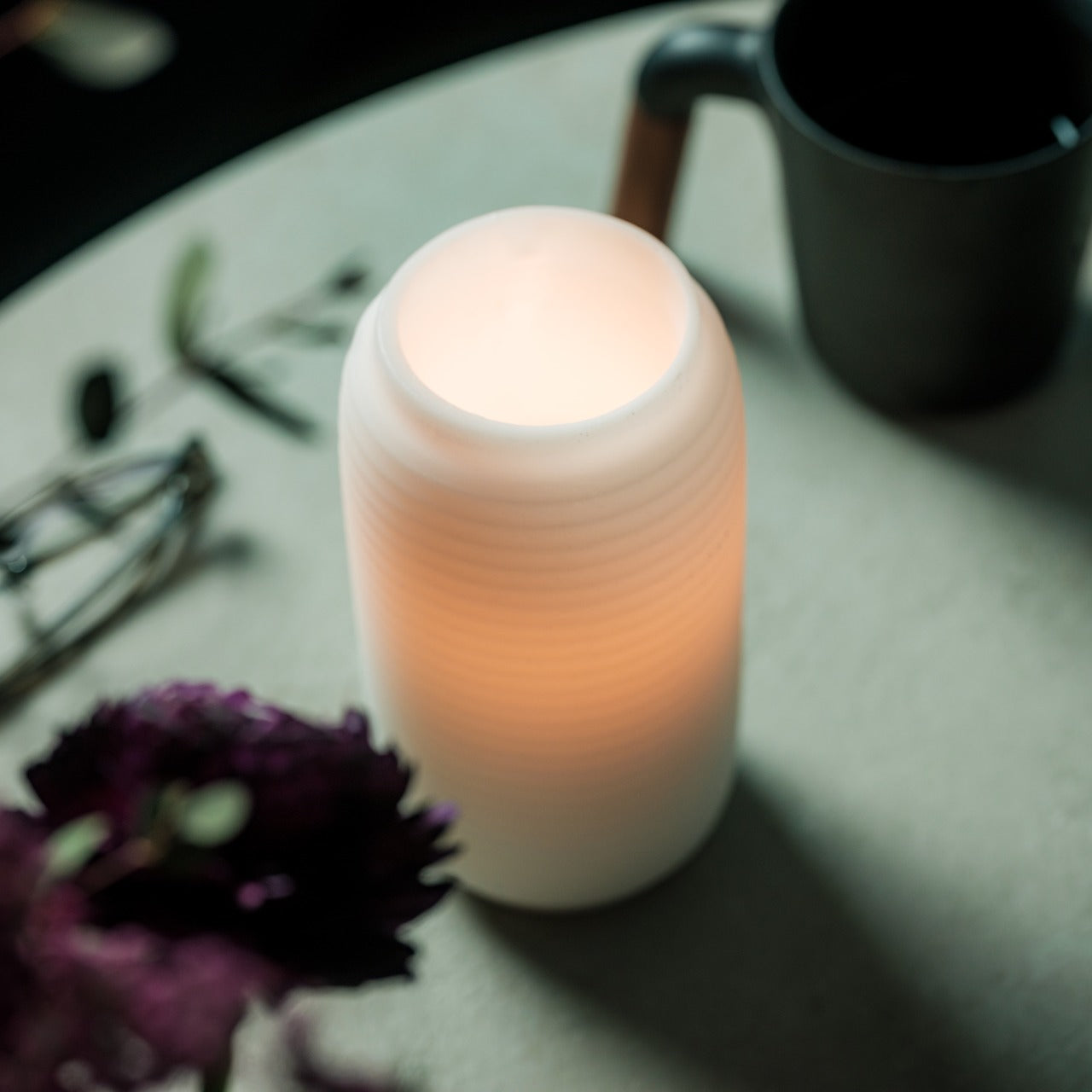
Overhead lights kill movie night ambiance faster than anything else. The Japanese Lantern Candle offers a solution rooted in centuries of traditional design. Inspired by “chouchin” lanterns that lit up Japanese festivals and izakaya bars, this modern interpretation brings a gentle, flickering glow that sets the right mood without washing out your screen. The handmade candle sits inside a holder designed to create an undulating light pattern as the wax melts.

Craftsmen in Kurashiki, Japan, make each candle by hand using patented technology that prevents the outer wax layer from melting. This means the decorative exterior stays intact while the interior wax burns down, creating an increasingly dramatic light show as the flame dances inside the carved structure. The minimalist design fits into any interior style while adding a distinctly Japanese sensibility. It’s lighting that asks you to slow down and notice the quality of the glow rather than just flooding a room with brightness.

Click Here to Buy Now: $69.00

What we like

  • The handcrafted quality shows in the details and burn pattern.
  • Creates the perfect ambient lighting level for movie watching.
  • The patented outer wax technology makes it both functional and sculptural.
  • Adds a ritual element to starting your movie night by lighting the candle.

What we dislike

  • You need to remember to blow it out when the movie ends.
  • Candles require more attention than just flipping a switch.

3. DraftPro Can Opener: Turn Every Can Into a Glass

Award-winning Japanese designer Shu Kanno created the DraftPro to solve a problem most people accept without question: cans have a small opening that limits how you experience what’s inside. This tool removes the entire top of any can, transforming it into an open vessel that functions like a glass. The difference is immediately noticeable. Aromas reach your nose before the first sip. You taste the full flavor profile instead of just whatever makes it through that narrow opening. It turns functional hydration into an actual drinking experience.

The universal design works with both domestic and international can sizes, making it useful whether you’re drinking beer, sparkling water, or using cans as cocktail mixing vessels. The smooth-edge removal process creates a safe rim that won’t cut you. You can drop ice cubes directly into the can to chill drinks faster, or mix cocktails without dirtying a shaker or glassware. The lightweight, portable form factor means you can bring it anywhere—backyard screenings, camping trips, friends’ apartments. It’s the kind of simple tool that becomes indispensable once you realize how much better canned drinks taste when you treat them like draft pours.

Click Here to Buy Now: $59.00

What we like

  • Dramatically improves the drinking experience from any can.
  • Creates zero waste beyond what the can itself produces.
  • Portable design works anywhere you bring canned beverages.
  • The smooth-edge removal makes it safe to drink directly from.

What we dislike

  • Requires manual effort each time you want to open a can.
  • You can’t reseal the can once it’s open, so commit to finishing it.

4. Prism Titanium Beer Glass: Engineered for Savoring

The Prism Titanium Beer Glass treats beer like it deserves the same attention as wine or whiskey. This isn’t about pretension. It’s about recognizing that good beer has nuanced flavors that cheap glassware can actually diminish. The interior is lined with 99.9 percent pure, aerospace-grade titanium that neutralizes metallic aftertastes and breaks down off-notes. What remains is just the beer itself, presented in its purest, most refined form. The clear glass exterior contrasts with the softly reflective titanium interior, creating a visual interplay that reveals your beer’s true color with an elegant glow.

The gently flared rim isn’t just aesthetic—it improves mouthfeel by guiding beer smoothly across your palate, softening texture and lifting aroma toward your nose. Delicate etched patterns carry centuries-old Japanese symbols for prosperity and longevity, adding emotional depth to an object that could have just been functional. You can choose between the Silver finish with its quiet luster or the Infinite version that shifts with an aurora of color depending on the angle and light. It’s designed to make you pause between sips, to notice what you’re drinking rather than just consuming it. At ninety-nine dollars, it positions itself as an investment in slowing down.

Click Here to Buy Now: $99.00

What we like

  • The titanium lining genuinely improves flavor by eliminating metallic interference.
  • The flared rim design enhances both taste and aroma.
  • Beautiful enough to display between uses. Symbolic etching adds meaning beyond pure function.

What we dislike

  • The price point means you’ll think twice before casual use.
  • Hand washing is required to maintain the finish.

5. Ritual Card Diffuser: Scent as an Invisible Layer

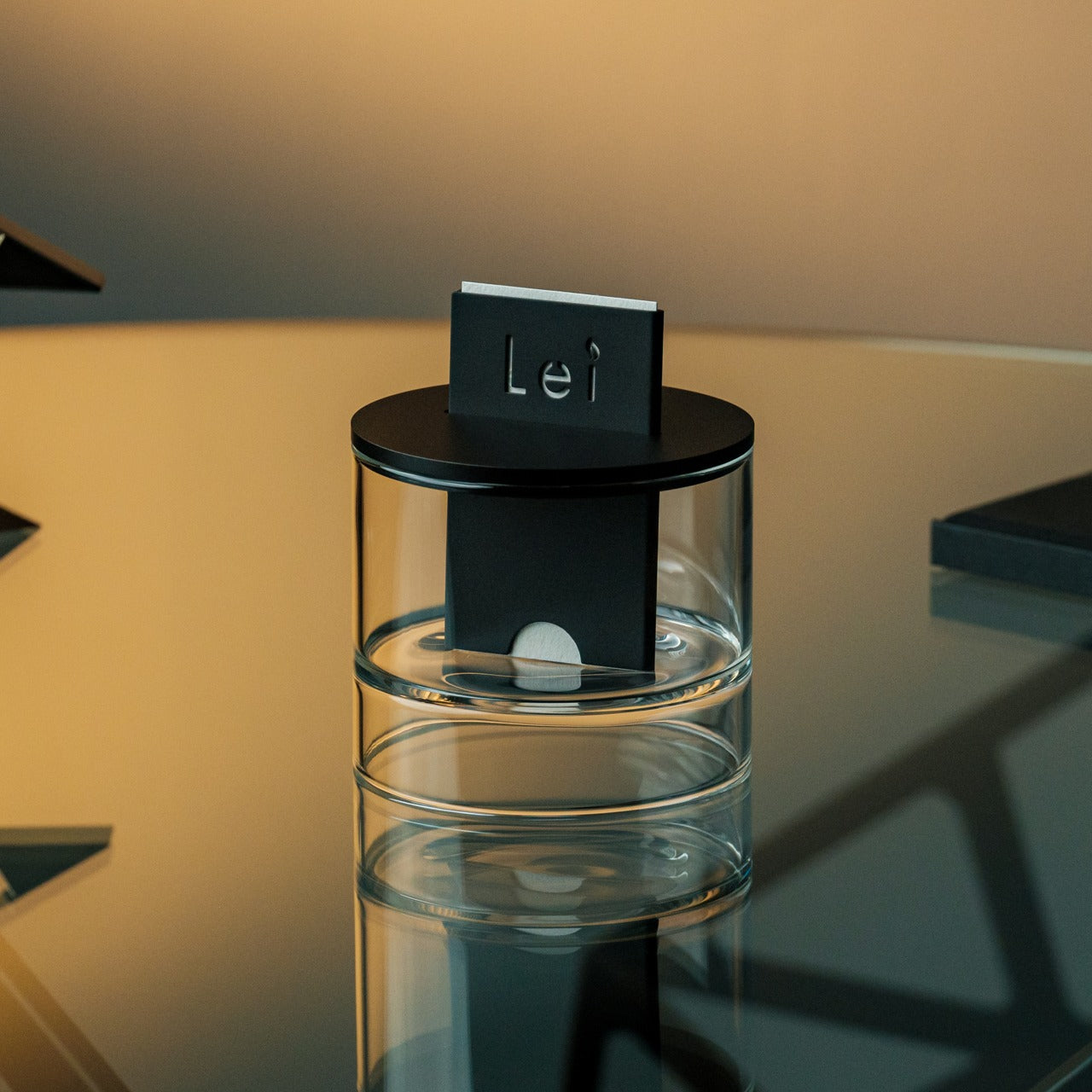
The Ritual Card Diffuser approaches ambiance from an angle most people overlook during movie night: scent. Not an aggressive fragrance that competes with your popcorn, but a subtle atmospheric layer that shapes the air without demanding attention. The design turns scent diffusion into a tactile ritual. You slide a handmade washi paper card—soaked in fragrance oil—into an anodized aluminum body. The motion feels deliberate, like inserting a train ticket at a station gate. It marks the beginning of something, signaling that regular time is ending and movie time is starting.

The patented mechanism draws alcohol-based fragrance upward without heat, electricity, vapor, or traditional reeds. The washi card absorbs oil from the hand-poured base and releases it gradually into your space through natural diffusion. There’s no mist, no sound, no visible mechanism. Just paper and oil working in stillness. When the card eventually dries, it becomes a scented keepsake you can tuck into drawers or bags. The layered glass base creates a visual float effect while the aluminum body grounds it with quiet weight. It’s sized to sit on side tables or desks without dominating the space, and the minimalist form means it disappears into any setting while doing its job.

Click Here to Buy Now: $89.00

What we like

  • The card-sliding gesture adds intentional ritual to starting your movie night.
  • Completely silent and power-free operation.
  • The dried washi cards become reusable scent keepsakes. Recyclable materials with no single-use plastic components.

What we dislike

  • You need to remember to refill the oil when it runs low.
  • Scent preferences are personal, and some people prefer fragrance-free spaces.

Creating Moments Worth Remembering

These five designs work together because they address movie night holistically rather than just solving individual problems. The Couch Console creates the physical foundation for comfort. The Japanese Lantern Candle sets a visual ambiance without screen glare. The DraftPro and Prism Glass elevate your drinks from afterthought to experience. The Ritual Card Diffuser adds an invisible atmospheric layer that signals this time is different from the rest of your evening. Each one removes a small friction point that was quietly degrading your ability to stay present and engaged with what you’re watching.

The real gift isn’t just five well-designed objects. It’s permission to treat movie night like something worth preparing for, worth designing around, worth making special. These pieces come from Japanese designers who understand that everyday rituals deserve the same attention as special occasions. They’re built to last, crafted with intention, and designed to improve with repeated use as you develop your own patterns and preferences. Whether you’re buying them for someone else or building your own setup, they transform movie night from passive consumption into an experience you’ll actually remember.

The post 5 Best Gifts That Turn Any Room Into the Ultimate Movie Night Experience first appeared on Yanko Design.

This Curved Clock’s Sunrise Feature Actually Beats Your Snooze Habit

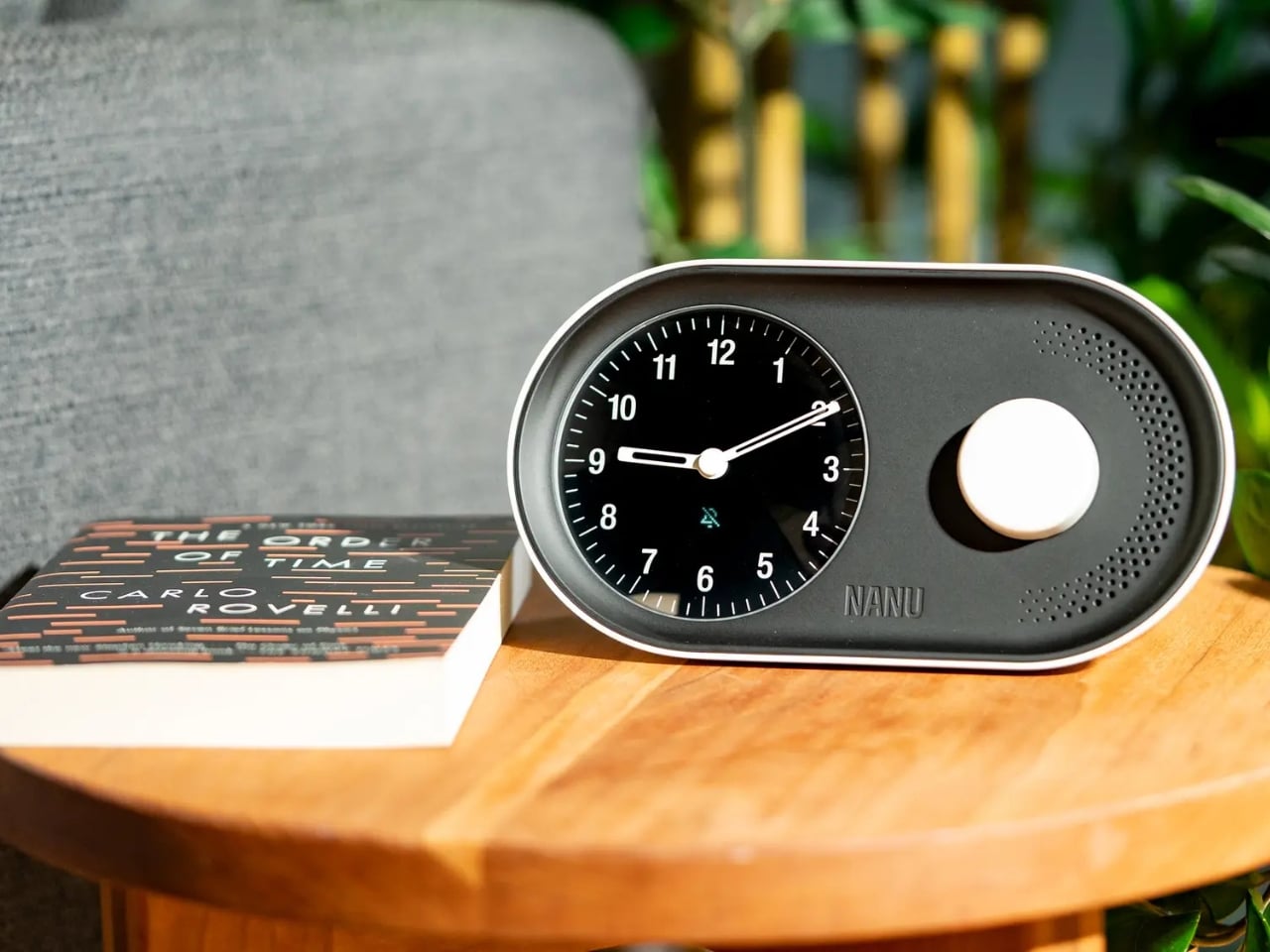
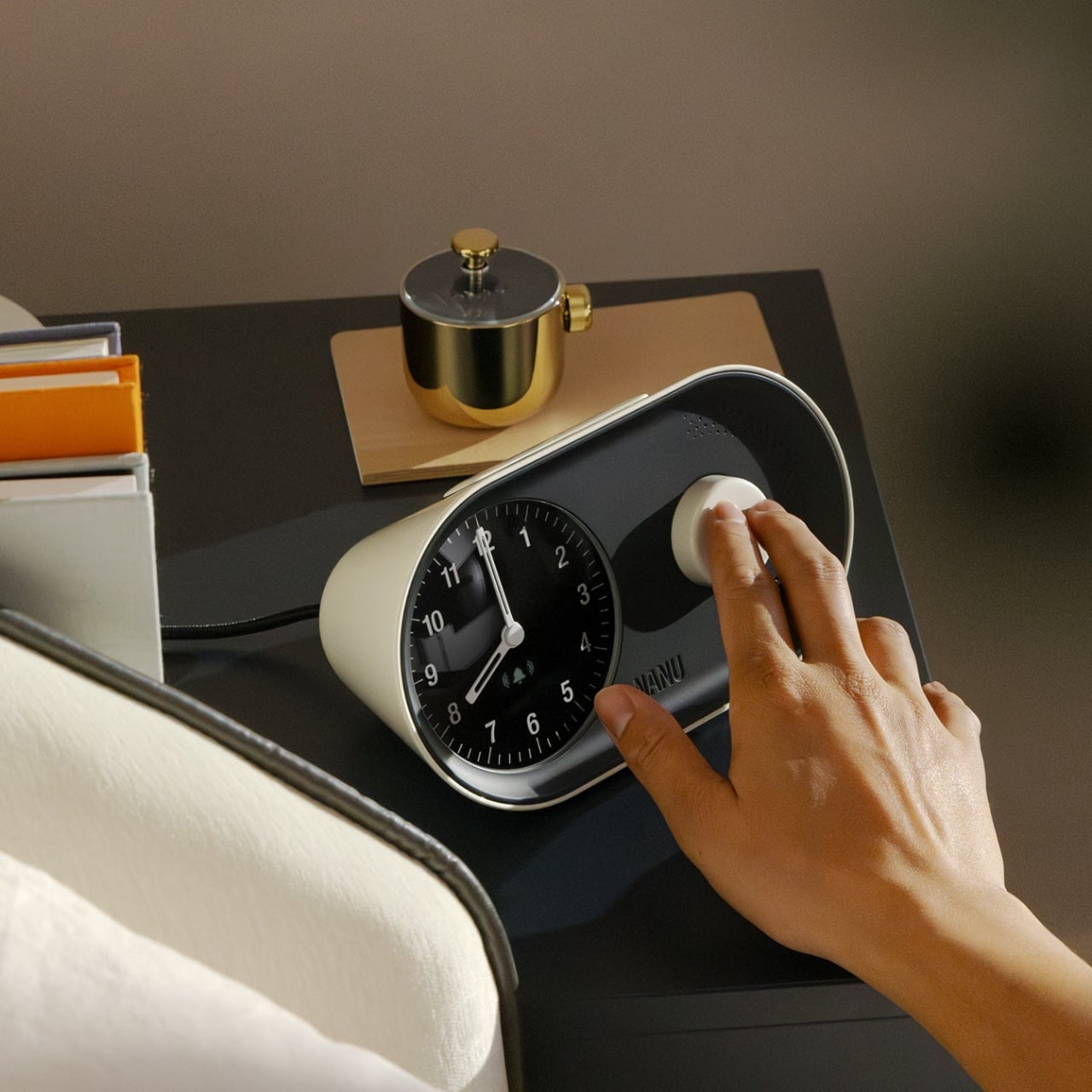
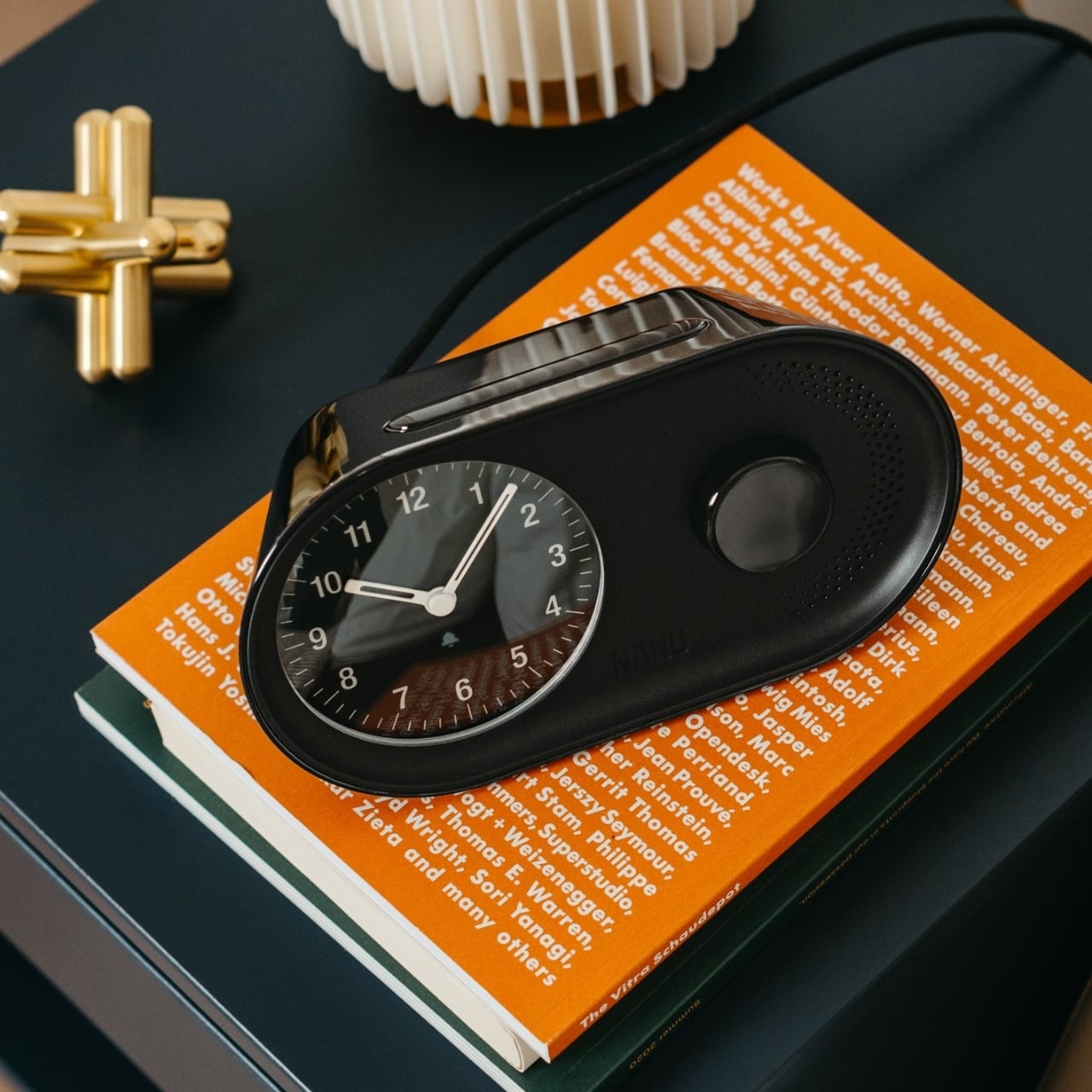
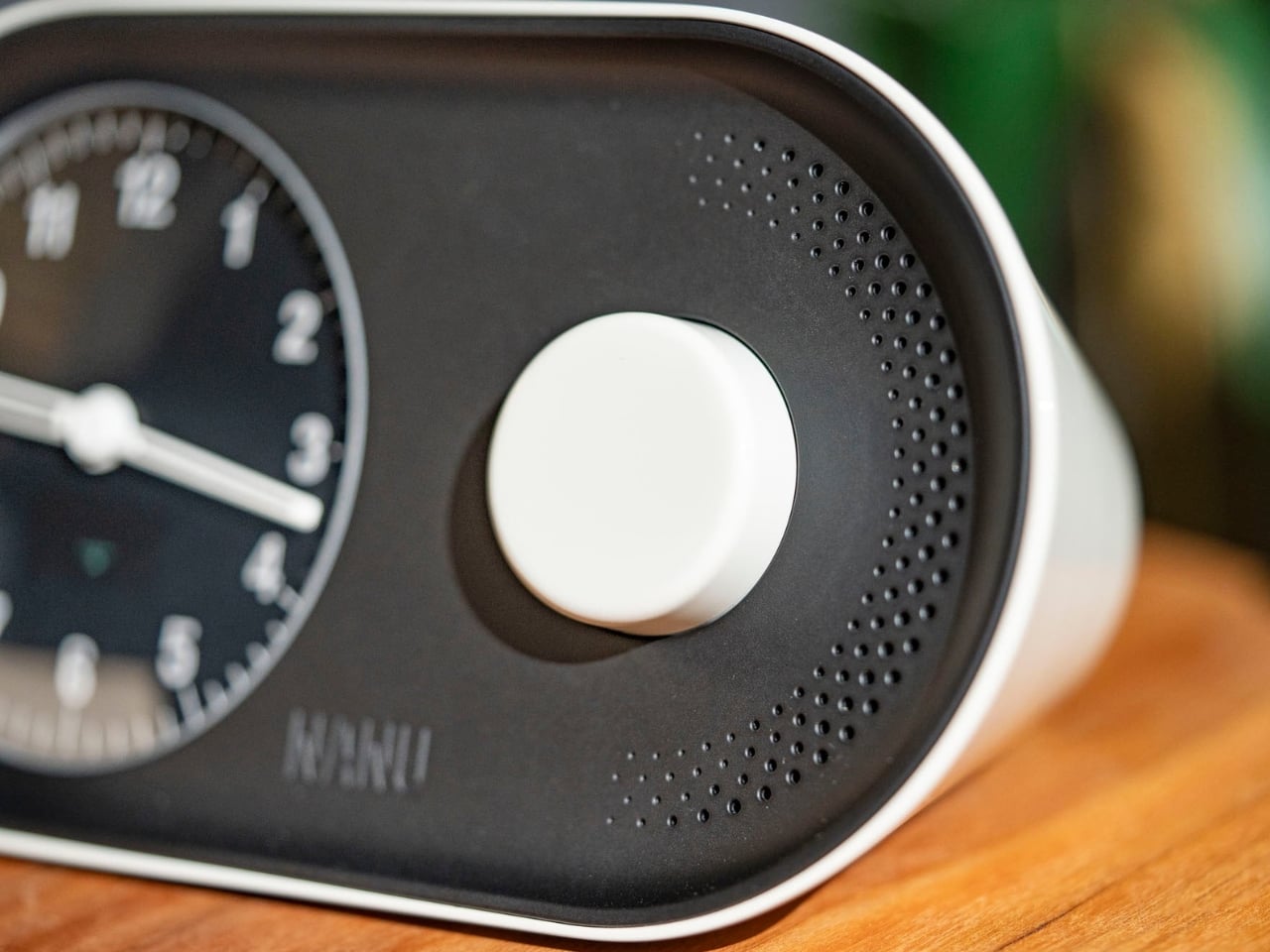
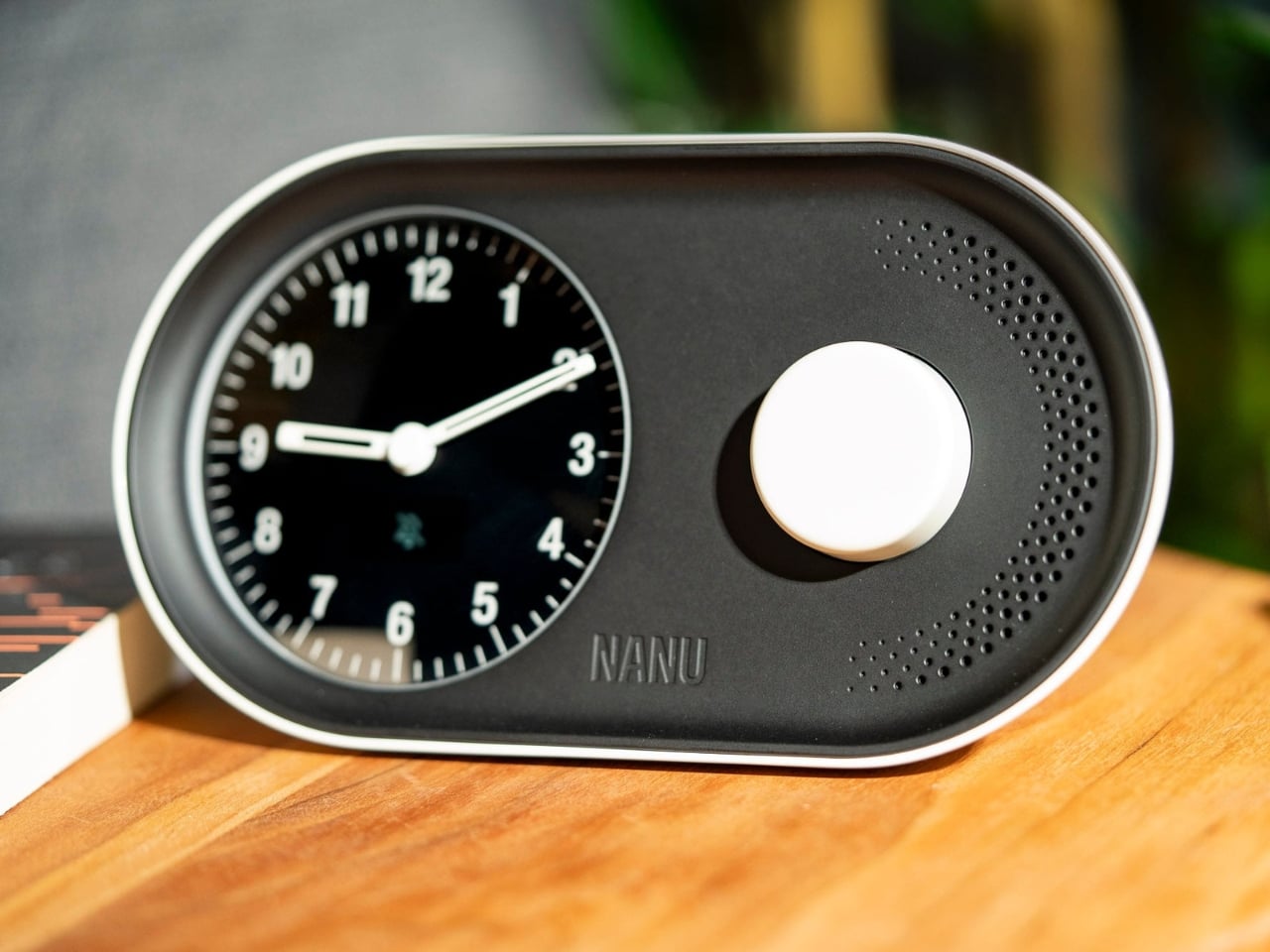
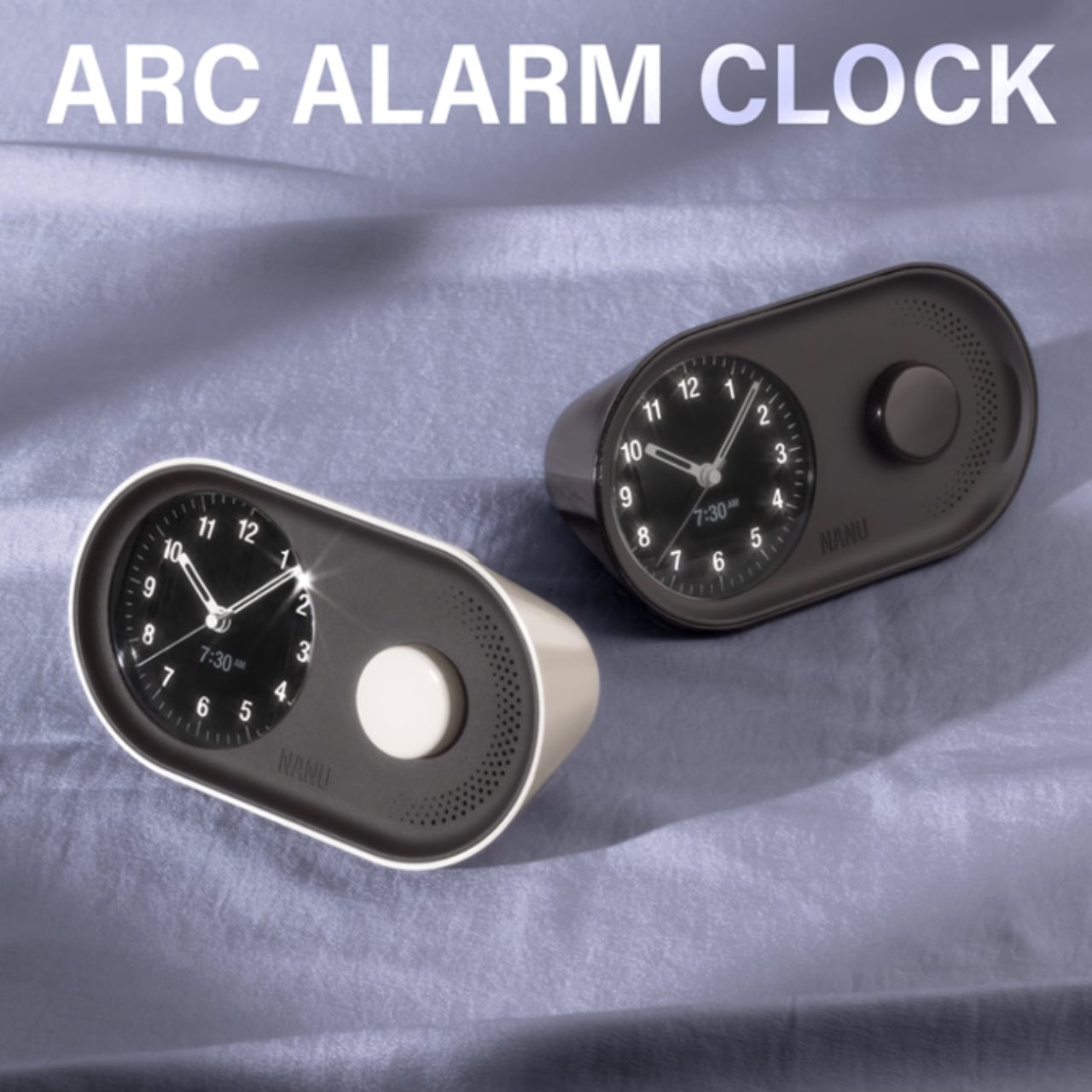
There’s something oddly satisfying about a product that does exactly what it’s supposed to do, but does it with style. That’s the vibe I get from the Arc Alarm Clock by Nanu Electronics, a piece that manages to feel both futuristic and oddly nostalgic at the same time.

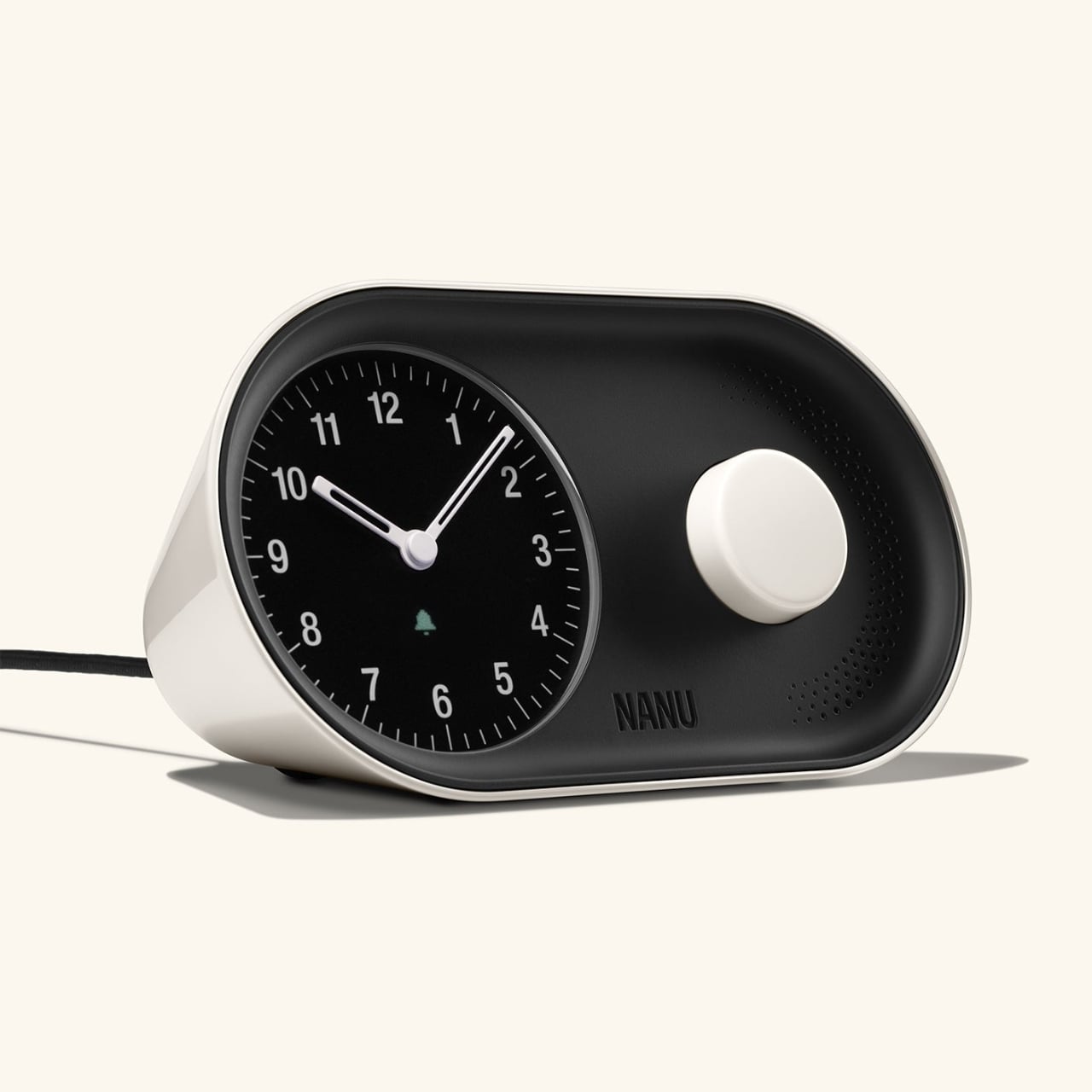
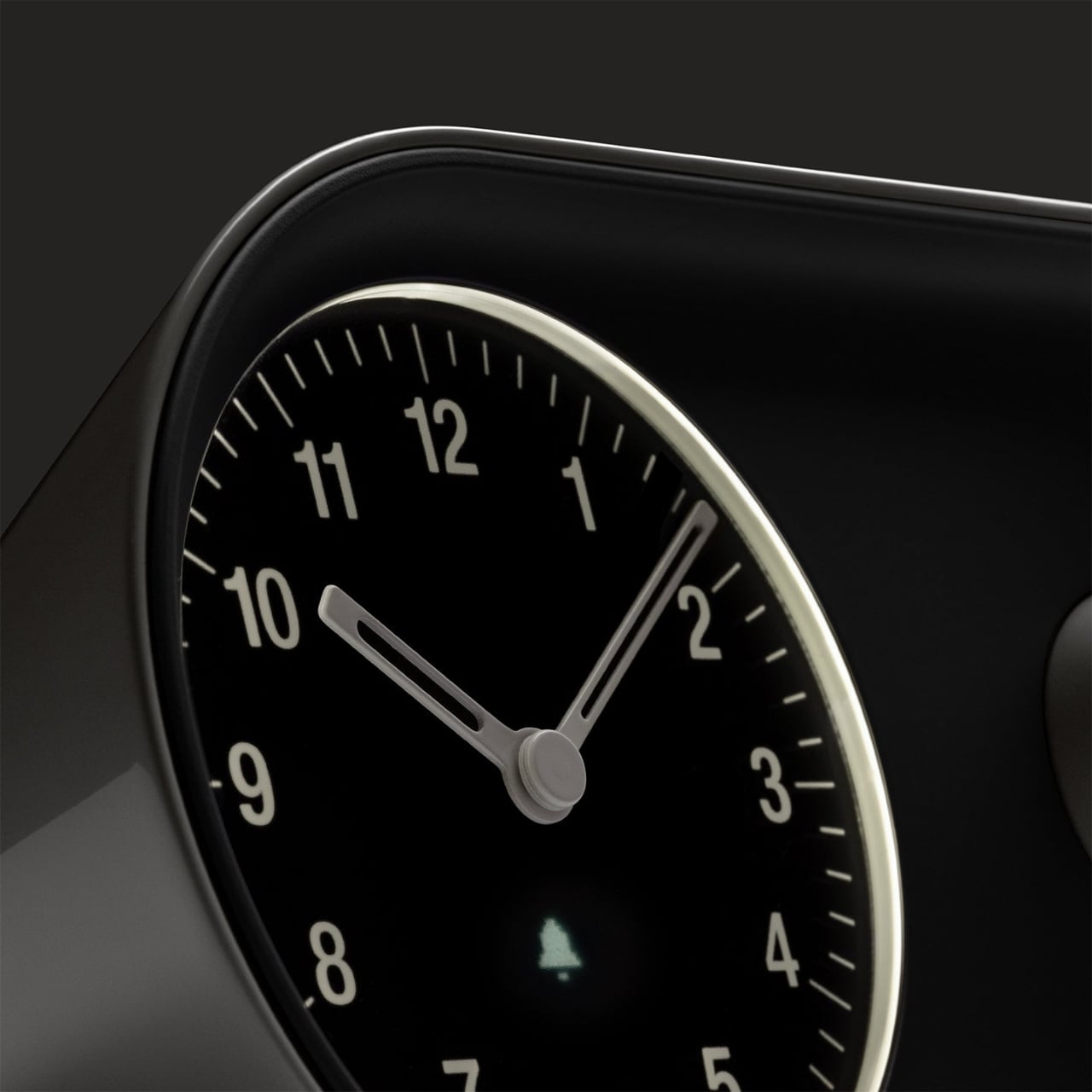
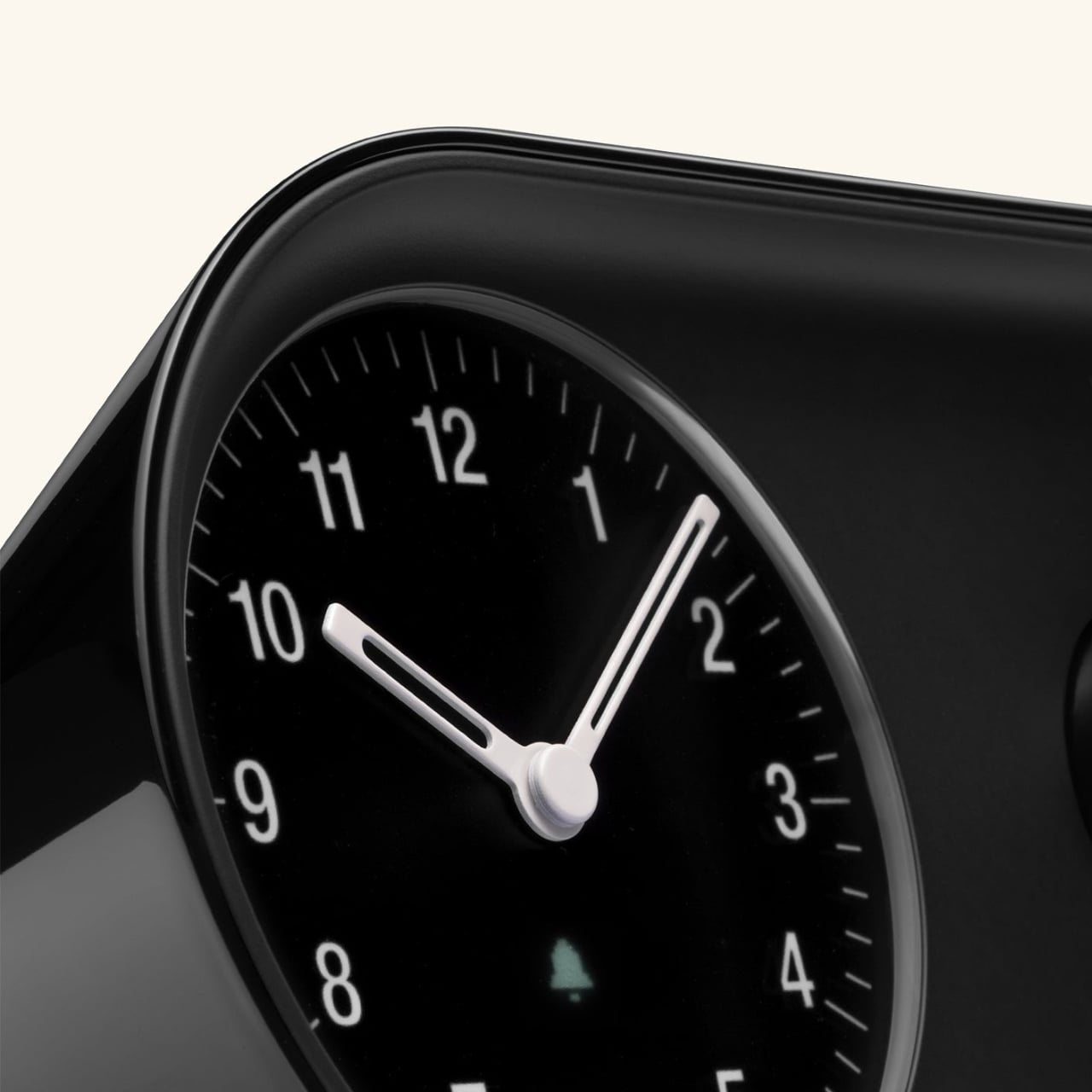
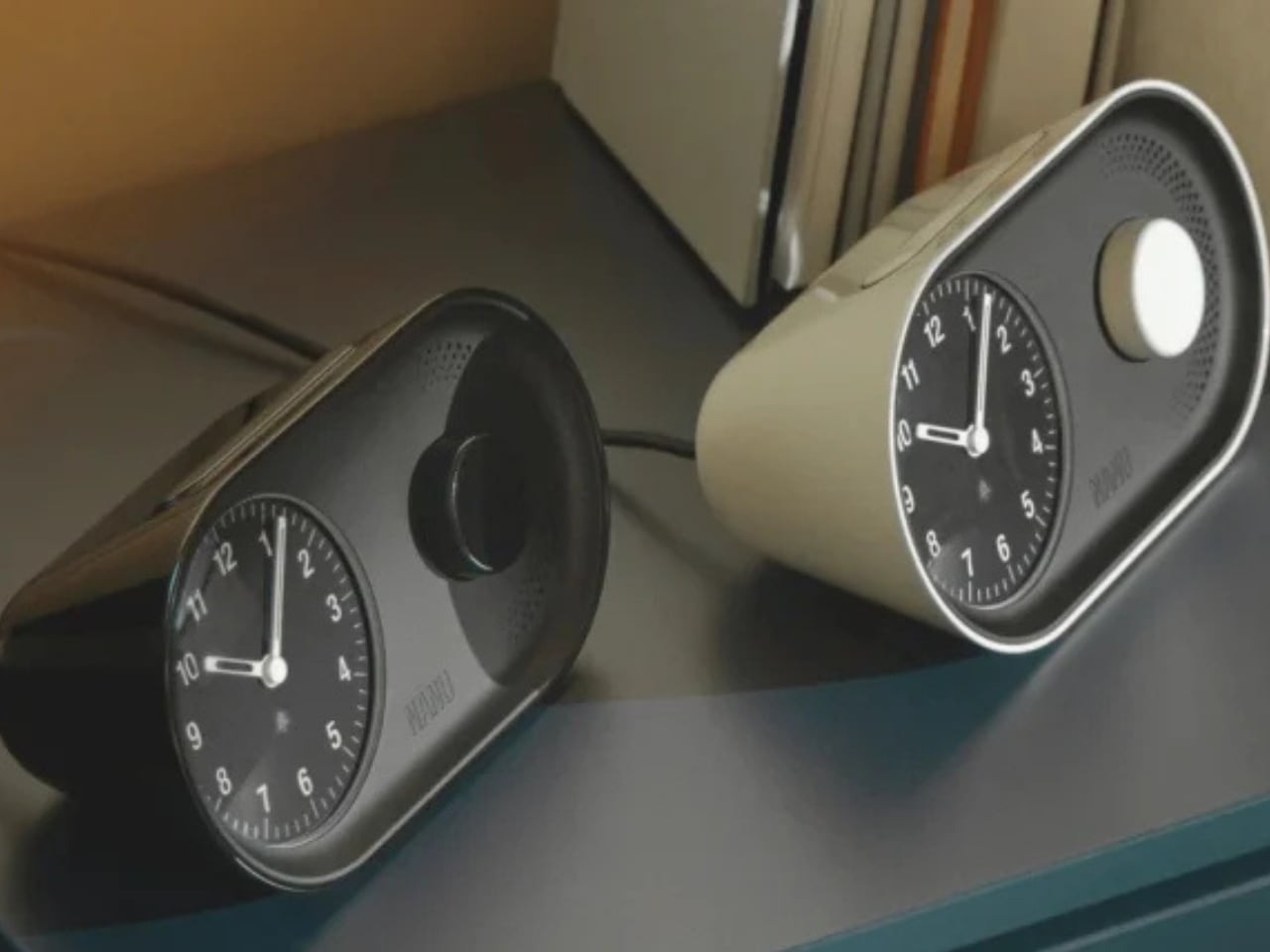
At first glance, the Arc looks like it belongs in a sci-fi movie set in a very tasteful future. The curved design is its defining feature, and honestly, it’s a bold move in a world where most alarm clocks are either aggressively minimalist rectangles or trying way too hard to be cute. This one splits the difference beautifully. The gentle arc creates a natural viewing angle that actually makes sense when you’re blearily checking the time at 3 a.m., which is more thoughtful than you’d expect from something you probably curse at daily.

Designer: Nanu Electronics

What really sets the Arc apart is how it approaches the whole “waking up” problem. We’ve all been there: you set an alarm, it goes off, you hit snooze approximately seven times, and suddenly you’re late for that meeting you swore you’d be early for. The Arc uses a sunrise simulation feature that gradually increases light intensity before your alarm actually sounds. It’s basically tricking your brain into thinking it’s morning, which sounds manipulative but in the best possible way. Your body responds to light more naturally than it does to a jarring alarm sound, so you’re more likely to actually wake up instead of entering that weird snooze-induced time warp.

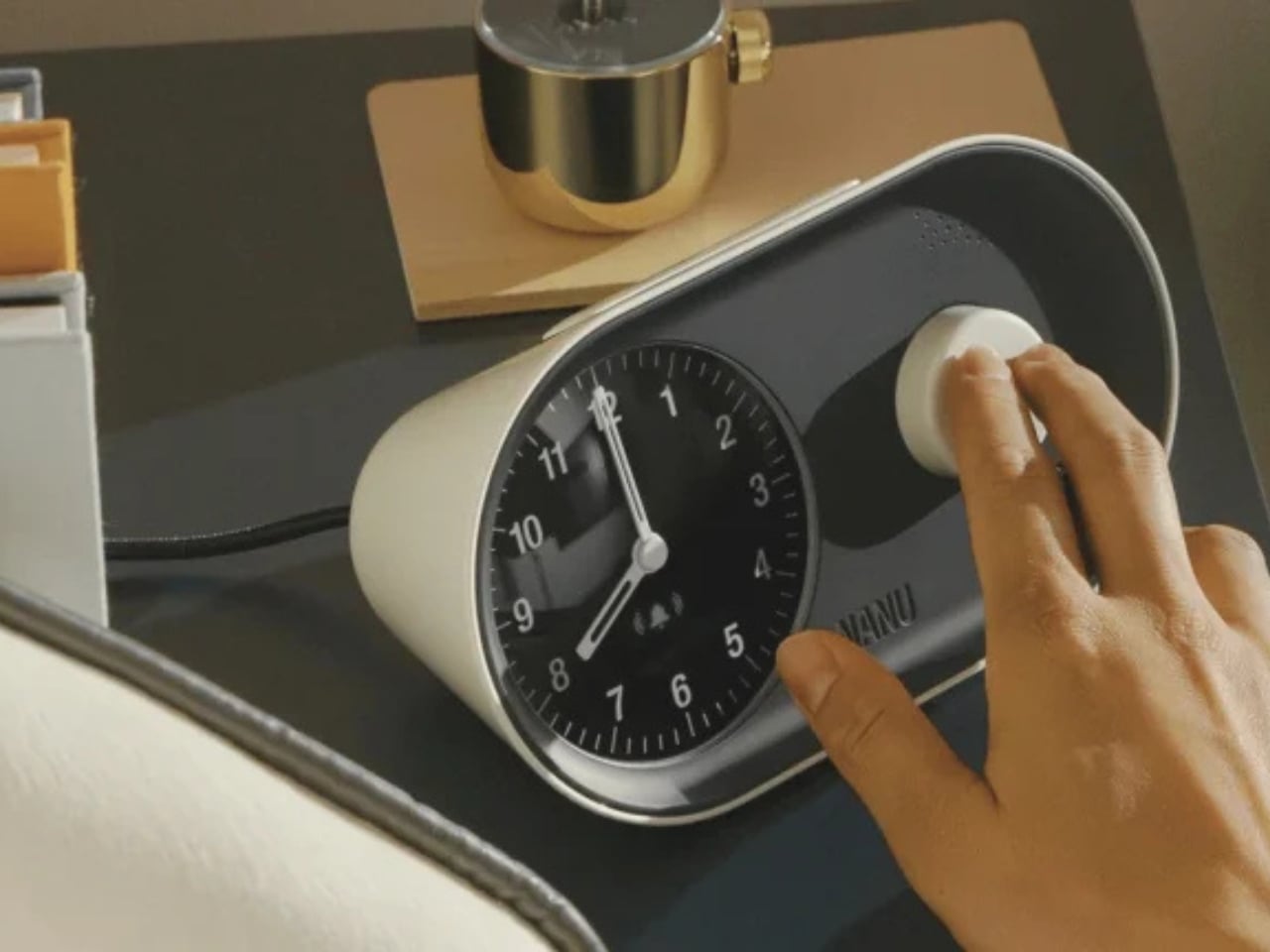
But here’s the thing: it doesn’t sacrifice functionality for aesthetics. The LED display is crisp and easy to read without being obnoxiously bright at night. There’s something to be said for a clock that doesn’t light up your entire bedroom like a miniature sun. The controls are intuitive enough that you won’t need to keep the manual on your nightstand, which is a low bar but one that surprisingly few products clear.

The Arc also works as a bedside lamp, which makes it genuinely useful beyond its alarm clock duties. It’s one of those features that seems obvious in retrospect but that most alarm clocks skip entirely. You can adjust the brightness to whatever suits your needs, whether you’re reading before bed or just need a gentle glow to navigate your way to the bathroom at night without fully waking yourself up. Sound quality matters more than you might think for an alarm clock. The Arc’s speaker is decent enough for casual music listening or podcasts, though audiophiles will probably still prefer their dedicated speakers. But for morning news, white noise, or just having some background sound while you get ready, it does the job without sounding tinny or cheap.

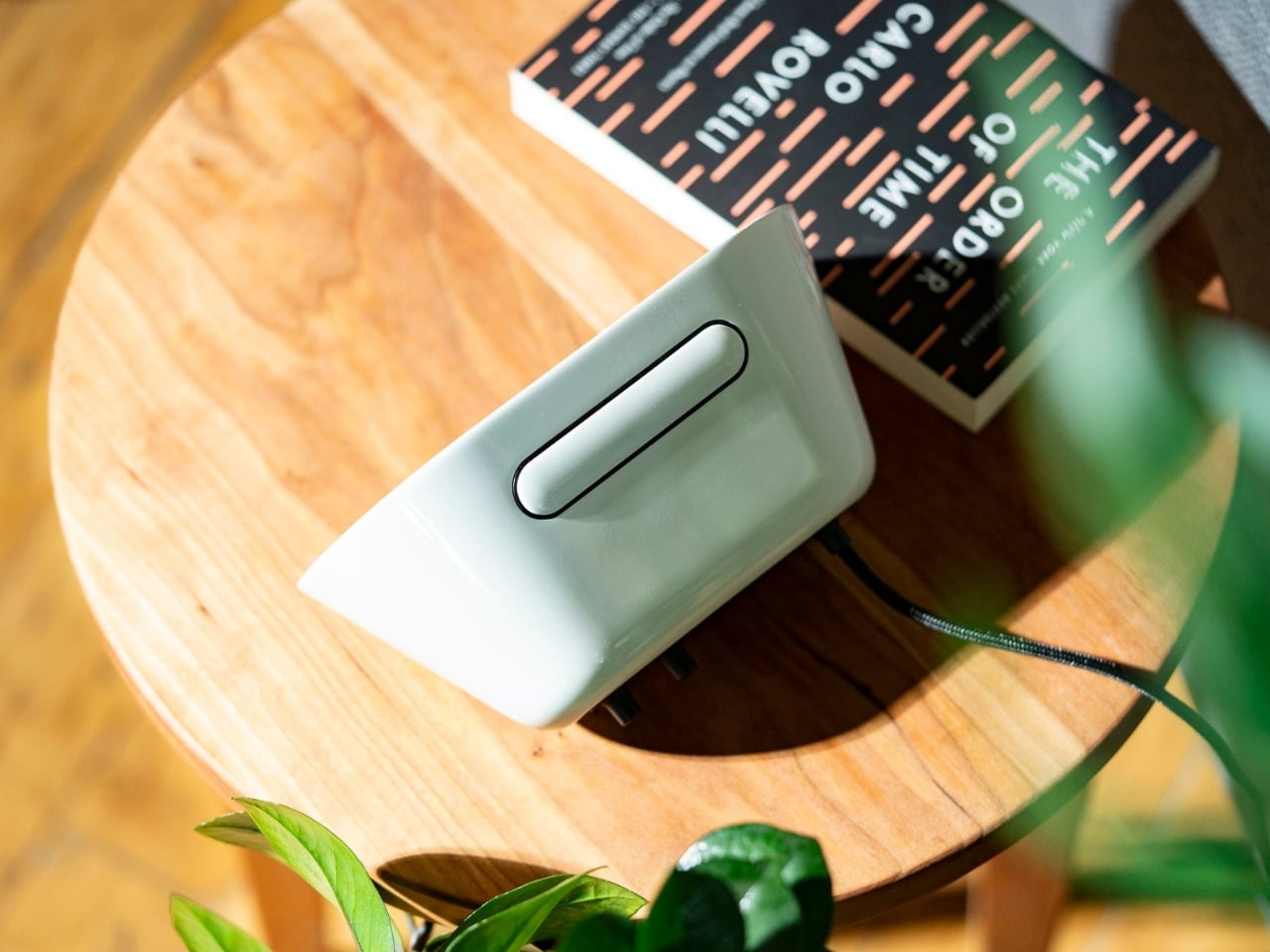
From a design perspective, the Arc fits into that sweet spot where it’s distinctive enough to be interesting but neutral enough to work with most decor styles. It comes in a few color options, so you can match it to your aesthetic whether you’re going for modern minimalist, cozy maximalist, or something in between. The curved form factor also means it takes up less visual space than a traditional rectangular clock, even though its footprint is similar.

Is it going to revolutionize your life? Probably not. But it might make your mornings slightly less awful, and in this economy, we’ll take small victories where we can get them. The Arc Alarm Clock proves that everyday objects don’t have to be boring or purely utilitarian. Sometimes the things we interact with most frequently deserve a little extra thought and care in their design. If you’re in the market for an alarm clock that looks good on your nightstand and might actually help you wake up like a functional human being, the Arc is worth considering. It’s the kind of purchase that feels slightly indulgent but practical enough to justify.

The post This Curved Clock’s Sunrise Feature Actually Beats Your Snooze Habit first appeared on Yanko Design.

Time Gets a Remix with This Hypnotic Spinning Clock

There’s something oddly satisfying about watching things spin. Maybe it’s the smooth rotation, the predictable yet mesmerizing motion, or just our collective fascination with anything kinetic. Whatever it is, designer Germain Verbrackel has tapped into that feeling with Clock&Roll, a timepiece that turns the simple act of checking the time into a visual experience you can’t look away from.

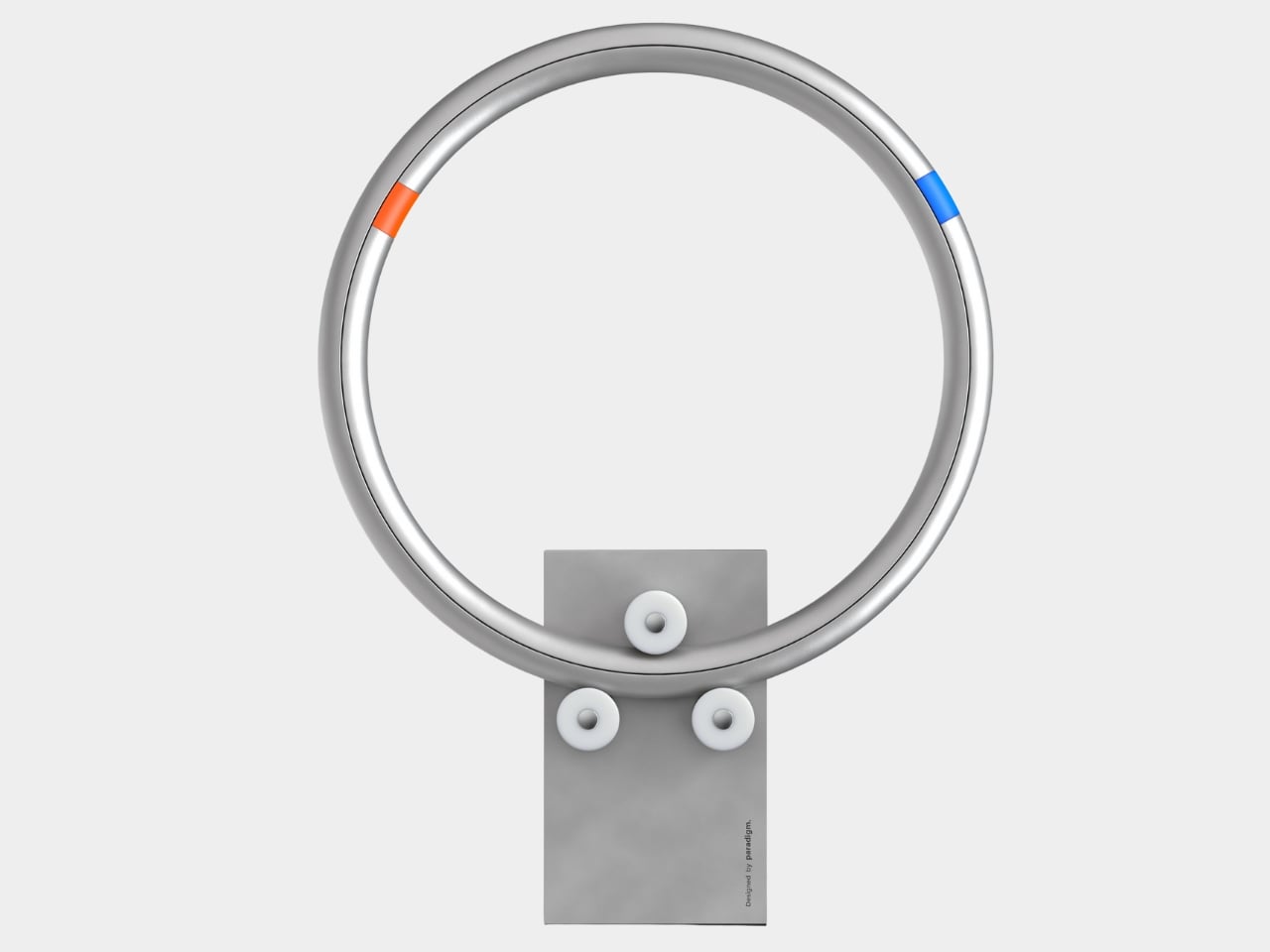
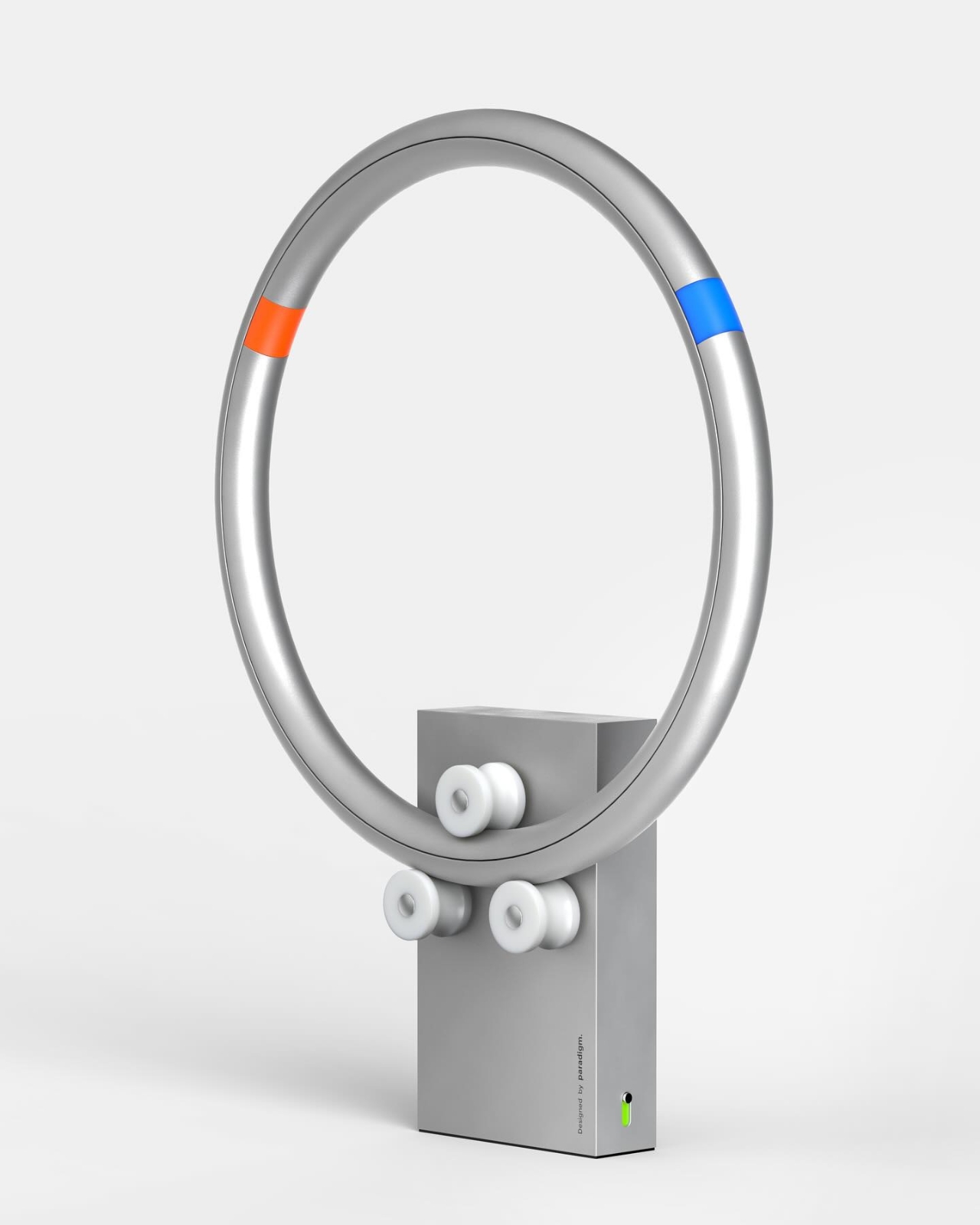
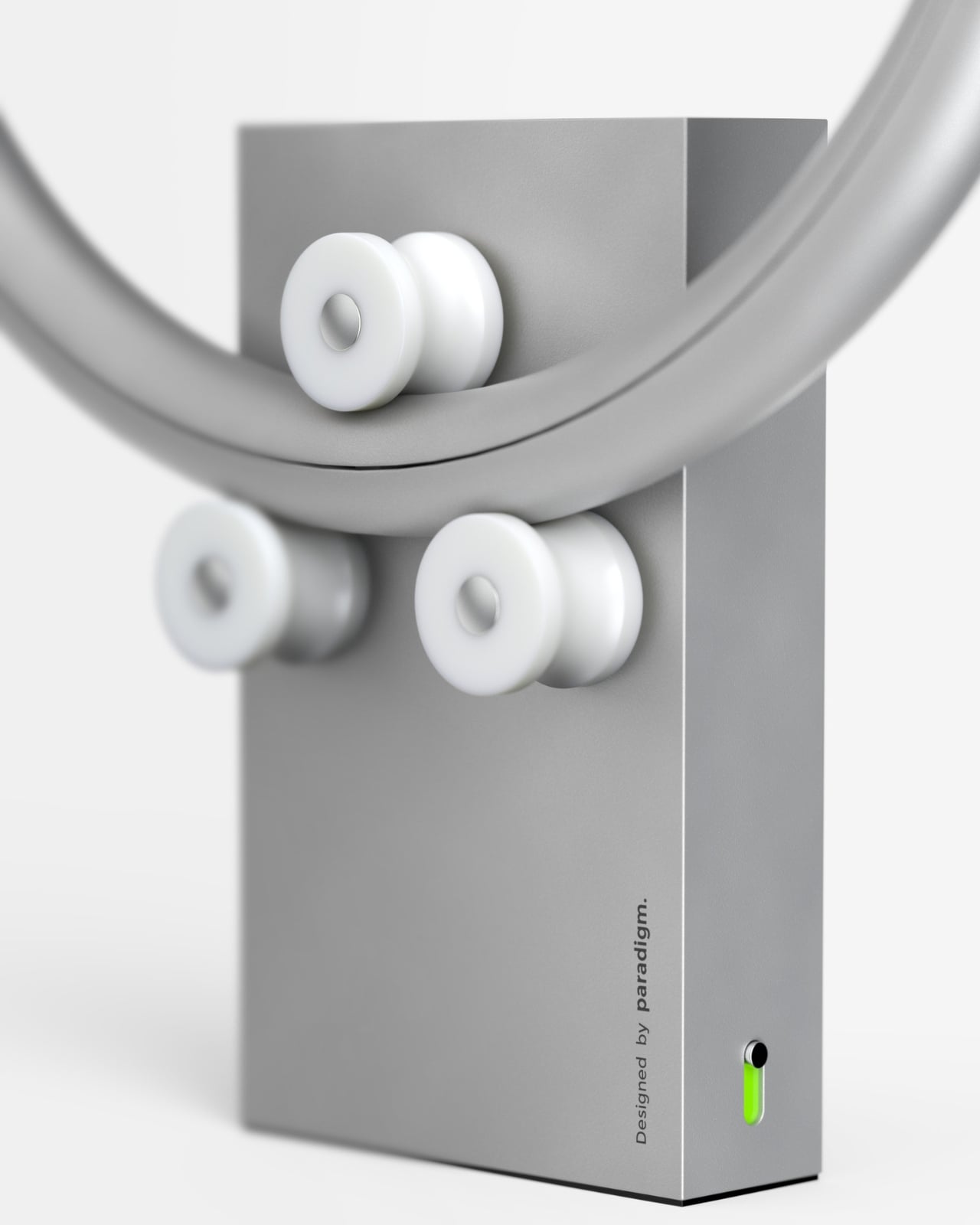
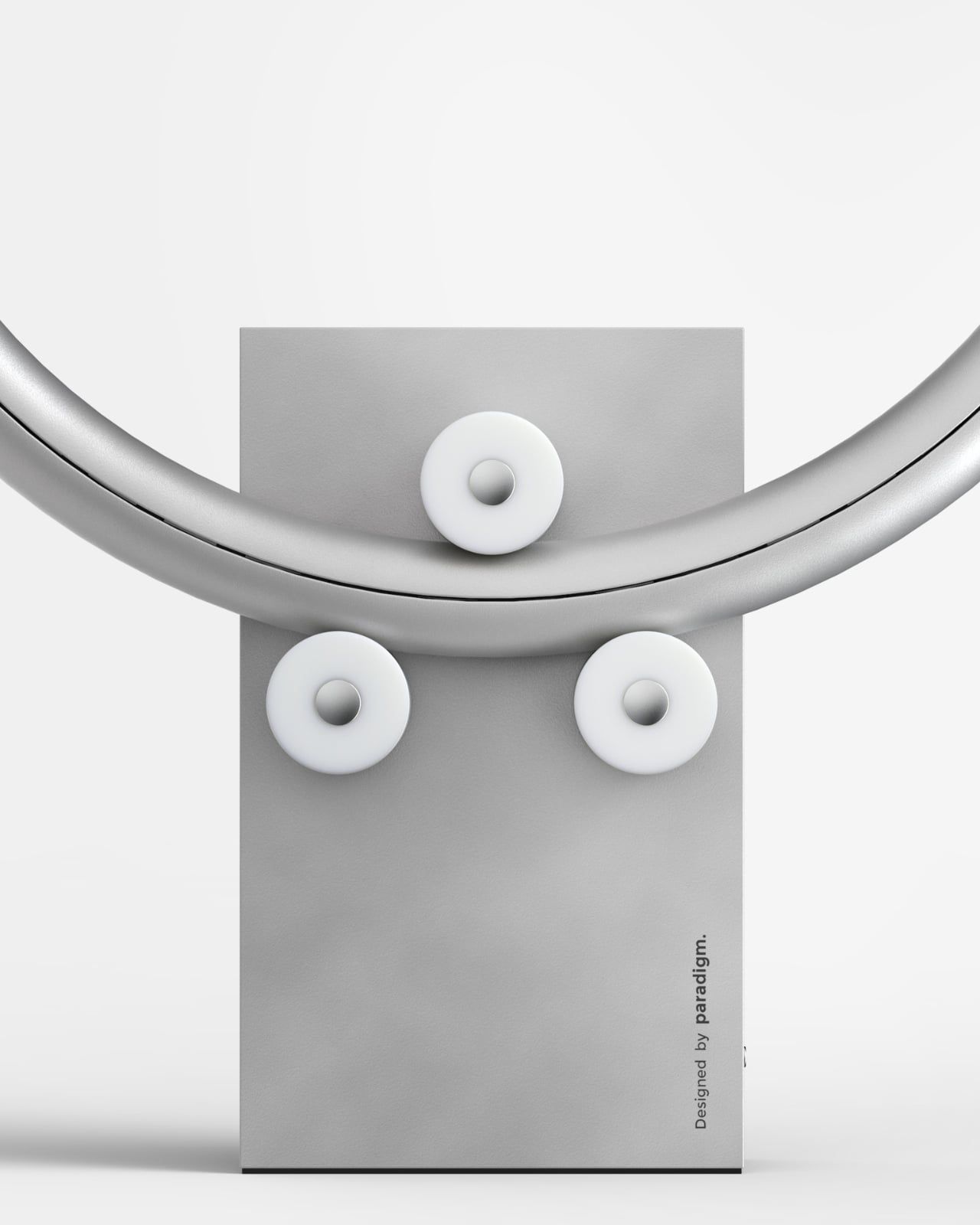
At first glance, Clock&Roll looks like a minimalist sculpture that belongs in a modern art museum. Two aluminum rings form a sleek torus shape, suspended vertically on a clean rectangular base. But this isn’t just eye candy for your desk or shelf. Those rings? They’re actually moving, gliding independently on precision bearings, each one tracking time in its own hypnotic rotation.

Designer: Germain Verbrackel

The genius here is in how the clock communicates time without numbers, hands, or a traditional face. Instead, small colored bands mark the hours and minutes on each ring. An orange segment on one ring, a blue one on the other. As external rollers built into the base push the rings into motion, these colored markers shift positions, creating an ever-changing display that’s equal parts functional and meditative to watch. It’s like someone took the mechanical beauty of old clockwork and gave it a sleek, contemporary makeover.

What makes Clock&Roll particularly interesting is how it challenges our relationship with timekeeping. We’re so used to glancing at digital displays or traditional clock faces that instantly tell us exactly what time it is. But this design makes you pause for a second, observe the position of those colored bands, and actually engage with the object. It’s a small moment of mindfulness in a world where we’re constantly checking our phones for the millionth notification of the day.

1

The materials play a huge role in the overall vibe. Aluminum gives the rings that perfect industrial-sleek look, somewhere between high-tech gadget and designer object. The finish has that subtle matte quality that catches light just right, while the white rollers and base provide a clean contrast that keeps everything balanced. And those pops of orange and blue? They’re not just practical markers but also inject personality into what could have been an entirely monochrome piece.

Verbrackel clearly had fun with the mechanics too. If you look closely at the base, you can spot the gears and motor system that drive the whole operation. Instead of hiding the machinery away, the design embraces it, showing you exactly how this kinetic magic happens. It’s honest engineering meets aesthetic appeal, which is pretty much the sweet spot for anyone who appreciates good industrial design.

Clock&Roll also plays with scale in an interesting way. It’s substantial enough to be a statement piece, something that commands attention in a room, but not so large that it overwhelms your space. You could see it living happily on a modern office desk, a minimalist living room shelf, or even in a creative studio where it would fit right in with other design-forward objects. There’s also something inherently playful about the name and concept. “Clock&Roll” obviously riffs on rock and roll, complete with the little hand gesture emoji, and that rebellious spirit comes through in the design itself. This isn’t your grandmother’s mantel clock or even your standard smartwatch. It’s time reimagined for people who appreciate when everyday objects get a creative twist.

Since most of us check the time on our phones or smartwatches, a dedicated clock needs to justify its existence. Clock&Roll does exactly that by offering something those digital displays can’t: a tactile, visual, almost sculptural experience of time passing. It’s functional art that happens to tell you when you’re running late for your next meeting. Whether you’re a design enthusiast, a lover of kinetic art, or just someone who appreciates when familiar objects get reinvented in unexpected ways, Clock&Roll is the kind of piece that makes you rethink what a clock can be. Sometimes the best designs are the ones that take something we see every day and spin it in a completely new direction.

The post Time Gets a Remix with This Hypnotic Spinning Clock first appeared on Yanko Design.

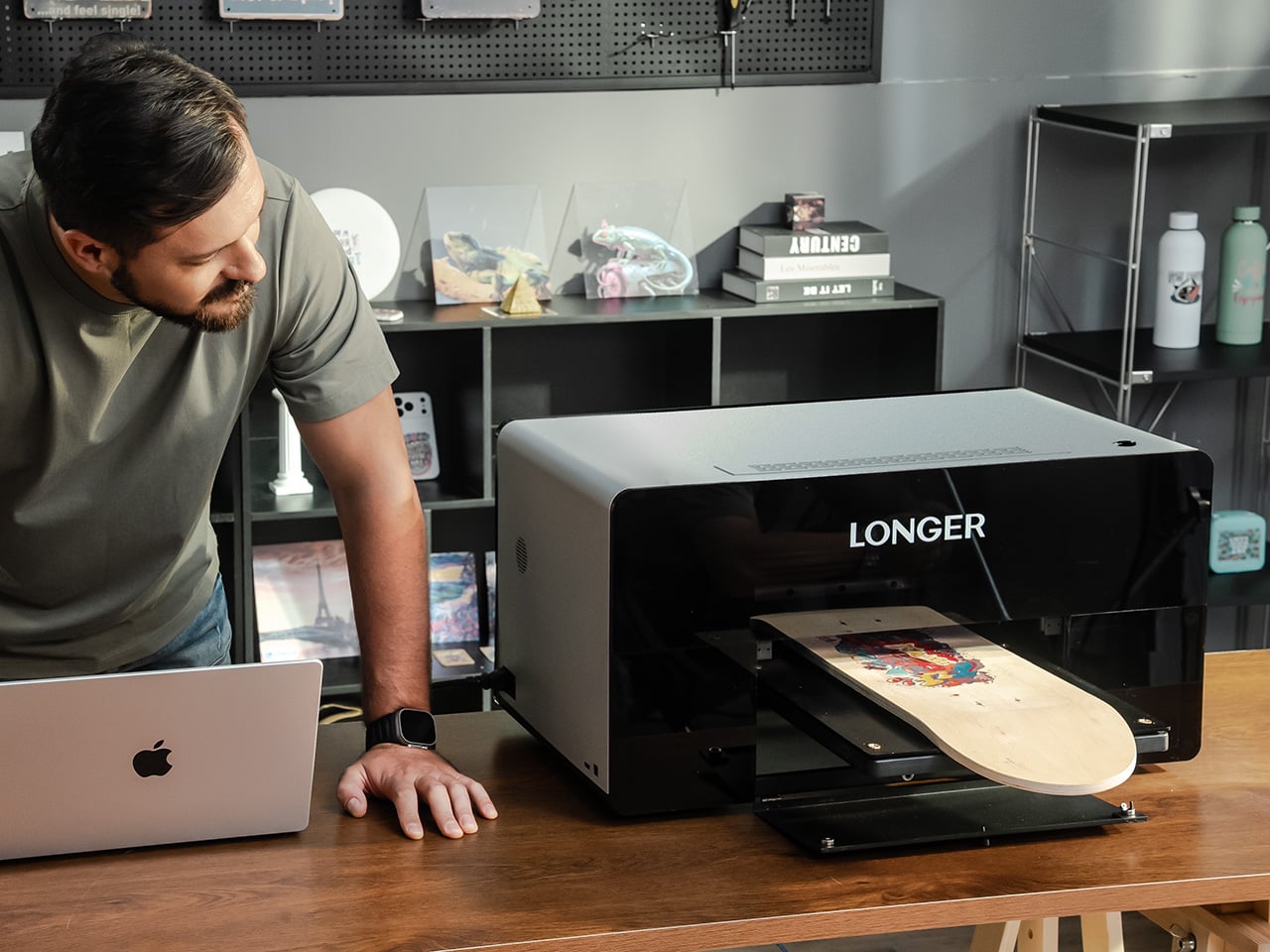
LONGER’s $1,499 Dual-head UV Printer Prints iPhone Cases, Braille, and Custom Merch in 6x Speed

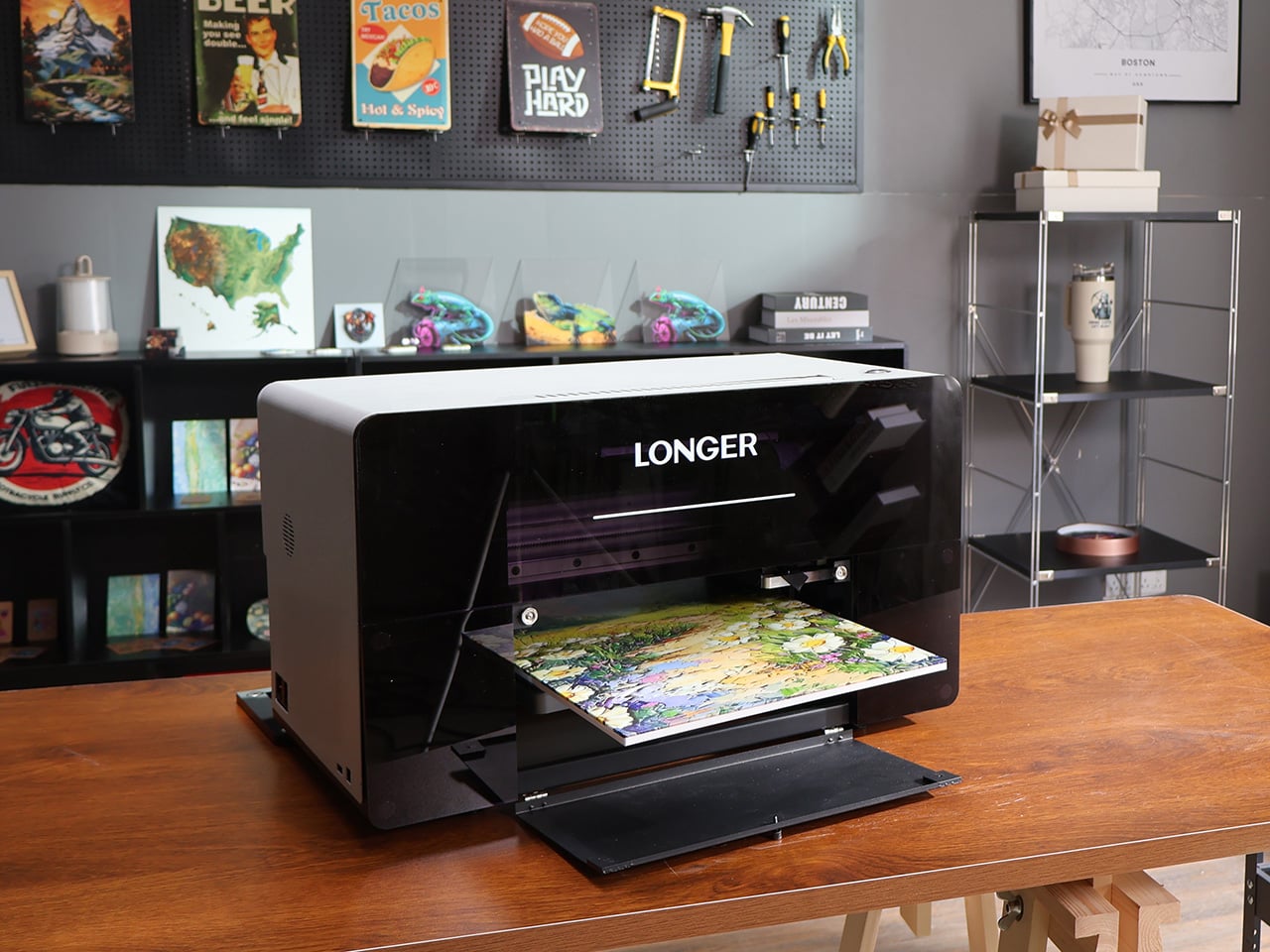
Last year, a consumer-focused UV printer made a remarkable splash on Kickstarter, marking the first time consumer UV printing made it to the big leagues. Now, LONGER ePrint enters the market, bringing unique innovation, a user-friendly experience, and highly competitive pricing to DIY enthusiasts, startups, and designers alike. Built for creative expression and customizable solutions. The campaign has already achieved an impressive $3.6 million in sales within its first week.

LONGER brings a decade of experience (and four successful crowdfunding campaigns) making 3D printers and laser engravers to this project, plus patents and research credentials from its MIT and Georgia Tech founding team. The ePrint’s headline feature is its dual-printhead design with 12 ink channels, which the company says delivers print speeds up to six times faster than single-head printers when laying down textured white ink layers. Add automated cleaning systems, white ink circulation to prevent clogging, and compatibility with third-party inks, and LONGER has assembled a feature set aimed squarely at cost-conscious small businesses.

Designer: Longer ePrint

Click Here to Buy Now: $1499 $2199 ($700 off). Hurry, only 85/250 left! Raised over $3.7 million.

LONGER runs 12 ink channels across two printheads in the full ePrint model: CMYK color plus six white channels and two varnish channels. Building up textured prints to the maximum 60mm height means laying down multiple passes of white ink. Six white channels working simultaneously stack ink six times faster than a single channel could manage. For flat printing without the texture work, the dual-head configuration cuts print time by 50 to 70 percent. At 1440 DPI resolution, print quality stays consistent while speeds improve.

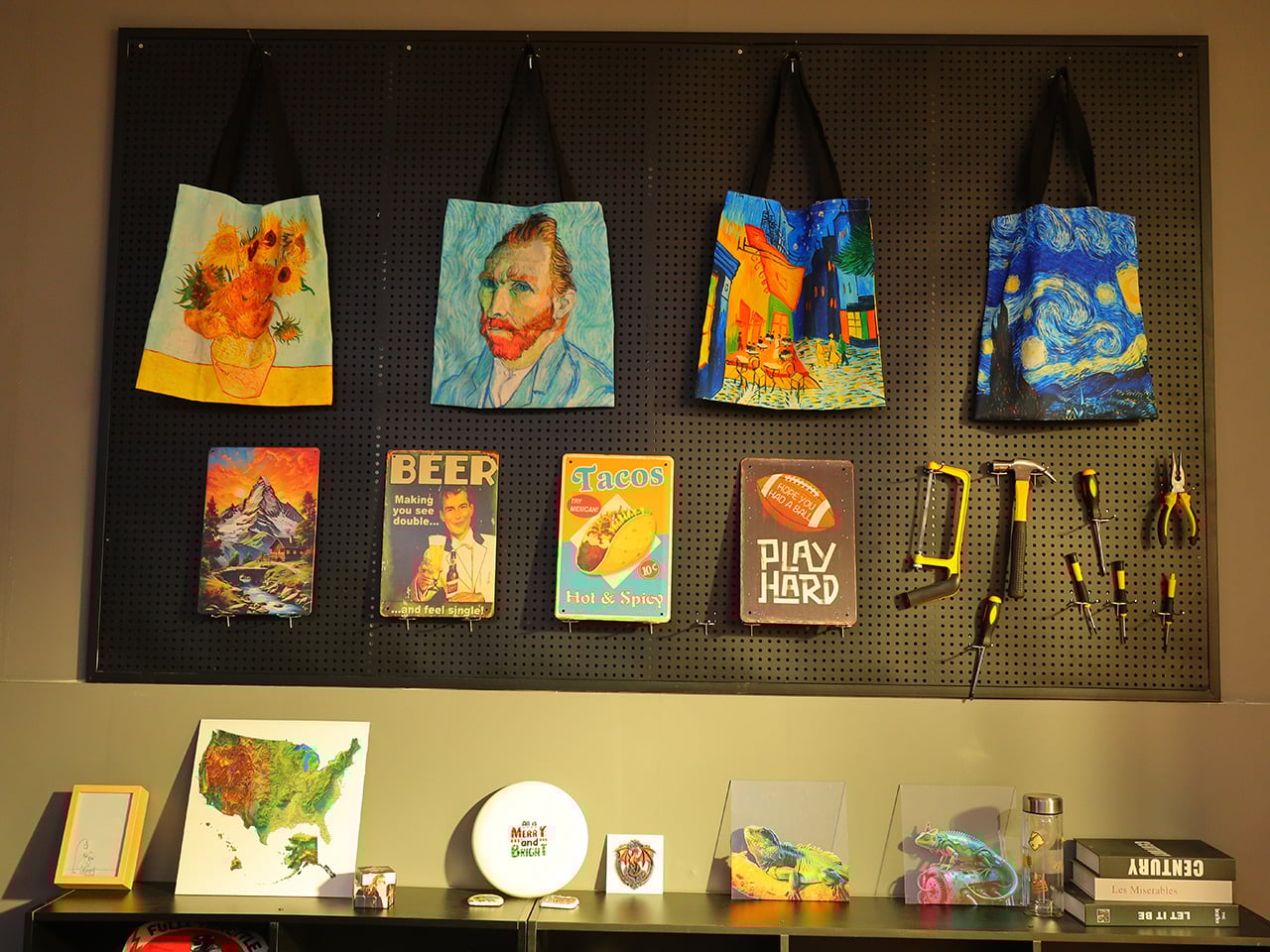
Running a small custom merch operation means speed directly translates to how many orders you can fulfill in a day. Print a full-color design on a phone case and you’re looking at roughly 2 to 3 minutes at high quality settings, faster if you drop to balanced or draft modes. A dozen custom phone cases in under half an hour. Coasters, small signs, and similar flat items clock in at similar speeds. Want to add that 3D textured effect with raised logos or embossed details? That takes longer since you’re building up layers of white ink, but the dual printheads working together mean you’re still finishing pieces in reasonable timeframes rather than waiting hours per item. The 310mm by 420mm print bed accommodates most personal accessories and small merchandise. You’re not printing posters, but phone cases, drinkware graphics, small wooden signs, custom keycaps, personalized gifts, all the items that make up craft fair tables and Etsy shops fit comfortably.

That 60mm embossing capability opens up applications beyond flat graphics. You can produce tactile braille signage with actual raised dots instead of stickers. Relief sculptures and dimensional art pieces become feasible without molding or casting. Product prototypes gain realistic texture that photographs can’t convey. Custom keycaps for mechanical keyboards, raised logos on promotional items, textured business cards that stand out in a stack. Small batch production of items that would normally require expensive tooling or outsourcing to specialty shops. Running a custom merchandise side business or handling client work for local businesses becomes viable when you’re not paying per-piece service bureau rates or minimum order quantities.

White ink creates problems for every UV printer manufacturer. Leave it sitting idle and it separates, leading to inconsistent prints and clogged nozzles that can brick expensive printheads. LONGER built a continuous circulation system that keeps white ink flowing even when you’re not printing. Automated cleaning cycles purge the printheads periodically to prevent clogs before they start. Most desktop UV printers demand manual maintenance rituals before each job. LONGER designed this to stay ready rather than requiring constant babysitting.

The best part is that this printer isn’t unscrupulously bound to specific ink cartridges – the system is designed to be open, and LONGER accepts third-party ink cartridges, including low-migration ink varieties for printing on plates and packaging. You get twelve 200ml cartridges in the dual-head model, totaling 2.4 liters of capacity. Proprietary cartridge systems lock you into whatever the manufacturer charges. Over months of production, open ink compatibility saves real money.

Flatbed mode handles your standard work on flat materials up to 310mm by 420mm. Wood plaques, acrylic sheets, metal panels, glass coasters, leather patches. The 10mm high-gap printing capability means the printhead stays elevated above the material, so you can print on textured wood, embossed surfaces, or slightly warped materials without the head scraping or smudging wet ink. Phone cases with camera bumps, rough stone tiles, wrinkled leather, all printable without fighting the machine.

Rotary printing opens up cylindrical objects. Water bottles, wine bottles, tumblers, pens, flashlights, anything roughly cylindrical that fits the attachment. The printer rotates the object while printing, wrapping your design around the curve. Transfer film mode takes a different approach by printing onto a special film substrate first. Print your design with the UV printer, then use the included laminator to apply heat and pressure, transferring the design onto fabric. You’re making custom heat-transfer stickers for t-shirts, jackets, bags, hats. Not direct-to-garment printing, but useful when DTG doesn’t work well or when you want that raised, glossy finish that UV ink provides. The laminator handles the heat-press work, so you’re not buying separate equipment.

Roll-to-roll attachment extends the workflow for producing multiple transfers in sequence. Instead of printing individual pieces, you load a roll of transfer film, print continuously, and wind up the finished prints on the output roll. Makes sense if you’re producing batches of vinyl stickers or multiple heat-transfer designs for a clothing run. The conveyor belt attachment serves a similar batching purpose but for rigid objects. Load up phone cases, coasters, or other small items, and the conveyor moves them through the print area automatically. No manual repositioning between pieces. Between these four modes and the accessories that enable them, LONGER built a system that adapts to different production workflows rather than locking you into one application.

Dual lasers and a 16MP camera handle object detection and positioning automatically. In batch mode, the system scans multiple objects, identifies positions, and fills patterns without manual placement for each piece. Software includes AI-powered background removal and pattern generation too.

UV printing generates fumes that need proper ventilation regardless of what the manufacturer says about filtration. LONGER includes air purification and claims operation stays under 60dB, quieter than conversation. At 650mm by 445mm by 330mm and 30kg for the dual-head version, it genuinely fits on a desk rather than demanding dedicated floor space like industrial models. You still want good airflow in your workspace, but the footprint works for small studios or home offices with proper setup.

Early bird pricing breaks down to $1,499 for the single-head ePrint SE with six ink channels, $1,899 for the dual-head ePrint with 12 channels, and $2,949 for the all-in-one combo bundling rotary, laminator, conveyor, and roll-to-roll attachments. US and EU backers get free shipping.

Click Here to Buy Now: $1499 $2199 ($700 off). Hurry, only 85/250 left! Raised over $3.7 million.

The post LONGER’s $1,499 Dual-head UV Printer Prints iPhone Cases, Braille, and Custom Merch in 6x Speed first appeared on Yanko Design.

DJI Meets Polestar in This Sleek White FPV Drone Concept That Rejects the Racing Aesthetic

Polestar’s cool Nordic minimalism is not the first thing you expect to see in an FPV rig, yet this concept leans into that contrast and makes it feel inevitable. The drone lifts DJI’s “stacked” architecture of camera, flight controller, cooling, and battery, then wraps it in a crisp, automotive shell that would look just as natural parked beside an electric coupe as it would screaming through a canyon. Instead of the usual exposed carbon and repair-bench aesthetic, the body reads like a single sculpted volume, with the arms flowing out of a central spine and a long, glassy tech strip revealing the hardware beneath. Subtle light signatures, a clean white finish, and a battery module that wears the Polestar wordmark turn what is usually a niche racing tool into something that feels like a premium consumer product, without sanding off its performance edge.

The design’s intelligence lies in how it translates DJI’s engineering logic into a clean visual language. The concept of “structural stacking” is central here, treating each primary component as a self-contained module arranged in a neat, vertical order. The camera and gimbal sit in a dedicated nose pod, followed by the flight control unit and heat dissipation systems under the long, dark canopy, with the battery locking in as a solid block at the rear. This layered approach brings an architectural order to the drone’s anatomy, making the technology feel organized and accessible. It moves away from the traditional FPV layout, where components are often fastened to an open frame, and instead presents a unified, product-like object that feels intentional from every angle.

Designer: Ocean

The drone’s body is finished in a matte, almost ceramic white, with surfaces that are both soft and incredibly precise, a hallmark of the EV brand’s surfacing strategy. The long, dark insert on top is more than just a cover; it’s a “tech window” that frames the internal hardware as a point of interest, much like Polestar does with its glass roofs and integrated sensor bars. Even the lighting is handled with automotive discipline. The thin purple accents feel like signature light blades, providing a controlled glow that suggests advanced technology rather than the often chaotic RGB strips found on custom FPV builds. The result is a machine that feels both high-tech and incredibly calm.

Still, this polished exterior does not compromise the drone’s aggressive spirit. The wide, planted stance and large, efficient-looking propellers signal that it is built for serious performance. A look at the underside reveals a dense cluster of sensors, cooling vents, and structural ribbing, confirming that this is a tool for demanding pilots, not a toy. The designer skillfully balances these hard-core elements with a consumer-friendly sensibility. The battery, for instance, is a perfect example. Branded with the Polestar logo and featuring clear, intuitive LED charge indicators, it feels like a piece of premium electronics, making a critical component feel safe and simple to handle for users who may not be seasoned hobbyists.

Ultimately, this concept imagines an FPV experience for the tech enthusiast who appreciates sophisticated design as much as raw performance. It is a drone for the person who owns a Polestar, not just because it is electric, but because of its commitment to a clean, forward-looking aesthetic. By merging the robust, modular architecture of a DJI product with the refined, human-centric design of a modern EV, this concept suggests that the future of high-performance drones might be less about exposed wires and carbon fiber, and more about the seamless integration of power and polish.

The post DJI Meets Polestar in This Sleek White FPV Drone Concept That Rejects the Racing Aesthetic first appeared on Yanko Design.