This $200 Nintendo 64 Can Play Your Old Cartridges in 4K With Zero Lag

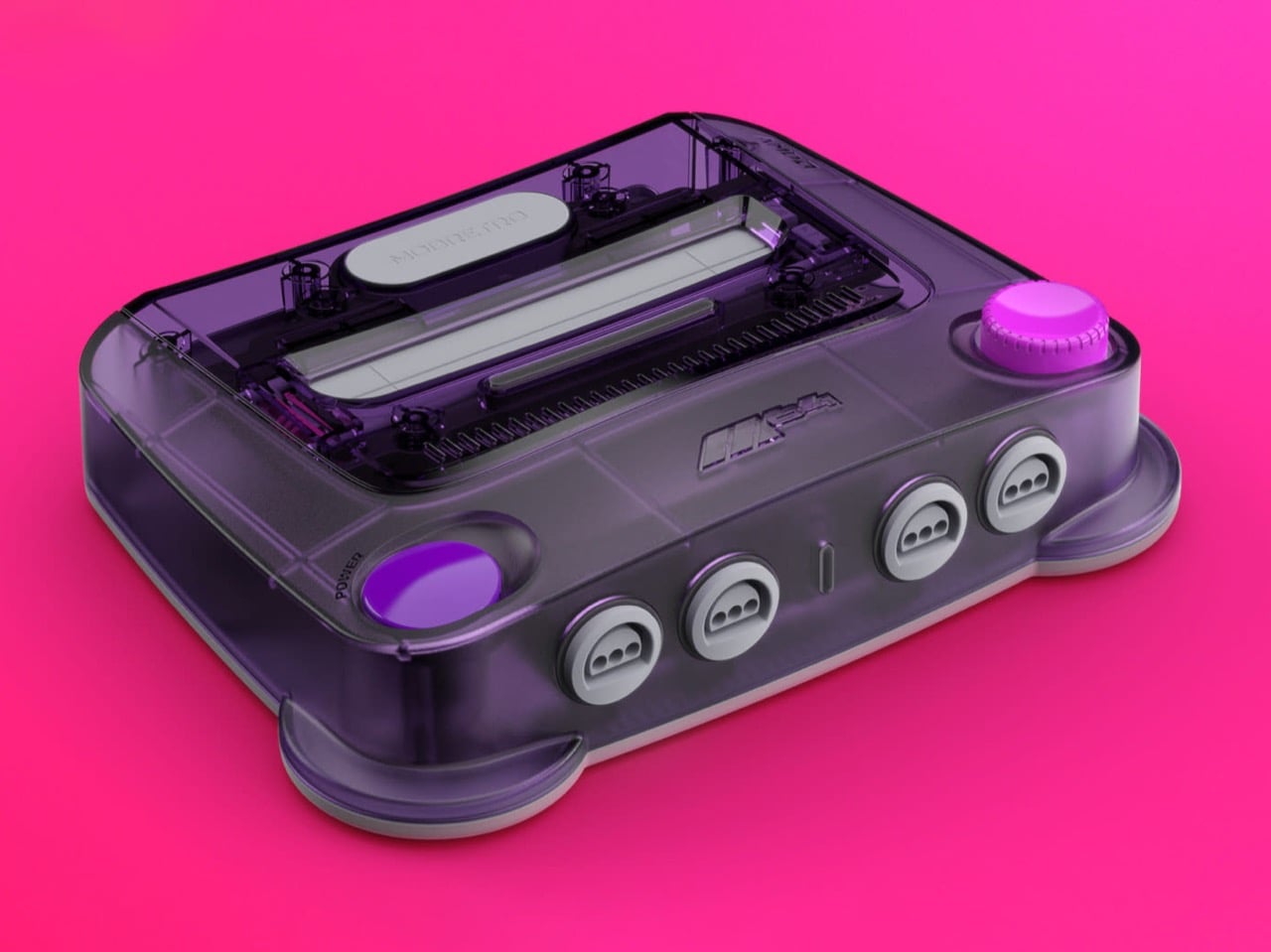
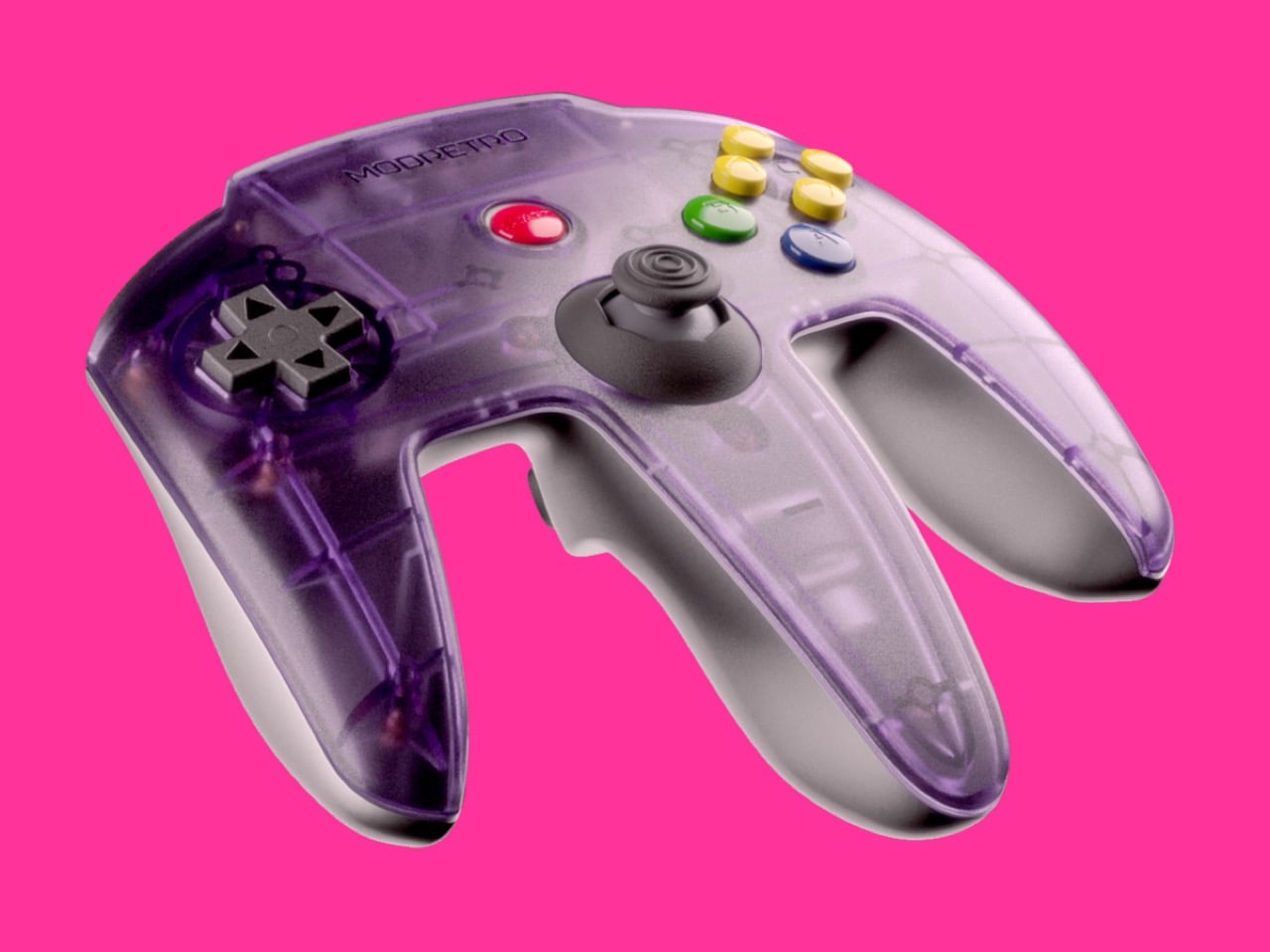
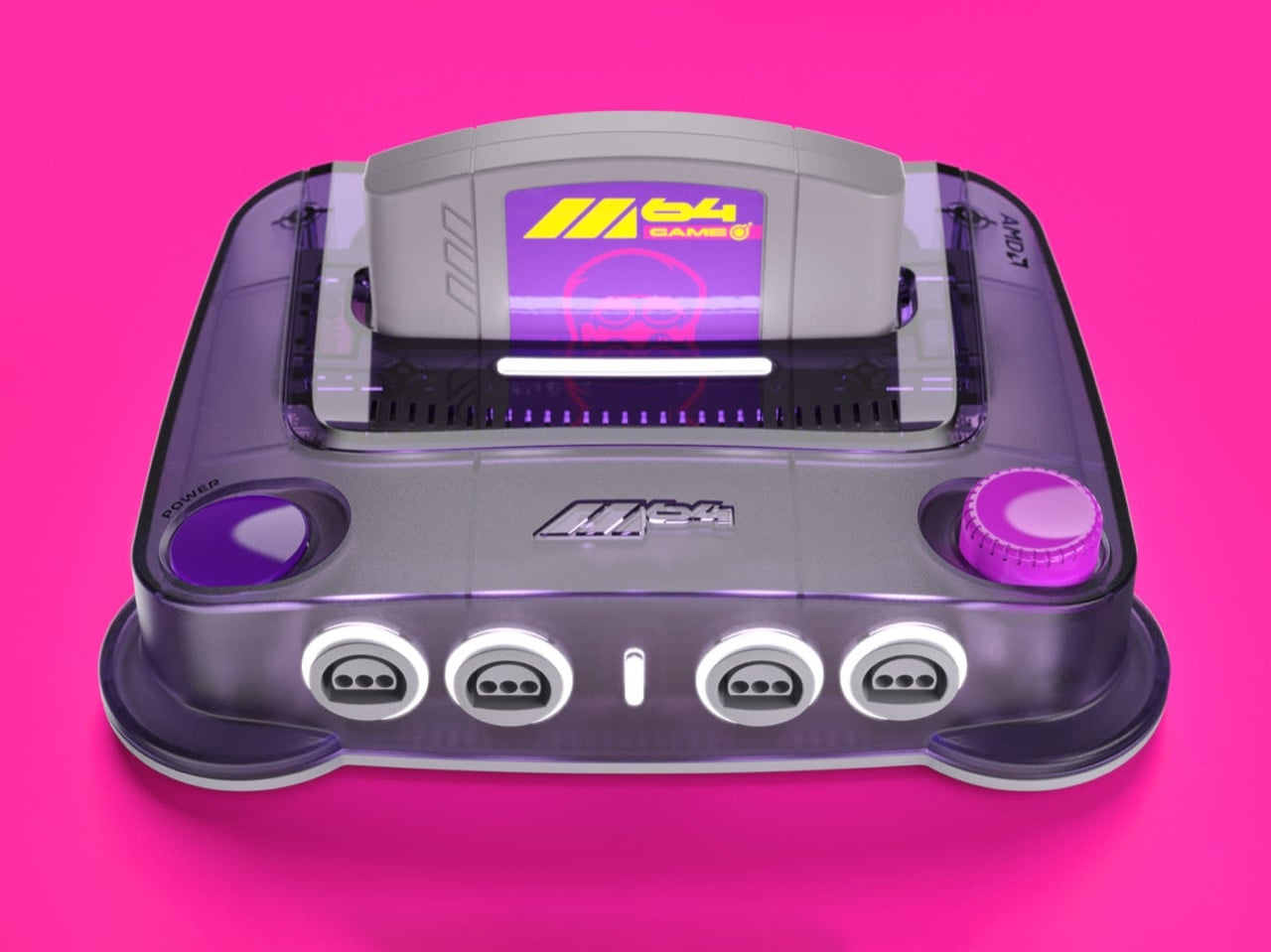
Palmer Luckey’s gaming company just dropped the M64, and honestly, I’m torn about the whole thing. The guy’s built actual VR headsets that changed gaming, sure, but he’s also neck-deep in military contracting through Anduril, which makes autonomous drones and surveillance tech for the Department of Defense. So when he teases a translucent purple Nintendo 64 clone on X with a note saying “no peeking until Christmas,” I’m simultaneously hyped about the hardware and deeply uncomfortable about where my $200 might end up. The M64 hits that exact nostalgia sweet spot with three transparent colorways (purple, green, and white) that scream late 90s Funtastic edition, complete with matching wireless trident controllers that preserve the original’s questionable three-pronged ergonomics.

The timing feels deliberate in the best possible way for ModRetro. Analogue 3D shipped to pre-order customers last month after being sold out for over six months, and here comes the M64 exactly when early adopters are posting unboxing videos and first impressions. You can sign up for the waitlist now and get priority when it goes on sale, though if the Chromatic’s instant sellout taught us anything, that waitlist notification better ping your phone fast. The price point matters because $200 puts this squarely in impulse-buy territory for people who’ve been sitting on a stack of N64 cartridges since 1998, waiting for something better than janky software emulators or hunting down original hardware with failing capacitors.

Designer: ModRetro

The console uses AMD-powered FPGA technology and features four controller ports, a power button, a menu dial, and an eject button, with both hardware and software confirmed as open-source. That menu dial is the interesting bit because it suggests actual system-level features beyond basic cartridge reading. Could be scanline filters for that authentic CRT feel, aspect ratio toggles, or even overclock options like what Analogue builds into their consoles. We don’t have concrete specs on the actual FPGA chip yet, but the AMD chip is likely much larger and faster than the one in ModRetro’s Game Boy-like Chromatic, which makes sense given the N64’s significantly more complex architecture. The Reality Coprocessor, the texture filtering system, the expansion pak doubling RAM mid-generation – all of that needs accurate recreation at the hardware level if you want GoldenEye and Rogue Squadron running without the timing glitches that still plague software emulation in 2025.

The system promises 4K graphics with classic N64 visuals, which translates to clean upscaling rather than texture packs or visual overhauls that some emulators push. FPGA consoles shine here because they maintain pixel-perfect accuracy and minimal latency while outputting through modern HDMI connections. Anyone who’s tried running Perfect Dark through RetroArch knows the N64’s quirky architecture makes software emulation perpetually finicky. Audio sync issues, texture warping that doesn’t match original hardware, input lag that throws off muscle memory from childhood speedruns – FPGA sidesteps all of that by literally rebuilding the original silicon pathways in programmable logic gates. The open-source firmware commitment matters too because it means community developers can add features, fix edge cases, and potentially expand compatibility beyond Nintendo’s official library if ModRetro’s implementation allows it.

The elephant in the room is Anduril. Luckey co-founded the military tech company that makes autonomous drones, surveillance systems, and weapons platforms with billions in government contracts. Every M64 purchase potentially funds defense projects that some buyers might find uncomfortable, and Luckey’s various companies are built to promote his excessively militaristic worldview according to critics. This isn’t tangential either – Anduril is Luckey’s primary focus, not a side investment. Whether that matters to you personally is a calculation only you can make. The Analogue 3D costs more and restocks are brutal, but your money goes to a company focused exclusively on gaming hardware preservation. Practically every tech purchase has military connections somewhere in the supply chain, but there’s a difference between incidental contracts and building autonomous weapons as your core business model. Some people won’t care. Others will wait months for Analogue restocks rather than compromise on this particular issue.

The hardware itself looks genuinely sharp though. Those transparent shells channel the atomic grape and jungle green N64 variants that defined late 90s bedroom gaming setups, and the wireless controllers solve the biggest practical problem with original hardware – constantly tripping over cables stretched across living rooms. Luckey promises the M64 will remain at $200 through Black Friday and beyond despite inflation and component shortages, which suggests they’ve locked in manufacturing costs and aren’t playing the artificial scarcity game that plagued PS5 launches. If ModRetro actually ships before Christmas and the FPGA implementation handles compatibility cleanly across the N64’s library, this becomes the accessible entry point for cartridge-based retro gaming that doesn’t require scouring eBay for working consoles or dealing with composite video on modern displays.

The post This $200 Nintendo 64 Can Play Your Old Cartridges in 4K With Zero Lag first appeared on Yanko Design.

Nuvolino Incense Burner Looks Like a Character Exhaling Smoke

Incense has moved from hippie corners and temples into more design-conscious homes, but most burners are either purely functional trays or ornate figurines that look like souvenir shop castoffs. Nuvolino sits in the middle, a small white ceramic object that looks like a character and a sculpture at the same time. It’s less about holding incense and more about staging a tiny scene of scented smoke.

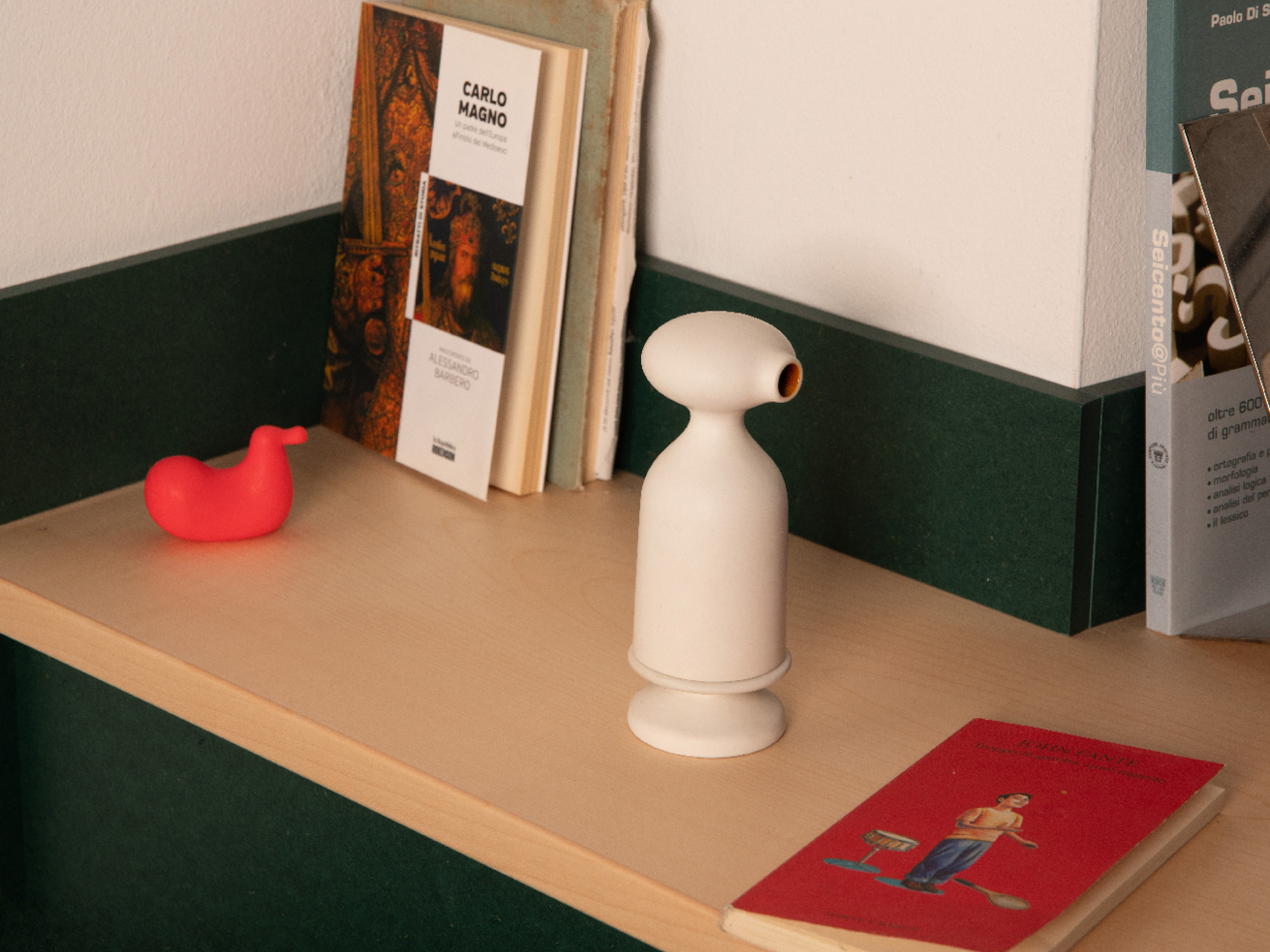
Nuvolino is a ceramic incense burner designed by Giulio Iacchetti and made in Italy. Iacchetti describes it as a gentle alien that lands on shelves and sideboards to bring a breath of scented air. It’s the first in a planned collection of home fragrance objects, starting in pure white but with the possibility of future artist-decorated versions that turn each burner into a small canvas or signed piece.

Designer: Giulio Iacchetti

The form is a smooth, elongated body with a slight waist, sitting on a low disc base and topped by a rounded head with a single circular opening on one side. That opening acts as a mouth or eye, depending on how you see it, and it’s where the smoke escapes. The proportions are simple and almost toy-like, but the lack of facial features keeps it from feeling kitschy or overly cute.

You lift the ceramic figure off its base to reveal a small cone of incense, light it, let it smoulder, and then place the figure back over it. As the cone burns, a thin veil of smoke begins to drift out of the side opening, making it look like the little character is gently exhaling. The room slowly fills with a soft aroma, and the object feels briefly alive in a way that flat trays never manage.

Nuvolino is inspired by the German Räuchermann, the turned wooden incense man that often depicts miners, forest rangers, or chimney sweeps with smoke coming from their mouths. Nuvolino rewrites that story in minimal white ceramic, stripping away costume and narrative while keeping the core gesture. The result is an ironic, evocative update that fits contemporary interiors without losing the charm of the original folk tradition.

Nuvolino is crafted from white ceramic by Italian artisans, with a finish that emphasizes form and shadow over decoration. The packaging is simple brown cardboard with a black silhouette of the character blowing smoke, more like a design object than a luxury perfume. Together, they frame the burner as something quiet and honest, ready to pick up patina and personal meaning over time.

Nuvolino turns the act of lighting incense into a tiny performance, where a silent figure seems to breathe out fragrance and change the mood of a room. For anyone who likes their home objects to have a bit of personality without shouting, this little ceramic alien feels like a gentle way to let scent and sculpture come together on a shelf.

The post Nuvolino Incense Burner Looks Like a Character Exhaling Smoke first appeared on Yanko Design.

3D printed prosthetic fin lets below-knee amputees swim with freedom and efficiency

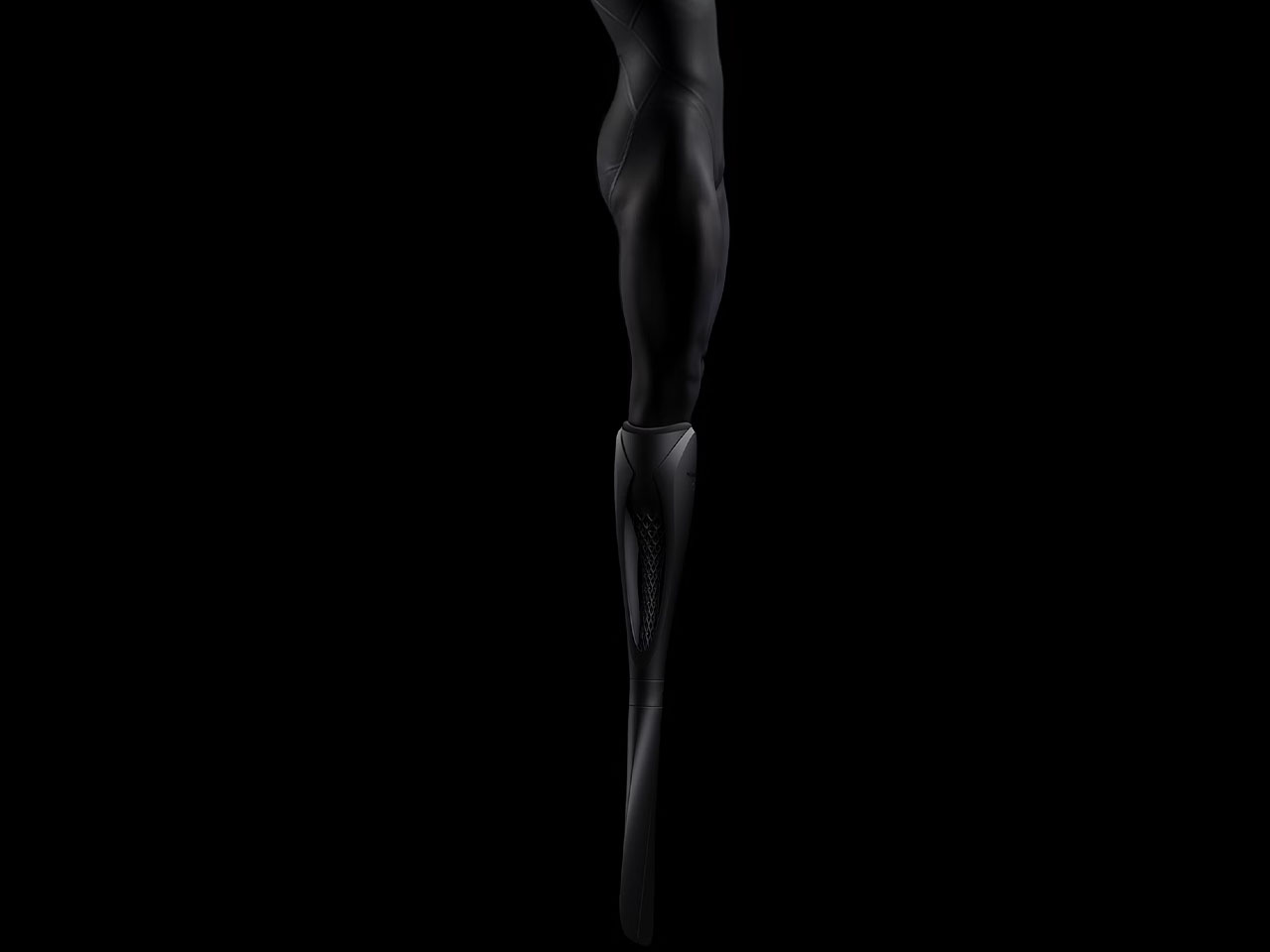
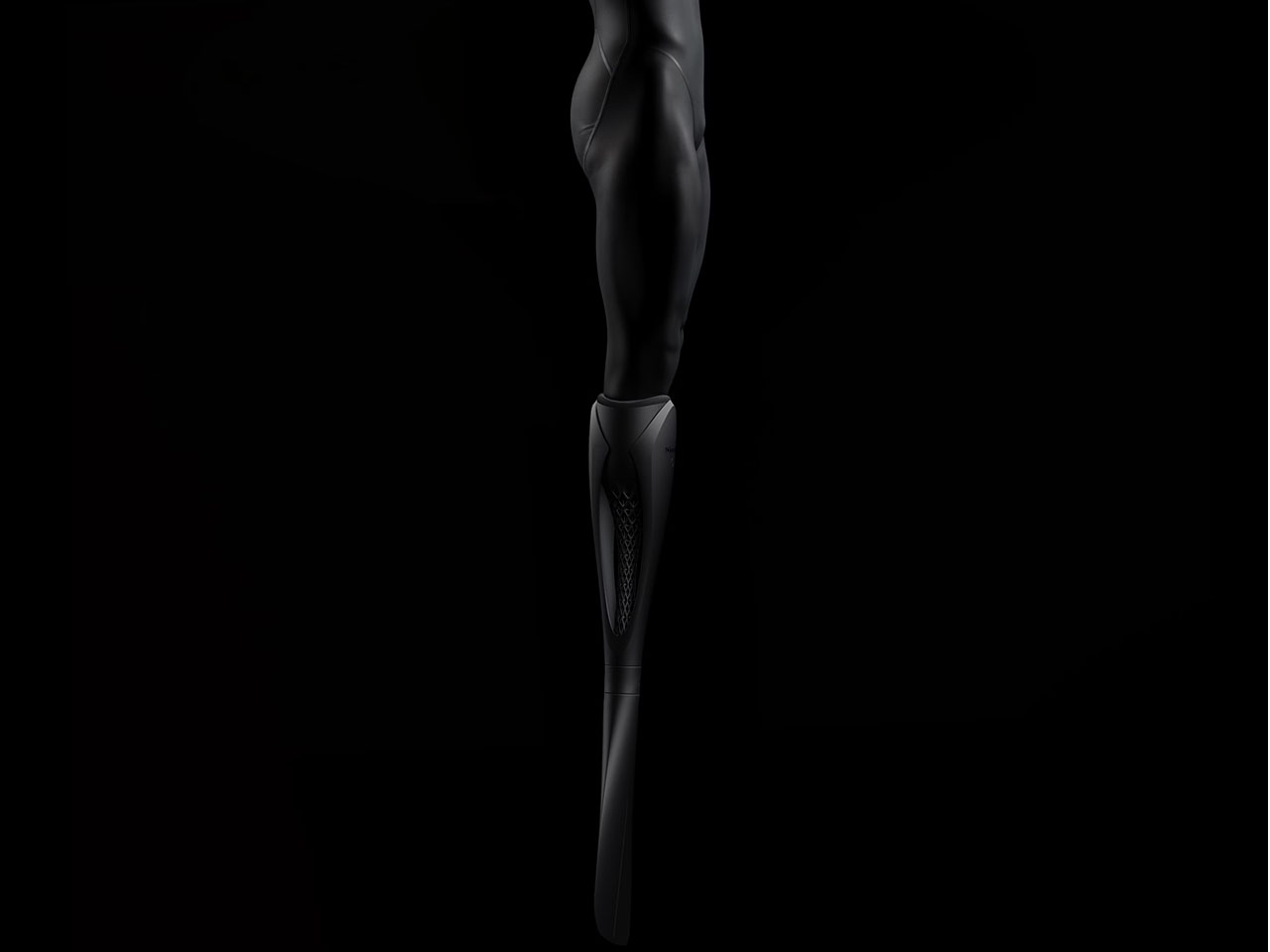
A number of different types of prosthetic legs are designed to help below-knee amputees run, whether recreationally or professionally. High-performance running prosthetics, often called blades, have been used by runners like the infamous Oscar Pistorius to shatter numerous records. Now, a similar level of freedom and efficiency seems to be headed for the waters, thanks to an advanced prosthetic concept from Essesi Design Studio.

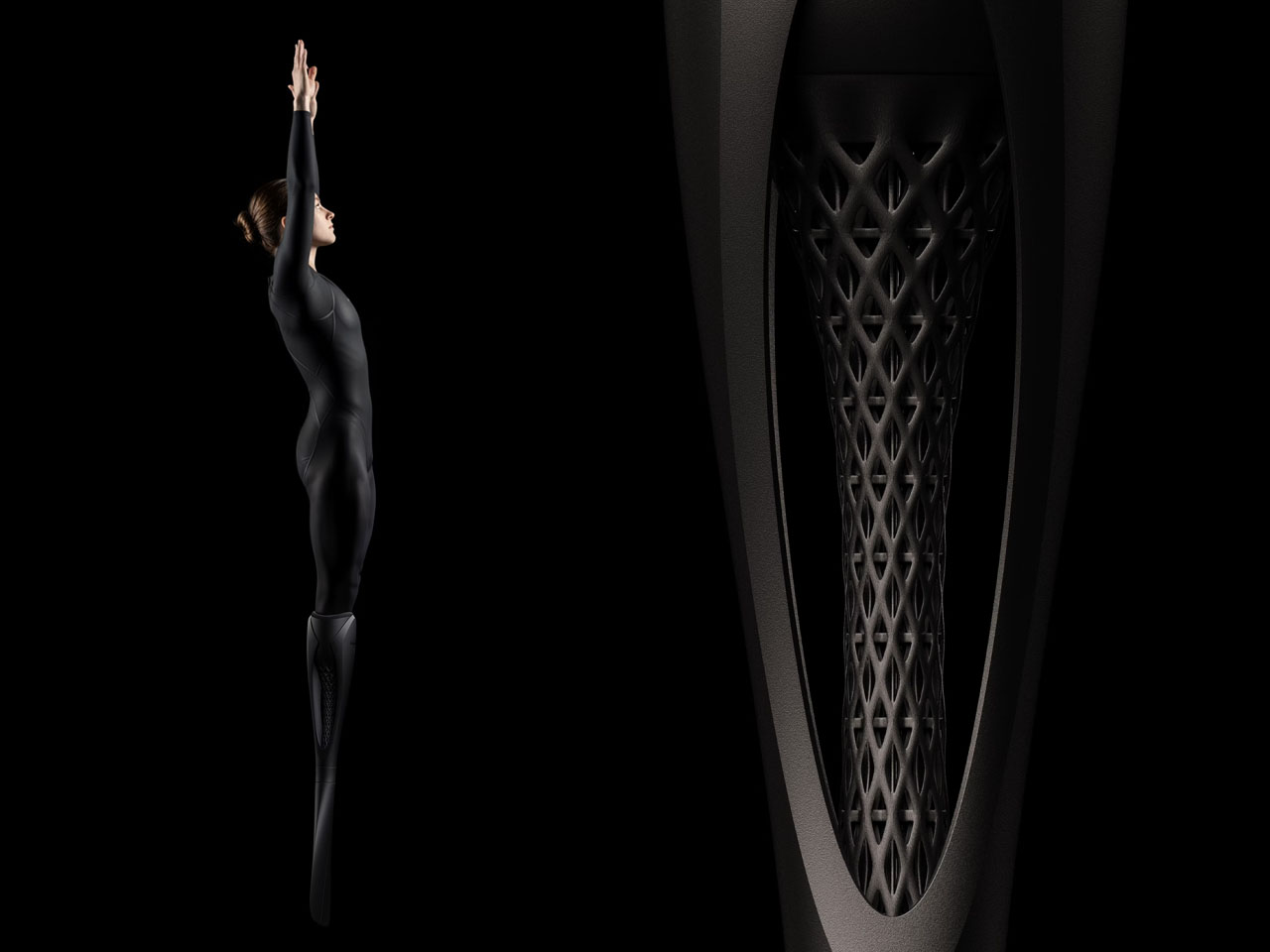
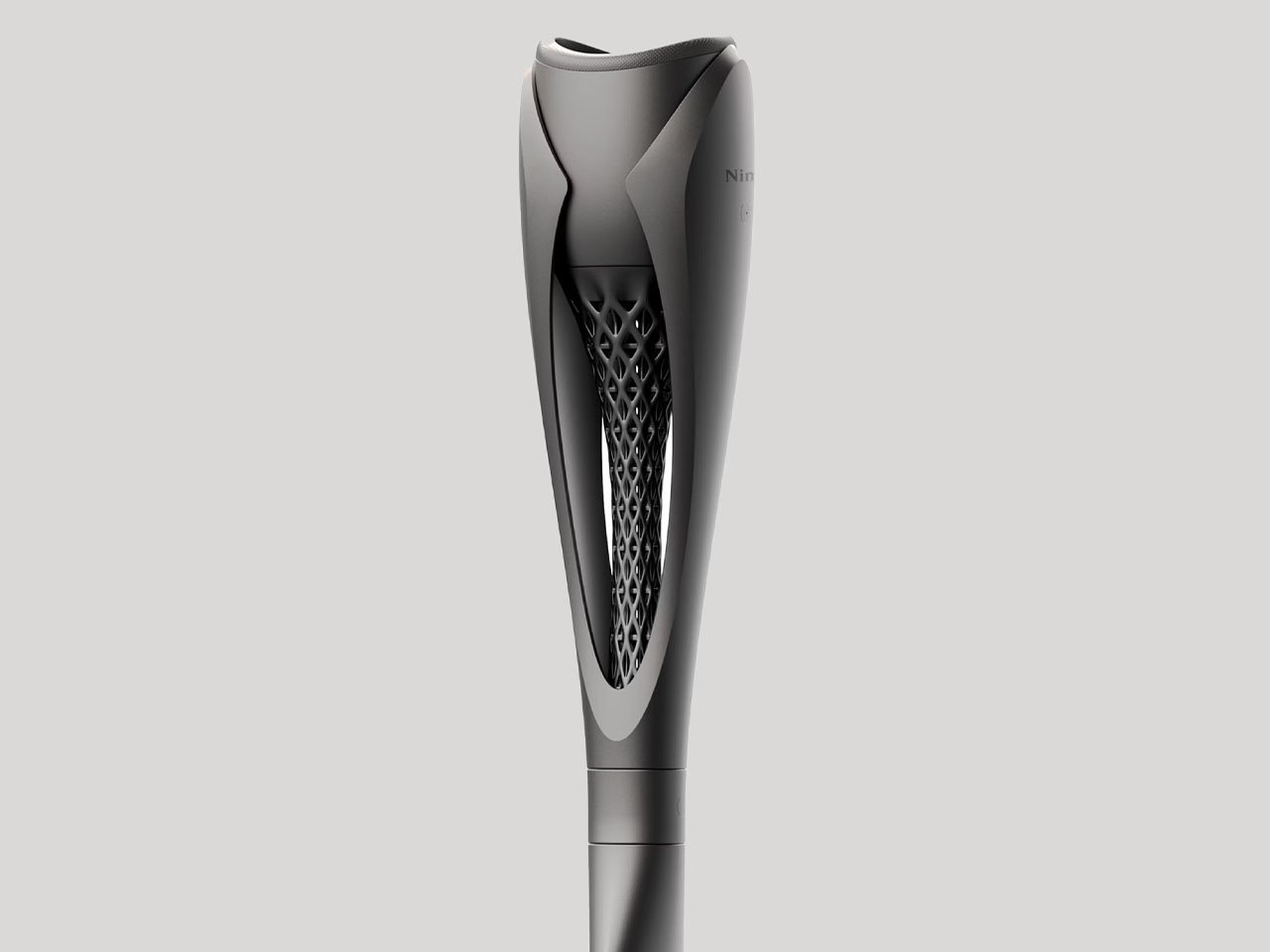
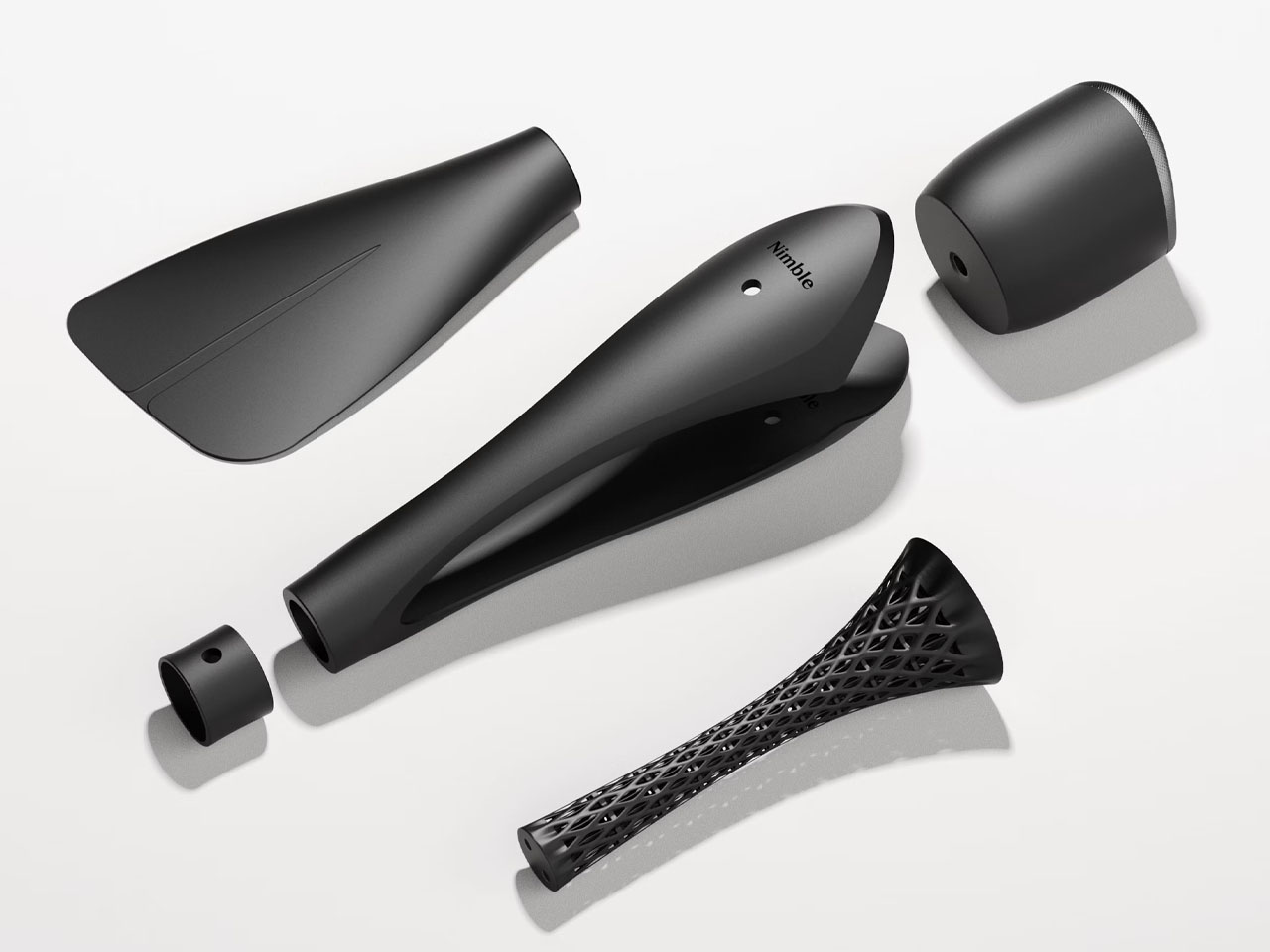
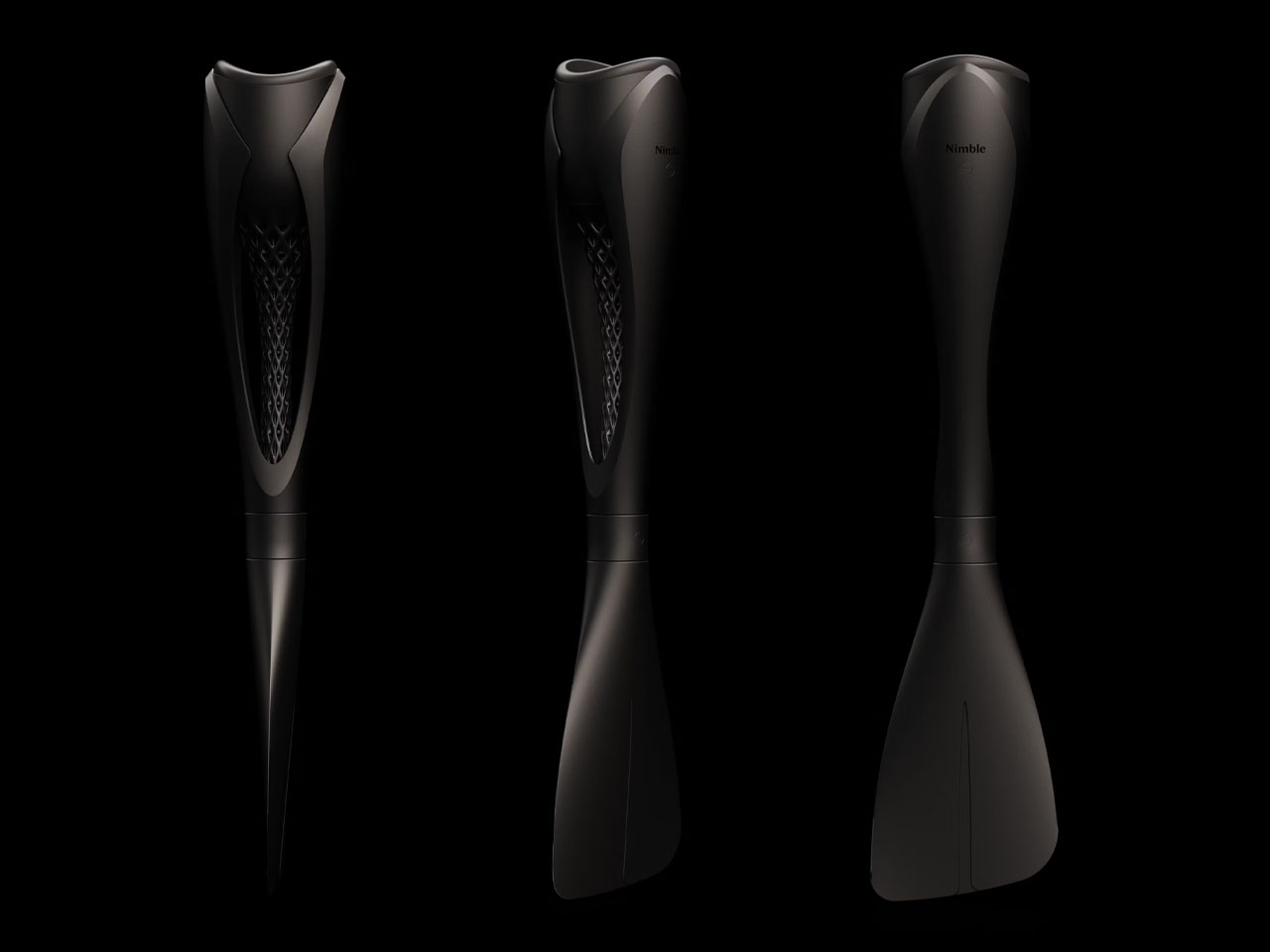
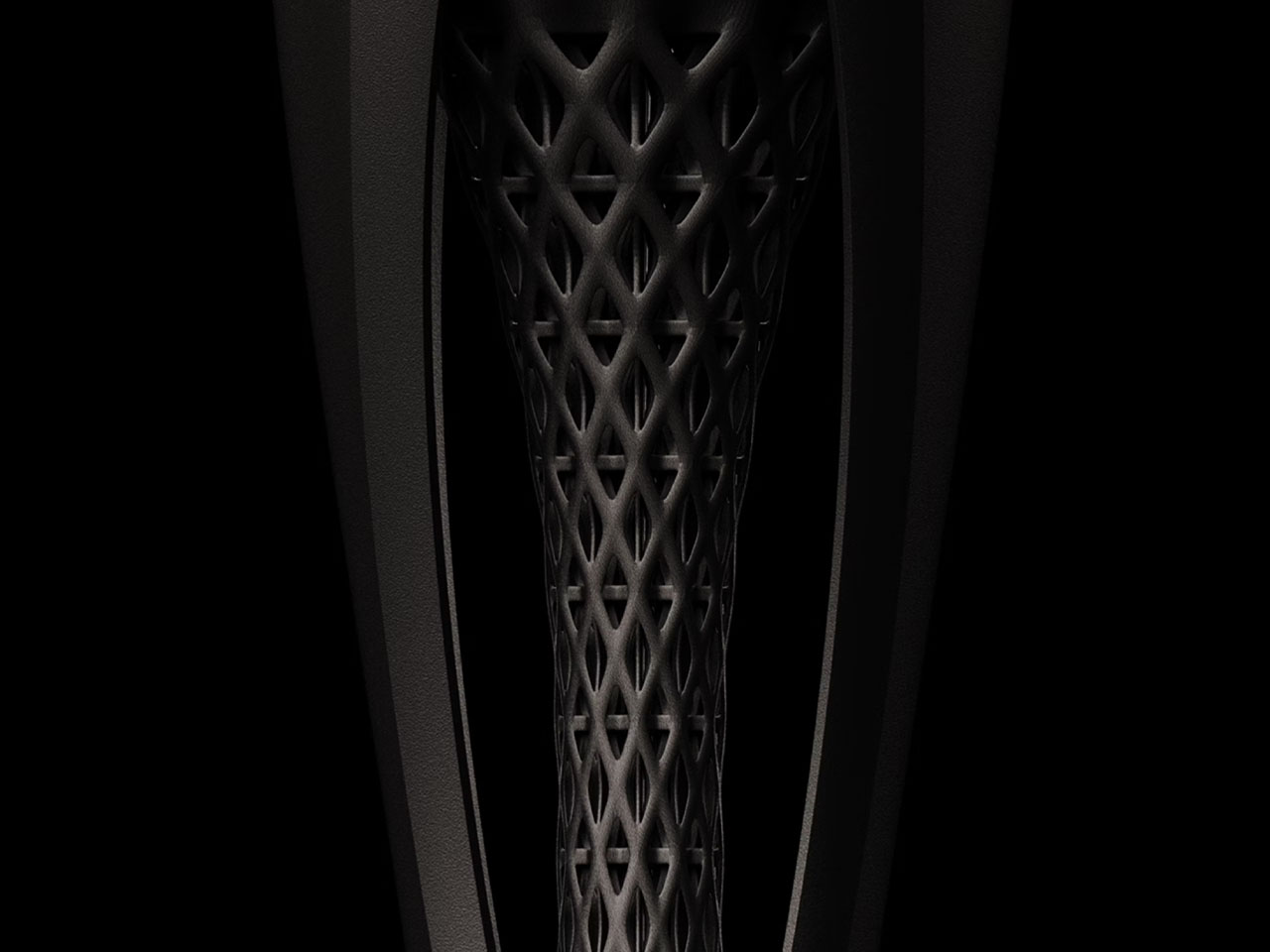
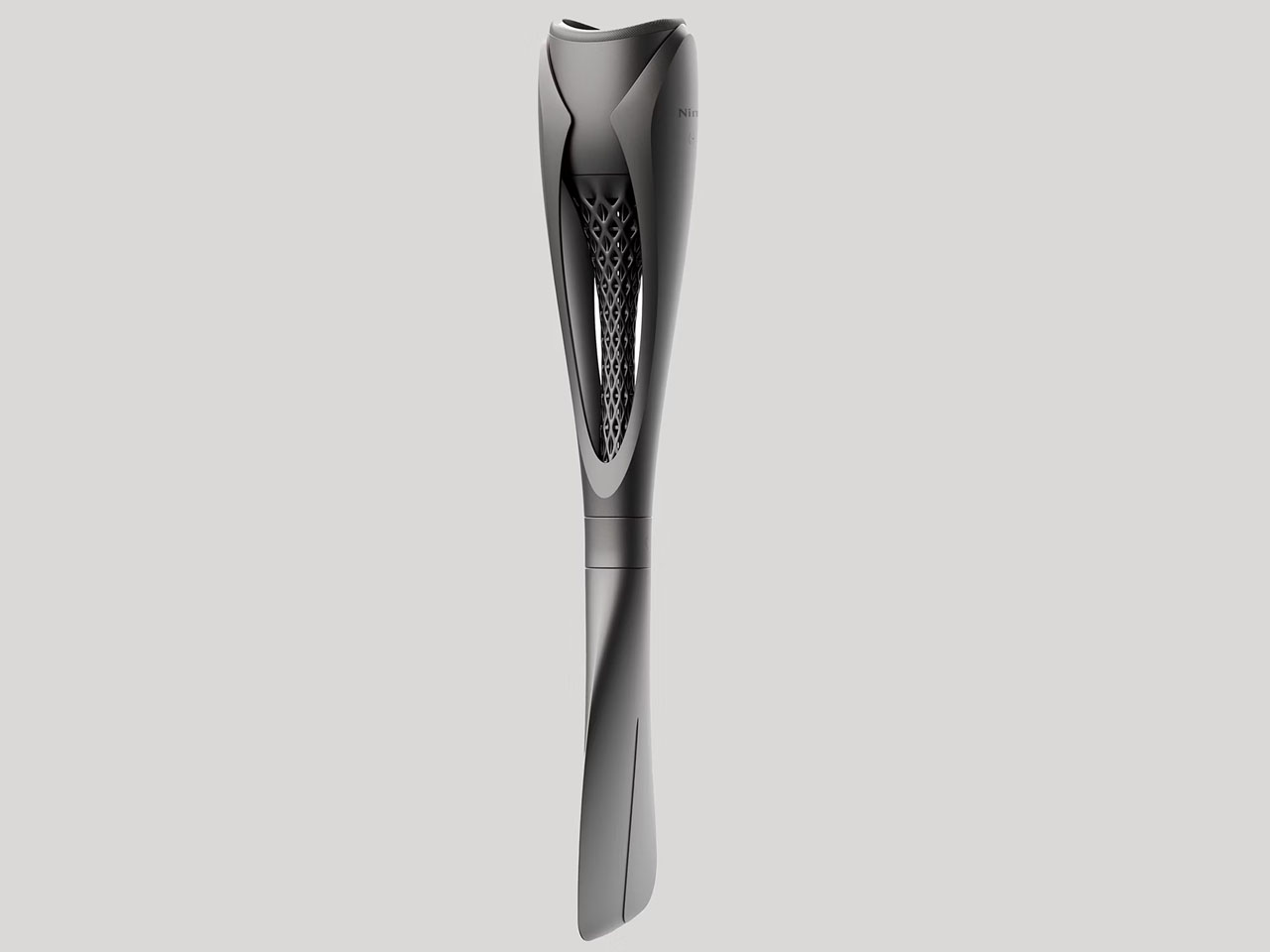
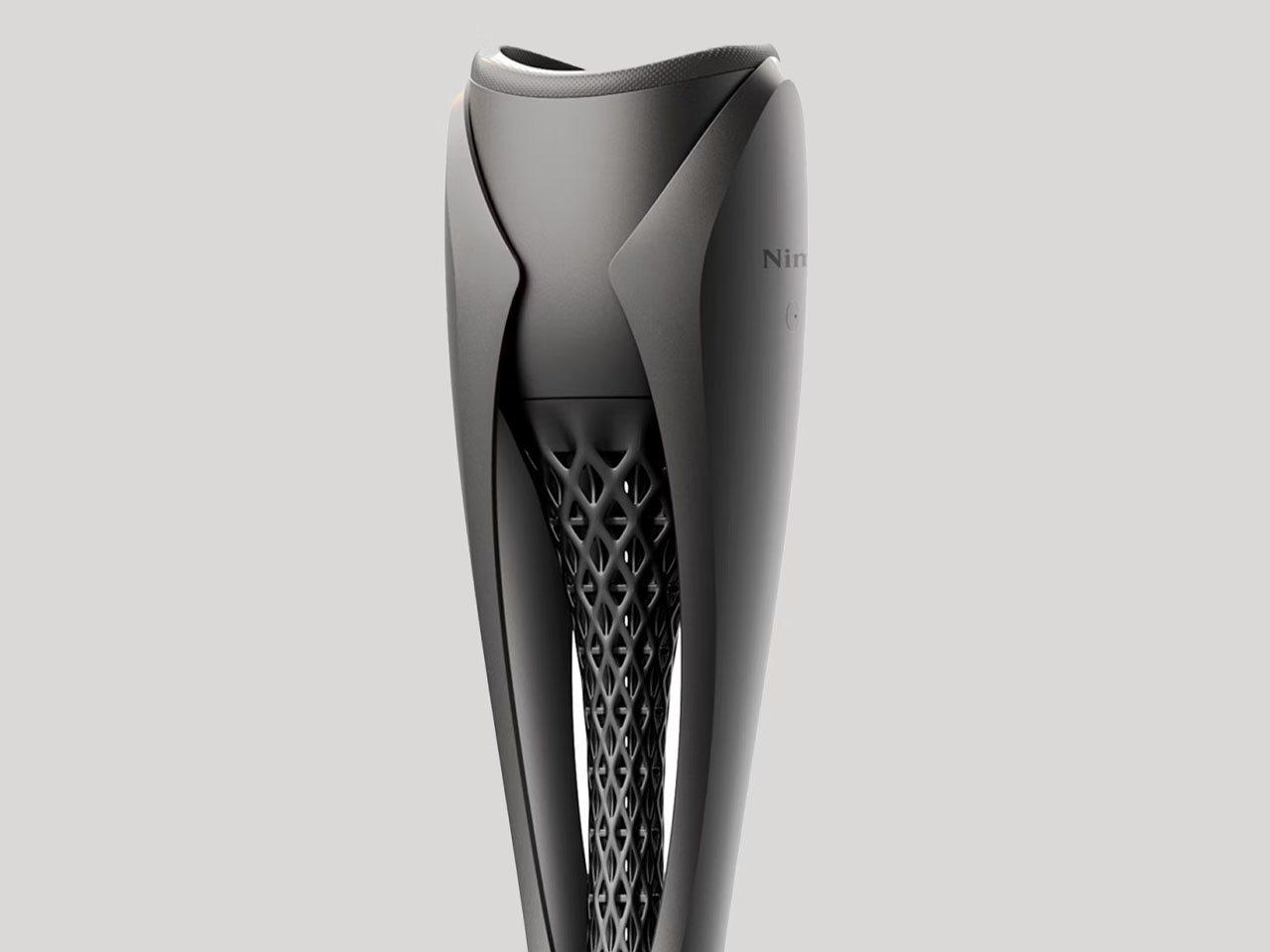
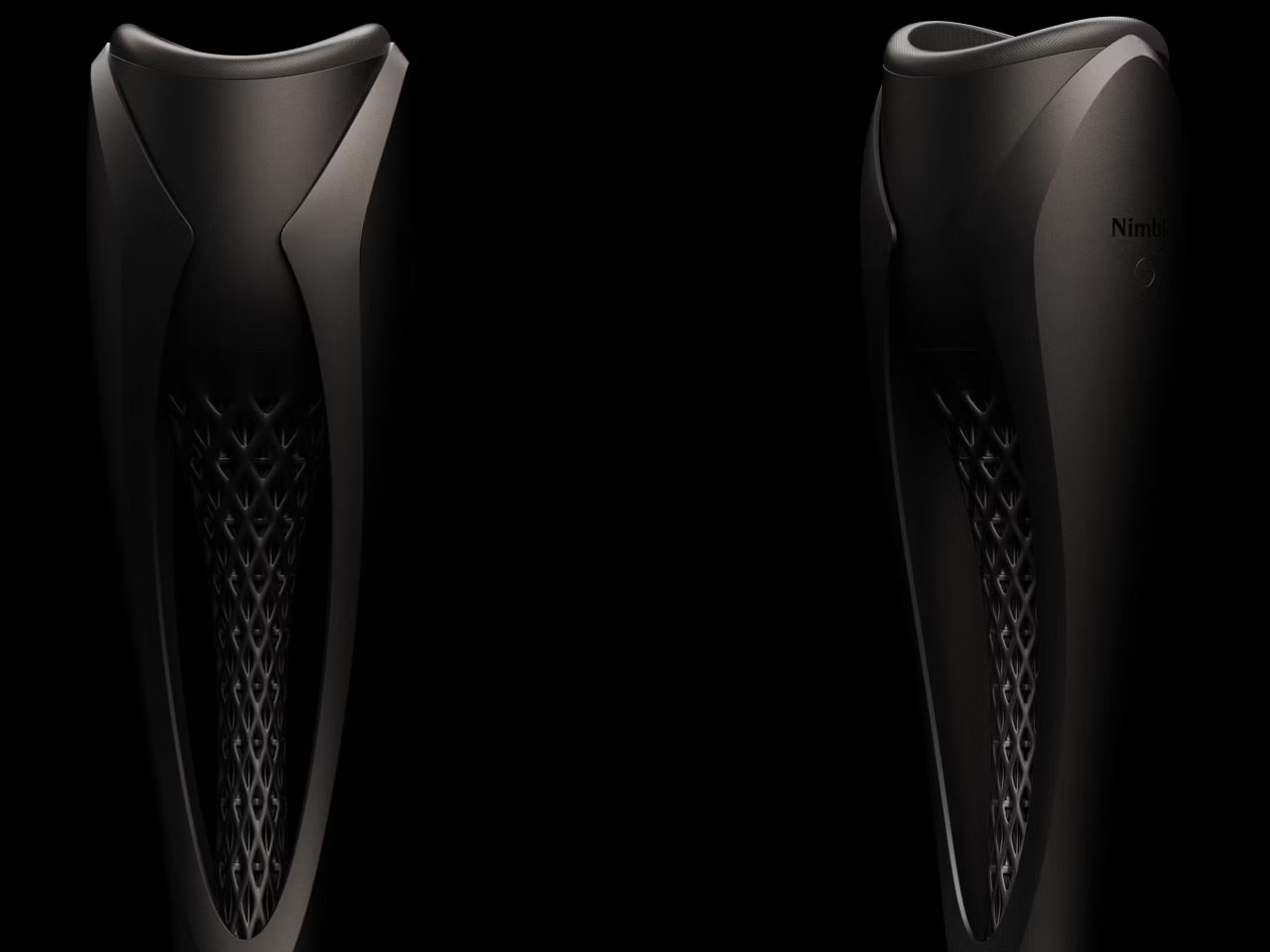
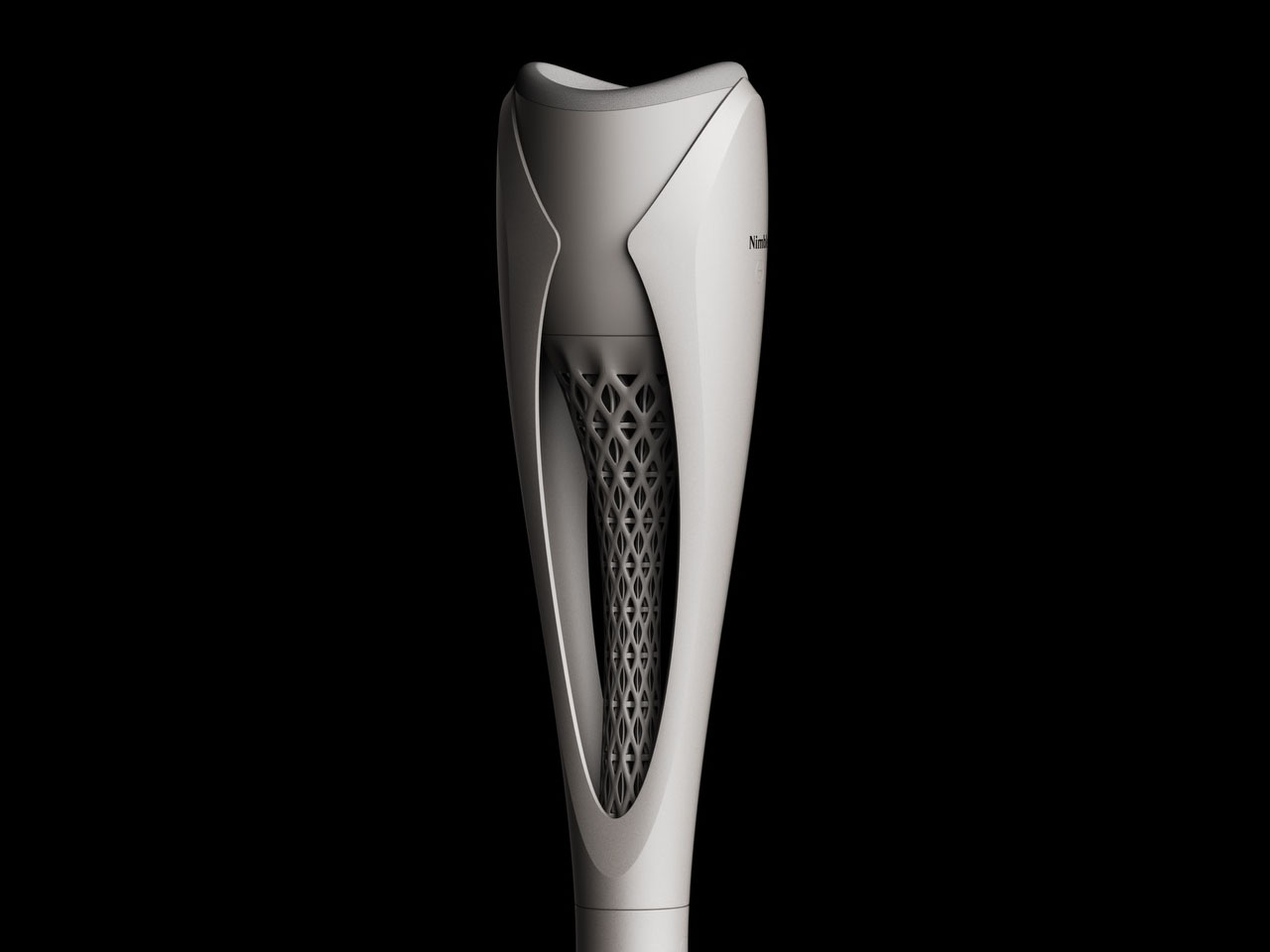
The below-knee prosthetic fin, called Nimble, is designed by Essesi Design to bring that capability to swimmers. At the core, the lightweight carbon fiber prosthetic features a 3D printed flexible lattice structure. This piece is specially designed to “reduce stress on the user’s limb while generating powerful thrust with each kick,” the design studio notes.

Designer: Essesi Design Studio

Essesi Design Studio has developed Nimble, a concept modular 3D-printed prosthetic fin, to help below-knee amputees swim with greater freedom, comfort, and technological support, making the experience both easier and more efficient for the user. The attachable prosthetic would replace the foot and the lower leg with the Nimble, comprising a carbon fiber frame and the flexible lattice structure in the main body made from rubber material for its suppleness.

The outer shell of the prosthetic is 3D printed from carbon fiber to make the prosthetic fin lightweight and robust, and the lattice component is 3D printed from rubber. Plastic components with rotatable locks are used to join the shell and the lattice and also to attach the entire prosthetic fin to the user’s upper limb.

As mentioned, the lattice unit is basically the heart of this conceptual fin designed for those who have lost a leg. It’s the flexible part that moves when the swimmer kicks. On a downward kick, the structure compresses to store energy and when the kick’s complete, the flexible section snaps back to its original position, simultaneously creating thrust to help the user push forward. Just to ensure this thrust does not hurt the user, the same lattice structure absorbs the impact, preventing the upper part of the leg attached to the prosthetic from experiencing pain or discomfort.

The modular 3D printed prosthetic fin by Essesi Design Studio is in the conceptual stage at the time of writing. But with its promising abilities, The Nimble prosthetic fin should be a compelling option to make it easier for amputees to swim better without exerting too much pressure on their limbs. So, if Nimble can be successfully developed and commercialized, it would definitely open up new avenues in athletic swimming and physical rehabilitation.

The post 3D printed prosthetic fin lets below-knee amputees swim with freedom and efficiency first appeared on Yanko Design.

SPOT ON Charger Makes Wireless Charging Feel Like a Bullseye

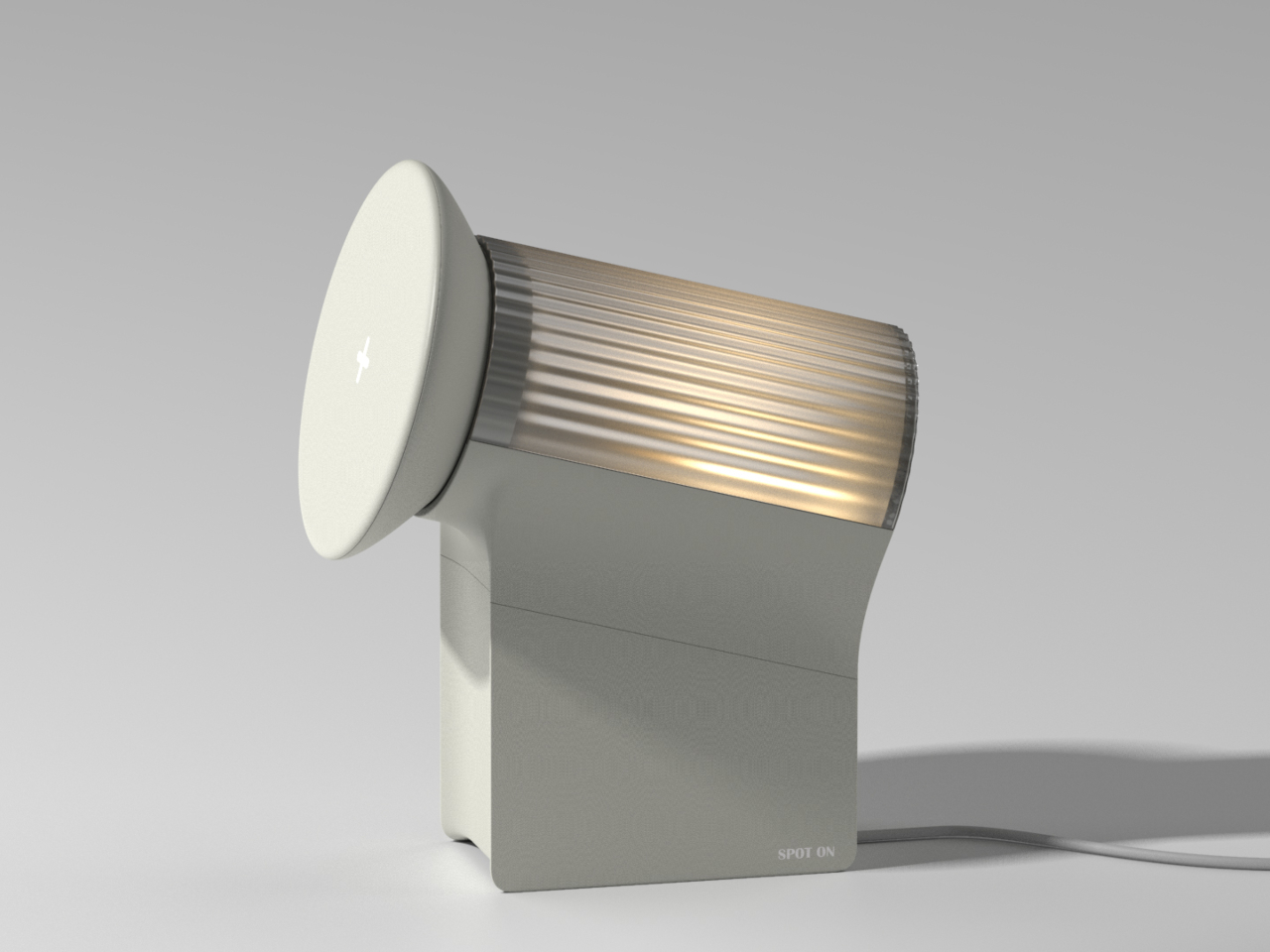
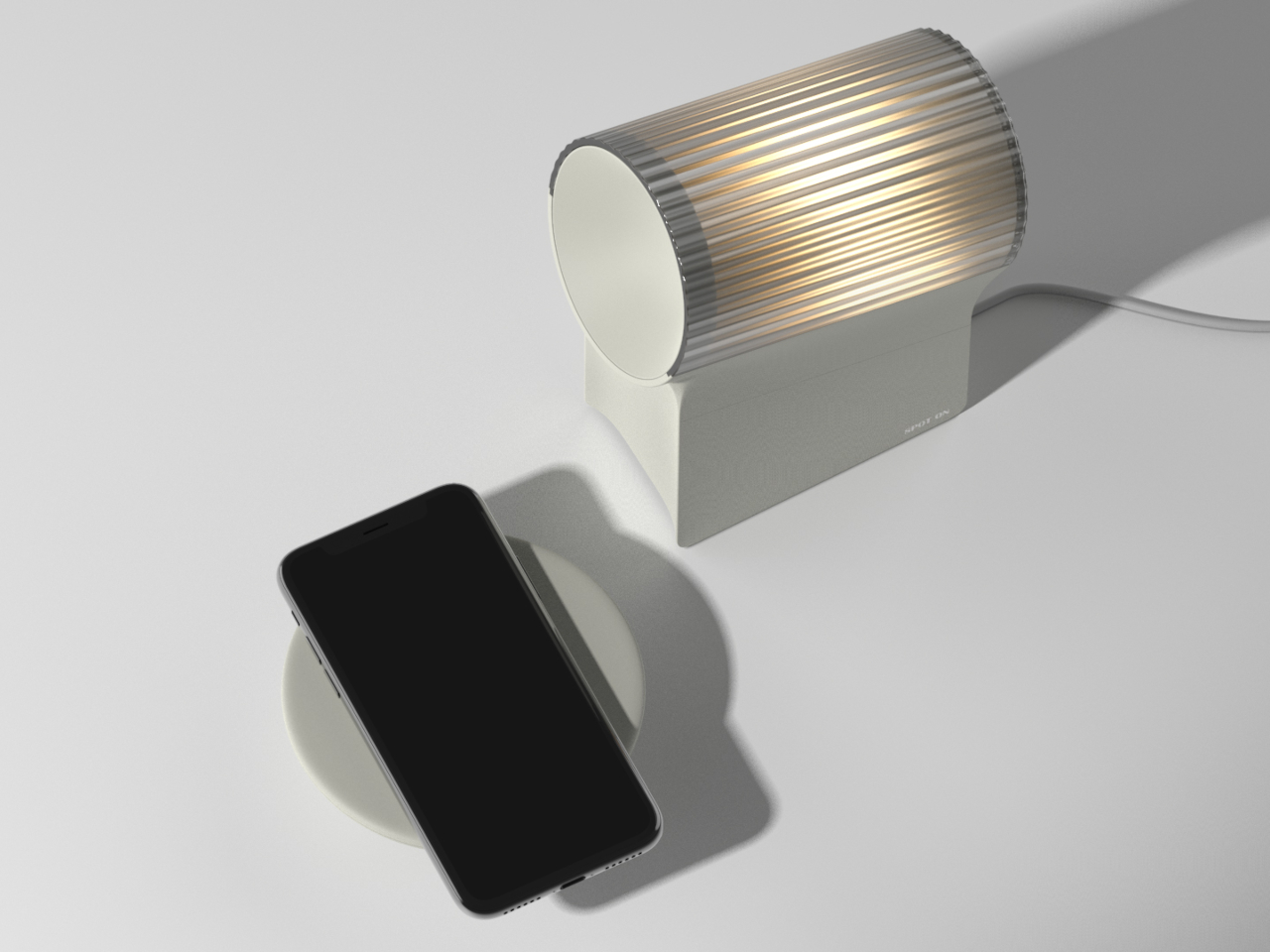
Wireless chargers have become common, but most are anonymous black discs that disappear into the desk. They do the job, but rarely feel personal or satisfying to use beyond the first week you own them. SPOT ON is a concept that tries to make charging feel more deliberate and expressive, combining a magnetic pad with a small lamp so the whole interaction has a bit more presence on your nightstand or desk.

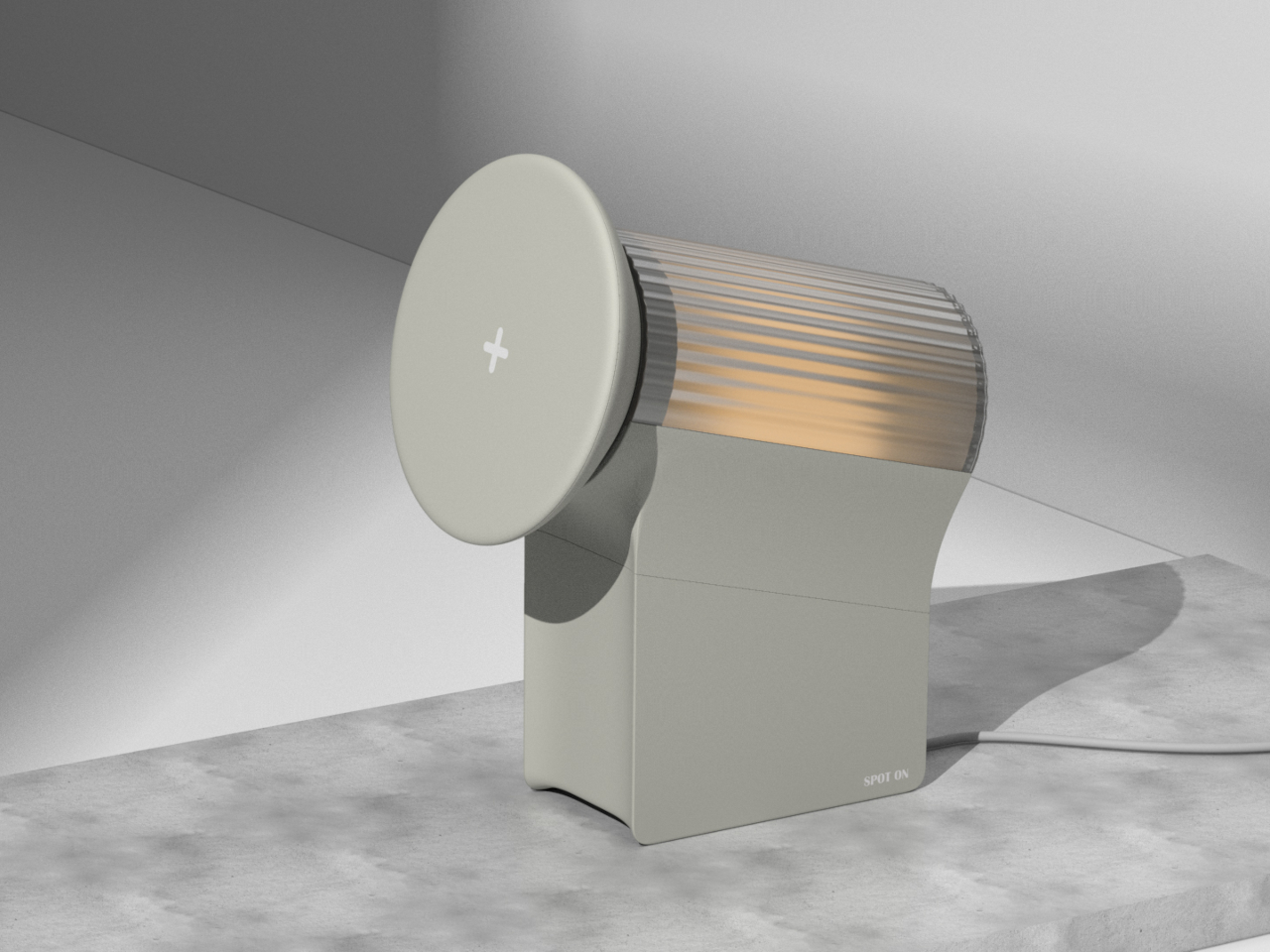
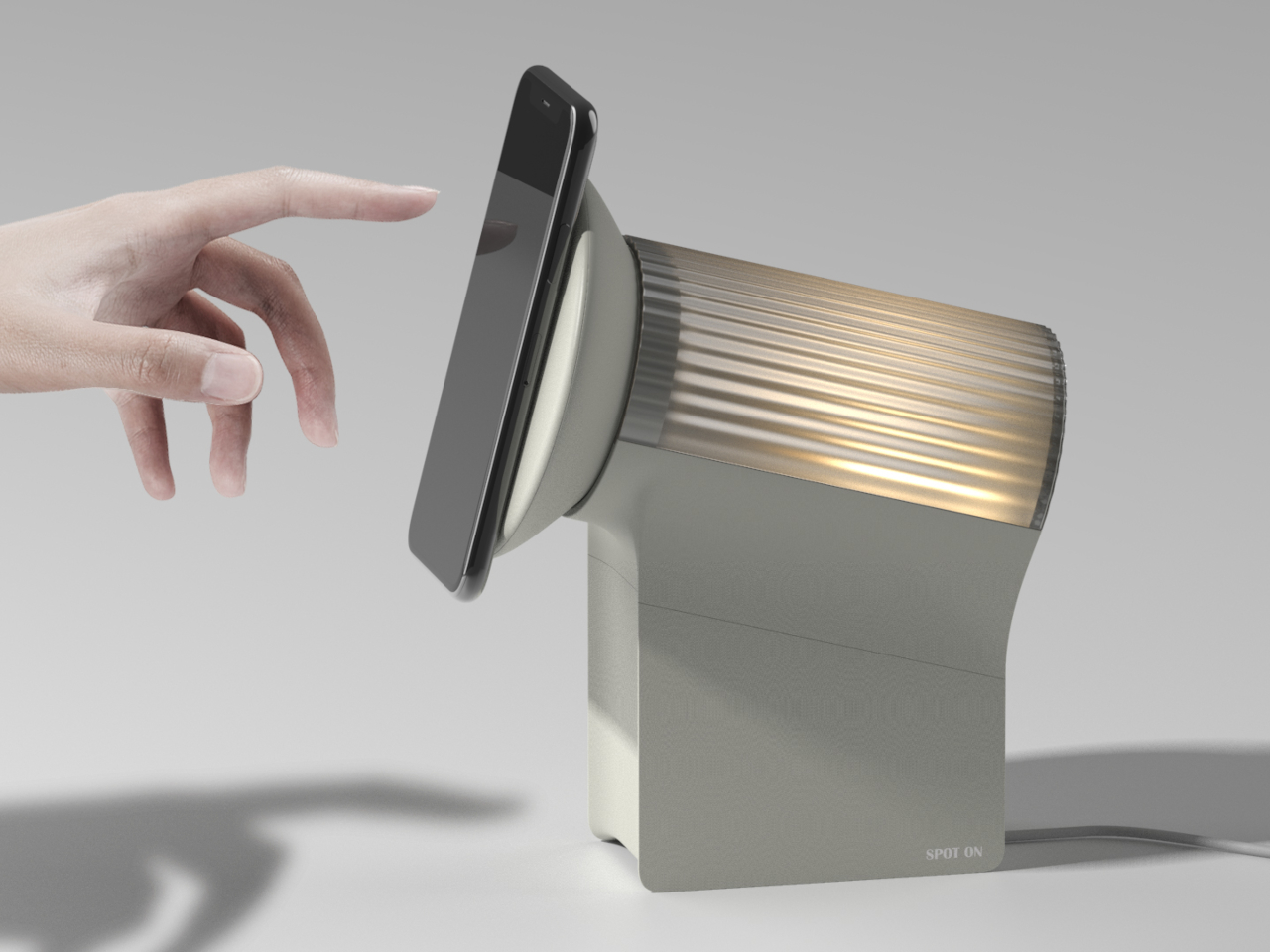
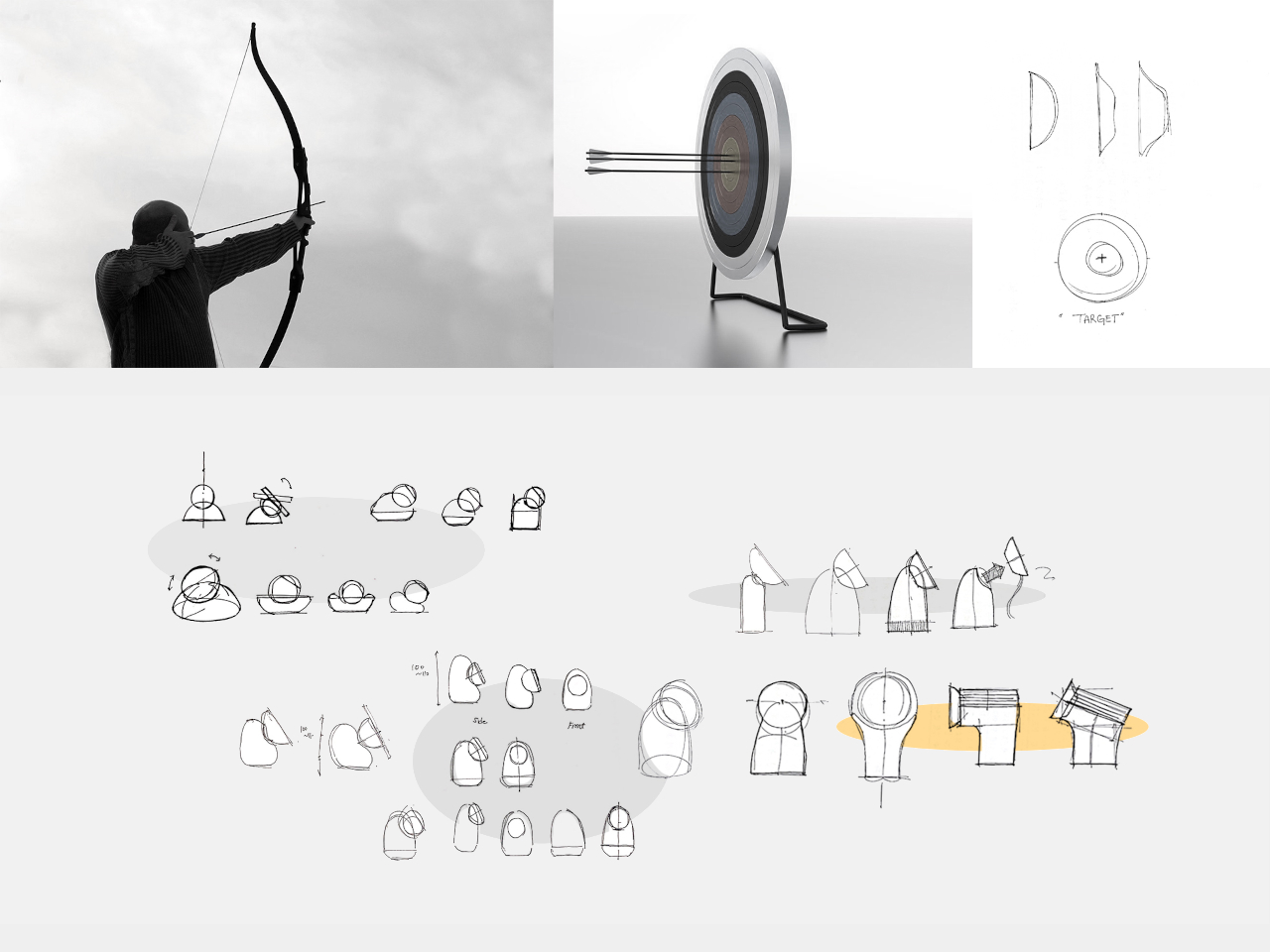
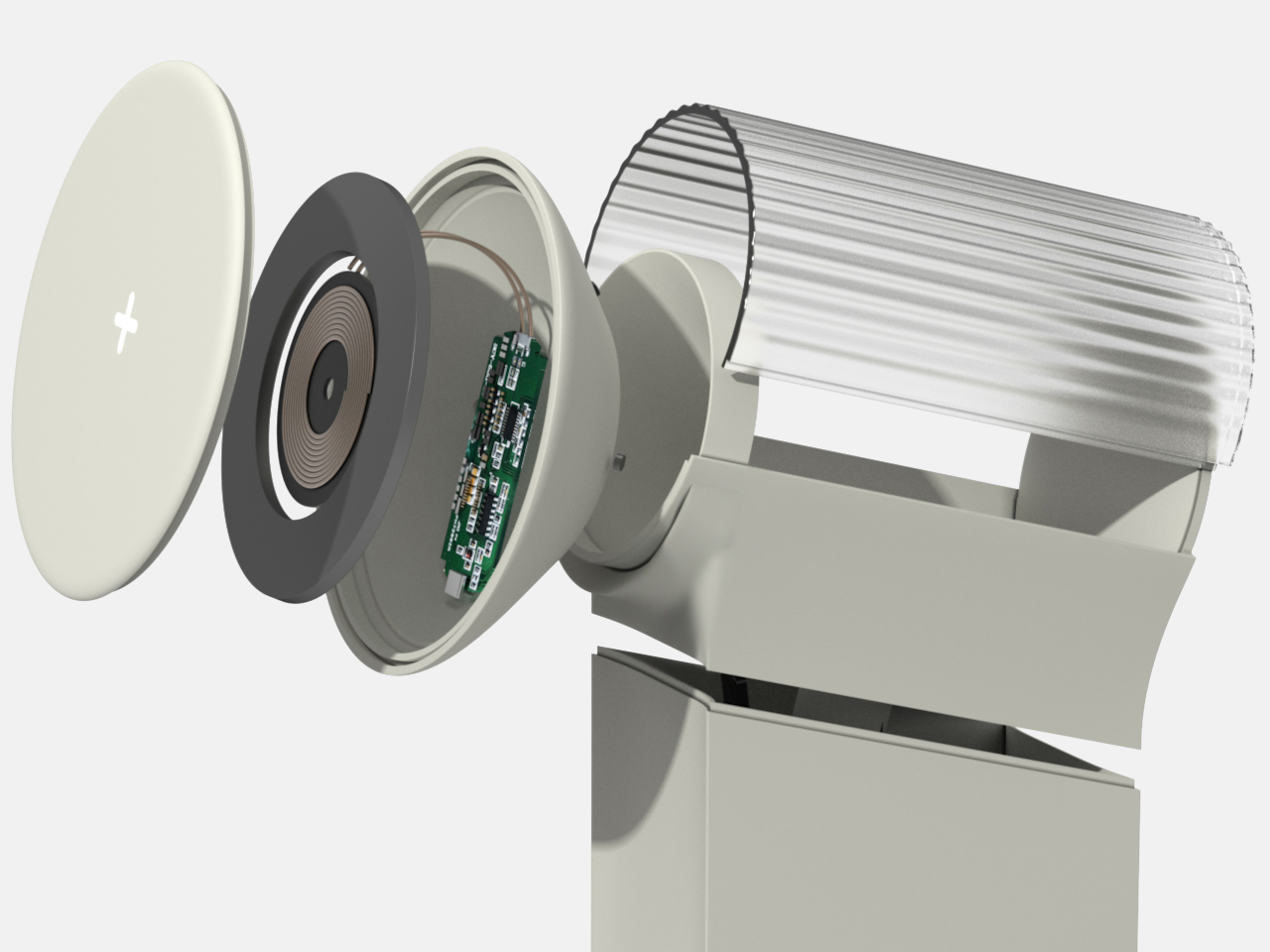
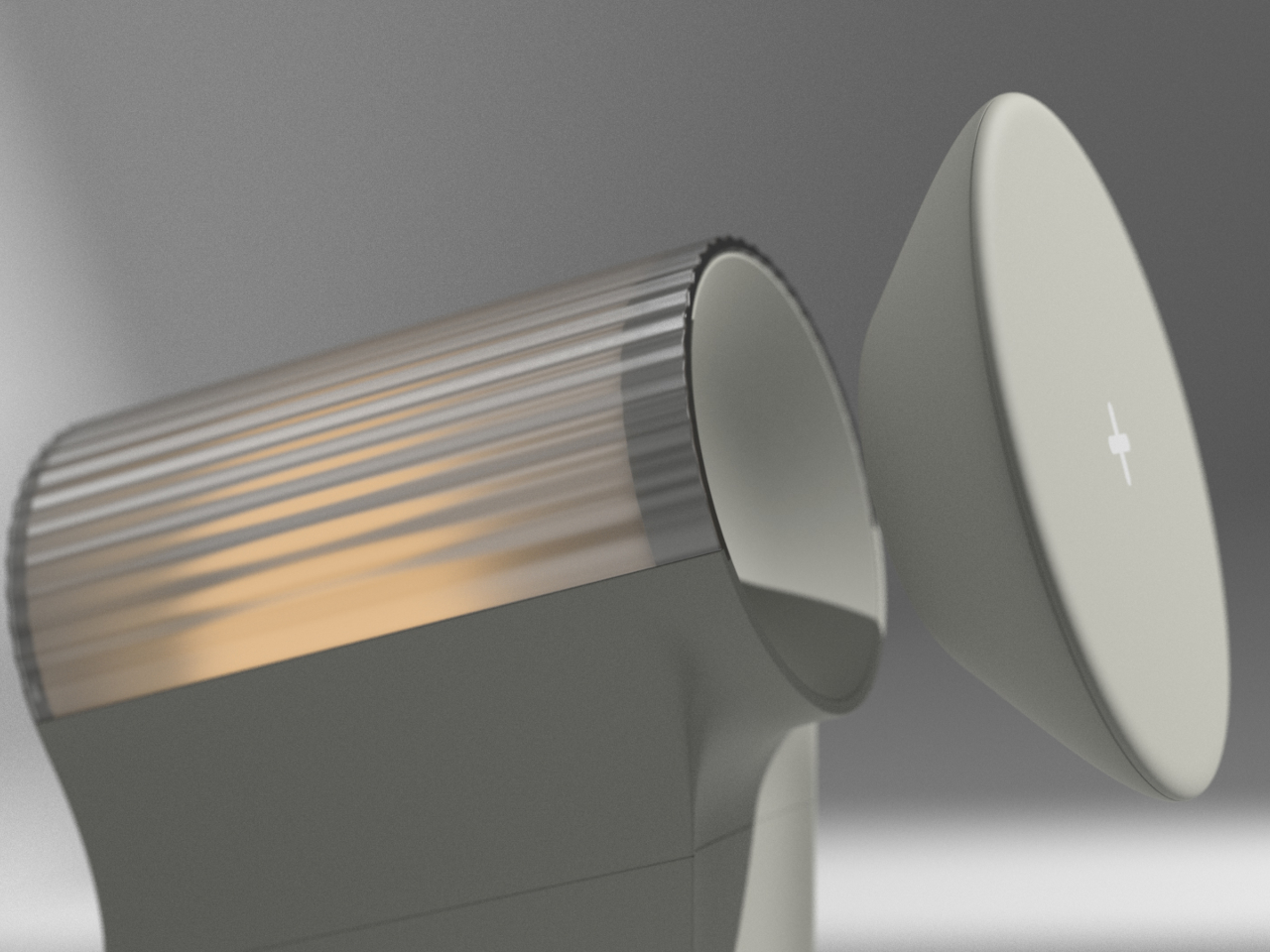
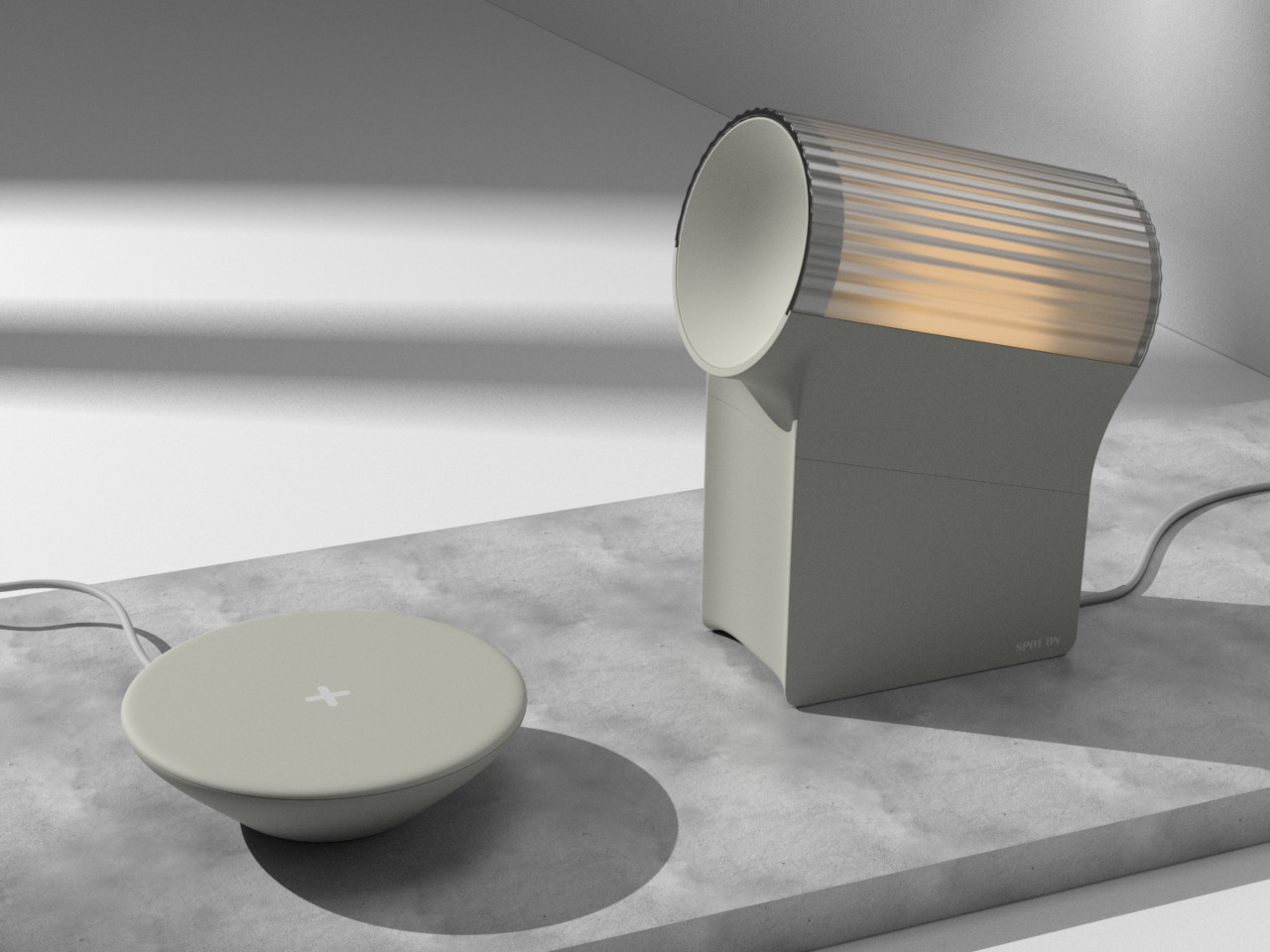
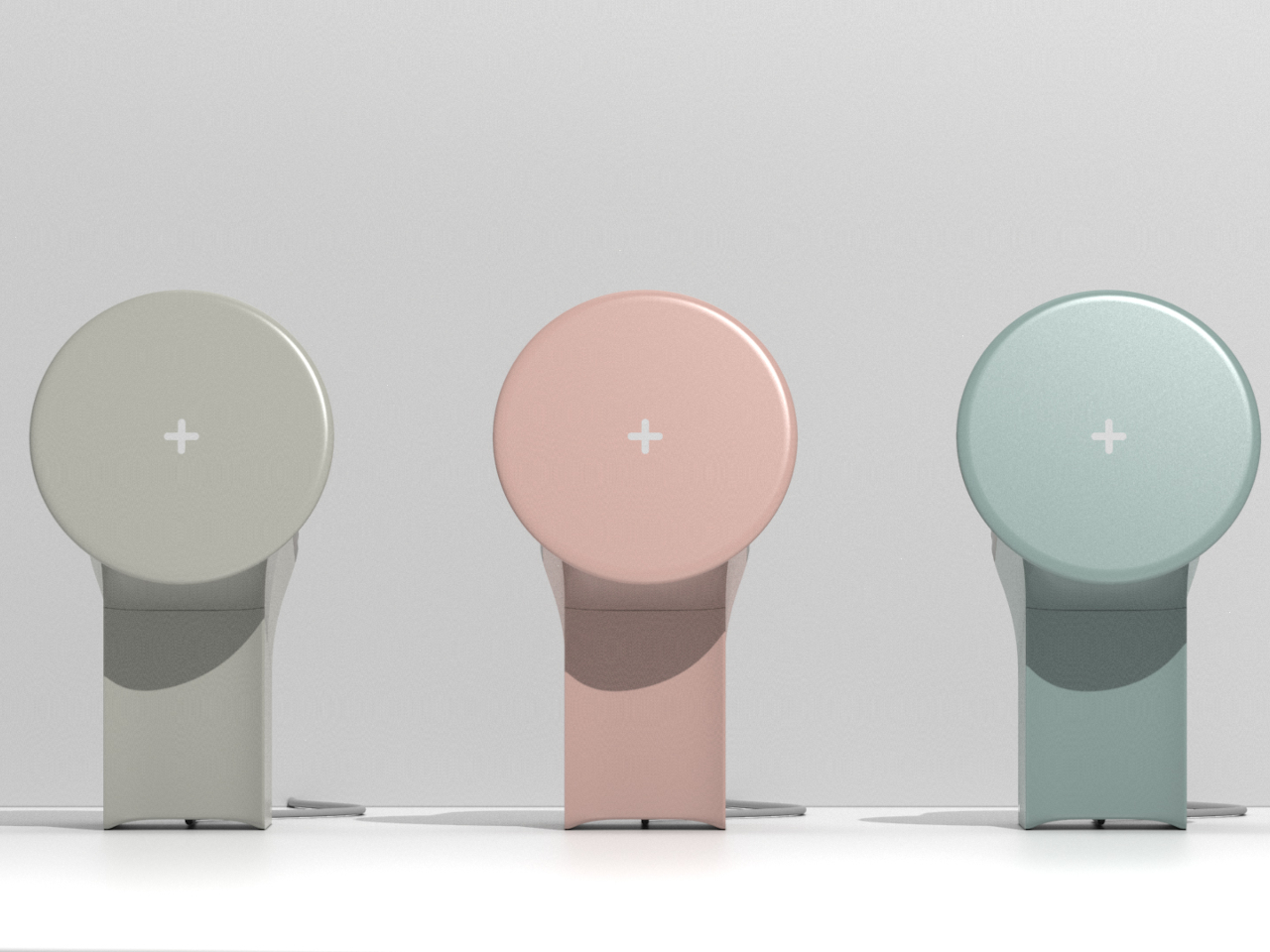
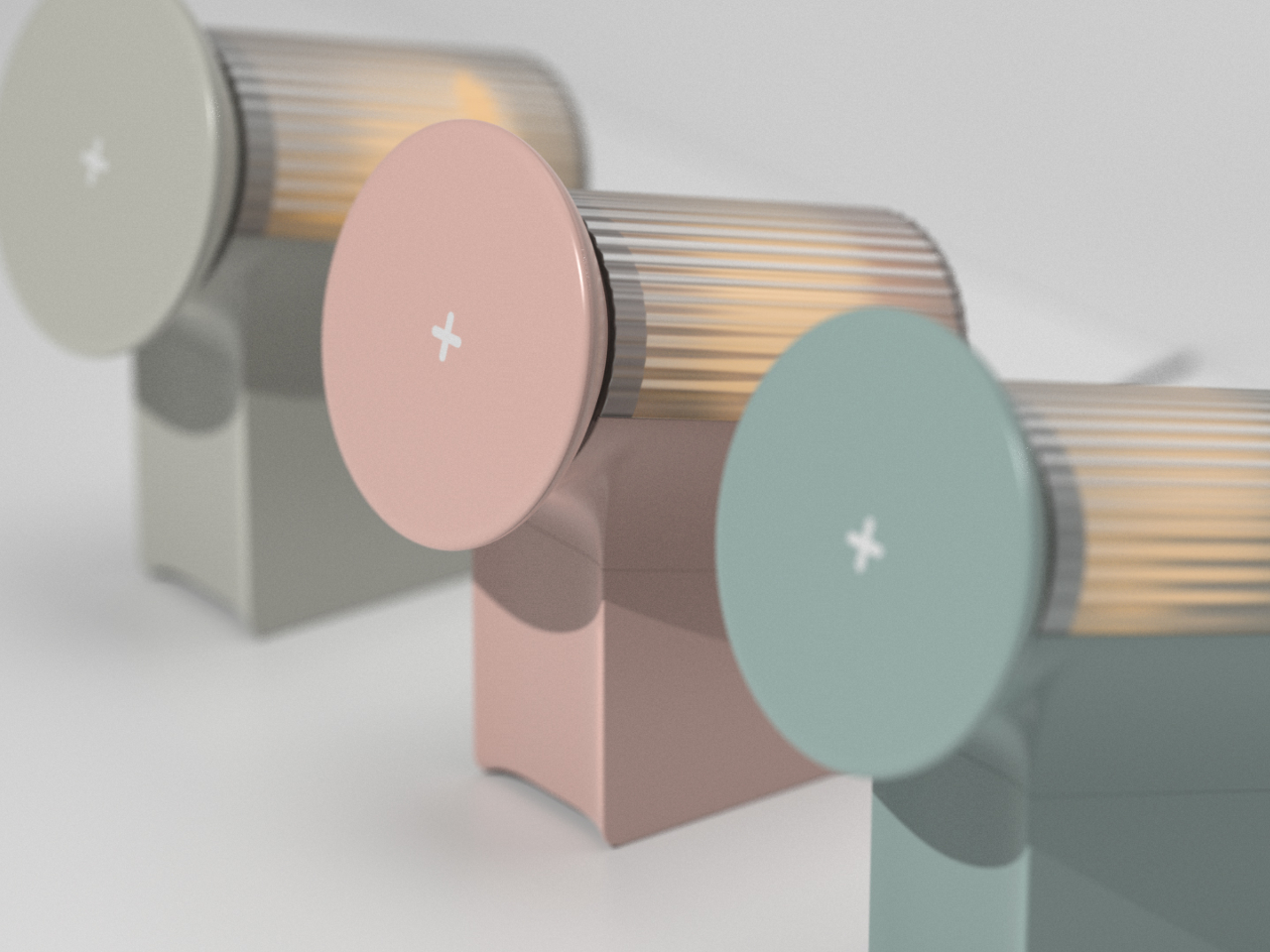
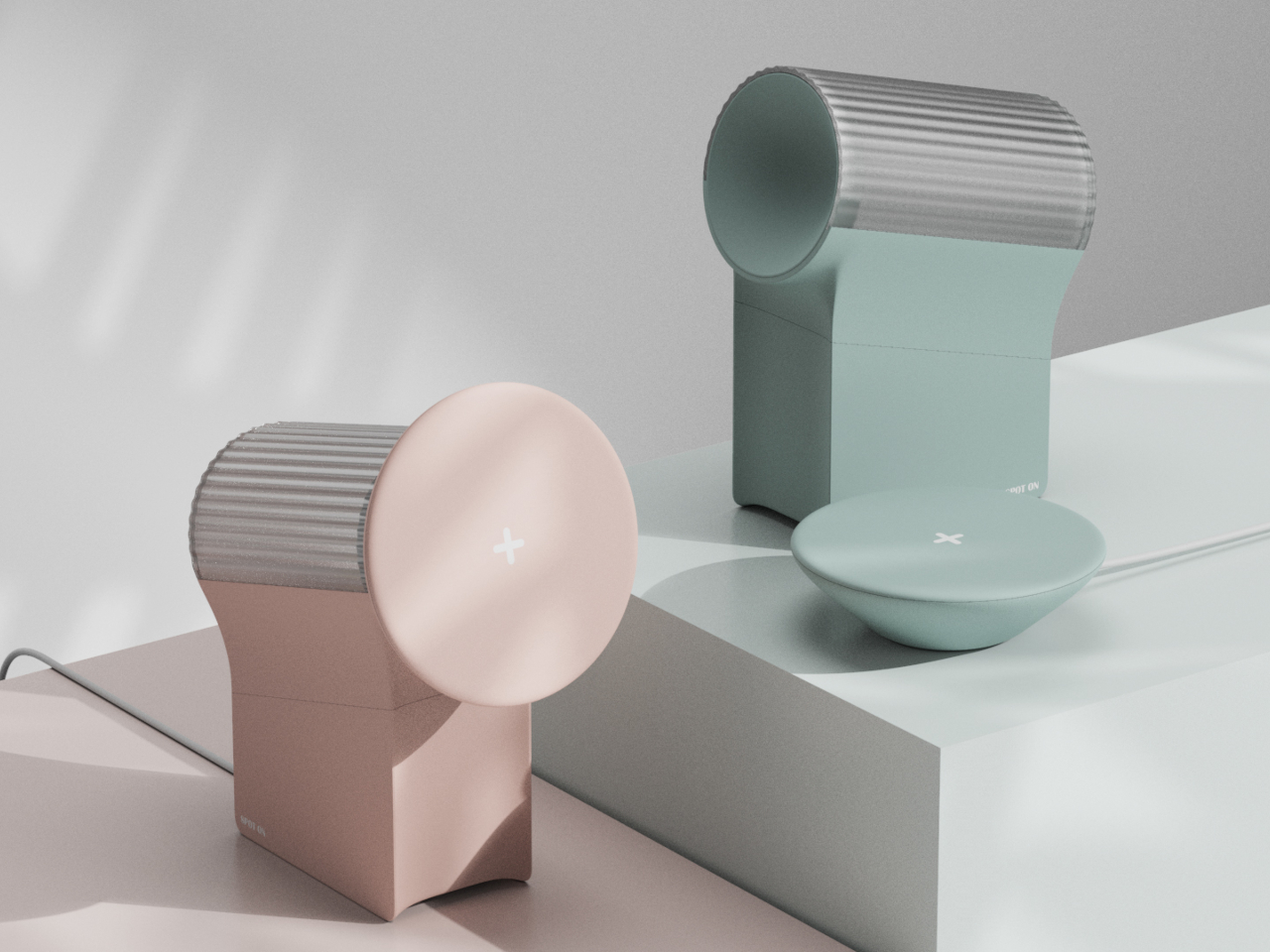
SPOT ON is a wireless charger and ambient lamp concept designed around a bow-and-target motif. The charging pad is a circular target that snaps magnetically to the front of a tilted cylindrical lamp body. You can dock the pad to use it as a stand charger, or pull it off and lay it flat as a separate wireless pad while the lamp continues to glow in the background.

Designer: SEUNG-A-LEE

Inside the pad is a magnet that aligns the phone with the charging coil, so when you bring your device close, it snaps into place with a satisfying click. The designer explicitly likens this to hitting the target, turning the usual hunt for the right charging spot into a more playful, bullseye moment. The subtle cross mark on the pad reinforces that visual cue every time you place your phone.

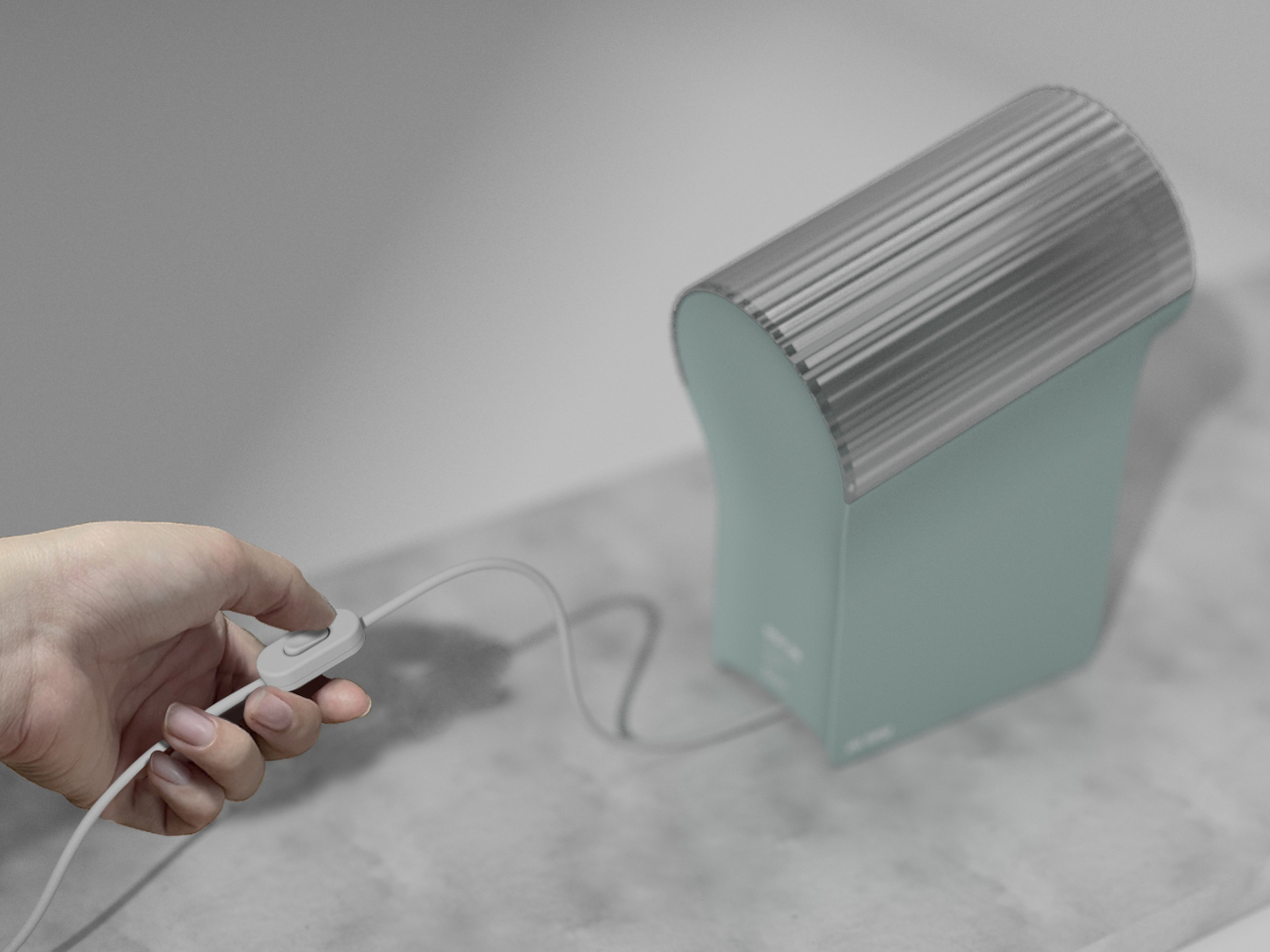
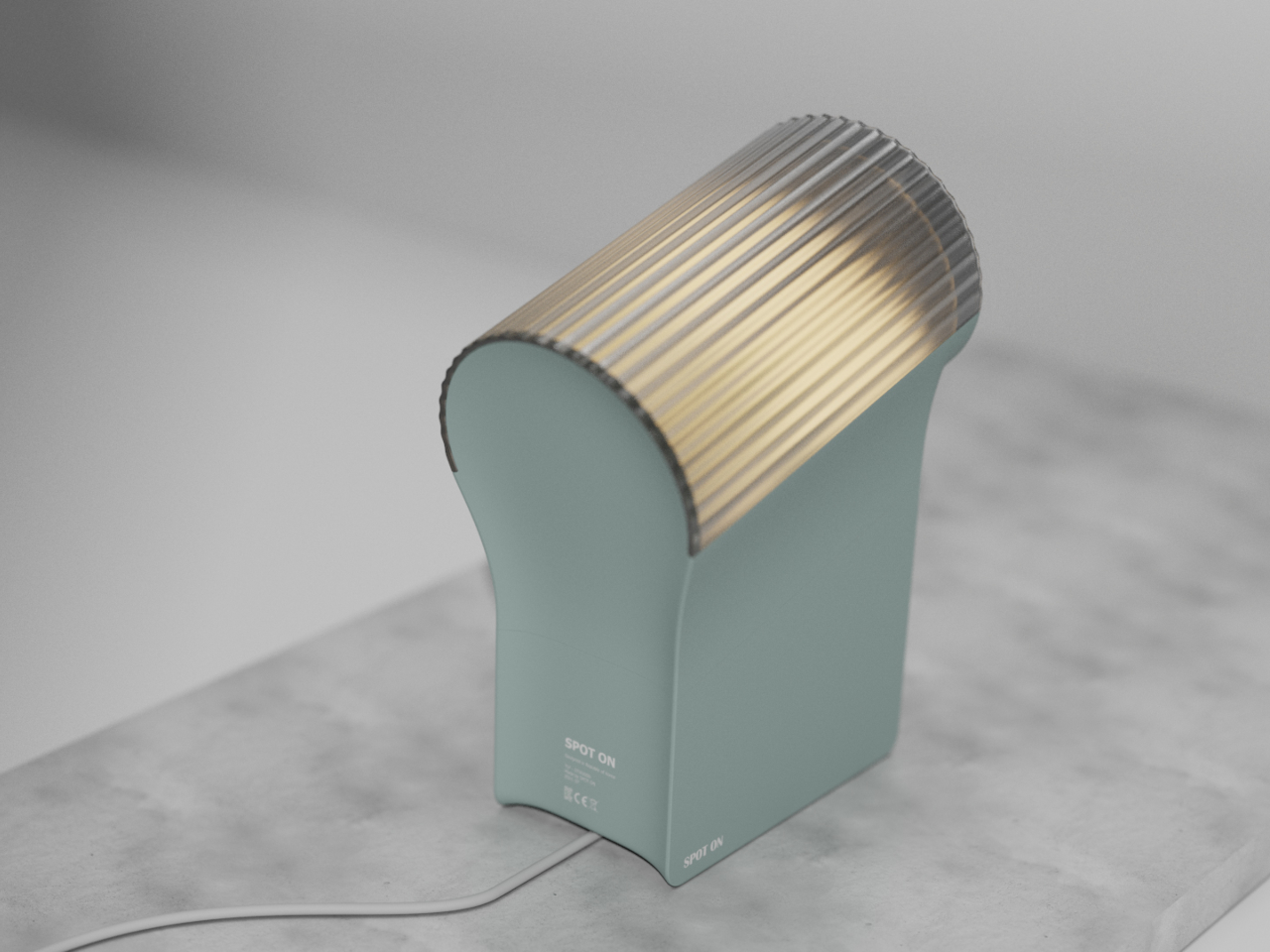
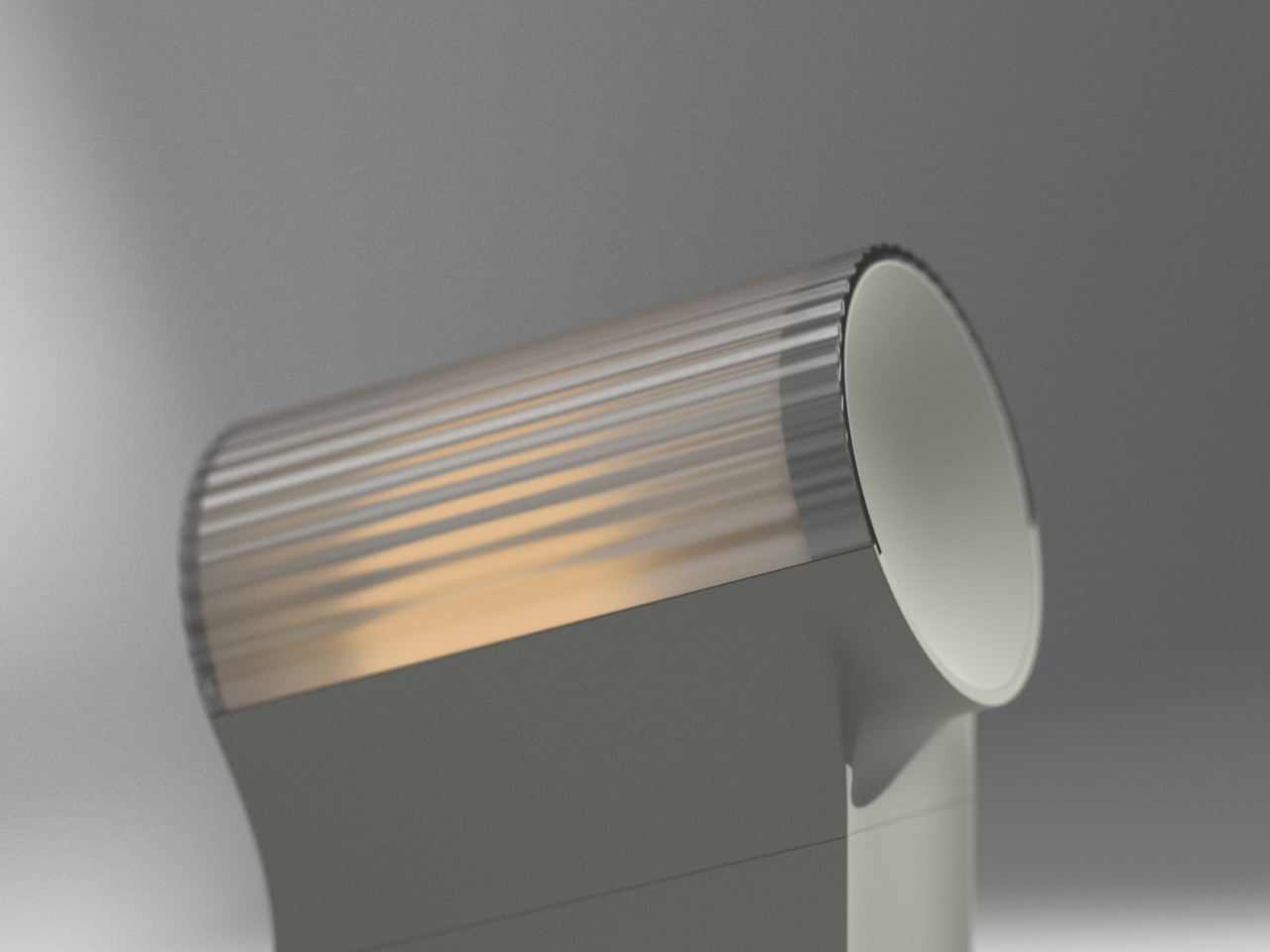
The lamp body is a tilted cylinder with vertical grooves, mounted on a simple rectangular base. When lit, the ribbed surface diffuses a warm, gentle glow, more mood light than task lamp. It’s the kind of object that can sit on a bedside table or shelf without screaming tech, giving you a bit of atmosphere while your phone charges upright in front of it.

Because the pad attaches magnetically, it can be pulled off in one motion and used as a flat wireless charger anywhere on the desk or nightstand. The lamp stays behind as a standalone light. That separation lets users adapt SPOT ON to different environments and habits, whether they prefer a stand for video calls or a low pad for casual overnight charging without the upright position.

SPOT ON comes in soft, desaturated tones like warm beige, blush pink, and muted teal, each with a matching pad. The palette leans more toward interior decor than gadgetry, making it easier to blend into different rooms. The combination of simple geometry, gentle colors, and the bow-and-target metaphor gives the charger a character that feels more like a small object you chose than a piece of infrastructure you tolerate.

SPOT ON is a reminder that even something as mundane as charging a phone can be turned into a small ritual. By adding a magnetic snap, a bit of ambient light, and a form that shifts between stand and pad, it nudges the interaction from purely functional to quietly satisfying. For anyone tired of generic charging pucks, this kind of concept hints at a more thoughtful future for everyday tech.

The post SPOT ON Charger Makes Wireless Charging Feel Like a Bullseye first appeared on Yanko Design.

7 Best Camping Gear Essentials for Weekend Warriors

Weekend camping trips have evolved beyond basic survival. Today’s outdoor enthusiasts expect gear that performs multiple functions, weighs practically nothing, and looks good doing it. The days of hauling clunky Coleman equipment into the wilderness are fading, replaced by thoughtfully engineered tools that blend form with serious function. Modern camping gear speaks a different language—one where aerospace aluminum meets compact portability, where vintage aesthetics hide cutting-edge technology.

The best weekend warriors understand that quality gear transforms a trip from an endurance test to genuine enjoyment. Every ounce matters when you’re hiking to your campsite. Every feature counts when you’re miles from the nearest outlet or hardware store. The seven essentials gathered here represent a new standard in outdoor equipment: beautifully designed, seriously capable, and built to handle everything from mild evenings to legitimate emergencies. These aren’t gadgets. They’re investments in better experiences outdoors.

1. Lumitwin DL700

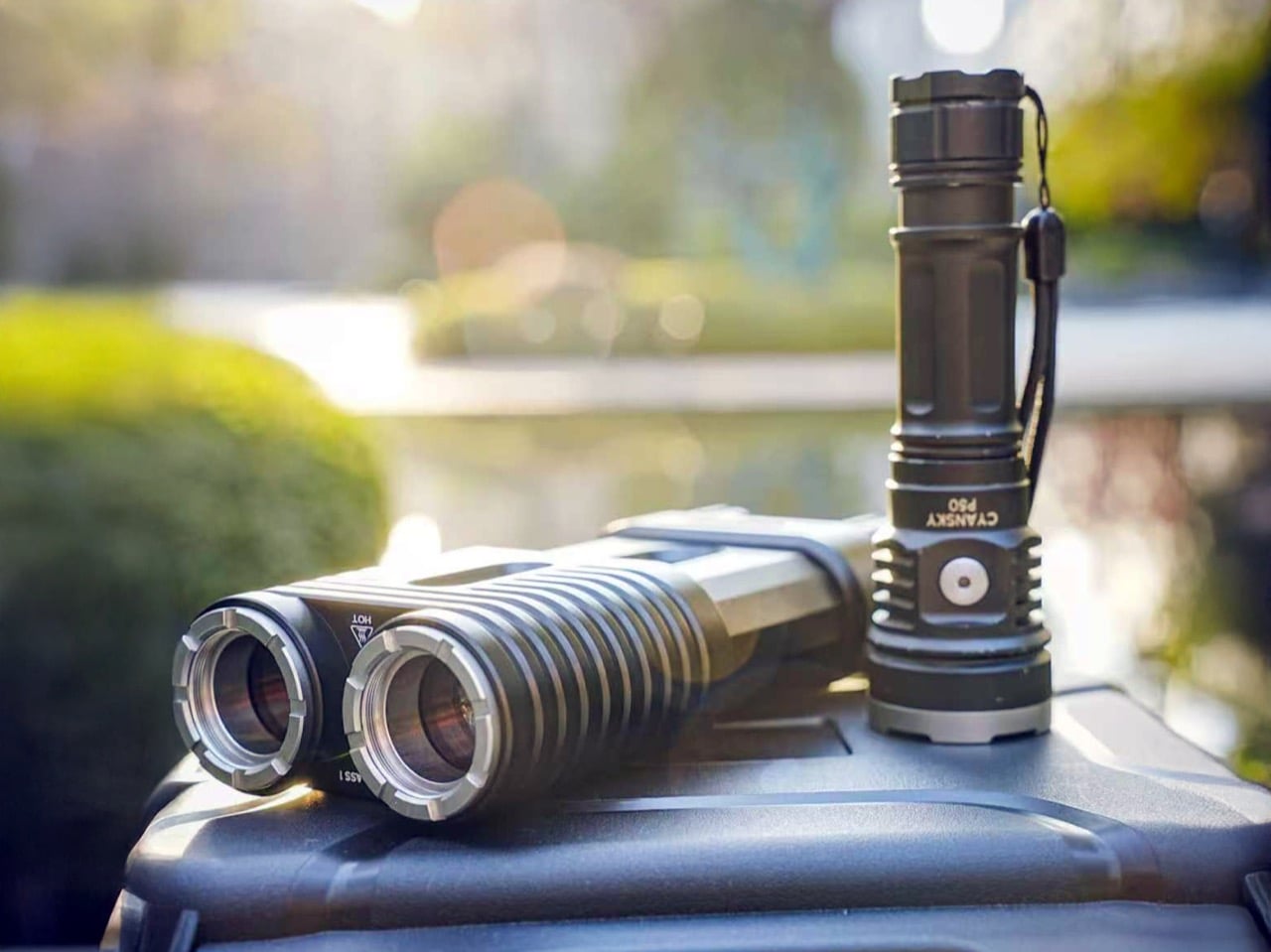
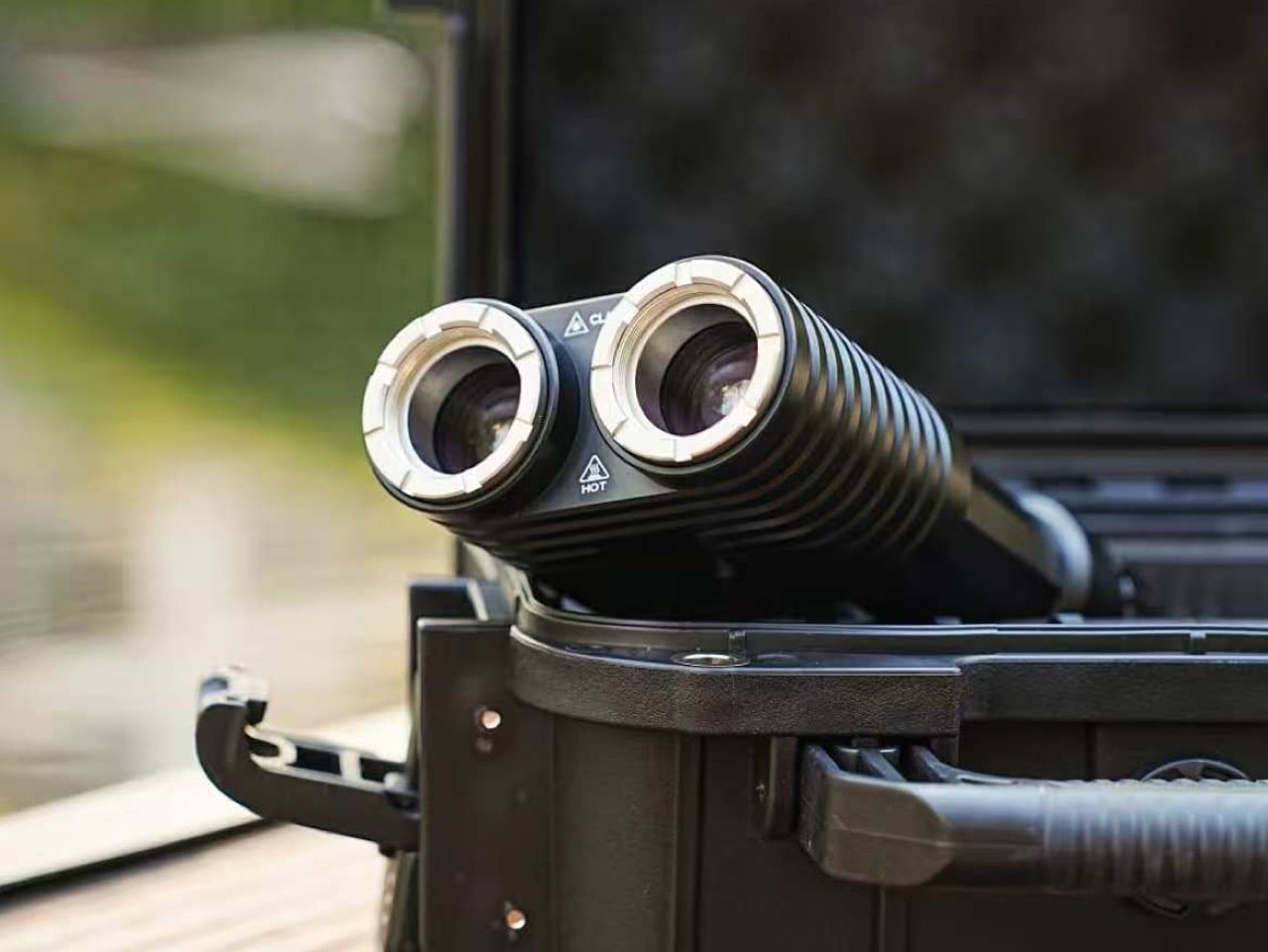
Most flashlights promise brightness. The Lumitwin DL700 delivers distance—an astonishing 2 kilometers of beam throw that turns night into navigable terrain. This isn’t achieved through brute-force LED arrays but through laser-excited phosphor modules housed in dual independently-controlled barrels. Each barrel operates separately, giving you precision control over where and how light gets deployed. The aerospace aluminum body weighs just over a kilogram, substantial enough to feel serious without becoming a burden clipped to your pack.

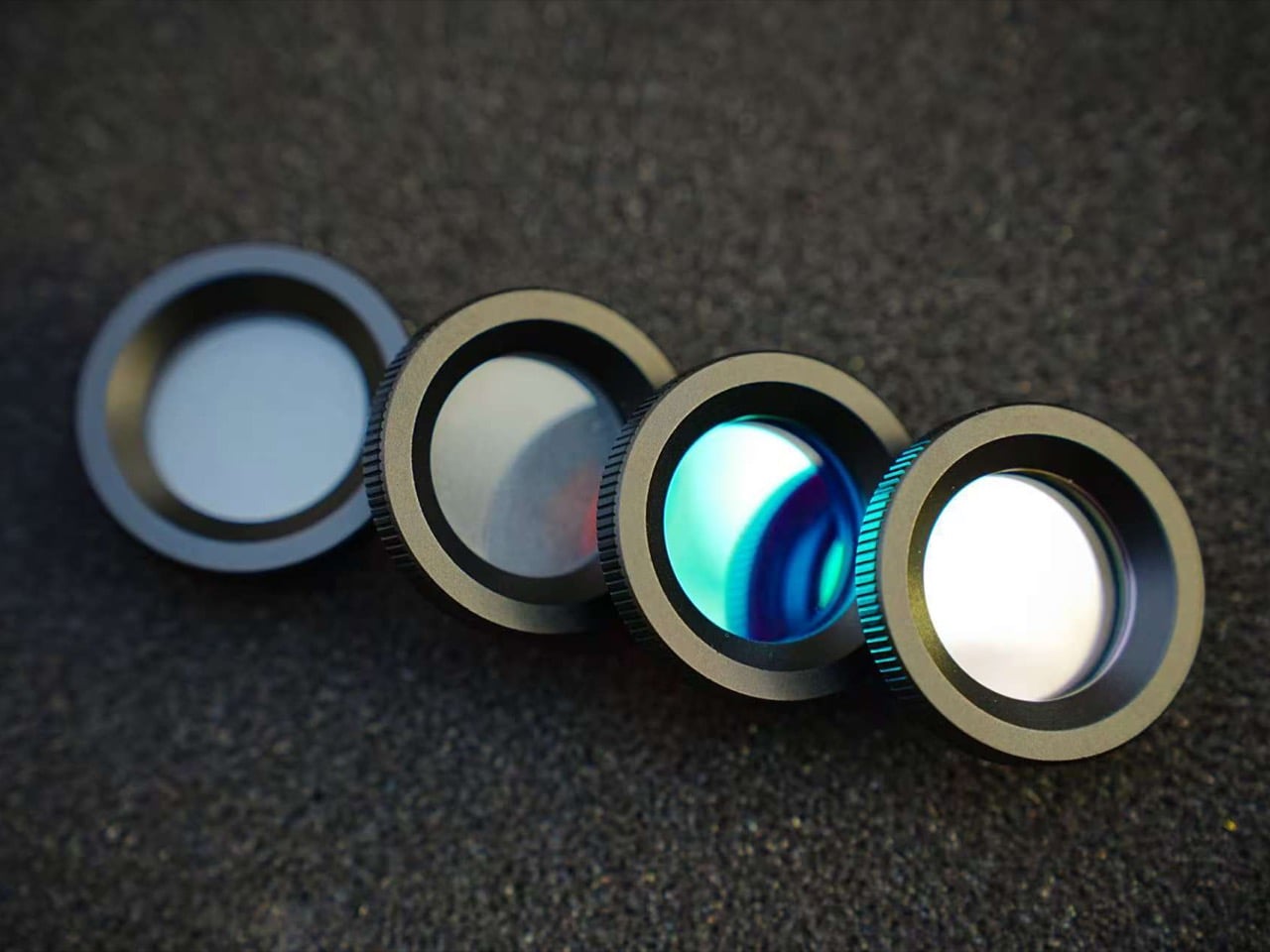
What sets this flashlight apart for weekend camping is its adaptability through swappable color filters. Red light preserves night vision around camp. Green cuts through fog on misty mornings. The flood filter transforms focused beams into area lighting when you need to illuminate your entire campsite. IP68 waterproofing means rain, river crossings, and accidental drops into streams won’t end your light source. The 1-meter drop rating ensures it survives the inevitable tumbles that come with outdoor adventure. This is engineered resilience meeting thoughtful design.

What we like

  • The 2-kilometer beam distance eliminates the anxiety of navigating unfamiliar trails after dark
  • Dual barrels with independent controls offer lighting flexibility that no single-beam flashlight can match

What we dislike

  • At over 1,000 grams, it’s heavier than ultralight backpackers typically prefer
  • The high-performance laser-excited phosphor technology comes with a premium price point

2. RetroWave 7-in-1 Radio

Behind its vintage Japanese aesthetic and tactile tuning dial sits genuinely useful modern technology wrapped in retro charm. The RetroWave pulls off the rare feat of looking like it belongs in a 1970s study while functioning like contemporary emergency equipment. Its seven functions—AM/FM/SW radio, Bluetooth speaker, MP3 player, flashlight, clock, power bank, and SOS alarm—make it the Swiss Army knife of communication and entertainment gear. That retro dial isn’t just decorative; it’s a genuinely satisfying way to tune analog stations without touchscreens or menus.

For weekend warriors, this radio solves the connectivity problem elegantly. Stream music via Bluetooth when you have a signal. Switch to stored MP3s from USB or microSD when you’re off-grid. The hand-crank and solar panel charging ensure you’re never completely powerless, even during extended trips. The built-in flashlight and SOS alarm transform it from an entertainment device to legitimate safety equipment. Its compact form fits easily into any camping setup, bringing both comfort and contingency planning into one beautifully designed package.

Click Here to Buy Now: $89.00

What we like

  • Seven genuinely useful functions in one device eliminate the need for multiple gadgets
  • Hand-crank and solar charging provide power independence when you’re far from outlets

What we dislike

  • The vintage aesthetic may not appeal to minimalists who prefer sleek modern design
  • Shortwave radio feels somewhat redundant for typical weekend camping scenarios

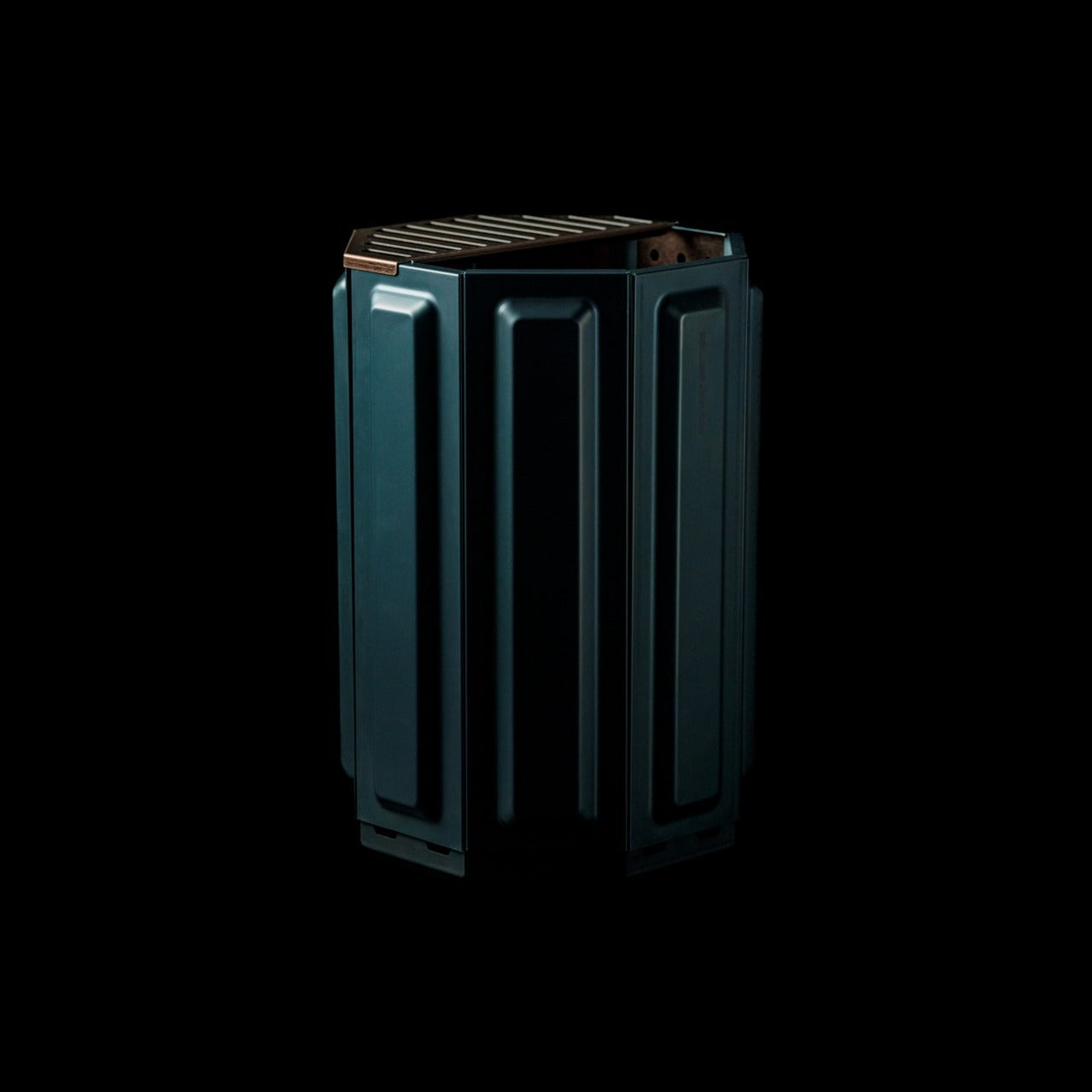
3. Airflow 8-Panel Fire Pit

Traditional campfires demand constant attention—poking, prodding, repositioning logs to maintain flames while managing smoke that invariably blows in your face. Sanyo Works reimagined this ancient ritual with engineering precision. Their eight-panel removable fire pit system creates adjustable secondary combustion, fundamentally changing how efficiently wood burns. Fresh air enters through strategically positioned holes at each panel’s base, then ascends through double-walled cavities where it heats before expelling from top vents. This creates a secondary burn that consumes smoke particles before they escape.

The genius lies in adjustability. All eight panels assembled create maximum secondary combustion—hotter fire, minimal smoke, perfect for cooking or cold nights. Remove panels to reduce intensity for ambient warmth without cooking-level heat. The system self-regulates based on your configuration, giving control without complexity. Cleanup becomes genuinely simple since efficient combustion leaves less ash and residue. For weekend warriors who want campfire ambiance without campfire hassle, this represents a significant upgrade over traditional fire rings. It’s campfire culture refined through thoughtful design and metalworking expertise.

Click Here to Buy Now: $325.00

What we like

  • Adjustable panel system provides unprecedented control over fire intensity and smoke output
  • Secondary combustion technology delivers cleaner burns with significantly less ash and residue

What we dislike

  • The eight-panel system adds bulk compared to simple collapsible fire rings
  • Higher initial cost than basic camping fire solutions

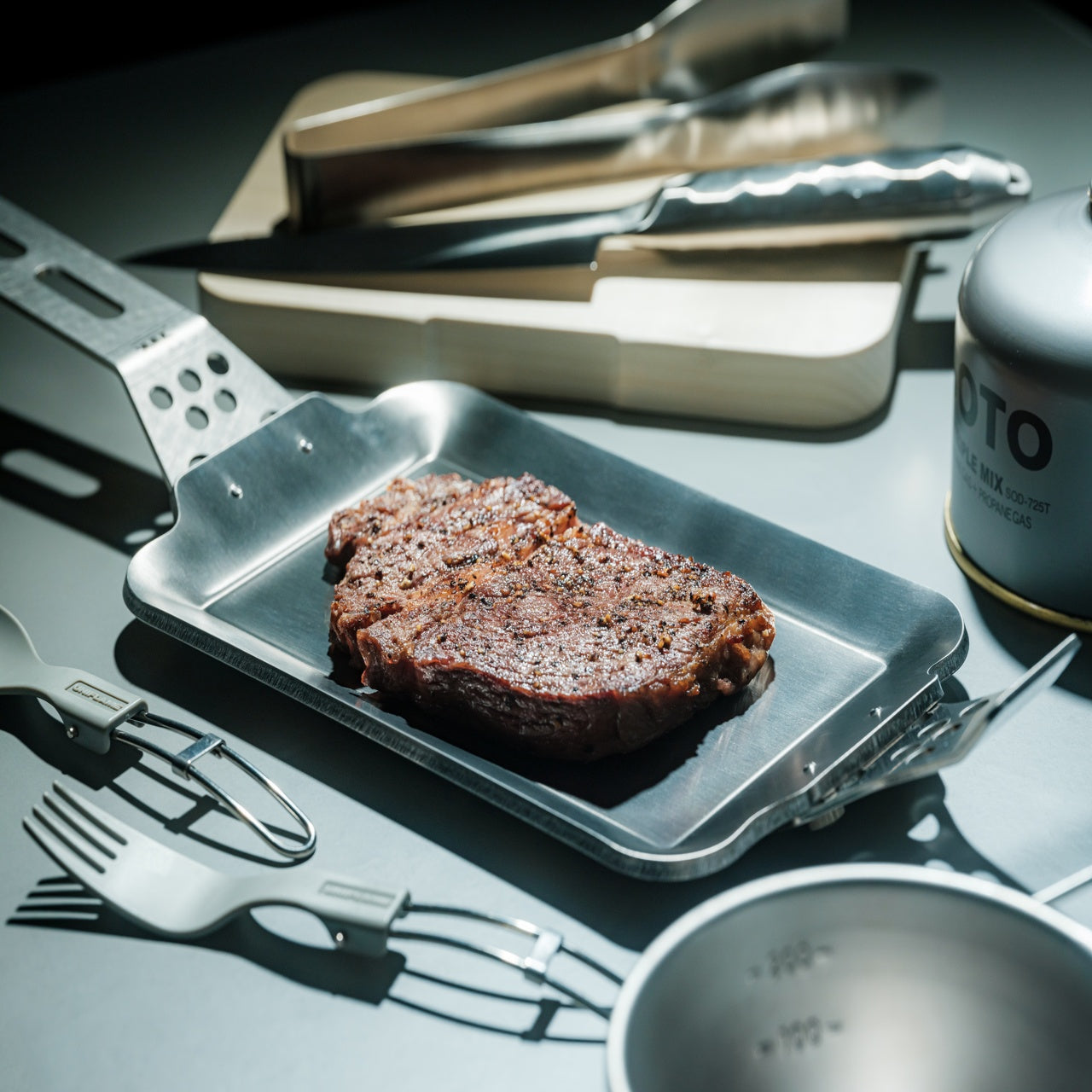
4. Compact Modular Grill Plate

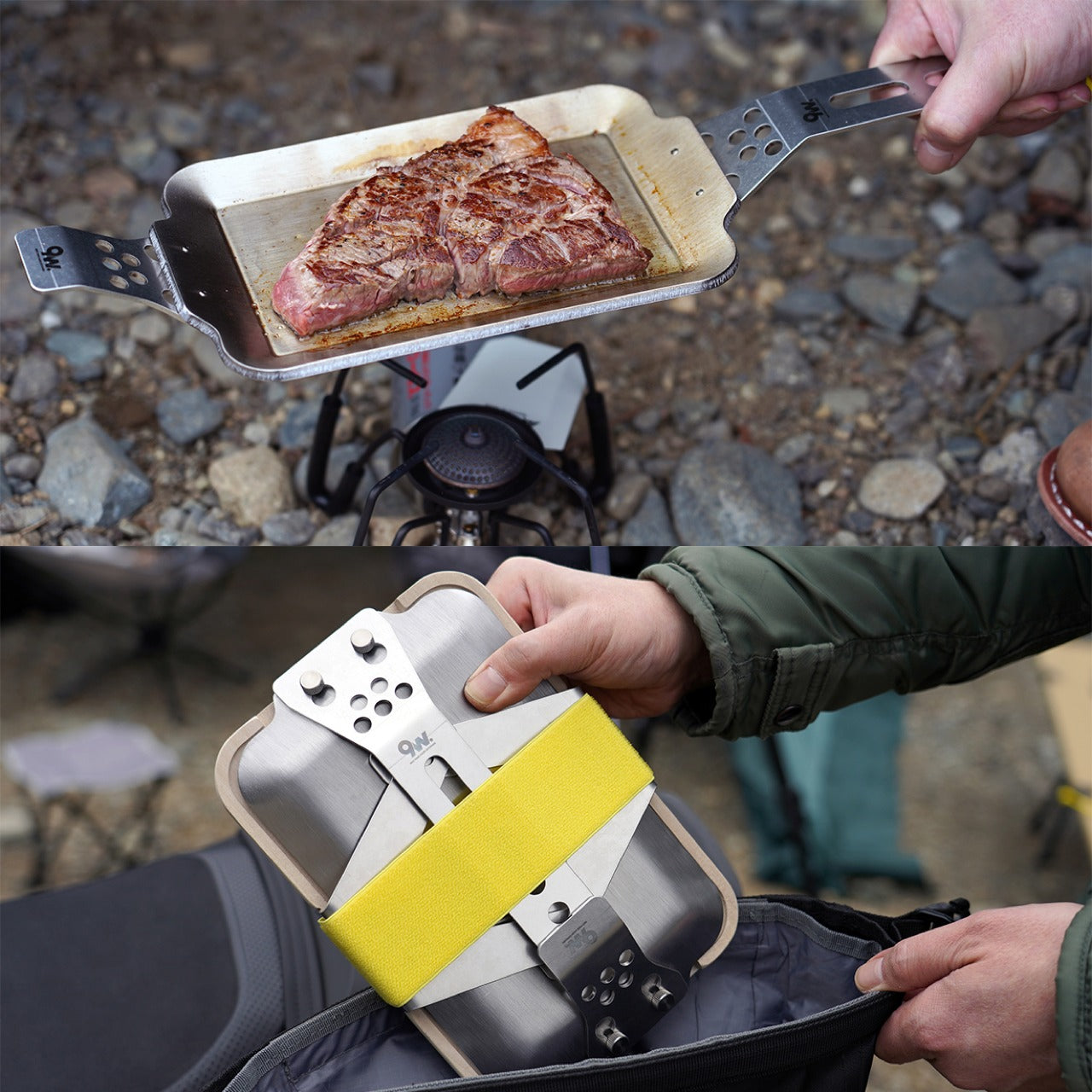
Camp cooking typically involves uneven heating, flare-ups, and food that’s simultaneously burnt and undercooked. This modular grill plate solves the fundamental problem through a three-layer steel construction that distributes heat uniformly across its entire surface. The engineering creates consistent temperature zones, eliminating hot spots that char one side while leaving the other raw. The plate works equally well over unstable bonfires, gas camp stoves, or induction cooktops back home, making it genuinely versatile equipment.

The modular design shines in practical use. Handles swap out depending on your cooking situation—grab the appropriate configuration for direct flame or stable stovetop cooking. Everything breaks down into compact form for transport, fitting easily into camping gear without wasted space. Cleanup becomes straightforward since the flat surface has no crevices or grates where food debris hides. The three-layer construction means this plate will outlast dozens of camping seasons without warping or degrading. It transforms camp cooking from a chore into a genuine culinary opportunity.

Click Here to Buy Now: $89.00

What we like

  • Three-layer steel construction eliminates hot spots for consistently cooked food
  • Swappable handles and compact storage make it truly practical for varied camping situations

What we dislike

  • The solid plate design limits the ability to cook over open flames, the way traditional grill grates do
  • Weight from the three-layer construction adds heft compared to ultralight camping cookware

5. 8-in-1 EDC Scissors

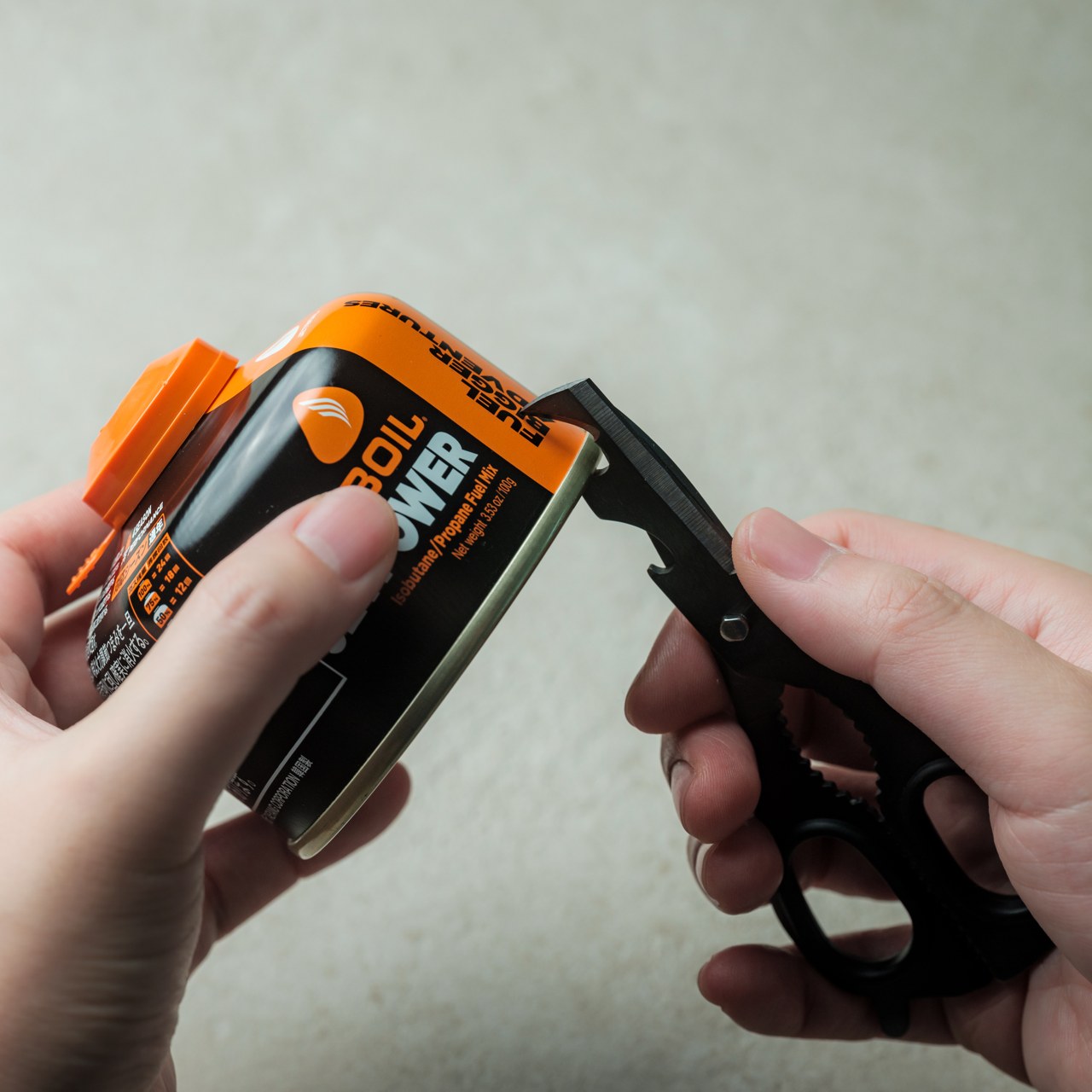
Multi-tools often sacrifice quality for quantity, cramming mediocre versions of many functions into unwieldy packages. These palm-sized scissors flip that equation—they’re genuinely excellent scissors that happen to include seven additional capabilities. At just 13 centimeters, they disappear into pockets or pack compartments while delivering knife, lid opener, can opener, cap opener, bottle opener, shell splitter, and degasser functions. The oxidation film coating provides rust resistance critical for outdoor gear while adding a handsome matte black finish.

The brilliance lies in maintaining scissor quality while adding utility. These cut properly through packaging, rope, fabric, food—without the awkward compromises typical of combination tools. The additional functions feel natural rather than forced, positioned where your hands naturally grip during use. For weekend camping, this becomes the tool you reach for constantly: opening packages, cutting cord for tent guy-lines, preparing food, and opening beverages. It’s the kind of simple, elegant solution that seems obvious only after someone’s designed it. Compact capability without complexity.

Click Here to Buy Now: $59.00

What we like

  • Maintains excellent scissor functionality while adding seven useful tools in a palm-sized form
  • Oxidation coating provides rust resistance and an attractive finish, perfect for outdoor conditions

What we dislike

  • The compact 13cm size may feel small for users with larger hands
  • Individual tools sacrifice some capability compared to dedicated single-purpose versions

6. TriBeam Camp Light

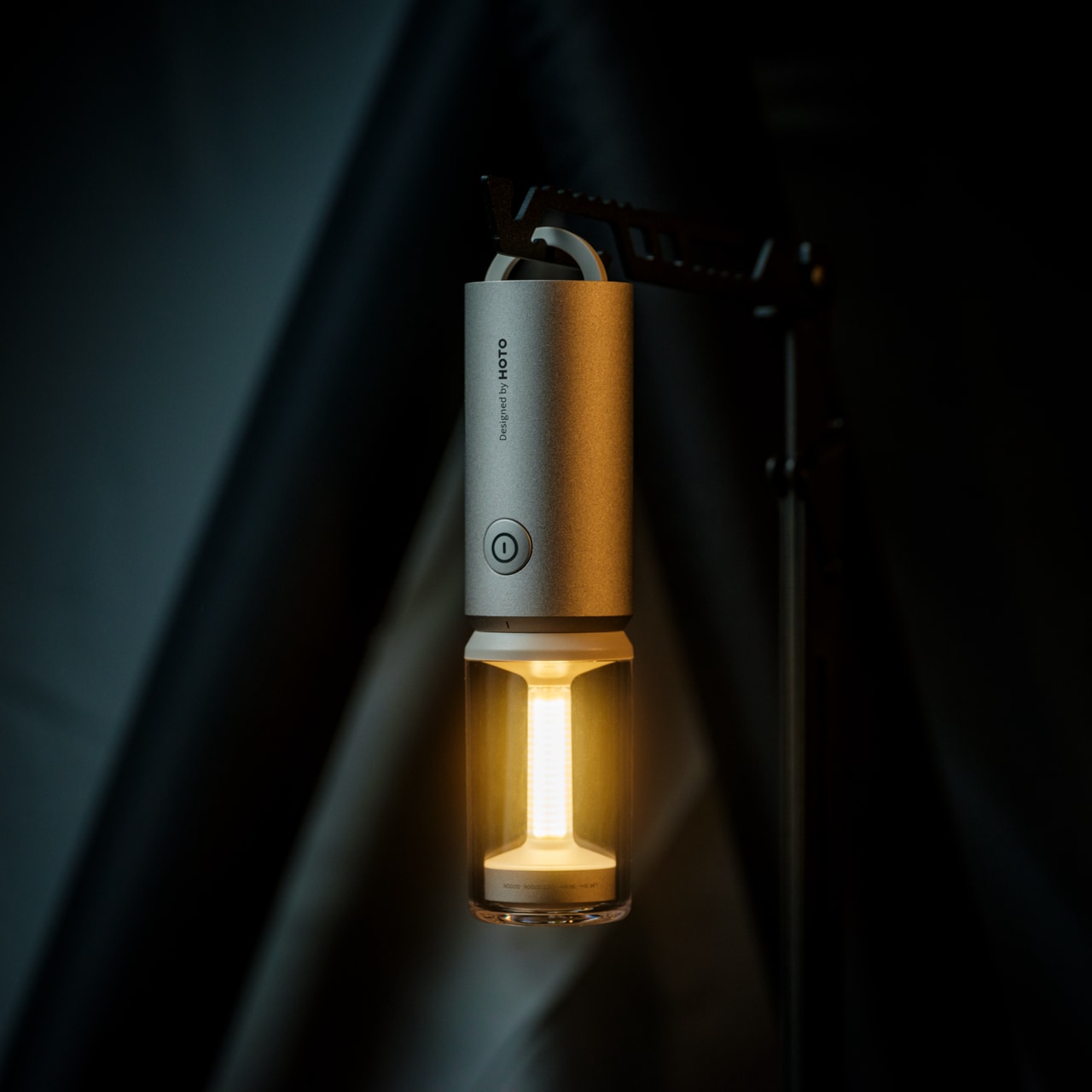
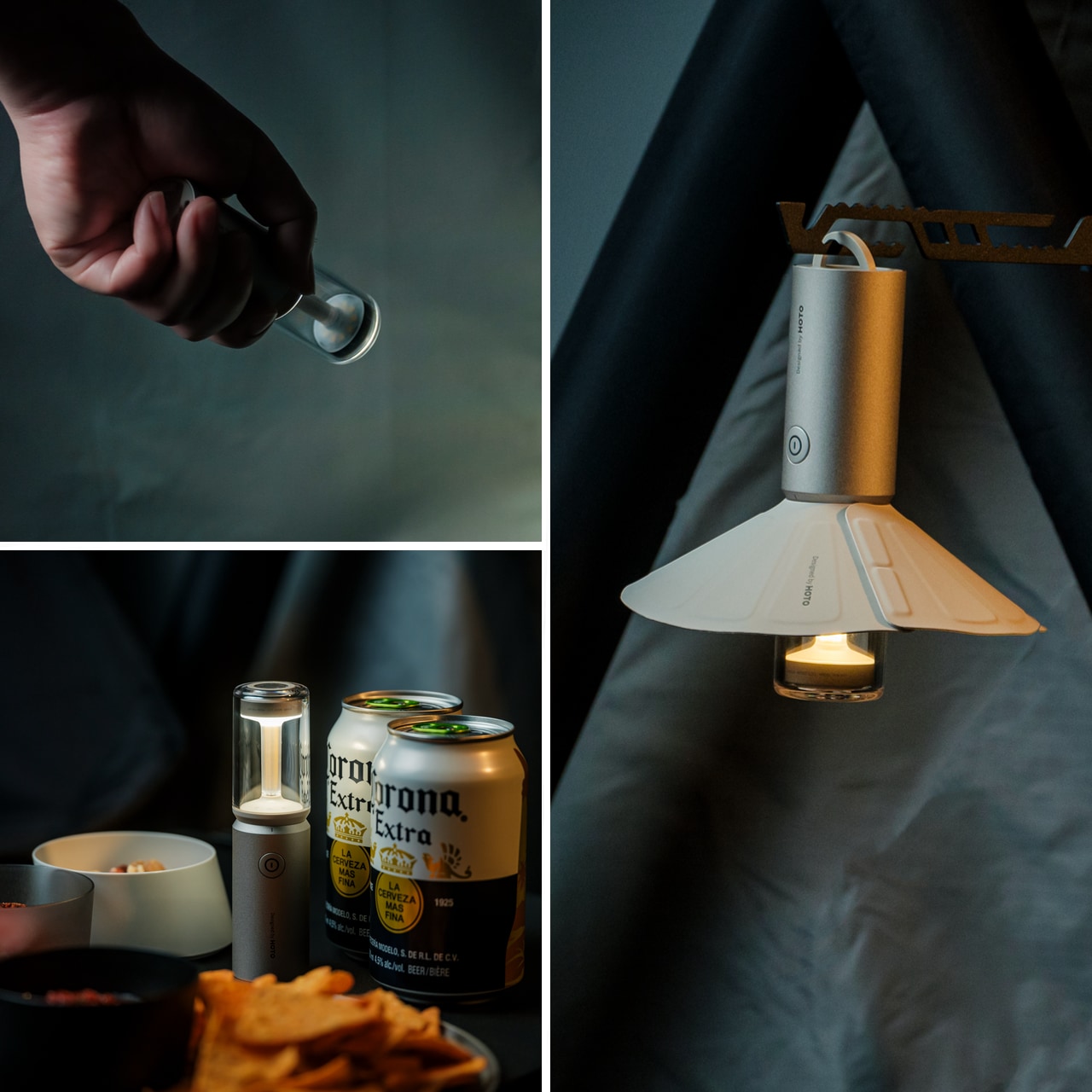
Lighting for camping requires three distinct modes: focused beam for navigation, diffused area light for camp activities, and soft ambient glow for winding down. Most camping lights force you to choose one or carry multiple devices. The TriBeam delivers all three in an award-winning design that weighs just 135 grams and stands 12.8 centimeters tall. A single intuitive button cycles through Camping, Ambient, and Flashlight modes. Brightness adjusts from a gentle 5-lumen glow to a powerful 180-lumen focused beam.

The runtime impresses—up to 50 hours on a single charge, depending on brightness settings. For weekend trips, that typically means charging once before departure, then forgetting about power management entirely. The compact build slips into jacket pockets or pack side compartments, always accessible when light conditions change. The design earned awards not through gimmicks but through solving the fundamental lighting problem elegantly: one light, three genuinely useful modes, beautiful industrial design. It’s the kind of gear that enhances experiences simply by working perfectly when you need it.

Click Here to Buy Now: $65.00

What we like

  • Three distinct lighting modes cover every camping scenario, from trail navigation to ambient evening light
  • Up to 50 hours of runtime eliminates anxiety about battery life during weekend trips

What we dislike

  • Maximum 180-lumen output may feel insufficient for users accustomed to ultra-bright tactical lights
  • Single-button control through three modes and multiple brightness levels has a learning curve

7. DraftPro Top Can Opener

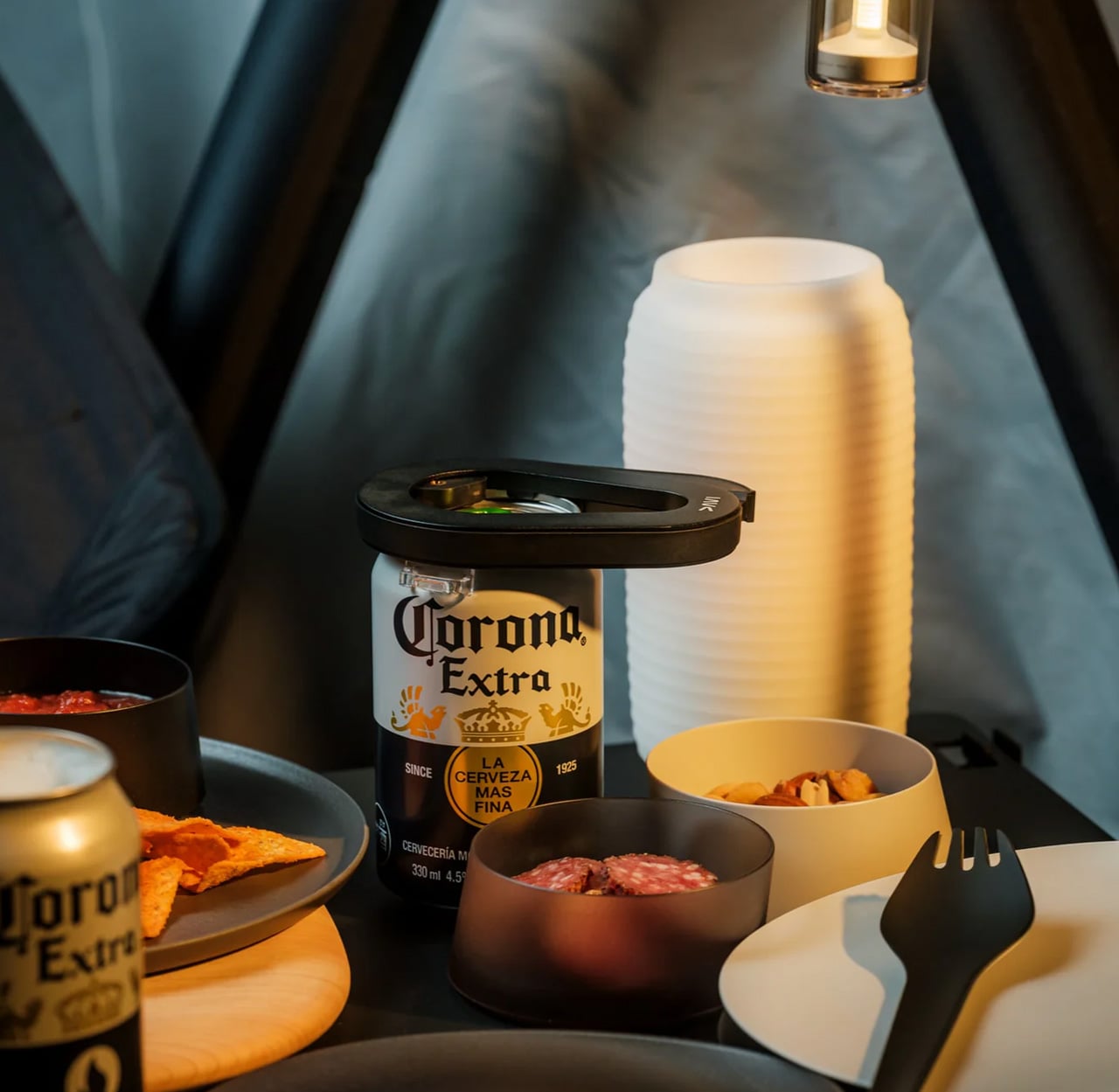
Most camping gear focuses on survival and function. DraftPro focuses on experience. This award-winning can opener from Japanese designer Shu Kanno completely removes can tops, transforming canned beverages into glass-like drinking vessels. The wide-mouth opening releases aromatics and allows taste to develop fully rather than funneling liquid through a small opening. The smooth edge eliminates the sharp rim typical of conventional openers, making drinking genuinely pleasant.

Beyond elevating beer and sparkling water, DraftPro adds practical versatility. Drop ice directly into opened cans for rapid cooling on hot days when your cooler isn’t keeping up. Mix cocktails directly in the can without dirtying shakers or glasses—combine ingredients, stir, enjoy, then recycle. The lightweight design packs easily, works with domestic and international can sizes, and requires no particular technique to operate. It’s the rare piece of camping gear that improves everyday enjoyment rather than just solving problems. Weekend warriors who appreciate their beverages will find that this changes the camping drink experience entirely.

Click Here to Buy Now: $59.00

What we like

  • Complete top removal creates a glass-like drinking experience that enhances aroma and flavor
  • Enables direct ice addition and in-can cocktail mixing for expanded beverage options

What we dislike

  • Adds another single-purpose tool to packing lists for minimalist campers
  • Smooth edges still require careful handling despite being safer than traditional can openings

Bringing It All Together

Modern camping gear has reached a fascinating inflection point where design excellence and functional capability merge seamlessly. The seven essentials gathered here represent this evolution—tools that perform beautifully because they’re designed thoughtfully, not despite it. Each piece solves specific problems weekend warriors actually encounter: inadequate lighting, communication gaps, inefficient fires, uneven cooking, missing tools, versatile illumination needs, and enhanced drinking experiences. These aren’t luxuries. They’re refinements that transform outdoor time from roughing it to genuinely enjoying it.

The best gear becomes invisible through perfect function. You stop noticing the flashlight’s weight because its beam lets you navigate confidently. The radio disappears into camp routine, providing exactly what you need when you need it. Fire, cooking, lighting, and convenience all happen smoothly, letting you focus on why you’re outside in the first place. Weekend warriors understand this truth: quality gear doesn’t diminish the outdoor experience through over-engineering. It enhances it by removing friction between intention and enjoyment. Invest in tools that work beautifully, and every weekend becomes better spent.

The post 7 Best Camping Gear Essentials for Weekend Warriors first appeared on Yanko Design.

MINISFORUM AtomMan G1 Pro Packs Desktop RTX 5060 in a White Tower

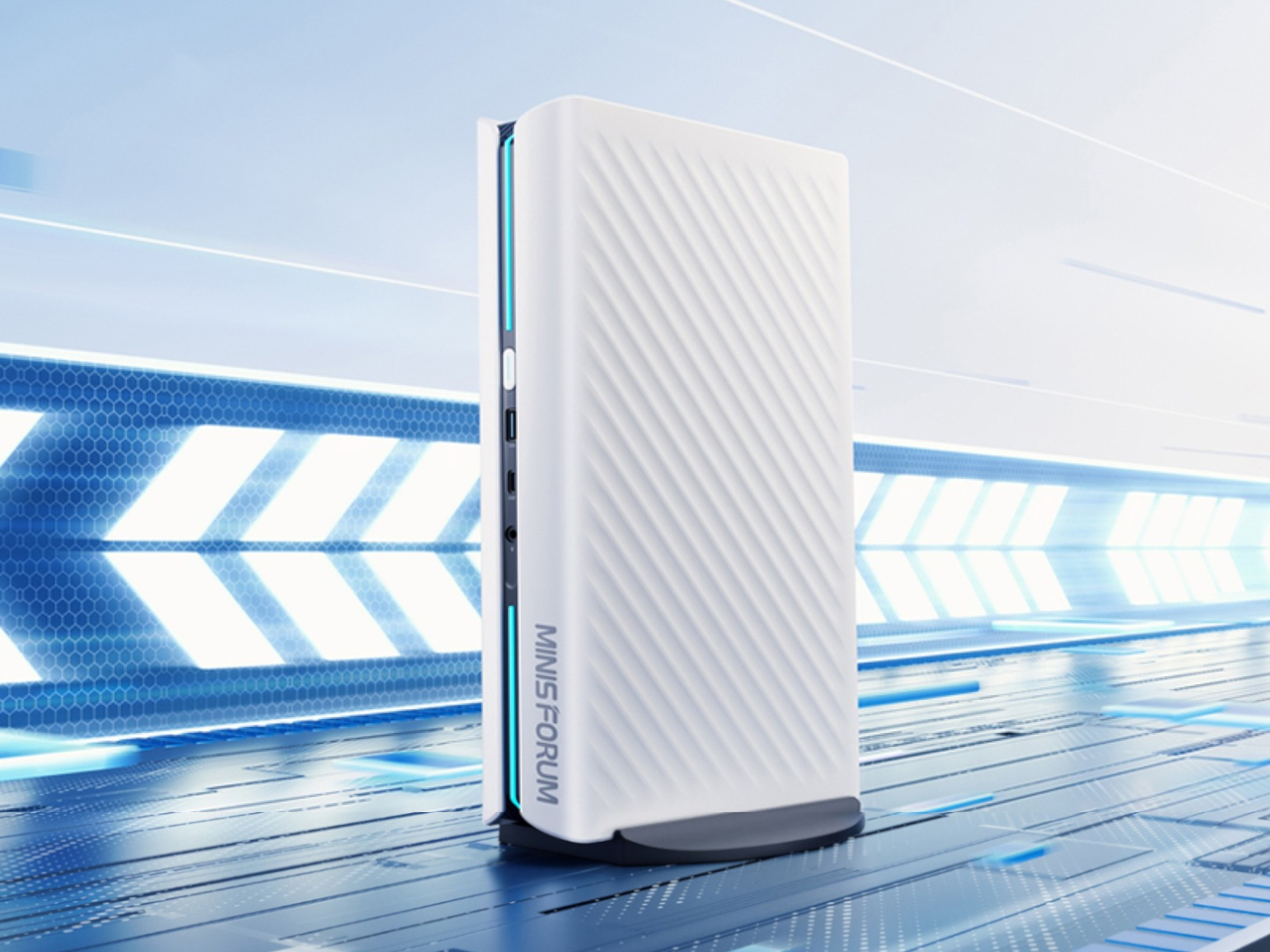
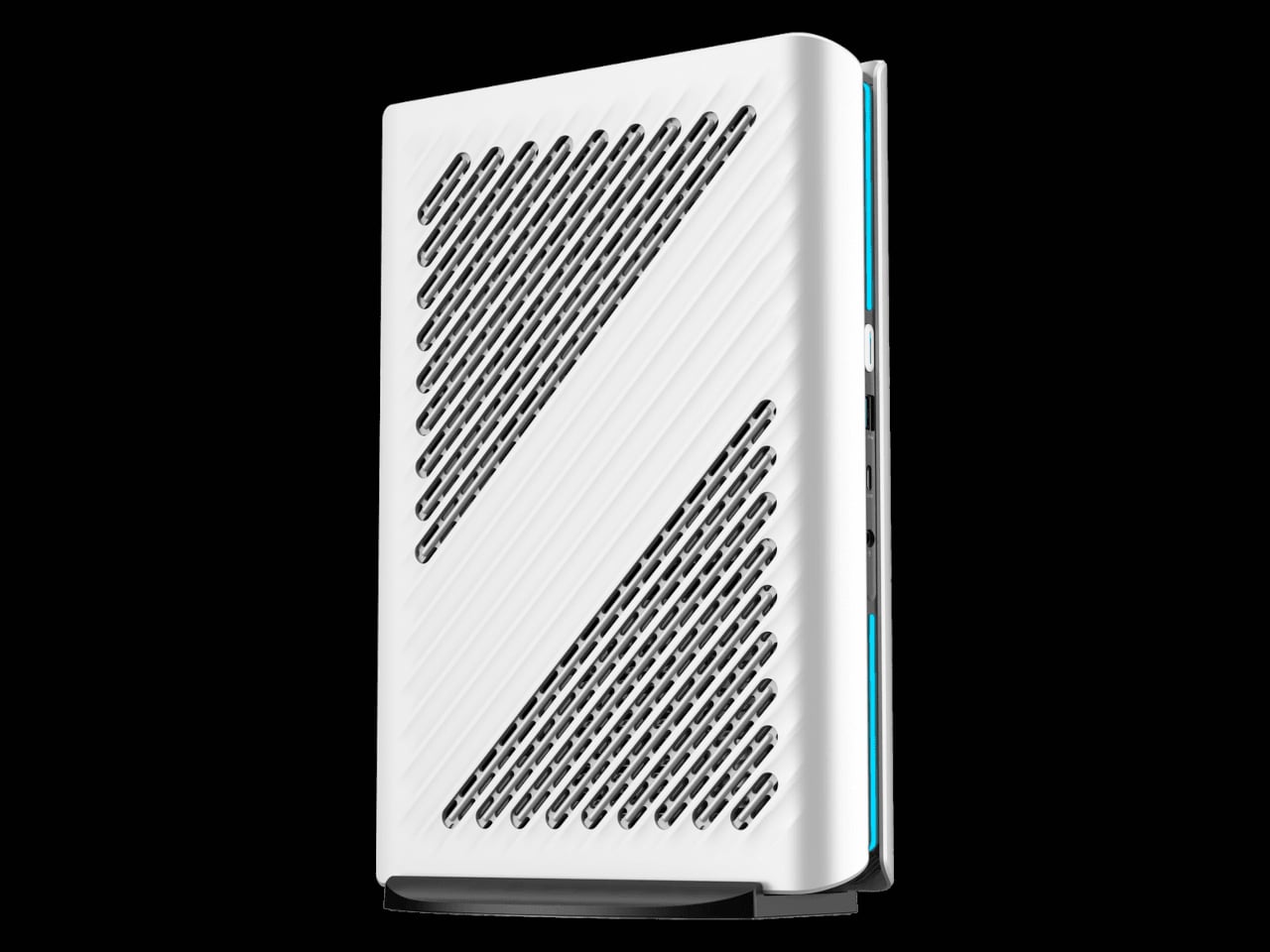
Most mini PCs fall into two visual camps: anonymous black boxes meant to hide behind a monitor, or aggressive RGB bricks that look like shrunken gaming rigs. Neither category thinks much about how the machine actually sits in a room. The MINISFORUM AtomMan G1 Pro takes a different route, leaning into a slim white tower form that looks more like a scaled-down desktop than a puck, designed to live on the desk as part of the composition.

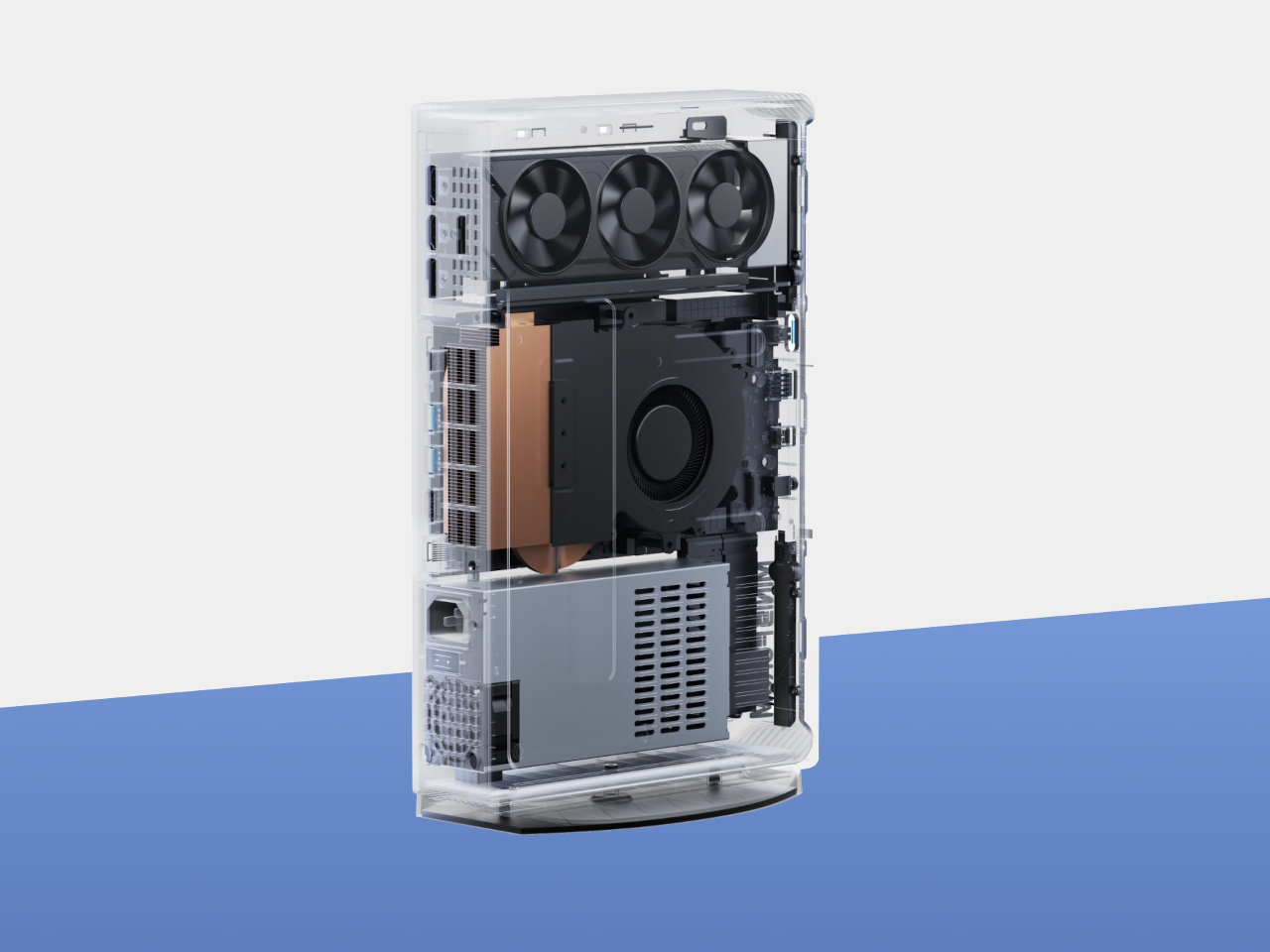
The AtomMan G1 Pro is a compact gaming and creator PC that pairs an AMD Ryzen 9 8945HX with a desktop-class NVIDIA RTX 5060. It’s powerful enough for AAA gaming and 3D work, but what makes it interesting from a design perspective is how it packages that hardware into a minimalist vertical tower with a wave-textured side panel and a single, controlled strip of lighting in front.

Designer: MINISFORUM

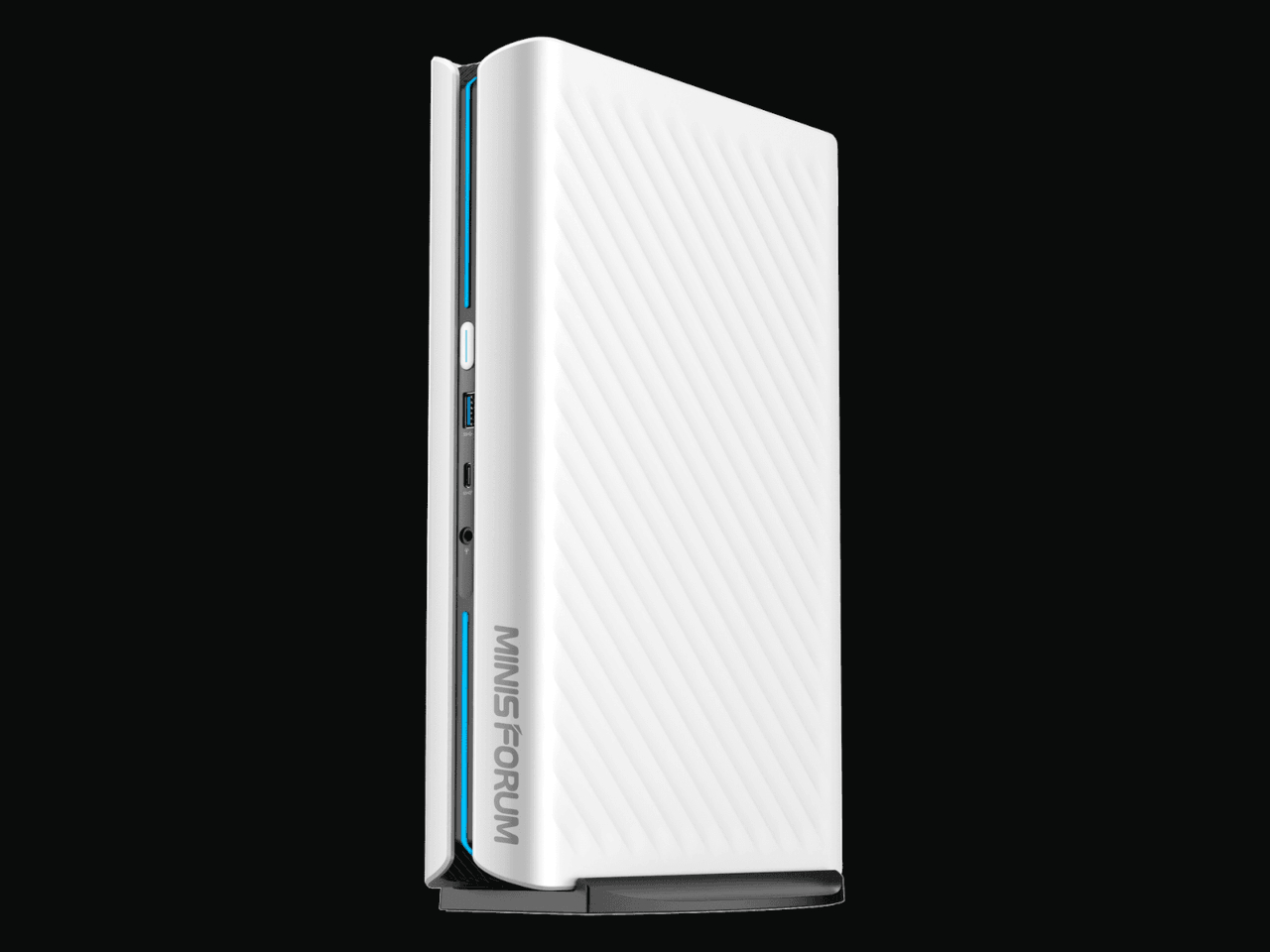
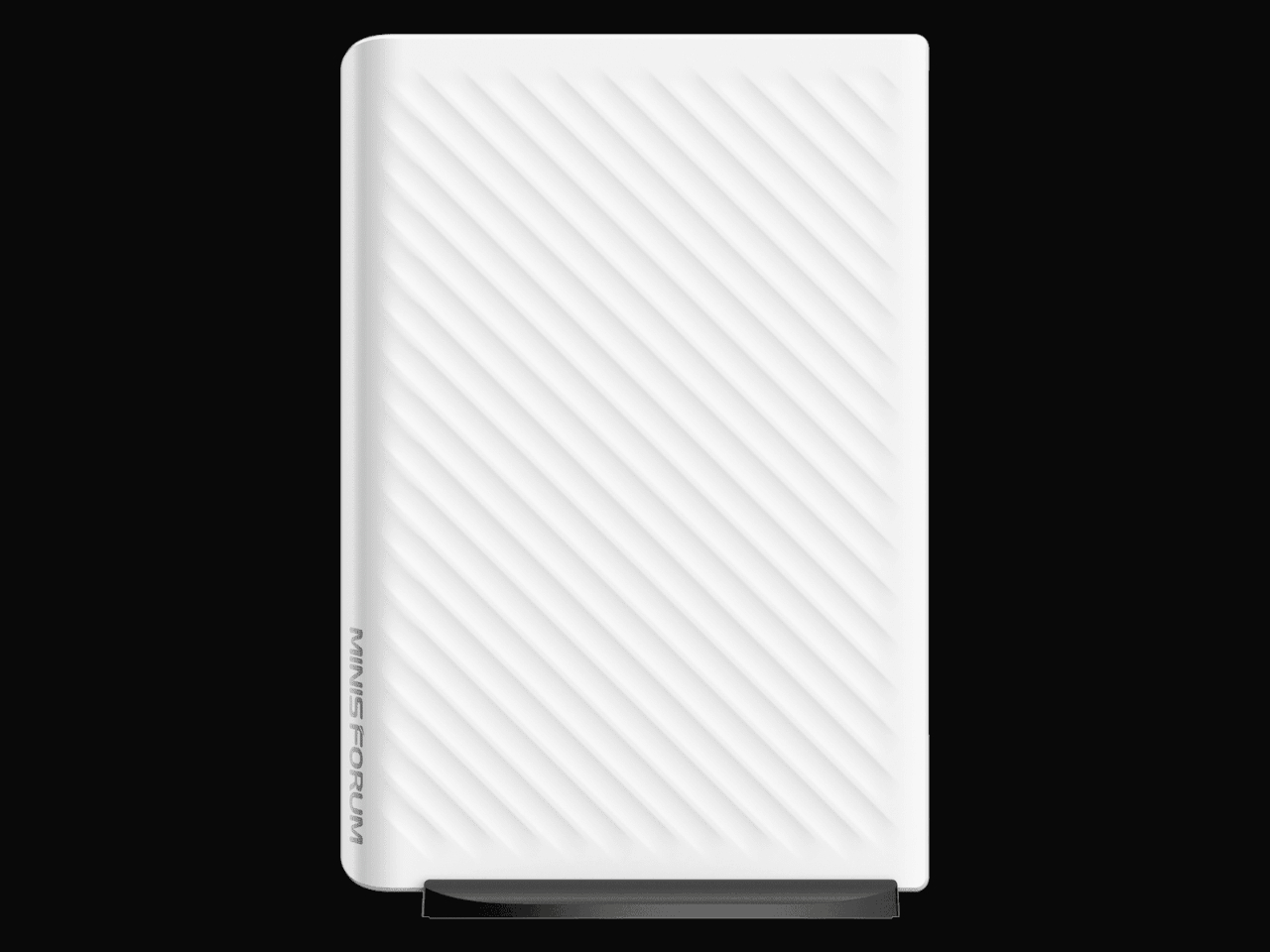
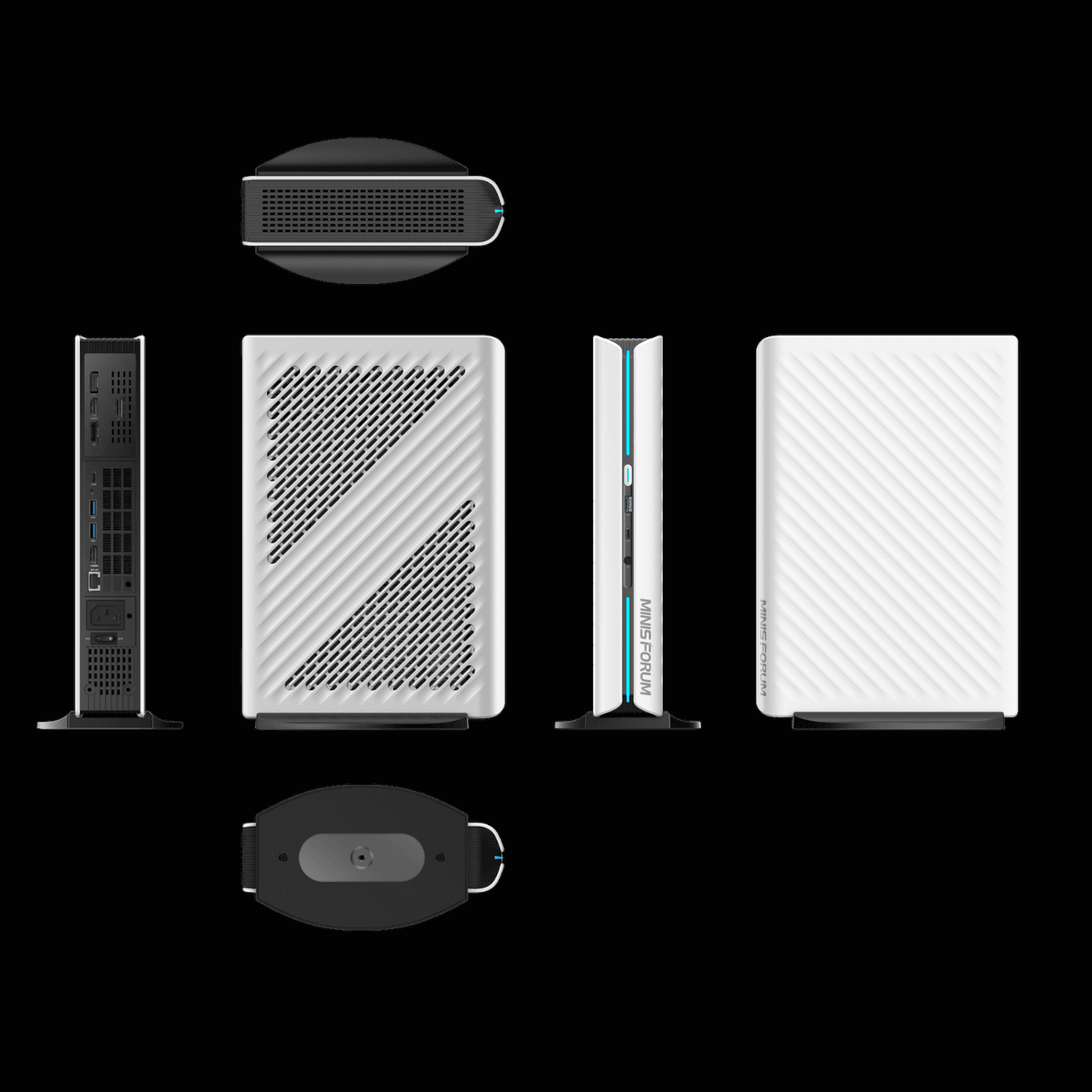
The G1 Pro stands upright on a small base, with a tall, slim body finished in white rather than the usual black. One side panel is a continuous wave texture that catches light softly instead of shouting with vents and logos. That vertical stance frees up desk space and makes it feel more like a small speaker or piece of audio gear than a traditional mini PC, which changes how you might place it in a living room or studio.

A vertical light strip runs along the front, adding a subtle cyan accent without turning the whole case into an RGB billboard. The MINISFORUM logo is printed vertically, aligning with the tower posture. Front I/O is tucked into that same edge, with a power button, USB-A, USB-C, and audio jack easily reachable but visually quiet, so the wave-textured face stays clean and uninterrupted.

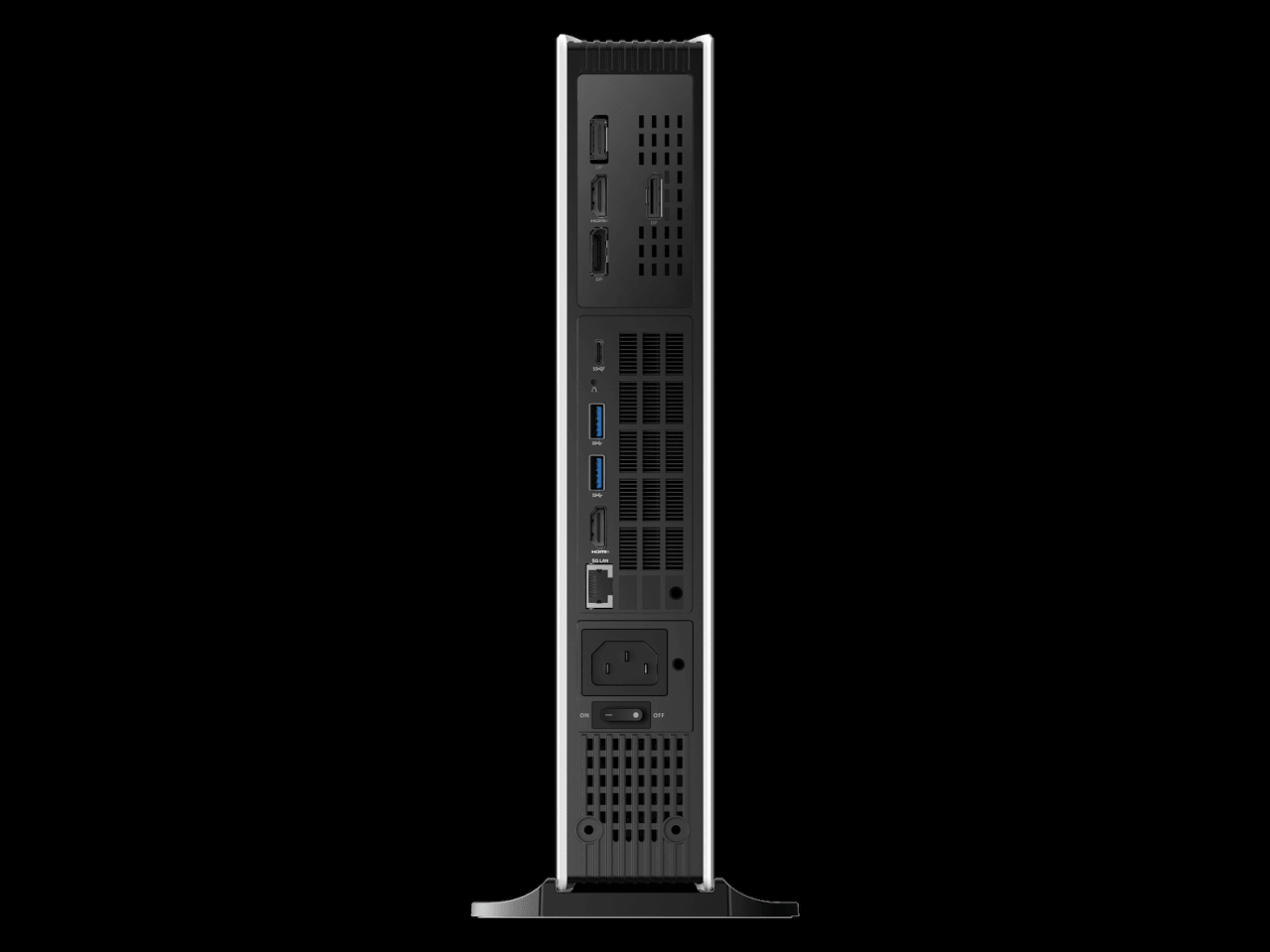
Inside, a full-length RTX 5060 desktop GPU sits vertically alongside the Ryzen 9 CPU, fed by a 350W internal PSU and a third-generation Glacier cooling system. Wide-diameter fans, copper heat pipes, and a two-sided exhaust layout push air through the tall chassis. The tower form is not just aesthetic; it gives the airflow a clear path and lets the machine dissipate up to 300W without looking like a heat sink on legs.

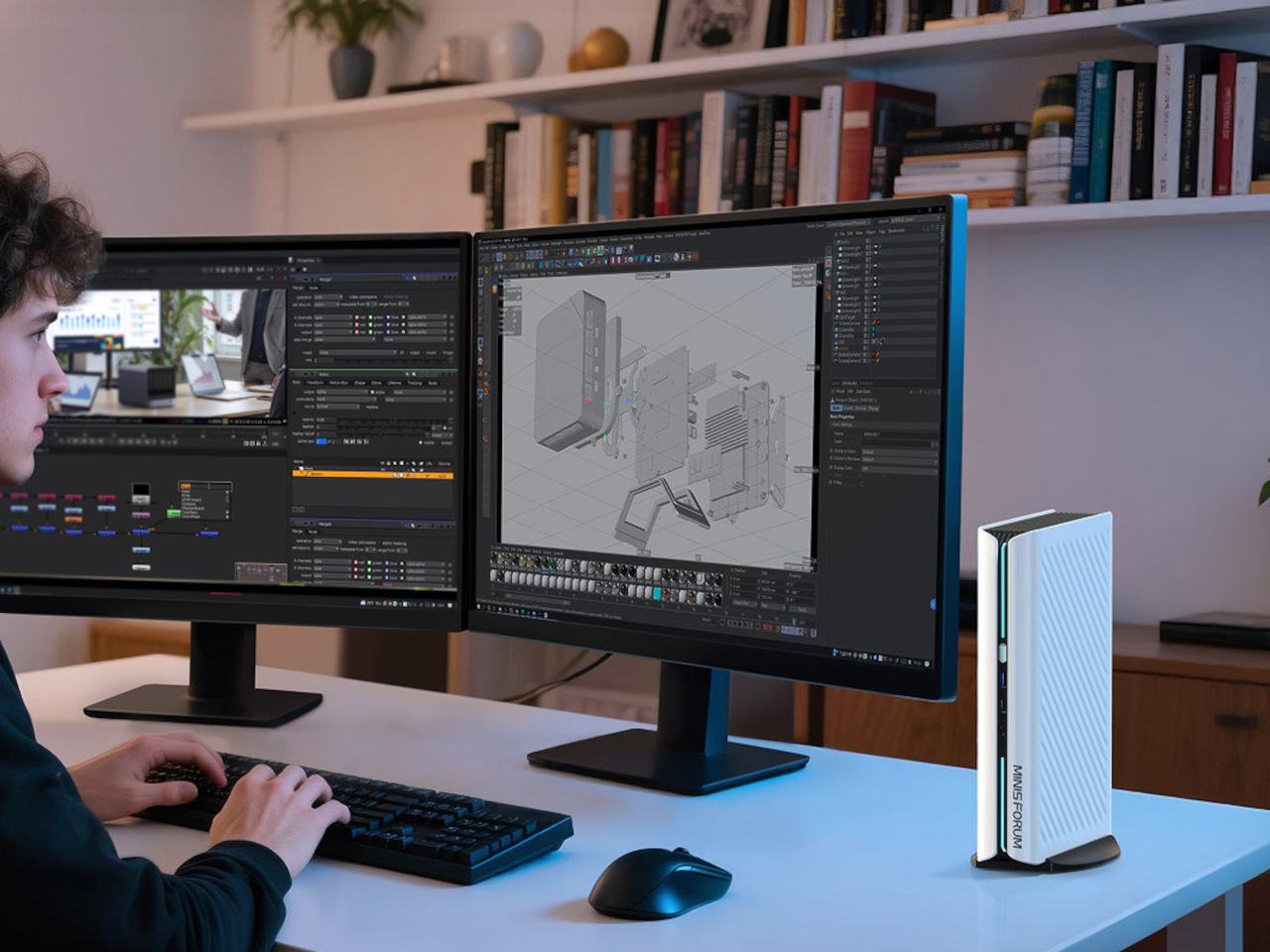
On the back, multiple DisplayPort and HDMI ports support up to four 4K displays, along with plenty of USB and a 5GbE LAN port. That means it can anchor a serious multi-monitor setup for gaming, editing, or coding while still looking tidy from the front. The white shell and vertical stance help it blend into both studio and living room setups without dominating the visual field.

The AtomMan G1 Pro shows what happens when a performance-focused mini PC gets a bit more design attention. It doesn’t abandon specs, but it wraps them in a form that feels more considered than another black brick. For anyone who wants desktop-class power in a machine that can actually sit on the desk without spoiling the view, this little white tower is worth watching when it ships early next year.

The post MINISFORUM AtomMan G1 Pro Packs Desktop RTX 5060 in a White Tower first appeared on Yanko Design.

Black Friday Robot Vacuum Deals: Dreame’s Flagship Models Drop By Up To 60%

There is a big difference between a floor that looks clean and a floor that is clean. Dreame’s Black Friday sale leans into that gap, slashing prices on its top-tier robot vacuums and smart mops that focus on deep, repeatable, and fully automated cleaning instead of cosmetic touch-ups… and a major discount on a portable hair dryer, which allows for (personal) cosmetic touch-ups!

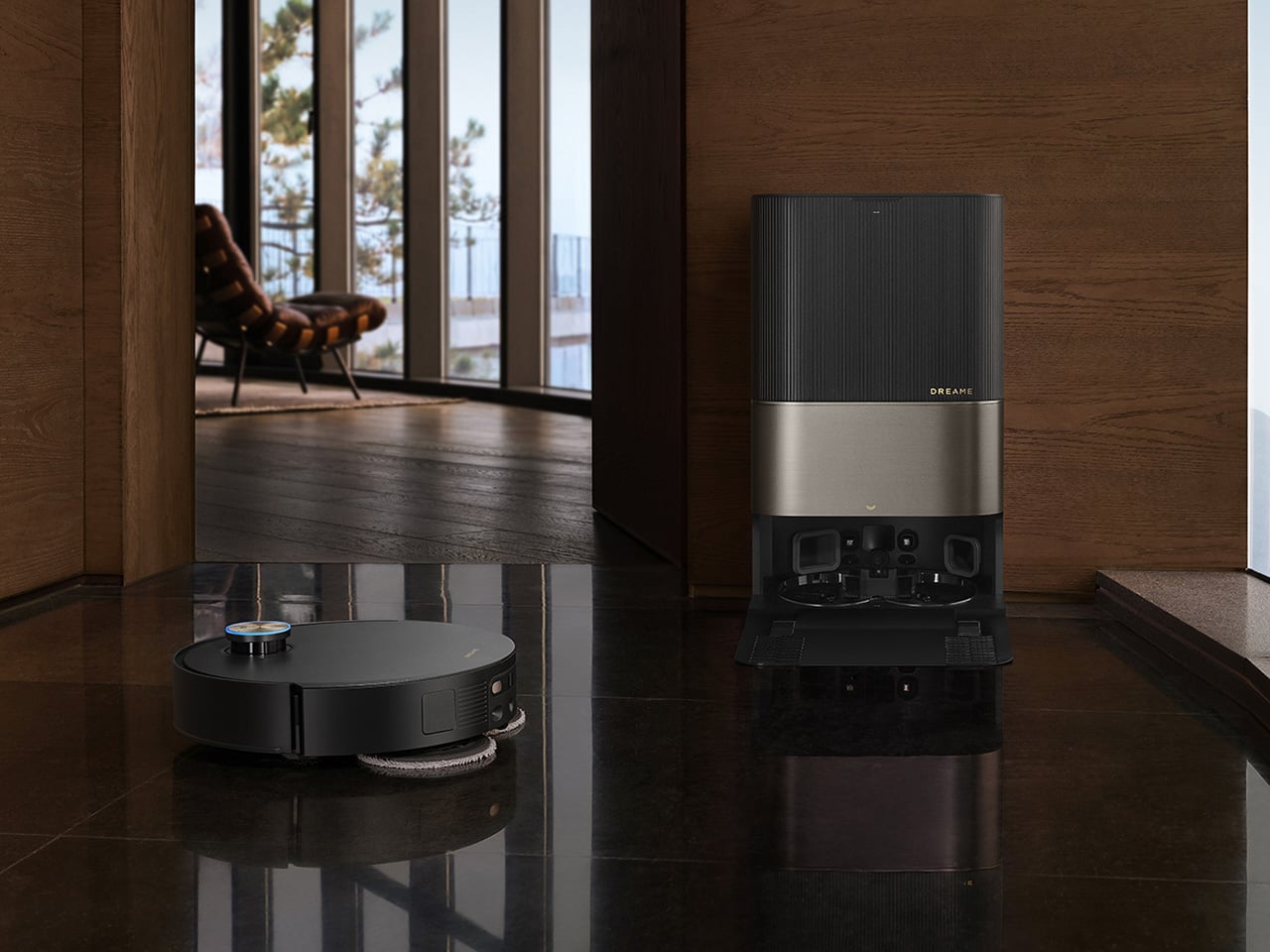
Running from November 20 through December 1, the promotion cuts prices across seven of Dreame’s flagship and advanced models, some dropping nearly 40% below retail. These aren’t basic robot vacuums that bump around furniture and miss corners. They’re systems built with high-speed digital motors, AI-powered obstacle detection, extending mops for edge work, and base stations that handle everything from self-cleaning to water refills. For households with pets, kids, or wall-to-wall carpets, the sale represents a rare window to pick up professional-grade floor care at prices that don’t usually appear until the hardware is a generation old.

X50 Ultra – $799.99 (50% Off)
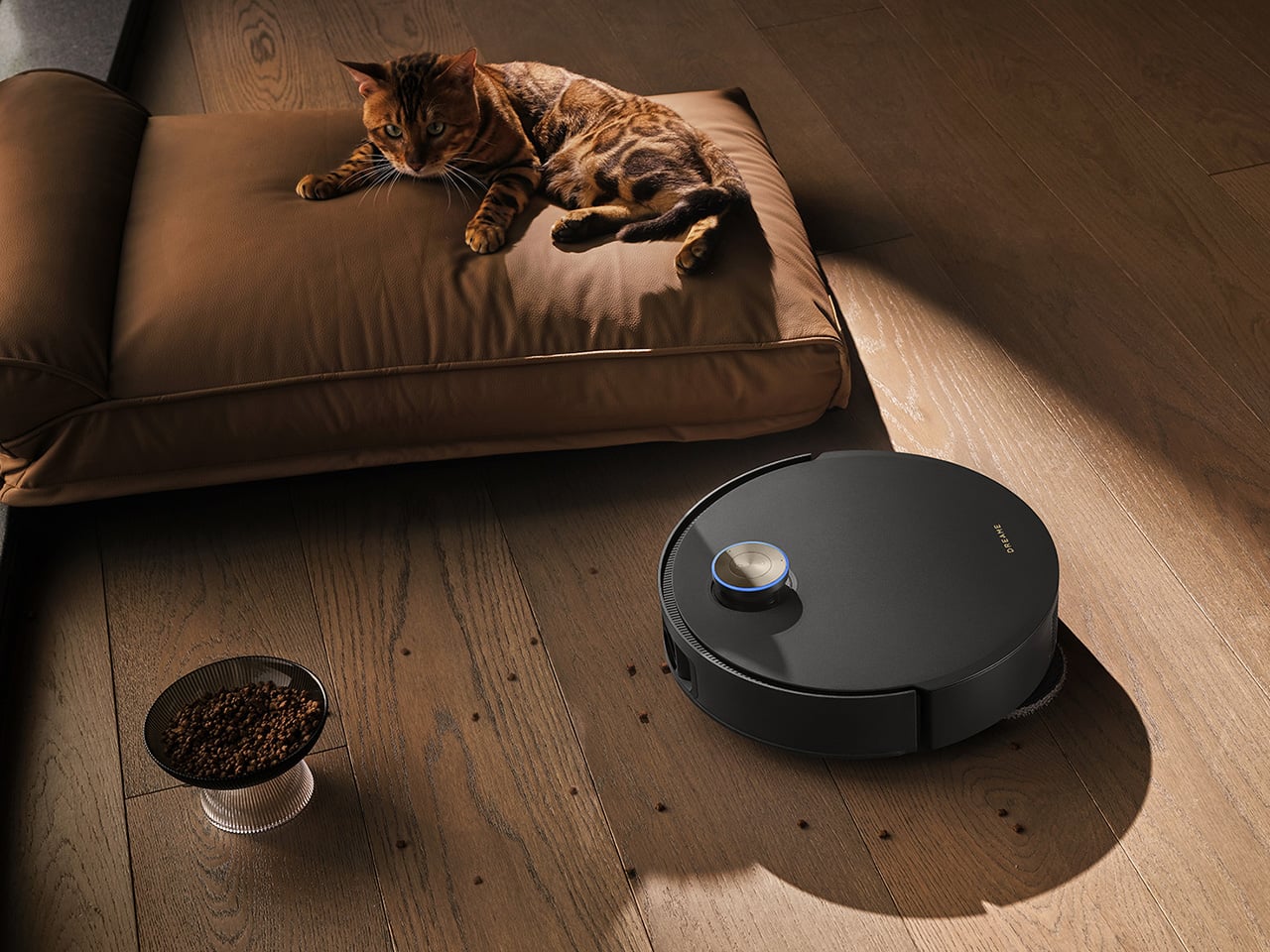
The Achilles’ heel of almost every robot vacuum isn’t tangled hair anymore; it’s the half-inch lip on your bathroom doorway. For years, the industry has treated thresholds as impassable borders, forcing you to either carry your robot between zones or accept that some rooms just won’t get cleaned. The X50 Ultra addresses this fundamental limitation head-on with its ProLeap system, a set of motorized legs that physically lift the robot to clear obstacles up to 6cm high. This isn’t just a brute-force lift; it’s an intelligent system using sensors to detect the height and deploy a clearance wheel, effectively letting the robot walk over transitions that would trap any other machine. It’s the kind of clever mechanical engineering that feels genuinely new in a category full of iterative software updates. This go-anywhere capability is paired with a retractable LiDAR turret, which allows the X50 Ultra to lower its profile and navigate under furniture that other flagship robots with fixed sensors can’t even attempt.

Beyond its impressive navigation, the X50 Ultra is built to be a powerhouse cleaner. The 20,000Pa of suction is more than enough to pull embedded dust from carpets, and it does so without sounding like a jet engine. On the floor, the cleaning is handled by a dual brush system designed to resist hair tangles and a unique MopExtend RoboSwing arm that physically pushes the mop pads out to reach into corners and along baseboards, solving the classic “halo” of dust most round robots leave behind. The base station is just as sophisticated, using a high-pressure, hot-water system to scrub the mop pads clean on a washboard before drying them with heated air to prevent mildew. It’s a fully contained ecosystem designed for minimal human intervention, from navigating a split-level floor plan to maintaining its own cleaning tools.

Why We Recommend It

What makes the X50 Ultra compelling isn’t just one standout feature, but its ability to solve two contradictory problems at once: going over high obstacles and getting under low ones. Most robot vacuums force a compromise. The ProLeap system and retractable LiDAR eliminate that choice, creating a machine that can genuinely map and clean an entire, complex floor without getting stranded. For anyone living in a home that isn’t perfectly flat and open, this is a game-changer. At its Black Friday price of $799.99, it brings a truly next-generation hardware solution down to a price point typically reserved for last year’s flagships, making it a rare opportunity to buy into a technology that actually moves the entire category forward.

Click Here to Buy Now: $799.99 $1599.99 (50% off). Hurry, deal ends in 48-hours!

L50 Ultra – $849.99 (39% Off)
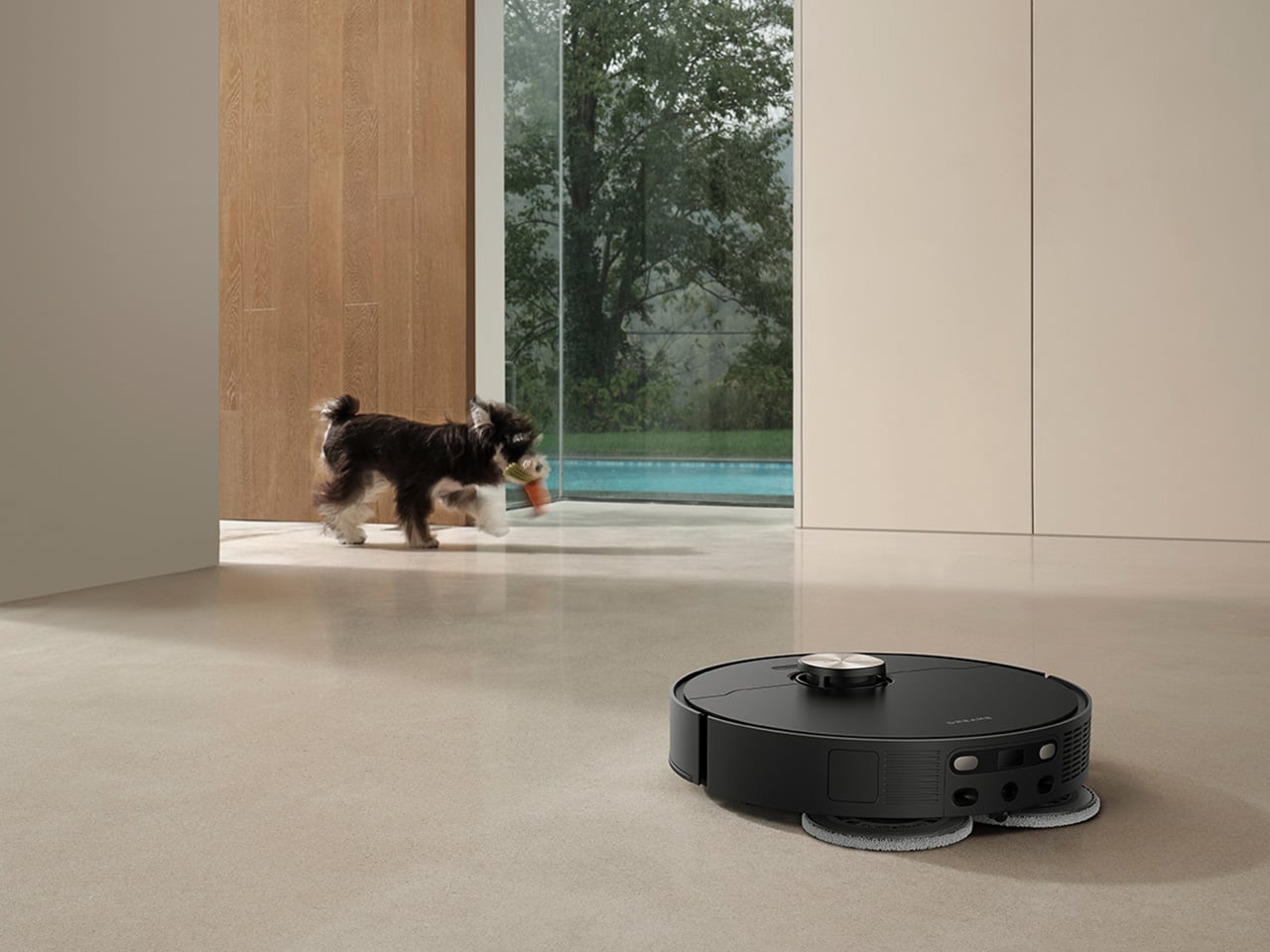
In any mature tech category, the most interesting product is rarely the absolute top-of-the-line model. It’s usually the one right below it, where the core engineering breakthroughs from the flagship trickle down without the early adopter price tag. That’s the L50 Ultra. It inherits the single most important innovation from the X50 Ultra: the ProLeap system, a set of motorized legs that let it physically climb over thresholds up to 6cm. For anyone with a split-level home or even just aggressive transitions between rooms, this feature alone solves the biggest problem in robotics. You’re also getting a nearly identical 19,500Pa of suction and the same HyperStream Detangling DuoBrush setup, which means its raw cleaning power on both carpets and hard floors is functionally indistinguishable from its more expensive sibling.

The compromises for the lower price point are subtle and, for most people, entirely acceptable. The dock still provides a full maintenance cycle, using 167-degree hot water to sanitize the mop pads before drying them with heated air, a feature that makes a real difference in preventing the sour smell that can plague other robot mops. It auto-empties, auto-refills, and uses sensors to decide if a second pass is needed. On the robot itself, the Dual Flex Arm technology still extends the side brush and mop to get into corners, and its AI-powered obstacle avoidance, using a combination of RGB cameras and 3D structured light, is sophisticated enough to navigate a cluttered living room without issue. You’re essentially getting the full mechanical and cleaning platform, just with a slightly less advanced processing brain.

Why We Recommend It

The L50 Ultra is the point of diminishing returns made manifest. It forces you to ask a very practical question: are the X50’s retractable LiDAR and marginal AI gains worth the extra money when this machine already solves the biggest physical challenges of home robotics? For nearly everyone, the answer is going to be no. The fact that it has been ranked as the number one robot vacuum by objective outlets like Vacuum Wars confirms it’s not just a good value; it’s a legitimate performance leader that happens to be priced more aggressively. At $849.99, it’s the strategic choice, delivering the core innovations that matter – threshold climbing and hot-water self-cleaning – without the premium for features you likely won’t miss.

Click Here to Buy Now: $849.99 $1399.99 (39% off). Hurry, deal ends in 48-hours!

Aqua10 Roller – $949.99 (32% Off)
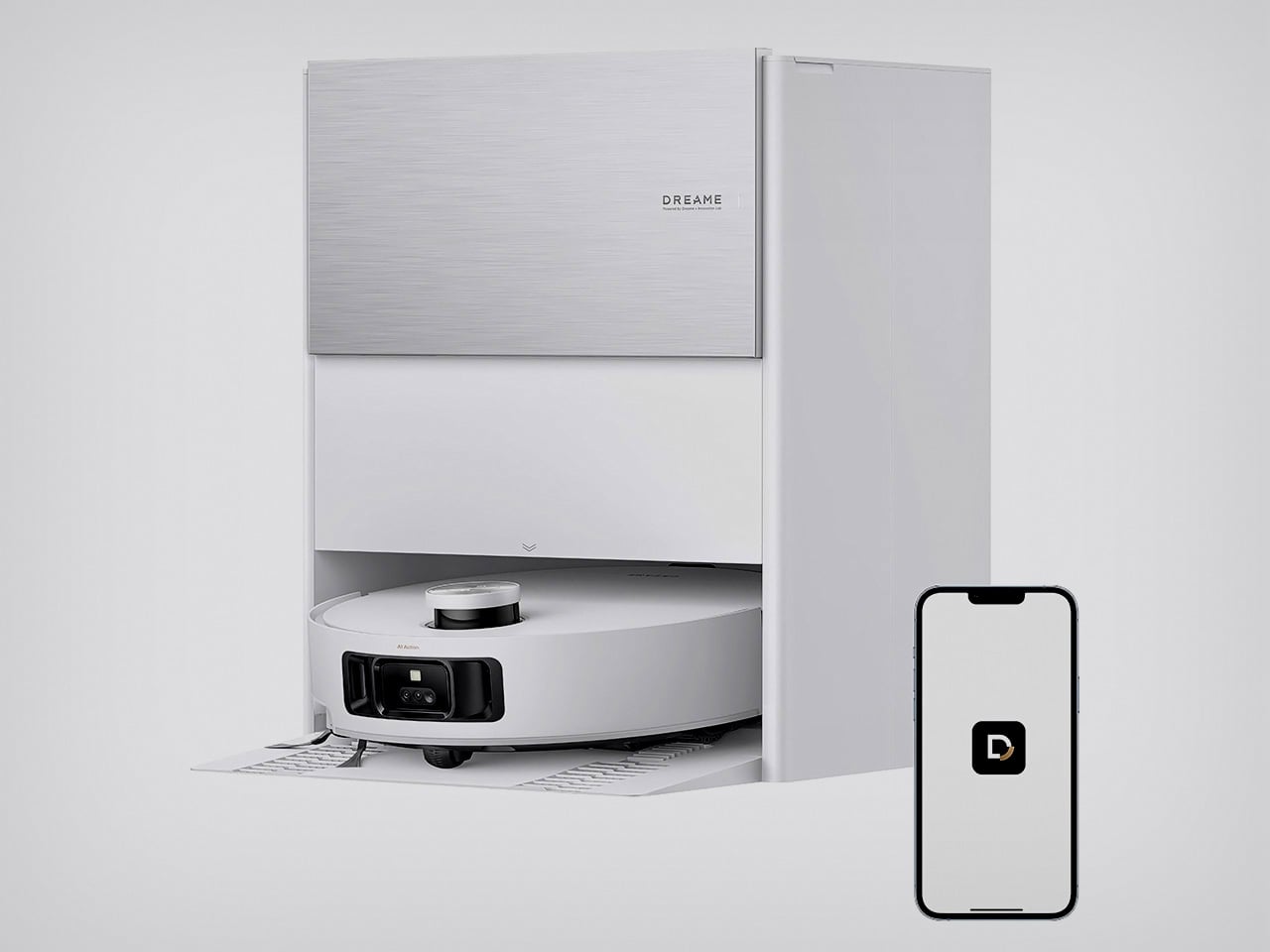
The conversation around robot mops has shifted in the past six months. The old debate was whether mopping robots worked at all; the new one is whether roller mops clean better than spinning pads. The Aqua10 Roller settles that argument by delivering 30,000Pa of suction, the highest power rating in Dreame’s entire lineup, and pairing it with a continuously rinsed cylindrical roller that treats mopping like a real-time cleaning process rather than an afterthought. The AquaRoll system sprays fresh water onto the roller as it moves, then uses an internal scraper to pull dirty water off and collect it in an onboard tank that empties back at the dock. This means the roller stays clean throughout the entire run, which solves the fundamental flaw of traditional robot mops that just drag a dirty pad in circles after the first few minutes. When the robot encounters carpet, an AutoSeal guard closes over the roller to prevent any drips, protecting rugs without requiring you to manually lift pads or set no-mop zones.

The Aqua10 Roller climbs obstacles up to 2.36 inches with its ProLeap motorized legs, letting it transition between rooms and over thresholds that would trap most competitors. Once it returns to the dock, the roller gets washed at 212 degrees Fahrenheit, hot enough to sanitize and break down grease, before drying with hot air to prevent mildew. FluffRoll tech uses a secondary counter-rotating brush inside the dock to keep the roller’s fibers from matting down, which preserves cleaning performance over time. The dock also auto-empties the dustbin into a 3-liter bag and refills water automatically, reducing hands-on maintenance to once every few weeks. Navigation relies on AI-powered obstacle avoidance using cameras and sensors to detect and route around cables, shoes, pet toys, and other clutter without getting stuck or requiring manual rescues.

Why We Recommend It

The shift to roller mops isn’t just about following trends; it’s about solving a real design flaw in how robot mops work. Spinning pads get progressively dirtier as they clean, which means they’re redistributing grime by the time they reach the back half of your floor plan. The Aqua10 Roller’s continuous rinse system eliminates that problem, and the hot-water dock cleaning ensures the roller doesn’t become a bacteria-growing mess between runs. At $949.99, it’s cheaper than competing flagships from Roborock and Ecovacs that still use older spinning-pad designs, and the 30,000Pa suction gives it a significant power advantage over most robots in this price range. For households where mopping matters as much as vacuuming, particularly kitchens with tile or sticky spills, this is the machine that finally takes wet cleaning seriously.

Click Here to Buy Now: $949.99 $1399.99 (32% off). Hurry, deal ends in 48-hours!

H12 Pro – $229.99 (49% Off)

Robot vacuums get most of the attention, but for a lot of households, the real workhorse is something you can push. The H12 Pro is a wet and dry vacuum that combines vacuuming and mopping into a single pass, which sounds like a minor improvement until you realize it collapses two separate chores into one. Its dual-edged cleaning brush is designed to reach baseboards and corners without the usual gap you get with most upright vacuums, meaning you’re not following up with a manual mop in the edges. The built-in sensors adjust suction power in real time based on how dirty the floor is, ramping up when it detects debris and dialing back on cleaner sections to conserve battery and reduce noise. With a 900mL clean water tank and 35 minutes of runtime, it covers up to 2,150 square feet before needing a refill, which is enough for most homes in a single session.

After you’re done cleaning, the H12 Pro handles its own maintenance through a self-cleaning cycle that scrubs the brush roll and then dries it with hot air in about an hour. This is a bigger deal than it sounds because wet vacuum brushes that don’t dry properly start to smell like mildew within days, and manual cleaning is messy enough that most people avoid it until it becomes unbearable. The hot air drying cycle eliminates that problem entirely, and a built-in scraper works during cleaning to prevent hair from wrapping around the brush, which means less hands-on maintenance overall. At its Black Friday price of $229.99, it drops to less than half of its $449.99 retail cost, positioning it well below competing wet-dry vacuums from brands like Tineco and Bissell that lack the automated drying feature.

Why We Recommend It

The H12 Pro sits in an interesting category where it’s not trying to be a robot or a traditional vacuum; it’s purpose-built for hard floors and does that one job exceptionally well. The edge-to-edge cleaning capability is a legitimate differentiator, solving the perimeter dirt problem that forces you to either ignore the baseboards or get on your knees with a rag. Combined with the self-cleaning and hot-air drying, it’s genuinely low-maintenance in a way most wet vacuums aren’t. At $229.99, it’s positioned as a value leader rather than a premium product, but the feature set doesn’t feel compromised. If you’ve got a lot of tile, hardwood, or laminate and you’re tired of dragging out separate tools for vacuuming and mopping, this is the straightforward solution that doesn’t require you to manage a robot’s limitations.

Click Here to Buy Now: $229.99 $449.99 (49% off). Hurry, deal ends in 48-hours!

H15 Pro Heat – $569.99 (37% Off)
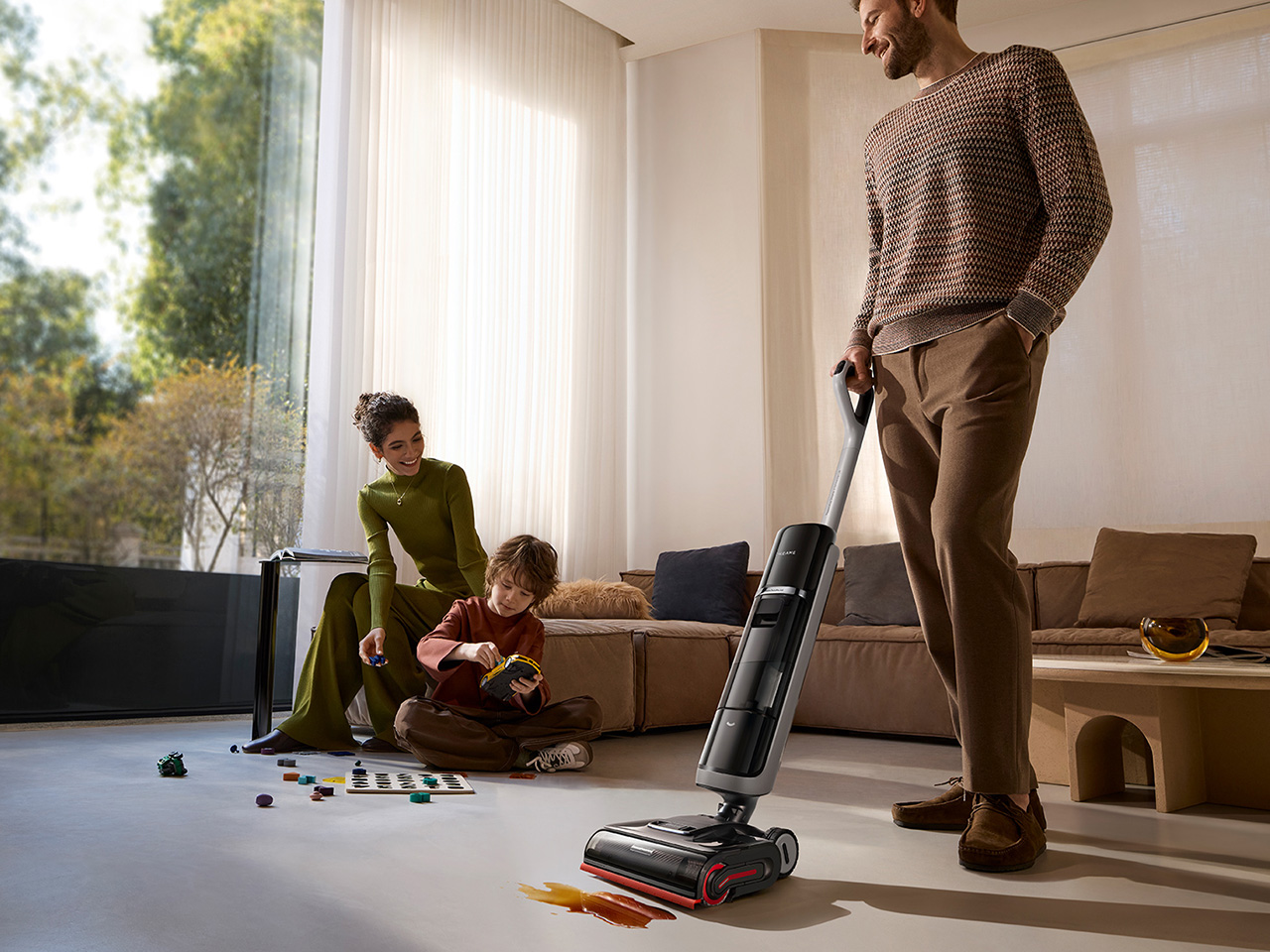
If the H12 Pro is about making floor cleaning more efficient, the H15 Pro Heat is about making it fundamentally more effective. It starts with the same wet-dry vacuum premise – combining mopping and vacuuming into one pass – but introduces a critical element that changes the chemistry of cleaning: heat. The ThermoRinse system uses a sustained 185°F hot water flow to dissolve stubborn, greasy grime that room-temperature water merely pushes around. For anyone with a busy kitchen, this is the difference between a floor that looks clean and one that feels sanitized. Like its heat-less counterpart, it features a fully automated self-cleaning cycle in its base, but here too, heat is the upgrade. The brush roller is washed with 212°F boiling water to break down any residual oils and kill bacteria before the hot-air drying cycle kicks in, ensuring the machine stays hygienic and odor-free.

The mechanical design also gets a significant upgrade. Where the H12 Pro uses a dual-edged brush to get close to baseboards, the H15 Pro Heat employs a GapFree AI Robotic Arm. This is an active, motorized system that physically extends the cleaning head to reach deep into corners and run flush against the wall, eliminating the frustrating dusty perimeter that most upright vacuums leave behind. It’s a smarter, more complete solution to edge cleaning. The unit is backed by 22kPa of suction, giving it plenty of power for both wet spills and dry debris, and the roller is engineered with a zero-tangle cutting mechanism to handle pet hair without constant manual intervention. It’s a more powerful, more intelligent, and more thorough machine in every respect.

Why We Recommend It

The upgrade from the H12 Pro to the H15 Pro Heat is all about moving from convenience to deep cleaning. The addition of sustained, high-temperature water isn’t a minor feature; it’s a completely different cleaning methodology. It’s for the household where sticky juice spills, muddy paw prints, and kitchen grease are regular occurrences that a simple cold-water pass won’t fully resolve. The robotic arm further justifies the price jump by solving the edge-cleaning problem more effectively than any passive brush design could. For $569.99, you’re not just paying for a more powerful motor; you’re investing in a machine that uses heat to deliver a level of clean that was previously only possible with a steam mop and a lot more manual effort.

Click Here to Buy Now: $569.99 $899.99 (37% off). Hurry, deal ends in 48-hours!

Z30 – 199.99 (60% Off)
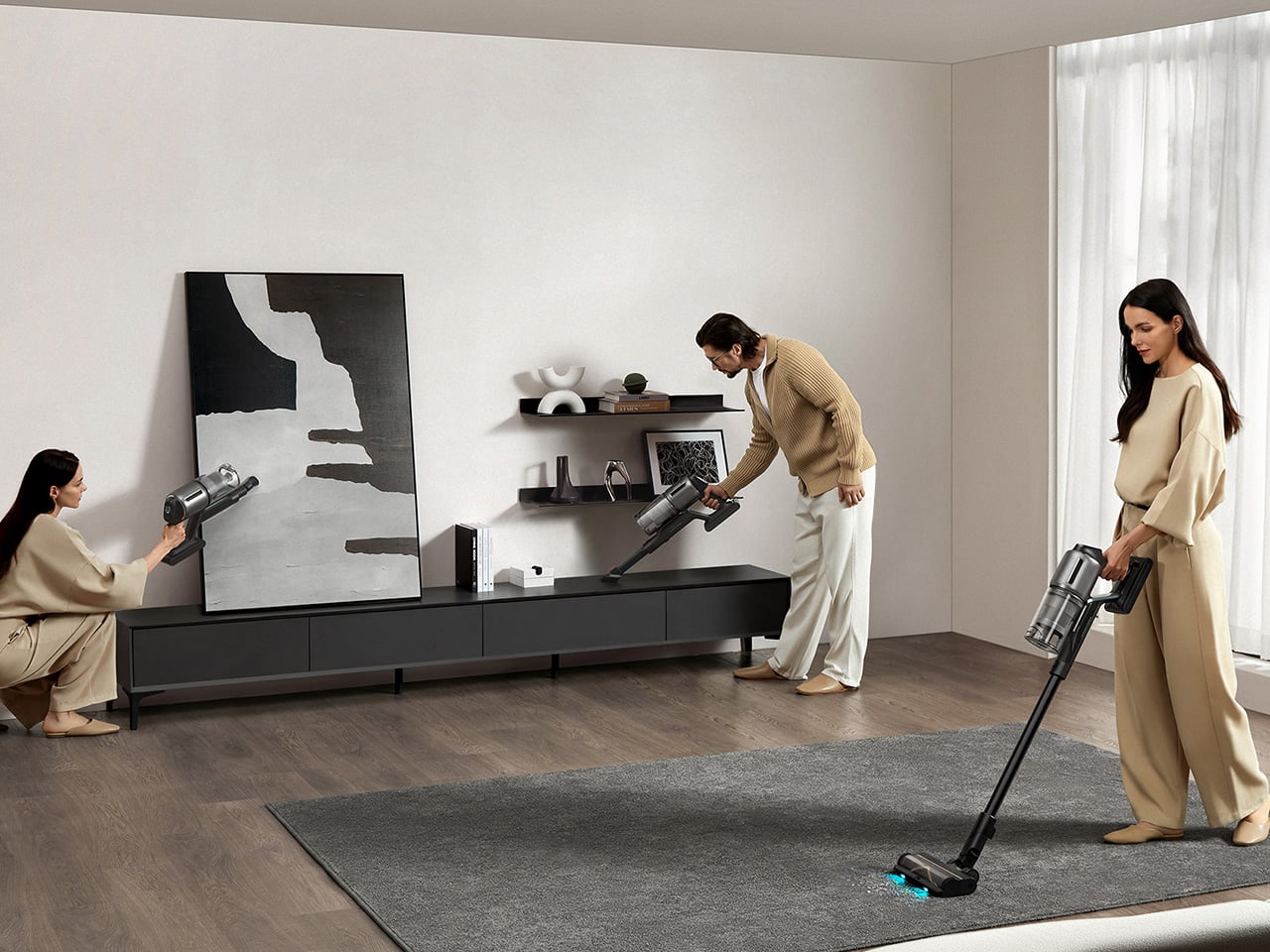
Cordless stick vacuums live and die by two specs: suction power and battery life. The Z30 delivers 310AW of suction, the highest airwatt rating in Dreame’s cordless lineup and more powerful than Dyson’s V15 Detect or Samsung’s Jet 90. That power comes from a 150,000 RPM TurboMotor paired with an eight-cell, 3,200mAh battery pack that runs for up to 90 minutes in Eco mode, enough to cover roughly 3,200 square feet on a single charge. Practical translation: this machine can handle an entire multi-level home without needing a recharge midway through. It also uses intelligent dirt detection to adjust suction in real time, ramping up when it encounters concentrated debris and dialing back on clean sections to conserve battery. A color-coded ring provides visual feedback on dirt levels, and an LCD screen displays post-cleaning reports, showing how much area you covered and how dirty the space was.

The CelesTect technology is more useful than it sounds. It’s a built-in lighting system that illuminates the floor during cleaning, revealing dust that you’d otherwise miss under normal lighting conditions. Both the multi-surface brush and soft roller brush include this feature, making it easier to see fine particles on dark hardwood or light-colored tile. For pet owners, the Z30 includes a motorized deshedding tool that works as a grooming brush, collecting loose fur directly into the vacuum canister before it ends up on your furniture or carpet. The HEPA H14 filtration captures 99.99% of particles as small as 0.1 microns, which covers most allergens, pet dander, and bacteria. At $$237.49 during the sale, the Z30 is priced 53% below its $499.99 retail cost, undercutting comparable models from Dyson and Shark that typically sell for $600 or more.

Why We Recommend It

The Z30 is remarkable because it delivers flagship performance at a mid-tier price, even before the discount. At $237.49, it’s competing directly with entry-level stick vacuums that have half the suction and a third of the battery life. The 310AW motor is genuinely more powerful than anything Dyson currently makes, and the 90-minute runtime eliminates the constant recharge anxiety that plagues most cordless vacuums. The intelligent dirt detection means you’re not manually toggling between power modes, and the CelesTect lighting actually works, revealing dust in dim corners and under furniture where you’d normally rely on feel rather than sight. For households with pets, the included deshedding tool is a practical bonus that most competitors charge extra for. At half price, this is the rare sale where you’re getting premium hardware at budget pricing, not a budget product dressed up with a discount.

Click Here to Buy Now: $199.99 $499.99 (60% off). Hurry, deal ends in 48-hours!

R20 – $170.99 (43% Off)

The Z30 is the most powerful cordless vacuum in Dreame’s lineup, but for many people, it’s also overkill. The R20 sits further down the range with 190AW of suction, which is still more powerful than most competitors at this price point, including Dyson’s V12. It uses a dual brush head system that swaps between a multi-surface roller and a soft roller for hard floors, both designed to handle pet hair without tangling. The enhanced blue LED lights integrated into the floor head illuminate dust and debris that’s invisible under normal lighting, revealing fine particles on dark hardwood or light tile that you’d otherwise miss completely. With up to 90 minutes of runtime in Eco mode, it covers large spaces on a single charge, and the battery pack is swappable if you need to extend cleaning sessions without waiting for a recharge.

The R20 features intelligent dirt detection that adjusts suction power automatically based on the amount of debris it encounters, displaying real-time cleaning status on an LCD screen with color-coded indicators: green for light dust, amber for medium, and red for heavy. This means you’re not burning through battery on already-clean floors or underpowering through high-traffic areas. The 0.6-liter dustbin is larger than Dyson’s equivalent models, and the entire unit weighs just 1.67kg, making it easier to maneuver with one hand or lift overhead for ceiling cleaning. At $179.99 during the sale, it’s positioned as an entry-level option, but the feature set and suction power place it squarely in mid-tier performance territory.

Why We Recommend It

The R20 is the smart buy for first-time cordless vacuum owners or anyone moving into a smaller space where a full-size vacuum feels excessive. It delivers 190AW of suction, which is objectively more powerful than vacuums that cost twice as much, and the 90-minute runtime eliminates the constant battery anxiety that plagues cheaper models. The blue LED dust detection is particularly useful for anyone with pets or allergies, making it easier to see where the real cleaning needs to happen rather than just pushing a vacuum around out of habit. At $179.99, it’s nearly 40% off and priced below budget stick vacuums that lack the swappable battery, intelligent dirt detection, or dual brush system. It’s the rare case where the entry-level product isn’t a compromise; it’s just a more focused version of the flagship without features most people won’t use anyway.

Click Here to Buy Now: $170.99 $299.99 (43% off). Hurry, deal ends in 48-hours!

Pocket Pro – $79.99 (50% Off)

Dreame’s Black Friday discounts aren’t limited to robot vacuums and floor cleaners. The brand’s core expertise is high-speed motor technology and intelligent airflow management, capabilities that translate just as well to moving air through your hair as they do to pulling dust off your carpet. The Pocket Pro is built around a 110,000 RPM motor that generates airflow up to 70 meters per second, fast enough to dry shoulder-length hair in roughly 40 seconds. That’s salon-grade performance compressed into a device that weighs just 10.6 ounces and folds down to a 2-inch profile, small enough to fit into a gym bag or carry-on without occupying the space of a traditional full-size dryer. It’s designed explicitly for portability, with dual-voltage support that works seamlessly across 120V and 240V power systems, meaning you can use it in most countries without a converter.

The Smart Heat Control system monitors temperature 300 times per second, capping output at 134°F to prevent heat damage to hair and scalp. This is paired with an ionic generator that releases 300 million negative ions to reduce frizz and add shine, addressing the static buildup that’s common with high-velocity air drying. Two magnetic nozzles are included: a styling nozzle for straight styles and a diffuser for curls or added volume. Despite the power, the motor runs quietly, avoiding the jet-engine roar that characterizes many compact travel dryers. At $79.99 during the sale, it undercuts most high-speed travel dryers from brands like Dyson and GHD, which typically start at $300 or more for similar motor speeds and dual-voltage functionality.

Why We Recommend It

Travel hair dryers are usually terrible. They’re underpowered, loud, and take forever to dry anything thicker than fine hair. The Pocket Pro breaks that pattern by delivering legitimate high-speed motor performance in a genuinely portable form factor. The 110,000 RPM motor is faster than most full-size dryers, and the dual-voltage support makes it practical for international travel without the hassle of converters or the risk of frying the electronics in a foreign outlet. The Smart Heat Control is a meaningful safety feature that prevents the scorching heat spikes common in cheap travel dryers, and the ionic care reduces frizz without requiring a separate finishing product. At $79.99, it’s a rare case where the travel version of a product isn’t a compromised, underpowered alternative; it’s just the full-power version made smaller.

Click Here to Buy Now: $79.99 $159.99 (50% off). Hurry, deal ends in 48-hours!

Airstyle Pro – $179.99 (55% Off)

The Pocket Pro proved Dreame understands high-speed motor technology for hair care, but the Airstyle Pro is where that expertise turns into a multi-tool styling system. It’s a 7-in-1 device built around the same 110,000 RPM motor found in the portable dryer, but here it powers interchangeable magnetic attachments for curling, straightening, volumizing, and drying. The JetAirflow system generates 60 meters per second of airflow, cutting drying time to roughly 40 seconds for short hair and four minutes for long hair, while maintaining consistent temperature control to prevent heat damage. The attachment lineup includes auto-wrap curling barrels that mimic Dyson’s Airwrap functionality, soft and hard smoothing brushes for different hair textures, a round volumizing brush, a flyaway tamer for frizz control, and concentrator nozzles for precision drying. Each attachment snaps into place magnetically, and a one-press cold shot locks in styles by holding for 5 to 10 seconds.

The design emphasizes both function and presentation. The handle features a leather-textured grip that looks premium and stays cool during extended use, a detail that separates it from mid-tier stylers that get uncomfortably hot after a few minutes. The entire kit comes in a soft-case storage box designed to organize all seven attachments without tangling cords or losing pieces. The airflow direction automatically adjusts based on the attachment; the smoothing brush, for instance, redirects air downward to enhance the straightening effect. It works on all hair types, from straight to coily, and the versatility means it replaces multiple single-purpose tools. At $179.99 during the sale, it’s competing directly against Dyson’s Airwrap at a fraction of the $600 price, offering comparable motor speed and attachment variety with a three-year warranty included.

Why We Recommend It

Multi-stylers are either cheap knockoffs with weak motors and flimsy attachments, or they’re Dyson Airwraps that cost as much as a decent laptop. The Airstyle Pro occupies the middle ground that didn’t really exist before: legitimate high-speed motor performance, thoughtfully designed attachments, and a price that doesn’t require a payment plan. The 110,000 RPM motor is fast enough to dry and style simultaneously, which saves time and reduces heat exposure compared to traditional blow-drying followed by curling or straightening. The auto-wrap barrels work the same way Dyson’s do, using airflow to wrap hair around the barrel rather than manual twisting, which is genuinely easier and less damaging. At 55% off, dropping from $399.99 to $179.99, it’s priced closer to single-function hot tools while delivering the versatility of a complete styling system. For anyone tired of juggling multiple devices or considering an Airwrap but hesitating at the cost, this is the pragmatic alternative that doesn’t feel like a downgrade.

Click Here to Buy Now: $179.99 $399.99 (55% off). Hurry, deal ends in 48-hours!

The post Black Friday Robot Vacuum Deals: Dreame’s Flagship Models Drop By Up To 60% first appeared on Yanko Design.
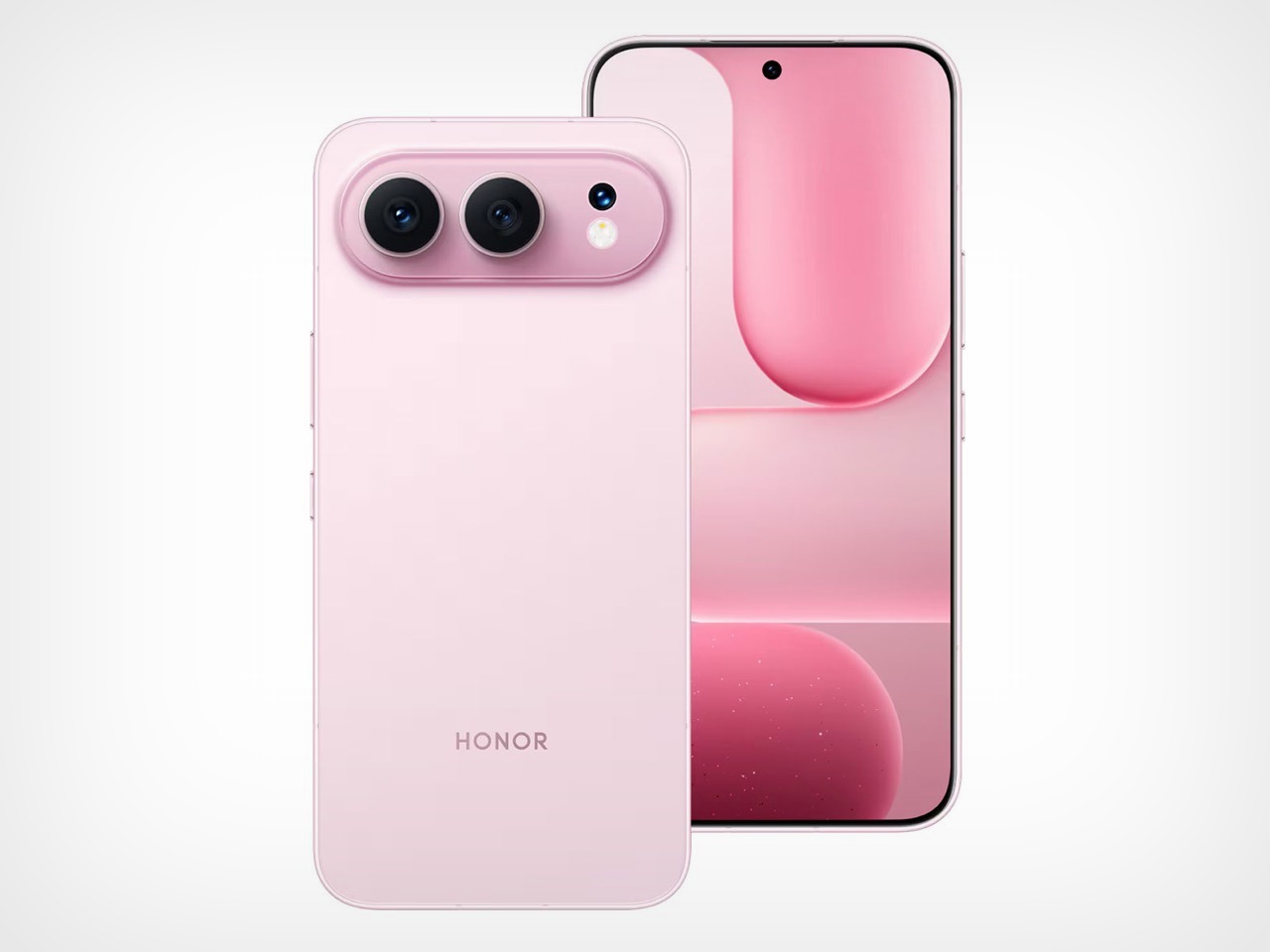
HONOR’s iPhone Air competitor has 4 camera lenses, and a massive 8,000mAh battery

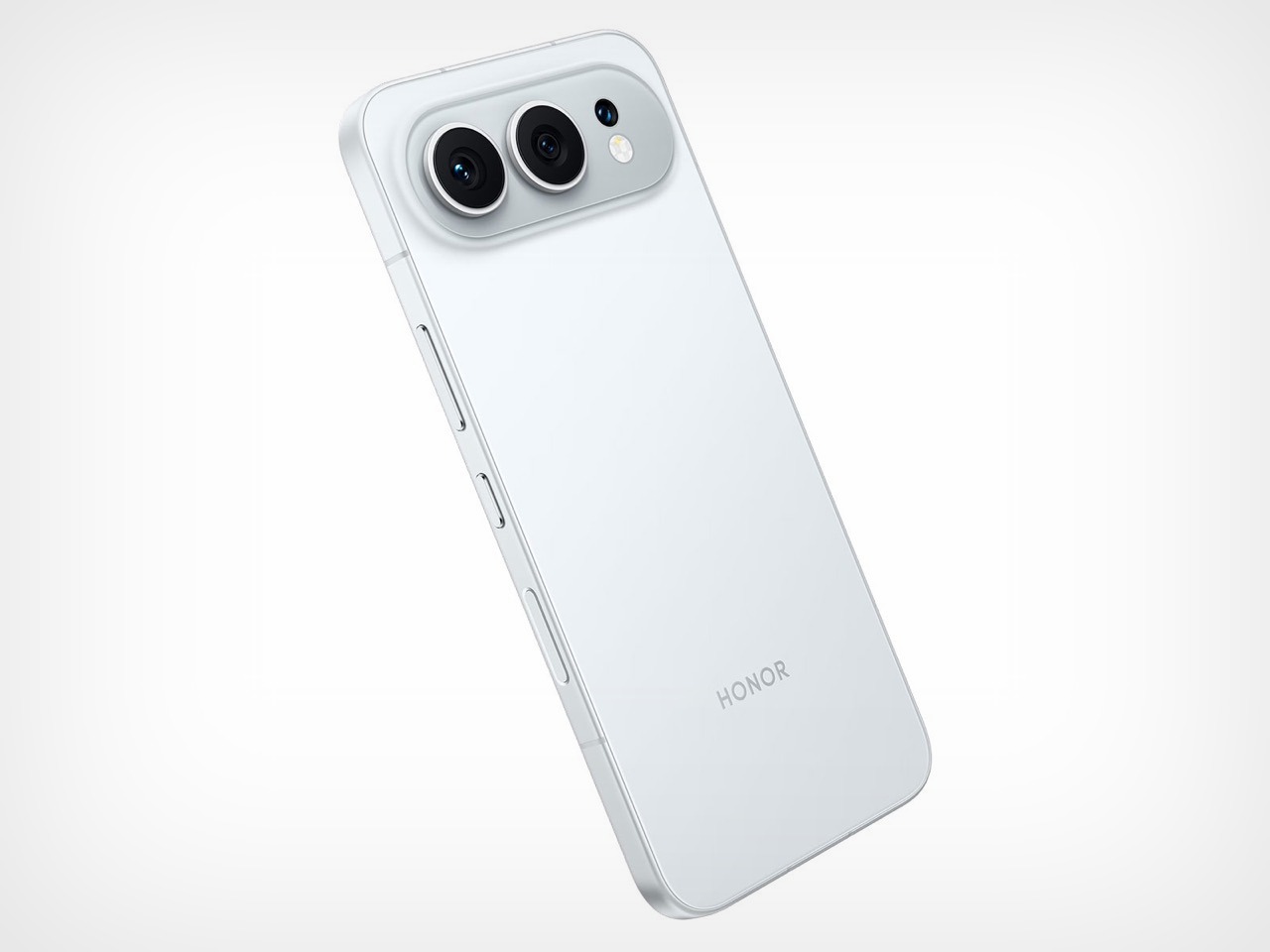
If you squint, this looks like an iPhone Air. If you stop squinting, you notice it has an extra camera and an 8,000mAh battery that makes Apple’s thinness obsession look a little silly. HONOR just dropped its new 500 series in China, and the design inspiration is so obvious it circles back around to being bold. The phone’s flat metal sides, clean glass back, and minimalist aesthetic are all lifted straight from the modern flagship playbook. But this isn’t just another clone chasing a trend. HONOR took that familiar, premium silhouette and decided to fill it with hardware that directly challenges the compromises often made for the sake of design.

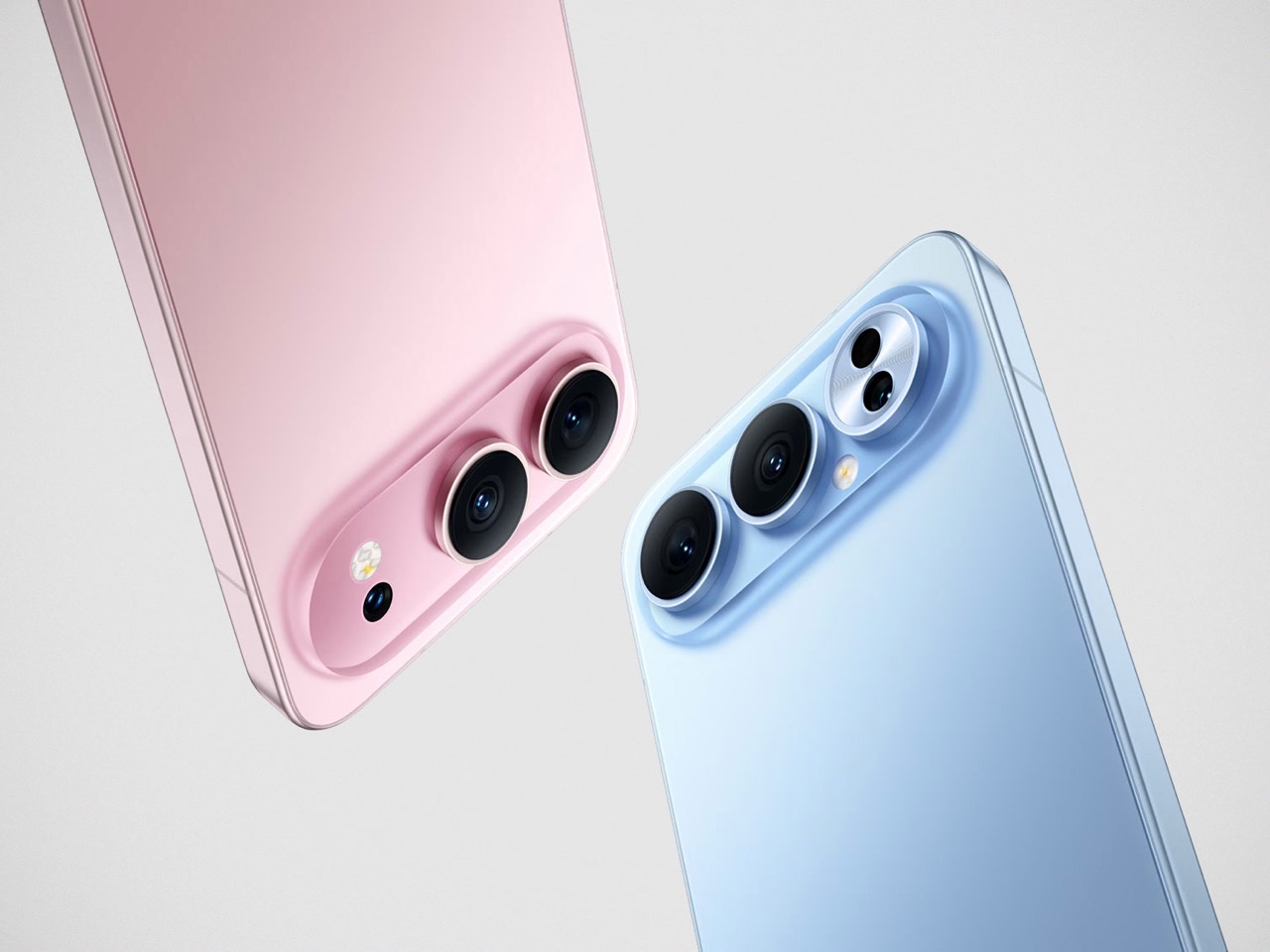
The entire strategy seems to hinge on that visual familiarity. Both the Honor 500 and 500 Pro are physically identical to each other, sharing a 7.75mm thin frame that feels deliberately calibrated offer slimness without the exaggeration and the spec-caveat. They even have the same 6.55-inch, 120Hz AMOLED display, so the experience up front is consistent. Instead of making the Pro a bigger, more unwieldy device, HONOR made the spec sheet the only real differentiator. It’s a clever way to offer a choice between “great” and “even better” without forcing a change in ergonomics.

Designer: HONOR

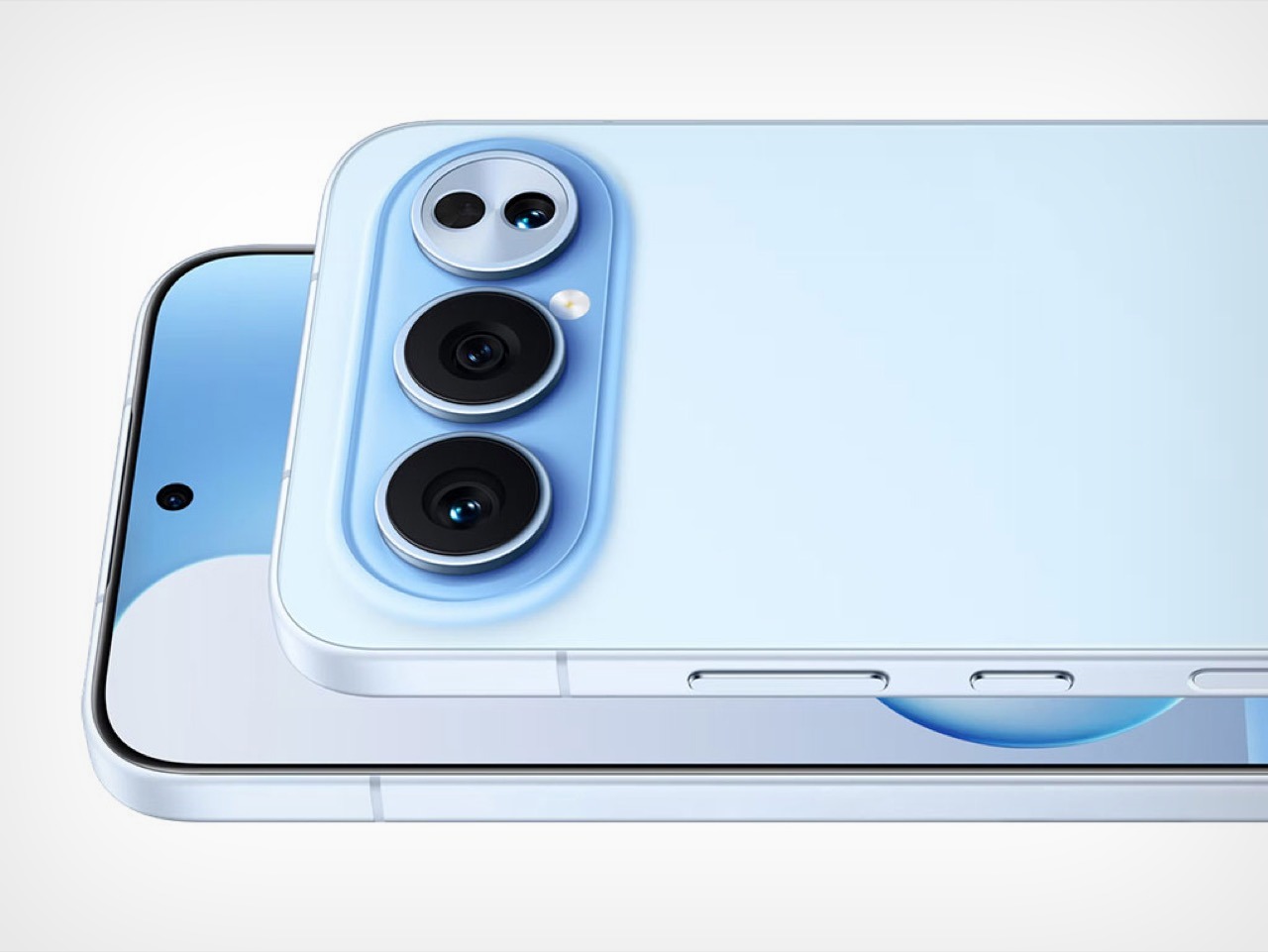
The standard Honor 500 (above), packs a dual-camera system led by a 200MP main sensor with OIS, co-developed with Samsung, and a 12MP ultra-wide. But the Pro model (below) is where they really lean in, adding a third lens to the mix and upgrading the stabilization for even steadier shots. It’s the clearest indicator of who each phone is for; the 500 is for the person who wants the look and the battery, while the Pro is for the user who wants all that plus a more versatile camera system.

Of course, the real headline grabber is the absolute monster of a battery hiding inside that slim chassis. HONOR managed to pack 8,000mAh cells into both standard AND Pro variants… that’s more than double of the iPhone Air’s 3,149mAh battery. The standard 500 gets 80W wired charging and a handy 27W reverse wired charging feature to share power. The Pro takes it a step further by adding 50W wireless charging, giving it the full suite of flagship power options. This single spec feels like a direct shot at every phone that dies before the day is over, turning the Honor 500 into an endurance champion disguised as a fashion phone.

The Pro justifies its title with a few other key upgrades under the hood. While both phones are expected to run on fast LPDDR5X RAM and UFS 4.0 storage, the Pro offers a higher 1TB storage ceiling compared to the standard model’s 512GB max. It also features a more advanced 3D ultrasonic fingerprint sensor, which is typically faster and more reliable than the optical sensor found in the base 500. Add in an enhanced RF chip for better connectivity, and the Pro’s premium becomes a collection of small but meaningful quality-of-life improvements.

Beyond those differences, the foundation for both phones is surprisingly robust. You get an IP68/IP69/IP69K rating for serious water and dust resistance, along with stereo speakers, Wi-Fi 7, Bluetooth 6.0, and even an IR blaster. With launch pricing in China starting at 2,699 yuan ($381 USD) for the 500 and 3,599 yuan ($508) for the Pro, the value proposition is clear. HONOR is betting that people want a phone that looks like an iPhone Air but runs like a marathoner, and they’re not afraid to make the comparison impossible to ignore.

The post HONOR’s iPhone Air competitor has 4 camera lenses, and a massive 8,000mAh battery first appeared on Yanko Design.

Parsel EVA Tote: Rigid Shell and Soft Liner You Can Reconfigure

Most bags are single-purpose objects. A tote for groceries, a weekender for travel, a backpack for everything else. Parsel’s EVA East West Tote System treats a bag more like a modular platform, where a rigid shell, soft liner, and strap can be reconfigured for different uses. It’s less about one perfect tote and more about a carry architecture you can tune as your day changes.

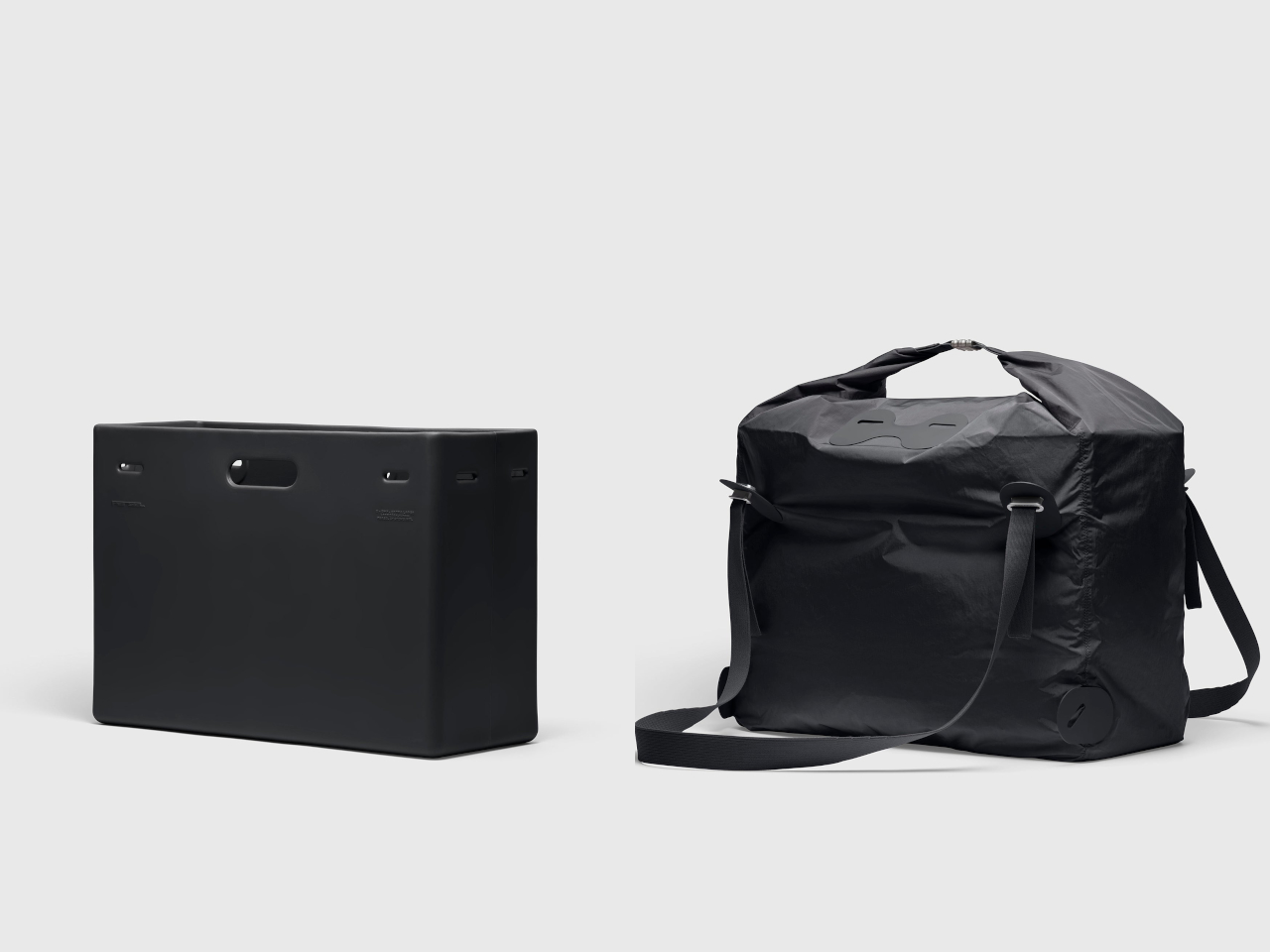
The EVA East West Tote System is a high-density EVA tote available in small and extra-large sizes. Each Unit is an injection-molded shell with integrated handles, paired with a removable roll-top nylon liner and an engineered knit strap. All the hardware is machined from aircraft-grade aluminum, giving the whole thing a gear-like feel rather than a fashion accessory vibe that falls apart after a season.

Designer: Nur Abbas (PARSEL)

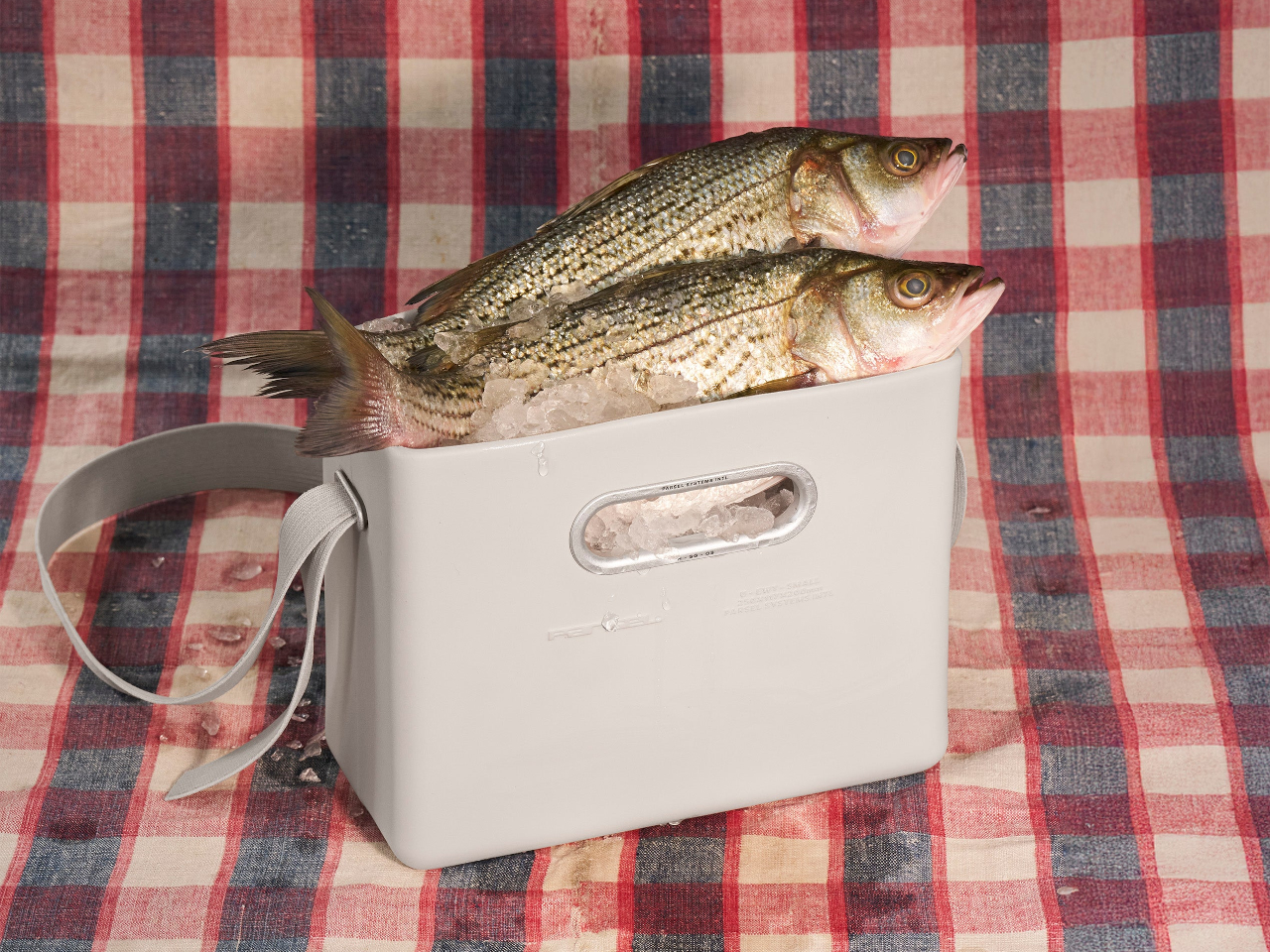
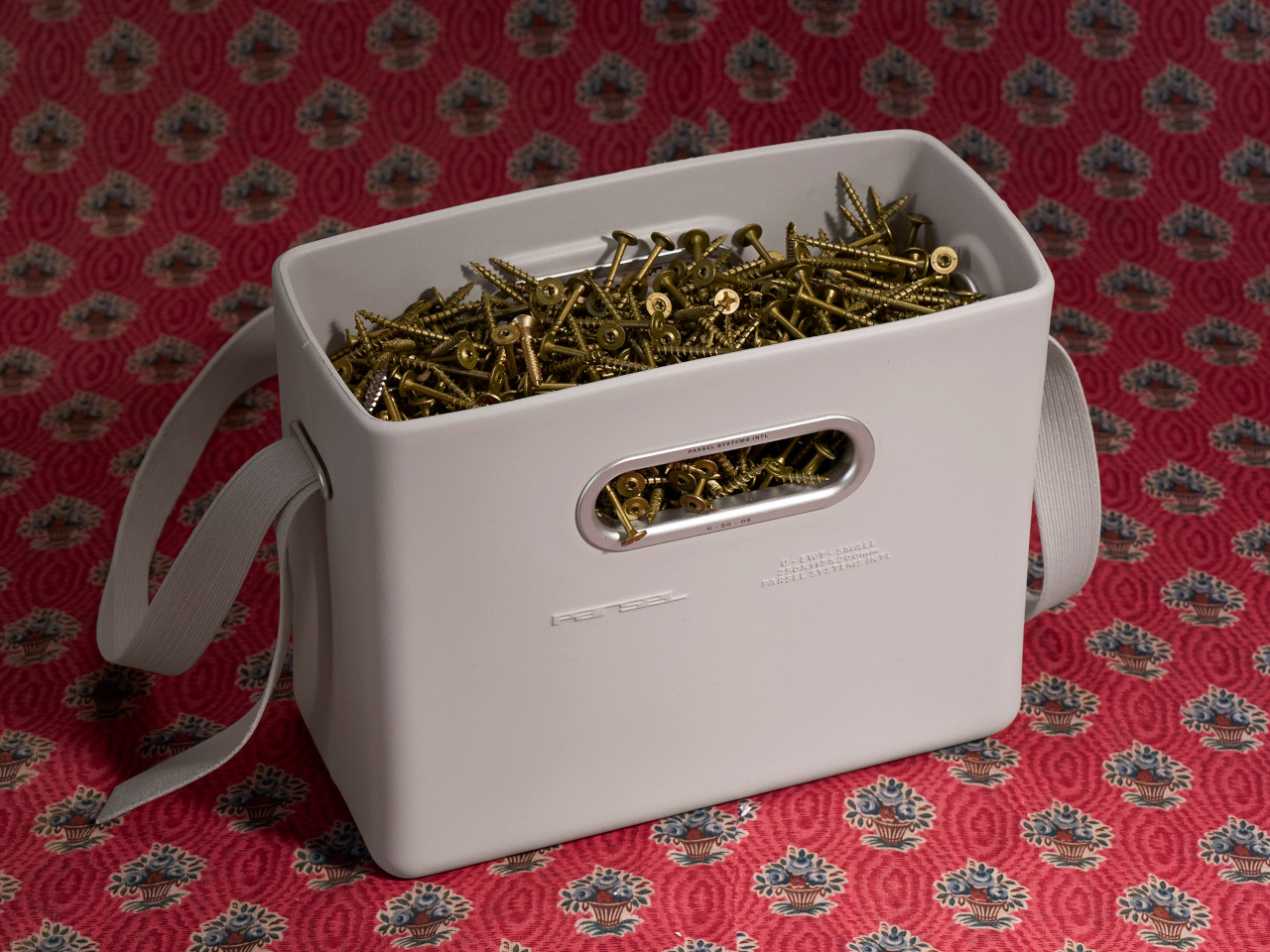
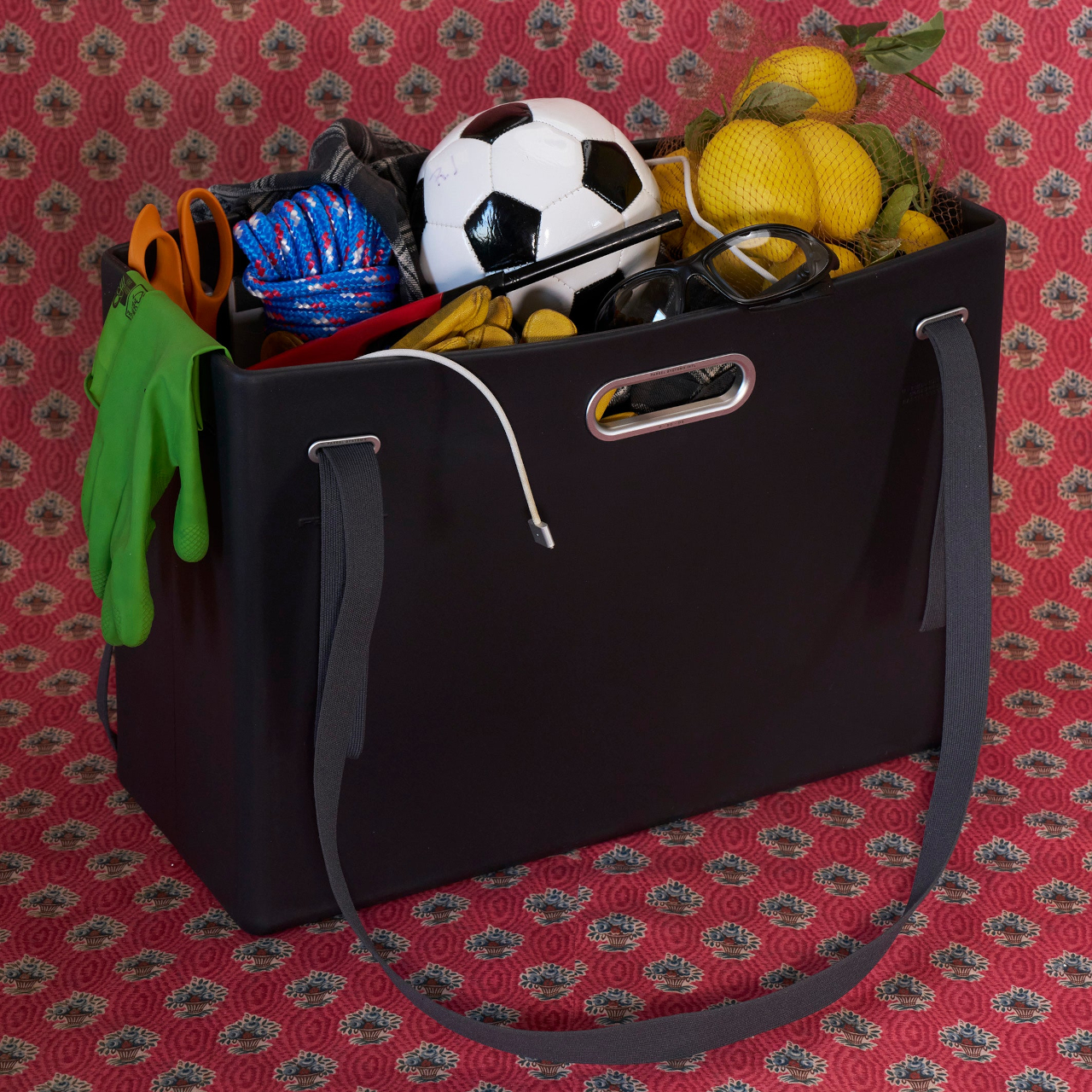
The Unit is a monolithic box with soft radii and an oval handle cutout, rigid enough to protect contents but flexible enough to absorb impact. In its small size, it reads like a compact utility caddy. In the extra large, it becomes a trunk-like tote that can swallow groceries, tools, or sports gear. The clean surfaces and embossed Parsel logo keep it visually quiet and precise.

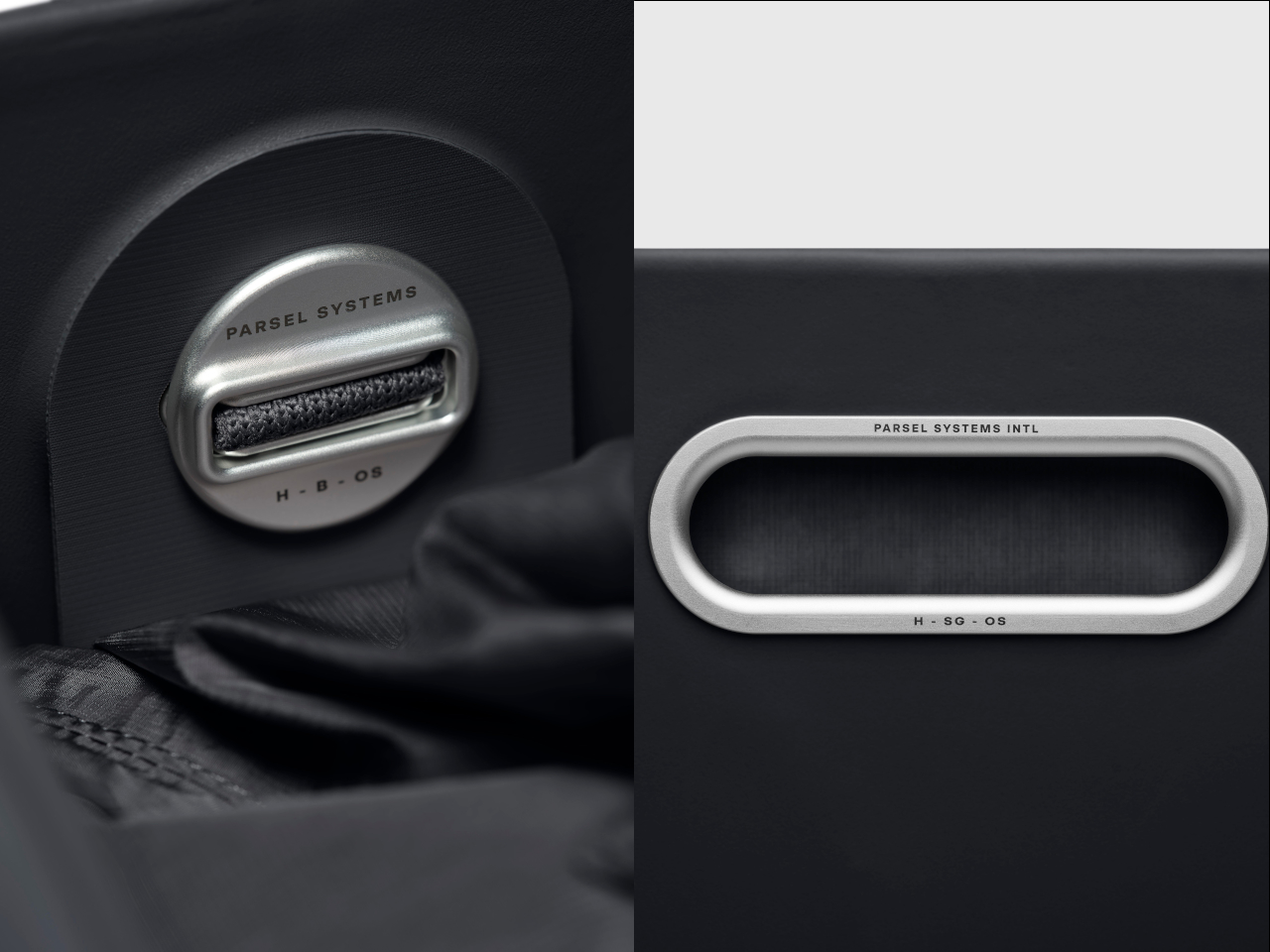
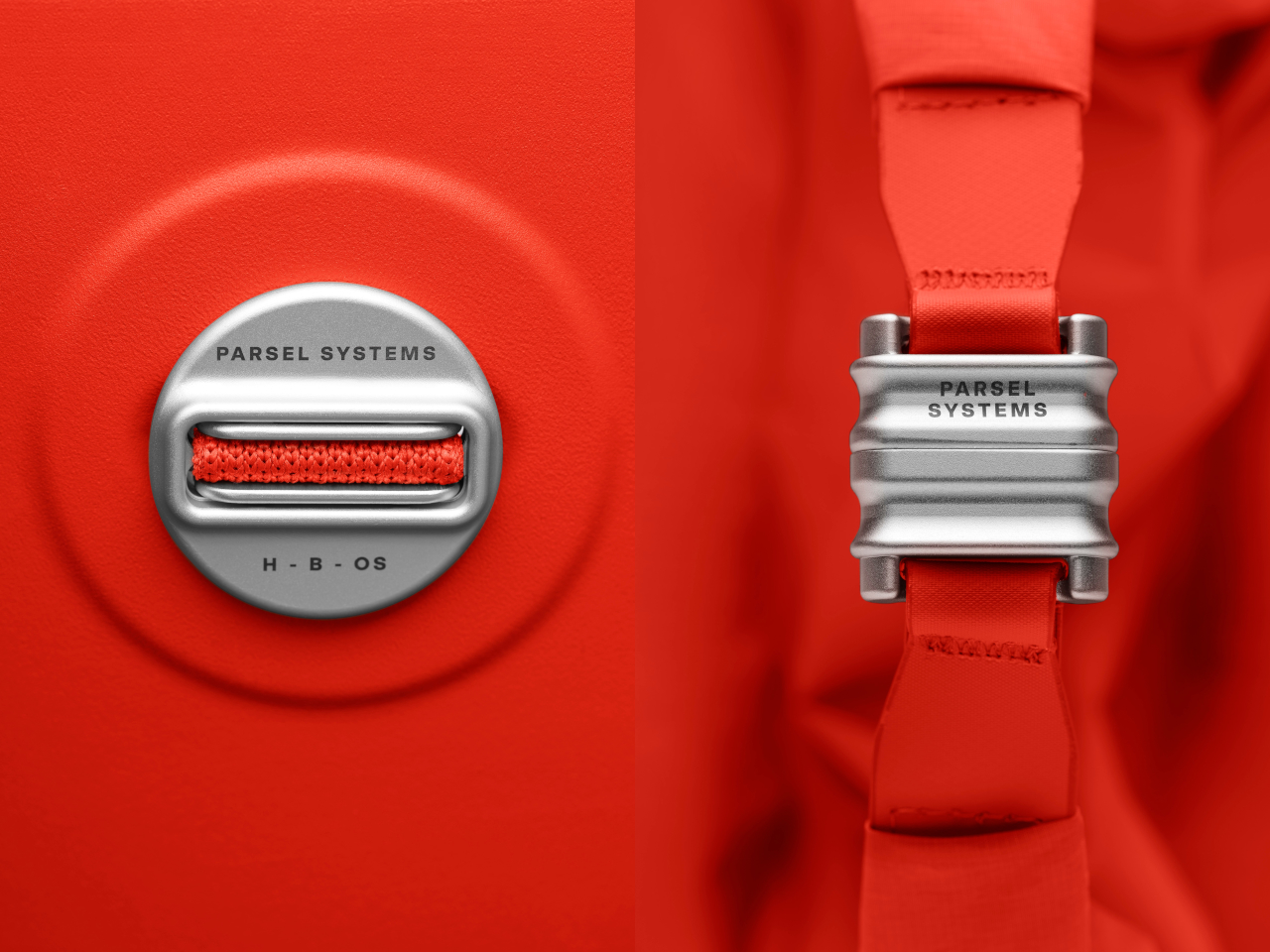
The removable nylon liner has a roll-top with a magnetic closure and can live inside the Unit or be used on its own. The adjustable knit strap stretches slightly for comfort and threads through Parsel’s signature Button, a ribbed aluminum connector that links everything together. That Button is the universal joint of the system, letting the strap move between the shell and liner without extra clips or buckles cluttering the sides.

In classic tote mode, the strap attaches to the EVA Unit with the liner inside. For a lighter carry, the liner can be used alone with the strap as a soft shoulder bag. In the extra-large size, the liner can even be worn as a backpack by rethreading the strap through the Buttons. Parsel literally labels this “Play with the system,” inviting users to treat carry as something adjustable.

The aluminum handle insert is etched with Parsel Systems Intl around its oval perimeter, while the Button hardware carries the brand name in clean engraving. These details feel more like precision components from outdoor gear than fashion hardware. Colorways like Optic white, Deep black, and Priority orange let the bags shift toward either minimal or high-visibility use, comfortably filled with screws, firewood, fish, or flowers in both workshop and city.

The EVA East West Tote System is a thoughtful attempt to make one bag work across many lives. By separating structure, volume, and carry into distinct parts, Parsel lets you tune how rigid, soft, or hands-free the bag needs to be on a given day. For anyone who likes their everyday carry to feel more like a system than a single fixed object, this EVA tote is worth considering.

The post Parsel EVA Tote: Rigid Shell and Soft Liner You Can Reconfigure first appeared on Yanko Design.
Dinoosh Dispenses Dino Paw Print Soap, Changes Color When Done

Kids explore everything with their hands, but rarely wash them long enough, even when adults remind them. The recommended 20 seconds feels like forever to a child staring at a sink, which is why so many just rinse and run. Dinoosh is a concept that tries to solve this not with more nagging or countdown posters, but with a small dinosaur-themed object that makes the whole routine feel like a game.
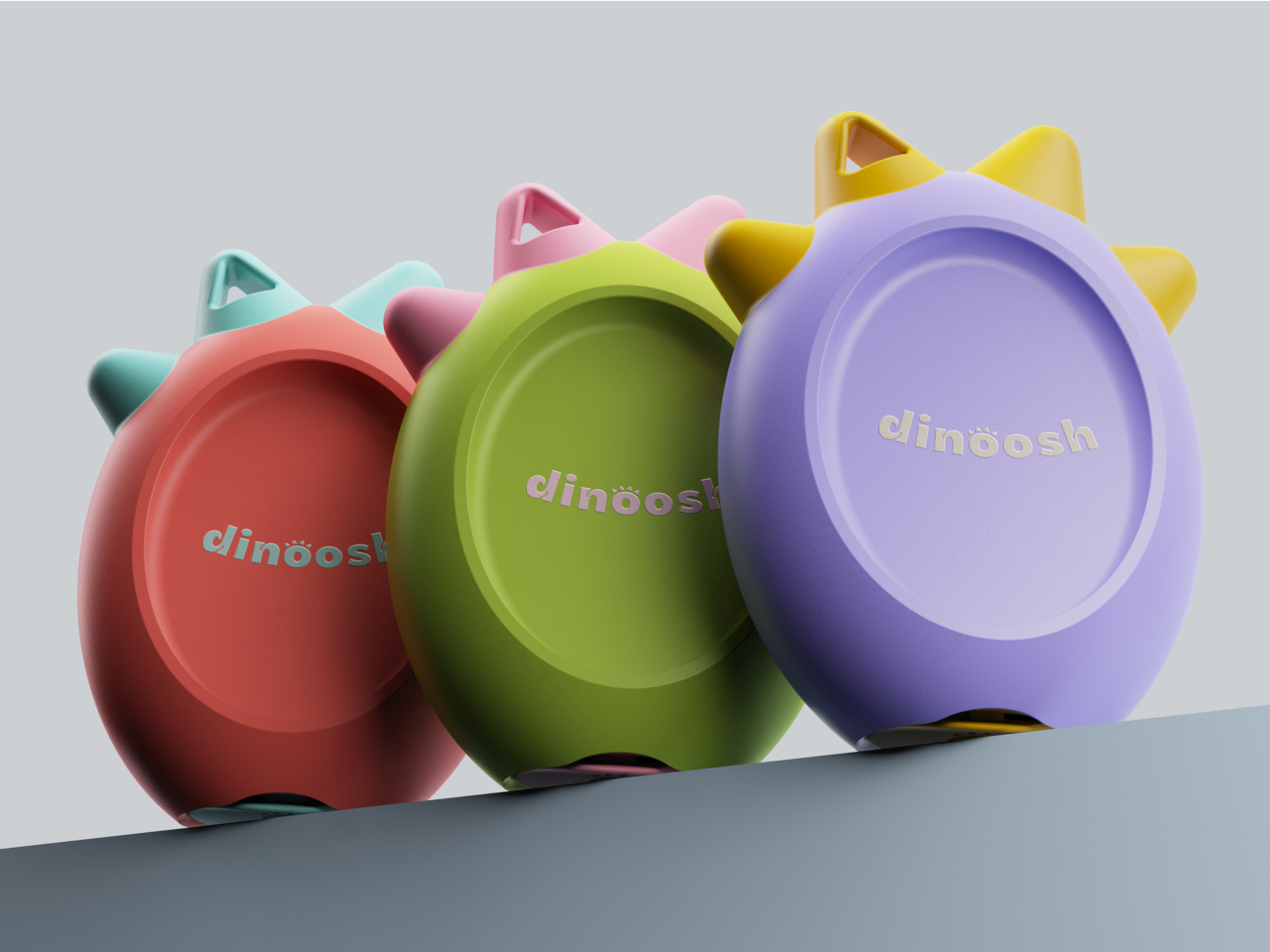
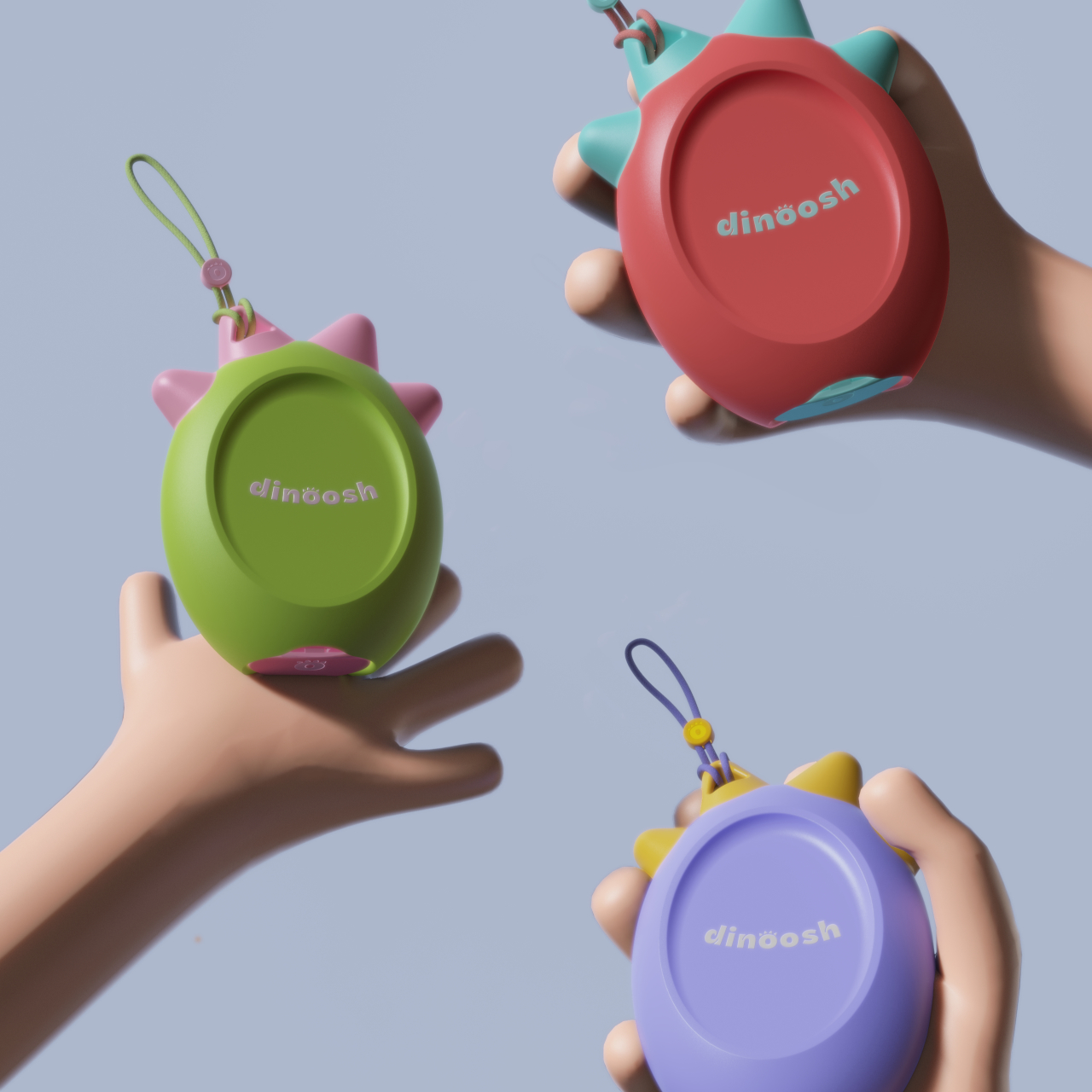
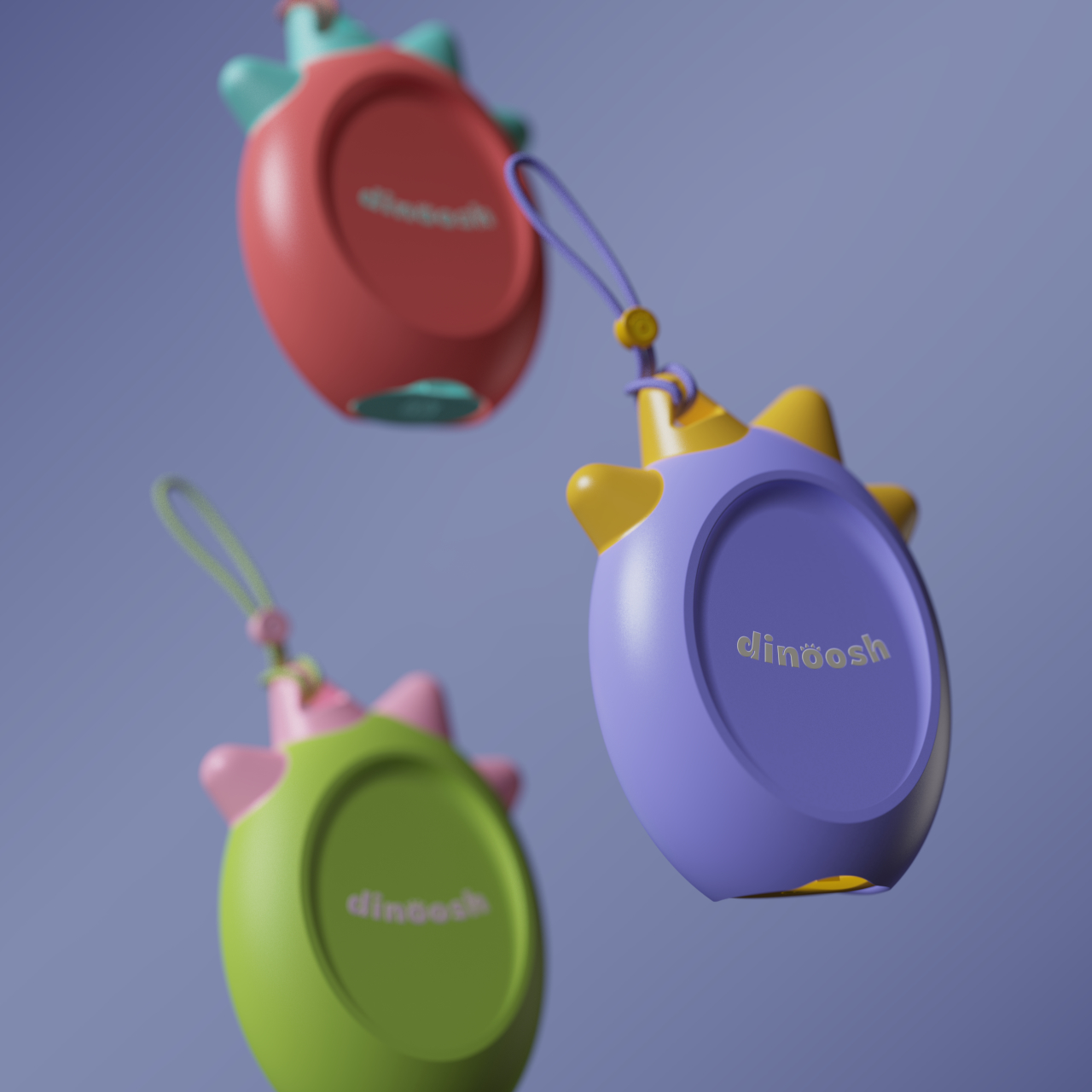
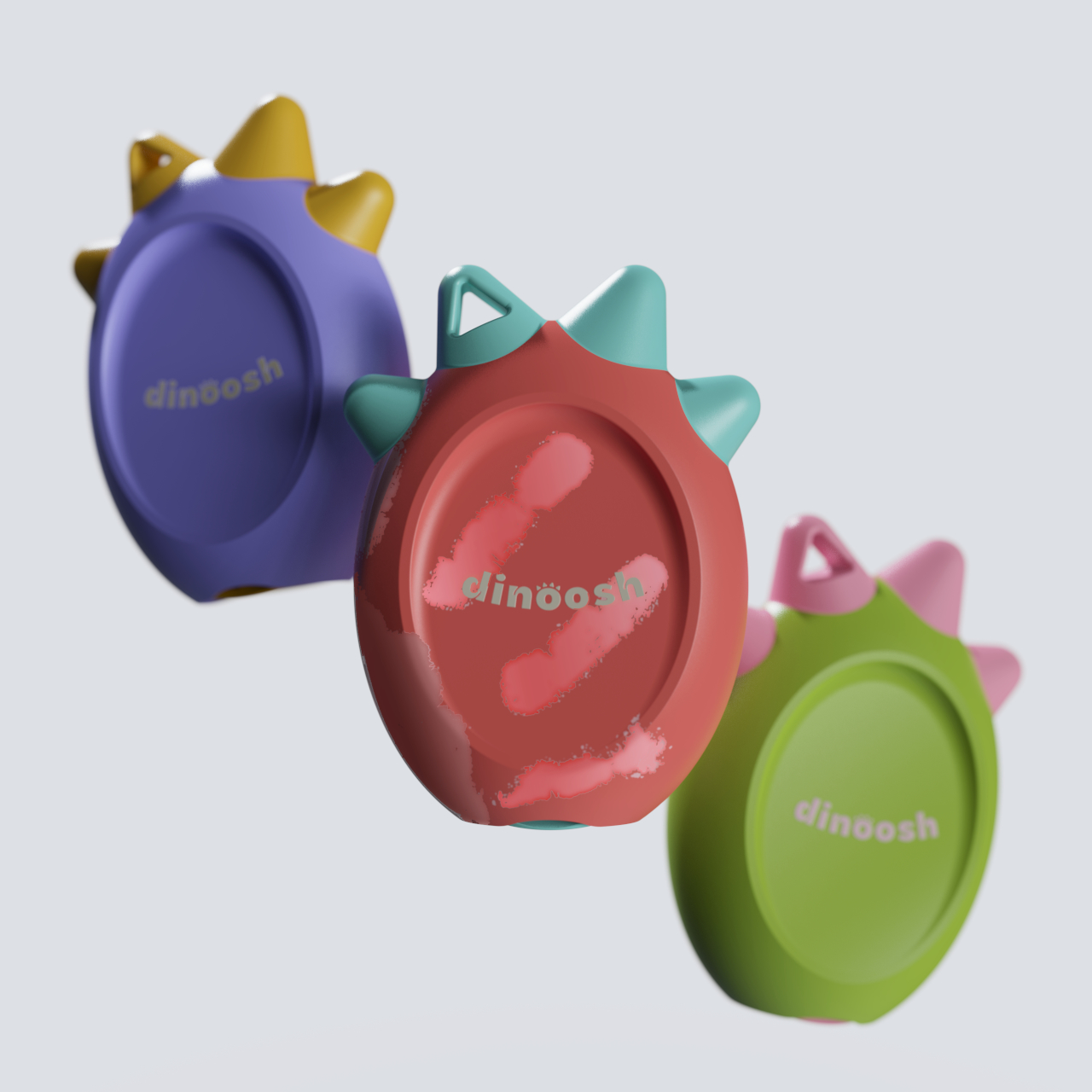
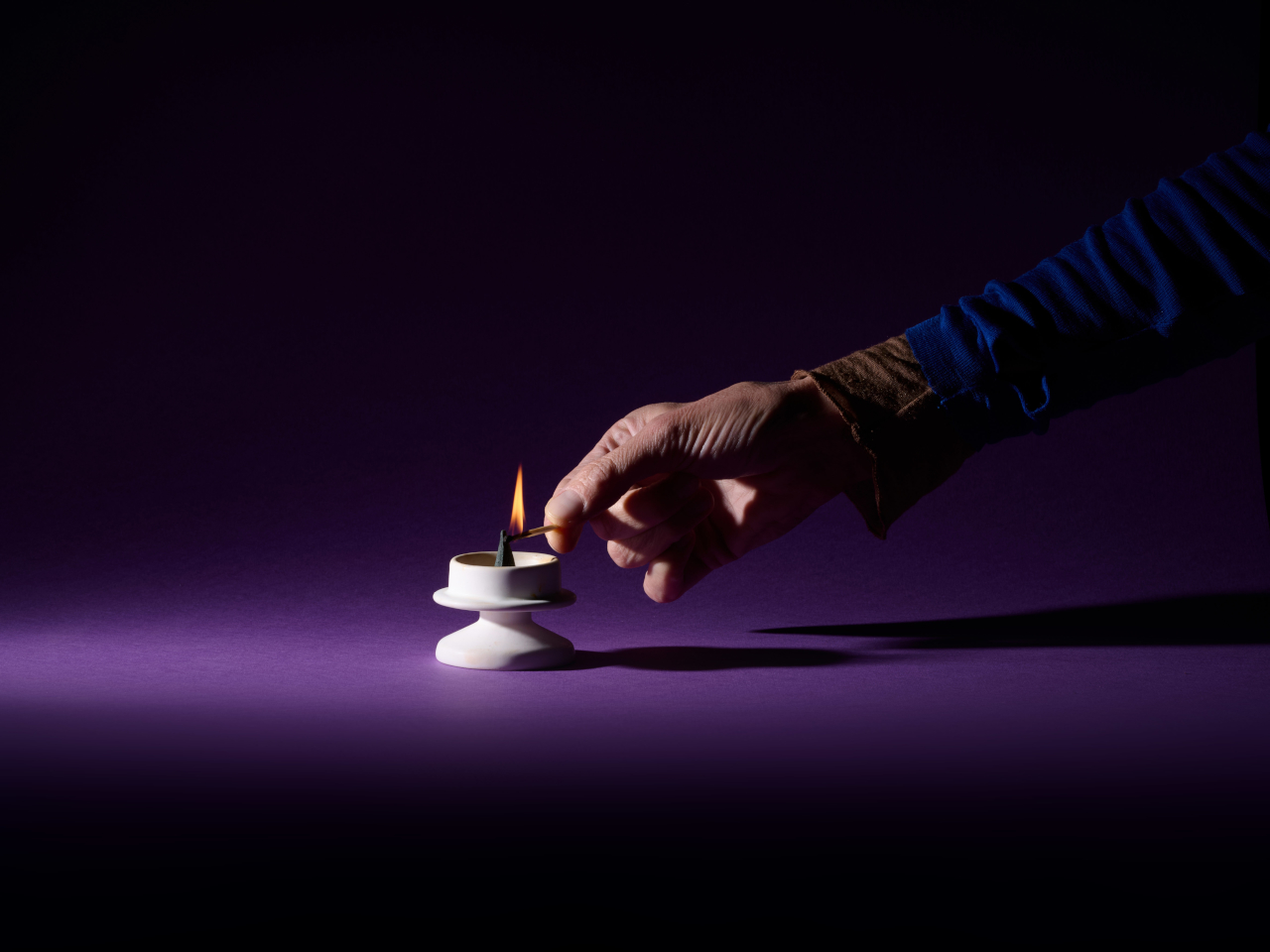
Dinoosh is a palm-sized, dinosaur-inspired handwashing tool that combines a soap dispenser, scrubber, and color-changing timer. It looks like a soft, rounded dino paw with three spikes on top and a loop so kids can clip it to backpacks or bathroom hooks. The idea is to give children a friendly companion that turns washing away germs into something they actually want to do on their own.

Designers: Aarya Ghule, Tejas Vashishtha

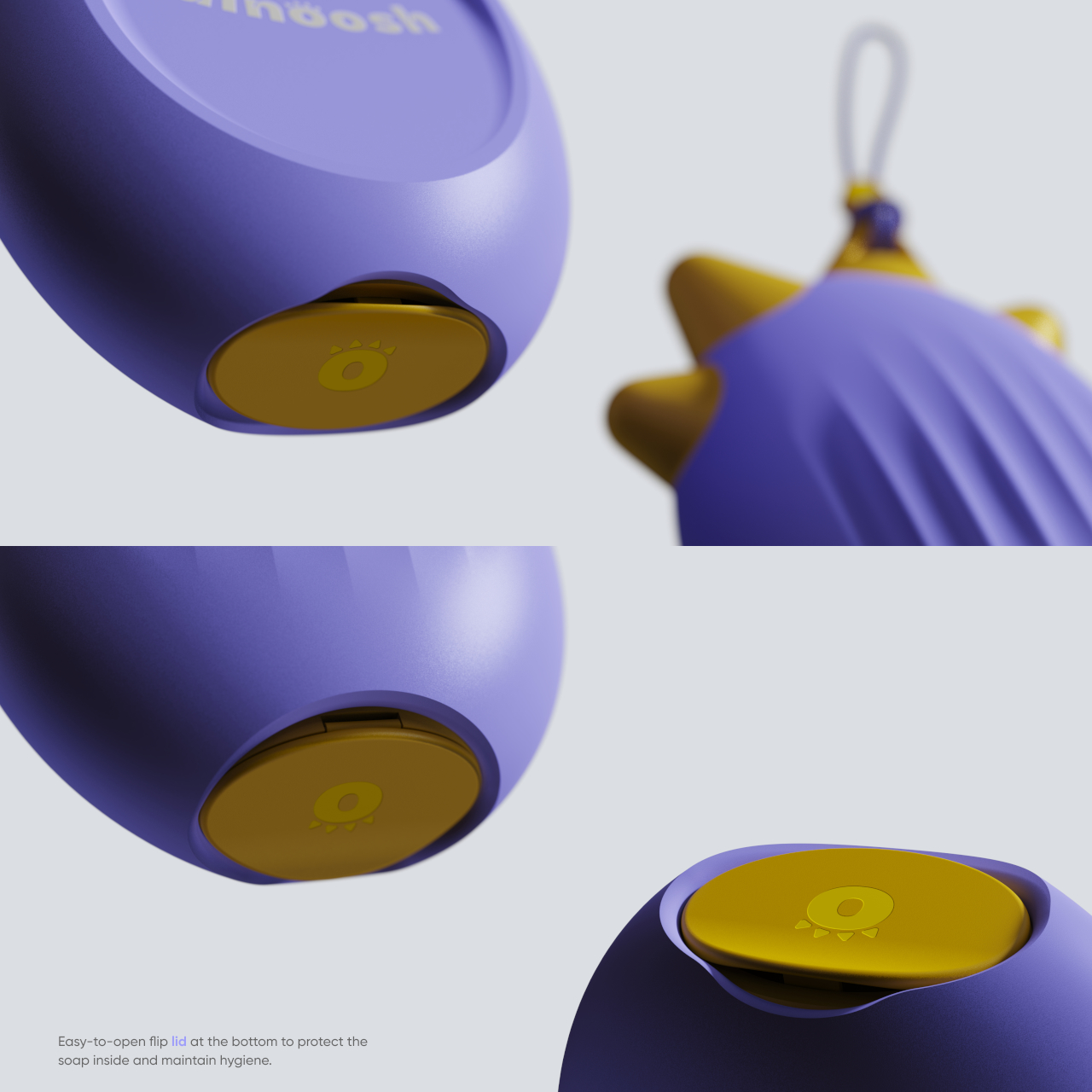
Kids flip open a small lid at the bottom and squeeze Dinoosh, which dispenses thick soap gel in the shape of tiny dinosaur paw prints onto their hands. That simple detail turns soap into a character moment, giving a clear visual dose and an instant reason to look and laugh. It invites kids to start rubbing and playing instead of rushing straight to the rinse and calling it done.

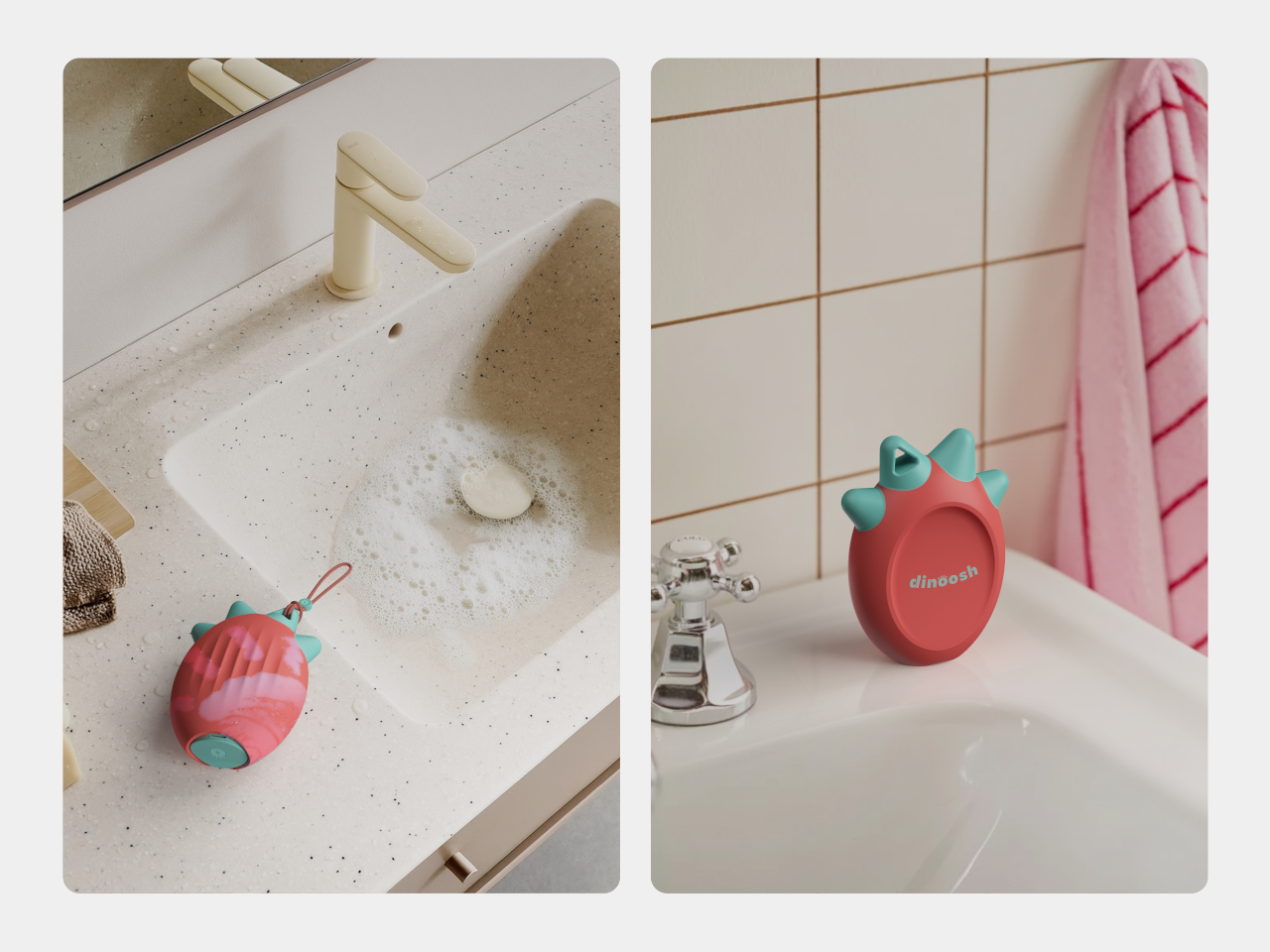
Dinoosh stays involved once the soap is out. The back of the device has soft ridges that act like a gentle scrubber when kids rub their hands over it. The spikes on top help get between fingers, and the rounded body is easy to grip with wet hands. Instead of just lathering and standing there, children are encouraged to keep moving, squeezing, and scrubbing as part of the play.

The body is made from thermochromic plastic that slowly shifts color with warmth and friction. As kids scrub their hands and run warm water, they see the dinosaur paw gradually change hue. That becomes a built-in timer: they know they’re done when Dinoosh has fully changed color, which roughly matches the recommended 20 seconds without needing to count or sing a whole song.

A small loop at the top lets Dinoosh hang from backpacks, bathroom hooks, or stroller handles, keeping it in sight and within reach. Bright colorways like Sweet Sprout green, Coral Pop, and Soft Comet lavender make it feel collectible and personal. By living in kids’ everyday environments, it nudges them toward washing not just at home but at school and on the go.

Dinoosh shows how product design can tackle hygiene through play rather than guilt. By combining characterful form, tactile engagement, and a built-in color timer, it turns a forgettable chore into a small daily ritual kids can own. Whether or not this exact concept hits the market, the idea of a dinosaur paw that tells you when your hands are clean feels like a story most kids would happily wash along with.

The post Dinoosh Dispenses Dino Paw Print Soap, Changes Color When Done first appeared on Yanko Design.