Visor mixed reality headset promises a more accessible Apple Vision Pro

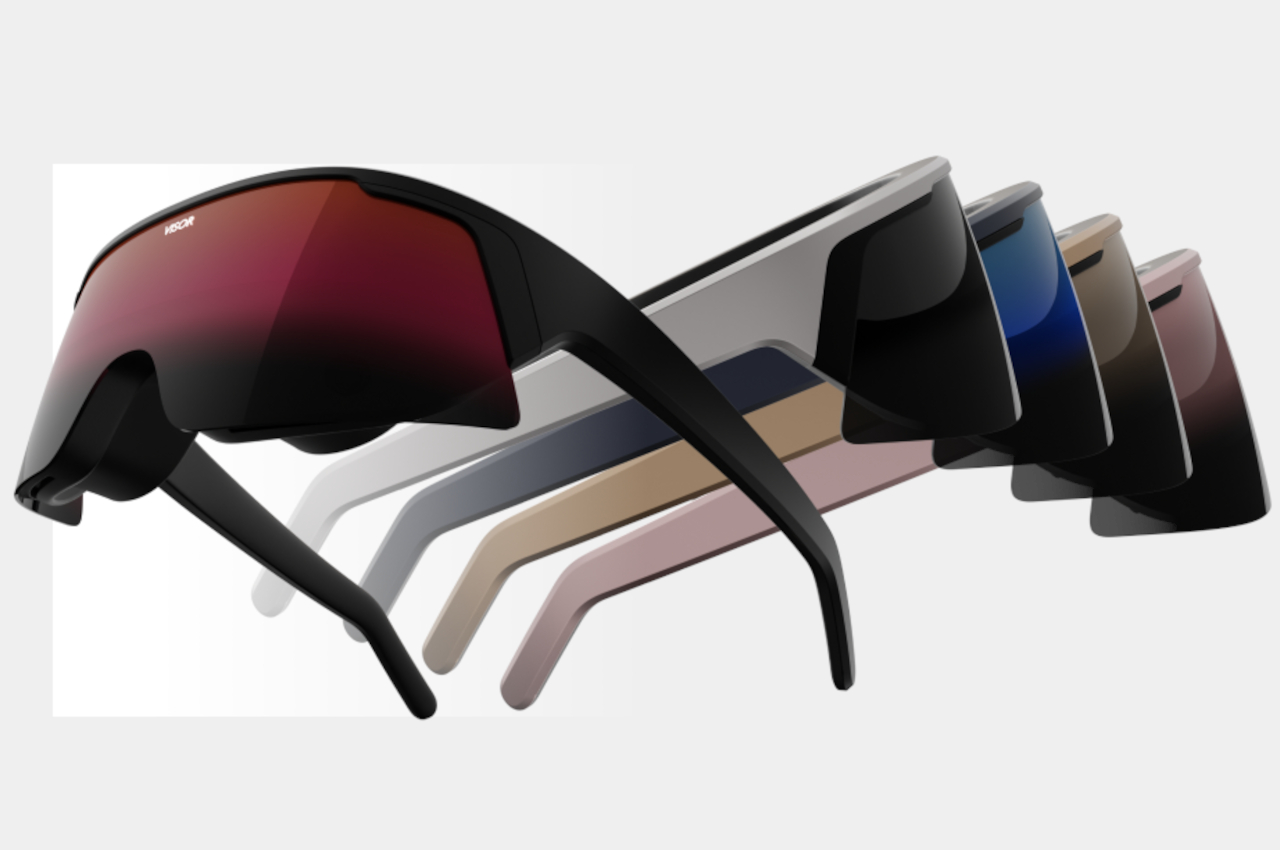
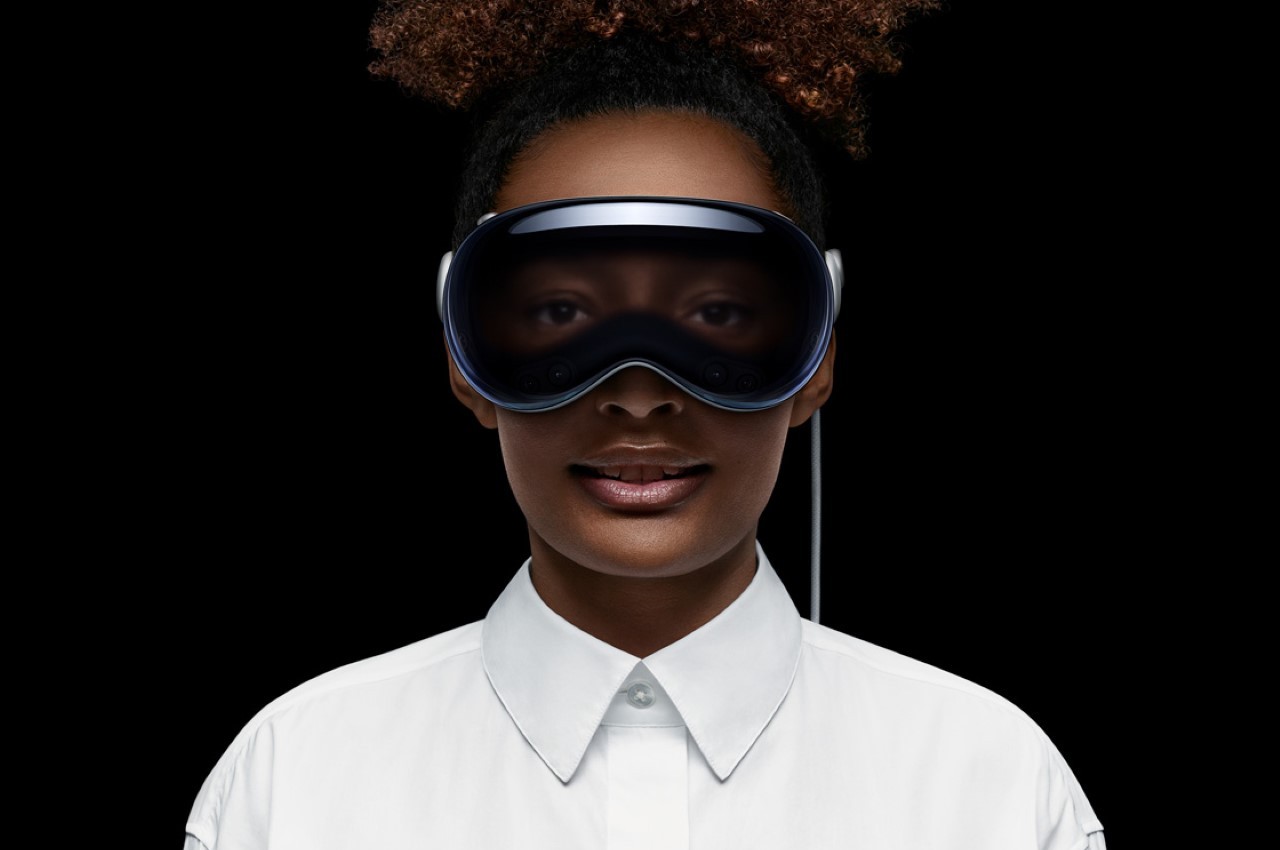
Although it’s definitely the latecomer, Apple is unsurprisingly stirring up a storm with the launch of the Vision Pro. Mixed reality, or spatial computing as Apple named it, is en vogue once again, and many companies are making a lot of noise to demonstrate how they’ve been playing the game long before the Vision Pro was even announced. That boast comes with the implication that they can offer a better experience and a more accessible product, like this visor-like Visor headset that’s trying to be a better Vision Pro than the Vision Pro with a more open platform, a more stylish design, and most importantly, a more affordable price tag.

Designer: Immersed

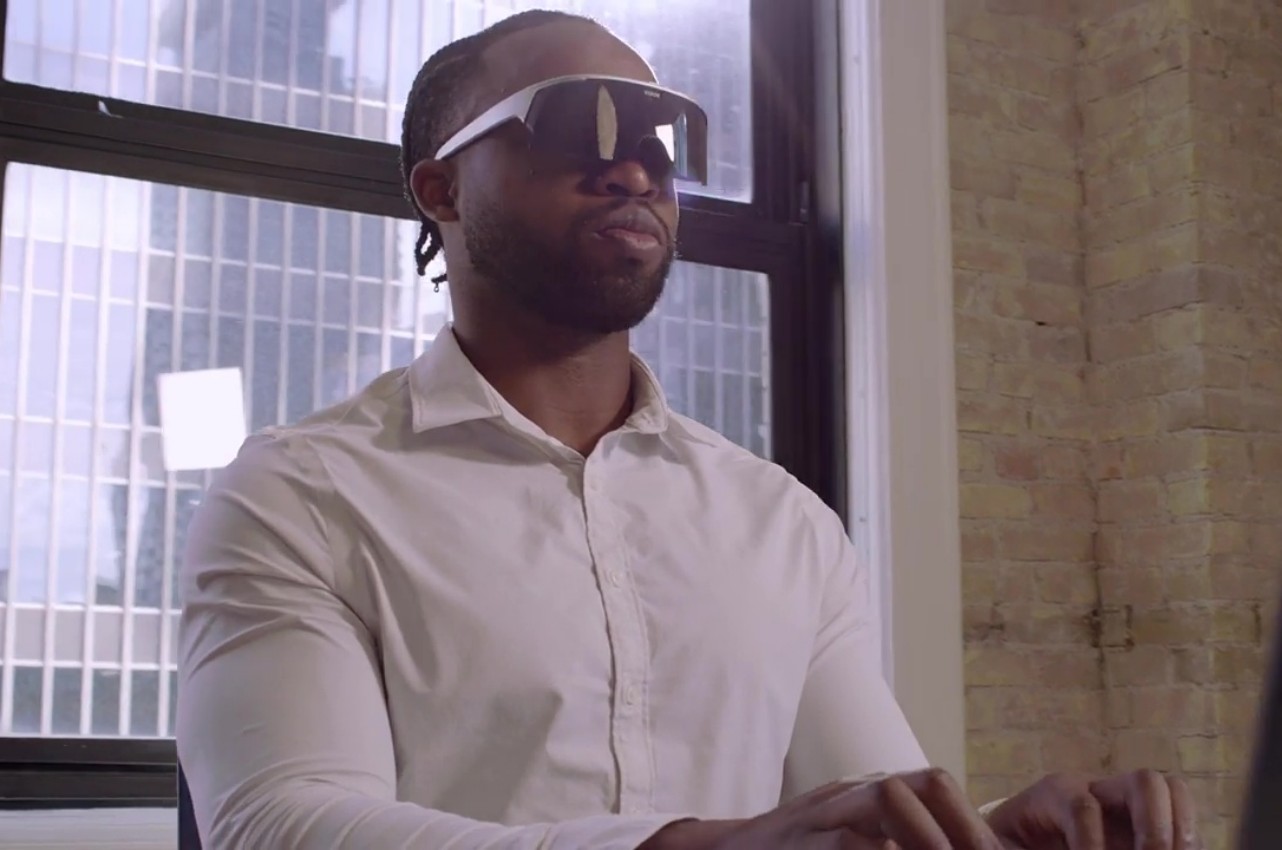
Although the Apple Vision Pro is definitely more stylish than other mixed reality headsets, it’s still a headset that leaves nothing to the imagination about what you’re wearing or doing. Visor, on the other hand, looks more like its namesake, at least outwardly. Despite the spectacle-like design, it actually bears 4K micro OLED displays per eye, a lot more than what the Visor Pro boasts. And yet the headset itself manages to weigh only 200g, more than half what the Meta Quest 3 weighs. And yes, it has an external battery to help keep the weight down.
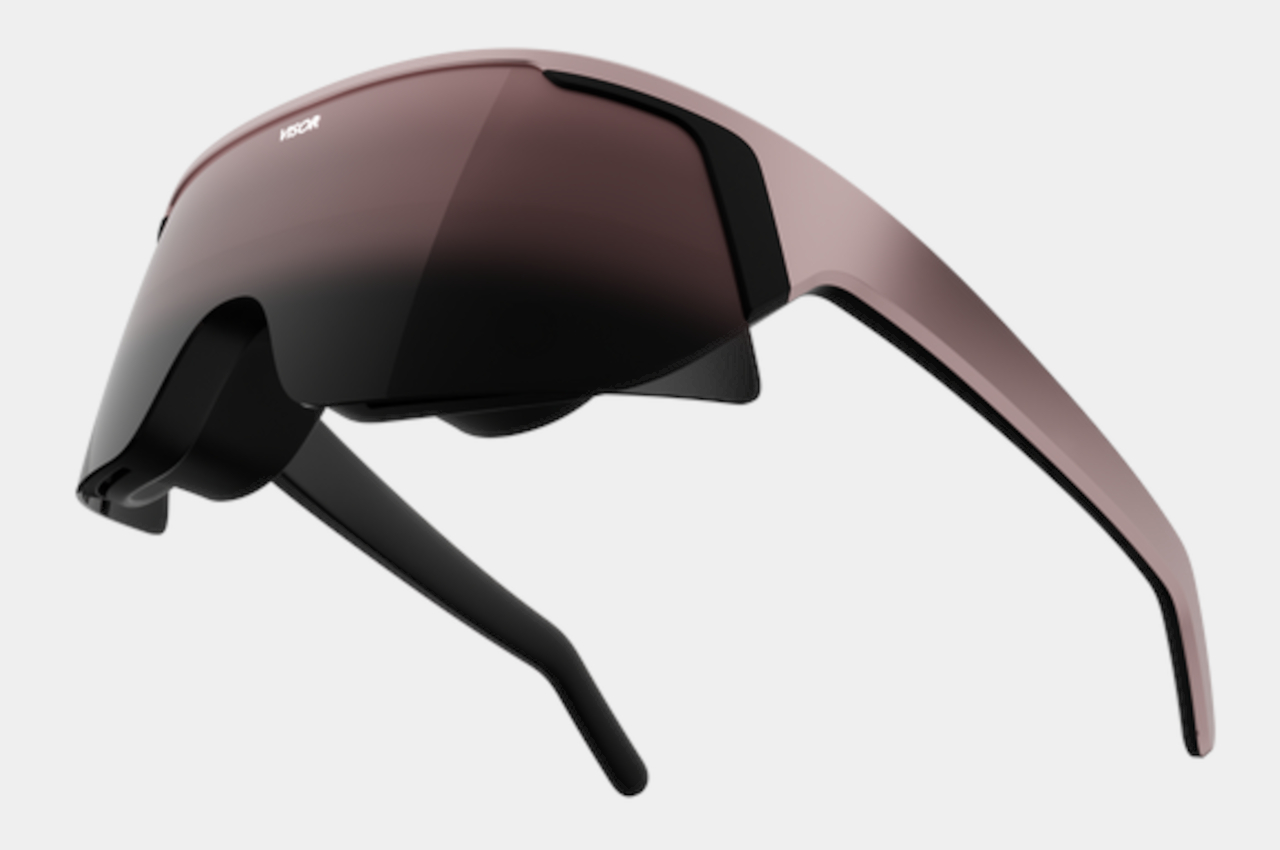
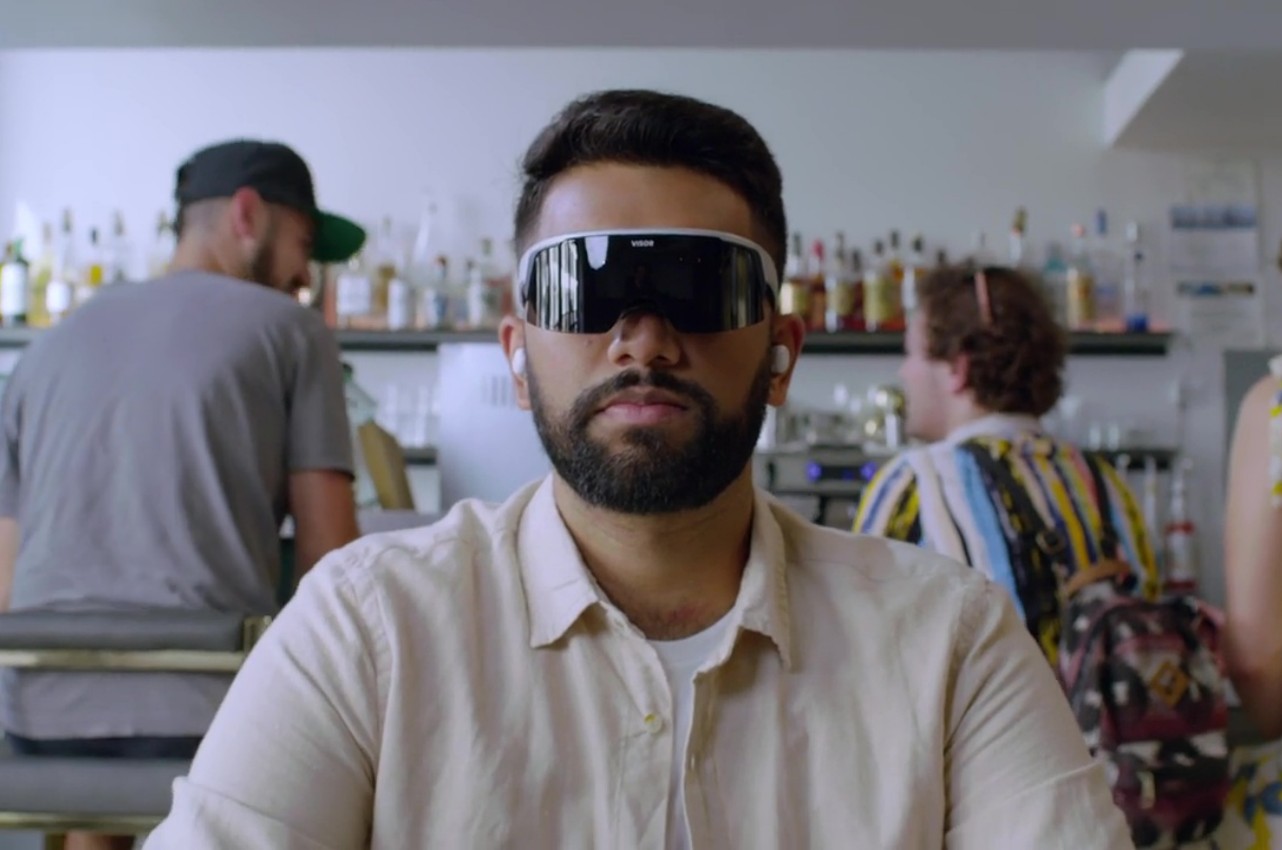
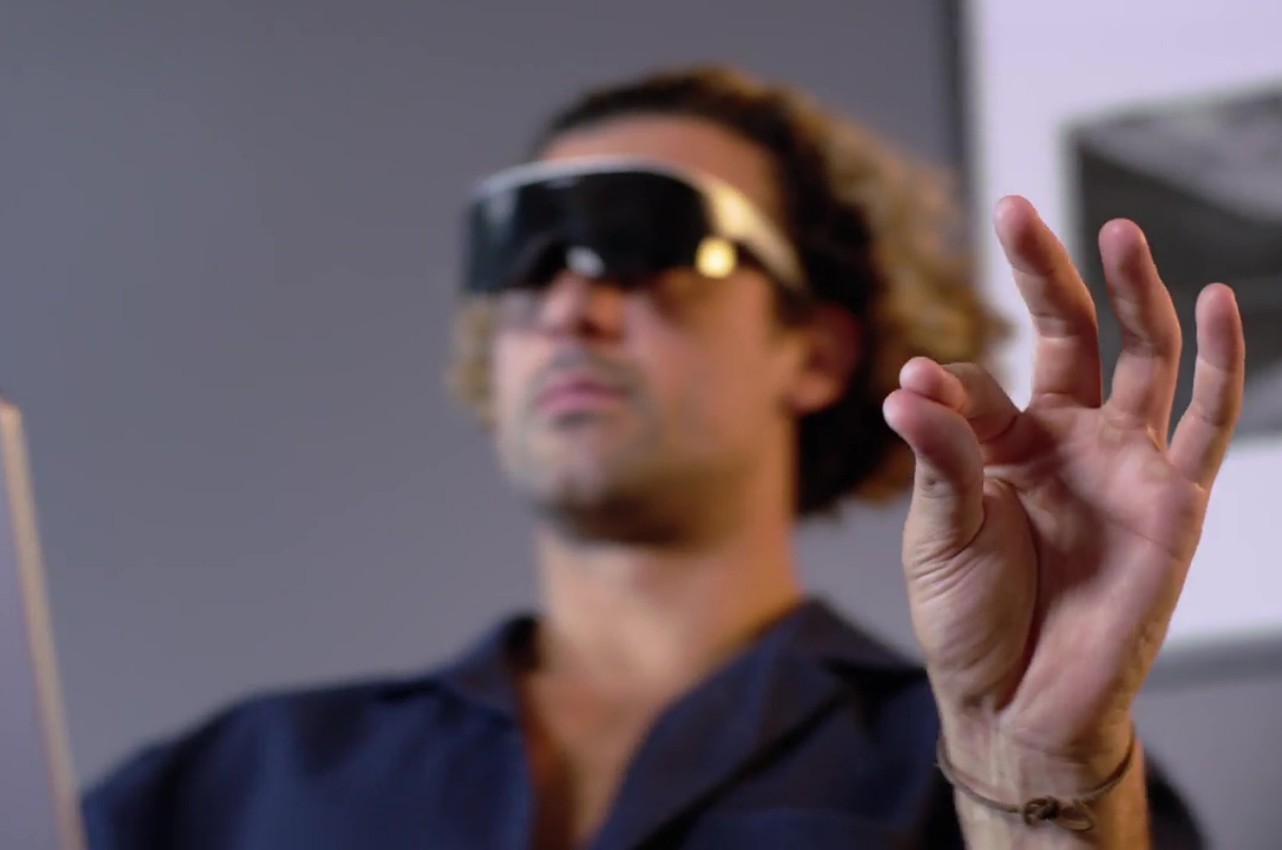
Beyond just the design of the device itself, the Visor offers a completely different experience from the likes of the Vision Pro or even the new Xreal Air 2 Ultra that was announced at CES 2024 earlier this month. It neither runs its own operating system nor does it just mirror the screen of a computer. Instead, it harnesses Immersed’s mixed reality software that it has been developing for years that practically gives you virtual monitors spread across your vision, resulting in a wider field of view compared to the common smart glasses implementation.

What this means in practice is that you can keep on using the software and operating system you’re already familiar with without any limitations. In fact, Immersed says it won’t even block attempts to make SteamVR work with its device, even though its focus is more towards productivity and professional use. Visor doesn’t even have an app marketplace, but it will release development tools for sideloading apps later on.

If Visor’s $399.99 price tag sounds too good to be true, that’s because it somewhat is. That cheap figure actually requires you to also buy a “Membership Plus” subscription that will cost $59.99 a month for 12 months or $39.99 for 24 months. The good news is that you won’t lose access to the basic features of the device if you decide not to renew after that period. Alternatively, you can buy the device alone for a full $999.99, without any of the extras, which is still a lot cheaper than the Apple Vision Pro. Whether it can deliver all these promises, however, is something we’ll have to see in due time, no pun intended.

The post Visor mixed reality headset promises a more accessible Apple Vision Pro first appeared on Yanko Design.
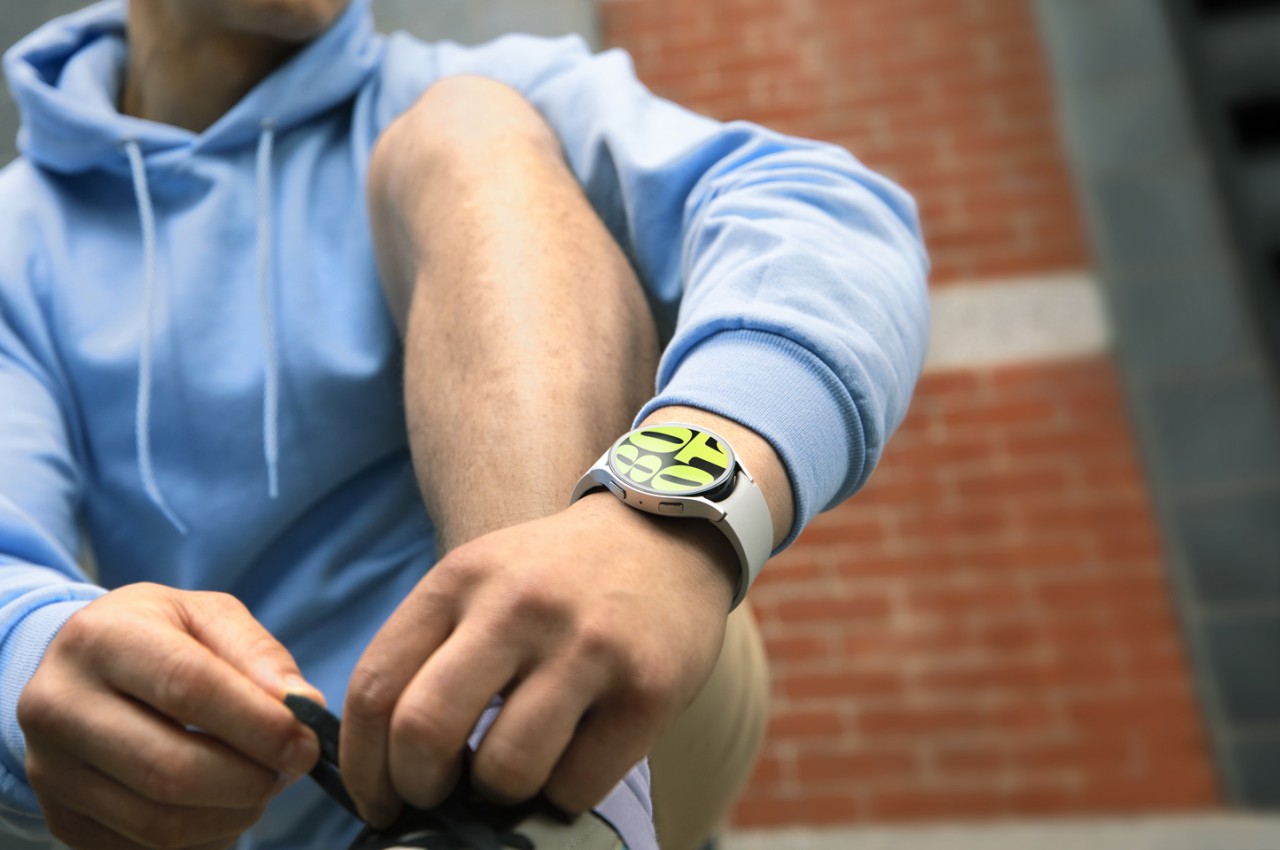
Samsung Galaxy Watch non-invasive glucose monitor will be a live-saving game-changer

While there seems to be a rising interest in smart rings as condensed fitness monitors, smartwatches are hardly done growing. Smart rings, at least in their current incarnation, promise a discreet way to keep track of your body’s state, but smartwatches have more room for more advanced sensors and features that you can never fit inside a ring. Some of those features might even make the difference between life and death, as proven time and again by Apple Watch anecdotes. Samsung, however, is setting its sights on a more ambitious goal that’s considered to be one of the Holy Grails of home healthcare. In the near future, its Galaxy Watch line could tell the wearer if their blood sugar is dangerously low or high, all without having to prick their skin and draw blood.

Designer: Samsung (via Bloomberg)

Next to heart-related disorders, diabetes is considered to be one of the most serious diseases plaguing people today. In fact, it’s also labeled as a “silent killer” because of how too late a diagnosis often comes. Monitoring one’s glucose or blood sugar levels, after all, is a literally painful procedure that most people would avoid, including diabetics themselves. There is a great and urgent demand for non-invasive glucose monitoring solutions, and Samsung is apparently already eyeing that achievement.

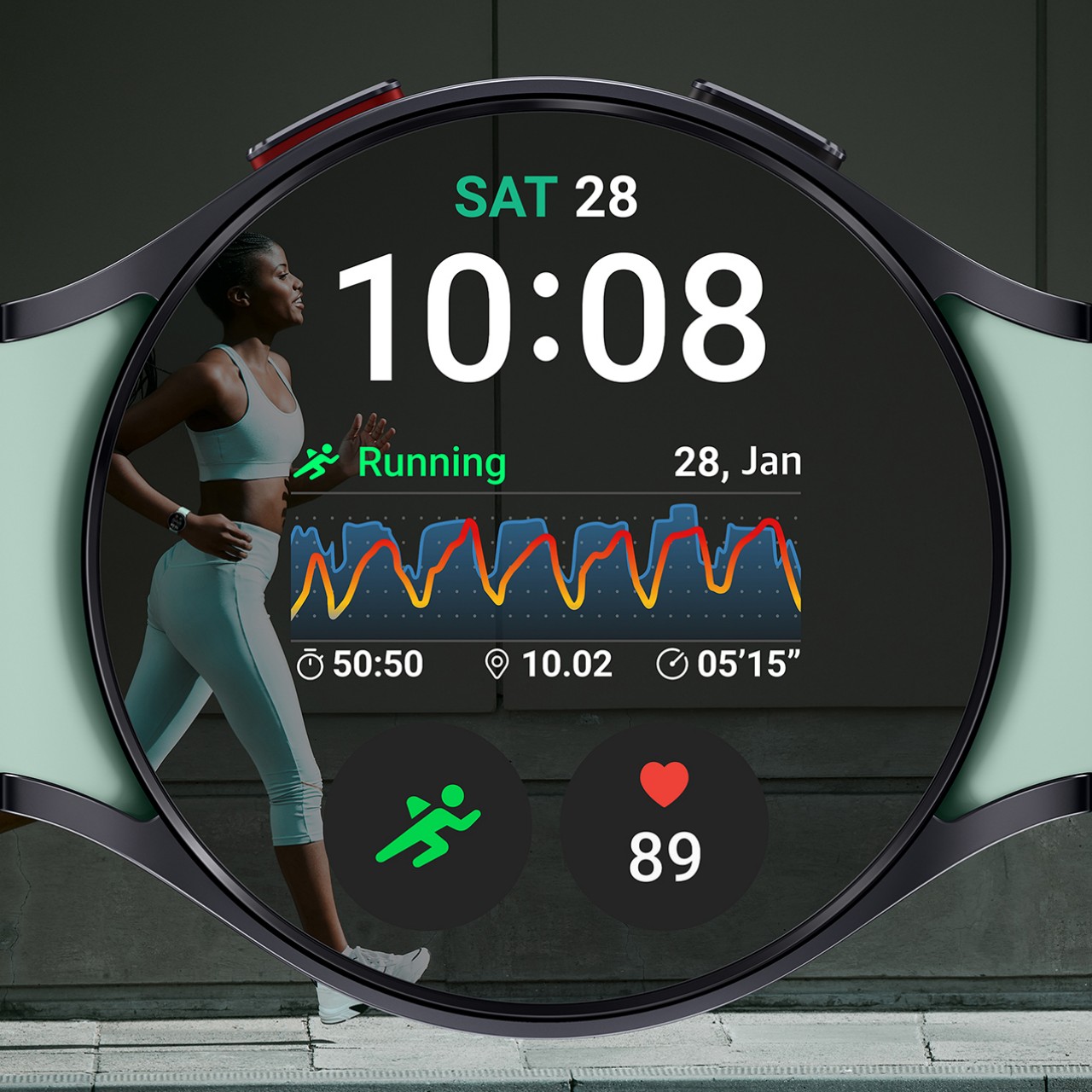
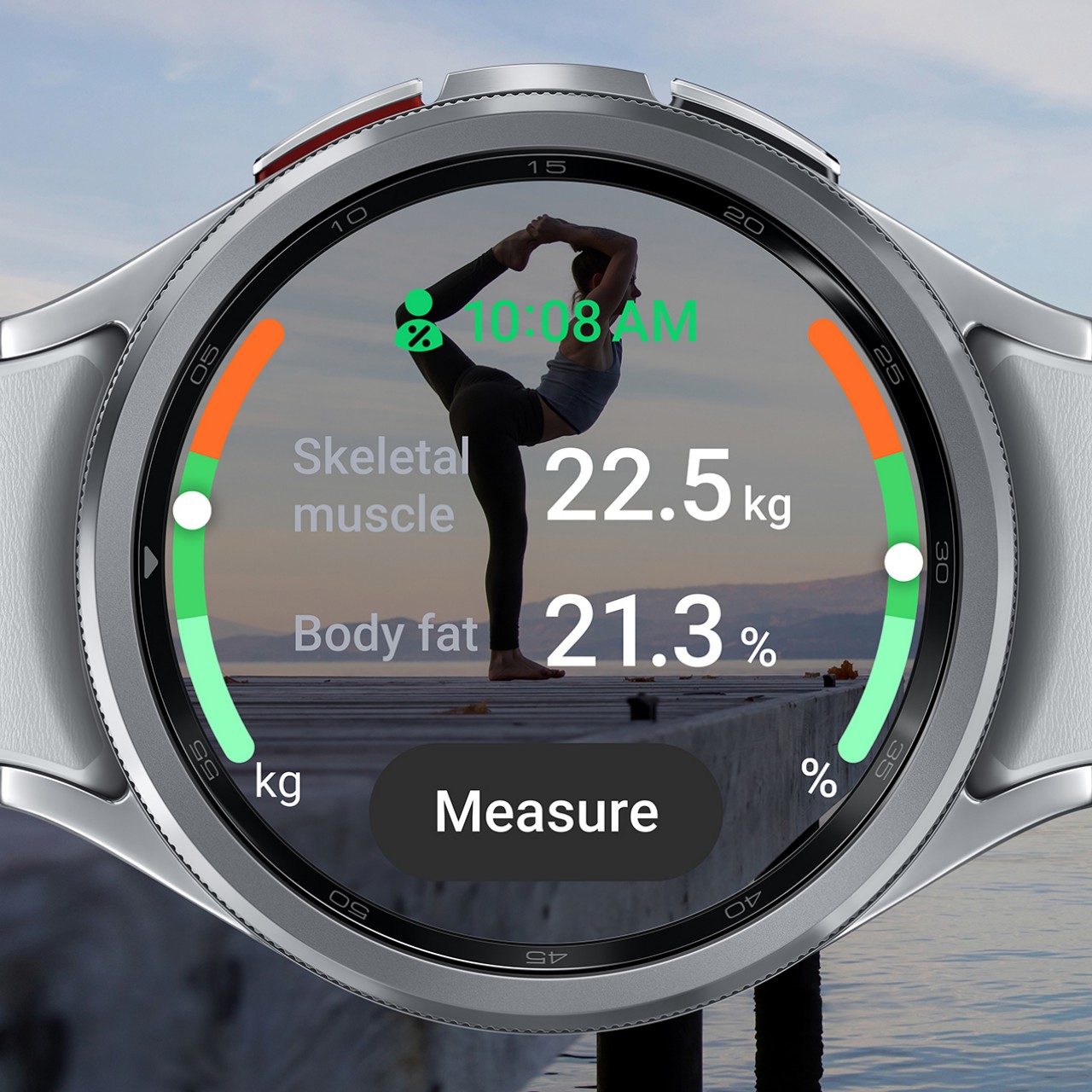
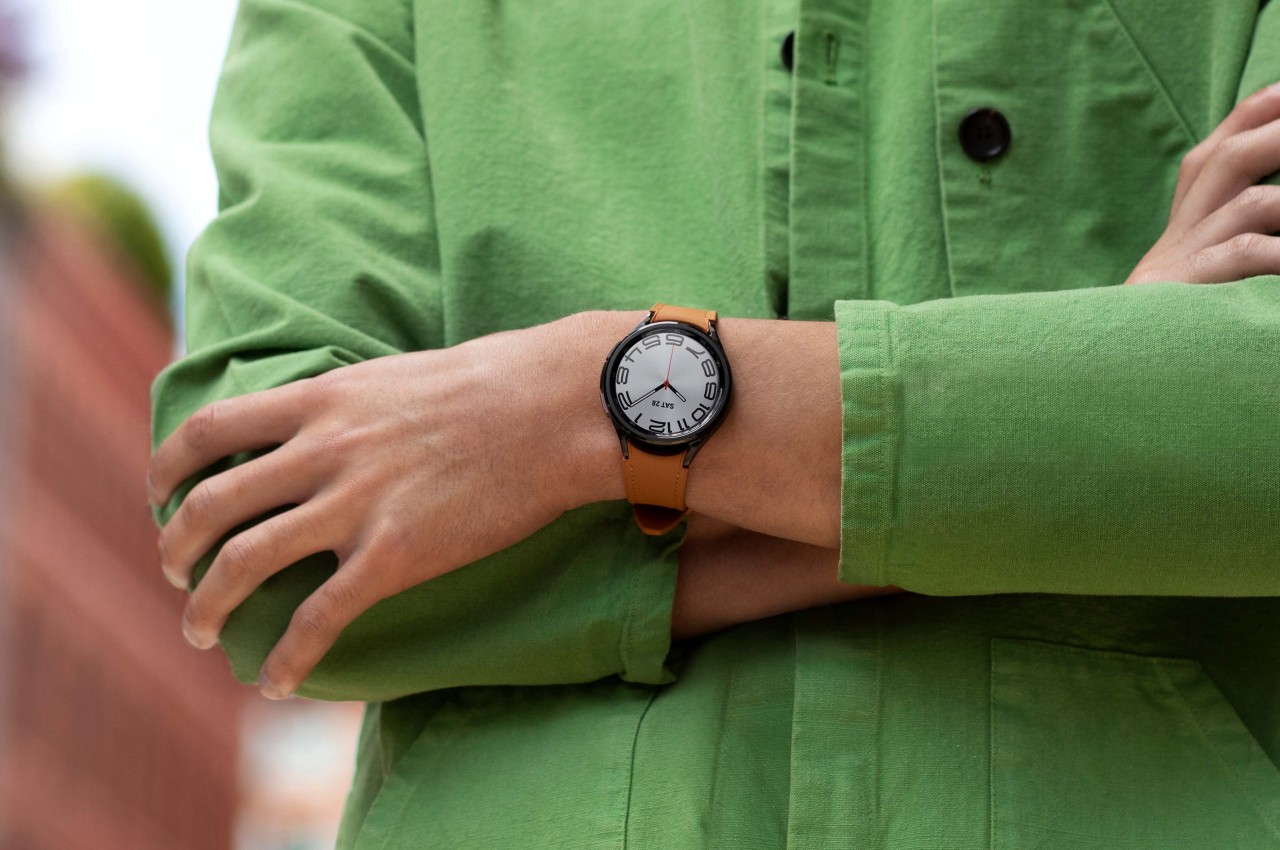
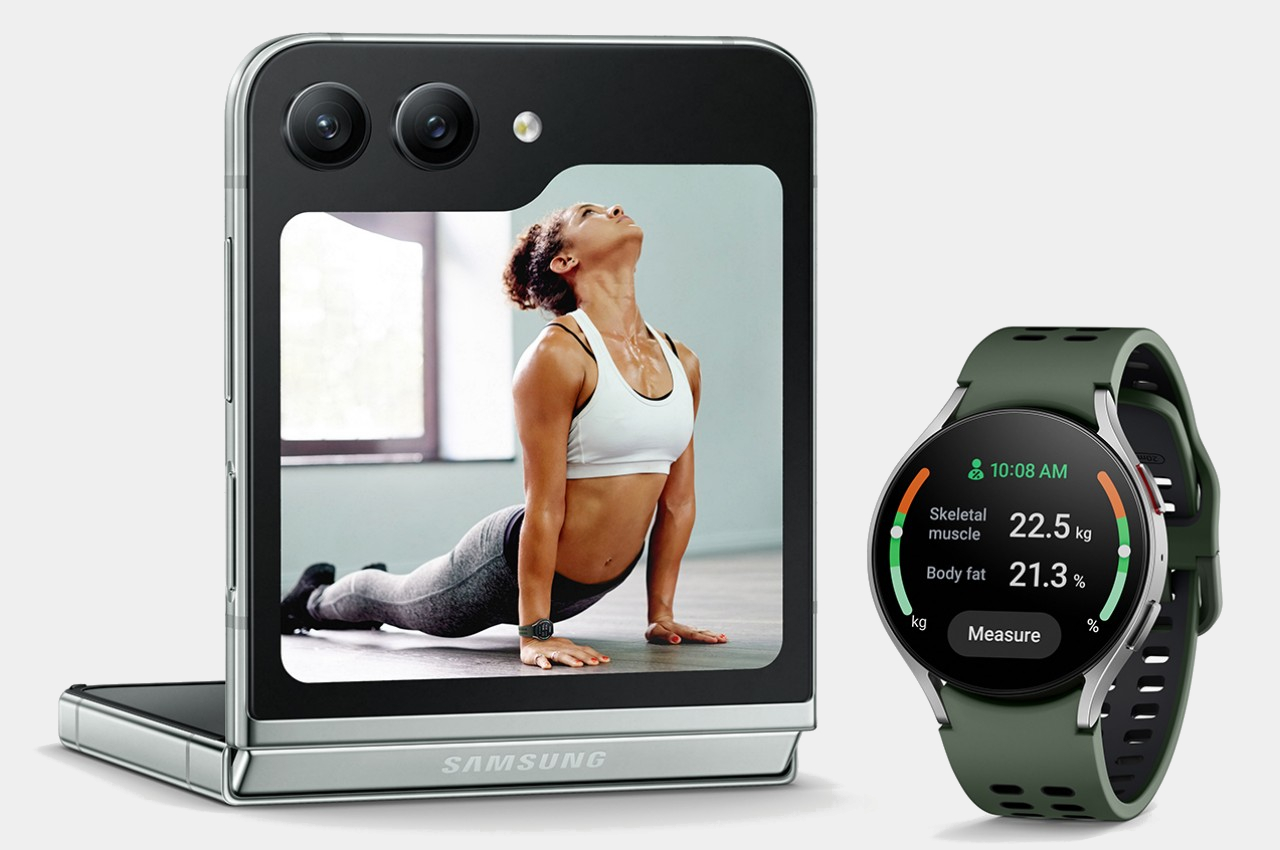
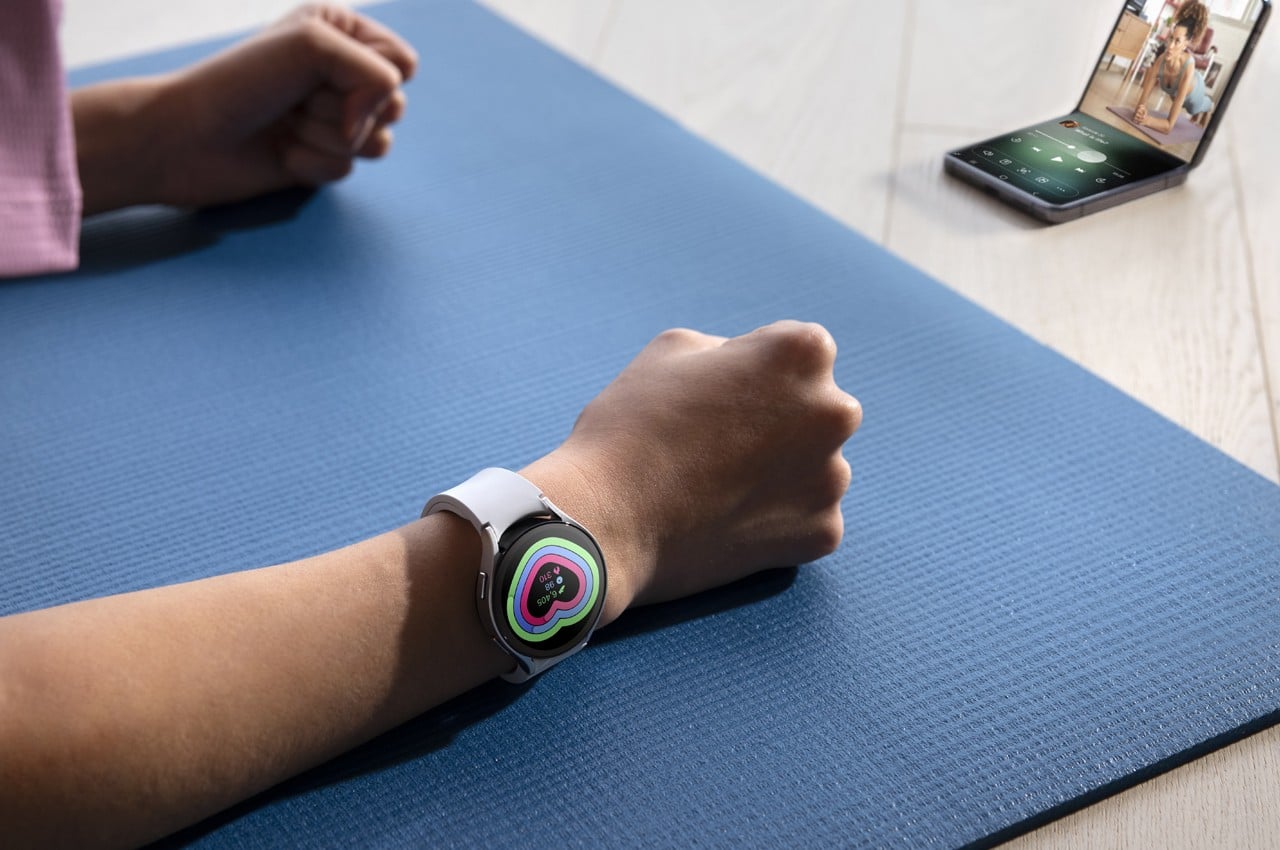
According to the company’s digital health chief, Hon Pak, Samsung is really pushing hard to make this innovation available in a future version of its Galaxy Watch wearables, like the Galaxy Watch 6 pictured in this piece. A non-invasive blood sugar monitor, together with continuous blood pressure monitoring, would definitely put Samsung at the head of the race. Of course, it’s easier said than done, and even the exec can only hope that the technology and the product will be available within the next five years.

It can’t take its sweet time either, because in addition to medical equipment manufacturers trying to cash in on this potentially lucrative future market, Samsung is also racing against Apple. The Cupertino-based company whose Apple Watch has become synonymous with life-saving wearables, has long been reported to be working on a solution as well. Such a smartwatch with a non-invasive glucose monitor will surely be a reality, but whoever gets there first will be able to claim a large share of the market.

Then again, diabetics and healthcare workers probably care less about who launches a design first, as long as a reliable product does indeed arrive. There are already a few non-invasive monitors that indirectly compute glucose levels from other biometrics, but their accuracy is often still in question. A smartwatch might not even be as accurate as those, but anything that will give wearers the faintest clue is still significantly better than not knowing at all until it’s far too late to make a difference.

The post Samsung Galaxy Watch non-invasive glucose monitor will be a live-saving game-changer first appeared on Yanko Design.

Designers envision a stylish face mask to dive right into polluted air

The COVID-19 pandemic is behind us. Some (would be an understatement) almost all of us have given up on face masks and are breathing fresh air. Are we actually? There is a reduced risk of the virus but new subvariants are propping up with time and the air pollution levels, almost everywhere, are crashing past the WHO particulate matter ratings. As a result, high-grade fevers, cough, cold, lung and heart diseases are catching us faster than ever before, and the only instant solution in sight is to put air purifier on our faces that can prevent viruses and polluted air from traveling down our gut.

In an analogy of a post-COVID environ where we must wear a mask for clean air, with equal necessity of a scuba diver for breathing underwater; this capable face mask, modelled after the fish and the functions of the gills, presents a novel solution. Dubbed the Air-Diver, the face mask is designed because “in the polluted air, we become a diver;” and a diver is no good without a face mask pumping in oxygen to facilitate breathing.

Designers: Doyoon Kim and seongmin Ha

The Air-Diver is not instinctively doing that; primarily with onboard filters, it is meant to help the wearer breathe in clean, fresh air and help reduce exposure to airborne particulate matter. This electronic mask helps regulate air purification and the supply of clean air depending on the pollution level of the surroundings.

To that accord, it can be used in crowded places or in everyday moments to help filter pollutants. The white mask which seems a rip off of what Darth Vadar might prefer on Earth, it allows the air from outside to be filtered through its external filter. This is then refiltered using a photocatalyst filter and an H1 class HEPA filter inside the mask before it is inhaled.

Through the left and right air intake holes fresh air is available for the user, which can be increased at will with the releasable oxygen capsule (that is inserted into the sides of the mask) for extended usage or in densely polluted spaces while the heat and exhaled carbon dioxide is released through the opening on the front. The air capsules are provided separately. The Air-Diver is designed with an air presser – silicon ribbing – that inflates to adjust the mask and fit snuggly to the face so you are nicely covered and safe for walking into the polluted air.

The post Designers envision a stylish face mask to dive right into polluted air first appeared on Yanko Design.

Amazfit Helio Ring joins the fray with a focus on athletes’ well-being

Now that smartwatches have more or less become more acceptable in society, it seems that the wearable tech market is setting its eyes on less conspicuous and less distracting designs for monitoring one’s health and fitness. And just like smartwatches in their early years, smart rings just aren’t resounding yet with people, though that could only be a matter of time. There hasn’t been much variety yet in this nascent market, which isn’t surprising given the physical limitations of a ring. Wearable tech brand Amazfit, however, believes it has something unique to offer, at least to athletes and very active people who are just as concerned with their mental health and recovery as they are with their steps and heart rate.

Designer: Amazfit

The niche that smartwatches have found themselves in seems to revolve around fitness and health, with features like activity tracking, health monitors, and the like. While those are indeed important metrics, they only represent a part of one’s overall well-being. Mental health is just as important, and giving your body and mind time to rest and recover is critical as well. Those are the points that the Amazfit Helio Ring is trying to emphasize in order to differentiate it from the likes of the Oura Ring, currently the leading name in this very young and small market.

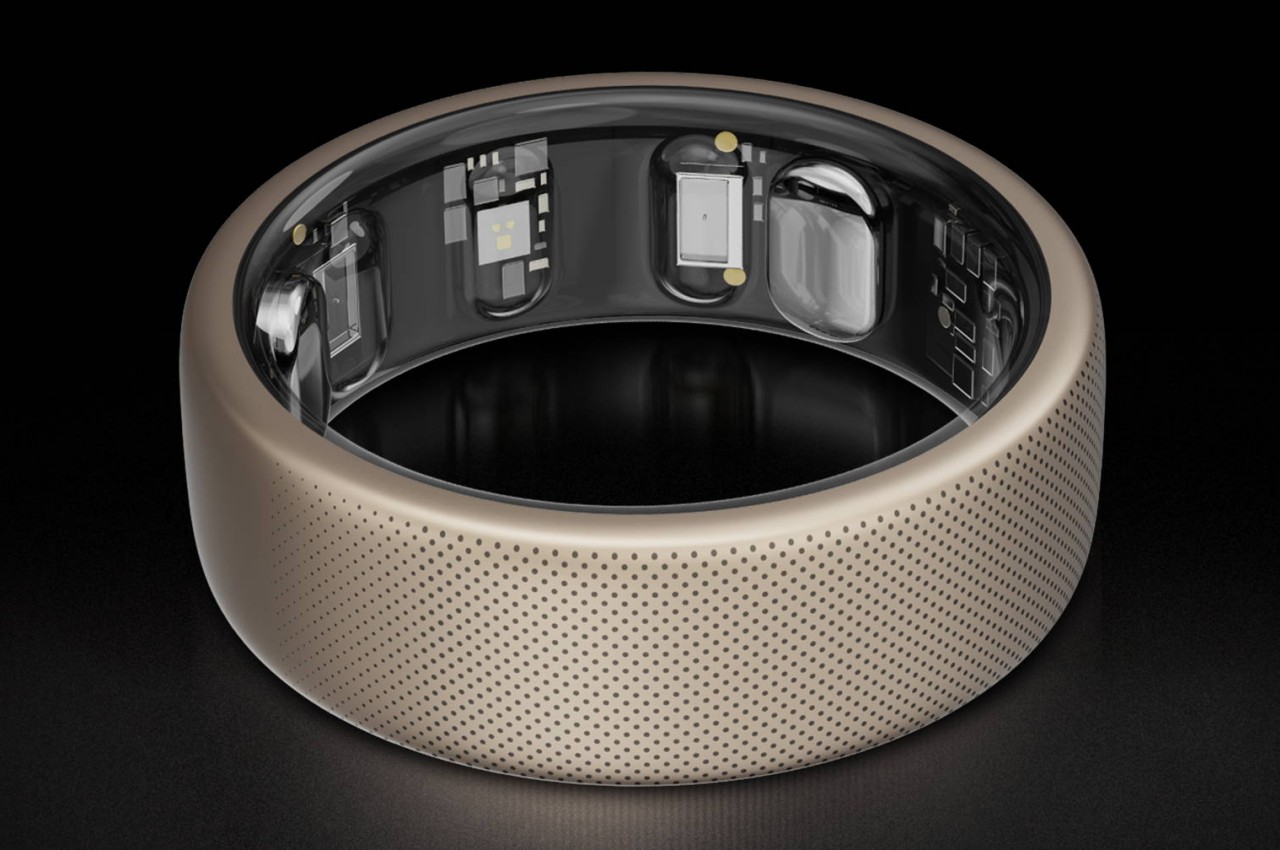
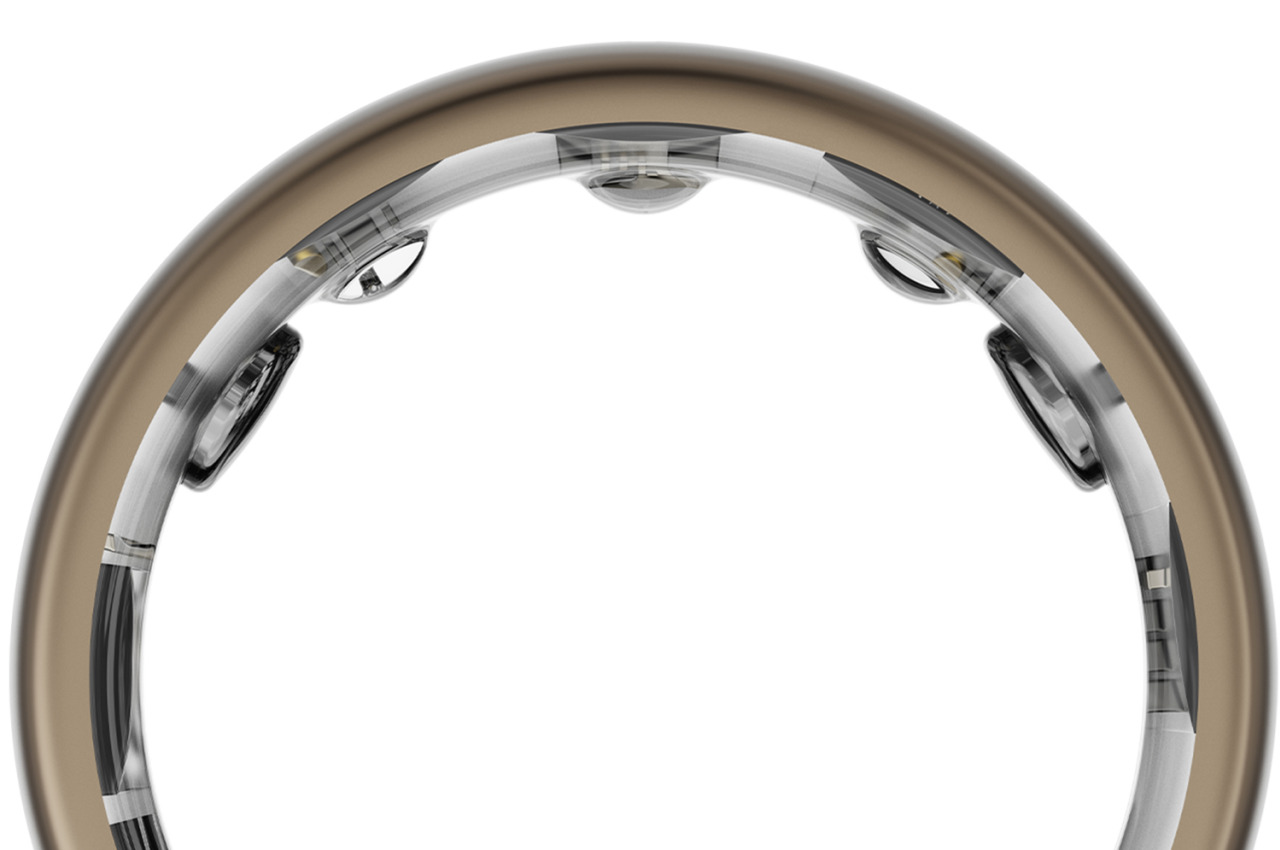
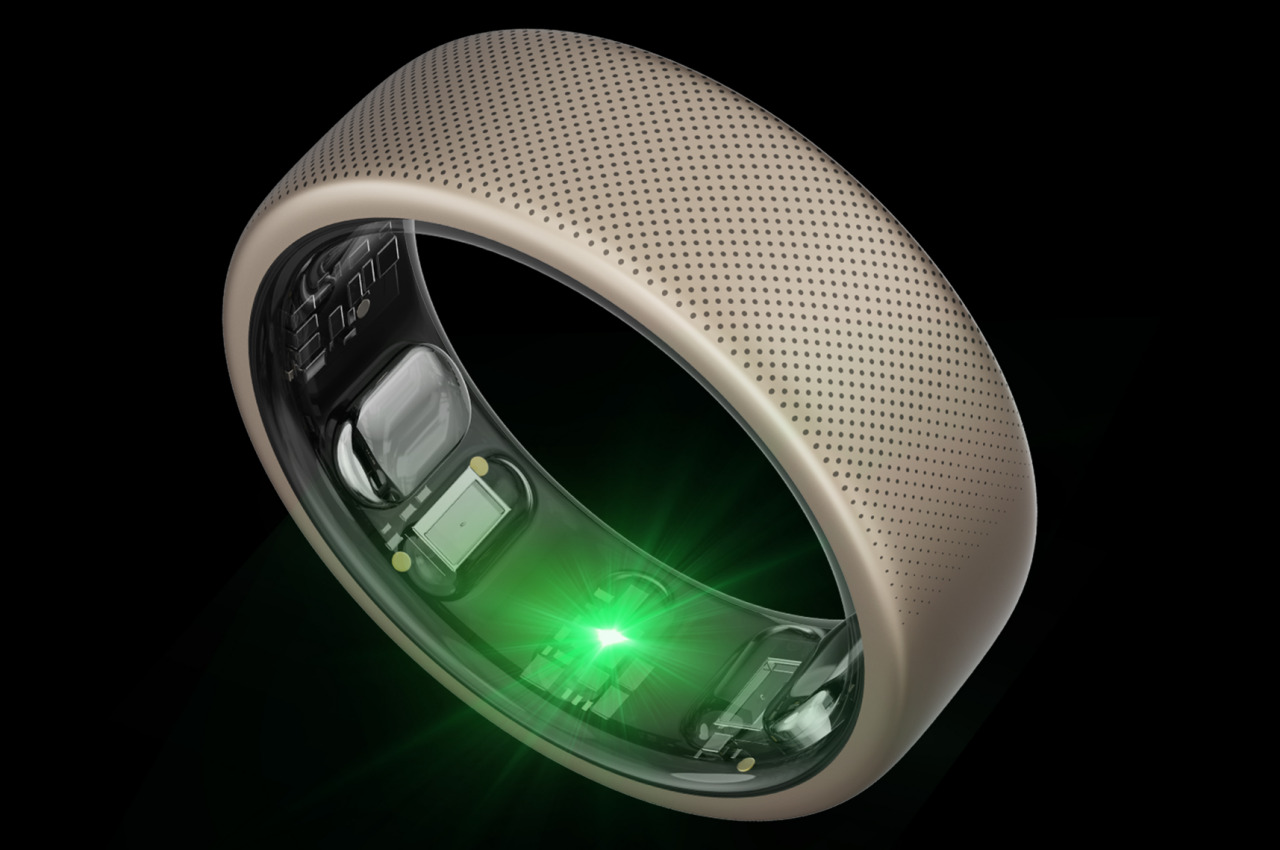
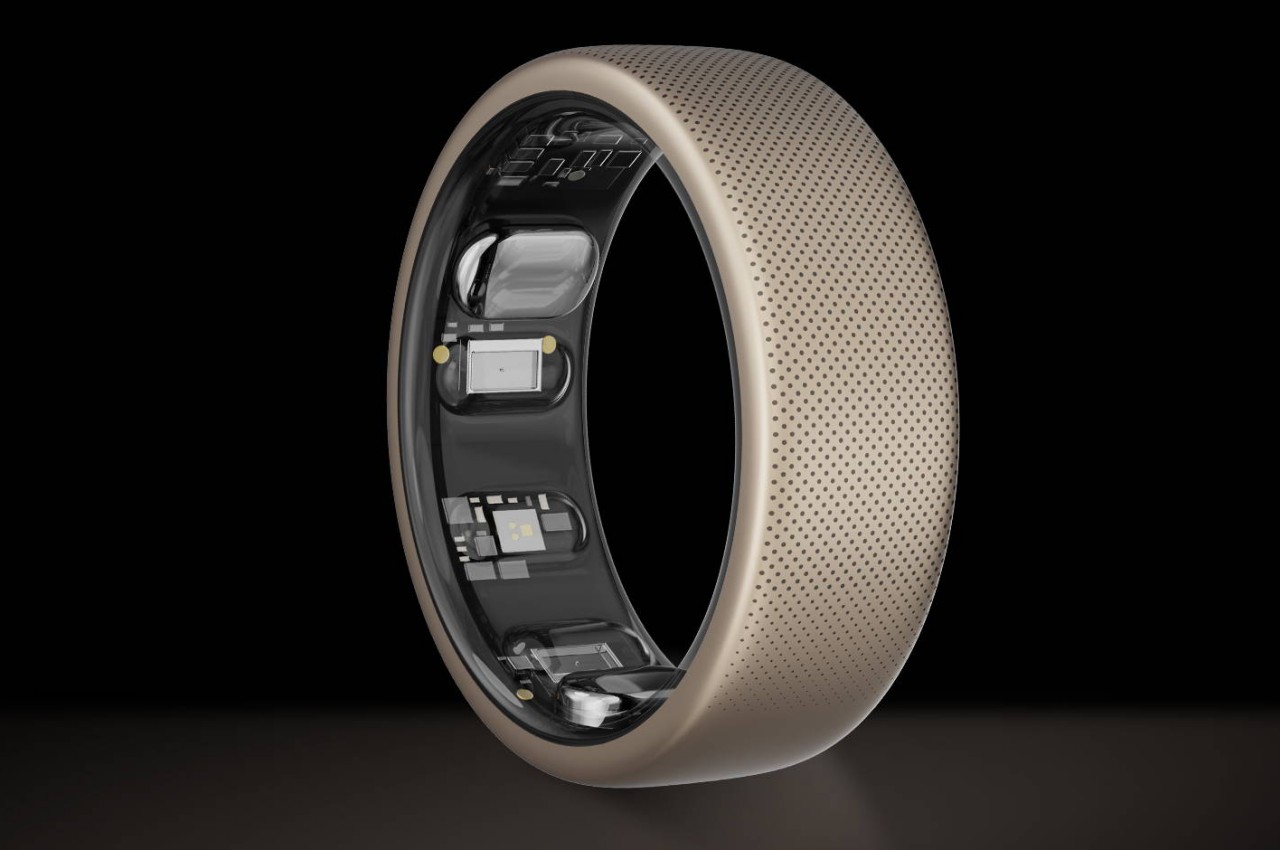
In a nutshell, the Amazfit Helio Ring takes the same data collected by sensors inside the ring but interprets them in a slightly different way. Of course, it still records your steps, tracks your blood oxygen levels, and even monitors your sleep, but it frames that information in light of stress levels, your mental health, and most importantly, how well you’re taking steps to recover from those. Amazfit will propose actionable steps to guide you toward recovery, which unsurprisingly include getting enough sleep and meditation.

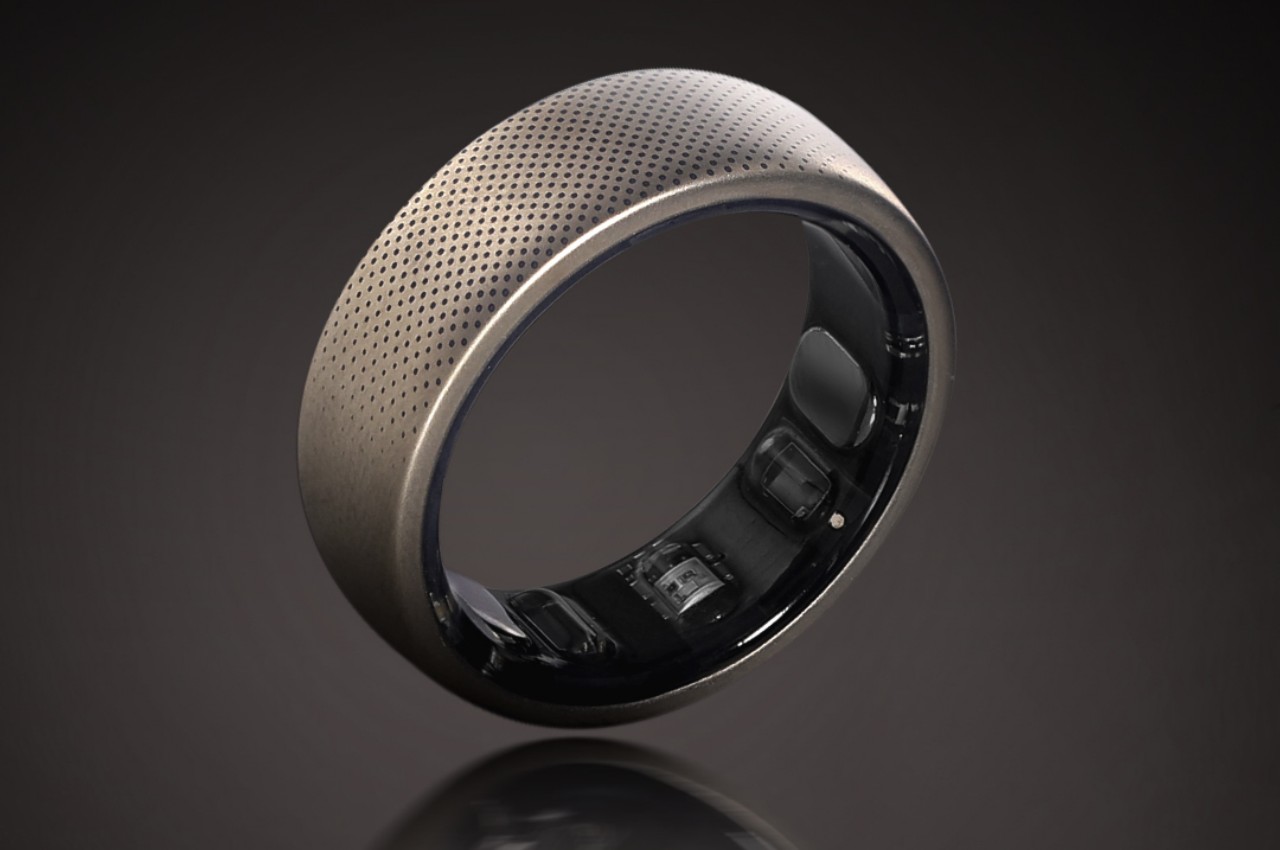
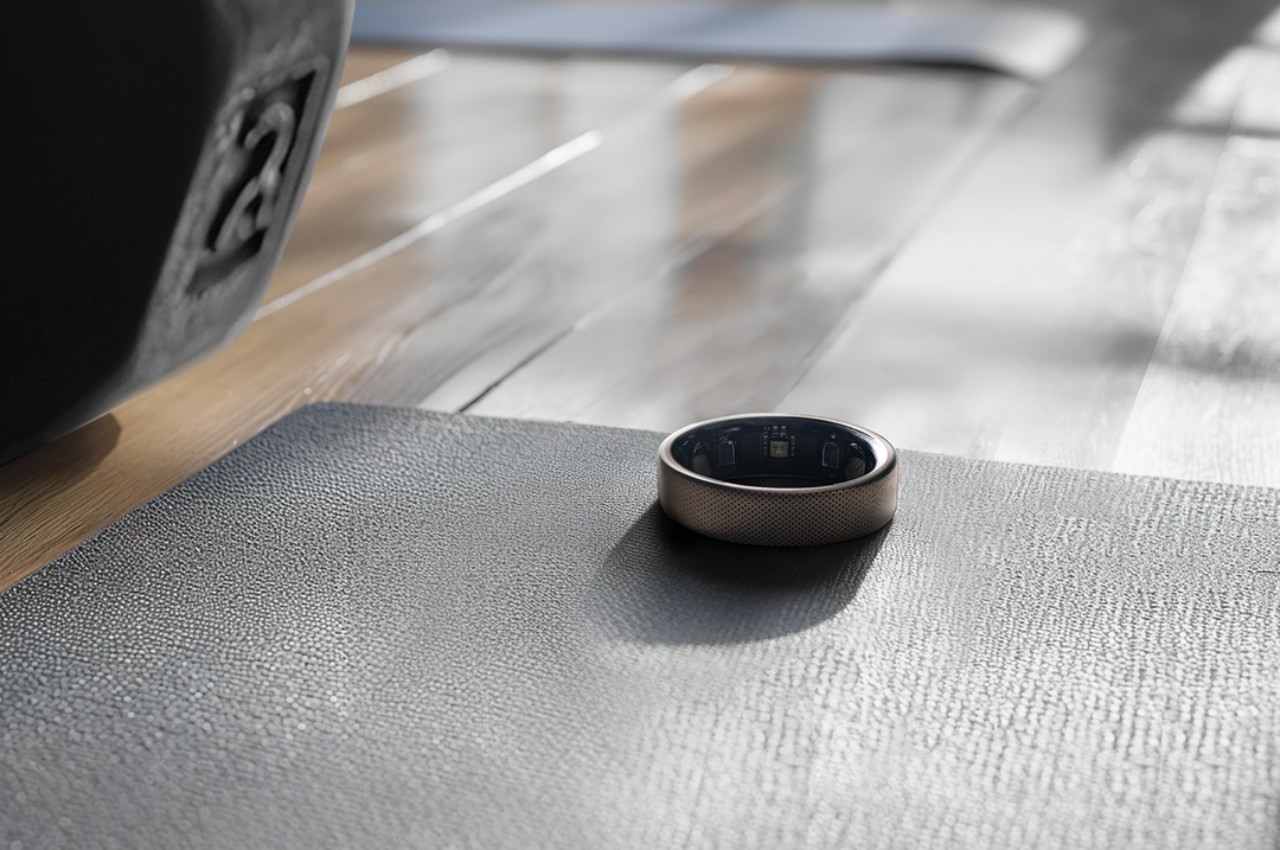
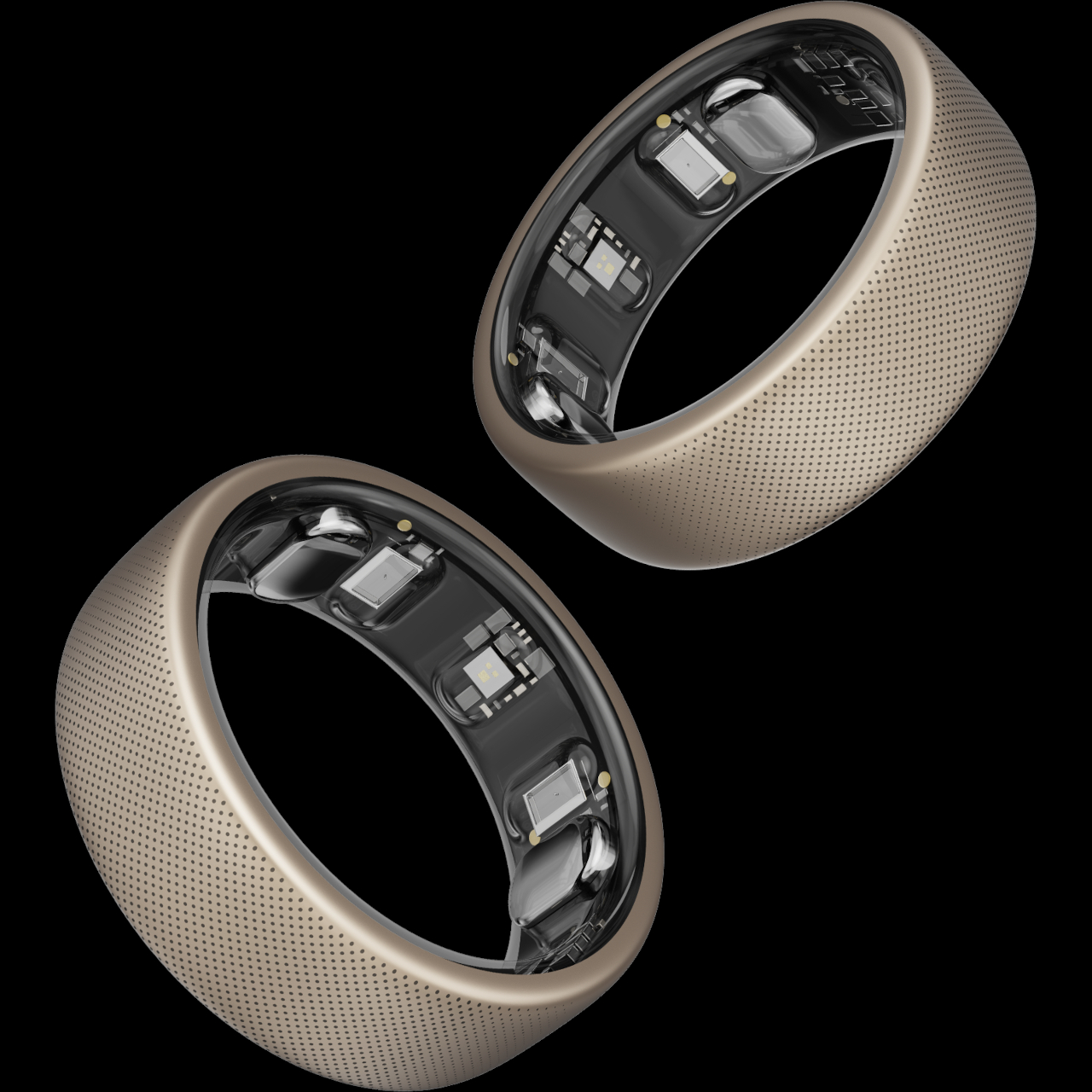
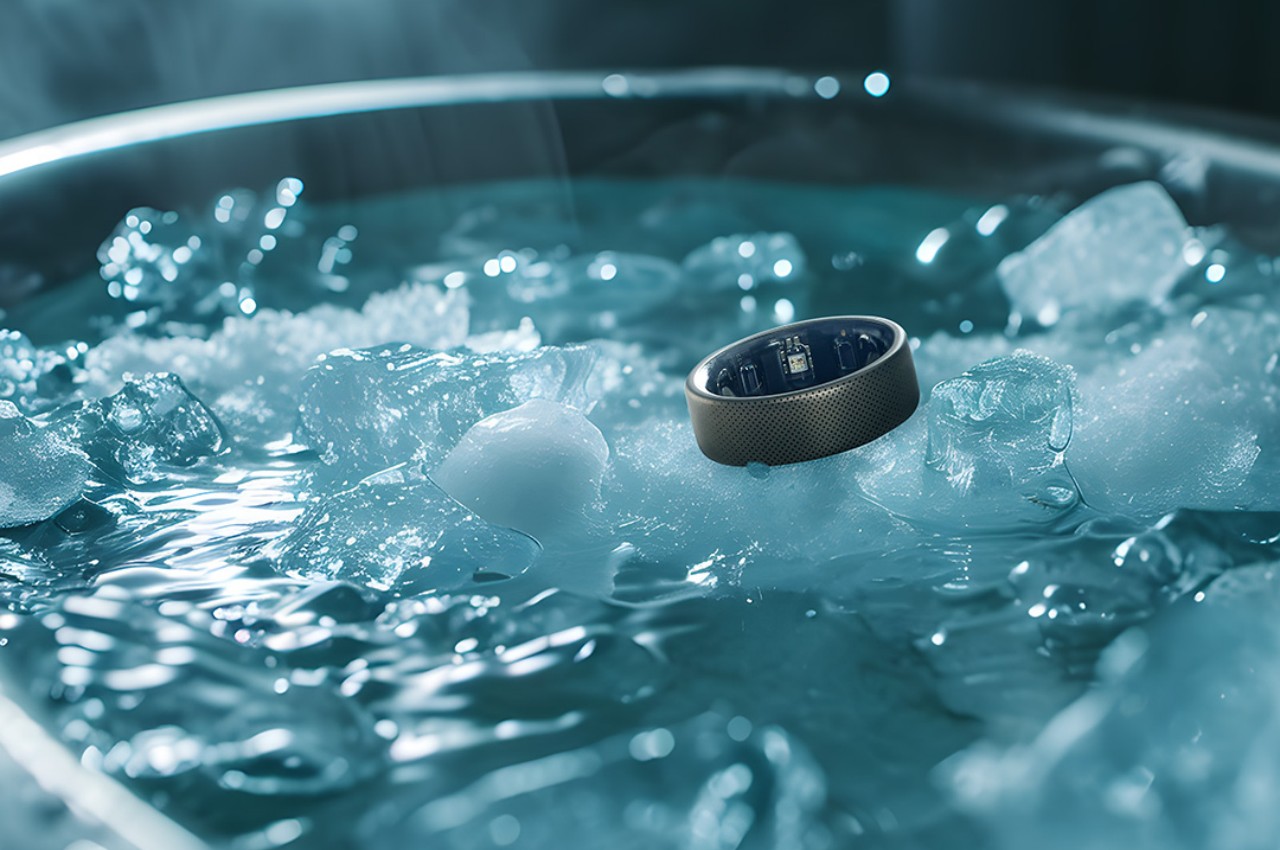
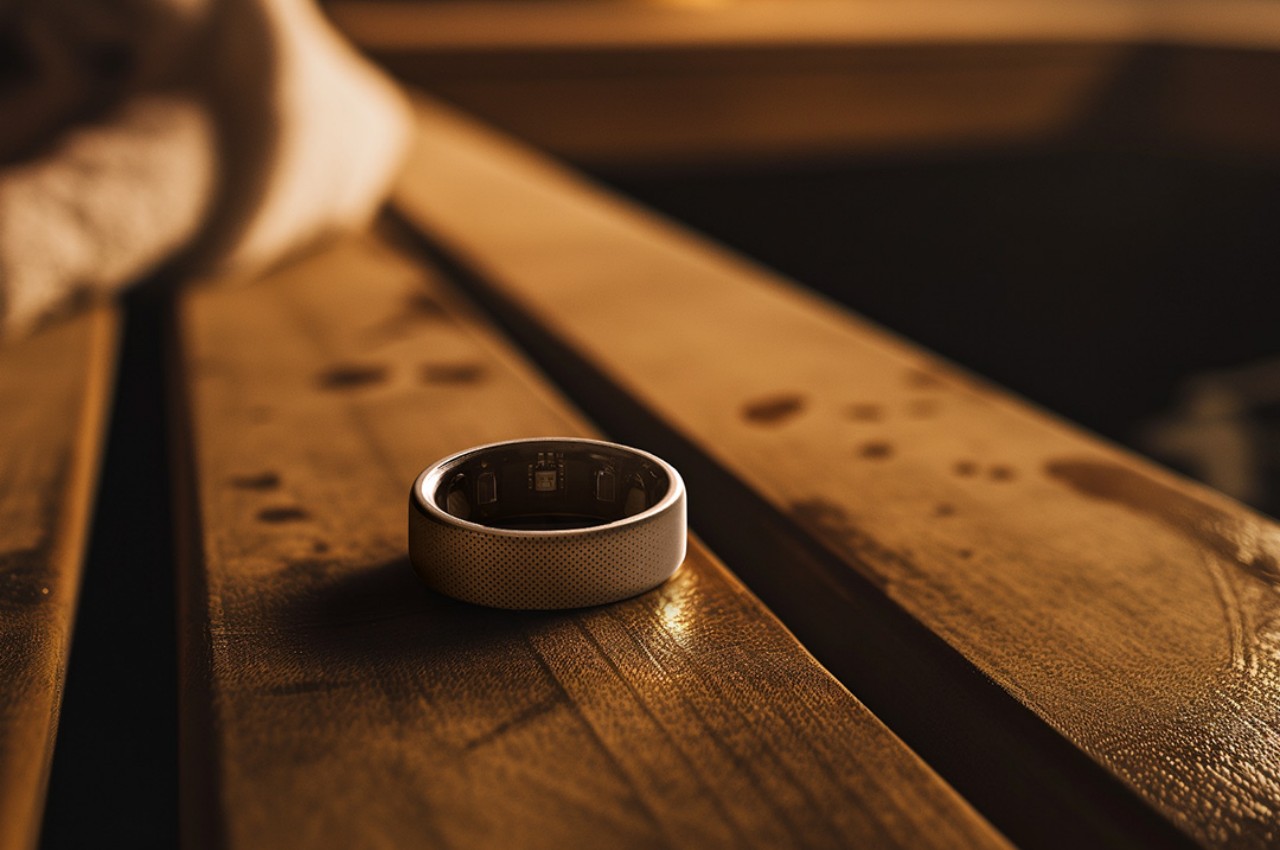
As for the device itself, the Amazfit Helios Ring is a bit of an outlier in that it doesn’t try to masquerade as a piece of jewelry. The dotted pattern on its surface is a dead giveaway that it is anything but luxurious, giving it a more rugged appearance that its target audience won’t mind anyway. In fact, it is intentionally designed for this group of people, using “skin-friendly” titanium alloy and ensuring water resistance of up to 10ATM, for those times when you need to take a swim.

The Amazfit Helios Ring can be used on its own, with or without an Amazfit smartwatch. Of course, you will need to pair with the mobile app, but you will also need to subscribe to the Zepp Aura rest and wellness service to really use the data it gives. A purchase of the ring will include a three-month free trial, but there are no pricing details available yet.

The post Amazfit Helio Ring joins the fray with a focus on athletes’ well-being first appeared on Yanko Design.

Retro Gaming Watch puts a tiny handheld on your wrist, also tells the time

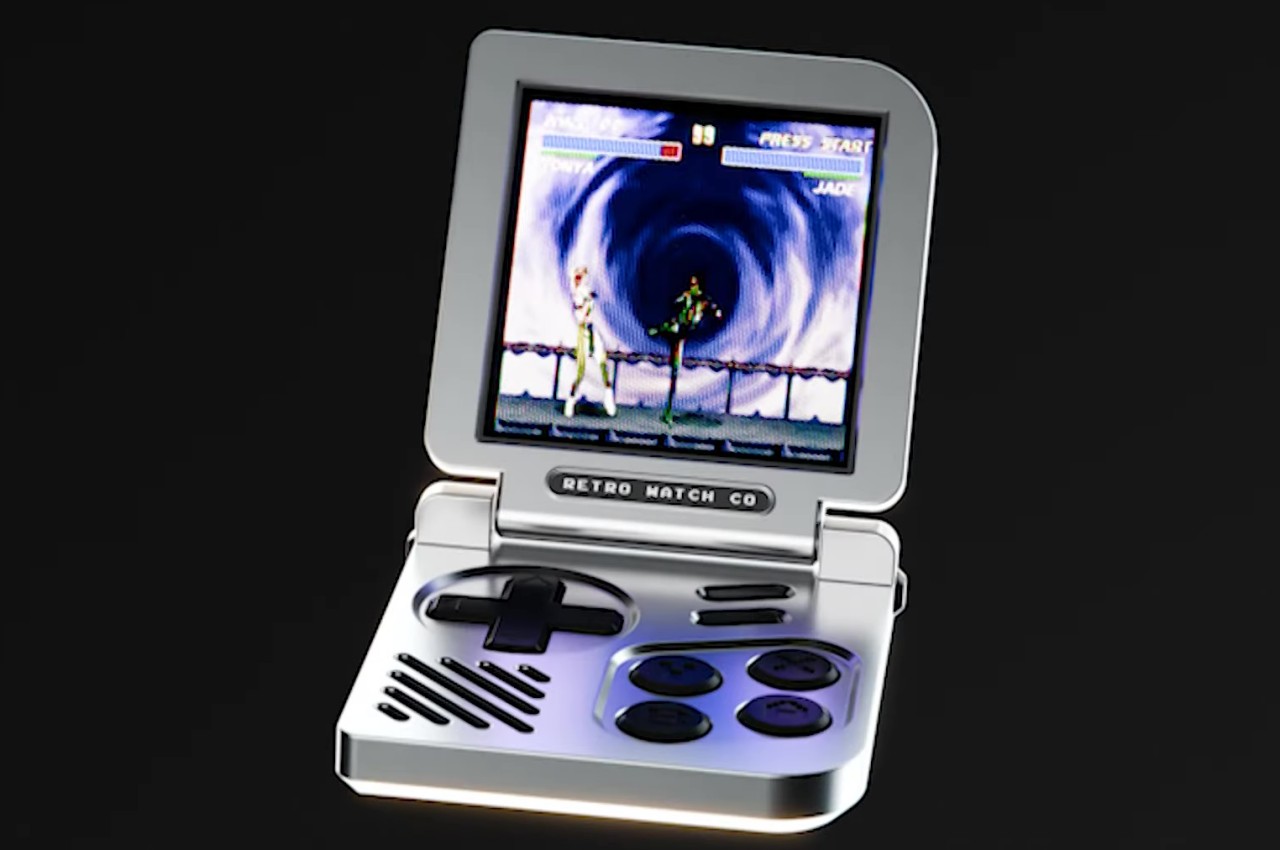
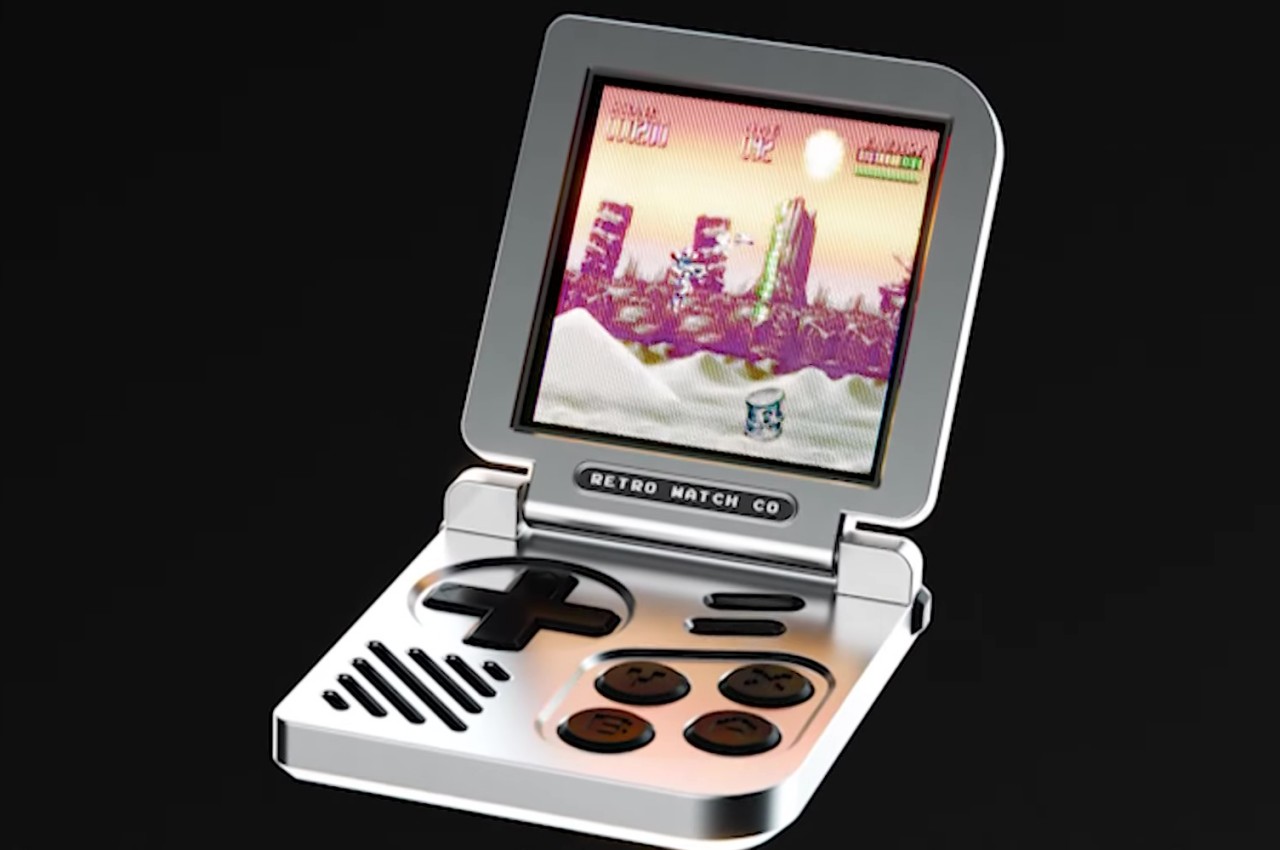
There’s a retro design craze that’s gripping multiple industries, from fashion to music to gaming. The latter is probably one of the most prolific sectors, spewing out new designs based on old models every year or sometimes more than once a year. Regardless of the origin, almost all these retro gaming devices have the same goal of allowing people today to experience the games of the past the way they were meant to be played, at least to some extent. Some, however, do try to just mimic the looks while offering a bit more freedom in what you can do with the device, like this rather unusual Game Boy SP look-alike that’s meant to ride on your wrist and act as a smartwatch when you’re not playing games on it.

Designer: Jason Rogers

There’s no shortage of small gaming handhelds, some of which can even be attached to a key ring. They’re not great at comfort or ergonomics, but these novelty items capture a lot of attention and even let you play a few retro games on the fly. You do have to take them out or pull them off your key ring before you can use them, though, which translates to seconds or minutes of lost opportunities.

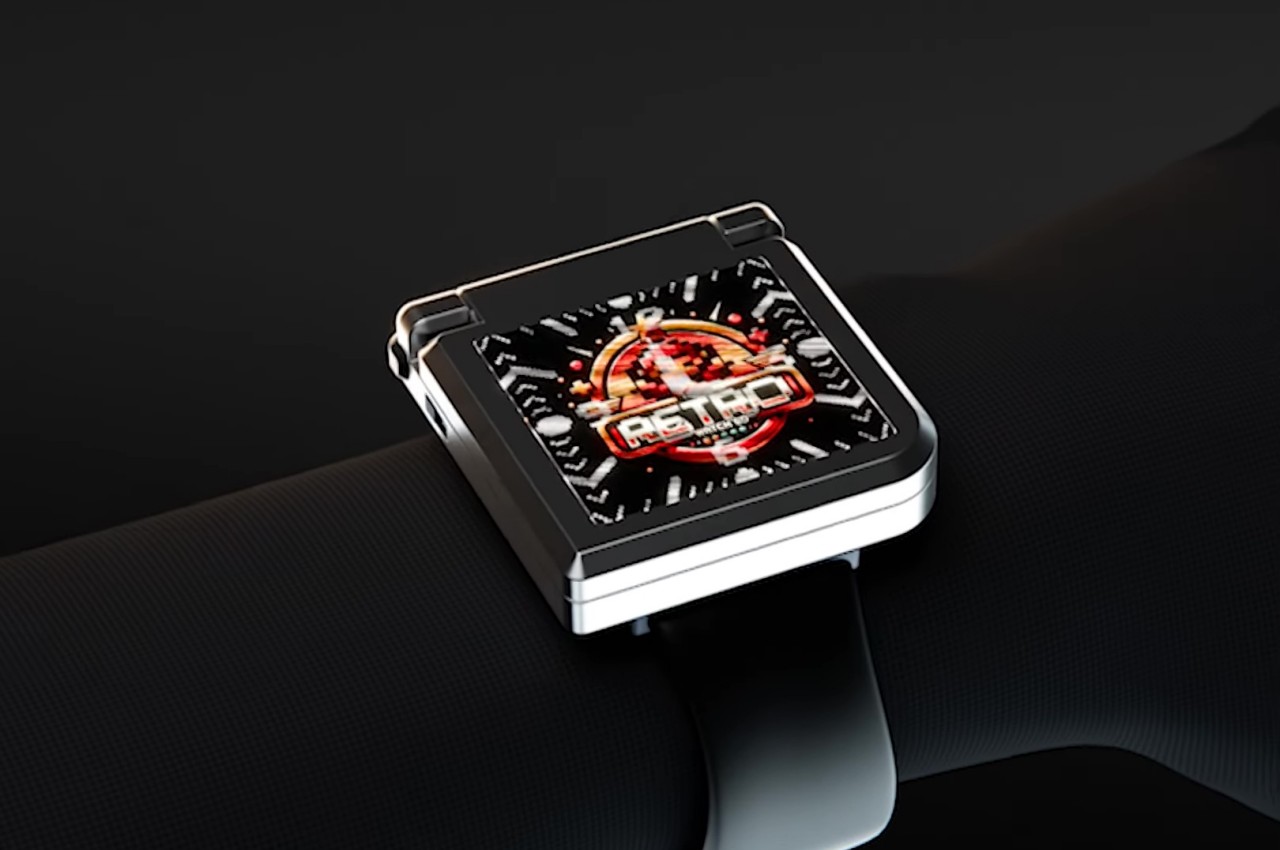
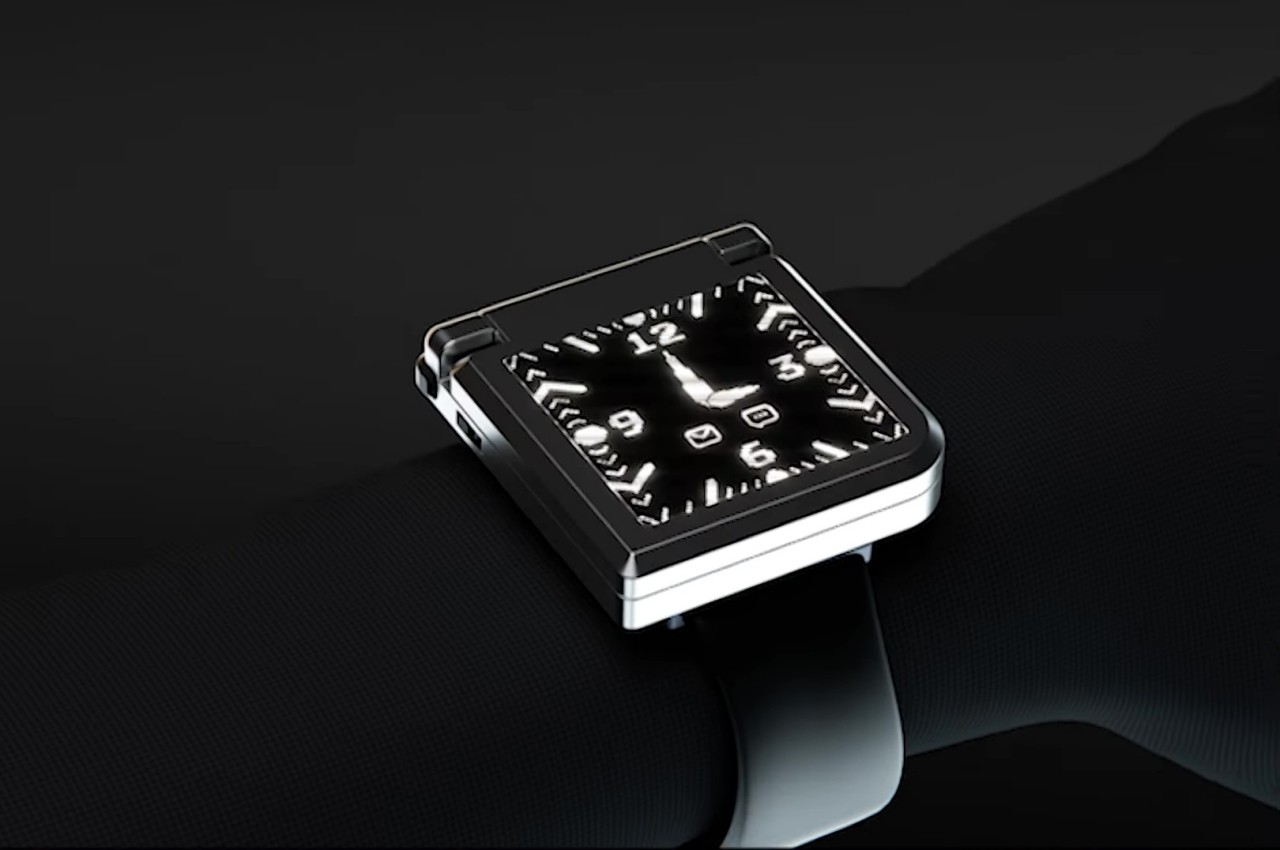
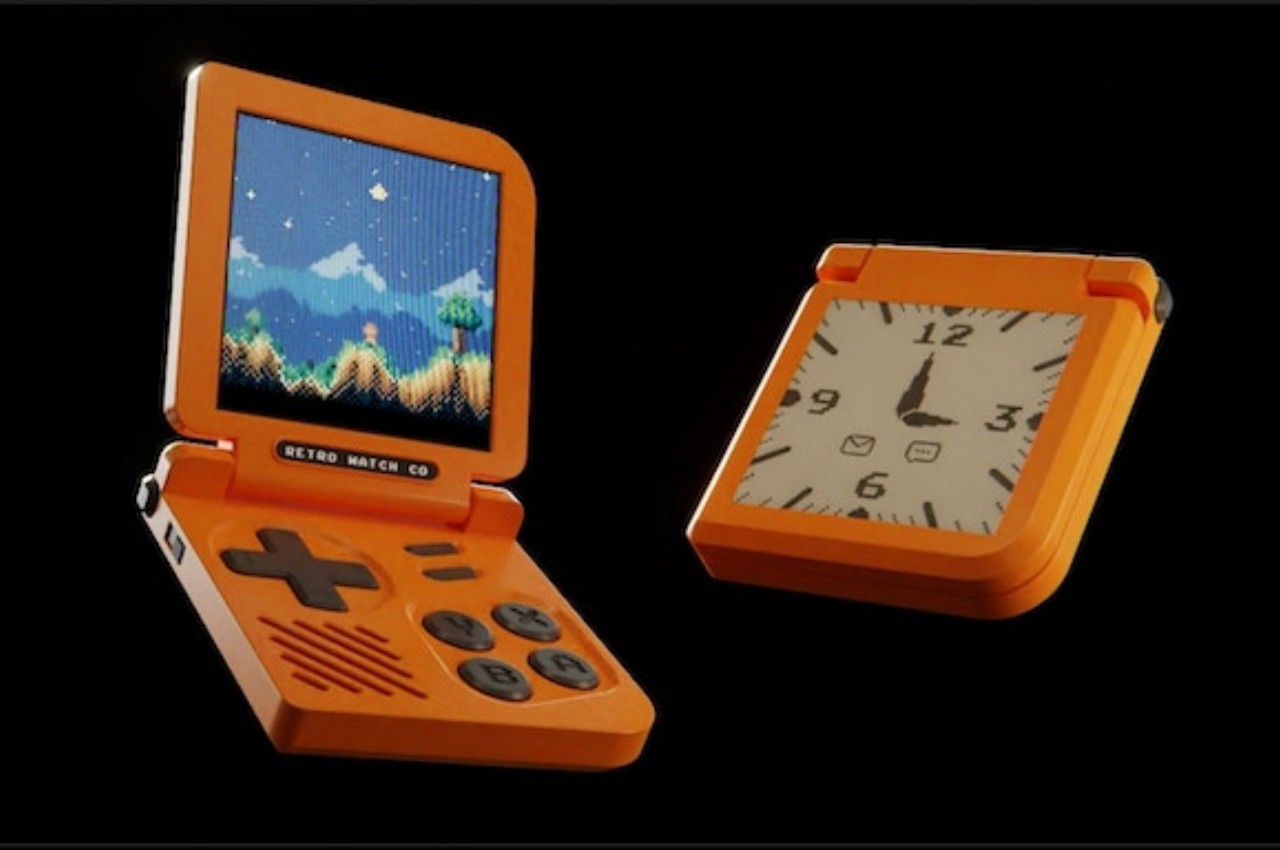
The Retro Gaming Watch loses no time, no pun intended, by having that gaming handheld always at hand, or in this case, on your wrist. In its inactive, unused form, it masquerades as a regular though thick smartwatch, with a standard squarish display and typical features such as a digital watch face and notifications. It doesn’t have activity tracking, though, because that would require cramming more hardware in an already cramped space, space that would rather be used for running games instead.

1

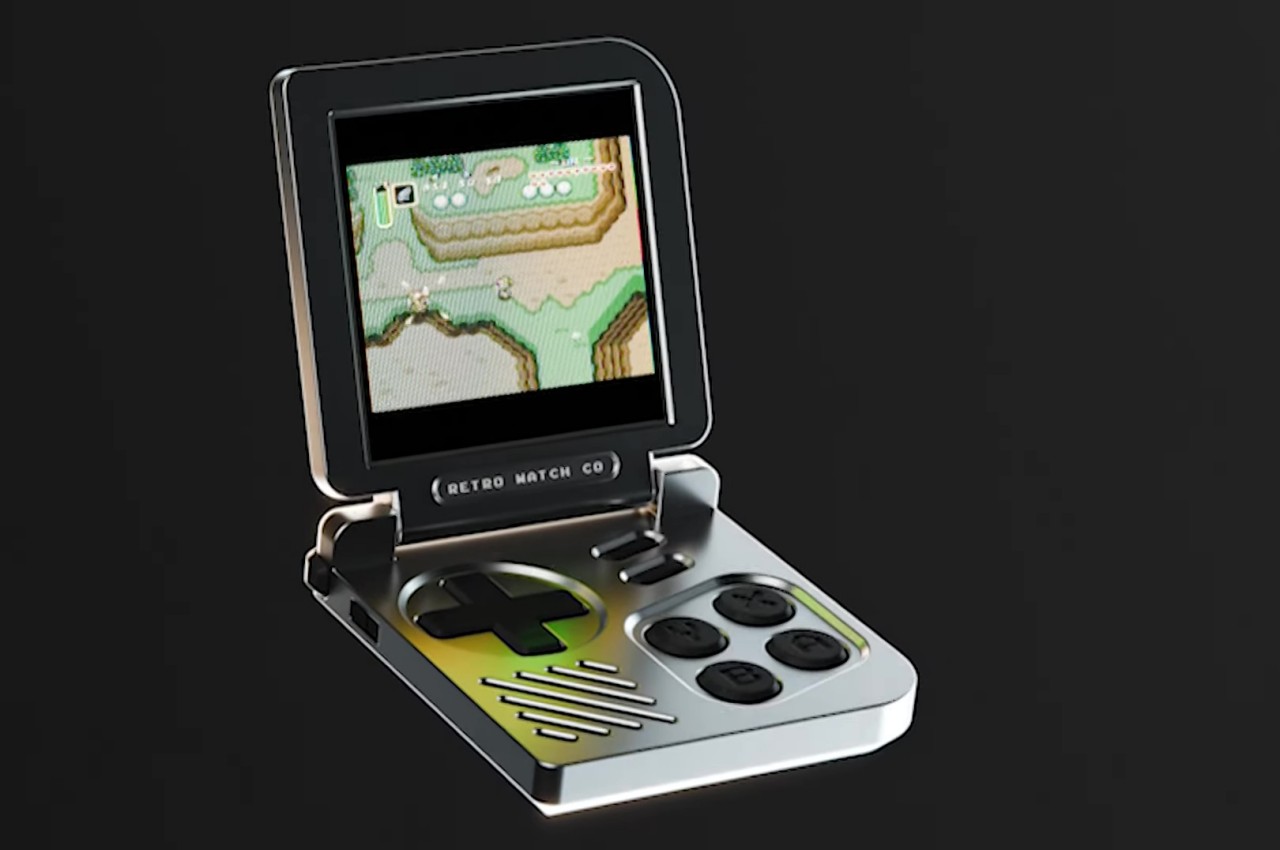
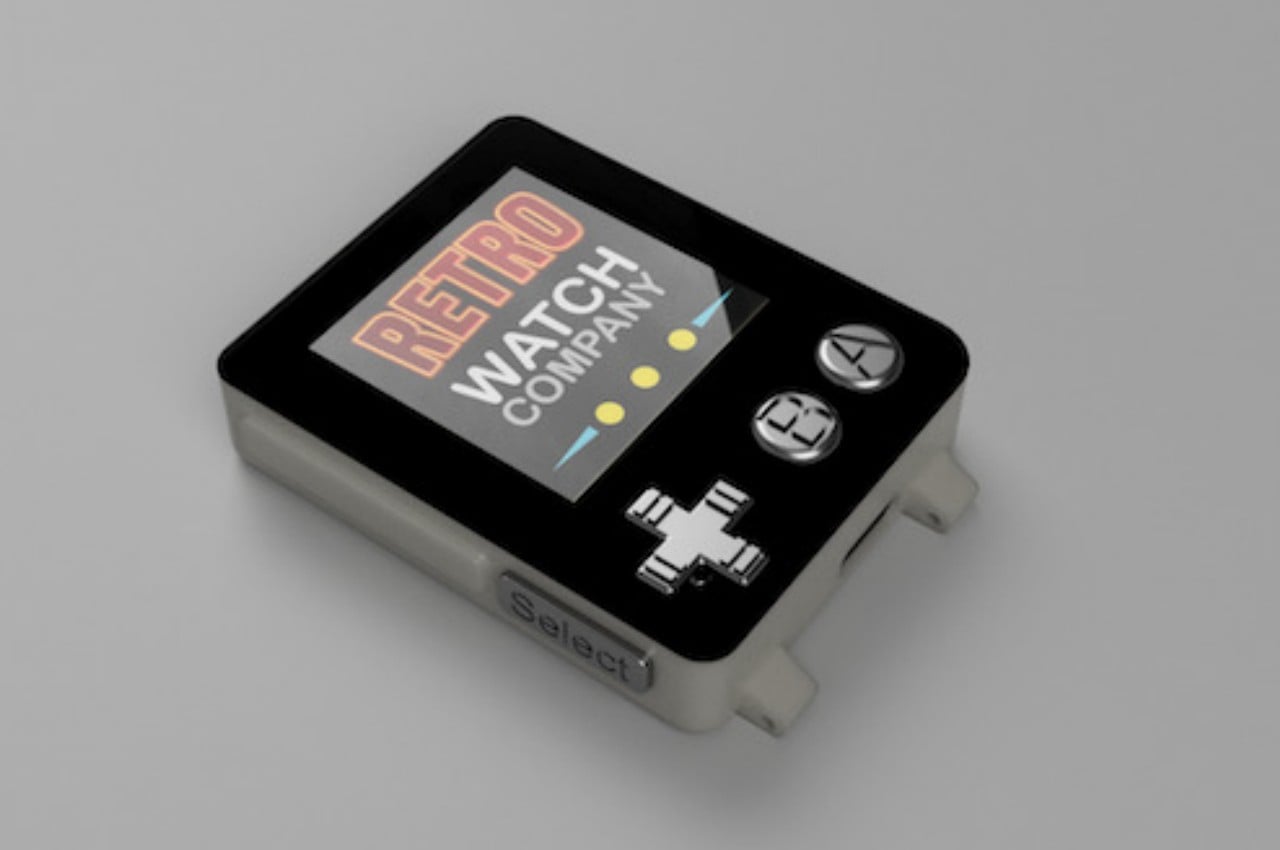
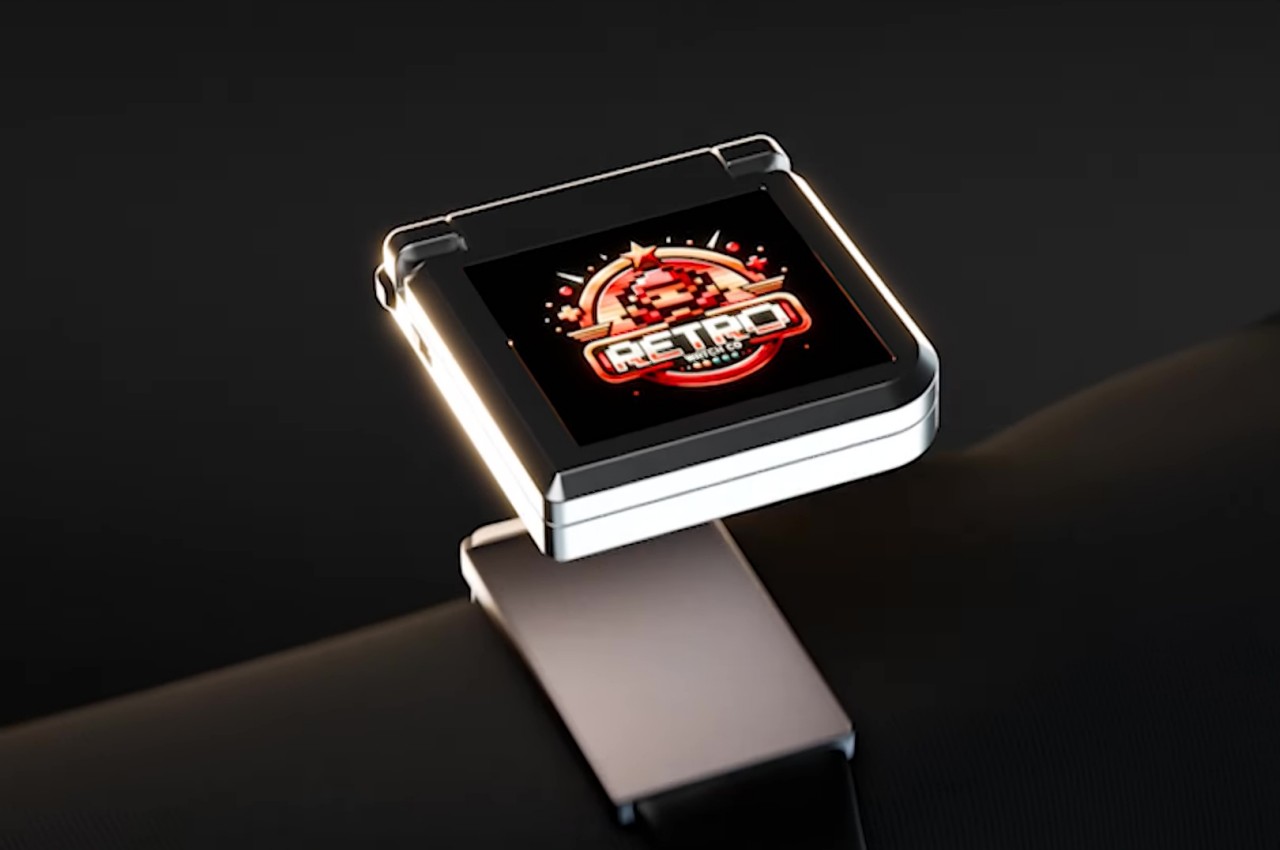
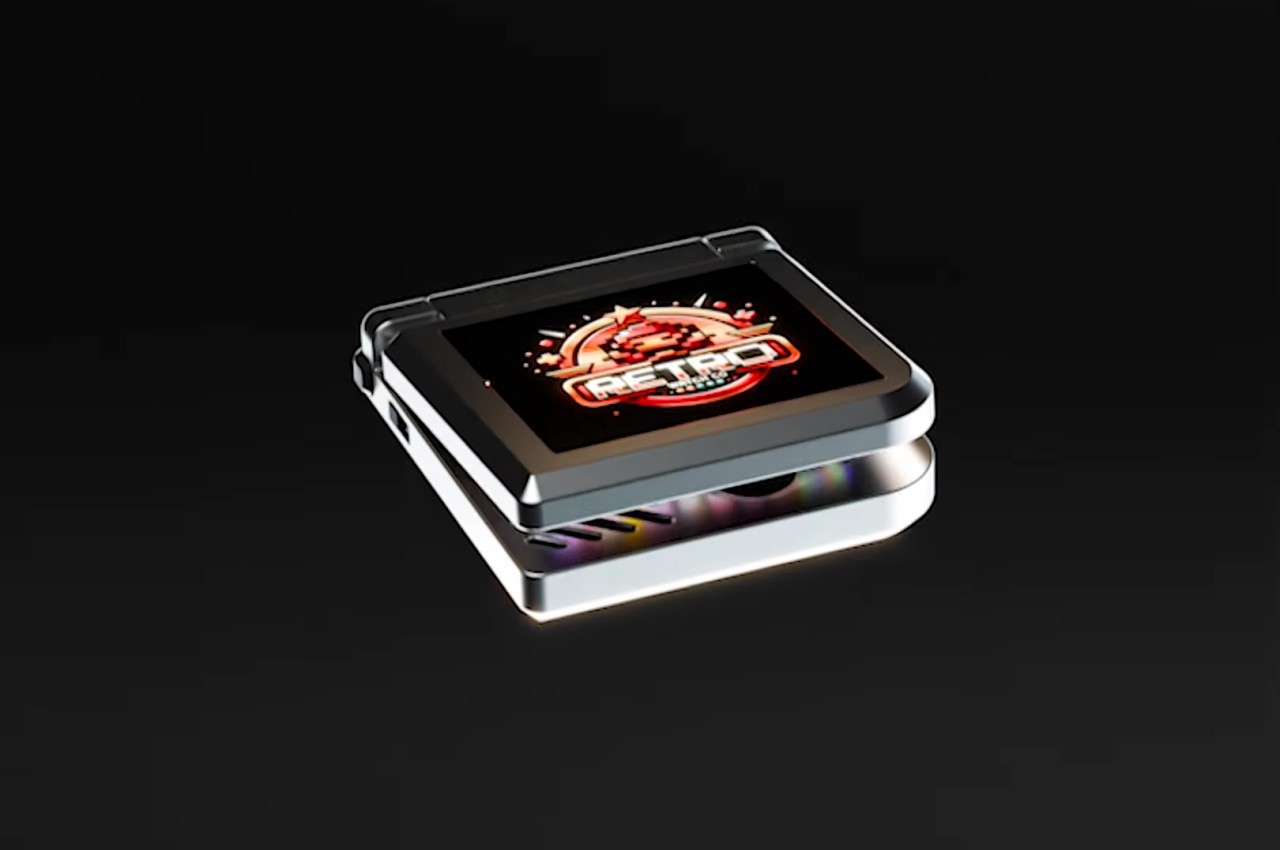
The watch changes its tune the moment you detach it from its strap, unfolding to reveal a clamshell-style gaming device not unlike the Nintendo Game Boy SP. Given the existence of gaming devices smaller than this, it shouldn’t be a surprise that the Retro Gaming Watch can handle a few emulated games, at least the 8 to 16-bit titles that can fit in the device’s small memory. Where you get your emulated content, of course, is up to the reader’s ingenuity.

The Retro Gaming Watch is supposed to be a sort of counter-movement to the “Great Conformity” that is happening in a world filled with Apple Watches and its clones. It recalls a time when watches looked fun and could even be used as toys, at least for a younger crowd who wouldn’t be embarrassed wearing bulky and sometimes gaudy designs for everyone to see. Again, it’s not going to offer the best gaming experience, presuming it even becomes an actual product, but it has that novel character and rebellious spirit that’s going to tickle the fancy of many gamers, even if they’re just gonna wear it for show.

The post Retro Gaming Watch puts a tiny handheld on your wrist, also tells the time first appeared on Yanko Design.

Modular mixed reality goggles aim for a fusion of fitness and fashion

Smart eyewear is back in fashion, especially thanks to Apple finally announcing the Vision Pro. Although its design pretty much still falls under the “headset” category, the ultimate goal of many of these wearables is to be as inconspicuous are regular spectacles or sunglasses as possible. Easier said than done, of course, especially when you need to cram plenty of electronics in such a small space. There are advancements in that area, of course, to the point that it might be possible to fit almost all the necessary components on or near the lenses. That kind of technology will open the doors to a wider variety of wearable designs, including one where you can swap frames to be as sporty or as classy as you need your mixed reality eyewear to be.

Designers: Ben Melvin, Jo Barnard, Dan Lloyd, Harry Mason (Morrama)

There are actually quite a number of designs for smart eyewear, depending on how complicated they need to be. Some include more complex computers and the usual design involves a headband that you wear around your head. Others simply mirror the screen from your phone or computer, so they can just look like overgrown sunglasses. But if you can settle for something even simpler, you might be able to condense everything around the lenses so that the frame is really just a frame, one that you can even replace more easily than with prescription glasses.

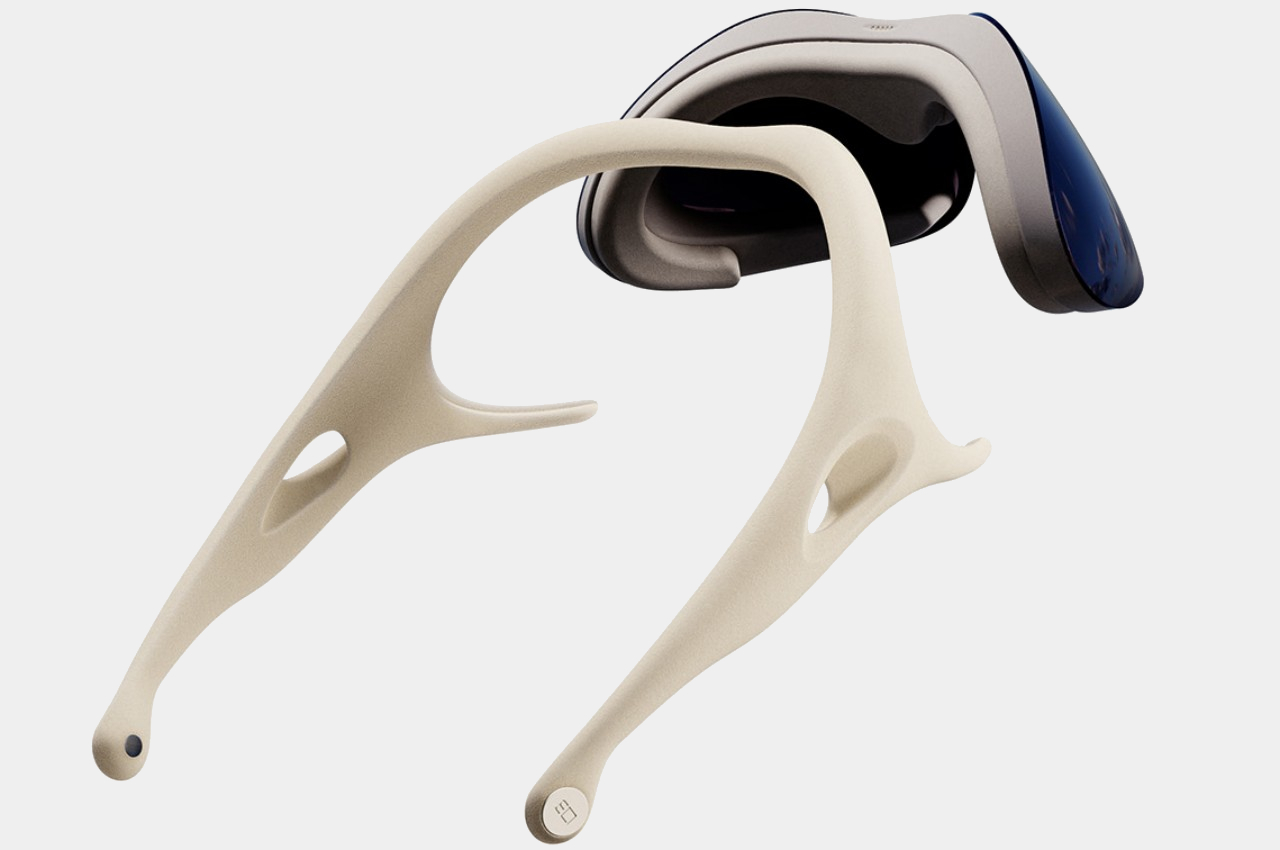
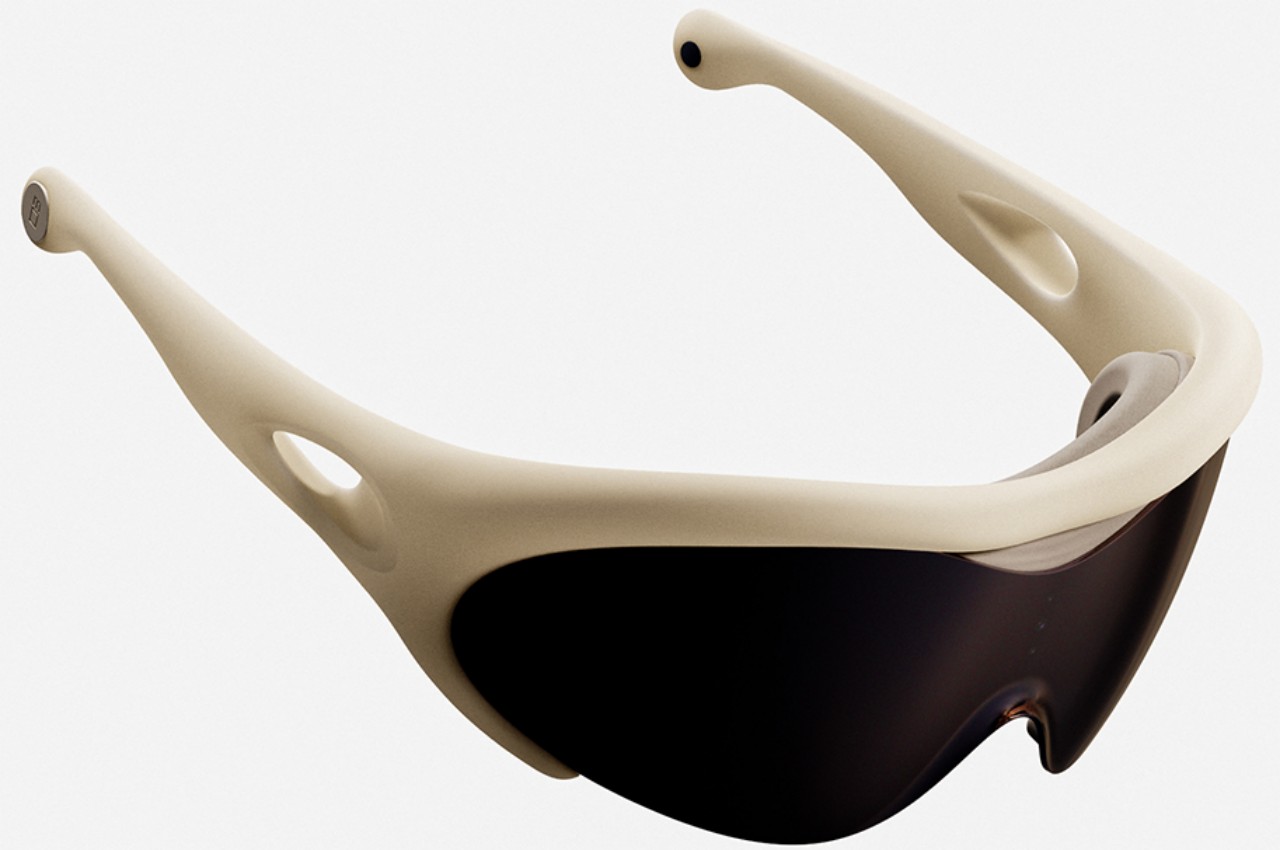
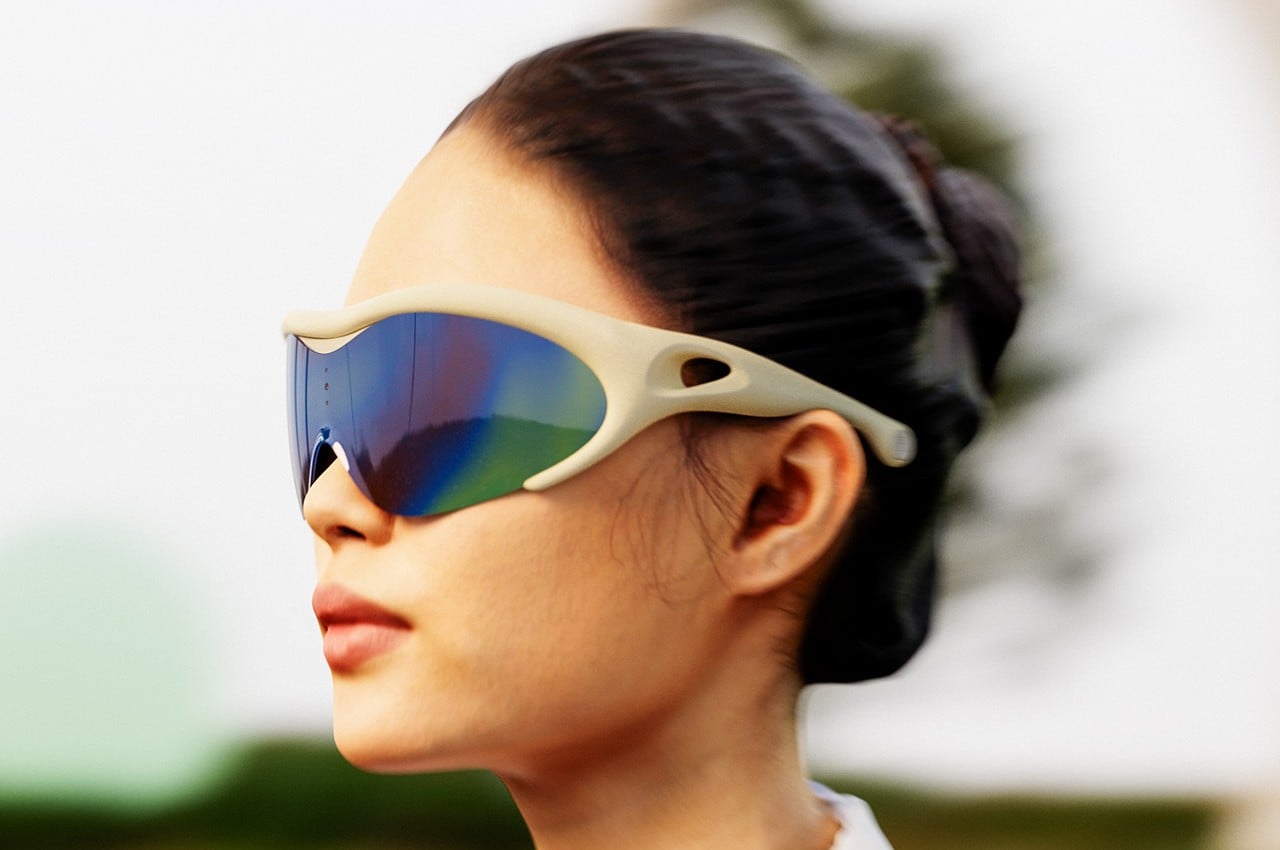
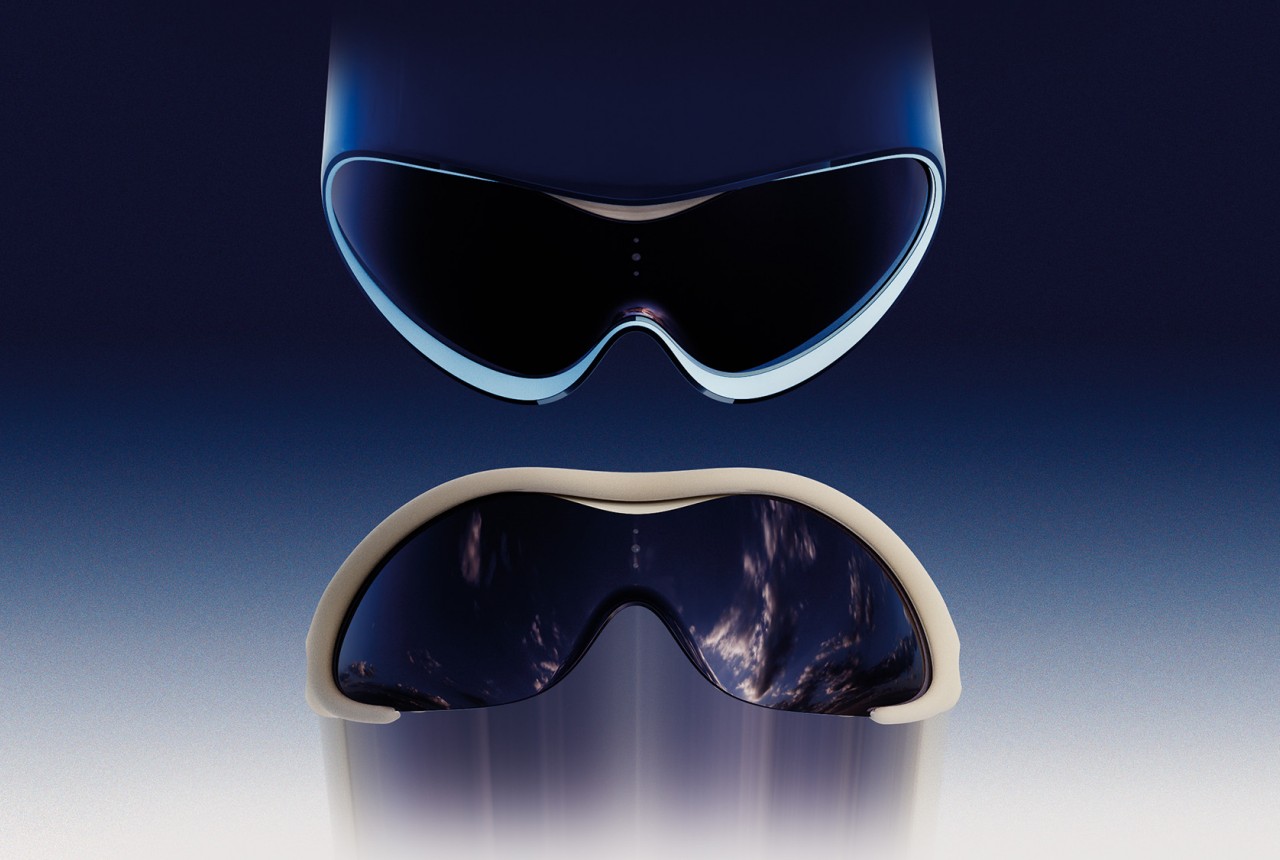
Morrama Issé is a concept for mixed reality eyewear that takes advantage of such a design by making the lenses and the frame two connected but independent pieces. The lenses are not your average pair and look more like sports visors. The rim of the visor is quite thick which is where all the electronics will be hidden. In other words, the visor can function on its own without the frame, and the frame only provides the structure that will hold the visor up on the wearer’s face.

This means that the frames are interchangeable, letting the wearer choose the style of the frame depending on where they want to wear the mixed reality goggles. These can be rugged or elegant, at least as elegant as possible considering the rather thick frame required to support the weight of the visor part. More importantly, however, the frames can be made using more sustainable and recyclable materials since this part usually has a shorter lifespan.

The Morrama Issé design is no Minority Report or Tony Stark, and you will still look conspicuous if you will be wearing such eyewear in public. Of course, the primary use case for the wearable will be for fitness, where the goggles will provide the relevant biometrics and information that people need when training or exercising. It’s pretty much the same data that your smartwatch would show, except it will always be within your field of vision. Not everyone will find the aesthetic that pleasing, but Issé’s innovation is how it is able to envision a more modular approach to designing mixed reality eyewear, especially with a bent towards more sustainable options.

The post Modular mixed reality goggles aim for a fusion of fitness and fashion first appeared on Yanko Design.

Samsung Glasses Mixed Reality Headset: What We Know So Far

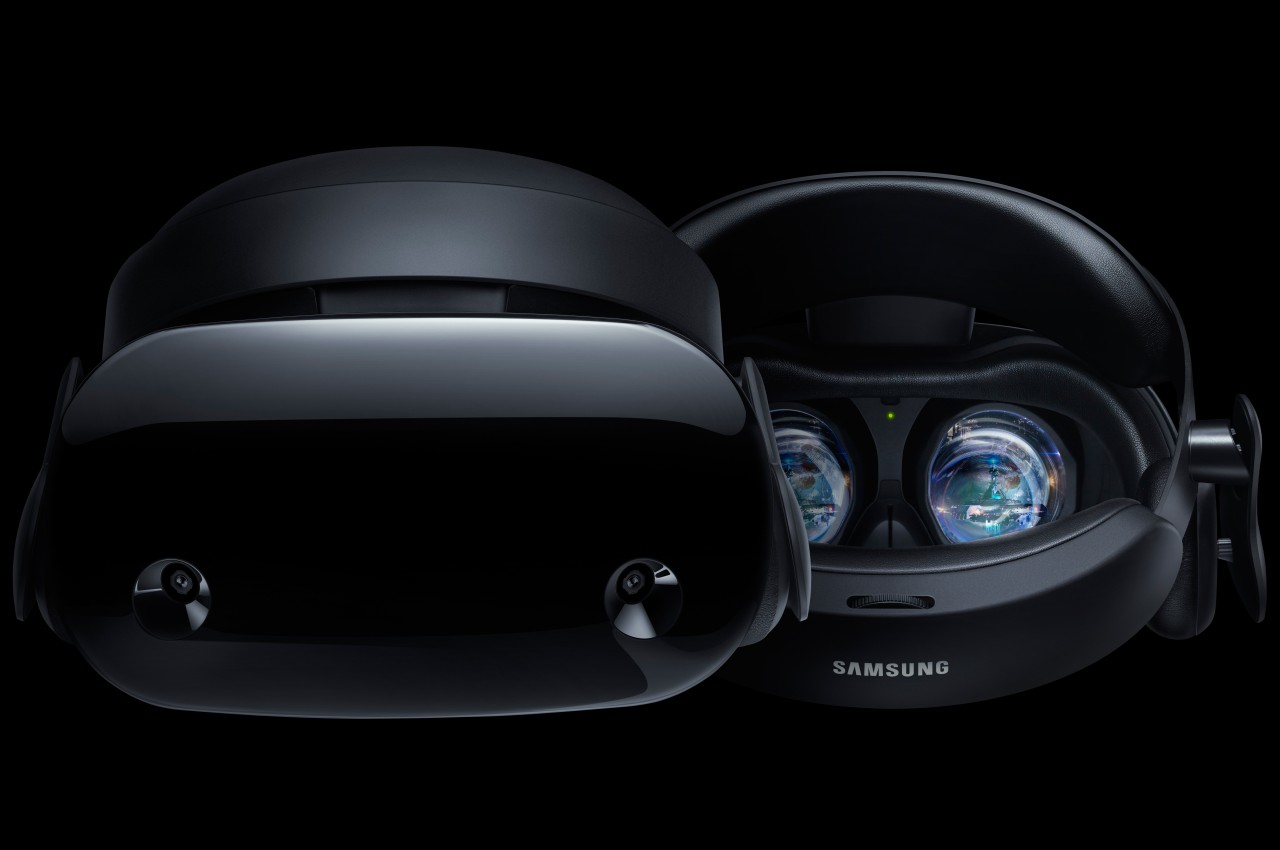
Although it was a bit late to the game, it was unsurprising that the Apple Vision Pro mixed reality headset blew people’s minds the moment Apple officially revealed its existence and features. It has definitely caused many players in the market to rethink their designs and strategies, including Samsung who was supposedly close to announcing its own XR or eXtended reality hardware. The initial expectations were along the lines of a full headset not unlike the (Facebook) Meta Quest 3 or Samsung’s own defunct HMD Odyssey, but it seems that Samsung was “inspired” by its biggest rival to go back to the drawing board. While still largely a mystery, some of the pieces are falling into place, laying the foundations for what will soon be called Samsung Glasses.

Designer: Samsung

What: The Design

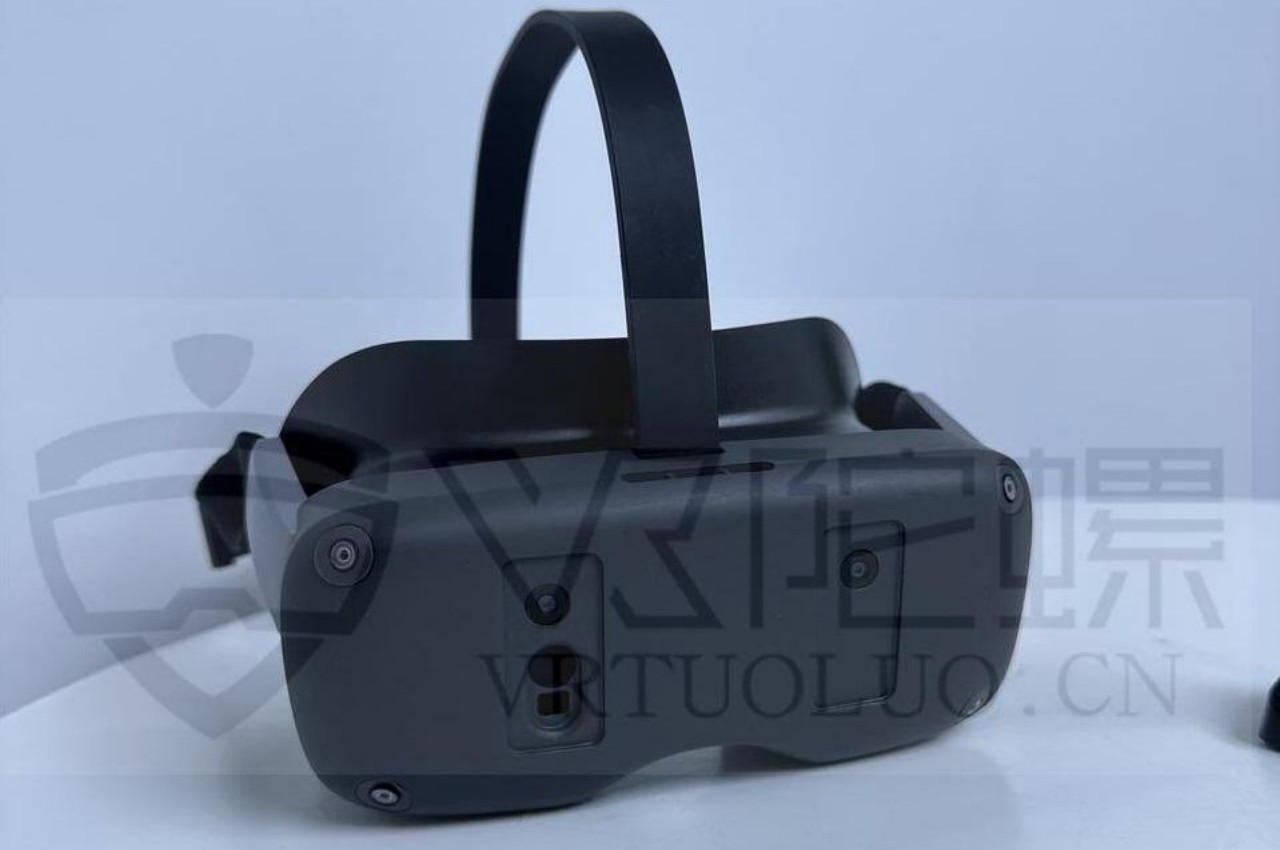
There is still some debate on what specific area of the umbrella eXtended Reality (XR) space Samsung’s headset will be aiming for. Based on a recently leaked prototype, it would have leaned more on the virtual reality side of the equation, with outward-facing cameras to allow wearers to see a glimpse of the world outside. This is the conventional HMD or Head-Mounted Device design and something Samsung is already familiar with. But with rumors of Samsung reviewing the device in lieu of the Apple Vision Pro, you can expect some big changes in terms of design.

Image courtesy of Brad Lynch

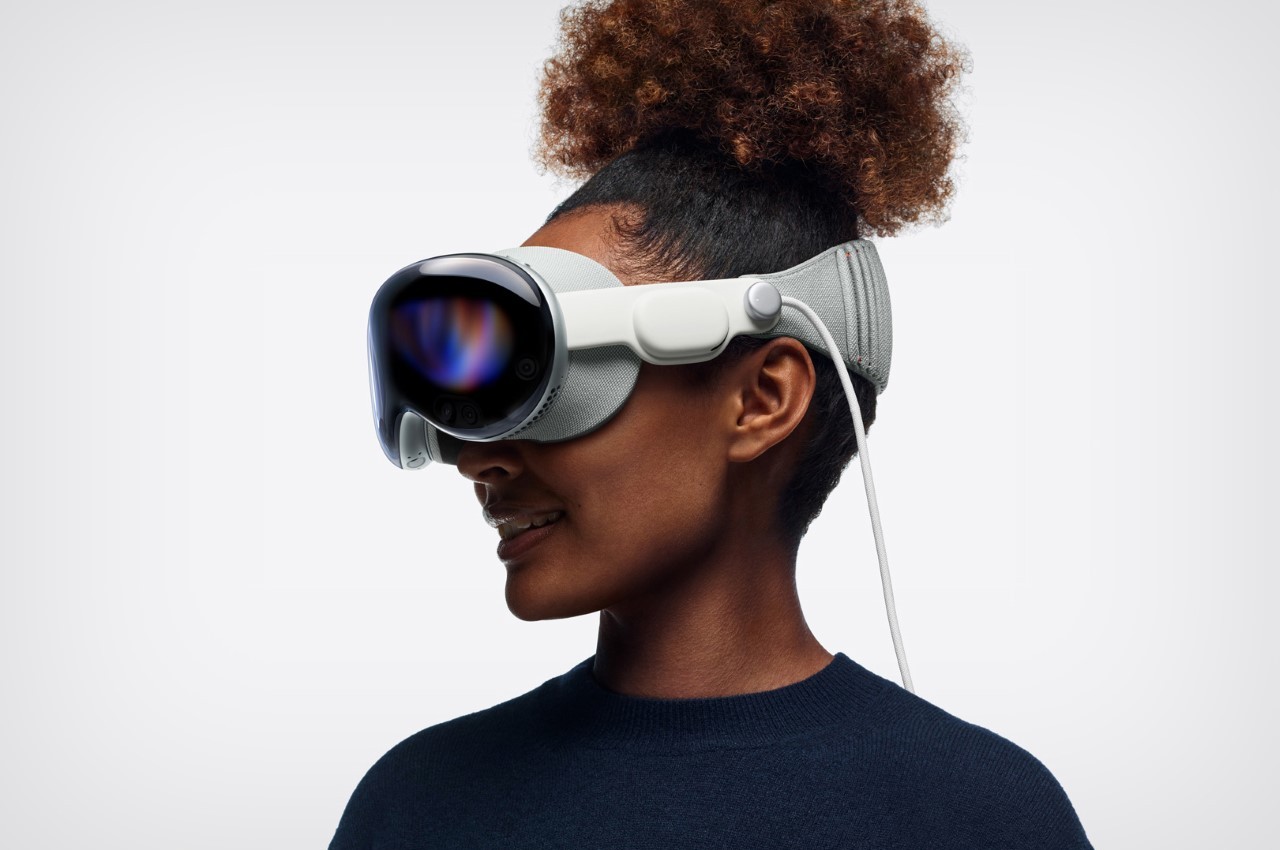
A recent trademark filing in the UK reveals that Samsung is calling dibs on the “Samsung Glasses” name. The description, which covers VR, AR, MR, and XR, isn’t exactly telling, but it does suggest it will take on a form closer to smart glasses. Considering the necessary hardware involved, it won’t be something simple like Ray-Bans or Google Glasses, more like, well, the Apple Vision Pro or the Meta Quest Pro. While not completely comfortable or portable, this design at least opens the door to AR and mixed reality more than a typical VR headset.

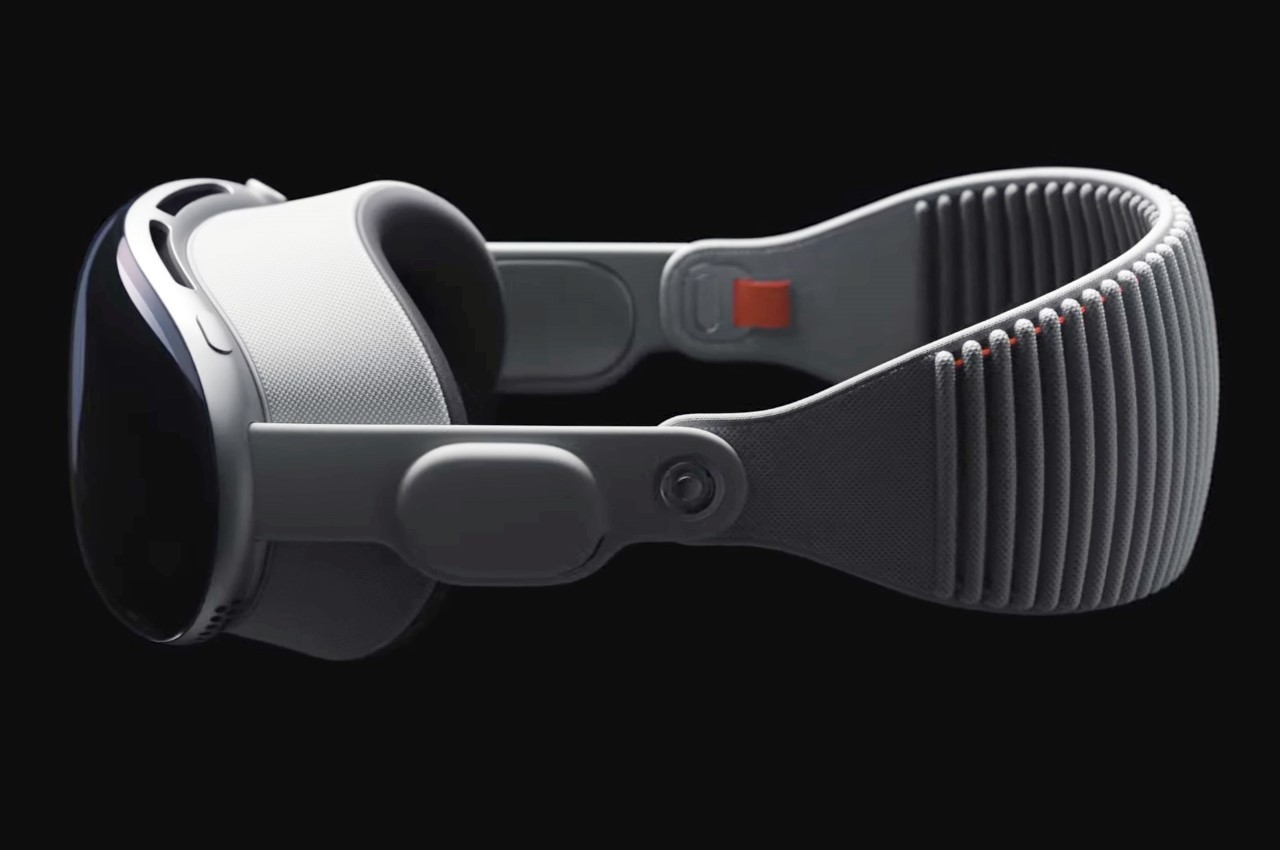
Apple Vision Pro

Apple Vision Pro

How: The Specs

In addition to the usual processors and electronics needed to drive such a mixed reality headset, Samsung Glasses will succeed or fail depending on the optics it uses. The prototype mentioned above lists micro OLED displays, pancake lenses, and cameras for eye and hand tracking, all of which contribute to a more immersive experience when viewing and manipulating digital objects. Samsung was reportedly planning on using a 2022 processor to power this headset, but Apple’s challenge has it mulling over a more capable chip it could use instead.

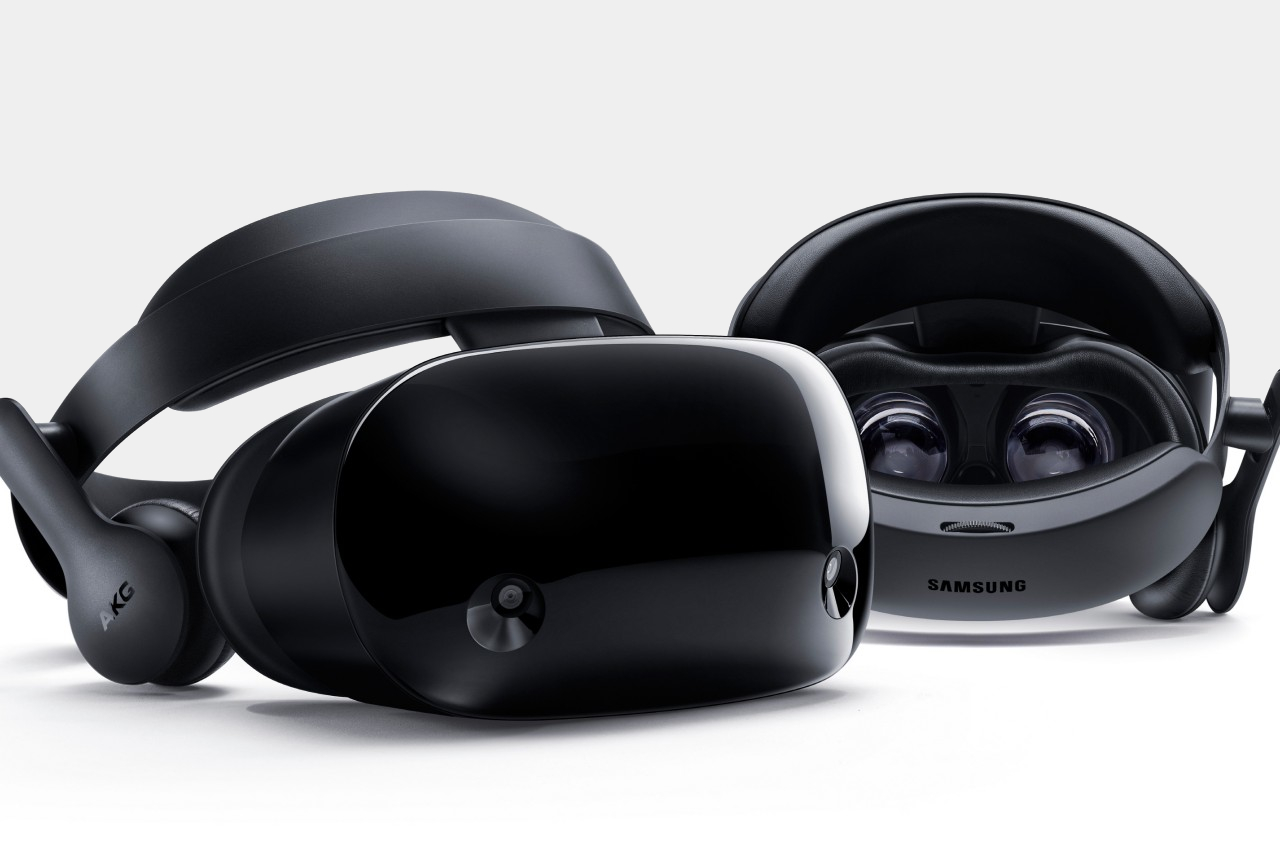
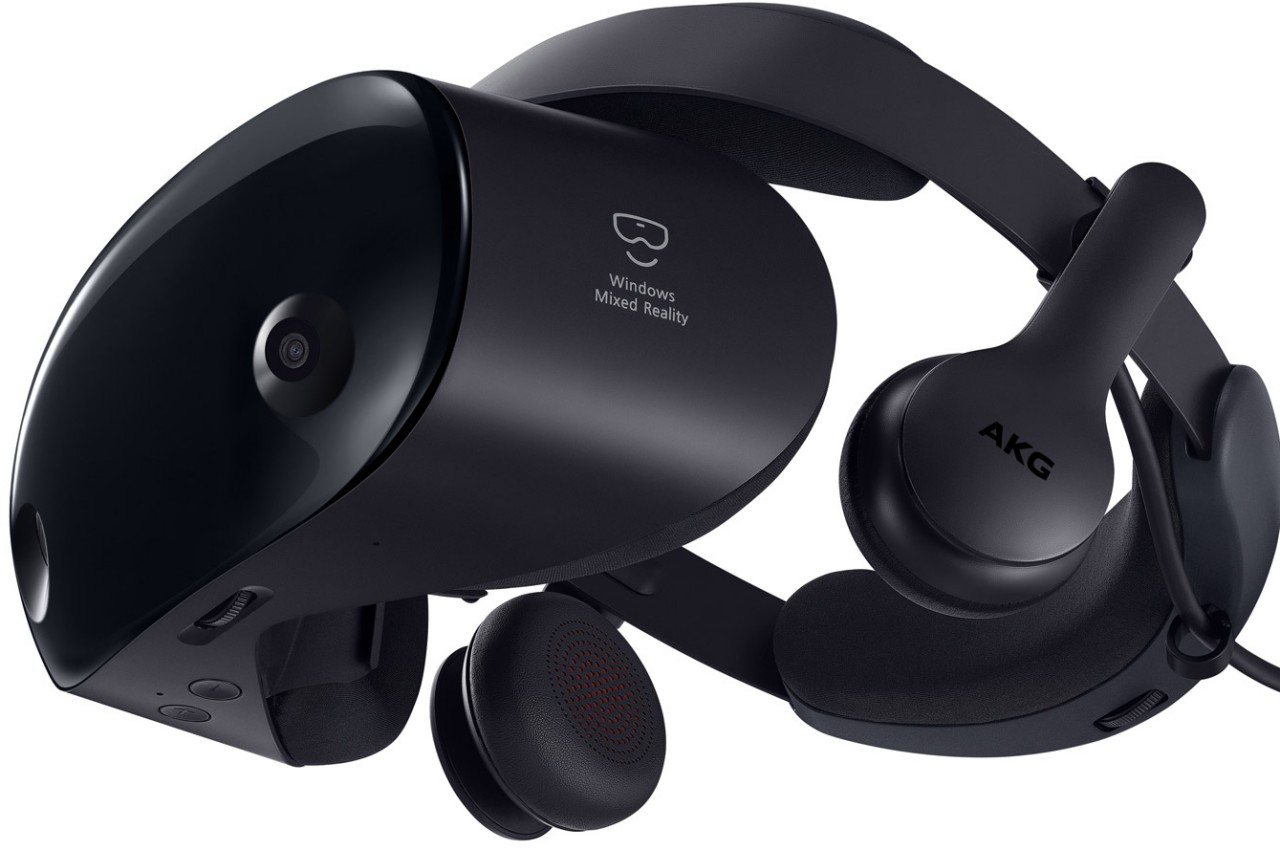
Samsung Odyssey+

Samsung Odyssey+

One thing that Samsung might be doing differently from Apple is having the battery built into the headset, though mounted on the rear rather than the front. While this naturally adds to the weight of the device, its location attempts to at least balance the load on both sides. It also makes the Samsung Glasses a bit more portable since it doesn’t have to rely on an external battery connected via a cable.

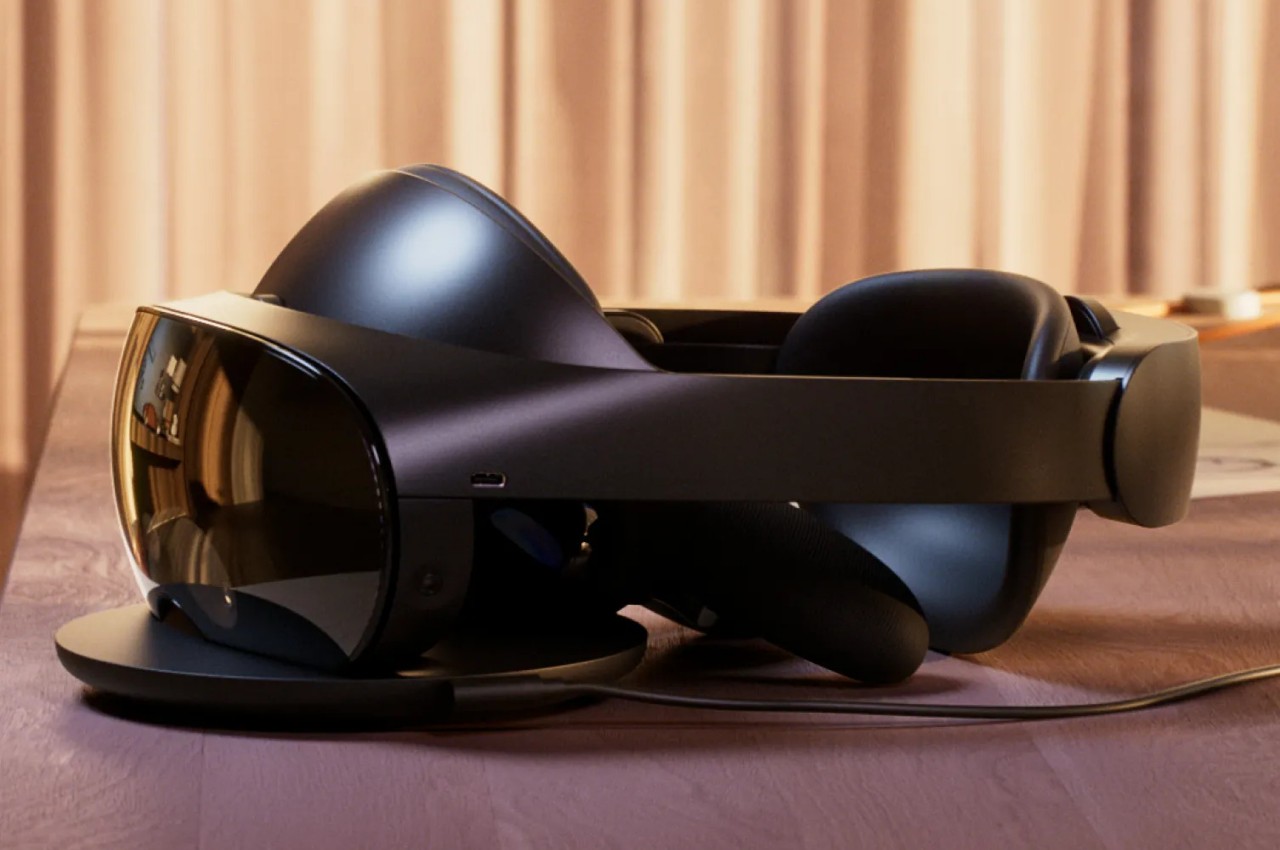
Meta Quest Pro

Meta Quest Pro

When: The Date

With the Apple Vision Pro’s market launch nearing, Samsung really doesn’t have much time left to put out its own take on the eXtended Reality space. Insider sources claim that the date has been pushed back to mid-2024, in contrast to Apple’s launch sometime between January and April. That’s not to say that Samsung is taking it slow, as developers are allegedly told to finish their XR apps by November. There will be an internal launch next month, so we might get a few more unofficial sneak peeks of the device.

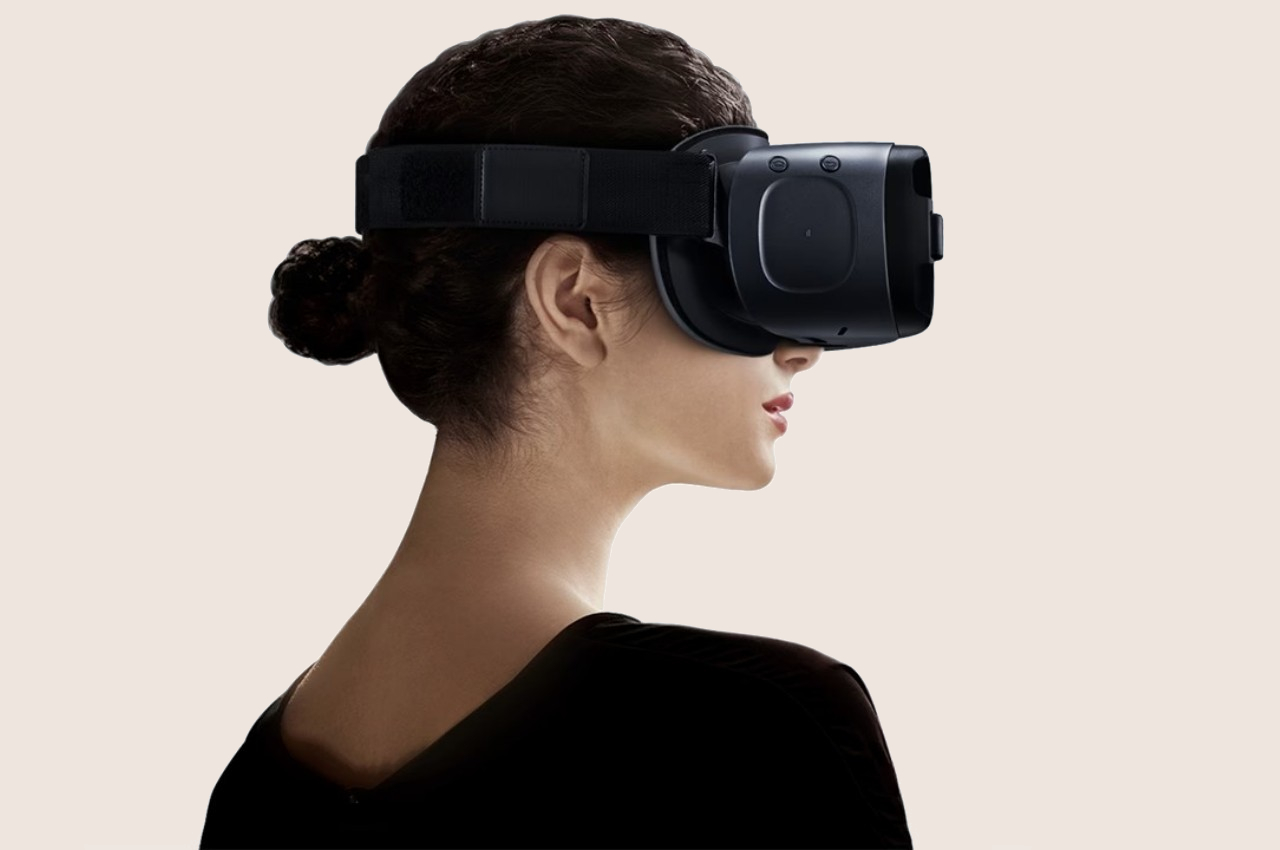
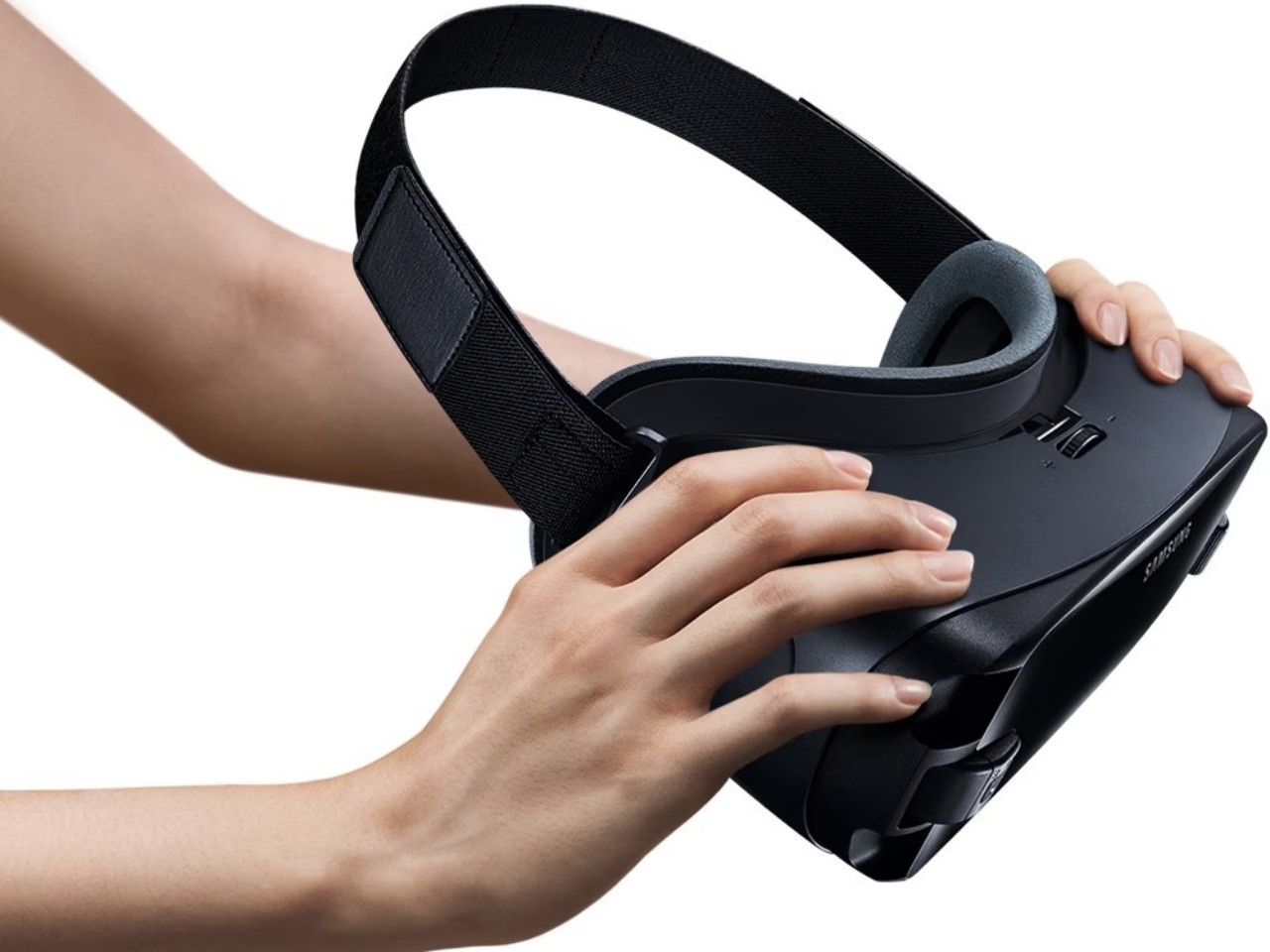
Samsung GearVR

Samsung GearVR

Of course, most of these are still conjectures based on a variety of unofficial sources, so there is still plenty of room to hope for a better device. Conversely, Samsung’s track record with the Gear VR and, later, the HMD Odyssey doesn’t inspire much confidence. The design of the headset is critical for comfort, but it will be the software that will determine whether such a piece of hardware will actually entice buyers in the long run.

Apple Vision Pro

The post Samsung Glasses Mixed Reality Headset: What We Know So Far first appeared on Yanko Design.

Smart belt with haptic feedback can replace white canes for visually impaired

For those that do not have any visual impairments or don’t know have anyone close to them that has this condition, the simple act of walking down a street is something that we probably take for granted. Being aware that not everyone will have that privilege is something that we should occasionally remind ourselves. There are brands and product designers that are constantly working to develop gadgets and tools that can help those that need assistance living their every day lives.

Designer: AI Guided

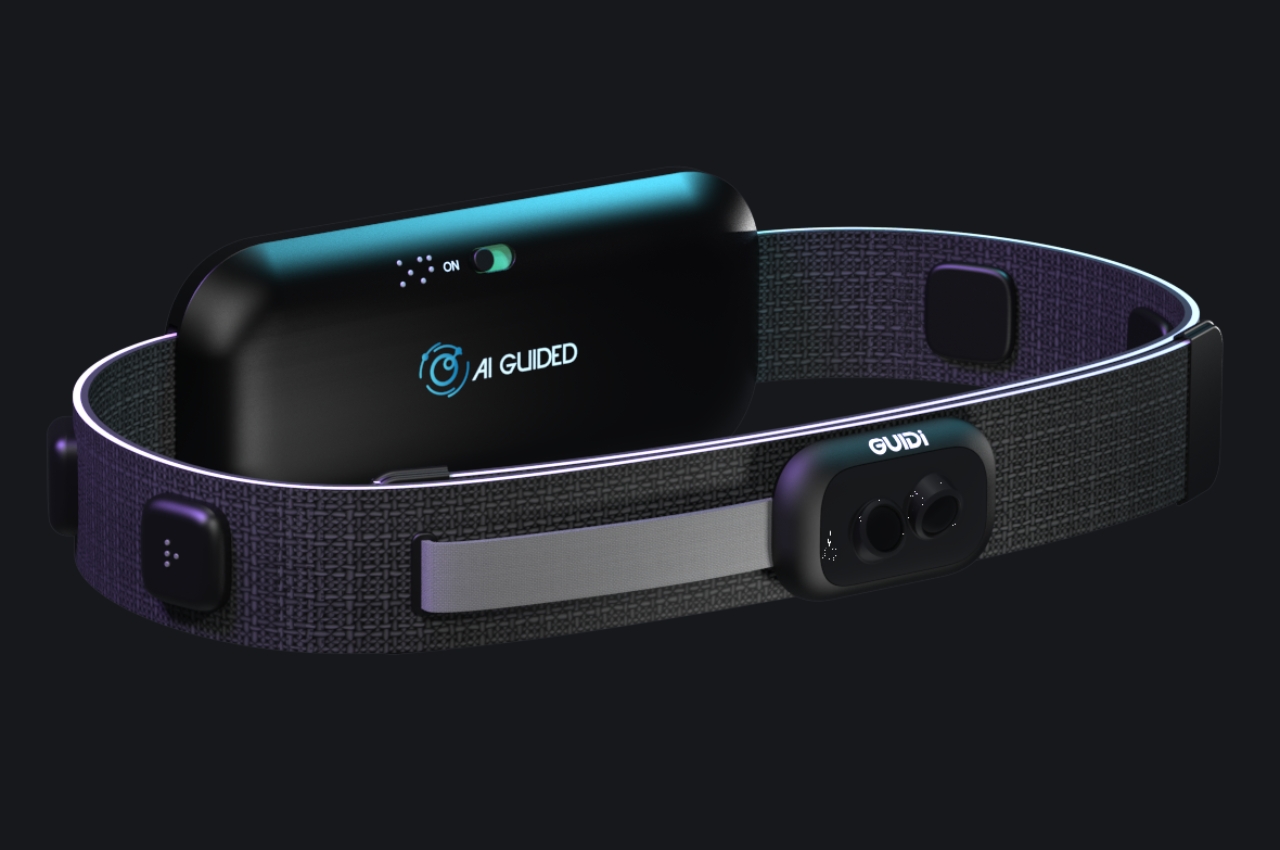
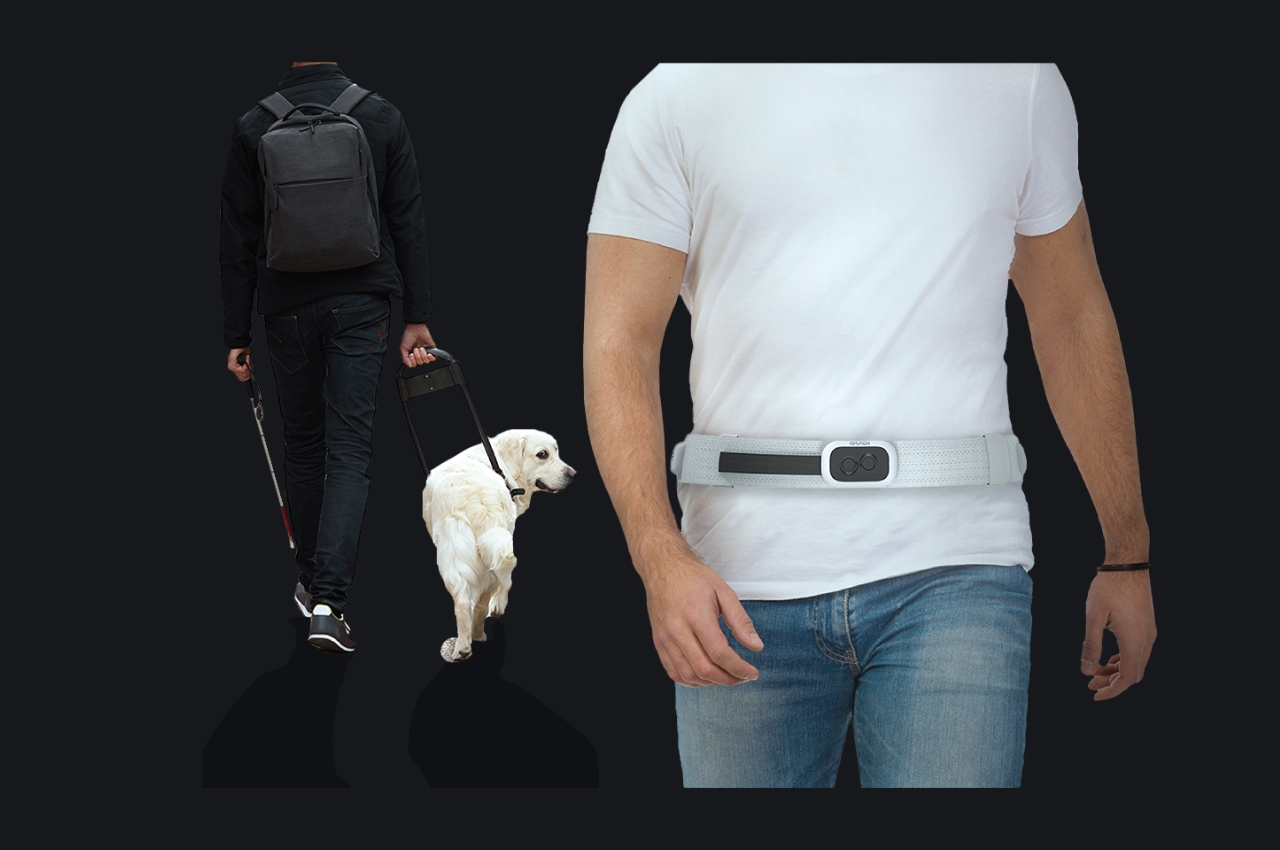
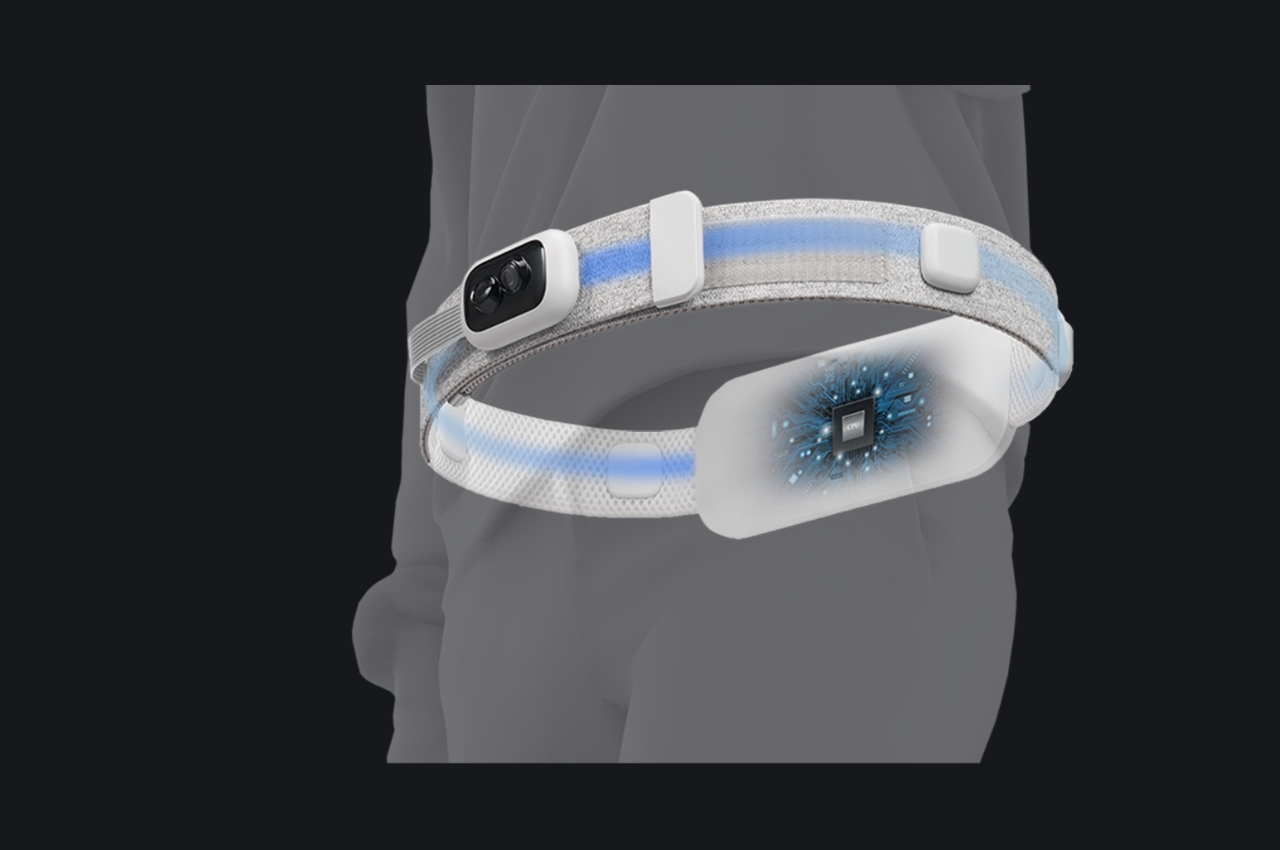
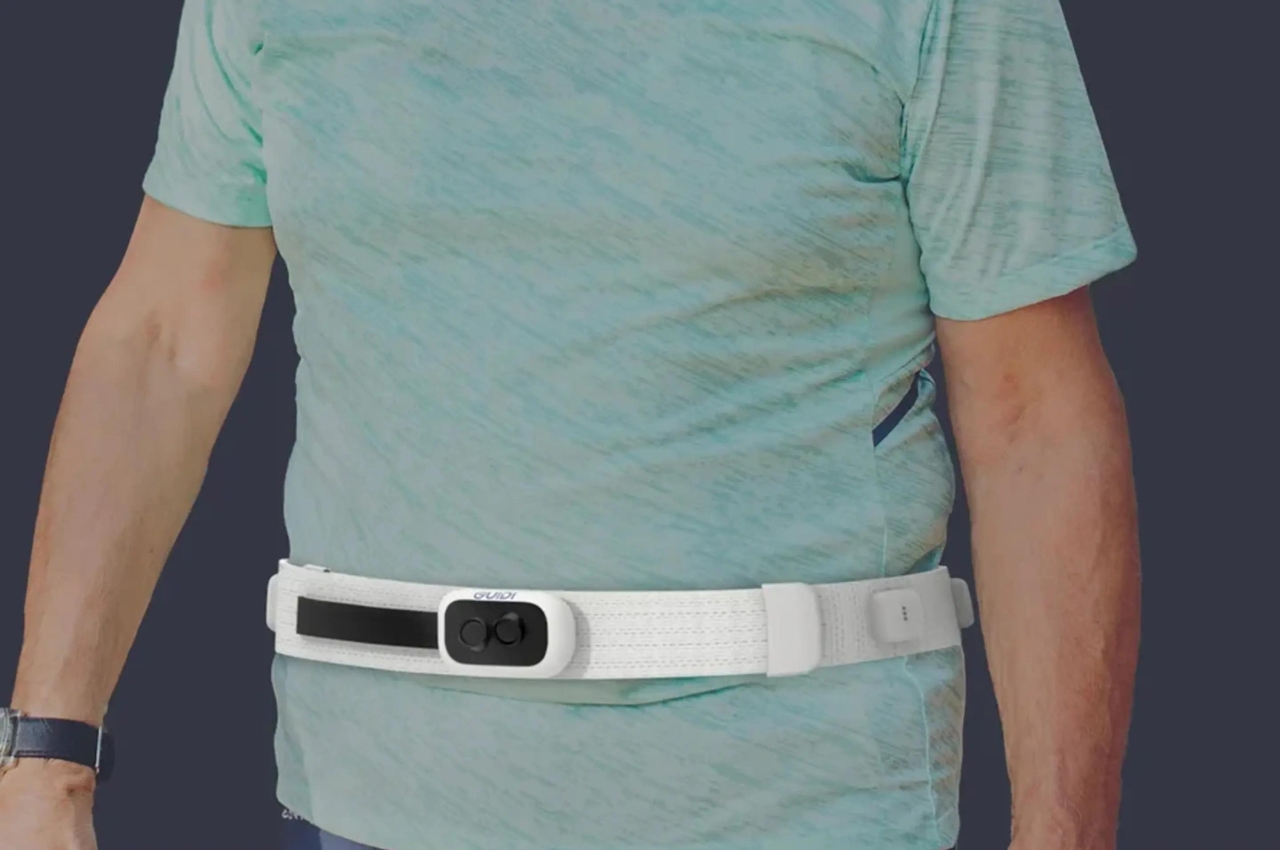
GUIDi is a concept for a device that can replace the white cane that a lot of visually impaired individuals use to navigate their way through busy streets. It is a device that the user wears on their waist and includes camera and microprocessor modules, and haptic feedback units that will assist them as they walk. There are two 8-megapixel cameras that are forward-facing and will scan the environment as they are walking. The images captured will be analyzed by AI-based software which will be able to identify things like trees, trash cans, sign posts, and other items that the user may face on the street or sidewalk.

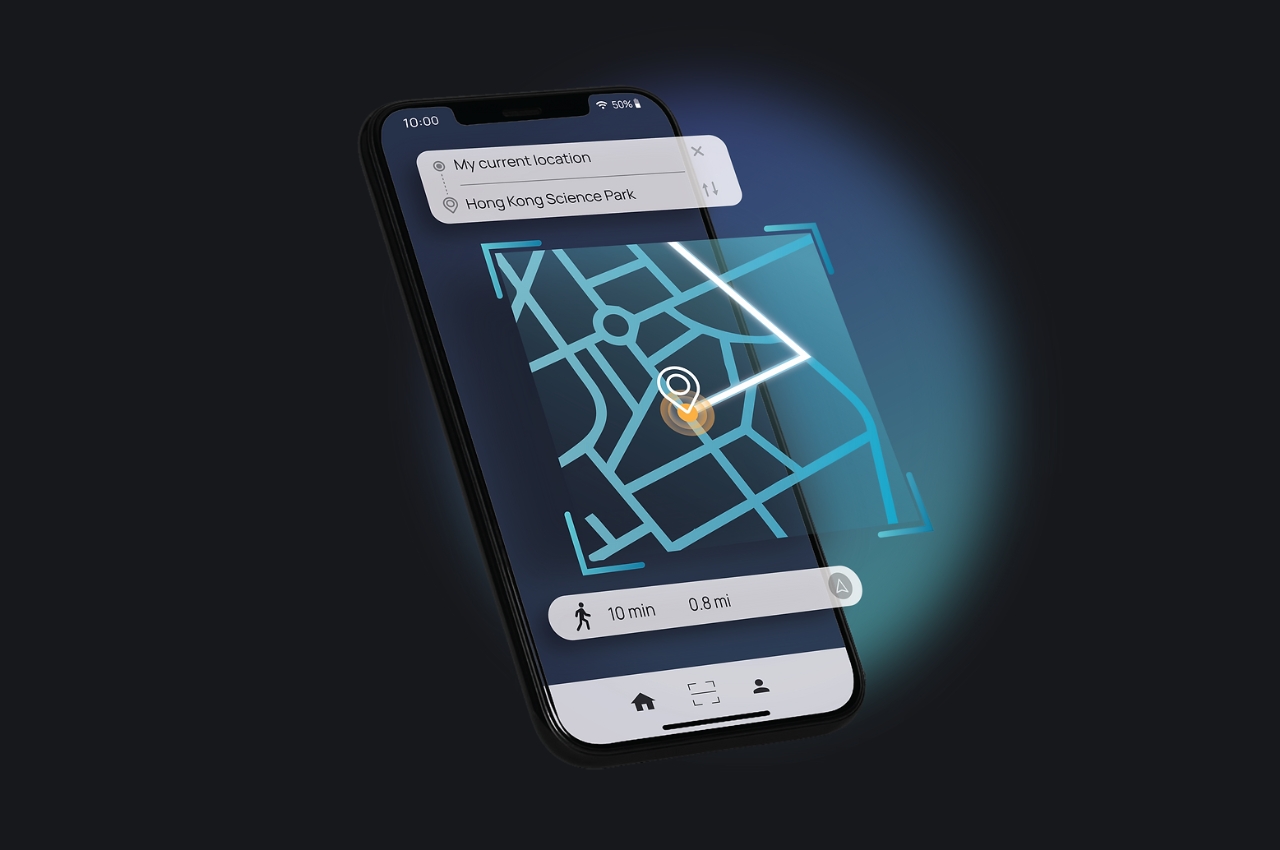
The haptic feedback units will vibrate to alert the user that there may be some obstruction in their direction. It will even be able to detect things like branches, wires, and other overhanging items that a regular cane may miss since it’s basically on the ground. The device can also be connected to an app on their smartphone through Bluetooth connectivity where they can choose a specific location and they will be guided by GUIDi accordingly. The battery life is around 8-10 hours on a single charge.

Design wise, it’s pretty much a no-frills device that you can wear on your waist and should not be that obstructive or uncomfortable. The two haptic feedback units on each side should be enough to give the user signals on possible obstacles but also not give sudden vibrations that might surprise the user. The GUIDi is not yet in production but those who are interested can try joining the free trial that the company is offering.

The post Smart belt with haptic feedback can replace white canes for visually impaired first appeared on Yanko Design.

ProbaPaws Is A Collection Of Wearables & Accessories That Can Be Used By Your Pet & You

If you’re a pet parent like me, then you know how important it is to keep our pet babies happy and content. For most of us, our pets aren’t simply pets! They’re our children and babies we consider our own blood. We take care of them the way we would take care of our own kids, and leave no stone unturned to ensure they are happy, healthy, and safe. If you’re looking for a new and improved way to take better care of your pet then you may want to look into the ProbaPaws collection by Alex Proba.

Designer: Alex Proba

Designed by Alex Proba of ProbaHome, and her dog Sam in their studio in Portland, Oregon, ProbaPaws is a collection of wearables and accessories that feature Proba’s quintessential design style, while ensuring the products are still fun and functional. Proba partnered up with other creators such as Blink, Sophie Lou Jacobsen, and Marrow Fine to add to the collection. Some of the products in the collection can be used by you and your doggo!

Some of Alex’s signature textiles were used to create the two dog bed styles, three rugs, two blankets, eight bandanas, and a toy in the collection. The products are colorful and quirky, with a whimsical air of fun to them. They are handmade from sustainable materials, so you can be sure that the accessories provided to your pets are of excellent quality.

Sophie Lou Jacobson has designed a bowl with her popular wavy glass effect, creating fun bowls for your pet’s food and water. Since the bowls are quite aesthetic and versatile, they can be used by you as well. So you can get a matching set allowing you and your pet to eat your meals together, and spend some quality time. The bowl is available in three pretty color options – amber, teal, and lavender. Blink also added to the collection by designing two dog tags: Ear and Paw. Both are crafted from hand-casted glass in Japan and can be created with your pet’s number and your phone number. You can also wear the tags as charms!

The post ProbaPaws Is A Collection Of Wearables & Accessories That Can Be Used By Your Pet & You first appeared on Yanko Design.

This modular bracelet concept lets you choose how smart you want your jewelry to be

The popularity of the Apple Watch has finally given smartwatches their place in the market, making them understandable and even desirable. Of course, that doesn’t mean that everyone now wants a smartwatch, especially those who prefer mechanical watches or have different aesthetic tastes. Unfortunately, the majority of wrist-worn smart trackers seem to be made with sporty and rugged designs in mind. Given hardware requirements, that’s not exactly surprising, but that shouldn’t stop designers from imagining what’s possible. One such dream is reflected in this minimalist yet distinctive bracelet that throws all smart wearable design conventions out the window, offering a modular piece of jewelry that is smart in more ways than one.

Designers: Akasaki Vanhuyse, Astrid Vanhuyse

If you remove the actual time-keeping function of a smartwatch or a fitness tracker, all you’re really left with are the sensors that actually do the work of keeping tabs on different metrics of your health, directly or indirectly. A display isn’t even necessary since you can always check those figures on a smartphone. In fact, a display might even be detrimental because of the distractions it pushes your way or how it clashes with some fashion styles. Smartwatch designs are primarily constricted by hardware such as displays and big batteries, but what if you could be free of those restrictions?

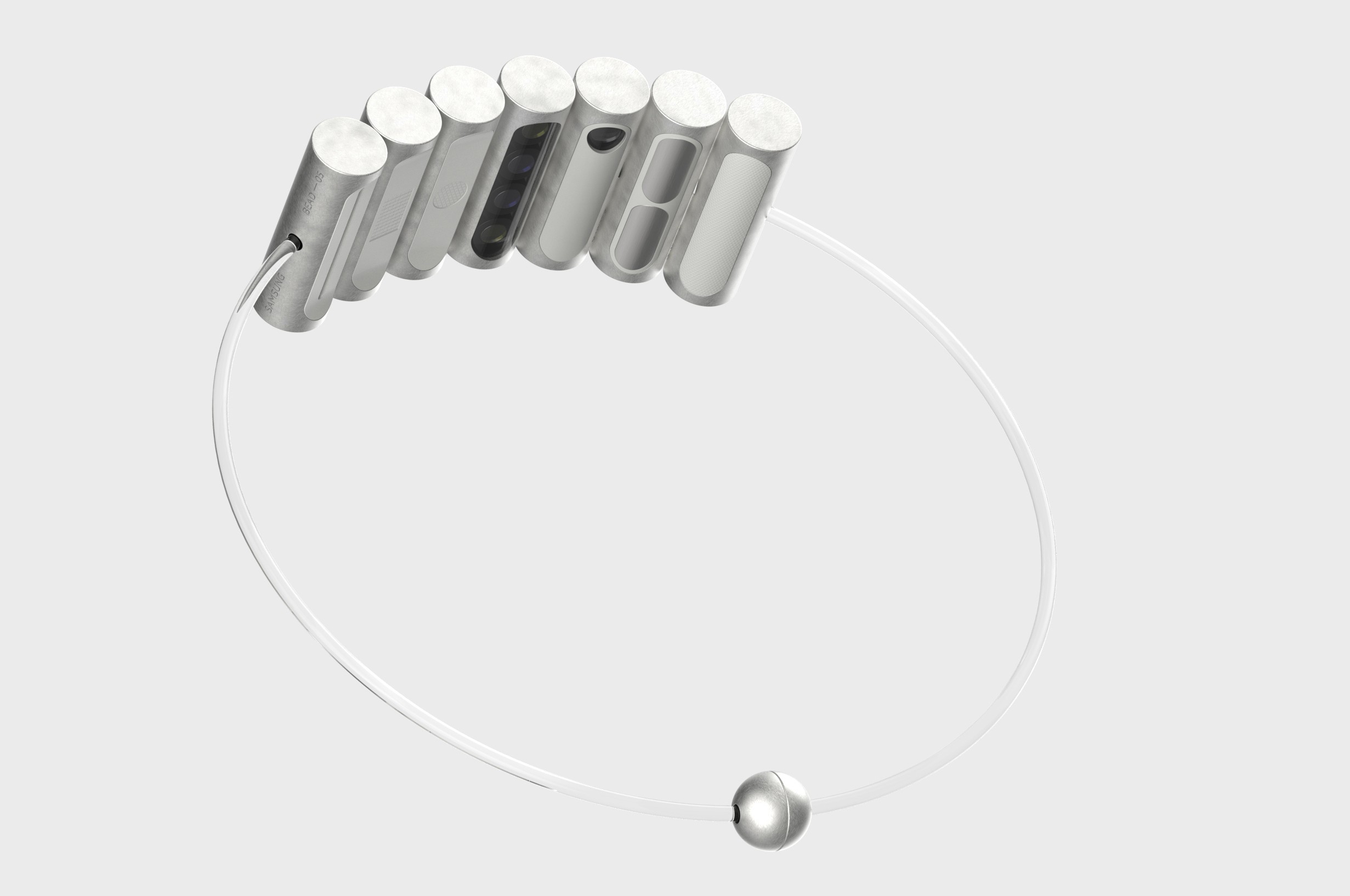
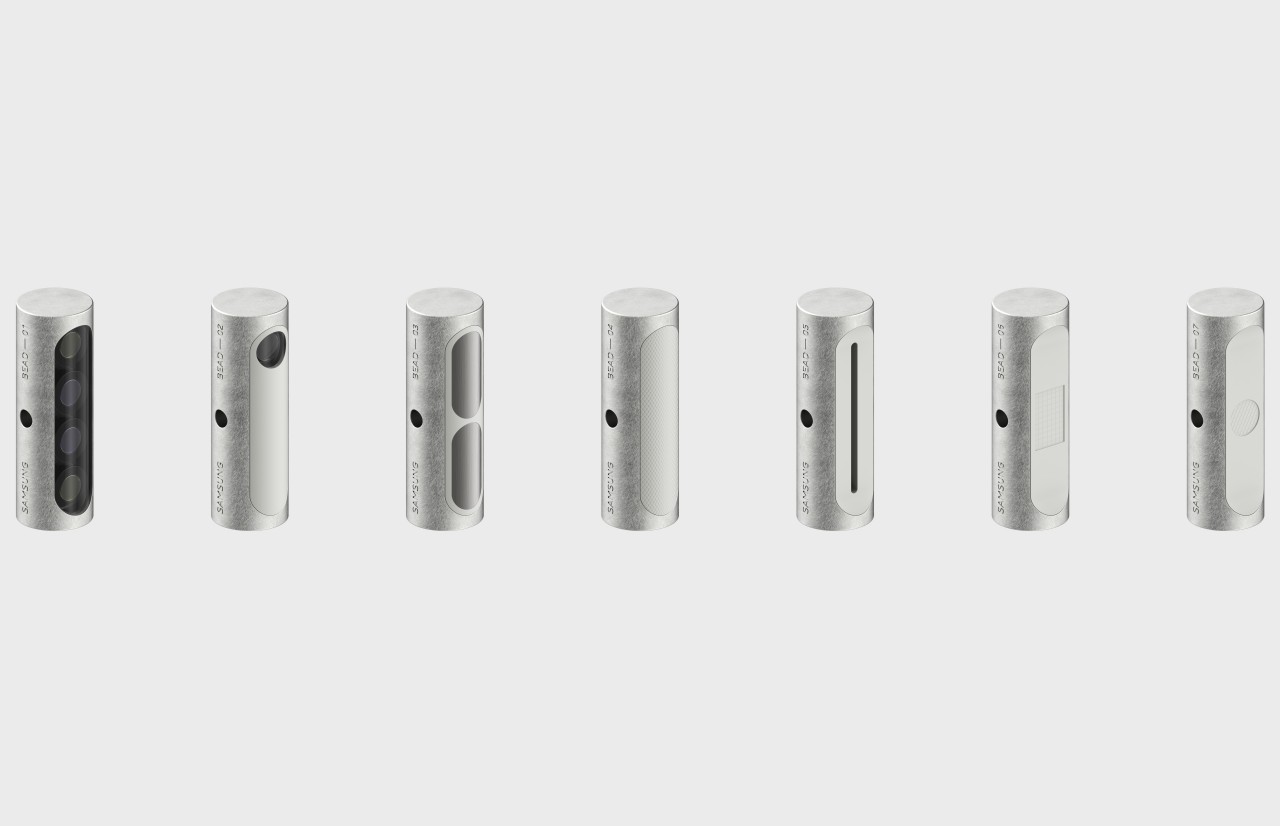
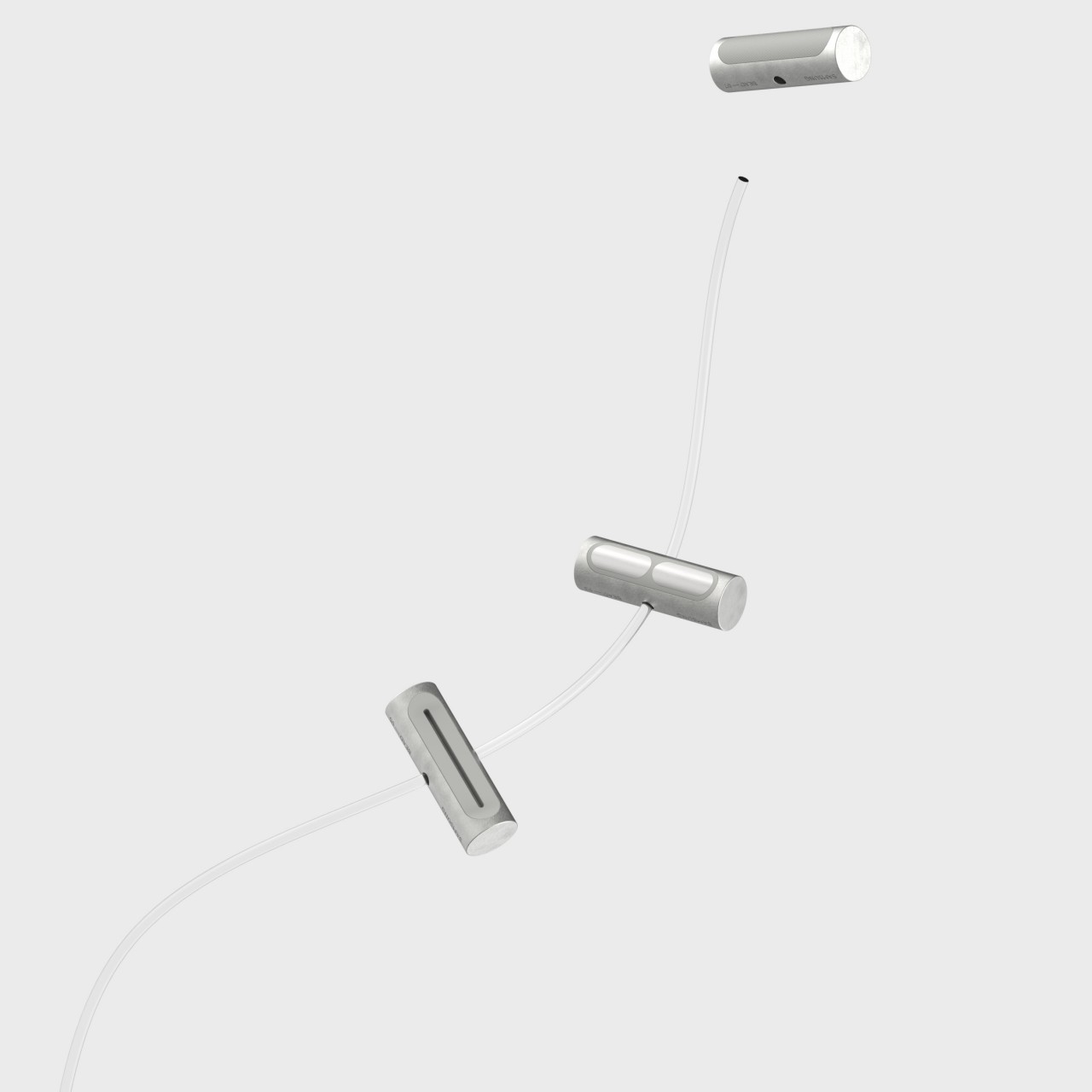
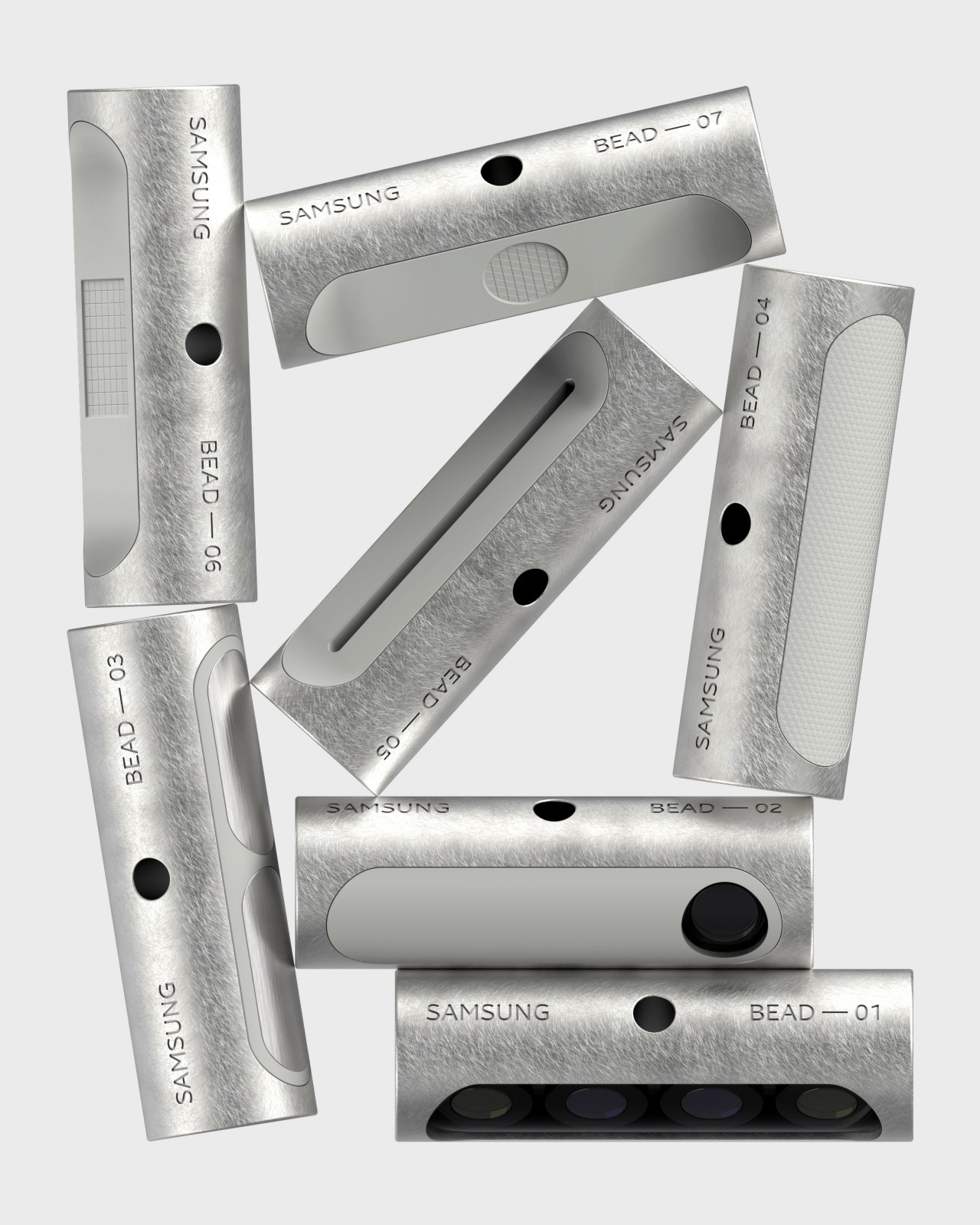
That’s what the BEAD concept seems to be proposing, offering the same health and wellness monitoring functionalities but in a form that is a bit more universal and, at the same time, more personal. At the heart of the design are the beads, actually tiny cylinders that each hide a single sensor used to track a specific biometric like a pulse oximeter or an accelerometer. Each bead is an independent unit, free from displays or large batteries, performing a single task and performing it to perfection.
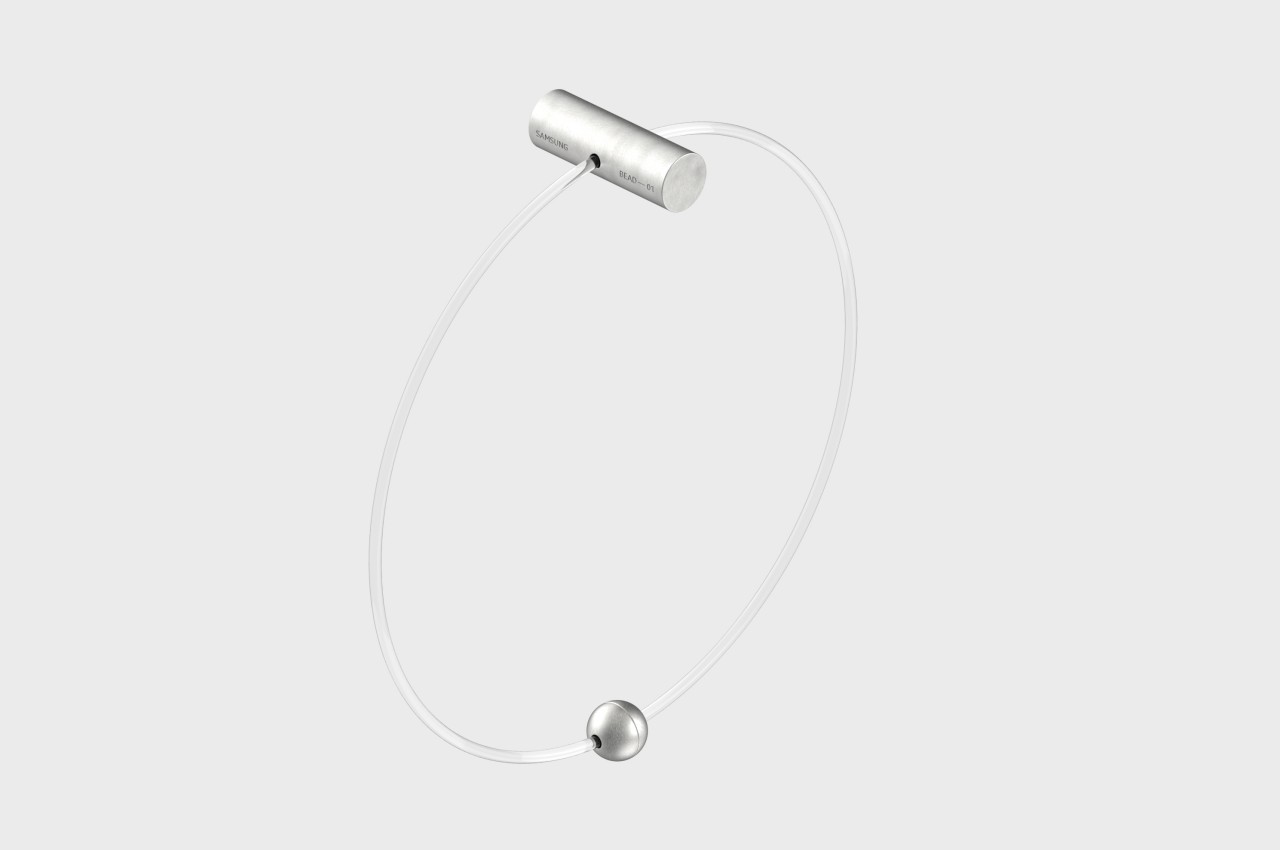
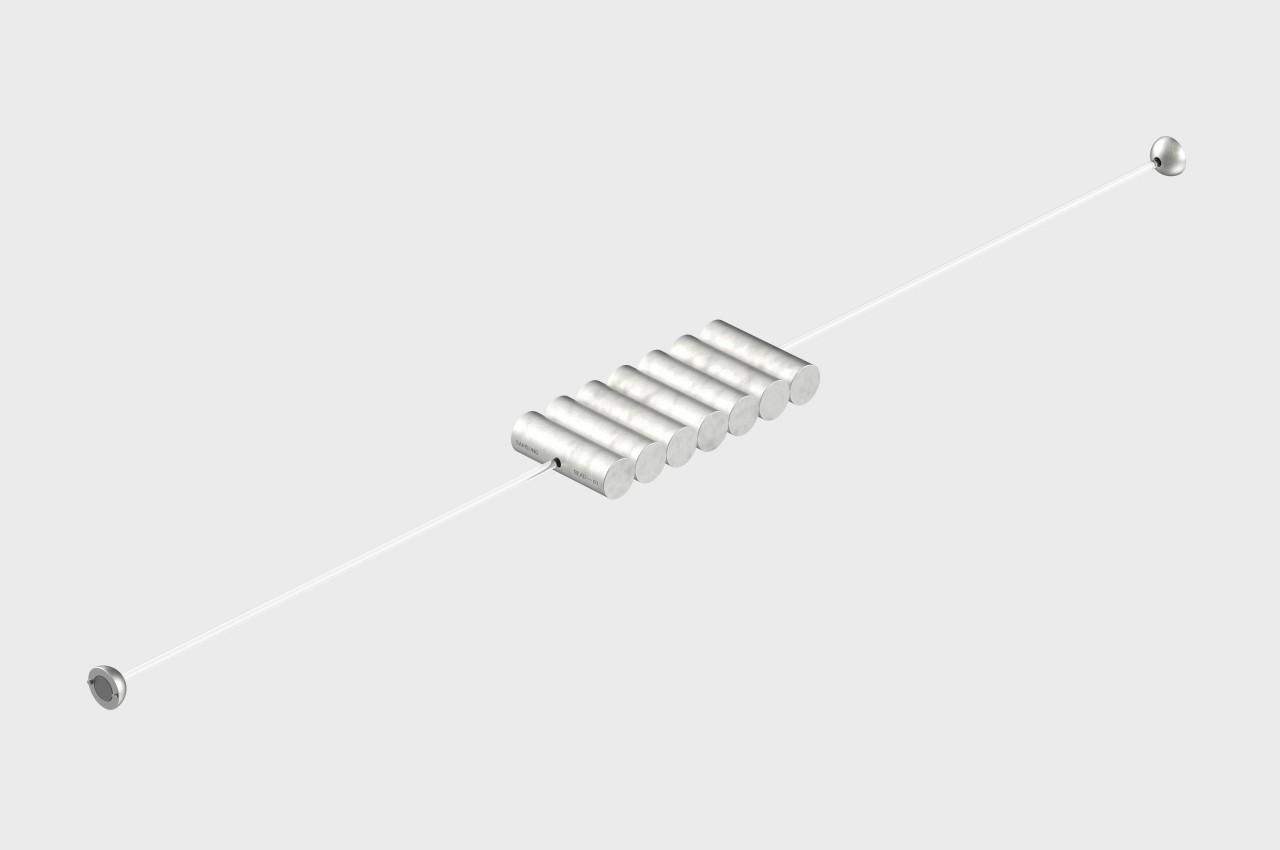
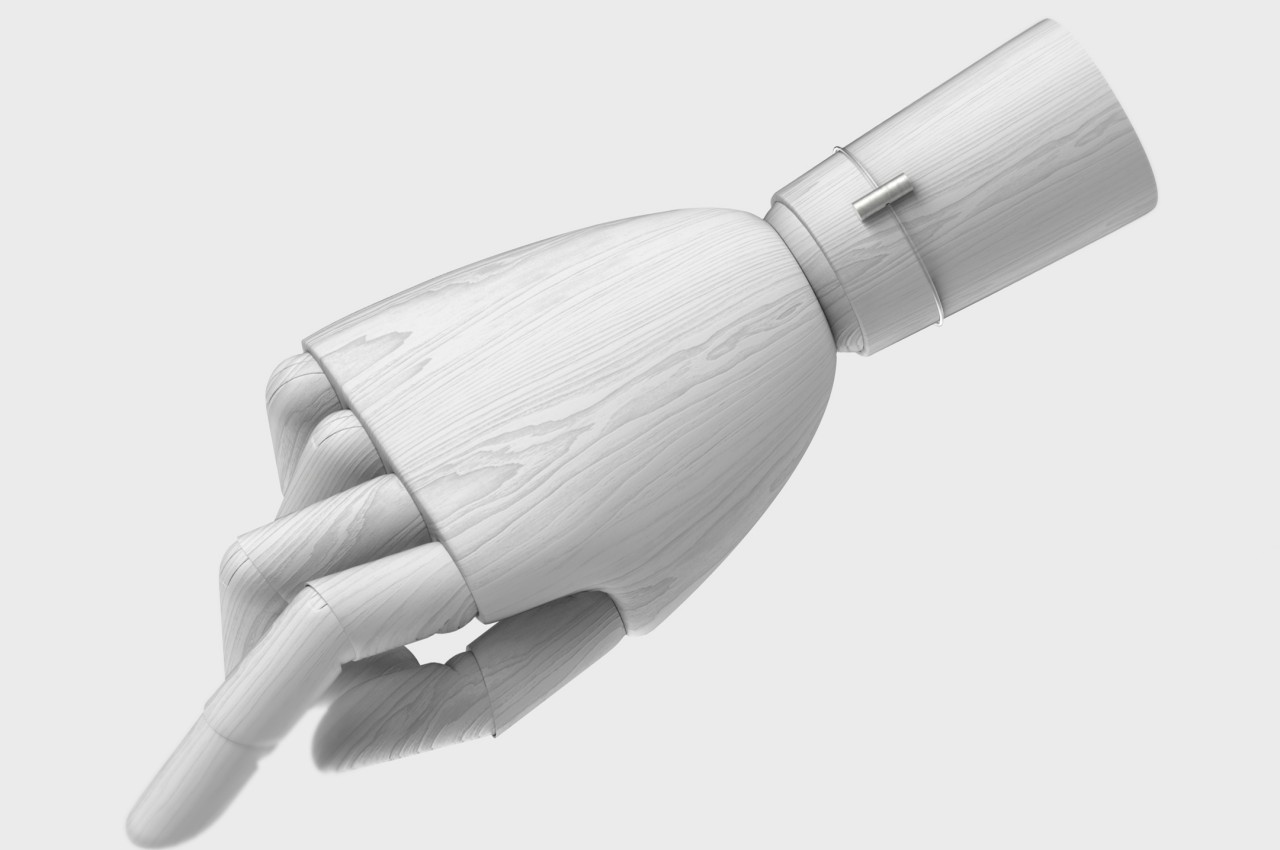
The idea is that you can combine any number of these beads on a string or wire to achieve the same collective effect as a fitness tracker. You wear it around your wrist like a bracelet, held together at the ends by magnets in the shape of half-spheres. The wire is white, plain, and unadorned, which puts a bigger visual focus on the beads. Those beads themselves carry a brushed metal finish that helps hide whatever scratches they may incur over time while also giving them unique characters.
You can add or remove as many of these modular beads as you need, only paying for the functionality you actually use. It also makes repairing broken beads easier, since you only need to replace that single piece. Admittedly, the industrial aesthetic might not appeal to everyone’s tastes, but the concept opens the possibility of using different, perhaps more stylish designs that will truly create a fusion of fashion and technology in a simple smart bracelet.

The post This modular bracelet concept lets you choose how smart you want your jewelry to be first appeared on Yanko Design.