We’ve all been there. It’s 2 a.m., you’re staring at your phone for the third time, and your brain refuses to shut down even though you have an early morning ahead. The usual advice is always the same: put away screens, create a routine, dim the lights. But what if someone actually designed a product that does all of that for you, and looks good doing it?
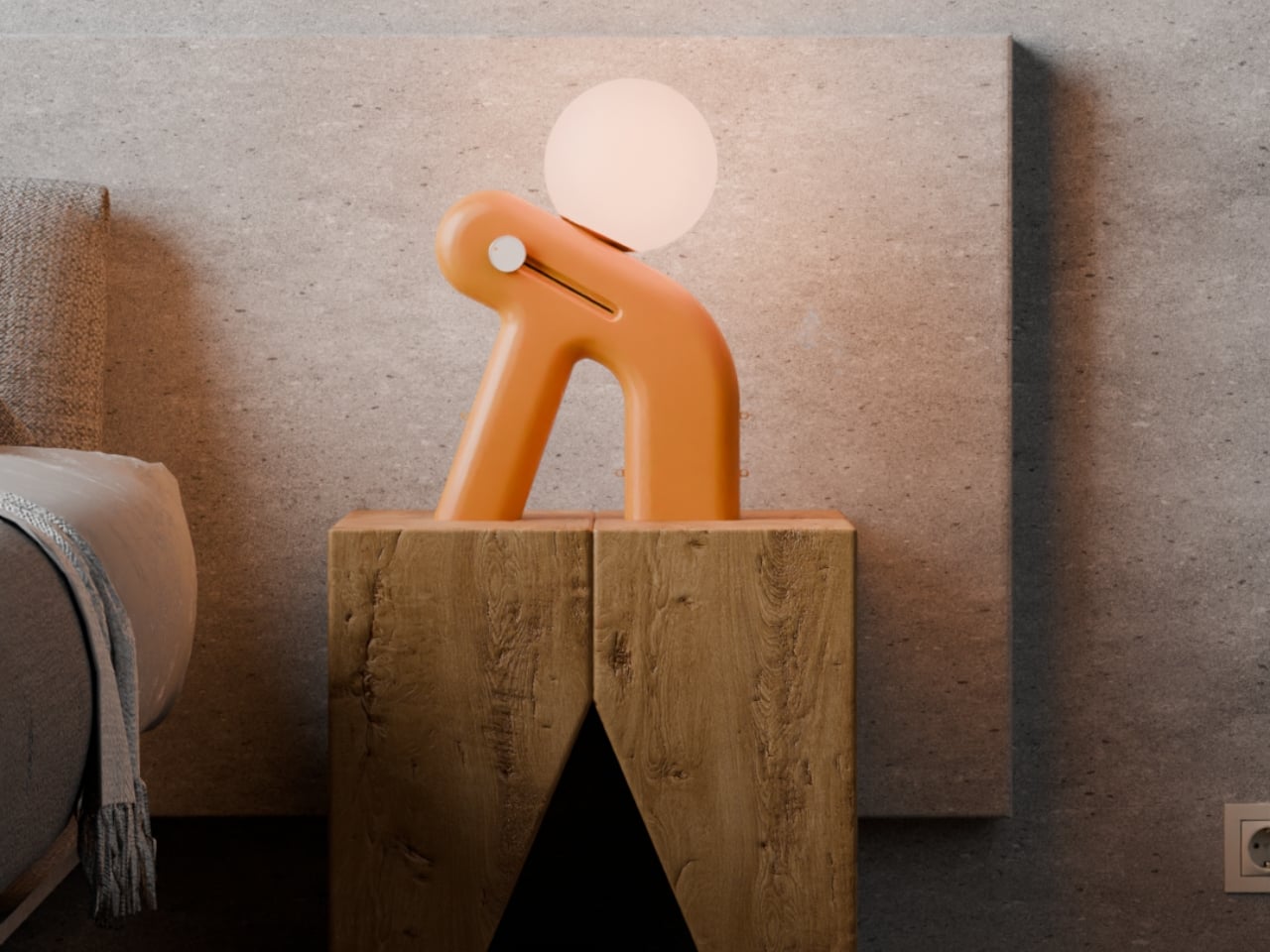
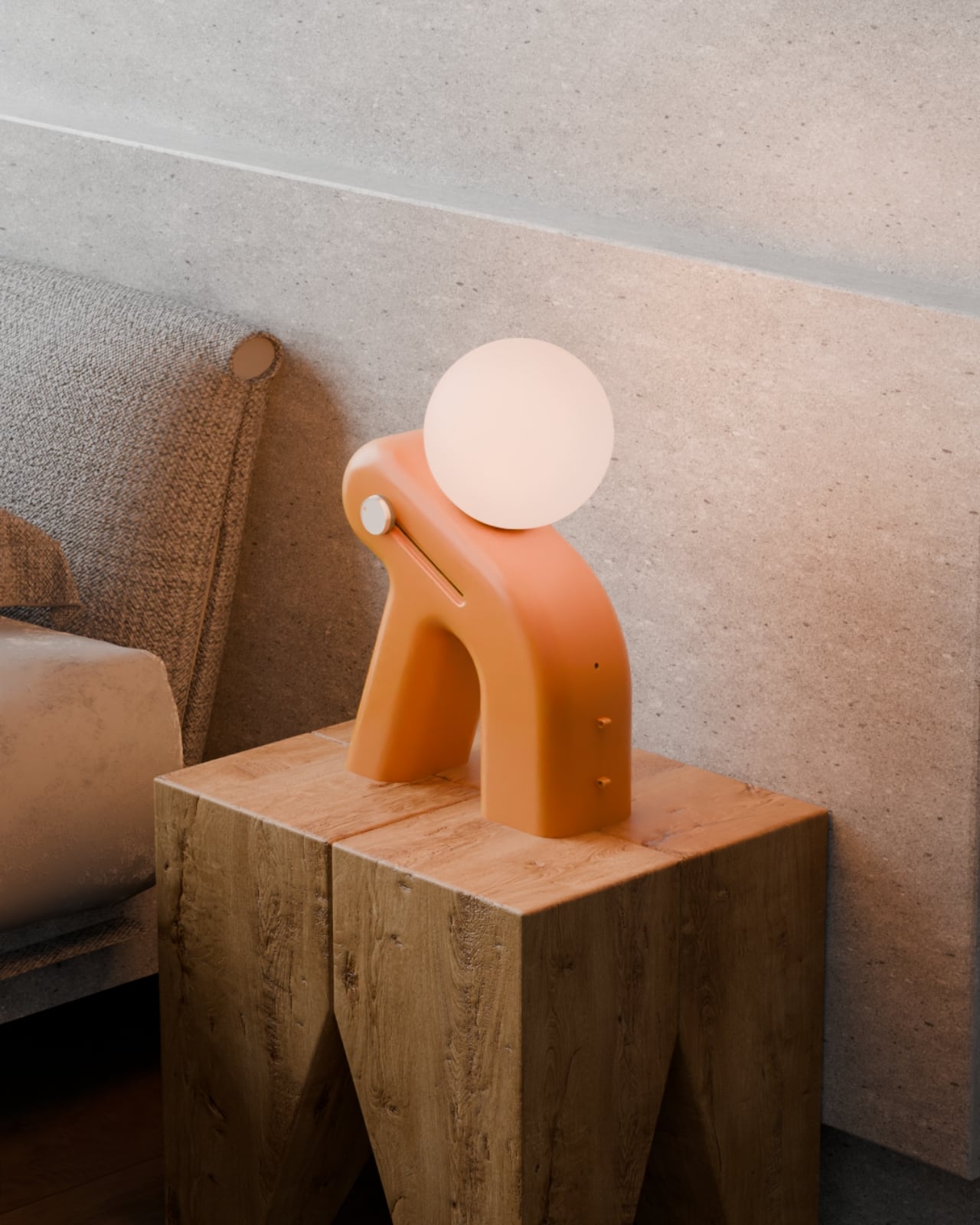
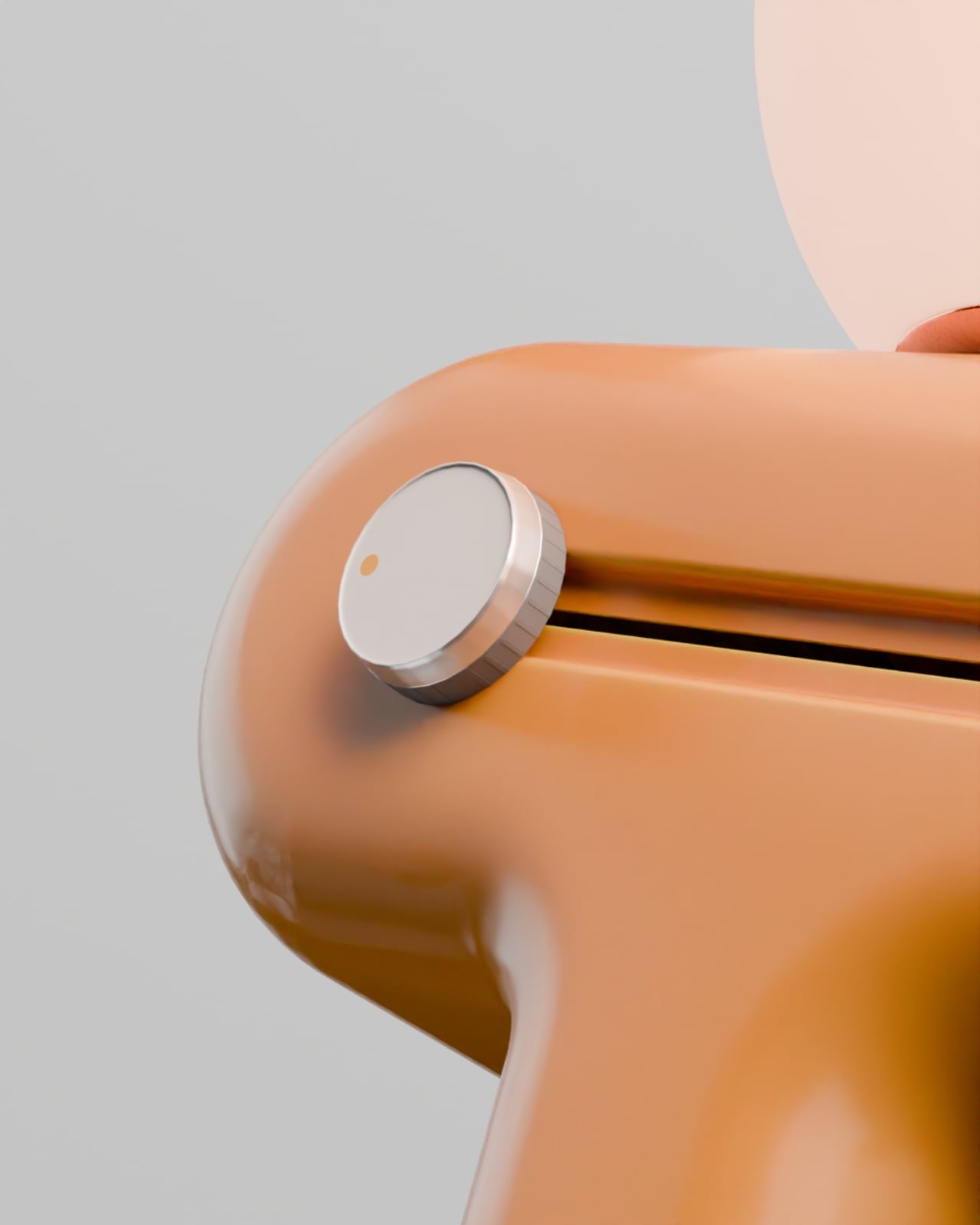
Enter Lunora, a sleep aid device designed by Prithvi Manoj Bhaskaran that’s honestly unlike anything you’ve seen on your bedside table. At first glance, it looks like a little sculptural figure taking a much-needed rest, complete with a glowing orb balanced on its back. That gentle lean, those smooth curves, it all feels intentional in the best way. This isn’t another gadget screaming for your attention. It’s the opposite.
Designer: Prithvi Manoj Bhaskaran
What makes Lunora interesting is how it approaches the whole wind-down process. Instead of tracking your sleep or buzzing you awake, it focuses on helping you actually get there. The device combines three sensory elements: a softly dimming light, gentle aroma diffusion, and low-distraction sound. Think of it as creating a mini sanctuary that guides your body from alert mode to rest mode, without any jarring alarms or bright screens interrupting the vibe.
The way it works is refreshingly simple. You start your routine, and Lunora does its thing. The light gradually dims, signaling to your brain that it’s time to power down. The aroma diffuser releases calming scents that help cut through mental clutter. And the sound component keeps things ambient without being distracting. It’s all about repetition and ritual, the kind of stuff our bodies actually respond to when we give them a chance.
For anyone juggling late-night study sessions or those particularly brutal stress-heavy days, this kind of product makes a lot of sense. You’re not adding another task to your routine or forcing yourself to follow some complicated sleep protocol. You just let Lunora do the heavy lifting while you focus on actually relaxing. It’s like having a friend gently remind you that yes, it’s okay to slow down now.
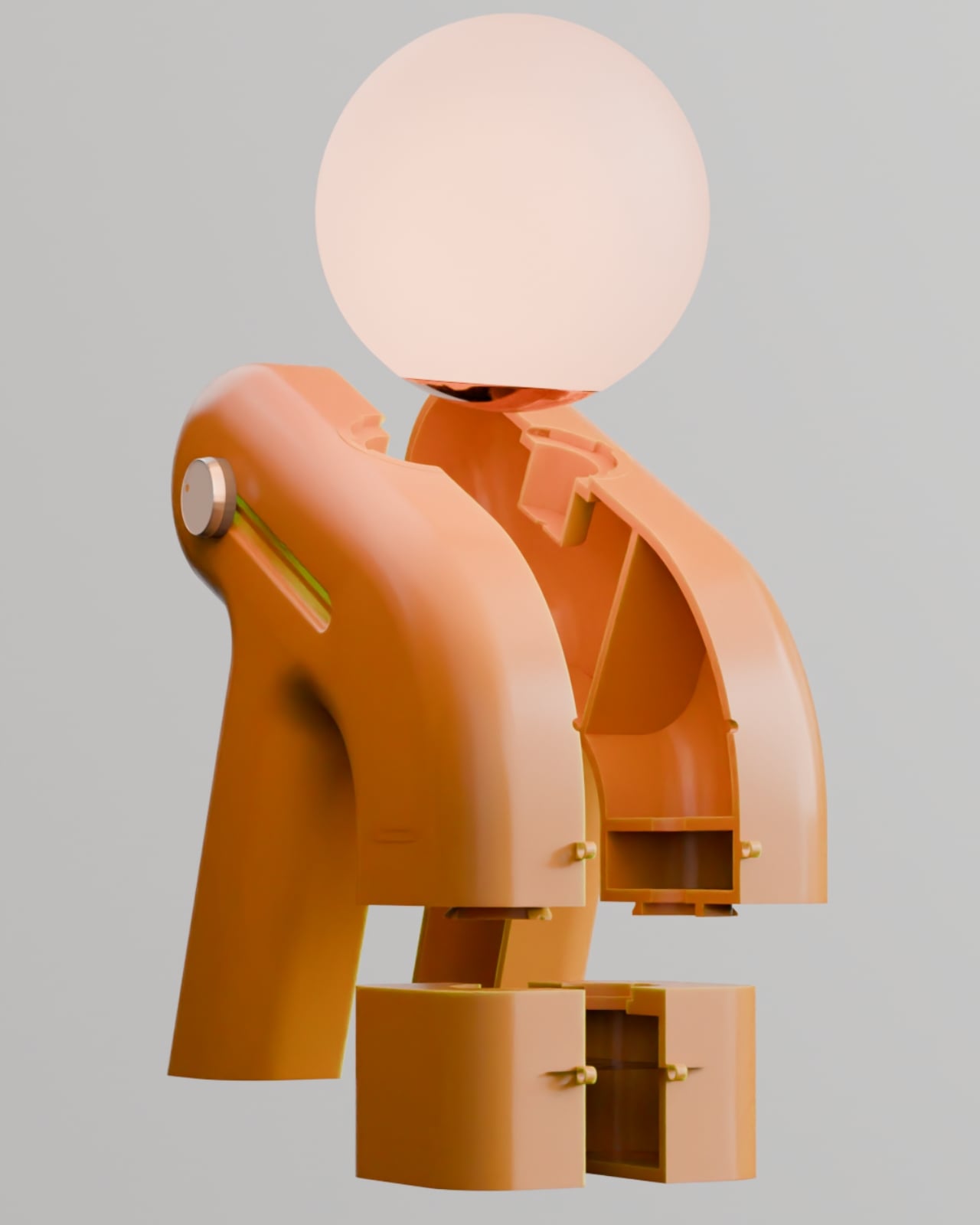
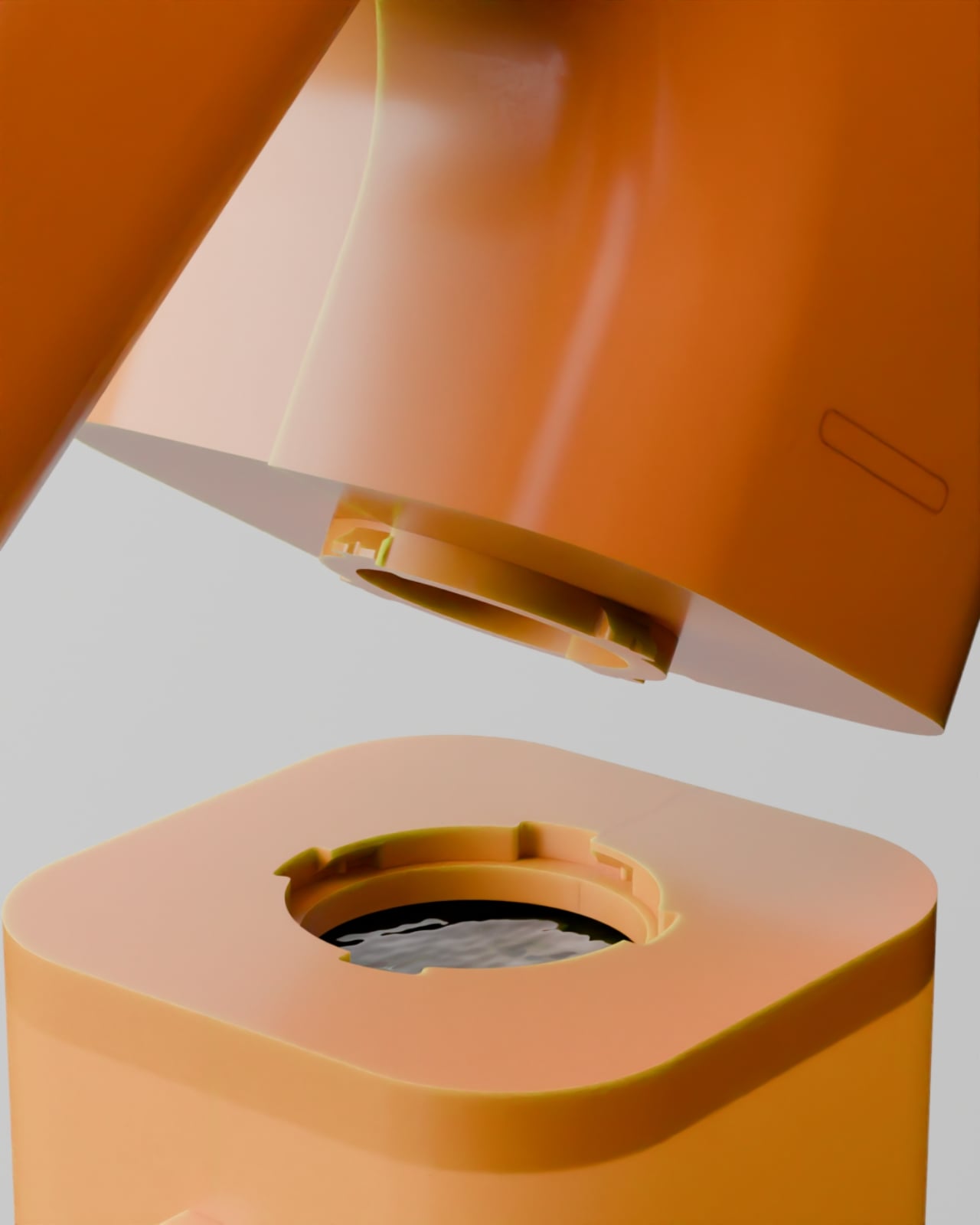
But here’s where the design really shines. That leaning posture isn’t just for show. It creates this almost human-like presence that feels comforting rather than clinical. The warm terracotta color and those organic curves make it look more like a piece of art than a piece of technology. You could absolutely see this sitting in a carefully curated room on Instagram, but it’s also genuinely functional. The glowing orb on top doubles as the light source, while the body houses the aroma diffuser, visible in those beautifully detailed close-ups.
There’s something refreshing about a product that doesn’t promise to hack your sleep or optimize your REM cycles. Lunora just wants to help you unwind at your own pace. No data tracking, no app notifications, no performance anxiety about whether you’re sleeping correctly. It’s tech that knows when to step back and let you be human.
In a world where we’re constantly optimizing, tracking, and measuring everything, maybe what we need at the end of the day is something that simply helps us transition. Something that looks friendly, feels calming, and doesn’t demand anything from us except the willingness to slow down. Lunora manages to package all of that into a form that’s both sculptural and functional, the kind of design that makes you stop and appreciate the thoughtfulness behind it.
Whether you’re a design enthusiast who appreciates objects with personality, a tech lover curious about ambient devices, or just someone tired of staring at the ceiling at night, Lunora offers something different. It’s a reminder that good design doesn’t always have to be complicated. Sometimes it just needs to understand what you need, and then quietly help you get there.
The everyday “what should I wear today?” moment has gotten more complicated by online shopping. You can scroll endless outfits, but a screen cannot show how something fits, feels, or plays with what you already own. Ovme is a concept that treats the mirror as a missing link between your closet, your feed, and your actual body, closing the gap between seeing and knowing.
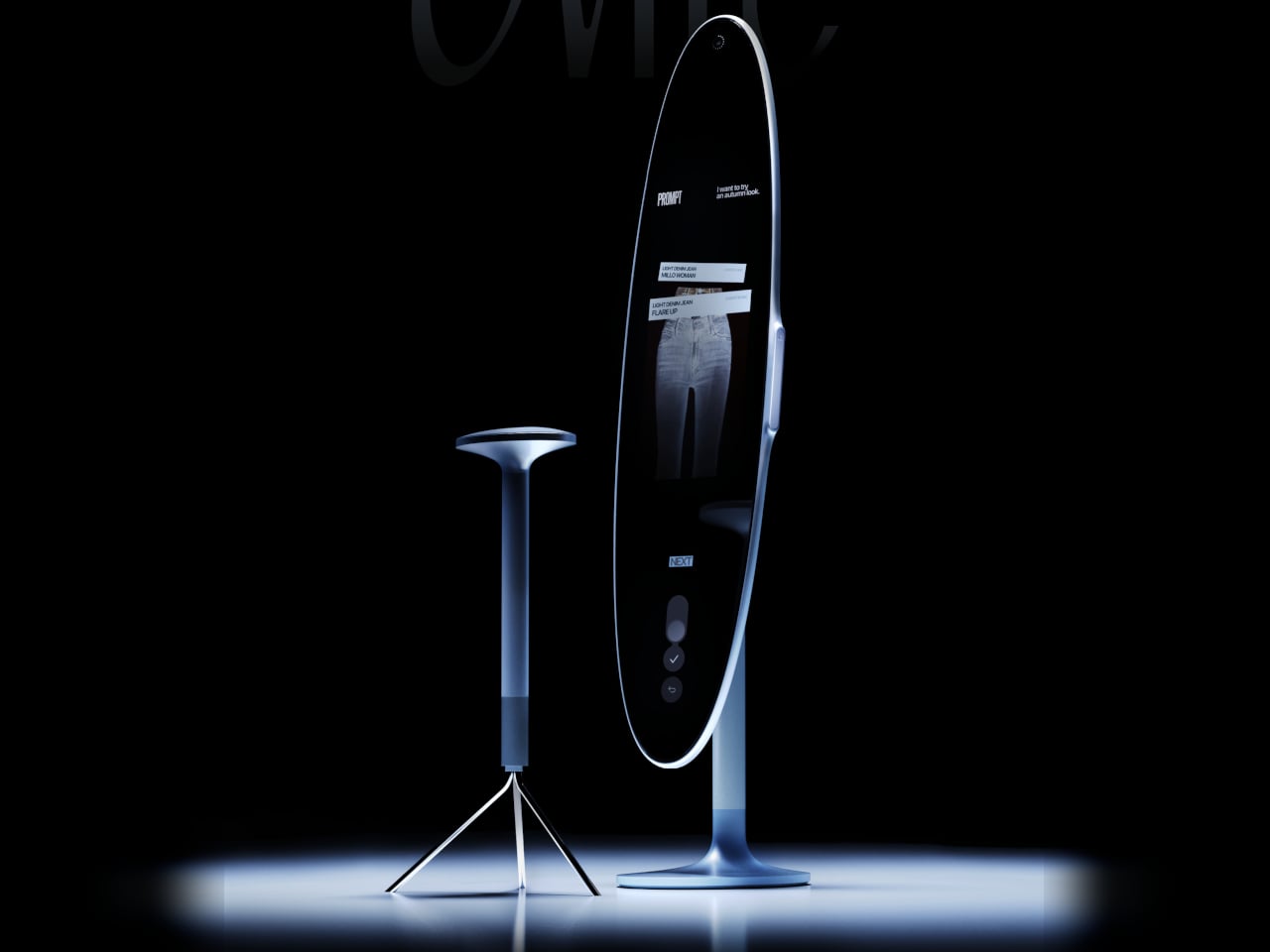
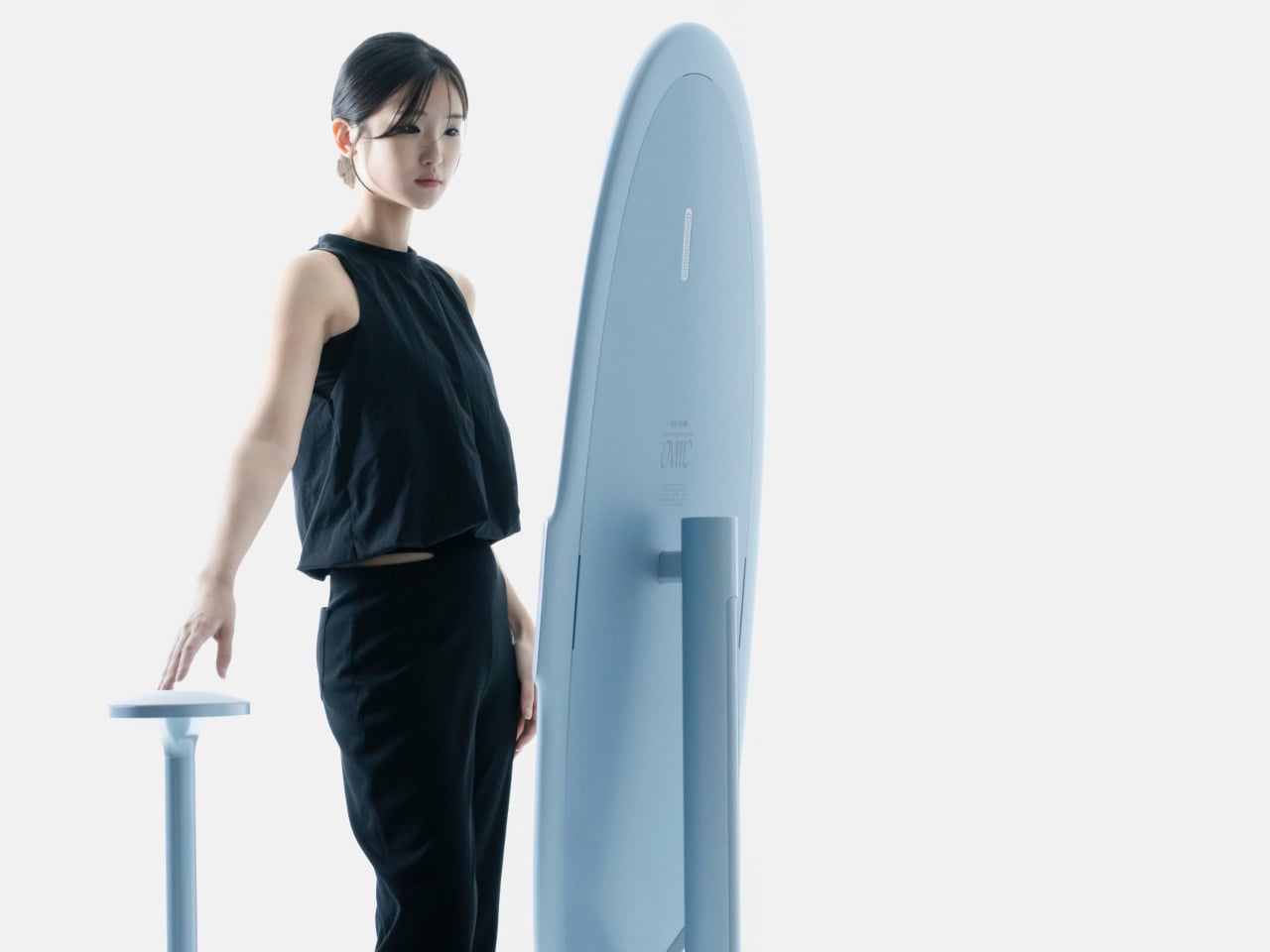
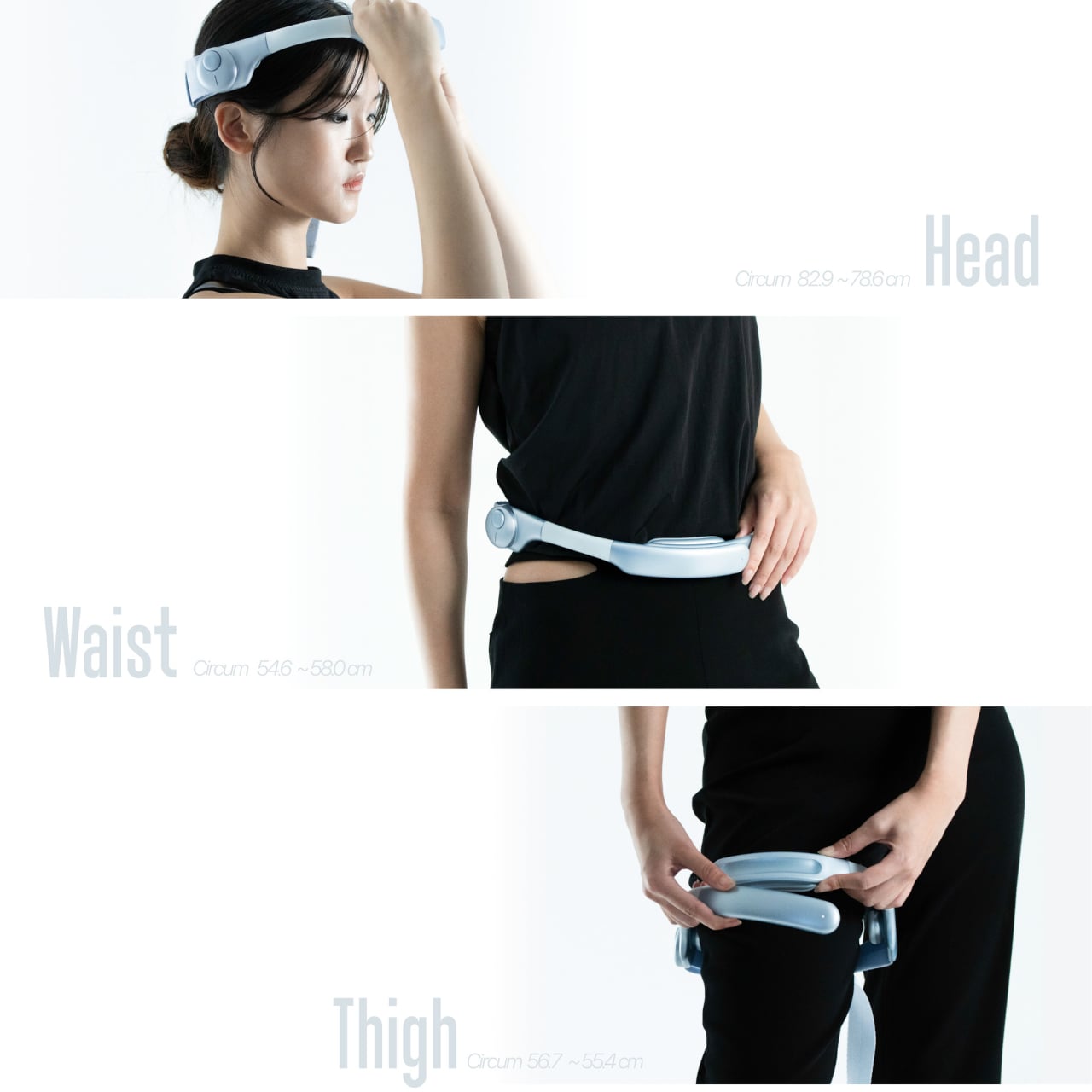
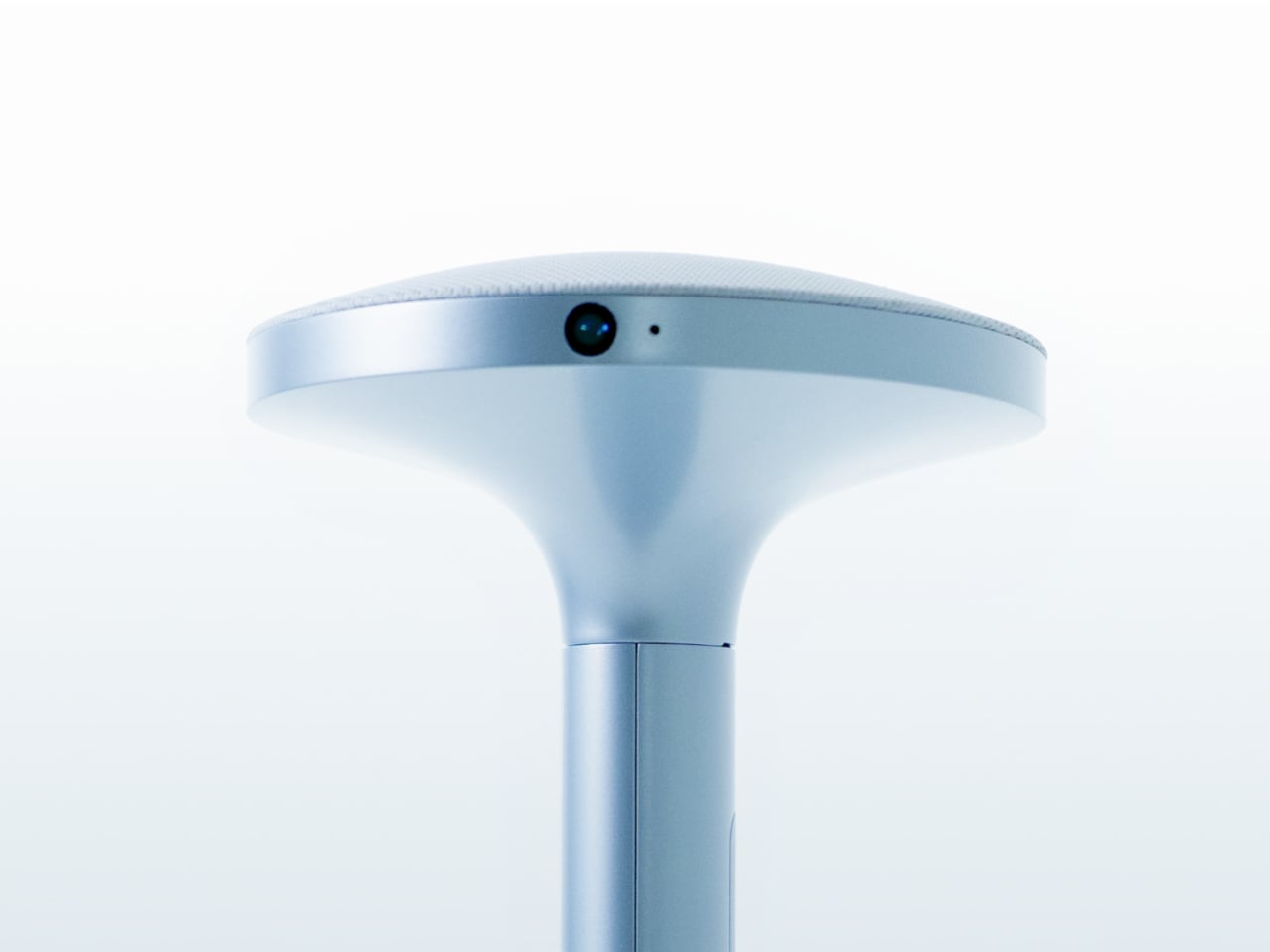
Ovme is an AR smart mirror ecosystem built around three objects: a full-height mirror, a sensor-laden fitting belt, and a haptic tactile table, plus a companion app. The name stands for “Own version of me,” and the system is designed to help you find new styles, feel how they fit, and touch virtual fabrics before you ever click buy or open your wallet.
Designers: Daun Park, Seyeon Park, Chawon So, Yewon Shim, Yejin Hong
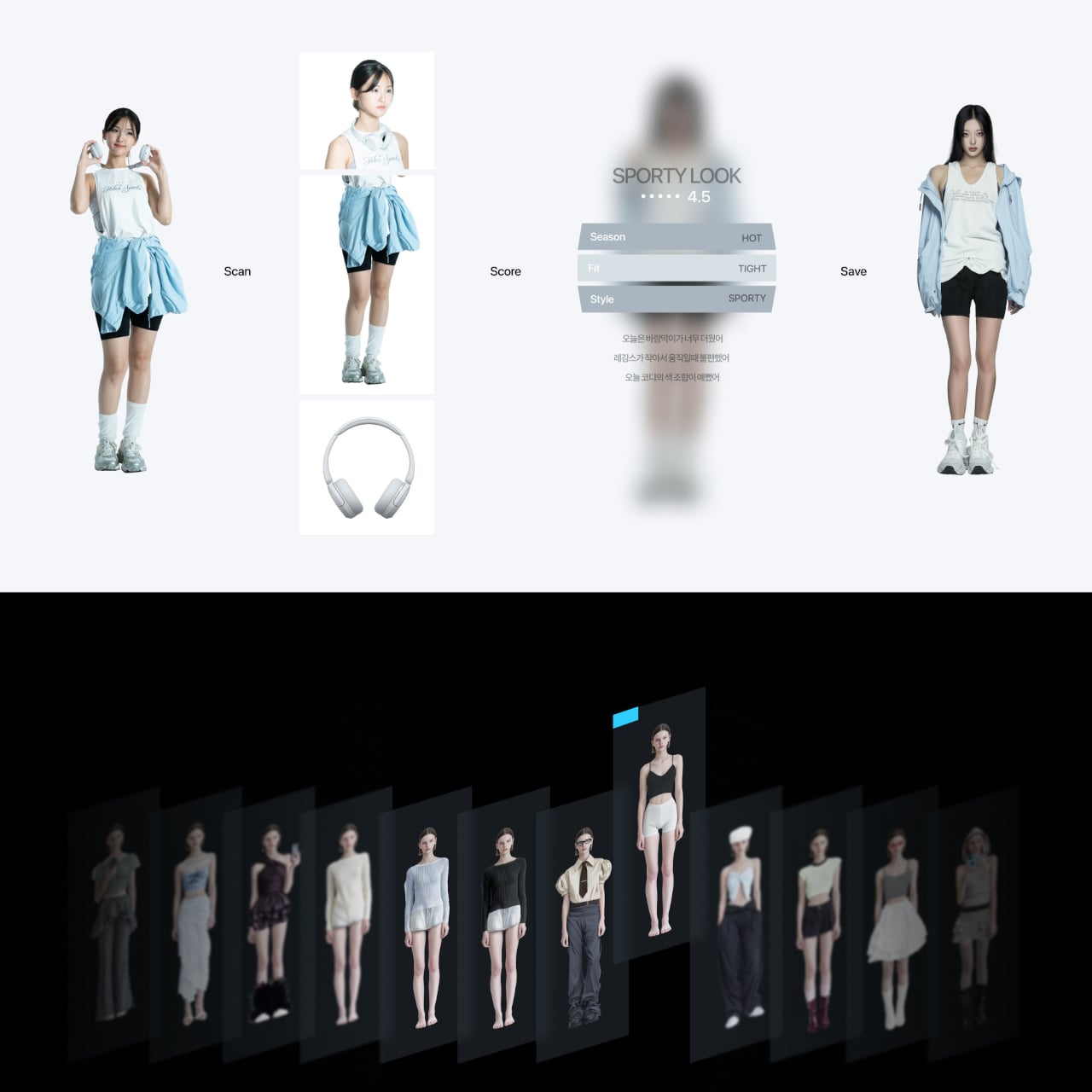
The mirror acts like a personal stylist, overlaying outfits on your reflection and pulling from three sources: new looks, your existing wardrobe, and reference images you feed it. You can swipe through categories like formal, sporty, or feminine, and see complete outfits assembled around your silhouette, then save the ones that feel right into a virtual closet for later when you need inspiration or want to revisit.
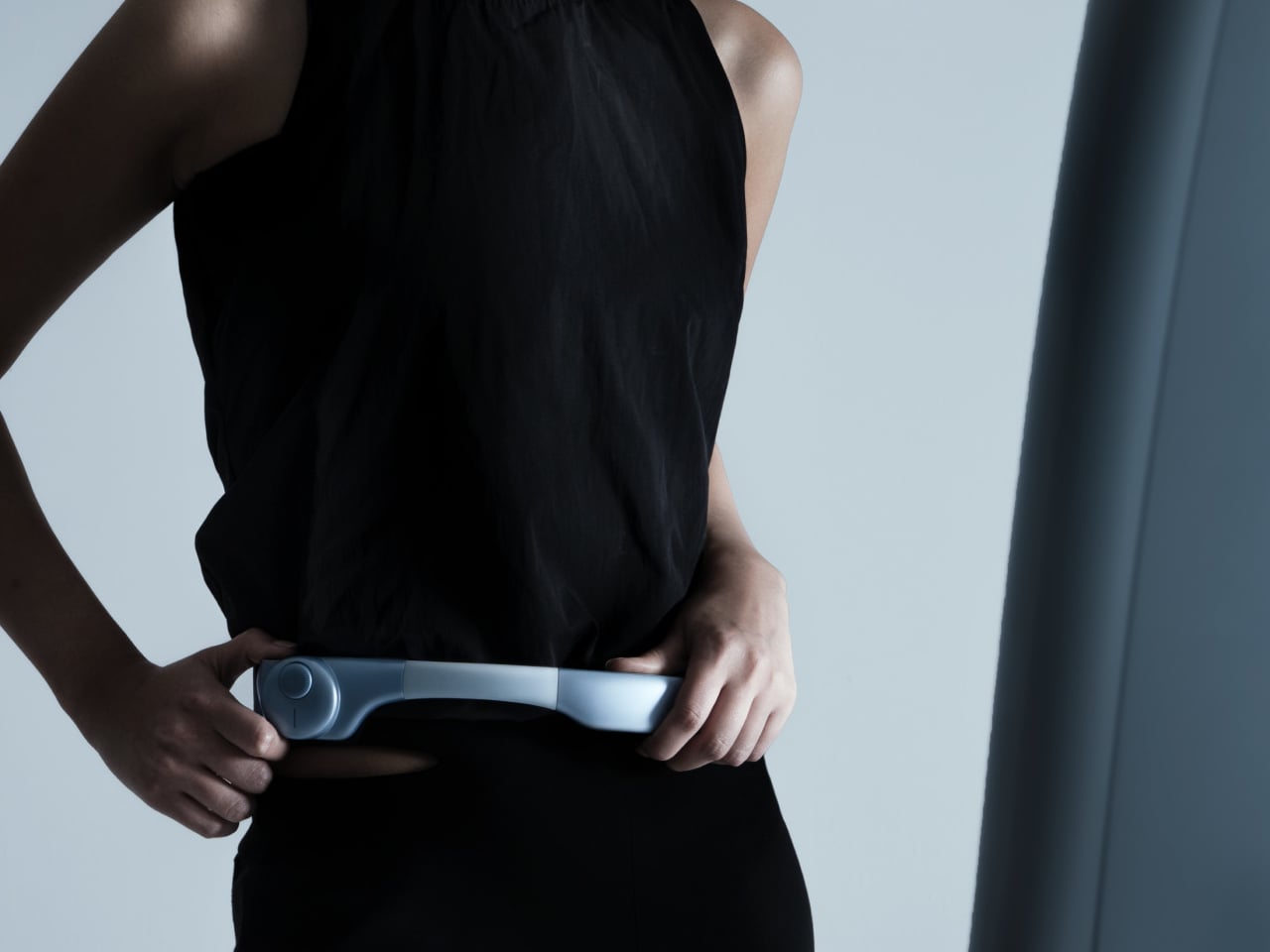
The fitting belt is a flexible band with sensors that can wrap around your head, waist, or thigh. It measures circumference and applies gentle pressure, tightening or loosening to simulate how a garment would hug or hang on that part of your body. On the mirror, the virtual outfit responds in real time, turning fit from a guess based on size charts into something your body can actually sense.
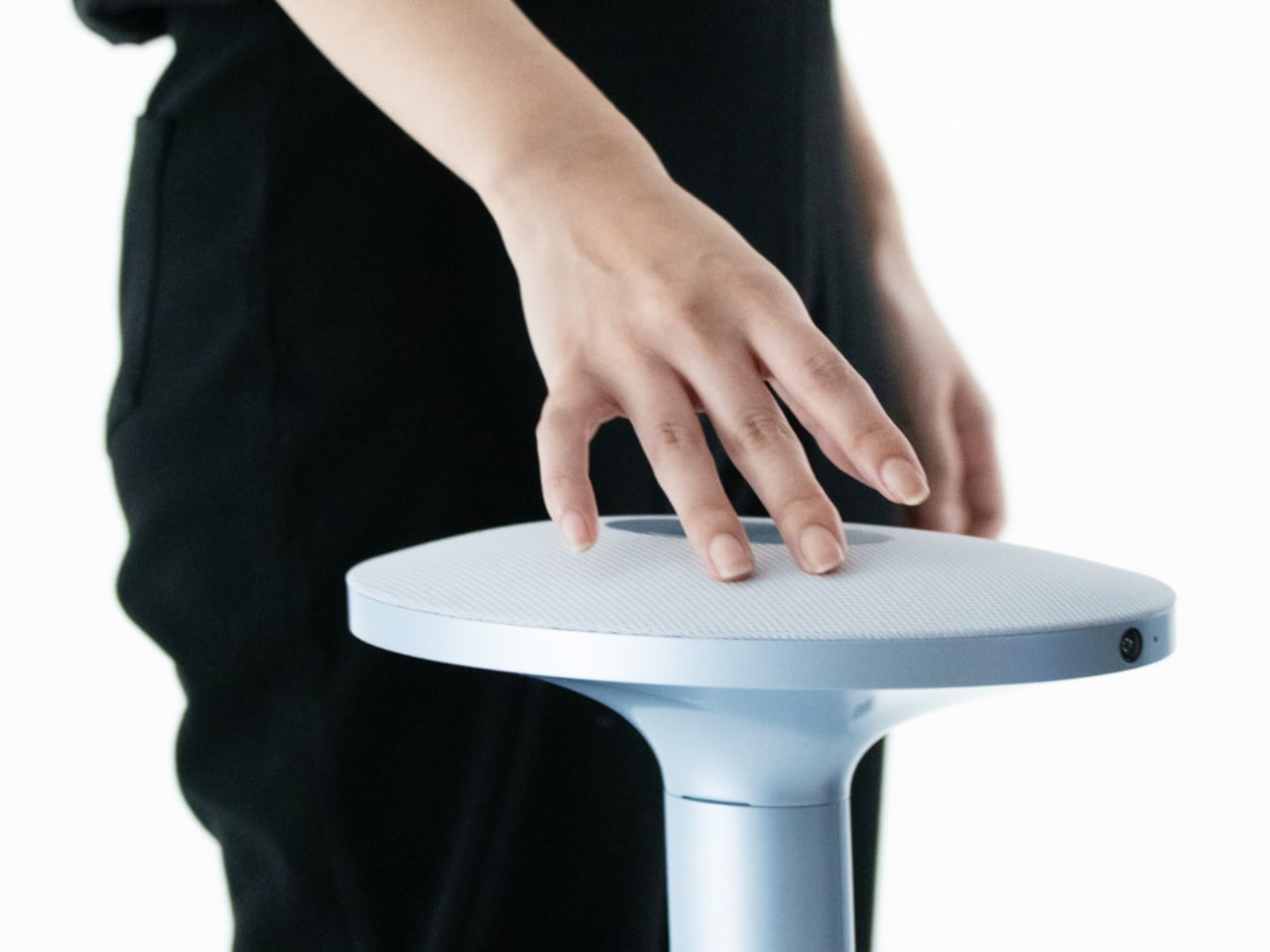
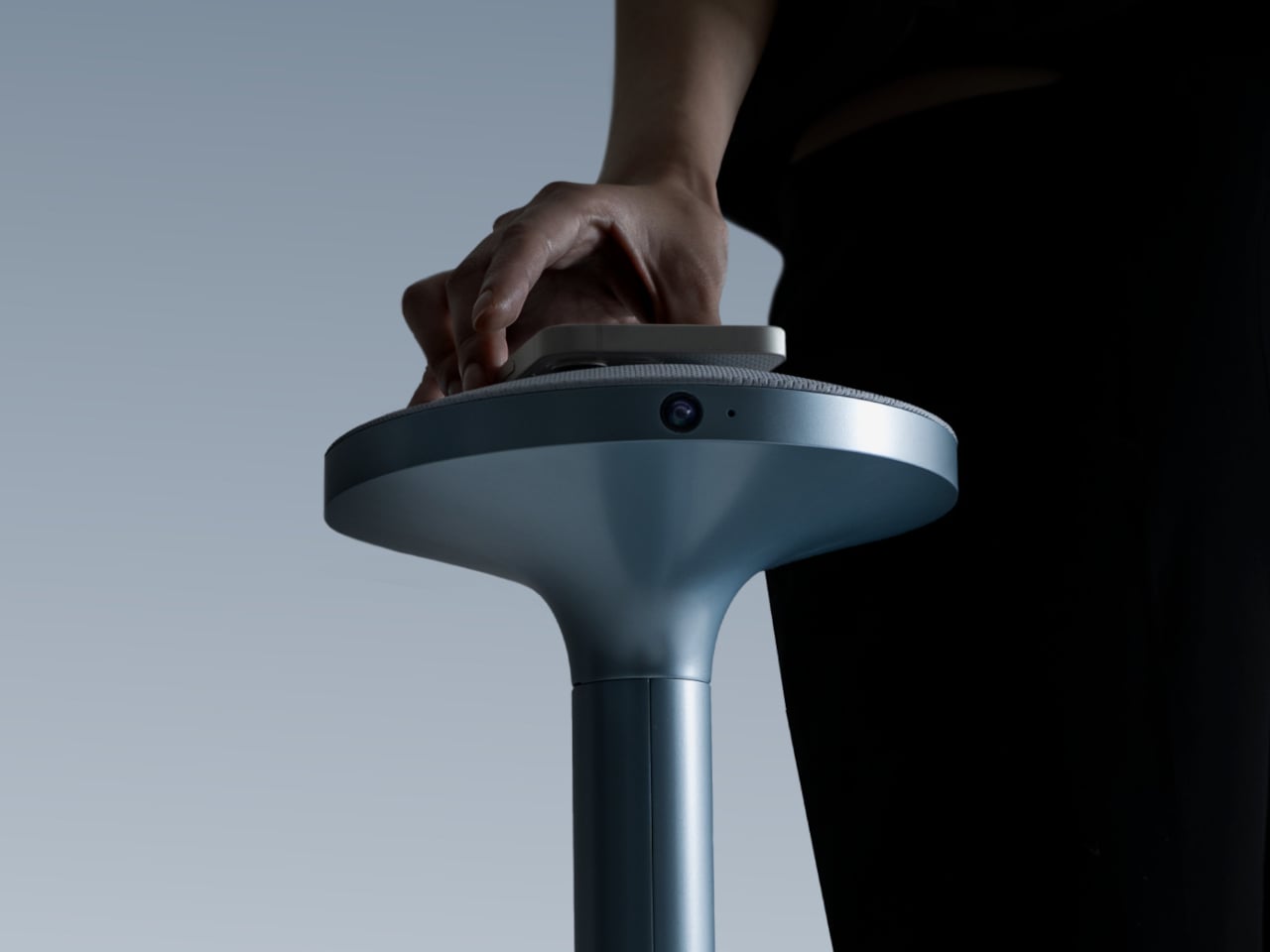
The tactile table is a slim pedestal with a haptic surface that uses electro-tactile feedback to mimic fabric textures. When you place your hand on it, the system can suggest sensations like smooth silk, textured knit, or structured leather in sync with what you see in the mirror. It attempts to close the gap between seeing a material and knowing how it might feel against your skin or draped over your shoulders.
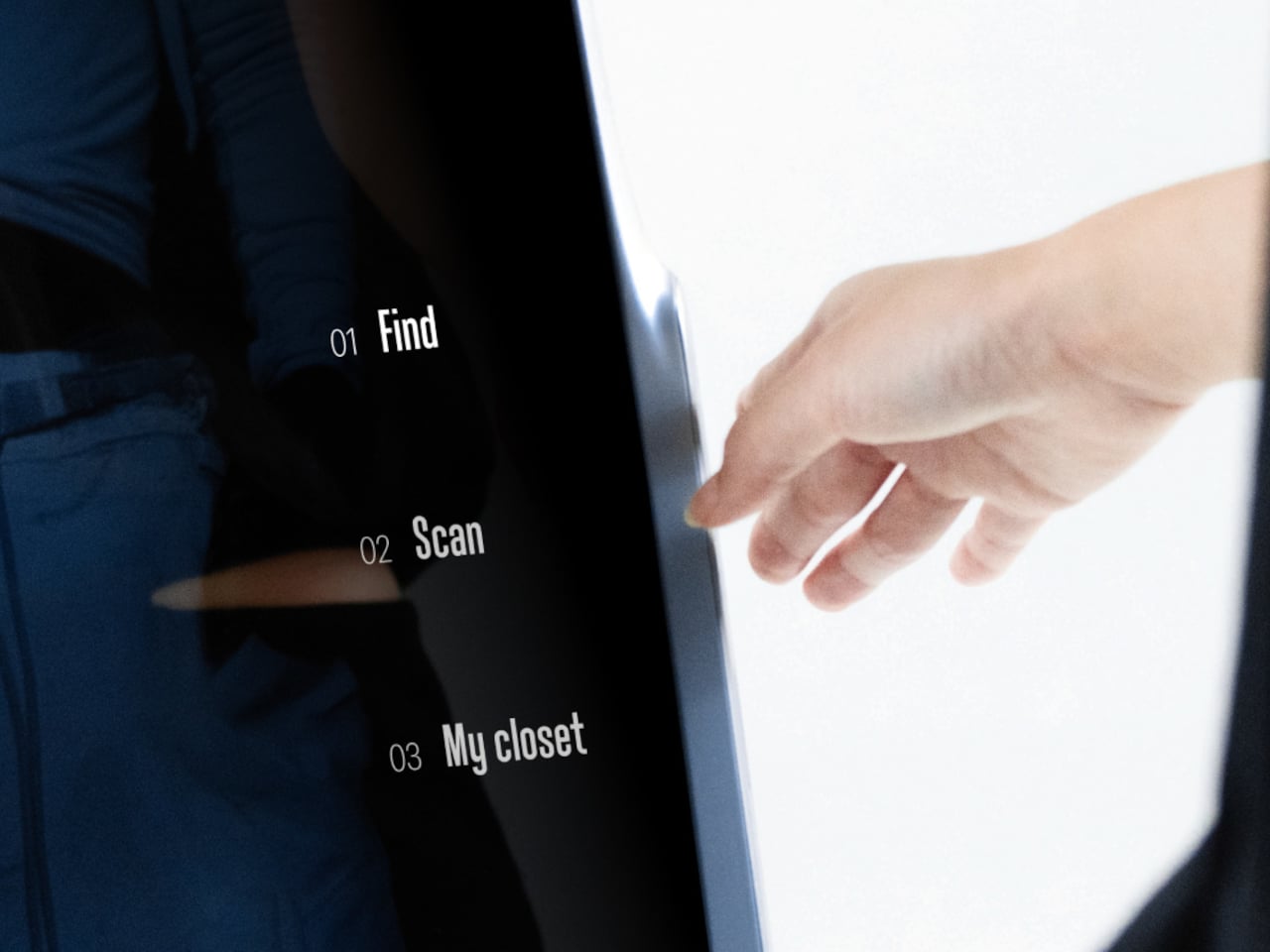
Ovme also acts as a style diary. It can scan what you are wearing today, score the outfit, and save it to a timeline called My Closet, so you can revisit past looks and see patterns in what you actually wear. A social layer called OvUS lets you browse other people’s saved styles and mood boards, turning the mirror into a place to share and borrow ideas rather than stare at yourself alone.
Ovme treats getting dressed as an ongoing design process, not a daily panic, and uses AR, haptics, and sensing to give online fashion some of the feedback loops of a real fitting room. Whether or not this exact hardware ever ships, the idea of a home mirror that helps you experiment, feel, and remember your style captures a direction that deserves attention, especially as wardrobes become more scattered across platforms and shopping becomes more remote.
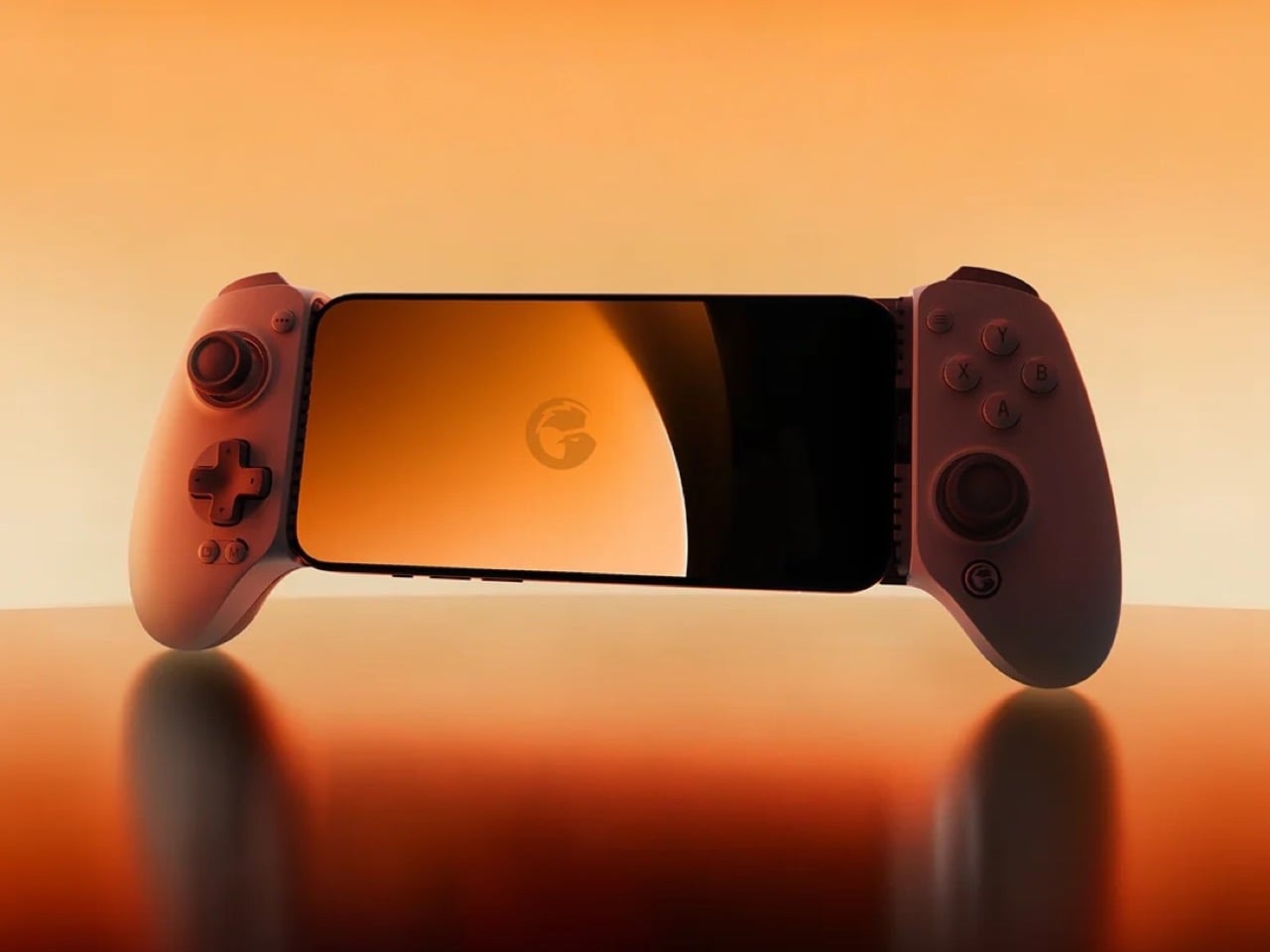
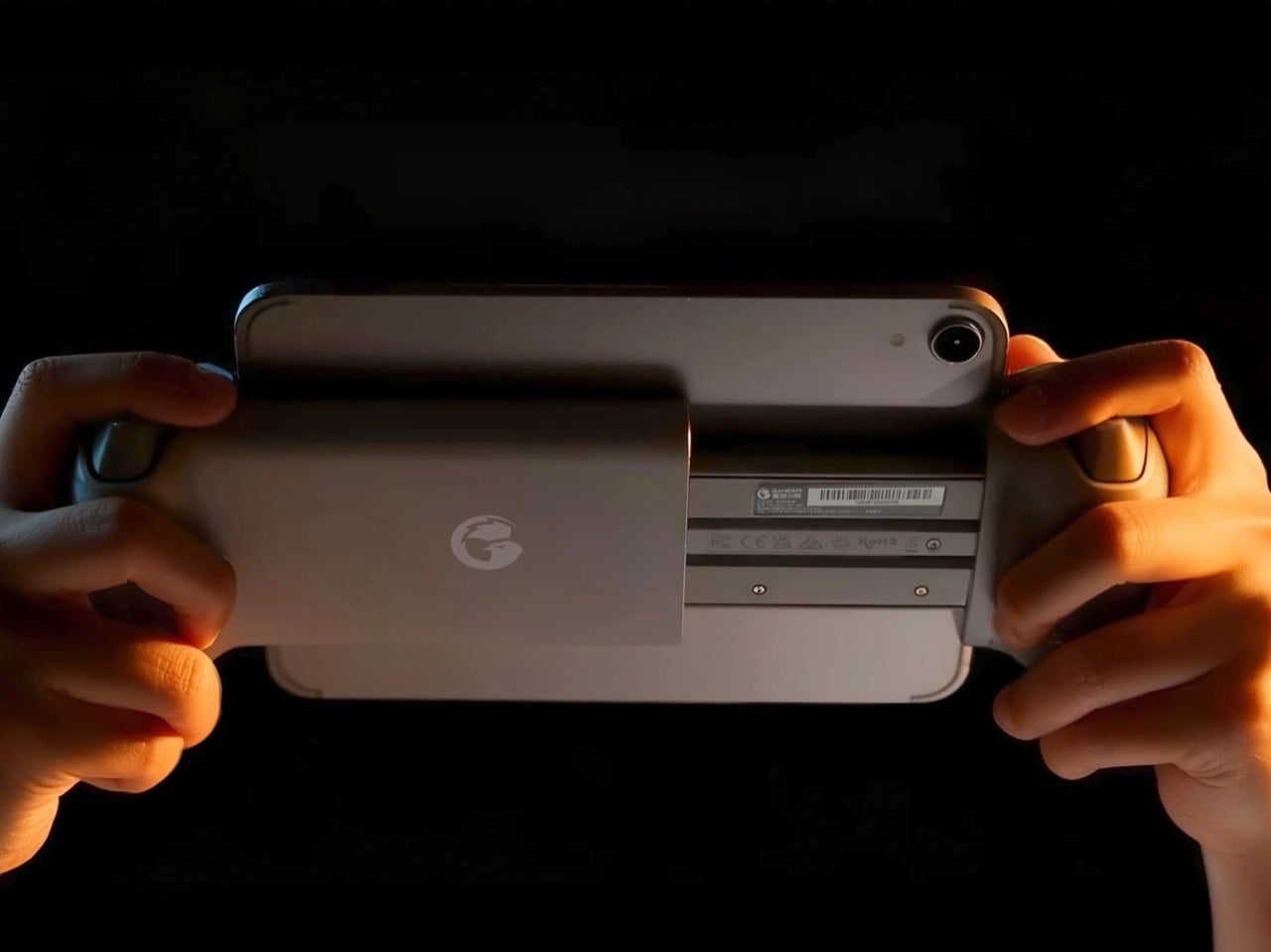
Backbone has enjoyed relatively comfortable dominance in the iPhone controller market, but GameSir just made things considerably less comfortable. The GameSir G8 Plus MFi arrives as the company’s first MFi-certified product, bringing proven gaming hardware expertise to Apple’s ecosystem at an aggressive $79.99 price point. This puts GameSir $20 below the established market leader while matching many of its core features. The competitive landscape matters here because Backbone now faces much stronger competition from companies like GameSir, Gamevice, and Razer, making its premium positioning harder to justify. GameSir counters Backbone’s sleek design and app integration with Hall Effect technology, customizable faceplates, and dual back buttons. The G8 Plus MFi also supports both iOS and compact Android devices, offering flexibility that pure iPhone-focused controllers cannot match.
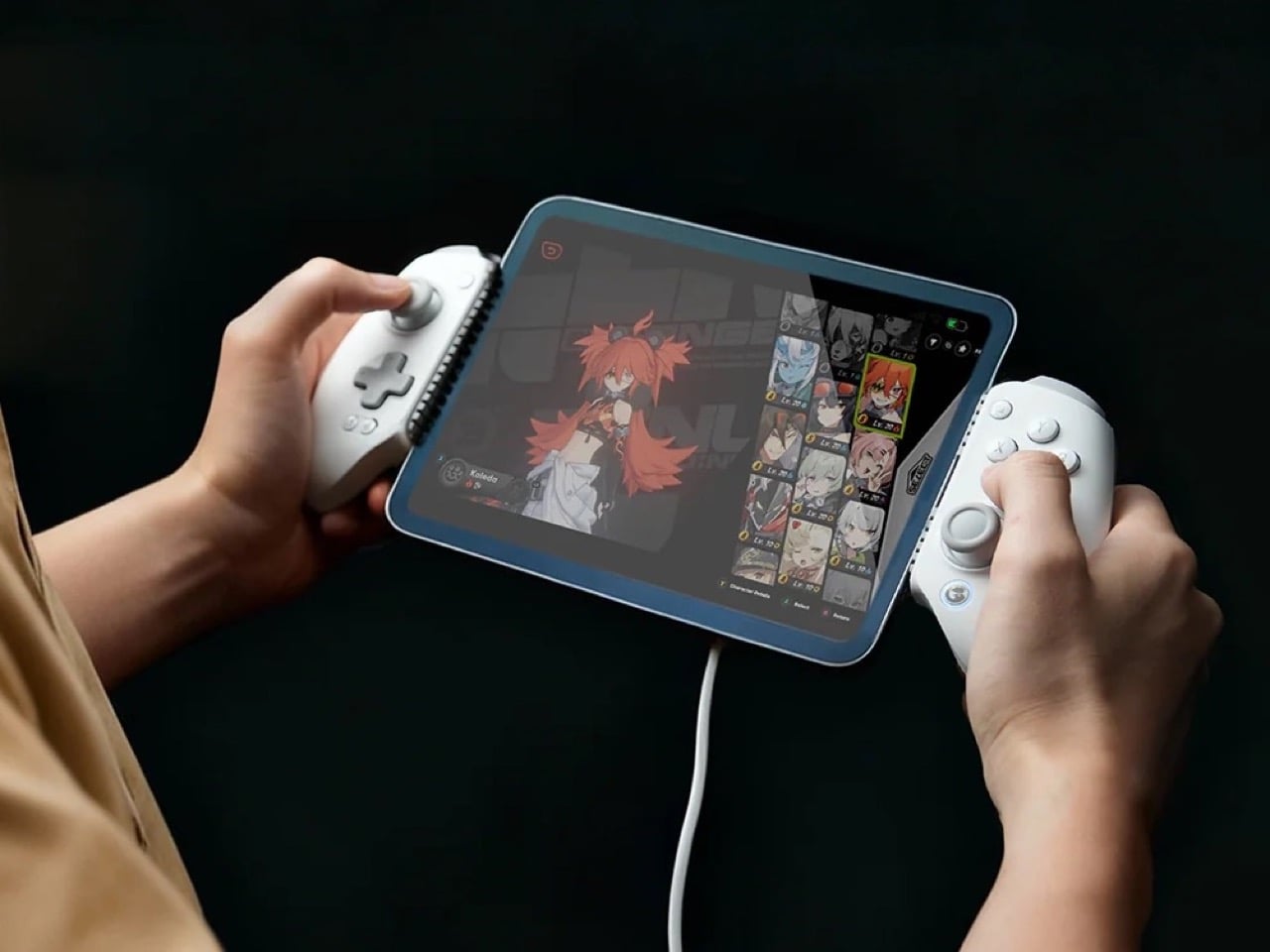
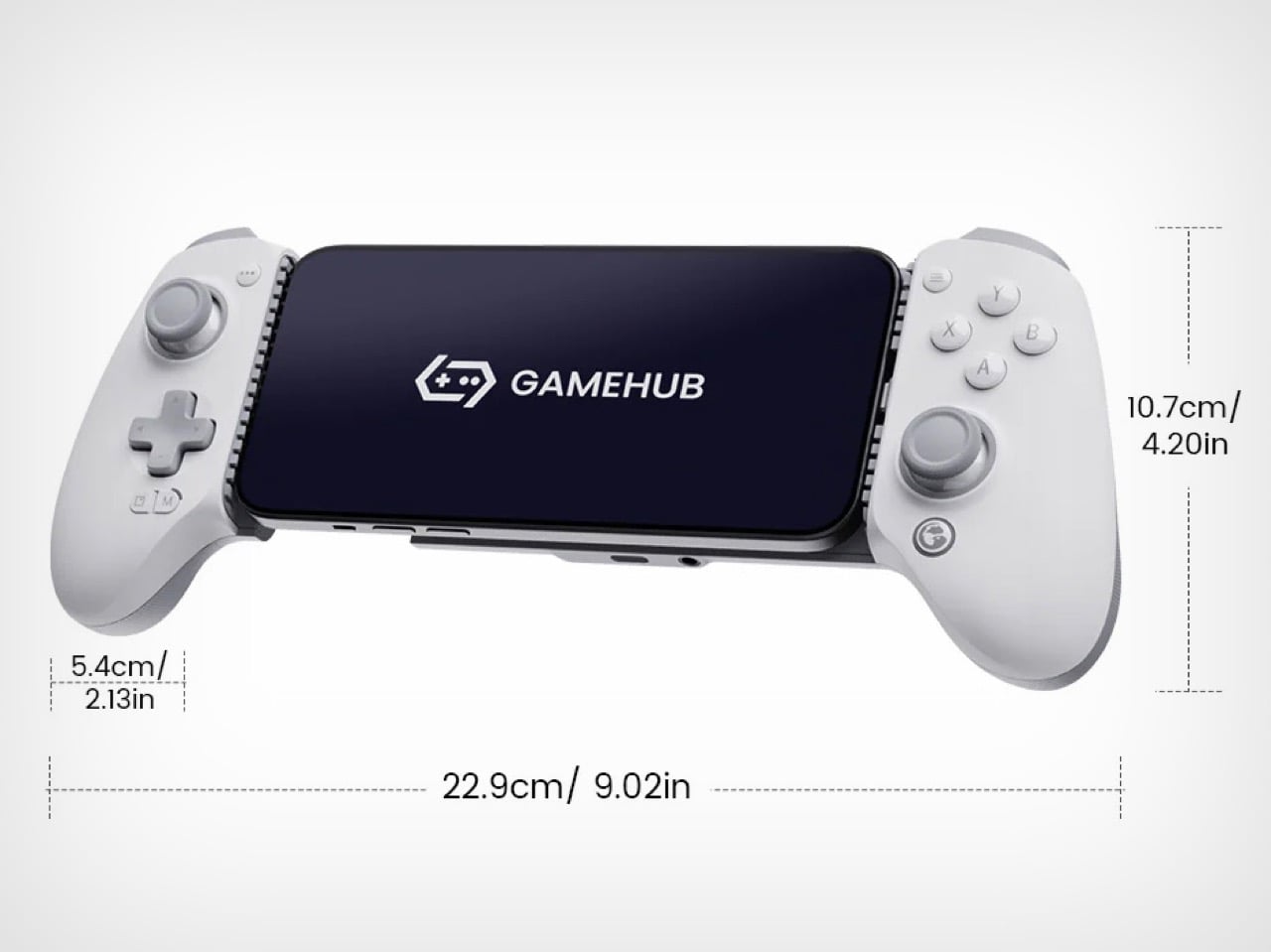
GameSir finally secured MFi certification, which means reliable performance and stable connectivity across iOS devices without the usual third-party controller jank. The company built its reputation on solid hardware, particularly with controllers like the standard G8 Plus that launched earlier this year with Bluetooth and battery support. This MFi version strips out both the battery and wireless connectivity to meet Apple’s specifications and hit that $79.99 price point. You’re getting a wired-only experience through a movable USB-C port, but the tradeoff includes pass-through charging so your phone doesn’t die mid-session. The telescopic design stretches to accommodate devices up to 215mm, which covers everything from standard iPhones to the iPad Mini, giving you way more versatility than you’d expect from a phone controller.
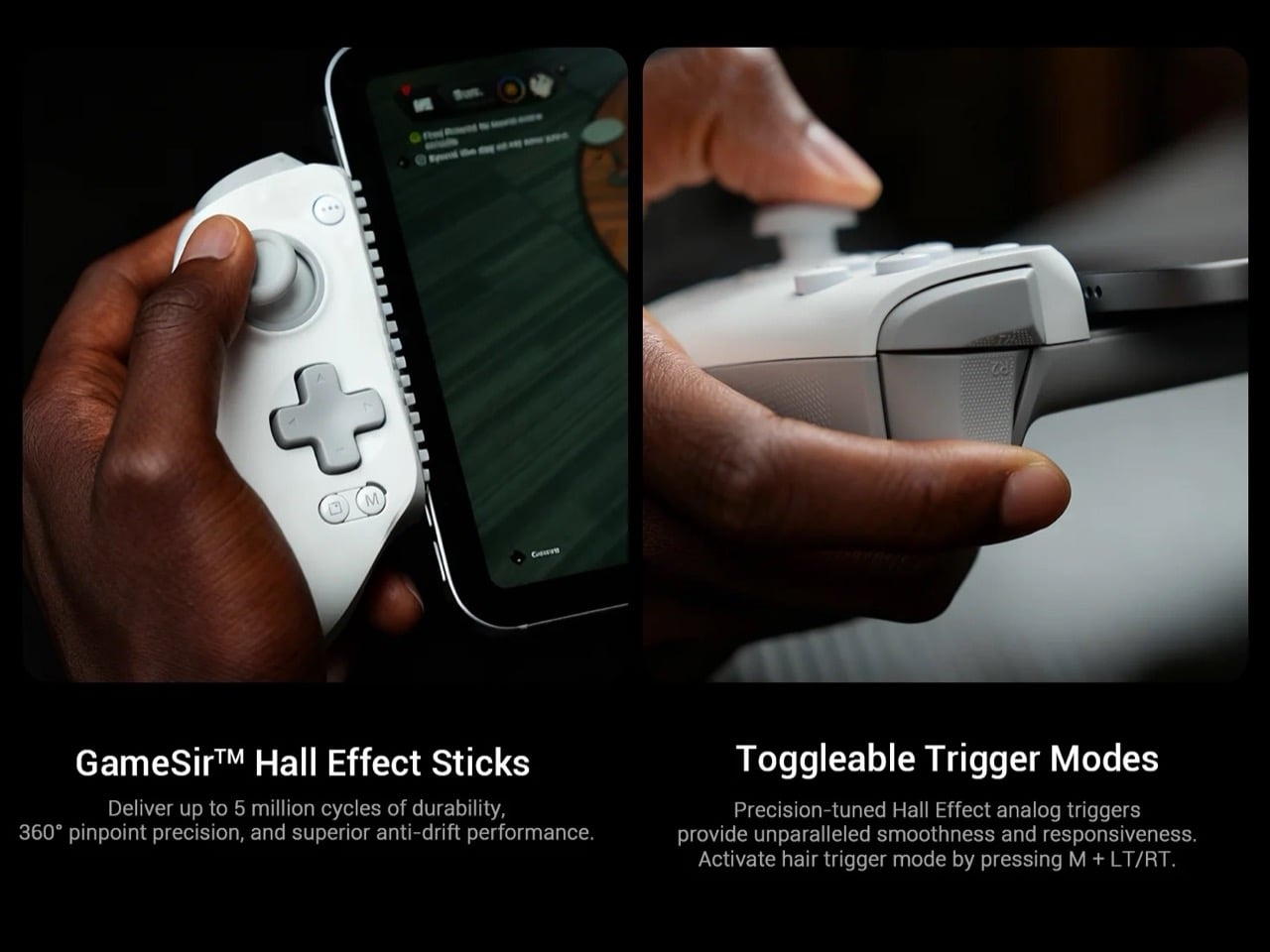
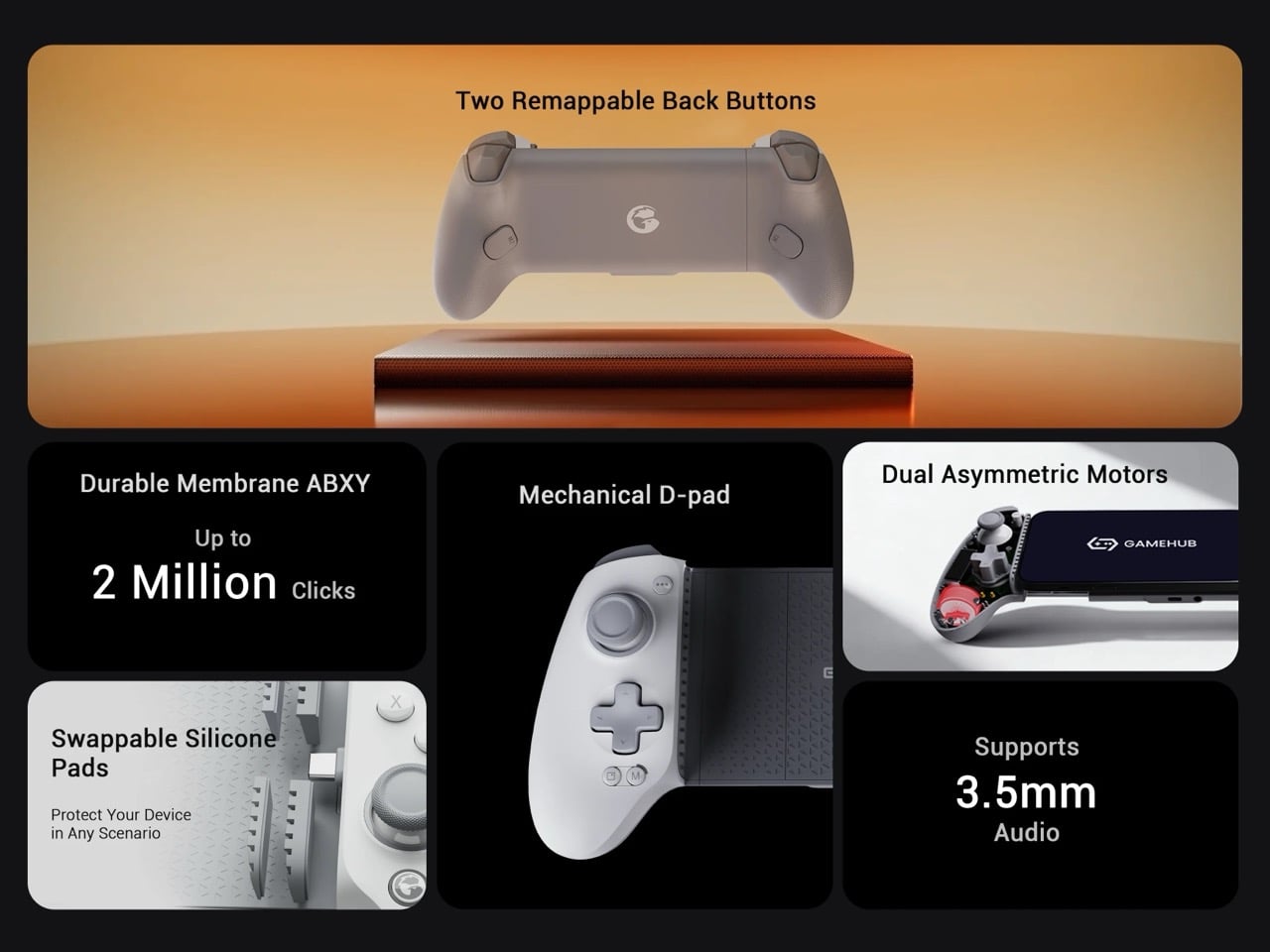
Hall Effect sensors in both the thumbsticks and analog triggers eliminate stick drift, which remains a persistent problem even in premium controllers. The mechanical D-pad provides tactile feedback that membrane alternatives can’t match, though the ABXY buttons use membrane technology to keep costs reasonable. Two programmable back buttons sit on laser-engraved grips, and the entire controller works with the GameSir app for customization. The detachable magnetic faceplate lets you swap thumbstick positions and rearrange the ABXY layout, something Backbone doesn’t offer at any price point. There’s also a 3.5mm audio jack for wired headphones, which matters more than you’d think when Bluetooth audio introduces latency in competitive games. GameSir clearly spent their engineering budget on components that affect gameplay rather than feature bloat.
No gyroscope means games that rely on motion controls won’t work properly, which eliminates a chunk of the iOS gaming library. The wired-only design lacks the flexibility of Backbone’s newer Pro model with its 40-hour battery and Bluetooth connectivity. GameSir’s app exists but doesn’t approach the polish or social features of Backbone’s ecosystem, which has become a genuine differentiator for the brand. Backbone built a game launcher, social platform, and recording hub that transforms the controller from a peripheral into a gaming experience. GameSir offers button remapping and firmware updates, which covers the basics but won’t replace your need for separate apps. You can tell where each company decided to compete and where they chose to concede ground.
The calculation for buyers comes down to whether Backbone’s ecosystem and brand cachet justify a 25% premium over GameSir’s hardware-focused approach. If you care about launching games from a unified interface, sharing clips with friends, or using your controller as a social hub, Backbone remains the obvious choice despite the higher cost. But if you want Hall Effect reliability, physical customization options, and the ability to use the same controller with both your iPhone and a compact Android tablet without switching devices, GameSir built exactly that product. The G8 Plus MFi proves you can compete with an established market leader by focusing on what actually matters to a specific segment of buyers. Backbone set the standard for mobile controllers on iOS, and now someone finally showed up with enough credibility to make the comparison worthwhile rather than embarrassing.
For audiophiles, nothing gets beyond their love for music and the audio gear they own. The exploration for the best headphone, IEM, or DAC never ends, given there is so much to discover and the different permutations of combining the gear for blissful audio output. This has consequently led to several brands trying to cater to this serious hobby while staying on a budget.
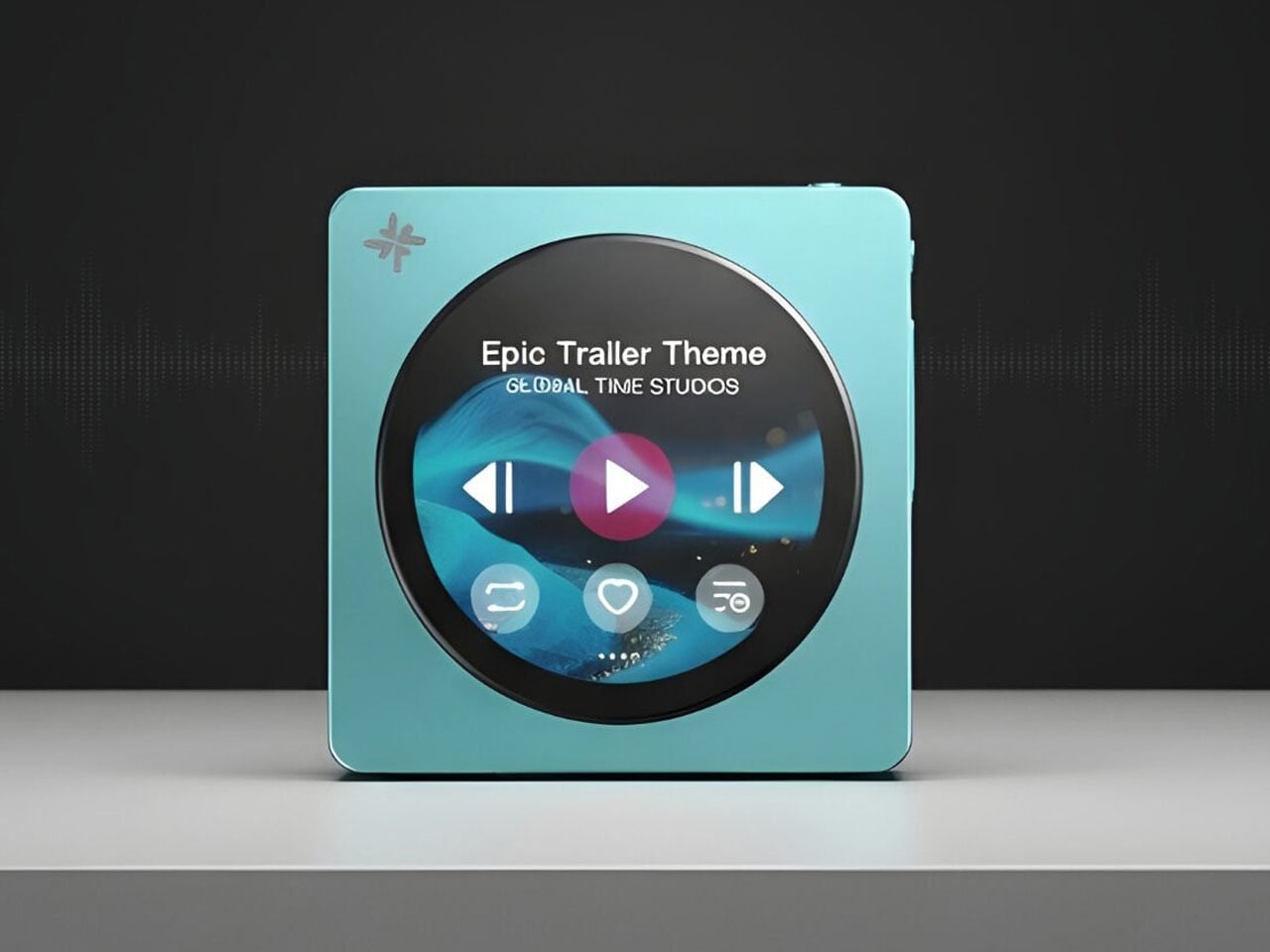
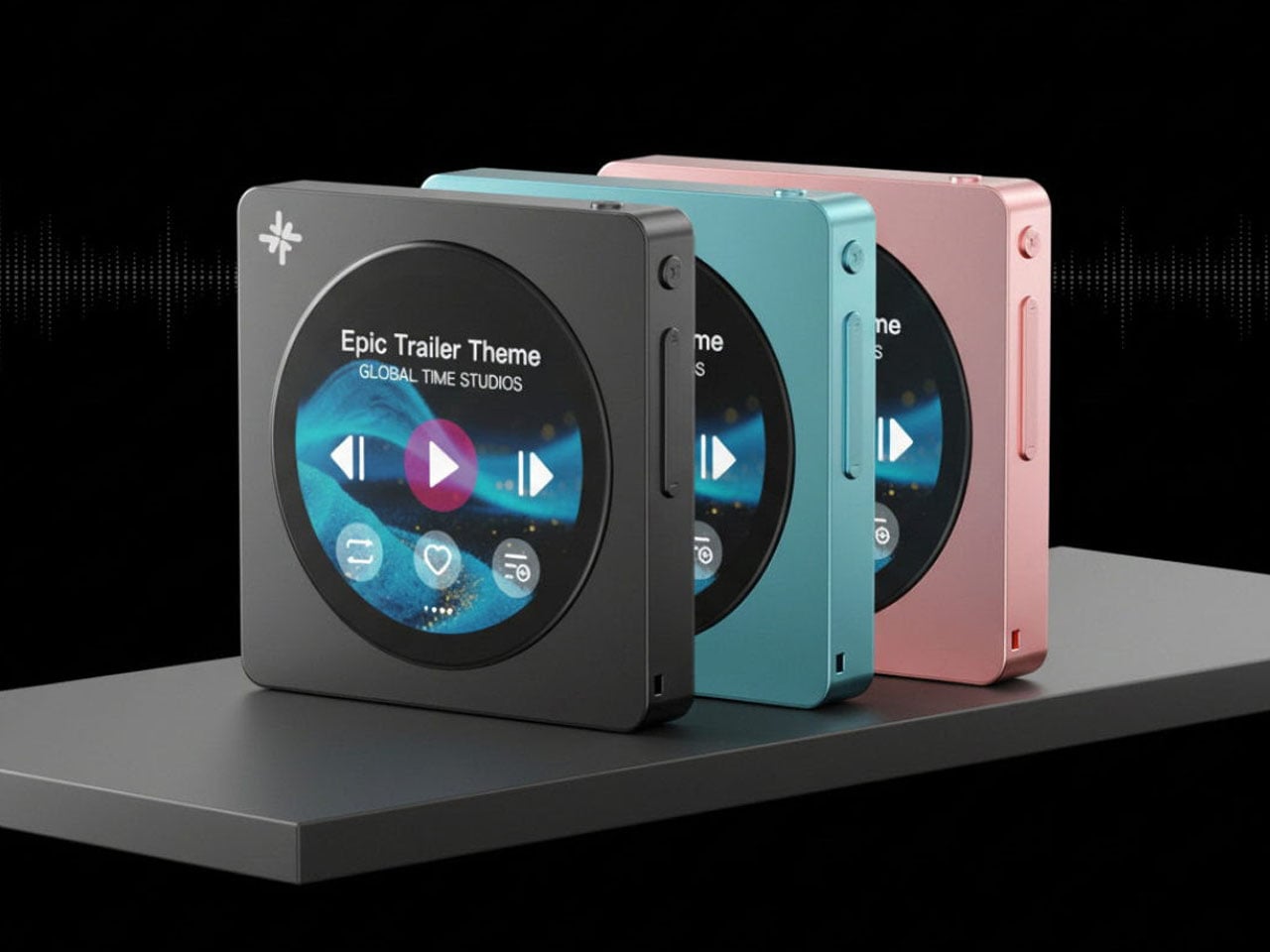
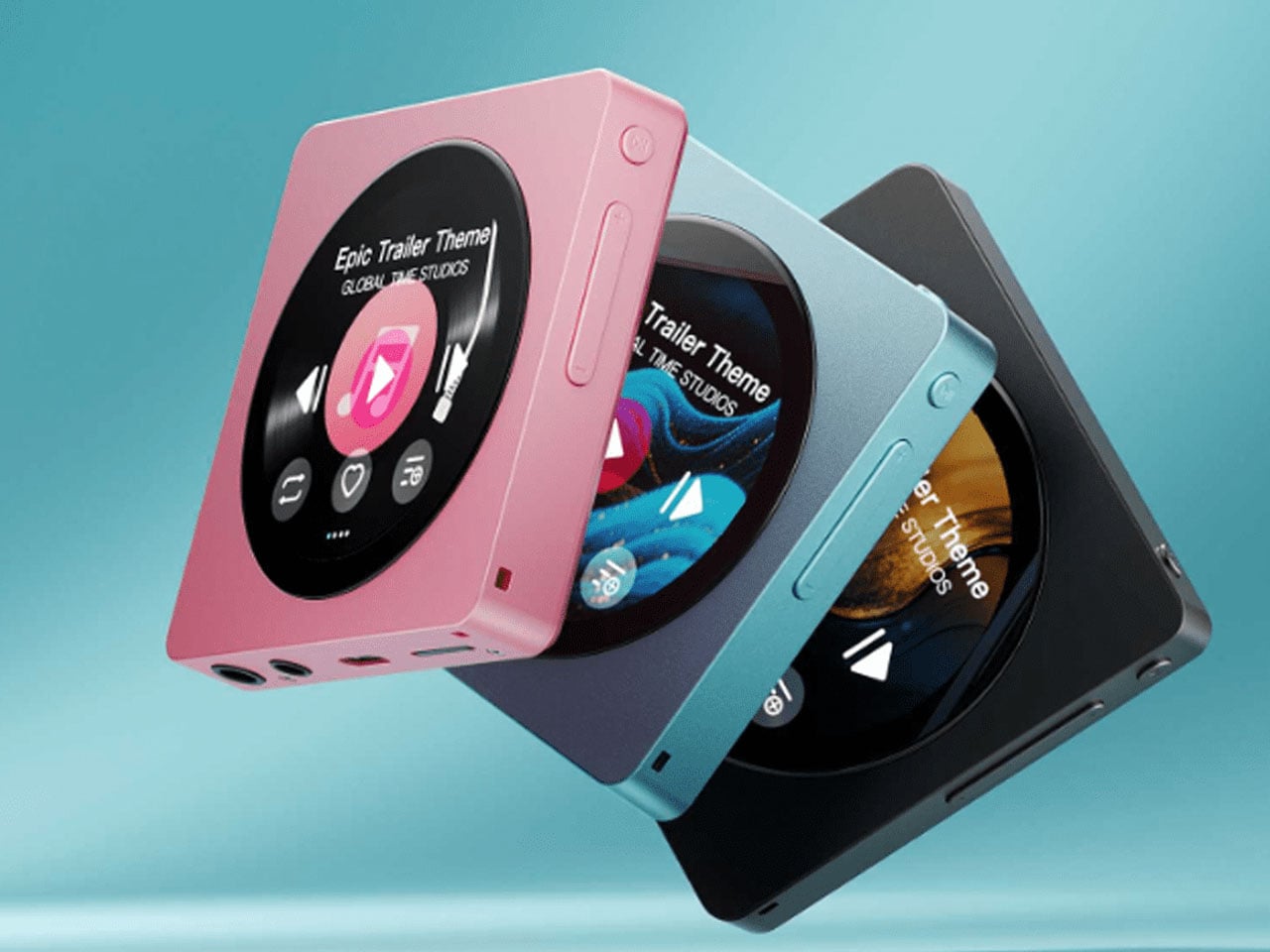
Fiio, as a Chi-Fi brand, has ensured that audiophiles don’t always have to invest in steeply priced gear to get the preferred sound without breaking the budget. The DM15 R2R Portable CD Player by the Chinese brand already demonstrated how serious they are about spreading the love for music in all forms and shapes. Now they’ve revealed the Snowsky Disc digital audio player, which is the perfect amalgam of modern audio technology and the unrelenting charm of the CD player.
The compact DAP is designed with the needs of modern audiophiles in mind, who prioritize audio quality, intuitive operation, and a love for physical music libraries. Versatility is the key here as the audio player is compatible with all the devices you throw at it, and supports a wide array of file types. Connect it to your valued in-ear monitors or pair it with sensitive headphones; Snowsky Disc can handle it all without much fuss. The player is built on a dual DAC architecture that promises balanced, clean, and detailed audio, no matter what file type you are playing it through. This enhances the overall musical tonality for a more engaging listening experience.
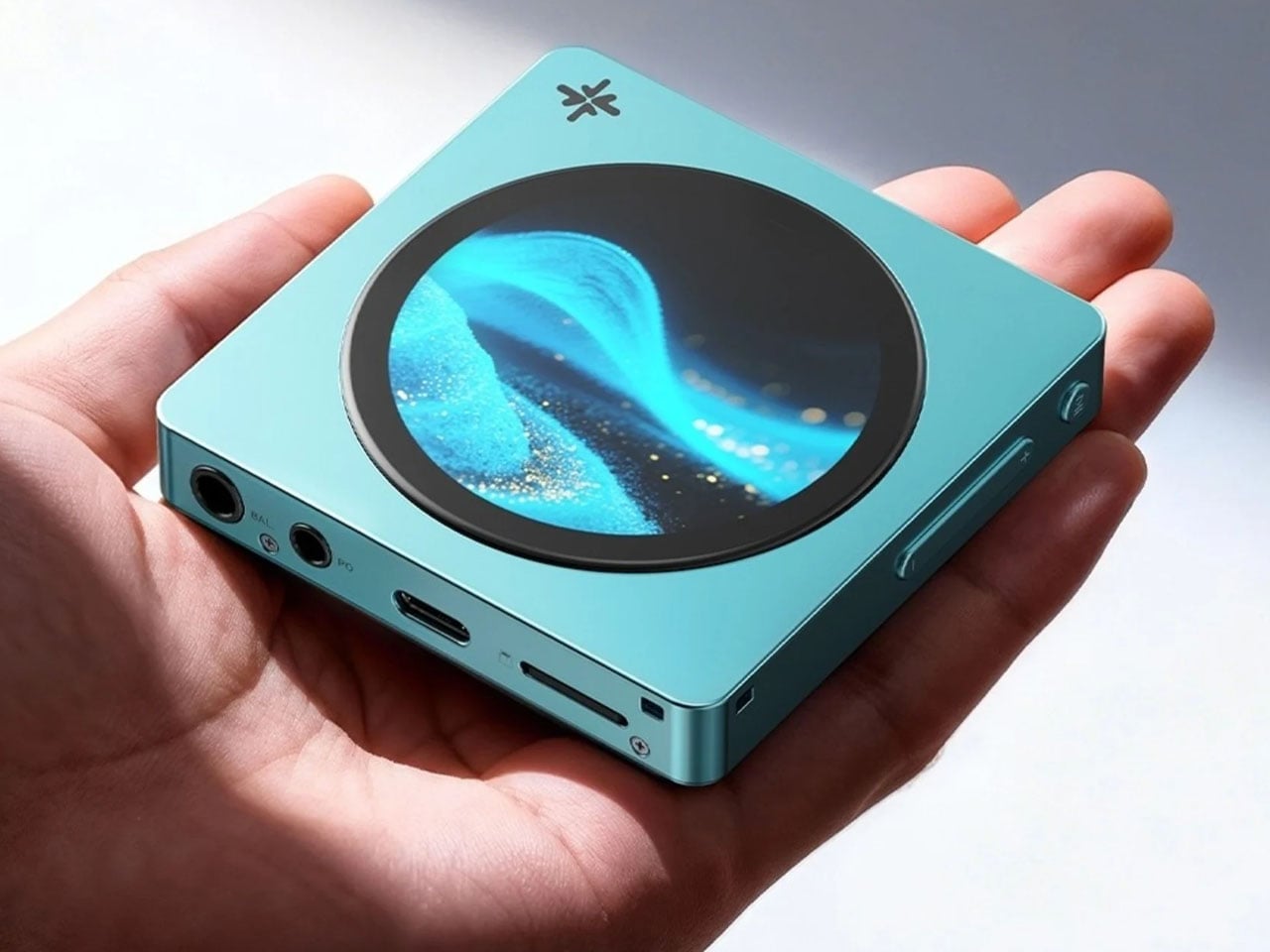
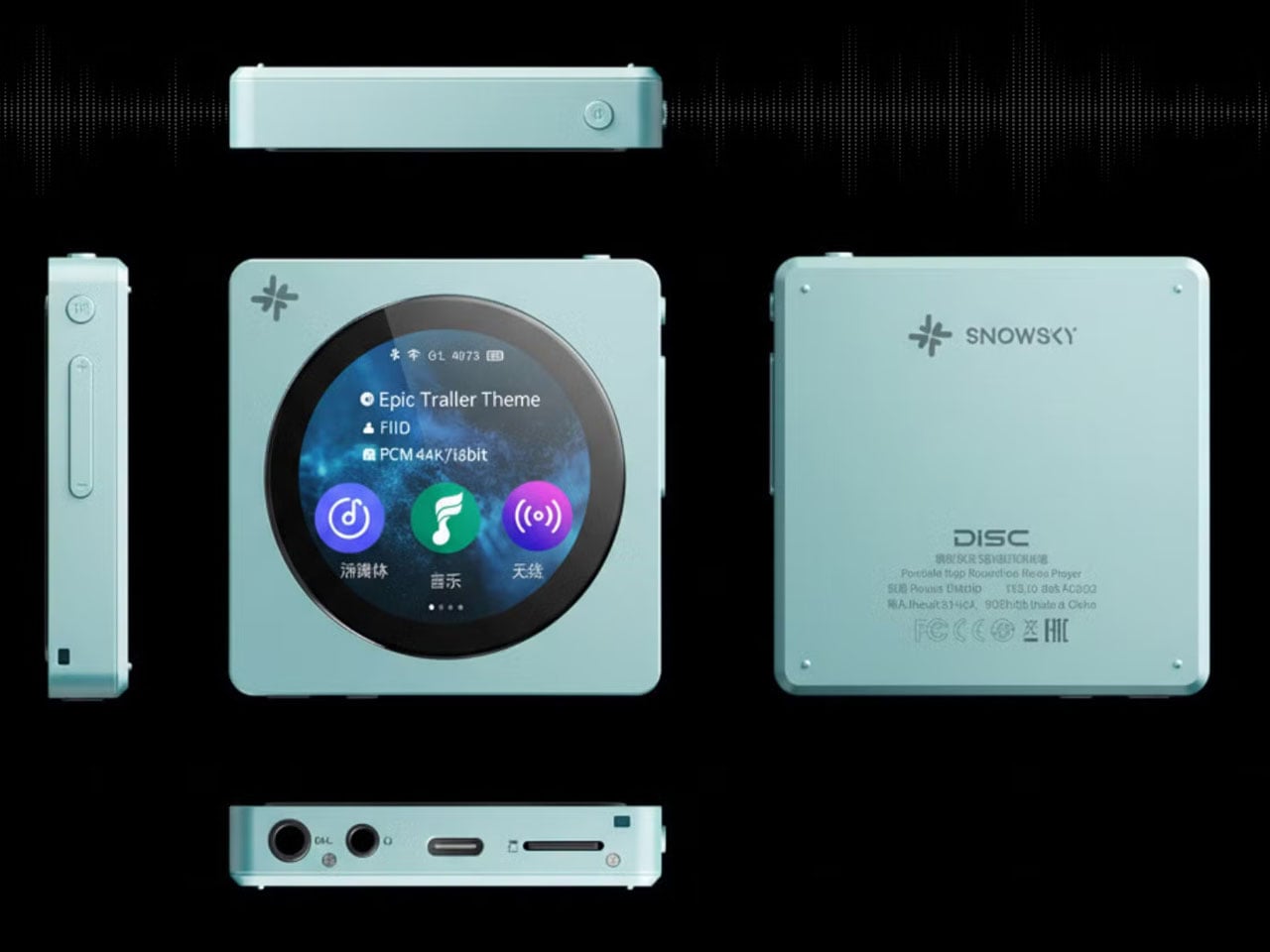
The CD player-inspired design of this DAP is something anyone would appreciate. There’s a circular touch screen on the front to toggle all the on-screen controls. The inclusion of lyrics playback and album artwork adds to the engagement with your music listening sessions. The audio gadget can also be controlled via the compatible smartphone app for convenience. Along with support for 2TB memory expansion to carry your high-resolution music files, the player also supports audio streaming via apps. It has built-in Wi-Fi support for AirPlay streaming and installing firmware updates on the fly.
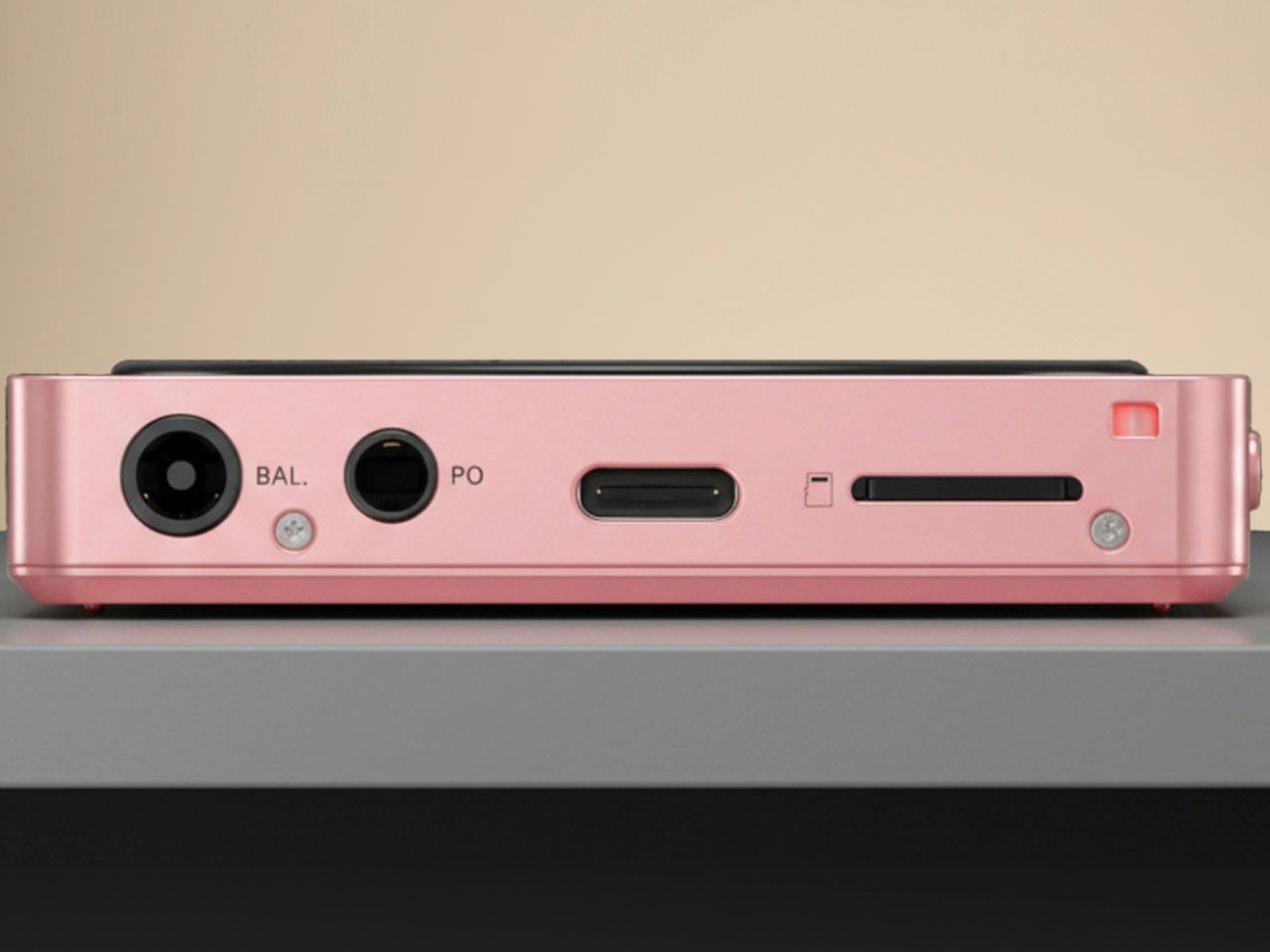
For wired connectivity, the player has a USB-C port, a 3.5mm single-ended jack, and a 4.4mm balanced output. The player can even be connected to external DACs, hi-fi systems, amplifiers, and other audio gear via the SPDIF output. If you want to enjoy music wirelessly, the LDAC high-res codec can be connected to supported headphones, IEMs, and earbuds. Snowsky Disc boasts 12 hours of playback, which is enough to get you through a day of work or travel. Priced at $80, the digital audio player will be available to buy in January.
The whole transparent tech thing is funny, isn’t it? It felt like a gimmick that died with the 90s, a design language reserved for our collective memory of Atomic Purple N64 controllers and translucent Game Boy Colors. Yet here we are, watching it cycle back into the enthusiast space with a vengeance. It’s a clever move, really. A transparent shell is a statement of confidence, a way for a company to say there is nothing to hide, that the engineering inside is as much a part of the aesthetic as the plastic containing it. It taps directly into a powerful vein of nostalgia while also appealing to a modern desire for authenticity, for seeing the components that make our gadgets tick. It is a look that feels both retro and surprisingly honest, and it is finding a perfect home in the high-performance peripheral market.
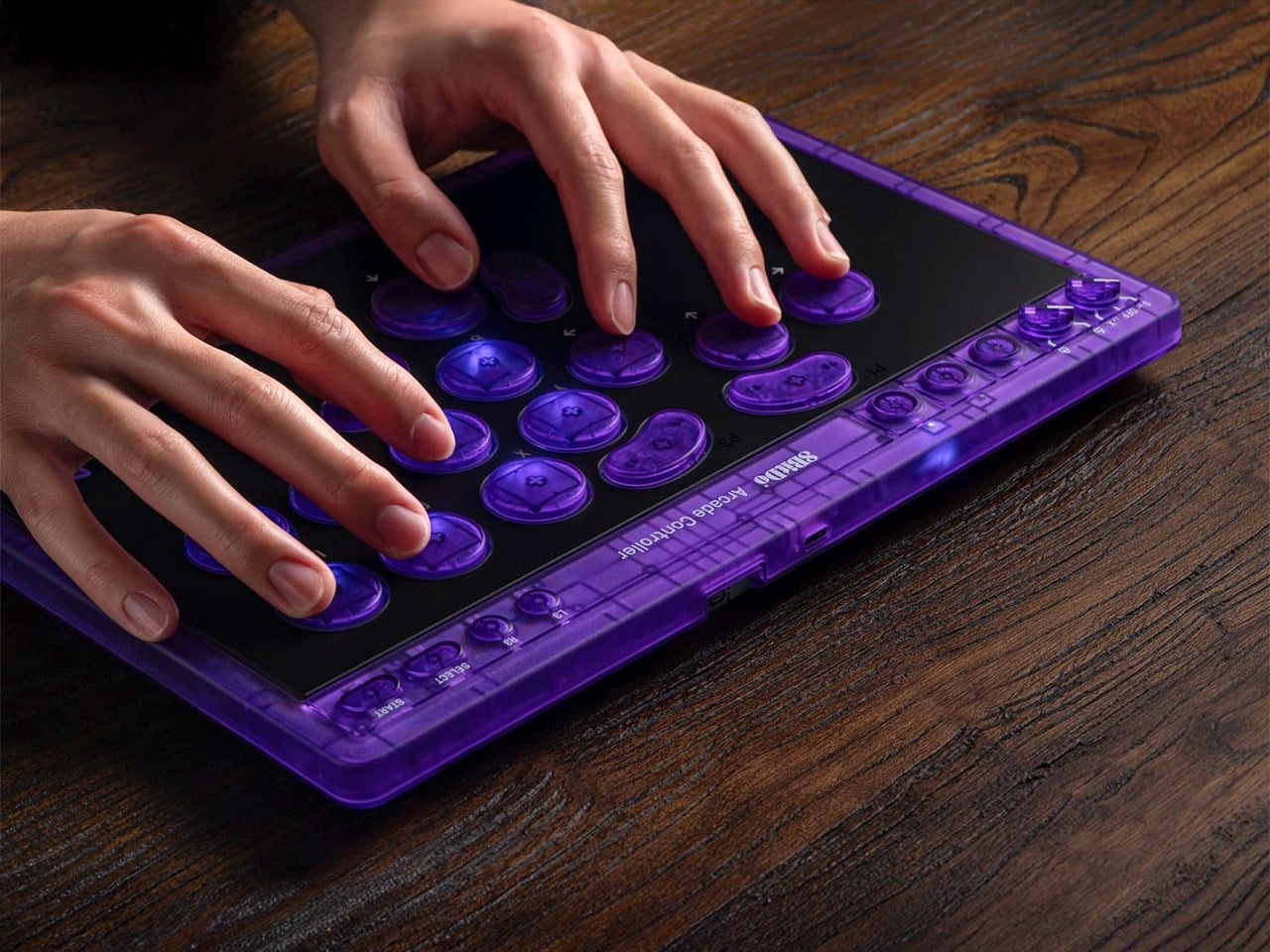
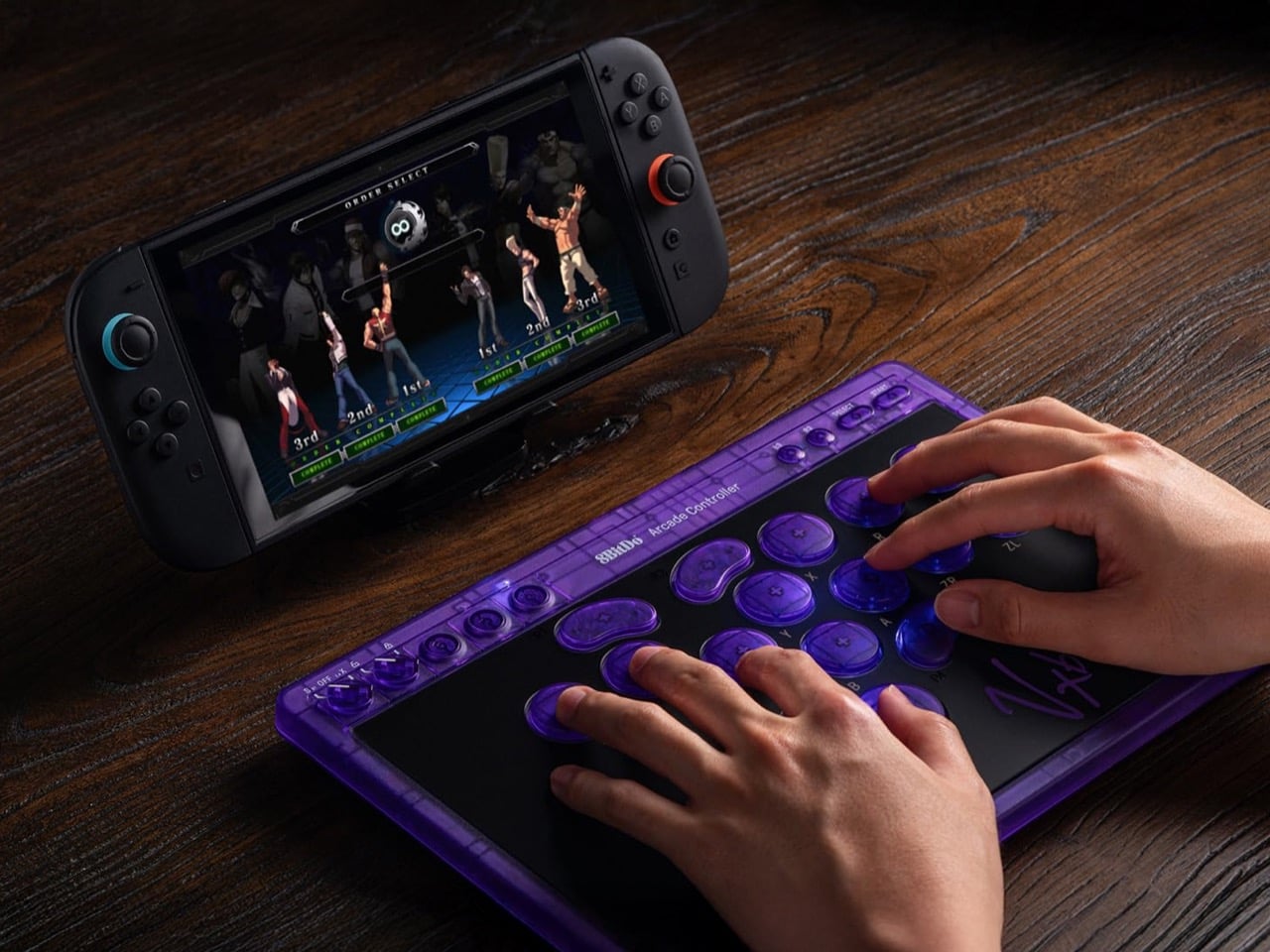
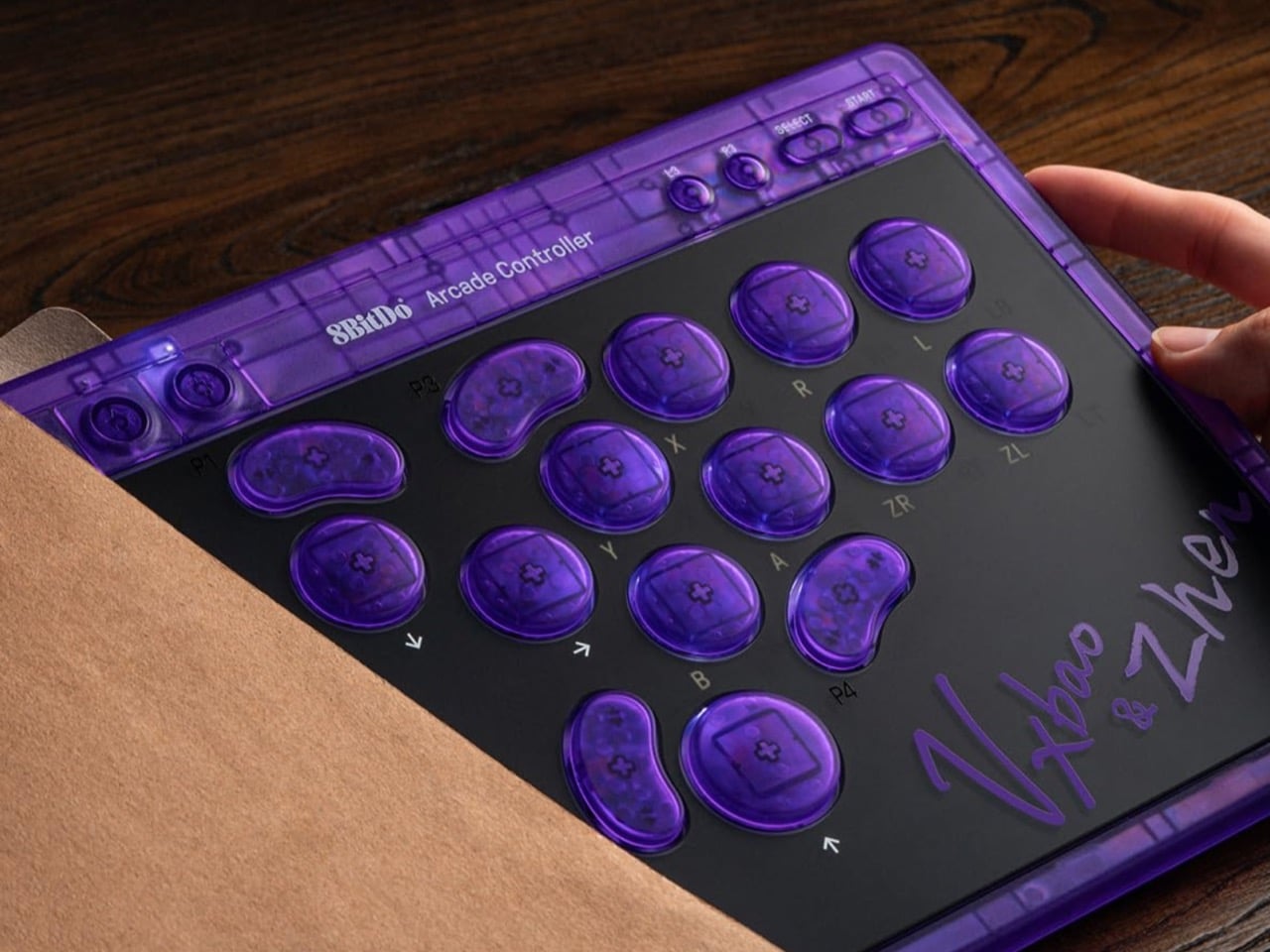
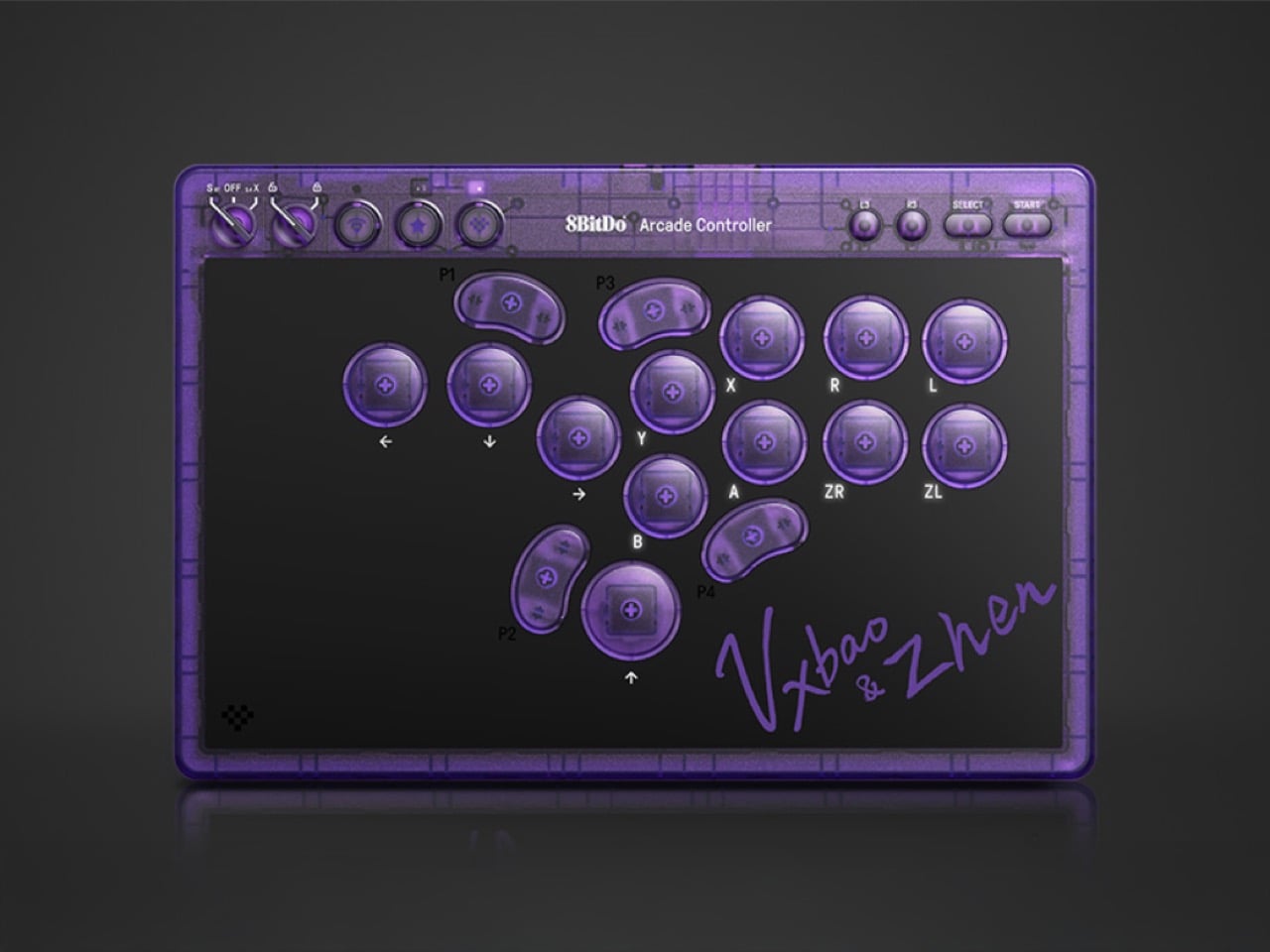
So when 8BitDo announced a new signature edition of its Arcade Controller, the transparent purple shell was the first thing that caught my eye. This is not just some random colorway; it is a direct collaboration with professional fighting game players Vxbao and Zhen, complete with their signatures. It’s called the Arcade Controller Transparent Purple Signature Edition, and it represents a very deliberate push by 8BitDo to add a layer of competitive legitimacy to its hardware. The company has always excelled at making well-built, retro-inspired controllers, but this partnership signals a deeper ambition. They are actively courting the serious fighting game community, tying a specific, desirable aesthetic to the endorsement of players who represent the scene’s highest level of competition.
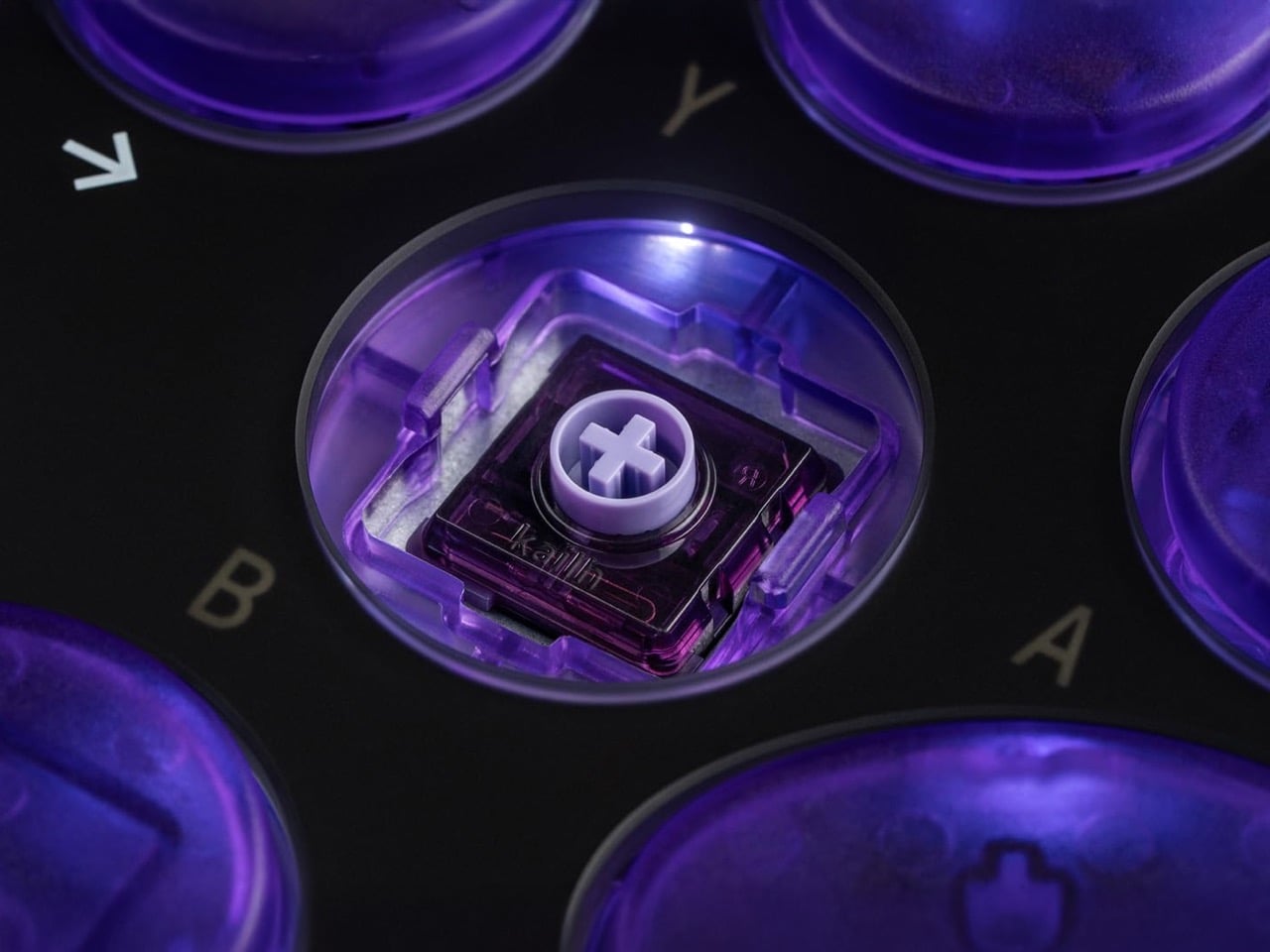
Underneath that eye-catching shell, the controller is built on the proven foundation of the standard 8BitDo Arcade Controller, which is a good place to start. The most significant hardware change here is the switch to Kailh Purple Glede linear switches for the all-button layout. This is a meaningful upgrade, not just a cosmetic tweak. Linear switches offer a smooth, consistent press from top to bottom without any tactile bump, which is exactly what you want for the rapid, precise inputs required in competitive fighting games. It ensures fast actuation and removes any physical noise that could interfere with muscle memory. The controller also retains its esports-focused features, including essential SOCD cleaning for handling simultaneous opposite directional inputs and a tournament lock function to prevent accidental pauses.
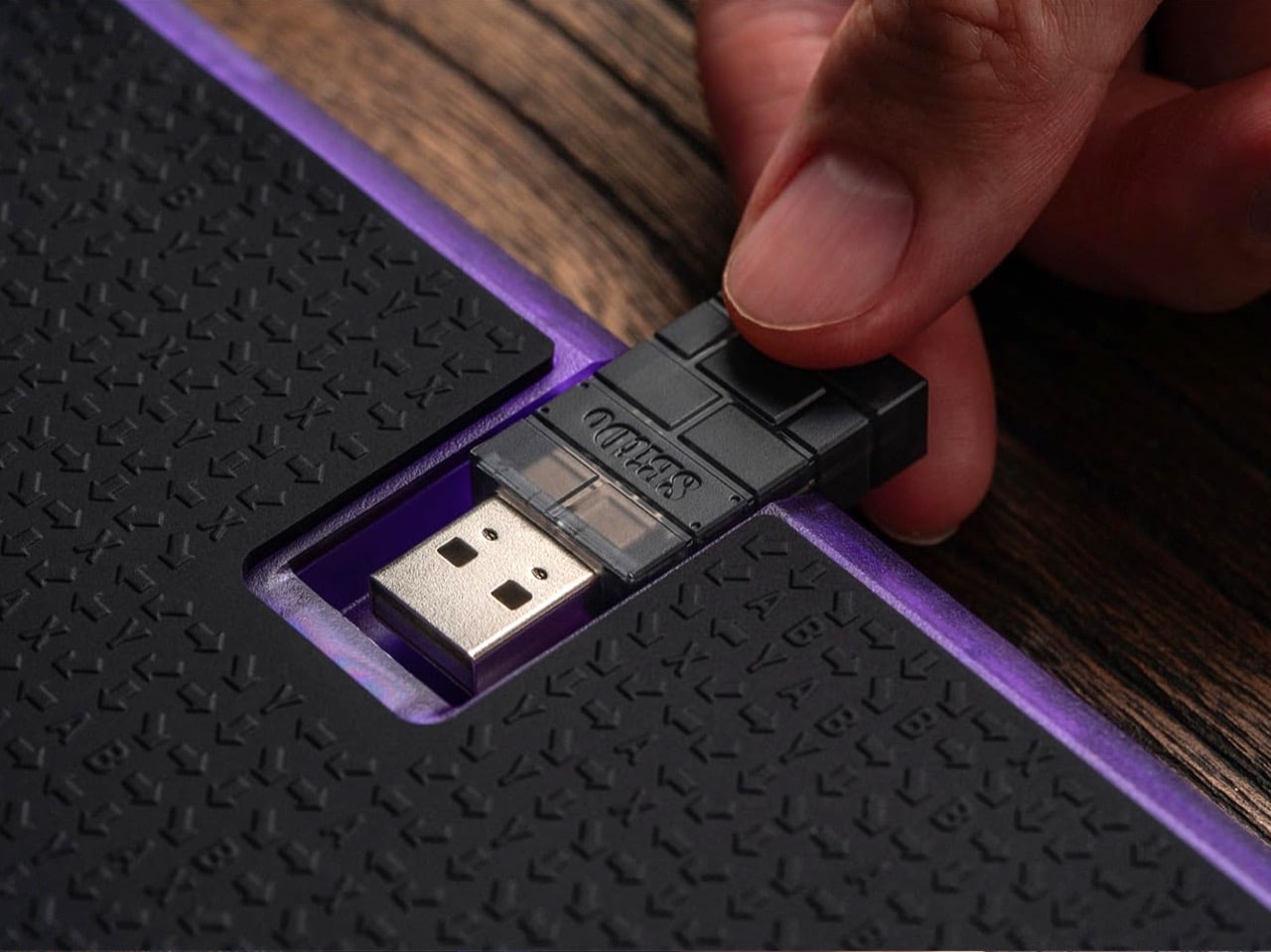
The design itself is more than just a translucent shell. 8BitDo paired the transparent purple body with matching translucent buttons, but smartly grounded the whole thing with a black tempered glass faceplate. This contrast keeps it from looking like a toy and gives it a more premium, serious feel. The signatures of Vxbao and Zhen are integrated into the design, serving as a stamp of approval that makes this a collectible piece right out of the box. Thankfully, it also keeps the excellent quality-of-life features from the original model, like the non-slip silicone mat that keeps it planted during intense matches and the slick magnetic compartment that hides the 2.4 GHz adapter when not in use. It’s a thoughtful package that respects both form and function.
This collaboration is a clear statement of intent. By officially sponsoring Vxbao and Zhen and launching a product bearing their names, 8BitDo is signaling that it wants to be taken seriously in the competitive fighting game arena. For years, the company has been the darling of the retro and indie gaming scenes, but breaking into the FGC requires a different kind of credibility. This partnership is a shortcut to that trust. It tells prospective buyers that this hardware has been vetted and is suitable for high-level play, moving the controller from a cool retro accessory to a viable piece of tournament gear. It’s a classic strategy, but one that only works if the underlying product is solid, and by all accounts, the 8BitDo Arcade Controller platform is exactly that.
Of course, there is always a catch. The good news is the price; at $94.99, it carries only a five-dollar premium over the standard model’s original MSRP, which is incredibly reasonable for a signature edition with upgraded switches. The bad news is availability. For now, this is a US-exclusive release available for order on Amazon, with an estimated shipping date of late January 2026. However, if you’re really determined, maybe you could just 3D print your own translucent shell and mount it to an existing 8BitDo Arcade Controller?
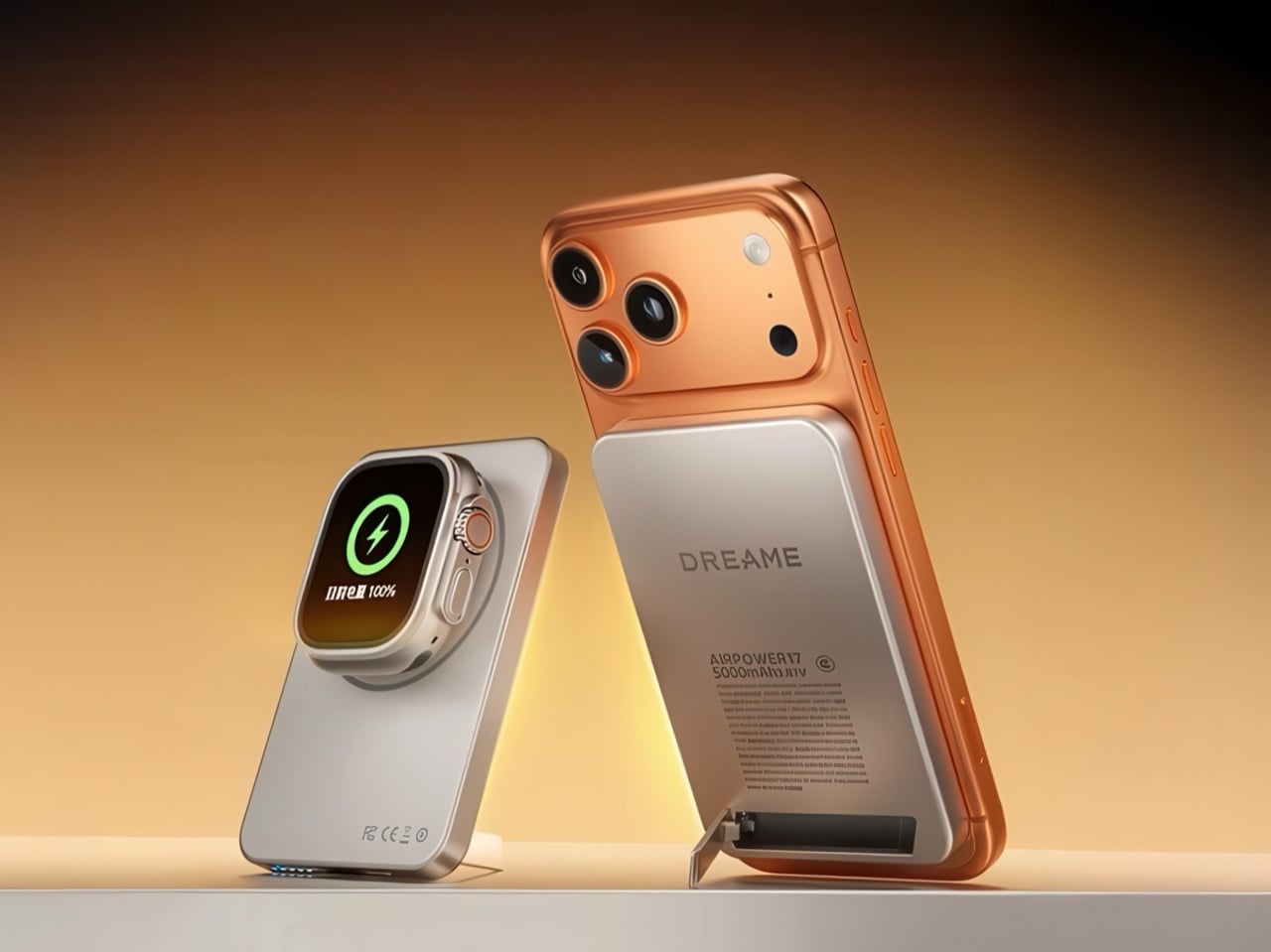
Dreame built its name on robot vacuums and smart cleaning stations, but its newest release does not clean your floors at all. Dreame’s Air Power 17 arrives as a magnetic portable power bank with a surprisingly polished feel, pairing an aluminum frame with AG glass and a footprint barely larger than a bank card. It clicks into place on an iPhone 17 or any Qi2 compatible phone, then quietly delivers up to 15 watts wirelessly or 20 watts over USB-C. But that’s not what’s so surprising about the power bank (apart from the fact that the parent company also manufactures robot vacuums)… it’s that the AirPower 17 also charges your TWS earbuds AS WELL AS your Apple Watch, right through the same wireless charging surface.
The name is a clever dig at Apple’s own AirPower disaster from 2017, when the company announced a charging mat that could handle 3 devices at once. Now, it seems like Dreame’s taken the mantle of making that happen, that too in a compact form factor that still feels decidedly premium, thanks to the slim design, the aluminum alloy frame, and AG glass back. Now, the obvious question is why a vacuum company thinks it can waltz into a market already flooded with Anker, Baseus, and a hundred Shenzhen generics. Here’s the thing: Dreame has been on an absolute tear since July, dropping or teasing products in personal care, large appliances, consumer electronics, and even automotive adjacent gear. This power bank feels like part of a coordinated land grab, and the clever multipurpose design genuinely feels like a consumer-focused product aimed at winning hearts, not just adding small numbers to a company’s profits.
Designer: Dreame
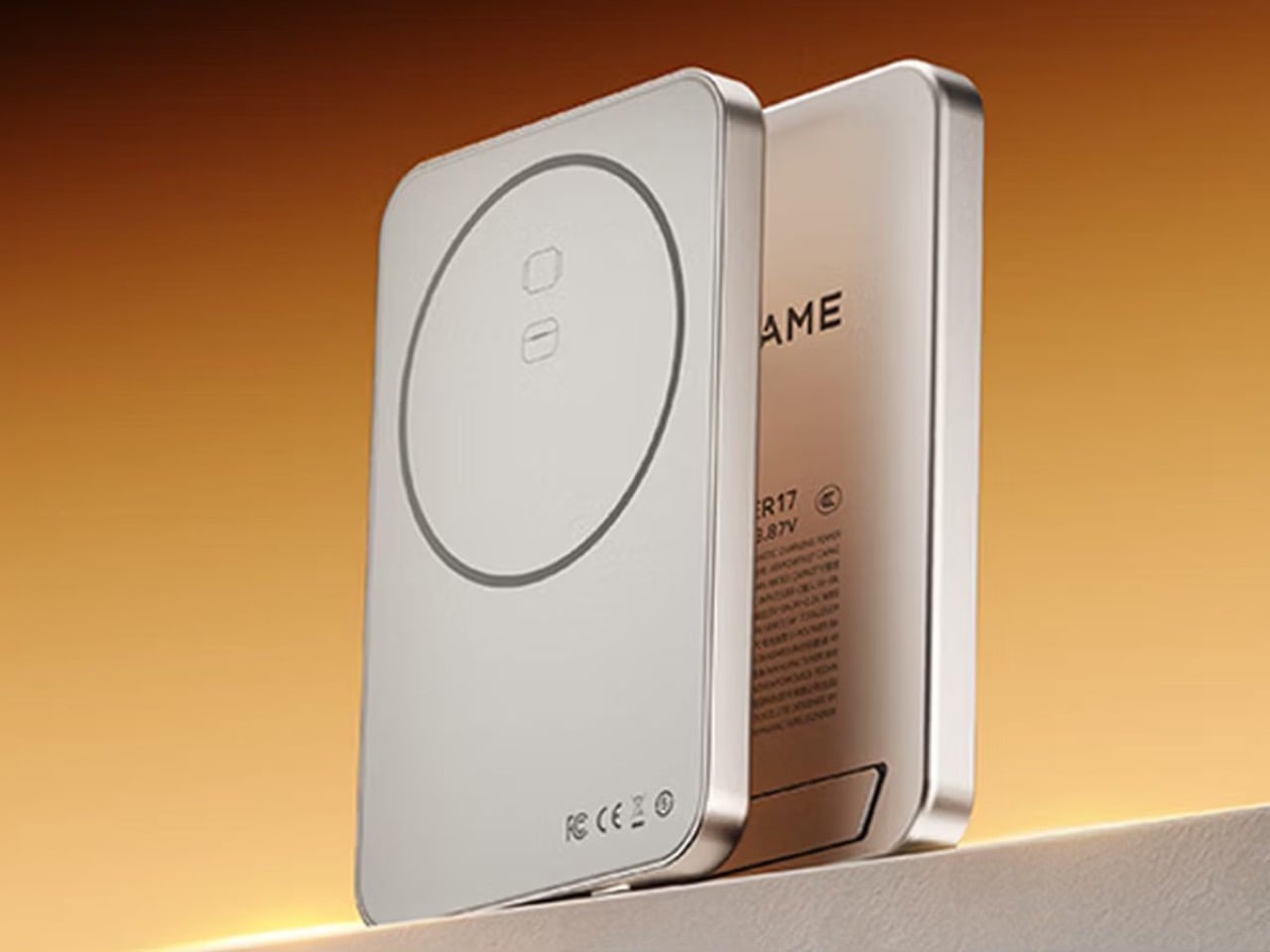
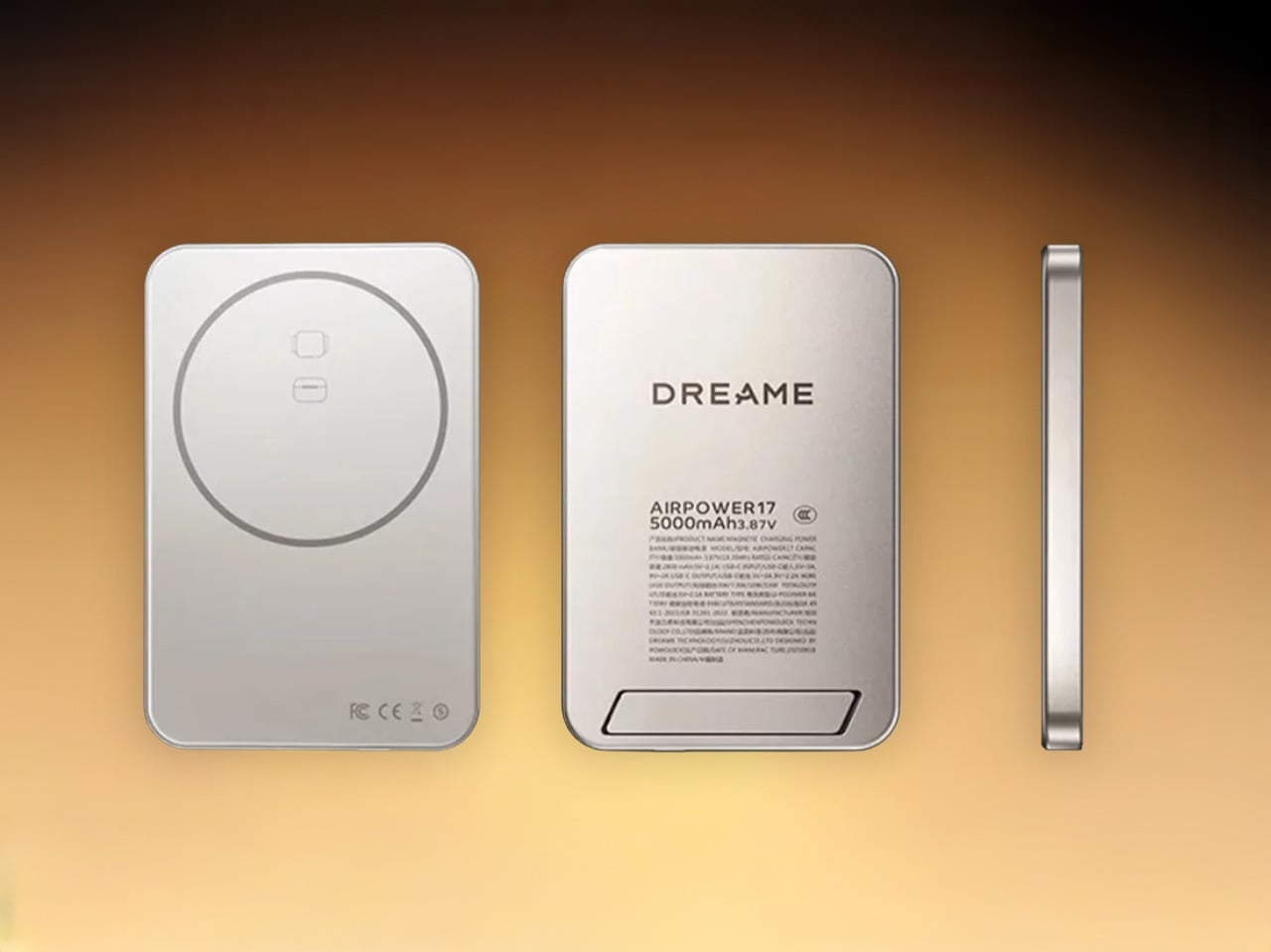
The Air Power 17’s design is fairly simple and straightforward, packing one USB C port, Qi2 wireless at 15 watts max, and that integrated kickstand. The 5,000 milliamp hour version comes in at just 8 millimeters thick and 125 grams, which is borderline remarkable when you consider it includes a stand mechanism and a full magnetic ring. The 10,000 milliamp hour Pro is predictably chunkier at 12.8 millimeters and 189 grams, but still compact enough that you could daily carry it without hating your life. Both share the exact same 103 by 58.4 millimeter footprint, so your choice really comes down to whether you value slimness or capacity more.
The winning feature, however, is the power bank’s ability to charge both smartphones as well as an Apple Watch from the same charging surface. Snap the Air Power 17 to the back of your phone, or just place it on a surface and rest your Apple Watch on the watch symbol and you’re good to go. Right below the Watch symbol is also a TWS earbud case symbol, which means you can even charge your AirPods or other earbuds on the power bank. I’ve yet to see a single power bank this slim so elegantly cover all bases. The fact that a robot vacuum company pushed this first seems odd but hey, the consumer in me is happy he doesn’t need dongles, cables, and other paraphernalia to keep his devices charged.
The built in stand is the sneaky detail that turns the power bank into a proper desk accessory, the kind of thing you slap your phone onto during a video call or while following a recipe. Most magnetic power banks treat the stand as an afterthought, a flimsy plastic hinge that wobbles under the weight of a phone. Dreame integrated it into the rear housing with their branding stamped right on it, so it doubles as brand presence and functional hardware. Wireless efficiency is rated above 60 percent, which tracks with Qi2 standards but also means you lose about 40 percent of capacity to heat and conversion losses when charging wirelessly. If you want the full 10,000 milliamp hours, you need to cable up.
The catch is availability. Right now this lives exclusively in China, sold on platforms like JD.com with zero confirmed timeline for a global rollout. Dreame already sells robot vacuums in the US and Europe, so the infrastructure exists, but consumer electronics accessories face different certification hoops than home appliances. At 219 yuan for the 5,000 milliamp hour model and 259 yuan for the 10,000 milliamp hour Pro, Dreame is pricing aggressively enough to make established brands nervous while keeping enough margin to signal this is a real product line. Here’s to hoping for a global rollout soon – maybe this is the AirPower Mat we truly deserve!
You know that moment when your phone hits 10% and you’re nowhere near an outlet? We’ve all been there, frantically searching for a charging cable while our phone gasps its last breath. Power banks were supposed to solve this problem, but let’s be honest, carrying around a chunky brick in your bag never felt like the solution we actually wanted.
Enter ALMA, the wireless charger from Addition that’s basically saying “sorry, traditional power banks, your time is up.” This isn’t just another tech accessory trying to make its way into your everyday carry. It’s a genuinely thoughtful rethink of what portable power should look and feel like in 2025.
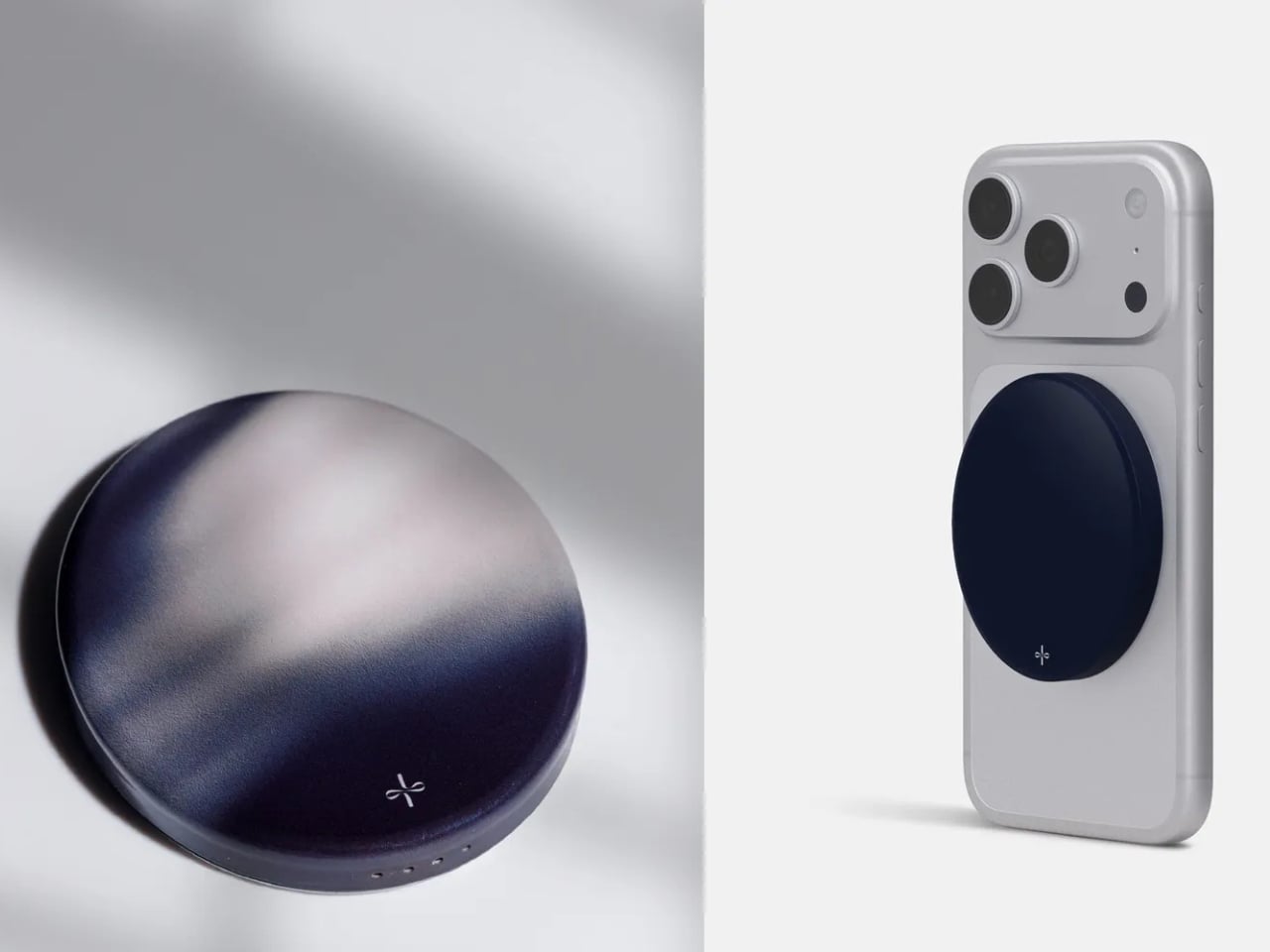
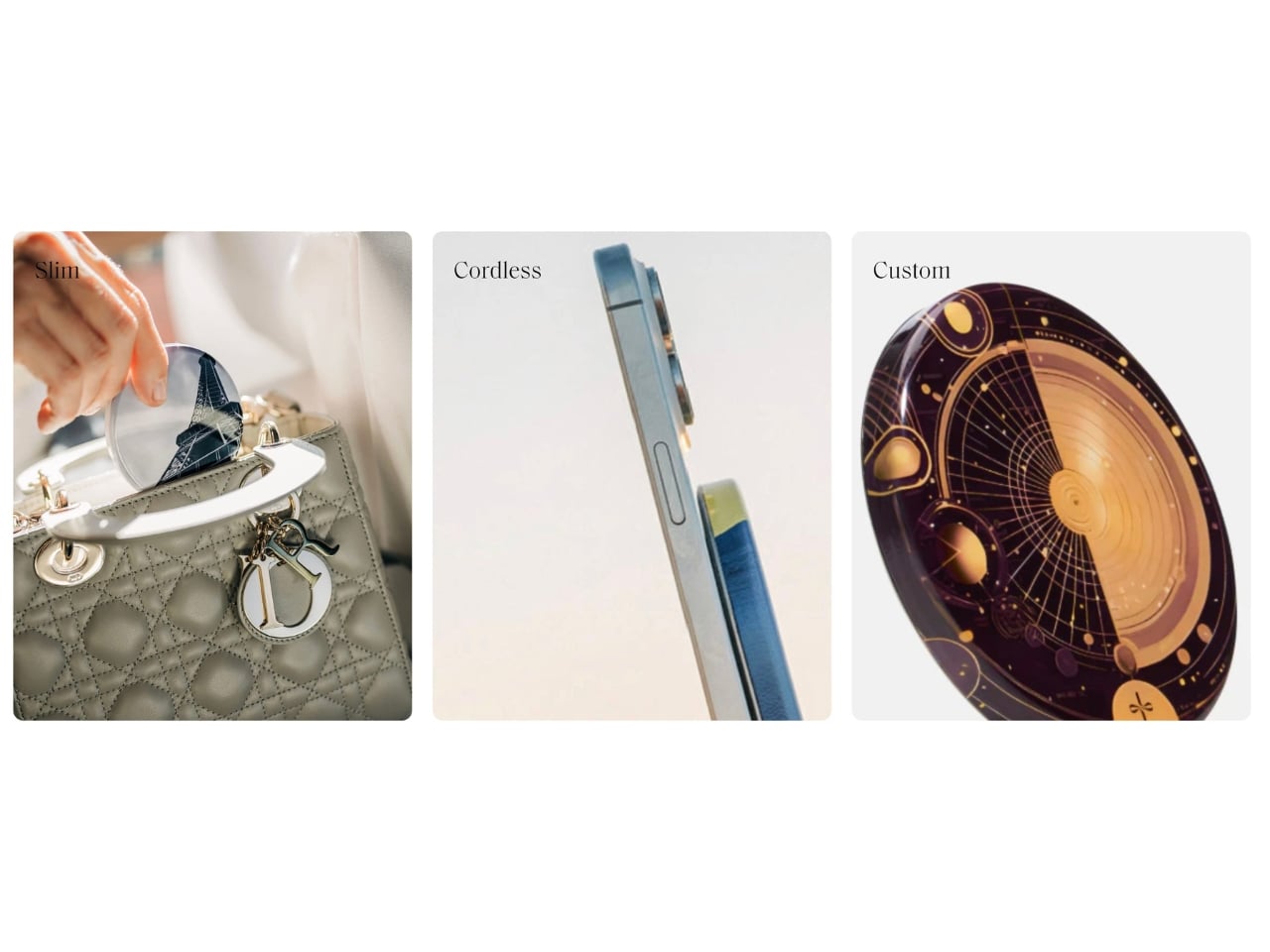
Here’s what makes ALMA different. First, it’s shaped like a slim oval that measures just 9mm thick. That means it actually slips into your jacket pocket or clutch without creating an awkward bulge. Compare that to the standard rectangular power bank that feels like you’re lugging around a paperweight, and you start to see why this matters.
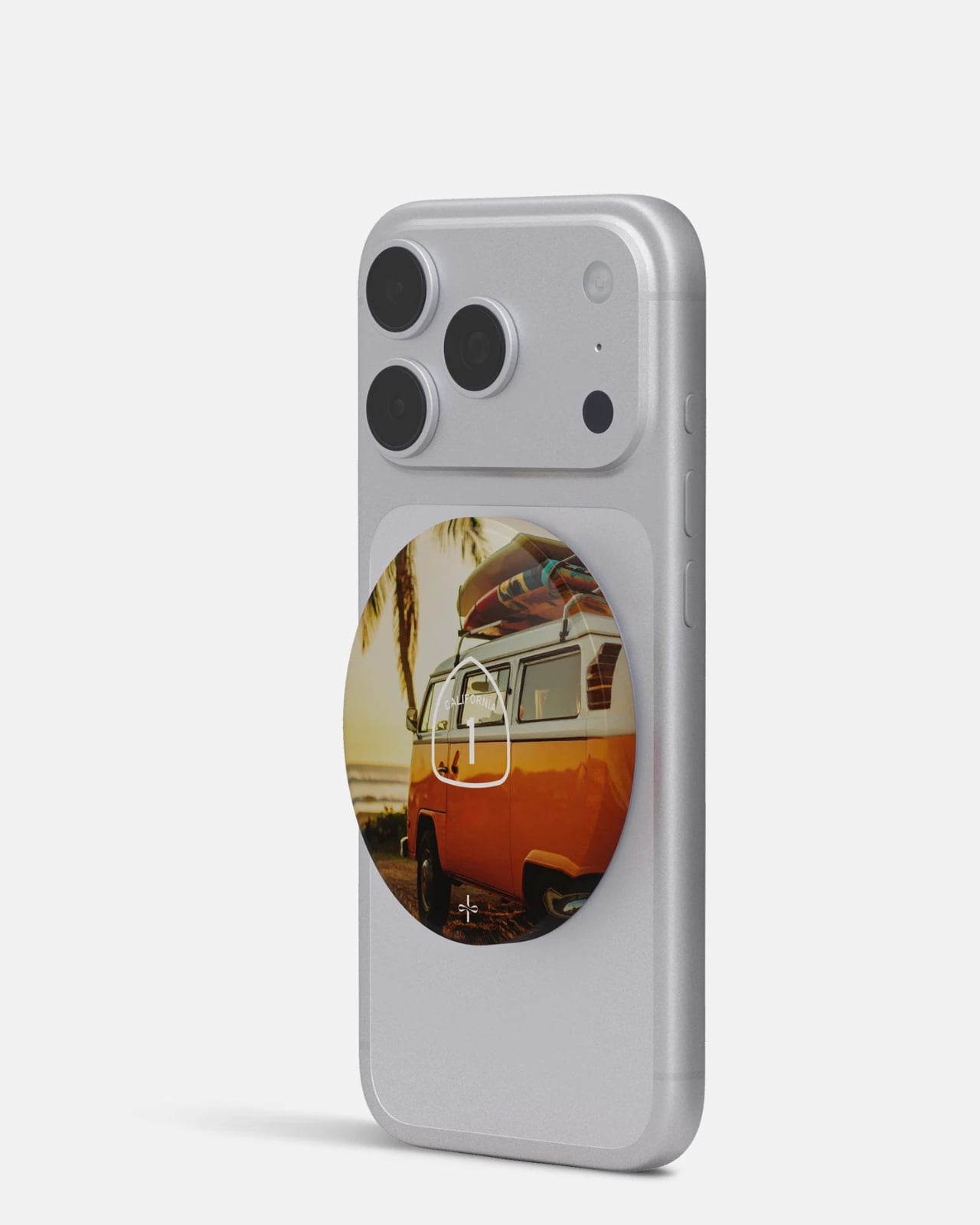
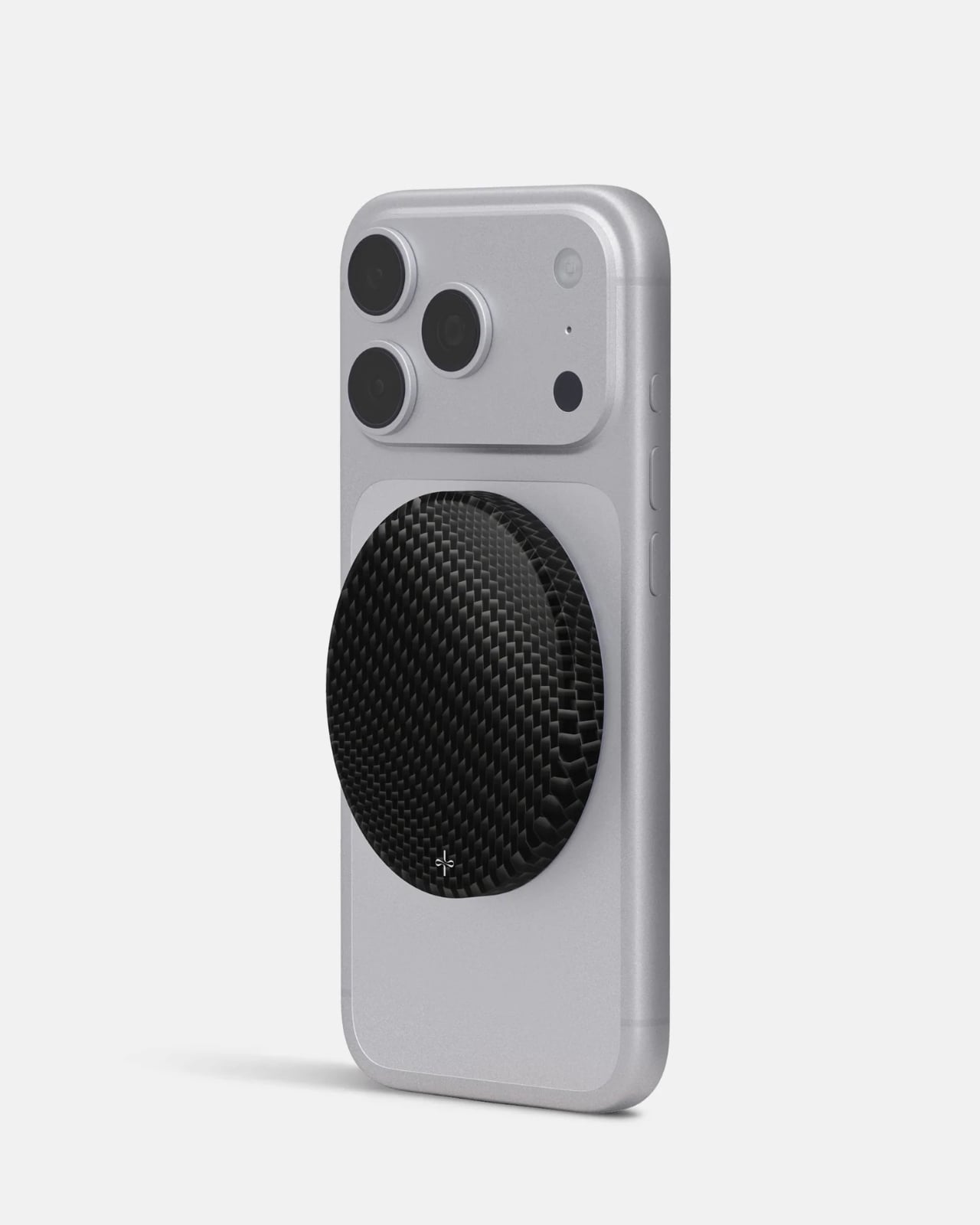
But the real magic is in how it works. ALMA charges wirelessly and gets charged wirelessly too. Think about that for a second. No more hunting for the right cable, no more tangled cords at the bottom of your bag. You just place ALMA on the back of your phone when you need juice, and when ALMA needs recharging, you drop it on any Qi-compatible charging pad. The whole experience is designed around eliminating friction, which is exactly what good design should do.
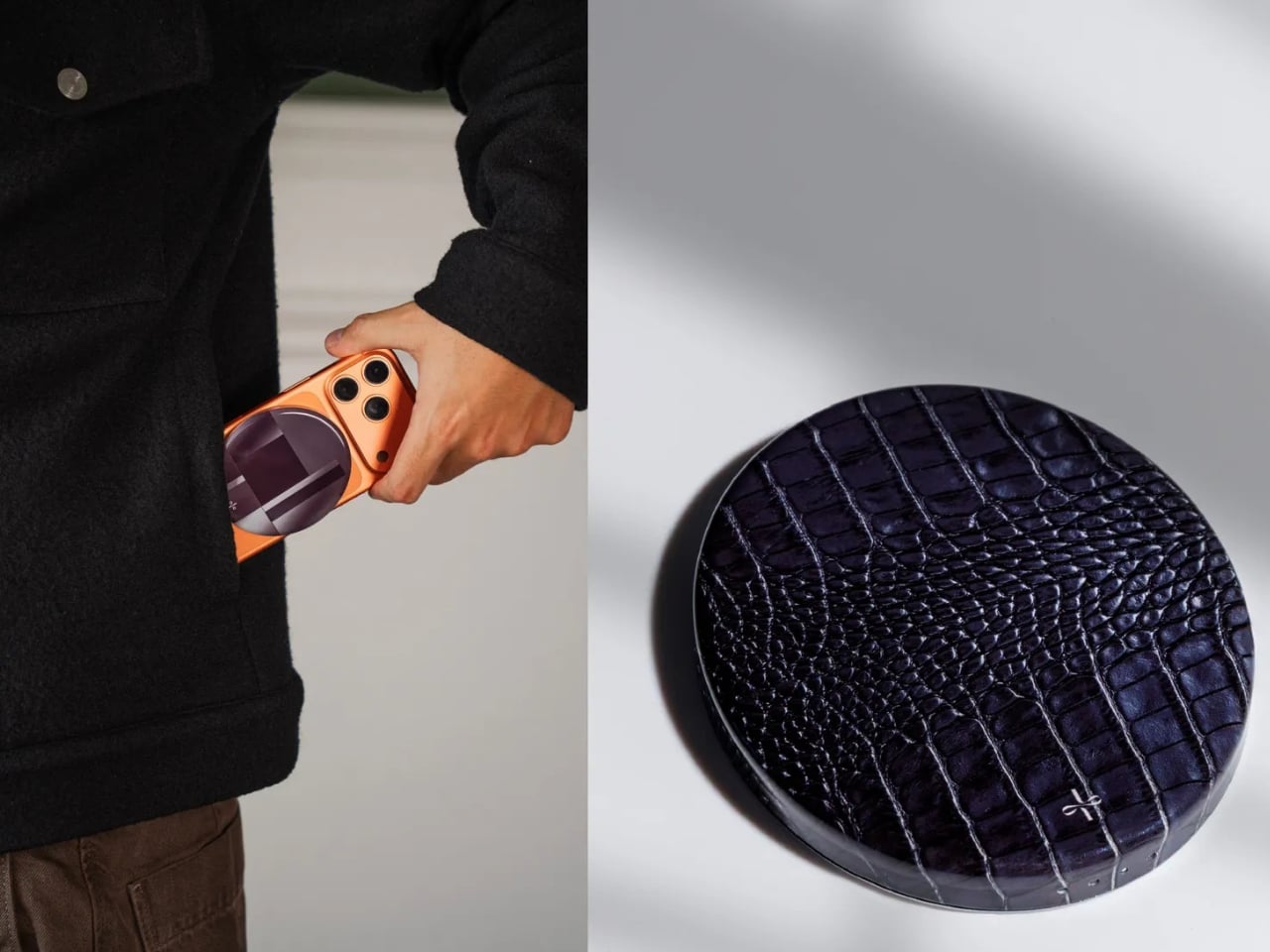
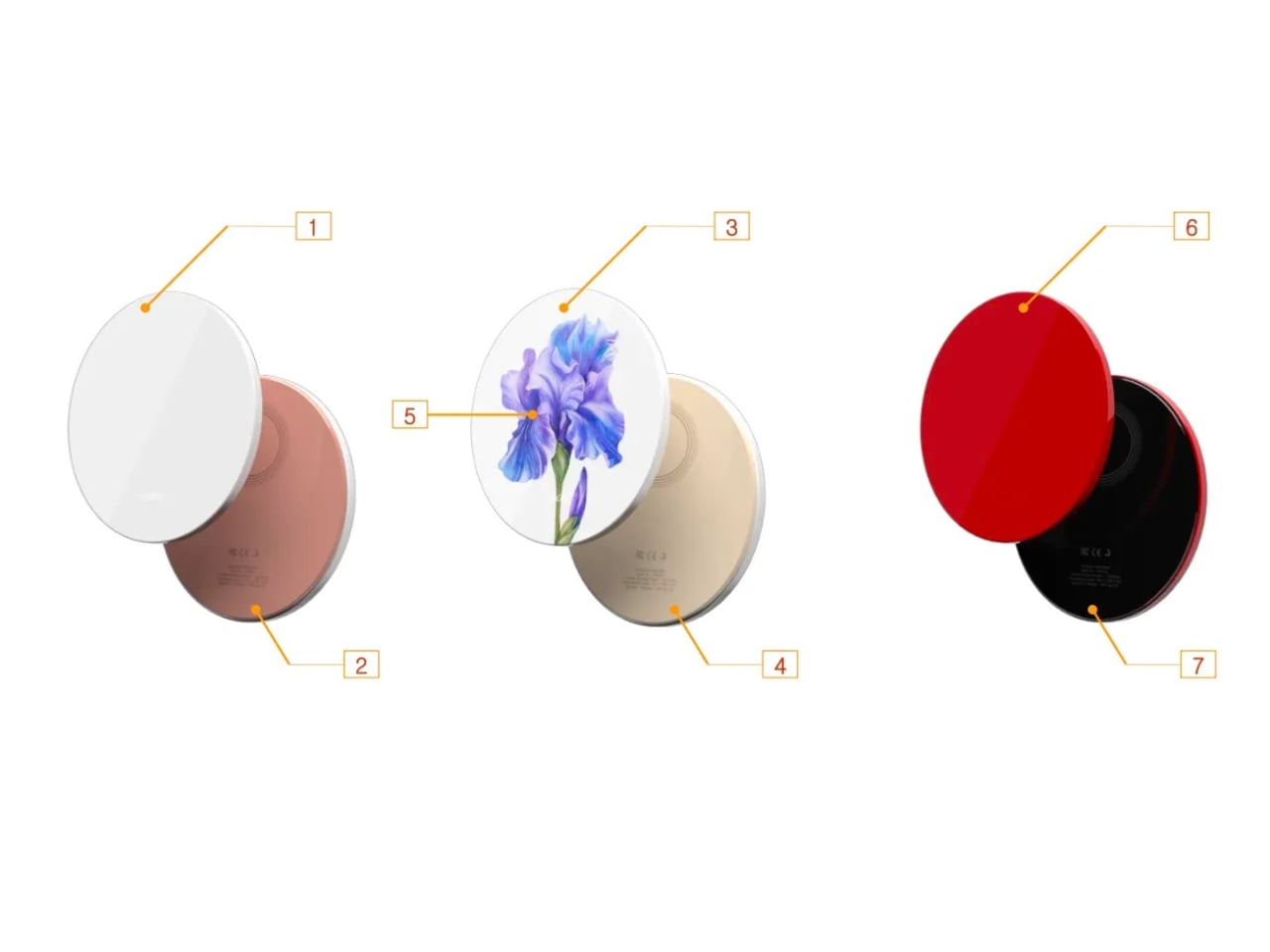
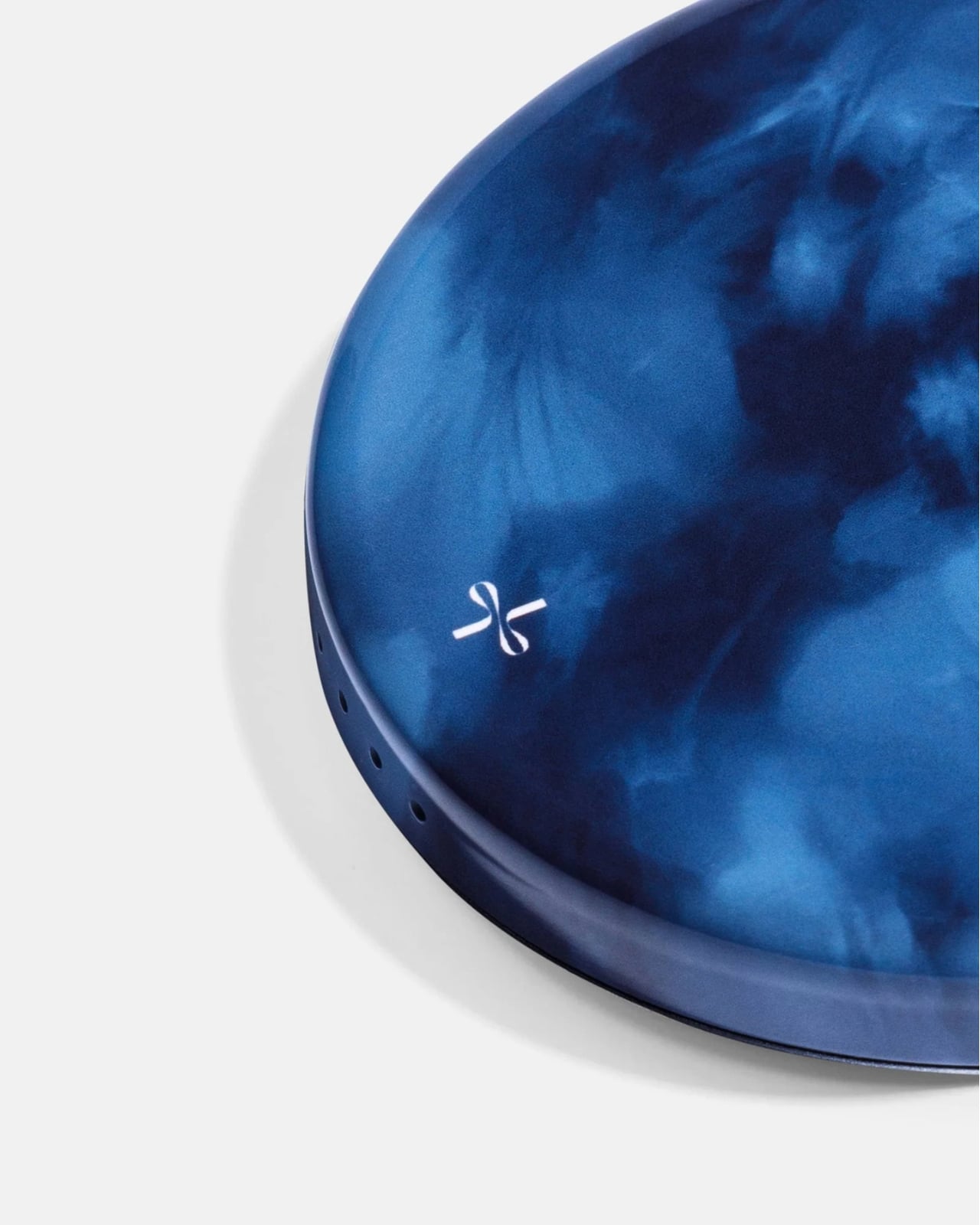
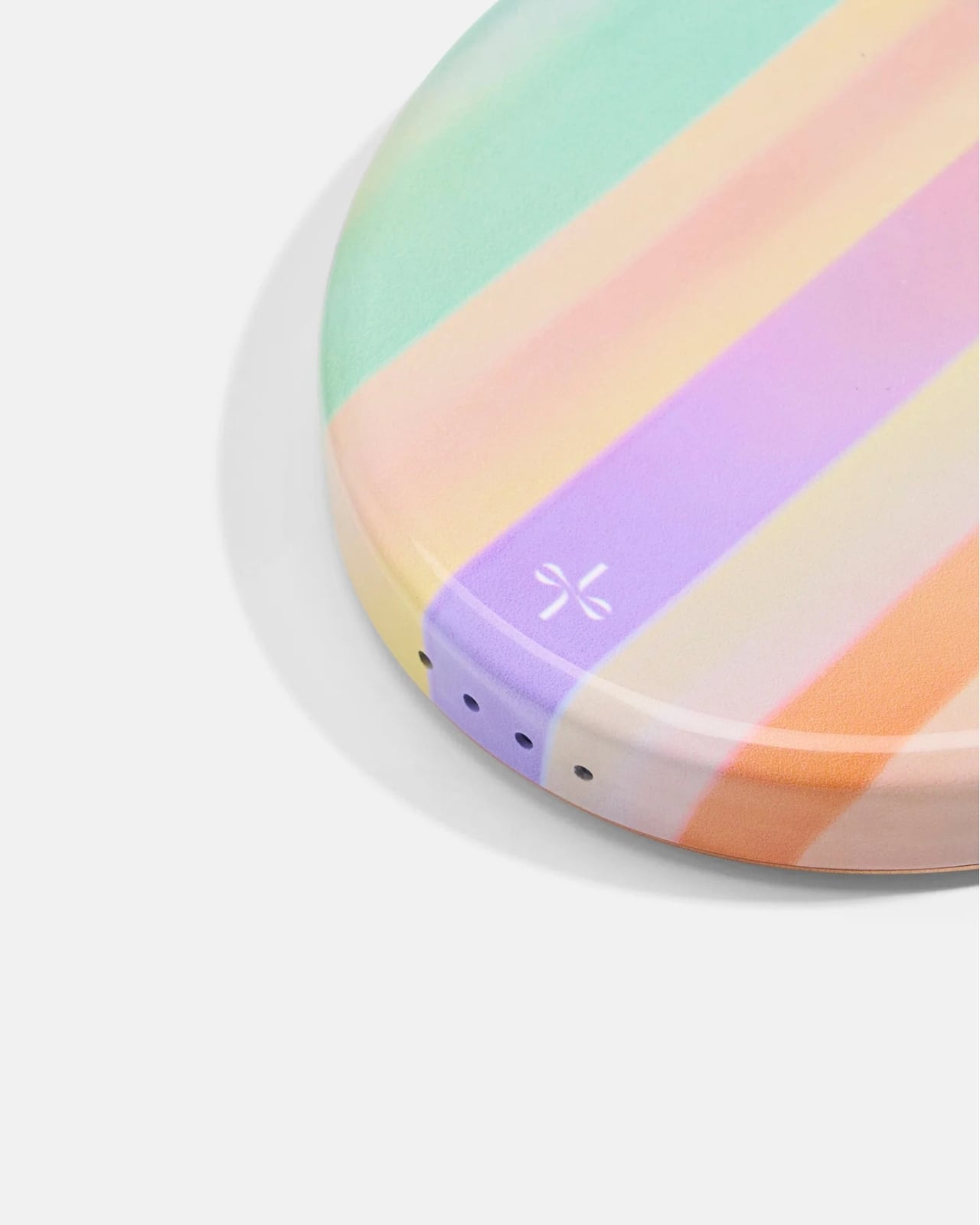
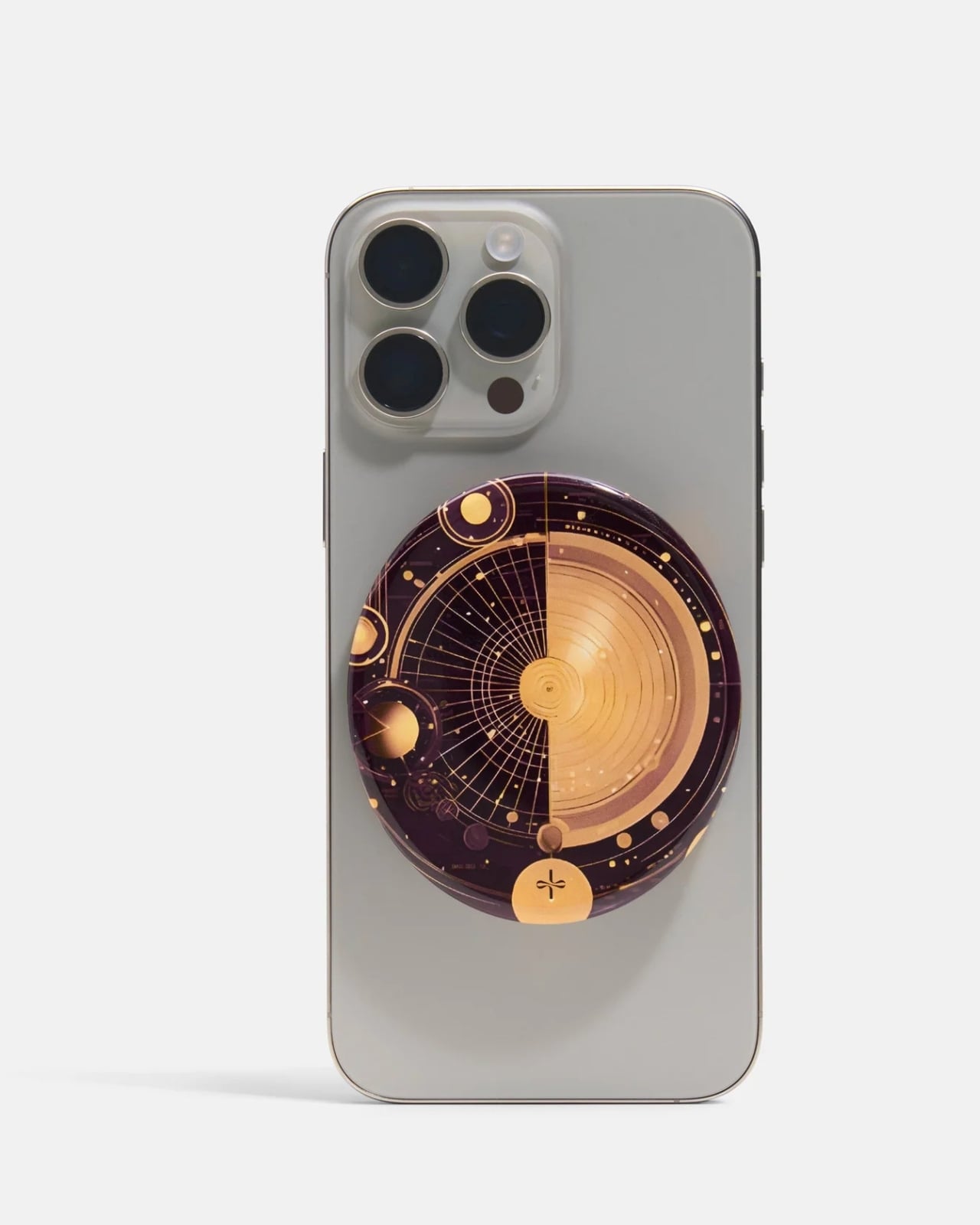
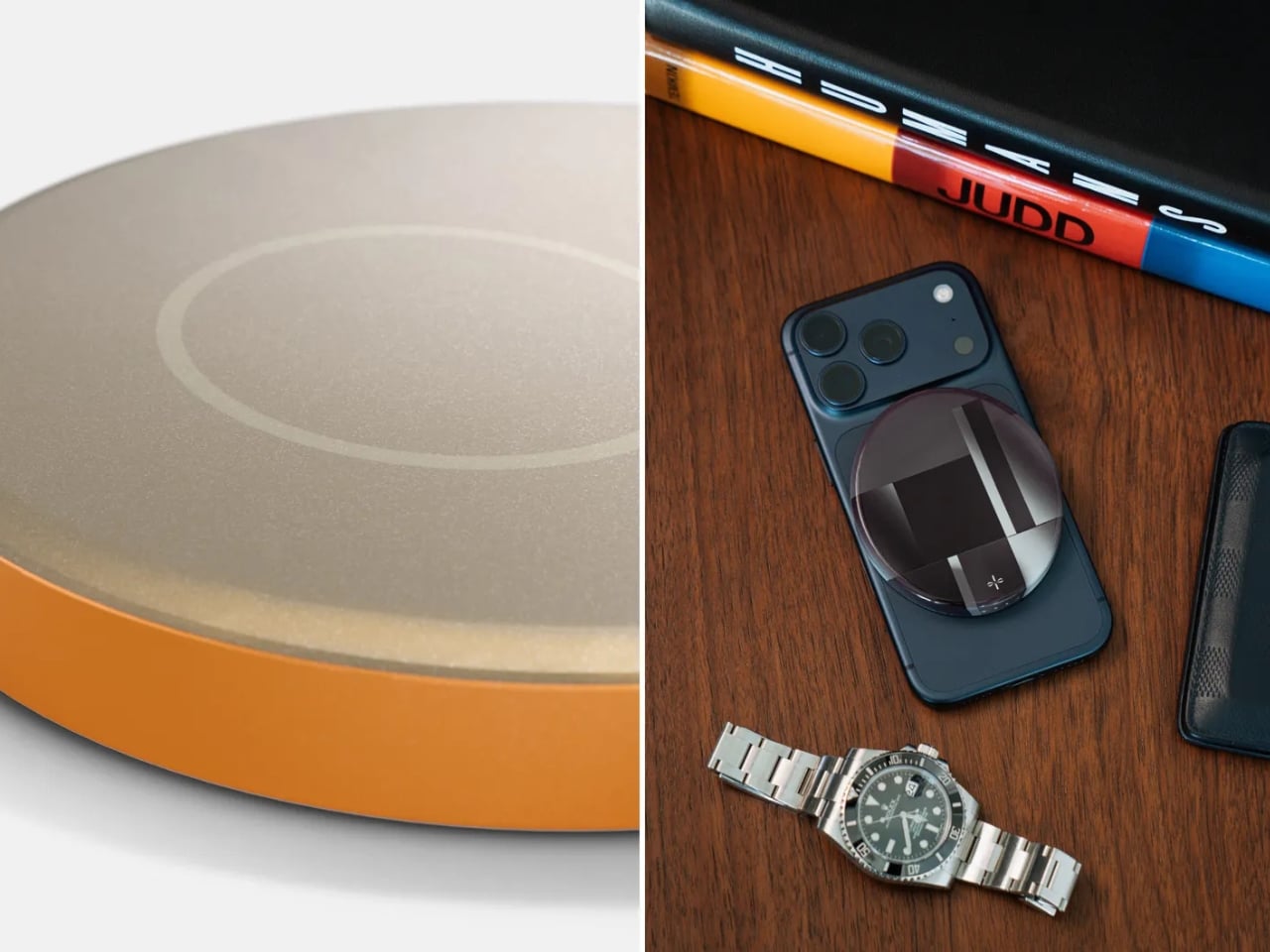
The aluminum body gives it a quality feel that separates it from the usual plastic gadgets cluttering our lives. Addition offers 17 different designs across three finishes (black, champagne, rose gold, and silver), so you can pick something that actually matches your aesthetic rather than settling for boring black box number 47. What’s really clever is the packaging. The keepsake box ALMA comes in isn’t just pretty, it doubles as a charging pad. So you’re not buying another single-purpose accessory that ends up in a drawer. The box earns its keep on your nightstand or desk as a functional part of the ecosystem.
Robert Louey, Addition’s chief design officer, said they wanted everyday tech to feel like seven-star hospitality. That might sound a bit dramatic, but when you consider how much of our interaction with technology feels clunky and frustrating, aiming for that level of seamlessness makes sense. The oval shape isn’t just for looks. It’s designed to rest naturally in your palm, creating that satisfying tactile experience that Apple perfected with their products.
Under that sleek exterior, ALMA packs some serious innovation. It uses a custom round lithium-ion battery (the first of its kind for this application) and custom internal components to achieve that impossibly thin profile. LED indicators show you the charge status at a glance: one light means 1% to 33%, two lights mean 34% to 66%, and so on up to four lights at 96% to 100%. Simple, intuitive, no guesswork.
ALMA works with any Qi-enabled device, so whether you’re team iPhone, Samsung Galaxy, Google Pixel, or even rocking wireless AirPods, you’re covered. That universality matters in a world where we’re constantly switching devices or sharing chargers with friends who have different phones. At $85 for one or $170 for a set of two, ALMA isn’t exactly impulse-purchase territory. But here’s the thing: when you factor in what you’re actually getting, a beautifully designed object that solves a daily annoyance, eliminates cable clutter, and happens to be customizable, the price starts making more sense. This is clearly positioning itself as the luxury option in a sea of generic alternatives.
Addition is a female-founded company launched by Laura Schwab, who has decades of experience with luxury brands like Jaguar Land Rover and Aston Martin Lagonda. That pedigree shows in the attention to detail and the understanding that design isn’t just about how something looks, it’s about how it makes you feel when you use it.
A lot of tech accessories now are afterthoughts, designed purely for function with zero consideration for aesthetics. But ALMA represents something refreshing. It’s technology that doesn’t apologize for wanting to be beautiful. It’s portable power that doesn’t make you feel like you’re carrying around emergency equipment. It’s the wireless charger that finally delivers on the promise of being truly wireless.
We’ve all been there. It’s 2:47 AM, and you’re staring at your ceiling, mentally calculating how many hours of sleep you’ll get if you fall asleep right now. Spoiler alert: that math never helps. Designer JeJun Park clearly understands this universal struggle, because Re:M tackles the insomnia problem from a completely fresh angle.
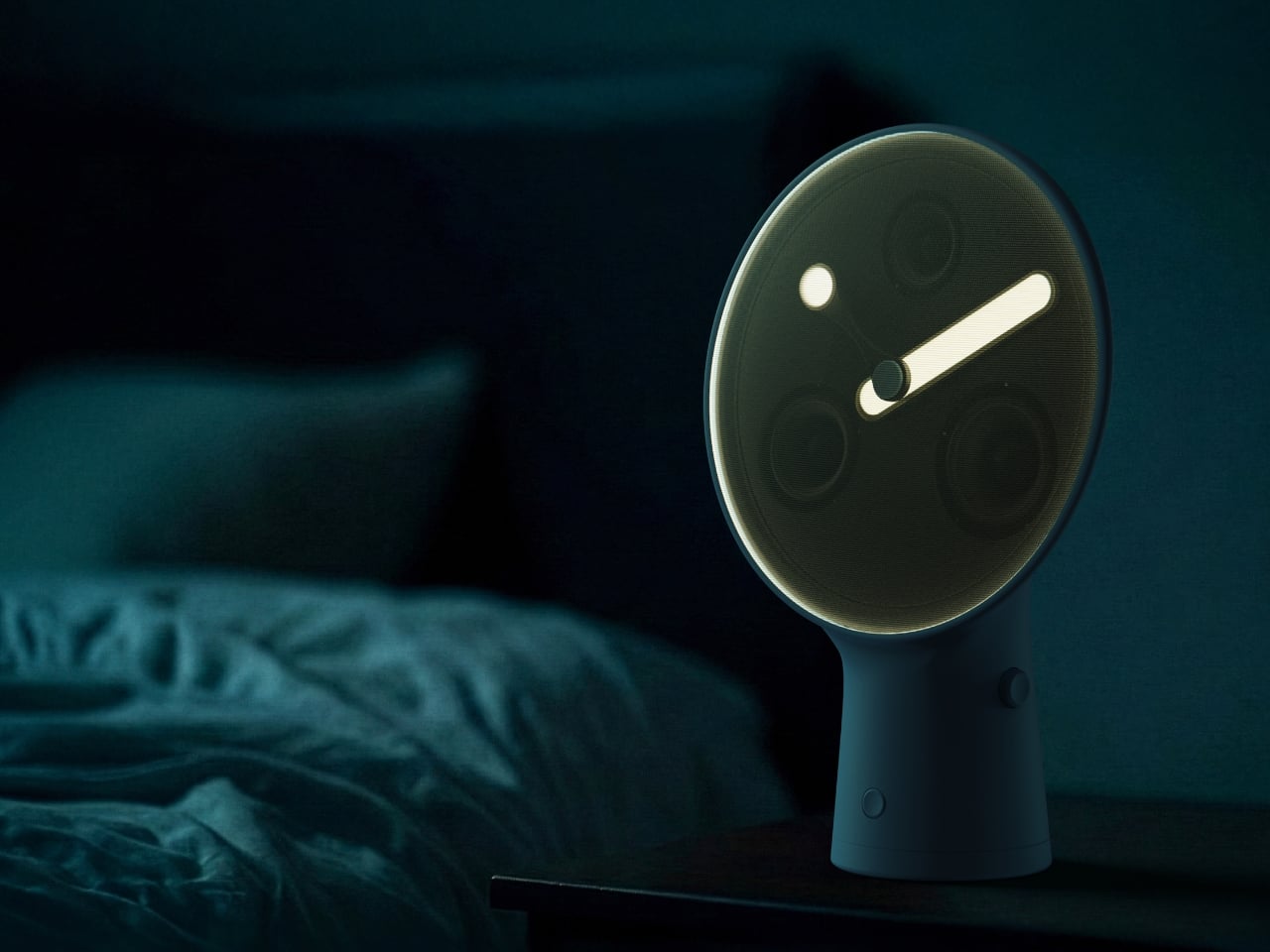
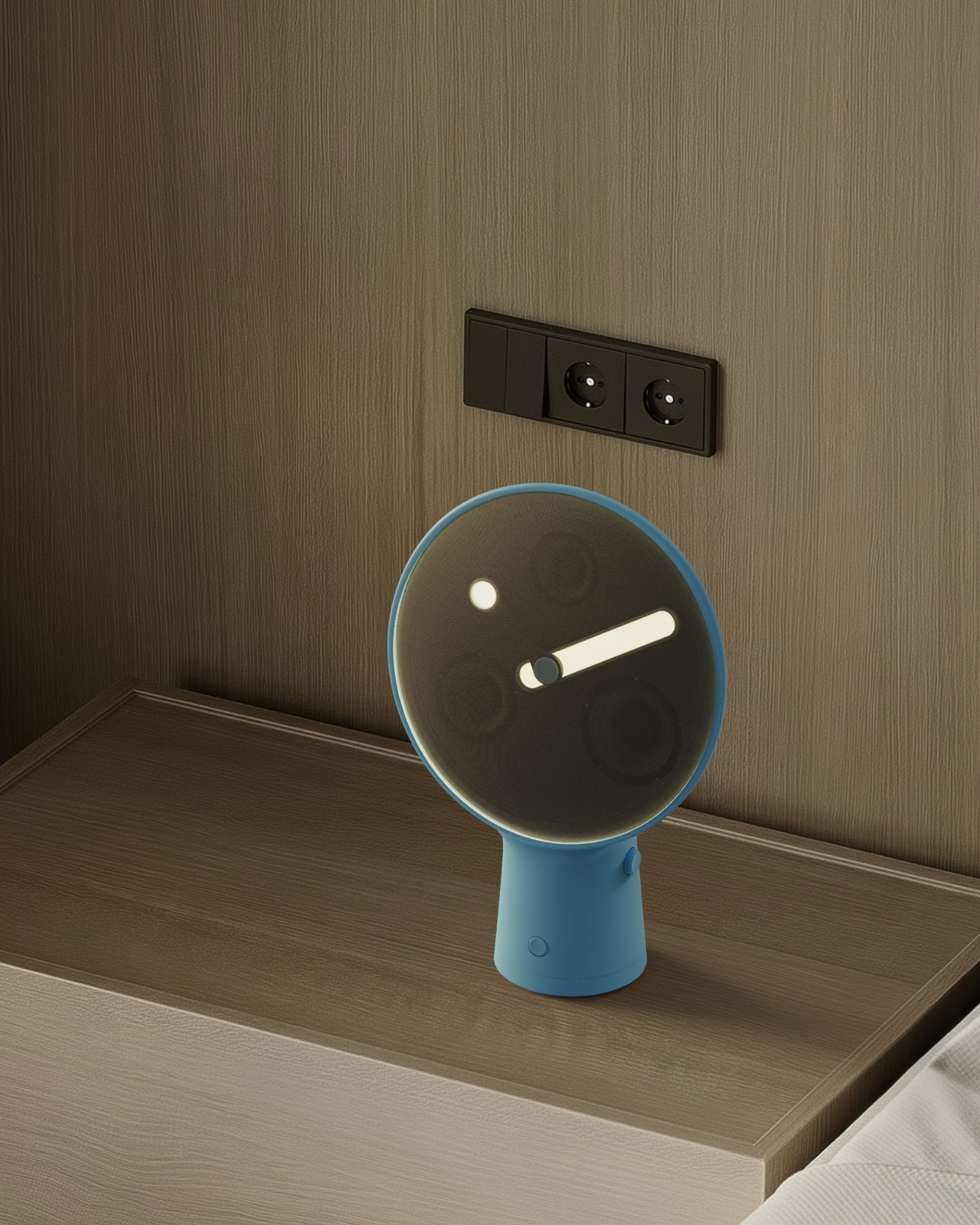
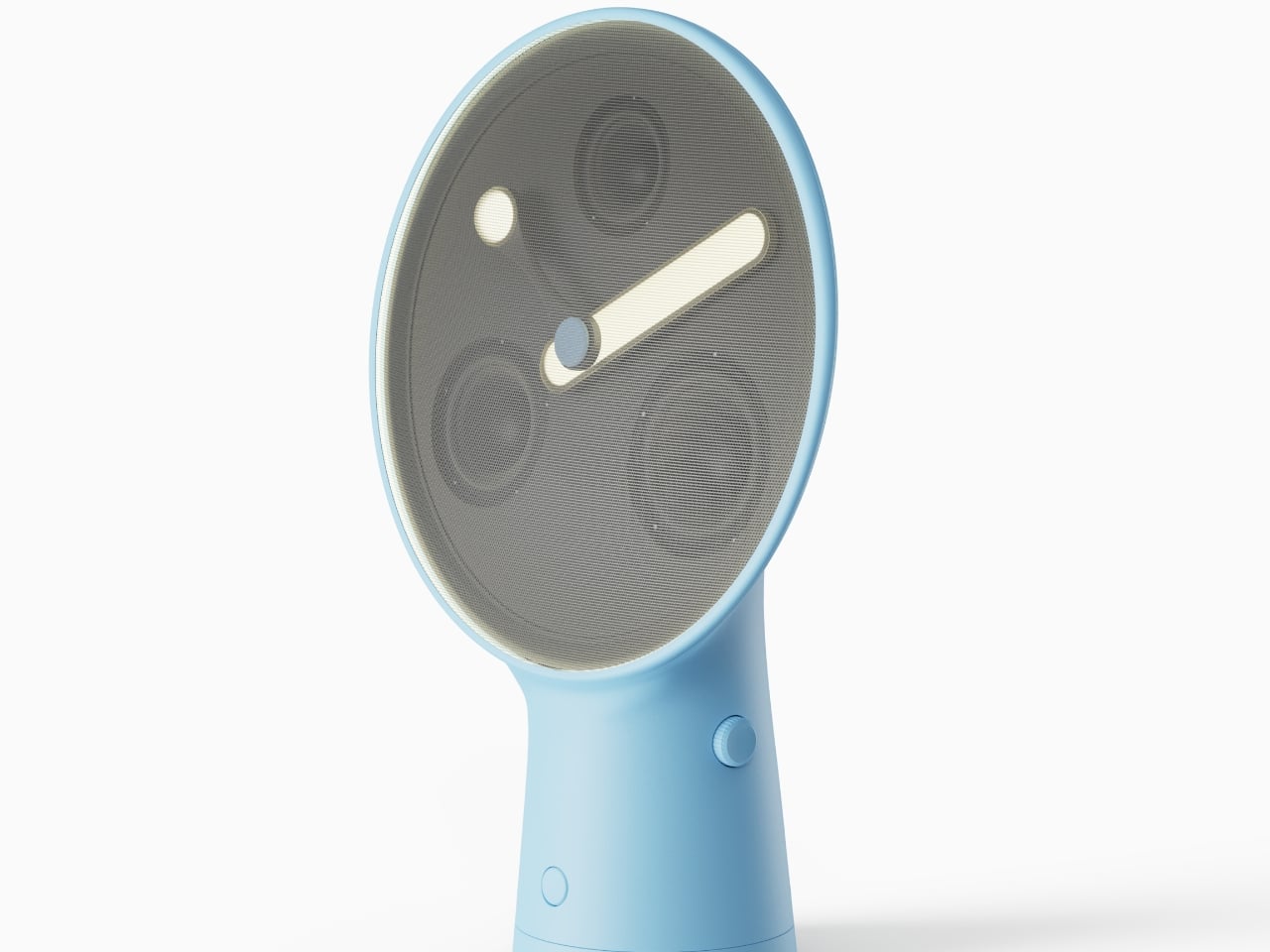
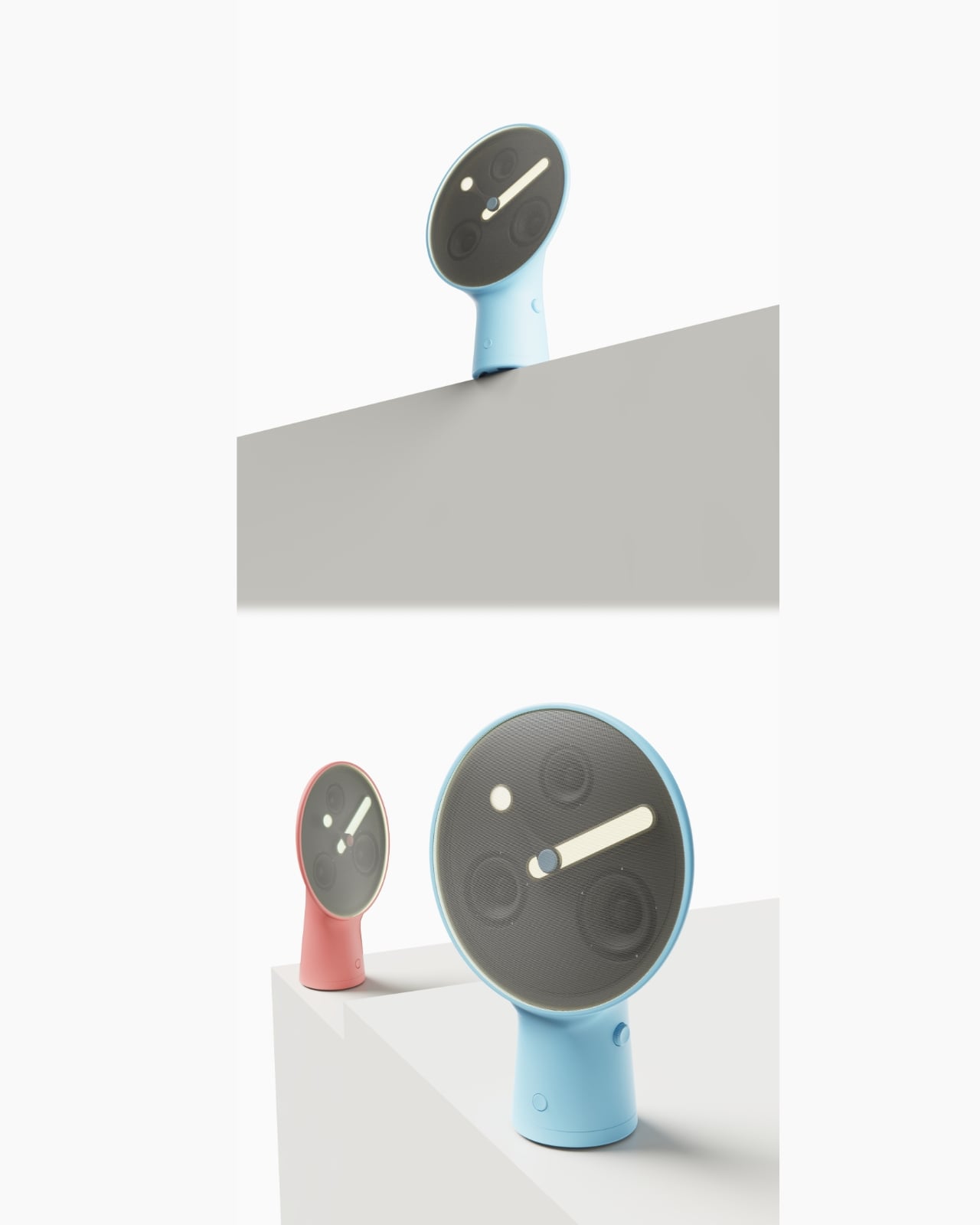
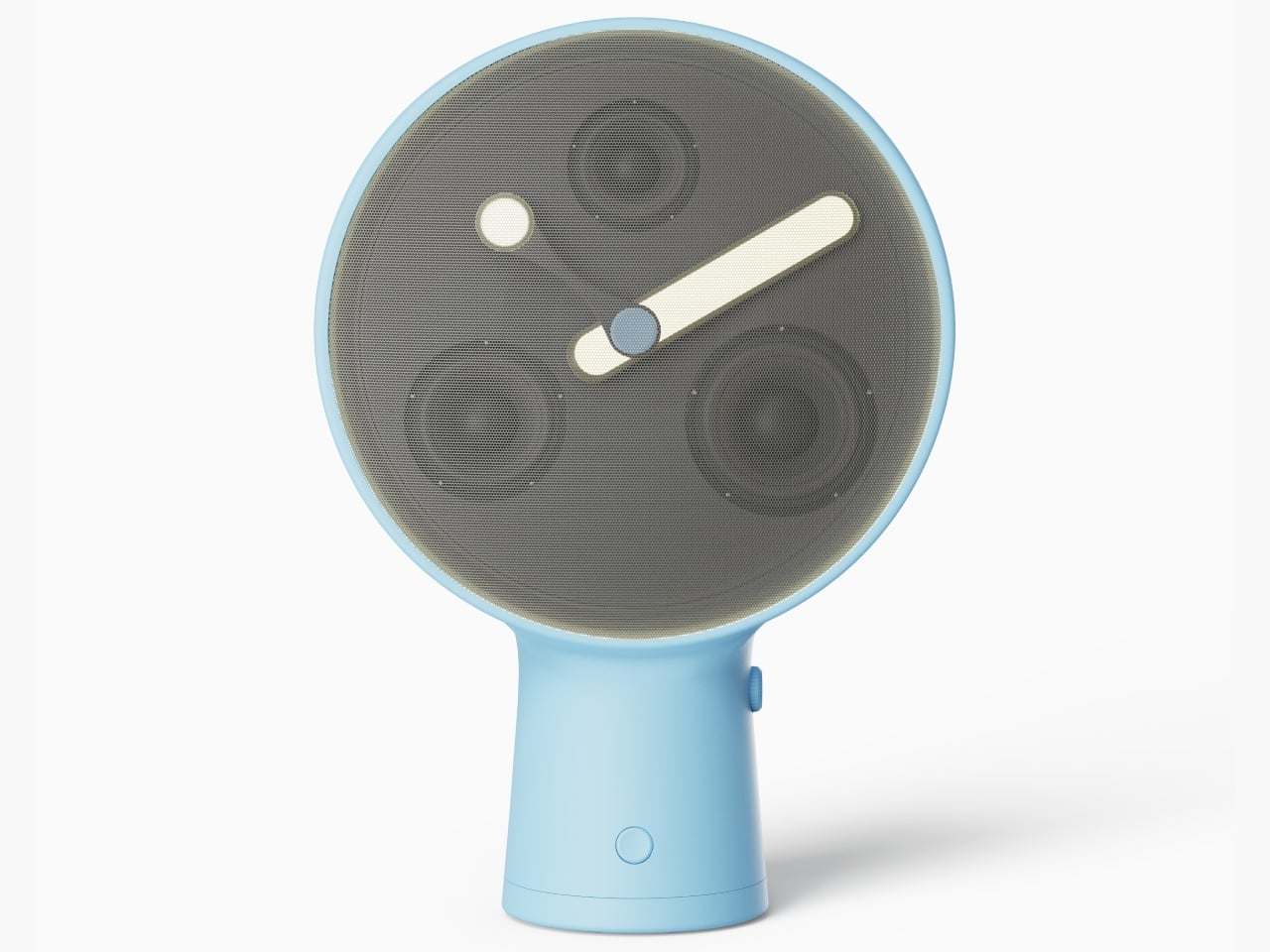
At first glance, Re:M looks like it wandered out of a minimalist’s dream. It’s got that soft baby blue finish that feels calming just to look at, and an oval speaker face that tilts upward like it’s ready to have a conversation with you. But here’s where it gets interesting. This isn’t just another white noise machine or smart alarm clock trying to do everything at once. It’s what Park calls a “sleep care object,” which is honestly a much better way to think about it.
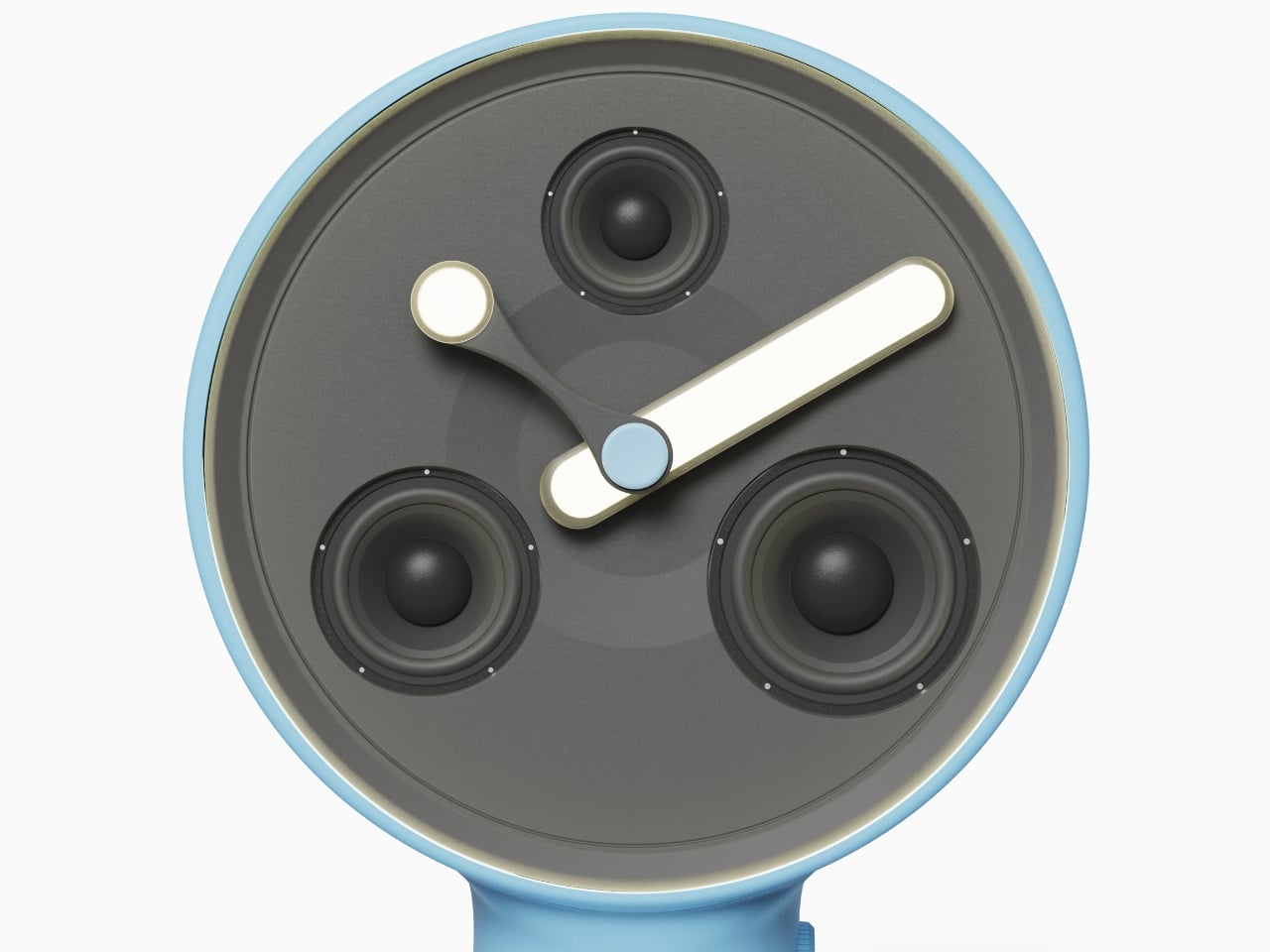
The most brilliant design choice? Those numbers you obsessively check at 3 AM? Gone. Instead of a traditional clock face with digits taunting you about lost sleep, Re:M shows time through just a simple dot for the hour and a line for minutes. It sounds almost too minimal, but that’s exactly the point. When you’re not fixating on the exact time, you stop doing that awful mental math about your dwindling sleep window. You just… let go. The clock becomes ambient, flowing, present but not demanding your attention.
The whole device is built around this philosophy of removing anxiety triggers. Those aluminum dome speakers aren’t just there to look pretty (though they definitely do). They pump out everything from white noise to nature sounds, creating an audio cocoon that blocks out the neighbor’s dog or street traffic. You know that feeling when you’re camping and the gentle sounds of a stream or rustling leaves just knock you out? That’s what Re:M is going for, minus the mosquitoes and uncomfortable sleeping bag.
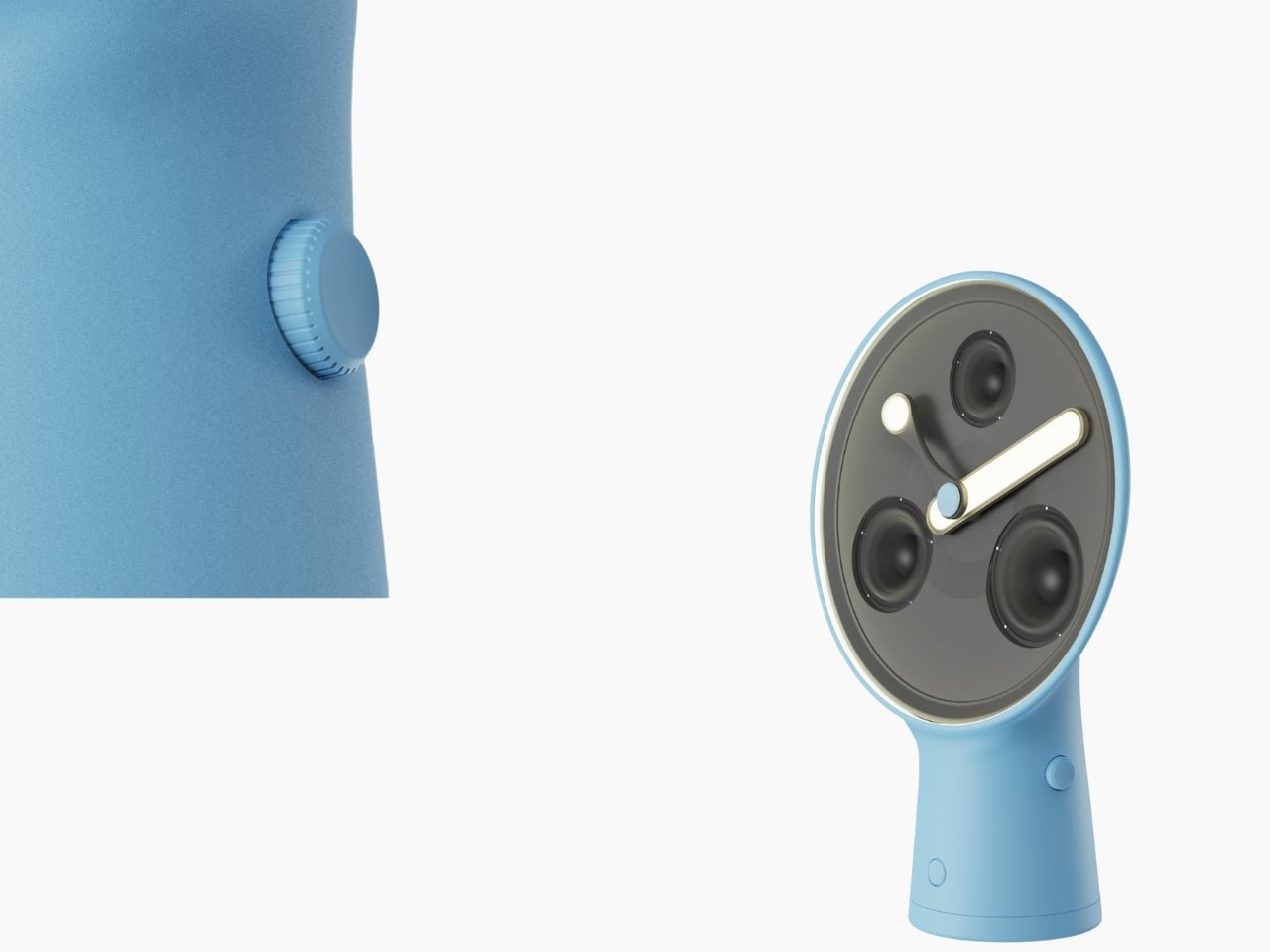
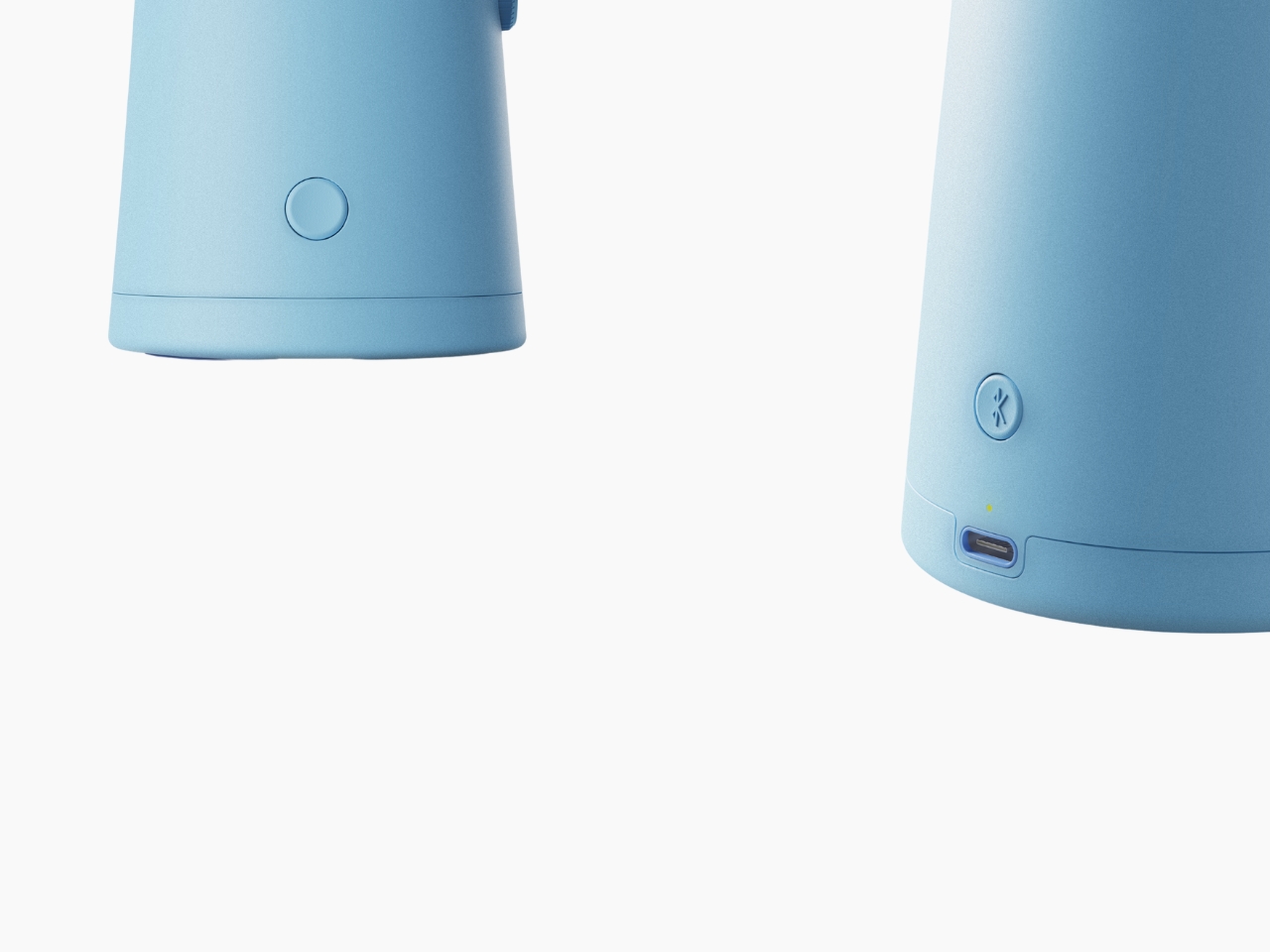
What really sets this apart from other sleep gadgets is how thoughtfully Park has considered every interaction. Notice there’s basically one button on the entire device? That’s because all the fiddly controls live in the companion app. You’re not fumbling with multiple buttons in the dark or accidentally blasting sound at full volume. The power button is tucked discreetly out of sight, and that side dial handles volume adjustments with precision that touchscreens could never match. It connects via Bluetooth, so you can fine-tune everything from your phone during the day, then just tap the device to turn it on at night.
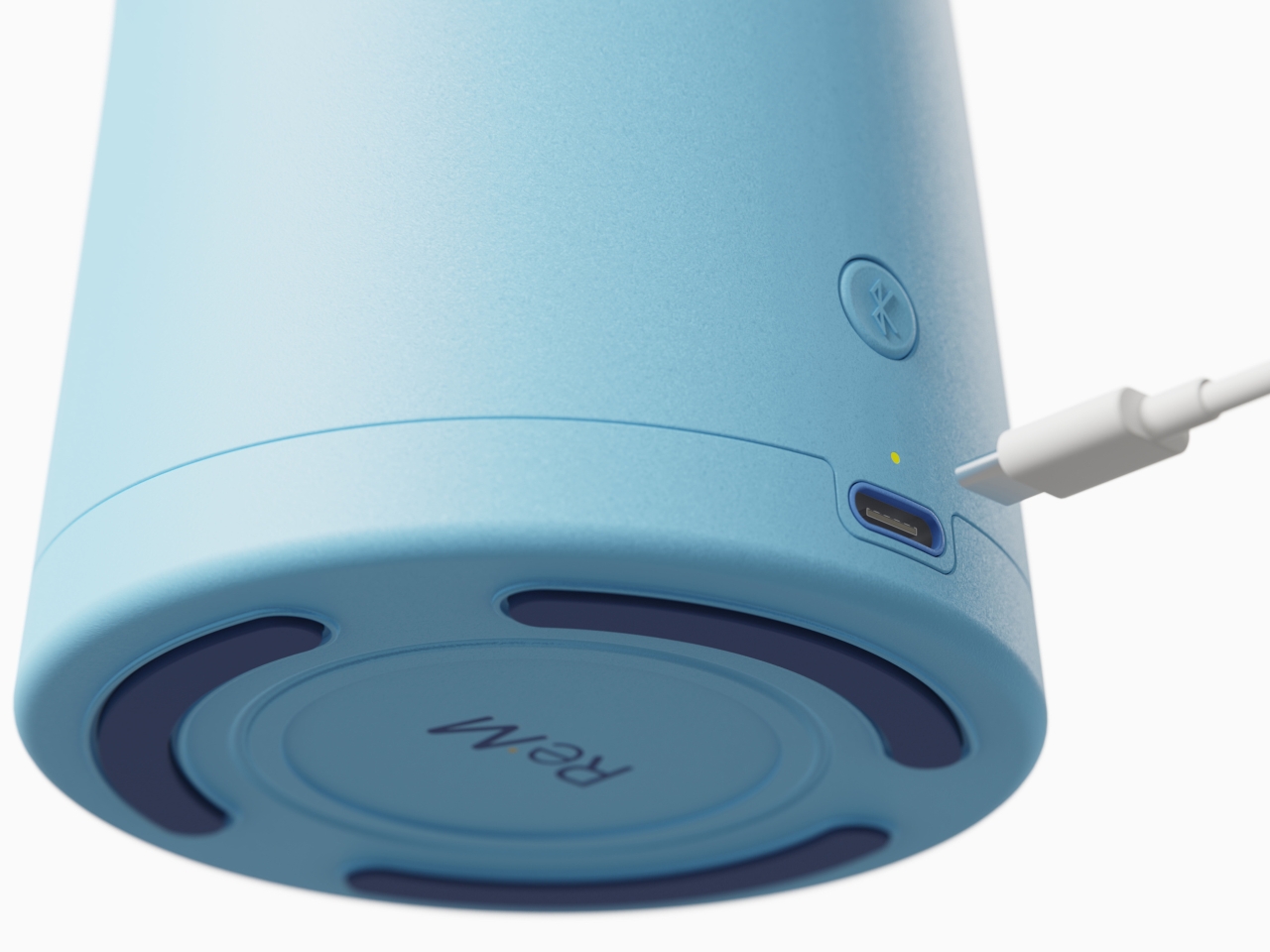
Even the wake-up experience got a redesign. Instead of a jarring alarm, Re:M gradually increases both nature sounds and a gentle brightening light. It’s like having a sunrise on your nightstand, coaxing you awake instead of startling you into consciousness. Anyone who’s ever been jolted awake by a blaring alarm knows how that sets the tone for your entire day. The practical touches are there too. USB-C charging means you can power it with the same cable as your phone or laptop, and a small LED dot tells you the charging status without being intrusive. The device stands on a stable base with subtle grip pads, so it’s not going anywhere if you reach for it groggily at night.
What I really appreciate about Re:M is that it doesn’t try to be everything to everyone. It’s not tracking your REM cycles, syncing with seventeen other devices, or promising to revolutionize your entire life. It’s simply designed to help you fall asleep more easily and wake up more gently. That singular focus feels almost revolutionary when every product seems to wants to be your all-in-one solution. Park has created something that addresses a real problem (we’re all sleeping terribly) with thoughtful design rather than more technology. Re:M proves that sometimes the best solution isn’t adding features, but carefully removing the things that stress us out. And honestly? In our overstimulated, always-on world, that might be the most innovative thing of all.
Getting a laptop or tablet onto a TV or projector usually involves digging for the right cable, switching inputs, or wrestling with built-in casting that drops connections at the worst moment. This happens in meeting rooms, classrooms, and living rooms, turning simple screen sharing into a minor technical puzzle. A small, dedicated wireless bridge feels like a relief when it just works without software or setup rituals that waste five minutes before anything appears.
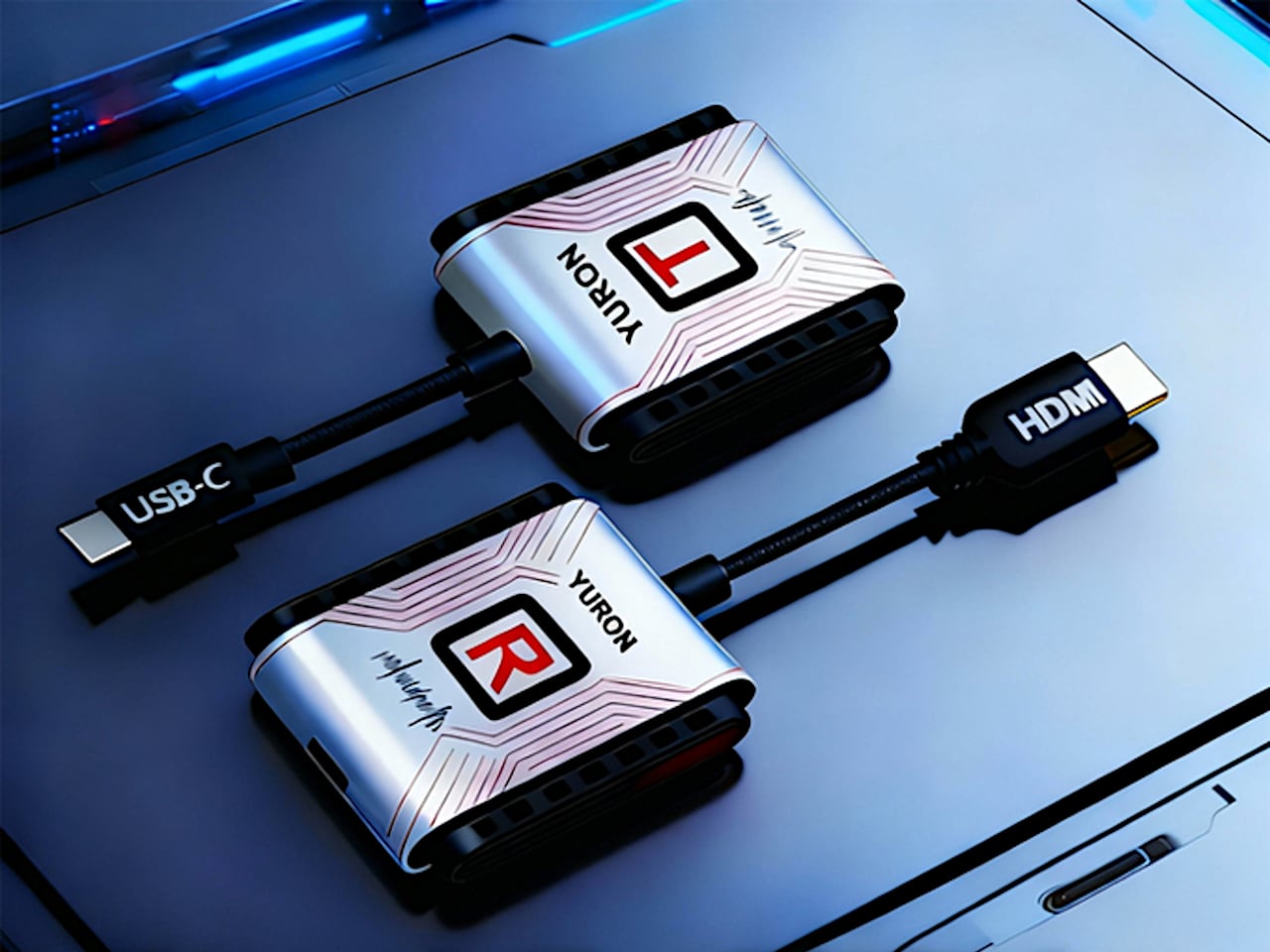
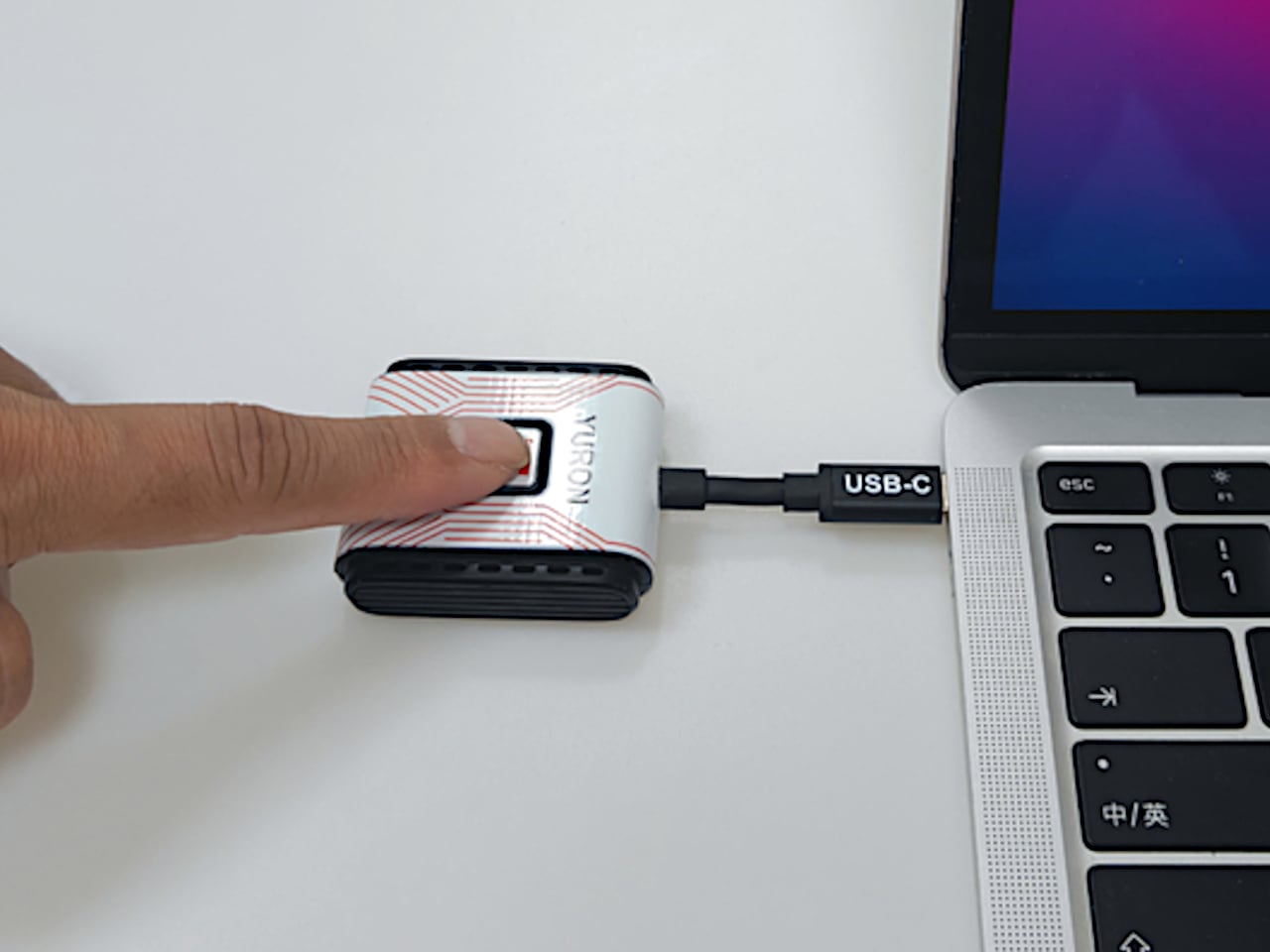
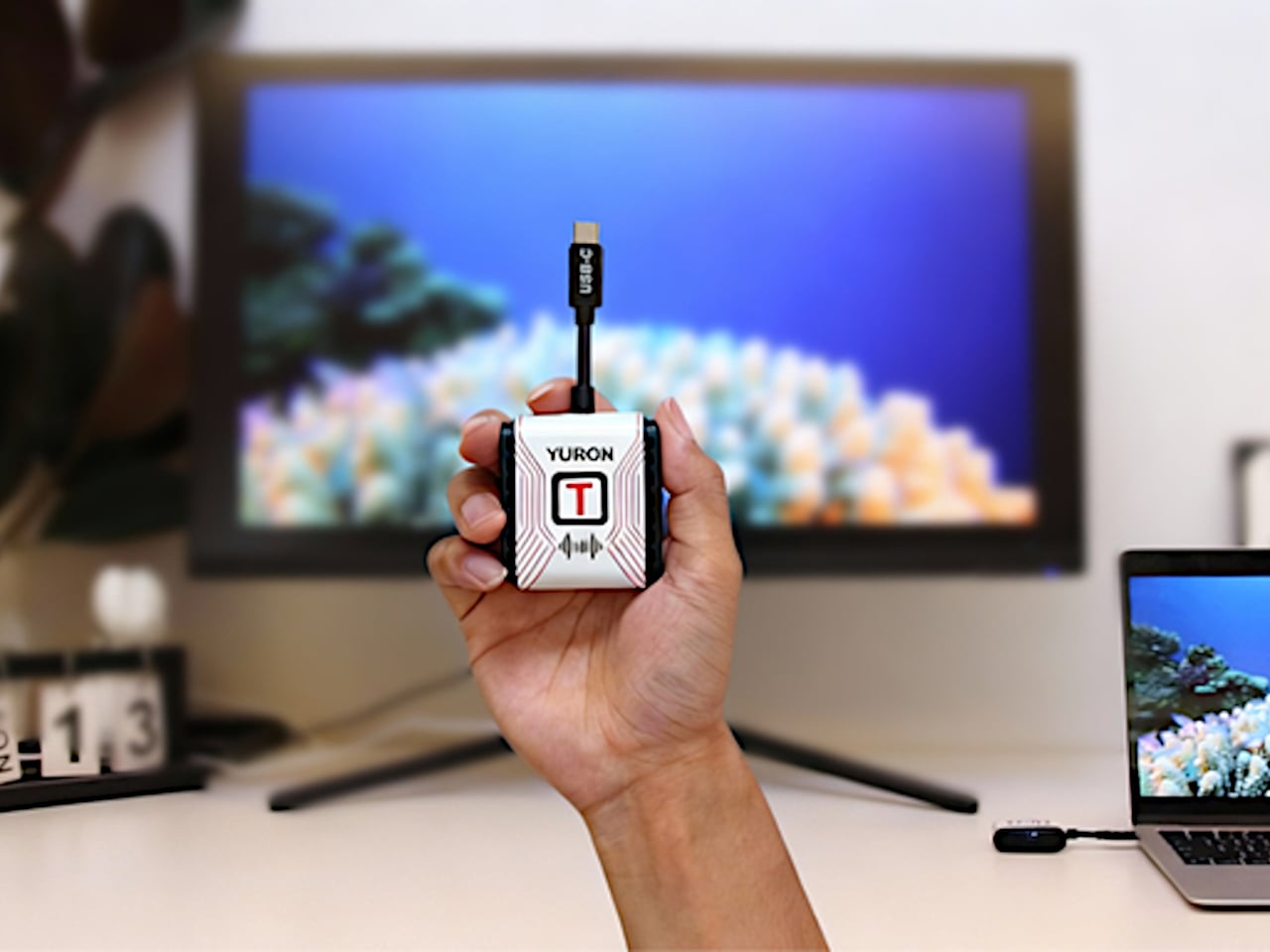
YURON is a plug-and-play 4K transmitter and receiver pair that lives in a bag or drawer until needed. One end plugs into a device over USB-C or HDMI, the other into a display’s HDMI port, and the link comes up automatically over its own 5G Wi-Fi connection. No apps, no pairing, no joining a network, just a direct path for video and audio that starts working the moment both sides power on.
YURON handles 4K 60 Hz HDR10 video up to 45 m, using H.265 compression, adaptive 5G Wi-Fi, and error correction to keep the picture smooth. It is fast enough for presentations, movies, and casual gaming, with audio and video traveling together, so there is no awkward lag. The point is to make the wireless link feel as transparent as a cable, without the cable running across the floor or desk.
Walking into a meeting room or classroom, you plug the receiver into the display once, then let different laptops or tablets take turns with the transmitter. YURON supports both mirror and extended modes, so someone can present slides on the big screen while keeping notes or chat on their own display. The 45 m range means it works in larger rooms without needing to huddle near the projector.
In a living room or dorm setup, a laptop, handheld console, or streaming box can send 4K content to a TV without an HDMI run. The low latency and 60 Hz refresh make it comfortable for games and sports, and the lack of app dependencies means guests can plug in and share videos or photos without installing anything. It becomes a quiet upgrade to movie nights and couch sessions.
The one-click control lets you cut the link instantly from the transmitter, useful when switching between apps with sensitive content or when you want to check something privately before sharing it again. A single receiver can pair with up to eight transmitters, with a button press cycling through them. In a studio, office, or classroom, multiple people can share the same screen without swapping cables or logging into accounts.
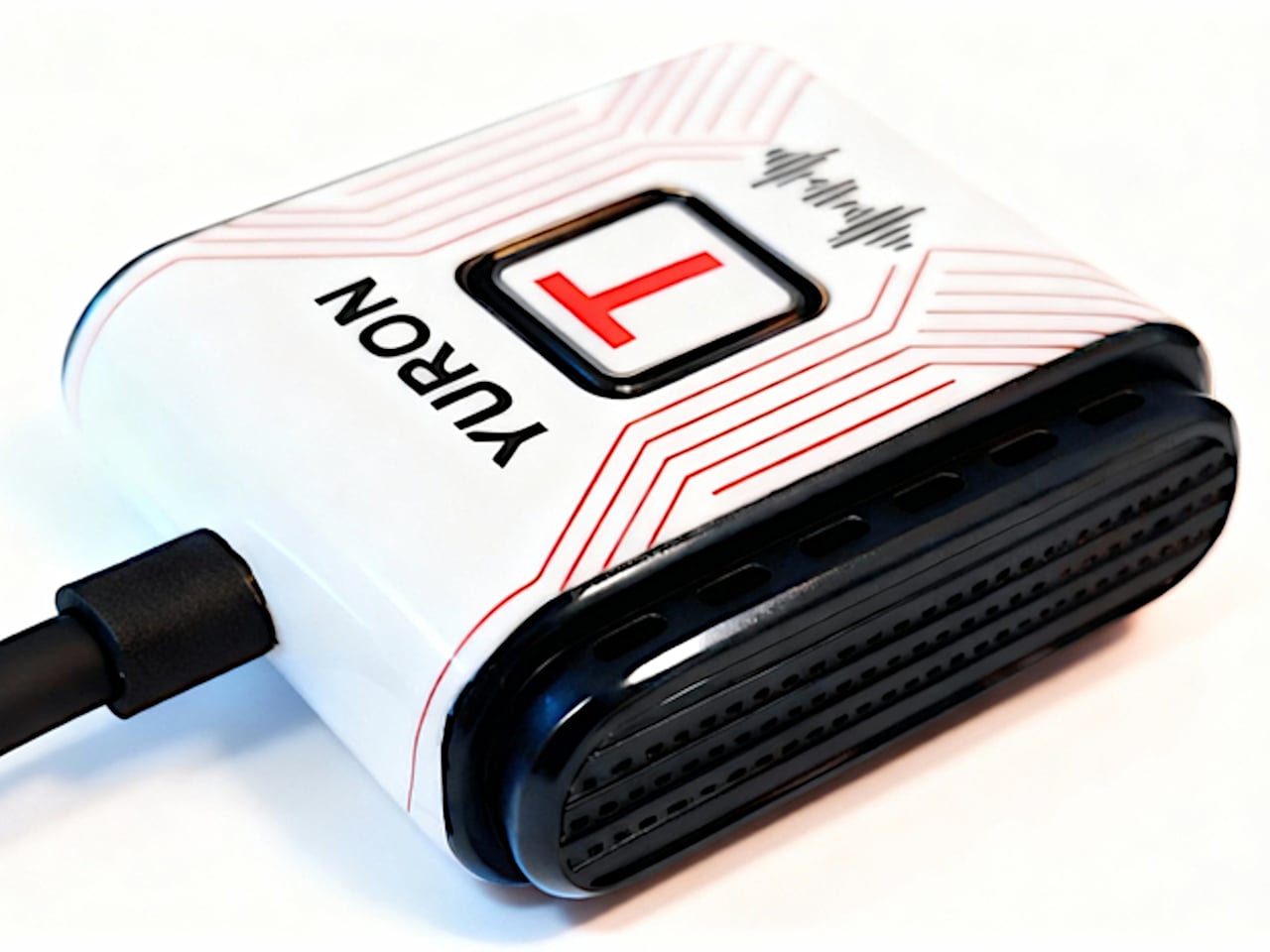
The hardware is compact and light enough to live on a key shelf or in a laptop sleeve, with a USB-C port that supports up to 100W Power Delivery, so a laptop can stay charged through the same connection. The internal cooling design, with multiple thermal zones and ventilation holes, keeps performance stable during long 4K sessions. It is the kind of detail that makes a small device feel engineered rather than improvised.
YURON turns screen sharing from a minor technical hurdle into something almost invisible. Instead of planning around cables or hoping a TV’s casting feature cooperates, you plug in a small pair of devices and treat any display as if it were directly connected. For people who move between work, study, and play, that kind of quiet reliability is often what makes a tool worth keeping in the bag, especially when the alternative is fumbling with adapters or explaining why the screen is still blank three minutes after the meeting was supposed to start.
Cory Doctorow coined the term “enshittification” to describe how internet platforms inevitably decay, prioritizing advertisers and shareholders over users who made them successful in the first place. What begins as a useful service gradually transforms into an advertising delivery system wrapped around minimal functionality. Websites that once loaded instantly now take seconds to render as they auction off your attention to the highest bidder. Social media feeds become algorithmic nightmares designed to maximize engagement with sponsored content rather than connections with actual people. This isn’t accidental degradation but a deliberate business model that treats users as products to be packaged and sold.
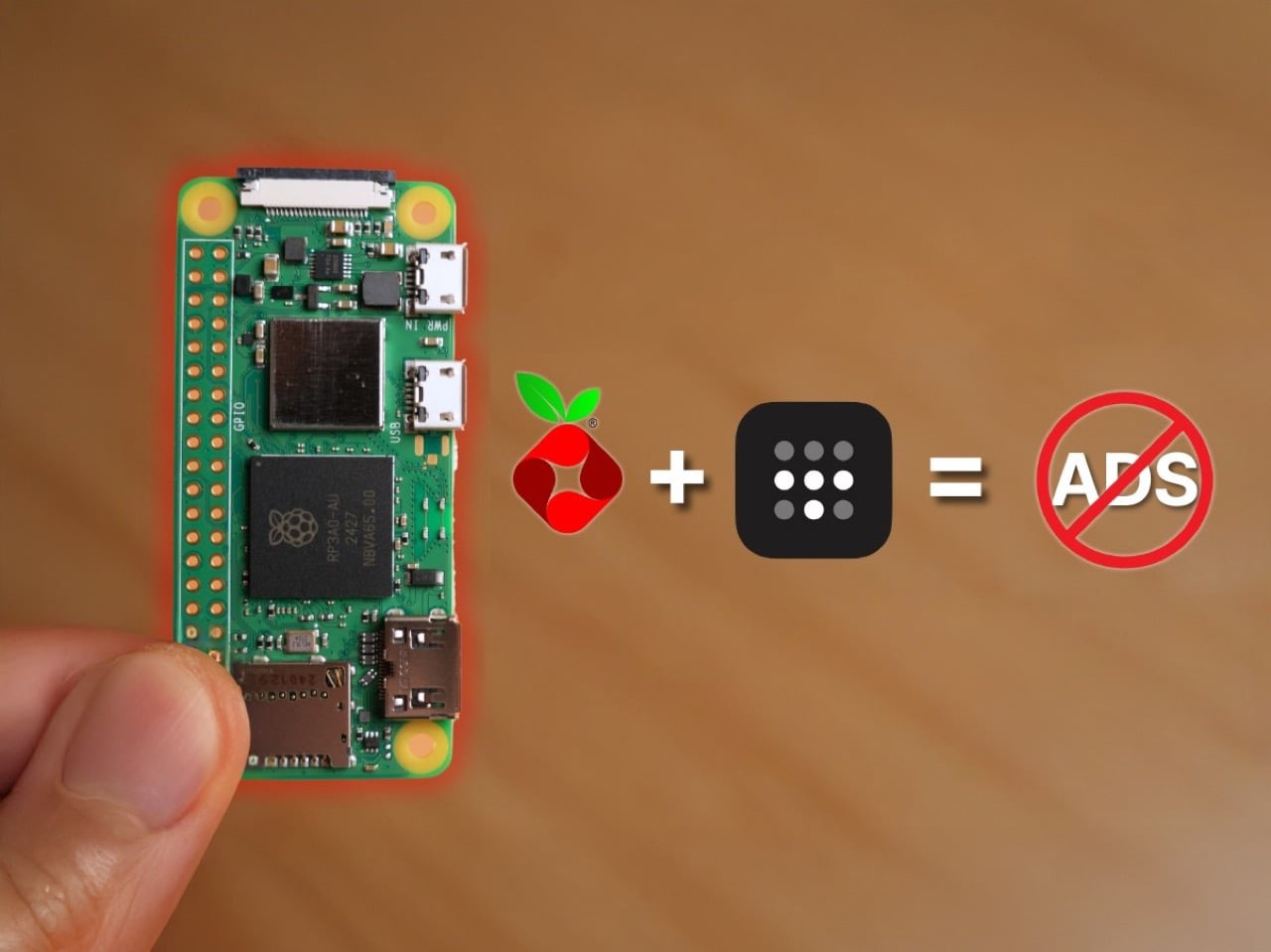
Fighting back against enshittification requires taking control of your own infrastructure rather than hoping platforms will respect your time and privacy. The Raspberry Pi Zero 2W running Pi-hole software represents a practical form of digital self-defense that costs less than $30 and works continuously in the background. This tiny computer sits on your home network and blocks advertising domains before they reach your devices, creating a cleaner internet experience across phones, tablets, computers, and smart TVs simultaneously. Adding Tailscale extends this protection beyond your home, ensuring that your browsing remains uncluttered whether you’re traveling or working remotely. The setup takes an evening and requires no programming expertise, just a willingness to reclaim your digital experience from platforms that have forgotten who they’re supposed to serve.
Designer: Enrique Neyra
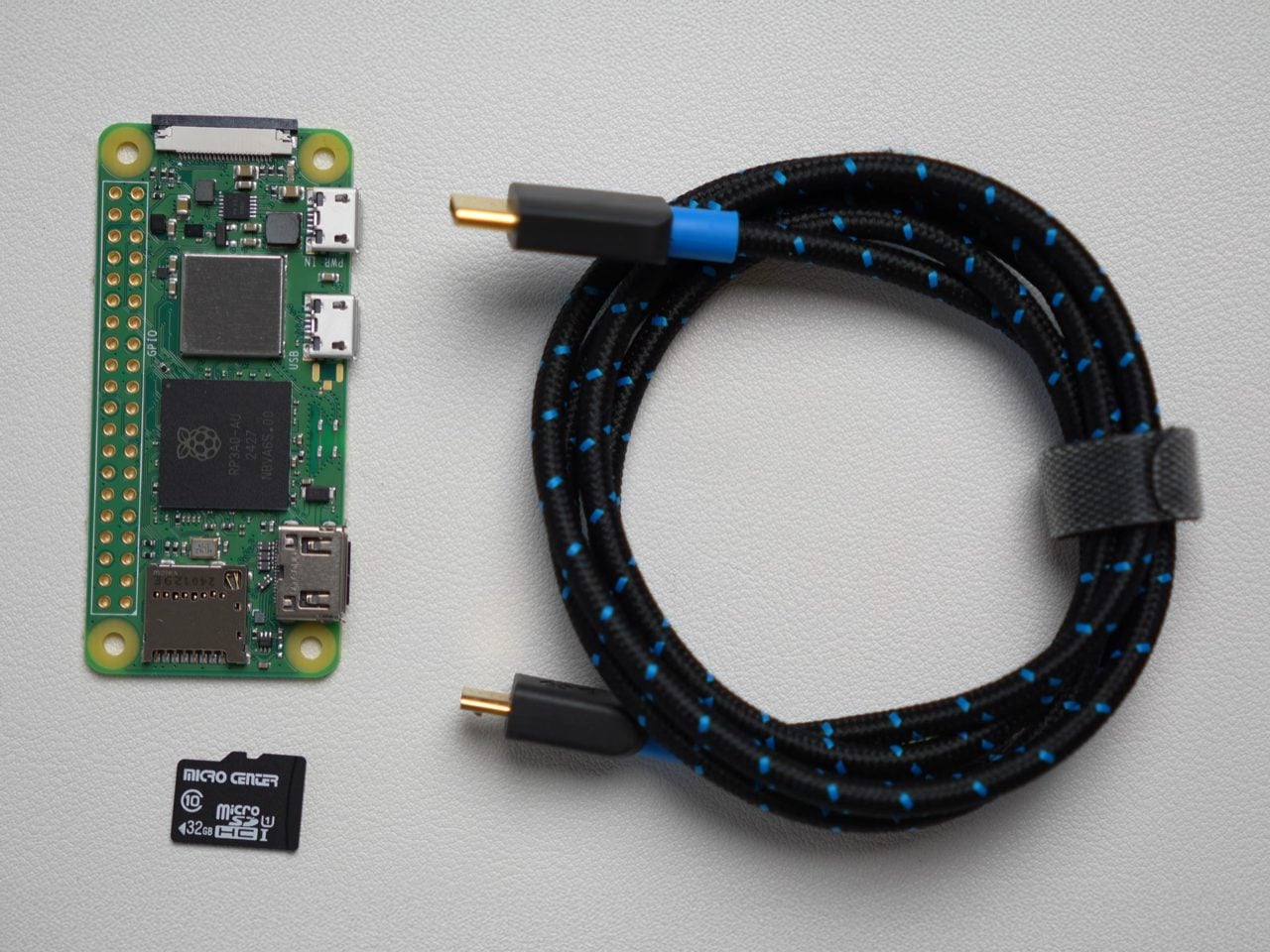
You’d expect an ad-blocker to be substantial on either the hardware or the software front, but this build proves just how small, easy, and cheap everything is. The Raspberry Pi Zero 2W running this entire thing measures 65mm by 30mm, smaller than most people’s wallets, drawing about 2 watts when it’s actually working. You could run this thing 24/7 for a year and spend less on electricity than a single trip to Starbucks. The whole shopping list is stupidly cheap too: the Pi itself runs $15, throw in an 8 dollar micro SD card and whatever USB cable you’ve got rattling around in a drawer. Thirty bucks max, and suddenly you’ve got hardware that can filter ads for every single device in your house.
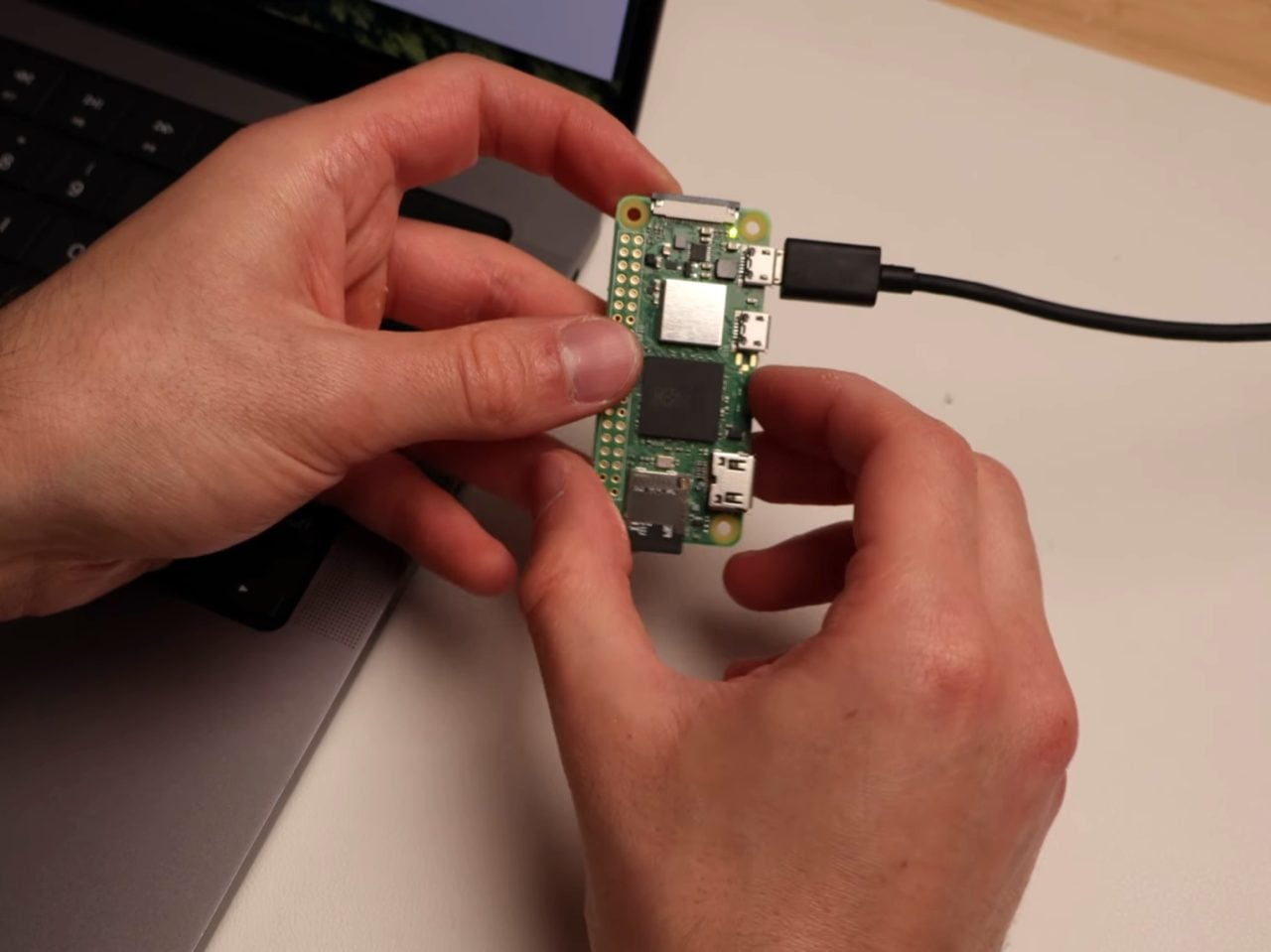
The Pi runs headless, meaning no monitor, no keyboard, just sitting there quietly doing DNS work in the background. You flash Raspberry Pi OS Light onto the SD card using their imaging tool, which strips out all the desktop environment bloat since you’ll never actually see a screen. During setup you punch in your WiFi credentials, enable SSH so you can talk to it remotely, and give it a hostname. Three minutes later the OS is ready and you’re plugging the card into the Pi. Boot it up, SSH in from your laptop, and you’re looking at a command prompt on a computer the size of a pack of gum.
Pi-hole (an open-source software that blocks ads across the entire network) installs with one command. Literally paste it into the terminal and the script handles everything, walking you through prompts about which DNS provider you want upstream and whether you want query logging enabled. You absolutely want the web admin interface because that’s where you’ll watch the magic happen in real time. The trickier bit is the static IP assignment, which sounds intimidating but really just means logging into your router and clicking a button that says “reserve this IP for this device.” Most modern routers make this dead simple. ISPs like Spectrum have apps where you just scroll through connected devices, find your Pi, and hit reserve. Done.
Once the Pi has its permanent address, you point your router’s DNS settings at it instead of whatever your ISP provides by default. Every device on your network now funnels DNS requests through Pi-hole before connecting to anything. Pi-hole maintains these massive blocklists of known advertising and tracking domains, thousands of entries that get updated regularly. Your phone tries to load an ad from doubleclick.net? Blocked. Facebook wants to ping its analytics server? Blocked. The actual content you’re trying to see loads normally while all the parasitic garbage just vanishes. The Pi-hole dashboard shows you this happening in real time, queries flying in and getting either allowed or blocked based on the lists.
The really clever part is Tailscale, which turns your home setup into something you can use anywhere. Tailscale creates this encrypted mesh network between all your devices using WireGuard under the hood, and it’s shockingly easy to configure. Install it on the Pi with another single command, authenticate through their web console by clicking a link, and boom, your Pi appears in the Tailscale admin panel. Then you tell Tailscale to use your Pi’s IP as the DNS server for everything connected to your account. Now your laptop routes through your home Pi-hole whether you’re at a coffee shop in Brooklyn or an airport in Singapore. The VPN overhead adds maybe 10 milliseconds, completely imperceptible during actual browsing.
What you get is immediate and obvious. News sites that normally assault you with autoplaying video ads and popup overlays suddenly render clean. Mobile apps stop shoving interstitials between every interaction. Your smart TV’s interface becomes less cluttered with sponsored content tiles. Pi-hole typically blocks 20 to 30 percent of all DNS queries, which translates directly into faster page loads because your devices skip downloading megabytes of ad scripts and tracking pixels. Battery life improves on phones and laptops since they’re not constantly rendering and refreshing ad content in the background. The internet feels faster because it actually is faster when you’re not waiting for seventeen different ad networks to respond.
Now, the limitations. DNS blocking works great until it doesn’t, and the main place it fails is when ads come from the same domain as the content you want. YouTube is the classic example because Google serves ads from youtube.com subdomains that the platform needs for actual video playback. Block those domains and you break the whole site. Some news organizations have gotten smarter about this too, serving ads from their own CDNs to sidestep DNS filters. You’re looking at maybe 95 percent effectiveness across the broader web, which is substantial but leaves gaps. For the stubborn stuff you still need browser extensions (or use the Brave browser that even blocks YouTube ads) or just simply accept some ads will slip through. If you’ve reached this far, the latter clearly sounds like it isn’t an option.
The other consideration is dependency. If your home internet goes down and you’re traveling somewhere relying on Tailscale to route back through your Pi-hole, you lose DNS resolution entirely. You can mitigate this by configuring a secondary DNS server like Google’s 8.8.8.8 as a fallback, though that partially defeats the privacy angle. Some people solve this by running Pi-hole in the cloud on something like Google Cloud’s free tier, which gives you better uptime but requires more sophisticated networking to avoid creating an open DNS resolver that attackers can hijack for DDoS amplification. That’s a whole different level of complexity that I’m frankly not equipped to even explain.
The upside, even with this regular build, is massive. For thirty bucks and an evening of tinkering, you get network-wide ad blocking that follows you everywhere and works on every device you own without individual configuration. That’s precisely the practical digital self-defense Doctorow addresses about when he describes taking back control from platforms designed to extract value rather than provide it. The web becomes usable again, and I know that shouldn’t sound like a massive deal… but honestly, after seeing ads in Google, Gmail, Instagram, YouTube, Uber, heck, even ChatGPT, it kinda does feel game-changing.