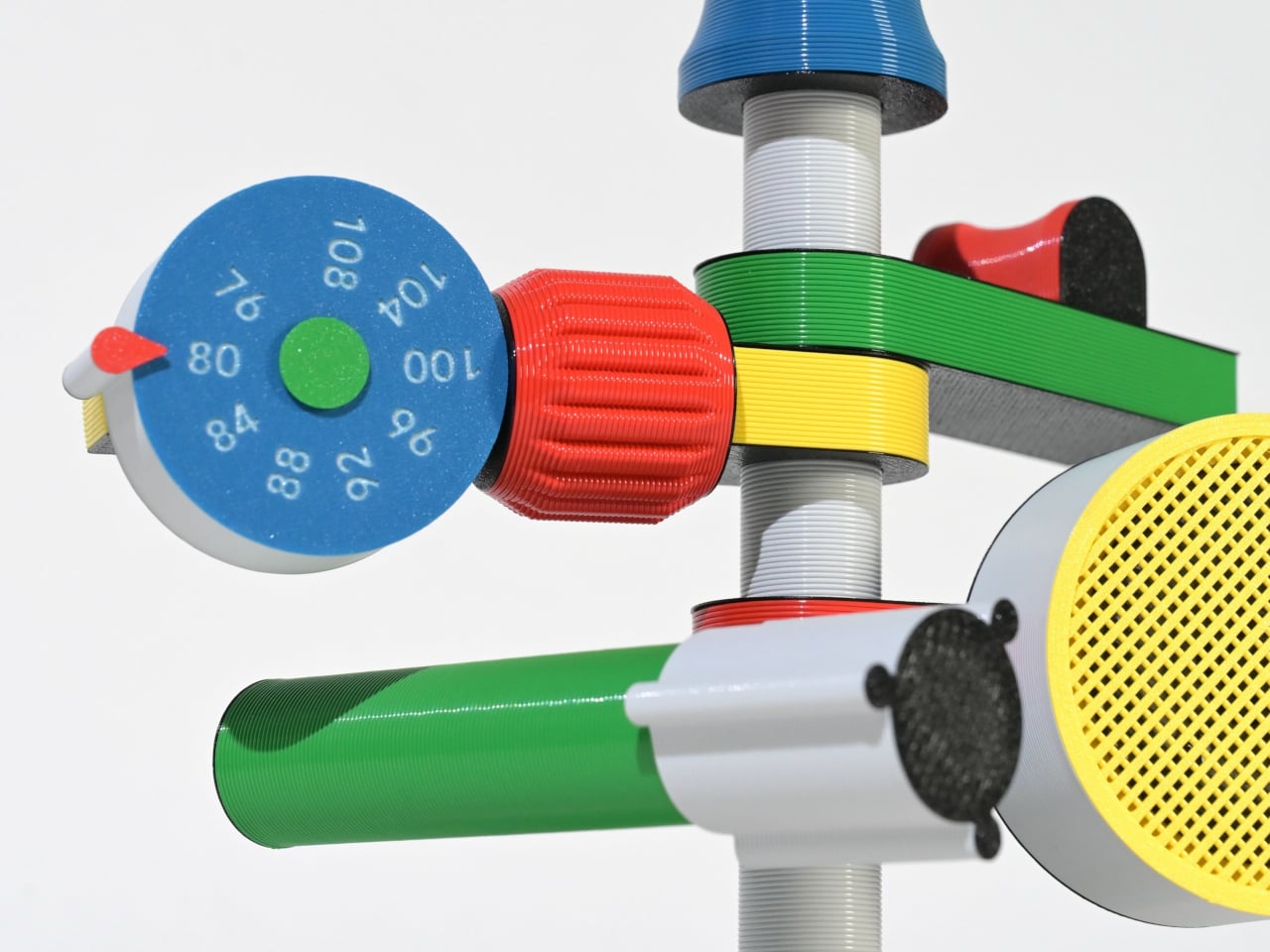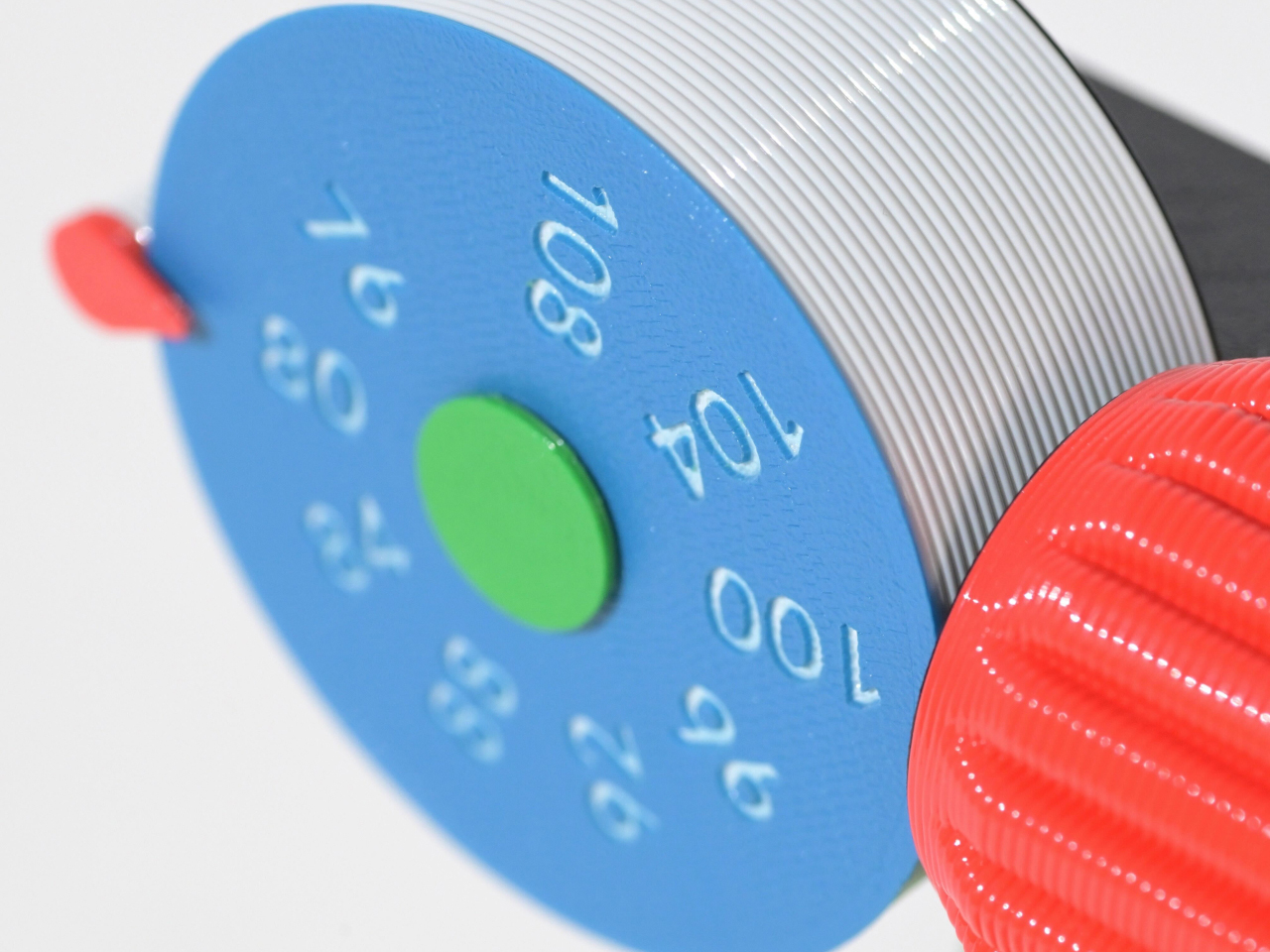
Yukai Engineering has taken an unexpected turn with its latest robotics innovation. The Tokyo-based startup unveiled Baby FuFu at CES 2026, a portable fan robot designed specifically for babies and toddlers. This isn’t just another tech gadget—it’s a thoughtful response to parent feedback and a clever evolution of the company’s existing product line.
Baby FuFu is essentially a supersized version of Yukai’s popular Nékojita FuFu, the drink-cooling robot that captured attention at previous tech shows. While the original FuFu helped people cool their coffee and soup, this new iteration doubles the size to create a child-friendly cooling companion. The robot is expected to launch in mid-2026 with a price tag between $50 and $60. Safety sits at the heart of Baby FuFu’s design. The robot features a specialized “slit plate” inside its mouth that keeps fan blades completely enclosed, protecting curious little fingers from any contact. The internal fan draws air from the bottom and pushes it out through the robot’s mouth, creating a gentle breeze without exposed moving parts.
The design proves remarkably practical for parents on the go. Baby FuFu’s hands and feet are specially shaped to grip stroller handles securely, offering hands-free cooling during walks or errands. Parents can adjust the robot’s angle to direct airflow exactly where it’s needed, whether that’s a child’s face during a hot afternoon or creating a gentle breeze during naptime. Three airflow strength modes provide flexibility for different situations and temperatures.
According to Shunsuke Aoki, CEO of Yukai Engineering, the product emerged organically from customer experiences. Parents reported that their children loved playing with the original Nékojita FuFu, pretending to fan their faces and blow-dry their hair. Many customers explicitly requested a fan version, leading the team to develop a robot that makes personal cooling fun while addressing the serious concern of heat stroke in young children.
This launch represents Yukai Engineering’s continued commitment to creating robots that blend functionality with joy. The company has earned recognition across the industry, including a spot in TIME magazine’s Best Innovations of 2025 for the original Nékojita FuFu and CES 2023 Innovation Awards for other products in its lineup.
Baby FuFu exemplifies a growing trend in consumer robotics where practical solutions meet playful design. Rather than creating intimidating technology, Yukai Engineering crafts approachable devices that integrate seamlessly into daily life. The robot transforms a mundane necessity—keeping children cool—into an engaging experience that parents and kids can enjoy together.
Personal entertainment has drifted out of fixed rooms and into commutes, bedrooms, trails, and backyards. People bounce between earbuds, smart speakers, and projectors, often juggling separate ecosystems that do not feel designed with each other in mind. The friction is no longer just sound quality, but how easily gear fits into those shifting contexts, from the desk where you need awareness, to the pillow where you need silence, to the field where you want a movie under the stars.
Soundcore’s CES 2026 lineup follows that drift. The AeroFit 2 Pro, Sleep A30 Special, Boom Go 3i, Nebula P1i, and Nebula X1 Pro aim to move with you rather than live in one place. The common thread is collapsing trade‑offs, open‑ear comfort and ANC in one pair of buds, tiny speakers with long battery life, and projectors that pack a theater into a handle‑equipped box, each tuned to a different moment when sound or vision matters.
Designer: Soundcore (Anker)
Soundcore AeroFit 2 Pro
AeroFit 2 Pro is built for people whose days swing between needing to hear the world and wanting to block it out. The five‑level ear‑hook can reposition the nozzle so the buds behave as open‑ear hooks during runs or desk work, then slide into a semi‑in‑ear ANC form when focus or isolation is needed, without swapping hardware or carrying two pairs.
The liquid‑silicone hooks and 56 degrees of articulation keep pressure off the canal for all‑day wear in open‑ear mode, while Adaptive ANC 3.0 checks noise up to 380,000 times per second and makes 180 adjustments per minute in ANC mode. The buds include 11.8 mm drivers, spatial audio with head tracking, LDAC support, IP55 rating, and differing battery lives, up to 7 hours and 34 with case in open‑ear, up to 5 hours and 24 with case in ANC.
Soundcore Sleep A30 Special
Sleep A30 Special takes over when the day ends and the noise does not. The triple noise reduction system combines active noise cancellation, passive blocking from the low‑profile fit, and adaptive snore masking that targets disruptive frequencies without making the room feel unnaturally silent. The ultra‑compact shape is tuned for side sleepers who usually cannot tolerate bulky earbuds pressing against a pillow overnight.
The earbuds tie into the Soundcore app to deliver Calm Sleep Stories directly, alongside AI brainwave tracks and white noise. The hardware is only half the story; the curated content and extended battery life let people build a consistent wind‑down routine, from reading in bed with subtle noise reduction to drifting off to a story without worrying about wires, over‑ear pressure, or keeping a phone nearby.
Soundcore Boom Go 3i
Boom Go 3i is the speaker that lives on a backpack strap rather than a shelf. The palm-sized form and 15 W output make a picnic or campsite feel less quiet without needing a huge cylinder. The 4,800 mAh battery offers up to 22 hours in Eco mode, so it can handle a weekend of light use without visiting a wall outlet, and it can lend some of its charge for emergency phone top‑ups.
The IP68 rating means it can handle dust, sand, and submersion, which is useful when it gets dropped in a stream or buried in a beach bag. The dual‑mode strap mounting system lets it hang or cinch tightly to a pack, bike, or tent pole, and the LED grille with diagonal light patterns makes it easy to spot in a dark campsite or stowed in the bottom of a gear pile.
Soundcore Nebula P1i
Nebula P1i is the projector for people who want movie‑night flexibility without a permanent ceiling mount. It offers 1080p resolution and 400 ANSI lumens, enough for dim‑room viewing, with a built‑in 0-12 degree tilt stand to aim at walls or screens without stacks of books. Official Netflix and Google TV support mean it behaves like a familiar streaming box, not a bare projector that needs extra hardware.
The flip‑open side speakers swing out for better stereo separation, turning a compact cube into a mini theater without extra cables. Intelligent Environment Adaptation 3.0 handles autofocus, keystone, and screen fit, so the projector can quickly lock onto whatever surface is available. It is the kind of device that can live in a closet until a rainy afternoon or impromptu game night makes a big picture suddenly appealing.
Soundcore Nebula X1 Pro
Nebula X1 Pro is the extreme end of the same idea, a mobile theater station on wheels. It uses a 3,500 ANSI‑lumen 4K triple‑laser engine with 110% Rec.2020 color, 5,000:1 native contrast, and 56,000:1 dynamic contrast, bright enough to throw a 200‑inch image outdoors at night. The integrated wireless 7.1.4 sound system, certified for Dolby Atmos, means the audio is as much a part of the experience as the picture.
The planned bundle adds a 200‑inch inflatable screen and a wireless pump that inflates in about five minutes and holds air without a constant blower, keeping the system quiet during viewing. Dual wireless microphones and AI spatial adaptation handle setup, tuning sound and image to the space. Together, the projector and screen turn any patch of ground into a temporary cinema without generators, scaffolding, or separate speakers cluttering the site.
Soundcore at CES 2026: Entertainment That Travels With You
These five products sketch a day‑long arc: AeroFit 2 Pro for the commute and office, Sleep A30 Special for the hours when noise is unwelcome, Boom Go 3i for the trails and parks in between, and Nebula P1i and X1 Pro for turning small rooms and big fields into makeshift theaters. The common thread is not just wattage or resolution, but designs that respect where people actually listen and watch now, moving with them rather than asking them to stay put.
The modern front door has a lot to juggle. Couriers drop parcels, friends arrive unannounced, kids race in and out, and somewhere in the background, there is a quiet worry about missing something important or not catching something suspicious. Many homes already have a patchwork of doorbells, lights, and locks that only half cooperate, or lean heavily on cloud subscriptions and frequent battery swaps that never quite stop being a chore.
eufy’s CES 2026 security lineup treats that threshold as a single design problem. The Video Doorbell S4, Solar Wall Light Cam S4, and Smart Lock E40 share a few big ideas: higher‑resolution cameras, AI and radar‑assisted detection, and power systems built to run for months or indefinitely, while keeping most of the intelligence and storage local instead of streaming everything to a server somewhere far away.
Designer: eufy (Anker)
eufy Video Doorbell S4
The Video Doorbell S4 is the greeter. It wraps a 3K sensor into a 180‑degree horizontal and vertical field of view, which means it can see from the ceiling down to the doormat and across the entire porch in one shot. That panoramic view captures faces, packages, and anyone standing off to the side, so you are not left guessing whether a delivery was left just out of frame.
eufy’s OmniTrack technology and built‑in radar focus on people rather than every passing car or branch. As someone approaches, radar detects motion and distance, then AI locks on and adjusts the zoom so the visitor stays centered, whether it is a courier bending to drop a parcel or a neighbor walking up the path. The 3K clarity holds up to around 26 feet, with 16 GB of local storage keeping recordings on the device.
eufy Solar Wall Light Cam S4
The Solar Wall Light Cam S4 is the guardian that wraps light and vision around the entryway or side yard. It combines a 4K camera with an f/1.6 lens and a vertically adjustable mount, up to 45 degrees, so it can look down into blind spots near the wall while still watching the approach. The 4K resolution and color night vision make faces and details legible even when the only illumination is the light itself.
Power is handled by a detachable 2 W solar panel feeding a 10,000 mAh battery, which gives freedom in where you mount it. The panel can sit where the sun actually hits, while the light and camera stay where they are most useful. Multiple lighting modes let the fixture shift roles, daily illumination for paths, brighter security lighting when motion is detected, and festive RGB scenes that turn the same hardware into holiday decor.
eufy Smart Lock E40
The Smart Lock E40 is the final layer at the door, replacing keys and fingerprints with 3D face recognition. A quick glance is enough to unlock for pre‑registered users, which matters most when your hands are full of groceries or luggage, and you would rather not dig for keys or touch a screen. A built‑in 2K camera with a head‑to‑toe view records who is at the door, aligning the lock with the rest of eufy’s camera‑centric security story.
The E40 runs on a PowerDuo system, a 15,000 mAh main battery backed by an 800 mAh reserve that keeps the lock alive during swaps or unexpected drain. It is rated IP65 for weather resistance and carries ANSI/BHMA Grade 2 certification for mechanical security. On the software side, it speaks Matter, Apple Home, Amazon Alexa, Google Home, and Samsung SmartThings, sitting comfortably inside a broader smart‑home setup while doing most recognition and storage locally.
eufy at CES 2026: A Front Door That Thinks for Itself
These three products sketch out eufy’s view of the front door in 2026, not as a collection of unrelated gadgets, but as a layered system where the doorbell tracks arrivals in 3K, the wall light extends 4K color vision and ambient lighting without new wiring, and the smart lock recognizes faces and controls access while adding its own 2K camera. The common threads, higher‑resolution optics, AI and radar, generous batteries and solar, and local‑first design, make the entryway feel less like a tangle of hardware and more like a single, thoughtful interface between home and street.
Tucked away in a suite at the Encore Hotel lay perhaps the most interesting phone of all. No, not Samsung’s trifold, not even TCL’s NXTPaper phone, not some absurd rolling phone concept, nothing from Motorola. Away from the chaos of CES, in this room, on one table, lay a prototype of HONOR’s Robot Phone. Unlike the video we saw months back, this time, the phone was literally inches from us, showing exactly how HONOR managed to cram an entire 3-axis gimbal and a camera into a smartphone’s bump.
There were a few mandatory guidelines, though. Nobody could touch the phone, and this phone was just a prototype – a taste of the actual device that HONOR plans on revealing at Mobile World Congress. Even though the device wasn’t operational, or even switched on, just seeing a physical prototype was enough to get a VERY clear picture of what HONOR managed to build. Needless to say, it felt unbelievable just yesterday… but today, it was absolutely real. For what it’s worth, HONOR really did manage to engineer a camera and gimbal small enough to tuck itself away into a smartphone’s camera bump.
Designer: HONOR
It’s worth noting. The device isn’t a static model. The camera actually rotates, and goes right back into the phone’s bump. The mechanics work, but for now, they were just manual given that the phone was just a prototype. Physically, HONOR’s prototype is a working proof of concept, which is way more reassuring than a video which most people will assume is a bit of CGI. Knowing that fitting a gimbal into a phone is a pretty important milestone because now that HONOR’s proved at least the first step, it’s interesting to see how other tech companies will respond (if DJI makes a smartphone I will absolutely lose my mind).
The gimbal results in a fairly chunky camera bump, but the tradeoff is really small if you think about what you’re getting. A camera that can point anywhere, track subjects, respond to gestures, and work without a tripod or a gimbal. It’s autonomous in every aspect, which means for the first time in history, you don’t control the smartphone’s camera. It controls itself. And it can literally follow you around the room, turning probably anywhere up to 360° to do so. HONOR’s team mentioned that this would change content creation almost overnight, especially in its home market of China, which sees a massive number of livestreamers using fancy smartphone rigs to film video in realtime. Here, all you need is a phone and a surface to place it on.
The details are otherwise incredibly scarce. There’s no availability timeline, no pricing structure, not even anything on the camera’s quality or the phone’s battery life. For now, this proof-of-concept does two things, ushers in HONOR’s ‘Alpha’ era, with the company making great leaps in their new AI division (the phone has an Alpha logo on the back to mark this new era too)… and secondly, proves that electronic/optical image stabilization is probably dead when your phone literally packs a goshdarn 3-axis gimbal that can point anywhere and move on its own.
Every parent knows the moment. Your baby finally drifts off in your arms after twenty minutes of gentle rocking, their breathing settles into that peaceful rhythm, and you begin the delicate transfer to the crib. The instant their back touches the mattress, their eyes snap open. Yukai Engineering’s Necoron, making its debut at CES 2026, aims to eliminate this guessing game entirely. The device monitors your infant’s heart rate through a small ankle sensor and uses LED color indicators to tell you exactly when your baby has reached a sleep state deep enough for a successful transfer.
The Tokyo-based robotics company brings the same thoughtful design approach that earned them recognition for products like Qoobo and Nékojita FuFu. Necoron was developed based on research from RIKEN, one of Japan’s leading research institutions, giving it scientific backing that sets it apart from typical baby gadgets. At the Yukai Engineering booth in CES’s Smart Home area, the prototype represents an intriguing intersection of biometric monitoring, sleep science, and practical parenting tools. Takara Tomy is collaborating on the project, with the companies targeting a 2026 market launch.
Designer: Yukai Engineering Inc.
The ankle band wraps around the baby’s leg with a soft fabric strap and houses a rounded white sensor module that, yes, looks exactly like a ‘house arrest wearable’, so to speak. But instead of tracking curfew violations, you’re monitoring optimal nap conditions, which feels like a fair trade when you’re on hour three of failed transfer attempts. The sensor feeds heart rate data to a separate main unit that displays color-coded LED signals: walk while holding, sit and hold, or the magic moment when you can finally lay them down. You press a button to start monitoring and then just glance at the color while your hands stay where they belong, supporting 12 pounds of sleeping chaos. The minute the Necoron’s light turns blue, your baby’s in the right state of mind to be put to bed without triggering the ‘back switch’.
What makes this work is the RIKEN research foundation, which identified specific heart rate patterns that indicate when babies have moved past vulnerable light sleep into something stable enough to survive the sensory avalanche of being put down. Temperature changes, vestibular shifts, tactile feedback differences, all of it conspires to wake your kid the second their back hits the mattress. Yukai’s algorithms predict when that transfer window actually opens instead of making you guess based on how long their eyes have been closed. The company hasn’t released the exact parameters yet, but the core logic tracks: deeper sleep stages show different cardiovascular signatures than drowsiness.
Yukai Engineering keeps building robots that solve real problems without feeling clinical about it. Their Nékojita FuFu made TIME Magazine’s Best Innovations of 2025 for blowing on hot drinks with randomized breath patterns. BOCCO emo won CES 2023 Innovation Awards as a family communication platform. They understand that helpful tech can also feel delightful, which matters when you’re trying to convince exhausted parents to strap another device onto their infant. Necoron launches sometime in 2026, pricing TBD, and whether it becomes essential nursery gear depends entirely on whether those algorithms actually work at 3 AM when nothing else has.
CES 2026 is full of screens and soundbars, but what stands out are speakers that look like they belong in a living room, even when they are silent. Samsung’s Music Studio 7 and Music Studio 5 are Wi-Fi speakers shaped around Erwan Bouroullec’s dot motif, designed to sit comfortably on shelves and consoles while quietly handling the serious audio work, from hi-resolution streaming to multi-device spatial sound.
Music Studio 7 (LS70H) is the tall, immersive one, and Music Studio 5 (LS50H) is the compact, gallery-friendly sibling. Both share the same circular eye on the front, a dot that hints at the origin of sound, but they play different roles at home. One anchors a room with 3.1.1-channel spatial audio, the other slips into smaller spaces without giving up clarity or presence.
An evening where Music Studio 7 is handling everything, from a playlist to a late-night movie, makes the 3.1.1-channel architecture clear. Left, front, right, and top-firing drivers build a tall soundstage that wraps around the room, while Samsung’s pattern control and immersive waveguide keep effects and vocals precisely placed. AI Dynamic Bass Control keeps the low end deep but tidy, so the room feels full without the furniture rattling or neighbors complaining.
Quiet listening sessions bring hi-res playback into focus. The speaker processes up to 24-bit/96 kHz, so subtle details in acoustic tracks or film scores stay intact instead of getting smoothed over. Spotify lossless streaming and Spotify Tap over Wi-Fi let you move from phone to speaker with a tap, or start a recommendation directly on the device, which makes spontaneous listening feel less like managing gadgets and more like just pressing play.
Music Studio 5 lives in a different kind of space, on a shelf or sideboard where size matters. It uses a 4-inch woofer and dual tweeters with a built-in waveguide to keep sound balanced and crisp, even at lower volumes. AI Dynamic Bass Control deepens low frequencies without turning everything into a thump, so it works as well for background jazz while you cook as it does for focused listening at a desk.
A weekend movie where the speakers and a Samsung TV share the work shows how Q-Symphony handles multi-device sound. The TV and Music Studio units play together instead of one replacing the other, letting dialogue come from the screen while spatial effects spread to the speakers. Wi-Fi casting, streaming services, voice control, and Bluetooth via Samsung’s Seamless Codec sit in the background, making it easy to move sound between rooms or devices without thinking too hard about the path.
The dot-driven forms and soft colors make the speakers feel like part of the furniture, not gadgets that need to be hidden when guests arrive. Seeing them at CES 2026 hints at a direction where home audio is judged as much on how it shapes a room as on how it measures in a lab, and Music Studio 7 and 5 are built to live comfortably in both worlds, treating sound as something that belongs in a space rather than something you tolerate until you can afford to hide it.
LEGO’s newest Creator release proves that big ideas come in compact packages. The Space Exploration Telescope (set 31378) landed on shelves January 1, 2026, with 278 pieces that transform into three completely different models: a fully adjustable telescope with spinning planets, a working microscope, or a posable UFO. At $34.99, this set sits comfortably in impulse-buy territory while delivering the kind of replay value that keeps kids engaged long after the initial build.
What makes this set particularly clever is how it uses a single light brick across all three models. The telescope projects celestial images onto walls, the microscope illuminates specimens, and the UFO beams light from its underside. Three decorated lenses featuring a planet, star, and Moon add educational depth that goes beyond typical building sets. For parents seeking STEM toys that actually encourage experimentation rather than collecting dust on a shelf, this Creator set deserves serious consideration.
Designer: LEGO
That primary telescope build is surprisingly robust for being one of three options. Standing over 10.5 inches (27 cm) tall, it has a decent presence, and the tripod design is stable enough for actual play. The accompanying solar system, with its seven spinning planets, is a fantastic kinetic detail that adds life to the model. The projection feature is the real engineering win here. It takes what would be a static display piece and gives it an interactive purpose that cleverly mimics what a real telescope does: show you images of space. It’s a smart, elegant solution for a toy.
When you get tired of stargazing, the rebuild into a microscope shows the true genius of the part selection. The core housing for the light brick and lens assembly gets flipped vertically, and what was once a projection system becomes an illumination source. The same decorated lenses that projected planets now serve as makeshift slides, which is a brilliant way to teach kids about functional design and repurposing components. It’s a solid B-model that feels complete and intentional, demonstrating how form follows function with just a few clever reconfigurations of the same 278 bricks.
The final build, a UFO, is the set’s playful wild card. It shifts the entire theme from educational STEM hardware to pure science fiction. The designers did a great job creating a classic saucer shape with posable antennae and legs that flip out for landing. Here, the light brick serves as a simple beam underneath the craft, perfect for imaginative scenarios. This C-model provides an essential creative outlet, proving the set’s versatility extends beyond scientific instruments. It’s the build that lets kids take the parts and just have fun, which is arguably the most important function of any LEGO set.
The set is available now through LEGO’s official website, Target, and authorized LEGO retailers for $34.99. Batteries for the light brick come included, which saves you a trip to the store or the inevitable disappointment of discovering you need them mid-build. The recommended age is 8 and up, though younger kids with building experience could handle it with minimal supervision. Digital instructions are accessible through the free LEGO Builder app, which lets you zoom, rotate, and track build progress on your phone or tablet. LEGO’s website currently shows a 60-day shipping window, so if you’re ordering online, factor that into your timeline.
Museum curators don’t typically collaborate with television manufacturers, but LG Electronics recruited them specifically to develop the Gallery Mode for its new Gallery TV launching at CES 2026. This specialized display mode optimizes color accuracy, brightness levels, and glare reduction to reproduce the visual texture of original artworks with exhibition-quality fidelity. The screen automatically adjusts to changing ambient light throughout the day, maintaining clarity whether morning sun floods the room or evening darkness sets in.
LG’s approach combines the Alpha 7 AI Processor with MiniLED display technology to deliver 4K resolution suitable for both traditional television content and fine art reproduction. The audio system features AI Sound Pro with Virtual 9.1.2ch capability for immersive surround sound simulation. Customizable magnetic frames attach to the slim, flush-mount design, with one frame type included and additional options sold separately. The Gallery+ service provides access to over 4,500 pieces of content spanning fine art, cinematic scenes, game visuals, and animations, though the full library requires a monthly subscription while a free light version offers limited access.
Designer: LG
Here’s the thing that Samsung probably saw coming from a mile away. LG finally decided the art TV market is worth serious attention, which means the category has officially graduated from novelty to legitimate product segment. The Frame has been sitting pretty much unchallenged for years while TCL and Hisense tossed their hats in the ring, but LG entering changes the competitive dynamics entirely. They’ve got distribution channels, brand recognition, and display technology chops that make this a credible threat rather than an unassuming Frame competitor.
The MiniLED implementation with the Alpha 7 processor tells you LG is positioning this above budget competitors. They’re using actual processing power to handle the museum-curated Gallery Mode instead of just slapping a matte filter on a standard panel and calling it art-ready. The anti-glare treatment combined with automatic ambient light adjustment means the TV actively works to maintain image quality as your living room lighting shifts from breakfast through sunset. That’s the kind of engineering detail that separates premium products from cheap imitations trying to ride a trend.
What I find genuinely interesting is the content library breadth beyond traditional fine art. Including cinematic scenes, game visuals, and animations alongside classical paintings suggests LG understands their actual customer base better than the “sophisticated gallery atmosphere” marketing copy implies. People buying these TVs want options that match their personality, whether that’s Monet or concept art from their favorite video game. The generative AI image creation and personal photo display features push this further into customization territory, which makes sense given how much interior design flexibility drives purchases in this category.
The subscription model will be the real conversation starter though. LG offers a free light version but gates the full 4,500-piece library behind a monthly webOS Pay subscription. No pricing details yet, but this fundamentally changes the value equation. You’re buying the hardware and then paying ongoing fees for content access, which works great for LG’s recurring revenue goals but might frustrate consumers expecting a one-time purchase. Samsung doesn’t charge monthly fees for art content on the Frame, so LG is betting their library quality and refresh rate justify the subscription model. We’ll see if consumers agree when the real pricing drops at CES next week.
When life moves fast, carving out time for your health often feels impossible. Most of us have faced the struggle racing through traffic to reach a crowded gym, only to see motivation fade. However, wellness does not have to be another task as it can become part of your home. Imagine a space crafted just for you where there is no commute, no distractions, no waiting.
Your home can transform into a personal sanctuary where movement and self-care are effortless. Creating a home gym is not just about equipment but about embracing a lifestyle that prioritizes convenience, consistency, and self-empowerment. Here is how investing in a home gym makes health an integral and non-negotiable part of your day.
1. Convenience at Home
Adding a home gym turns it into the most convenient workout space imaginable. No more rushed mornings trying to fit in exercise before work, and no more long commutes to crowded gyms. Now, your fitness journey can start the moment you step out of bed, making consistency effortless and freeing you from daily scheduling stress.
With this level of accessibility, sticking to your routine becomes natural,nwhether it’s a quick 15-minute stretch or a full-strength session. This freedom transforms exercise from an obligation into a choice, fostering a more positive and motivating connection to fitness.
Leg day has a notorious reputation, the workout everyone loves to hate. The thought of squats, presses, and calf raises can make anyone hesitate before starting. The RitFit Gazelle Pro 3-In-1 Leg Press and Hack Squat Machine changes that. Its compact, smart design turns leg day into a manageable, even motivating challenge. With a high-tensile steel frame, adjustable diamond-plated footplate, and thick anti-slip cushions, it balances performance with comfort, helping you push through lower-body workouts without unnecessary strain.
The 3-in-1 functionality seamlessly blends leg presses, hack squats, and calf raises, with quick pin adjustments for smooth transitions. Thoughtful features like contoured shoulder rests, stable handrails, and a 2,000-pound weight capacity prioritize safety and support. Durable, versatile, and efficient, the Gazelle Pro adapts to every fitness level. While leg day may never be your favorite, this machine makes it far less intimidating, empowering you to train effectively and confidently in the comfort of your own home.
2. Tailored for Personal Needs
One of the greatest perks of a home gym is the freedom to design it entirely around your needs. Unlike a commercial gym with standard equipment and preset classes, your space can reflect your unique fitness goals. Whether you love yoga, weightlifting, or high-intensity interval training, you can select the tools and setups that truly support your routine.
This customization goes beyond equipment as it extends to the entire atmosphere. Want to play your favorite podcast? Prefer soft lighting for a focused yoga session? You control it all, creating a space that motivates, inspires, and makes every workout feel personal and empowering.
Home gyms have always offered convenience and privacy, but often lacked guidance and motivation. The AEKE K1 Smart Home Gym changes that by bringing artificial intelligence into your workouts. With motion tracking, personalized plans, and real-time feedback, it acts like a virtual personal trainer, ensuring every rep is effective and safe. The AI tracks 17 key points on your body, provides adjustments on form, and adapts workouts as you progress. With over 280 movements and 140+ classes, it covers strength training, cardio, Pilates, yoga, and more, making home workouts diverse and engaging.
The system’s attachments use electromagnetic resistance to simulate up to 220 lbs, while Smart Grips and Spotter Mode enhance safety and efficiency. A 43-inch 4K touchscreen delivers immersive guidance, while motion-sensing games and multi-user options add fun for family or friends. Compact, award-winning, and subscription-free, the AEKE K1 blends advanced technology with user-friendly design, making high-quality, personalized workouts accessible to everyone at home.
3. Allows Privacy and Comfort
For many, exercising in public can feel intimidating. Being around others, facing constant comparison, and lacking personal space often discourages people from even starting their fitness journey. A home gym solves this by providing a private, safe, and judgment-free environment where you can focus solely on yourself.
This privacy creates the perfect space to concentrate on form, track progress, and try new exercises without distraction. You can explore different workouts, push your limits, and experiment freely. Feeling comfortable and confident in your own space can unlock your potential and nurture a lasting, positive relationship with fitness.
Boom, designed by Shuxian Hong, brings the boxing experience into your home, combining a punching bag, smart speaker, and interactive illumination. The system creates an immersive, adrenaline-fueled workout without leaving your living space. Boxing is a powerful cardio exercise, supporting heart health, weight management, and overall fitness. Hong discovered that even those who own home boxing bags rarely use them, as the gym environment provides the excitement and energy often missing at home. Boom solves this by making workouts fun, engaging, and interactive.
Measuring 68 inches and filled with high-density foam, Boom features an LED-illuminated bag, electronic pressure sensor, and weighted base with suction cups for stability. The Smart Coach app creates personalized routines, tracks progress, and adapts to the user. When not in use, Boom functions as a stylish home speaker, harmoniously blending technology, fitness, and modern design, making exercise both effective and enjoyable.
4. Smart and Sustainable Investment for Your Health
Although the initial cost of a home gym may feel high, it’s a smart long-term investment. Think about the ongoing expenses of monthly gym memberships, commuting costs, and frequent workout gear. Over time, these add up, whereas a home gym is a one-time setup that delivers lasting value and convenience.
Beyond finances, it’s an investment in your physical and mental well-being. By creating a permanent, accessible space for health, you prioritize self-care sustainably. This approach benefits both your body and wallet, making fitness a consistent, enjoyable, and protected part of your life and all from home.
Modern systems combine exercise equipment with motion-tracking cameras that provide real-time feedback on posture, reps, and form to remote trainers. This technology allows users to receive expert coaching in the comfort and safety of their own homes, fueling a surge in virtual trainer memberships while traditional gym attendance declined.
The Tempo Move builds on this concept, offering a compact, stylish home gym that doubles as elegant furniture. Its fabric-clad metal body conceals 16 weight plates, 4 collars, 2 dumbbells, and a heart-rate monitor within a neat cabinet. An iPhone dock and HDMI connection let users stream guided workouts on a TV with real-time coaching. Unlike bulky gym equipment, Tempo Move blends seamlessly into living spaces, providing convenience, functionality, and aesthetic appeal. With its smooth, accessible storage and elegant design, it makes exercising at home simple, stylish, and efficient.
5. Enhances Your Well-being
The advantages of a home gym go beyond physical fitness, positively impacting your overall well-being and household harmony. A dedicated workout space helps reduce stress, improve sleep, and boost daily energy, providing a healthy outlet that supports a balanced, centered lifestyle.
Additionally, it sets a positive example for your family, fostering a culture of health and wellness at home. By creating a space that can be shared, fitness becomes a fun, engaging activity for everyone. Integrating wellness into your home design not only builds a gym but cultivates a vibrant, healthier life for you and your loved ones.
Hi Moon features a sleek, open circular design that complements modern home interiors while keeping fitness equipment unobtrusive. With more people working out at home, free weights and gear often clutter living spaces, piling up in corners or on furniture. Feier Design Studio reimagined the traditional kettlebell with Hi Moon, giving it the appearance of a modern vase or ceramic artwork. It can sit seamlessly on a windowsill, beside a small bouquet, or integrated into a home gym setup without disrupting the décor. Available in muted shades of coral-green, cloud grey, and peach-orange, Hi Moon adapts to a variety of design schemes, making it functional and stylish.
The kettlebell’s circular, open form and gritty texture provide a secure grip and enhanced comfort during exercises. Unlike traditional bulky kettlebells with triangular handles, Hi Moon allows versatile grip positions for different workouts. By combining practicality with an elegant, inconspicuous design, Hi Moon transforms home fitness into a visually pleasing, seamless part of living spaces.
Creating a home gym transforms your lifestyle, blending health, convenience, and personalization. It empowers you to make fitness a seamless, enjoyable part of daily life. By designing a space that is functional and inspiring, you invest in your well-being, turning movement into a habit and supporting your journey toward a healthier, happier, and more intentional life.
In a world where digital cameras and smartphones promise instant perfection, the quiet return of analog photography feels almost revolutionary. Film cameras, once considered obsolete, are now being reimagined with modern features that blend nostalgia with innovation. This new generation of hybrid analog devices brings together the charm of vintage engineering and the convenience of contemporary technology, creating a more mindful, tactile, and emotionally rich way to capture images.
As Gen Z and today’s creators rediscover the pleasure of slowing down, film has become more than a medium, as it is a cultural shift toward intention and authenticity. The resurgence of analog cameras shows that the future of photography is not purely digital but a thoughtful fusion of old-world craft and modern possibility.
1. The Analog Revival In A Digital World
In an age dominated by smartphones and instant image processing, the resurgence of analog cameras might seem unexpected, but it’s far from accidental. Today’s creators, especially Gen Z, crave experiences that feel tactile, intentional, and emotionally grounded. Film photography delivers exactly that. What’s even more compelling is how a new wave of hybrid film cameras blends vintage charm with modern technology, transforming what was once a niche hobby into a vibrant contemporary culture.
Film photography is enjoying a strong comeback, but most point-and-shoot options still fall short. Vintage cameras come with unpredictable quirks, while many new models fail to capture the tactile charm that makes analog shooting special. For anyone wanting the warmth of film with modern reliability, the search often feels frustrating.
The Analogue aF-1 finally blends classic design with contemporary tech. Its compact, matte body, splash-resistant build, and sharp 35mm f/2.8 Double Gauss lens offer a familiar analog feel enhanced by dependable performance.
What truly sets the aF-1 apart is its seamless mix of analog character and digital convenience. LiDAR and Time-of-Flight autofocus ensure crisp shots from 0.5 meters to infinity, while automatic film loading and rewind remove guesswork. The GN8 flash recycles in half a second, and ISO support from 25 to 5000 makes it versatile in any light. With reliable mechanics and intuitive controls, the aF-1 brings film photography back to life without the usual hassles.
2. Why Film Feels Fresh Again
Analog cameras used to be defined by their limitations: no instant previews, finite exposures, manual settings, and the slow ritual of development. Now these very qualities are what attract modern users. The mindful pace of film forces you to slow down, observe, and shoot with purpose rather than rely on endless digital corrections. At the same time, new technologies have removed many of the old barriers, making film more accessible, adaptable, and rewarding for a wider creative community.
Modernized film cameras now include features that were unthinkable in traditional analog devices. Built-in light meters, Bluetooth connectivity, app-based controls, and hybrid workflows allow photographers to enjoy the aesthetic of film without sacrificing convenience. This balance of nostalgia and innovation gives today’s users the best of both worlds: the raw, imperfect beauty of analog paired with the efficiency of digital ecosystems.
The limited-edition Gudetama Retrospekt FC-11 35mm Film Camera brings together Retrospekt’s retro craftsmanship and Sanrio’s iconic lazy egg in a playful, collectible design. The camera features a silicone Gudetama lens cap and a faux leather-wrapped body illustrated with multiple Gudetama poses, making it as much a display piece as a functional camera. Lightweight at just 122 grams, it’s easier to carry than most smartphones and immediately stands out with its bright, character-driven aesthetic.
Built as a straightforward point-and-shoot, the FC-11 offers a 1m fixed-focus lens, optional built-in flash, and simple viewfinder framing for effortless shooting. It supports 200–400 ISO film, uses a 31mm f/9 lens, and has a 1/120-second shutter speed, giving users reliable performance in everyday conditions. Once you press the shutter, all that’s left is to develop the 35mm roll at your preferred lab. Cute, compact, and uncomplicated, the Gudetama FC-11 makes analog photography fun and accessible for beginners and collectors alike.
3. The Quest For Authenticity
Another reason for the revival is the cultural shift toward authenticity. In a world oversaturated with perfectly edited digital images, film offers a refreshing sense of realness. For younger audiences raised on high-resolution screens, film feels novel, tactile, and almost rebellious, an antidote to algorithm-driven perfection.
Online platforms have amplified the analog revival, giving emerging photographers a space to share their work, discuss techniques, and explore the emotional depth behind film practice. Even the waiting period between shooting and developing has become a shared ritual and a reminder that creativity doesn’t need to be rushed.
You can now enjoy the charm of analog photography without losing the comfort and speed of your smartphone. As traditional film cameras fade from everyday use, DIGI SWAP offers an elegant solution that brings them back to life. Many people keep old cameras as sentimental keepsakes, reminders of a time when every click of the shutter held suspense. This system lets you relive that experience by combining the tactile pleasure of a film camera with the efficiency of an iPhone.
DIGI SWAP consists of an adapter and a companion app that work together to recreate the film shooting process. The adapter mounts your iPhone to the back of the camera, projecting the lens image directly into the phone’s sensor, while the app automatically captures each shot when you press the physical shutter. With features like a wind-up lever simulation and a “Film Empty” screen after 36 frames, it preserves the nostalgia of analog photography while breathing new life into classic equipment.
4. Analog Meets Sustainable Living
Sustainability also plays a subtle but growing role. Many film enthusiasts appreciate the long lifespan of well-made analog cameras, which can function reliably for decades. Instead of constant digital upgrades, users invest in repairable, enduring equipment, which is a mindset that aligns with today’s conscious consumption patterns. When paired with eco-friendly film labs and responsible developing methods, analog photography supports a slower, more considered creative lifestyle.
The Lomography Lomo MC-A stands apart from the wave of digital cameras dressed in retro styling by being a truly analog 35mm film camera. Built with a robust metal body in silver or black, it features a retractable 32mm f/2.8 multi-coated glass lens that produces sharp, vibrant images with authentic film character. Manual film advance, tactile dials, and classic controls reinforce the experience of shooting real film rather than simulating it. Three modes, like Program Auto, Aperture Priority, and Full Manual, offer flexibility for beginners and advanced users alike, while fast autofocus and zone focusing support everything from everyday snapshots to street photography.
What makes the MC-A especially practical is its integration of USB-C charging, replacing hard-to-find CR2 batteries with a rechargeable system that lasts up to ten rolls per charge and exceeds 1,200 recharge cycles. The camera also includes signature Lomography tools such as a Splitzer, colored gel filters, protective wrap, and leather accessories, creating a complete, ready-to-shoot analog kit for modern film enthusiasts.
5. A Timeless Art Form, Reimagined
Most importantly, the reimagining of analog cameras reflects a universal desire to reconnect with craftsmanship, with memory, and with the art of paying attention. Modern technology doesn’t erase the soul of film; it simply enhances it. By blending retro charm with intelligent innovation, these cameras invite photographers to rediscover the thrill of uncertainty and the beauty of restraint qualities that feel more relevant than ever in a hyper-digital world.
Kodak’s Charmera camera brings a modern twist to the brand’s iconic analog cameras, especially the single-use models from the 1980s and 1990s. Designed as a miniature digital device, it mirrors the size and retro look of the classic Kodak Fling while replacing disposability with convenient recharging. Its blind-box format adds a collectible appeal, offering one of several vintage-inspired designs, including a rare transparent “secret edition.” Compact and lightweight at just 2.2 inches and 30 grams, it doubles as a charm thanks to its keychain loop, blending nostalgia with everyday portability.
Despite its playful scale, Charmera delivers a complete digital shooting experience with the familiar imperfections of analog cameras. It uses a 1.6-megapixel CMOS sensor to capture 1440 × 1080 photos and 30 fps video, embracing a grainy, film-like aesthetic. With filters, themed frames, and date stamps, plus microSD support and USB charging, it offers a practical way to create retro-style content inspired by classic analog photography.
Analog photography is making a strong comeback, not by rejecting modern tech but by blending with it. New hybrid and updated film cameras keep the charm of shooting on film while adding features that make them easier to use. This mix of old and new shows that people still value slow, thoughtful image-making. In today’s fast digital world, analog feels fresh again.