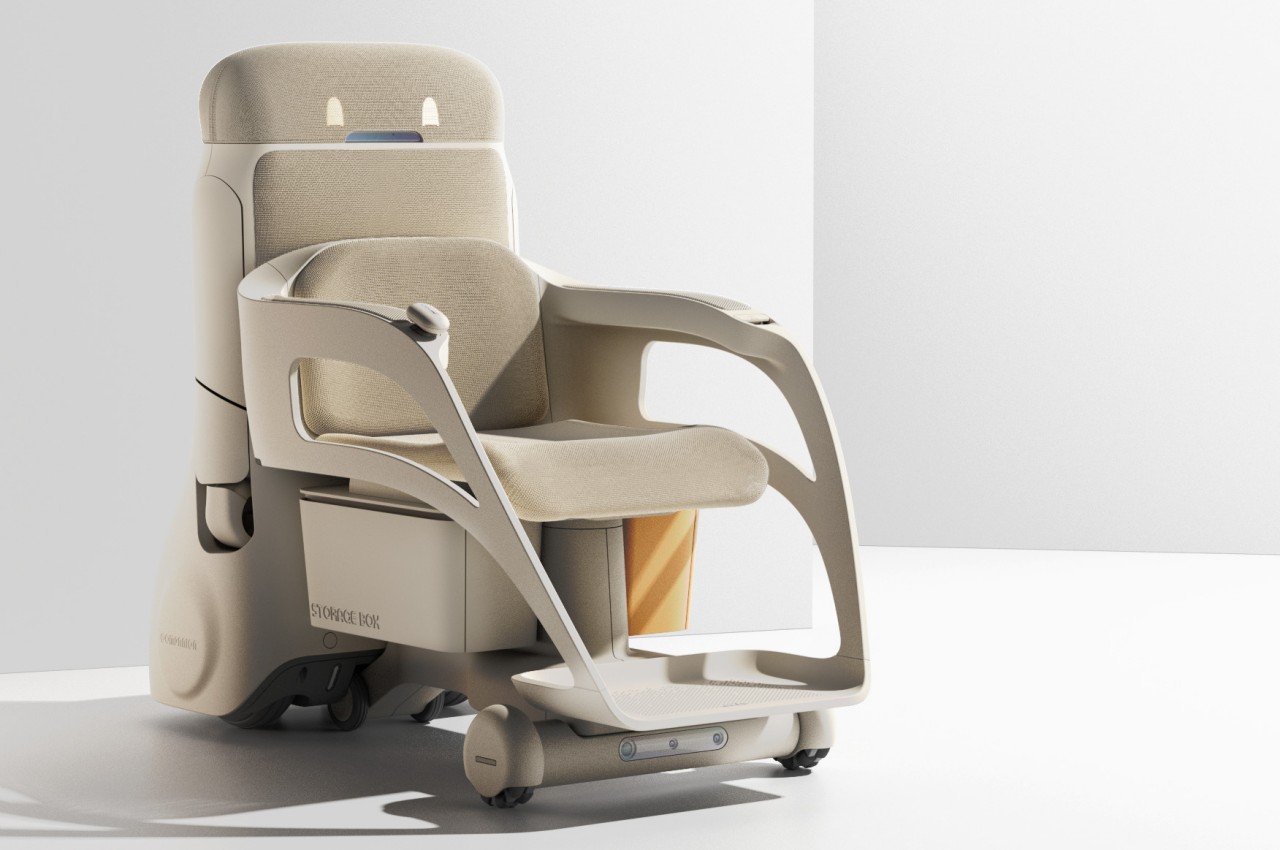
Robot wheelchair concept puts a friendlier face on caregivers of the future

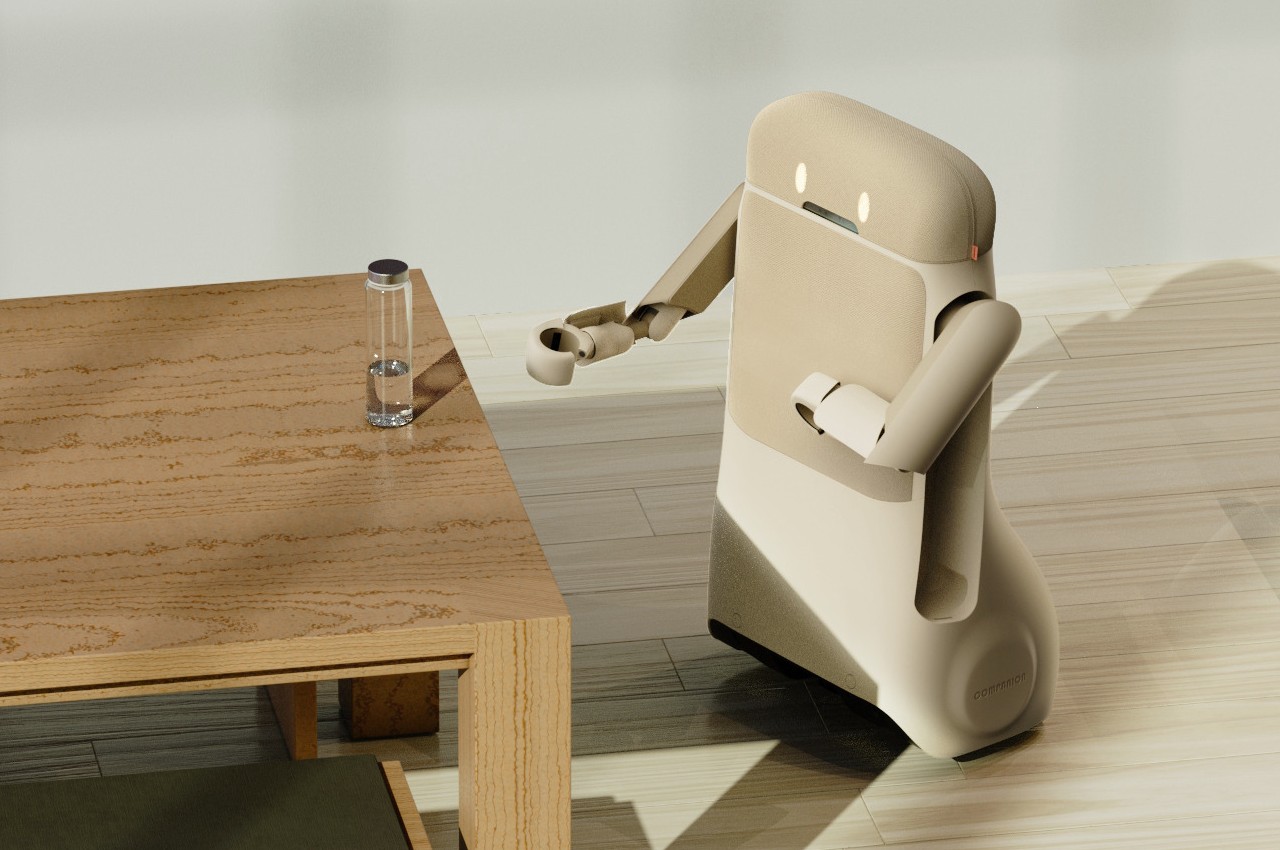
More than just the population problem, we are also facing a crisis in terms of care for the aging segments of that population. Traditional geriatric care centers are sometimes filled beyond capacity, and caring for elderly people living alone can be expensive and at times even risky. Futurists and visionaries would have us dream of a future where robots, whether humanoid or not, would take the place of household help, and we’re starting to see some of those rolling boxes in homes, often for less critical conveniences like bringing things from one place to another. Human care, however, is a very different matter entirely, so this concept design for a service robot and an advanced wheelchair duo tries to paint a different picture by making the experience look and feel a little bit more human and, therefore, more humane.

Designer: Sungmin Hwang
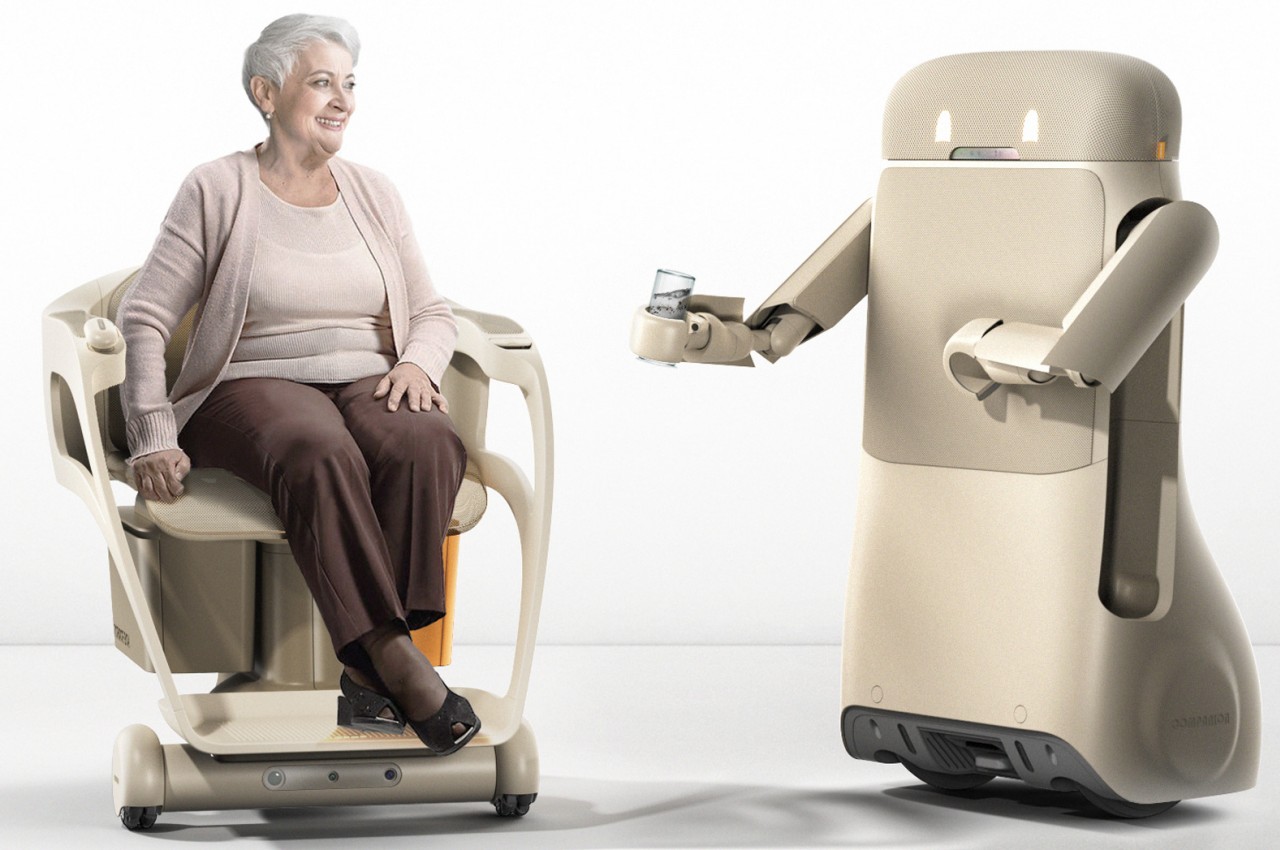
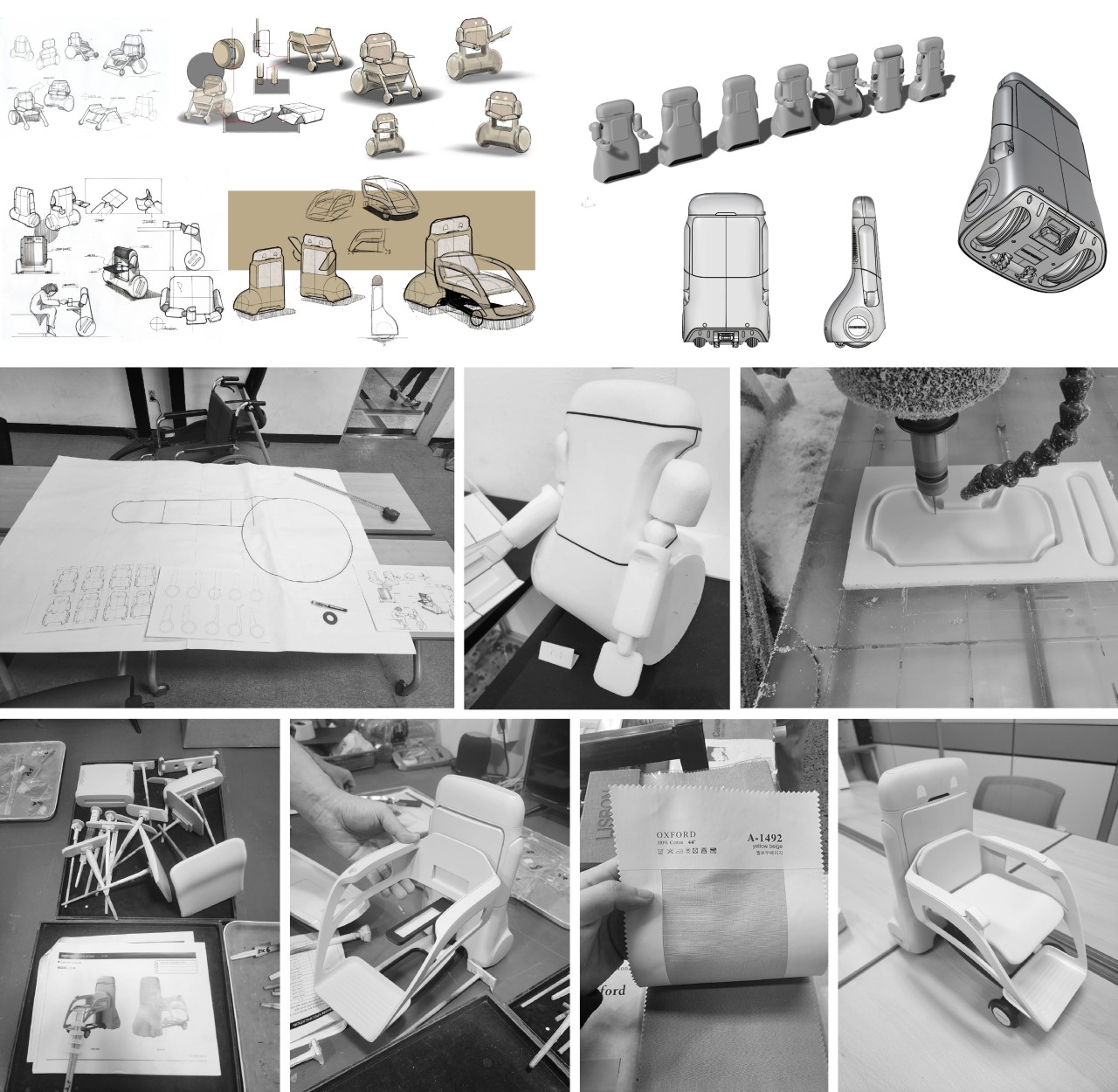
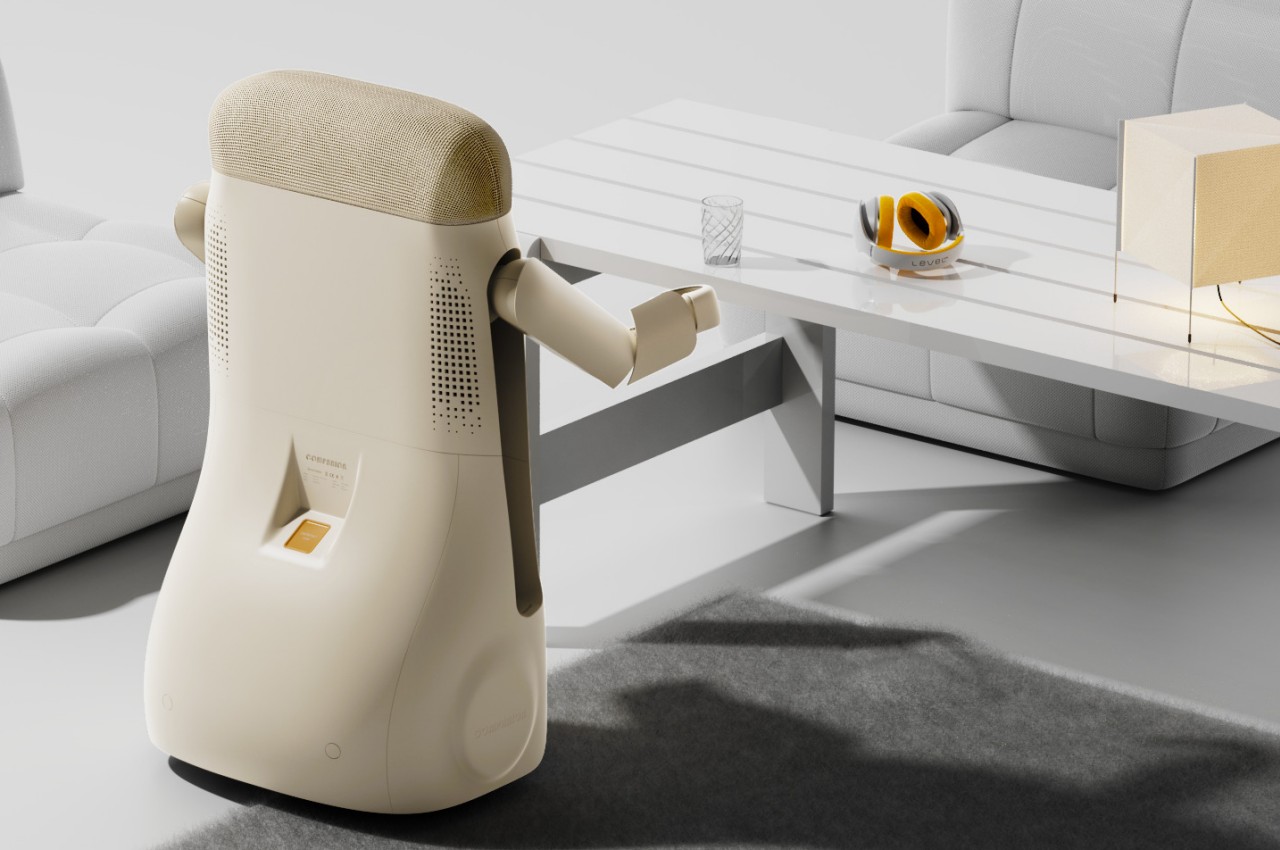
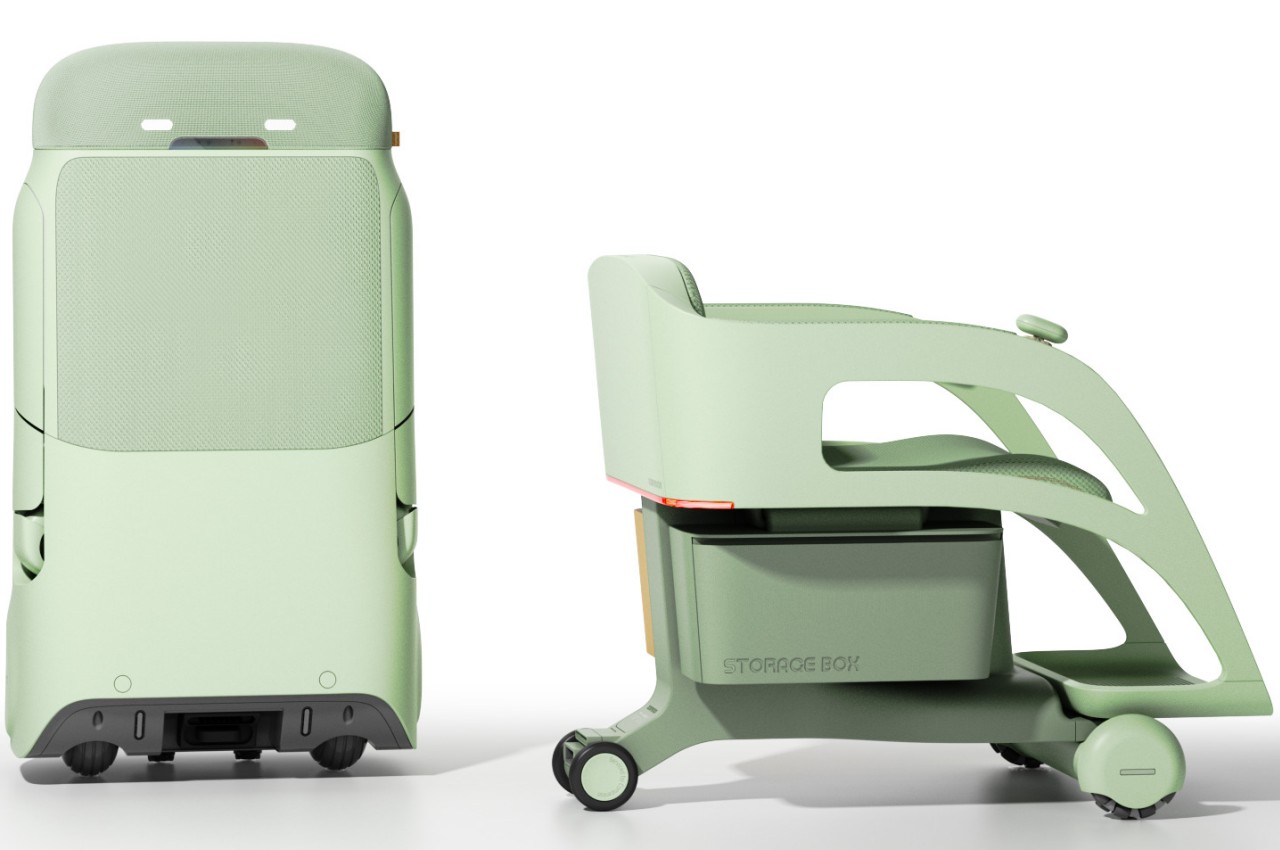
Geriatric patients living at home need more than just having things brought to them, which is what many home service robots are designed to do. They will also want to move around, on their own or with assistance, and motorized wheelchairs try to make that activity more convenient. These two mobility activities might be related, but they’re provided by two very different kinds of products. But rather than having disparate and disconnected machines, this design concept presents an integrated system that acts like a whole, even if they function separately.
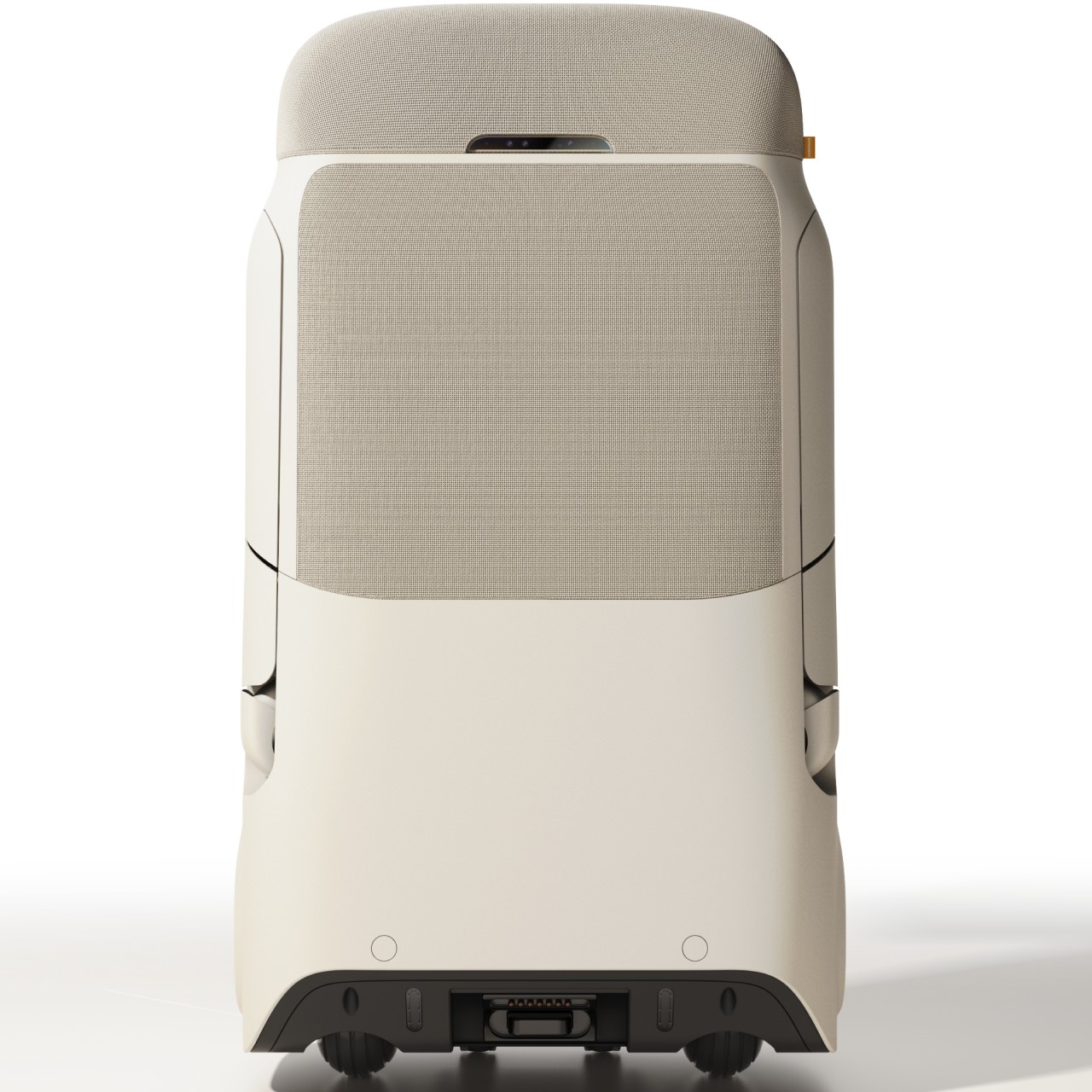
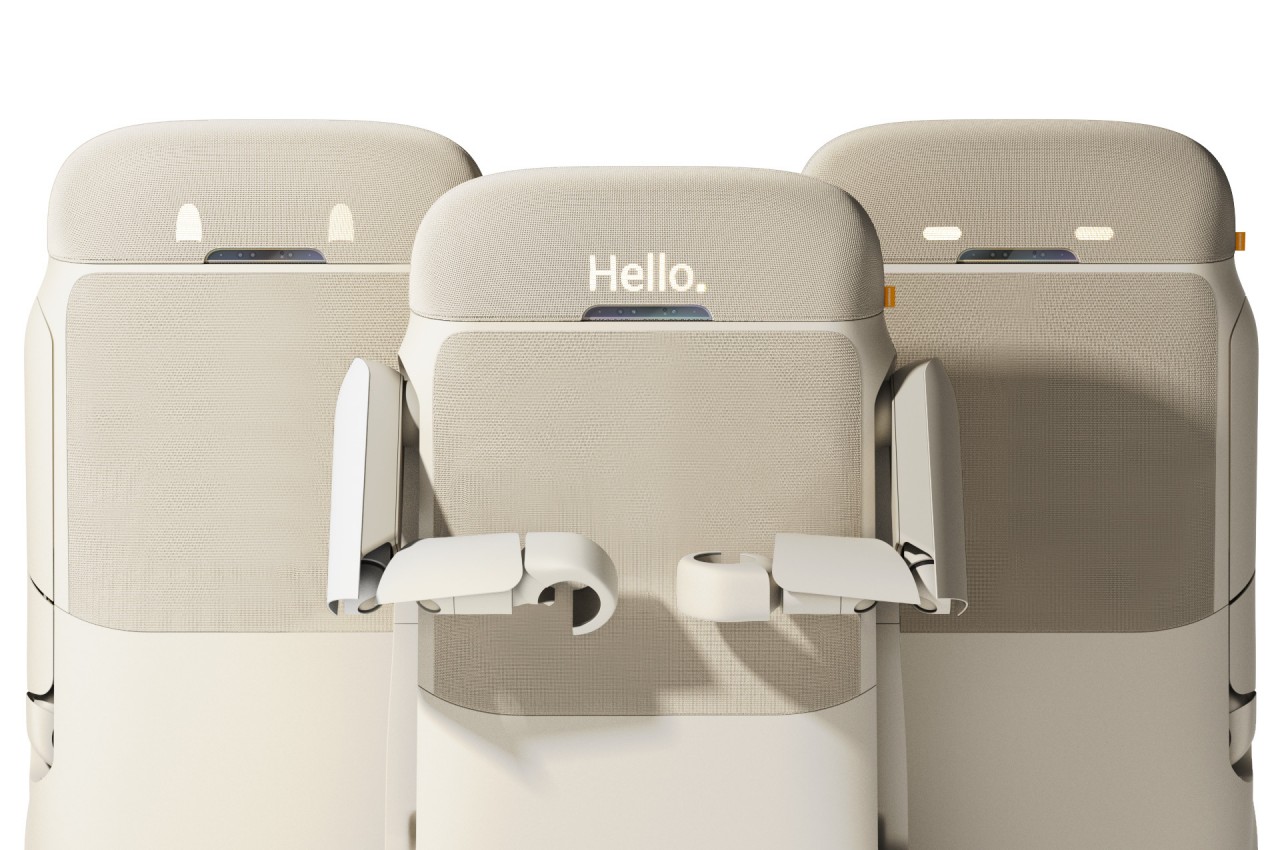
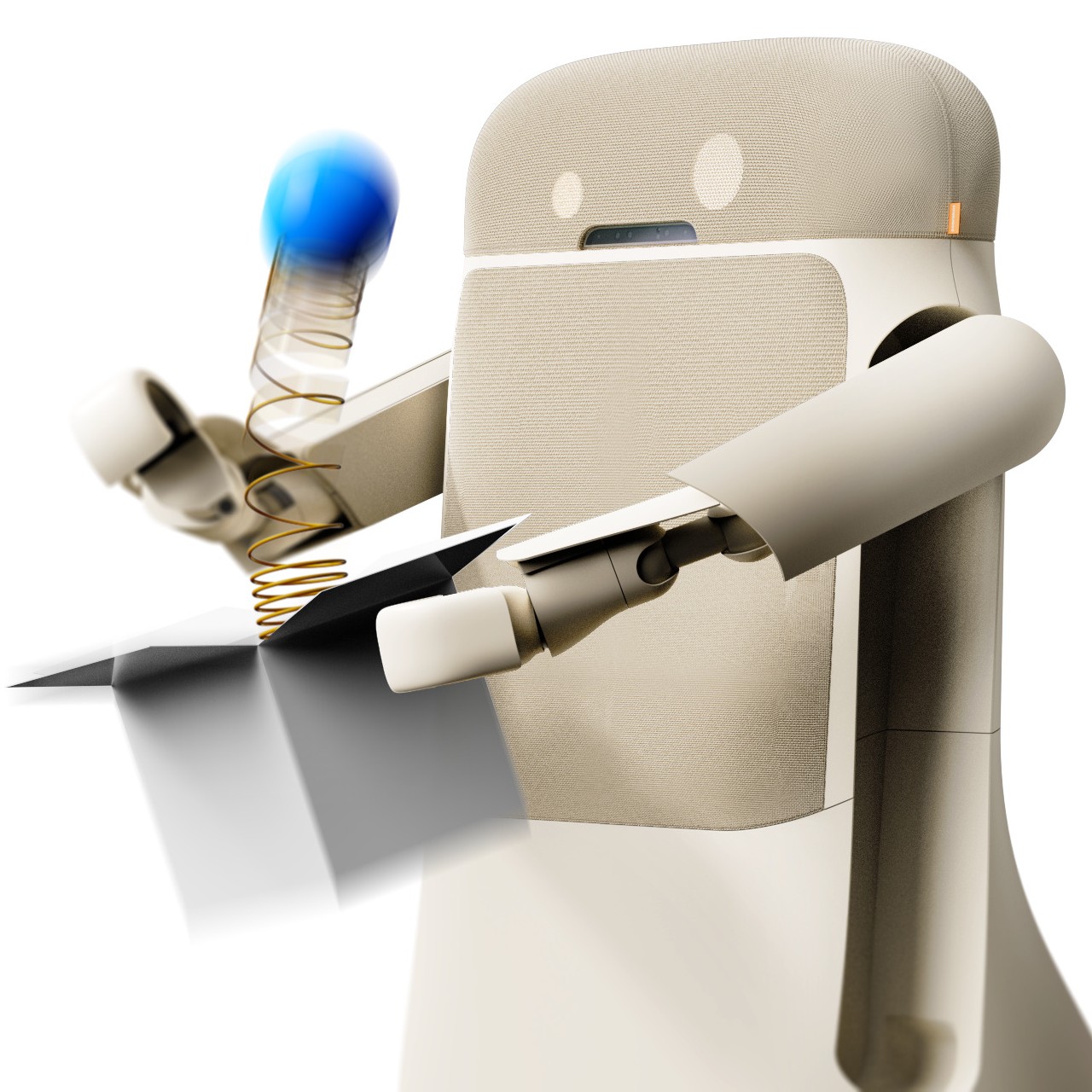
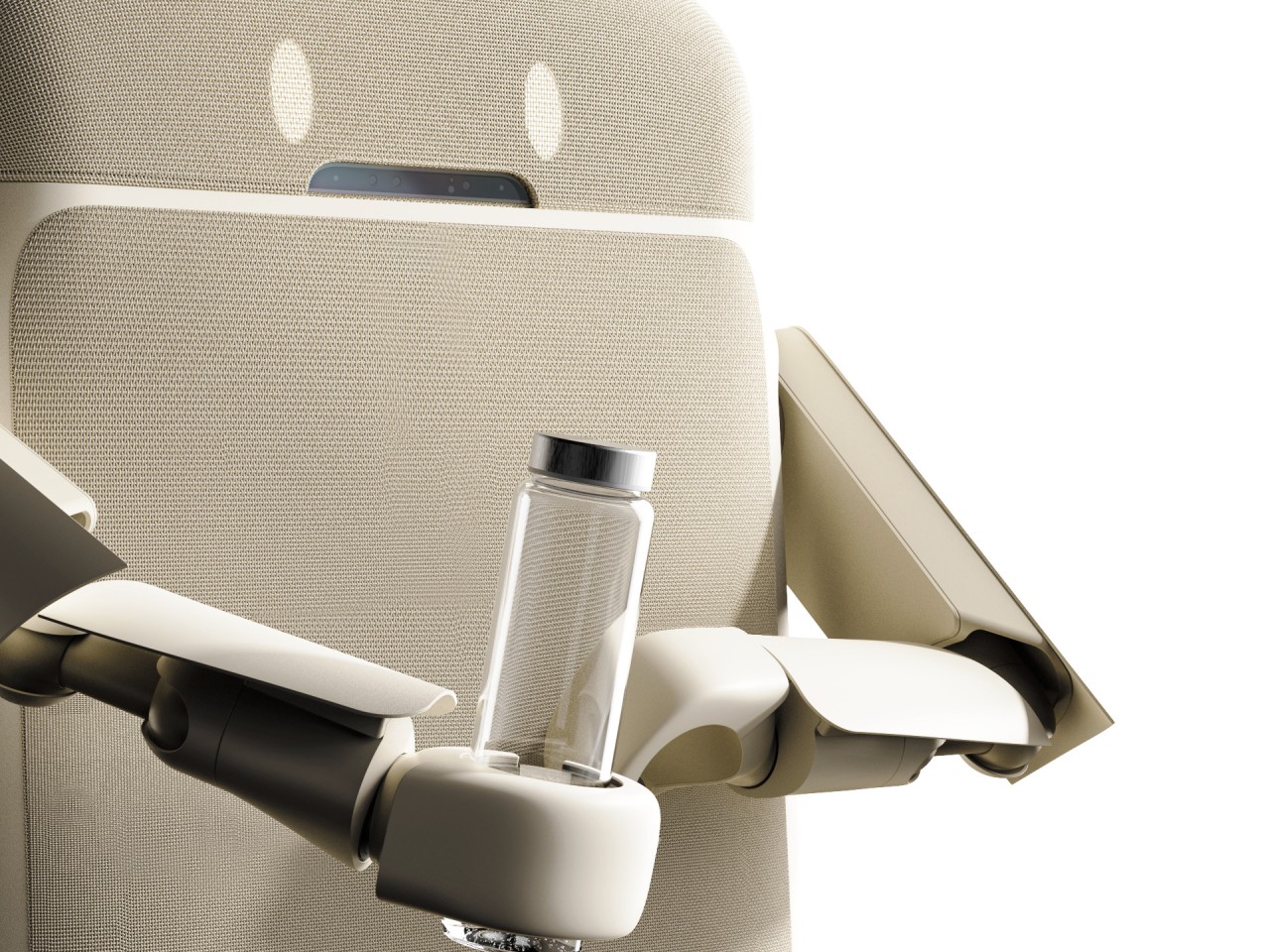
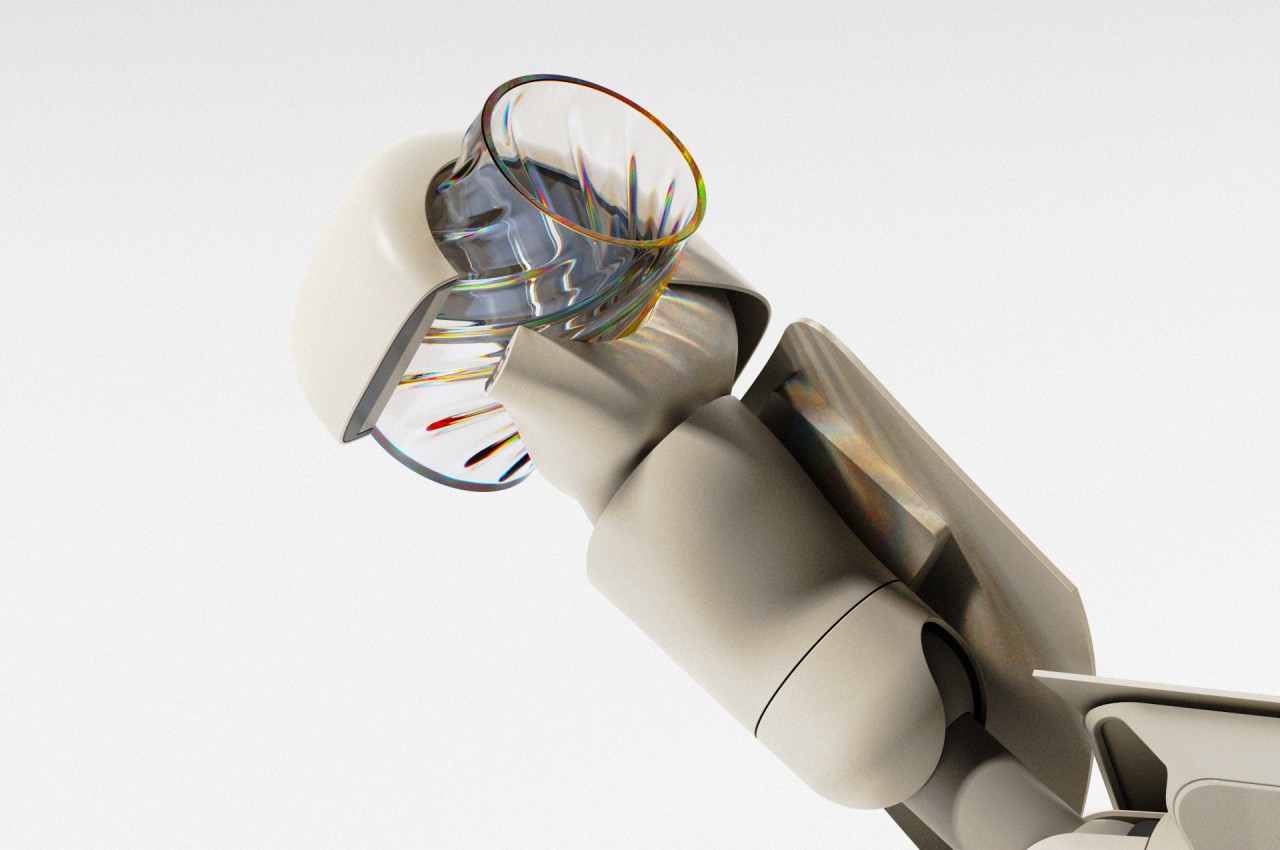
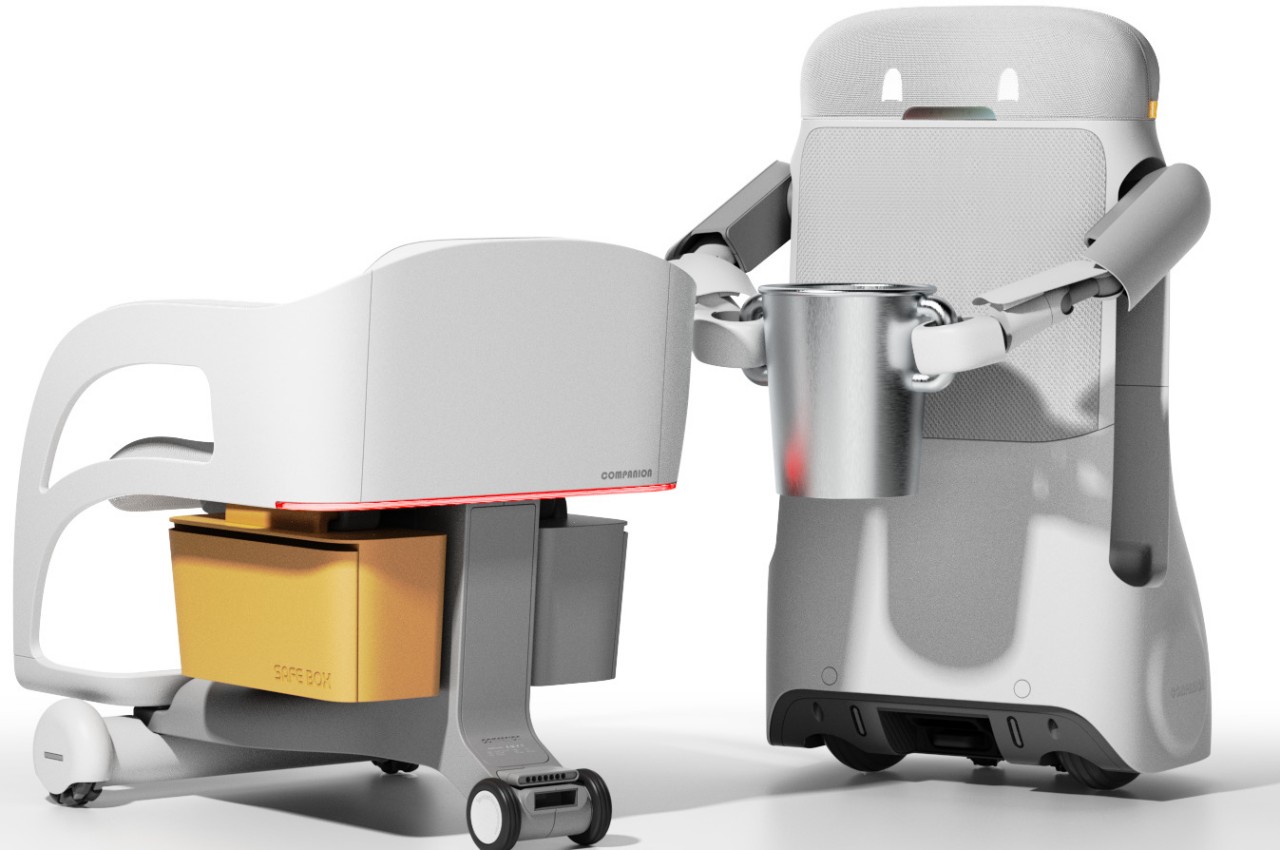
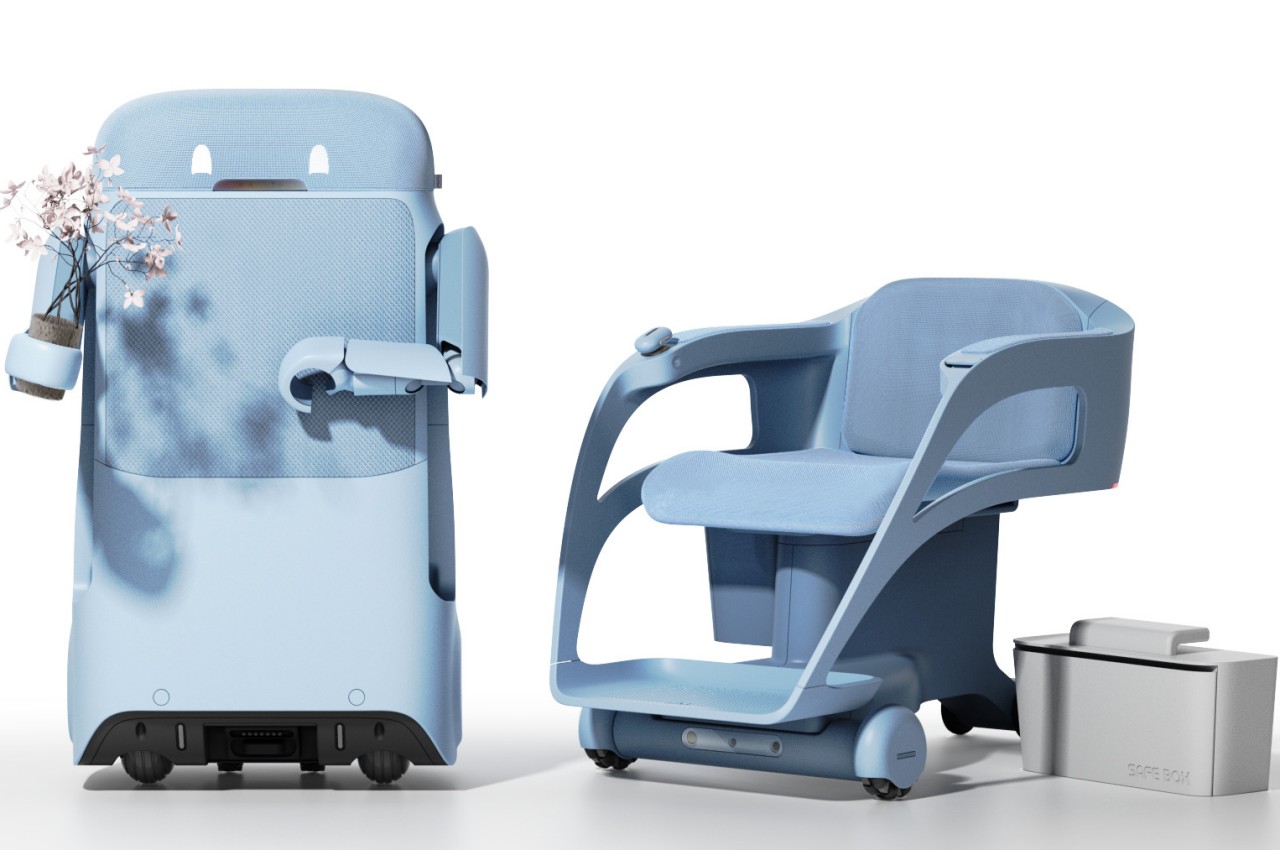
The actual “companion” is a service robot that looks like a tall board with arms and wheels, unlike the common design that’s practically a self-driving cabinet. It has a simplified face, basically just eyes that can express emotions and a dot matrix display that can spell out words, but it’s enough to give it a more personable character. Rather than having shelves to put items on, the robot has harms and hands that can grab and hold objects to hand them over to the patient, making the action feel more personal rather than clinical.
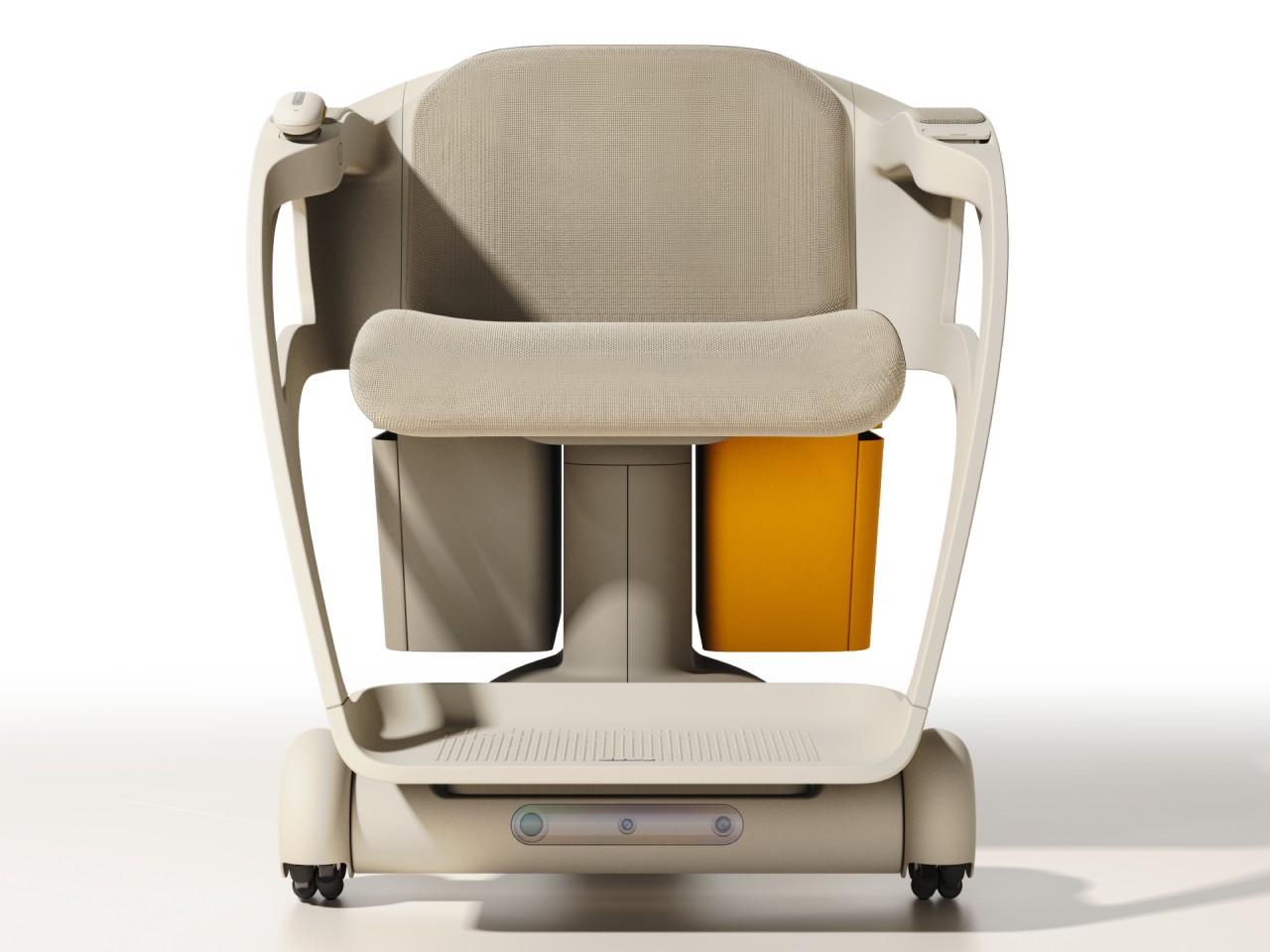
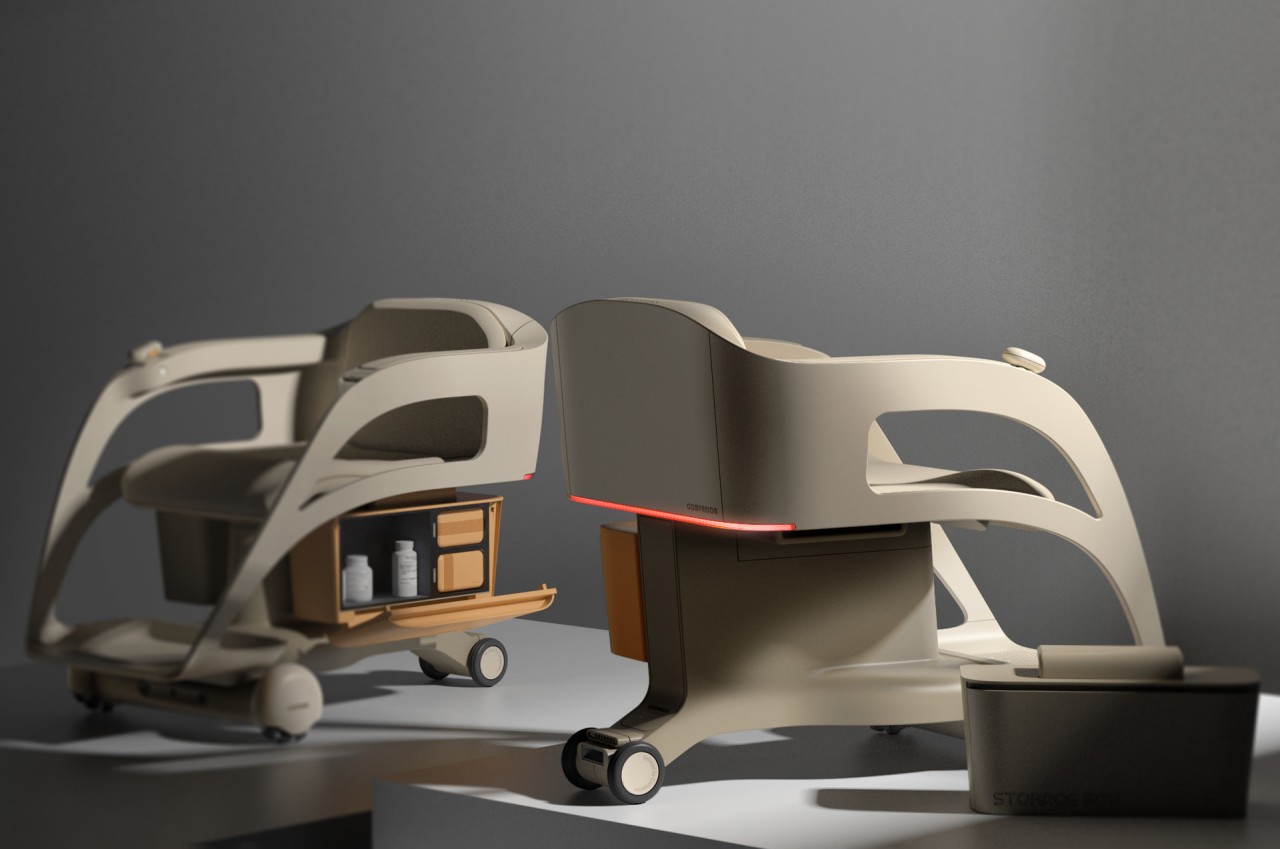
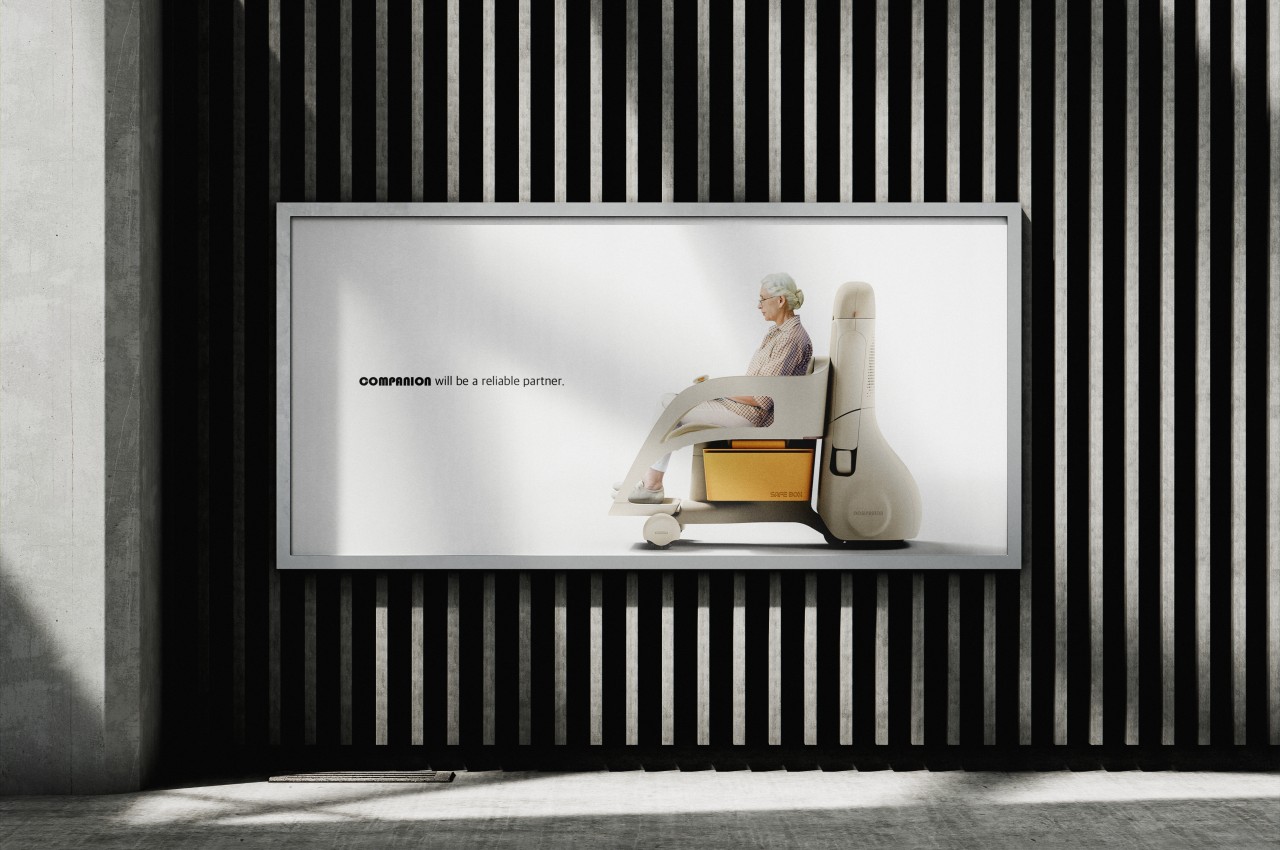
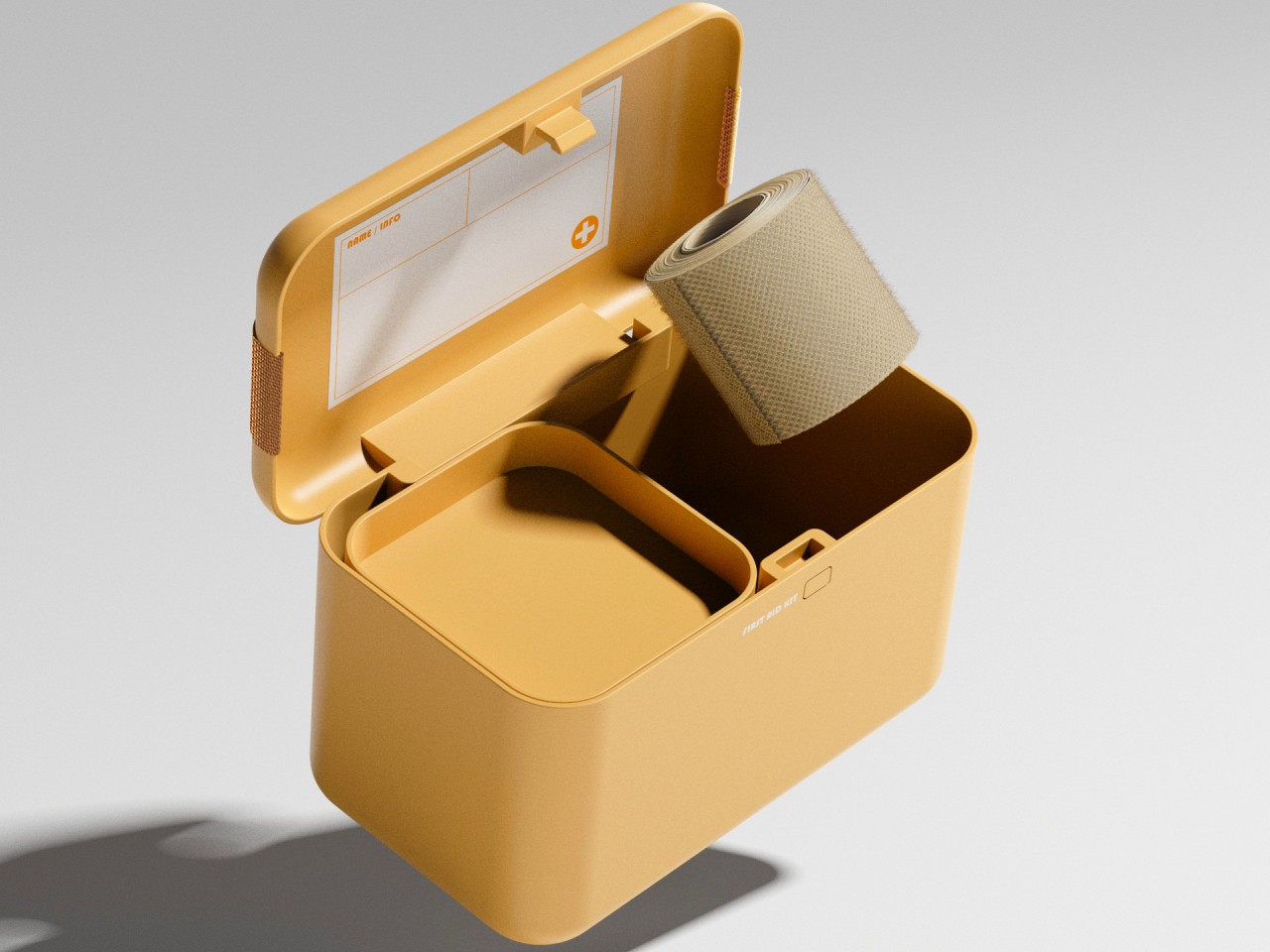
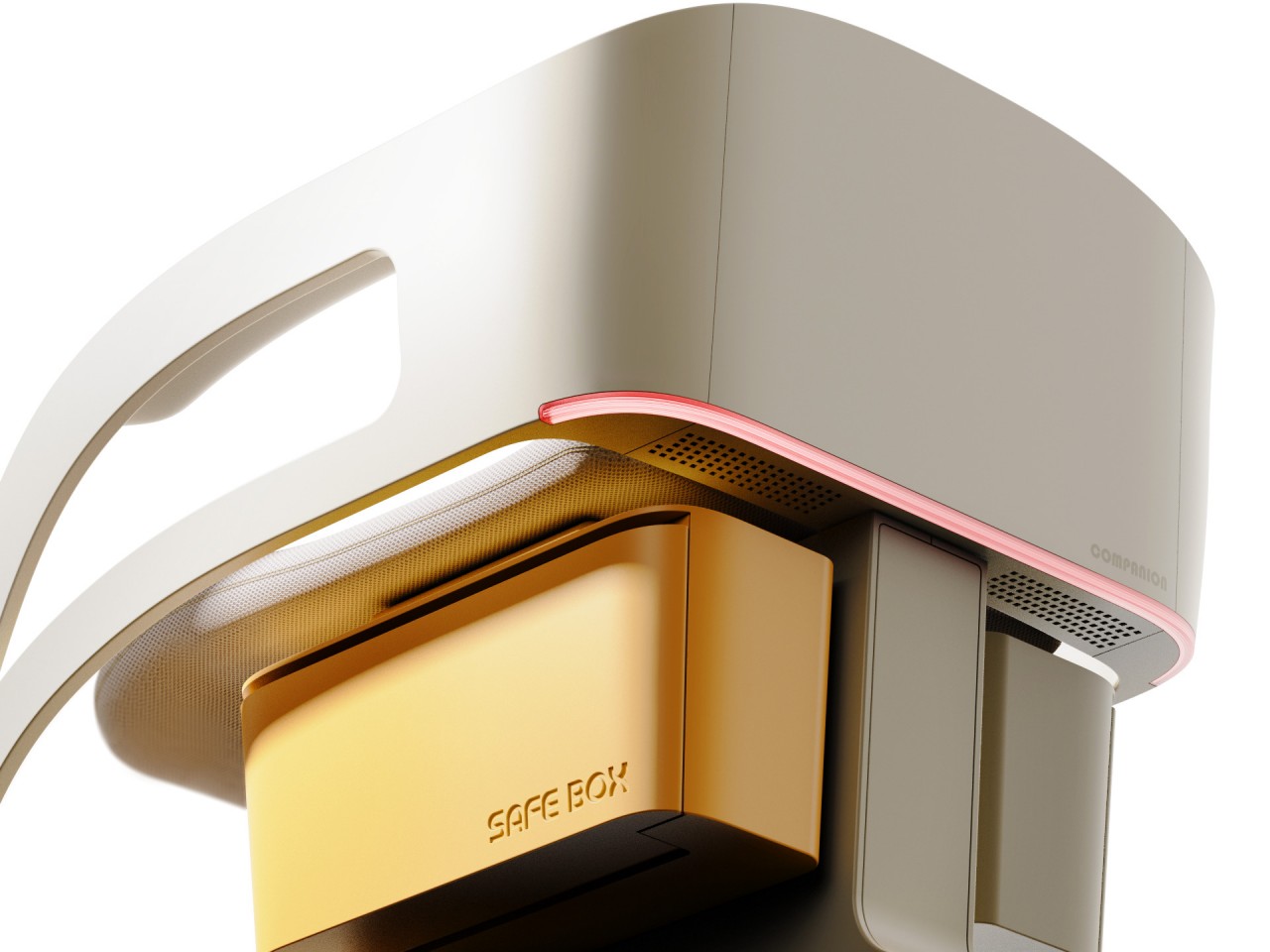
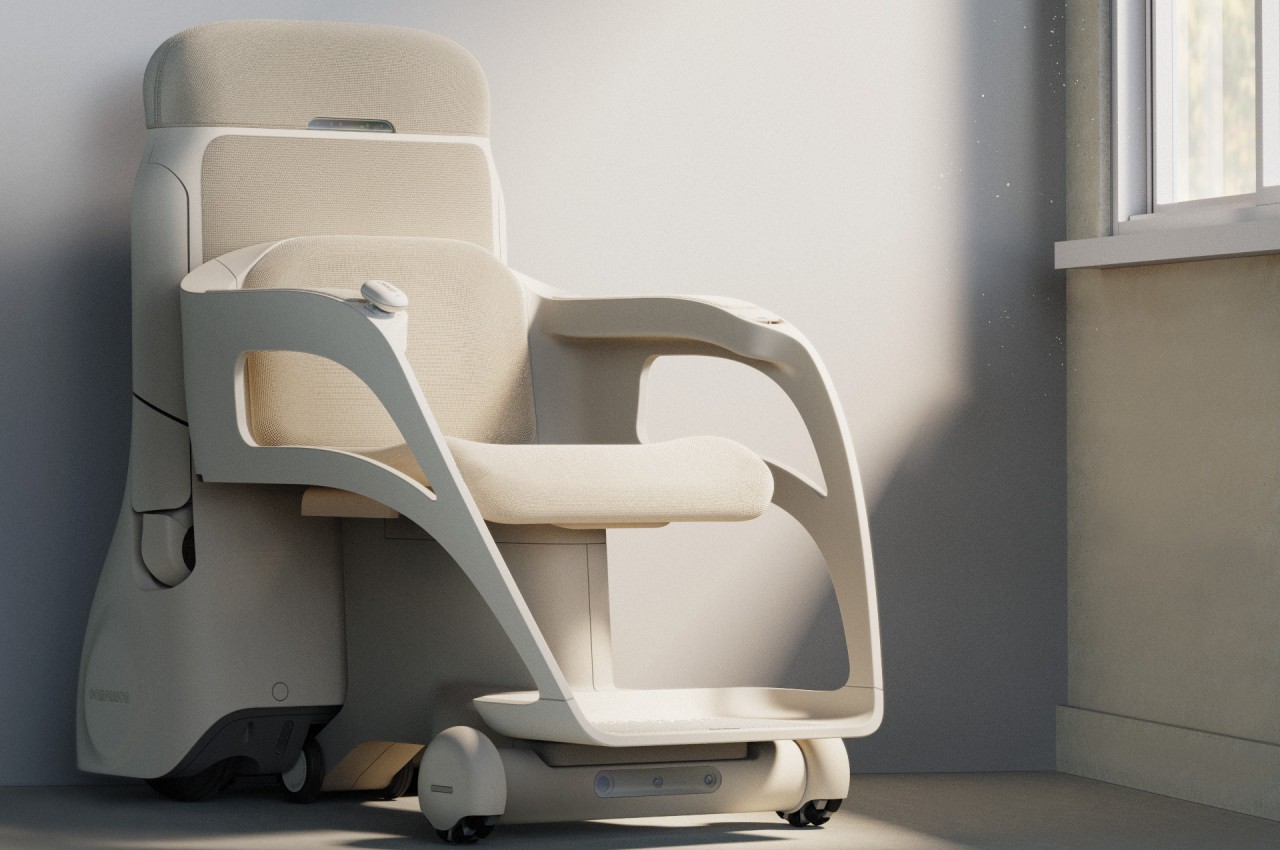
The other half of the duo is a motorized wheelchair that’s designed as much for comfort as it is for mobility. In addition to the cushioned surfaces and curved parts, the chair features plenty of storage space not just for things but also for medicine. The patient can exercise their own agency by driving the wheelchair on their own, but it can also be pushed by the companion robot when it connects to the chair. This recreates the experience of having someone push their wheelchair, hopefully making them feel less lonely and less detached.
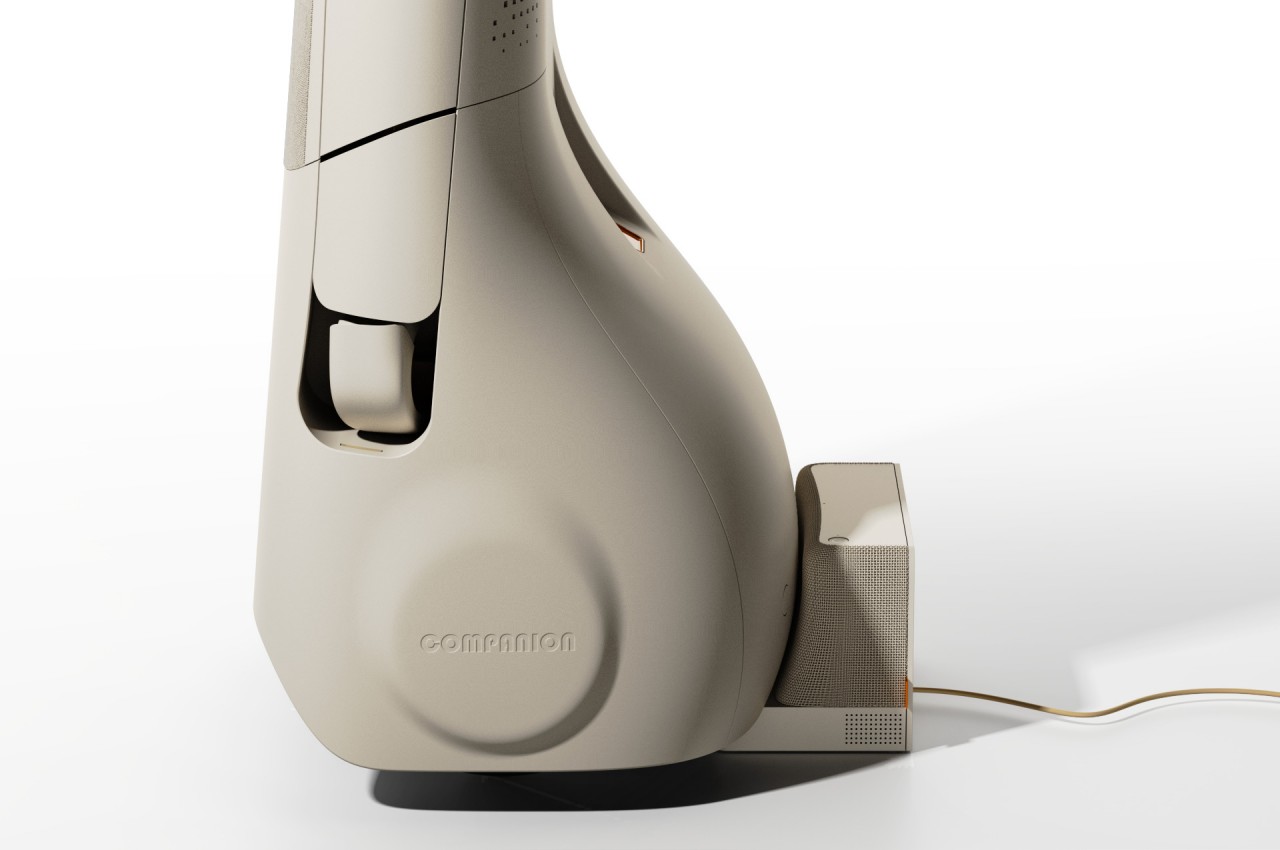
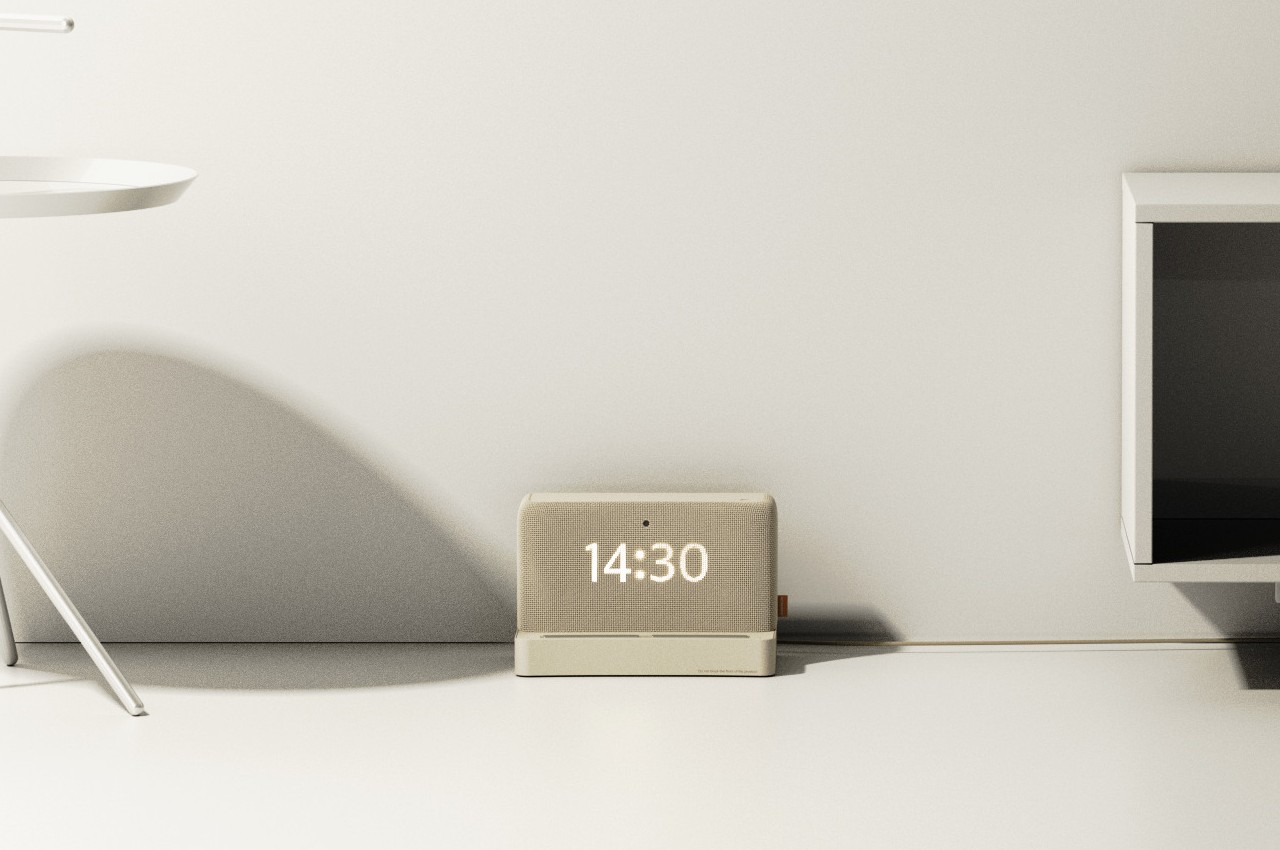
The “Companion” robot and wheelchair concept is designed with many of the existing technologies already available today, from self-navigating home robots to intelligent charging docks to precision robot hands for carefully grabbing objects. Of course, such a machine would still need to undergo rigorous testing, not to mention regulatory scrutiny given its medical applications, but it’s definitely an interesting take on what a home service robot can do, especially when it’s designed to take care of elderly people or people with mobility disabilities.
The post Robot wheelchair concept puts a friendlier face on caregivers of the future first appeared on Yanko Design.
Donut-shaped Bluetooth speaker concept inspires a more playful way to enjoy music

Wireless speakers have become all too common now thanks to multiple factors, from the rise of voice-activated smart home assistants to the popularity of streaming services to the demise of the headphone jack from smartphones. These audio devices have also outgrown their initial designs which seemed to be limited to blocks or cylinders, adopting more fluid forms that are almost artful than technical. Of course, there is no need to go to opposite extremes to have a good speaker design, as this concept proves with a simple and clean shape that immediately strikes one as something that isn’t your regular wireless speaker while, at the same time, clearly tries to deliver the basics of an omnidirectional audio source.

Designer: Fran Rossi, Javier Bianchi

Many wireless speakers today try to deliver sound in 360 degrees to cover the entire room, which is especially needed if it’s meant to respond to voice commands coming from anywhere in the area. Thanks to the likes of the Amazon Echo, Google Home, and Apple HomePod, cylindrical shapes seem to have become the most common design for wireless speakers. Of course, there are conical or even spherical speakers, but these aren’t the only round objects that can be used to the same effect.

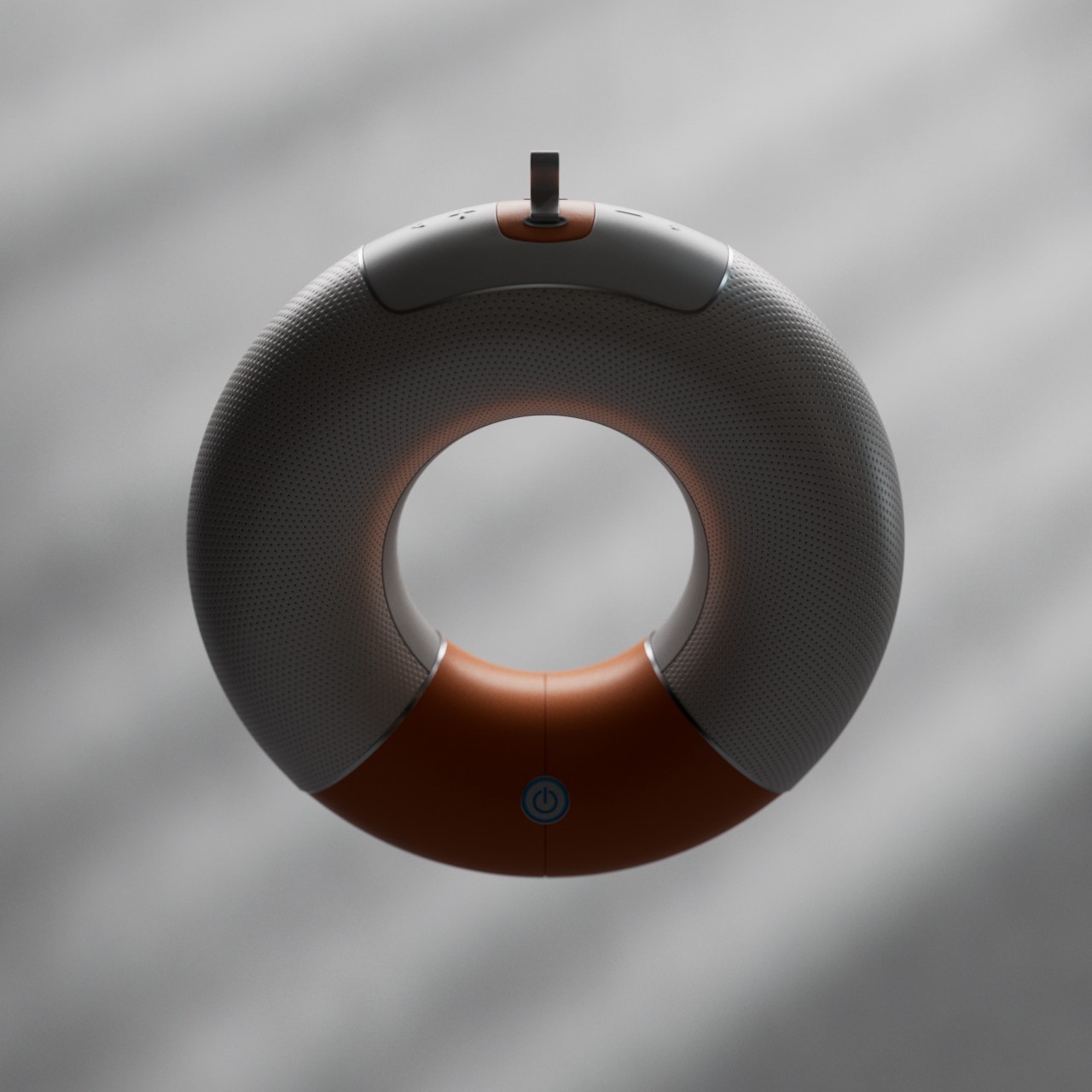
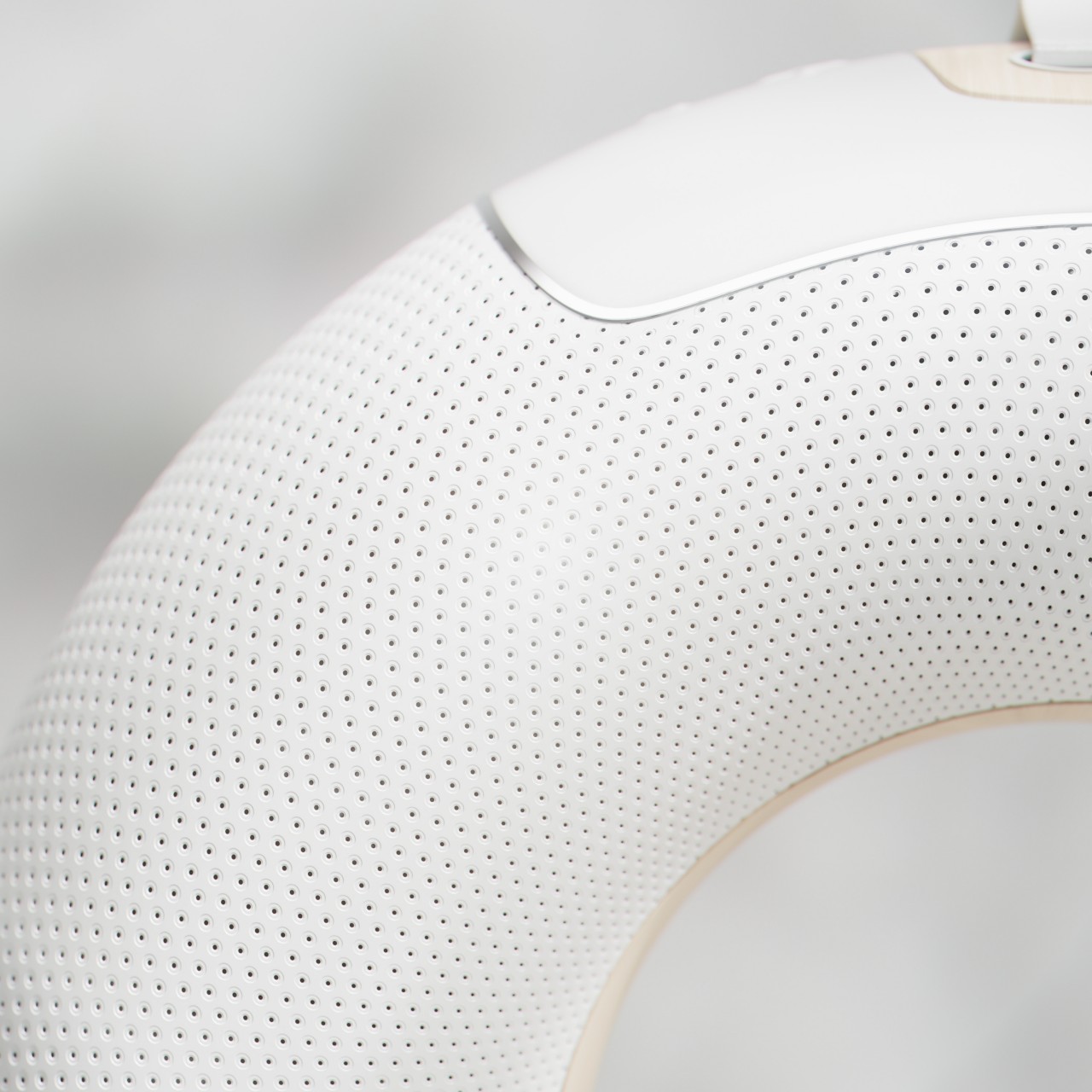
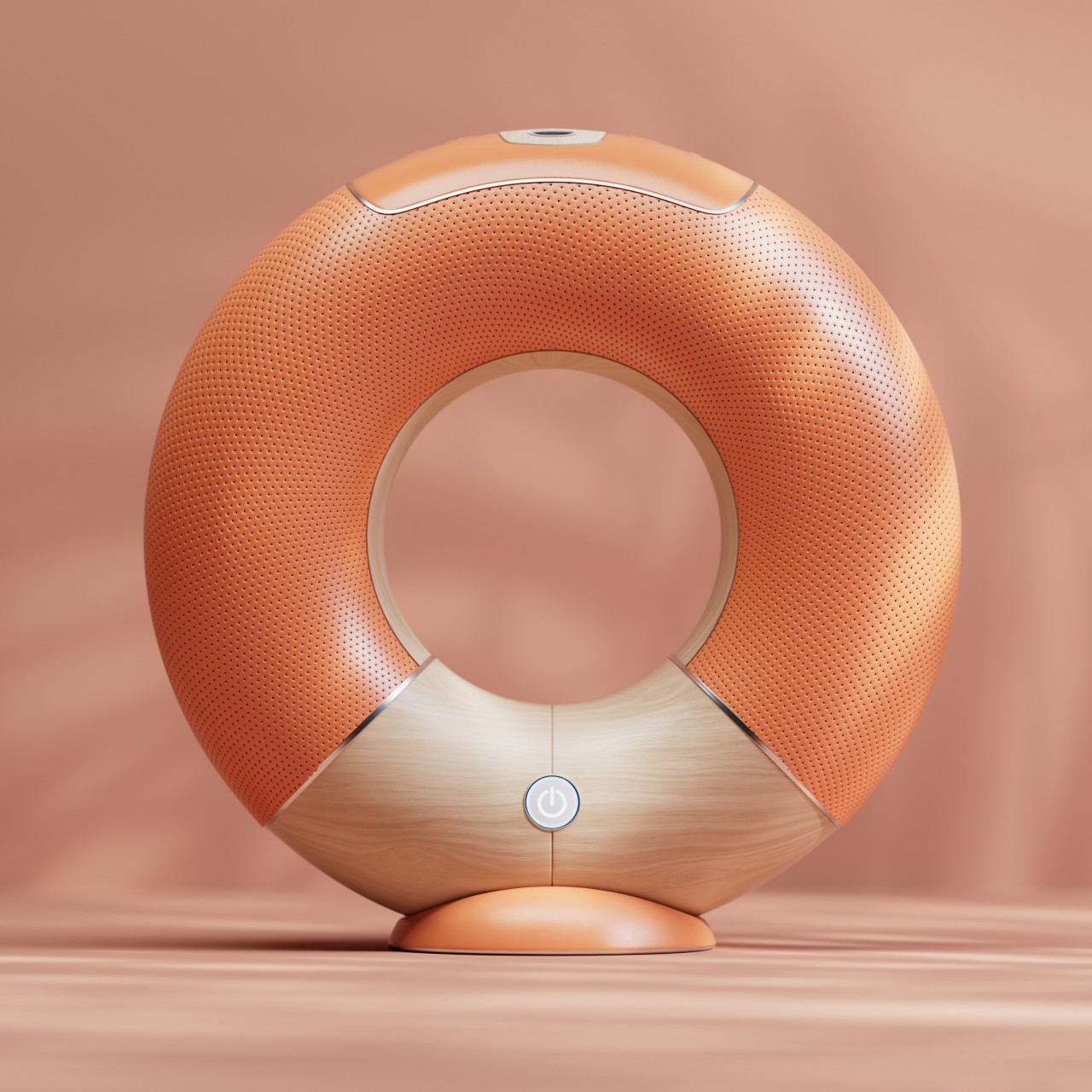
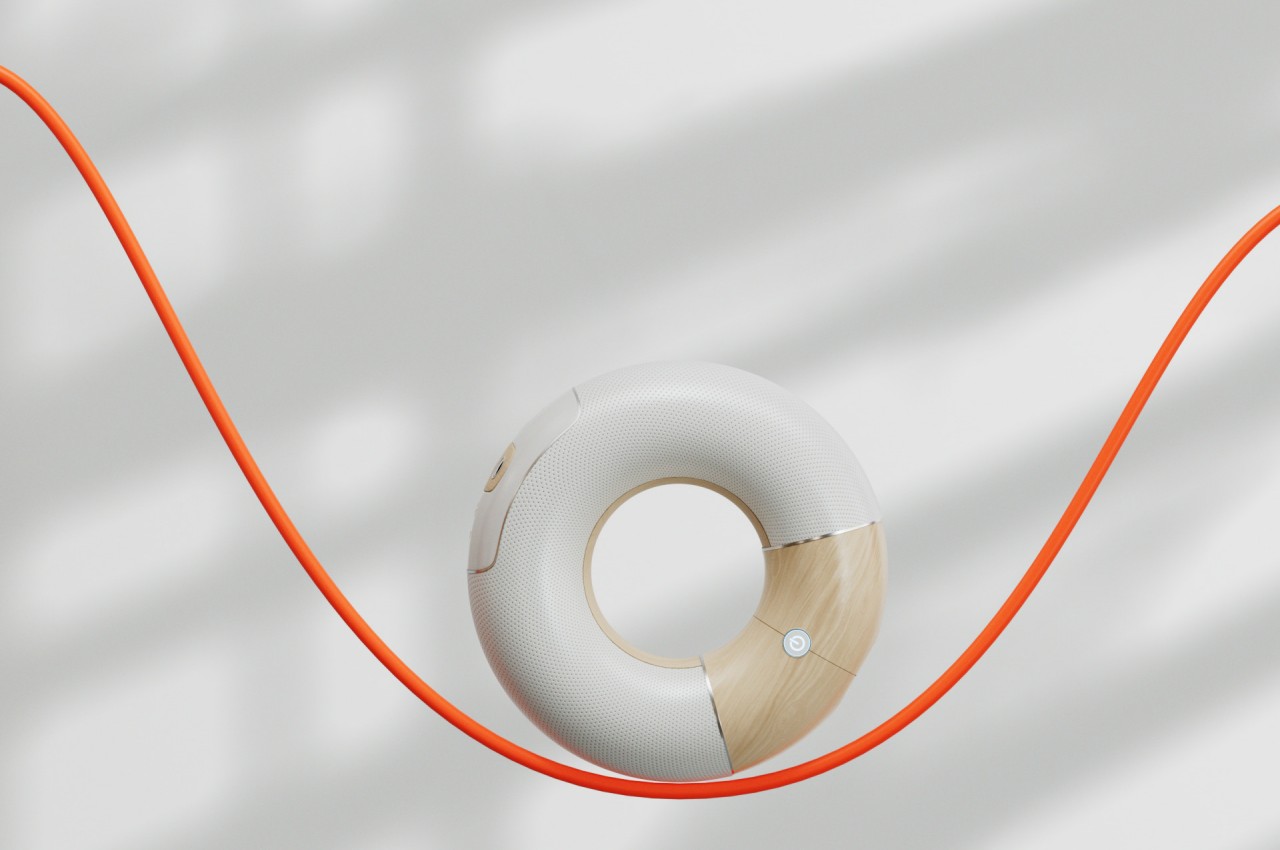
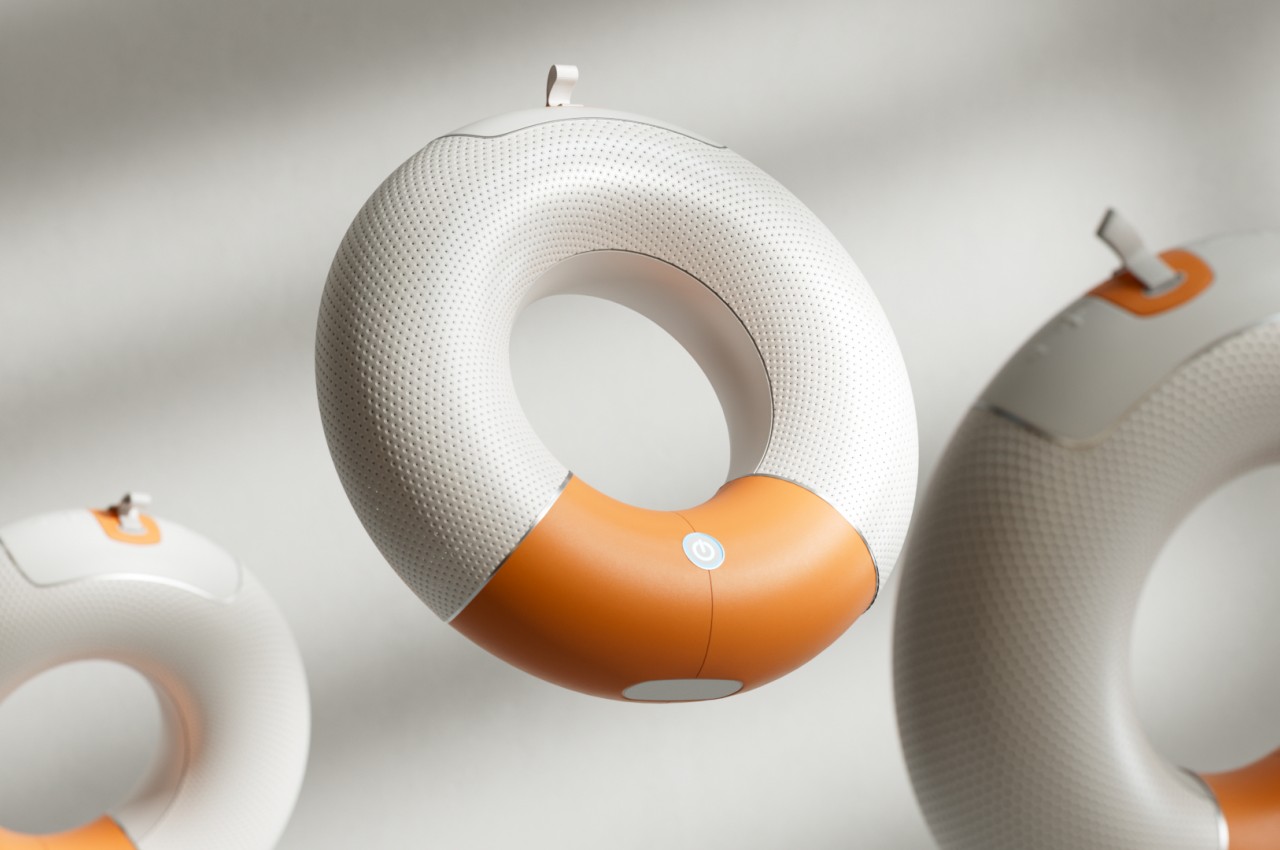
Orbit adopts a lesser-used shape that, along with a sphere or ball, is immediately associated with fun things. A torus can be a donut, a wheel, a piece of candy, or even a floatation device, and the way it can roll on a floor and wiggle and spin before falling down flat is often a game played by children. That playful charm is further emphasized the by concept’s choice of colors and materials, with a bright orange accent against a cool white body, and reflective plastic instead of fabric. It looks almost like a toy, though its functionality is far from being child’s play.

1

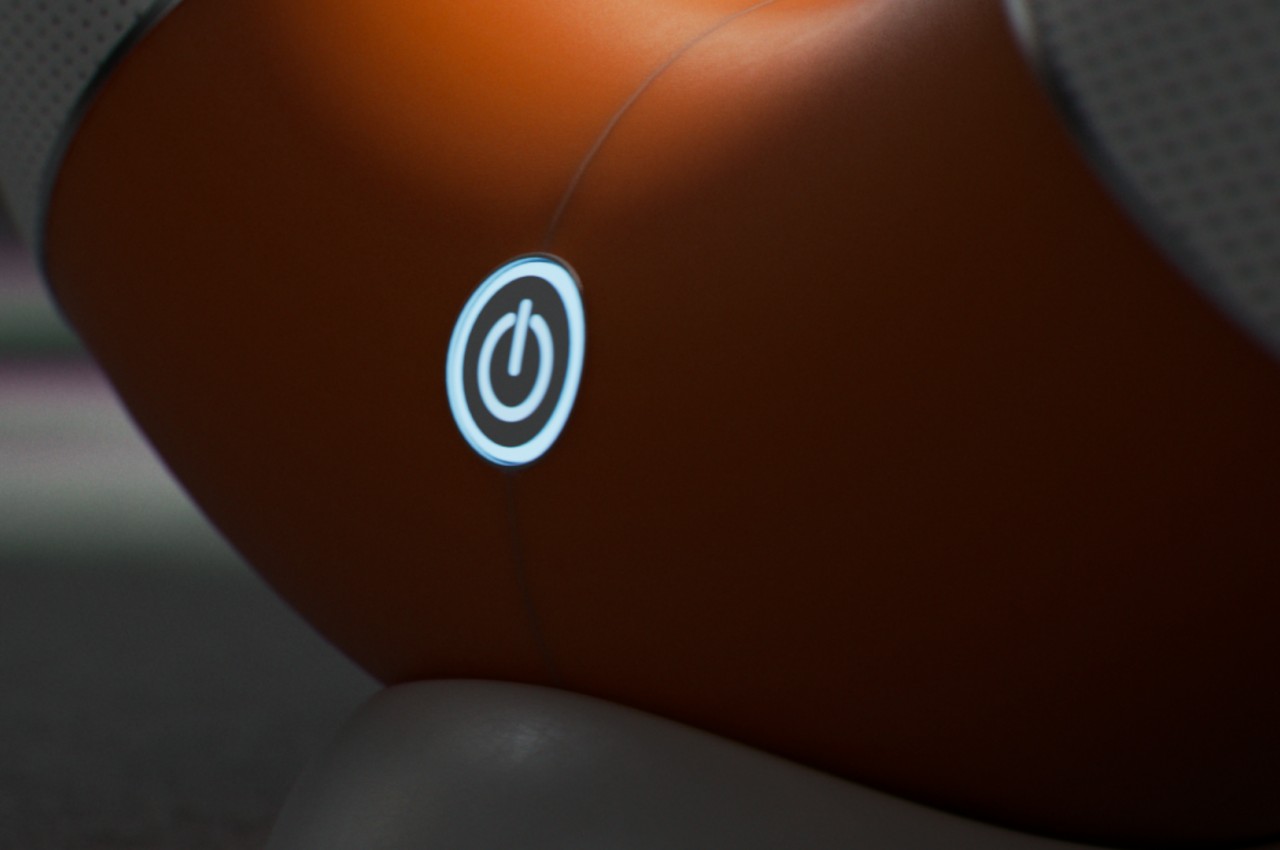
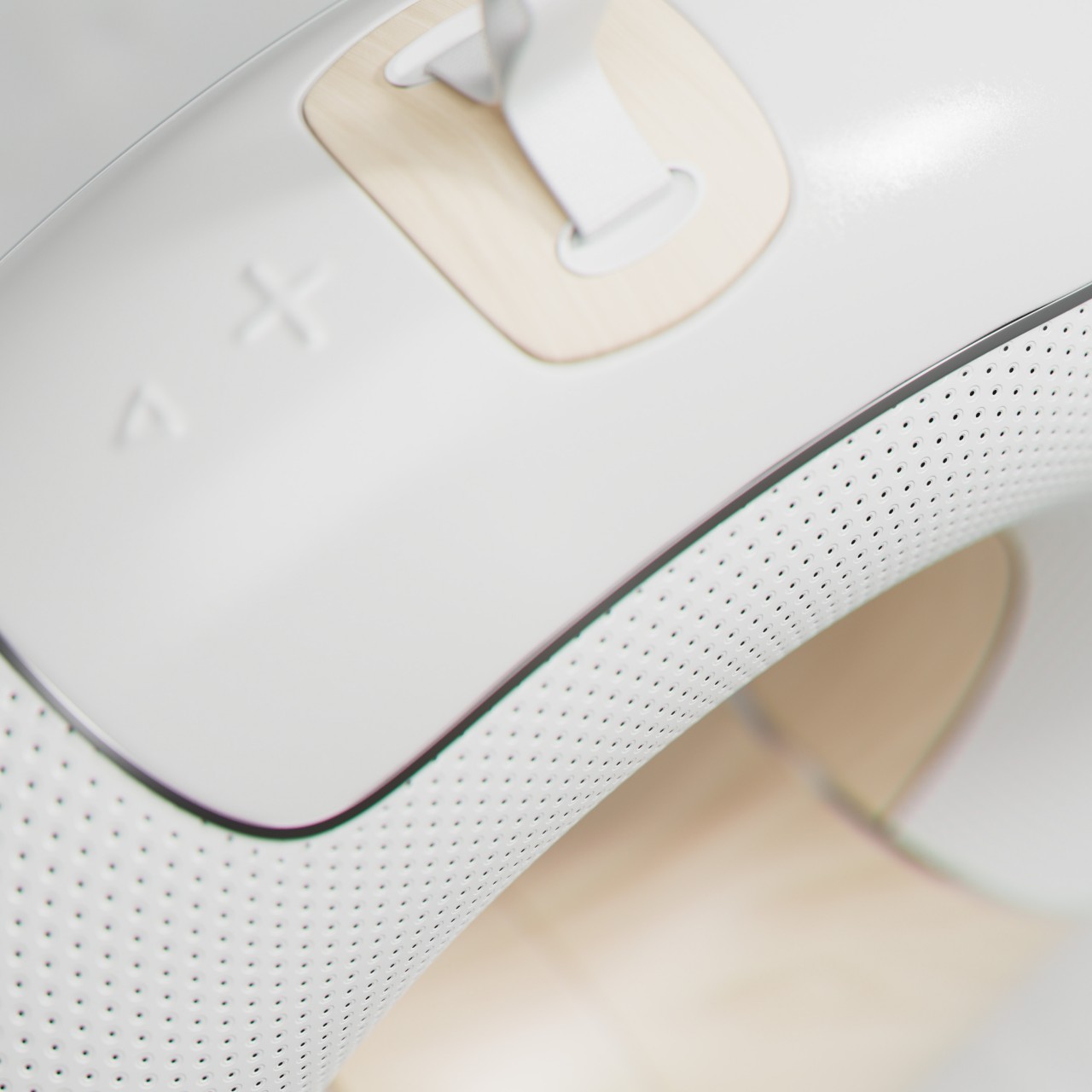
Thanks to its ring shape, it can also transmit audio 360 degrees, though it also has more freedom on where the sound is sent. When standing, it can bounce the sound off the ceiling, though it can also be placed down on its back for a more conventional horizontal output. The Orbit is almost a perfect torus, so it requires a stand to, well stand up. Its other functions, however, are all built into the device itself, like the large backlit power button in front and the embossed playback controls on top.

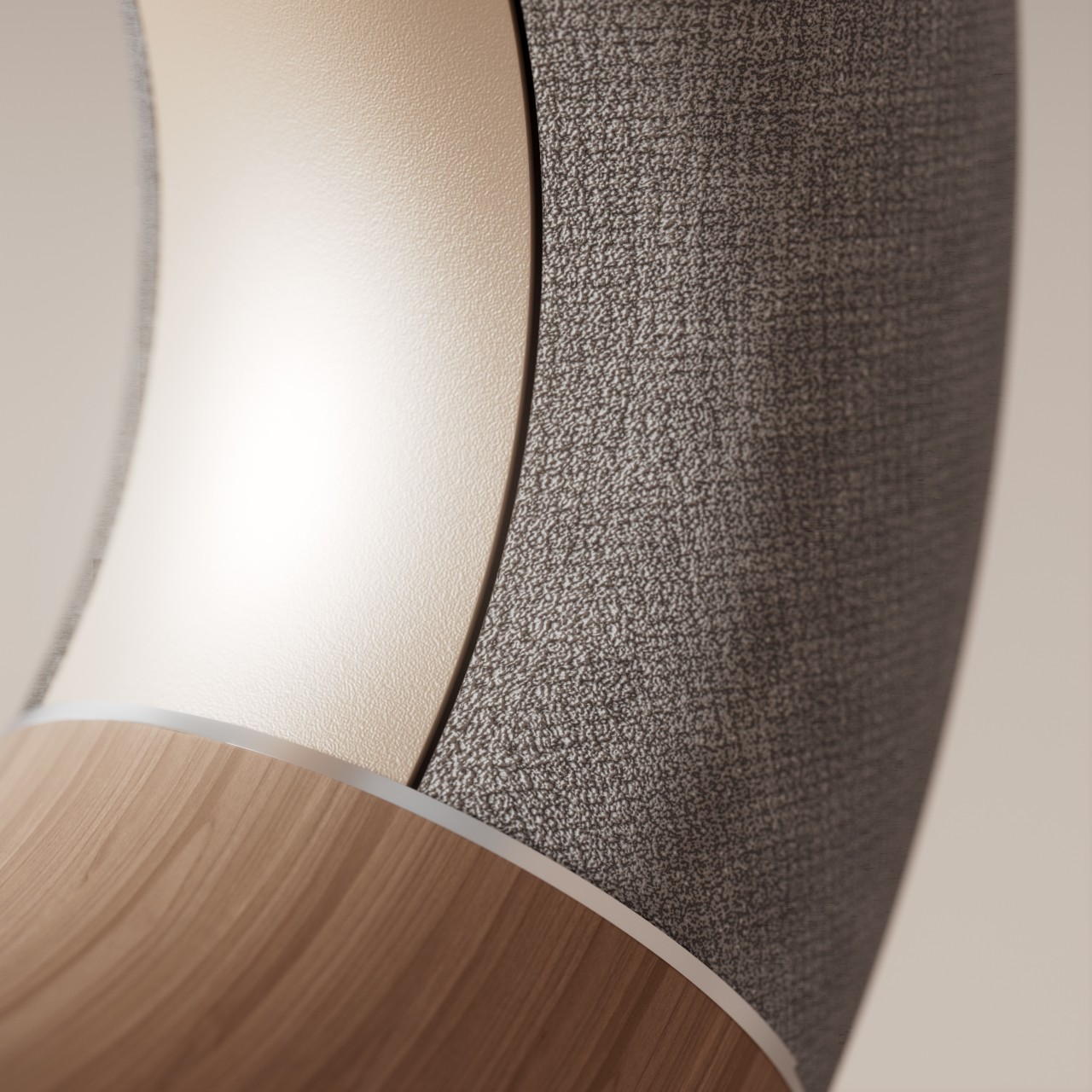
Despite the playful nature of its shape, small variations to the design can result in a totally different character. Covering the entire ring with dark gray fabric and switching the accents to wood or gold gives it a more luxurious appeal that could proudly stand as an art object in your living room. Switching up the colors and materials also generates different imagery, turning what looks like a simple design into a highly flexible and customizable one.

The post Donut-shaped Bluetooth speaker concept inspires a more playful way to enjoy music first appeared on Yanko Design.

Memoraphy is an aromatherapy device that can produce perfume to alleviate mood issues

Among all the senses, smell is probably the one that I don’t really pay attention to (or may be the least popular for ordinary folks). But it is actually the one that is most associated with memory. We associate specific smells with memories of our childhood or with certain episodes in our lives. It is also something that can help you manage your emotions as evidenced by the popularity of aromatherapy. This concept for one such product is pretty interesting especially if your nose is sensitive to smells and moods.

Designer Name: Kanglee Lee, Jiwon Lee, Jeongmin Ham

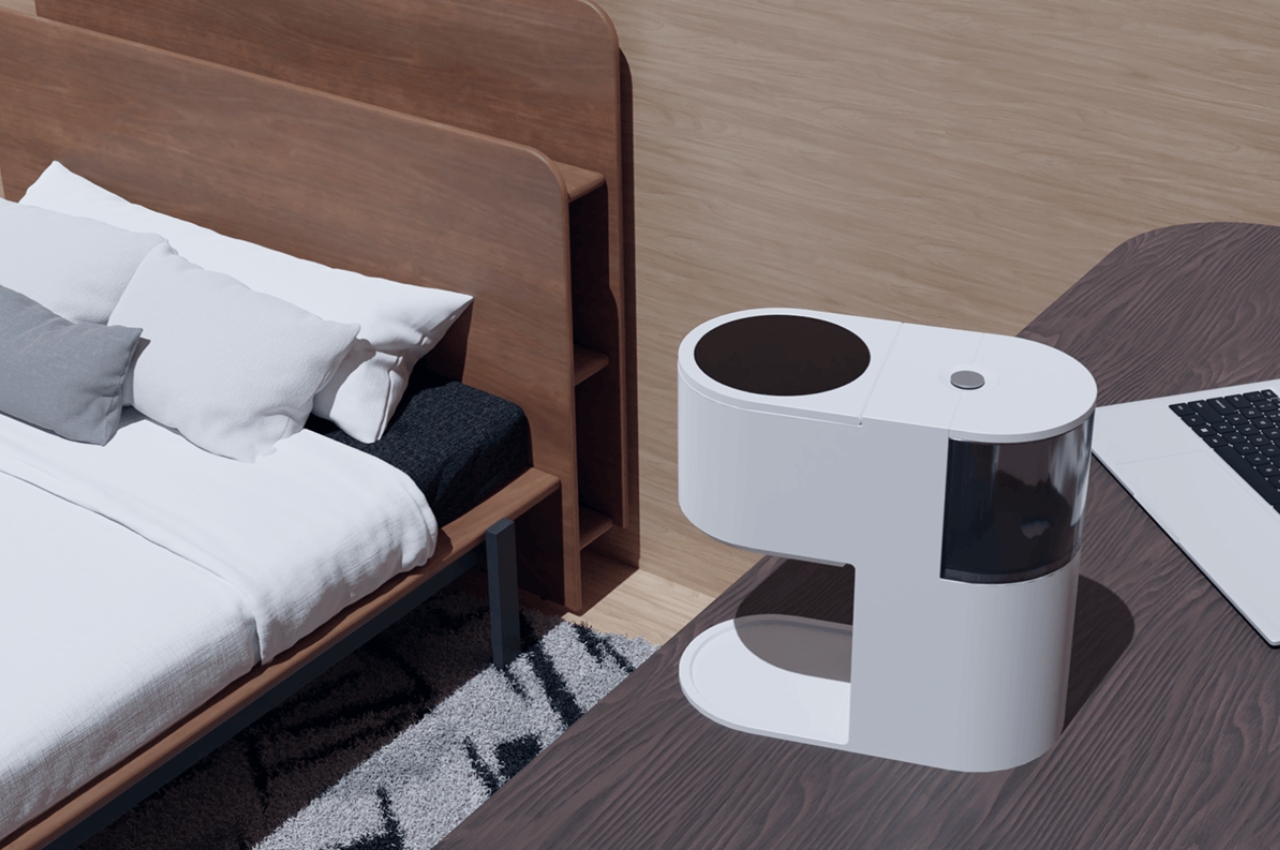
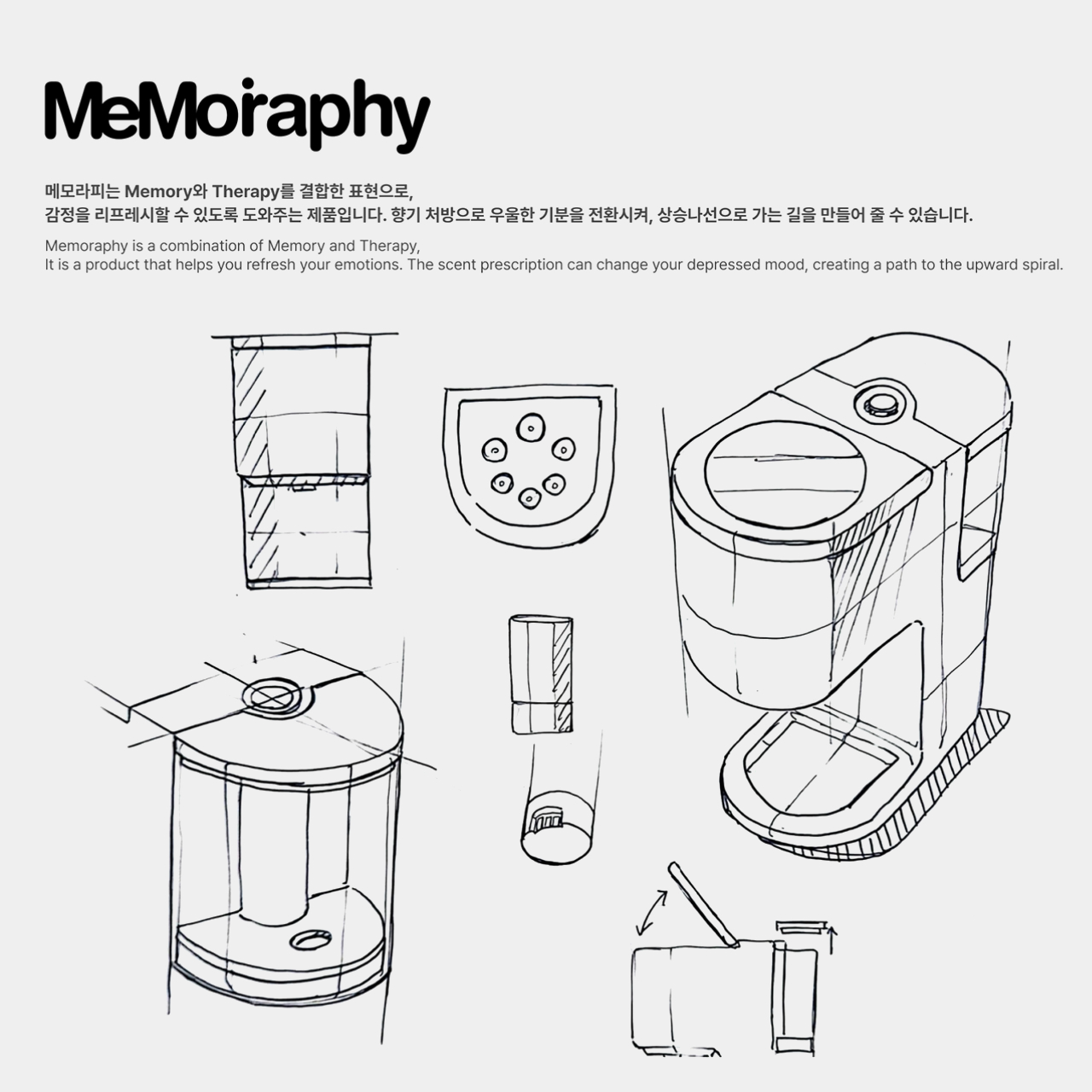
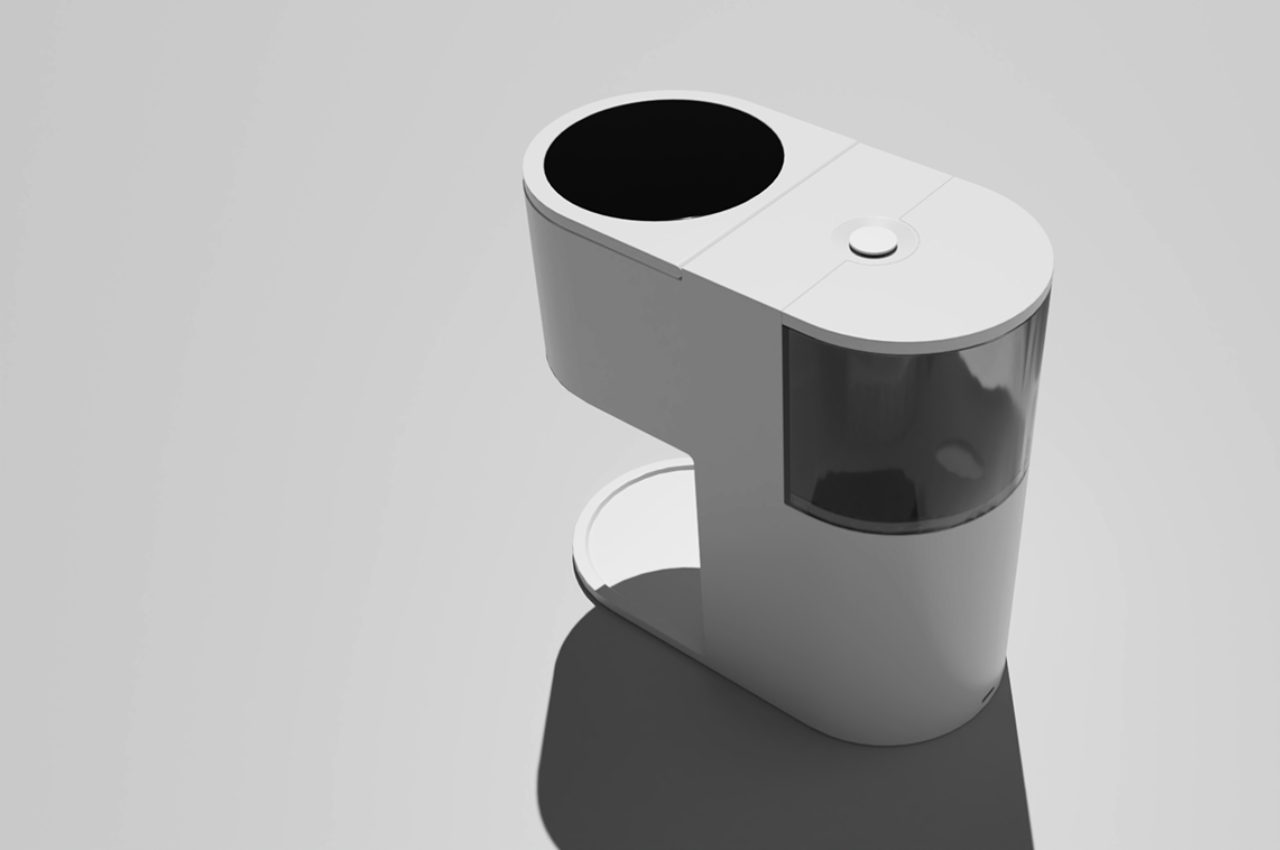
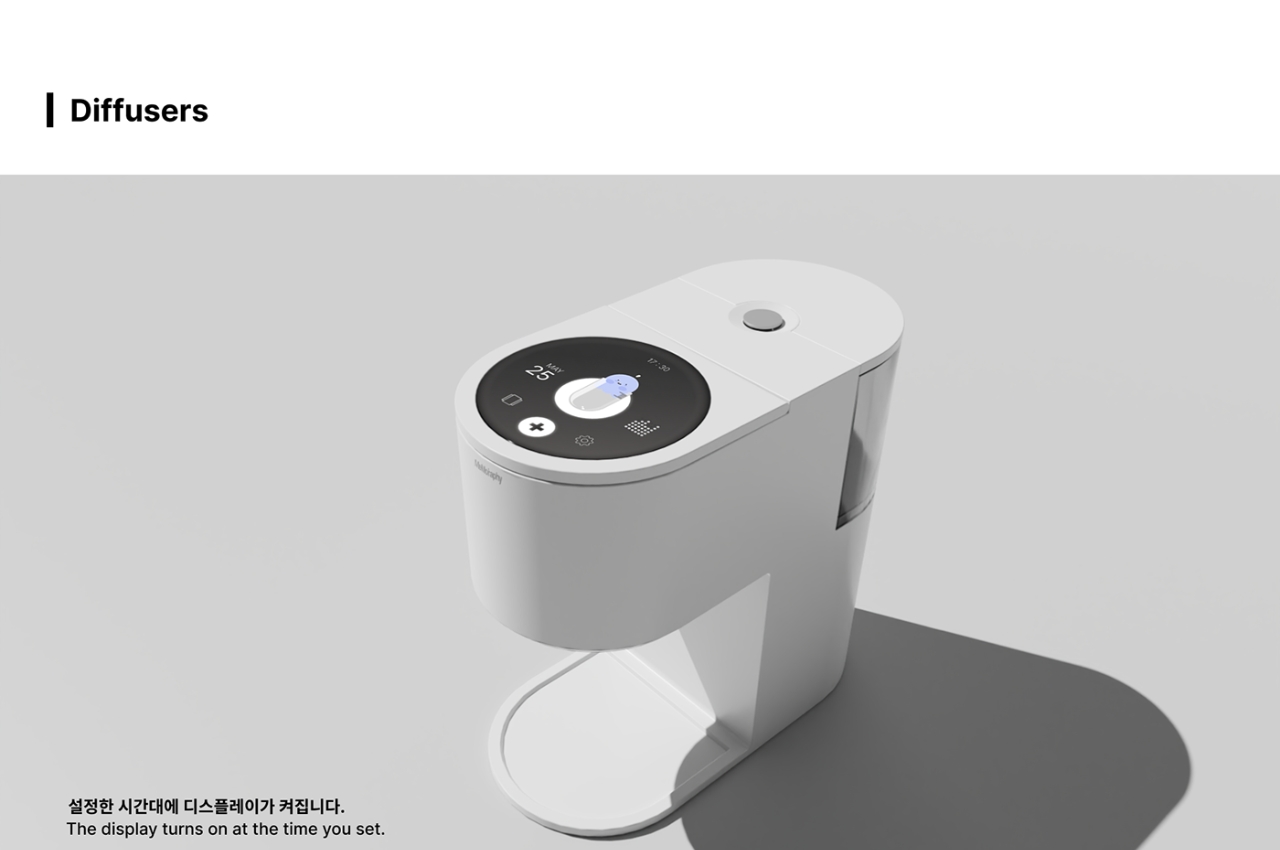
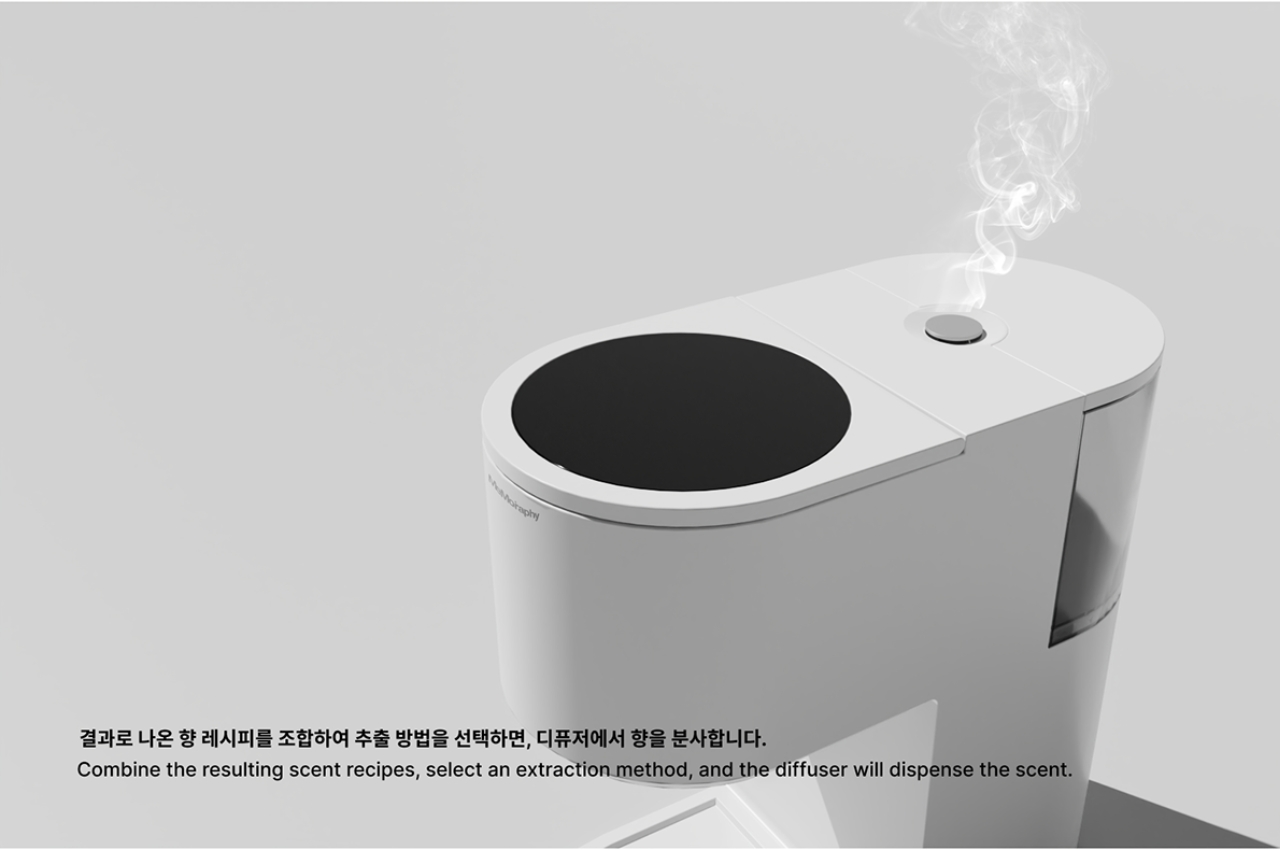
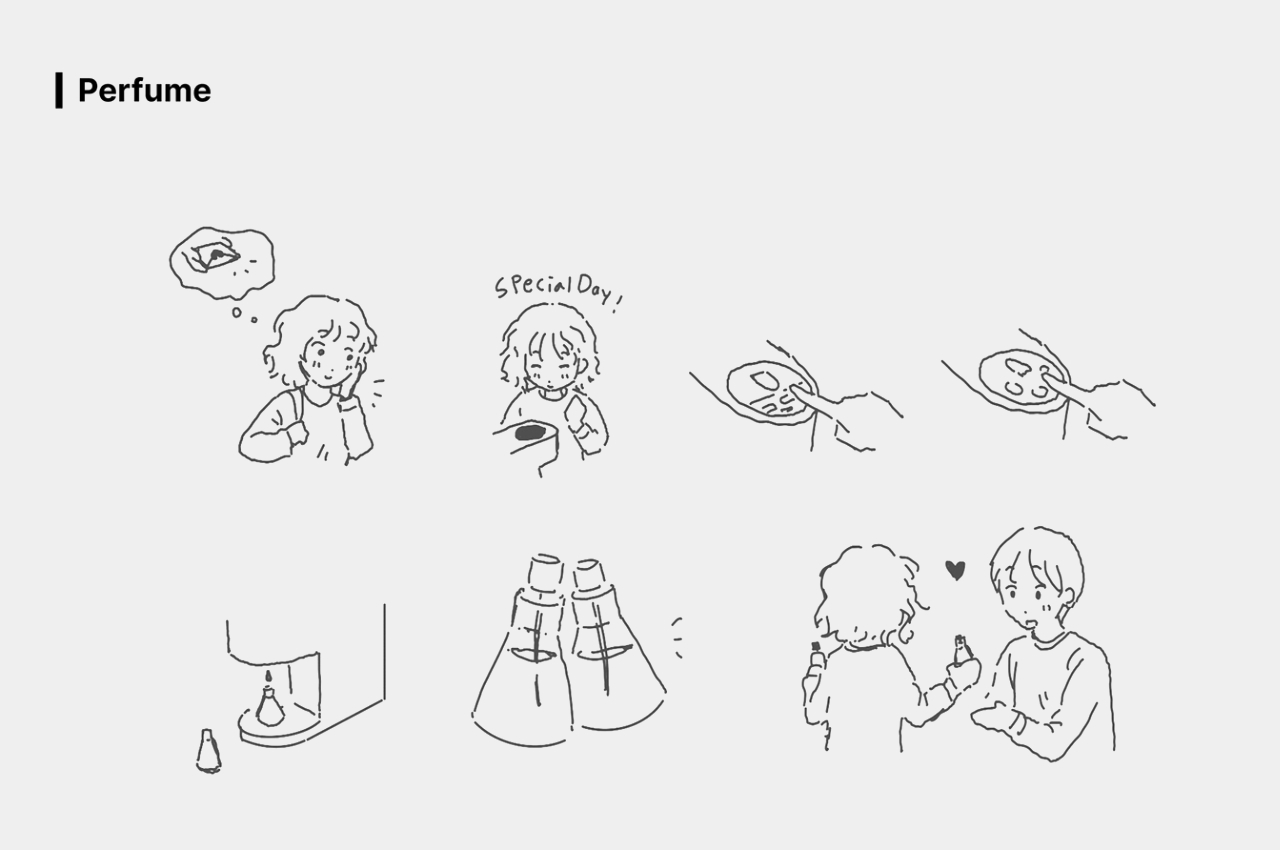
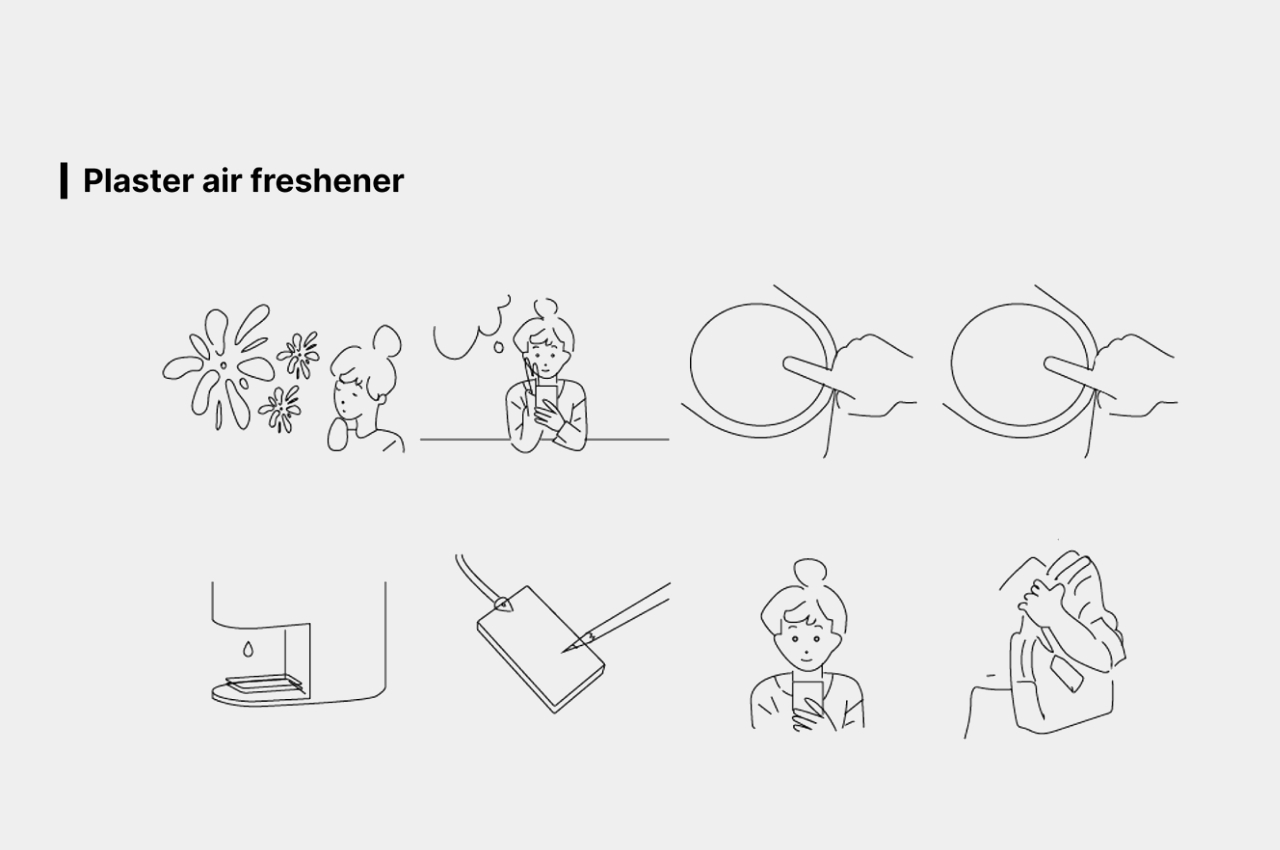
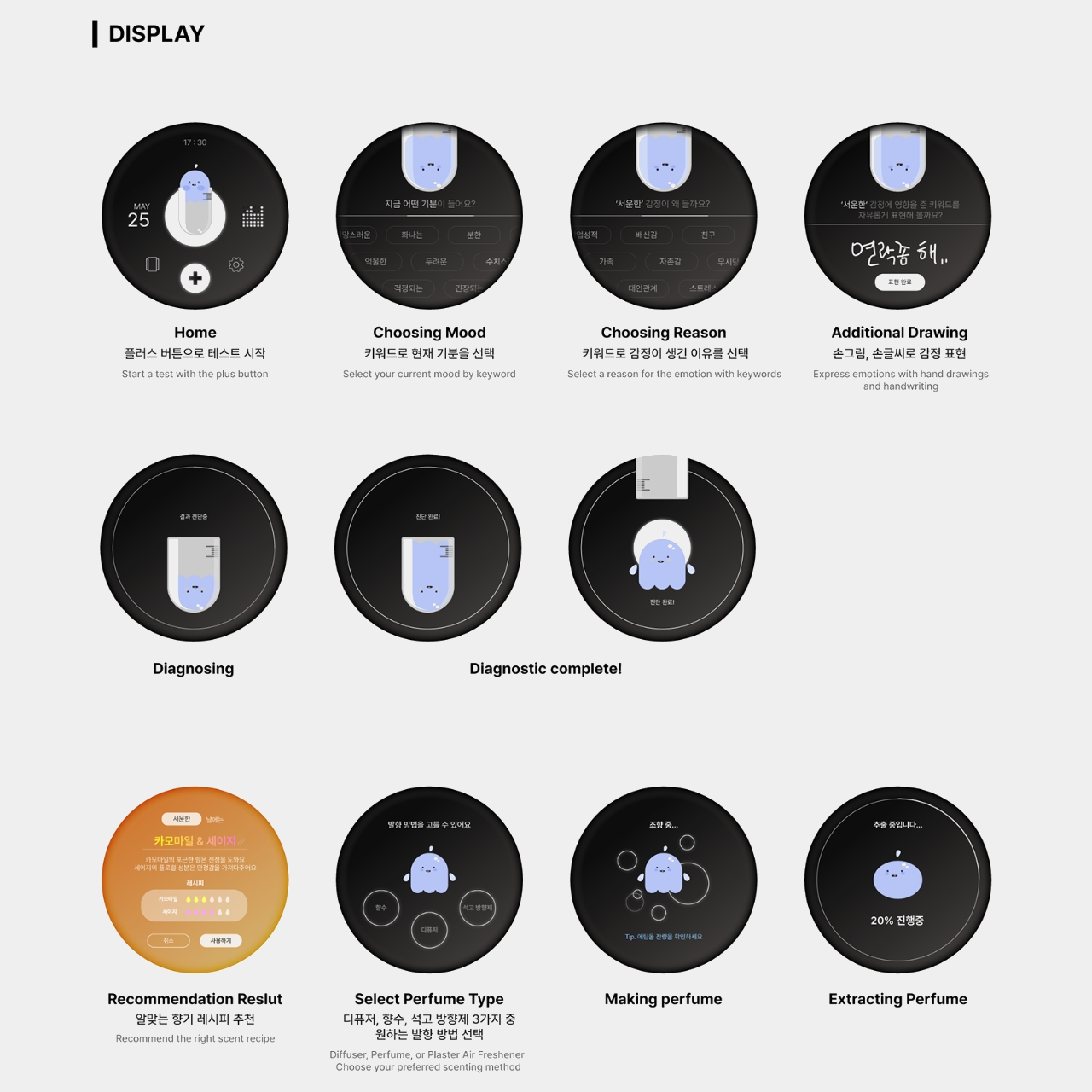
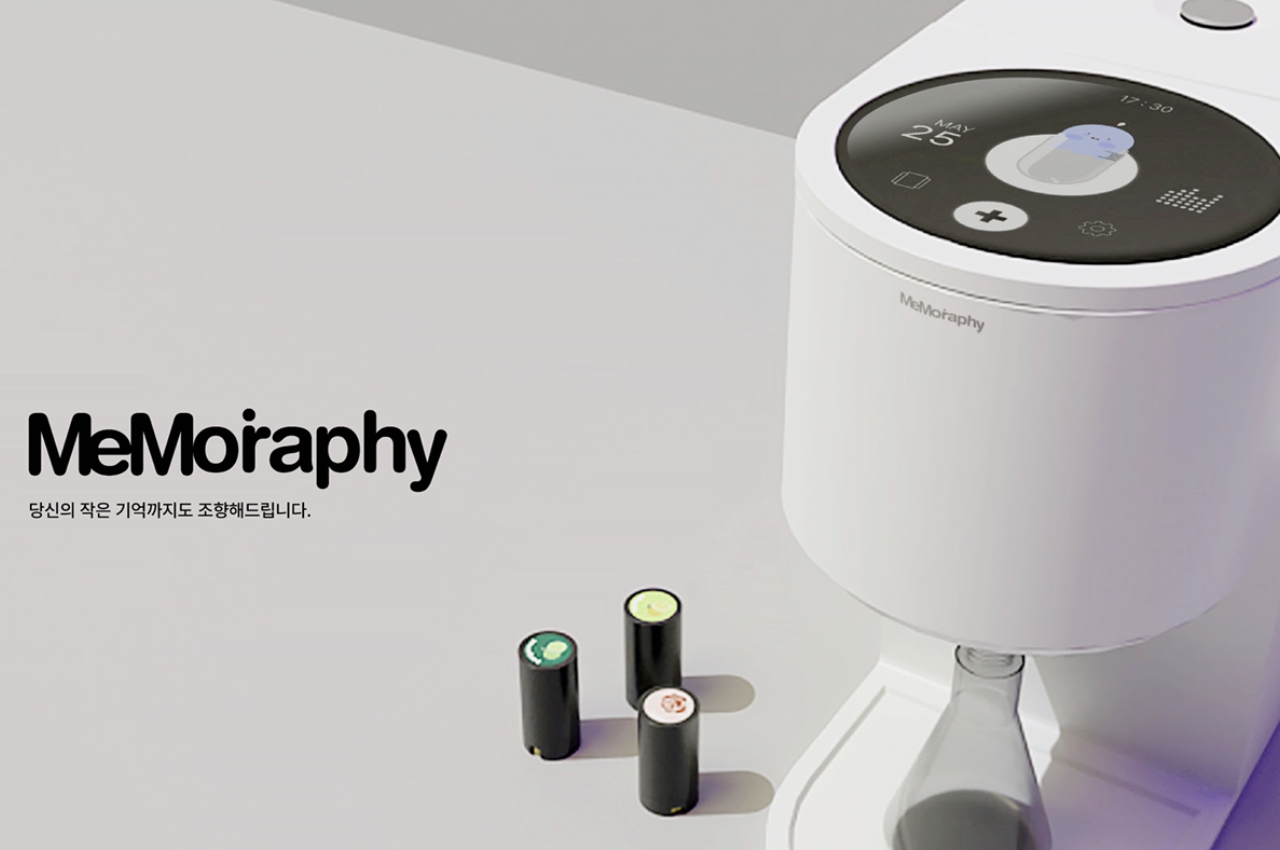
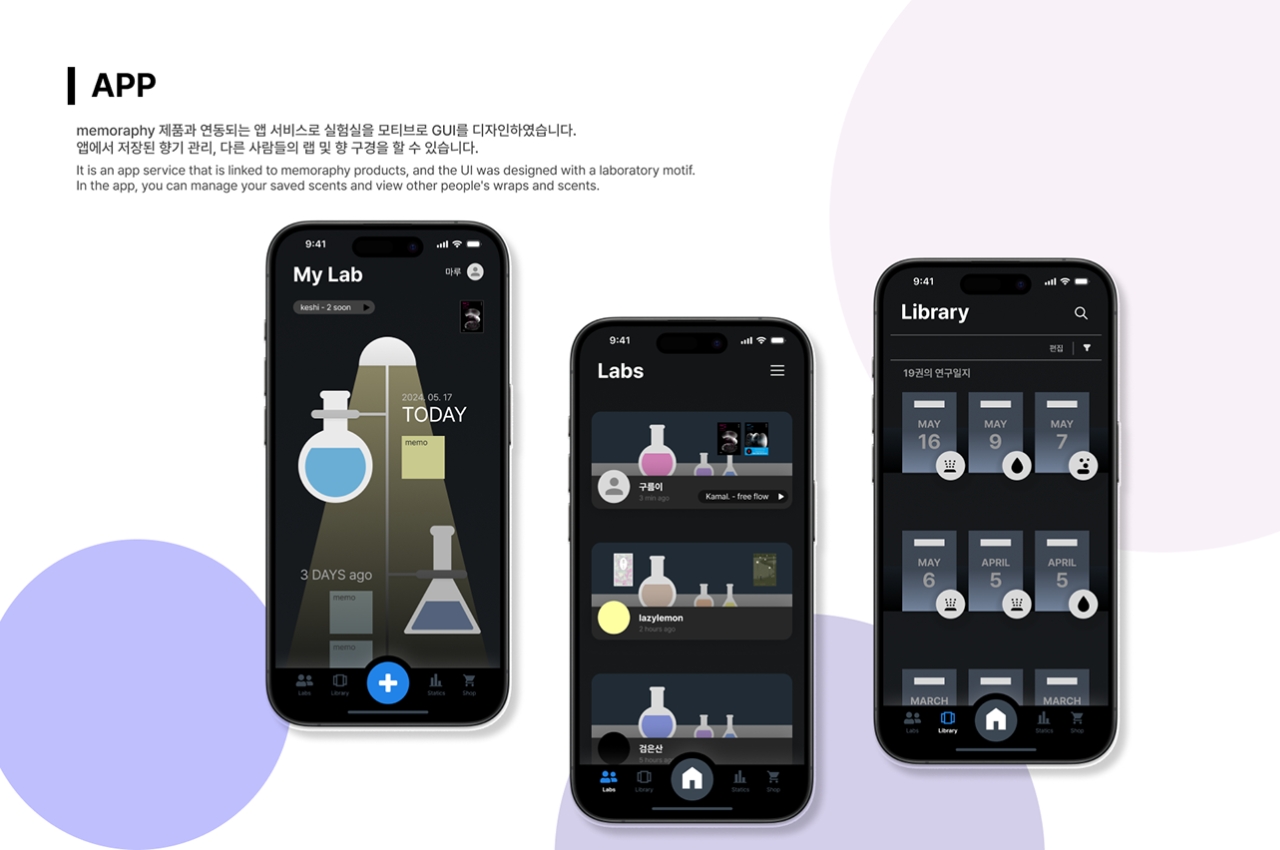
Memoraphy, a combination of the words memory and therapy, is a concept for a device that can “prescribe” a scent for you depending on your mood and need. It looks like one of those laboratory devices with different pods or a coffee machine but instead of dispensing liquids or caffeine, you get different fragrances that can help you uplift your mood, relax, or whatever your emotional need is that can be helped by smelling something. You can choose to use it as a diffuser or to produce a perfume or a plaster air freshener.

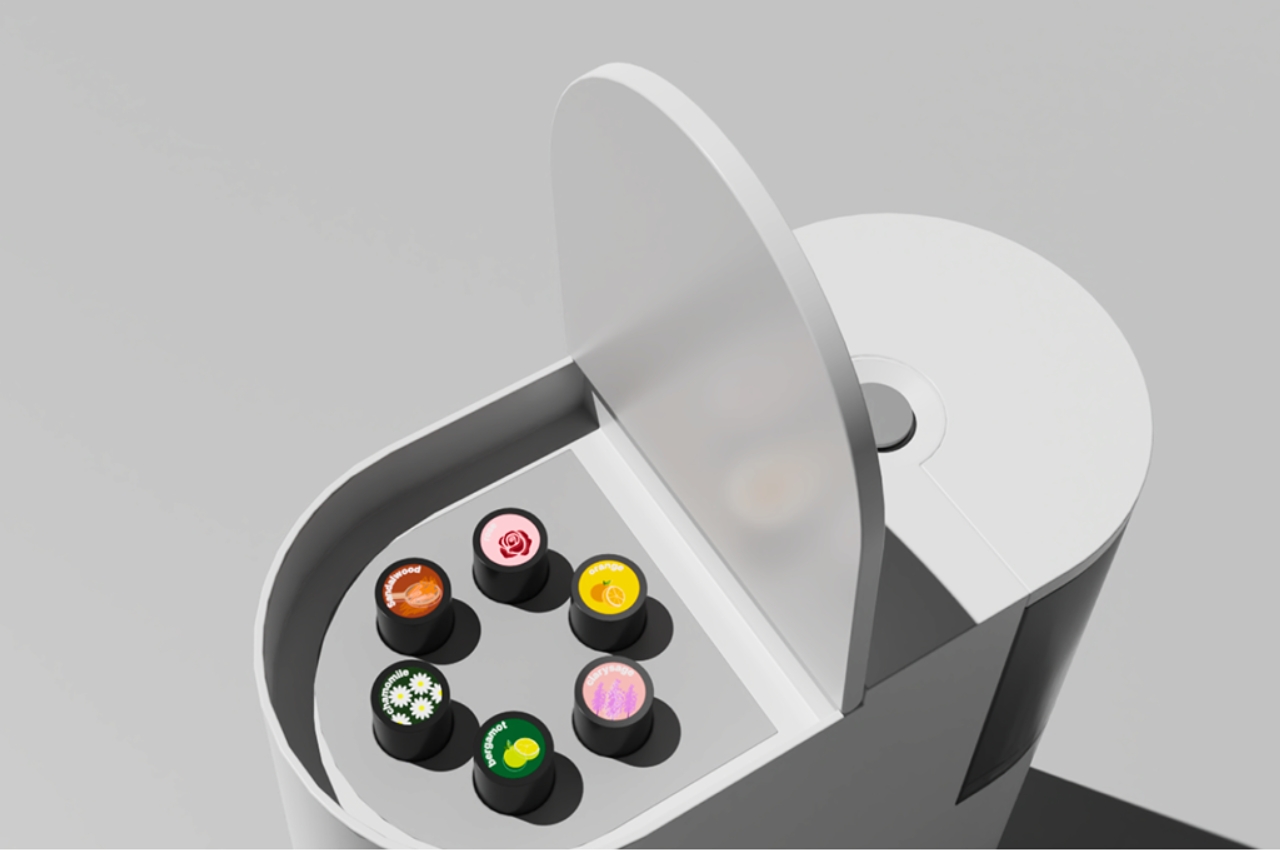
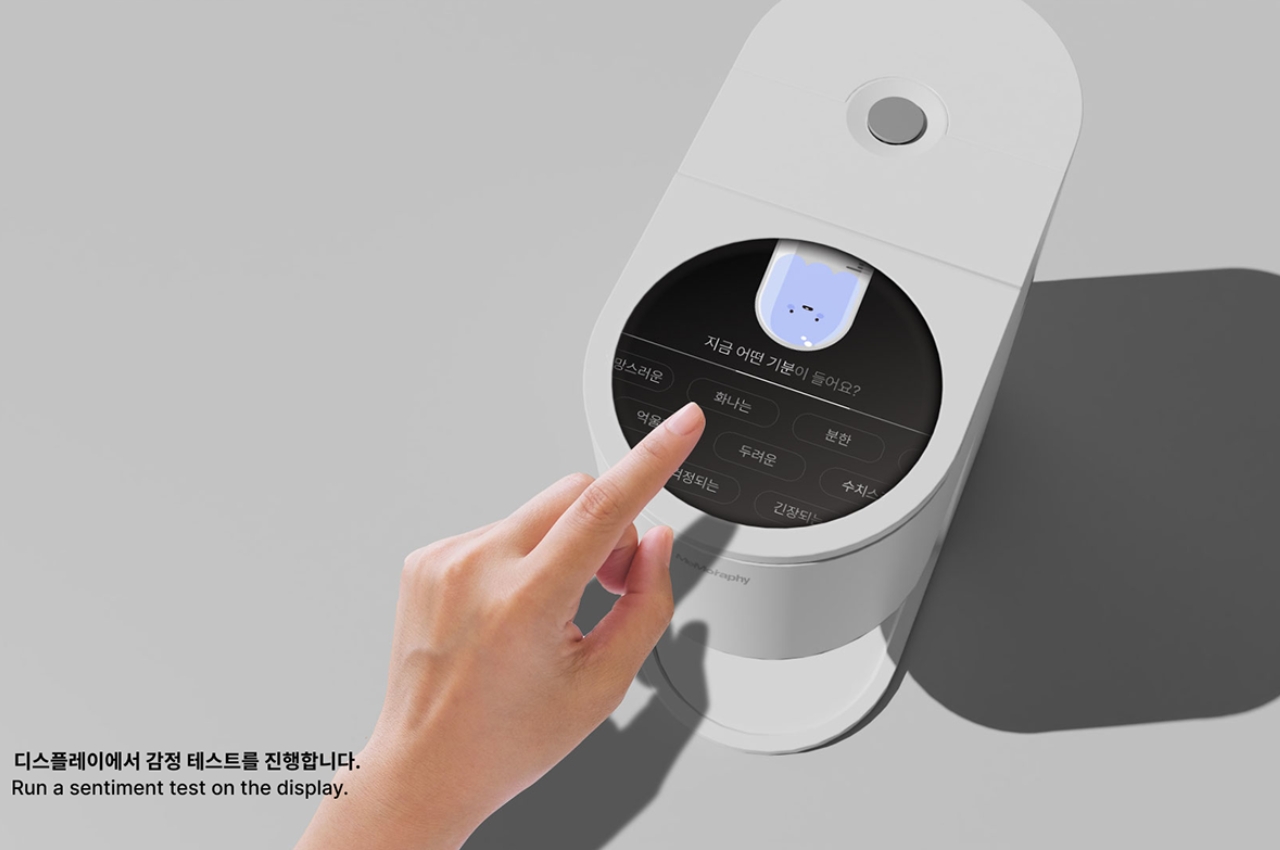
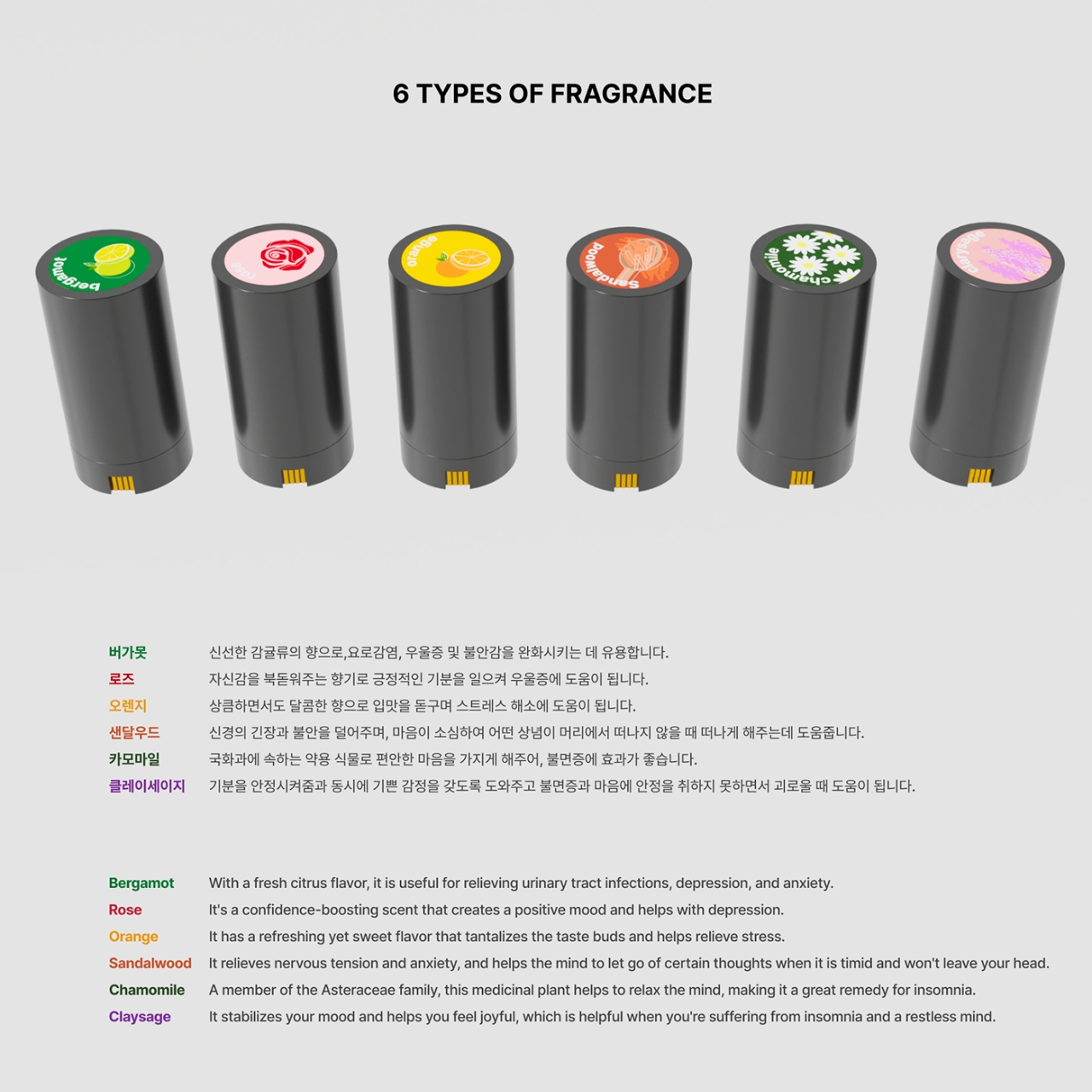
There are six types of main fragrances available: bergamot (for depression, anxiety, and apparently, UTI), rose (to give a positive mood), orange (to relieve stress and enhance taste bud), sandalwood (relieves nervous tension and anxiety), chamomile (helps relax the mind, counter insomnia), claysage (mood stabilisation). You start off the process by inputting into the machine your current mood and drawing or writing to get a “diagnosis” for the right scent. Then you choose the output type and the machine will then create the product for you.

This is a pretty interesting product to have, at least on paper. There may be some feasibility questions if it gets turned into an actual product since there are different outputs for it but that’s a problem for another day. If you’re a believer in aromatherapy, you’d probably want something like this in your home to help lighten your mood, help you fall asleep, and even combat other mental health issues.

The post Memoraphy is an aromatherapy device that can produce perfume to alleviate mood issues first appeared on Yanko Design.

Portable AI device uses camera, projectors, sensors to make you more productive

For better or for worse, depending on where you stand on the debate, artificial intelligence has changed and will continue changing how we create and communicate. Services like ChatGPT, Midjourney, Gemini, and Copilot are pretty popular with those who are adventurous enough to experiment with AI. We can expect that over the next few years, we’ll see more services, gadgets, and devices that can help us use the technology and integrate it into our workflow and every day lives.

Designers: Mingwan Bae, Sohyun An, Junyoung Min, Youngsuh Yoo

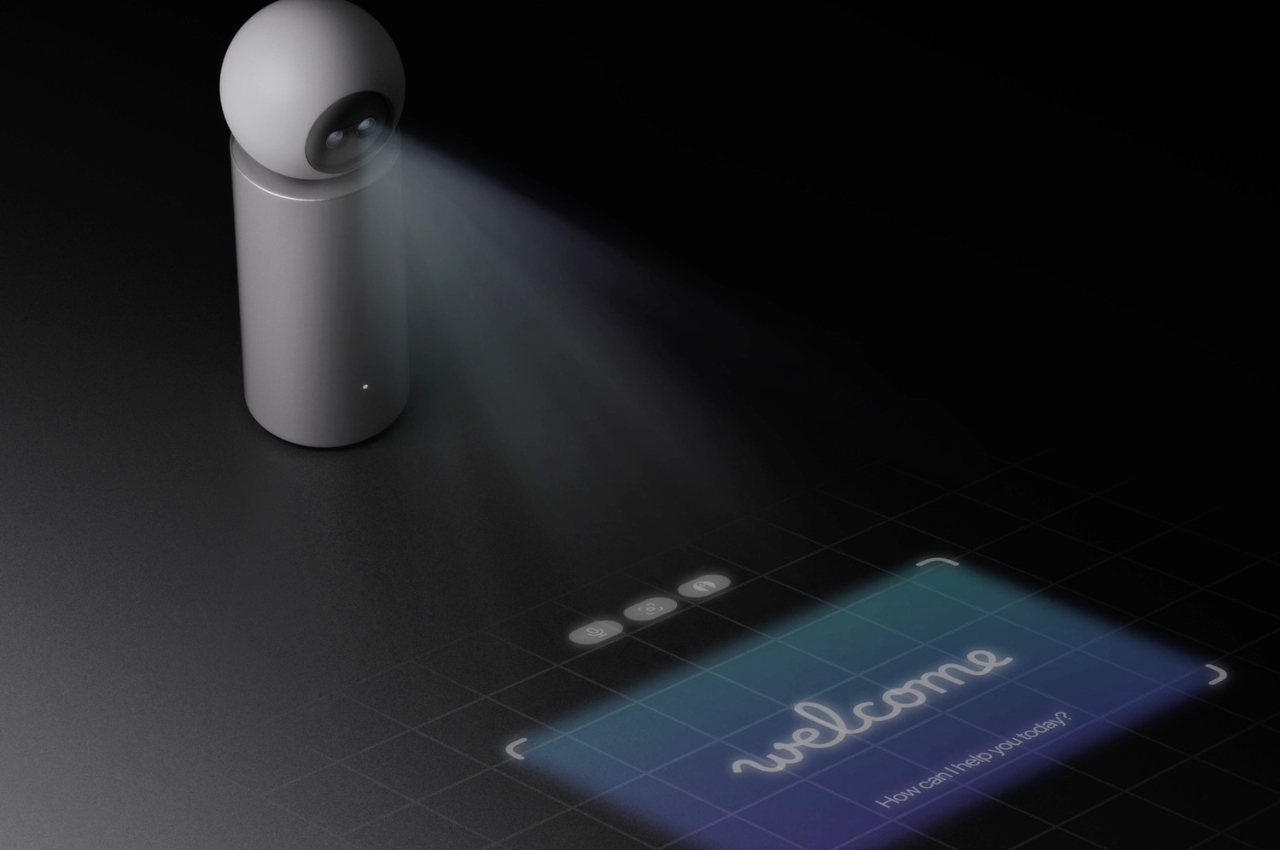
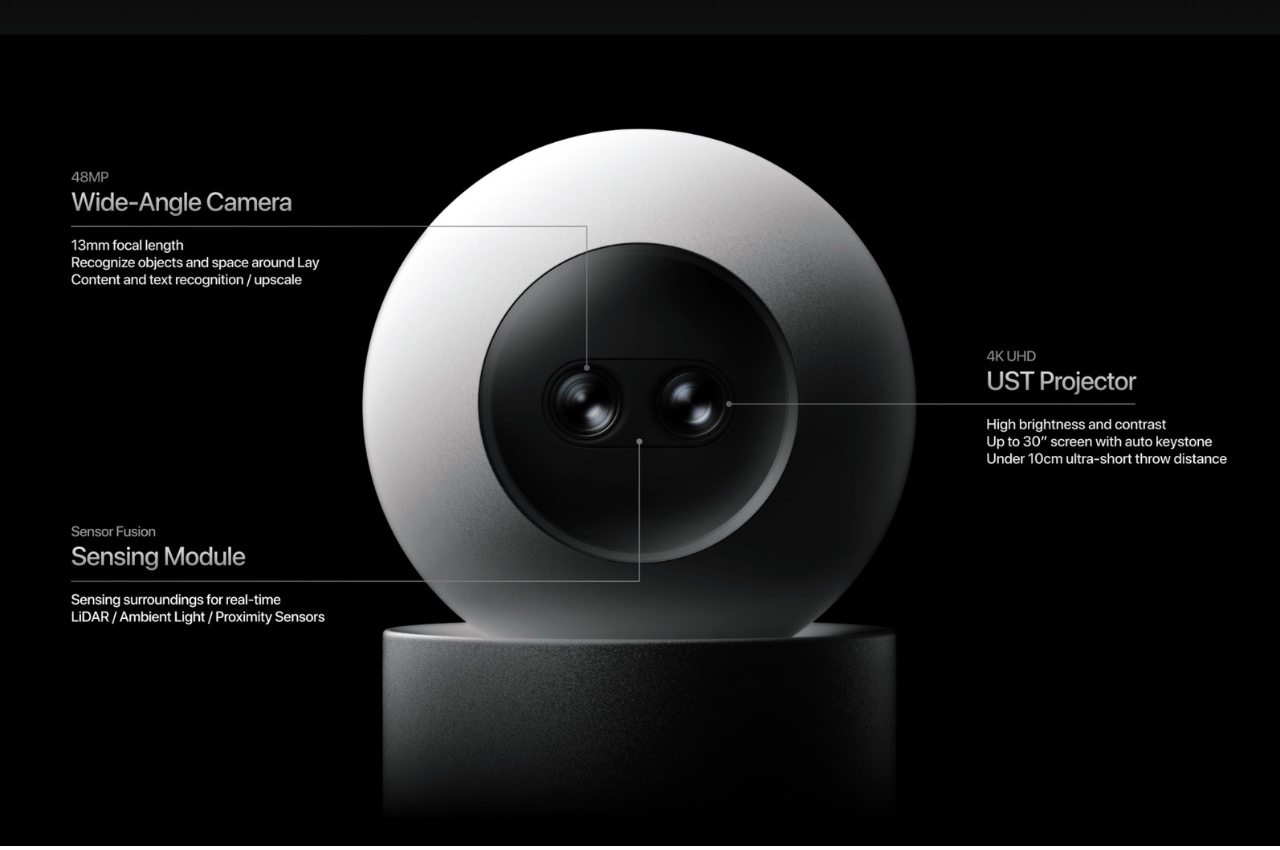
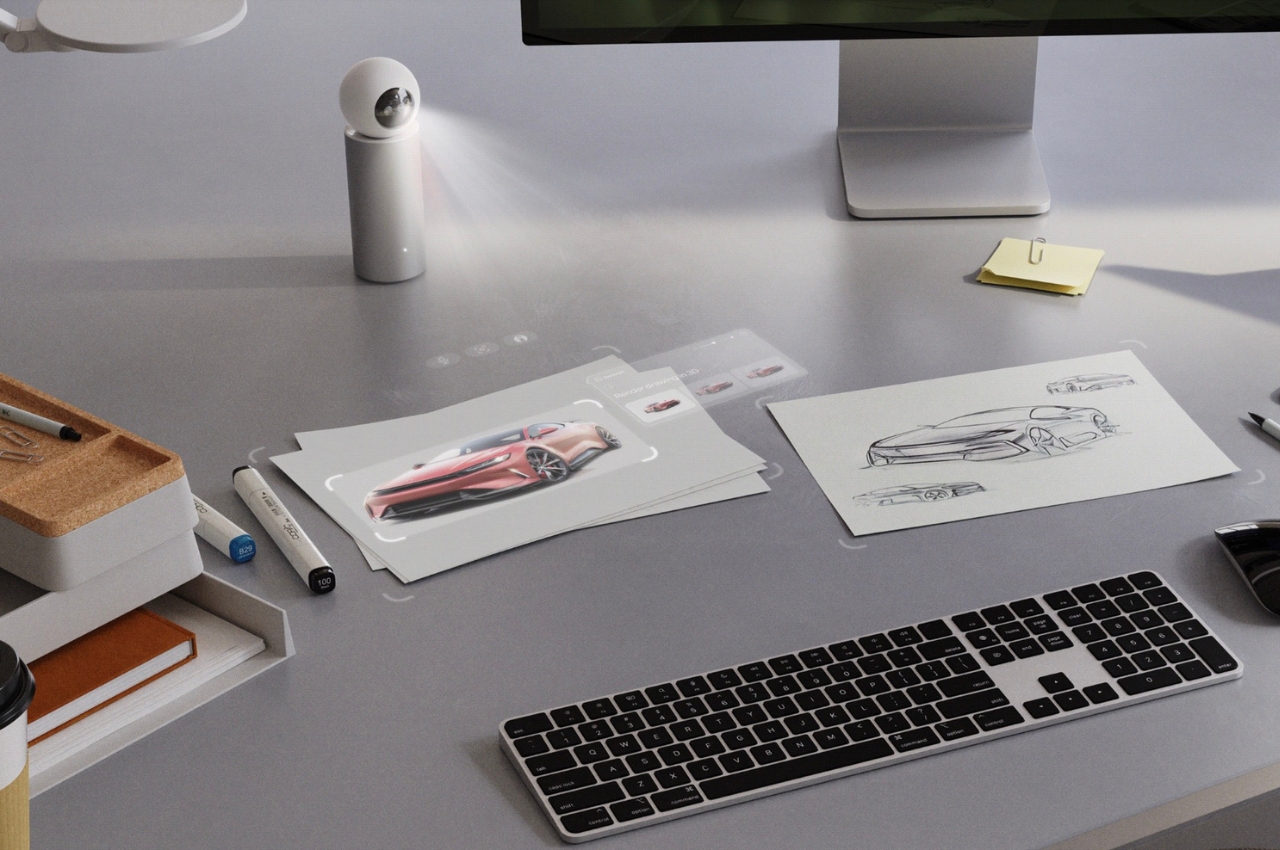
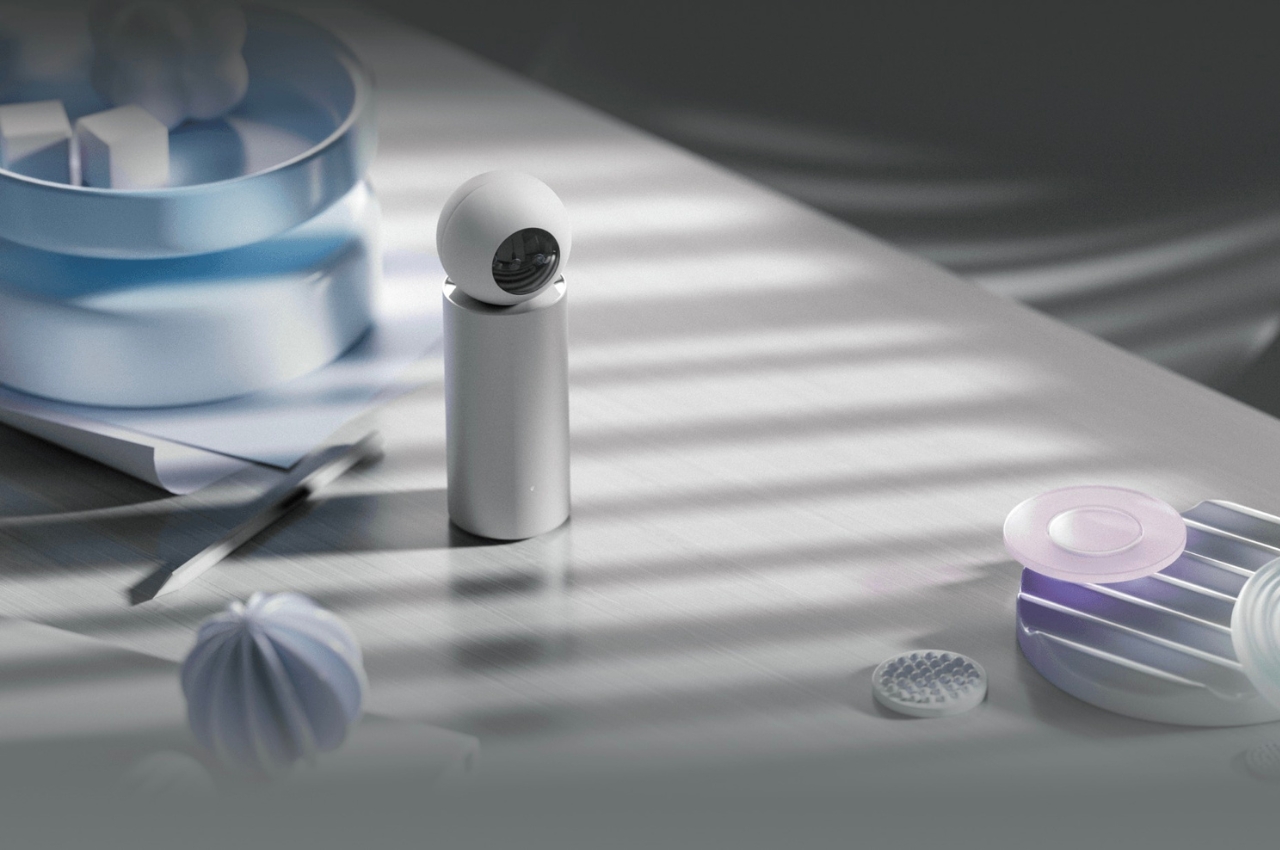
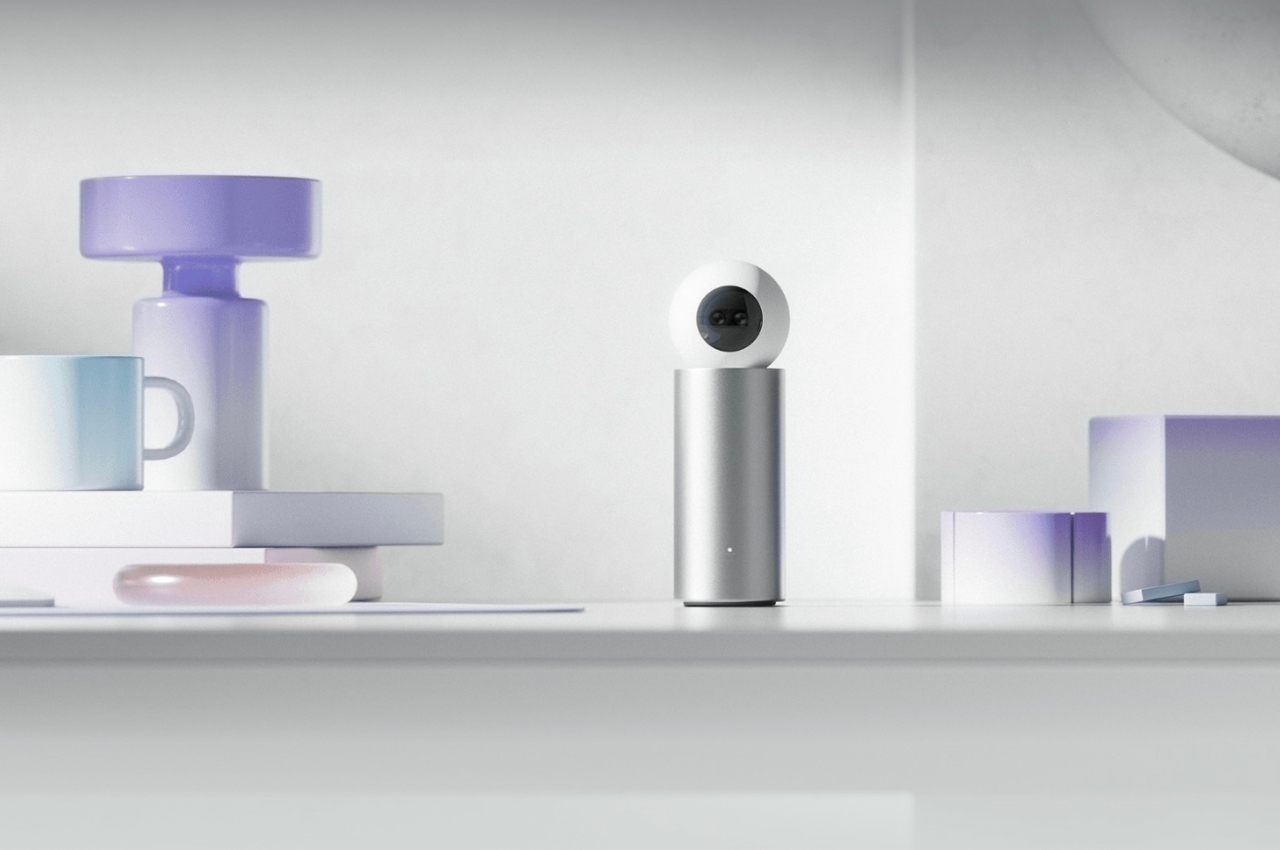
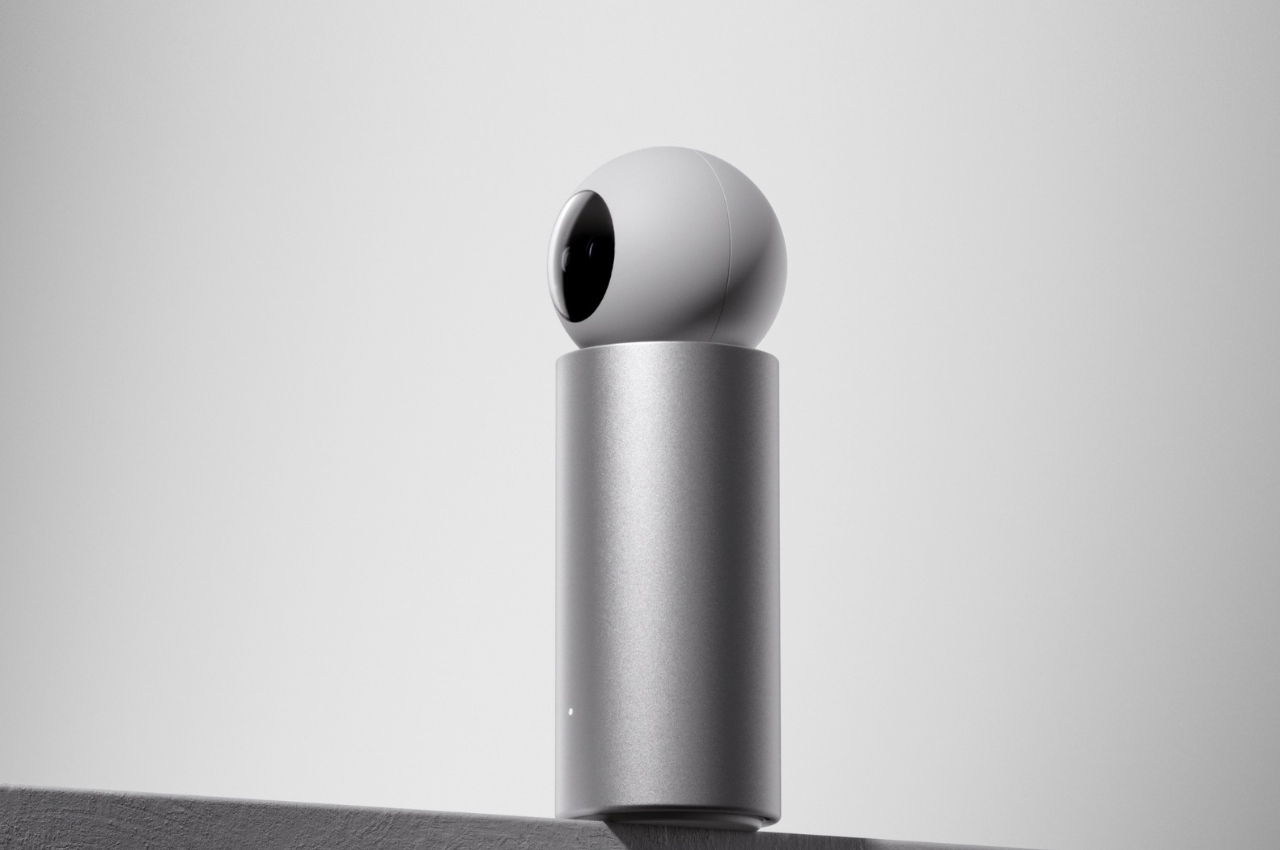
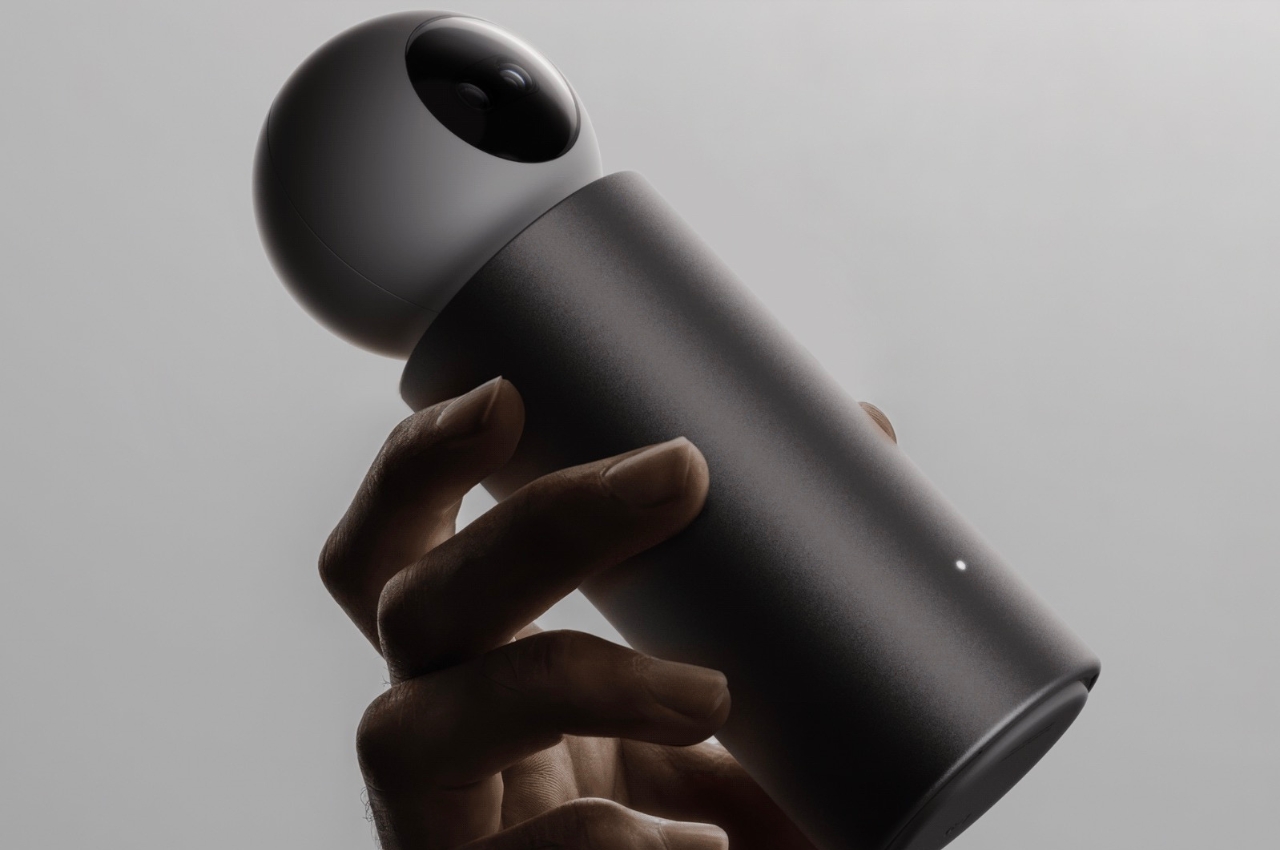
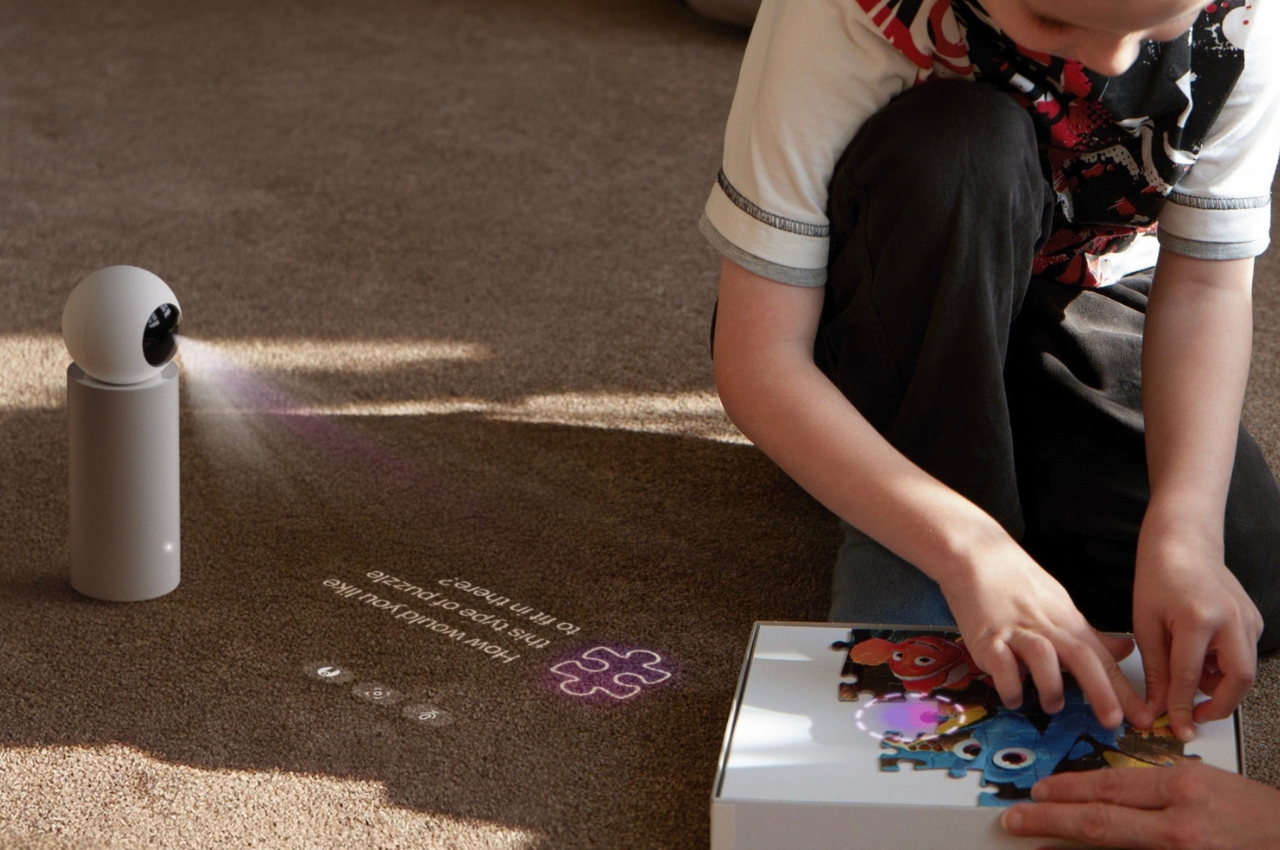
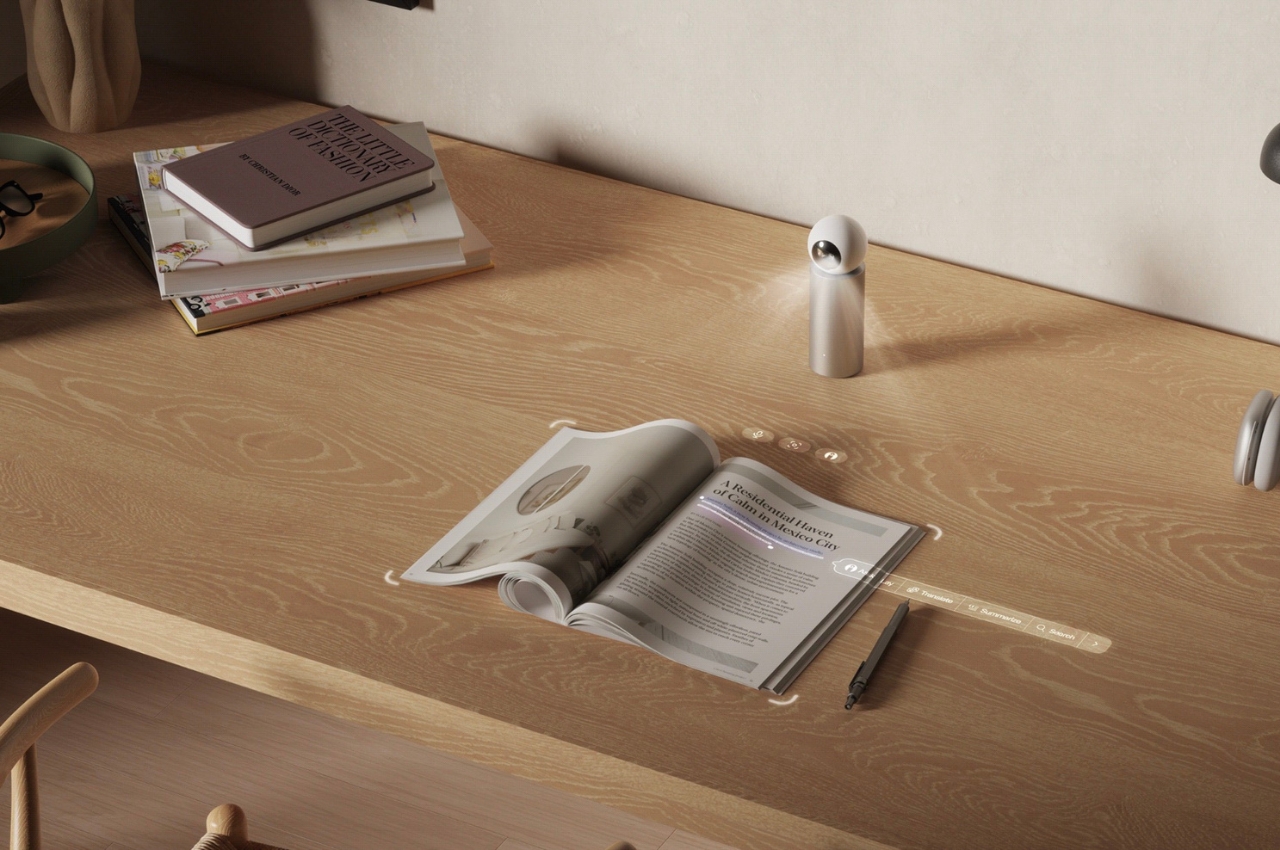
Lay is a concept for a portable AI device that is equipped with a wide-angle camera, a projector, and a sensing module. The 48MP wide-angle camera has a 13mm focal length and is able to recognize objects and space as well as have text recognition and upscale objects it can scan. The 4K UHD projector can project up to 30 inches screen with auto keystone and has under 10cm ultra-short throw distance and high brightness and contrast. The sensing module, which includes LiDAR, ambient light, and proximity sensors, is able to sense its surroundings in real time.

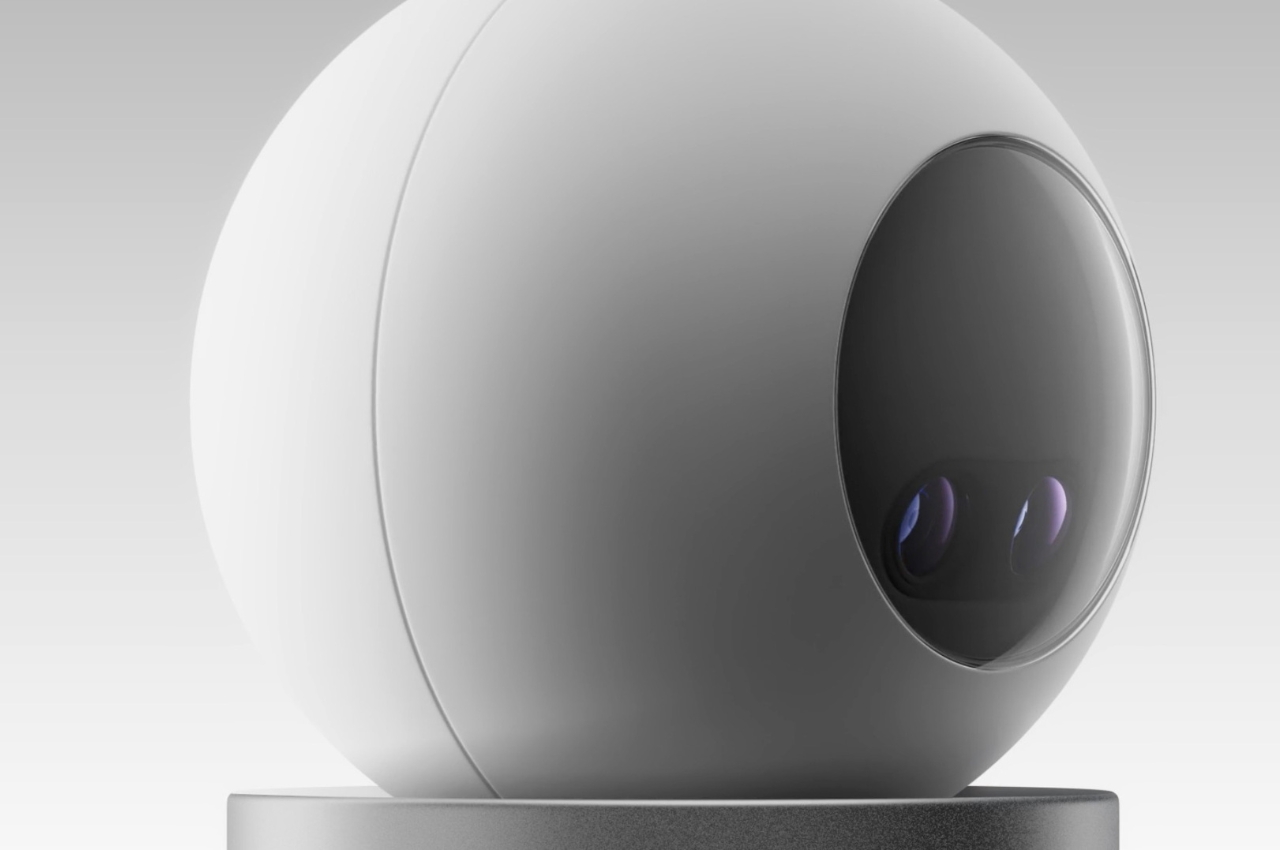
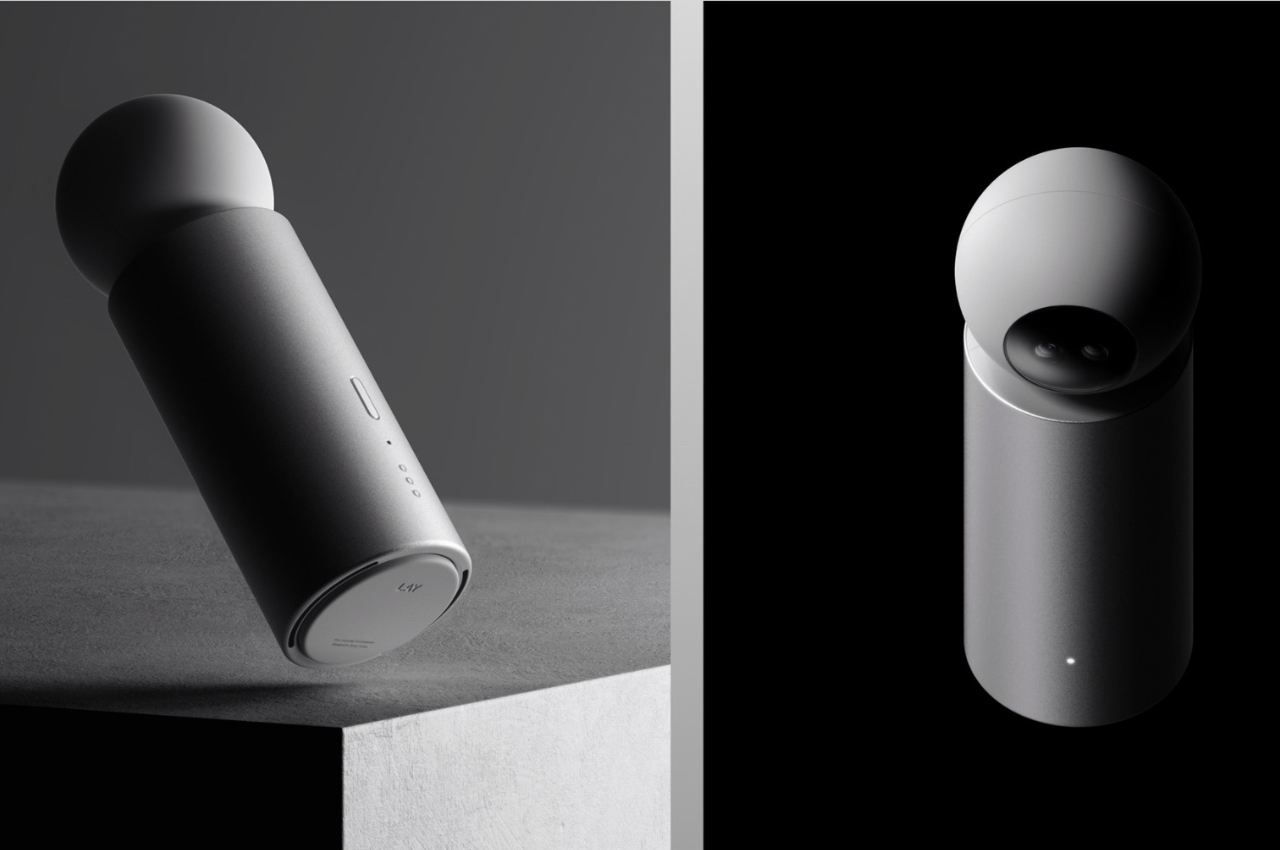
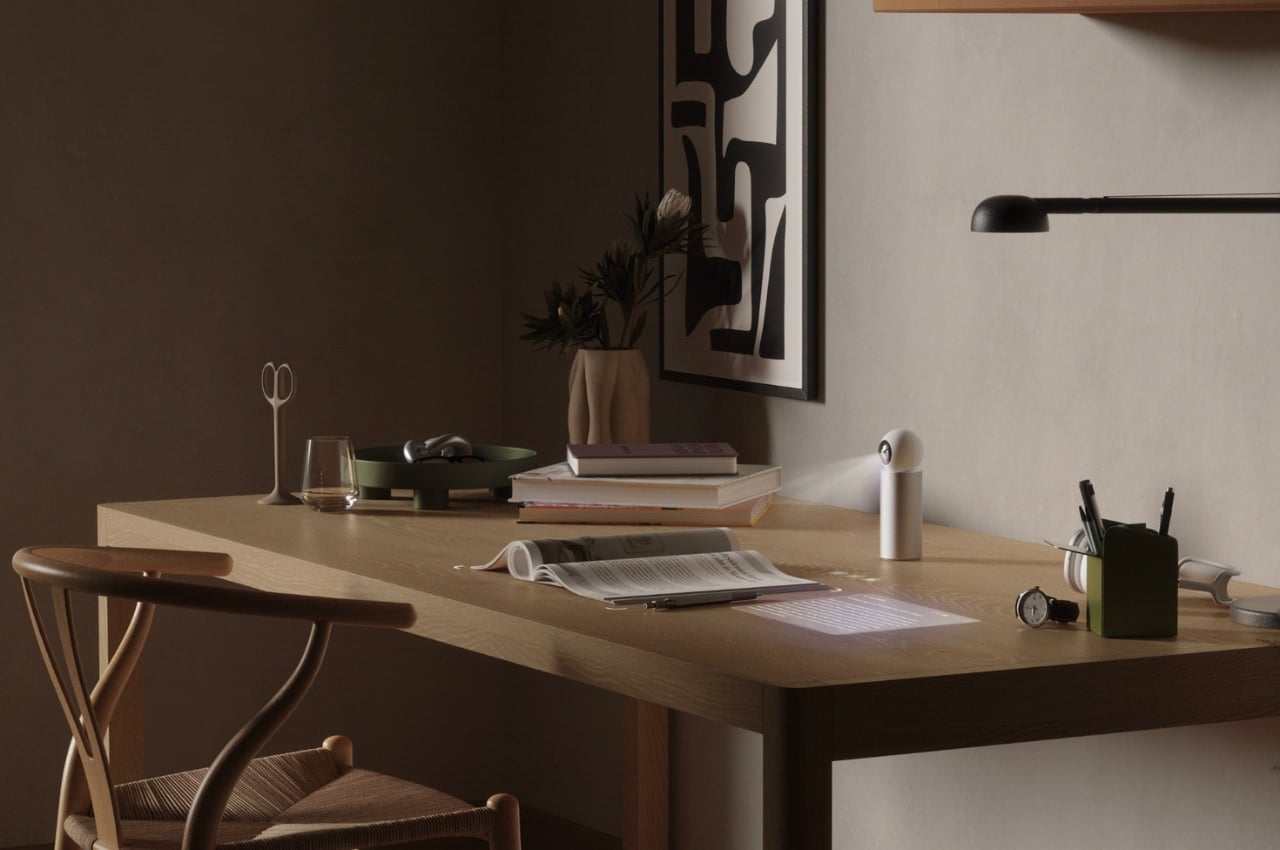
The device basically scans your surroundings and then leverage AI to make suggestions and give assistance on tasks that you can do to as you’re working, drawing, reading, scribbling, building, creating, or just leisurely browsing. It looks like a small spherical robot with a round head that moves around and that you can carry around and place on your desk or space as it helps you make your workflow smoother. It projects onto a surface which will serve as your screen as you do your different tasks. It can recognize and select text, drawings, photos, sketches and then all the content and information are updated in your real-time cloud.

The device still seems to be mostly theoretical and specific tasks you can do or that it can suggest are still a bit vague. But it’s an interesting concept for an AI-powered device that you can carry around with you especially if you’re a digital nomad. And with the speed at which some digital natives and early adapters are using and exploring AI, this can actually be a real device soon.

The post Portable AI device uses camera, projectors, sensors to make you more productive first appeared on Yanko Design.

Earbuds with nano camera and smart AI are more than just music for your ears

Earbuds are a kind of accessory you’ll find most common in anybody’s arsenal. They isolate you from the distracting outside world and help you focus while working, exercising, commuting, or anything in between. Extending the usability of earbuds for people with vision problems or in general even the common users who like to turn on their ANC at full blast. Apart from the audio information, the eyes are the best sensors to gauge the environment.

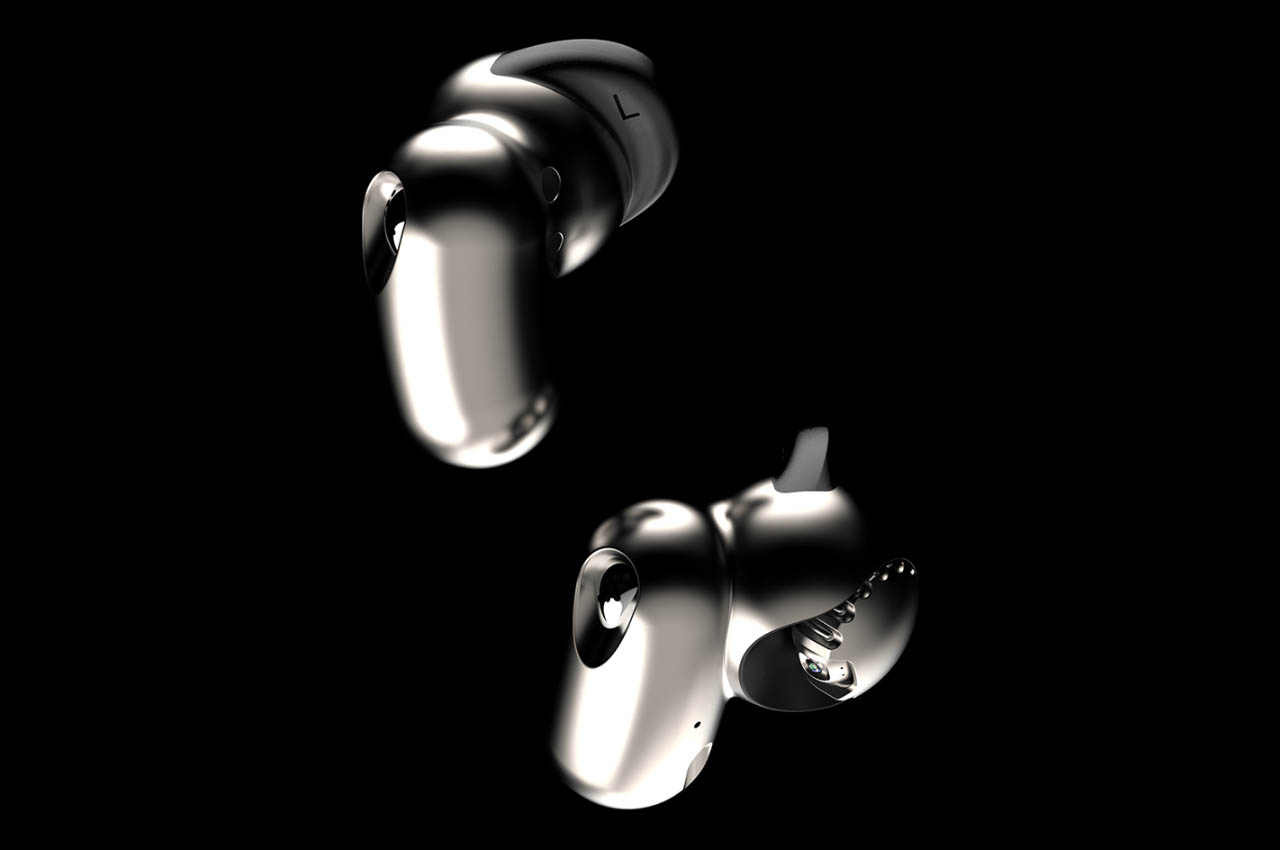
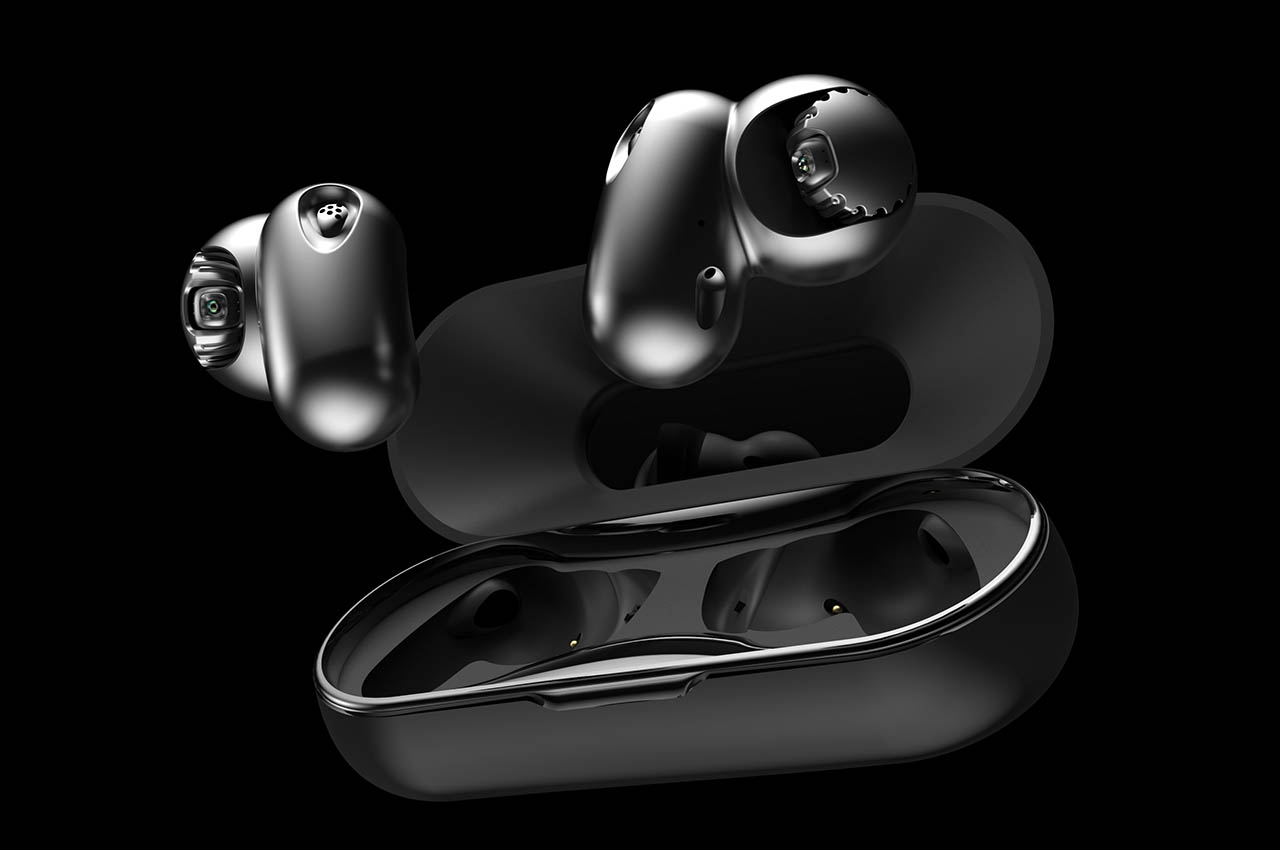
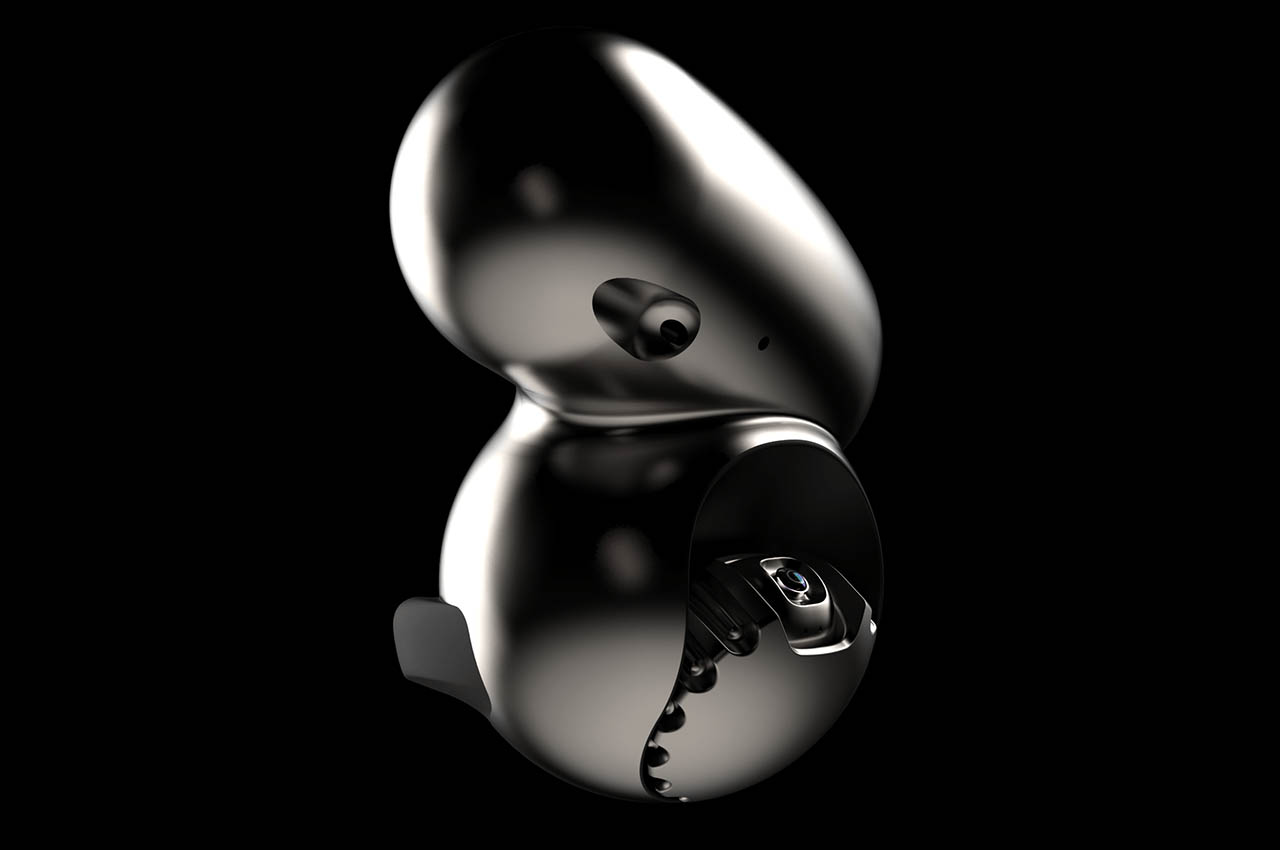
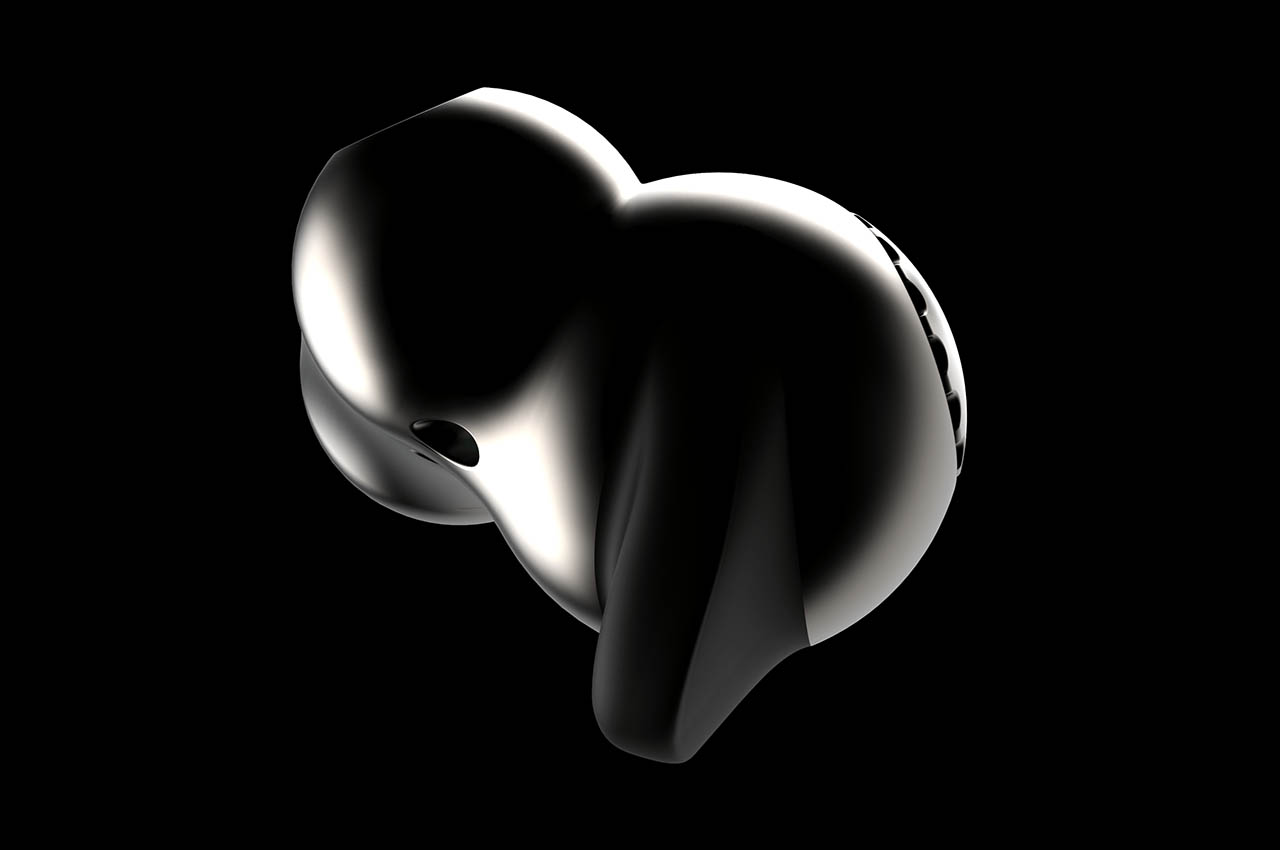
The Cell Buds are an evolution of the good old earbuds into a wearable that assists the blind in navigating crowded spaces or even being aware of what’s around them with sound cues coming from the buds equipped with nano camera units that keep track of any information that may be vital. This eliminates the need for transparency mode to be aware of the space, or even situations where you want strong ANC while being totally aware of what’s happening around in a crowded urban area, essentially making them your eyes and mind for daily life assistance.

Designer: Minwoo Kim

https://vimeo.com/user217694550

These earbuds are loaded with an ultra-compact vision cam and AI to bring all the smart features of your smartphone to this cool gadget plugged into the ears. As a part of the Samsung Design Membership course, Minwoo conceptualized this design to dramatically improve the user’s experience. The on-device AI brings personalized interaction with information available in the cloud and the compact vision cameras keep sensing the surrounding environment around you for any signs of danger or information that might be important to you. For example, an approaching motorist from the left when you are busy crossing the street.

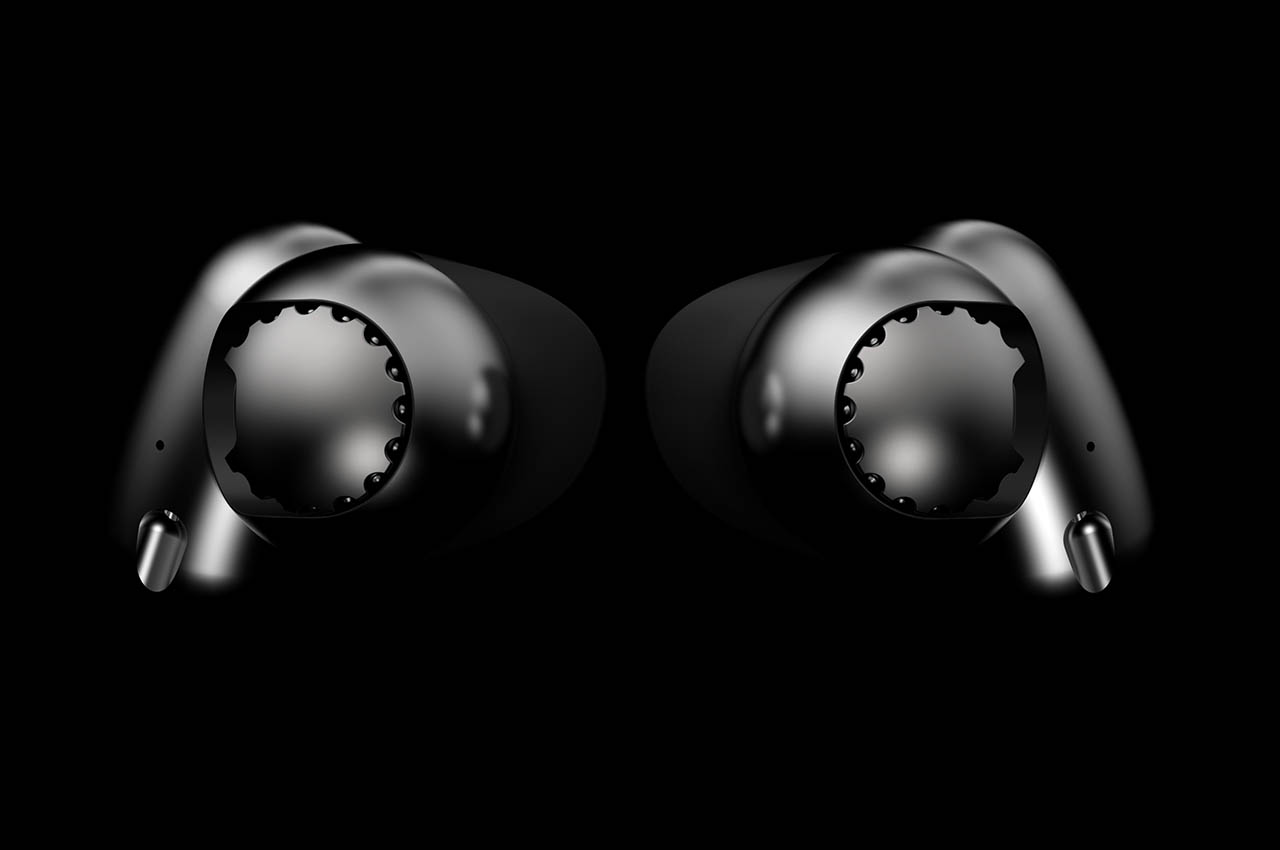
With smart AI, the wearables can be useful for frequent travelers or people with vision impairments. The hands-free personal assistance provided by Cell Buds keeps you from checking your phone, thereby curbing your digital life for good. Design and comfort are prime when it comes to the concept, as Kim has managed to fit a rotating camera unit inside the housing that houses the driver units, microphones, and the battery. According to him, the camera drive unit slightly protrudes from the ear to increase the camera’s field of view.

The post Earbuds with nano camera and smart AI are more than just music for your ears first appeared on Yanko Design.

VR controller concept for artists and designers offer a more intuitive design

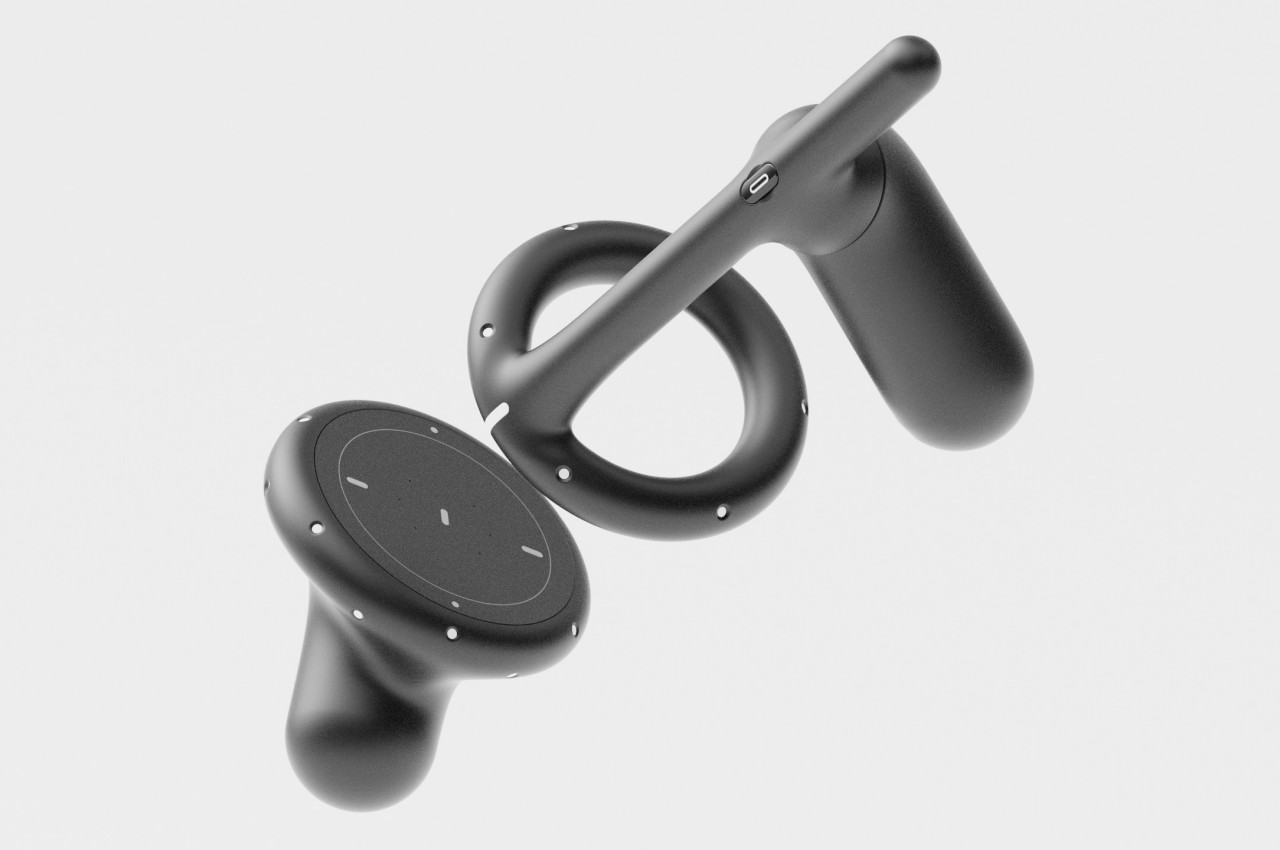
The Apple Vision Pro’s take on spatial computing would have us imagine a seamless integration of the physical and digital worlds. That dream of the future is shared by virtual, augmented, and mixed reality technologies, and they almost deliver that promise when it comes to the visual aspect. The illusion, however, breaks when you start interacting with and manipulating those virtual entities, an experience that quickly becomes less natural compared to how we do it with physical objects. The problem lies in the tools we use for this, which are often a game controller or two sticks that function in the same way. This concept for a virtual reality controller tries to reshape that standard design into something that, while still technically the same, offers a more familiar form for artists and designers.

Designer: Jiwoong Yan

When you think about it, it’s almost amazing how digital creatives are able to make do with the input tools available to use in the present. At the very least, a stylus approximates the experience of drawing with a pen on paper, though some people are even able to create mind-blowing art using a keyboard and a mouse. On the one hand, it’s pretty convenient that we don’t have to deal with a dozen different pens, brushes, and other tools when creating digital art, but, at the same time, the disconnect between the tool and the desired outcome is often jarring.

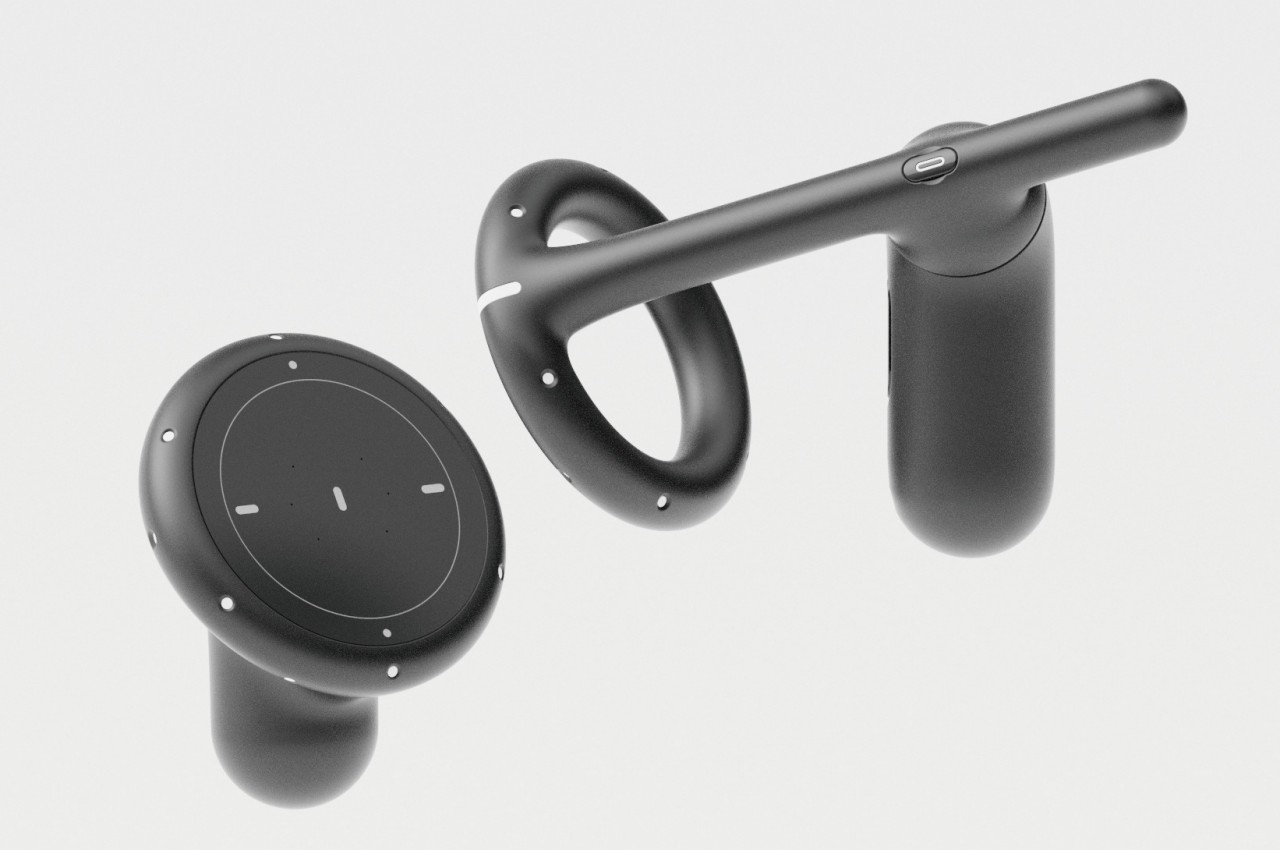
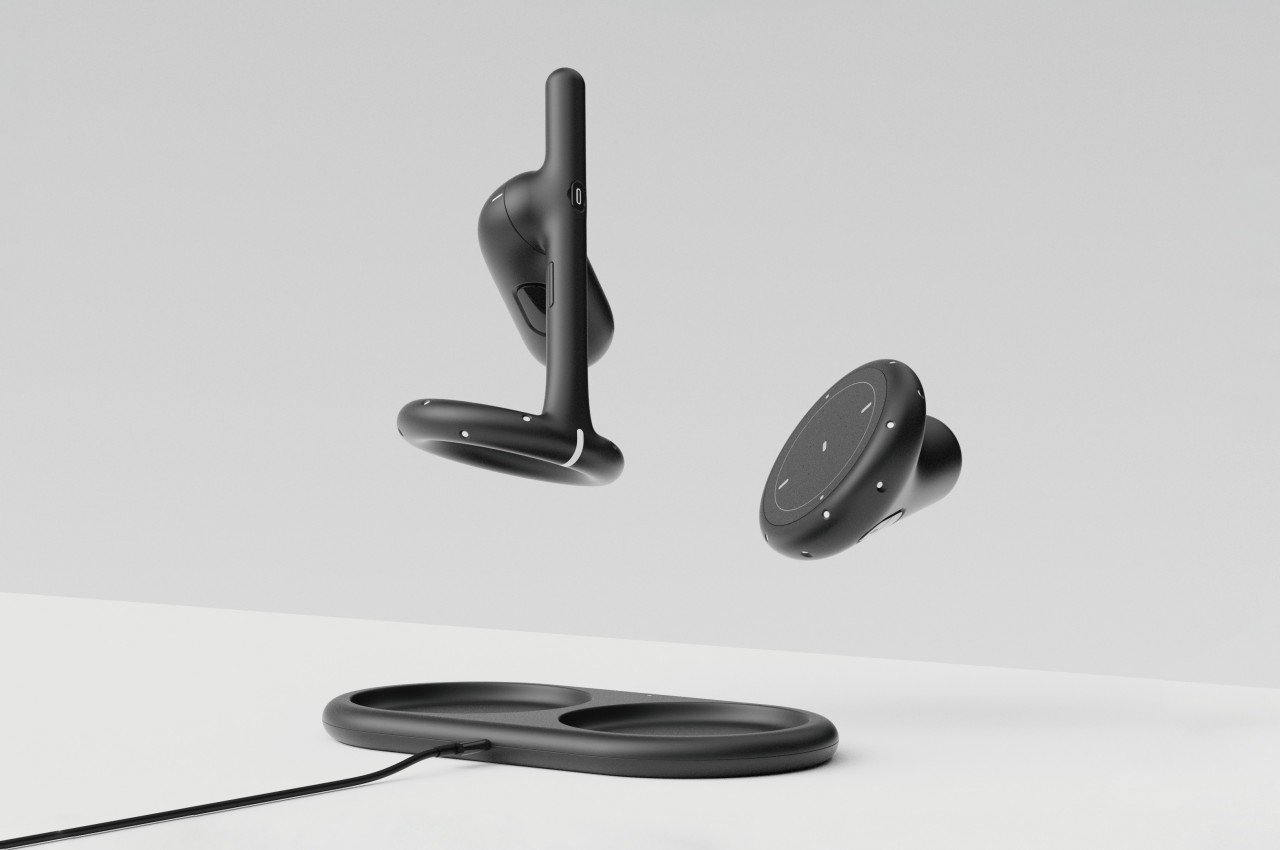
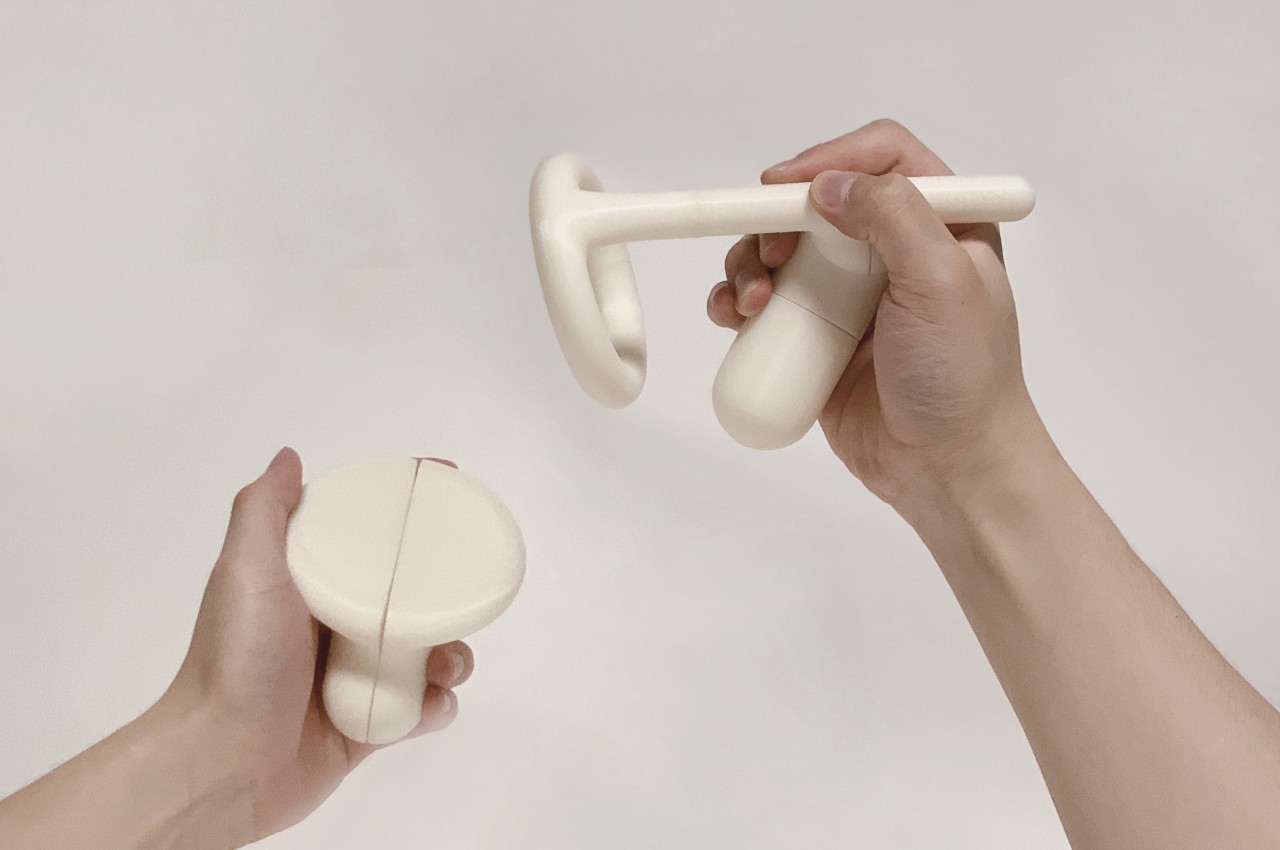
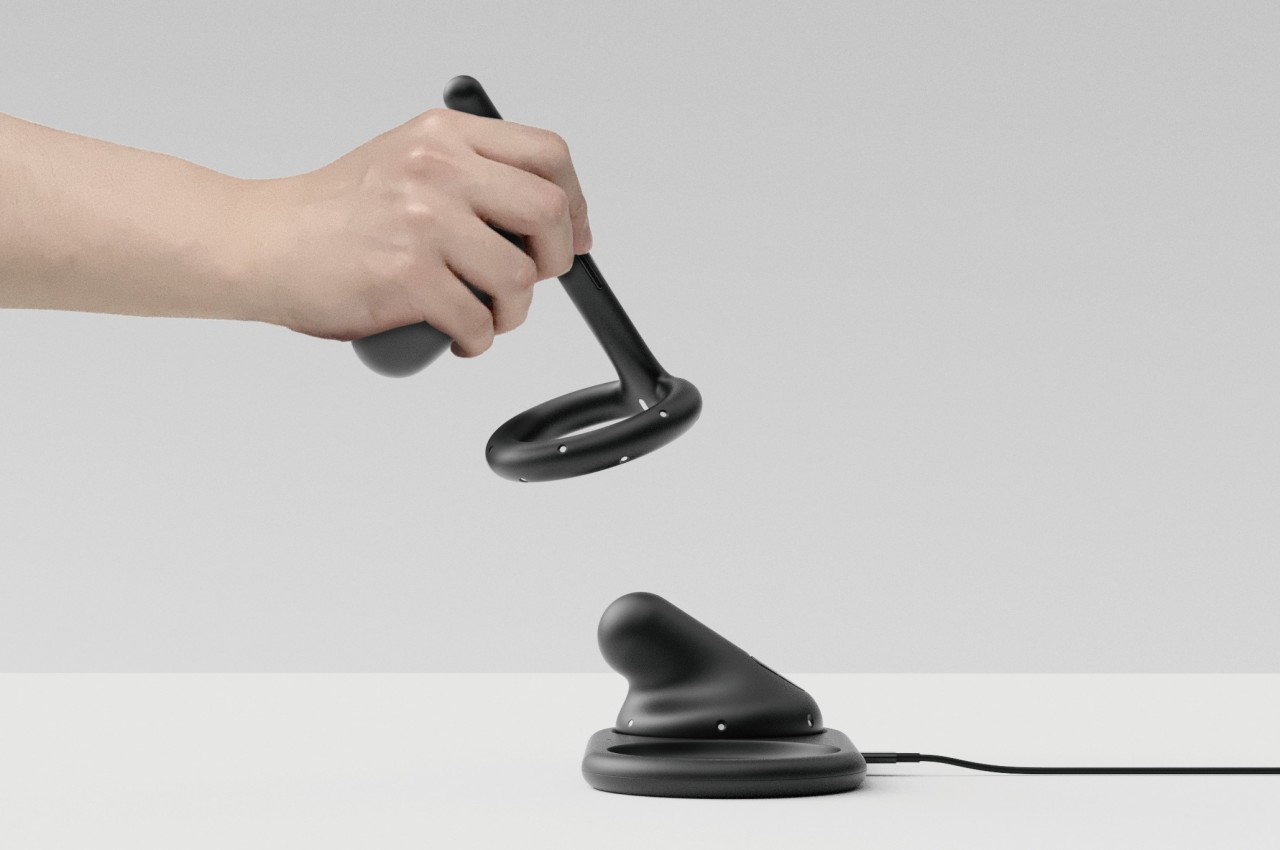
This is especially true in a world that tries to have some fidelity with reality like VR. It’s even worse because it makes us believe we’re seeing virtual objects we can touch, but we can never really touch them and have to be satisfied with pointing and clicking with both hands. Medium is a concept design that offers a compelling compromise for artists and designers. It still has that same two-piece approach that puts a controller in each hand, but ones that are designed to actually mimic the tools that artists would be familiar with.

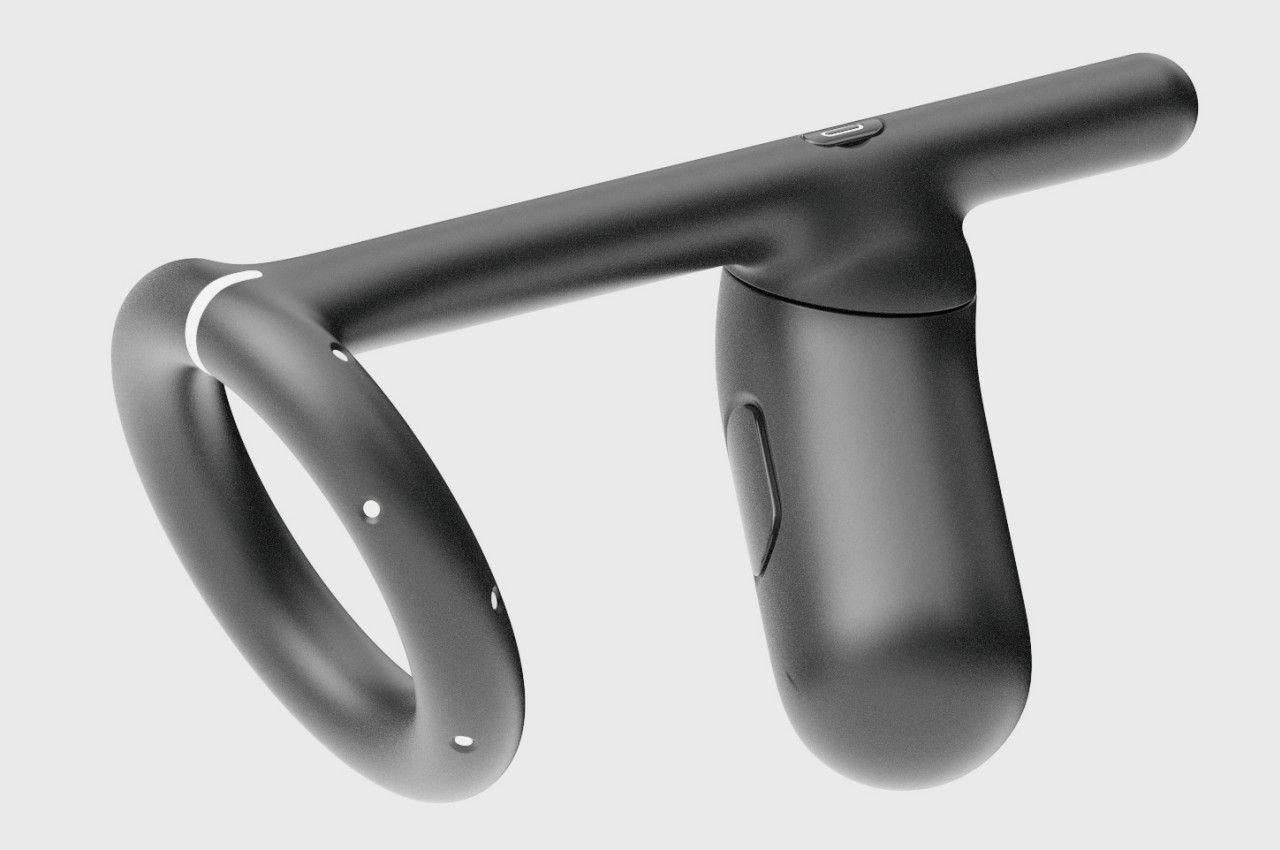
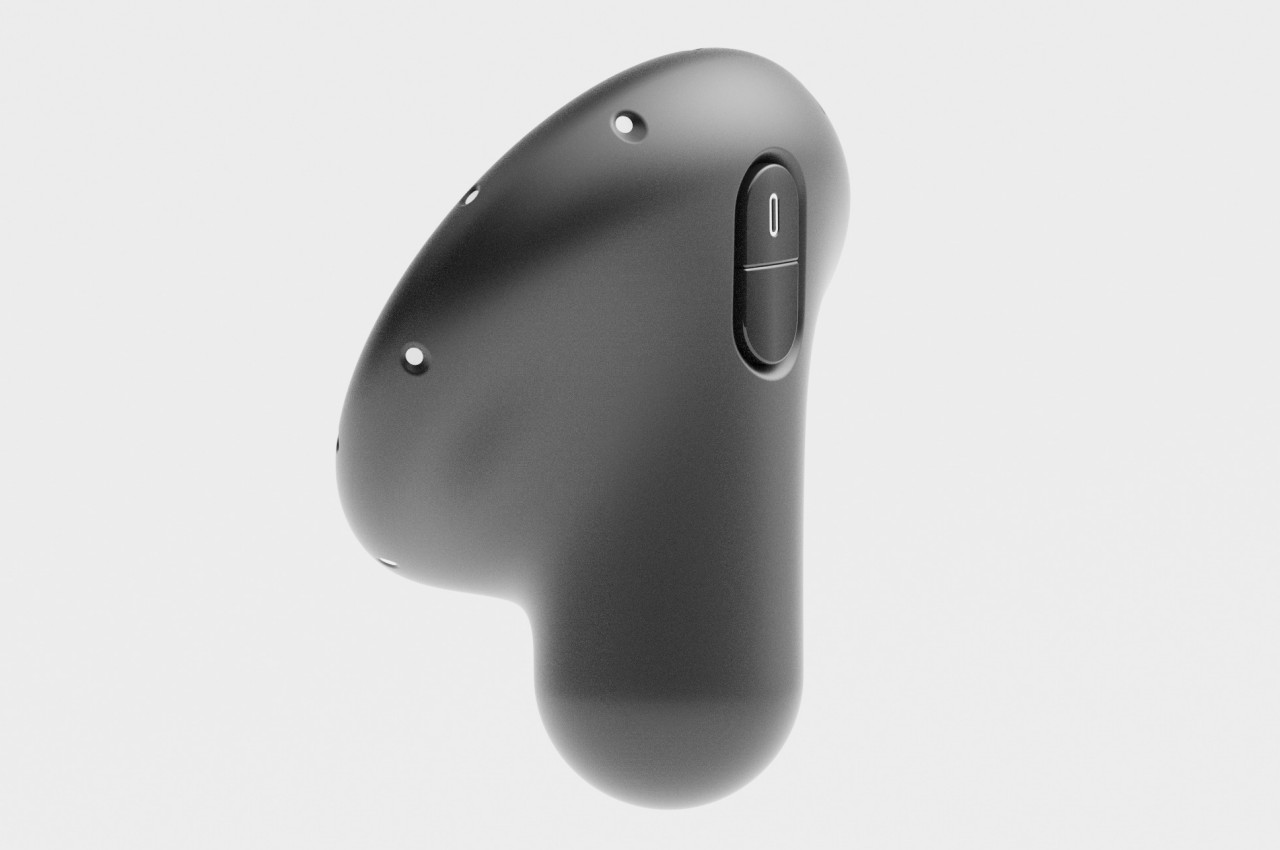
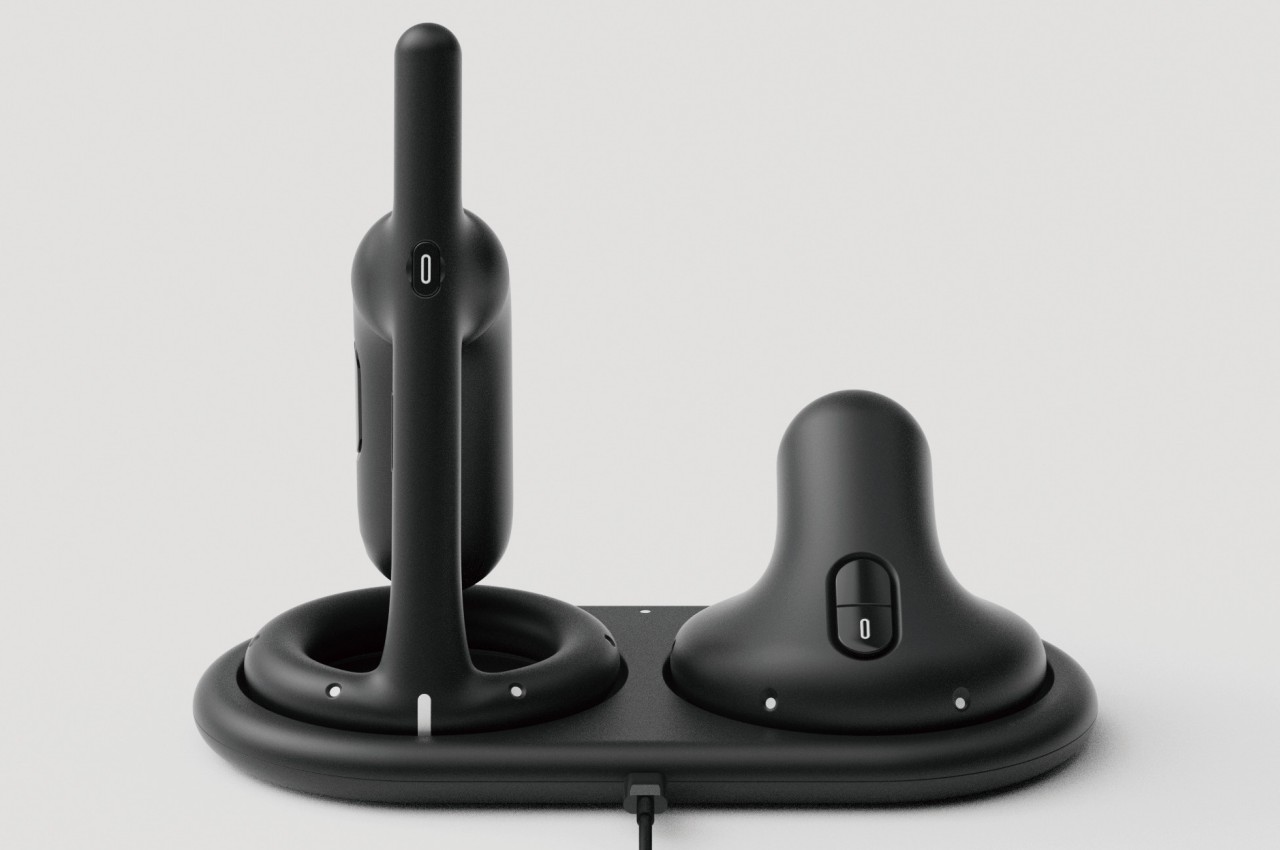
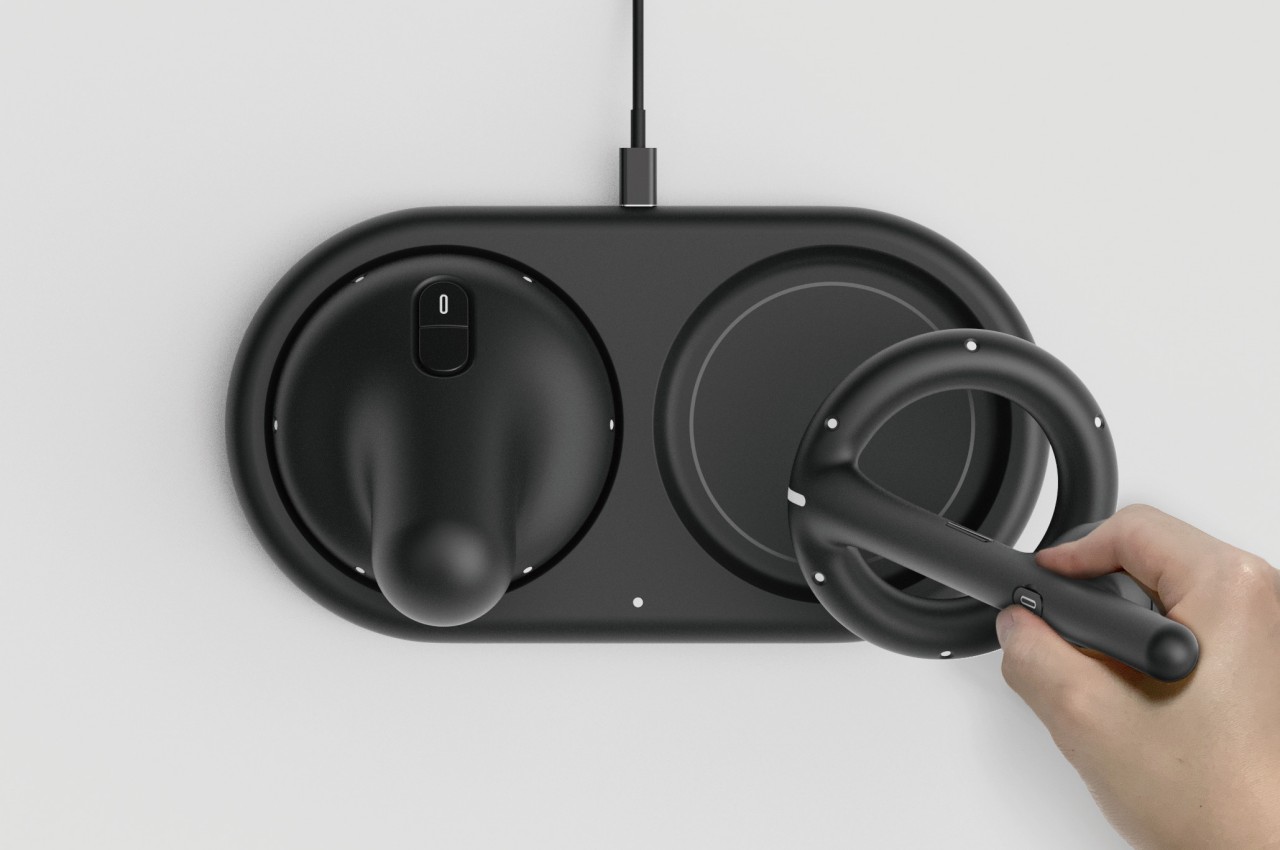
The right hand, for example, can be held either like a paintbrush or a can of spray paint, and the handle can be rotated to accommodate different ways people hold these tools. The left-hand controller, on the other hand (no pun intended), is like a painter’s palette, though it will probably show more than just colors in the virtual representation that you’ll see through VR glasses. Using these two pieces might feel intuitive for some artists familiar with painting, with the “palette” providing tools and options for the “brush” that you draw with.

Such a design is theoretically already possible with today’s technologies, but it requires a manufacturer to take the risk of actually producing a device that might appeal only to a small segment of VR users. But with these companies trying to push mixed reality and spatial computing harder, it might only be a matter of time before more specialized variants of controllers become available, at least as a stopgap measure until we can directly manipulate those virtual worlds with nothing but our hands.

The post VR controller concept for artists and designers offer a more intuitive design first appeared on Yanko Design.

Ring light lamp concept has an interesting way of spreading its light

The young live-streaming industry has introduced a standard lighting technique to the masses, giving birth to the now popular “ring light” that’s even making its way to smartphone cameras. The literal ring of light is meant to provide more natural-looking illumination while minimizing the casting of shadows due to both its shape and its position in relation to the camera. It’s a visually interesting piece of lighting equipment, but its design is extremely focused and limited to that use case. This lamp, however, tries to take that same idea but gives it an even more interesting interpretation, generating light that doesn’t shine in just one direction but goes almost everywhere except where the lamp is facing.

Designer: João Teixeira

Although circular lamps have been around for decades, ring lights are still a bit of a novelty to those outside the professional photography world. After all, circular lamps are often mounted on ceilings and walls, but this “halo on a stick” can be placed almost anywhere it’s needed to have a well-lit shoot or stream. It also uses LEDs versus the traditional fluorescent, though it technically can be any light source as long as it can take a circular form.

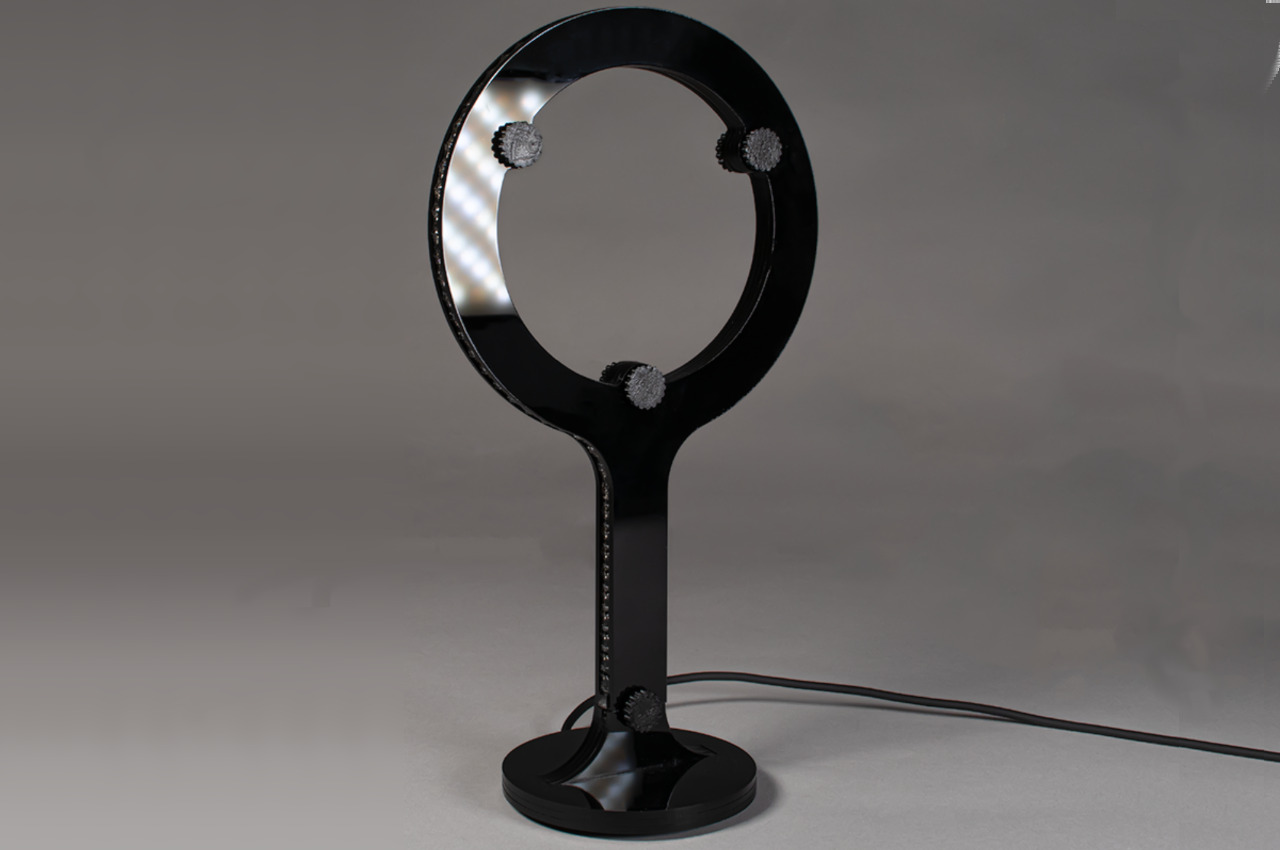
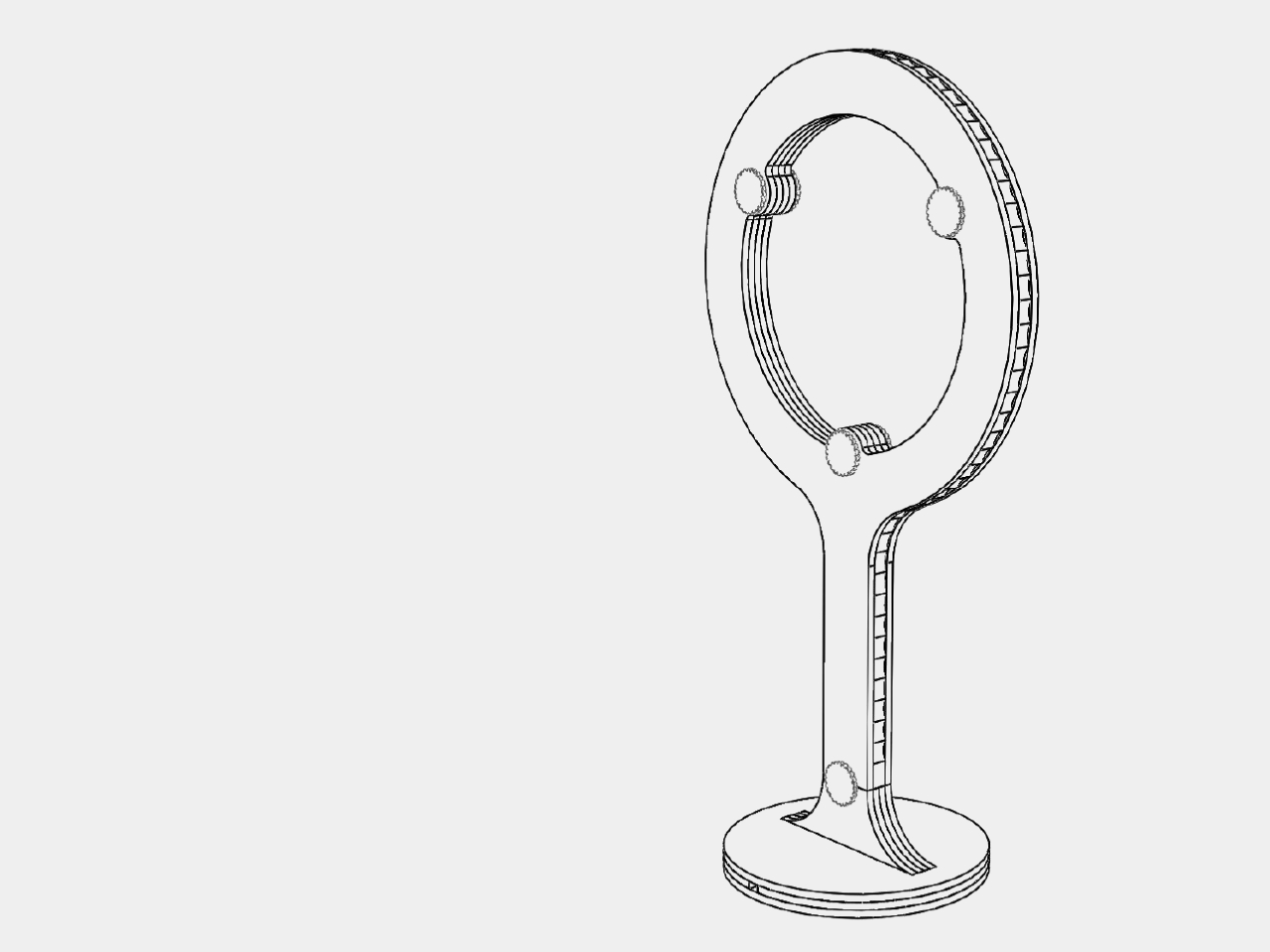
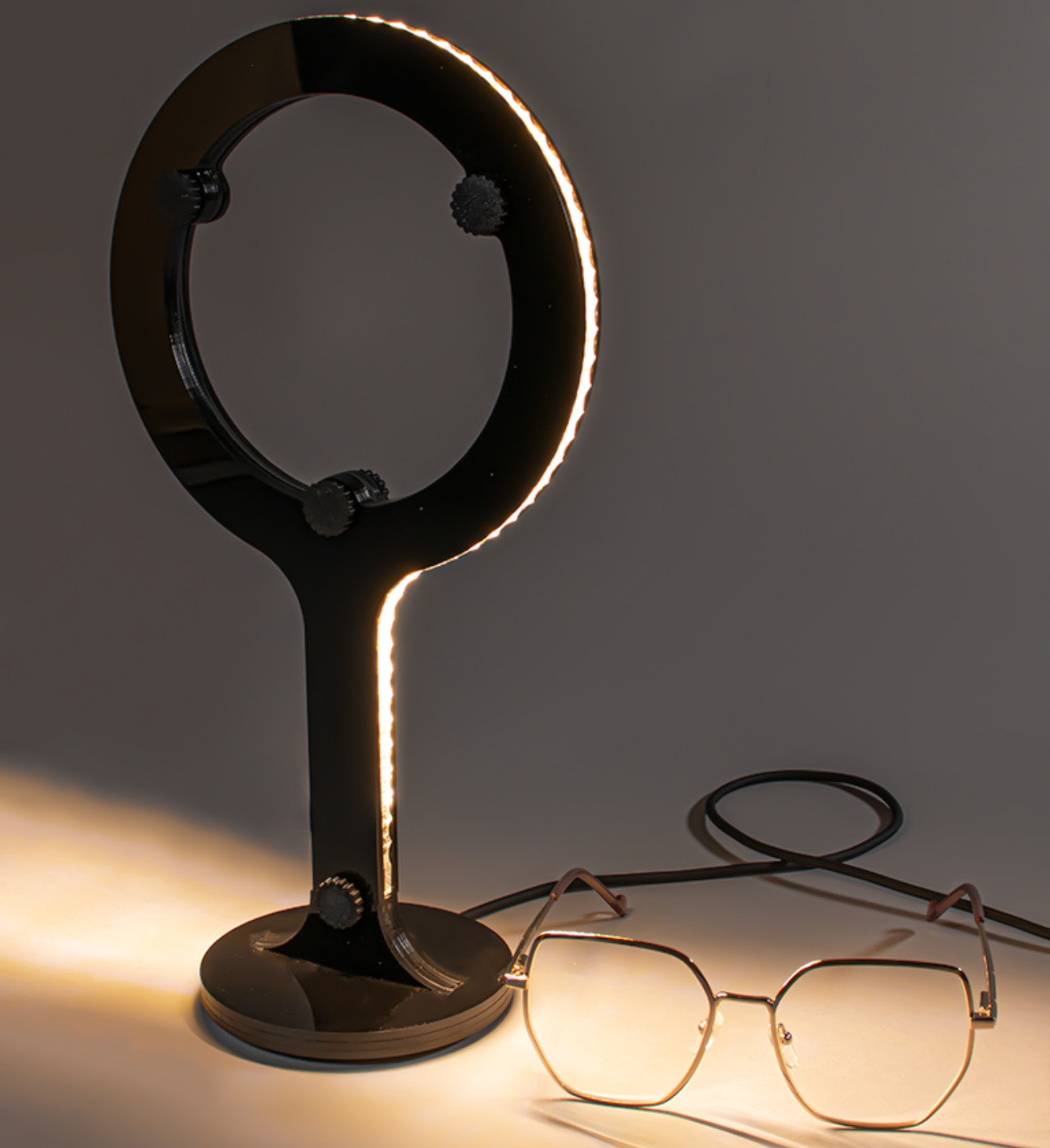
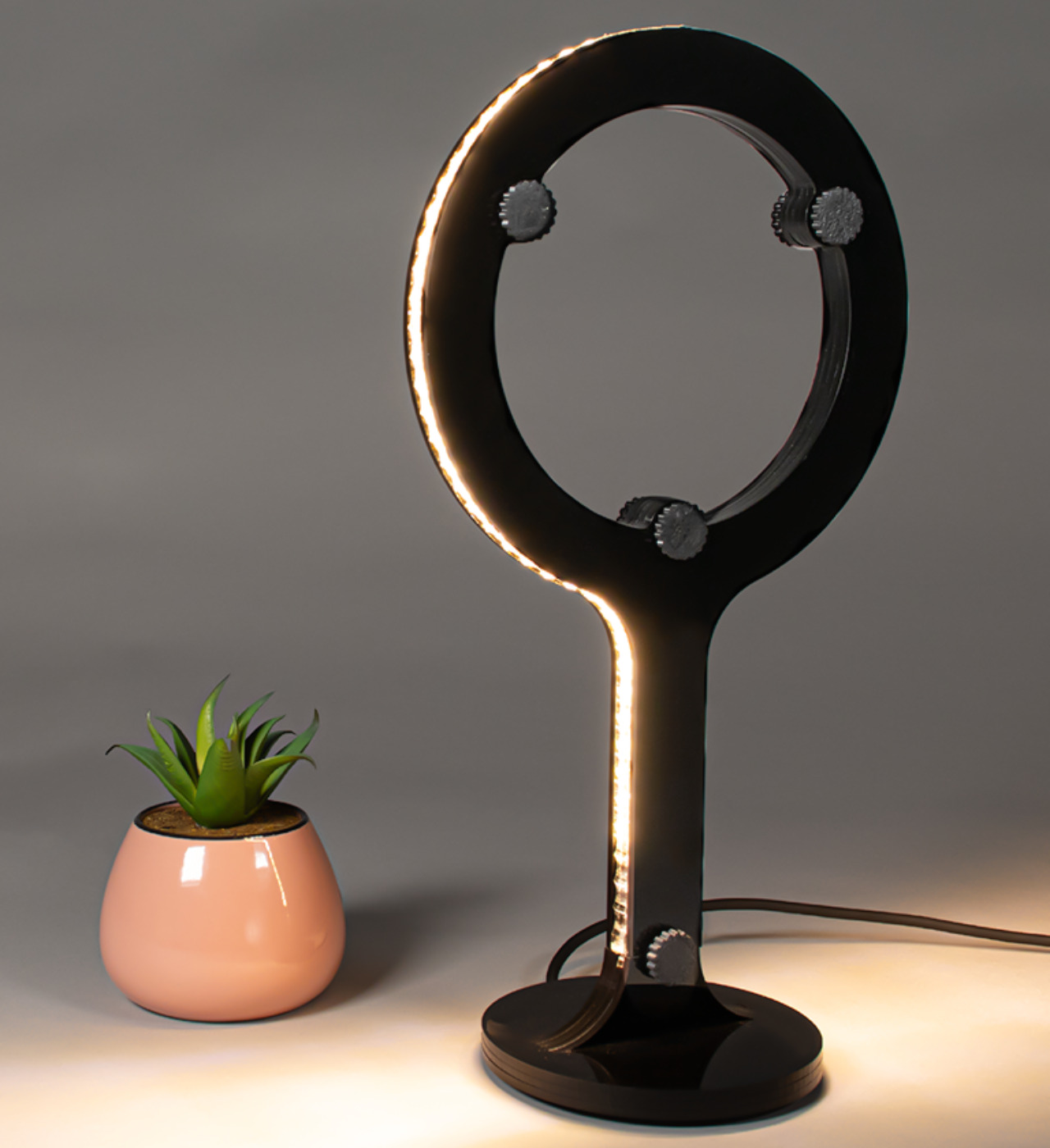
“Spot” is a concept for a lamp that is inspired by the shape of these ring lights but almost does in the opposite direction. Despite a ring light’s circular shape, it still shines its light mostly forward, with some illumination scattered around it only as a side effect. In contrast, Spot’s light comes from the structure’s side, and there is actually no light from its front or even its back.

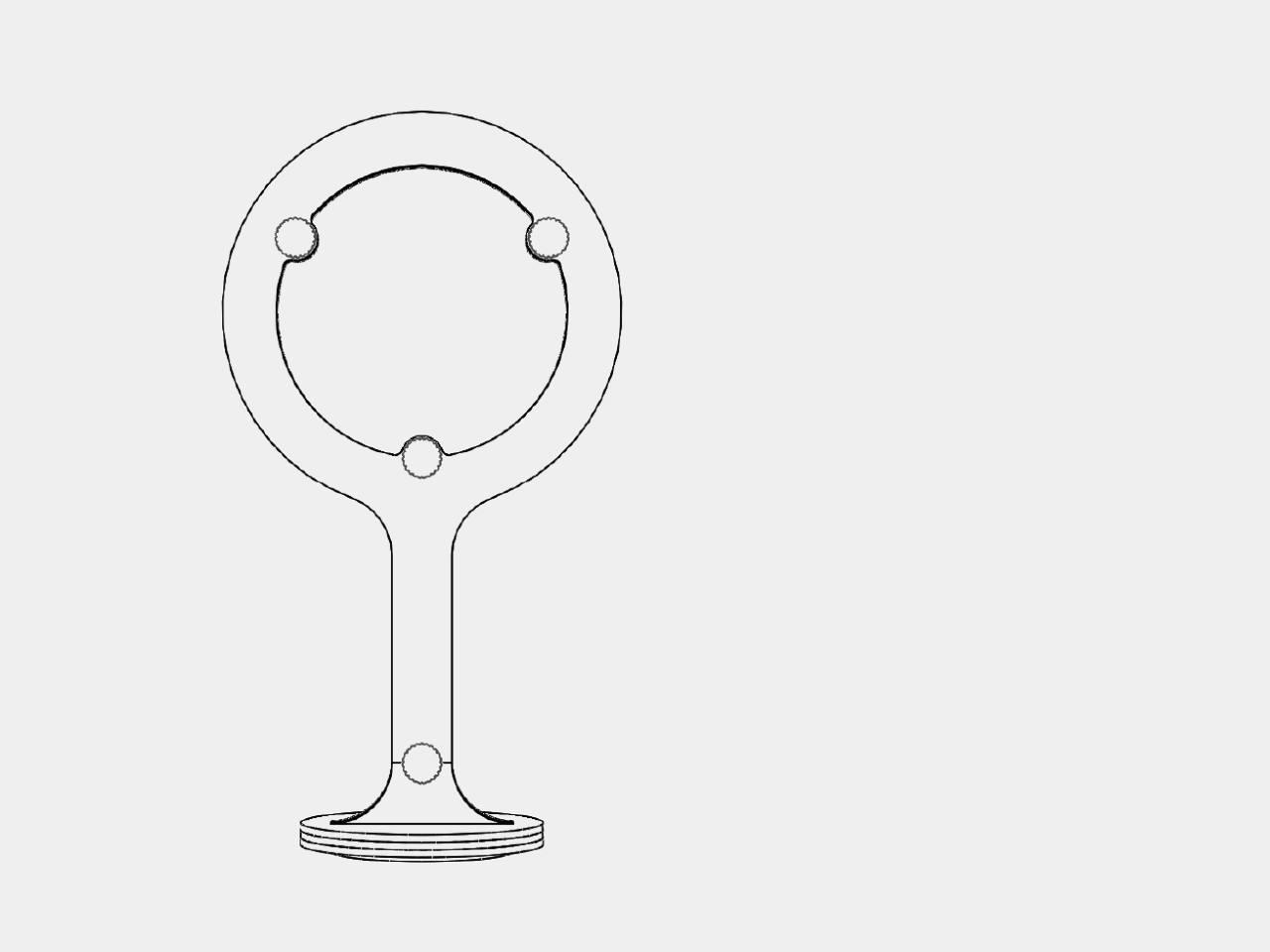
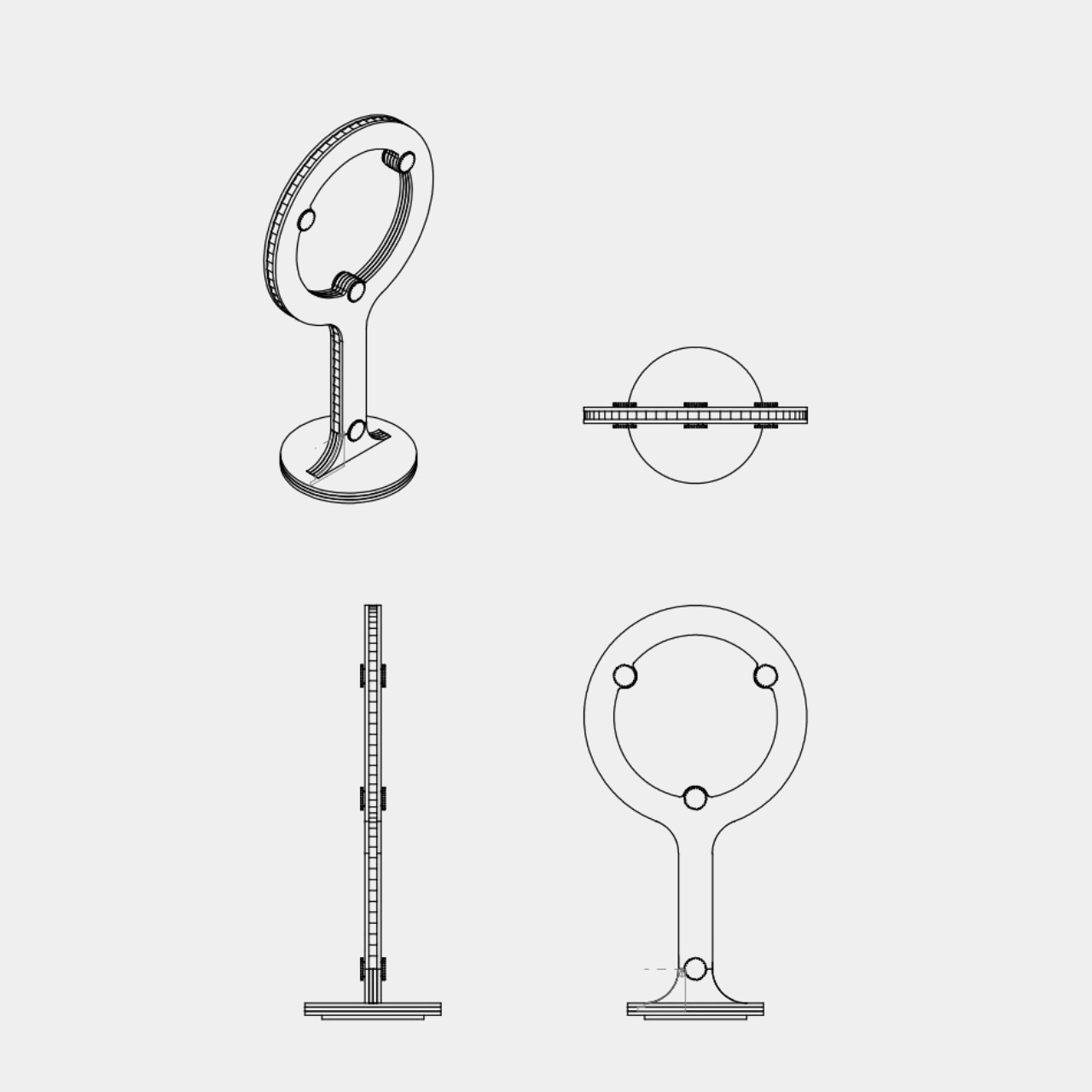
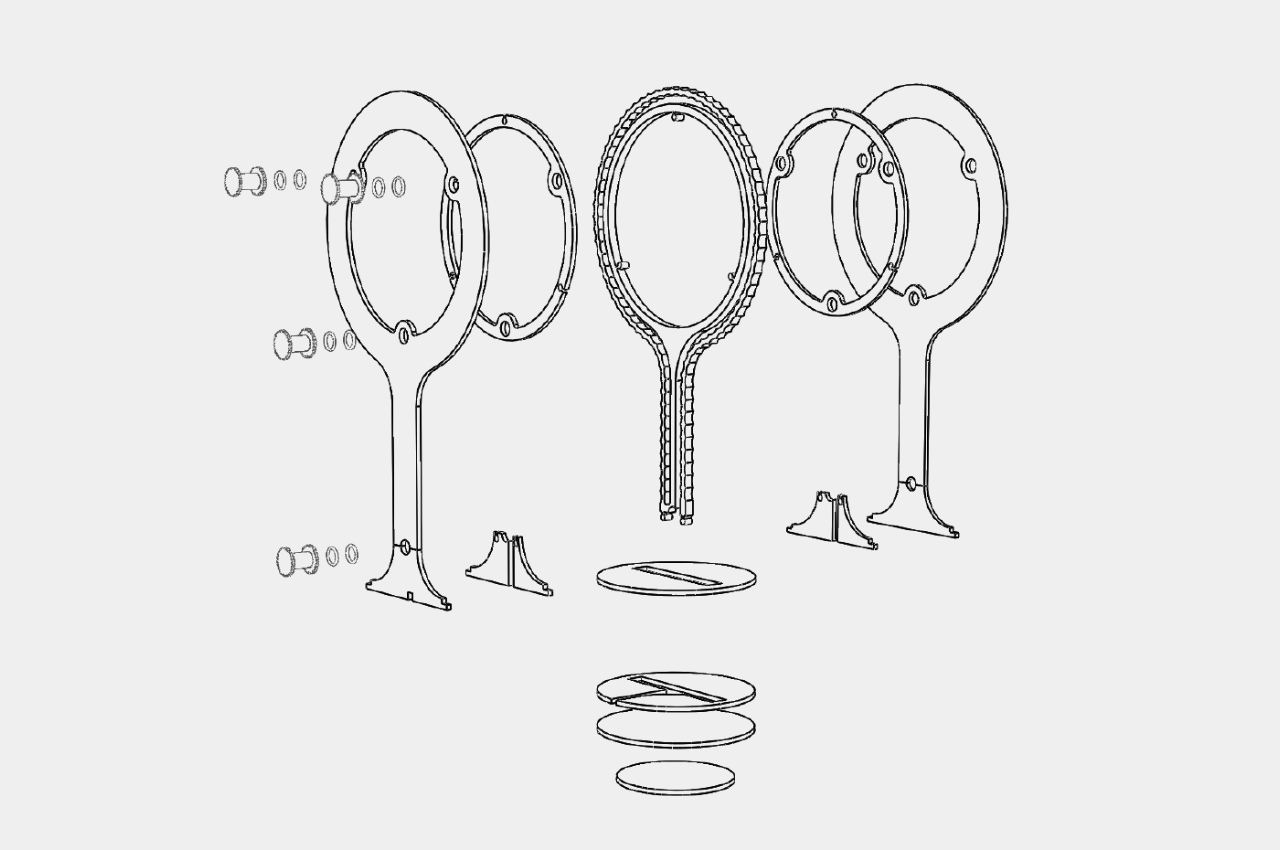
The design shares the same basic combination of a ring on a stand, but the key difference is that an LED strip runs outside along the edges of the shape. This strip is supported by an internal structure that is sandwiched between two opaque covers, making sure the light is really projected only from the sides of the lamp. Another key design element is that Spot makes it easy to take the product apart in order to replace the LED strip, making maintenance and repair trivial.

Because of the way it illuminates from the sides rather than in a single direction, Spot functions more as a decorative lighting fixture or a night lamp at best. The contrast of the dark body and the lighting shining around it creates an almost eerie appearance, one that will easily grab attention and serve as a conversation starter, despite its seemingly simple design.

The post Ring light lamp concept has an interesting way of spreading its light first appeared on Yanko Design.

Wobbling rocking chair adds a playful twist to an everyday piece of furniture

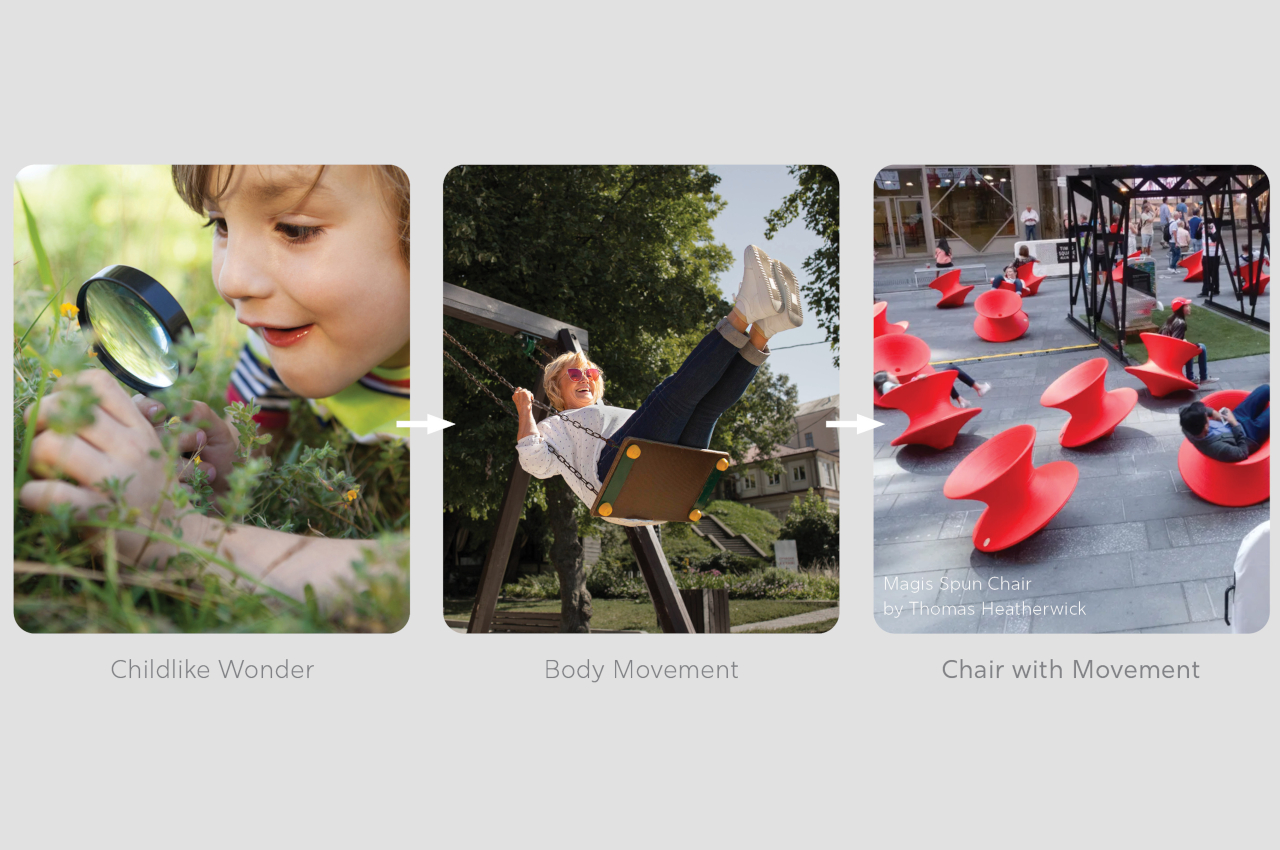
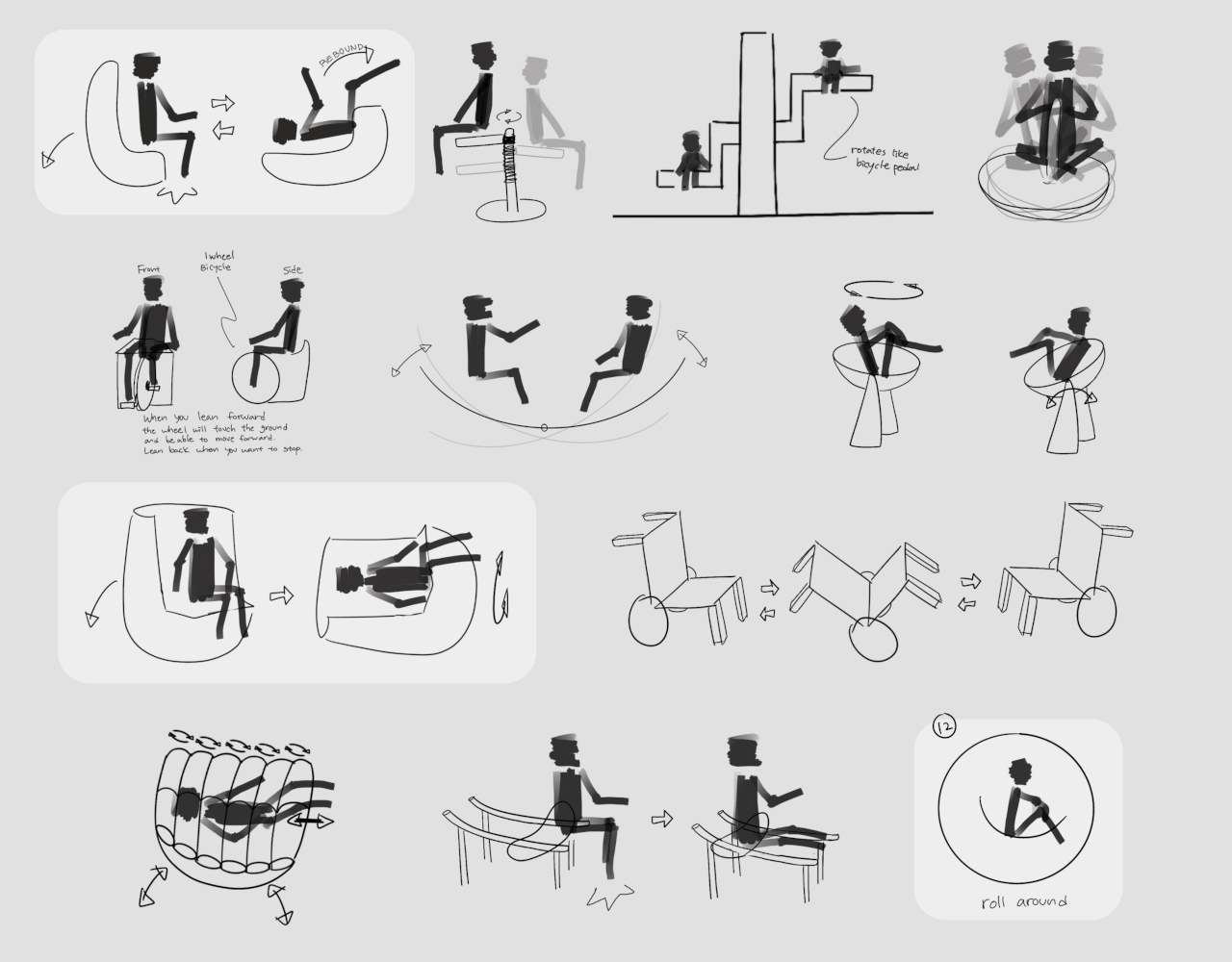
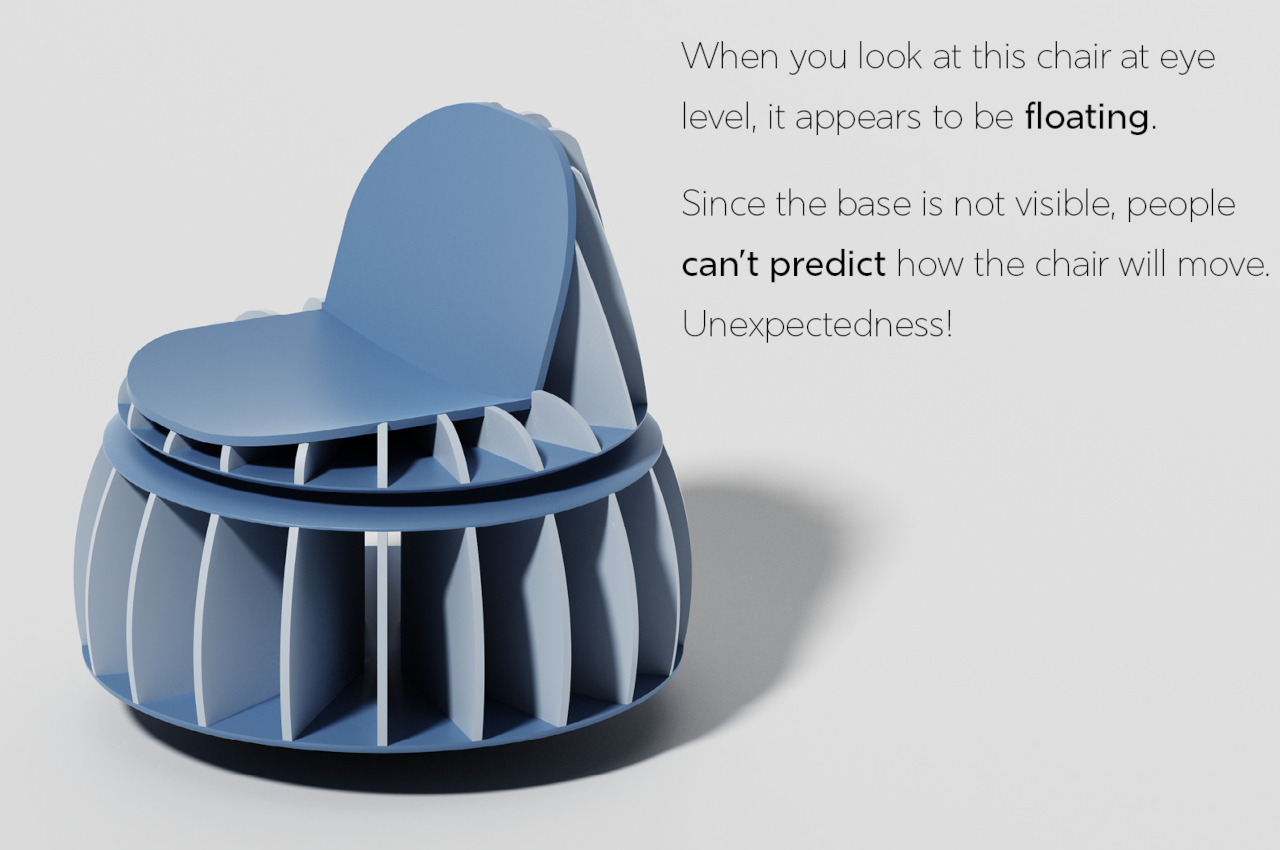
We expect chairs to be stable, otherwise, we will never have the confidence or even the courage to take a seat on them. There are seats that are designed to move, though, from the wheels on office chairs to the rocking motion of a rocking chair, swing, or hammock. But what if the instability is actually an intentional part of the design, generating not fear but a sense of thrill and even playfulness? That’s the kind of experience that this odd-looking chair concept tries to offer, with a design that makes it look like a cross between a spacecraft seat and a child’s toy top. It turns out, it even moves like one as well!

Designer: Ellie Kim

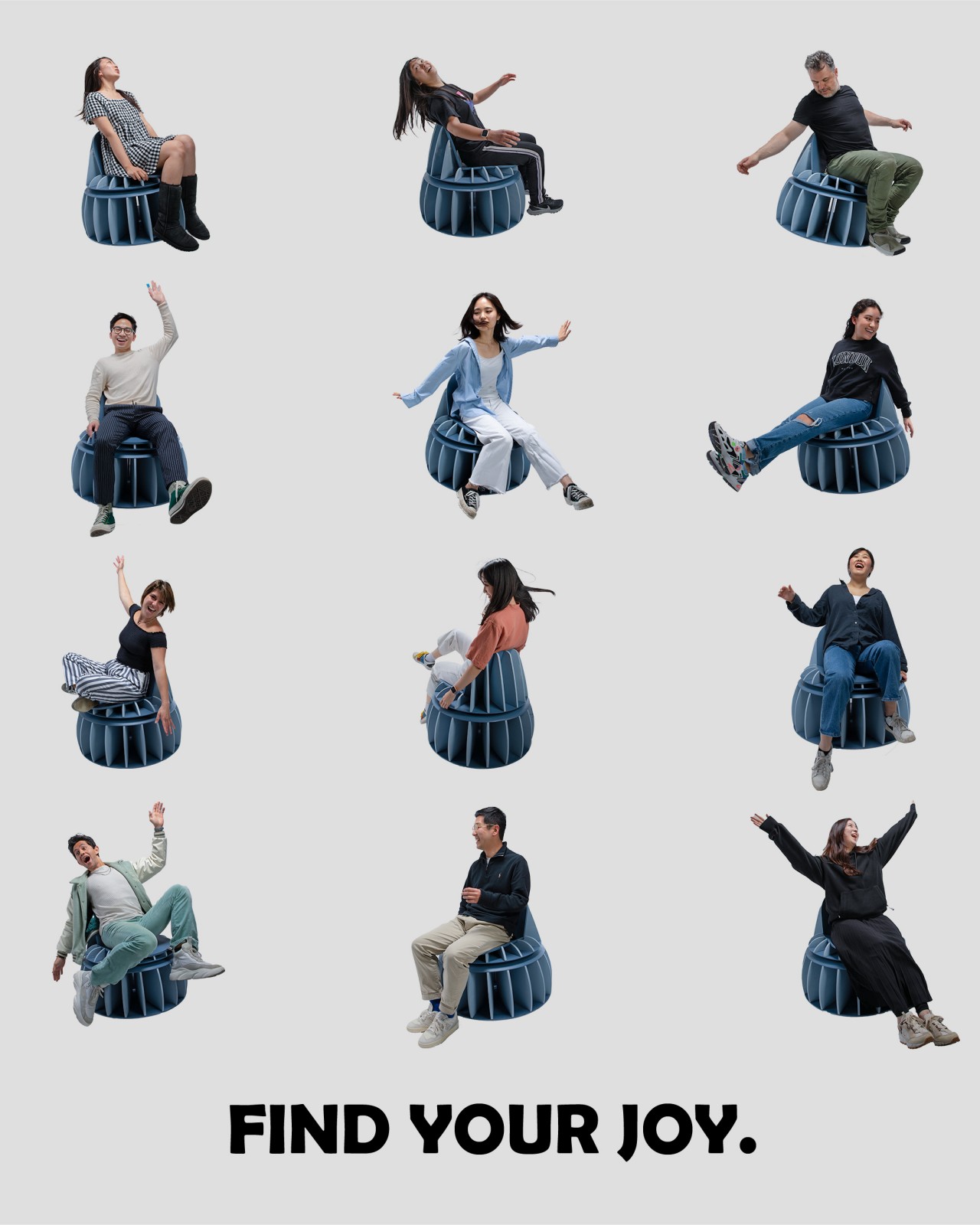
A wobbling chair is probably the last thing you’d want to rest your body on, but if you’re actually looking for a more engaging and dynamic experience, this almost spherical seat is probably something you’d want to try out. After all, no one sits on a swing to relax but to actually be pumped up, enjoy, and maybe even trigger one’s creativity and imagination. At the same time, however, it has to be not only comfortable but also reassuring, as you don’t want your wobbling experience to be your last.

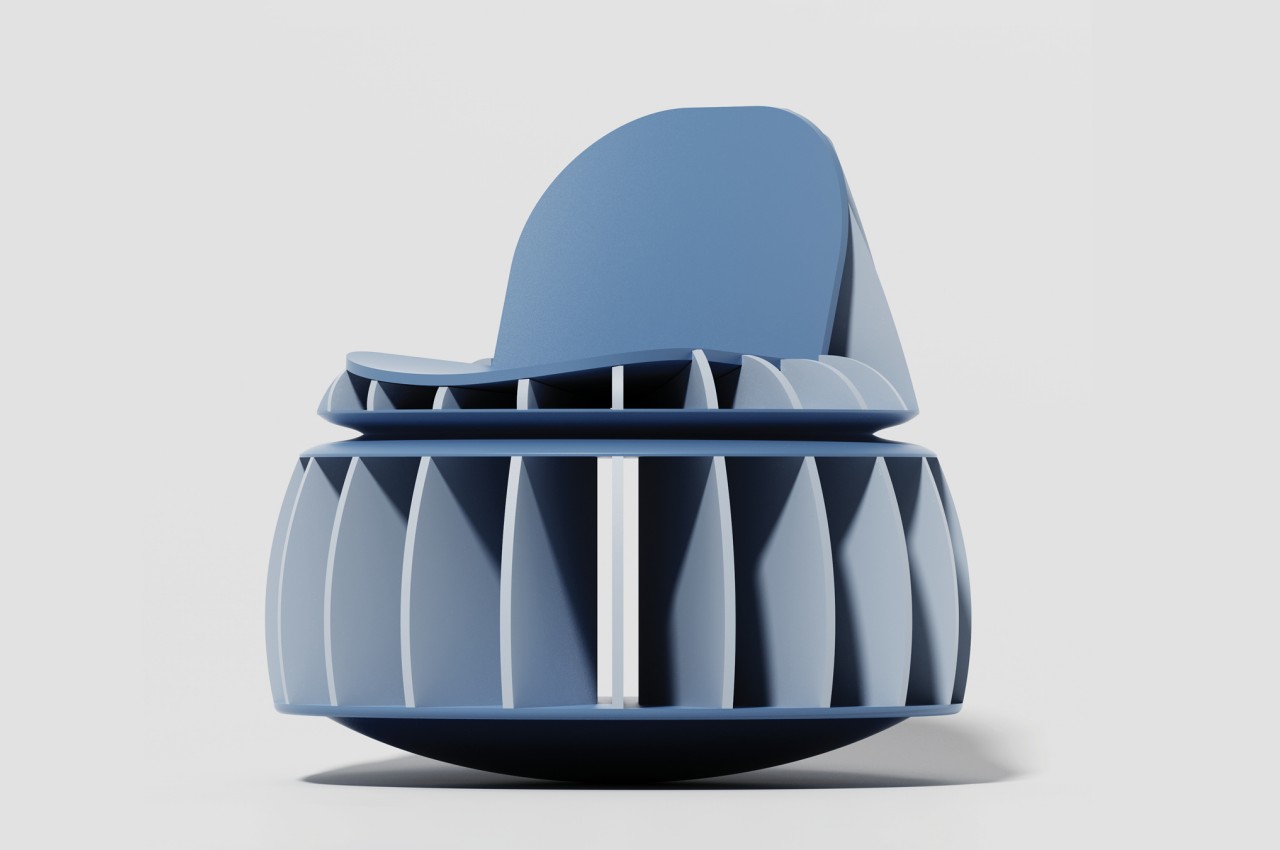
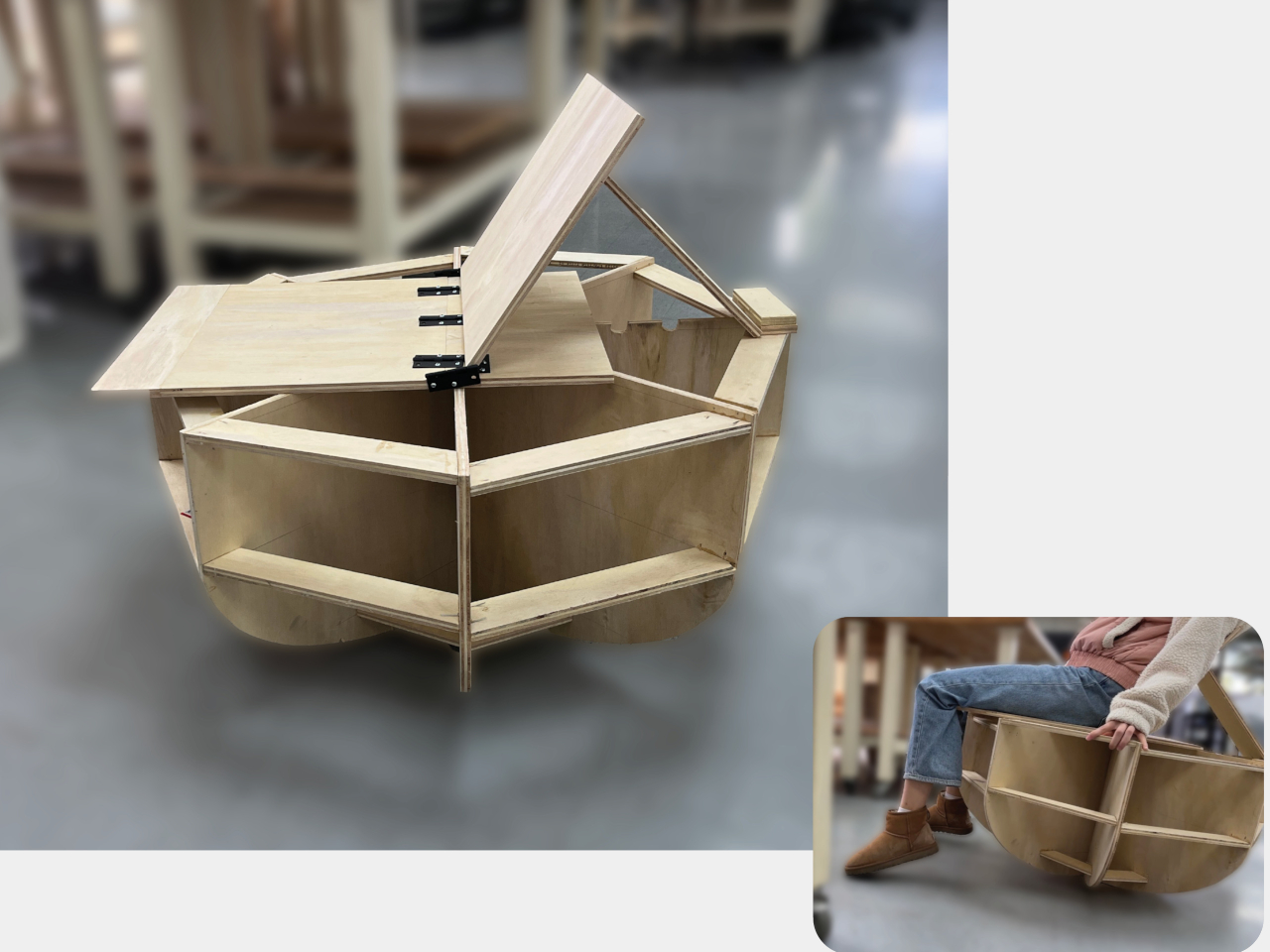
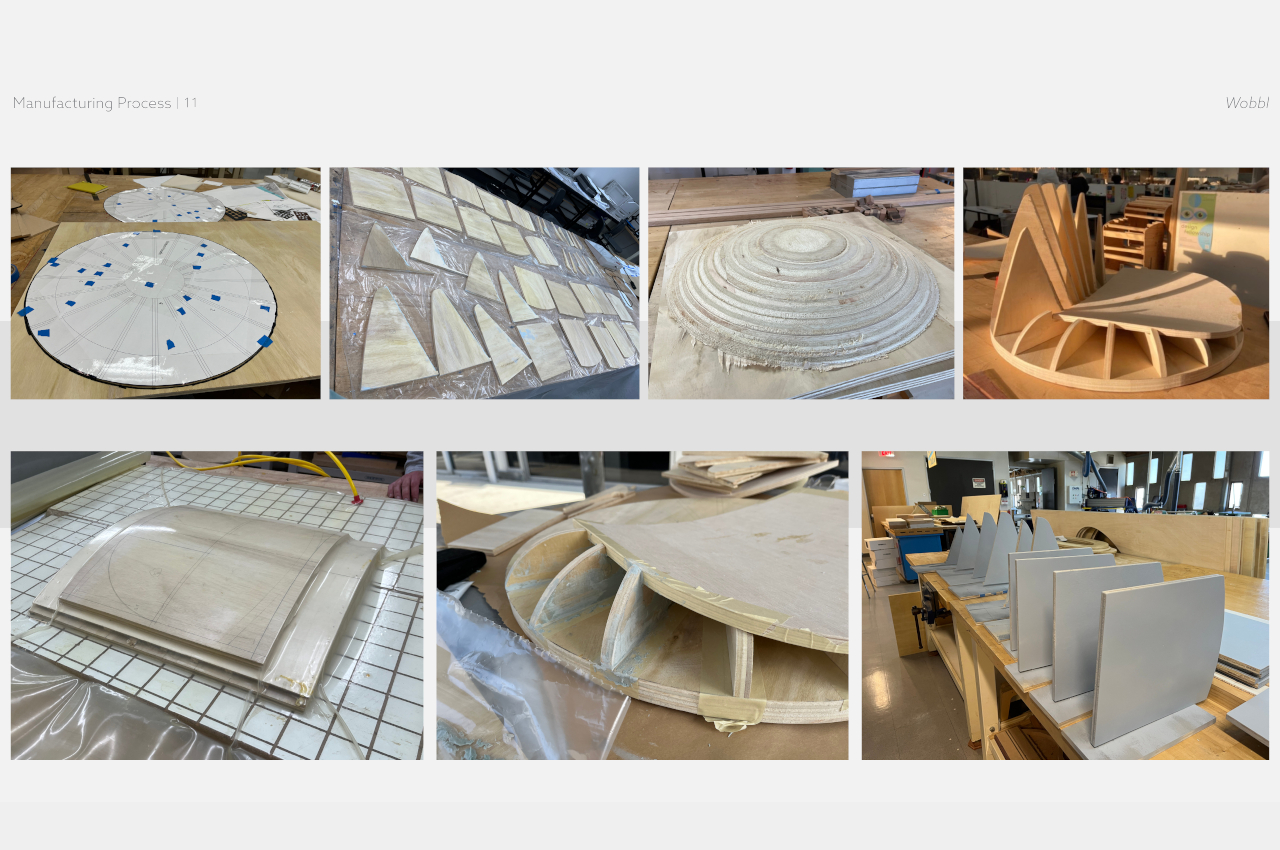
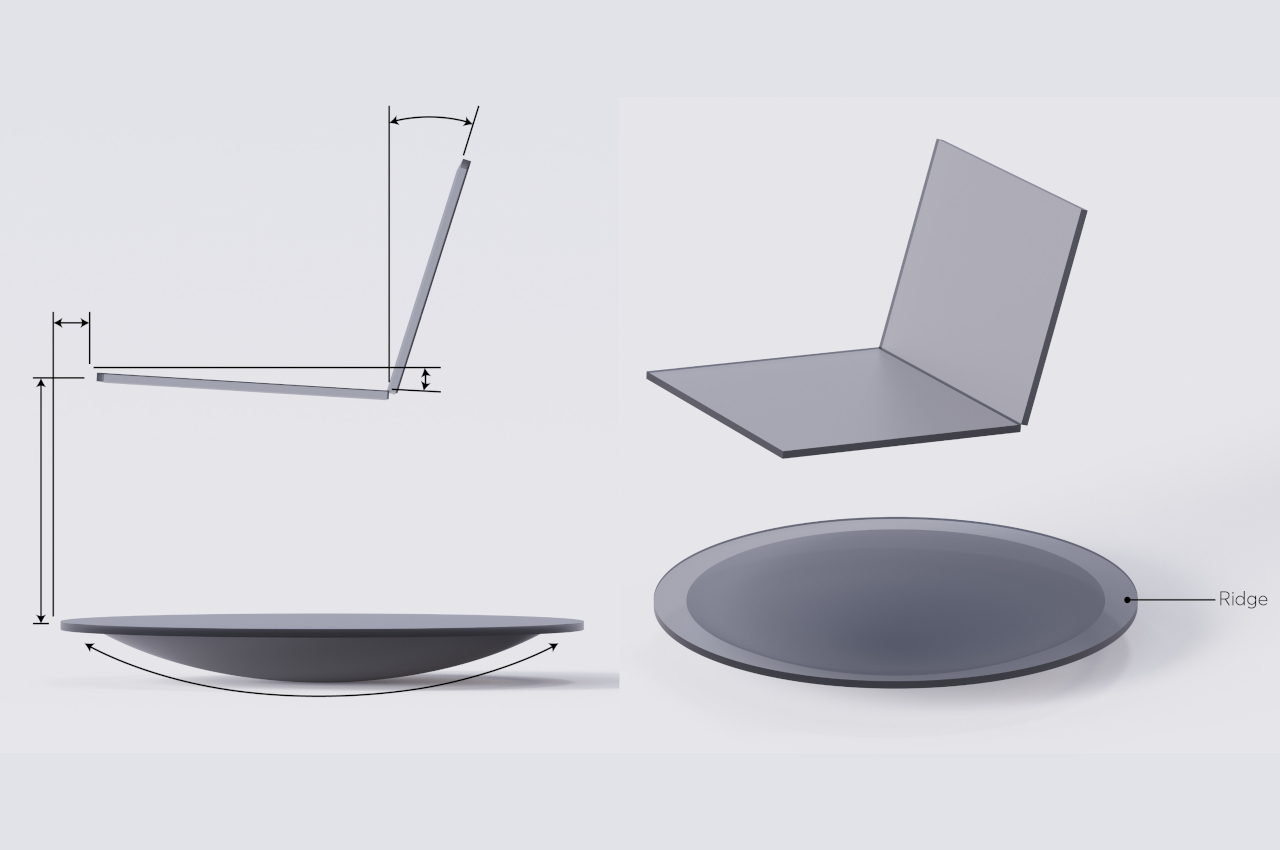
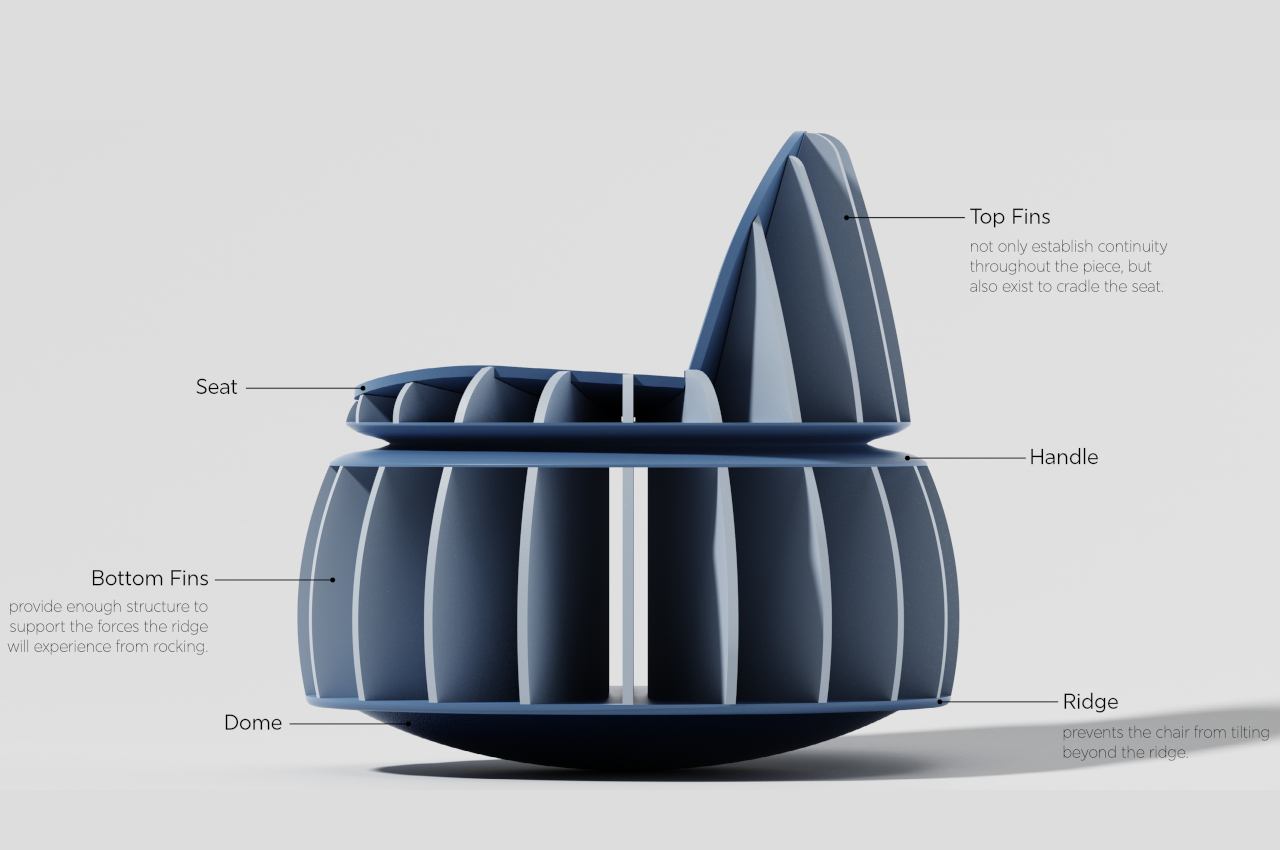
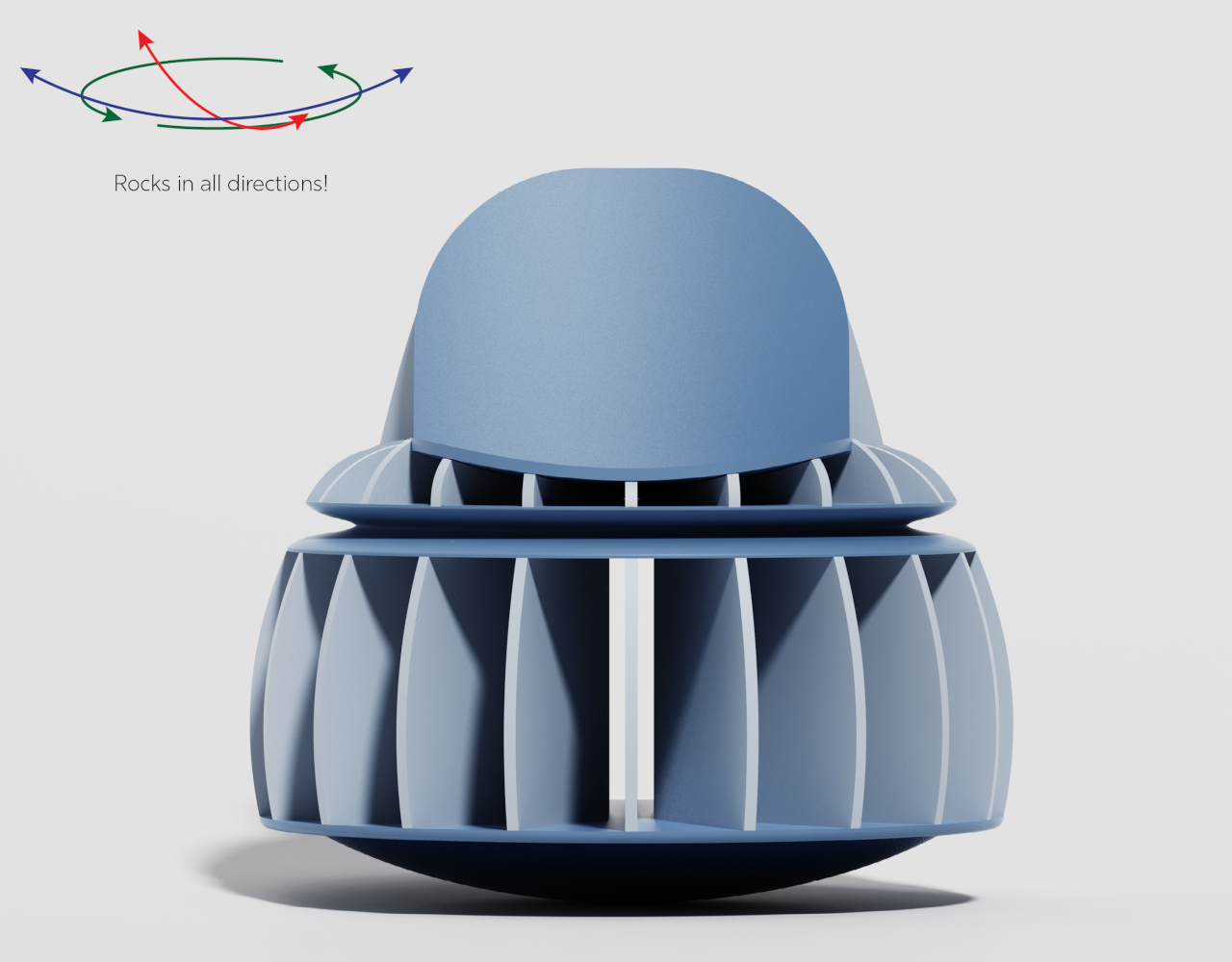
Designing a chair that rocks in all directions isn’t easy, even after you get the idea to use a concave base. You have to make sure you don’t completely tip over to any side, which is what a lip or ridge around the base is for. You’ll also have to come up with a design for the rest of the chair that not only provides support but also properly conveys the design’s more dynamic nature.

1

1

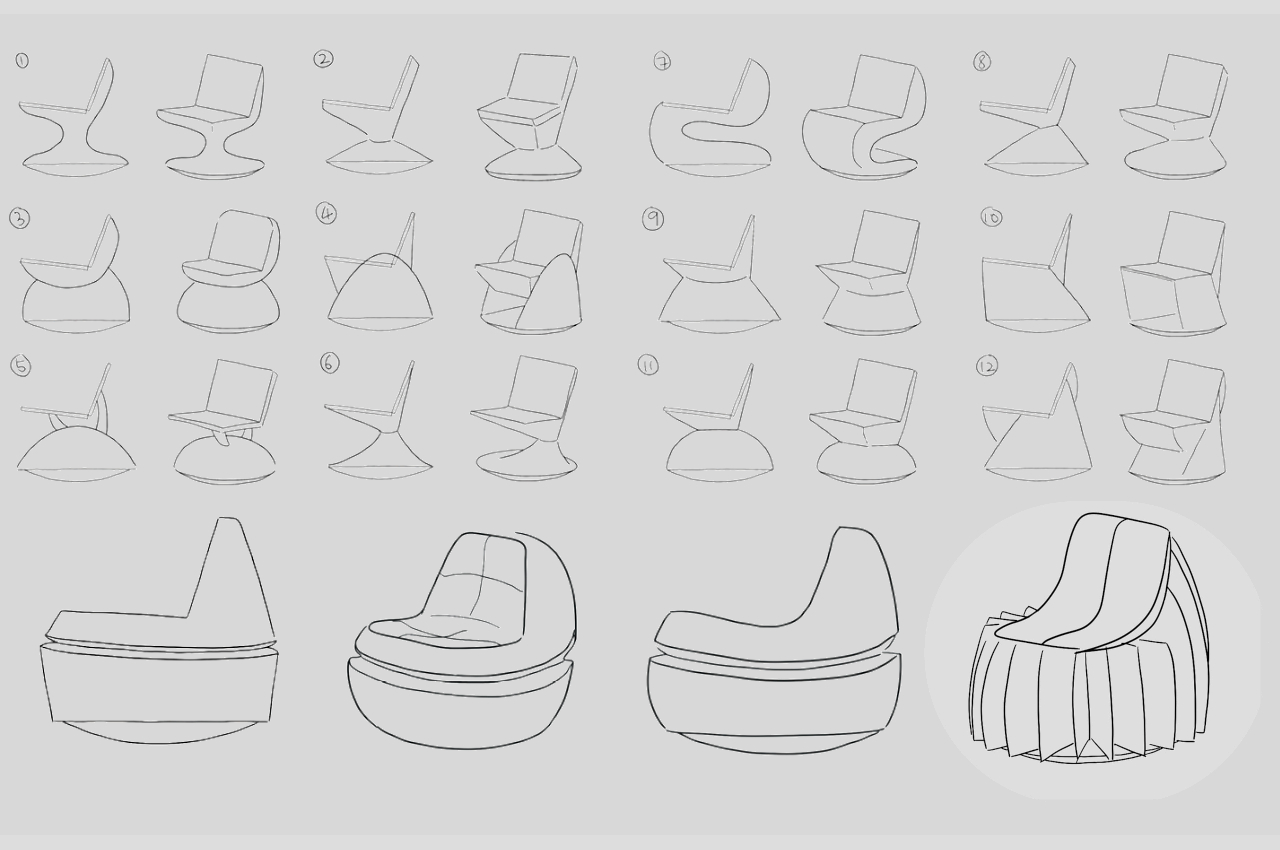
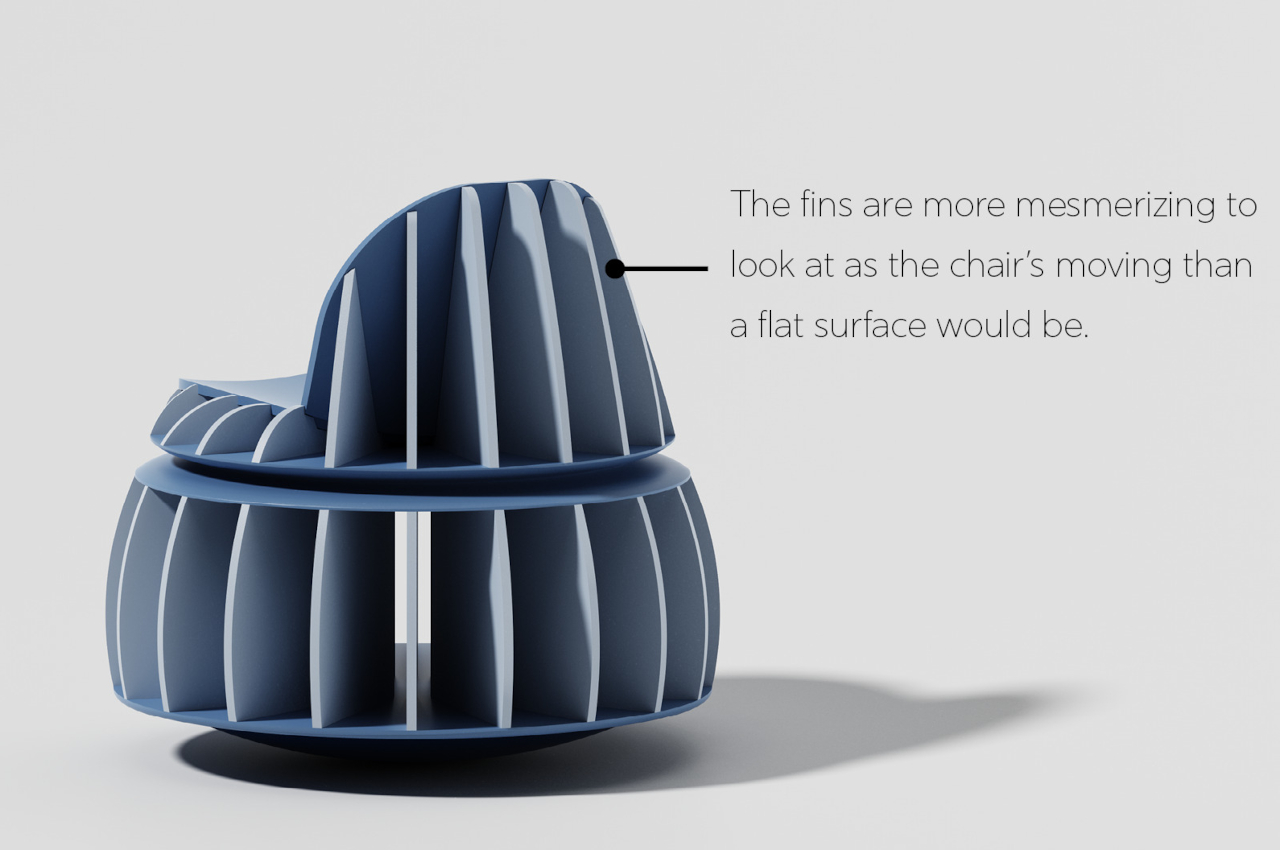
Thus, a circular chair is born with fins extruding from the middle like spokes on a wheel. The chair looks more like a turbine than a piece of furniture, but the design of each part is by no means based on whimsy. The top fins better cradle the seat and integrate it with the circular bottom half, while the bottom fins actually support the forces that the ridge will encounter with its rocking motion. Plus, it looks a lot more interesting, and its radial design immediately conveys the idea that it can move in almost any direction. As a bonus, the structure of the base and the ridge make it look like the chair is floating, adding to its sci-fi identity.

The end result is a chair that wobbles with pride and confidence, allowing the person on top to experience childlike play in every movement. It’s not going to replace any office or home chair, and it’s hardly an ergonomic design. But no one’s going to blame you for having a bit of fun rocking and spinning around on a chair that’s clearly designed to help you enjoy the lighter moments in life.

The post Wobbling rocking chair adds a playful twist to an everyday piece of furniture first appeared on Yanko Design.
Earbuds case doubles as fidget toy for your anxious fingers

There are things that we need to have with us everywhere we go, depending of course on your personality. In fact, there’s a term for that – EDC or everyday carry. These are things like watches, pens, lighters, notebooks, utility knives, etc. But the past few years, they’re really more of our digital tools – smartphones, tablets, laptops, earphones. There are also those that have to carry fidget toys around with them to help relieve anxiety or boredom. What if you get a combination of a device that can also become a fidget toy for your restless fingers?

Designer: Eric Cheng

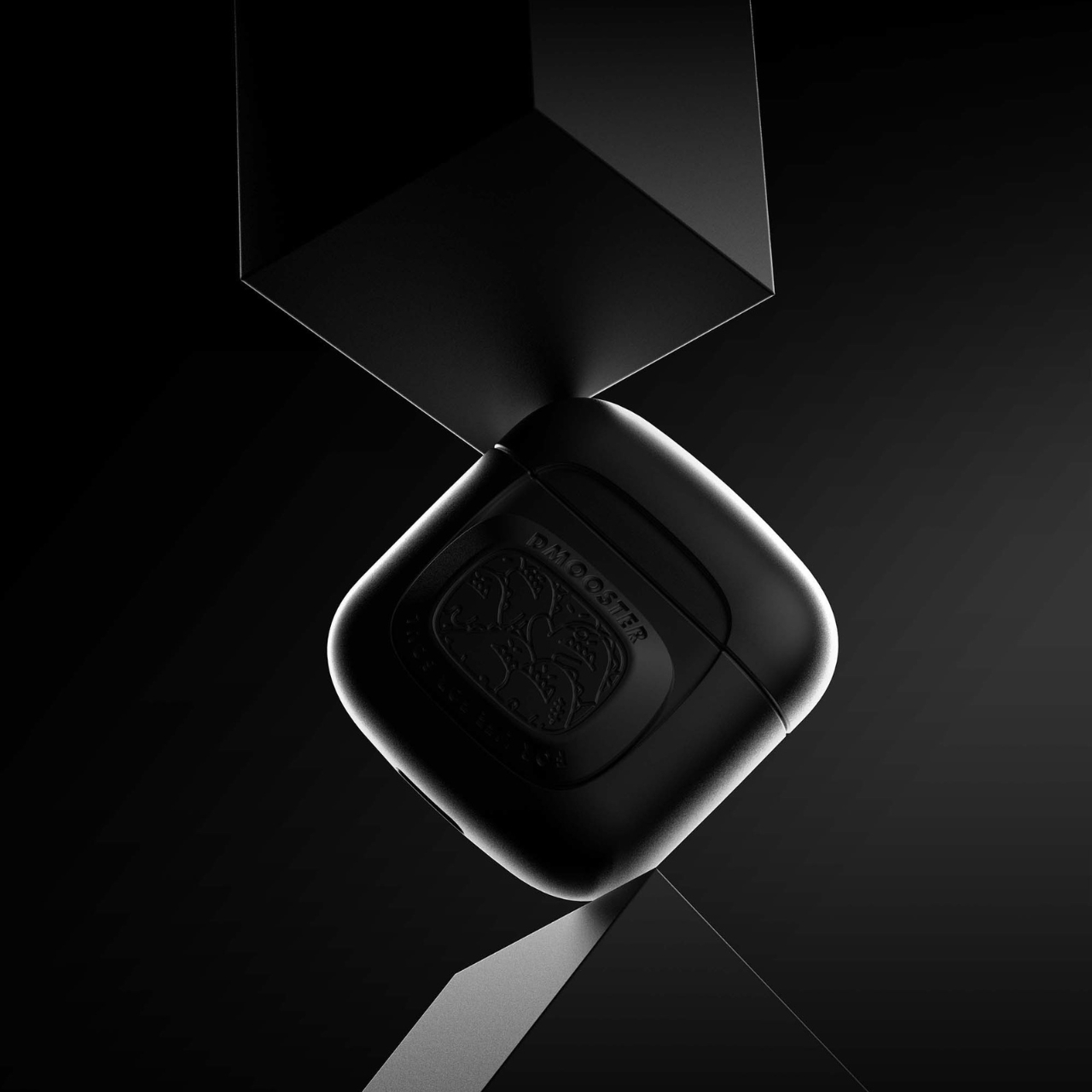
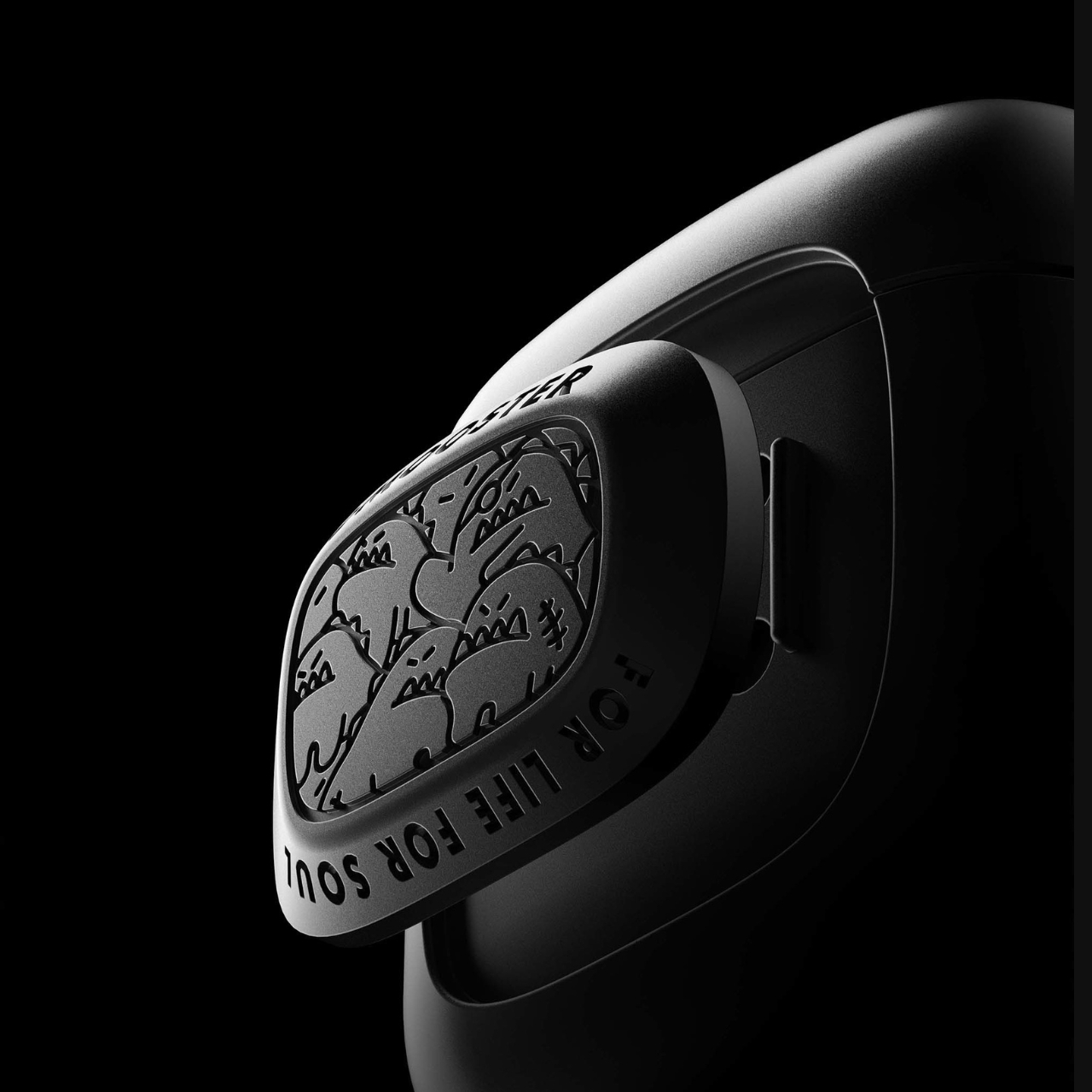
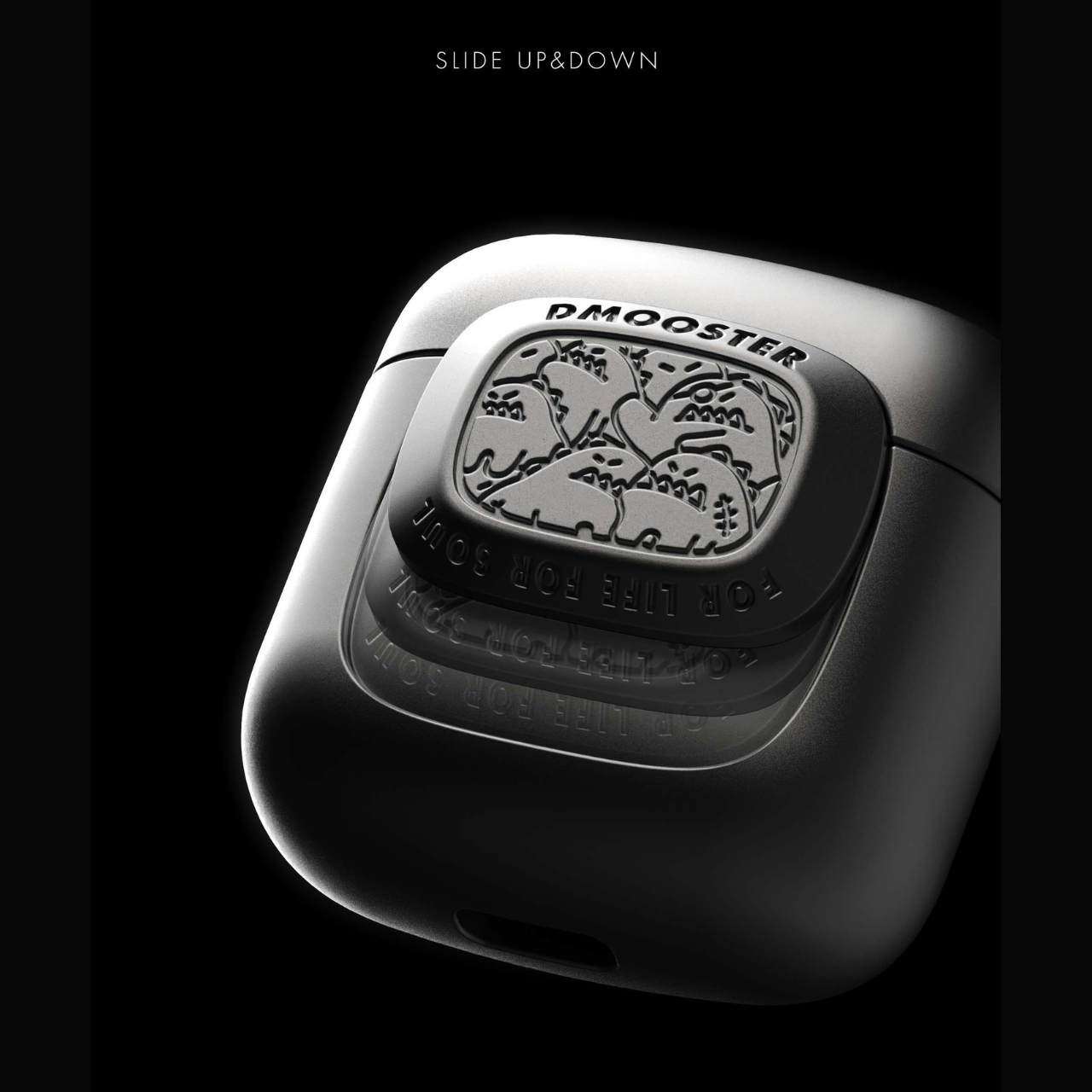
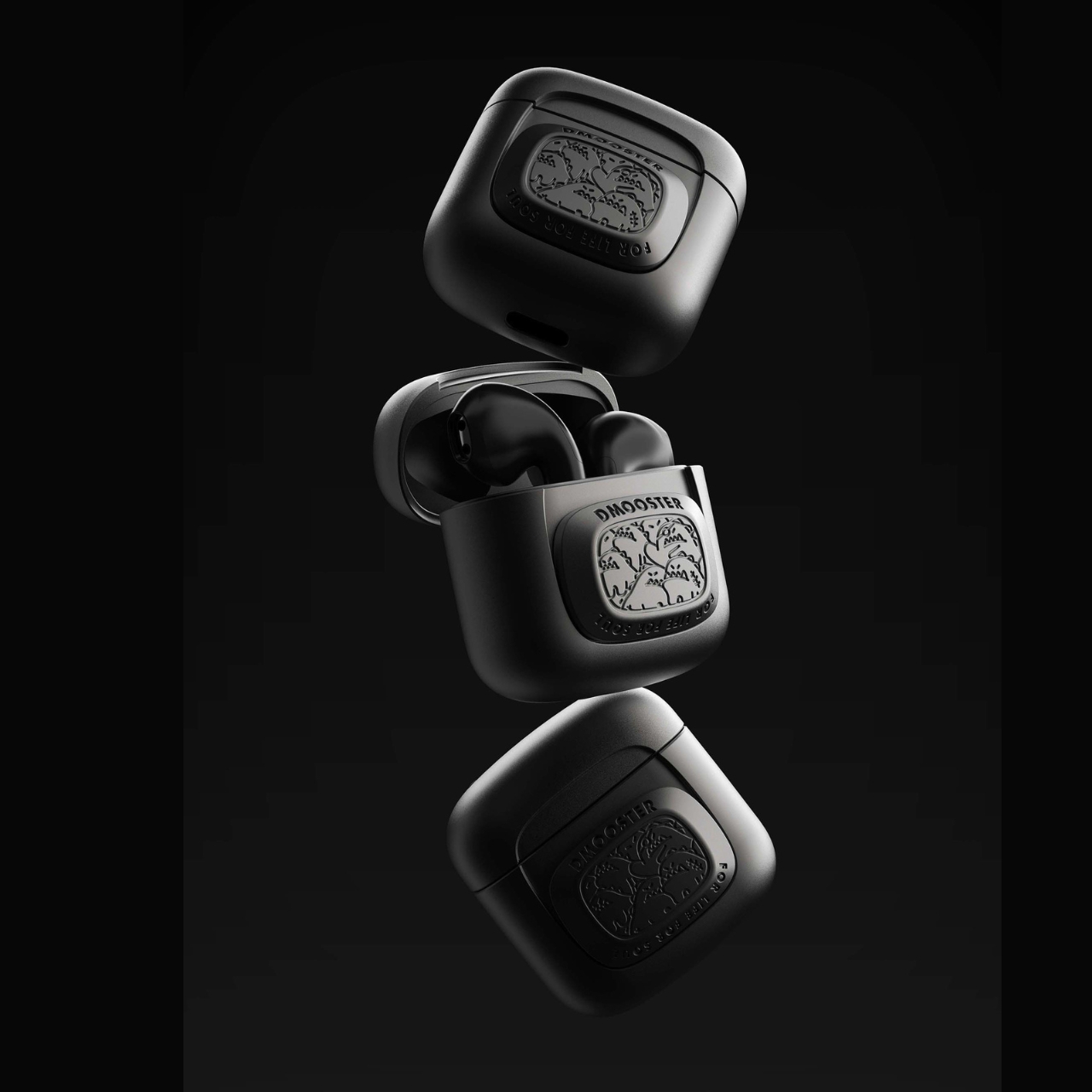
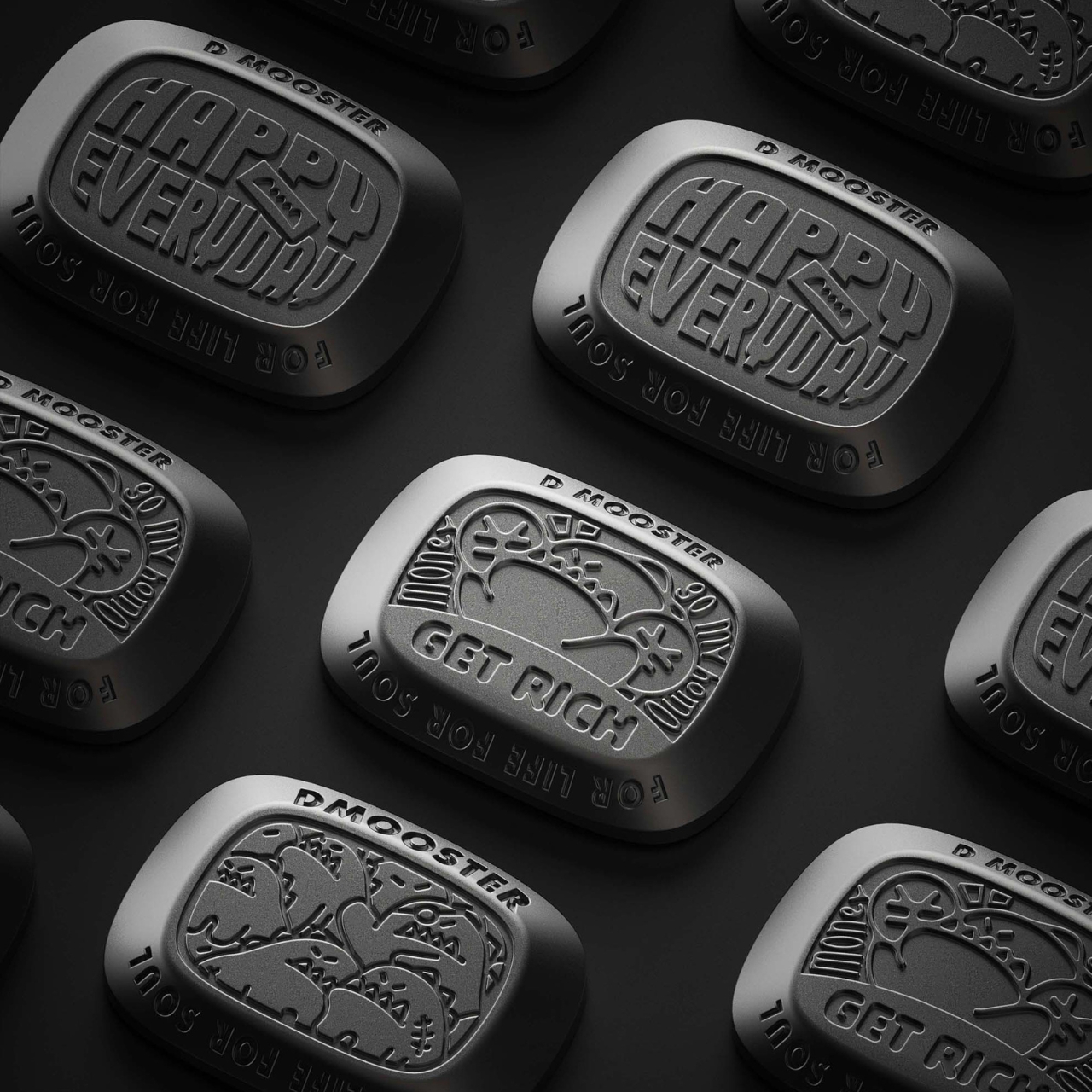
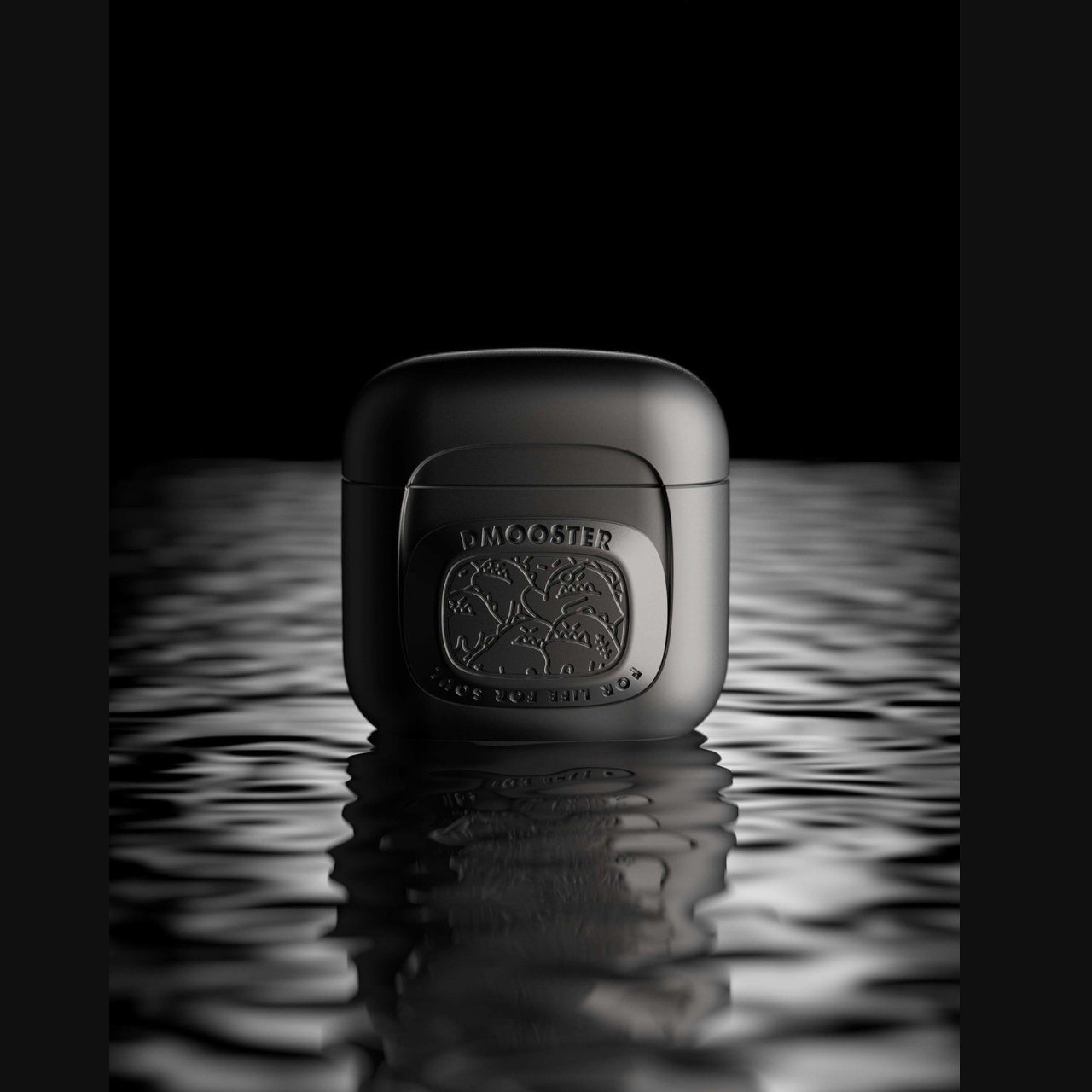
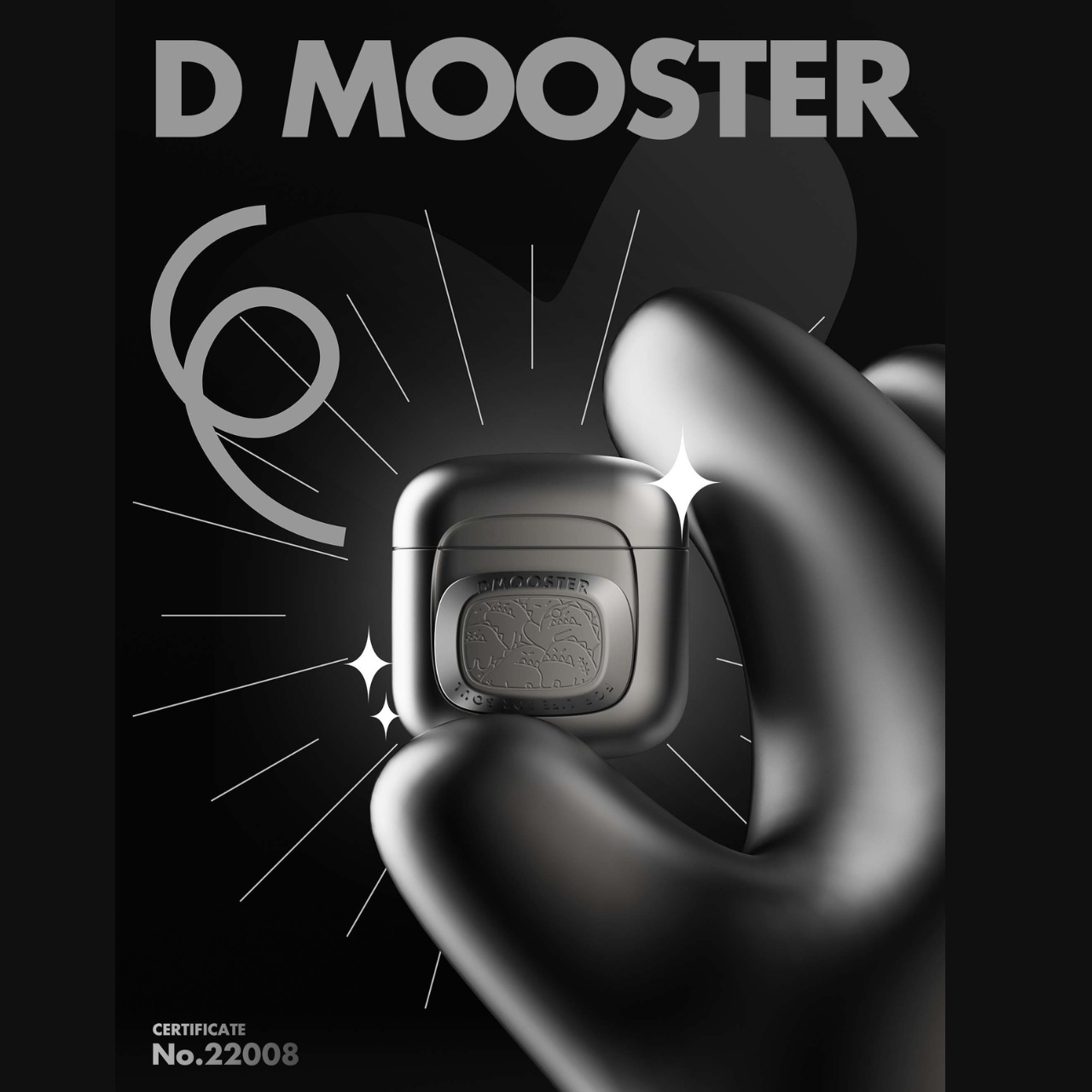
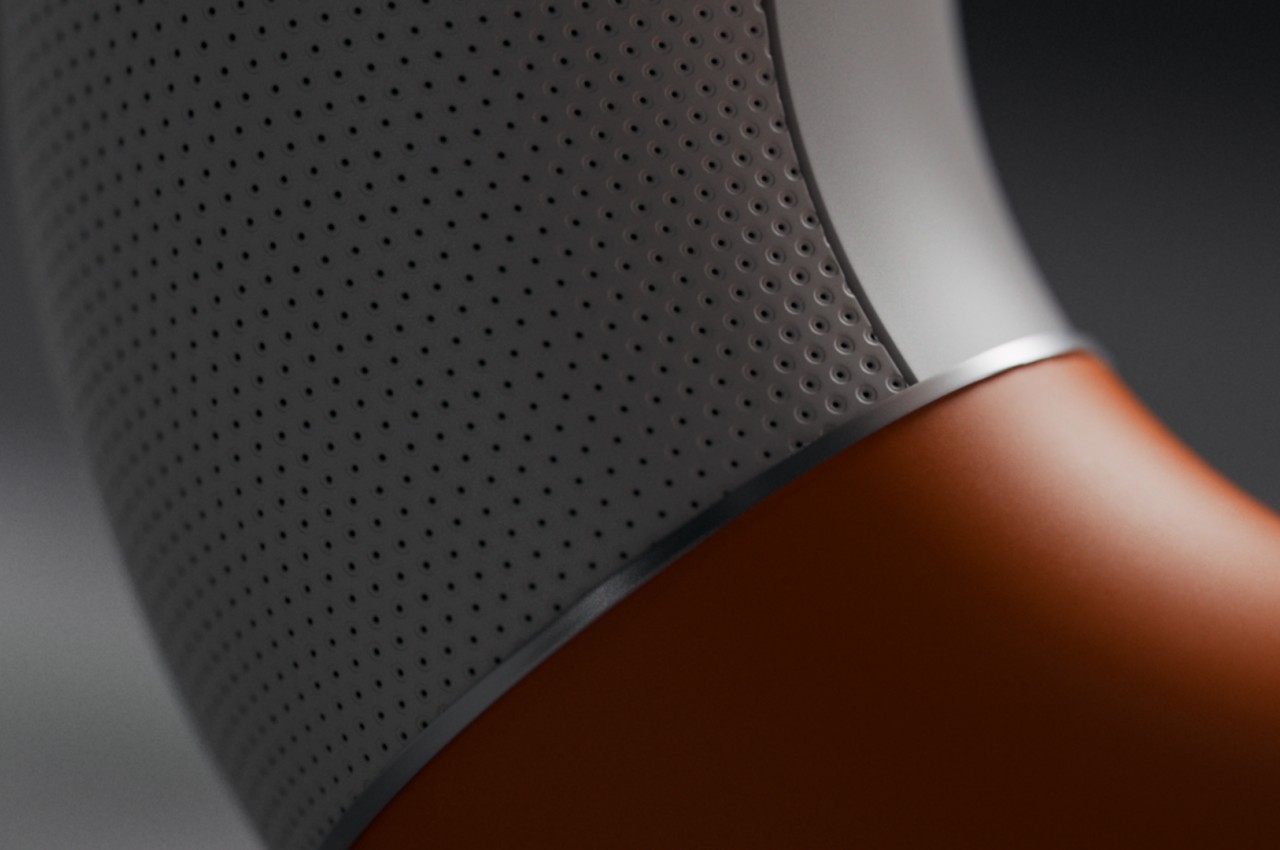
This concept for an earbuds case may be that combination you’re looking for. The EDC 1.0 Lucky Push is a concept case for the D-Mooster truly wireless earbuds that uses “card pushing” mechanism to open and close it. The motion of the sliding up and down and snapping is supposedly addictive enough that you would want to do it repetitively, even if you’re not using your earbuds at the moment. Hence, it becomes a fidget toy as well if you need to keep your hands busy.

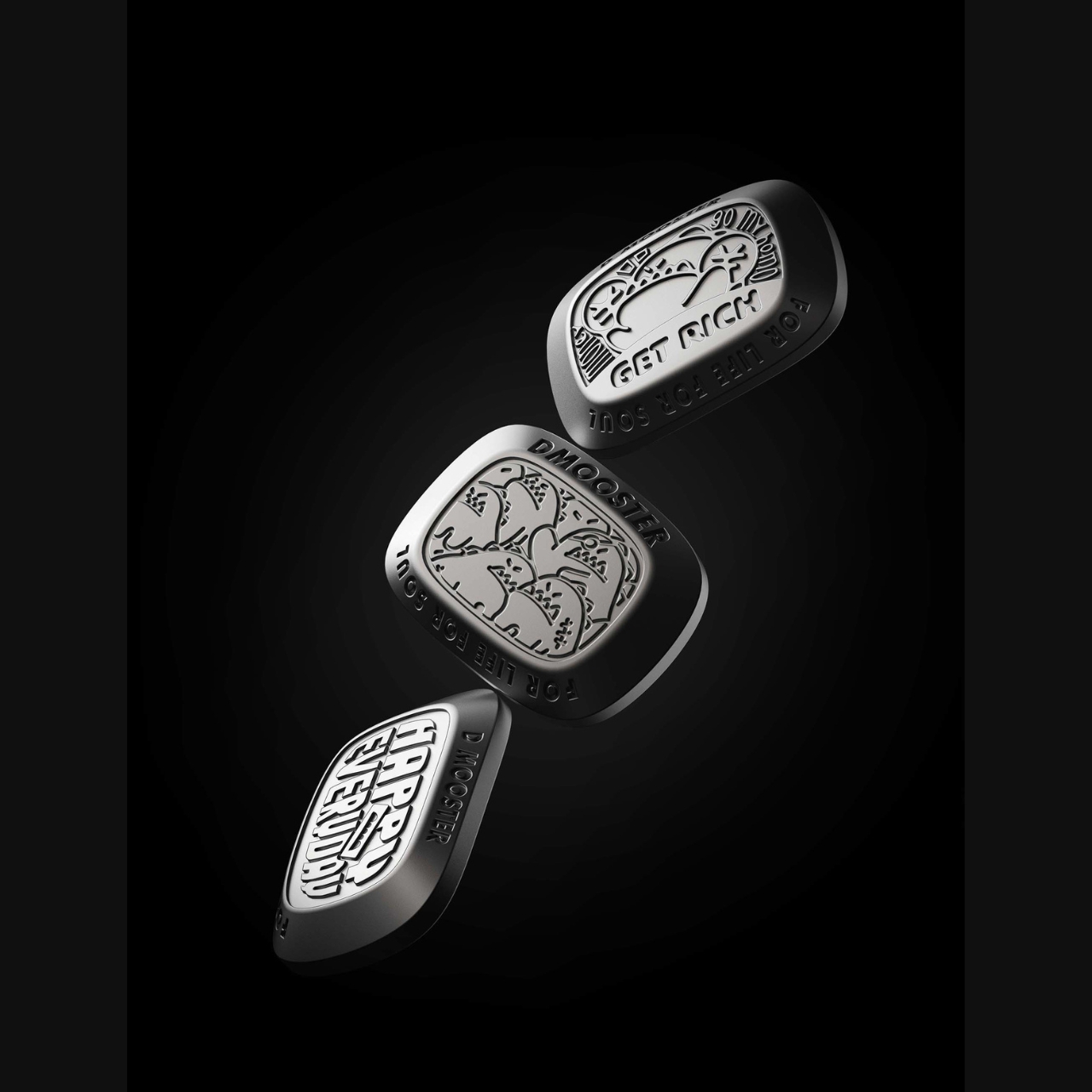
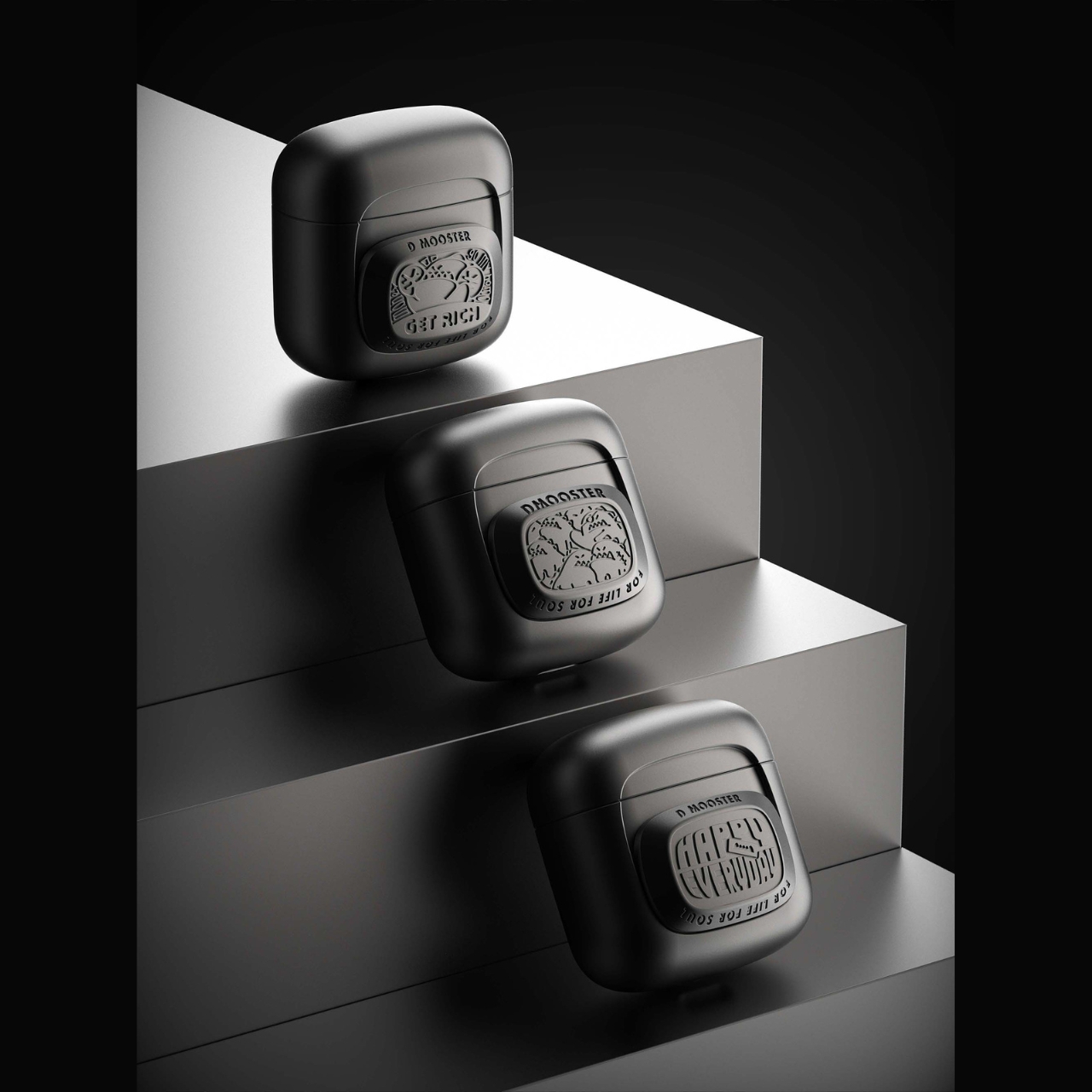
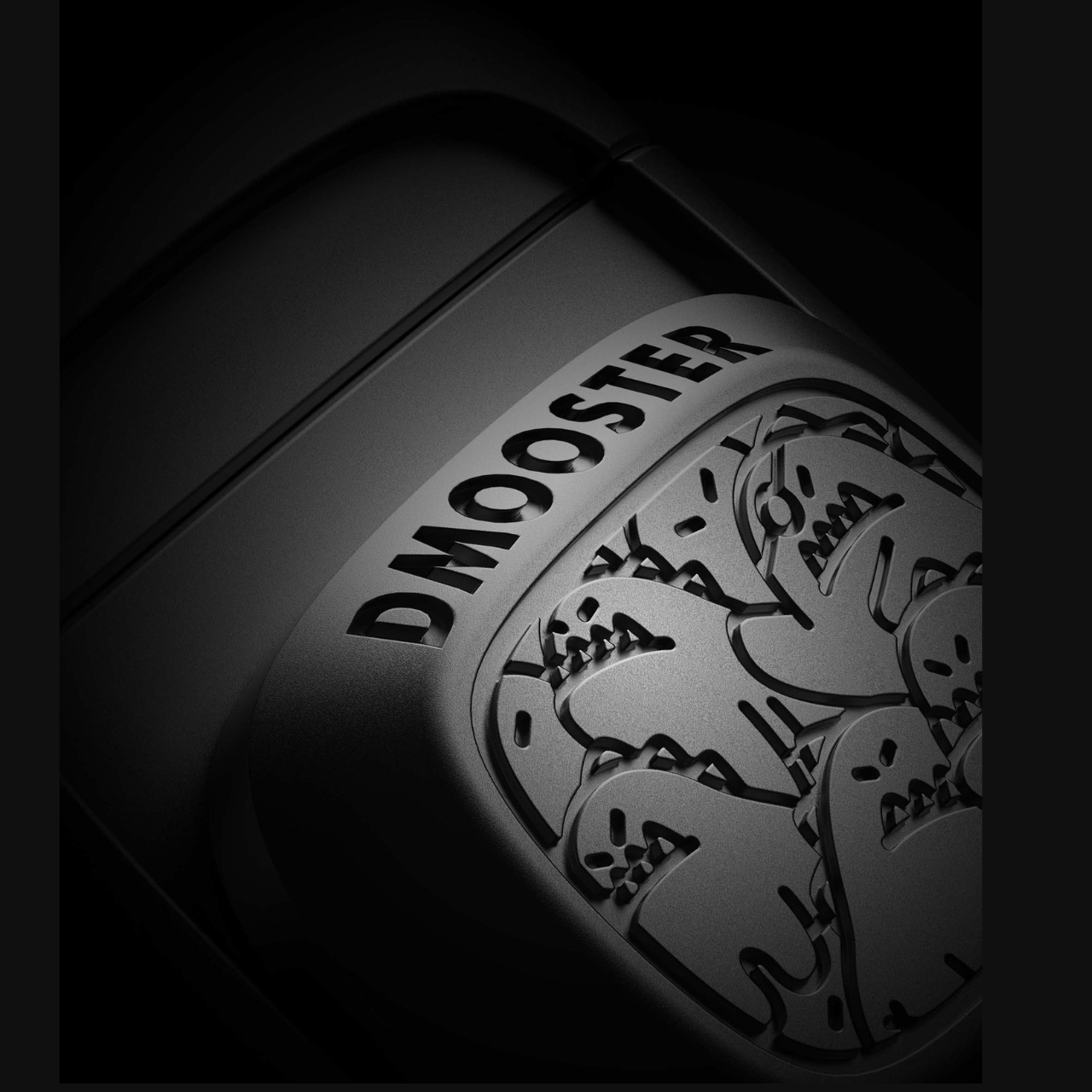
There are three designs for the EDC 1.0 Lucky Push: Big Monster, Become Wealthy, and Become Happy. For the superstitious, doing the repetitive motion will let you accumulate luck and wealth, or at least that’s what the designer thinks it will bring you. I understand with the last two designs as we all want to be wealthier and happier, but I wonder what the Big Monster concept will bring you, other than a cute fidget toy with monsters engraved on it.

Earbuds cases are usually really more functional as you use it to store your earbuds or charge them once they run out of juice. So this is an interesting idea to make the case itself a bigger part of your EDC pack as it becomes a fidget toy as well. If the designs are also interchangeable, it will make it even more interesting.

The post Earbuds case doubles as fidget toy for your anxious fingers first appeared on Yanko Design.

Odd pen holder has a unique way to showcase your favorite writing tool

The key design elements for a pen holder or pen pot are pretty simple. It just needs to be tall enough to support writing instruments of different heights without them tipping over and would have enough room for at least a handful of pens, pencils, markers, and the like. Beyond that, the designer is free to interpret the shape of the container, and some even have dividers to segregate the different tools. But while pen holders are a convenient way to keep your pens together, they don’t really make it easy to pick out your favorite one from among the bundle. Some people would use a separate stand just for that single pen, which takes up unnecessary space on your desk. This concept design has a rather curious answer to the problem, one that pretty much leaves a conspicuous hole in the middle of the pill-shaped pot.

Designer: Liam de la Bedoyere

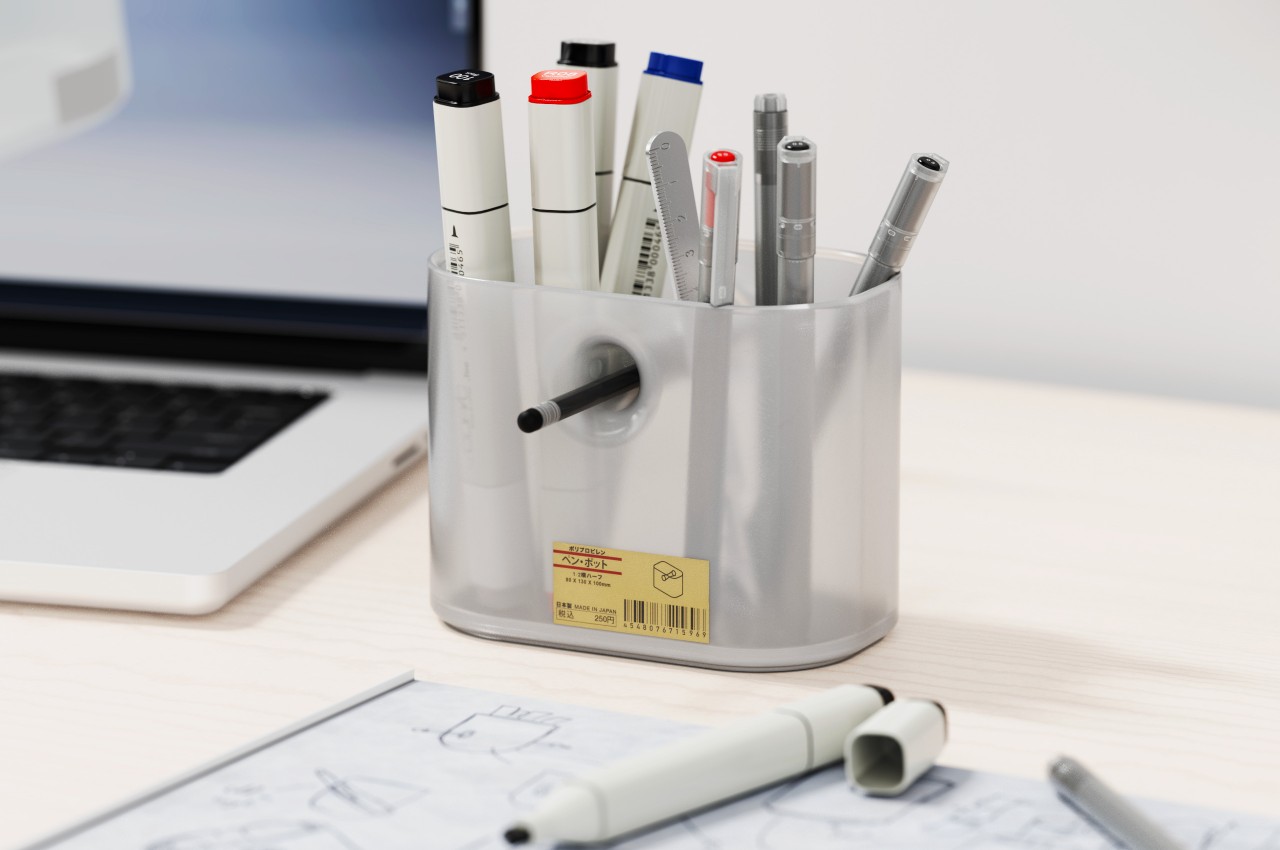
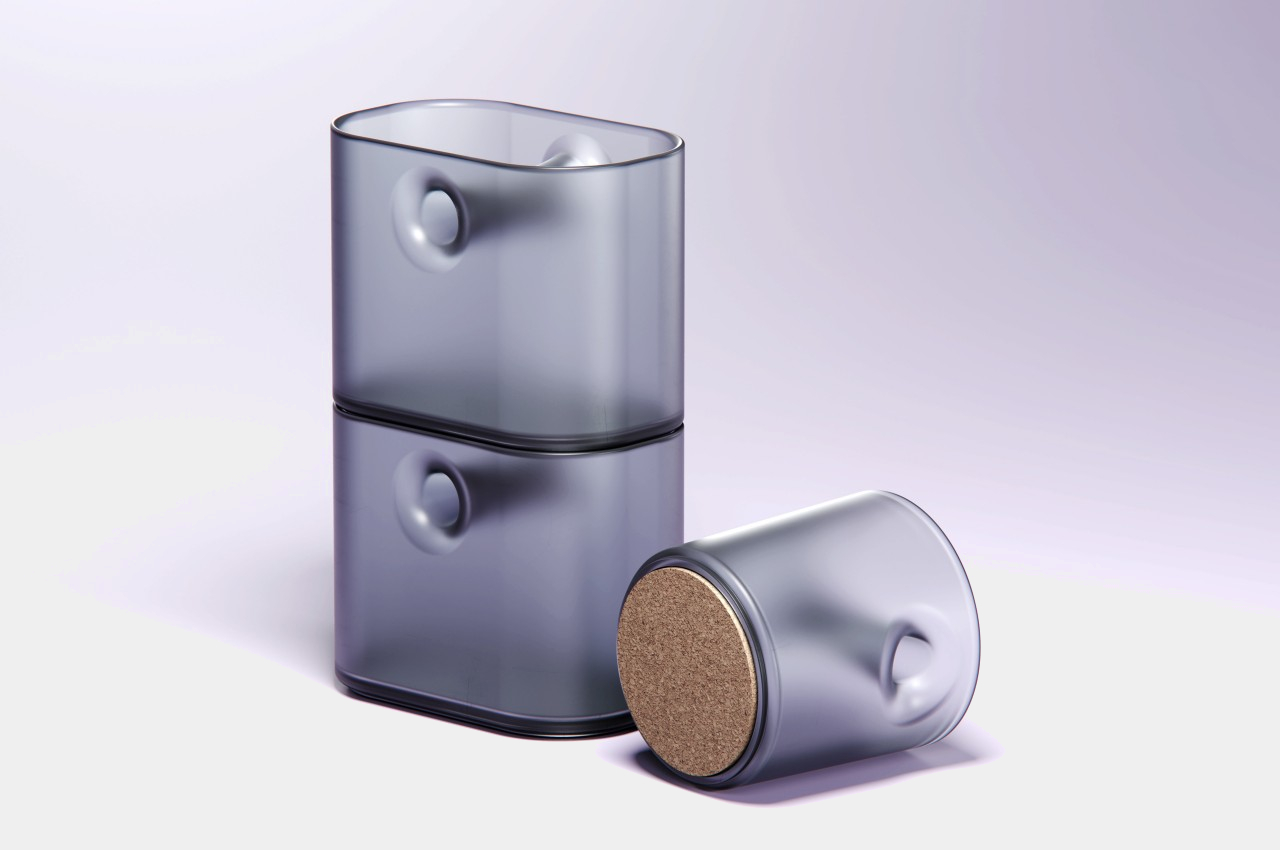
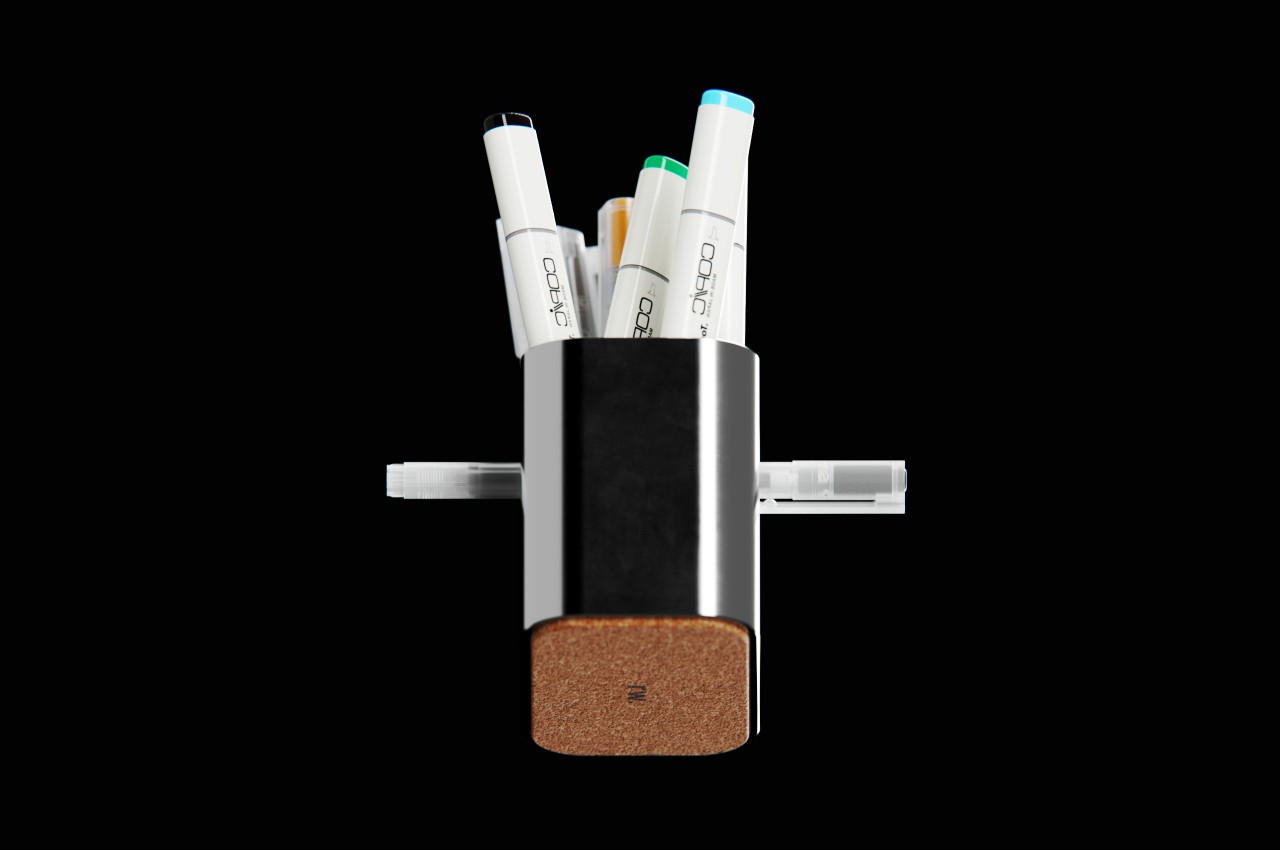
Usually, having a hole in the middle of a container is considered to be a defect, one that not only weakens the structure of the shape but also mars its visual integrity. After, something that cuts through an otherwise clean and whole form is sure to bother one’s aesthetic sense. In this case, however, that hole is not only intentional but also functional, setting the Void Pen Pot apart from your run-of-the-mill pen holders.

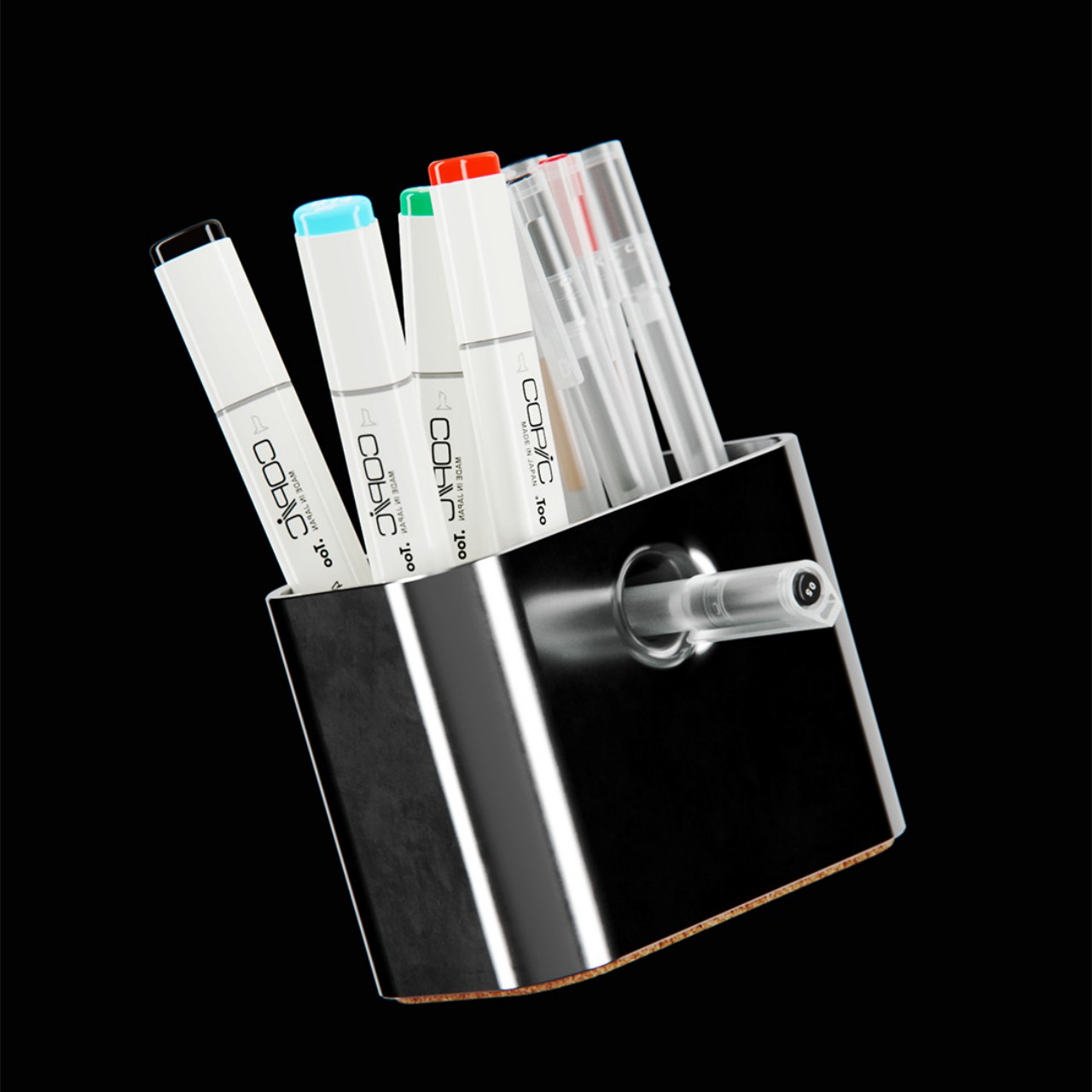
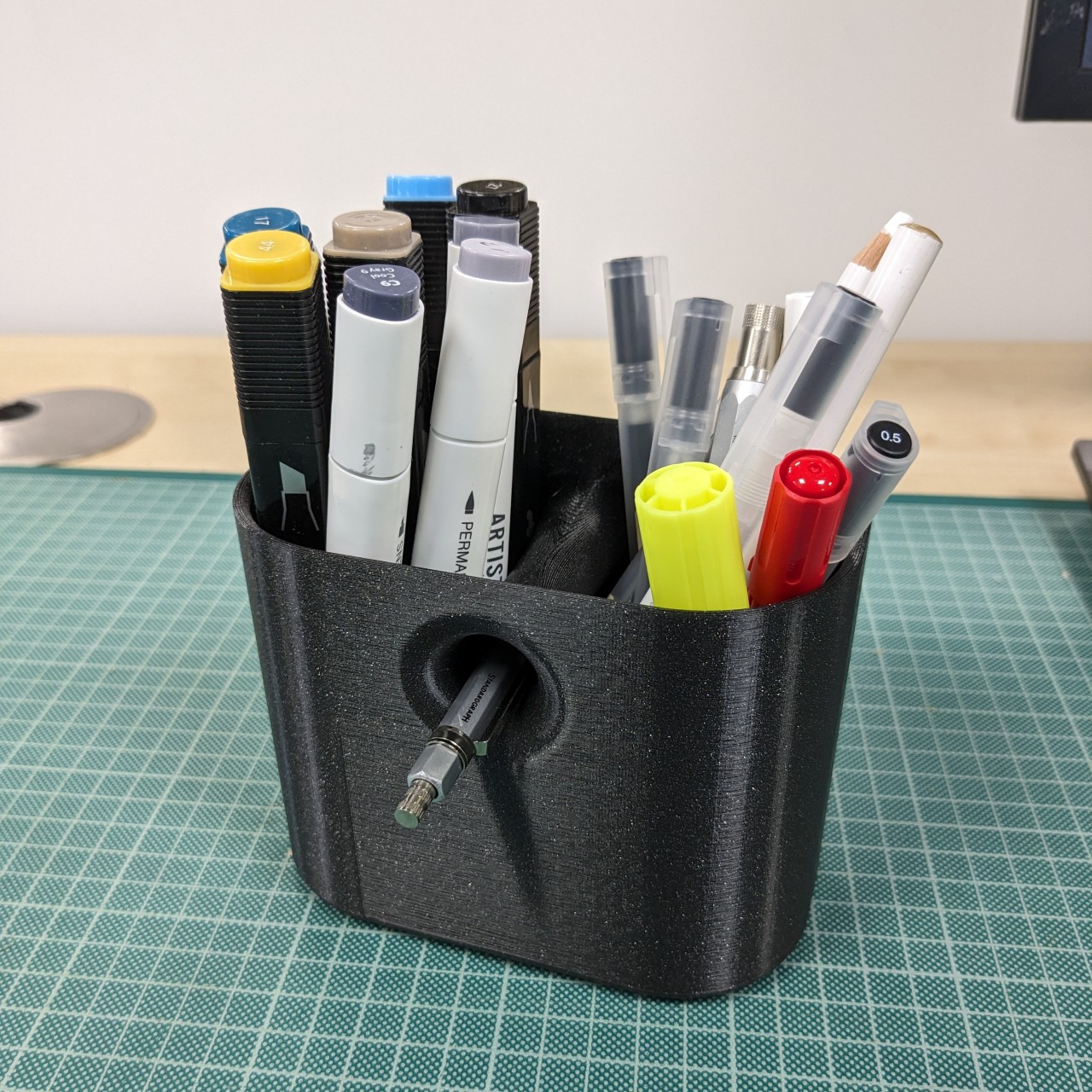
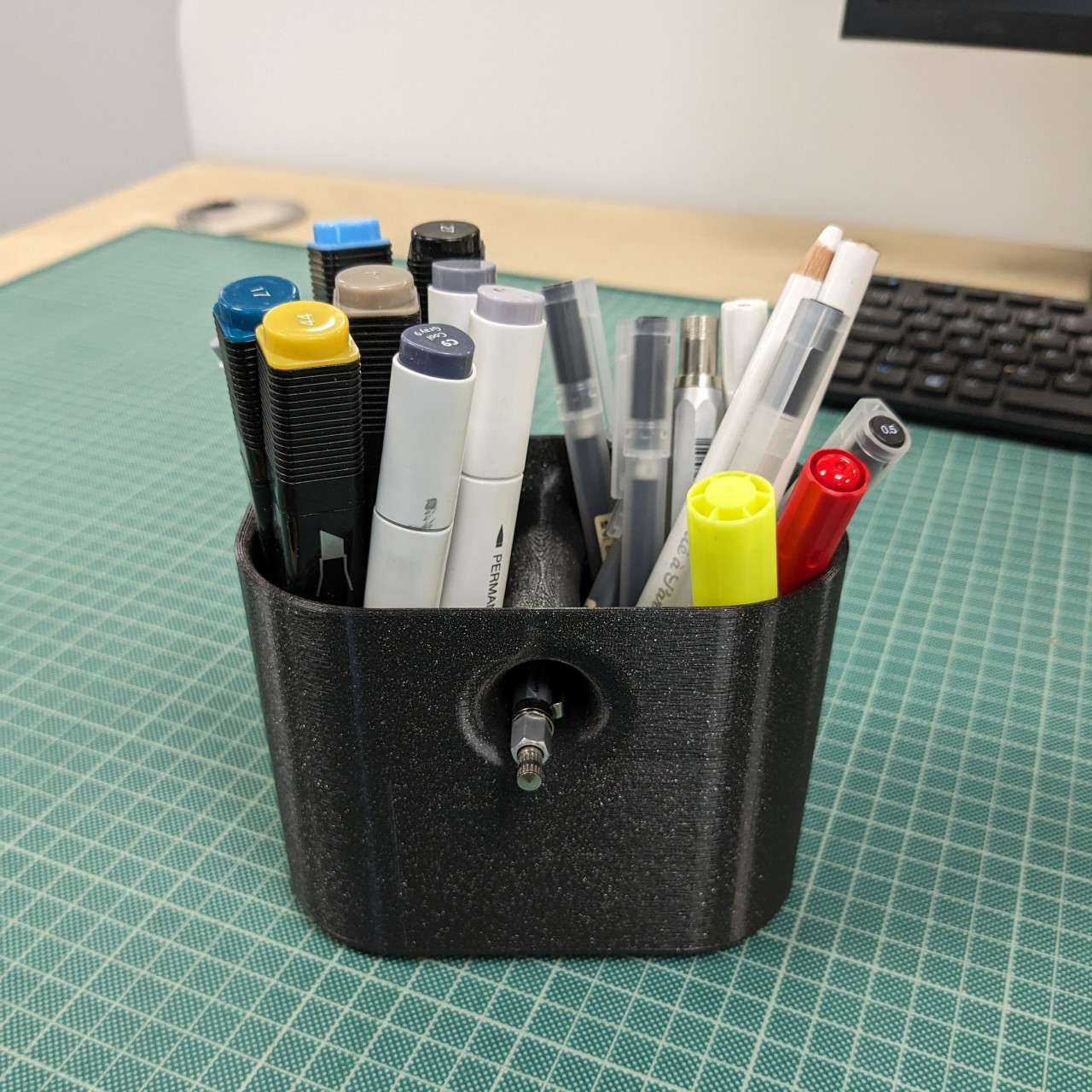
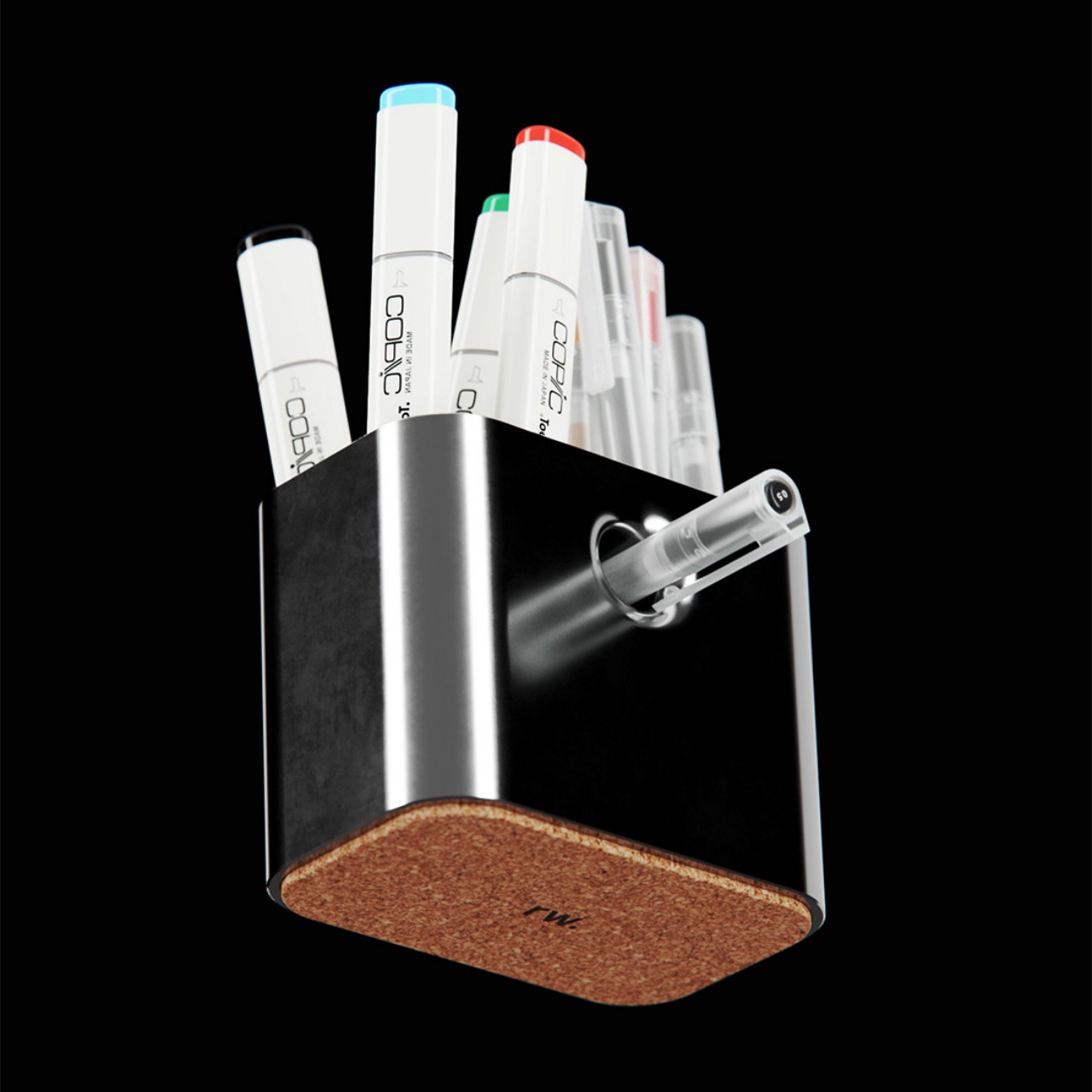
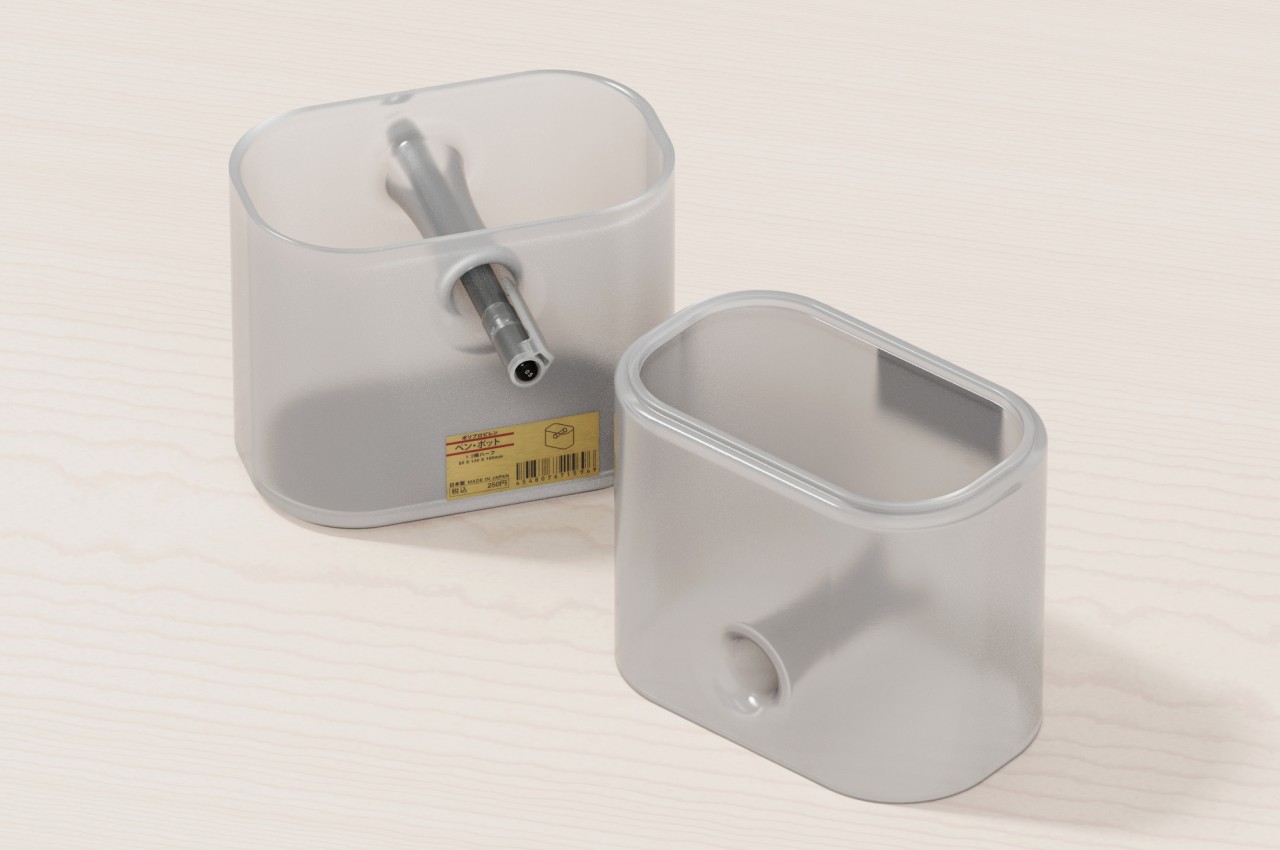
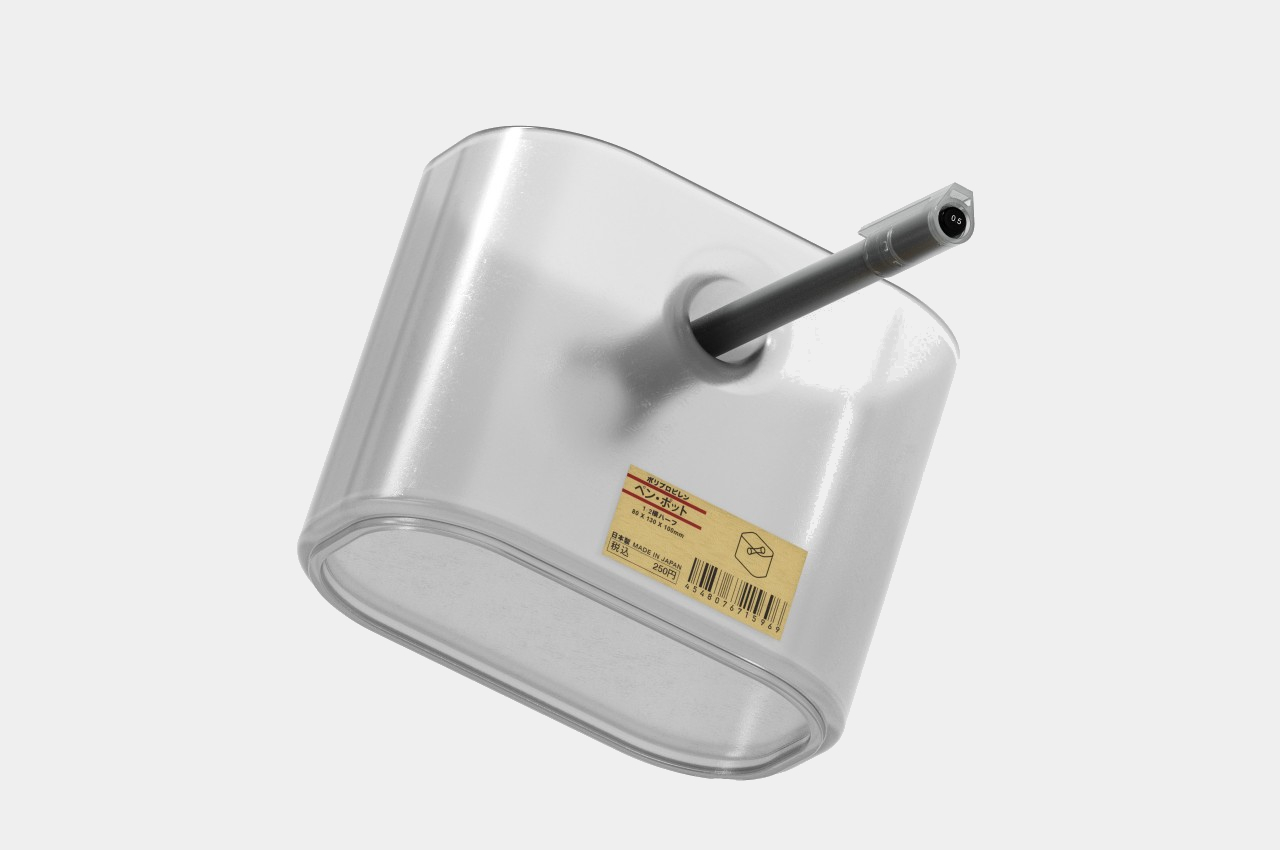
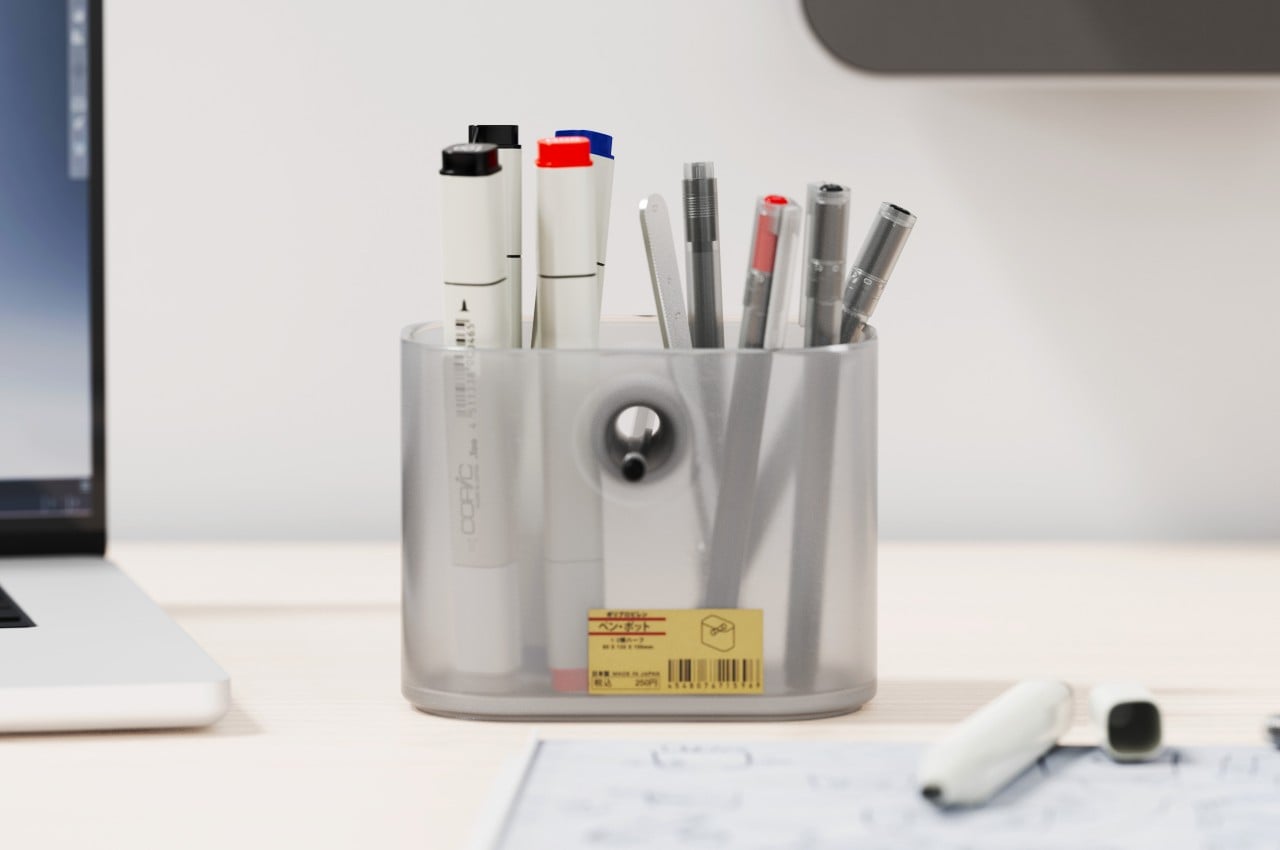
The hole that runs through the body of the pill-shaped container actually provides a convenient resting place for your most-used pen or pencil. Instead of wasting time and effort looking for that pen among half a dozen similar-looking rods, you can simply pull it out from its hole and start using it immediately. And when you’re done, you can just shove it back in to wait for the next time you need it.

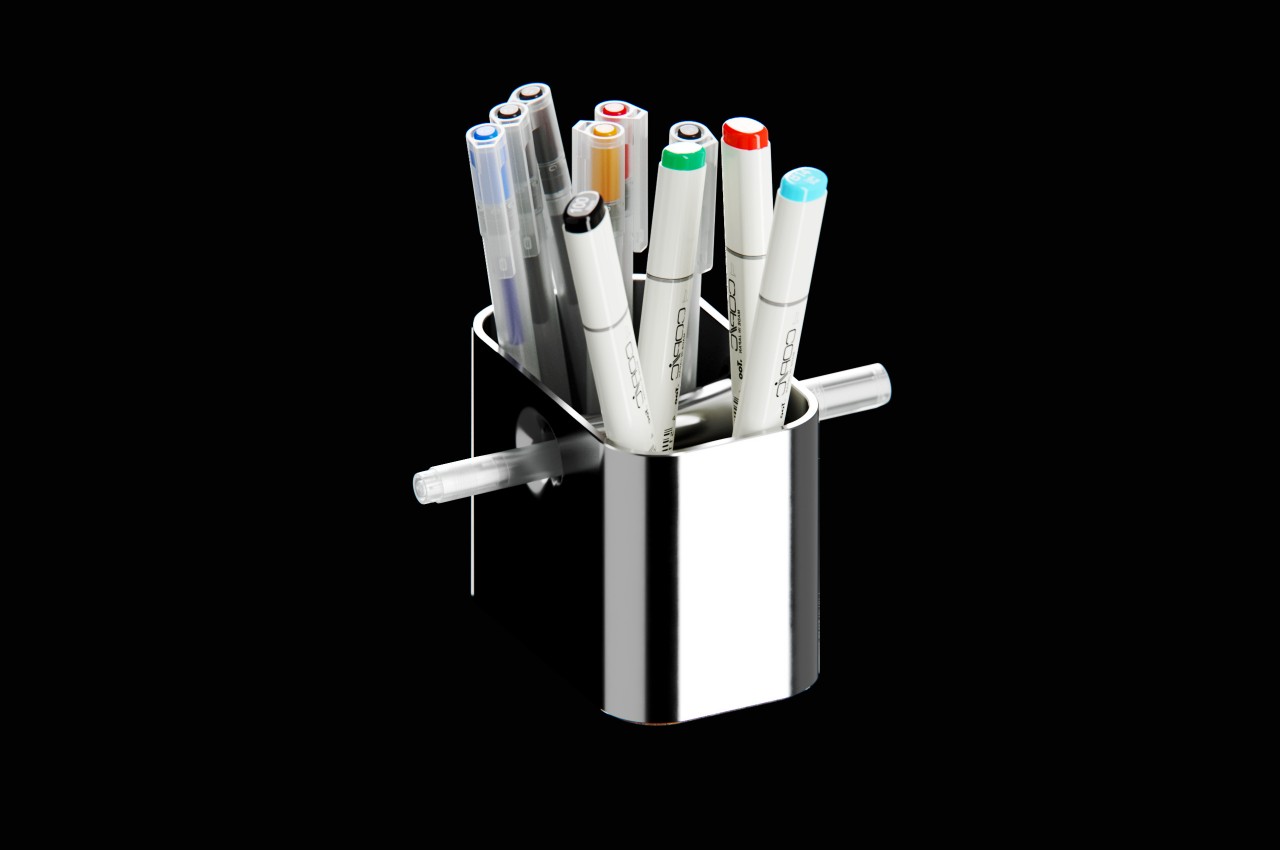
Since that hole practically bisects the container, it also acts as a built-in divider that lets you group your pens into two. That said, this also means you’re not able to maximize the entire space of the container for your pens, specifically the area above and below the “tunnel” made by this hole.

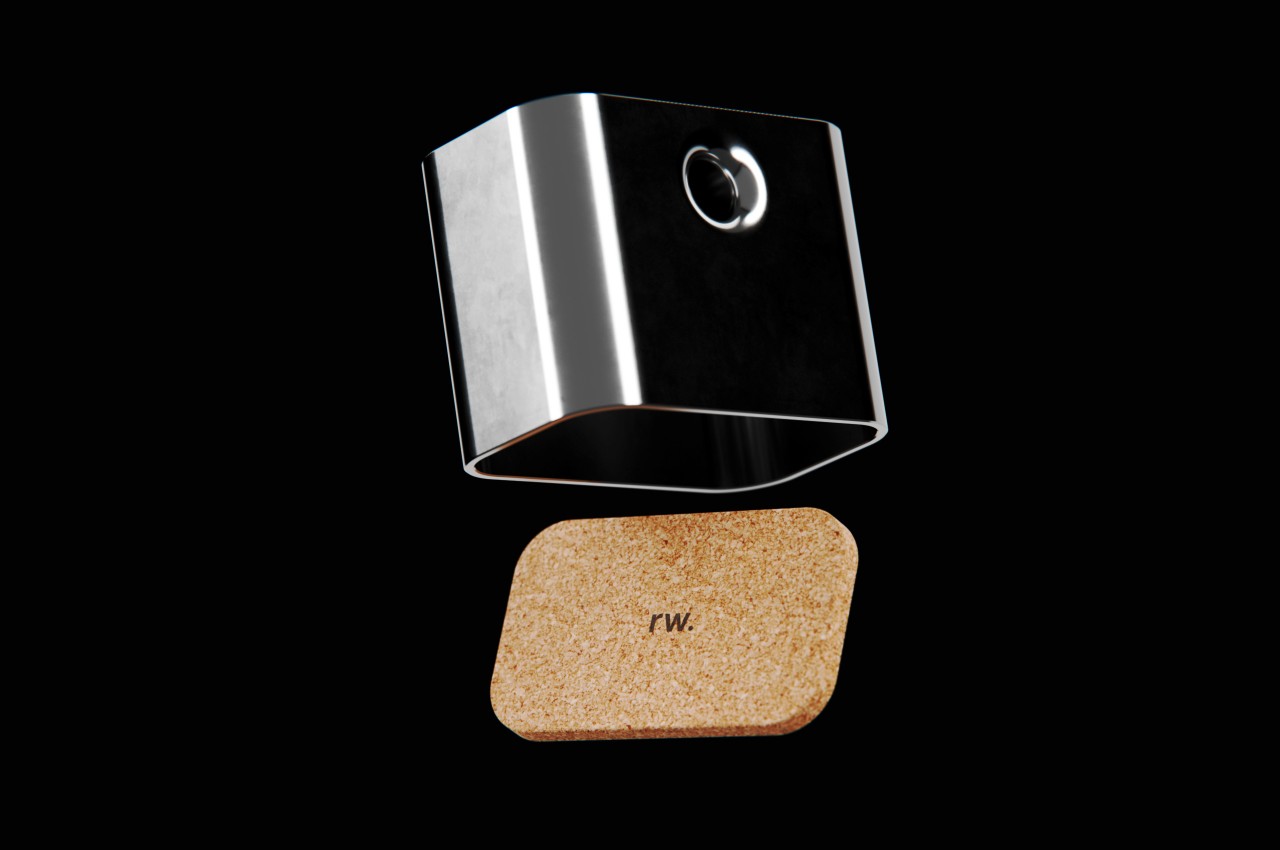
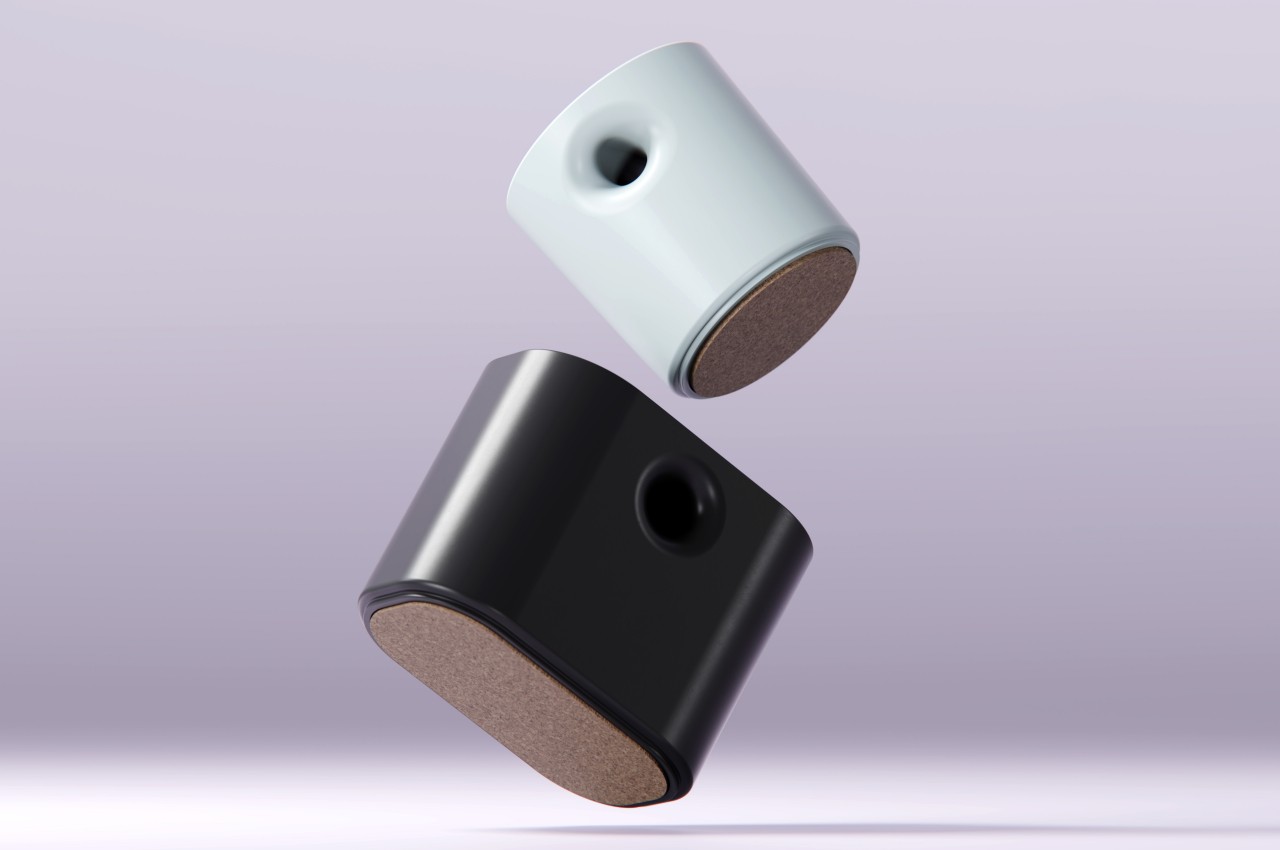
The concept comes in two flavors, four if you consider the pen holder can be pill-shaped or a conventional can. One design employs a polished chrome body, while the other tries to adopt Japanese minimalist brand MUJI’s signature frosted polypropylene, both with cork bottoms. While the function of having an odd yet special place for your favorite pen is definitely useful, it still raises the question of whether such a quirky design will be appealing or off-putting instead, with a pen sticking out from an otherwise blemish-free surface.
The post Odd pen holder has a unique way to showcase your favorite writing tool first appeared on Yanko Design.