When you look at products in the market that are meant for parent-child bonding, it can be a little skewed towards mothers. But of course most fathers also want to spend quality time with their kids, especially with activities like camping or being in the outdoors. This product concept comes out of that idea for some “emotional” bonding between dads and their kids, but can also be used by any parent, regardless of gender.
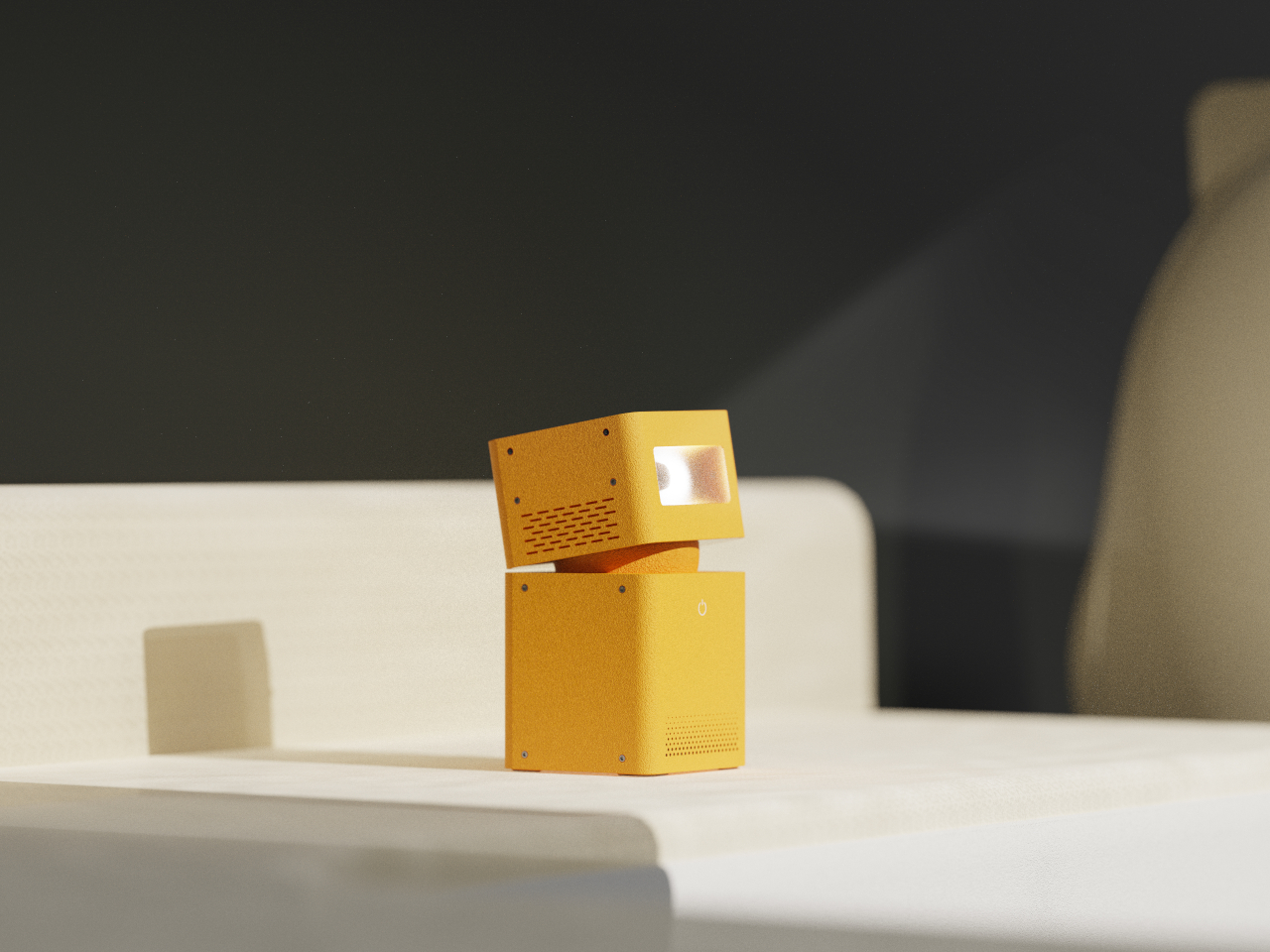
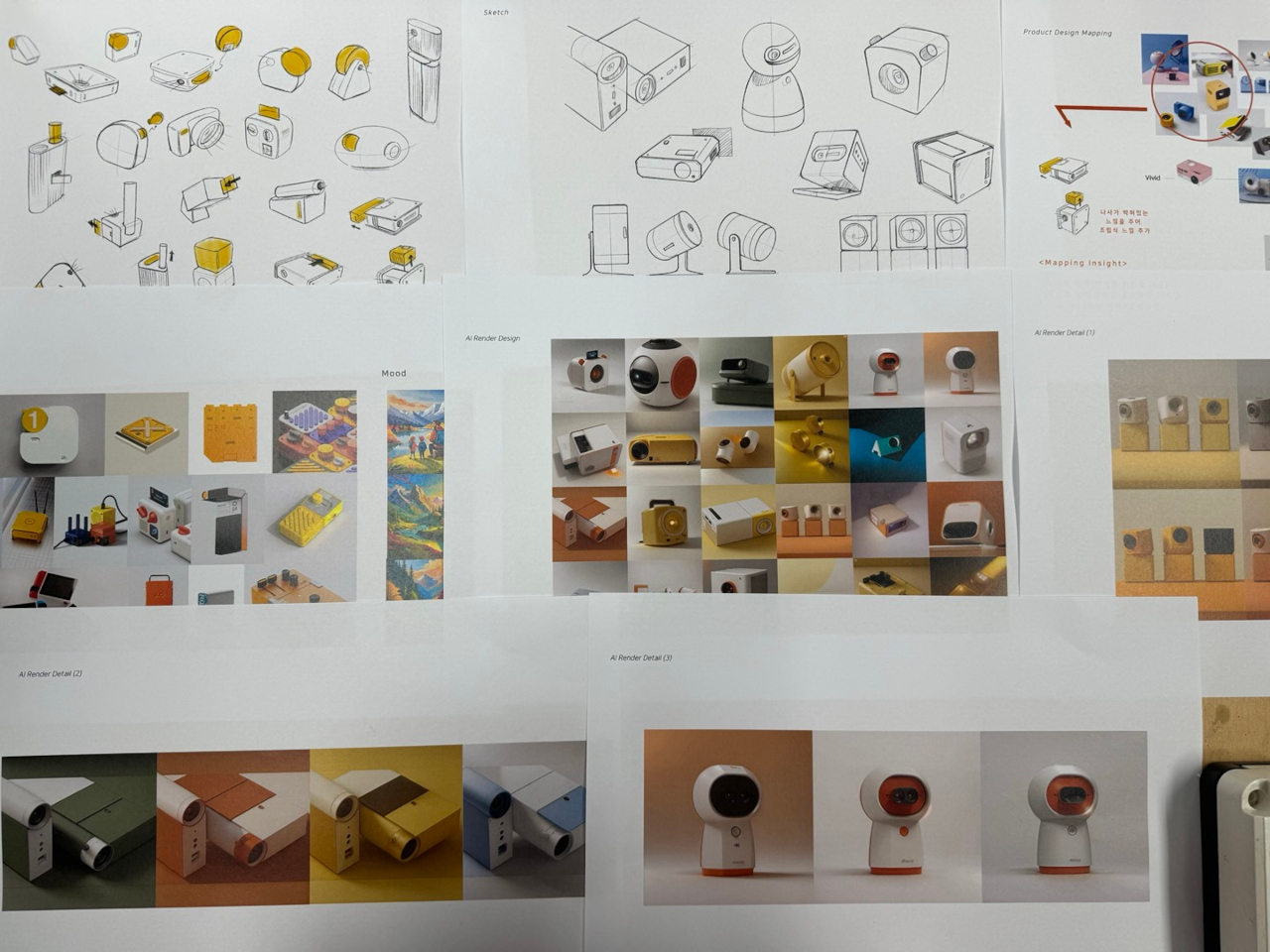
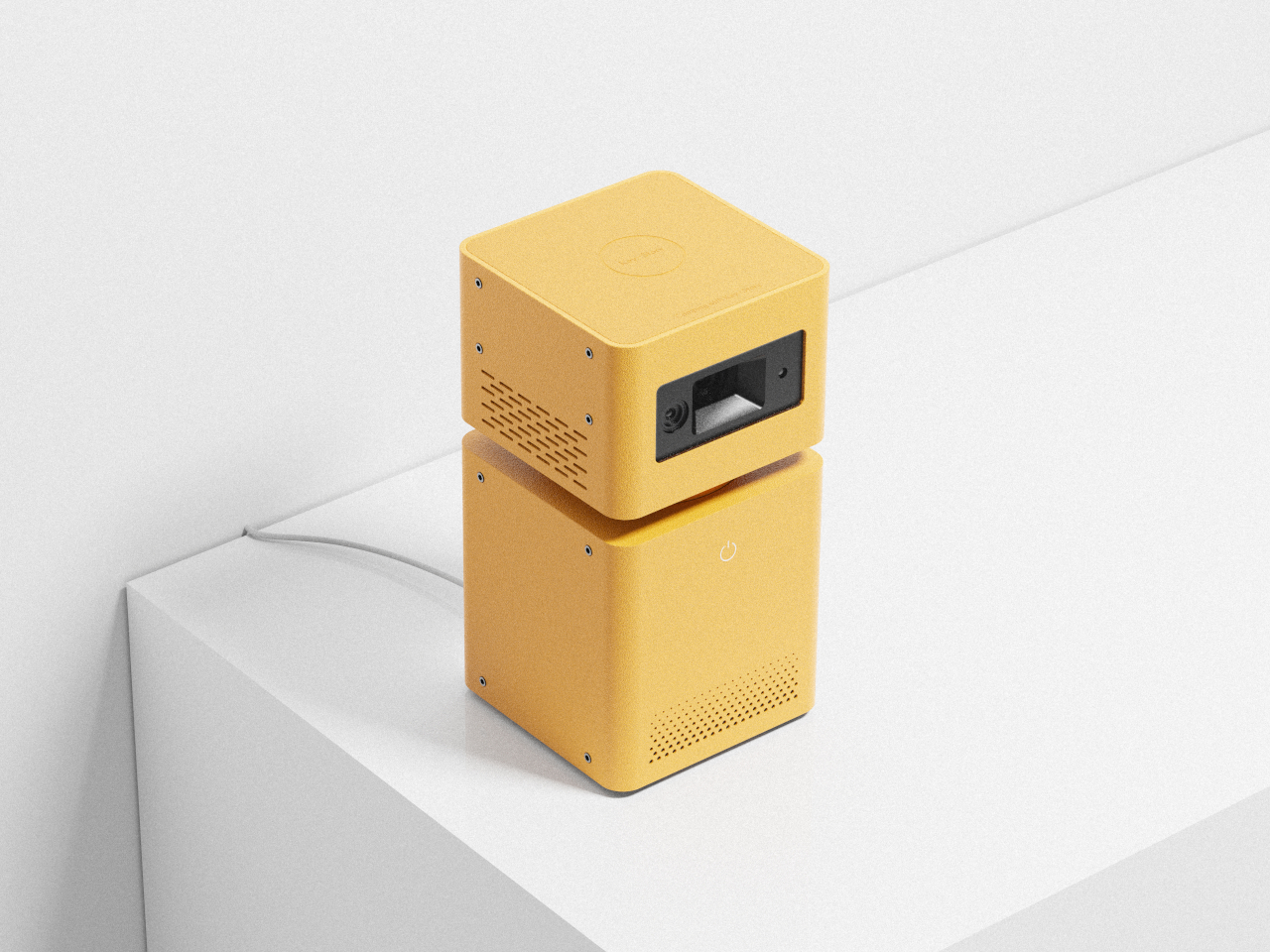
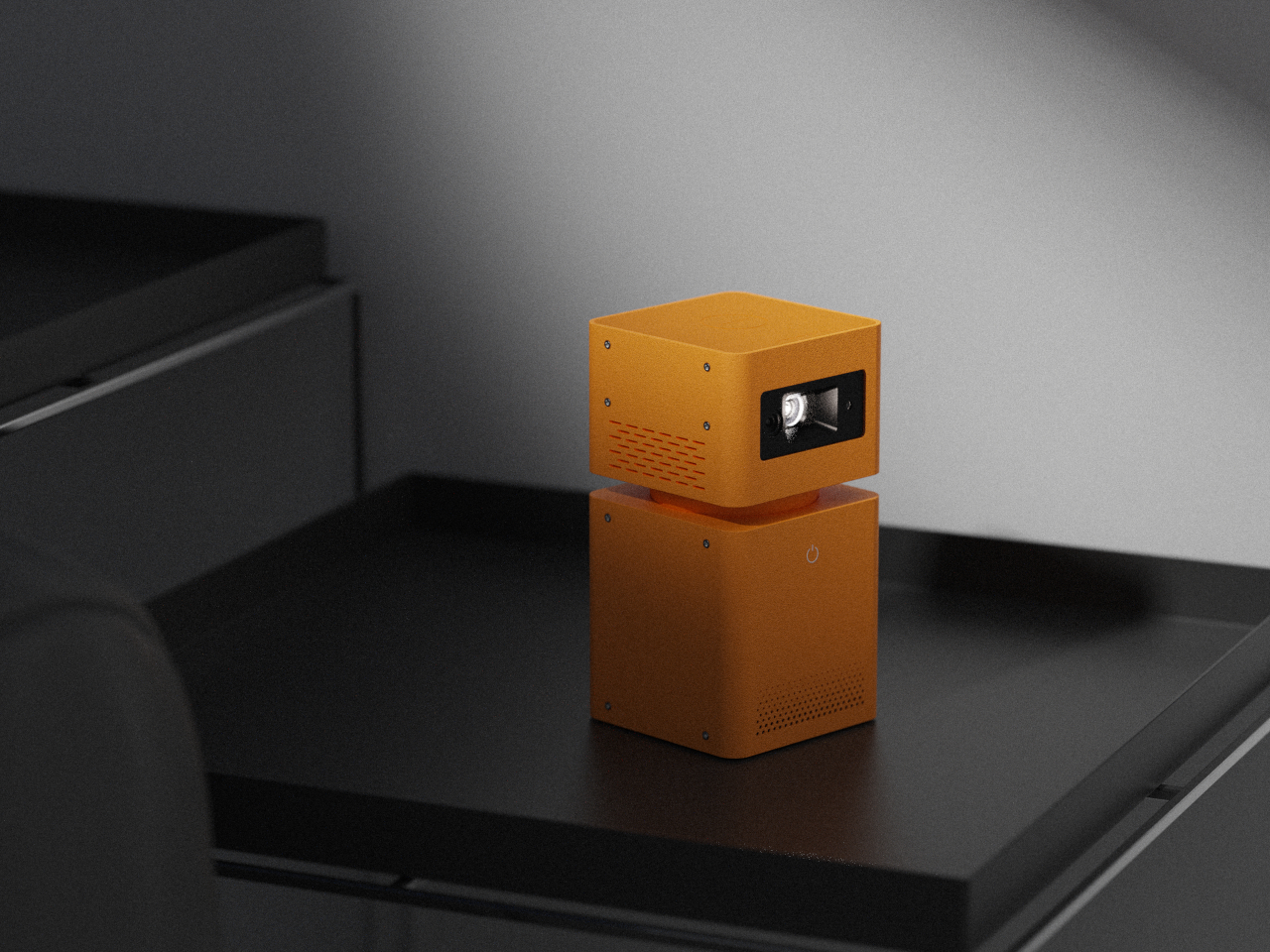
Key_Story (or Key-Story, which are both indicated in the concept page) is a concept for a beam projector that you can take along to your camping trip or to any outdoor activity. It is meant to foster an emotional, bonding moment between father and children by watching videos projected on a surface. We assume that you need a wall or a cloth to project of course.
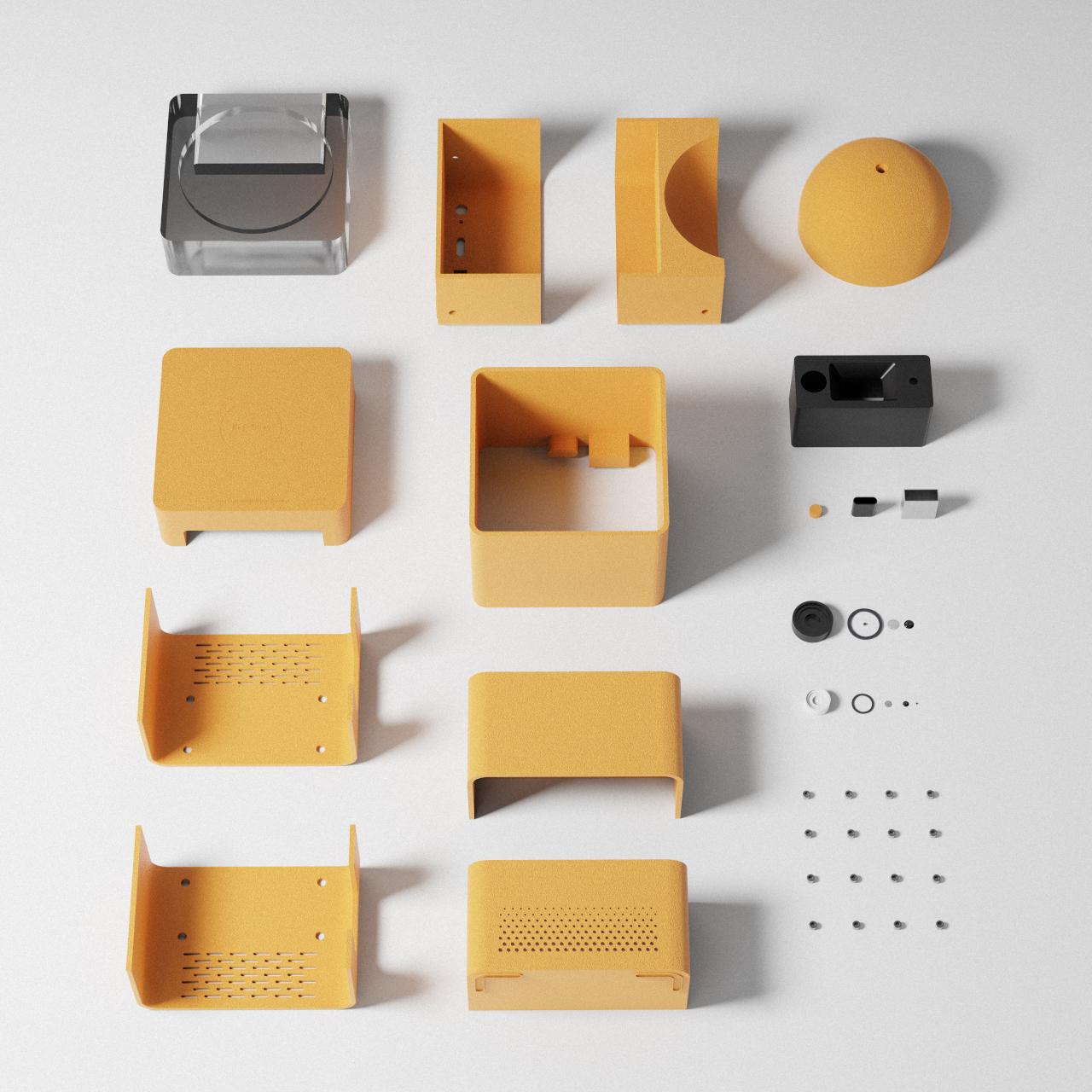
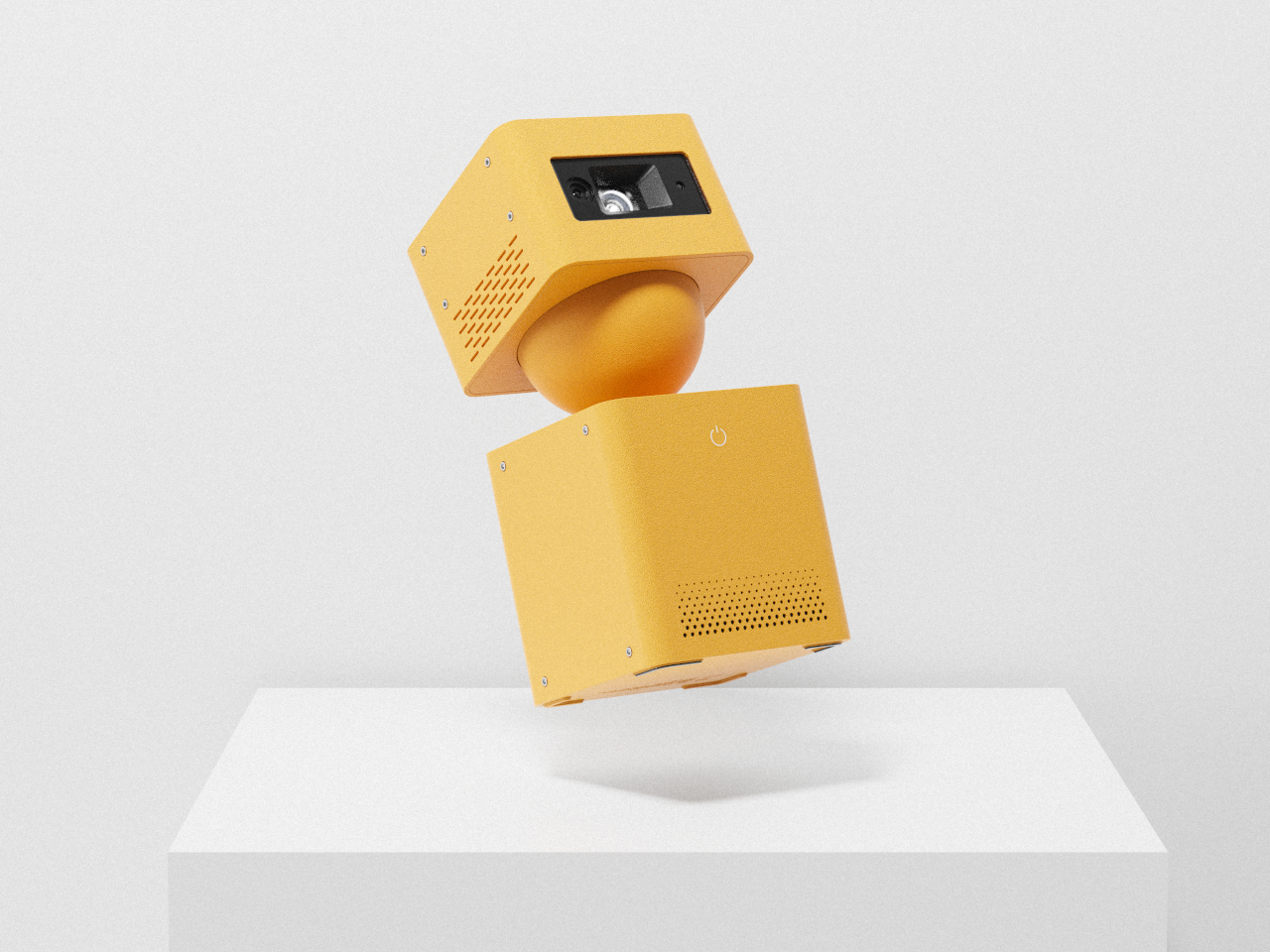
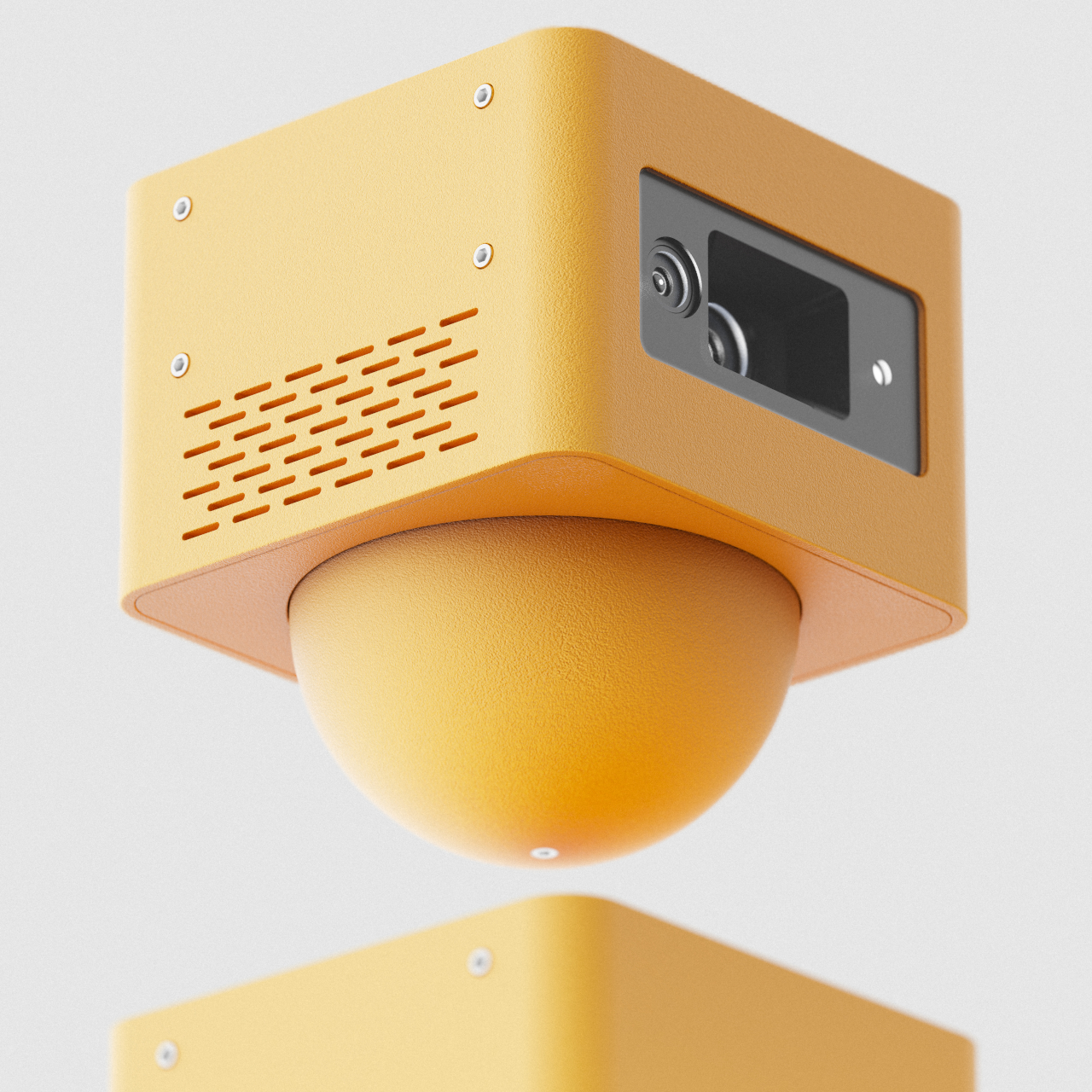
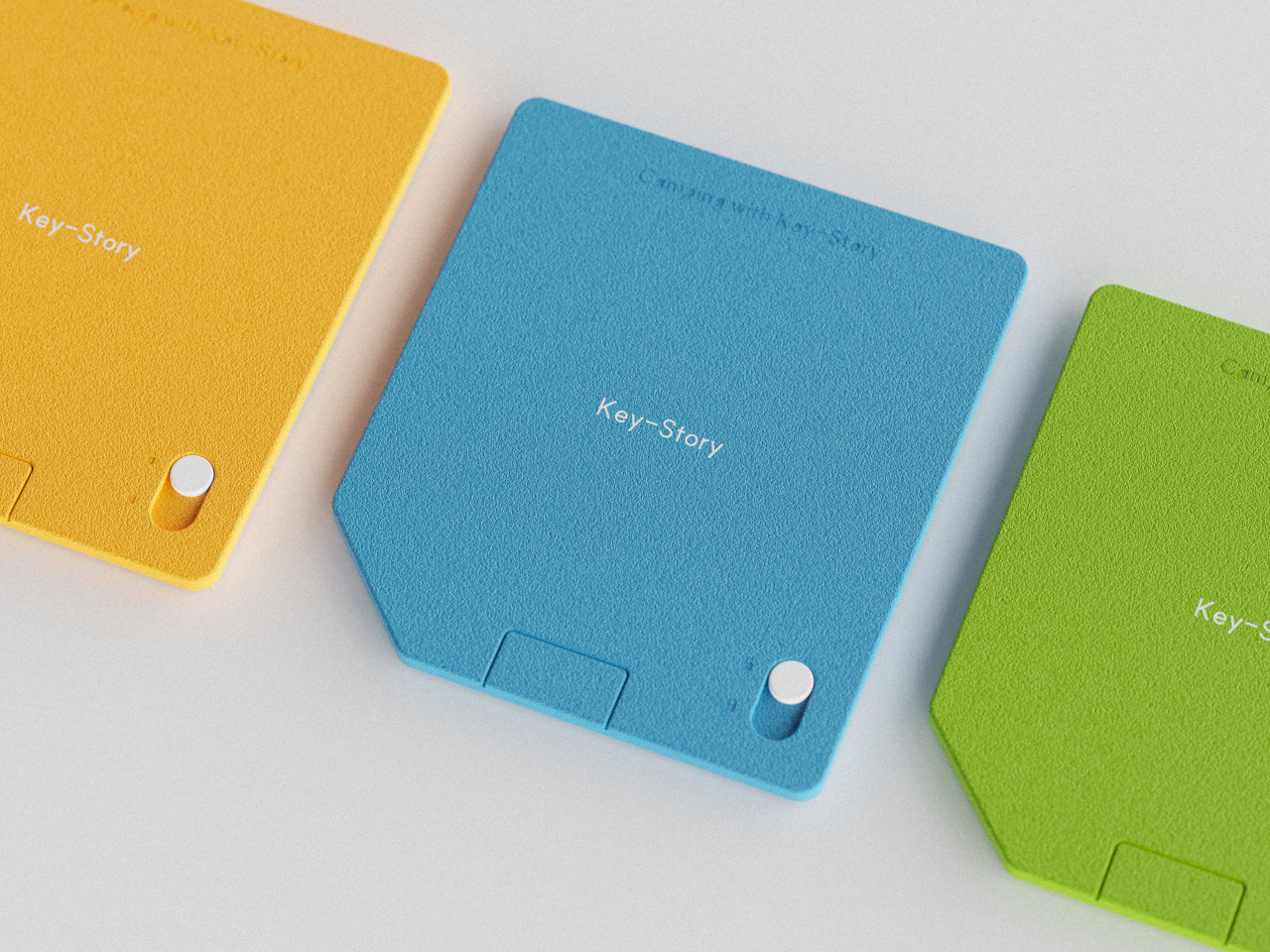
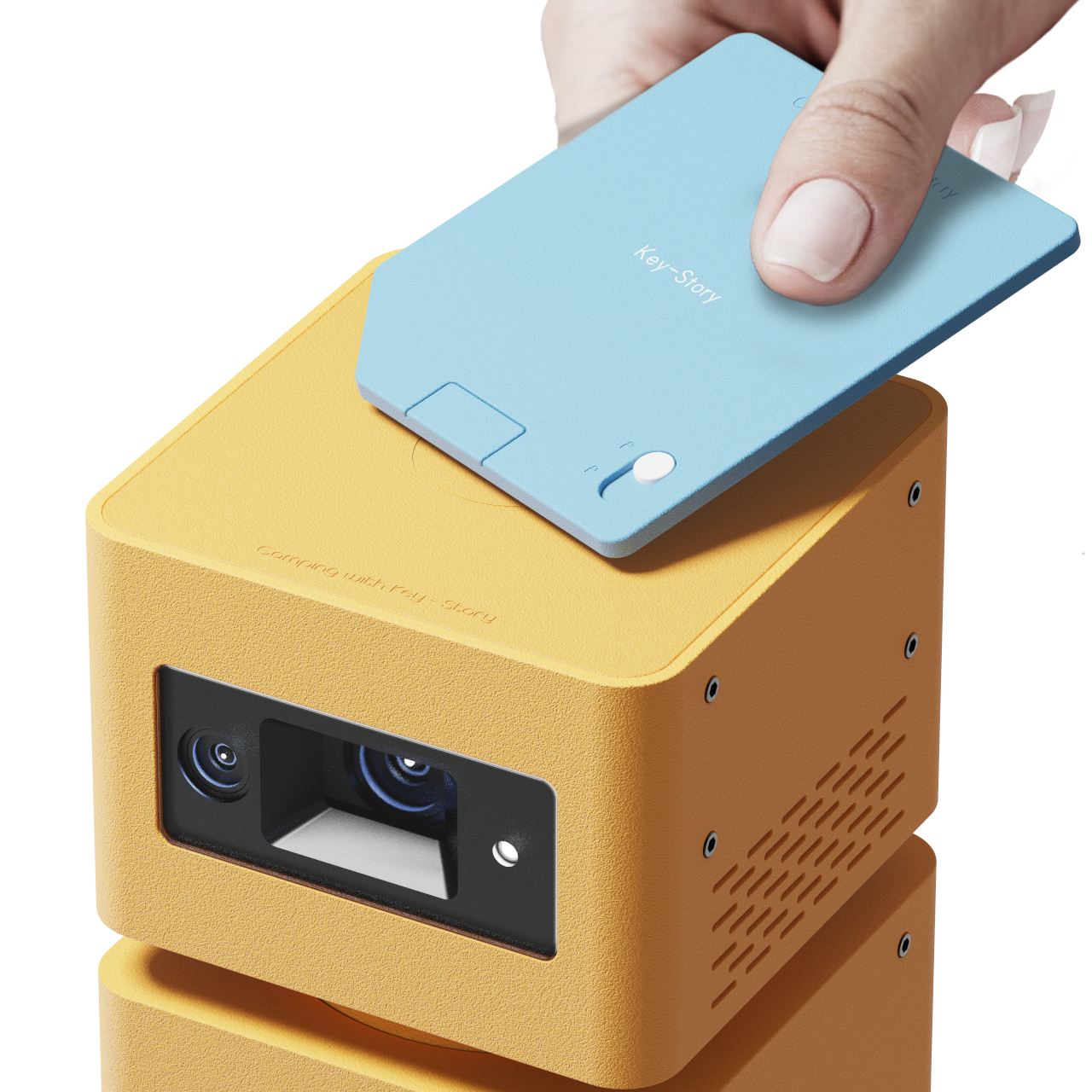
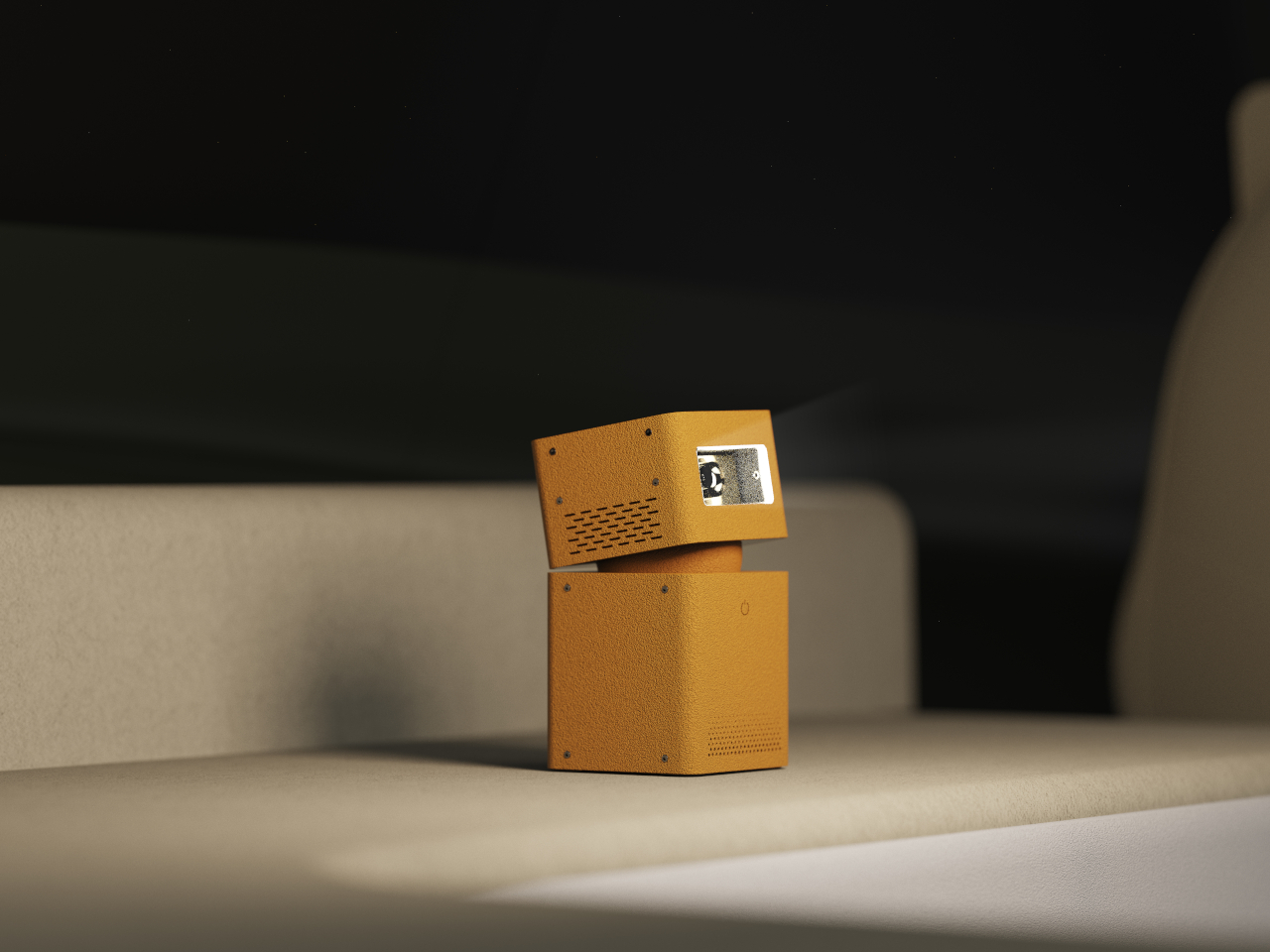
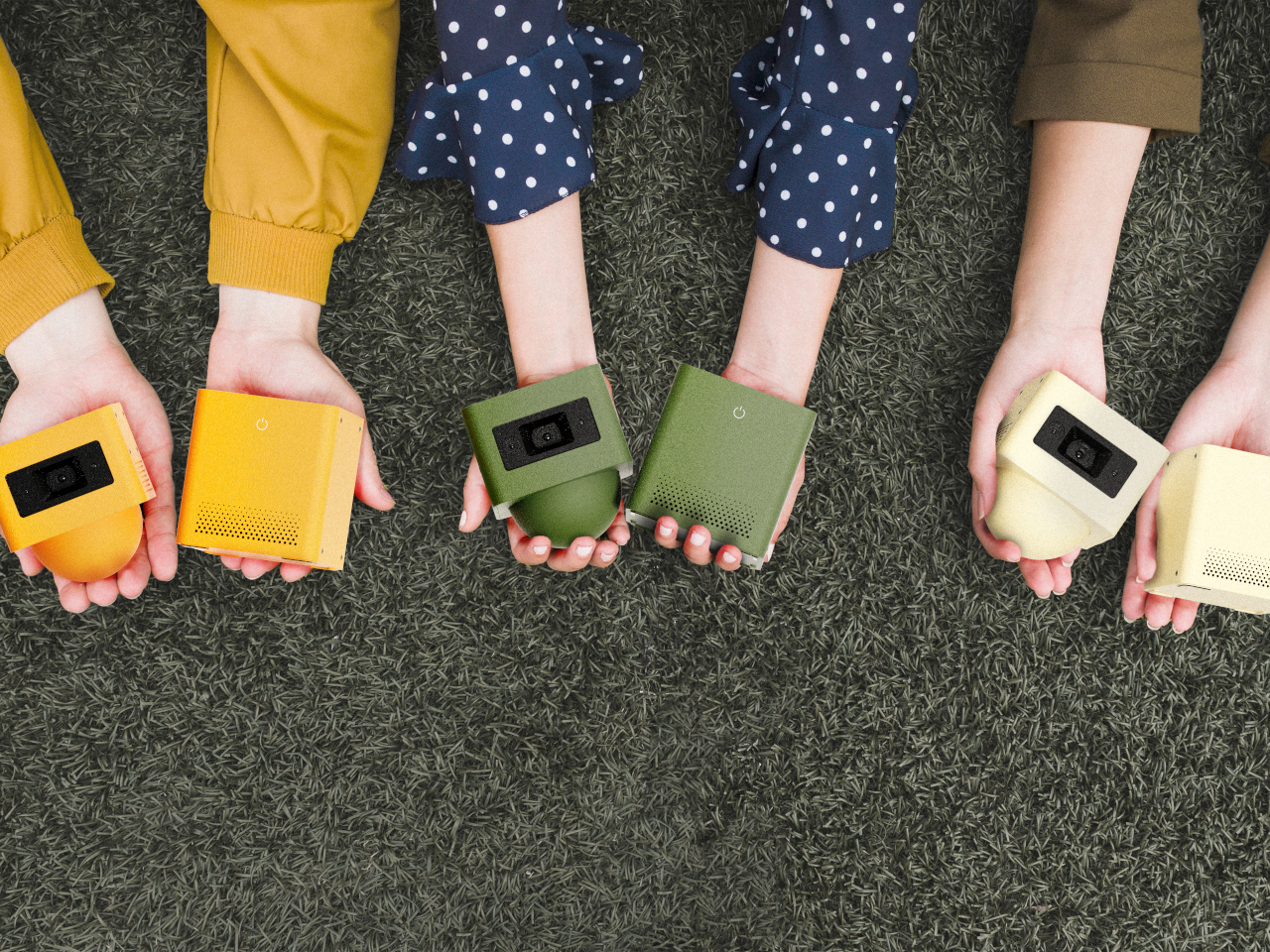
The device is designed to look like a robot and has bright colors in order to attract the attention of the kids, especially the younger ones. The top part, which looks like the robot head, is the beam projector and the bottom part is the speaker for “vivid sound”. The package will supposedly come with three Keys that have different content available. You touch the key to the top of the projector to view the videos.
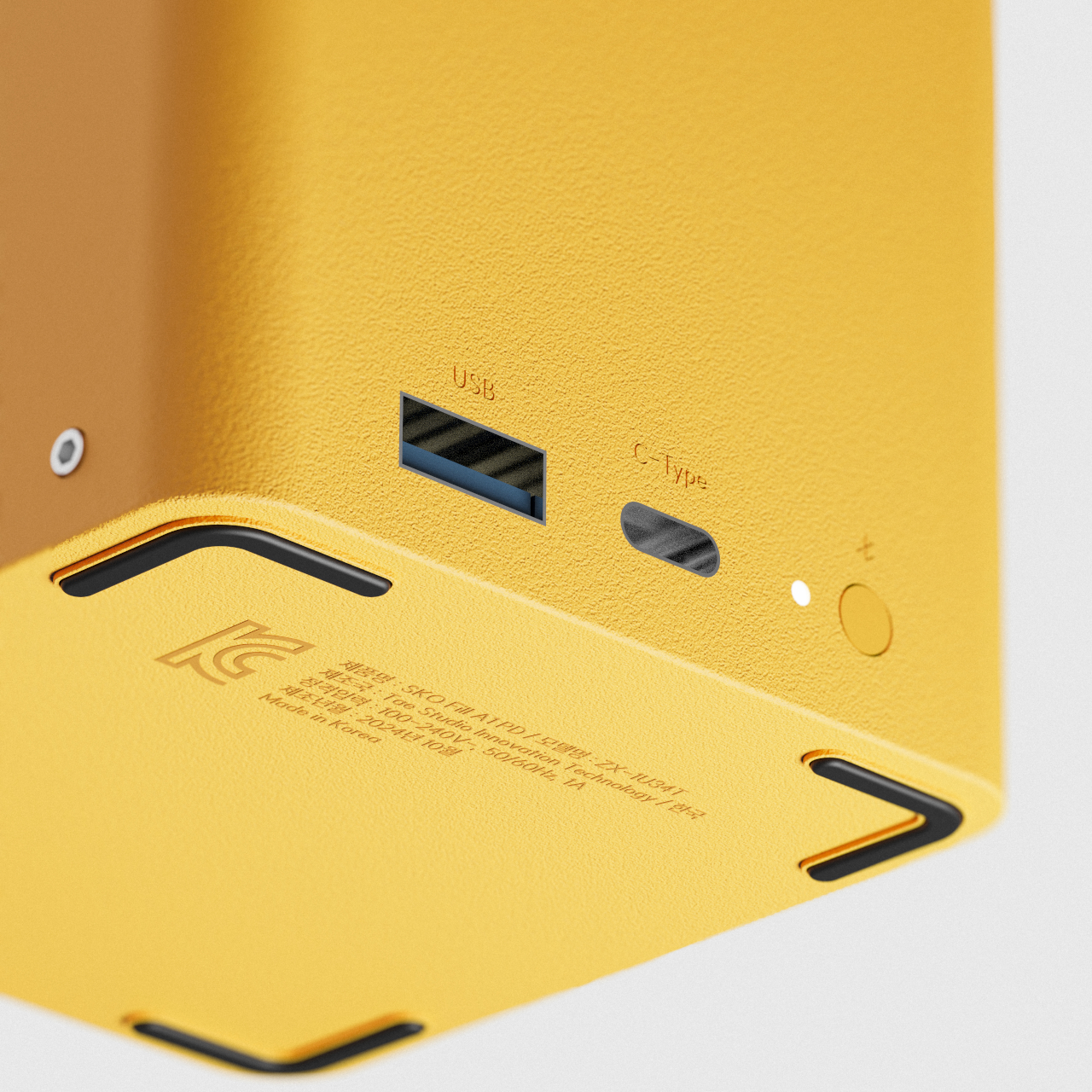
There’s also USB and Bluetooth connectivity in case you have your own video content and you can charge the projector on a C-type port. The two parts have “free movement” because of magnets which should make kids more interested to operate it, but hopefully not break it.
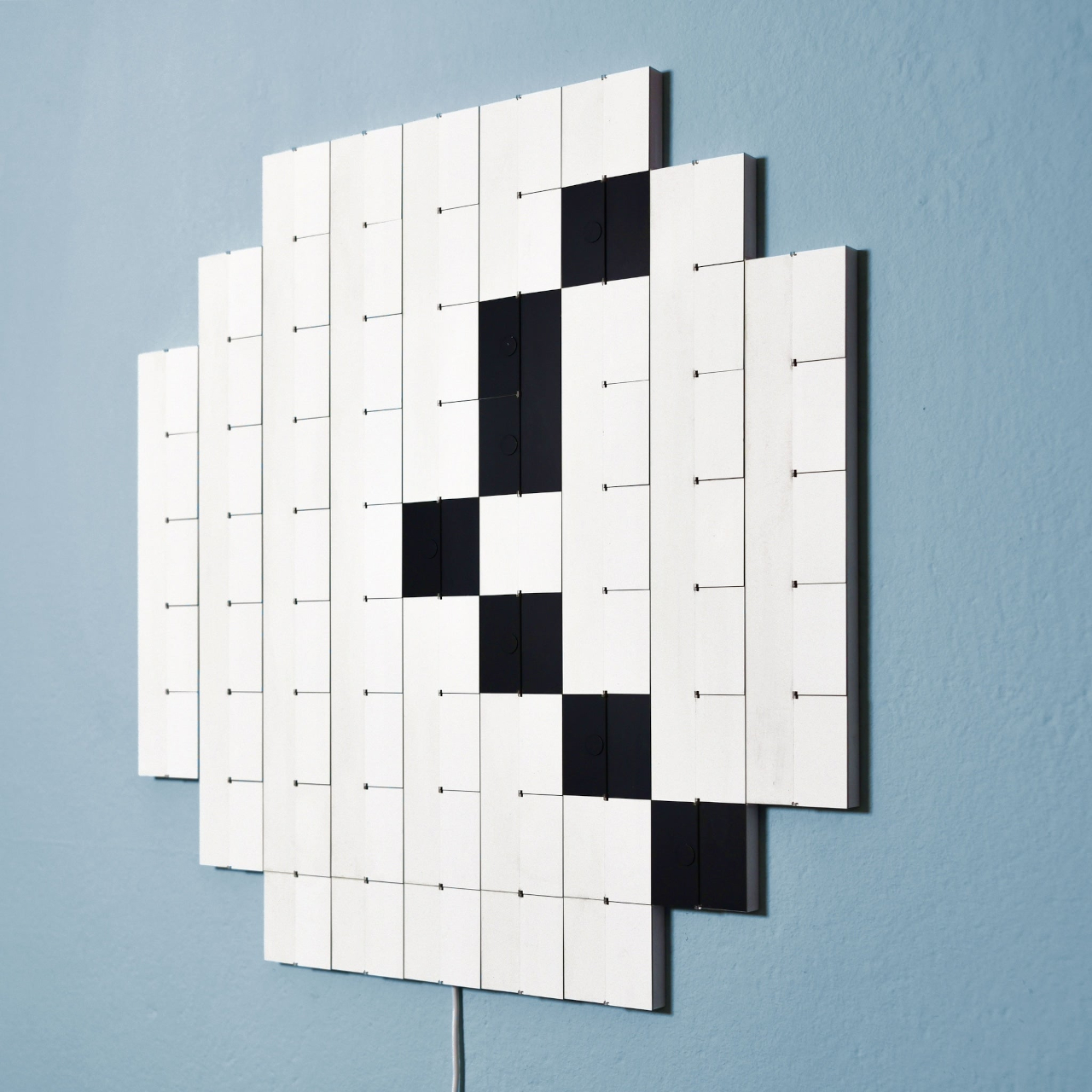
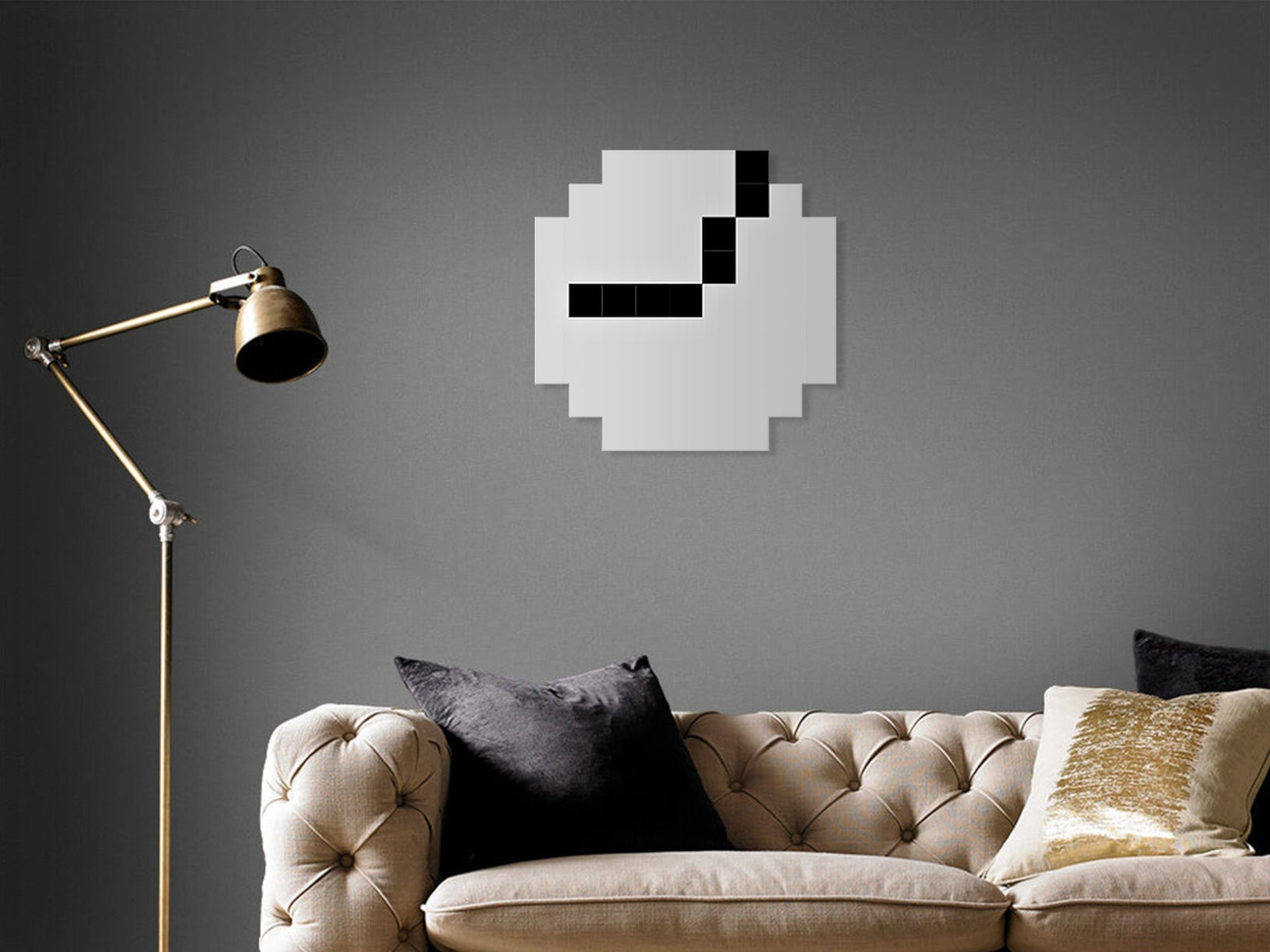
As if constantly checking the time wasn’t distracting enough, having a clock that encourages you to look at it all the time spells trouble for your productivity. Riding the retro wave, this clock brings the popular pixel graphics design of yesteryears to your living space. Waiting for the clock hands to “turn” almost becomes a tense waiting game, and you probably end up losing more time just by watching it.
Klapklok, however, is more than just a quirky-looking clock. It’s also a unique audiovisual experience that brings delight to the senses at the turning of the hour. It makes time feel more dynamic and palpable, perhaps creating a stronger relationship to the concept of time compared to just passively looking at a regular clock, no matter how beautiful that might be.
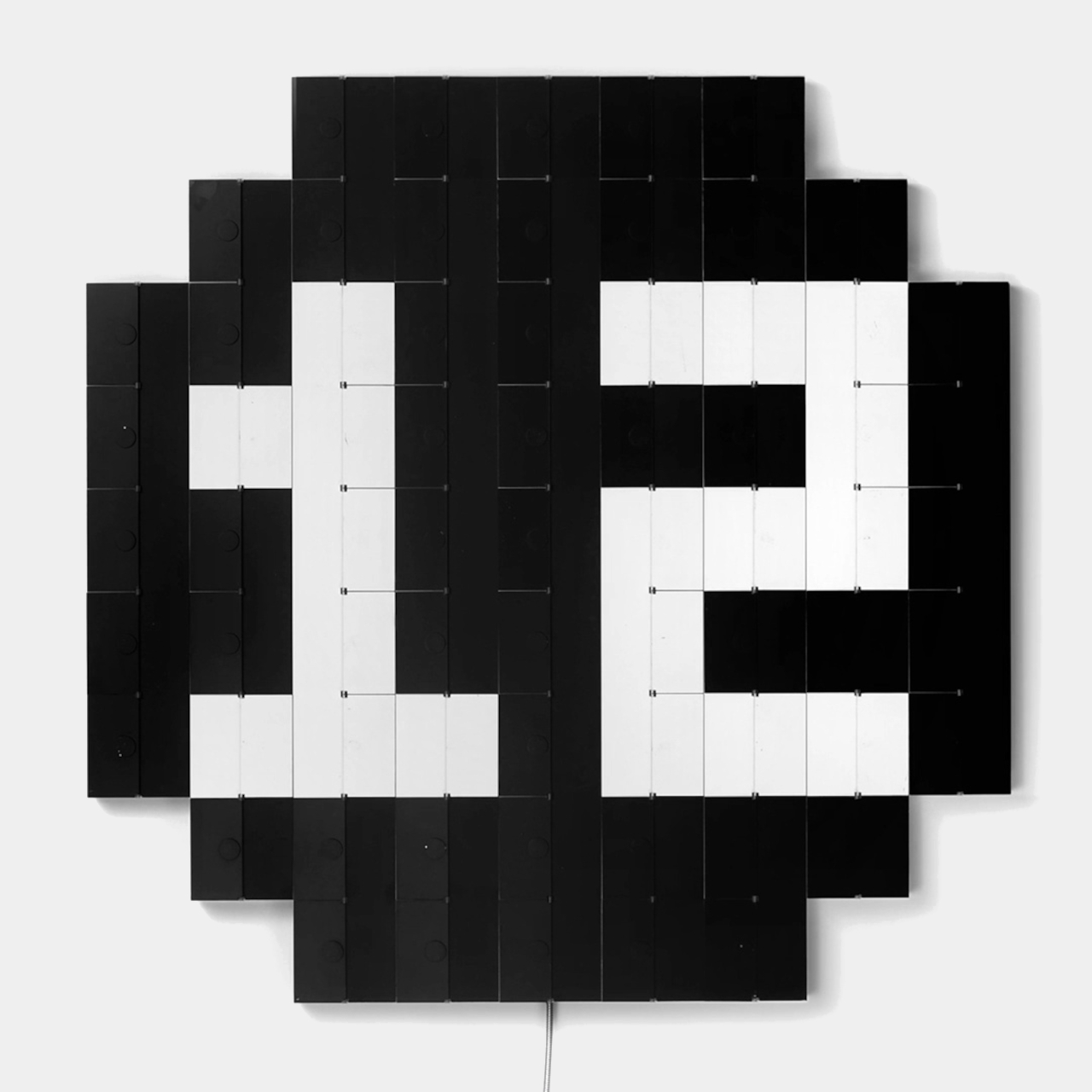
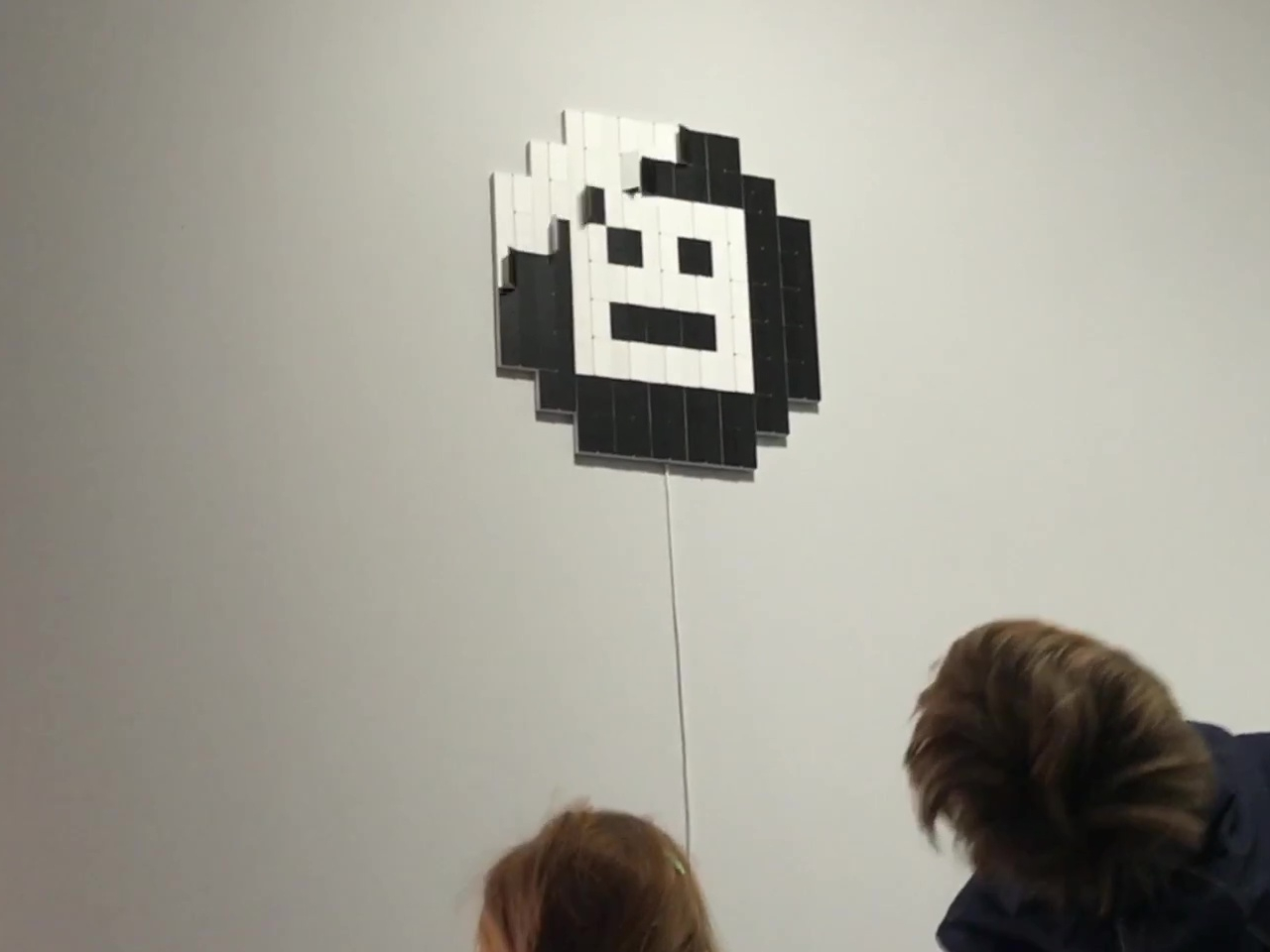
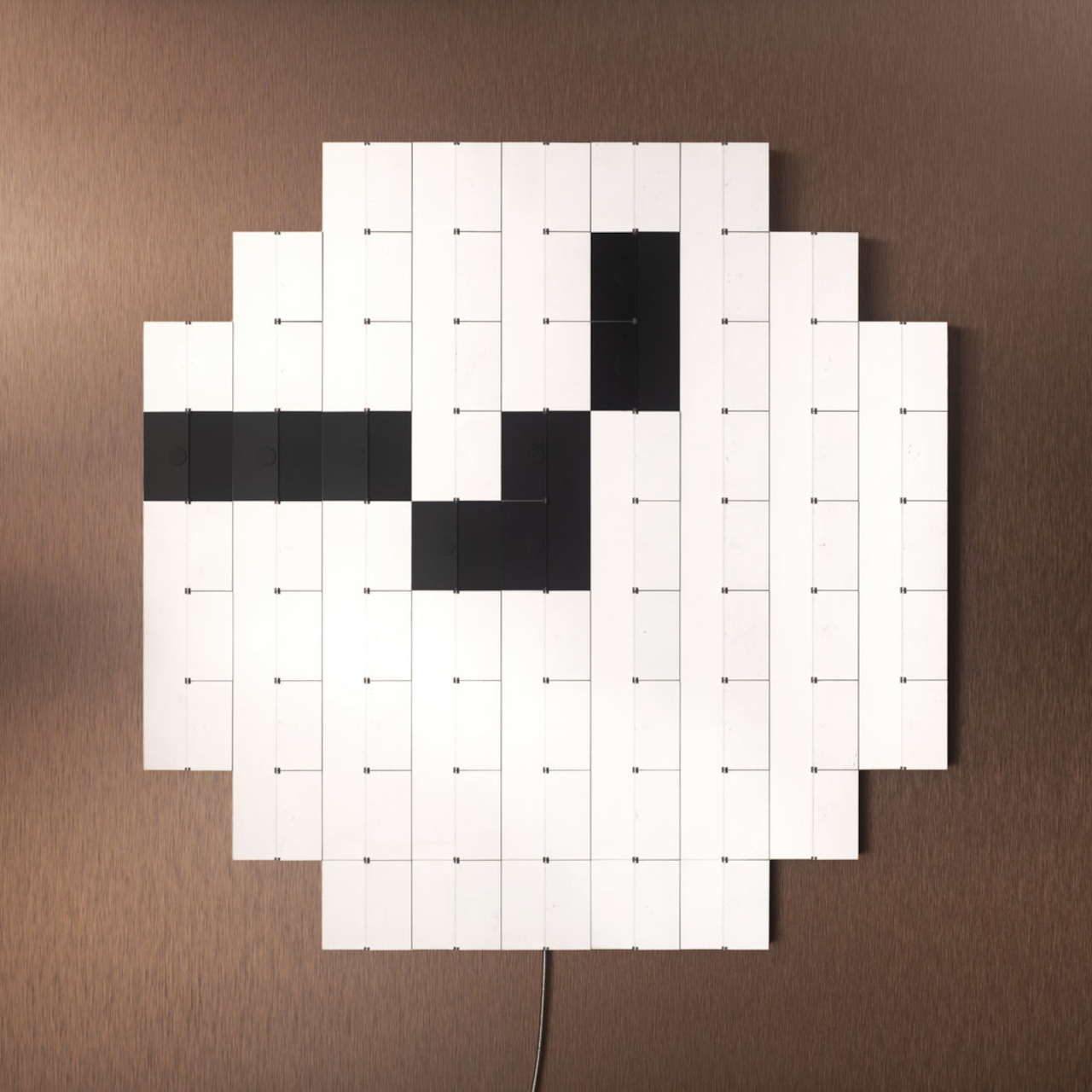
The split-flap mechanism used by old clocks and scoreboards is itself a blast from the past, but this clock employs it in a way that combines it with another retro design convention. Using 69 elements, the Klapklok creates what is practically a giant pixelated rounded square, where each “pixel” flips from white to black and vice-versa. Of course, the movement is anything but random, and the hands of the clock “move” every 2.5 minutes to tell the time.
The movement of the flaps is subtle but not altogether silent. It’s more like a gentle whisper than a rigid clank. Every hour, all 69 flaps quickly change to display the time as a number, creating a peaceful rustle like the flapping of butterfly wings. Despite the mechanical visual of flipping surfaces, the overall effect is more calming, almost mesmerizing.
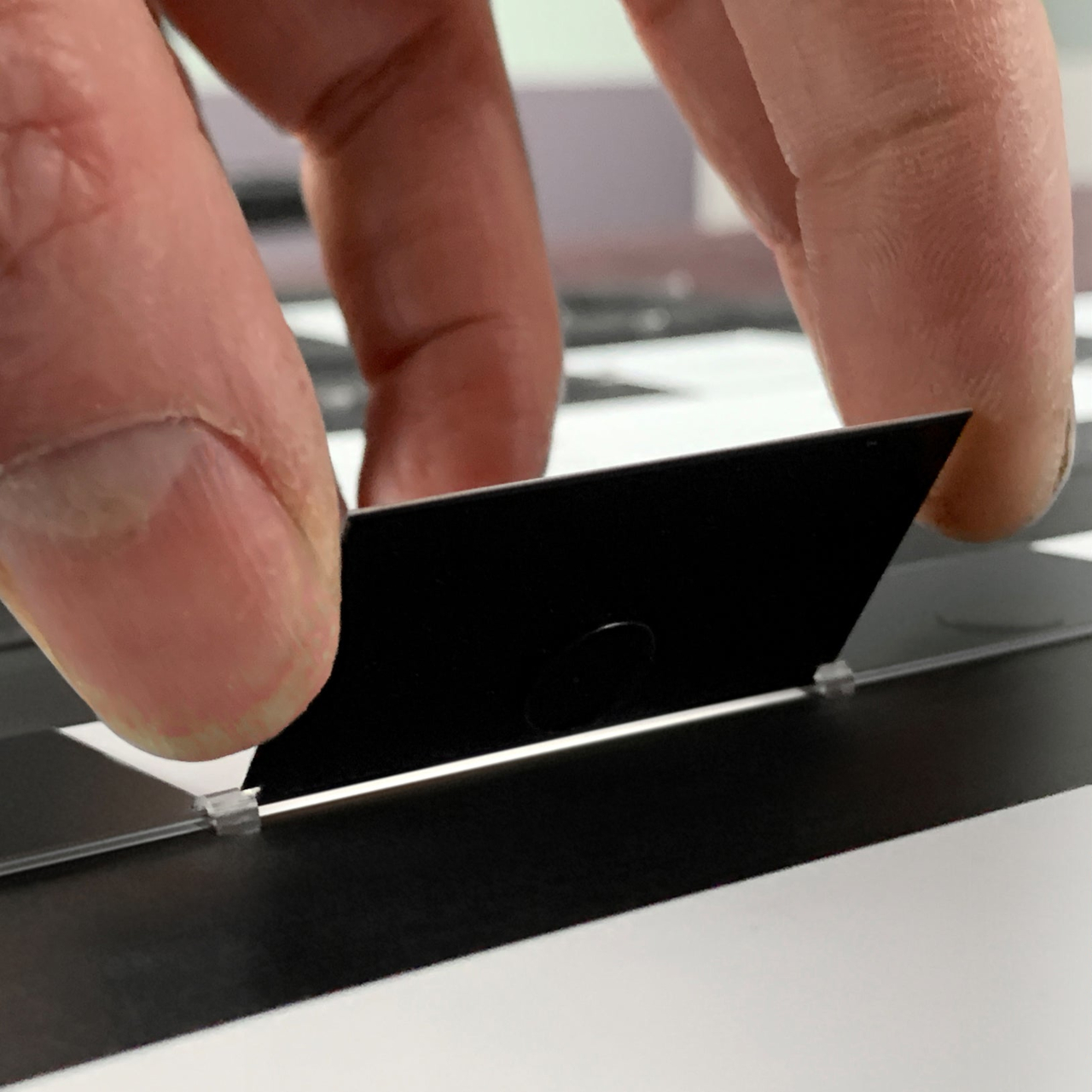
It might all look simple, but this wonder clock is carefully handcrafted using premium materials. The base is milled out of high-performance bio polyurethane, while flaps are made from a paper-like yet durable composite material. The hinges are completely transparent to disappear from view and a metal USB-C cable for power perfectly complements the design, even if it’s always visible.
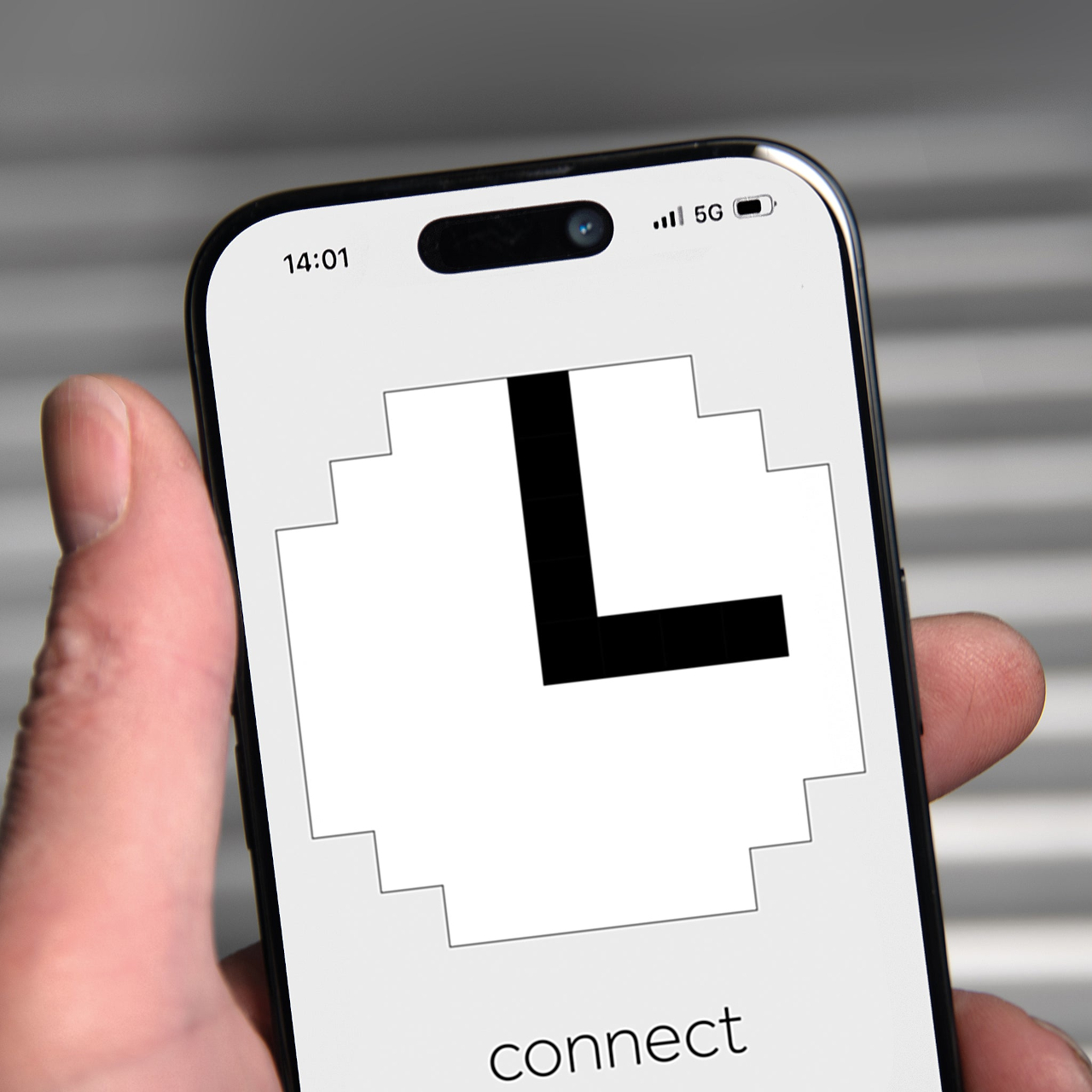
While its primary purpose is to tell time, Klapklok can also be used as a pixel art display. A smartphone app lets owners draw on that rounded square canvas, utilizing those 69 elements to show an icon or letters. It’s a fun and engaging feature that makes the clock useful even after you’ve grown tired of being distracted by its tempting design.
Video calls have become a staple of online communication today, whether it’s for meetings or even just personal one-on-one calls. Unfortunately, the devices we use for video calls haven’t caught up quickly with the trend, and we’re only recently seeing webcams with better sensors or phone stands with better angles. Even then, however, there is still some missing aspects to make these videos more engaging and natural.
This simple-looking phone stand tries to deliver that missing piece by making sure that the user’s face is always within the frame during those video calls. It isn’t a one-trick pony, though, and can keep your phone’s battery topped up or be an interesting piece of desk decor even when not in use.
Webcams are admittedly getting more sophisticated, both in terms of hardware as well as software. While those integrated into laptop screen bezels are limited to simply upgrading their imaging sensors, external cameras are now sporting stabilizers and gimbals. There are also apps that do automatic focus, zooming, and framing. That’s all fine if you’re using your computer, but not if your smartphone is your device of choice.
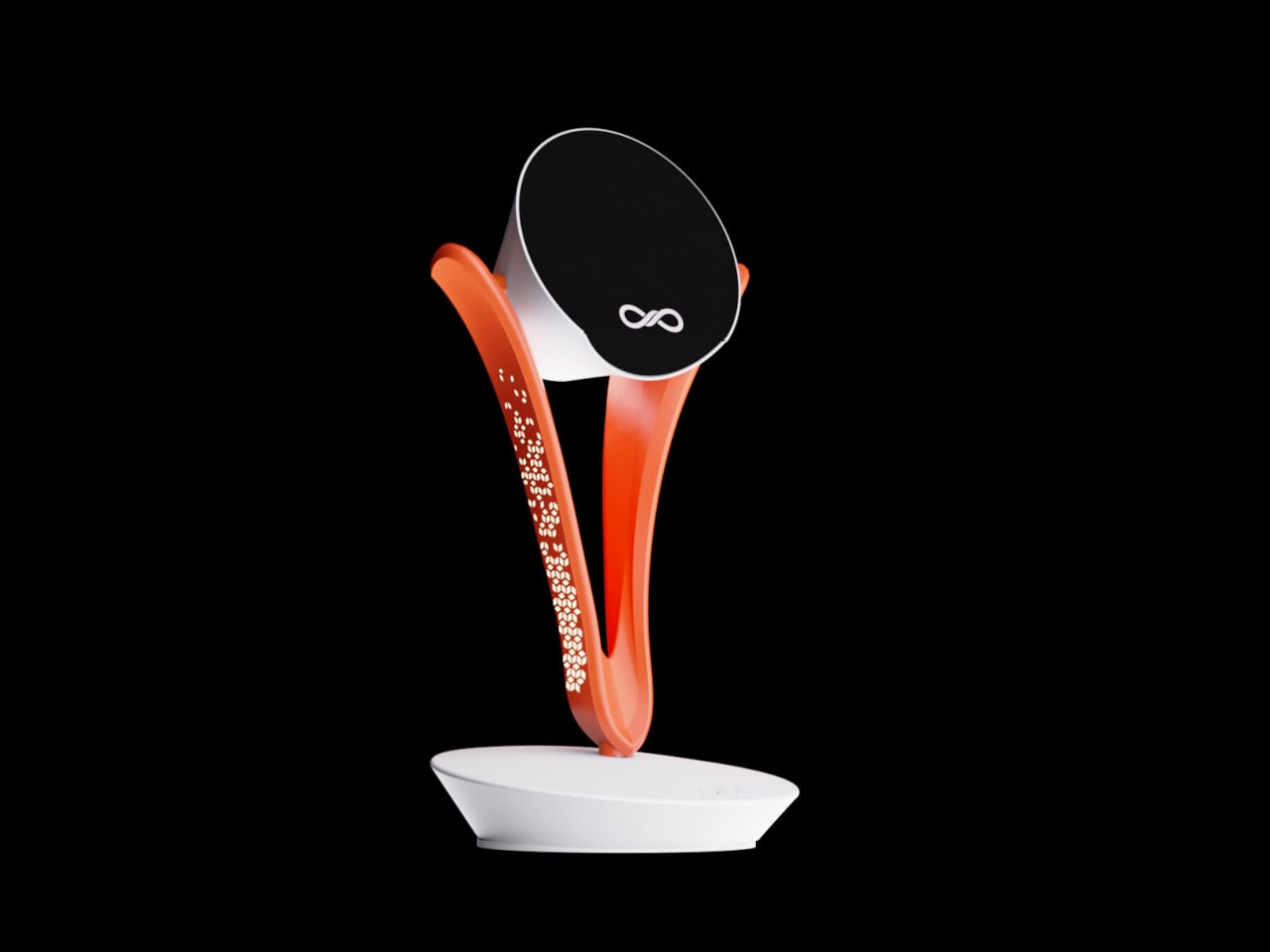
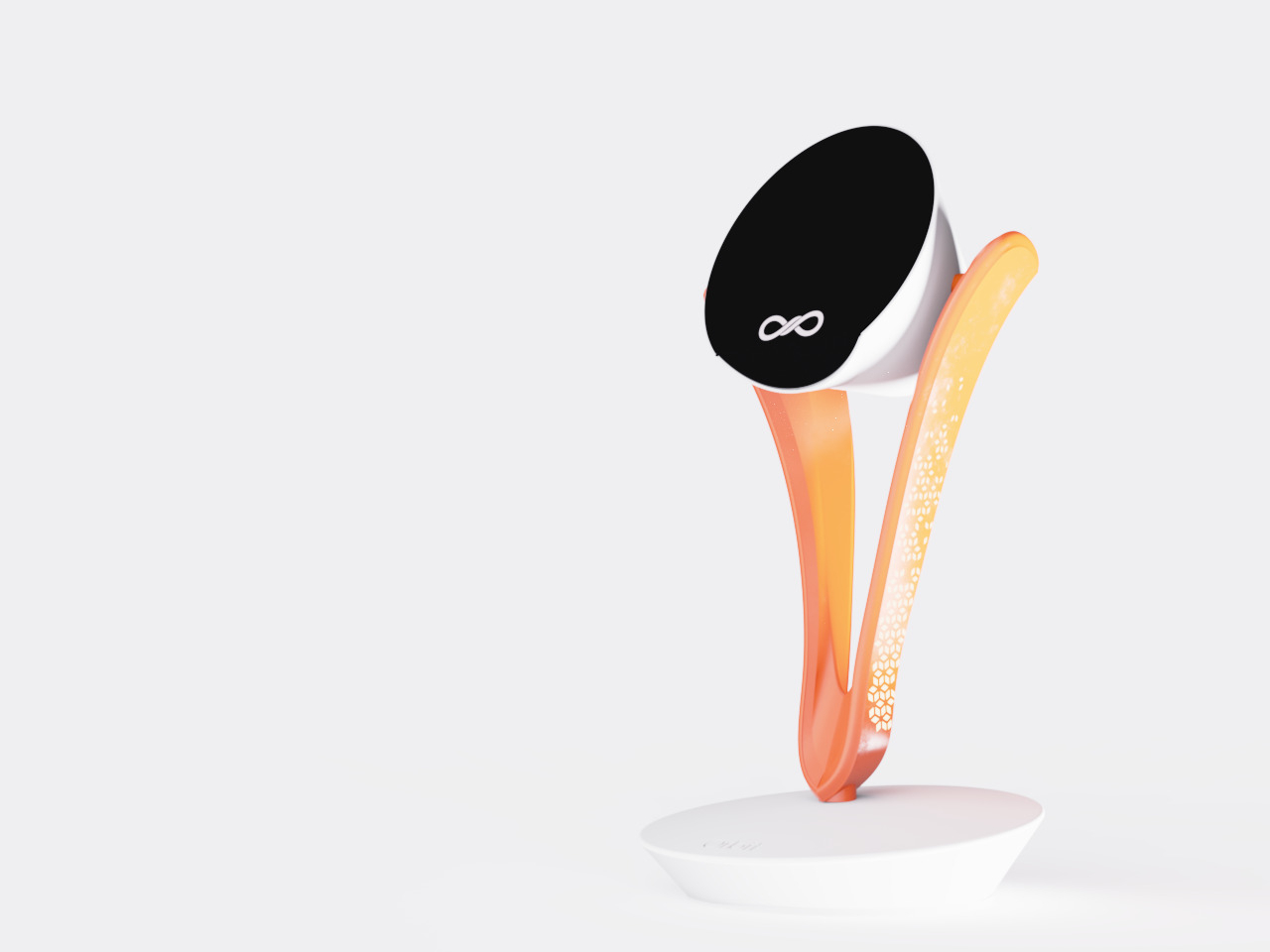
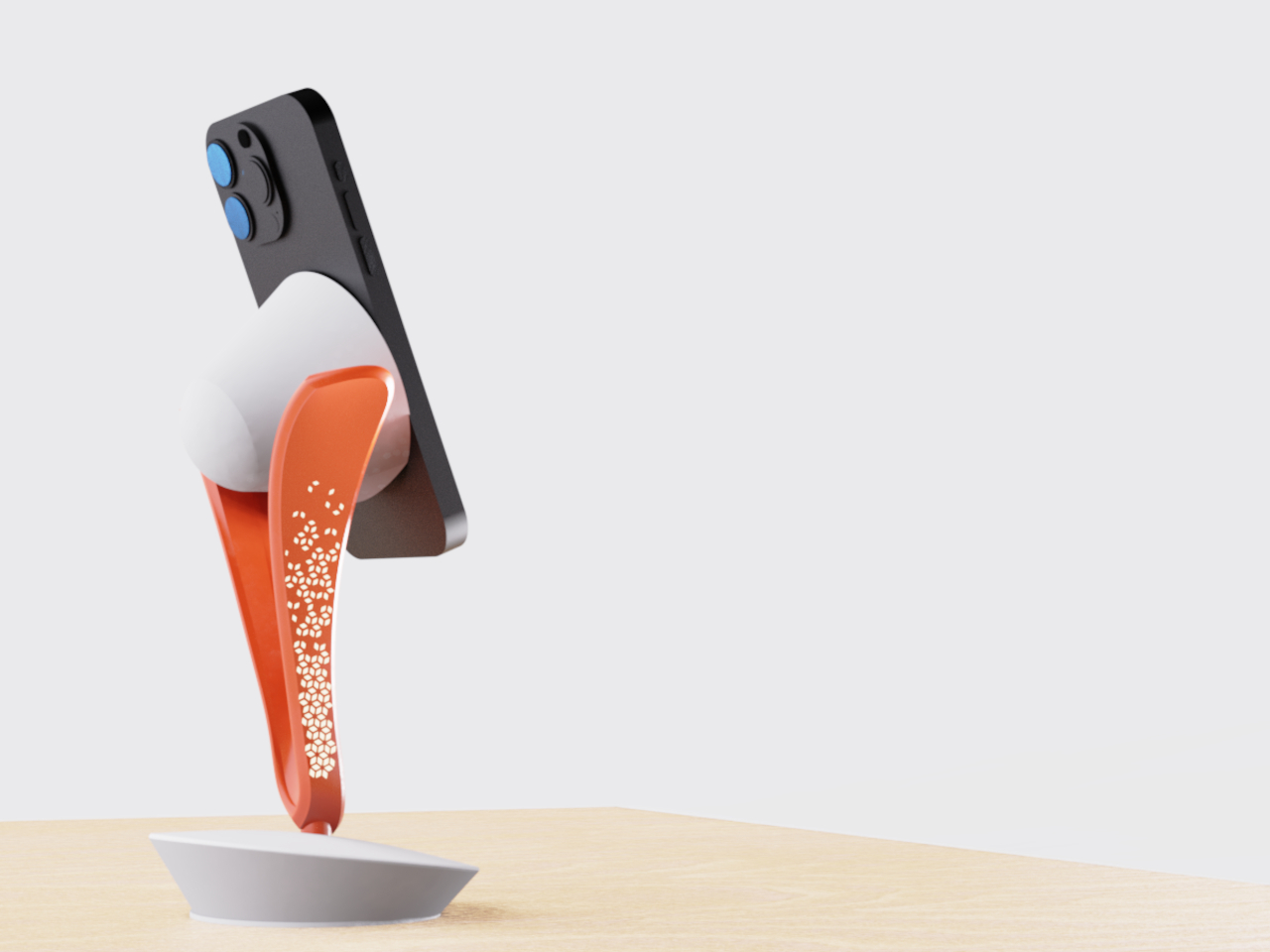
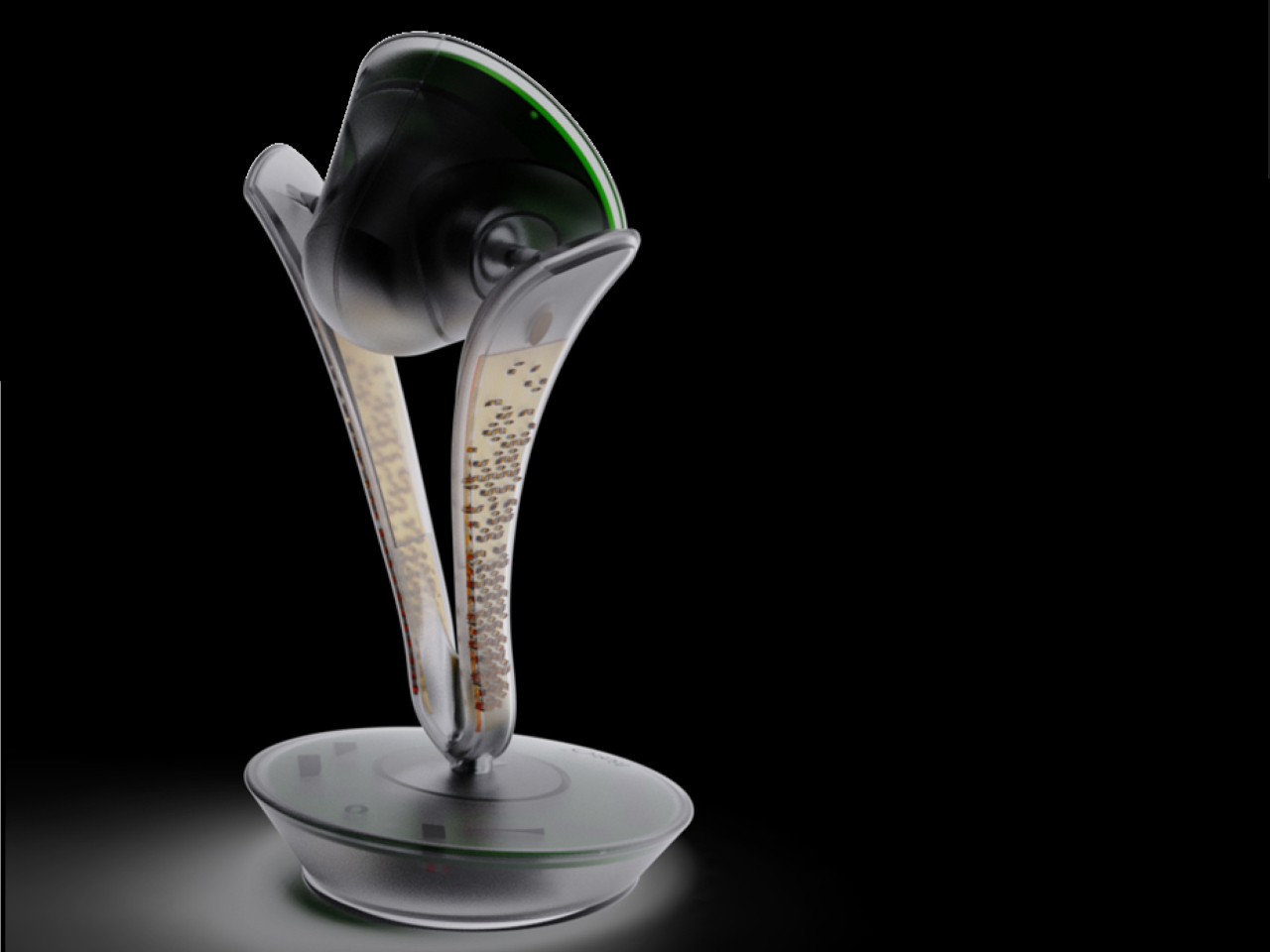
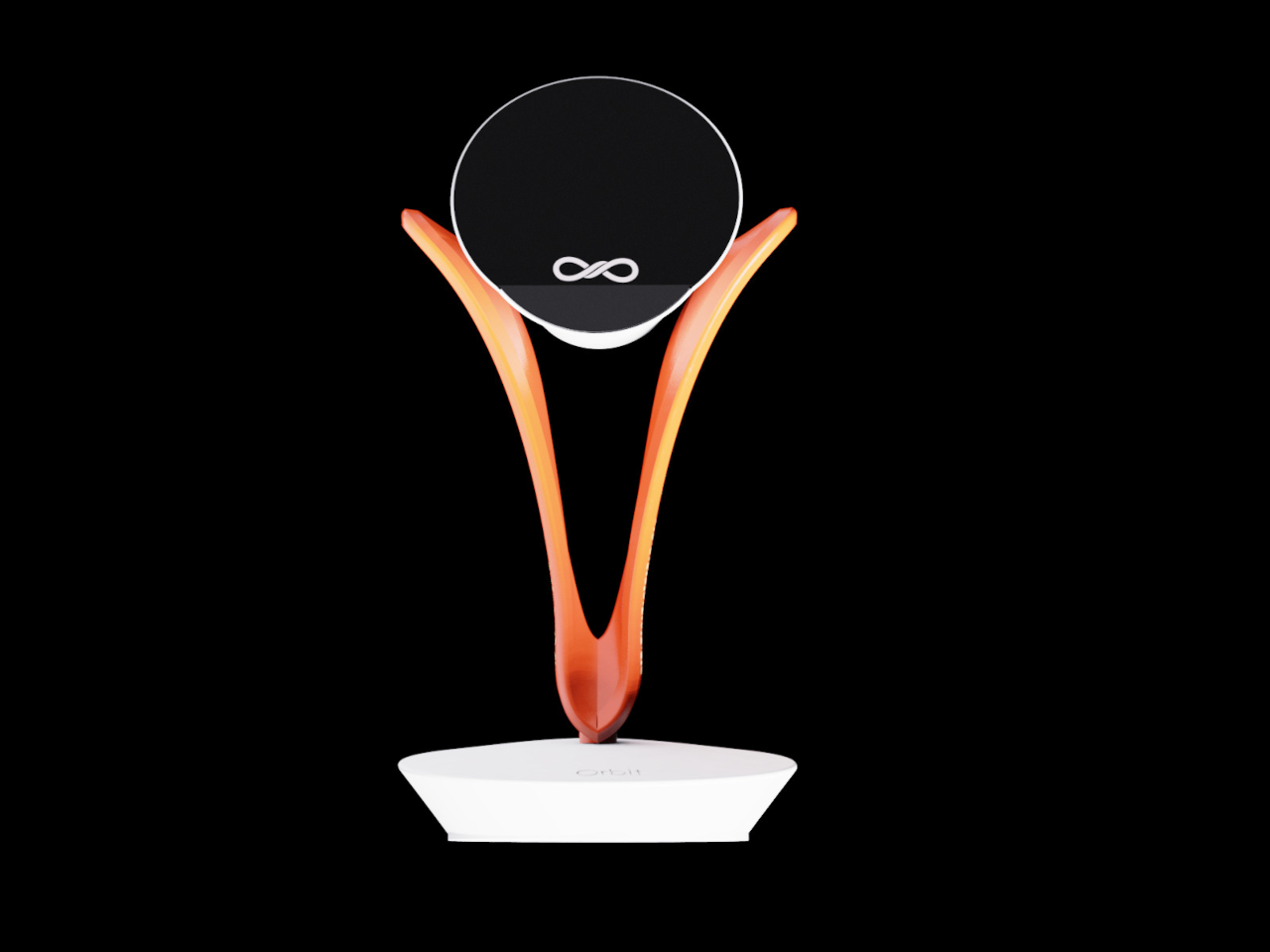
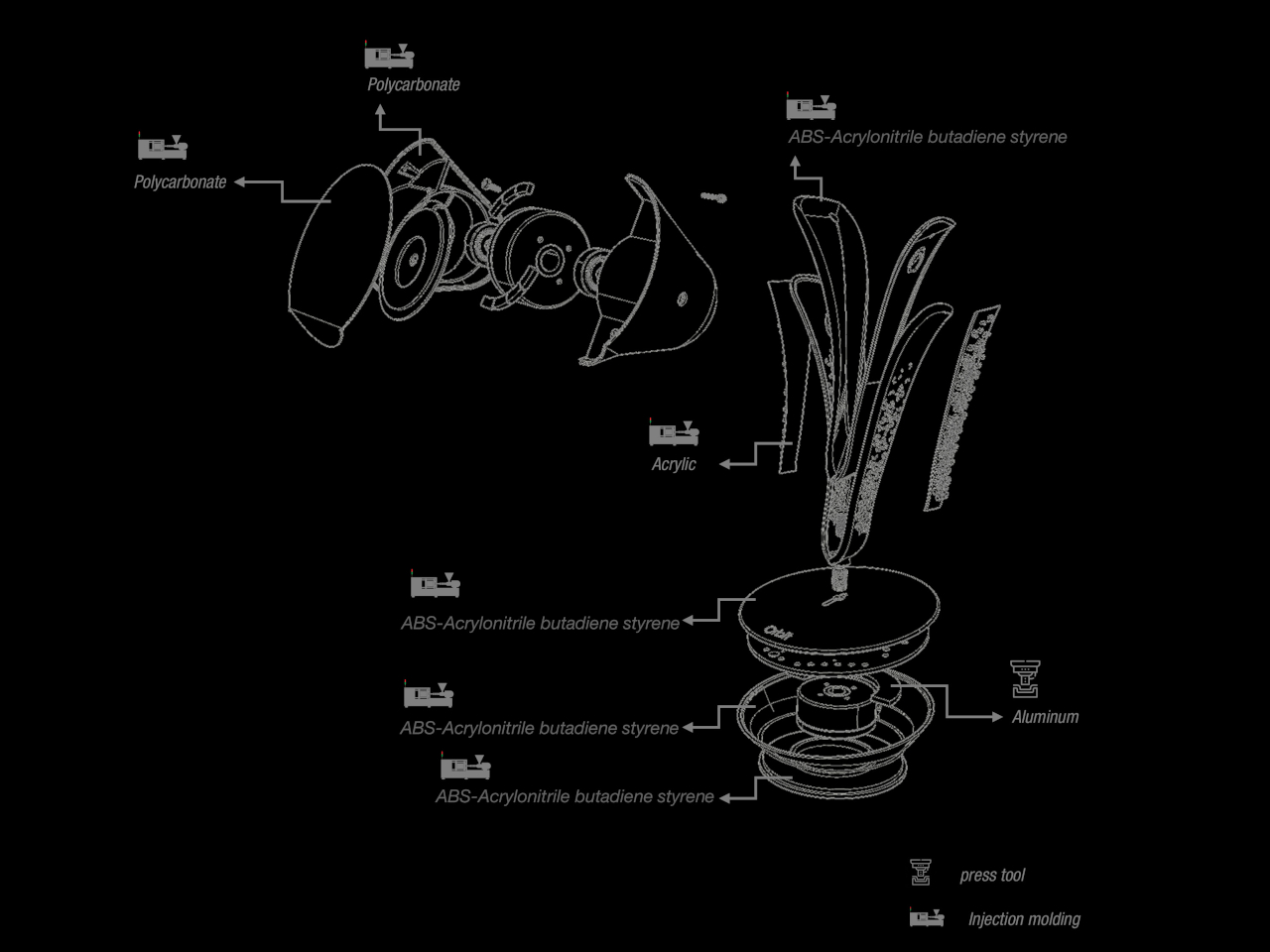
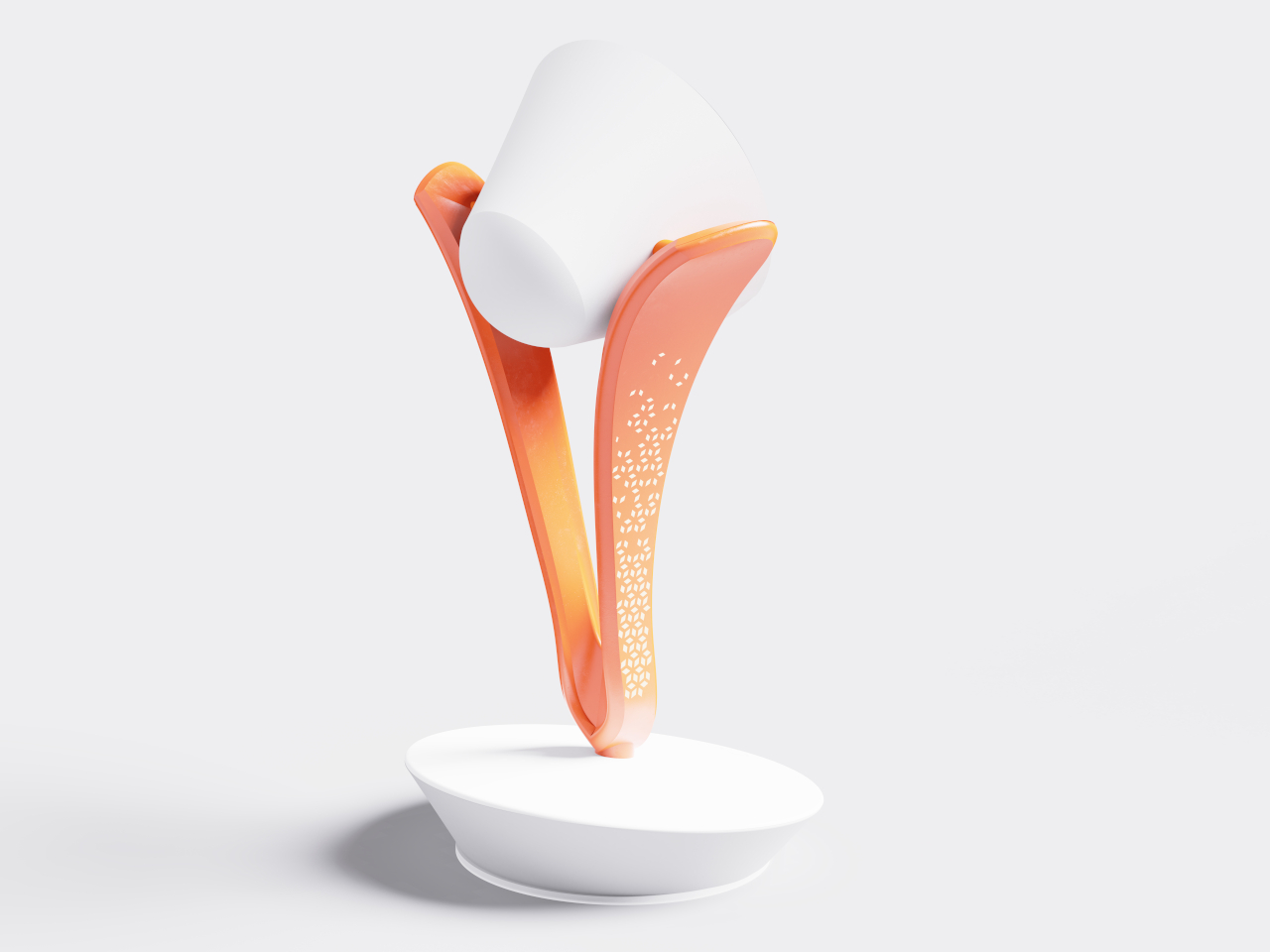
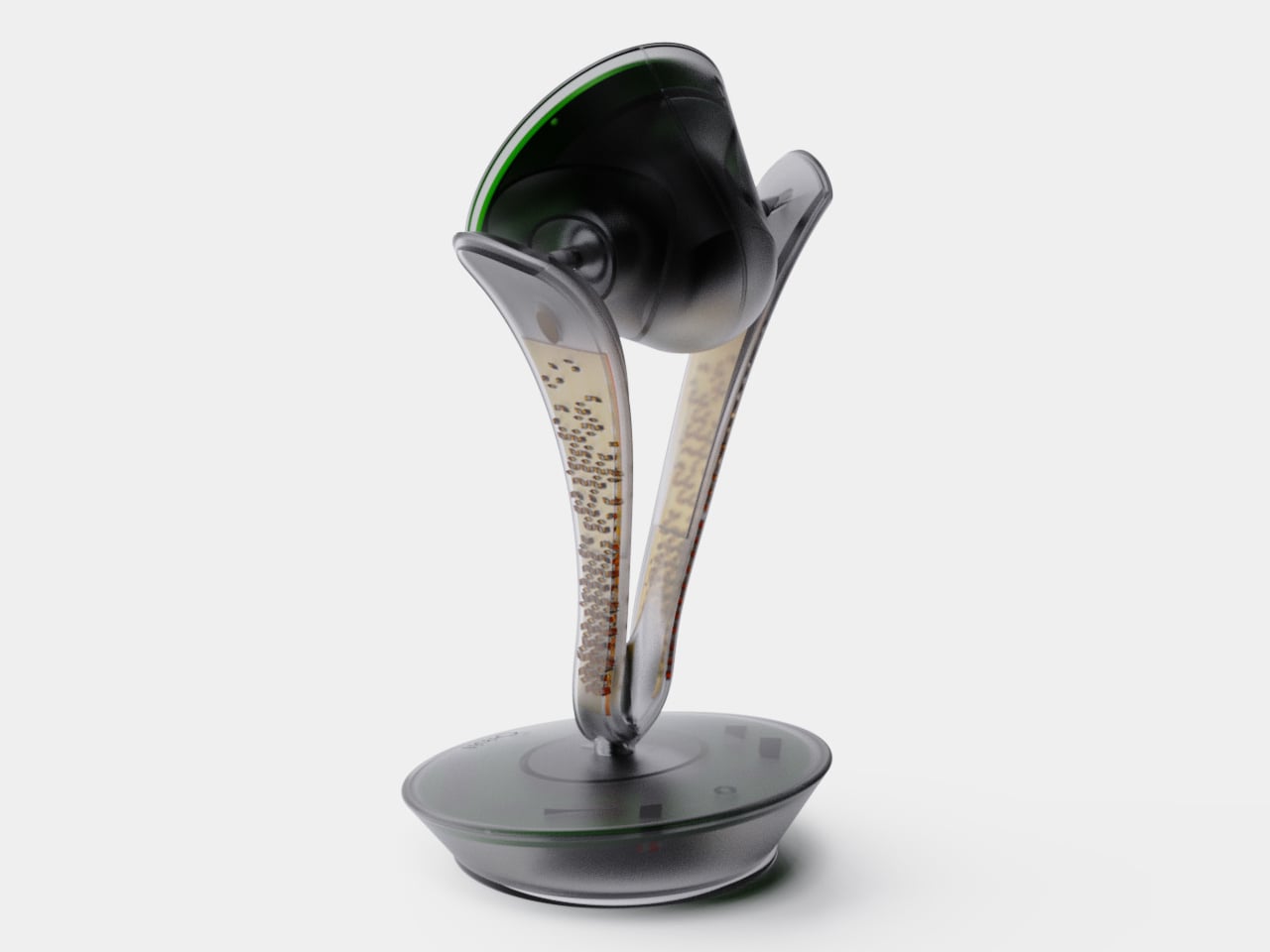
Orbit is a design concept for a phone stand that brings those features to mobile devices. It’s practically a MagSafe-compatible charging stand with a unique, minimalist design that makes it look good even when not in use. It pretty much looks like a miniature trophy, with a dome-like shape on top held aloft by two thin arms.
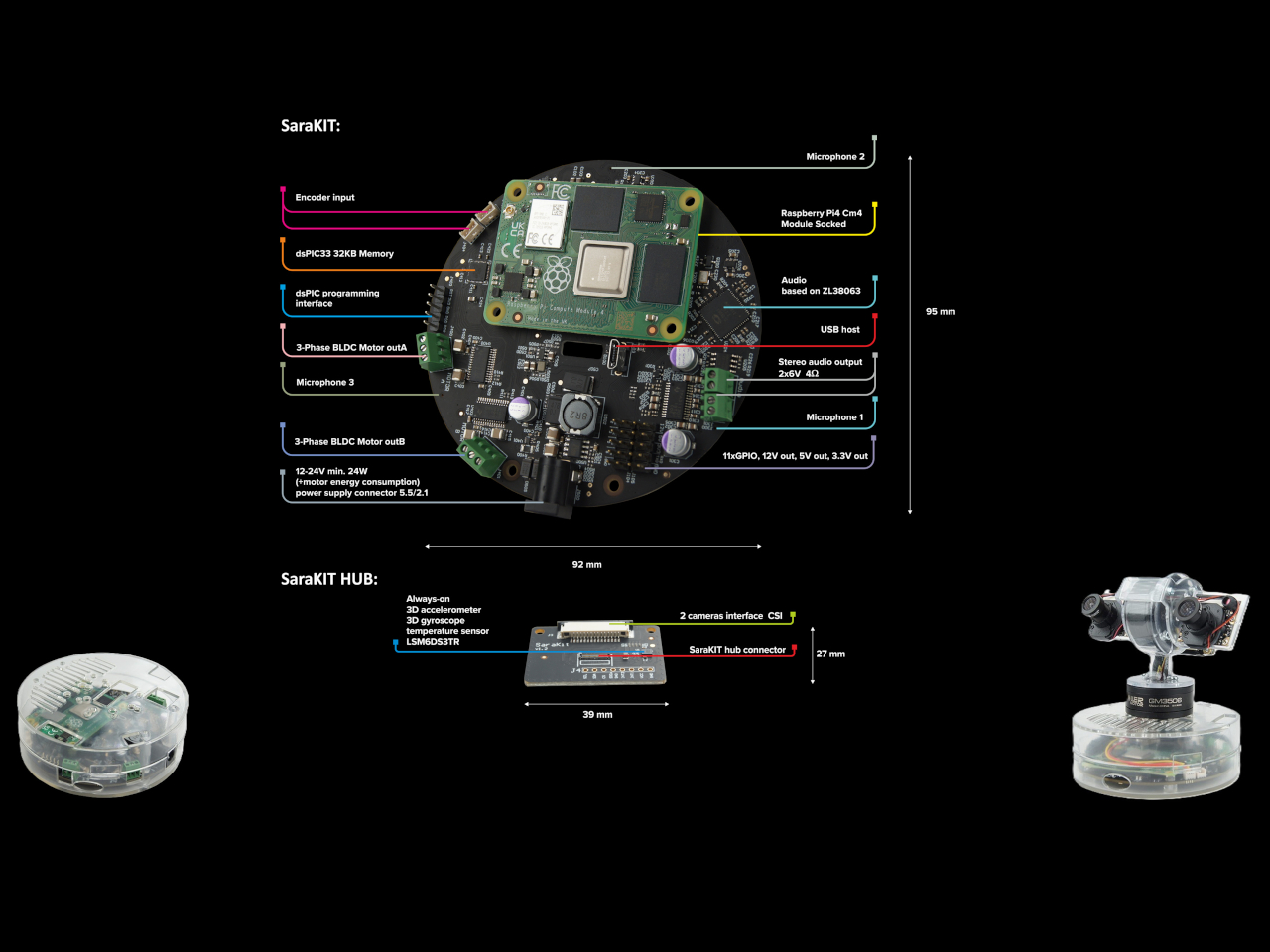
Simply place the phone on the stand and go about your video call or even watch videos. Orbit will simply follow your face to make sure that you always have a clear view of the screen or that your face is always in frame. The concept doesn’t exactly explain the software that makes this possible, but it’s not that difficult to pull off given today’s technology.
Of course, it also functions as a charger to make sure your battery never goes empty, whether you’re on a call or not. Unlike a phone gimbal, Orbit’s simpler design makes it suitable for use almost anywhere, even when away from your desk, as long as you have a power source to keep that charger and internal motors running.
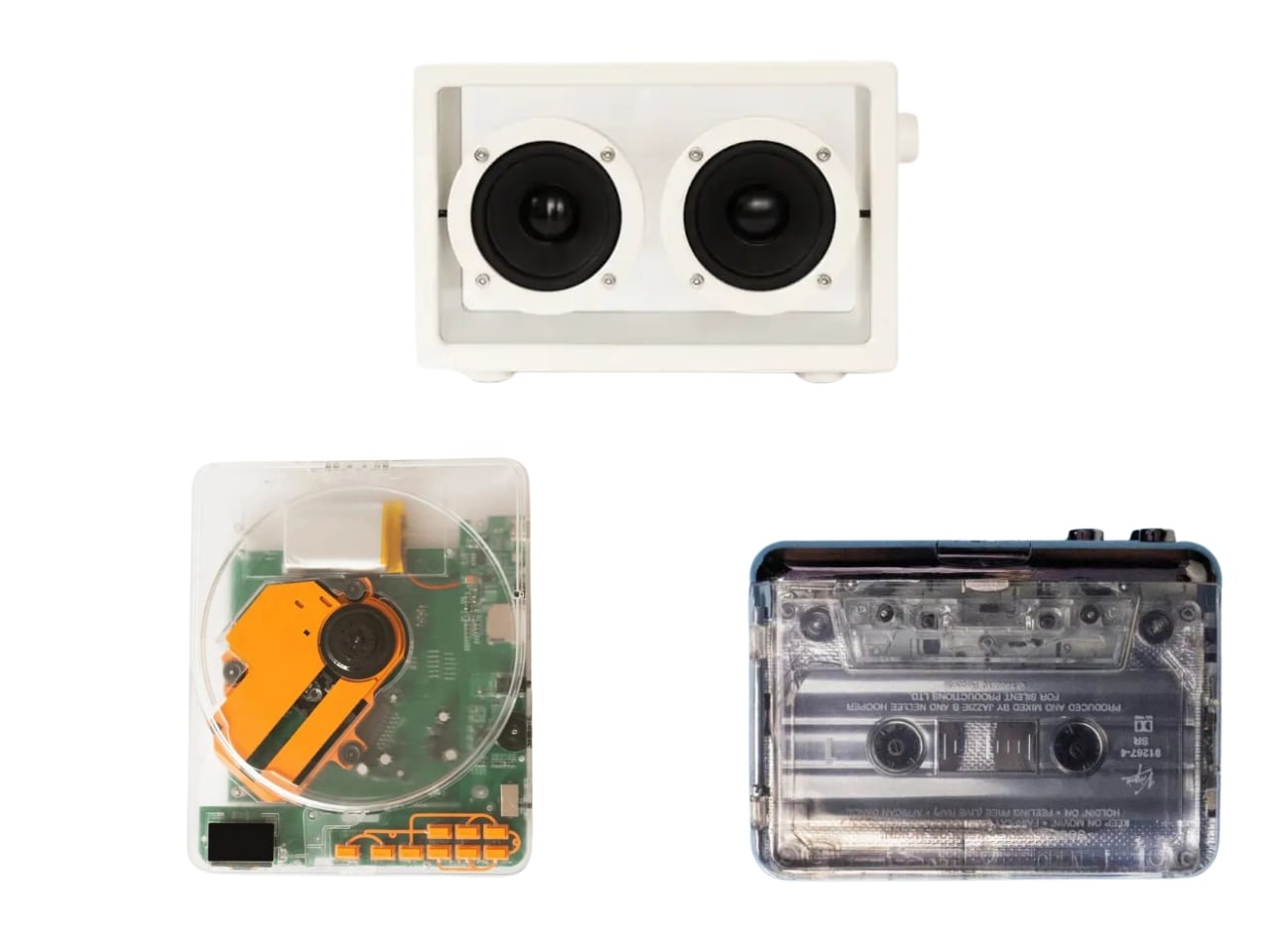
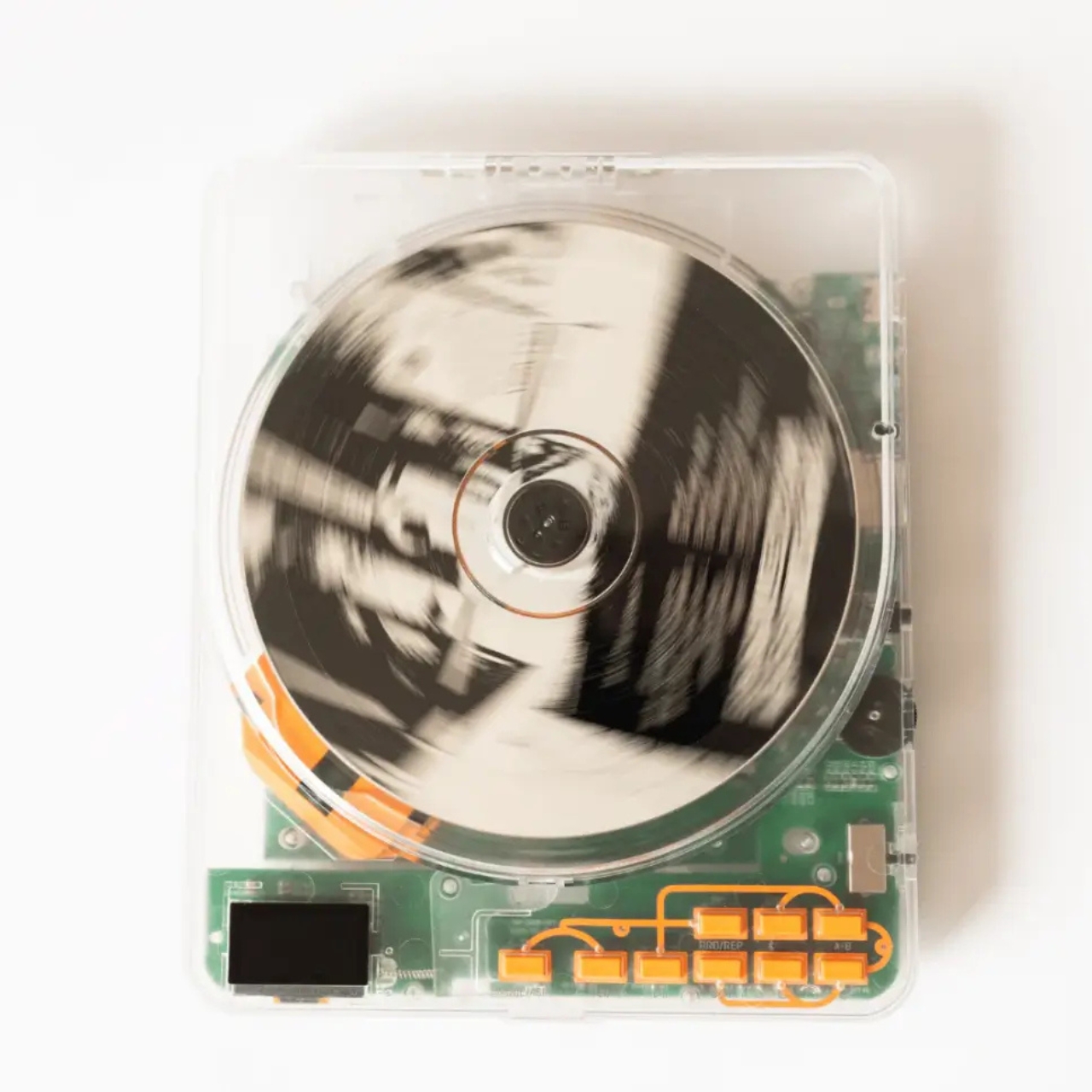
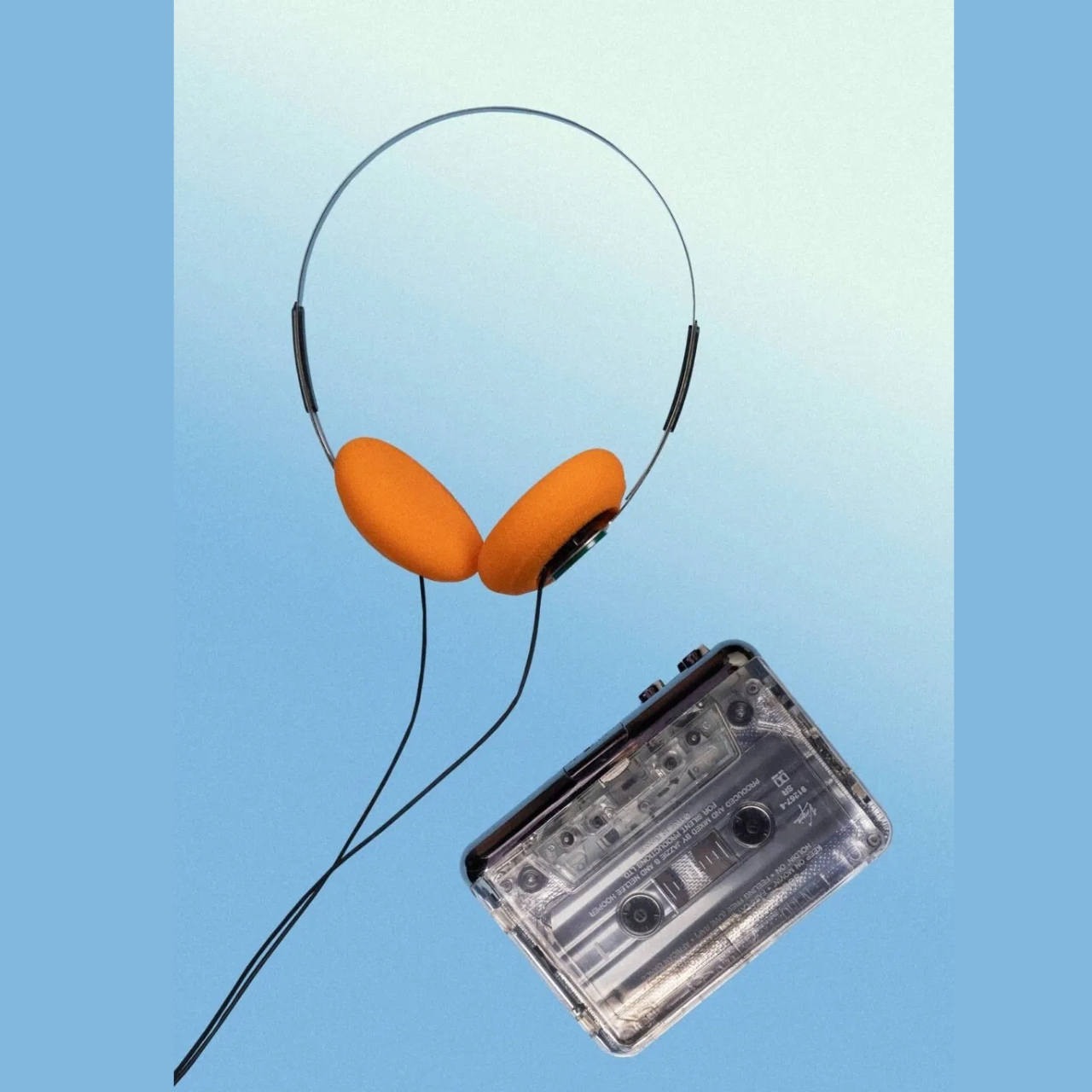
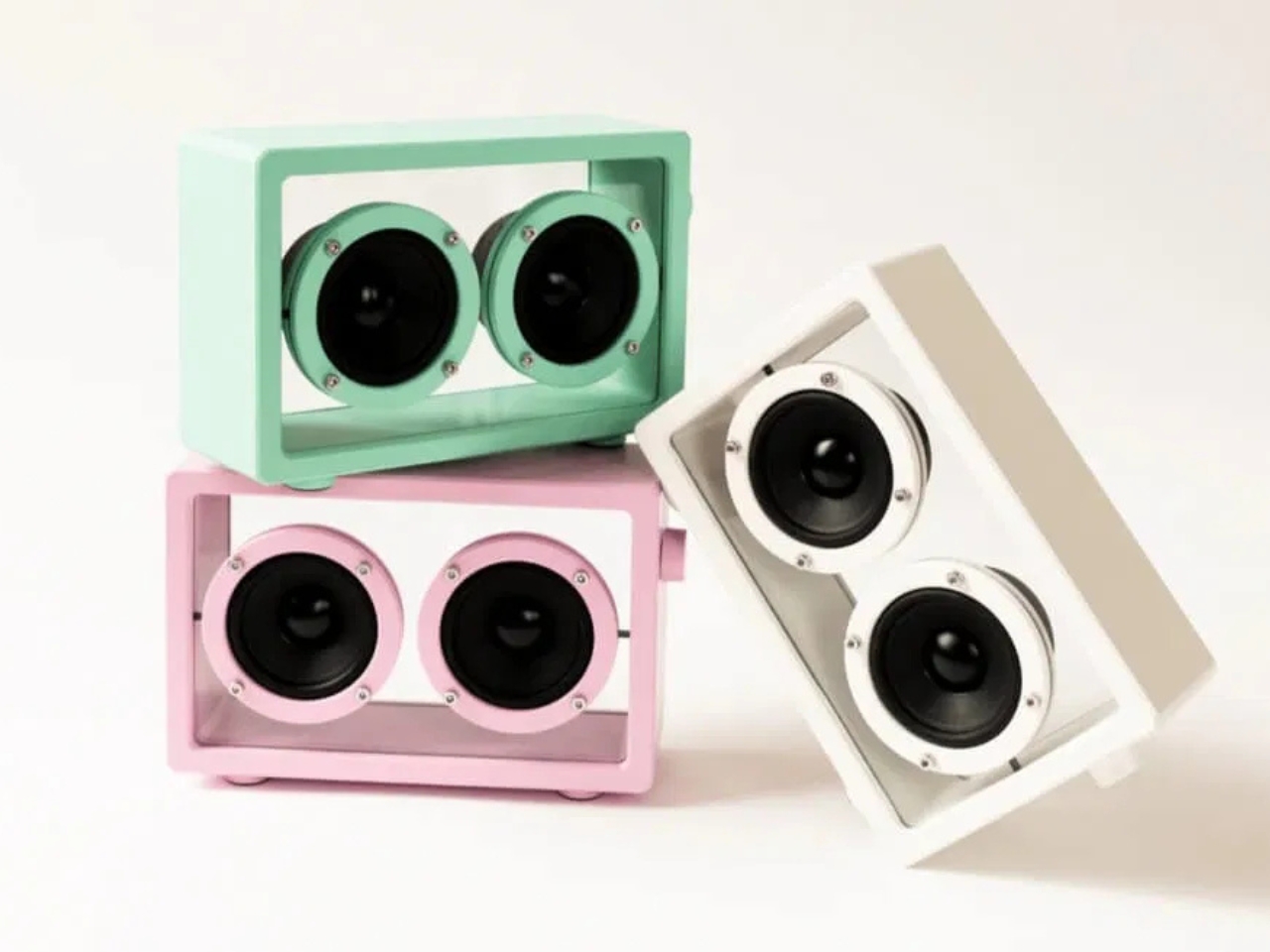
Anyone who has ever done spring cleaning knows that you will still find some old compact discs and cassette tapes in your pile of junk. CDs are also still pretty popular now specifically in the K-pop and J-pop industry. The challenge though is to find devices that can still play these “artifacts”. Kickback is a brand that banks on nostalgia with its line up of retro products. Three of the more popular ones are the Discman, Portable Cassette Player, and the Jukebox Mini.
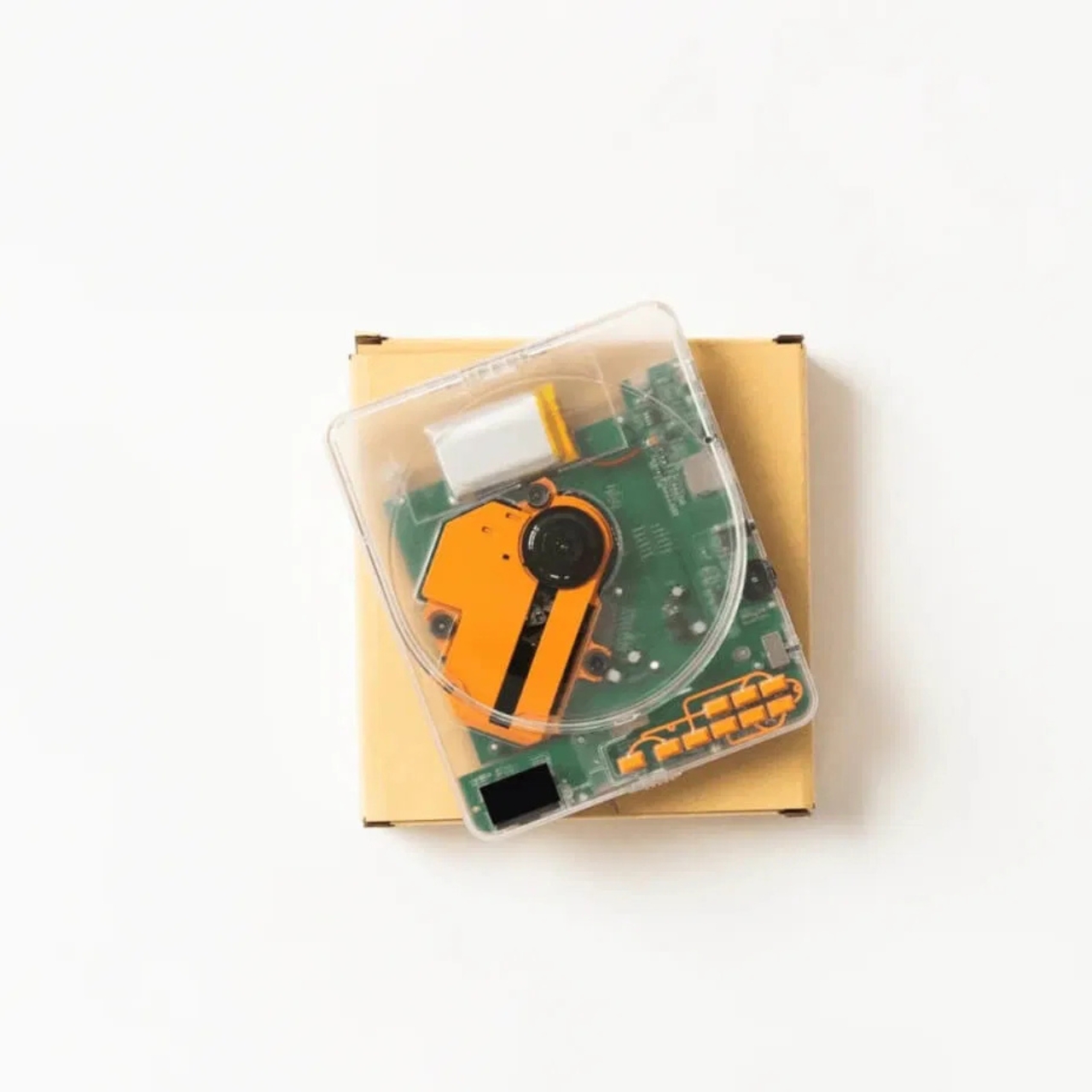
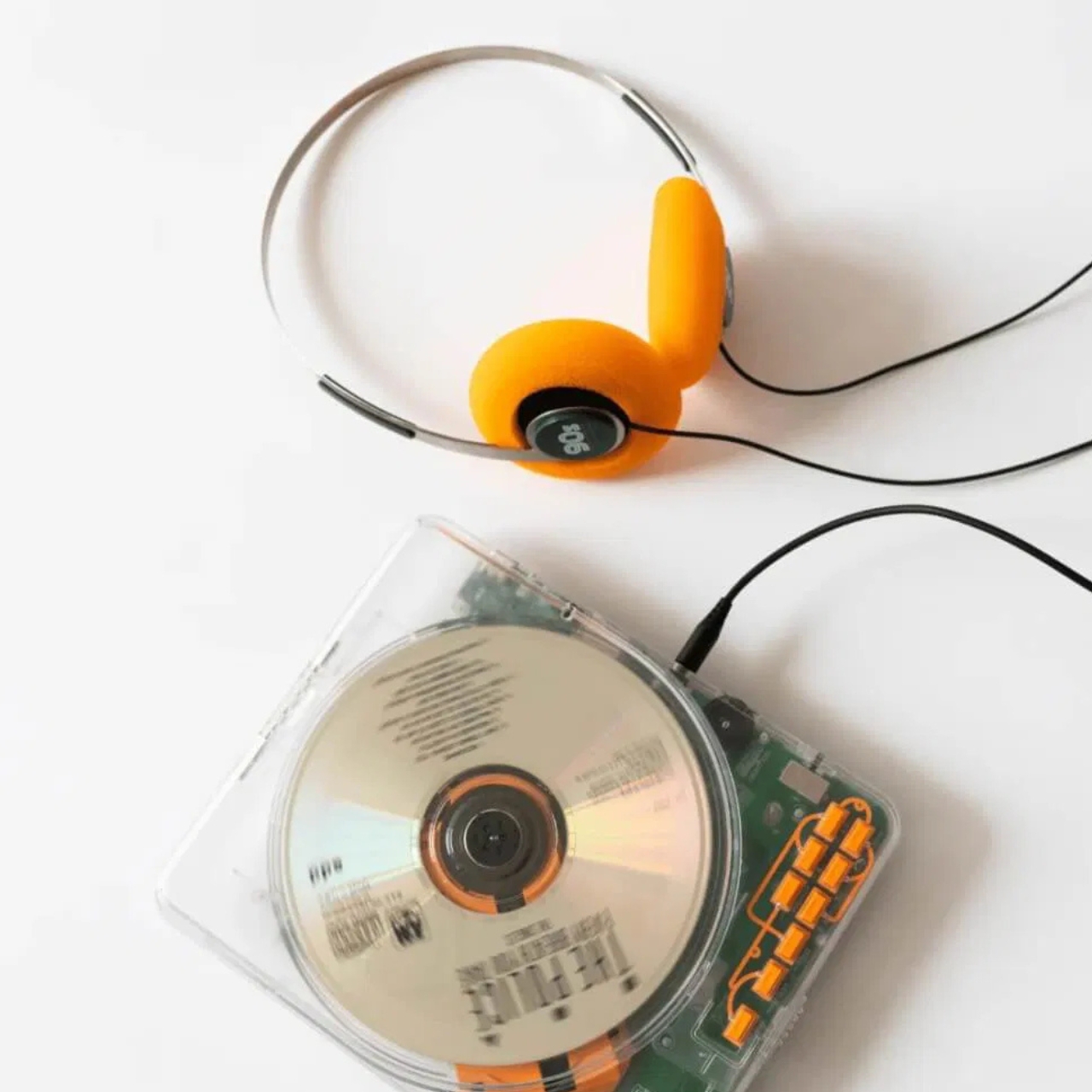
The Discman is inspired by the Sony portable CD player that was very popular back in the days. Aside from being named after it, the design sensibilities is also taken from that particular CD player. What makes this different is that it has a fully transparent exterior so you can see your disc spinning around as you play it. The Bluetooth-enabled device also has a small digital display so you can see what track is playing and some buttons for various controls.
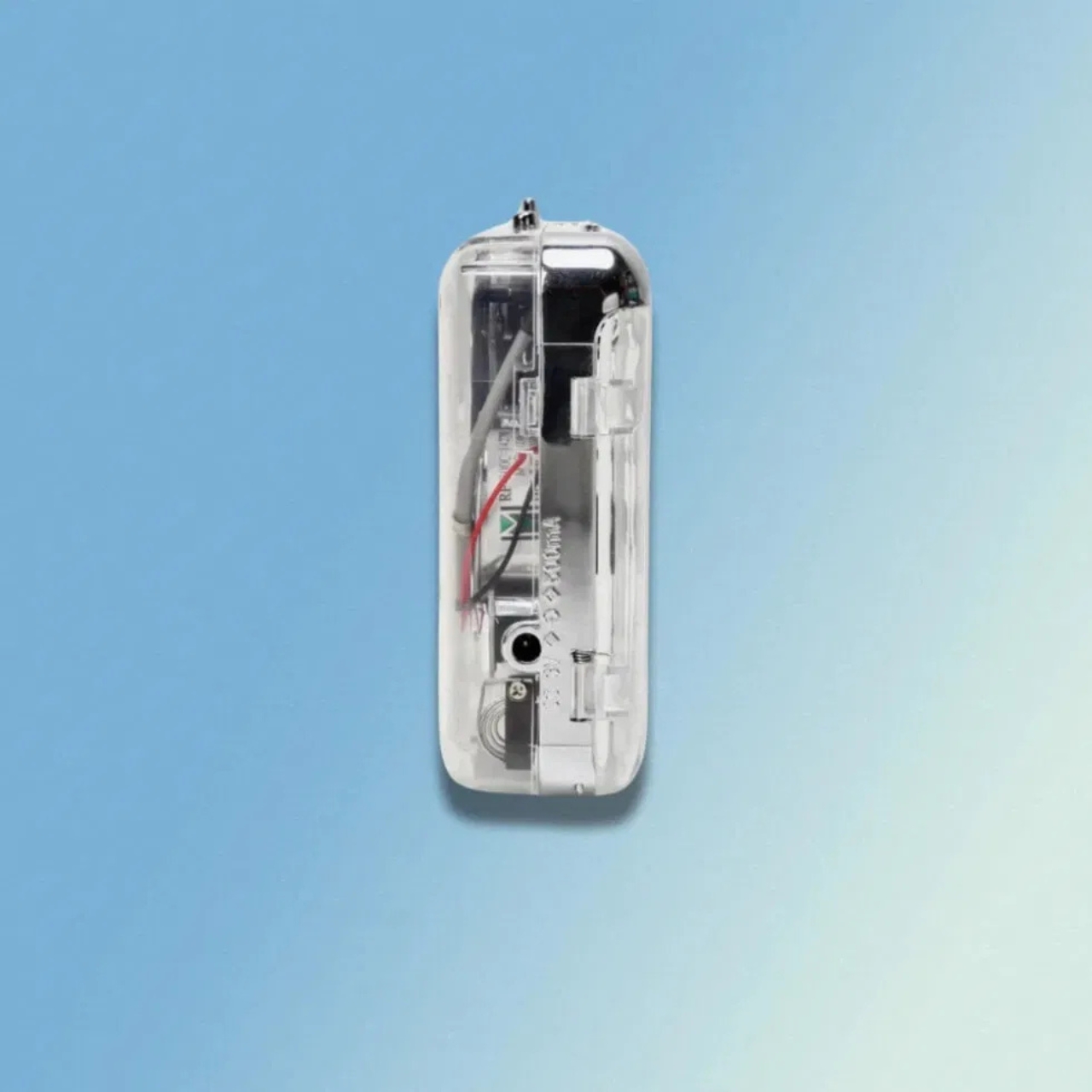
The Portable Cassette Player has a simple name enough so you can understand what it is. Well, that is, if you still know what a cassette tape is. For though of us who know what it is, it is also a portable device with a simple and minimalist design. Just like the Sony Walkman where it draws its design from, it is small enough to fit into your pocket. Well, if you still have cassette tapes of course.
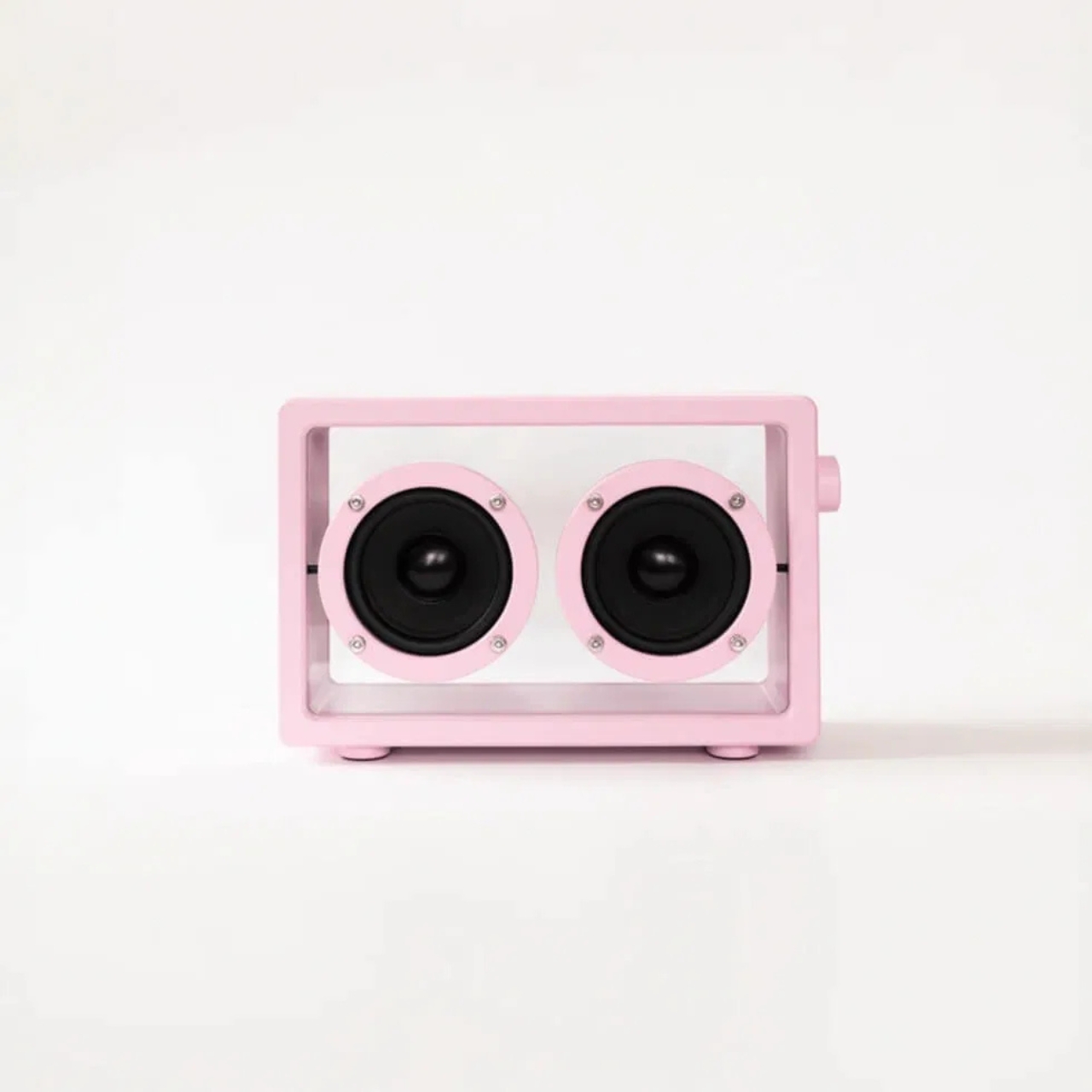
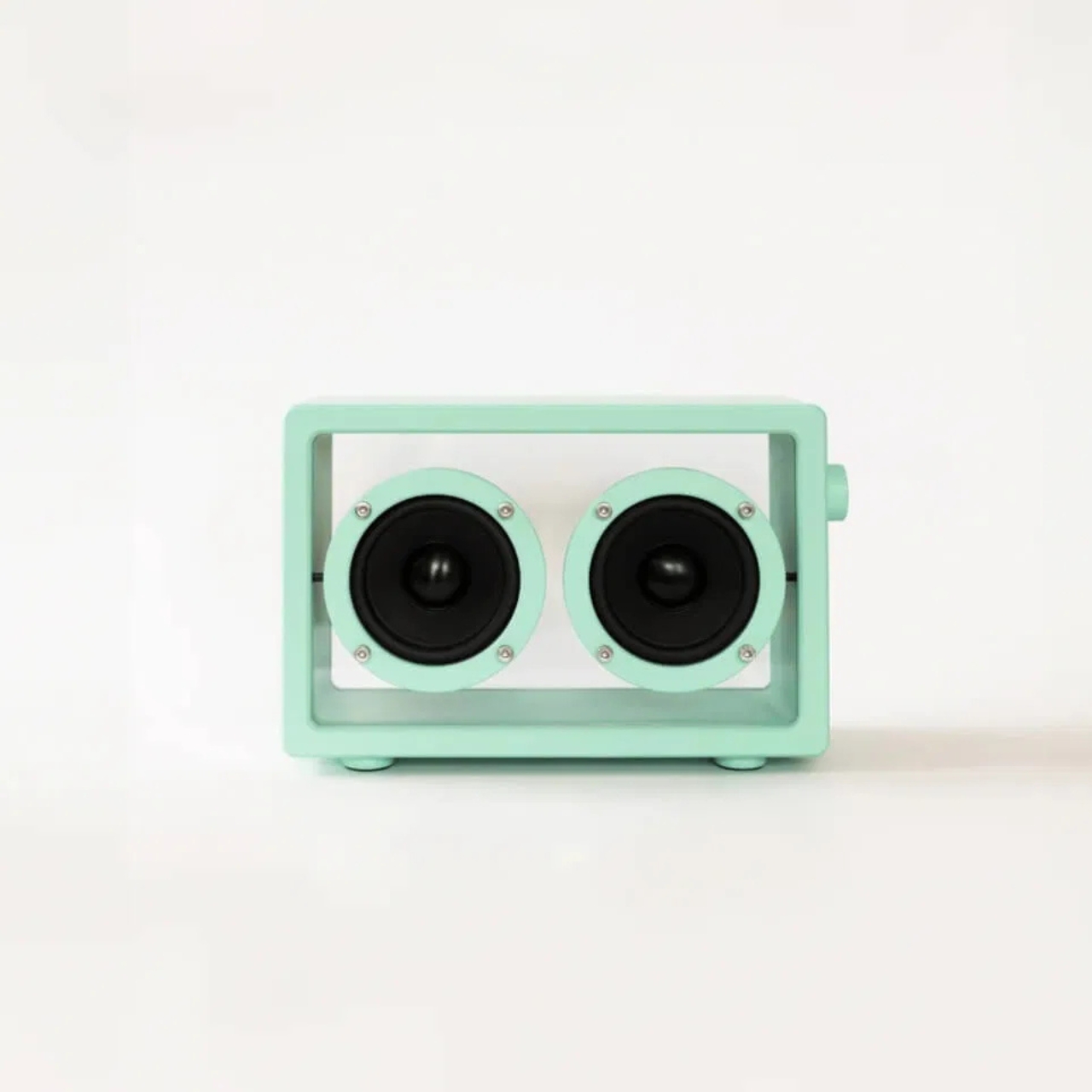
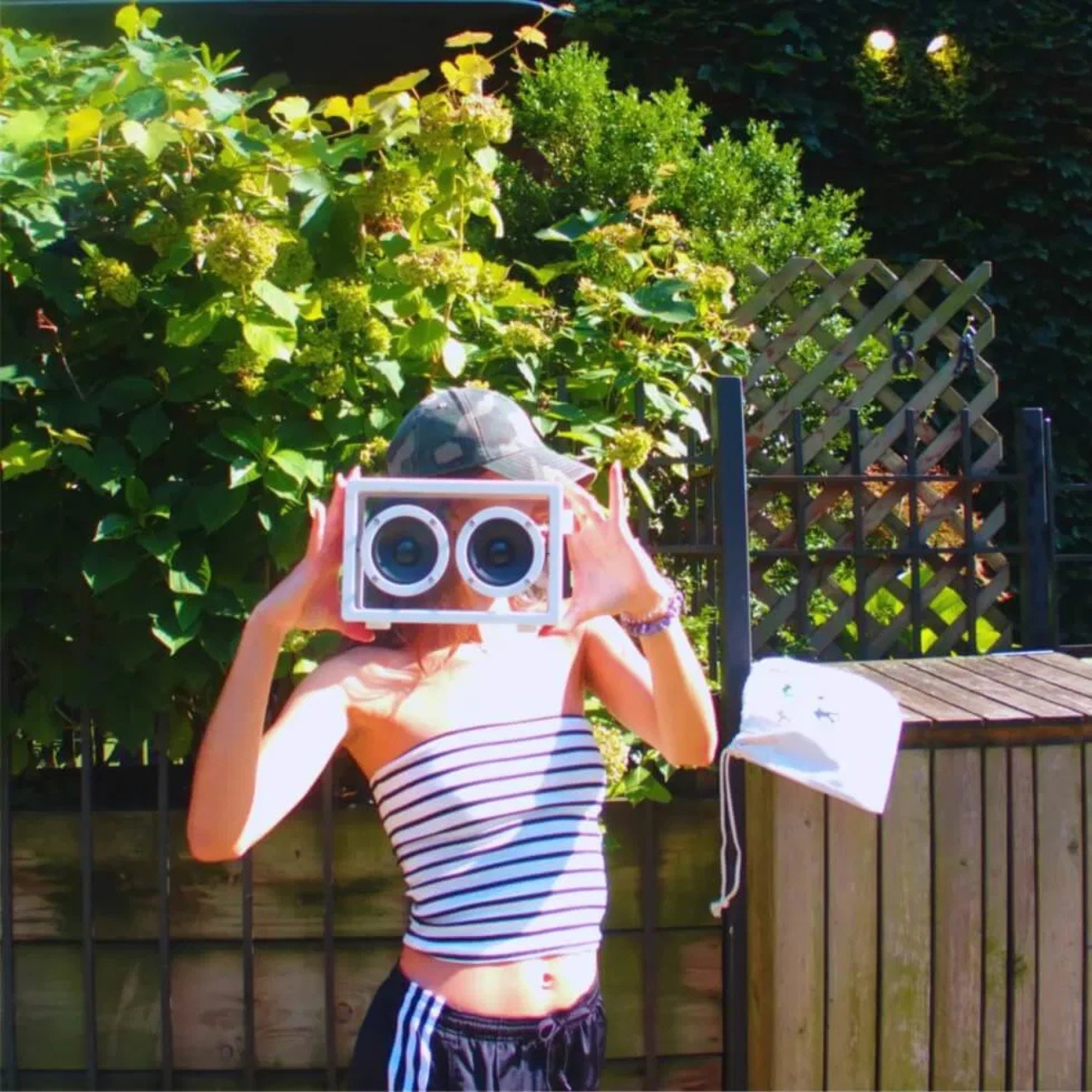
Lastly, we have the Jukebox Mini, which is just semi-nostalgic when it comes to its design. It’s a Bluetooth speaker but with a retro design with two round speakers encased in a rectangular case. It claims that it carries the same quality as speakers from Sonos or Beats Pill. It can be placed on a shelf or desk or mounted on the wall, or you can also carry it around. It comes in cute mint, white, and pink colors.
We could spend a lot of time bashing the new USB-C Magic Mouse for repeating the same charging port mistake as its predecessor, but let me just take a minute to ask a few questions about mice in general. Wireless or not, why does a mouse ONLY serve as an input device? Personally, it has the capability to do much more than move a cursor, right? So why is it that in all these years the only improvements to mouse design are only upgrading their Bluetooth chipsets and making them more responsive?
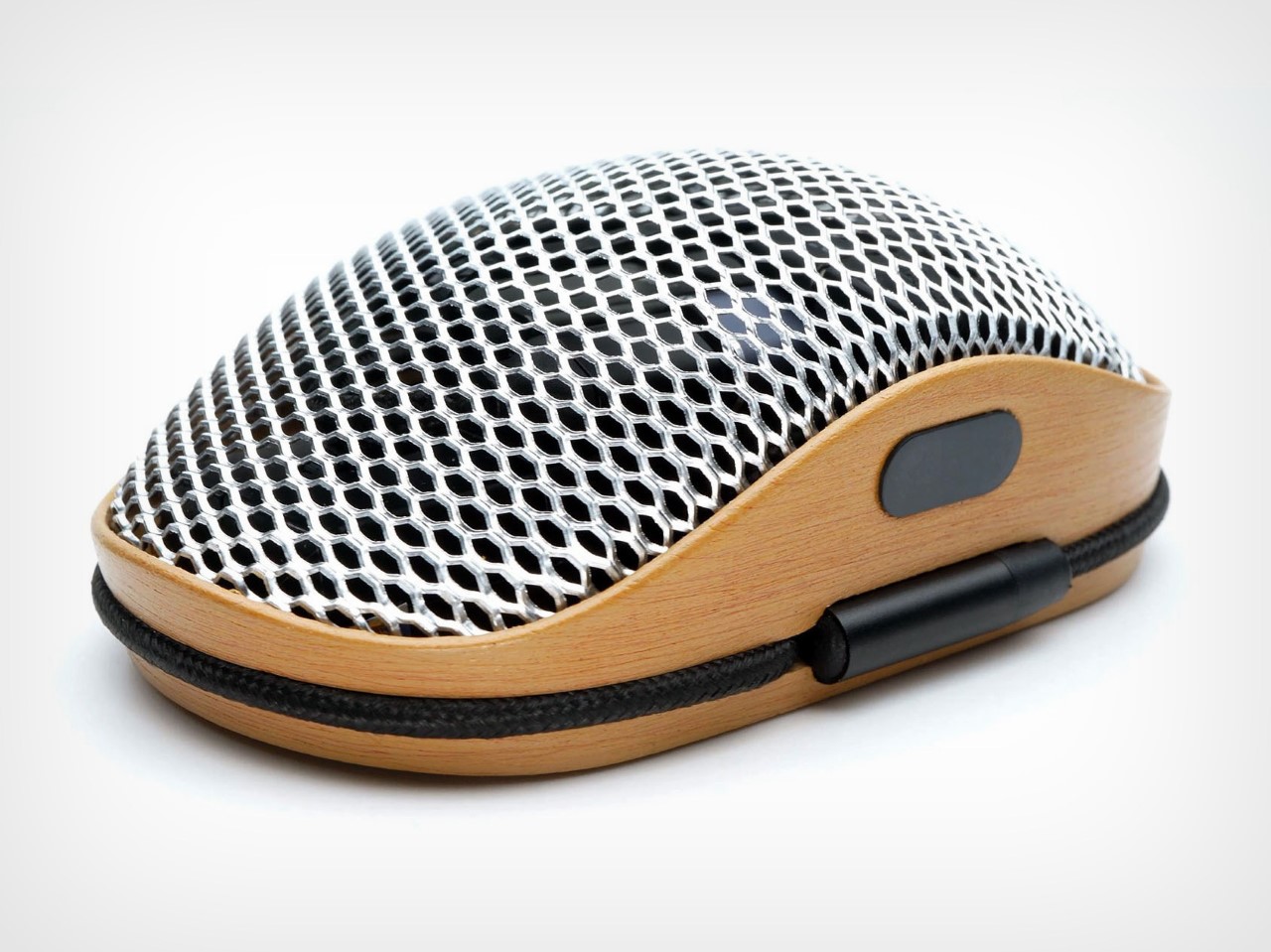
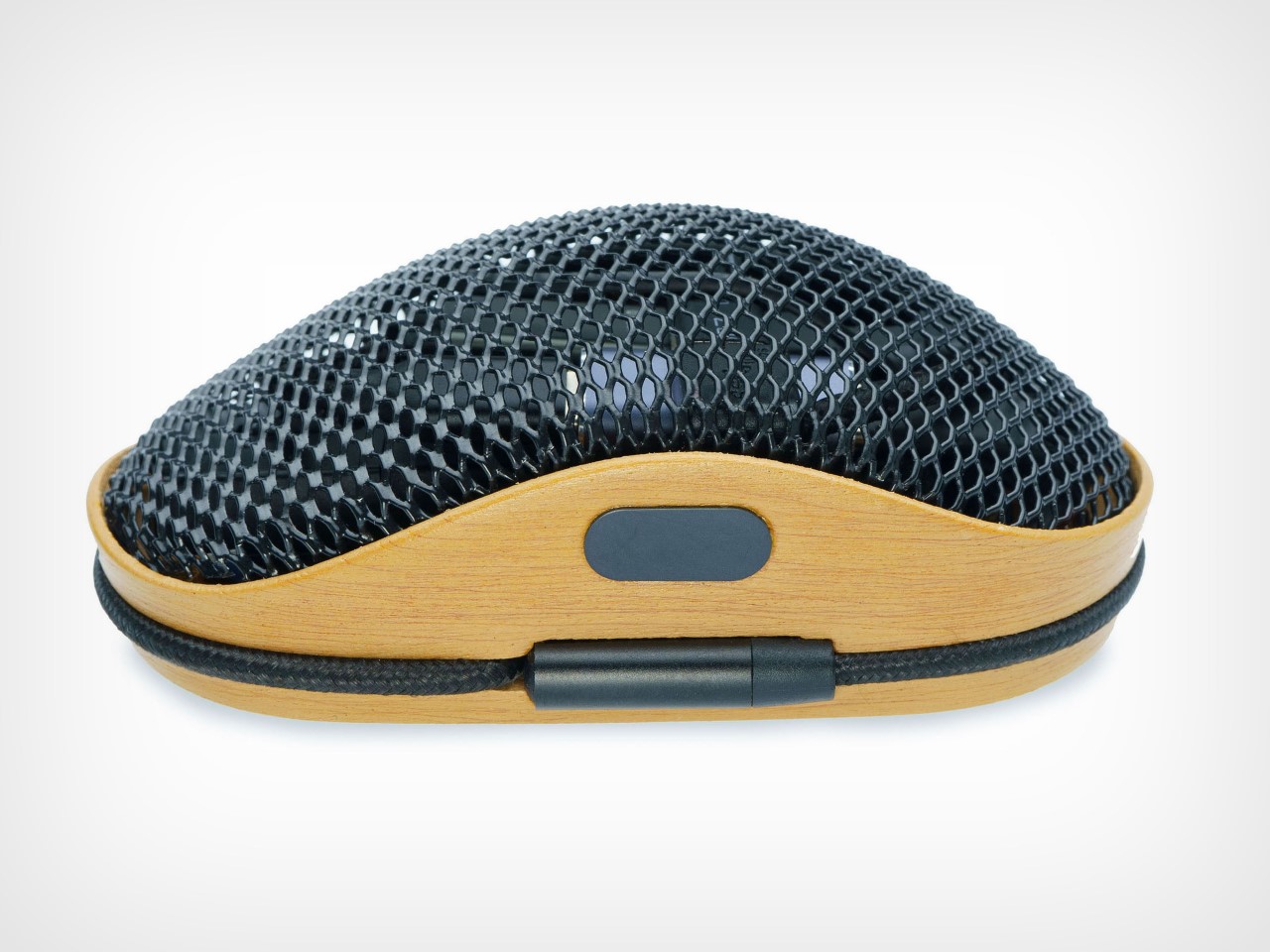
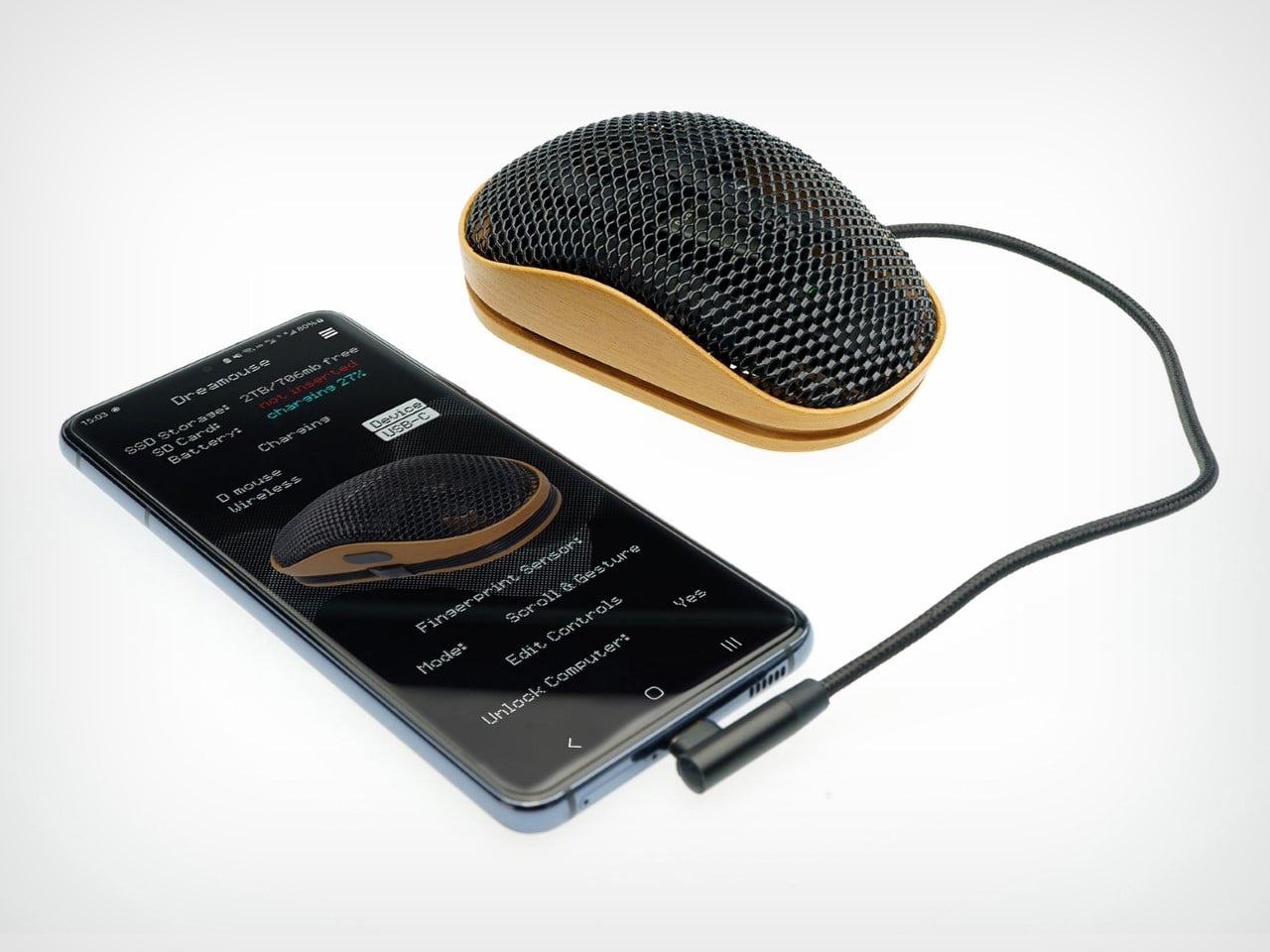
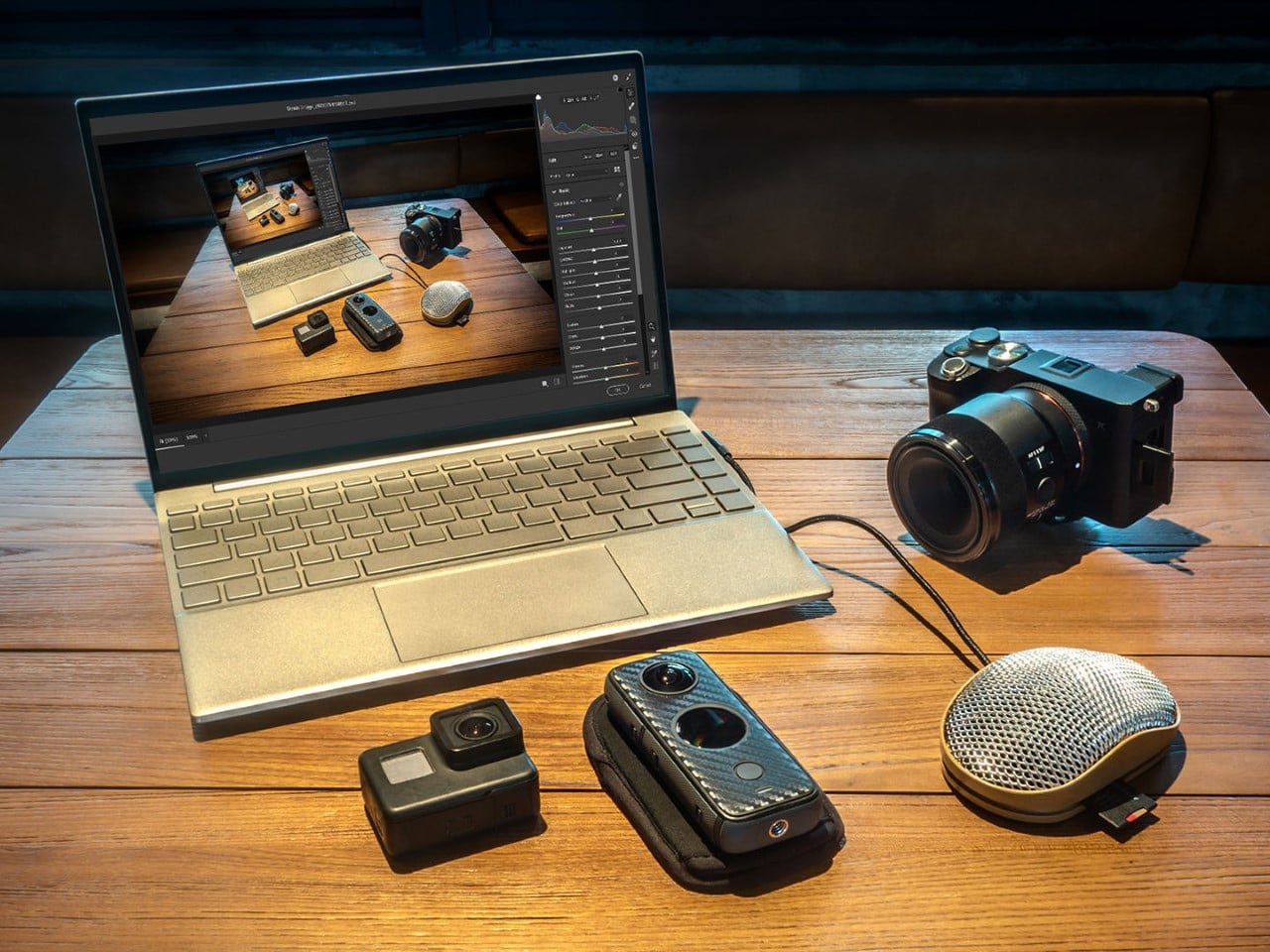
A winner of the Red Dot Award for best Design Concept, the D Mouse comes with a few unusual design choices that may seem weird at first, but make a world of sense if you try to think about how these changes make a mouse ‘better’ than existing ones. Built with an unusual design that employs stainless steel mesh on top and wood on the bottom, the D Mouse looks extremely different from existing plastic mice – because it is. This one comes with NFC pairing, a built-in SD card reader, and in-device storage of up to 1 terabyte, transforming the mouse into a data storage and processing device too.
The best part? It has its own cable integrated into the mouse that wraps around the base, and charges normally – unlike the Magic Mouse that needs to be overturned to charge. Even after an entire decade of people pointing it out.
Designer: Tride Design
The D Mouse is notably a wired mouse, relying on a built-in braided USB-C cable to connect to devices – although it does have Bluetooth 5.0 too. The wired design makes sense considering the D Mouse also works as a data storage and transfer device, given that wired transfers are far more secure and rapid than wireless transfer. Unwrap the cable, plug the mouse in, and it becomes a cursor that also stores data for you. The mouse has up to 1TB of SSD storage on-board, which is fairly helpful if you want to stash important files that nobody goes looking for. After all, who searches for files on a mouse, right?!
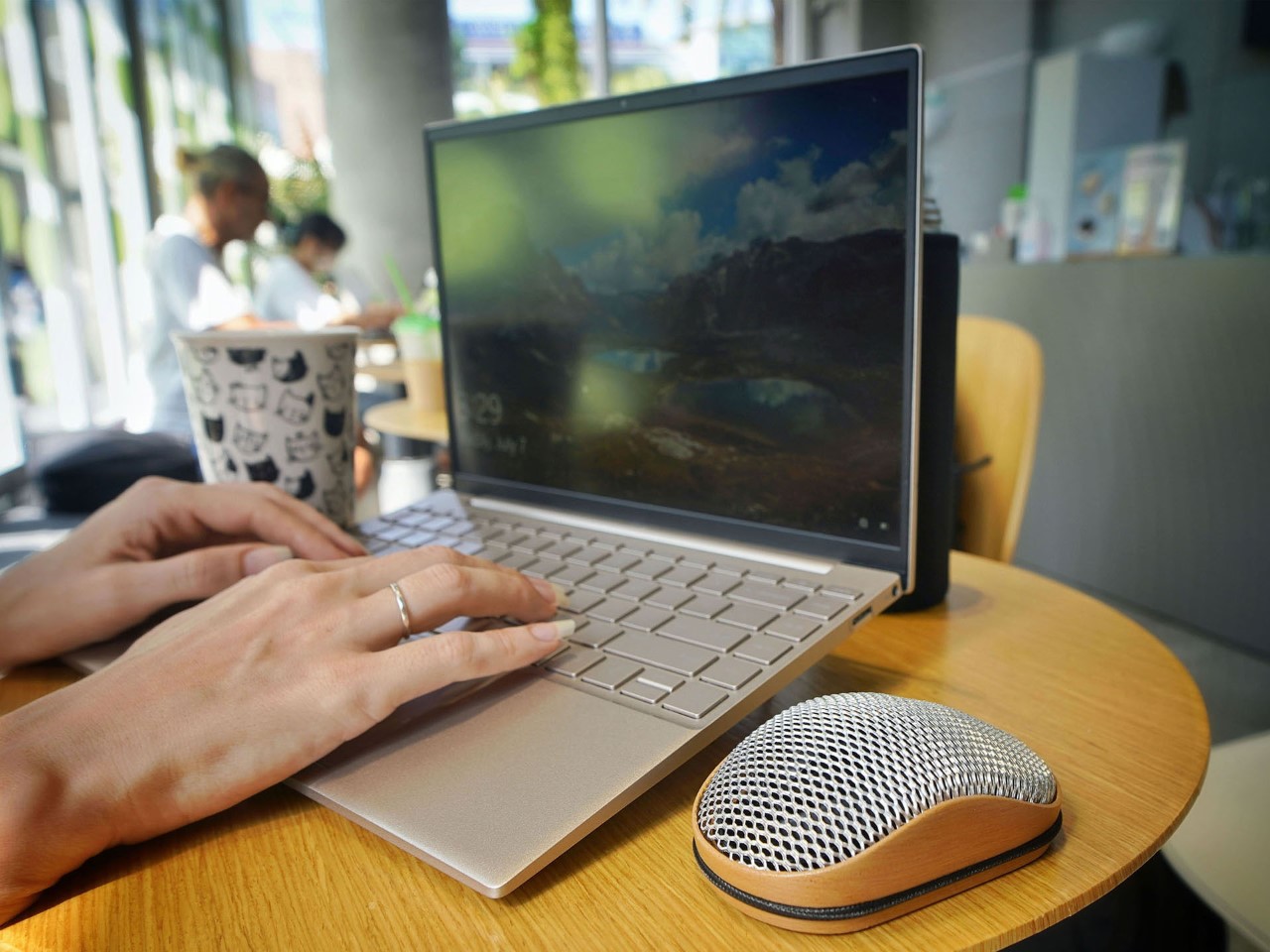
The rest of the mouse has a fairly unique but familiar design. The silhouette of the D Mouse is like your everyday ergonomic peripheral, albeit with a metal and wood construction instead of plastic (98% of the materials are recycled). A steel mesh on the top provides a very tactile surface to rest your hand, while still being breathable because of the open mesh. The mouse clicks silently, and instead of the scroll wheel, there’s a scroll-bar right near the thumb for touch-sensitive scrolling.
The mouse has a built-in card reader, along with internal storage that makes it perfect for creatives wanting to carry their files and access them on multiple devices without dongles and such. In this case, the D Mouse IS the dongle, working both wired and wirelessly, depending on how many files you have to transfer. It’s got an integrated fan that keeps the mouse (as well as your palm) cool while in use, and if you’re a gaming fanatic, there’s LED lighting too.
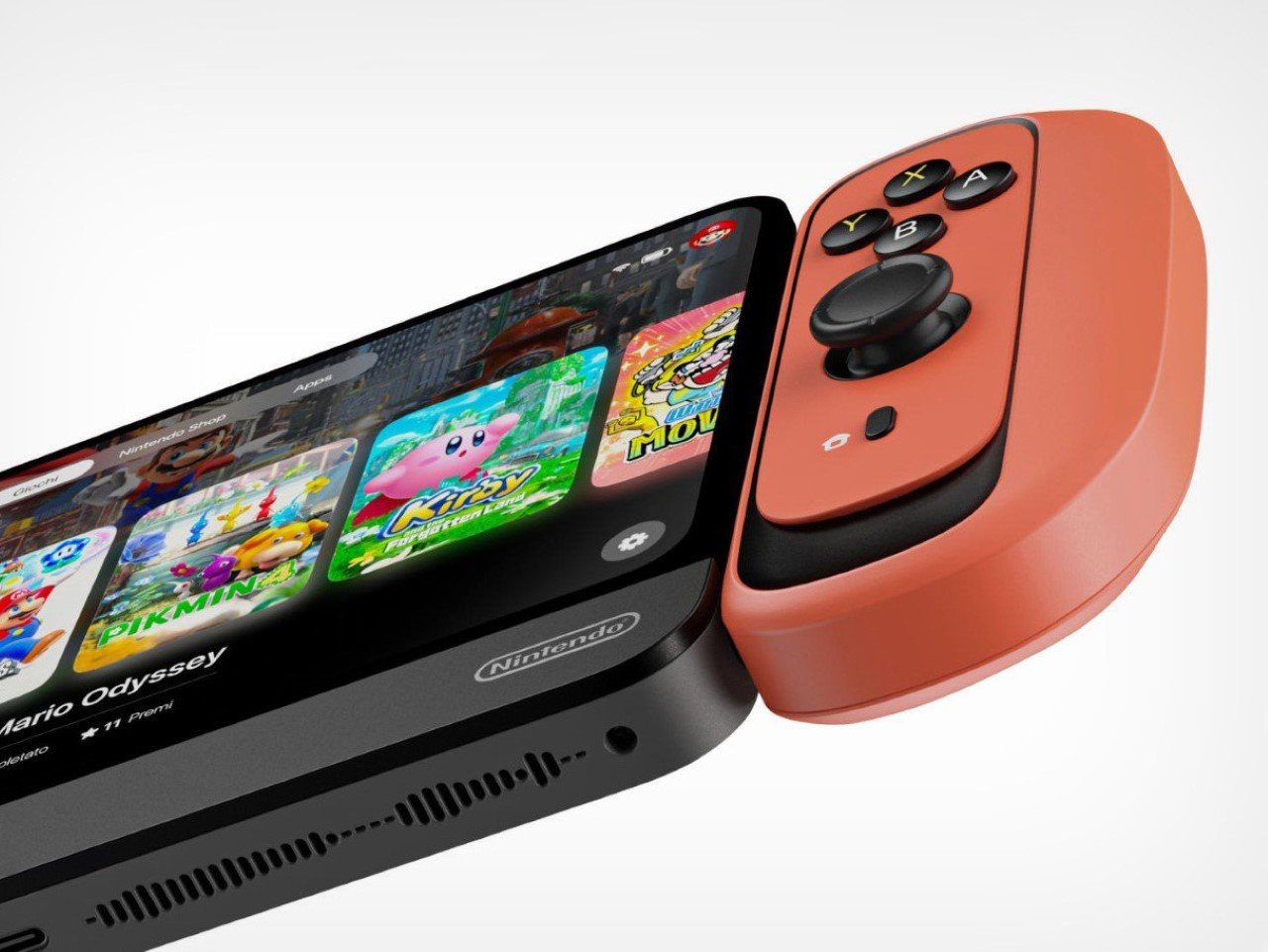
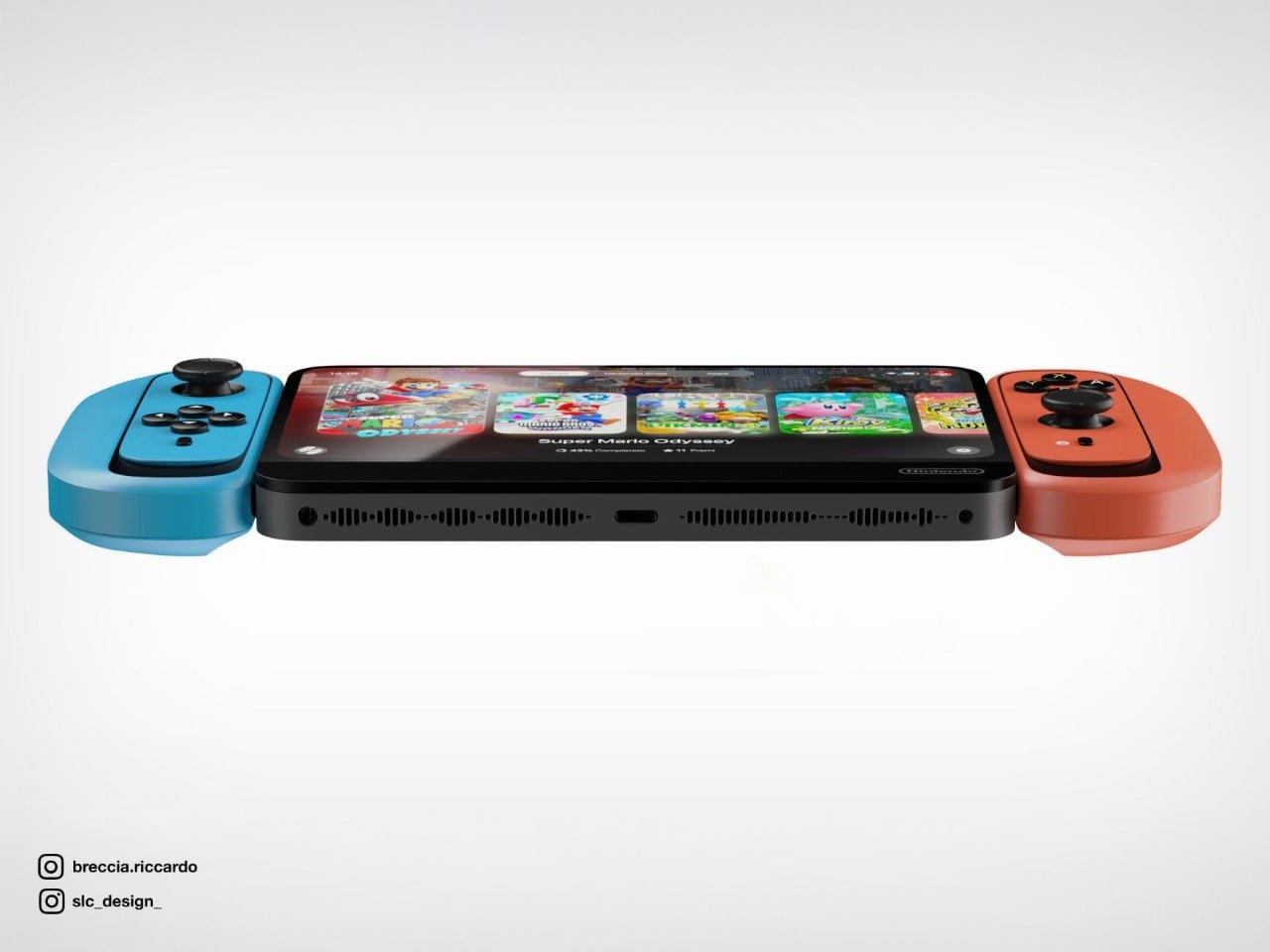
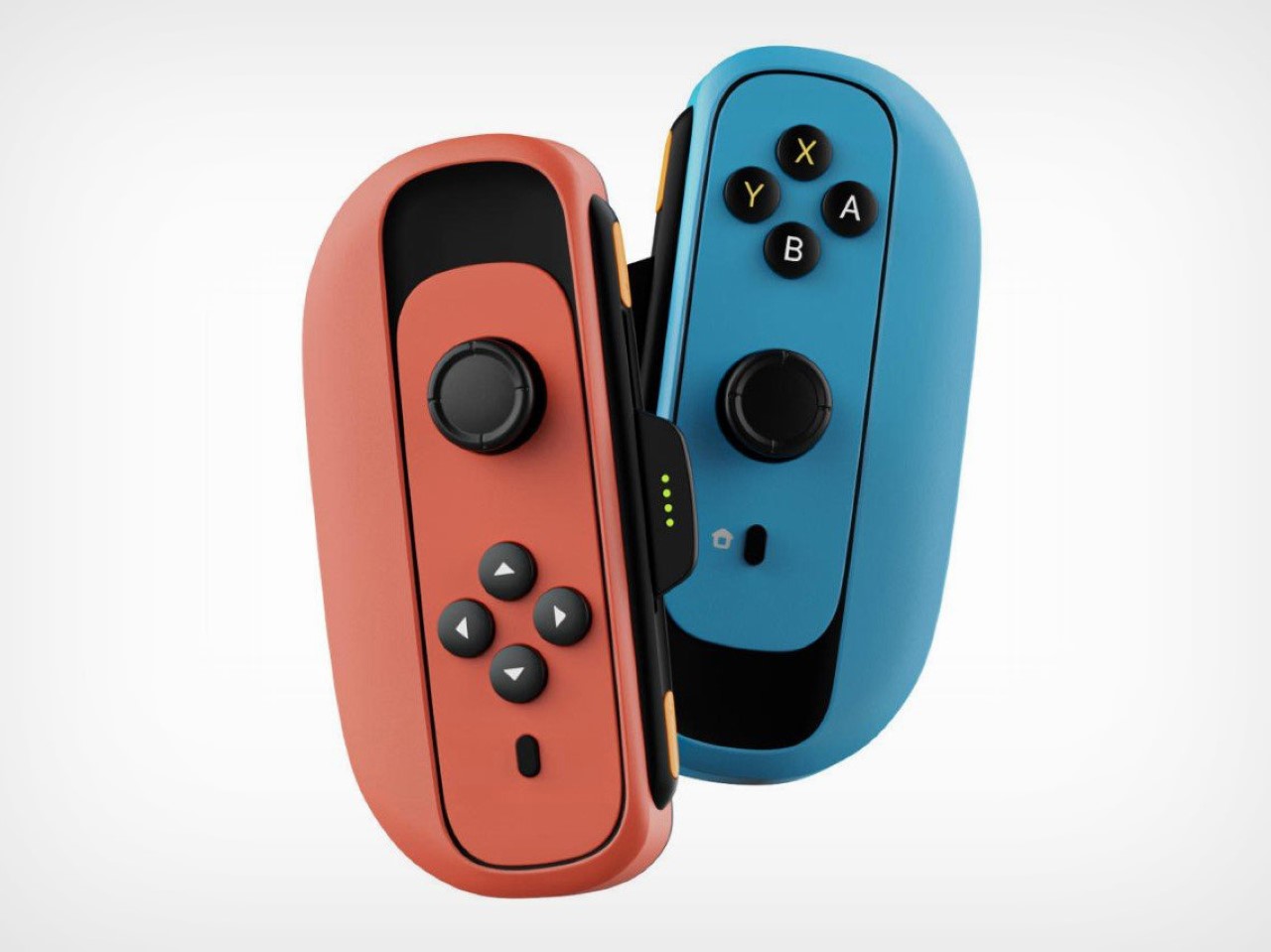
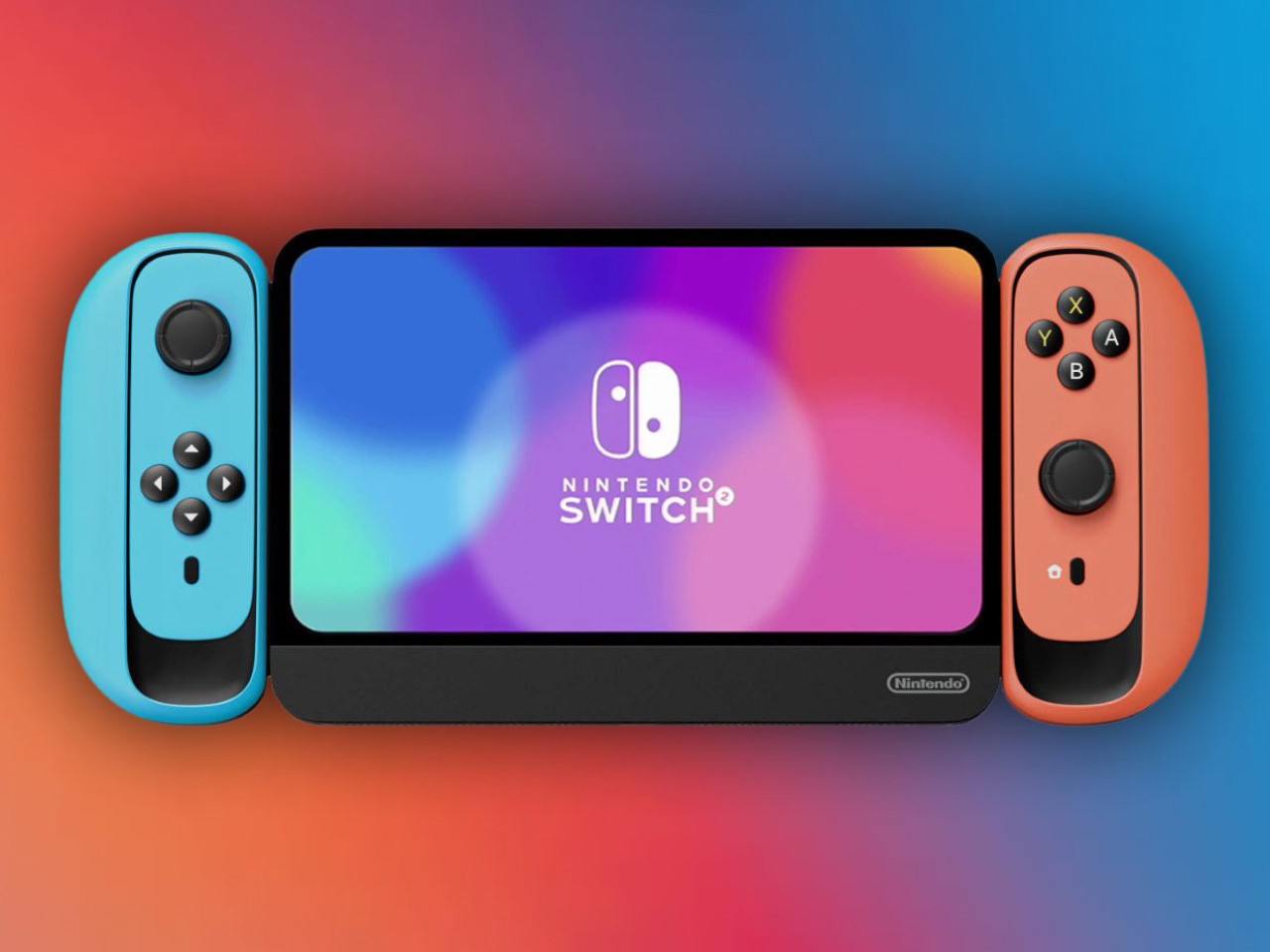
Rumor has it that Nintendo is finally set to unveil the long-awaited Switch 2. If rumors from PH Brazil (a fairly credible source) are to be believed, we might see an official announcement within the next few days—possibly as early as Monday or Tuesday. Nintendo’s silence on the matter has only amplified speculation, with the gaming community eagerly piecing together hints from any credible leak. And while Nintendo confirmed that their next-generation console would arrive “within this fiscal year,” they’ve kept other details under lock and key, leaving fans in a swirl of speculation.
So, why now? Nintendo has an investor meeting on November 5, and word has it that their current lineup may not be enough to impress stakeholders. A Switch 2 announcement, strategically placed before this meeting, could reinvigorate investor interest and affirm Nintendo’s commitment to the next chapter of handheld gaming. This timeline has driven speculators to suggest that Nintendo might be gearing up for a surprise reveal, hoping to make waves in an industry where rivals like the Steam Deck and Asus ROG Ally are gaining ground.
But don’t start celebrating just yet. Even with leaks buzzing around, Nintendo has a history of playing by its own rules. Previous product reveals have shown Nintendo’s knack for timing announcements when fans least expect it. They’ve defied industry norms before, so it’s entirely possible they’ll keep fans in suspense for longer. That said, the recent online frenzy surrounding the Switch 2 has taken on a life of its own, fueled by social media chatter and updates from other reputable leakers. For fans, each tweet or cryptic profile update becomes a breadcrumb in the hunt for clues.
Assuming the rumors are accurate, what could the Switch 2 bring to the table? While no specs have been confirmed, leaks hint at design enhancements and potential performance upgrades that could set it apart from the original Switch and put it toe-to-toe with competitors. Some speculate a larger, high-resolution display; others suggest faster processors and better graphics capabilities to support Nintendo’s growing library of high-demand titles. If this device lives up to even half of what’s rumored, it could well mark a new era in Nintendo’s handheld dominance.
The stakes are high for Nintendo. The current Switch’s momentum is slowing, with handheld gaming increasingly defined by feature-rich, high-performance devices. For Nintendo, introducing a true next-gen handheld means more than just keeping pace; it means reminding the world why they still set the gold standard in portable gaming. Whether it’s a quiet drop or a full-throttle reveal, the question isn’t if the Switch 2 will make waves — it’s how big they’ll be when it finally hits the water.
Until Nintendo confirms anything, fans remain caught between hype and caution. The possibility of a major reveal has the gaming world on edge, but as always with Nintendo, only time will tell.
Virtual Reality (VR) has been innovating and evolving in the past couple of years. It is truly pushing the boundaries of what was considered possible in an immersive experience. VR technology is currently improving visual fidelity, and even incorporating other senses, in turn revolutionizing how we engage and interact with digital worlds. And, we’ve curated five cutting-edge VR gadgets for you – ranging from high-resolution headsets to innovative multi-sensory devices. These unique gadgets are paving the future of VR, displaying the impressive innovations that are taking place in today’s world. These gadgets have something for everyone, irrespective if you’re a tech lover, gamer, or someone simply dipping their toes into new digital arenas.
1. Sol Reader
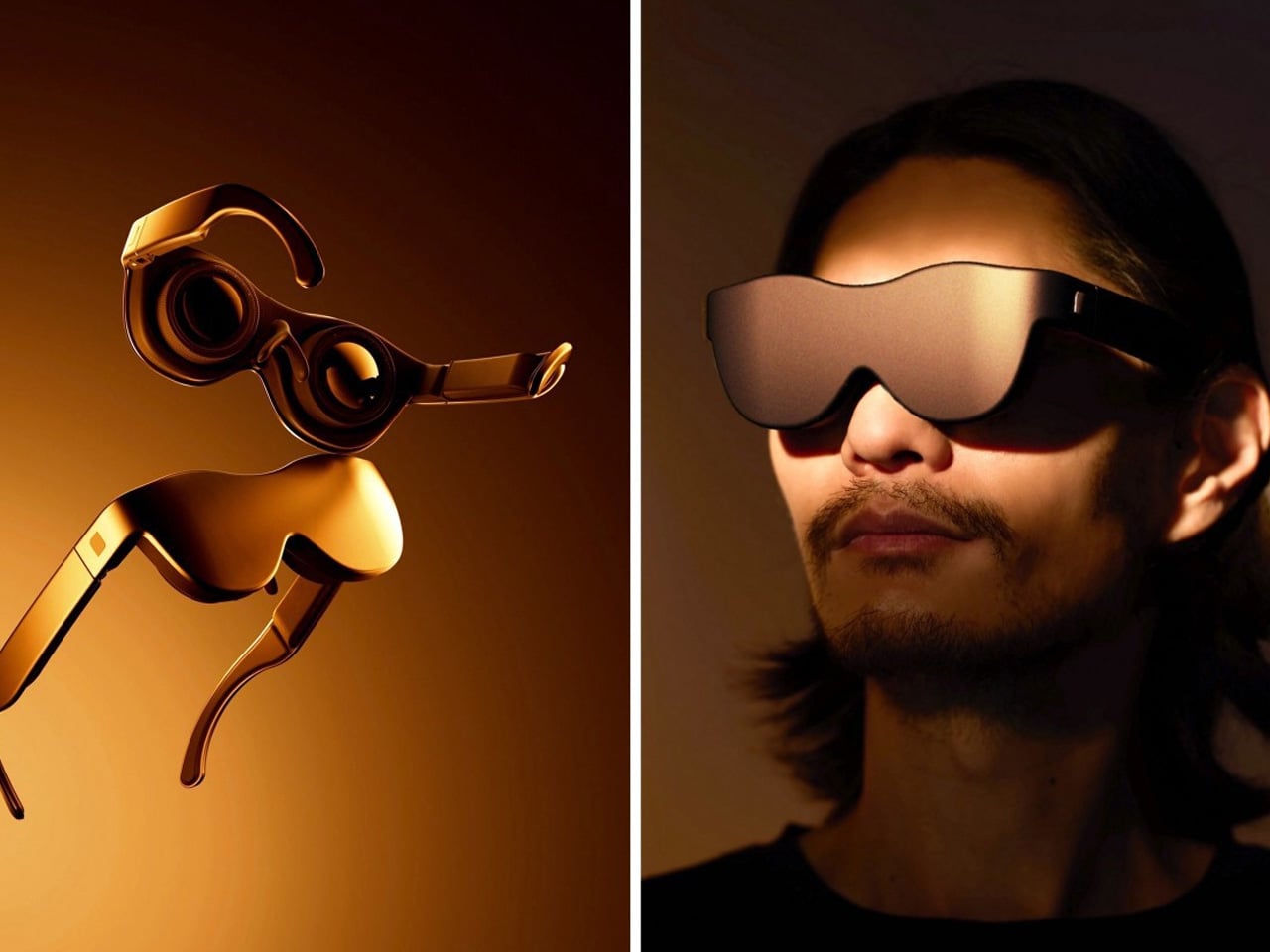
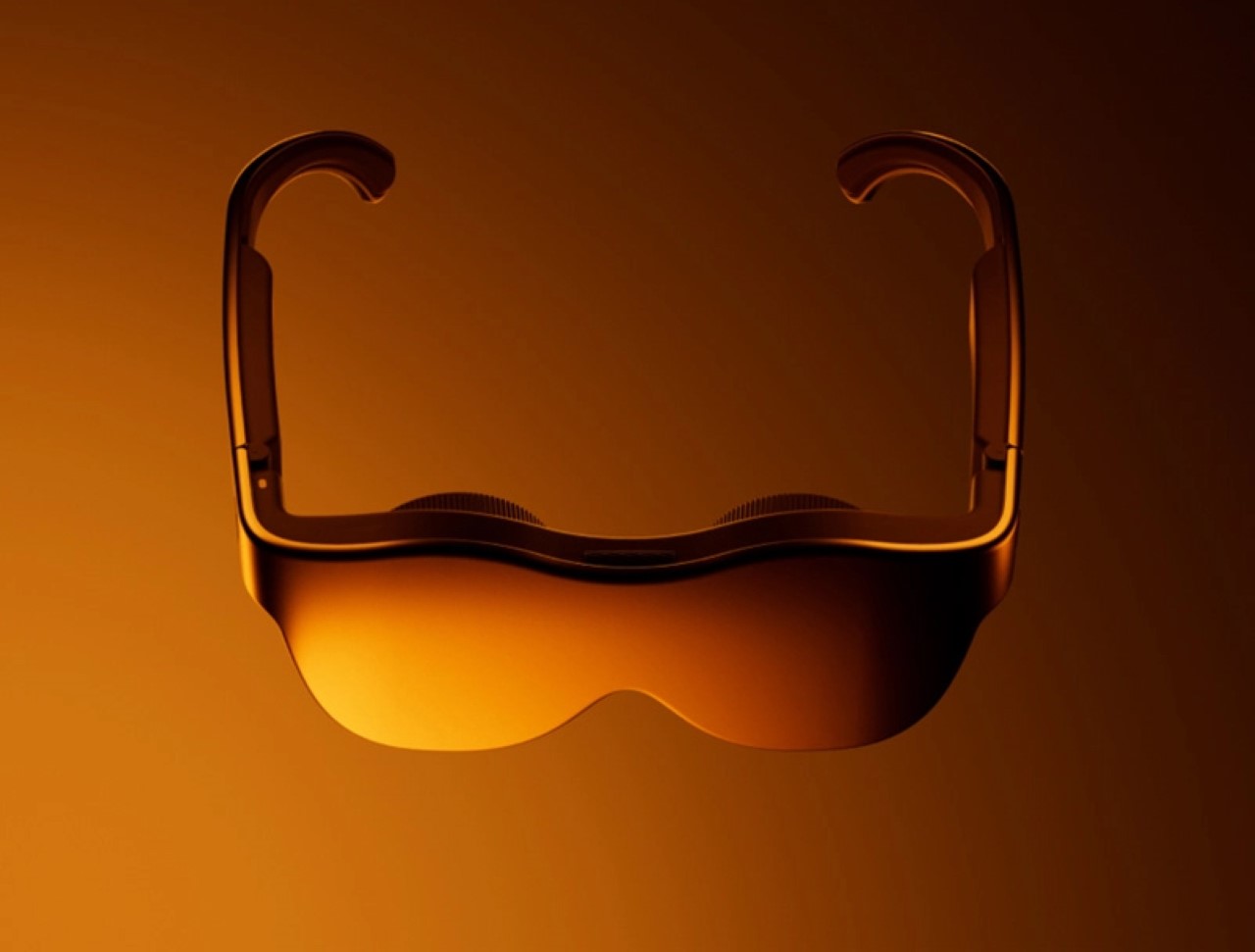
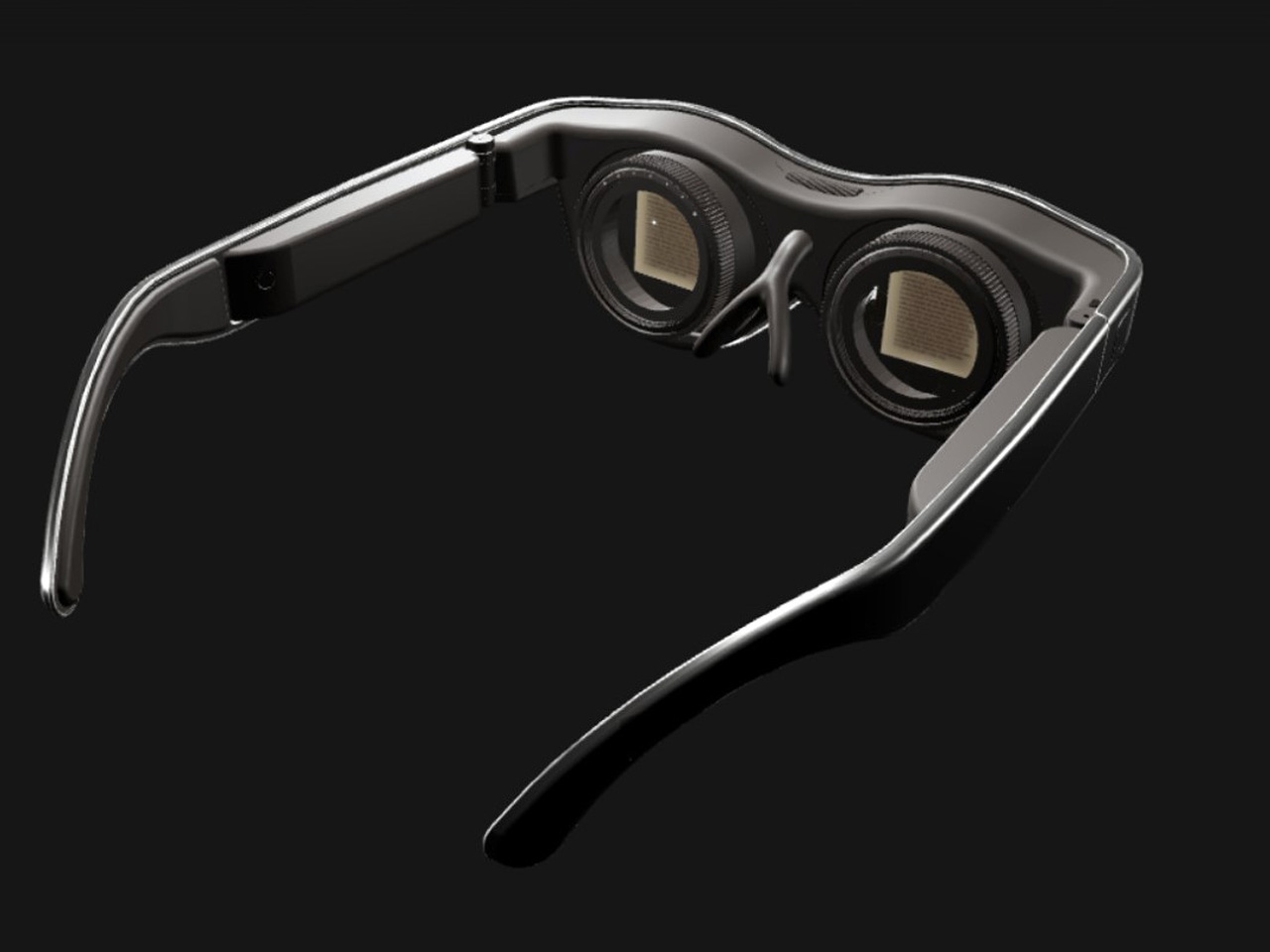
Meet the world’s first VR eBook reader – the Sol Reader. It offers avid readers a unique and exciting way to experience literature, by completely immersing themselves in a virtual library. It is styled like a pair of VR glasses and features two E Ink displays, which make you feel like you’re actually reading a book, but ensuring that your hands are free. It attempts to work like Kindle, which is the most popular e-reader ever.
Why is it noteworthy?
It is an innovative device that will connect to your iOS/Android app on your smartphone through Bluetooth. You can easily stream third-party EPUB files like eBooks, from your phone to the device. The text is showcased on the dual E Ink screens. Warm LED side lights illuminate the screen.
What we like
Has a 25-hour runtime per two-hour battery charge
Available in a range of color choices including black, silver, gold, or blue
What we dislike
It is a niche product, appealing primarily to voracious readers
It is more expensive compared to other VR headsets on the market
2. Pimax 8K VR Headset
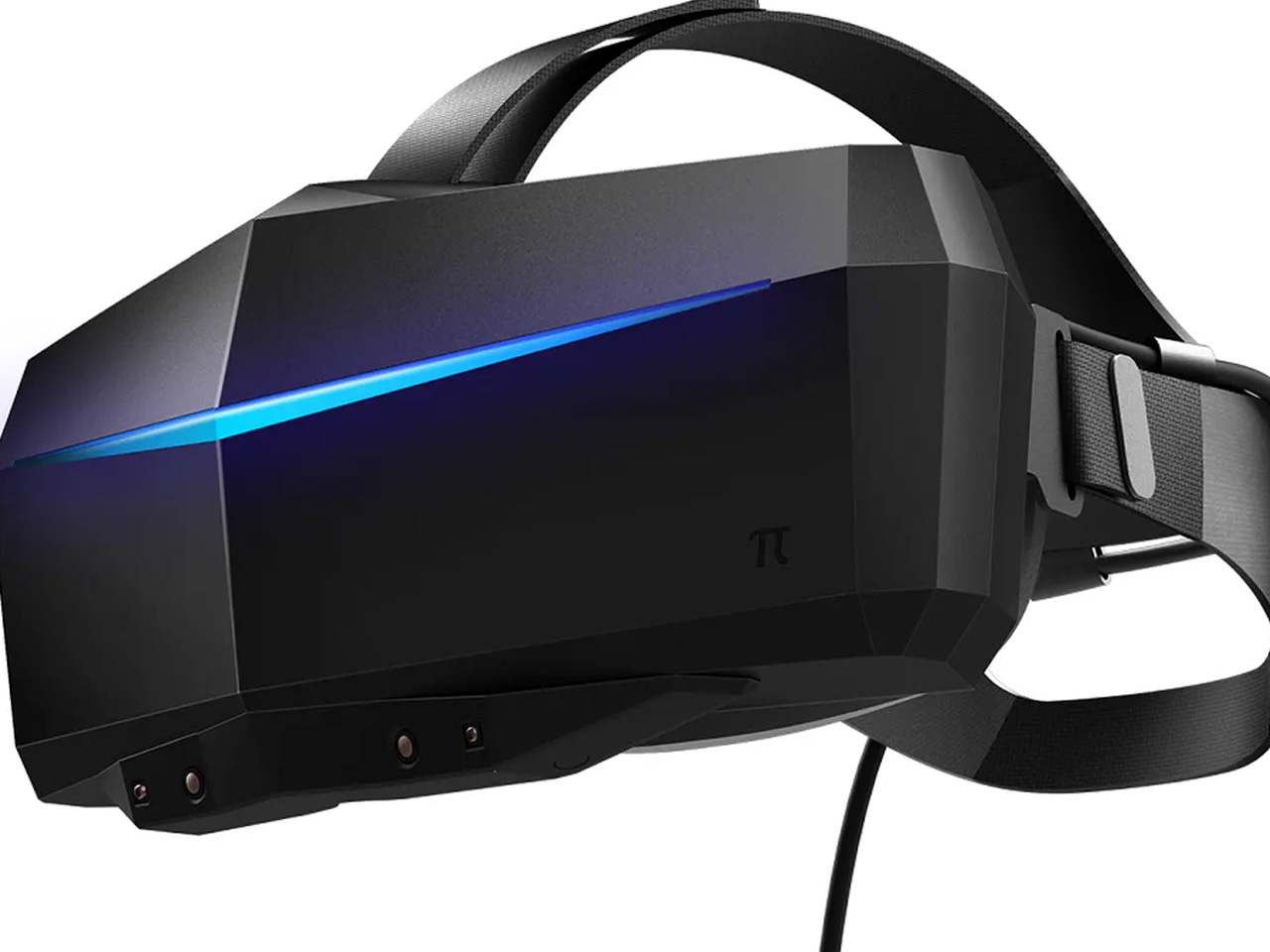
Say hello to the Pimax 8K VY Headset – the world’s first 8K VR headset. It is designed to be a game changer in the world of VR since it delivers unparalleled visual clarity and an expansive field of view. Since it is the world’s first 8K VR headset, it will provide an immersive experience that sets a whole new benchmark for visual fidelity.
Why is it noteworthy?
The Pimax 8K is equipped with dual 4K displays, each featuring a resolution of 3840 x 2160 — and upscales its content from 2560 x 1440. It also has a refresh rate of up to 80Hz. The refresh rates provide a VR experience that is seamless, fluid, and enjoyable.
What we like
It has a 200-degree field of view
The head strap distributes the weight equally, preventing neck strain according to users
What we dislike
According to some users, there is poor clarity at reduced resolutions
Hefty price tag
3. Porket VR
Designed by Gihawoo Design, this is the cassette-shaped Porket VR phone case. It essentially breaks down the general perception of VR headsets. The phone case serves as your VR headset, allowing you to consume videos on the go. The foldable VR headset is designed as an extension of the case, and it converts into a VR headset in no time, allowing you to watch quick virtual reality content when you, please.
Why is it noteworthy?
The accessory includes convex lenses that have been placed at a distance of 6 cm from the eyes. When folded, the Porket VR headset case is as thick as the Galaxy Fold 3 and is a must-have for people who like compact designs that can be used in a variety of different scenarios.
What we like
Lightweight and compact design that supports spontaneous VR sessions
Features an intriguing transformative design
What we dislike
Lacks some of the advanced features found in more complex and sophisticated headsets
4. Ordovic VR Headset
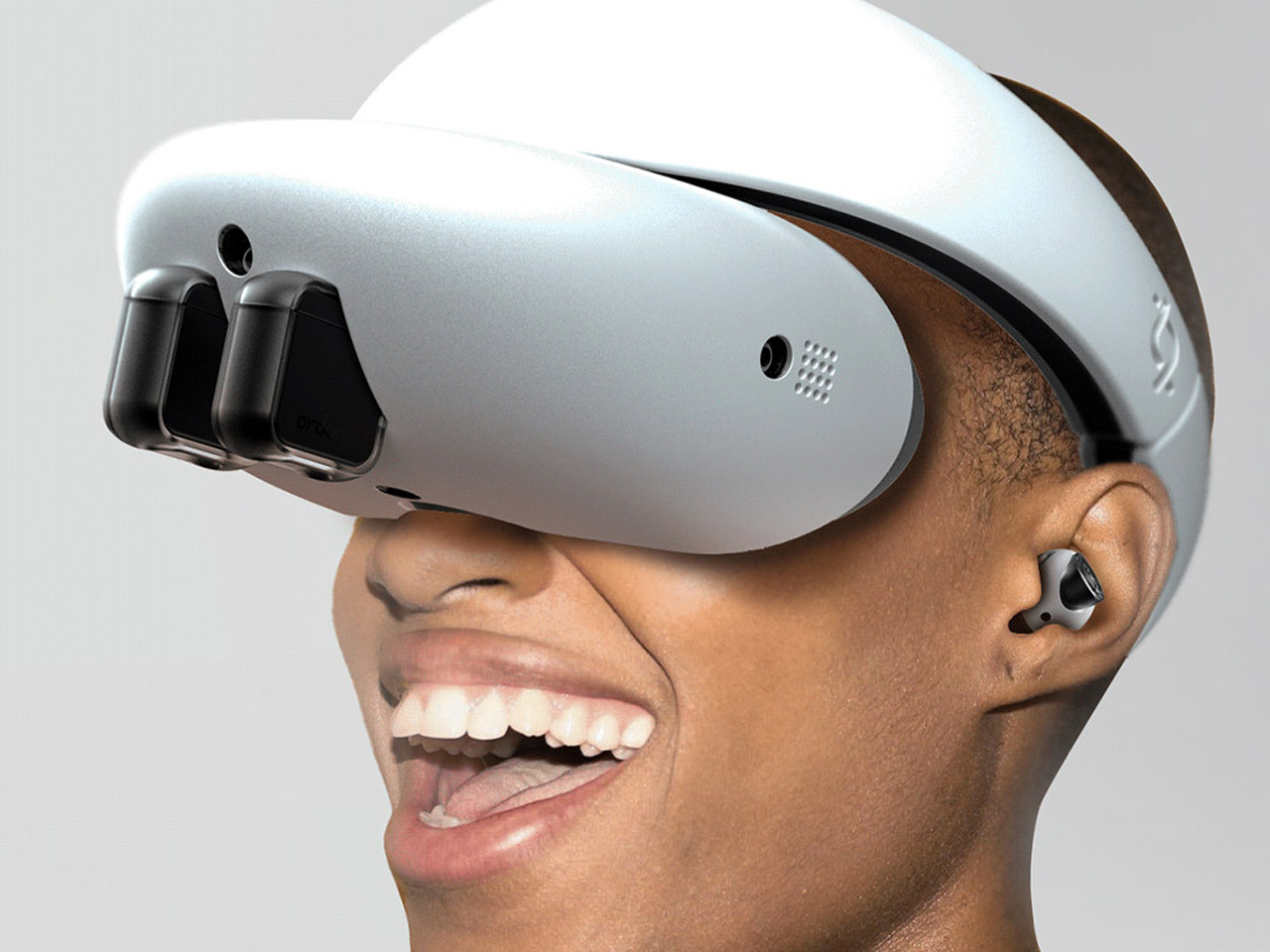
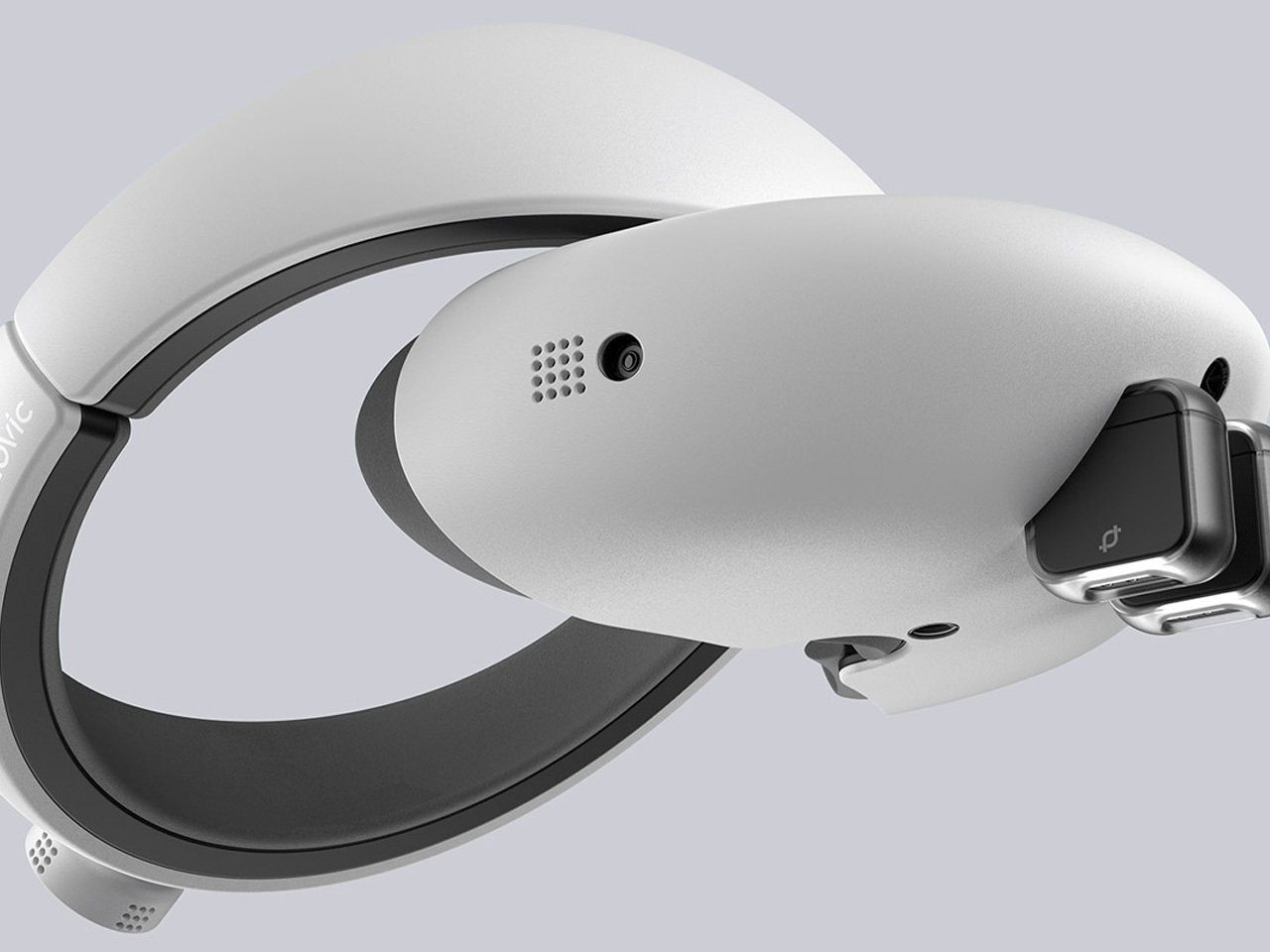
The Ordovic VR headset is a groundbreaking innovation in the world of VR, as it adds the sense of smell into the digital realm. It will transport users into a world where they can smell different scents, ranging from the aroma of freshly cooked meals or the smell of saltwater. These scents will be experienced with incredible visuals and immersive soundscapes, providing a truly mind-boggling VR experience. Ordovic leverages the power of olfactory perception, enhancing the experience of virtual environments, and making them more realistic.
Why is it noteworthy?
The Ordovic creates a whole new level of immersion in VR, making virtual experiences more engaging and lifelike. Smell is also linked to memory and emotions, and by adding olfactory components, Ordovic makes the gaming experience memorable. Users will be able to recall those experiences more easily.
What we like
The headset will increase the realism of the simulations, creating an engaging experience
It has versatile applications, it could be used in education, training, therapy, and more
What we dislike
The addition of smell could lead to potential sensory overload for some users
It could require more complex setup and maintenance in comparison to a traditional VR headset
5. KAT WALK C
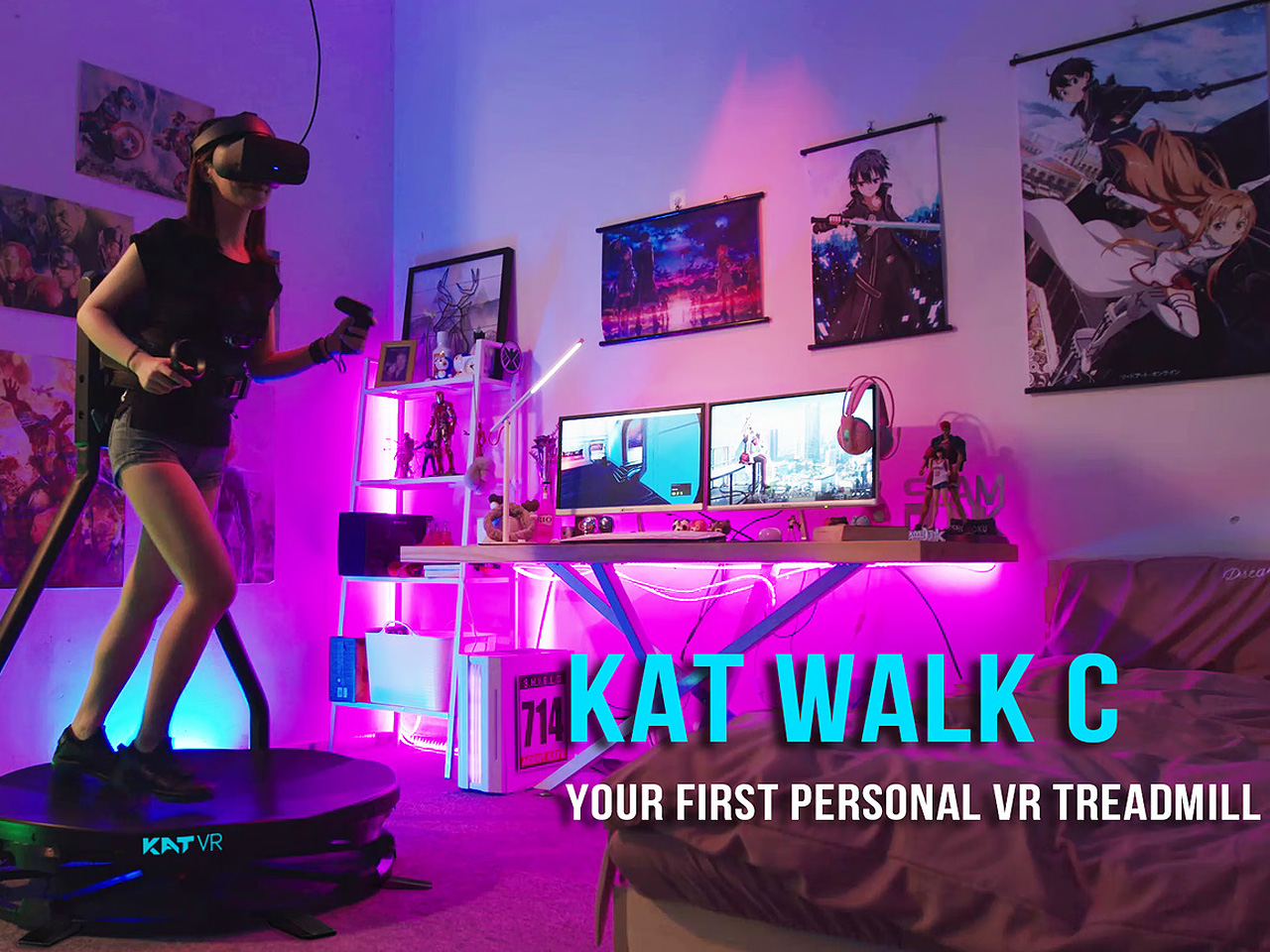
The KAT Walk C is amping the world of virtual reality by serving as the world’s first gamer-dedicated, personal Omni-Directional Treadmill (ODT). It gives users the chance to move freely in 360 degrees, simulating infinite movement within the environment while occupying the bare minimum physical space. The KAT Walk C is designed for your home, providing an innovative VR walking solution.
Why is it noteworthy?
Since the treadmill incorporates natural movement in VR, it elevates the gameplay, offering a more engaging and authentic experience. It fits perfectly in your gaming cave, providing mobility to taken in and out, as and when needed. It is also affordable, and multifunctional.
What we like
The treadmill features a space-efficient design, ensuring it doesn’t occupy much space
It encourages physical activity, offering a new health-conscious approach to gaming
What we dislike
Users may take some time to get used to walking and running on an omnidirectional treadmill
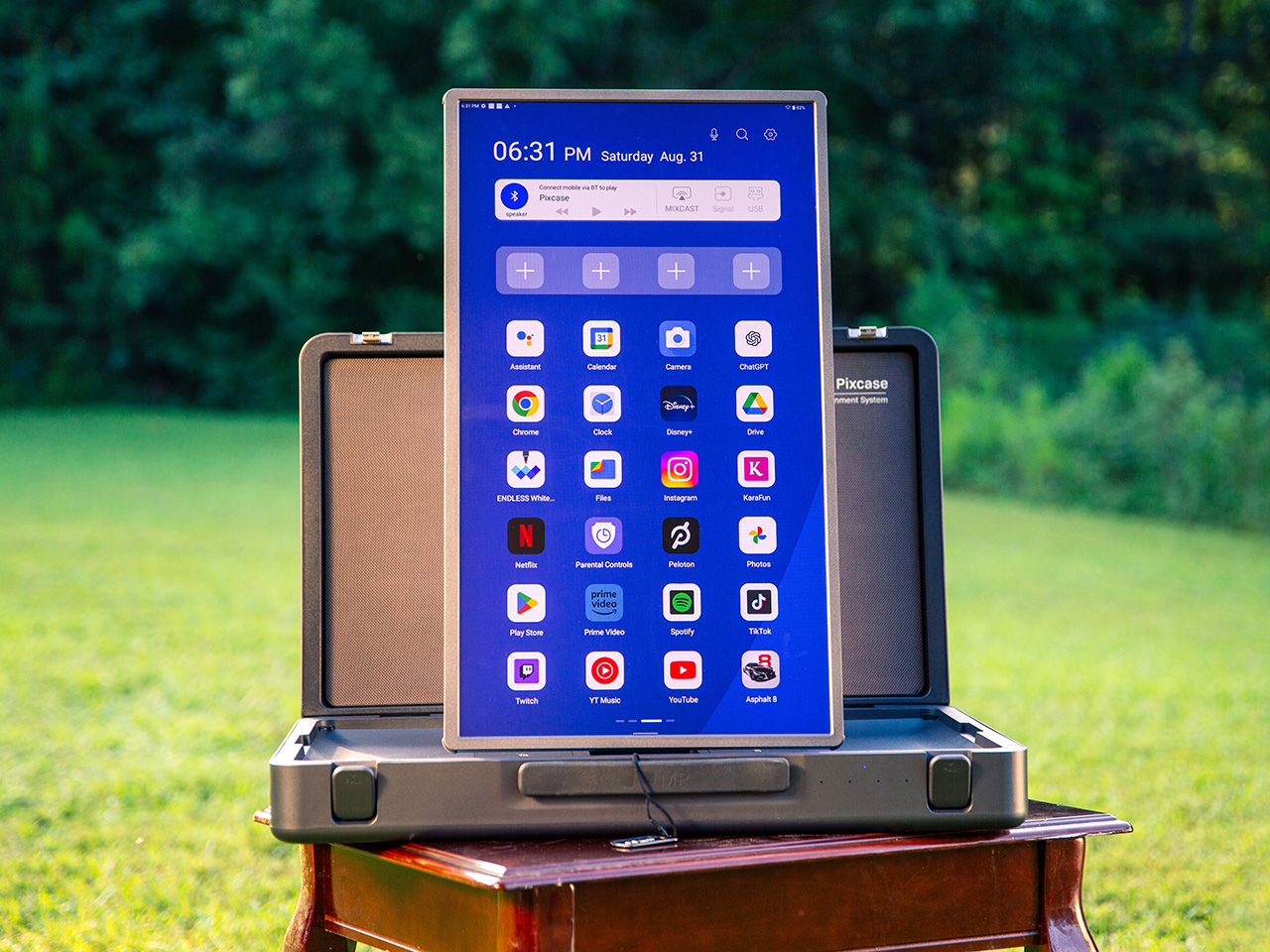
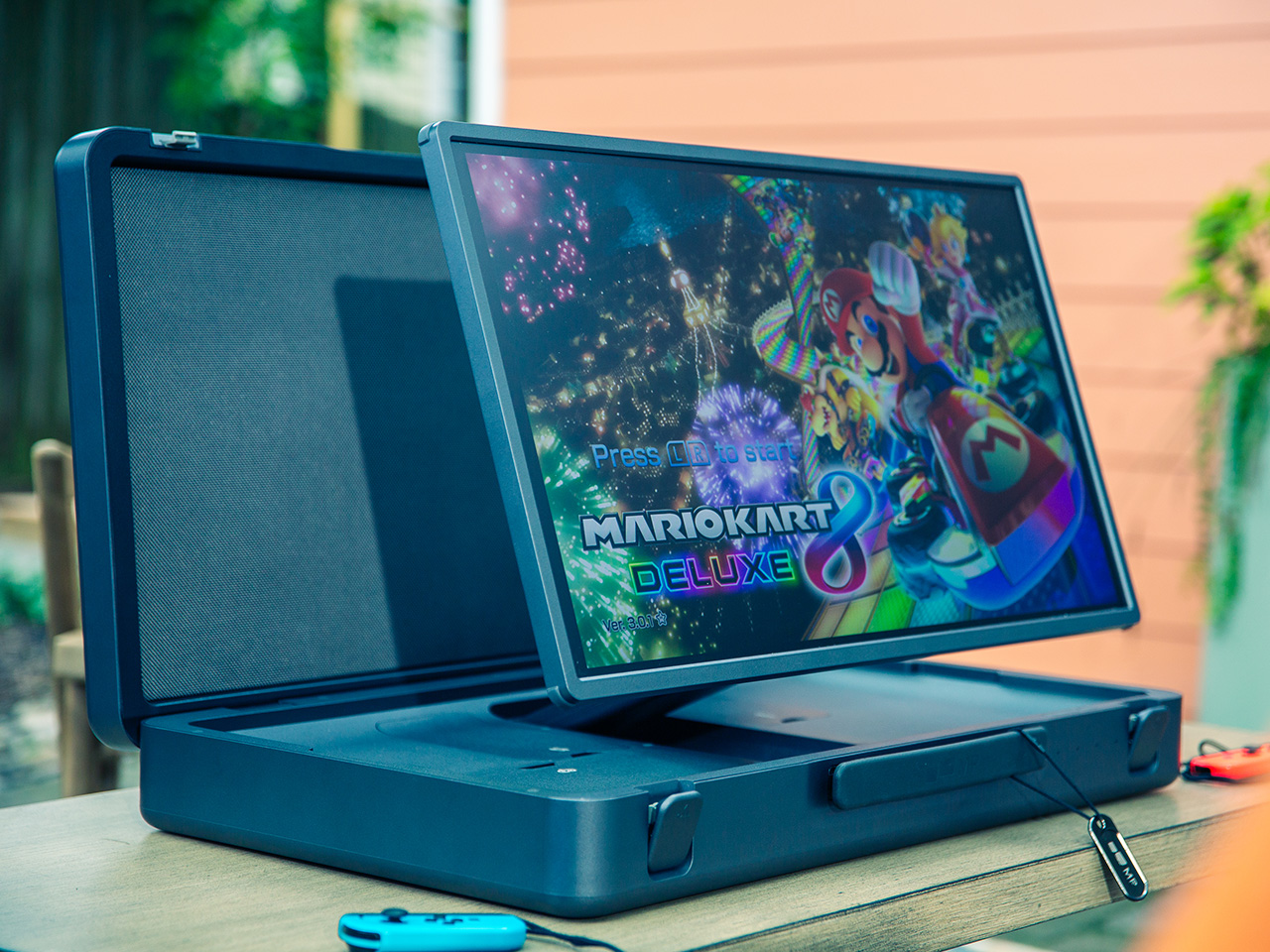
With technology constantly pushing the limits of what we can do on the move, we’re always searching for gadgets that can keep pace with our busy lives. Pixcase is a portable entertainment system that transforms how you experience entertainment and productivity on the go. This all-in-one device features a 27-inch Full HD display in a compact, suitcase-style design—perfect for staying productive or enjoying high-quality entertainment wherever you are.
Big Screen Entertainment and Performance On the Go
The expansive 27-inch screen of Pixcase provides an immersive viewing experience, making every moment vibrant and engaging. Whether having a movie night, gaming with friends or giving a professional presentation, the Full HD resolution ensures vivid and detailed visuals that bring digital content to life. The large display ensures that content comes alive without any loss in quality or visibility, offering a true-to-life experience.
Pixcase folds easily into a compact form, making it convenient to bring big-screen entertainment anywhere—whether it’s an outdoor movie night or a corporate meeting. Its intuitive folding mechanism allows for quick setup, making Pixcase the ideal on-the-go solution for events ranging from boardrooms to tailgates.
The Full HD touchscreen provides an engaging, intuitive interface, letting you interact with apps and content through taps, swipes, and gestures. With full access to the Google Play Store, you can customize your Pixcase setup with a wide range of apps—perfect for productivity, gaming, or streaming. The 16GB RAM ensures smooth and lag-free performance, capable of handling demanding games and multitasking with ease. Pixcase can serve as an additional display for your laptop, boosting productivity by giving you easy access to multiple applications simultaneously. The 10-point capacitive touchscreen ensures smooth navigation, making task-switching quick and seamless.
Seamless Connectivity and Versatility
Pixcase features a battery that delivers up to five hours of use, which is ideal for extended work sessions or entertainment marathons. With a streamlined charging process, downtime is kept to a minimum, allowing you to stay focused and resume using the device quickly.
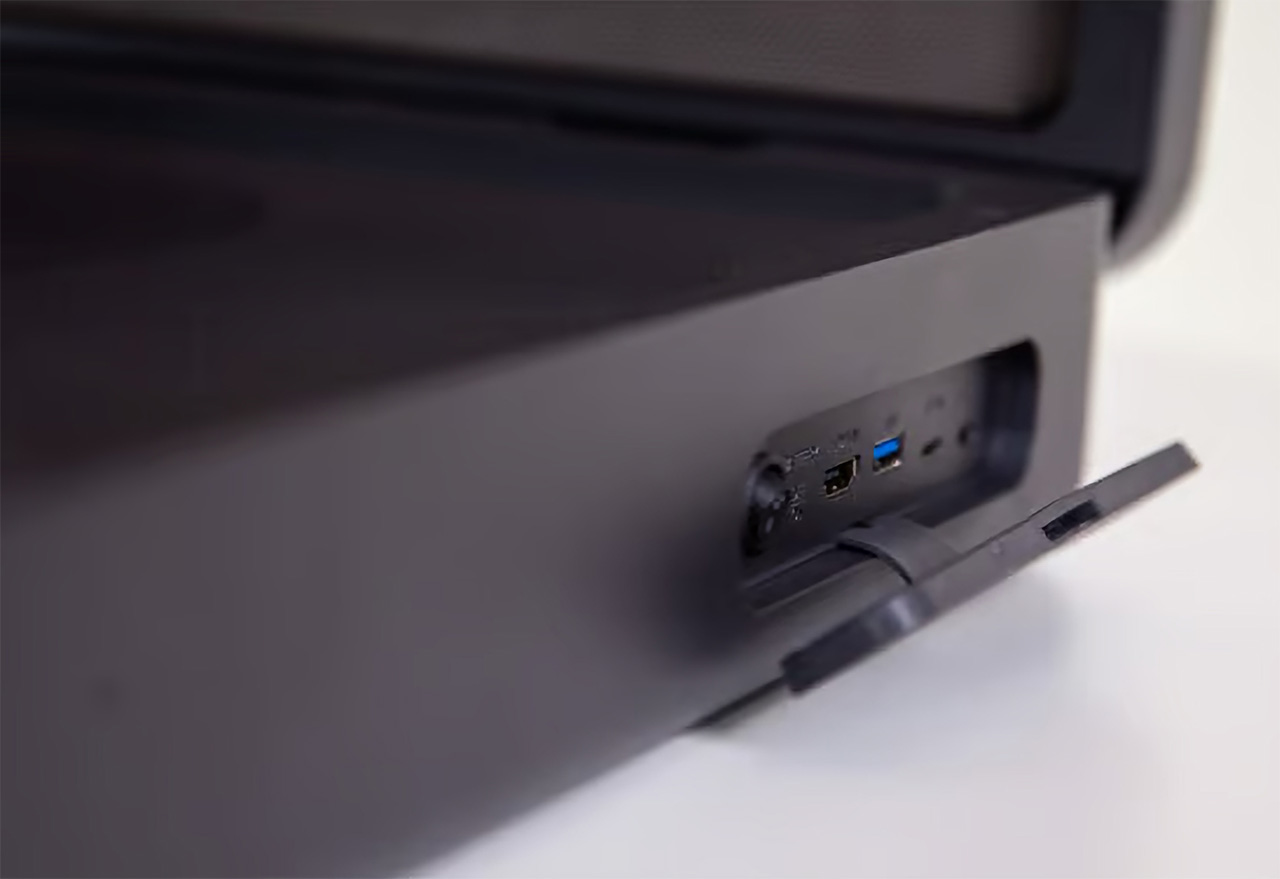
With HDMI and USB-C connectivity, Pixcase integrates effortlessly with a variety of devices, from laptops and gaming consoles to smartphones, making it versatile for both work and play. Moreover, Pixcase also features phone charging capabilities, ensuring you stay powered up even during hectic days. The built-in 20W speakers deliver powerful, rich sound, perfect for watching movies or listening to your favorite playlists wherever you are.
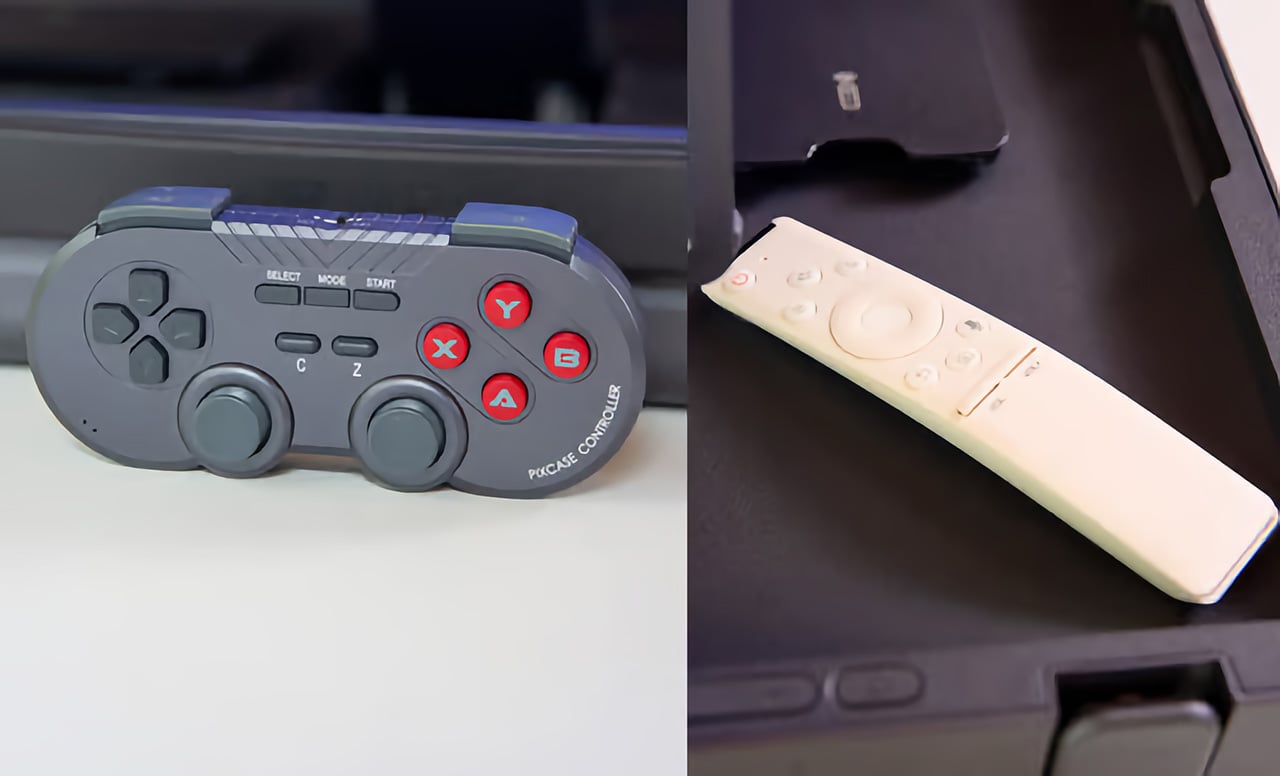
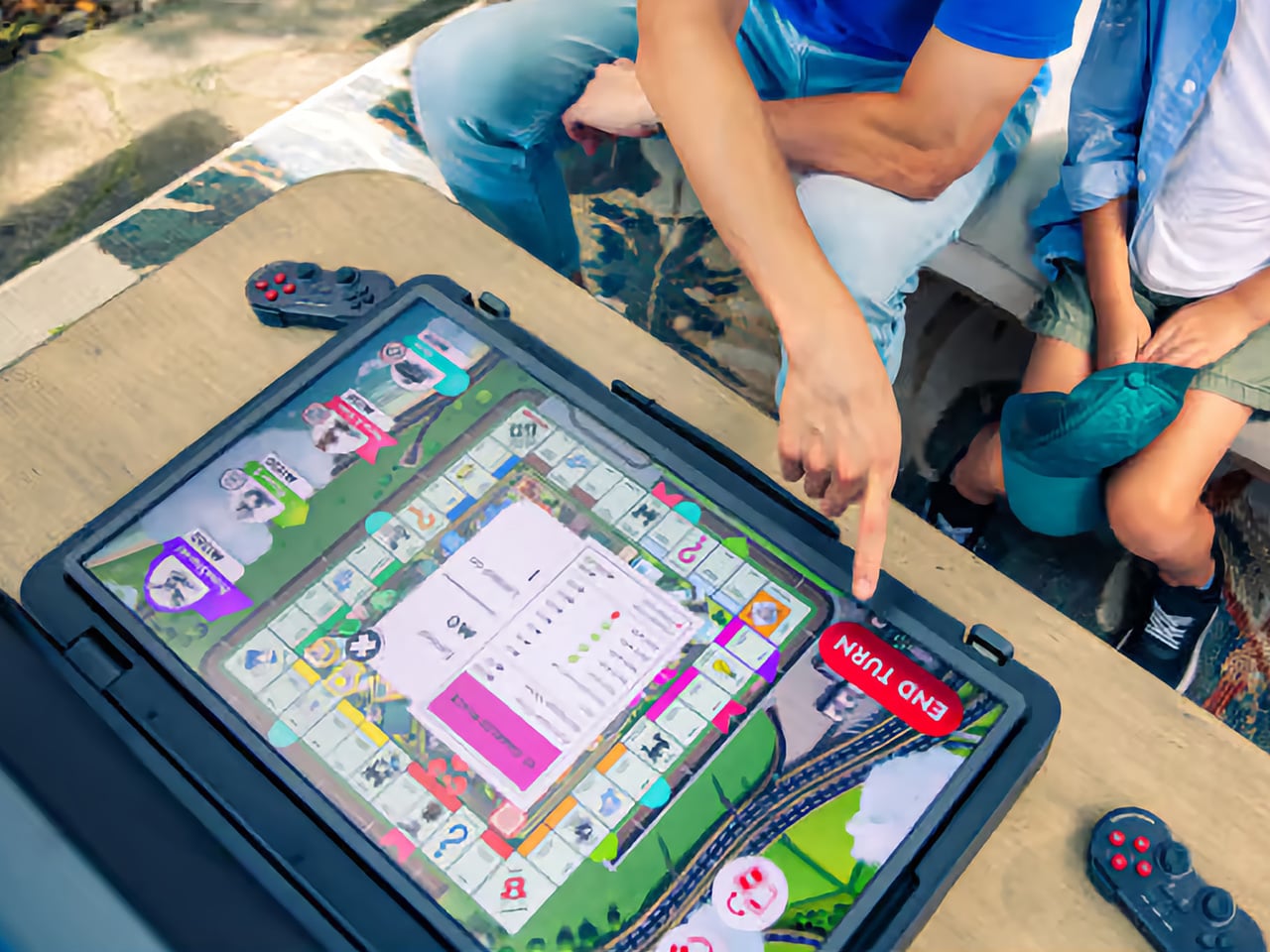
Pixcase adapts effortlessly to various lifestyles, providing flexibility in how it’s used. The included gaming controller enhances your gameplay experience with intuitive controls and also functions as a convenient remote for navigating apps and presentations. Though some games may have limited controller support, most titles benefit from the added interaction, elevating the overall experience. Whether keeping kids entertained on a long road trip, enjoying media under the stars while camping, or delivering a professional presentation, Pixcase is built to handle everything. Gamers will appreciate the smooth performance and expansive display, while professionals will value its capability as a portable workstation for meetings and presentations.
Revolutionizing Portable Tech
As we become increasingly reliant on our digital devices, Pixcase offers an innovative and practical solution. By addressing common pain points like limited app access, insufficient gaming performance, and lack of versatility, Pixcase establishes itself as a must-have gadget for anyone who values entertainment and productivity on the go.
Pixcase combines unique features, from its impressive 27-inch Full HD display to its portable and adaptable design. It caters to everyone—whether you’re a busy professional needing a portable workstation, an enthusiastic gamer, or someone who enjoys high-quality entertainment wherever you go. With its seamless access to apps, integrated connectivity, and powerful speakers, Pixcase is redefining what it means to have portable tech. Learn more about Pixcase and how it can enhance your mobile entertainment and productivity experience.
Weak sales forecasts and the relentless innovation by Adidas have forced Nike on the back foot. They’ve banked too much on the success of the Air Force 1, while the low-rise multi-colored Samba and Gazelle sneakers by Adidas are the current rage. Does that signal a bleak future for Nike footwear? We hope not and expect Nike to bounce back with a successful pair similar to the Air Jordan.
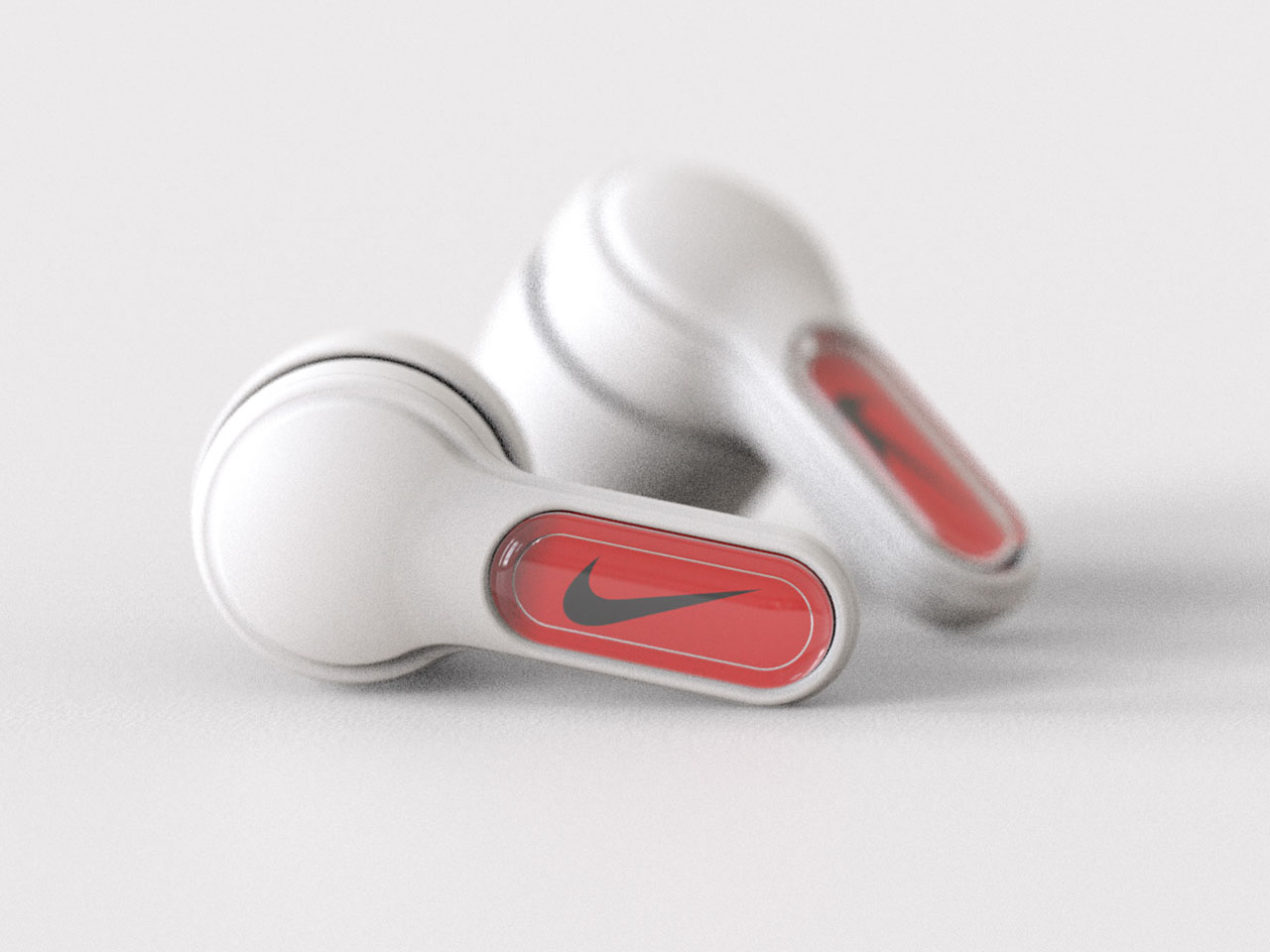
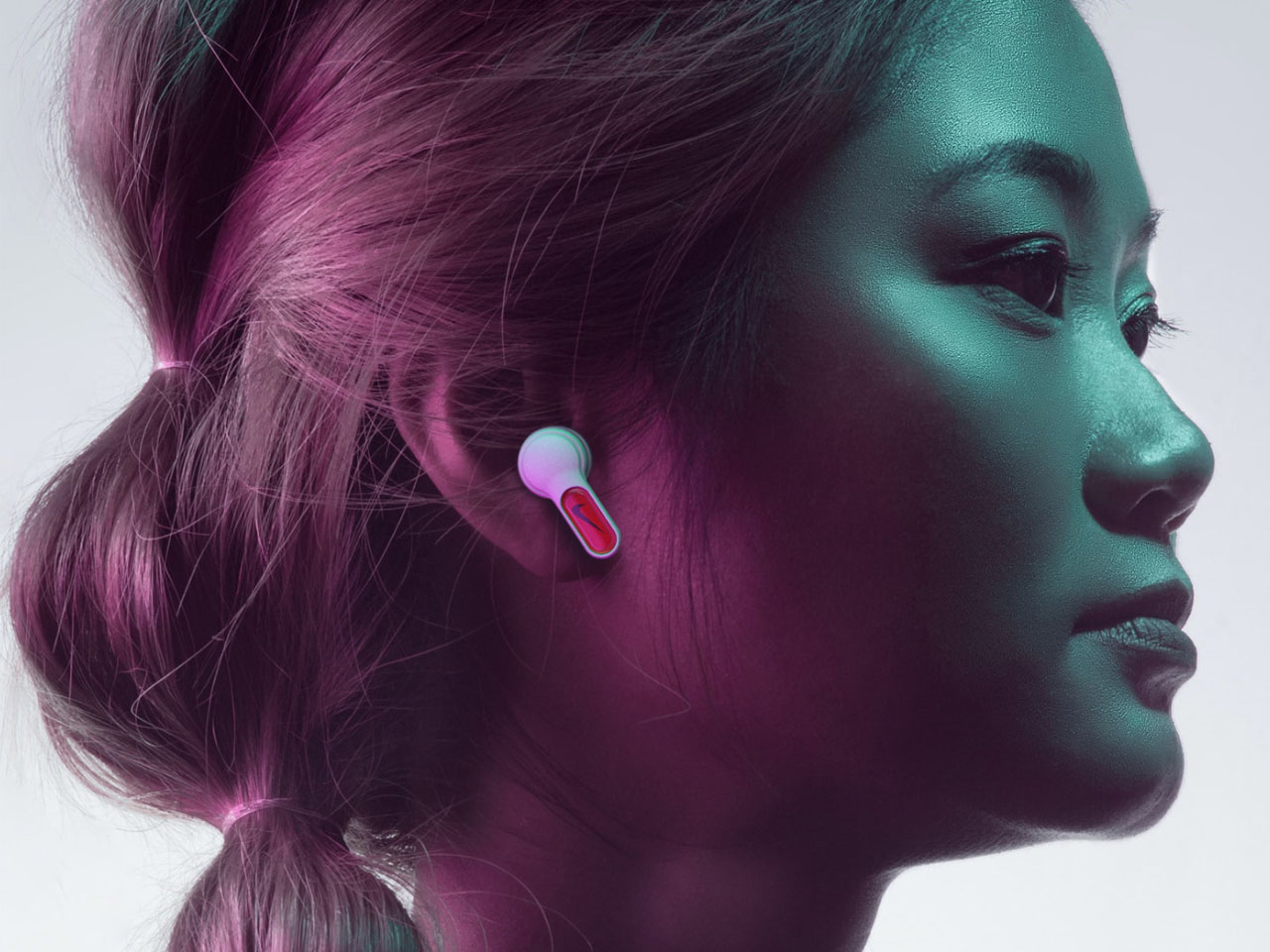
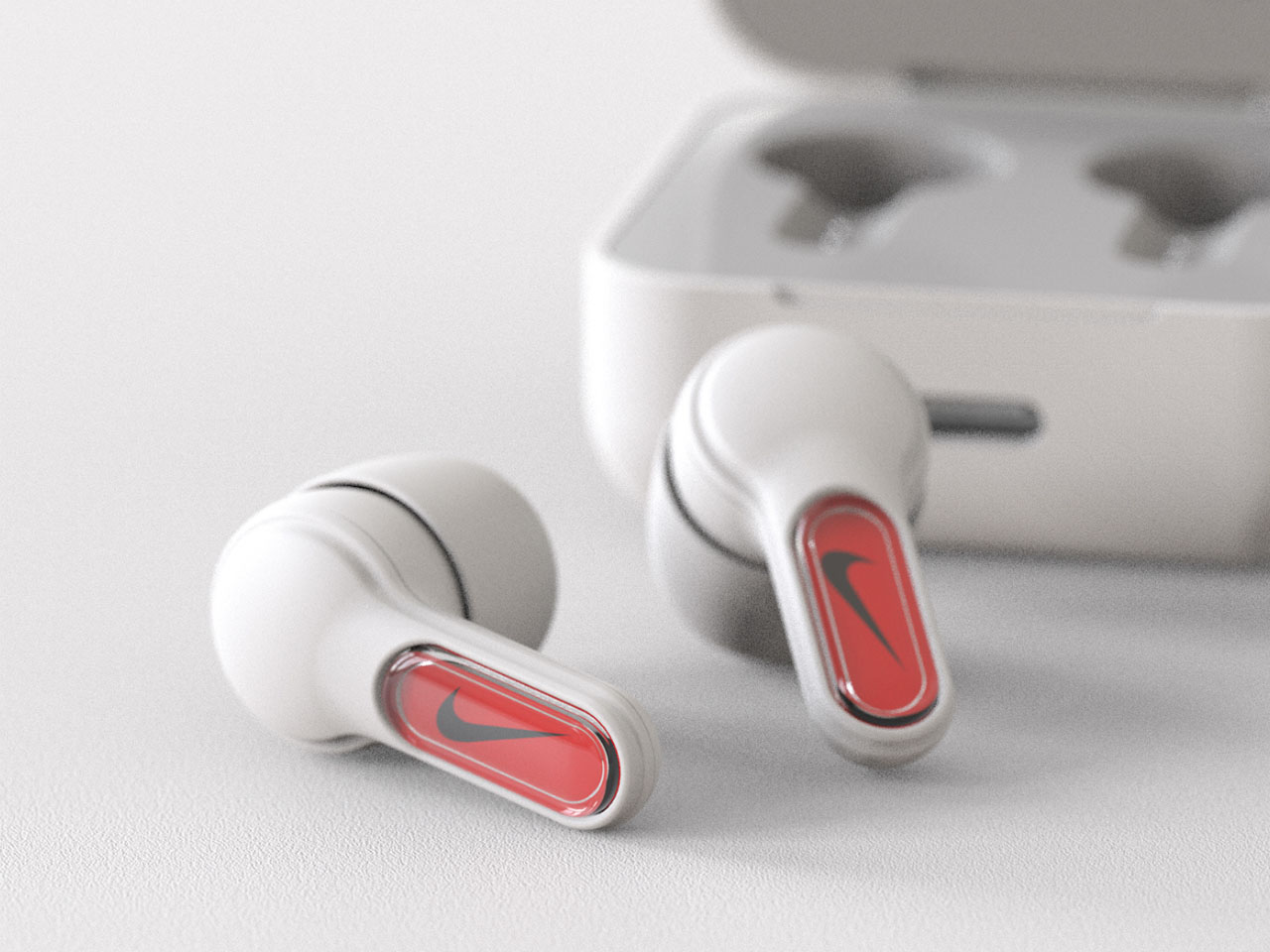
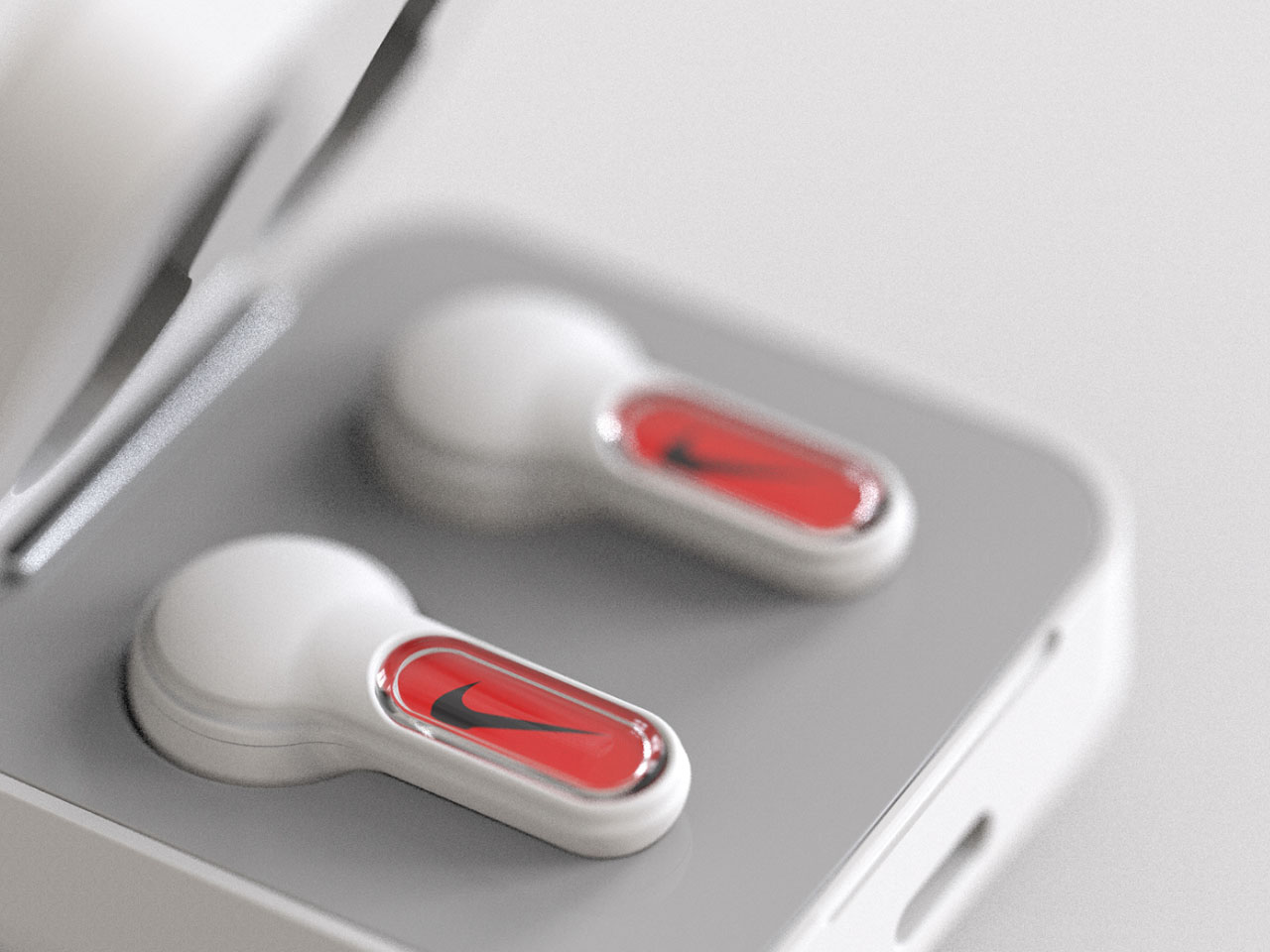
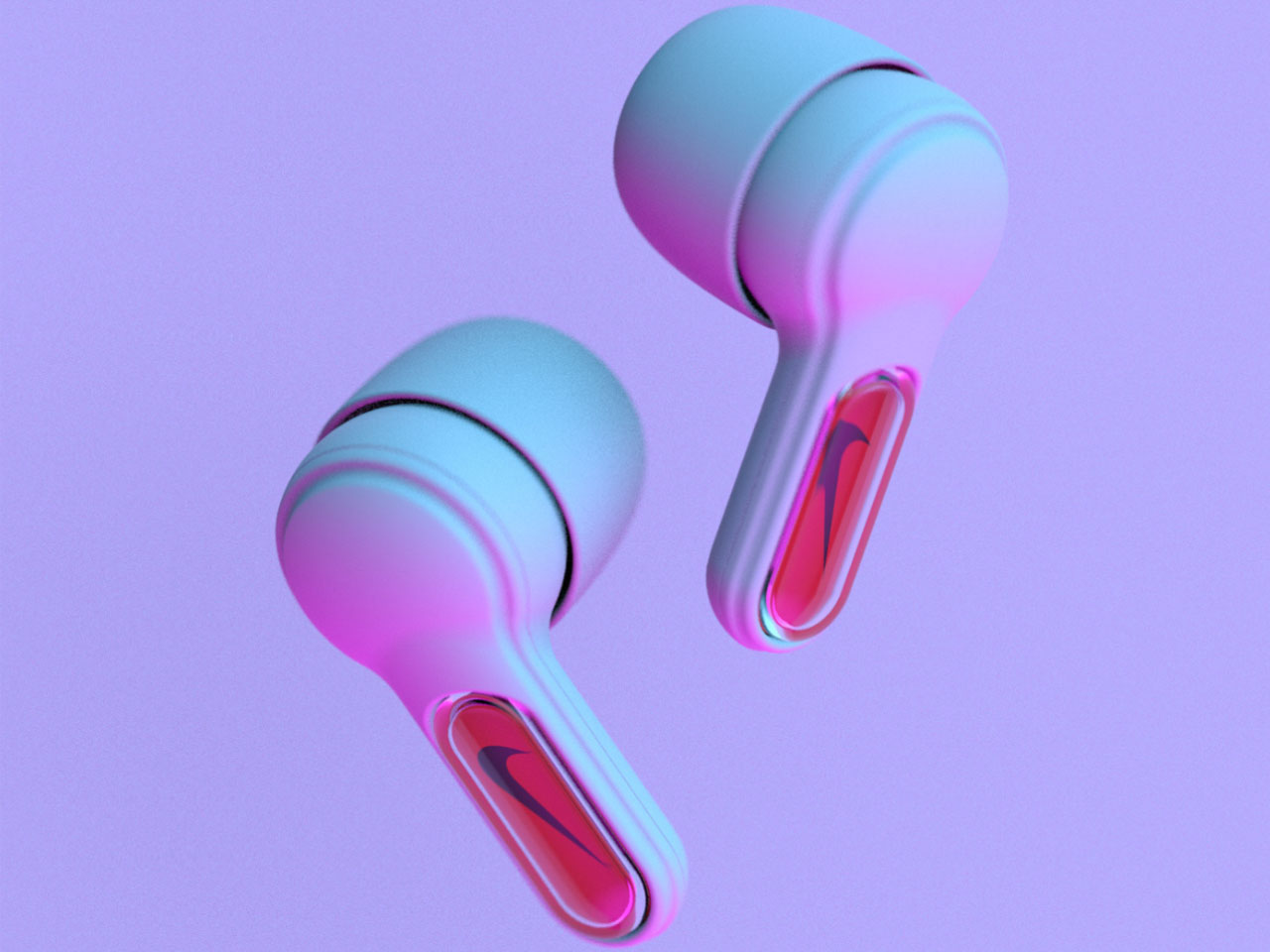
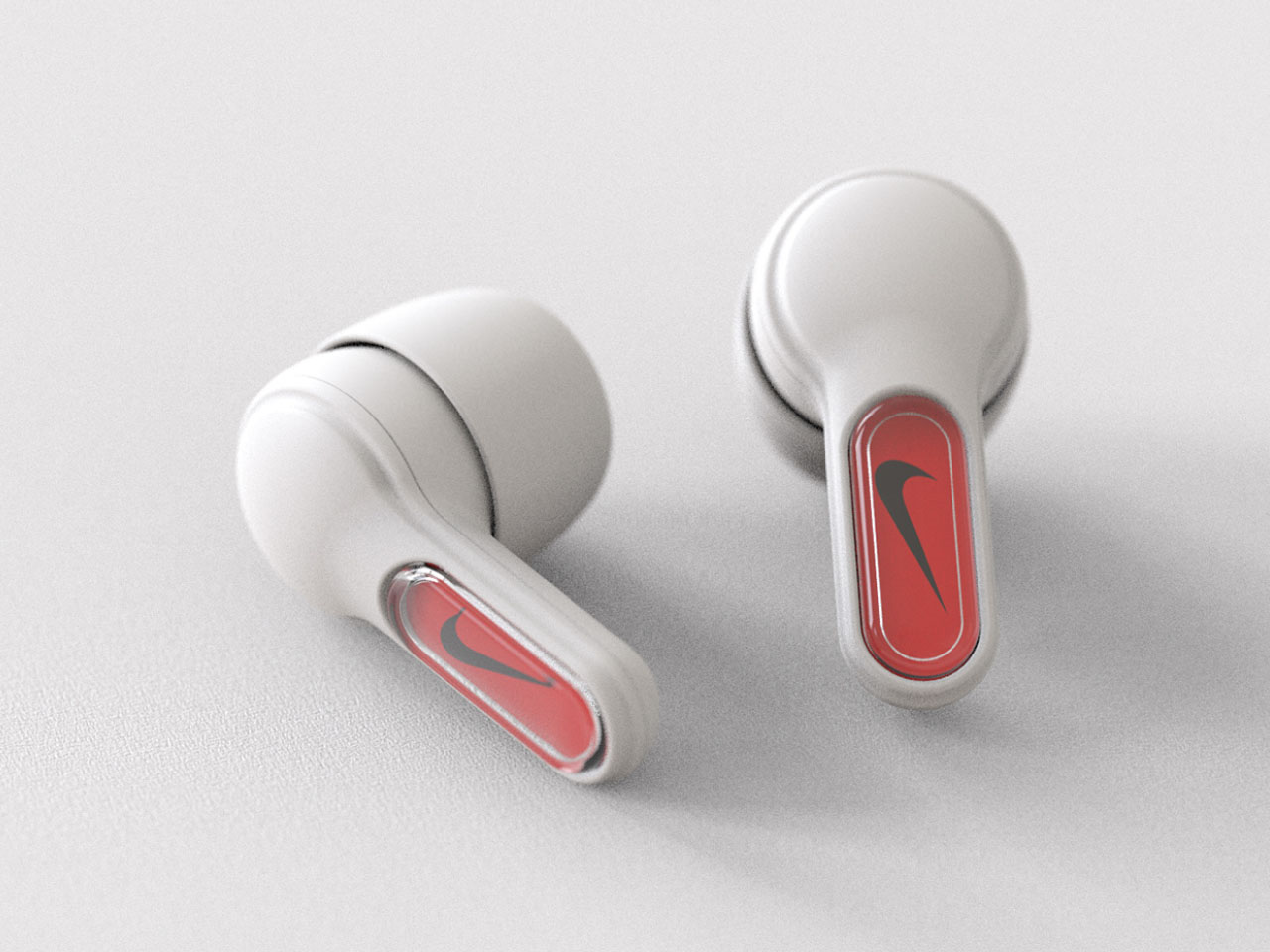
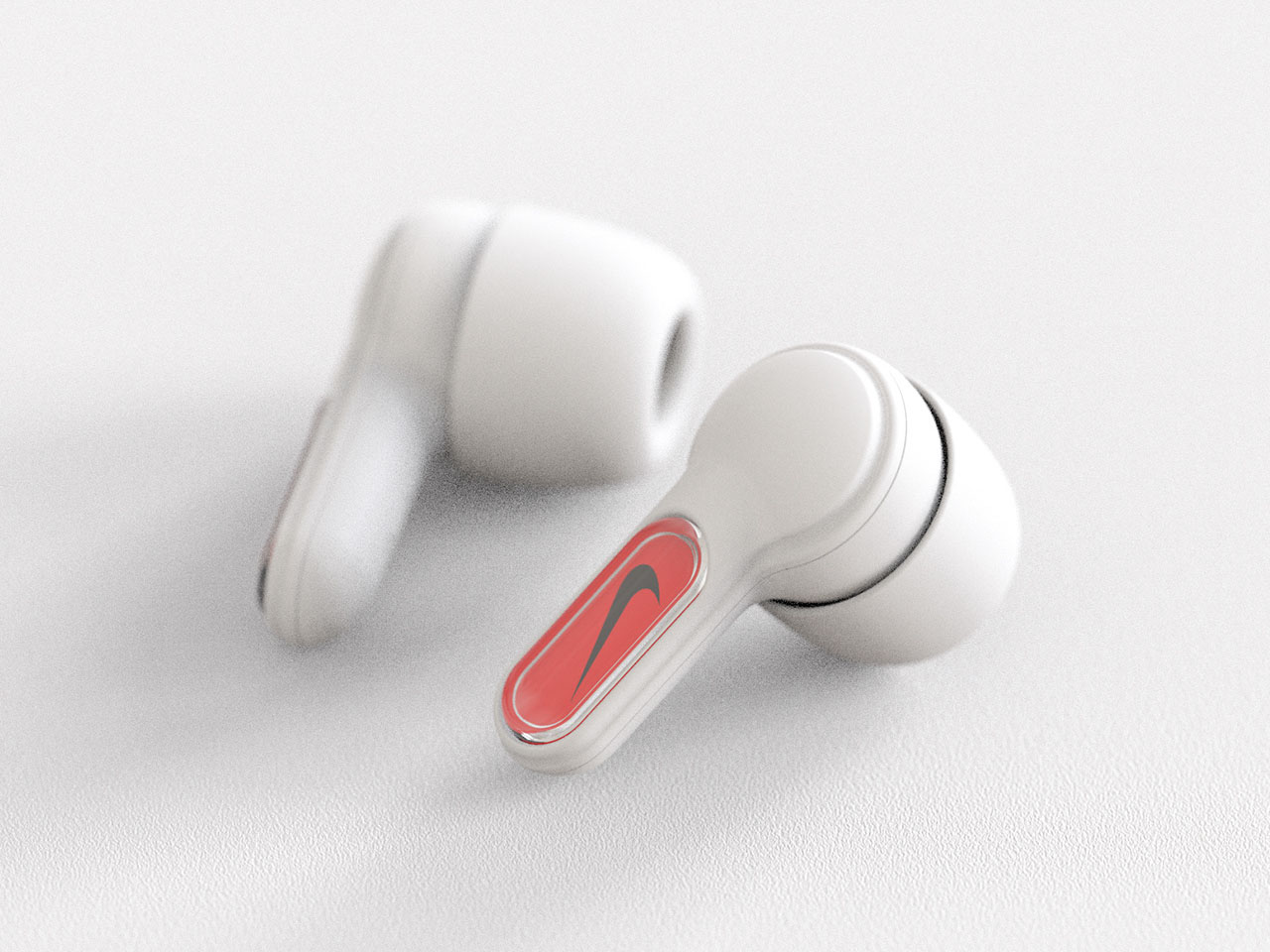
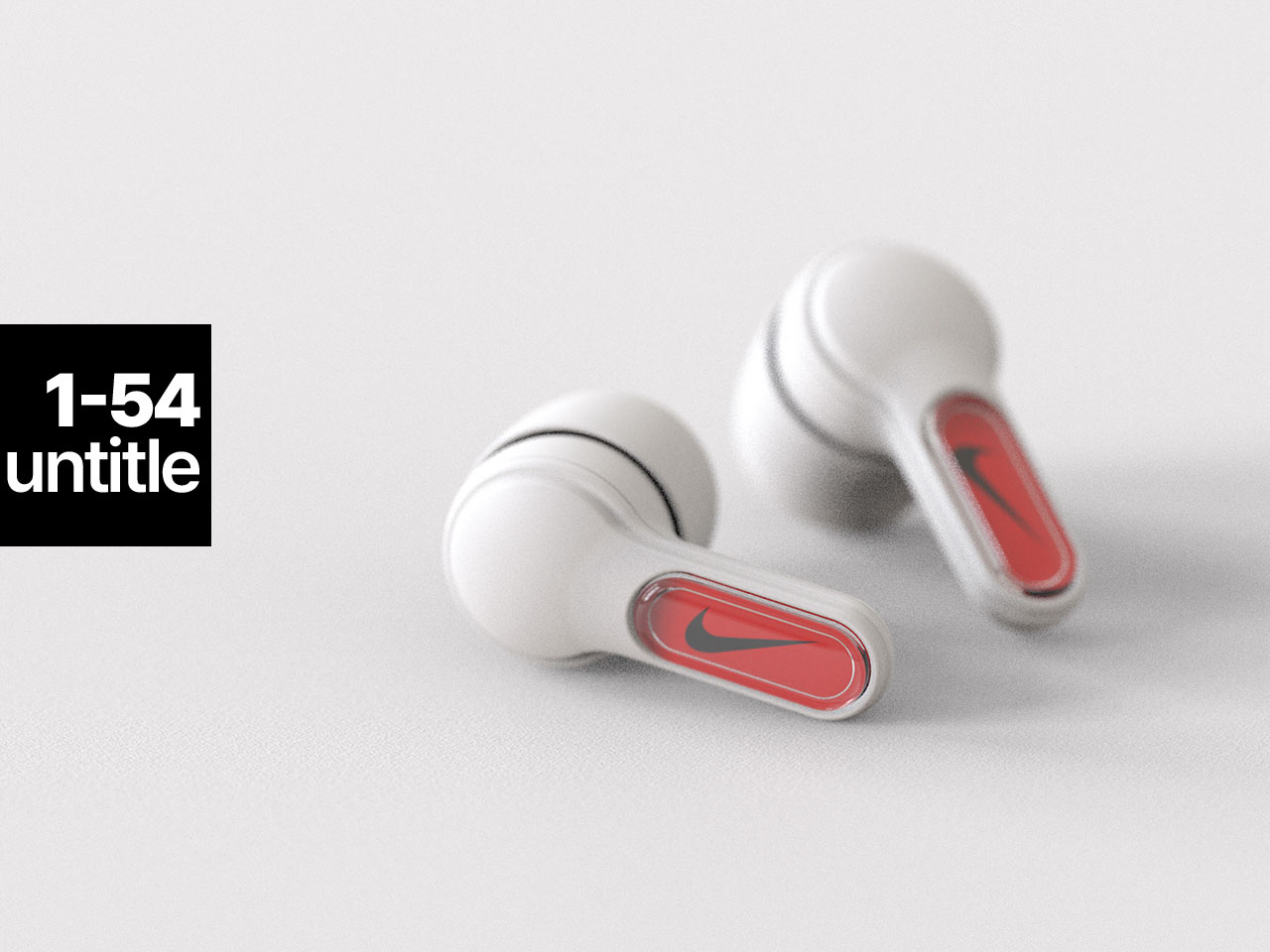
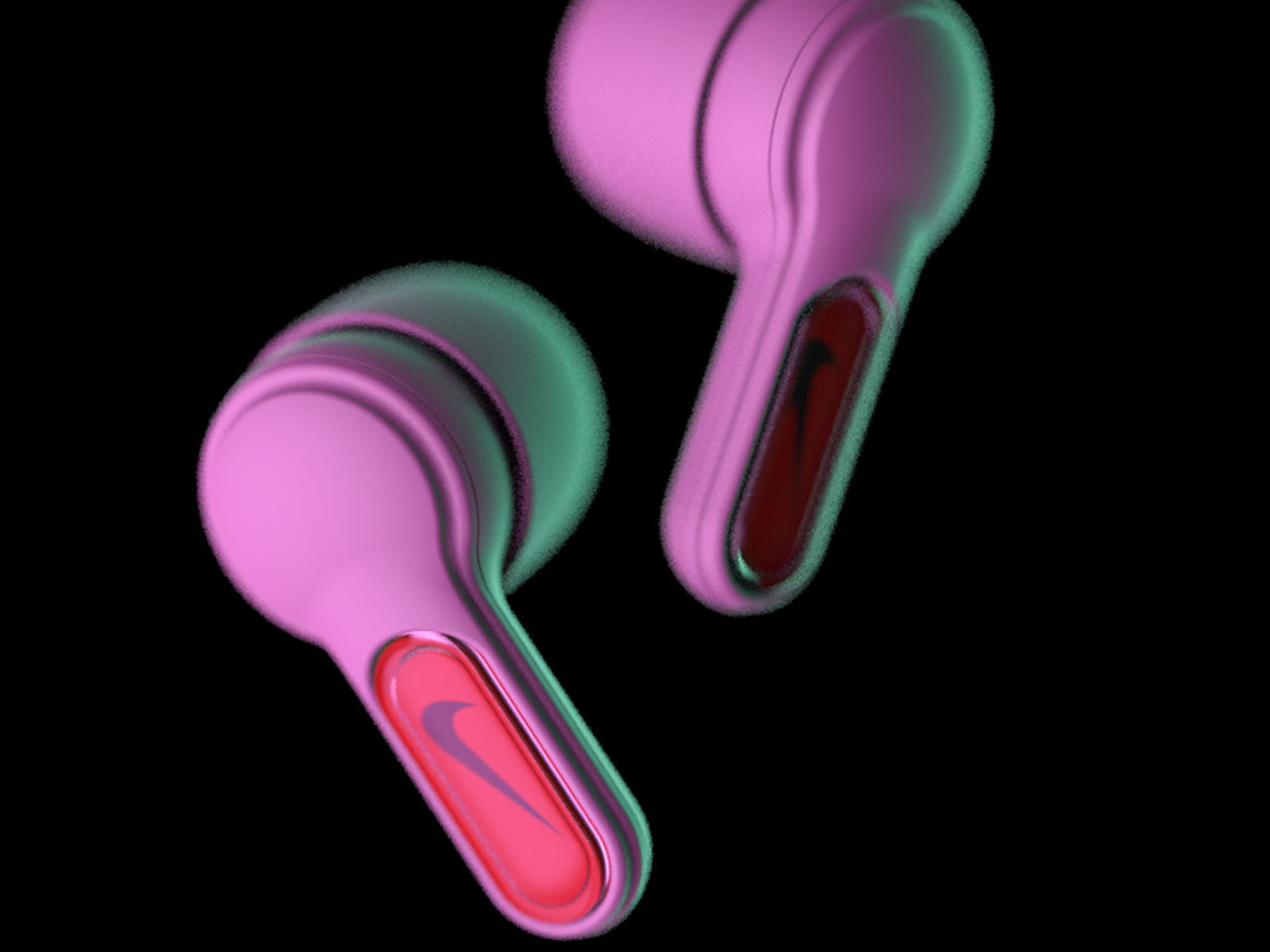
Foraying into the highly competitive yet lucrative audio accessories market could be on the cards. If Nike does decide to extend its influence beyond the athletic apparel and footwear line this could be it. This concept design for a pair of earbuds with the Nike branding gives active individuals a fair idea of what they’ll be like if they ever exist.
Crafted for Nike, these concept earbuds are sporty and have a comfortable fit with a secure design that should stay in even during intense physical activity. The design is minimal making them lightweight and easy to use. This means people with active lifestyles will love them. Due to the small size don’t expect drivers comparable to the flagship earbuds like B&W Pi8, Sennheiser Momentum True Wireless 4, Technics AZ 80, or Denon Pearl Pro.
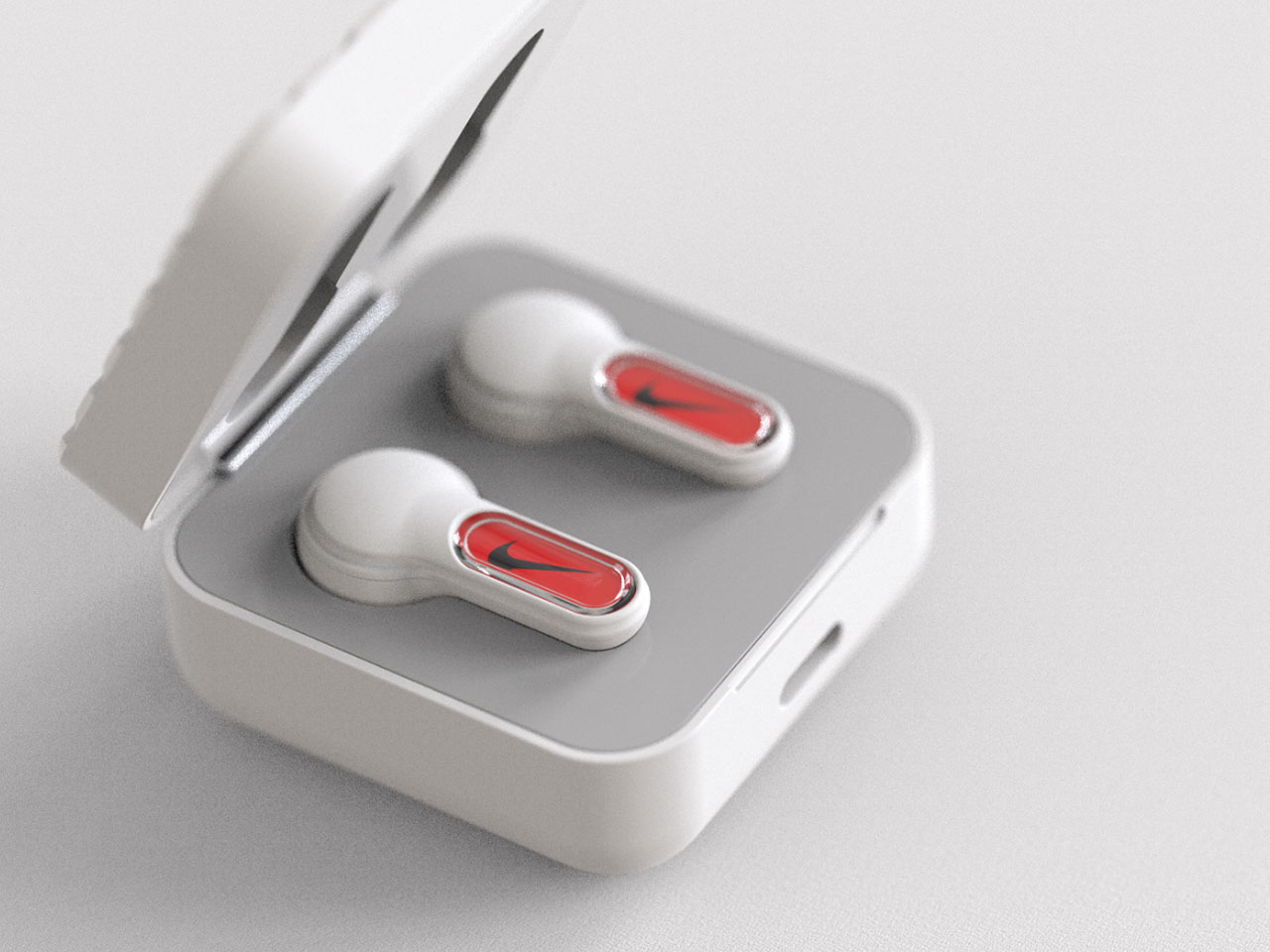
They have a very recessed form that flows to the case that has a unique top in a sporty finish. In a way they emulate the soles of a shoe and that goes well with the theme. Just like the Nothing Ear (2) buds they have a horizontal positioning of the buds in the case, but in the face first position which can make them harder to take out.
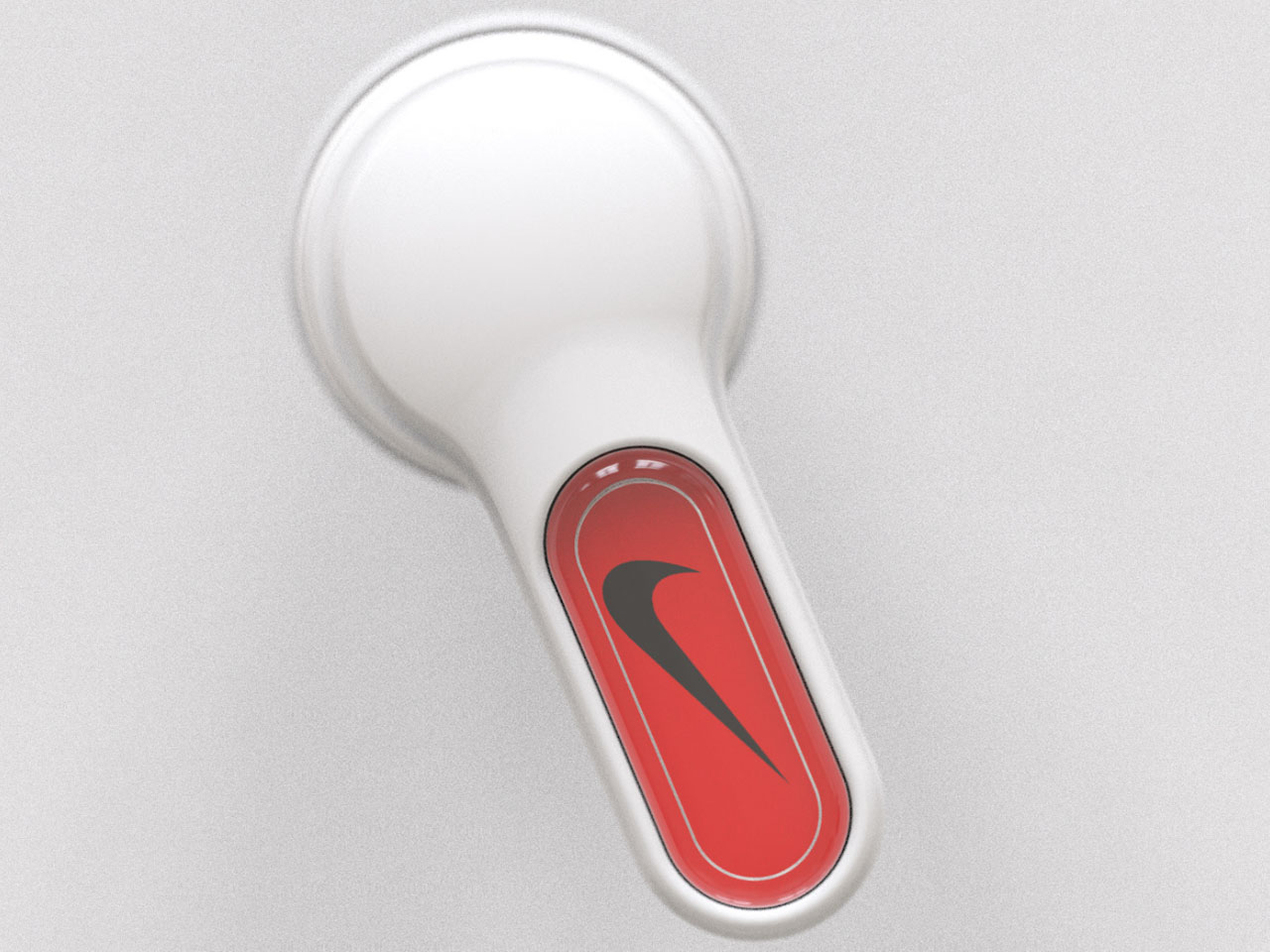
The Nike branding is embellished on the sides very aggressively and I hope there are touch controls in there since they are the norm these days even with budget options out there. Jinkyo doesn’t enlist any specifications or features on this one, but I assume there should be ANC and transparency options too. Overall, this concept is heavily weighed in towards the design and look, but a little more imagination in the features and functionality of the buds would have spiced up things.
Technology is today bridging gaps between thought and expression in more ways than previously possible. This is especially true in the case of people facing limitations with verbal speech and expression thereof. Many who resonate with the thought that every person – irrespective of their limitation – deserves a voice or perhaps a way to communicate have been working with neurodiverse learners facing communication challenges to facilitate their lifestyle with AAC (Augmentative and Alternative Communication) devices.
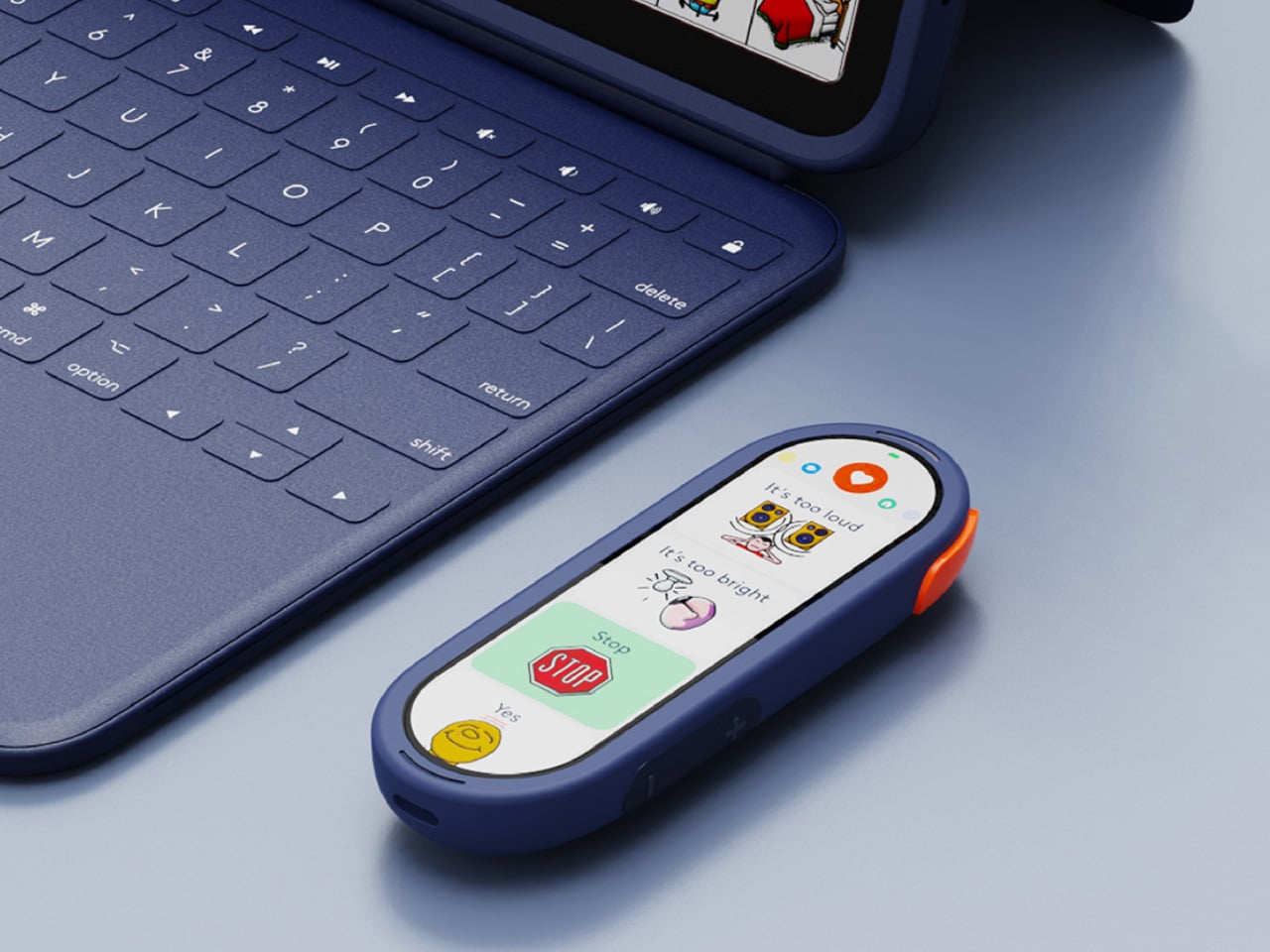
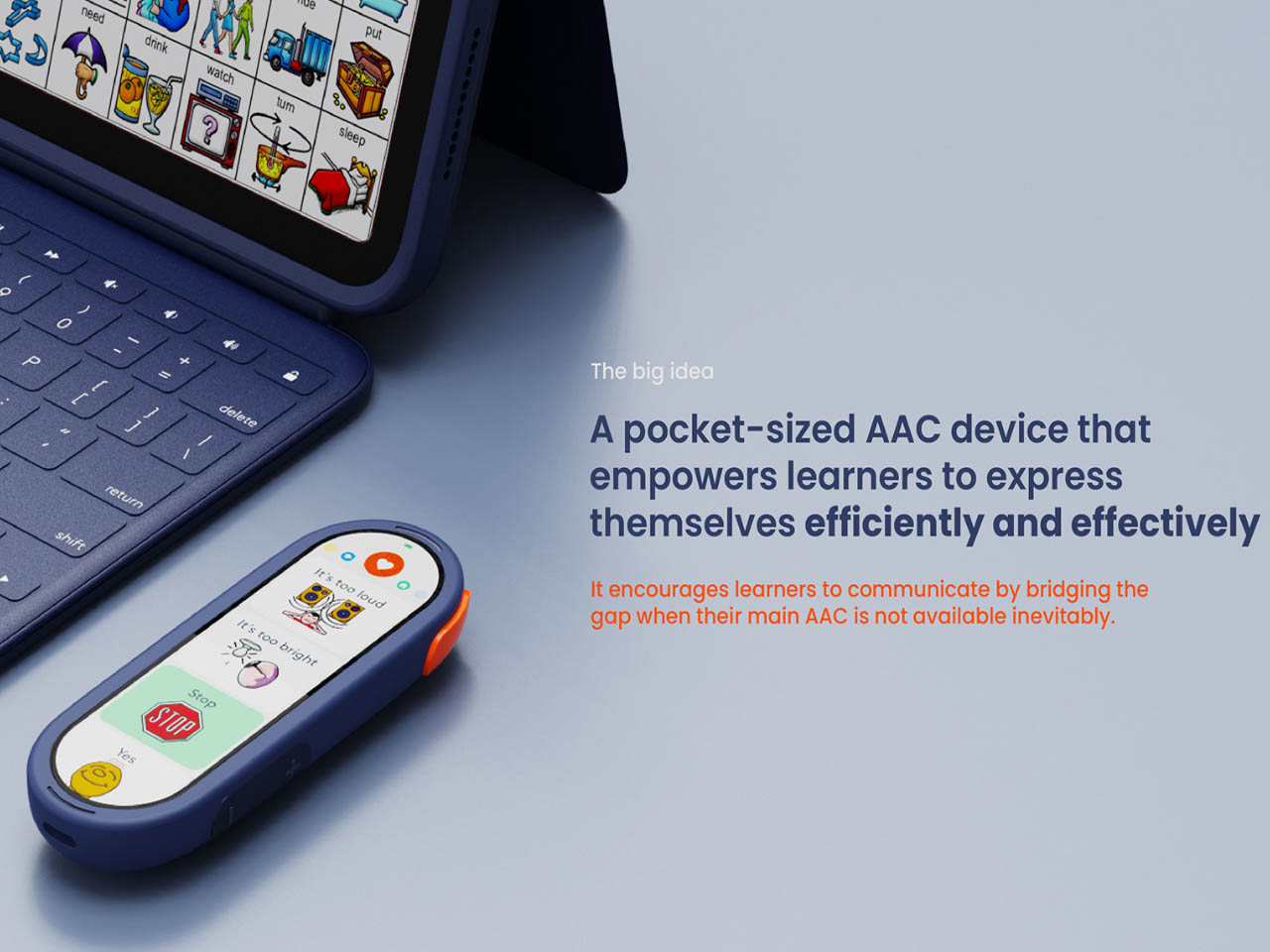
Whether it’s due to developmental, neurological, or physical conditions, the struggle to communicate verbally no longer has to limit someone’s ability to connect with the world around them. Modern ACC communication devices – like this Logitech EDU multifunctional device – have stepped up to make it easier for those struggling with verbal communication to connect with the world around them not through words, but through the use of symbols and pictures.
More than 2 million children and adults use AAC to communicate on a daily basis. Such tools support those with difficulties communicating using speech to communicate their requirements, attend classes and participate in them, and also socialize with peers and society easily without words. The project by Monica and Fang is based on the preliminary research within the Logitech EDU team catering to the adaptive needs of students, especially those on the autism spectrum.
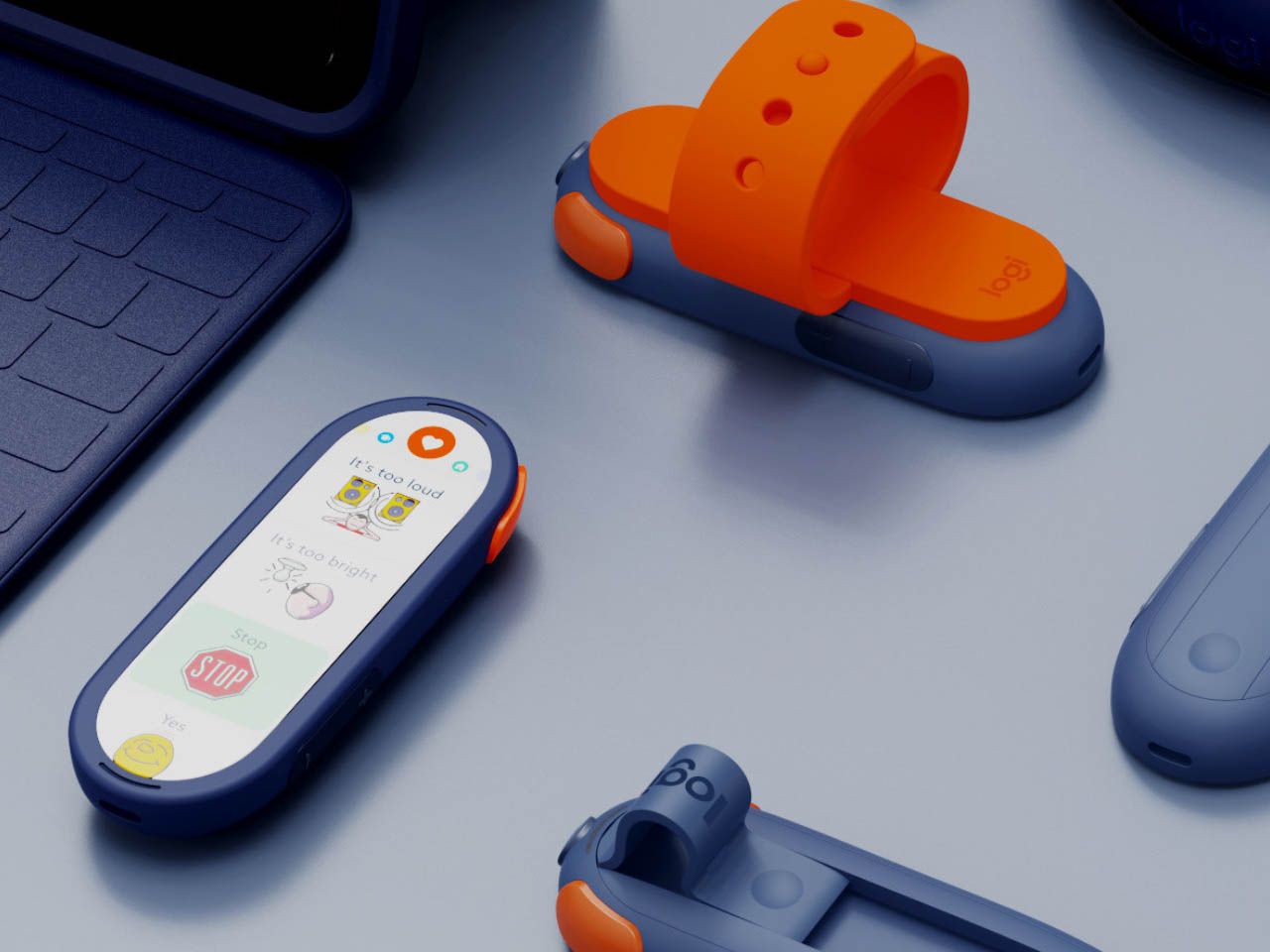
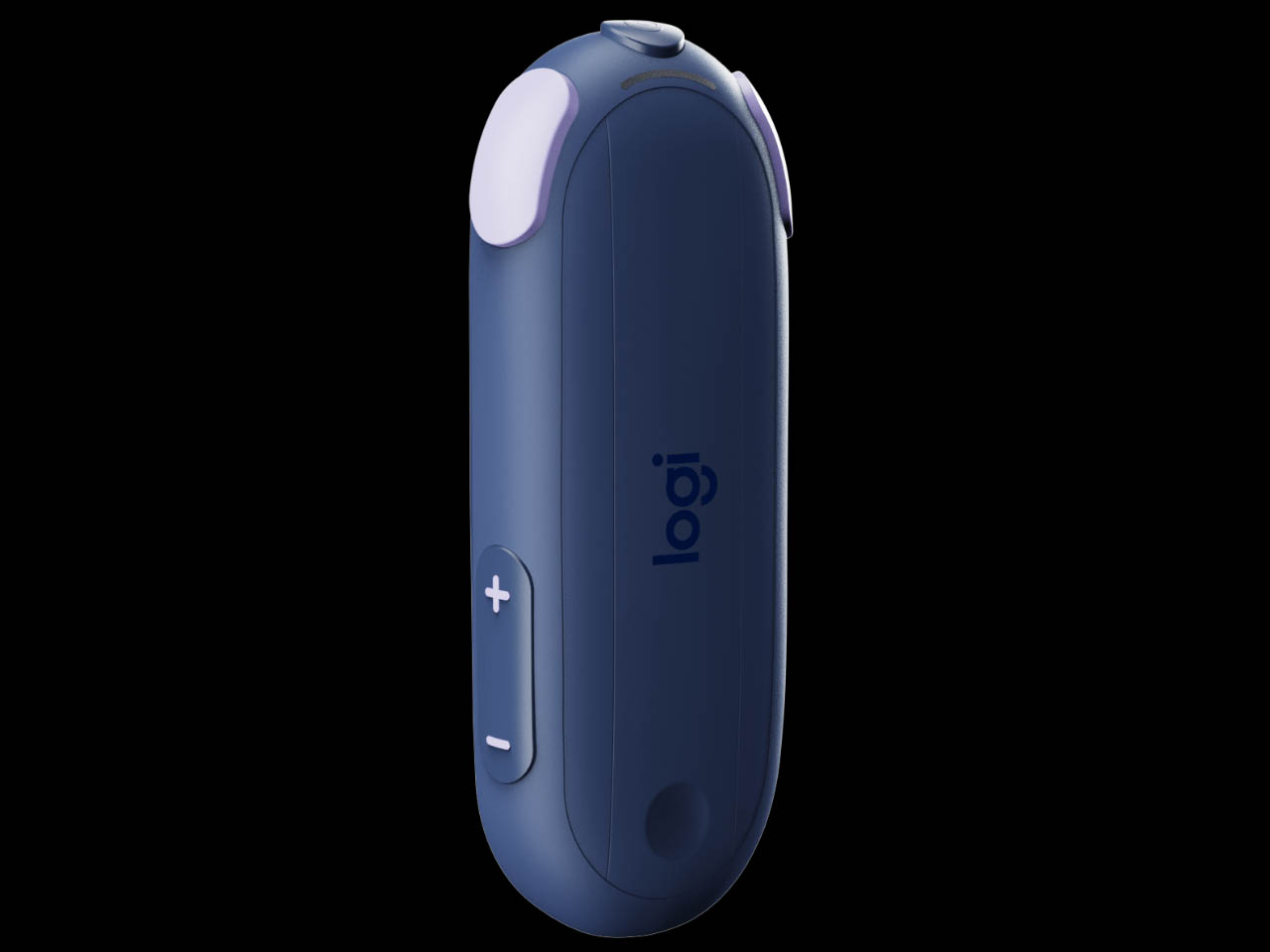
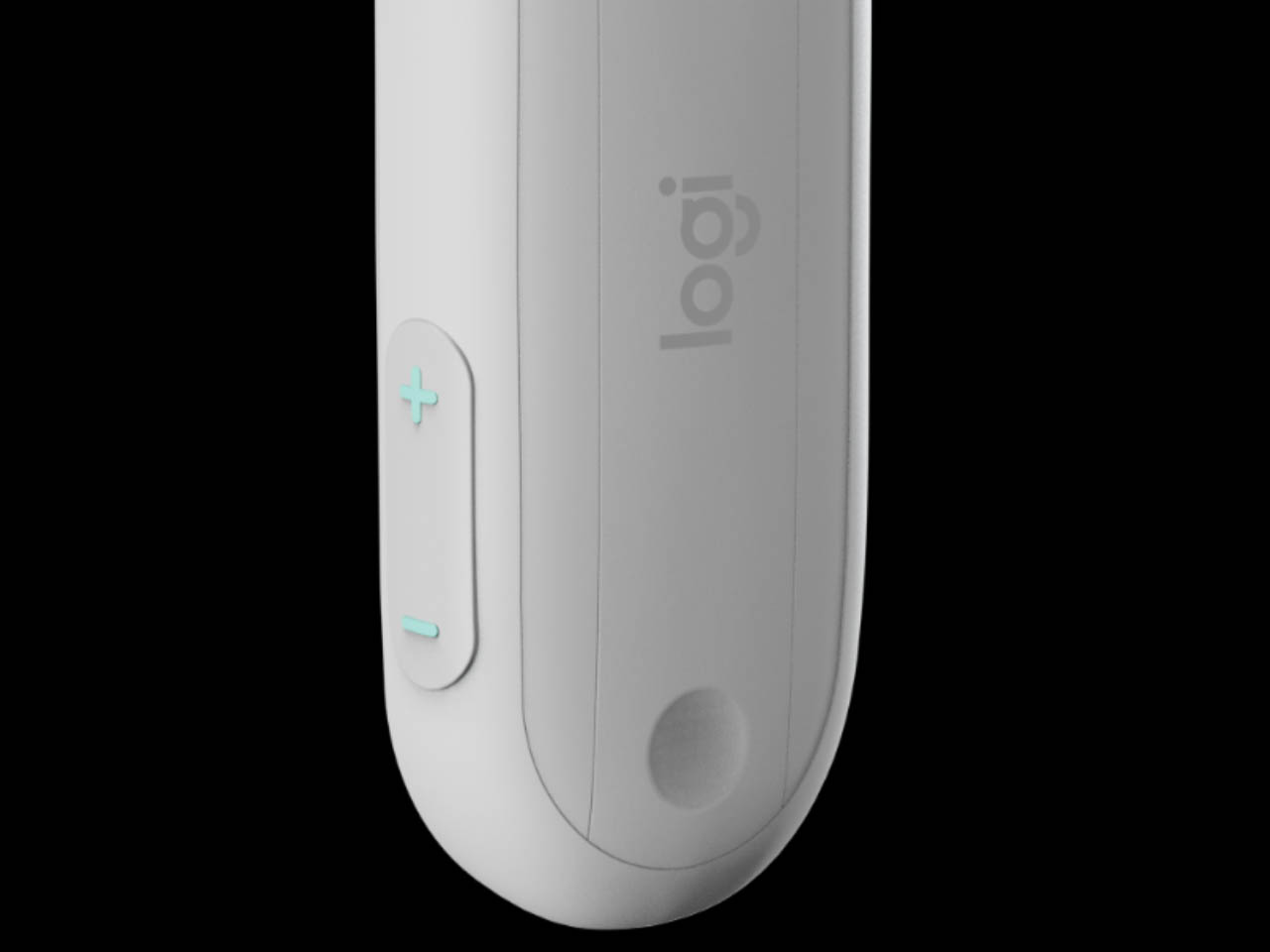
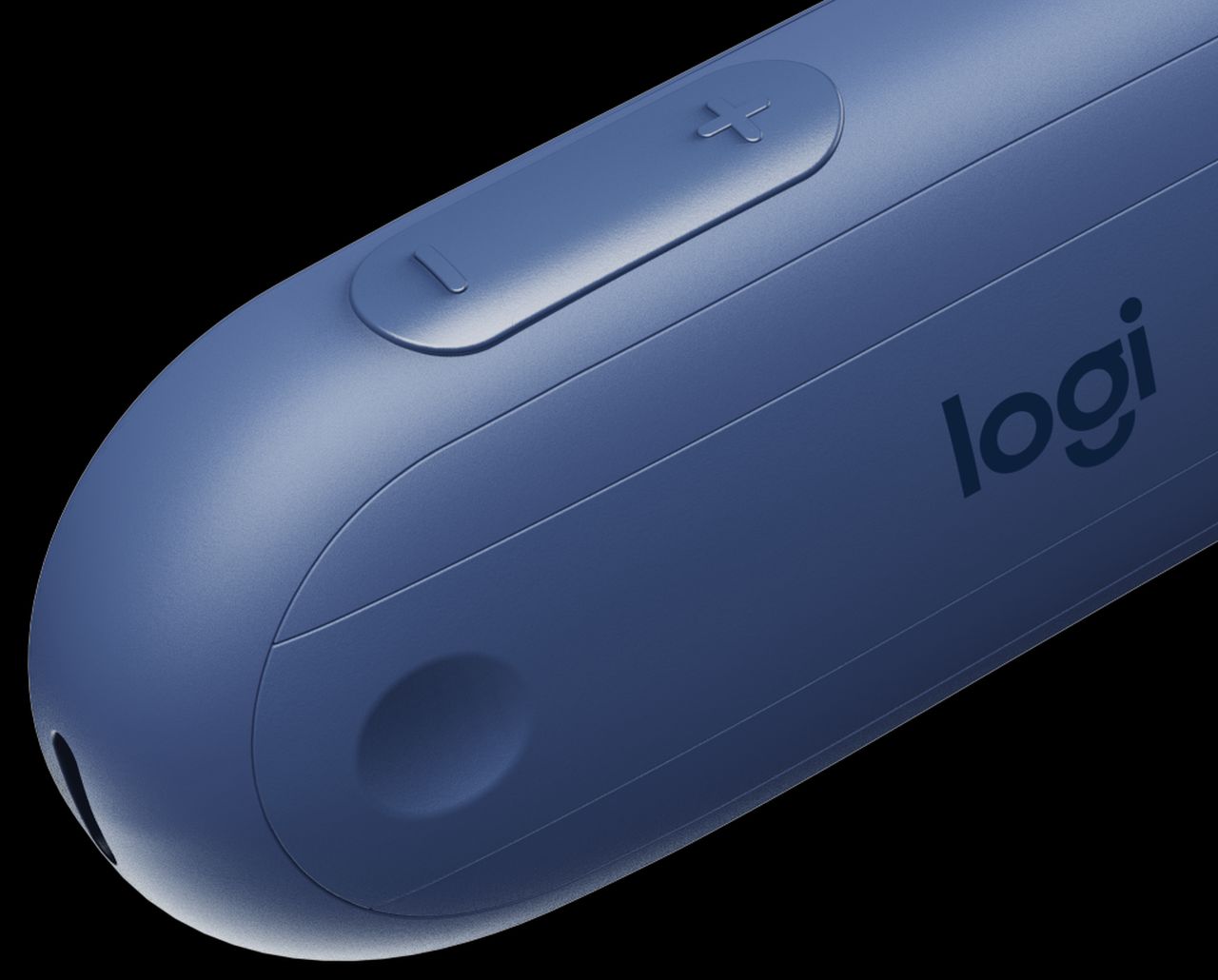
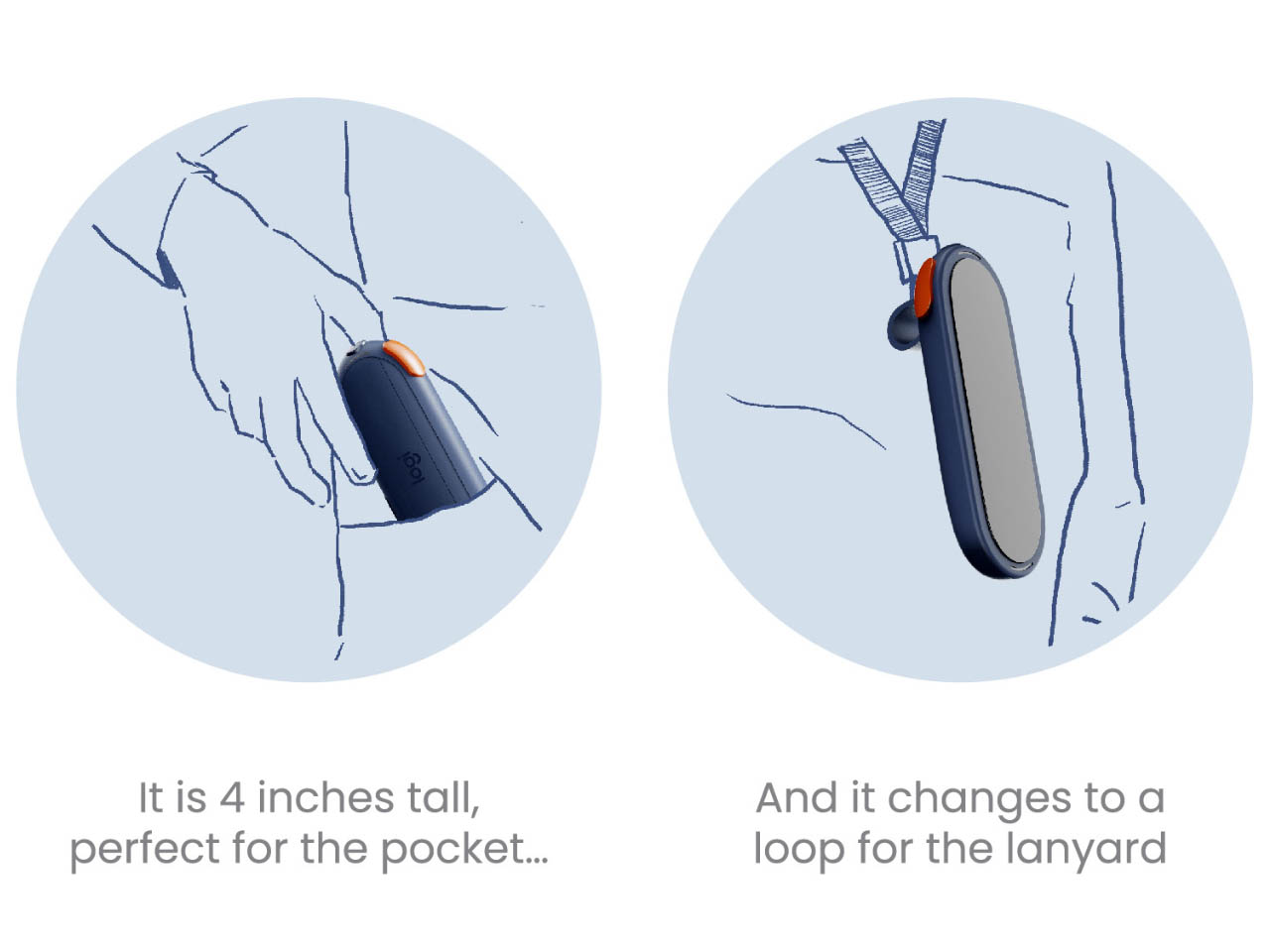
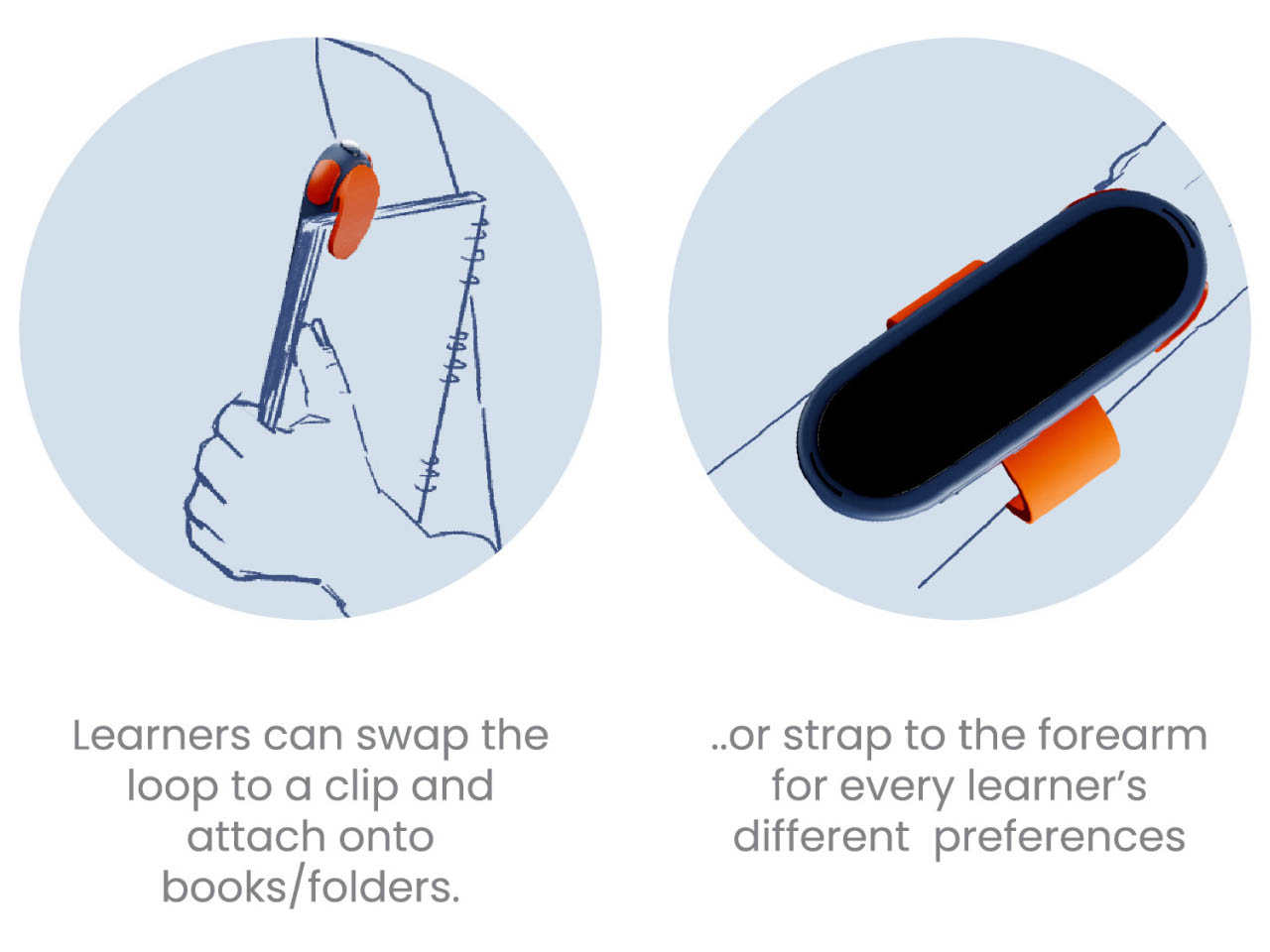
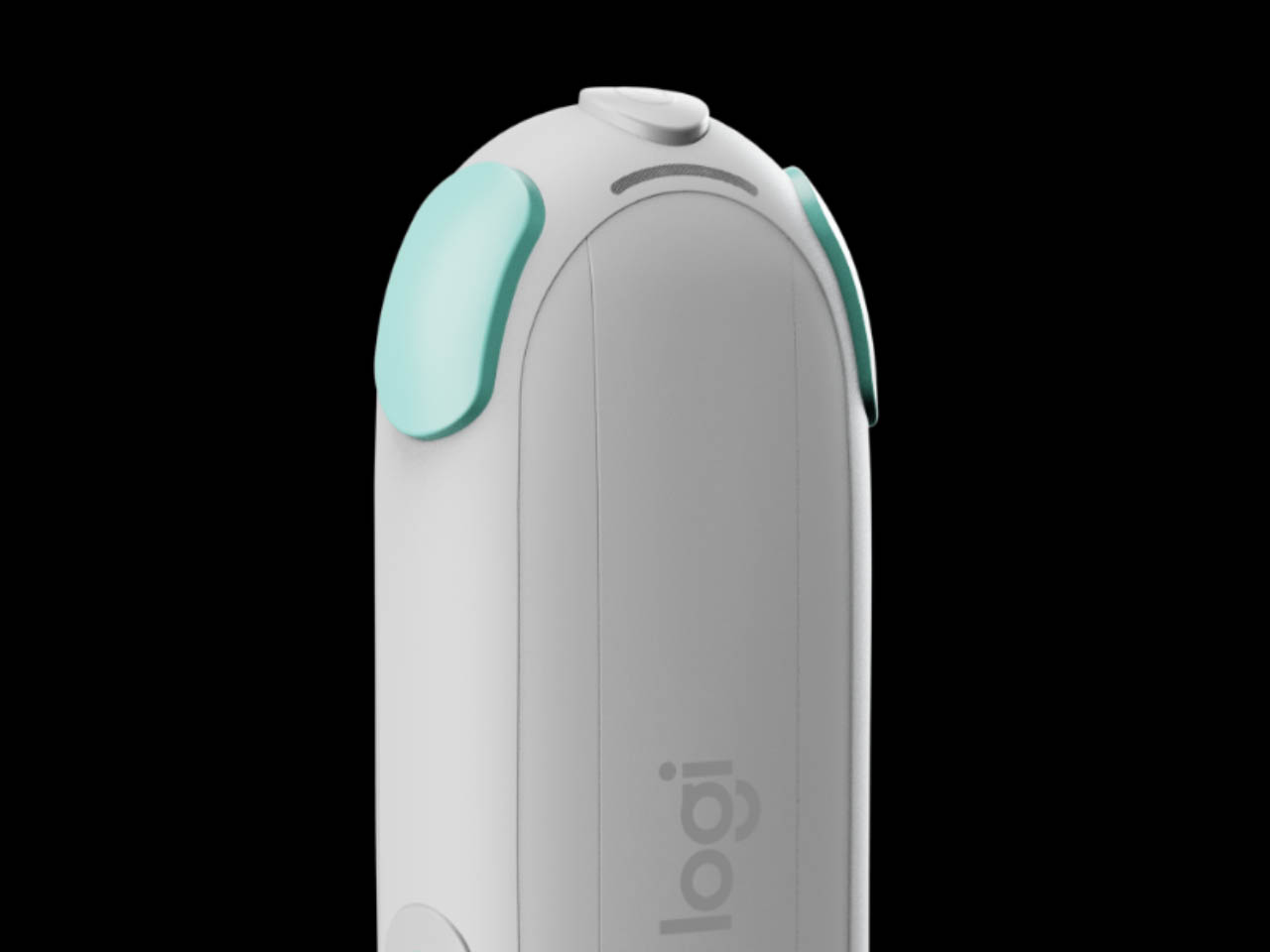
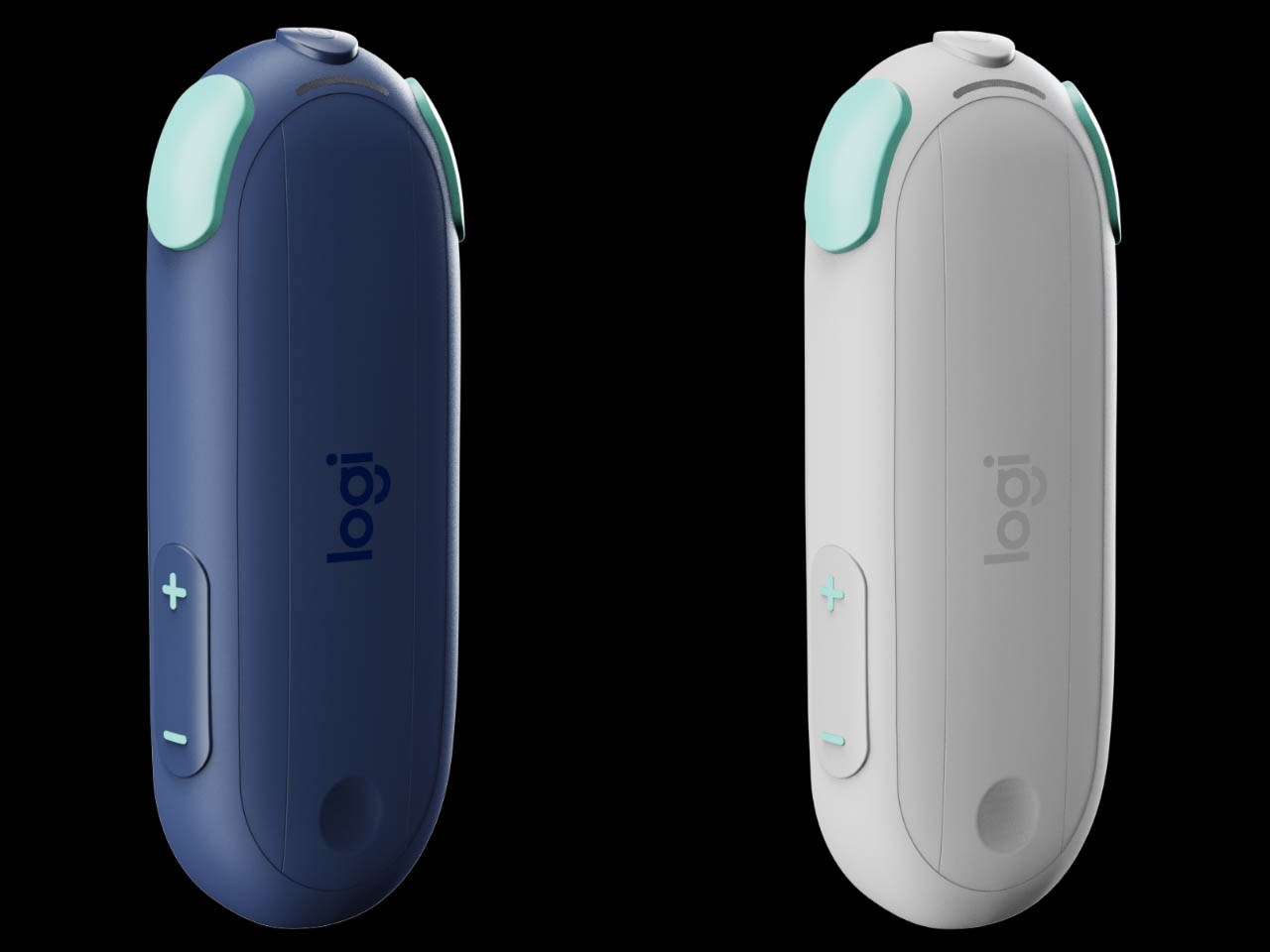
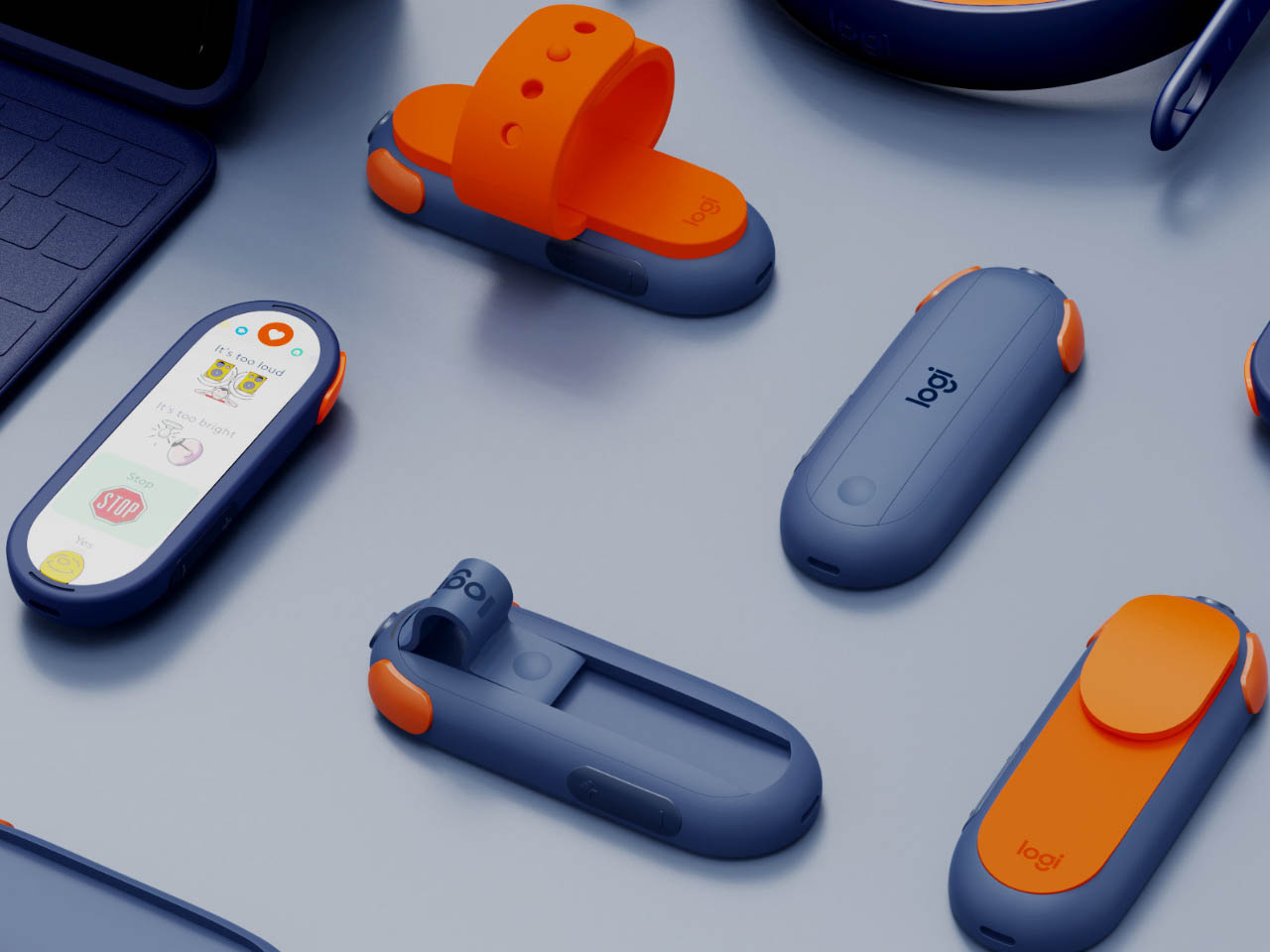
This computer mouse-like pocket-sized AAC device that measures 4-inches tall is based on a picture symbol system and wears the Logi branding. It is created and tested for the K-12 age group. The autistic learners in this age segment are trained to use symbols instead of words to communicate and this device intends to make that more interactive and convenient, overcoming the limitations of other AAC devices. For just convenience and interactivity, the accessory is made of interchangeable pieces rendering it an adaptable device in a student’s daily life. For instance, it has loops to wear as a lanyard, swap in the clip and fasten it to a book or folder, or strap it around the wrist to be worn as a watch.
The device features different modes comprising a set of words or phrases displayed on its interactive screen. The learner can access and click on their choice of interaction at any point of the day. These symbols are imported from the learner’s primary AAC device so that at no point there is a chance of an unfamiliar message that they do not associate with. The parents and educators can have control over this device and customize the interaction models at any time. To make it easy to be accepted as a device the learners would like with them, Monica has designed these in muted colors and minimal textural inundations.