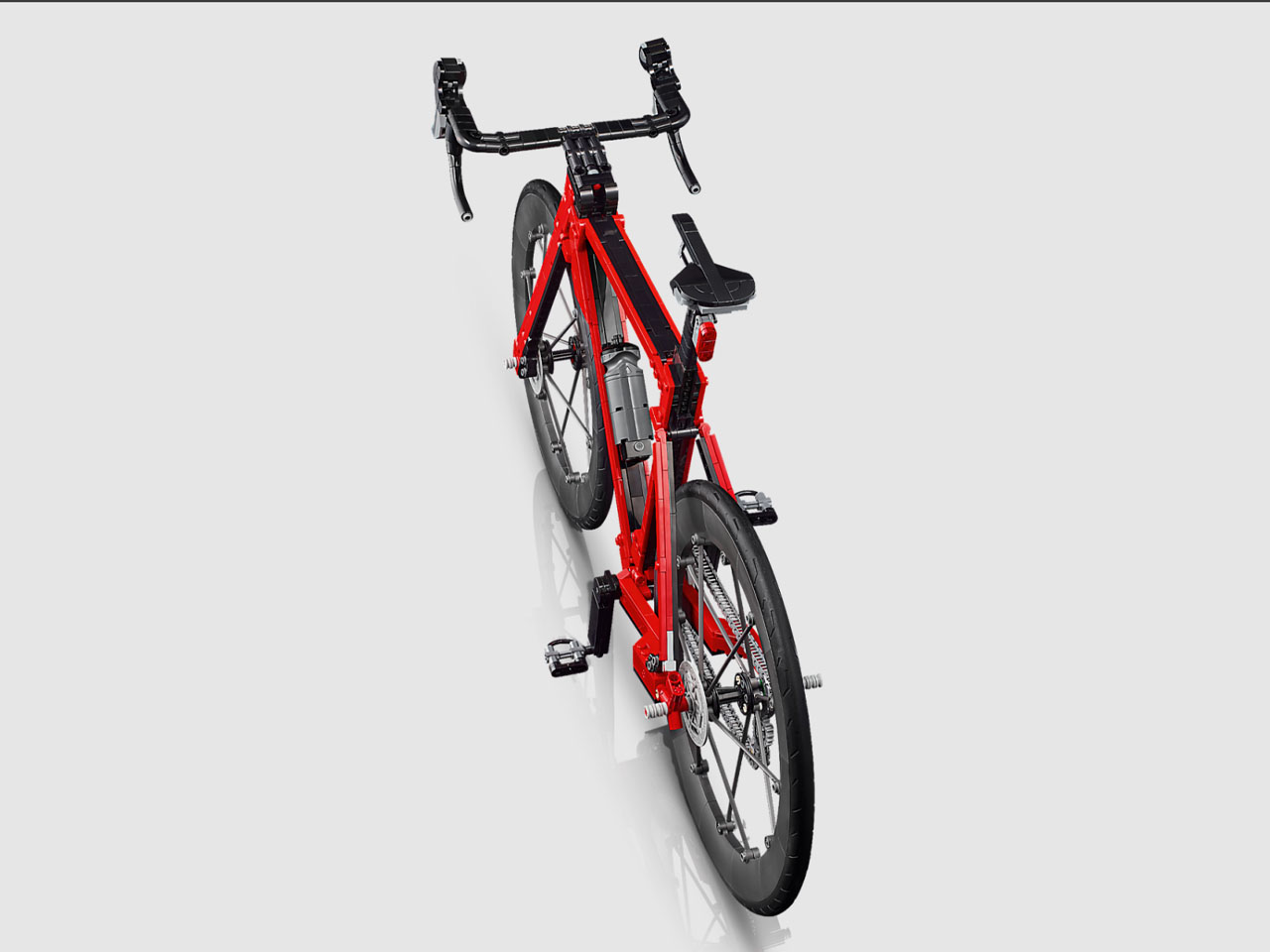
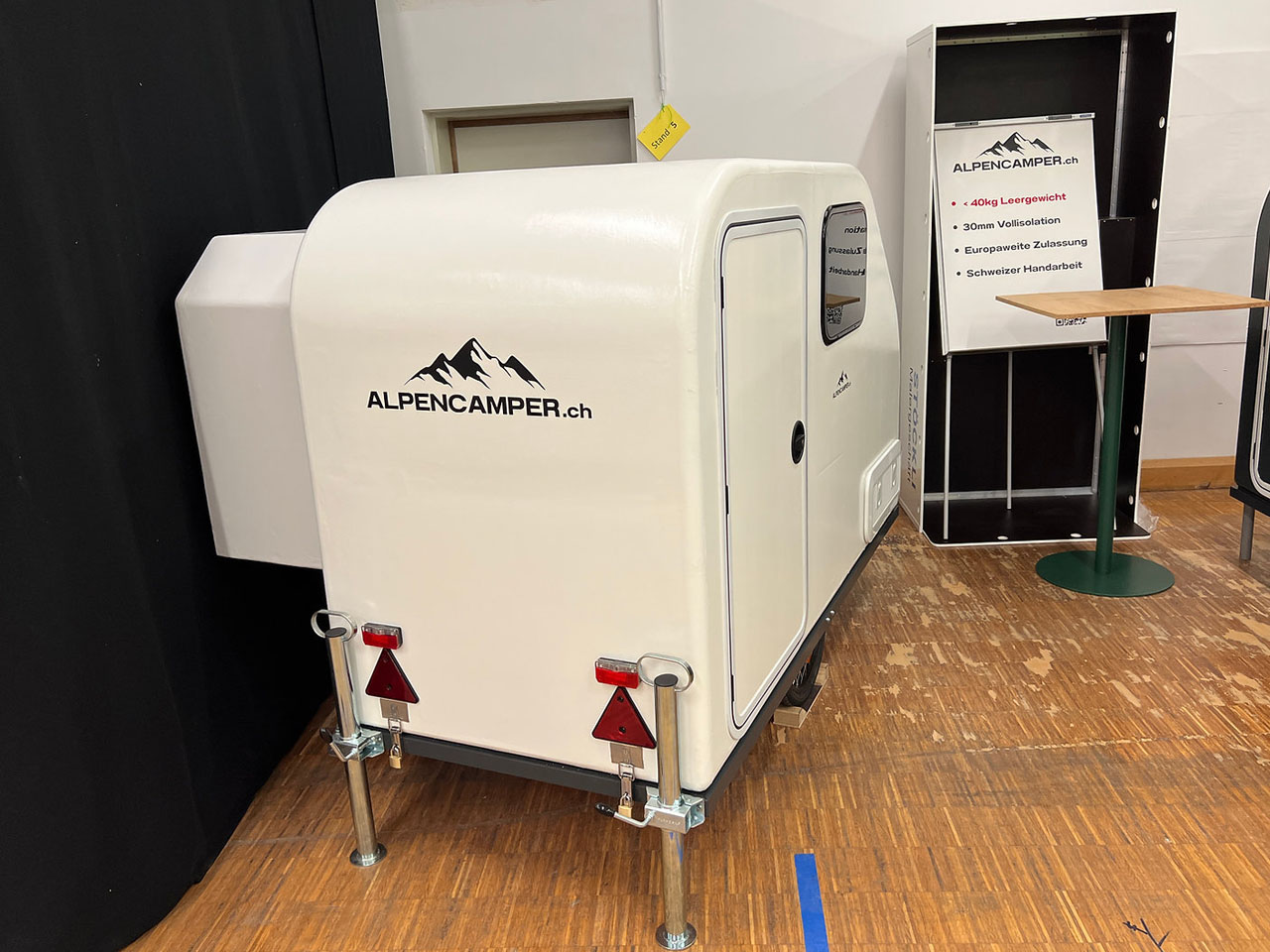
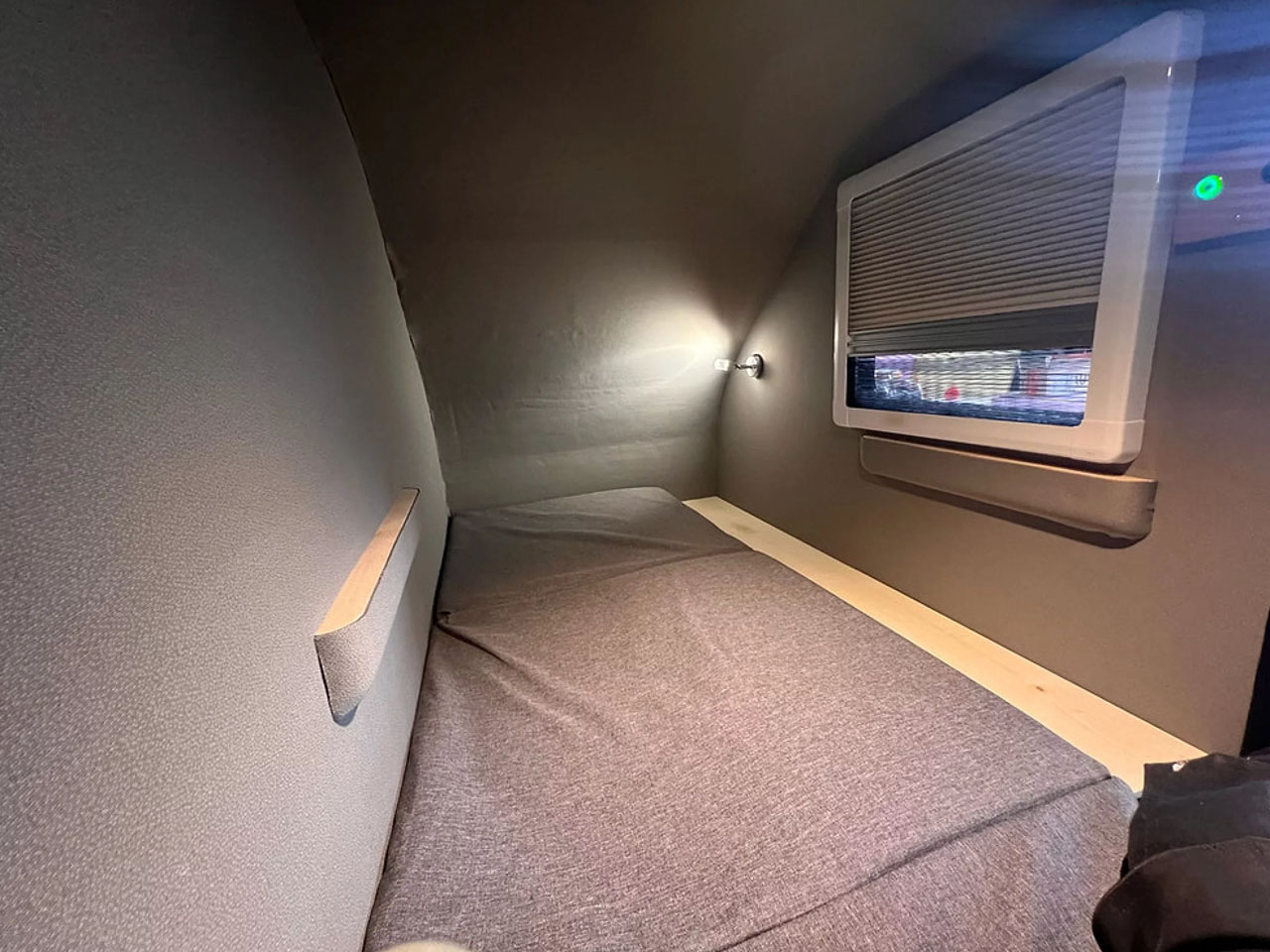
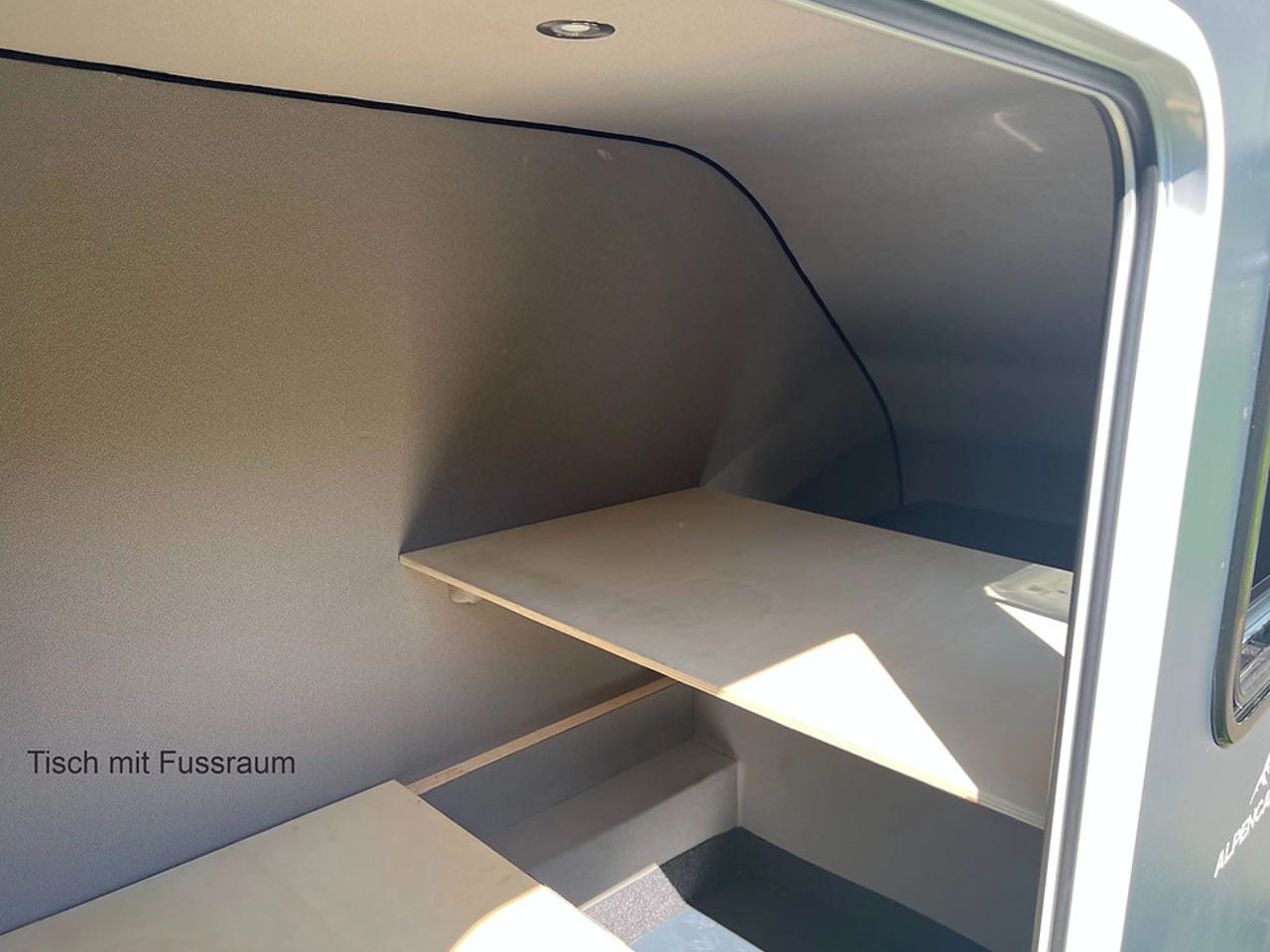
Formula Pro simulator with ultra-realistic controls emulates F1 racing fun in your living room

In the world of Formula-1 world championships are won by the slender margin of milliseconds that turn into big margins after every passing lap. The level of engineering in the pinnacle of Motorsports is unparalleled, and the drivers competing for the top podium step do every little thing that gives them a strategic advantage over their rivals.

Personal training is a part of the drill to stay in top shape, but the real deal is to polish the skills and gain telemetry data in the racing sims that very closely mimic the nuances of each track on the season calendar. With the hybrid era, the need for simulating the real track conditions has become even more important, given the metamorphosis this sport is undergoing.  A good simulator plays a vital role in giving the F1 and F2 drivers a fair idea of areas to improve, or develop strategic maneuvers that can be finally implemented on the track.

Designer: Cool Performance

With over two decades of motorsport experience and trusted by over 250 professional racers, Cool Performance now brings its most advanced F1 sim racer for professionals and motorsports fans. Current F1 drivers who train their driving skills on the Formula Pro Simulator include Lando Norris, Carlos Sainz, Sebastian Vettel and Alex Albon. Founder Oliver Norris has designed the simulator from the ground up with tons of experience in his own Motorsports journey and his brother Lando’s last couple of successful F1 seasons.

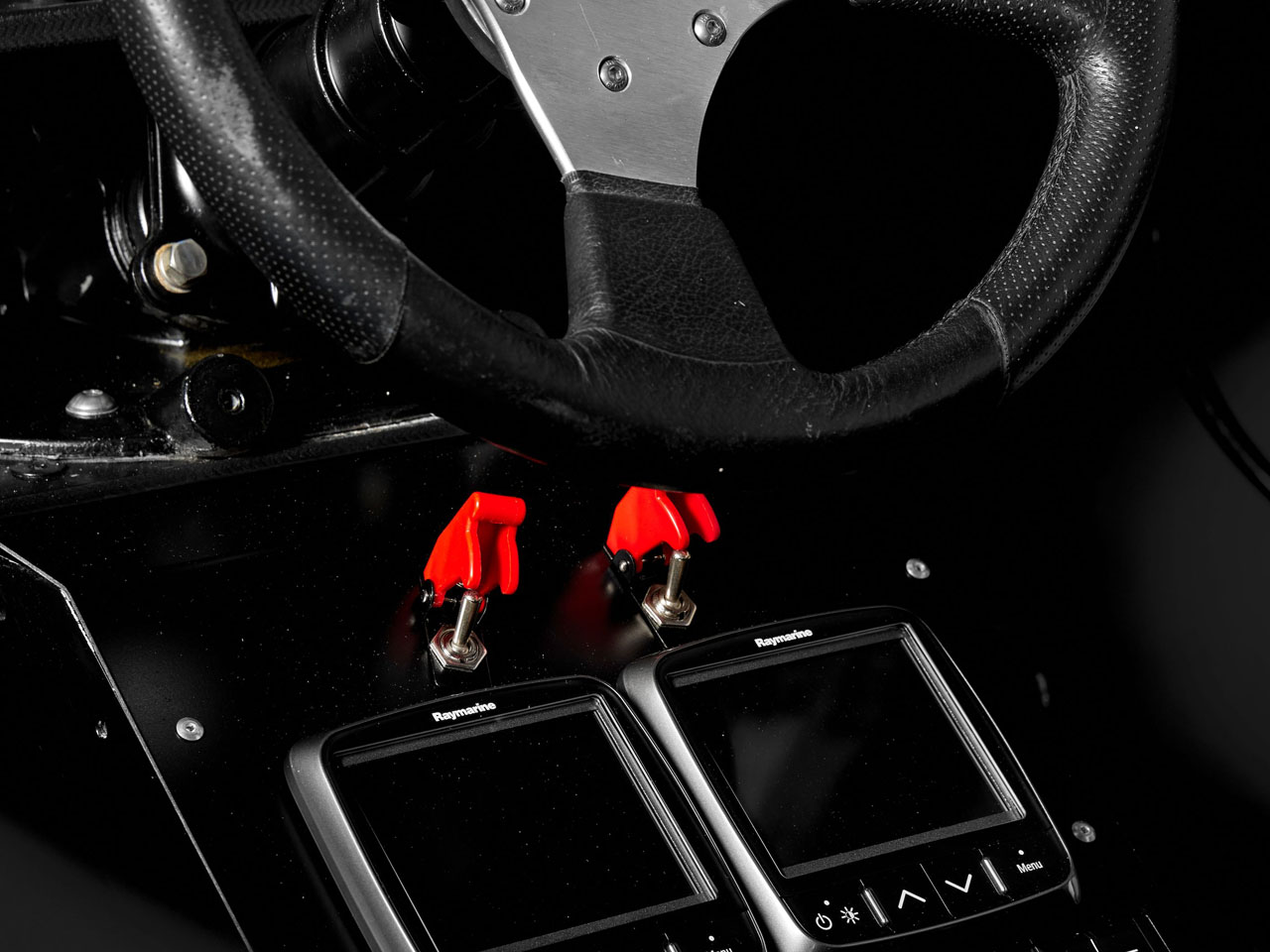
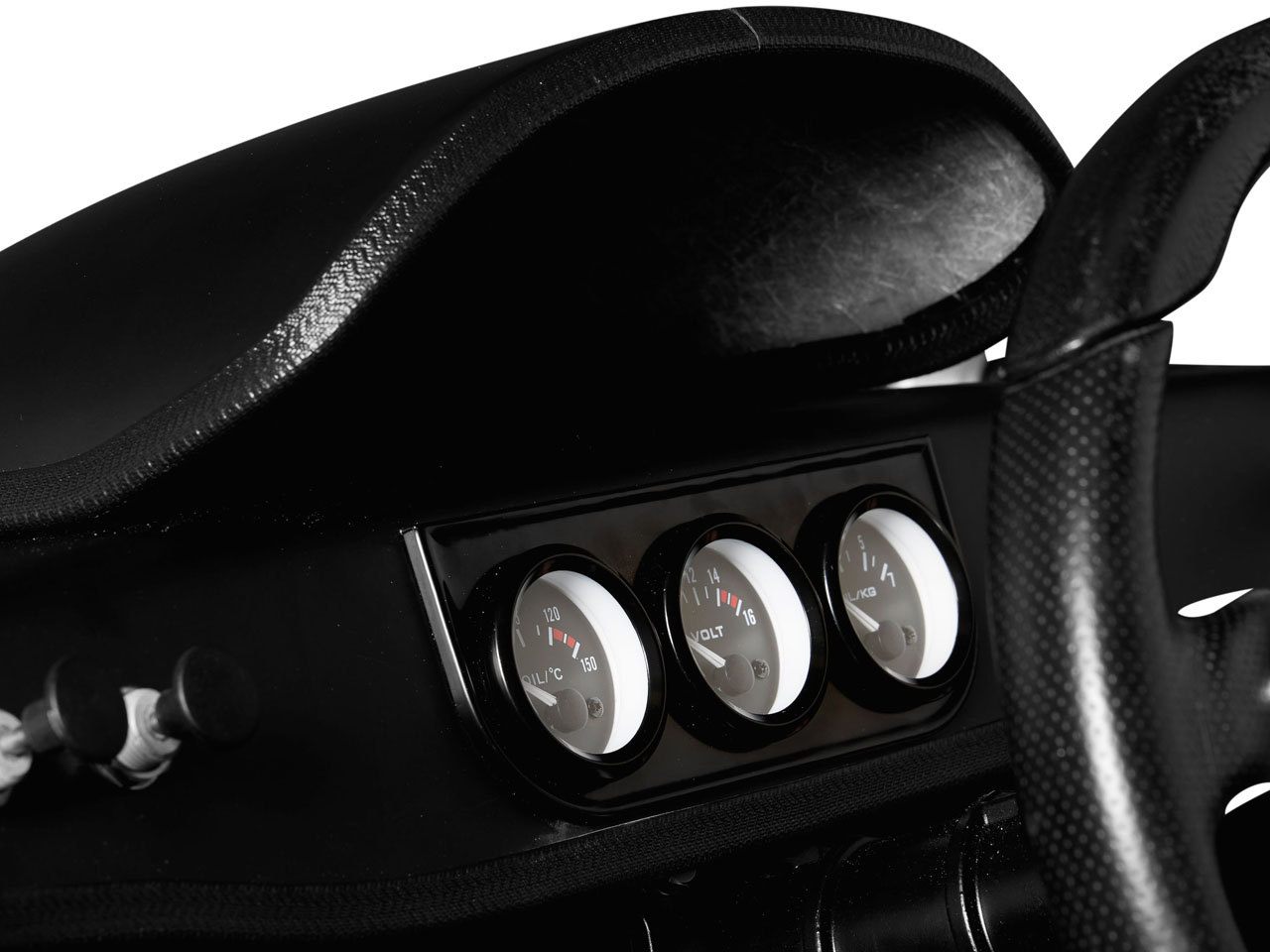
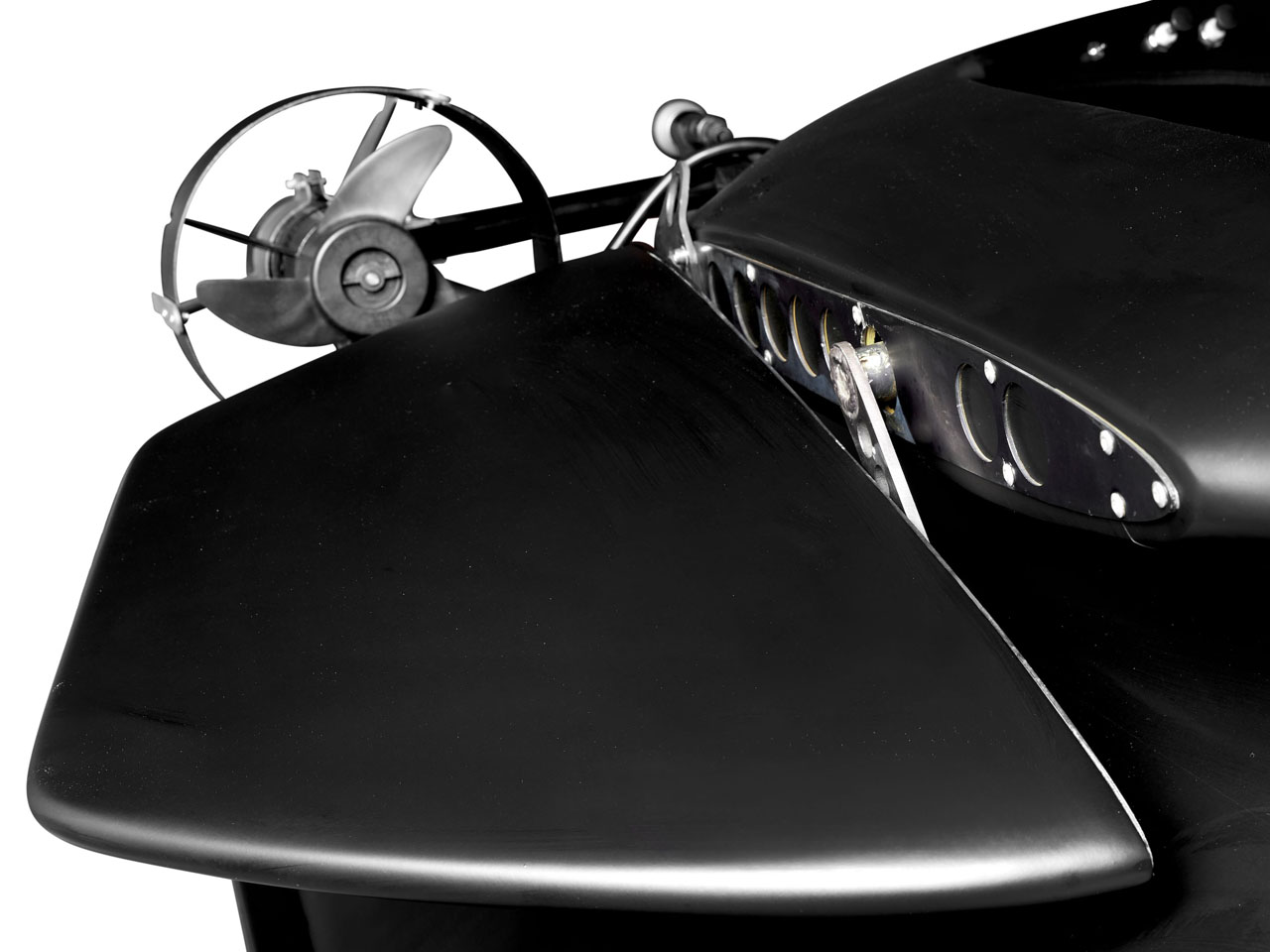
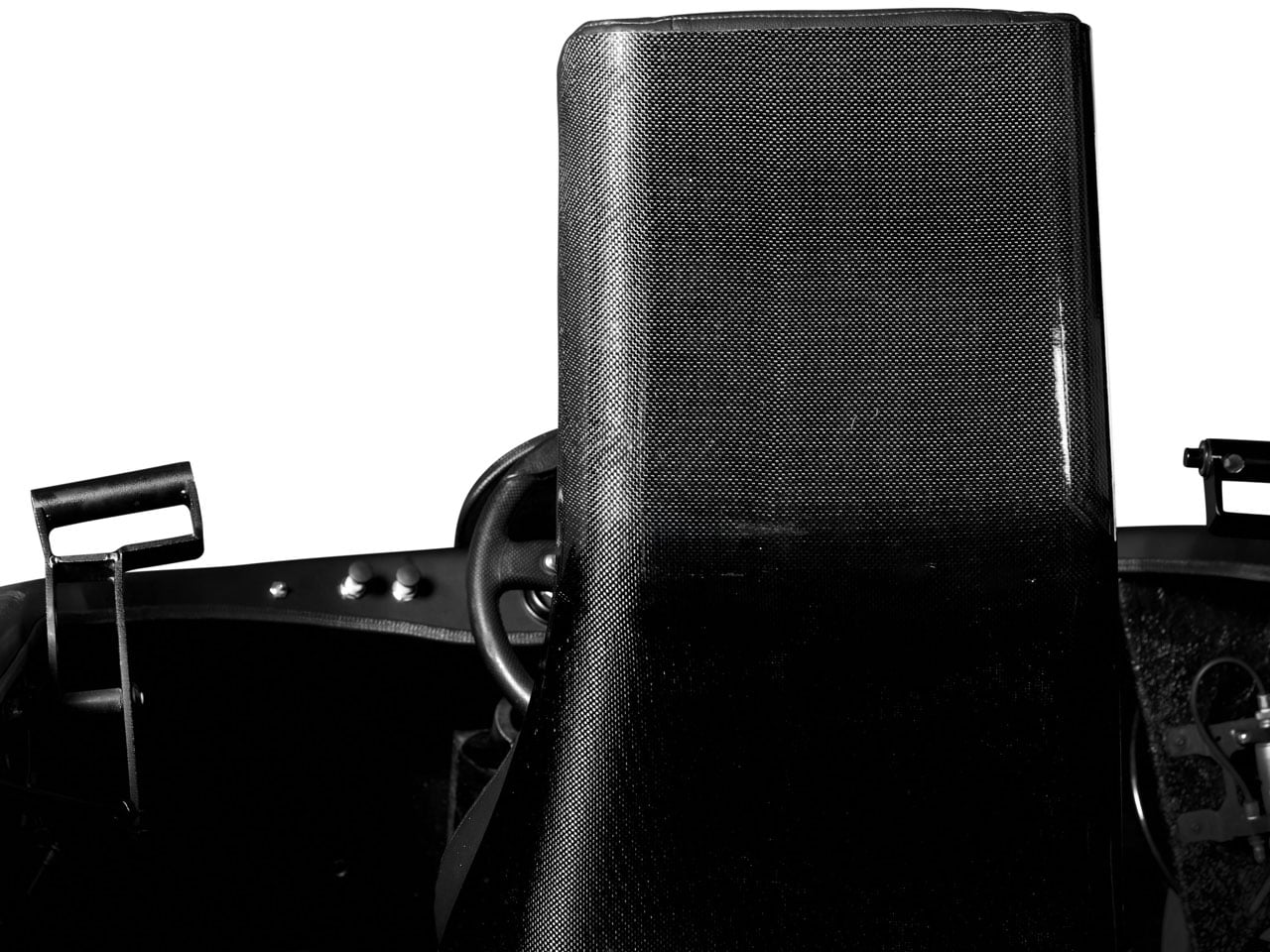
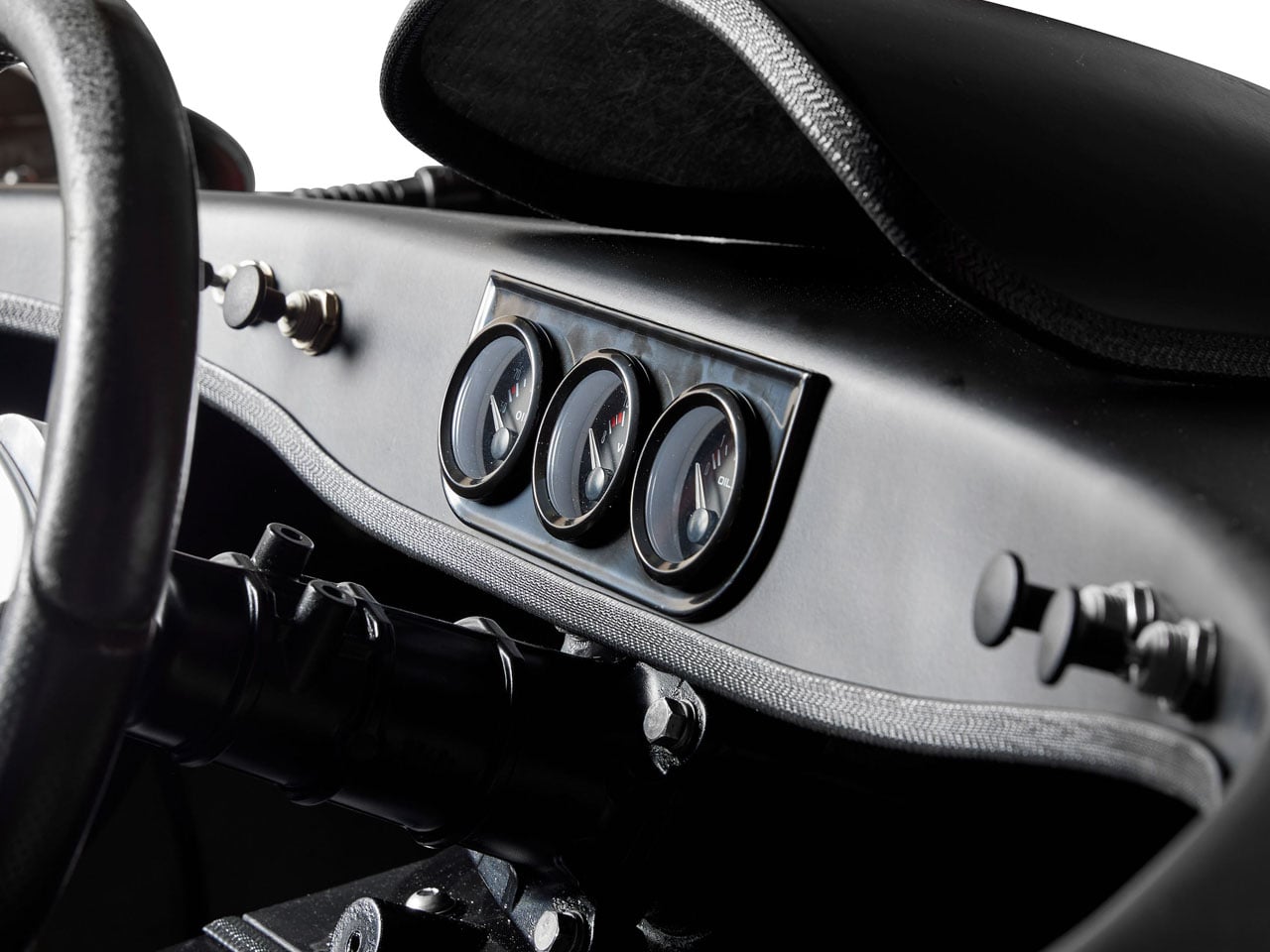
The professional-grade simulator has a precision-designed cockpit and race seat to recreate the realism of FPV in the single-seater racer. To simulate the nuances of a Formula -1 car riding the tarmac, the simulator has a high-torque force feedback steering and a Leo Bodnar SimSteering 2 base. This lets the sim racer feel every little bump of the chicane or the minute grip changes when the car is steered off the racing line. Braking in Formula 1 is way more challenging than your average SUV. That is mimicked by the CP-S hydraulic pedals with an AP Racing master cylinder support, which can simulate 200 kgs of braking force. For that, you’ll require immense strength in your core and lower body.

Every little detail of this F1 simulator is narrowed down to the last millimeter, much like the Formula 1 cars. Right from the highly technical CP-S Formula steering wheel that has virtually everything right at arms distance for the driver, to the CP-S custom hydraulic pedals, nothing gets better than the Cool Performance’s option. Clearly, if you want to feel the realism and the tiny details of Formula 1, this is it. Each one of the Formula Pro F1 simulators is custom-manufactured and tested by Oliver and Adrian Quaife-Hobbs in Kent, United Kingdom.

Eager buyers can opt for a single curved screen setup or a multiscreen array for better realism. If you are a purist, then the UK-based manufacturer can create a bespoke version of the sim to fit your specific needs. The Formula Pro simulator price starts from $40,950 and can go higher depending on the add-ons demanded or the bespoke modifications required.

The post Formula Pro simulator with ultra-realistic controls emulates F1 racing fun in your living room first appeared on Yanko Design.

PlayStation Moon Legacy Edition TV Stand brings Retro PS1 style to your modern gaming setup

PlayStation turned 30 a couple of years ago, and milestones like this rarely pass quietly in the consumer electronics world. Sony marked the occasion with a special edition PlayStation 5 and accompanying accessories finished in a nostalgic gray tone inspired by the original PS1 console. If you were among the lucky few who managed to get hold of that anniversary edition styled after the classic PlayStation color scheme, there is now an equally themed piece of furniture designed to show it off in the living room.

Designed in collaboration with Danish furniture maker Pedestal, PlayStation Norway has introduced a statement accessory that celebrates gaming culture as much as it serves a functional purpose. The Moon Legacy Edition TV stand arrives in a muted “Legacy Gray” finish that reflects the iconic tone of the original PlayStation console. The visual connection immediately creates a retro aesthetic, making it particularly appealing for collectors who appreciate the history of gaming as much as the hardware itself.

Designer: Pedestal and PlayStation Norway

Beyond the nostalgic color palette, the stand follows Pedestal’s minimalist Scandinavian design philosophy. The frame is constructed from powder-coated steel with a satin finish, giving the structure a sturdy and refined appearance while maintaining a relatively lightweight build. Despite the industrial material choice, the design remains clean and understated, allowing the console and TV setup to remain the visual focus. The stand measures roughly 42 inches high, 31 inches wide, and 21 inches deep, and weighs just under 33 pounds, making it substantial enough for stability without feeling overly bulky. It supports flat-screen televisions between 40 and 70 inches and can handle loads of up to about 110 pounds, which comfortably covers most modern TVs and gaming setups.

The Moon Legacy Edition sits on premium furniture wheels with soft polyurethane coating, allowing the entire entertainment setup to move easily between spaces. For users who rearrange their living room or occasionally shift their gaming setup to different areas, the wheeled base offers flexibility that traditional TV cabinets often lack. The stand also adheres to the widely used VESA mounting standard, meaning it is compatible with most flat-screen television brands currently on the market.

Functionality extends beyond simply holding a TV. The limited-edition package includes a matching Legacy Shelf and a controller stand, giving players a dedicated place to display a controller or store accessories. Additional cable management accessories, such as cable dots and cable ties, are also included to help keep wires organized and out of sight. The shelf adds a subtle display area that can hold game cases, collectibles, or other gaming gear without interrupting the stand’s minimal design language.

The Moon Legacy Edition TV stand is priced significantly higher (approximately $775) than the normal version, which costs $385, reflecting its limited-edition status. The price covers only the stand and included accessories; neither the television nor the PlayStation console is part of the package. As a result, the stand clearly targets dedicated fans and collectors who value the design connection to PlayStation history rather than simply looking for a functional TV stand.

The post PlayStation Moon Legacy Edition TV Stand brings Retro PS1 style to your modern gaming setup first appeared on Yanko Design.

OMO X self-balancing electric scooter employs AI and Robotics to refresh urban riding experience

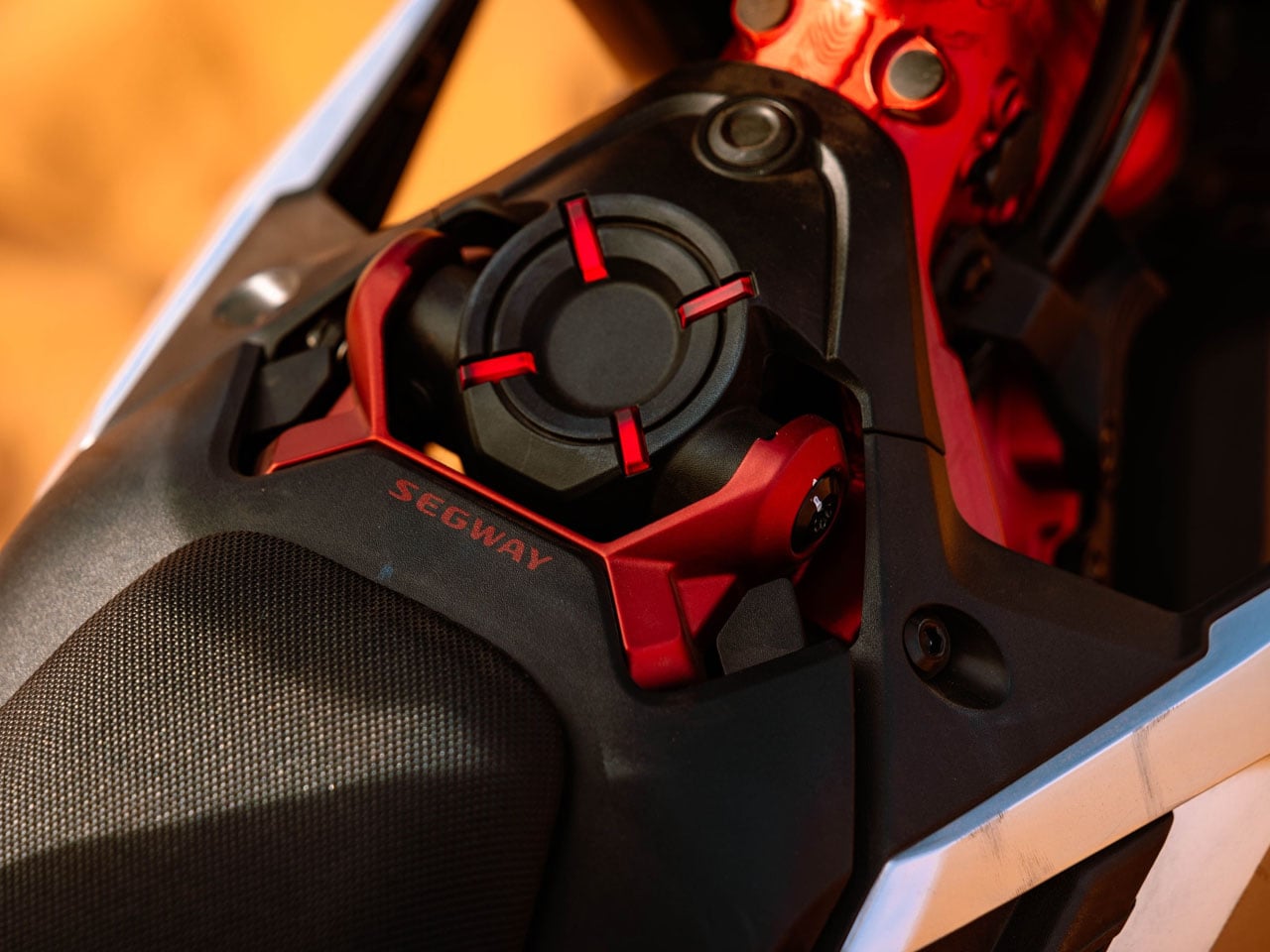
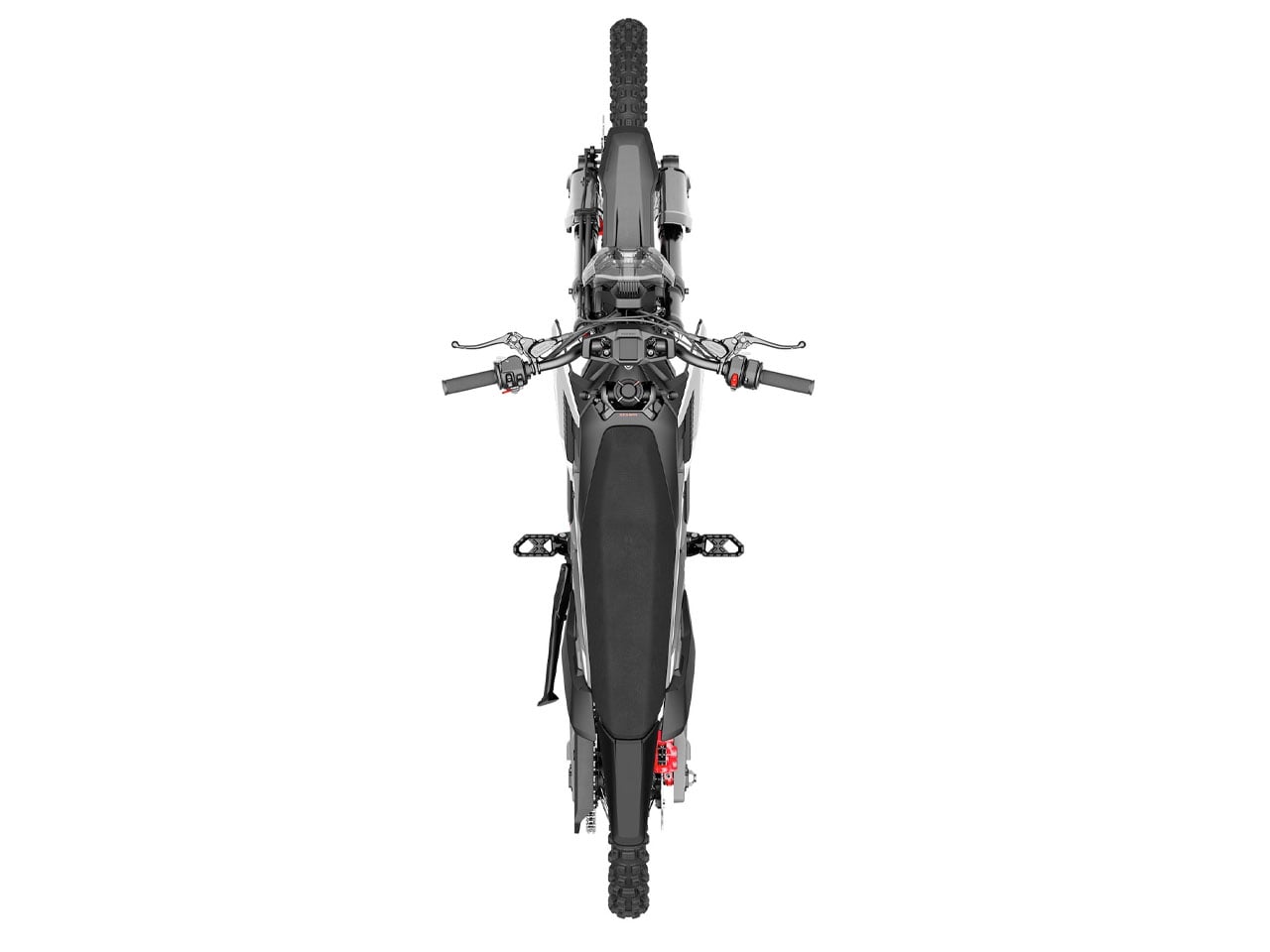
Two-wheelers have always demanded a certain level of skill and balance from riders, especially at low speeds or when navigating crowded city streets. OMO X by Omoway attempts to change that equation by introducing what the company describes as the world’s first mass-produced self-balancing electric motorcycle. Designed around advanced robotics and artificial intelligence, the new age electric bike blends traditional scooter convenience with autonomous technology that aims to make urban mobility easier and safer.

At the core of the two-wheeler is Omoway’s newly introduced OMO-ROBOT architecture, a full-stack control platform that integrates sensors, perception systems, decision-making software, and mechanical actuation into a unified framework. The system combines aerospace-grade gyroscope technology with reinforcement-learning models to continuously stabilize the motorcycle. This architecture allows the OMO X to maintain balance on its own, even when stationary, eliminating one of the biggest challenges riders face on two-wheeled vehicles.

Designer: Omoway

The balancing capability is achieved through a Control Moment Gyroscope (CMG) module. Using the principle of angular momentum, the spinning gyroscope actively stabilizes the vehicle, keeping it upright without rider input. Beyond simply preventing tip-overs, the system also supports a range of riding assistance features. These include slip prevention on wet surfaces, assistance while cornering, and obstacle-avoidance capabilities designed to enhance safety during everyday riding.

Omoway is also positioning the OMO X as a highly intelligent mobility device. The scooter incorporates a network of sensors and cameras that continuously monitor the surrounding environment and feed data into an AI-based riding system. This enables features such as adaptive speed adjustments, hazard detection, and automated safety responses if the system identifies a potential risk. Some demonstrations have even shown the scooter maneuvering on its own, driving onto a stage without a rider, and responding to remote commands through a smartphone app.

Another notable capability is automated parking. Instead of requiring riders to maneuver the bike into tight urban spaces manually, the OMO X can guide itself into a parking spot once a location is selected. The system relies on its self-balancing capability and onboard sensors to navigate safely, a feature that reflects the growing overlap between robotics and personal transportation.

The electric scooter’s futuristic design further reinforces its technological identity. Its sharp, angular styling and distinctive lighting signature give it a modern aesthetic that stands apart from traditional scooters. In a way, it carries the Tesla Cybertruck aesthetic, with a continuous front light bar replacing a conventional headlamp and creating a visually striking presence on the road.

Production plans for the OMO X are already underway. The company announced that the model has entered mass production following its global launch event in Singapore, with pre-orders expected to open in April 2026. Indonesia has been selected as the first launch market, where the electric scooter will debut commercially in Jakarta shortly afterward. Omoway is reportedly working with multiple regional distributors and plans to establish a dealer network of more than 100 locations in the country.

The post OMO X self-balancing electric scooter employs AI and Robotics to refresh urban riding experience first appeared on Yanko Design.

Hermès Paddock Yoyo Charger is a luxury wireless charging experience for Apple devices

There are MagSafe chargers, and then there is the Hermes Paddock Yoyo Charger. The French luxury brand has crafted a leather charger case for your Apple devices that costs much more than the iPhone 17 Pro Max or the MacBook Air. This accessory comes as a part of the Hermes spring tech collection, which includes the Paddock Solo charger, Grand Paddock Case, and the Paddock Duo Charger.

This new collection of leather-wrapped charging accessories for Apple devices by Hermes is certainly targeted at the rich and famous. Clearly, style and status symbols are at the fore in this line-up, but we got most intrigued by the unique design of the Yoyo Charger and the subtle luxury of the Grand Paddock Case.

Designer: Hermes

Both the Yoyo Charger and the Grand Paddock Case are crafted in Gold Swift calfskin with artisan-level saddle stitching. The use of premium materials and attention to detail make it opulent to the feel and touch. The Yoyo Charger has two MagSafe charging zones for fast charging of your multiple Apple gadgets like iPhone, AirPods, or Apple Watch. Complementing the yoyo-shaped charger is the travel-ready Grand Paddock Case, which comes with an inner storage pocket and doubles as a protective casing for the Yoyo Charger.

The internal charging system relies on MagSafe and Qi-compatible wireless charging technology, making it compatible with MagSafe-enabled iPhones starting from the iPhone 12 generation, as well as other wireless charging accessories. Power is delivered through a USB-C connection, and the charging system requires a minimum 20W power input to function properly. While a USB-C cable is included with the charger, the package notably does not include a wall power adapter, meaning users must supply their own power brick.

While this might feel unusual given the price point, it aligns with the increasingly common practice among electronics brands to exclude power adapters from accessory packages. Pricing across the Hermès charging collection highlights the brand’s focus on exclusivity rather than affordability. The Paddock Solo charger starts at around $1,250, while the Yoyo and Paddock Duo chargers are priced at approximately $1,750. When paired with the larger leather carrying cases, the price climbs dramatically. The Yoyo Charger bundled with the Grand Paddock Case reaches around $5,150, a price that exceeds many premium laptops and smartphones.

For most users, the functionality of these chargers will be similar to far more affordable wireless charging pads available on the market. However, for collectors of Hermès leather goods or those who appreciate the blend of luxury fashion with everyday technology. The French luxury high-fashion house has collaborated with Apple for years, most notably through luxury Apple Watch bands, and this charging accessory lineup extends that partnership into the broader ecosystem of Apple devices.

The post Hermès Paddock Yoyo Charger is a luxury wireless charging experience for Apple devices first appeared on Yanko Design.
8BitDo Retro R8 C64 Edition mouse fuses Commodore 64 nostalgia with modern gaming performance

8BitDo, well-known for its quality gaming accessories, has a strong hold on retro-themed PC accessories, such as keyboards and numpads. Their Retro R8 mouse lineup, which already has the Xbox Edition and N Edition, now gets another variant of the peripheral. Like other mice in the R8 range, the C64-Edition is an eye candy mouse that pairs with your keyboard setup perfectly.

Themed on the Analouge 3D N64-themed controller, the C64 Edition evokes the nostalgic memories of the 8-bit era. Those who already own the Commodore 64 version will want to add this one to their collection. While it is unclear at this moment if this one has the Kailh Sword GM X micro switches used in the N Edition, it still gives keen gamers another one to choose from the 8BitDo lineup. The Commodore elements are slapped all over this retro mouse with the stripe logo on the charging dock and the familiar color theme.

Designer: 8BitDo

The mouse measures 115 mm x 58 mm x 39.4 mm, and the accompanying dock on which it rests is 115.17 mm x 58 mm x 45.88 mm. The dock also functions as a signal extension module for consistent wireless connectivity and negligible latency. The Retro R8’s symmetrical shape allows it to be used comfortably by both left- and right-handed users, with software support enabling quick switching between modes. Despite its vintage aesthetic, the mouse weighs just about 77 grams, making it relatively lightweight and well-balanced for long usage sessions. Customizable side buttons further enhance usability, allowing users to assign shortcuts, macros, or specific commands through the companion Ultimate Software on PC.

Retro R8 C64 N Edition can be paired to your other devices via Bluetooth LE 5.3, 2.4 GHz, and of course, wired. The signal extension mode of the dock is attributed to the 2.4 GHz connection. Like other mice in the Retro R8 family, it is designed to balance nostalgic styling with modern gaming performance. Internally, the mouse is powered by a high-performance PAW 3395 sensor that supports six adjustable sensitivity levels ranging from 50 DPI to as high as 26,000 DPI, allowing users to fine-tune cursor precision for both productivity tasks and gaming. The device also supports adjustable polling rates, reaching up to 8,000 Hz when connected through a wired setup for ultra-responsive input.

Powering the accessory is a 450 mAh rechargeable lithium-ion battery. Depending on the connection mode and polling rate settings, the mouse can deliver up to around 100 hours of battery life over Bluetooth, while the 2.4 GHz wireless mode typically offers between 26 and 105 hours of use. Charging takes approximately 2.5 hours, and the included dock doubles as a convenient stand that keeps the desk setup organized while ensuring the mouse remains ready for action. Priced at $50, the Retro R8 C64 Edition has all that it takes to bring nostalgia to your desk.

The post 8BitDo Retro R8 C64 Edition mouse fuses Commodore 64 nostalgia with modern gaming performance first appeared on Yanko Design.
Minimalist laptop with a secondary display minimizes distractions, maximizes productivity

Minimalism in computing interfaces often promises clarity, yet many modern systems still struggle with cluttered notifications, layered menus, and competing visual elements. The Minimal Laptop UI concept explores what a truly distraction-free laptop experience might look like when both hardware and software are designed around the same philosophy. Inspired by the playful yet precise design language of Teenage Engineering, the concept imagines a laptop that feels equal parts creative tool and focused workspace.

The interface is built around the idea that the screen should serve the task at hand, not compete with it. Instead of filling the display with panels, toolbars, and notifications, the layout relies on strong visual hierarchy and generous spacing. Elements appear only where necessary, allowing content to take center stage. Typography is clean and consistent, icons are reduced to their most recognizable forms, and the overall interface feels calm rather than busy. The result is a digital workspace that encourages focus without sacrificing functionality.

Designer: Nicolas Fred

What makes the concept particularly interesting is how it integrates hardware into the experience. Just beside the keyboard sits a secondary display designed to handle the kind of information that typically interrupts the main screen. Notifications, widgets, quick system controls, and small utilities can appear here, keeping alerts visible without pulling the user away from their workflow. By shifting these elements to a separate display, the primary screen remains dedicated to productivity and creative work.

The secondary screen also introduces a playful dimension. Beyond system information and widgets, it can support lightweight interactions such as simple games or quick tools that users can access without minimizing their main task. This layered approach to interaction mirrors the philosophy behind minimal design: instead of removing functionality, it reorganizes it in a way that feels more intentional and less intrusive.

Visually, the laptop reflects the unmistakable influence of Teenage Engineering’s product design. Clean geometric forms, restrained color accents, and carefully balanced proportions give the device a distinctive character. The aesthetic leans toward soft tones and neutral surfaces, allowing subtle interface highlights to stand out without overwhelming the visual environment. It feels modern and creative, yet disciplined enough to support focused work.

Whitespace plays a significant role throughout the interface. Rather than compressing information into dense panels, the layout leaves breathing room around content, improving readability and reducing cognitive load. This approach mirrors principles often used in industrial and editorial design, where space itself becomes an essential component of the experience.


The post Minimalist laptop with a secondary display minimizes distractions, maximizes productivity first appeared on Yanko Design.
Olight Oclip Pro S is a palm-sized clip-on EDC flashlight for every task

There’s a quiet shift happening in the world of everyday carry, wherein single-purpose tools are steadily giving way to compact, multi-functional companions that adapt as quickly as the situations they’re pulled into. The modern EDC kit isn’t about excess anymore; it’s about efficiency and versatility. In that context, the Olight Oclip Pro S doesn’t just arrive as another flashlight, it is a small but capable lighting system designed to keep up with unpredictable, fast-moving routines.

At first glance, the palm-sized Oclip Pro S feels almost understated. Its compact body, measuring just 57 × 28 × 27 mm and weighing around 53 grams, is designed to disappear into your pocket or clip unobtrusively onto your gear. Yet that minimal footprint is precisely what makes it so effective. The integrated clip, combined with the ability to hang or magnetically attach the device, allows it to transition effortlessly between a handheld light and a hands-free tool, whether you’re navigating low-light environments or tackling everyday tasks.

Designer: Olight

Where the Oclip Pro S begins to stand apart is in how much it manages to pack into that small frame. Instead of relying on a single beam, it integrates a 5-in-1 lighting system that combines white light, RGB illumination, and a UV light source. The primary white LED delivers up to 600 lumens, providing ample brightness for general use, with a beam distance reaching up to 80 meters. This is paired with both floodlight and spotlight modes, giving users the flexibility to switch between wide, ambient lighting and more focused illumination depending on the situation.

The addition of RGB lighting expands its role beyond simple visibility. With red, green, and blue modes, the device becomes a practical signaling tool as much as a flashlight. Whether used for nighttime visibility, marking a location, or adding a layer of safety in low-light conditions, these color options introduce a level of adaptability that feels increasingly essential in modern EDC gear. The lighting system also supports flashing patterns, further extending its functionality in dynamic or emergency scenarios.

Perhaps the most unexpected inclusion is the 365 nm UV light, which quietly transforms the Oclip Pro S into a utility tool for specialized tasks. From detecting counterfeit currency to identifying fluorescent materials or checking cleanliness in certain environments, this feature adds a layer of capability that goes beyond what most users would expect from a device of this size.

Powering all of this is a built-in battery that supports USB-C charging, aligning the device with current charging standards and making it easy to top up alongside other everyday electronics. Depending on usage, the flashlight can run for up to 144 hours in its lowest brightness mode, while higher output levels are intelligently managed to balance performance and heat.

The interface is equally streamlined, centered around a side dial that allows users to quickly toggle between white, RGB, and UV modes. This intuitive control scheme avoids unnecessary complexity, ensuring that the right light is always just a quick adjustment away. Priced at around $40 and available in a variety of finishes, the Oclip Pro S is positioned as both a functional tool and a subtle personal accessory.

The post Olight Oclip Pro S is a palm-sized clip-on EDC flashlight for every task first appeared on Yanko Design.
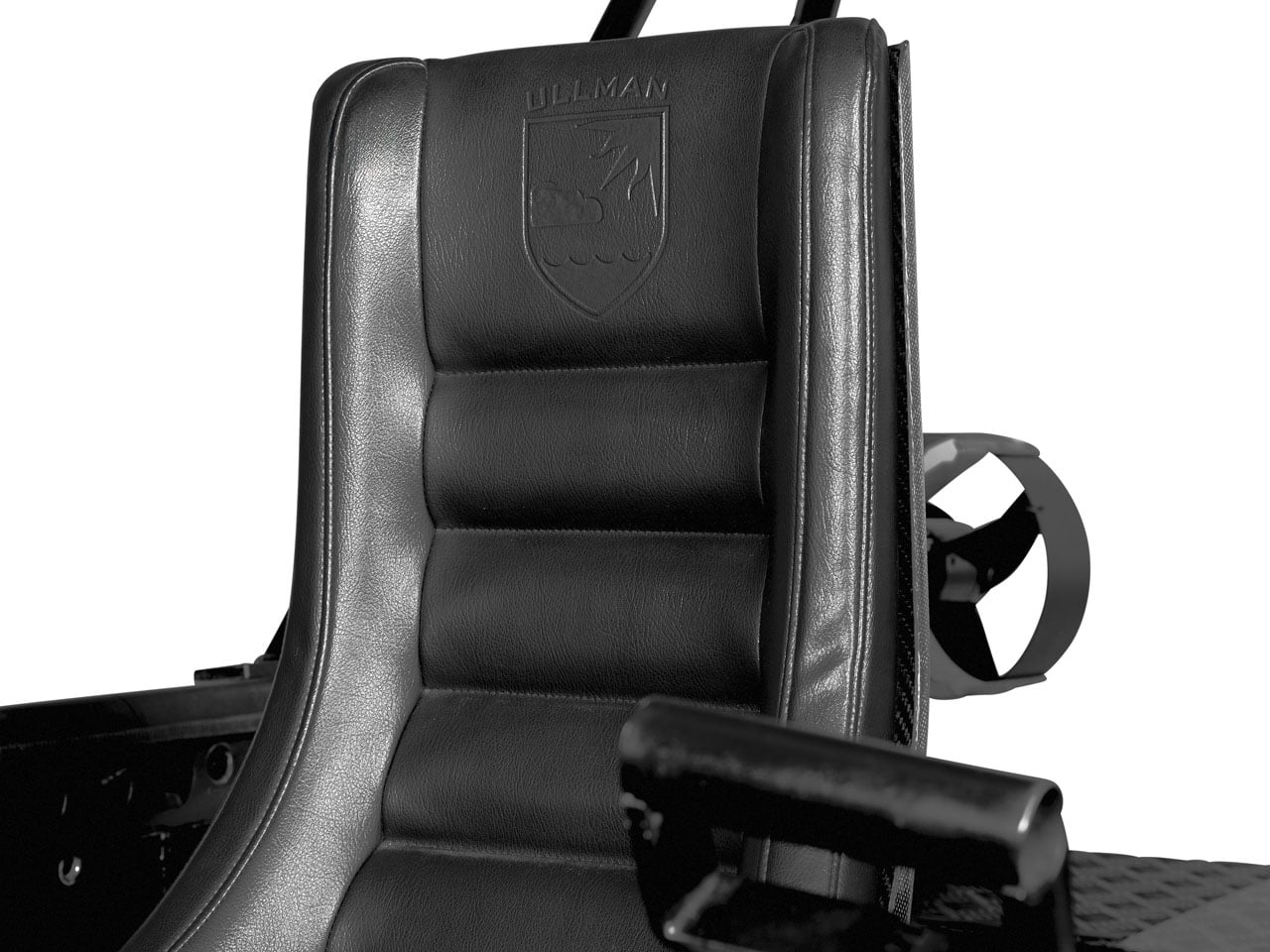
Pico-Pal reimagines Game Boy Color as modern retro handheld that can play music


Retro gaming continues to inspire modern hardware projects, and the Pico-Pal handheld console is another thoughtful reinterpretation of one of the most recognizable portable gaming designs. Developed by hardware designer Peter Khouly, the handheld draws clear inspiration from the classic Nintendo Game Boy Color while integrating modern microcontrollers, wireless connectivity, and expanded functionality. Rather than replicating the original hardware exactly, the Pico-Pal blends nostalgia with a flexible development platform aimed at gamers and hackers alike.

At its core, the handheld is powered by a Raspberry Pi RP2350B microcontroller paired with an Espressif ESP32 coprocessor. The RP2350B serves as the primary processing unit, handling emulation and system control, while the ESP32 provides wireless connectivity via integrated Wi-Fi and Bluetooth. This secondary chip also includes 4MB of flash storage and supports functions such as Bluetooth audio or network communication. The RP2350B itself features 16MB of flash memory, giving the device sufficient storage and processing headroom for running classic handheld titles and additional utilities.

Designer: Peter Khouly

Instead of the reflective LCD panel used in the original Game Boy Color, the handheld uses a 2.6-inch IPS screen with a resolution of 320 × 320 pixels. Its square 1:1 aspect ratio suits classic handheld games particularly well, allowing retro titles to appear sharp while maintaining the visual proportions they were originally designed for. The improved screen technology also delivers wider viewing angles and brighter colors compared with older displays. Powering the device is a 1,500 mAh lithium-polymer battery that charges through a USB-C port supporting 5V/1.45A input. This rechargeable setup replaces the disposable batteries used by earlier handheld systems and provides several hours of gameplay on a single charge. Current development estimates suggest that the handheld can operate for around five hours during normal use.

Beyond its role as a retro gaming handheld, the Pico-Pal has been designed as a flexible development platform. According to Peter, the device includes various input/output capabilities and compatibility with common communication interfaces such as SPI and I²C. This allows developers to use the handheld as a portable development kit for the RP2350 platform, enabling projects ranging from custom software tools to experimental hardware integrations. The platform can even function as a universal remote, portable music player, pedometer, or security testing device capable of simulating Bluetooth or USB input signals.

The design also incorporates several modern usability improvements compared to traditional handheld consoles. One example is the soft-power system, where the physical power switch triggers the console to save its current state before entering a low-power standby mode. Instead of abruptly cutting power like older devices, the Pico-Pal can quickly resume gameplay from where the user left off. Development updates also mention additional features such as real-time clock support for games that rely on time tracking, Bluetooth audio functionality, and digital video output that could allow the handheld to connect to external displays. Though one feature that is an absolute steal is the ability to play MP3 files off the storage, for music buffs like me.

Although the Pico-Pal closely resembles a Game Boy Color at first glance, its philosophy is quite different from modern FPGA-based retro consoles. Rather than focusing on perfect hardware recreation, the project embraces a microcontroller-driven design that balances efficiency and versatility.

The post Pico-Pal reimagines Game Boy Color as modern retro handheld that can play music first appeared on Yanko Design.
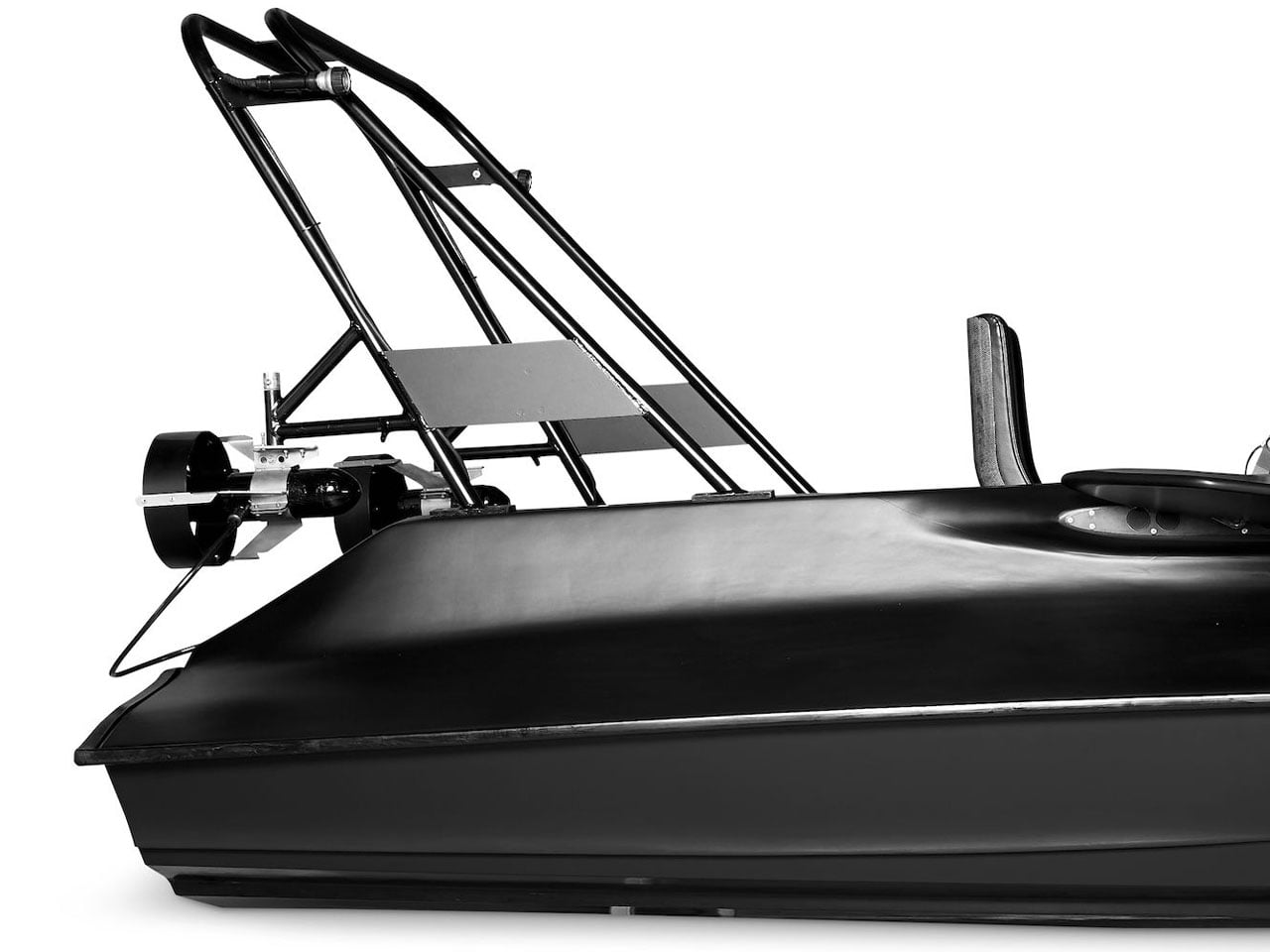
Track Trailer reinvents Tvan, one of the toughest off-roading trailers with roomier MK6 model

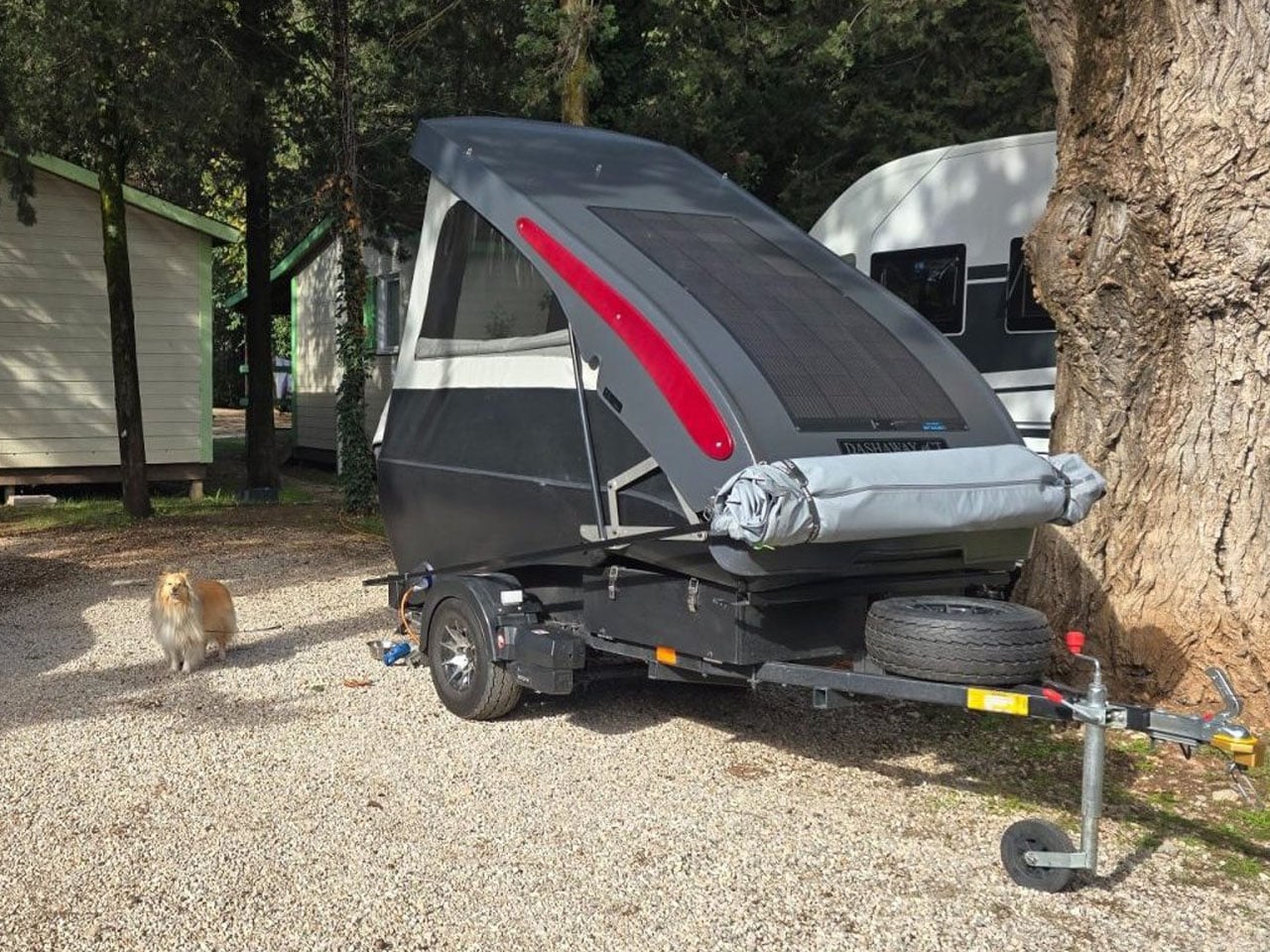
Track Trailer, the name behind the famous Tvan off-road camper trailers, needs little introduction. It has been powering the overlanding experience in Australia and worldwide for a good part of four decades now. Over the years, we have seen some interesting variants of the Tvan, which has now reached the MK6. The sixth iteration in the successful portfolio, Tvan MK6 Model, retains the same aluminum body, which runs in the bloodline, but is more spacious and even more comfortable.

As the appearance suggests, the new Tvan MK6 is available in four variants and is almost identical to its predecessors. What changes are the interior space and the headroom, which make the MK6 a different entrant in the same effective branding of the world’s toughest off-roading trailer.

Designer: Track Trailer

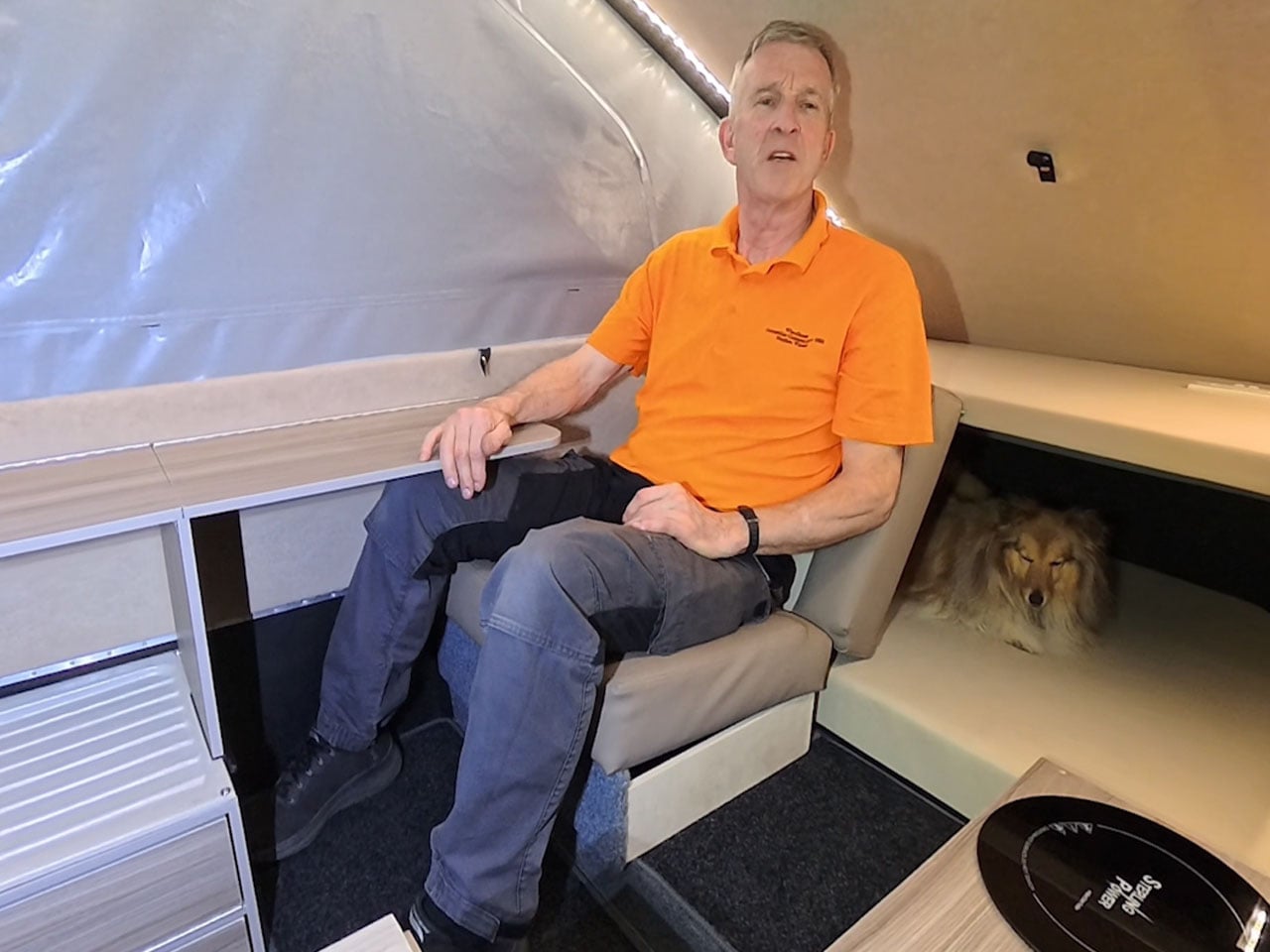
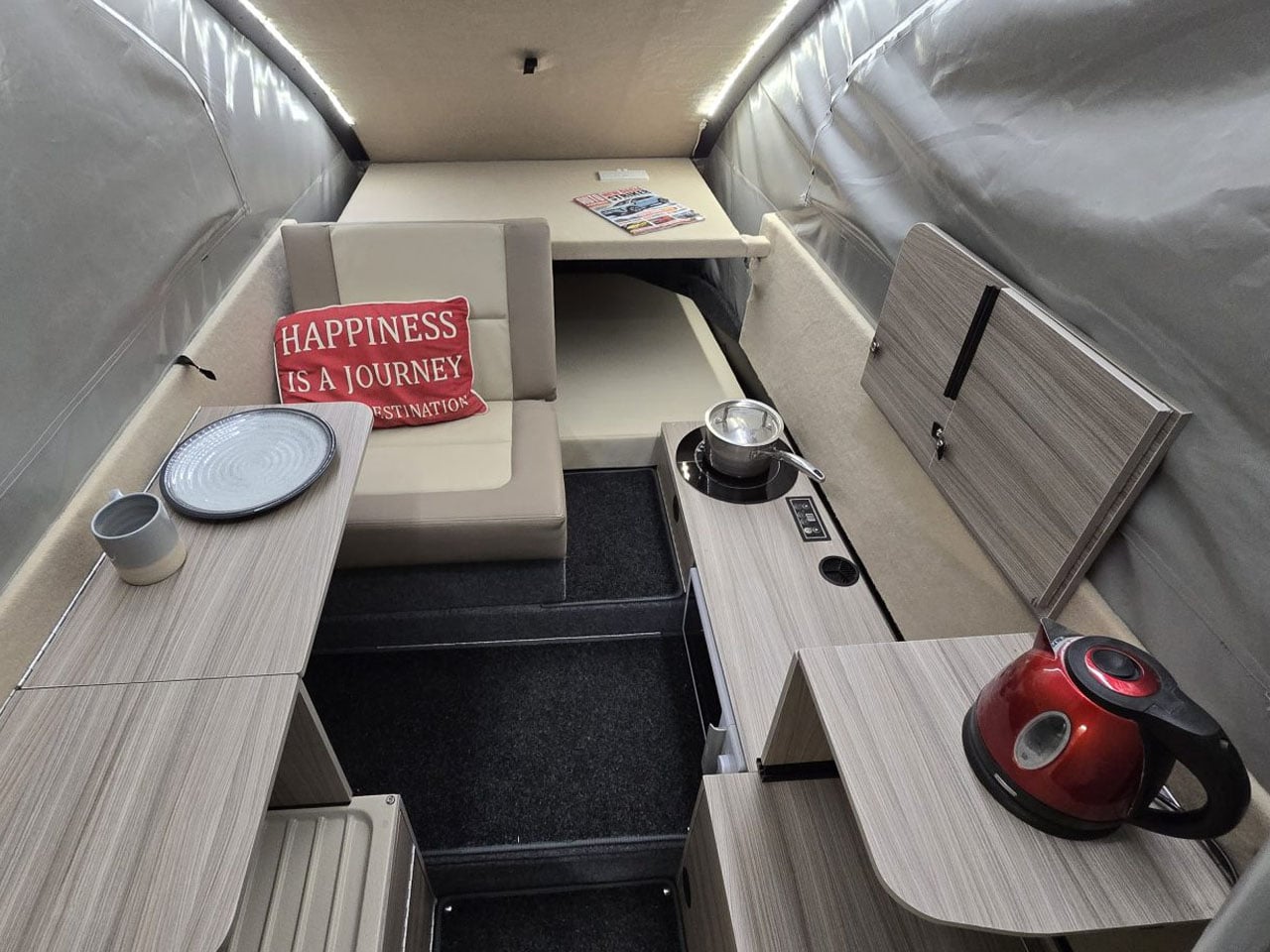
Track Trailer first tried reworking the interior space with the MK5 model. It was done staying within the confines of the Tvan styling: no pop-up roof attachment, but a slight raise in roof height. With the MK6, the company has also stayed true to its design ideology. It has only increased headroom, stretched the neck forward, and pushed the sides of the trailer outward to increase the interior space by up to 20%.

The expansion to the trailer permits more natural light inside the cabin, which is constructed using an aluminum sandwich-panel construction. Moreover, the MK6 features a durable chassis based on an advanced suspension system that enables it to roll comfortably on rugged terrains and off-road destinations. With its ruggedness assured, the camping trailer is ideal for all types of adventures, which is facilitated by its quick setup and clever storage designed throughout its exterior and also on the inside.

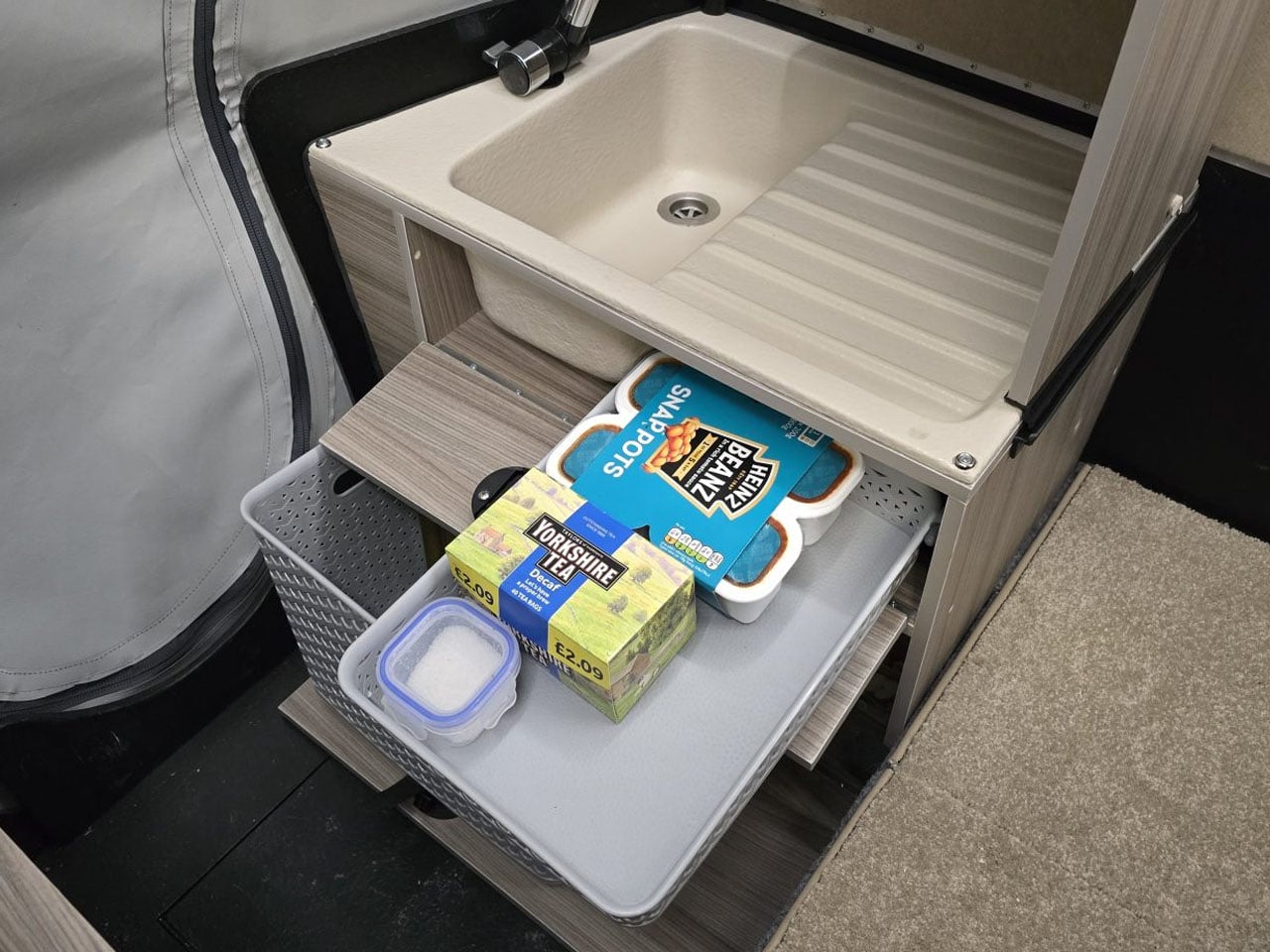
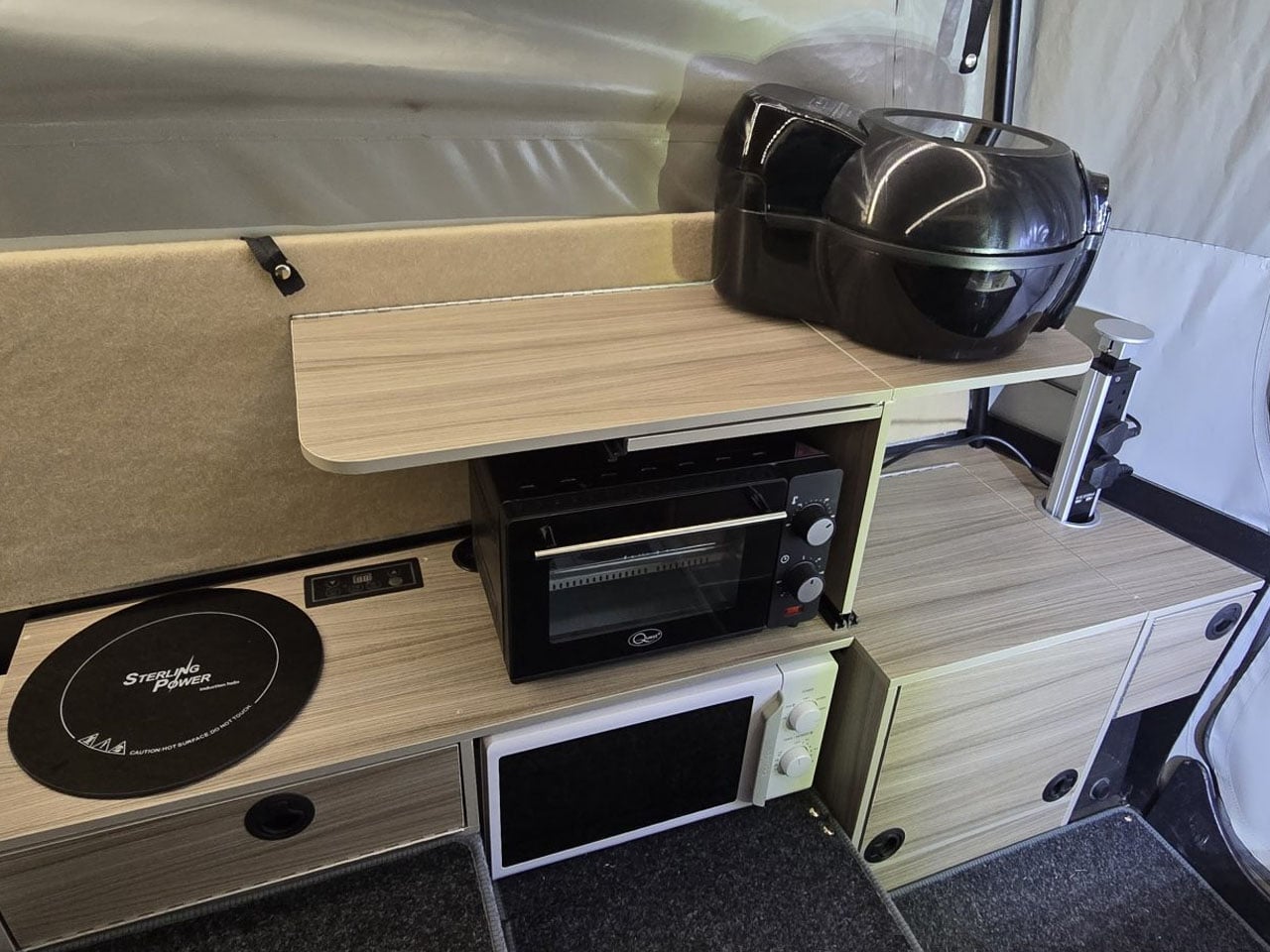
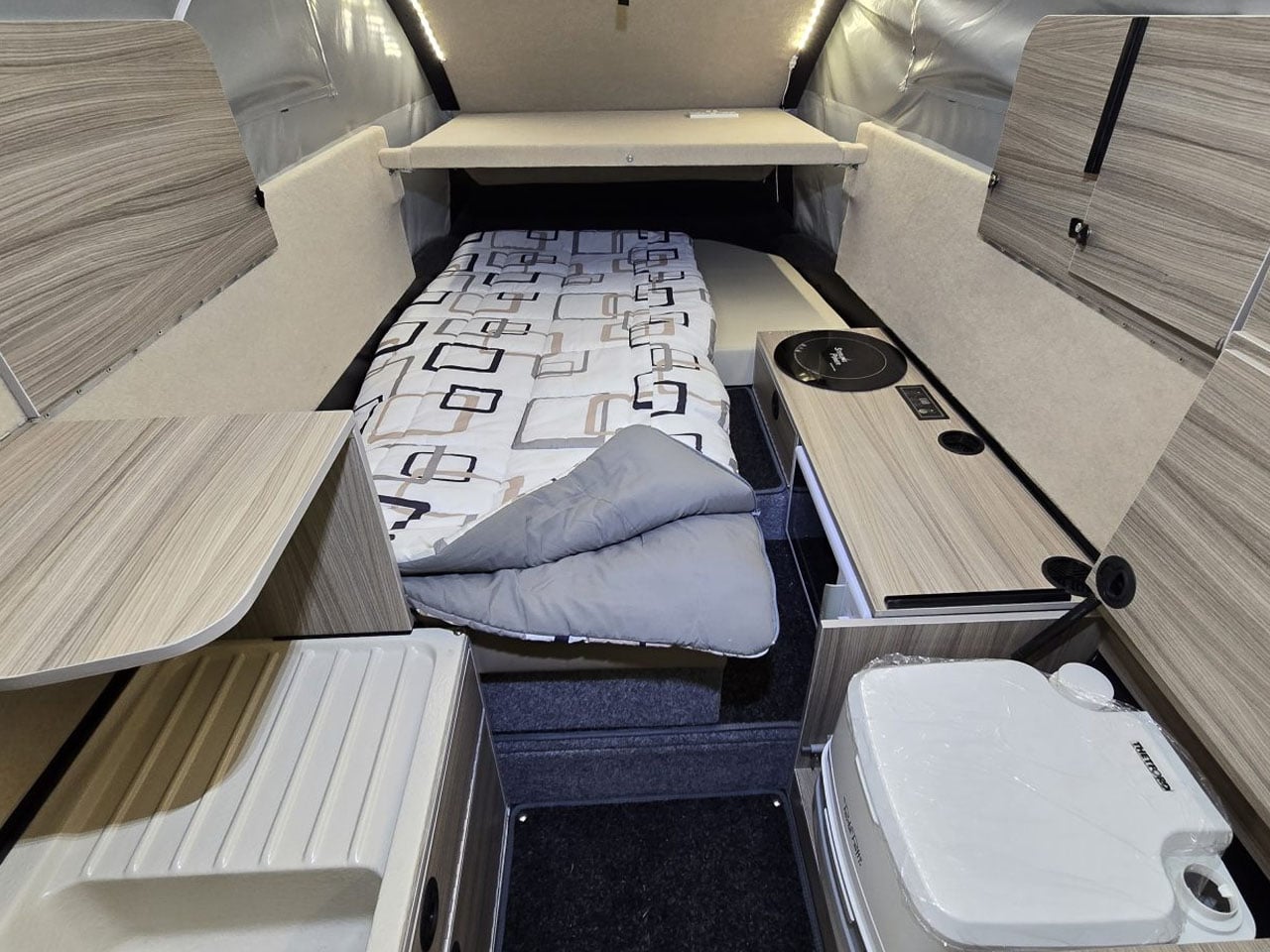
MK6 measures 16-foot-long and 6.3 feet wide, the trailer has an interesting storage cabinet in the extended nose up front, comprising a pantry and up to 95 liters fridge/freezer. Slightly further back is the slide-out kitchen with a three-burner gas stove, a full-size sink connected to a 108L fresh water tank, and a storage drawer topped with a prep area.

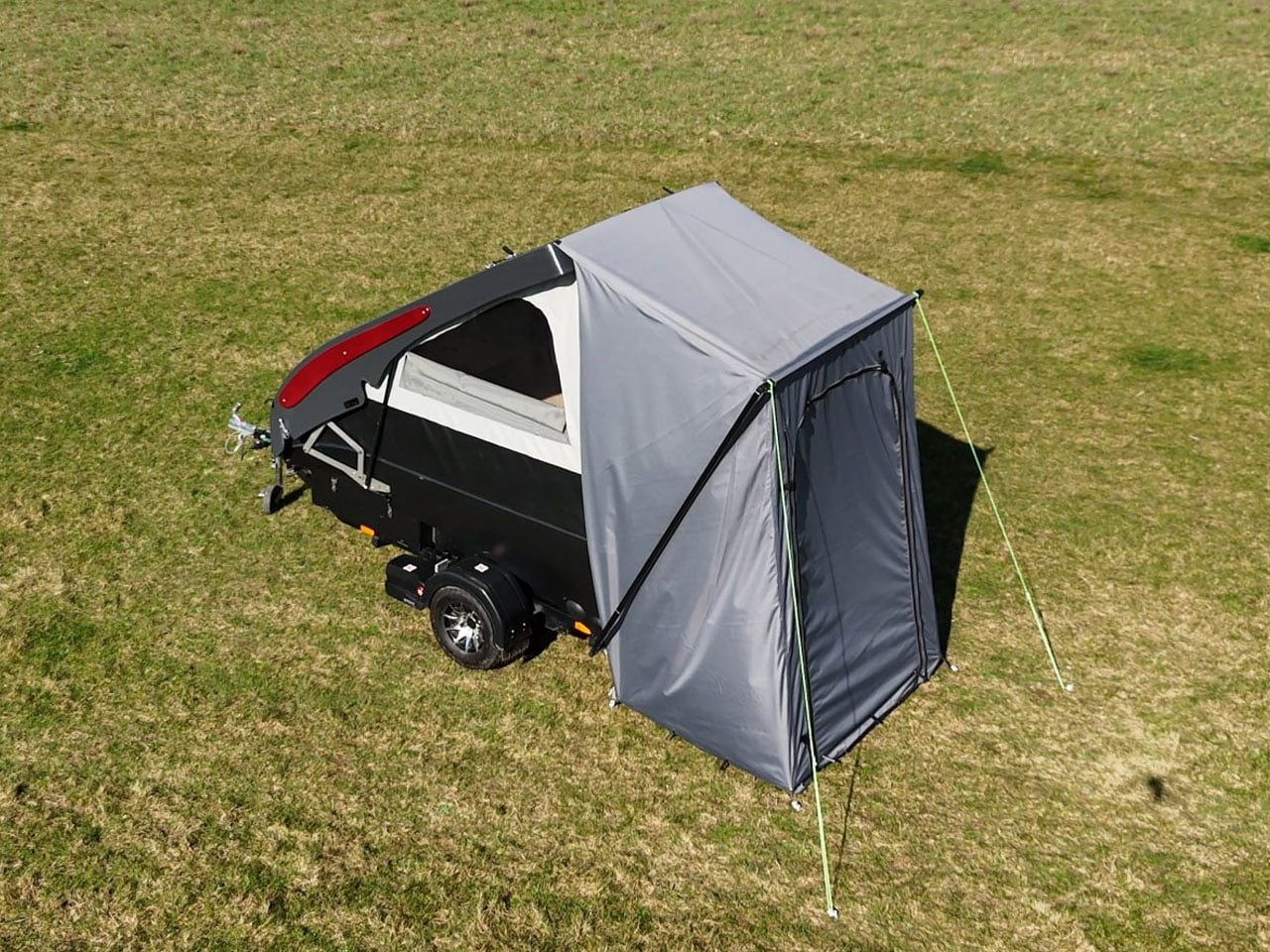
The most interesting part of the MK6 camping trailer is the rear hatch design. It features Track Trailer’s patented Skyward Lift Up Deck, which combines the hatch and the hard-floor deck. The electric lock system allows the two to lift up in unison for quick and direct access into the living space of the trailer. Just when you need it, a tent can be attached to the trailer to increase the living quarters.

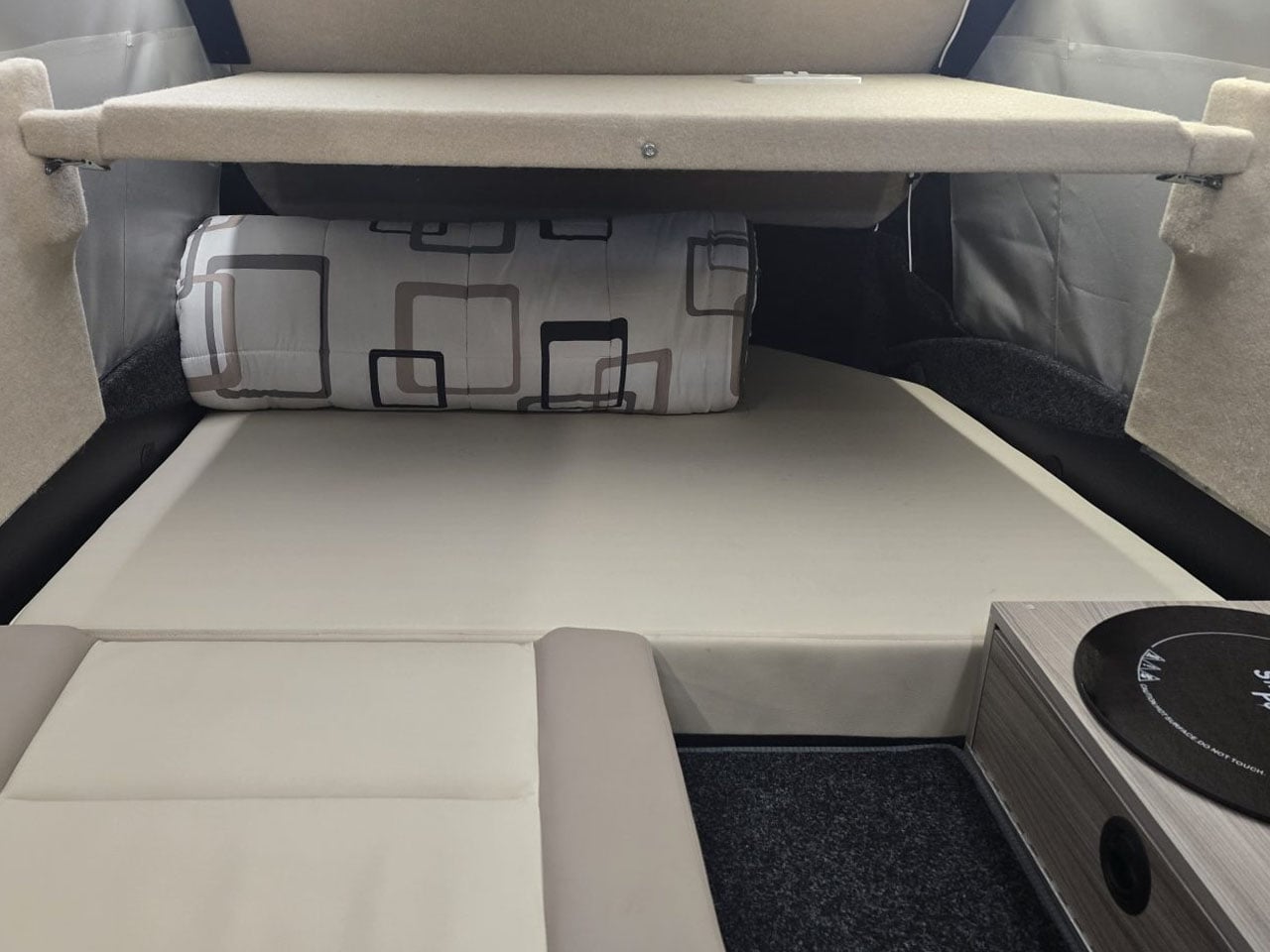
Inside is a double bed surrounded by large windows and overhead and sidewall storage. LED lighting and dual roof hatches complete the design. Since the MK6 is available in four variants, each is designed differently for off-the-grid living. The entry-level Inspire features a 125Ah lithium battery that draws energy from a 200W rooftop solar panel, while a 350W inverter takes care of the power backup. Firetail accommodates a pair of 125Ah batteries, a 2000W inverter, and some premium features in the kitchen.

Tvan MK6 Murranji adds a 200W solar panel to the Firetail setup, but leaves out the inverter. The top-of-the-line, Lightning, on the other hand, comes with a 500Ah battery. It features a 2,000W inverter and a 360W solar panel to complete its all-electric setup. Each of these models can have further upgrades with add-ons like awnings and more. MK6 starts at AU$69,900 (approximately $50,000) with the mentioned amenities.

The post Track Trailer reinvents Tvan, one of the toughest off-roading trailers with roomier MK6 model first appeared on Yanko Design.
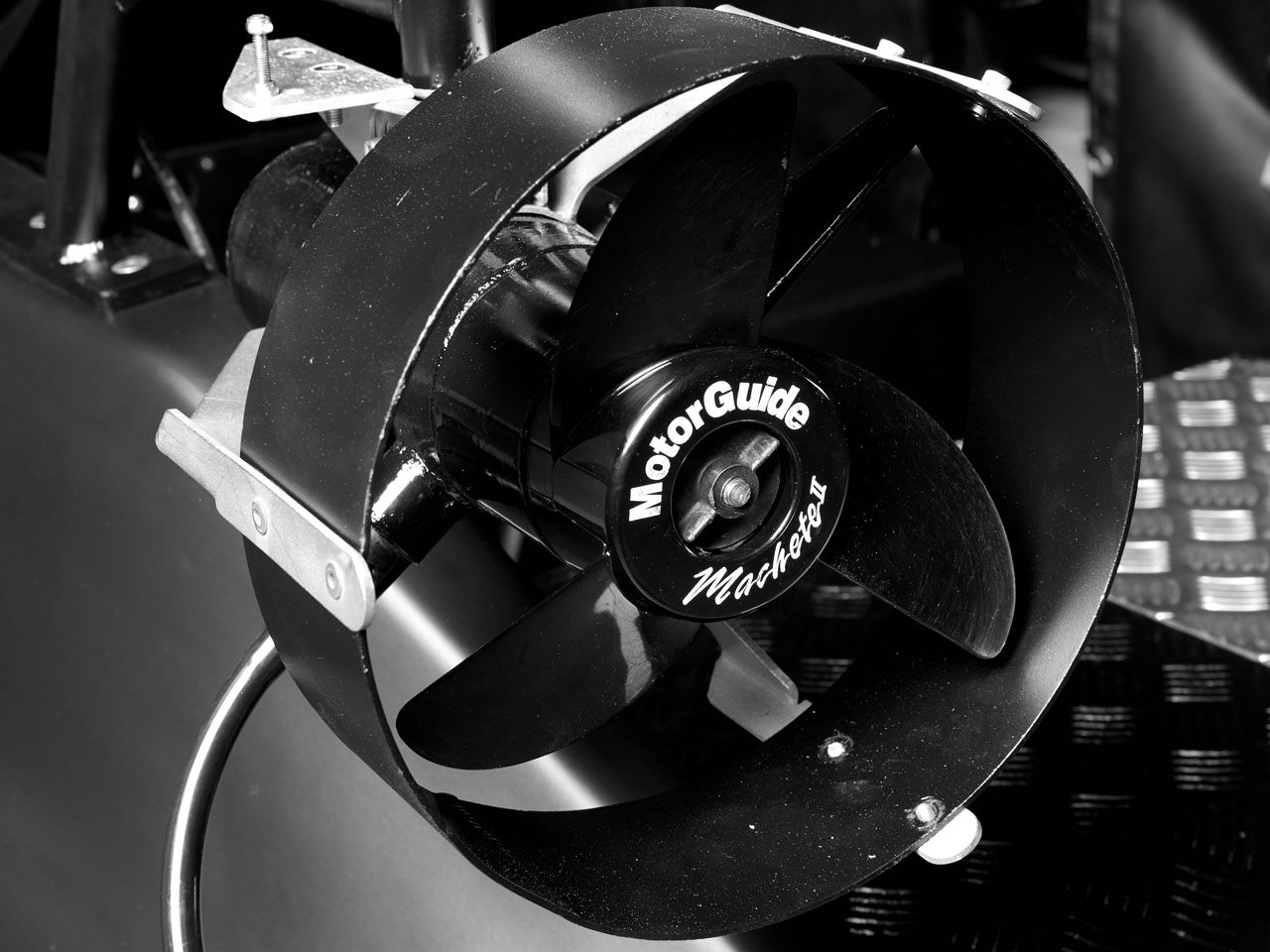
Casio’s special edition calculator handcrafted using traditional Japanese lacquering technique

For the unpressumable, the good old calculator is a gadget of yesteryears, as the smartphone does all the multitasking. However, for someone who works with numbers, this device is a no-brainer. Retail personnel, accountants, and professionals handling a high volume of calculations always reach for a calculator. The rugged device with its analog input doesn’t have the shenanigans of a touchscreen that misbehaves when touched with wet hands or with gloves on.

Casio pioneered the design of an all-electronic calculator dubbed 14-A (designed by the Kashio brothers) way back in the 1950s. The computing machine turned into a household name when the Casio Mini arrived in the early 1970s. The handheld device was a holy grail when it came to churning out numbers in professional circles as well as homes. Come 2026, the Japanese company has decided to give the trusted calculator a unique, handmade twist that carries a lot of substance.
Designer: Casio

Based on Casio’s flagship S100 calculator, the S100X Urushi Edition, a.k.a. The Special One, is a limited edition desktop calculator designed using century-old Japanese Urushi lacquer technique. To handcraft the body of the device, Casio looked up to none other than Yamakyu Shitsuki, a lacquerware workshop expertising in the craft since 1930. Mater crafter Ryuji Umeda himself handcrafted the design involving a technique called tamenuri, which took a month of perfecting. The craft involves layering laquer tree’s filtered sap on the milled aluminum housing and achieving a sense of depth with repeated applications over a period of a week. Finally, the calculator is polished for that mirror-like shine and luxury feel.

Each of the 625 limited edition calculator’s is handcrafted carefully at the workshop, rendering each one of them unique in their look depending on the viewing angle. To carry the premium feel, the machined aluminum body housing the buttons on top and the LCD screen ensures a satisfying presence. This display comes with a dual-sided AR coating for reduced reflections and the navy blue text color mimics the fountain pen ink. For enhanced tactile sensation of pressing the isolation-type keys, they come with the pantograph mechanism and an ergonomic shape nestling the fingers. The 3-key rollover tech ensures rapid typing as the keystroke is accurately recognized for up to 3 keystrokes.

This 12-digit calculator adapts all the functions vital for professionals, including four-law calculation, tax calculation, unit conversion, memory (x2), and grand total. It is powered via solar panels on the front or a CR2025 coin battery, which can last for around seven years. The decimal point selector lever has a spin finish design for a premium shine, and on the back side, there is a geometric pattern molded stopper for assuring stability. Each one of the S100X Urushi Edition calculators has a laser-engraved serial number and comes packaged in a themed black presentation box complete with gold foil stamping.

The S100X Urushi Edition  Special One calculator is priced at ¥99,000, which coincidentally equates to around $625. Owning this one is going to be special for collectors.

The post Casio’s special edition calculator handcrafted using traditional Japanese lacquering technique first appeared on Yanko Design.