DIY Macintosh Studio is an ingenious dock for the iPad mini and Mac Studio

They say necessity is the mother of invention, so it’s probably not surprising that some of the best and sometimes even outrageous designs were born out of someone’s itch, as they call it. Take for example this rather interesting DIY project that gives a home for an iPad mini and hides the Mac Studio in plain sight. While there’s no shortage of products that address those needs separately, this creative solution manages to combine both in an inspired way, paying homage to the product that catapulted Apple to fame 40 years ago: the venerable original Macintosh. Of course, it isn’t just a superficial nostalgia trip, but one that also harnesses some of the best features of Apple’s product design today.

Designer: Scott Yu-Jan
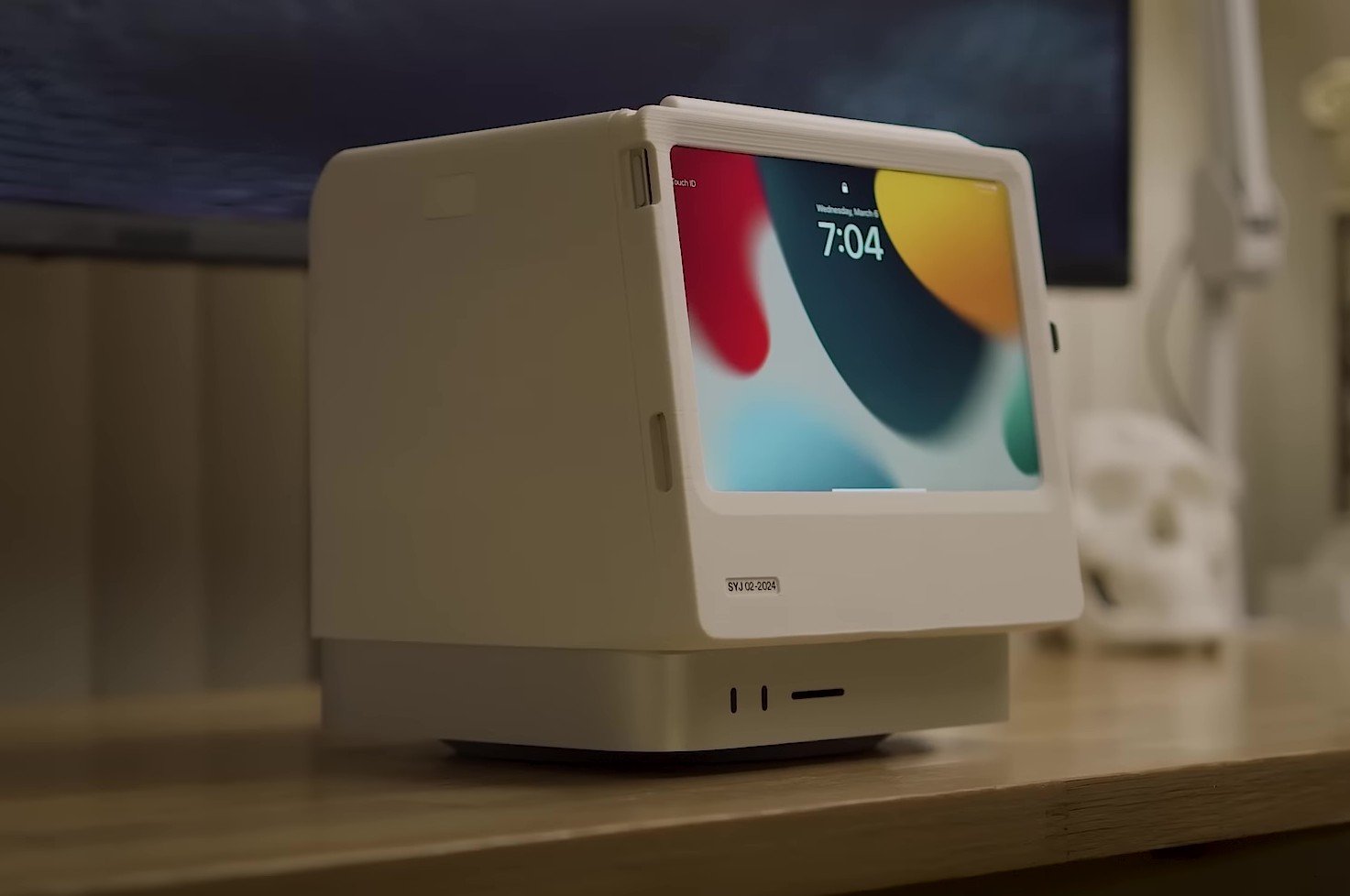
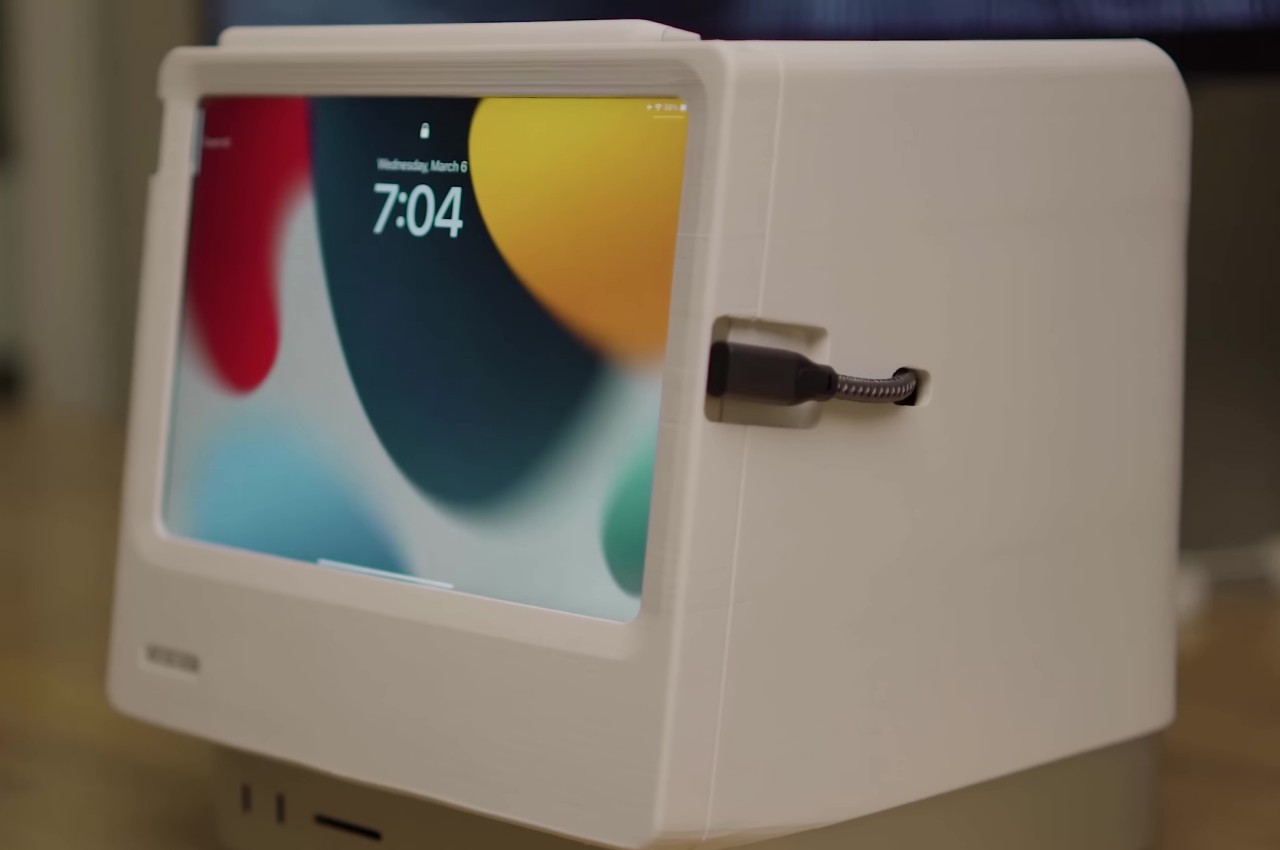
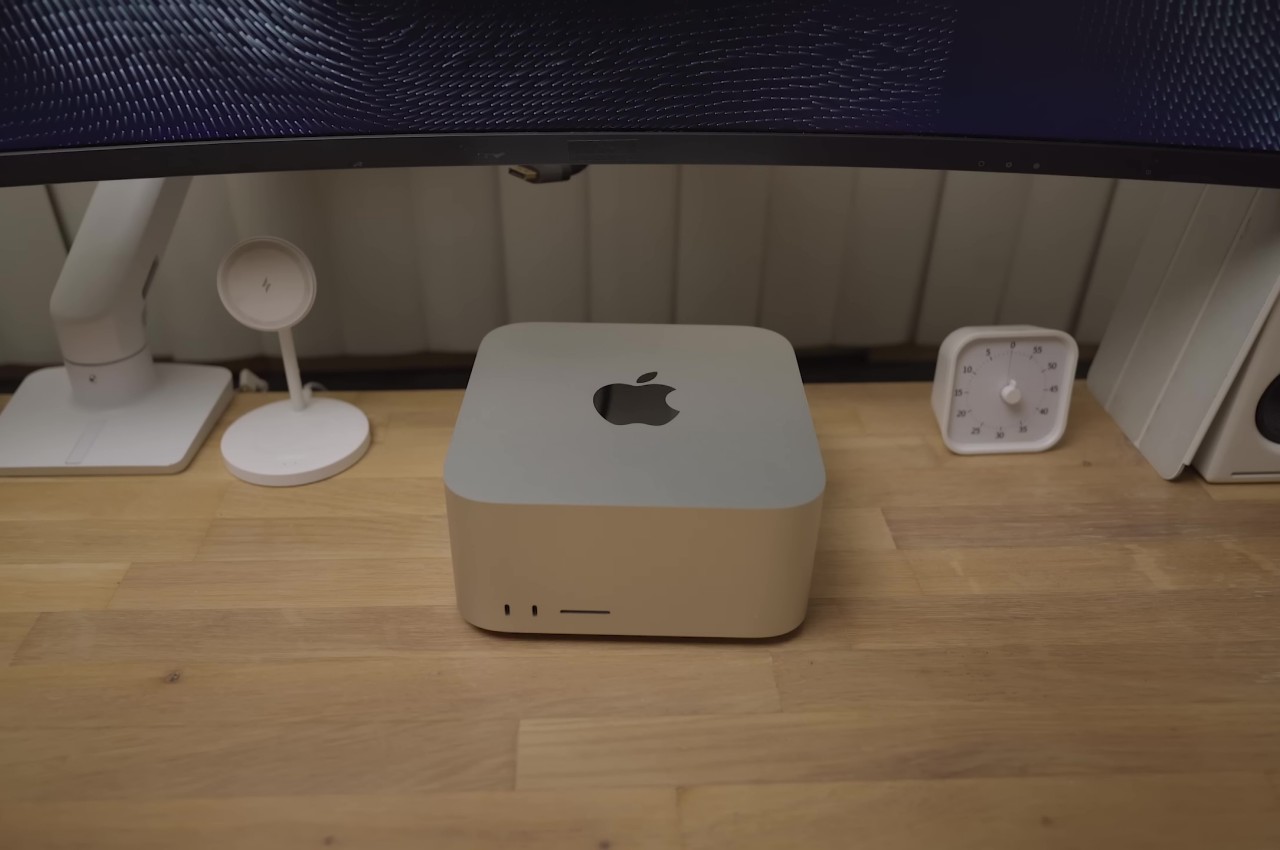
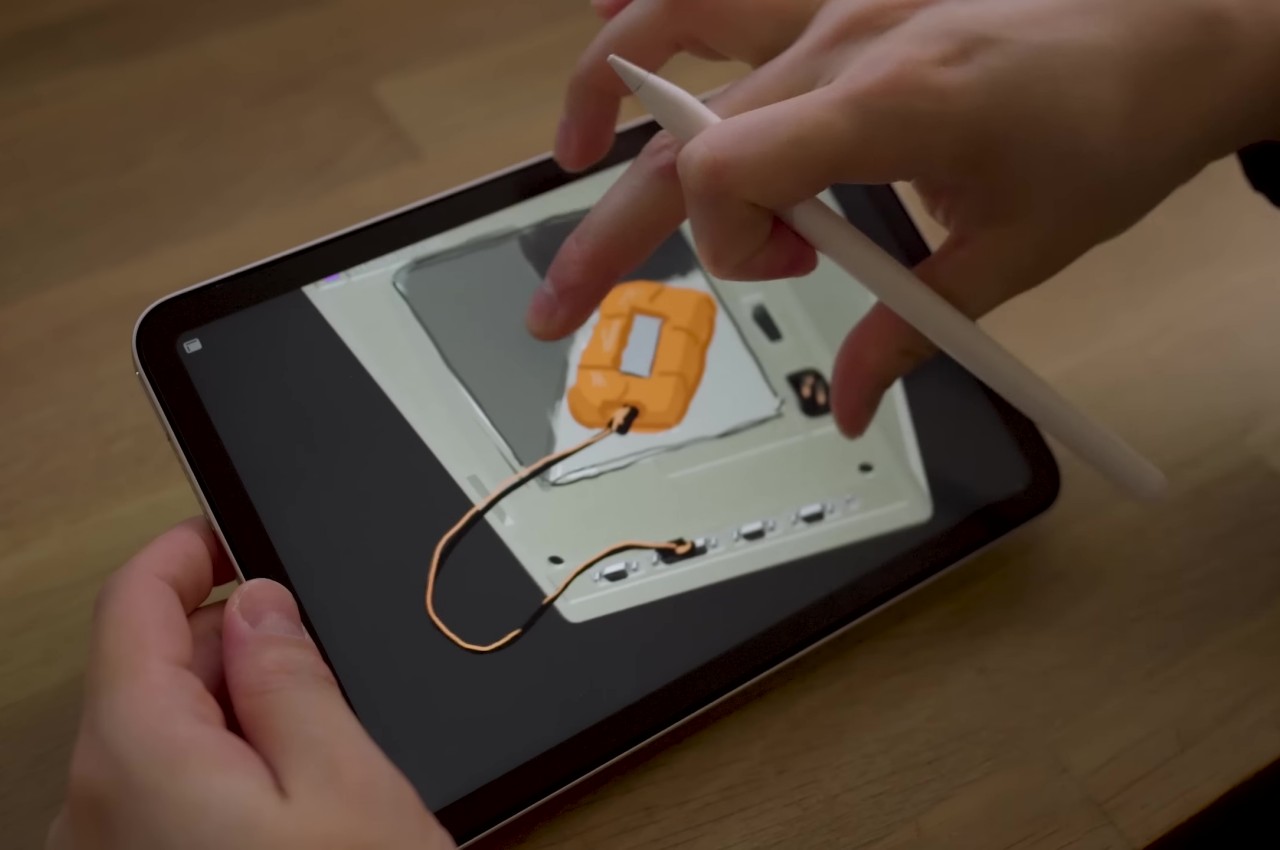
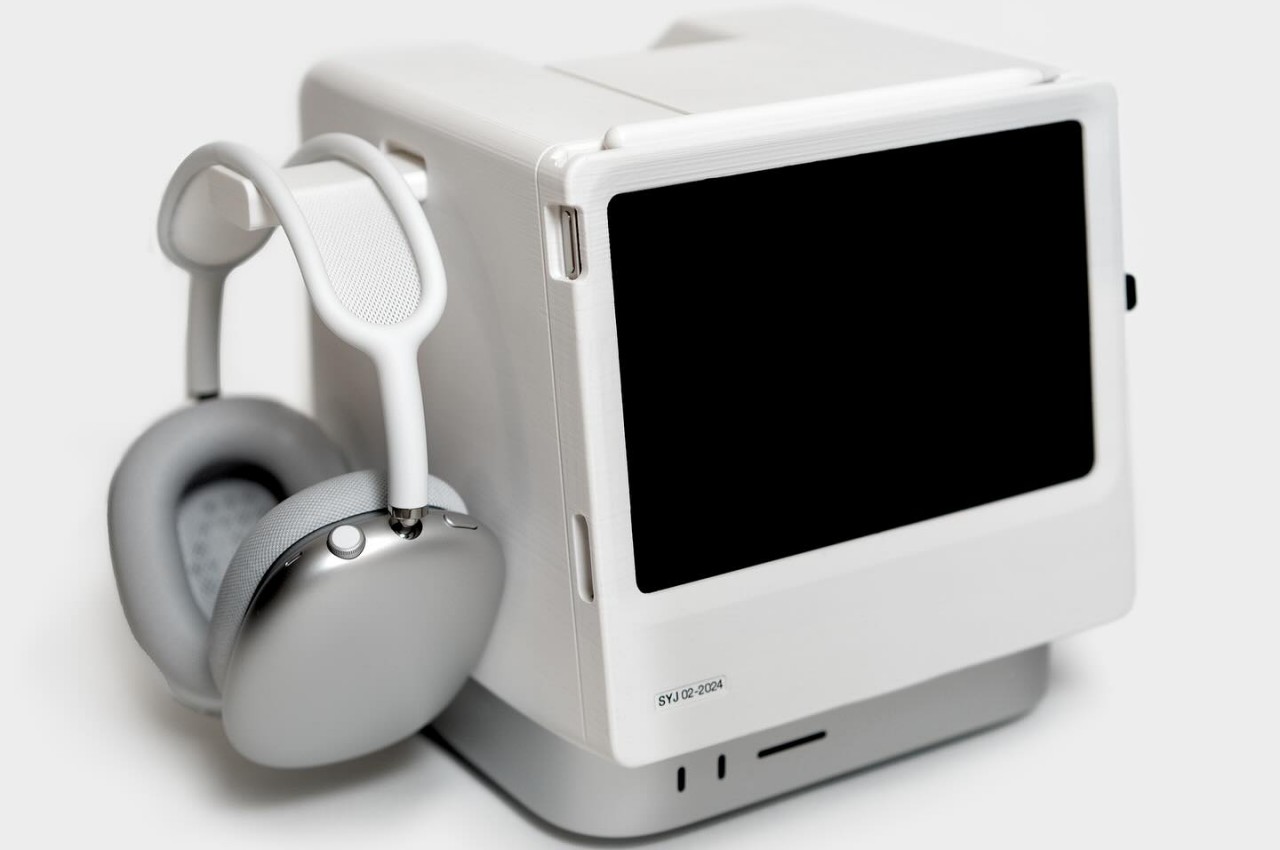
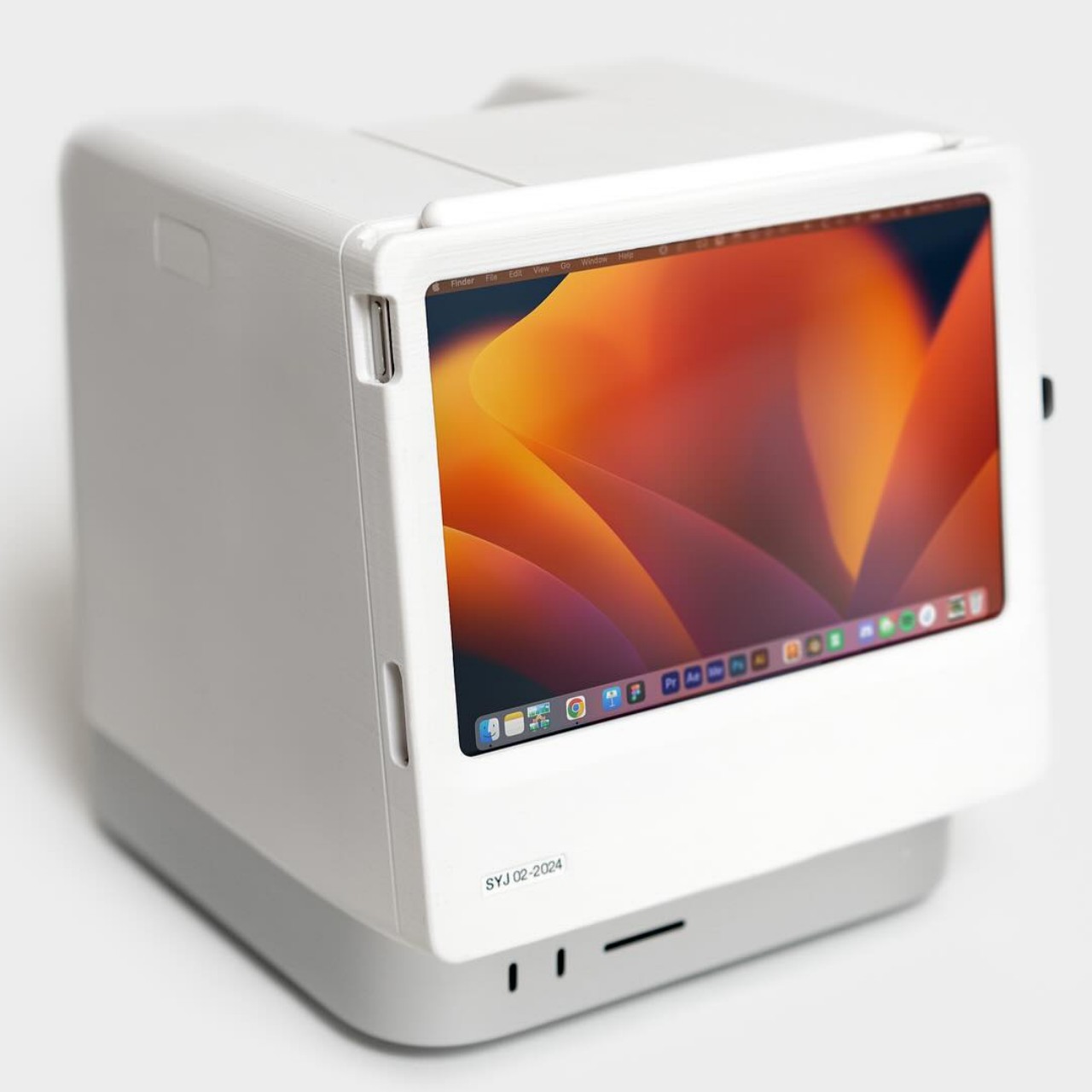
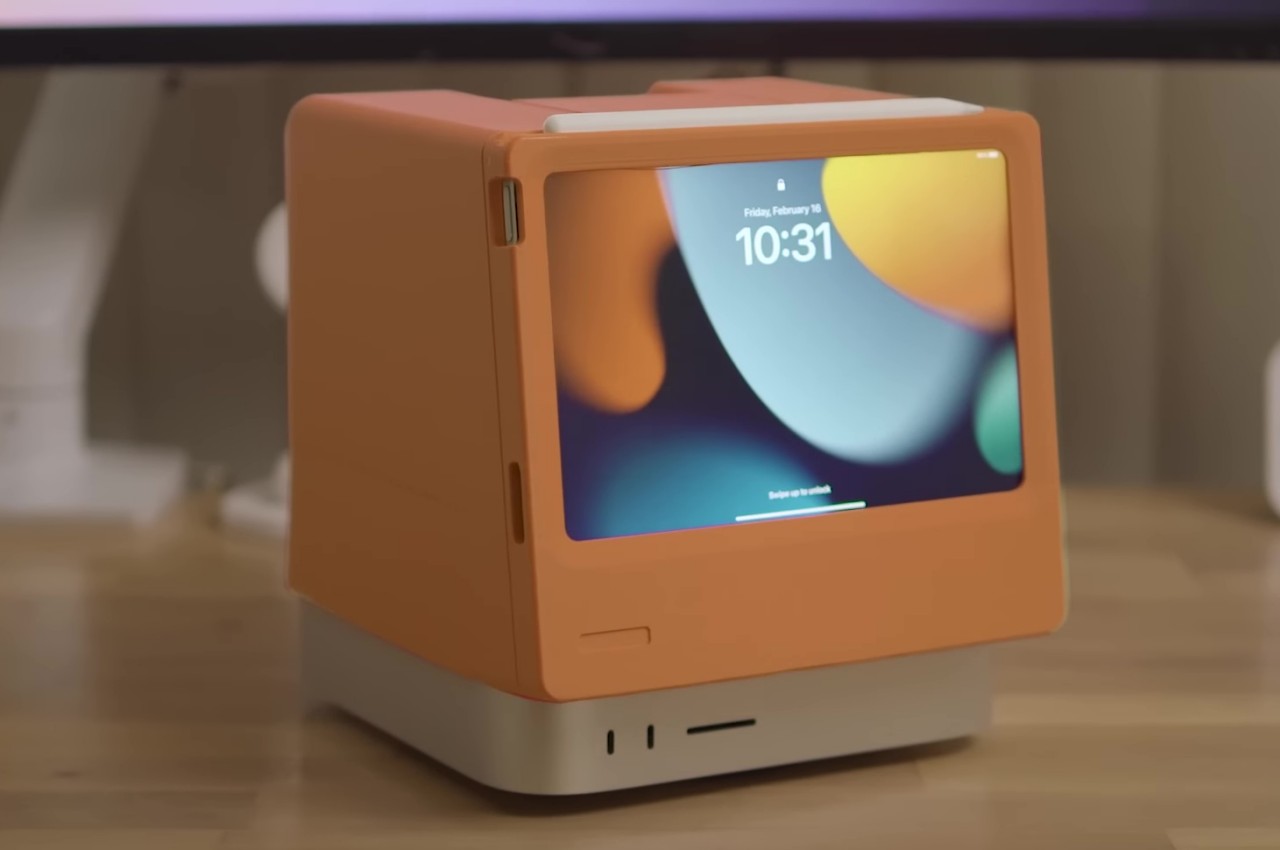
Although it’s patterned after the Mac mini, the powerful Mac Studio is exponentially taller, and its presence can’t be ignored when you place it under a monitor. On the other side of the fence sits the lightweight and compact iPad mini, which has gained a lot of features that almost make it suitable as a desktop device. These two products come from very different lines but share the same family spirit. Putting them together might sound superficial, but this 3D-printed modular case manages to pull it off so tastefully.
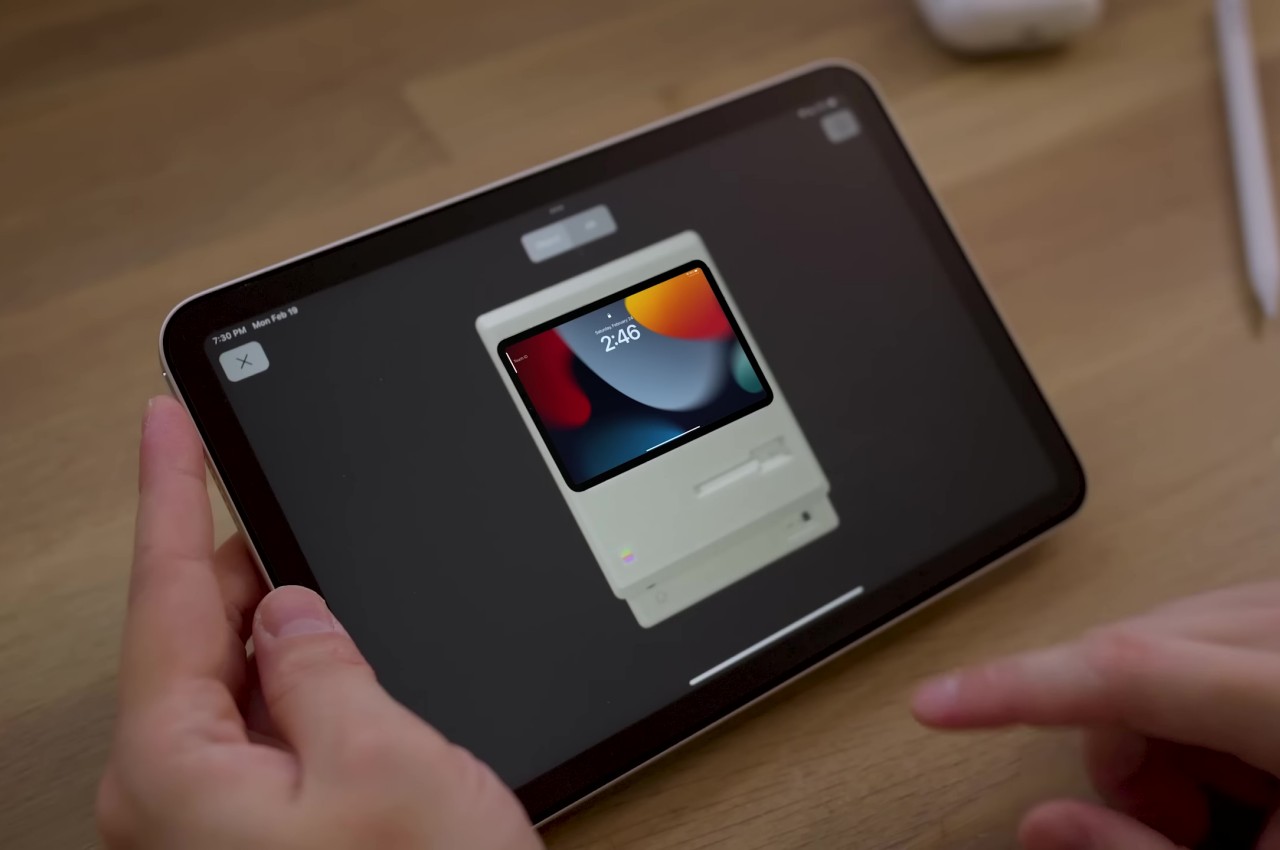
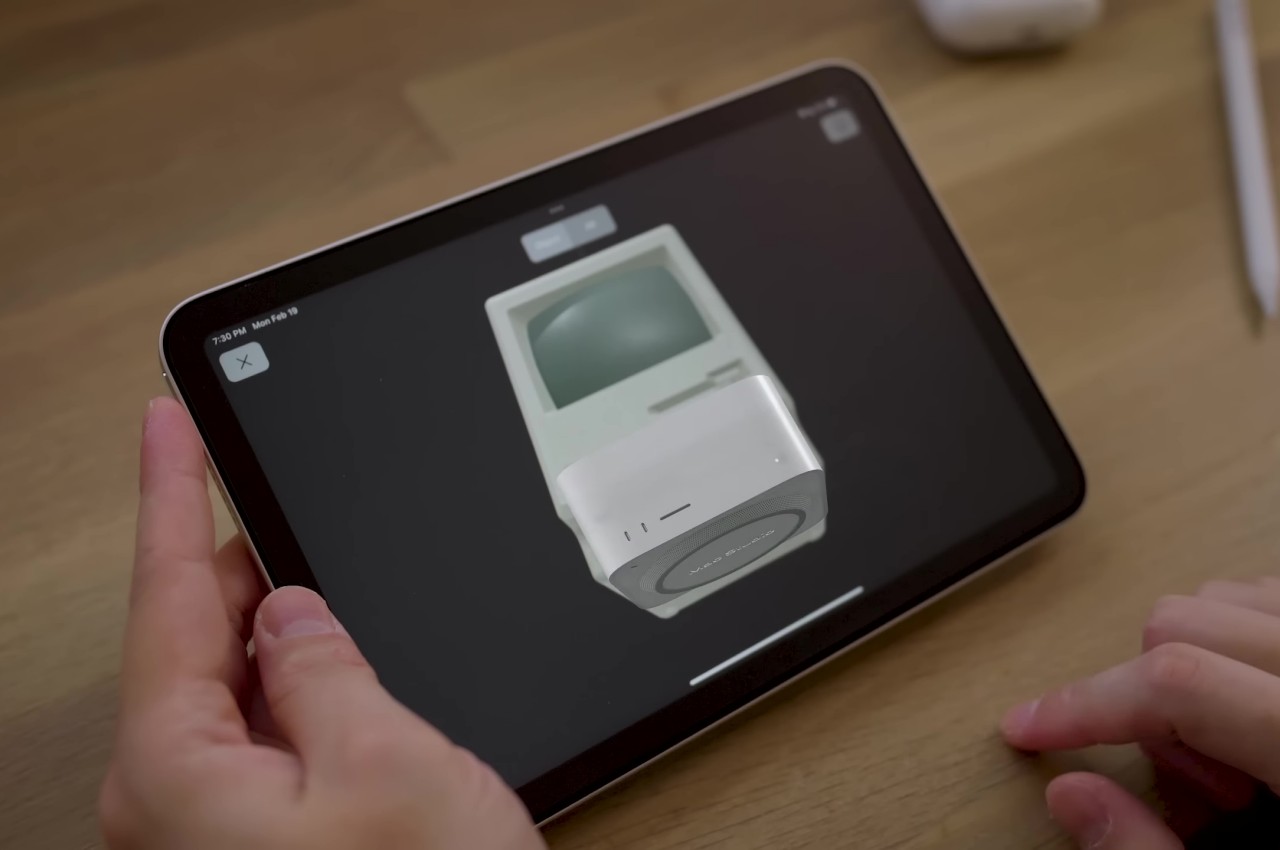
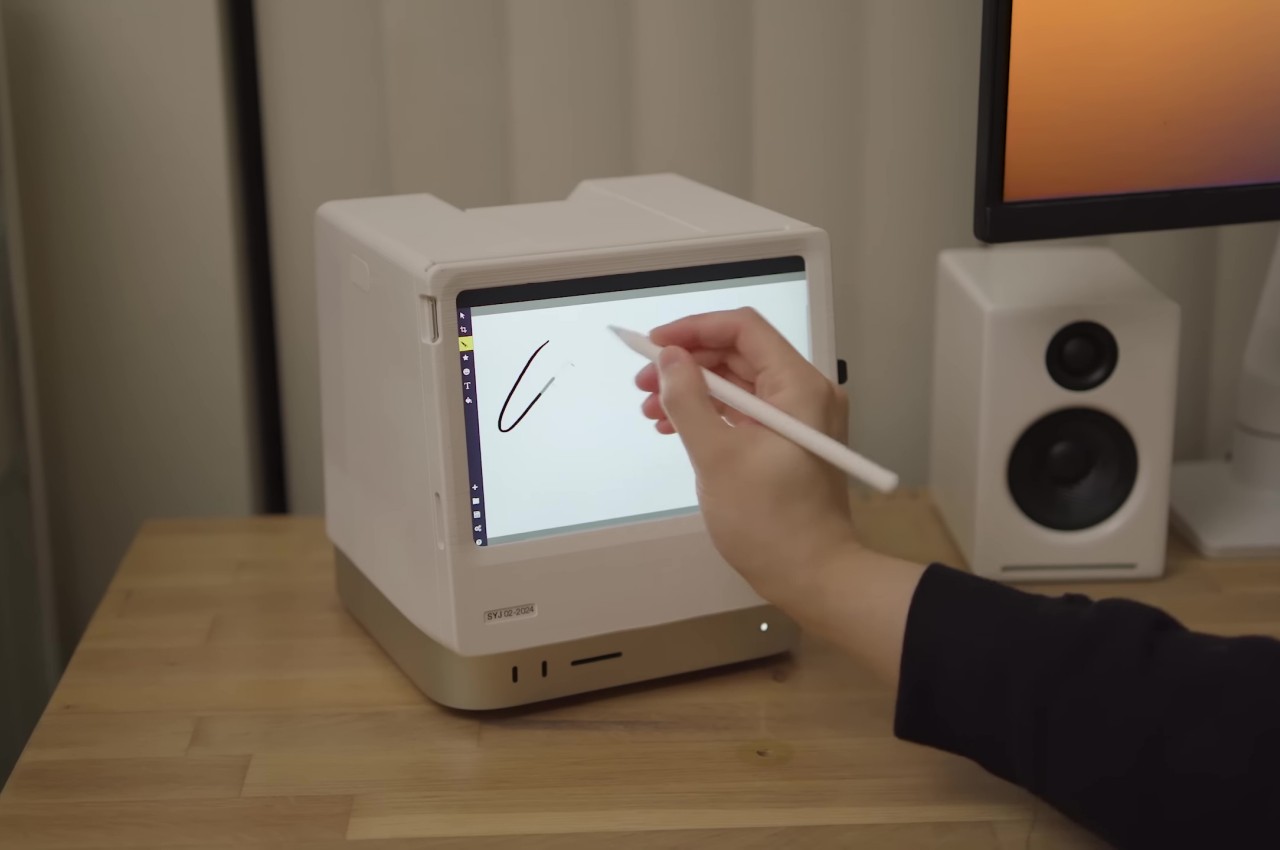
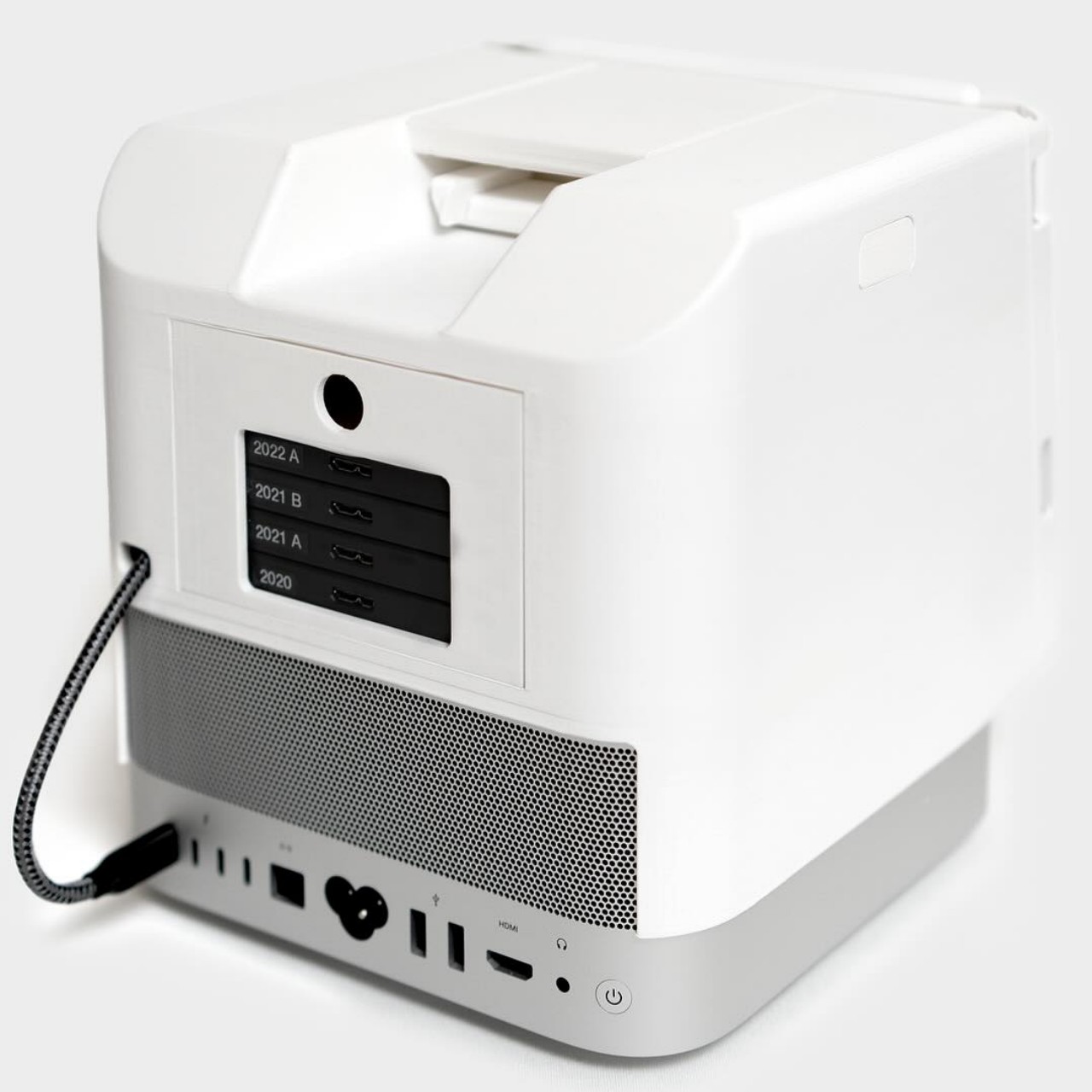
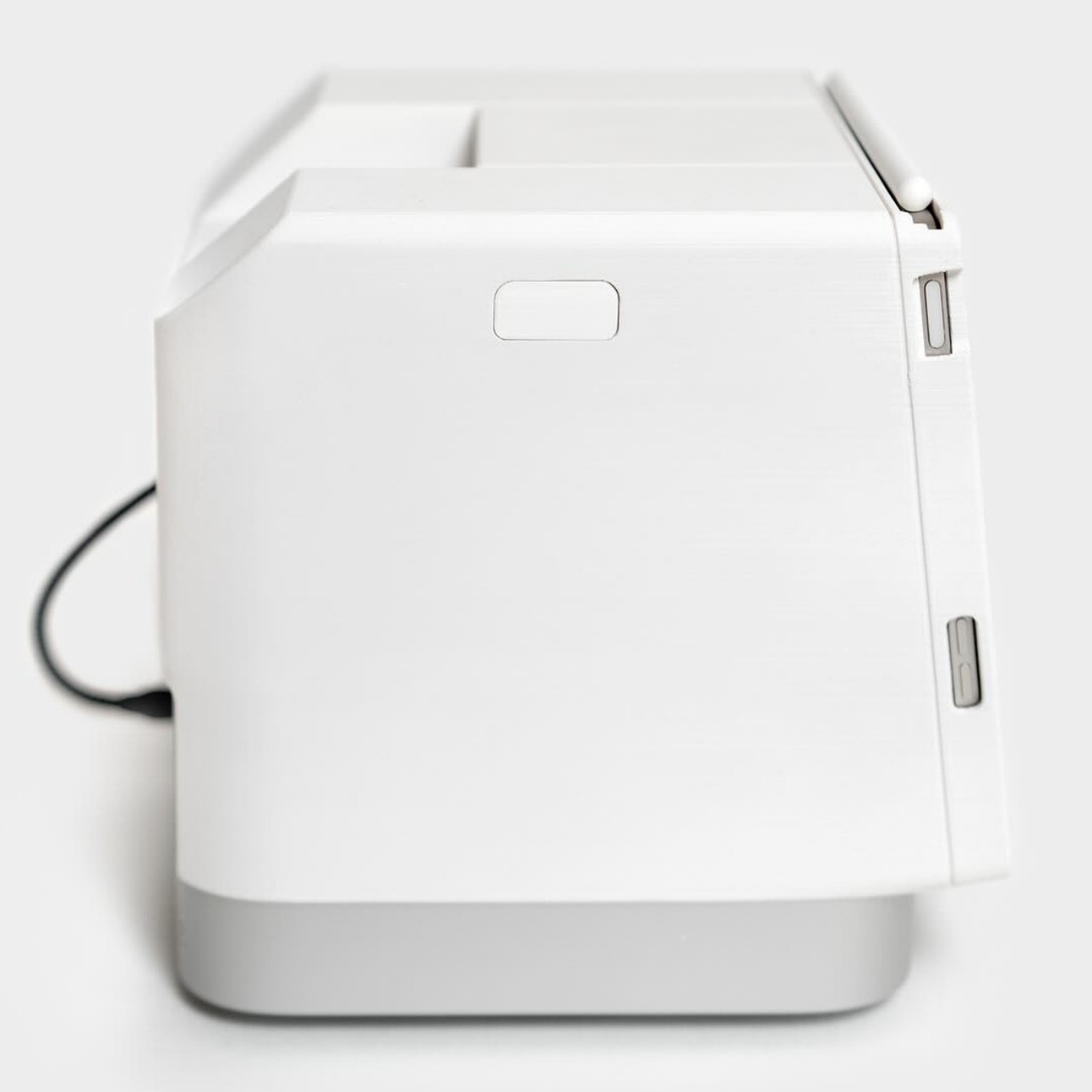
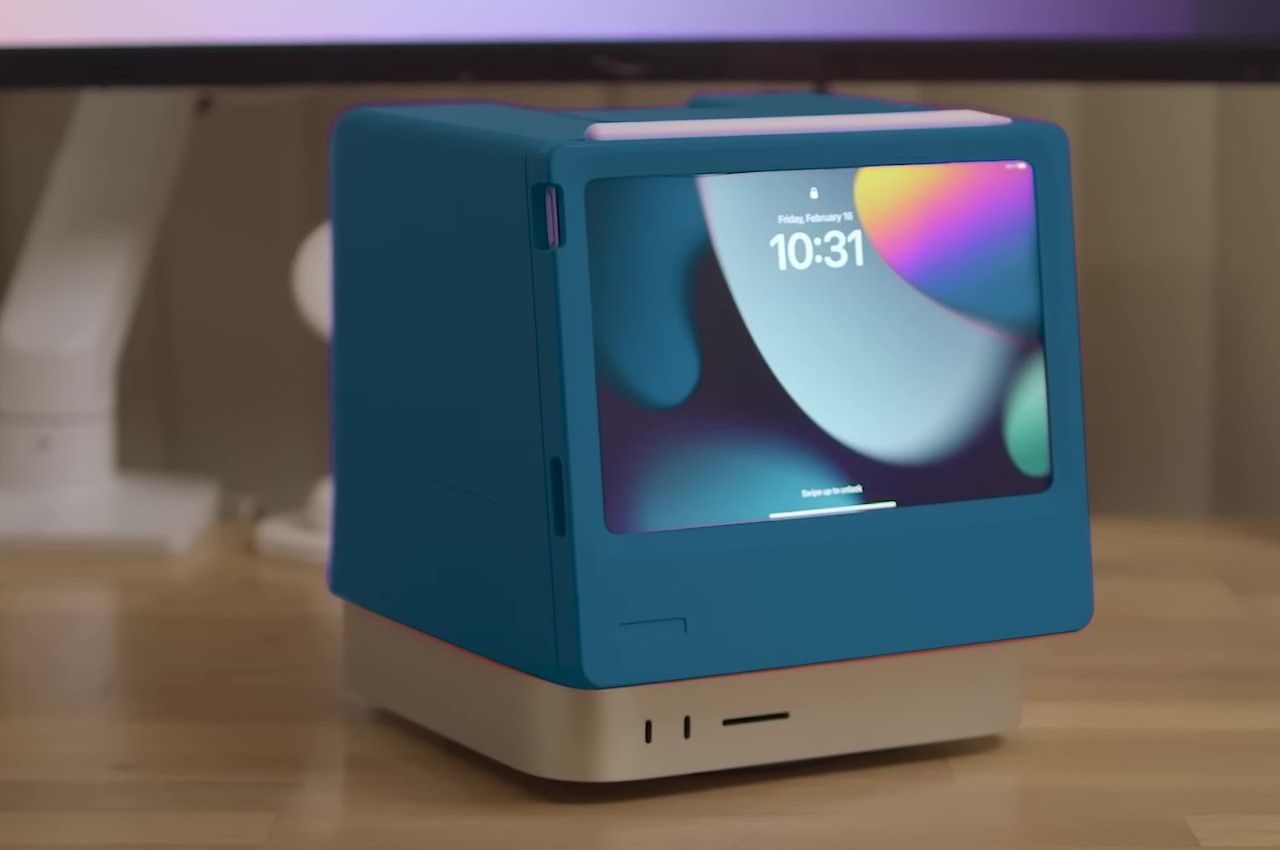
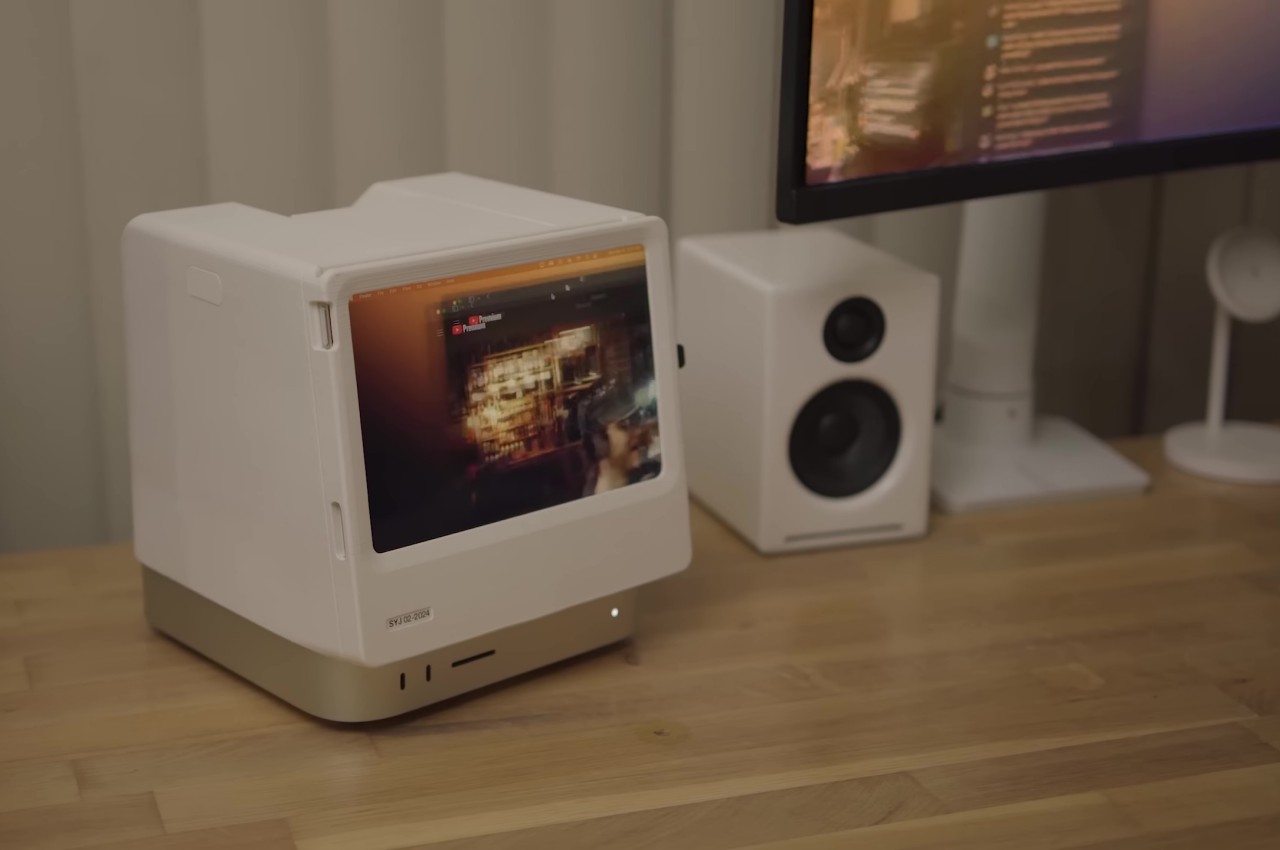
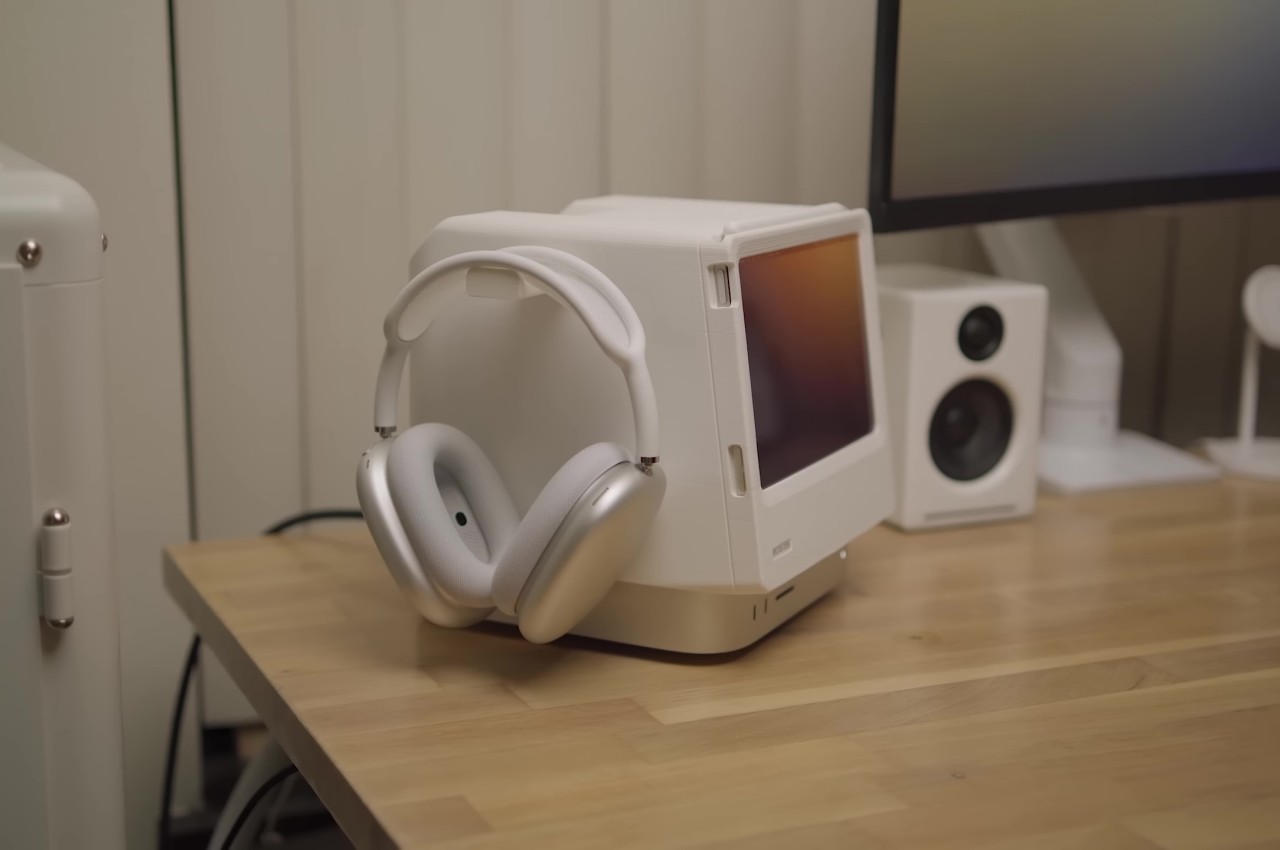
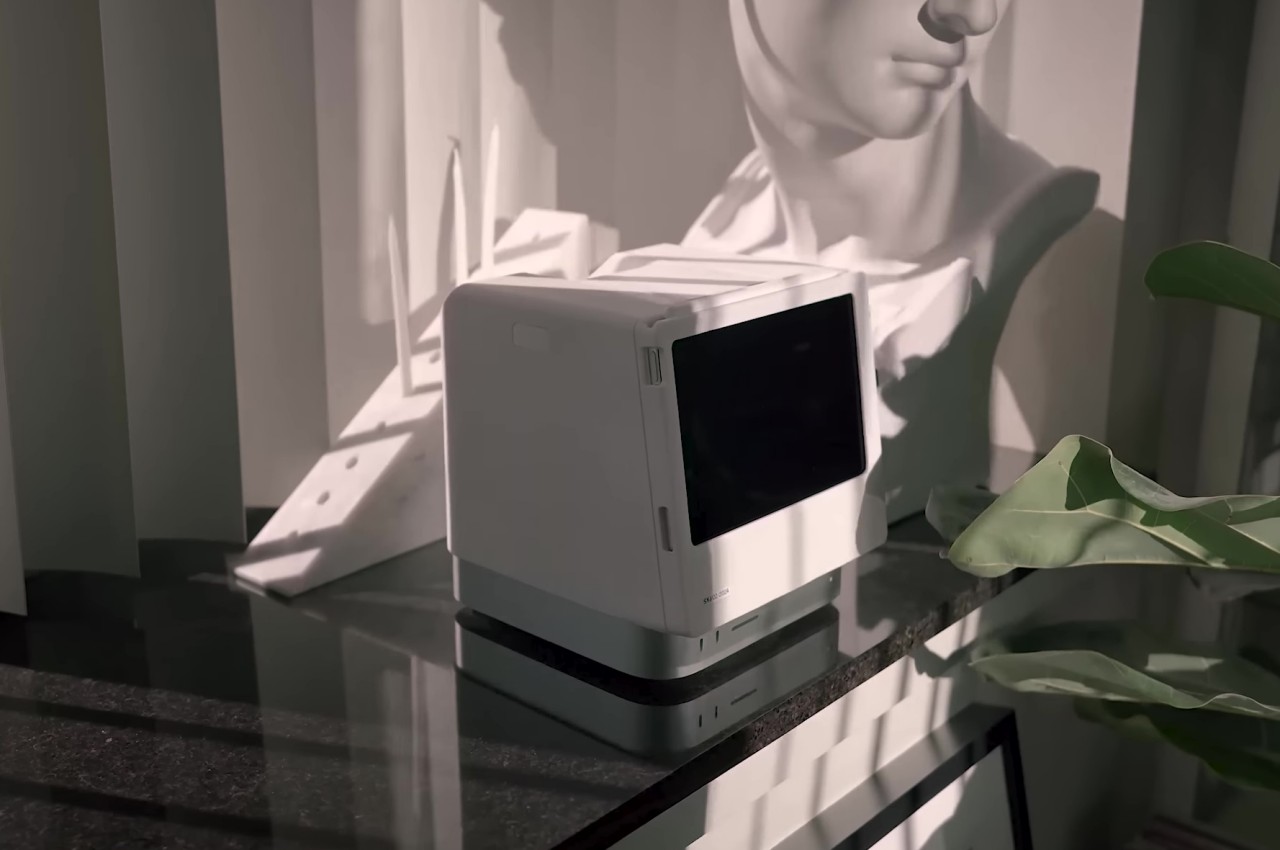
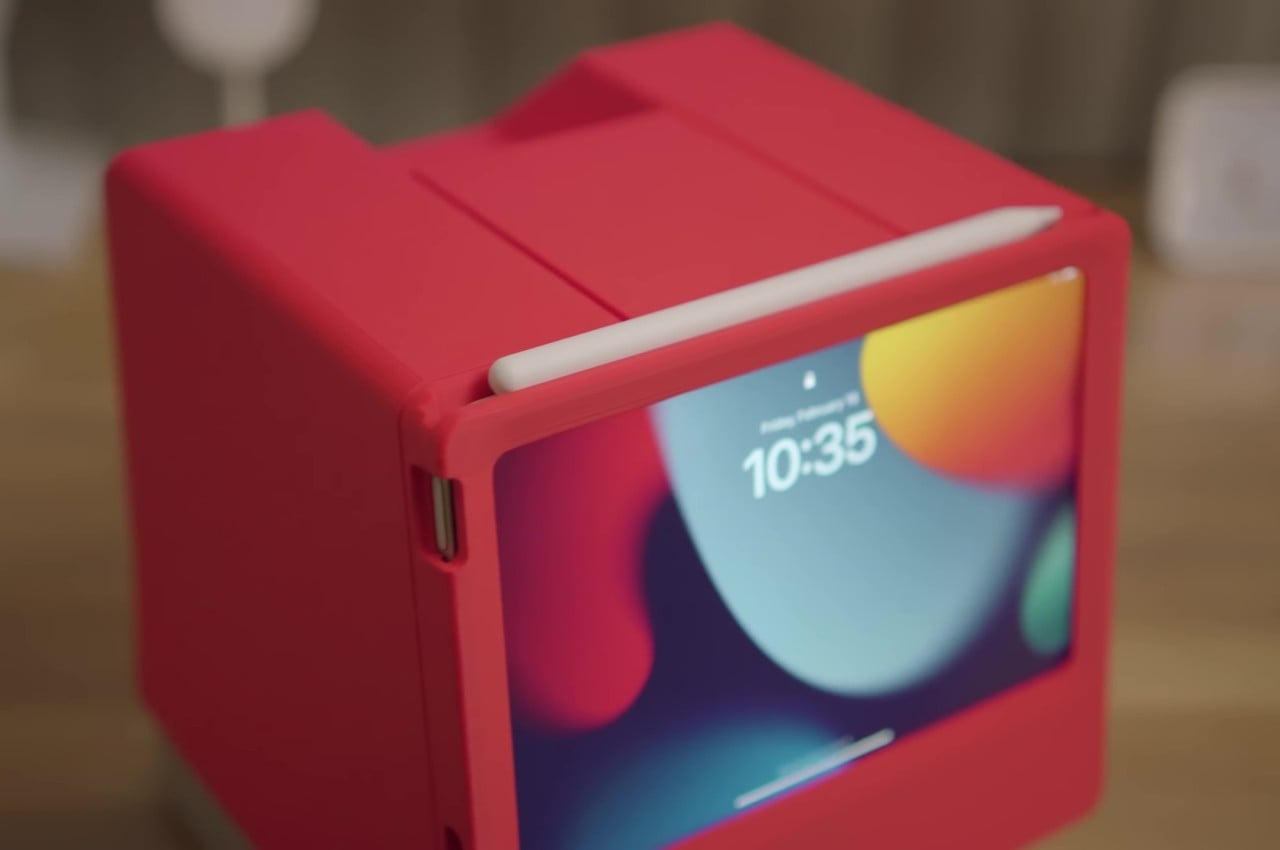
Dubbed the Macintosh Studio, the enclosure sits on top of and snugly hugs most of the Mac Studio, leaving only the ports near the bottom unrestricted. The front of the contraption has a slot for the iPad mini to slide in securely and connect to the Mac Mini via a single USB-C cable. This way, the iPad mini is always charged and ready to go when you need it, while also serving as a second screen for the Mac Studio thanks to Apple Sidecar. This gives both devices a customized home without removing anything from their functionality. You can even draw on the iPad quickly, though the position and angle of the screen won’t be ideal for working on art and designs.
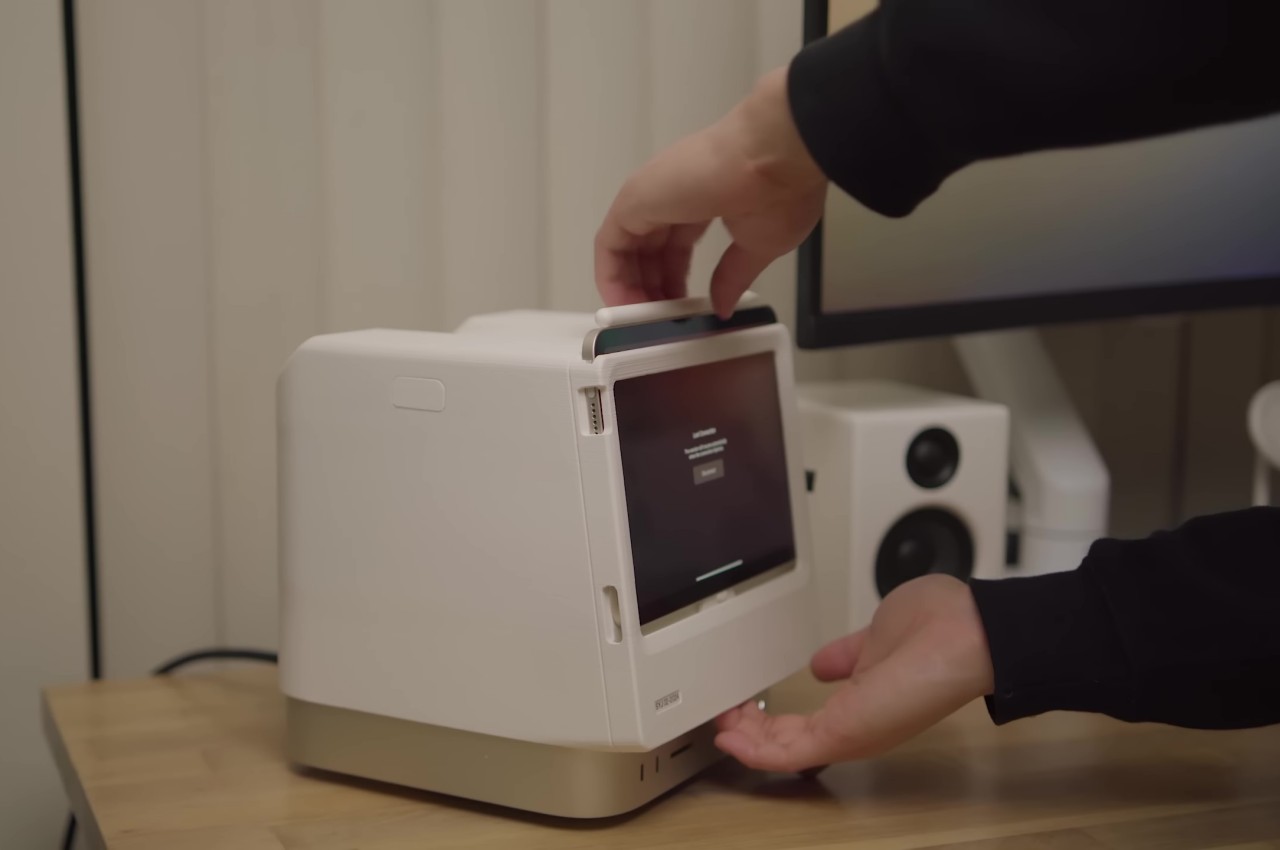
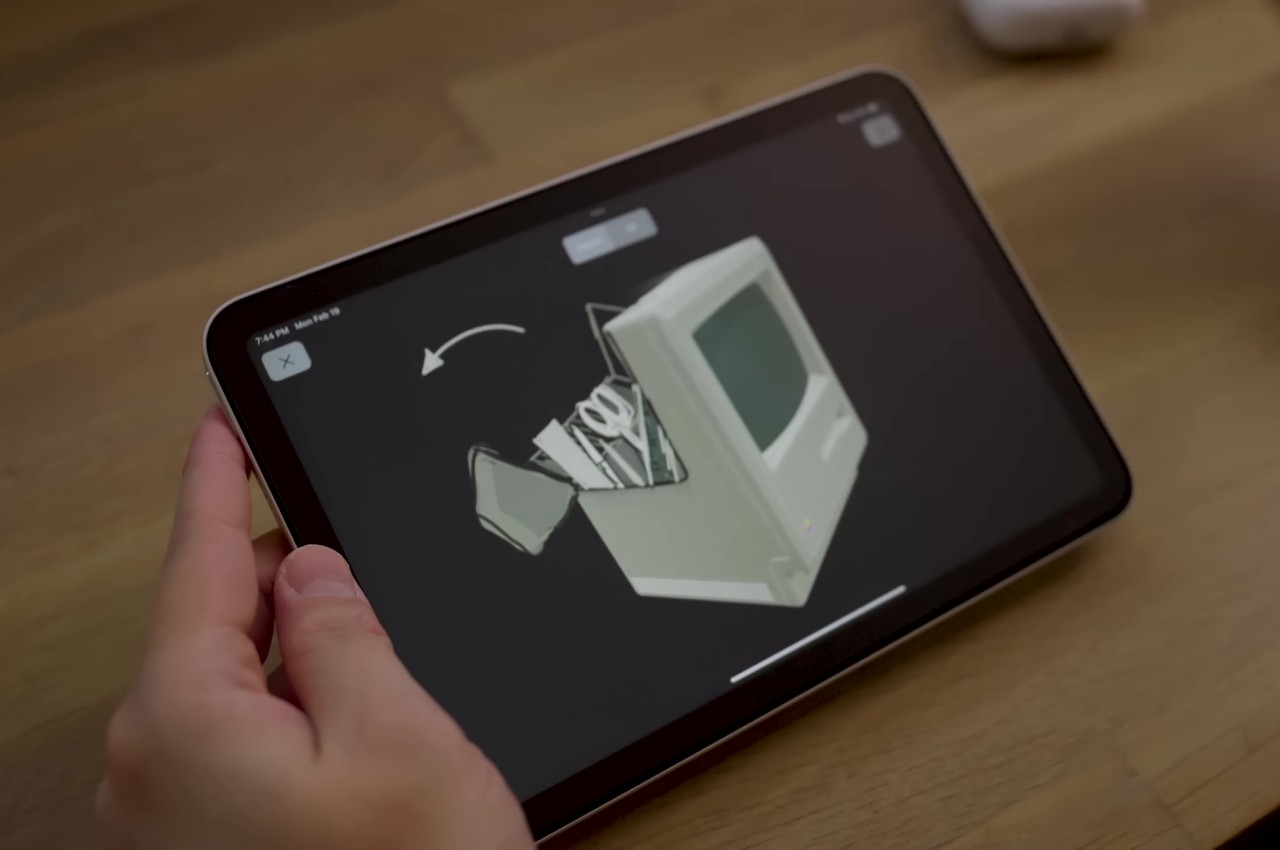
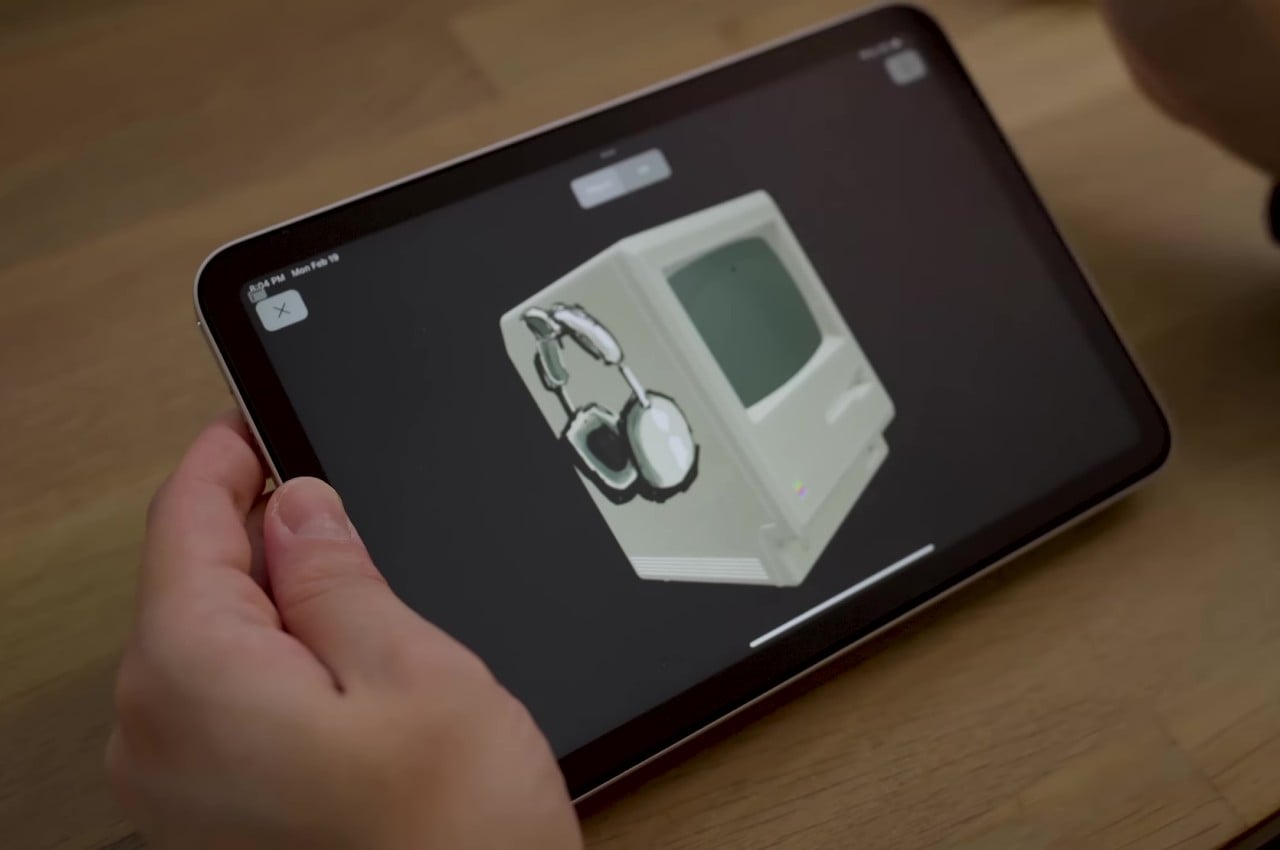
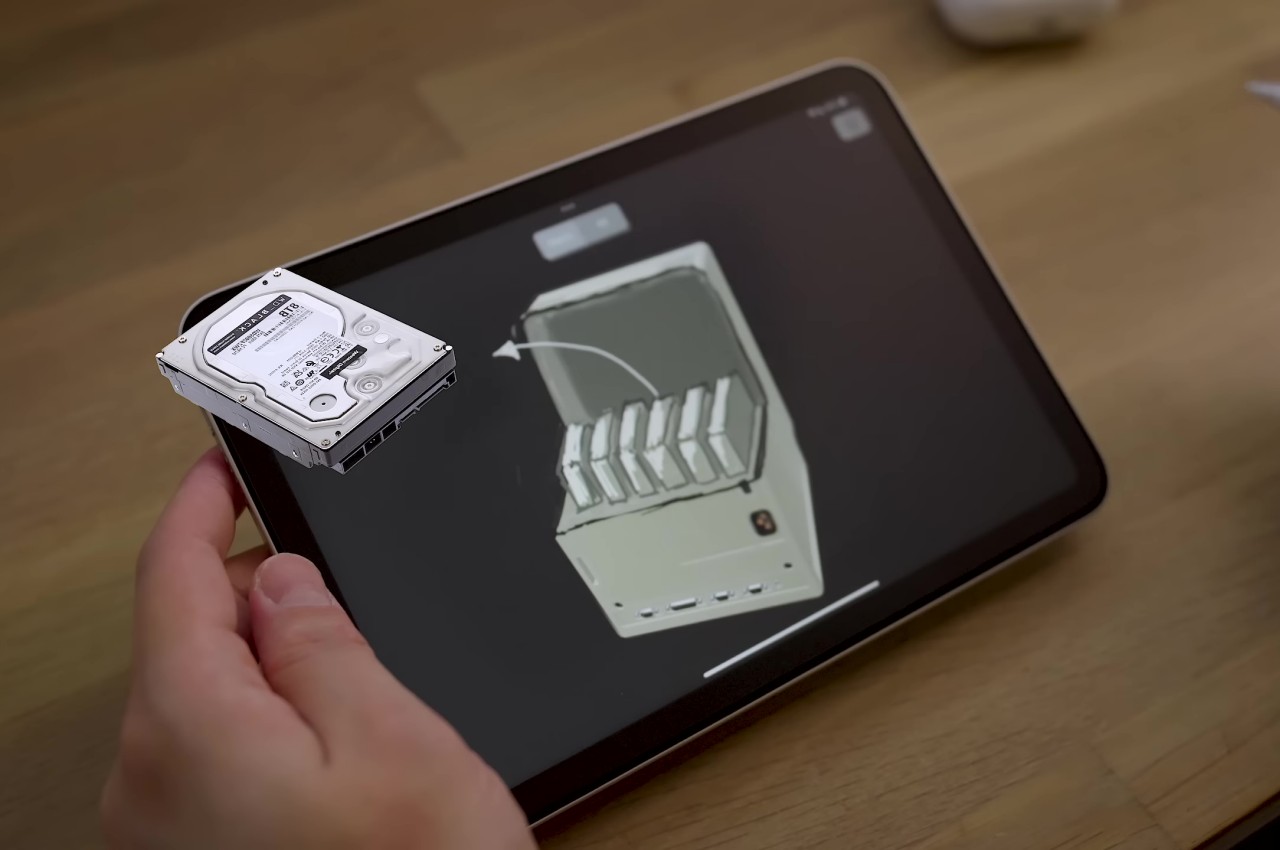
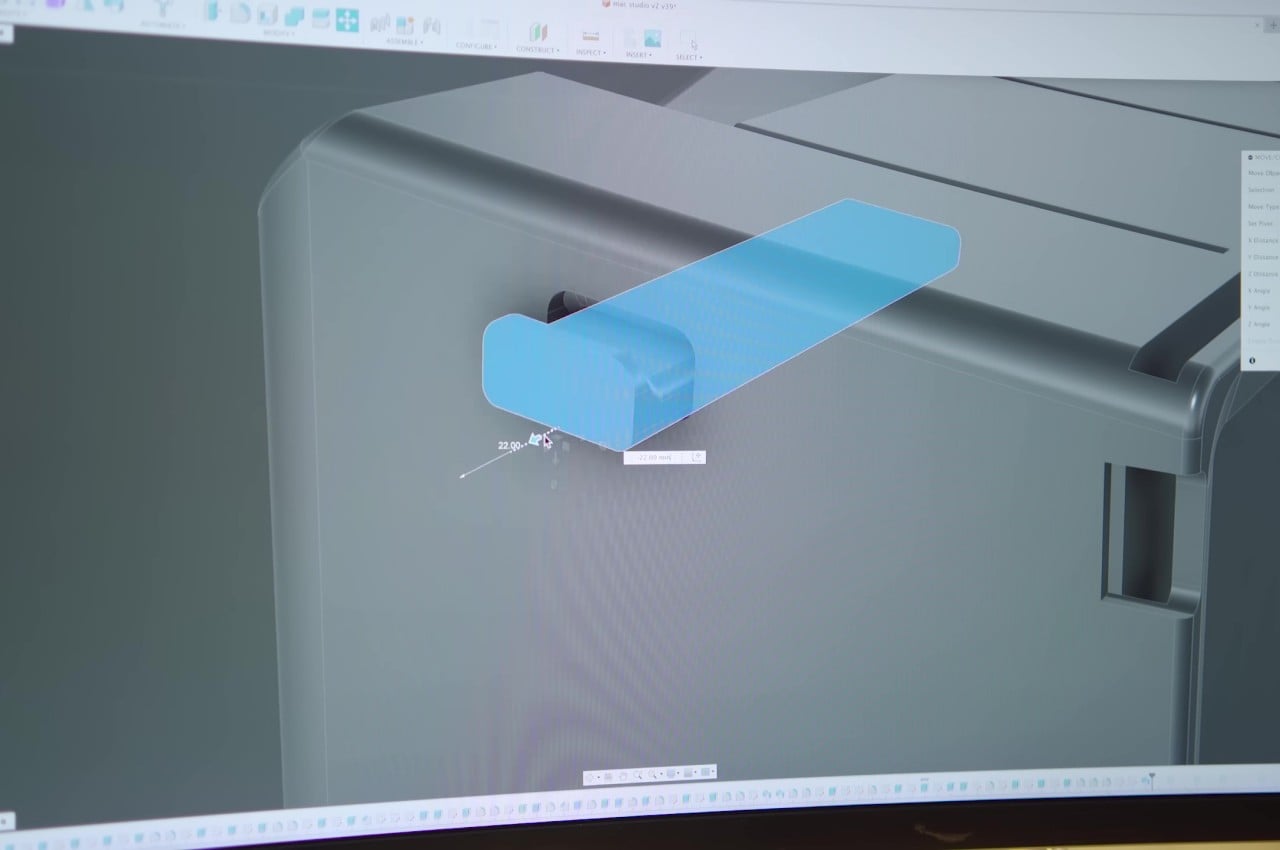
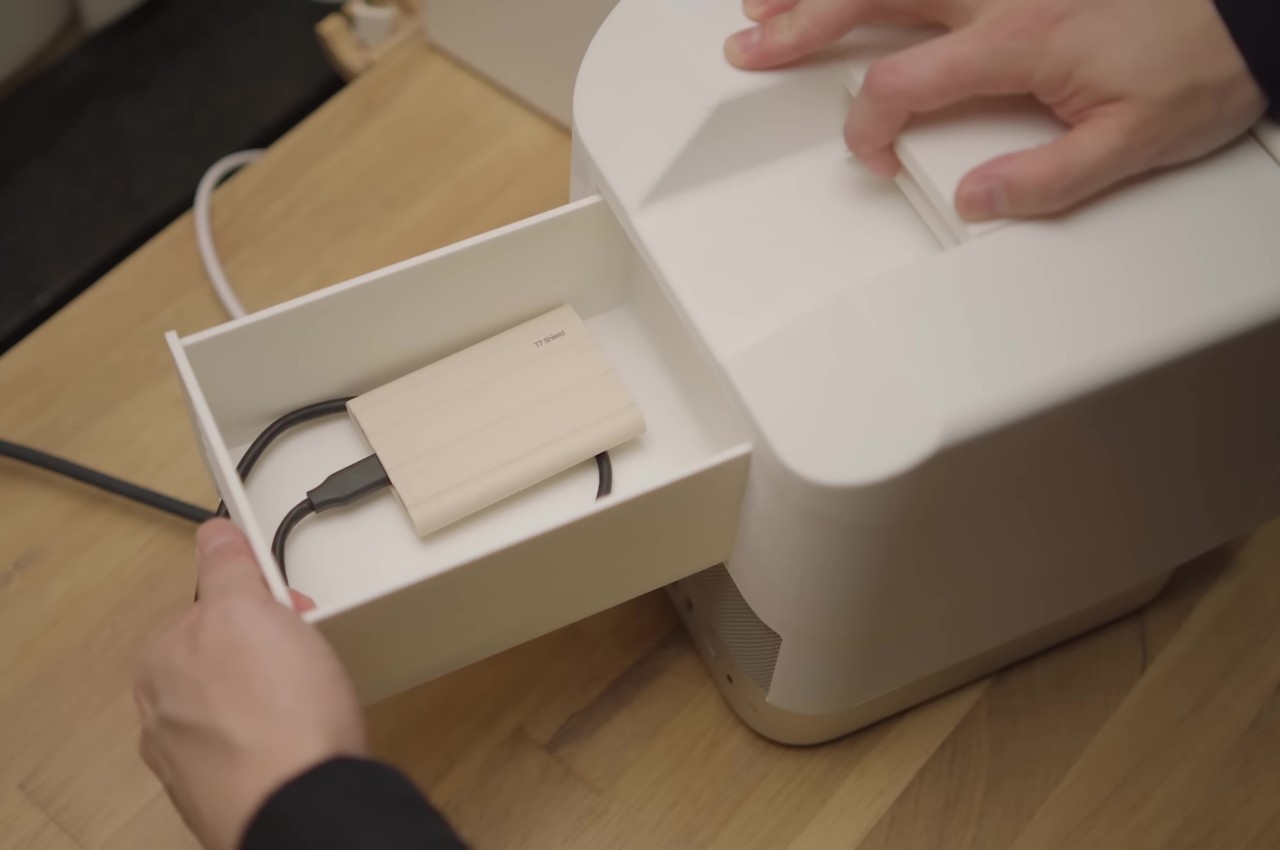
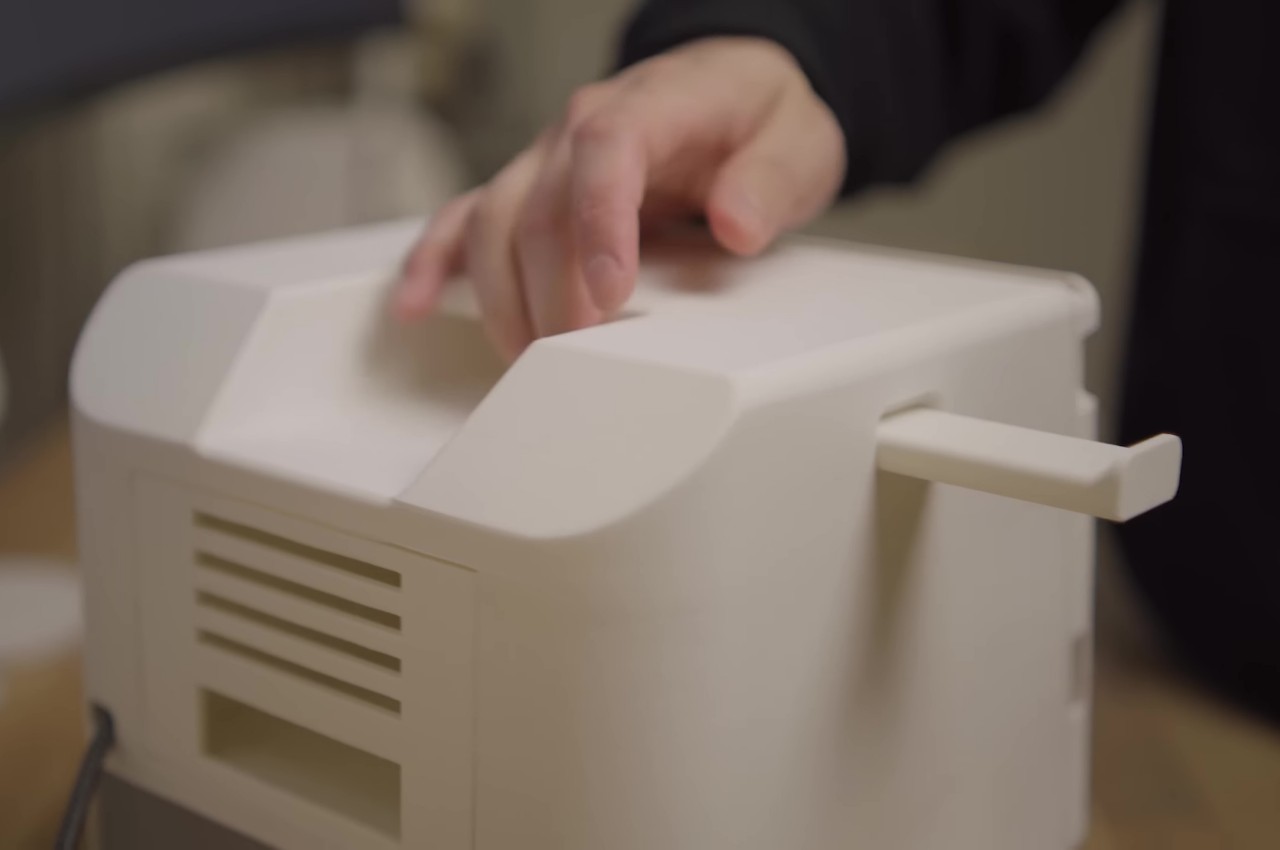
The Macintosh Studio design doesn’t just copy the original Macintosh’s form but manages to insert a few modern conveniences to take advantage of all the unused space at the back. There’s a retractable headphone hook at the top, for example, as well as interchangeable drawers for a single portable hard drive or a stack of SSDs. There are other possible designs, but these two, in particular, add value to the experience while still staying within reasonable limits.
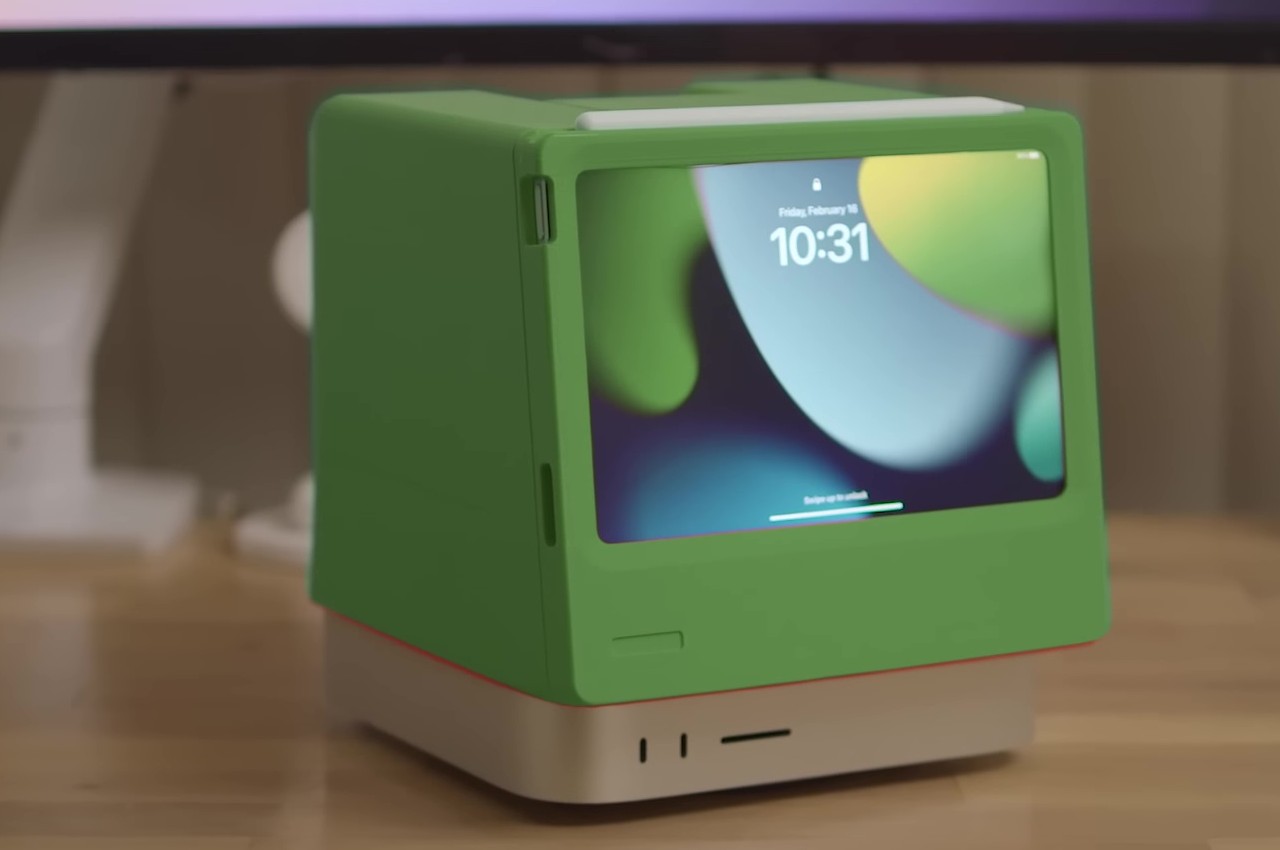
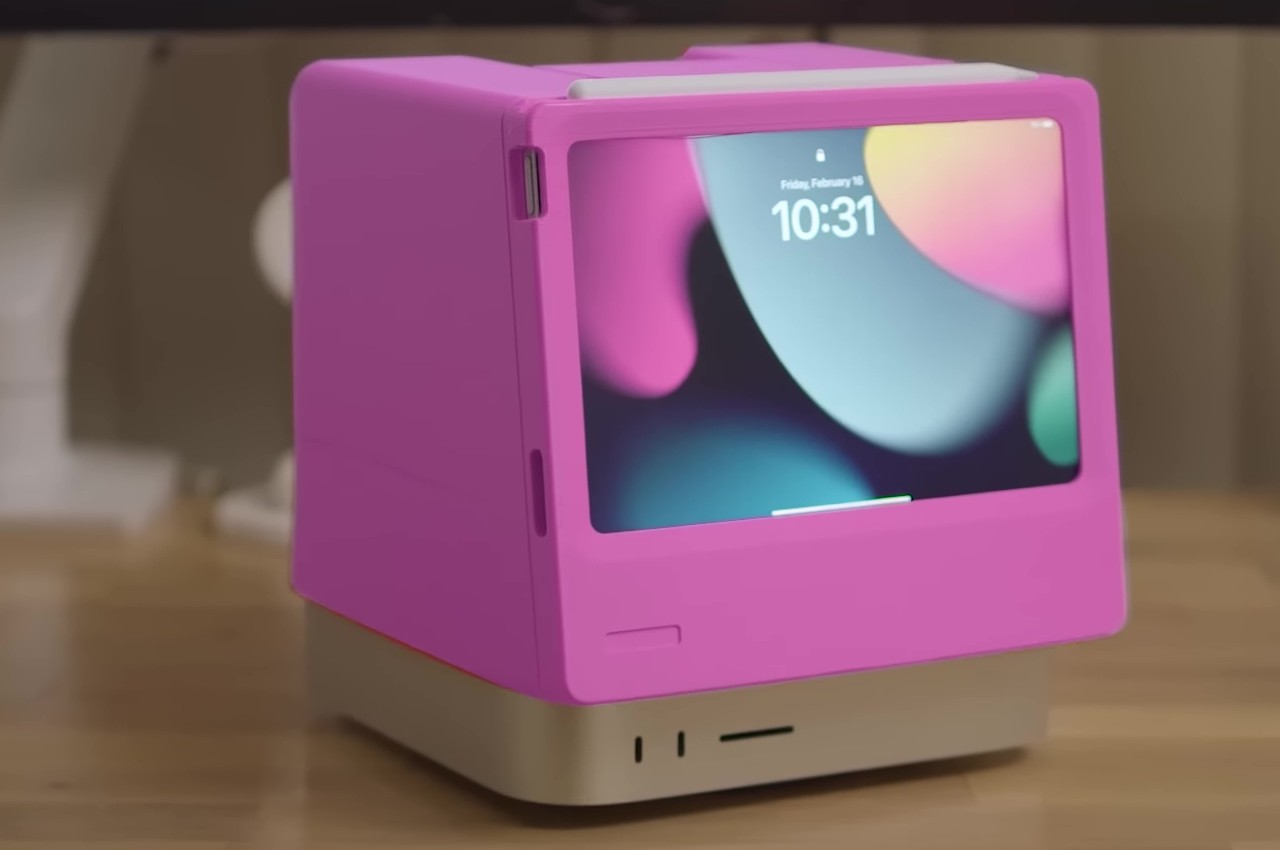
Given that it’s simply a 3D-printed enclosure, there’s plenty of flexibility when it comes to the color of the Macintosh Studio. A variety of hues could make it look like a hybrid of the Macintosh and the colorful iMacs, adding a bit of life to what is normally a plain and drab silver aesthetic. All in all, the design is quite ingenious in how it manages to solve two rather different problems while still preserving the individual values of each product.
The post DIY Macintosh Studio is an ingenious dock for the iPad mini and Mac Studio first appeared on Yanko Design.
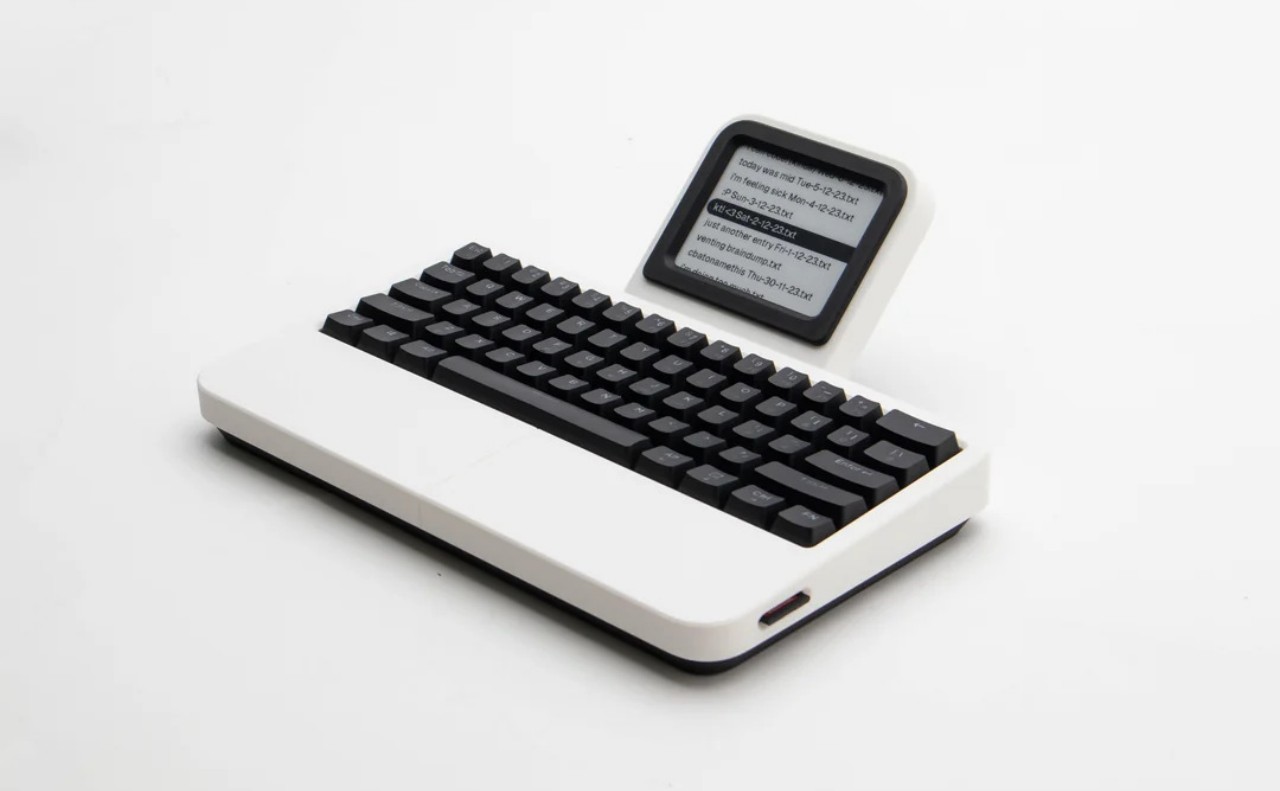
3D-printed E Ink typewriter offers distraction-free writing with modern perks

Most if not all of us may have dreamed of writing some form of literature like a book or even a novel. It may be an adventure inspired by the latest bestseller that you read, a tear-jerking drama drawn from personal experiences, or even a technical matter intended to pass down knowledge to future generations. Although we still call it “writing,” the fact is that books today are all typed on some kind of machine or another, be it a computer or even an old-school typewriter, each with its own strengths and weaknesses. A computer, of course, delivers plenty of flexibility and convenience, but those also come at the cost of complexity and, more importantly, distractions. Distraction-free typing devices have been popping up here and there to cater to the needs of writers, but this particular design lets you create your own solution and, if necessary, even repair the digital typewriter yourself.

Designer: Vicente Cruz

There are quite a few distraction-free typewriter designs, but almost all of them have one important feature in common: they all use an e-paper display like E Ink. This usually monochrome screen is not just eye-friendly, it is also not that conducive to the colorful images and animations on the Web that distract us from our writing task. The technology is starting to catch up, though, but the advantages of E Ink still make it the perfect screen for such a purpose.

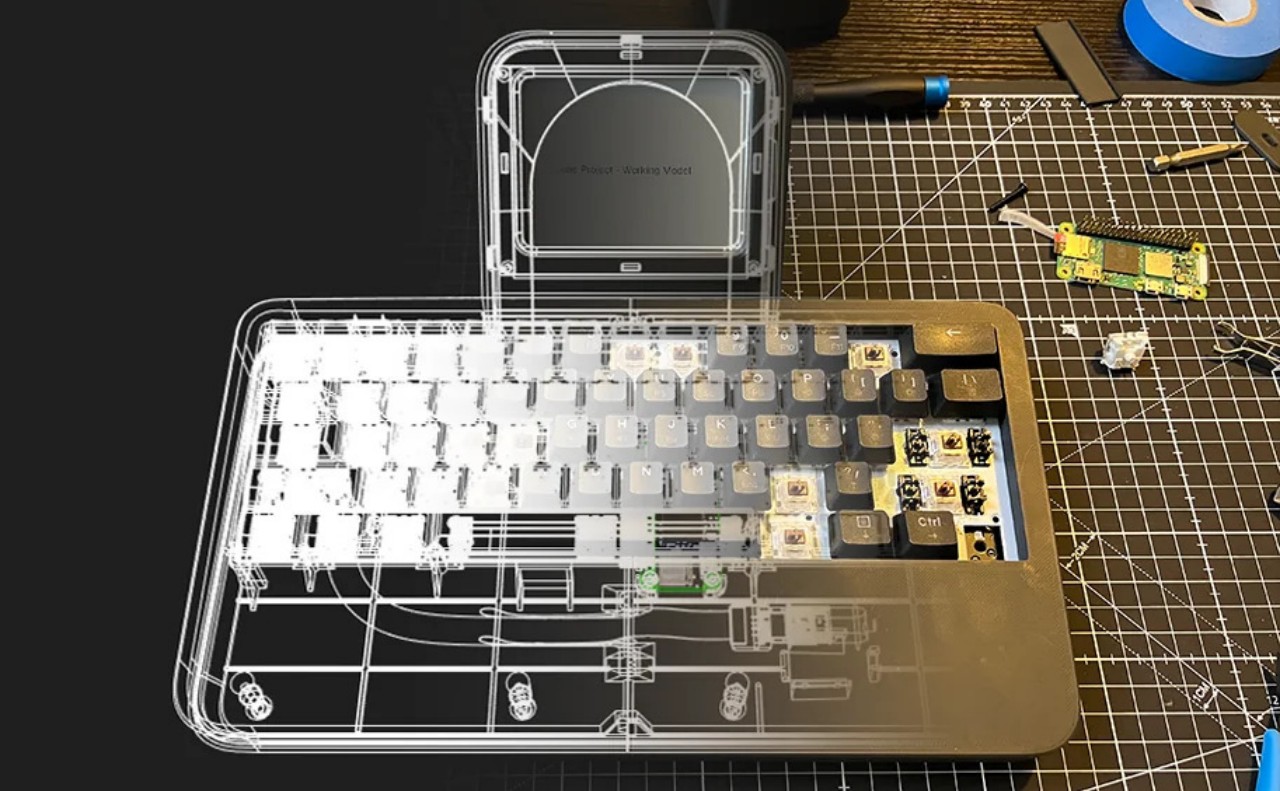
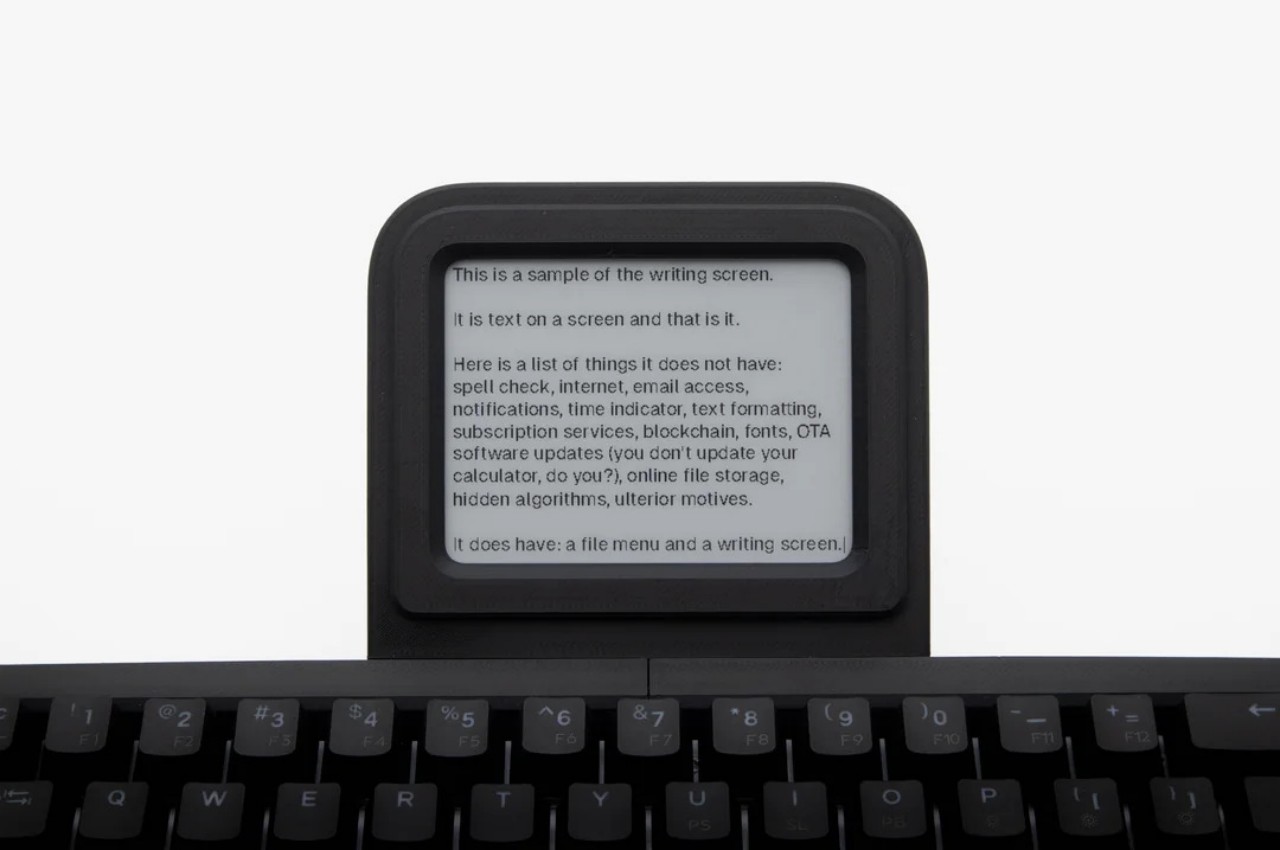
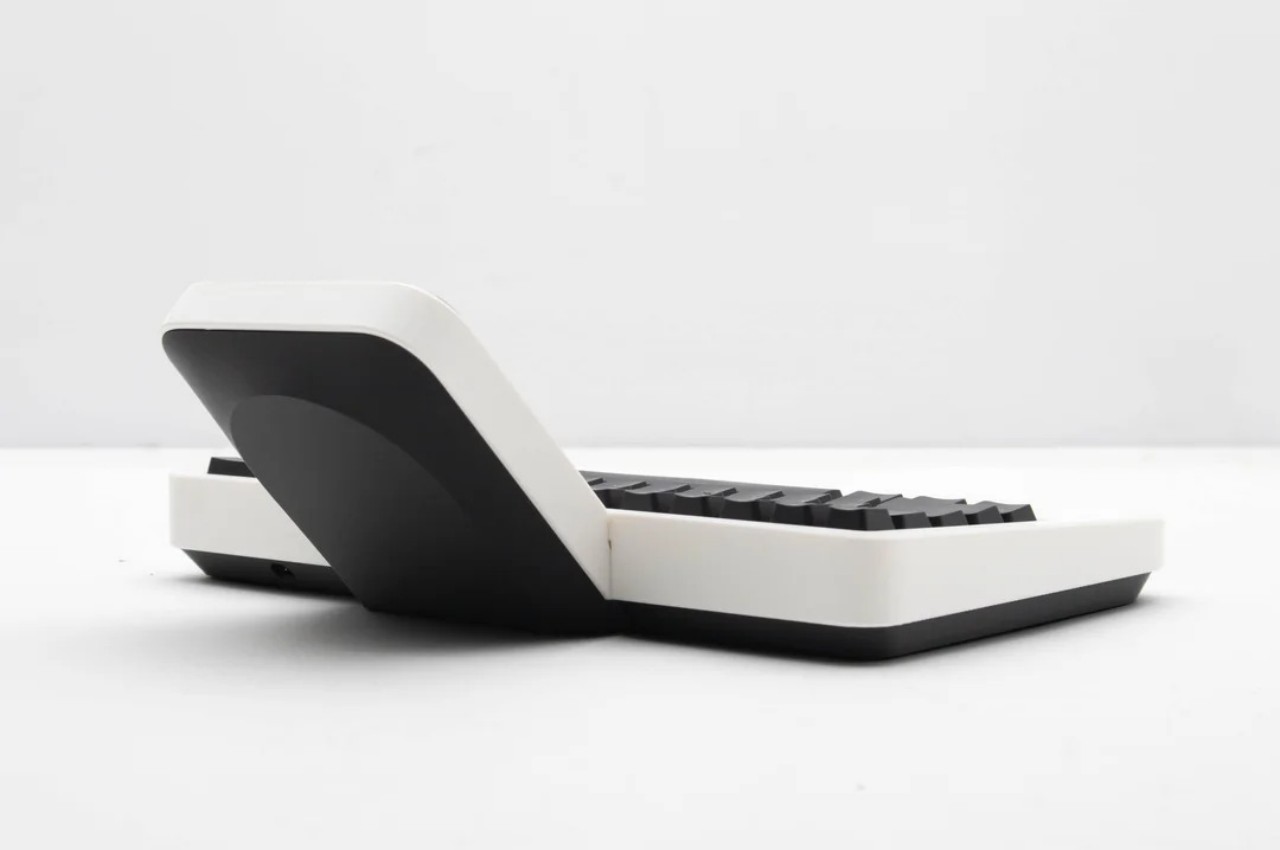
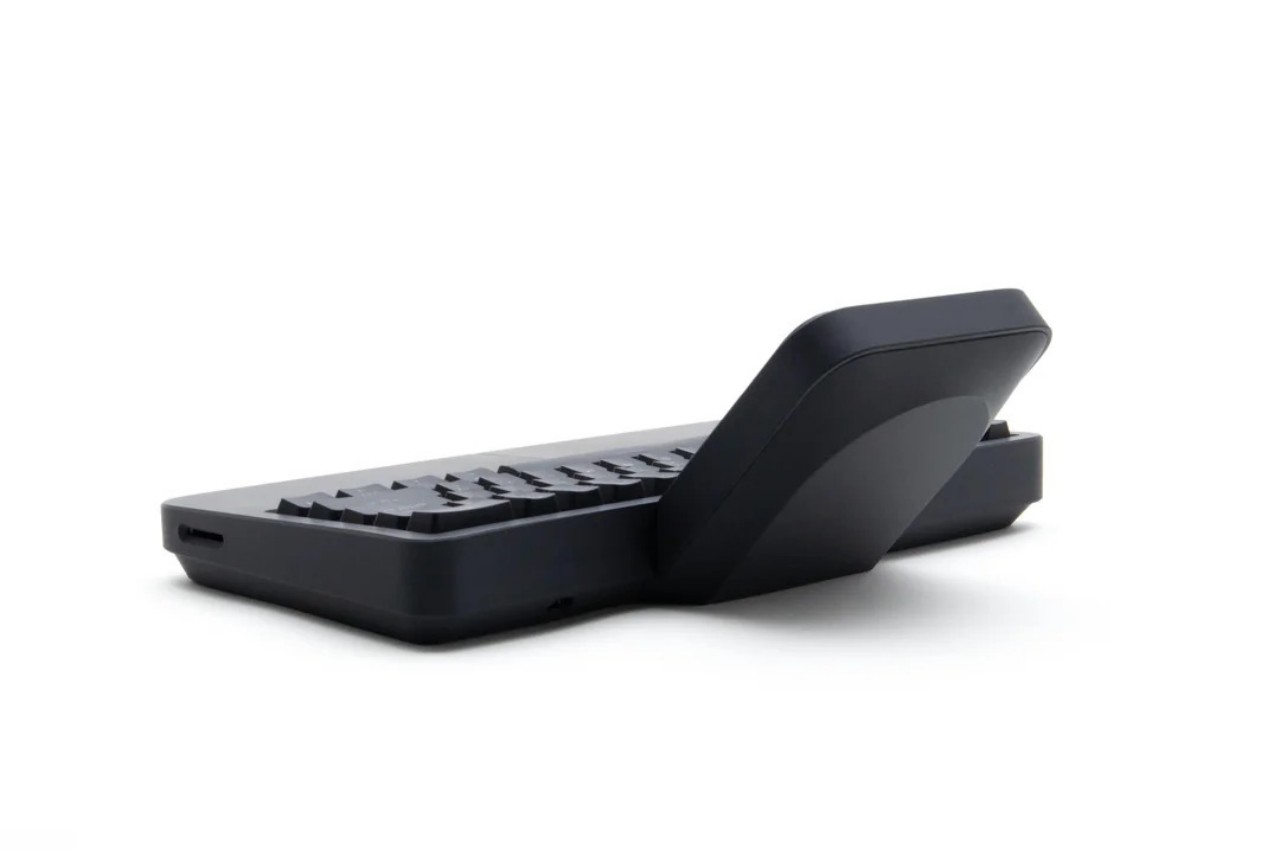
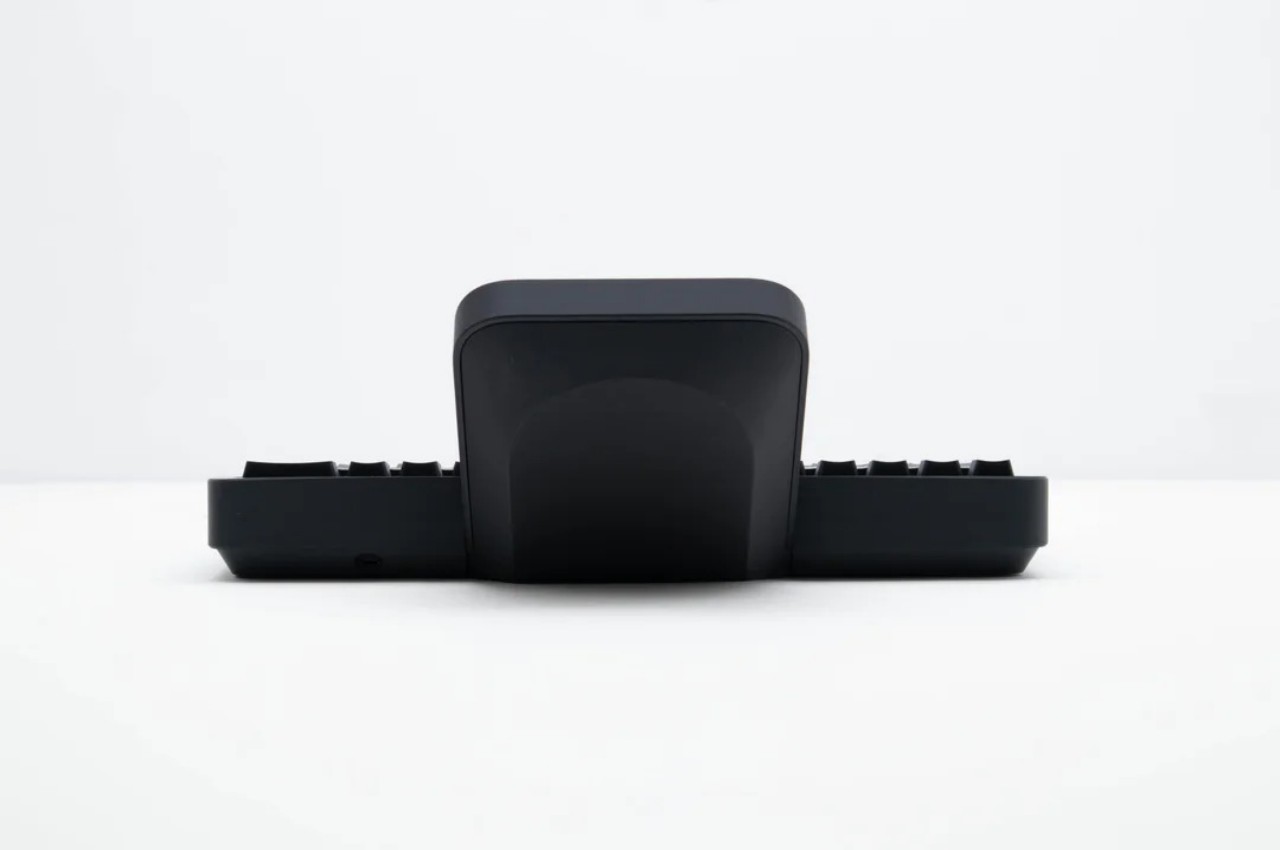
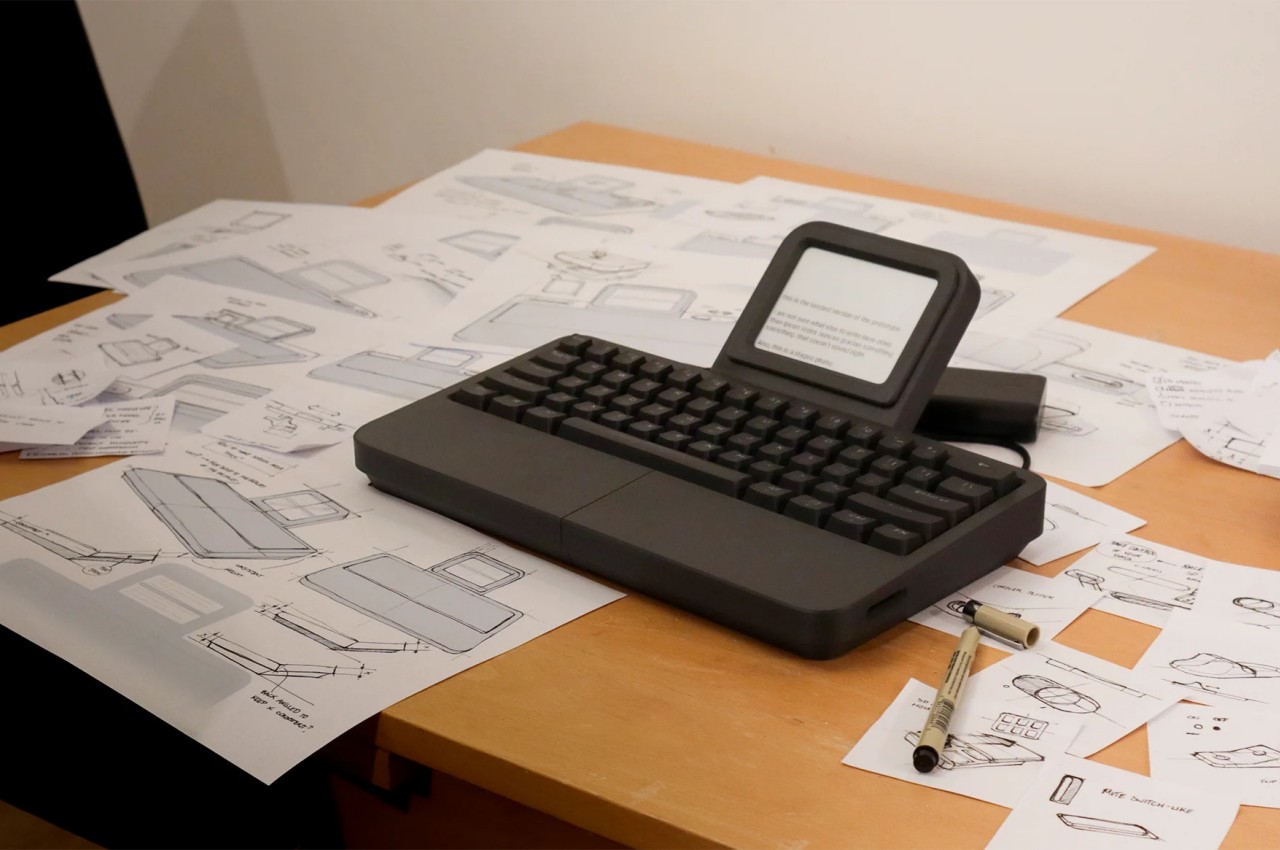
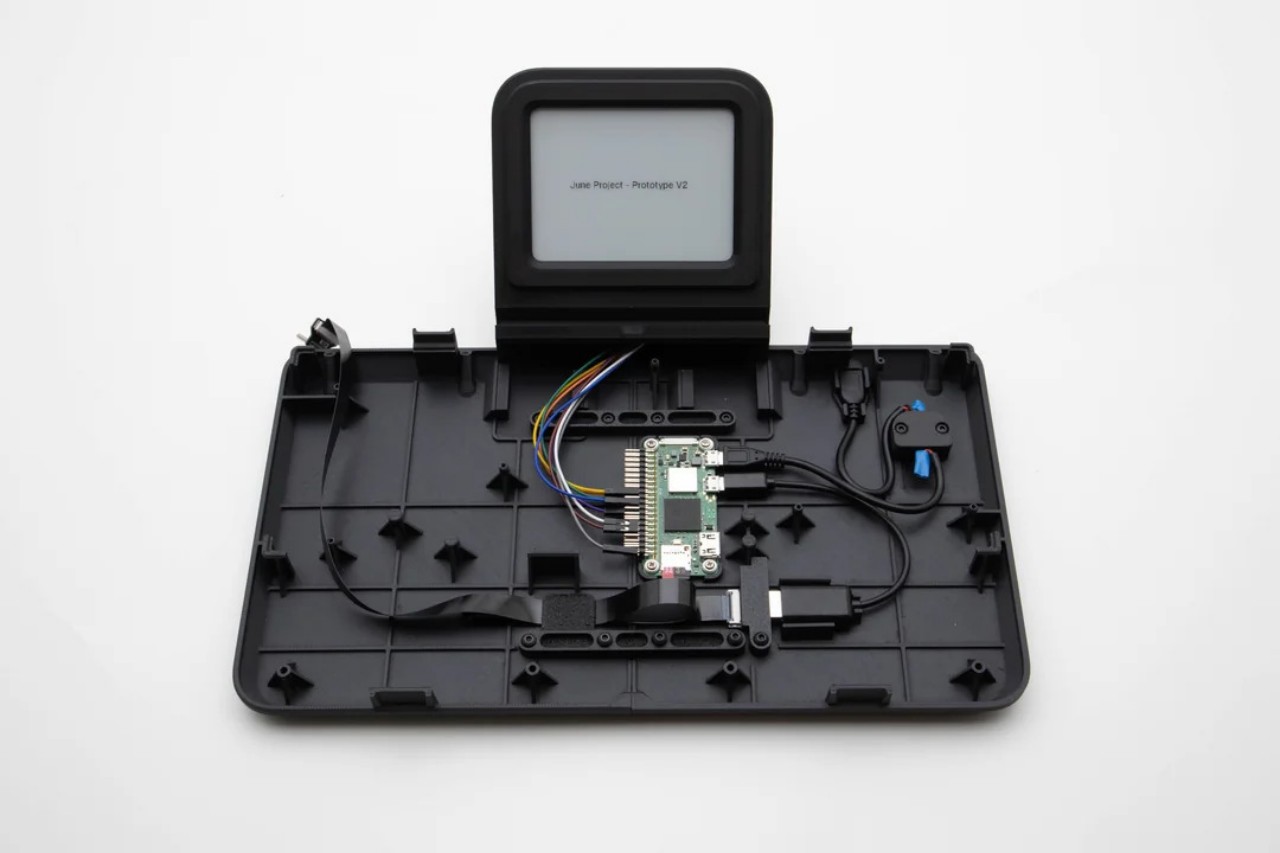
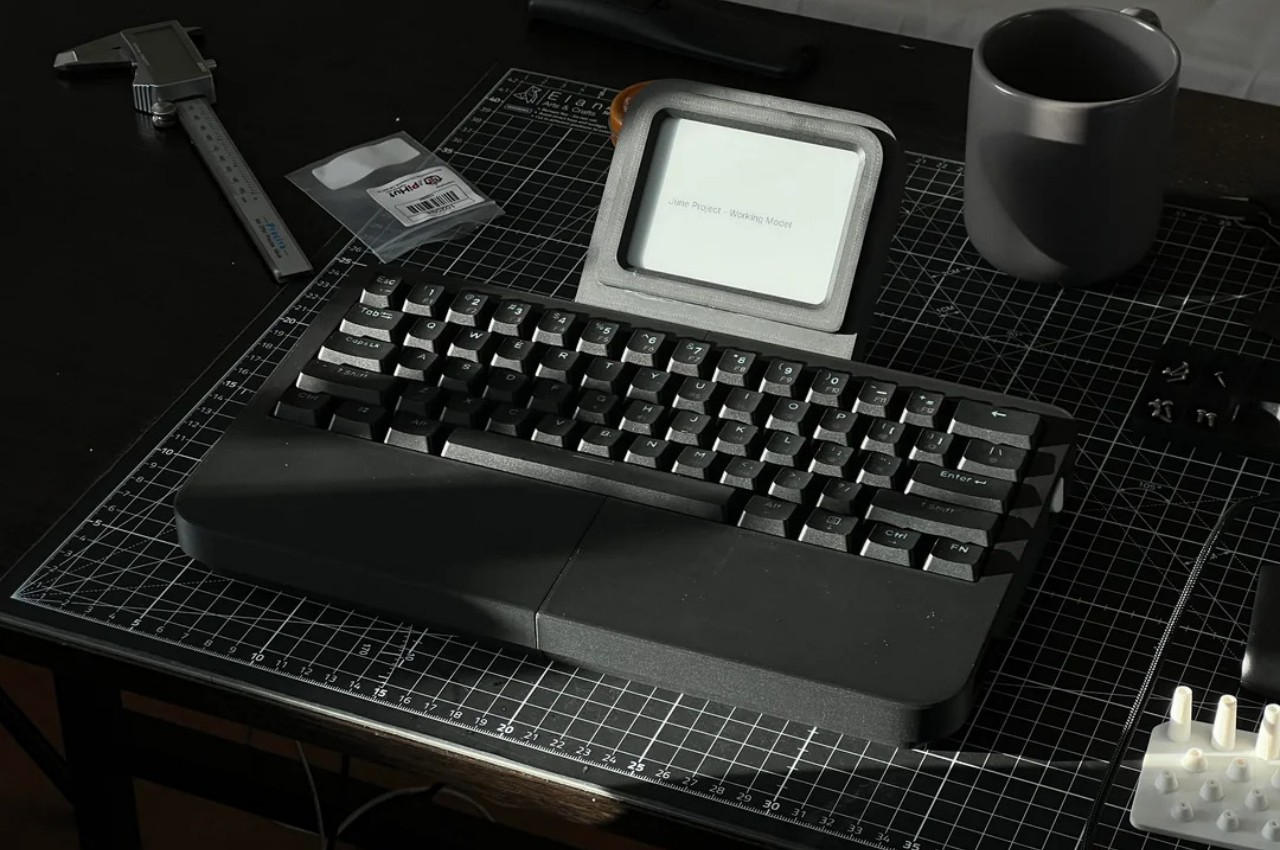
The Tapico Typer is a design that leverages that technology but also goes to the extreme when it comes to offering a distraction-free environment. You basically just have a keyboard with a somewhat small 4.2-inch E Ink screen centered on top. It doesn’t even have a battery, at least in this iteration of the design, so you’ll have to rely on an external power source like a power bank. It does have an SD card slot, however, which is the only way to get your files off the device since it has no network connectivity or even a USB data connection.

If that sounds extreme, it’s because it really is by design. The Tapico Typer is, interestingly, inspired more by a calculator than the old mechanical typewriter. It’s a single-function device that does only one thing but does it to perfection. It also means you have complete ownership of your content, free from subscription services and cloud storage. And, of course, there’s nothing to distract you on the screen, though the phone you place beside it could still steal your focus.

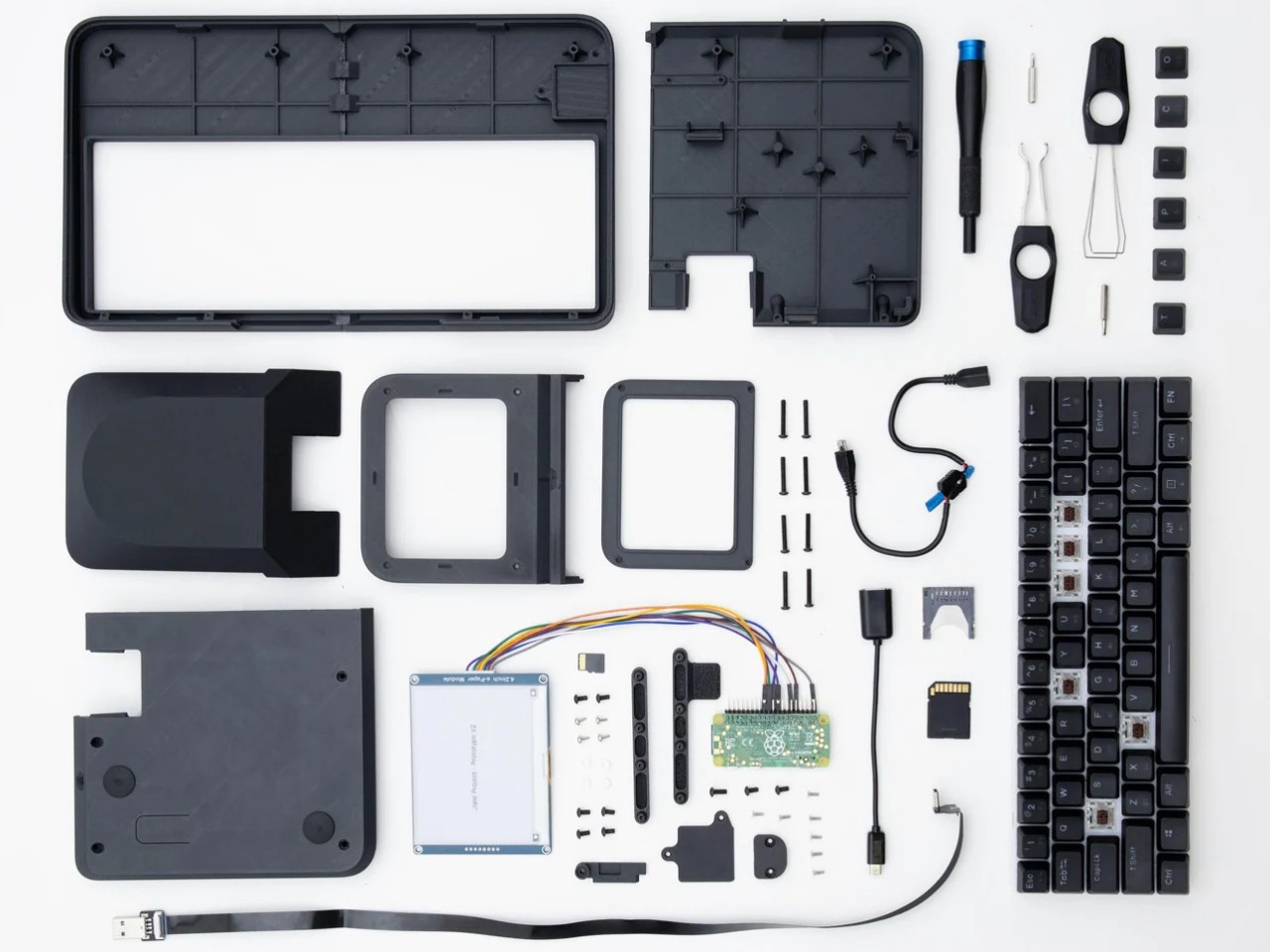
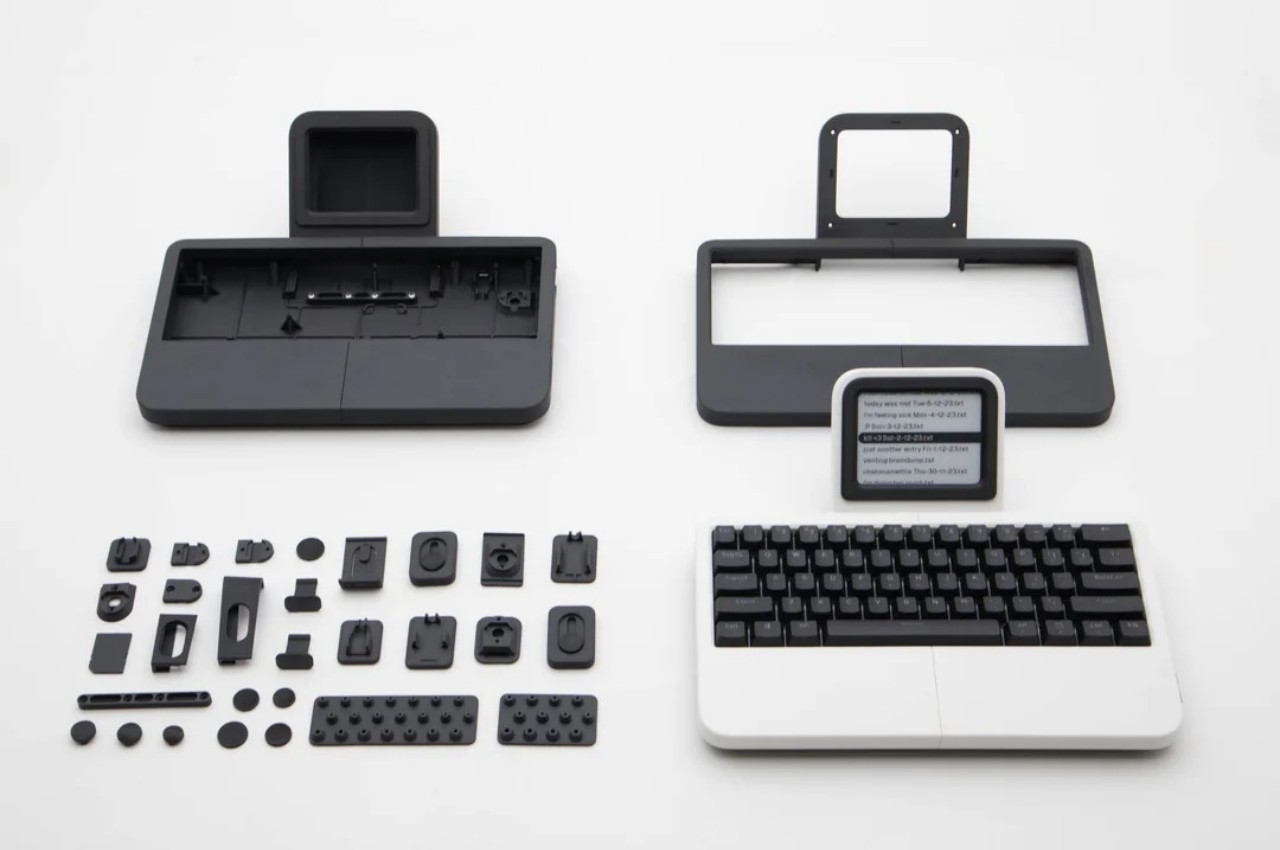
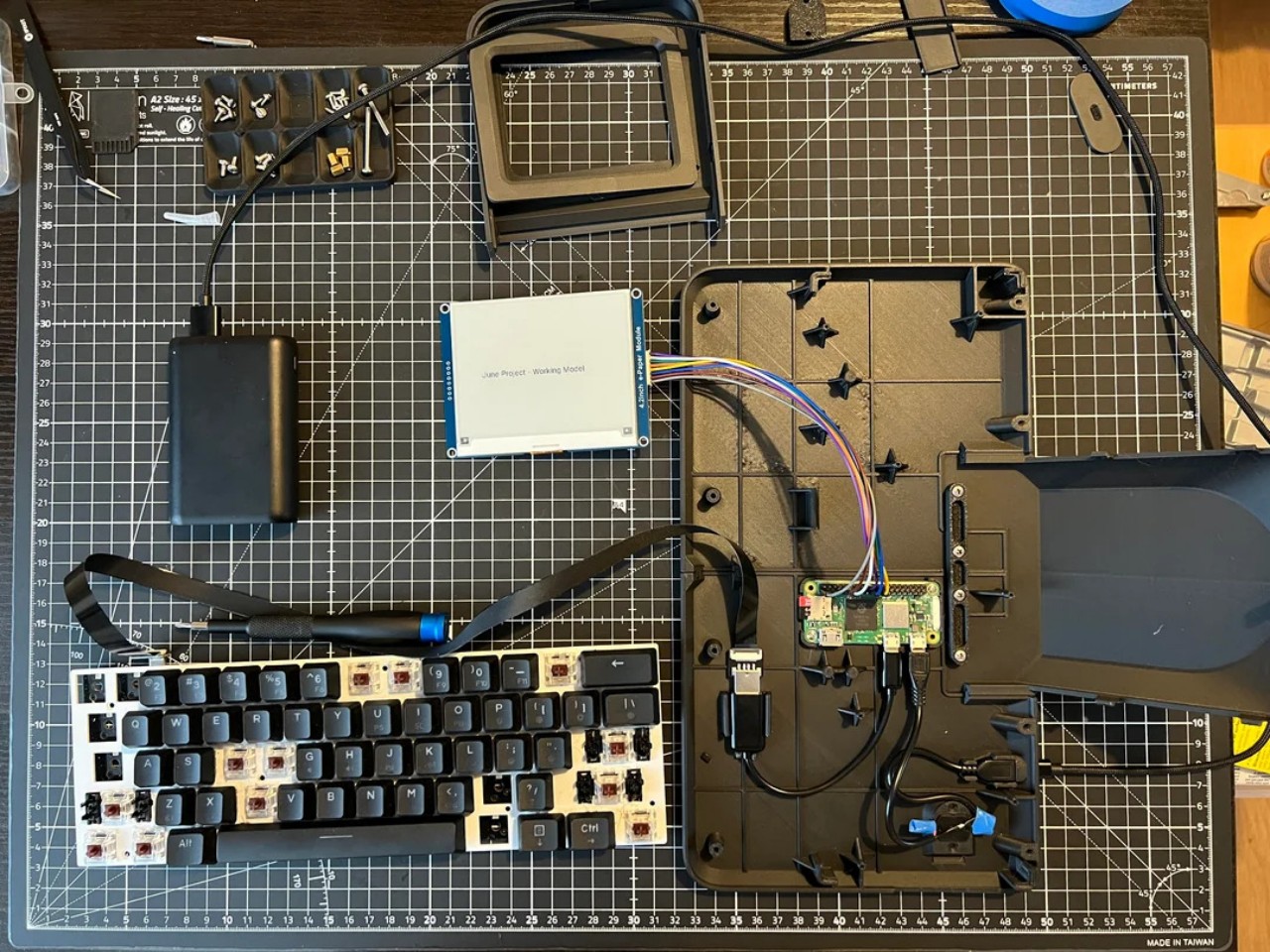
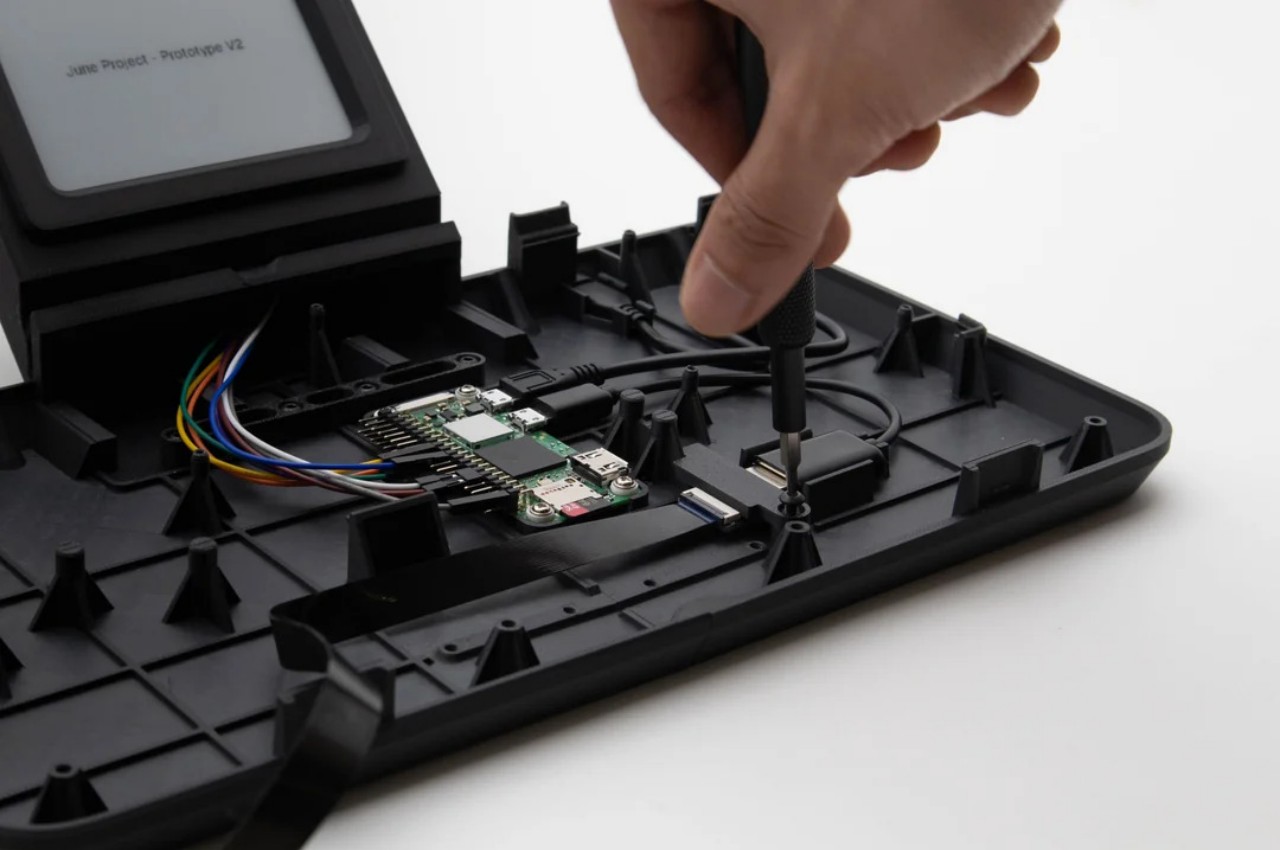
The digital typewriter is mostly 3D-printed and self-made, so it would be possible to follow the original’s design to make your own. Many of the components are available off shelves and there isn’t much soldering involved, so most of the work boils down to designing the chassis. A future plan is to include some internal power source or at least a way to use AA batteries that could last for months thanks to how little power E Ink displays consume. This also means that The Tapico Typerc can also be easily repaired, ensuring it will be your writing partner for a very long time.

The post 3D-printed E Ink typewriter offers distraction-free writing with modern perks first appeared on Yanko Design.
Meet The World’s Tallest 3D-Printed Tower – A Performance Space In The Swiss Alps

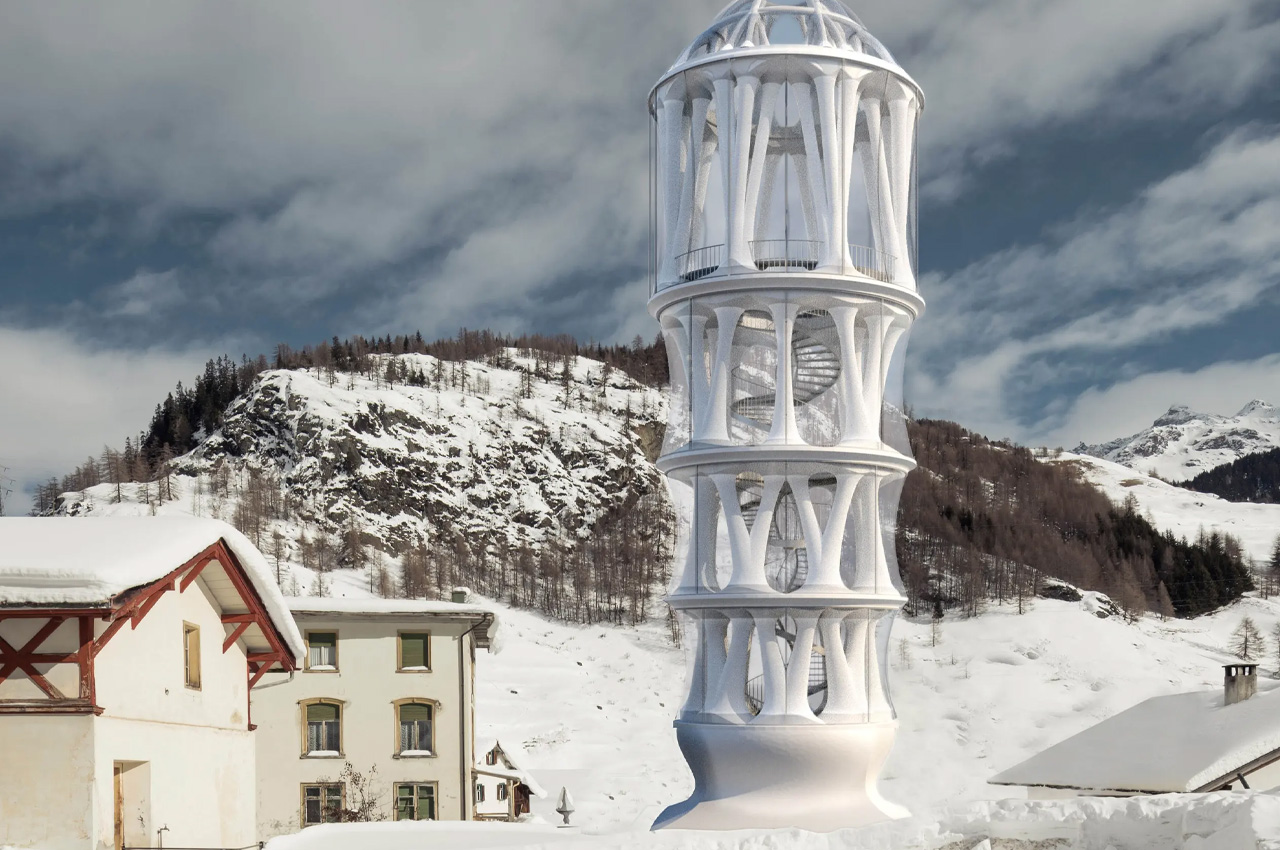
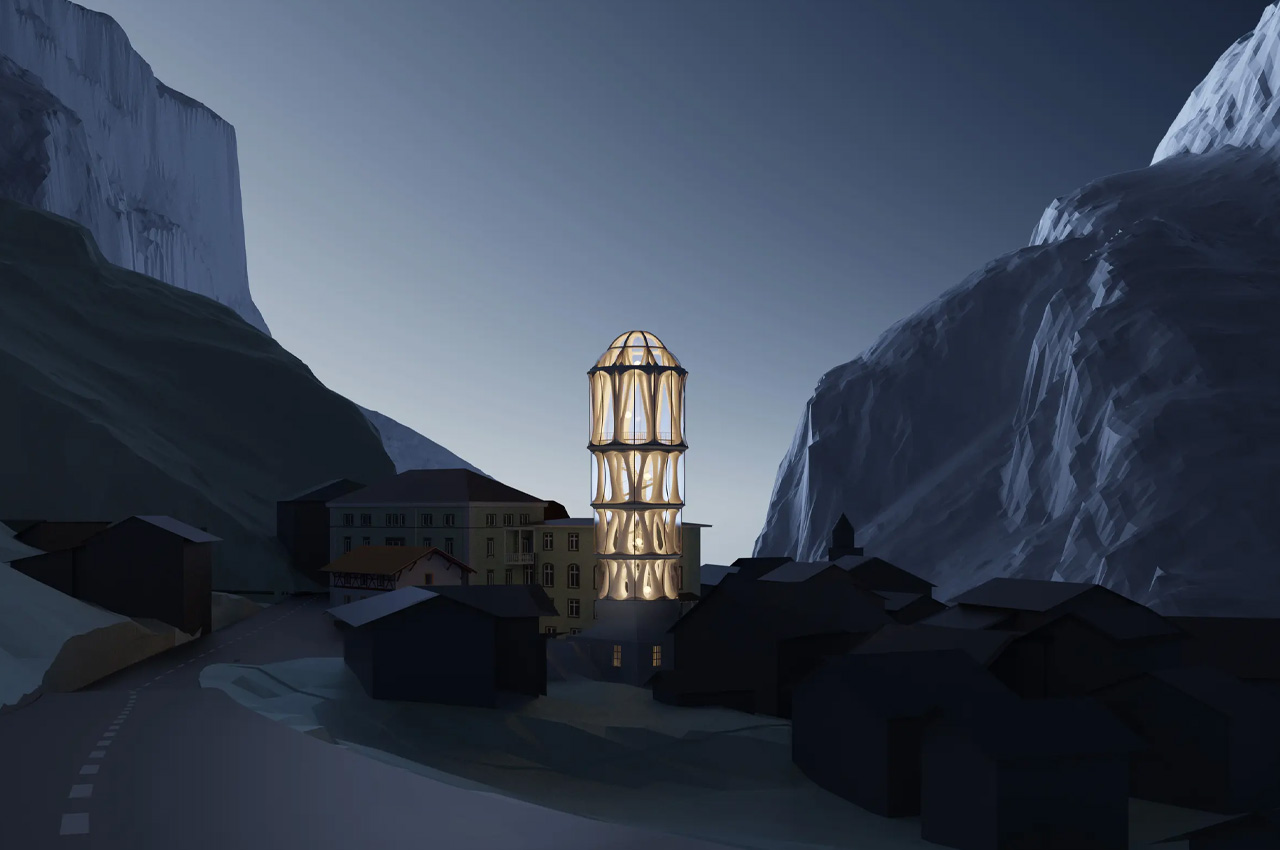
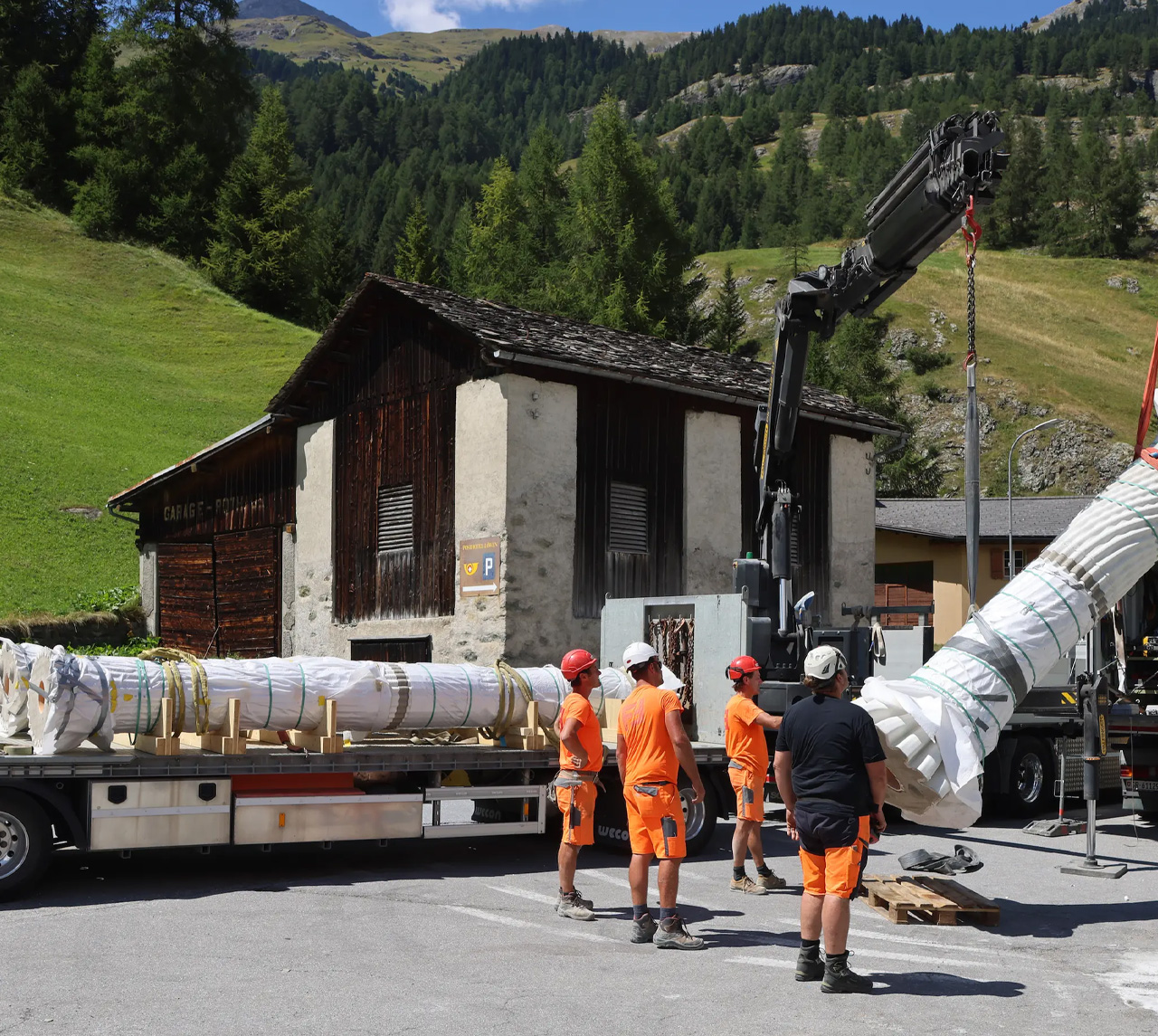
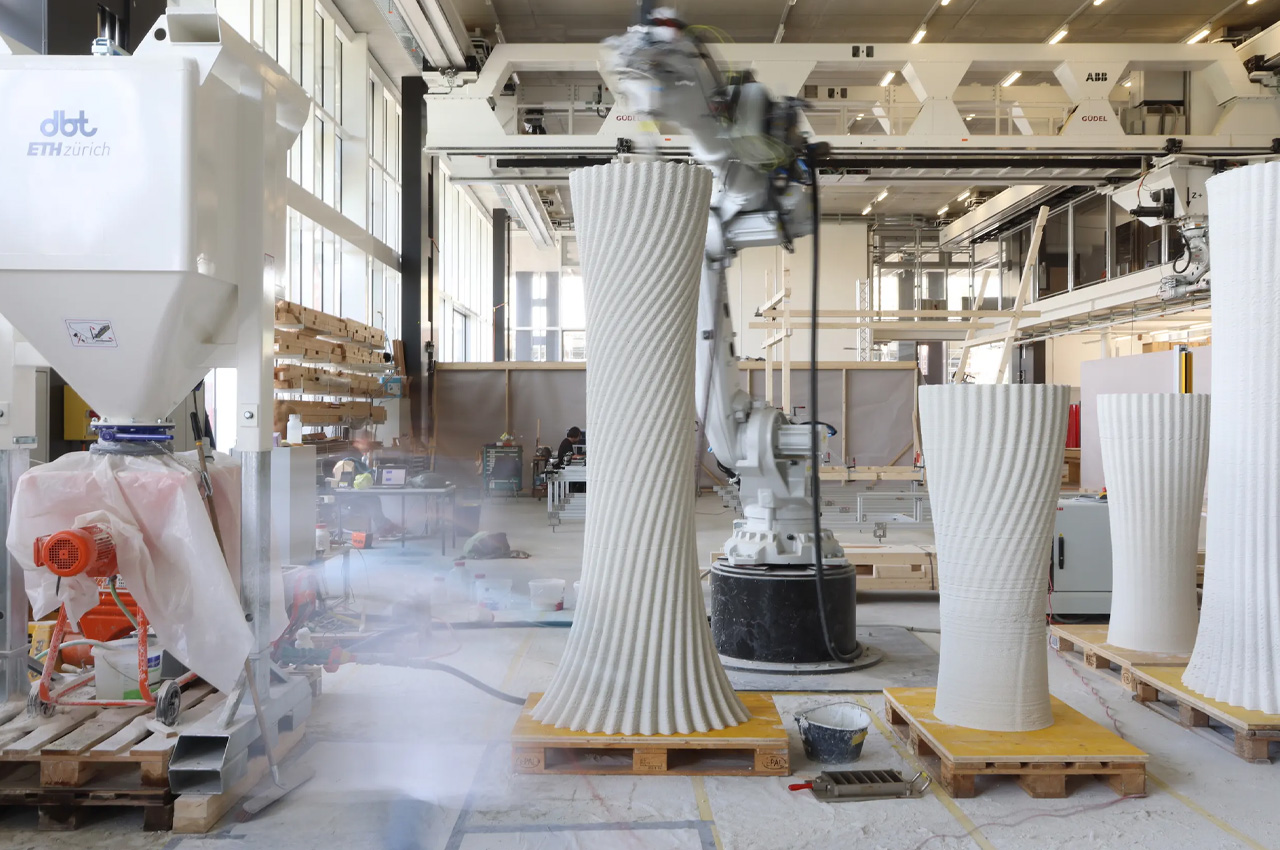
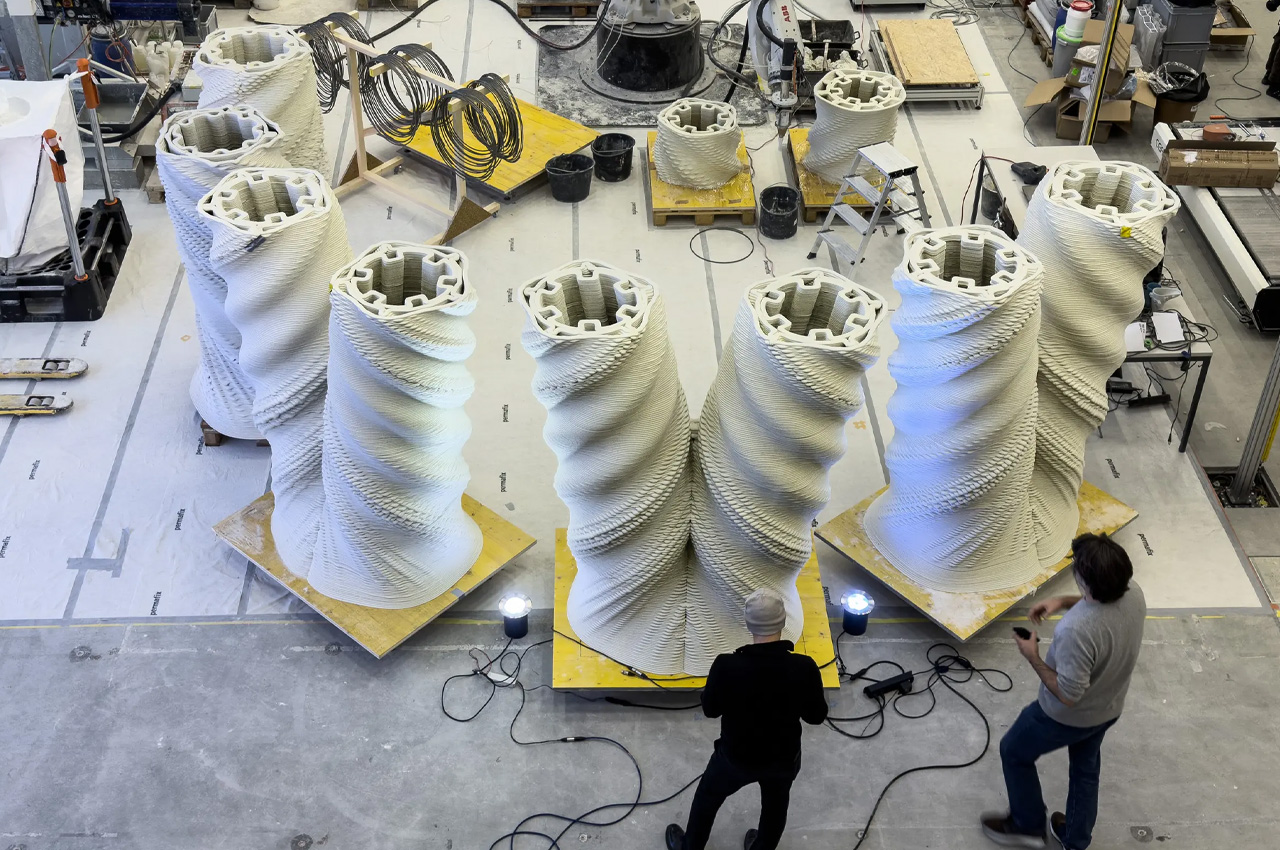
Coined the White Tower or Tor Alva, this majestic tower is said to be the world’s tallest 3D-printed building, and is currently being prepared for assembly in a Swiss village called Mulegns. Designed by researchers from ETH Zurich, the tower will be constructed from a hundred columns, with an impressive performance space perched on top. Created in collaboration with the cultural institution Nova Fundaziun Origen, the White Tower will be printed in different sections, then transported to the site, and assembled in the remote village in the Swiss Alps.

Designer: ETH Zurich x Nova Fundaziun Origen

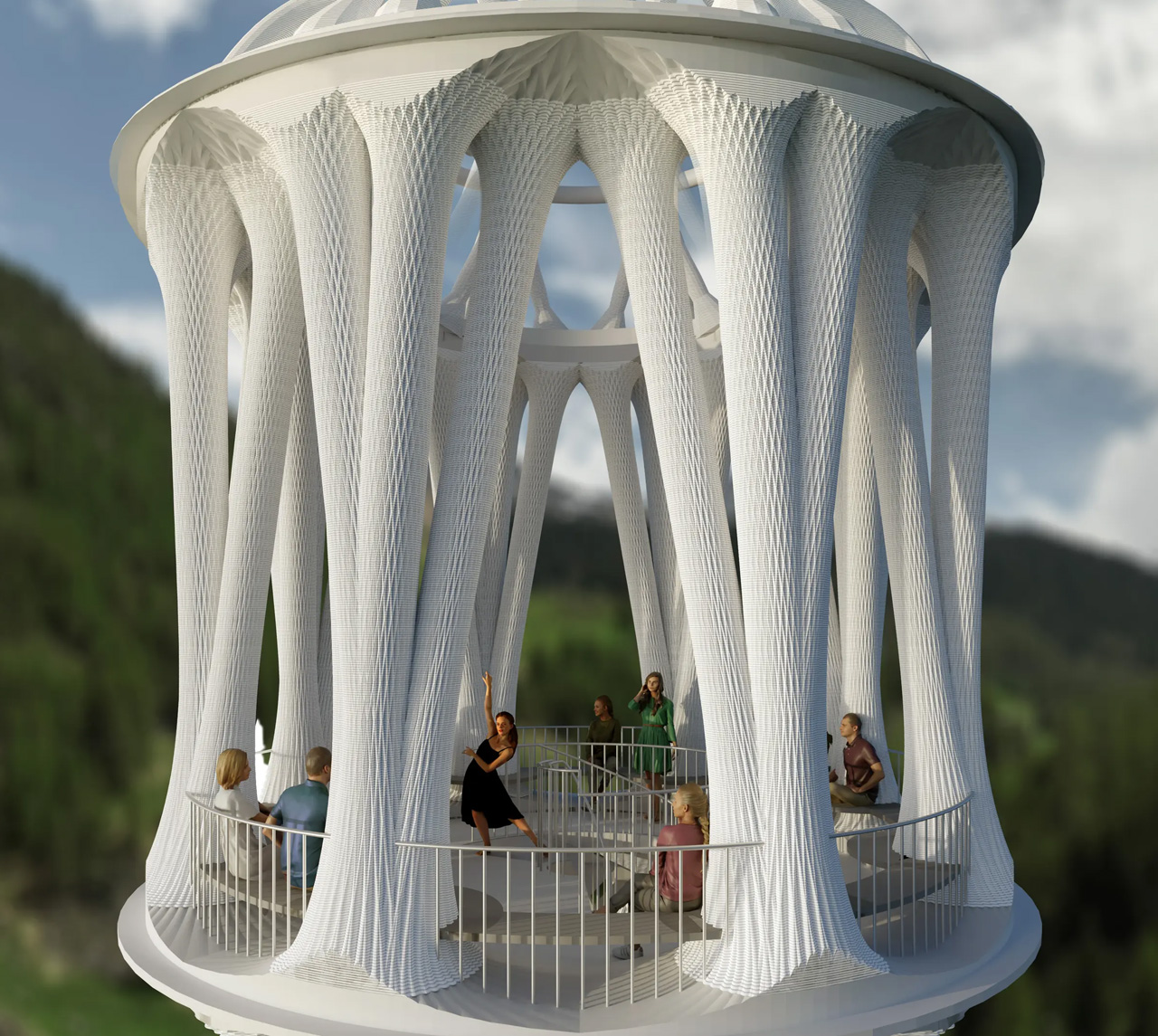
The White Tower has an interesting Baroque-inspired style and will have a height of 100 meters. Massive 3D-printed columns will uphold five floors, and a semi-open facade. The facade is a removable lightweight membrane that will protect the inside of the tower from weather conditions. Visitors will be welcomed into the lower floors, which will include large columns, that form smaller cozier spaces.

The White Tower will feature a spiral staircase, that will lead them up the various floors, with each separate floor becoming visibly airier, lighter, and free-flowing, before opening into a hall on the top floor. The hall will function as a performance space for concerts and theater and will accommodate 45 visitors, including seating for them and a stage. Once the performances end, the tower will be disassembled, and rebuilt somewhere else.

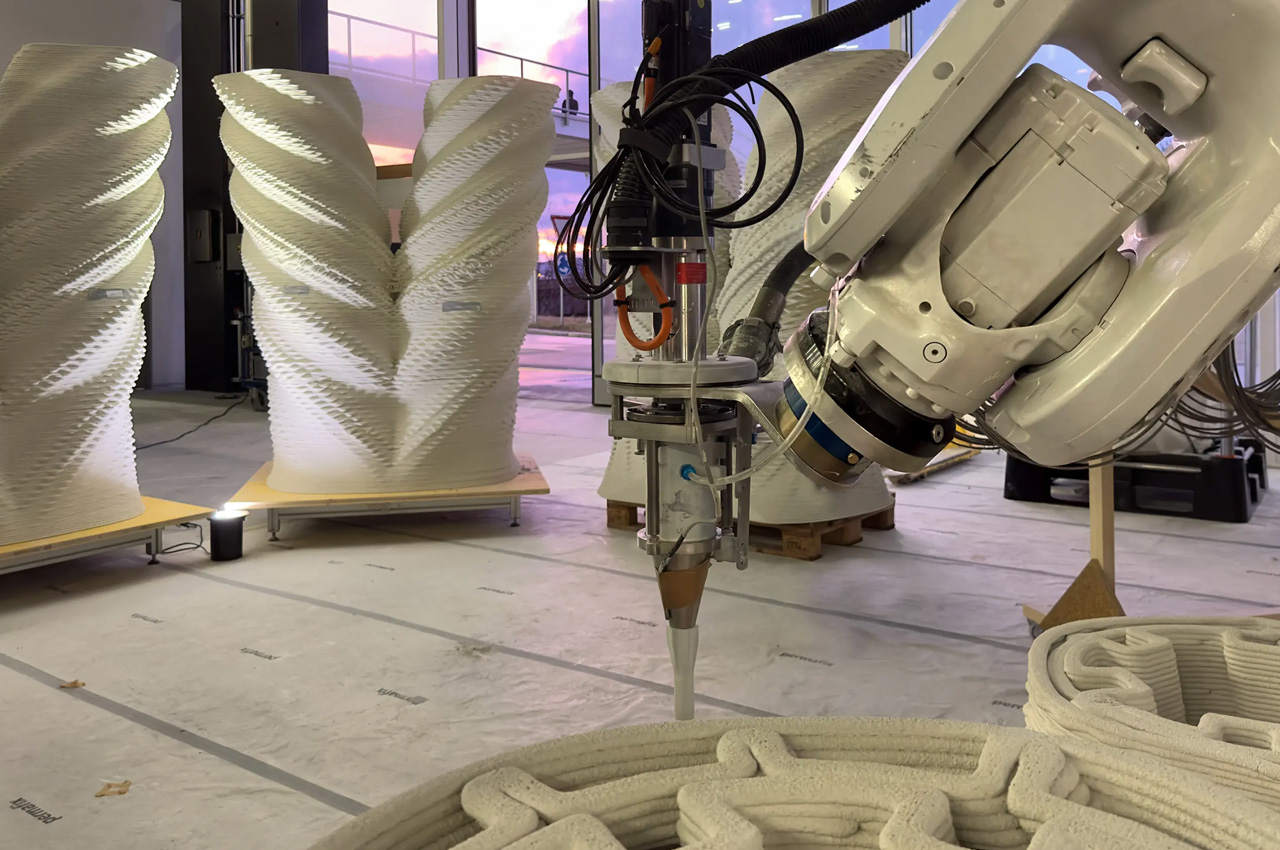
The 3D-printing process will take around 900 hours and will include robotic 3D printers that will release a soft cement-like mixture from its nozzle, extruding it in layers to form the basic structure of the different elements of the tower, which will later be assembled on-site, building the White Tower.

“The entire structure of the tower is designed using custom software that allows the precise definition of the geometry and can send the necessary data directly to the printing robots,” said ETH Zurich’s Digital Building Technologies. “This technology enables non-standard, tailor-made elements to be manufactured efficiently. These types of forms would be nearly impossible to produce at this scale using conventional technologies. In this new construction process, the tower will be assembled from 102 3D-printed individual columns. Elements are only filled with concrete where it is structurally required, which greatly reduces material use. This construction method avoids waste because no formwork for pouring concrete is necessary.”

The post Meet The World’s Tallest 3D-Printed Tower – A Performance Space In The Swiss Alps first appeared on Yanko Design.
‘Black Panther’ Costume Designer Launches Otherworldly 3D-Printed Handbags

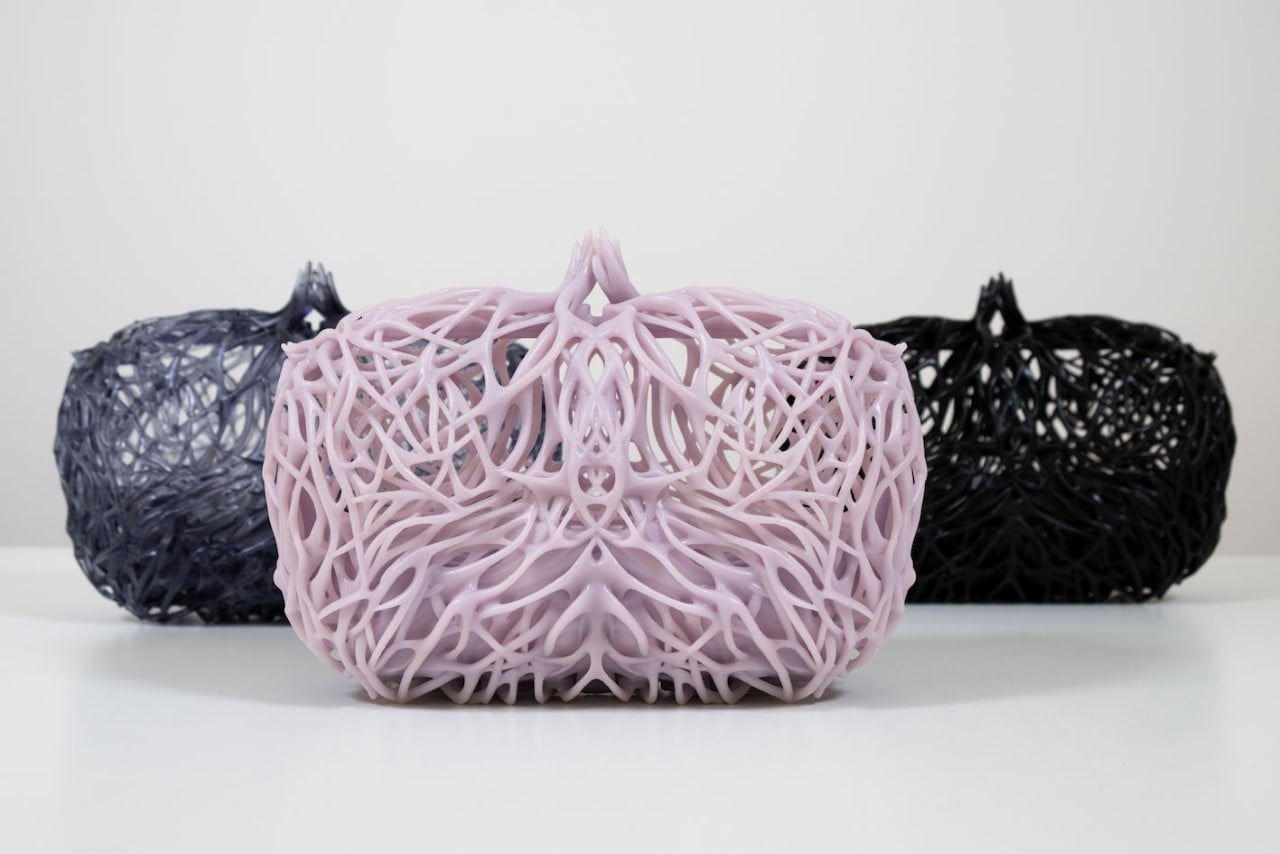
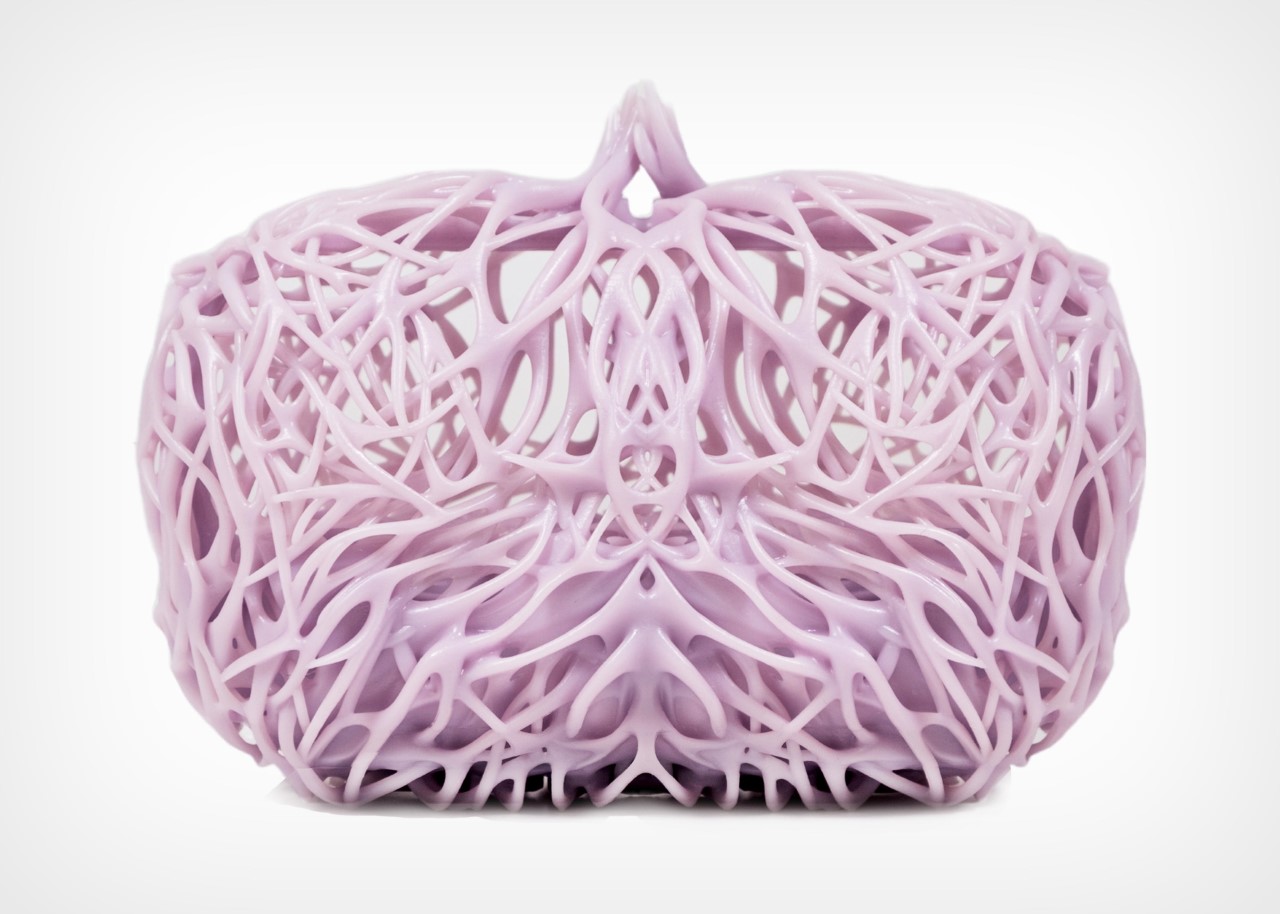
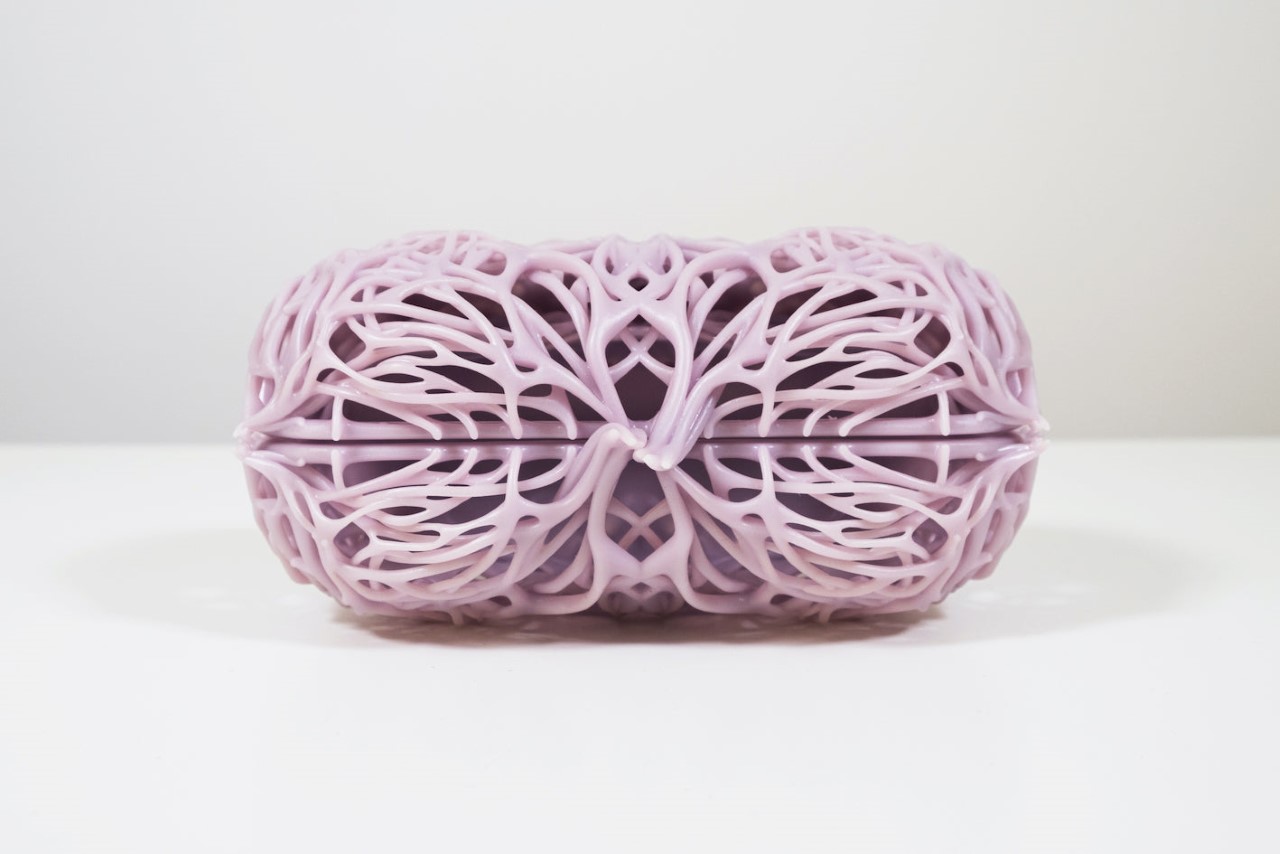
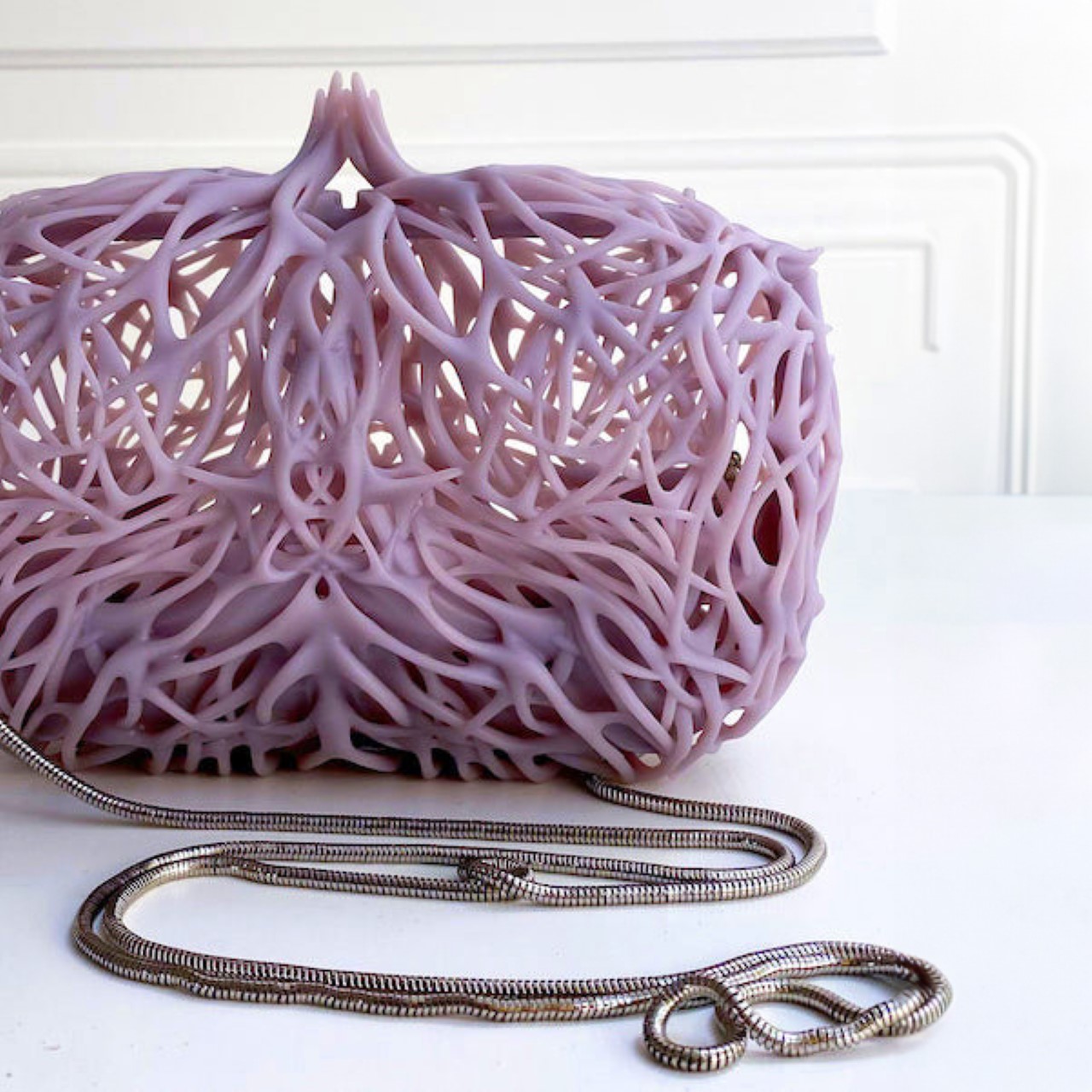
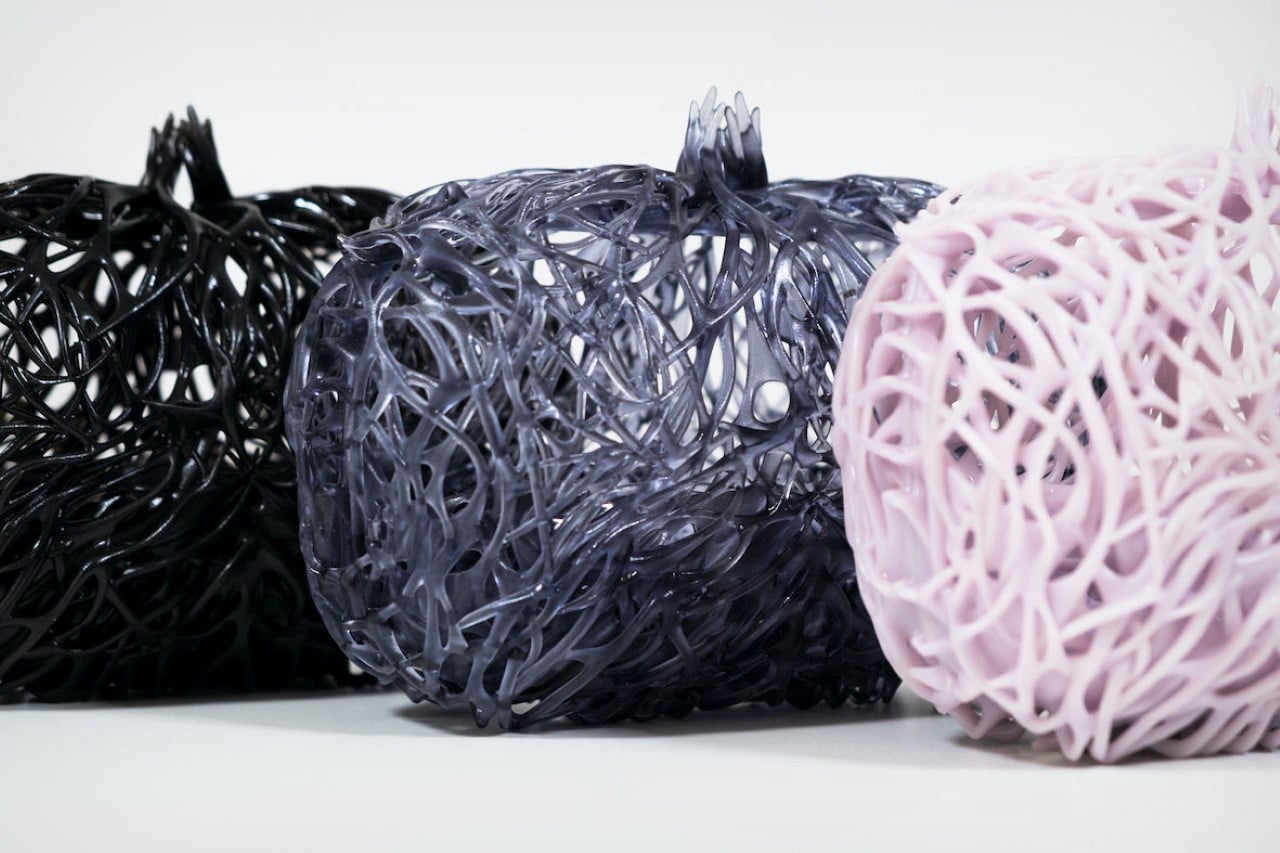
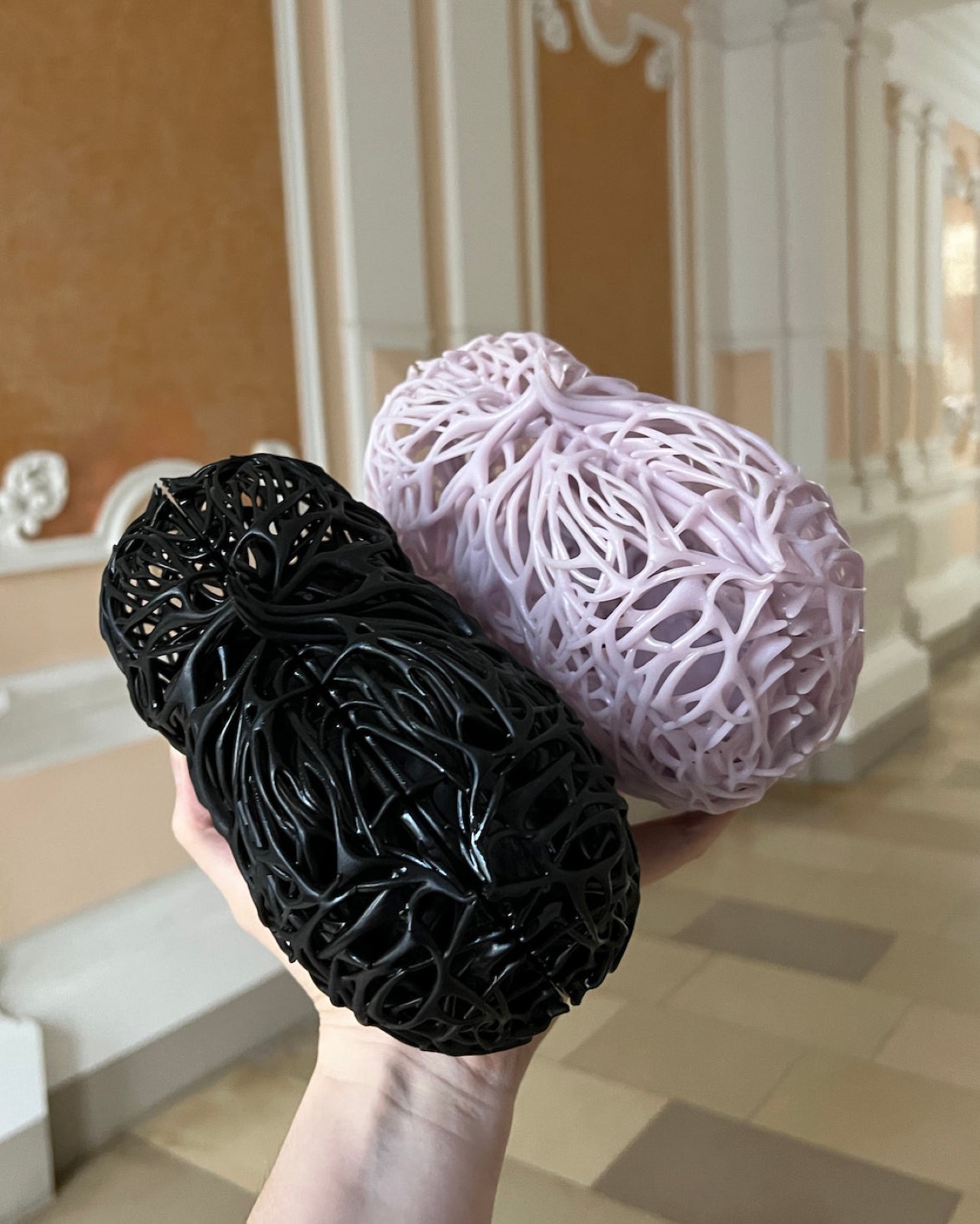
Famous for helping design the jewelry (including Queen Ramonda’s headgear) from the hit film Black Panther, award-winning Australian designer Julia Koerner relies on a combination of nature and computer algorithms to bring her creations to life. Her handbags, available on her website, follow a similar design route, with an aesthetic so out-of-this-world, chances are you’ll think the bags have a life of their own. Designed using algorithms and 3D printed to perfection, Koerner’s handbags are rigid, but visually lightweight, boasting a skeletal design that feels almost alien-like. However, Koerner takes inspiration from life around her, looking at nature for ideas. This particular bag draws from the shape of dried kelp found along the pacific coastline.

Designers: Julia Koerner, Kais Al-Rawi and Emma Sanson

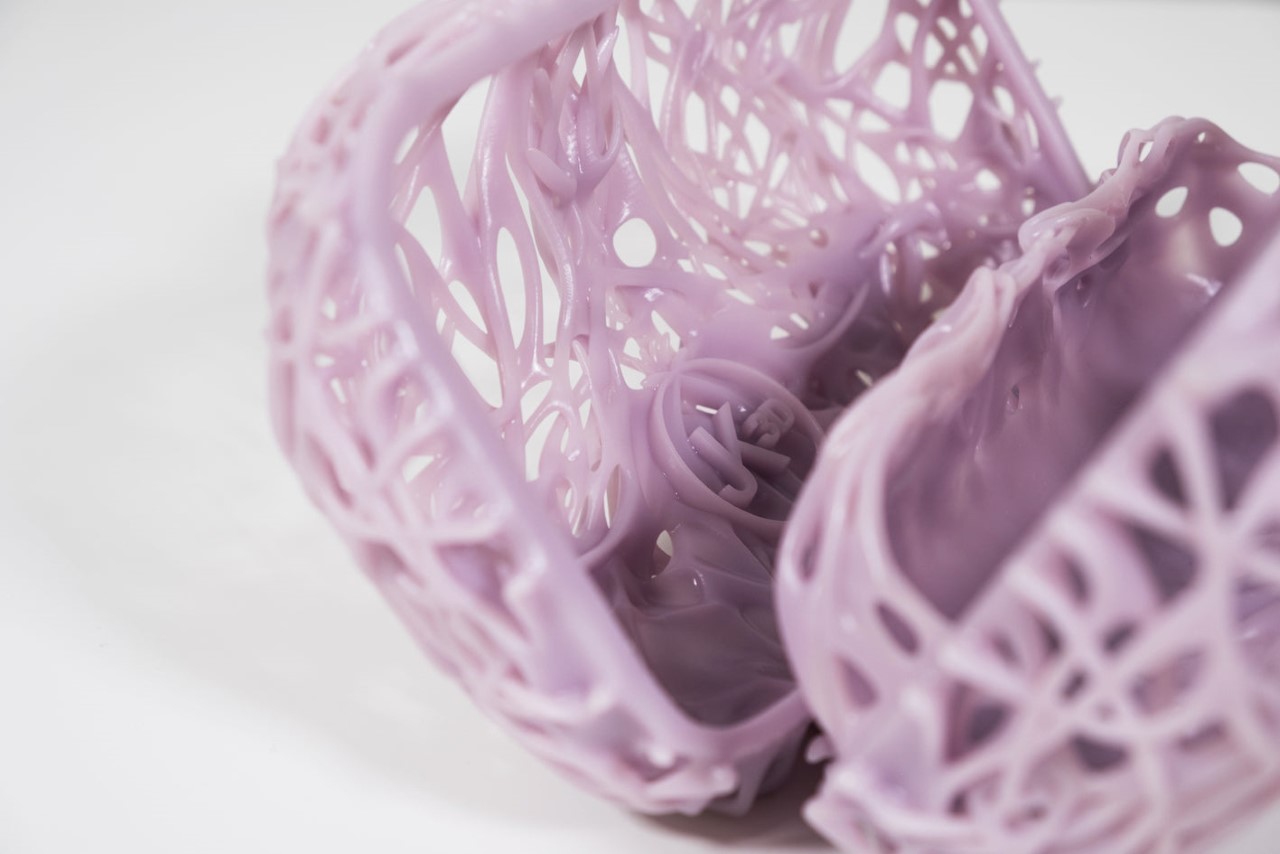
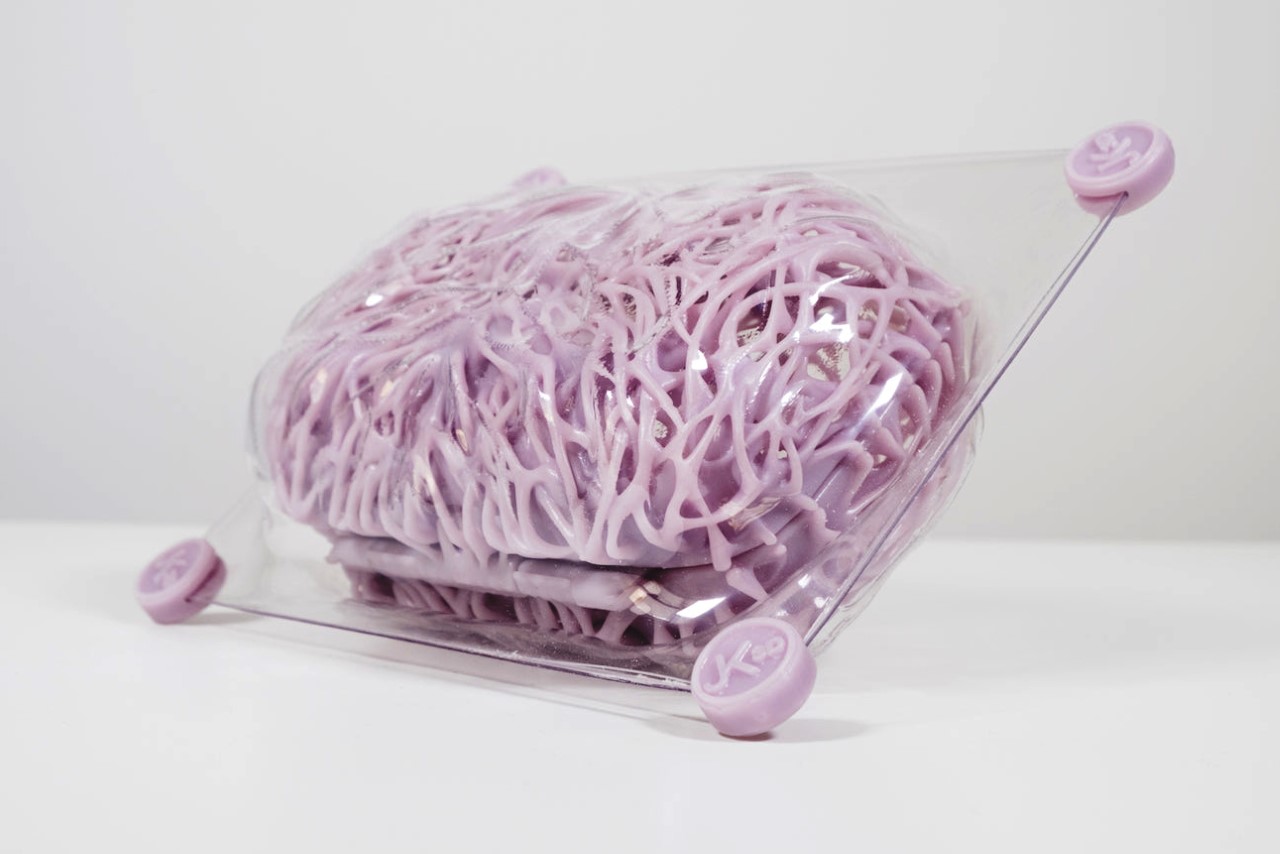
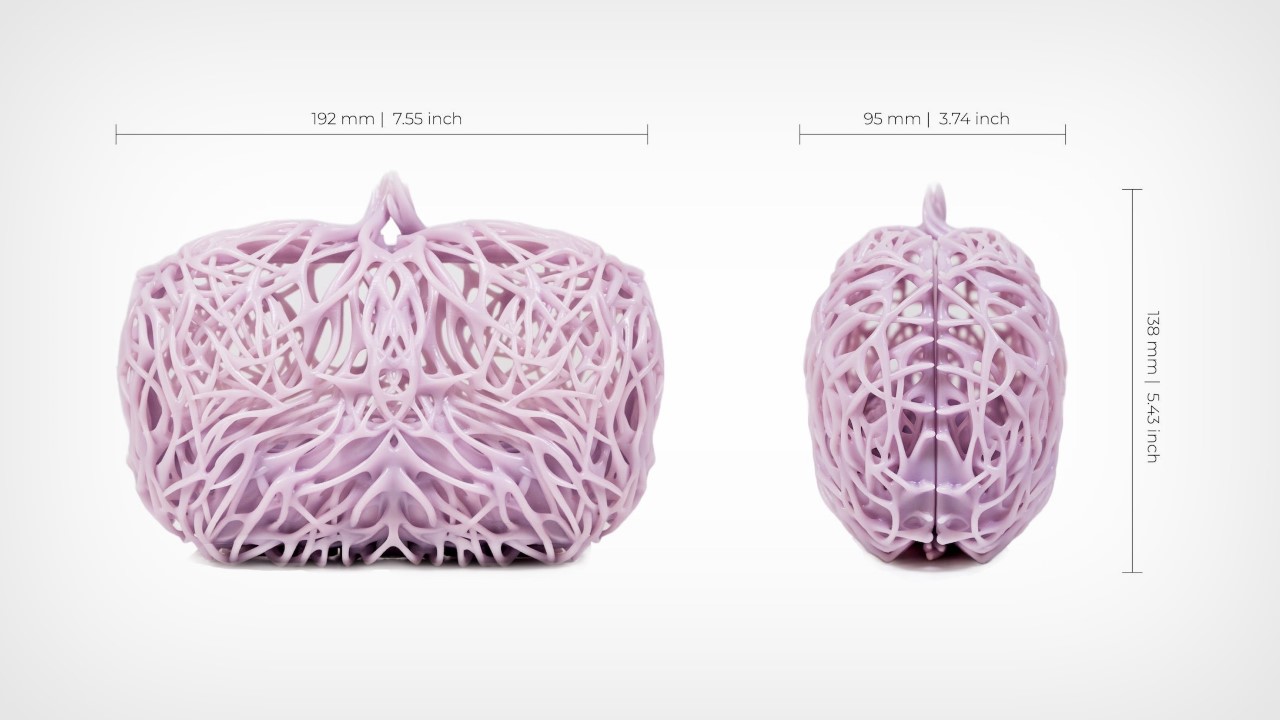
The KELP MINI handbag was created using actual 3D scans of Kelp that were then edited, manipulated, and turned into a handbag-esque form. The handbag is almost entirely made out of 3D printed plastic, using resin-based printing techniques (which helps create flawless glossy surfaces with minimal print lines).

The bags are hinged at the base, with a cleverly detailed clasp on the top created using parts that snap to interlock when the bag is shut. The bag’s chain gets hooked onto details inside the bag, keeping the outer design clean, while allowing the chain to pass through one of the bag’s many openings.

Don’t expect the handbag to store much, given its compact, rigid design. Small items will easily fall out, but otherwise the KELP MINI is perfect for a coin purse, wallet, lipstick, and maybe a pair of sunglasses.

The bag’s immaculate designs are completely printed in sustainable plant based material, with the printers running entirely on solar energy. While Koerner takes heavy inspiration from nature, her reverence extends to protecting her source of inspiration too, ensuring that her products have minimal environmental impact. The handbags are printed in LA for shipping in America, and Vienna for Europe orders. For bags that have minor misprints, Koerner even sells them at a discount, ensuring nothing gets wasted.

The beauty of Koerner’s designs lie in the fact that they look so bizarrely different, you won’t be able to take your eyes off them. Whether it’s the jewlery from Black Panther or any of her other work, Koerner taps into an almost wild side of nature, relying on unconventional curves and organic geometry that bridges the lines between existing and impossible, and between design and art.

The post ‘Black Panther’ Costume Designer Launches Otherworldly 3D-Printed Handbags first appeared on Yanko Design.
3D print your own transforming robots with these downloadable templates

3D printing has already come a long way since it was first introduced in the 80s. It still hasn’t reached the levels where almost every household has one like we now have with regular printers of course. But now we’re seeing consumer-level 3D printers as well as “templates” we can download and print on our own. Even if you only have a basic knowledge of how this technology works, it’s pretty easy to try it out on your own or at least find a tutorial online on how to do it. If you’re a fan of the old school transformers, these downloadable templates will be right up your alley.

Designer: Dr. Operator

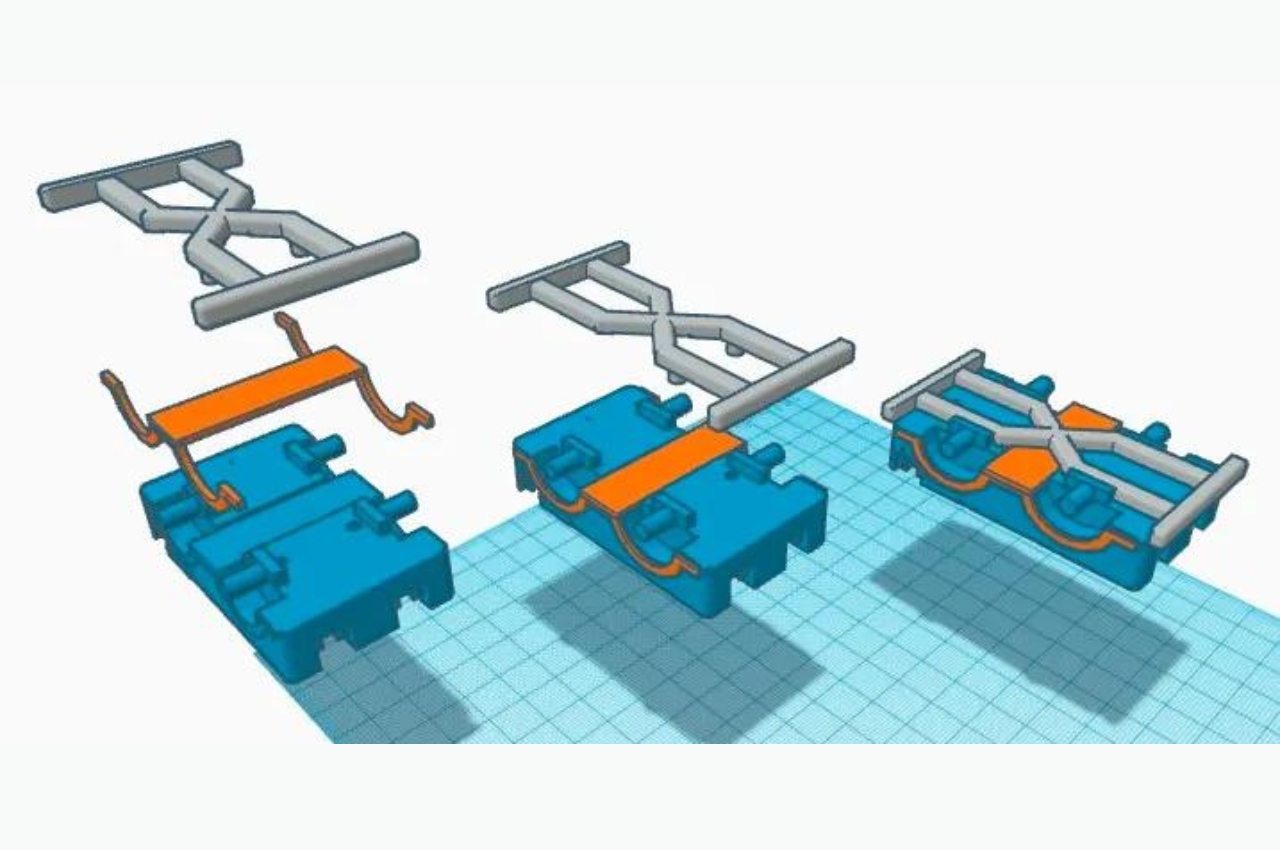
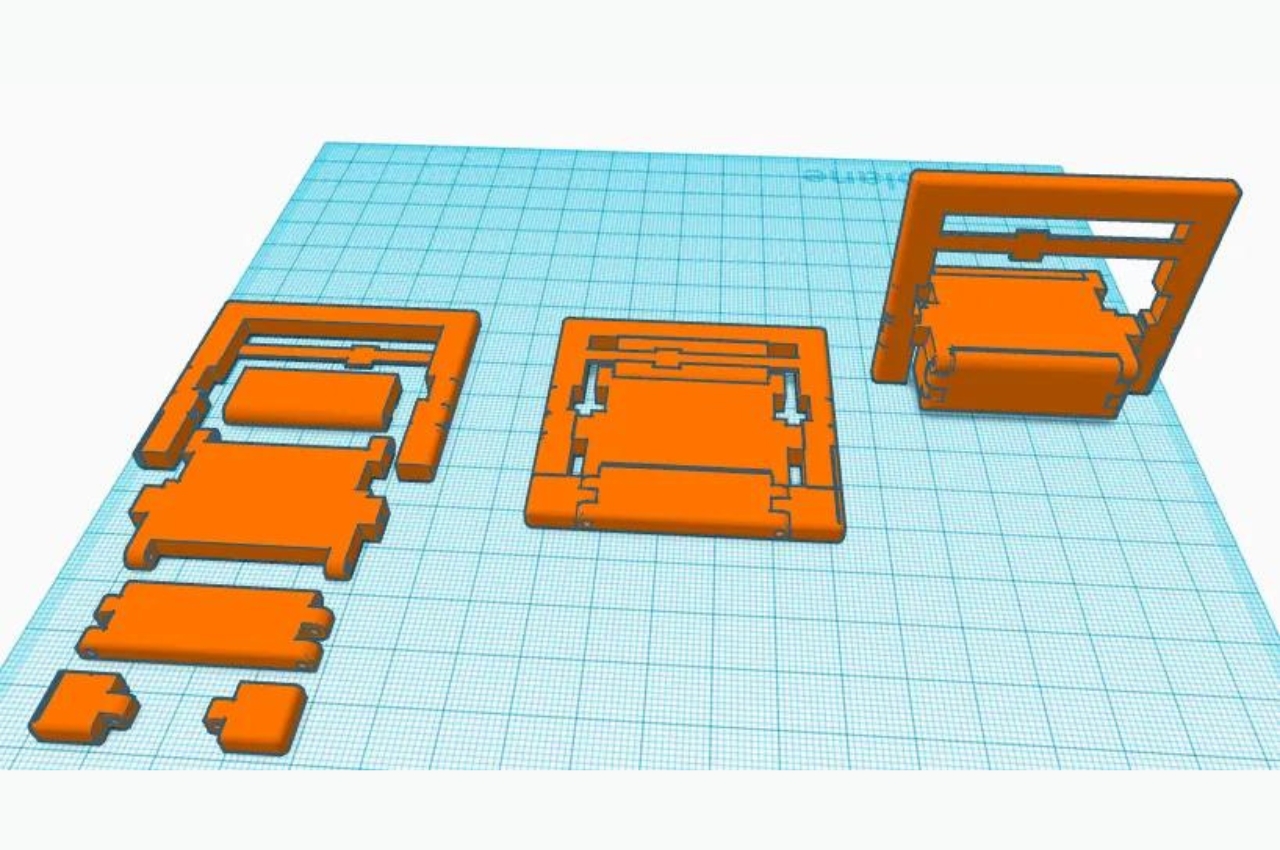
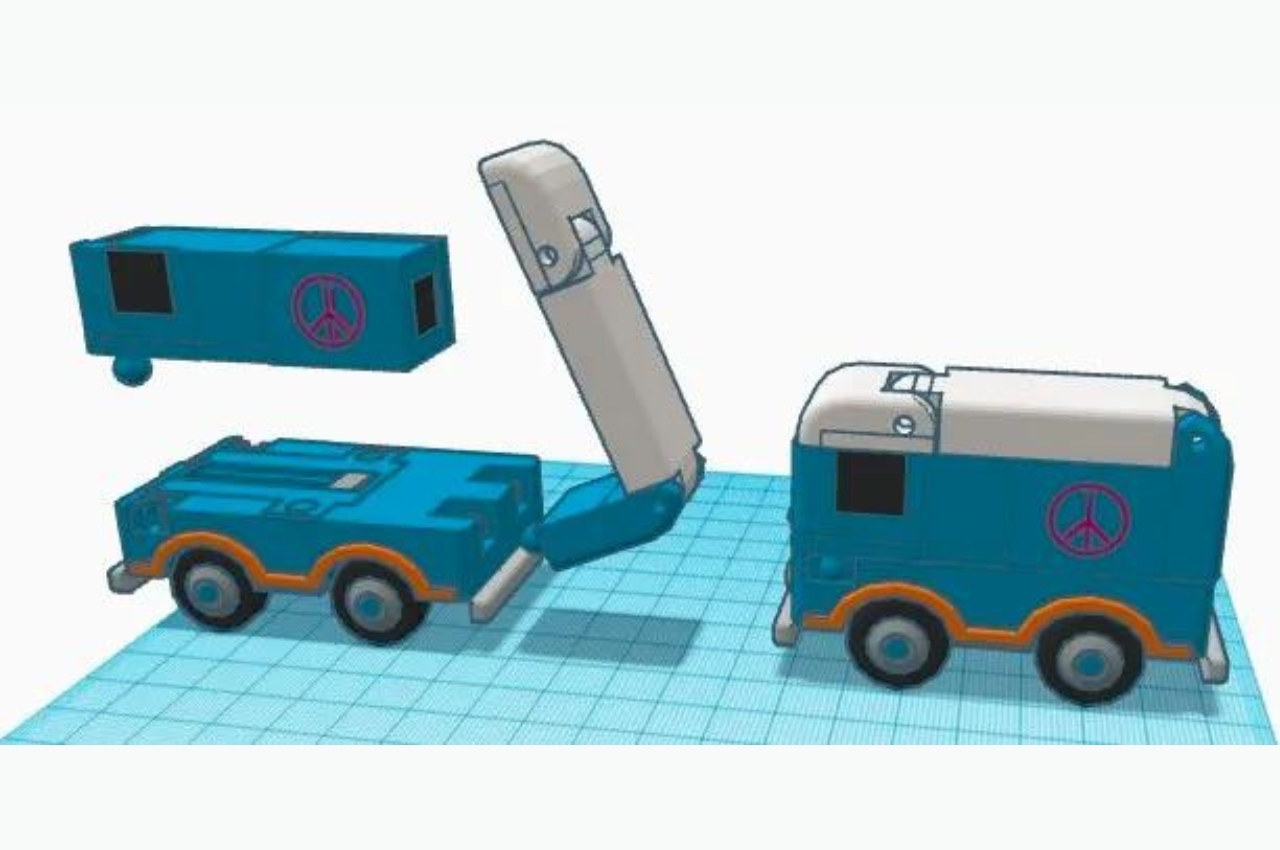
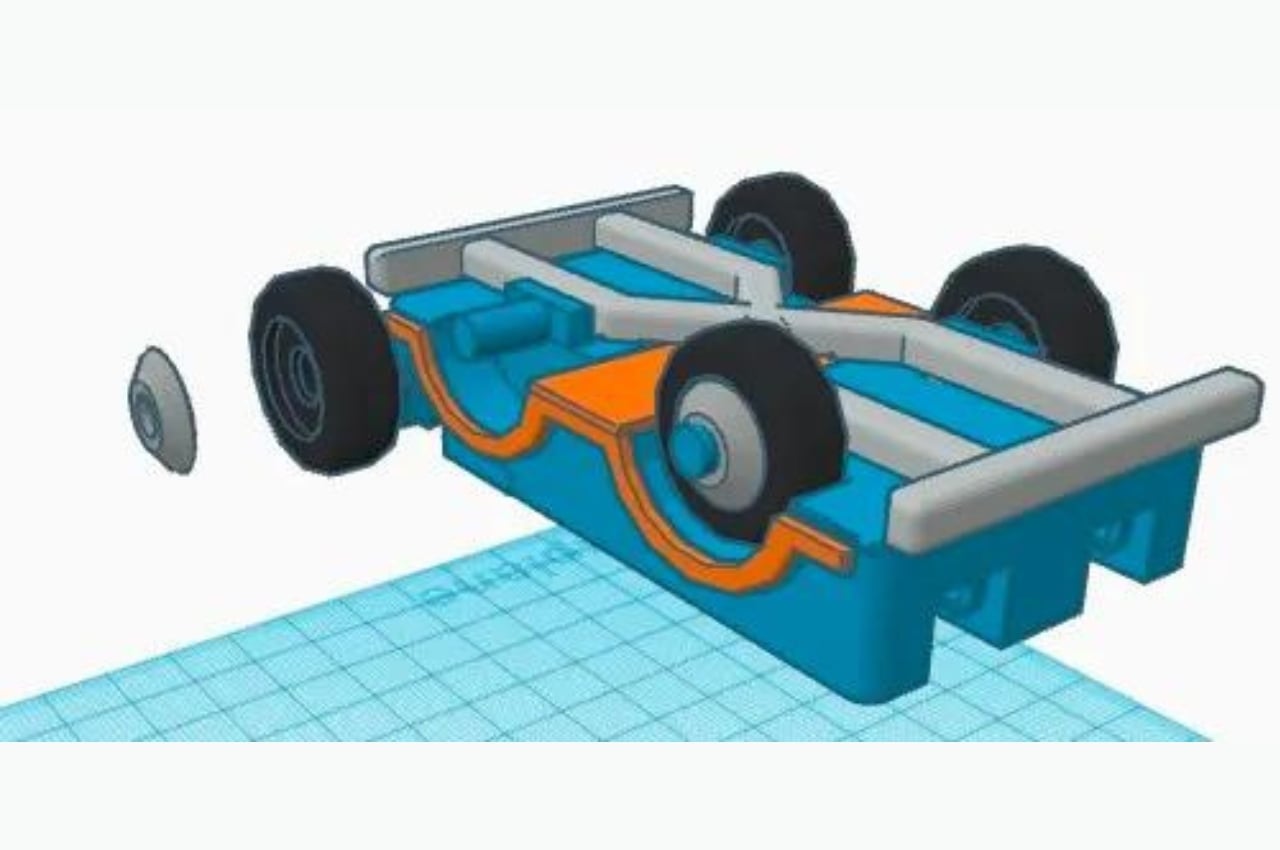
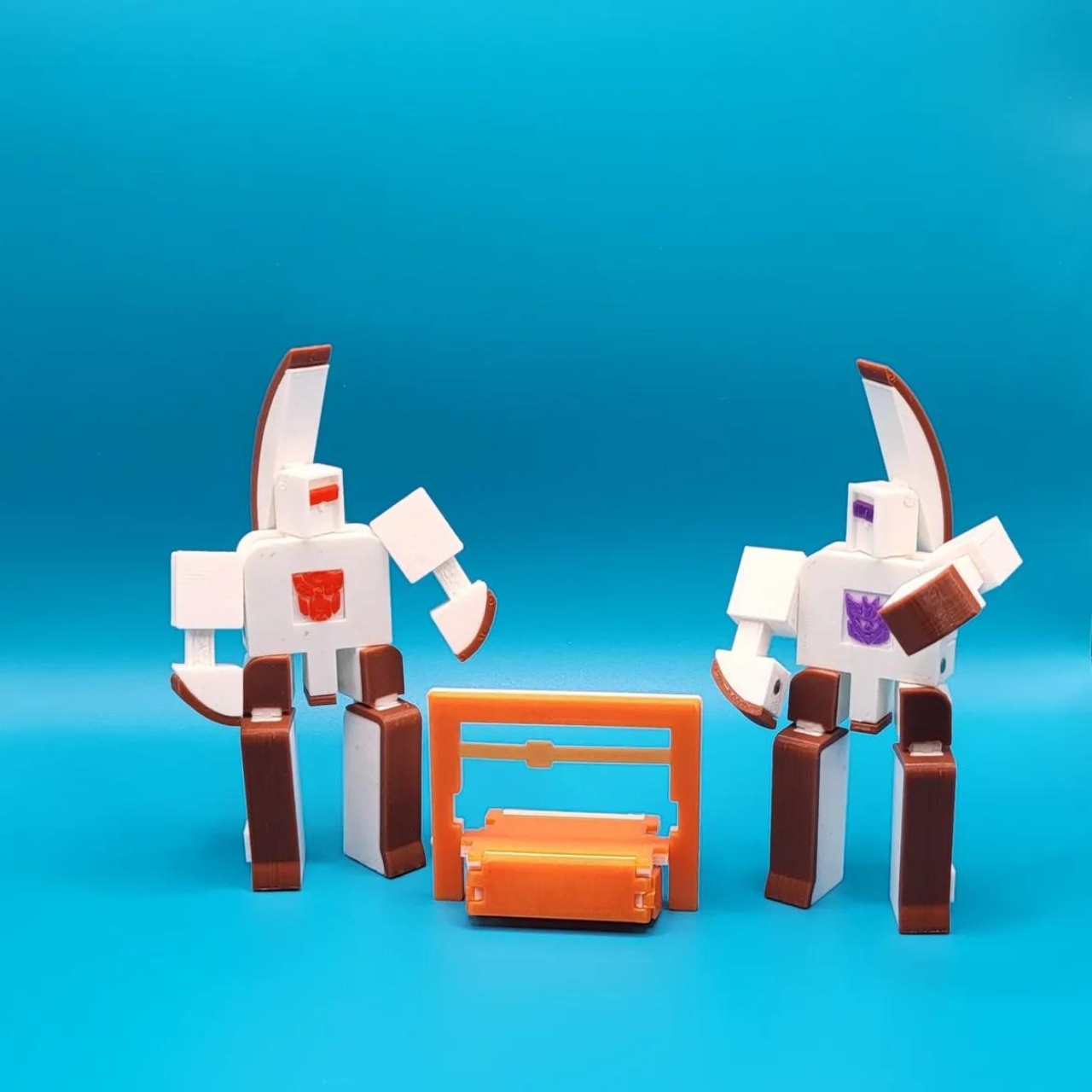
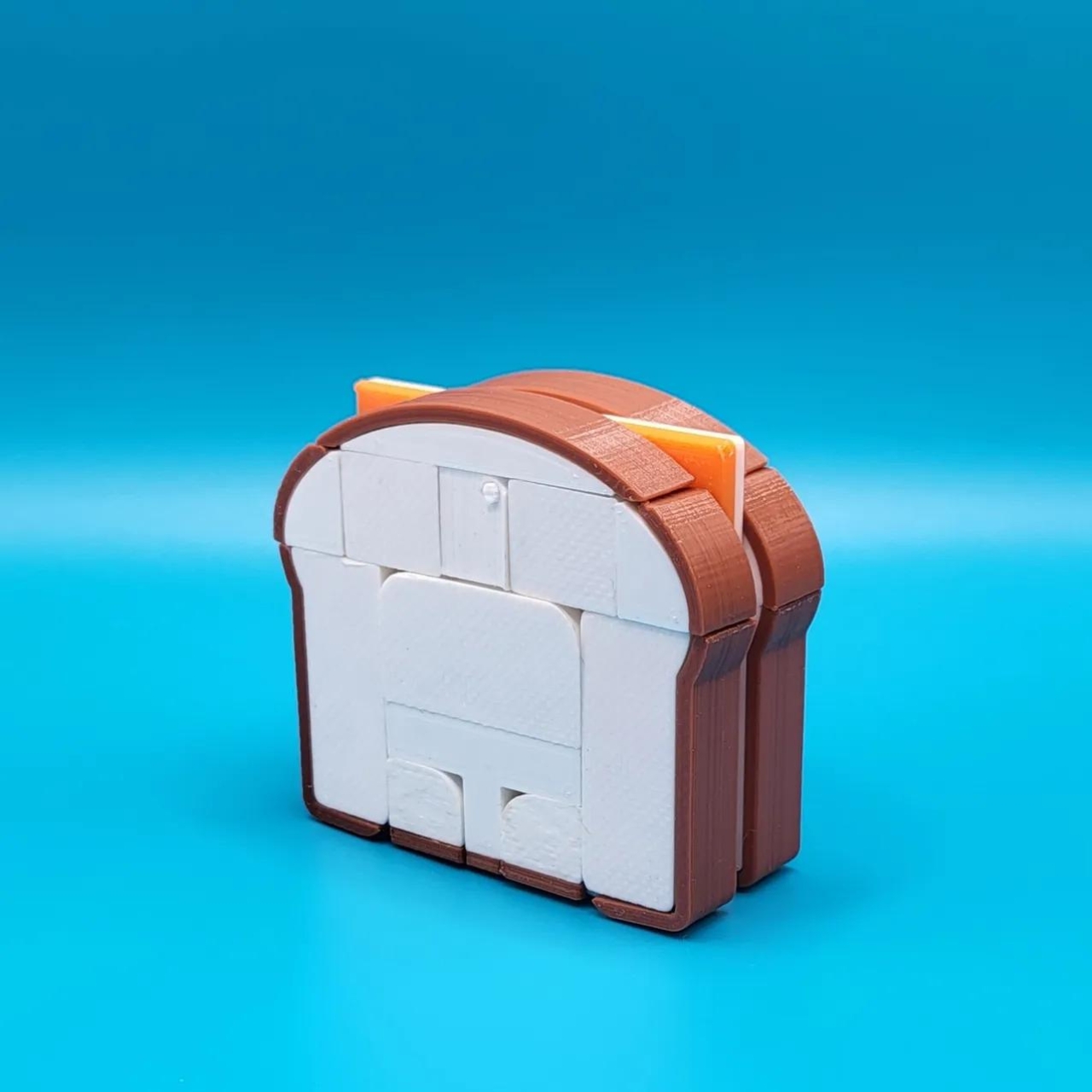
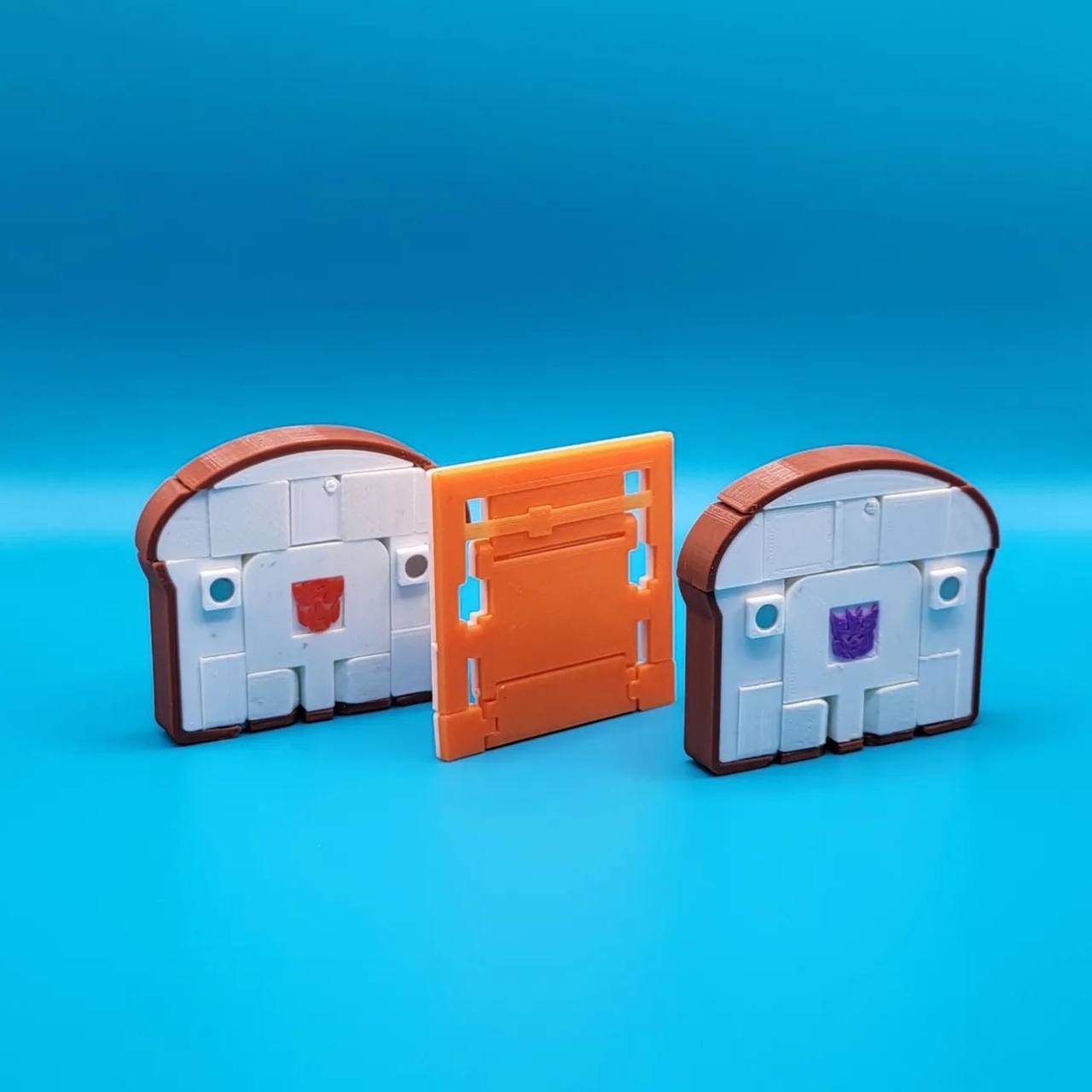
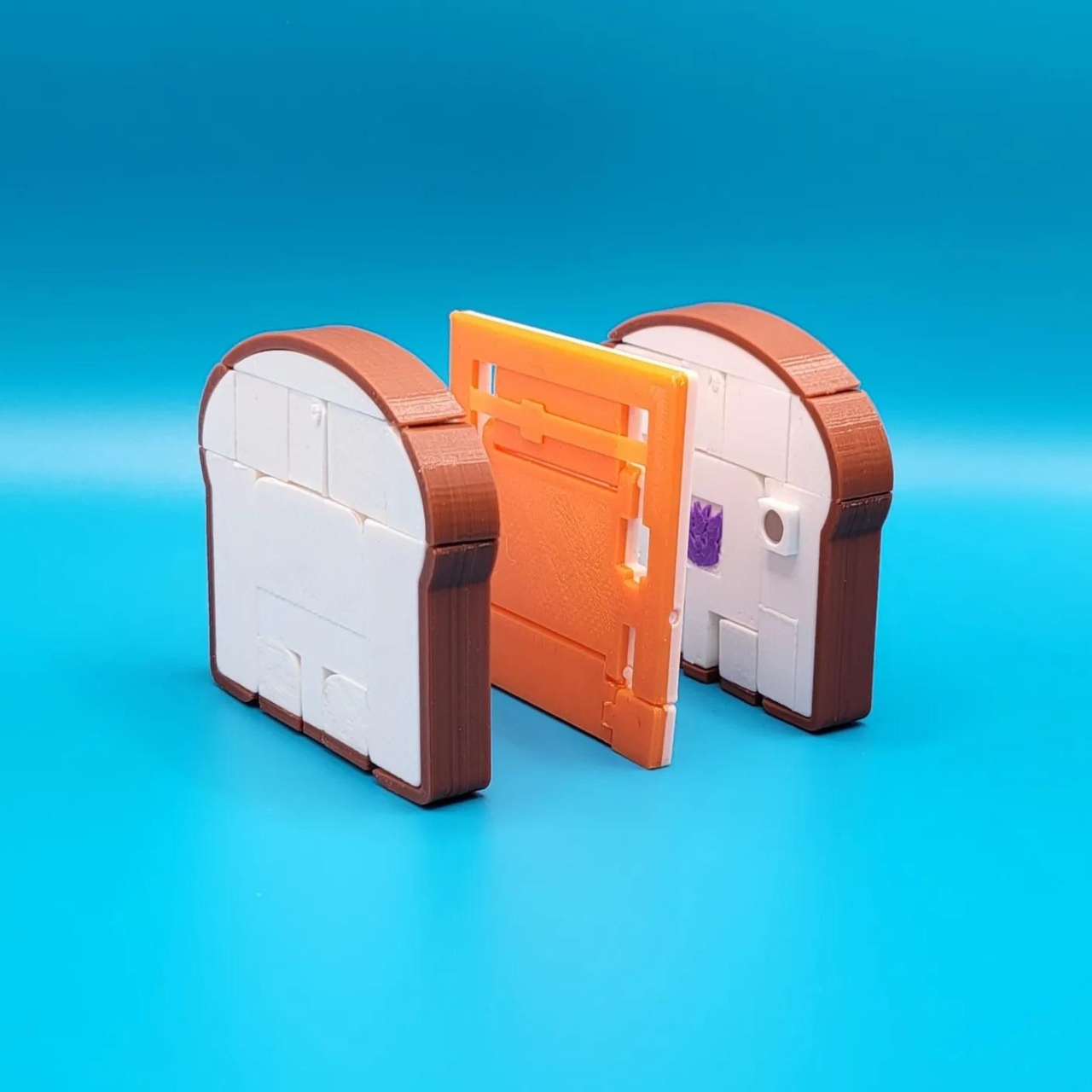
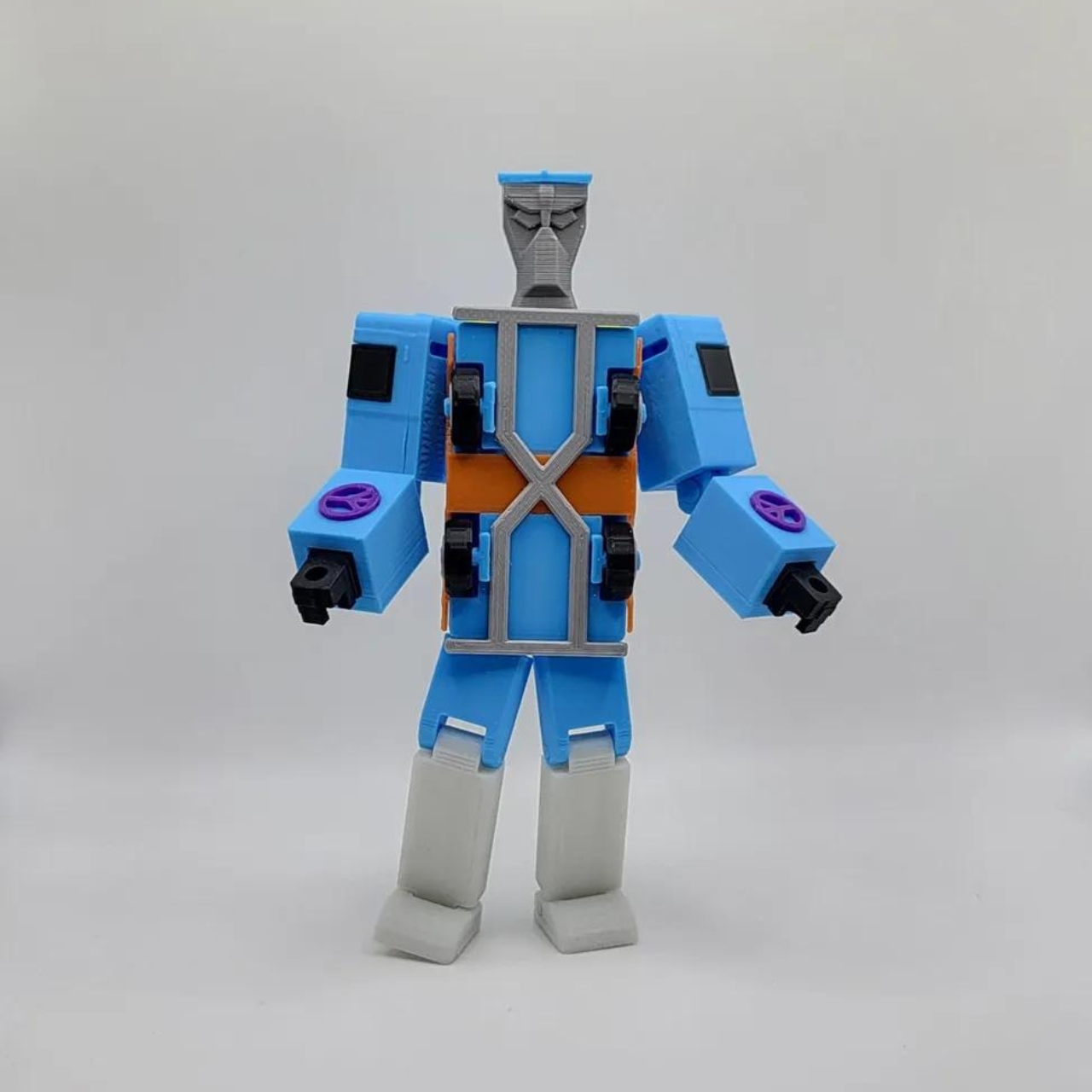
Dr. Operator has been publishing 3D model templates on Printables and they’re quirky and interesting, especially if you like toy collectibles. But instead of the usual IP-related collectibles that remain faithful copycats, you get his own take on things like Star Wars’ AT-AT, Scooby Doo’s Mystery Machine, Marvel’s M.O.D.O.K, etc. If you’re a fan of the Transformers series, then you’ll appreciate his latest series of 3D models that take inspiration from our favorite robots, but adding his own style and flair (and back story).

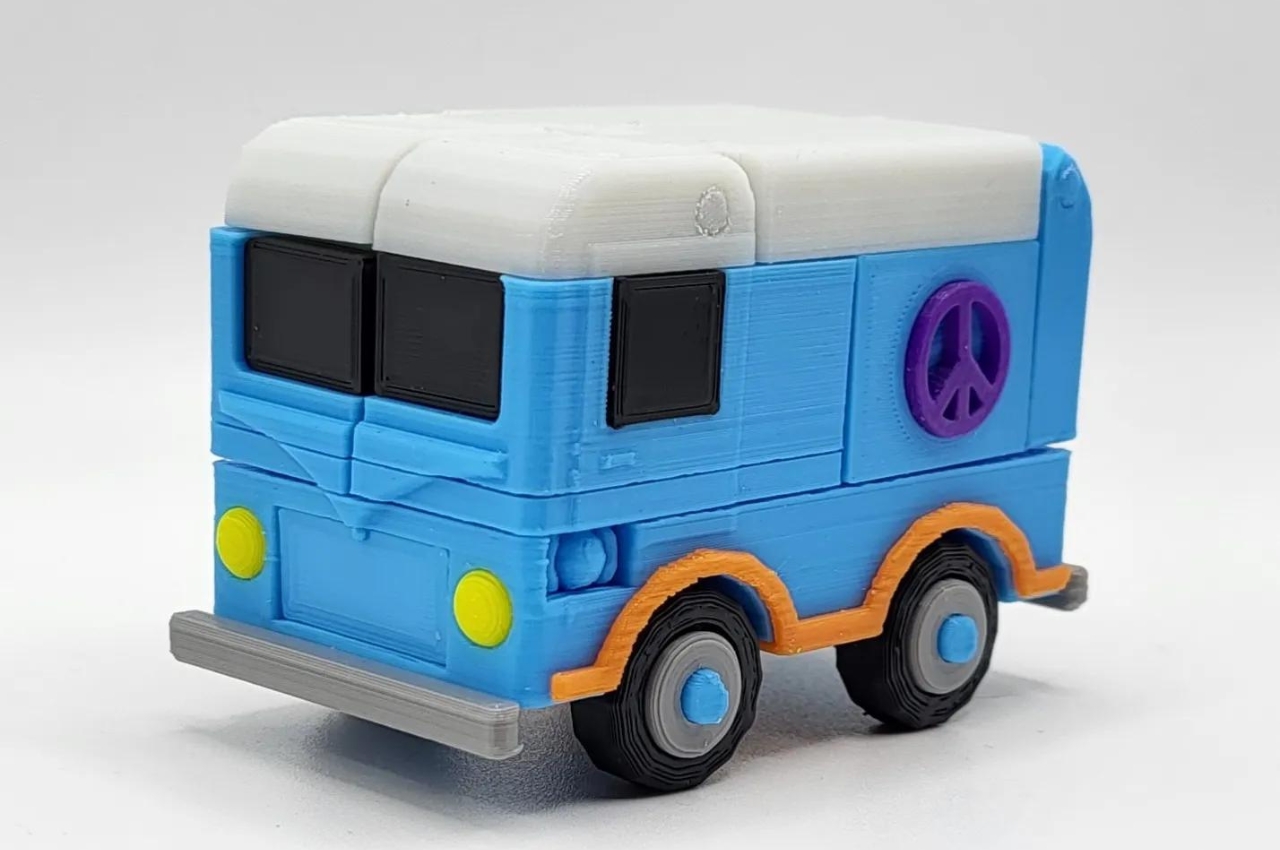
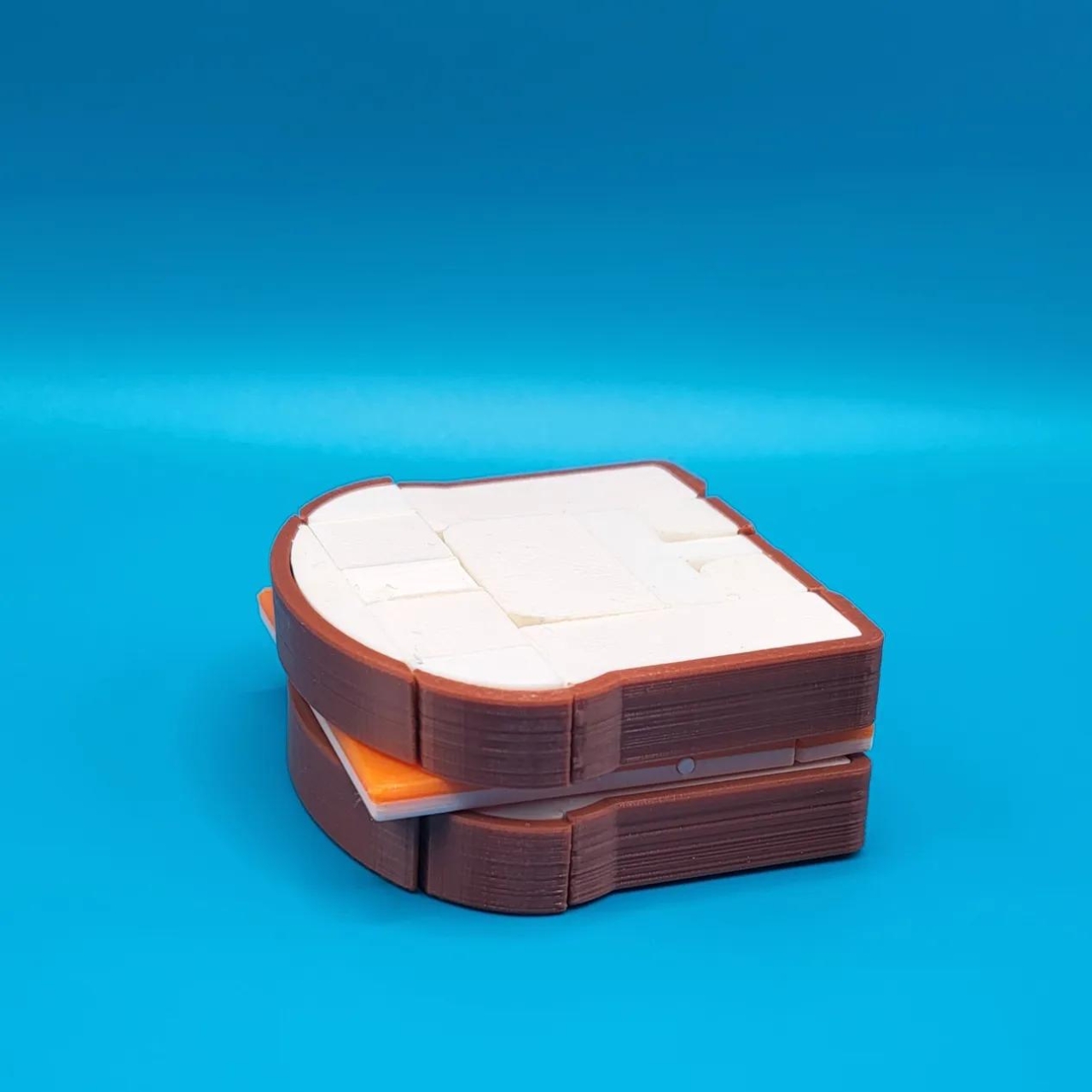
There are currently only two templates in this series but hopefully we get more robots soon. The Ham and Cheese model is a robot that turns into, you guessed it, a ham and cheese sandwich. It was inspired by the designer’s favorite Transformer, Soundwave. The “back story” is that the Ham is an Autobot and the Cheese is a Decepticon and they decide to abandon the fight and just become a sandwich. The Hippie Van Transformer is what exactly the name says it is. There are different toy car brands but the designer says that the Transformers are still the coolest so he created this.

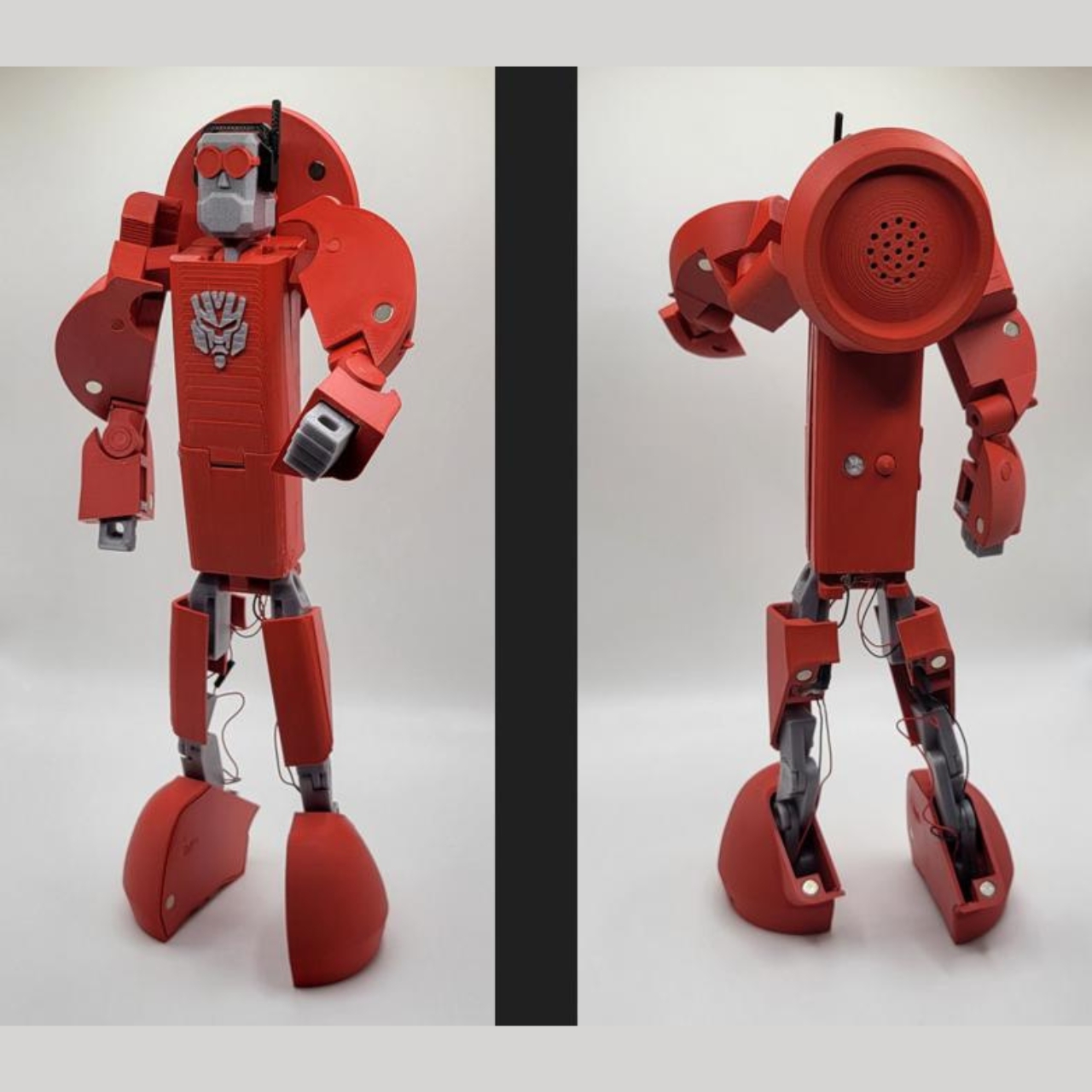
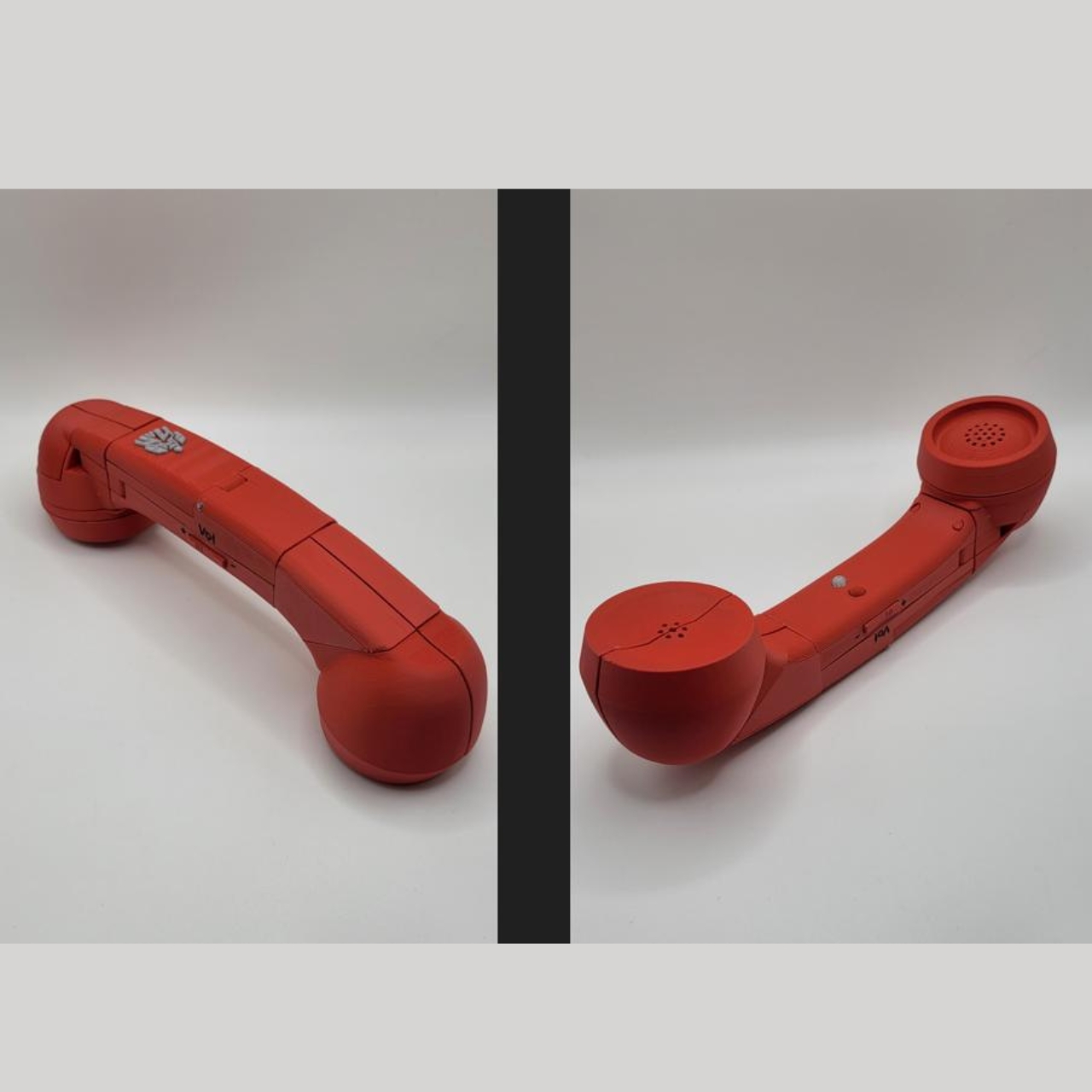
There is still an upcoming 3D model kit that isn’t available yet on Printables but it may just be the coolest. It’s a robot that turns into a telephone headset and may even have a built in Bluetooth module. For kids out there, a telephone is what we used to communicate before there were smartphones. We’re looking forward to what other Transformers templates he’ll be able to come up with eventually.

The post 3D print your own transforming robots with these downloadable templates first appeared on Yanko Design.
World’s First 3D Printed Edible Eel: Sushi Ready

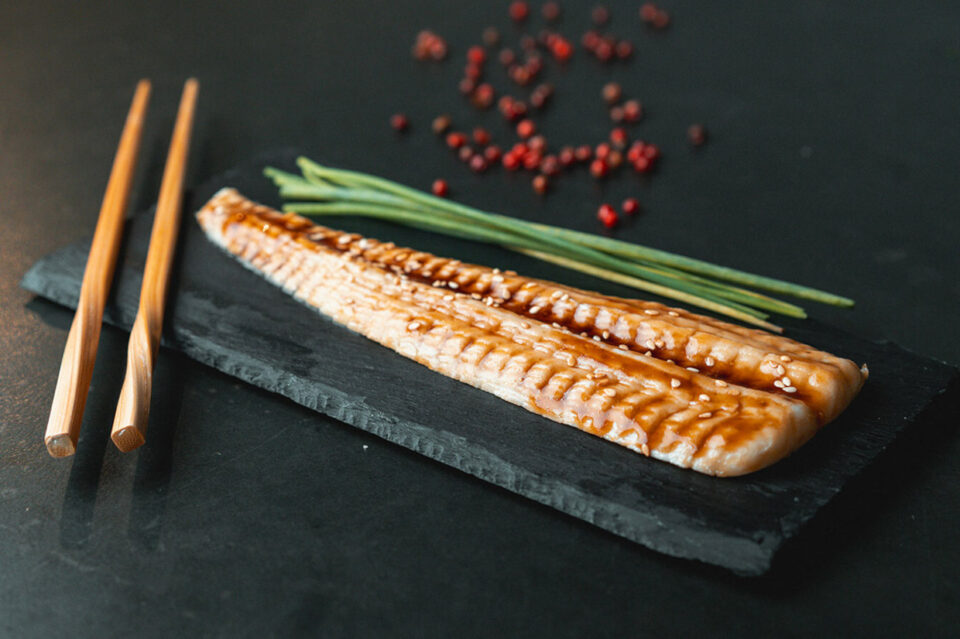
Hot on the heels of 3D-printed salmon comes the world’s first 3D-printed eel, made by Steakholder Foods using its line of 3D meat printers. Its current iteration of eel is plant-based, but it plans to ethically harvested eel cells and cultivate them once “economies of scale allow for price-competitive cell development.” These are fascinating times for the sushi industry!

SteakHolder’s printing process involves printing alternating layers of varied textures to as closely resemble the meat it’s printing as possible. So, it’s not just a solid block of the same texture and flavor. Its printing technology also allows the company to produce meat alternatives using significantly fewer ingredients than others currently on the market.

Above: A filet of grouper being printed.

SteakHolder Foods CEO Arik Kaufman says, “The launch of our printed eel marks a pivotal moment in the seafood industry…This technology is designed to enable partners to generate products on a potential industrial scale of hundreds of tons monthly, not only at lower costs compared to wild eel, but also with the flexibility to create a variety of printed products using the same production line.”

Would you eat 3D-printed eel? I would. As a matter of fact, I want some right now. Ideally, laid atop some rice with wasabi and soy sauce on the side. Great, now I want sushi. But I just had Mexican! I suppose I still have a little room…

[via TechEBlog]

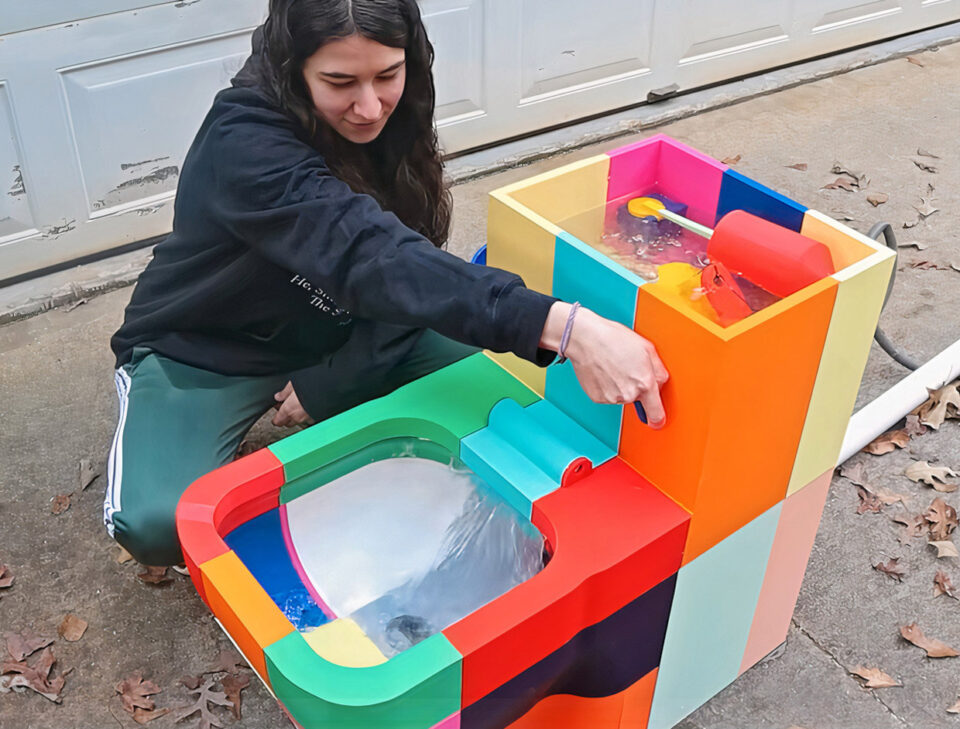
Engineer 3D Prints A Colorful, Functional Toilet

Because great ideas come in all shapes and sizes (and colors), Youtuber Emily The Engineer decided to take it upon herself to see if she could 3D print a functional toilet. Could she? SPOILER: Yes– yes, she could. And I hope that this colorful commode serves as a reminder to us all that if you try hard and believe in yourself, anything is possible. Or you can at least 3D print yourself a toilet.

Due to the size of the toilet, the unit had to be split into numerous blocks for individual printing, and Emily took that opportunity to print the blocks in various fun colors. The result is what appears to be a LEGO toilet, or a Mondrian painting. My bathroom demands it!

Emily attached all the parts to one another using 3D plastic glue and a soldering iron to fuse where necessary. Even the tank float, flapper, and flushing mechanism are 3D printed, although a handful of metal nuts and bolts were required to connect everything.

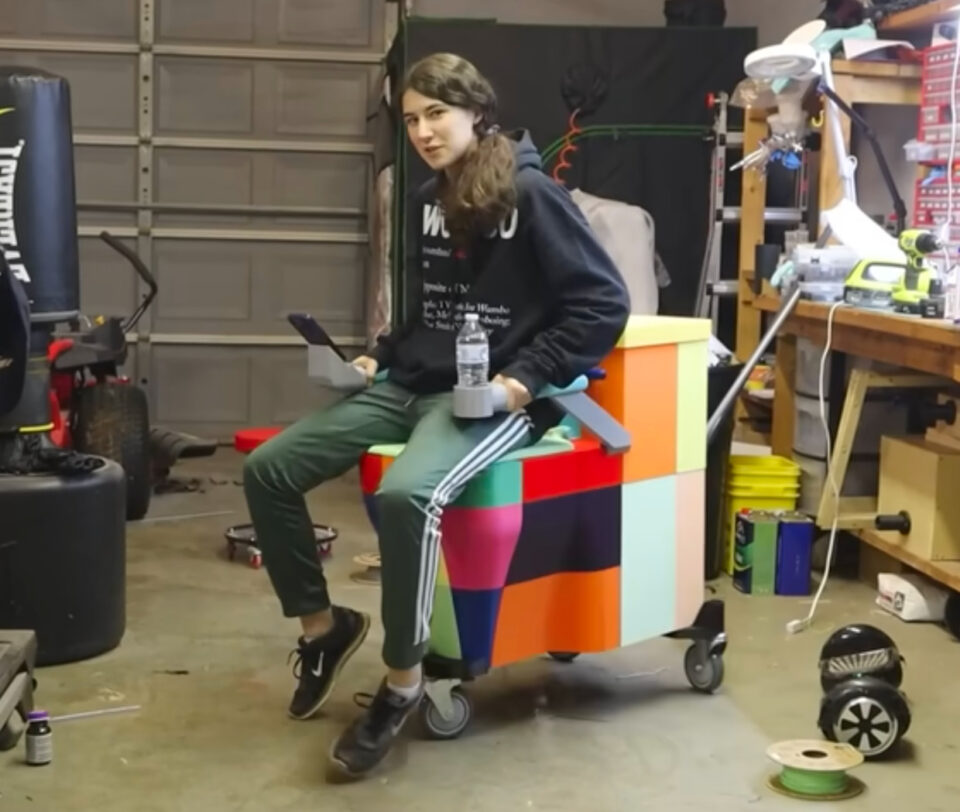
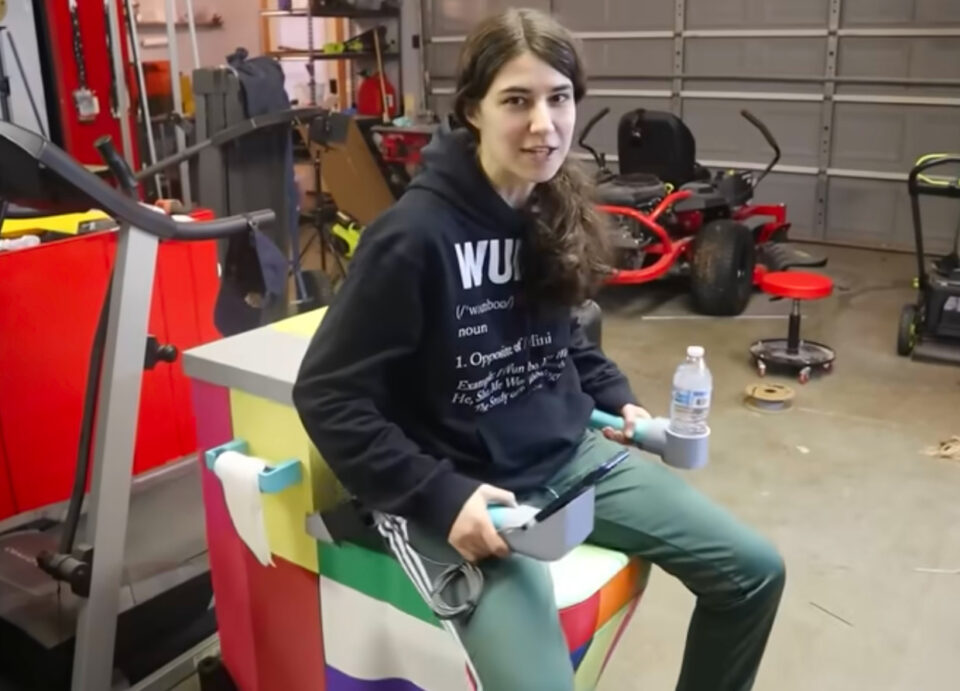
Unfortunately, after testing, it appeared her design wasn’t strong enough to be attached to a traditional indoor plumbing system. So what did she do? What anybody would — attached wheels, armrests, smartphone charger, cup holders, and added a bidet. Boom — mobile toilet! Goodbye porta-potty, hello sporta-potty!

[via TechEBlog]

Geometric coffee tables use 3D printing robots and recycled plastic to create organic forms

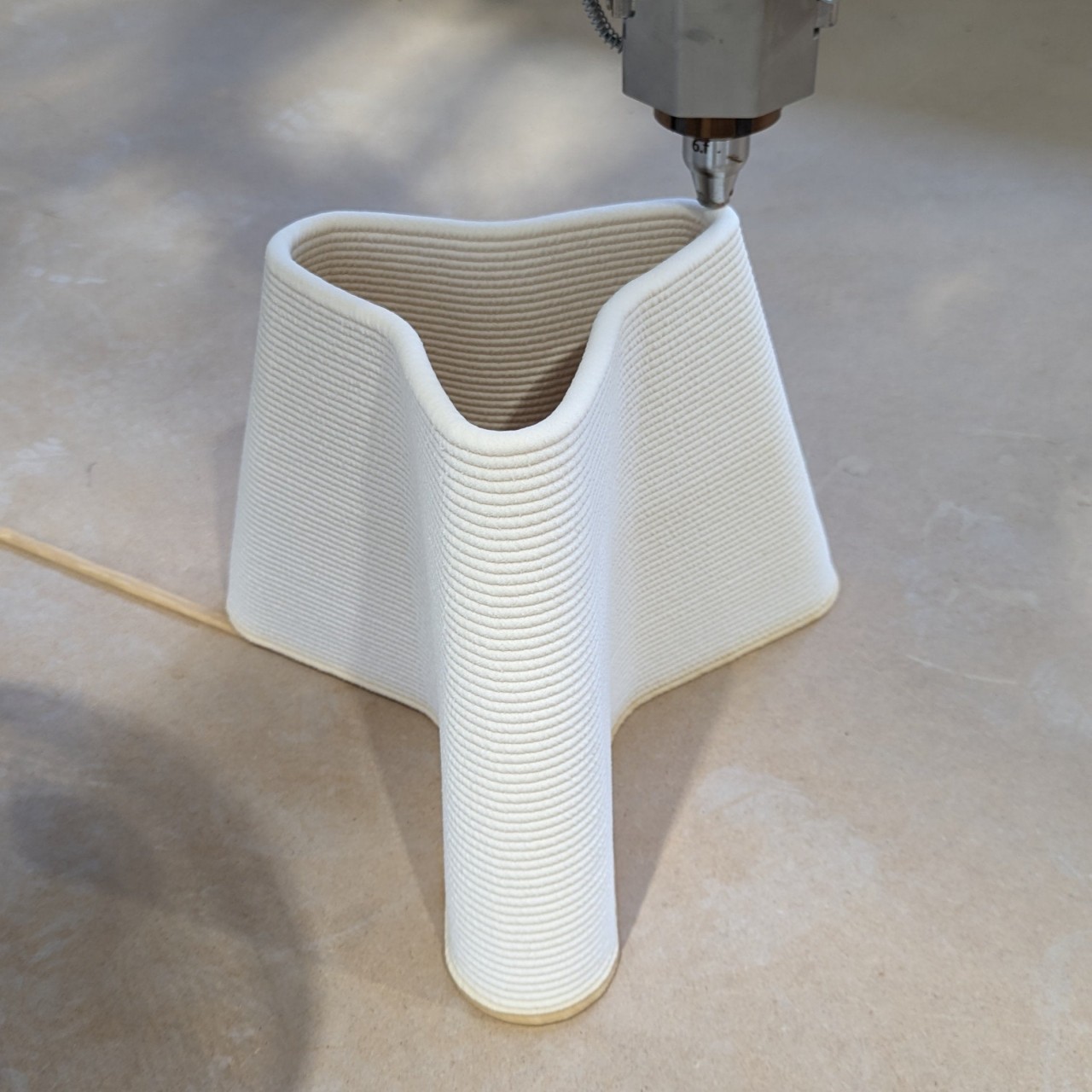
3D printing has come a long way, but unless you’re using industrial printers in large factories, you’re probably limited to creating small designs or just parts of a whole. That, unfortunately, means that creators and makers aren’t able to fully express their ideas and designs, at least not those that involve pieces that can’t fit inside a commercial 3D printer. That said, you don’t have to give up your creative freedom to use an expensive production line if you can put 3D printing robots to smart use, like this sustainable plastic coffee table that is able to form organic geometric forms just by making the robot arm loop round and round.

Designer: Martin Zampach

When people think of 3D printers, they most likely think of those boxy contraptions sitting on tables, with nozzles that quickly run back and forth while oozing out hot plastic material in order to build up a three-dimensional object almost like from thin air. While this is the most common and most convenient kind of 3D printing, it has severe limitations in the size or shape of the object being made, basically anything that can fit the area and height of the printer.

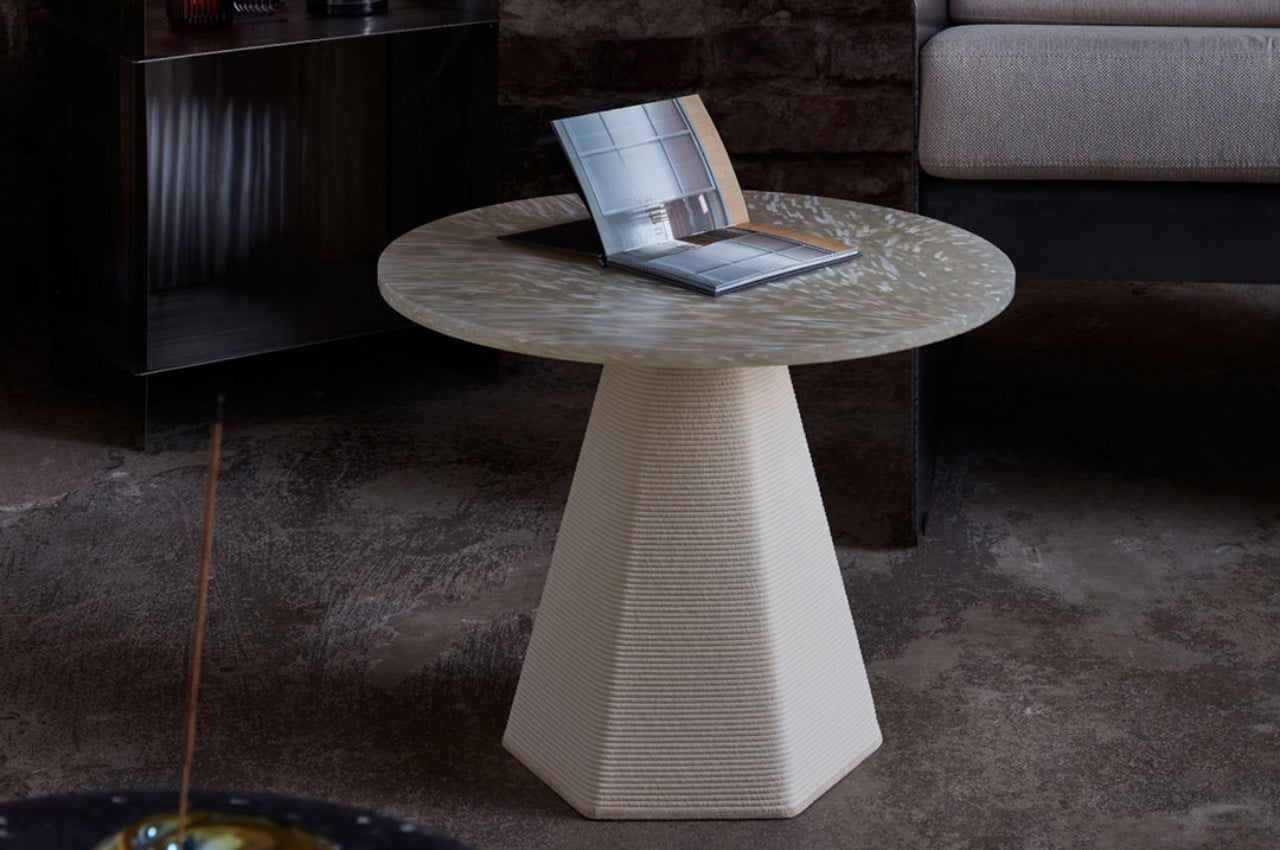
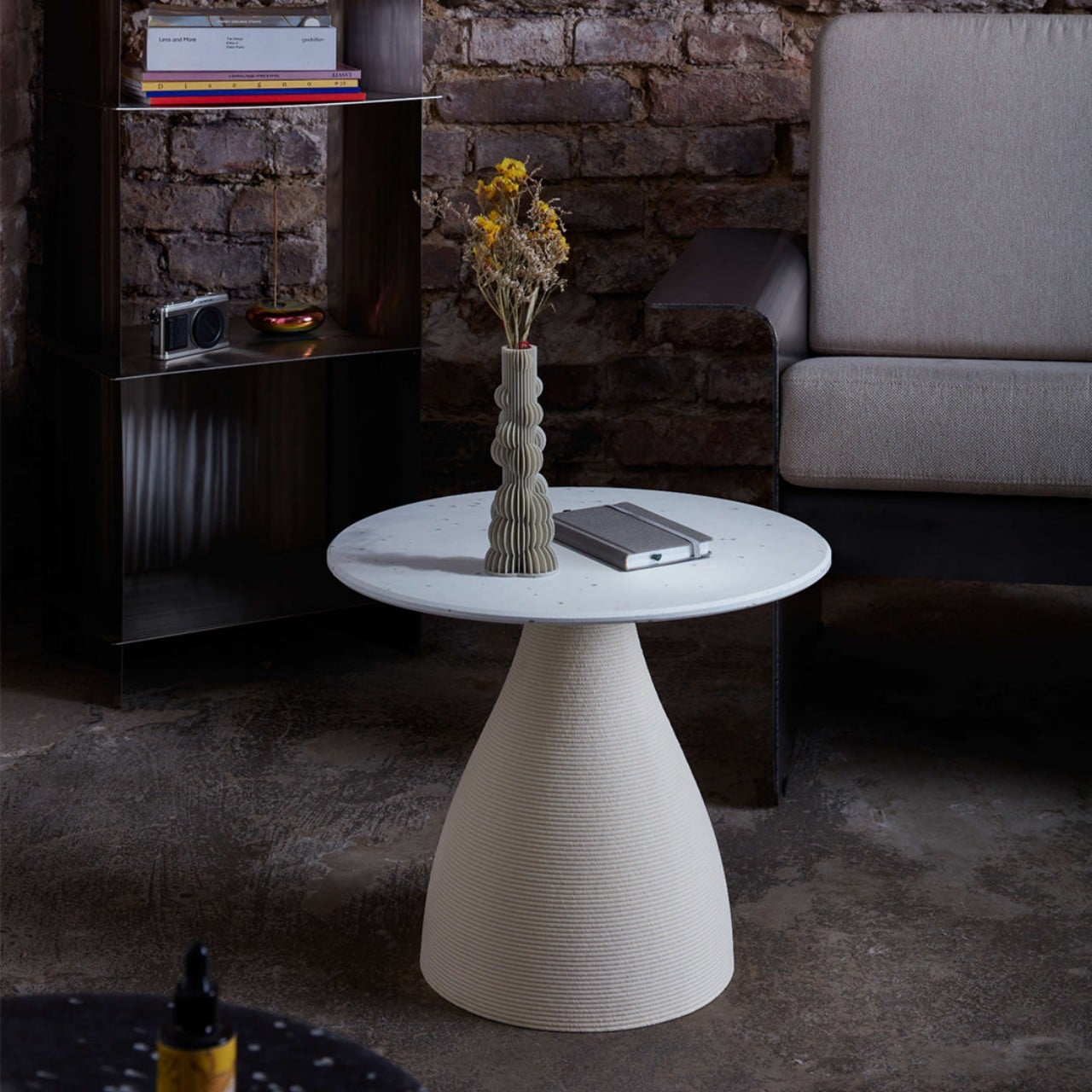
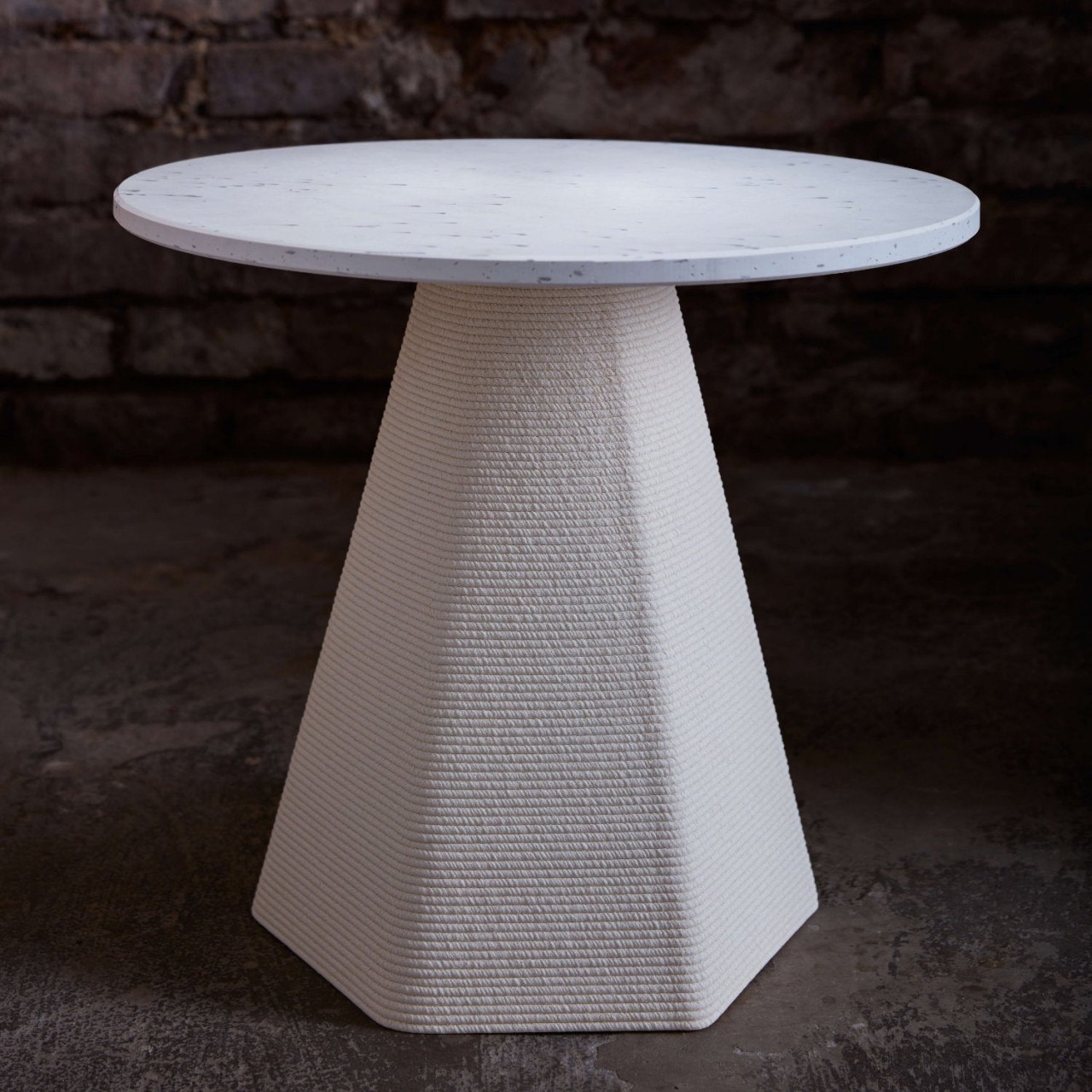
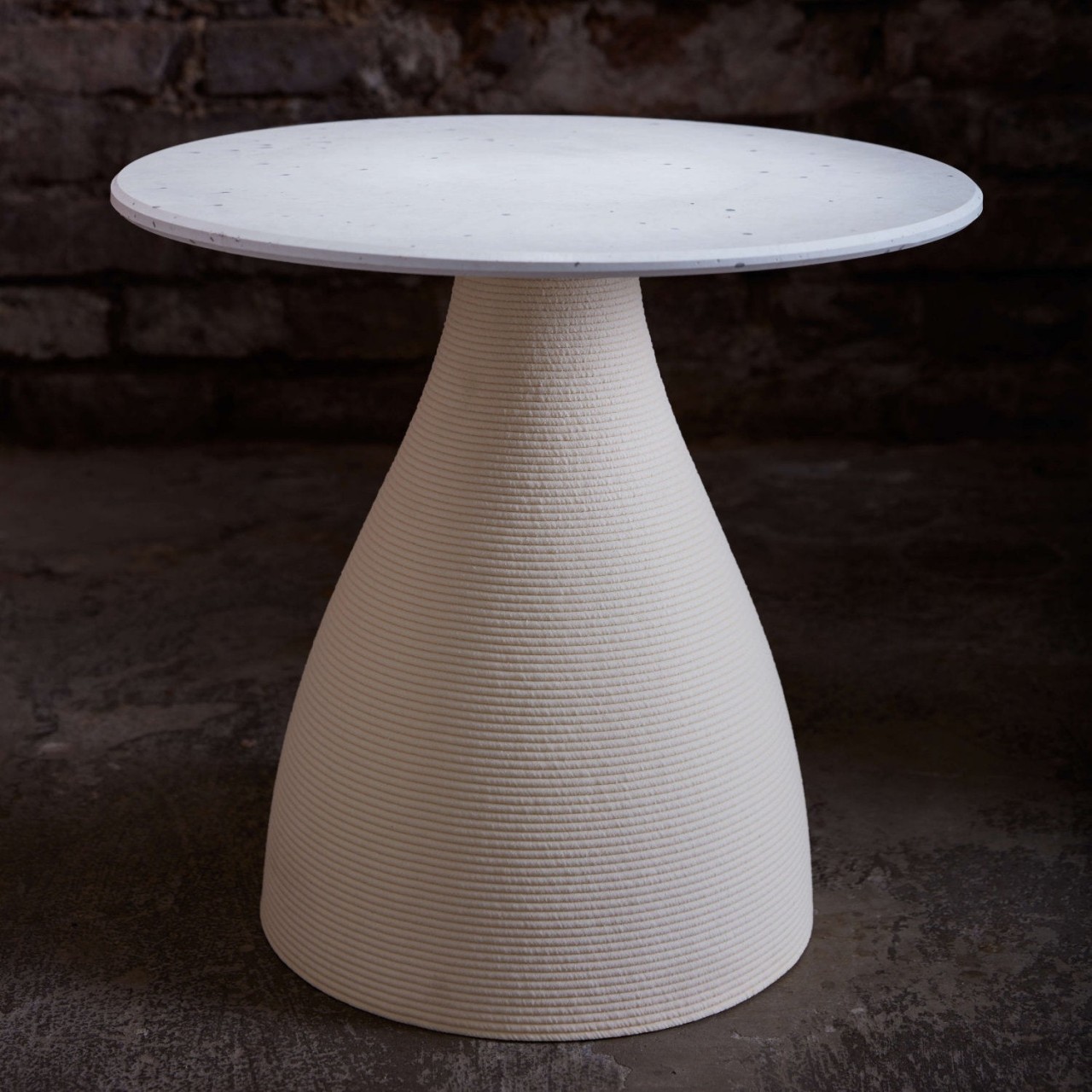
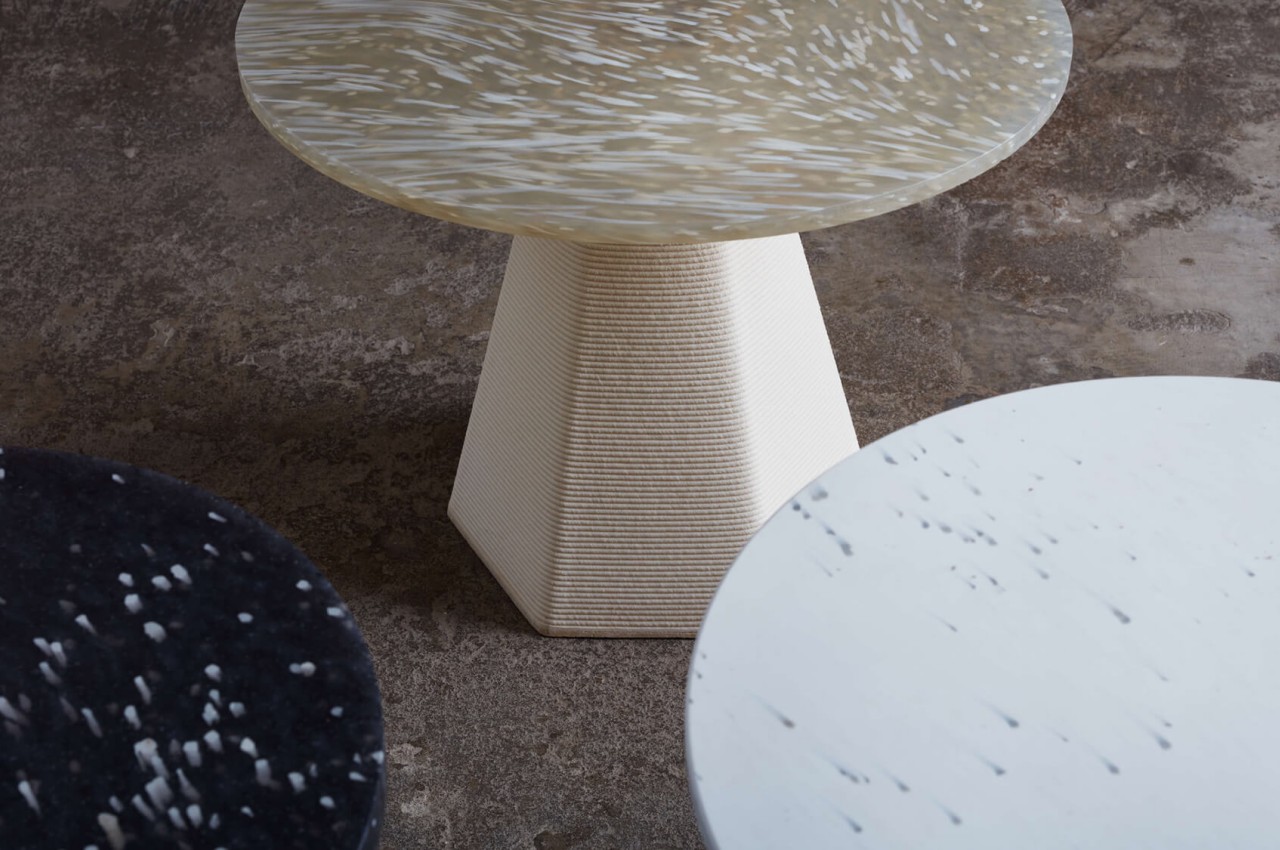
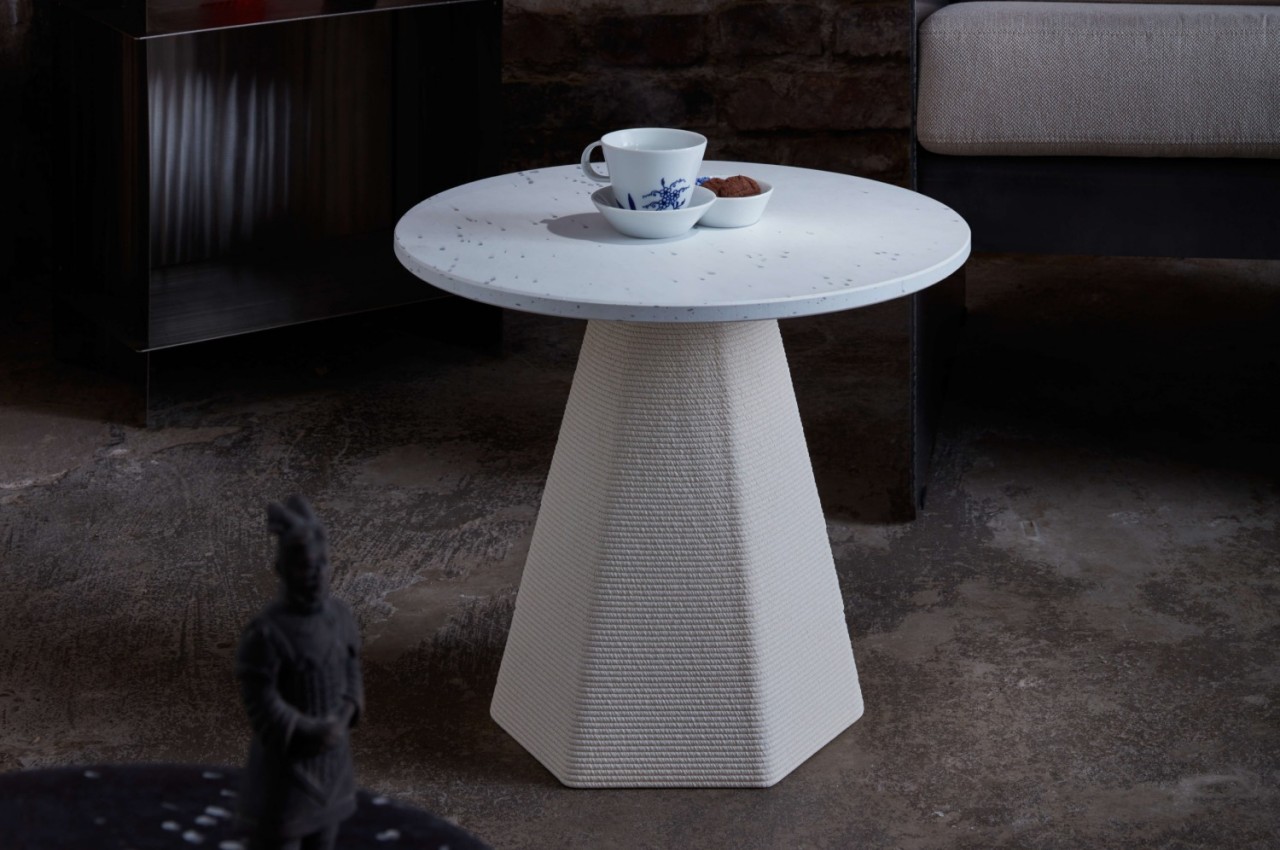
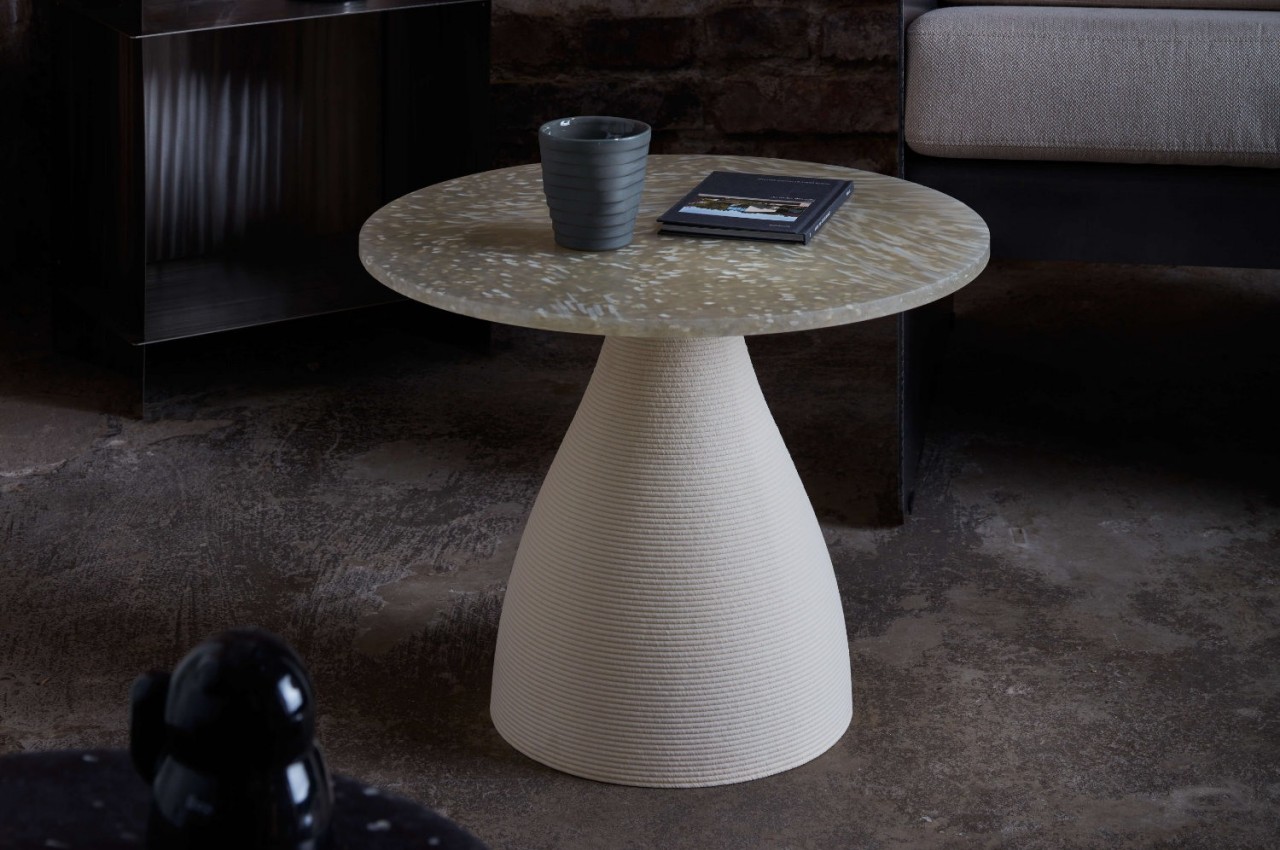
LOOPS is a collection of coffee tables conceived to push the envelope of 3D printing and create objects that are larger than normal without requiring additional hardware. An industrial 3D printing robot pretty much goes round and round to create the base shape, building layer after layer of composite material until the desired form is achieved. This is the process used for creating the base of these tables, allowing the designer to apply different geometric shapes with organic forms that look like they’re literally growing before your very eyes.

The coffee tables are more than just experiments in 3D printing, they are also testaments to beautiful sustainable design. Tabletops are made from 100% recycled plastic that is crushed, melted, and then moulded from used plastic. The 3D printed bases, on the other hand, are made from composite material containing cellulose from responsible forestry. When the tables reach the end of their use, both the base and the top can be recycled or reused to extend their life in a different way.

The LOOPS coffee table collection offers a unique and novel design that pushes the boundaries of 3D printing to produce beautiful shapes and textures that almost resemble traditional ceramic creations. The variety of recycled plastics used gives each tabletop a unique appearance, both in color as well as in texture. The minimalist yet elegant designs make the coffee tables the perfect artistic centerpieces for any space, offering a thought-provoking design that opens your mind to the possibilities of sustainable 3D printing.

The post Geometric coffee tables use 3D printing robots and recycled plastic to create organic forms first appeared on Yanko Design.
Turn your bathroom into a sustainable piece of art with 3D printed tiles

If you’re redesigning your bathroom but you’re bored with the regularly-designed tiles that you see in the market, this 3D printed tile design may be for you. That is, if you don’t mind having some organism looking creatures permanently displayed while you’re taking a bath. It is sustainable and biodegradable so that’s a major bonus if you’re concerned with things like that.

Designer: bioMATTERS

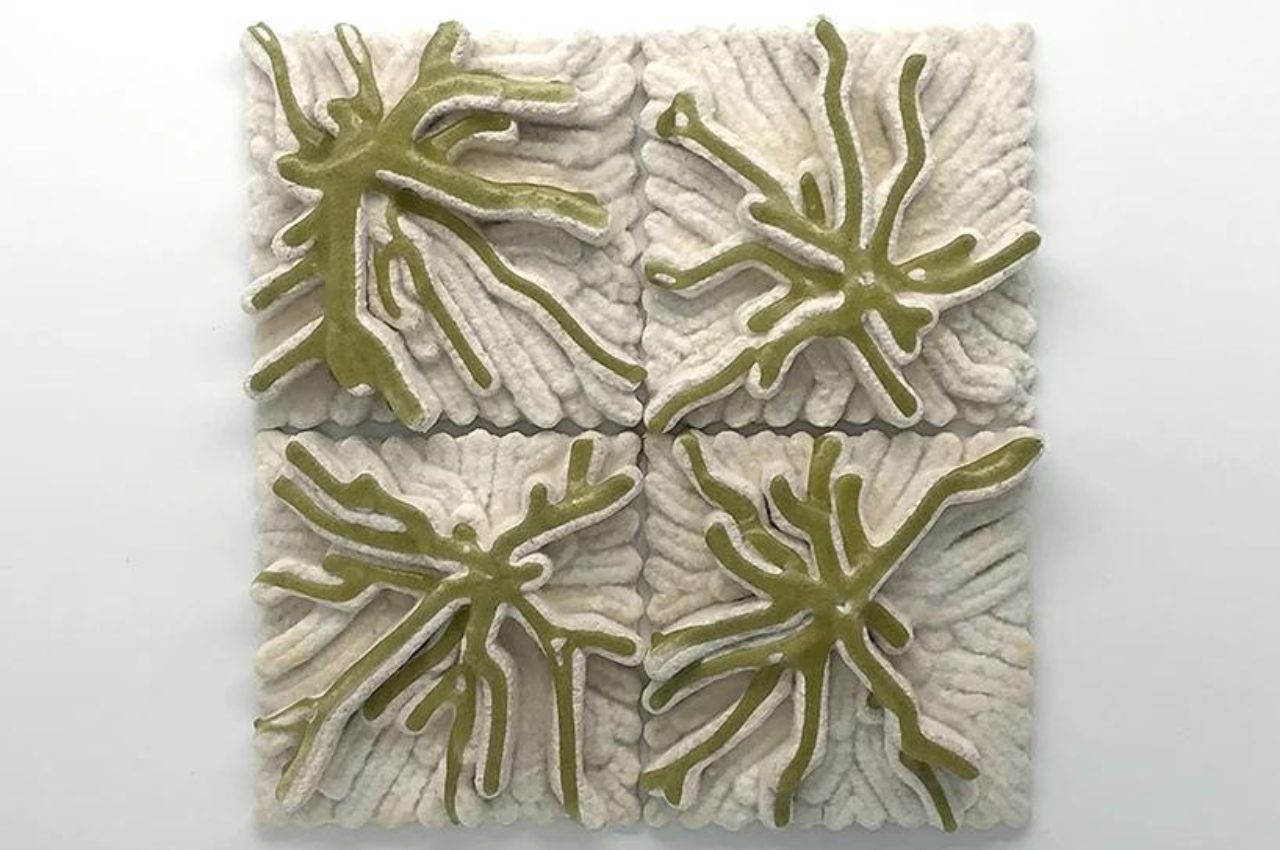
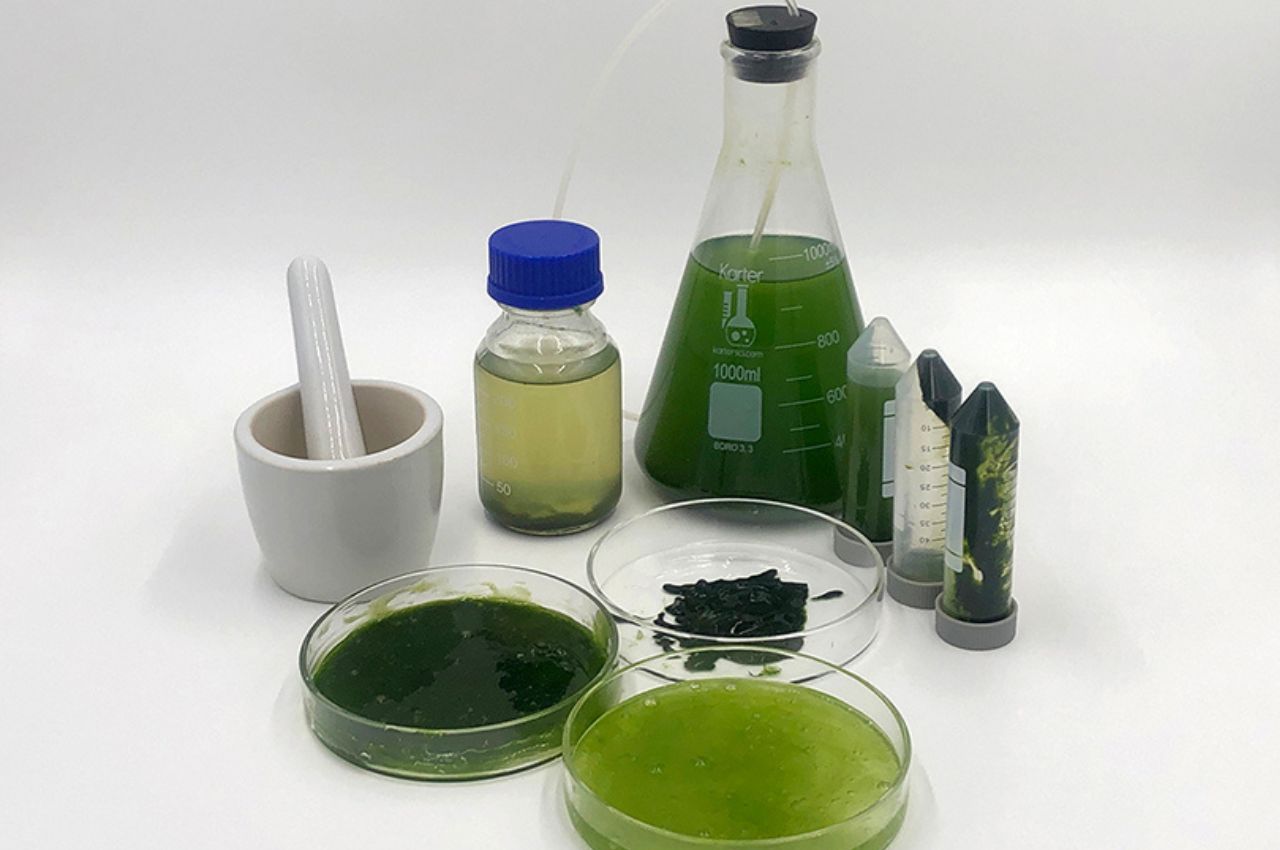
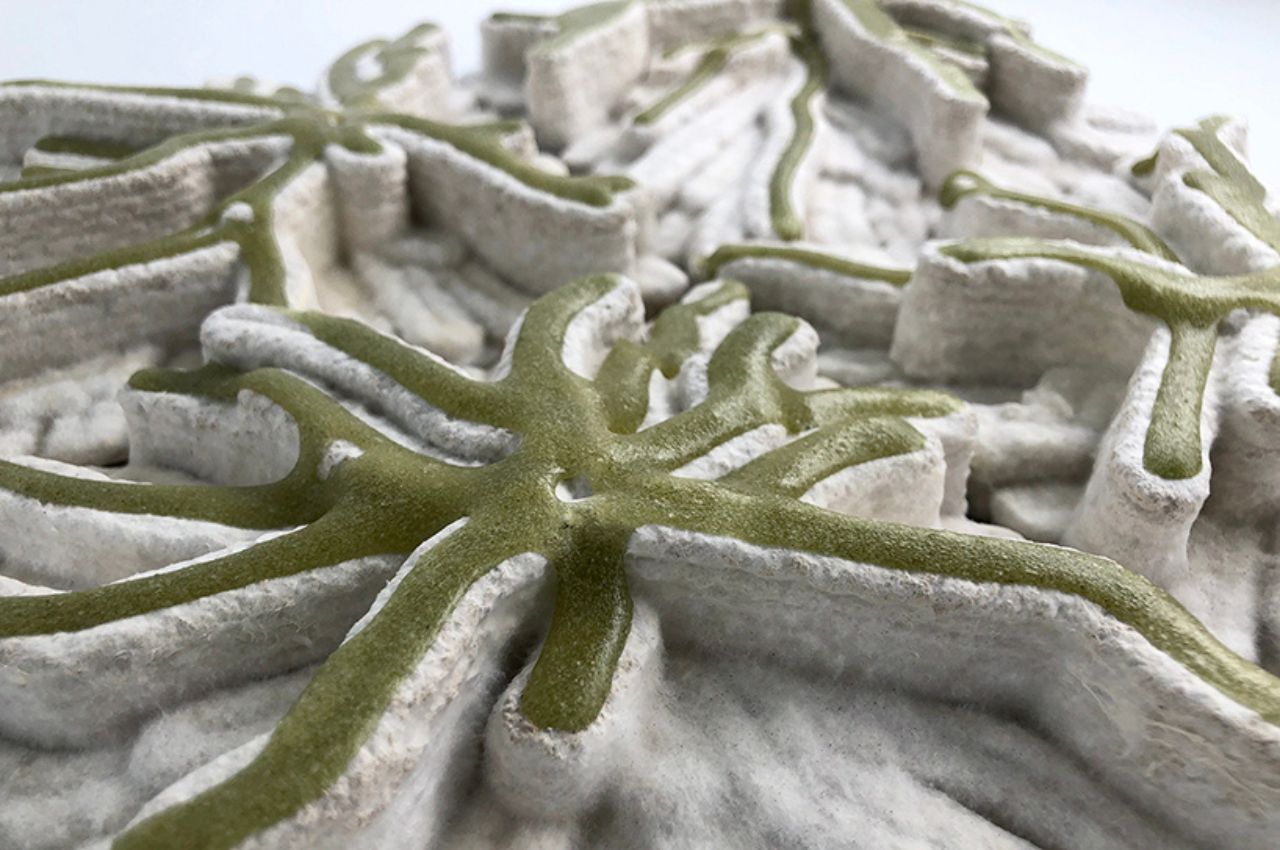
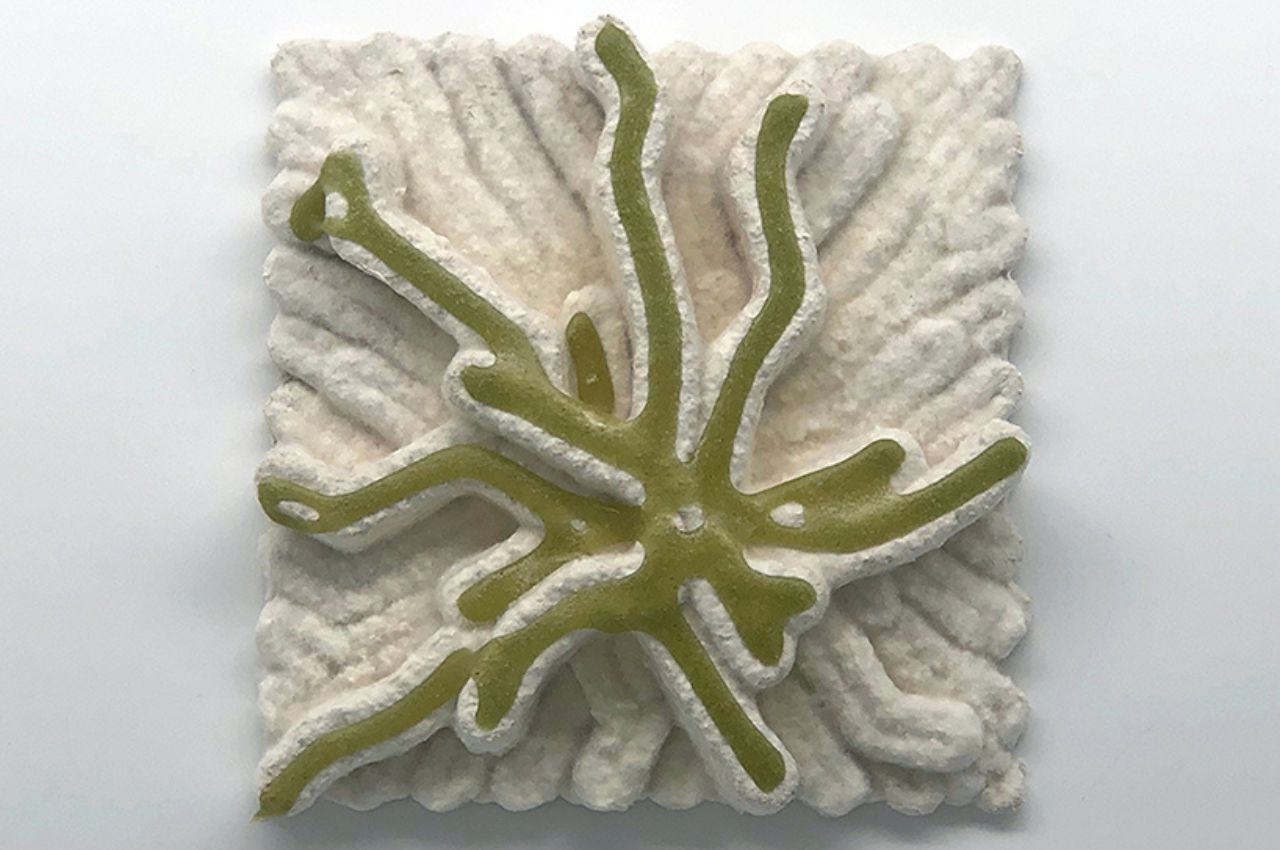
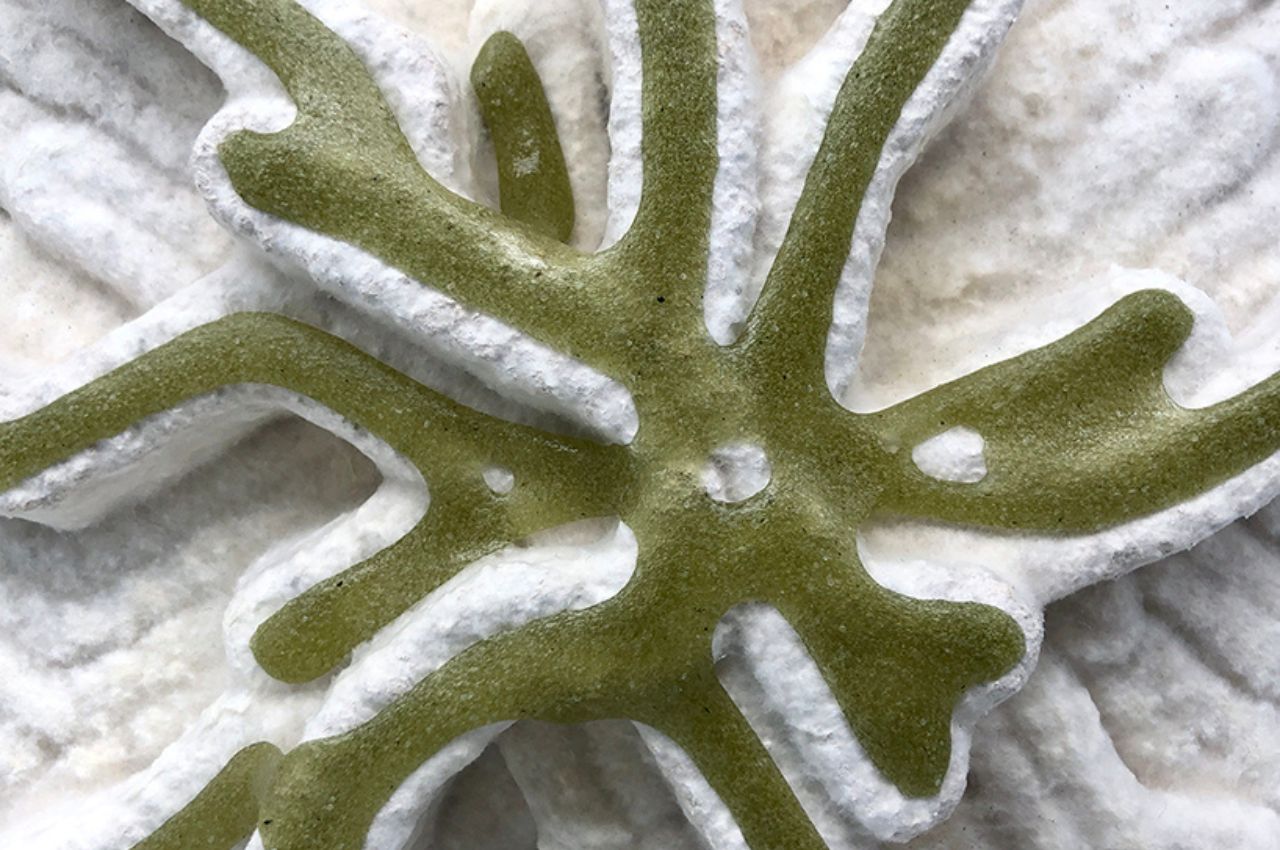
The MYCO-ALGA is an interior tiling system that is made from natural and organic waste that have been upcycled together with actual living organisms. There are different sustainable processes involved in coming up with this including designing them digitally, 3D printing, growing the organisms, enriching them with bio-pigments, fabrication, etc. It begins with the waste materials being ground into a paste-like substrate as a foundation.

Once it has been turned into paste, it is then 3D printed into customized shapes and for two weeks, they are placed and cultivated in a controlled environment so that the mycelium turns into the thing that binds the material together. They are then placed in convection ovens and as they “bake”, they turn into lightweight materials but at the same time, they become strong and rigid. The bio-pigments from the harvested algae which are now gel are then applied to the tiles.

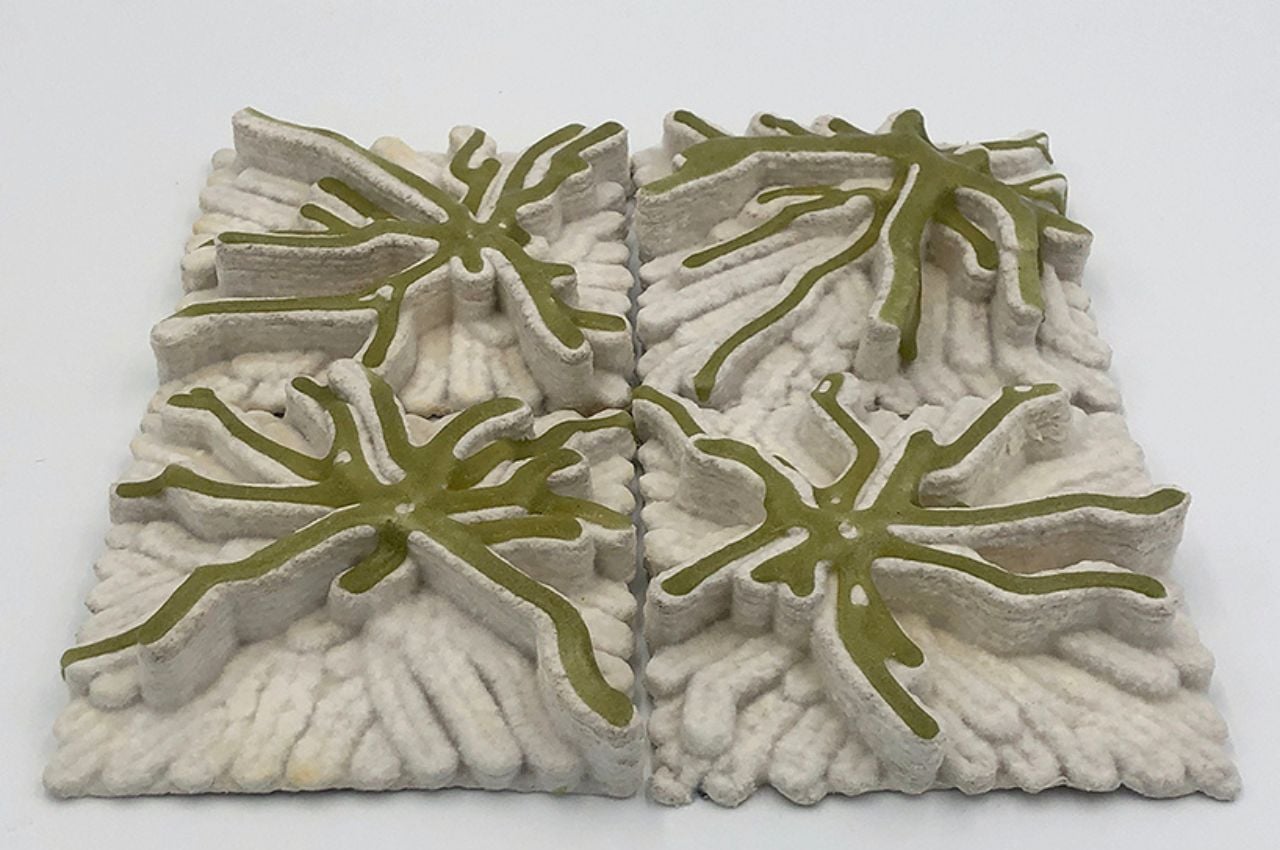
The tiles are definitely unique looking and can be a conversation piece when you have people visit your bathroom. They were designed to specifically look like organisms are crawling all over your space. The mosaic-like design with the non-repeating patterns are visually striking and 100% sustainable.

The post Turn your bathroom into a sustainable piece of art with 3D printed tiles first appeared on Yanko Design.
Meet Guatemala’s First 3D-Printed Earthquake-Resistant House That Was Built In Just 26 Hours

Nowadays almost everything is being 3D printed, so why should architecture be an exception? Many architectural firms have adopted 3D printing as their preferred technique for building structures. And 3D-printed architecture has truly gained a lot of popularity and momentum. It has paved a path for itself in modern architecture. And I mean, no wonder, it has a ton of benefits! It’s a simple, efficient, and innovative technique that lowers the risks of errors, and also manages to save time. 3D printing eradicates a lot of tedious steps during the construction process and simplifies it. And cement company Progreso teamed up with COBOD to build Guatemala’s first 3D-printed building.
Designer: Progreso x COBOD

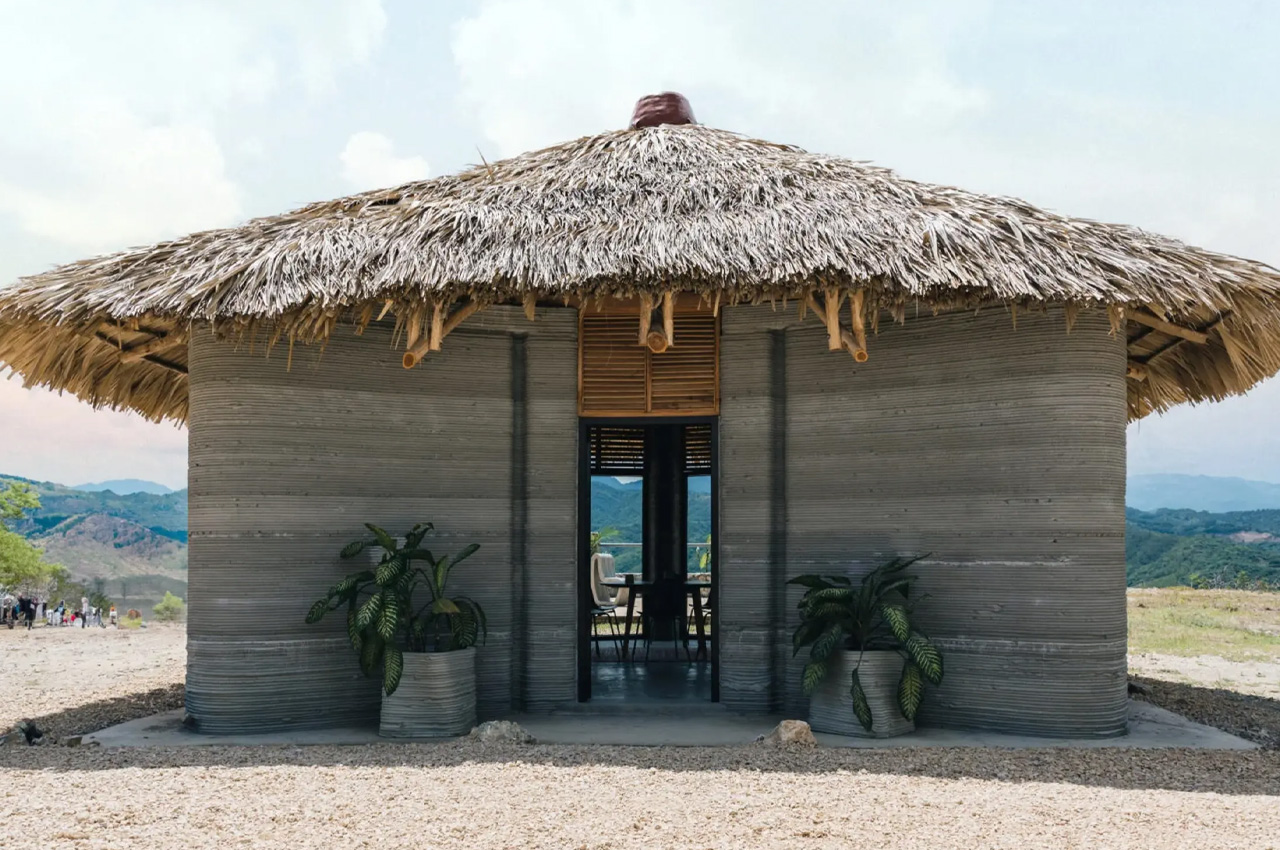
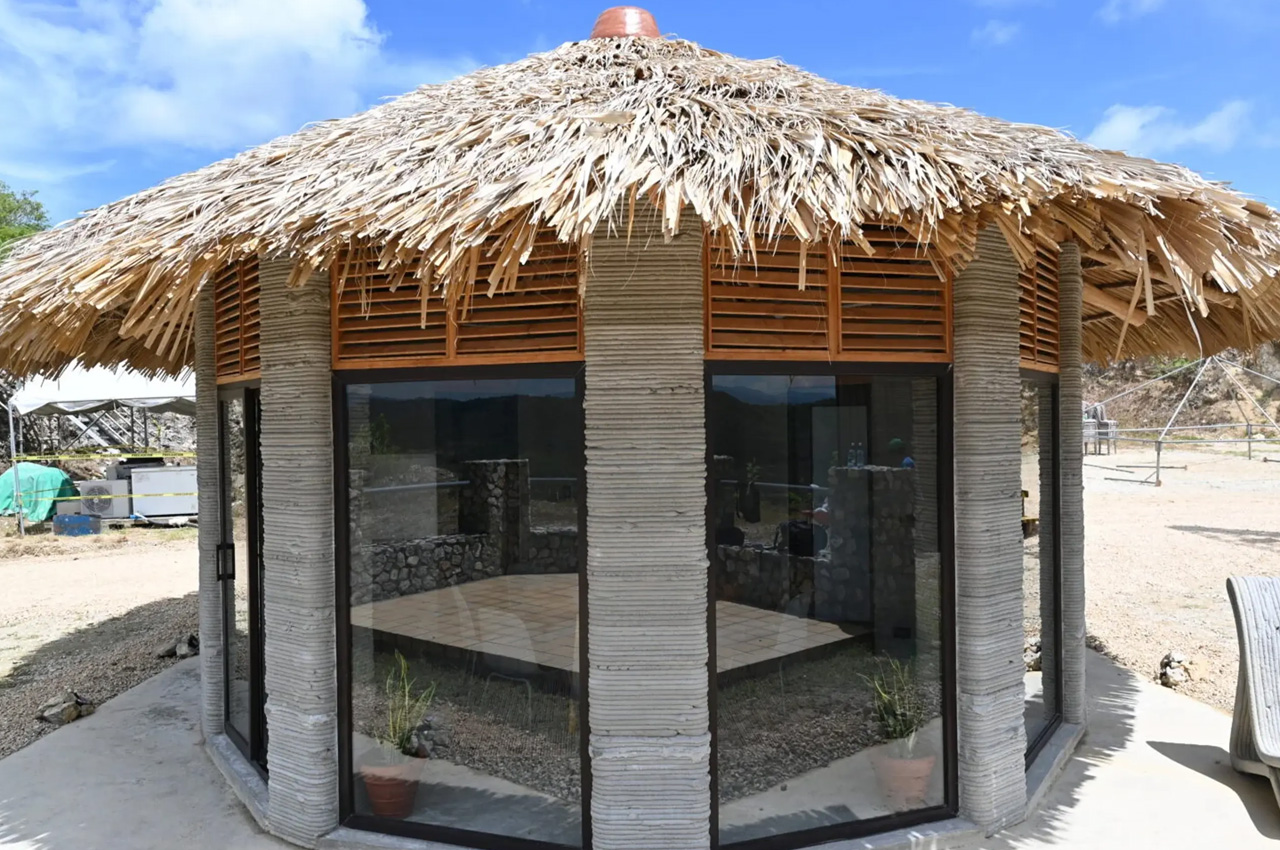
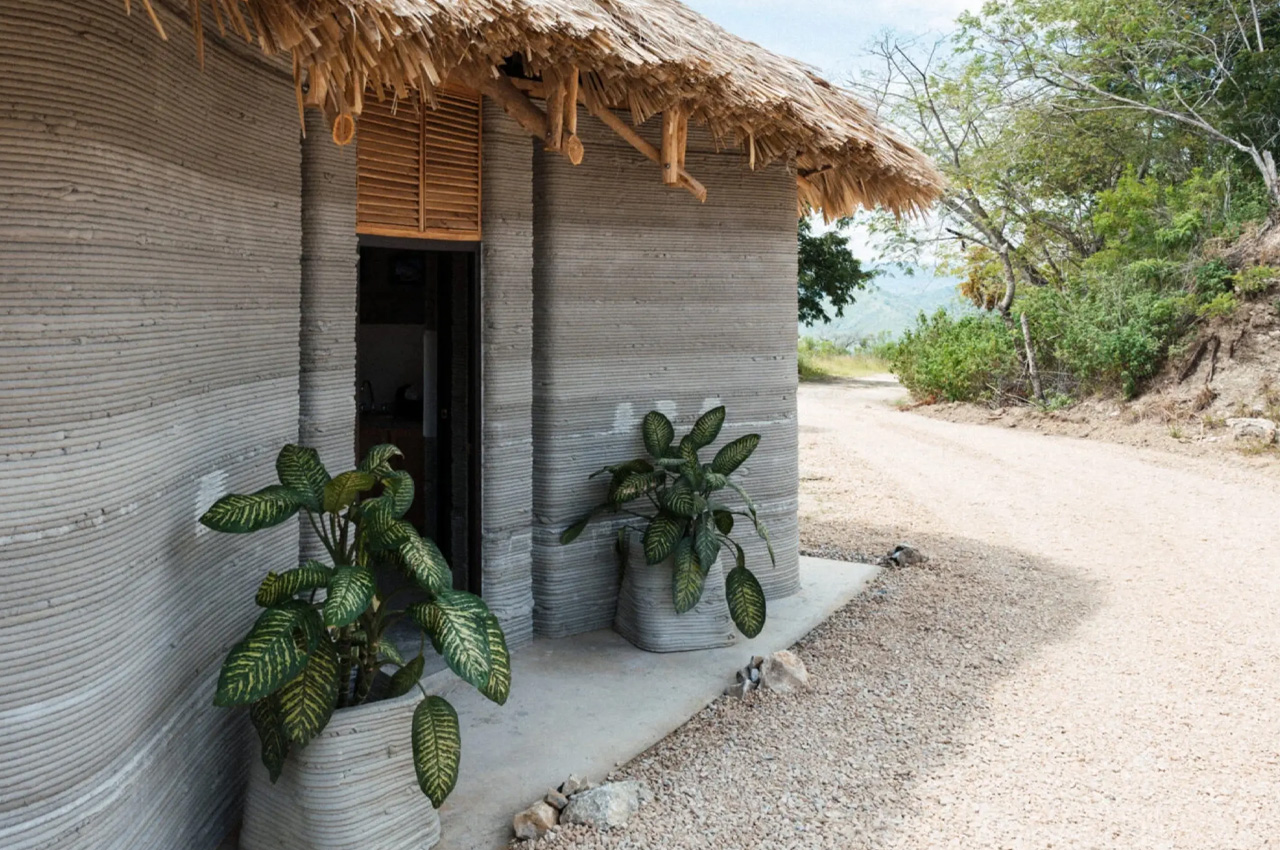
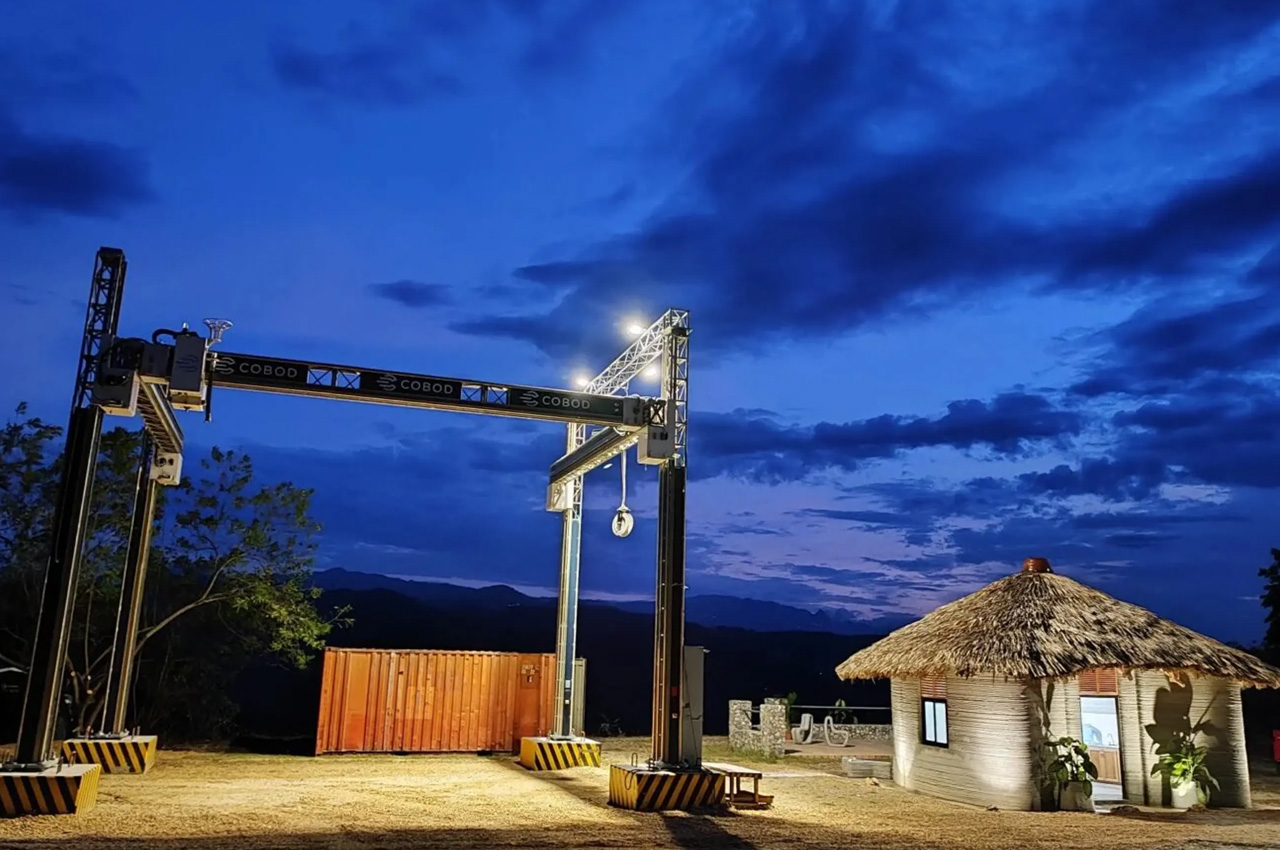
Guatemala’s first 3D-printed building was recently completed to withstand local seismic activity, allowing it to be earthquake-resistant. The structure was built by merging modern 3D-printing construction techniques with traditional local craftsmanship, for example, the thatched roof. The house was built using COBOD’s BOD2 printer, and the 3D printer extruded a cement-like mixture in multiple layers to from the structure’s shell, according to a pre-planned blueprint.

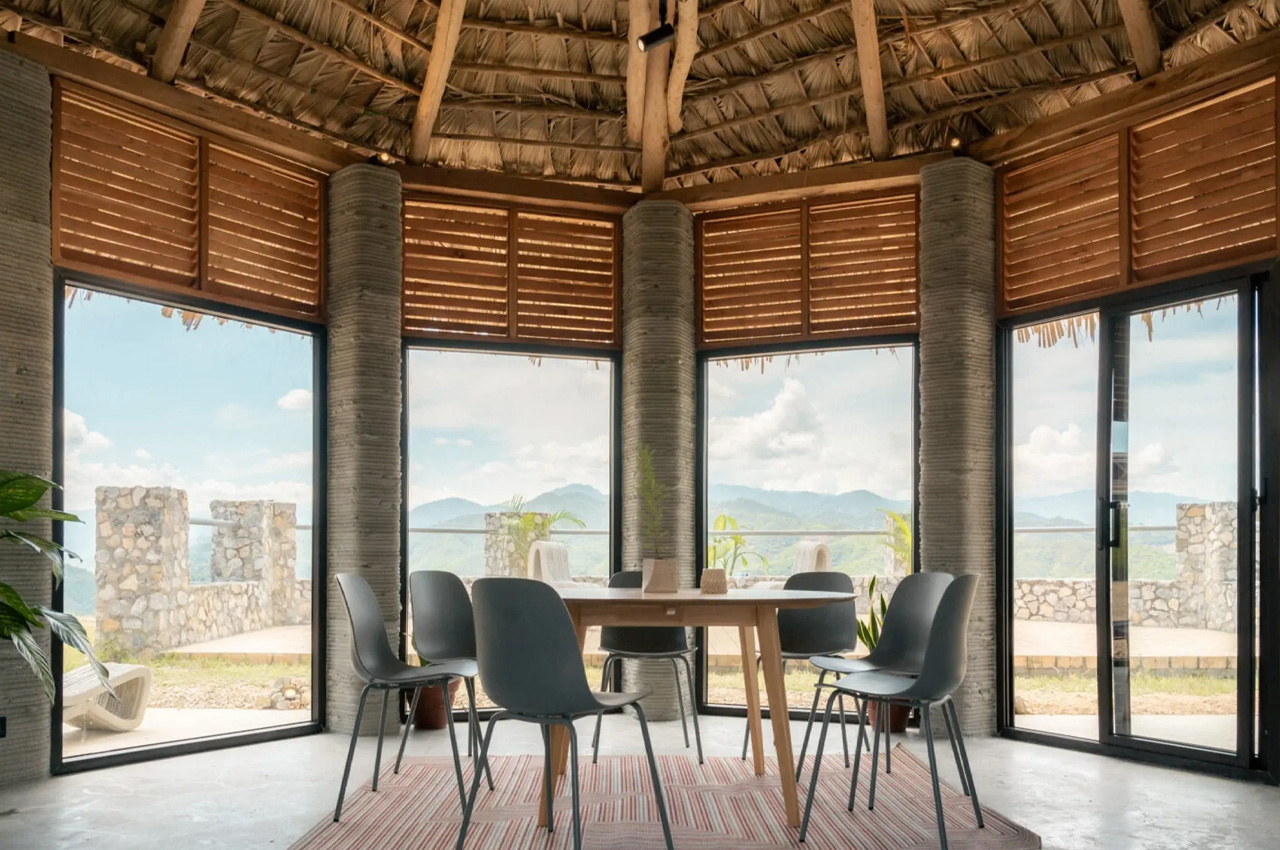
Quite interestingly the entire printing and building process took only a little over 24 hours. 26 hours were spread over seven days to build the structure which involved completing the concrete shell, and then adding wiring, plumbing, and windows with the help of laborers. The roof of the home is the traditional roof seen all over the region, and it is made from palm thatching. Wooden slats were also added to the building, to promote natural ventilation and create a spacious and airy environment. The building is designed to withstand a severe and strong earthquake!

“The project has successfully taken steps to validate the structural viability of 3D construction printing in a seismic-prone region,” said the press release. “Due to the use of 3D printing, the house features highly organic-shaped walls that would otherwise be extremely expensive, even unfeasible to complete with concrete blocks, the region’s predominant building material. The 3D-printed concrete walls are complemented by a ‘Rancho’ type palm leaves roof. This roof type has been used for generations in Latin America, as it is inexpensive, provides thermal comfort, and is well-suited for seismic regions due to the flexible and lightweight material.”

The structure occupies 527 square feet and is a compact home that can withstand extreme seismic activity while operating as a fully functional and equipped house.

The post Meet Guatemala’s First 3D-Printed Earthquake-Resistant House That Was Built In Just 26 Hours first appeared on Yanko Design.