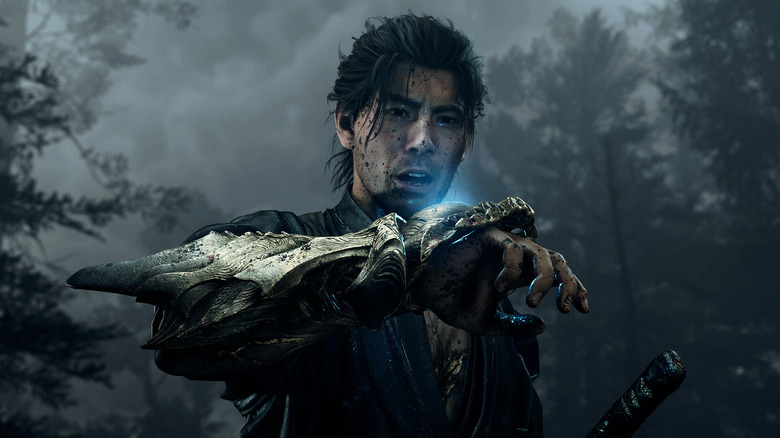
Capcom is reviving more dormant franchises after the success of Onimusha: Way of the Sword
After Onimusha: Way of the Sword sold more than a million copies at launch, Capcom is now looking to revive some of its other forgotten IPs.
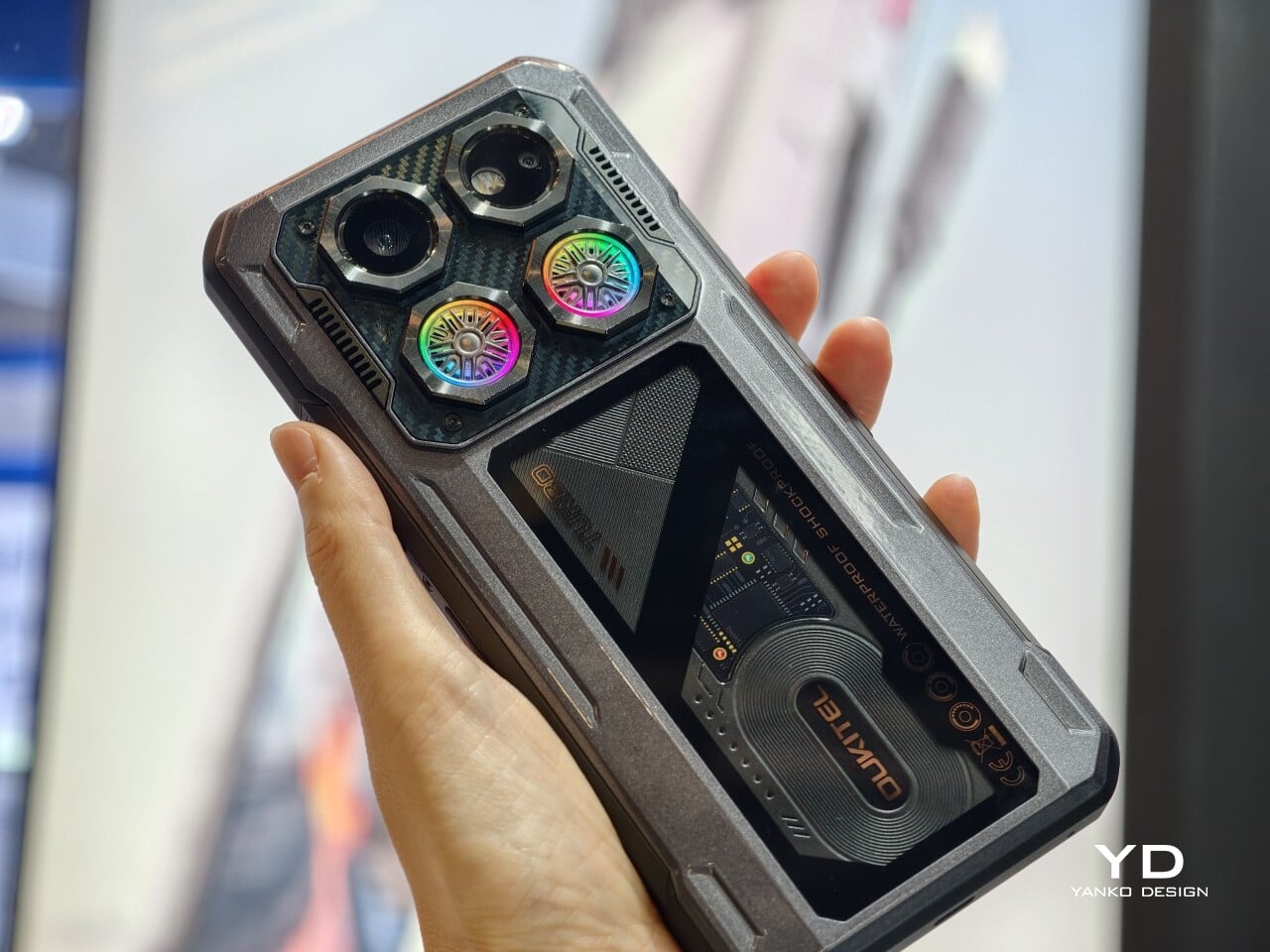
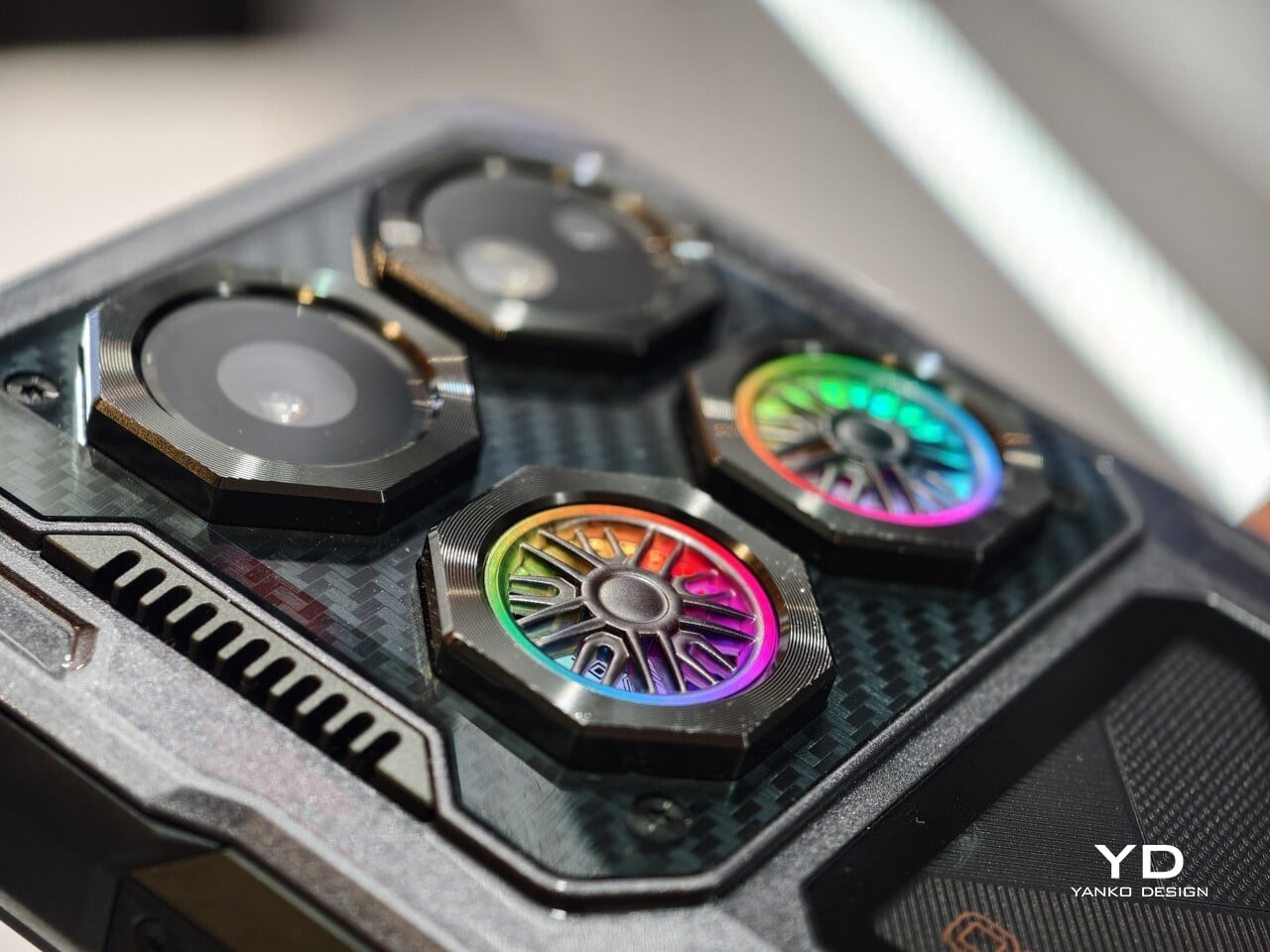
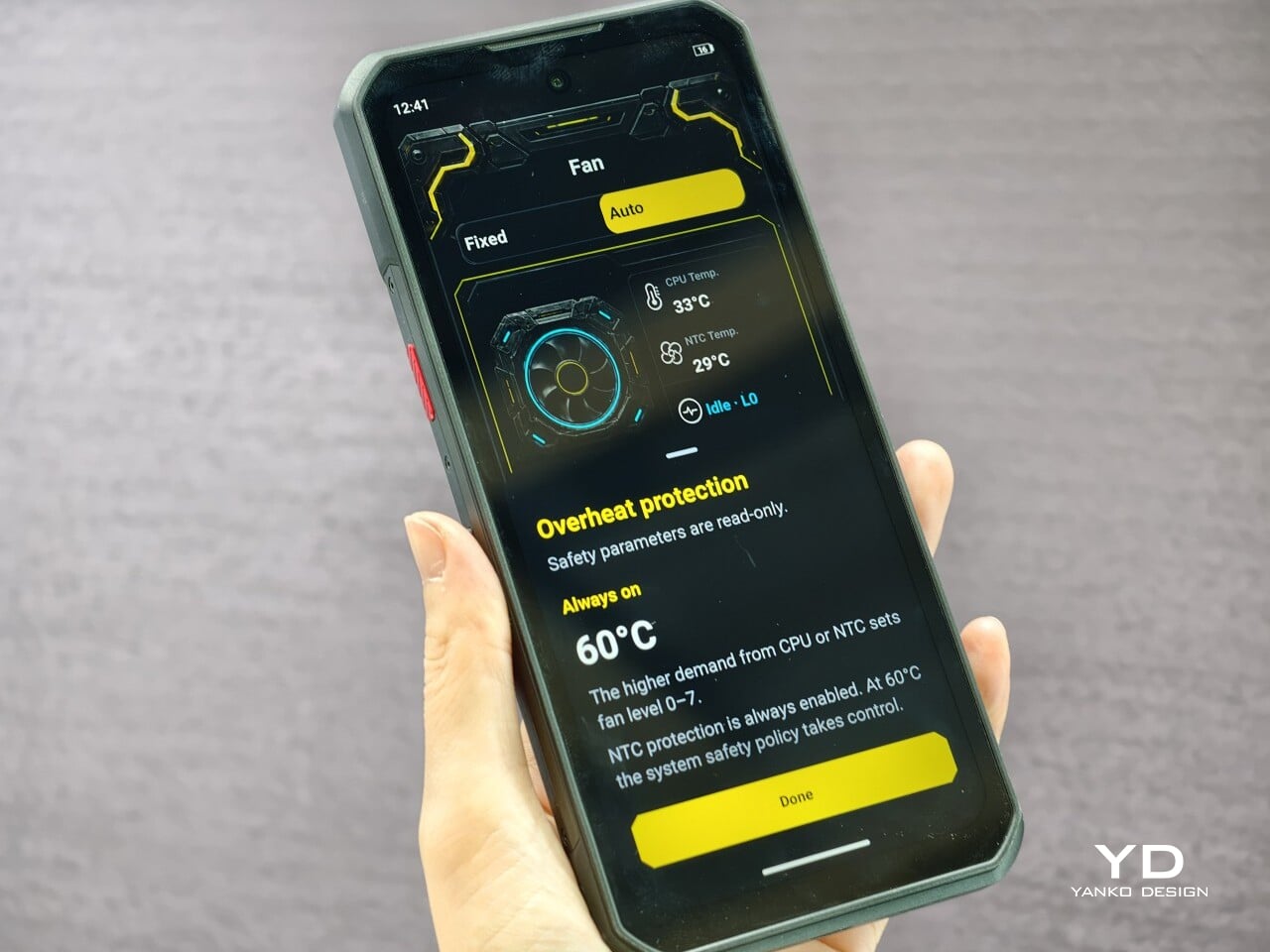
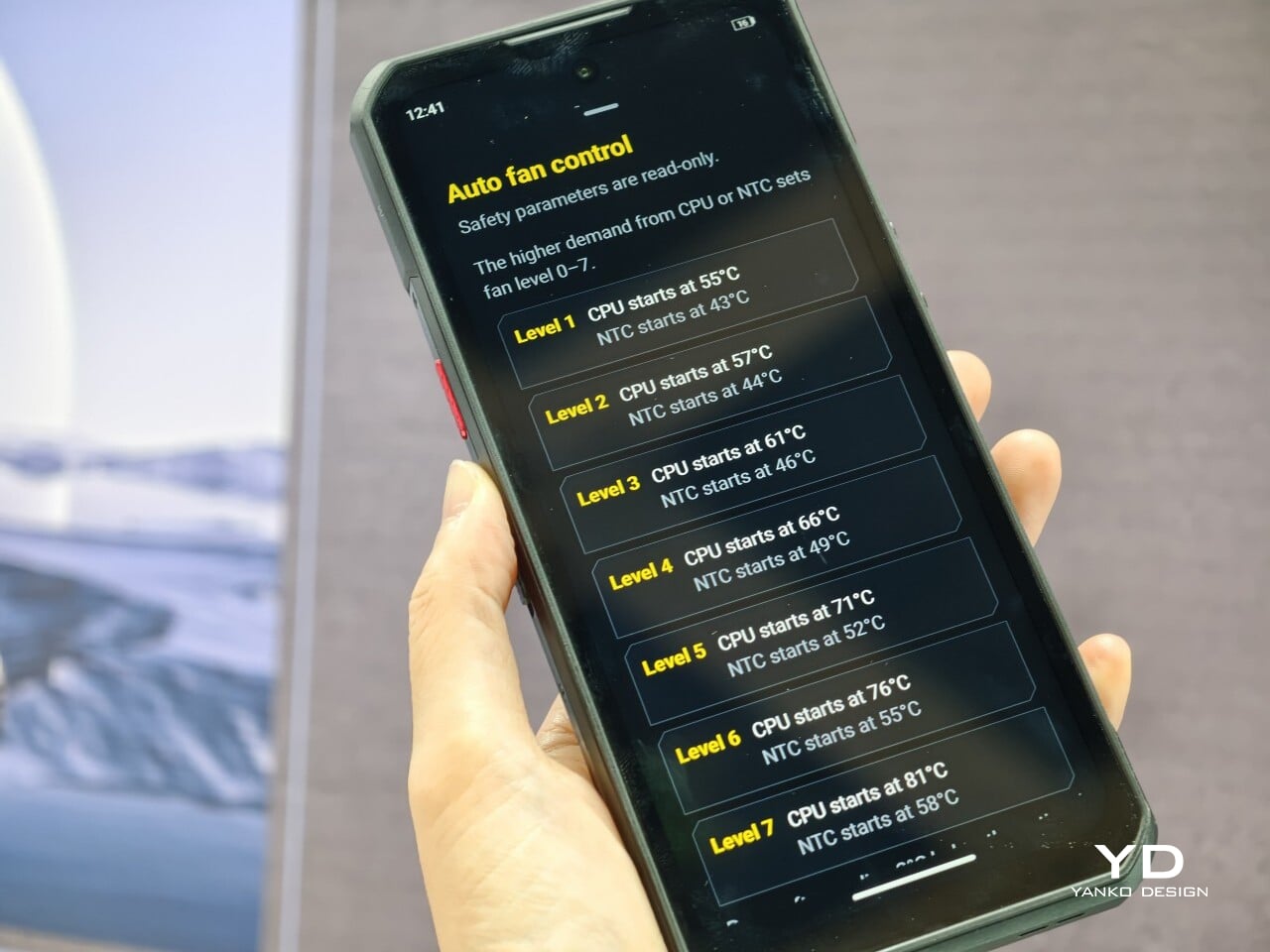
Rugged phones have always made a quiet trade-off. Sealing a device against water and dust means sealing in heat too, and that trapped warmth forces powerful chips to slow themselves down right when gaming or heavy use needs them most. OUKITEL’s WP600, unveiled at IFA 2026, treats that compromise as something worth engineering around, building visible cooling straight into its armor rather than hiding the problem under a tougher shell.
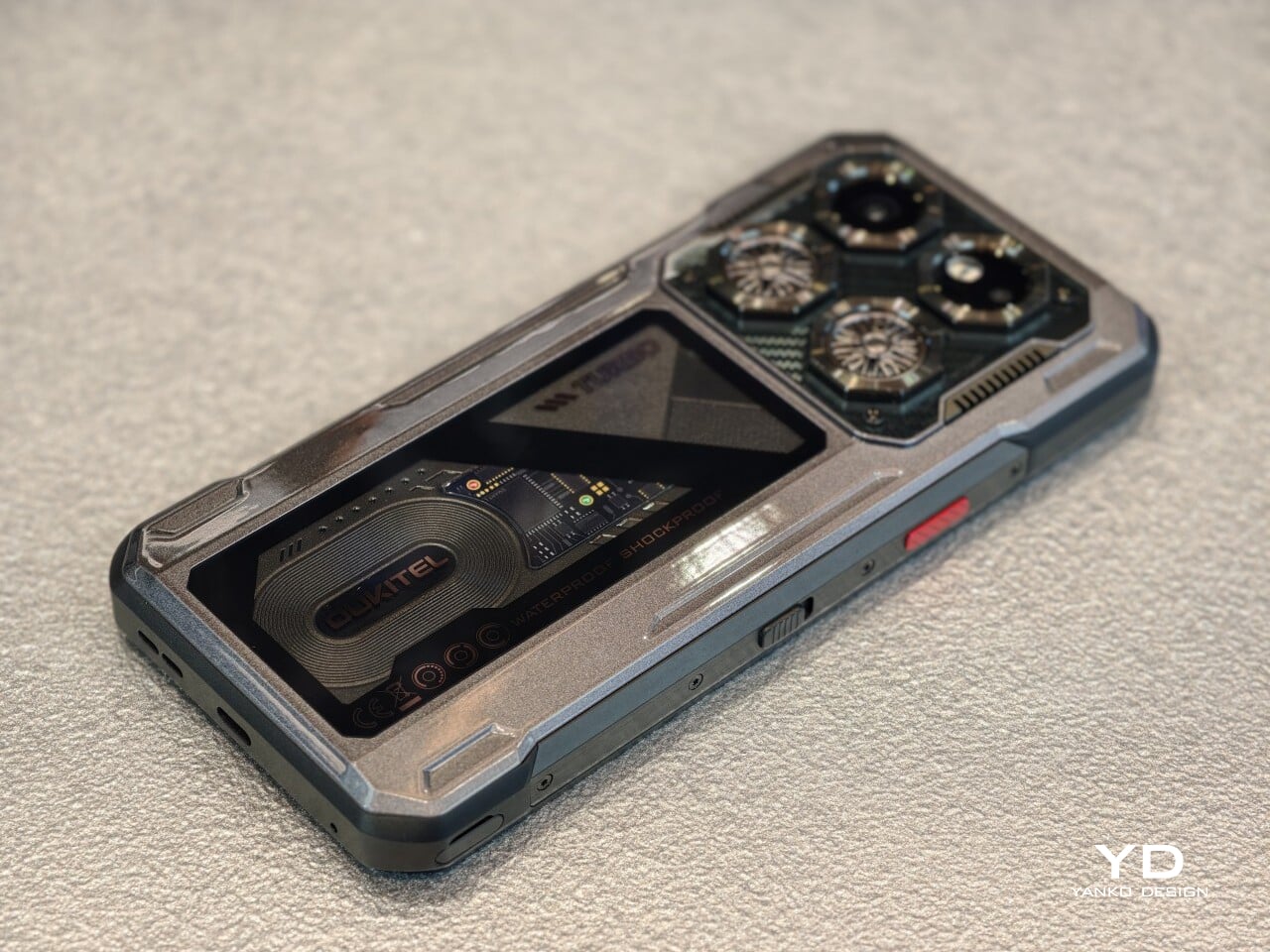
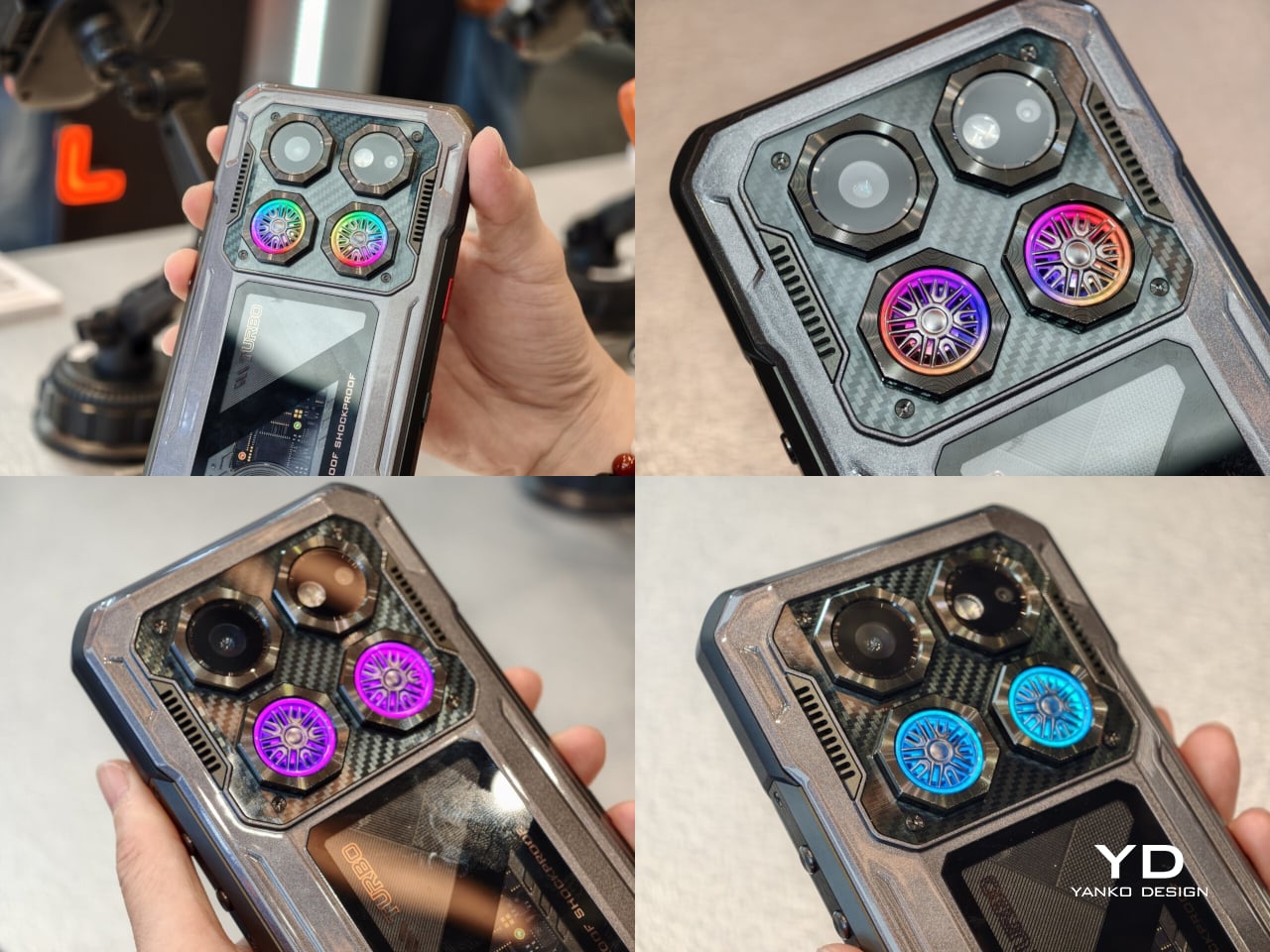
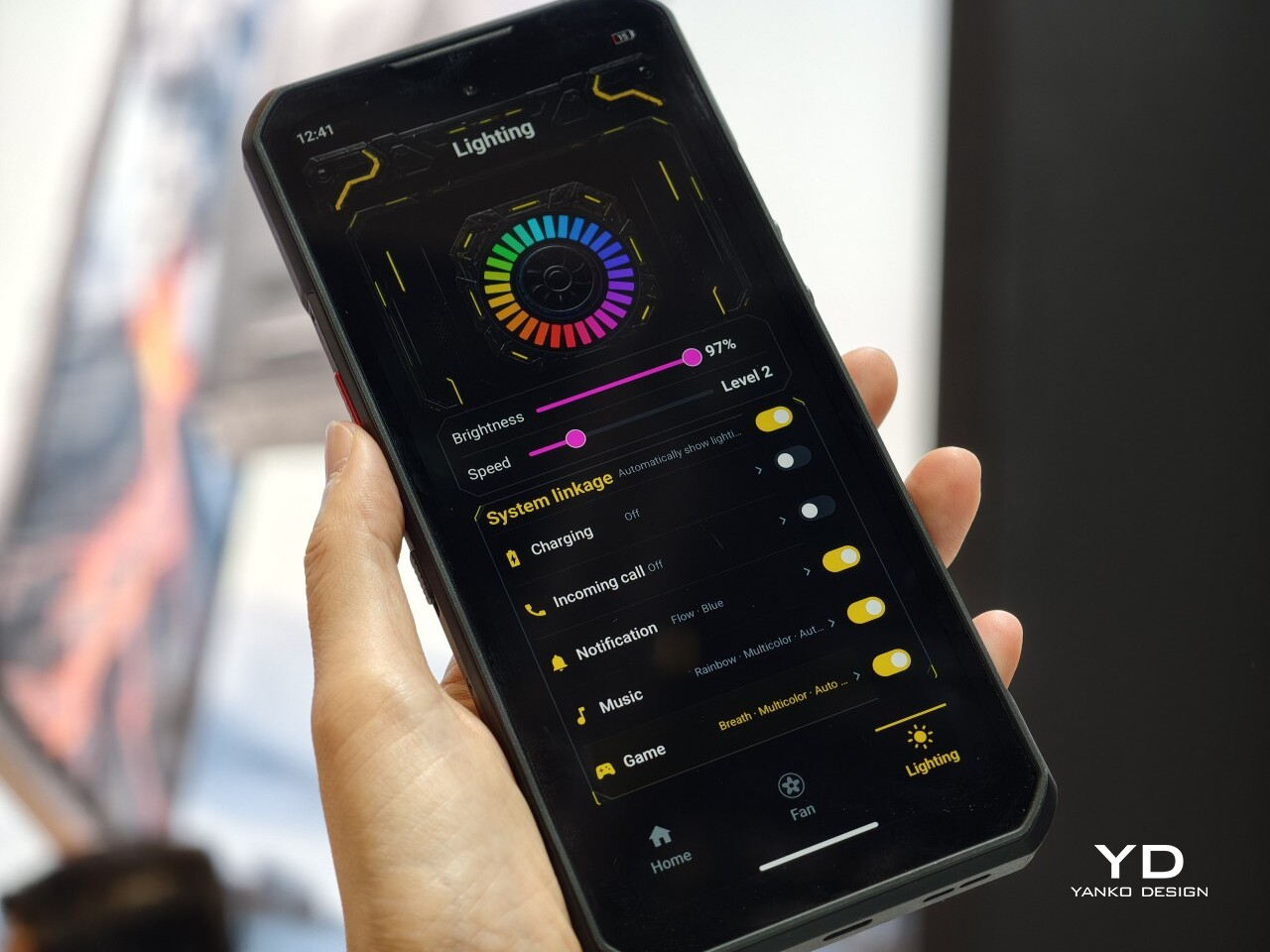
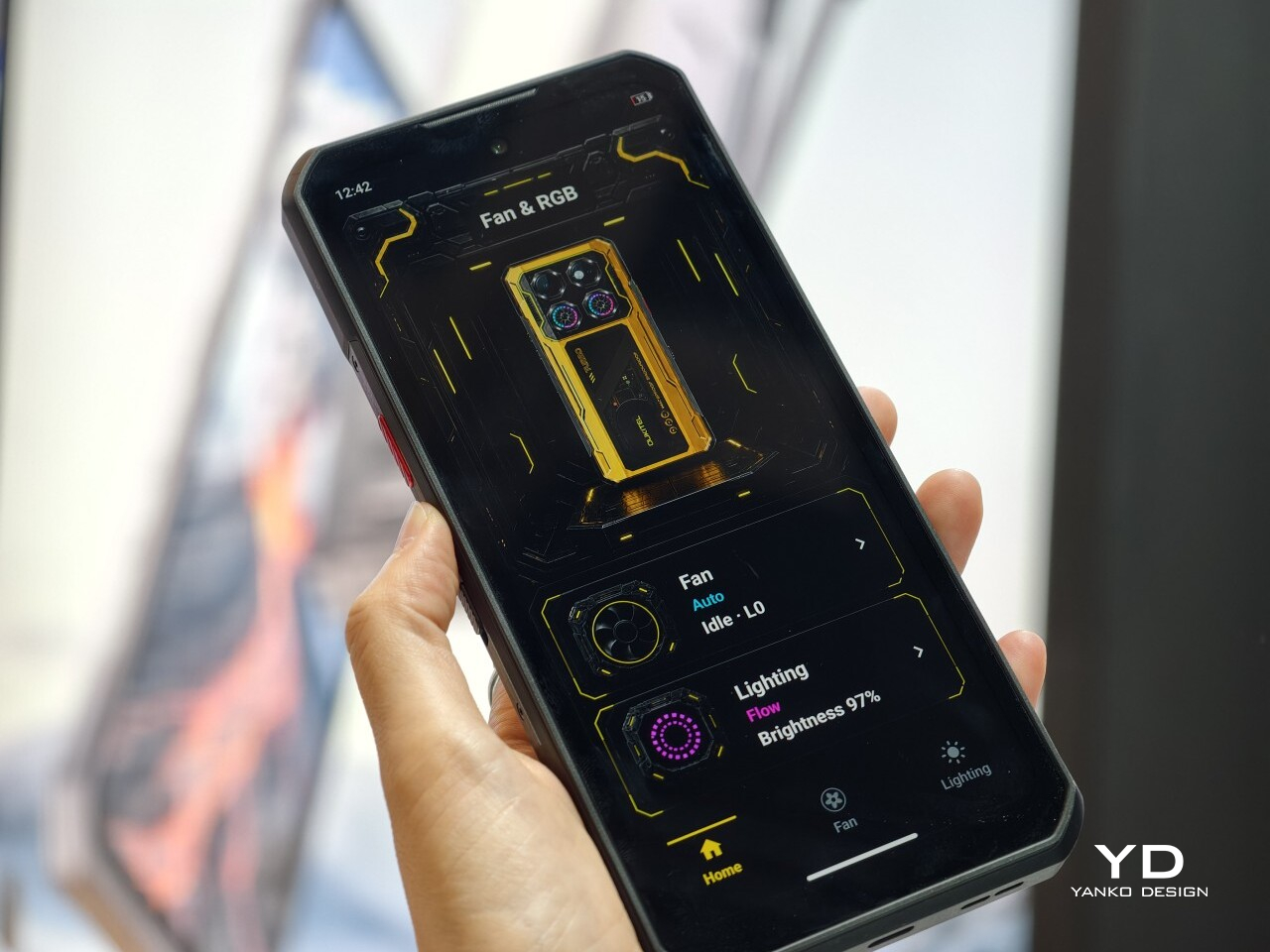
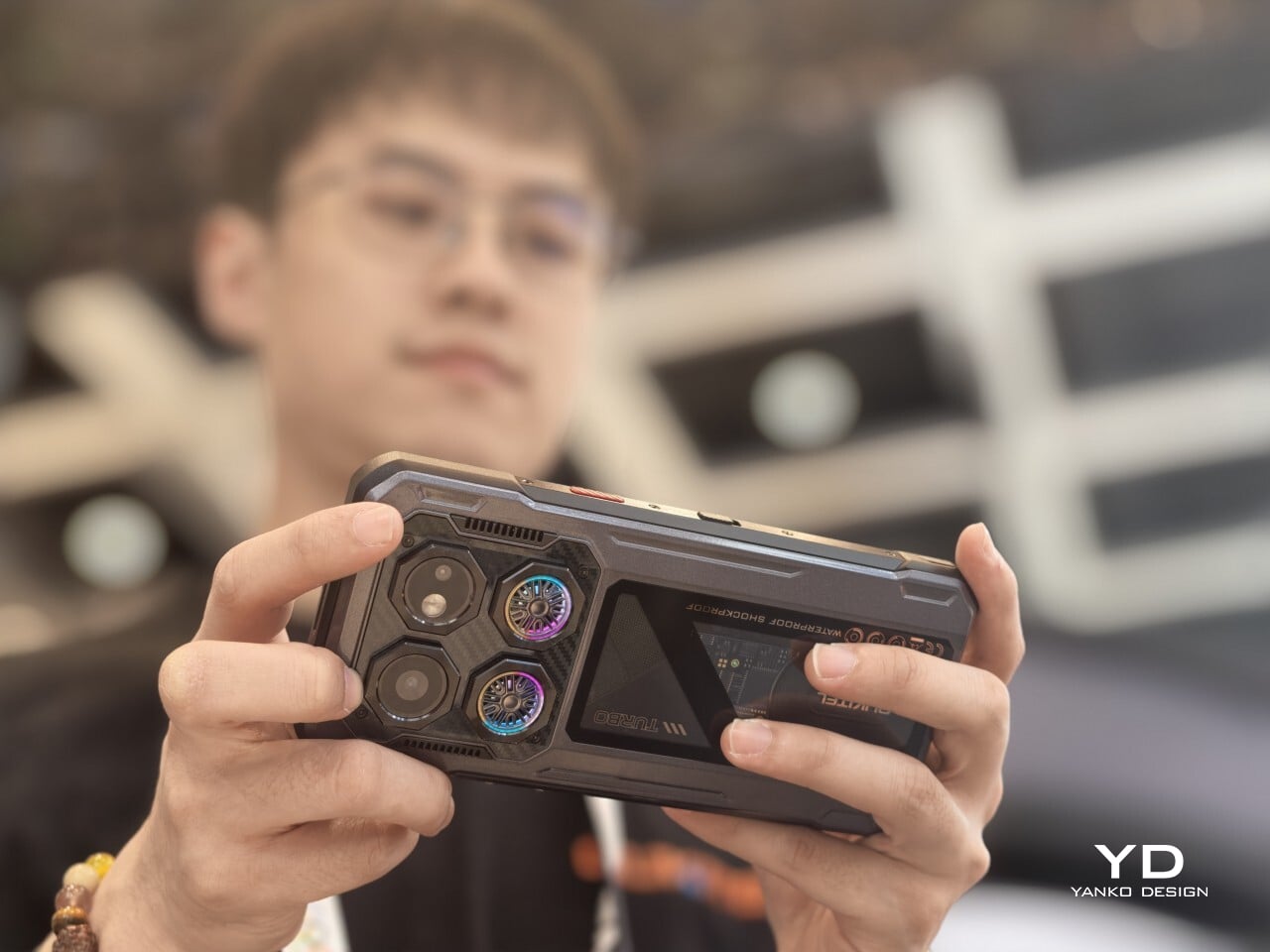
That solution shows up immediately on the back of the phone, where two turbine-style fans sit inside an octagonal housing next to the camera lenses. Rather than tucking cooling components away, OUKITEL frames them as part of the visual identity, finished in a gunmetal tone with RGB lighting that shifts through purples, oranges, and blues while the fans spin during demanding sessions.
Designer: Oukitel
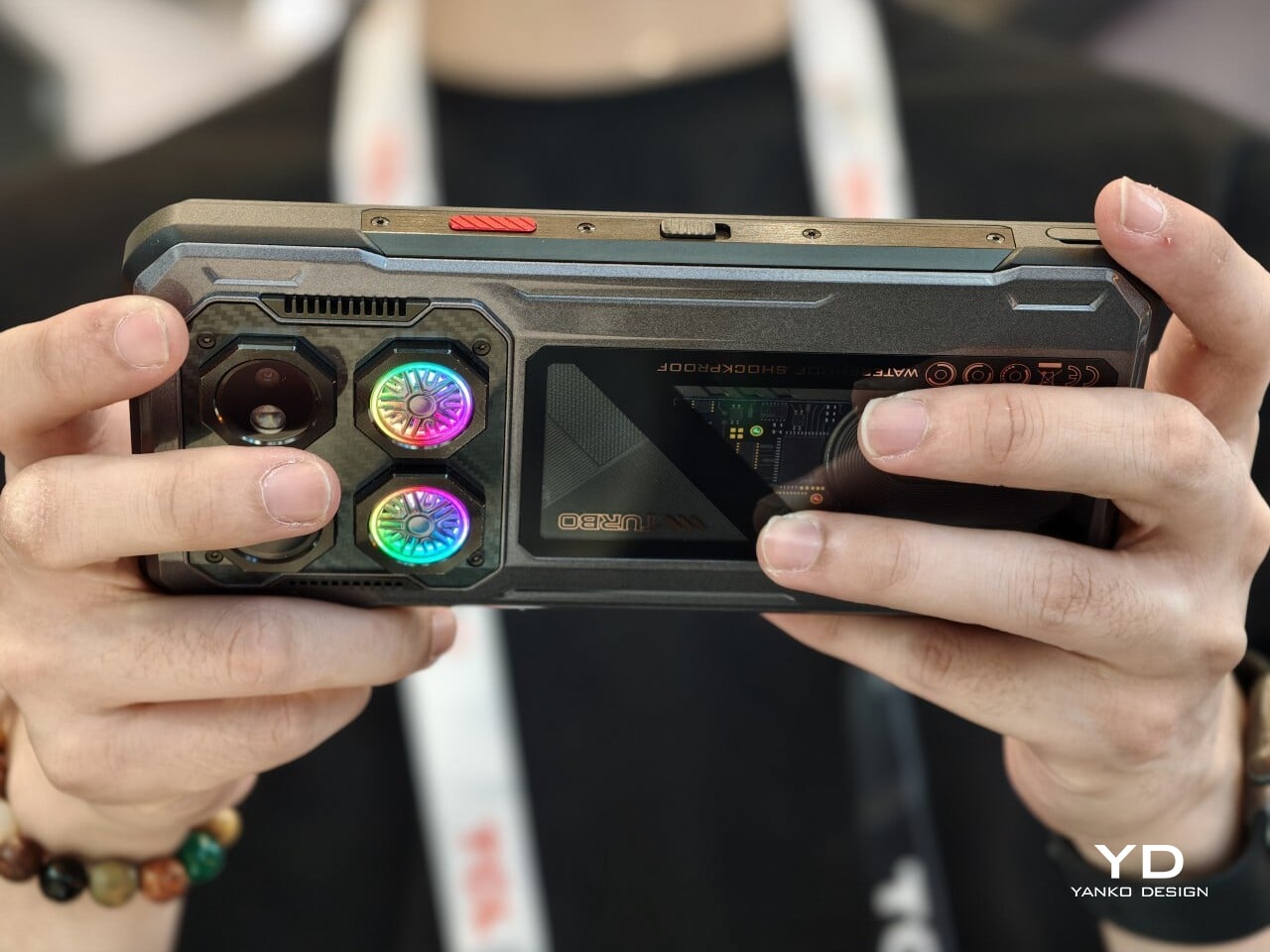
Underneath that display sits a MediaTek Dimensity 8300 chip running at 3.35GHz, paired with up to 24GB of RAM and a full terabyte of storage in its top configuration. Active airflow means that hardware can stay at full speed through a long gaming session in direct sun, instead of throttling the moment internal temperatures climb, the usual fate of sealed devices pushed hard outdoors.
A 10,000mAh battery backs up that sustained performance, large enough to outlast a full day of mixed use, camera work, and gaming without needing a midday top-up. When charging is needed, 45W wired input gets things moving again quickly, keeping downtime short for anyone relying on the phone through fieldwork, travel, or a weekend away from outlets.
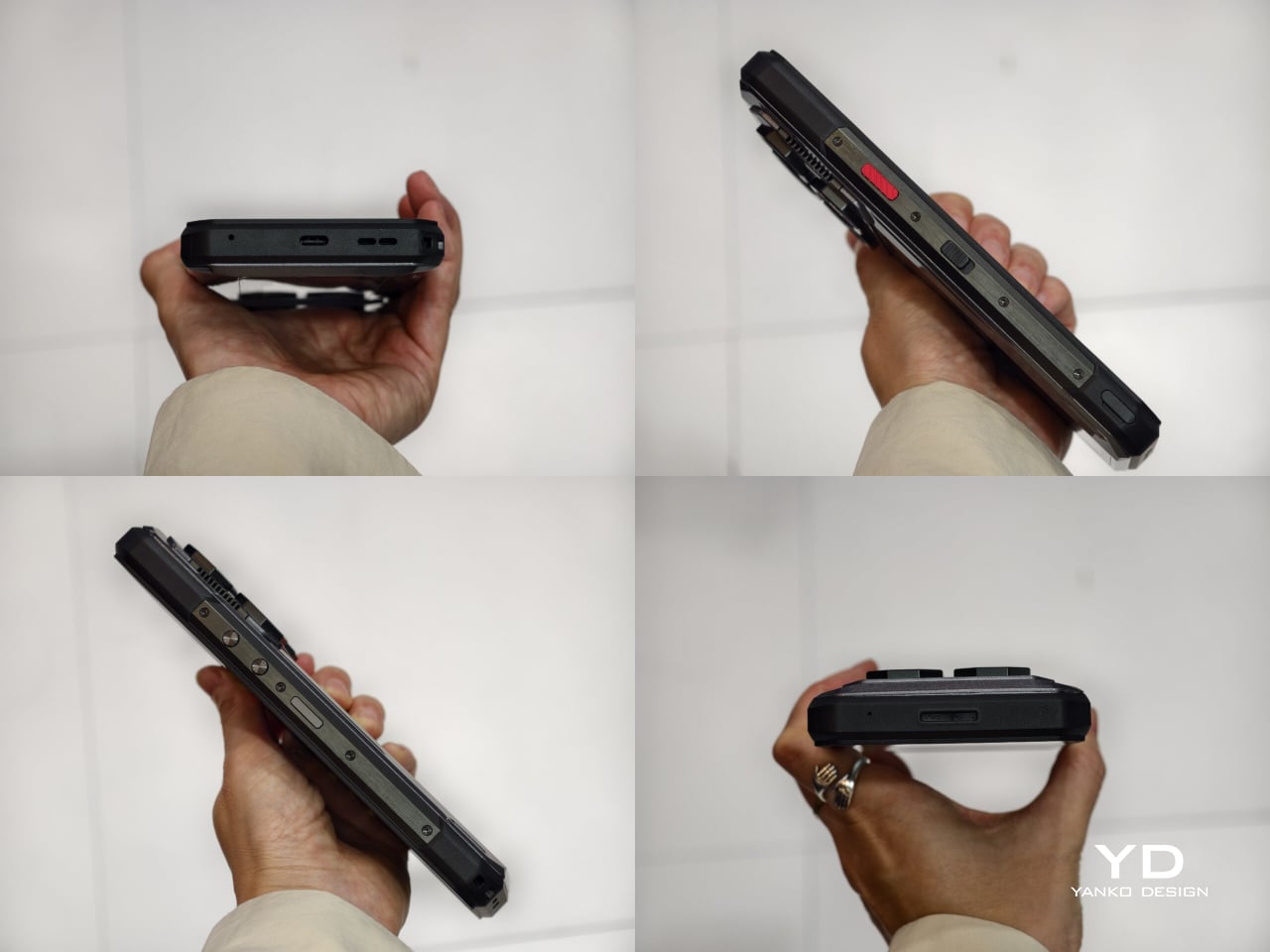
Privacy gets a physical answer instead of a software toggle buried in settings. A dedicated switch, styled as a bright red accent against the phone’s black and metallic paneling, physically disconnects the camera, microphone, and GPS at once. It is the kind of control that matters to fieldworkers or anyone stepping into a sensitive meeting who wants certainty that nothing is listening or tracking, not just a setting that claims to be off.
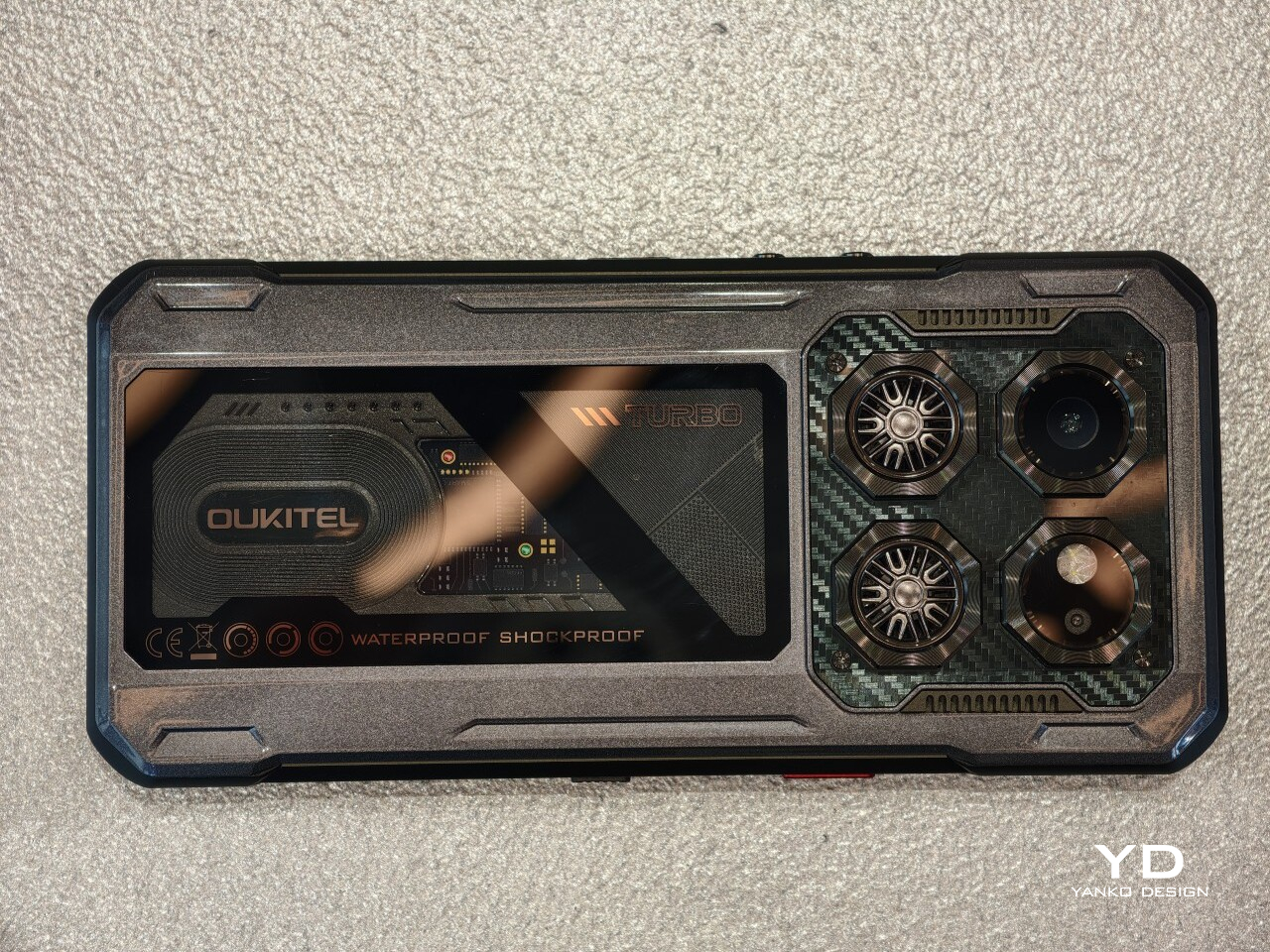
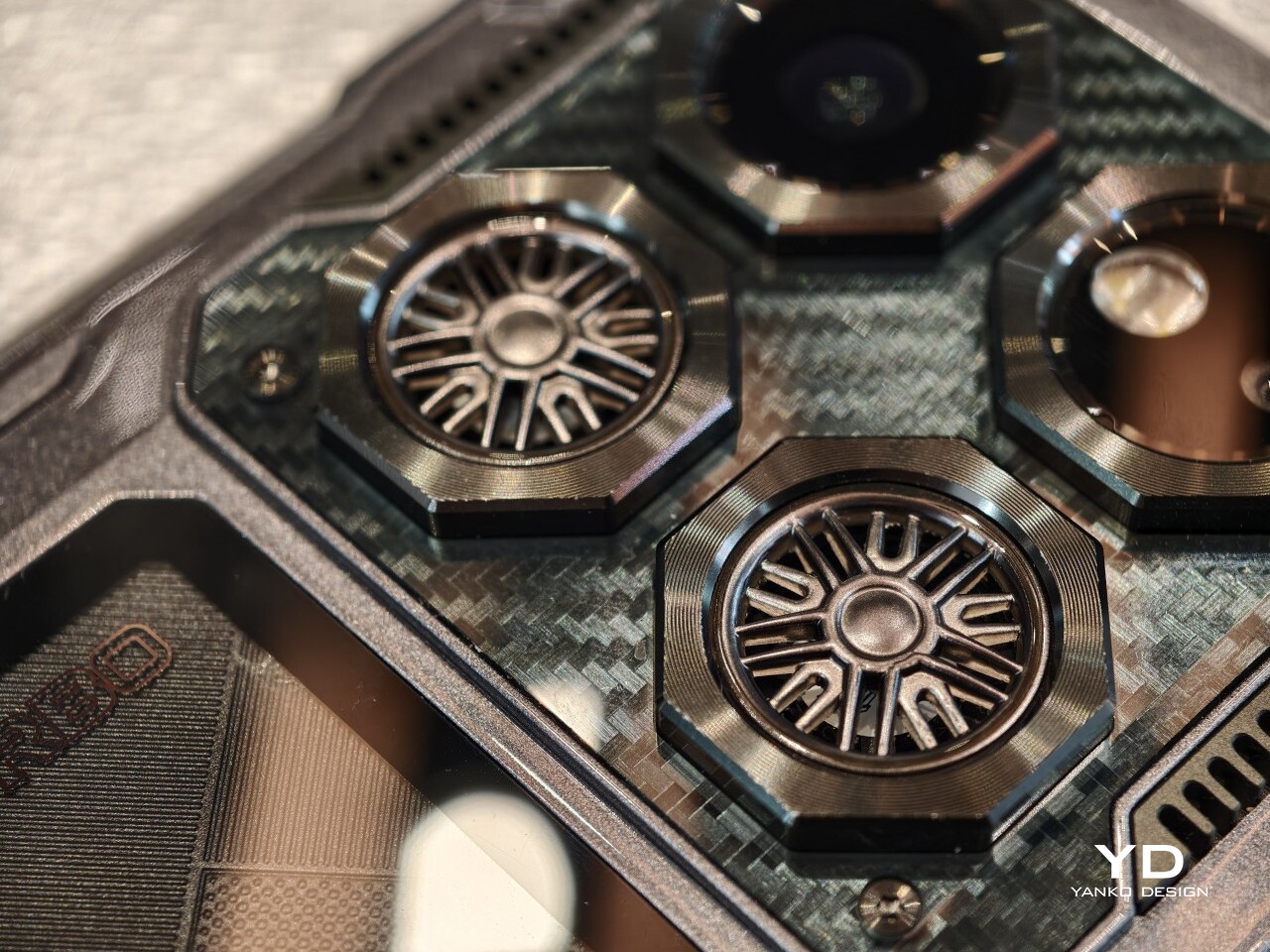
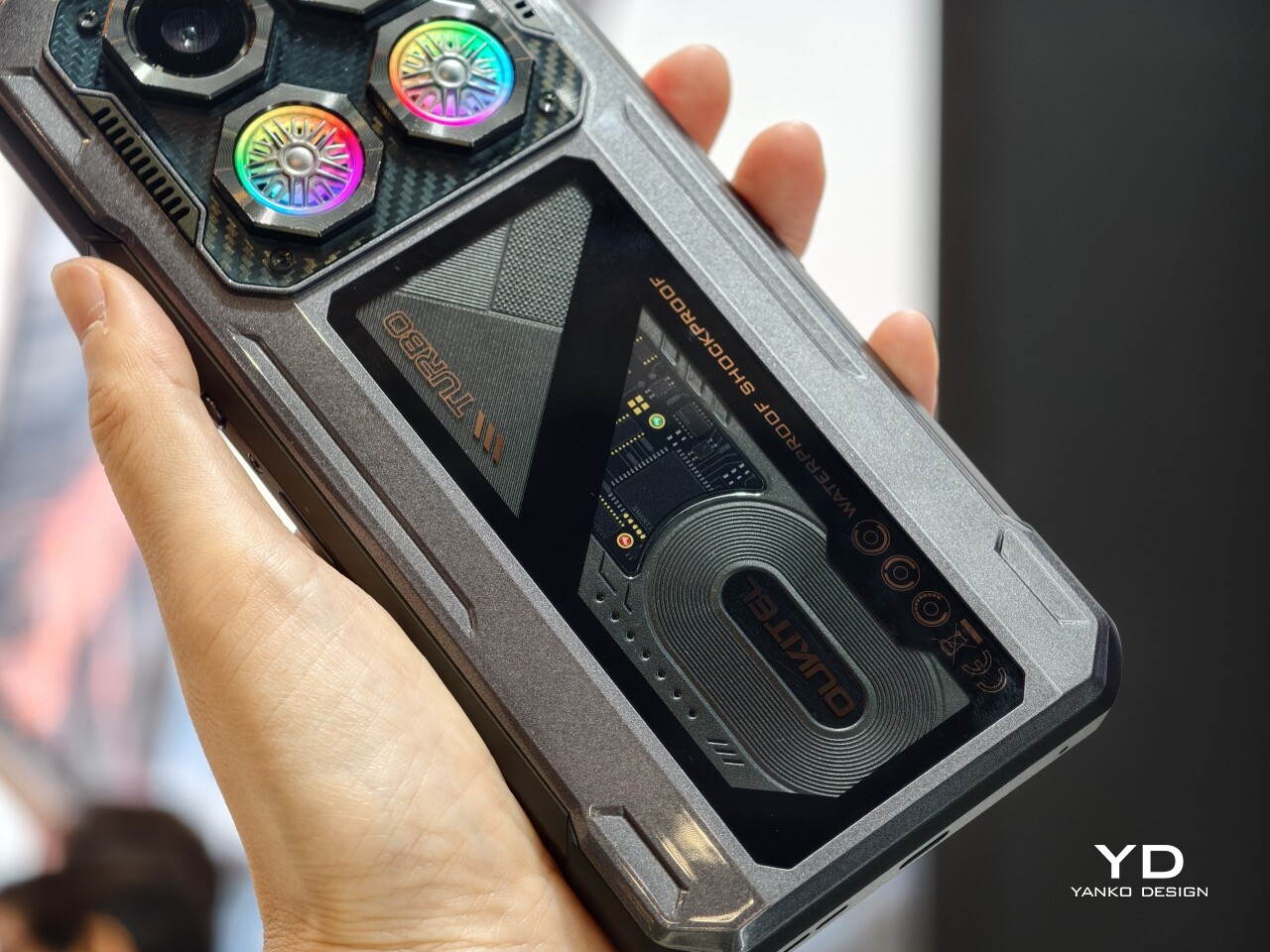
The rest of the chassis carries that same rugged-but-considered language throughout. Exposed hex screws, ridged texture strips along the frame, and a carbon-fiber-patterned panel insert surrounding the camera module all read as intentional detailing rather than leftover industrial parts. A 6.8-inch, 120Hz display handles the front, while the whole package comes finished in either black or yellow, playing into the tool-like character rugged phones usually lean into.
None of this asks buyers to choose between toughness and capability anymore. A phone built to survive drops and submersion can still run demanding software at full tilt, provided the cooling behind it gets treated as a design feature rather than an afterthought bolted on for a spec sheet.
The post Most Rugged Phones Hide From Heat, This One Has Two Fans to Fight It first appeared on Yanko Design.
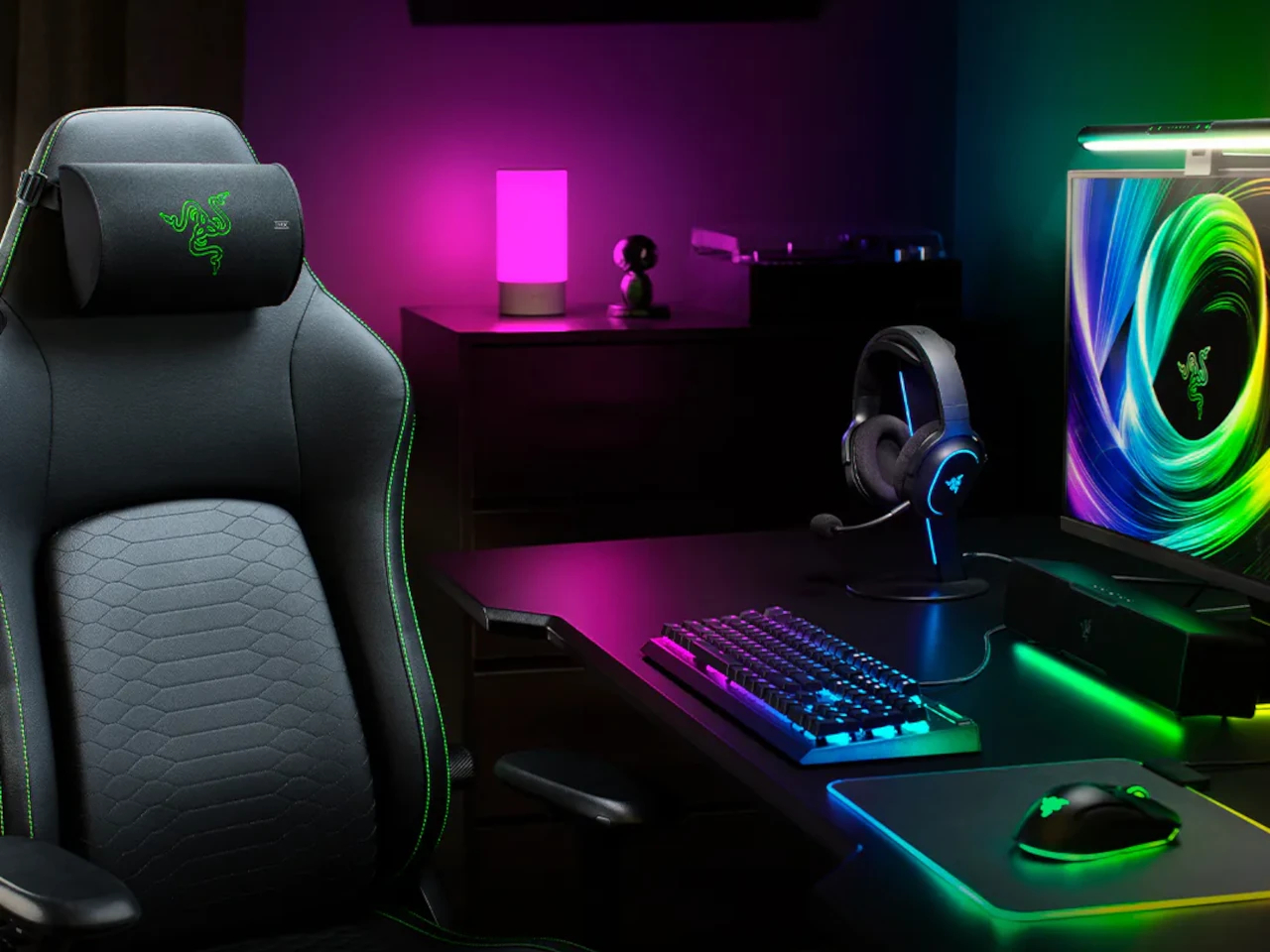
Immersive gaming audio has always come with a catch: wear a headset and get isolated from everyone else in the room, or build out a full speaker setup and lose the intimacy of hearing something meant just for you. The Razer Clio X sits between those two extremes. It’s a speaker built directly into a gaming chair’s head cushion, delivering focused spatial sound aimed at exactly where your ears already are.
Inside that cushion sit two 1.5 in loudspeakers paired with two 2.2 in passive radiators, a more compact arrangement than the 1.7 in aluminum cone drivers found in Razer’s flagship Clio. That tradeoff isn’t a downgrade so much as a different design goal, delivering the same THX Spatial Audio experience and near-field clarity in a smaller, less bulky cushion that sits more naturally against a headrest without announcing itself as hardware.
Designer: Razer
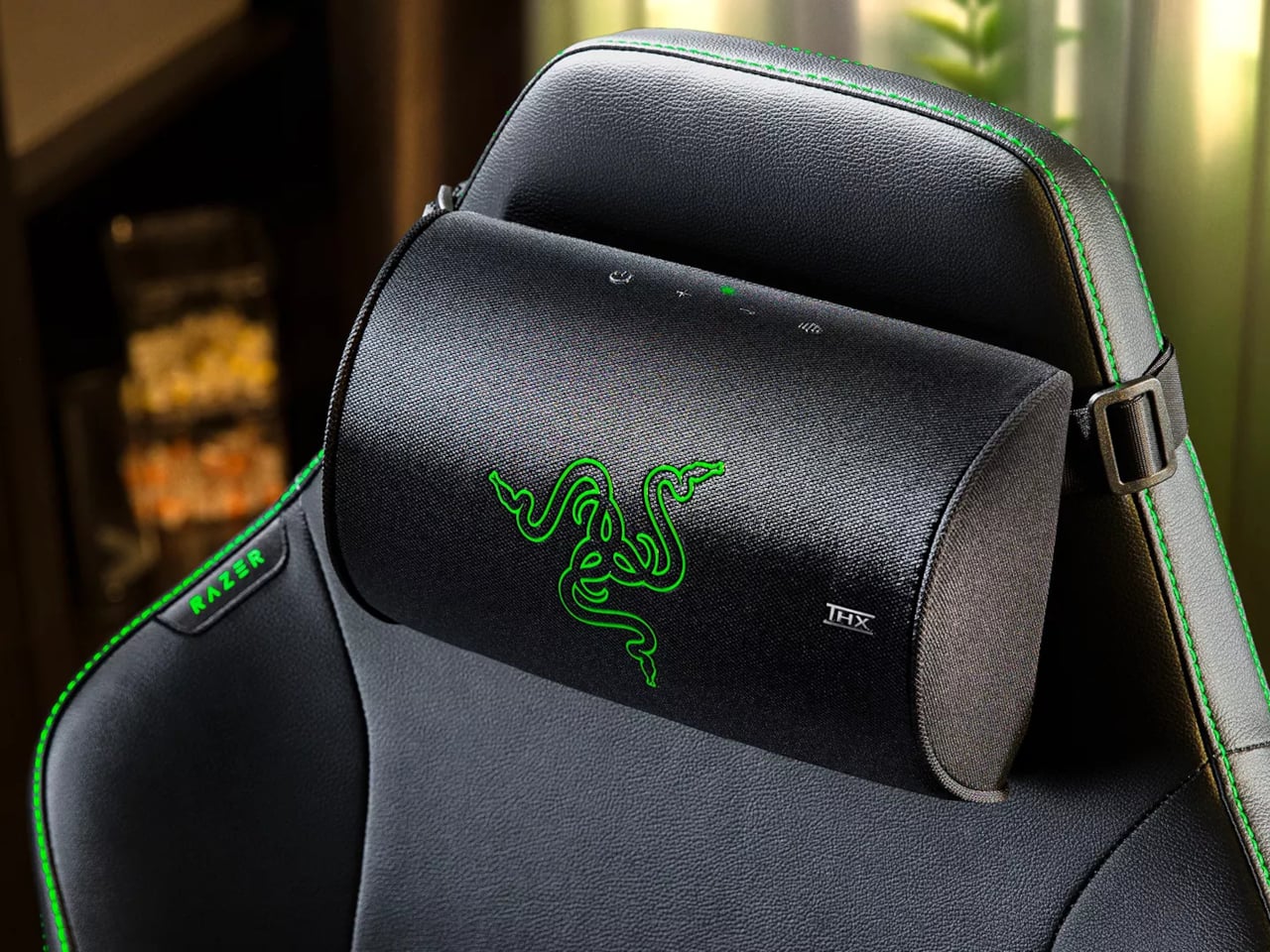
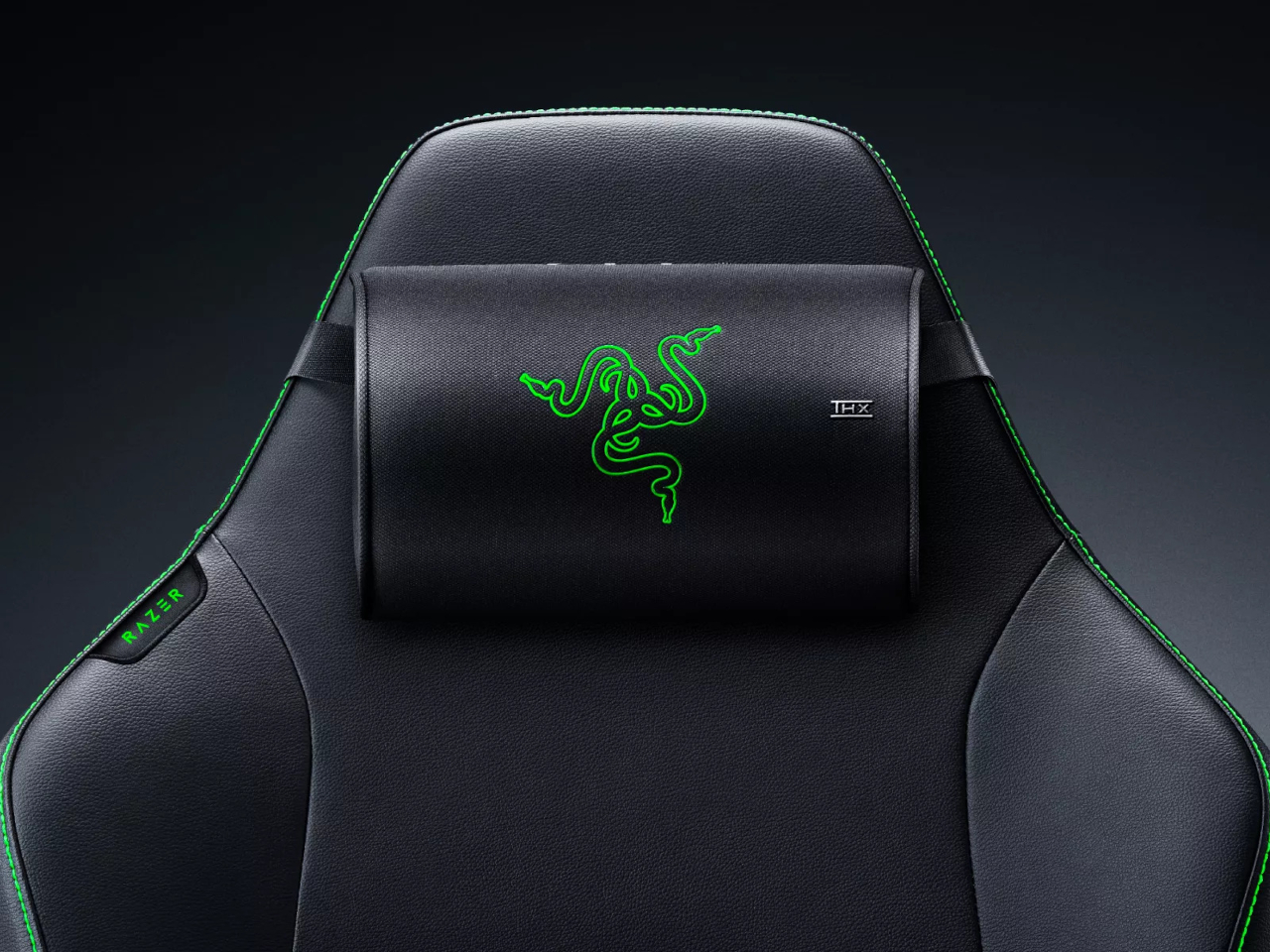
Getting sound to that cushion happens over Razer’s HyperSpeed wireless connection, a 2.4 GHz link built specifically to avoid the lag that standard Bluetooth introduces during fast-moving game audio. There’s no headset clamping down on your head, no cable running from your ears to your desk, just a strap securing the cushion to a high-back chair and a wireless signal doing the rest of the work invisibly.
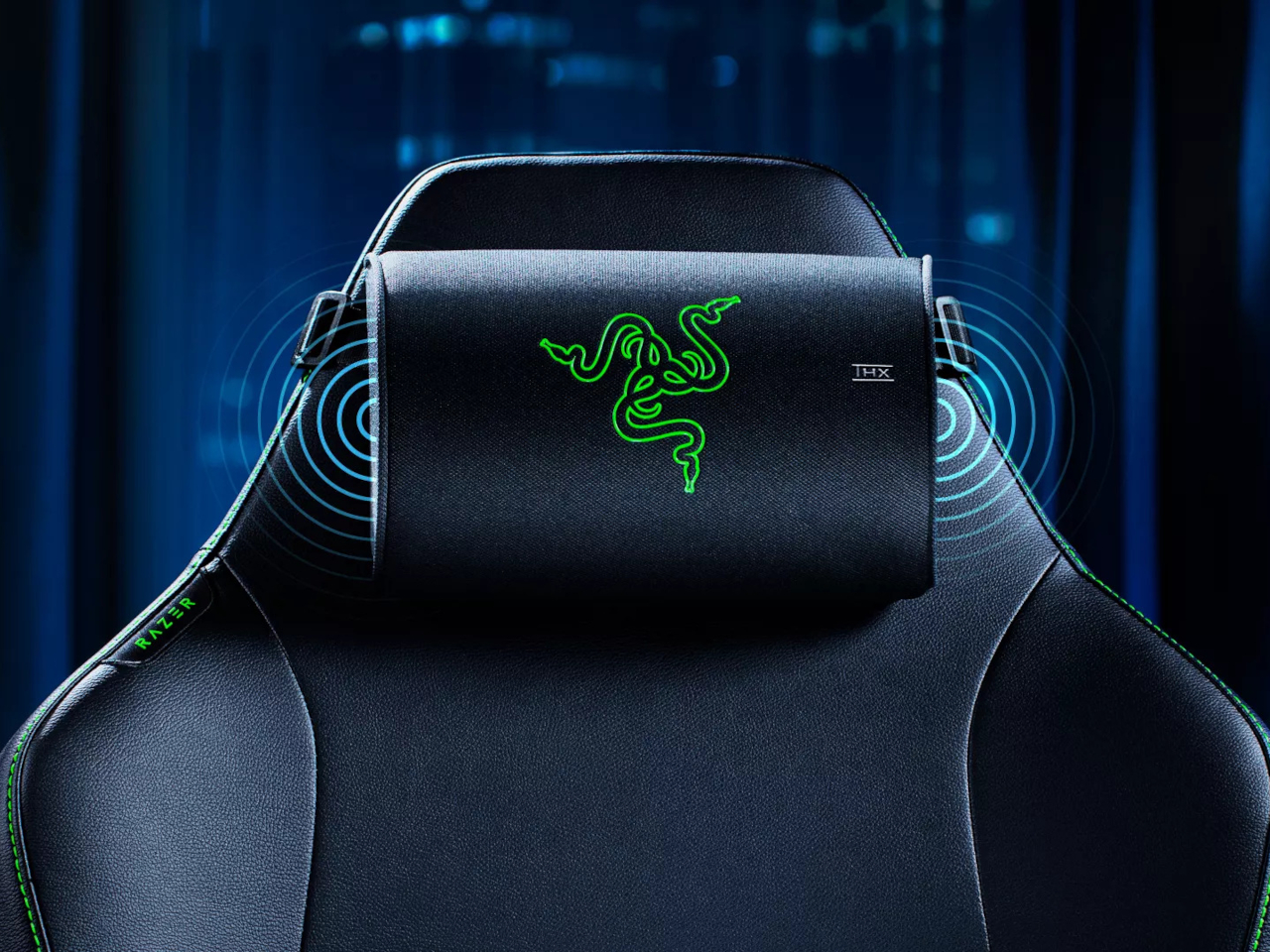
Power comes through USB-C rather than a built-in battery pegged to a runtime number, drawing from a 15-watt or higher PD2.0 source to hit full volume. That decision keeps the cushion running indefinitely during long sessions instead of racing against a depleting charge mid-match, though it does mean planning a power source alongside the chair itself, whether that’s a nearby outlet or a power bank for a portable setup.
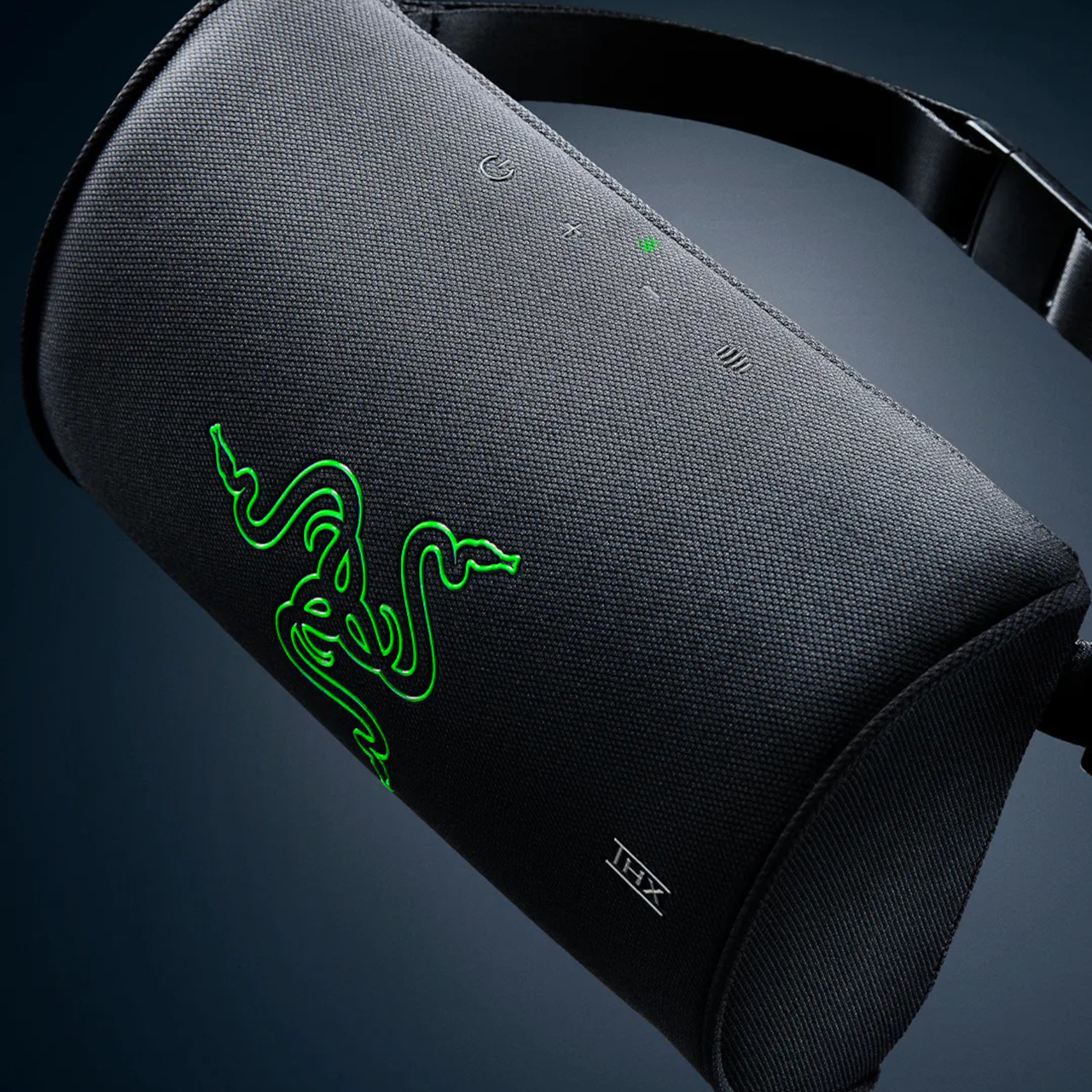
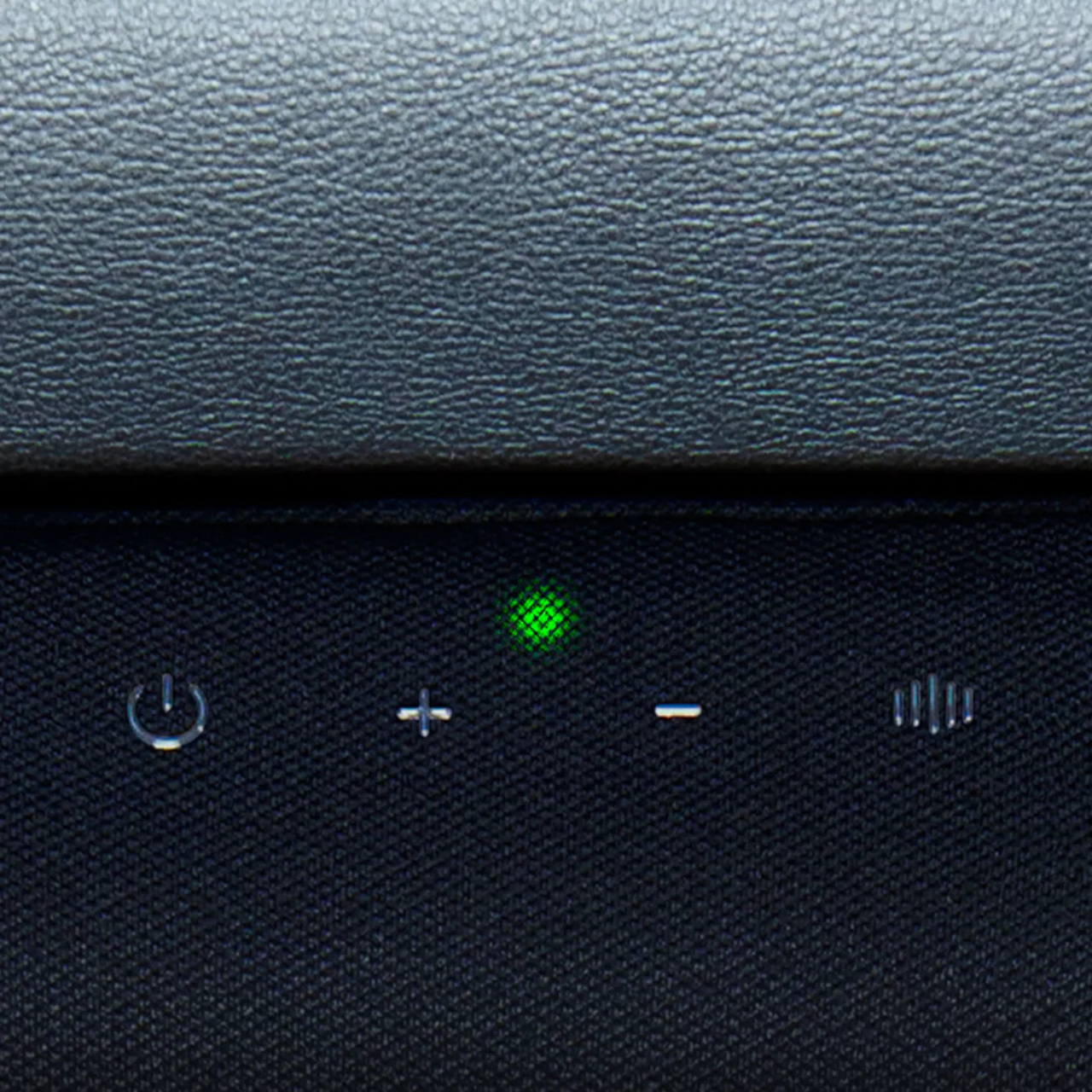
Where the Clio X earns its place in an existing setup is flexibility. Someone already running a 2.0 or 2.1 speaker system at their desk can fold the Clio X in as a wireless rear channel instead, turning a stereo setup into something closer to real surround sound without running an extra cable behind the chair. Used alone, it just becomes the entire audio system on its own terms.
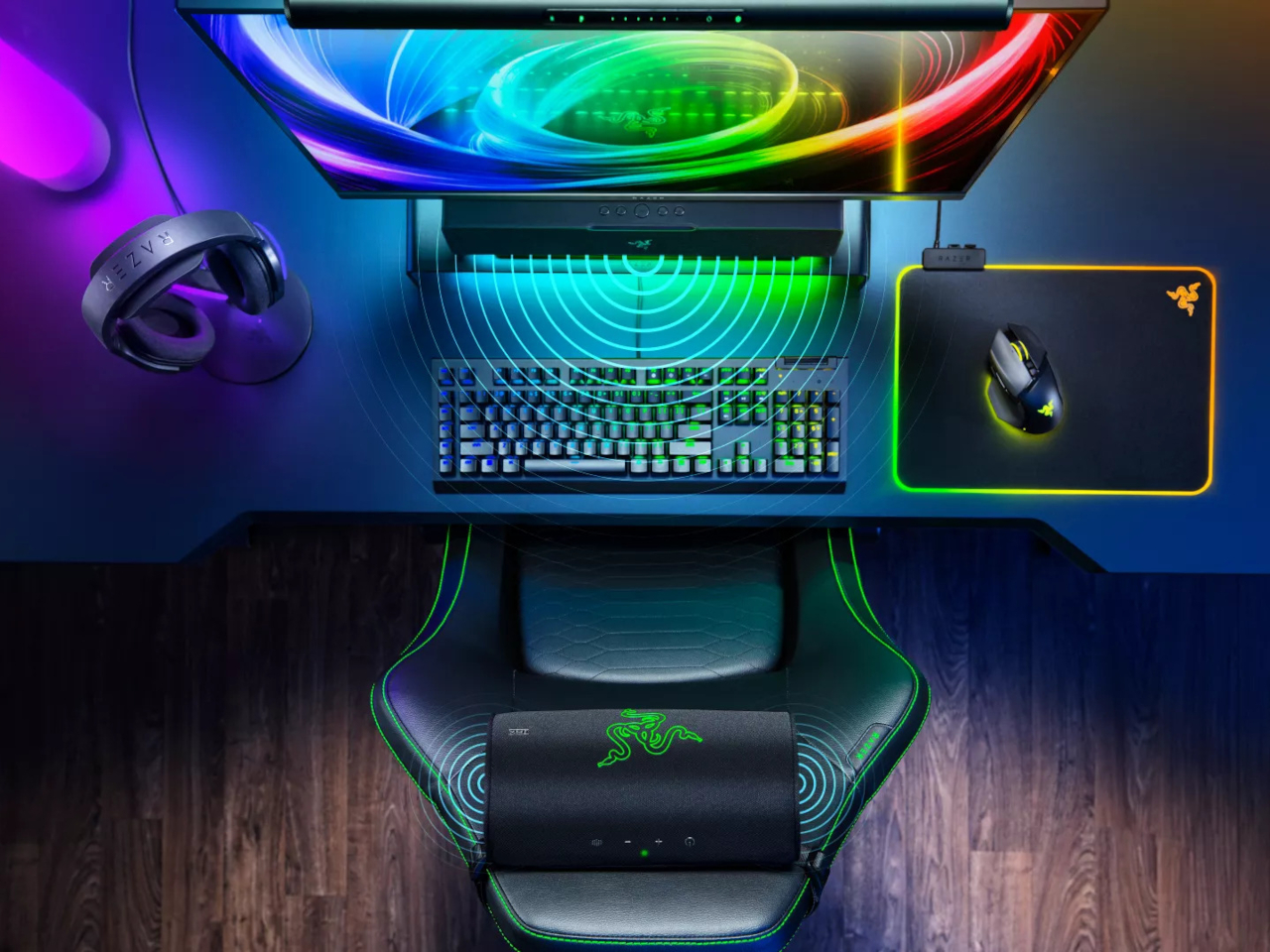
Picture a late-night session where headphones start pressing uncomfortably against your ears, or a shared room where blasting a soundbar isn’t an option out of consideration for someone asleep down the hall. The Clio X splits the difference, audio present enough to feel surrounding, contained enough to stay mostly private, all without adding a single extra object to hold or wear.
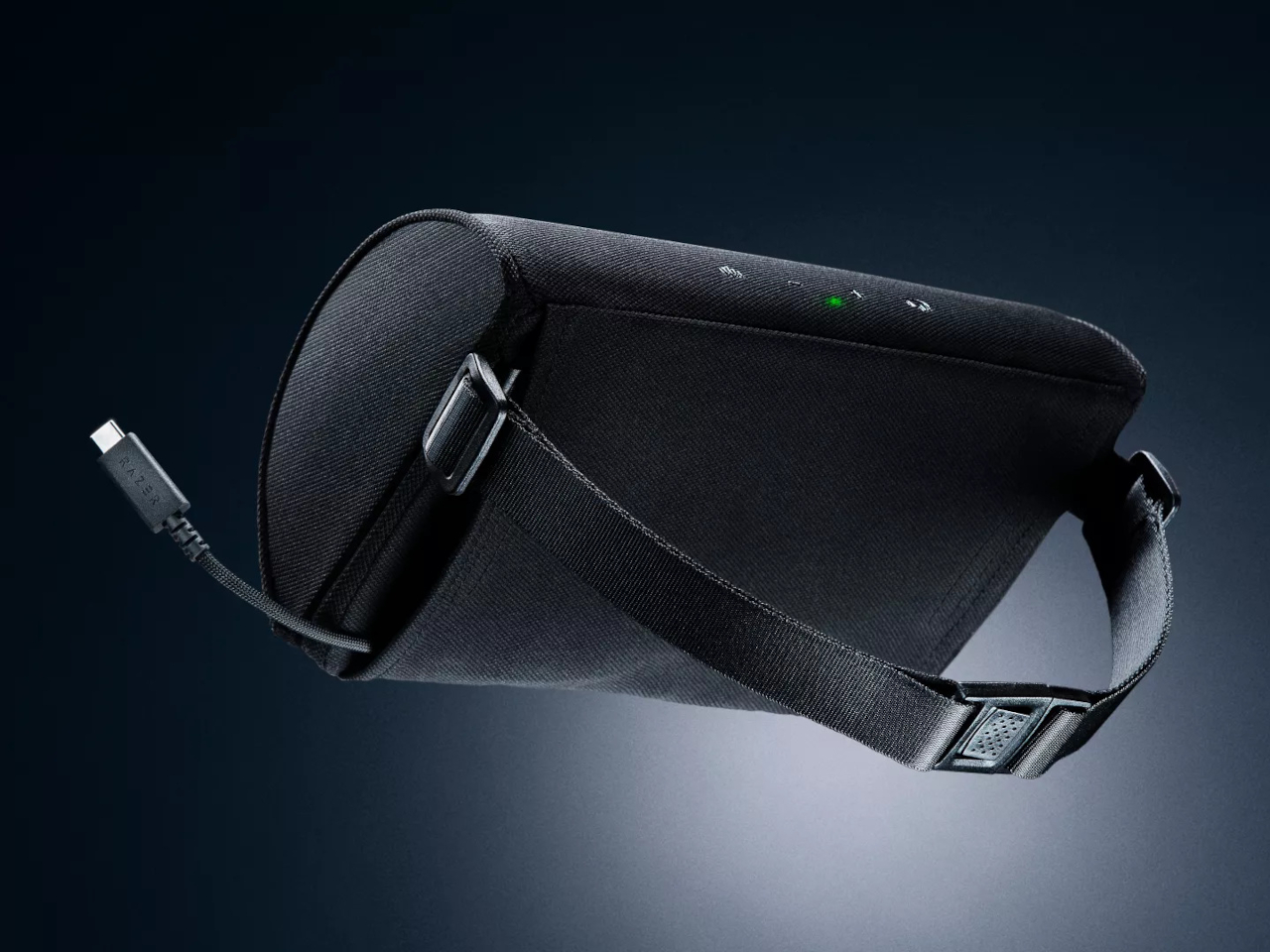
None of this replaces a dedicated home theater setup chasing maximum output, and nobody buying this expects it to. What the Clio X actually delivers is a specific, narrower promise: immersive audio that lives in the furniture you already sit in every day, asking for nothing more than a strap and a power cable to make itself useful.
The post Razer’s Clio X Is Gaming Audio for When Headphones Have to Come Off first appeared on Yanko Design.
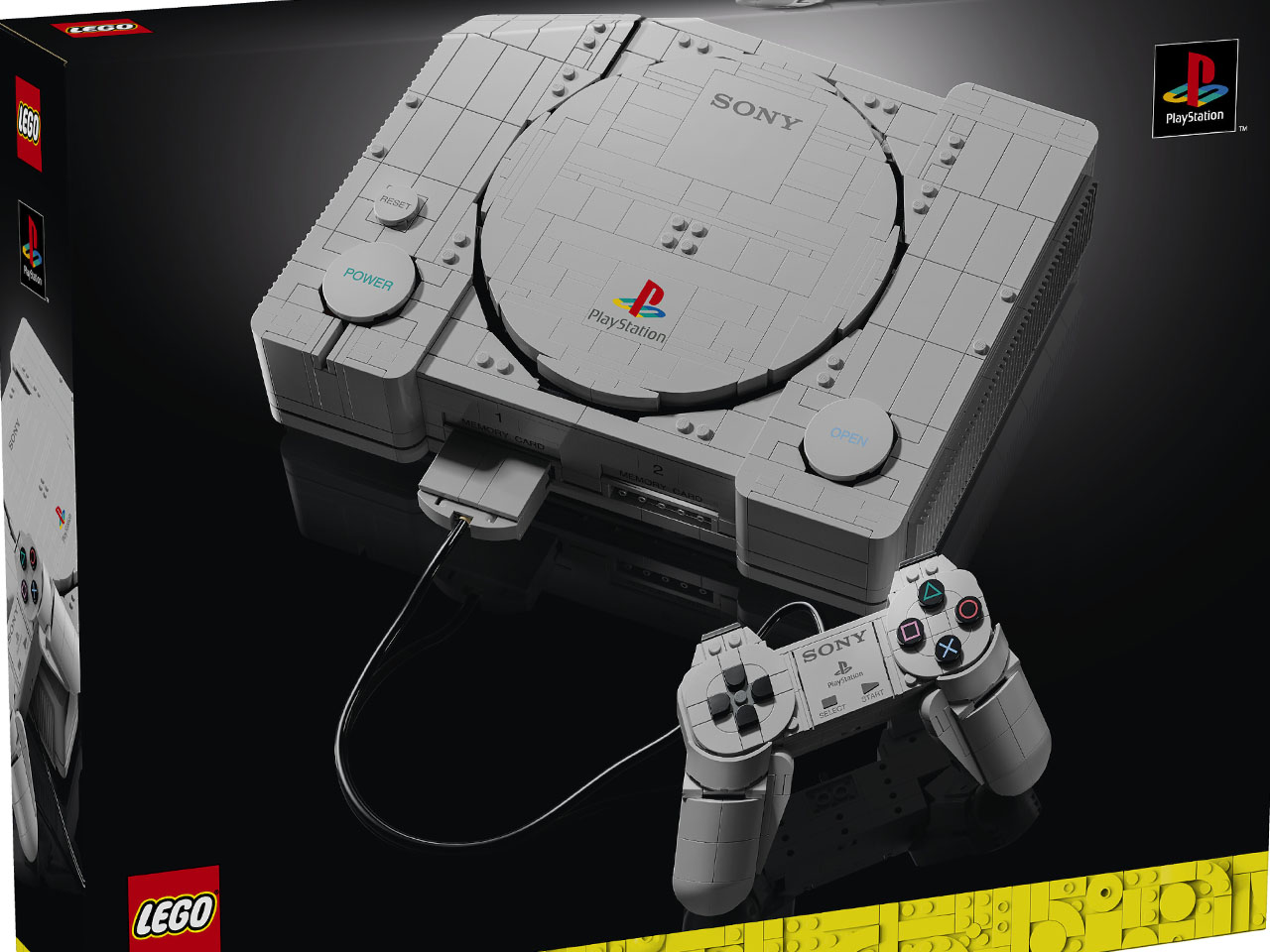
PlayStation 1 changed the complexion of gaming when it first came out in the mid 1990s, and the rest is history. The graphics on the machine were unlike anything anyone had seen before – pushing the gaming industry into overdrive. It was only time before the cult classic console got a LEGO avatar, even though it came way after the official release of the Atari 2600 and Mini SEGA Genisis sets.
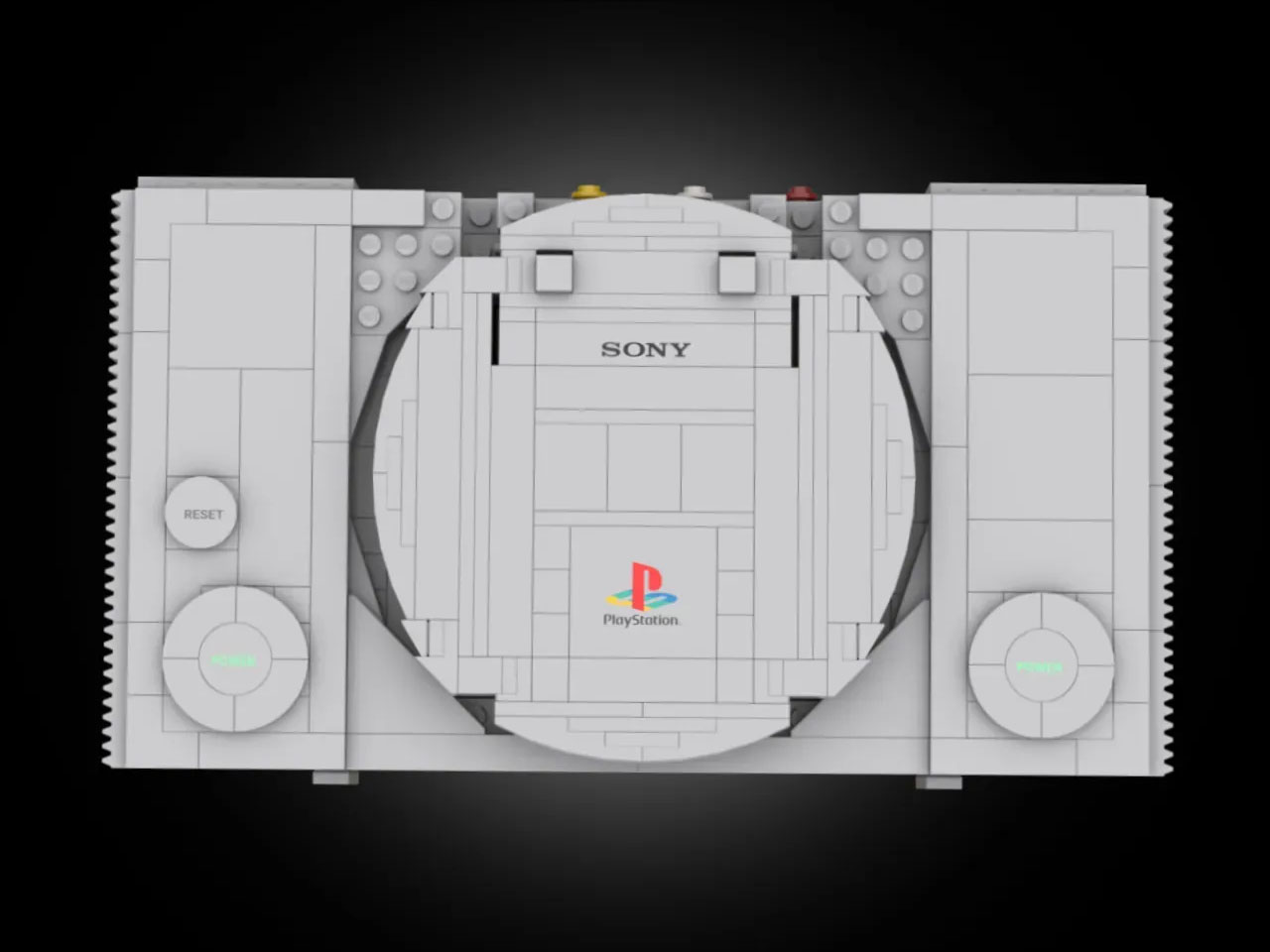
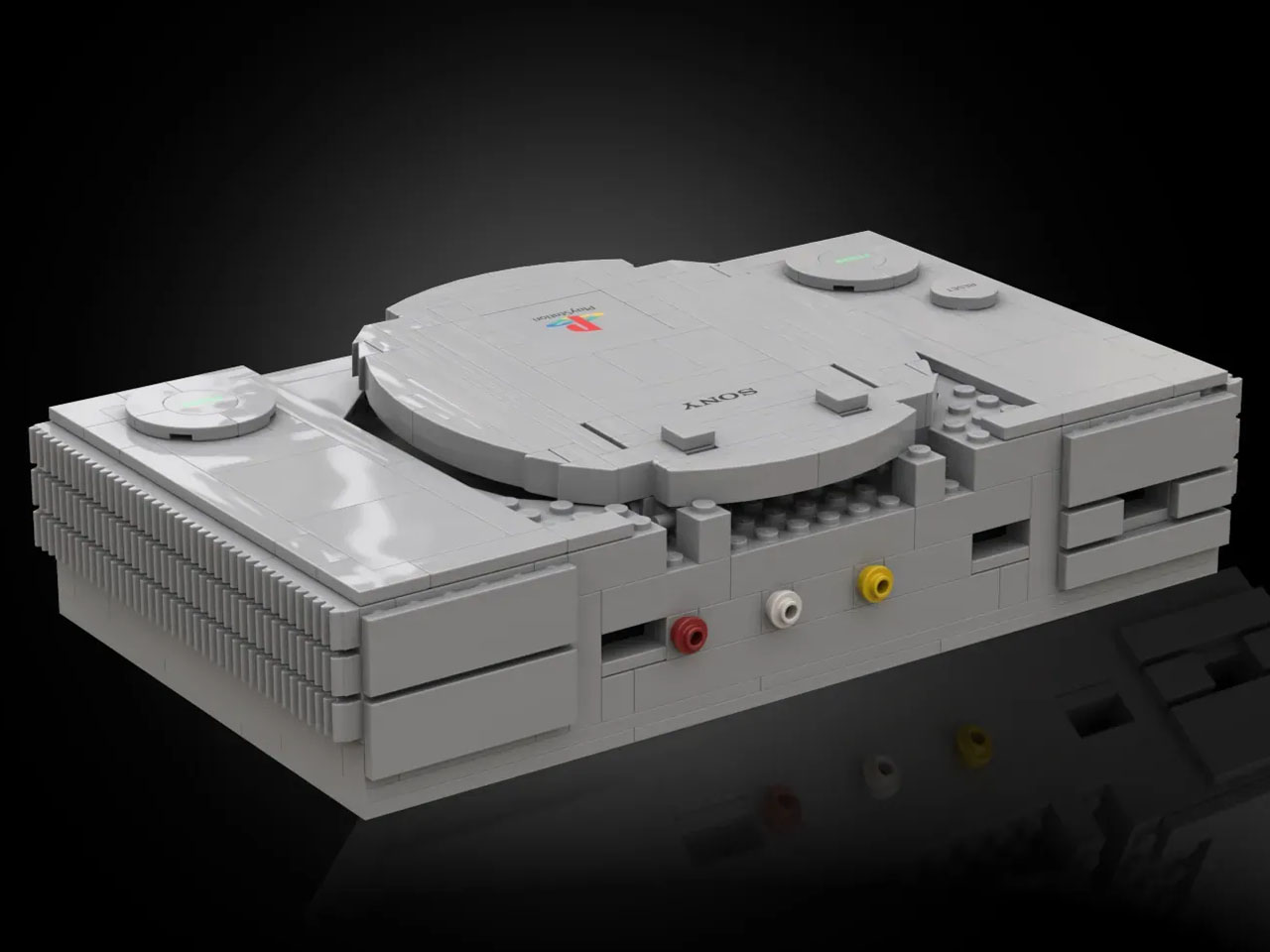
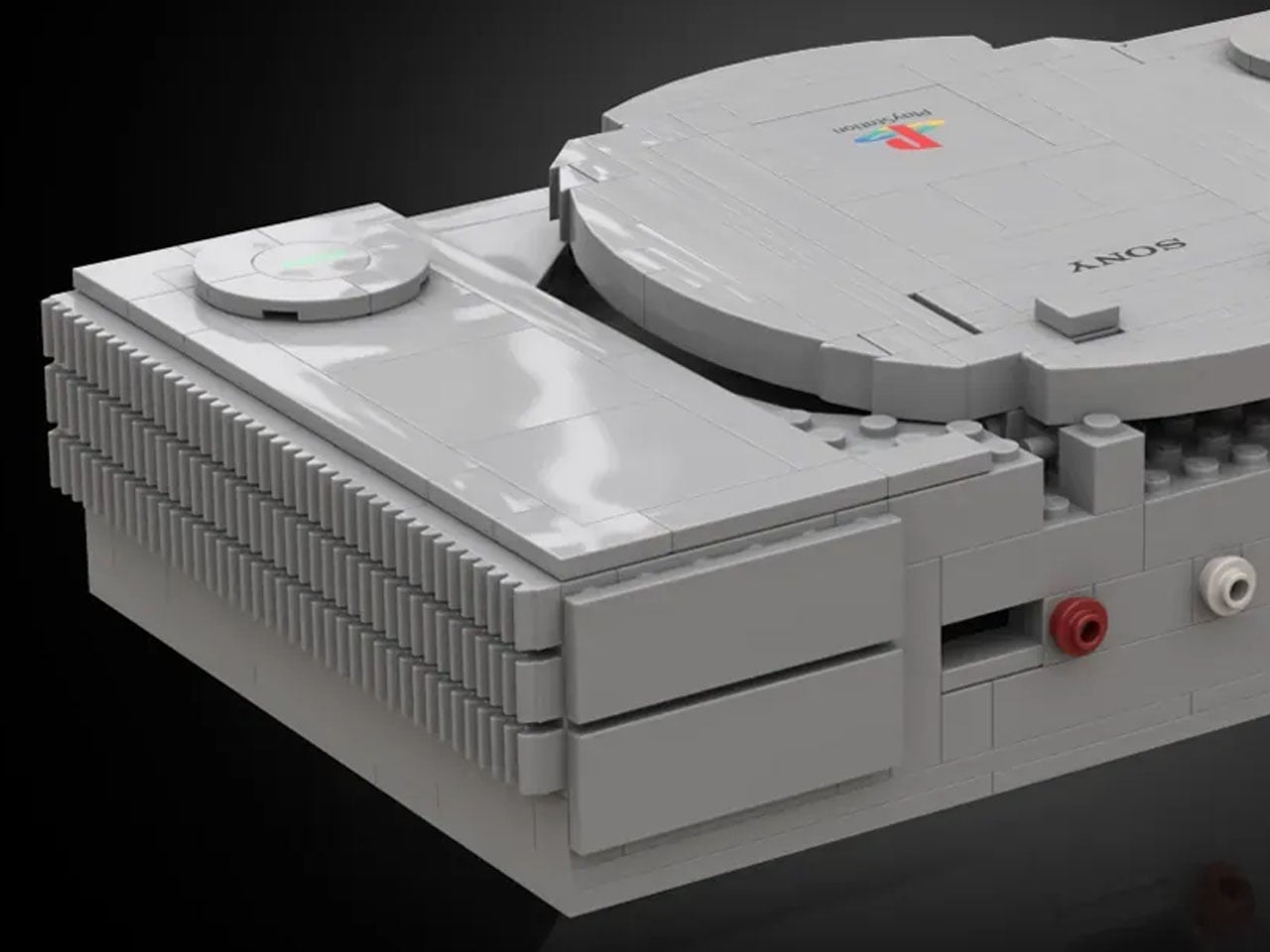
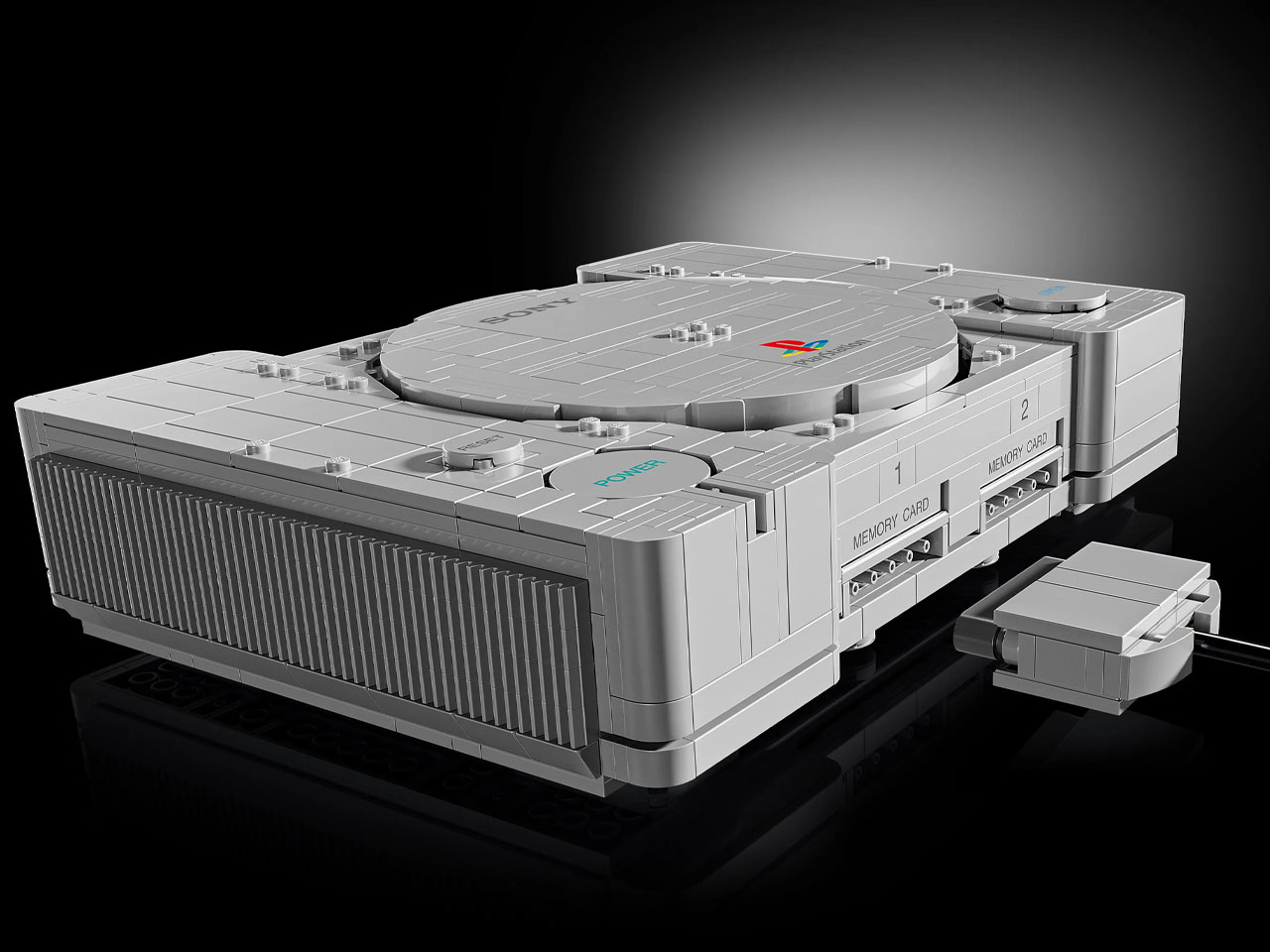
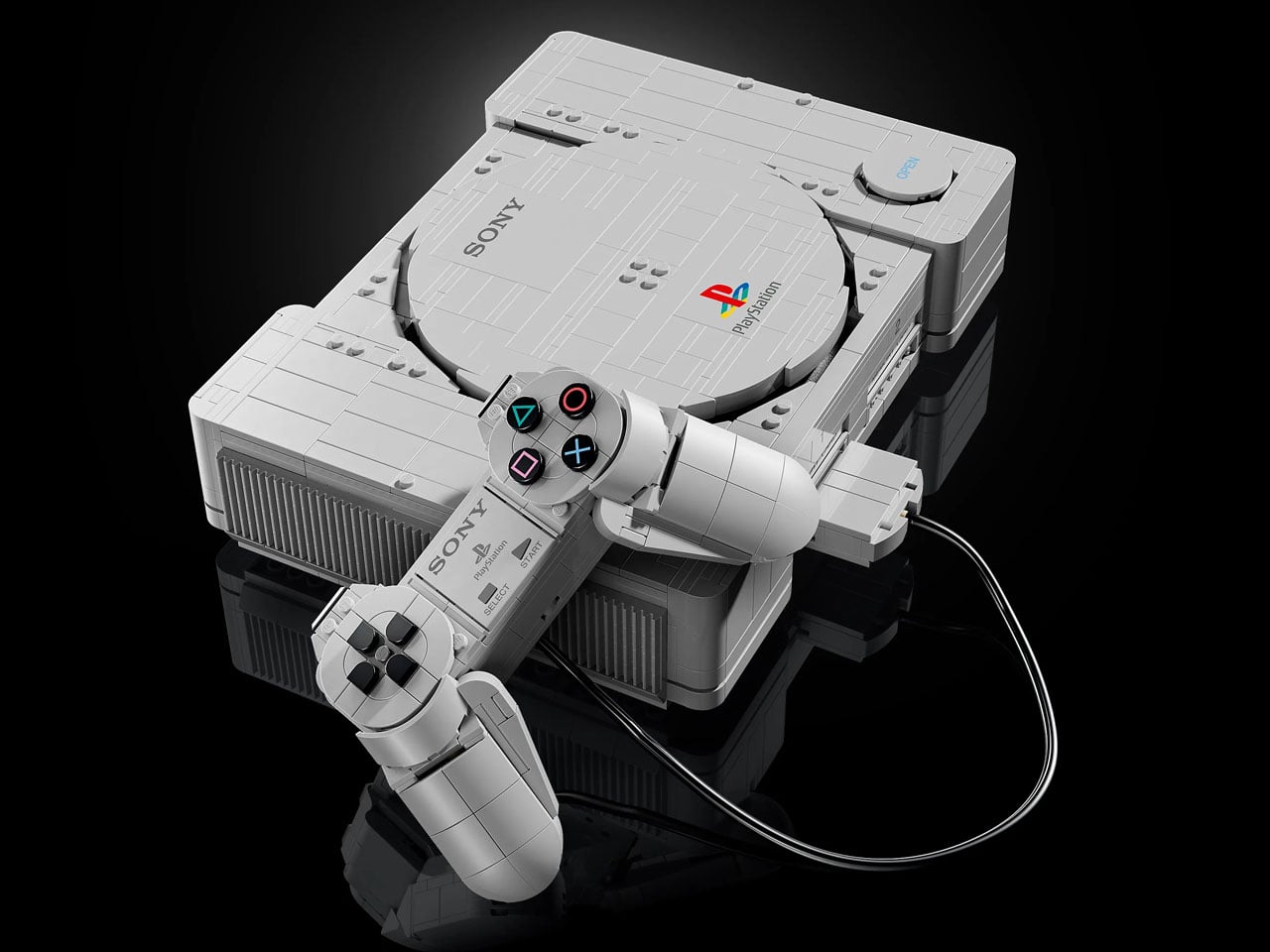
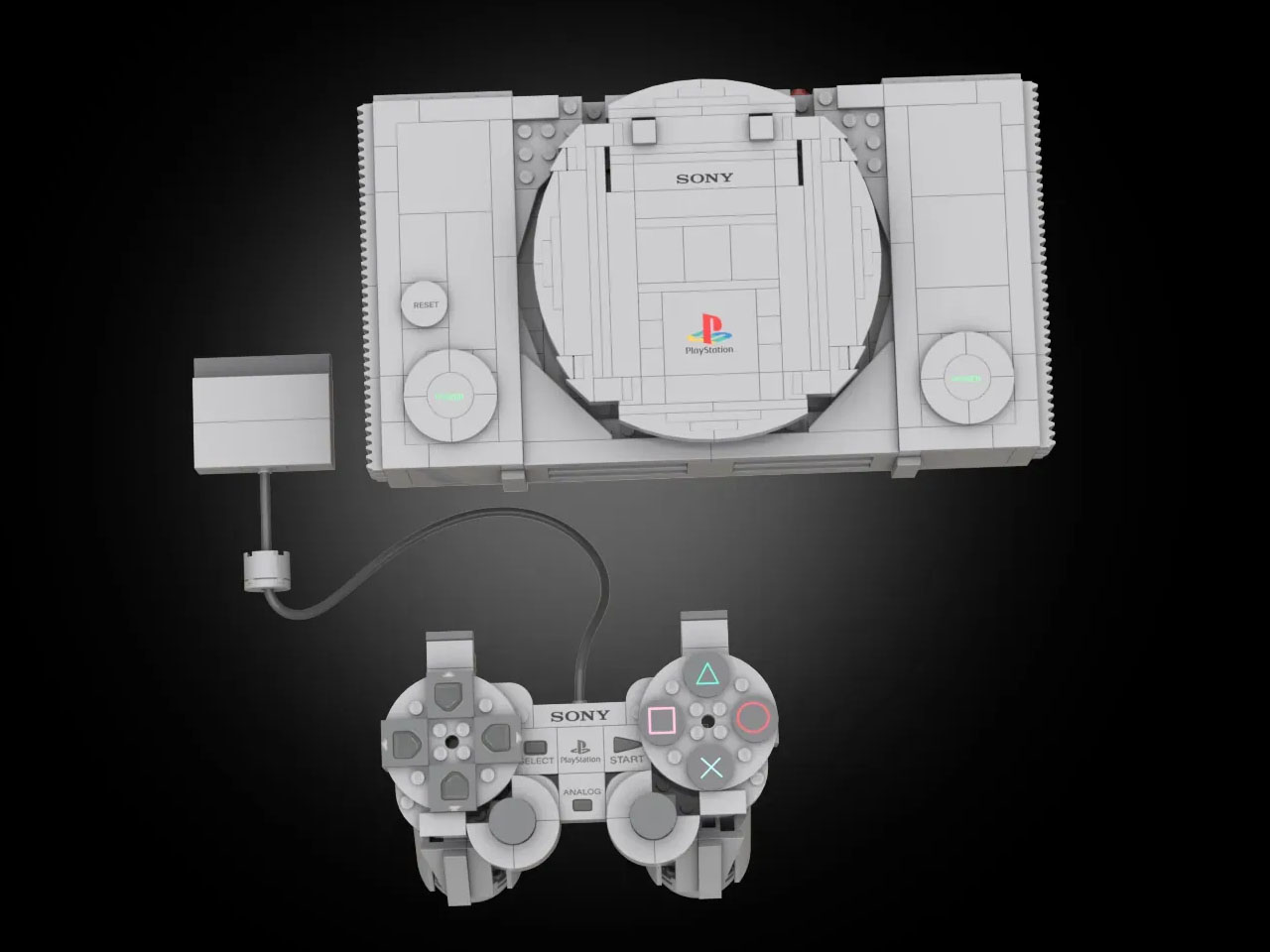
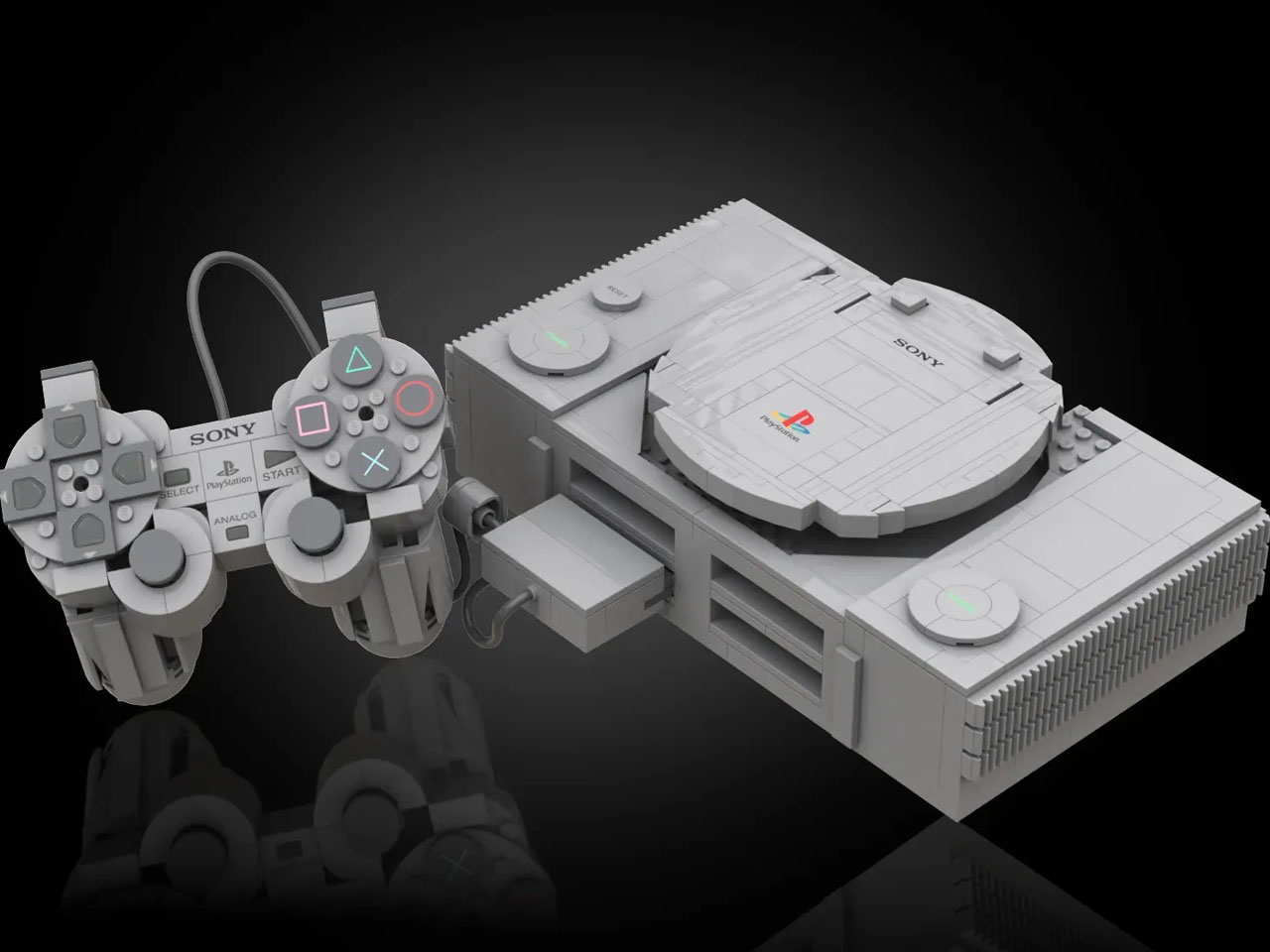
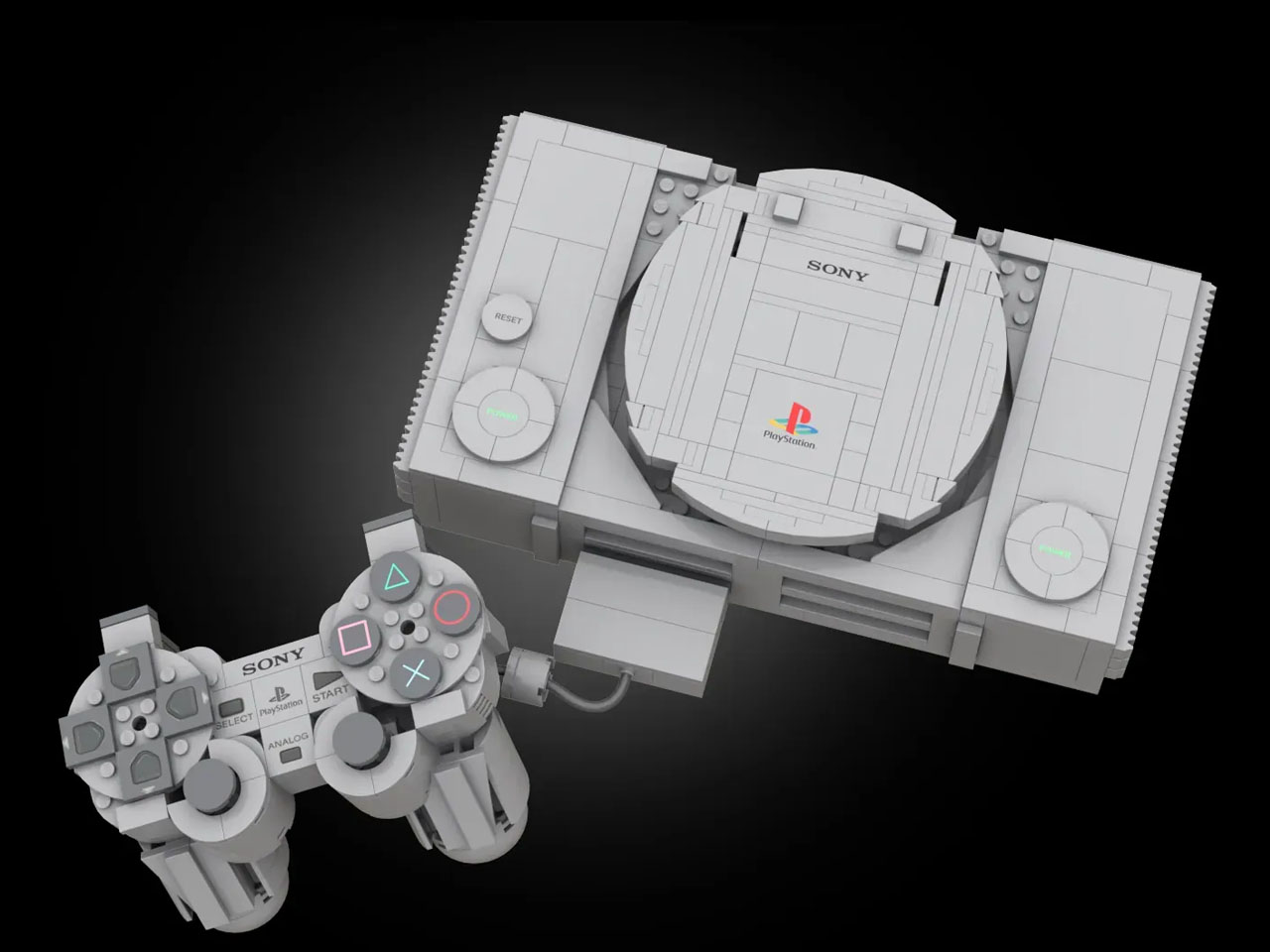
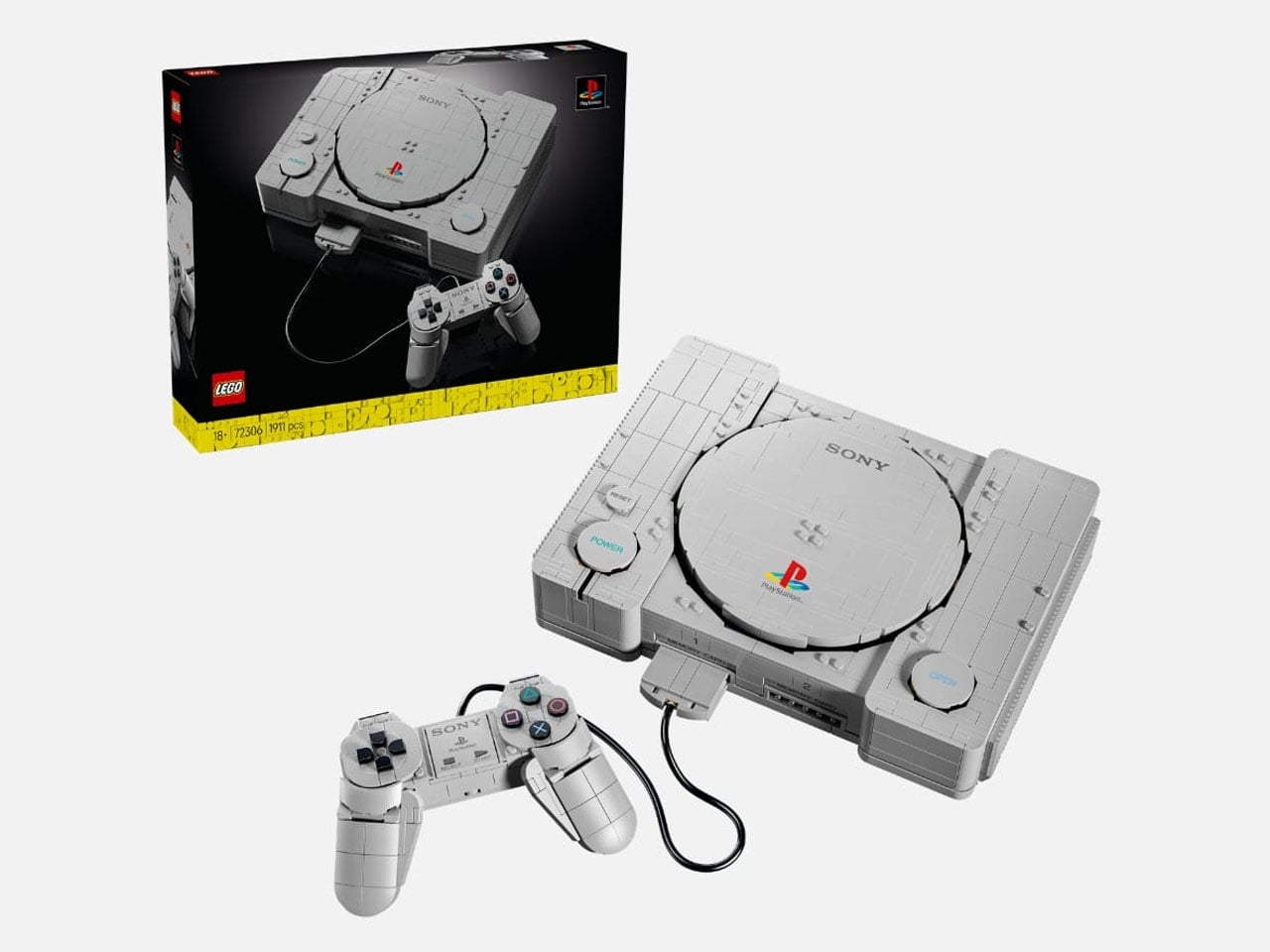
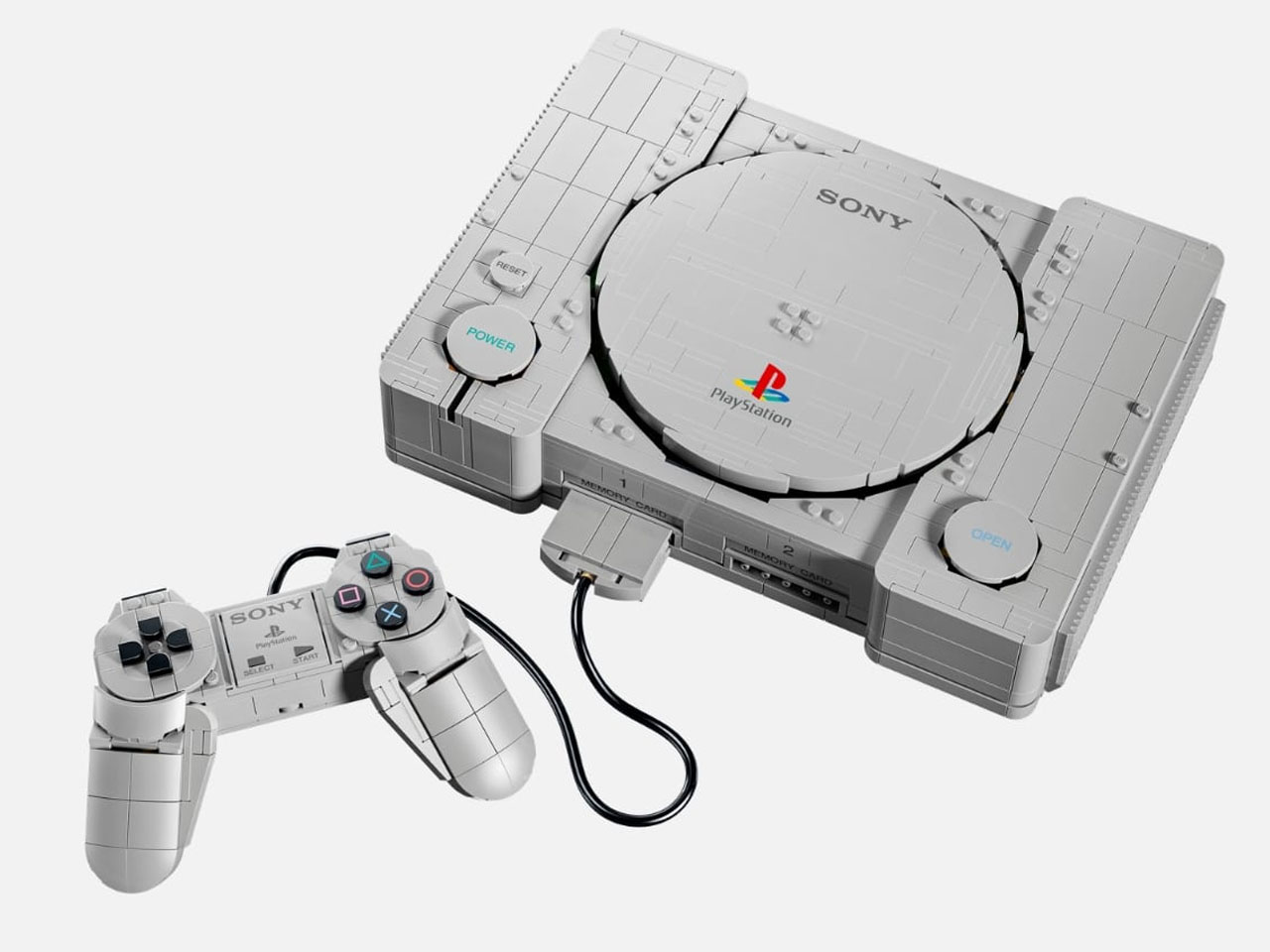
Created in collaboration with Sony Interactive Entertainment, the PlayStation set is a nostalgic remake of the gadget that defined the video gaming era of yesteryear. The 1911 piece set is a 1:1 replica of the real thing, and the details are worth appreciating. Right from the tactile feel of connecting the brick controller to the functional Open button, LEGO has gone to considerable lengths to make the model feel like the console people remember.
Designer: LEGO Ideas and PlayStation
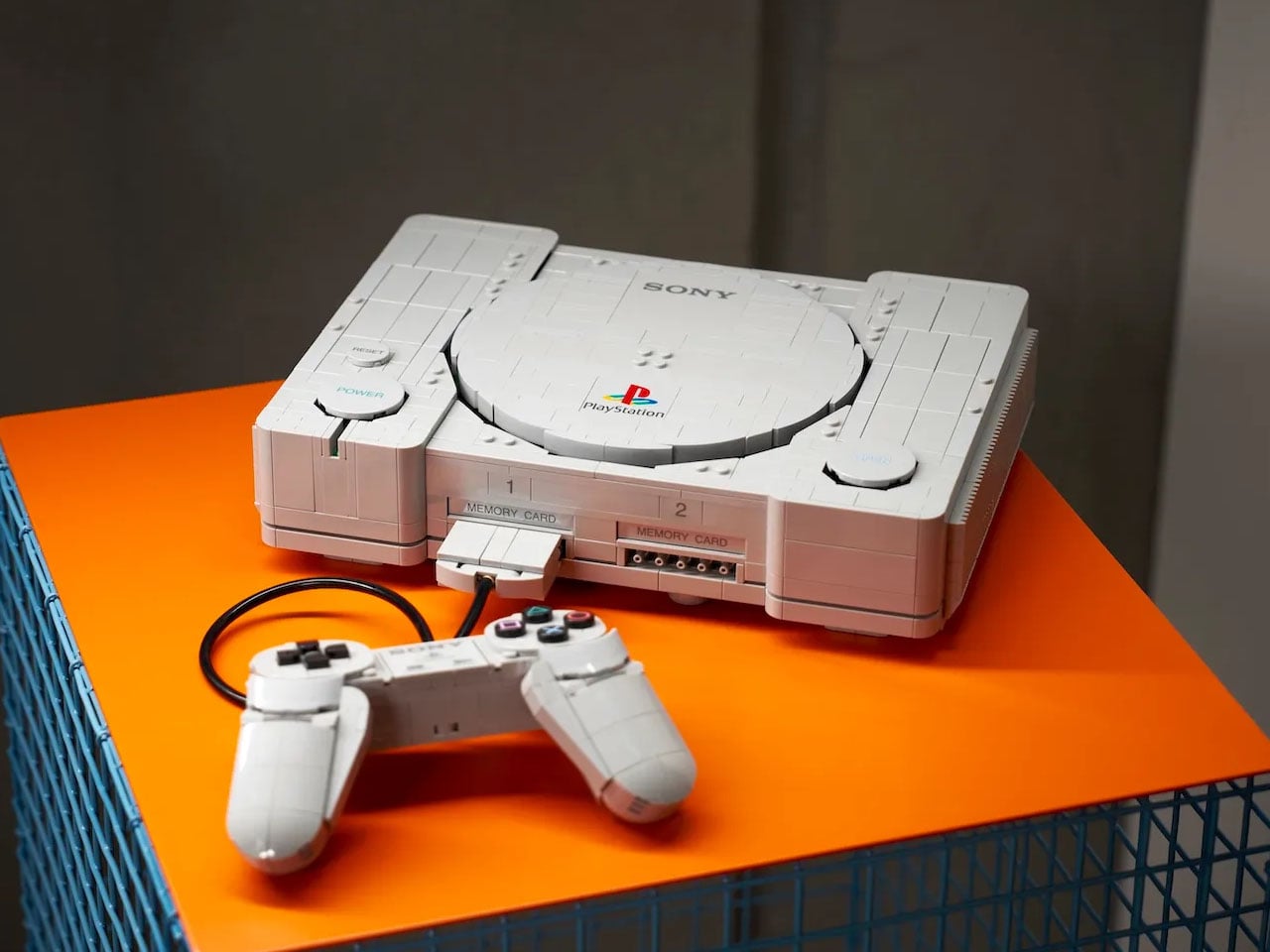
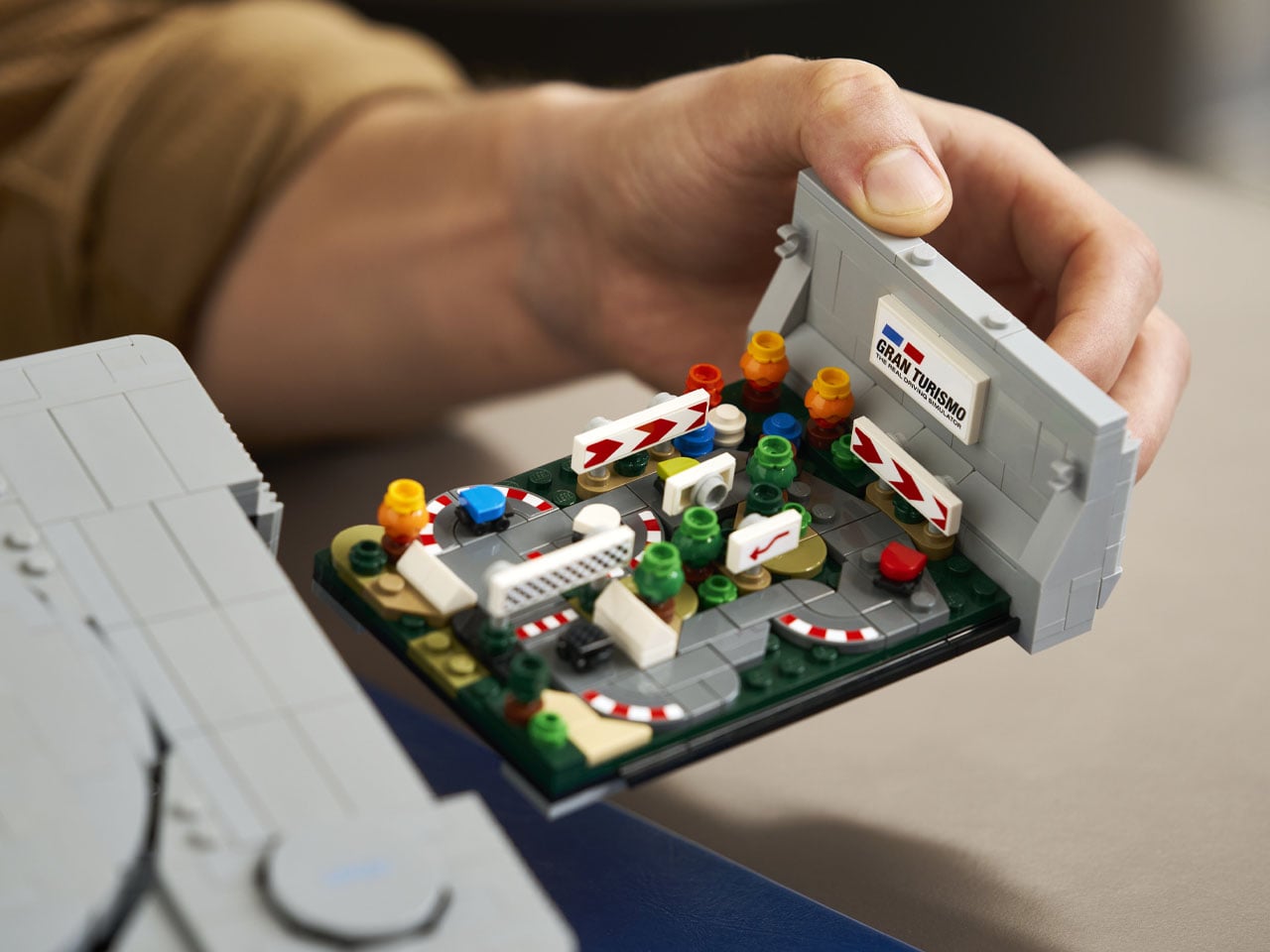
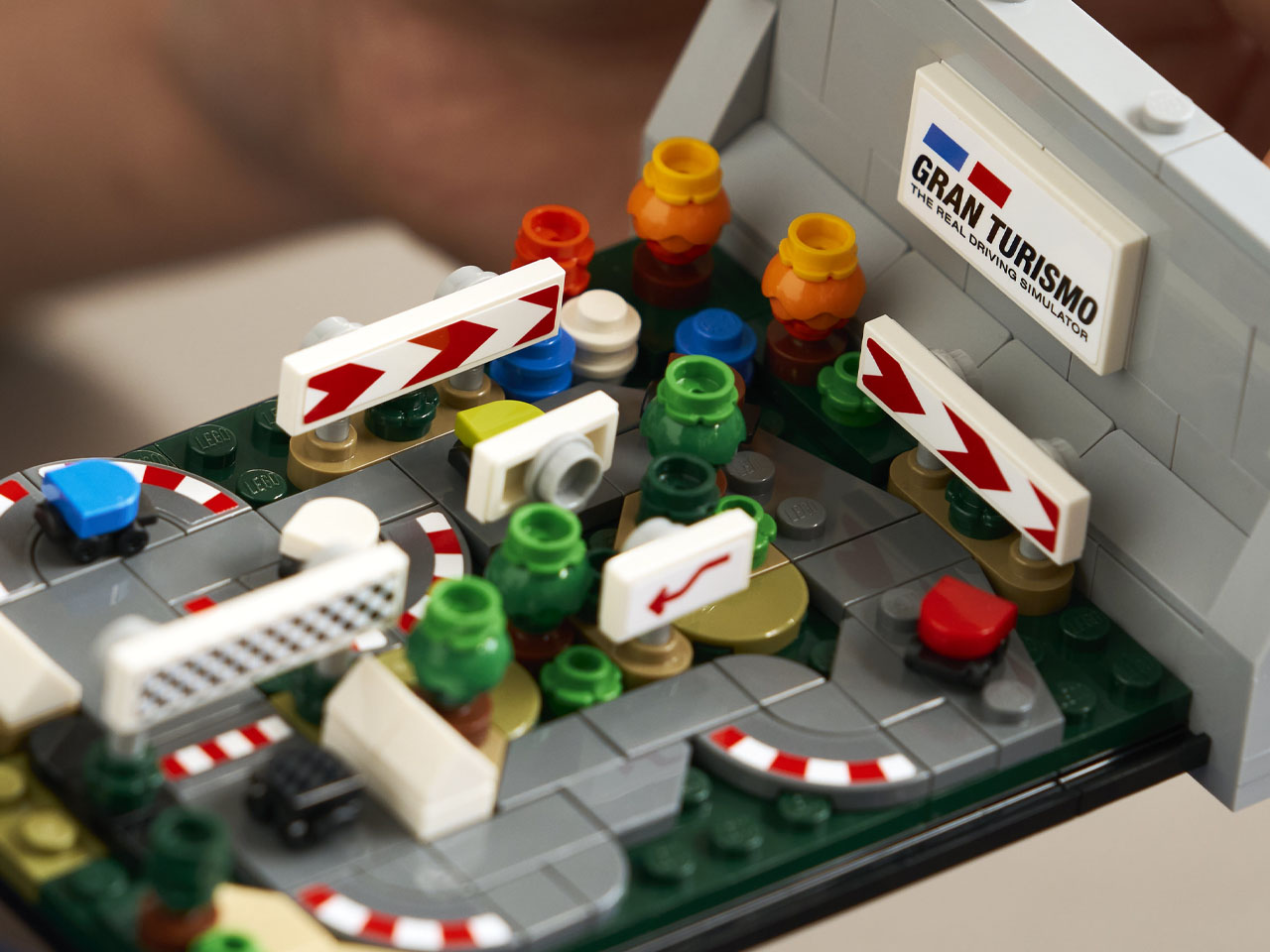
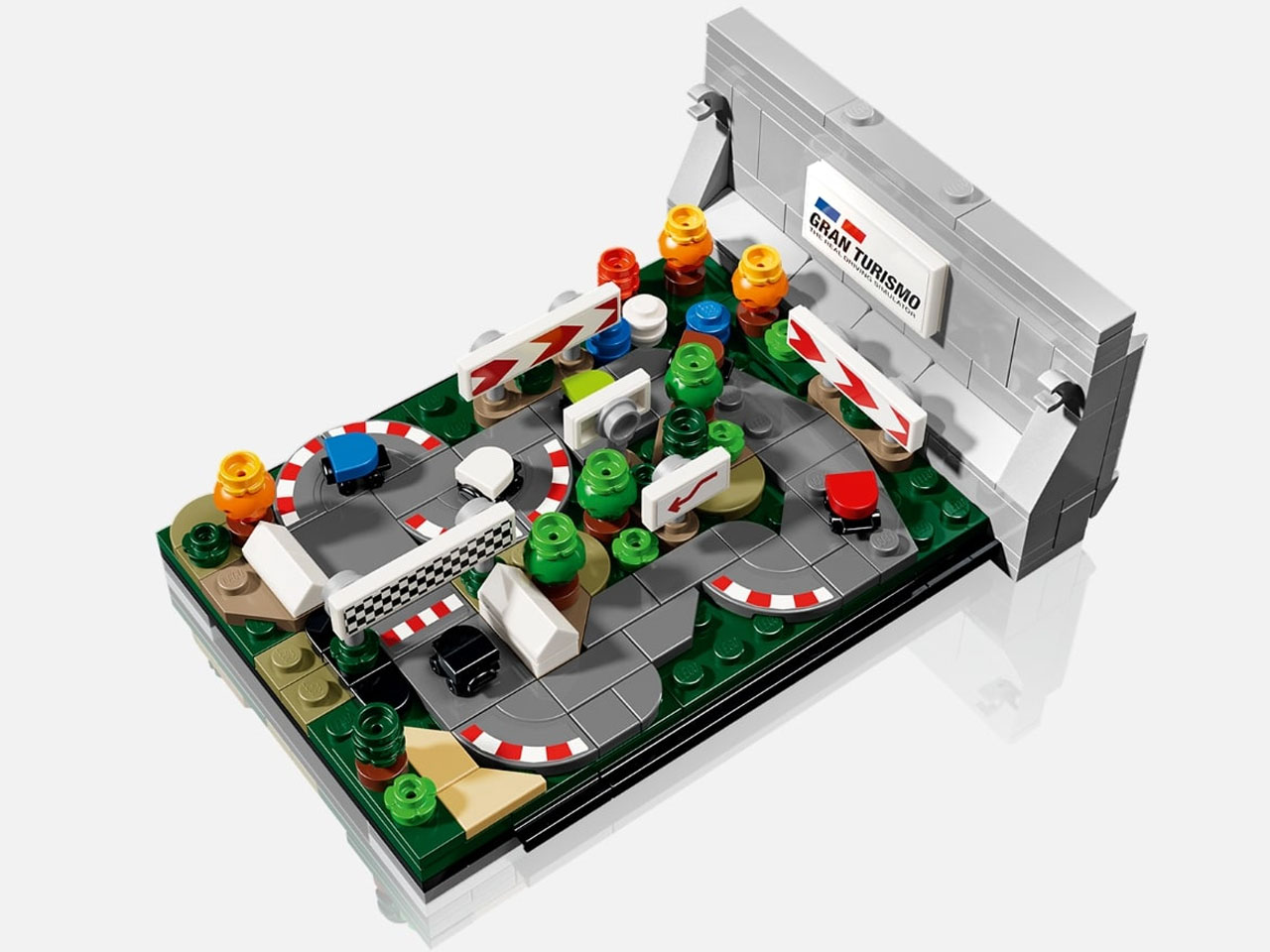
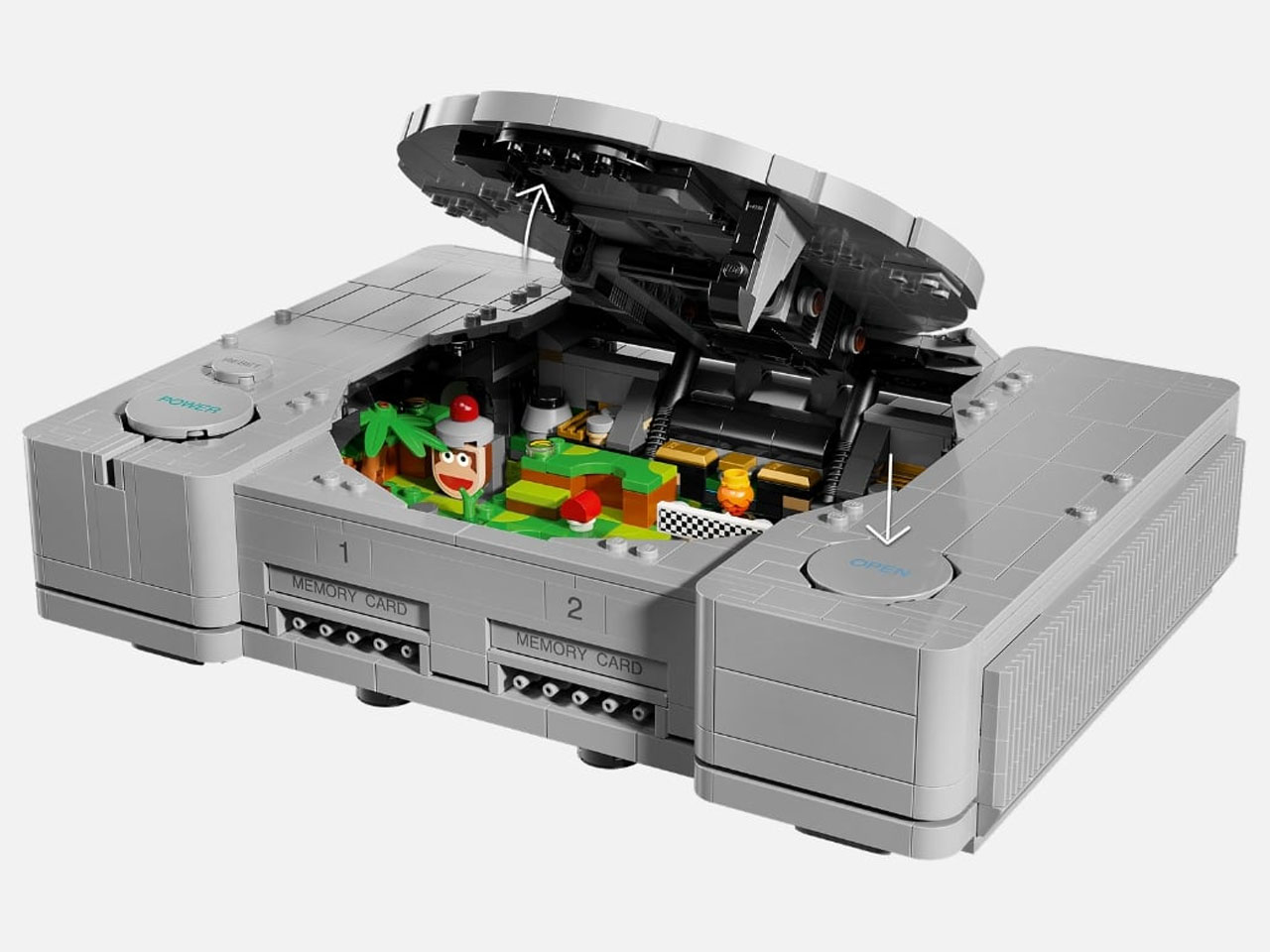
Since we are talking LEGO, there had to be a buildable diorama element to it, further building the nostalgia. There’s a mini GT track that can be assembled when the Open button is pushed. It has mini racing cars, and a scene from Ape Escape. Officially named LEGO PlayStation 72306, the model closely follows the proportions of the original console, measuring over 2.5 inches high, 10.5 inches wide, and 7.5 inches deep. The original PlayStation measured approximately 10.6 inches wide, 2.4 inches high, and 7.4 inches deep, making the LEGO version remarkably close in scale.
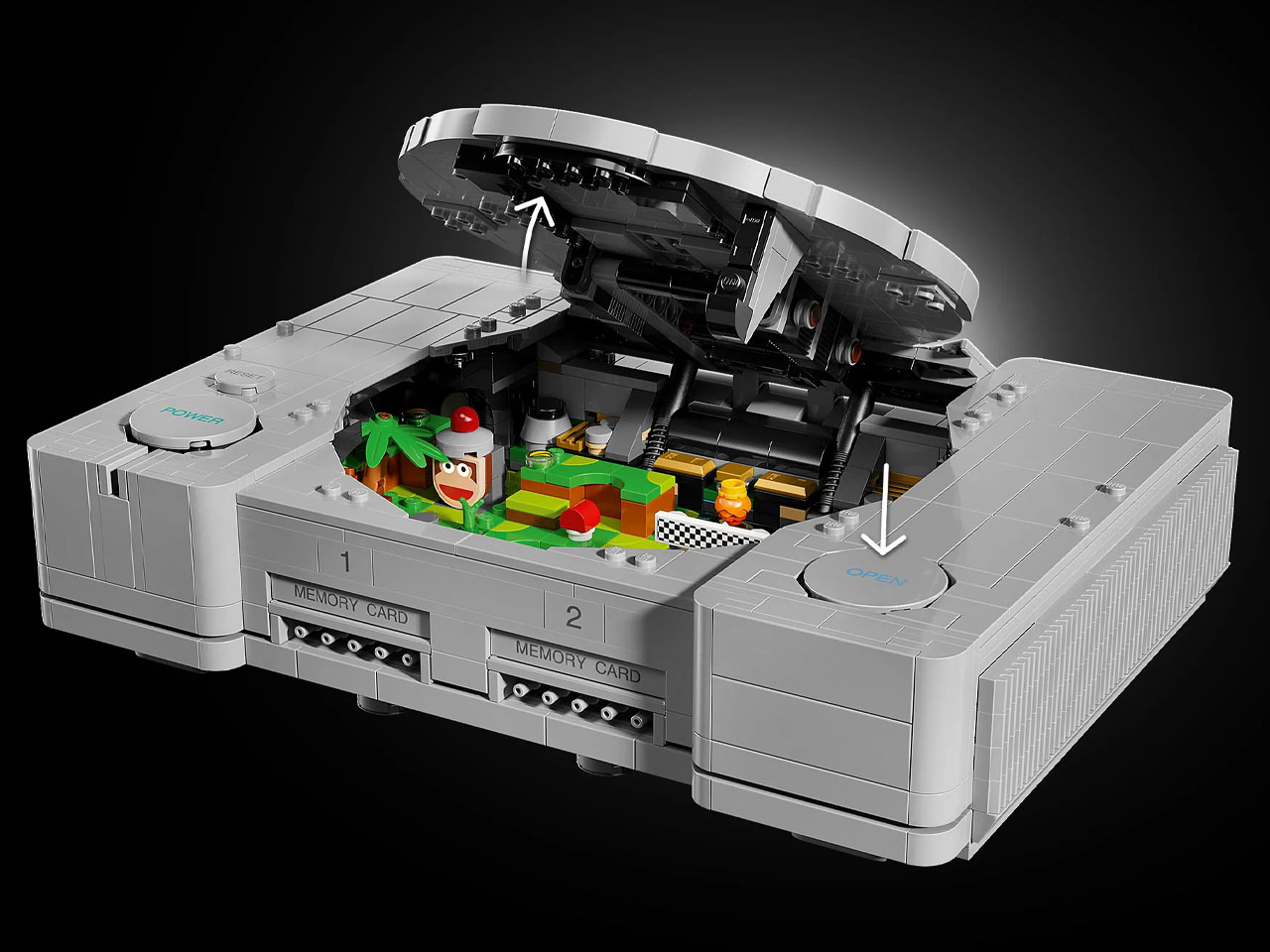
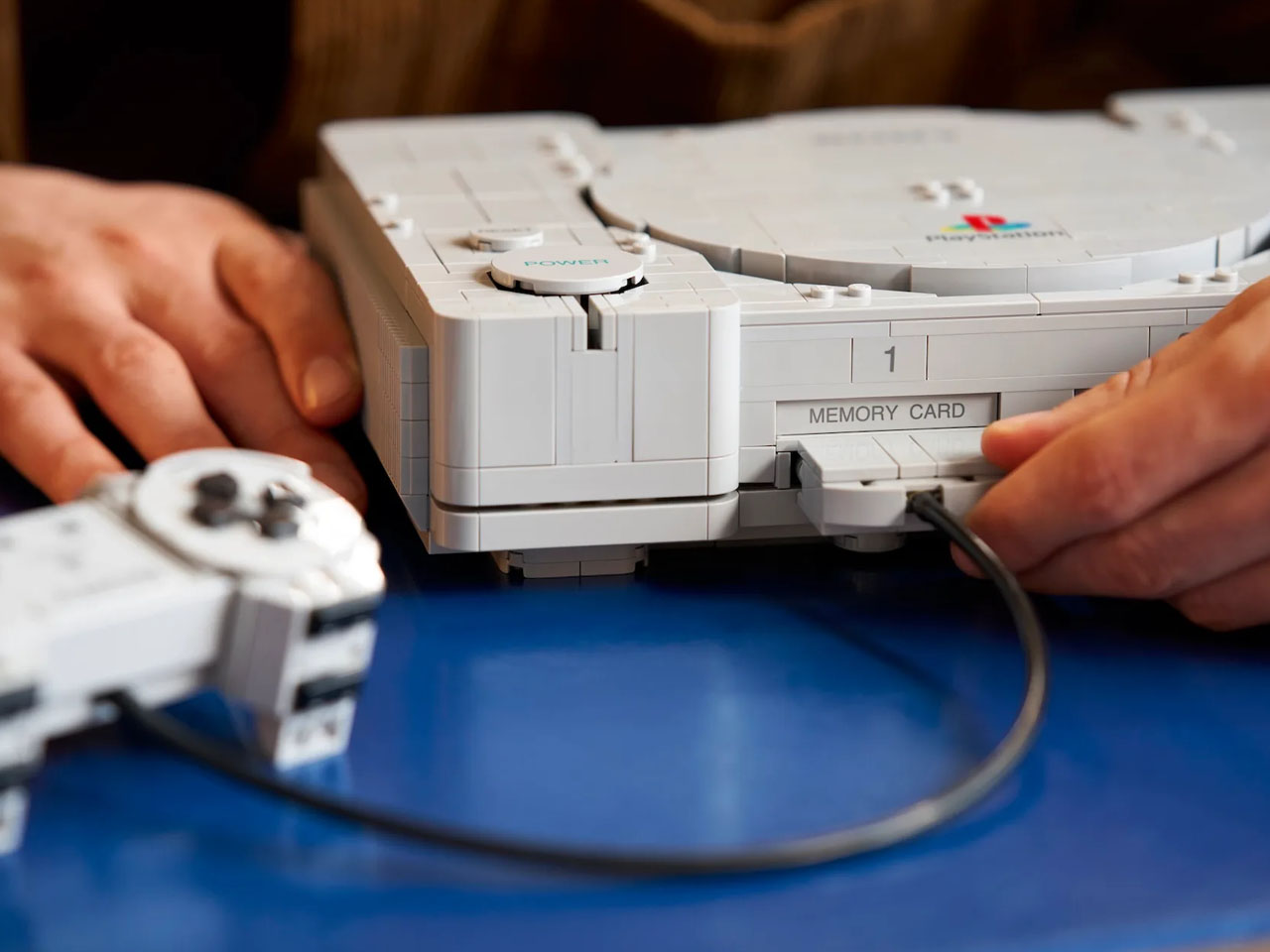
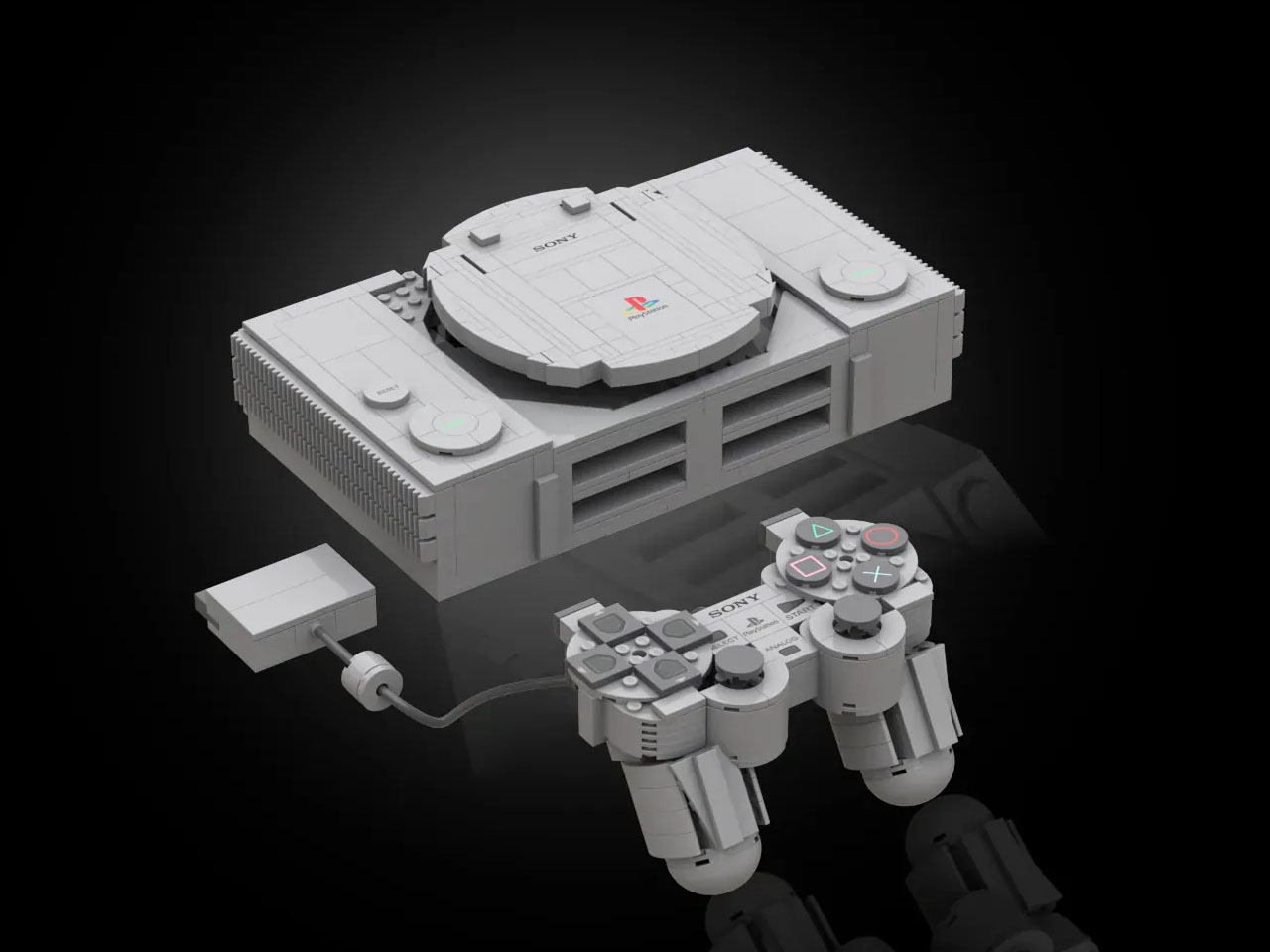
The grey console also comes with Sony’s first PlayStation controller, complete with its familiar D-pad and the iconic Triangle, Circle, Cross and Square buttons. There are no analogue sticks or DualShock functionality here, staying true to the earliest PlayStation hardware. The attention to detail extends beyond simply getting the shape right. The controller plugs directly into the front of the console, while both the Power and Open buttons have working mechanisms. Pressing Open lifts the circular disc lid, recreating one of those small physical interactions that made the original hardware so memorable.
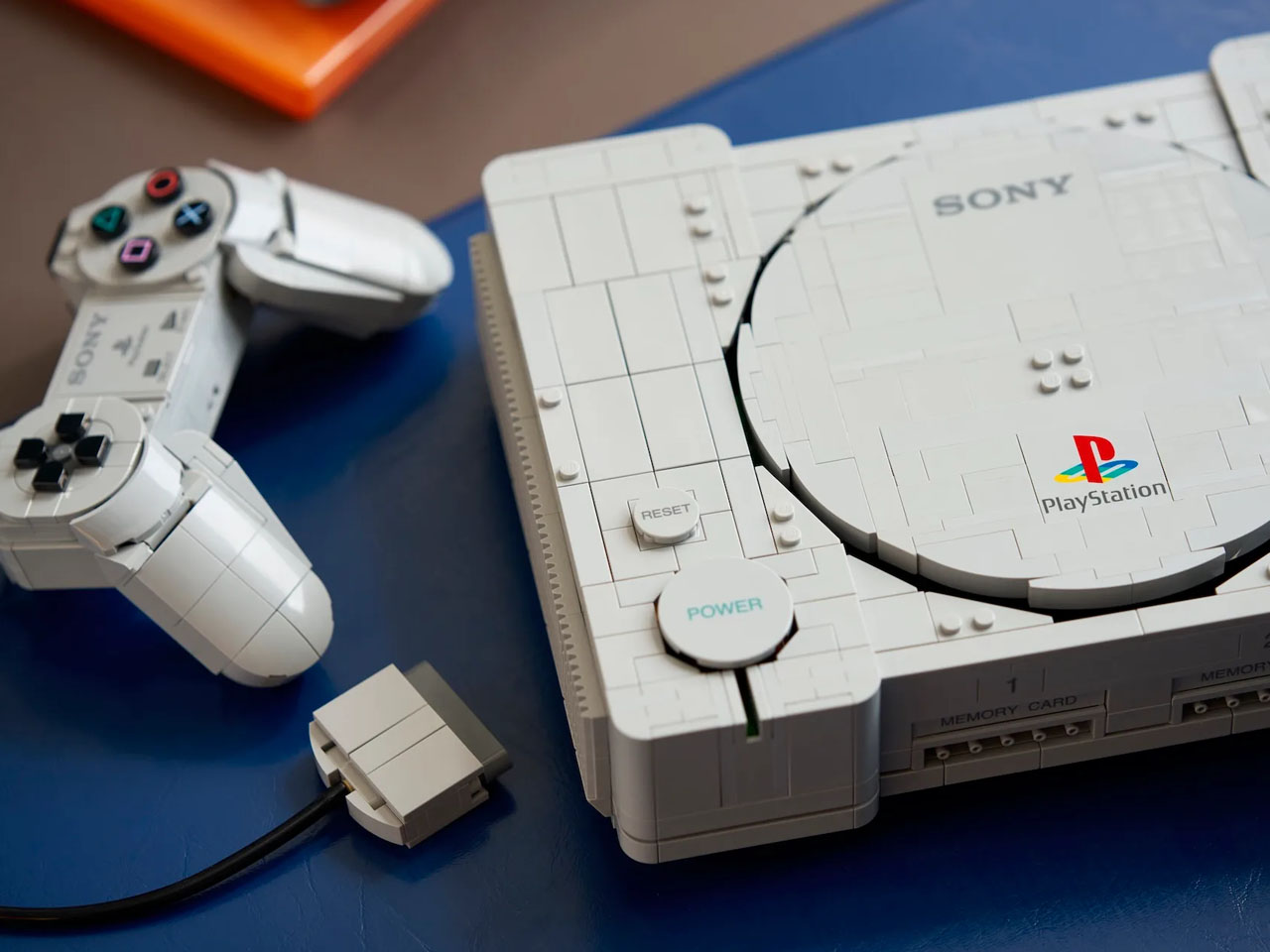
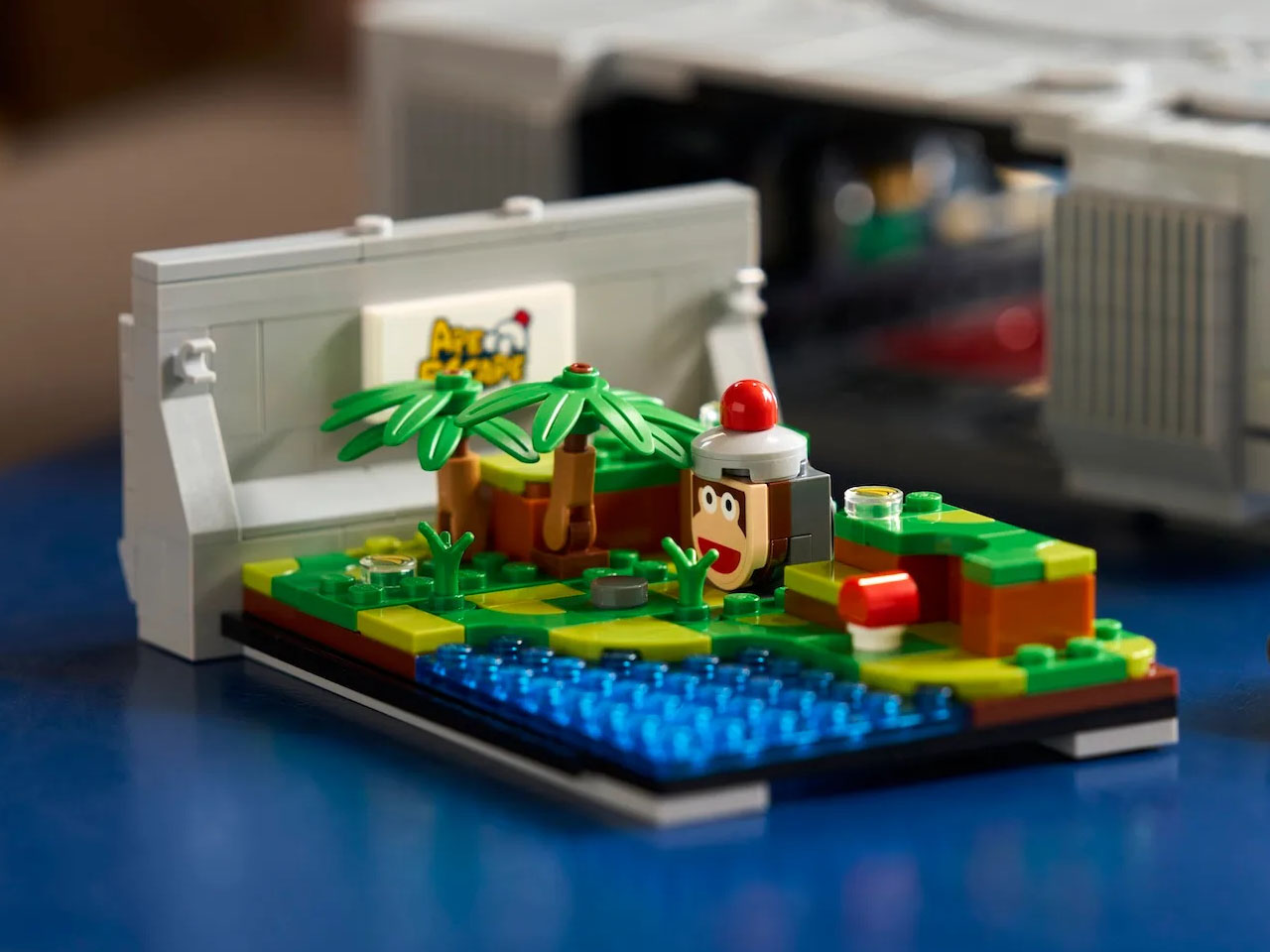
It is still a display model and cannot actually power on, but the level of detail makes it surprisingly easy to mistake for the real machine at a glance. The hidden elements give the otherwise familiar-looking console another layer of personality. The two game-inspired builds can remain tucked inside the console or be pulled out and displayed alongside it, allowing the model to shift from a convincing piece of retro hardware into a small gaming diorama. The Ape Escape reference also nods to the later evolution of PlayStation hardware, as the game introduced the need for Sony’s DualShock controller and its twin analogue sticks. Designed for builders aged 18 and above, the set combines 1,911 pieces with a form factor that should fit comfortably on a shelf or desk. LEGO also recommends its Builder app, which offers 3D instructions with options to zoom and rotate the model, track progress and save sets.
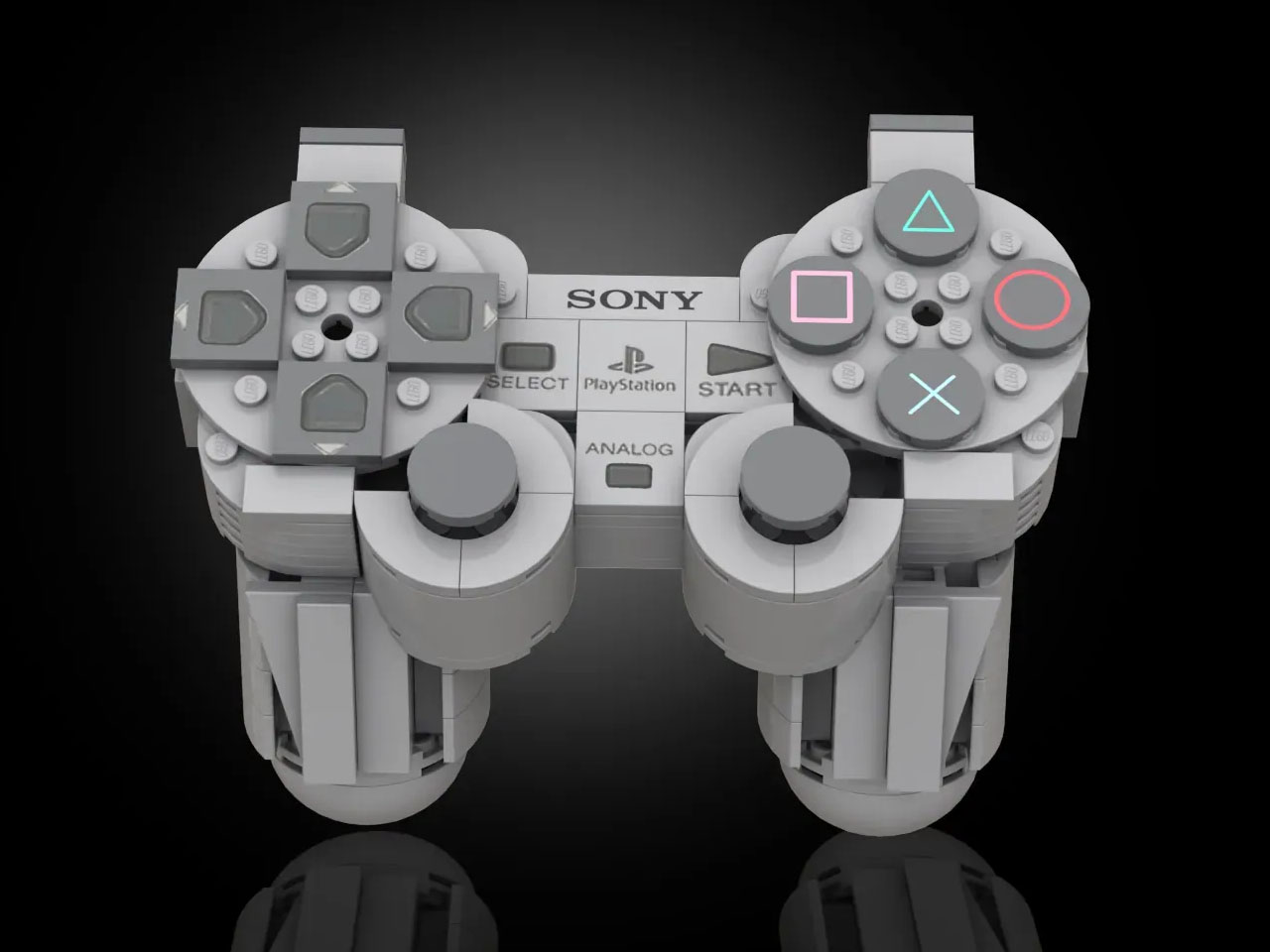
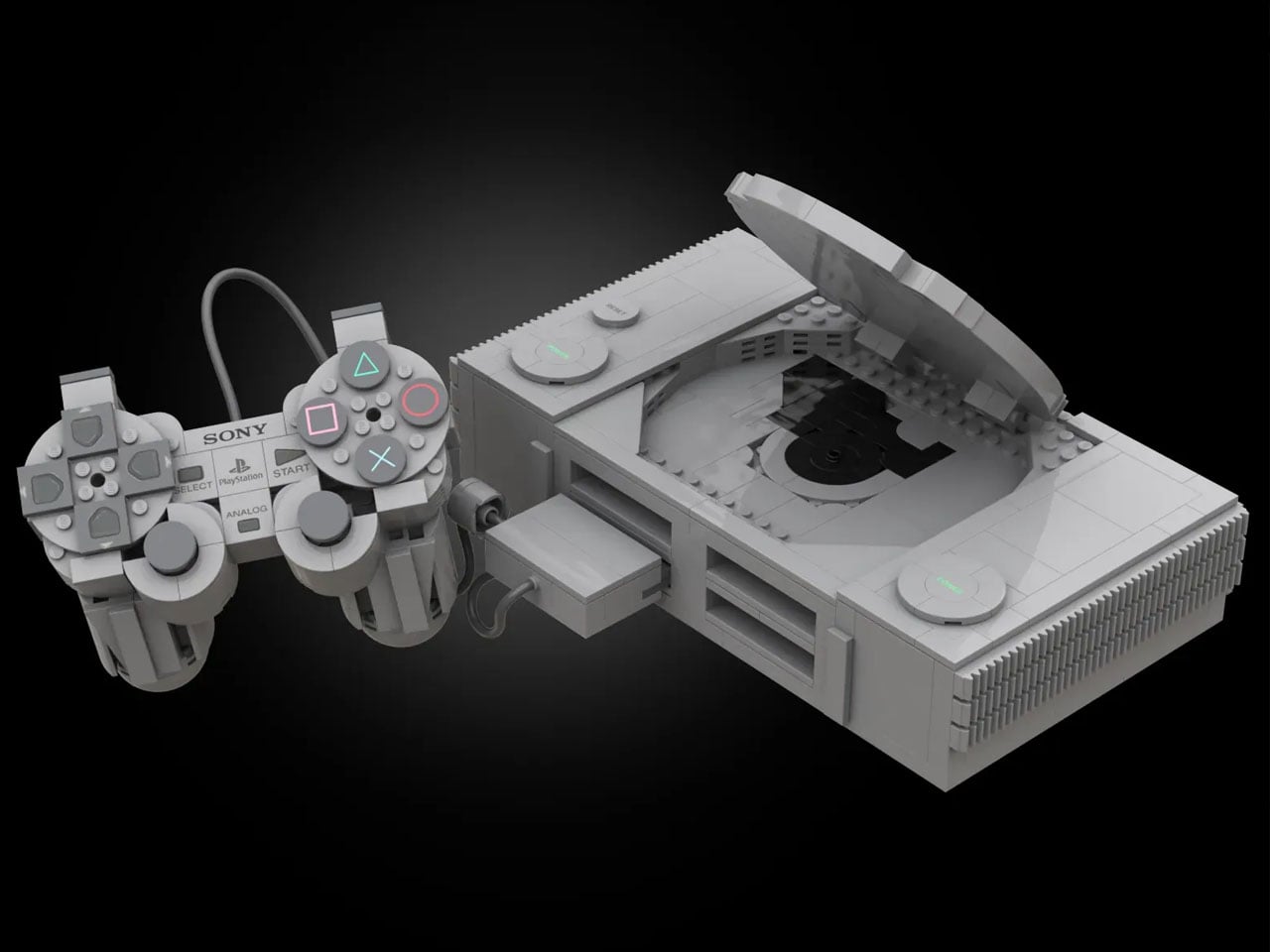
The LEGO PlayStation is priced at $179.99 and will be available to LEGO Insiders from October 1, 2026, ahead of its general release on October 4, 2026. For anyone who remembers the original grey console as more than just a piece of hardware, this is a chance to bring that era back—without needing to find an old CRT television to complete the setup.
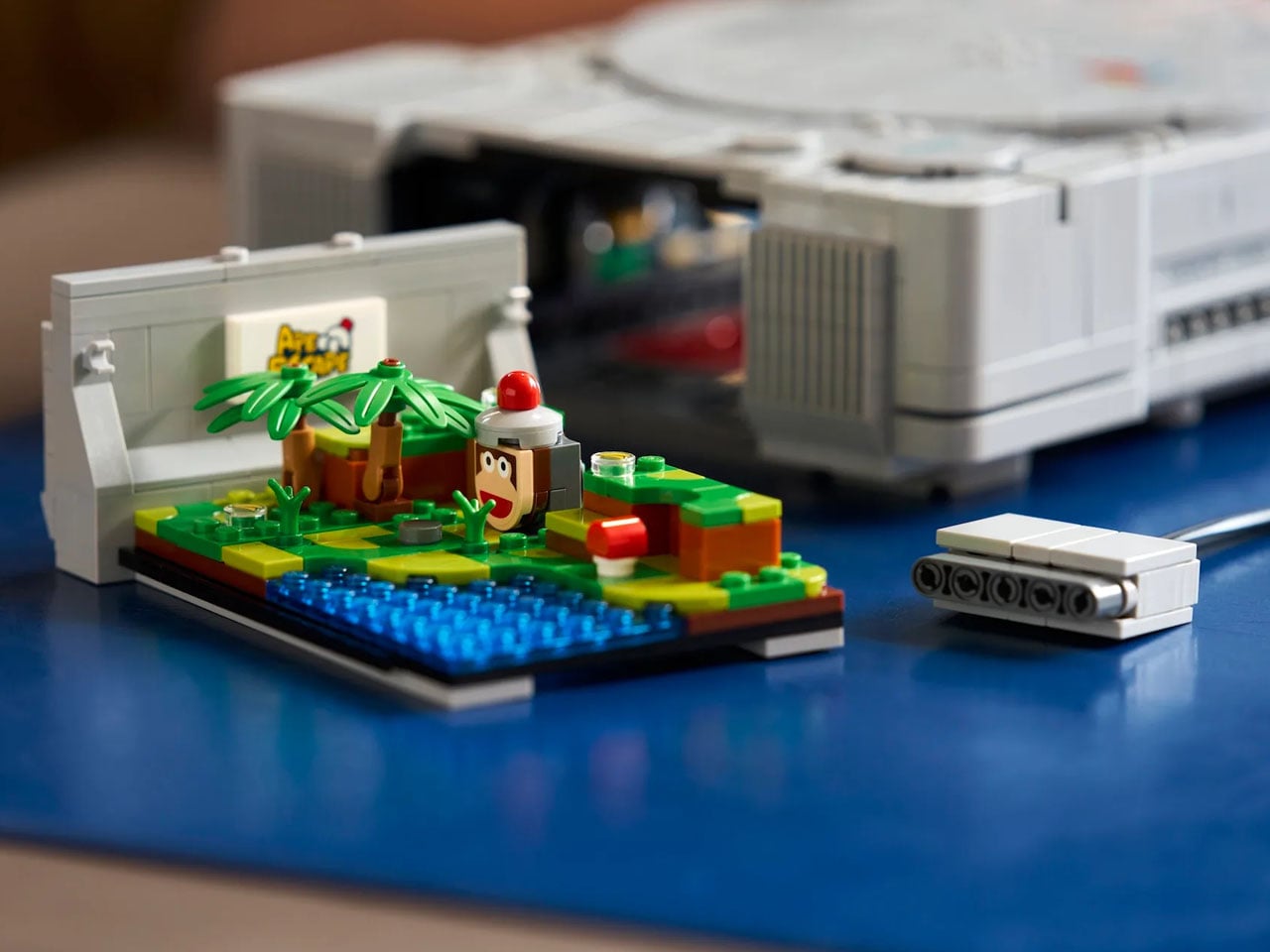
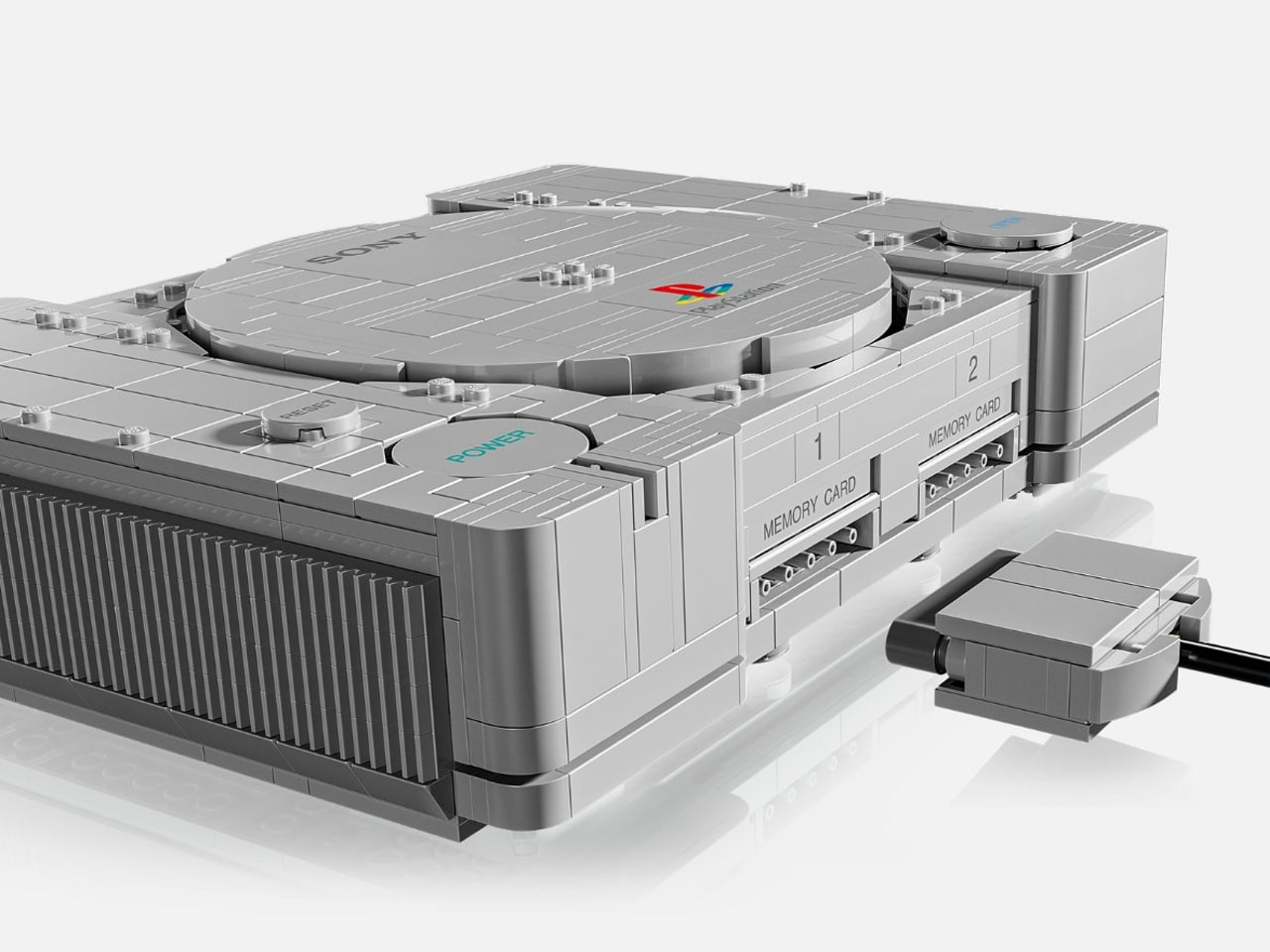
The post LEGO’s 1:1 PlayStation replica lets you put the iconic ’90s console on your desk first appeared on Yanko Design.
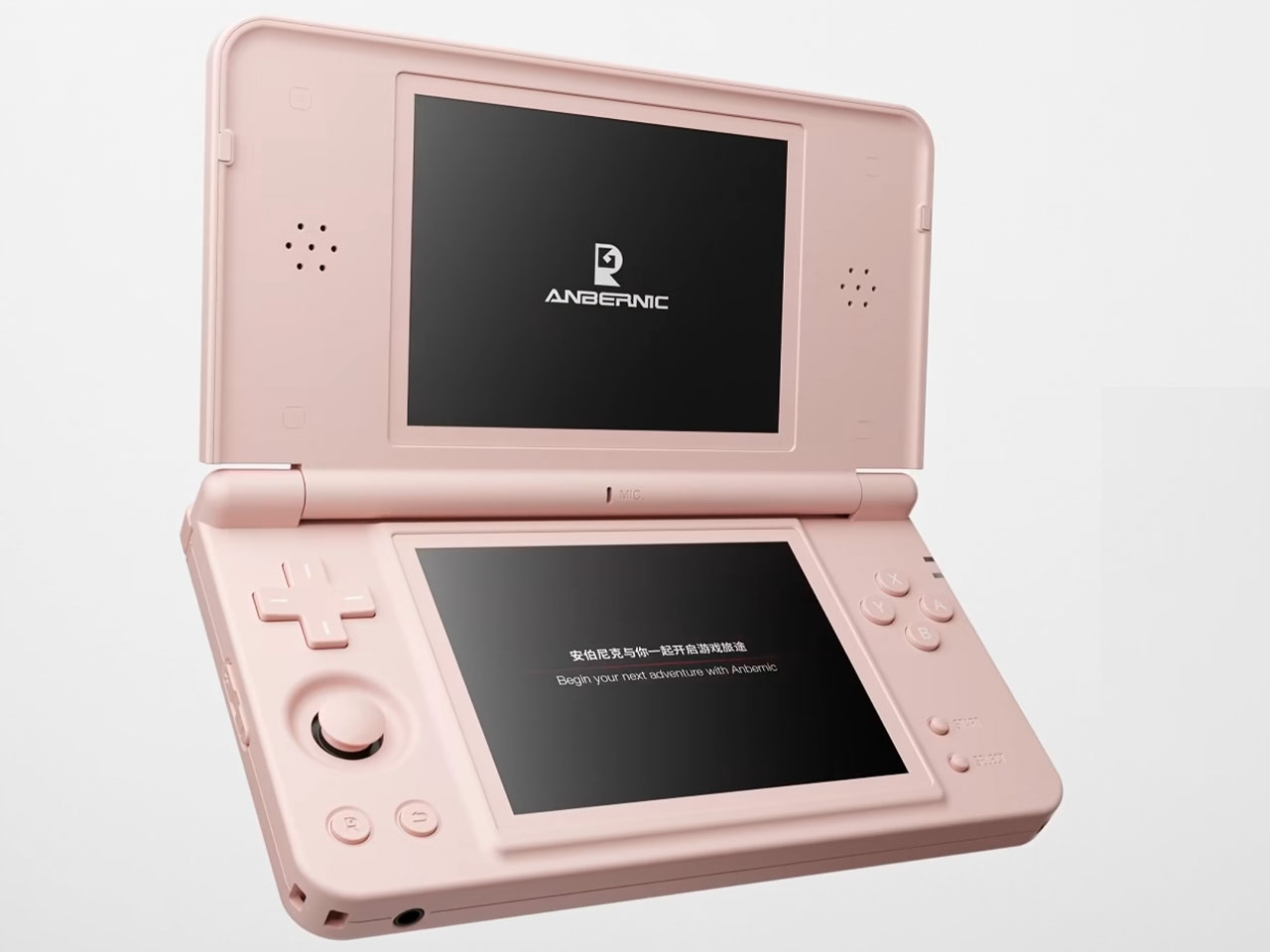
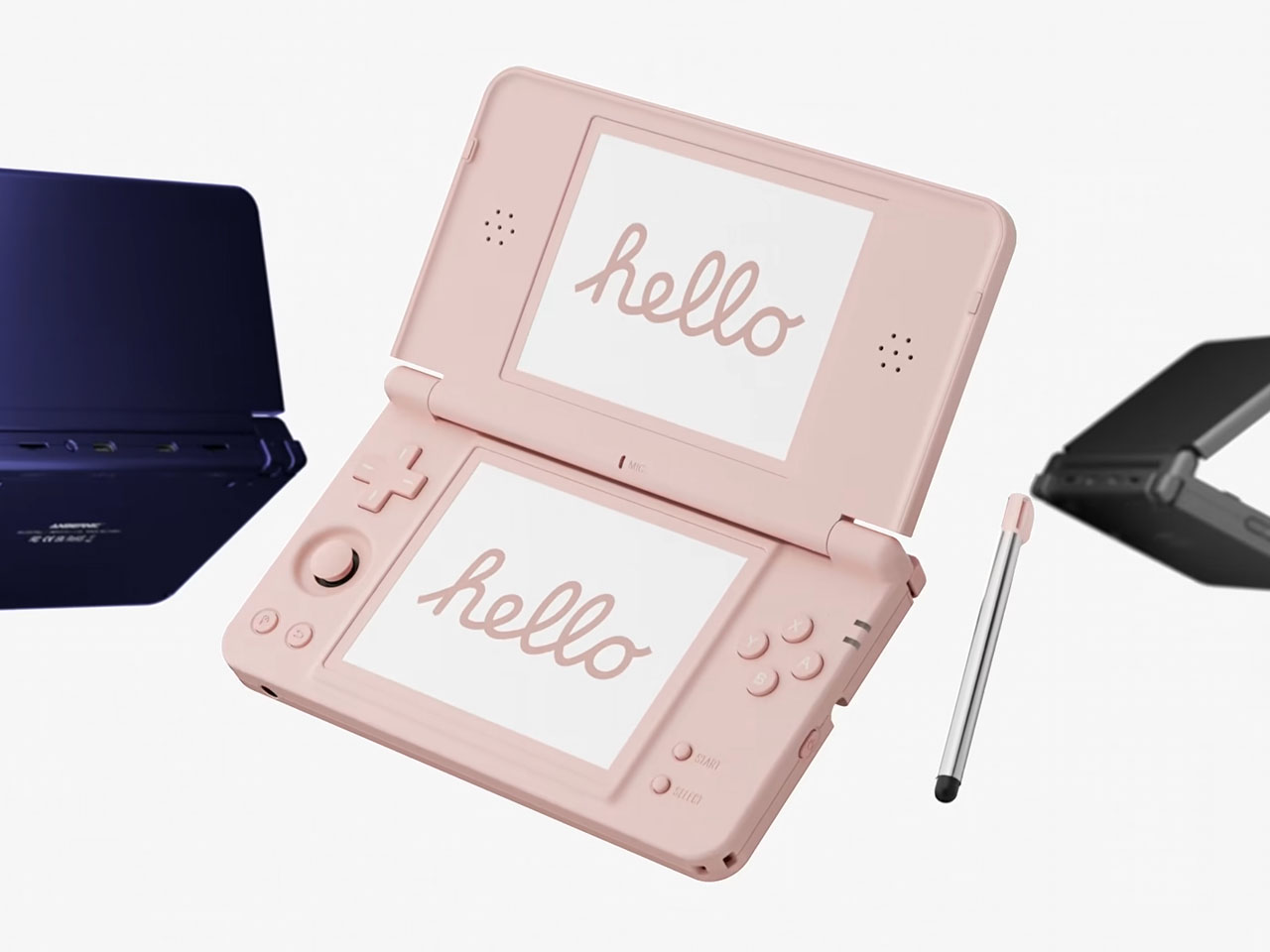
The options for dual-screen handhelds are quite interesting, with the AYANEO Flip 1S DS debuting alongside the Anbernic RG DS. Even handhelds with this inherent functionality not built in can be upgraded to a dual-screen setup. Take the Retroid Dual Screen Add-on and the ROG Ally X mod. If we purely talk about the dual-screen handhelds, Anbernic RG DS has been popular with the gaming community.
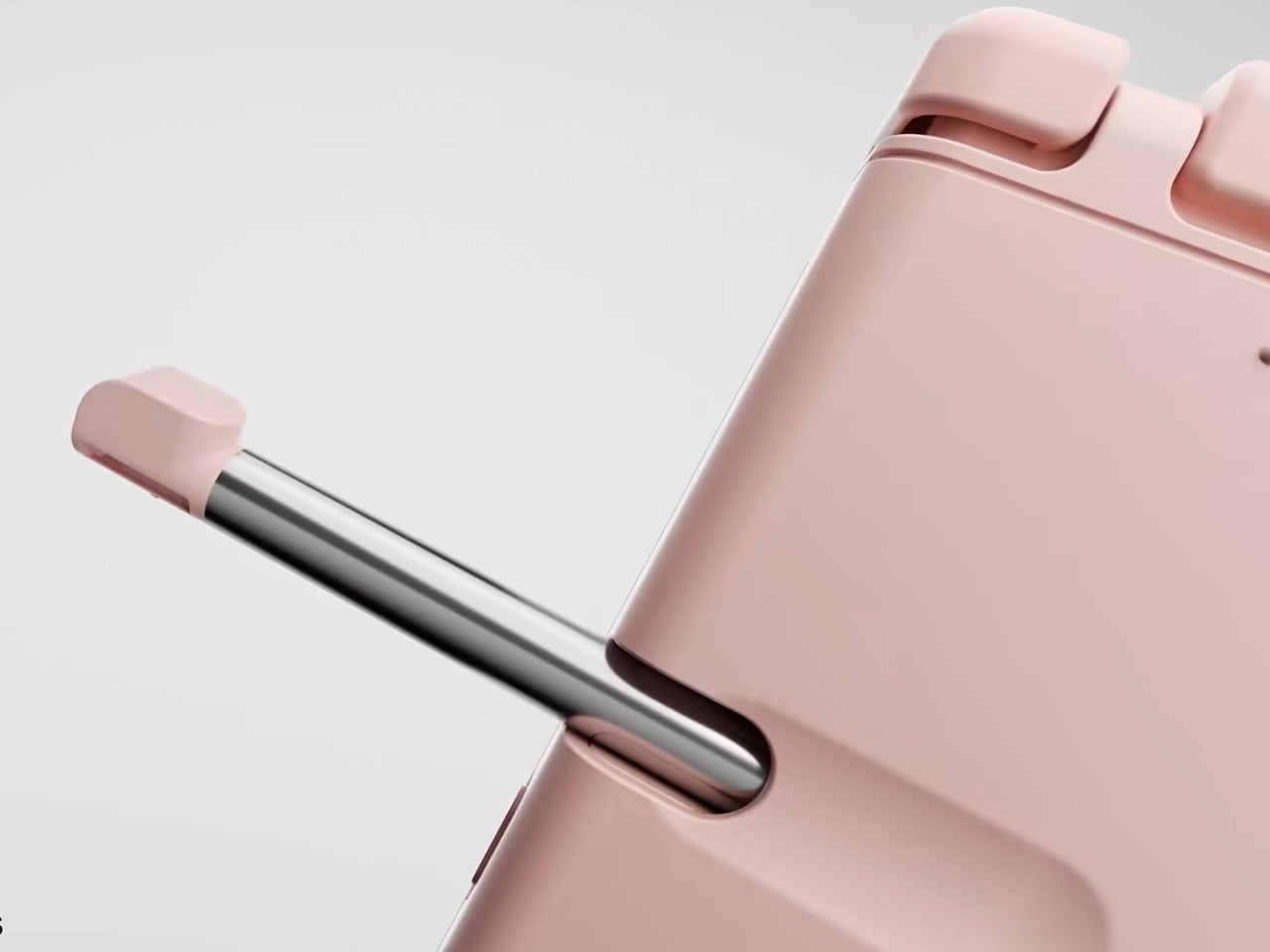
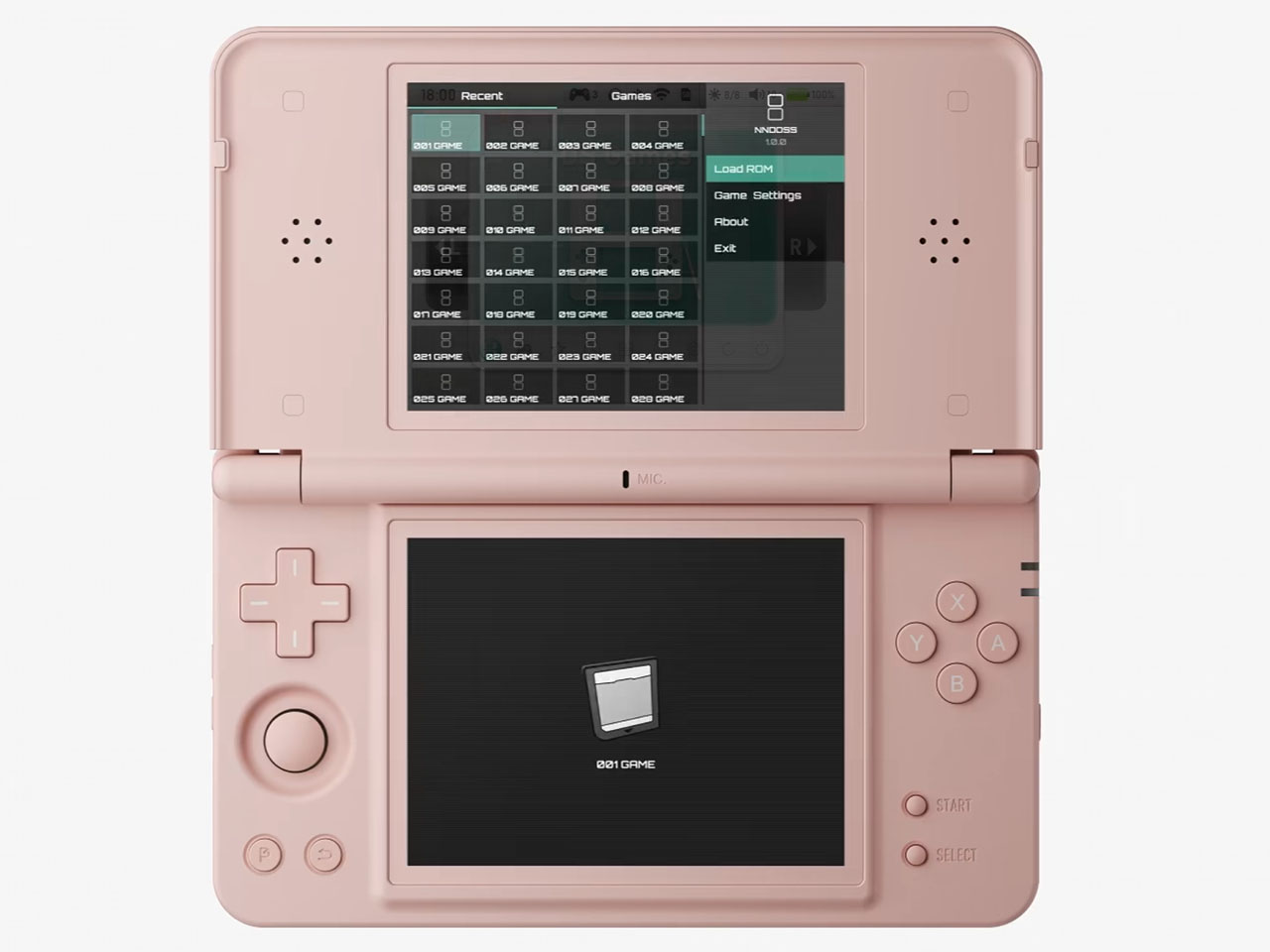
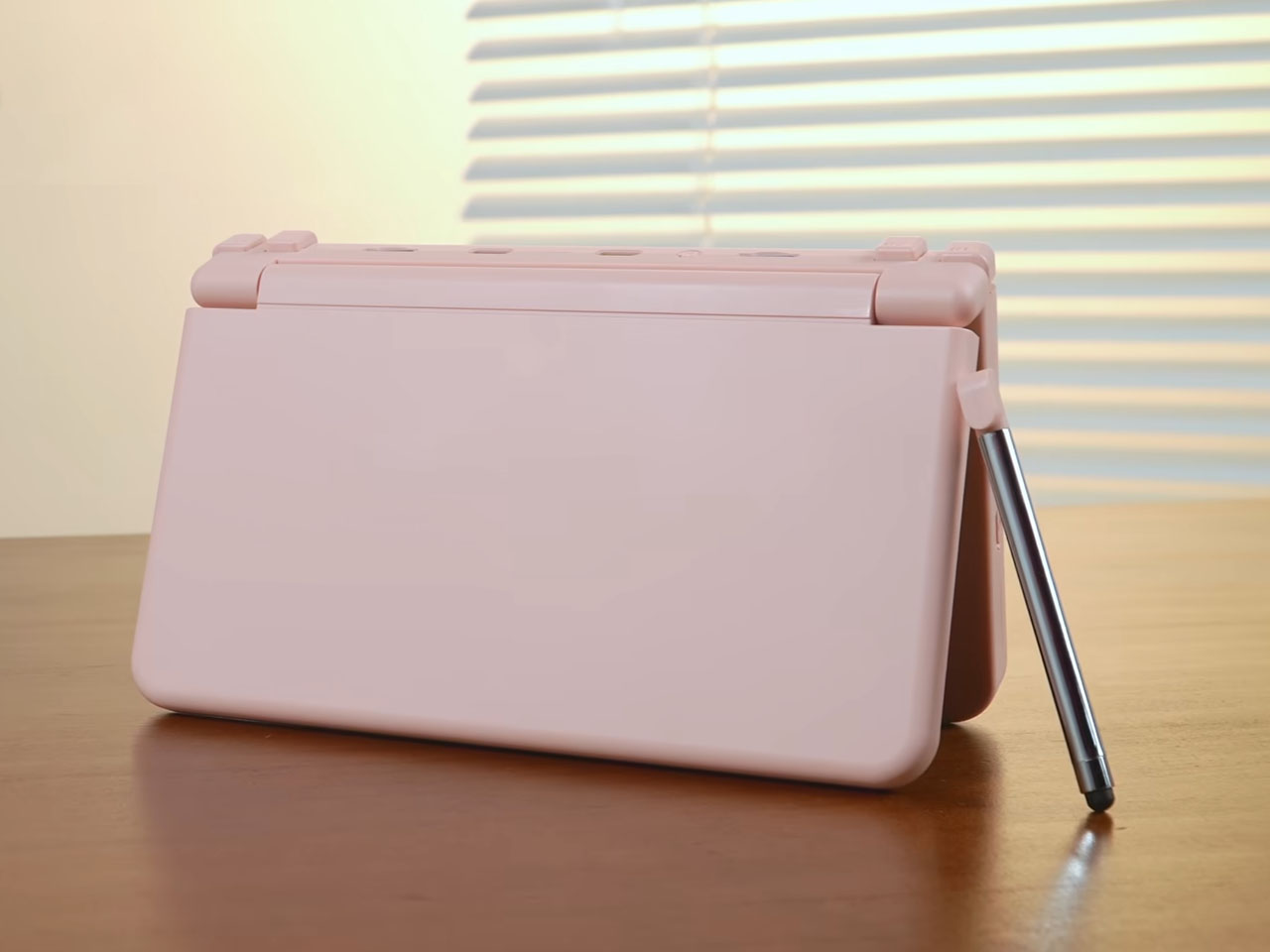
Now, the Shenzhen-based gaming console maker has launched the RG DS Plus dual-screen handheld, and it’s better in every aspect than its predecessor, except one. The gaming device draws inspiration from the Nintendo DS and goes the length to adding a stylus for enjoying titles like Stardew Valley or Vampire Survivors.
Designer: Anbernic
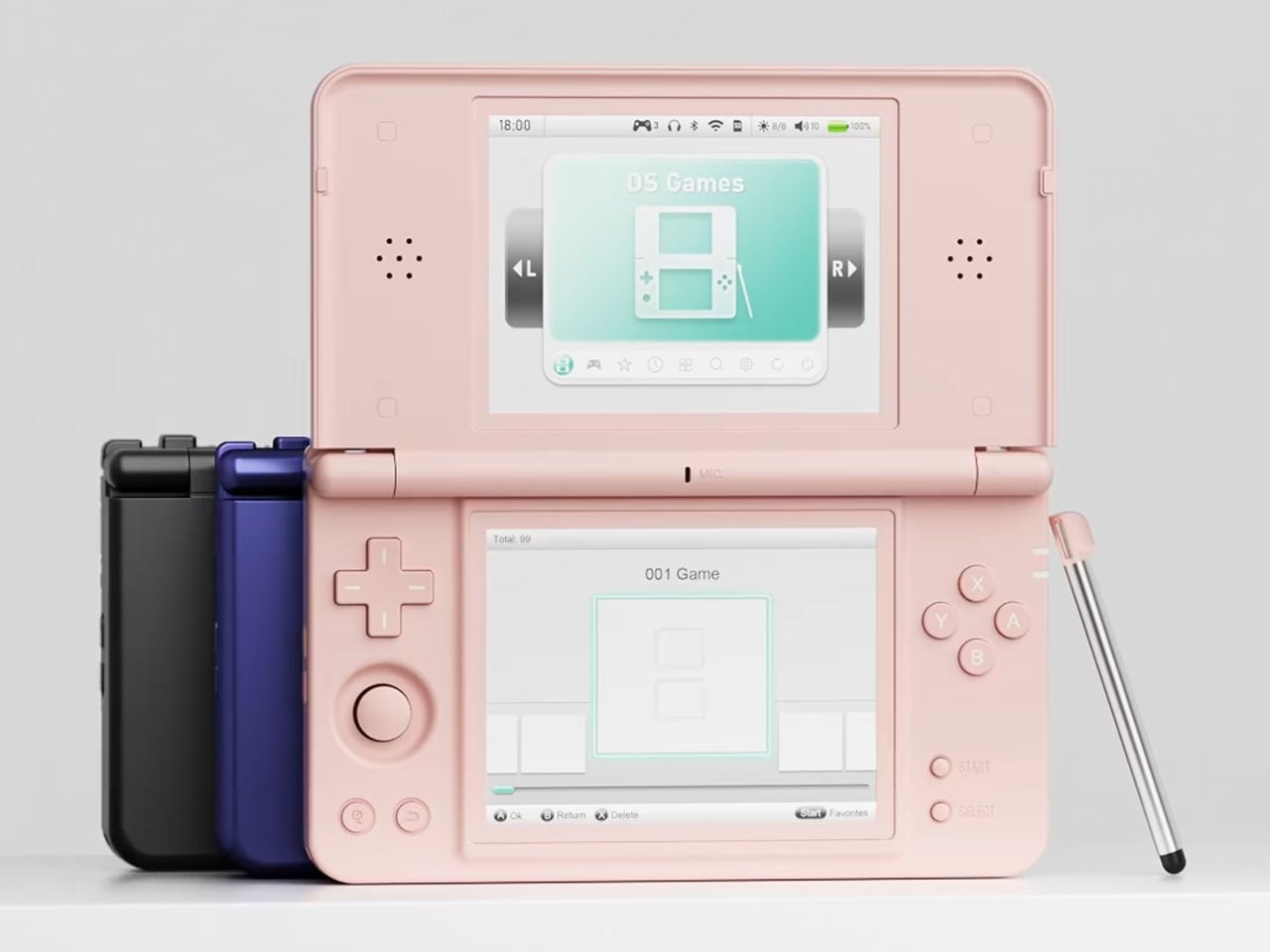
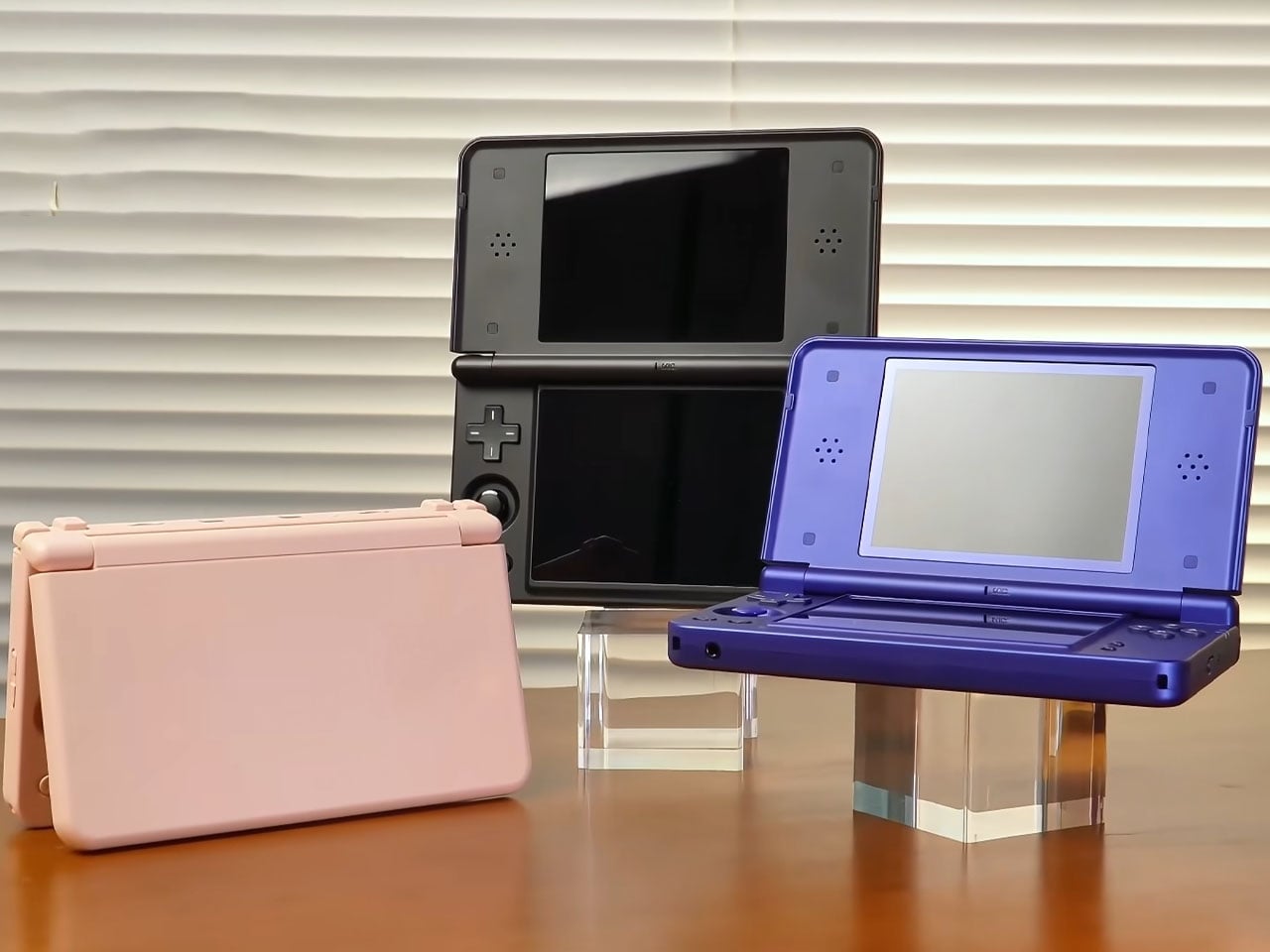
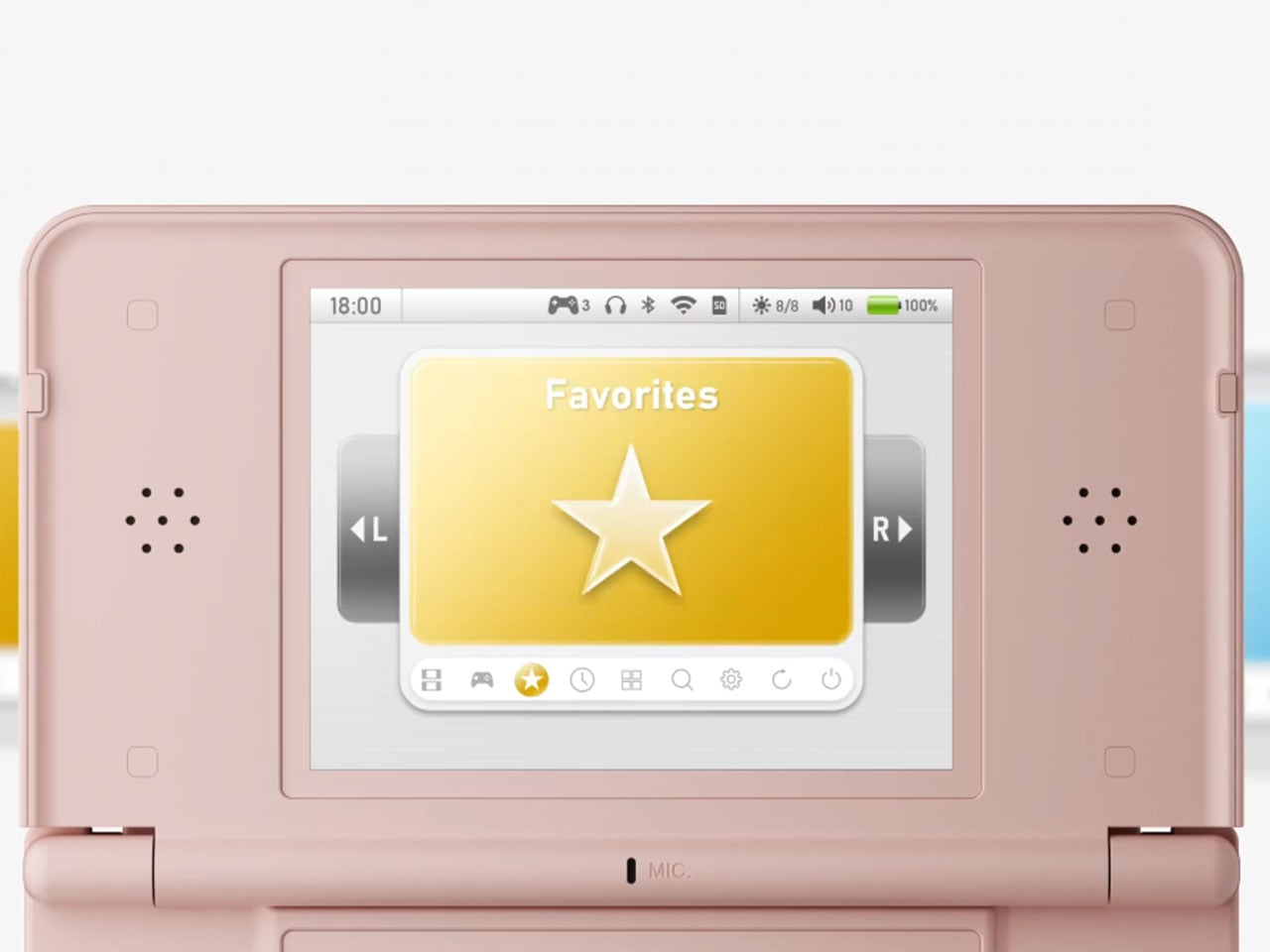
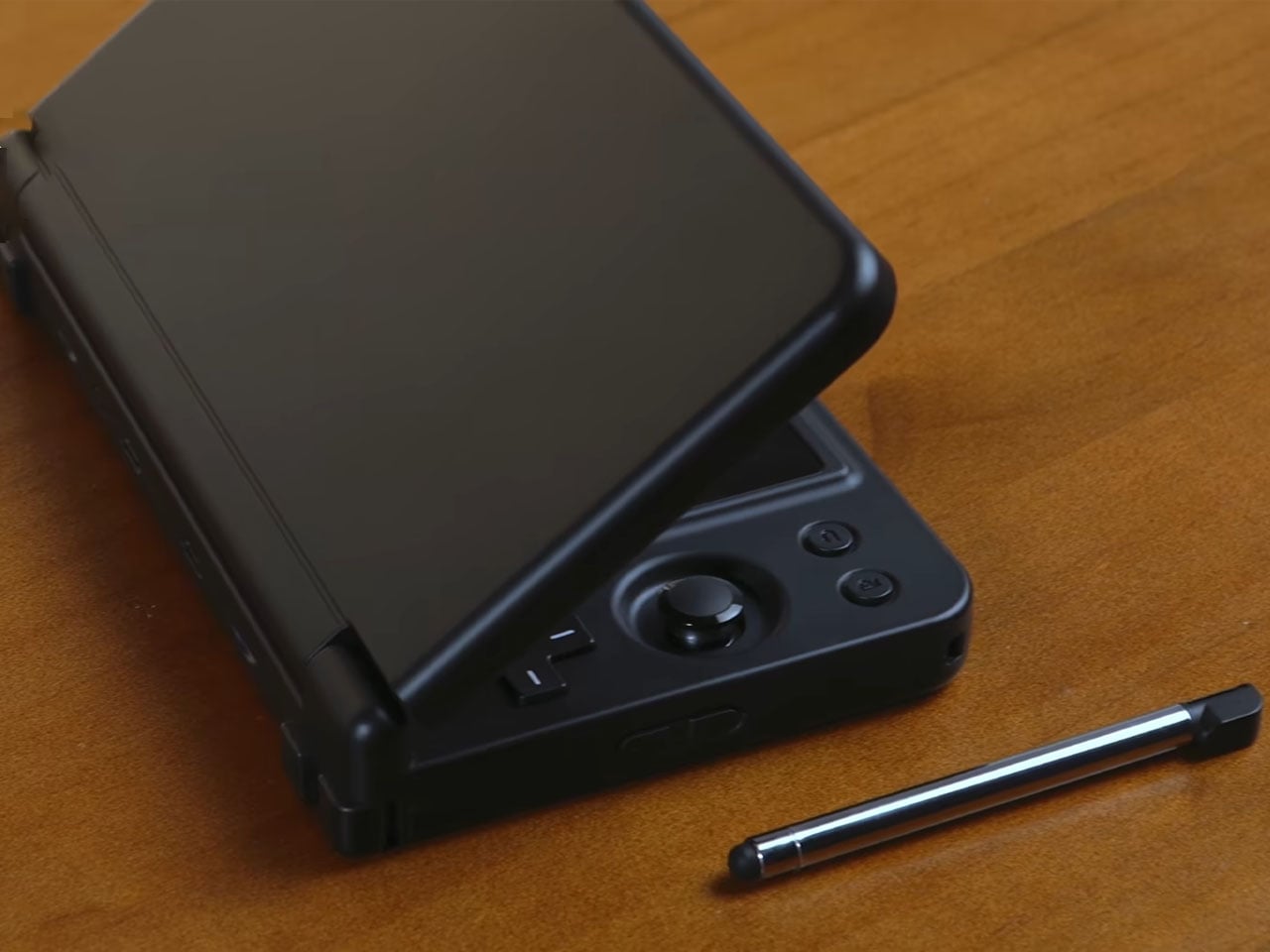
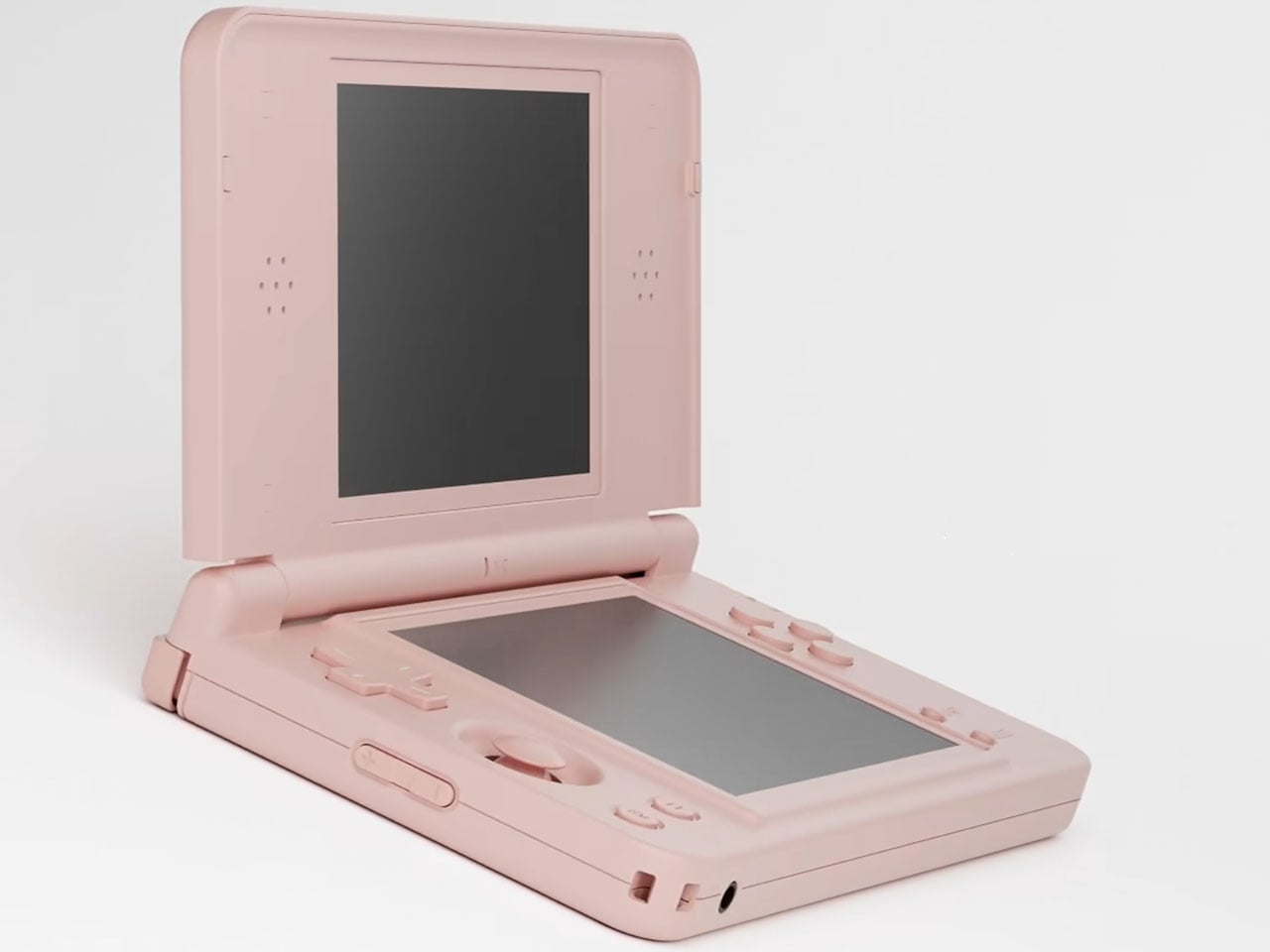
The handheld runs on Linux OS, compared to Android on the predecessor. This software is based on a fresh dual-screen emulator called NNDSS (based on the Nintendo DS) that has microphone support, seamless screen swapping, 76 built-in shader options, a real-time clock, and an instant save option. Both screens measure 4.3 inches (1024×768 resolution), touting 4x pixel-perfect scaling. The lower second display has a touch-based interface. The upgraded dual alloy hinge on the RG DS Plus has a longer lifespan and allows stepless positioning for far better ergonomic play. To ensure smoother play, the device has four digital shoulder buttons and an analog stick.
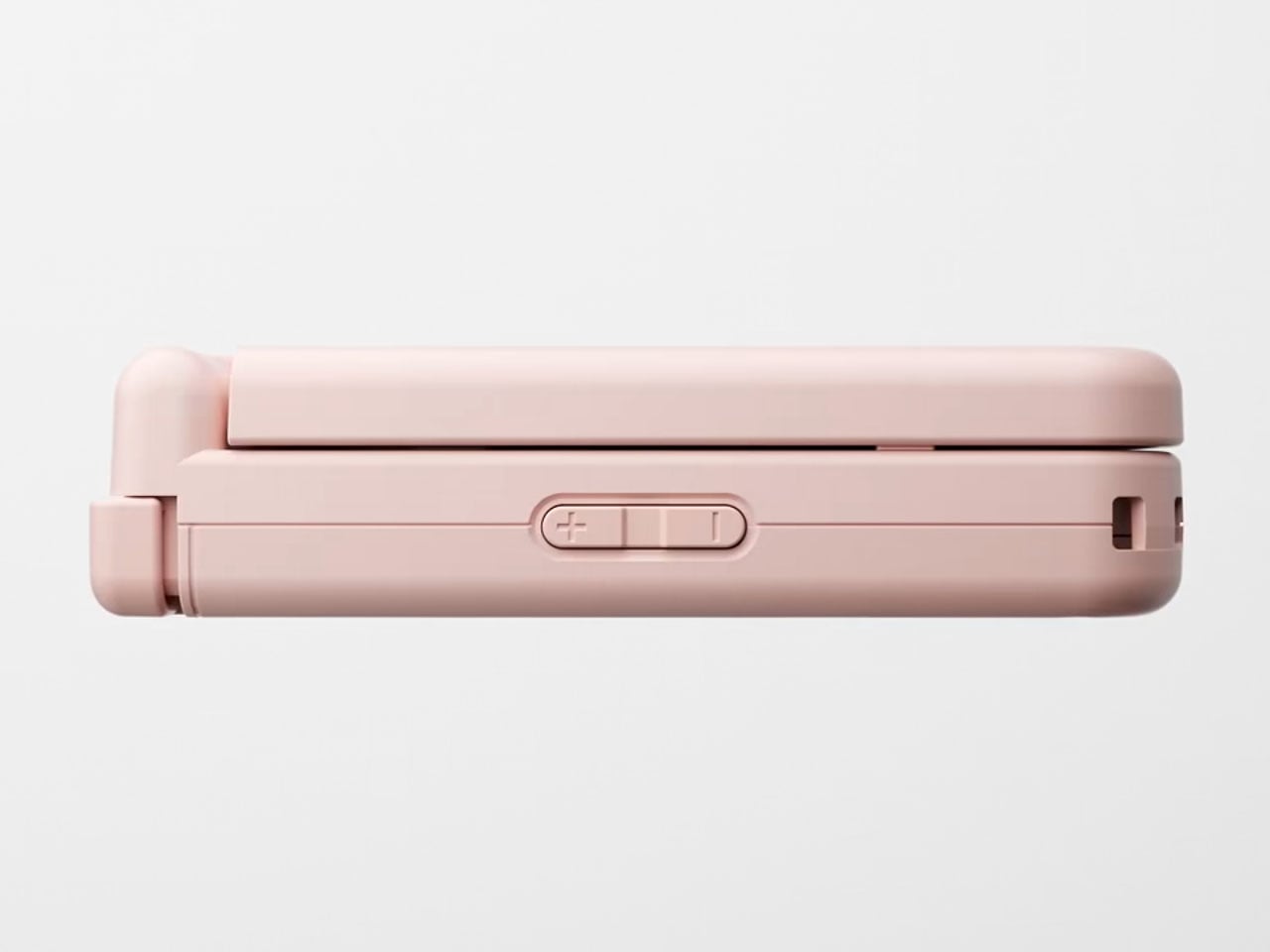
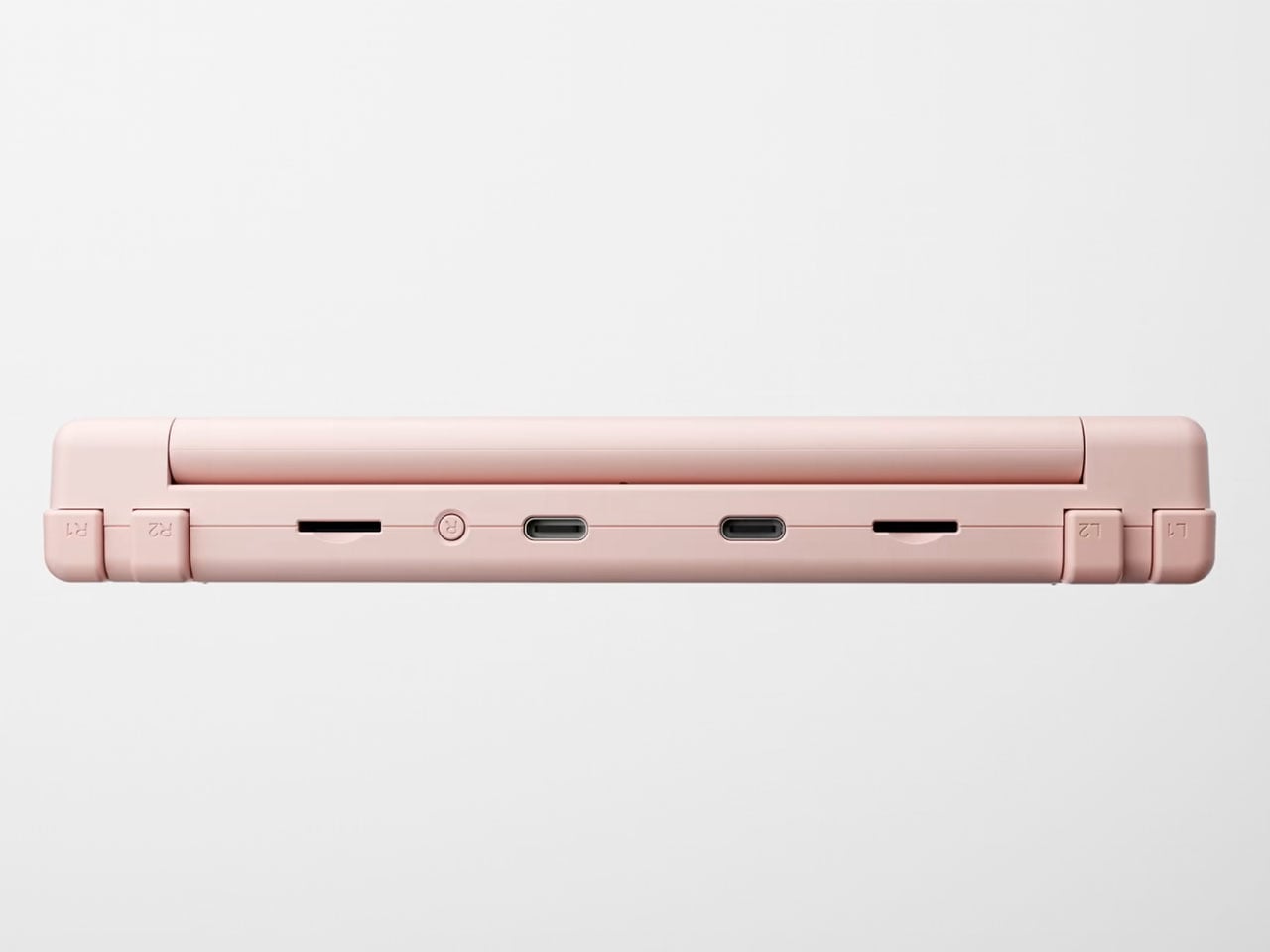
From the reveal video on YouTube, it is apparent that the handheld gets dual USB-C ports, dual microSD card slots, a headphone jack, and front-facing speakers. The only thing that suspiciously remains unchanged from the earlier version is the Rockchip RK3568 chipset, which could be a deal breaker for many gamers. The maker has also ditched the built-in eMMC memory to keep the cost the same as the earlier version. Also, the @TheGammaSqueeze collaboration to port GammaOS means the RAM is downgraded to 1GB, compared to the 3GB on the previous device. So why does it carry the Plus moniker? Well, that’s because it is bigger in size and features.
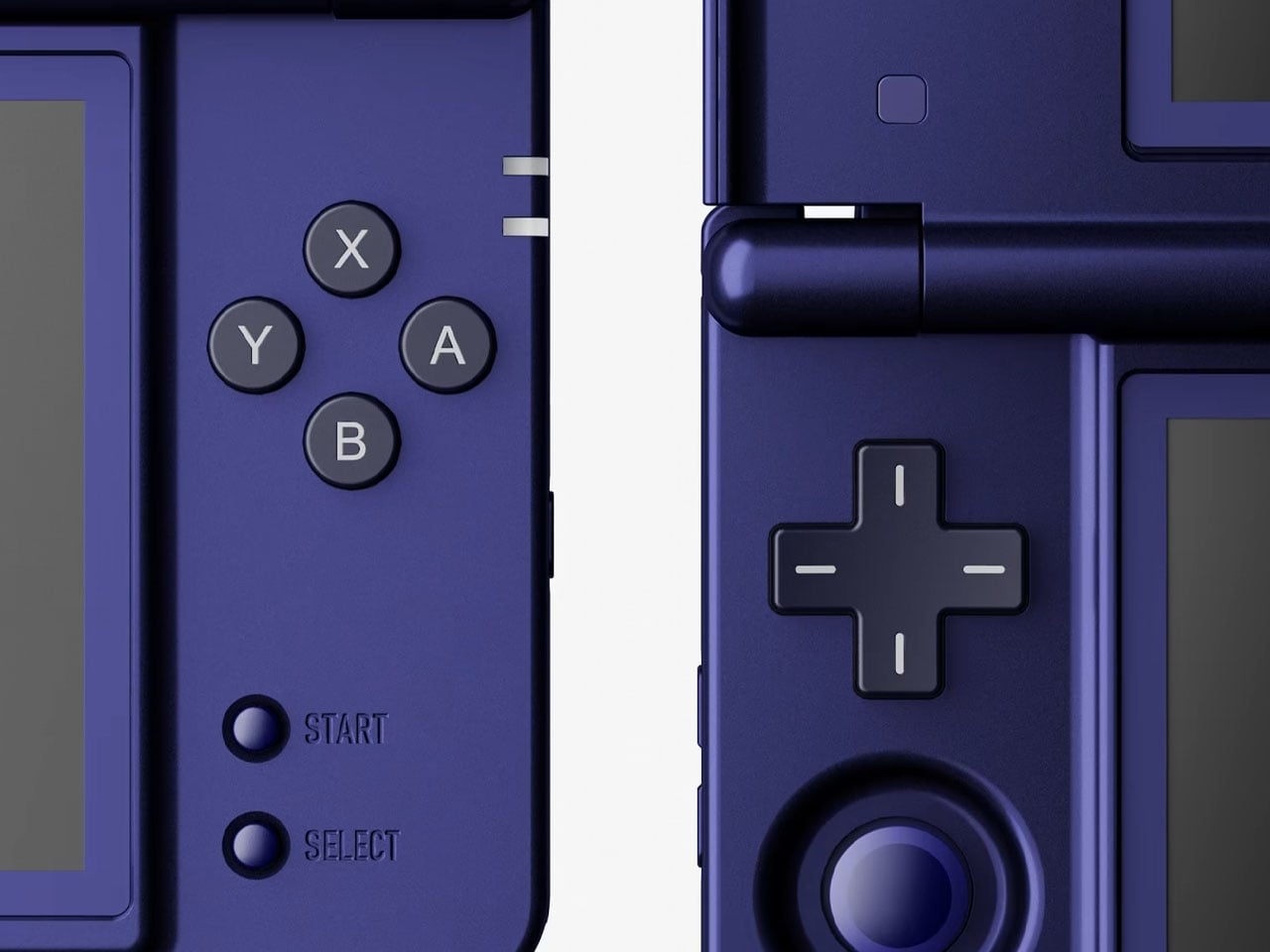
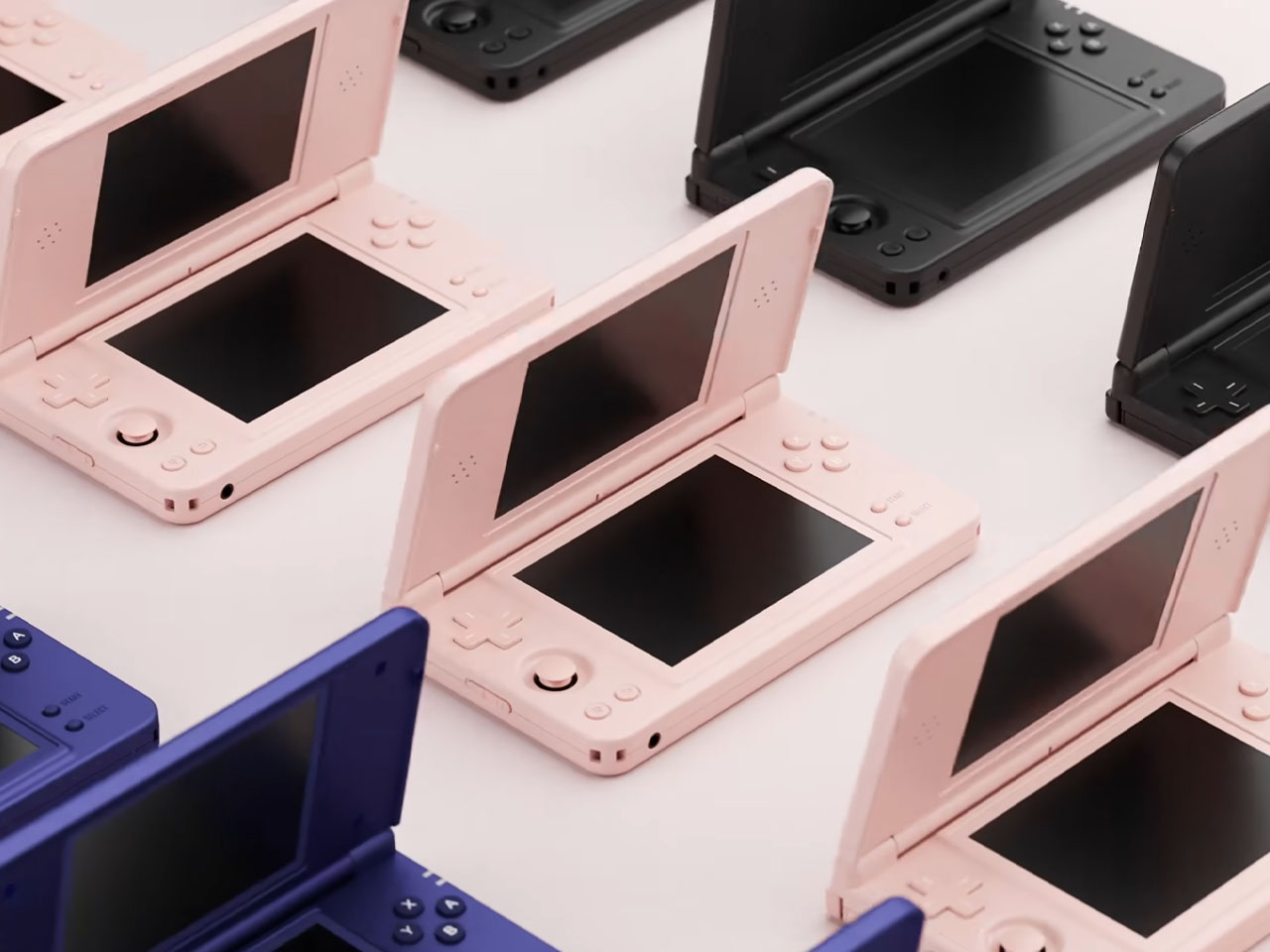
What makes the RG DS Plus a step ahead of rivals like AYANEO is the presence of an integrated capacitive stylus and a microphone. At this point, there are no more details about the specifications or a more detailed feature list. Anbernic RG DS Plus will be priced below $100 and come in three color options: Metallic Blue, Matte black and Coral Pink. There is no release date yet, so we’ll keep you posted. Experienced gamers already know they can get it for around $90 if they buy it in the first 72 hours.
The post Anbernic RG DS Plus dual-screen handheld comes with a capacitive stylus and microphone first appeared on Yanko Design.
Anyone who’s a huge fan of the Pokémon universe has probably, at one time or another, dreamed about waking up inside that world surrounded by their favorite creatures, training and catching them. Sure, you’d probably turn into an animated character (unless it’s more like the live-action Detective Pikachu, which blended both worlds), but it would still be a blast to run around and try to catch ’em all.
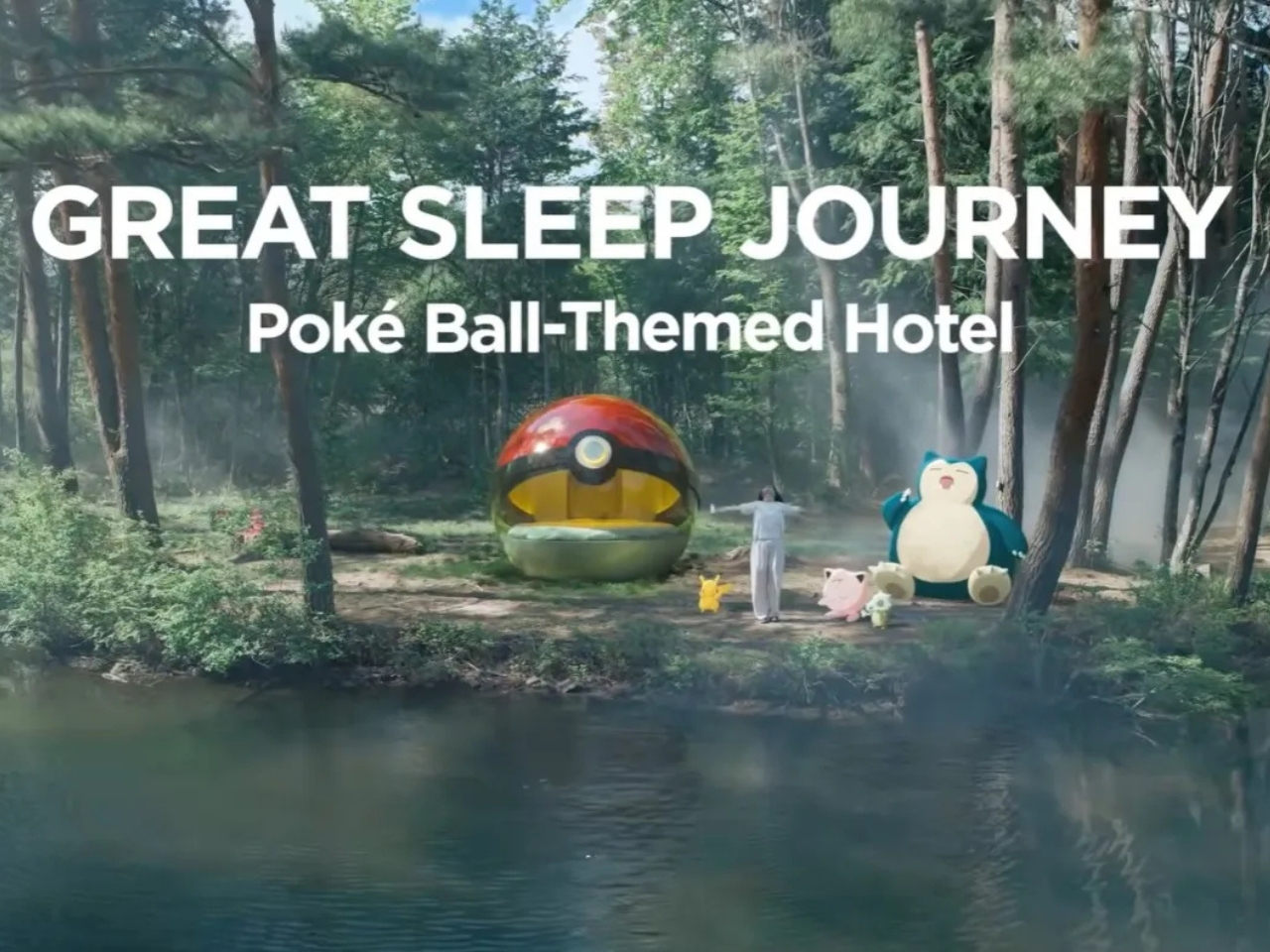
Well, your dream might just come true, to some extent. Japanese hospitality brand NOT A HOTEL has partnered with The Pokémon Company, specifically the Pokémon Sleep app, to create a Poké Ball-Themed Hotel somewhere in the forests of Hokkaido, giving fans the rare chance to spend the night inside a human-sized Poké Ball and maybe wake up imagining Snorlax and Jigglypuff wandering nearby.
Designer: The Pokémon Company x NOT A HOTEL
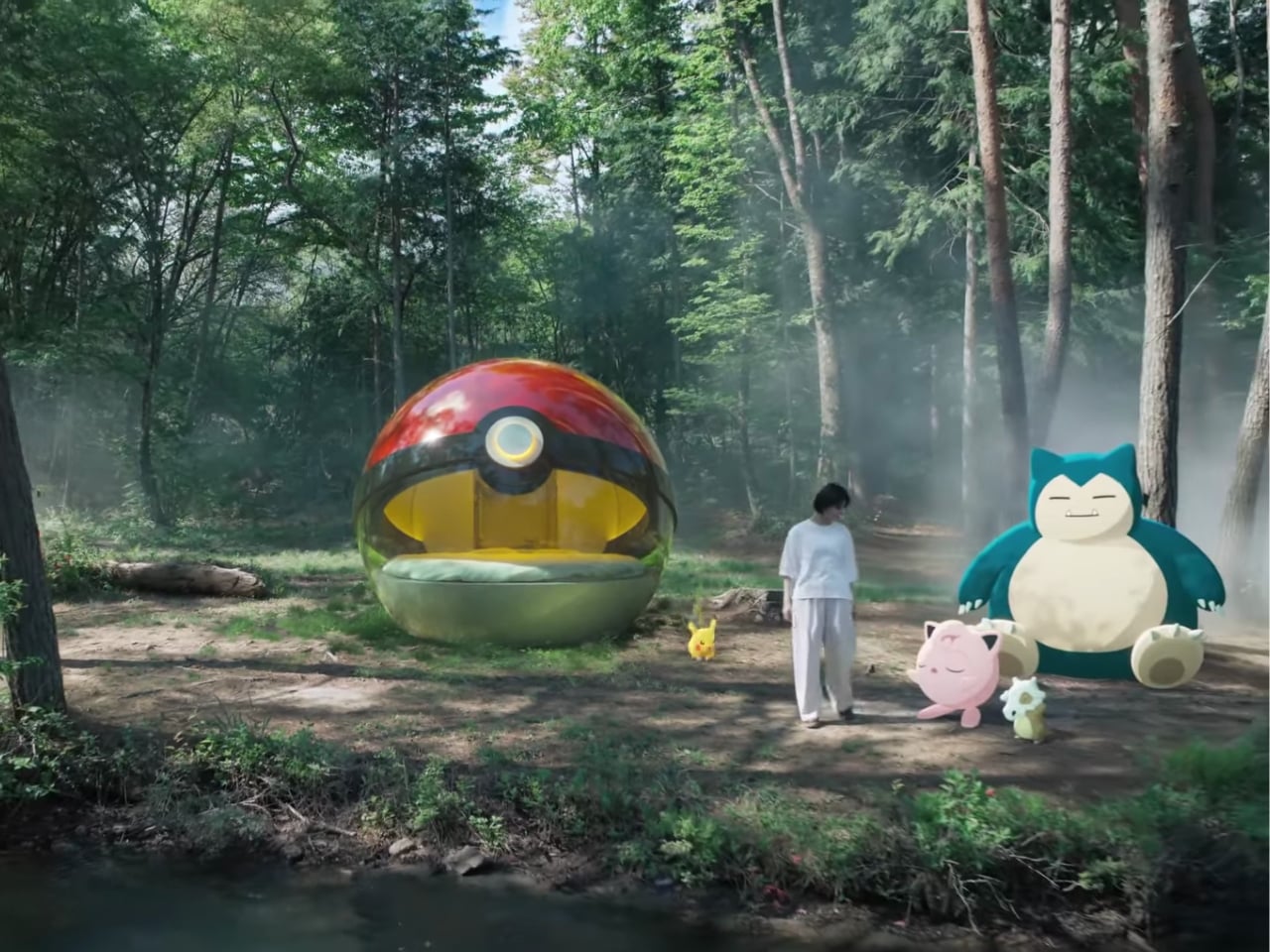
Usually, when a hotel offers a “themed” room, you just get some decorations and maybe a few painted walls inside an otherwise ordinary building. But this one is nothing like that. It’s a detached, freestanding spherical structure set outdoors, somewhere amid Hokkaido’s wilderness. Think of it as camping, or more accurately glamping, except instead of a tent, you’re sleeping inside a giant ball. NOT A HOTEL is known for building one-of-a-kind architectural homes rather than cookie-cutter rooms, so if anyone can pull off turning a cartoon object into a livable structure without it feeling like a cheap novelty prop, it’s them.
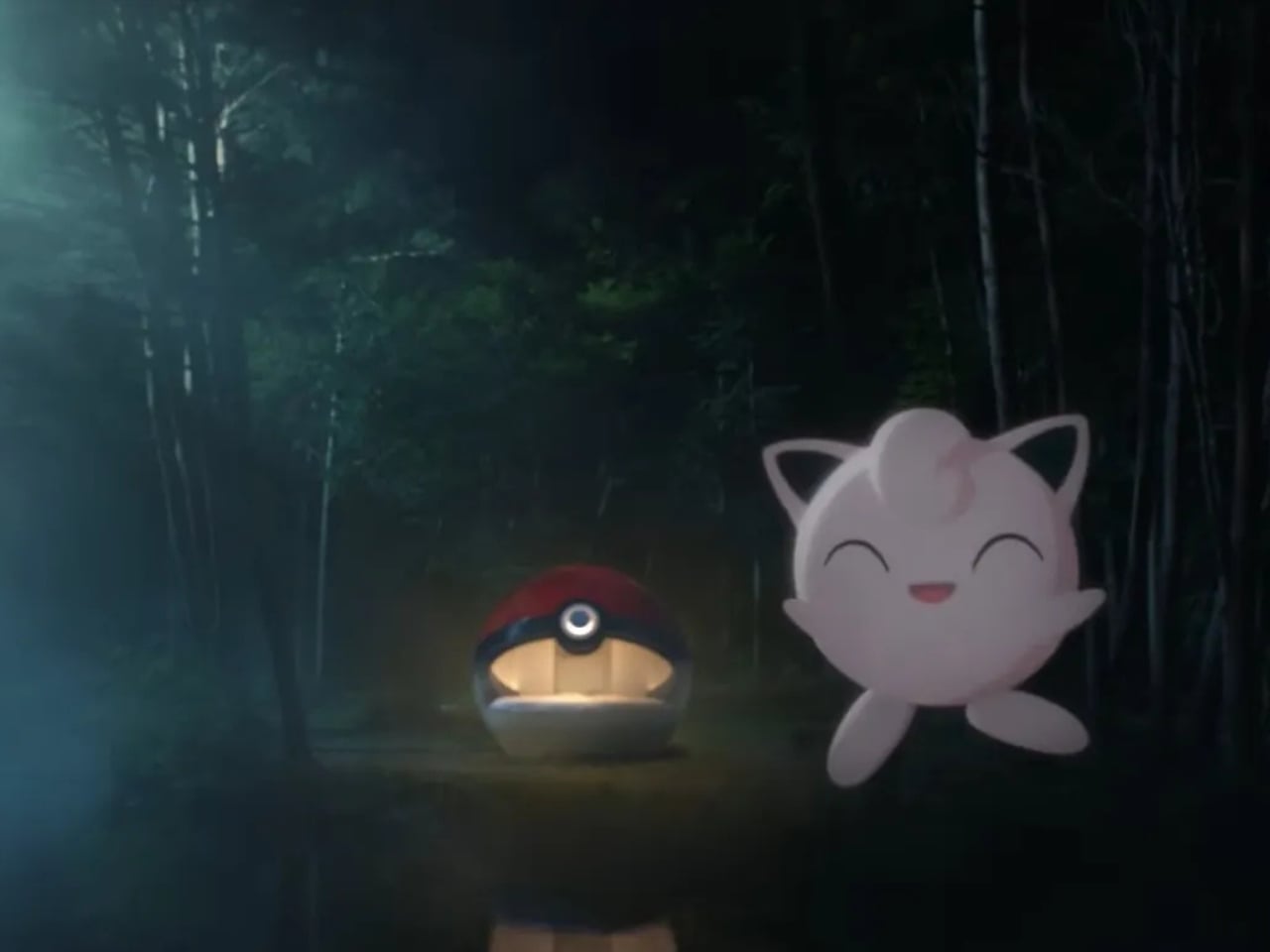
The collaboration is actually built around Pokémon Sleep, the mobile sleep-tracking app that just celebrated its third anniversary. The app gamifies your bedtime by “catching” Pokémon based on your real sleep data. This hotel flips that concept on its head: instead of having the creatures visit you while you sleep, you’re the one visiting their world instead. Well, sort of. Let’s just say your imagination will probably run wild the moment you check into your very own Poké Ball.
Interestingly, the project uses the international name “Poké Ball” rather than “Monster Ball,” which is what the item is officially called in Japan. That small detail suggests this experience is designed to welcome fans from all over the world, not just domestic travelers.
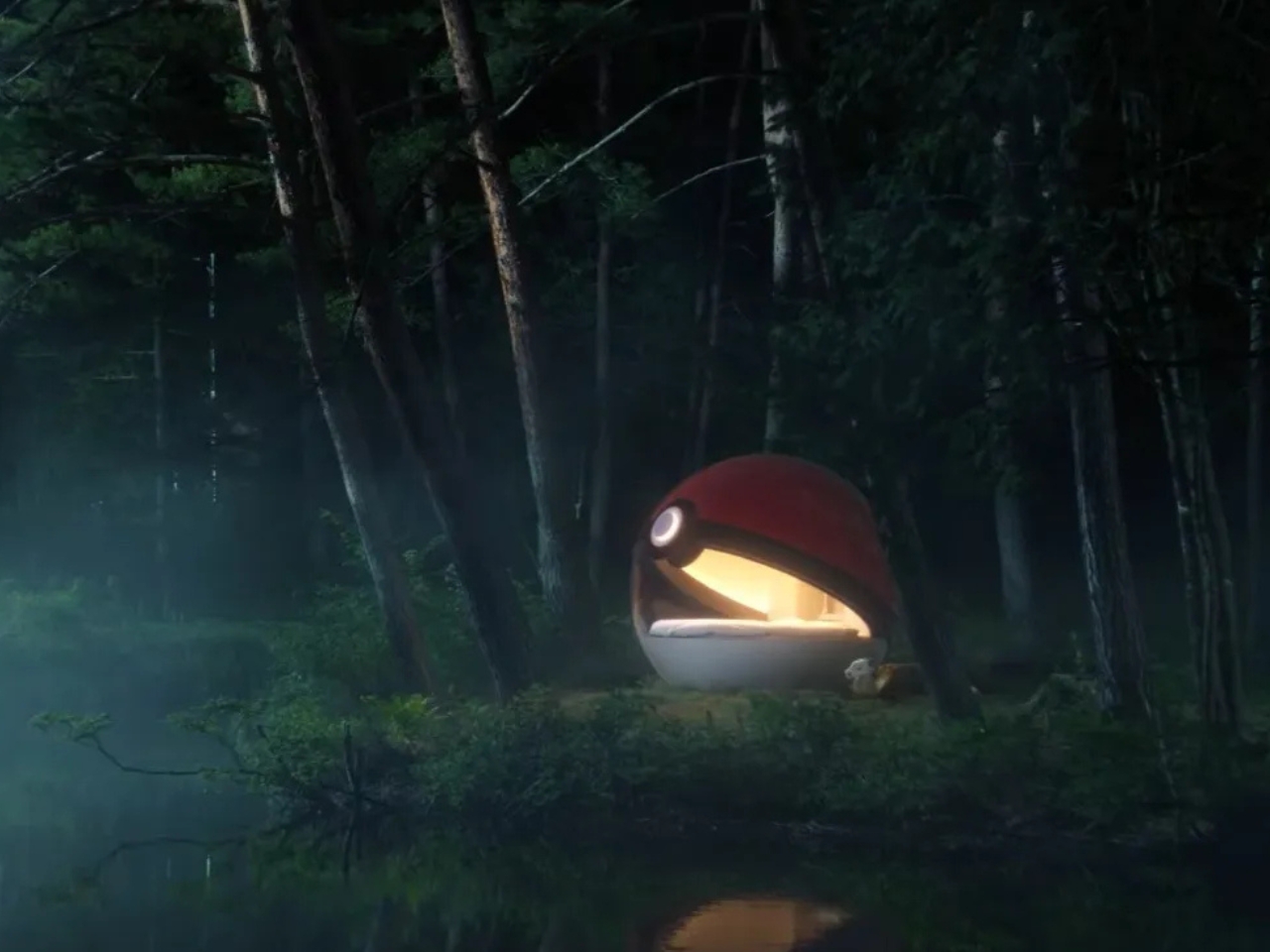
We don’t have a ton of details yet, but everything is set to be revealed on September 15, including how the whole thing will actually work. Based on what’s been shared so far, this won’t be a simple online booking like a typical hotel stay. It sounds like it’ll be run more like a limited, lottery-style campaign, meaning only a lucky handful of selected guests will actually get to spend the night inside. The exact location in Hokkaido is also still being kept a secret, adding an extra layer of mystery to the whole reveal.
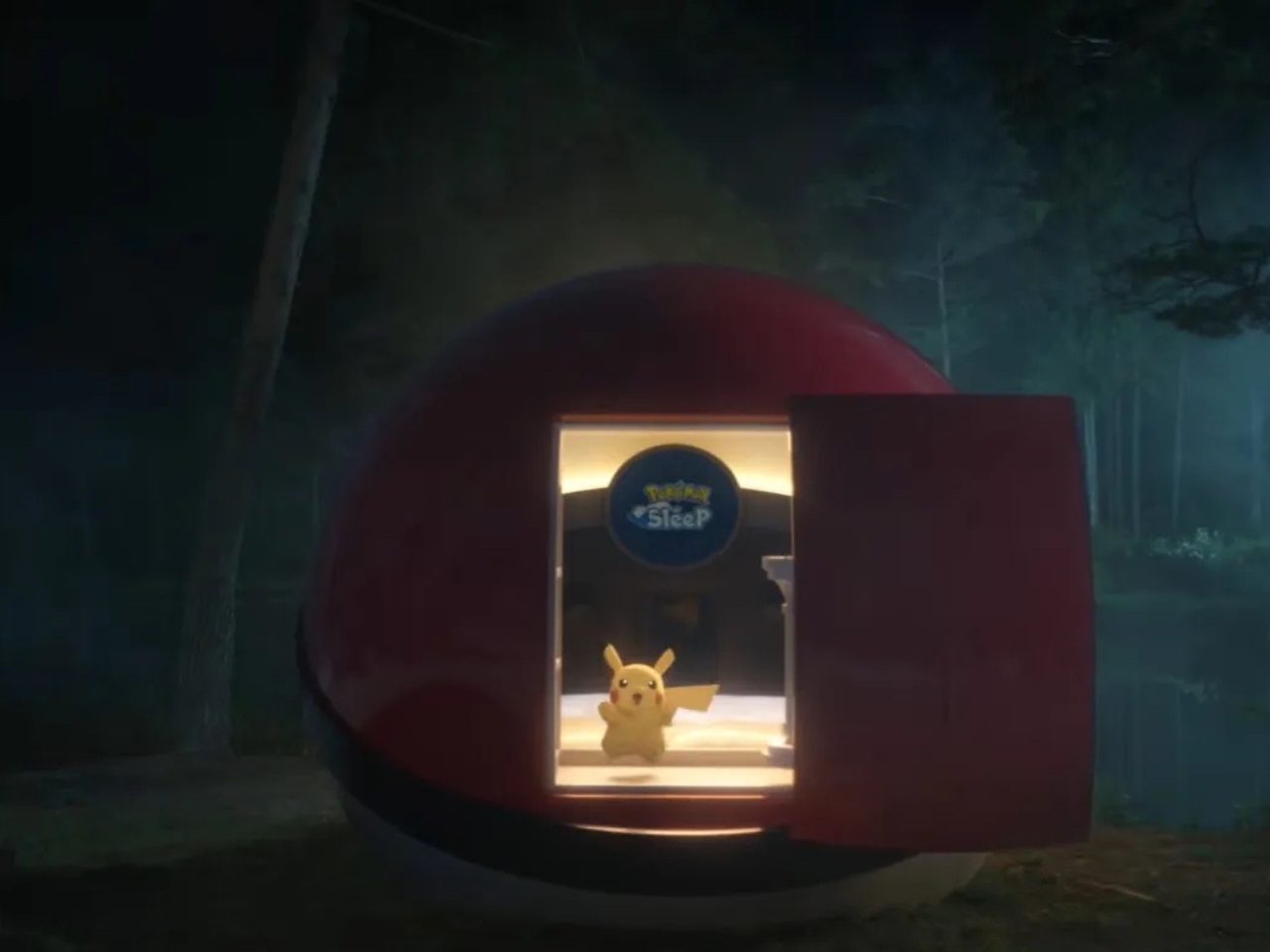
Fair warning: whether it ends up being a paid stay, a members-only perk, or a straight-up giveaway, it’s probably safe to assume this won’t be an easy ticket to get. But honestly, that’s probably a small price to pay (literally or figuratively) to fulfill a childhood dream you never thought would actually happen. It’s a genuinely clever marketing move, one that’s perfectly engineered to hook die-hard Pokémon fans and casual travelers hunting for a one-of-a-kind experience, all at once.
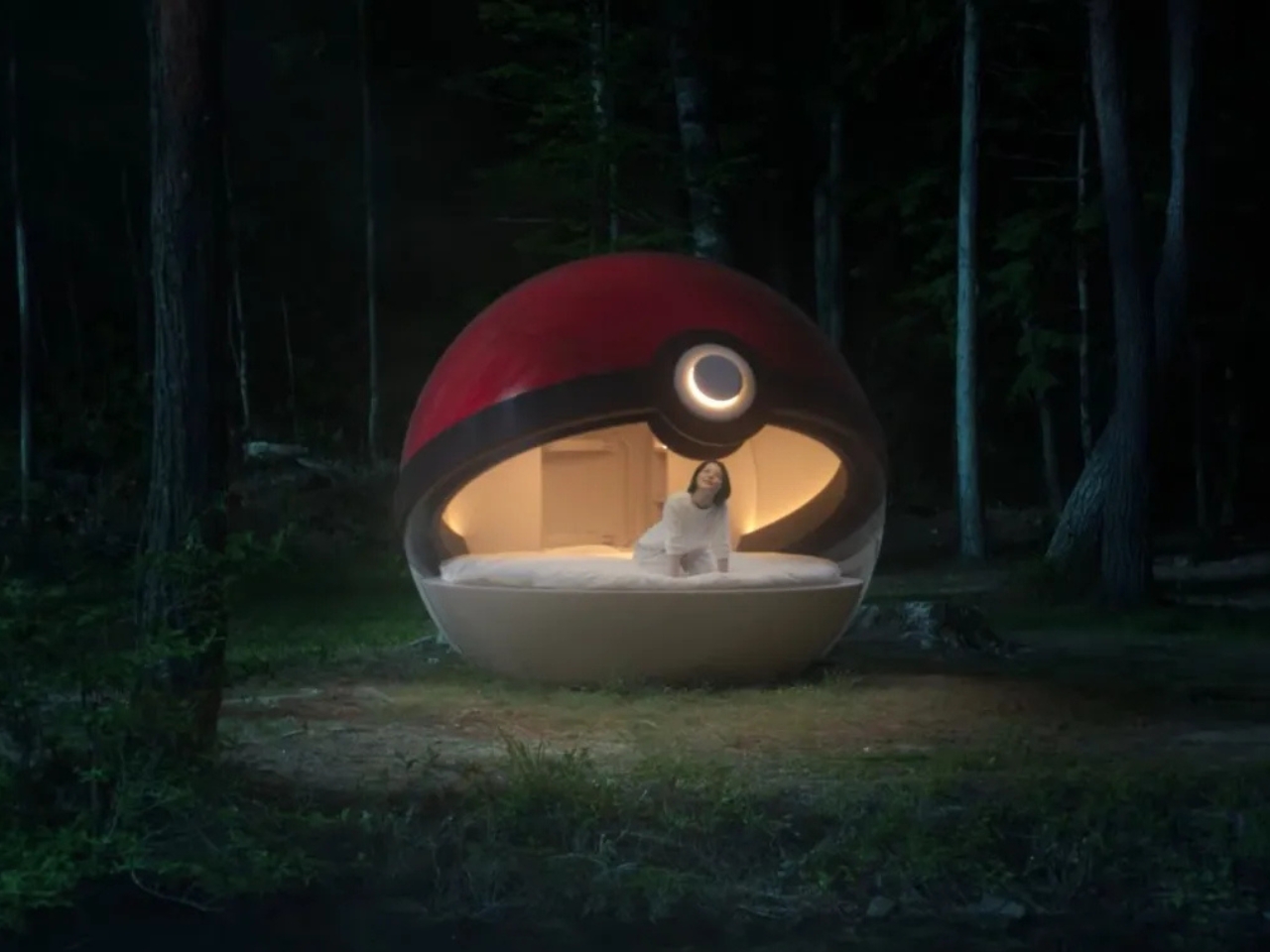
At the end of the day, this is one of those rare collaborations that actually makes sense on every level. It’s not just slapping a familiar logo onto a hotel room and calling it a day. It’s a legitimate design experiment that ties directly back to the game it’s promoting, wrapped in the kind of nostalgia that makes Pokémon fans of literally every age stop scrolling. Whether or not you personally end up snagging one of the extremely limited spots, it’s still fun to imagine what it might feel like to fall asleep inside a giant red-and-white sphere, tucked away in the quiet forests of Hokkaido.
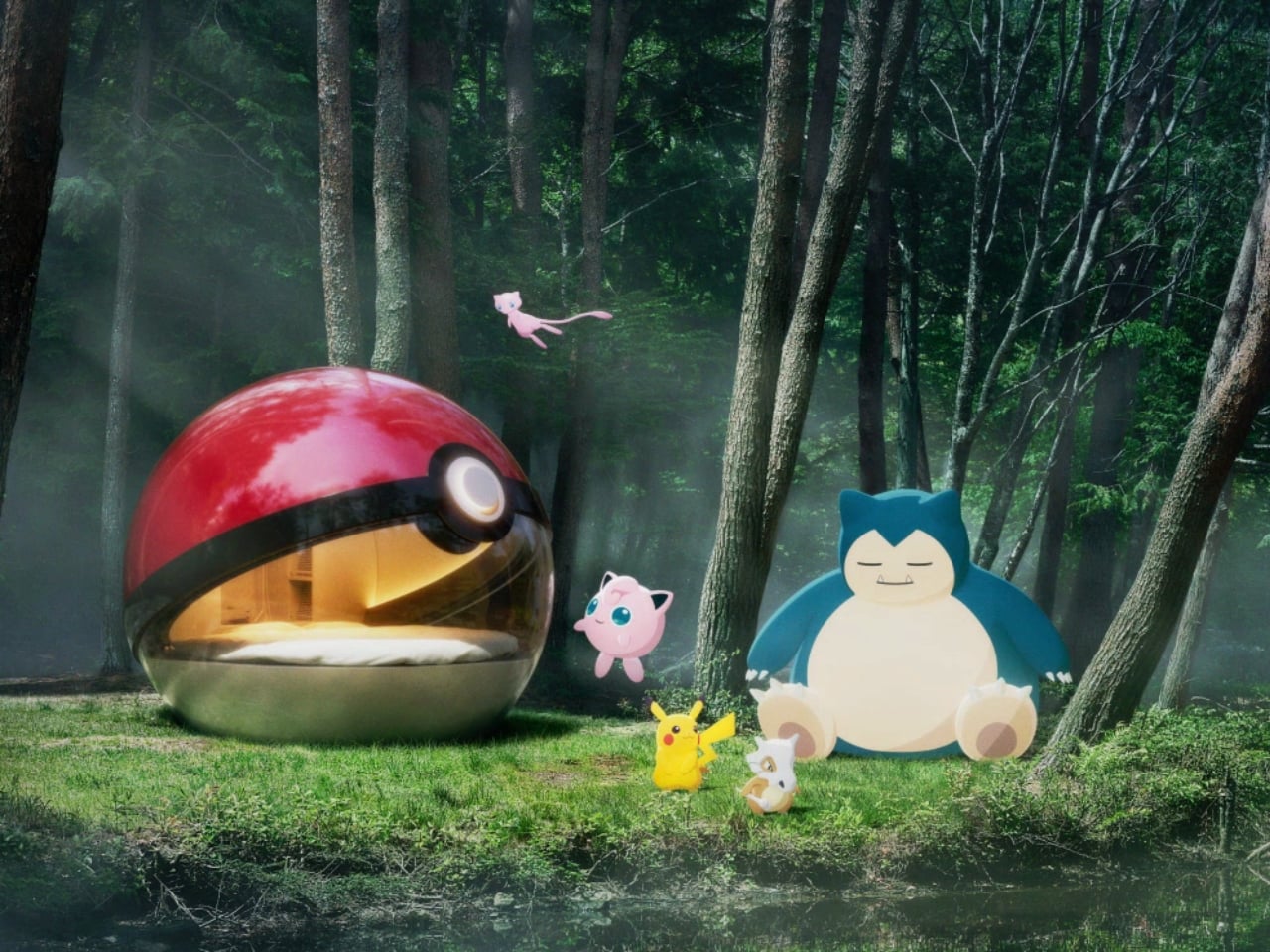
So mark your calendar for September 15. That’s when NOT A HOTEL and The Pokémon Company are expected to lift the curtain on pricing, application details, and what the inside of this thing actually looks like. Until then, all we can do is speculate, dream, and maybe rewatch a few old Pokémon episodes to get in the mood. After all, this might be the closest any of us ever get to living out that childhood fantasy of stepping straight into the Pokémon world.
The post Pokémon Just Made the World’s First Human-Sized Poké Ball Hotel first appeared on Yanko Design.