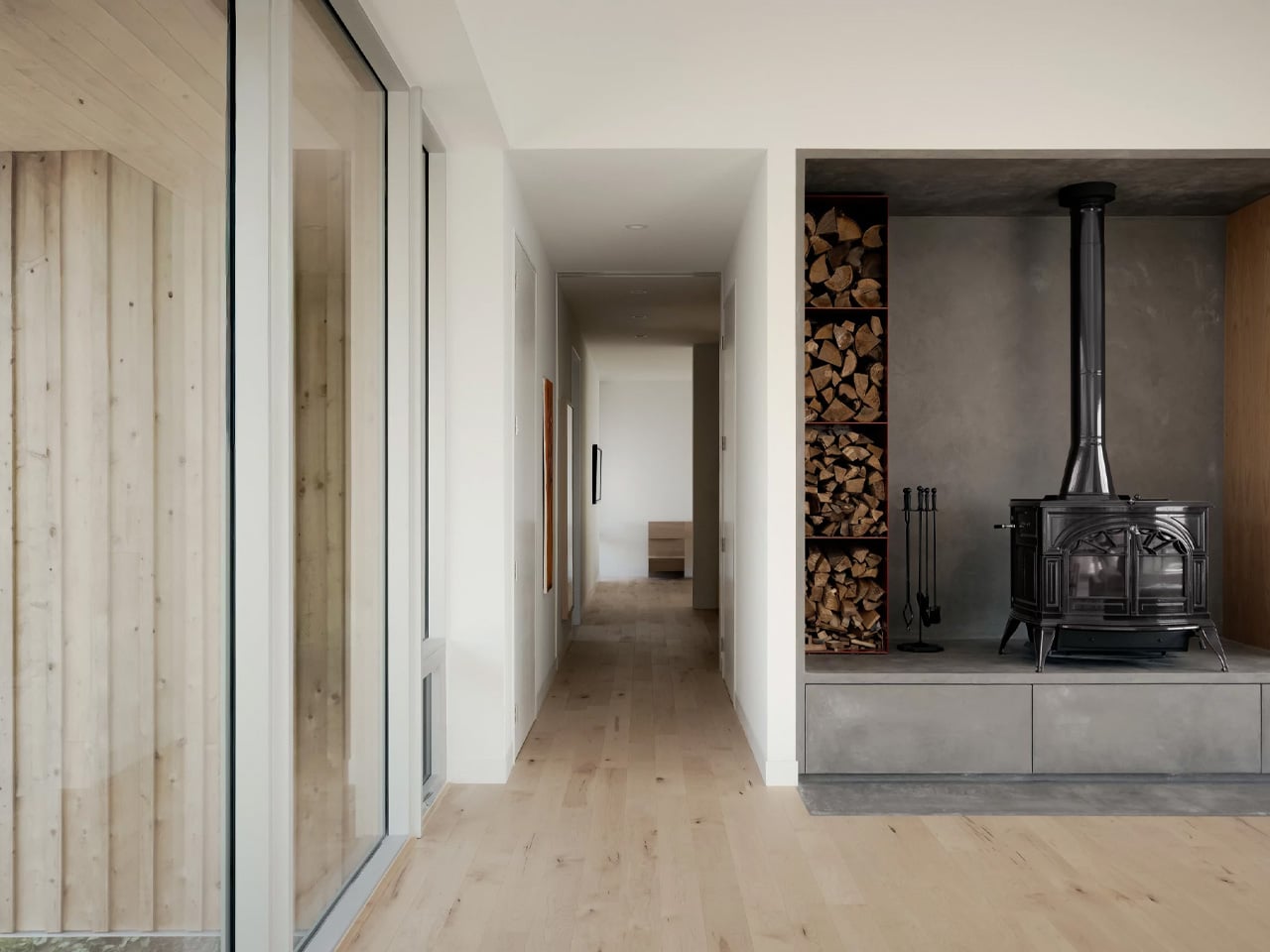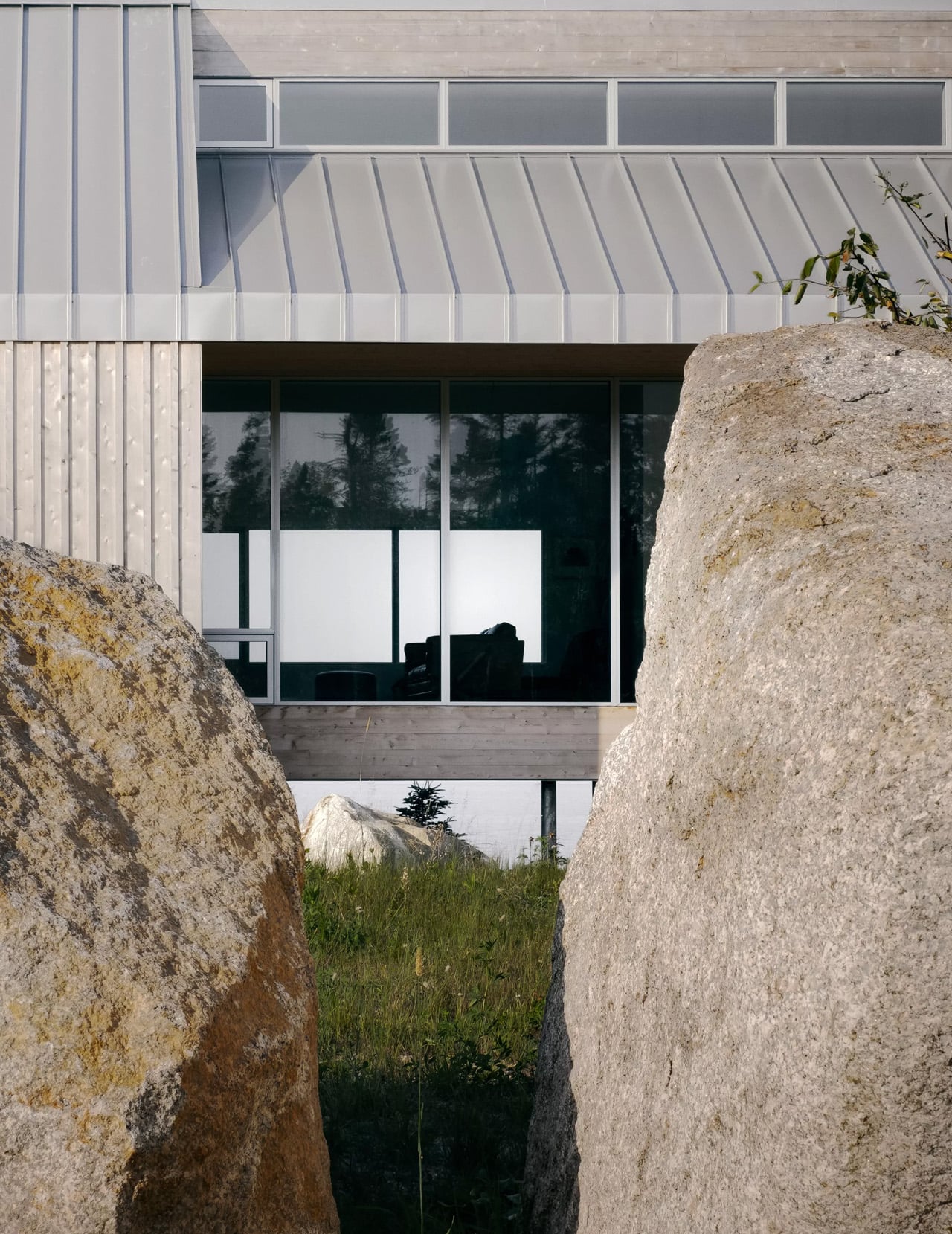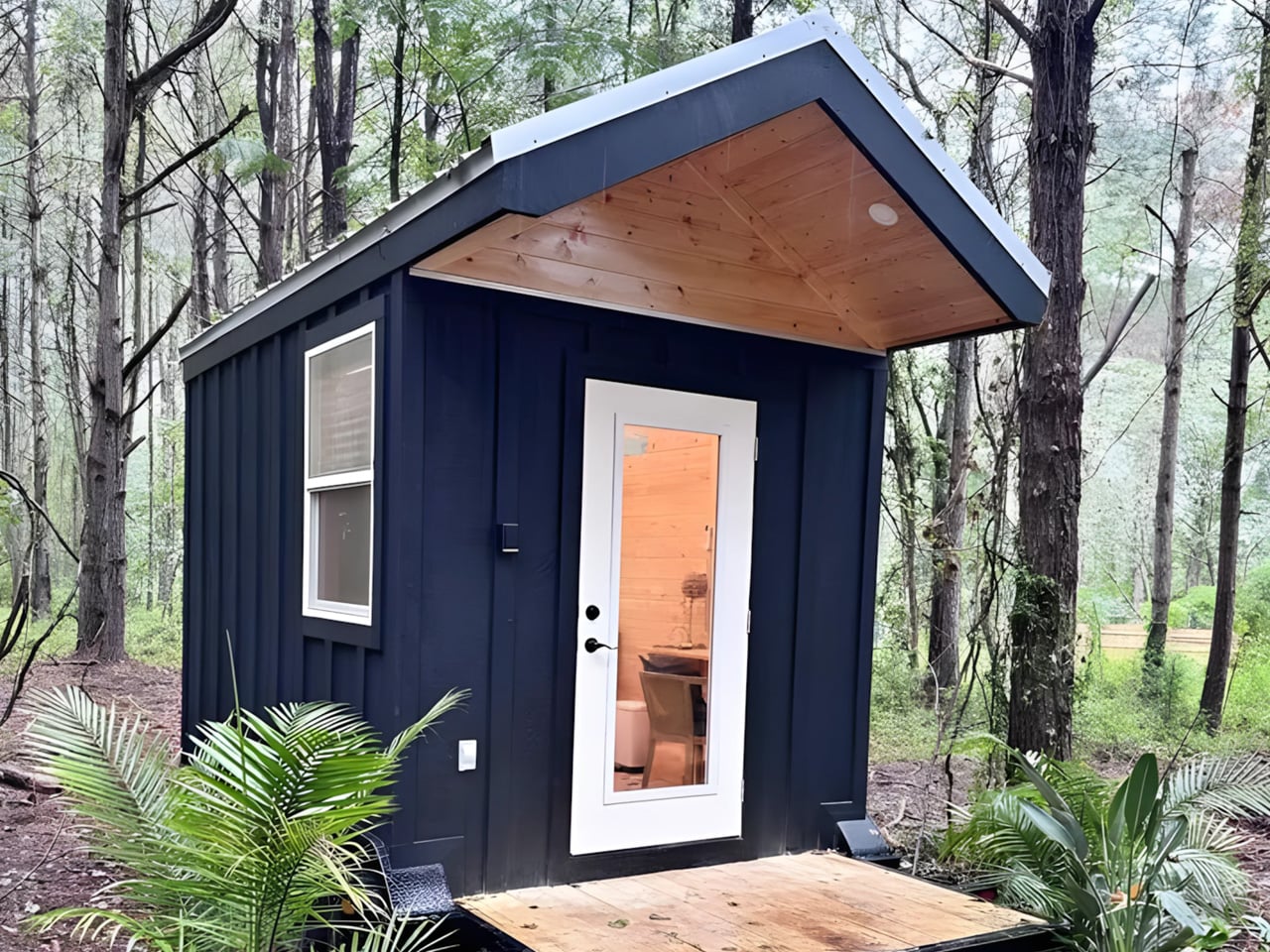
One of the goals for this year is to cook more, and my good ol’ air fryer should play a huge role in this as I’m also trying to be healthier. However, preparing the ingredients while operating the device can sometimes be a little challenging and messy, to say the least. I sometimes wish that my air fryer could actually just listen to what I want it to do instead of me trying to figure out everything manually.
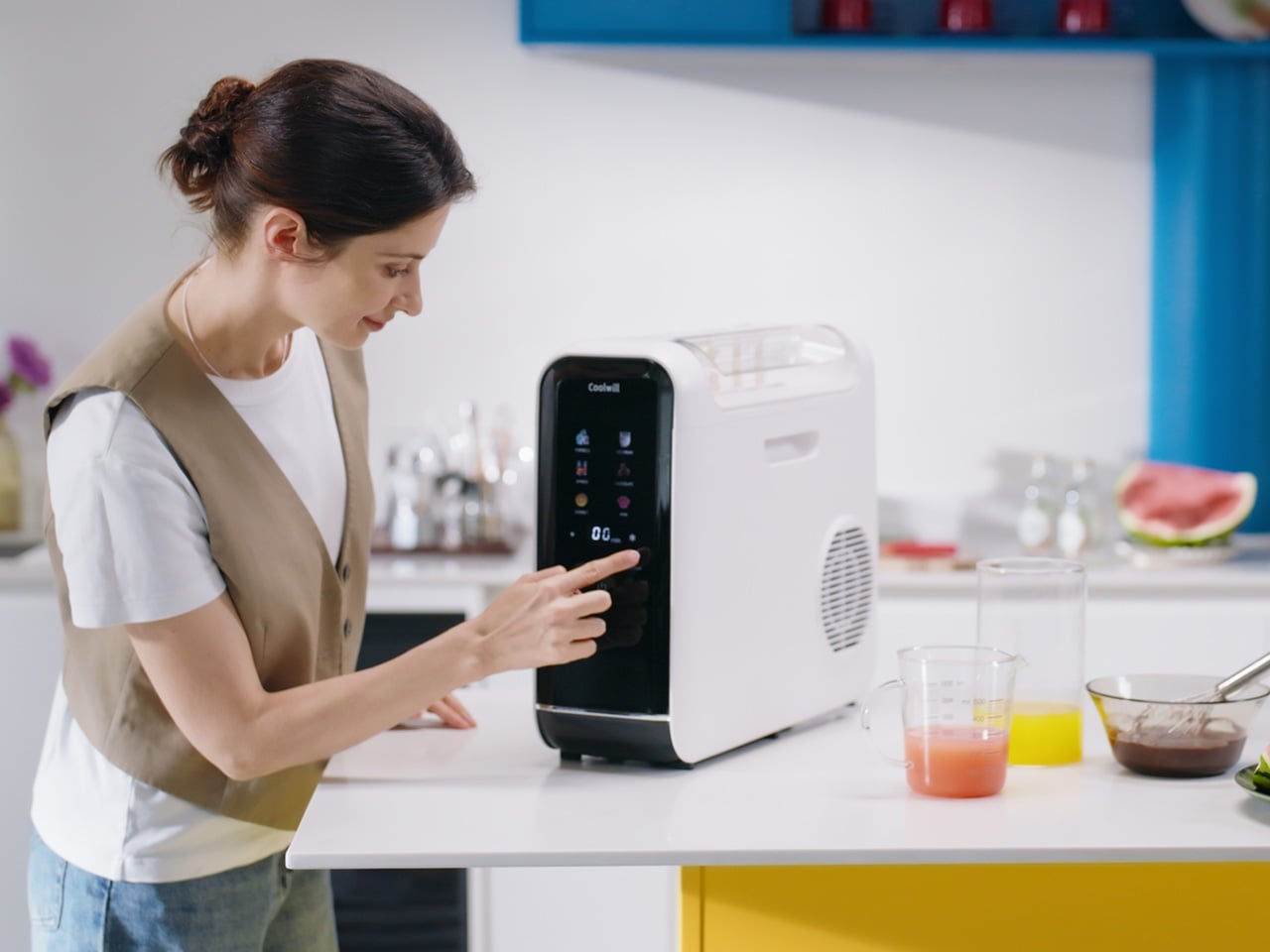
Emerson is trying to solve that problem with their SmartVoice 10QT 6-in-1 Air Fryer and its game-changing feature: true voice control. The device has more than 1,000 preset voice commands, which make it easier for you to just tell the air fryer what it is you’re cooking, and it helps you figure out how it should be cooked. Having this in your kitchen will bring convenience to a whole other level.
The SmartVoice Technology built into this allows you to use natural conversation. You can say things like “Hey air fryer, cook pork chops” or “Hey air fryer, increase temperature” without having to memorize the exact syntax you need for it to follow you. It is a 6-in-1 device as you can also bake, roast, broil, reheat, and dehydrate all sorts of food and dishes in there, aside from air frying, of course. There are also voice prompts that will remind you to shake or flip your food if the recipe calls for it.
Another standout feature of this device is that all your voice commands are handled directly on the device. There are no cloud servers or background monitoring involved, which should satisfy those who are concerned with privacy and data collection. It is also a literal plug-and-play device, so there should be no frustrating setup issues, or so they claim. Reality can sometimes be different, but hopefully, it is as advertised.
This SmartVoice air fryer should suit large households as it has a capacity of 10 quarts, which should be able to hold up to 10 pounds of food. It is able to recognize more than a hundred different foods, so you don’t need to constantly check on temperature and times. If you prefer the usual button approach, the appliance also has 12 touch presets. It also has preheat settings to ensure optimal cooking conditions even before you start cooking. The 1,700-watt power output ensures your food cooks quickly and evenly, while the nonstick basket makes cleanup a breeze. The device weighs 14.46 pounds, giving it a sturdy presence on your countertop without being impossible to move when needed.
What makes this air fryer truly special is how it fits into your real cooking routine. Picture this: you’re marinating chicken with messy hands, your phone is across the room, and you suddenly remember you need to adjust the temperature. Instead of washing your hands, drying them, and fumbling with buttons, you simply speak your command. It’s that seamless integration into your workflow that makes voice control more than just a gimmick as it becomes genuinely useful.
For busy parents juggling multiple tasks, this is a game-changer. You can monitor your cooking while helping kids with homework, folding laundry, or prepping the next dish. For anyone with mobility challenges or arthritis that makes pressing small buttons difficult, voice control offers newfound independence in the kitchen. And for multitaskers who are always moving between counters, the ability to control your appliance from anywhere in the kitchen is liberating.
Priced at $169.99, the Emerson SmartVoice Air Fryer sits in the mid-range category for large-capacity air fryers. However, when you consider that you’re getting six cooking functions, genuine offline voice control (not just app-based controls), and a family-sized capacity, the value proposition becomes quite compelling. Many smart appliances require subscriptions or constant connectivity; this one simply works out of the box.
The Emerson SmartVoice 10QT 6-in-1 Air Fryer represents a thoughtful approach to smart kitchen technology. Instead of adding complexity for complexity’s sake, it addresses real pain points that home cooks face daily. Whether you’re trying to eat healthier, cook more efficiently, or simply make your time in the kitchen more enjoyable, this voice-activated marvel might just be the cooking companion you’ve been waiting for. If you’ve been on the fence about smart kitchen appliances because of privacy concerns or setup hassles, this offline, plug-and-play solution could finally change your mind.
The modern front door has a lot to juggle. Couriers drop parcels, friends arrive unannounced, kids race in and out, and somewhere in the background, there is a quiet worry about missing something important or not catching something suspicious. Many homes already have a patchwork of doorbells, lights, and locks that only half cooperate, or lean heavily on cloud subscriptions and frequent battery swaps that never quite stop being a chore.
eufy’s CES 2026 security lineup treats that threshold as a single design problem. The Video Doorbell S4, Solar Wall Light Cam S4, and Smart Lock E40 share a few big ideas: higher‑resolution cameras, AI and radar‑assisted detection, and power systems built to run for months or indefinitely, while keeping most of the intelligence and storage local instead of streaming everything to a server somewhere far away.
Designer: eufy (Anker)
eufy Video Doorbell S4
The Video Doorbell S4 is the greeter. It wraps a 3K sensor into a 180‑degree horizontal and vertical field of view, which means it can see from the ceiling down to the doormat and across the entire porch in one shot. That panoramic view captures faces, packages, and anyone standing off to the side, so you are not left guessing whether a delivery was left just out of frame.
eufy’s OmniTrack technology and built‑in radar focus on people rather than every passing car or branch. As someone approaches, radar detects motion and distance, then AI locks on and adjusts the zoom so the visitor stays centered, whether it is a courier bending to drop a parcel or a neighbor walking up the path. The 3K clarity holds up to around 26 feet, with 16 GB of local storage keeping recordings on the device.
eufy Solar Wall Light Cam S4
The Solar Wall Light Cam S4 is the guardian that wraps light and vision around the entryway or side yard. It combines a 4K camera with an f/1.6 lens and a vertically adjustable mount, up to 45 degrees, so it can look down into blind spots near the wall while still watching the approach. The 4K resolution and color night vision make faces and details legible even when the only illumination is the light itself.
Power is handled by a detachable 2 W solar panel feeding a 10,000 mAh battery, which gives freedom in where you mount it. The panel can sit where the sun actually hits, while the light and camera stay where they are most useful. Multiple lighting modes let the fixture shift roles, daily illumination for paths, brighter security lighting when motion is detected, and festive RGB scenes that turn the same hardware into holiday decor.
eufy Smart Lock E40
The Smart Lock E40 is the final layer at the door, replacing keys and fingerprints with 3D face recognition. A quick glance is enough to unlock for pre‑registered users, which matters most when your hands are full of groceries or luggage, and you would rather not dig for keys or touch a screen. A built‑in 2K camera with a head‑to‑toe view records who is at the door, aligning the lock with the rest of eufy’s camera‑centric security story.
The E40 runs on a PowerDuo system, a 15,000 mAh main battery backed by an 800 mAh reserve that keeps the lock alive during swaps or unexpected drain. It is rated IP65 for weather resistance and carries ANSI/BHMA Grade 2 certification for mechanical security. On the software side, it speaks Matter, Apple Home, Amazon Alexa, Google Home, and Samsung SmartThings, sitting comfortably inside a broader smart‑home setup while doing most recognition and storage locally.
eufy at CES 2026: A Front Door That Thinks for Itself
These three products sketch out eufy’s view of the front door in 2026, not as a collection of unrelated gadgets, but as a layered system where the doorbell tracks arrivals in 3K, the wall light extends 4K color vision and ambient lighting without new wiring, and the smart lock recognizes faces and controls access while adding its own 2K camera. The common threads, higher‑resolution optics, AI and radar, generous batteries and solar, and local‑first design, make the entryway feel less like a tangle of hardware and more like a single, thoughtful interface between home and street.
It’s not every day that we come across something as crazy as this triple-decker micro camper that YouTuber President Chay has put together. The entire build has been recorded on his channel, and the process – right from purchasing the trailer it’s based on to the completion, when it’s taken out on the road – is immensely satisfying.
There are two reasons for that. One, we don’t regularly see three-story campers, this one is a rare exception in the hoard of similarly designed options that follow the single, or at max, double story script. And second, that in spite of its peculiar design, the triple-story micro trailer is completely street legal.
Chay Denne of President Chay is not a newcomer to building such unique camping solutions. It was just a couple of years back when the YouTuber surprised us with an exceptional double-decker micro camper, which was only left to rot in the corner later. This time the approach was not to build on the existing model, but to start from scratch. The journey thus started with a beefy trailer brought off a marketplace.
Building on the trailer, the YouTuber, along with his brother and father, setup the entire contraption painstakingly using wood. The three-story camping trailer is not just a gimmicky setup. It’s purposely designed to appear like a toaster on the outside, and on the inside, this mobile home packs a sizable kitchen, a living room, and a bathroom with a toilet and a shower. Measuring 13 ft high, it is the same height of a semi-truck, making it street-legal to drive.
The builder family starts on the trailer, layering it with plastic sheets for a moisture barrier and topping it with insulation for the floor. Particle board is used to build the individual floors both inside out, and all the floors are aptly insulated. Spray foam is used for insulating the top two levels, while the lower (entry level) uses batt insulation. As we are at it, the lower level is where most of the living space is created. The bathroom on the front is covered on the inside with concrete walls in order to ensure more weight can be added to the hitch for stability on the road.
Here at the entrance, you also have a furnished living room and a full-fledged kitchen with a cooktop and sink. The two levels above, accessible via ladders, have just enough headroom for the user to crawl onto their provided beds and watch some TV, which rests on a swivel arm to be moved into a position you want. TVs are available on both the first and second floors. To make the entire construction waterproof, a layer of fiberglass is used on the side walls, and the roof is completed with a layer of vinyl. Chay Denne and family have been able to keep the weight of this three-story trailer at roughly 3,700 lbs, which is incredible. Being street legal and perfectly balanced to ride behind your capable vehicle, it can handle up to 60 mph.
There’s something poetic about seeing a lonely bicycle chained to a pole, slowly rusting away in the rain. Most of us walk past these urban ghosts without a second thought. But Dublin-based designer Cara Campos sees something entirely different: potential.
Her Objects from Frames collection, which has earned her recognition as a Wallpaper* Future Icon for 2026, transforms abandoned bicycle parts into sleek, minimalist furniture that looks like it belongs in a design museum. And honestly? It’s kind of genius.
Campos didn’t grow up in Dublin. Raised in Saudi Arabia to a French father and Irish mother, she brings a multicultural perspective to her work that makes it feel both globally conscious and locally grounded. Now based in Ireland, she’s developed a design philosophy rooted in sustainability, adaptability, and what she calls “the lives of objects.” It’s this last bit that makes her work so compelling. She’s not just recycling materials. She’s honoring their stories.
The Objects from Frames collection started, like many great ideas, as a university project. Campos kept noticing abandoned bicycles scattered across different cities, slowly deteriorating, and wondered if she could give them a second act in Dublin. The bicycle, after all, holds a special place in human innovation. American writer William Saroyan once called it “the noblest invention of mankind,” and Campos clearly agrees. Why let such noble machines end their days as scrap metal?
What she’s created is a collection of furniture that feels impossibly light and modern while celebrating the inherent beauty of industrial design. Her Steel Lounge Chair incorporates front triangles from road bikes, transforming the most recognizable part of a bicycle into something you’d want in your living room. There are also table lamps and side tables, each piece maintaining the elegant lines and structural integrity that made bicycles such revolutionary machines in the first place.
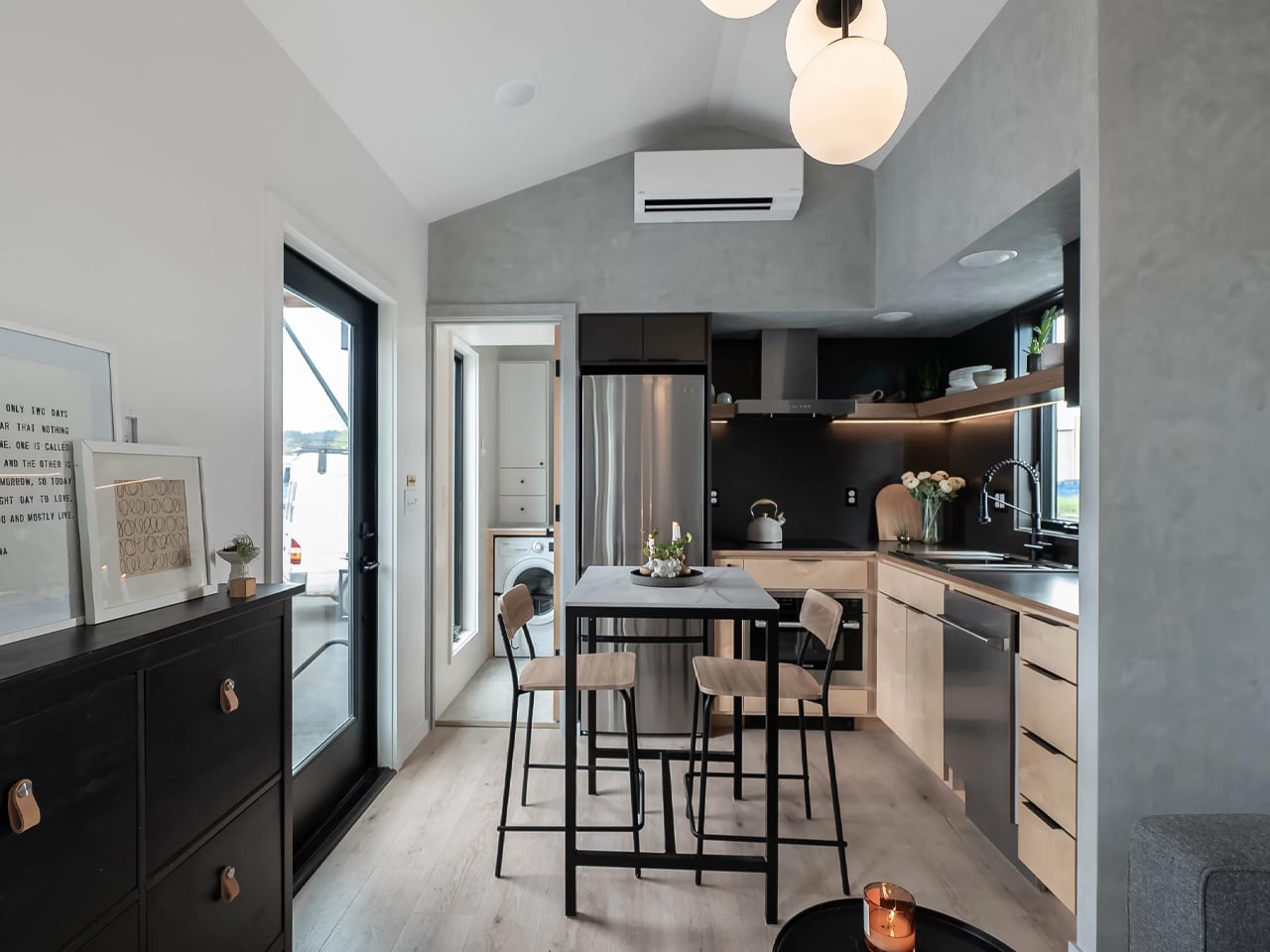
But here’s what makes Campos’ approach different from your typical upcycling project. She’s adamant that her work goes beyond simply repurposing discarded materials. As she explains it, the collection “pays homage” to the intangible value these objects carry. Each bicycle frame has history. It carried someone to work, helped a student get to class, maybe even facilitated a first date. That emotional and practical legacy doesn’t disappear just because the bike gets abandoned. Campos captures it, preserves it, and gives it new purpose.
The technical execution is impressive too. Steel is one of the most recyclable materials on the planet. More steel gets recycled annually than aluminum, paper, glass, and plastic combined. It’s a true cradle-to-cradle material, which means it can be recycled infinitely without losing its properties. By working with bicycle frames specifically, Campos taps into structures that were already engineered for strength, lightness, and efficiency. She’s not starting from scratch. She’s remixing existing excellence.
The collection also arrives at a perfect cultural moment. We’re increasingly aware of how much waste our consumption habits generate, and we’re hungry for alternatives that don’t require us to sacrifice style for sustainability. Campos proves you can have both. Her furniture looks contemporary and sophisticated, not like something cobbled together from trash. The clean lines and minimalist aesthetic would fit seamlessly into any modern space, and the origin story only adds to the appeal.
There’s also something refreshingly honest about furniture that wears its past life openly. In an era of mass production and throwaway culture, these pieces stand as quiet rebellion. They celebrate repair, reuse, and reinvention. They ask us to look differently at the objects around us and consider what else might be hiding in plain sight, waiting for transformation. Campos’ work joins a growing movement of designers who see waste not as an endpoint but as a starting point. Her approach reminds us that good design doesn’t always mean creating something entirely new. Sometimes it means recognizing the potential in what already exists and having the vision to set it free.
So next time you pass an abandoned bicycle slowly oxidizing in the weather, maybe you’ll see it differently. Maybe you’ll see a future lamp, a potential chair, a table waiting to happen. That’s the gift of designers like Cara Campos. They don’t just make beautiful things. They change how we see the world.
When life moves fast, carving out time for your health often feels impossible. Most of us have faced the struggle racing through traffic to reach a crowded gym, only to see motivation fade. However, wellness does not have to be another task as it can become part of your home. Imagine a space crafted just for you where there is no commute, no distractions, no waiting.
Your home can transform into a personal sanctuary where movement and self-care are effortless. Creating a home gym is not just about equipment but about embracing a lifestyle that prioritizes convenience, consistency, and self-empowerment. Here is how investing in a home gym makes health an integral and non-negotiable part of your day.
1. Convenience at Home
Adding a home gym turns it into the most convenient workout space imaginable. No more rushed mornings trying to fit in exercise before work, and no more long commutes to crowded gyms. Now, your fitness journey can start the moment you step out of bed, making consistency effortless and freeing you from daily scheduling stress.
With this level of accessibility, sticking to your routine becomes natural,nwhether it’s a quick 15-minute stretch or a full-strength session. This freedom transforms exercise from an obligation into a choice, fostering a more positive and motivating connection to fitness.
Leg day has a notorious reputation, the workout everyone loves to hate. The thought of squats, presses, and calf raises can make anyone hesitate before starting. The RitFit Gazelle Pro 3-In-1 Leg Press and Hack Squat Machine changes that. Its compact, smart design turns leg day into a manageable, even motivating challenge. With a high-tensile steel frame, adjustable diamond-plated footplate, and thick anti-slip cushions, it balances performance with comfort, helping you push through lower-body workouts without unnecessary strain.
The 3-in-1 functionality seamlessly blends leg presses, hack squats, and calf raises, with quick pin adjustments for smooth transitions. Thoughtful features like contoured shoulder rests, stable handrails, and a 2,000-pound weight capacity prioritize safety and support. Durable, versatile, and efficient, the Gazelle Pro adapts to every fitness level. While leg day may never be your favorite, this machine makes it far less intimidating, empowering you to train effectively and confidently in the comfort of your own home.
2. Tailored for Personal Needs
One of the greatest perks of a home gym is the freedom to design it entirely around your needs. Unlike a commercial gym with standard equipment and preset classes, your space can reflect your unique fitness goals. Whether you love yoga, weightlifting, or high-intensity interval training, you can select the tools and setups that truly support your routine.
This customization goes beyond equipment as it extends to the entire atmosphere. Want to play your favorite podcast? Prefer soft lighting for a focused yoga session? You control it all, creating a space that motivates, inspires, and makes every workout feel personal and empowering.
Home gyms have always offered convenience and privacy, but often lacked guidance and motivation. The AEKE K1 Smart Home Gym changes that by bringing artificial intelligence into your workouts. With motion tracking, personalized plans, and real-time feedback, it acts like a virtual personal trainer, ensuring every rep is effective and safe. The AI tracks 17 key points on your body, provides adjustments on form, and adapts workouts as you progress. With over 280 movements and 140+ classes, it covers strength training, cardio, Pilates, yoga, and more, making home workouts diverse and engaging.
The system’s attachments use electromagnetic resistance to simulate up to 220 lbs, while Smart Grips and Spotter Mode enhance safety and efficiency. A 43-inch 4K touchscreen delivers immersive guidance, while motion-sensing games and multi-user options add fun for family or friends. Compact, award-winning, and subscription-free, the AEKE K1 blends advanced technology with user-friendly design, making high-quality, personalized workouts accessible to everyone at home.
3. Allows Privacy and Comfort
For many, exercising in public can feel intimidating. Being around others, facing constant comparison, and lacking personal space often discourages people from even starting their fitness journey. A home gym solves this by providing a private, safe, and judgment-free environment where you can focus solely on yourself.
This privacy creates the perfect space to concentrate on form, track progress, and try new exercises without distraction. You can explore different workouts, push your limits, and experiment freely. Feeling comfortable and confident in your own space can unlock your potential and nurture a lasting, positive relationship with fitness.
Boom, designed by Shuxian Hong, brings the boxing experience into your home, combining a punching bag, smart speaker, and interactive illumination. The system creates an immersive, adrenaline-fueled workout without leaving your living space. Boxing is a powerful cardio exercise, supporting heart health, weight management, and overall fitness. Hong discovered that even those who own home boxing bags rarely use them, as the gym environment provides the excitement and energy often missing at home. Boom solves this by making workouts fun, engaging, and interactive.
Measuring 68 inches and filled with high-density foam, Boom features an LED-illuminated bag, electronic pressure sensor, and weighted base with suction cups for stability. The Smart Coach app creates personalized routines, tracks progress, and adapts to the user. When not in use, Boom functions as a stylish home speaker, harmoniously blending technology, fitness, and modern design, making exercise both effective and enjoyable.
4. Smart and Sustainable Investment for Your Health
Although the initial cost of a home gym may feel high, it’s a smart long-term investment. Think about the ongoing expenses of monthly gym memberships, commuting costs, and frequent workout gear. Over time, these add up, whereas a home gym is a one-time setup that delivers lasting value and convenience.
Beyond finances, it’s an investment in your physical and mental well-being. By creating a permanent, accessible space for health, you prioritize self-care sustainably. This approach benefits both your body and wallet, making fitness a consistent, enjoyable, and protected part of your life and all from home.
Modern systems combine exercise equipment with motion-tracking cameras that provide real-time feedback on posture, reps, and form to remote trainers. This technology allows users to receive expert coaching in the comfort and safety of their own homes, fueling a surge in virtual trainer memberships while traditional gym attendance declined.
The Tempo Move builds on this concept, offering a compact, stylish home gym that doubles as elegant furniture. Its fabric-clad metal body conceals 16 weight plates, 4 collars, 2 dumbbells, and a heart-rate monitor within a neat cabinet. An iPhone dock and HDMI connection let users stream guided workouts on a TV with real-time coaching. Unlike bulky gym equipment, Tempo Move blends seamlessly into living spaces, providing convenience, functionality, and aesthetic appeal. With its smooth, accessible storage and elegant design, it makes exercising at home simple, stylish, and efficient.
5. Enhances Your Well-being
The advantages of a home gym go beyond physical fitness, positively impacting your overall well-being and household harmony. A dedicated workout space helps reduce stress, improve sleep, and boost daily energy, providing a healthy outlet that supports a balanced, centered lifestyle.
Additionally, it sets a positive example for your family, fostering a culture of health and wellness at home. By creating a space that can be shared, fitness becomes a fun, engaging activity for everyone. Integrating wellness into your home design not only builds a gym but cultivates a vibrant, healthier life for you and your loved ones.
Hi Moon features a sleek, open circular design that complements modern home interiors while keeping fitness equipment unobtrusive. With more people working out at home, free weights and gear often clutter living spaces, piling up in corners or on furniture. Feier Design Studio reimagined the traditional kettlebell with Hi Moon, giving it the appearance of a modern vase or ceramic artwork. It can sit seamlessly on a windowsill, beside a small bouquet, or integrated into a home gym setup without disrupting the décor. Available in muted shades of coral-green, cloud grey, and peach-orange, Hi Moon adapts to a variety of design schemes, making it functional and stylish.
The kettlebell’s circular, open form and gritty texture provide a secure grip and enhanced comfort during exercises. Unlike traditional bulky kettlebells with triangular handles, Hi Moon allows versatile grip positions for different workouts. By combining practicality with an elegant, inconspicuous design, Hi Moon transforms home fitness into a visually pleasing, seamless part of living spaces.
Creating a home gym transforms your lifestyle, blending health, convenience, and personalization. It empowers you to make fitness a seamless, enjoyable part of daily life. By designing a space that is functional and inspiring, you invest in your well-being, turning movement into a habit and supporting your journey toward a healthier, happier, and more intentional life.
The climate crisis has shifted from distant concern to an urgent force redefining how you think about shelter. In this new reality, luxury aligns with resilience, autonomy, and intelligent material choices. Every element of design becomes a strategic response to a world where landscapes and weather patterns are increasingly unstable.
This analysis transcends conventional sustainability to explore proactive, life-supporting product design. Let’s understand what transforms a home into a regenerative ecosystem, one that protects, adapts, and restores. Together, they shape a biophilic refuge that safeguards long-term value, enhances thermal performance, and offers enduring stability amid global unpredictability.
1. Closed-loop Water Management Systems
Unpredictable rainfall patterns now demand a complete shift in how you manage water at home. In a future of scarcity, water can no longer be treated as a passive utility but as a carefully governed resource. Resilient living begins with systems that elevate conservation from habit to infrastructure.
Integrated rainwater harvesting and advanced greywater recycling units represent this evolution. These high-capacity, closed-loop technologies deliver strong returns by reducing dependence on strained municipal supplies and protecting against shortages. They sustain the landscape, stabilize daily use, and offer long-term security. Across leading practices, water autonomy is increasingly viewed as the strongest safeguard against climate volatility.
The Mains to Rains system is a smart, retrofit rainwater-harvesting kit designed to attach directly to your existing guttering without any structural changes. Instead of requiring contractors, permits, or expensive installations, the product simply clips onto standard drainpipes and immediately redirects rainwater into storage containers. Its plug-and-use design makes it accessible for any homeowner looking to manage water more efficiently, especially as bills rise and rainfall becomes increasingly unpredictable. The system works during heavy downpours to capture excess water that would normally overload storm drains, and it provides a reliable supply for everyday outdoor use during dry spells.
What sets Mains to Rains apart is its practicality and performance. The stored rainwater is naturally soft and chemical-free, making it ideal for plants and gardens. When used across multiple homes, the product helps ease pressure on municipal drainage and water systems while reducing household utility costs. It’s a simple, effective upgrade that turns every rainfall into a valuable resource.
2. Hybrid, Decentralised Energy Generation
A future-ready home must evolve from passive energy use to active energy production. Depending solely on a central grid has become a clear risk as extreme weather intensifies, making self-generated power an essential layer of protection and continuity for everyday living.
Building-integrated photovoltaics and modular battery storage deliver this shift with refined solar surfaces that double as architectural materials. Paired with high-density batteries capable of islanding the property, they create true energy independence. This dual-function approach maximizes material efficiency while ensuring critical systems like HVAC and communication remain operational during outages, protecting comfort, stability, and the long-term performance of the home.
Studio SKLIM’s Lo-Hi Tech project demonstrates how primitive materials and advanced technologies can work together to create sustainable, high-performing solutions. Its Ke-Sol System (KSS) combines lightweight Kenaf fiber biocomposite tiles with custom monocrystalline solar panels, forming modular, tiltable roof units that generate clean energy. Produced through high thermal pressure, the Kenaf tiles become strong yet light, offering an eco-friendly alternative to conventional roofing. By transforming natural fibers into energy-producing surfaces, the KSS demonstrates how traditional materials can be upgraded to meet modern environmental needs.
The Terra-Cooling System (TCS) uses terracotta’s natural cooling abilities to create wall components that act as both evaporative coolers and water tanks. With Hex and Tri modules refined through CFD simulations, the TCS can lower air temperatures by up to 6.5°C, making it ideal for applications such as EV-charging shelters that cool their surroundings while using solar lighting at night. Together, these systems highlight how craftsmanship and technology can shape a more sustainable future.
3. Passive Thermal Regulation Materials
Reducing the energy required for heating and cooling remains the most effective way to lower a home’s carbon footprint and operating costs. In this shift toward efficiency, the performance and integrity of materials become essential, shaping how naturally and consistently a space maintains thermal balance.
Phase Change Material (PCM), like integrated drywall and high-performance aerogel insulation, exemplifies this approach. PCMs store and release heat as temperatures fluctuate, while aerogels deliver exceptional insulation with minimal thickness. Together, they reduce HVAC peak loads, cut energy bills, and enhance interior comfort. Their high thermal mass and low conductivity ensure enduring performance and long-term material value.
Just beyond a small Italian village, LCA Architetti has created the House of Wood, Straw, and Cork, a rural home designed with natural insulation at its core. Built for a pair of computer scientists seeking a sustainable lifestyle, the two-storey structure features a prefabricated timber frame wrapped in cork cladding. Harvested from cork oak bark, the cork exterior provides exceptional thermal performance while blending seamlessly with the surrounding farmland. The home’s primary insulation comes from straw, repurposed from discarded rice plants donated by local farmers. This straw infill, traditionally used in rural barns and henhouses, offers strong insulating properties while reducing agricultural waste.
The house further enhances its energy efficiency with a rooftop array of solar panels, allowing it to produce much of its own power. By combining cork and recycled straw insulation with renewable energy, the home maintains comfortable indoor temperatures year-round while significantly lowering carbon emissions. Every material and method prioritizes environmental sensitivity, ensuring the home remains in harmony with its natural setting.
4. Integrated Indoor Vertical Farms
Food security is emerging as a fundamental pillar of domestic resilience. As climate pressures disrupt traditional agriculture, the fusion of architecture and controlled-environment growing systems offers a reliable, hyper-local source of fresh produce directly within the home.
Automated hydroponic or aeroponic vertical farming units deliver this capability through precise control of light, nutrients, and microclimate. Though the upfront cost is notable, the return lies in year-round nutritional certainty and a zero-mile food footprint. By reducing dependence on fluctuating supply chains, these systems transform the kitchen into a small-scale production hub, reinforcing biophilic living and reconnecting residents with the origin of their nourishment.
As more people embrace sustainable living, whether by growing vegetables or choosing reusable products, indoor vertical farming has become a popular solution for those with limited space. In response, Berlin-based design studio The Subdivision has envisioned Agrilution, a compact vertical farming appliance designed for modern homes. Shaped like a small refrigerator and nicknamed Plantcube, Agrilution features two sliding shelves that hold soil planters and crops. Built-in LED grow lights provide consistent artificial sunlight, ensuring plants receive the nourishment they need to thrive indoors.
Agrilution also includes a smart app that guides users through plant care by signaling when water, nutrients, or soil replenishment are required. This combination of vertical farming and smart technology makes home gardening more accessible, even for beginners. With a sleek, black, minimalist design, the appliance blends effortlessly into contemporary interiors. As eco-friendly lifestyles gain momentum, Agrilution offers an elegant, easy way to bring sustainable food production directly into the home.
5. Resilient Homes For Rising Sea Levels
Homes built for rising sea levels must prioritize a strong, watertight building envelope capable of resisting frequent flooding, storm surge, and intensified coastal winds. As tides rise and soil becomes more saturated, foundations face higher stress, making durable structural systems essential. A reinforced shell that blocks moisture, prevents erosion damage, and maintains stability during extreme weather ensures long-term safety for occupants in vulnerable coastal areas.
Advanced materials further enhance resilience. Marine-grade, non-corrosive cladding protects against saltwater exposure, while impact-resistant glazing withstands high-pressure winds and floating debris. Corrosion-proof fasteners, elevated floor systems, and sealed joints reduce repair costs and prolong the lifespan of homes facing the realities of a changing coastline.
OCEANIX is an innovative floating city concept developed by BIG, Bjarke Ingels Group, envisioned for construction off the coast of South Korea. The project has received approval from UN-Habitat and the Metropolitan City of Busan, moving it closer to reality. Designed as a fully sustainable habitat, each 2-hectare module houses around 300 residents, and multiple modules can connect to form a 1,650-person village. These floating neighborhoods integrate underwater farming, greenhouses, and renewable energy systems to support long-term self-sufficiency. Residents can move easily on foot or by boat between the interconnected platforms.
Resilience is central to OCEANIX’s design. The floating city is engineered to endure extreme natural forces, including category 5 hurricanes, tsunamis, and rising sea levels. Its masterplan features homes, public squares, art installations, markets, sports facilities, and schools, offering all the functions of a modern community while maintaining safety and stability even under severe environmental stress.
Luxury today is defined not by display but by certainty. When the five core pillars of energy independence, water autonomy, resilient envelopes, adaptive materials, and hyperlocal food systems work in harmony, the home transforms into an active, self-sustaining organism. This marks a new architectural mandate: to design spaces that are elegant, regenerative, and secure, offering the lasting peace of mind that comes from true environmental mastery.
Brutalism once suggested stark, monumental forms, with raw concrete presented in uncompromising honesty. Today, that legacy is evolving into a softer interior design language: Soft Brutalism. Rather than a contradiction, it becomes a thoughtful fusion where concrete is shaped into gentler, more human-centered forms. This shift responds to a culture saturated with disposable design and offers a return to authenticity, weight, and permanence.
Design studios increasingly agree that real luxury now lies in longevity and the tactile bond between people and material. Soft Brutalism embraces concrete’s structural clarity while softening its presence through refined casting, subtle tones, and smooth contours, transforming a once cold material into a warm, grounding element in contemporary spaces.
1. Texture As Poetic Expression
Soft Brutalism reimagines the concrete surface as a sensory landscape. Instead of the coarse, exposed finishes of classic Brutalism, this approach introduces a gentler, more tactile vocabulary. Ultra-high-performance concrete and advanced admixtures allow surfaces to feel like polished stone or soft, leathered marble, shifting concrete from industrial to intimate.
Subtle natural pigments bring earthy tones that warm the material visually, while delicate pores and faint aggregate patterns preserve its authenticity. This balance of refinement and imperfection creates a presence that feels grounded, crafted, and emotionally resonant – inviting touch and elevating concrete into a poetic element of contemporary design.
The Brute concept reinterprets outdoor furniture through a raw concrete expression of minimalism. Instead of the polished wooden surfaces often associated with minimalist design, these pieces embrace the unrefined character of concrete, inspired by brutalist architecture. The collection includes a chair and a table, each shaped like an enlarged square bracket. The chair features a recessed groove that holds a thick plywood backrest, creating a warm, natural contrast against the cool exposed concrete. Its form remains intentionally austere while highlighting the structural honesty of the material.
The table echoes the chair’s geometry but can be positioned in two orientations. It may be placed horizontally for a sculptural presence or stood upright for a more familiar table profile. Both pieces incorporate openings at their base that allow them to be linked using milled steel rods, creating multiple configurations. This modular system enables varied seating arrangements, giving the Brute furniture set practicality and visual impact within outdoor environments.
2. Sculpted Concrete Forms
Soft Brutalism preserves the inherent weight of concrete while reshaping it into forms that feel gentle and approachable. Instead of sharp right angles, the furniture relies on organic curves and softened edges that create calm, sculptural silhouettes. These substantial pieces ground a space, offering quiet stability while inviting touch and reducing visual intensity.
Drawing inspiration from nature, many forms echo river stones or stacked cairns, strengthening a biophilic connection within interiors. Their smooth, continuous surfaces interact beautifully with light, diffusing shadows and highlights so the material feels alive. This interplay transforms concrete into a warm, human-centred design language.
Ronan Bouroullec’s Ancora tables for Magis reframe concrete with an unexpected sense of refinement. Each piece is defined by a sculptural anchor-shaped base where a curved edge meets a central rib, giving the form both stability and visual lightness. The collection includes rectangular and round dining tables, as well as low and side tables, designed for indoor and outdoor settings. The rectangular model measures 220 × 90 cm, while the round version is 130 cm in diameter, offering two distinct spatial expressions.
Materiality sits at the core of Ancora. The concrete base establishes a quiet architectural presence, while the tabletop options, like tempered glass in clear or smoked finishes, or oak-veneered MDF, allow for different aesthetic directions. With its clean geometry and absence of decorative flourishes, the design relies on proportion, curvature, and structure to express character. Ancora demonstrates how concrete can shift from industrial to poetic when shaped with precision and restraint.
3. Warm Material Contrast
Soft Brutalism balances concrete’s cool, dense character with warm, organic materials, creating both visual and sensory harmony. Instead of relying solely on mass, this approach pairs concrete with richly grained woods, supple leathers, and hand-woven textiles, bringing an inviting counterpoint to the material’s inherent solidity.
Thoughtful placement of wood, cushions, and softer textures ensures that human touchpoints feel warm, ergonomic, and comfortable. This pairing transforms each piece from a purely industrial object into a crafted work of art, highlighting the precision of concrete casting alongside the refined joinery and material richness that elevate its presence in contemporary interiors.
The CONECTO system reconsiders how concrete can function within outdoor furniture by using the material in a modular rather than static way. At first glance, the stool appears as a simple cylindrical form topped with a coloured acrylic surface. In reality, the base consists of two half-cylinders joined along their flat sides, allowing each segment to be repositioned and combined with others. This modular approach enables multiple configurations: a single unit as a compact stool, two halves arranged to support a square top, or extended arrangements that create elongated seating. When three full cylinders are grouped, the system forms a triangular bench suitable for multiple users.
Acrylic plays a functional and visual role, acting as the connector between concrete elements while adding colour and translucency that contrast with the raw, tactile base. The design’s aesthetic merges minimalism with a subtle brutalist influence, resulting in a visually engaging outdoor piece. Developed in high-strength UHPC concrete, the system also incorporates sustainable intent, with future versions planned to integrate recycled materials for enhanced environmental performance.
4. Timeless Design Value
Soft Brutalism positions concrete furniture as a long-term investment rather than a trend-driven purchase. For high-net-worth homeowners, its appeal lies in permanence: pieces built to endure physically and aesthetically. When treated and sealed correctly, concrete becomes exceptionally durable, resisting wear and retaining its visual integrity for decades, making longevity itself a form of luxury.
Choosing locally cast, high-quality concrete also reduces carbon footprint and supports regional craftsmanship. These pieces are conceived as future heirlooms that are robust, architectural, and timeless enough to remain relevant across shifting styles. Their lasting presence offers both emotional and material return on investment.
The MESH seating series explores contrast through form, material, and colour. Each piece pairs a solid tapered concrete base with a lightweight powder-coated metal wireframe, creating a striking balance between heaviness and visual transparency. The concrete element grounds the design with a muted grey tone, while the vivid wireframe seat introduces colour and energy. This interplay gives the seating a sculptural presence suited to outdoor environments, where durability and weather resistance are essential. The combination of industrial materials also lends the pieces a distinctive character that merges playful expression with a subtle nod to brutalist design.
Construction remains deliberately simple. The wireframe upper plugs directly into the concrete base, producing a secure structure that is both functional and visually refined. The open metal pattern casts dynamic shadows that enhance the aesthetic appeal, while the ergonomically shaped seat offers unexpected comfort despite its materials. With its bold silhouette and vibrant finishes, the MESH series stands out as a practical yet artistic outdoor seating solution.
5. Concrete as Spatial Architecture
In Soft Brutalism, furniture functions as micro-architecture, shaping the home’s spatial rhythm rather than merely occupying it. Monolithic pieces like concrete dining tables or consoles become purposeful anchor points, establishing stability and directing how movement and energy flow through the room. Their presence offers both visual weight and emotional grounding.
These elements also echo the architectural philosophy of the space, emphasizing honesty, material integrity, and substance over ornamentation. For those mindful of Vastu principles, the natural weight and earth-derived composition of concrete enhance grounding and positive spatial energy, reinforcing harmony and stability within the home’s overall design.
Designer Neil Aronowitz reimagines concrete through an innovative material called Concrete Canvas – a flexible, waterproof, fabric-and-cement composite developed by the UK company Concrete Canvas. By manipulating this thin, durable “concrete cloth,” he created a furniture series that highlights concrete’s unexpected fluidity. The collection includes the Whorl Console, Whorl Table, and Enso Table, each formed by stretching the concrete cloth over sculptural molds before it cures into a rigid, lightweight shell. Aronowitz developed custom casting and shaping techniques to achieve these complex geometries, using the material’s structural properties to shift concrete from a dense, static medium to one that appears almost weightless.
The Whorl pieces, with their ribbon-like curves, balance function with sculptural presence and feature smooth, pigmented cement surfaces that echo Japanese minimalism. The Enso Table continues this language with a form inspired by the single brushstroke of traditional ink paintings. Wall-mounted and restrained in expression, it complements the collection’s emphasis on fluid lines and quiet, crafted elegance.
Soft Brutalism in concrete furniture represents more than an aesthetic, as it expresses a modern interior philosophy rooted in authenticity and permanence. By softening form and elevating texture, it transforms a primal material into one of warmth, light, and calm. Here, true luxury emerges from integrity and the quiet harmony between nature’s rawness and human craftsmanship.
We’ve gotten so used to looking at our phones or even our smartwatches to know what time it is that we forget how beautiful wall clocks can be. In fact, some younger people can’t tell time anymore by looking at analog clocks as they’re so used to digital clocks. So to see clock designs like the MOOV and COO clocks designed by Japanese designer Ryosuke Fukusada brings back those days when we appreciate things like cuckoo clocks and traditional craftsmanship while also bringing something more to the table, or rather, to the wall.
These metal clocks display their moving parts and details through perforated and transparent windows, making these hidden mechanics visible and adding a certain beauty to these timepieces. The bodies of the clocks are made using the traditional metalworking processes in the Niigata region and it involves cutting, bending, welding, and painting. The perforated sheets are produced with punch tools that create clean and consistent holes, ensuring each piece meets exacting standards.
The MOOV Pendulum Clock uses a perforated design on its metal plate that shows the pendulum swinging through the holes. Just be careful that you don’t get hypnotized as it can have a pretty mesmerizing effect when you stare at the pendulum long enough. There are no numbers but instead the time indicators are colored in places corresponding to their position. This may also be a good tool to teach kids how to actually tell time without the numbers. The genius of this design is how nothing feels placed by chance: the indicators sit exactly where the holes already exist, creating a harmonious visual system.
The COO Cuckoo Clock meanwhile is a metal clock that has a large circular opening where you’ll see the cuckoo appear to indicate what hour it is. This mechanical bird spreads and flaps its wings and sings a melodic version of the classic cuckoo sound. The shape of the clock is actually inspired by the arched windows from ancient times. The front is made of perforated metal and like the MOOV, the indicators are also colored to match the holes. The mixture of industrial materials and antique elements gives it a certain warmth that makes it feel both contemporary and nostalgic at the same time.
Both the MOOV and COO clocks come in four colors: white, off-white, mint blue, and green. These “calm tones” make it easy for the clocks to blend in with any interior. But there’s also a pop of color with the accents on the hands and indicators. The perforated design actually makes them easier to hang since it makes them a bit more lightweight and also different from the usual heavy wooden cases that the usual pendulum and cuckoo clocks use.
What makes these pieces particularly special for collectors is the regional craftsmanship story behind them. Fukusada, who established his studio in Kyoto in 2012 after working with renowned designer Patricia Urquiola in Milan, has a keen eye for bridging Japanese tradition with modern minimalism. His previous work, including the Relief clock, has won prestigious awards like the iF Design Award 2023, making his pieces increasingly sought after in the design world.
These clocks aren’t just functional objects. They’re conversation starters that celebrate the beauty of visible mechanics. In a world where everything is becoming digital and hidden behind sleek screens, there’s something deeply satisfying about watching a pendulum swing or a bird emerge to mark the hour. Whether you’re decorating your first apartment or adding to a curated collection, the MOOV and COO clocks remind us that timekeeping can be an art form worth displaying proudly on our walls.
You know that moment when you open your fridge and discover that beautiful container of berries you bought three days ago has turned into a science experiment? We’ve all been there. But what if I told you there’s a clever piece of design that could help solve this perpetual kitchen problem, and it looks pretty fantastic while doing it?
Meet SmartLid, a reusable jar lid created by designers Hakan Gürsu and Sezin Hasgüler that’s basically giving your ordinary glass jars a serious tech upgrade. Instead of just sitting there looking cute (though these lids definitely do that with their array of fun colors), SmartLid actively works to keep your food fresh using UV-C light technology.
Designers: Hakan Gürsu, Sezin Hasgüler
The concept is surprisingly simple yet brilliant. Inside each lid sits a 254 nm UV-C LED that emits light known for its bacteria-fighting powers. When you pop this smart lid onto your jar, it creates a chemical-free preservation system that inhibits mold and bacteria growth. No weird sprays, no mysterious additives, just clean ultraviolet light doing what it does naturally. And here’s the kicker: it uses less than 1 watt of energy, so you’re not exactly running up your electricity bill for fresher strawberries.
What really caught my attention is how SmartLid tackles the sustainability angle from multiple directions. First, there’s the obvious benefit of reducing food waste. When your food stays fresh longer, you’re throwing away less, which means fewer trips to the grocery store and less strain on your wallet. But the designers went deeper than that. The lid itself is made from recycled ABS plastic and bio-based silicone, so even the product’s materials align with circular design principles.
The modular design is particularly smart. That geometric cutout sleeve you see wrapping around the jars isn’t just for looks (though those organic shapes definitely give off modern design vibes). It’s functional, allowing you to see your food while protecting the jar and creating a cohesive system. The lids come in a gorgeous palette of colors, from soft lavender and mint to bolder oranges and teals, making them equally at home in a minimalist Scandinavian kitchen or a more eclectic space.
Looking at the technical side, SmartLid is waterproof and sensor-controlled, which means it’s actually thinking about when and how to deploy its UV powers. This isn’t some primitive gadget that just blasts light constantly. The intelligence built into the system helps optimize the preservation process while being energy efficient. For anyone who loves tech-forward solutions to everyday problems, this is pretty exciting stuff.
The best part? SmartLid transforms containers you probably already own into active preservation systems. You don’t need to buy a whole new set of specialty containers or invest in some bulky appliance. Just screw one of these lids onto a standard glass jar, and suddenly you’ve upgraded your food storage game. This approach feels particularly relevant right now when we’re all trying to be more conscious about consumption and waste.
From a design perspective, SmartLid hits that sweet spot where form meets function. The product feels approachable rather than overly technical or intimidating. You could see it fitting seamlessly into contemporary kitchen aesthetics that celebrate both style and substance. There’s something refreshing about a product that doesn’t hide its technology but instead makes it part of its visual identity, with that purple glow visible when the UV light is active.
The designers made sure to connect SmartLid to broader global sustainability goals too. It aligns with the UN Sustainable Development Goals, specifically Zero Hunger and Responsible Consumption and Production. That might sound like corporate speak, but it actually matters. Design that considers its impact beyond the individual user and thinks about systemic change is design that can genuinely make a difference.
Kitchen gadgets often feel gimmicky or solve problems nobody actually has but SmartLid addresses something universally relatable: the frustration of wasted food and money. It does so with thoughtful design, legitimate technology, and a sustainability mindset that goes beyond surface-level greenwashing. Whether you’re a design enthusiast who appreciates clever problem-solving, a tech lover excited about practical UV applications, or simply someone tired of moldy leftovers, this little lid deserves your attention.
Nestled into the rolling hills of rural Stirlingshire, a modest zinc-clad home has captured the attention of Scotland’s architecture community. Grianan, designed by Cameron Webster Architects for jewellery designers Neil Smith and Wesley Zwiep, recently claimed both Best Building and the Overall Chapter Prize from the Scottish Society of Architects, cementing its place among the country’s most thoughtful residential projects.
The name itself tells much of the story. Grianan translates from Gaelic as “sunny place,” a fitting description for this single-storey retreat that seems to bask in its landscape setting. The two-bedroom home sits within gardens that the owners meticulously cultivated from what was once an overgrown field. Since acquiring the plot in 2017, Smith and Zwiep have transformed the site into a thriving orchard dotted with over 10 varieties of Birch and Japanese Maple. Pine martens, owls, and woodpeckers now visit regularly, drawn to the flourishing ecosystem.
The clients, who run Orro Contemporary Jewellery in Glasgow’s West End, approached Cameron Webster Architects with a clear vision: create a compact home where they could immerse themselves in their garden while enjoying views of the surrounding hills. The architects responded with a design that privileges simplicity and material honesty. The clean form of the zinc-clad structure sits modestly within its setting, allowing the building’s materiality to speak for itself rather than competing with the landscape.
“There wasn’t a single inspiration point,” explains Stuart Cameron, co-founder of Cameron Webster Architects. “It’s more about developing a plan to suit the site specifics and then considering appropriate materials from an aesthetic and budget point of view.” This pragmatic approach has yielded a home that feels both site-specific and quietly confident in its restraint.
What makes Grianan particularly compelling is its demonstration that thoughtful architecture need not shout to make an impact. The home’s modest footprint and careful siting create a private retreat that enhances rather than dominates its garden setting. For Smith and Zwiep, the result is exactly what they sought: a place to cosy up while remaining deeply connected to the landscape they’ve so carefully nurtured. In an era of increasingly complex residential projects, Grianan offers a quiet reminder that simplicity, executed with precision and care, remains architecture’s most enduring virtue.