QPearl Just Replaced Your Shampoo Bottle With One Pearl

When a product wins a design award, the first instinct is to assume it looks incredible. That’s usually the point: sleek lines, a bold color story, a form factor that photographs well. QPearl does look beautiful, but what makes it genuinely worth paying attention to isn’t the way it sits on a shelf. It’s the audacity of what it’s replacing.

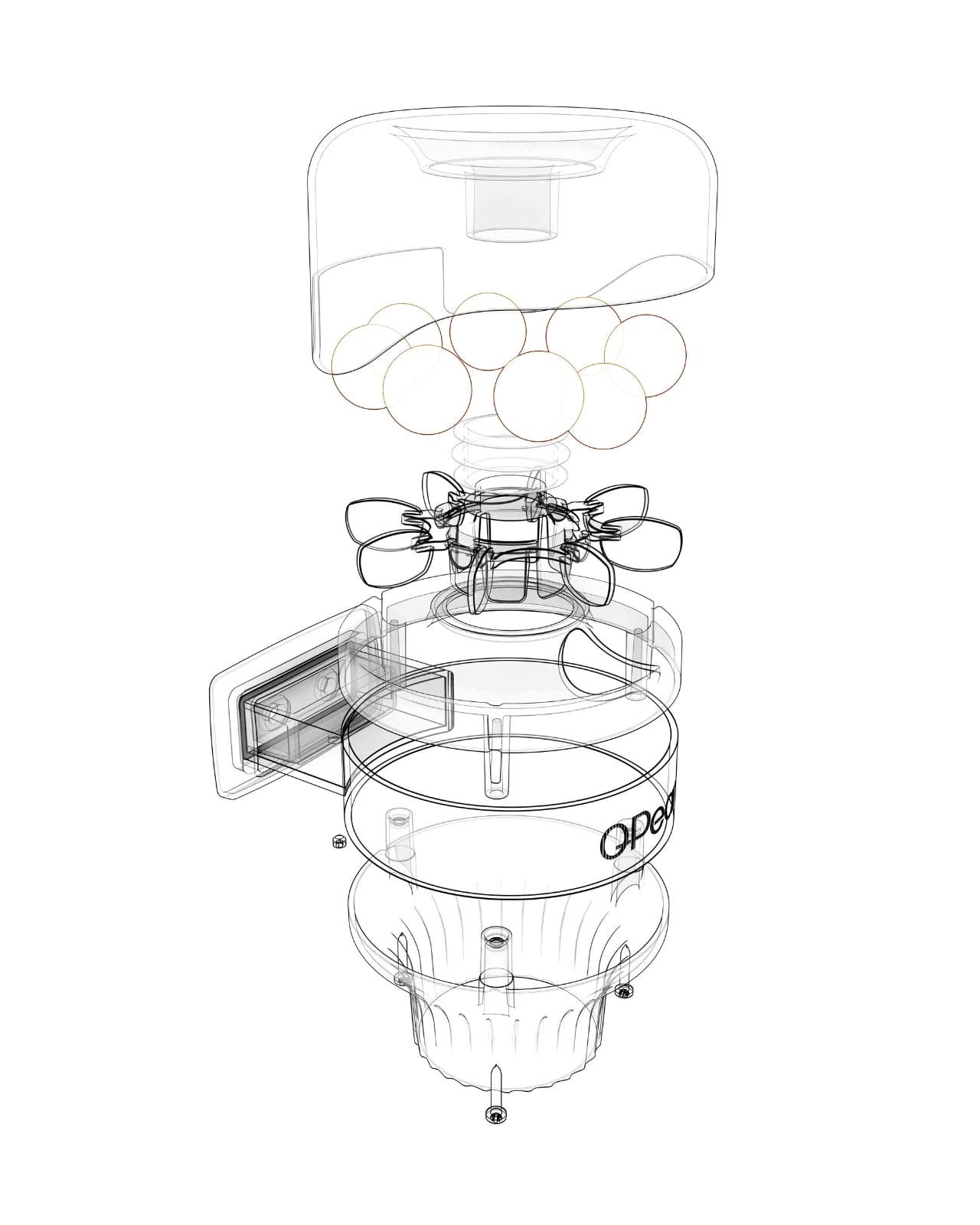
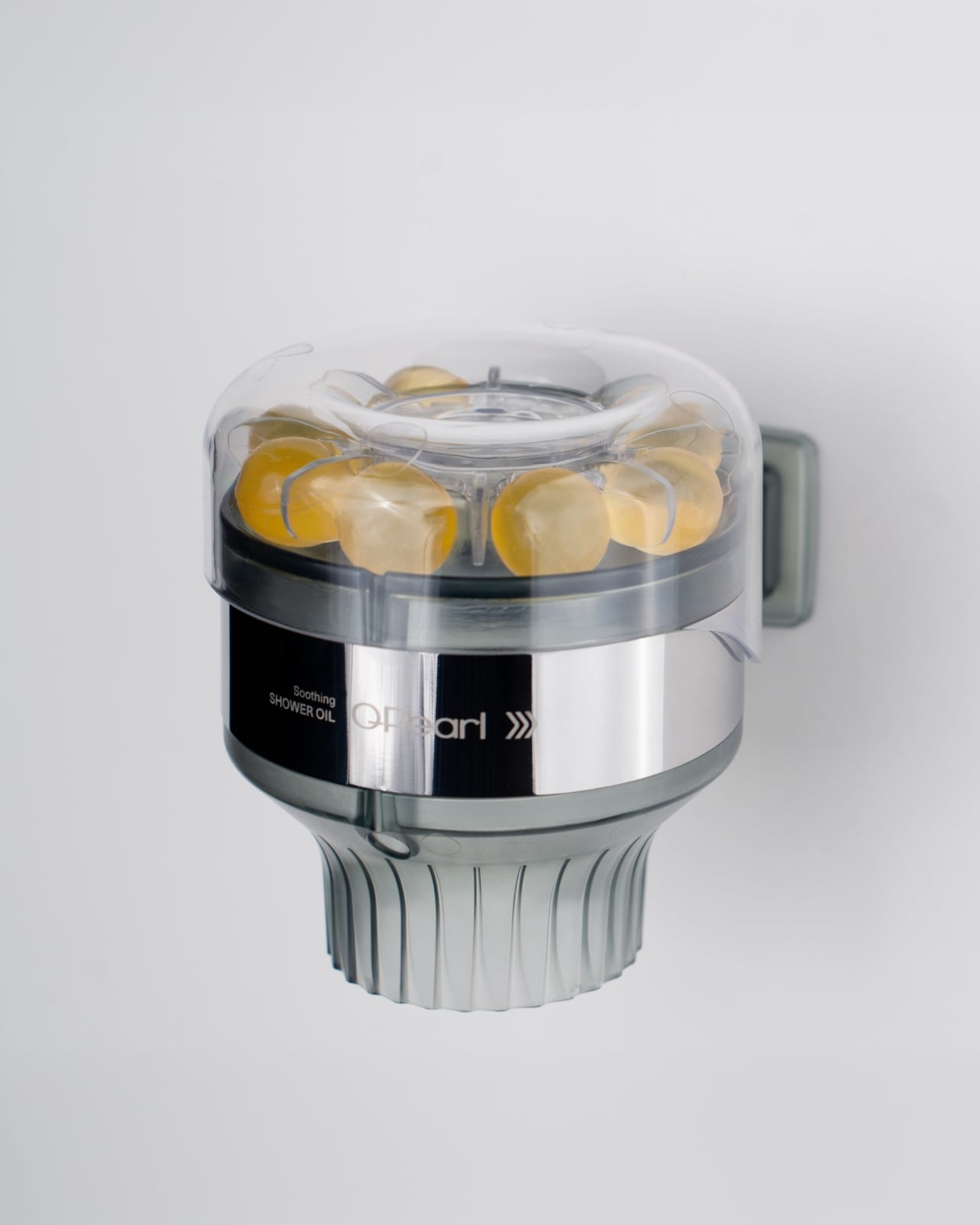
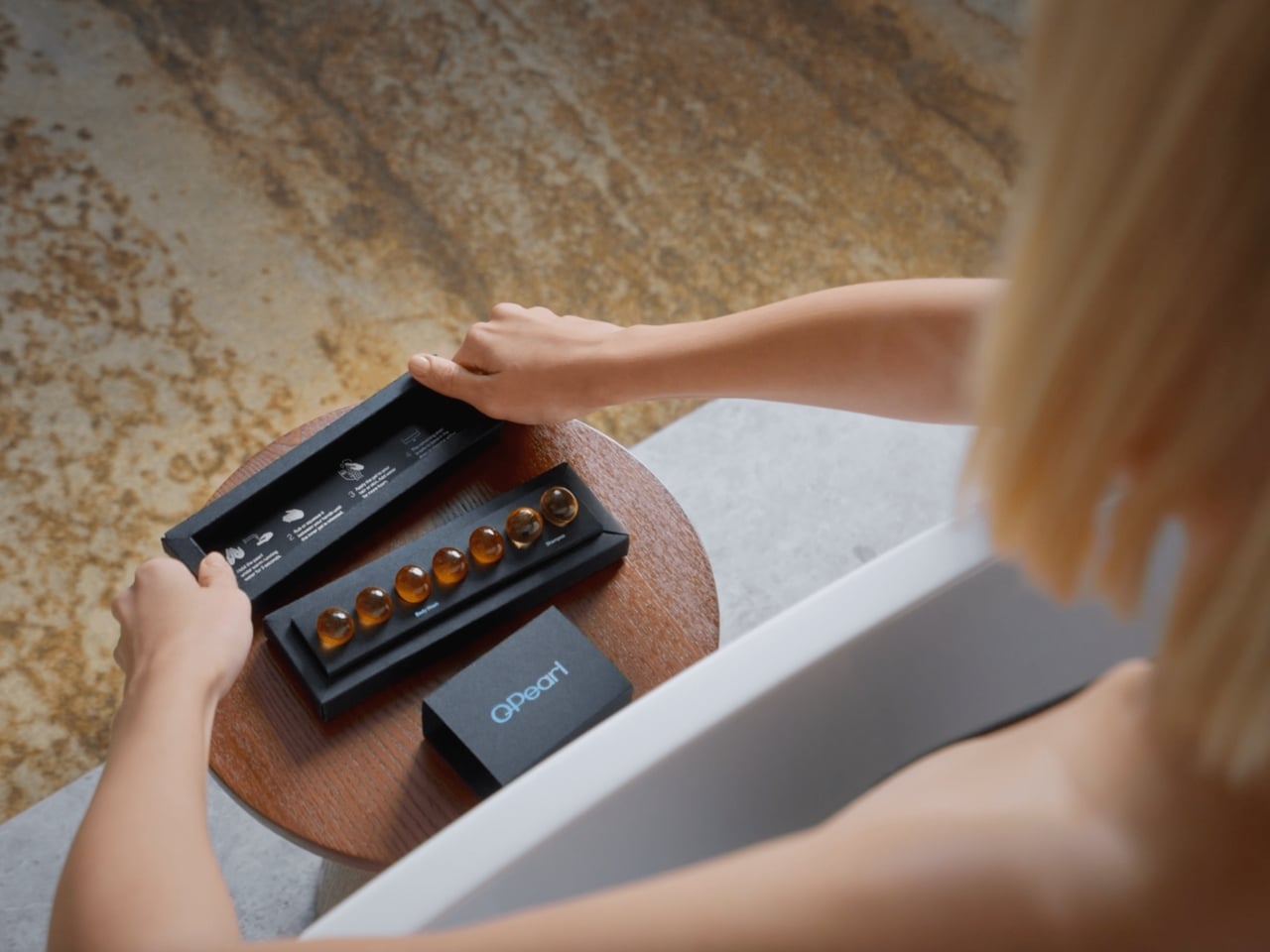
Designed by Severin Andrei under CAHM Europe, a Romania-based company, QPearl took home the Top Design honor in the ECO DESIGN/Sustainable: Packaging Design Products category at the European Product Design Award 2025. That’s a mouthful of a category name, but the product itself is almost impossibly simple: a small, luminous pearl that is your shampoo and body wash. No bottle. No pump. No cap you lose in the first week of owning it.

Designer: Severin Andrei

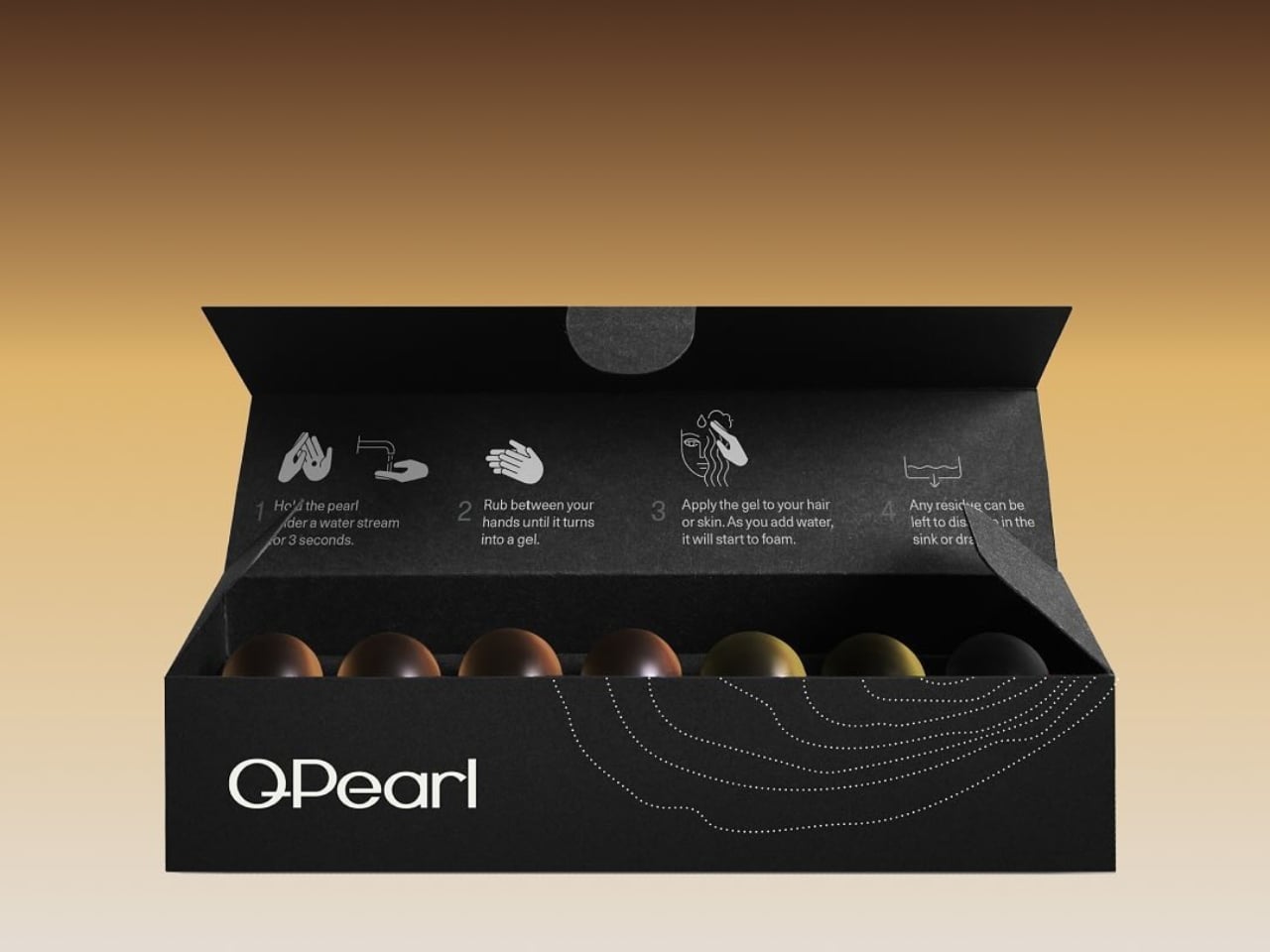
Here’s where it gets interesting. Each QPearl holds a 95.7% water-free concentrated body wash formula, encapsulated in a patented Smart BioMaterial that dissolves under warm running water. The outer layer is made from a chain of proteins derived from sources like maize, milk, or fish — no synthetic polymers, no plastic, nothing that’s going to sit in a landfill for the next four hundred years. The whole thing is double-patented and reportedly reduces CO₂ emissions by approximately 99% per pearl compared to conventional liquid bath products. Per pearl. That number is hard to absorb at first.

I’ll admit, the first time I came across this, I was skeptical. We’ve seen a wave of “sustainable” beauty products over the past few years that are more marketing than material innovation. Shampoo bars with palm oil in the ingredients list. Refillable bottles that require you to drive to a specialty store. Concentrated tablets that clump before you ever get to use them. The bar for what counts as sustainable has been so muddied that any new claim in that space feels suspicious.

But QPearl seems to be doing something structurally different. The design isn’t asking consumers to change their behavior in inconvenient ways. You still shower. You still hold something in your hand. The ritual is familiar; only the waste is removed. That’s a kind of design thinking that’s genuinely hard to execute, because it means working backward from how people actually live instead of forward from how we wish they would.

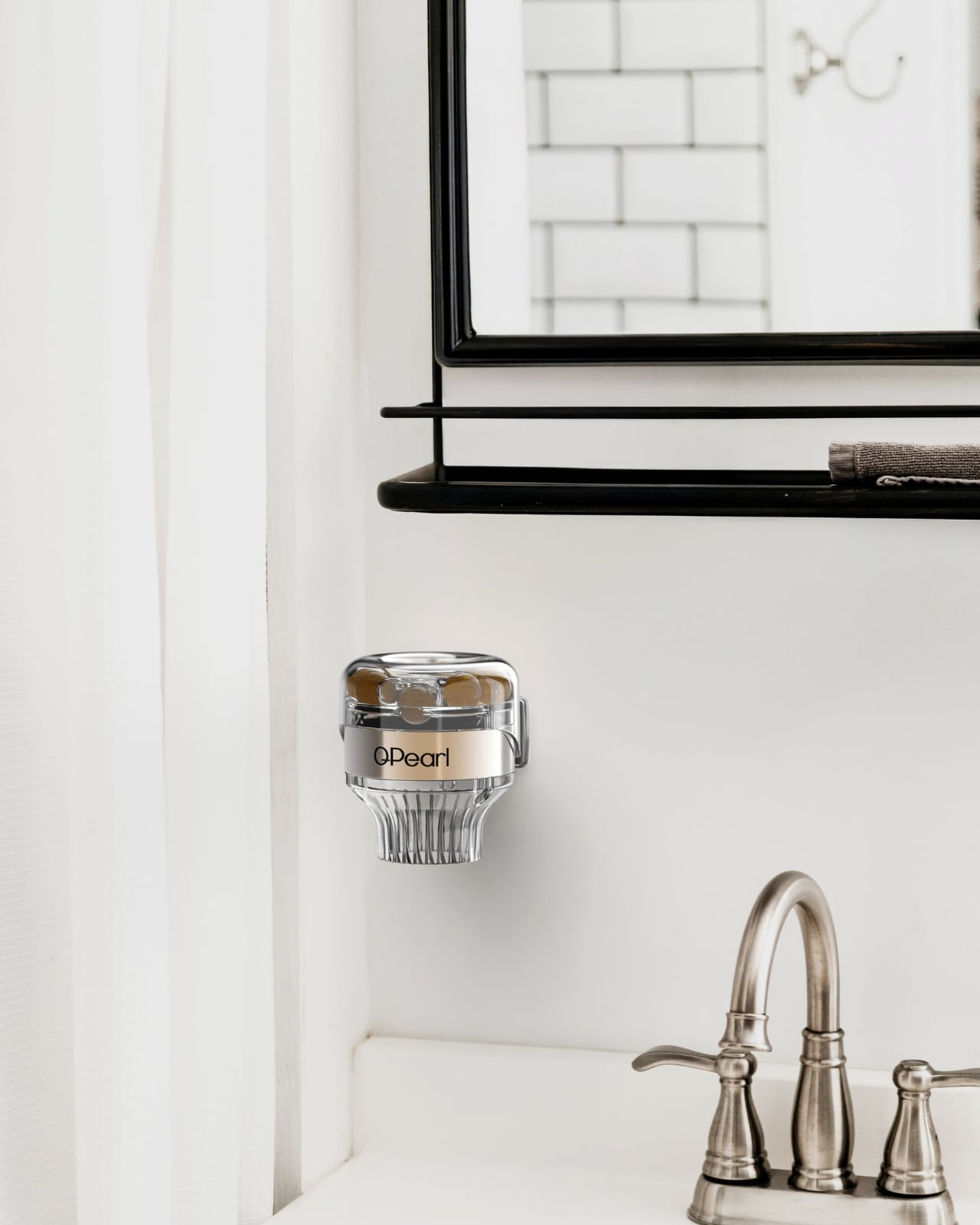
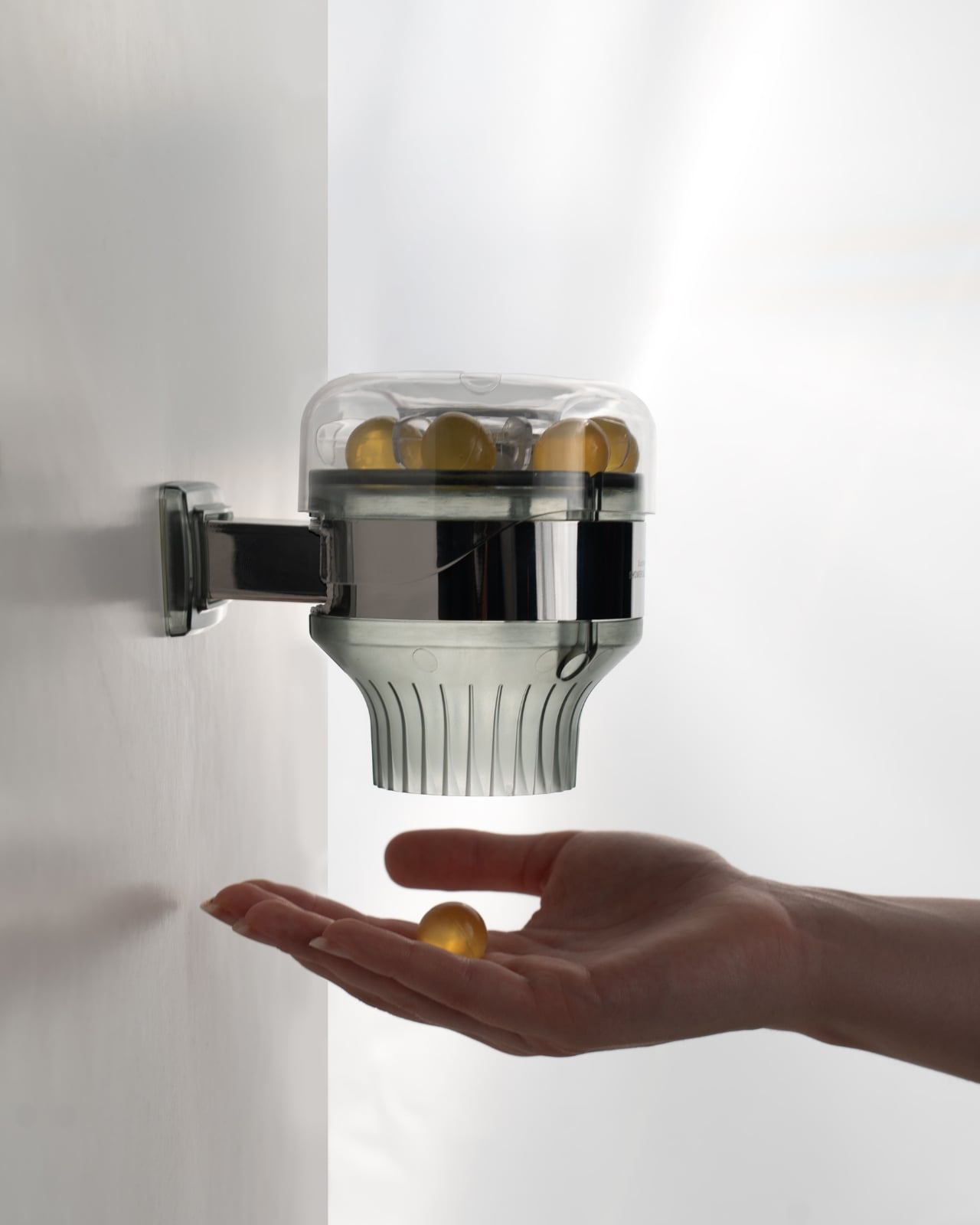
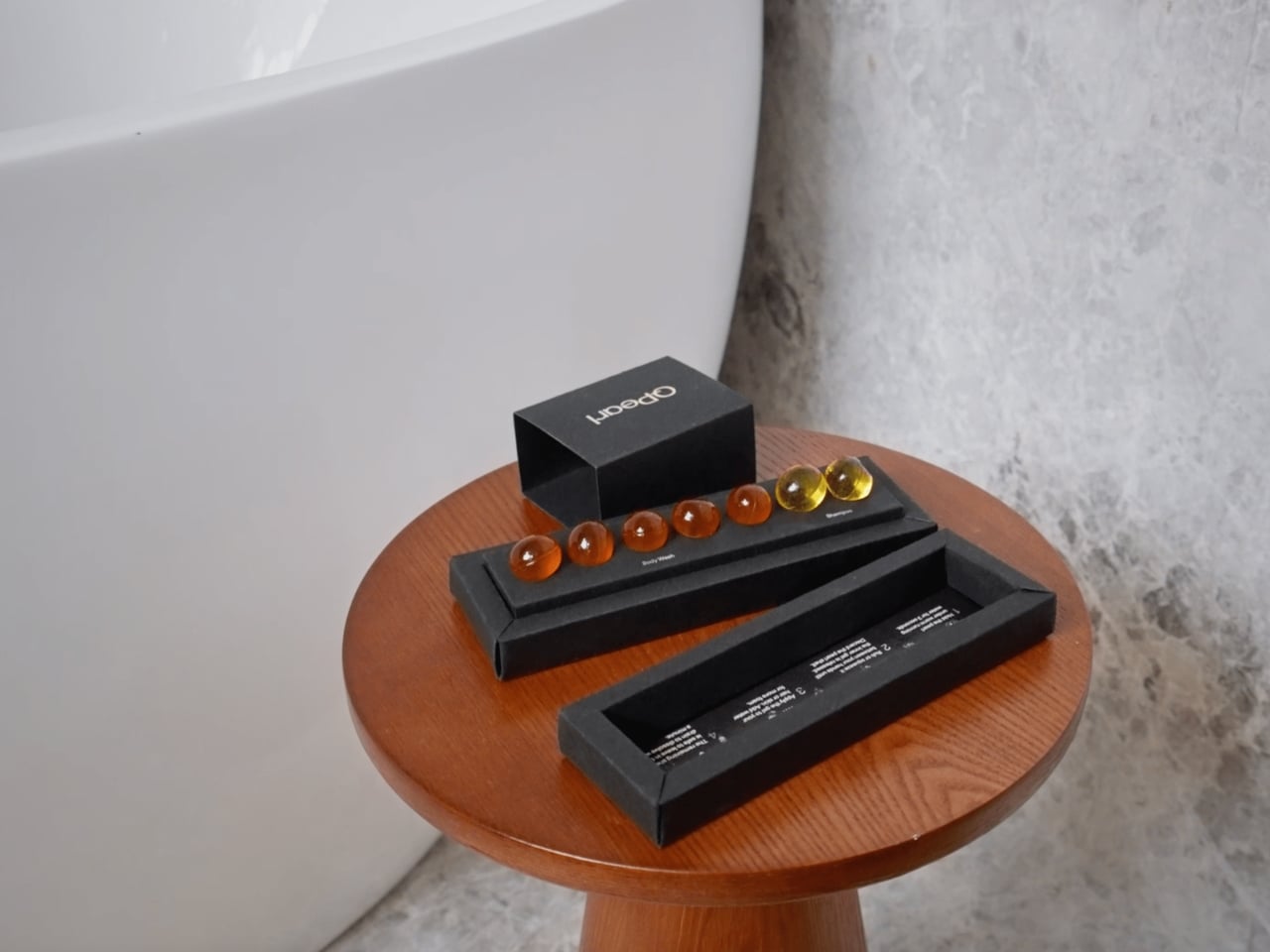
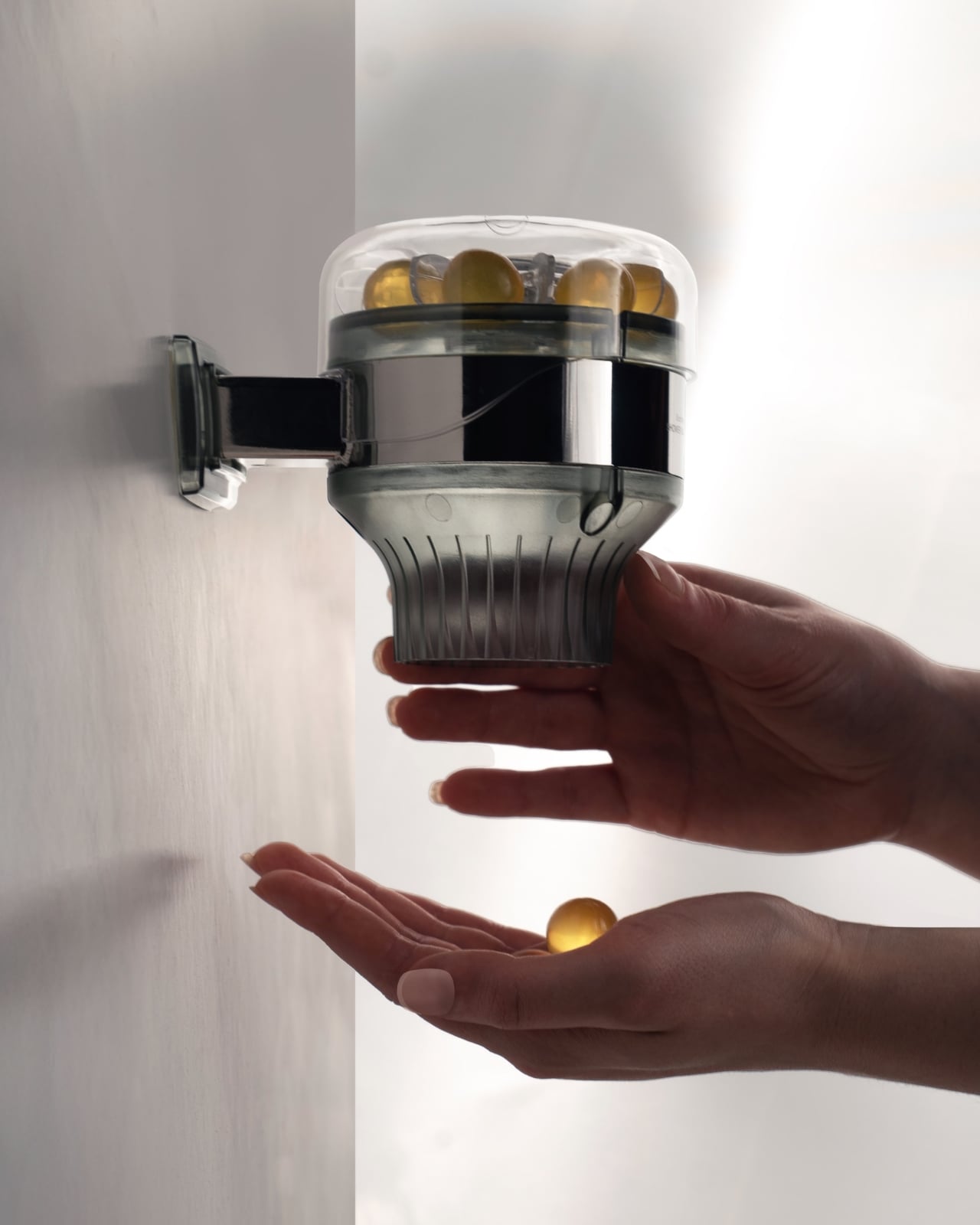
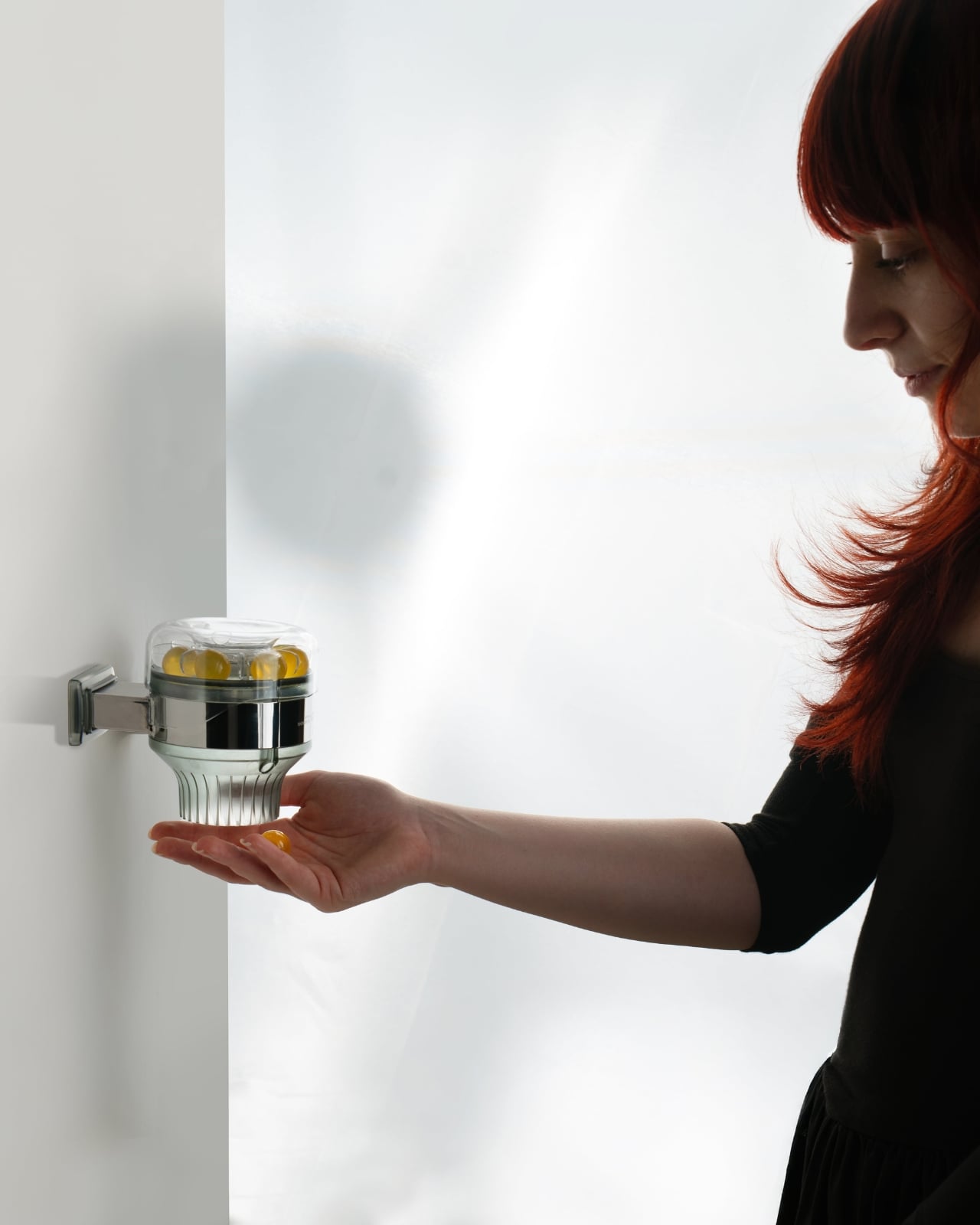
The product comes in a QPearl box, and there is also a tray holder and a hotel dispenser version, which points to an interesting commercial direction. Hotels are one of the biggest contributors to single-use toiletry waste globally, so the dispenser angle feels less like an afterthought and more like a strategic bet on where the real volume opportunity lives. If the hospitality industry moves on this, the impact scales quickly.

What I keep coming back to is how the form mirrors the concept. The pearl shape isn’t random. It’s the kind of design choice that communicates purity and precision without saying a word. You hold it in your hand and you immediately understand that it’s not a pill, not a tablet, not a capsule in the pharmaceutical sense. It’s something closer to a ritual object, and I think that distinction matters. Beauty has always been partly ceremonial, and QPearl leans into that instead of fighting it.

Whether QPearl becomes a mass market staple or remains a design darling is still an open question. It’s currently in the process of obtaining formal plastic-free certification, and sample ordering is available through the website, which suggests it’s still in a relatively early commercial stage. But the design recognition from a serious European awards platform signals that the industry is watching.

Good design doesn’t always mean the prettiest object in the room. Sometimes it means asking the most uncomfortable question about the object that’s already there. In this case, that question is: why are we still shipping water in plastic bottles? QPearl doesn’t just ask it. It dissolves the premise entirely.

The post QPearl Just Replaced Your Shampoo Bottle With One Pearl first appeared on Yanko Design.

This Aluminum Pill Organizer Was Designed to Sit on a Restaurant Table

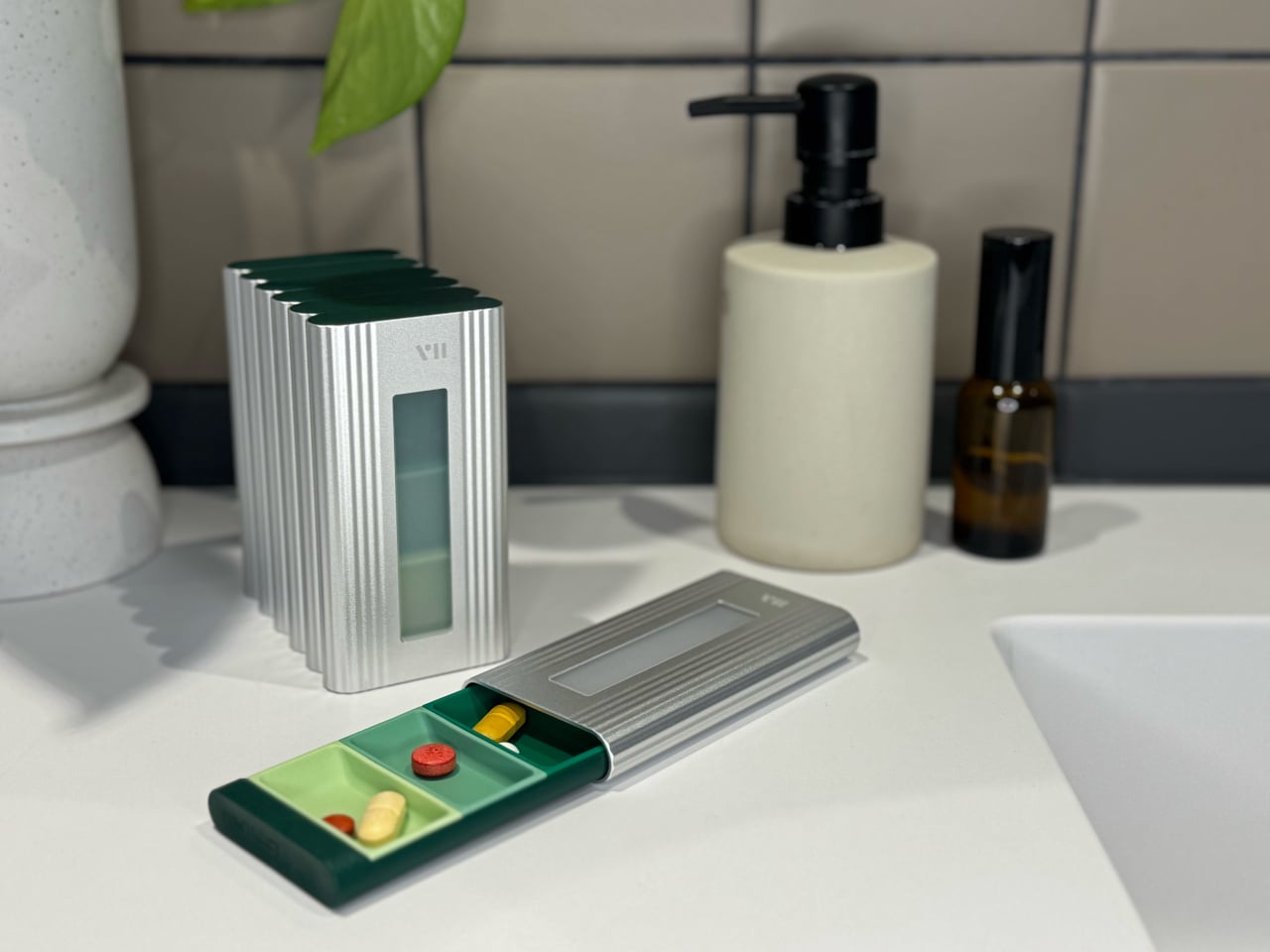
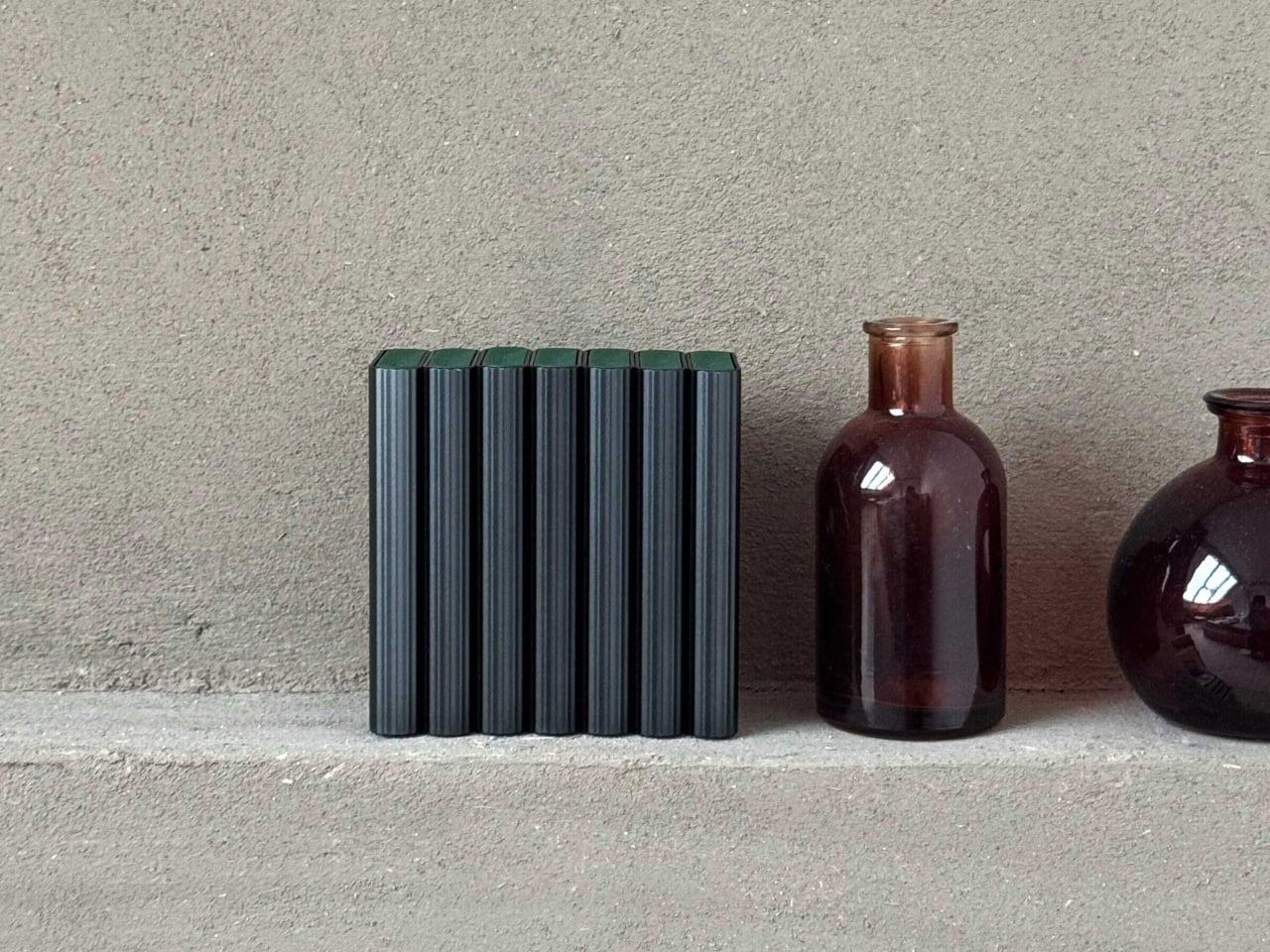
Most pill organizers share the same silent agreement with their owners: get used and get out of sight. The plasticky snap-lid boxes that dominate pharmacy shelves were built around a kind of shame arithmetic, where function was traded for discretion, and discretion meant disappearing into a drawer or the bottom of a bag. bovii, a modular aluminum pill organizer, refuses that arrangement entirely.

The design premise is unusually direct for a healthcare accessory. Taking pills or supplements daily is a fact of life for a growing number of people, yet the objects designed for that routine communicate apology. bovii was built to sit on a restaurant table without anyone feeling the need to explain it, a standard that immediately separates it from the category it nominally belongs to.

Designer: Rudolph Schelling Webermann for curio studio

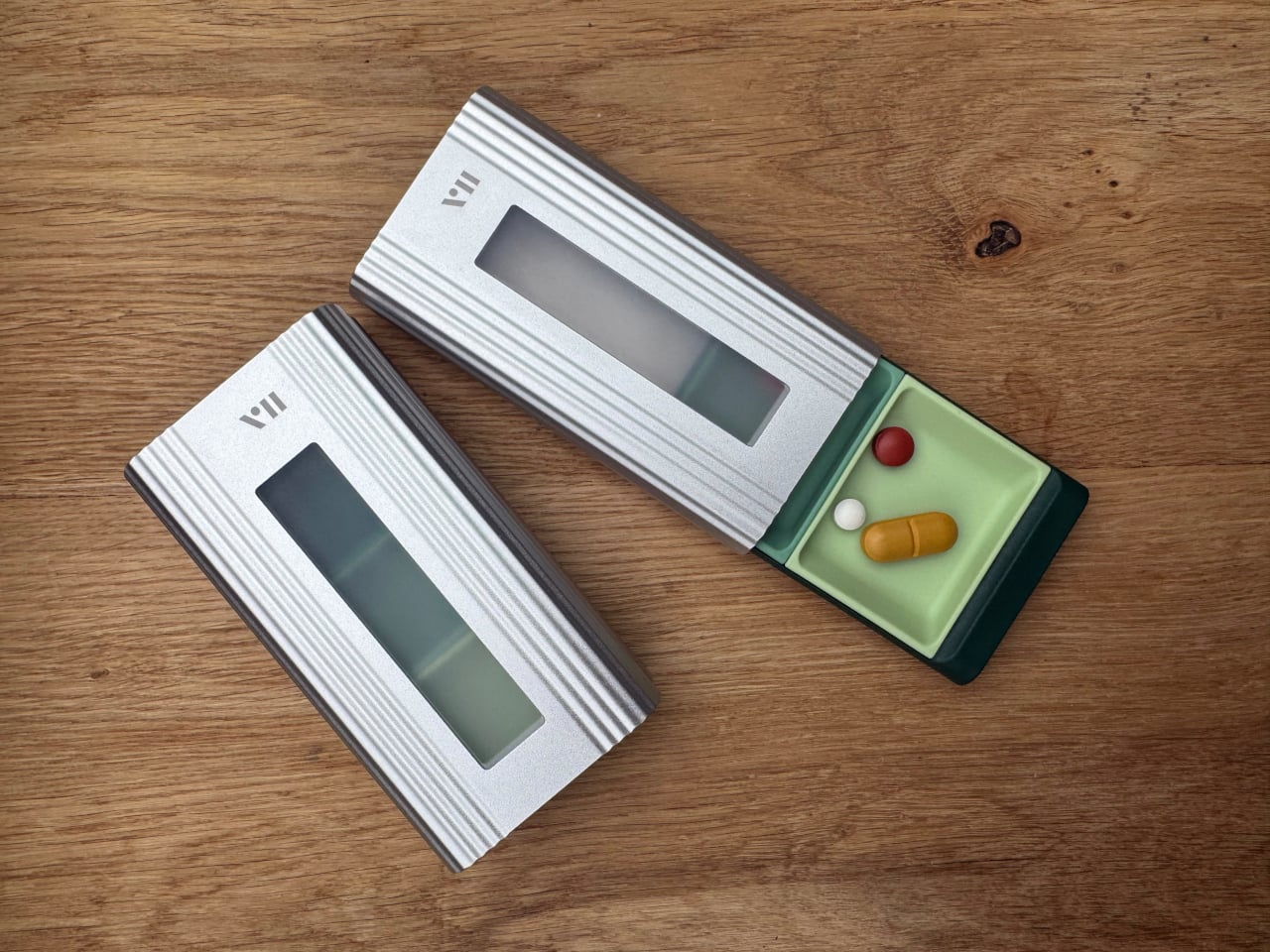
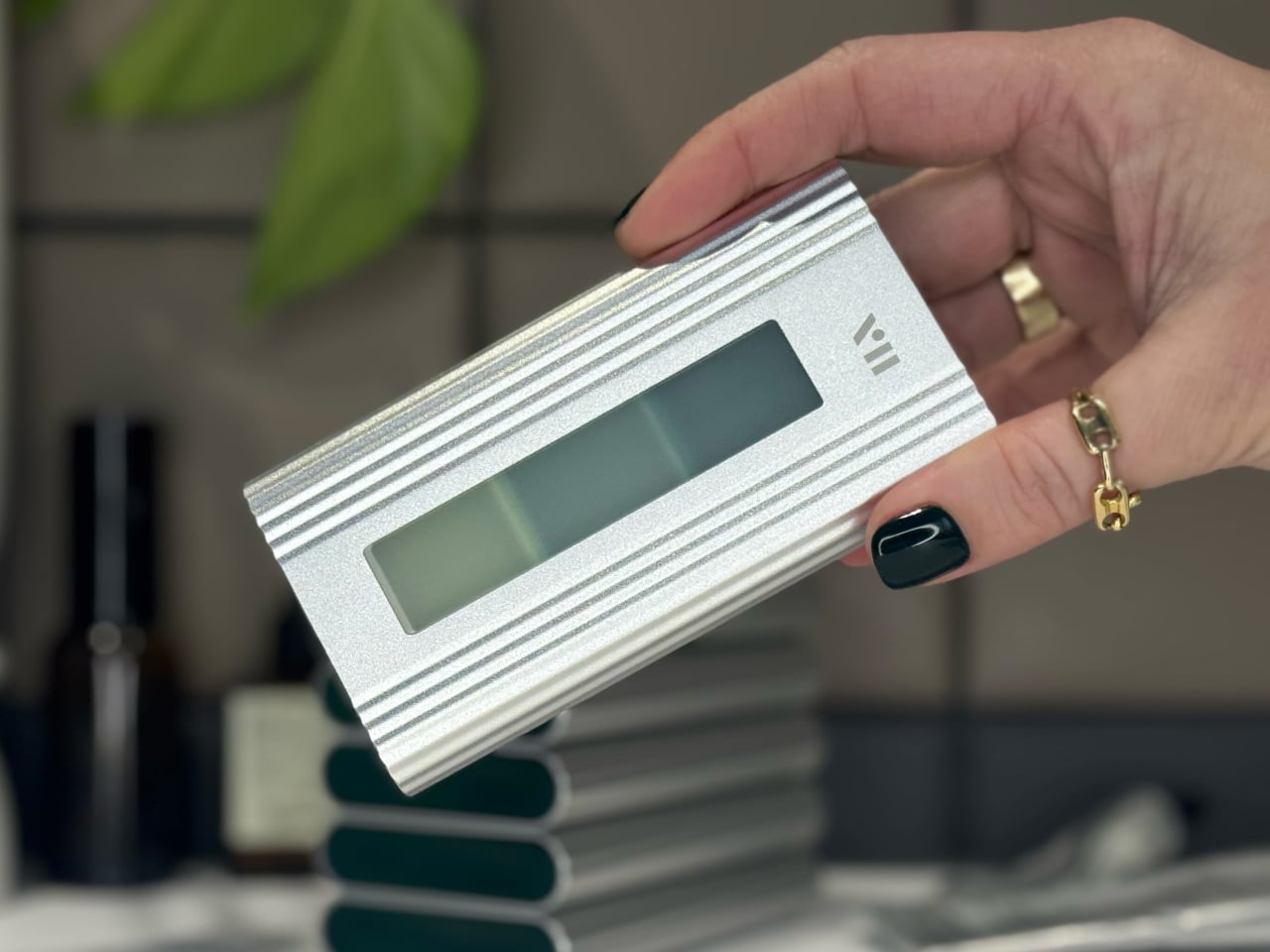
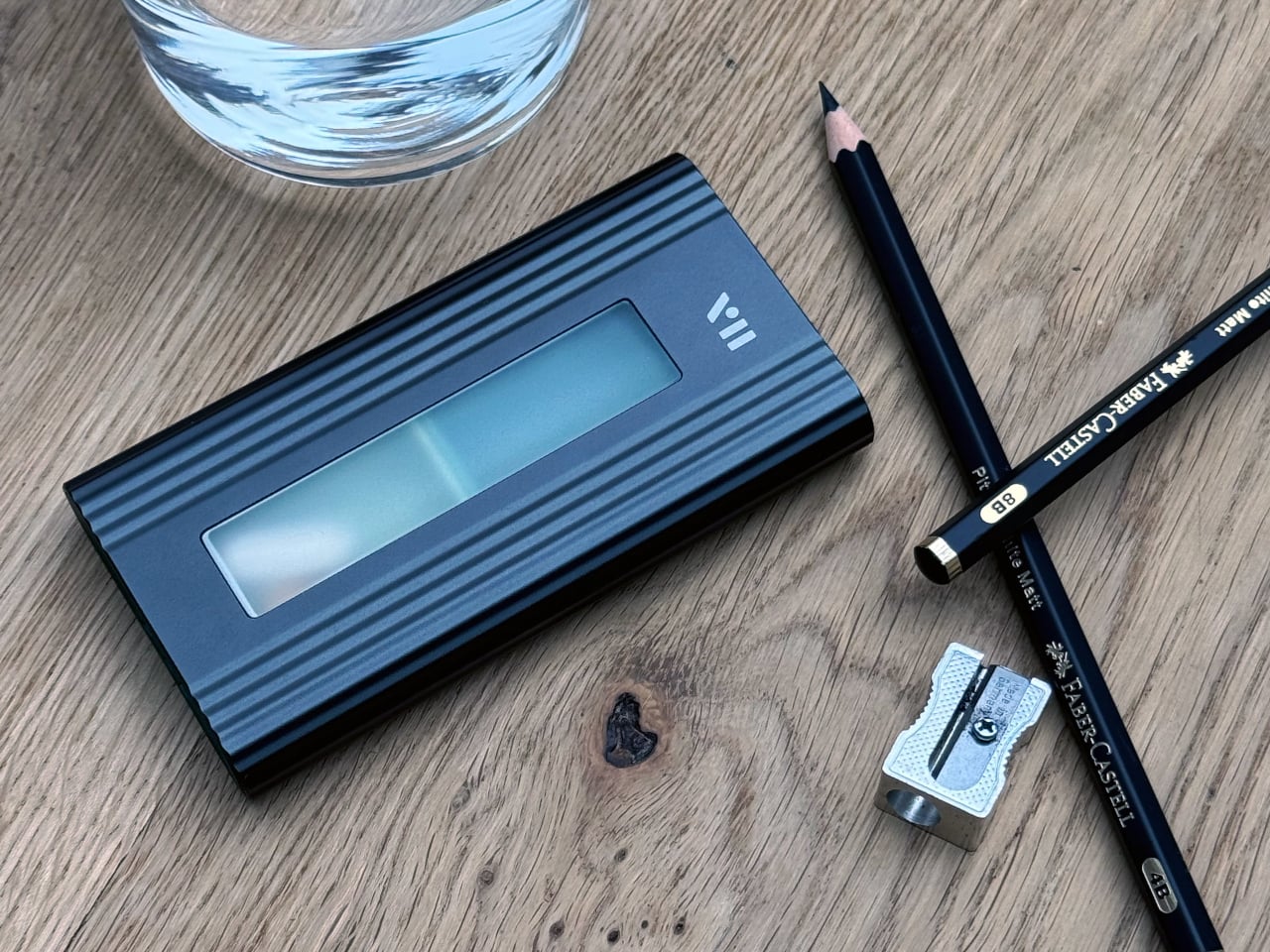
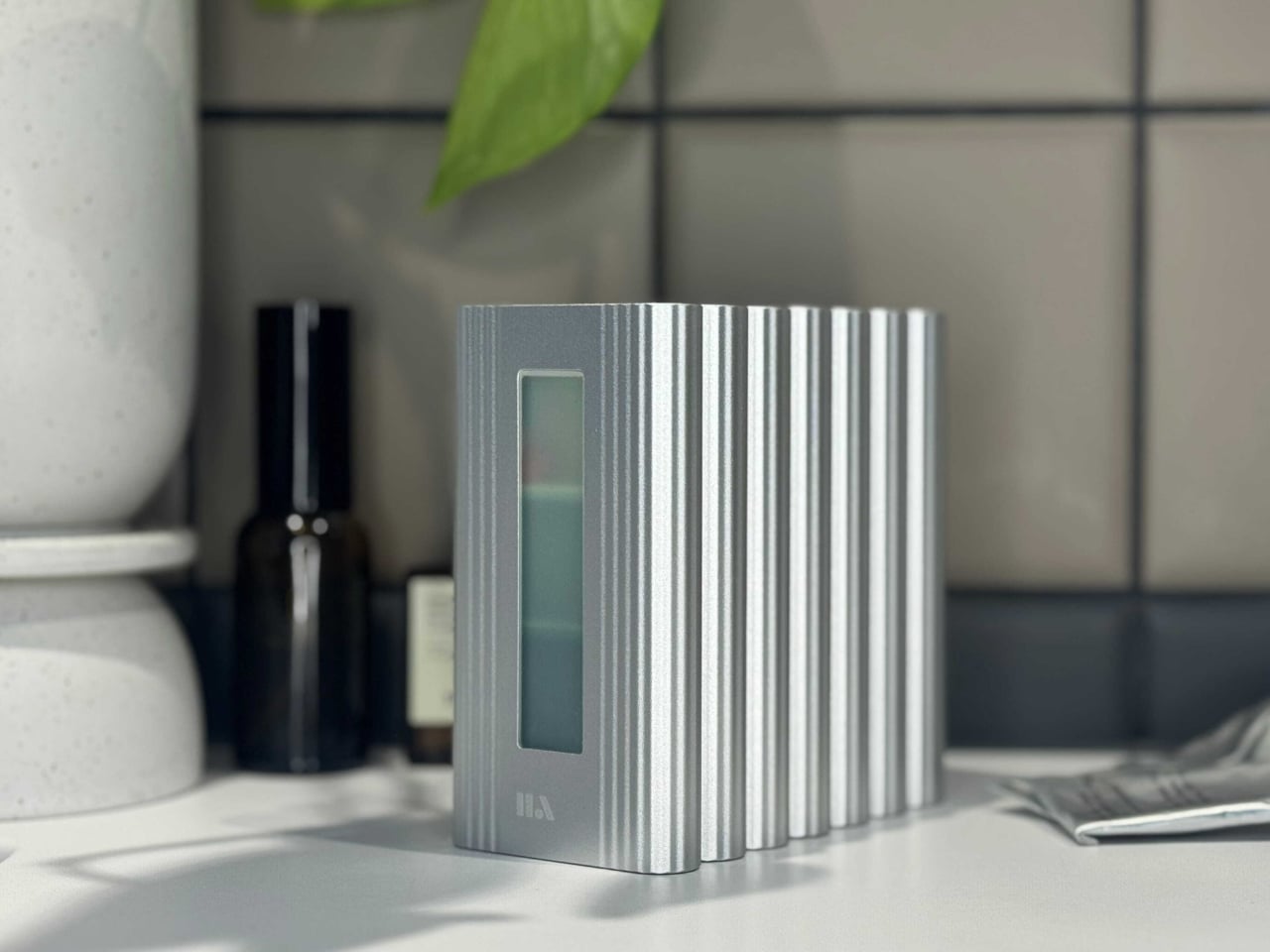
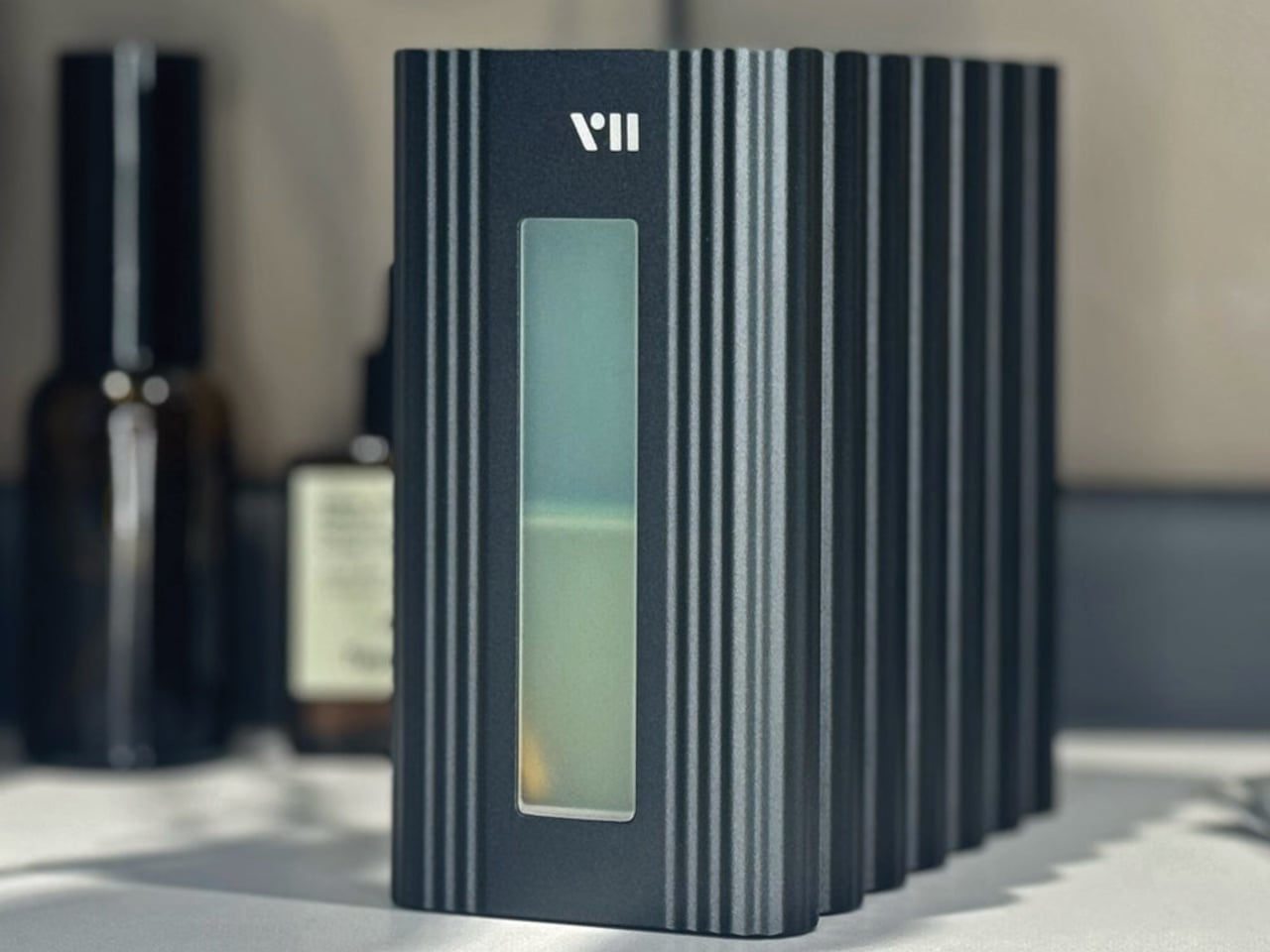
What makes that ambition credible rather than just a marketing position is the material choice. An aluminum casing with a circumferential ribbed texture runs across the surface of each box, giving it the tactile weight and finish vocabulary of an everyday carry item rather than a medical aid. The push-to-open mechanism at the front face adds a satisfying mechanical interaction, the kind of considered detail that signals the object has been thought through beyond its functional minimum.

Inside, soft silicone inserts hold the tablets quietly in place, a feature that addresses one of the more underrated problems with standard pill cases: the rattling. Anyone who has walked into a quiet meeting with a pill box in their jacket pocket knows the sound. The rattle-reduction system is patent-pending, which suggests the solution is more engineered than it first appears, though the specific mechanism is not publicly detailed.

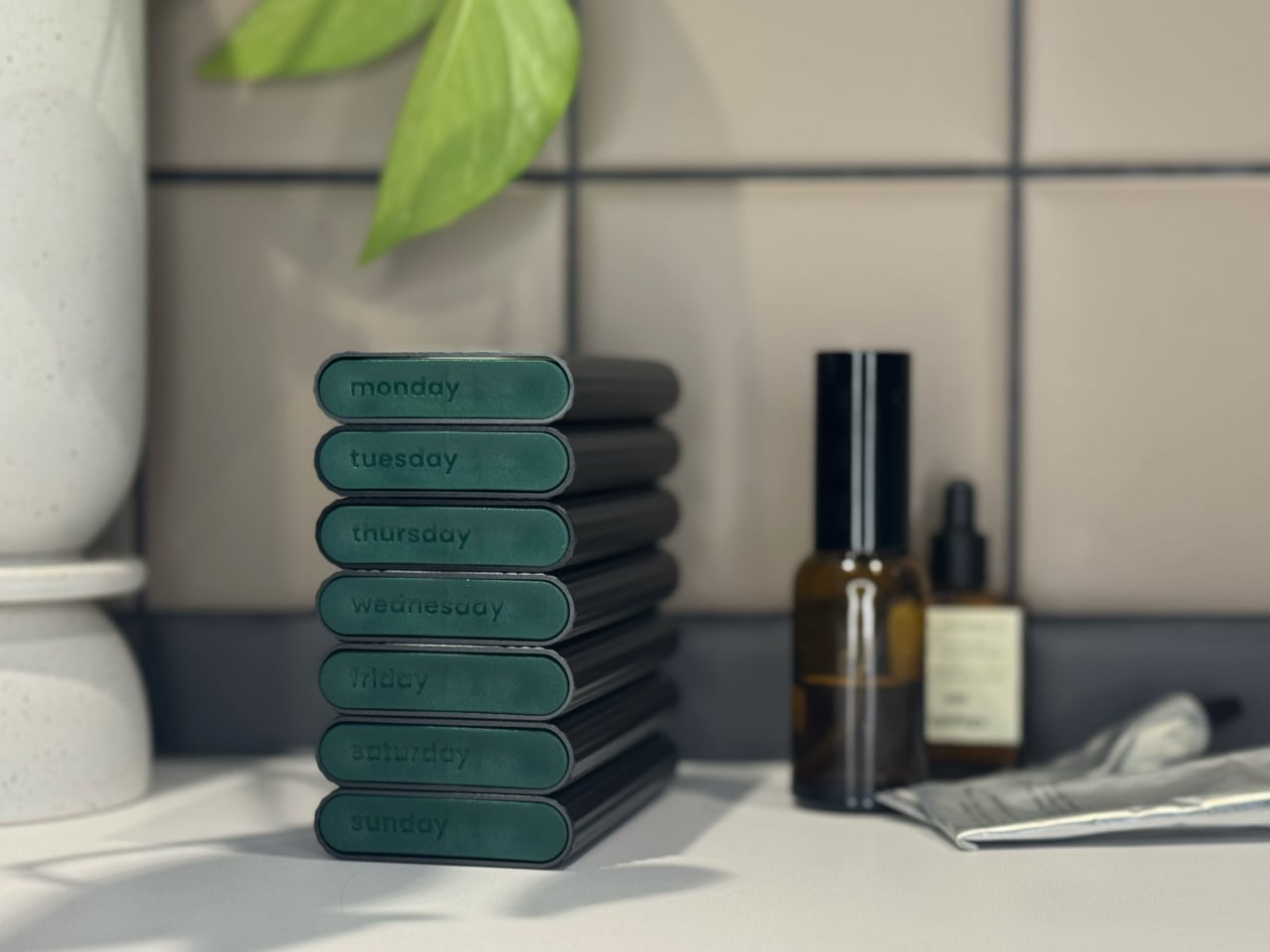
The modularity is where the product’s logic really opens up. Each box measures 105mm x 55mm x 14mm and weighs 80g, with built-in magnets allowing multiple units to stack in precise alignment without accidentally popping open inside a bag. The Weekender set combines three boxes into a 48mm stack at 240g total; the OneWeek set stacks seven boxes to 94mm at a little over half a kilo. Compartment configurations run to either two or three adjustable inner sections per box, accommodating once-, twice-, or three-times-daily dosing schedules.

One honest limitation worth naming: bovii is optimized for tablets and hard capsules only. Gel capsules are explicitly excluded because they can block the internal mechanism. That narrows the product’s compatibility for anyone whose supplement routine leans toward softgels, which is a meaningful portion of the market. For that group, the design is genuinely attractive but practically unusable.

The question bovii leaves open is whether the stigma it’s designed to counter is widespread enough to justify a premium aluminum pill organizer in a category historically defined by low-cost convenience. The design makes a convincing case that it should be. That’s a different argument from proving that it already is, and how much the market agrees will likely determine how far this idea travels.

The post This Aluminum Pill Organizer Was Designed to Sit on a Restaurant Table first appeared on Yanko Design.

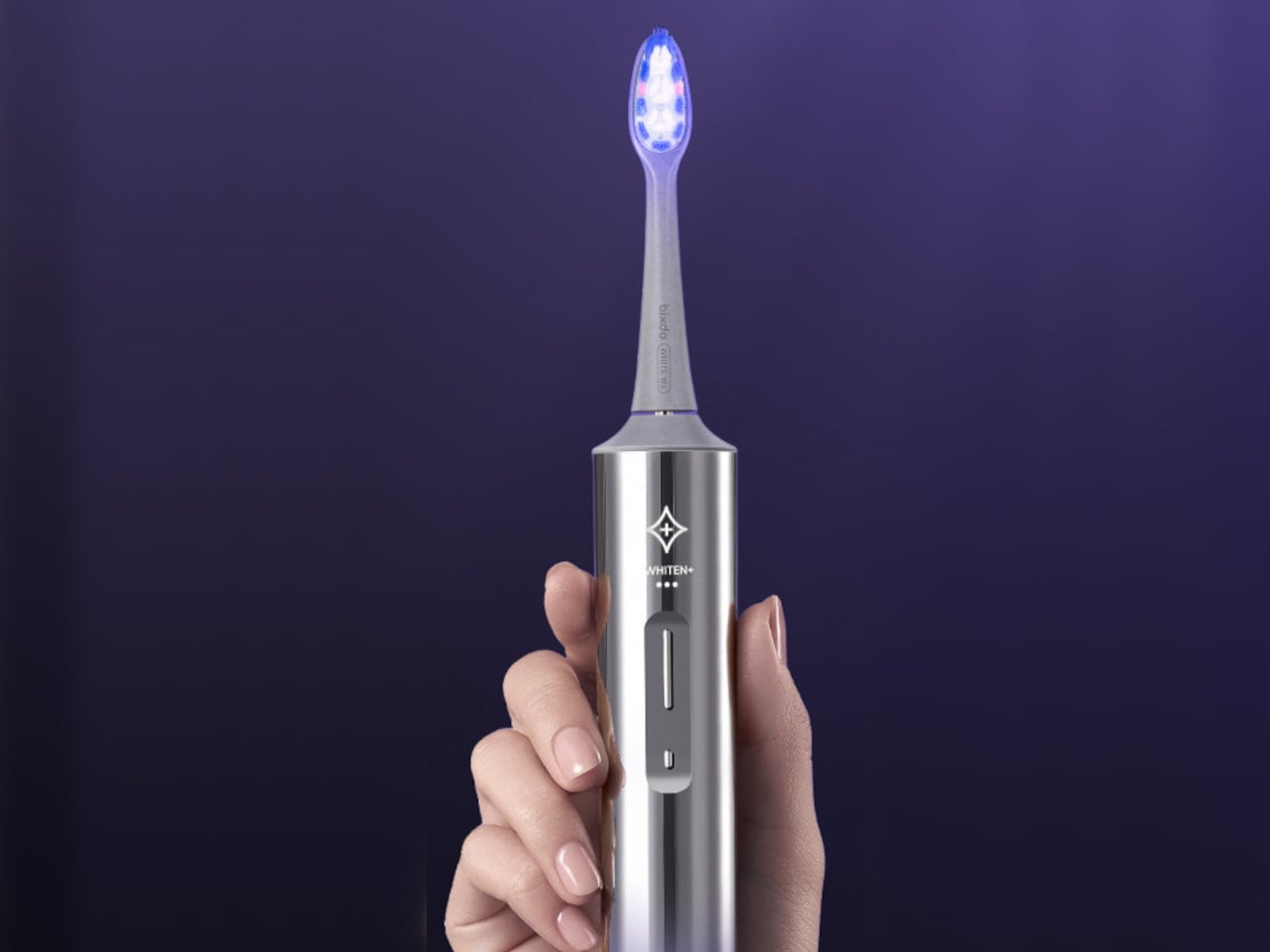
This Blue Light Toothbrush Whitens Teeth 2.7x Brighter in 14 Days

Most bathroom counters tell a story of good intentions. There’s the electric toothbrush, the whitening strips half-squeezed out of their foil, maybe a tray or a pen that got used twice before disappearing behind the moisturizer. Whitening has always been a separate ritual, something you commit to on top of brushing, which is exactly why most people don’t stick with it. The Bixdo W60 is built around a simpler idea: that the best whitening routine is the one you’re already doing.

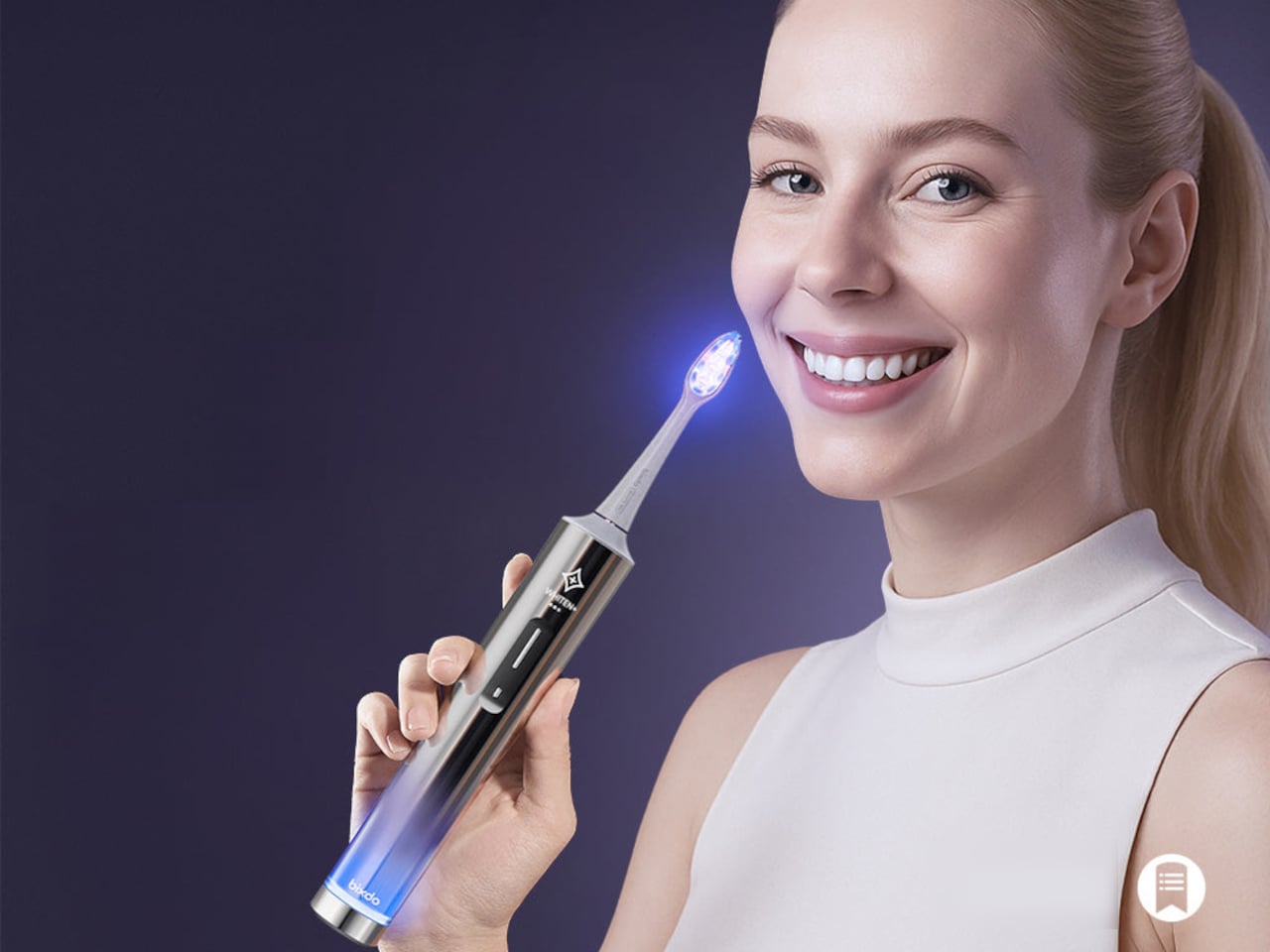
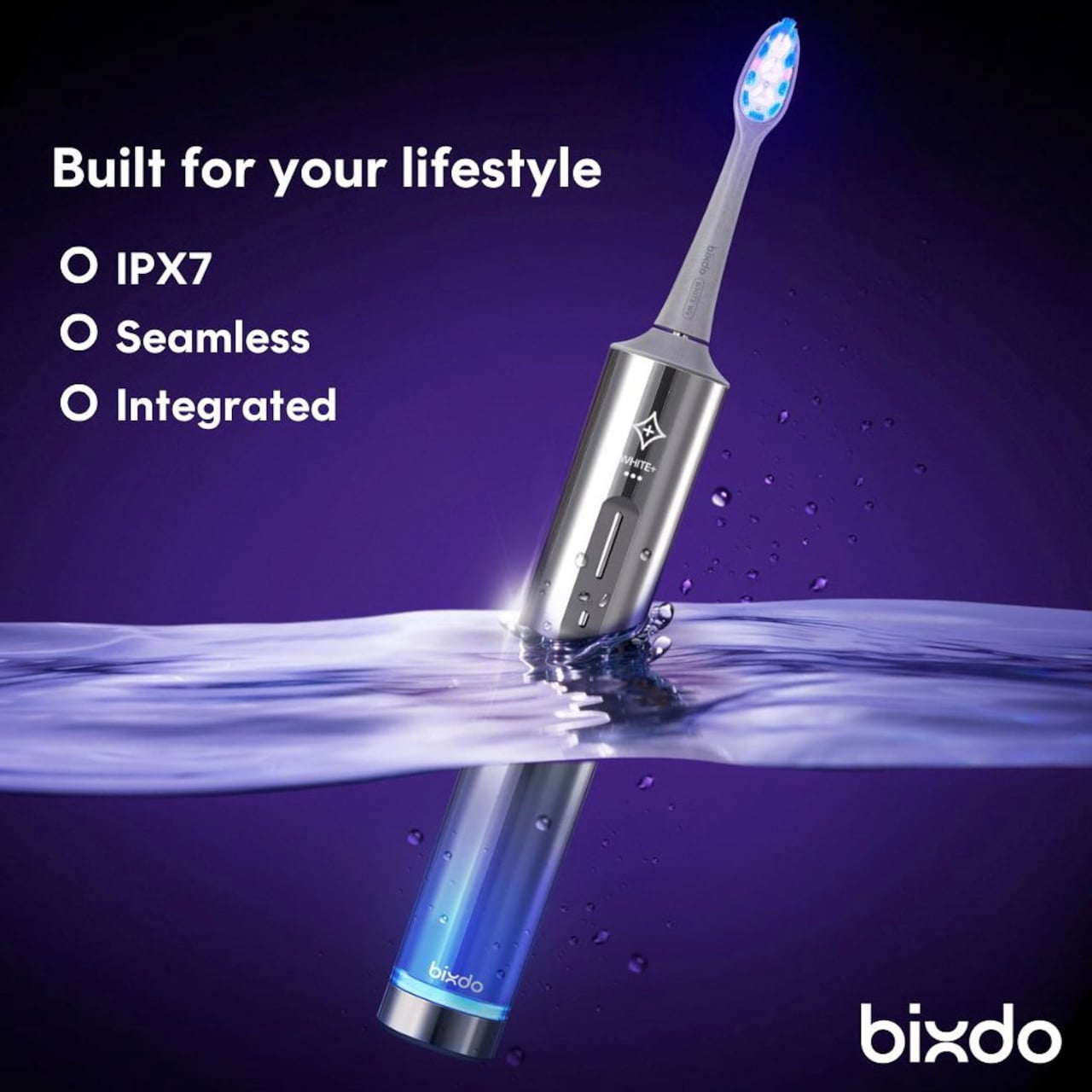
The W60 is a sonic electric toothbrush with a built-in 460 nm blue-light whitening system, designed to whiten and clean in a single three-minute session. No trays, no strips, no extra step to talk yourself out of skipping. It’s the kind of consolidation that sounds obvious once someone makes it, but actually took real engineering to pull off.

Designer: Bixdo

Getting stable light output from a toothbrush handle all the way to a tooth surface is not straightforward. Bixdo solved it with a patented energy-delivery system paired with Perlon® filaments, a fiber type chosen for how well it transmits light. These route the 460nm output directly where it needs to go, while separate Tynex® filaments handle the cleaning. One brush head, two jobs running at the same time.

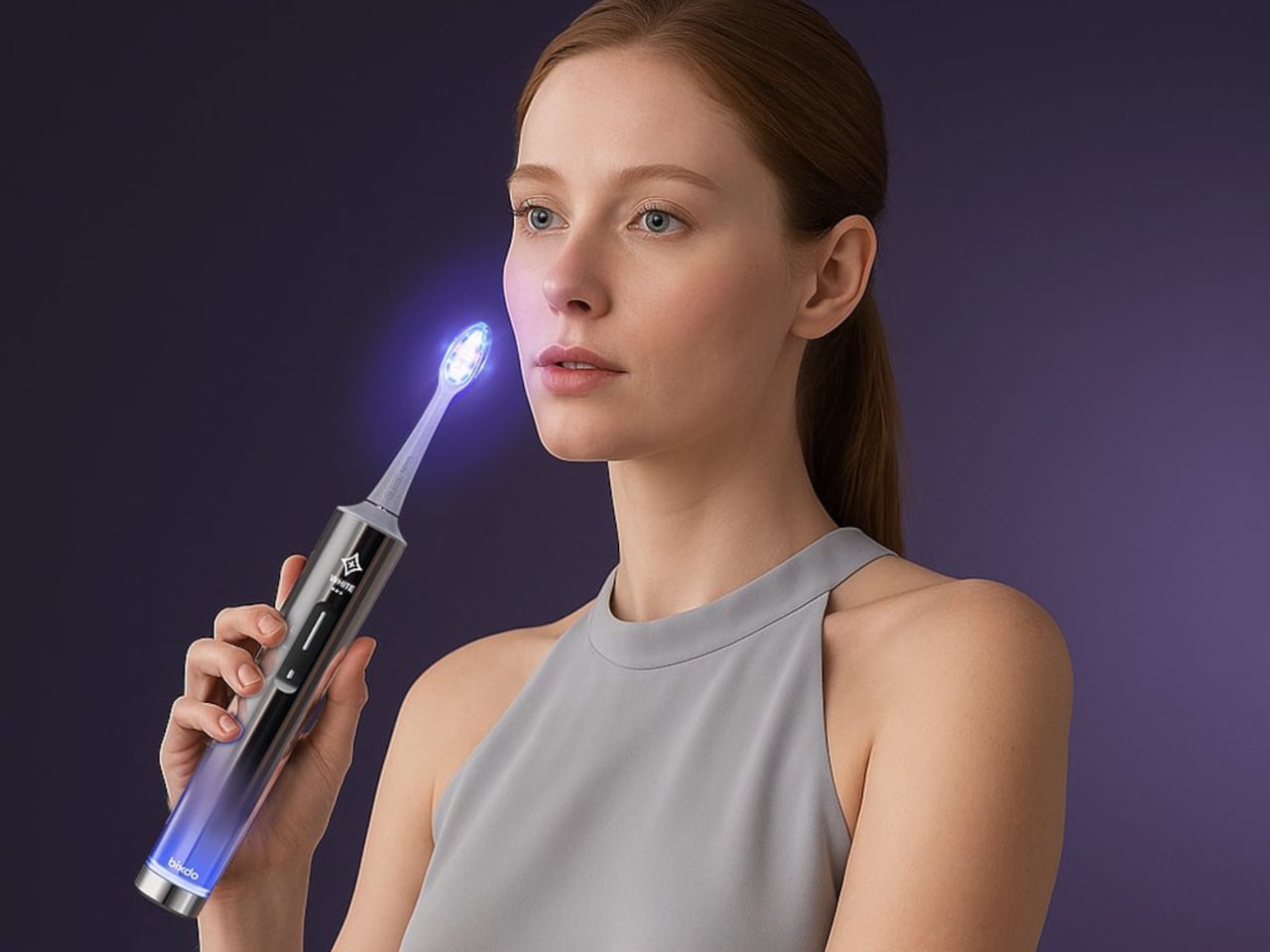
The whitening agent is PAP, or phthalimidoperoxycaproic acid, a peroxide-free compound that breaks down stain molecules without the free radicals that cause sensitivity. It’s gentle enough for daily use, which matters because the whole point is building it into a habit rather than rationing it out once a week. The 460nm blue light activates the PAP in Bixdo’s Active Oxygen Whitening Toothpaste directly at the enamel surface, with the two working together to speed up stain breakdown. Third-party testing across 32 participants found up to 2.7 times brighter-looking teeth in 14 days using the brush with Bixdo’s Active Oxygen Whitening Toothpaste.

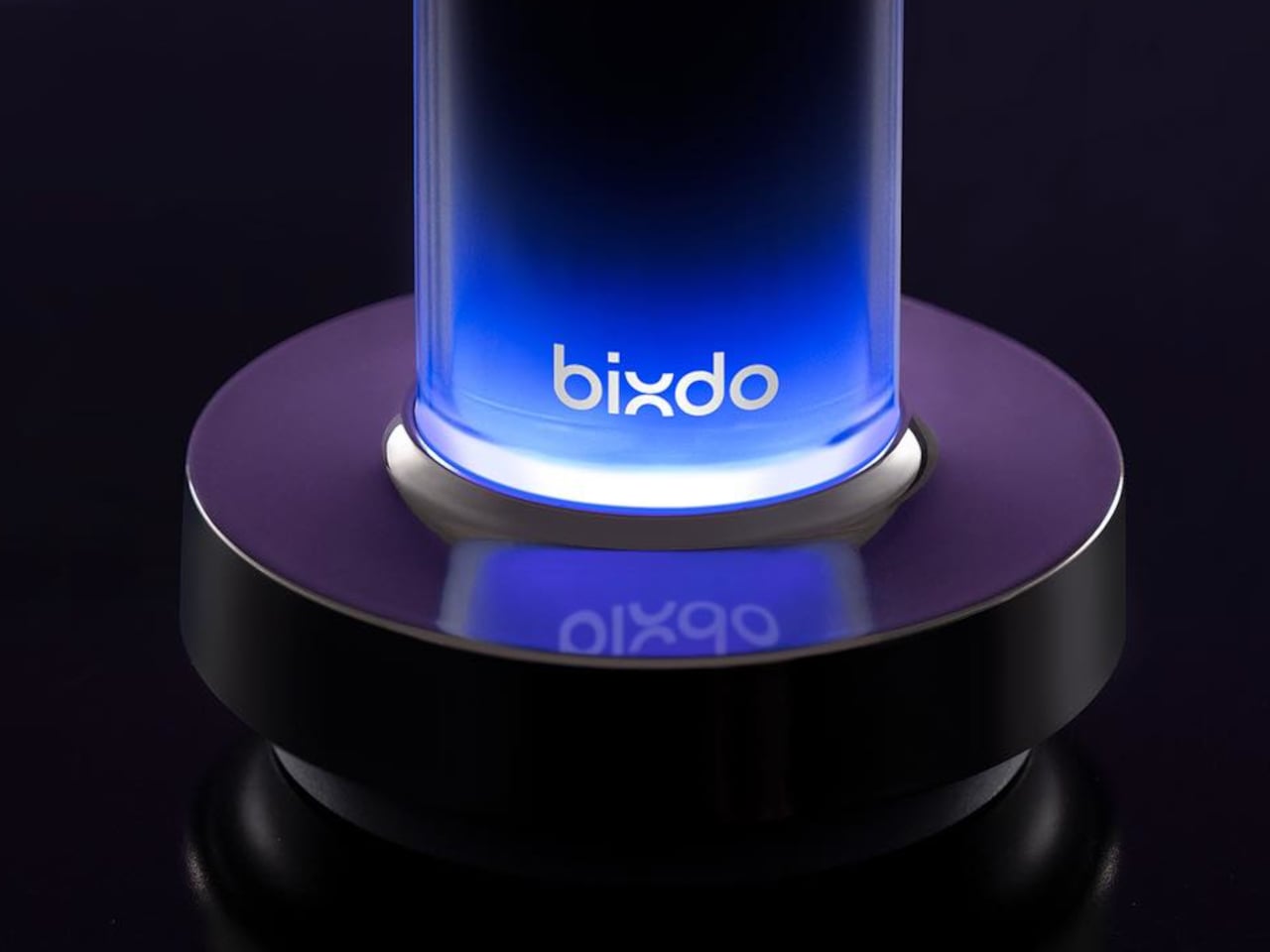
The rest of the package is well put together. Four brushing modes cover most situations: WHITEN+ for the full session, FAST for a quick two-minute morning clean, DEEP for a thorough three-minute scrub, and SOFT for sensitive days. A handle display gives real-time brushing guidance, and the base flashes orange if you’re moving too quickly between quadrants. Battery life is up to 180 days on a single charge, which is a pleasant surprise for this category, and a one-touch travel lock stops it from switching on inside a bag.

The W60’s real argument is a behavioral one. Whitening works when it happens consistently, and consistency is much easier when it’s attached to something you’re already doing every day. Brushing is the existing habit, and the W60 is designed to fold into it rather than sit beside it as another thing to remember. The blue light, the PAP chemistry, the smart brushing feedback, none of it requires a separate session, a separate product, or a separate place on the bathroom counter. They all just come along for the ride.

The post This Blue Light Toothbrush Whitens Teeth 2.7x Brighter in 14 Days first appeared on Yanko Design.

IKEA’s SOLUPPGÅNG Turns Outdoor Living Into a Design Statement

Most camping gear looks like it was designed for someone who thinks color theory is for the weak. It’s all neon-trimmed polyester and tactical buckles that somehow cost as much as a plane ticket. IKEA, of all brands, just called the bluff on that entire category.

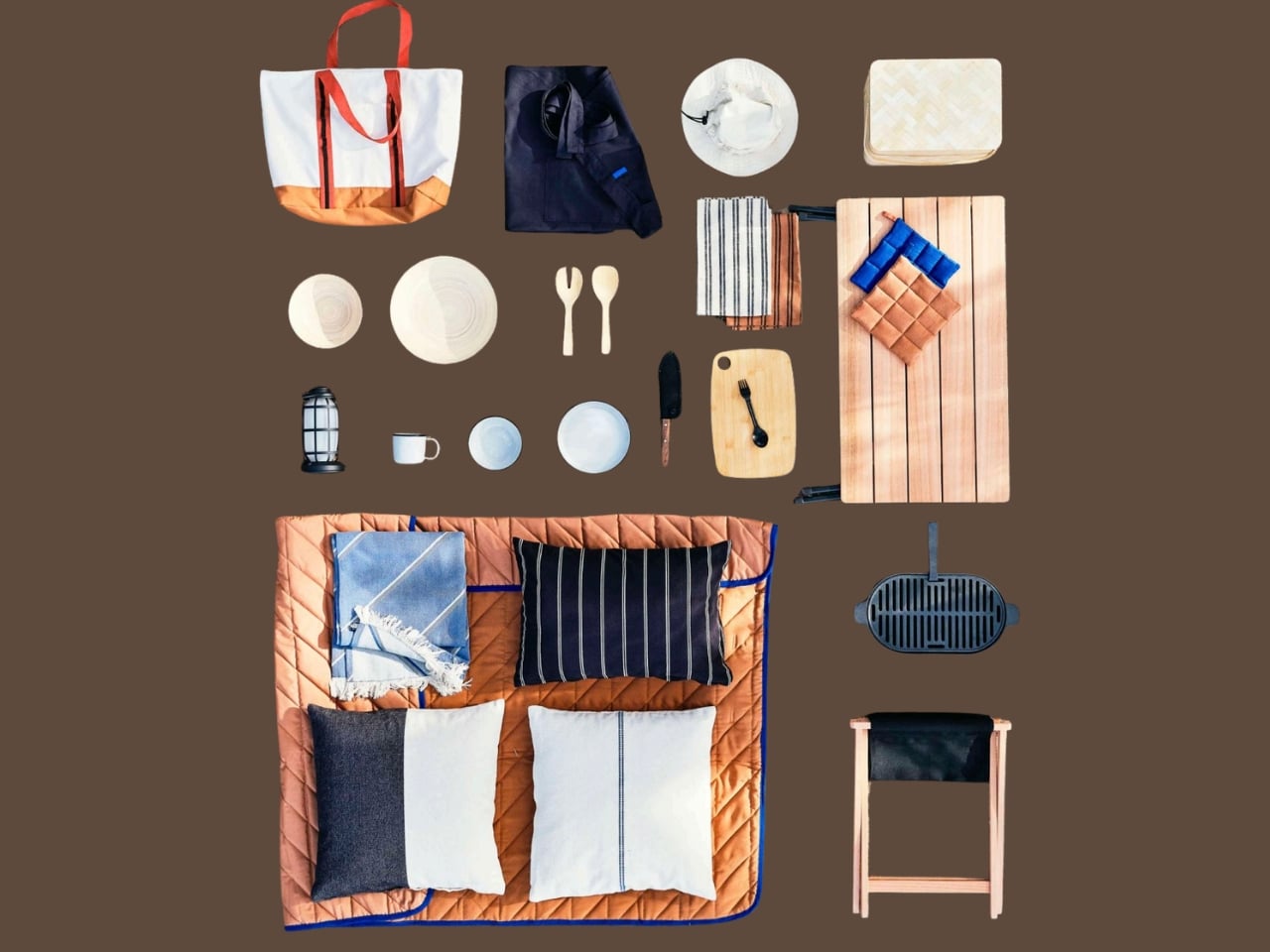
The Swedish giant’s new SOLUPPGÅNG collection arrived this month, and it is genuinely one of the more interesting product drops to come out of the outdoor space in a while. The name translates to “sunrise” in Swedish, and the design philosophy follows that same unhurried logic: slow mornings, good light, fresh air, minimal fuss.

Designer: IKEA

Designer Darja Nordberg of IKEA of Sweden drew from two very distinct wells. The first is friluftsliv, the Norwegian concept of open-air living that encourages outdoor time as a normal, everyday rhythm rather than a special event. The second is Japanese urban-outdoor culture, where city dwellers treat a quick weekend hike with the same thoughtfulness as a full expedition. The result is a collection that sits somewhere between a Muji catalog and a boutique camping outfitter, except it starts at $4.

That price point keeps coming up, and for good reason. The gear community has long operated on the assumption that beautiful outdoor equipment costs a fortune. Brands like Snow Peak have built entire identities around titanium cookware and minimalist camp furniture that sits firmly in the “aspirational” column of most budgets. SOLUPPGÅNG essentially covers the same aesthetic ground for a fraction of the spend, and the range of items is broader than you might expect from a first drop.

The furniture pieces anchor the collection. A folding stool with eucalyptus legs and a canvas seat comes in at $25, and a matching folding table at $39.99. Both are the kind of things that look considered without looking precious. The woven bamboo cooler basket at $34.99 follows the same logic: it functions well, travels easily, and looks like it belongs on an editorial shoot rather than a campsite supply list.

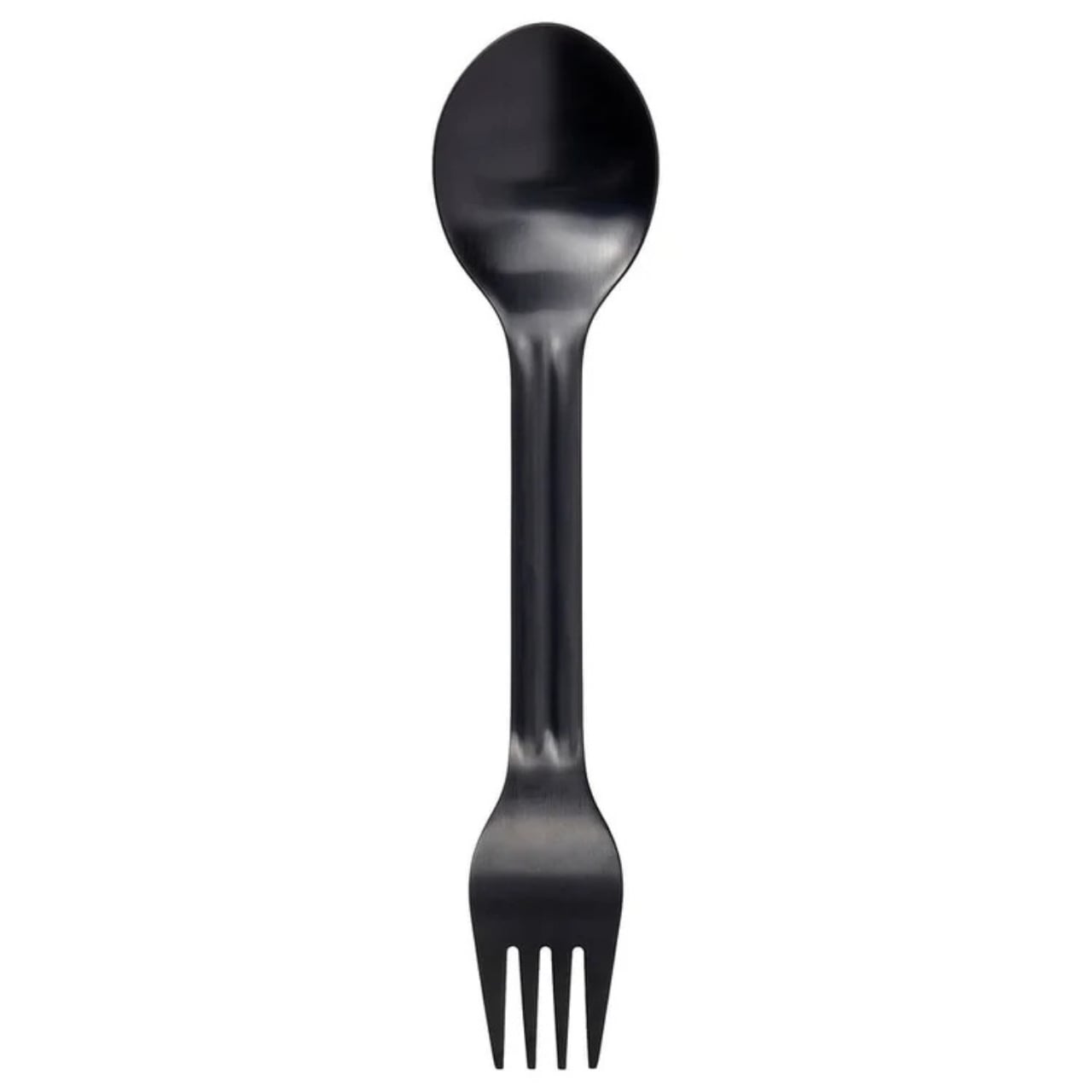
The cooking and dining side of the collection is where IKEA gets unexpectedly specific. The cast iron grill at $80 is compact, portable, and genuinely attractive in a way that cast iron grills rarely are. Enamel steel mugs come in at $5 or less, and the bamboo serving bowls, sold as a set of two for $24.99, have the kind of quiet material honesty that tends to photograph very well. The spork is worth singling out too. Rather than the standard fork-spoon hybrid that never fully commits to either identity, this one has a fork on one end and a spoon on the other, which sounds like a small detail until you realize how much more useful that actually is. It comes in at $4.

Beyond the cooking gear, the collection extends into territory that most camping lines don’t bother with. A dimmable LED lantern for $24.99 handles ambiance as much as function. A quilted throw at around $20 and cushion covers at $6.99 make the case that comfort outdoors shouldn’t feel like a compromise. A multi-pocket tote bag at $16.99 with a drawstring closure handles practicality, and a wide-brim cotton hat at $7.99 that folds flat rounds out the wearable end of things.

What makes all of this cohere is the palette. Off-whites, warm browns, deep greens, nothing is trying to be seen from a distance. It all looks like it belongs outside without screaming “outdoors,” and that restraint is harder to pull off across an entire collection than it sounds. SOLUPPGÅNG is also smartly non-prescriptive. None of these pieces demand a trailhead or a tent. They work equally well in a park, at the beach, in a backyard, or on a balcony. The idea is that a more considered relationship with being outside doesn’t require a grand occasion to justify it.

The collection is available now in the US, with broader rollout to stores in April 2026. Prices start at $4, which makes the barrier to entry lower than the cost of a flat white. The outdoor gear world has needed a credible mid-tier for a while. SOLUPPGÅNG makes a confident first argument for what that could look like.

The post IKEA’s SOLUPPGÅNG Turns Outdoor Living Into a Design Statement first appeared on Yanko Design.

This Planter Fits the One Balcony Spot Every Other Pot Ignores

Most balcony railings do exactly one thing: keep people from falling off. The corners, in particular, tend to collect nothing more useful than rust and pigeons. Rephorm, a Berlin-based furniture brand, has a different idea about what that corner could be doing, and the result is a planter that fits where no standard pot ever has.

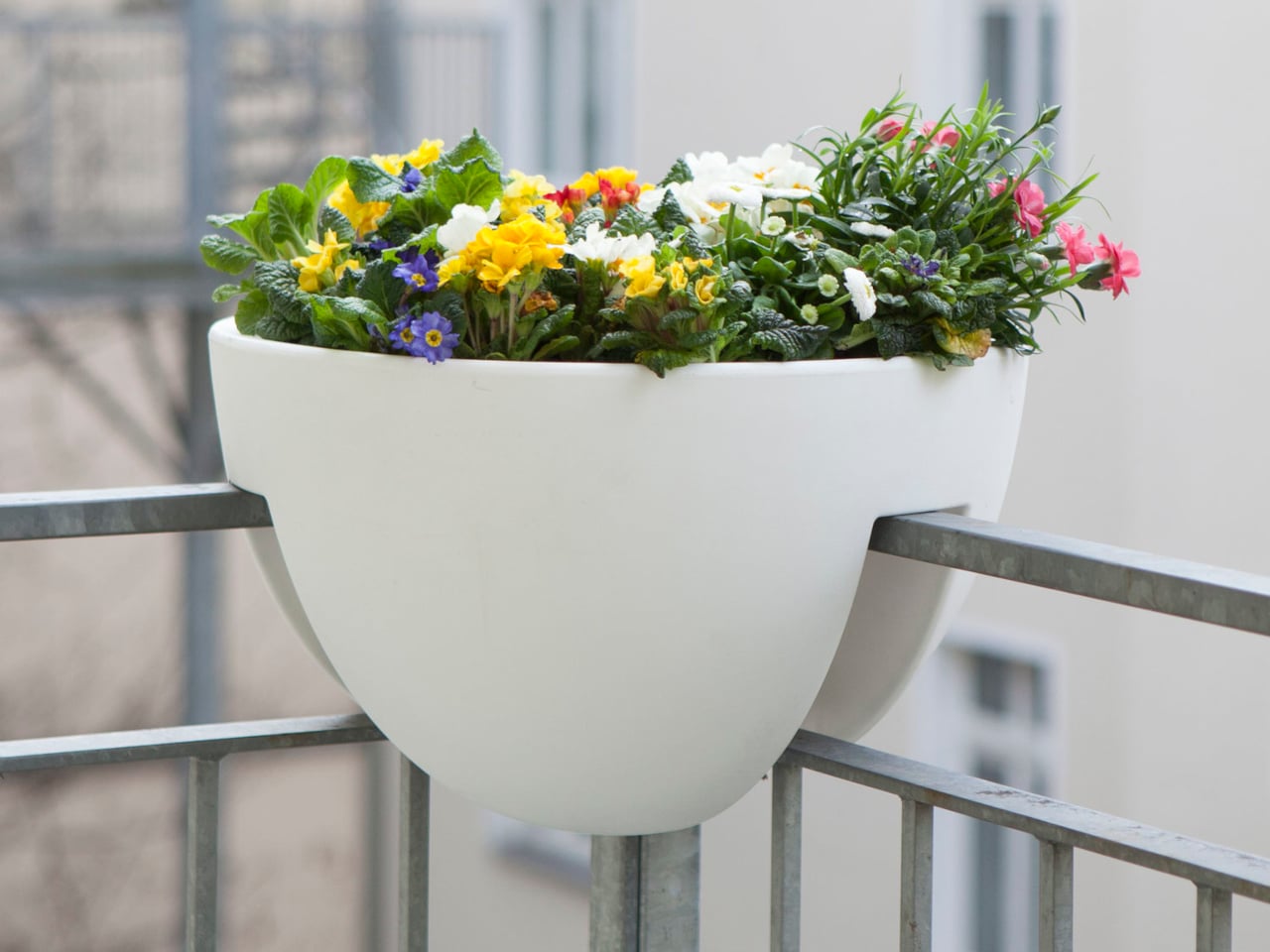
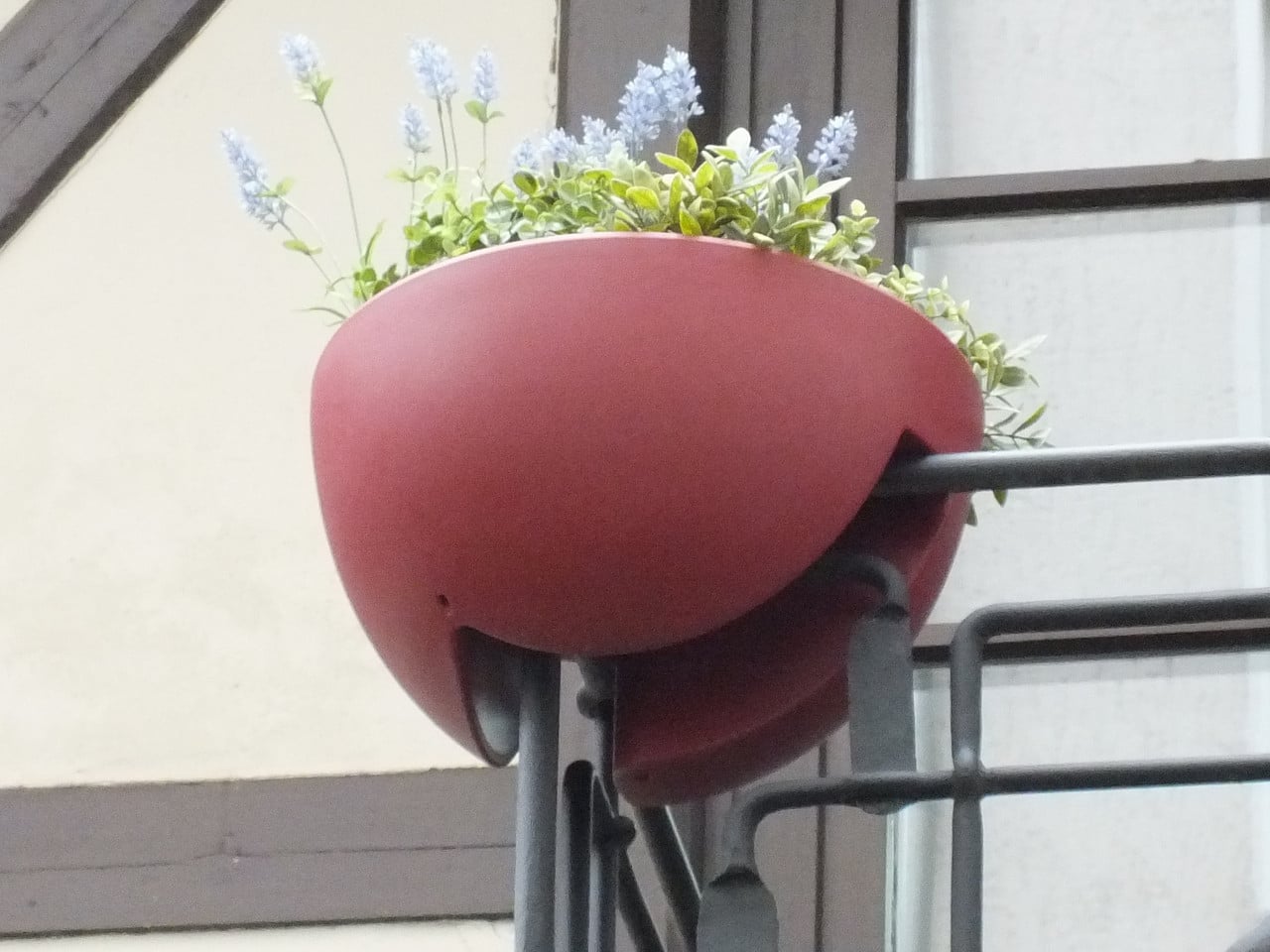
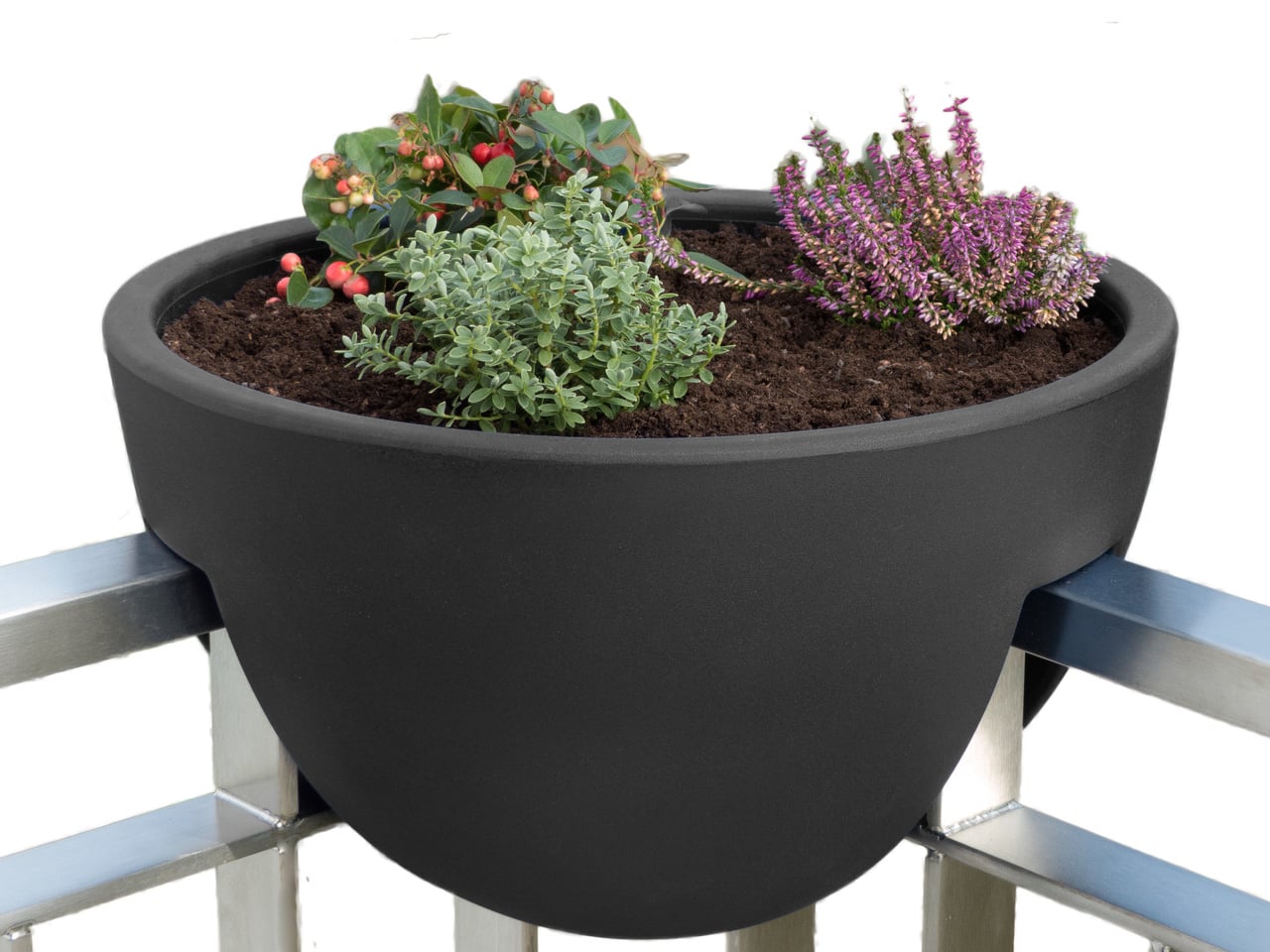
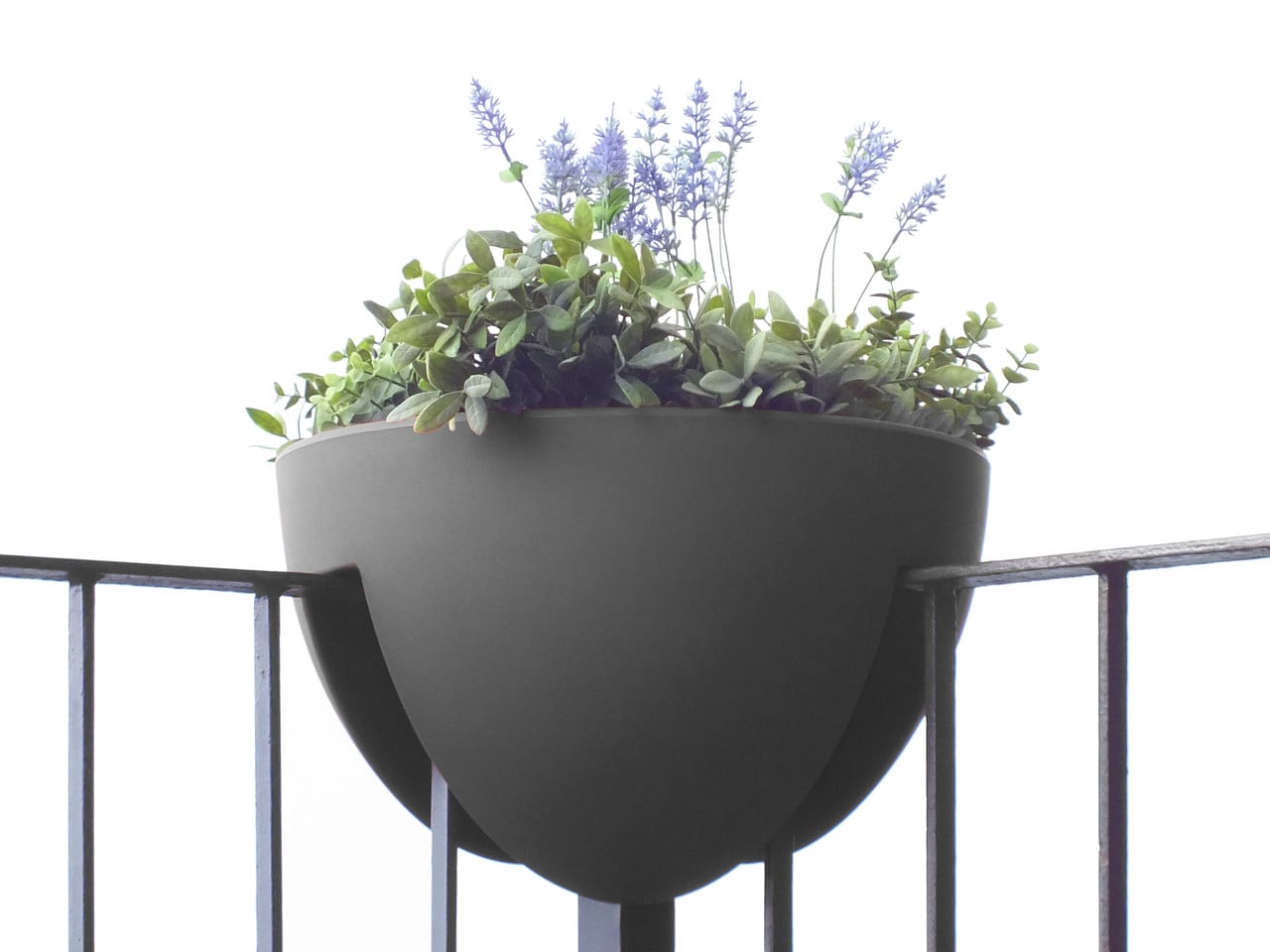
The Eckling is designed specifically for balcony corners, addressing a gap that rectangular window boxes and round hanging pots have never managed to fill. Most railing planters sit along a straight stretch of rail, so corners get skipped entirely. An L-shaped recess cut into the base of the hemispherical bowl allows it to rest squarely on two railing legs at a corner junction, no extra hardware required.

Designer: Michael Hilgers

This is actually the second generation of Rephorm’s thinking on railing planters. The brand’s original Steckling pot, developed in 2006, introduced the idea of a planter that simply drops onto the rail rather than clipping or hanging. The Eckling borrows that logic and extends it to corner placement. Two plastic cable ties hidden beneath the bowl add security in wind, and the design fits railing stock up to 80mm wide across flat steel, round, and rectangular profiles.

At roughly 44cm in diameter, the Eckling offers about double the planting area of a standard round railing pot. The bowl holds approximately 16 liters of soil, nearly three times the capacity of a typical balcony planter. For anyone who has watched a small pot dry out in a single July afternoon, that volume difference matters. More soil means deeper root runs and longer intervals between watering, practical for herbs or compact perennials filling the wide, shallow bowl.

The material is recyclable polyethylene with a wall thickness Rephorm claims is two to three times that of budget planters from hardware stores. At approximately 2.5kg unfilled, the bowl is noticeably heavier than thin-walled alternatives, and that weight is part of the structural argument. Frost resistance is built into the formulation, so the pot stays through winter rather than being hauled inside each autumn. The matte surface reads closer to coated ceramic than the hollow appearance most balcony planters carry.

One real limitation is worth knowing before ordering. If corner posts project above the top rail line, the L-shaped recess cannot seat properly. The geometry only works when corner posts are flush with or below the horizontal rail, common in modern flat-steel and tube railings but less so in older ornamental ironwork, where vertical elements continue past the handrail. That’s a non-starter for a number of older apartment balconies, so it is worth measuring the railing before committing.

The Eckling is made in Germany, and the design is by Berlin-based architect Michael Hilgers, whose broader practice around what he calls “pragmatic design” tends to focus on modest objects that improve existing infrastructure without replacing it. A balcony corner is about as modest a canvas as it gets.

The post This Planter Fits the One Balcony Spot Every Other Pot Ignores first appeared on Yanko Design.

LEGO Gave Away This Record Player Set: Now It Sells for $50

There’s a certain kind of person who loves the idea of vinyl records without necessarily owning a turntable. They appreciate the artwork, the ritual of flipping a side, the warm analog aesthetic that streaming services have spent years trying to replicate with album art thumbnails and animated soundwave graphics. For that person, and honestly for plenty of actual vinyl collectors too, LEGO quietly released one of its more charming sets of 2024, and a lot of people missed it entirely.

The LEGO 40699 Retro Record Player wasn’t sold in stores. It was a gift-with-purchase exclusive during LEGO Insiders Weekend in November 2024, meaning you had to spend $250 or more on LEGO.com within a two-day window to take one home. That’s a steep entry point for a 310-piece set that fits in the palm of your hand. Unsurprisingly, it’s now showing up on secondary markets for around $50, which tells you more about how people actually feel about it than the promotional circumstances suggest.

Designer: LEGO

What makes it interesting as a design object isn’t the scarcity. It’s the details LEGO chose to include for a freebie that most buyers would have been happy to receive with far less effort. Every single element in the set is printed, no stickers anywhere, including new tile pieces featuring equalizer bars and musical note graphics that were debuted specifically for this set.

The needle swivels and can be tucked behind a small antenna piece when not in use. Flip it around, and there are printed red, white, and grey ports on the back representing stereo channels, details that nobody asked for and that audio enthusiasts will immediately clock. A hidden gear underneath lets the record actually spin, which is either a delightful touch or a reminder that LEGO designers genuinely cannot help themselves.

The set slots into a growing line of brick-built nostalgia objects LEGO has been developing with some consistency. The Retro Radio, the Typewriter, the Polaroid OneStep Camera, each one picks a specific object from cultural memory and asks whether it still means enough to someone to sit on a shelf. The record player fits that pattern, though its scale is more playful than faithful. Closed, it measures about 1.5 inches high and 6 inches wide, so it’s not pretending to be a replica. It’s more like a knowing nod to the thing, compressed into something you can place next to a real turntable or a stack of records and let it be what it is.

The timing of its renewed attention is interesting. Search interest in record players has spiked noticeably in early March 2025, and the LEGO set has moved with it, picking up momentum in trend data well after its promotional window closed. That’s a pattern worth watching with this category of LEGO set. They’re not designed to chase a specific cultural moment. They’re designed around objects durable enough in people’s memories to stay relevant across multiple ones.

Whether a 310-piece brick turntable that doesn’t play music belongs in the same conversation as the real vinyl revival is a fair question. What’s harder to dismiss is that a set distributed as a promotional freebie is generating genuine collector interest months later, and that LEGO apparently left enough room in the design for people to discover details they weren’t expecting to find.

The post LEGO Gave Away This Record Player Set: Now It Sells for $50 first appeared on Yanko Design.

This Wall Speaker Lets You Decorate Your Room with Music and Art

The must-have for your home used to be a choice: a speaker or a digital frame. Good audio gear fills a room with sound but rarely does anything worth looking at. Digital frames look considered and calm on a wall but go completely silent the moment you need them to do something else. It seems obvious, in hindsight, that someone would eventually stop treating these as separate problems.

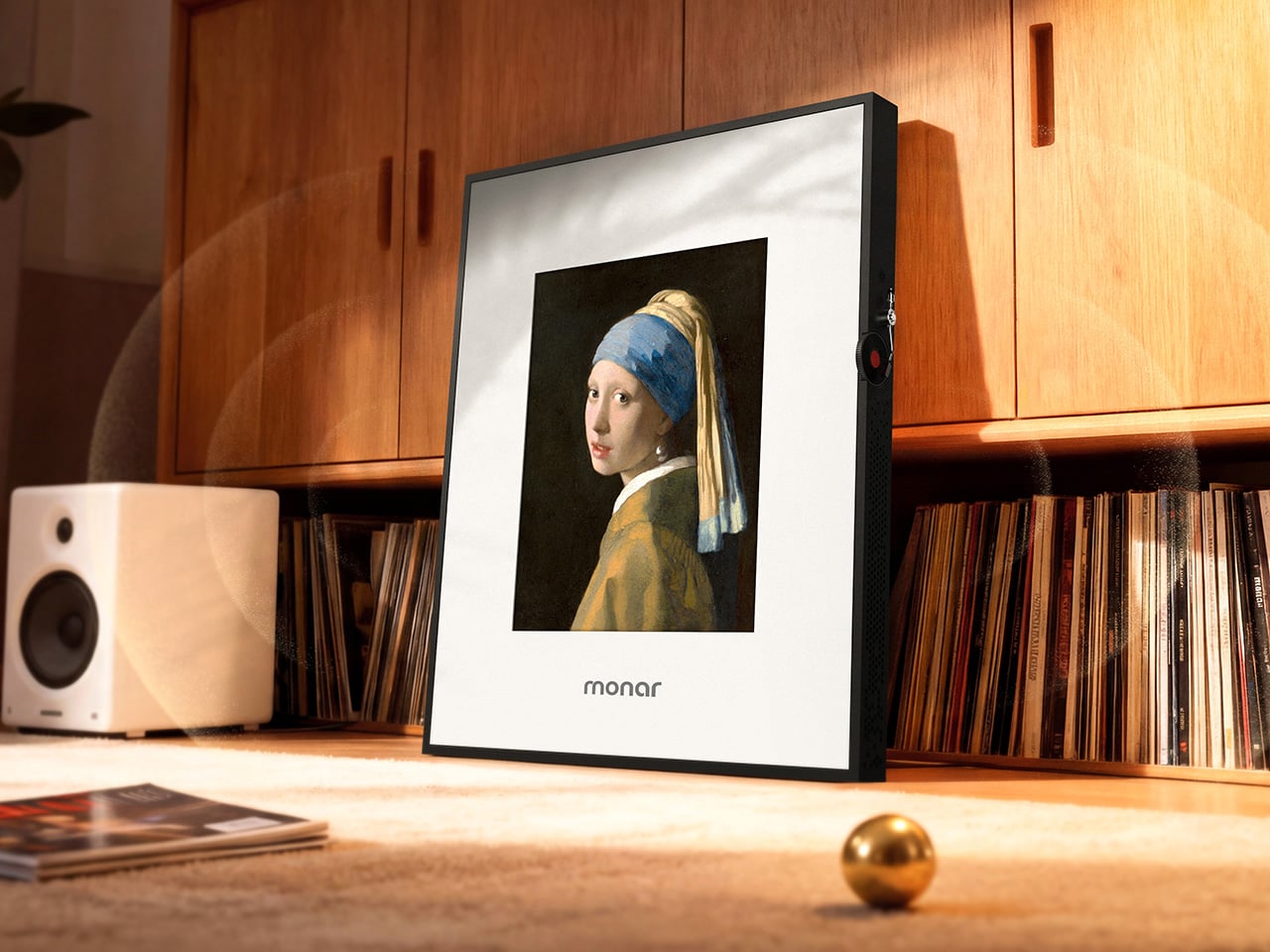
Monar is that someone. The Monar Canvas Speaker brings both together in a single framed wall piece that plays Hi-Fi audio while displaying art on a built-in screen, and the two functions are genuinely connected. When music plays, the display responds in real time, generating visuals that shift and react to the track. It fills your home with sound. It decorates your wall with art. It does both at once.

Designer: Monar

Click Here to Buy Now: $799 $1299 ($500 off). Hurry, only 122/150 left! Raised over $55,000.

The design draws its visual logic from classical oil painting. Traditional canvas proportions, the kind that have framed masterworks for centuries, informed the 4:5 portrait ratio of the panel, a deliberate departure from the widescreen format most screens default to. That historical reference is not decorative. It is the reason the Monar reads like framed art on a wall rather than a screen that someone forgot to put away.

The outer frame is interchangeable across eight options: premium ABS plastics, natural linen, and brushed aluminium, with one ABS option styled after Mondrian’s primary color geometry. Swapping the frame is a practical feature rather than a gimmick, since the object is permanent décor. If your interior changes, the frame can too.

The audio side makes bold claims for an enclosure that is only 4.9cm deep. Six drivers handle the load: 2 titanium tweeters, 2 midranges using a golden ratio cone geometry, and full-size subwoofers running through a 2.2-channel amplifier. The 20Hz to 20kHz frequency response is ambitious for a chassis this thin, and one definitely worth hearing.

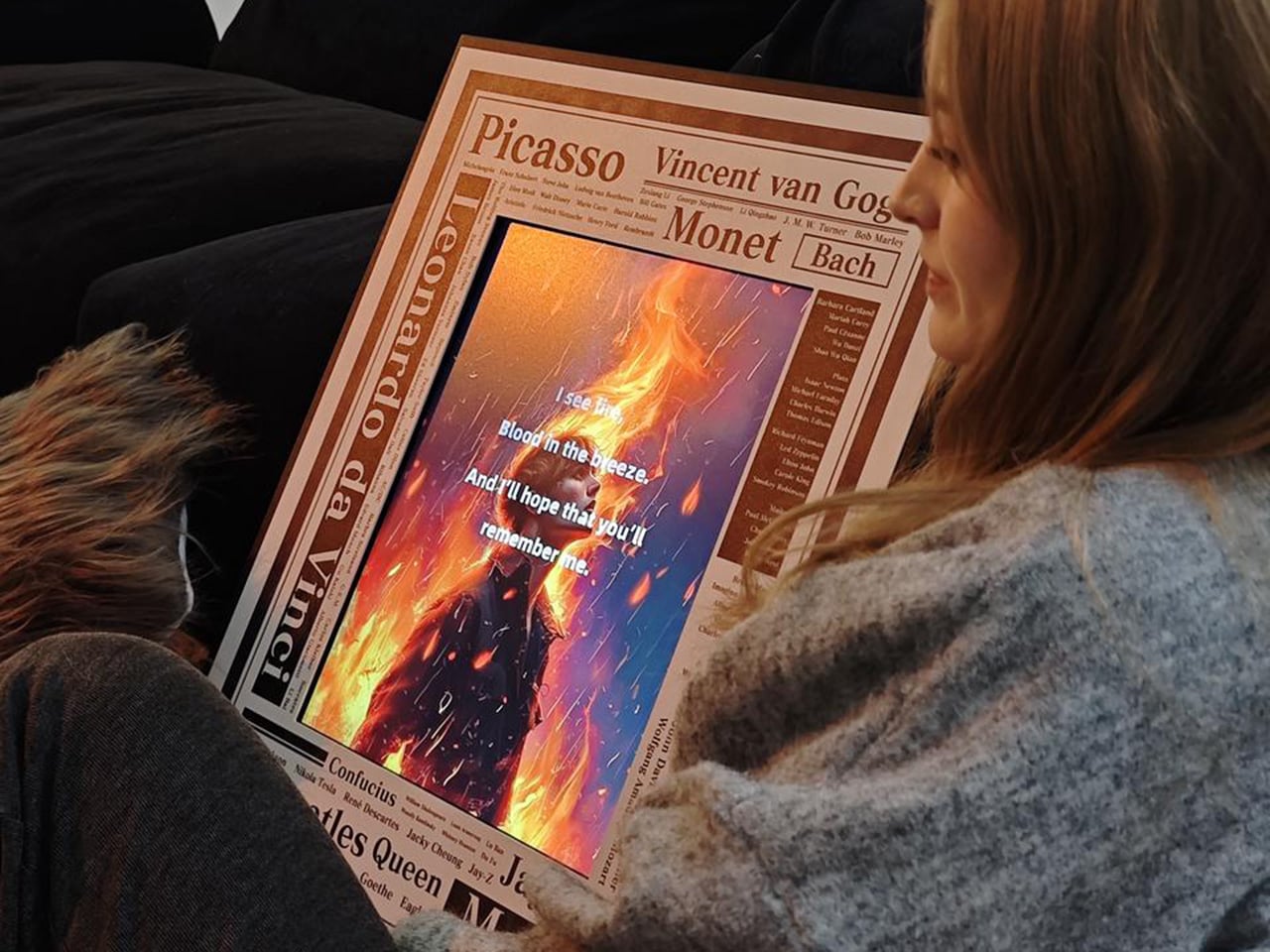
Where the product earns genuine interest is in the everyday texture of using it. Put on an album, and one of 12 lyric display themes animates the words in sync with the music. Switch to the World Gallery and the screen cycles through more than 50,000 digitized artworks, from Van Gogh to Hokusai. Activate Meditation Mode and the visuals shift to ambient scenes timed to calming audio. When no music is playing, it displays personal photos or videos, so it never really goes blank or dormant.

The generative AI tools go further still. Monar’s AI Studio lets you create original artwork through text prompts, uploaded images, or even a musical concept. The result displays on screen, making it possible to have genuinely new wall art on demand without touching a single frame nail. These features run on a points system, with a free tier offering 100 points per month. The World Gallery and Meditation Mode cost nothing extra, regardless.

Paid AI tiers range from $9.90 to $39.90 per month for heavier creative use, and the free allocation covers casual experimentation comfortably. What makes the pricing structure interesting is what it says about the product underneath it: even without touching a single AI feature, the Monar already delivers a fully functional Hi-Fi speaker system and a complete digital frame in one object. That combination alone is something no single product category had managed to pull off before it came along.

A speaker that becomes a painting, a gallery that plays music, a frame that reacts to sound: the Monar pulls off a combination that no single product category has figured out before it. The real question worth sitting with is not whether it works, but how much your walls have been missing something like it.

Click Here to Buy Now: $799 $1299 ($500 off). Hurry, only 122/150 left! Raised over $55,000.

The post This Wall Speaker Lets You Decorate Your Room with Music and Art first appeared on Yanko Design.

These $40-$299 Cassette Players Just Crushed Spotify’s Algorithm

Somewhere between the algorithmic playlists and the infinite scroll of recommended tracks, music stopped being something you held in your hands. Cassette tapes were declared dead more than two decades ago, buried under the weight of MP3s and then streaming services that promised every song ever recorded for a monthly fee. Search trends tell a different story now, though. Queries for “retro cassette player” have surged over 125% year-over-year, while “retro walkman cassette player” has exploded by more than 1,281% in the same period.

These numbers point to something more than a passing fad or a collector’s whim. Millennials and Gen Z listeners are actively seeking hardware that forces them to slow down, to choose an album rather than shuffle through ten thousand options. The cassette, with its fixed tracklist and physical limitations, turns listening into something deliberate again. Five modern cassette players have emerged to meet that demand, each one approaching the format from a wildly different design philosophy.

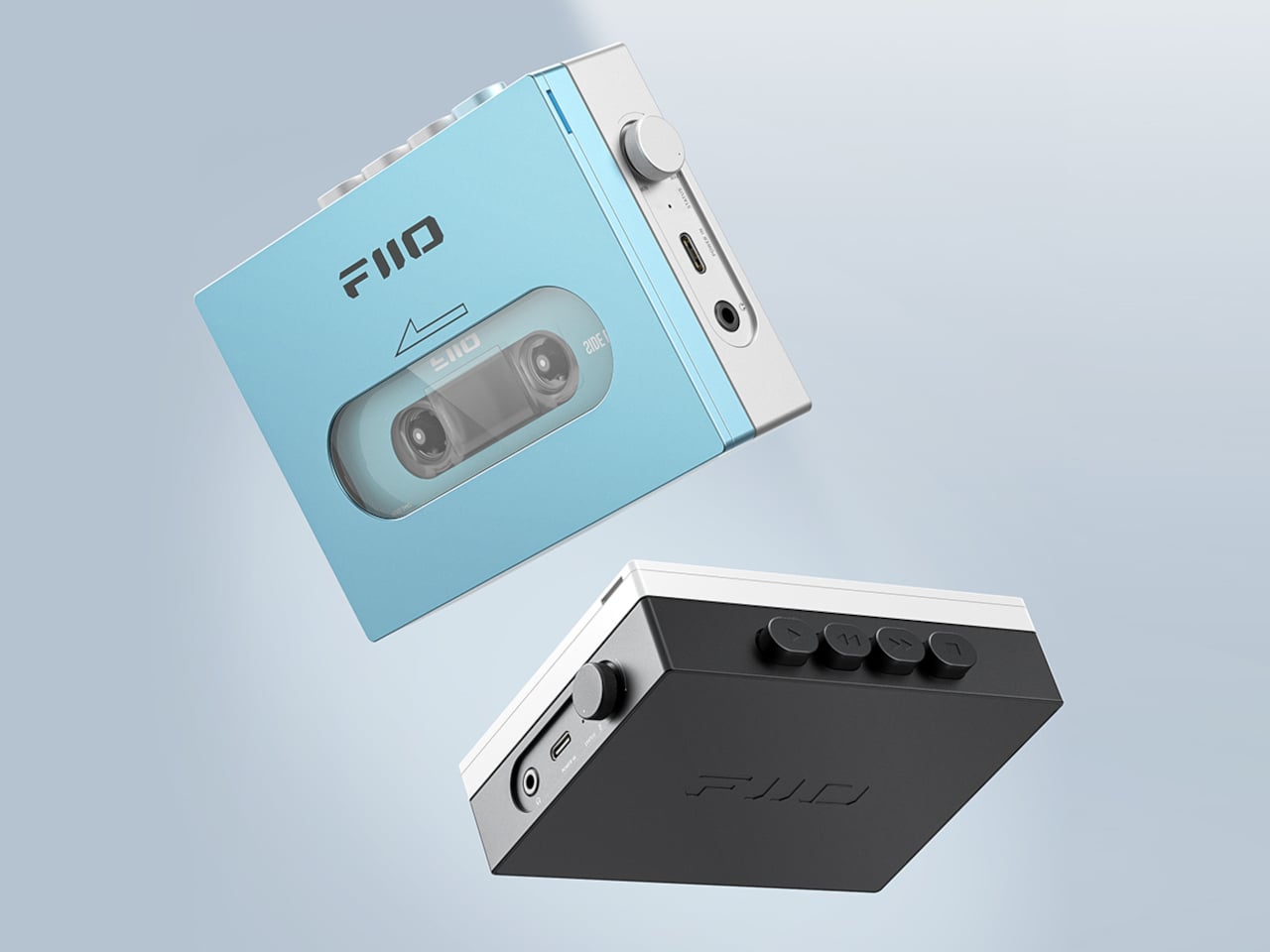
FiiO CP13
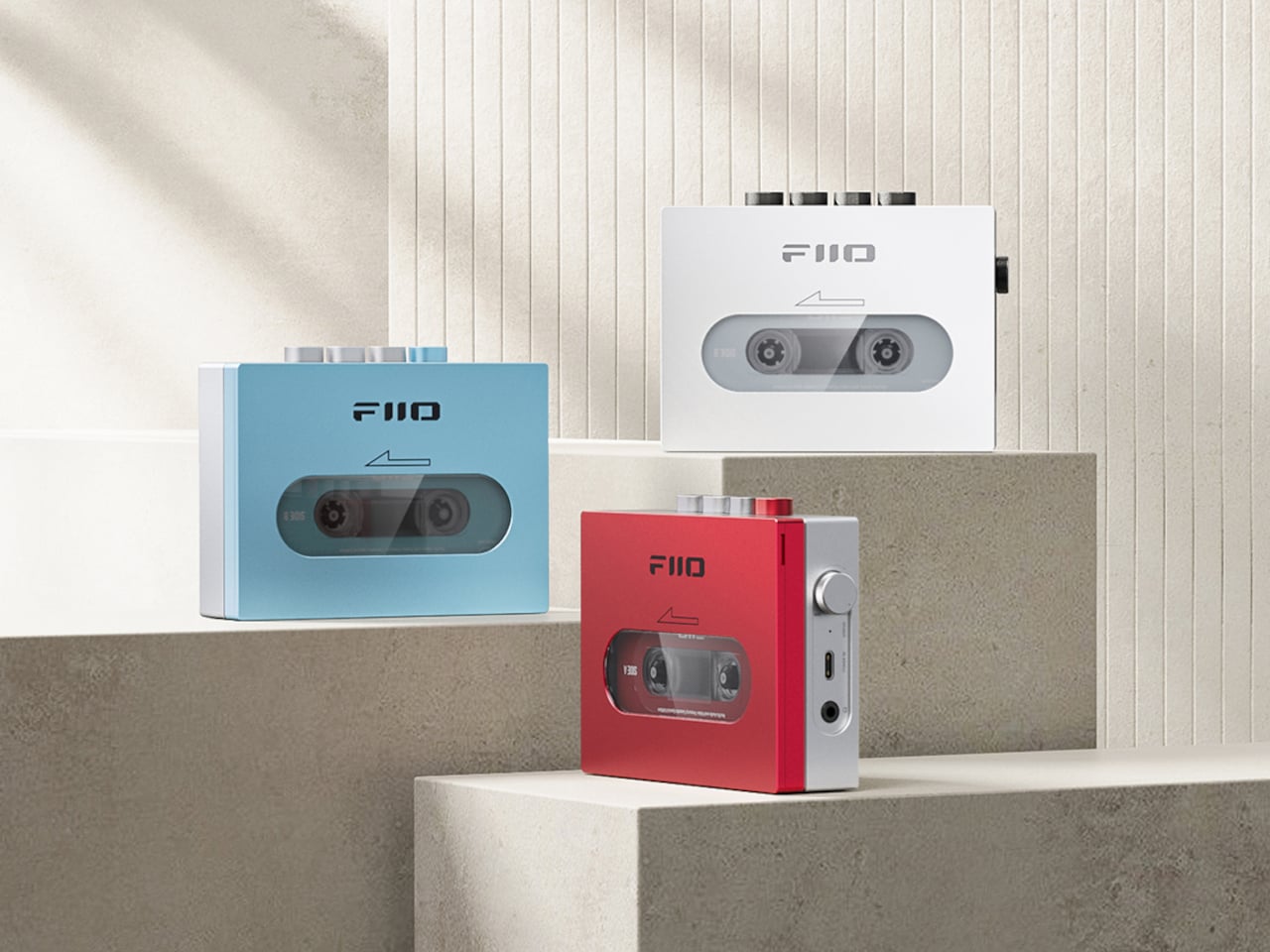
FiiO built its reputation on portable DACs and audiophile-grade headphone amplifiers, products where signal purity is the entire point. The CP13 carries that obsession into the cassette format with an all-analog signal path, from the magnetic tape head through a JRC5532 op-amp to the 3.5mm output. There is no digital conversion anywhere in the chain, no Bluetooth radio, no built-in speaker. The CP13 uses a motor with a high-voltage 4.2V power supply, paired with an oversized pure copper flywheel measuring 30.4mm in diameter.

Designer: FiiO

That flywheel is the quiet star of the CP13’s engineering. Thicker and heavier than standard components, it reduces wow and flutter to levels most modern cassette players cannot approach, keeping tape speed consistent enough for the analog signal to actually matter. The dual-color aluminum alloy chassis, available in sky blue, white and black, or red and silver, measures just 31.8mm thick. An 1800mAh lithium cobalt oxide battery delivers 13 hours of playback and charges through USB-C, though FiiO’s decision to support all tape types from Type I through Type IV suggests the company expects its buyers to own tapes worth caring about.

What we like

  • Oversized copper flywheel for low wow and flutter
  • Fully analog signal path with no digital conversion
  • Supports all cassette types (I through IV)

What we dislike

  • No Bluetooth output means wired headphones are the only option
  • No recording and auto-reverse functions,

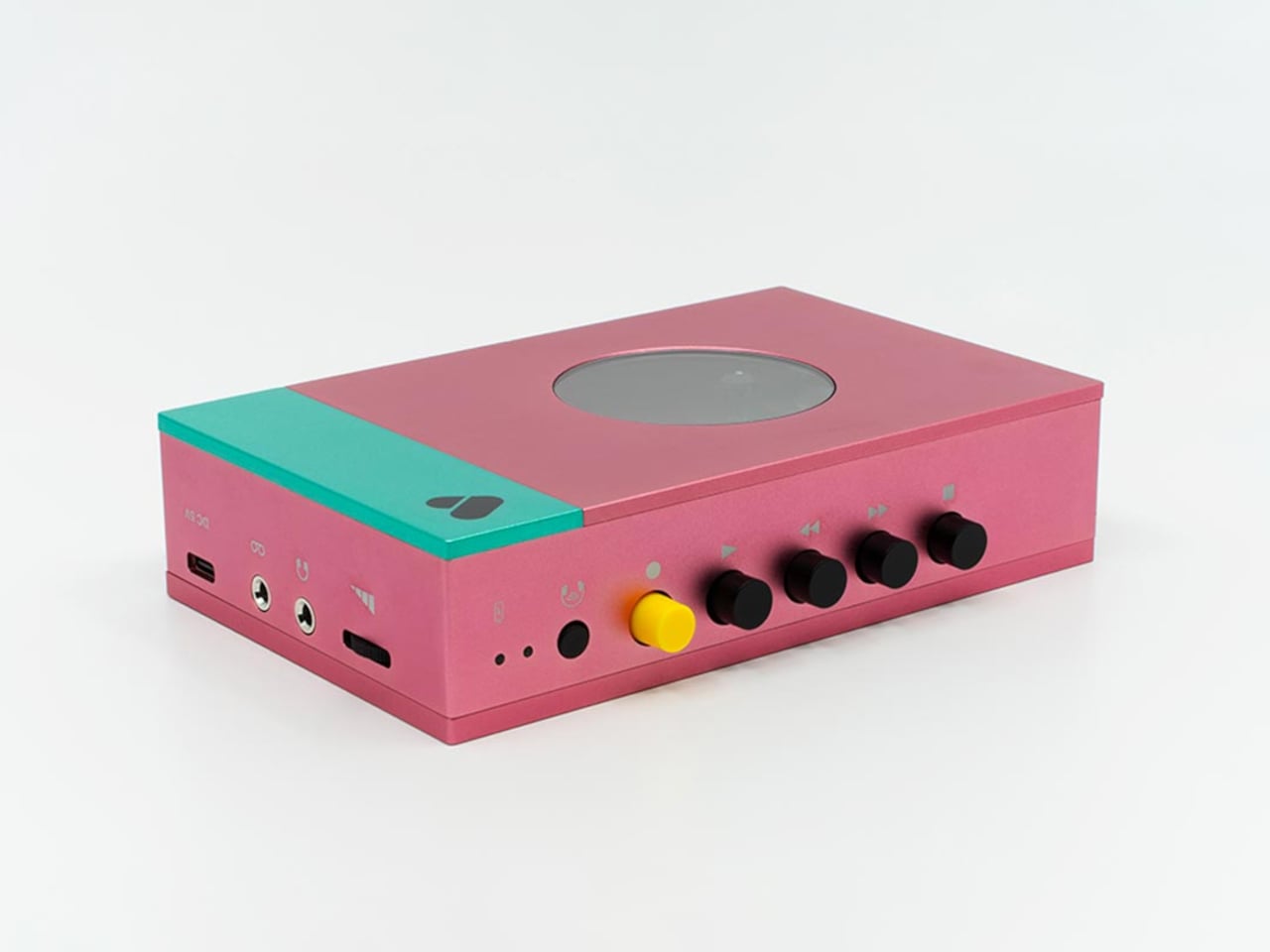
We Are Rewind Edith
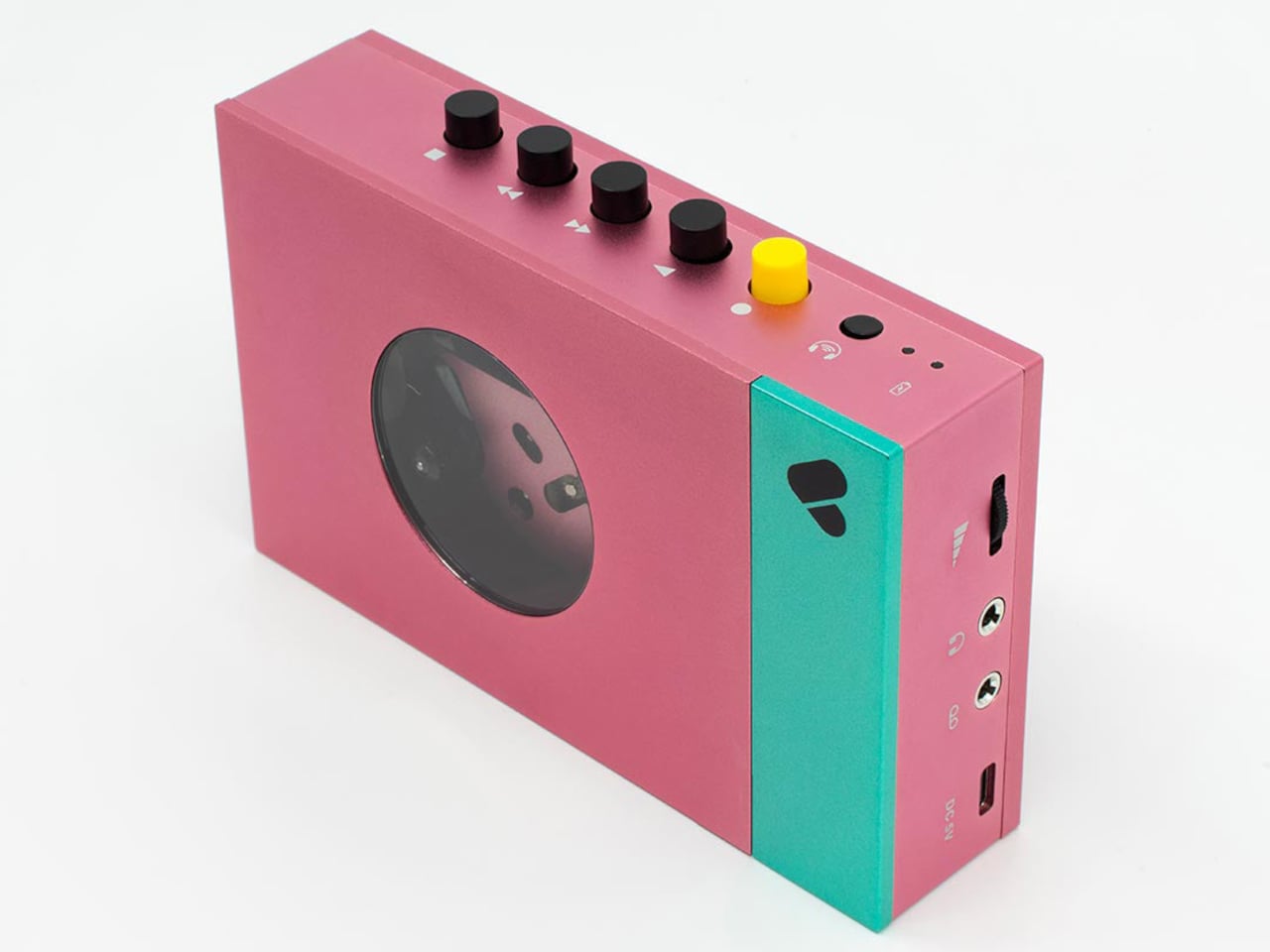
Where FiiO chases audio fidelity, the French brand We Are Rewind treats the cassette player as a cultural object first. The Edith, named after Edith Piaf, joins a lineup that already includes models named Kurt, Keith, and Serge, each one a color-coded tribute to a musician. The Edith arrives in a pink and green combination that reads less like consumer electronics and more like a fashion accessory, wrapped in an aluminum case that weighs 404 grams. That heft is deliberate. The brand explicitly references Sony’s original TPS-L2 Walkman as its design benchmark, choosing aluminum over plastic for what it describes as a “cool touch” quality.

Designer: We Are Rewind

Bluetooth 5.1 is the most visible concession to modernity, allowing wireless pairing with headphones and speakers. A built-in lithium-ion battery charges via USB-C and delivers roughly 10 to 12 hours of playback, replacing the disposable AA batteries that defined portable tape listening for decades. The Edith also records in stereo to Type I cassettes through its 3.5mm jack, and ships with a manual tape rewind pencil, a small wink to the analog rituals that streaming services have no equivalent for.

What we like

  • Aluminum case construction gives the player a premium tactile quality, making it feel like an object worth displaying
  • Bluetooth 5.1 and USB-C charging
  • Stereo recording capability through the 3.5mm jack preserves the mixtape tradition

What we dislike

  • The DC motor transport produces more wow and flutter than belt-driven alternatives
  • At 404 grams, the Edith is too heavy and too large for most pockets

NINM Lab IT’S OK TOO
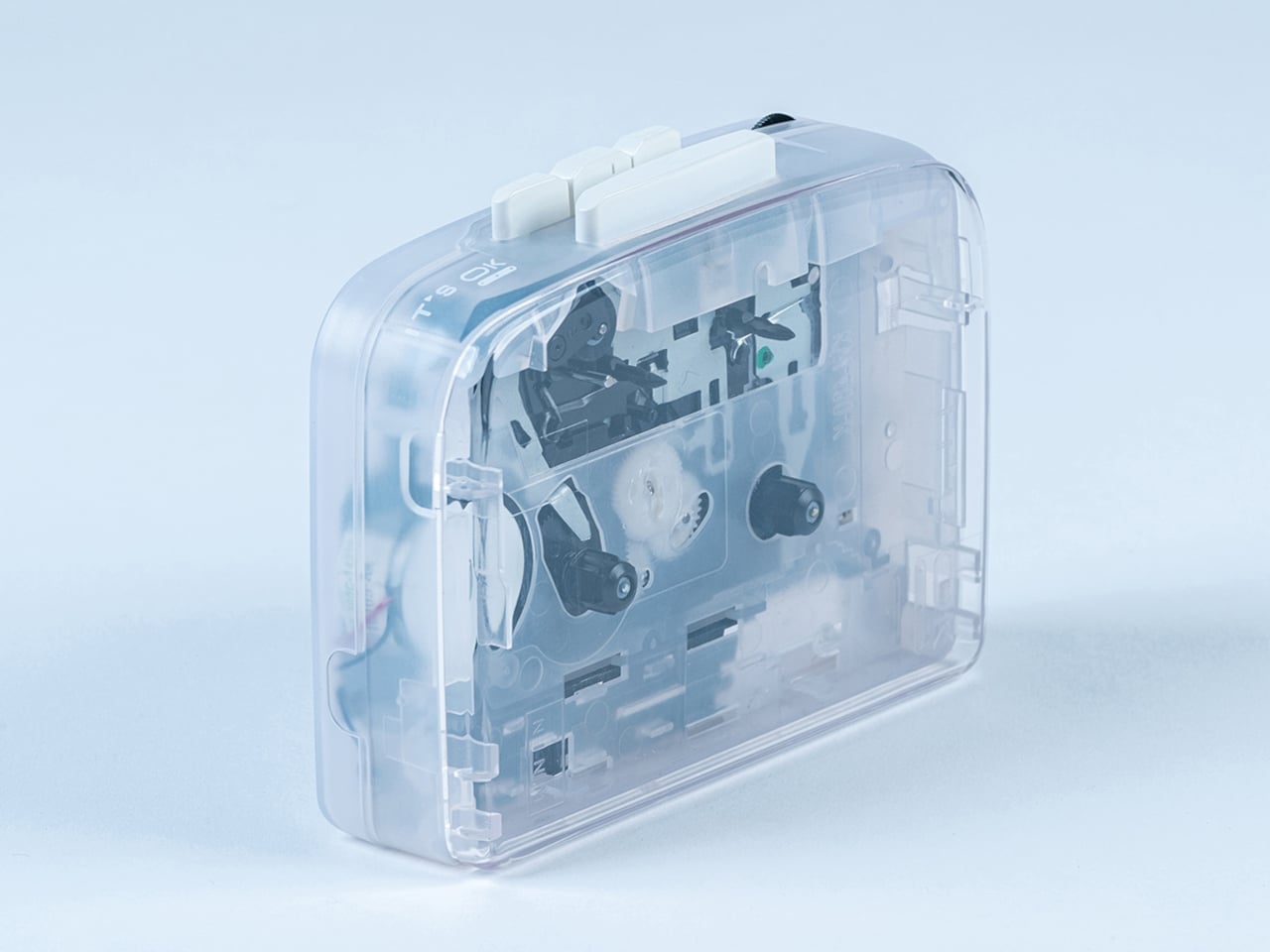
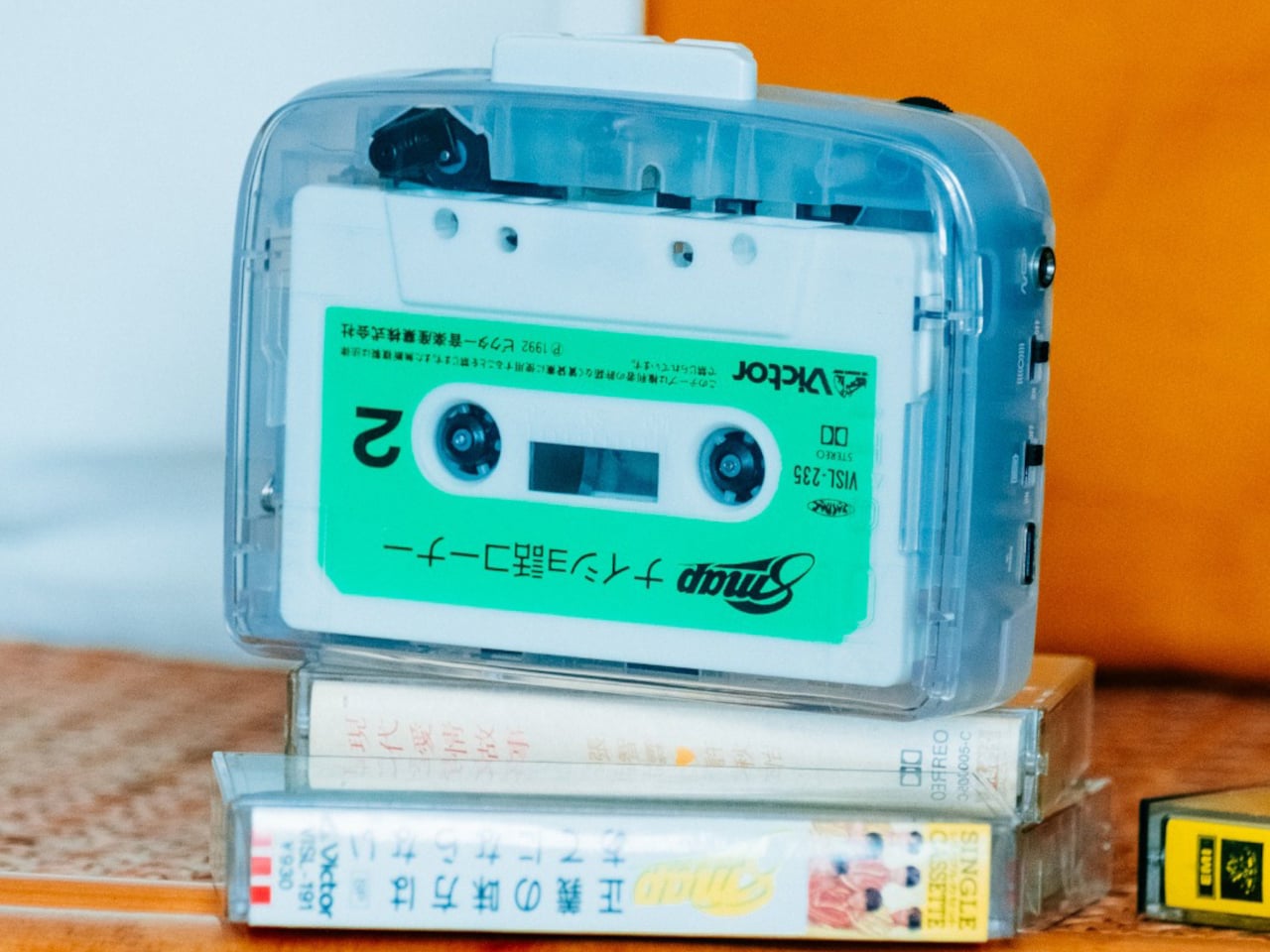
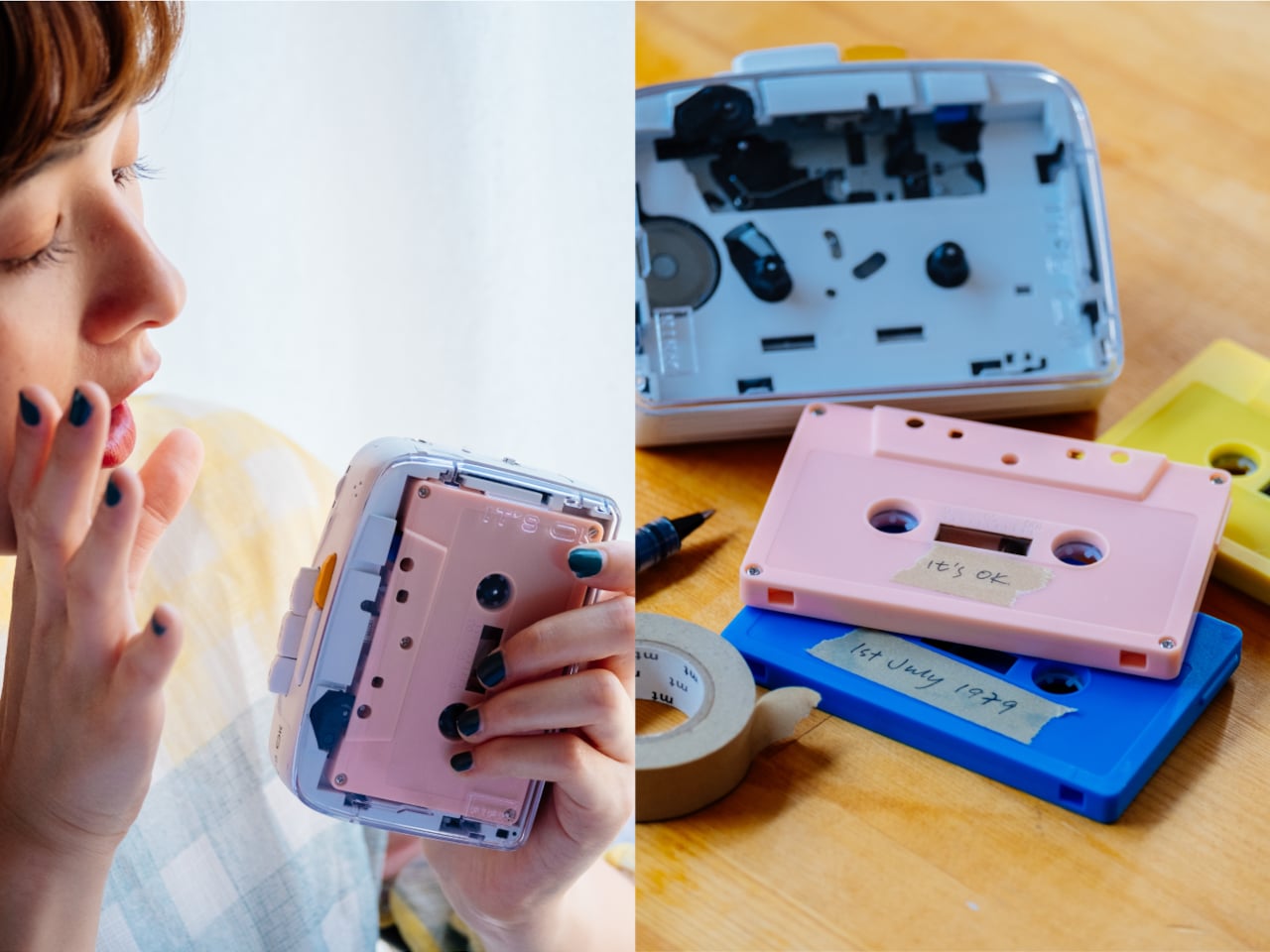
Taiwanese design studio NINM Lab launched the original IT’S OK through Kickstarter in 2019, billing it as the first cassette player with Bluetooth capability. The second generation, IT’S OK TOO, upgrades that foundation with stereo output and a semi-transparent matte body that splits the difference between full transparency and solid color. The casing is ABS plastic and polyethylene, lightweight at approximately 152g. Push-button controls for play, stop, forward, and backward line the front edge, with a classic belt clip on the back.

Designer: NINM Lab

Power comes from two AA batteries or a USB-C supply (not charging the device itself, but powering it directly), with optional USB-C charging if you install rechargeable Ni-MH batteries. The transparent design is the real design statement here, exposing the tape mechanism so the spools become a visible, moving part of the experience. The IT’S OK TOO firmly positions itself as a lifestyle product for a younger demographic that may never have owned a cassette player before.

What we like

  • Transparent body turns the tape mechanism into a visual feature
  • Bluetooth 5.0 stereo output with 3.5mm jack

What we dislike

  • Only supports Type I cassettes
  • AA battery requirement with no built-in rechargeable cell

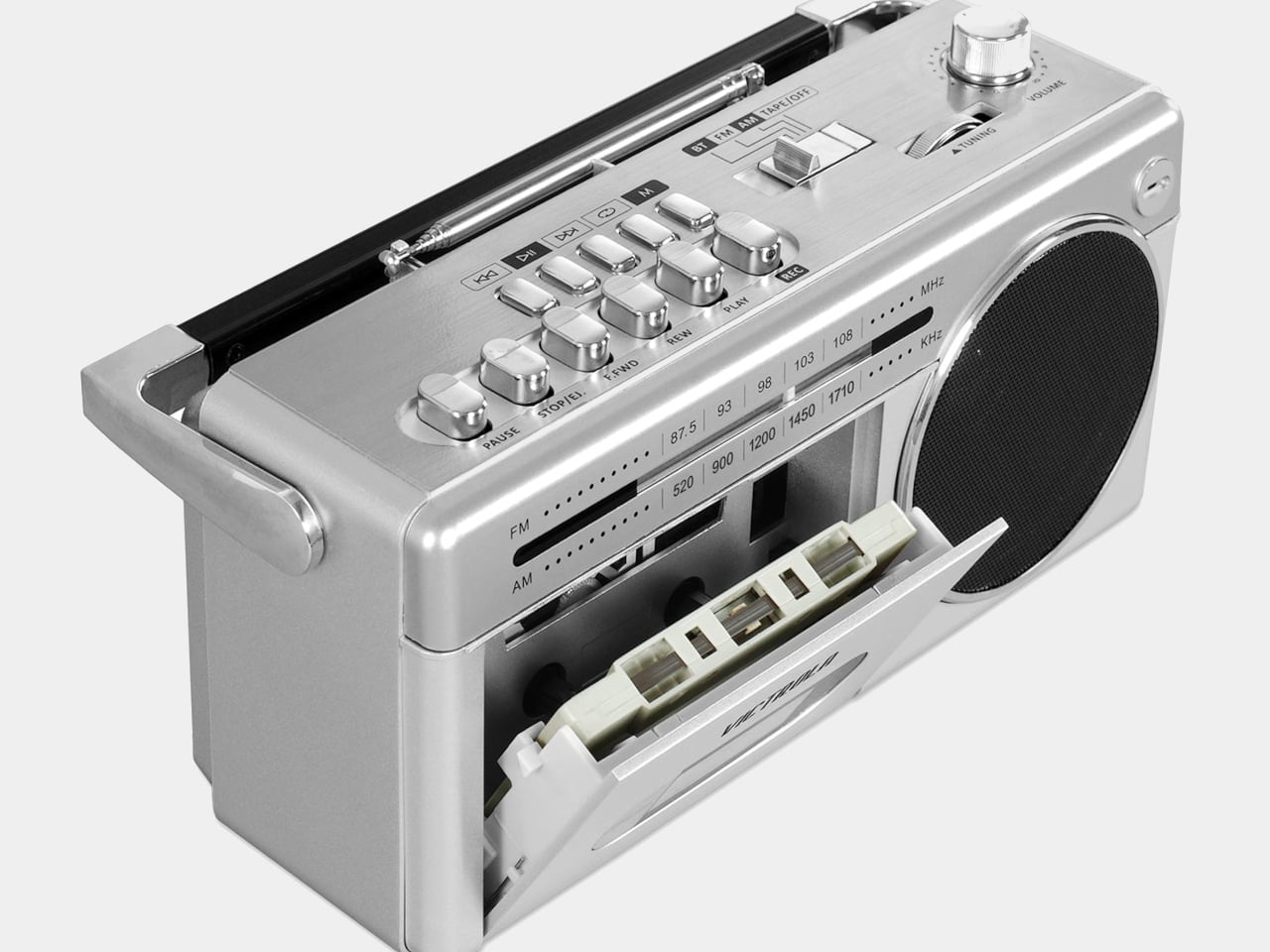
Victrola Mini Bluetooth Boombox
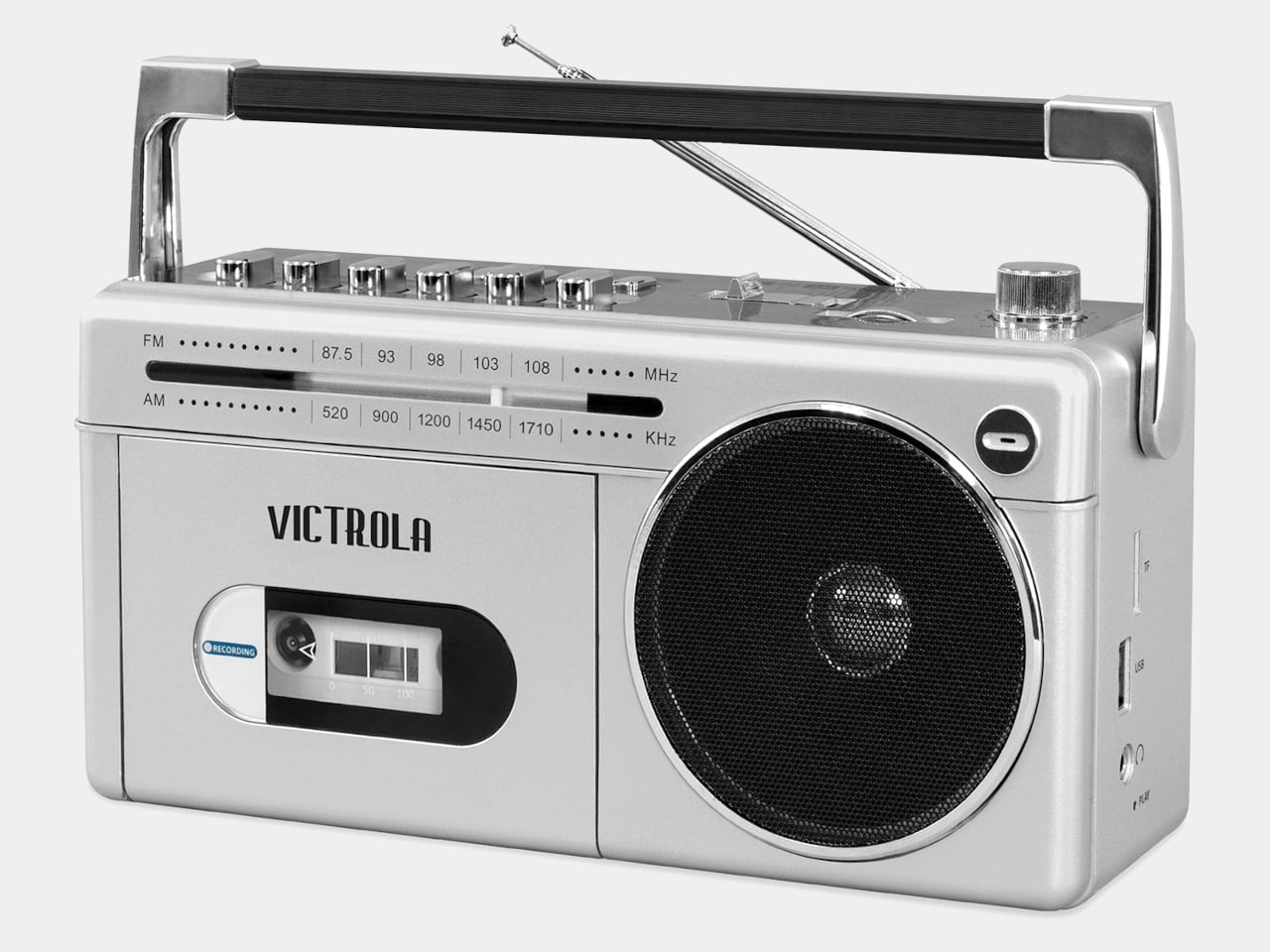
Victrola has made its name selling affordable turntables to people who want the ritual of vinyl without the investment of a serious hi-fi setup. The Mini Bluetooth Boombox applies that same philosophy to cassettes, packaging a tape player, tape recorder, AM/FM radio tuner, USB port for MP3 playback, and Bluetooth streaming into a hefty yet still portable box. It runs on AC power or batteries, comes in grey and silver colorways, and retails for under $40 at most outlets.

Designer: Victrola

The design is a scaled-down boombox archetype, complete with dual built-in speakers, an analog radio tuning dial, and a cassette door on the front. At this price point, audio fidelity is not the conversation. The Victrola is competing with cheap Bluetooth speakers, not with premium cassette players. Its recording function lets you capture audio directly to cassette through a built-in microphone, and the Bluetooth connectivity means it can serve as a wireless speaker for your phone. What the Victrola lacks in audio refinement, it compensates for in sheer versatility. No other player on this list gives you FM radio, Bluetooth reception, USB playback, and tape recording in one device.

What we like

  • The most versatile player on this list by a wide margin, combining cassette playback and recording, AM/FM radio, Bluetooth, and USB MP3 playback in a single compact unit
  • Sub-$40 pricing makes it the easiest entry point for anyone curious about cassettes but unwilling to commit to a premium device

What we dislike

  • Speaker quality and cassette playback fidelity are both budget-tier
  • Plastic construction and lightweight build feel disposable

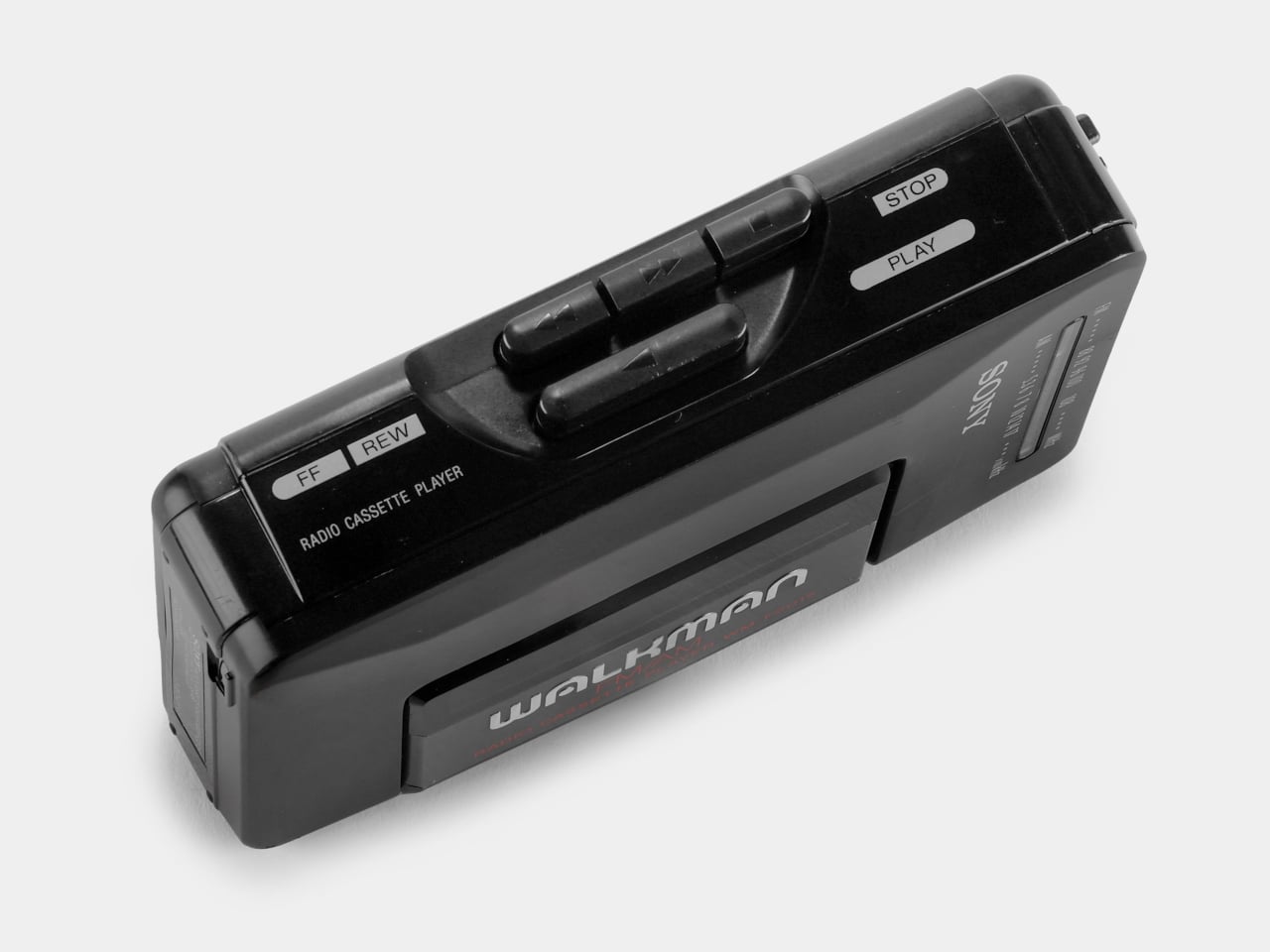
Retrospekt Sony Walkman WM-F2015
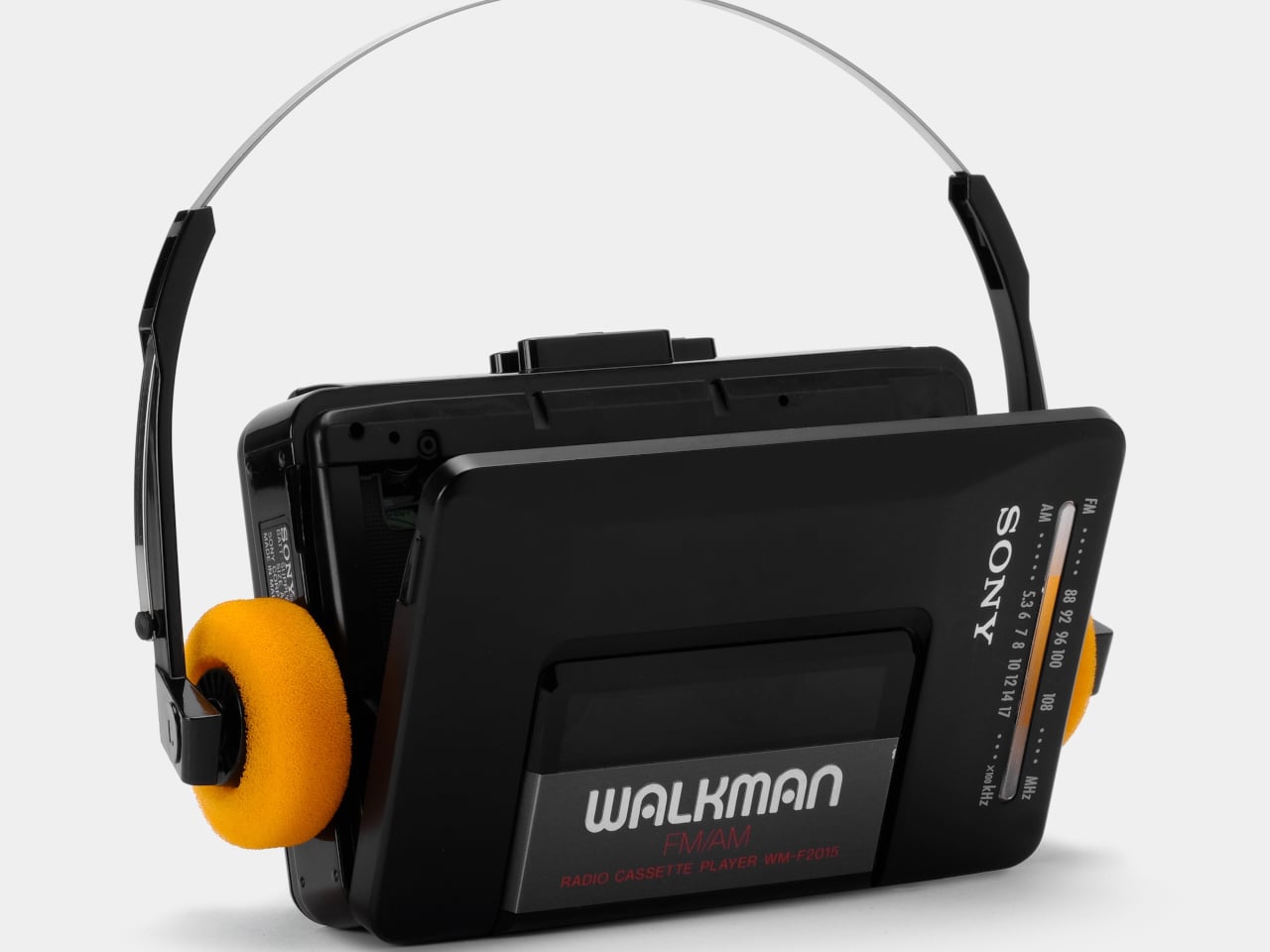
Every other player on this list is a modern product designed to evoke nostalgia. The Retrospekt Sony Walkman WM-F2015 is the actual artifact, a unit originally manufactured in 1990, disassembled by technicians in Milwaukee, and rebuilt with replaced drive belts, idler tires, and pinch wheels. The playback speed has been recalibrated, the volume potentiometer deoxidized, and the tape head cleaned and demagnetized. Retrospekt sells the WM-F2015 as a “vintage refurbished” product starting at $299.

Designer: Retrospekt

The WM-F2015 is a matte black candybar design with an AM/FM radio tuner, powered by two AA batteries. It ships with orange retro-inspired headphones that look the part, even if they cannot compete with modern over-ears. The appeal here is not specification superiority or modern convenience. There is no Bluetooth, no USB-C, no rechargeable battery, and no recording function. What the Retrospekt Walkman offers is something no reproduction can manufacture: the physical reality of a 35-year-old Sony mechanism, with all its original plastics and original weight, restored to functional condition.

What we like

  • An authentic 1990 Sony Walkman mechanism
  • Retro Sony matte black industrial design and compact form factor

What we dislike

  • A bit pricey at $299
  • Zero modern conveniences: no Bluetooth, no USB-C, no rechargeable battery

The post These $40-$299 Cassette Players Just Crushed Spotify’s Algorithm first appeared on Yanko Design.
This 10.3-Inch E-Ink Reader Was Built for Annotating Dense PDFs

Reading seriously on a tablet means fighting the device as much as the text. Notifications creep in, brightness is calibrated for apps rather than paper, and the browser is always one tap away. E-ink devices have been solving that distraction problem for years, but most are sized for novels rather than the dense PDFs, research papers, and annotated books that require space to actually work on.

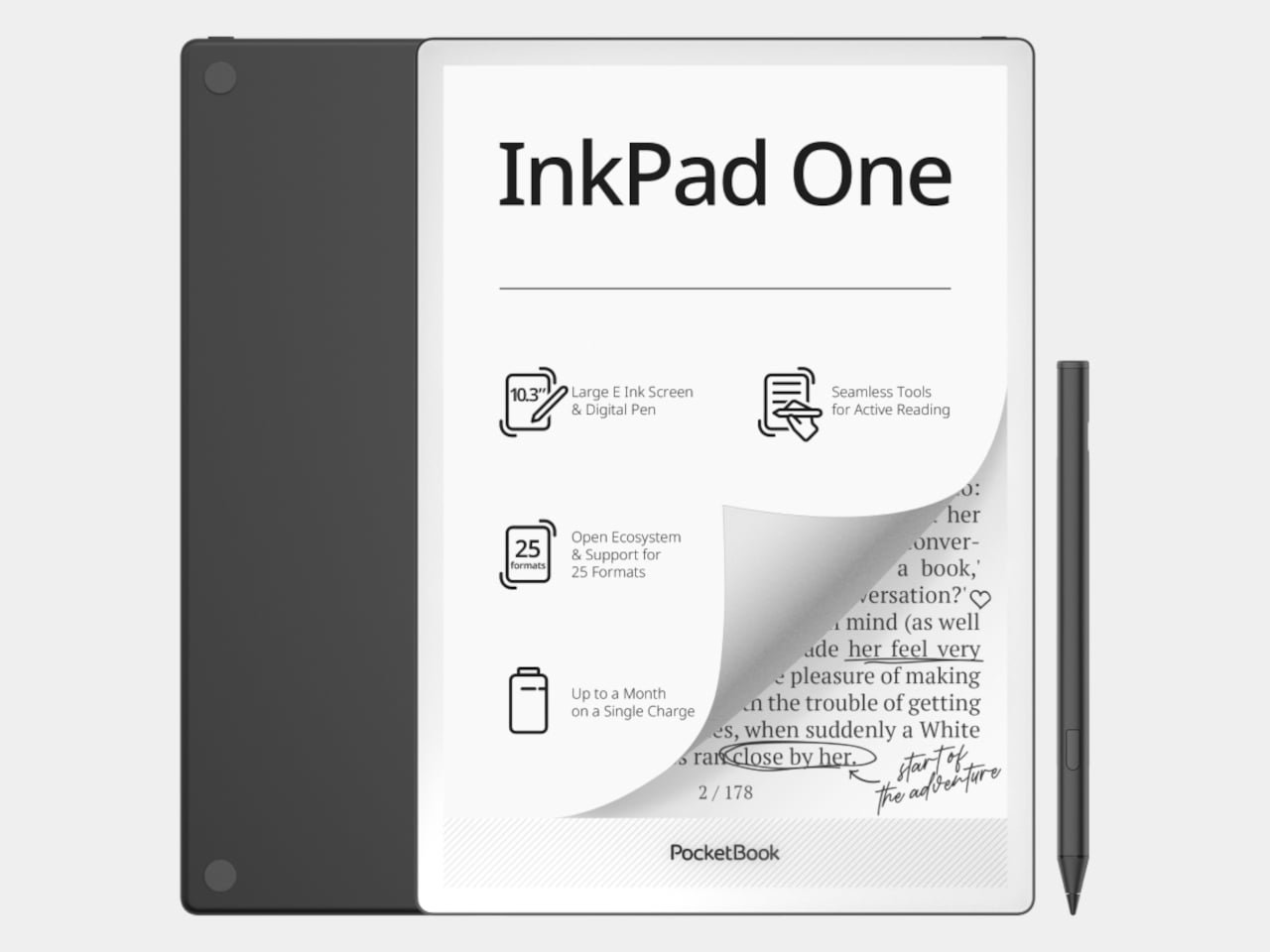
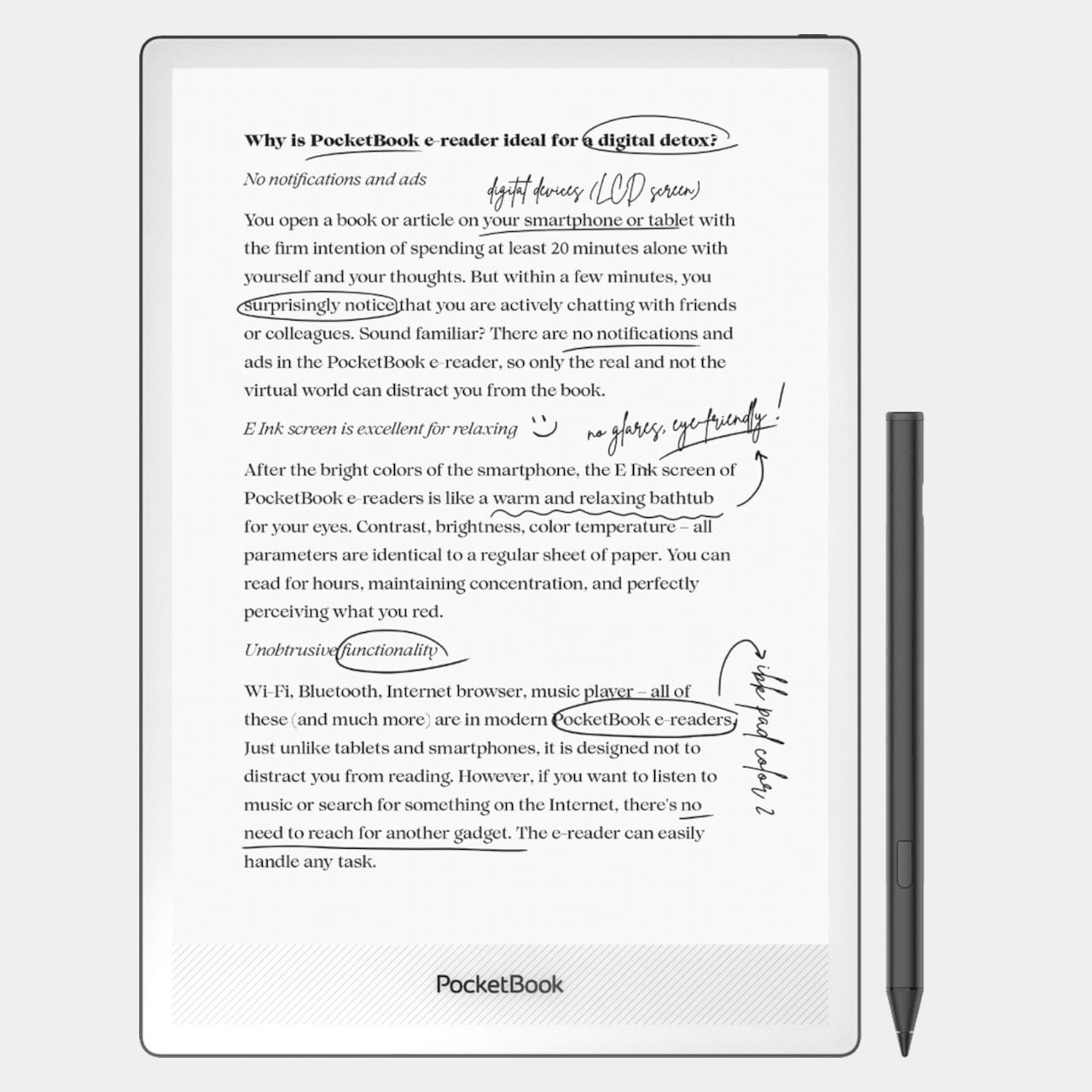
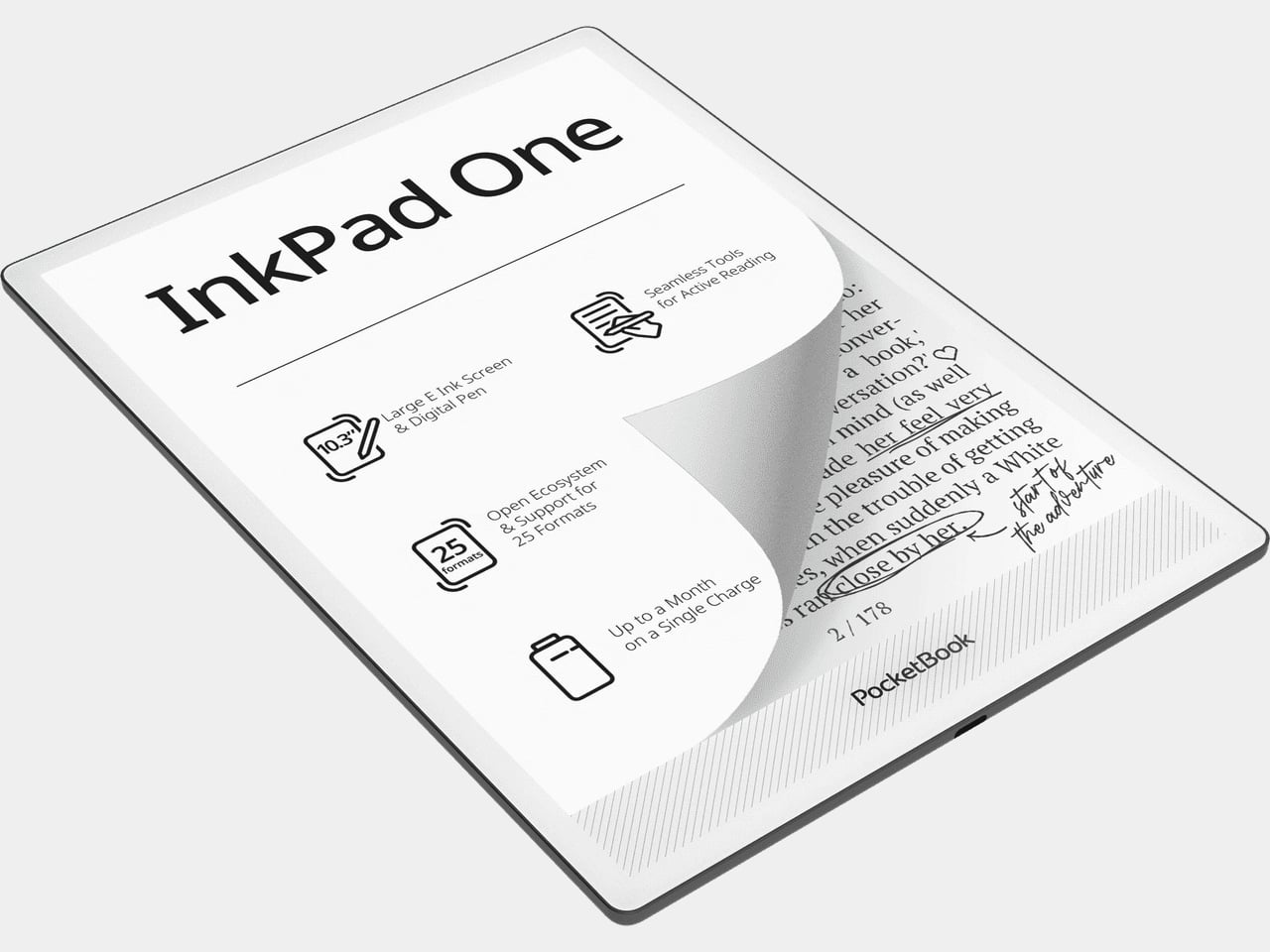
The PocketBook InkPad One is a 10.3-inch e-ink slate with a stylus, running a Linux-based reading interface instead of an Android tablet OS. The aluminum frame is 5.15mm thin and wraps an E Ink Mobius display, which uses a plastic substrate rather than glass, making it lighter and more resistant to the casual impacts that happen in bags and on desks.

Designer: PocketBook

The key interaction design choice is “Comment Mode,” where finger touch handles page navigation and the stylus handles everything else, highlights, notes, and annotations on the same page you’re reading. That split means you can navigate naturally without accidentally triggering the pen, which matters when 60-page PDFs are the main material. The included PocketBook Stylus 2 is positioned as a reading-first annotation tool rather than a speed-writing device.

The E Ink Mobius panel runs at 1404×1872 resolution and 226 ppi, with SMARTlight adjusting both brightness and color temperature together. Long evening sessions of marking up papers under warm indoor light are where color temperature adjustment earns its presence. Battery life is rated at up to two months on a single charge, backed by a 3700mAh cell.

The open ecosystem is where InkPad One separates from store-locked readers. It supports 25 file formats natively without conversion, including EPUB, PDF, CBR, CBZ, and AZW, plus Adobe DRM and LCP DRM for protected content. Library borrowing via Libby is built in, so you can borrow from a public library and read on the same device where your own PDFs live, without format gymnastics.

Bluetooth 5.0 and built-in Text-to-Speech round out the feature set. TTS reads aloud any text file and resumes from where you stopped, useful when switching from reading to listening during a commute. Audiobook formats including M4A, MP3, and OGG are supported natively alongside the reading library, all synced via PocketBook Cloud and compatible with Dropbox.

InkPad One sits in a useful gap, less locked-in than store-driven readers like Kindle, less Android-cluttered than BOOX or Bigme devices, and bigger than most small e-readers for anything involving dense text and active annotation. It’s a calm, thin tool for people who want to work with what they read rather than just collect it.

The post This 10.3-Inch E-Ink Reader Was Built for Annotating Dense PDFs first appeared on Yanko Design.
This 2-Person Steam Room Sets Up in 5 Minutes and Packs Into a Case

Home wellness has expanded well beyond foam rollers and cold showers. Heat therapy has become one of the more serious recovery habits people are building into their routines, but the hardware has always been the obstacle. Traditional saunas require installation, dedicated space, and a budget that rules out most apartments. The gap between wanting a genuine steam experience and being able to have one at home has stayed stubbornly wide.

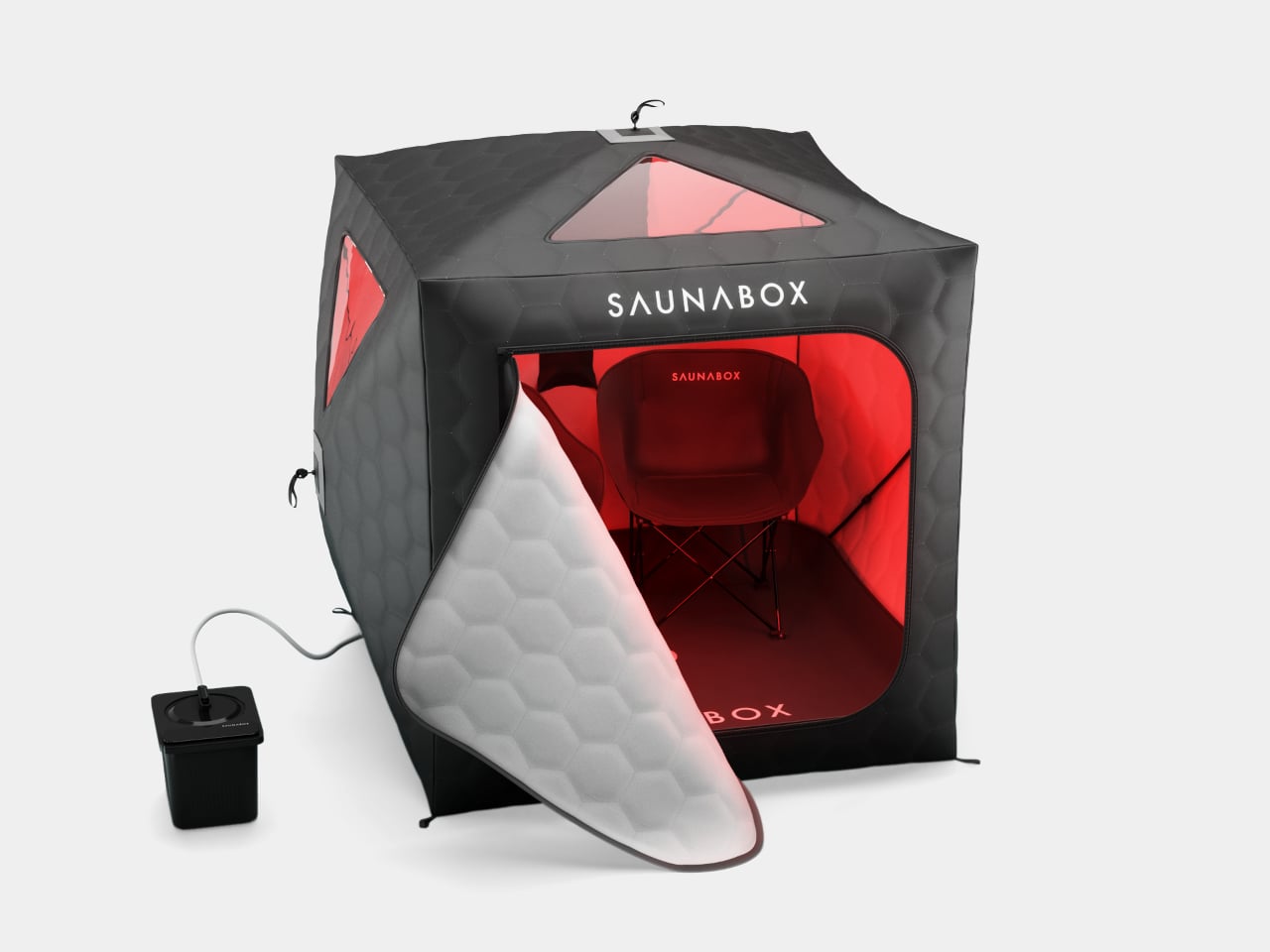
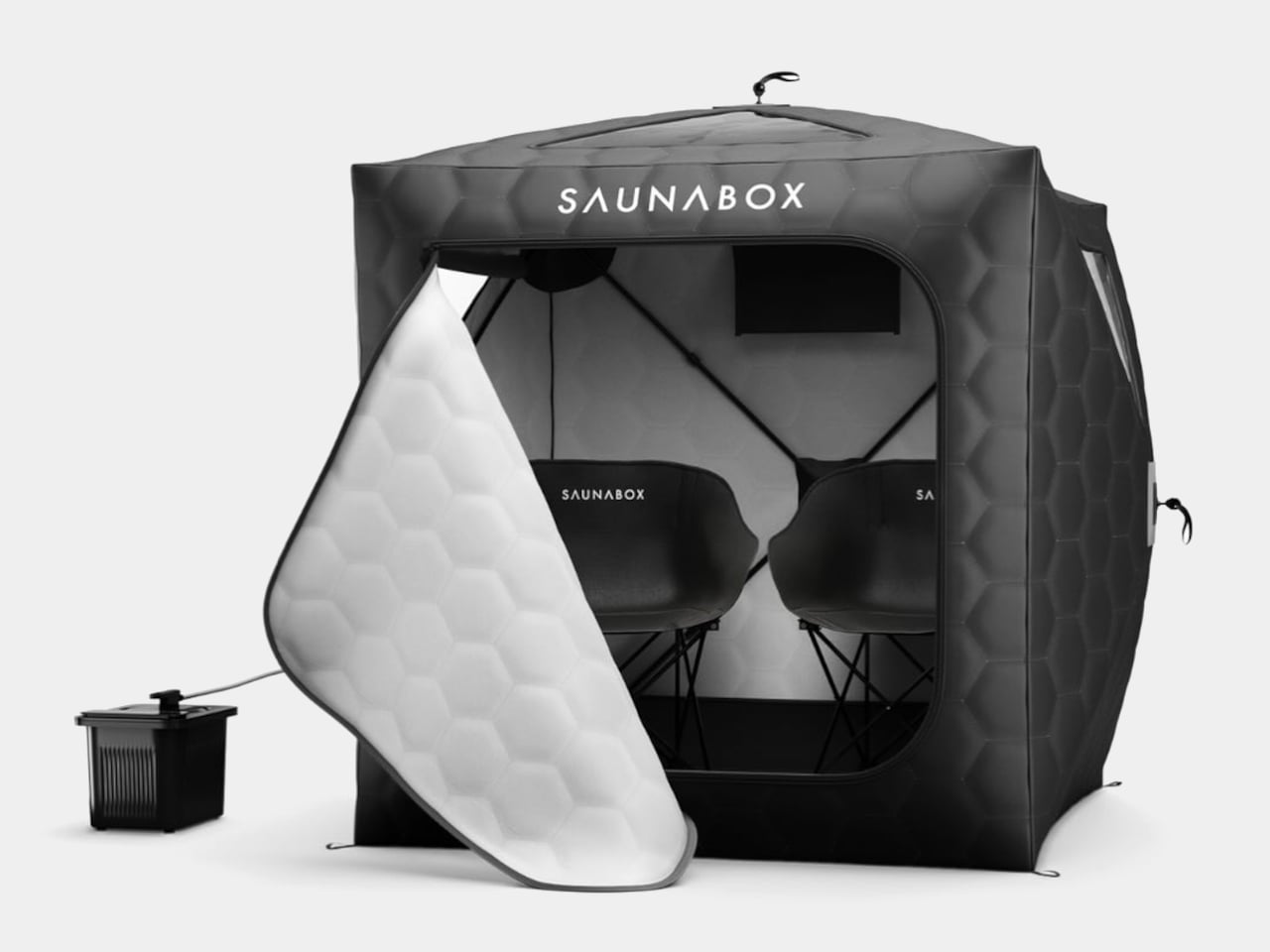
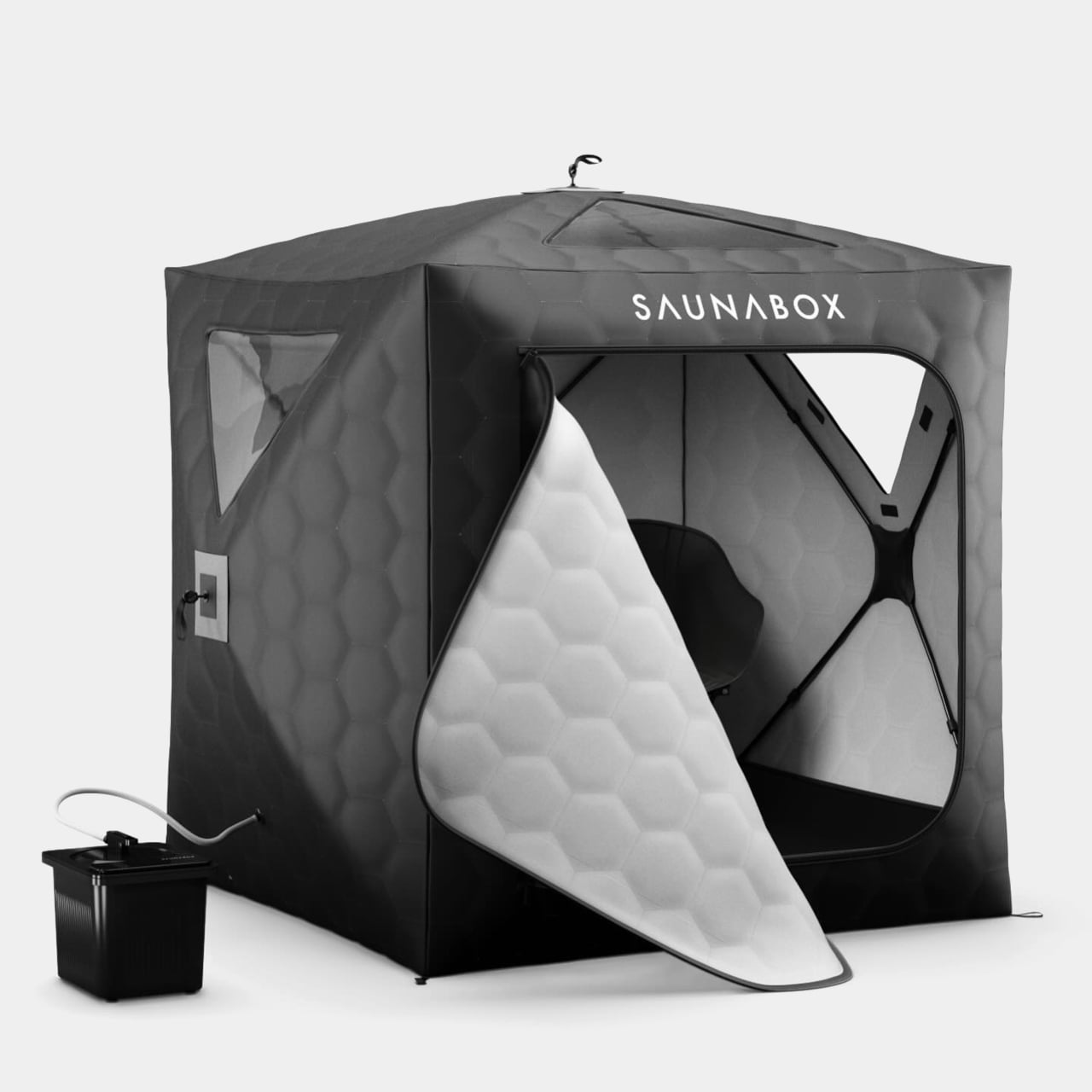
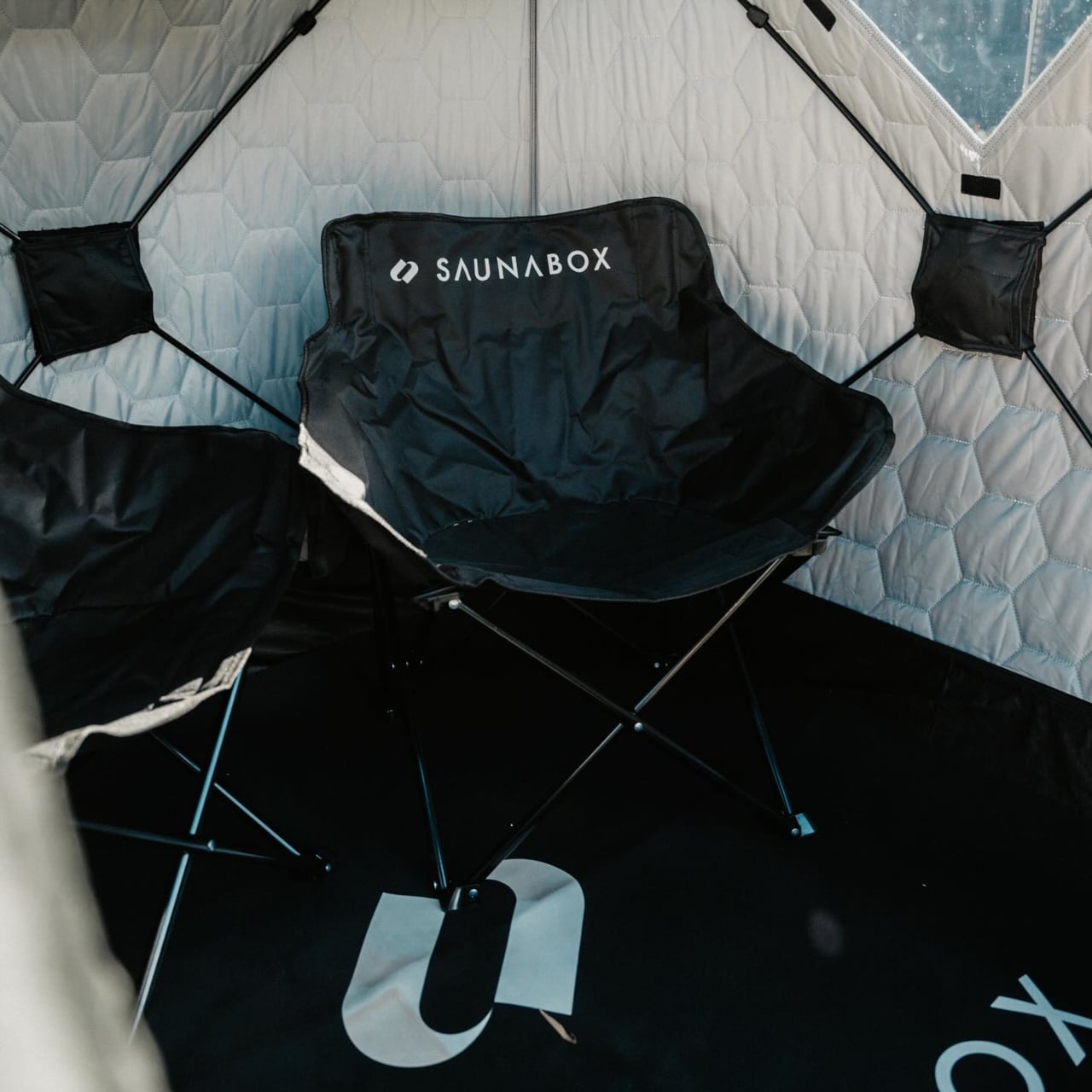
SaunaBox SmartSteam XL, formerly known as SaunaBox Go, tries to close that gap with a pop-up, two-person portable steam room that sets up in under 5 minutes and packs away into a carry case when you’re done. It sits somewhere between a camping structure and a private wellness retreat, which sounds like a strange mix until you’re sitting inside at 130°F with 100% humidity and the whole thing starts to feel more like an onsen than a tent.

Designer: SaunaBox

That steam-forward output is what shifts the experience away from the drier, more aggressive heat of traditional saunas. The SmartSteam Pro heating unit generates a deeply humid environment that envelops rather than parches, which is the difference between feeling like you’re sweating through a workout and feeling like you’re genuinely being restored. That’s not a small distinction when the goal is recovery and relaxation rather than just breaking a sweat.

The app layer is where the design thinking gets quieter, but equally important. Fifteen personalized heat levels, customizable session timers, and a choice of guided meditations or spa audio are all managed from an iOS or Android app, which means setup becomes a small ritual rather than a technical exercise. A weekly session log tracks your heat therapy over time, turning something you’d otherwise do by feel into something you can actually pay attention to and build on.

The tent fabric carries OEKO-TEX certification, meaning it’s been independently tested for harmful substances under strict global criteria. The unit is also fully REACH compliant, aligning with EU regulations on harmful chemicals in manufacturing. These aren’t headline features, but they matter when you’re sitting inside something heated and enclosed, breathing the air it’s generating, for extended periods of time.

Portability is the actual promise the design has to keep. It fits two people, sets up without tools, and takes down in roughly the same amount of time. The included carry case means it can travel to a vacation rental, move to a different room when needed, or disappear into storage without leaving a permanent footprint. That flexibility is what separates it from every wellness product that promises transformation but demands a dedicated square footage to make it happen.

SmartSteam XL works because it makes a steam room temporary and repeatable, rather than permanent and committed. The onsen feeling it delivers is less about achieving some spa ideal and more about actually having a reliable, consistent heat ritual that you can sustain because the setup doesn’t punish you every time.

The post This 2-Person Steam Room Sets Up in 5 Minutes and Packs Into a Case first appeared on Yanko Design.