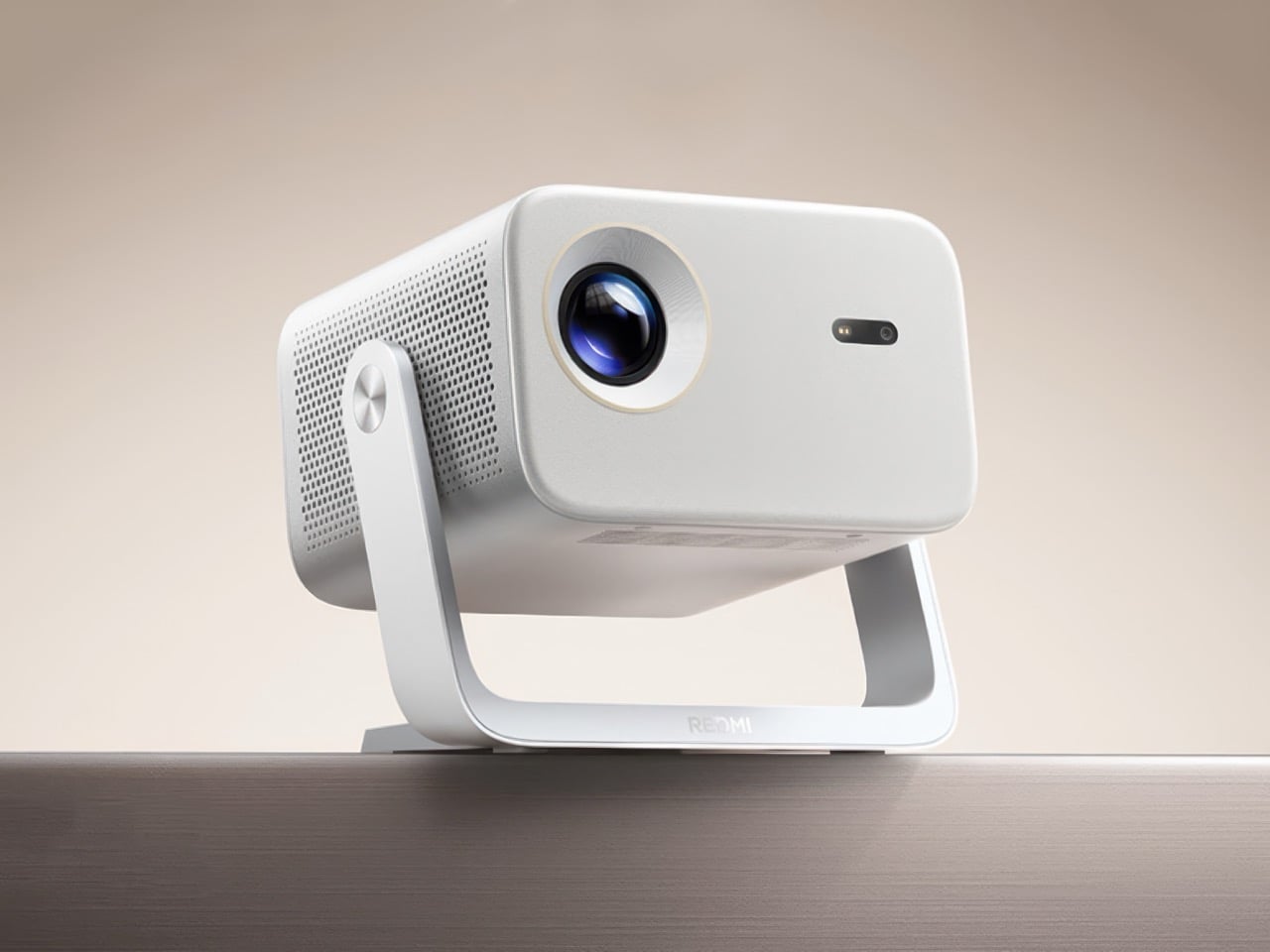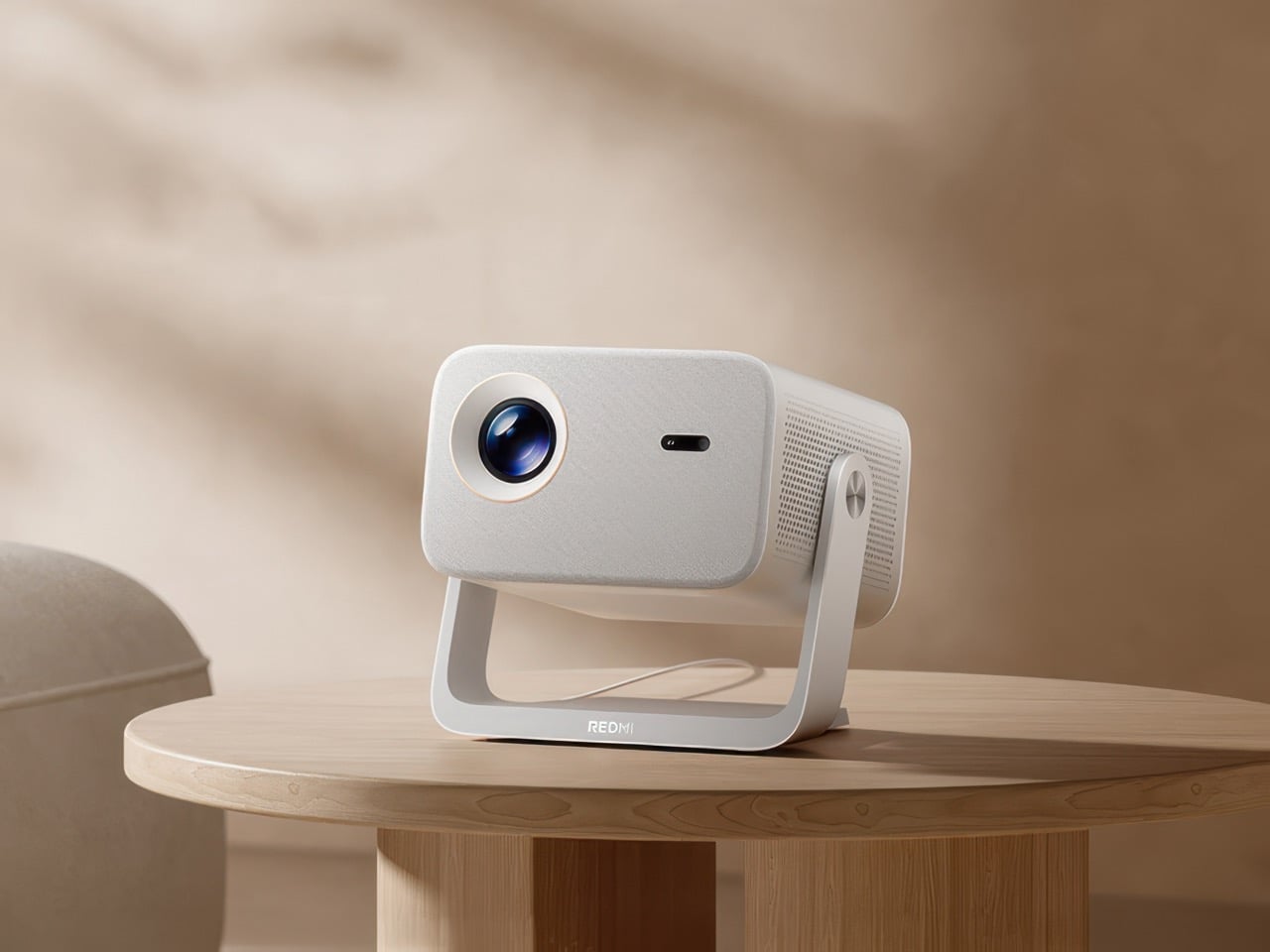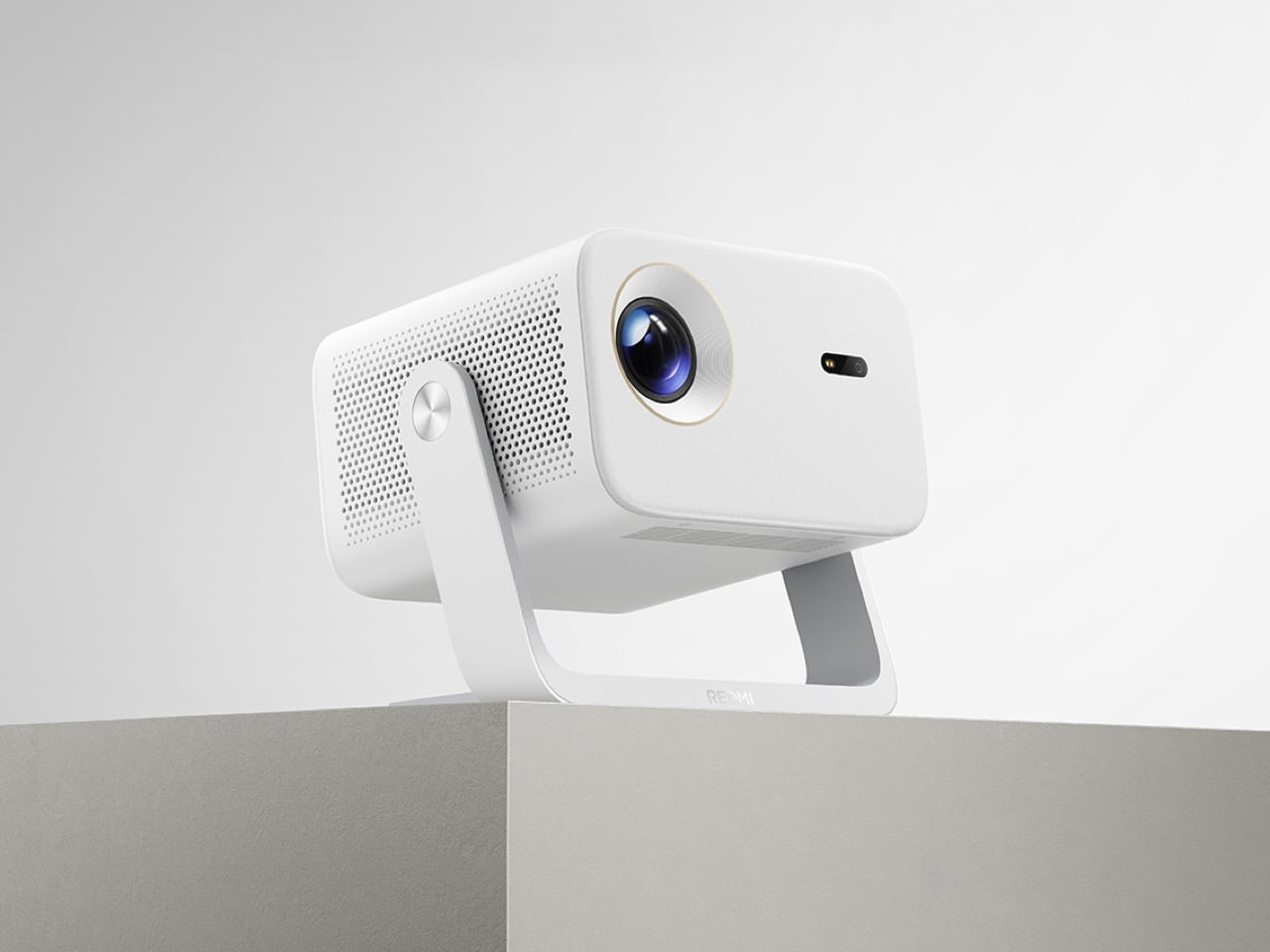
World’s First Projection-Based Digital Photo Frame Hits Ceilings

Most of our favorite memories live on tiny screens, buried in albums we never open anymore, or lost in endless camera rolls and grids we rarely revisit. The digital photo frame tried to bring them back into our lives, but always with a border, a size limit, and a sense of separation from the room around it that made memories feel confined and distant rather than integrated.

PixyBeam reimagines what it means to display your moments and the stories they tell about your life and relationships. Instead of a frame that confines images to a fixed size, it uses projection to turn any wall or ceiling into a living gallery, filling your space with the stories, colors, and faces that matter most.

Designer: Innoscend

Click Here to Buy Now: $349 $499 ($150 off). Hurry, only 8/15 left!

Imagine family moments being projected on the ceiling above your child’s bed, family photos drifting across the living room wall during quiet evenings together, or a creative portfolio that turns your studio into a dynamic showcase for clients and collaborators who visit. PixyBeam makes memories part of your everyday environment, blending nostalgia with the present in a way that feels immersive and emotionally present throughout your day.

The device’s minimalist, rounded design with its soft white finish fits anywhere without demanding attention or clashing with your carefully chosen decor and furniture. It sits quietly on a shelf or table until it’s time to bring your space to life. The compact form means you can move it from room to room as your needs change throughout the day or week.

Setting up PixyBeam is as simple as placing it on any flat surface, plugging in USB-C power, and opening the companion app on your phone. Within minutes, your space becomes a living gallery. There’s no need for wall mounts, complicated menus, or learning curves that take hours to master before you can enjoy your first projection. The app lets you upload photos and short clips, organize galleries by mood or event, and invite friends to share moments.

Over 20 animated gallery styles turn slideshows into expressive, moving displays that feel fresh and alive with personality. The app’s dynamic templates let you match the vibe to any occasion, whether it’s a birthday celebration, holiday gathering, or just a quiet evening reflecting on travels and adventures you’ve had. Each style brings personality and movement to your photos rather than simply fading between static images.

With the innovative Guest Share feature, photo sharing becomes an experience, not a chore. A simple scan of a QR code lets friends and family beam their own photos and short clips straight onto your wall, no cables, no accounts to juggle. It’s instant, intuitive, and social: a living gallery that grows with every visit, where everyone contributes to the story unfolding across the room.

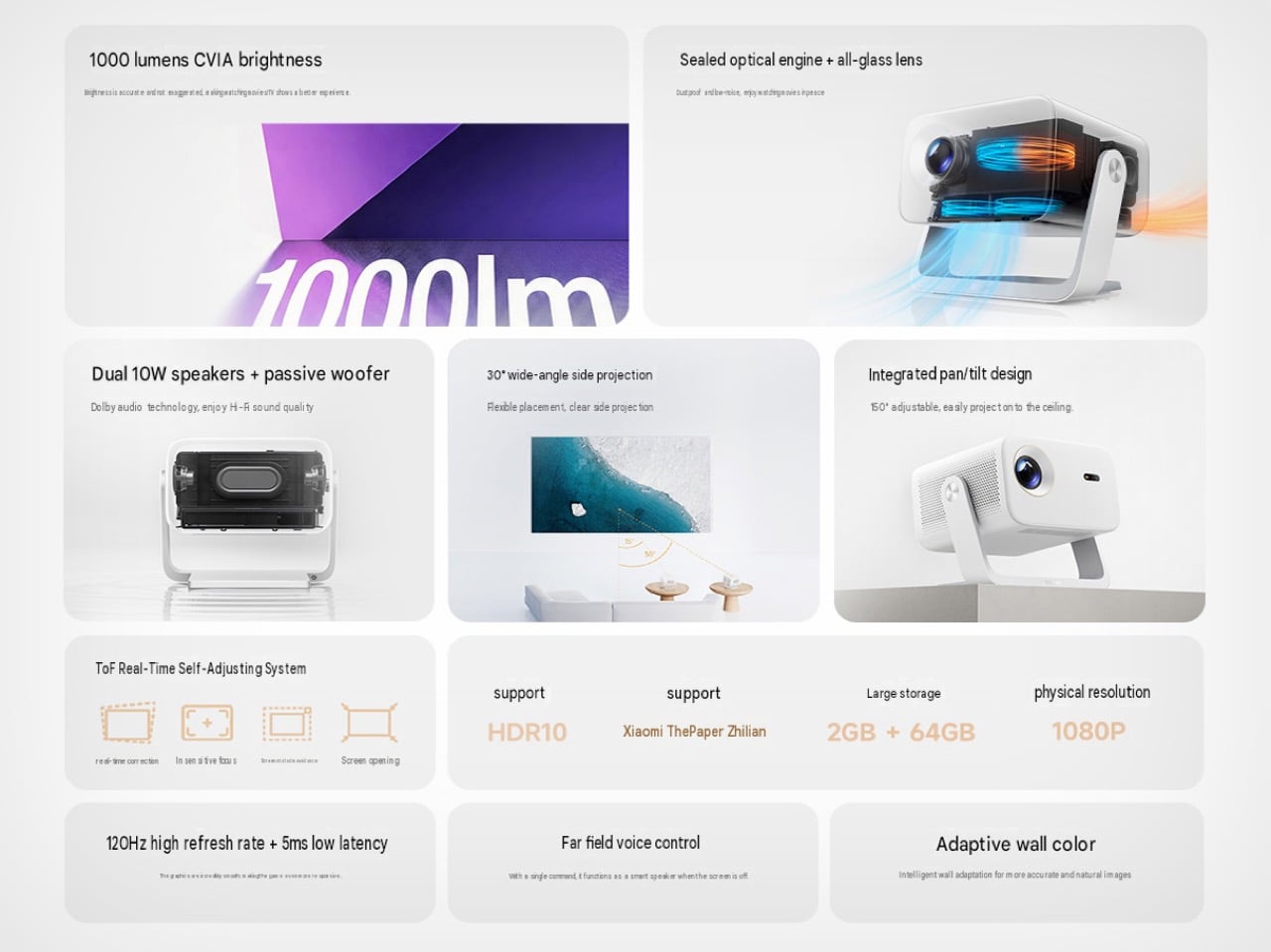
PixyBeam’s all-glass short throw lens projects vivid, 1080p images up to 200 inches across, even in small apartments or bedrooms with limited space. The 900 ANSI lumens engine ensures images are bright and clear throughout the day or night, while adaptive color calibration keeps photos looking true-to-life on any wall, whether it’s white, beige, or painted in bold hues you’ve chosen.

Autofocus and keystone correction mean you always get a sharp, perfectly aligned picture with just a tap on the device or through the app without manual fiddling. The 90-degree rotating lens lets you project upward to the ceiling or out across the room without moving the base, adapting to wherever the moment feels right without complicated repositioning or manual adjustments that interrupt the experience.

The magic of PixyBeam is how it dissolves the boundaries between technology and home entirely, making digital memories feel organic and present. A birthday slideshow becomes part of the party atmosphere, vacation photos turn a hallway into a visual travelogue, and creative work finds a new canvas that’s as big as your imagination allows without physical constraints.

PixyBeam’s compact body, soft finish, and zero-hardware setup blend into any decor without permanent installation or visible mounting brackets. The device includes 32GB of internal storage for offline playback, smart home integration via Matter for automation, and intuitive controls that anyone can master immediately. For anyone who wants their home to feel more personal, PixyBeam offers a compelling new way to turn your empty space into a canvas for the moments that matter most.

Click Here to Buy Now: $349 $499 ($150 off). Hurry, only 8/15 left!

The post World’s First Projection-Based Digital Photo Frame Hits Ceilings first appeared on Yanko Design.

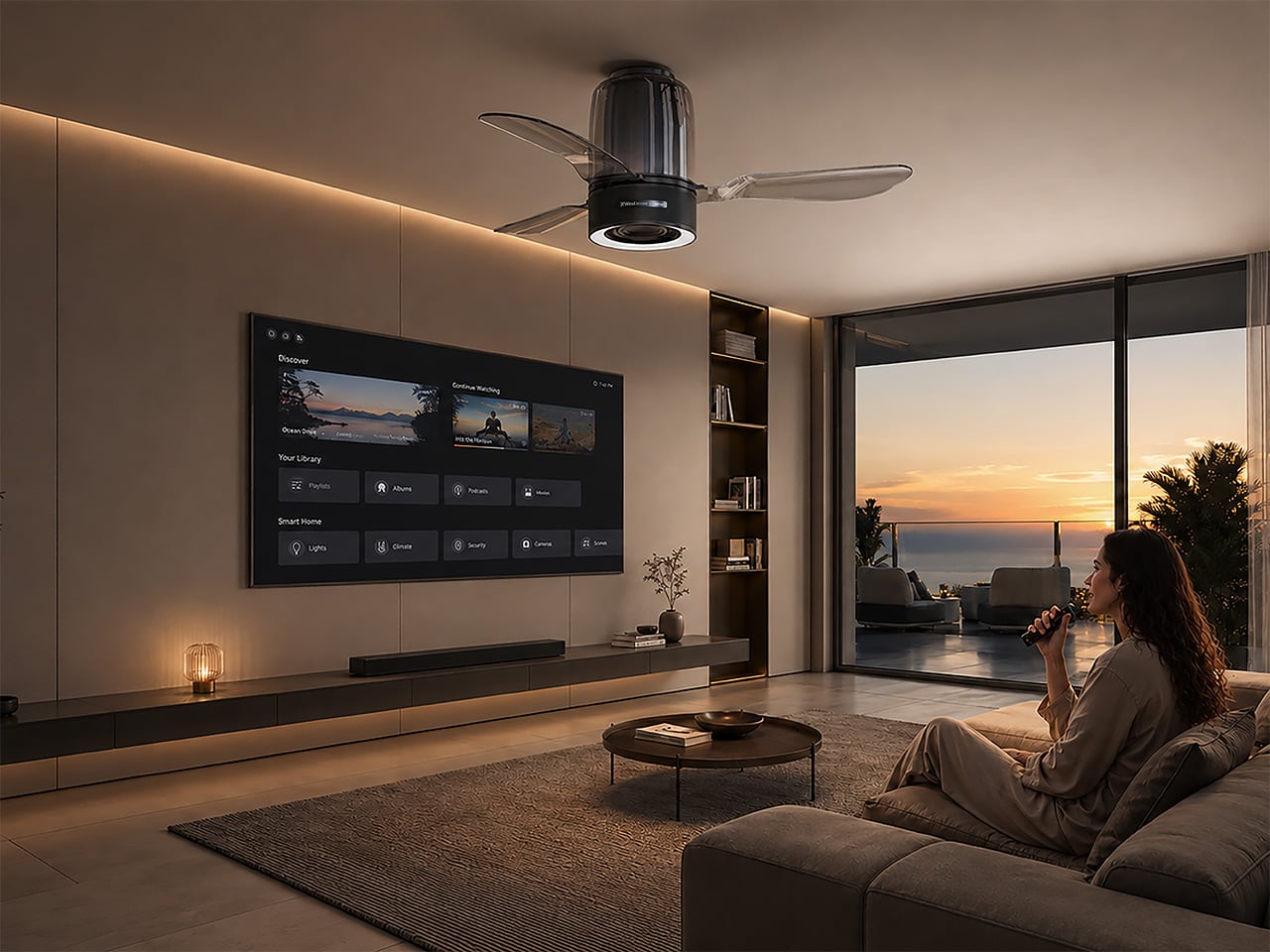
A Rectangular Bladeless Fan? This Design Breaks All the Rules

You know how some designs just make you stop scrolling? That’s exactly what happened when I came across this bladeless fan by Foshan Perfect Industrial Design. It’s not your typical circular fan that we’ve all gotten used to seeing since Dyson popularized the concept. This one’s rocking a square base, and honestly, it’s kind of genius.

Let me explain why this caught my attention. We’ve been conditioned to think that fans, bladeless or not, should be round. It makes sense, right? Air flows in circular patterns, so circular fans seem like the natural choice. But here’s where this design gets interesting. The team behind this fan decided to challenge that assumption and built their concept around a square-based design language. And it’s not just about being different for the sake of standing out.

Designer: Foshan Perfect Industrial Design

The real innovation here is what they’re calling 5D air circulation. Now, I’ll admit that sounds like marketing speak at first, but stick with me. Traditional bladeless fans work by hiding a propeller in the base that sucks air in and pushes it through a ring-shaped opening. The expelled air creates what’s called negative pressure, which pulls even more surrounding air through the ring, multiplying the airflow by up to 15 times.

This square design takes that concept and apparently amplifies it with a focused air duct system. Instead of just sending air in one general direction like circular fans tend to do, this focused duct system accelerates and directs the airflow more precisely. Think of it like the difference between a garden hose with a regular nozzle versus one with a spray gun attachment. Same water source, but way more control and power.

What I find particularly clever about the square form factor is how it fits into modern living spaces. Most of our furniture, shelves, and room layouts are based on right angles and straight lines. A square-based fan just sits more naturally on a desk, side table, or shelf without that awkward “where do I put this round thing” moment we’ve all experienced. It’s one of those design decisions that seems obvious once you see it, but took real creative thinking to actually execute.

The bladeless fan category itself has come a long way since it first hit the market. These devices are safer than traditional fans because there are no exposed blades that curious kids or pets can stick their fingers into. They’re also typically quieter and more energy-efficient. But they’ve mostly followed the same aesthetic playbook, which is why seeing a square interpretation feels refreshing.

This design won recognition from the MUSE Design Awards, which celebrates innovative product design across categories. And it’s not hard to see why. It takes an established product category and reimagines it in a way that’s both functional and aesthetically interesting. The square form doesn’t just look different, it potentially offers better spatial efficiency and air direction control. I think what makes this design work is that it doesn’t sacrifice function for form. The square base isn’t just a stylistic choice; it’s integrated with the technical improvements like that focused air duct system. That’s the sweet spot in product design, where aesthetics and engineering work together rather than competing for attention.

For anyone who’s into tech, design, or just appreciating when everyday objects get thoughtfully reimagined, this fan is worth a second look. It’s a reminder that even in mature product categories, there’s still room for innovation when designers are willing to question the assumptions we’ve all been making. Sometimes the best ideas come from asking the simplest questions, like “does a fan really need to be round?” Whether this square bladeless fan becomes the new standard or remains a cool design experiment, it’s already succeeded in making us think differently about an appliance we barely notice. And that’s kind of the whole point of good design, isn’t it?

The post A Rectangular Bladeless Fan? This Design Breaks All the Rules first appeared on Yanko Design.

Design Without Compromise: How Samsung Is Rethinking Home Appliances From the Inside Out

During my visit to Samsung’s home appliance R&D facility in Seoul, Jay Yoon, Corporate VP and Head of the Refrigerator R&D Group, explained something remarkable about the development of their AI Hybrid Cooling refrigerator. His team had completely redesigned the refrigerator’s internal layout mid-development, not to fix a problem, but to maximize consumer benefits. The Peltier cooling chip system worked perfectly in its original rear-mounted position. The engineering was sound. But through continued collaboration between Samsung Research and the product development team, they discovered that repositioning the entire cooling system to the top would dramatically improve interior space and thermal performance. “We completely discarded the layout we initially designed,” Yoon explained, describing how the team abandoned months of engineering work to pursue the better solution.

Designer: Samsung

The team wasn’t fixing a problem. They were refusing to settle for “good enough.”

That willingness to abandon comfortable solutions appeared throughout the two-day facility tour. Over presentations, lab tours, and design team sessions, I watched Samsung wrestle with fundamental challenges about how appliances should integrate into modern homes and how global products can feel locally relevant.

From Statement Pieces to Spatial Harmony

Samsung’s design evolution over the past decade reflects a broader shift in how we think about appliances in our homes. The design team traced this progression explicitly during their presentation. “In the past, Samsung refrigerators featured bold contours and glamorous presence that stood out in kitchen spaces,” explained the design team during their presentation. These were appliances that demanded attention, with dramatic lines and high-contrast finishes that made them focal points in any kitchen. The design language spoke loudly: this is premium technology, and you should notice it.

Today, that approach has inverted.

“Today, our designs focus on a flat and geometric look that blends seamlessly with modern interiors,” the design team explained. The Bespoke line exemplifies this shift, offering customizable panels that let consumers match their appliances to their specific aesthetic rather than forcing rooms to adapt to the appliance. As the presentation emphasized, “The Bespoke was the first product tailored to the consumer, rather than led by the manufacturer.”

The evolution makes sense when you consider how kitchens function now. Open floor plans mean appliances sit in continuous sightlines with living spaces. Minimalist interior design emphasizes clean surfaces and reduced visual noise. An appliance that demands attention disrupts the careful balance homeowners work to create. Samsung’s current design language acknowledges this reality, focusing on integration rather than statements.

This shift required the design team to develop new methods for creating visual interest without resorting to dramatic forms. They’ve focused on proportion, material quality, and subtle details. During the product showcase, a designer pointed out their signature element: “This very narrow window is Samsung’s signature design identity.”

The Three-Stage Design Process

Samsung’s design team walked through their development methodology, which operates in three distinct phases. Understanding this structure reveals how they balance innovation with manufacturability, and why certain design decisions take precedence over others.

Advanced Design comes first. “The first stage, called advanced design, is the very early phase where we explore innovative design directions and develop concepts,” explained the design team. “In this stage, rather than focusing on manufacturability, we aim to discover new opportunities through future-oriented challenges.” The team researches global megatrends, tracks generational differences in appliance expectations, and studies post-pandemic changes in home behavior. This phase feeds the innovation pipeline with ideas that might become products in three to five years.

Archetype Design follows. “The second stage is Archetype Design, where we define the core design elements and identities and create prototypes that closely resemble our actual designs,” the team explained. Engineering constraints enter the conversation. Manufacturing realities impose boundaries. Cost structures become factors. The Peltier chip repositioning happened during this phase, when the team realized their initial layout compromised the consumer benefits they were trying to deliver.

Final Design brings everything to market-ready form. “The final phase, where we refine the archetype design into a market-ready form, taking into account feasibility and optimization,” as the presentation described it. The design gets refined for production efficiency, tested for durability, validated through consumer preference studies, and engineered for serviceability. The team emphasized that this isn’t where creativity dies. It’s where creative solutions prove whether they can survive contact with reality.

Some ideas make it through with minimal changes. Others, like the refrigerator layout, require fundamental reimagining even at this late stage.

What struck me about this process is how much research grounds every stage. The team doesn’t rely on designer intuition alone. They conduct extensive consumer preference studies to evaluate design competitiveness. They analyze furniture design trends to ensure their appliances harmonize with what consumers are actually buying for their homes. They run localized projects like their U.S. Laundry Space and Market Trend Sensing study to understand regional differences in how people interact with appliances. Design decisions emerge from this research foundation rather than aesthetic preference alone.

Unibody Express: Washing Machine Minimalism

The washing machine design team introduced their Unibody Express philosophy as a case study in essentialist thinking. The name itself signals the approach: eliminate everything unnecessary until only the fundamental interaction remains.

Their starting point was provocative. Rather than beginning with a washing machine shape and refining it, they asked what the essential form should be. As Sarah Choi, Head of the Living Design Group, explained during the presentation: “We’ve gone back to basics to redefine design and to make people’s lives better. With the design philosophy of Samsung that is essential, innovative, harmonious.” She described stripping away everything extraneous to reach the core: “But rather something fundamental and pure. A single rectangle. This is the essential space where we meet our users.” The presentation showed how they removed decorative elements systematically. “We removed many decorative elements that make up the washing machine. Focused on the fundamental material, the steel.”

What remained was steel, glass, and the pure geometry of the rectangle.

This sounds simple. Executing it proved complex. Removing decorative elements means the fundamental materials and proportions carry all the aesthetic weight. There’s nowhere to hide manufacturing imperfections or component compromises. The team explained they needed higher standards than previous designs required. The steel finish, glass clarity, and panel alignments all had to be essentially perfect since there was nothing else to draw the eye. As the team explained, “This design form allows for effective management of product design variations while enabling efficient operations through part standardization.”

The result aligns with broader movements in industrial design toward essential forms and honest materials. But unlike some minimalist exercises that prioritize aesthetic purity over function, the Unibody Express philosophy emerged from user research. The team studied how people actually interact with washing machines, identified the core interaction space, and designed around that fundamental relationship.

The minimalism isn’t stylistic. It’s structural, based on understanding what matters to someone doing laundry.

CMF: The Language of Premium Materials

Color, Material, and Finish design operates as its own discipline within Samsung’s structure, and watching their CMF team present revealed how much invisible work creates the perception of quality in appliances.

The team expressed particular pride in their black metal work. During the CMF showcase, a designer explained: “Real metal is used by all companies, but we are proud of black metal and have been leading trends in this finish.” Their newest premium direction uses ribbed aluminum. “This is a new material that has not been used much in product design. Aluminum that was used a lot in IT devices,” Oh noted, describing how they applied a ribbed design to create a premium aesthetic for refrigerators in the Korean market.

Glass appears across product categories, from cooking appliances to refrigerators to water purifiers, with the team developing methods to match colors and textures across these different applications. The upcoming ceramic collaboration represents their most ambitious material innovation. During the showcase of unreleased products, Oh explained: “This is ceramic from Italian company Mutina. Ceramic is widely used in furniture and table interiors, but we have applied ceramic CMF to refrigerators for the first time with the technology to apply it to product design.”

What makes CMF design fascinating is how it operates at the intersection of aesthetics and material science. “We continue to study interior design trends across diverse regions, from Asia to the Americas and Europe, through online learning,” explained Oh. “By updating and analyzing the latest trends, we ensure that our home appliances harmonize seamlessly with consumers’ real-life environments.” They create digital twin virtual spaces to simulate how their CMF choices will appear in these real-world contexts. “The CMF combines these elements into two tones, bright and dark, that complement each unique space and its character,” the presentation emphasized.

The team also experiments with perception engineering. “We have the skill to create textures and printing technology that can give a stone feel,” Oh explained during the showcase, demonstrating samples that used glass and coating techniques to simulate stone and ceramic aesthetics without the weight and cost constraints of actual stone or ceramic components.

During the CMF showcase, Oh explained her team’s philosophy of holistic interior integration: “We don’t design products in isolation. We design them to harmonize with furniture, interiors, and fabrics to complete the overall interior mood using these paints and materials.”

Sustainability as Design Constraint

The sustainability integration revealed during the CMF presentation felt refreshingly pragmatic rather than performative.

“All glass samples are made of recycled materials,” Oh explained during the CMF showcase. “Samsung has been working to replace glass products with recycled glass for several years now.” For their premium aluminum products, they’ve adopted a hybrid approach: “The front uses a thin new aluminum layer that can reflect new colors because it needs to express beauty,” while “the base metal behind uses recycled aluminum.” The team was frank about sustainability constraints. When asked about expanding recycled content further, they acknowledged: “It would be most efficient to make suggestions without increasing consumer prices… If there is a need that consumers can tolerate to that extent, we can do it.”

Regional Design: Ergonomics Meets Culture

The most compelling design challenge Samsung faces is creating global products that feel locally appropriate. Refrigerator design makes this visible.

The design team explained: “T-Type is a popular platform here in Asia, whereas the French door type is also preferred in North America.” They detailed the structural differences: “The T-type has segmented freezer box at the bottom, while the French door type uses large capacity freezer drawers, also located at the bottom.” The design presentation emphasized these aren’t arbitrary preferences. They reflect different food cultures, shopping patterns, and kitchen spatial organizations.

The design team explained that understanding these regional differences requires ethnographic research, not just market data. How do Korean families shop for and store kimchi? How do American households manage bulk purchases from warehouse stores? What food preservation expectations exist in European markets with smaller, more frequent shopping patterns? Design decisions about interior layout, drawer sizing, and temperature zone configurations all flow from understanding these cultural contexts.

This regional customization extends beyond refrigerators. Kitchen appliance dimensions differ between markets. During the product showcase, Claire Lee, Head of Kitchen Design Group, explained: “This is a 30-inch wall oven… a product specialized for the North American market,” then showed a contrasting model: “Unlike the North American 30-inch model, this is a 24-inch spec model specialized for the European and Korean markets.” Cooking technology preferences vary too. Lee noted that in North America, “traditionally gas products were common,” but emphasized that “induction products are rapidly expanding” as consumers shift away from gas cooking.

Samsung designs platforms that can accommodate these variations while maintaining design language consistency across regions.

What This Means for Appliance Design’s Future

Samsung’s approach suggests appliance design is entering a more sophisticated phase. The days of technology-first thinking, where impressive specs drove product development and design followed, are giving way to human-centered processes where design insight drives technology application. The Peltier chip repositioning exemplifies this: the technology was ready, but the design team’s understanding of user benefit justified completely reworking the internal architecture.

This shift requires different skills from designers. They need fluency in material science, manufacturing constraints, cultural differences, and sustainability considerations alongside traditional aesthetic capabilities. They need research methodologies to validate assumptions about user preferences. They need collaborative skills to work with engineers who might resist mid-development redesigns.

The Samsung design team’s structure, with specialists in product design, CMF design, design innovation, and design strategy all collaborating, reflects this expanded scope.

The risk in this approach is designing for an idealized user rather than real people. The safety lies in the research foundation. Samsung’s investment in consumer preference studies, localized market sensing projects, and continuous trend analysis keeps their design process grounded in actual behavior rather than designer intuition about what people should want.

Watching their team work through these challenges over two days in Seoul revealed an organization taking appliance design seriously as a discipline. Not as styling applied to engineered products, but as a fundamental methodology for understanding how technology should integrate into daily life.

Whether this produces better appliances remains to be seen. But it definitely produces more thoughtfully considered ones.

The post Design Without Compromise: How Samsung Is Rethinking Home Appliances From the Inside Out first appeared on Yanko Design.

Projector and mini-fridge in one concept will solve problems of snackish couch potatoes

If you ask people how they spend their rest days or leisure time, most will probably say go to a mall and shop, meet up with friends, or travel. But there are also homebuddies like me who would say an ideal rest day is consuming media, whether it’s a book, a TV show, a movie, and snacking while doing it. There are products and concepts that will appeal to couch potatoes who love that kind of alone time.

Designer: Changhwi Kim

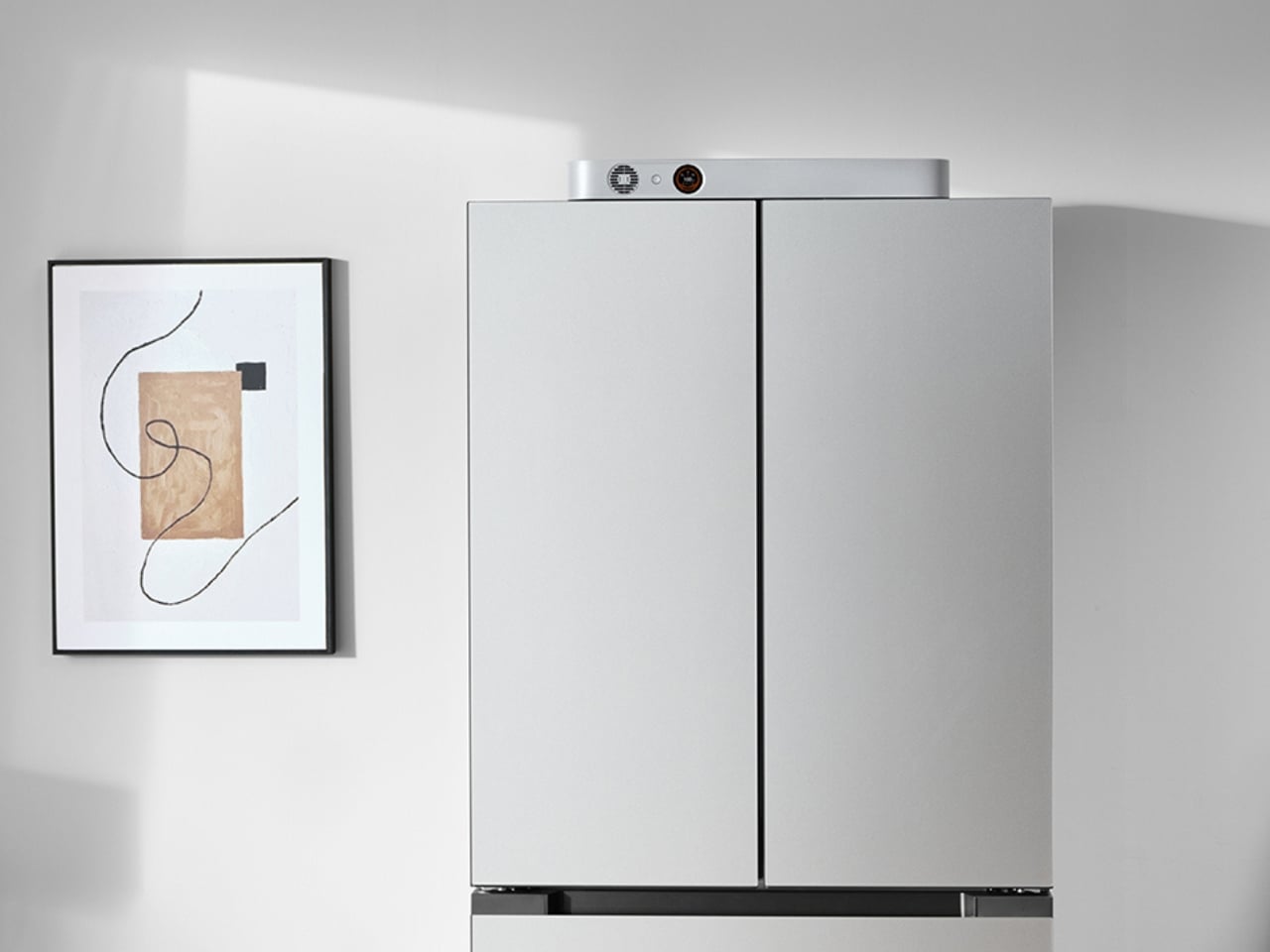
fits is one such concept that will, well, fit, that kind of lifestyle. Basically it’s a media projector and a refrigerator in one compact device. You will be able to watch whatever your heart desires and if you get snacky (which of course, you will eventually become), then you just have to reach over and get whatever it is you stored in the mini fridge.

The device also has an adjustable height function so whatever position you want to take, you can calibrate it to the perfect position. The product renders show that it looks just like a typical mini fridge but with a projector on top. In theory, you can also connect it to an app that will give you content recommendations and even suggest snacks that will go with it.

While most of the time I will consume media on my phone or tablet while lying in bed, it will of course be more convenient if I had a mini fridge nearby as I’m watching. So this will probably be marketable for people like me.

The post Projector and mini-fridge in one concept will solve problems of snackish couch potatoes first appeared on Yanko Design.
10 Best Appliances & Tools That Are Space-Saving Kitchen Hacks For Small Cooking Areas

In today’s urban living spaces, kitchens are often compact and require smart solutions to maximize utility and efficiency. Whether living in a cozy apartment or a tiny home, making the most of your kitchen space is essential. We have curated a collection of ten products that are the space-saving hacks you need for your kitchen. They are designed to enhance functionality without compromising style.

These space-saving kitchen hacks offer practical solutions for maximizing functionality in small cooking areas. Incorporating these innovative and nifty products into your kitchen allows you to enjoy a more organized and efficient cooking experience, regardless of size, enabling you to make the most of your kitchen, without worrying about space constraints.

1. Hybrid Kitchen Aid

Named the Hybrid Kitchen Aid, this innovative kitchen appliance is designed to transform the way you cook and prepare food. It has a focus on multi-utility, and it is designed to offer adaptability, economical use, and storage efficiency. It is a must-have essential for modern kitchens.

It merges the functionality of multiple kitchen devices into one compact and versatile product. The kitchen aid is inspired by the timeless elegance and beauty of the classic French press. It allows users to carry out a whole range of tasks such as grinding, blending, and kneading.

Why is it noteworthy?

By providing an all-in-one solution for your kitchen needs, it reduces clutter and enhances efficiency, making it perfect for those who value both style and practicality. Its adaptability ensures that it can cater to a variety of culinary tasks, making it a true game-changer in the realm of kitchen appliances.

What we like

  • Features inversion of the motor placement, a deviation from traditional food processors.
  • Features a telescopic arm as well.

What we dislike

  • Since it is a concept, we are unsure how well it will translate into a real product.

2. Iron Frying Plate

Named the Iron Frying Plate, this kitchen accessory is designed to revamp how you cook and serve food. It removes the middleman between cooking and dining, letting you eat your food directly from the frying plate, elevating the flavors and textures of your meal, providing a better eating experience.

The Plate is also equipped with a detachable handle that can be attached and detached, transforming it from a frying pan to a serving platter when needed. This innovative wooden handle provides convenience, and since it serves as two dishes, it reduces the need for more utensils. It is built from 1.6mm-thick mill-scale metal and is rust-resistant.

Click Here to Buy Now: $69.00

Why is it noteworthy?

The Iron Frying Plate has an innovative design that blurs the line between cooking and dining. You can eat directly from the frying plate, providing a culinary experience like no other. The plate uses mill-scale steel, which offers durability and resistance to rust. The detachable wooden handle, on the other hand, delivers convenience and versatility.

What we like

  • Equipped with a unique and innovative design that supports eating directly from the frying plate.
  • Crafted from rust-resistant mill-scale steel, providing a durable construction.

What we dislike

  • The plate could retain heat and requires careful handling.

3. Boi

Say hello to Boi – a true blue innovation in the field of kitchen measuring tools. It can adapt to various measurement requirements, and it eliminates the clutter of having multiple measuring cups in your kitchen drawer. It has a flexible material that lets you adjust the size according to your recipe requirements.

It is a versatile tool that is great for both amateur cooks and professional chefs. It has a maximum capacity of 250 milliliters, and it can accommodate different measurements ranging from 1 cup to 1/8 cup. It is also equipped with cleverly designed labels and notches.

Why is it noteworthy?

Boi is a unique and worthy tool since it consolidates multiple measuring cups into one flexible unit. It deals with the common problem of limited storage space in small kitchens. It utilizes silicone, which offers durability and flexibility while supporting easy cleaning and maintenance. It is an exceptional design for those who value efficiency and simplicity in their cooking processes, providing a practical solution to reduce kitchen clutter.

What we like

  • Consolidates multiple measuring cups into one.
  • Flexible silicone material for easy size adjustments.

What we dislike

  • It is a concept, so we are unsure if it will be available.
  • Limited to a maximum of 250 milliliters.

4. Playful Palm Grater

Dubbed the Playful Palm Grater, this kitchen tool is compact in size and packs a punch with its grating abilities. It makes grating veggies and cheese a fun activity. It resembles a piece of paper curled at the corner and will fit into the palm of your hand, ensuring you have better control, and your hand is clean.

It has a sleek and small form that won’t occupy much space, while also making an aesthetic addition to your kitchen or dining table. It is meant to be showcased at your dinner parties. It isn’t a boring old grater design that deserves to be hidden away in your kitchen. It is available in a bunch of fun colors, hence adding some whimsical playfulness to your kitchen or table.
Click Here to Buy Now: $25.00

Why is it noteworthy?

The Playful Palm Grater features an ergonomic design, amped with a playful look. It has a unique form that will fit perfectly into the palm of your hand, delivering better precision as you grate. It is made from a single aluminum alloy to ensure durability and ease of use. This innovative grater not only serves a practical purpose but also adds an element of joy and creativity to meal preparation.

What we like

  • You can choose from a range of fun and vibrant colors.
  • It encourages guest participation and serves as a conversation starter.

What we dislike

  • Since it features a compact size, it may require more frequent emptying.

5. Vita Neo

Vita Neo revolutionizes the traditional kitchen layout by combining two essential components: the sink and the dishwasher. This ingenious design caters to modern urban kitchens where every inch of counter space is precious. With its sleek stainless steel finish, Vita Neo not only enhances the aesthetic appeal of your kitchen but also provides a practical solution for space constraints.

When not in use, it seamlessly integrates into your countertop, offering a continuous surface for food preparation. Once activated, its sensor-operated LED display unveils various functions, including dishwashing and even washing vegetables or crustaceans.

Why is it noteworthy?

The Vita Neo stands out as a remarkable space-saving solution because it addresses the common problem of bulky dishwashers taking up valuable kitchen space. Designed in collaboration with German engineers and backed by decades of expertise, this product merges the functionality of a sink and a dishwasher into a compact unit that fits on most countertops. It’s perfect for those who appreciate minimalism and versatility in their kitchen design, offering a modern solution for small-space living.

What we like

  • Combines sink and dishwasher functions, saving space.
  • Sleek design with a stainless steel finish.

What we dislike

  • May require professional installation.
  • Limited to smaller dish loads due to compact size.

6. Stacking Sake Drinkware Set

Elevate your sake-drinking experience with this exquisite Stacking Sake Drinkware Set, inspired by the elegance of Japanese rice cakes. Crafted from high-quality tin, this set is designed to enhance the flavor of sake, making it smoother and more palatable. Not only does it boast a handsome appearance, but its soft texture offers a unique tactile experience, making cold drinks more comfortable to hold.

The matte finish, achieved through sandblasting, provides a pleasant touch that moderates the coolness of the tin, enhancing the overall experience. The drinkware set is stackable, which means the different elements can be stacked on top of each other, in turn saving space, and ensuring they don’t occupy too much precious real estate in your kitchen or dining table.

Click Here to Buy Now: $299.00

Why is it noteworthy?

This drinkware set stands out for its ability to create an almost sacred atmosphere, perfect for enjoying the rich tradition of sake. Whether you’re savoring a quiet moment alone or sharing with a friend, the set caters to both individual and communal experiences. Its design embodies the beauty of Japanese culture, offering versatility and style to your sake rituals.

What we like

  • Features an authentic tin construction.
  • Enhances the sake flavor.

What we dislike

  •  Specifically designed for sake, it may not be as versatile for other beverages.

7. Flagship Kitchen Skillet and Pan

The Flagship Kitchen Skillet and Pan is a versatile kitchen tool designed to replace multiple pans, thereby reducing clutter. Crafted from high-quality 18/10 stainless steel, this hybrid pan can function as a skillet, a Dutch oven, and more. It eliminates the need for multiple pans, instead ensuring you only need one – the Flagship Kitchen Skillet and Pan.

Its unique Yoga Lid stands, locks, drains, and even hangs upside down, offering a multifunctional solution for various cooking needs. Suitable for induction stoves, this pan promises durability and excellent heat distribution for efficient cooking.

Why is it noteworthy?

This product is exceptional for its multifunctionality and ability to replace several pans, making it ideal for small kitchens where storage space is limited. The innovative design of the Yoga Lid adds to its versatility, allowing for easy draining and storage. The German-made stainless steel construction ensures longevity and a premium cooking experience, making it a valuable addition to any kitchen that prioritizes space efficiency and quality.

What we like

  • Replaces multiple pans, reducing kitchen clutter.
  • Made from high-quality stainless steel.

What we dislike

  • May require careful handling due to its multifunctional design.

8. Explorer Bento Lunchbox

Meet the Explorer Kit by reVessel – a revolutionary multi-tasking lunchbox and food storage system designed to liberate you from the kitchen and encourage exploration. As the first leak-proof modular bento-style lunchbox, it deals with some of the most annoying food storage challenges, all while being beneficial for both you and the planet.

With reVessel’s innovative design, living a healthy and sustainable lifestyle has never been more convenient or stylish. The Explorer Kit is a game-changer for those who love versatility and sustainability in their food storage solutions. Combining three essential kitchen tools into one sleek design, it serves as foodware, bakeware, and tableware – thereby eliminating the need for multiple vessels and utensils that will occupy precious space.

Why is it noteworthy?

Its patent-pending leakproof seal, crafted from food-grade silicone, prevents spills and keeps your food fresh and separate, ensuring your lunch remains as you intended. Since it features a modular and nifty design with the ability to store different foods, you don’t need to purchase different containers to pack your lunch, thereby saving space and ensuring the cute bento box does it all for you!

What we like

  • The innovative silicone seal ensures no spills, keeping your bag clean and your food intact.
  • Modular and versatile design, letting you customize your meals with ease.

What we dislike

  • While versatile, its size may not suit those looking for a compact lunchbox option.

9. Flexi Jar

Transform in 1s

No Hard-to-Reach Spots

Meet the Flexi Jar, a unique multi-function food storage solution that redefines convenience and sustainability in the kitchen. With its custom-sized design, this versatile jar is perfect for a wide range of uses, from home cooking and travel to parties and games. Crafted with earth-sustainable materials, the Flexi Jar is not only a practical choice but also an environmentally responsible one.

Its flexible structure, without pre-set fold lines, allows it to be collapsed to any height, accommodating varying food levels and maximizing cabinet and fridge space. Since it features a collapsible design, storing it is of no issue. It has a flexible design that is a life-saver in small kitchen spaces.

Why is it noteworthy?

The Flexi Jar features an innovative design that allows you to transform it in just a second. You can extend or collapse the jar with a simple touch, making it incredibly easy to keep your food fresh and your storage space optimized. Unlike traditional glass or rigid jars, the Flexi Jar can be flipped inside out for a thorough clean, ensuring maximum hygiene.

What we like

  • Flip the jar inside out for a more thorough clean, a feature not available in rigid containers.
  • Made from non-fossil fuel-based Platinum Silicone, the Flexi Jar is durable and can be used over 5,000 times.

What we dislike

  • While durable, silicone may be sensitive to certain temperatures or sharp objects.

10. Elizabat

Say hello to the Elizabat – an adorable bat-shaped scissor crafted by the imaginative minds at OTOTO. This delightful kitchen tool is not just about aesthetics; it’s designed to bring a dash of fun and flair to your cooking adventures. With its unique design and multifunctional capabilities, the Elizabat is sure to become a cherished addition to your kitchen arsenal.

The Elizabat is a multifunctional product since it features a thoughtfully-designed gap between the handles, which allows it to serve as a nutcracker. This little detail packs a whole bunch of utility into one compact, playful ,and whimsical design. Its multifunctionality, ensures you don’t need multiple tools in the kitchen,

Why is it noteworthy?

The Elizabat is equipped with a lovely ability to transform mundane kitchen tasks into delightful experiences. This charming pair of culinary scissors is perfect for cutting, chopping, and slicing a variety of veggies and herbs with ease. But its clever design doesn’t stop there. The innovative blade construction doubles as a handy bottle opener, making it a versatile tool for preparing meals and enjoying beverages.

What we like

  •  The Elizabat features an ergonomic profile that is incredibly comfortable to use.
  •  With its ability to cut, open bottles, and crack nuts, it is a multifunctional product.

What we dislike

  • It can easily be mistaken for a toy and must be kept out of reach of children.

The post 10 Best Appliances & Tools That Are Space-Saving Kitchen Hacks For Small Cooking Areas first appeared on Yanko Design.

Maximize Holiday Hydration with Waterdrop Filter Reverse Osmosis Systems: Black Friday Deals

Just like the planet itself, our bodies need water in order to survive. Not just any water, of course, but clean and safe drinking water. With pollution in every corner, ensuring the purity of the water we consume is more important than ever. Water purifiers have become essential kitchen appliances, providing peace of mind and protecting our health, yet people are almost always on the fence when they should buy one.

With the holiday season fast approaching, there’s never a better time to make such an investment. With increased water usage during festive cooking and gatherings, having a reliable purifier ensures every sip is safe and refreshing. Fortunately, this is also a perfect time to grab a water filtration system with a sweet discount, and Waterdrop Filter’s Reverse Osmosis Systems are the perfect fit to quench your thirst for clean and safe water all year round.

Designer: Waterdrop Filter

Why are Water Purifiers Important for Homes

Having a water purifier at home means access to clean, safe water anytime. They remove contaminants, ensuring that every sip you take is safe and refreshing. It’s not just about taste; it’s about health. Purified water helps prevent waterborne diseases, supports better digestion, and even enhances the flavor of your cooking.

With holiday festivities around the corner, having a water purifier means access to clean, safe water for all your needs whether it’s for cooking or mixing a hot cup of cocoa. The growing awareness of water quality issues has caused more households to invest in these vital devices. Plus, with a water purifier, you can reduce your reliance on bottled water, saving money and reducing plastic waste. It’s a win-win for you and the environment!

Why Now is the Perfect Time to Buy A Water Purifier

Even if they know the critical benefits of clean drinking water, many households put off buying a system that serves the purified water they need. Some water filters are prohibitively expensive, perform poorly, and don’t meet their household’s needs, forcing homeowners to rely on tap that may not be as clean as they think. Well water often includes bacteria, parasites, and heavy metals, while municipal water would have chlorine as well as disinfection byproducts. Others put it off until family members get sick from the substances, parasites, and microorganisms that come with their drinking water.

If you’ve been considering a water purifier, there’s no better time than now to make the purchase. Black Friday discounts offers the perfect opportunity to make the purchase, allowing you to secure a top-quality purifier without breaking the bank. These deals make it easier to prioritize your family’s health and prepare for holiday gatherings without stretching your budget. Seize this chance to upgrade your kitchen and enjoy pure water throughout the festivities.

Choosing the Right Water Purifier: Waterdrop Filter Reverse Osmosis Systems

Incorporating a water purifier into your home is a smart move for health and convenience, but it shouldn’t be done haphazardly. When selecting a water purifier, consider factors like the type of filtration system, maintenance requirements, and capacity. Whether you opt for a reverse osmosis system, UV purifier, or a simple activated carbon filter, ensure it meets your needs.

Reverse osmosis (RO), in particular, has been proven to be a very efficient and cost-effective way to purify water and improve its taste. It is able to filter out nearly 95% of particles and dissolved contaminants in water without mixing in other substances that can also affect its taste. Just in time to prepare for the holiday season, Waterdrop Filter is giving three of its most popular RO systems some very sweet Black Friday discounts to meet every hydration and household need.

Waterdrop Filter X12 Reverse Osmosis System

Drink from the tap with the confidence of having filtered and purified water all the time with the Tankless Waterdrop Filter X12 RO under-sink system. With a rapid 1,200 GPD (gallons per day) flow, you don’t have to wait for clean water to drop from the faucet; just instant and pure hydration whenever you need it. An 11-stage 16-layer precision filtration system promises water safety and quality while alkaline mineral infusion promotes health and elevates flavor.

With its smart and elegant design, the Waterdrop Filter X12 easily hides itself from sight, and its tankless design can save 50 to 70% of the space under the sink. With a hi-tech smart digital faucet, you can instantly see TDS and filter life information to keep track of your water quality. With a simple twist and a gentle tap, you can conveniently adjust the water volume you need to help prevent wasted water.

Why it’s noteworthy

  • 1,200 GPD Rapid Flow makes it feel like you’re simply turning on the tap and fill a cup in 3 seconds.
  • High capacity enough to meet the needs of a large household.
  • Unparalleled 3:1 pure-to-drain ratio saves precious water resources.
  • 11-stage precision filter with robust 16-layer 0.0001μm RO membrane assures maximum water safety.
  • Healthy alkaline minerals and optimal 7.5 pH levels promote health and enhance flavor.
  • Space-saving minimalist design makes DIY installation a breeze.

Click Here to Buy Now: $827.08 $1299 ($471.92 off, use coupon code “YDreaderBF” to get extra 8% off). Hurry, deal ends in 48-hours!

Waterdrop Filter K6 Instant Hot Water Reverse Osmosis System

Enjoy hot or warm drinking water on-demand with the Waterdrop Filter K6 under-sink Reverse Osmosis System. Why wait for water to boil or hot water to cool down when you can have precise control over the temperature of the water that will flow from the faucet? Of course, with a deep 5-in-1 filter that removes harmful substances, you don’t have to rely on heat only to guarantee the purity of your hot drink.

It’s almost a shame that you will rarely see the Waterdrop Filter K6’s stylish design, as it is meant to hide inconspicuously underneath kitchen sinks. The innovative smart display faucet, however, will make you feel like you’re living in the future, providing easy access to information as well as exact temperature controls. Of course, there’s also a safety lock to protect your loved ones from accidents.

Why it’s noteworthy

  • First Reverse Osmosis System with heating function for purified and hot water in a single unit.
  • High-capacity 600 GPD (Gallons Per Day) water flow rate delivers hot water in just seconds.
  • Delivers room temperature or hot water in the range of 104°C – 203°C (40°C- 95°C)for any drinking or cooking need.
  • Smart Display Faucet provides water filter information, temperature adjustment, and safety lock features.
  • 5-in-1 RO filter removes harmful substances through deep purification.

Click Here to Buy Now: $459.08 $799 ($339.92 off, use coupon code “YDreaderBF” to get extra 8% off). Hurry, deal ends in 48-hours!

Waterdrop Filter A1 Reverse Osmosis Hot Cold Water Dispenser

Quench your thirst with a cold drink or savor a hot cup of tea anywhere in your home with the Waterdrop Filter A1 countertop hot and cold water dispenser. With its Plug-and-Play design, you can easily put this multi-functional water dispenser in your living room, home office, or bedroom so you that your favorite drinks are always within reach. Supporting six temperature settings for ice-cold or boiling water, the Waterdrop Filter A1 lets you enjoy clean water in the temperature that you need in an instant.

Of course, that water purity is delivered by Watedrop’s 6-stage RO filtration system that can efficiently reduce over 1,000 impurities. It also includes a UV-LED light for sterilizing the water tanks. Despite its advanced features, the Waterdrop Filter A1 is easy to use and safe, with smart touch keys that put all the control under your fingertips and child lock to protect against accidental operation.

Why it’s noteworthy

  • All-in-One water dispenser for hot and cold water in a single stylish unit.
  • Six temperature options ranging from 41°F – 203°F (5°C – 95°C) delivers the water you need in an instant.
  • 6-stage filtration and UV-LED sterilization ensure the safety of the water, regardless of temperature.
  • Plug-and-Play Installation-free design provides flexibility in placement options.
  • OLED Smart Display and touch keys simplify the user experience while providing safety at the same time.

Click Here to Buy Now: $434.13 $699 ($264.87 off, use coupon code “YDreaderBF” to get extra 8% off). Hurry, deal ends in 48-hours!

With fantastic discounts available, now is the ideal time to make this essential purchase. Enjoy the peace of mind that comes with knowing your water is clean and safe. Don’t let this opportunity slip by — upgrade your kitchen with a Waterdrop Filter Reverse Osmosis System today and experience the difference in every drop.

The post Maximize Holiday Hydration with Waterdrop Filter Reverse Osmosis Systems: Black Friday Deals first appeared on Yanko Design.

Robotic Open-source Scale Dress Printed by ELEGOO Neptune 4 Series: 3D Printing in Fashion

3D printing has revolutionized the design industry by making it easier to prototype ideas quickly and efficiently. This technology allows designers to experiment with new concepts without the high costs traditionally associated with prototyping. As a result, executing designs has become more affordable and accessible, opening up new avenues for creativity. Beyond design, 3D printing is now breaking into other industries, including fashion, with trailblazers like ELEGOO leading the charge.

ELEGOO is not just a pioneer in 3D printing but also in empowering women to use technology to turn their ideas into reality. One prime example is an innovative robotic and modular dress system that will showcase the potential of 3D printing in fashion, inspiring a new wave of creators. This initiative highlights how 3D printing is transforming the fashion industry, offering unprecedented opportunities for innovation and expression.

Designer: Anouk Wipprecht

Click Here to Buy Now: $209.99 $275 (23% off). Hurry, deal ends in 48-hours!

Anouk Wipprecht and the Scale Dress: Futuristic Fashion

Anouk Wipprecht, a visionary Dutch FashionTech Designer and Engineer, has partnered with ELEGOO to push the boundaries of fashion technology. She has developed a new modular system for integrating motors into fabrics, revolutionizing how garments can interact with the wearer and environment. This collaboration marks a significant leap in the fusion of fashion and technology, showcasing the endless possibilities of innovative design.

The “Scale Dress” is a groundbreaking creation from this collaboration, representing a futuristic approach to fashion. This robotic, open-source dress comprises multiple 3D-printed mechanical parts, each equipped with tiny servo motors. These motors animate the dress, creating dynamic movements around the body. Ingeniously, the mechanism is sandwiched between fabric layers, with its round shape evenly distributing weight to prevent sagging or imbalance.

The Scale Dress not only captivates with its moving elements but also serves as a modular, open-source template for aspiring designers. Anouk Wipprecht has ensured that the design is accessible to those interested in robotic fashion. The servo-arms can be interchanged to hold various elements, addressing the challenge of integrating electronics with fabric and creating lifelike movements.

To empower others to explore this innovative realm, Anouk has open-sourced the Scale Dress design on her Instructables page. In collaboration with ELEGOO, she provides a detailed step-by-step guide on creating your own robotic dress with moving parts. The guide focuses on utilizing 9g servo arms, enabling creators to experiment and personalize their designs with ease.

This initiative not only highlights the potential of 3D printing and robotics in fashion but also encourages a new generation of designers to embrace technology. By sharing her knowledge and tools, Anouk Wipprecht is paving the way for more innovative and interactive fashion creations, inspiring others to explore the intersection of technology and design.

ELEGOO With Her: Empowering the Next Generation of Women Creators

The “ELEGOO With Her” program is a remarkable initiative aimed at equipping more women and girls with 3D printing skills. And the debut of the Scale Dress marks the official launch of the program, followed by a roundtable featuring prominent female designers at Formnext 2024 in Frankfurt, the largest 3D Printing Fair in Europe. This will kick off the initiative that aims not just to revolutionize the 3D printing industry but also fashion tech.

From November 19, 2024, to February 5, 2025, ELEGOO will recruit 30 women and girls for its empowerment program, providing them with 3D printers, software support, and mentorship. Participants will benefit from two months of online courses and workshops, culminating in a showcase of their work in April. This program is a testament to ELEGOO’s commitment to fostering diversity and innovation in the tech industry, empowering women to become leaders in 3D printing.

ELEGOO Neptune 4 Series: Unleashing Creativity in Fashion Design

The Scale Dress, designed for the FashionTech field, utilizes 3D-printed mechanical parts created with the ELEGOO Neptune 4 series 3D printers. The Neptune 4 series’ intelligent printing capabilities make it an ideal tool for blending technology and fashion. By enabling intricate designs and seamless integration of mechanical parts, this printer is a catalyst for innovation in FashionTech, pushing the boundaries of what’s possible in the industry.

This fusion of 3D printing technology and fashion is opening up new horizons for creativity and innovation. With pioneers like ELEGOO leading the way, the potential for groundbreaking designs and empowering diverse creators is limitless. As 3D printing continues to evolve, its impact on fashion and beyond will undoubtedly shape the future of design.

Click Here to Buy Now: $209.99 $275 (23% off). Hurry, deal ends in 48-hours!

The post Robotic Open-source Scale Dress Printed by ELEGOO Neptune 4 Series: 3D Printing in Fashion first appeared on Yanko Design.

AI-powered machine concept helps you sort and dispose of waste properly

According to studies, almost 83% of our every day garbage is not sorted and recycled. That means a lot of it is just thrown into landfills and most of them just stay there rotting for years, maybe even decades. If we are able to properly sort them properly, even just a small percentage, and dispose of them in a more circular manner, including recycling and upcycling, then it will be better for our planet. The problem sometimes though is that people and even machines still don’t know how to sort and recycle properly.

Designer Name: Romain Pellat

With the advent of robotics and A.I, our garbage disposal should be better. This is what Binko aims to do. It is an AI-powered recycling robot that should help homes and offices to improve the way they do their waste disposal. It is able to auto-recognize the different kinds of garbage, sort them properly, and then crush them accordingly.

The concept device looks like a vendo machine but instead of it giving you your drink or snack of choice, you feed it your garbage. The machine and the accompanying app should be able to recognize more than 2.6 million waste items. Then it will compress or crush the garbage into small pieces and is able to hold an average of 8 times more resources. The system is able to sort it into one of the 7 transparent compartments that can be adapted according to location.

The app will be the first to launch and it can immediately help people into recognizing how to sort their garbage using the AI-powered photo recognition process. It also gives you a map of nearby recycling bins and even reminds you to take out your trash. That in itself is useful even as Binko will probably take more time to be created.

The post AI-powered machine concept helps you sort and dispose of waste properly first appeared on Yanko Design.

Breathe Easy: 10 effective steps and products to purify your home’s indoor air

Indoor air pollution is a commonly overlooked issue, but it can significantly affect your health, especially if you live in a city where outdoor pollutants, cooking byproducts, and everyday household chemicals accumulate inside your home. Even if your home looks clean, invisible pollutants, allergens, and irritants could lurk in the air. Improving indoor air quality isn’t just about cleanliness; it’s essential for your health, especially given how much time we spend indoors. Here are ten practical steps, paired with innovative products, to help keep your indoor air fresh and clean.

1. Ventilation

Proper ventilation is crucial for maintaining good indoor air quality. Regularly opening windows, even briefly, allow fresh outdoor air to circulate and replace stale indoor air. This exchange helps dilute the accumulation of indoor pollutants like dust, pet dander, and chemicals from household products. In kitchens and bathrooms, using exhaust fans is especially important as these areas are prone to high moisture levels and airborne contaminants from cooking or bathing. Exhaust fans help vent out these pollutants directly, reducing humidity and preventing mold growth. For those living in areas where outdoor air quality is generally good, consistent natural ventilation can make a significant difference in keeping indoor spaces healthier and fresher.

Gutmann’s no-chimney exhaust system offers an innovative solution for kitchens without traditional chimney ventilation. Its under-cabinet design efficiently clears smoke and odors, making it ideal for smaller spaces that require reliable airflow without permanent installations.

2. Air Purifiers

Air purifiers are essential to any home, especially in urban areas with more concentrated pollution. They effectively capture dust, pollen, pet dander, and other allergens. For maximum efficiency, it’s important to replace the filters regularly. Running an air purifier helps keep your home’s air free from harmful particles while reducing odours.

The ComfortPure™ combines air purification with heating and cooling. TripleFlow and HEPASilent technology captures 99.97% of airborne pollutants while offering a heating or cooling option, making it perfect for year-round use. It’s ideal for large spaces and operates quietly, adapting to pollution levels automatically for continuous comfort.

3. Air Conditioning

Air conditioners help regulate indoor temperature while also filtering airborne pollutants and allergens. To effectively improve air quality, replacing the filters regularly and cleaning the ducts is important. Proper maintenance ensures that your air conditioning system continues to provide clean, comfortable air throughout your living space.

ComfyAir is specifically designed for tight city apartments. Its sleek design attaches easily to any window without causing damage. It’s highly effective at cooling and filtering the air while fitting into small spaces, making it a great solution for those wanting comfort without compromise.

4. HEPA Filters

HEPA filters are among the most efficient tools for capturing airborne pollutants and allergens. These filters trap particles as small as 0.3 microns, significantly reducing dust, pollen, and other allergens that degrade indoor air quality. Installing HEPA filters in air purifiers or HVAC systems can help keep your home’s air as clean as possible.

OneLife X utilizes cutting-edge plasma-field technology that captures even smaller particles than traditional HEPA filters, removing pollutants down to 0.01 micrometers. It is highly efficient and operates sustainably without needing constant filter replacements, making it both eco-friendly and economical.

5. Air Disinfectants

Consider using air disinfectants with UVC technology to kill bacteria, mold, and germs effectively. This approach is particularly useful in humid areas of your home where mold and germs tend to thrive. UVC lights target these microorganisms directly, providing an additional layer of air purification that complements standard filtration.

RAYCONO uses Hydroxyl and Plasma purification technology to neutralize bacteria and odors. Its compact size and maintenance-free operation make it perfect for small spaces and even travel, ensuring clean air wherever you are.

6. Indoor Plants

Plants like Spider Plants, Peace Lilies, Snake Plants, and Aloe Vera add aesthetic value to your home and naturally filter out harmful toxins. Studies, including those by NASA, show that these plants can remove common indoor pollutants such as benzene, formaldehyde, and trichloroethylene.

Neo PX combines Marble Queen Pothos with specialized bacteria that break down volatile organic compounds (VOCs). It features a self-watering pot, which makes maintaining these plants easy while they work to keep your air cleaner. Using biodegradable materials also makes this an eco-friendly addition to any room.

7. Low-VOC Cleaners

Volatile organic compounds (VOCs) found in many conventional household cleaners can significantly degrade indoor air quality. Instead, opt for low-VOC or eco-friendly cleaning products. These alternatives clean effectively without adding harmful chemicals to the air, allowing you to maintain a fresh environment.

Switching to these products is an easy way to maintain cleanliness and air quality, reducing unnecessary pollutants in your indoor space.

8. Reduce Dampness

Moisture control is vital for healthy indoor air. Excessive humidity can lead to mold growth, contributing to respiratory problems and allergies. Leaky pipes, poor ventilation, and condensation all contribute to excess dampness. Using dehumidifiers and fixing leaks can keep humidity levels in check and prevent mould growth.

The Moss Humidifier combines the natural properties of moss with artificial humidification. The moss actively filters pollutants, while the integrated humidifier keeps moisture levels balanced. This eco-friendly solution helps maintain a healthy indoor environment without relying on chemicals.

9. Use a Kitchen Chimney

Cooking emits pollutants like carbon monoxide that can quickly fill your kitchen and home. Using a chimney or an exhaust hood helps to filter and remove these particles, reducing harmful gases and keeping your air fresh. Kitchen chimneys are crucial for removing smoke, grease, and cooking odors from your living space.

AirHood is an effective portable range hood with a powerful fan and charcoal filters for neutralizing odors and smoke. Its lightweight and flexible setup allows it to be moved wherever needed, making it ideal for kitchens without a built-in ventilation system.

10. Clean Rugs and Carpets

Rugs and carpets trap dust, dirt, and allergens, which can compromise indoor air quality if left unchecked. Regular vacuuming and deep cleaning can remove these harmful particles. High-quality vacuums, especially those with HEPA filters, can reduce allergens and improve the overall air quality.

Swee is designed to keep carpets and rugs free from dust and dirt with minimal effort. Its tapered profile and powerful cleaning system help remove allergens, while its innovative design fits seamlessly into any modern living space.

The post Breathe Easy: 10 effective steps and products to purify your home’s indoor air first appeared on Yanko Design.
Minimalist smart cooker concept belies its multifunctional nature

Space is always at a premium, whether it’s in the bedroom, the living room, or the kitchen. Maximizing space is a challenge, which is why multifunctional designs are in high demand. Furniture that can transform to do different things in different situations or appliances that can serve different needs help not only save space but sometimes even money in the long run.
Unfortunately, multifunctional designs also tend to be complex and confusing due to cramming many features into a single product or system. Of course, it’s always possible to create minimalist multifunctional designs with some careful thinking, and this concept for a smart cooker system puts that theory to the test.

Designer: BKID

Our kitchens are becoming smarter every year as refrigerators, ovens, and even hubs gain some intelligence and Internet connectivity. These large appliances are more or less permanently installed in place, so the space they take up is not really a problem. Stoves and cookware, however, are a different question, especially given how many pots and pans we tend to use.

The ODS Smart Cooker concept tries to reduce some of that wasted space by combining a few simple objects into one. The base of the system is an induction stove with a very minimalist aesthetic. A simple intuitive dial controls the temperature, while a touch-sensitive surface switches between different modes.

The more interesting part, however, is the pot itself. It looks very simple with a matching simple cover. That said, that cover also functions as a stovetop grille. When not needed, these two cookwares can occupy the same spot, saving space. You also don’t need a separate cover for the pot, but it also means that you can’t use the grille and the pot simultaneously when you also need to cover the pot.

The handles for the cooking vessel are rather strange but not accidental. The angle of handles for the cover/grille leaves a gap where you can easily wedge in your fingers to take the cover off. Alternatively, you can probably also squeeze two handles on the same side together to lift the opposite side slightly, allowing steam to escape without risking burning your hand.

The post Minimalist smart cooker concept belies its multifunctional nature first appeared on Yanko Design.