Rebug: The Toy That’s Getting Kids Off Screens and Into Bugs

Remember when catching fireflies in a jar was peak childhood entertainment? Yeah, me neither, because apparently we’re all too busy doom-scrolling. But here’s the thing: a group of designers just created something that might actually get today’s kids to put down their tablets and start chasing butterflies instead. And honestly? It’s kind of brilliant.

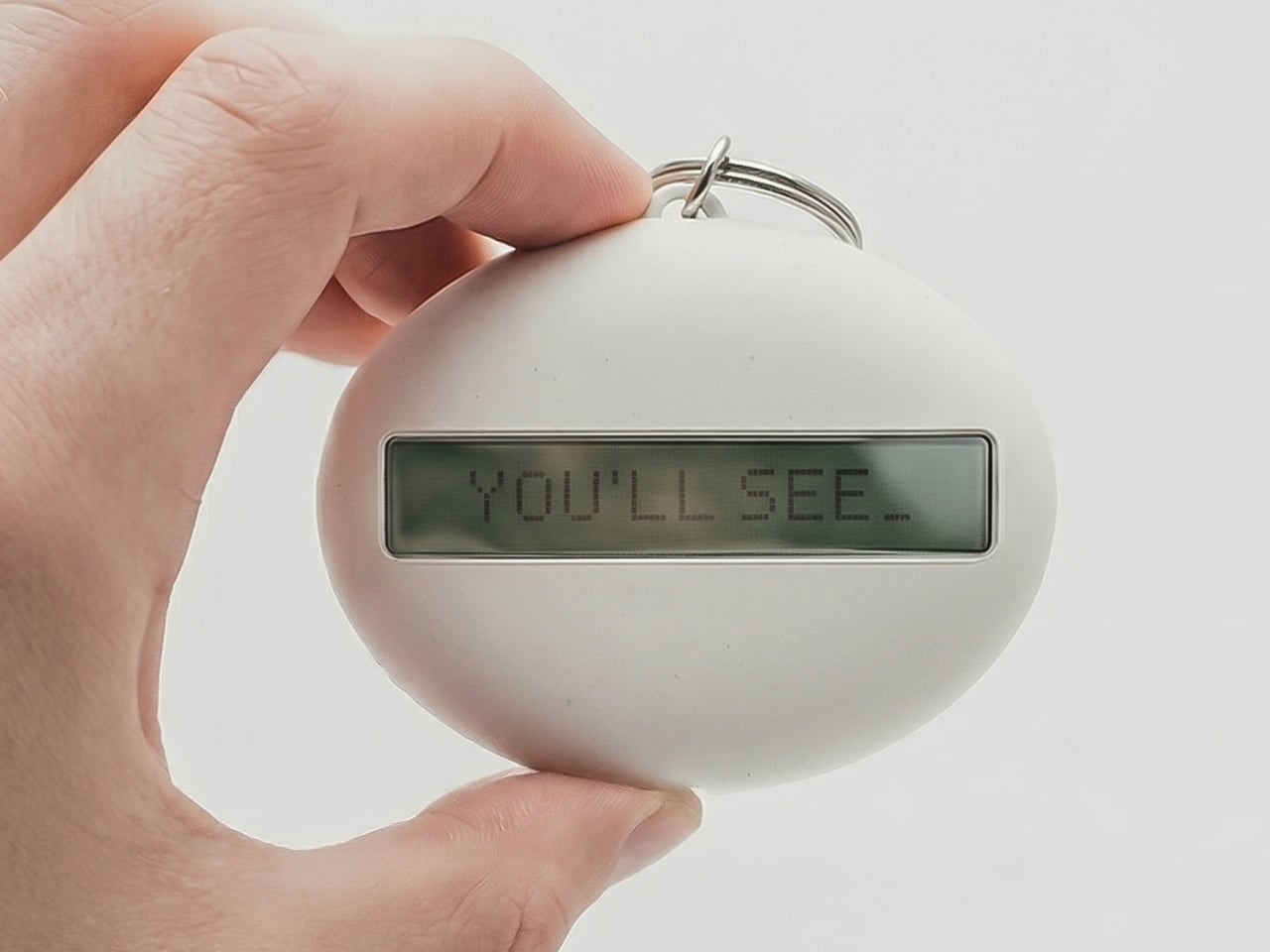
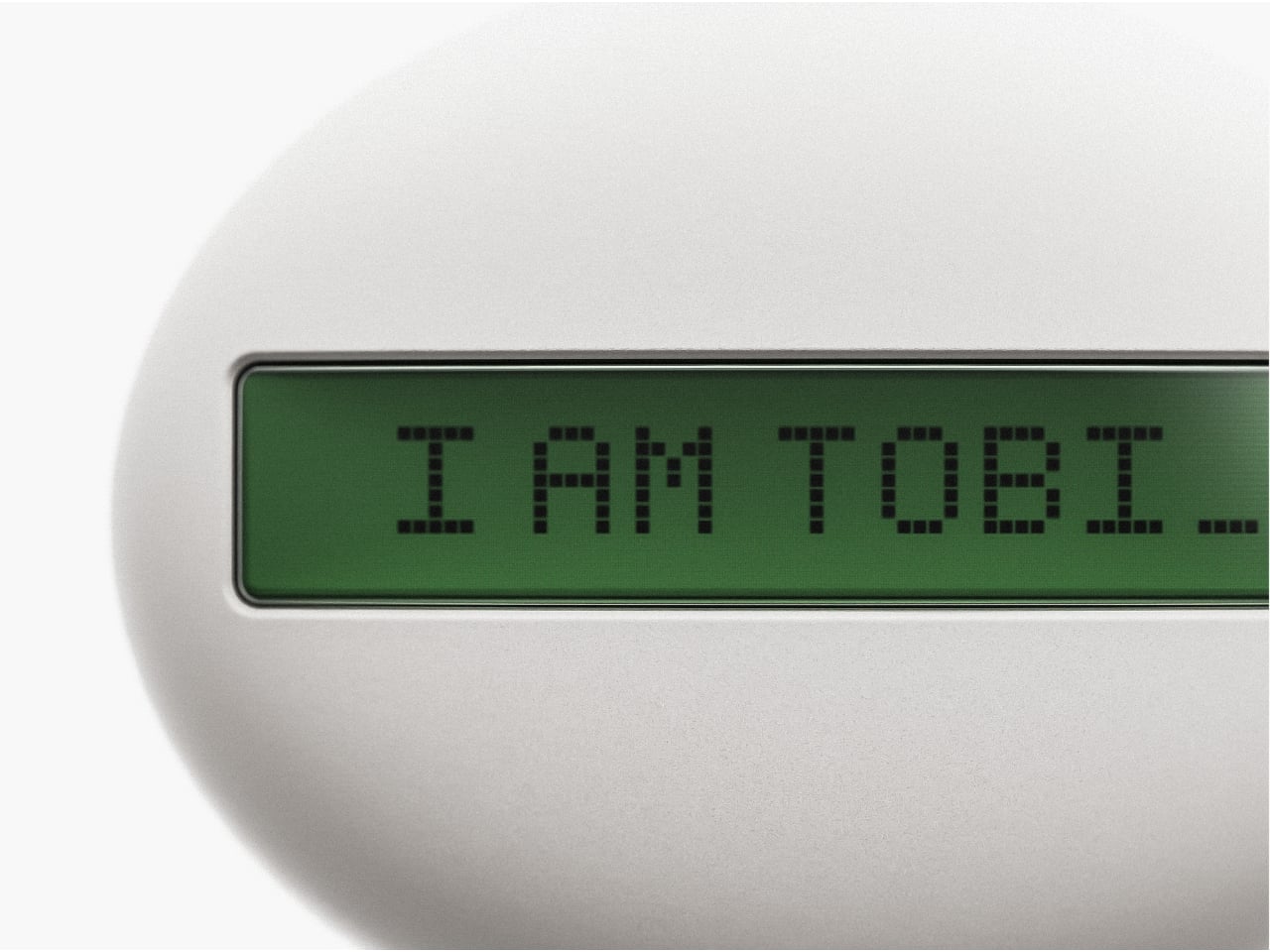
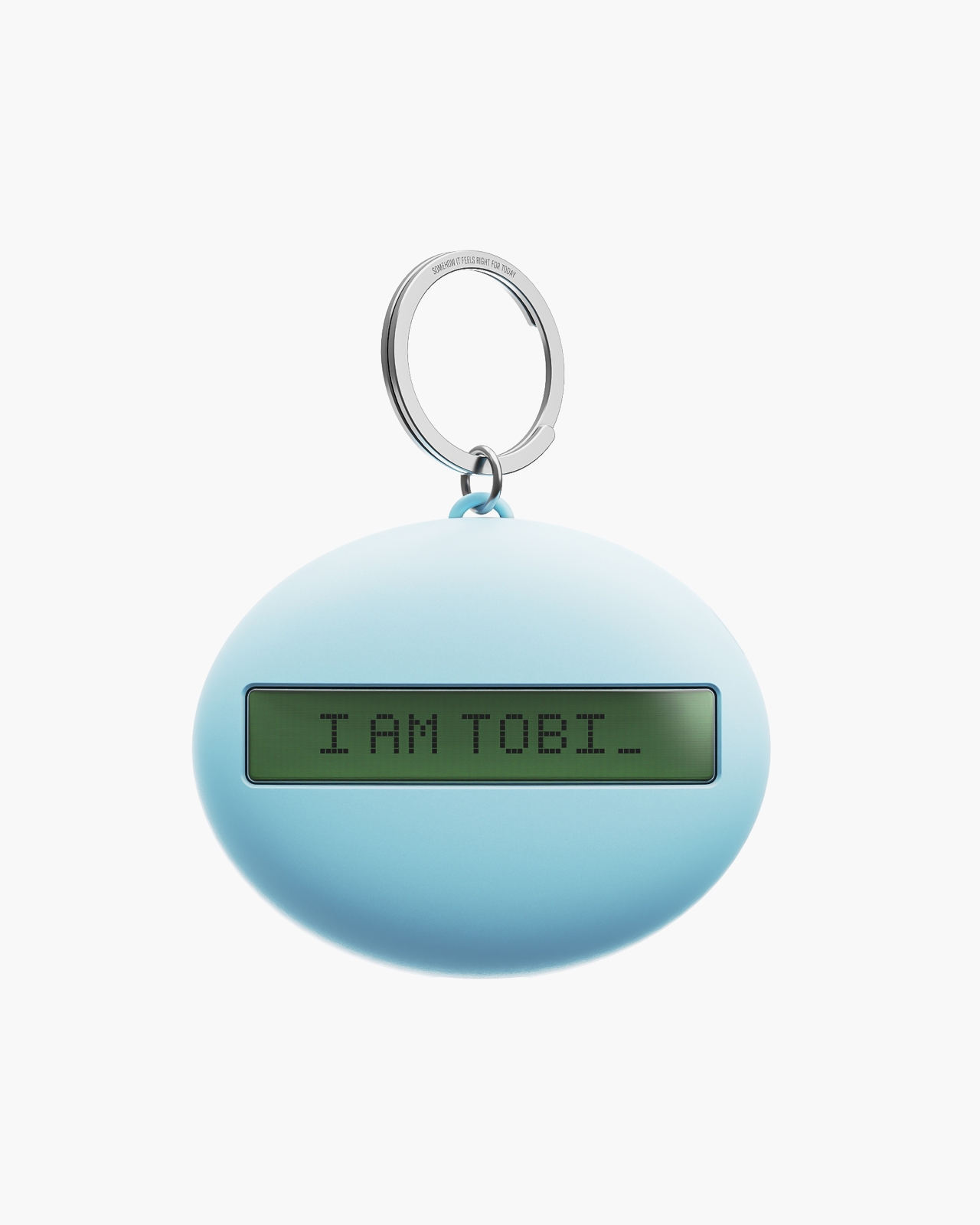
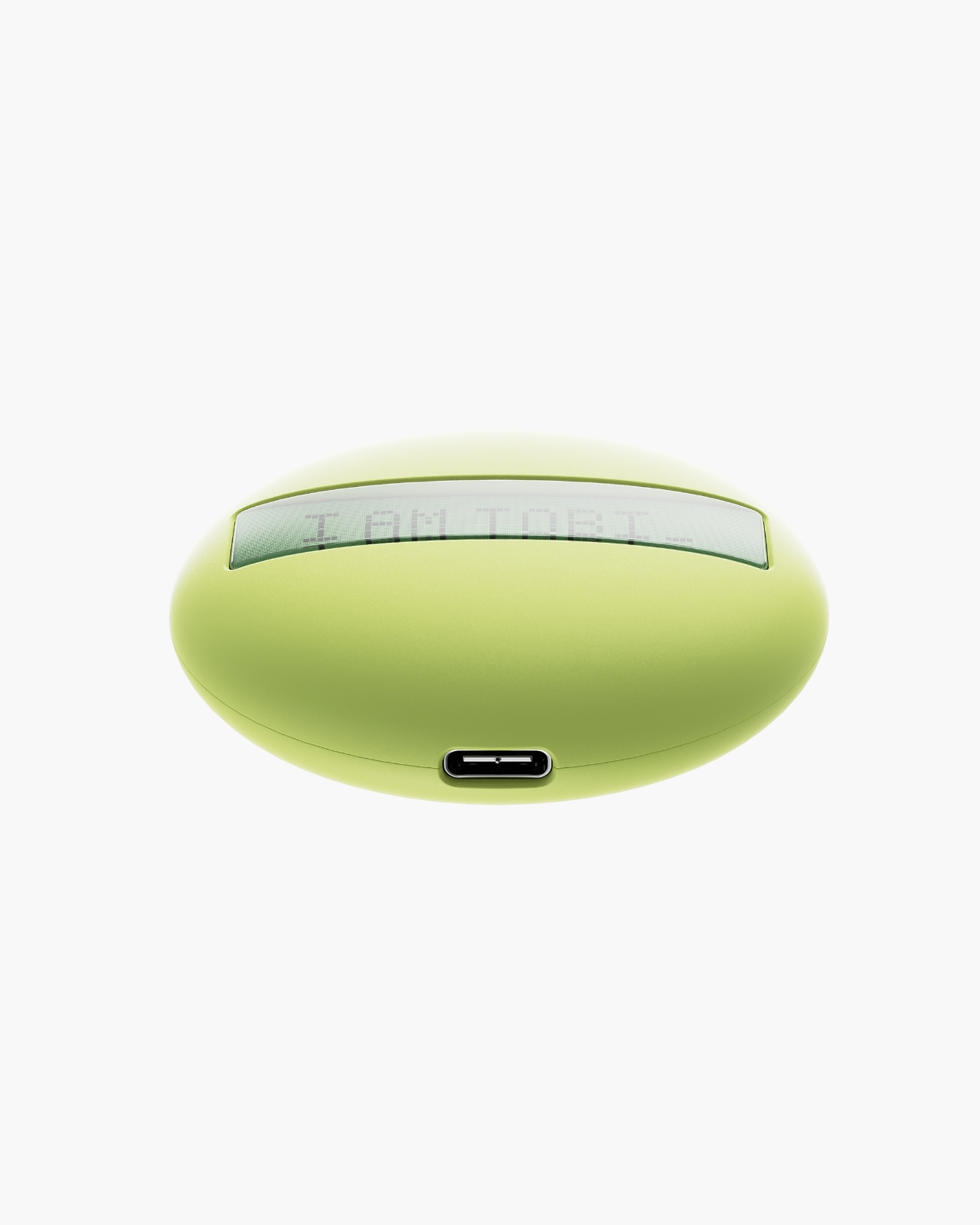
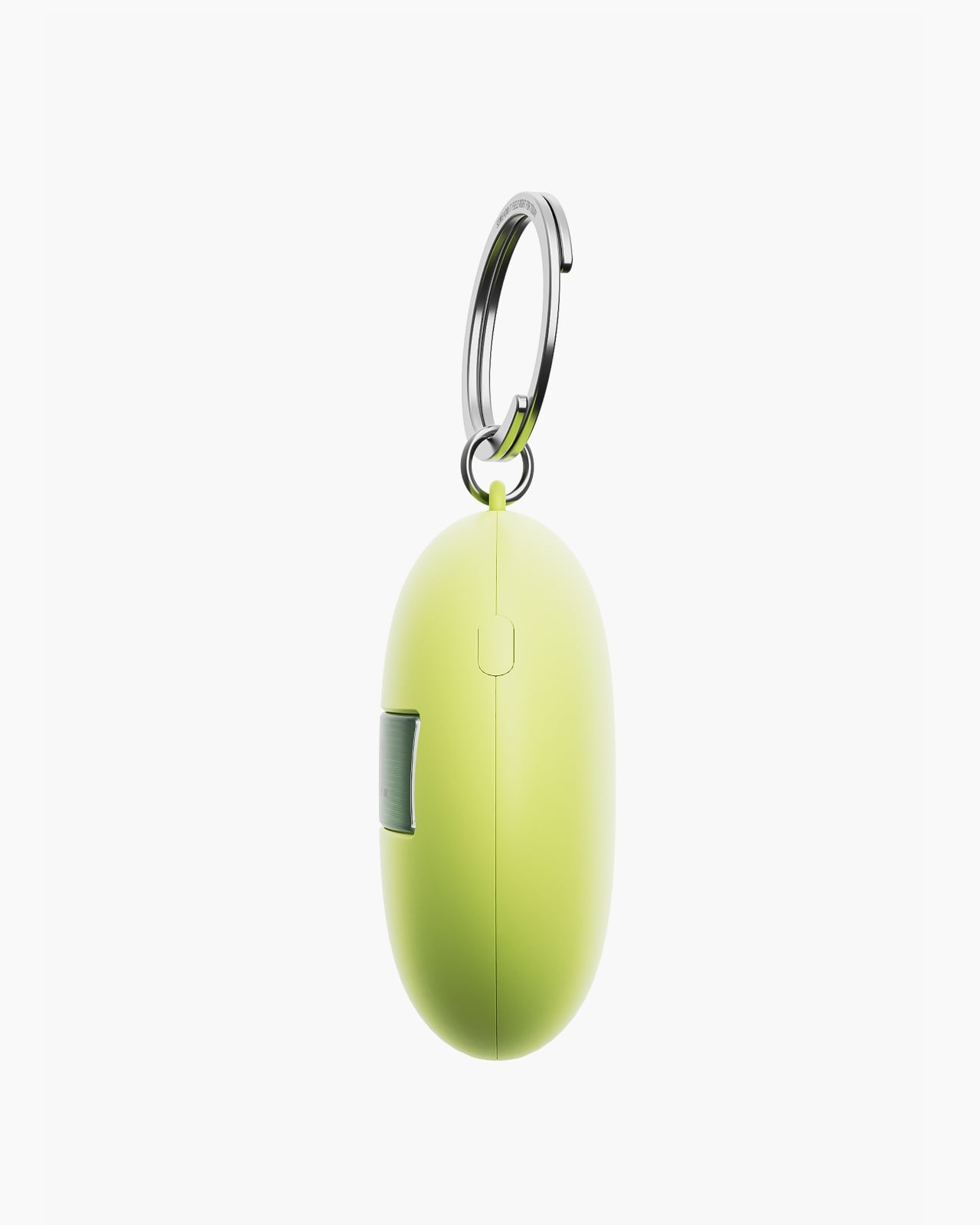
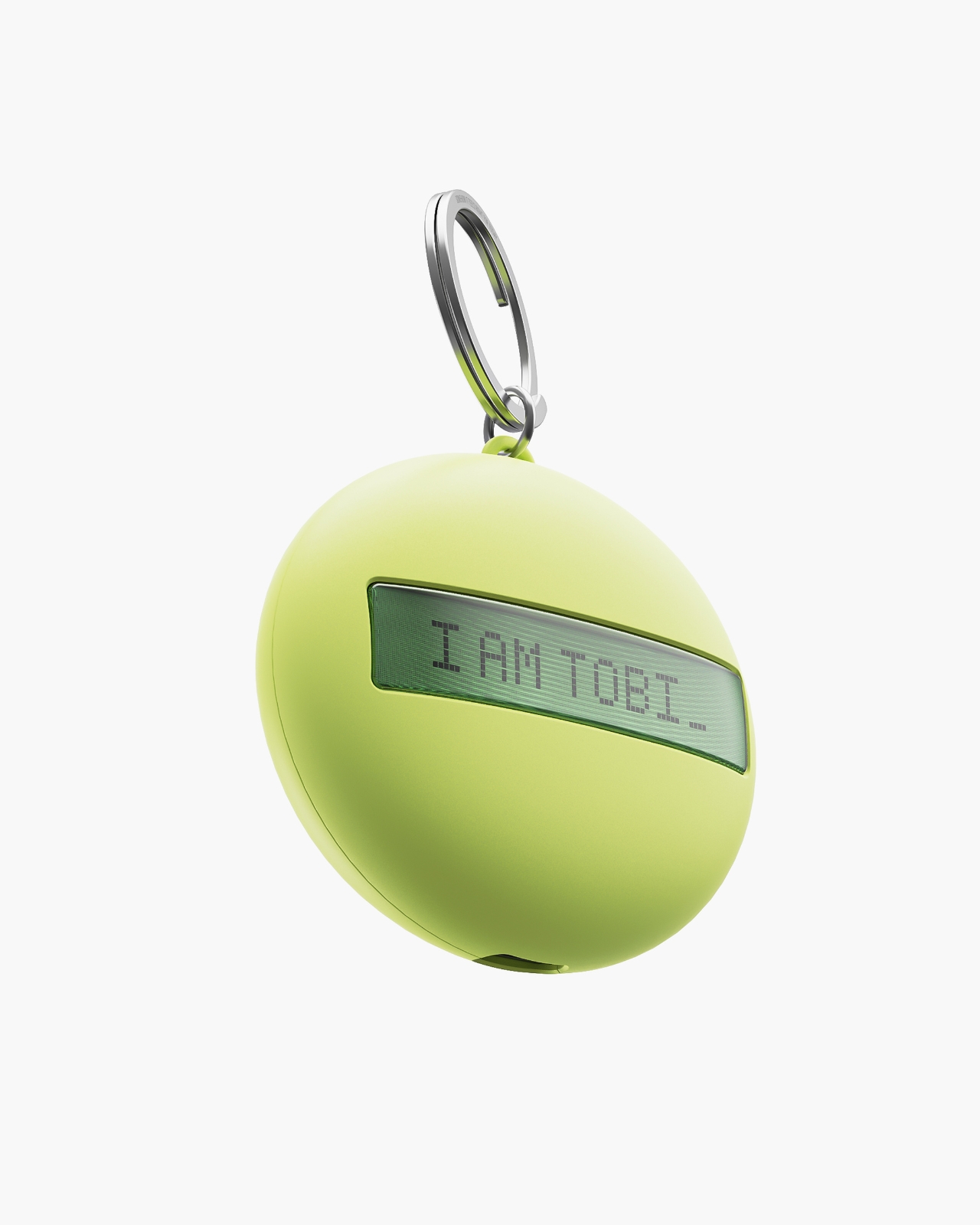
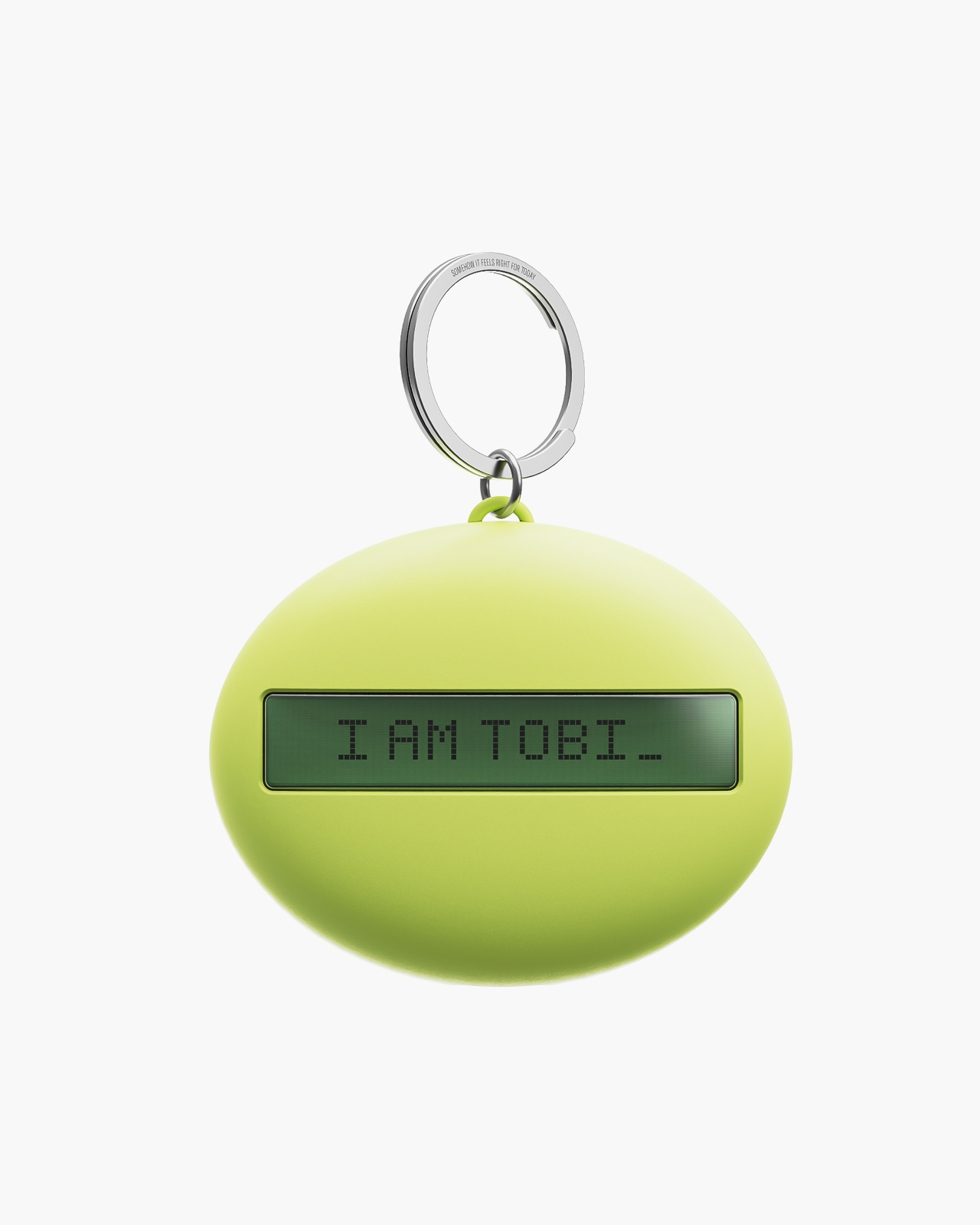
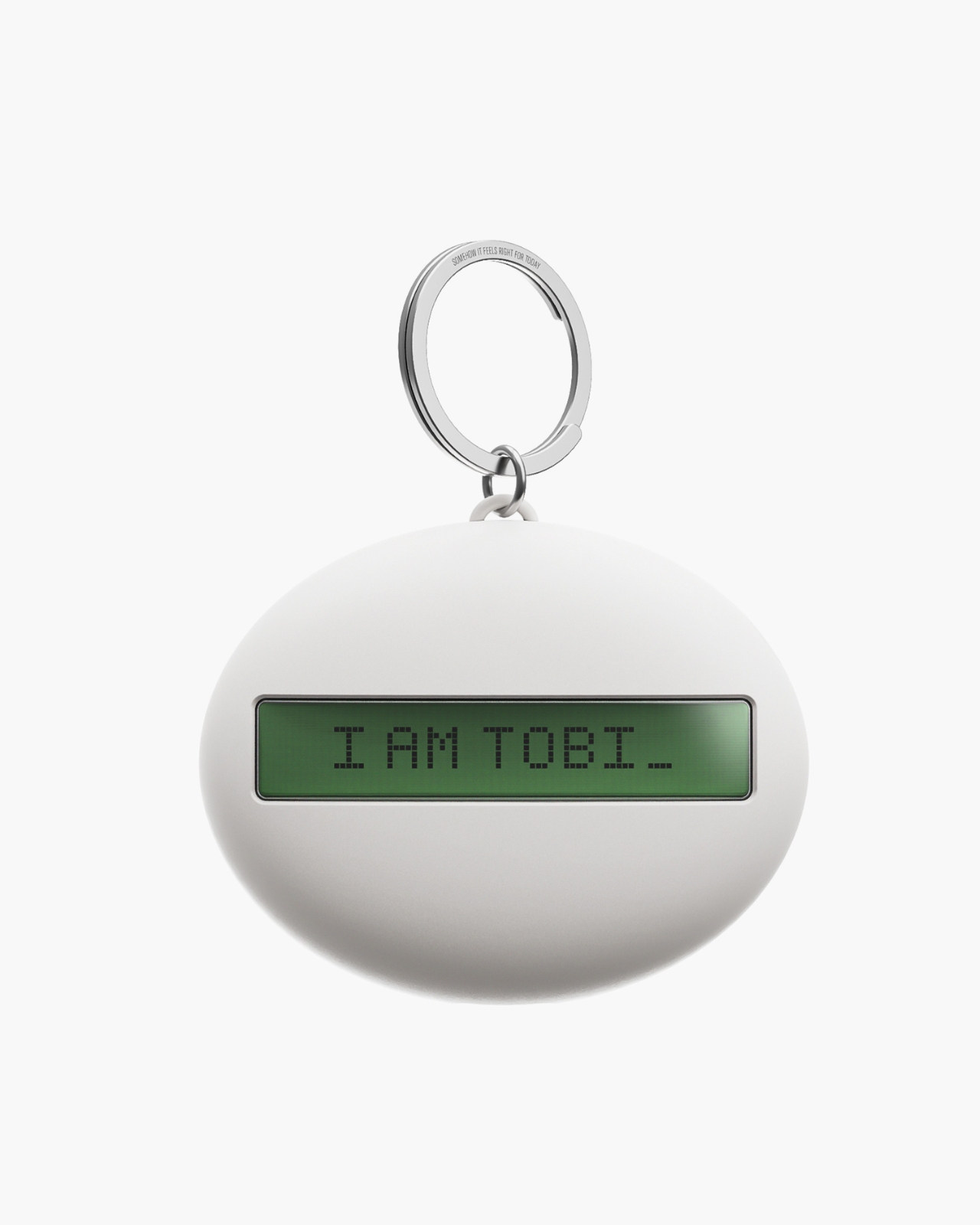
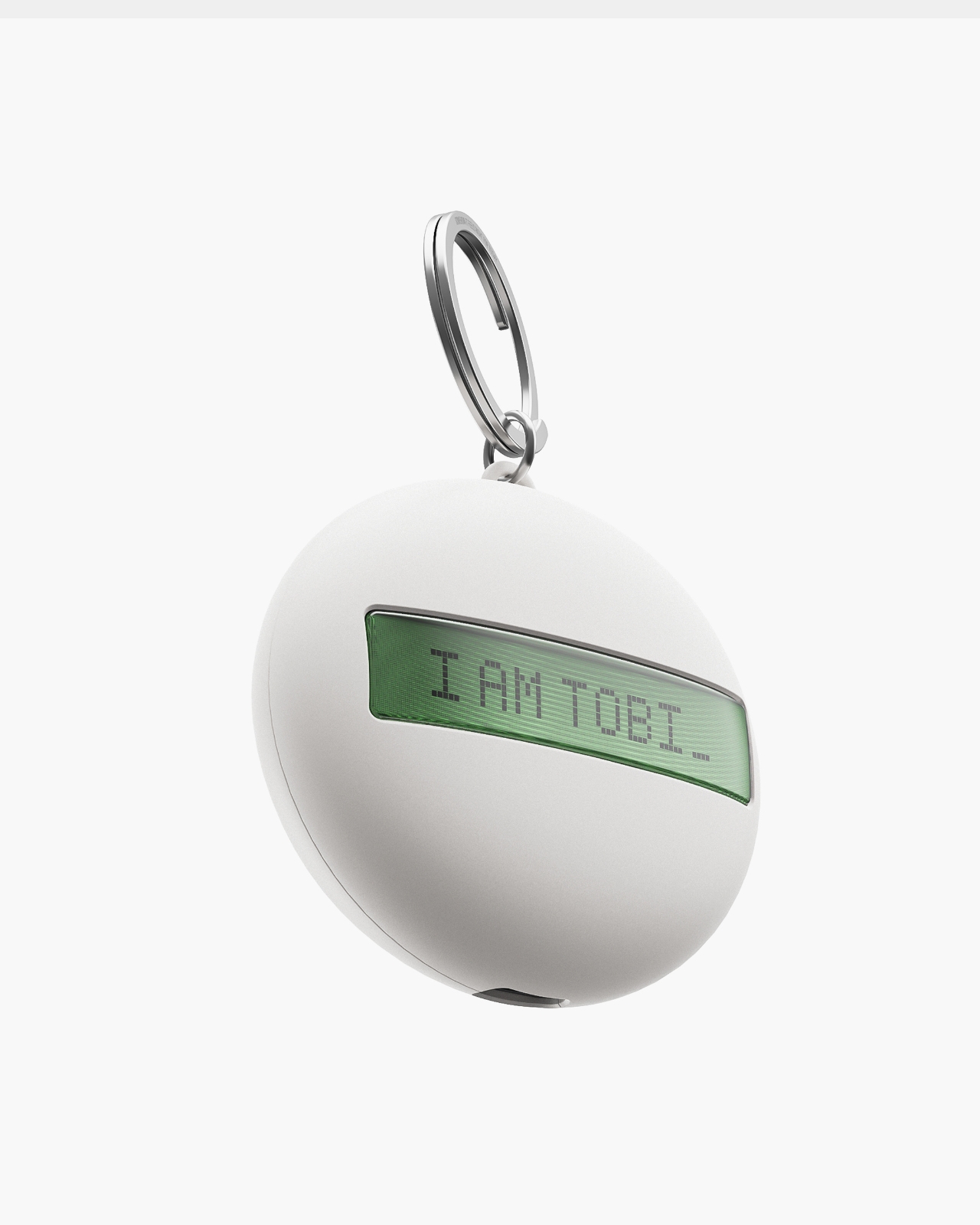
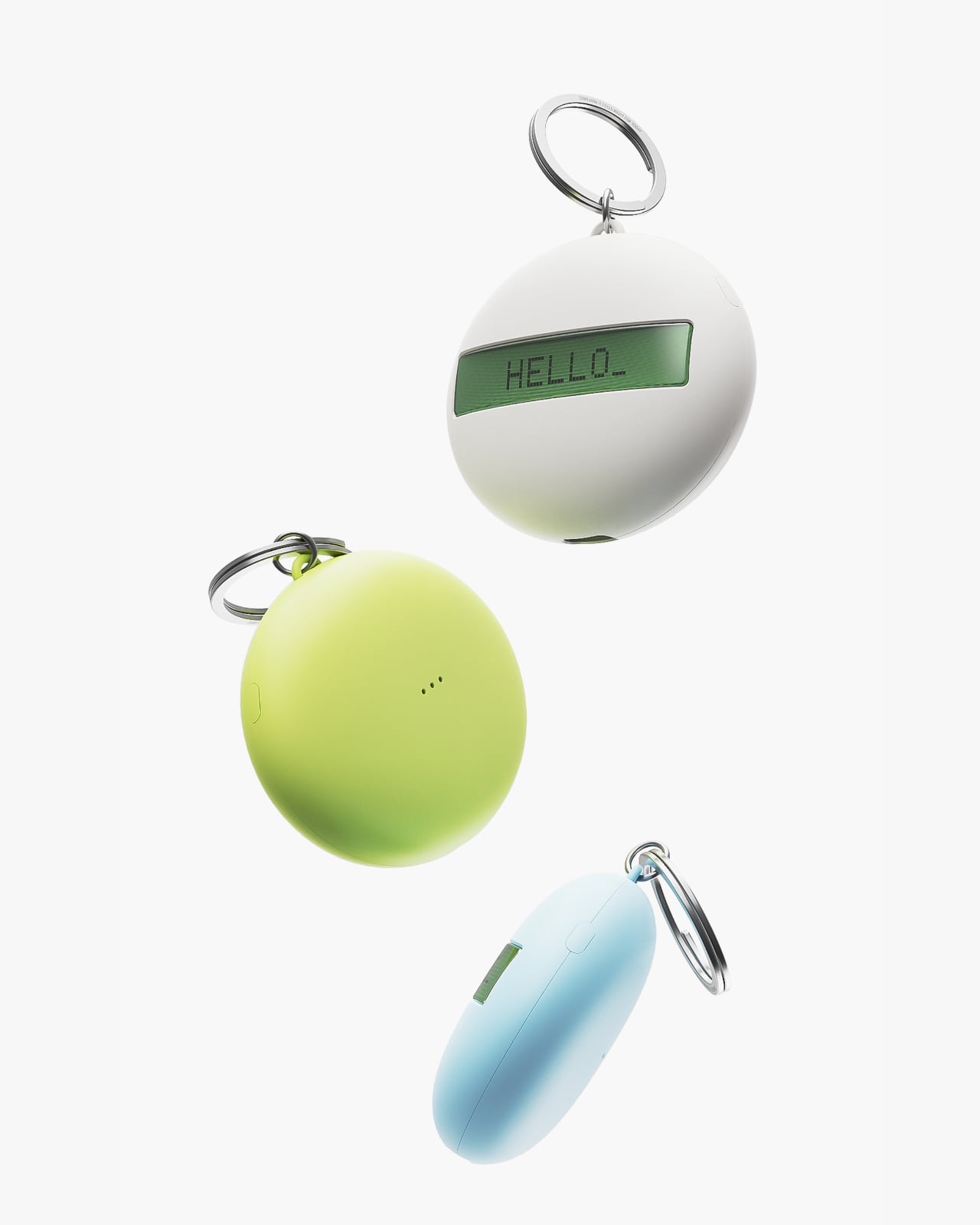
Meet Rebug, an urban insect adventure brand that’s basically the lovechild of Pokemon Go and a nature documentary. Created by designers Jihyun Back, Yewon Lee, Wonjae Kim, and Seoyeon Hur, this isn’t your grandmother’s butterfly net situation. It’s a whole ecosystem of beautifully designed products that make bug hunting feel less like a science project and more like the coolest treasure hunt ever.

Designers: Jihyun Back, Yewon Lee, Wonjae Kim, Seoyeon Hur

Create your own Aesthetic Render: Download KeyShot Studio Right Now!

The backstory here is actually pretty important. We’re living through what experts are calling “nature-deficit disorder,” which sounds made up but is very real. Studies show that kids who spend time outside are happier, more focused, and way less anxious than their indoor counterparts. But between screens and city living, most children today are more likely to recognize a YouTube logo than a dragonfly. The research is genuinely alarming: kids in urban areas with frequent smartphone use are significantly less likely to do things like bird watching or insect catching. Which, you know, makes sense when you think about it. Why chase bugs when you can watch someone else do it on TikTok?

But Rebug flips the script. Instead of fighting against technology or pretending cities don’t exist, it works with both. The product line is this gorgeous collection of bug-catching tools in these dreamy pastels and neon brights that look more like designer home accessories than kids’ toys. There’s a translucent pink funnel catcher, a sky-blue observation dome that works like a tiny insect hotel, and my personal favorite: the Ripple Sparkle.

This thing is genuinely clever. It’s a device that attracts dragonflies by mimicking water ripples with a rotating metal plate. Dragonflies are naturally drawn to polarized light on water, so this gadget basically speaks their language. No chemicals, no tricks, just pure science-based attraction. The insects come to investigate, kids get to observe them up close, and then everyone goes their separate ways unharmed. It’s like speed dating for nature education.

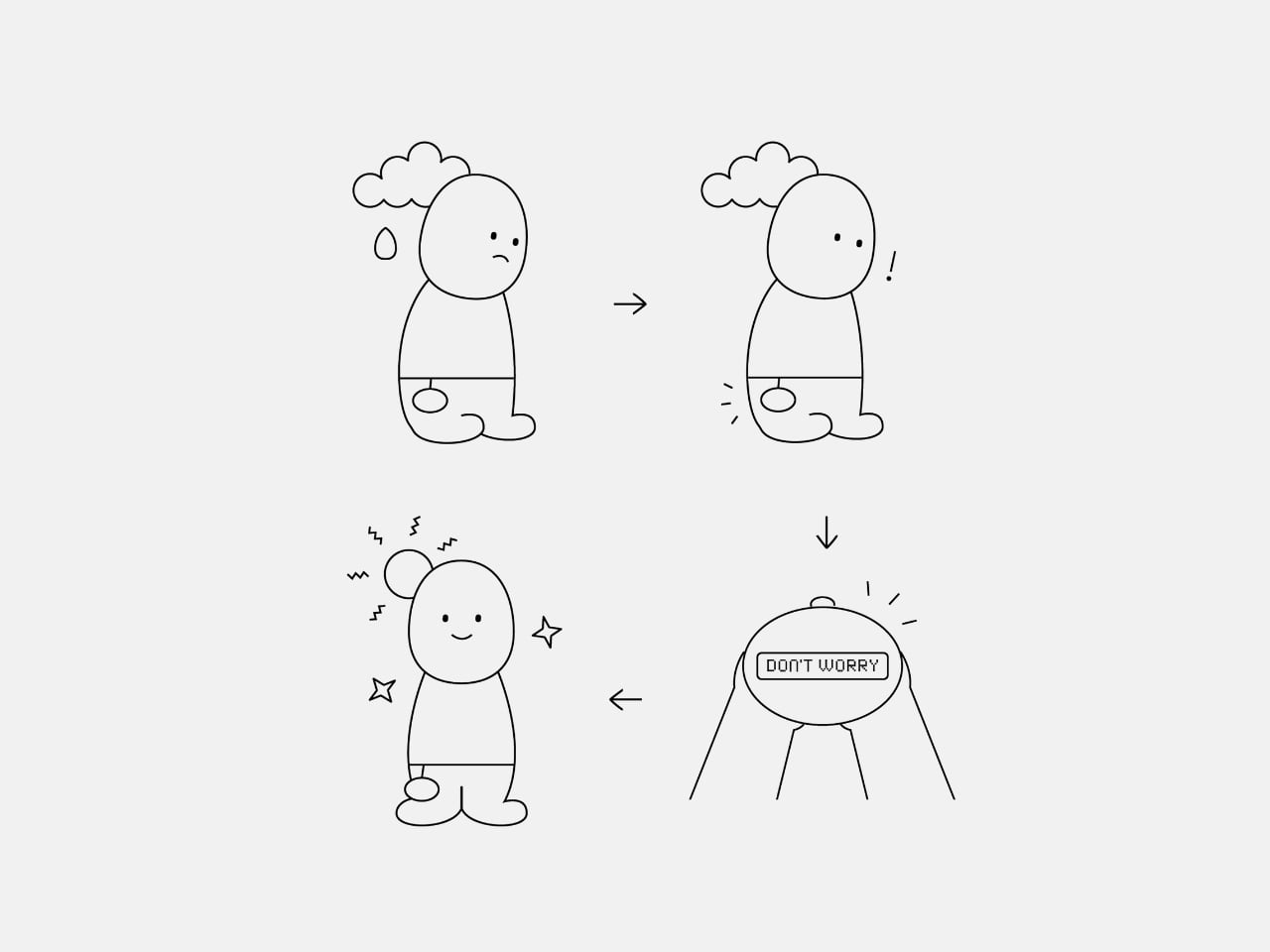
What really gets me about Rebug is how it bridges the digital and physical worlds without being preachy about it. The brand includes this whole archiving system with colorful record cards and an app interface where kids can document their finds. Instead of just telling children to “go outside and play,” it gives them a mission. How many insects did you meet today? Where did you find that beetle? The app turns each discovery into a collectible moment, which, let’s be real, is exactly how kids’ brains work these days.

The visual design is also doing the most in the best way. The branding uses this electric yellow, hot pink, and bright blue color palette that feels more streetwear than science kit. The graphics pull from three sources: actual insect shapes, children’s scribbles, and digital glitch effects. That last one is particularly smart because it literally visualizes the brand’s whole mission of shifting kids from digital errors to natural wonders. It’s the kind of layered design thinking that makes you go “oh, they really thought about this.”

And here’s what makes this feel so timely: Rebug proves that urban spaces aren’t nature deserts. You don’t need to drive to a national park to find wildlife. There are ecosystems thriving on your sidewalk, in your local playground, in that patch of grass between buildings. Research shows that urban families often don’t realize these opportunities exist or don’t see meaningful ways to interact with city nature. Rebug hands them the tools, literally and figuratively, to start looking differently at their environment.

Could a beautifully designed bug kit actually combat screen addiction and nature disconnect? Probably not single-handedly. But it’s a start, and more importantly, it’s a conversation starter about what childhood exploration can look like in 2025. Plus, those product photos are absolutely gorgeous, which never hurts when you’re trying to convince people to try something new. Sometimes the best design solutions don’t reinvent the wheel. They just make you excited to get off the couch.

The post Rebug: The Toy That’s Getting Kids Off Screens and Into Bugs first appeared on Yanko Design.

These Experimental Pencils Treat Writing as Performance Art

There’s something almost rebellious about spending serious design energy on a pencil. We’re constantly told that screens are the future and handwriting is obsolete but Korean design studio BKID went all in on the opposite direction. Their project “Write Draw Think” asks a question nobody knew they needed answered: what if we stopped taking the pencil for granted?

Created as research for the Hangeul Museum in 2025, this isn’t your standard stationery lineup. BKID developed sixteen experimental writing tools by deeply studying how we actually use pencils, the gestures we make, the habits we develop, the way our hands move when we’re focused versus when we’re exploring. The result is a collection that transforms writing from a mundane task into something physical, sculptural, and weirdly thought-provoking.

Designer: BKID

What makes this project fascinating is how BKID completely reframes what a writing tool can be. Instead of treating pencils as simple recording devices, they positioned them as bridges between our minds and our bodies. Each of the sixteen tools creates a different writing experience, which sounds abstract until you start thinking about what that actually means.

Some tools are designed for solo deep work, helping you sink into that flow state where writing becomes almost meditative. Others flip the script entirely, letting multiple people draw a single line together. Imagine trying to write collaboratively with someone, not taking turns but literally guiding the same mark at the same time. That’s the kind of weird, wonderful territory this project explores.

The design choices get granular in ways that reveal how much attention BKID paid to the actual mechanics of writing. Sharp writing tools emphasize the tension in letter structures, making you hyper-aware of angles and pressure. Round tools evoke something softer, tapping into the breathing quality of Korean vowels. These aren’t metaphors. They’re intentional formal decisions that change how your hand moves and how marks appear on paper.

What’s clever here is that BKID managed to make experimental design work that’s also genuinely functional. These aren’t precious art objects meant to sit behind glass (though they’re certainly sculptural enough for that). They’re meant to be used, tested, experienced. The project lives in that sweet spot where form follows function, but function also reveals new forms.

This also feels like a love letter to Korean typography. Hangeul, with its geometric clarity and systematic structure, offers rich territory for exploring how letterforms and tools influence each other. The project acknowledges that writing systems aren’t just abstract symbols but physical acts shaped by the tools that create them. By reimagining the tools, BKID opens up possibilities for reimagining the marks themselves.

In our current moment, where AI writes essays and voice memos replace handwritten notes, there’s something quietly radical about paying this much attention to analog tools. “Write Draw Think” doesn’t make arguments about the superiority of handwriting or romanticize the past. Instead, it proposes that the physical act of making marks still has untapped potential, that there are experiences and ideas accessible only through the direct connection between hand, tool, and surface.

The project also hints at something bigger about how we approach design problems. Rather than starting with aesthetics or jumping straight to solutions, BKID began with research into behavior and gesture. That grounding in actual use makes the experimental forms feel purposeful rather than arbitrary. It’s design that respects both craft tradition and avant-garde exploration without getting stuck in either mode.

For anyone interested in the intersection of design, culture, and everyday objects, “Write Draw Think” offers a reminder that innovation doesn’t always mean adding more technology or features. Sometimes it means stripping something down to its essence and asking what else is possible. It’s the kind of project that makes you look at your own pencils differently, wondering about all the ways you could write, draw, and think if only your tools invited different gestures.

The post These Experimental Pencils Treat Writing as Performance Art first appeared on Yanko Design.

PUM Imagines a Soft Exoskeleton Posture Wearable for Young Farmers

Most posture gadgets target office workers hunched over laptops, buzzing when your shoulders curl forward, or your neck drifts too far from neutral. Meanwhile, people doing physically demanding jobs, like young farmers, quietly rack up back pain and joint strain from long hours of bending, squatting, and lifting in fields. That strain is often treated as just part of the job until it becomes a serious problem threatening long-term health and livelihood.

PUM is a graduation project imagining a posture correcting wearable built specifically for young farmers. It is a soft exoskeleton harness with inflatable shoulder airbags, a back module full of sensors and a pump, and an app that tracks posture and guides stretching. It is designed as gear you put on with work clothes, not a medical device you remember after damage is done or when your back hurts badly enough to stop working.

Designers: Seulgi Kim, Gaon Park, Seongmin Kim

The harness wraps shoulders, torso, and thighs using wide, soft straps in muted blues and grays, with a waist belt anchoring a pebble-shaped module on the back. It aims to feel like a lightweight work vest rather than a rigid exoskeleton, avoiding bulky frames or hard edges. Leg straps and belt also double as attachment points for tools, folding ergonomic support into everyday workflow instead of adding another thing to carry.

The back module uses motion sensors to watch for deep or prolonged bending, sending data to a smartwatch and phone. When a farmer stays in a harmful posture too long, the system nudges them with an alert and, more interestingly, by slightly inflating the shoulder airbags. That gentle pressure on the upper back acts as a physical reminder to straighten up without constant buzzing or nagging notifications interrupting delicate planting or harvesting work.

The air system relies on small triangular airbags in shoulder straps connected to a pump and valves in the back module, controlled by a microcontroller and pressure sensor. When posture crosses a threshold, the pump adds air, and when the user corrects, it releases pressure. It is soft robotics used as a tap on the shoulder, a tactile cue instead of another screen telling you what to do or another alarm competing for attention.

The app layer lets farmers see how long they spent bent over, adjust how sensitive PUM is, and, at the end of the day, follow a stretching program tailored to that data. If the system saw lots of forward flexion, it suggests back extension and hamstring stretches. PUM does not clock out when fieldwork ends; it helps with recovery, so tomorrow starts from a better baseline instead of compounding yesterday’s strain into chronic issues.

PUM shifts the usual posture tech story away from offices and into fields, treating young farmers’ bodies as worth designing for. As a concept, it raises questions about durability in dusty, wet environments and whether farmers would wear a full harness every day. But it points toward a future where soft exoskeletons, air-driven feedback, and thoughtful service design quietly protect the people whose work keeps everyone else fed, instead of assuming physical labor is something bodies just endure until they break.

The post PUM Imagines a Soft Exoskeleton Posture Wearable for Young Farmers first appeared on Yanko Design.

Time Gets a Remix with This Hypnotic Spinning Clock

There’s something oddly satisfying about watching things spin. Maybe it’s the smooth rotation, the predictable yet mesmerizing motion, or just our collective fascination with anything kinetic. Whatever it is, designer Germain Verbrackel has tapped into that feeling with Clock&Roll, a timepiece that turns the simple act of checking the time into a visual experience you can’t look away from.

At first glance, Clock&Roll looks like a minimalist sculpture that belongs in a modern art museum. Two aluminum rings form a sleek torus shape, suspended vertically on a clean rectangular base. But this isn’t just eye candy for your desk or shelf. Those rings? They’re actually moving, gliding independently on precision bearings, each one tracking time in its own hypnotic rotation.

Designer: Germain Verbrackel

The genius here is in how the clock communicates time without numbers, hands, or a traditional face. Instead, small colored bands mark the hours and minutes on each ring. An orange segment on one ring, a blue one on the other. As external rollers built into the base push the rings into motion, these colored markers shift positions, creating an ever-changing display that’s equal parts functional and meditative to watch. It’s like someone took the mechanical beauty of old clockwork and gave it a sleek, contemporary makeover.

What makes Clock&Roll particularly interesting is how it challenges our relationship with timekeeping. We’re so used to glancing at digital displays or traditional clock faces that instantly tell us exactly what time it is. But this design makes you pause for a second, observe the position of those colored bands, and actually engage with the object. It’s a small moment of mindfulness in a world where we’re constantly checking our phones for the millionth notification of the day.

1

The materials play a huge role in the overall vibe. Aluminum gives the rings that perfect industrial-sleek look, somewhere between high-tech gadget and designer object. The finish has that subtle matte quality that catches light just right, while the white rollers and base provide a clean contrast that keeps everything balanced. And those pops of orange and blue? They’re not just practical markers but also inject personality into what could have been an entirely monochrome piece.

Verbrackel clearly had fun with the mechanics too. If you look closely at the base, you can spot the gears and motor system that drive the whole operation. Instead of hiding the machinery away, the design embraces it, showing you exactly how this kinetic magic happens. It’s honest engineering meets aesthetic appeal, which is pretty much the sweet spot for anyone who appreciates good industrial design.

Clock&Roll also plays with scale in an interesting way. It’s substantial enough to be a statement piece, something that commands attention in a room, but not so large that it overwhelms your space. You could see it living happily on a modern office desk, a minimalist living room shelf, or even in a creative studio where it would fit right in with other design-forward objects. There’s also something inherently playful about the name and concept. “Clock&Roll” obviously riffs on rock and roll, complete with the little hand gesture emoji, and that rebellious spirit comes through in the design itself. This isn’t your grandmother’s mantel clock or even your standard smartwatch. It’s time reimagined for people who appreciate when everyday objects get a creative twist.

Since most of us check the time on our phones or smartwatches, a dedicated clock needs to justify its existence. Clock&Roll does exactly that by offering something those digital displays can’t: a tactile, visual, almost sculptural experience of time passing. It’s functional art that happens to tell you when you’re running late for your next meeting. Whether you’re a design enthusiast, a lover of kinetic art, or just someone who appreciates when familiar objects get reinvented in unexpected ways, Clock&Roll is the kind of piece that makes you rethink what a clock can be. Sometimes the best designs are the ones that take something we see every day and spin it in a completely new direction.

The post Time Gets a Remix with This Hypnotic Spinning Clock first appeared on Yanko Design.

Smart Healing: A Concept For AI Powered Burn Treatment

We’ve reached that fascinating point where medical care is starting to look less like a hospital trip and more like a beautifully designed tech accessory you’d actually want sitting on your bathroom counter. Enter Retune, a concept device from designer Yewon Lee that imagines what could happen when wound care meets sophisticated technology.

At first glance, Retune looks like it could be a high-end electric toothbrush or maybe one of those fancy skincare tools that influencers rave about. The minimalist silver cylinder sits elegantly on a white charging base, giving off serious Apple Store vibes. But this concept isn’t about vanity. It’s about envisioning how legitimate medical treatment could integrate into your daily routine without the hassle of clinic visits or the anxiety of wondering if you’re doing it right.

Designer: Yewon Lee

Here’s the thing that makes this concept genuinely interesting. The proposed device would use an AI-powered camera to actually scan your burn or scar, assess what’s going on, and then deliver customized LED light therapy based on what it finds. We’re not talking about guesswork or one-size-fits-all settings. The system would analyze the severity of scarring and inflammation in real time, then adjust the treatment accordingly. It’s like imagining a dermatologist’s diagnostic skills packed into something you can hold in one hand.

The envisioned process is refreshingly simple. You’d scan the affected area with the AI camera, wait for the device to analyze what it sees, and then it would provide the appropriate treatment. No complicated menus to navigate, no wondering if you’ve selected the right setting. The intelligence would be baked right into the device itself, working without needing constant connectivity or cloud processing. Your wound data stays on the device, which is honestly a relief in an era where everything seems to require an app and an internet connection.

What really sets this concept apart is its non-contact approach. The device would hover above your skin during treatment, never actually touching the wound. This is brilliant design thinking because it eliminates the risk of secondary infection, which is often a major concern with burn care. You’re already dealing with damaged skin. The last thing you need is introducing bacteria or irritating the area further with direct contact. LED light therapy works perfectly for this kind of application because light doesn’t need to touch to be effective.

The concept addresses first and second-degree burns, inflammation, and scar treatment. We’re talking about kitchen accidents, sun exposure gone wrong, that curling iron mishap, or those persistent scars you’ve been trying to fade. It’s not meant for severe third-degree burns, which absolutely require professional medical attention. But for the everyday injuries that would normally have you making multiple trips to a clinic for follow-up care, Retune proposes a compelling alternative.

There’s something quietly revolutionary about the idea that regular treatment could happen anywhere, anytime. Maybe you’re dealing with a healing burn and you’re traveling for work. Maybe you have limited mobility and getting to appointments is genuinely difficult. Maybe you just want to treat your scar while watching Netflix instead of sitting in a waiting room flipping through outdated magazines. This concept makes all of that feel possible.

The design language here speaks to a larger trend we’re seeing in how designers envision future healthcare devices. There’s a growing understanding that medical tools don’t have to look clinical and intimidating. They can be objects you’re comfortable having in your living space, devices that feel more like wellness tools than medical equipment. Yewon Lee clearly understands this shift. Retune looks like it belongs in a contemporary home, not a hospital supply closet.

LED therapy itself has been gaining serious traction in both medical and cosmetic applications. Different wavelengths of light can reduce inflammation, promote healing, and improve the appearance of scars. It’s non-invasive, painless, and backed by legitimate research. Pairing this proven technology with AI assessment creates a concept that feels genuinely forward-thinking rather than gimmicky.

As a design concept, Retune points toward an intriguing future where personalized medical care happens increasingly at home, guided by intelligent devices that can actually see what’s happening and respond accordingly. Whether this exact vision becomes reality or not, it’s the kind of thoughtful speculation that makes you rethink what’s possible when design, technology, and healthcare converge. And honestly, that’s exactly what great concept design should do.

The post Smart Healing: A Concept For AI Powered Burn Treatment first appeared on Yanko Design.

This Car Key Fob Doubles as a Retro Gaming Console

Remember the pure, unfiltered joy of steering a remote-control car around your living room as a kid? That magical feeling of control, the anticipation as you pressed the buttons, watching your tiny vehicle zoom across the floor? Designer Ishwari Patil remembers too, and she’s asking a pretty wild question: what if you could feel that same rush with your actual, full-sized car?

Enter Playfob, a concept that’s here to shake up one of the most overlooked objects in our daily lives. Think about it. We obsess over our phone cases, carefully curate our accessories, and treat our watches as extensions of our personality. But car key fobs? They’ve been stuck in design purgatory, purely functional gray blobs we shove into pockets and forget about. Patil saw this gap and decided to do something about it.

Designer: Ishwari Patil

The genius of Playfob lies in its refusal to play it safe. This isn’t just a key fob with a few extra features slapped on. It’s a complete reimagining of what this everyday object could be. The device transforms into a compact gaming console, complete with that glorious Game Boy-inspired aesthetic, bright nostalgic colors, and a monochrome screen that immediately transports you back to simpler times. When you dock it in your car, it connects to the vehicle’s screen, turning waiting time into playtime.

But here’s where it gets really interesting. Playfob taps into something designers call the “kidult” trend, where adults aren’t just tolerating nostalgic design but actively seeking it out. We want objects that bring comfort and joy, that remind us of times when things felt less complicated. It’s why we see grown adults collecting toys, why retro gaming is having such a massive moment, and why anything that evokes childhood gets us reaching for our wallets.

Of course, a key fob still needs to be, you know, a key fob. Playfob doesn’t sacrifice functionality for fun. It includes Bluetooth connectivity, on-screen feedback when you lock or unlock your car, and GPS-enabled parking assist for those moments when you’ve wandered through three parking garage levels and have absolutely no idea where you left your vehicle. These features bring the humble fob into the modern age without losing sight of its core purpose.

Then there’s the feature that really brings the remote-control car fantasy full circle. Using the built-in D-pad (yes, just like your old Nintendo controller), you can actually move your car remotely in tight spaces. Squeezed into a parking spot with barely enough room to breathe? No problem. Navigate your car out from the comfort of the sidewalk. It’s practical, sure, but it’s also just incredibly cool.

The design itself is deliberately larger than typical key fobs, and that’s entirely the point. While most fobs are designed to disappear, Playfob wants to be seen. It features a rubberized grip that feels good in your hand, intuitive button layouts that make sense without needing a manual, and those vibrant colors that make it feel less like a tech accessory and more like a statement piece. It’s meant to dangle from your bag, to spark conversations, to be an object you actually enjoy carrying around.

What makes this concept so compelling is how it challenges our assumptions about automotive design. Cars have become increasingly personalized over the years, with customizable interiors, ambient lighting, and infotainment systems that sync with our digital lives. Yet somehow, the thing that literally gives us access to all of this remained stubbornly utilitarian. Playfob suggests that every touchpoint matters, that even the smallest interaction with our vehicles could be an opportunity for delight rather than drudgery.

Patil developed this concept during a summer internship at Tata Motors, which makes you wonder what else might be possible when young designers are given the freedom to question conventions. Playfob might be a personal project, but it represents something bigger: a shift toward designing objects that don’t just work well but feel good to use, that acknowledge our emotional needs alongside our practical ones.

Whether or not we’ll ever see Playfob in production remains to be seen. But as a design statement, it’s already succeeded in making us reconsider what a car key could be. And honestly? It makes every boring black fob in existence look just a little bit sadder by comparison.

The post This Car Key Fob Doubles as a Retro Gaming Console first appeared on Yanko Design.

GaN Charger Lets You Swap Plugs, Stack Blocks, Pick Your Wattage

GaN chargers have gotten smaller and more efficient over the years, but they still look like anonymous black or white bricks. Most people toss them in a bag and forget about them, and if you travel frequently, you end up carrying a separate adapter for different plug types. It’s functional but incredibly boring, and the whole category feels like it stopped trying once the engineers got the size and wattage right.

Bang Design’s LEGO-inspired GaN charger is an intern project that tries to make chargers fun and modular instead. The concept treats the charger as a colorful block system, with different cubes for different wattages and swappable plug modules for different countries. It’s patent-pending but still just a concept, though it looks polished enough that you could imagine buying a set off a shelf and arranging them on your desk like tiny toys.

Designer: Bang Design

Every module is a perfect cube or tall cuboid with sharp edges and flat faces that instantly read as building blocks. The 65 W version has a red top half, white bottom half, and large “65 W” printed on one side in light gray type. A subtle asterisk mark on the top hints at a LEGO stud without copying it directly. The rest of the family uses green, blue, yellow, and pastel beige blocks with the same bold geometry.

One green cube houses a sliding plug carriage with metal prongs that can be removed and replaced with different pin standards for US, Indian, or European outlets. A rectangular recess on one face holds the carriage, and gold contacts inside suggest a cartridge-style electrical connection. The plug becomes just another swappable piece of the system rather than something permanently wired to the charger, which is the whole point.

Different wattage blocks have different port configurations. The blue 30 W cube has one USB-C port, the yellow 120 W block has three outputs, and the beige version mixes USB-A and USB-C. Users could pick the block that matches their device or build a small family that shares the same plug module. The big printed wattage numbers make it easy to grab the right cube without squinting at tiny labels.

One cube plugs into the wall while the other blocks sit on the desk like small sculptures. The chargers stop being clutter to hide and start looking like a collection you might actually enjoy arranging. The LEGO reference makes the whole setup feel approachable and almost toy-like, especially compared to the usual tangle of anonymous black bricks and bulky travel adapters that most people carry around.

Turning this into a real product would mean solving serious issues around safety certifications, heat dissipation, and mechanical durability for those swappable parts. But the concept is still valuable because it shows how even a commodity accessory can carry personality and systems thinking. The LEGO-inspired GaN charger hints at a future where chargers are not just smaller and faster, but also more playful and easier to live with.

The post GaN Charger Lets You Swap Plugs, Stack Blocks, Pick Your Wattage first appeared on Yanko Design.
A Cordless Kitchen Processor Soft Enough to Leave Out All Day

If you cook in a small kitchen, you already know the choreography. The toaster gets shoved into a cabinet so the kettle can come out. The air fryer lives on the floor of a pantry. Power cords drape across the counter like tripwires. It is domestic Tetris, and it rarely looks good.

That is the quiet problem the Food Sitter Cooking Processor, designed by Qi Liu, is trying to solve. On paper it is a cordless, multifunctional food processor that chops, blends, and whisks. In reality it feels more like a friendly little gadget that wants to restore some visual calm to your kitchen.

Designer: Qi Liu

The first thing that stands out is the form. Instead of the usual squat base with a forest of buttons, this processor reads almost like a compact handheld vacuum crossed with a milk frother. A clean cylinder holds the motor and battery, with a straight handle projecting from the side and a clear jar below. The lines are smooth and rounded, and the whole object looks soft without being cute for the sake of it.

Color does a lot of the emotional work here. The palette of cream white, gentle gray, and lemon yellow is closer to lifestyle accessories than industrial appliances. These are the kinds of colors you expect from a Scandinavian lamp or a wireless speaker, not a device that pulverizes garlic. That choice is intentional. Food Sitter positions itself as a Korean kitchen lifestyle brand with the motto “Less Effort, More Joy,” and the processor fits that promise. It is designed to sit out in the open without visually shouting.

Cordless power is the other big shift. The processor has a built in battery and charges via USB, which instantly changes how and where you use it. No cord means you can move from counter to dining table to balcony without hunting for an outlet. It is easy to imagine it on a picnic table, pureeing salsa next to a portable speaker, or on a camping trip where it turns into a tiny off grid prep station. The portability feels closer to a tech gadget than a traditional kitchen tool, and that is part of the appeal.

Functionally, the product leans into modularity. Interchangeable blades and accessories cover three core jobs chopping, blending, and whisking. In design terms it is a single platform with multiple behaviors. Instead of owning a separate chopper, mini blender, and hand whisk, you swap attachments on one compact base. That reduces clutter and, importantly, visual noise. One small cylinder on your shelf looks a lot better than three unrelated appliances with three different design languages.

The interaction details are refreshingly straightforward. There is a clear top hole for feeding ingredients, paired with a small stick that nudges food down toward the blades. It is almost analog in spirit. You are still present in the process, but the tool does the heavy lifting. The controls are minimal, with a small display for on off and speed, and a single main button. It feels closer to using a simple audio player than programming a blender.

Cleaning, the step that often kills our enthusiasm for kitchen gadgets, is handled with the same clarity. Every food contact part is designed to come apart quickly. Blade, jar, and lid separate for a rinse under the tap, no awkward crevices or trapped onion pieces. That kind of invisible design work is what makes a product move from novelty to daily habit.

What makes this project interesting beyond the kitchen is how it merges three worlds. From a design perspective, it borrows the soft minimalism of contemporary home objects. From tech, it adopts battery power, portability, and a restrained interface. From pop culture, it taps into our current love of “tiny living” and curated domestic aesthetics. It is the kind of object you can imagine on Instagram next to a latte and a stack of cookbooks, but it also has the chops to justify its presence.

For modern homeowners especially those living in apartments or shared spaces that blend work, life, and cooking into one room this balance matters. We want tools that earn their footprint. The Food Sitter Cooking Processor feels like a response to that desire. It is compact, visually calm, and flexible enough to support both weekday meal prep and weekend kitchen experiments. In the end, this is not just another food processor. It is a small argument for a different kind of kitchen where technology is cordless and quiet, aesthetics are part of function, and the tools that help you cook are pleasant enough to leave out in plain sight.

The post A Cordless Kitchen Processor Soft Enough to Leave Out All Day first appeared on Yanko Design.
5 KeyShot Renders With Lighting So Perfect, You Wish They Were Real Products

There’s something magical about watching a design concept come to life before it ever physically exists. That’s the power of KeyShot Studio, the rendering software that lets designers test their wildest ideas, play with materials and lighting, and present their visions with stunning photorealistic clarity. For those of us who obsess over beautiful objects and dream about perfectly curated spaces, KeyShot renders are like candy for the eyes: they show us what could be, all wrapped up in gorgeous visuals that make us think, “I need that in my life right now.”

This collection of KeyShot-rendered concepts proves that the best designs don’t just look good; they solve real problems with style and wit. From furniture that fits in a suitcase to clocks that respect your rental deposit, these five concepts showcase how designers are reimagining everyday objects through a minimalist lens. Each piece started as an idea, was meticulously crafted in KeyShot, and emerged as something we’re genuinely excited about. Whether you’re a design collector, a function-obsessed minimalist, or someone who just appreciates when smart meets beautiful, these concepts will make you fall in love with the art of possibility.

Create your own Aesthetic Render: Download KeyShot Studio Right Now!

1. Carousel Chair by Alessandro Pagura

When I see that a piece of furniture needs to be assembled if I buy it, I immediately back away because I am not the brightest when it comes to following instructions and using various tools. But if the promise is that it’s as easy as building a Lego set (which isn’t always that easy TBF), I might reconsider. The Carousel Chair concept by Alessandro Pagura promises that all you need is an Allen key to set it up and that it’s actually pretty accessible.

The pieces are made from standard plywood and off-the-shelf hardware, and once put together, you get a simple and minimalist chair with clean, rounded lines and a distinctive segmented backrest. The curved seat design is probably meant to make your tush a bit more comfortable even when sitting on it for a long time. This isn’t just eye candy for your space but ingeniously practical. The entire chair breaks down and tucks neatly into a suitcase, requiring only an Allen key for assembly. No complex instructions, no specialized tools, no stress. It also brings the spirit of DIY accessibility, democratizing furniture design and making it more open and shareable through open-source CNC plans.

2. Wall Clock by Marc Senar

Say goodbye to wall damage and hello to effortless style with this genius suction-mounted wall clock concept. Crafted from smooth, durable plastic with an organic, pebble-inspired silhouette, this timepiece is a renter’s dream and a perfectionist’s best friend. No screws, no drill holes, no dust clouds, and definitely no noise: just peel, press, and you’re done. The innovative suction system adheres securely to any smooth surface, making it perfect for bathroom tiles, kitchen backsplashes, or glossy bedroom walls where you’d never dare break out the power tools.

Envisioned in soft, sophisticated colorways including crisp white and warm amber orange, this concept clock brings a playful yet refined touch to any space. The clean face features easy-to-read numerals with contrasting hands (love that pop of orange!), while the gently curved form adds sculptural interest without overwhelming your aesthetic. Whether you’re decorating a rental apartment, refreshing a spa-like bathroom, or simply avoiding another DIY disaster, this design concept shows how functional pieces can respect both your walls and your sanity. Time-telling has never looked this stress-free.

3. RW Tea Candle by Design in Depth

Roll the dice on ambiance with this clever candle holder concept that takes the gamble out of mood lighting. Inspired by the iconic shape of a gaming die, this sleek metallic cube features the classic dot pattern on its sides while the top surface holds three tea light candles in perfectly positioned wells. Crafted with a sophisticated matte finish, it’s a playful nod to chance and risk, but the only thing you’re betting on here is creating the perfect cozy atmosphere. No odds, no stakes, just pure flickering flame and conversation-starting style.

This design concept transforms an everyday object into sculptural art that’s equal parts functional and fun. The geometric precision and minimalist aesthetic make it a stunning centerpiece for modern interiors, while the cheeky dice reference adds personality and edge. Imagine it gracing your coffee table during game night, adding drama to a bookshelf display, or bringing unexpected whimsy to a sophisticated dinner setting. For collectors who appreciate design with a sense of humor and anyone who loves when form meets witty function, this dice candle holder concept proves that the best designs know how to play.

4. Ennea Light by Have Not

The Ennea Light concept reimagines illumination as pure geometry, where nine perfectly arranged spheres create a mesmerizing grid of light and shadow. Supported by sleek chrome legs that give it an almost whimsical stance, this sculptural lamp is designed to be as versatile as it is beautiful. The genius lies in its dual personality: face it toward a wall and it becomes soft ambient lighting that bathes your space in a dreamy glow, or turn it forward to showcase those glowing orbs as a statement art piece. Available in glossy black, pure white, or luminous configurations, each sphere works in harmony to create depth and visual rhythm that feels both futuristic and timeless.

This design concept embodies minimalist philosophy through mathematical precision and balance. The name “Ennea” (Greek for nine) celebrates the power of repetition and order, where individual points of light unite into a cohesive plane that feels greater than the sum of its parts. Perfect for design collectors who appreciate the intersection of form and function, or anyone drawn to pieces that transform a room’s entire atmosphere. Whether perched on a sideboard, bedroom shelf, or modern console, the Ennea Light concept proves that sometimes the most captivating designs are built on the simplest foundations: perfect spheres, precise spacing, and the magic of light.

5. SETTIME by Design Woork

This SETTIME concept reimagines how we experience the passing of time through ultra-minimalist design that’s more art object than alarm clock. With its sleek circular profile and impossibly thin silhouette, this timer device distills functionality down to its purest essence. The face features a clean, uncluttered surface with subtle controls tucked discreetly along the side, while the overall form takes inspiration from a perfectly balanced water droplet. Available in sophisticated monochrome options of deep black or crisp white, the concept comes in packaging as elegant as the product itself, with a beautifully simple line drawing that captures the device’s graceful proportions.

Designed for those who appreciate when technology knows how to disappear into the background, this SETTIME concept would be equally at home on a minimalist desk, modern kitchen counter, or serene bedroom nightstand. The ultra-slim profile means it takes up virtually no space while making maximum visual impact, proving that timekeeping devices don’t need to shout to be noticed. For design collectors who value restraint and refinement, or anyone tired of cluttered, over-designed tech, this concept shows how beautiful simplicity can be when every element serves a purpose. Time, distilled to its most elegant form.

Create your own Aesthetic Render: Download KeyShot Studio Right Now!

The post 5 KeyShot Renders With Lighting So Perfect, You Wish They Were Real Products first appeared on Yanko Design.
Come Together Adds Rolling Speaker and Mini Fridge to Your Couch

TVs keep getting brighter and sharper, but the viewing experience is still broken up by small, annoying tasks. Getting up for a drink, fiddling with lights, or pausing mid-scene to adjust the volume. These micro-interruptions chip away at immersion more than we admit. Come Together is a concept that tries to design around those gaps instead of just upgrading the panel, treating the home theater as a full ecosystem rather than a screen on a wall.

Come Together is a three-part home theater system made up of a Tower, a Base, and a Station. It’s meant to sit alongside a premium TV as an accessory, not replace it. The Tower handles drinks, lighting, and phone charging. The Base handles spatial sound and movement. The Station is a compact dock that cools, charges, and keeps everything ready for the next movie night.


Designer: Woojin Jang

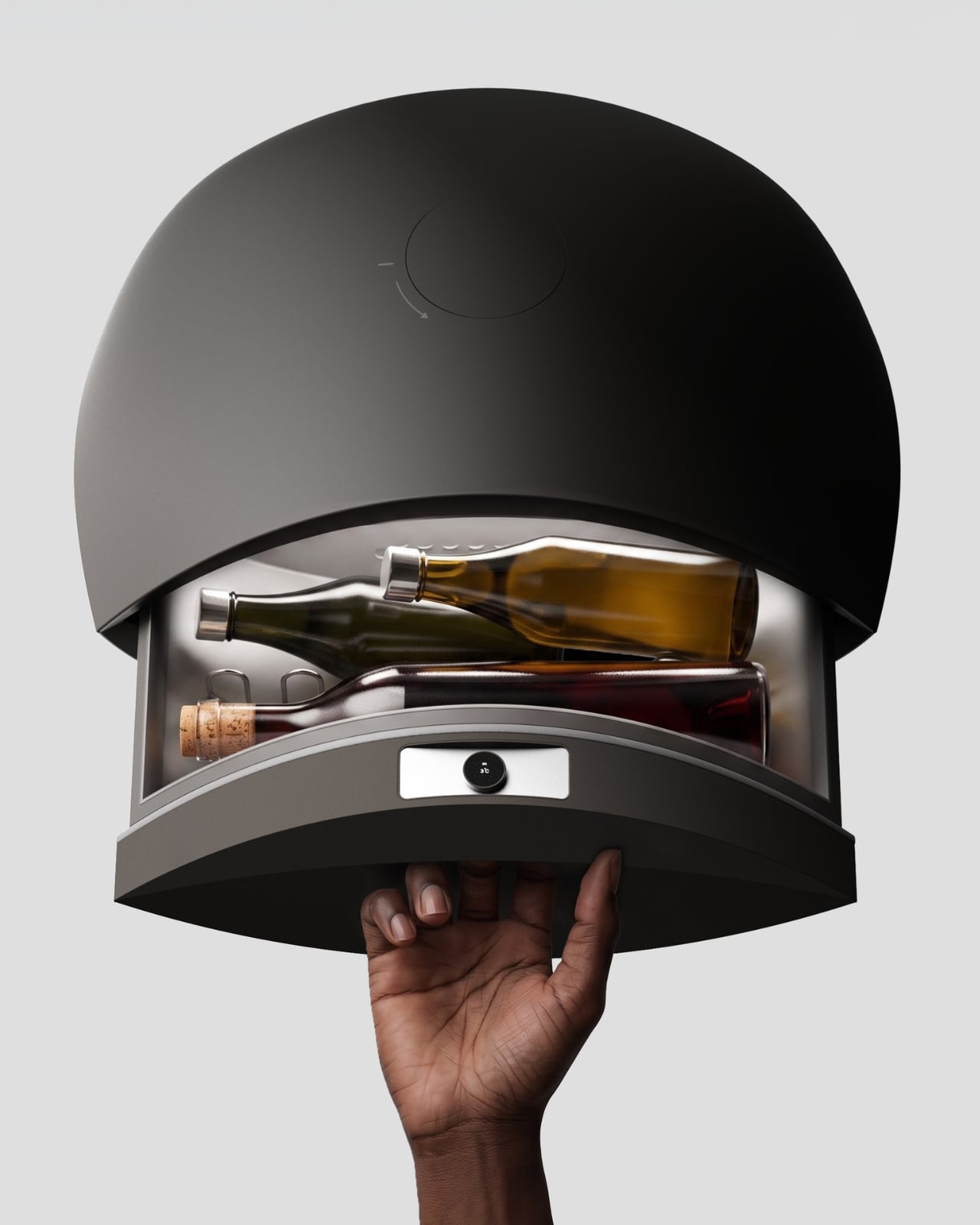
Most of the time, the Tower sits as a calm black cylinder, but when needed, it rises up to reveal a mini fridge that can hold up to five cans. An optional tray on top can be swapped in for snacks. Adaptive mood lighting under the top disc syncs with what’s on screen, and the very top surface doubles as a Qi2 wireless charging pad for your phone, so it doesn’t die halfway through a marathon.

Instead of a static soundbar, the Base is a circular spatial sound unit with drivers arranged around its perimeter and a 3D ToF sensor for spatial awareness. It maps the room, figures out where you’re sitting, and quietly rolls itself to the best spot for audio. The drive system borrows from robot vacuums, but here the goal is better sound rather than clean floors or delivering drinks in an awkward dance.

The Station is a small, low-profile dock that the system returns to when it’s done. There, it recharges and cools the mini fridge for the next session. A simple display on top shows the time and the fridge temperature, giving you just enough information at a glance. The Station keeps the whole setup feeling like a single, coherent appliance rather than a pile of separate gadgets fighting for outlets and attention.

All three components share a cylindrical, black-glass aesthetic that feels more like high-end audio gear than robots. The Tower’s rising motion and glowing top give it a bit of theater without tipping into gimmick. The Base and Station stay visually quiet, so the TV remains the focal point while the system supports it in the background, both literally and in how it shapes the room.

Come Together shows how robotics might slip into home entertainment without feeling like sci-fi props. By bundling drinks, lighting, and spatial sound into a calm, coordinated system, it treats immersion as something you can design from end to end. For anyone who’s ever hit pause just to grab a drink, the idea of a home theater that comes to you is appealing.

The post Come Together Adds Rolling Speaker and Mini Fridge to Your Couch first appeared on Yanko Design.