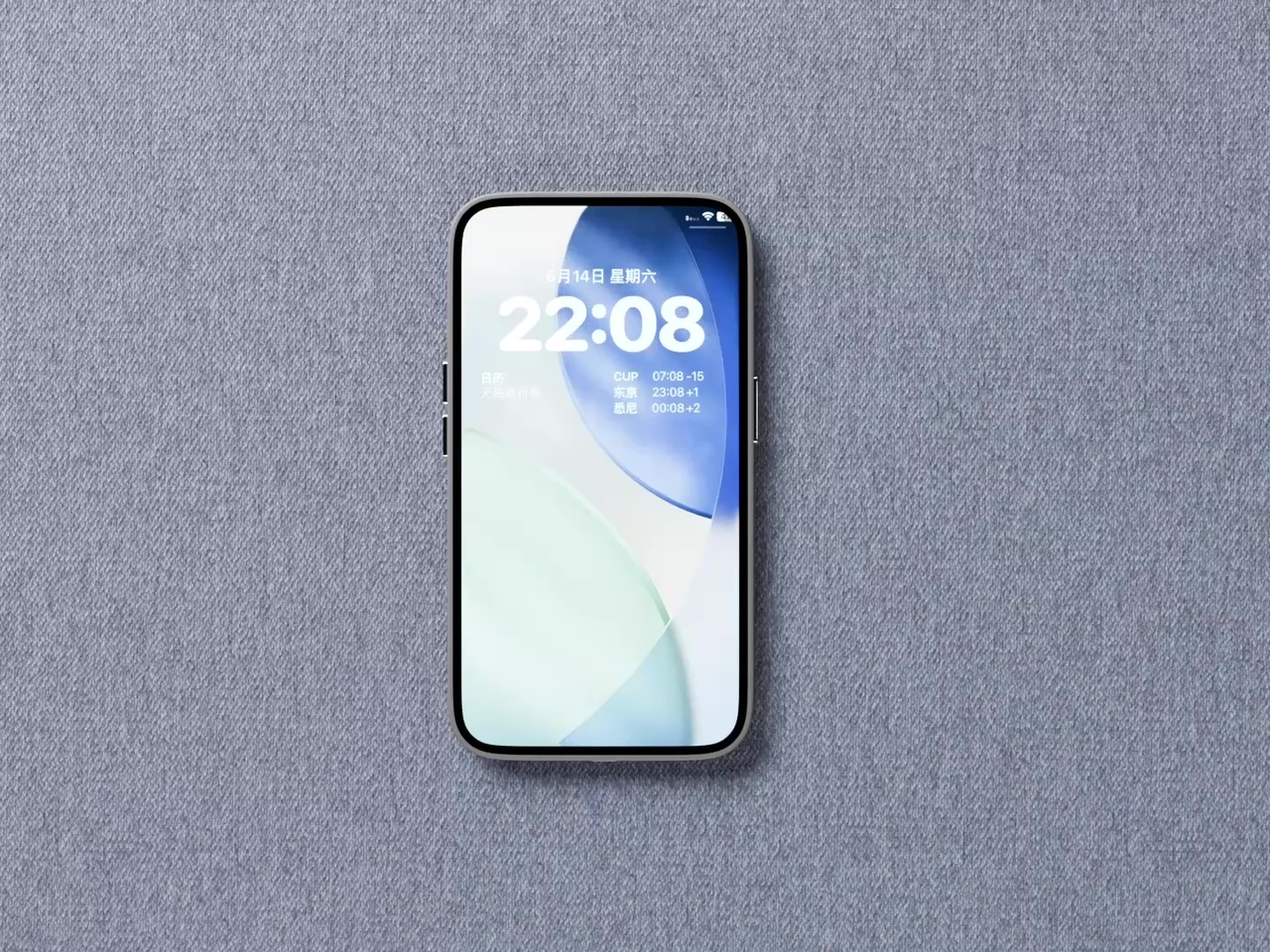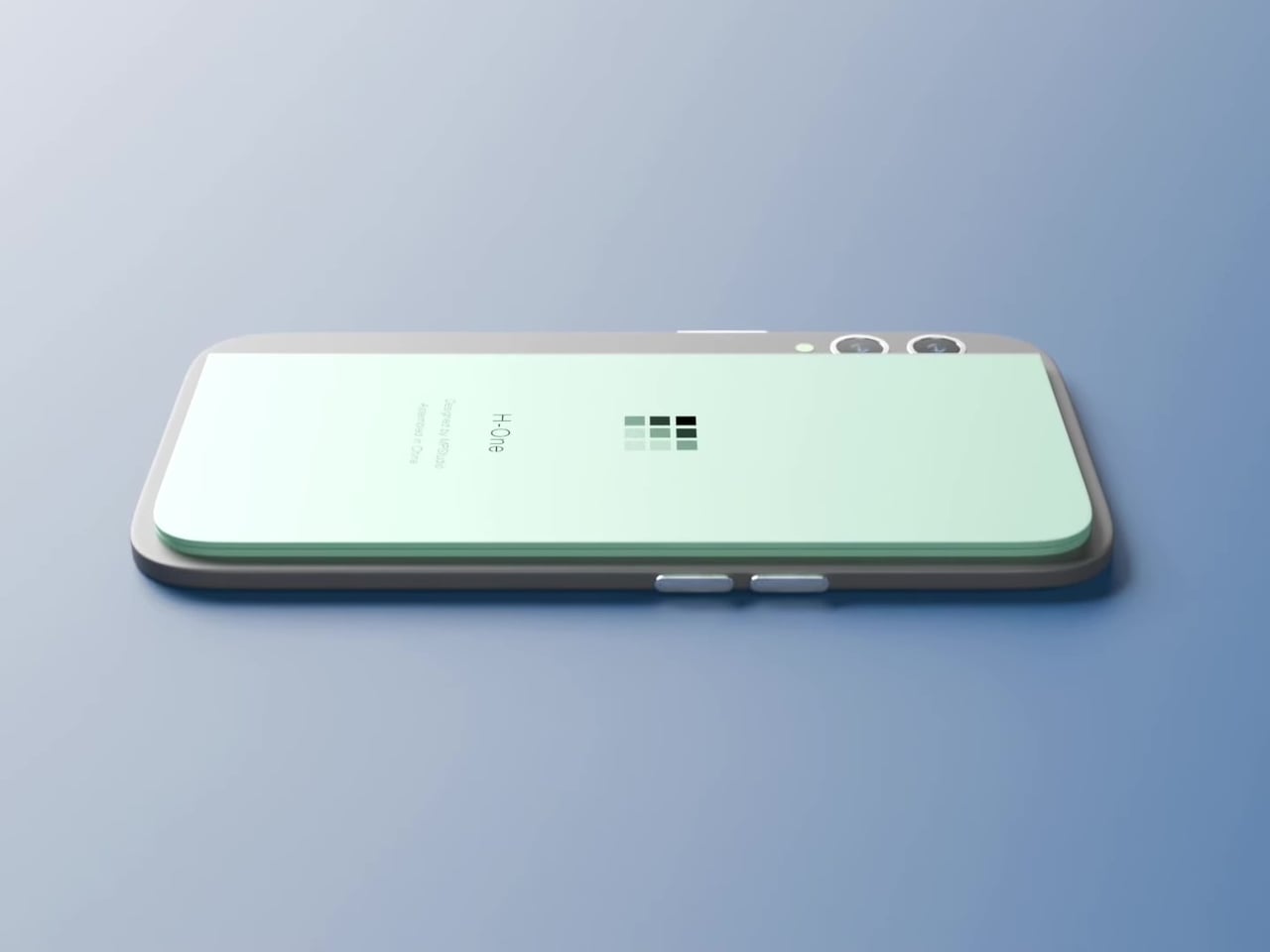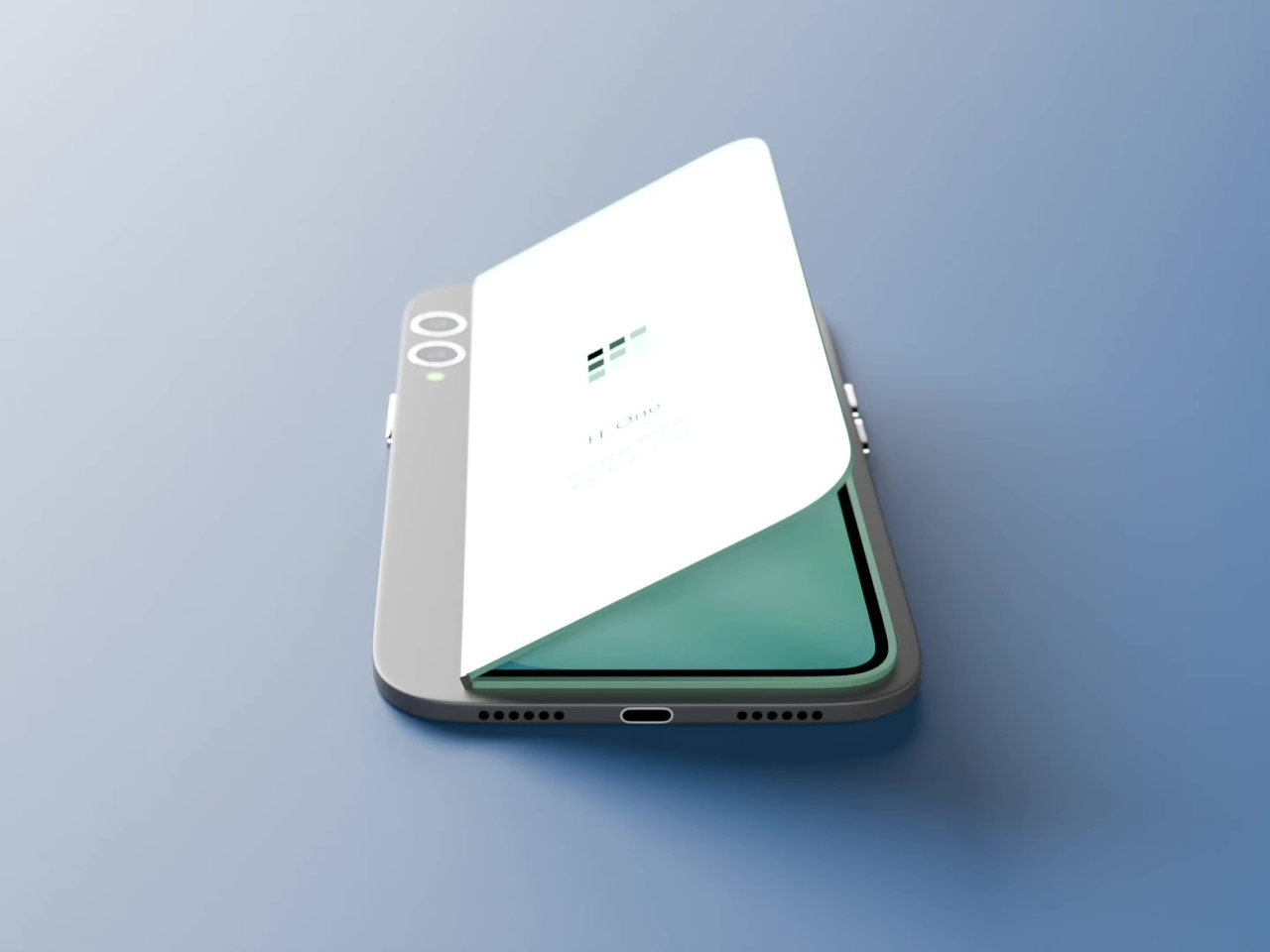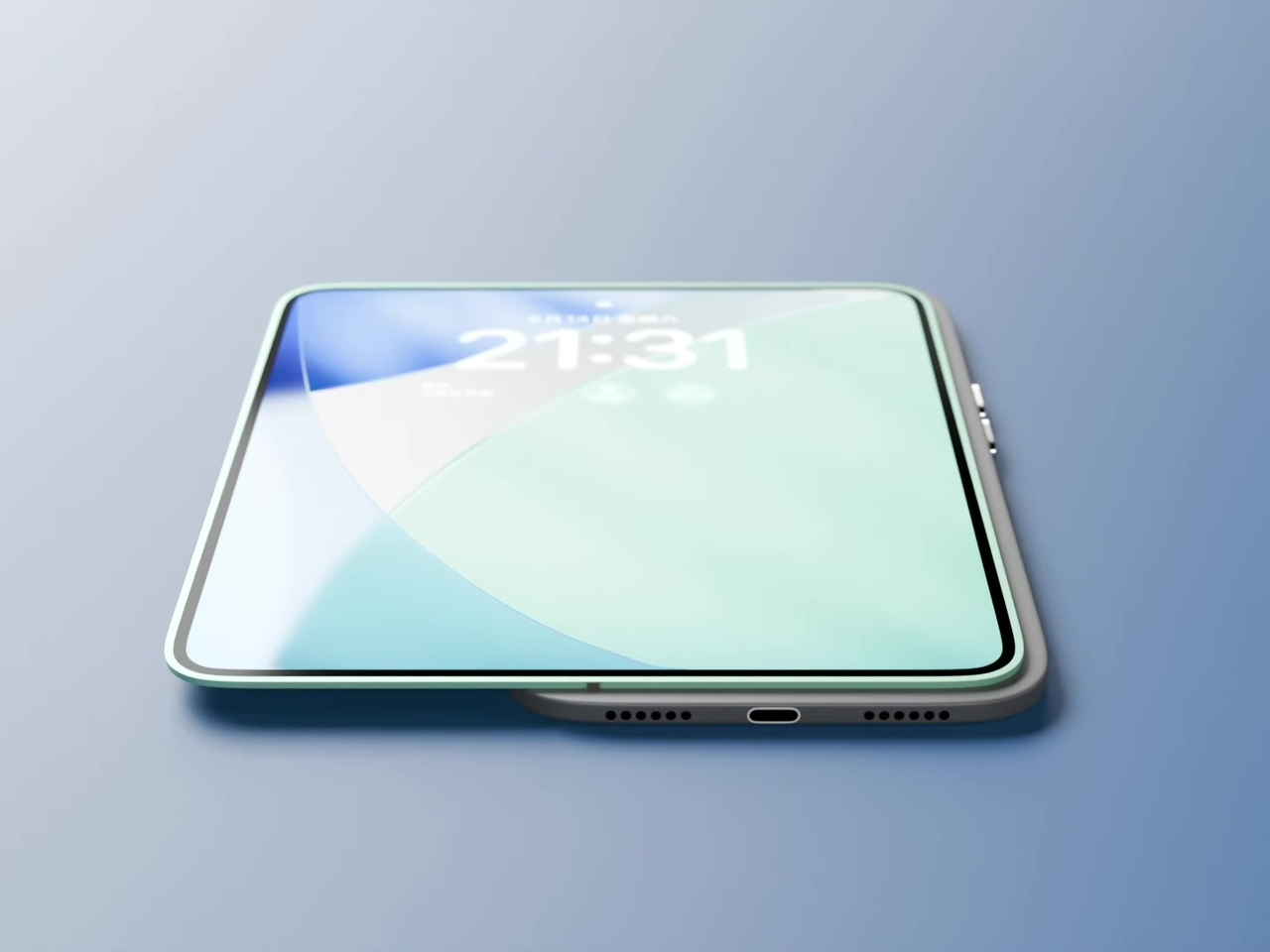
Samsung Ditches Galaxy S26 Edge plans for an even slimmer handset called the ‘More Slim’

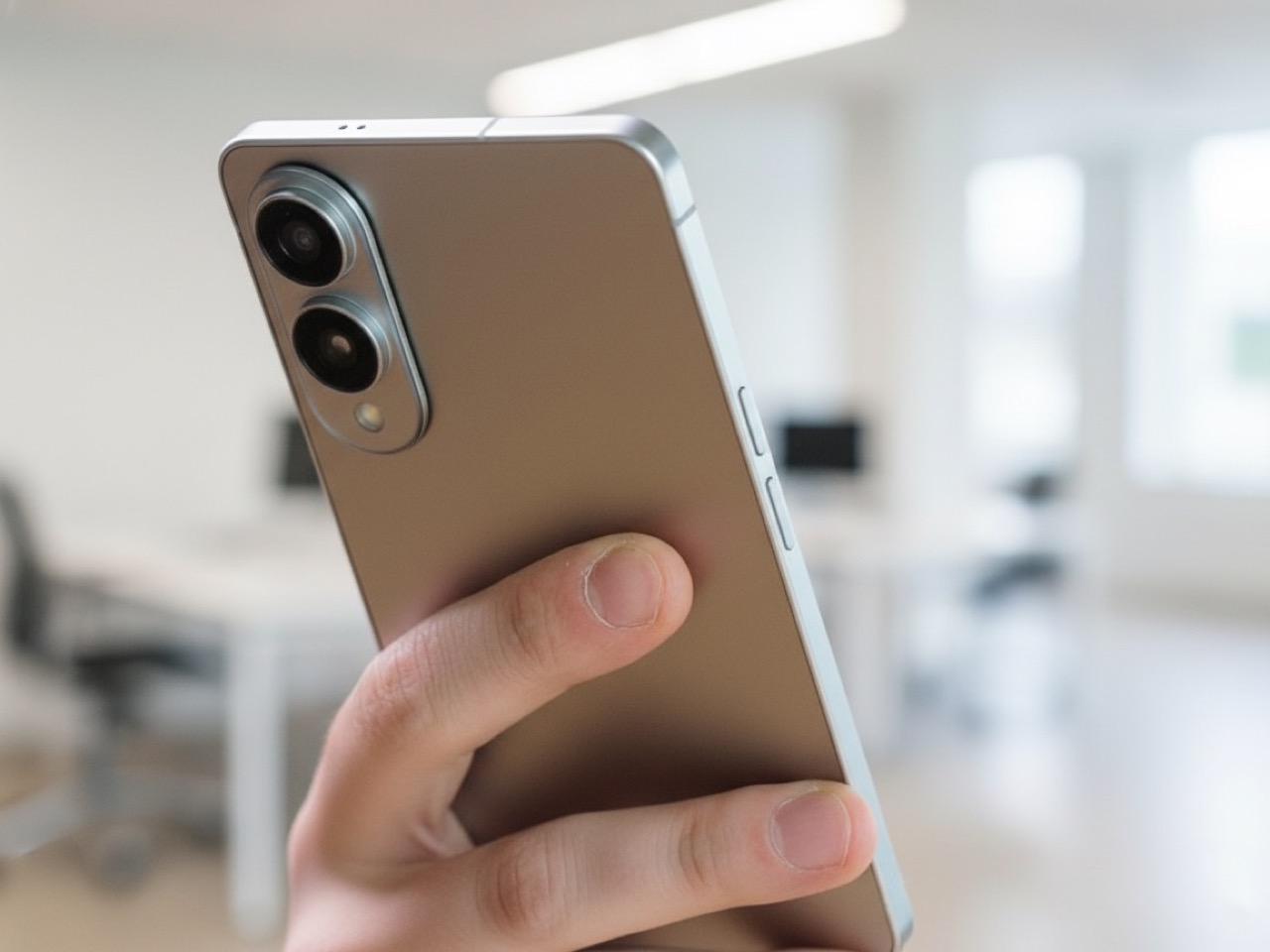
Samsung‘s flagship phone strategy has been all over the place lately, and the latest twist in this saga is honestly kind of wild. After months of rumors and contradictions about whether the Galaxy S26 Edge would exist, it turns out the answer is no, but not for the reasons you might think. Samsung apparently has something even more ambitious in the works.

The whole thing started when rumors emerged that Samsung would replace the Galaxy S26 Plus with a new Edge model. Then those plans seemed to reverse, with reports suggesting the Plus was back and the Edge was getting axed entirely. It looked like Samsung had cold feet about the whole slim phone concept. But according to a new leak from Dutch site GalaxyClub, the truth is more interesting. Samsung didn’t abandon the idea of a super-thin flagship. They’re just going bigger, or rather, thinner.

Designer: Samsung

The company is reportedly developing a new device with the internal codename “More Slim,” which has been in the works for a few months now. The name is a pretty obvious nod to the previous S25 Edge, which carried the codename “Slim” during development. It suggests Samsung isn’t backing away from thin phones at all. They’re doubling down on the concept and pushing it even further.

Here’s where things get puzzling though. The Galaxy S25 Edge, which did make it to market, had some pretty significant compromises. You got just a dual-camera setup with no telephoto zoom capability, and Samsung crammed in only a 3,900mAh battery to keep things thin. For the premium price tag attached to it, those trade-offs felt steep. Now Samsung wants to make something even slimmer? The engineering challenges alone would be intense. You need custom components that can fit into tighter spaces, which drives up manufacturing costs considerably. And the elephant in the room is how they plan to address battery life when they’re already starting from a modest capacity.

The math doesn’t immediately add up from a consumer perspective. Making a phone thinner for the sake of thinness is a questionable strategy when it means sacrificing features people actually use every day. Unless Samsung has figured out some breakthrough in battery technology or component miniaturization that we don’t know about yet, it’s hard to see how More Slim won’t face the same criticism the S25 Edge received.

Still, Samsung must have a plan. Maybe they’re betting on a specific market segment that prioritizes aesthetics and portability above all else. Maybe there’s new tech in the pipeline that makes these compromises less painful. Maybe this will help bolster the tri-fold they just recently teased. Whatever the case, we’ll probably hear more details in the coming months as development continues. For now, it’s just another chapter in Samsung’s increasingly chaotic flagship phone strategy, and one that leaves more questions than answers about where they’re really headed with their premium lineup.

The post Samsung Ditches Galaxy S26 Edge plans for an even slimmer handset called the ‘More Slim’ first appeared on Yanko Design.

Fotile’s X20 Max Is the Space-Saving Dishwasher That Finally Fixes the Bending Problem

Fotile may not be a household name everywhere yet, but in China, the company has been quietly transforming kitchens for nearly three decades. This design-savvy brand was founded in 1996 in Ningbo, a vibrant city neighboring Shanghai, and its journey began with range hoods that quickly set new standards for form and function. Since then, Fotile’s lineup has blossomed to include everything from ovens and microwaves to refrigerators, washing machines, and, most notably, cutting-edge dishwashers. Guided by a mission to enhance everyday kitchen life, Fotile blends advanced technology with modern, ergonomic design, earning a devoted following at home and growing recognition abroad.

Fotile isn’t satisfied with merely following trends. The brand is busy setting them. The company’s kitchen innovations have earned international acclaim, with dozens of prestigious design awards and a footprint that extends to over 30 countries. This global success is rooted in a deep commitment to research, sustainability, and an unwavering focus on real user needs. With more than 16,000 patents to its name, Fotile is a go-to brand for those who want their kitchens to blend performance with style.

A visit to Fotile’s headquarters reveals just how seriously the company takes its legacy of innovation. While the showroom isn’t open to the public, those lucky enough to step inside are greeted by a visual celebration of Fotile’s achievements. Patent certificates are artfully arranged to form a tunnel, inviting visitors to walk through a corridor of invention. Immersed in this glowing passage, you cannot help but feel the depth of dedication and creativity that drives Fotile’s mission to make everyday life better for millions of families.

A New Era in Dishwashing: The X20 Max 3-in-1 In-Sink Dishwasher

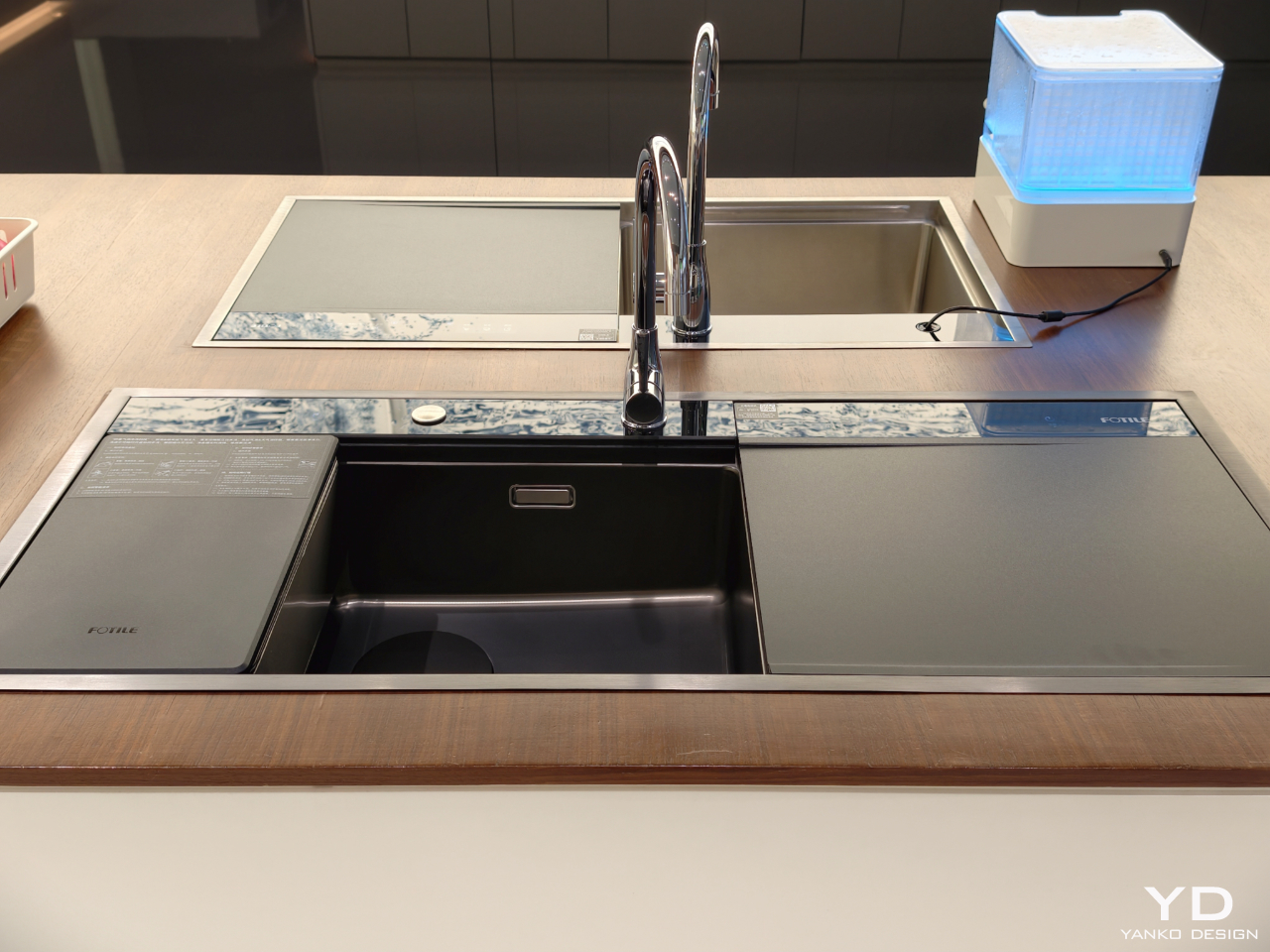
Now, Fotile is making headlines with the X20 Max, a flagship in-sink dishwasher that is redefining what’s possible in compact, modern kitchens. Imagine a single, sophisticated station where you can prep, rinse, and wash everything from plates to produce, all without ever bending over or sacrificing precious counter space. The X20 Max brings together a sink, a dishwasher, and a dedicated cleaning zone for fruits, vegetables, and even seafood, wrapped in a seamless, minimalist charcoal-grey shell that feels right at home in any contemporary kitchen.

This clever design addresses two of the biggest complaints about traditional dishwashers. First, it saves space, thanks to a top-open configuration that means you no longer need to leave room in front for a bulky door to open. Its narrower profile makes it ideal for apartments, small homes, and anyone looking to maximize efficiency. Second, the top-open design means no more awkward bending to load or unload, making the chore of dishwashing easier on your back and your daily routine.

The magic does not stop at ergonomics. Powered by Fotile’s proprietary High Pressure HydroJet technology, the X20 Max delivers thorough, multi-stage cleaning not just for dishes but also for fresh ingredients. When you wash fruits, vegetables, or seafood, it’s like a jacuzzi for your produce – gentle streams and swirling water bubbles remove up to 99 percent of pesticide residues, so you can prep food with confidence and a touch of delight. Multiple cleaning modes ensure that everything, from delicate greens to heavy cookware, gets the right care with a simple press of a button.

In a recent demonstration, the X20 Max handled a variety of produces without issue, even delicate raspberries. After the multi-stage cleaning, even the most fragile berries emerged completely intact, highlighting the thoughtful engineering behind the system. For busy households, the X20 Max also cuts the typical washing cycle to about 30 minutes while maintaining impressive cleaning power. According to a Fotile representative, its cleaning strength actually surpasses that of many standard dishwashers available in the U.S., giving users sparkling results in less time.

Fotile’s innovative approach isn’t limited to traditional homes. The company also offers space-saving in-sink dishwasher solutions that are perfectly suited for RVs and other compact living environments. With their streamlined footprint and top-open design, these dishwashers make it easy for travelers and small-space dwellers to enjoy the same level of cleanliness and convenience, no matter where the road takes them. This versatility has earned Fotile praise from RV owners and apartment residents alike, highlighting how thoughtful engineering can bring comfort and efficiency to every kind of kitchen.

Why This Matters in China – and Beyond

To understand why Fotile’s dishwashers have become a sensation in China, it helps to know a bit about local culture. Chinese households tend to wash dishes immediately after every meal, and the tradition of meticulously cleaning produce before eating or cooking is common. With family sizes shrinking and urban living spaces becoming tighter, the demand for compact, efficient, and easy-to-use kitchen appliances is at an all-time high.

Fotile’s innovative approach has resonated deeply, helping to turn dishwashers from a niche luxury into an essential part of daily life. But the appeal is not limited to China. Since expanding globally, Fotile has tailored its solutions to diverse cooking habits and kitchen layouts, earning praise from users and experts alike. The X20 Max, with its streamlined workflow and intuitive features, is poised to make life easier for busy families, apartment dwellers, and anyone seeking a cleaner, more beautiful kitchen.

If you are searching for a kitchen upgrade that blends thoughtful design, proven technology, and genuine user-friendly features, Fotile’s X20 Max deserves a closer look. It brings together the best of modern engineering and practical elegance, promising a new era of comfort and efficiency for kitchens around the world. With its focus on real-life needs and a flair for innovation, Fotile continues to inspire a smarter, cleaner, and more beautiful way to live.

The post Fotile’s X20 Max Is the Space-Saving Dishwasher That Finally Fixes the Bending Problem first appeared on Yanko Design.

Someone Made a Brick Phone Power Bank with a Working Walkie Talkie

Portable chargers occupy that weird space between essential and forgettable, living in bags until phones hit red battery warnings. Most focus exclusively on capacity and charging speed while looking like every other rectangular black slab available. They serve their purpose well enough, keeping devices alive through long days, but they offer nothing beyond that single function and tend to blend into the background of everyday carry items.

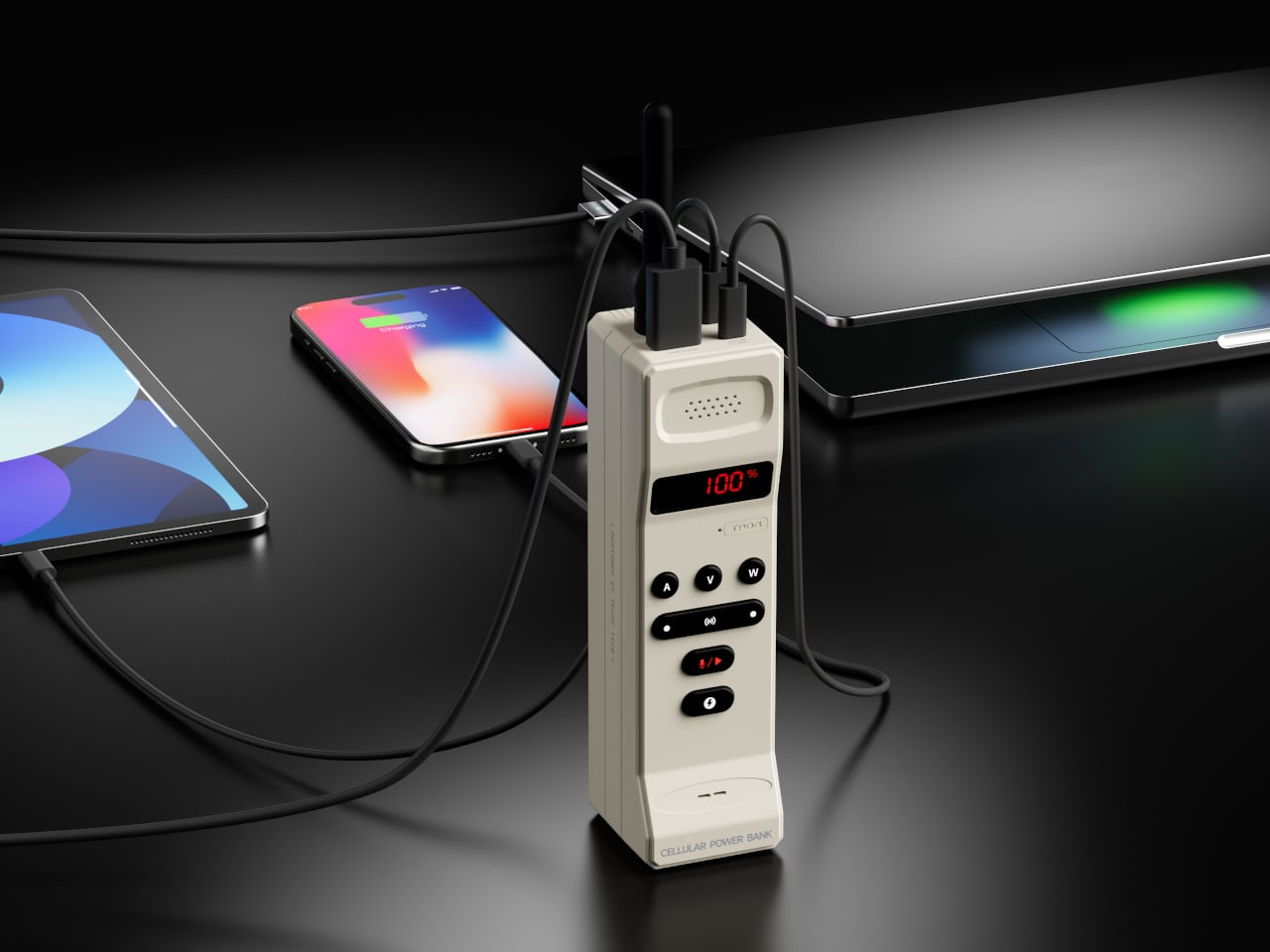
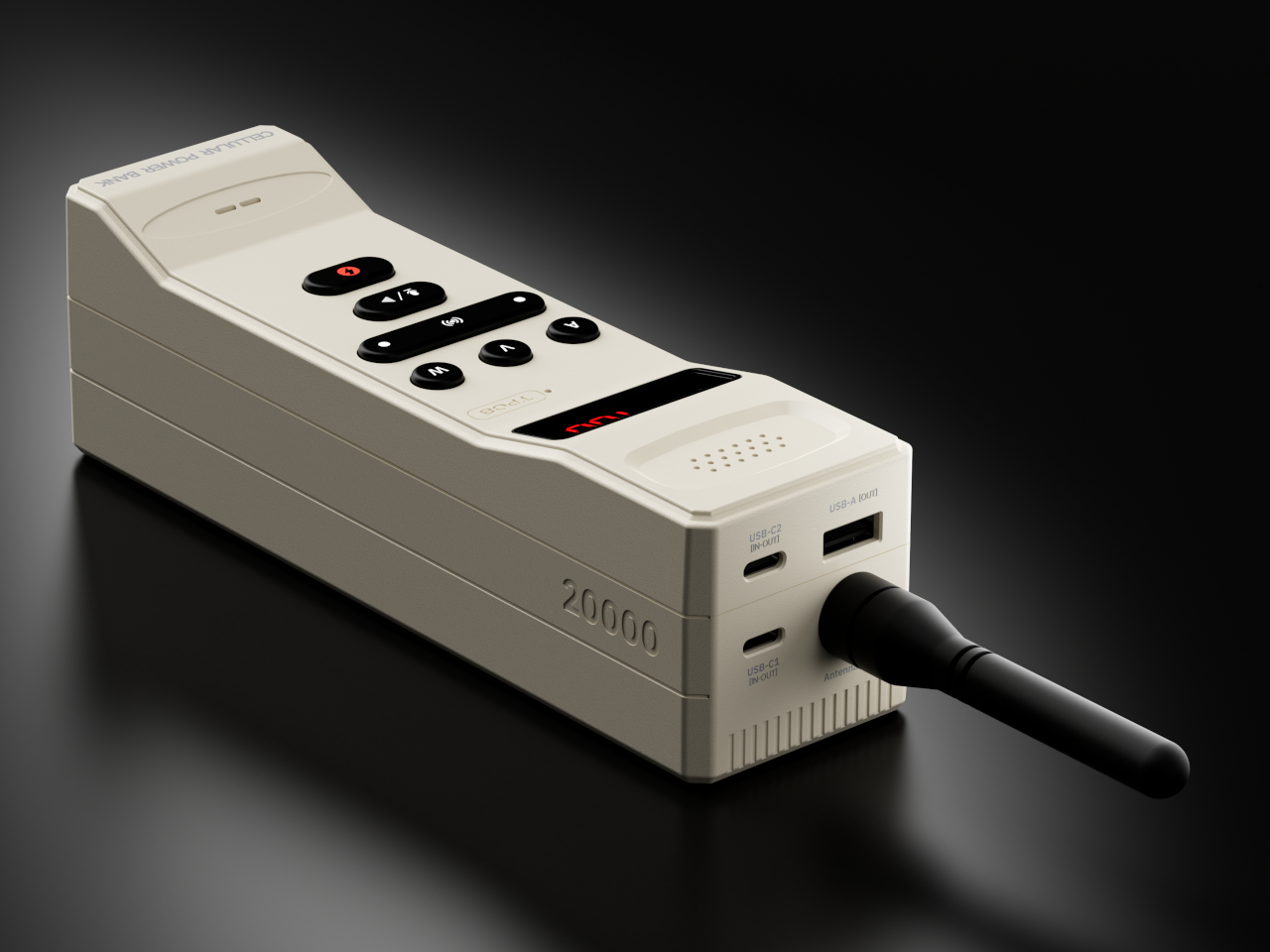
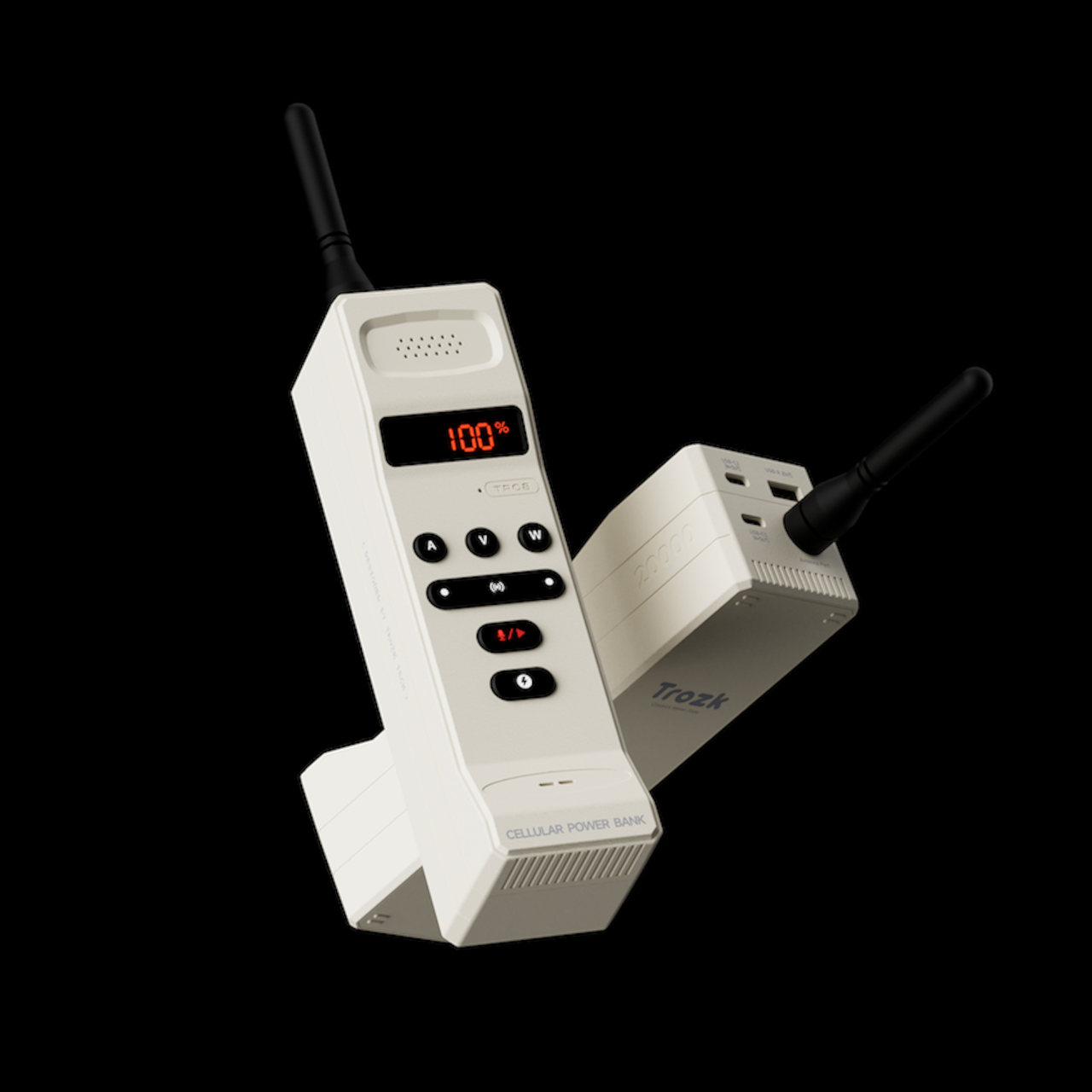
The Trozk Walkie Talkie Power Bank combines a 20,000mAh battery with a built-in walkie-talkie and wraps everything in a design that recreates the iconic Motorola DynaTAC brick phone from the 1980s. The result is a charger that handles modern fast charging while enabling actual radio communication between units, all while looking deliberately bold and retro enough to spark conversations wherever it appears.

Designer: Trozk

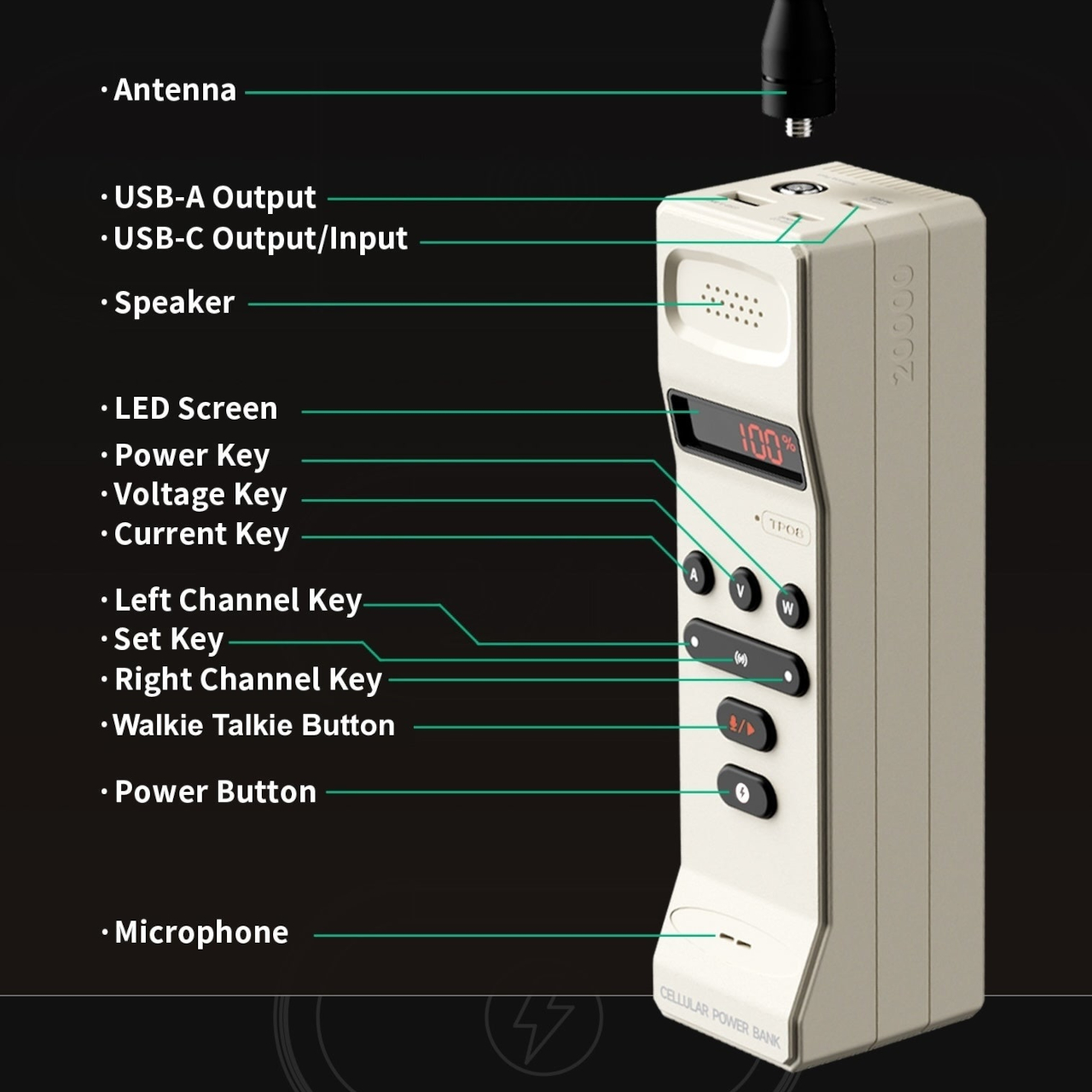
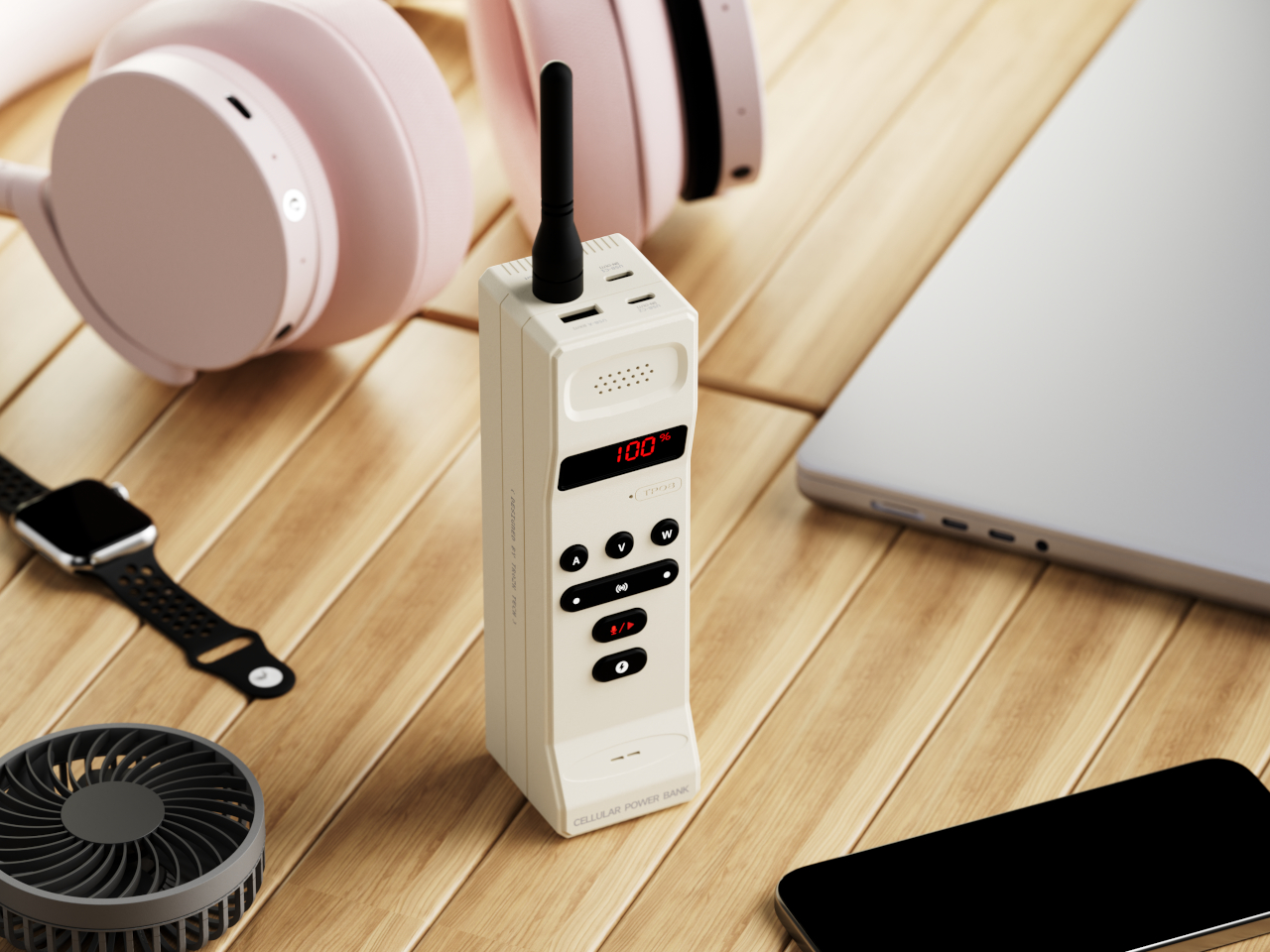
The brick phone form commits completely to the reference, including a removable antenna, tactile buttons arranged like a vintage keypad, and a red LED display showing battery percentage in real time. Available in white with black and red accents, the power bank is substantially larger and more visually striking than typical portable chargers, which makes it feel more like a statement piece than a forgettable accessory that hides in pockets.

Two USB-C ports and one USB-A port allow simultaneous charging of three devices at a maximum combined output of 165W, while a single port can deliver 140W through PD3.1 fast charging for power-hungry laptops. The device distributes power intelligently based on what’s connected, automatically adjusting output to match requirements without needing manual settings or complicated menus to navigate through before charging starts.

The walkie-talkie function enables direct voice communication between two units through built-in radio frequency, working across multiple regions including the United States, Europe, Australia, Japan, Taiwan, and China. Press the walkie-talkie button and speak, and the other unit receives immediately. This becomes genuinely useful during camping trips, hiking with separated groups, or anywhere cell reception fails but coordination still matters for safety or convenience.

A voice recorder mode captures memos or conversations directly onto the device in retro style, adding another function beyond charging and communication that makes the power bank more versatile. The LED display cycles between battery percentage, voltage readings, and current draw depending on which button gets pressed, providing real-time information about how devices are charging and how much power remains available.

Four electric-vehicle grade battery cells provide the 20,000mAh capacity while ensuring durability that outlasts cheaper cells prone to faster degradation over charge cycles. The power bank meets airline safety regulations for carry-on luggage, making it suitable for air travel without concerns. The tactile buttons and clear LED display remove the need to check charging status through phone apps or complicated interfaces.

The Trozk Walkie Talkie Power Bank handles practical charging requirements while looking deliberately different from standard portable batteries. It brings retro aesthetics, built-in communication, and high-capacity fast charging together in ways that make keeping devices alive during travel, outdoor activities, or daily routines feel slightly more interesting than plugging into yet another anonymous black rectangle.

The post Someone Made a Brick Phone Power Bank with a Working Walkie Talkie first appeared on Yanko Design.

Hand-Cast Moka Pot Looks Like a Turbine and Brews 20% Faster

Moka pots have stayed remarkably consistent since their invention, maintaining the same octagonal silhouette and brewing method across generations. They produce rich, concentrated coffee reliably, but the process demands patience while water heats slowly and pressure builds gradually. Most models sit on stovetops for several minutes burning gas or electricity, which adds up over daily use and feels inefficient for such a simple task.

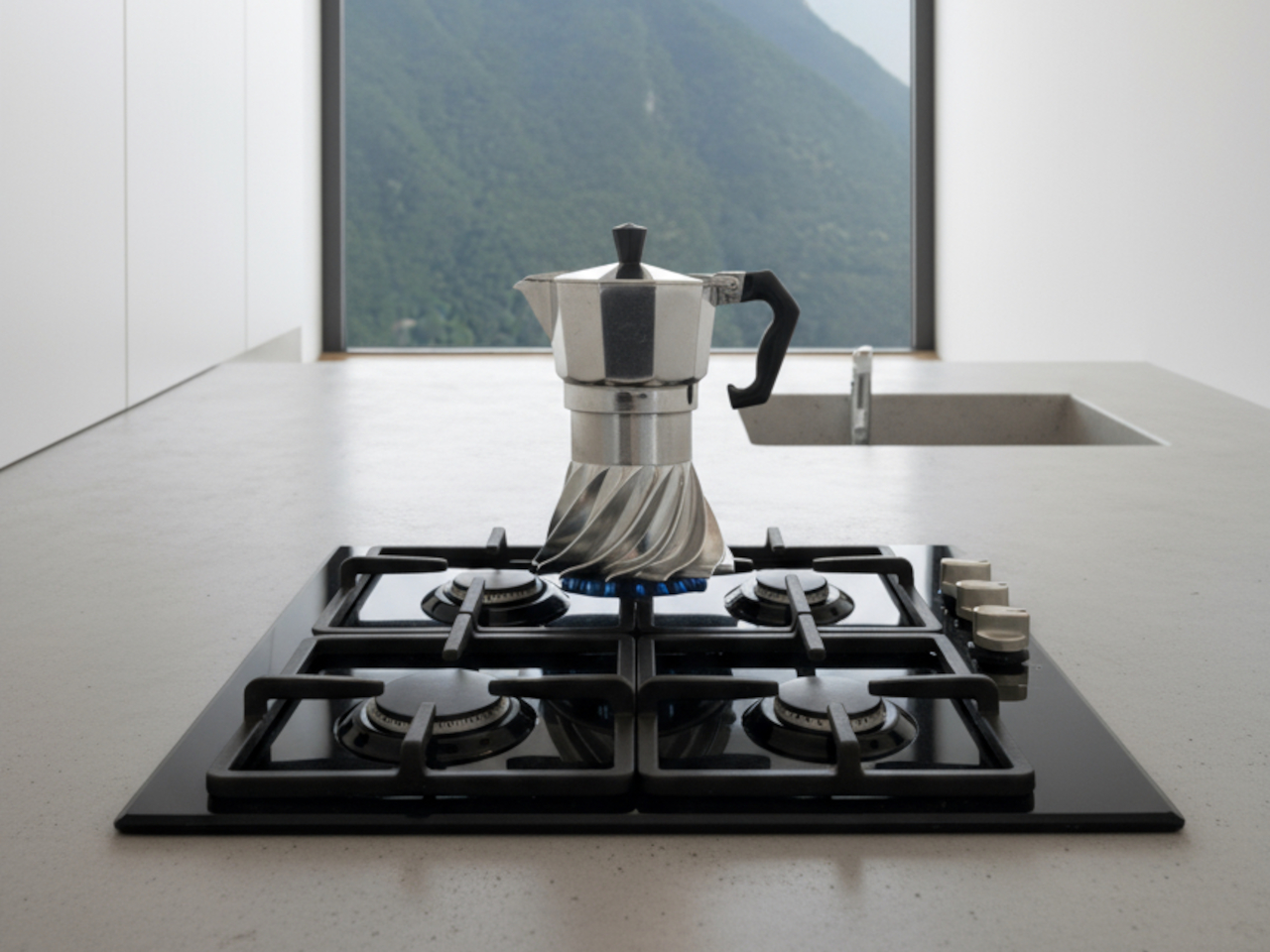
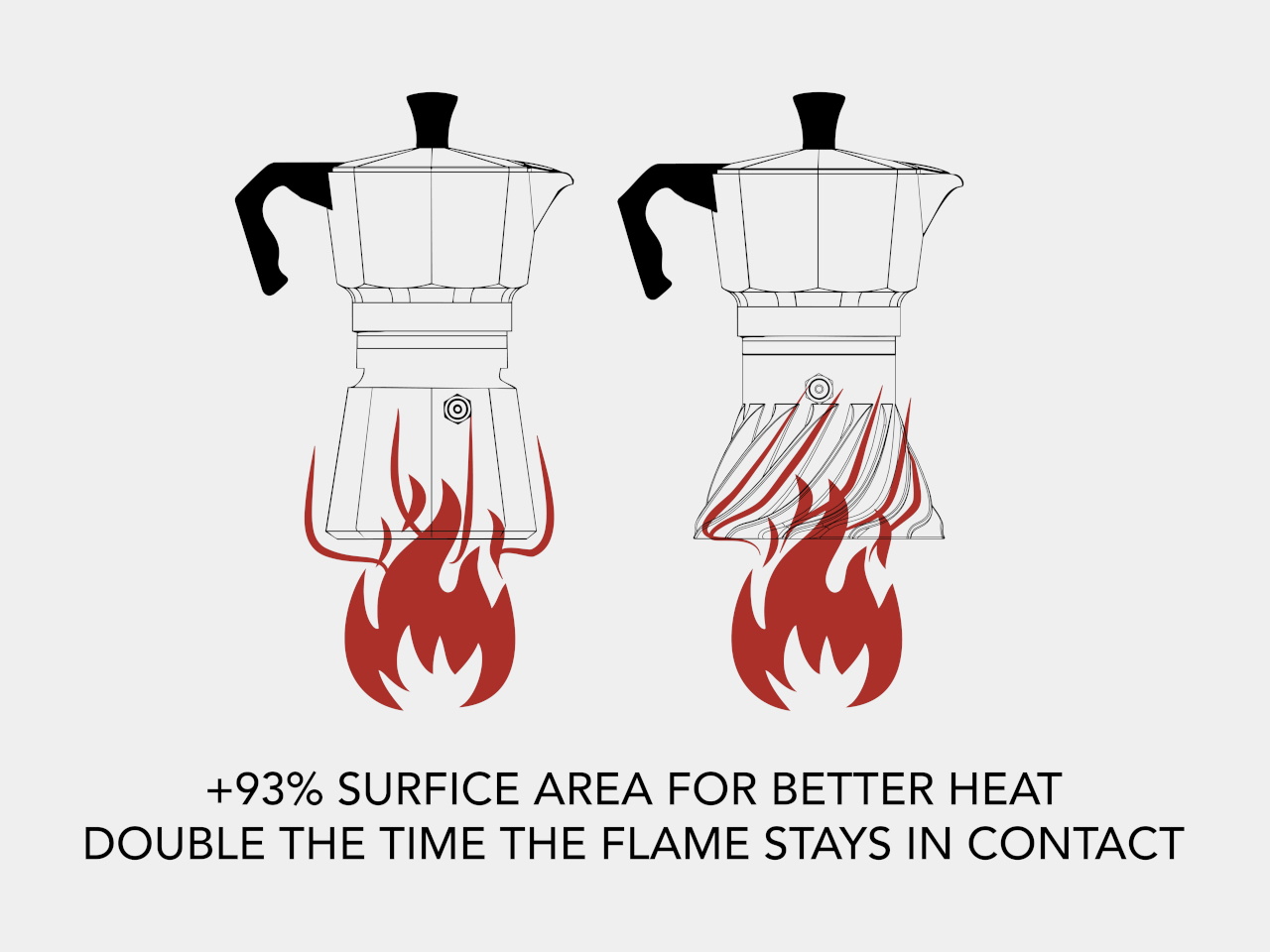
Turbo Moka by Matteo Frontini keeps the familiar moka pot experience while addressing the energy and time issues through a redesigned base. A helical spiral wraps around the lower chamber, increasing the surface area exposed to heat and allowing water to reach brewing temperature faster. The design maintains the ritual and flavor people expect from moka coffee while cutting brew time by roughly twenty percent and reducing energy consumption proportionally.

Designer: Matteo Frontini

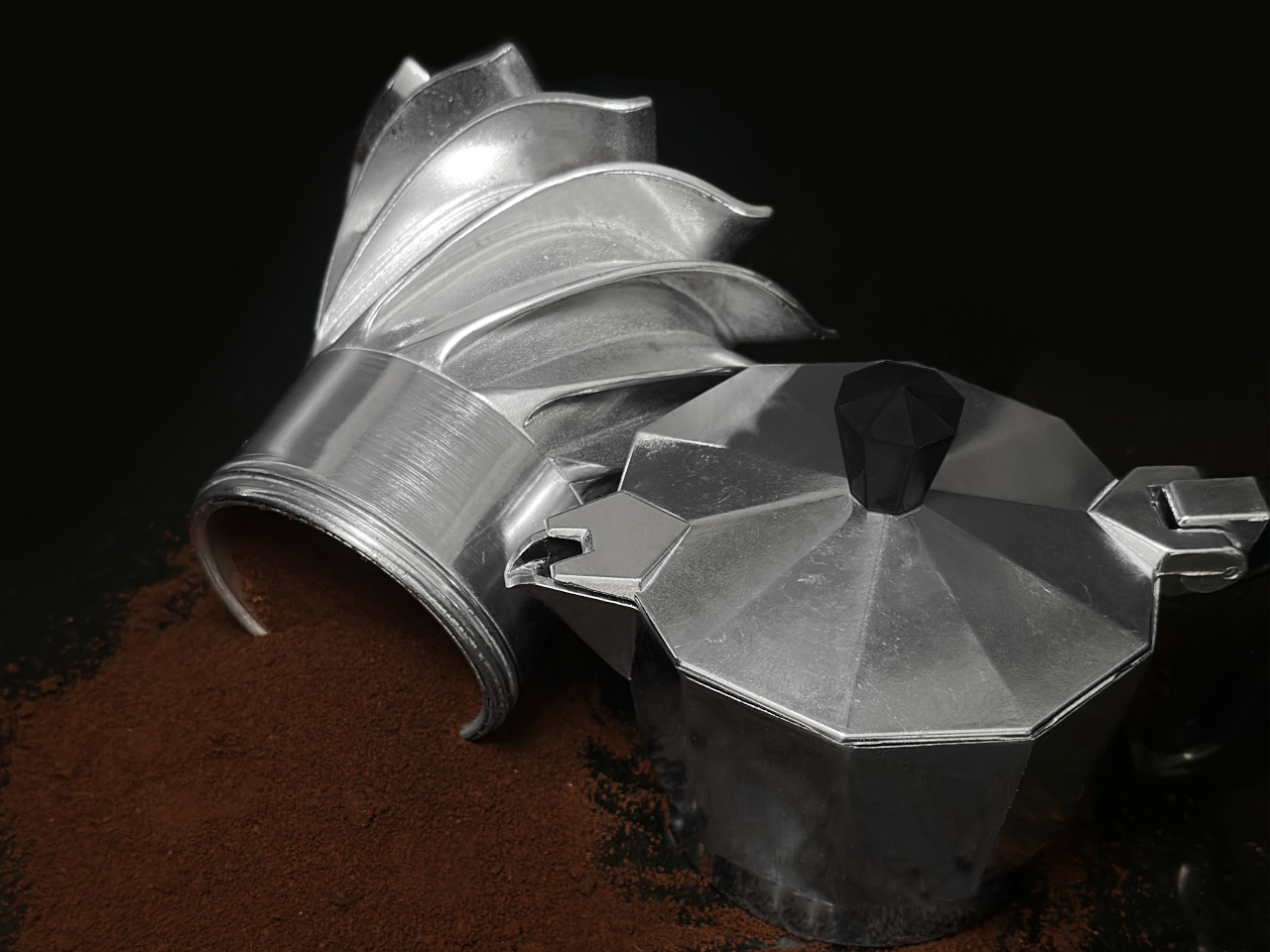
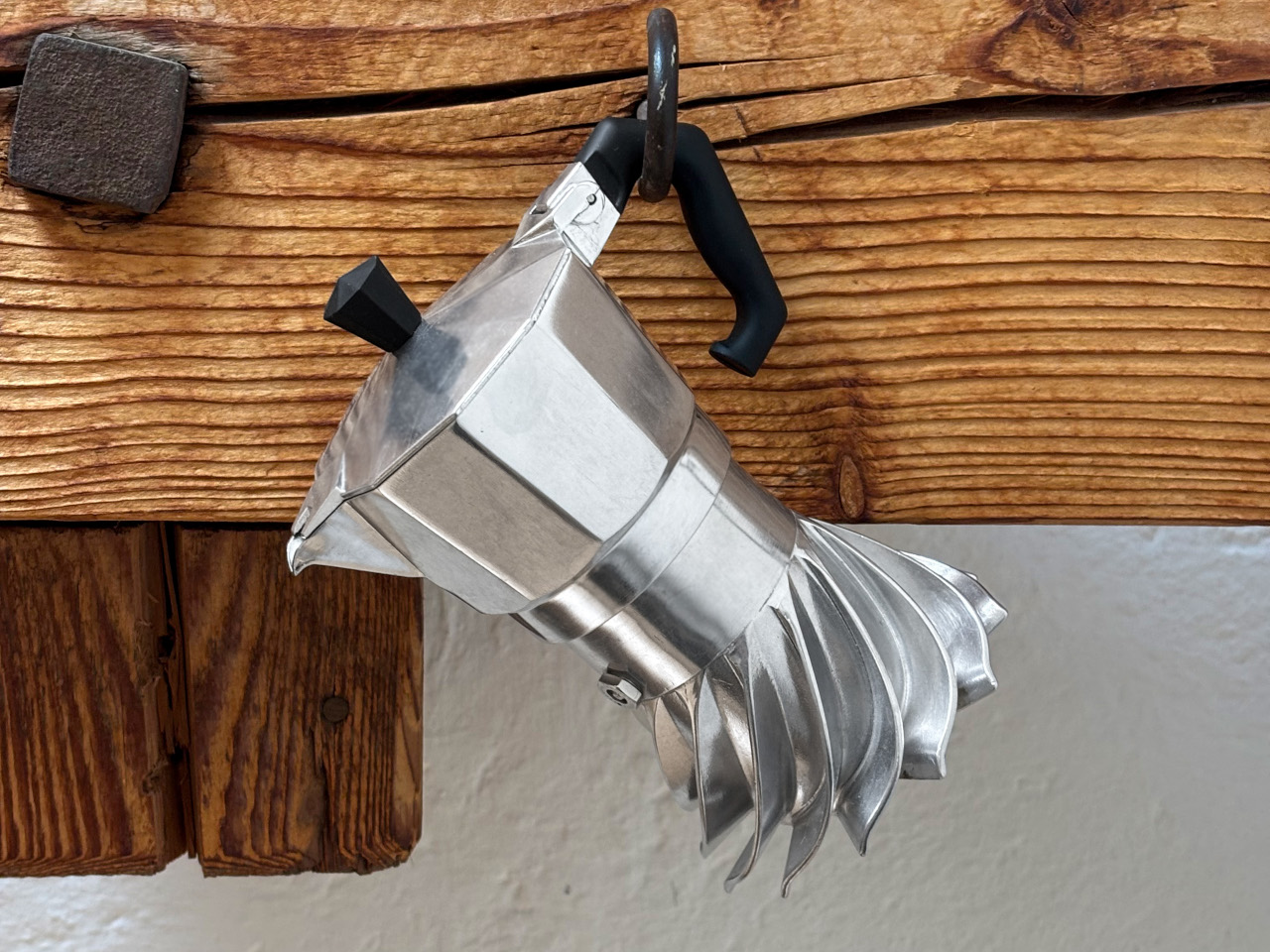
The spiral base looks almost like turbine fins or the fluting on a classical column, creating visual movement even when the pot sits still. This geometry serves practical purposes beyond aesthetics, channeling heat more efficiently through the aluminum body and distributing it evenly around the water chamber. The increased contact area with the stovetop means less waiting and less wasted heat escaping into the kitchen air instead of brewing coffee.

Each pot gets cast individually using the traditional lost-wax method, where molds are created one at a time and molten aluminum pours in carefully. This artisanal process leaves subtle surface variations that the manufacturer calls beauty marks, small imperfections that signal handmade production rather than industrial stamping. No two pots look completely identical, which adds character that mass production deliberately eliminates for the sake of uniformity.

The upper chamber maintains the classic faceted, polygonal geometry that moka pots have used for decades. The lid and knob are angular rather than rounded, providing secure grip points for lifting safely. The black ergonomic handle curves away from the body at a pronounced angle, staying cool enough to touch even when the aluminum runs hot from direct flame or electric heat.

Aluminum conducts heat quickly while keeping the pot light enough to handle easily when full. The reflective metallic finish shows the material honestly without additional coatings or treatments. The spiral base catches light differently depending on viewing angle, creating shadows that emphasize the three-dimensional form and make the pot visually interesting from multiple positions on counters or shelves.

Brewing follows the standard moka process of filling the base with water, adding ground coffee to the filter basket, and screwing the chambers together before heating. The spiral simply accelerates everything without changing the fundamental method or requiring new techniques. Coffee emerges with the same concentrated richness traditional moka pots deliver, just faster and with less energy spent getting there.

Turbo Moka fits kitchens where performance and appearance both matter, turning daily coffee into something more intentional without demanding extra effort. The spiral base delivers faster brewing and lower energy use while looking sculptural enough to justify permanent counter space. The handcrafted character and improved efficiency make it compelling for anyone who values both good design and properly made coffee.

The post Hand-Cast Moka Pot Looks Like a Turbine and Brews 20% Faster first appeared on Yanko Design.

This Pizza Cutter Looks Like a Tiny Circular Saw

Most pizza cutters feel flimsy when you need them to work hardest. The blade dulls after a few uses, the handle slips when your hands are greasy, and cleaning caked cheese out of the mechanism becomes its own kitchen project. Cheap versions wobble through thick crusts instead of cutting cleanly. Better ones exist but often sacrifice grip comfort or end up too bulky for drawer storage.

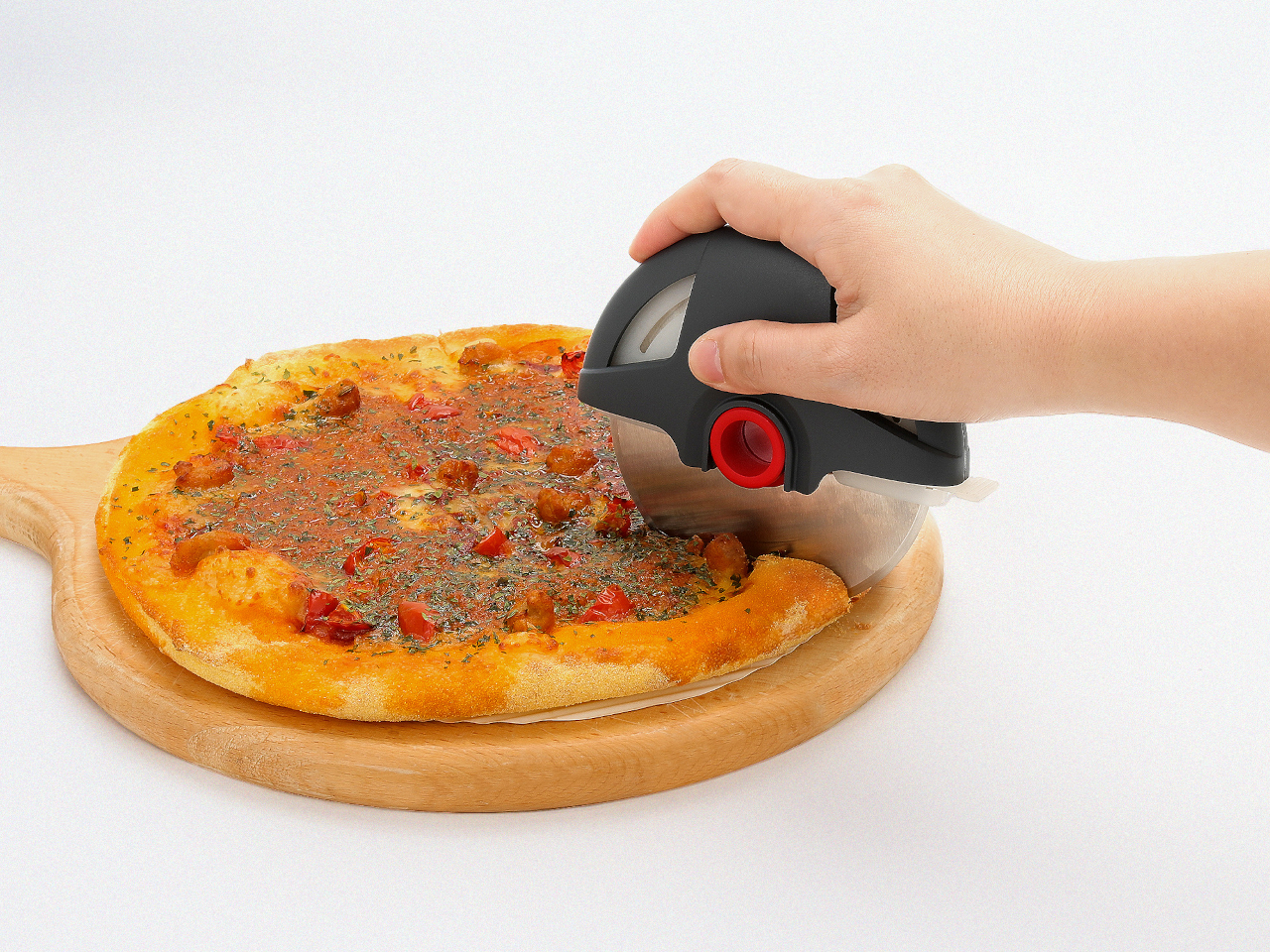
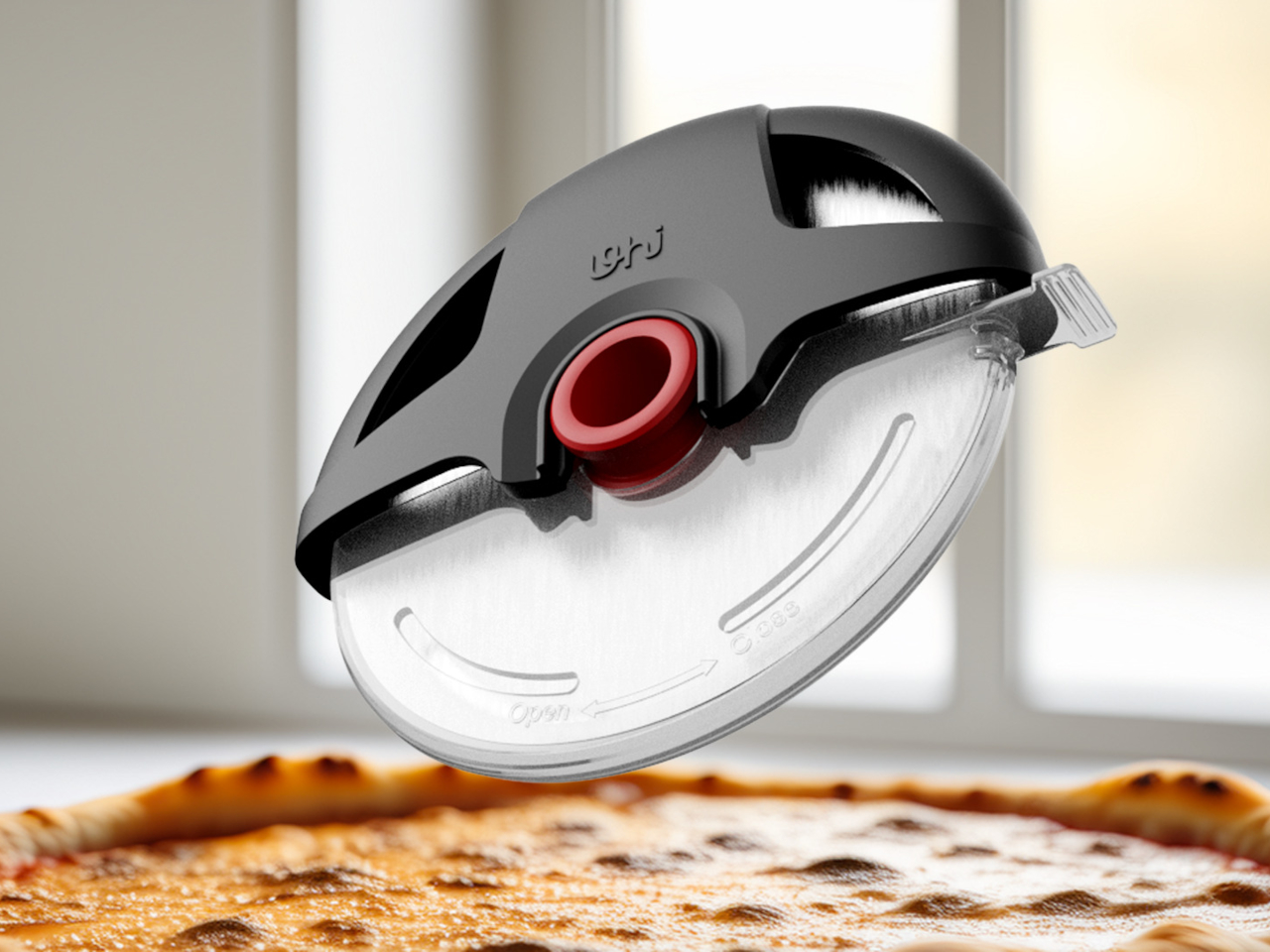
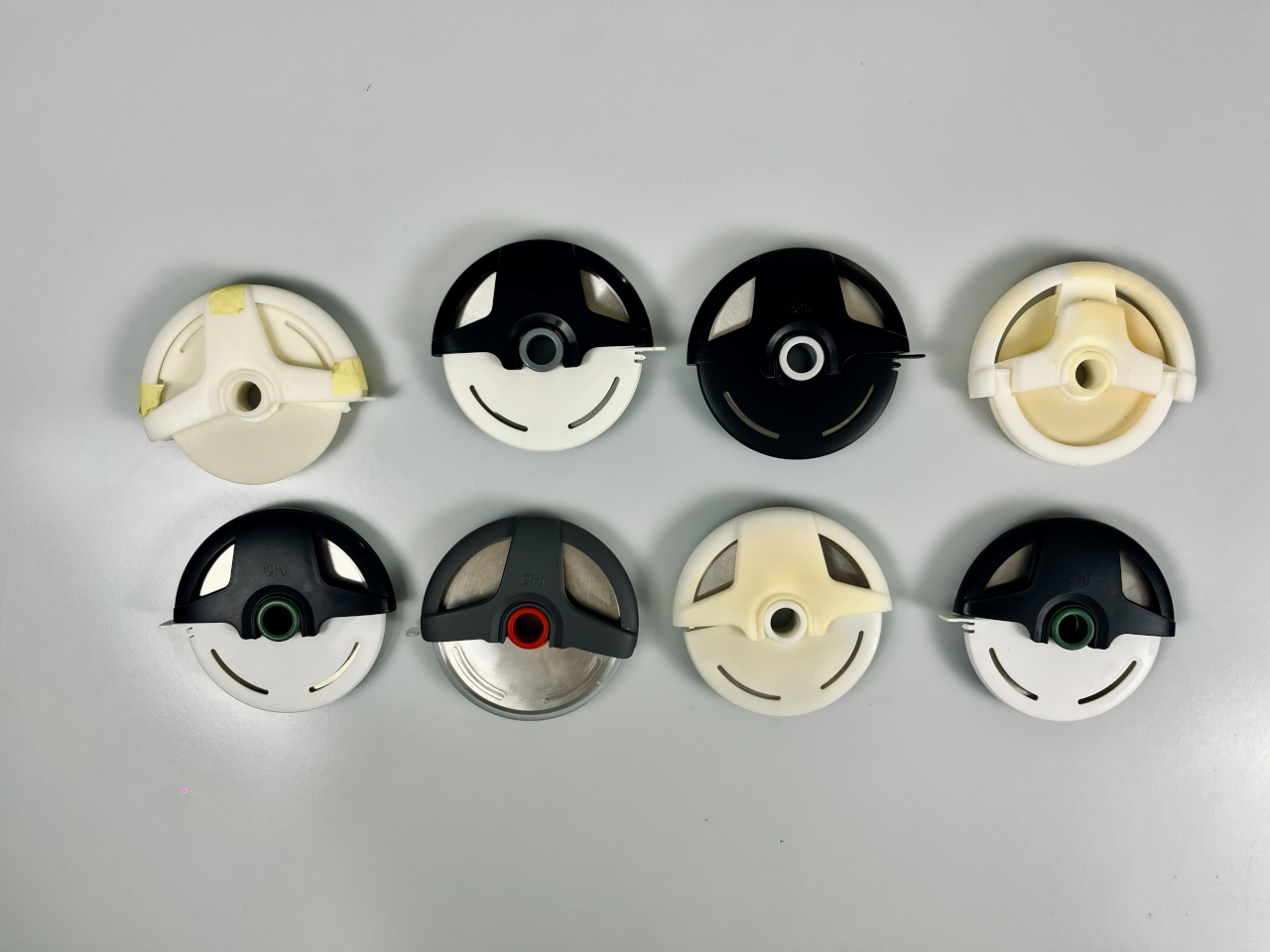
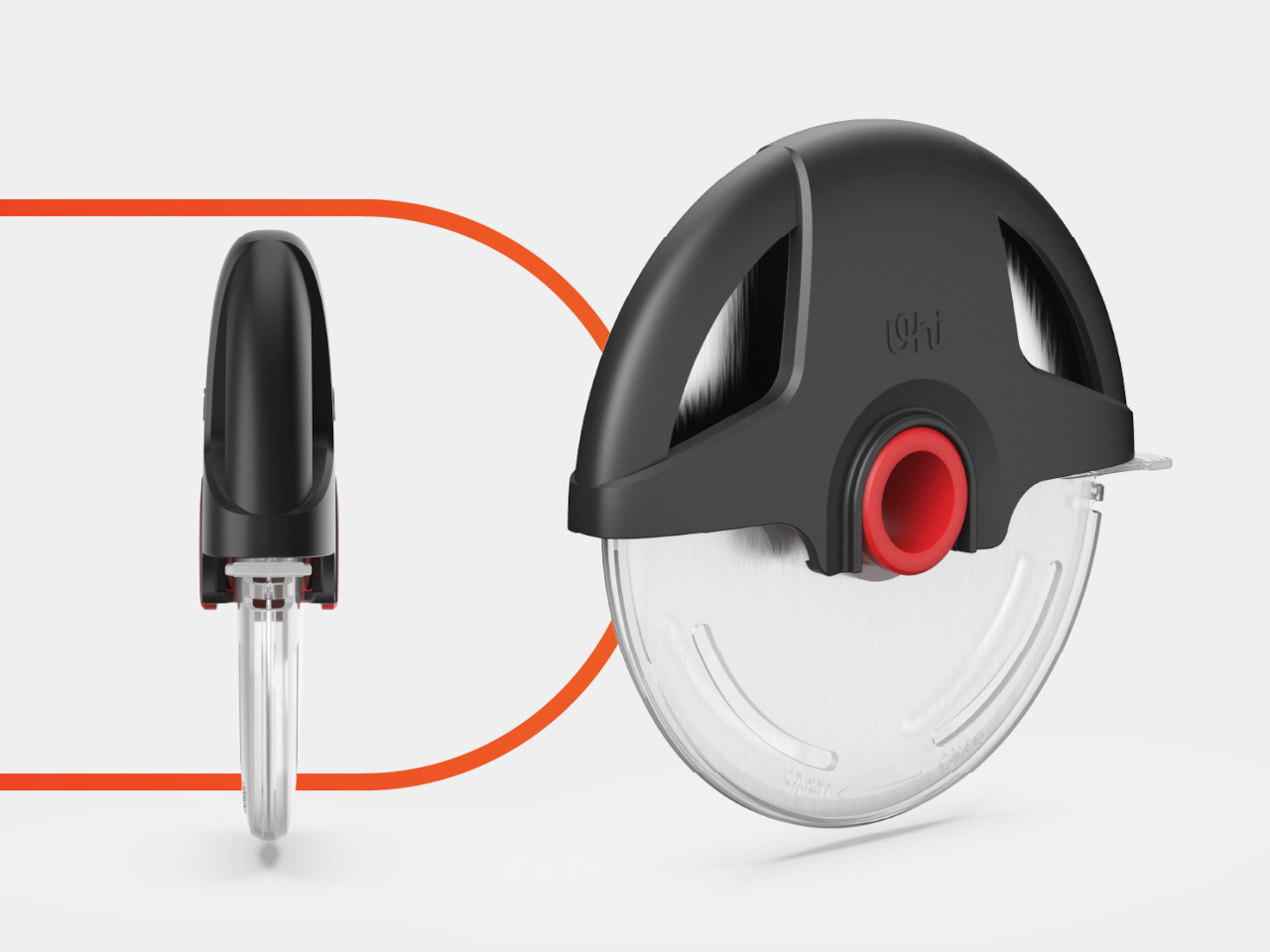
The UHIYEE Wheel Pizza Cutter addresses these problems by borrowing design language from power tools rather than typical kitchen gadgets. The arched handle and exposed blade resemble a compact circular saw, which might seem excessive for slicing pizza until you realize how much more confidence that visual cue provides. The wheel-shaped form suggests capability before you’ve even used it, setting expectations that the design then delivers on.

Designer: Javier Naranjo/WE MAKE PRODUCT for UHIYEE

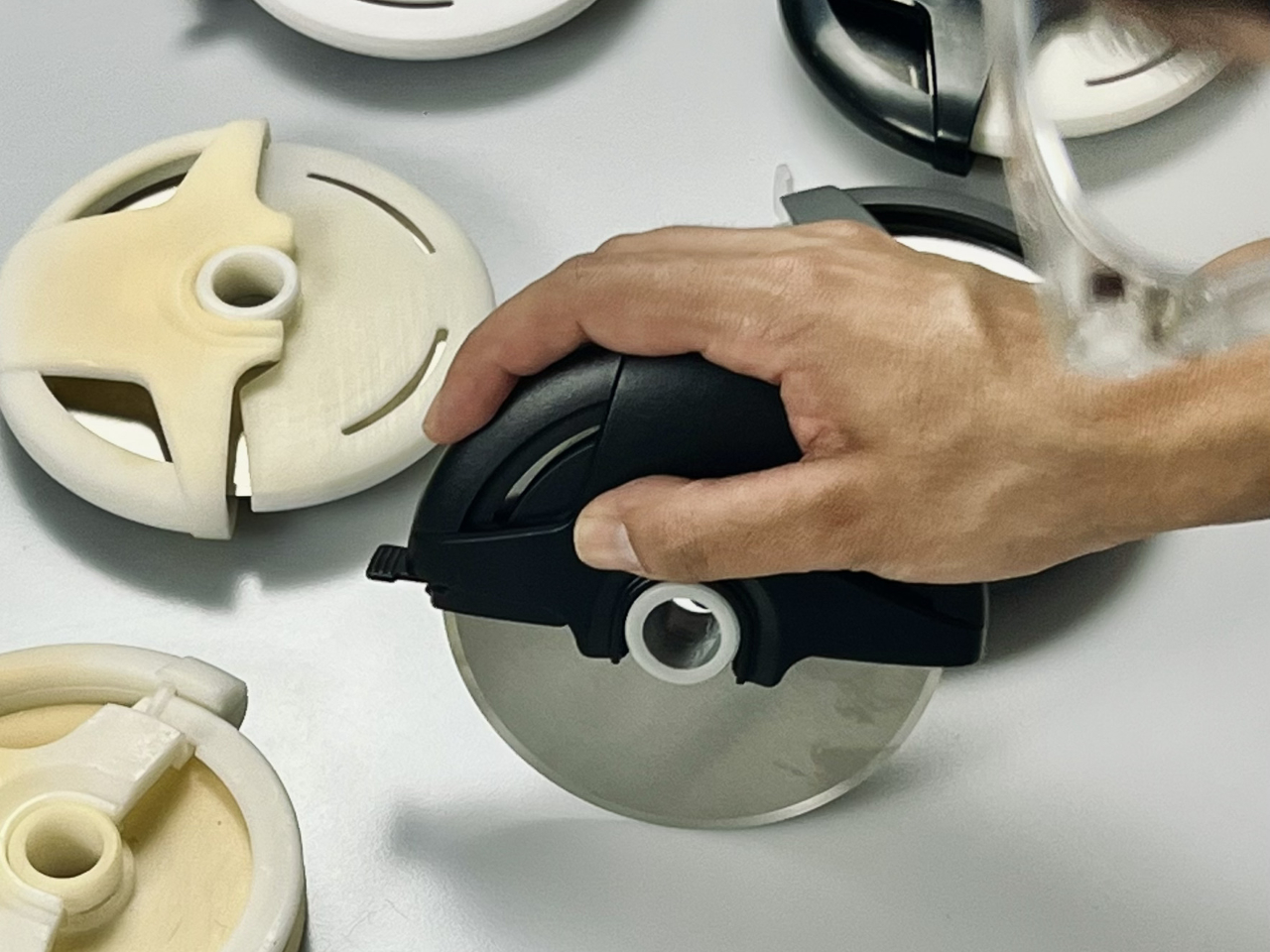
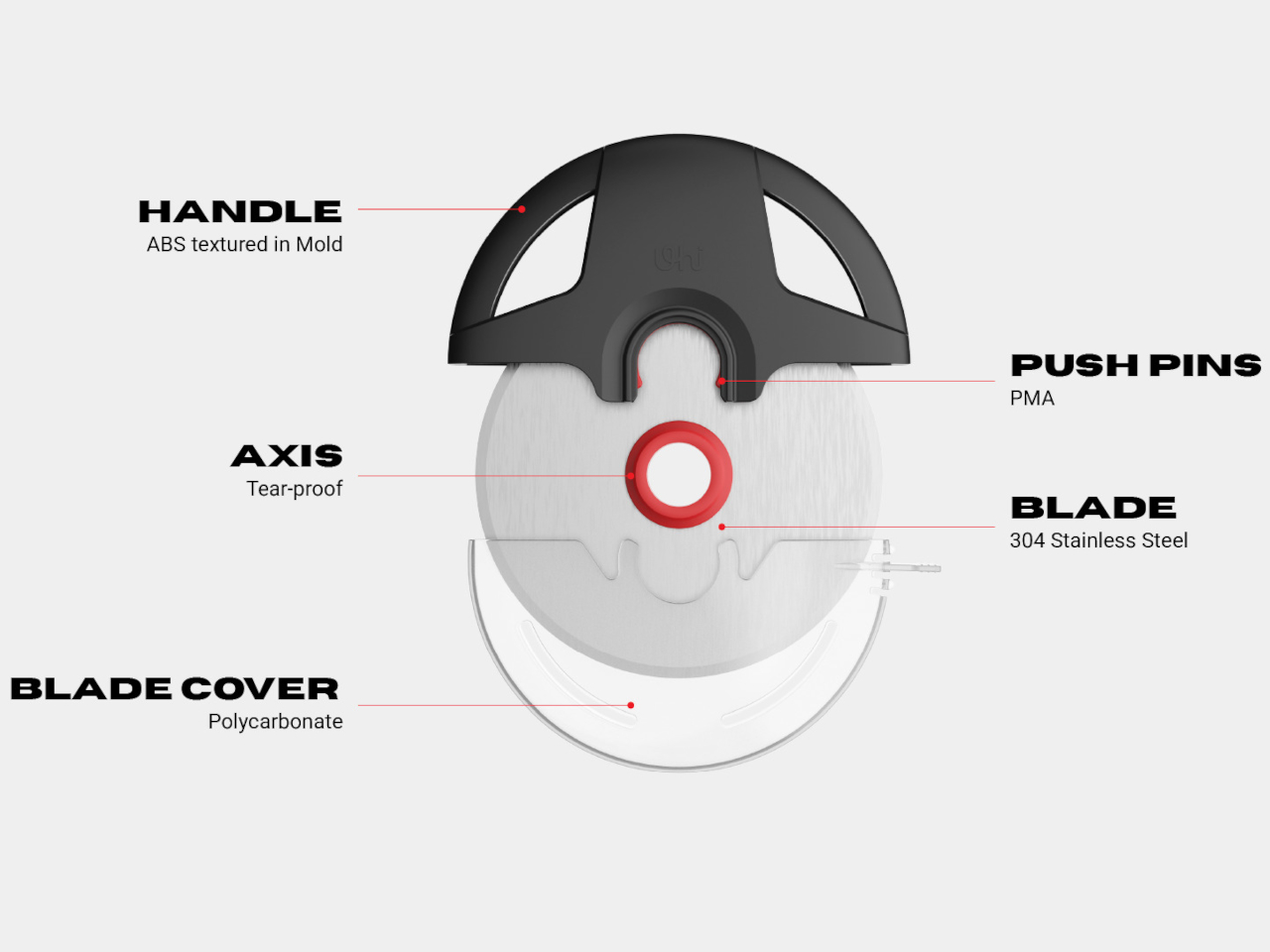
The handle uses injection-molded ABS with textured surfaces that maintain grip even when hands are wet or oily. The palm-filling shape distributes pressure evenly, preventing the hand fatigue that happens with thin handles requiring tight grips. Finger placement feels natural rather than forced. The geometry accommodates different hand sizes without requiring conscious adjustment to where you’re holding it.

A large 304 stainless steel blade cuts through thick crusts, deep dish edges, and layered toppings without requiring multiple passes or sawing motions. The diameter gives the blade enough surface contact to slice decisively rather than dragging. The edge profile stays sharp longer than typical pizza cutter blades, which matters when you’re cutting regularly rather than occasionally.

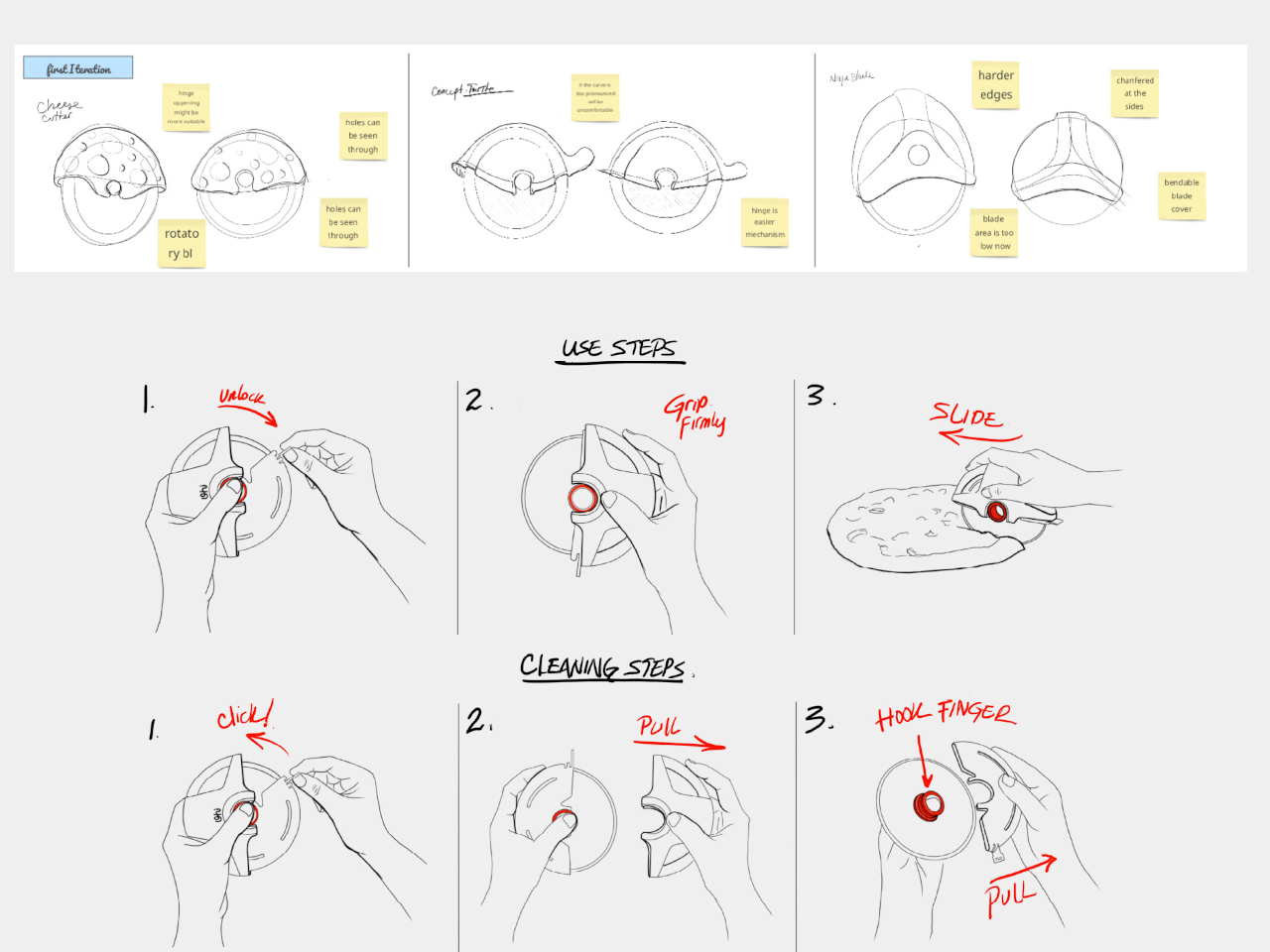
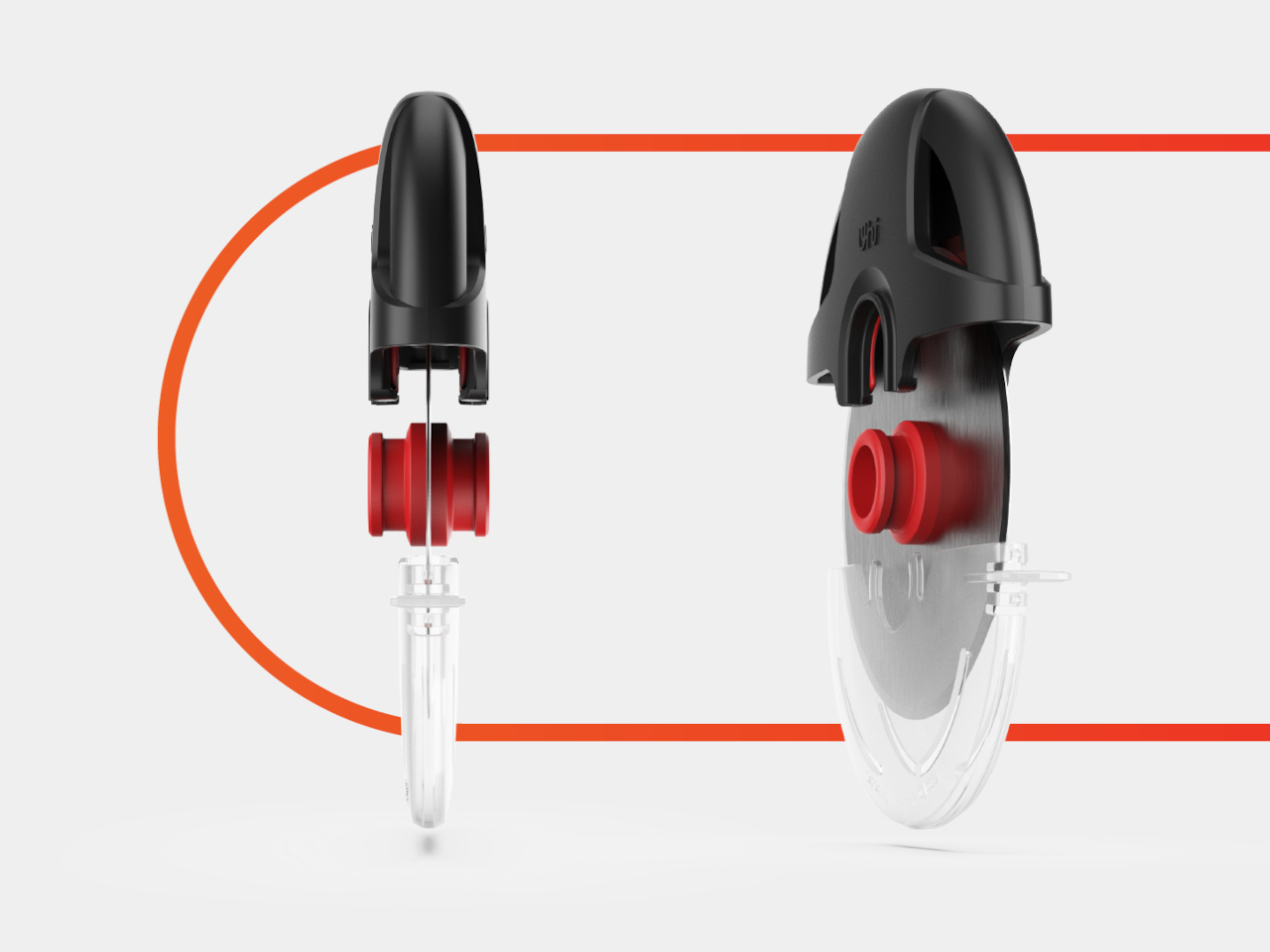
Push pins on either side of the handle release the blade assembly for cleaning. The whole mechanism separates into a few parts that rinse clean quickly instead of trapping cheese and sauce in unreachable crevices. Reassembly happens just as easily, with parts that align obviously rather than requiring guesswork about which direction components face.

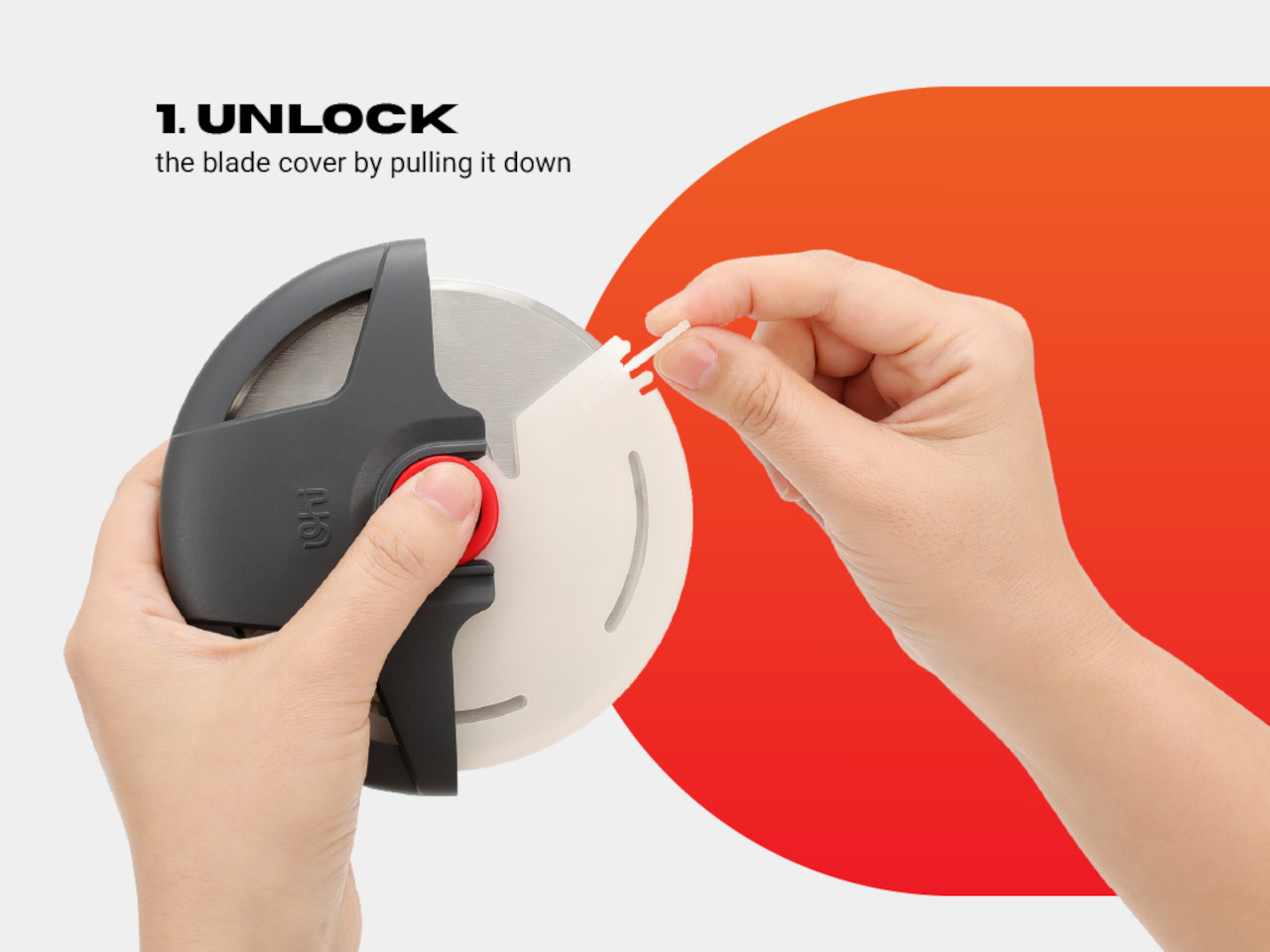
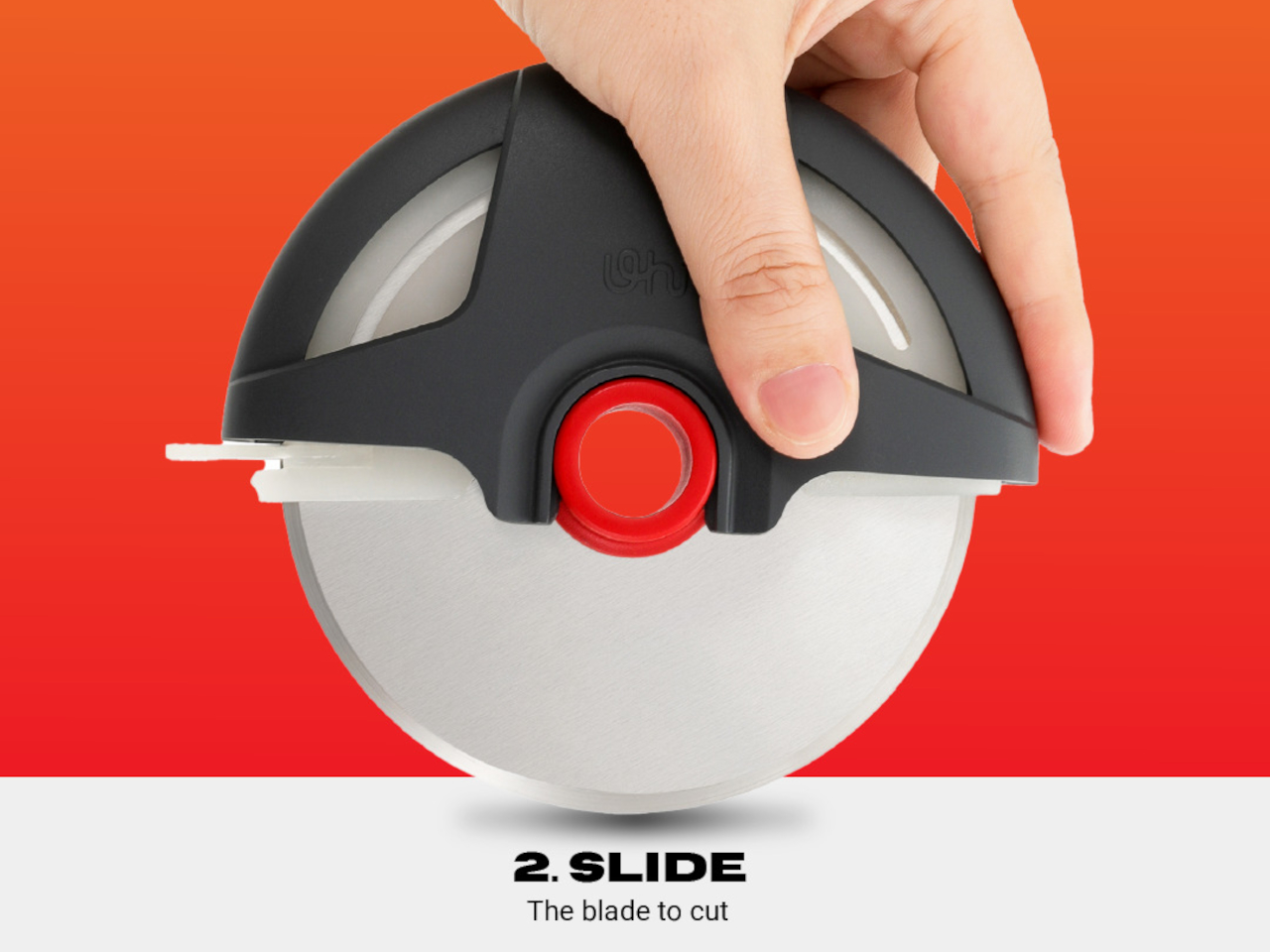
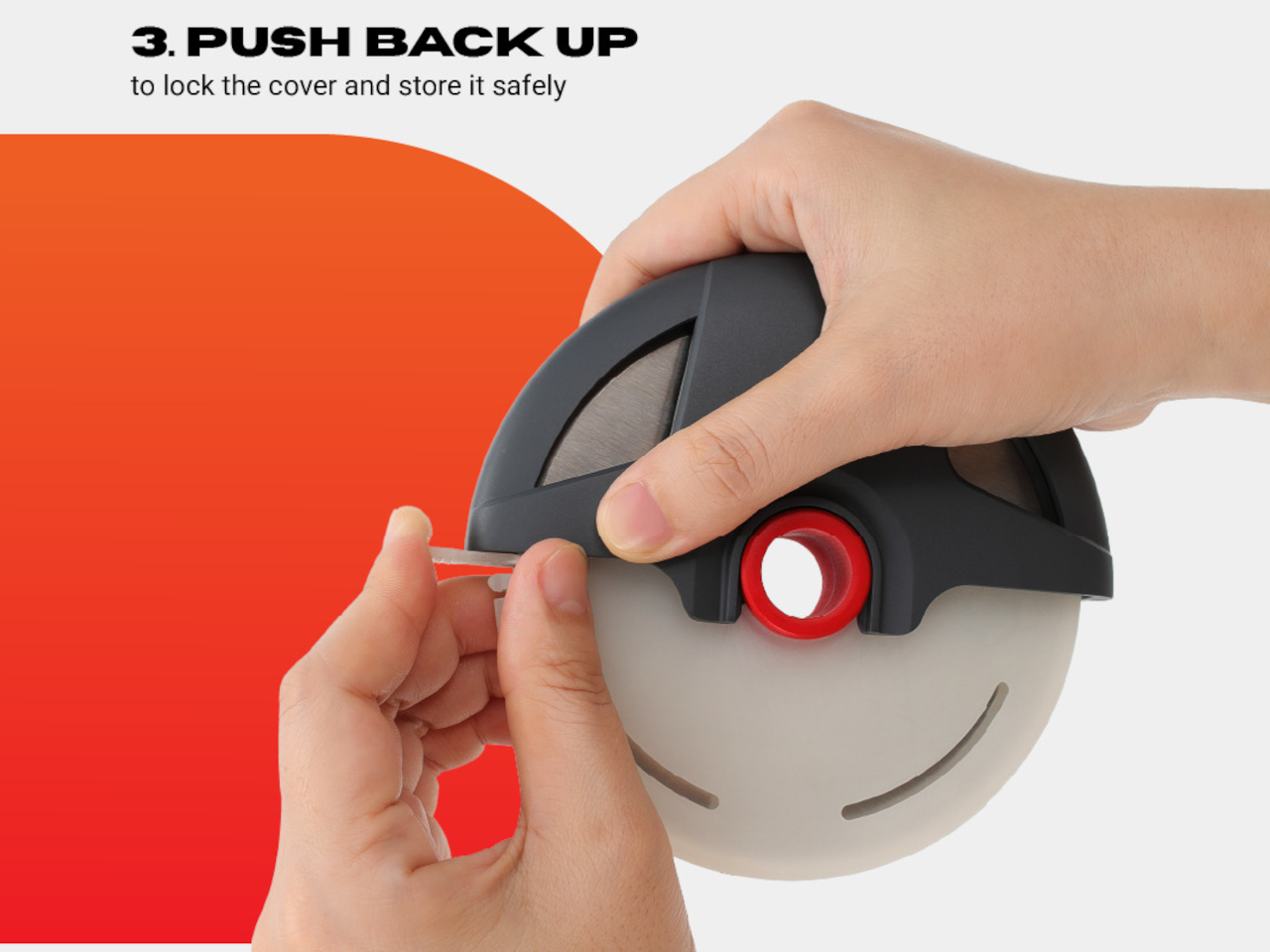
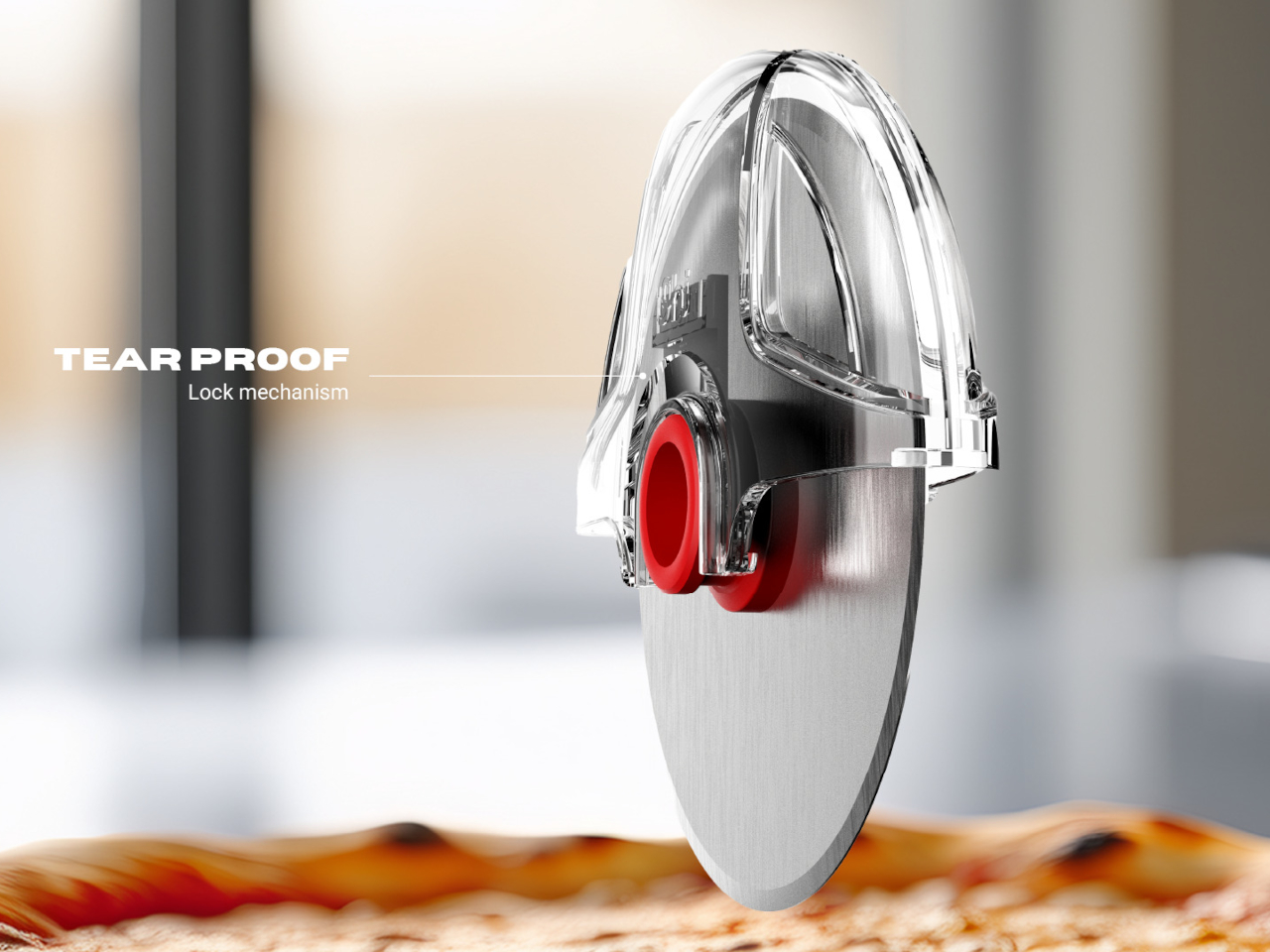
The transparent polycarbonate blade cover locks over the cutting edge when the tool goes back in the drawer. A simple sliding mechanism unlocks it for use. This removes the anxiety about reaching into a drawer and grabbing the sharp side accidentally. The cover also keeps the blade clean between uses and prevents it from dulling against other utensils.

That power tool resemblance works both functionally and aesthetically. The black, red, and silver color scheme reinforces the industrial quality. The wheel shape makes storage more compact than traditional pizza cutters with long handles. What could feel gimmicky instead reads as purposeful, turning pizza cutting into something that feels more deliberate and satisfying.

The UHIYEE Wheel Pizza Cutter brings industrial design thinking to a kitchen task that rarely receives this level of engineering attention. It handles thick crusts and deep dish edges confidently while looking appropriate next to other well-designed kitchen tools. The power tool resemblance stops feeling unusual once you’ve used it, making pizza night more satisfying for anyone who appreciates objects that actually work.

The post This Pizza Cutter Looks Like a Tiny Circular Saw first appeared on Yanko Design.

Harman Kardon Aura Studio 5 revives an iconic design with modern glow and immersive sound

Few brands have successfully merged sound and sculptural elements quite like Harman Kardon. For decades, the New York-based company has treated speakers not merely as audio devices but as design objects. More than just audio accessories, they are pieces that add emotion and visual rhythm to any interior space. From the transparent SoundSticks that became a millennial desktop icon to the elegantly curved Aura series, every release has carried that distinctive harmony of sublime clarity and unique form.

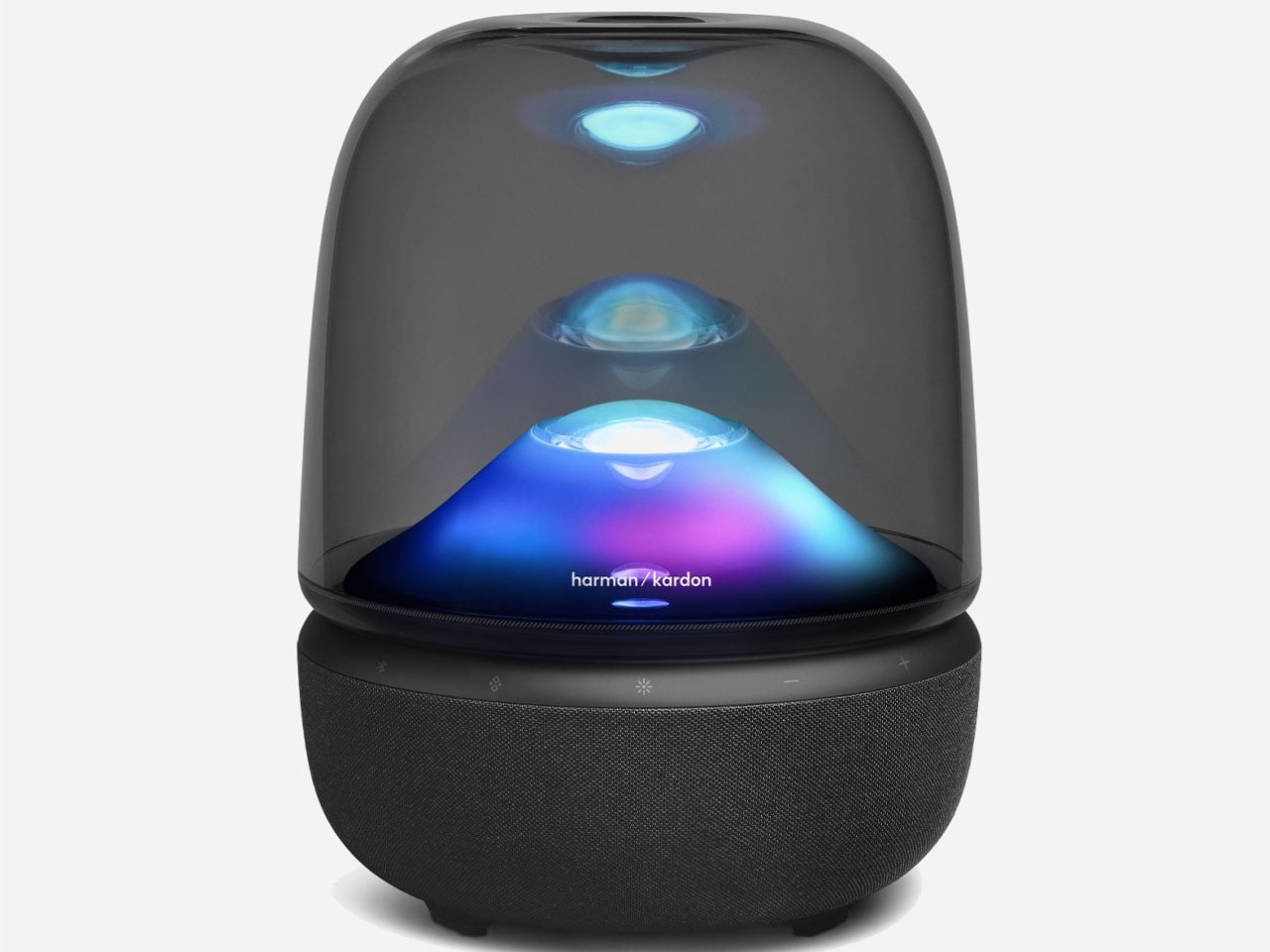
The newly introduced Aura Studio 5 builds on that legacy, reinterpreting Harman Kardon’s classic dome aesthetic for a generation that values both sensory immersion and timeless design. Its combination of audio performance, ambient lighting, and sculptural form positions it not just as a speaker but as an artful centerpiece for modern interiors. In the age of portable sound and smart assistants, the Aura Studio 5 stands apart by focusing on the audio and visual experience. The sculptural speaker is designed to fill a room not only with rich sound but with presence. For longtime admirers of Harman Kardon’s design language, this evolution feels like a thoughtful homage. One that reconnects with the brand’s expressive past while embracing a distinctly modern sensibility.

Designer: Harman Kardon

At first glance, the Aura Studio 5 feels familiar yet freshly refined. The transparent dome remains its signature feature, offering a glimpse of the internal architecture while softly diffusing light. On the Inside, there’s a carefully engineered 360-degree sound system that combines a 25 mm tweeter, six 40 mm mid-range drivers, and a 143 mm subwoofer driven by a powerful 160-watt amplifier. Together, they deliver Harman Kardon’s “Constant Sound Field” experience, balancing acoustics that maintain their character no matter where you sit in the room. With a frequency response from 45 Hz to 20 kHz, the speaker captures both the warmth of low-end depth and the sparkle of treble detail with remarkable precision.

This new model, replacing the Aura 4, introduces a refreshed layer of sensory engagement through its ambient light projection system. Nature-inspired themes like Snowy Fireplace, Sunrise, Blossom, Aurora, and Ocean, cast subtle, dynamic visuals across walls and ceilings, transforming listening sessions into immersive environments. Through the companion Harman Kardon app, users can control lighting effects, adjust brightness, fine-tune the equalizer, install firmware updates, or even link two Aura Studio 5 units for a stereophonic setup.

Modern connectivity keeps the overall experience seamless. Bluetooth 5.4 ensures stable wireless streaming with minimal latency, while the 3.5 mm auxiliary input offers a wired alternative for traditional audio sources. This versatility makes the speaker equally at home in a contemporary living space, creative studio, or office setting. The Aura Studio 5 debuted in Japan at around 46,200 Yen (approximately $300) with sales starting on 13 November. Availability in other markets such as the United States, the United Kingdom, and Europe is expected soon.

The post Harman Kardon Aura Studio 5 revives an iconic design with modern glow and immersive sound first appeared on Yanko Design.

This Foldable iPhone Never Actually Folds, and That’s Genius

Foldable phones promise devices that shrink for portability and expand for productivity, but they consistently run into the same problems. Hinges wear out or develop resistance over time. Screens crease visibly where they bend. The devices end up thicker than standard phones, even when folded. Most foldables also force users to accept awkward seams running through their primary displays, creating visual interruptions that never quite disappear.

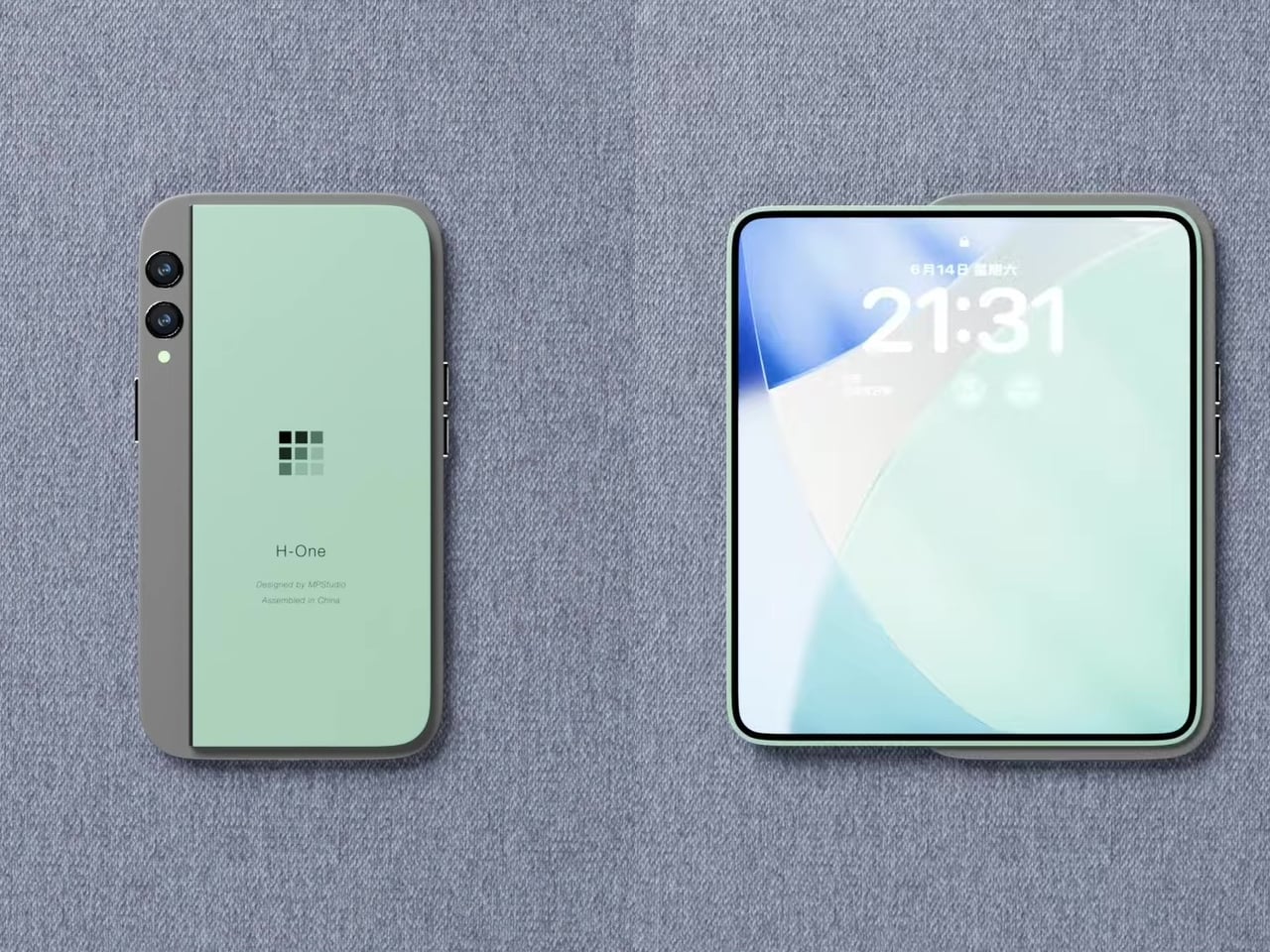
Mechanical Pixel’s iPhone Fold concept sidesteps these issues by keeping the phone itself rigid and adding a separate foldable screen to the back. The main iPhone body stays conventional, maintaining the familiar feel and dimensions people expect. A thin, flexible display sits raised on a platform above the rear panel, almost like it was stuck there as an afterthought. When needed, that screen unfolds outward to create a larger, squarish tablet surface.

Designer: Mechanical Pixel

The raised platform is visible when viewing the device from the side, creating a layered appearance that signals something unusual is happening on the back. This isn’t a flush integration where the foldable screen hides seamlessly. The screen clearly sits above the phone’s rear panel, which gives the concept an experimental, modular quality. The camera module remains in its typical position, unaffected by the additional display layer.

Unfolding the screen pulls it away from the phone’s back and opens like a book. The result resembles a small tablet with nearly square proportions rather than the typical elongated phone-to-tablet transformation most foldables offer. The phone’s primary display can continue functioning normally, while the flexible screen adds surface area when tasks require it. The main body never bends or flexes during this process.

This approach solves several foldable phone complaints. Hinge durability becomes less critical because the phone’s structural integrity doesn’t depend on a folding mechanism. Screen creasing affects only the secondary display, leaving the primary screen untouched and pristine. Daily phone use feels identical to a standard iPhone because that’s essentially what it remains when the extra screen stays folded.

New problems emerge with this design. The raised platform adds bulk to the back, making the phone thicker overall and potentially awkward to hold or pocket. Wireless charging might struggle with the raised section interfering with coil alignment. Camera usage in tablet mode is nearly impossible because the unfolded display covers the lenses.

The concept exists as speculation rather than serious product development. Naturally, Apple hasn’t officially endorsed this design, and manufacturing challenges make actual production unlikely. It addresses real durability concerns while introducing new ergonomic and practical challenges. The raised platform aesthetic makes the experimental nature visible rather than hidden, which feels honest about what this design represents as a thought experiment.

The post This Foldable iPhone Never Actually Folds, and That’s Genius first appeared on Yanko Design.

Vosteed Vombat Review: Why This M390 Pocket Knife Is an EDC Modder’s Dream Come True

Picture the typical launch cycle for a new folding knife. The company teases a product on Instagram, drops some specs, maybe partners with a YouTube reviewer or two. Enthusiasts argue about blade steel and lock mechanisms in comment sections. Someone complains about the price. Someone else points out the handle color options are boring. Launch day arrives, and the knife goes out into the world exactly as the manufacturer intended, sealed behind screws most buyers will never touch. Months later, modders start posting custom scale builds, aftermarket clips, and anodizing projects. The manufacturer either ignores this entirely or, in some cases, sends cease-and-desist letters.

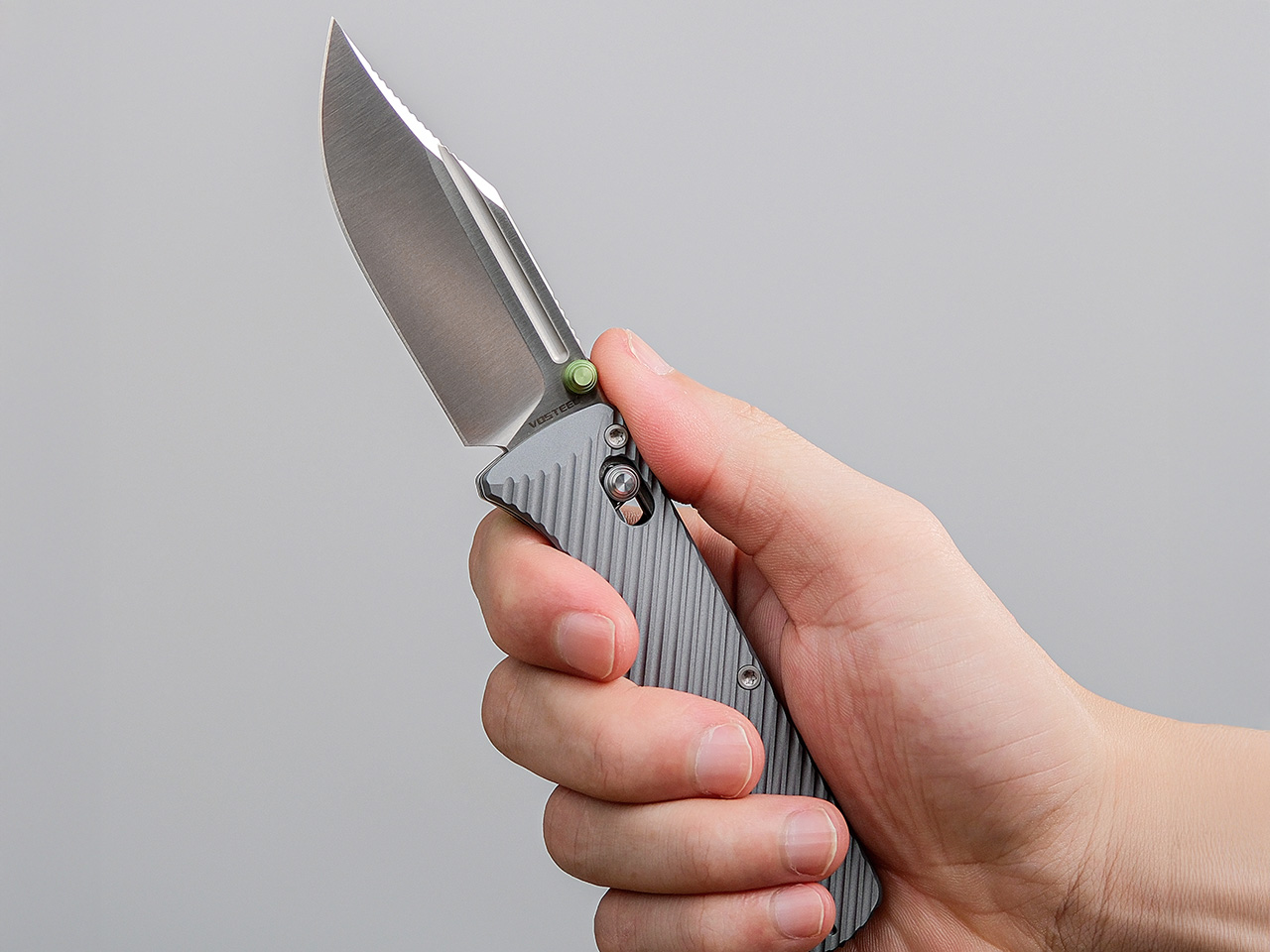
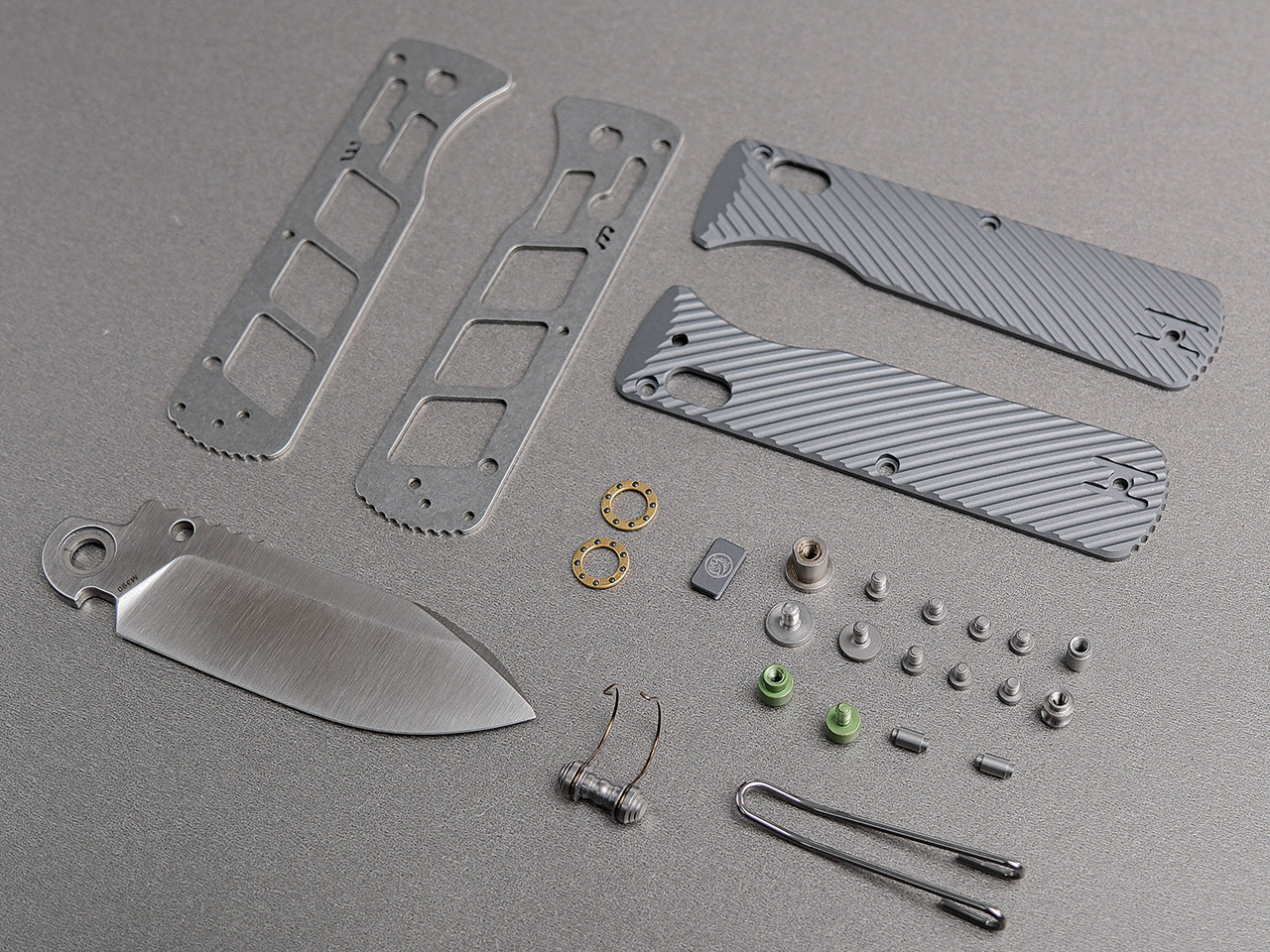
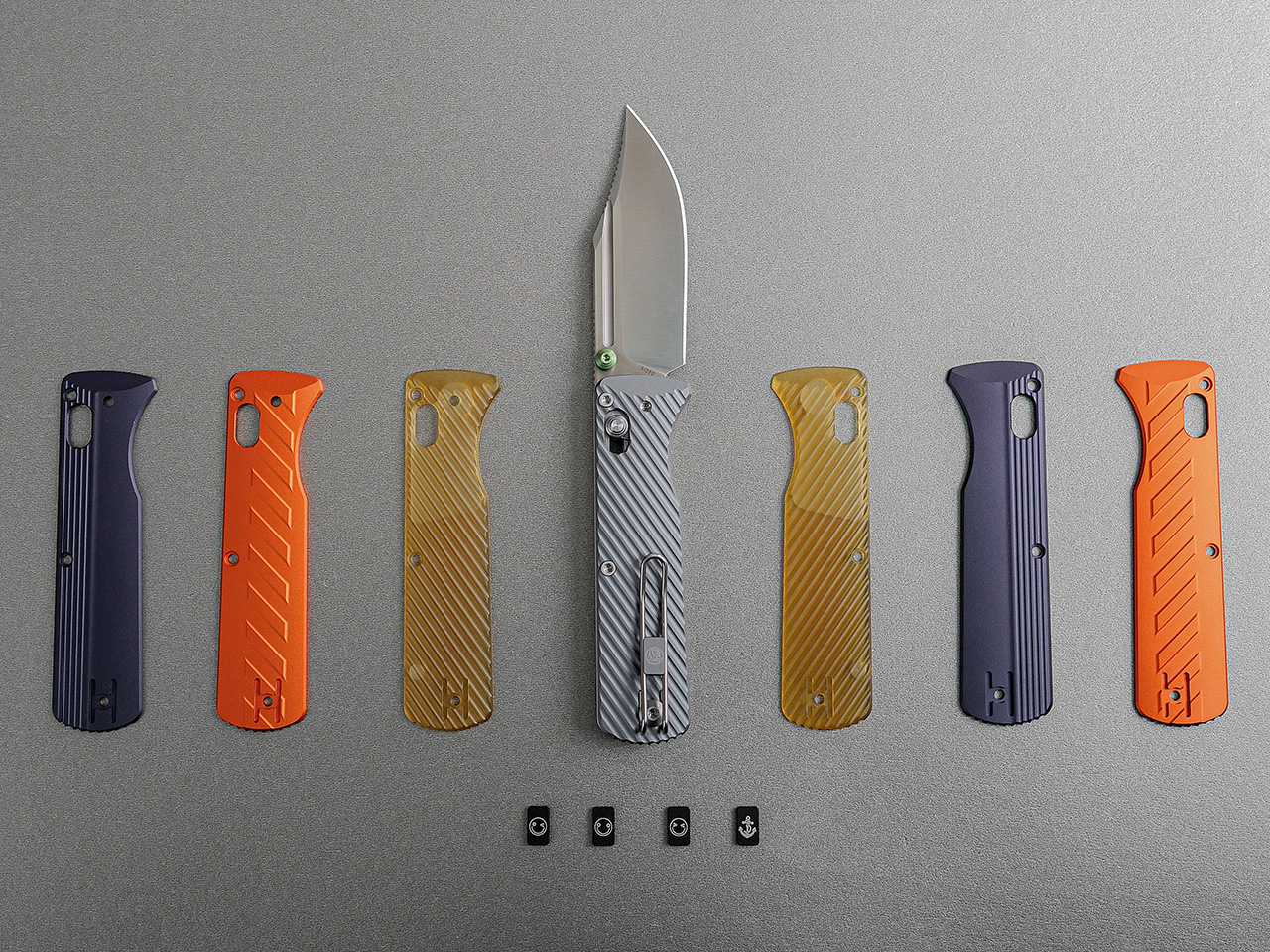
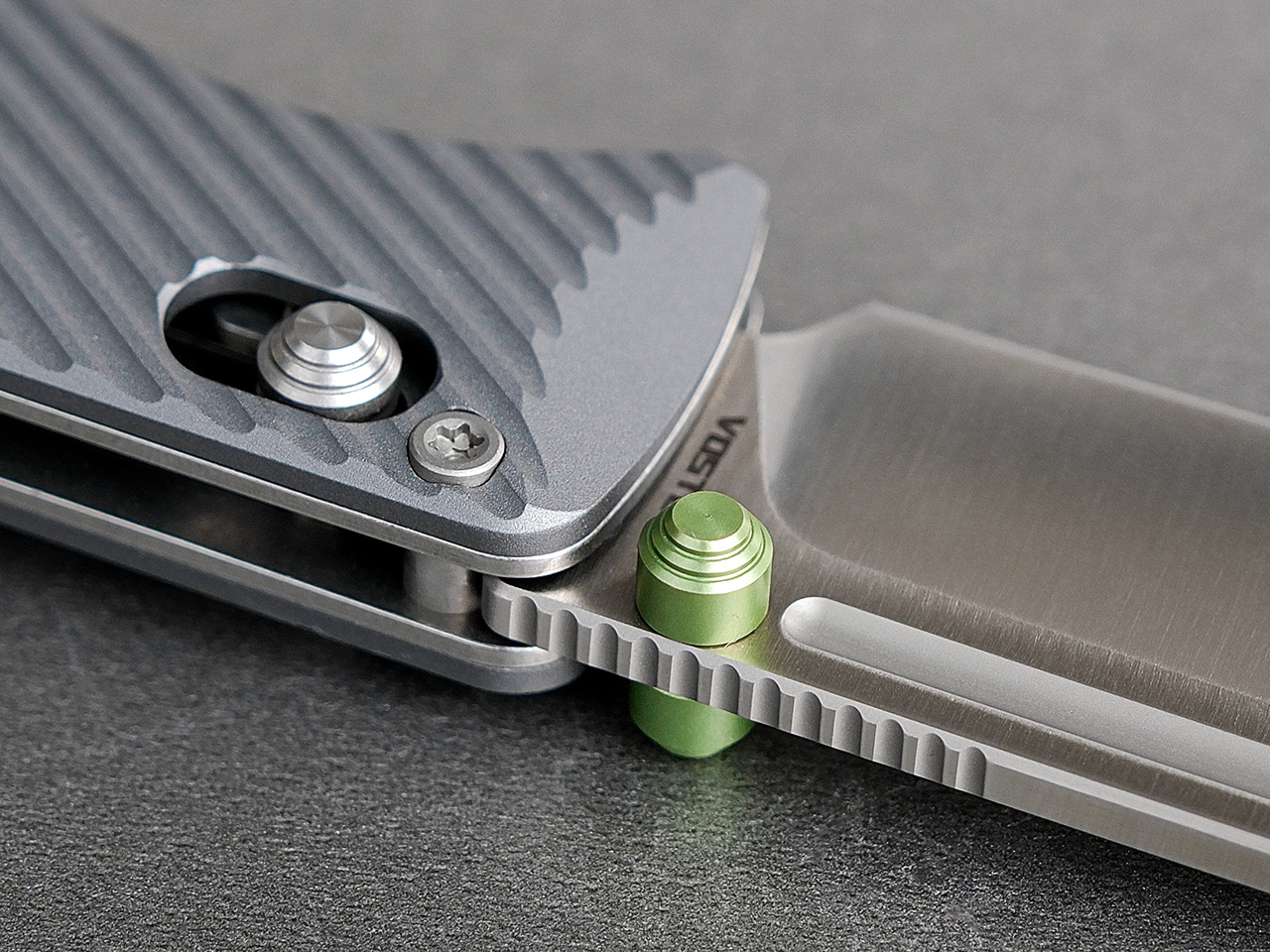
Vosteed took one look at that cycle and designed a knife that skips straight to the modding phase. The Vosteed Vombat arrives as something closer to a platform than a finished product, complete with swappable scales, adjustable internals, and a construction system so deliberately user-friendly that all the body screws use the same T8 driver. They even provide the 3D files for printing custom scales, turning what’s usually a gray-market activity into an official feature. Pair that openness with a 2.92-inch M390 blade and a patent-pending Ball Roll Bar crossbar lock, and you have a knife that refuses to choose between performance and personalization.

Designer: Vosteed

Click Here to Buy Now: $83.40 $139 (40% off). Hurry, deal ends in 48-hours! Amazon Here.

It’s a hell of a gamble, trusting your customers not to mess things up. Most brands are terrified of this, preferring a locked-down ecosystem where they control every aspect of the user experience. Vosteed is basically handing over the keys to the kingdom, admitting that their vision ends where yours begins. This transforms the Vombat from a static object into a dynamic project. It’s a brave move that says more about their confidence in the EDC community than any slick marketing campaign could. But it also raises the stakes. An open platform is only as good as its foundation, so the core knife has to be absolutely dialed in from the factory.

And deliver it does. The whole thing is built around their Swappable Adjustable Scale, or SAS, system. This is the beating heart of the Vombat. Sure, you can swap the slick, CNC-textured aluminum scales for aftermarket kits in G10 or micarta, or go wild with your own 3D-printed designs. The real magic, though, is under the hood. You can actually tweak the crossbar’s omega spring tension using clever little “music note” indicators on the liners, letting you dial in the perfect action. There’s even a dedicated service hole that gives you access to the pivot for fine-tuning blade centering without having to perform the dreaded full takedown. This is the kind of obsessive-level tuning that knife nerds live for, and it’s all part of the stock package.

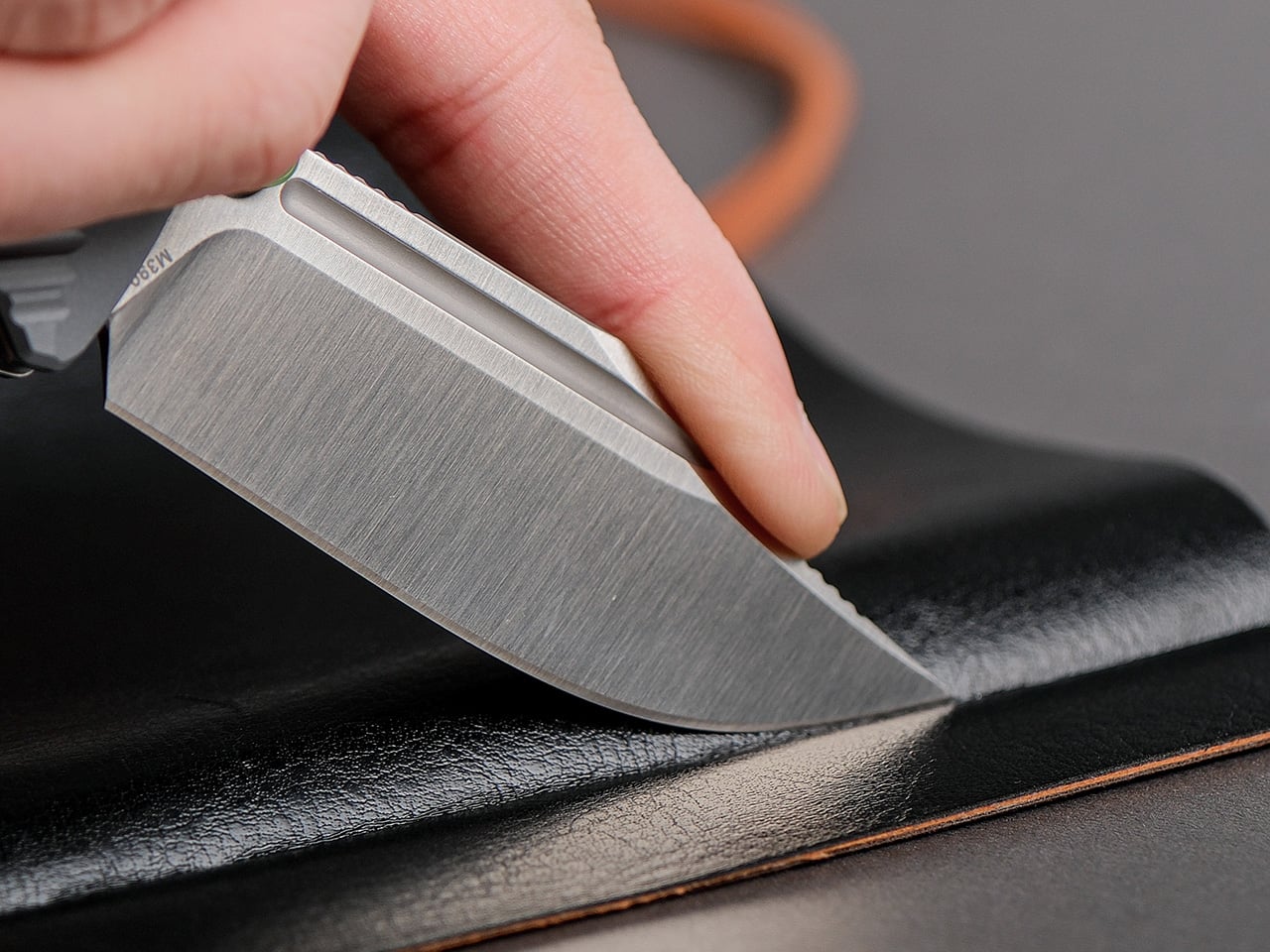
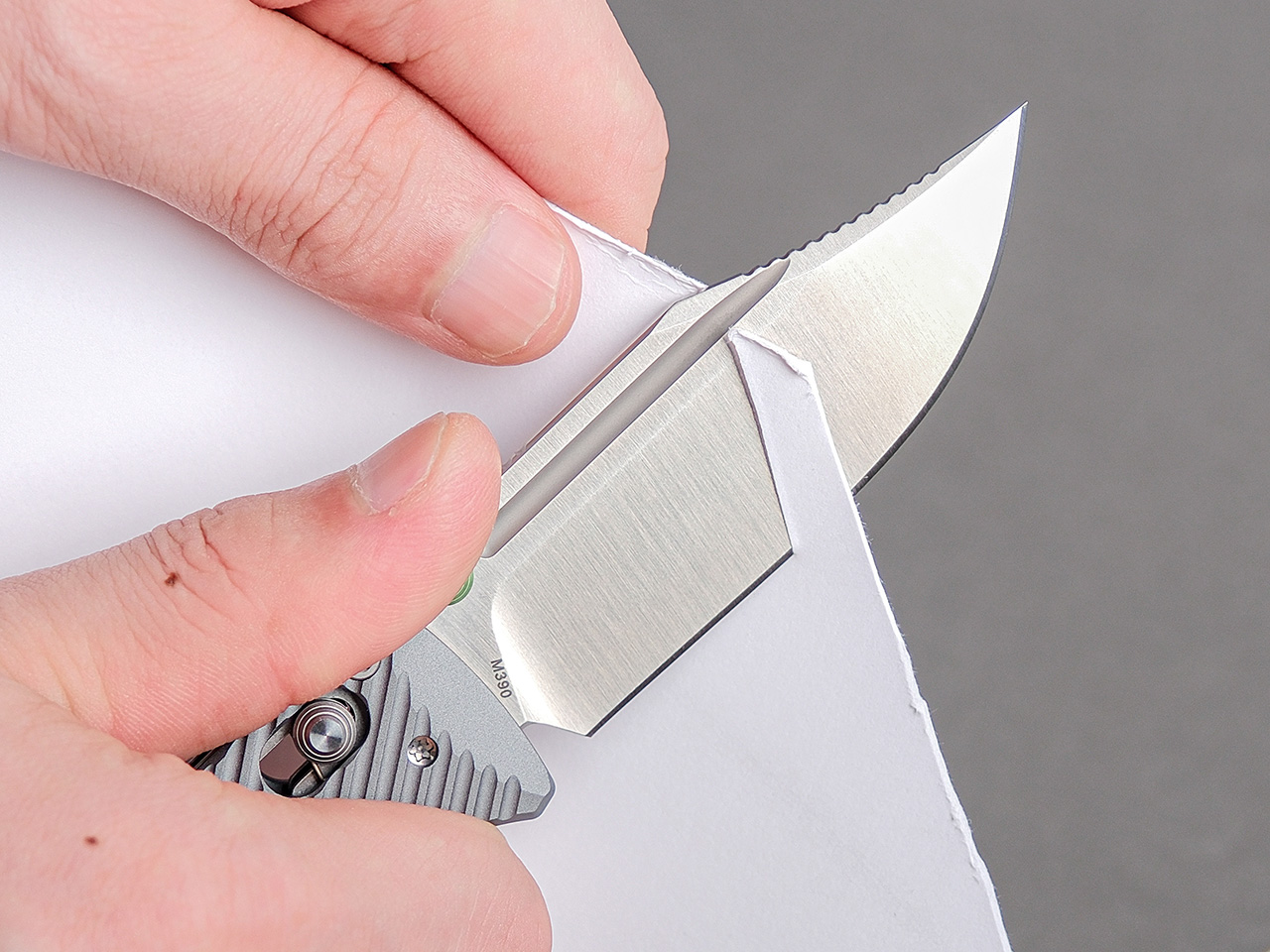
A tinkerer’s dream is a user’s nightmare if the knife itself can’t cut worth a damn. Vosteed knows this, which is why the Vombat is rocking a 2.92-inch blade made from Bohler M390, a super-steel that holds an edge forever and laughs at corrosion. You get two blade shapes to choose from: a classic, clip-point Bowie and a beefy Zulu spearpoint for more demanding utility work. They’ve also milled in their signature dual jimping, one set on the spine for your thumb and another up front for when you need to choke up for detail work. It’s one of those tiny ergonomic details that feels incredibly right once you use it, making the knife feel both secure and nimble.

Even the crossbar lock, which is everywhere these days, gets a thoughtful upgrade. Vosteed noticed that some crossbar locks can develop a bit of grit or stick over time, so they developed what they call a Ball Roll Bar. It’s a tiny, polished sphere at the heart of the mechanism designed to make the action smoother and more reliable over thousands of deployments. That’s the kind of obsessive detail that separates a good design from a great one. They didn’t just copy a popular feature; they identified a point of friction and engineered an elegant, almost invisible, solution.

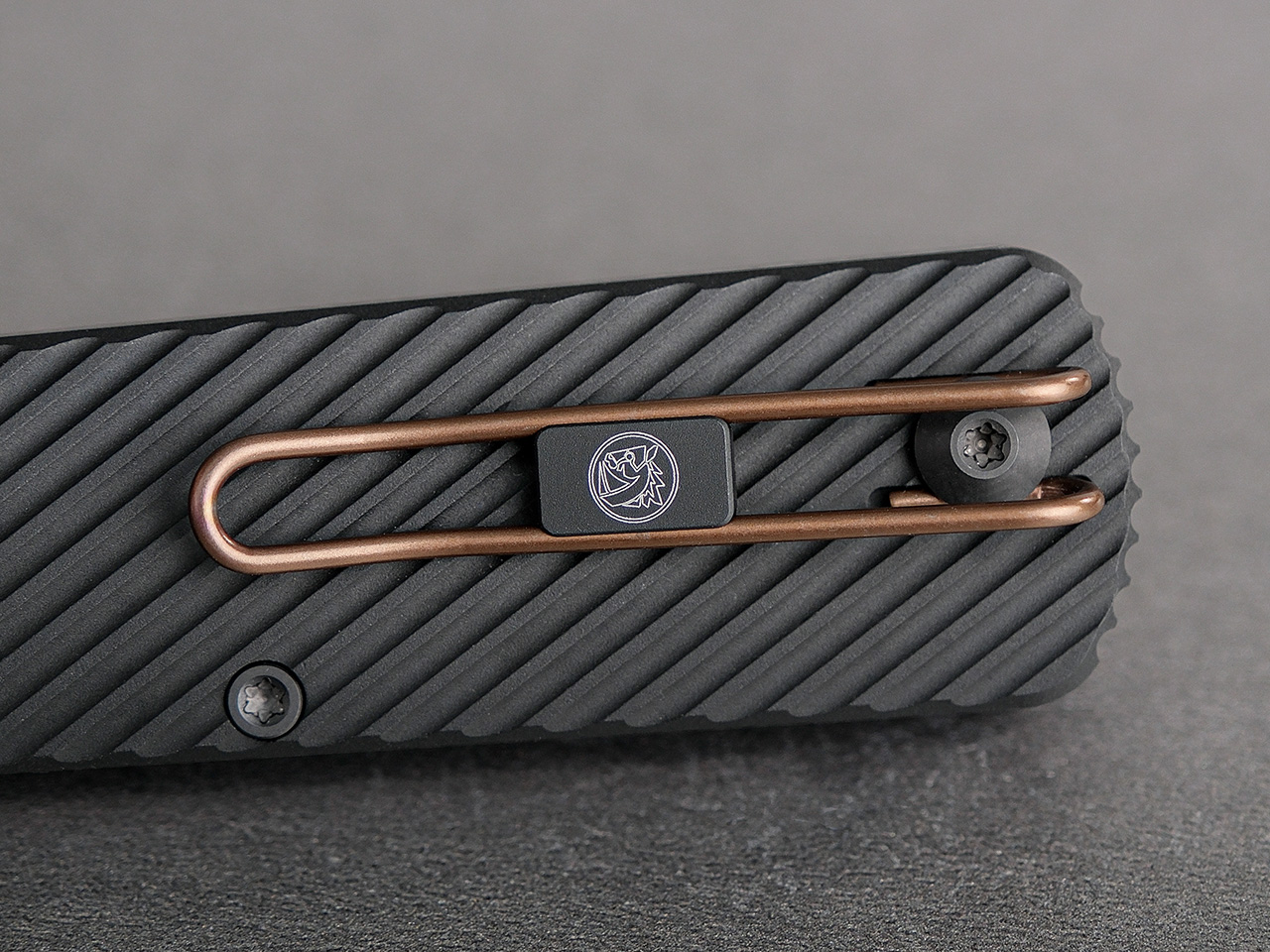
So what we have here is not just another knife release. The Vombat is a premium folder built like a kit car. It gives you a fantastic M390 engine, a cleverly refined chassis with that Ball Roll Bar lock, and then invites you to build the rest of it exactly how you want. Everything from the single T8 screw size to the etch-friendly wire clip plate is designed to be pulled apart and personalized. With the current 40% launch discount bringing the price down to $119, it’s a no-brainer for anyone who’s ever looked at their EDC and thought, “I could make this better.” I’m genuinely stoked to see the weird, wonderful things people do with this knife.

Click Here to Buy Now: $83.40 $139 (40% off). Hurry, deal ends in 48-hours! Amazon Here.

The post Vosteed Vombat Review: Why This M390 Pocket Knife Is an EDC Modder’s Dream Come True first appeared on Yanko Design.

Top 10 World’s Thinnest MagSafe Power Banks That Give Your Phone Battery Without Any Bulk

The current war in the tech industry isn’t about megapixels anymore. It’s moved on from cameras to folding displays to AI… and now the battleground is slimness. Companies like Samsung, Tecno, Honor, and Apple are actively locking horns here, shaving off precious millimeters off their phones to make them slimmer and sleeker, without really any strength tradeoff. The iPhone Air is a legitimately strong phone, and took over 200 lbs of pressure to break according to JerryRigEverything’s strength test. The problem, however, with a slim phone isn’t bendability or breakability… it’s battery capacity.

These slim phones end up boasting pro-grade performance, but at the cost of battery life. To be honest, nobody ever asked for ultra-slim phones – go on the streets and ask anyone and they’ll tell you day-long battery is more important than a slick gadget. The solution exists in broad daylight too – MagSafe power banks… but slap a chunky power bank on even a regular phone and it ends up looking like you’re using a massive Nokia Communicator phone. So we sifted through the internet to find the slimmest MagSafe power banks out there. These power banks are all under 10mm, which means they should attach to your phone without adding too much visual bulk. We’ve zeroed down on 11 power banks that fit this unique problem statement… I’ve added the 11th one not just because it’s technically impressive, but also I begrudgingly had to add Apple’s MagSafe Power Bank for the iPhone Air to this list (even though it literally only works with one smartphone). Here are our picks and what we love about them.
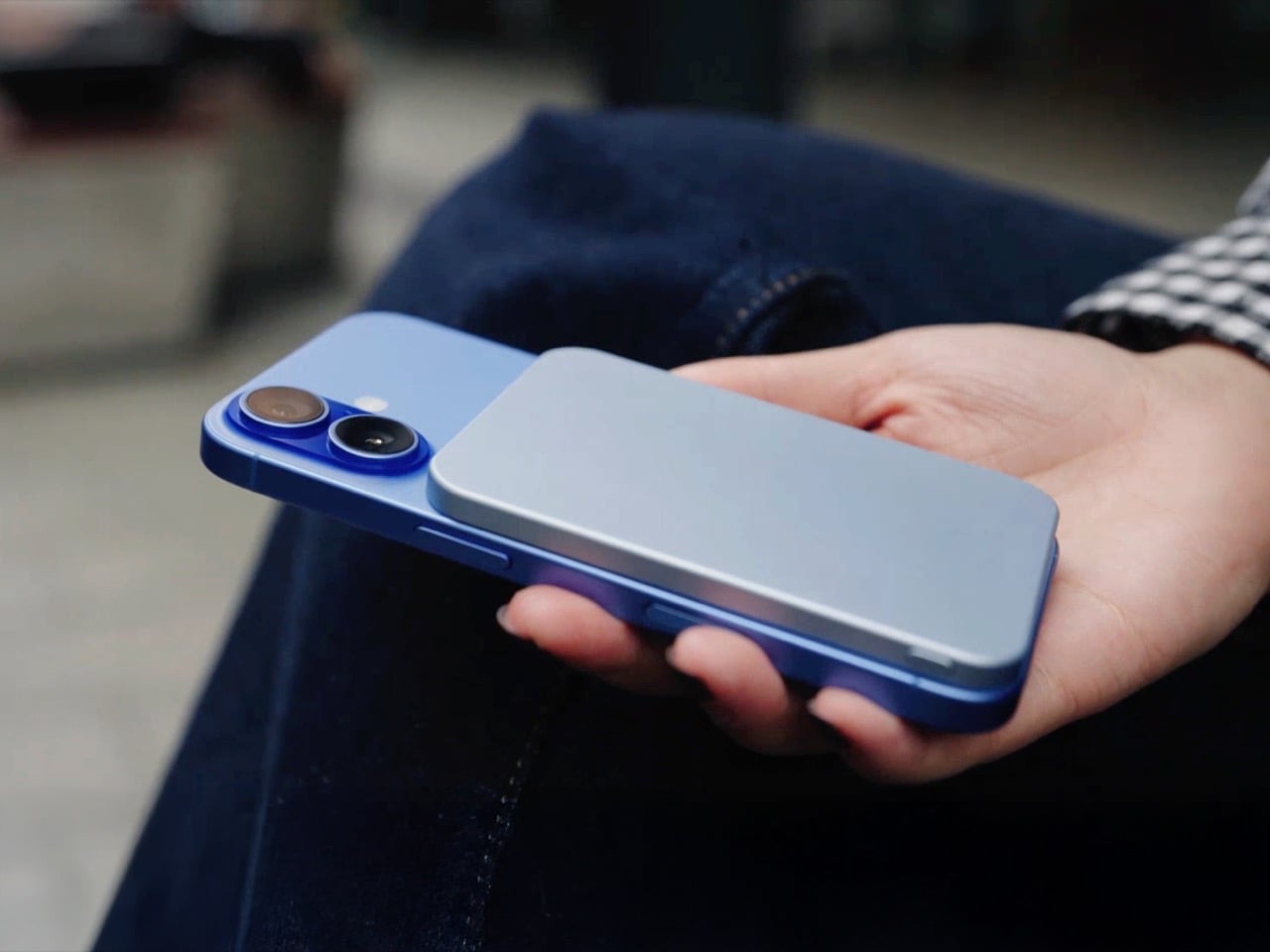
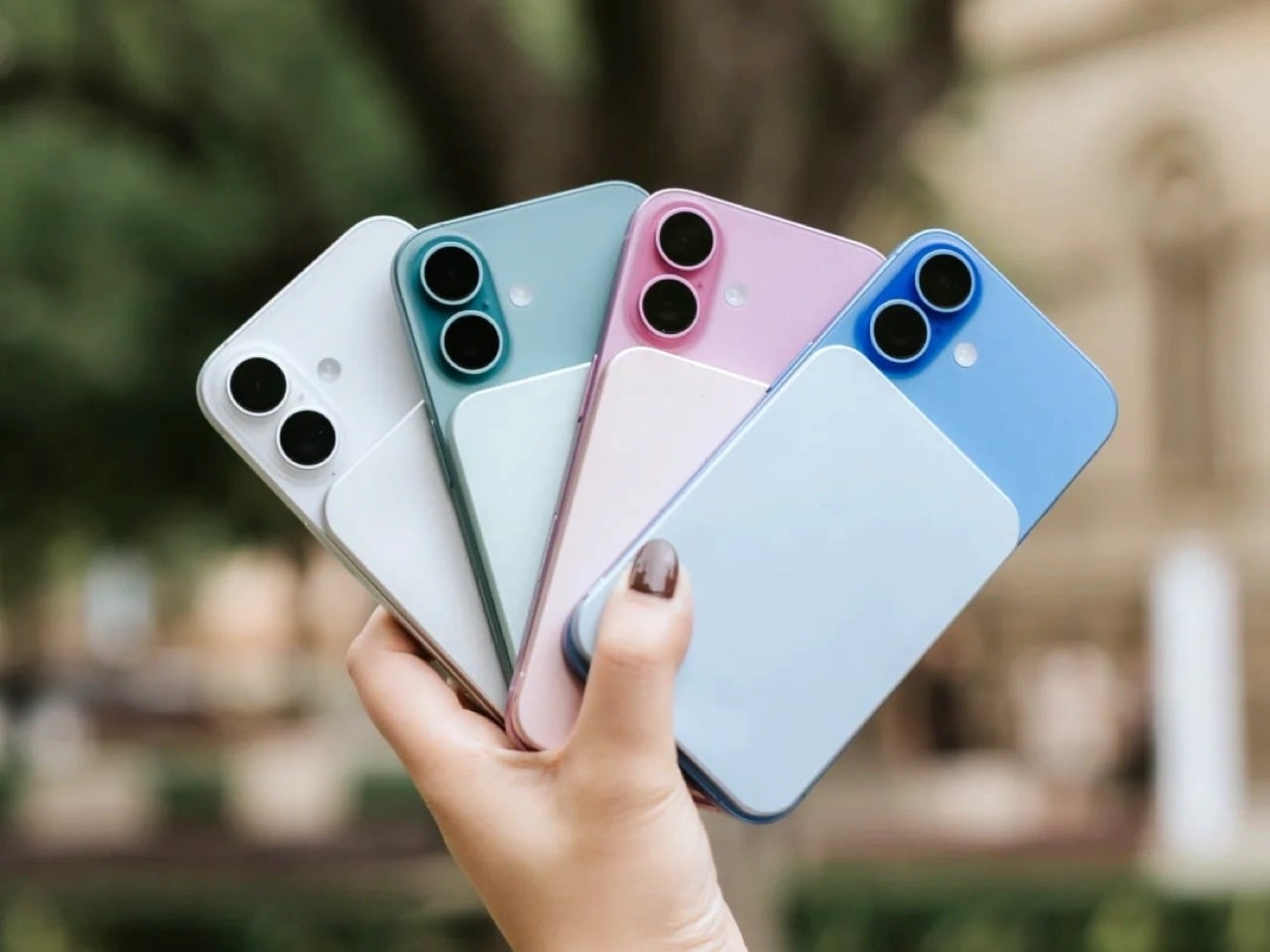
01. SnapWireless PowerPack Slim 2 (5.8mm)

You know what, shame on me for assuming that only legacy companies like Apple, LG, Samsung, Xiaomi, and Huawei have advanced battery R&D. The thinnest power bank on the market comes from a company you’d least expect. SnapWireless is known for its smartphone accessories like cases, chargers, and MagSafe wallets, but they also hold the title for selling the world’s thinnest power bank. The SnapWireless PowerPack Slim 2 may just pack 5,000mAh, but it does so in a form factor nearly as slim as the thinnest part of the iPhone Air.

The Slim 2 comes in 5 colors that match the iPhone 17’s palette (so you can get a power bank that matches your phone), and boasts a nifty matte metallic outer body that works as a heat sink, dissipating heat while your phone charges away. Snap the power bank on and it barely adds any thickness or weight to your phone (the thing weighs just 82 grams or 2.8 oz), and it gives your iPhone (or even Qi2-ready Android phone) an extra 5,000mAh, or just enough to get through a weekend.

Why We Recommend It

At 5.8mm, this thing is as thin as 7 credit cards stacked together… Snap it onto your phone and it practically blends in, considering most camera bumps are a comfortable 4-5mm thick anyway. At $45.56 on the SnapWireless website, this power bank is dirt cheap thanks to the Black Friday promo… let’s not also forget that it literally managed to beat stalwarts like Apple, Baseus, and Anker for the title of the ‘World’s Slimmest MagSafe Power Bank’.
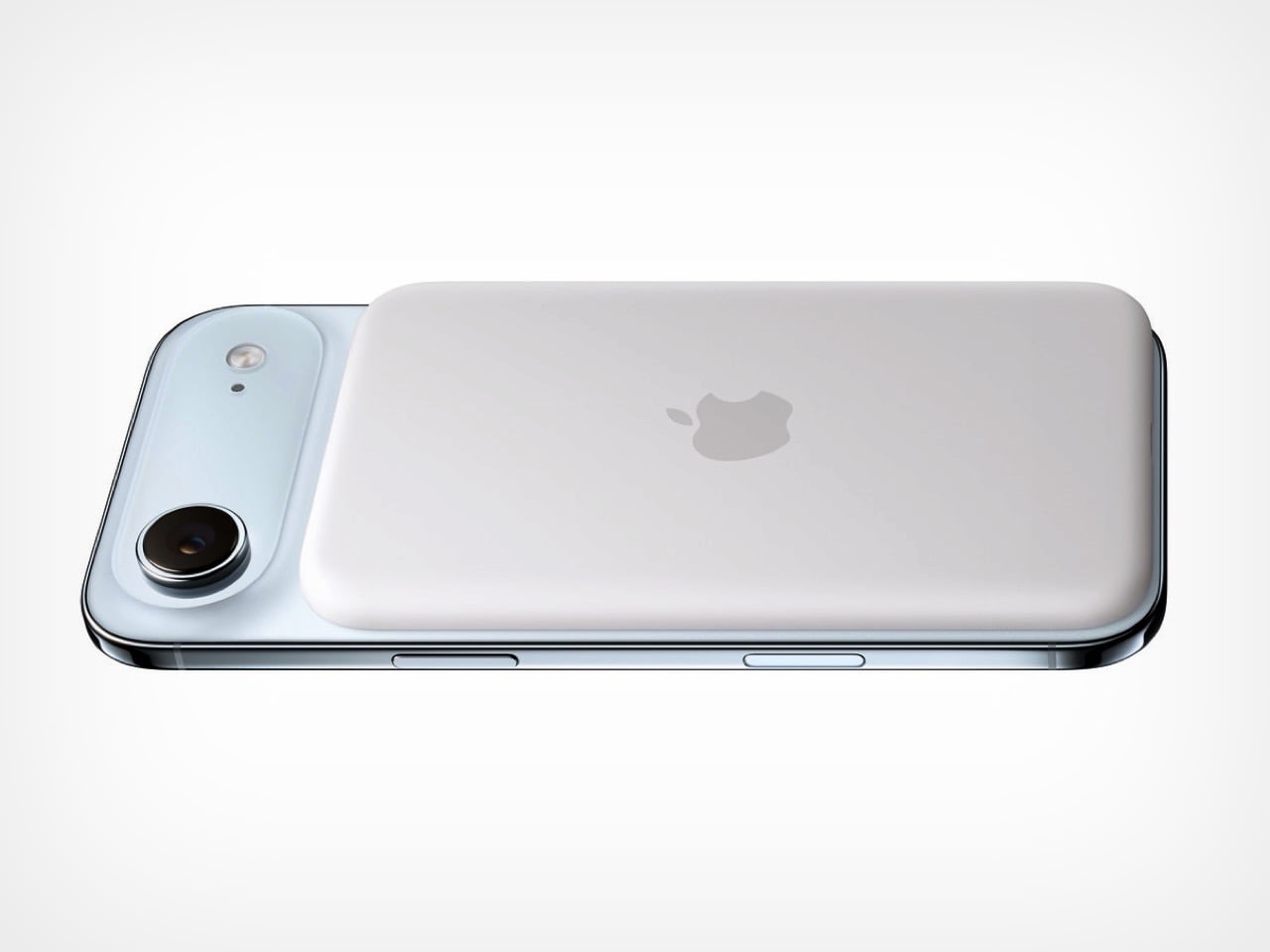
02. Apple iPhone Air MagSafe Battery Pack (6.5mm)

Apple had a MagSafe Battery Pack that was discontinued in 2023, just 2 years after it launched. That battery pack notoriously got the nickname of ‘Camel Hump’, because of how it added this strange malignant growth to the back of the phone. Apple, however, quietly relaunched the MagSafe Battery Pack in September, as an iPhone Air exclusive. The reason? Because the iPhone Air’s battery could only pack so much power.

That being said, this $99 Battery Pack basically doubles your iPhone Air’s extra battery. The Air has a 3,149mAh battery itself, and the MagSafe Battery Pack adds an additional 3,149mAh to the phone. It does so while being just 6.5mm thick, and iFixit managed to tear it apart to reveal that the actual battery cell inside the pack was just a mere 2.72mm. The rest of the thickness can be attributed to the insulation/cover, the wireless charging coil, the MagSafe magnets, and the microcontroller that runs the battery pack along with its charging status LED.

Why We Recommend It

We don’t. Well, unless you’re one of the rare few people who splurged on the iPhone Air (apparently the Air only accounted for 3% of iPhone sales since September), this power bank really doesn’t make sense. It’s oddly shaped (and won’t mount on any other iPhone except the Air), and it also has the lowest mAh rating of any power bank in this list, making it an extremely niche product. But despite all that, a 6.5mm-thick power bank is quite the feat.
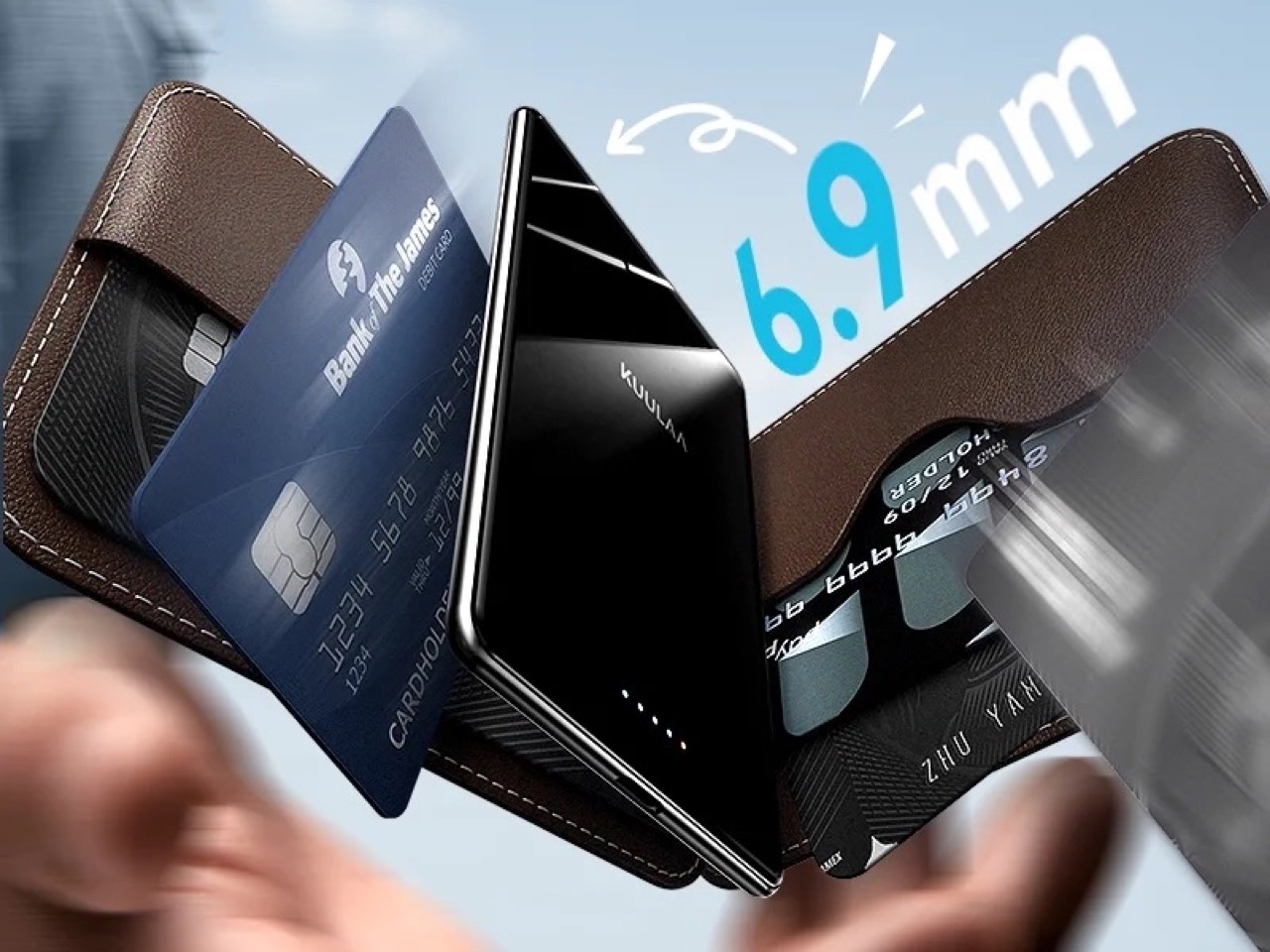
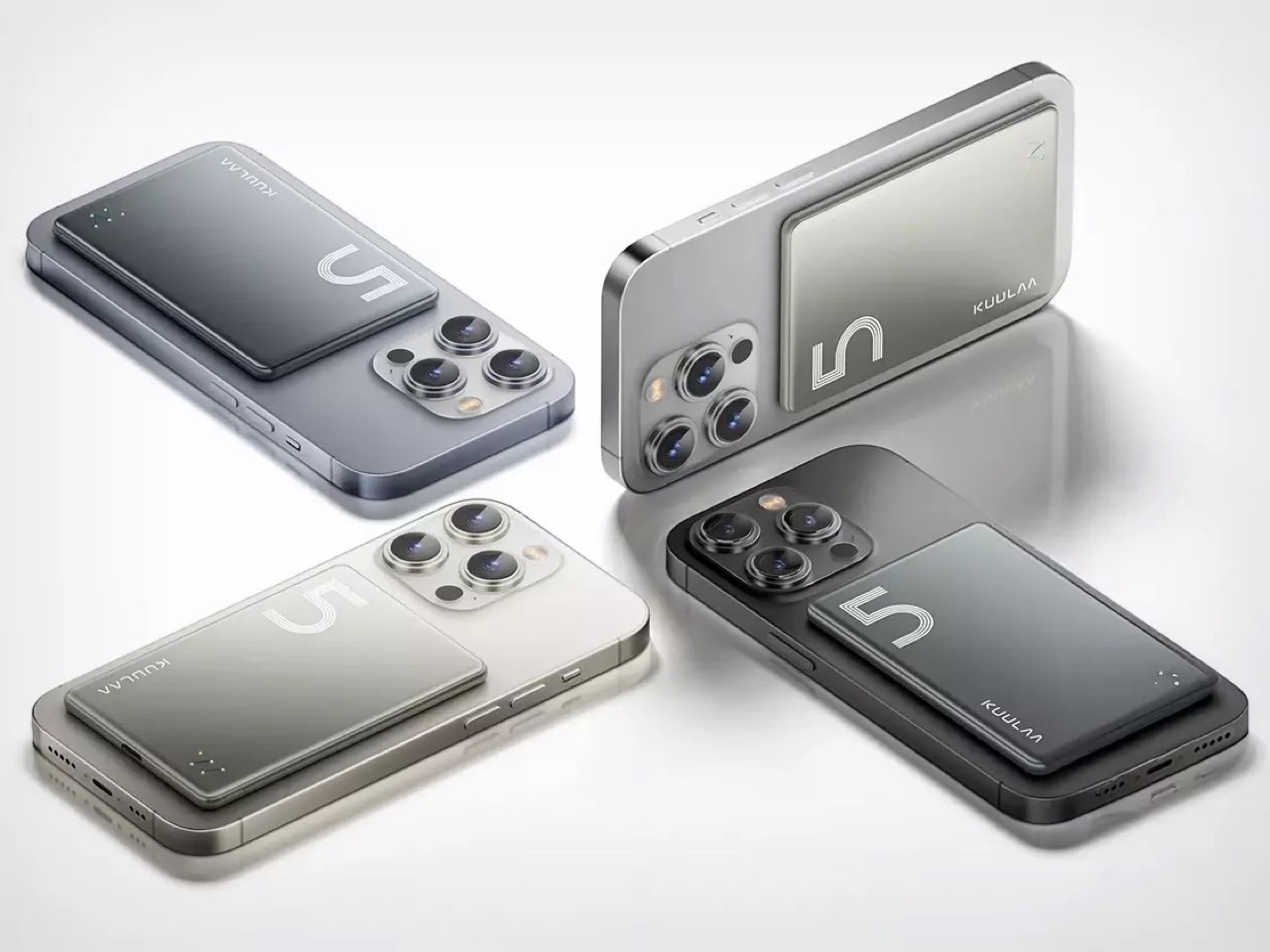
03. KUULAA Magnetic Power Bank (6.9mm)

Here’s what I love about this list – companies that most consumers wouldn’t have heard of are genuinely pushing boundaries by building well-engineered, slim devices. KUULAA’s slimmest power bank is just 1.1mm thicker than the thinnest power bank in the world. At 6.9mm, it sits third on this list, packing 5,000mAh of battery capacity, which is enough to charge most phones from 0-100 all the way through.

This power bank sports a glass back that matches most glass-back iPhones, and offers 7.5W standard MagSafe charging, but a pretty neat 20W when plugged in using the USB-C port on the bottom. At 110 grams (3.88 ounces), this thing is lighter than Apple’s own MagSafe Power Bank mentioned above, while still having nearly an extra 2,000mAh of capacity.

Why We Recommend It

What’s not to recommend? This thing’s a full $20 cheaper than Apple’s power bank. Super-strong N52 magnets hold the power bank on securely, and the thing supports dual-charging, working simultaneously as a wireless as well as a wired charger. The power bank comes in black or white, and if you want a pop of color, there are purple and pink variations too, although I’m personally a fan of subtle classic colors.
04. KUULAA MagOn Power Bank Ultra-Thin (7.2mm)

Back again on this list, KUULAA’s MagOn Power Bank sits at 7.2mm thick, making it just a fraction of a millimeter thicker than its own sibling. The specs are exactly the same – 5,000mAh on the inside, 7.5W wireless charging, 20W wired charging, and the ability to support dual charging. The difference, apart from the thickness, is its use of materials.

While the KUULAA Magnetic Power Bank had a glass-encased design, this one boasts an aluminum outer shell with a glass panel on the back (where the wireless coil is). The aluminum shell does two things – it helps dissipate heat efficiently, keeping the MagOn power bank cool, but it simultaneously also blends well with more premium Pro-grade iPhones that have muted metallic tones. The MagOn’s Titanium and Grey finishes complement the Pro-series iPhones wonderfully, making them a great pick if design matters to you.

Why We Recommend It

It might be thicker than its sibling, but it’s somehow lighter, clocking in at 104 grams or 3.67 ounces. I personally prefer the aluminum back because it visually blends in with my 15 Pro Max wonderfully well. That 0.3mm size bump is negligible, and your eyes (or even your hands) will never be able to tell the difference. The MagOn’s also priced at $76.5, making it even more affordable than its marginally slimmer sibling.
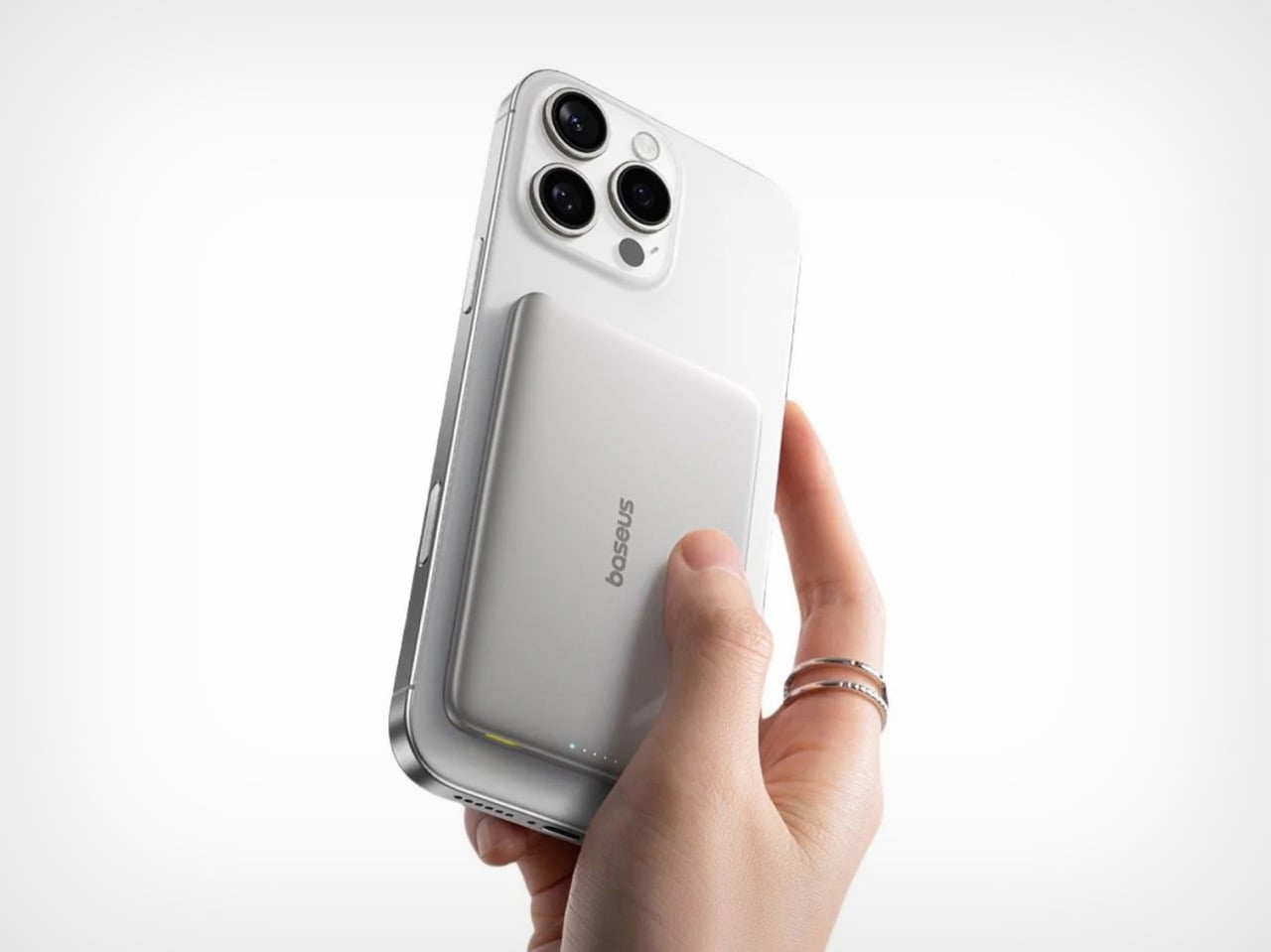
05. Baseus Picogo Ultra-Slim (7.6mm)

We’re sort of venturing into this grey area where all the power banks begin offering the same features. The Picogo Ultra-Slim comes from Baseus, known for their chargers and dongles (I swear by mine), measuring 7.6mm, tying it in with the TORRAS MiniMag which is next on the list. The one (actually two) thing/s giving the Picogo Ultra-Slim its edge remain, firstly, the fact that it’s the lighter of the two, measuring 3.8 ounces or 107.7 grams in weight… The next pro is just pure affordability.

As of this article, the Picogo Ultra-Slim is just $34.99, making it the most budget-friendly power bank on this list. That does matter to most people, and to seal the deal, Baseus also makes some pretty wild claims, like the Picogo Ultra-Slim having its own AI chip for monitoring and managing the power bank’s temperature for ‘cooler charging’. It also helps that the Picogo Ultra-Slim has an aluminum outer shell, helping dissipate heat.

Why We Recommend It

I recommend it for the sheer price. Baseus’ Black Friday discount gives this power bank an undeniable edge (apart from the one its slim design already has). It also supports pass-through charging, and has a 2-year warranty, which feels pretty compelling considering it’s double of what most companies offer.
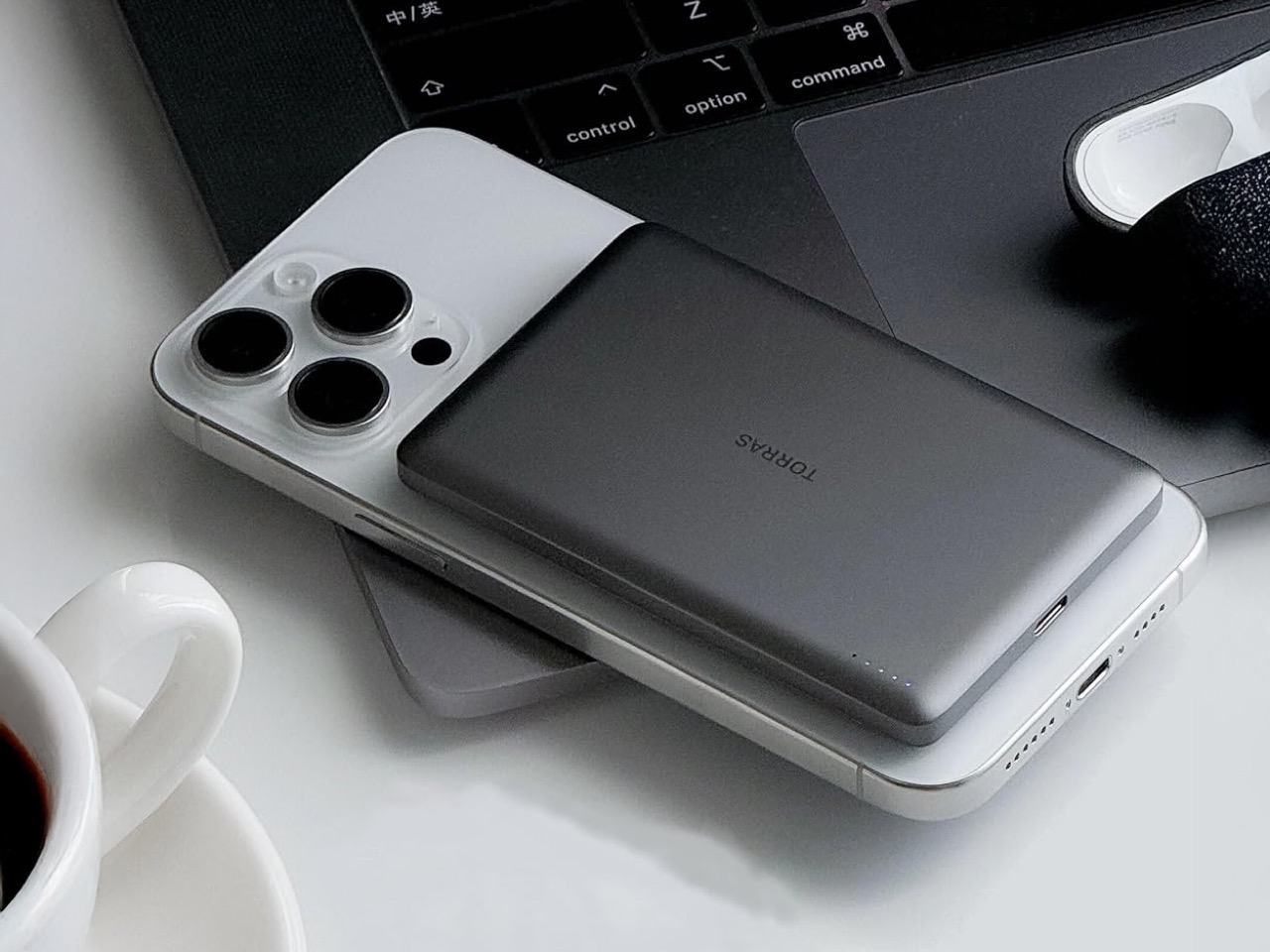
06. TORRAS MiniMag (7.6mm)

TORRAS is an interesting company because while they make some pretty remarkable personal cooling wearables, they’re also absolute masters at casemaking. I still have (and cherish) their Ostand cases with the built-in rotating kickstand, but that’s not what this is about. Aside from neck-based phase-changing coolers and slim creator-friendly cases (and tempered glass protectors), TORRAS also owns bragging rights to the MiniMag, a 7.6mm-thin MagSafe power bank that packs 5000mAh of power in a deceptively thin form factor.

The MiniMag is the size of a playing card, and measures 0.01 inches thinner than the iPhone 17 (which clocks in at 0.31 inches). This, along with the fact that it weighs 115 grams or 4 ounces makes it a perfectly portable pack of power, phone and pocket-worthy. The limiting factor with thin power banks is usually being capped at 5,000mAh (and the MiniMag is limited by that too), but TORRAS also sells a thin 10,000mAh MagSafe power bank that’s a mere 0.5 inches thick… although that one clearly doesn’t make this list.

Why We Recommend It

It’s small, it’s light, and as of today, it’s $43.99 on TORRAS’ website thanks to Black Friday deals going live well in advance. The thing supports super-fast wired charging, making it faster than standard power banks, and the battery’s rated to last 500+ cycles, which easily gives you years of use without any signs of slowing down.

07. SAVEWO EVA MagCell (8mm)

Here’s an unexpected one – truly, because not only have I never heard of SAVEWO as a company, their 8mm-thick power bank looks nothing like any of the ones before it. The EVA (short for Evangelion) comes with an anime-inspired aesthetic, with graphics, characters, and motifs from the anime series Neon Genesis Evangelion. That outer aesthetic adds character to the otherwise fairly template-ish internals.

5,000mAh, 15W of wireless power delivery, 20W of PD3.0 thanks to the USB-C on the bottom – there’s nothing extraordinary here if you purely look at the spec sheet, but that’s a pretty scummy way to judge a design. The design is how it looks too, and the EVA MagCell definitely gets our vote in that department.

Why We Recommend It

At $40, this one feels like a good bargain. You get a power bank that’s slim and looks good enough that it won’t get lost or mixed up with your friends’ power banks any time soon. You’ve also got multiple designs to choose from, making this the only themed product in the entire series.
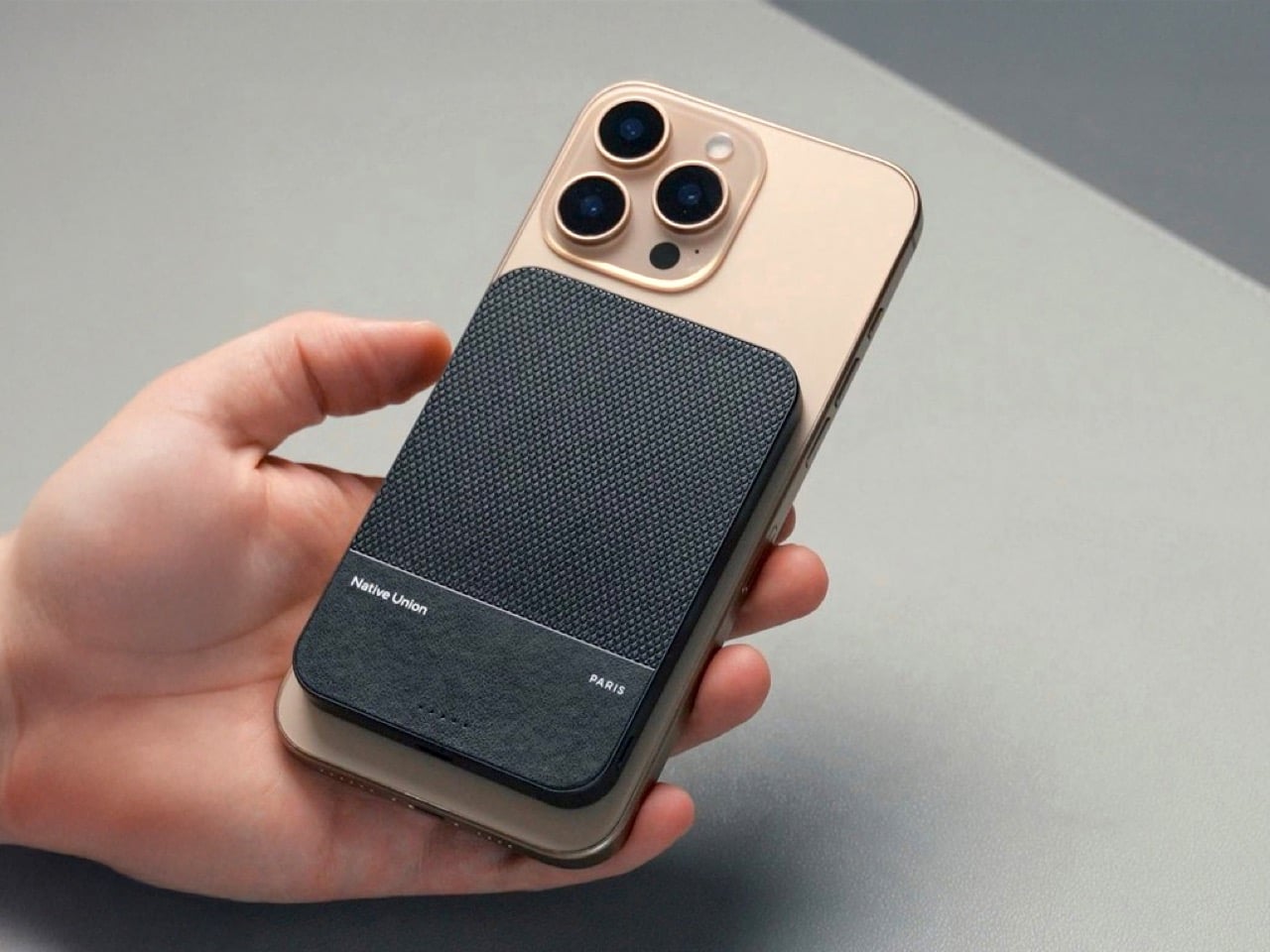
08. Native Union (Re)Classic MagSafe Power Bank (8.6mm)

If the EVA was the edgy one, Native Union’s (Re)Classic power bank is the classy one, sporting not a plastic or metal outer casing, but one made from faux leather for that extra oomph. You’ve got 5 very dapper colors to choose from, all echoing very pristine leather tan hues, blending in perfectly with any leather case you may put on your phone.

At 8.6mm, this isn’t the thinnest of the bunch, but it’s certainly impressive in its sleekness, and comes with a 5,000mAh internal, along with both MagSafe and Qi2 support (so that works for newer Android phones too). Each power bank gets paired with one of Native Union’s braided USB-C cables, upping the class-factor on this gizmo.

Why We Recommend It

Why rock plastic or glass when you could rock vegan leather? And this isn’t some run-of-the-mill vegan leather – Native Union designed it to be durable, and even gave it a gorgeous diamond texture that your fingers will love. At $69.99, it’s on the pricier side, but then again, you’re paying for style and substance as well as sleekness.
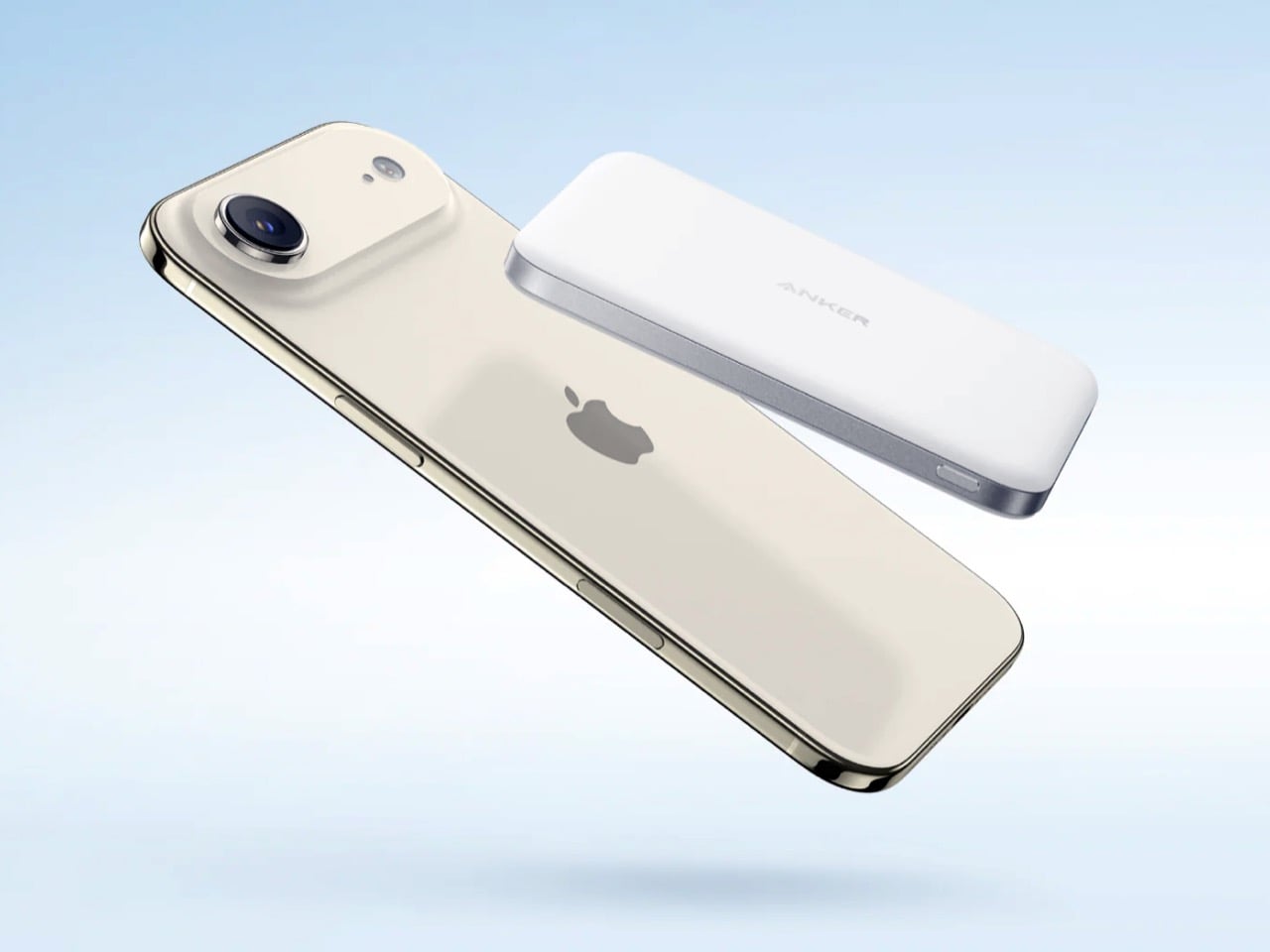
09. Anker Nano MagGo Power Bank (8.6mm)

About time Anker made it to the party. The company that practically pioneered an entire industry of charging accessories, Anker’s Nano MagGo barely makes the cut, tying in with Native Union’s (Re)Classic power bank at 8.6mm in thickness. I dock points for being basic looking, given that Anker’s power bank sort of looks like a mirror image of Apple’s own MagSafe power bank.

The only difference is that the Nano MagGo comes in 4 colors as opposed to Apple’s singular white. This bad-boy packs a 5,000mAh capacity too, with 15W fast wireless charging as well as fast-recharging for the battery pack itself. Anker claims it charges an iPhone 16 to 25% in just half an hour if you plug it in (delivering 20W of power), but marginally longer if you rely on the MagSafe charging protocol.

Why We Recommend It

Is it thicker than Apple’s own power bank? Yes, but it packs more capacity, works with all iPhones, and costs $54.99, which makes it cheaper than what Apple offers. I’d pick this if the only other option was Apple’s MagSafe power bank, but if you want style and substance, or even a competitive price point, there are others on this list.
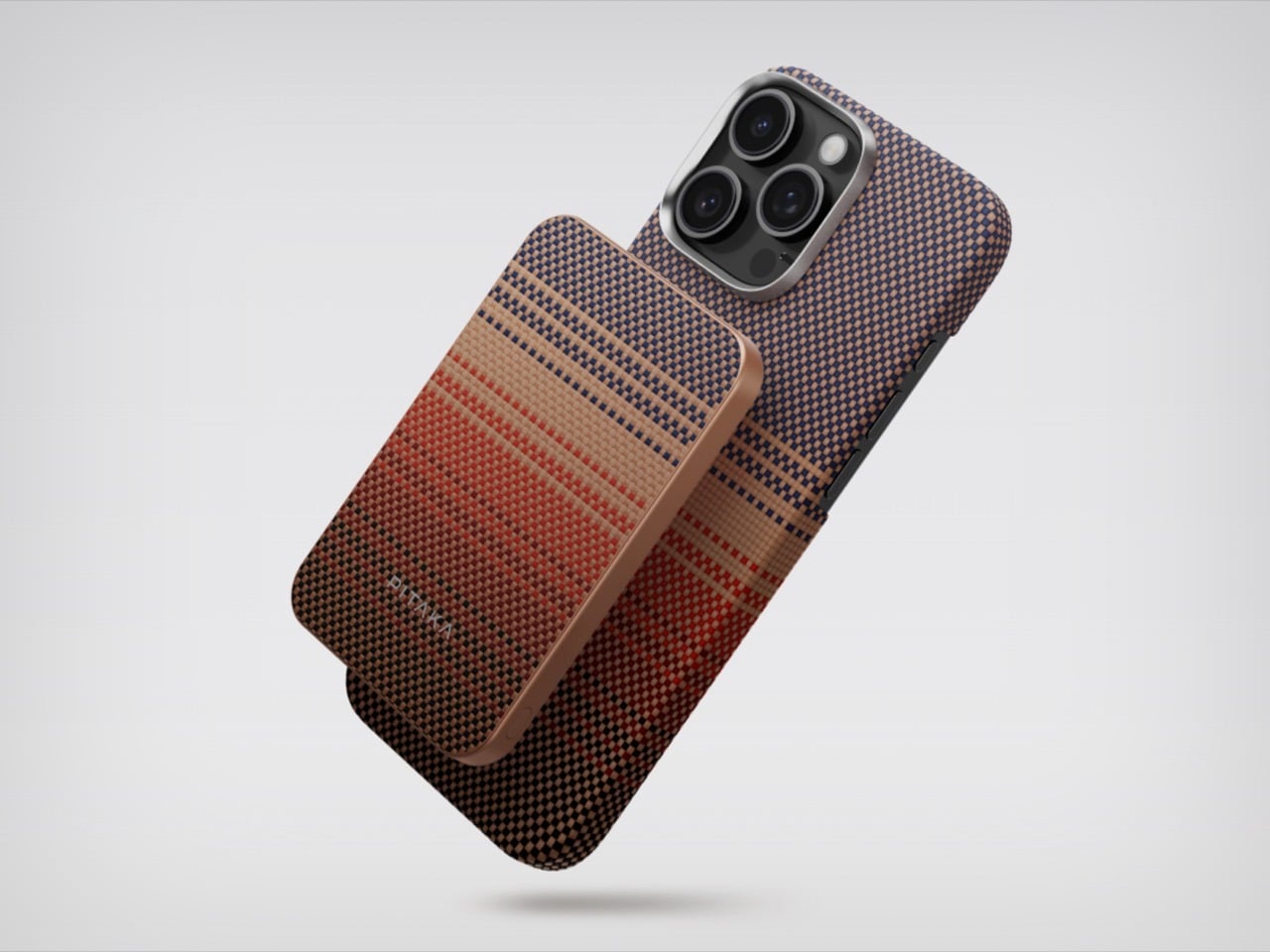
10. PITAKA Aramid Fiber Magnetic Power Bank (8.8mm)

Vegan leather is nice, but Aramid fiber is infinitely cooler. Made from the same material used to make Kevlar, PITAKA’s power bank has a reputation that precedes it. Sure, it won’t deflect bullets, but that Aramid fiber weave is genuinely one of the coolest things I’ve seen on a power bank. PITAKA’s perfected the ability to weave the fibers in different patterns, creating unique designs that truly stand out. While blending in thanks to the sleek 8.8mm profile.

Sure, 8.8mm isn’t the slimmest, but if you’re trying to find a power bank that truly is a treat for the eyes, this one’s your bet. It packs 5,000mAh on the inside (a standard at this point), has MagSafe and Qi2 support, and even packs a 4 LED battery indicator that tells you exactly how much juice you’ve got remaining on the bank.

Why We Recommend It

At $69.99, it’s not your budget option, but one look at the Aramid fiber weave and you’d never think of using the word ‘budget’. This thing looks gorgeous as heck, and pairs rather well with PITAKA’s woven Aramid fiber cases too. Here’s the best part, each case comes with a magnetic array on the inside, which means the Android cases all instantly become MagSafe compatible in seconds!
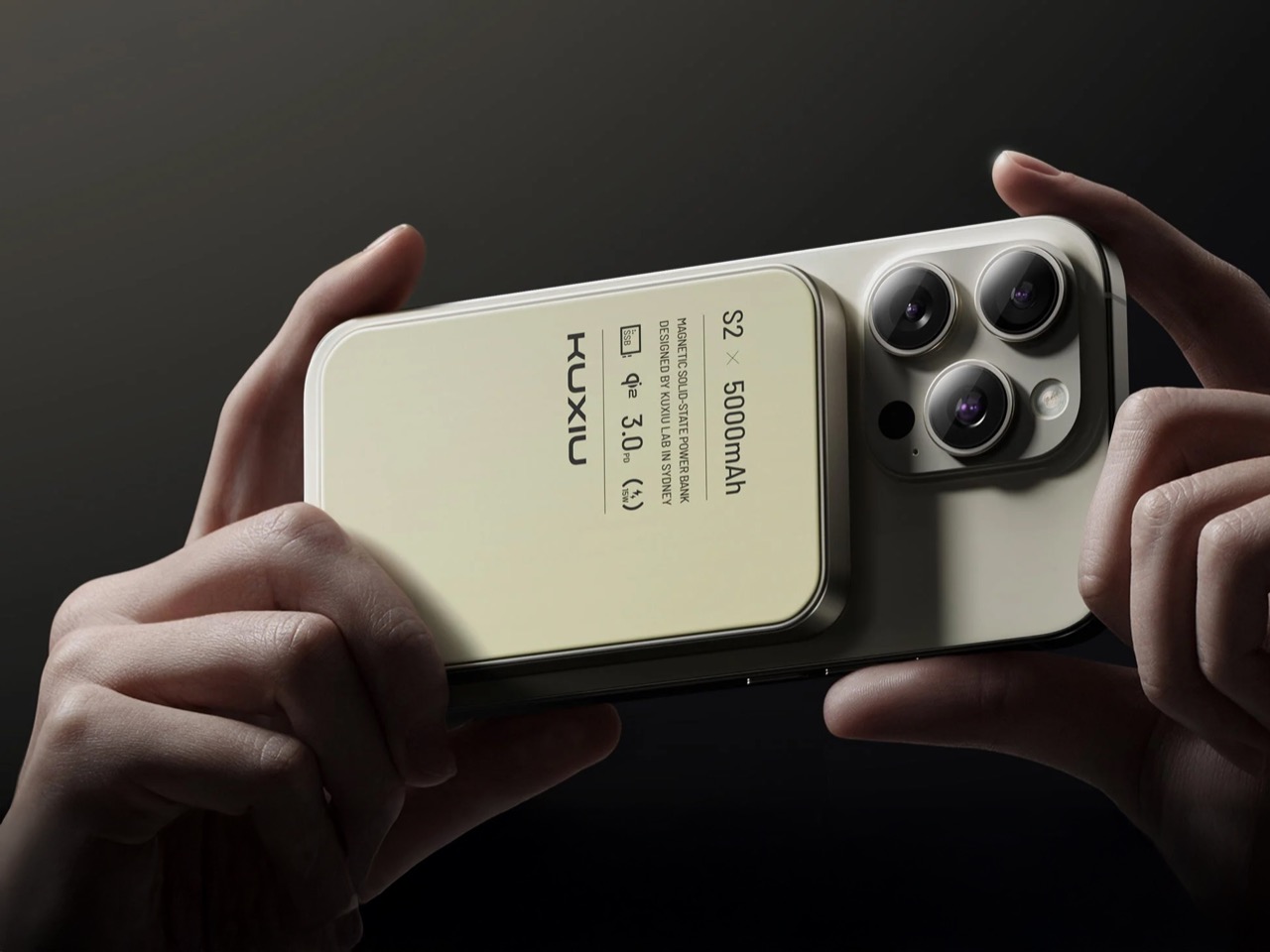
[Bonus] KU XIU 2025 Solid-State Magnetic Portable Charger (9.9mm)

This otherwise-unheard-of brand gets a special mention on this list – not for just being slim, but for pioneering a technology that no company on this list has managed to so far. This KU XIU power bank features a solid-state battery, which is significantly more advanced than any of the Li-ion batteries on the competition. Solid state batteries are pretty much the holy grail of consumer-grade battery technology at this point. They’re a lot more durable than Li-ion, and unlike the latter that tend to catch fire or explode under duress, solid state batteries can literally get crucified with a nail and a hammer and they’ll still work. Don’t do that though. Just know that your battery is ridiculously durable.

It’s going to be a while before we see this tech in phones, but the fact that you’re getting them in power banks this slim (at a respectable 9.9mm) is still impressive. Go to KU XIU’s website and you’ll see someone literally hammering the power bank’s battery cell, puncturing it with nails, even clipping the corner off with pliers. The thing still works without catching fire or heating up. I’d call that mighty impressive considering it isn’t even a decade since the Samsung Galaxy Note 7 fiasco we had in 2016.

Why We Recommend It

Three words. Solid State Batteries. One more word. $49.99. You read that right, this 5,000mAh solid state power bank is literally cheaper than most of the other contenders on this list. Is it thicker? Yes, but is it also safer, more long-lasting, and quite literally the future of battery tech? Also yes.

The post Top 10 World’s Thinnest MagSafe Power Banks That Give Your Phone Battery Without Any Bulk first appeared on Yanko Design.


DJI’s Latest Drone Was Designed To 3D-Scan Landscapes (And Maybe Find Hidden Treasure)

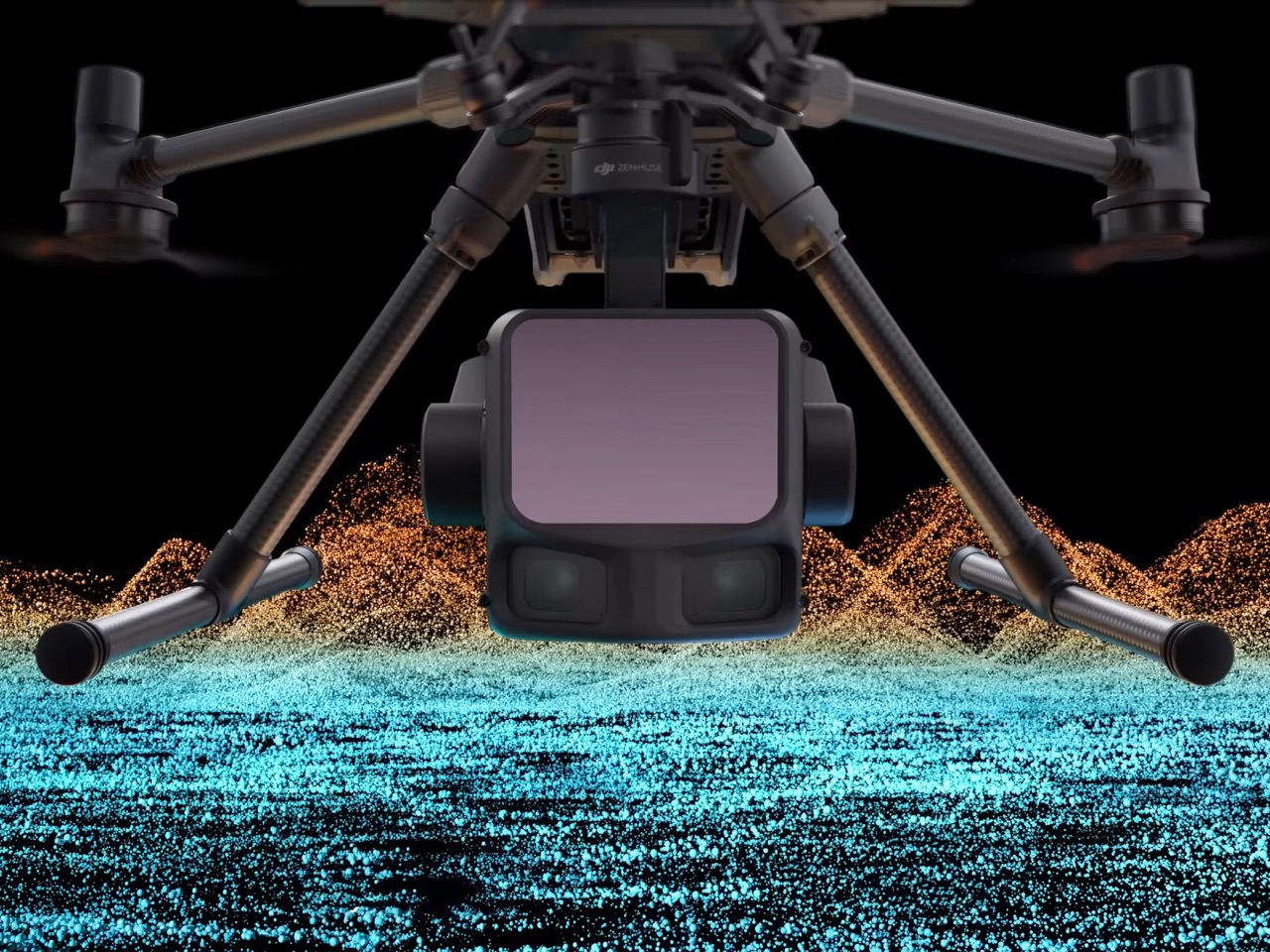
DJI just made professional-grade aerial LiDAR look affordable – for companies, governments, and organizations, at least. The Zenmuse L3, launched November 4, packs technology that would typically cost $150,000 to $250,000 into a $14,600 package that weighs just 1.6 kilograms. Its dual 100-megapixel cameras and laser system can map 100 square kilometers per day with centimeter-level precision – capabilities that open doors far beyond traditional surveying into realms like archaeological discovery and terrain analysis that were previously the domain of well-funded research institutions.

While the L3 targets professional surveyors, utility companies, and mining operations, the technology has captured imaginations far beyond its intended audience. DJI’s launch video has racked up over half a million views, suggesting that even those who can’t justify the five-figure price tag (like me, for example) are fascinated by what the system can do: strip away forest canopies with laser precision, reveal hidden terrain features, and create detailed 3D models of landscapes that might conceal everything from ancient ruins to forgotten infrastructure – or perhaps even treasure waiting to be discovered.

Designer: DJI Enterprise

So here’s the thing about LiDAR that makes it fundamentally different from just strapping a really good camera to a drone. Cameras see surfaces, whatever light bounces back to the lens. LiDAR shoots invisible laser pulses at the ground, measures how long they take to bounce back, and uses that timing to calculate exact distances. Fire enough of these pulses fast enough, in enough directions, and you’re essentially building a 3D point cloud of everything below you. The L3 fires up to 2 million laser pulses per second, which is an absurd number when you think about it. Each pulse that hits something creates a data point in three-dimensional space, and when you’ve got millions of them, you can reconstruct terrain with the kind of detail that makes traditional surveying look quaint.

What gets interesting is how far these lasers can actually reach. DJI claims 950 meters at lower pulse frequencies, which means you can fly this thing higher than most photography drones and still get usable data. Fly at 300 meters and you’re covering massive ground while maintaining accuracy within a few centimeters. That’s the kind of precision that lets utility companies inspect power lines without getting dangerously close, or lets mining operations map their entire site in a single day instead of sending survey crews out for weeks. The laser spot it creates is tiny, about 41mm across at 120 meters up, which is roughly the size of a golf ball. Smaller spots mean more precise measurements, and the L3’s spot is apparently one-fifth the size of what the previous model could do.

But the real party trick is how this thing handles obstacles like trees. When a laser pulse hits a forest canopy, it doesn’t just bounce off the first leaf it encounters and call it a day. Modern LiDAR systems can capture multiple returns from a single pulse. Think of it like the laser passing through gaps in the leaves, hitting a branch, continuing down, hitting more foliage, then finally hitting the ground. The L3 captures up to 16 of these returns, which is double what high-end professional systems typically manage. Every return gives you another layer of information about what exists in that vertical column of space. For someone trying to map terrain under dense vegetation, this is the difference between seeing a green blob and actually understanding the ground elevation beneath it. Archaeologists have used this exact technique to discover ancient Mayan cities hidden under jungle canopy, and while DJI isn’t marketing this as a treasure-hunting tool, the capability is absolutely there.

The dual 100-megapixel cameras add context that pure laser data can’t provide. Point clouds are incredibly accurate but they’re also just clouds of points, no color, no texture, nothing that helps a human brain quickly understand what they’re looking at. High-resolution cameras flying alongside the LiDAR capture regular photos that get mapped onto the 3D point cloud, giving you models that actually look like the real world. At 300 meters up, each pixel in those photos represents 3 centimeters on the ground, which is detailed enough to see road markings, individual shrubs, basically anything larger than a soccer ball. The system takes both types of data simultaneously, so you’re not making multiple passes or trying to align datasets captured at different times under different lighting conditions.

Traditionally, capturing LiDAR data was the easy part and processing it was where everything ground to a halt. You’d come back with terabytes of raw laser measurements that needed heavy computation to turn into usable maps or models, often requiring expensive software and workstations that could actually handle the processing load. DJI bundles their Terra software for free, no additional licenses, and they’ve optimized it so you can open massive datasets on fairly modest hardware. They’re also doing something clever with real-time preview, letting you see the point cloud data and take measurements while you’re still flying. You’re not waiting until you get back to the office to discover your flight parameters were wrong or you missed a critical area. That kind of immediate feedback changes how you approach the actual data collection because you can adjust on the fly instead of scheduling another expensive flight mission.
The whole package weighs 1.6 kilograms and mounts exclusively to DJI’s Matrice 400 drone platform, which is their heavy-lift enterprise model. You’re looking at around $34,000 for the complete system, drone included, which puts it firmly in the realm of business investment rather than hobbyist experimentation. But that price point is what makes this notable. Five years ago, getting this level of LiDAR capability meant spending six figures on specialized equipment. DJI’s approach has been to take technology that existed only in high-end professional contexts and compress it into something that mid-sized organizations can actually justify purchasing. A regional utility company, a municipal government, a decent-sized construction firm, these are entities that can suddenly afford aerial LiDAR when they couldn’t before. And apparently, based on those YouTube view counts, a whole lot of people who will never touch one of these systems are still captivated by what it represents. There’s something fundamentally cool about technology that lets you see through forests and map the world in three dimensions, even if the only treasure most users will find is more efficient powerline inspections.
The post DJI’s Latest Drone Was Designed To 3D-Scan Landscapes (And Maybe Find Hidden Treasure) first appeared on Yanko Design.